
This image from March 2, 1959 shows engineers from NASA's Jet Propulsion Laboratory checking NASA's Pioneer 4 spacecraft, the gold-and-black-colored cone sitting atop the white fourth-stage motor of the Juno II launch vehicle in Florida. Launched on March 3, 1959, NASA's Pioneer 4 was the first American mission to escape Earth orbit and the second of two early attempts by the United States to send a spacecraft to the Moon. The spacecraft achieved its primary objective — to put itself on a trajectory from Earth to the Moon. While it flew farther away from the Moon than expected and didn't take the images of the Moon as intended, Pioneer 4 did provide extensive and valuable data on Earth's radiation belt and the tracking of space objects. After 82 hours of transmissions from Pioneer 4's tiny radio and 655,000 miles (1.05 million kilometers) of travel — the farthest tracking distance for a human-made object at the time — contact is lost on March 6, 1959. Pioneer 4 is still in orbit around the Sun. The mission was carried out while JPL was transitioning from being part of the Army Ballistic Missile Agency to NASA. It marked the end of the U.S. Army's pioneering space program and the beginning of NASA's lunar program. JPL, in Pasadena, California, was responsible for mission design and management for both agencies. More information about Pioneer 4 can be found at: https://solarsystem.nasa.gov/missions/pioneer-4/in-depth/ https://photojournal.jpl.nasa.gov/catalog/PIA23497

PIONEER F (PIONEER-10) SPACECRAFT AT CAPE KENNEDY BEING READIED FOR MISSION (SHOWS THE POSITION OF THE PIONEER INTERSTALLER PLAQUE)

Photograph by Pioneer 10 Ganymede as seen by Pioneer 10

Pioneer f (Pioneer-10) being readied for shipment to KSC

Charles Hall, Pioneer Project Manager in Pioneer Mission Control Center (PMOC) with Mr. Parker (?)

PIONEER 10 SPACECRAFT FINAL ASSEMBLY AT TRW (TRW SYSTEMS GROUP, REDONDO BEACH, CALIFORNIA DESIGNED AND FABRICATED THE PIONEER SPACECRAFT)

Pioneer F (Pioneer-10) spacecraft delivered to NASA at Cape Kennedy from TRW

John H. Wolfe, Pioneer Project Scientist, explains observations made by Pioneer 10 as it traversed the Jovian system

John H. Wolfe, Pioneer Project Scientist, explains observations made by Pioneer 10 as it traversed the Jovian system

Charles Hall, Pioneer Project Manager in Pioneer Mission Control Center (PMOC) with Mr. Parker (?)
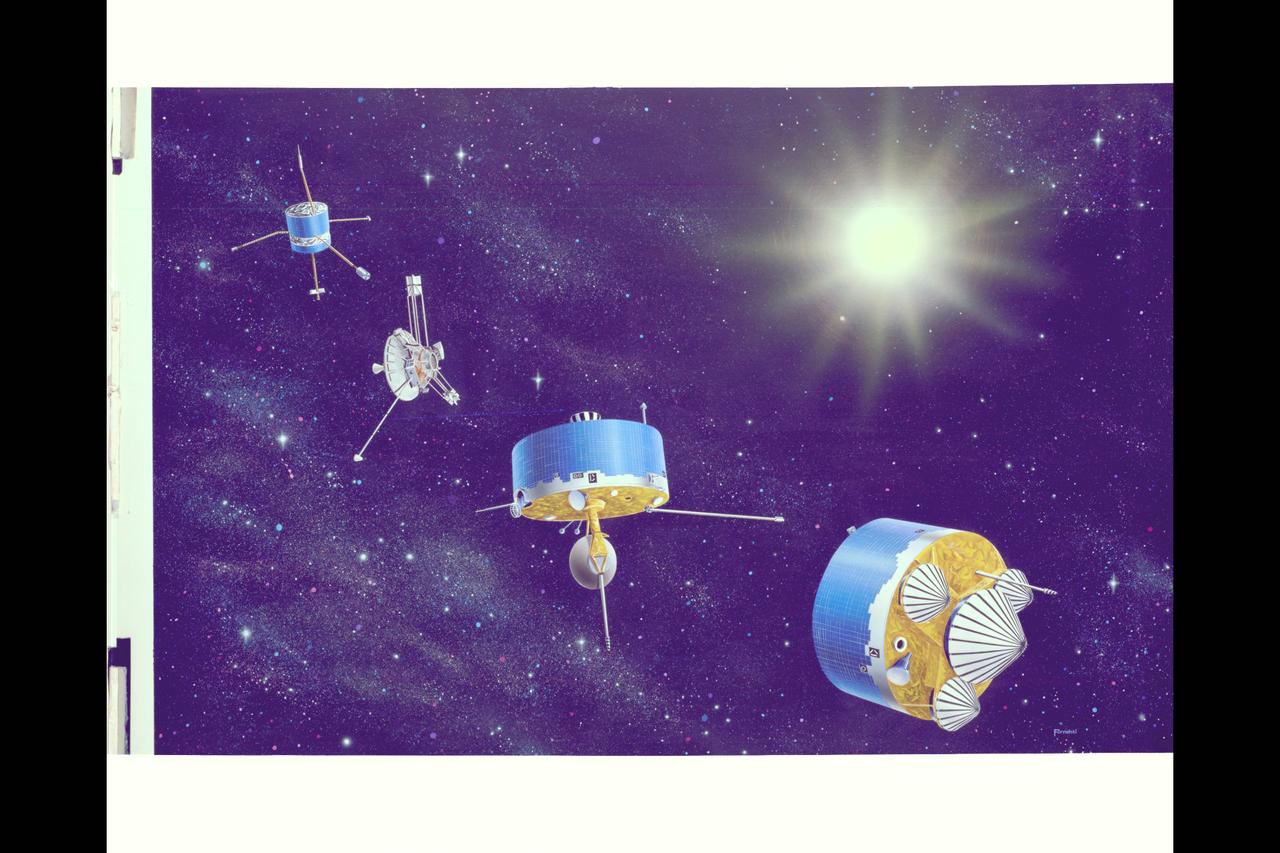
Artist: Fornalski Pioneer Spacecraft Composite 'The Pioneer Family' Probes 6-9, 10, 11 and Venus Orbiter and Multiprobe or Bus (12-13)

Artist: Rick Guidice Pioneer 10 Crosses the Asteriod Belt: If spacecraft are to visit the outer Solar System, they must cross the asteroid belt between Mars and Jpiter. The Pioneer mission was faced with the question of just how dangerous this astroid belt would be to a spacecraft passing throught it. Note: used in NASA SP-349 'Pioneer Odyssey - Encounter with a Giant' fig. 1-24 and SP-446 ' Pioneer - First to Jupiter, Saturn, and Beyond' fig 1-24
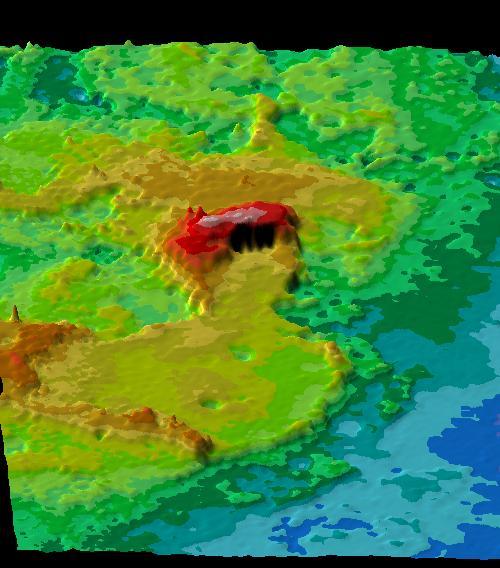
This perspective view of Ishtar Terra was derived from data obtained by NASA's Pioneer Venus spacecraft altimetry radar instrument. http://photojournal.jpl.nasa.gov/catalog/PIA00093
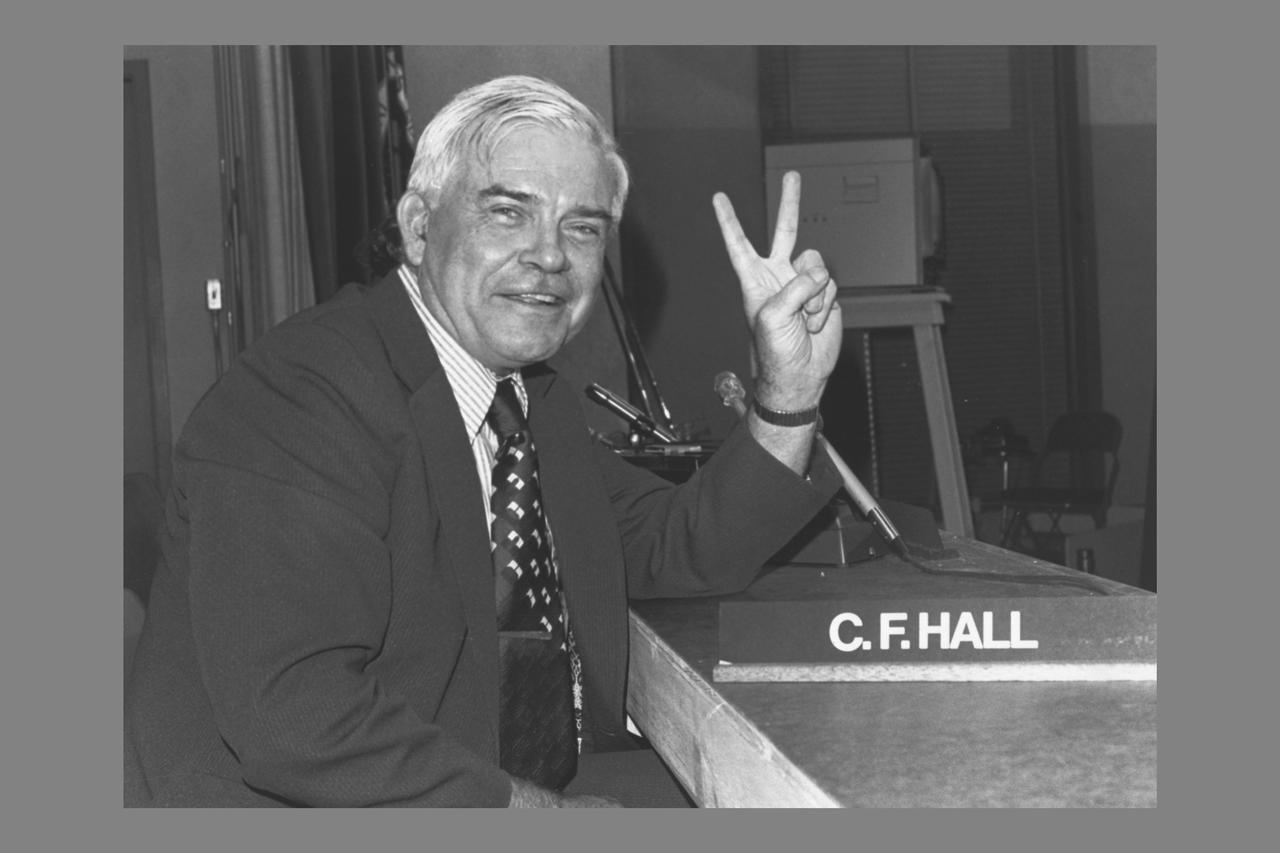
Photographs and Captions courtesy of Joseph and Donna Roizen Telegen, Palo Alto, CA (from) Pioneer 10 and 11 Missions Jupiter encounters - Activities at Ames Research Center December 1973 and December 1974 - As a memento of the highly successful Pioneer 10 and 11 missions to Jupiter, this collection of photographs represents a sampling of those taken at Ames Research Center during the Jupiter encounter periods in December 1973 and December 1974. The captions for these photographs are meant to suggest the lighter side of the intense activities that took place during these periods. I would like to express my gratitude to all participants in the Pioneer 10/11 program for their teamwork in accomplishing the scientific and technical objectives of the Pioneer 10 and 11 missions to Jupiter. (signed) Charles F. Hall - Manager, Pioneer Project Charles F. Hall ' Pioneers 10 and 11 not only made schedule, but they got 51,326.149 miles per gallon and met EPA environment pollution limits.'
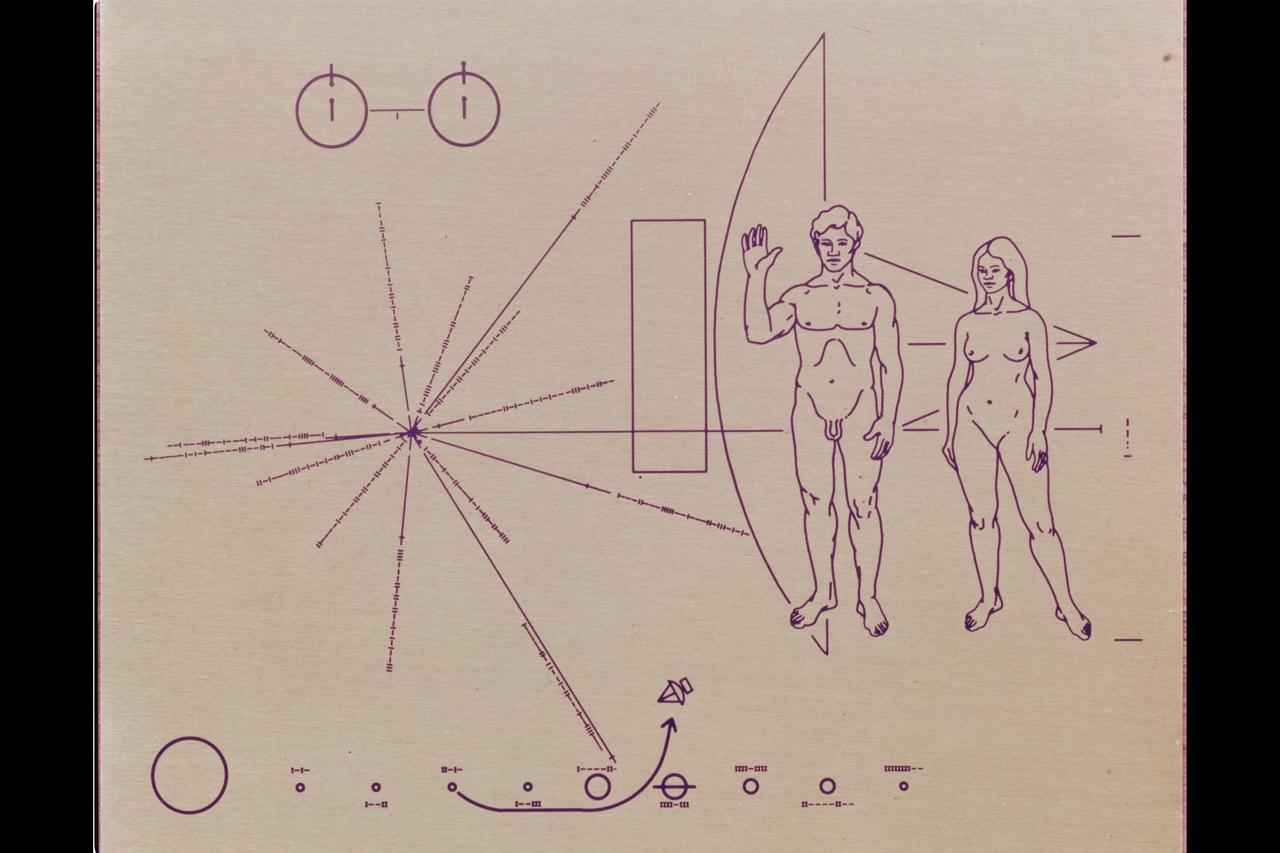
Pioneer F/G Plaque: Pioneer 10 the first spacecraft to leave our solar system carries a message to other worlds. The plaque was designed by Drs. Carl Sagan and Frank Drake, the artwork was prepared by Linda Salzman Sagan.
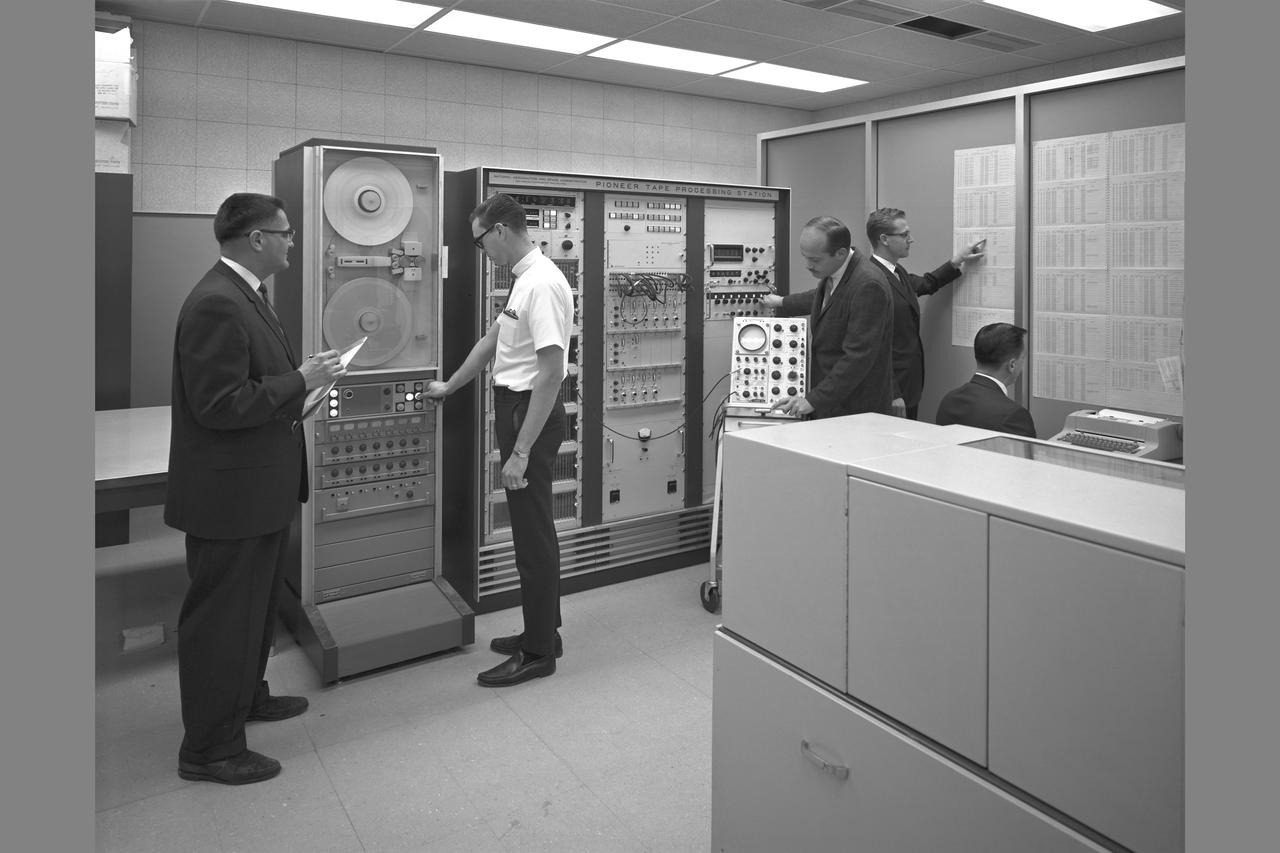
MR. R. O. FIMMEL, MR. G. R. HARVEY, R. C. VINYARD, N. WIRTH, D. KLAUK, WORKING IN THE DATA ROOM OF THE PIONEER TAPE PROCESSING STATION. Pioneer Off-Line Data Processing System.
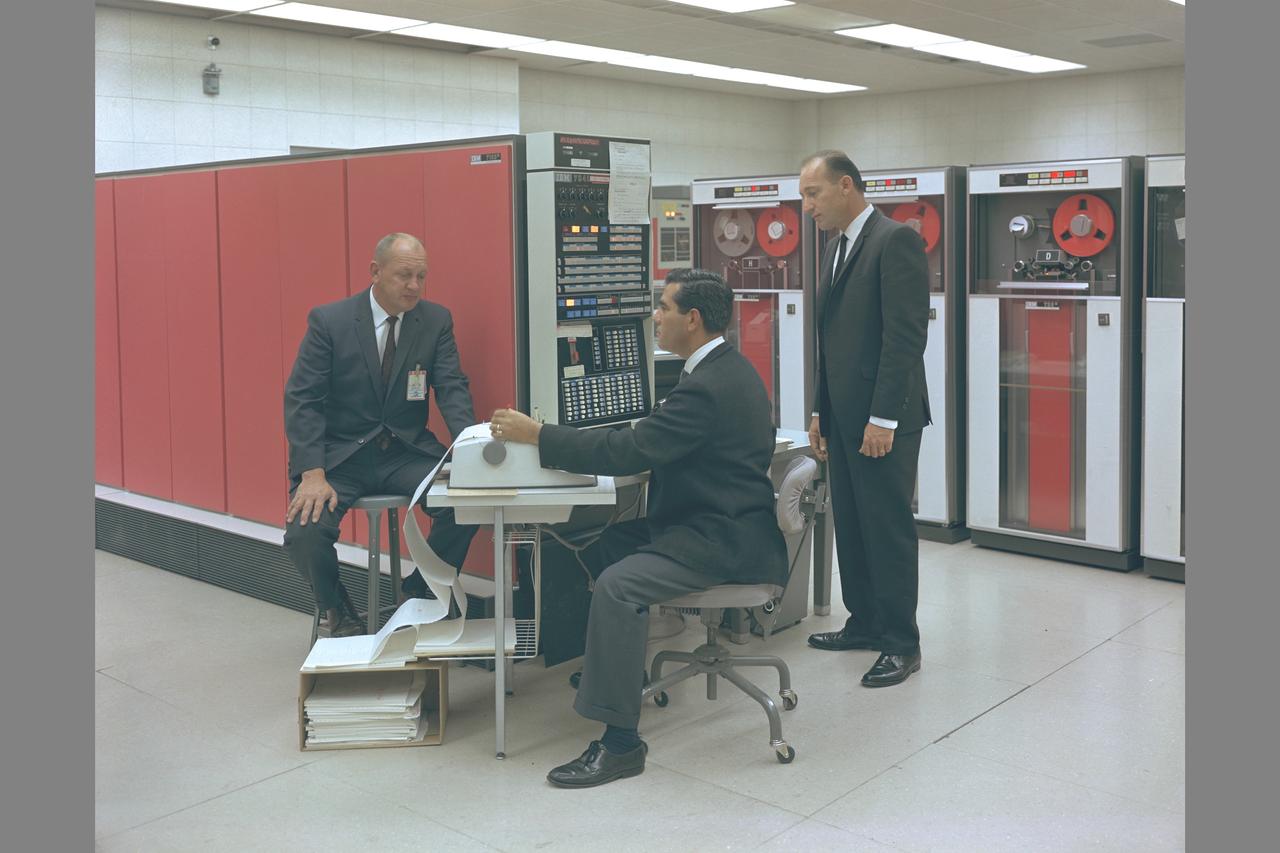
MR. A. NATWICK, MR. T. GONZALES, MR. F. GIALLANZA, AT WORK IN THE 7094 COMPUTER ROOM OF THE PIONEER TAPE PROCESSING STATION AT NASA AMES RESEARCH CENTER. Pioneer Off-Line Data Processing System.
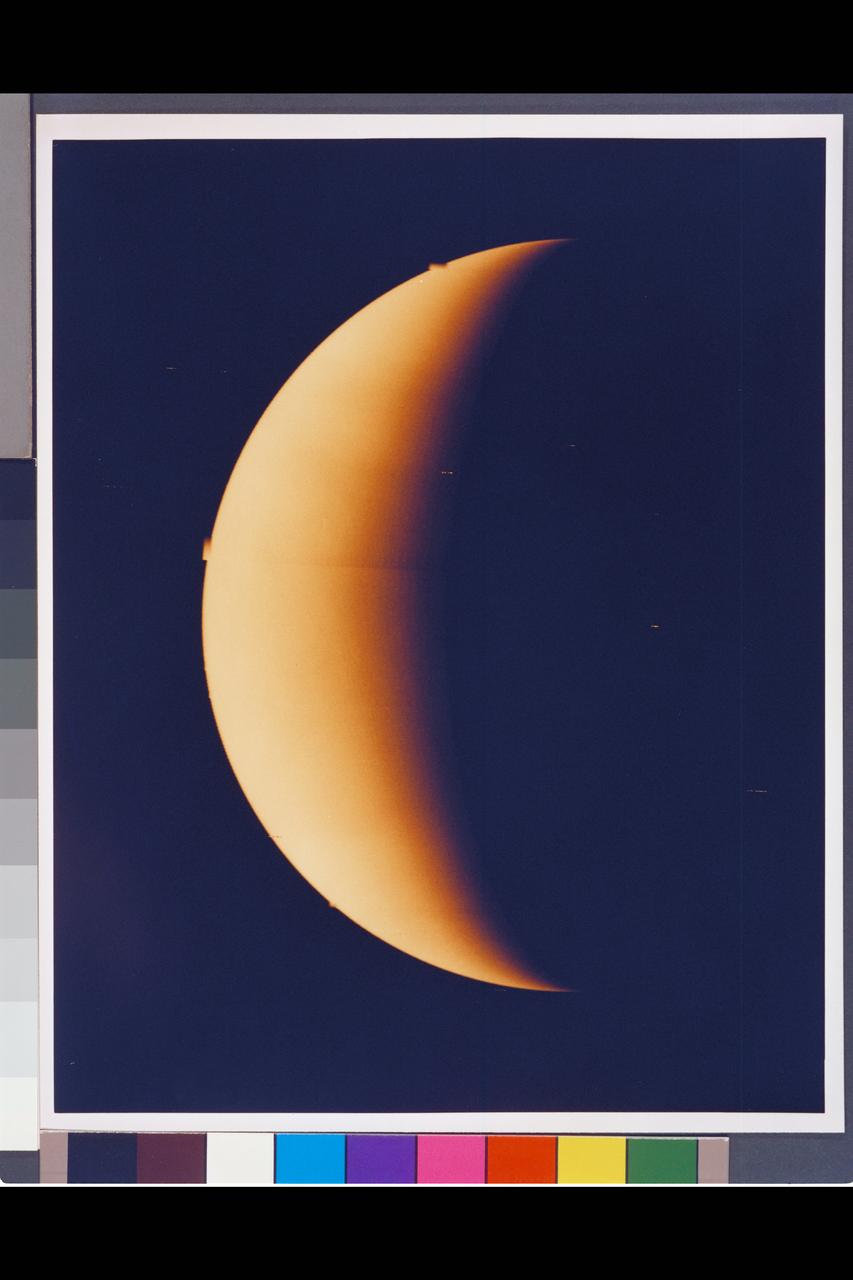
Pioneer-Venus Image (Crescent)
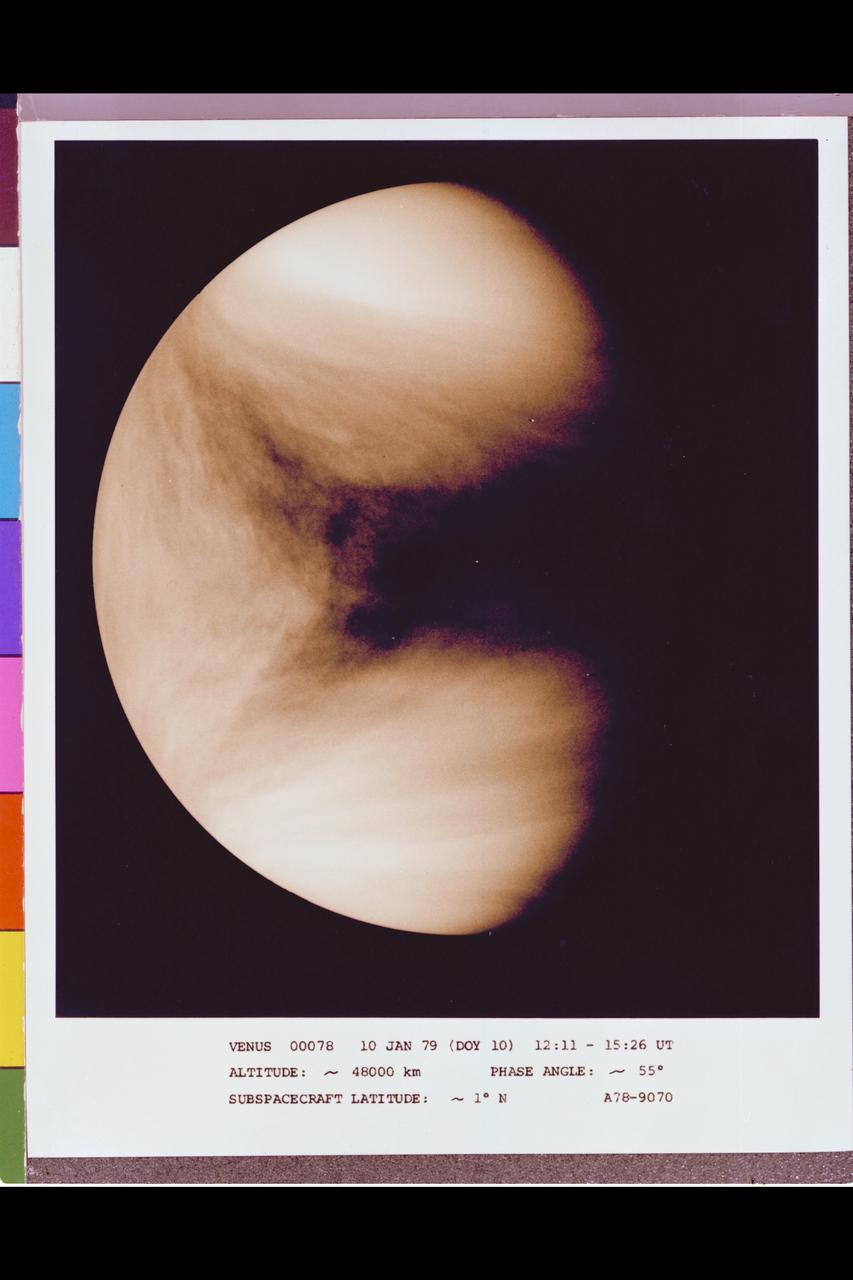
Pioneer-Venus Image 00078
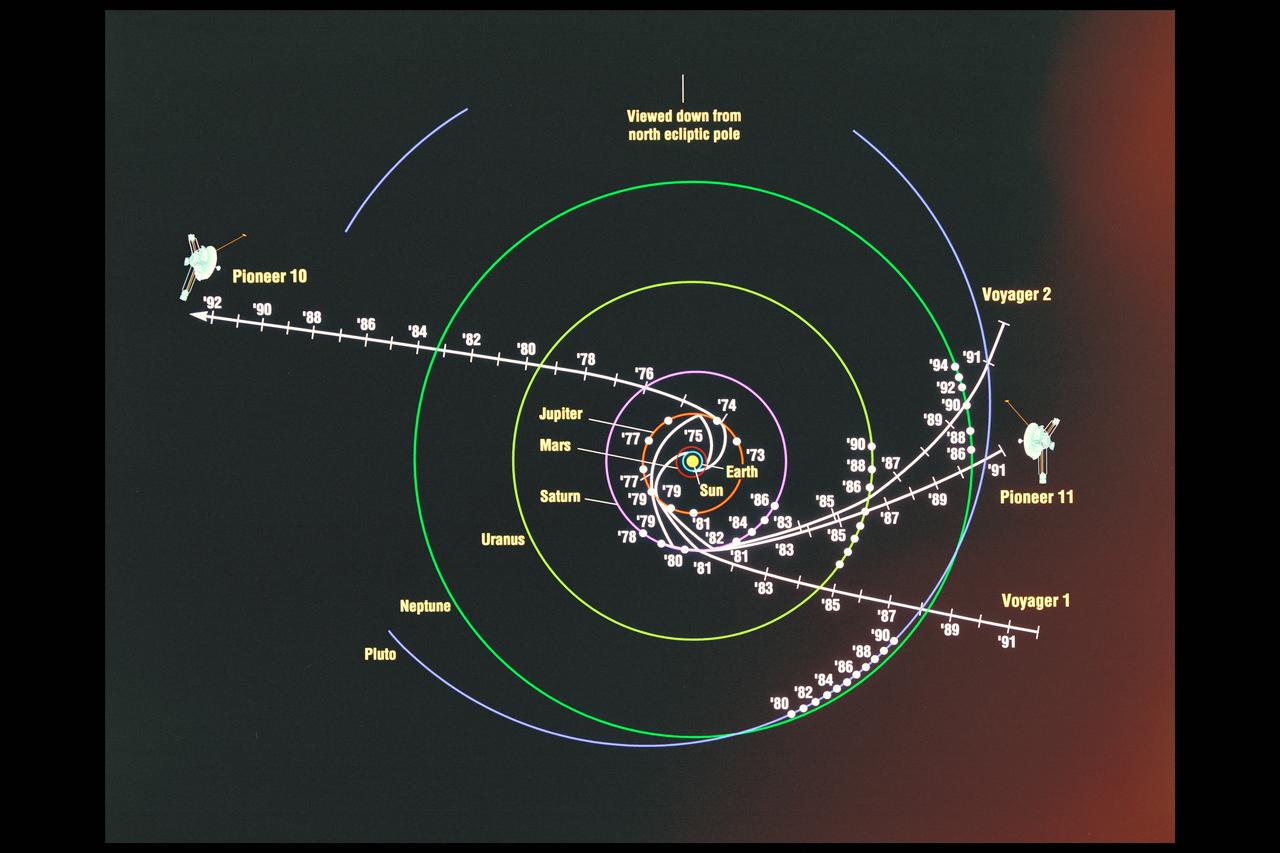
Pioneer 10 artwork
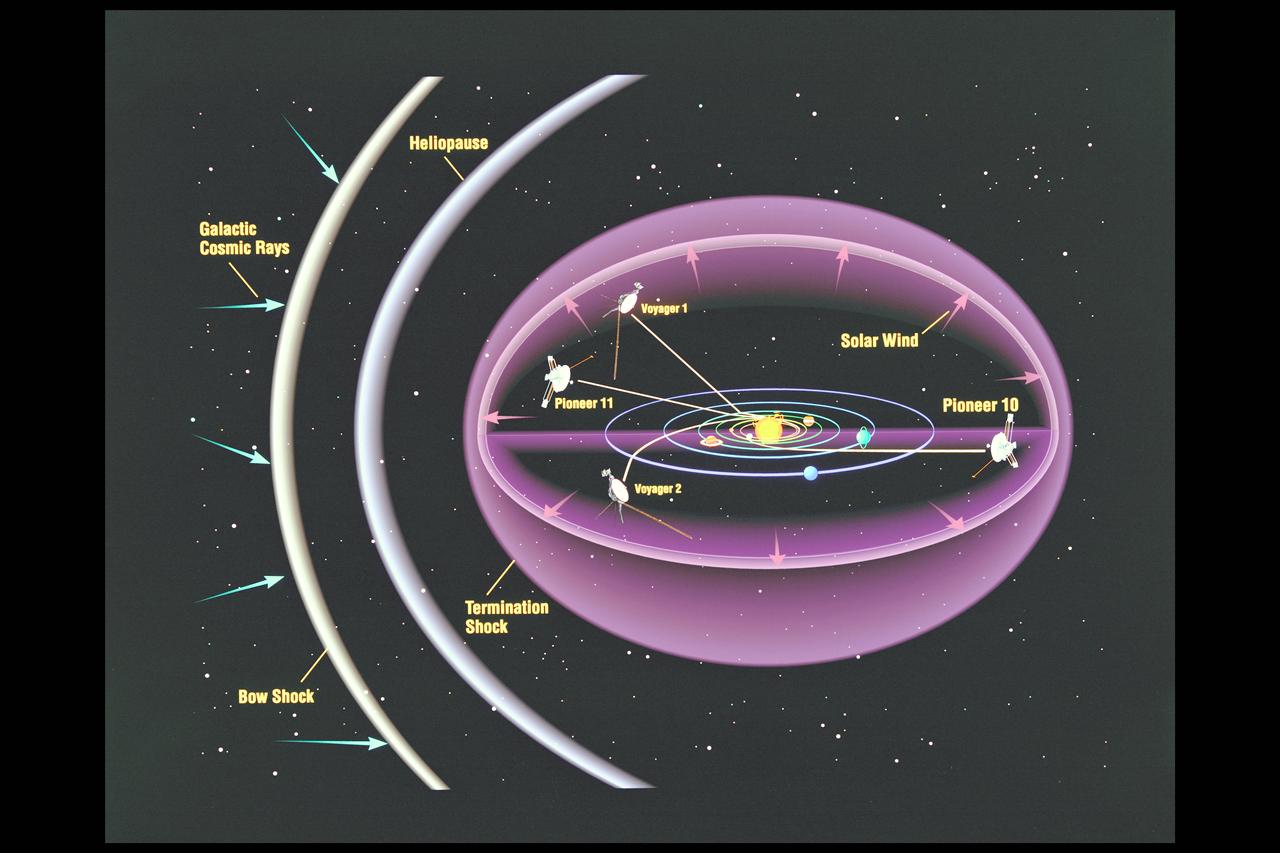
Pioneer 10 artwork
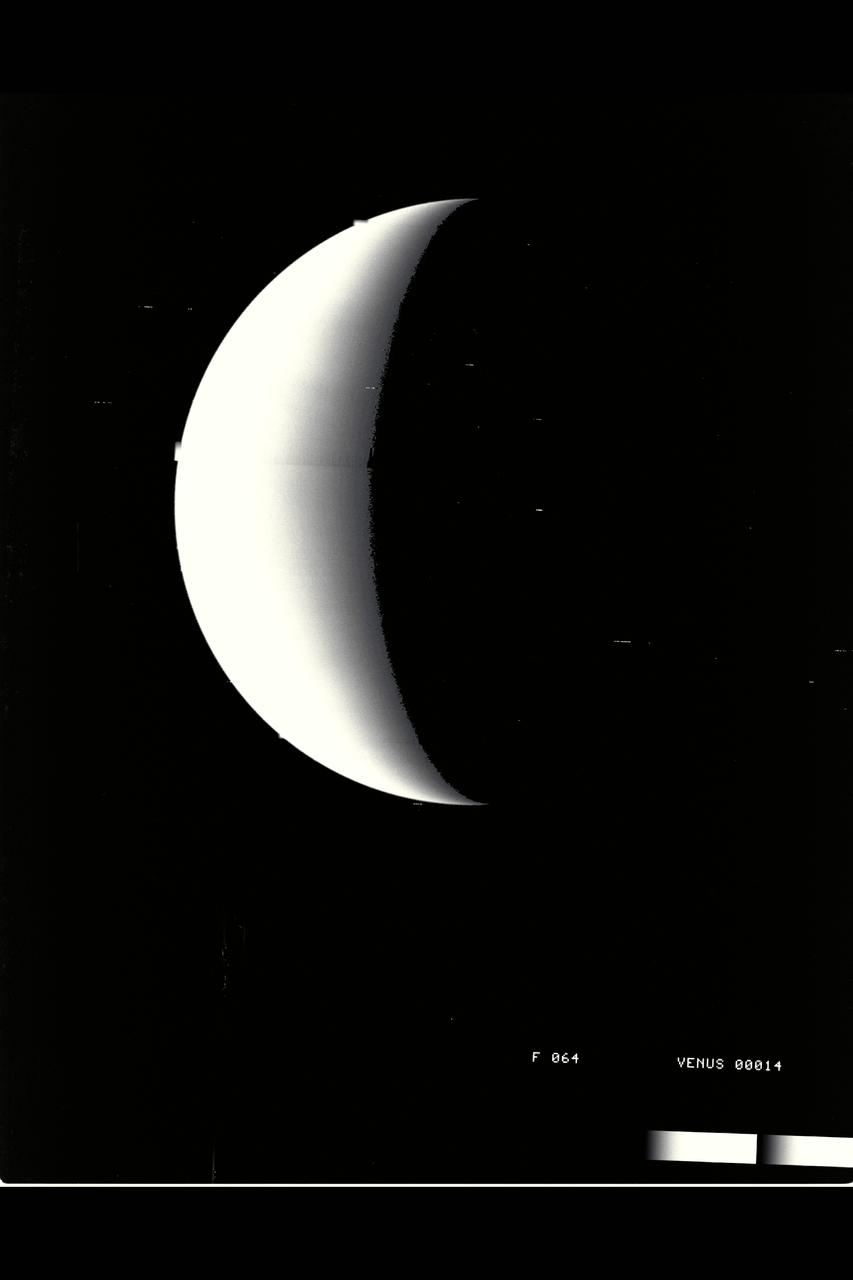
Pioneer-Venus Image (Crescent)
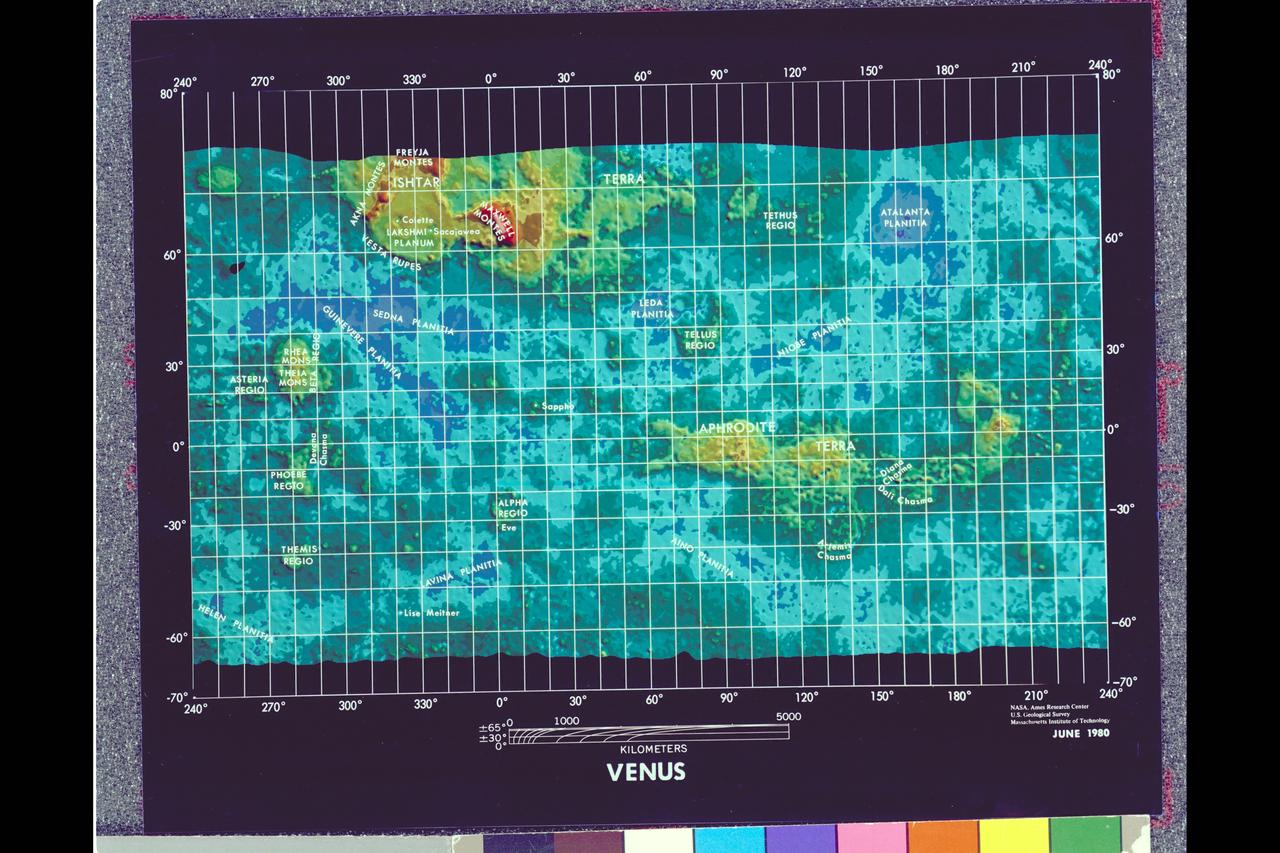
Pioneer Complete Venus Map
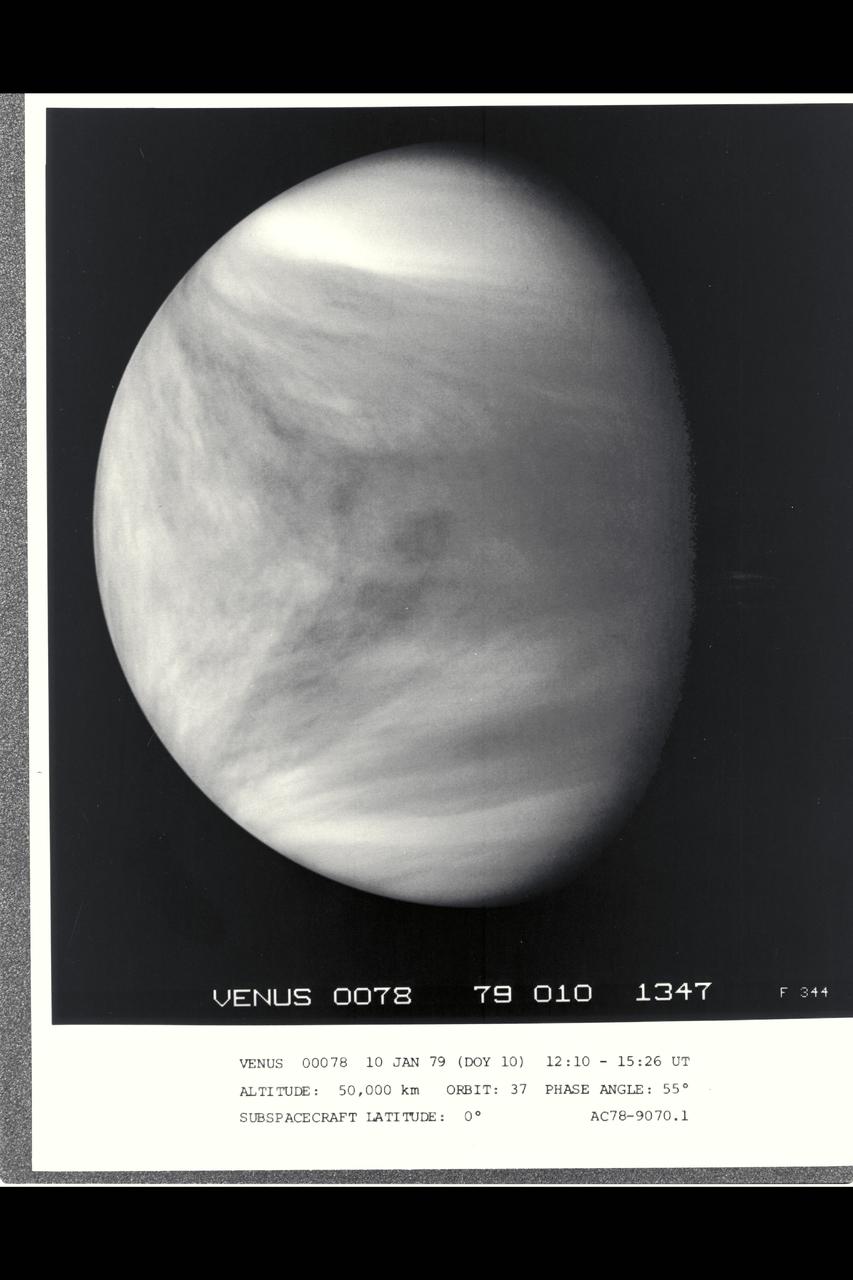
Pioneer-Venus Image 00078
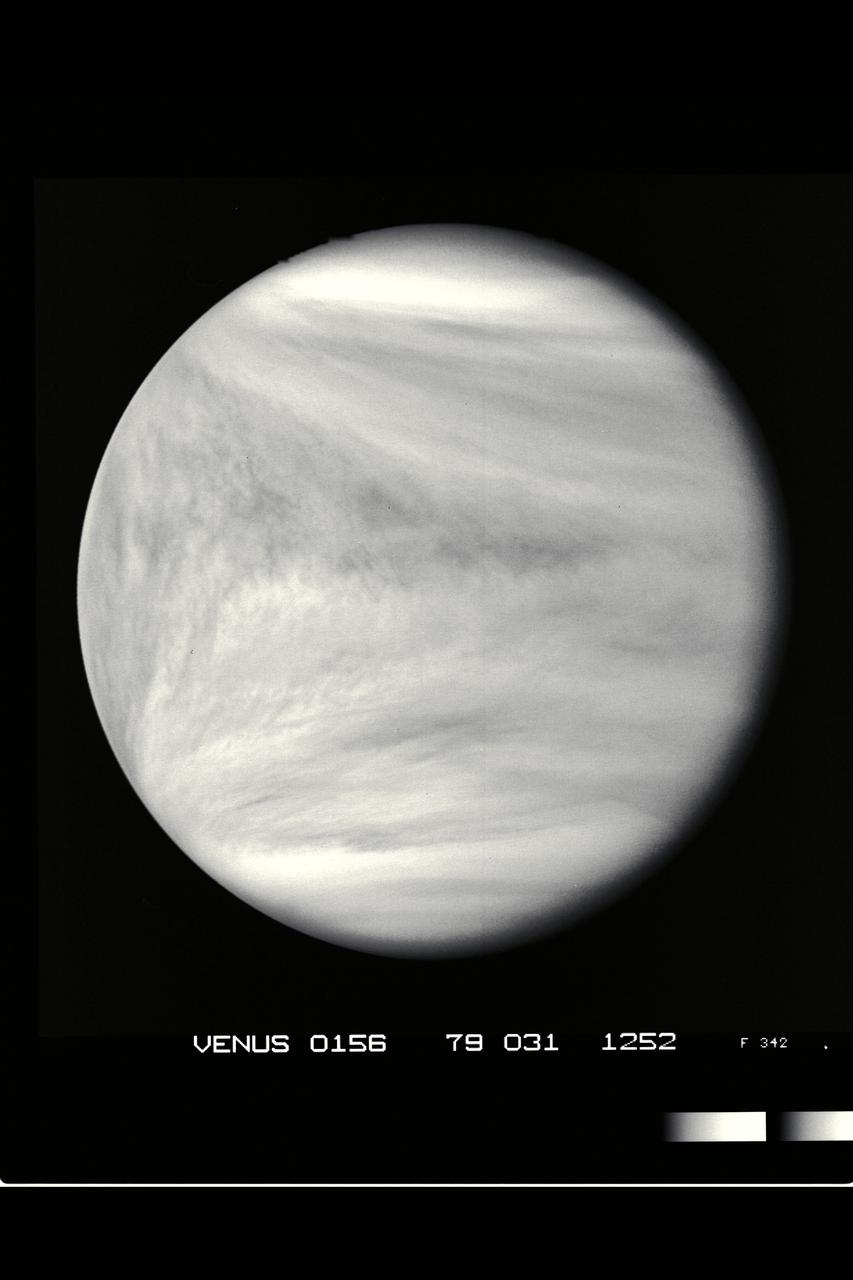
Pioneer Venus Occp. Image 00156
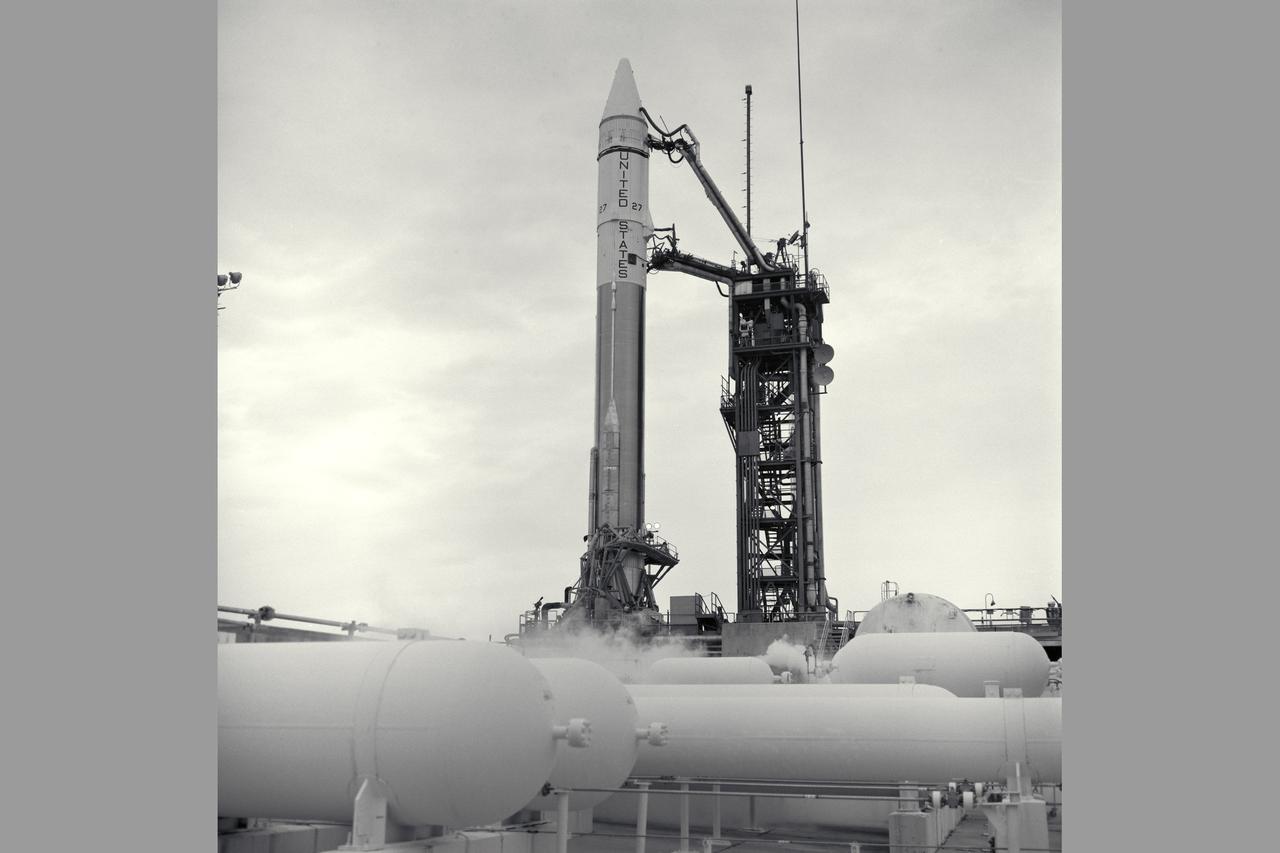
Pre Launch View of Pioneer F
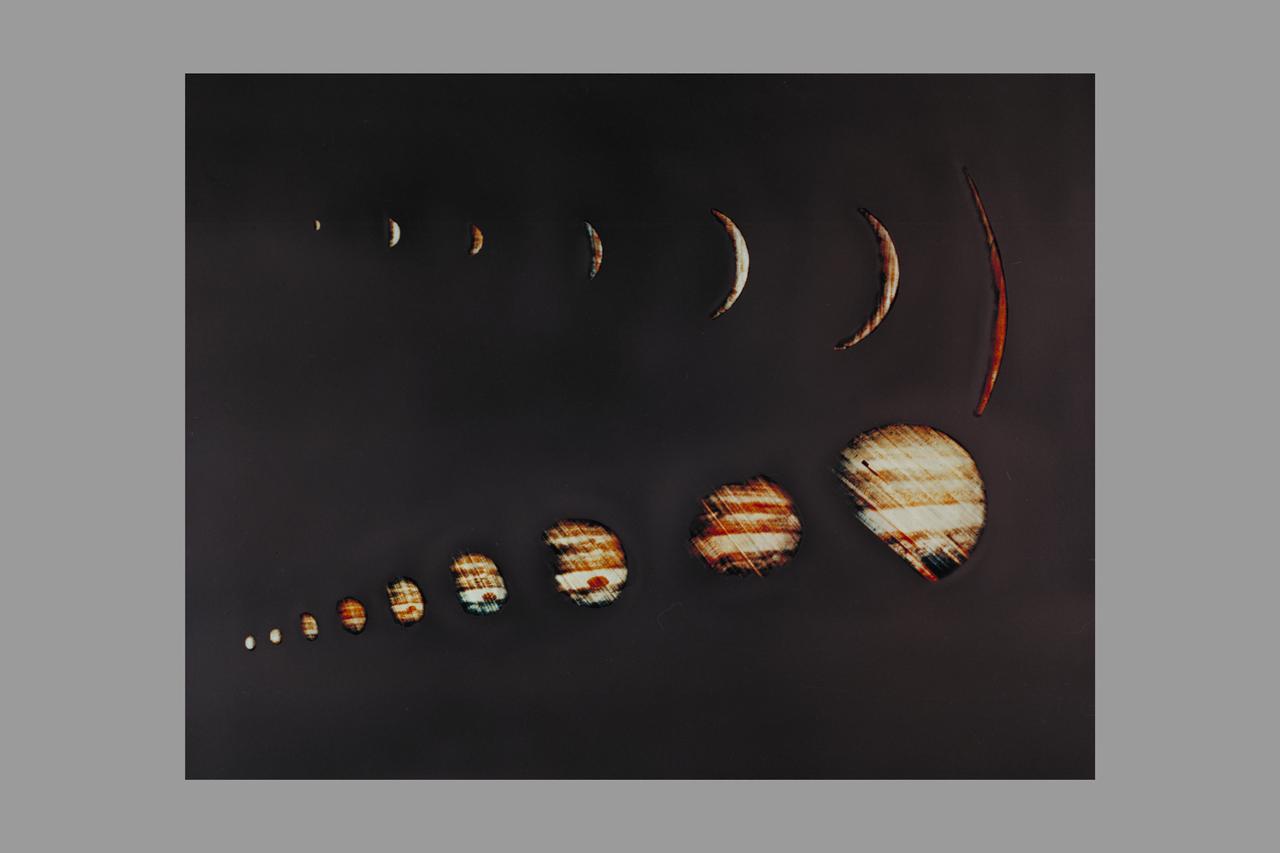
Composite Pioneer 10 imagery Excitement rose as the PICS displayed images of Jupiter of ever-increasing size as Pioneer 10 plunged at high speed toward its closest approach to the planet. The most dramatic moment was perhaps after closest approach and after the spacecraft has been hidden behind Jupiter. PICS (Pioneer Image Converter System) began to show a few spots on the screens, which gradually built up into a very distorted crescent-shaped Jupiter. 'Sunrise on Jupiter,' exclaimed an experimenter excitedly. 'We've made it safely through periapsis.' Subsequent PICS images were of a crescent Jupiter gradually decreasing in size as the spacecraft sped away out of the Jovian system. Note: used in NASA SP-349 'Pioneer Odyssey - Encounter with a Giant' fig. 5-15 and SP-446 ' Pioneer - First to Jupiter, Saturn, and Beyond' fig. 5-16.
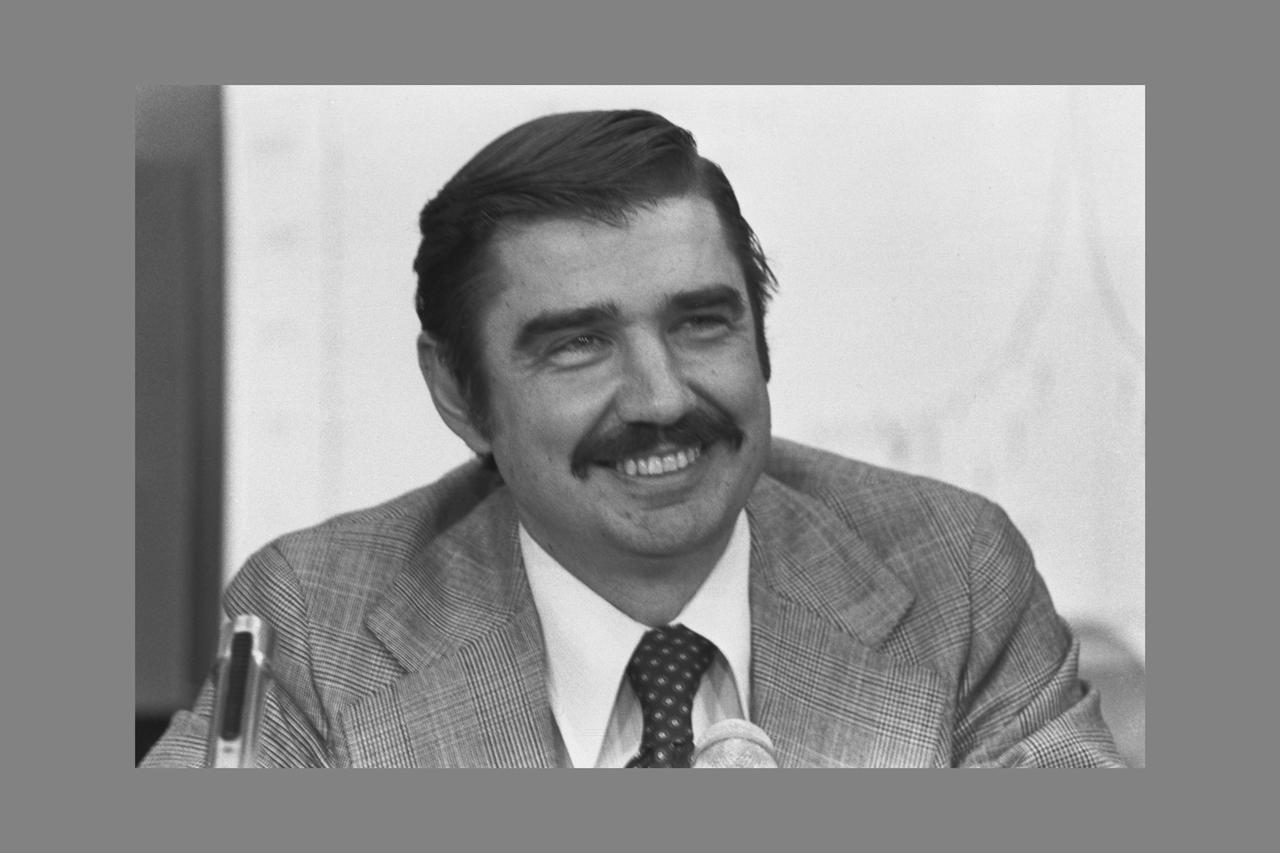
Photographs and Captions courtesy of Joseph and Donna Roizen Telegen, Palo Alto, CA (from) Pioneer 10 and 11 Missions Jupiter encounters - Activities at Ames Research Center December 1973 and December 1974 - As a memento of the highly successful Pioneer 10 and 11 missions to Jupiter, this collection of photographs represents a sampling of those taken at Ames Research Center during the Jupiter encounter periods in December 1973 and December 1974. The captions for these photographs are meant to suggest the lighter side of the intense activities that took place during these periods. I would like to express my gratitude to all participants in the Pioneer 10/11 program for their teamwork in accomplishing the scientific and technical objectives of the Pioneer 10 and 11 missions to Jupiter. (signed) Charles F. Hall - Manager, Pioneer Project Dr. Darrell l Judge 'I hope they are giving prizes for the best looking man at this conference because I finally got my moustache looking perfect.'

NASA Photographs and Captions courtesy of Joseph and Donna Roizen Telegen, Palo Alto, CA (from) Pioneer 10 and 11 Missions Jupiter encounters - Activities at Ames Research Center December 1973 and December 1974 - As a memento of the highly successful Pioneer 10 and 11 missions to Jupiter, this collection of photographs represents a sampling of those taken at Ames Research Center during the Jupiter encounter periods in December 1973 and December 1974. The captions for these photographs are meant to suggest the lighter side of the intense activities that took place during these periods. I would like to express my gratitude to all participants in the Pioneer 10/11 program for their teamwork in accomplishing the scientific and technical objectives of the Pioneer 10 and 11 missions to Jupiter. (signed) Charles F. Hall - Manager, Pioneer Project Dr. Carl Sagan 'Anybody who doesn't believe there are frogs in the Jovian atmosphere is going t hear from me.'
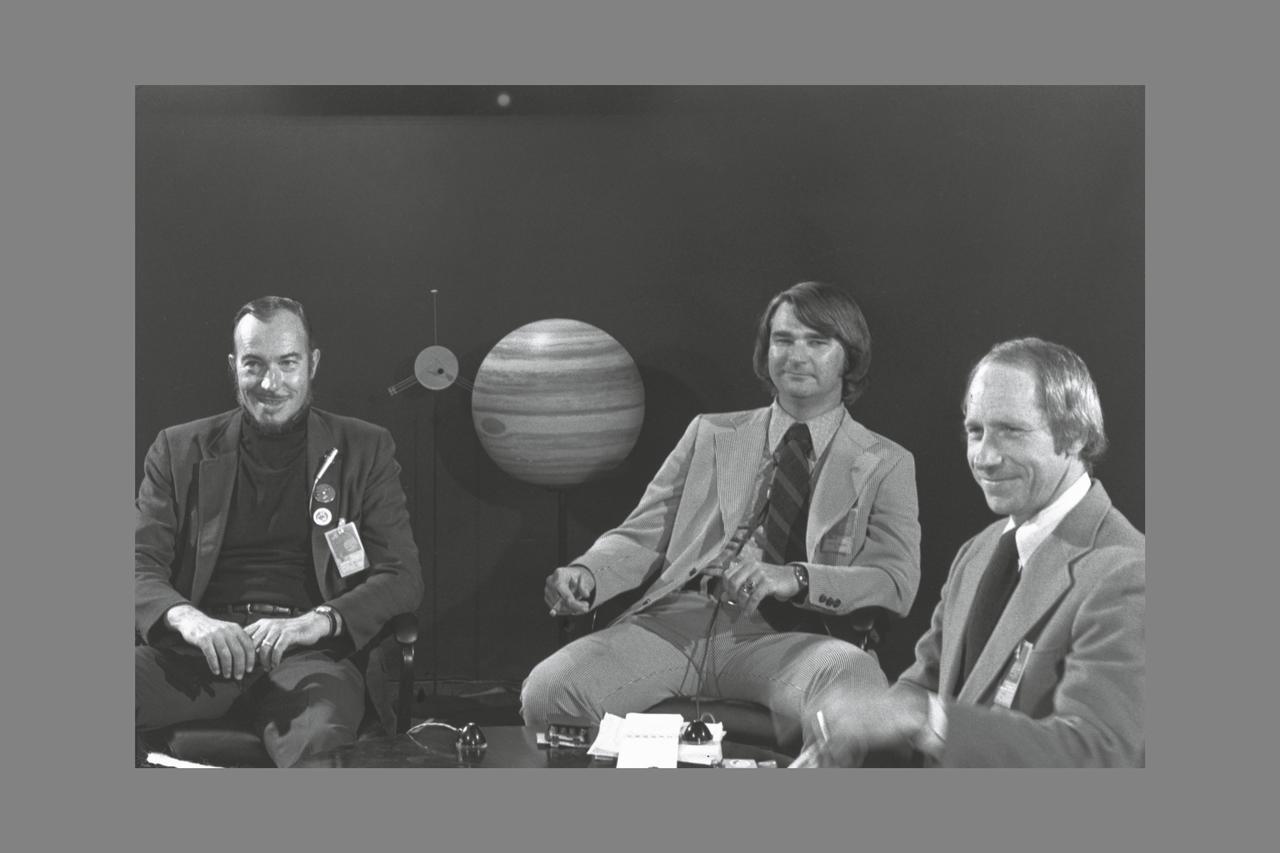
Pioneer 10 and 11 Missions Jupiter encounters - Activities at Ames Research Center December 1973 and December 1974 - As a memento of the highly successful Pioneer 10 and 11 missions to Jupiter, this collection of photographs represents a sampling of those taken at Ames Research Center during the Jupiter encounter periods in December 1973 and December 1974. The captions for these photographs are meant to suggest the lighter side of the intense activities that took place during these periods. I would like to express my gratitude to all participants in the Pioneer 10/11 program for their teamwork in accomplishing the scientific and technical objectives of the Pioneer 10 and 11 missions to Jupiter. (signed) Charles F. Hall - Manager, Pioneer Project L-R: Dr. John H Wolfe, Robert R Nunamaker, Alfred M. Worden
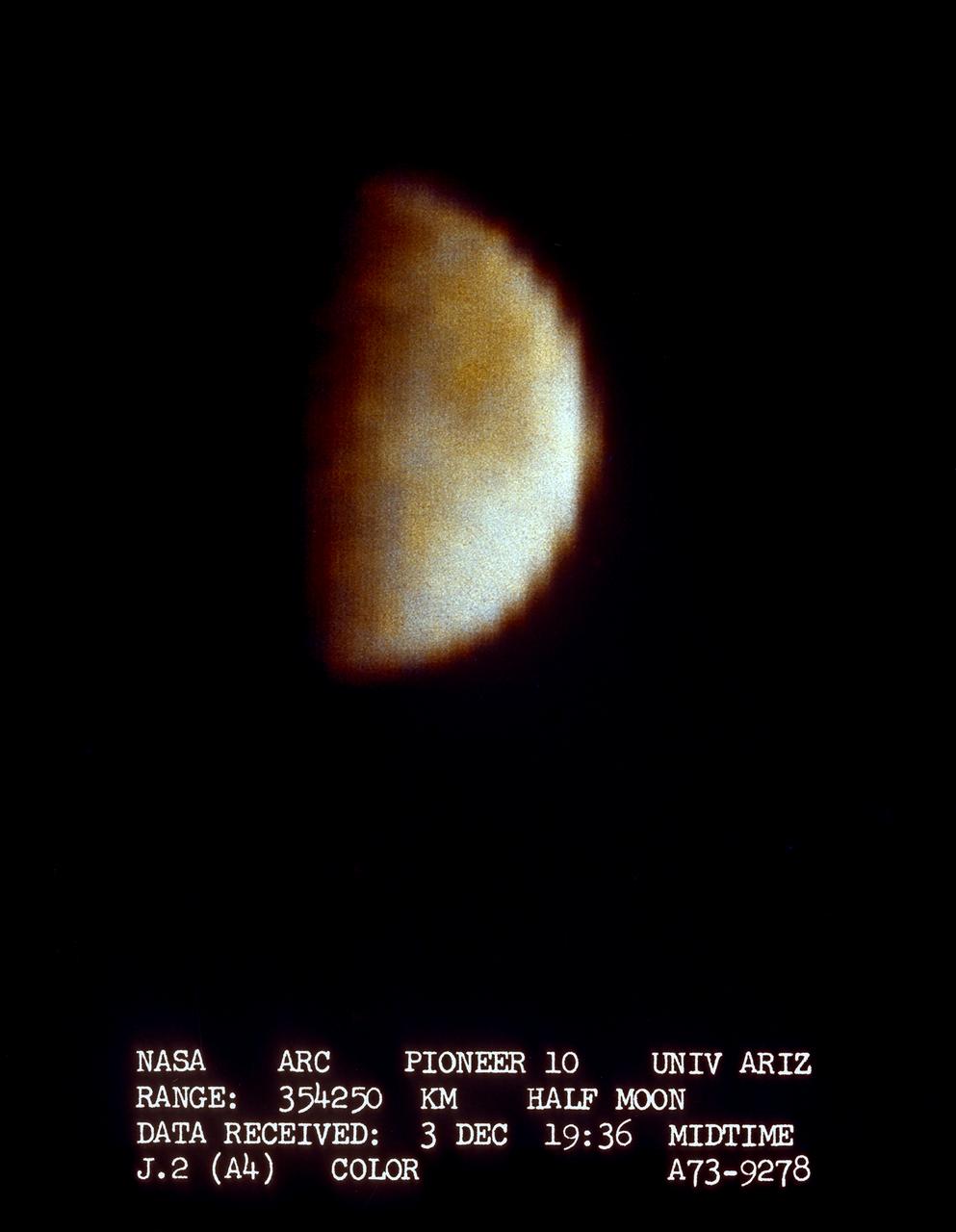
Pioneer-10 encounter photos from T.V. monitors (Partially processed image of make of Jupiter using data from University of Arizona) Half moon of Juipter at midtime, range from 354250 km (Fig. 6.6 in NASA sP-349 Pioneer Odyssey - Enounter with a Giant. Eurpoa was to far away for Pioneer to obtain a detailed image.
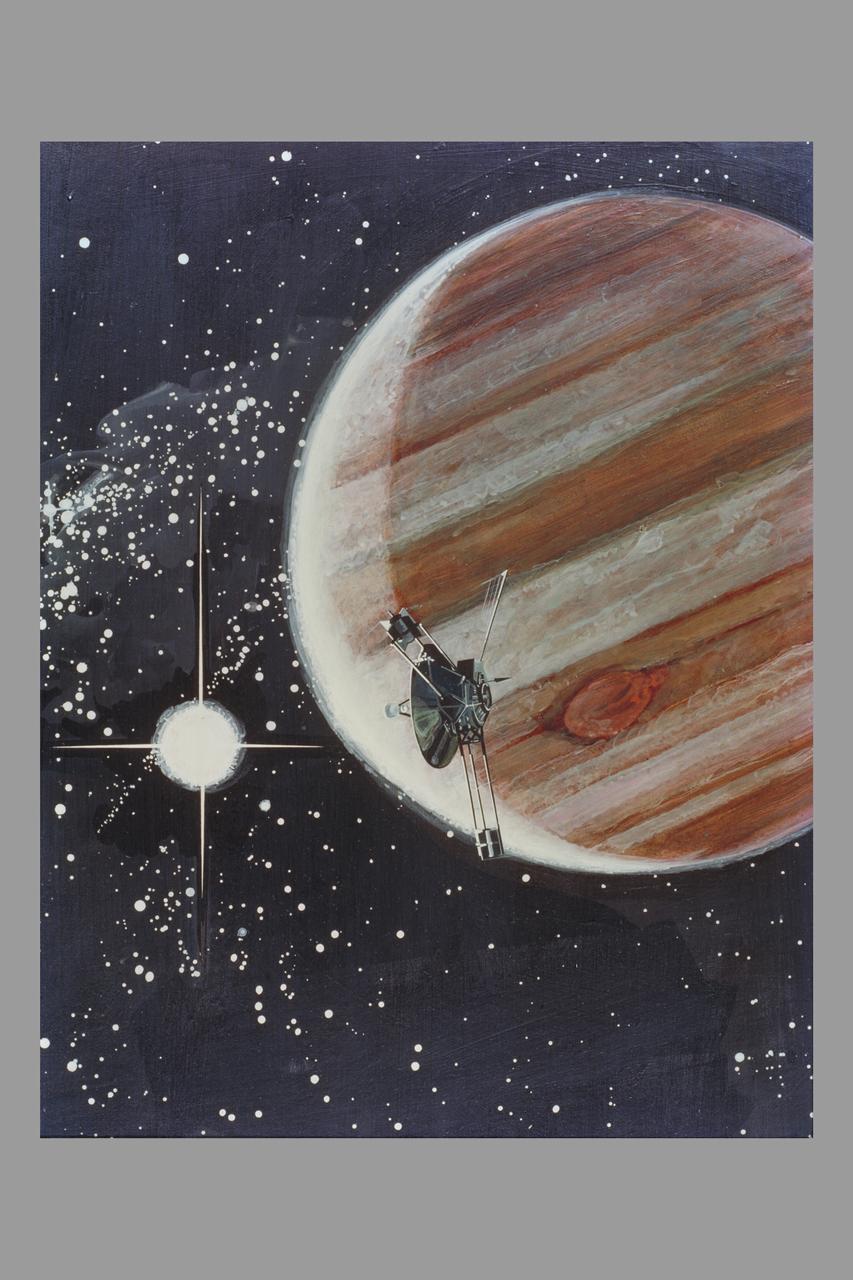
Artist: Rick Guidice Pioneer (10) passing Jupiter
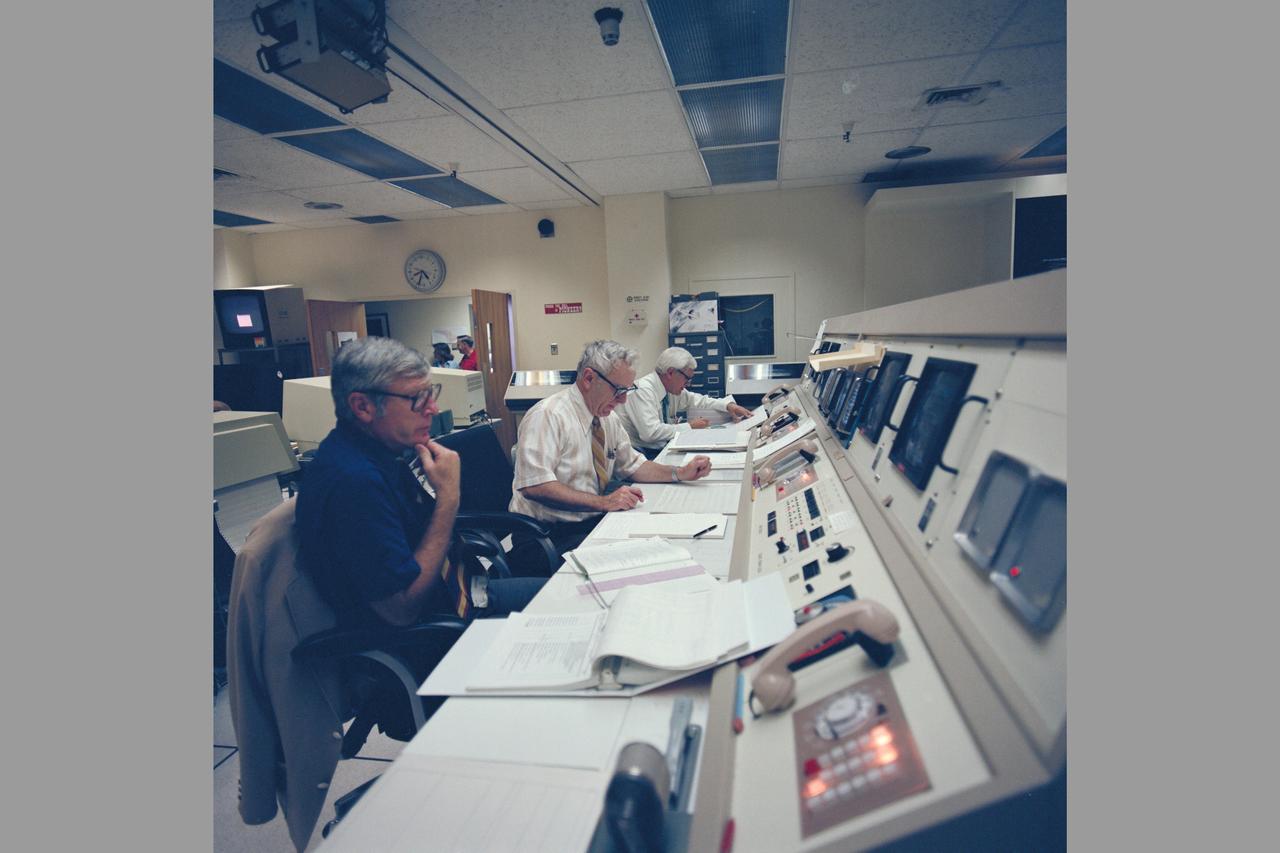
Pioneer Saturn PMOC (Mission Control Center)
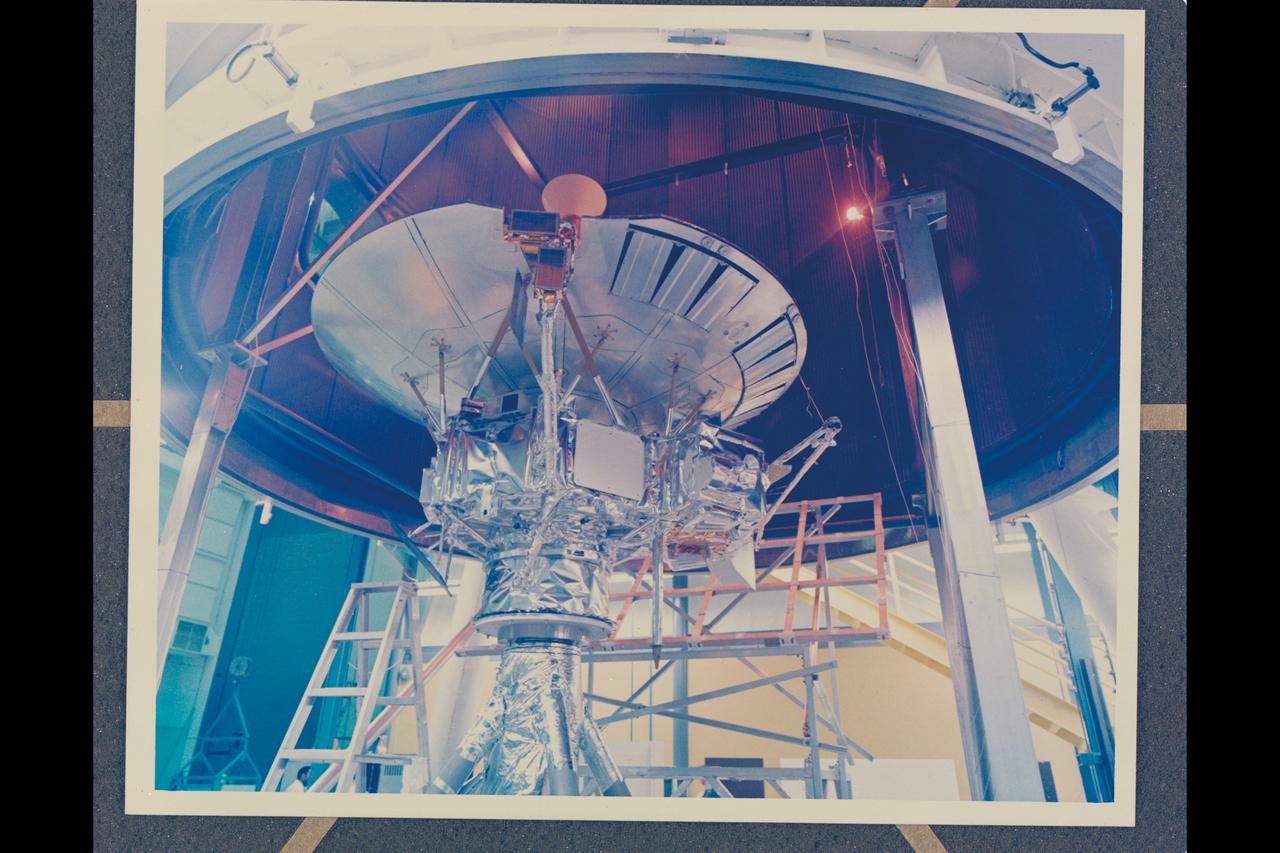
Pioneer F/G spacecraft thermal model
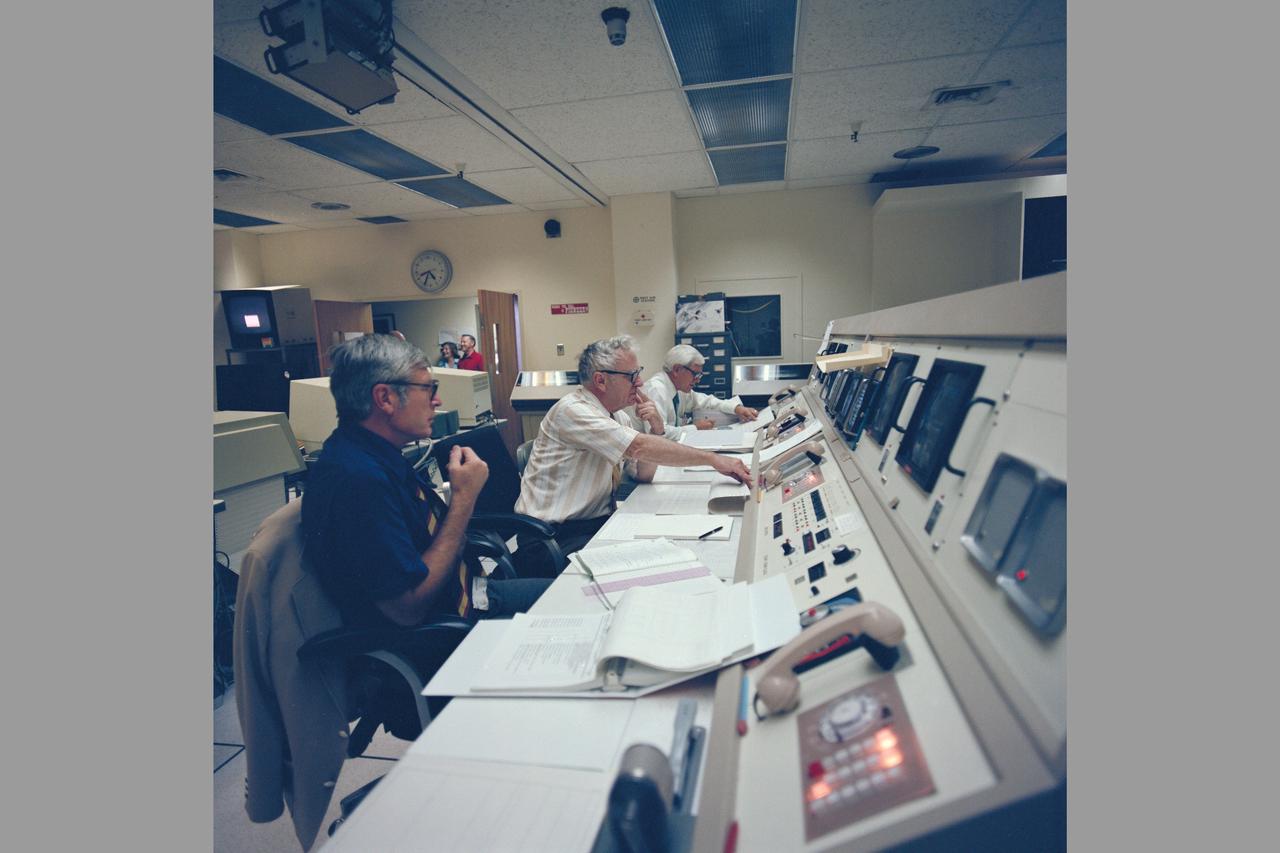
Pioneer Saturn PMOC (Mission Control Center)
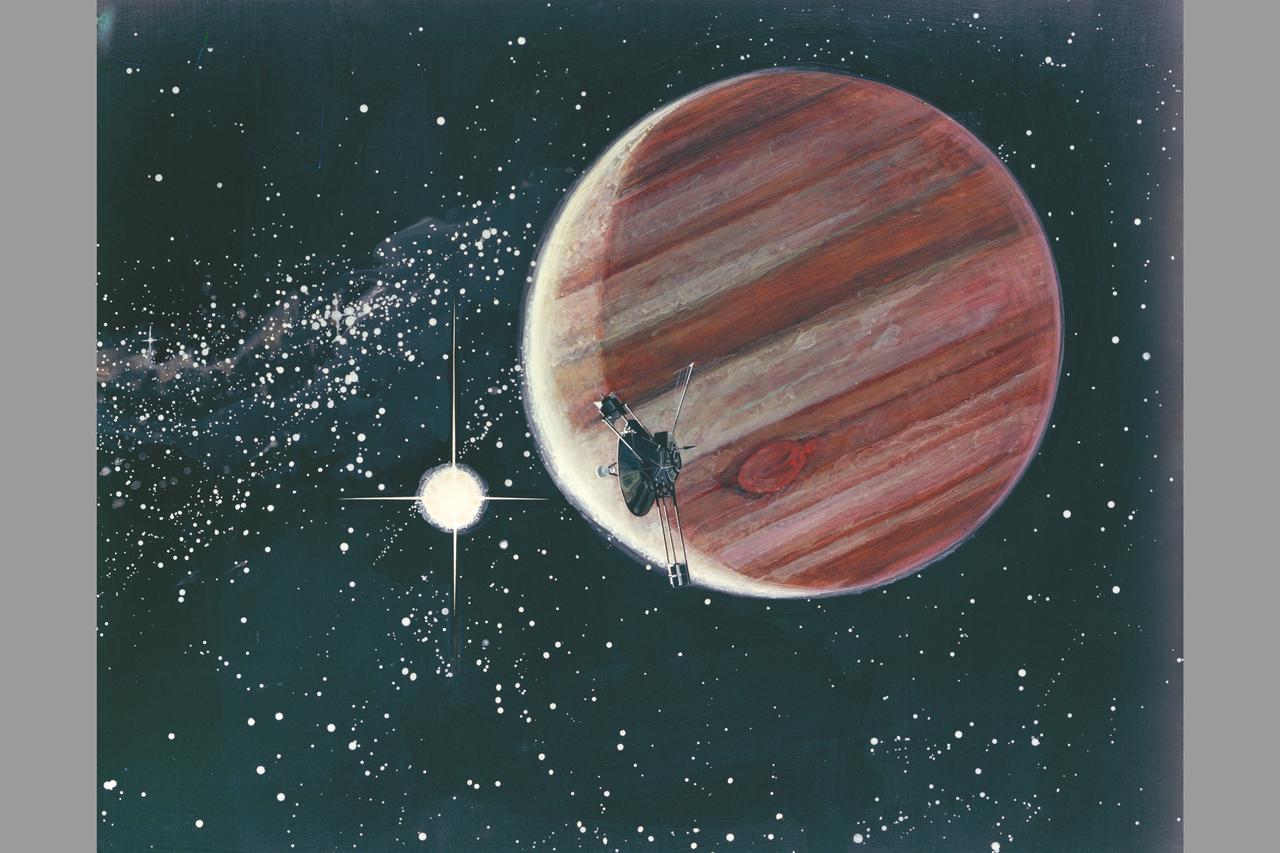
Artist: Rick Guidice Pioneer (10) passing Jupiter
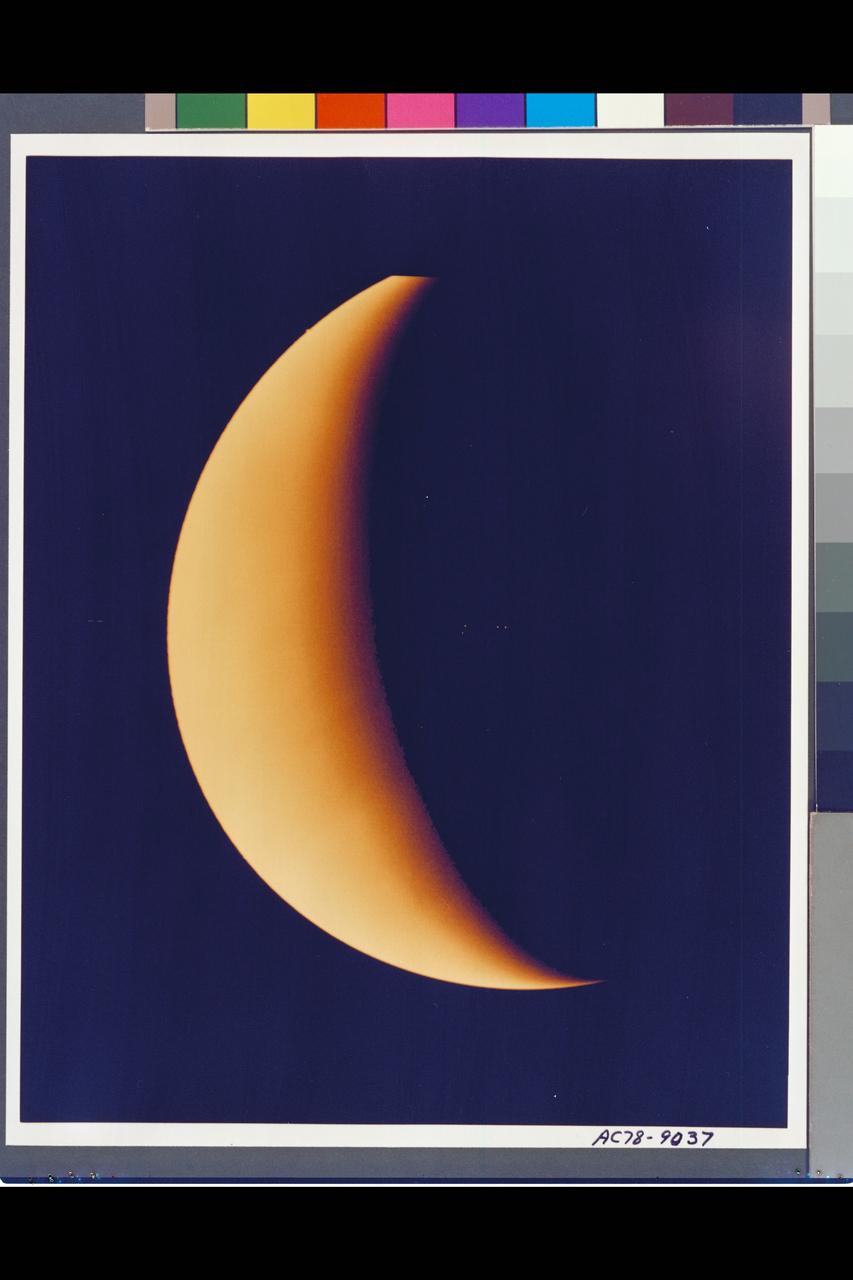
Pioneer-Venus Press Release (Ocpp. Image #2)

Photograph by Pioneer Venus Venus image 0694
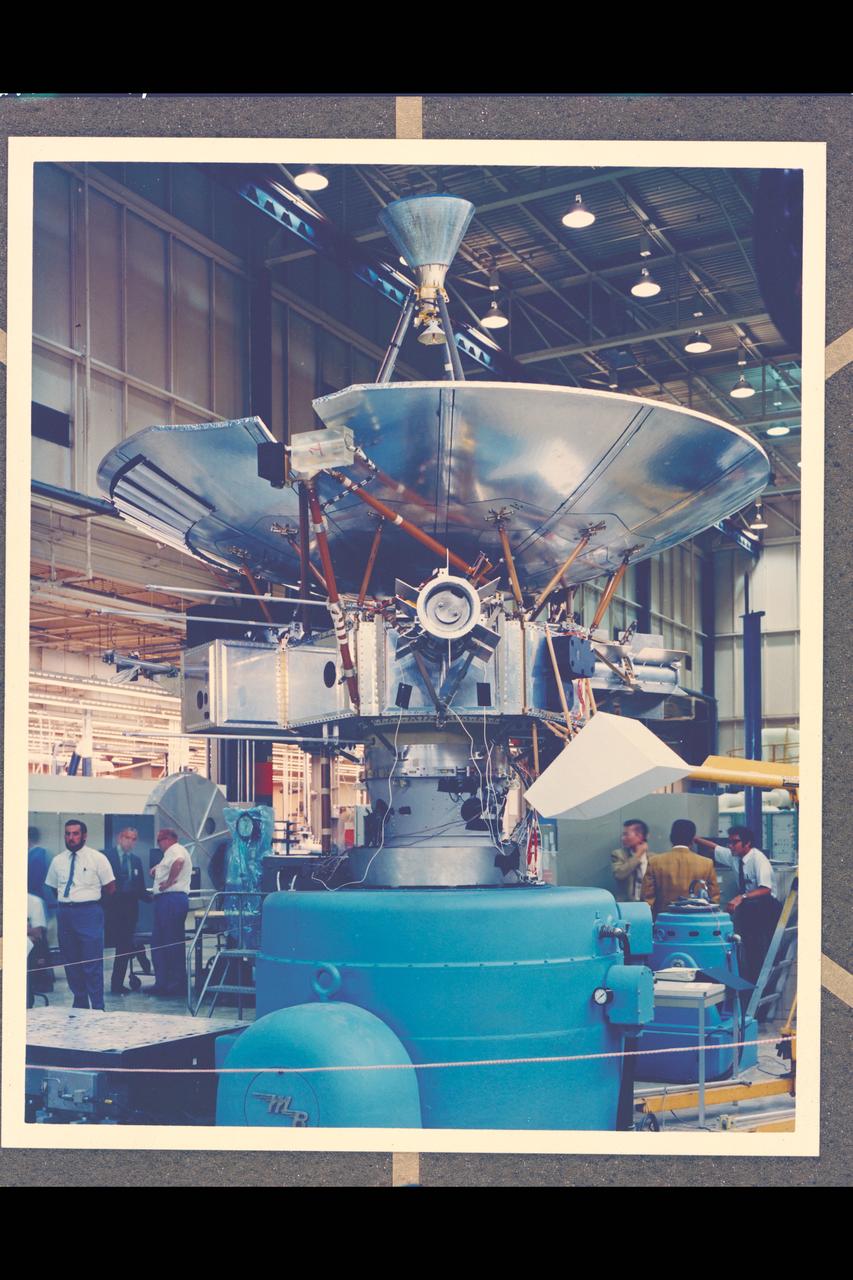
Pioneer F/G spacecraft structural model on shaker
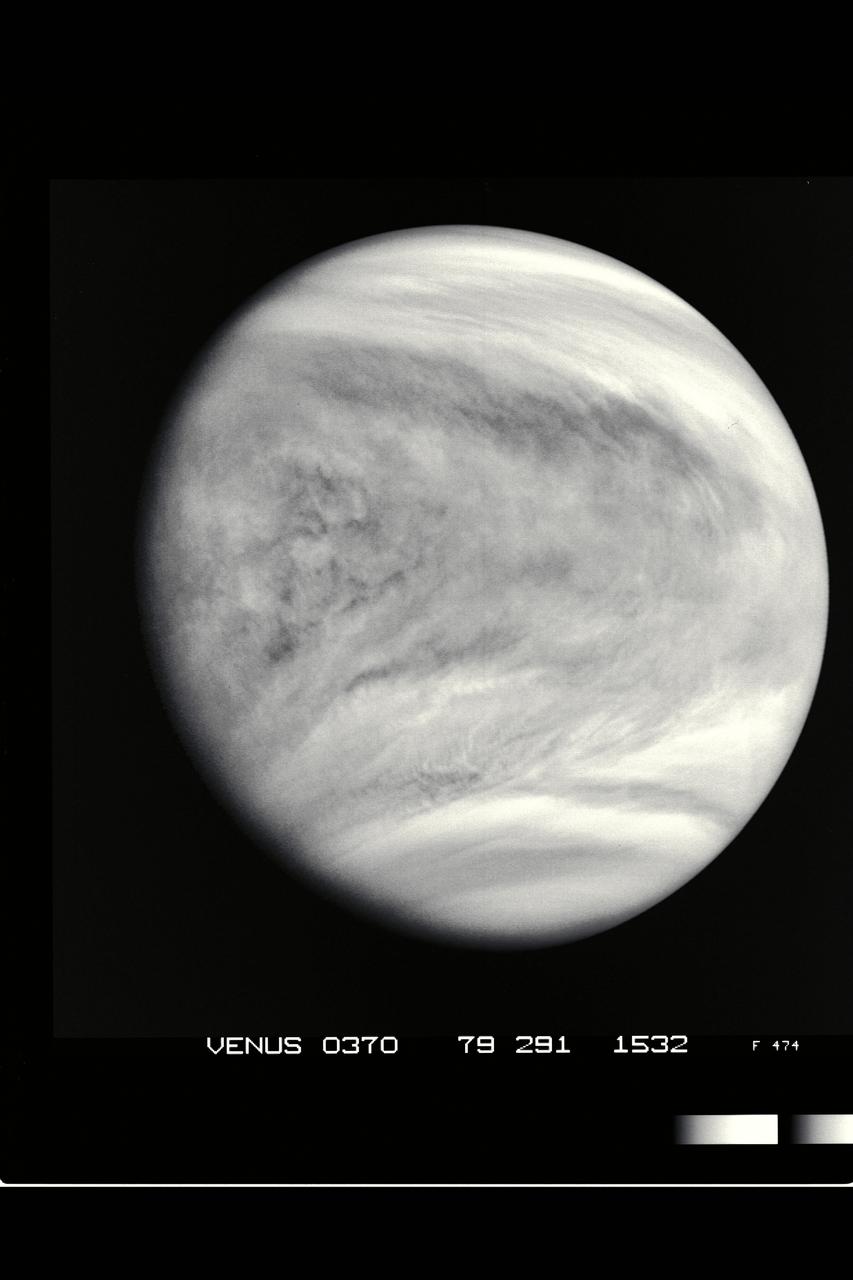
Pioneer-Venus Replica of Venus de Milo
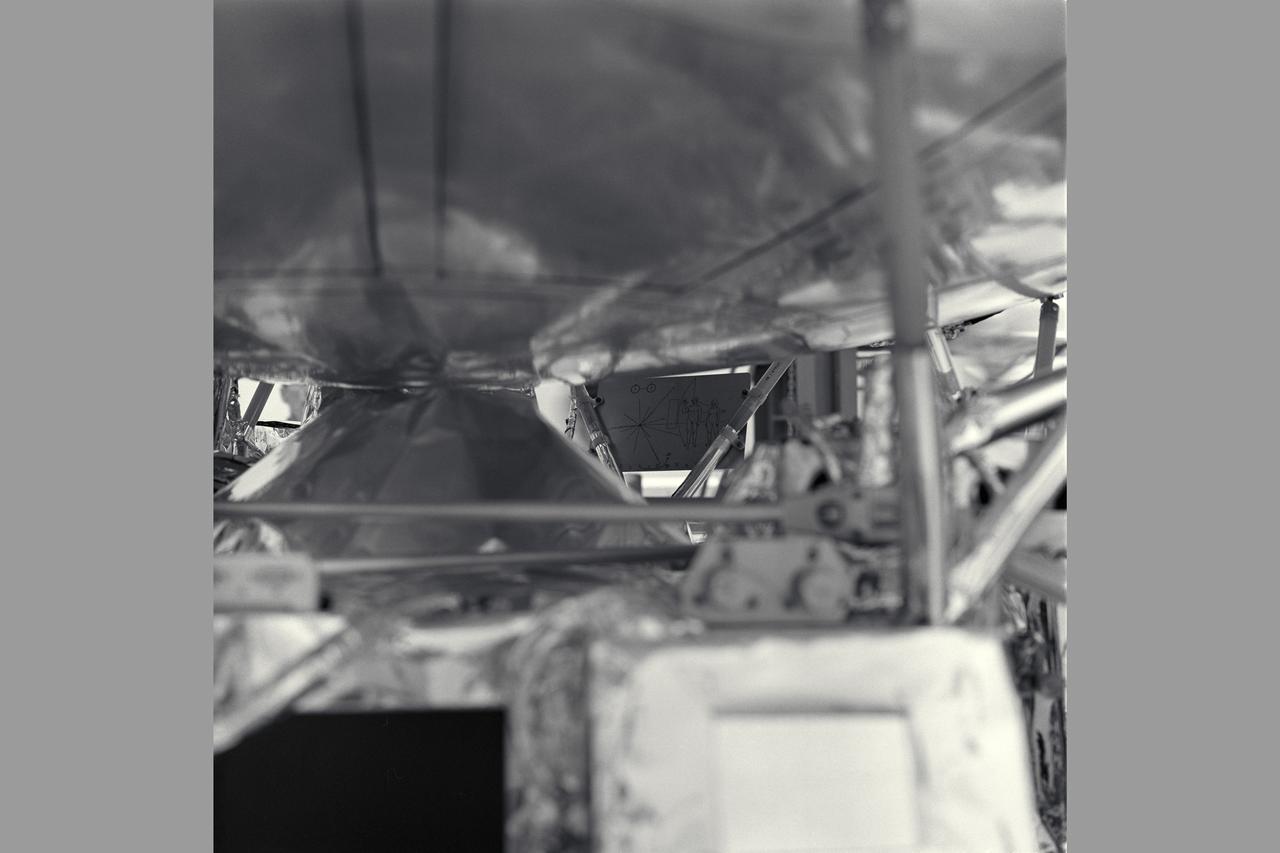
Pioneer-10 interstellar plaque positioned on spacecraft

Pioneer Venus Occp. Image 00199 Venus
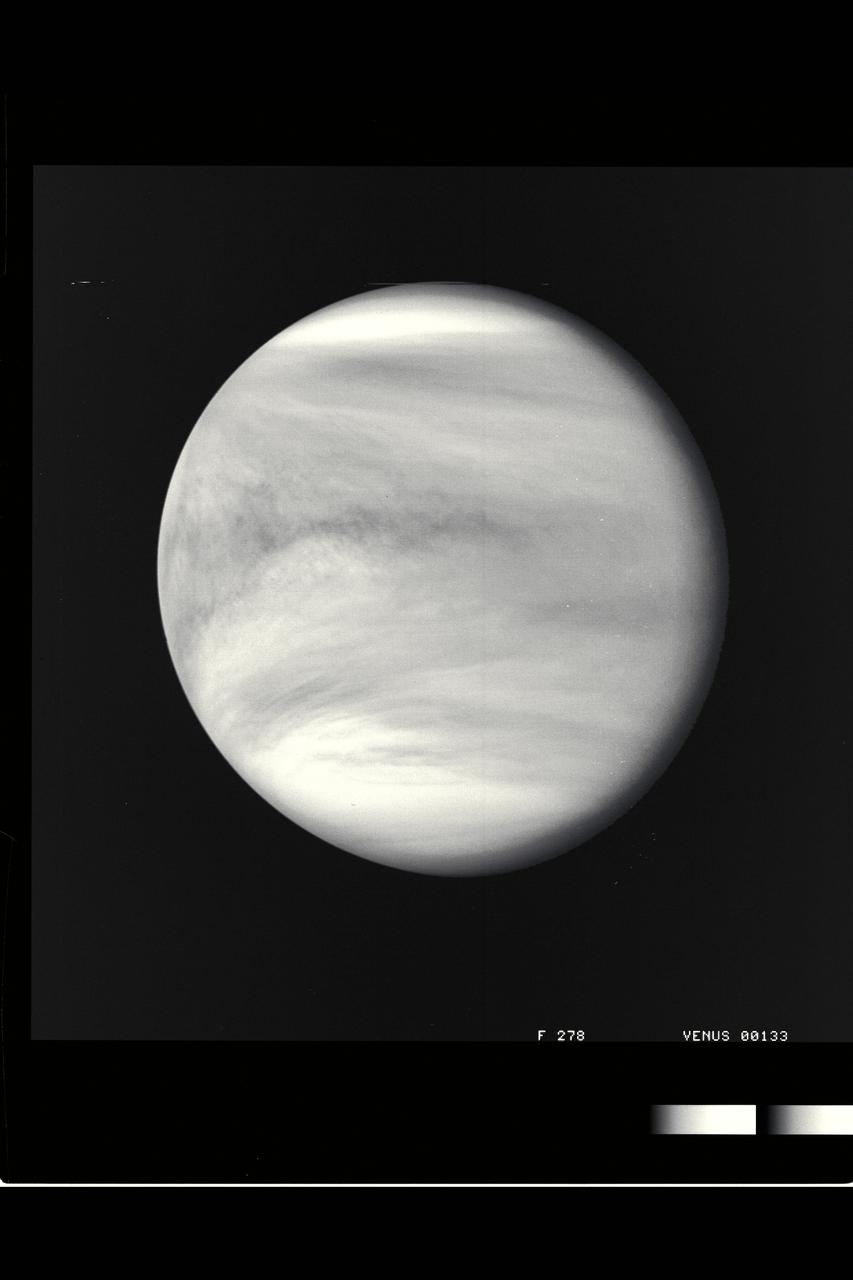
Pioneer Venus Occp. Image 00133 Venus

Photograph by Pioneer Venus Venus image 0007
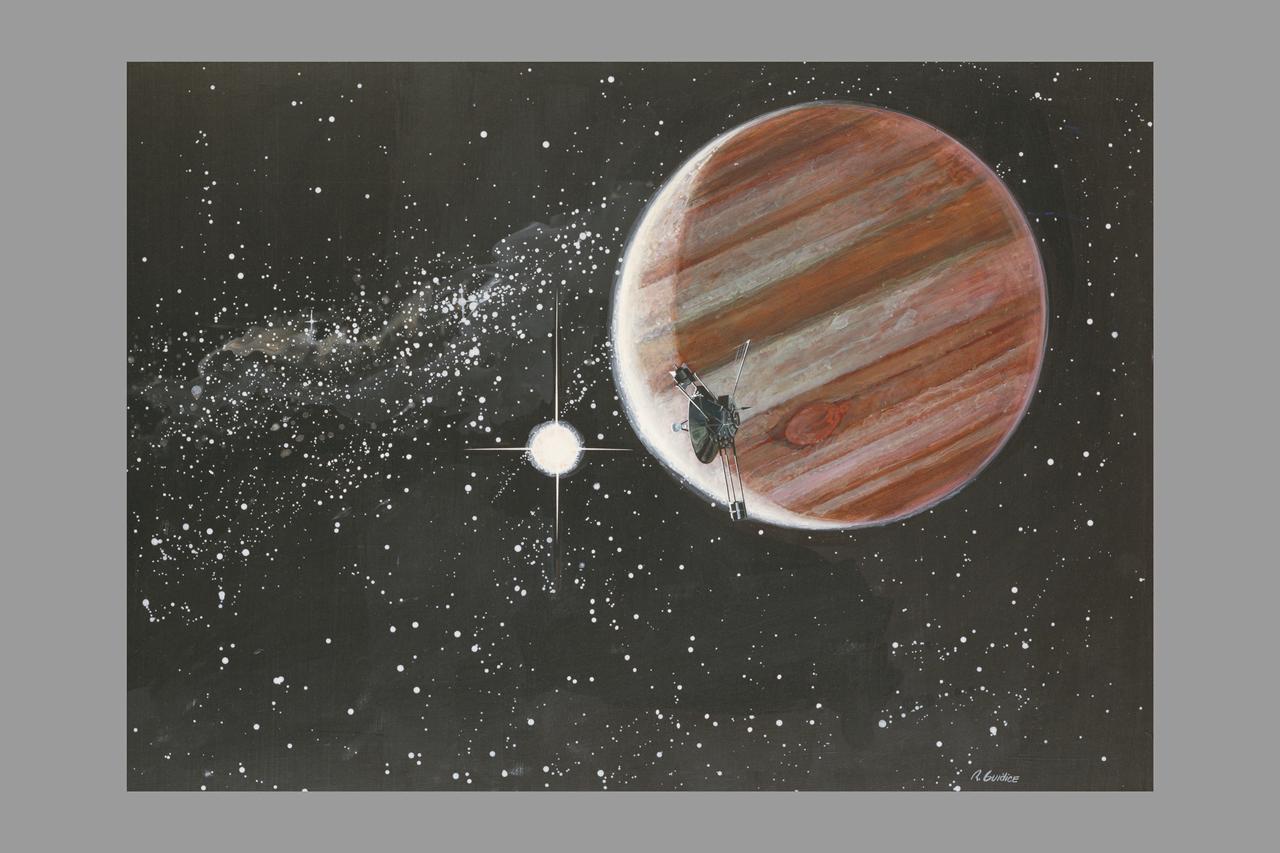
Artist: Rick Guidice Pioneer (10) passing Jupiter
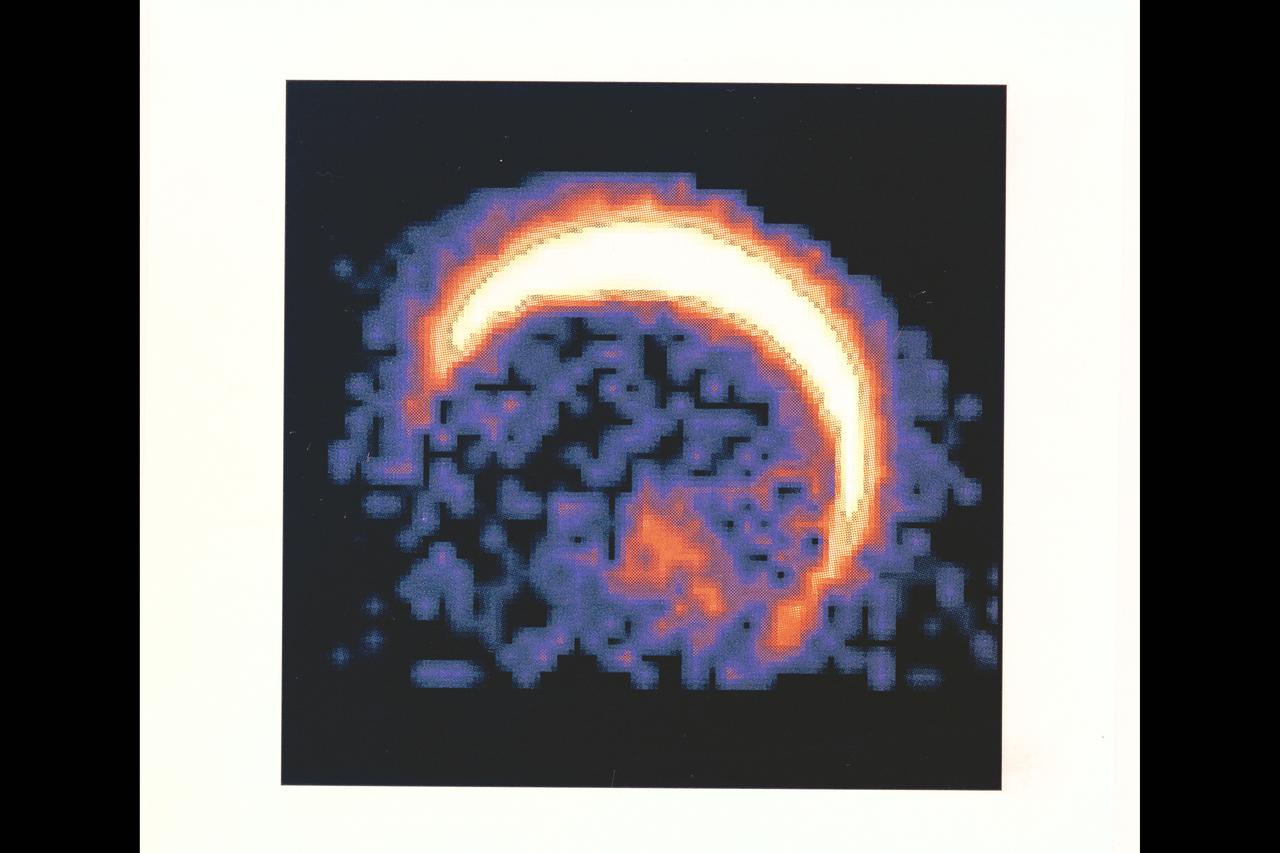
Photograph by Pioneer Venus Orbitor-Aurora and Airglow
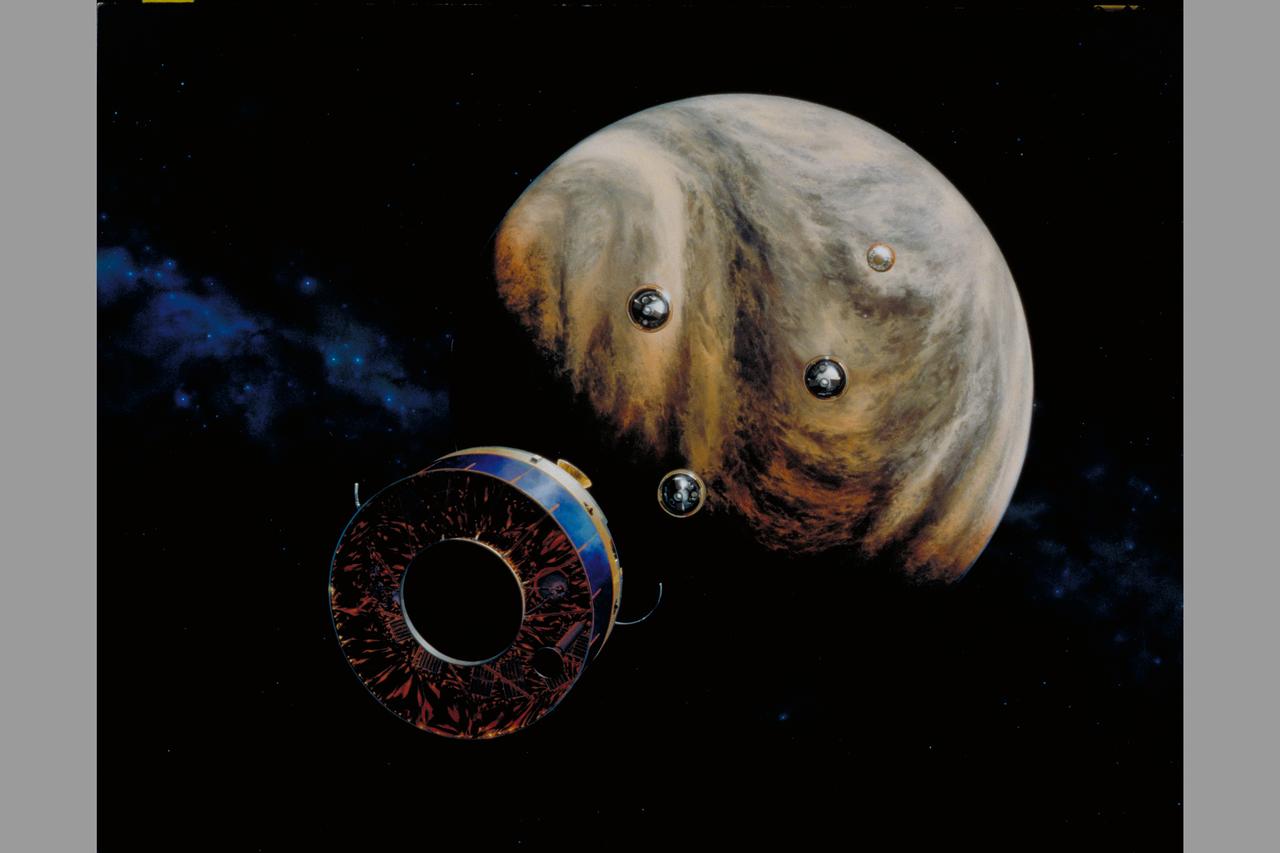
Art by Paul Hudson Pioneer Venus: Multiprobe Artwork

Pioneer-Venus Zerox Image (Greenhouse Effect)
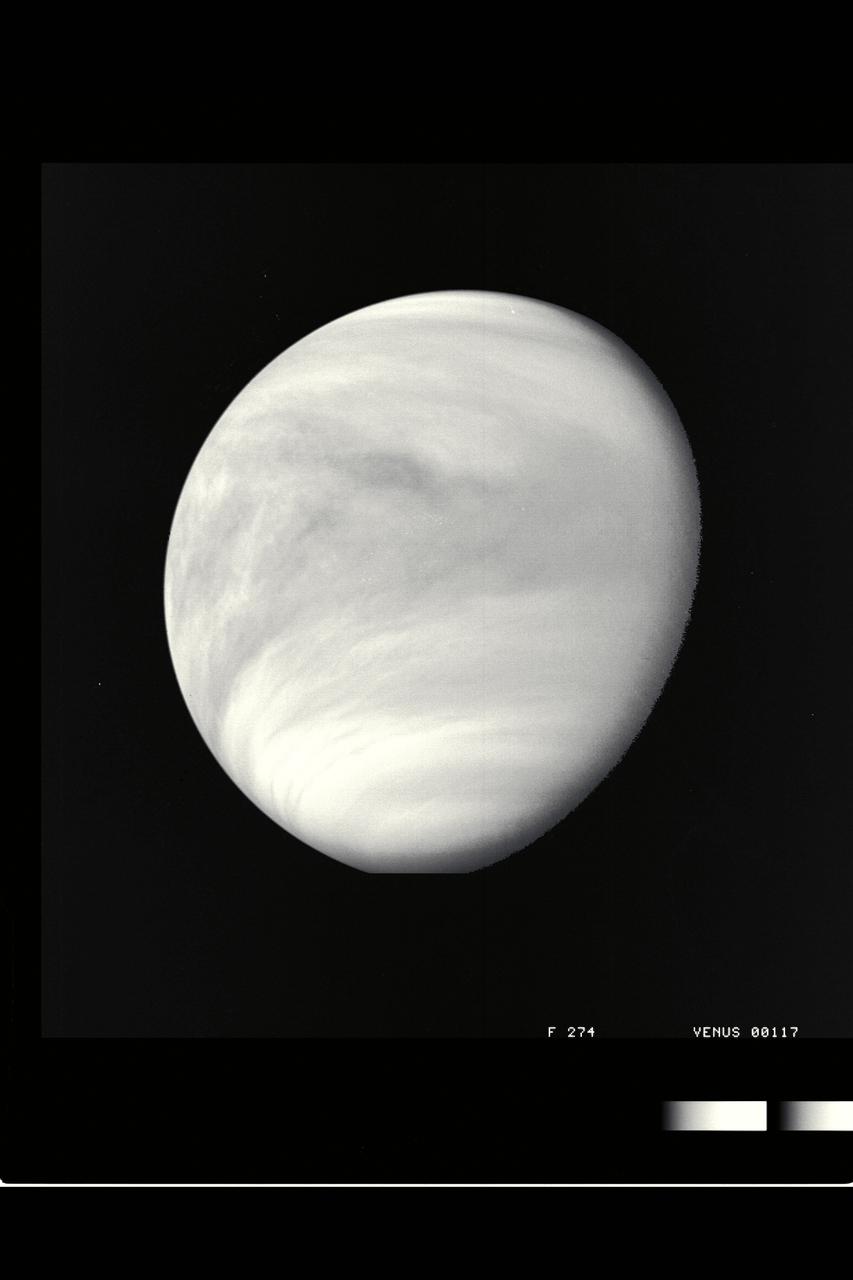
Pioneer Venus Occp. Image 00117 Venus

Pioneer Venus Occp. Image 00102 Venus

Photograph by Pioneer Venus Venus image 589

Photograph by Pioneer Venus Venus image 0010
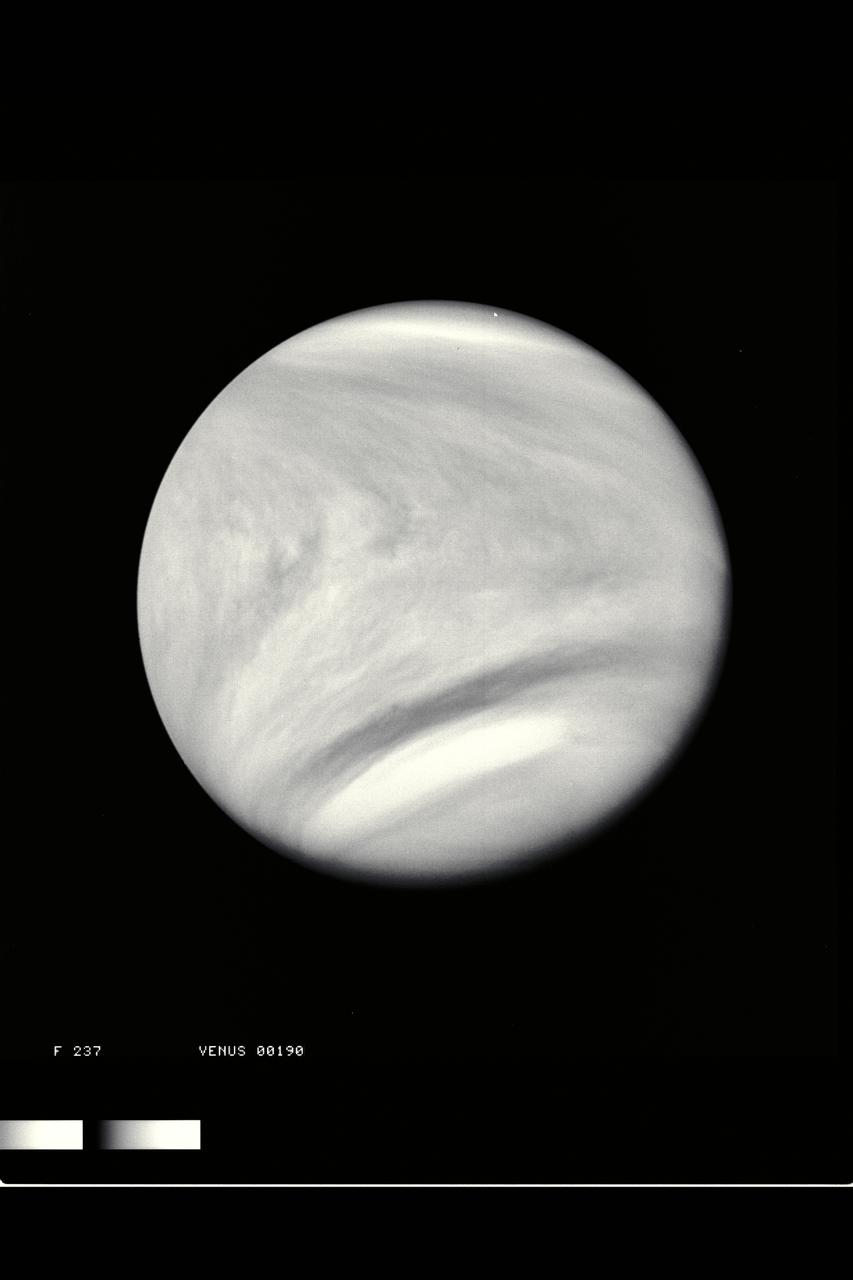
Pioneer Venus Ocpp. Image 00190 Venus
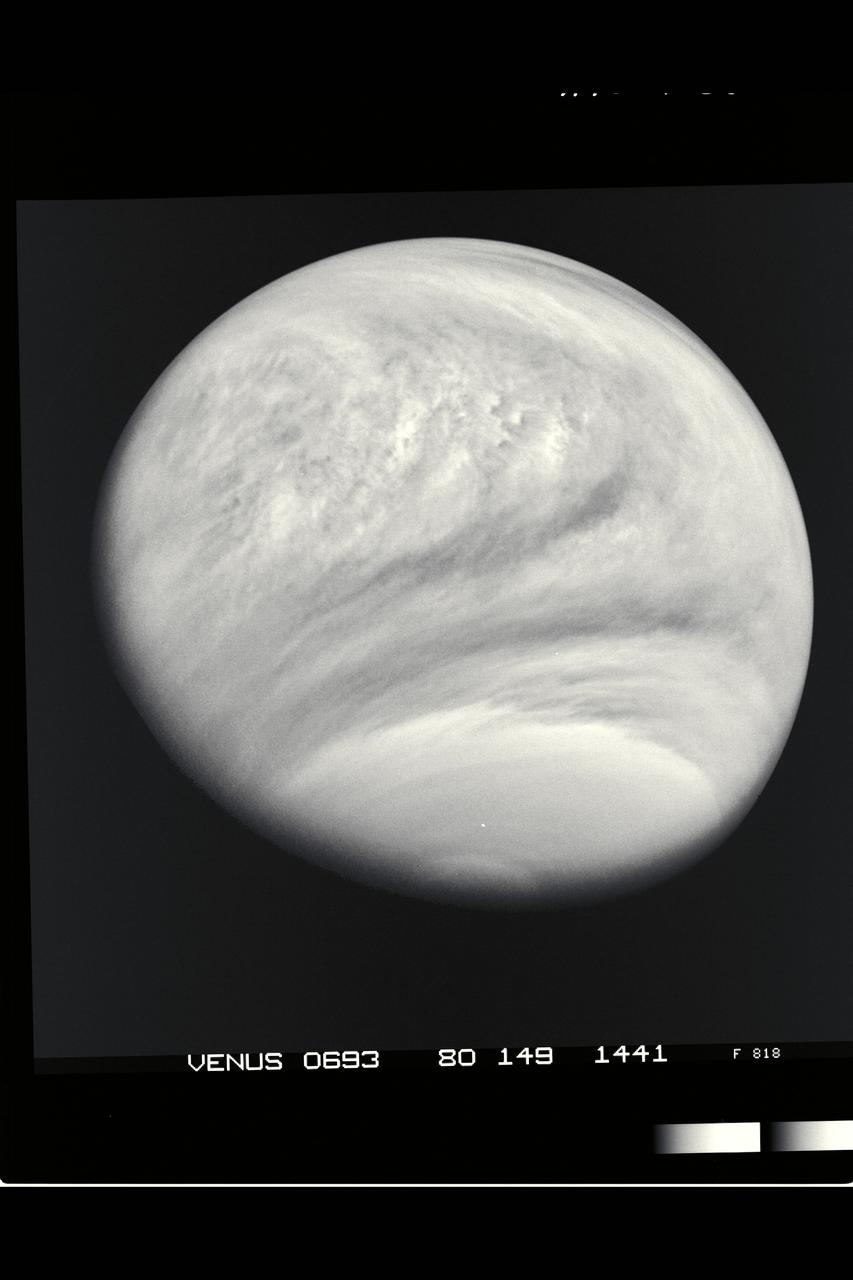
Photograph by Pioneer Venus Venus image 0693
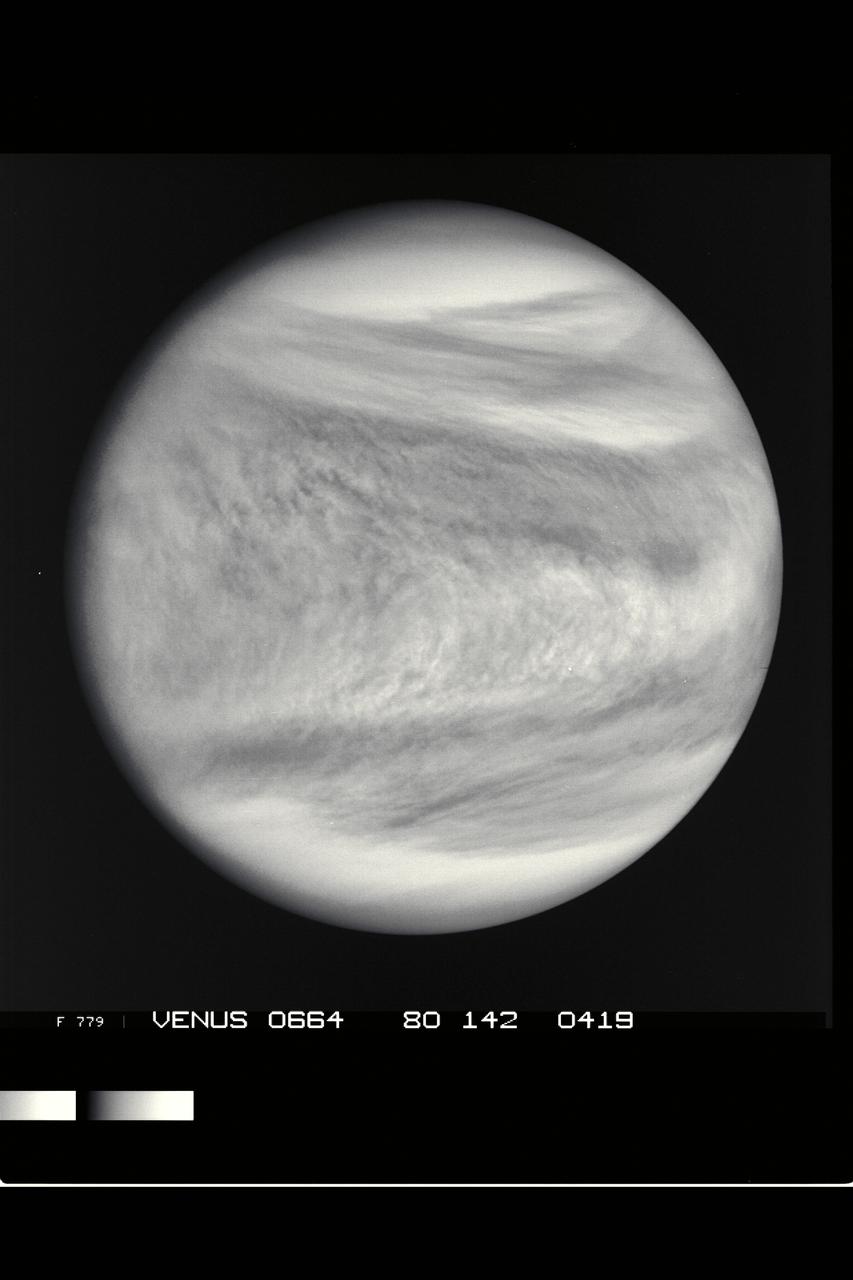
Photograph by Pioneer Venus Venus image 0664
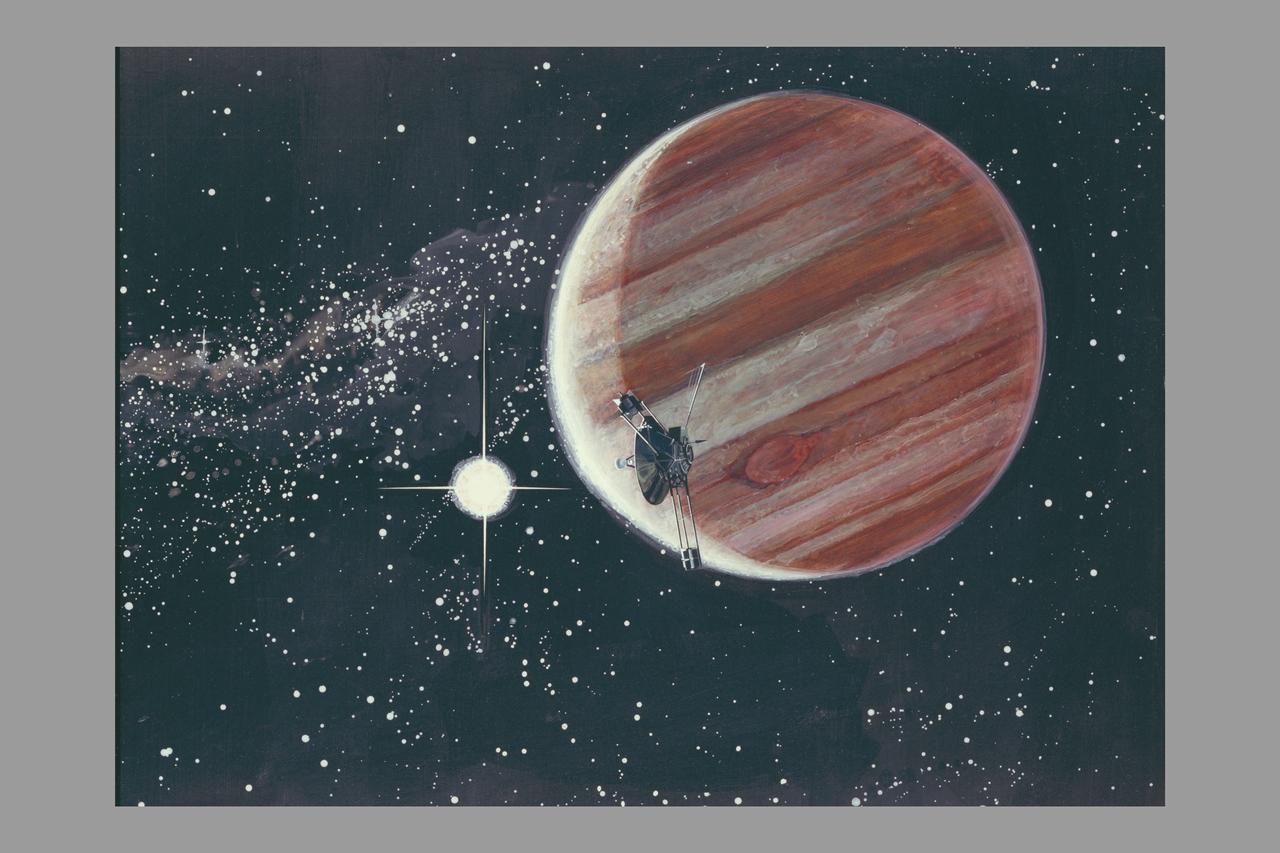
Artist: Rick Guidice Pioneer (10) passing Jupiter

Pioneer Venus Occp. Image 00118 Venus
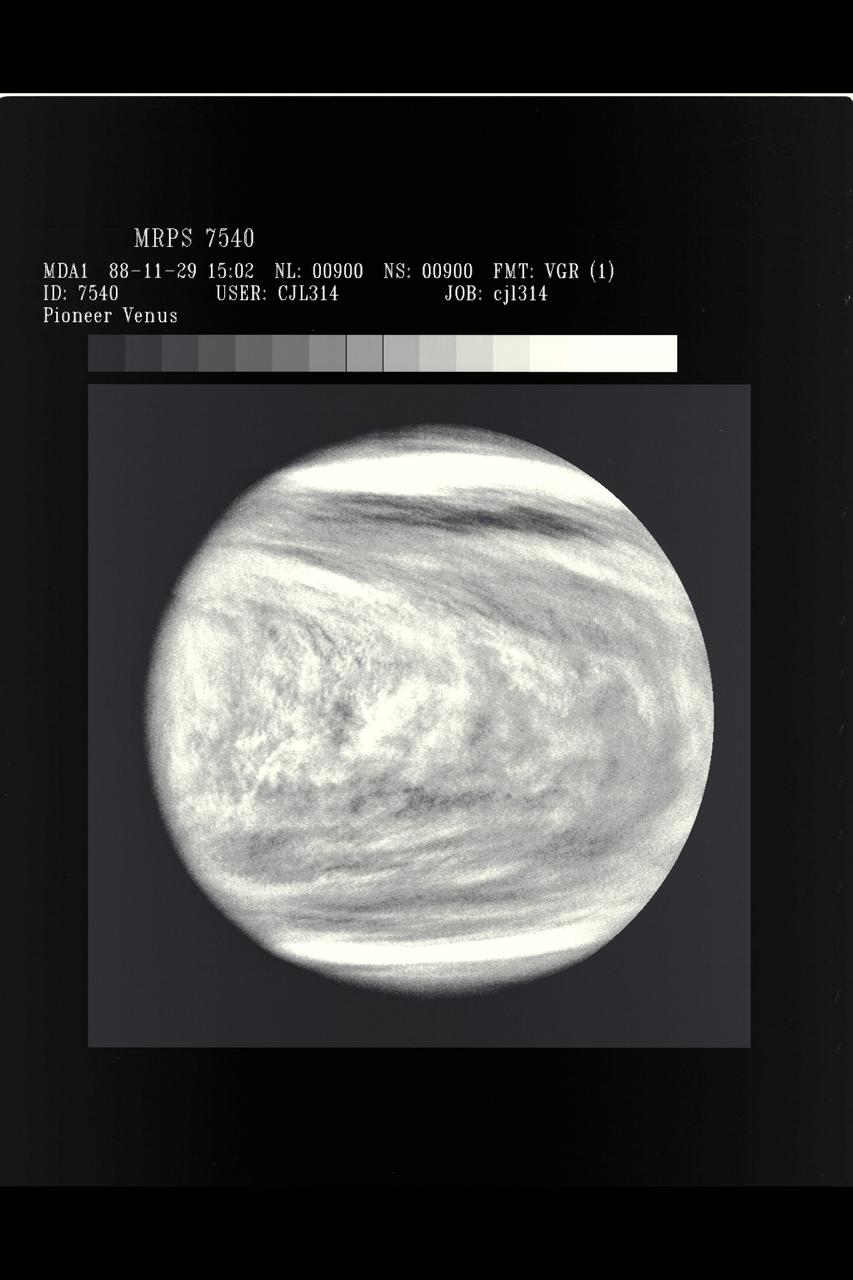
Photograph by Pioneer Venus Venus image 7540
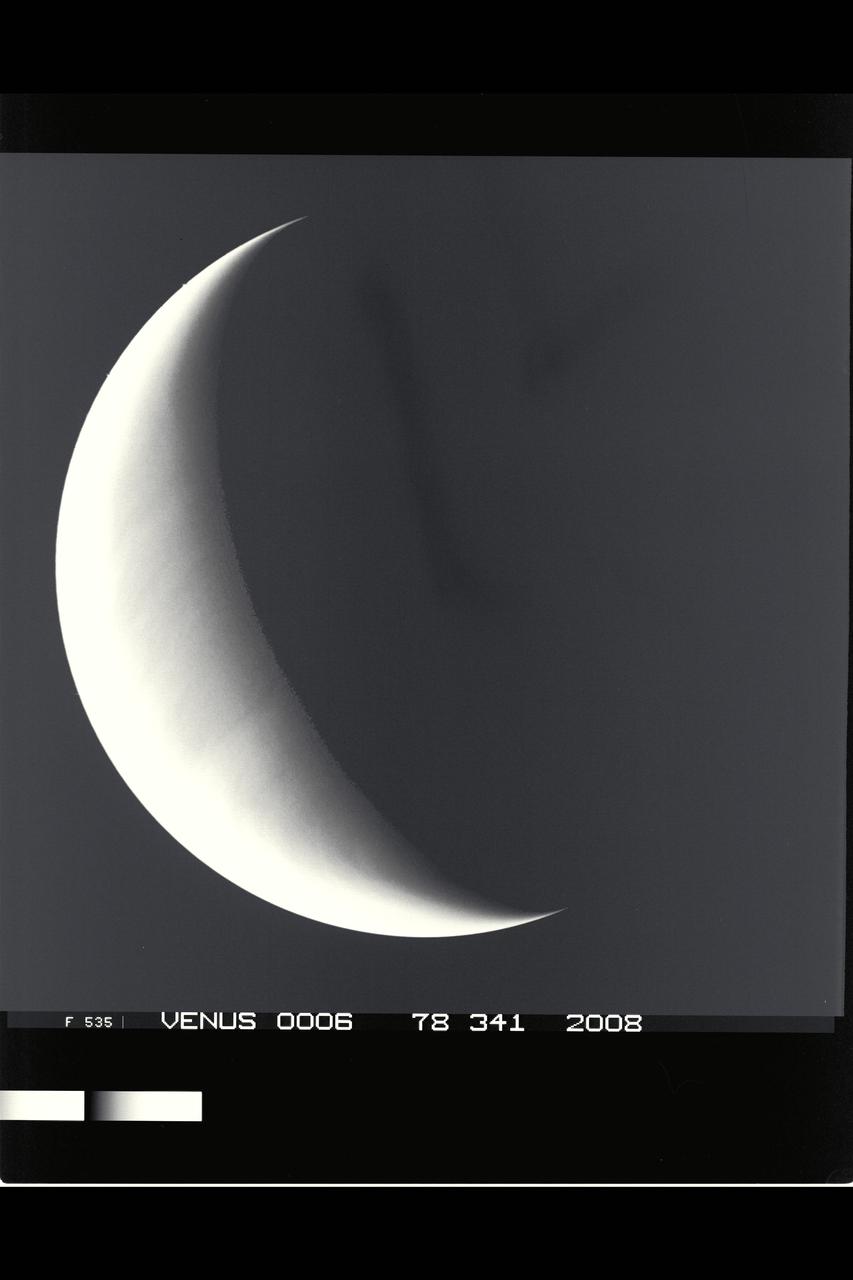
Photograph by Pioneer Venus Venus image 0006

Pioneer-Venus Ocpp. Image 00194 Venus
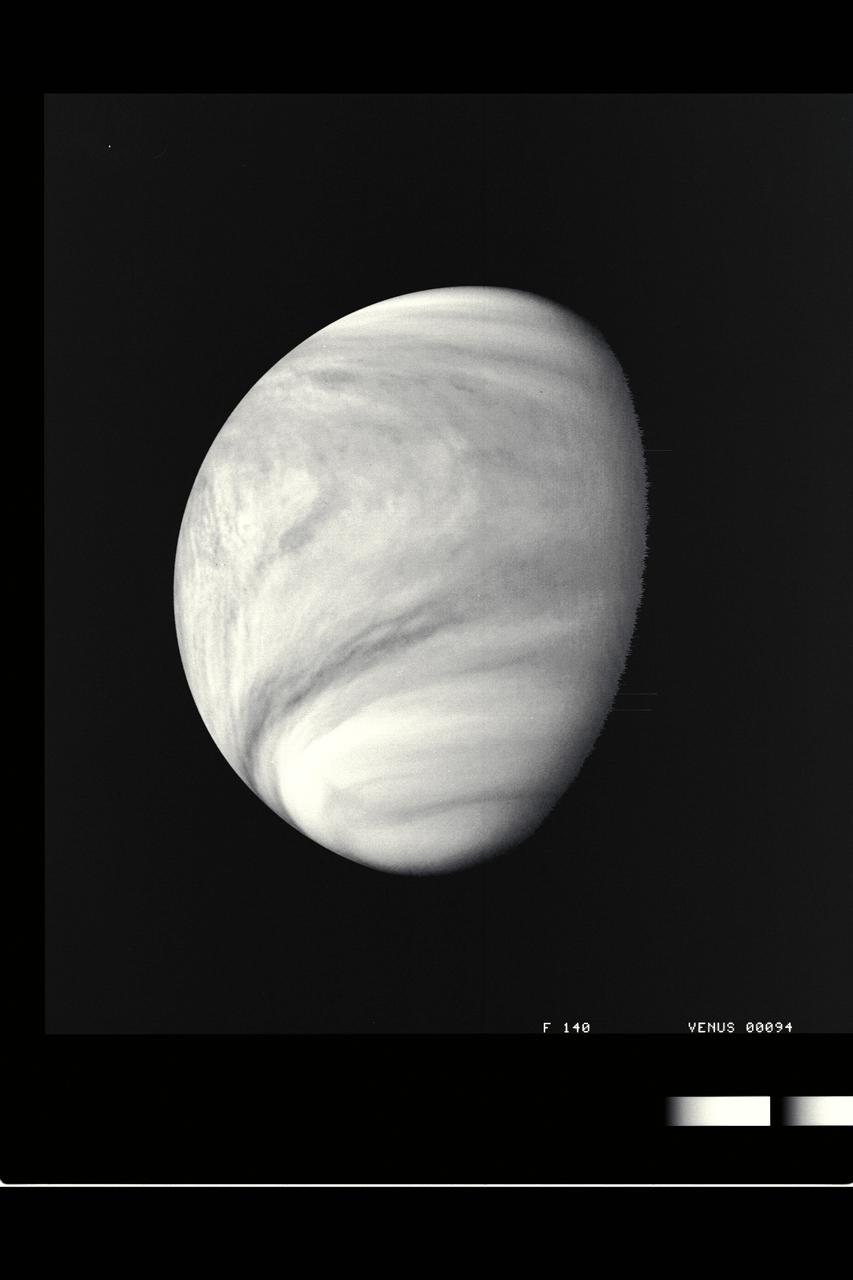
Pioneer-Venus Image Enhanced Ocpp. 00094
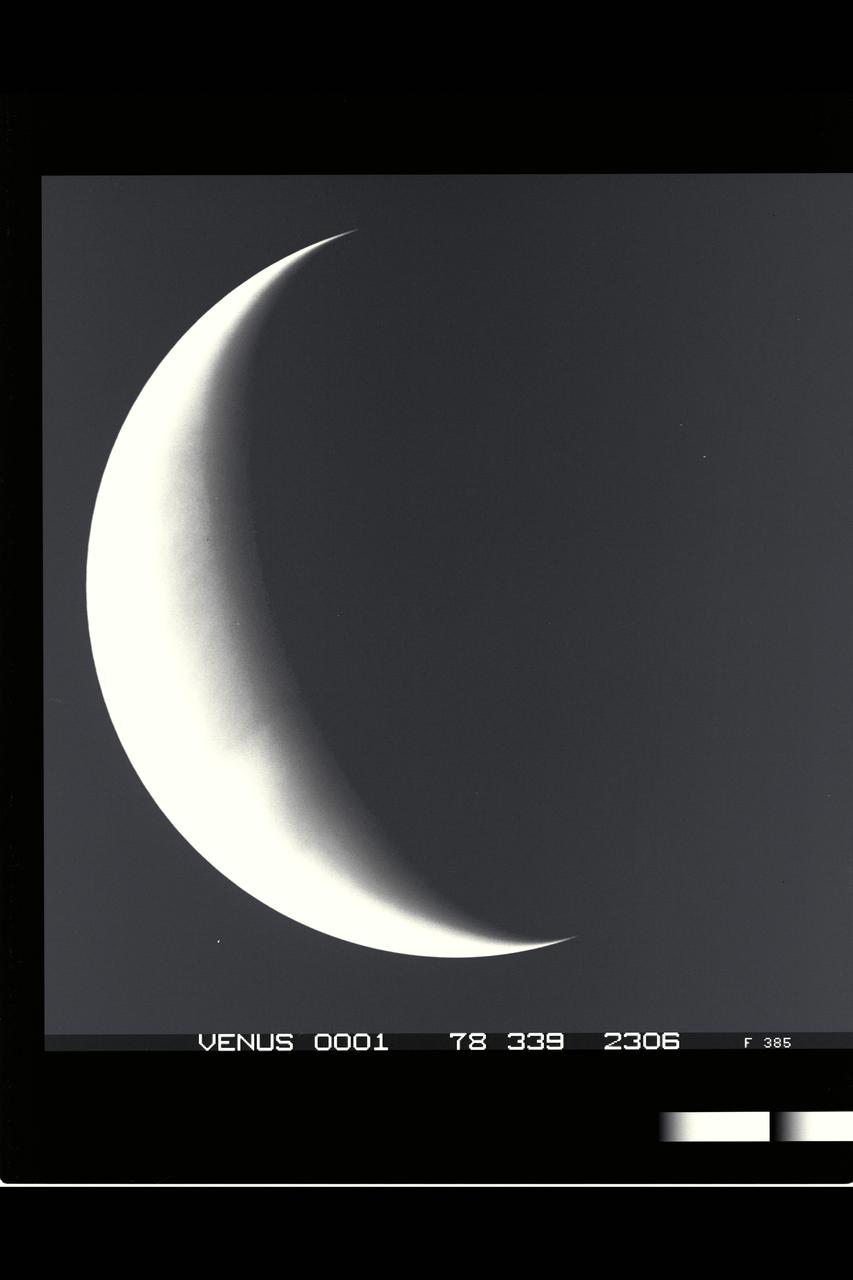
Photograph by Pioneer Venus Venus image 0001
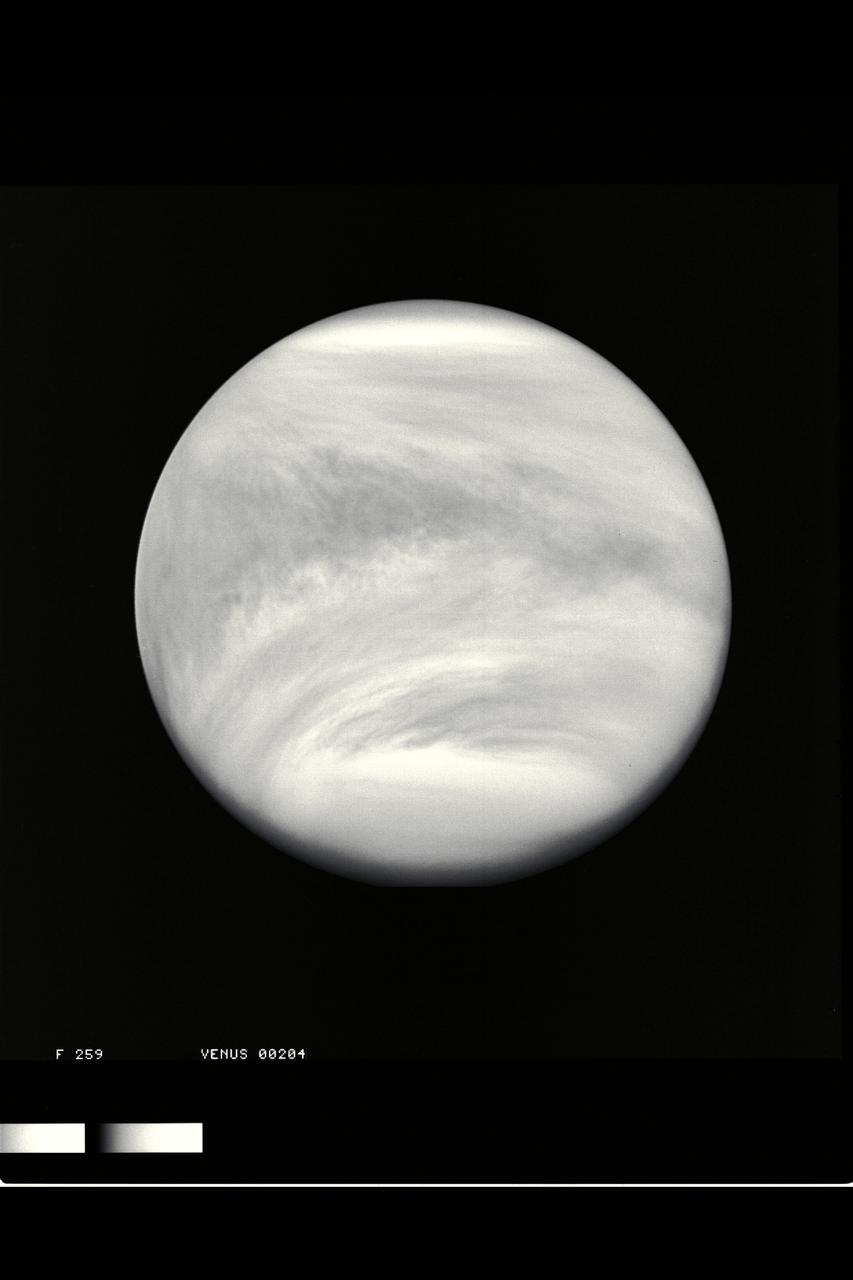
Pioneer Venus Occp. Image 00204 Venus
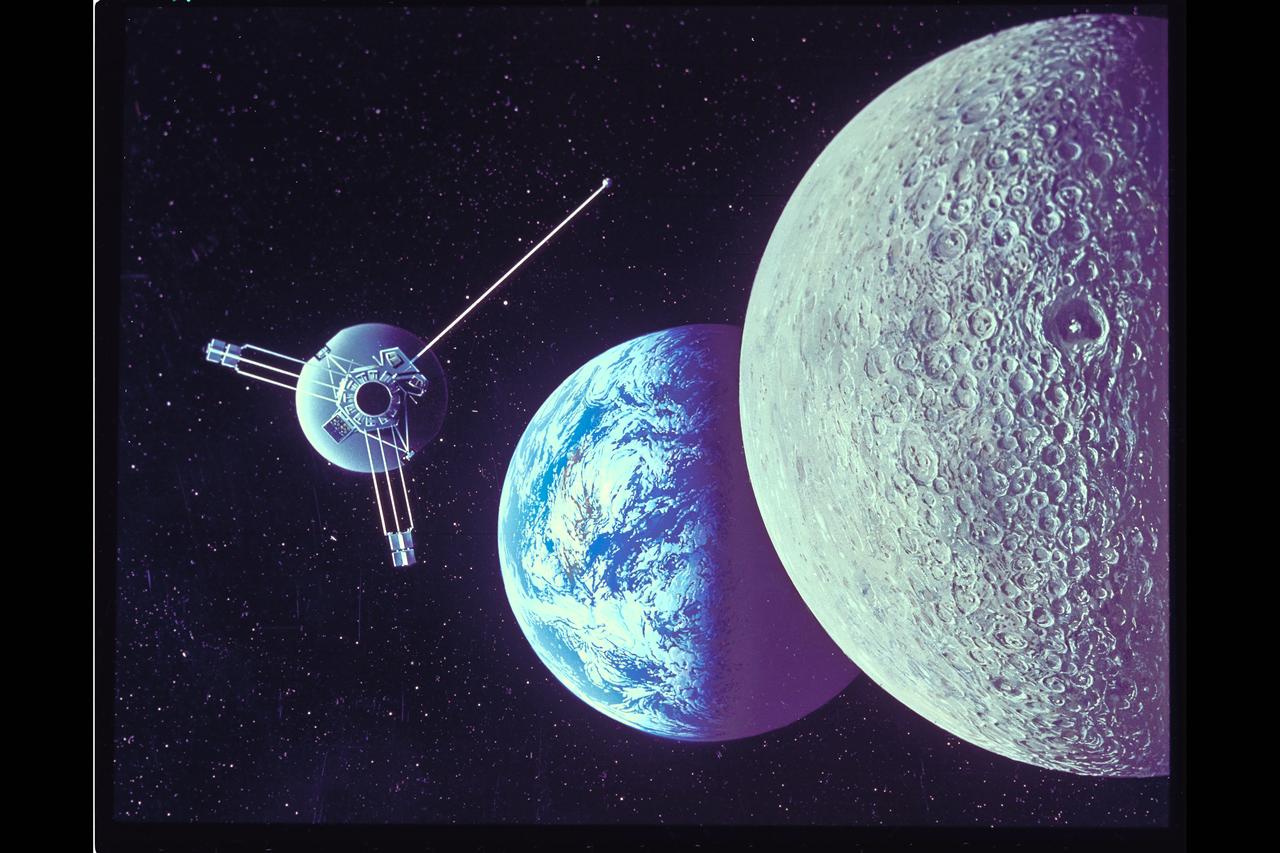
Painting of the Pioneer 10 Spacecraft, by Don Moore, used in an animation sequence in the film “Jupiter Odyssey.” The Pioneer 10 spacecraft is shown eleven hours after launch, leaving Earth and passing the moon on its way to Jupiter. (also used in NASA SP-349)
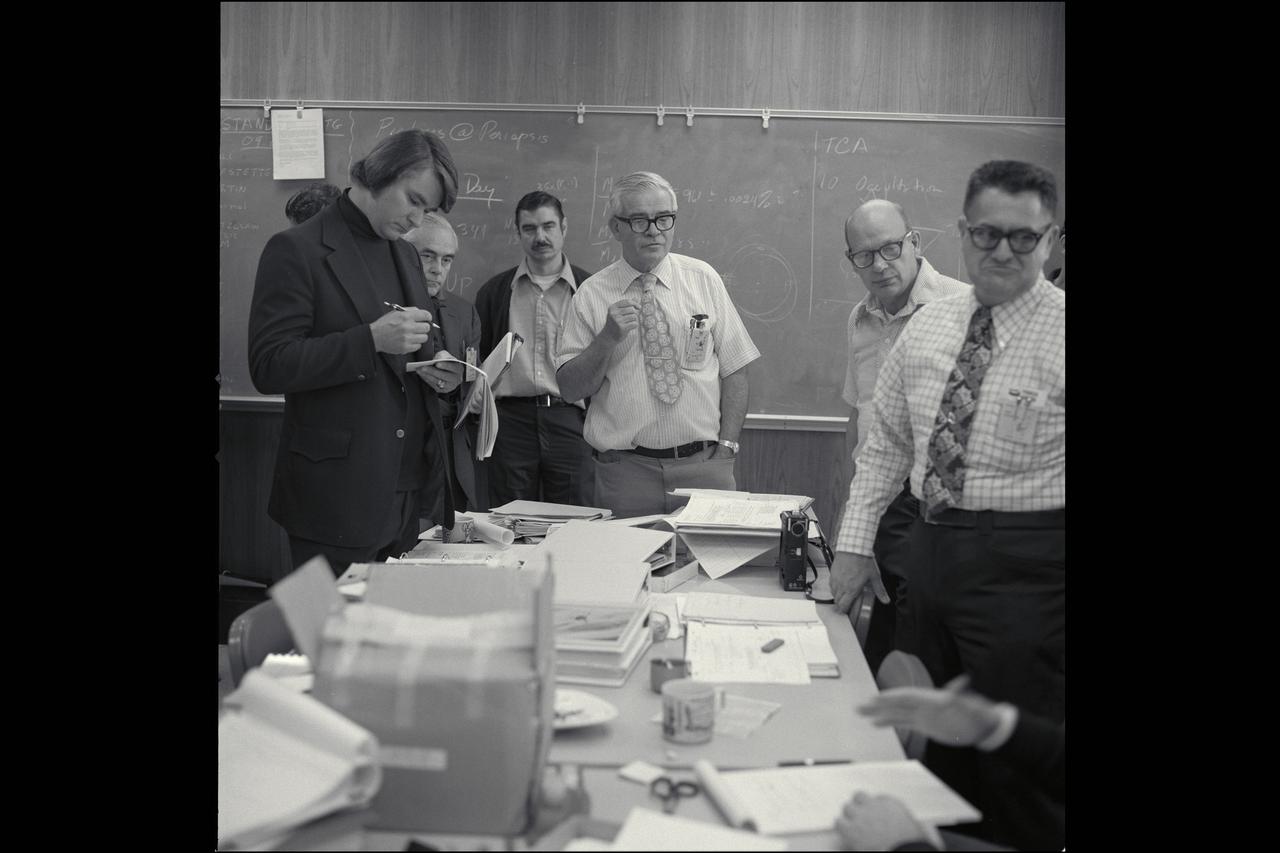
Pioneer 10; Mission to Jupiter Project Manager Charlie Hall (center) leads the Pioneer staff through his efficient (and infamous) stand-up meeting (also shown (L-foreground) Skip Nunamaker and (R-foreground) Richard Fimmel

MR. J. WARFEL, D. TRACEY, T. BROWNE, D. KLAUK, MRS L. McCORMICK, C. BATINOVICH, WORKING IN THE DATA ANALYSIS MANAGEMENT AREA OF THE PIONEER TAPE PROCESSING STATION. Pioneer Off-Line Data Processing System.
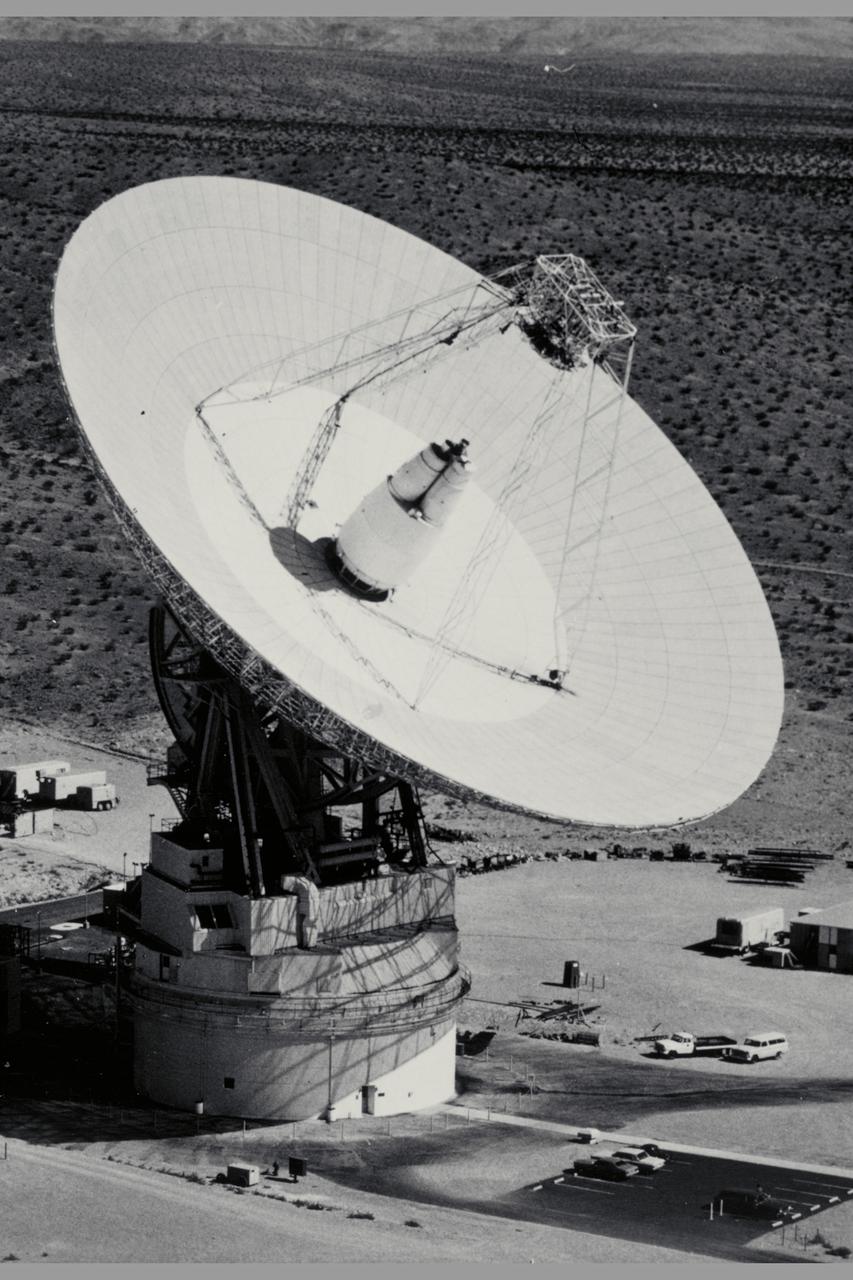
210' Dish Antenna at Goldstone Ca - used in tracking Pioneer spacecraft
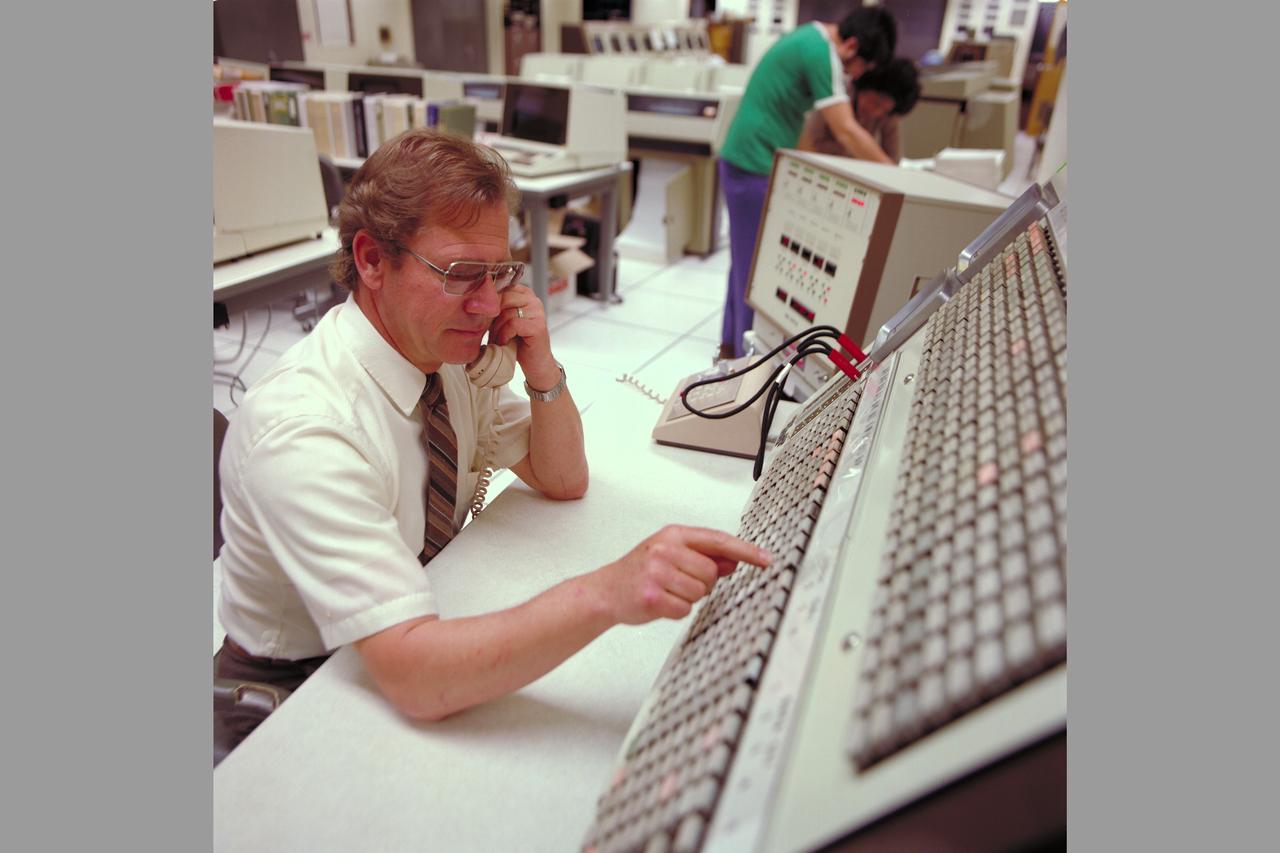
Pioneer Mission Control Center with personnel monitoring spacecraft (PMOC)
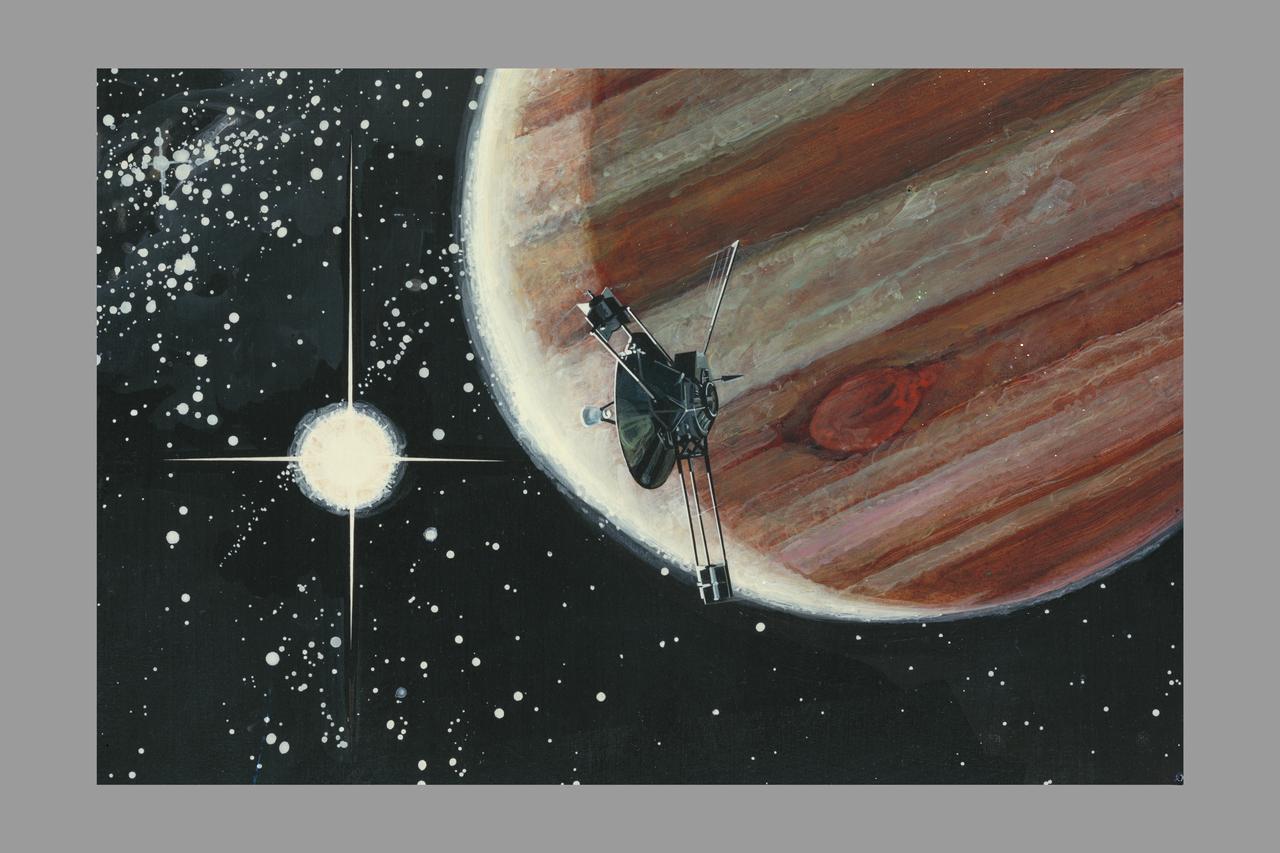
Artist: Rick Guidice Pioneer (10) passing Jupiter (cropped)
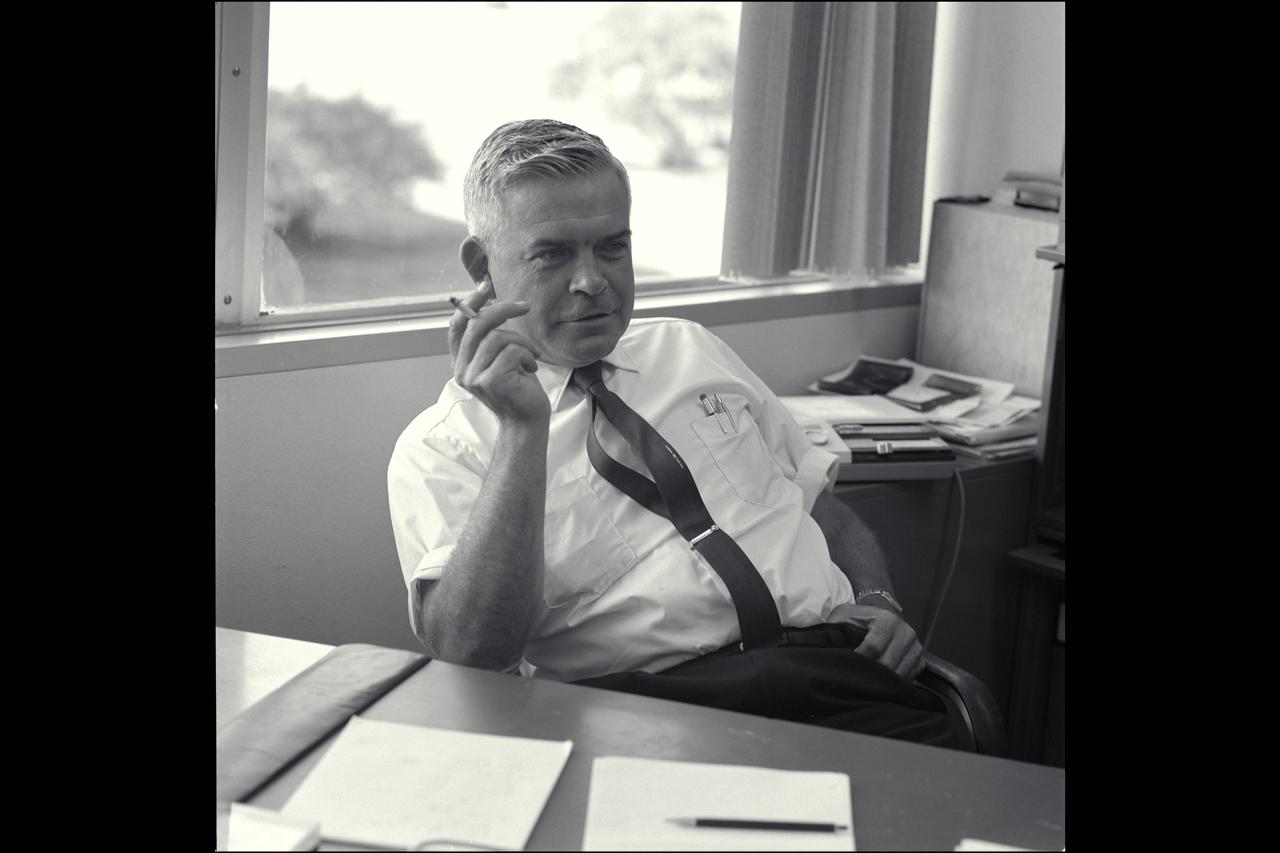
Charles F. Hall, Pioneer Project Manager in his office
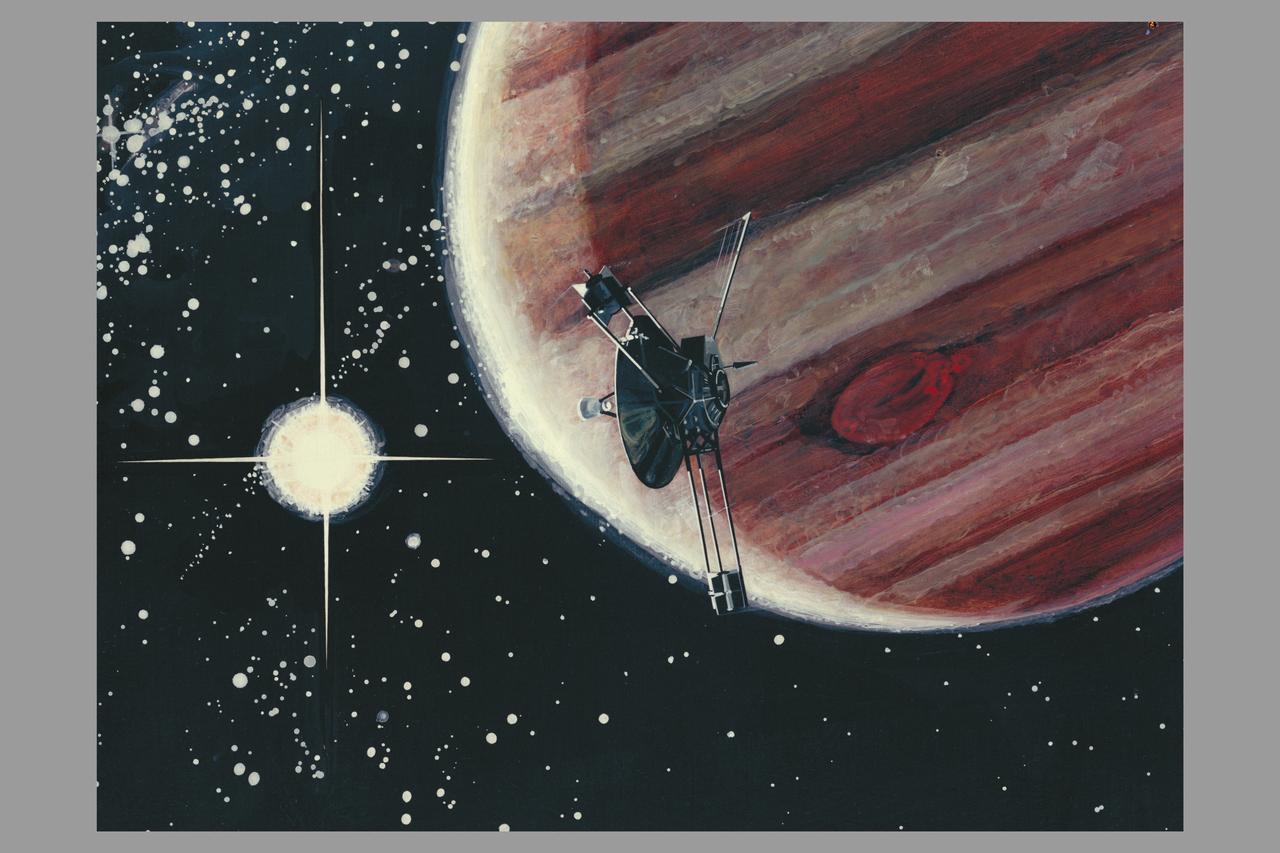
Artist: Rick Guidice Pioneer (10) passing Jupiter (cropped) Mission art
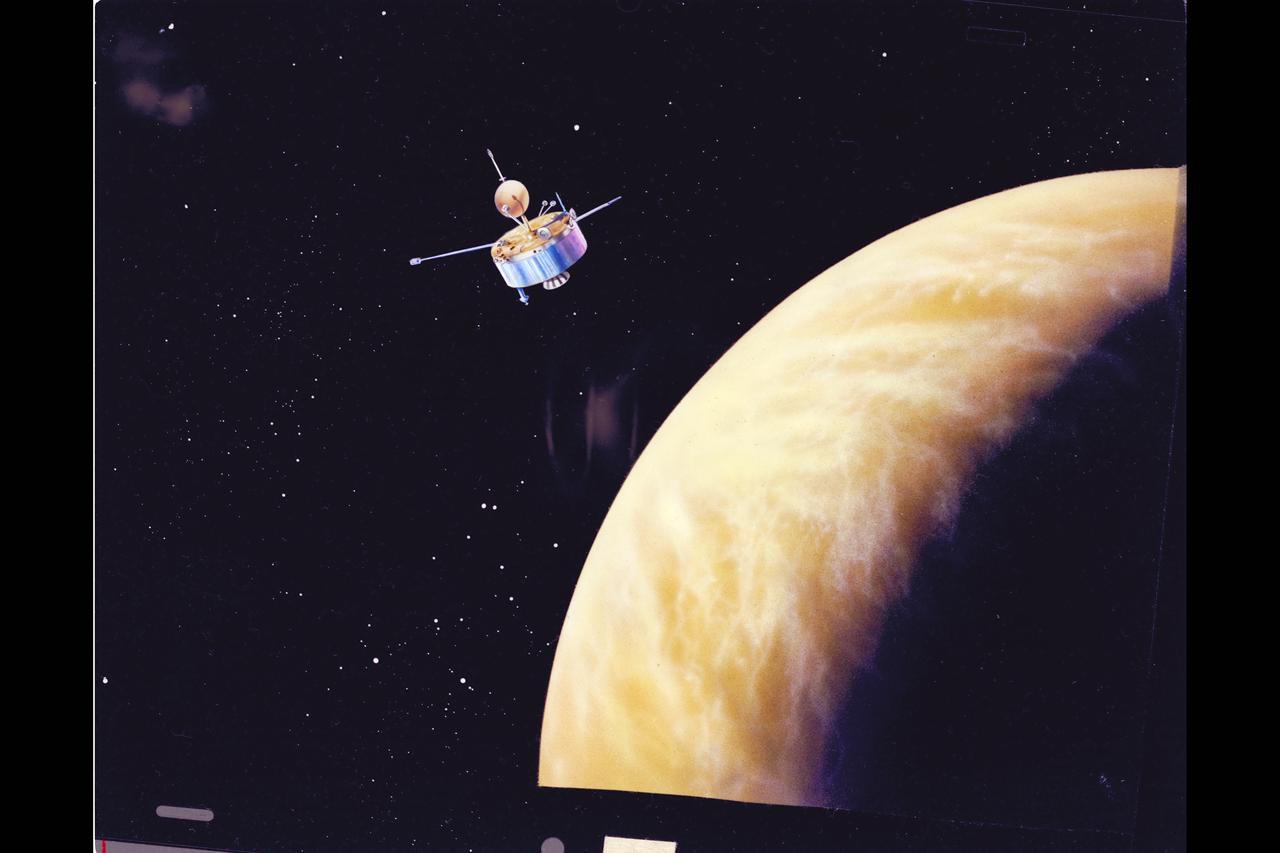
Art By Don Davis Pioneer Venus orbiter in orbit around Venus
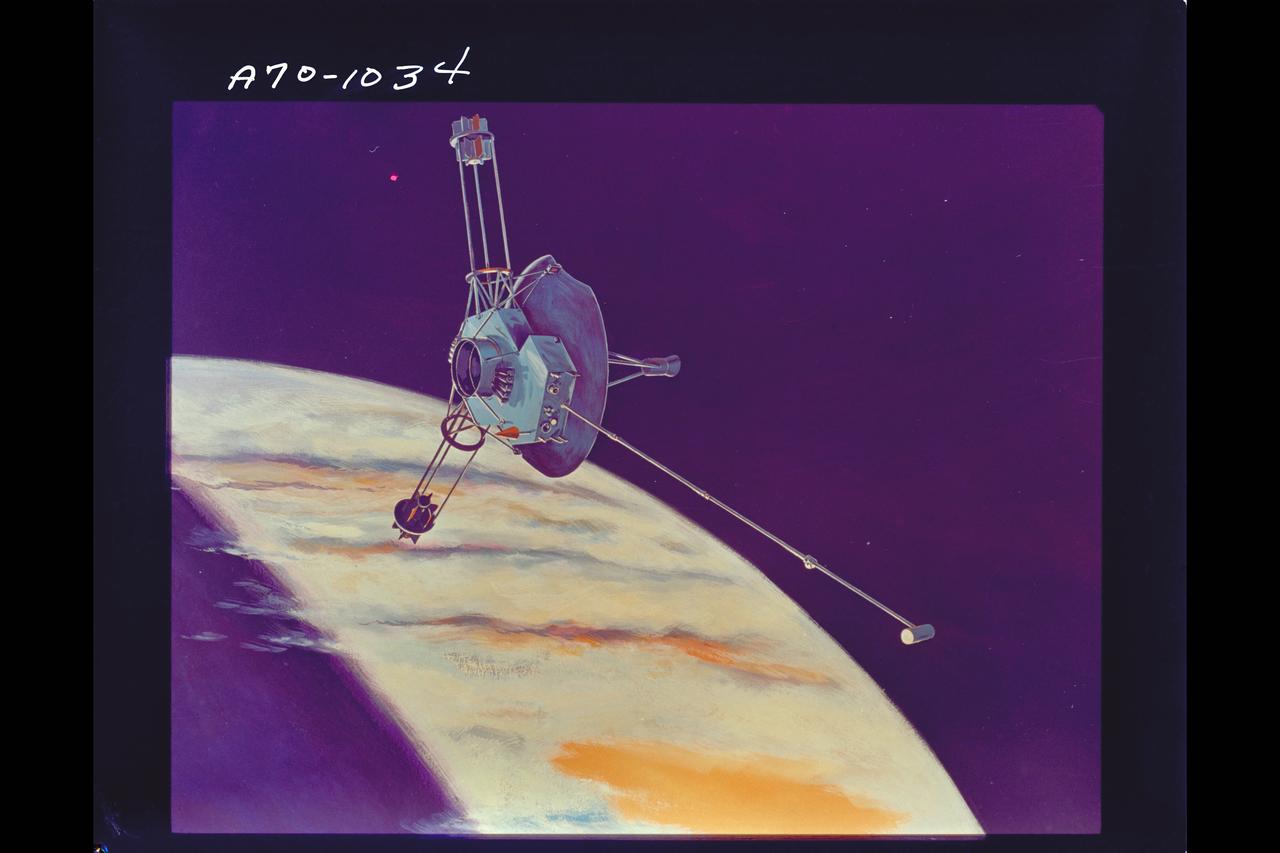
Pioneer F/G spacecraft in orbit around Jupiter artwork
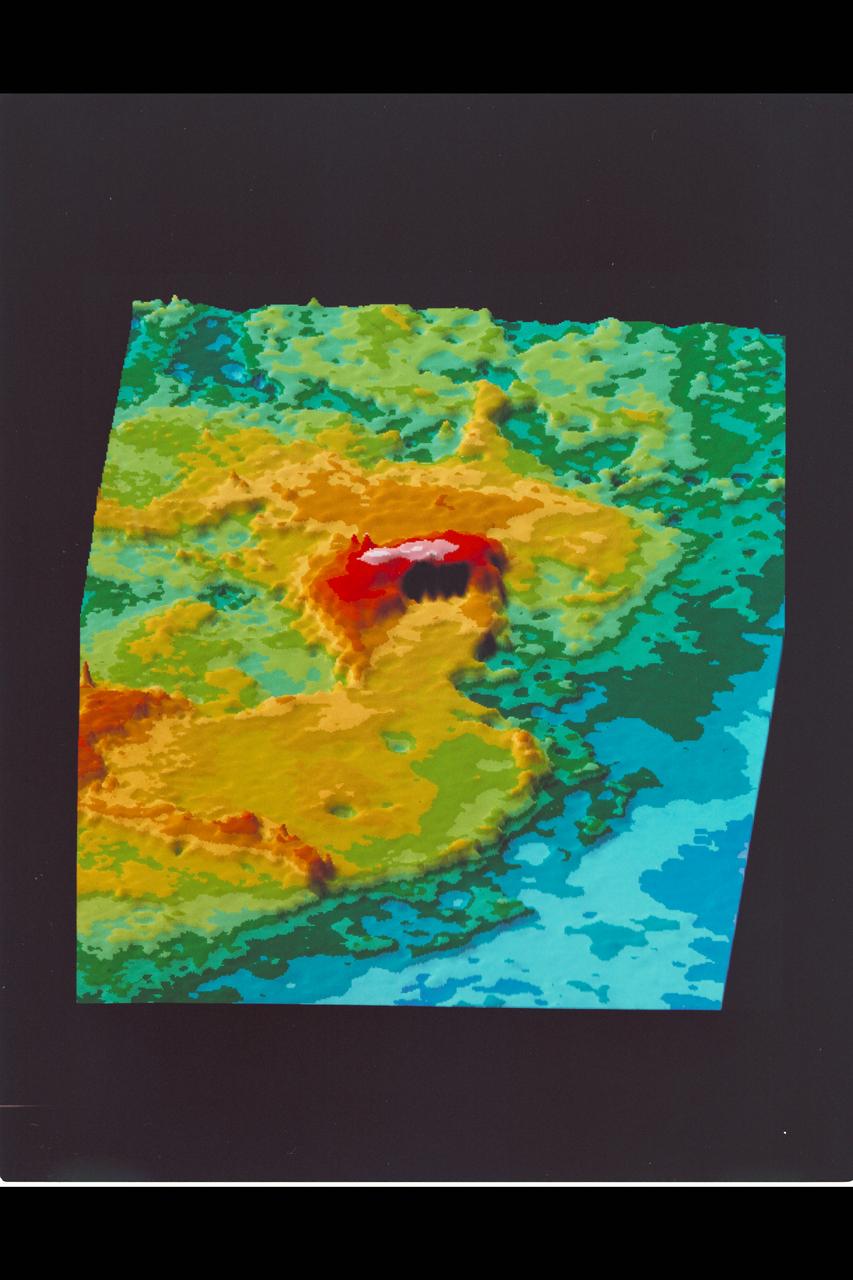
Photograph by Pioneer Venus Recent computer enchanced surface relief images of Venus.
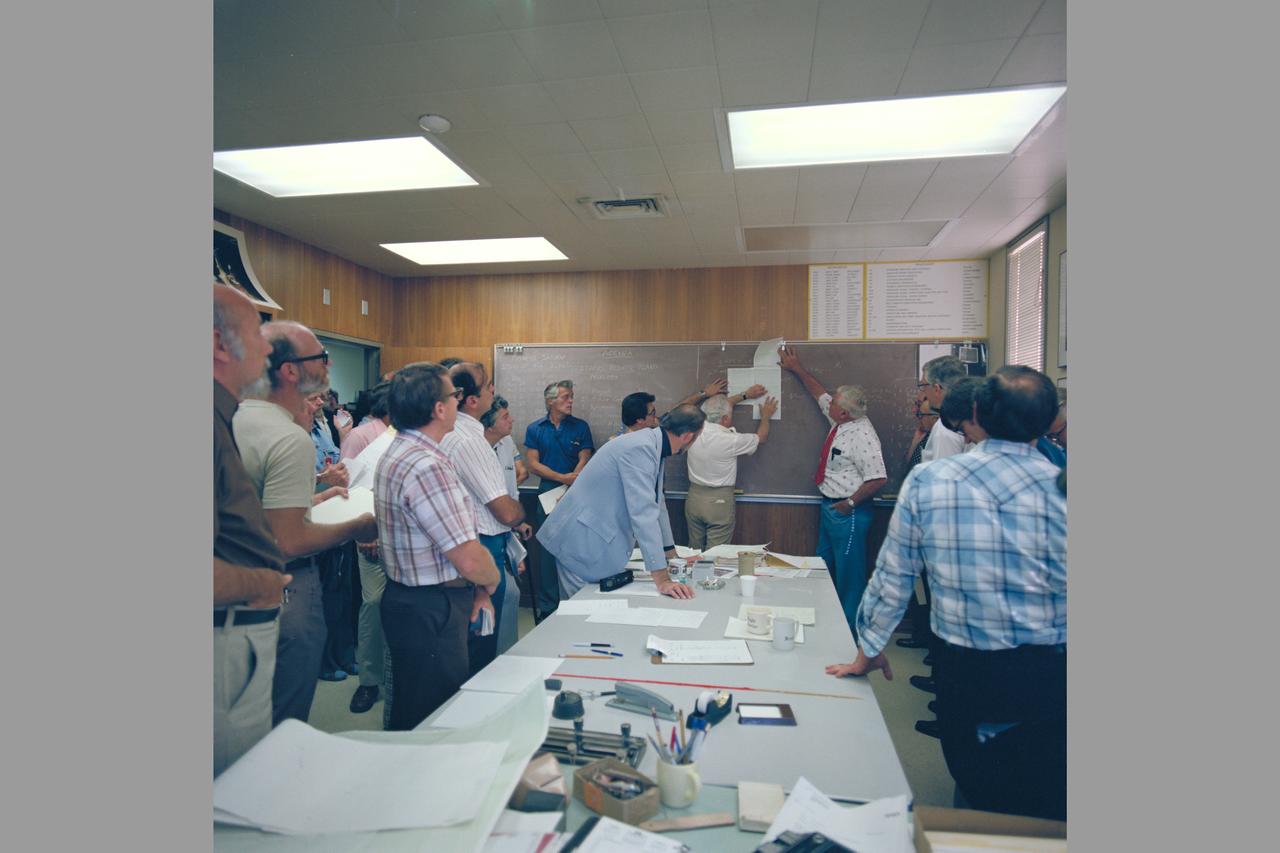
Pioneer Saturn: Charlie Hall, project manager daily stand up meeting

Pioneer Saturn: Charlie Hall, project manager daily stand up meeting
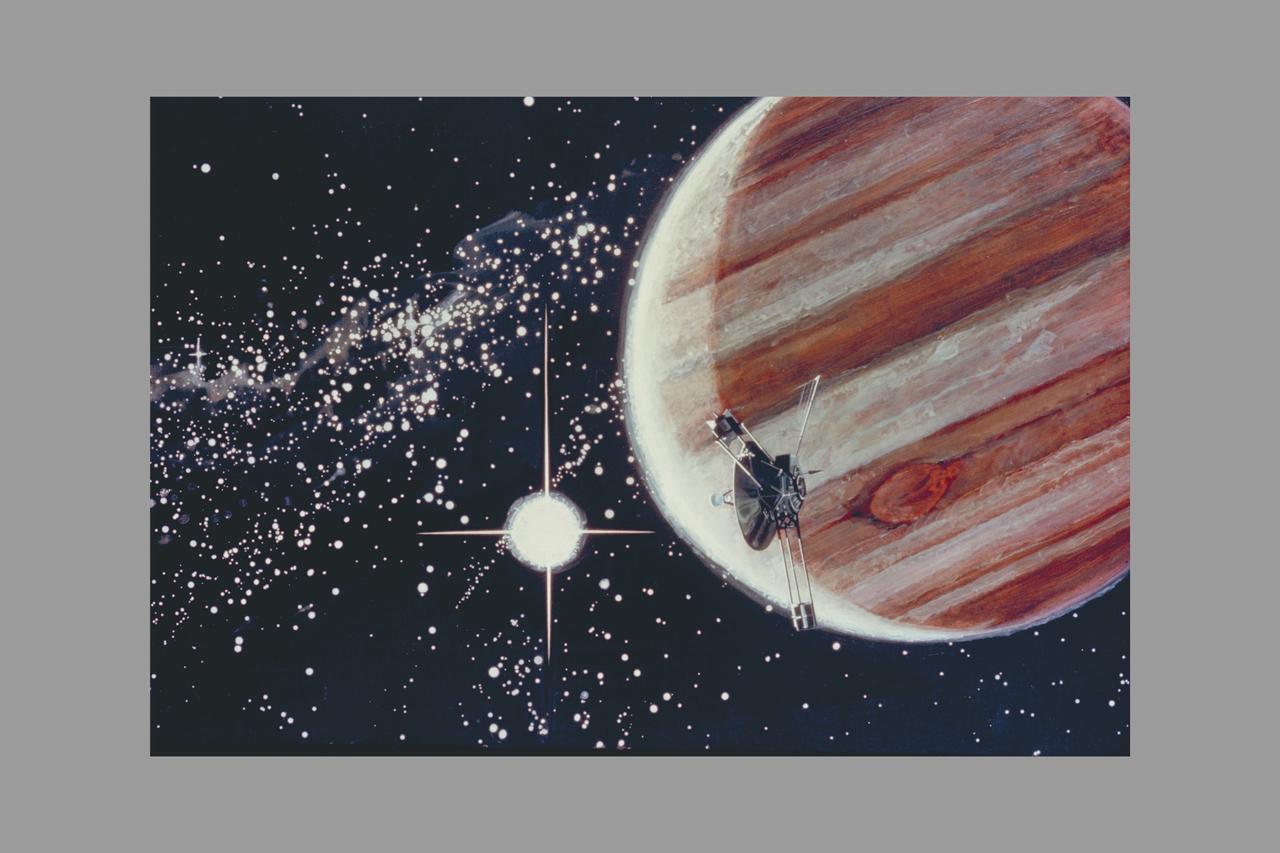
Artist: Rick Guidice Pioneer (10) passing Jupiter (cropped)
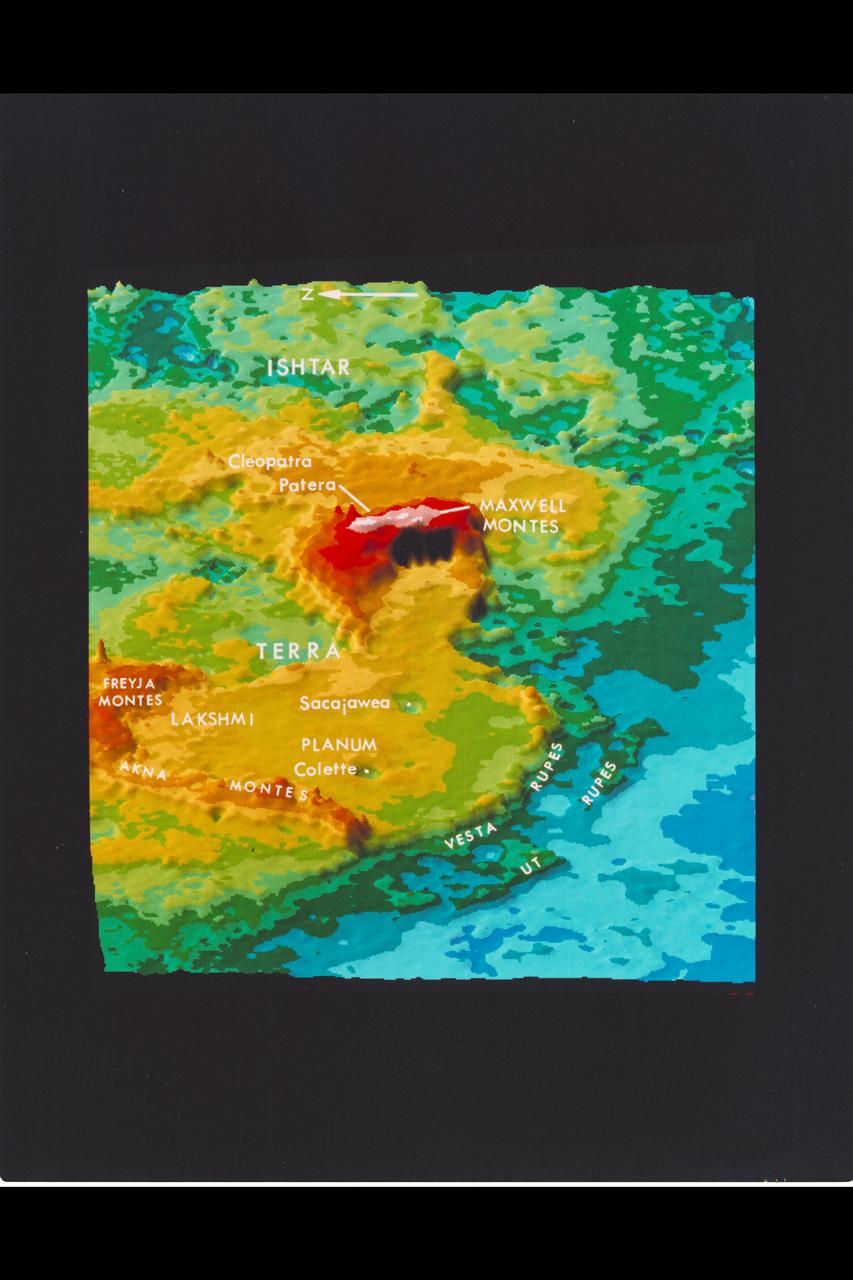
Photograph by Pioneer Venus Recent computer enchanced surface relief images of Venus.
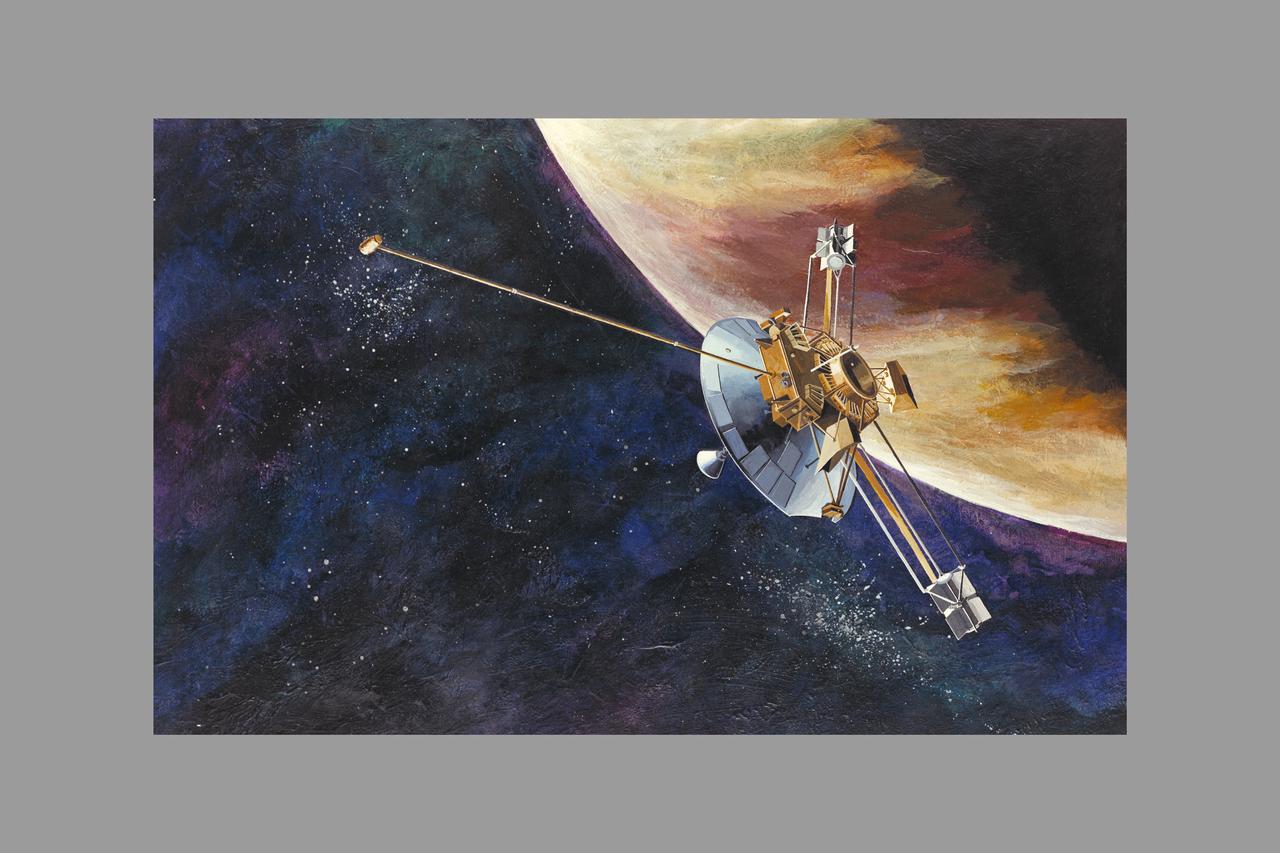
Artist: Rick Guidice Pioneer F spacecraft in orbit around Jupiter

Pioneer 11 pre-encounter with Saturn as painted by Wilson Hurley
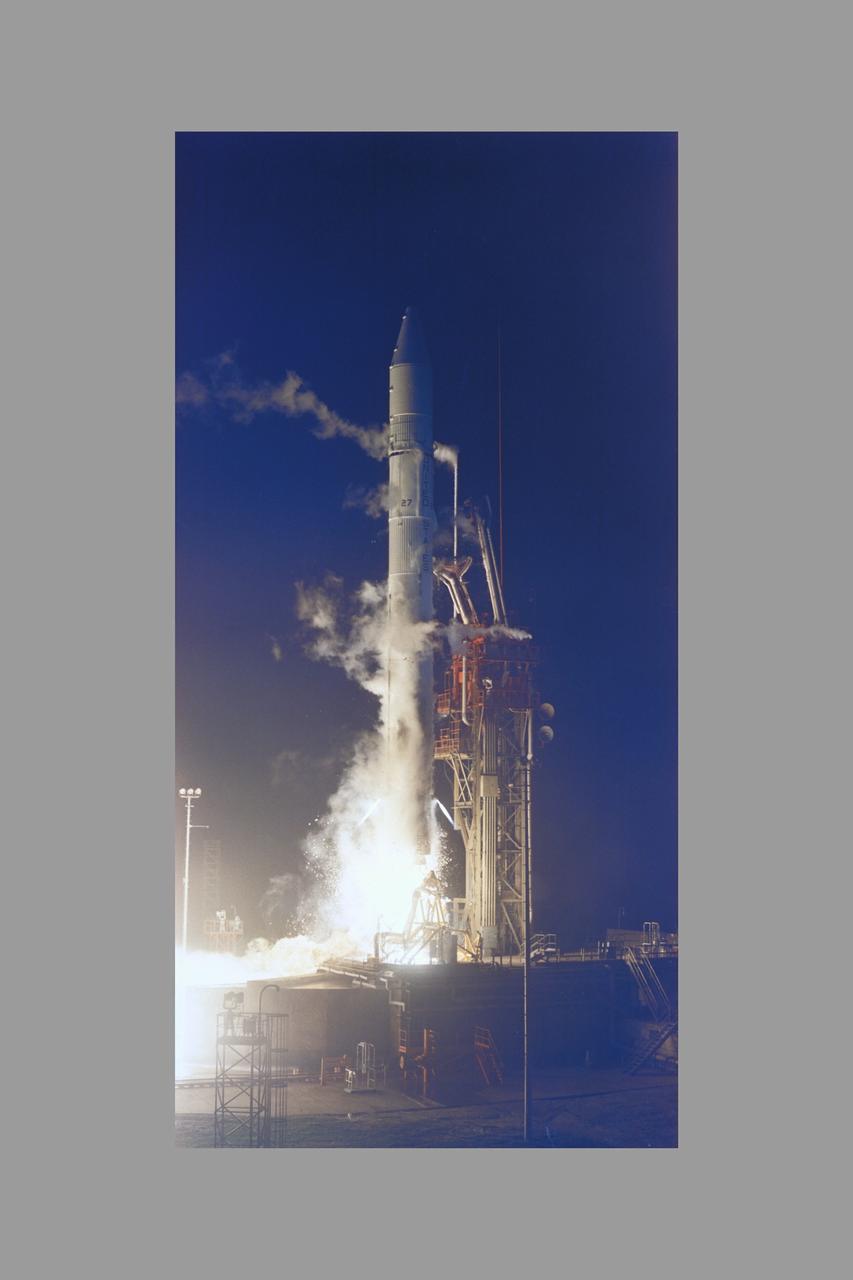
Launch of Pioneer 10 to Jupiter occured at 8:49 p.m. EST March 2, 1972
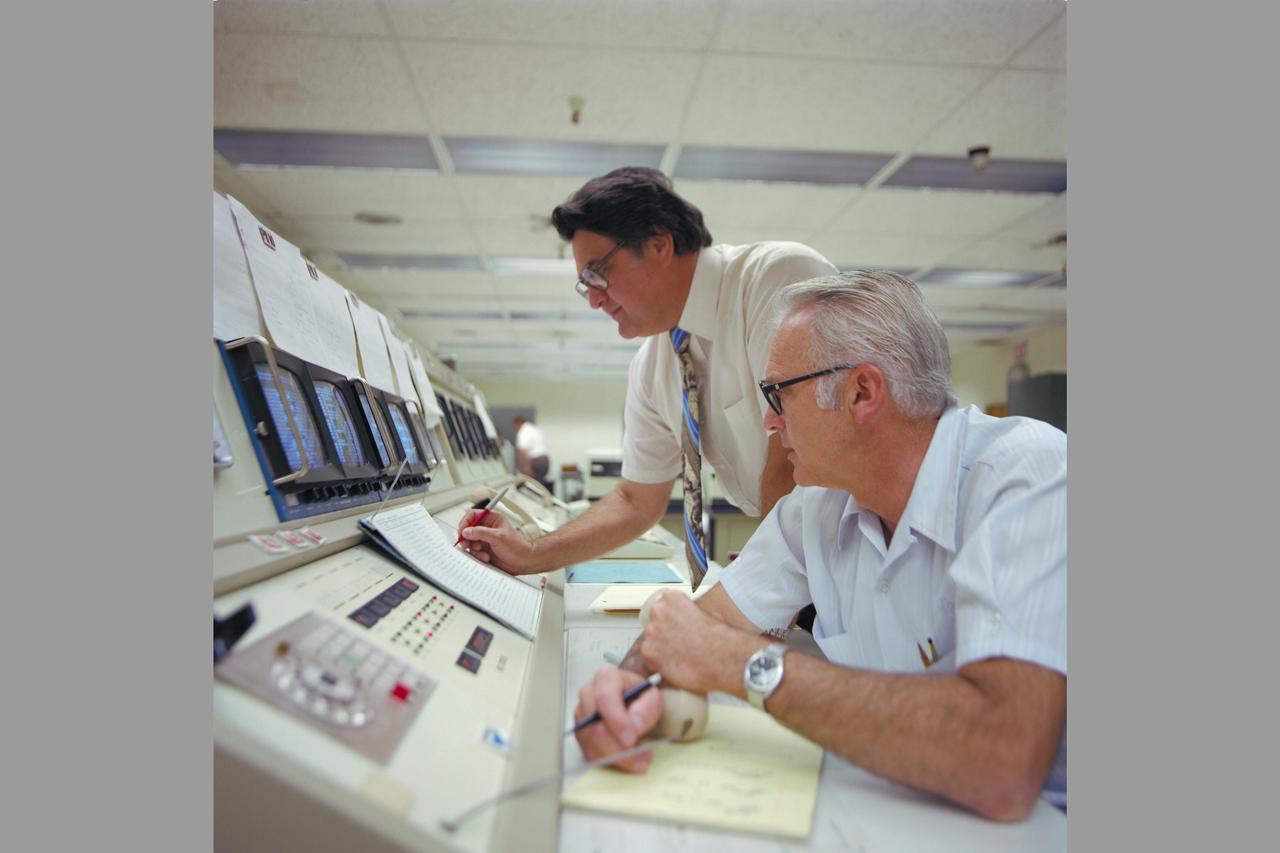
Pioneer Mission Control Center with personnel monitoring spacecraft (PMOC) includes Dr Richard Fimmel
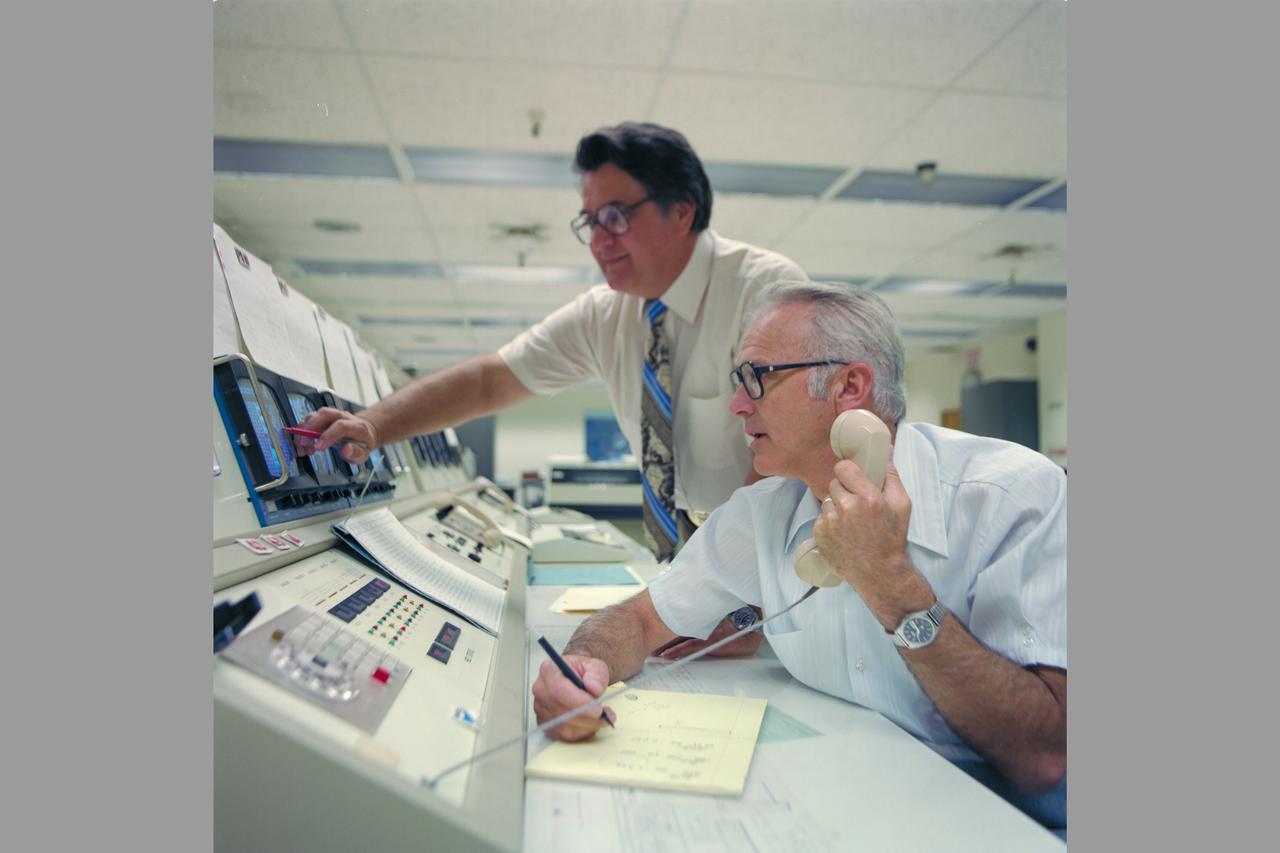
Pioneer Mission Control Center with personnel monitoring spacecraft (PMOC) includes Dr Richard Fimmel

Photograph by Pioneer Venus OCPP imagery 0900 collected 5-14-88 10th anniversary release Venus image 7540
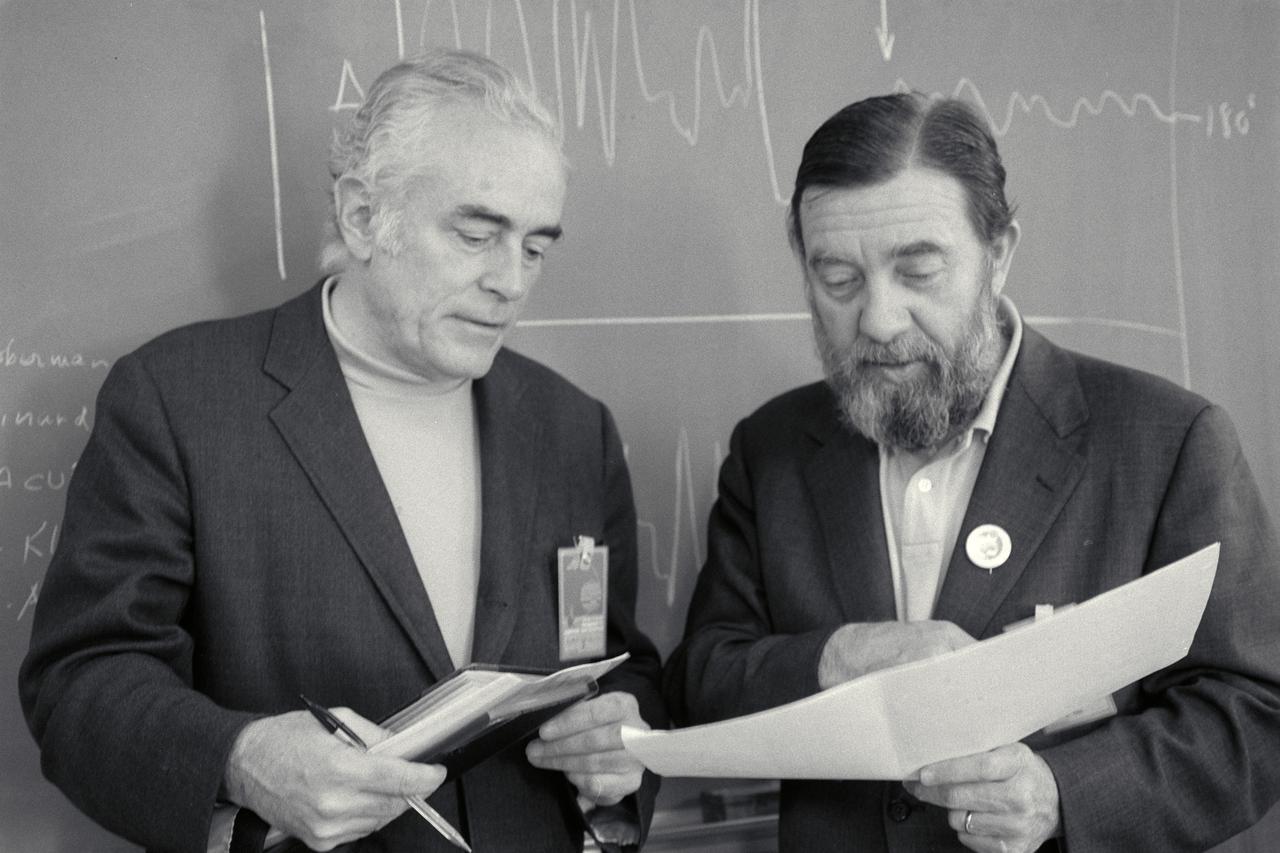
Dr. John A. Simpson and Dr James Van Allen discuss Pioneer 11 Mission to Juiter and Saturn during morning briefing.

Pioneer Saturn: Charlie Hall, project manager daily stand up meeting with Dr. Simpson at board
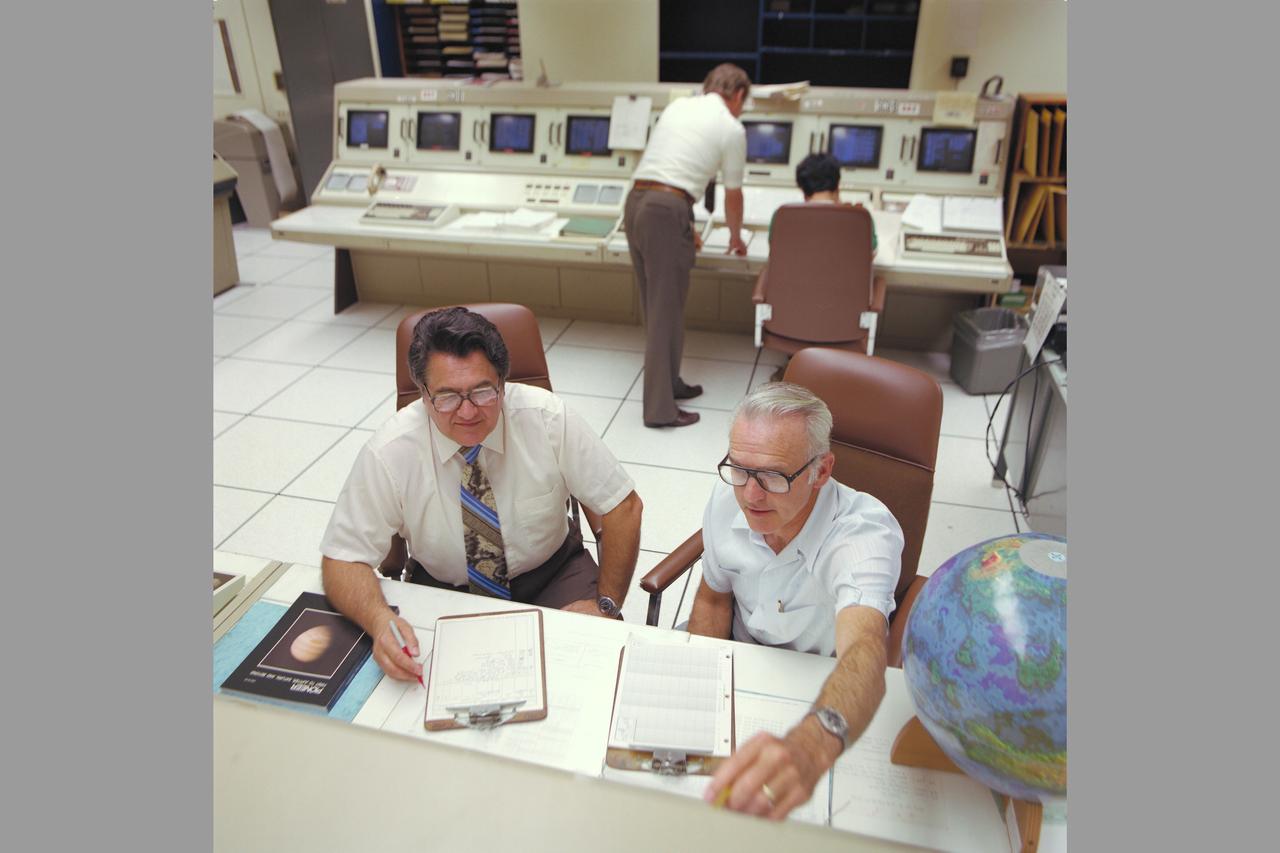
Pioneer Mission Control Center with personnel monitoring spacecraft (PMOC) including Dr Richard Fimmel

Charlie Hall inspects the Pioneer Venus multiprobe at Hughes Aircraft Co. in Dec. 1976

Date: Dec. 1972 Pioneer 10 Artwork Spacecraft shown above Jupiter's surface (used in NASA SP-349)
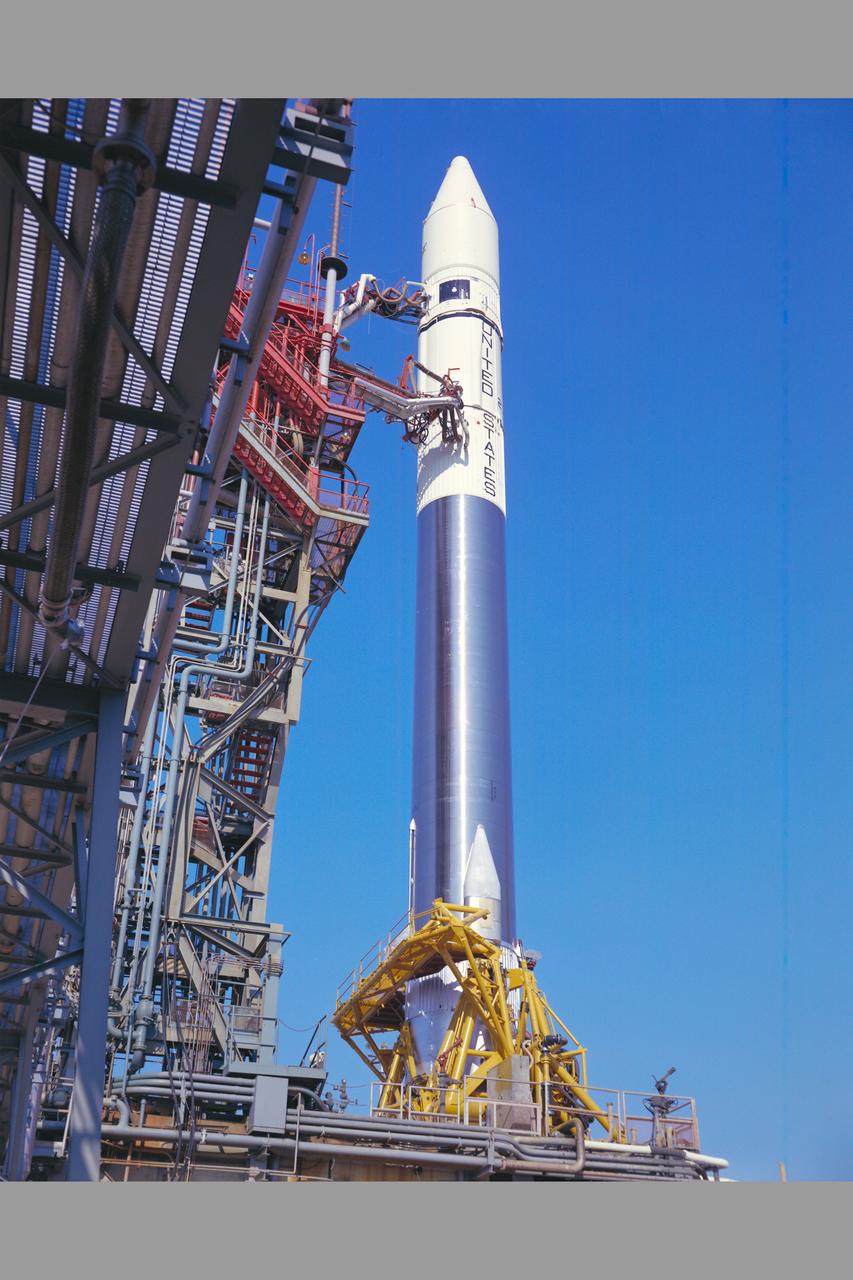
A pre launch view of Pioneer-10 (or F) spacecraft encapsulated and mated with a Atlas-Centaura launch vehicle in preparation for mission to Jupiter

Pioneer Venus Art: Atmosphere Flow Day/Night Homopause, Ionosphere, Thermosphere, and Cryosphere
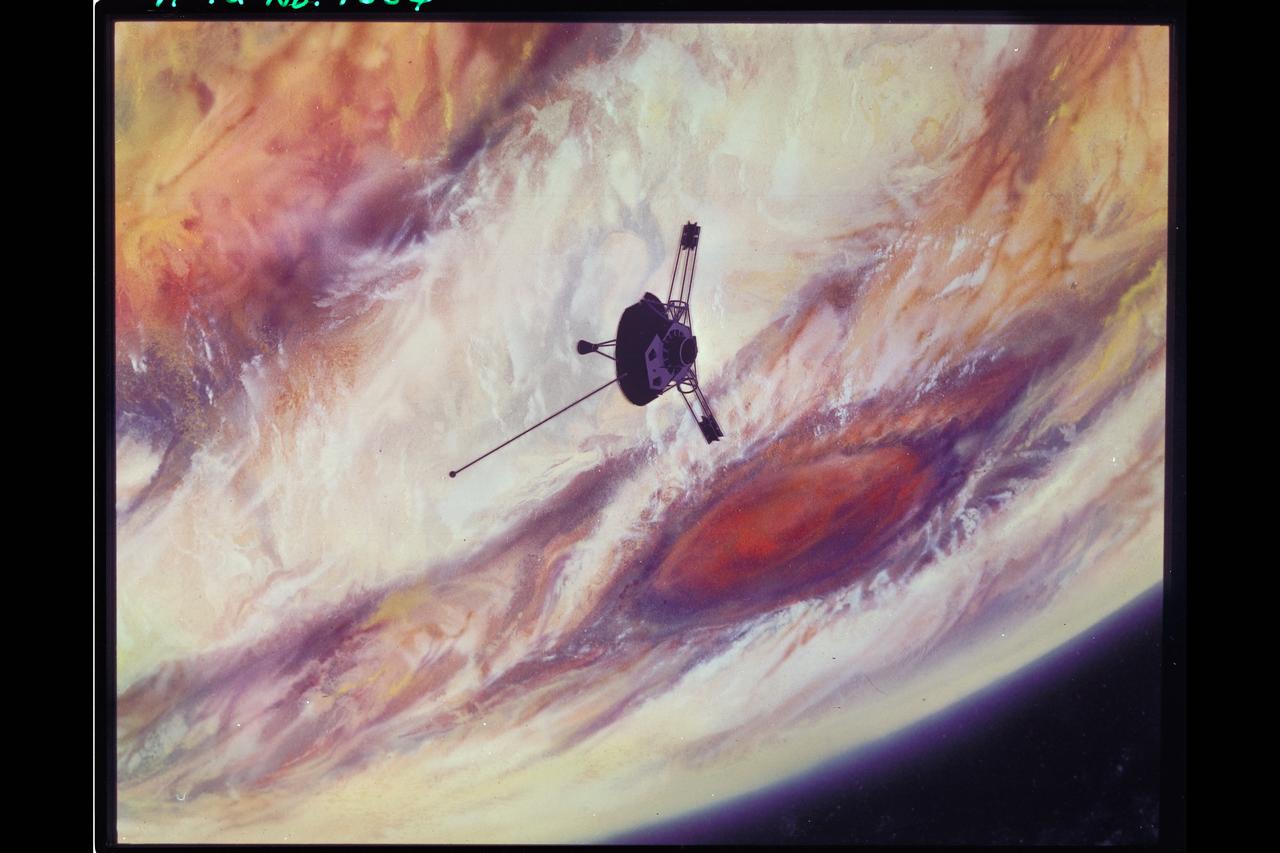
Pioneer 10 Artwork Spacecraft shown during encounter above Jupiter's surface (used in NASA SP-349)
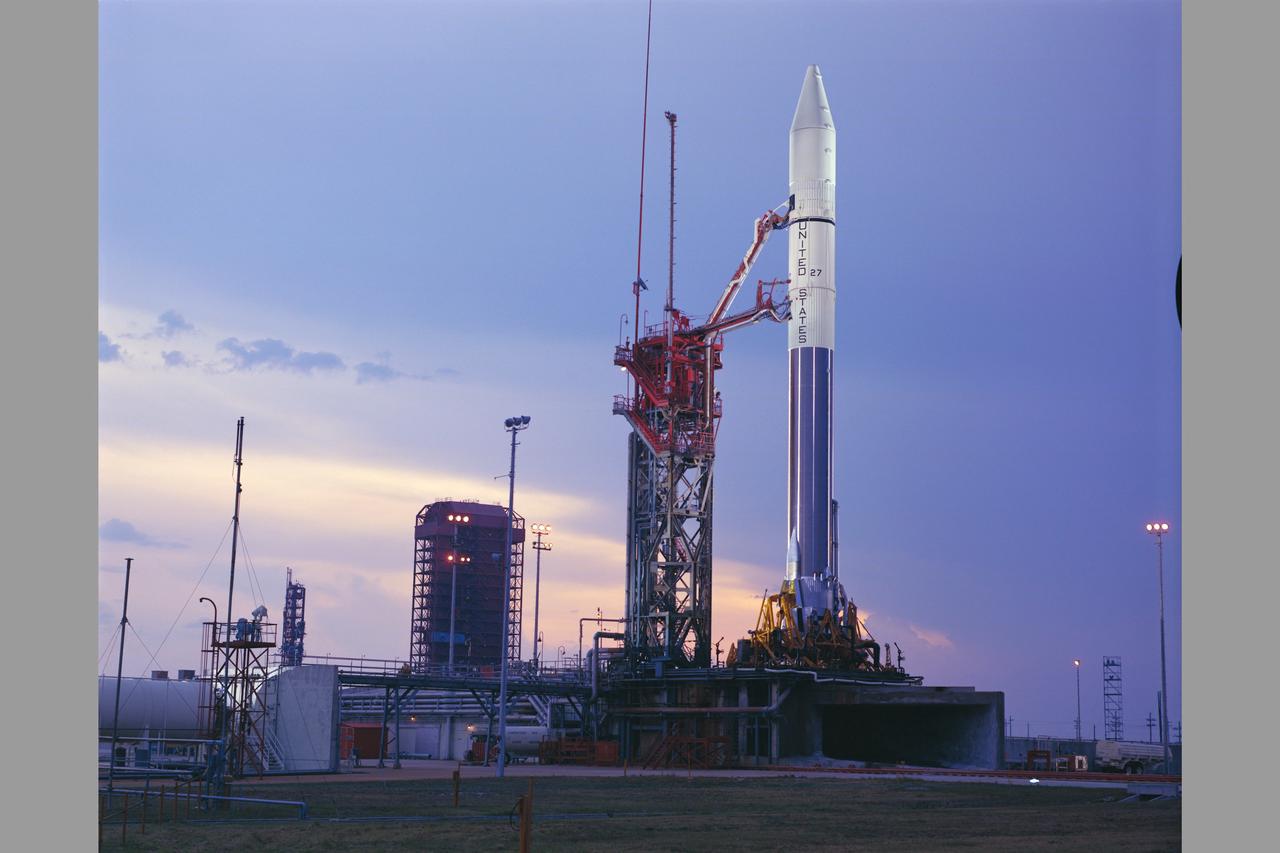
A pre launch view of Pioneer-10 (or F) spacecraft encapsulated and mated with a Atlas-Centaura launch vehicle in preparation for mission to Jupiter
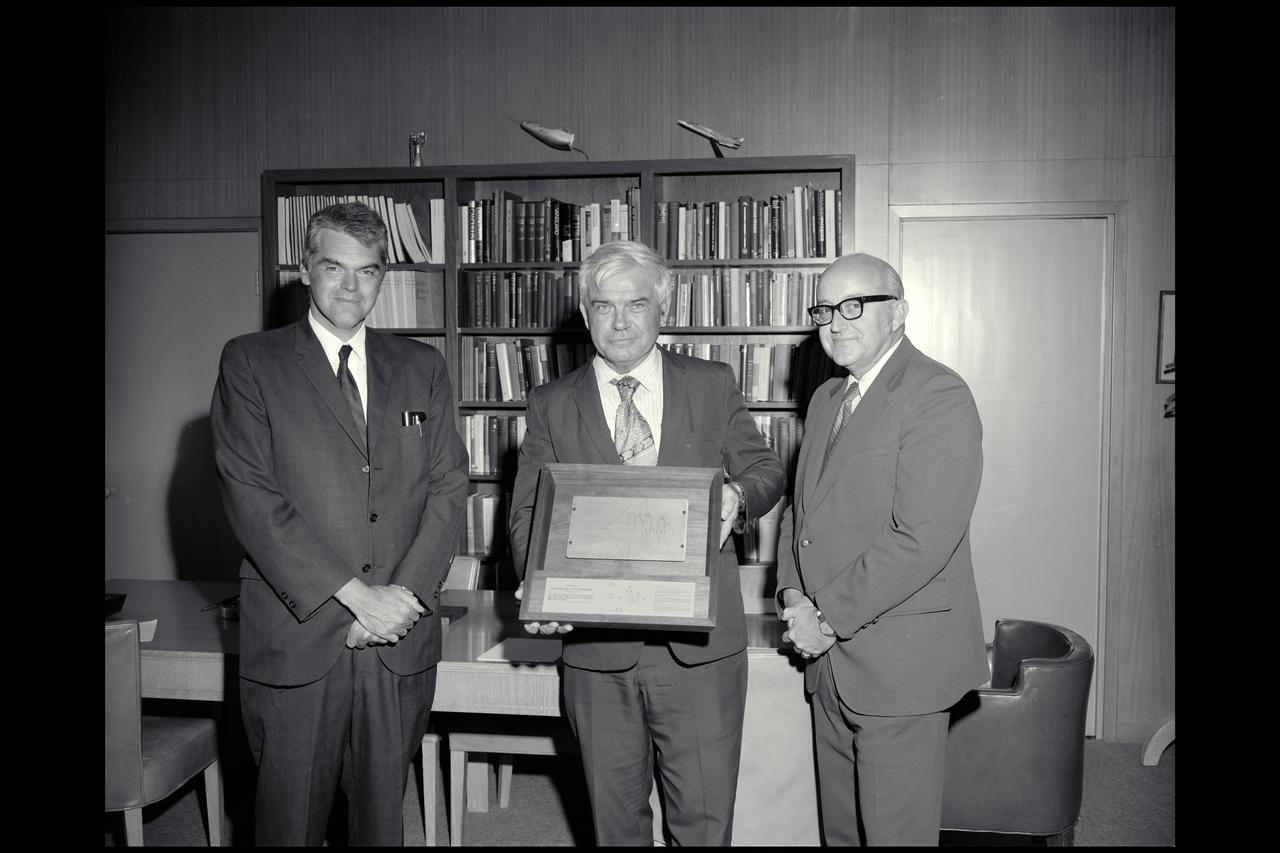
Charles 'Charlile' Hall, Hans Mark and Clarence 'Sy' Syvertson holding Pioneer 10 Plaque
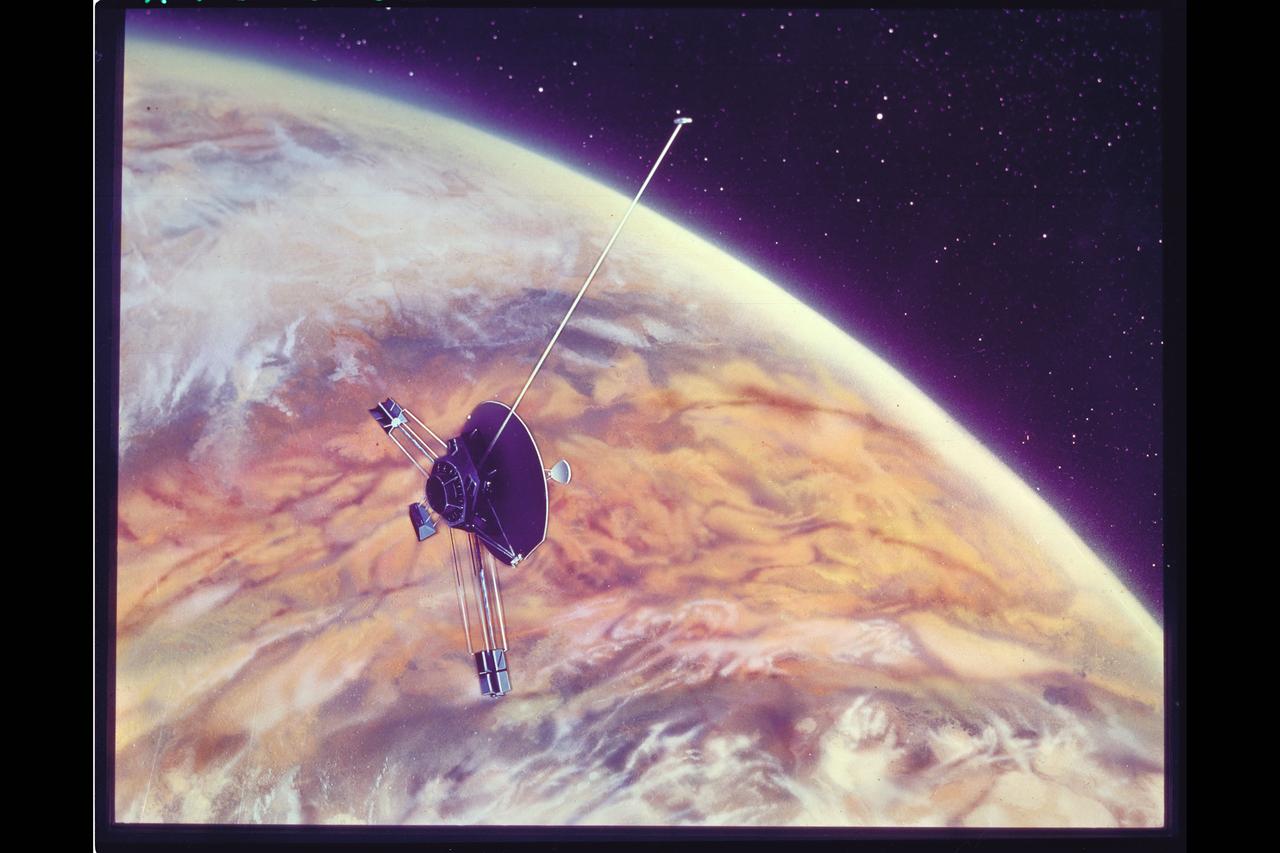
Date: Dec. 1972 Pioneer 10 Artwork Spacecraft shown during encounter above Jupiter's surface (used in NASA SP-349)
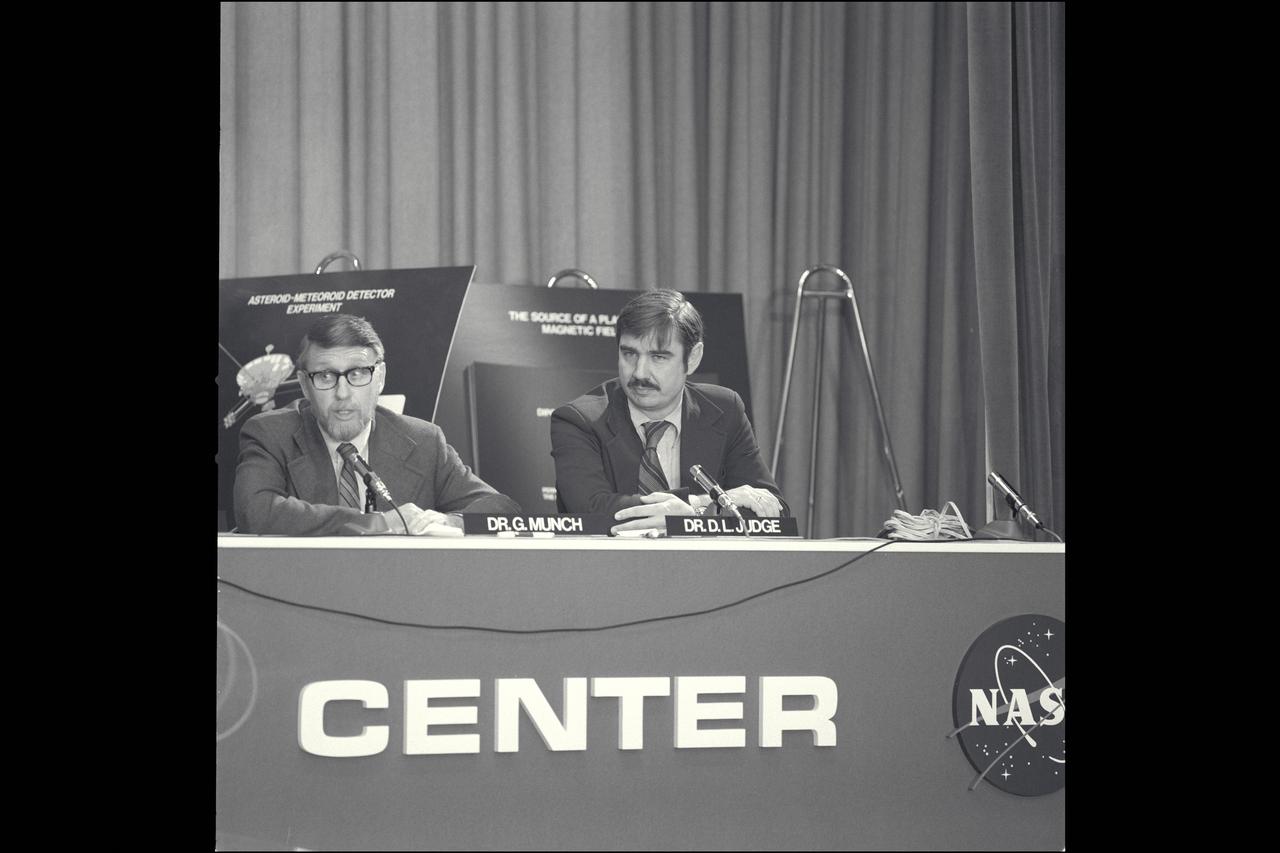
Dr G Munch and Dr D.l. Judge sit on Press Panel during the Pioneer 10 Mission to Jupiter live from Ames Research Center
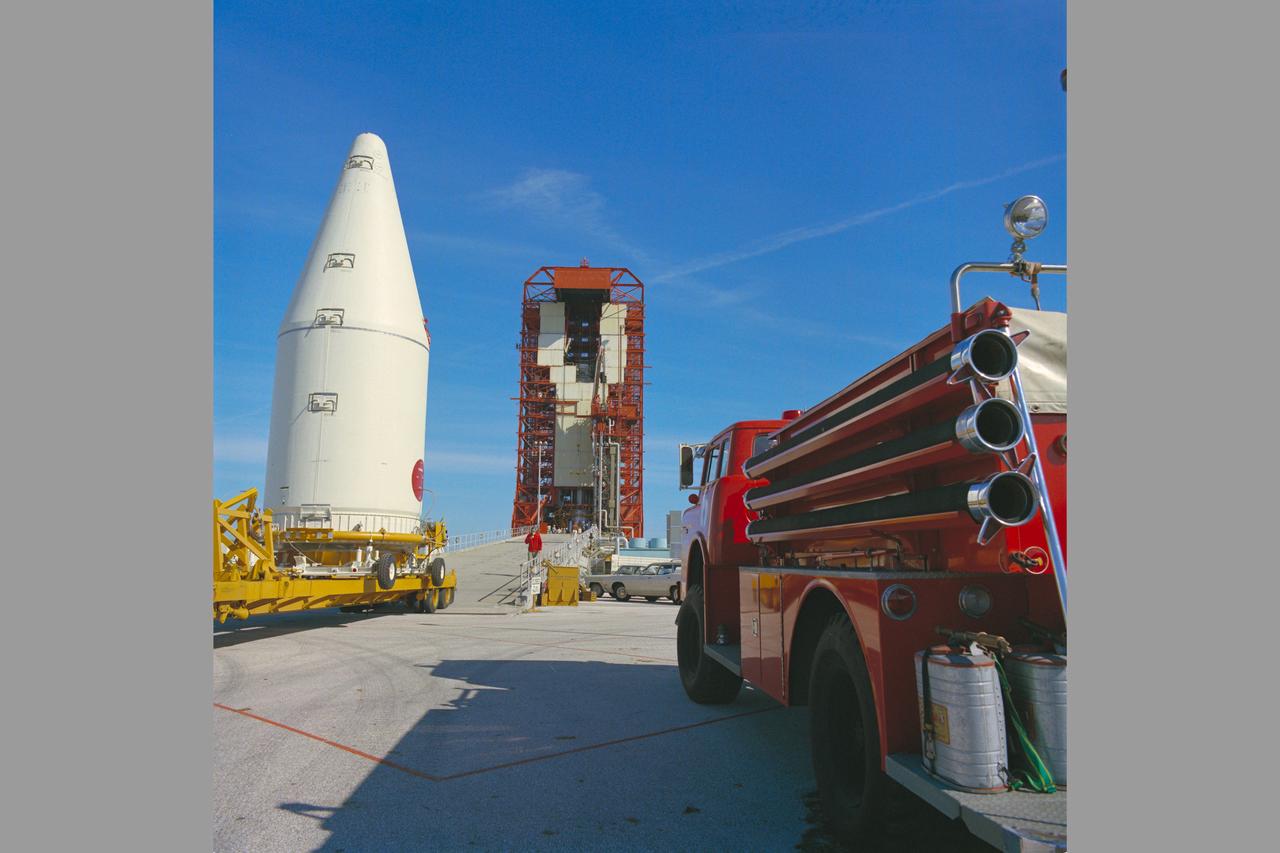
Pioneer-10 (or F) spacecraft encapsulated and moving to pad at Cape Kennedy for matting with a Atlas-Centaura launch vehicle in preparation for mission to Jupiter
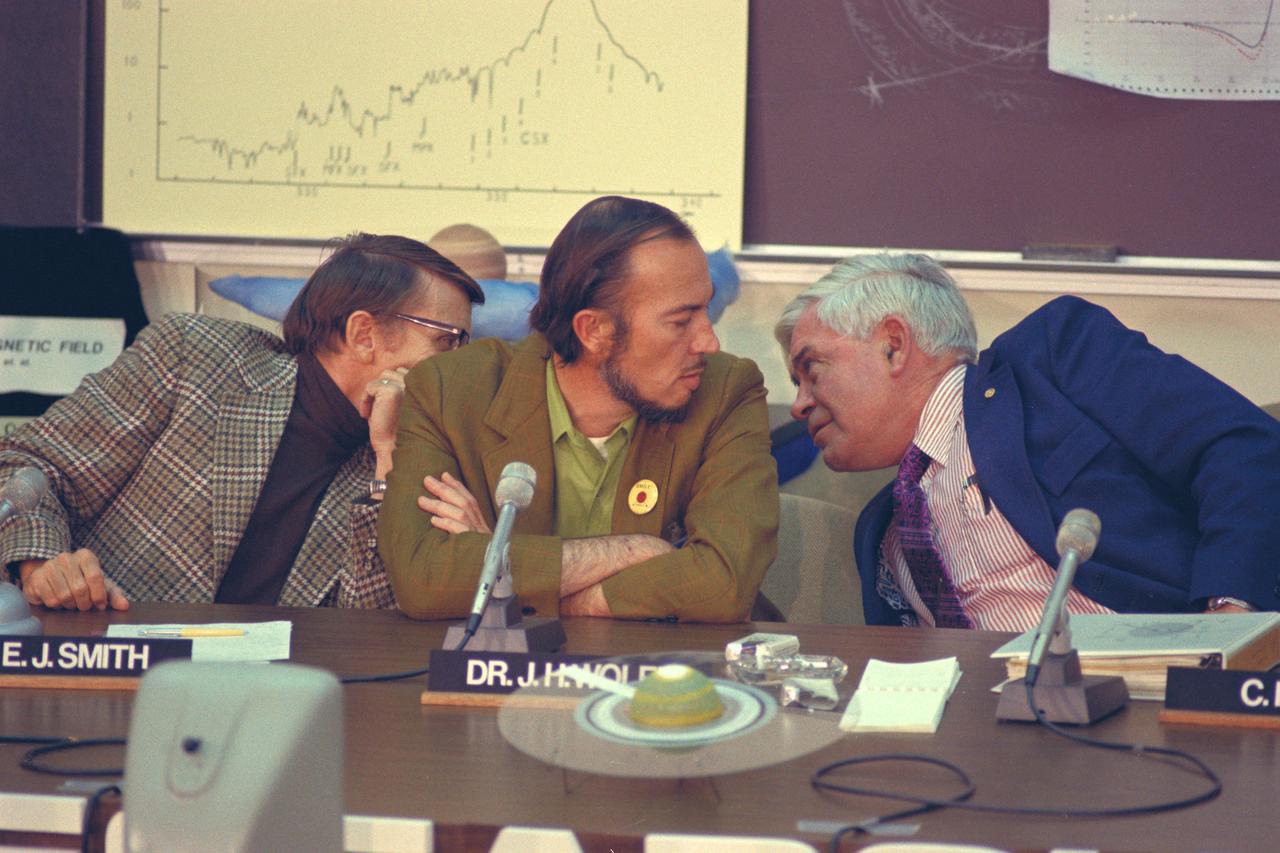
Dr E. J.Smith, John Wolf (Ames) and Charles Hall (Ames) confer during press conference for Pioneer 11 Jupiter encounter
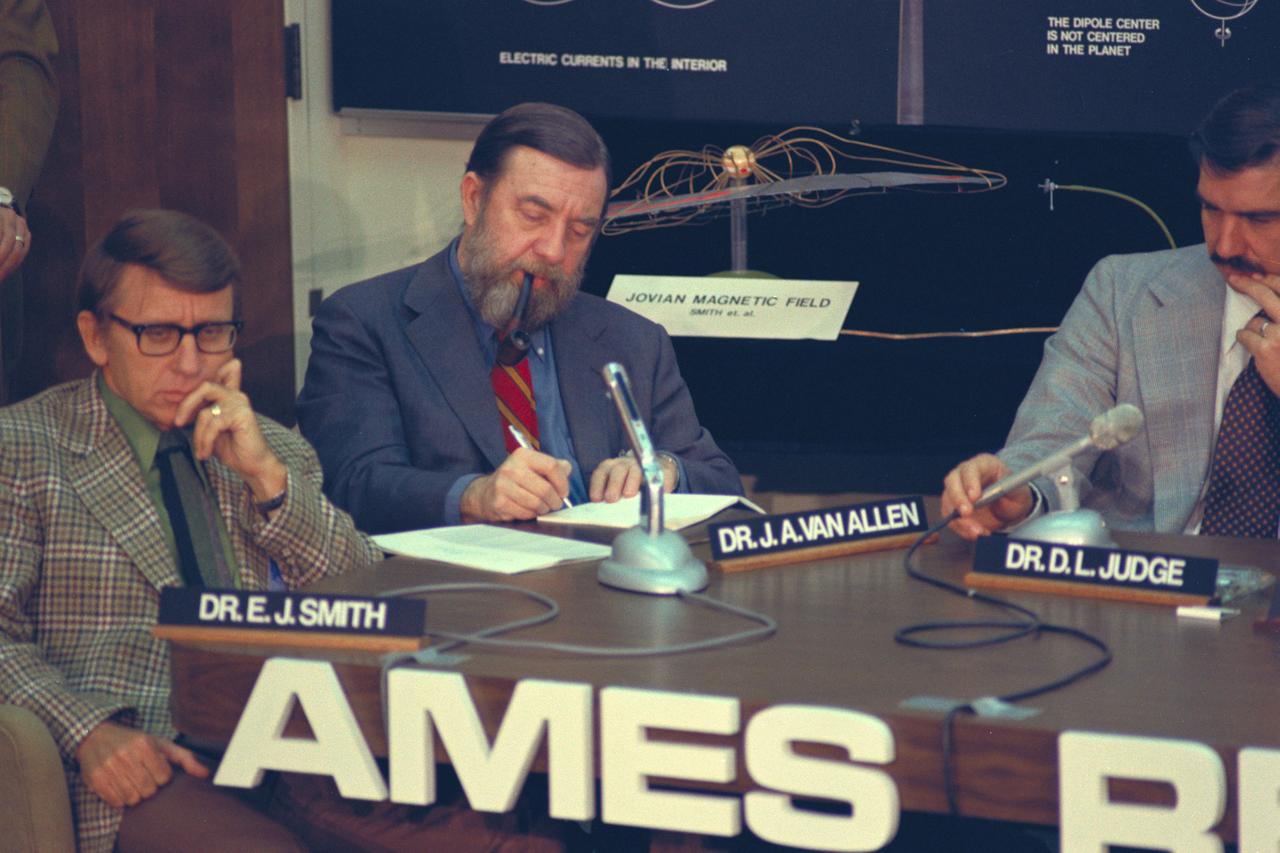
Pioneer 11 Mission to Jupiter: encounter briefing with (L-R) Dr. E. J. Smith, Dr J. A. Van Allen, and Dr D. L. Judge
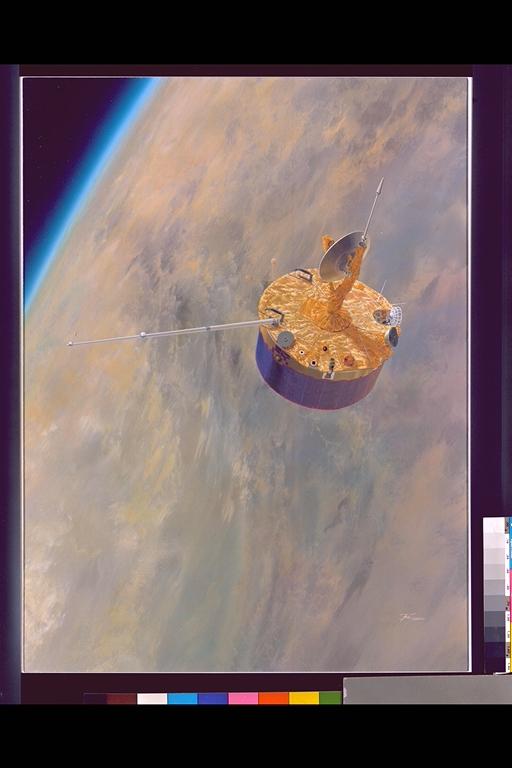
Artist: Paul Hudson Pioneer Venus Orbiter expected to orbit the planet from 1978 to 1992 when the spacecraft will enter and be destroyed in Venus' upper atmosphere