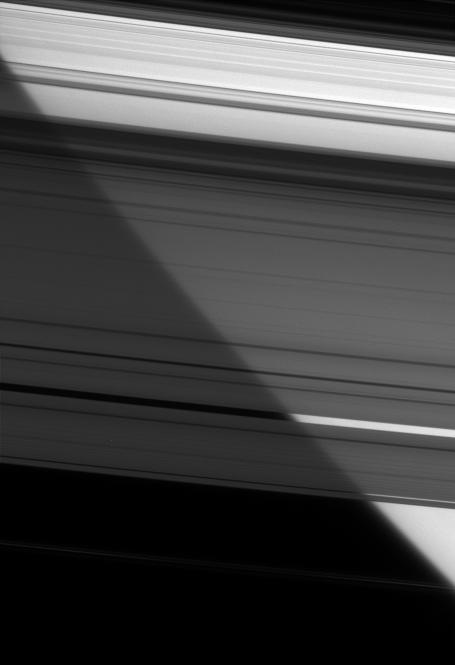
Peering Through the Plane
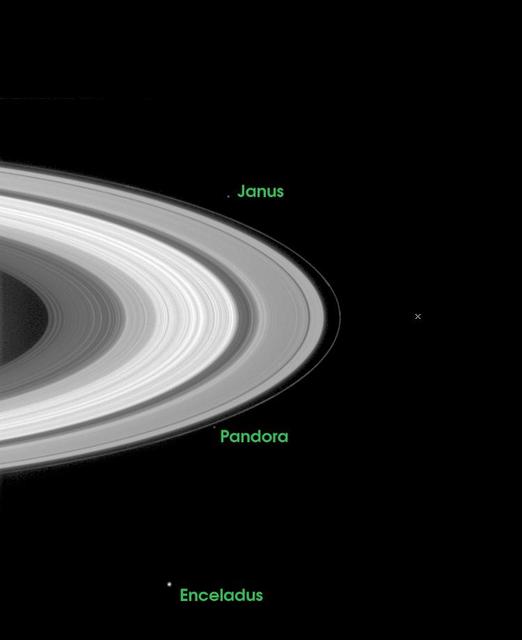
The path that lies ahead for the Cassini-Huygens mission is indicated in this image which illustrates where the spacecraft will be just 27 days from now, when it arrives at Saturn and crosses the ring plane 33 minutes before performing its critical orbital insertion maneuver. The X indicates the point where Cassini will pierce the ring plane on June 30, 2004, going from south to north of the ring plane, 33 minutes before the main engine fires to begin orbital insertion. The indicated point is between the narrow F-ring on the left and Saturn's tenuous G-ring which is too faint to be seen in this exposure. The image was taken on May 11, 2004 when the spacecraft was 26.3 million kilometers (16.3 million miles) from Saturn. Image scale is 158 kilometers (98 miles) per pixel. Moons visible in this image: Janus (181 kilometers or 113 miles across), one of the co-orbital moons; Pandora (84 kilometers or 52 miles across), one of the F ring shepherding moons; and Enceladus (499 kilometers or 310 miles across), a moon which may be heated from within and thus have a liquid sub-surface ocean. http://photojournal.jpl.nasa.gov/catalog/PIA06061
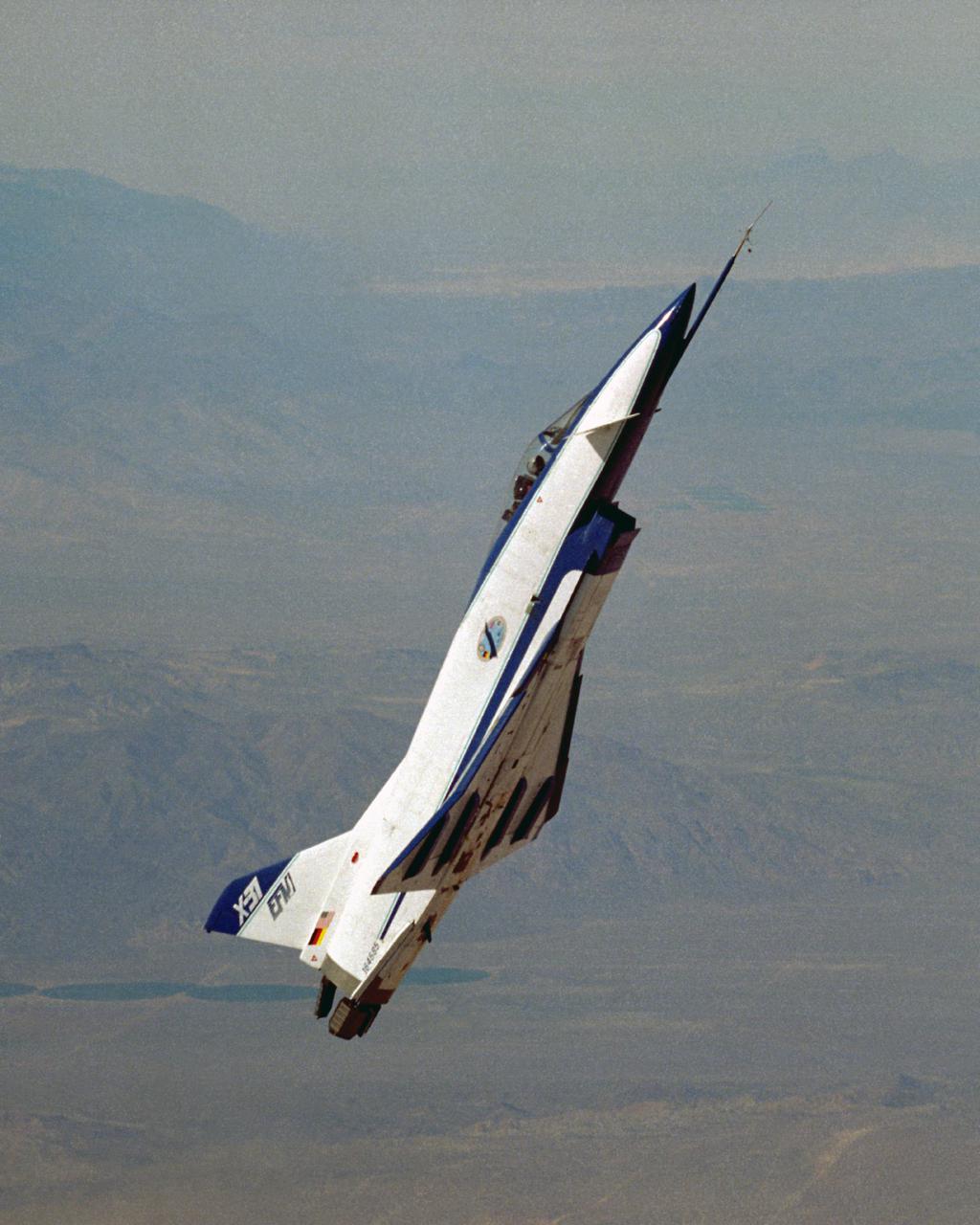
The X-31, the world’s first international X-plane, demonstrates controlled flight at high alpha courtesy of its canards and thrust vectoring paddles in the exhaust stream.

Hubble Views Saturn Ring-Plane Crossing
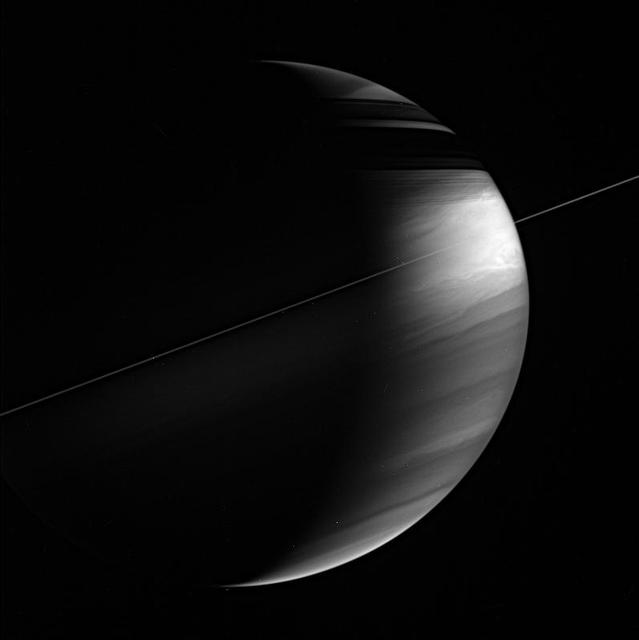
This view of the ringed planet shows its tilt relative to the plane of its orbit around the Sun. The planet tilts nearly 27 degrees relative to the ecliptic plane giving rise to seasons in which the rings shadow each hemisphere in its respective winter
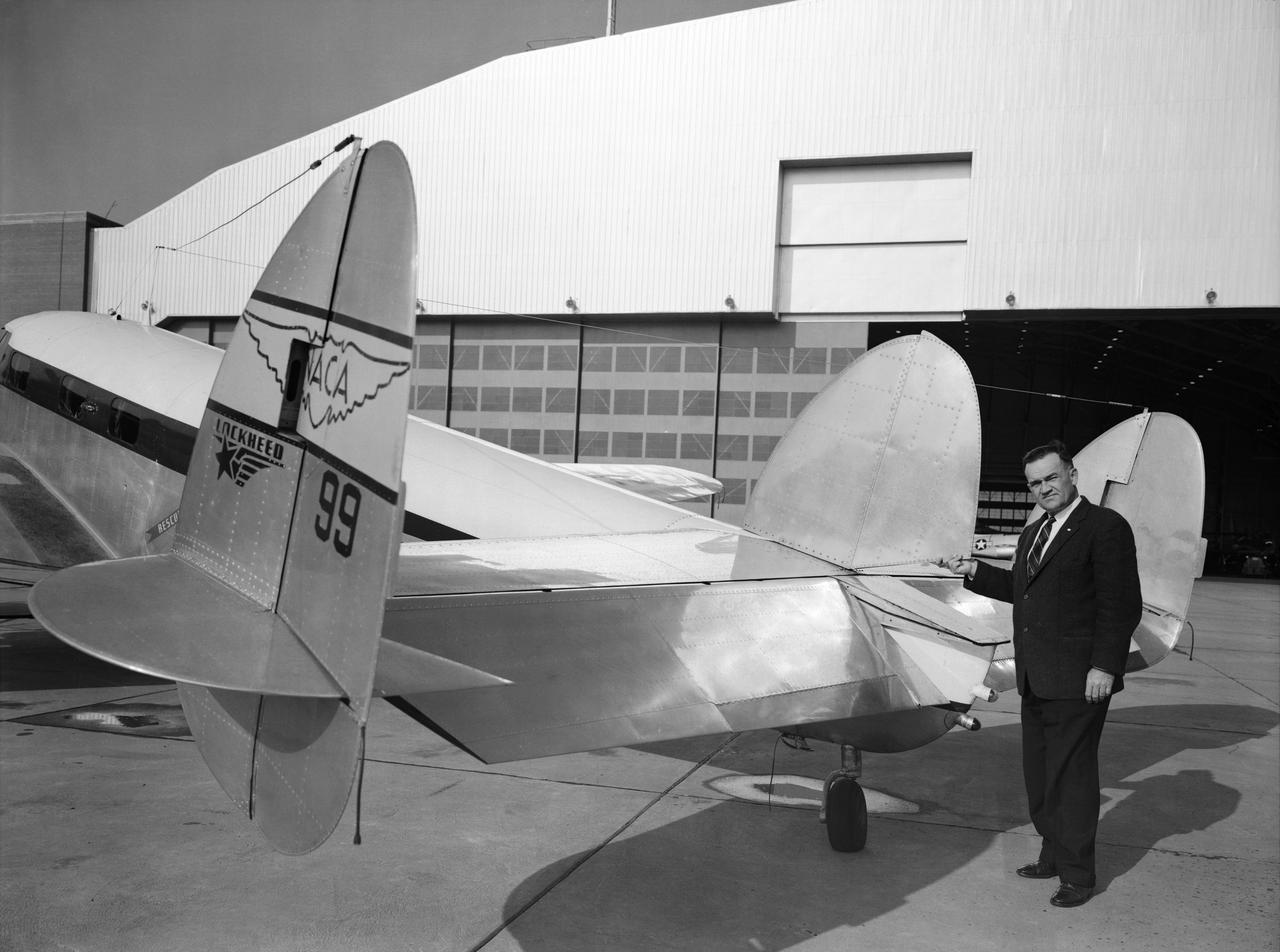
Melvin Gough at the Tail of a NACA Lockheed Plane

Hubble Views Saturn Ring-Plane Crossing Satellites Labeled
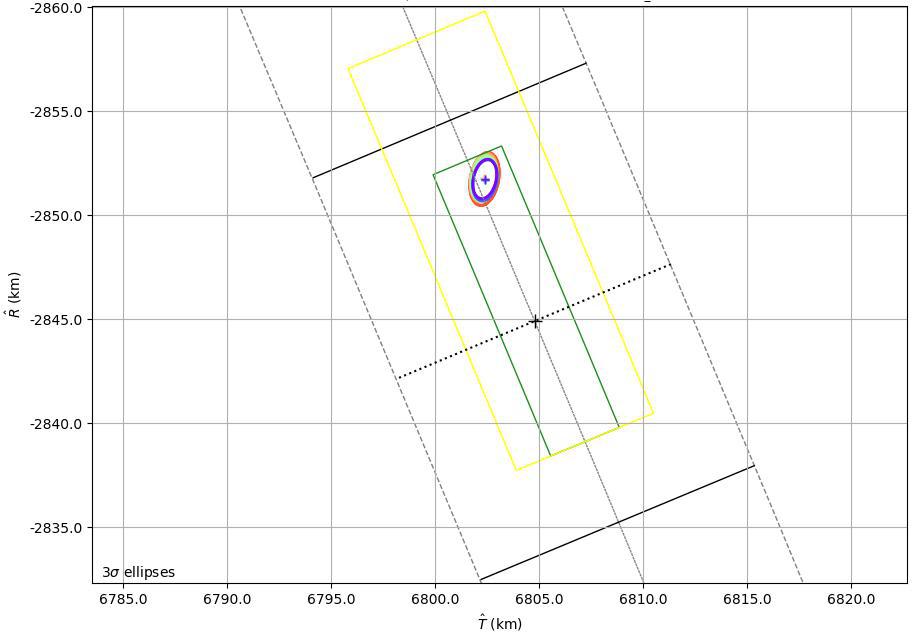
This graphic shows the B-Plane for NASA's Mars 2020 Perseverance rover mission as of February 15, 2021. A B-Plane is a key performance metric that navigators for interplanetary missions use to determine the accuracy of their spacecraft's trajectory. The entry target on the lower right of the image (black cross) depicts the point where mission navigators are targeting the Mars 2020 spacecraft to enter the Red Planet's atmosphere. Higher up, the red, orange, green, and blue ovals depict the estimated "entry uncertainty ellipse" for the spacecraft as determined by previous navigation solutions. The inner-most ring (purple) depicts the most recent trajectory path. https://photojournal.jpl.nasa.gov/catalog/PIA24296

The Sierra Space Plane, Dream Chaser, suspended by a crane sits just inside the overhead door of the ISP (In Space Propulsion) test facility at NASA GRC-ATF. Once lifted and lowered into the test chamber, it will be exposed to the harsh cold conditions of space for testing in extended periods of time.
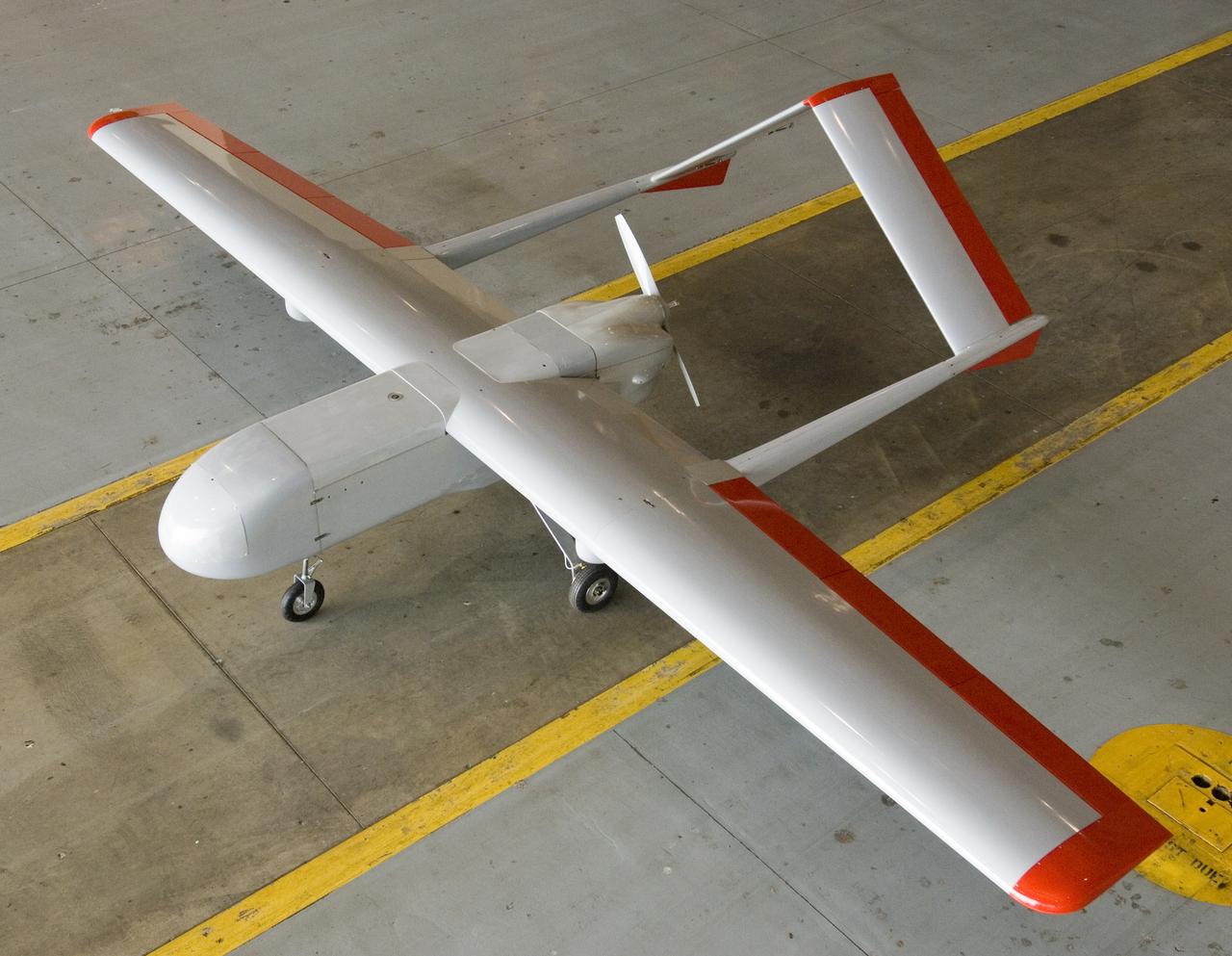
Sierra Uninhaited Aerial System (UAV plane) in the Ames hangar. aks; Sierra Unpiloted Aerial system (UAS)
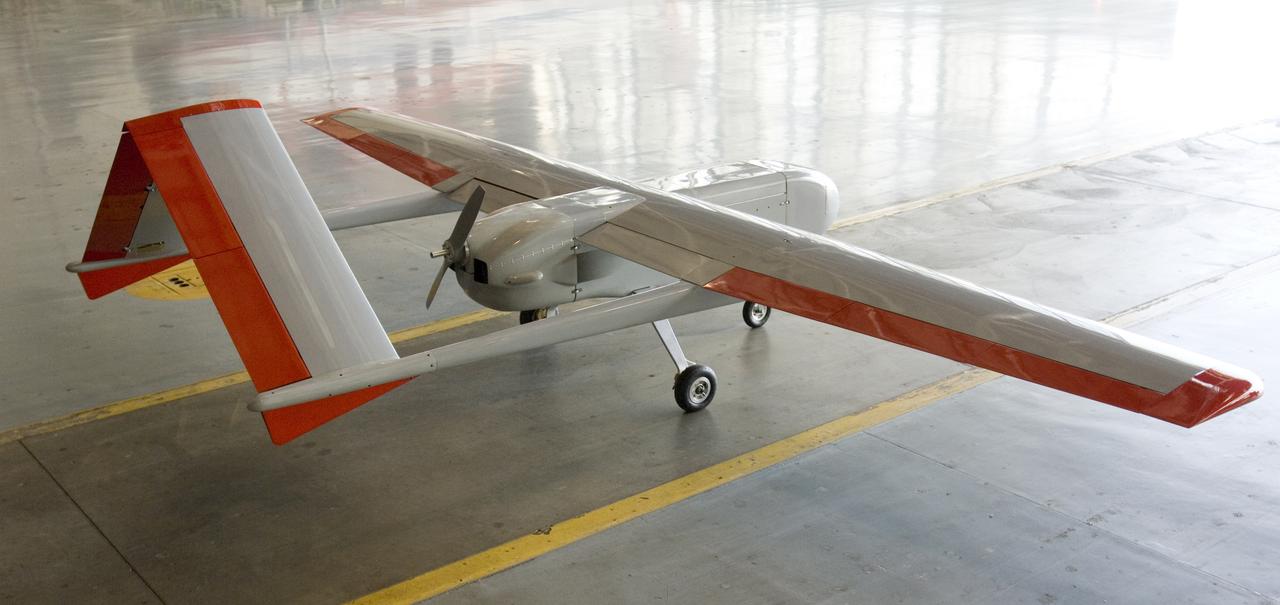
Sierra Uninhaited Aerial System (UAV plane) in the Ames hangar. aks; Sierra Unpiloted Aerial system (UAS)
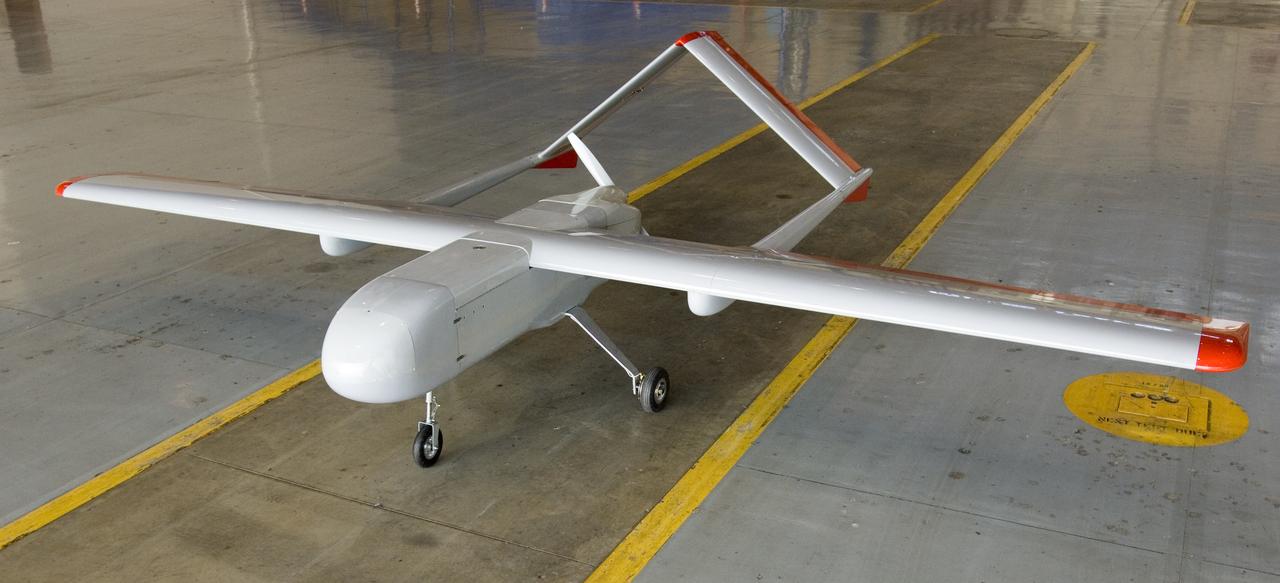
Sierra Uninhaited Aerial System (UAV plane) in the Ames hangar. aks; Sierra Unpiloted Aerial system (UAS)
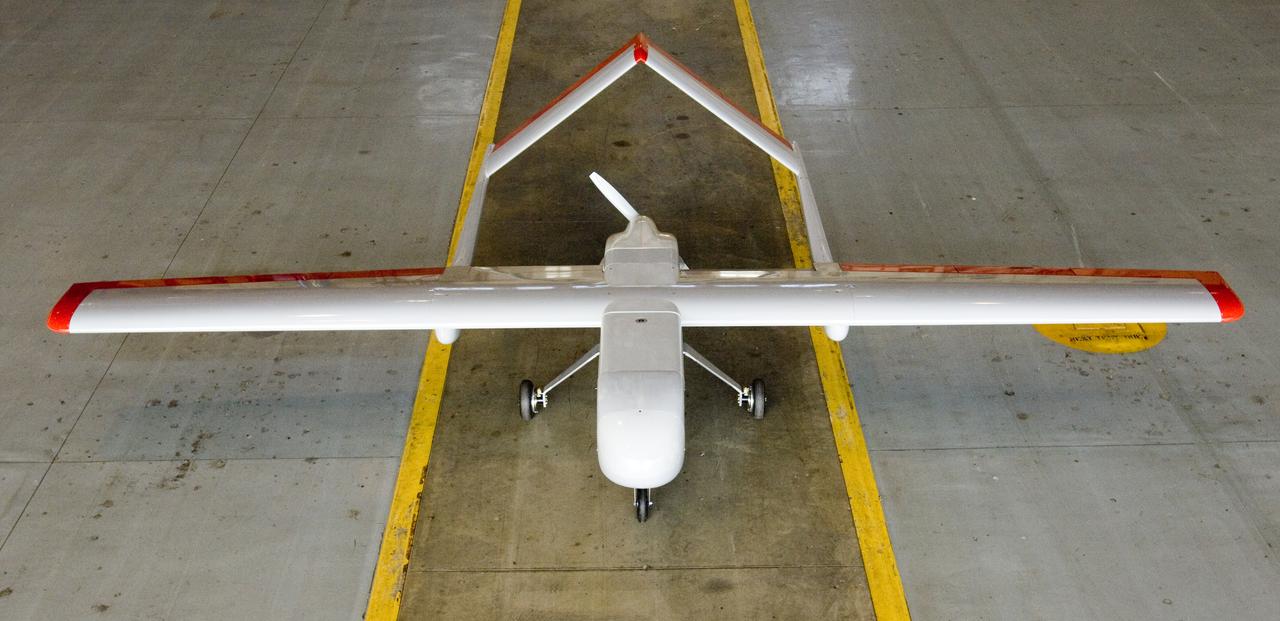
Sierra Uninhaited Aerial System (UAV plane) in the Ames hangar. aks; Sierra Unpiloted Aerial system (UAS)
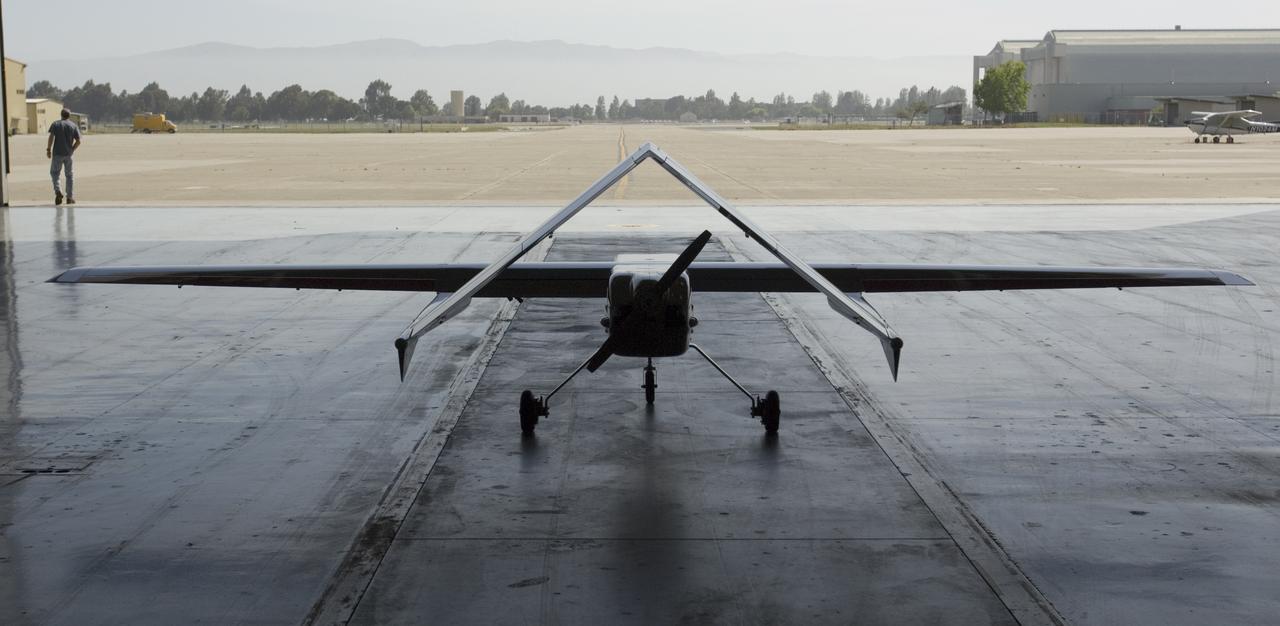
Sierra Uninhaited Aerial System (UAV plane) in the Ames hangar. aks; Sierra Unpiloted Aerial system (UAS)
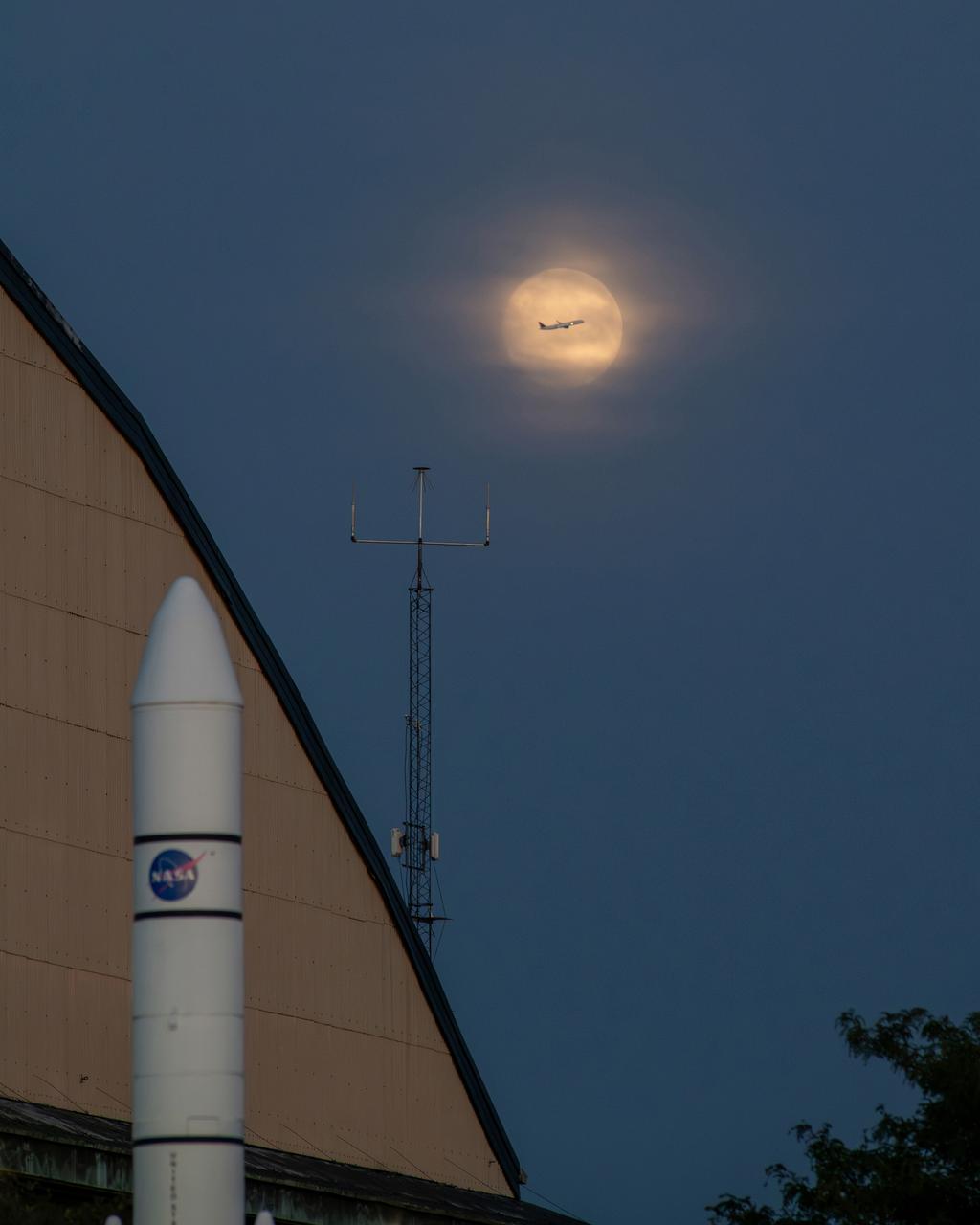
While photographing the Supermoon on September 17, 2024 for a NASA GRC Aerospace Frontiers article on the 2024 Supermoon, a plane departing Cleveland Hopkins Airport flew right through the middle of the moon. The photographer used a portion of the rocket garden’s Ares 1 rocket and a corner of the NASA GRC hangar building to frame the photograph of the moon. When the plane was seen approaching, the photographer used continuous shutter speed in hopes of capturing the plane and the moon together.
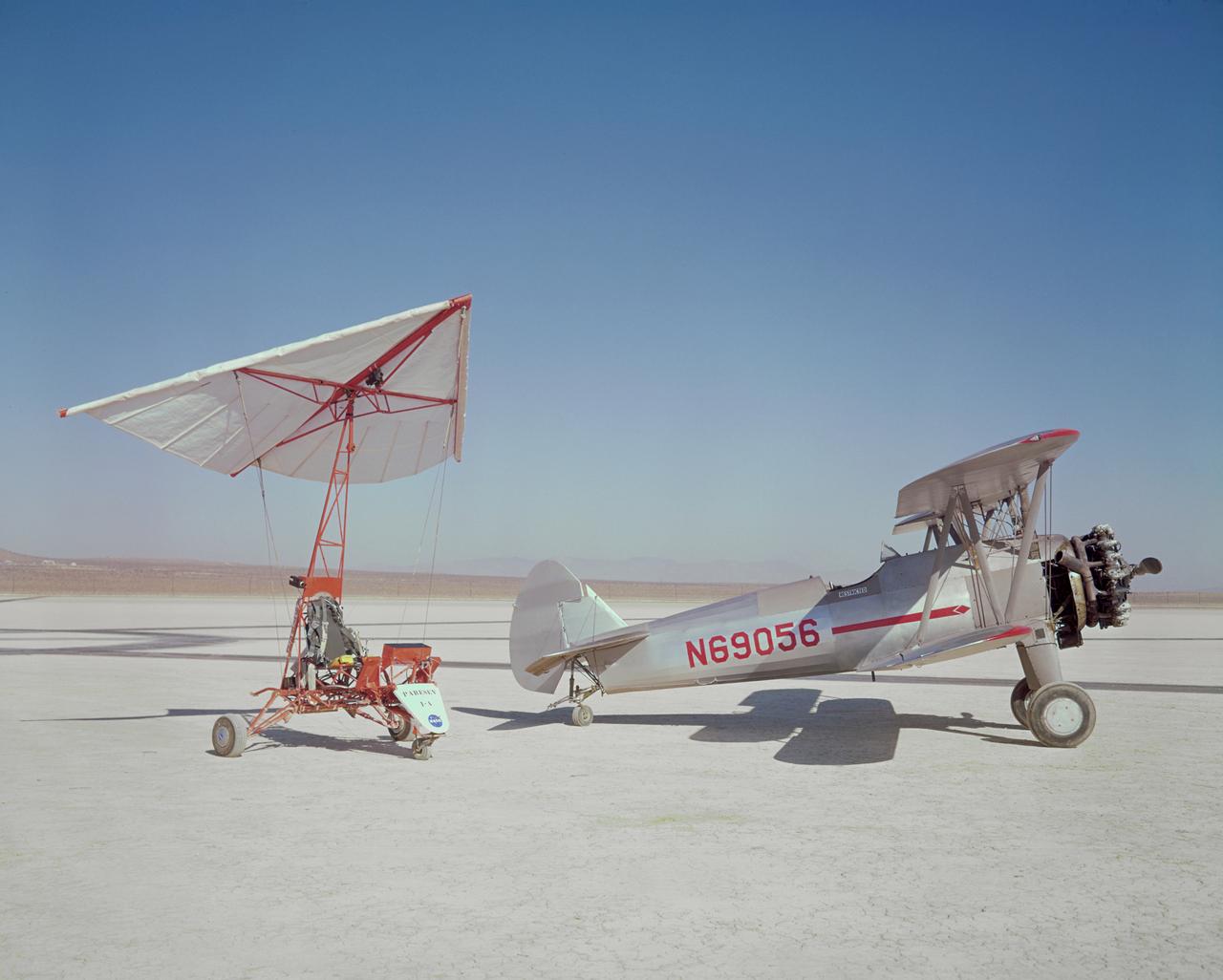
Paresev 1A and Stearman tow plane on lakebed.

The focal plane mask for the Coronagraph Instrument on NASA's Nancy Grace Roman Space Telescope, shown here, is one of the components used to suppress starlight and reveal planets orbiting a star. Each circular section contains multiple "masks" – carefully engineered, opaque obstructions designed to block starlight. Some masks are about the width of a human hair. https://photojournal.jpl.nasa.gov/catalog/PIA25438
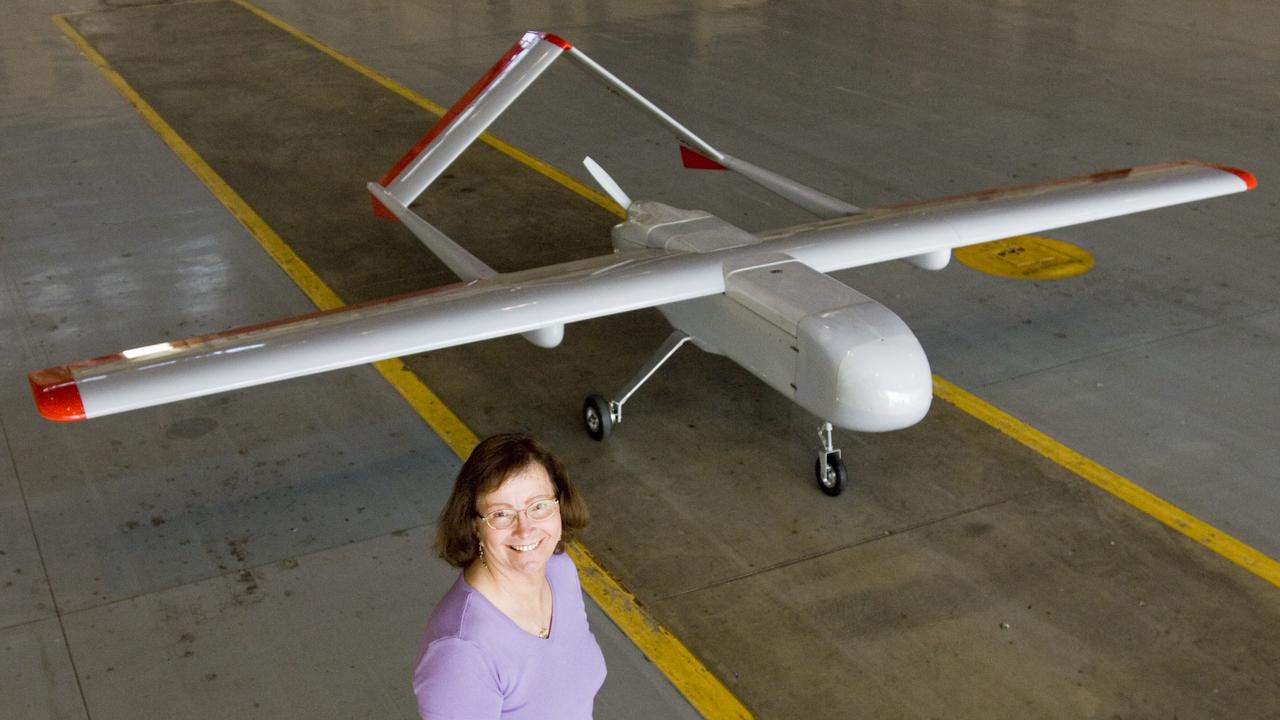
Sierra Uninhaited Aerial System (UAV plane) in the Ames hangar. aks; Sierra Unpiloted Aerial system (UAS) with Leslie Monforton (on detail from the Naval Reesearch Lab)
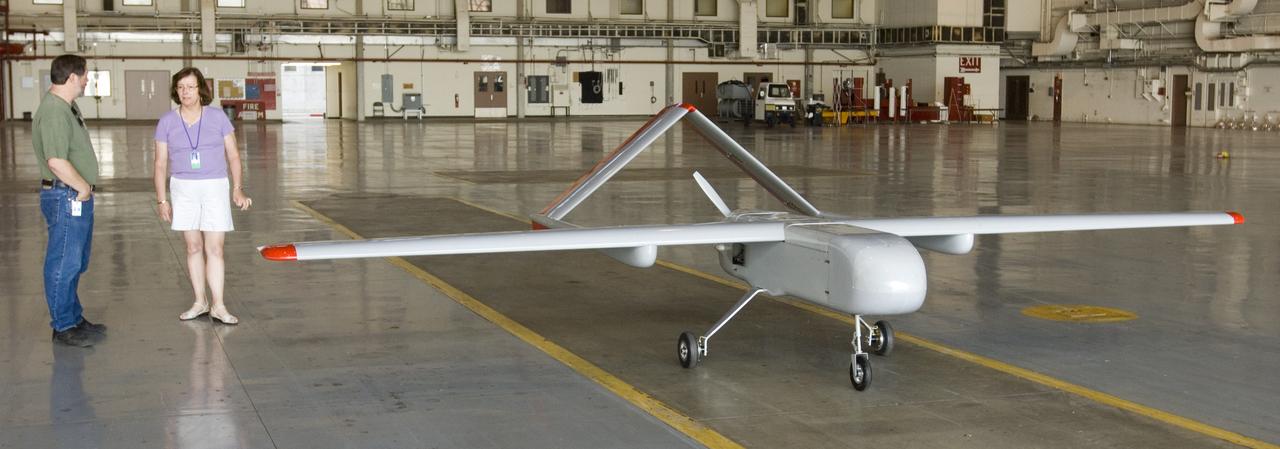
Sierra Uninhaited Aerial System (UAV plane) in the Ames hangar. aks; Sierra Unpiloted Aerial system (UAS) with L-R: Larry Pezzolo and Leslie Monforton, Naval Research Lab (on detail)
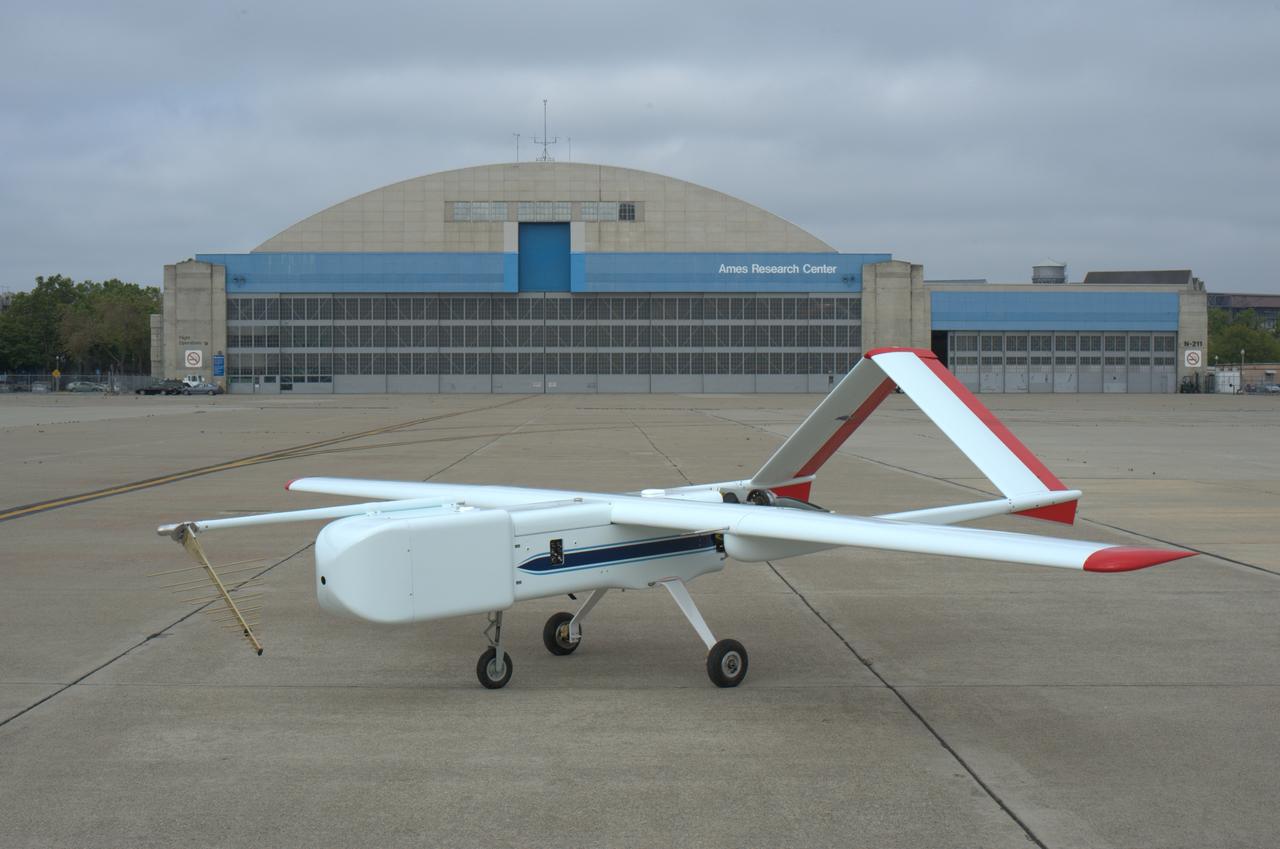
SIERRA (Systems Integration Evaluation Remote Research Aircraft) Uninhabited Aerial System (UAV plane) on the Ames flightline (aka; Sierra Unpiloted Aerial system (UAS))
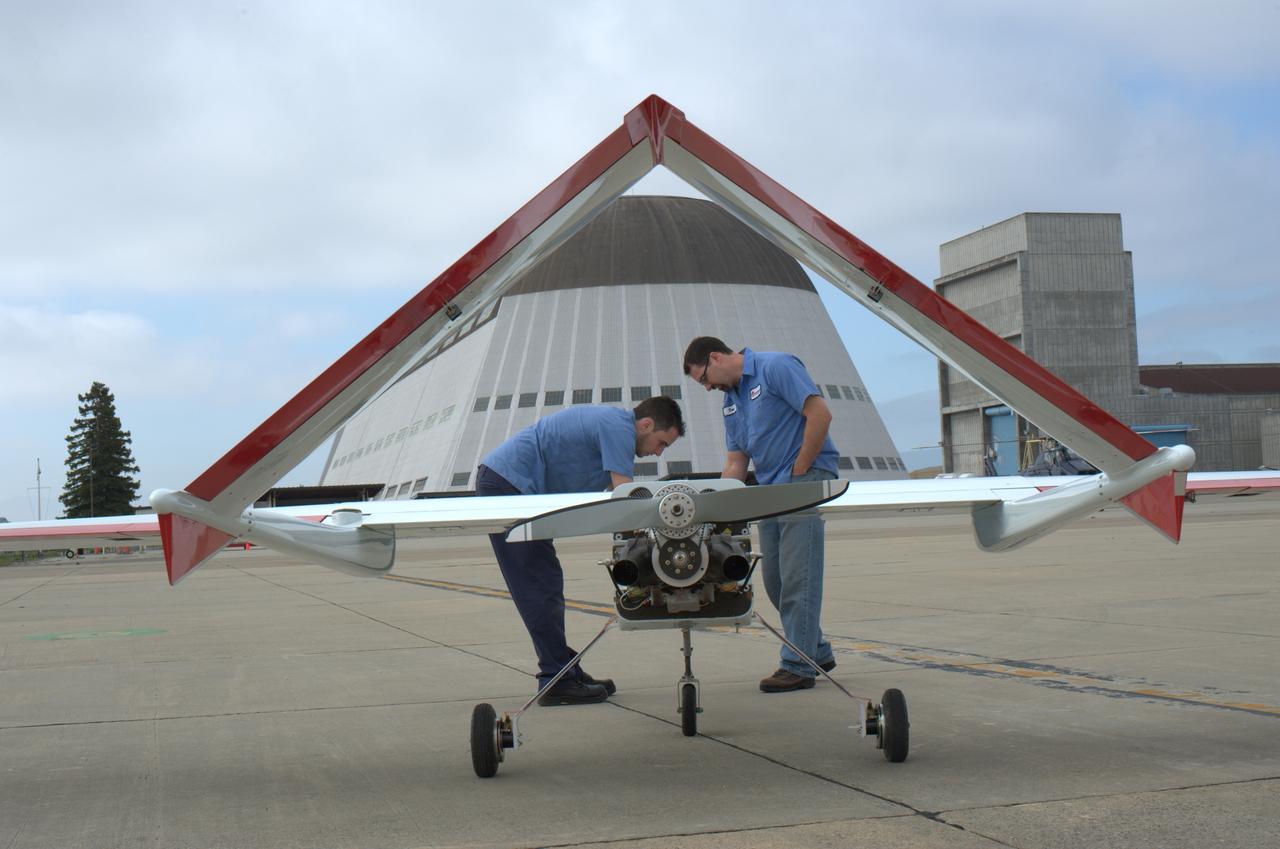
SIERRA (Systems Integration Evaluation Remote Research Aircraft) Uninhabited Aerial System (UAV plane) on the Ames flightline (aka; Sierra Unpiloted Aerial system (UAS))
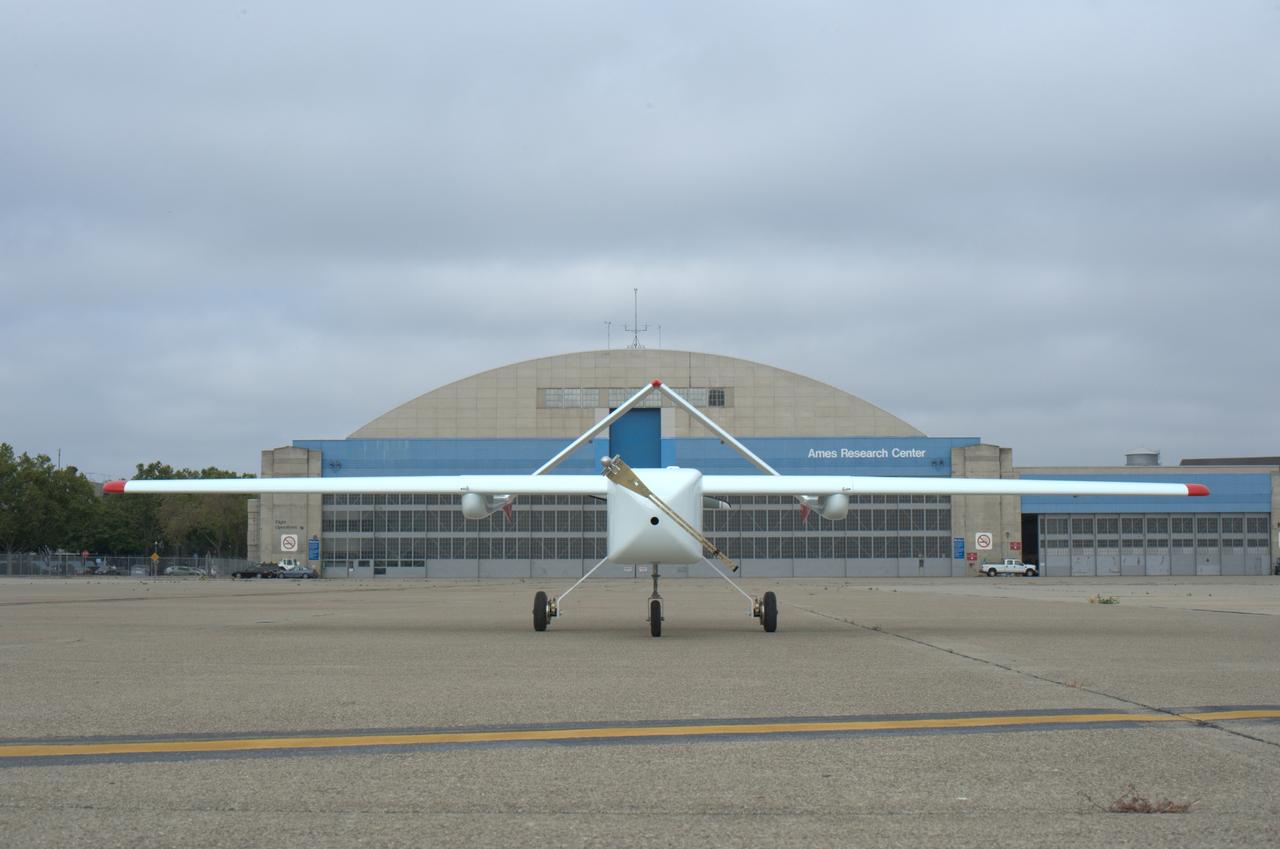
SIERRA (Systems Integration Evaluation Remote Research Aircraft) Uninhabited Aerial System (UAV plane) on the Ames flightline (aka; Sierra Unpiloted Aerial system (UAS))
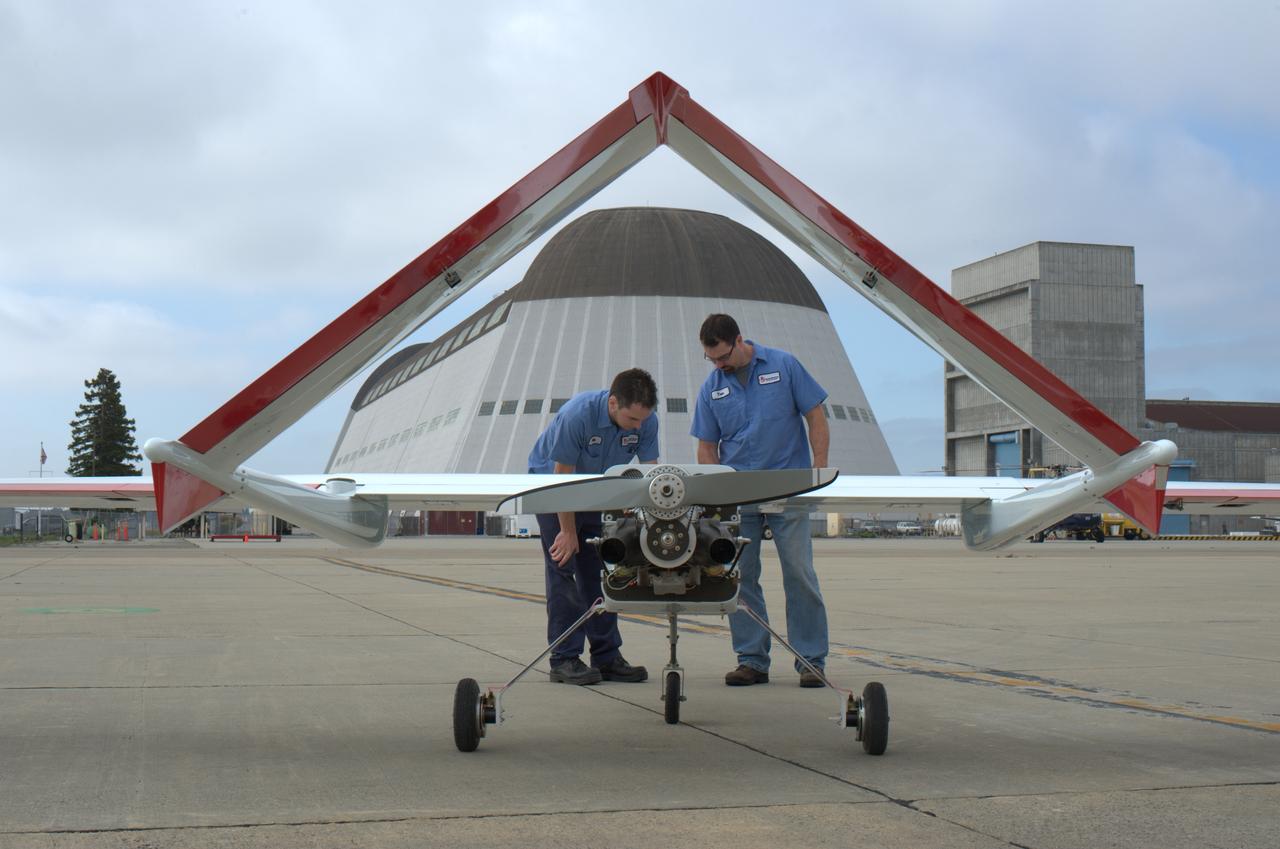
SIERRA (Systems Integration Evaluation Remote Research Aircraft) Uninhabited Aerial System (UAV plane) on the Ames flightline (aka; Sierra Unpiloted Aerial system (UAS))
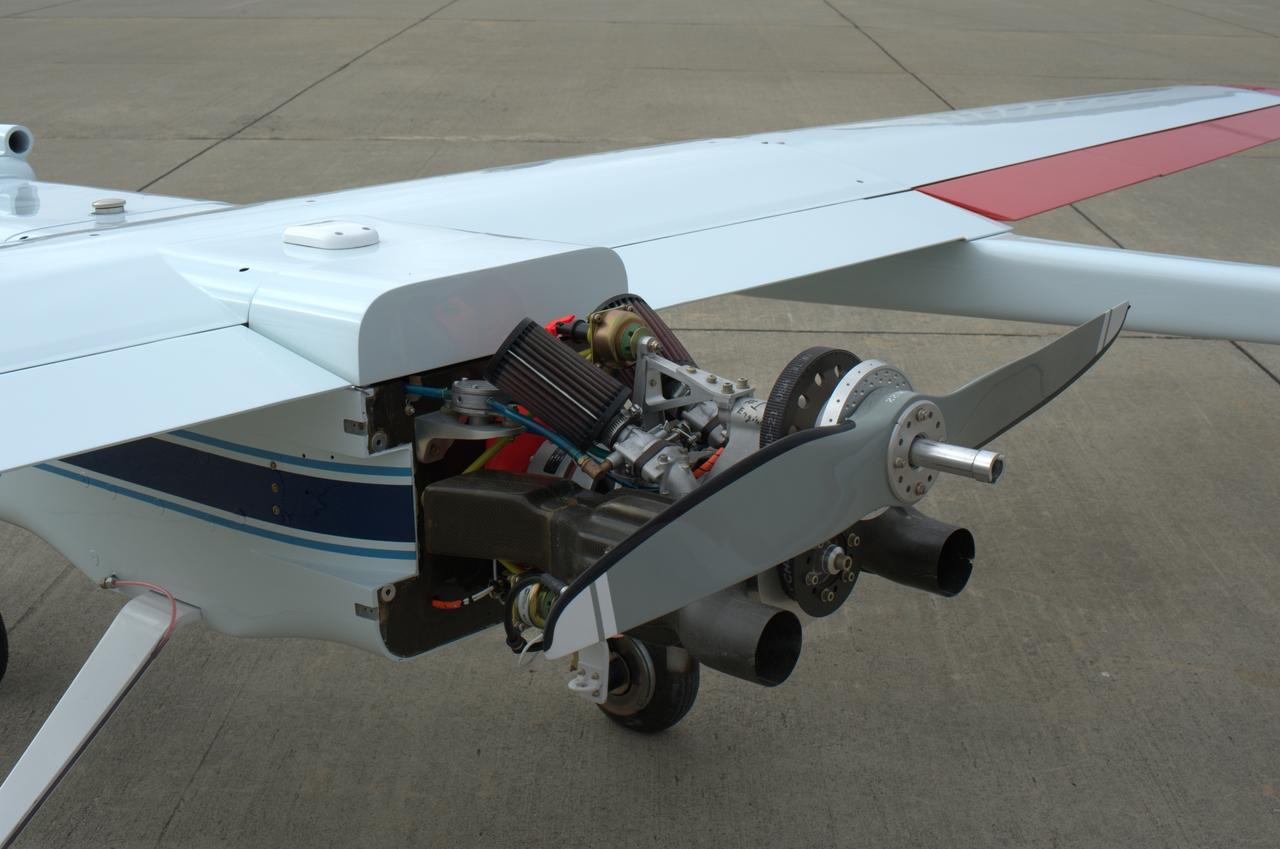
SIERRA (Systems Integration Evaluation Remote Research Aircraft) Uninhabited Aerial System (UAV plane) on the Ames flightline (aka; Sierra Unpiloted Aerial system (UAS))
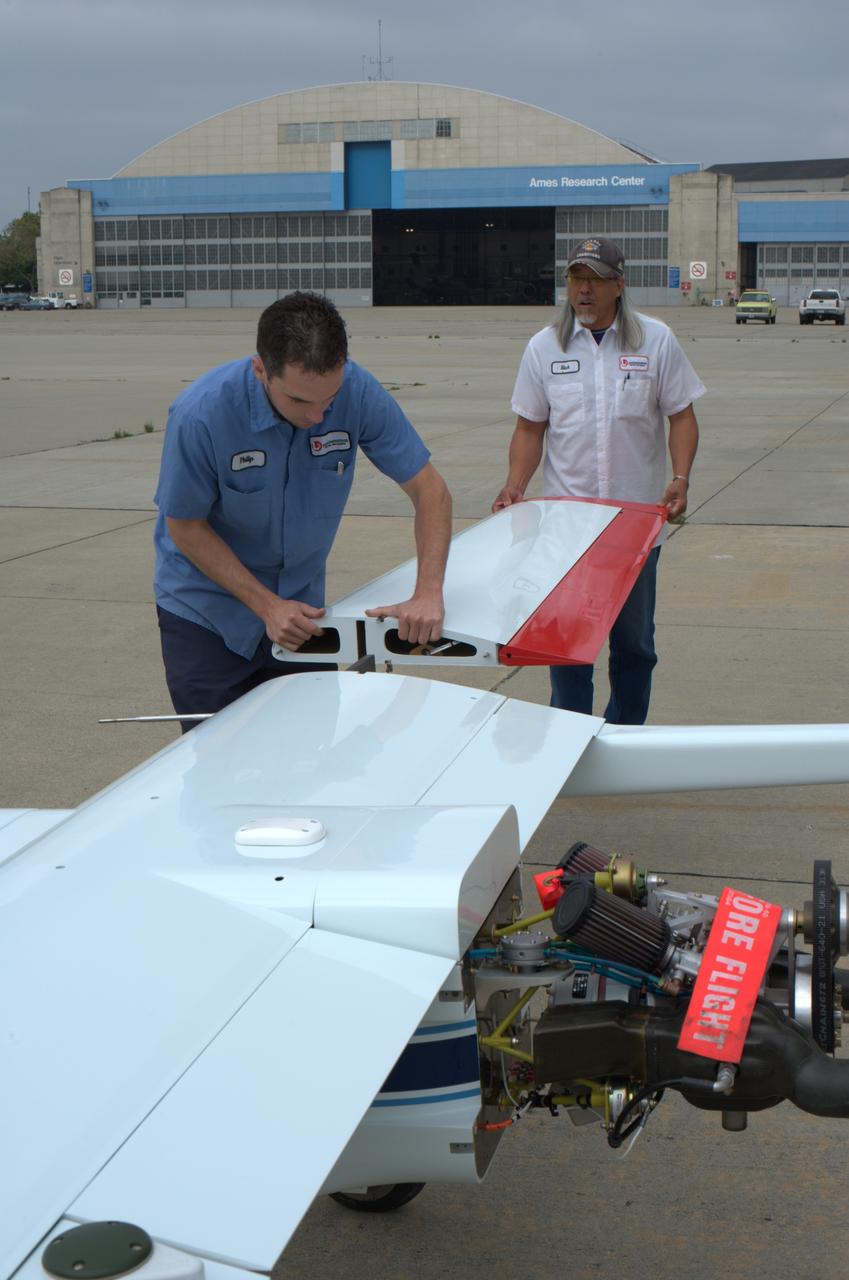
SIERRA (Systems Integration Evaluation Remote Research Aircraft) Uninhabited Aerial System (UAV plane) on the Ames flightline (aka; Sierra Unpiloted Aerial system (UAS))
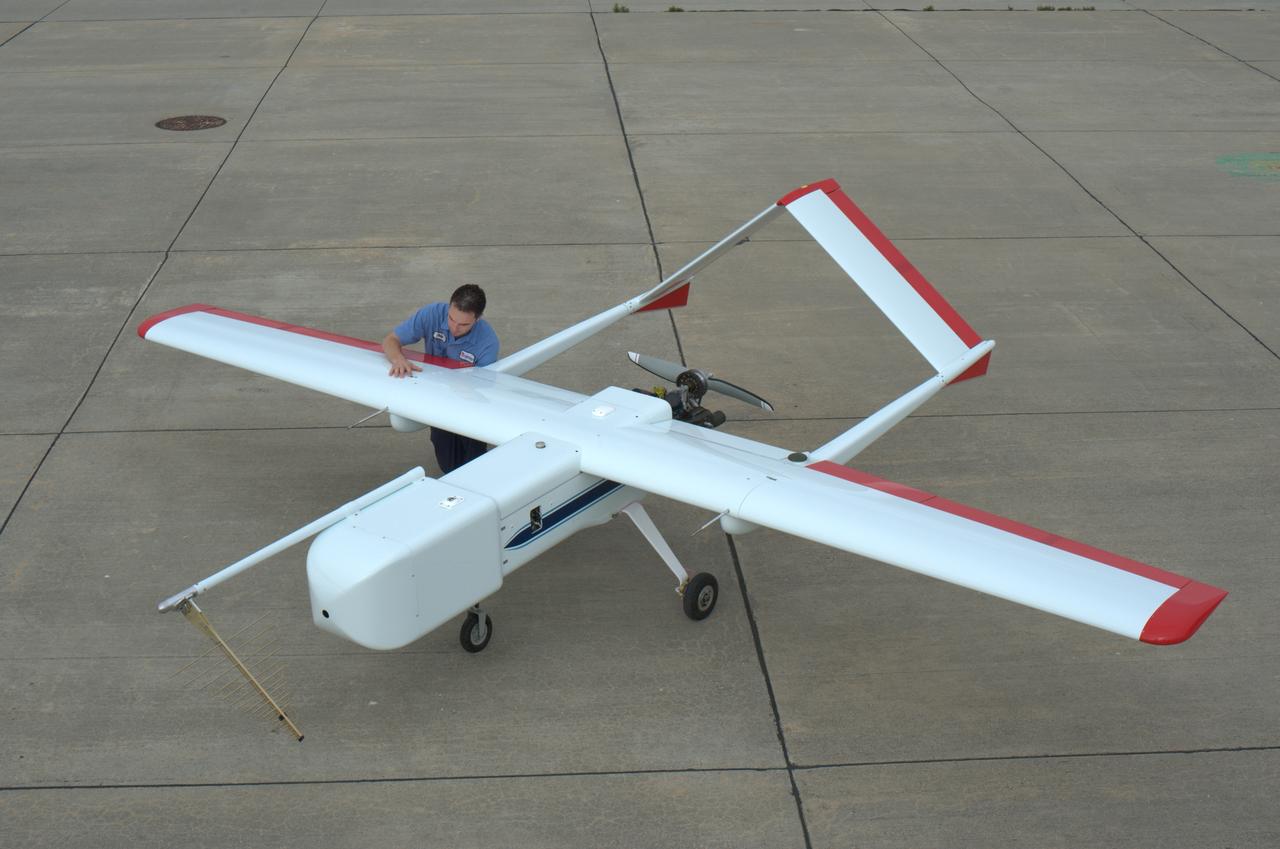
SIERRA (Systems Integration Evaluation Remote Research Aircraft) Uninhabited Aerial System (UAV plane) on the Ames flightline (aka; Sierra Unpiloted Aerial system (UAS))
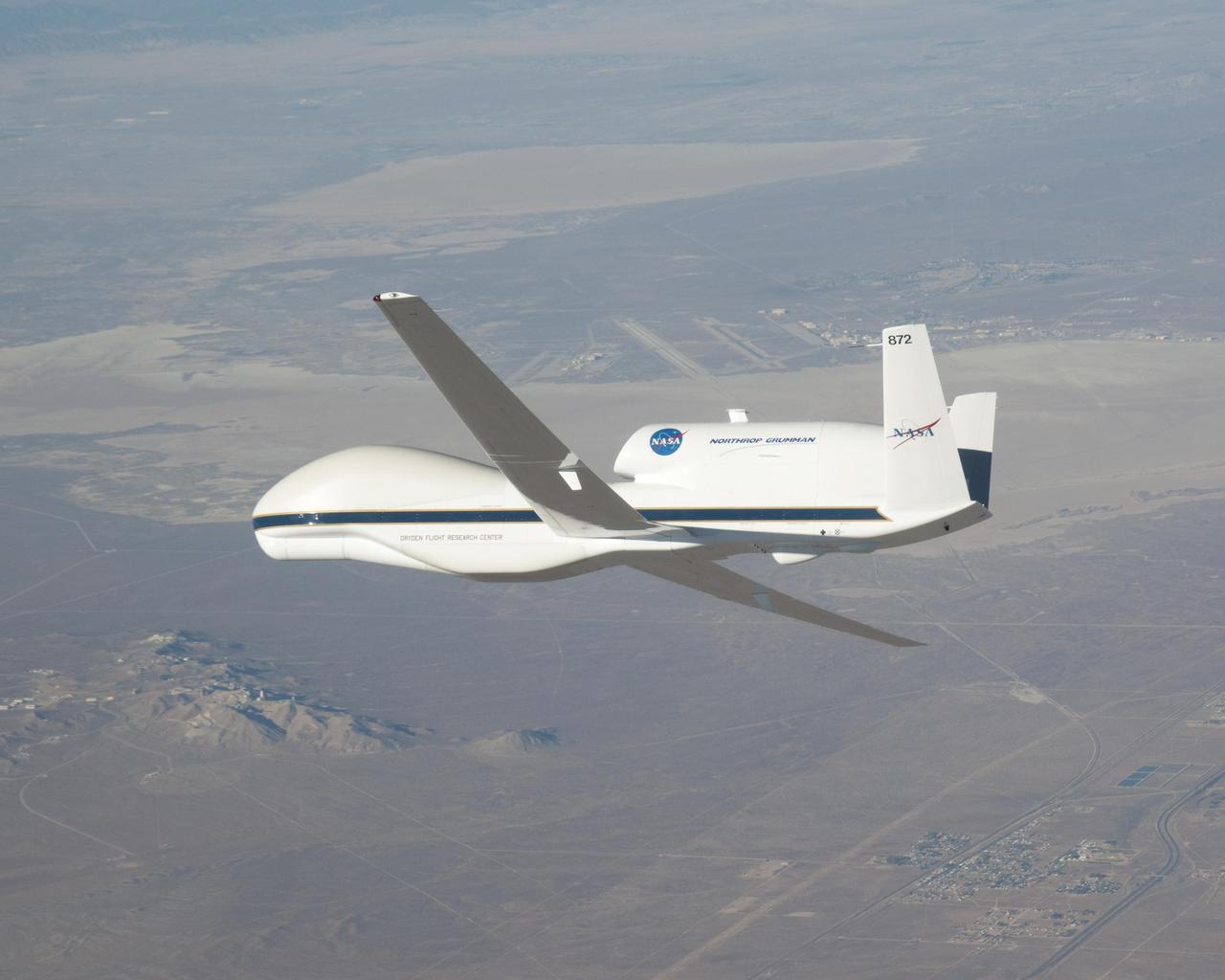
NASA image acquired October 23, 2009. At NASA’s Dryden Research Center in California, a group of engineers, scientists, and aviation technicians have set up camp in a noisy, chilly hangar on Edwards Air Force base. For the past two weeks, they have been working to mount equipment—from HD video cameras to ozone sensors—onto NASA’s Global Hawk, a remote-controlled airplane that can fly for up to 30 hours at altitudes up to 65,000 feet. The team is gearing up for the Global Hawk Pacific campaign, a series of four or five scientific research flights that will take the Global Hawk over the Pacific Ocean and Arctic regions. The 44-foot-long aircraft, with its comically large nose and 116-foot wingspan is pictured in the photograph above, banking for landing over Rogers Dry Lake in California at the end of a test flight on October 23, 2009. The long wings carry the plane’s fuel, and the bulbous nose is one of the payload bays, which house the science instruments. For the Global Hawk Pacific campaign, the robotic aircraft will carry ten science instruments that will sample the chemical composition of air in the troposphere (the atmospheric layer closest to Earth) and the stratosphere (the layer above the troposphere). The mission will also observe clouds and aerosol particles in the troposphere. The primary purpose of the mission is to collect observations that can be used to check the accuracy of simultaneous observations collected by NASA’s Aura satellite. Co-lead scientist Paul Newman from Goddard Space Flight Center is writing about the ground-breaking mission for the Earth Observatory’s Notes from the Field blog. NASA Photograph by Carla Thomas. <b><a href="http://www.nasa.gov/centers/goddard/home/index.html" rel="nofollow">NASA Goddard Space Flight Center</a></b> is home to the nation's largest organization of combined scientists, engineers and technologists that build spacecraft, instruments and new technology to study the Earth, the sun, our solar system, and the universe. To learn more about this image go to: <a href="http://earthobservatory.nasa.gov/IOTD/view.php?id=43291" rel="nofollow">earthobservatory.nasa.gov/IOTD/view.php?id=43291</a>
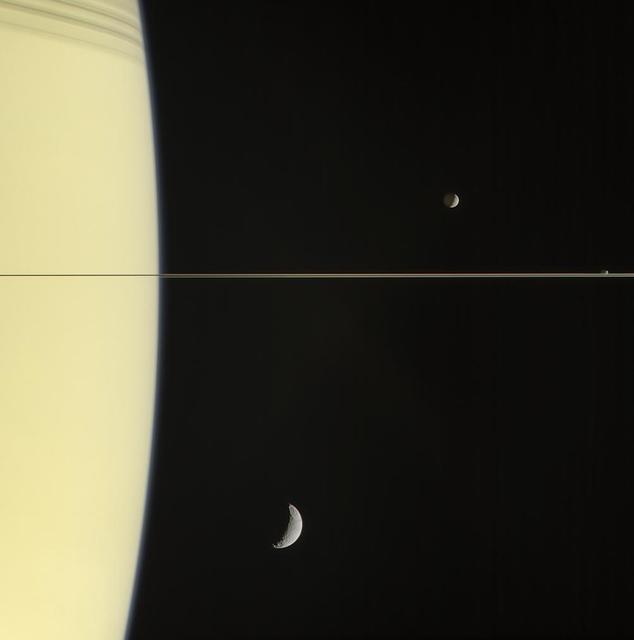
On March 13, 2006 Cassini's narrow-angle camera captured this look at Saturn and its rings, seen here nearly edge on. The frame also features Mimas and tiny Janus (above the rings), and Tethys (below the rings). "Above" and "below" the rings is mostly a matter of perspective here. All three moons and the rings orbit Saturn in roughly the same plane. The night side of Mimas is gently illuminated by "Saturnshine," sunlight reflected from the planet's cloud tops. Images taken using red, green and blue spectral filters were combined to create this natural color view, taken at a distance of approximately 1.7 million miles (2.7 million kilometers) from Saturn. The Cassini spacecraft ended its mission on Sept. 15, 2017. https://photojournal.jpl.nasa.gov/catalog/PIA18323
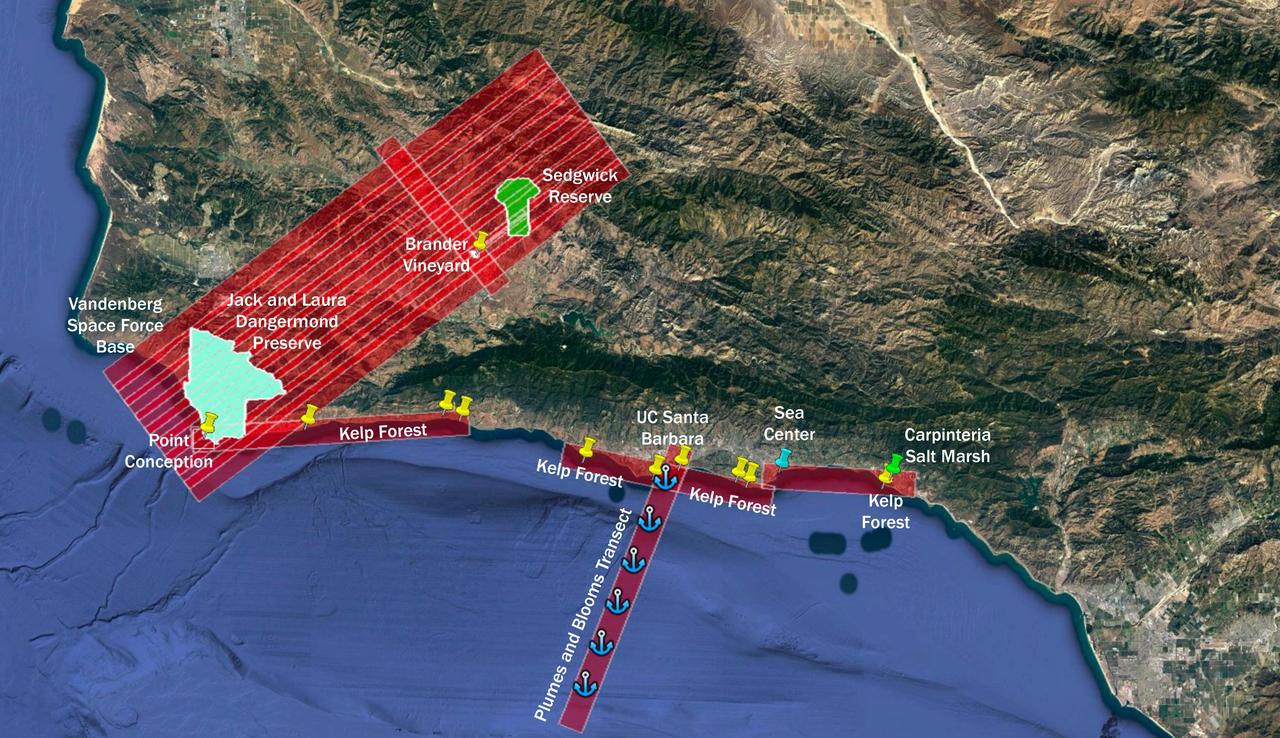
The Surface Biology and Geology High-Frequency Time Series (SHIFT) campaign employs a research plane carrying the AVIRIS-NG (Airborne Visible/Infrared Imaging Spectrometer-Next Generation) instrument. From late February to late May 2022, the plane is collecting spectral data of land and aquatic plant communities over a 640-square-mile (1,656-square-kilometer) study area in Santa Barbara County and the nearby ocean. SHIFT is jointly led by NASA's Jet Propulsion Laboratory, the University of California, Santa Barbara (UCSB), and The Nature Conservancy. The aerial portion of SHIFT flies on an approximately weekly basis over the study area, which includes the Jack and Laura Dangermond Preserve, owned by The Nature Conservancy, and the Sedgwick Reserve, operated by UCSB. SHIFT combines the ability of airborne science instruments to gather data over widespread areas with the more concentrated observations scientists conduct in the field to study the functional characteristics, health, and resilience of plant communities. The sampling and analysis done by researchers on the ground and in the ocean is intended to validate data taken by AVIRIS-NG and help scientists design data collection and processing algorithms for NASA's proposed Surface Biology and Geology (SBG) mission, which would launch no earlier than 2028. The data is also intended to support the research and conservation objectives of The Nature Conservancy, which owns the Dangermond Preserve, and UCSB, which operates the Sedgwick Reserve, another nature preserve within the study area. More than 60 scientists from institutions around the U.S. have indicated they intend to use the SHIFT data in their research. https://photojournal.jpl.nasa.gov/catalog/PIA25144
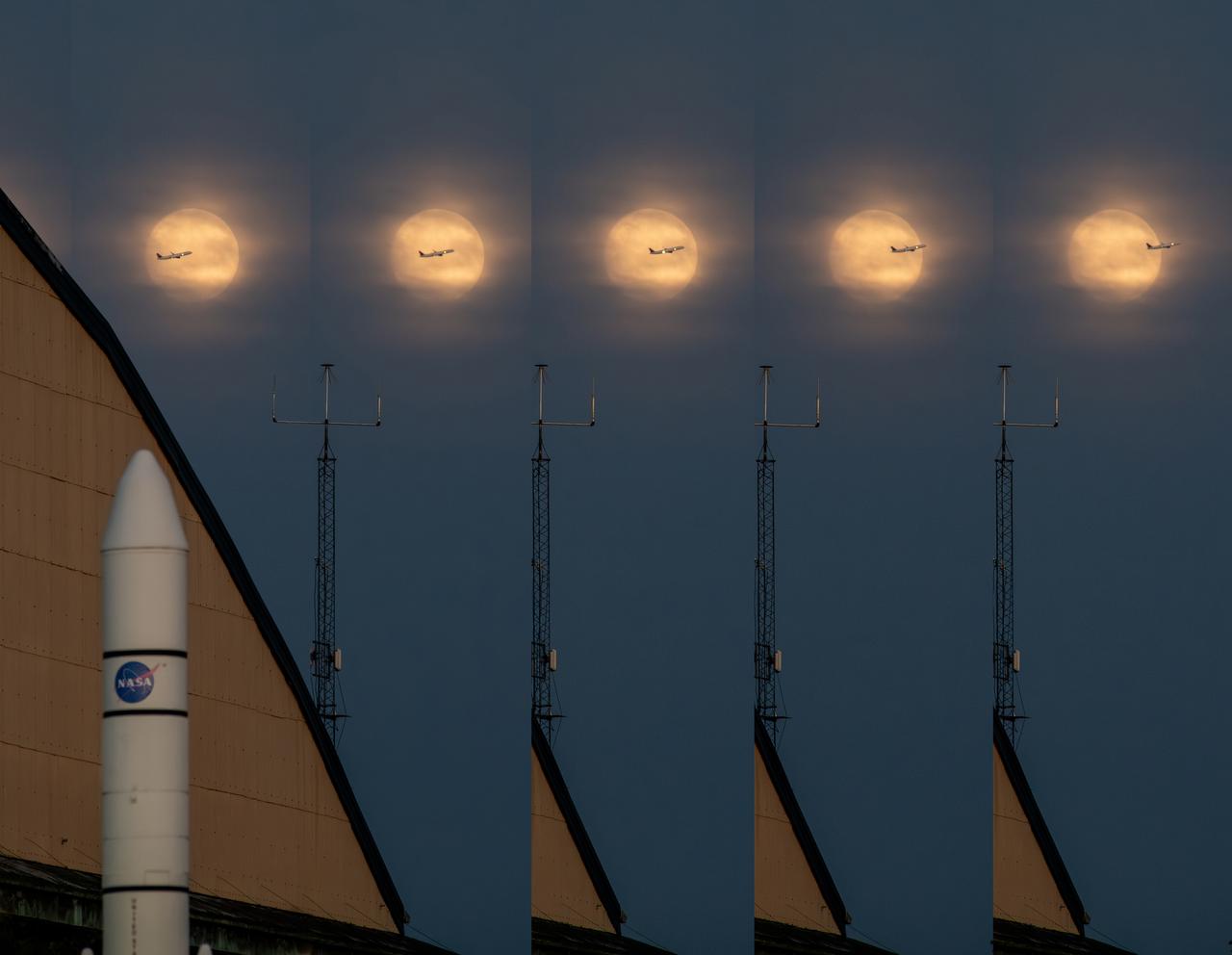
While photographing the Supermoon on September 17, 2024 for a NASA GRC Aerospace Frontiers article on the 2024 Supermoon, a plane departing Cleveland Hopkins Airport flew right through the middle of the moon. The photographer used a portion of the rocket garden’s Ares 1 rocket and a corner of the NASA GRC hangar building to frame the photograph of the moon. When the plane was seen approaching, the photographer used continuous shutter speed in hopes of capturing the plane and the moon together
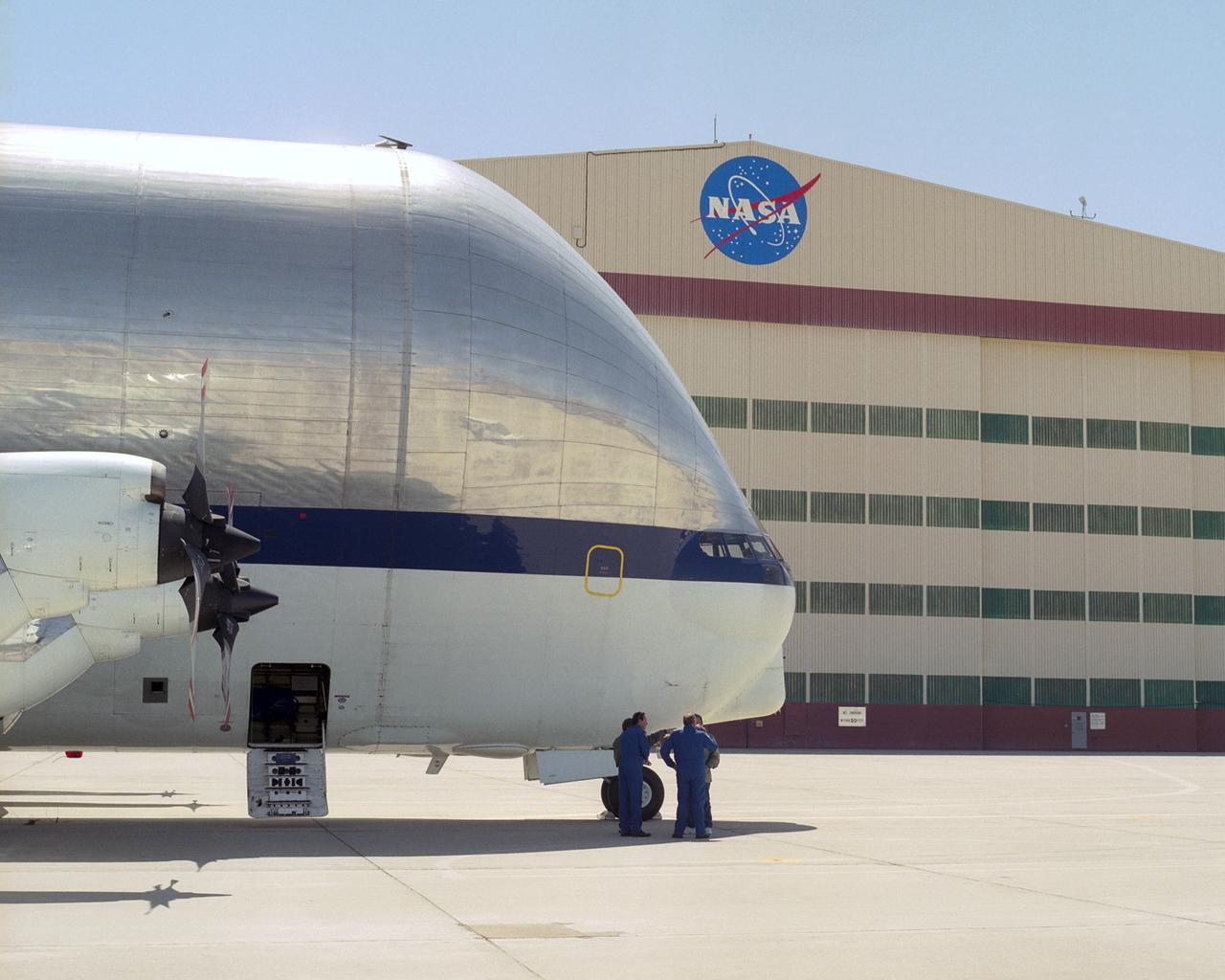
NASA's outsize Super Guppy cargo plane dwarfs its flight crew after its arrival at NASA Dryden Flight Research Center for a landing gear change.
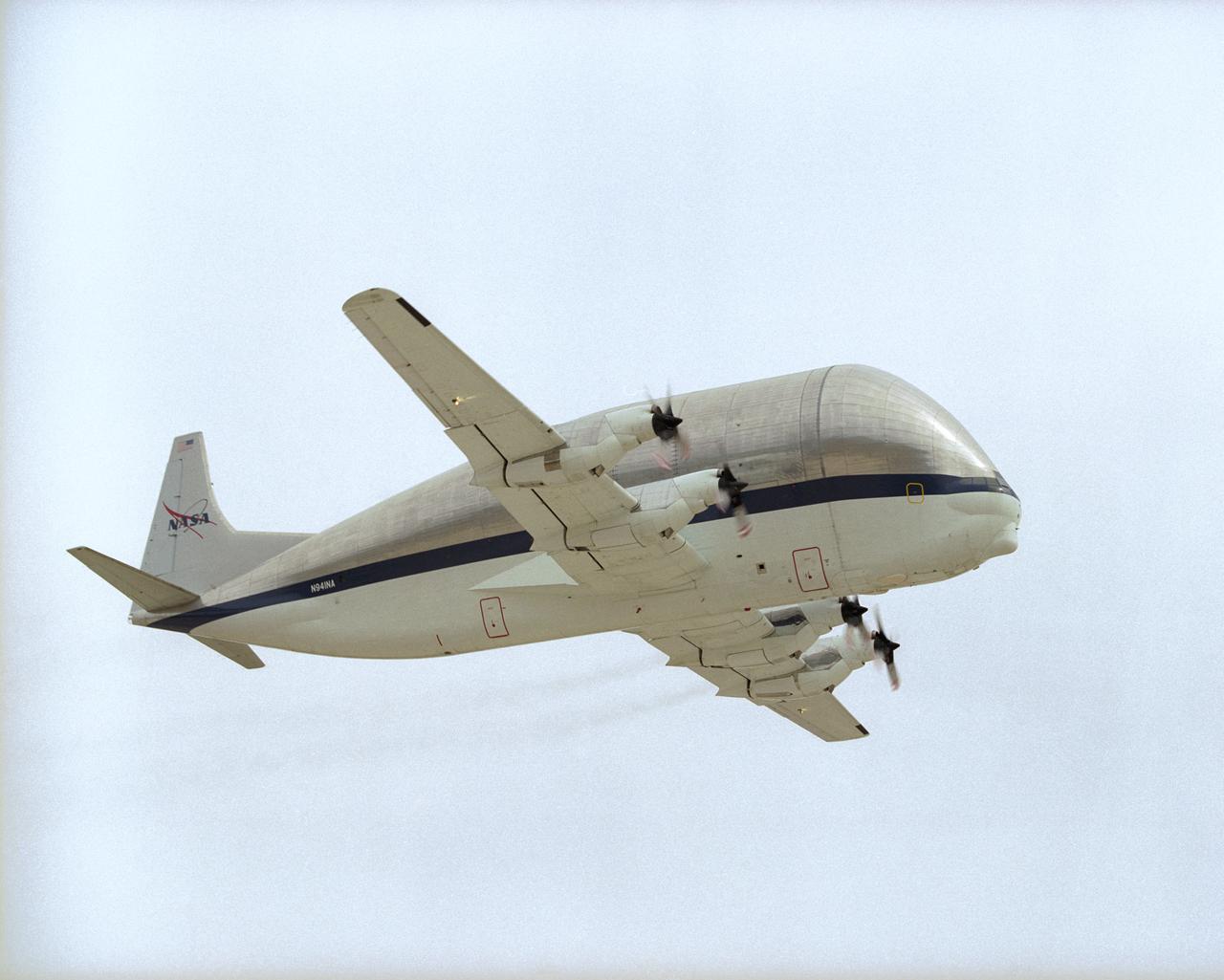
After replacement of its landing gear at NASA Dryden, NASA's Super Guppy Turbine cargo plane takes off from Edwards AFB to return to the Johnson Space Center.
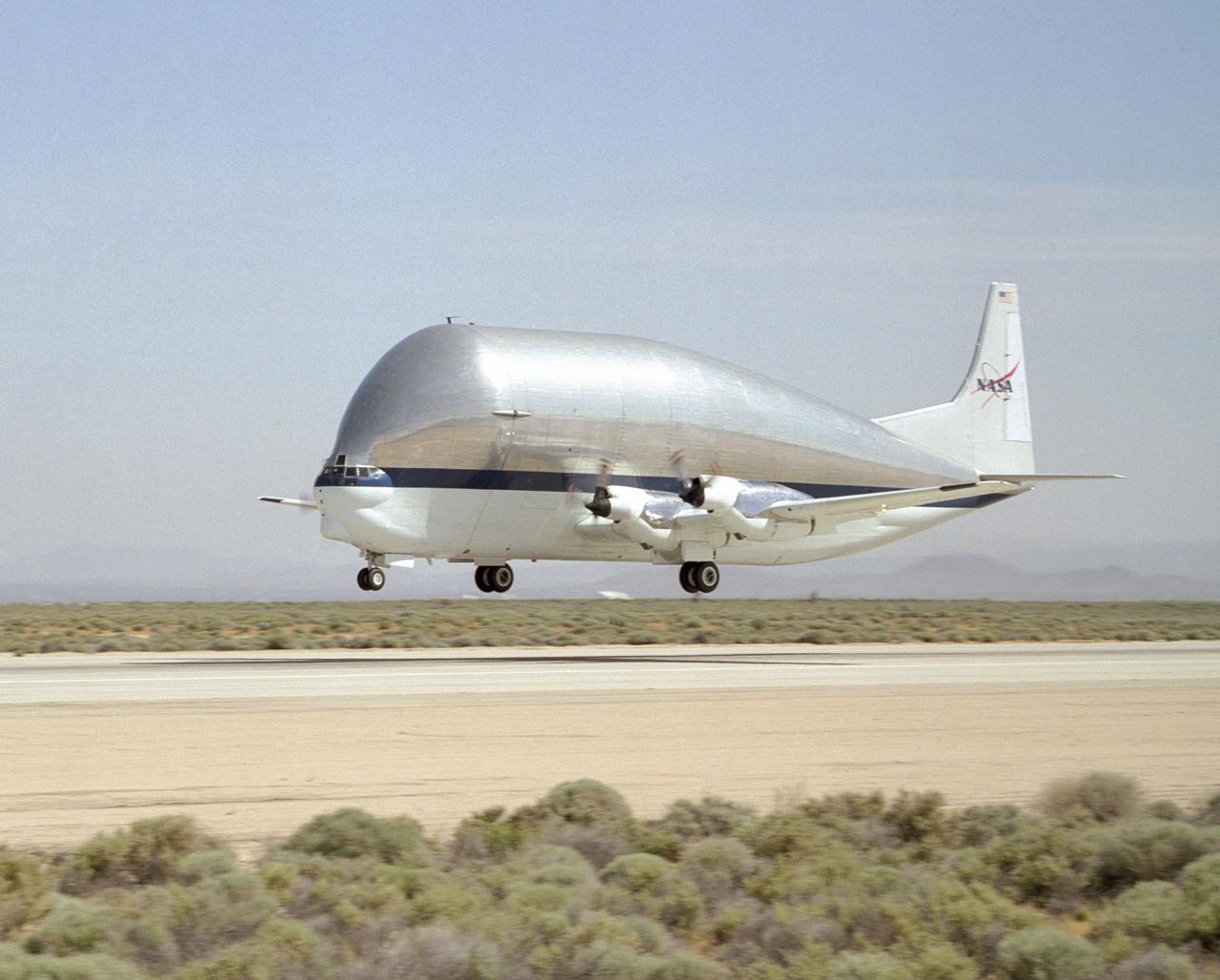
After replacement of its landing gear at NASA Dryden, NASA's Super Guppy Turbine cargo plane takes off from Edwards AFB to return to the Johnson Space Center.
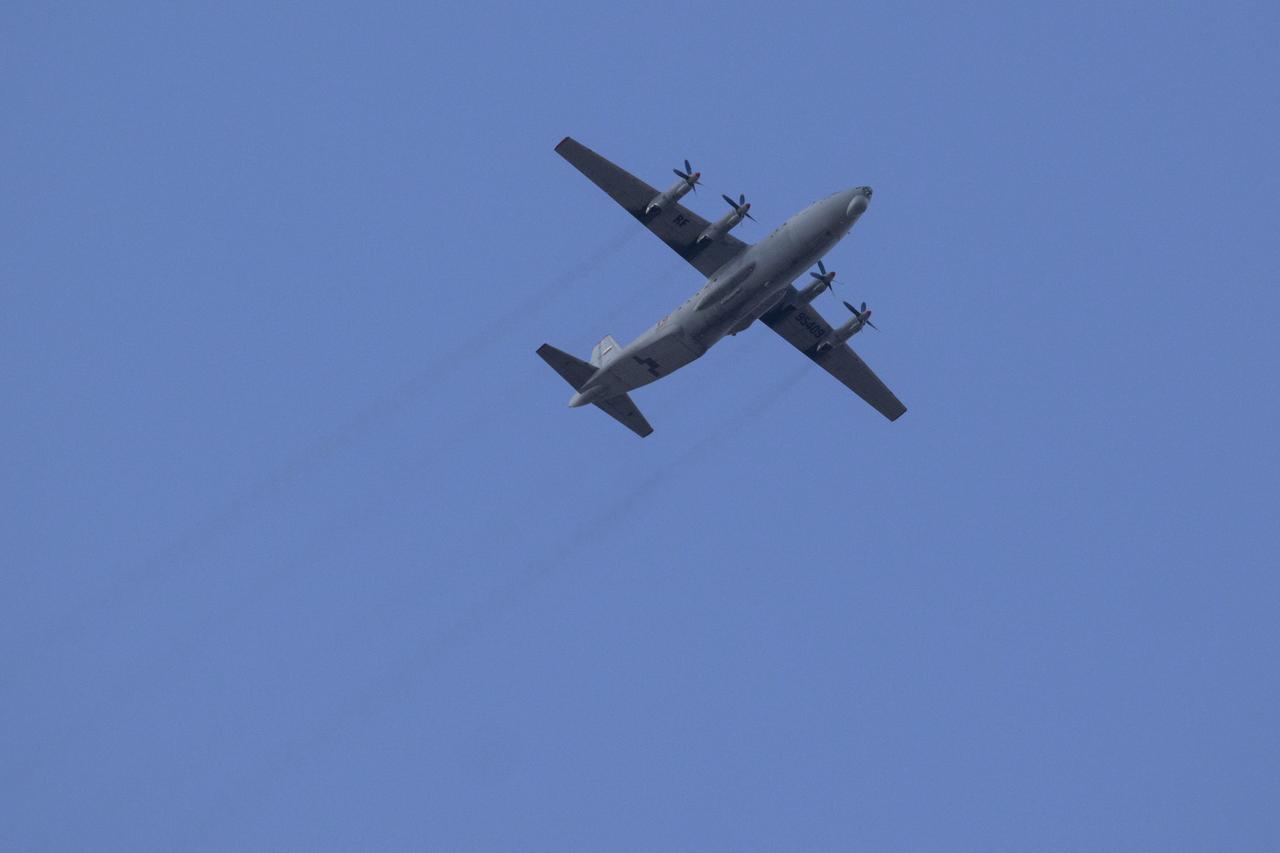
A Russian Search and Recovery Force plane flies around the predicted landing zone for the Soyuz MS-23 capsule with Expedition 69 NASA astronaut Frank Rubio, Roscosmos cosmonauts Dmitri Petelin and Sergey Prokopyev, Wednesday, Sept. 27, 2023, outside of Zhezkazgan, Kazakhstan. The trio are returning to Earth after logging 371 days in space as members of Expeditions 68-69 aboard the International Space Station. For Rubio, his mission is the longest single spaceflight by a U.S. astronaut in history. Photo Credit: (NASA/Bill Ingalls)
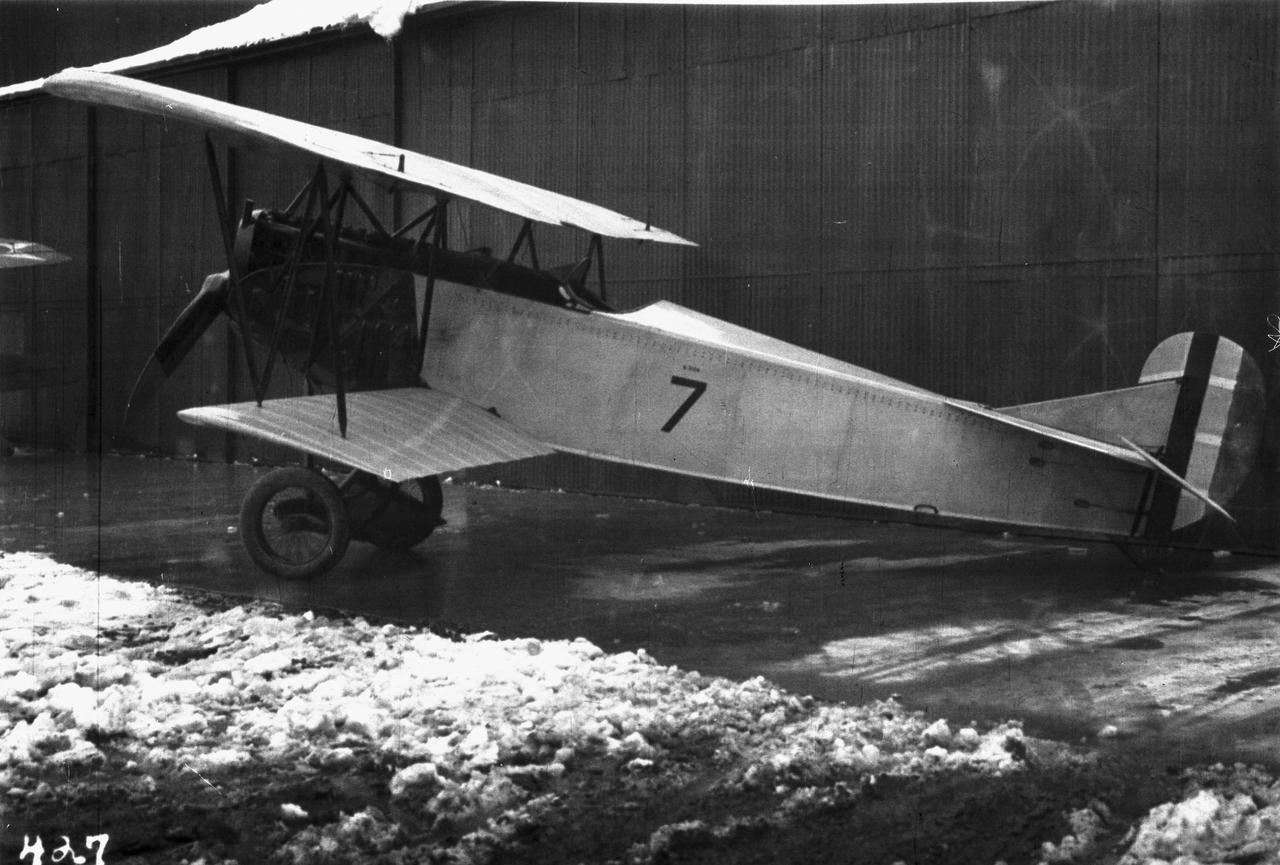
R_1923-L-00427 001

S66-20017 (3 Feb. 1966) --- Astronaut David R. Scott holds maneuvering unit while suspended in a weightless state during extravehicular activity (EVA) training in a C-135 Air Force plane. Photo credit: NASA
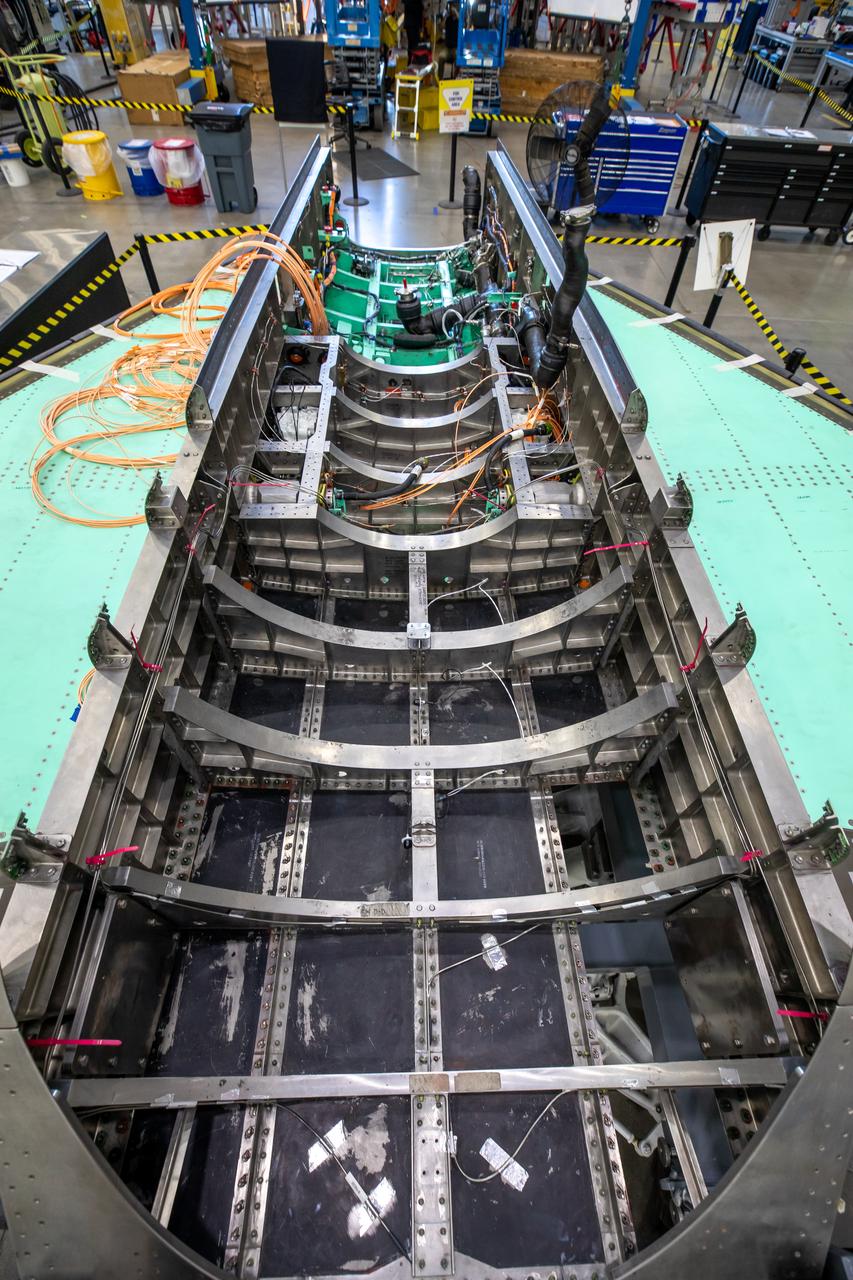
This image shows the X-59 aircraft’s lower empennage structure, or tail section of the plane, that was installed. The stabilators, the outer surfaces also seen in the photo, attach to the lower empennage and are used to help regulate the aircraft pitch which controls the up and down movement of the motion of the plane. The 13-foot engine will pack 22,000 pounds of propulsion and energy and power the X-plane to its planned cruising speed of Mach 1.4. Once complete, the X-59 aircraft will demonstrate the ability to fly supersonic while reducing the loud sonic boom to a quiet sonic thump and help enable commercial supersonic air travel over land. This aircraft is the centerpiece of NASA’s Quesst mission.
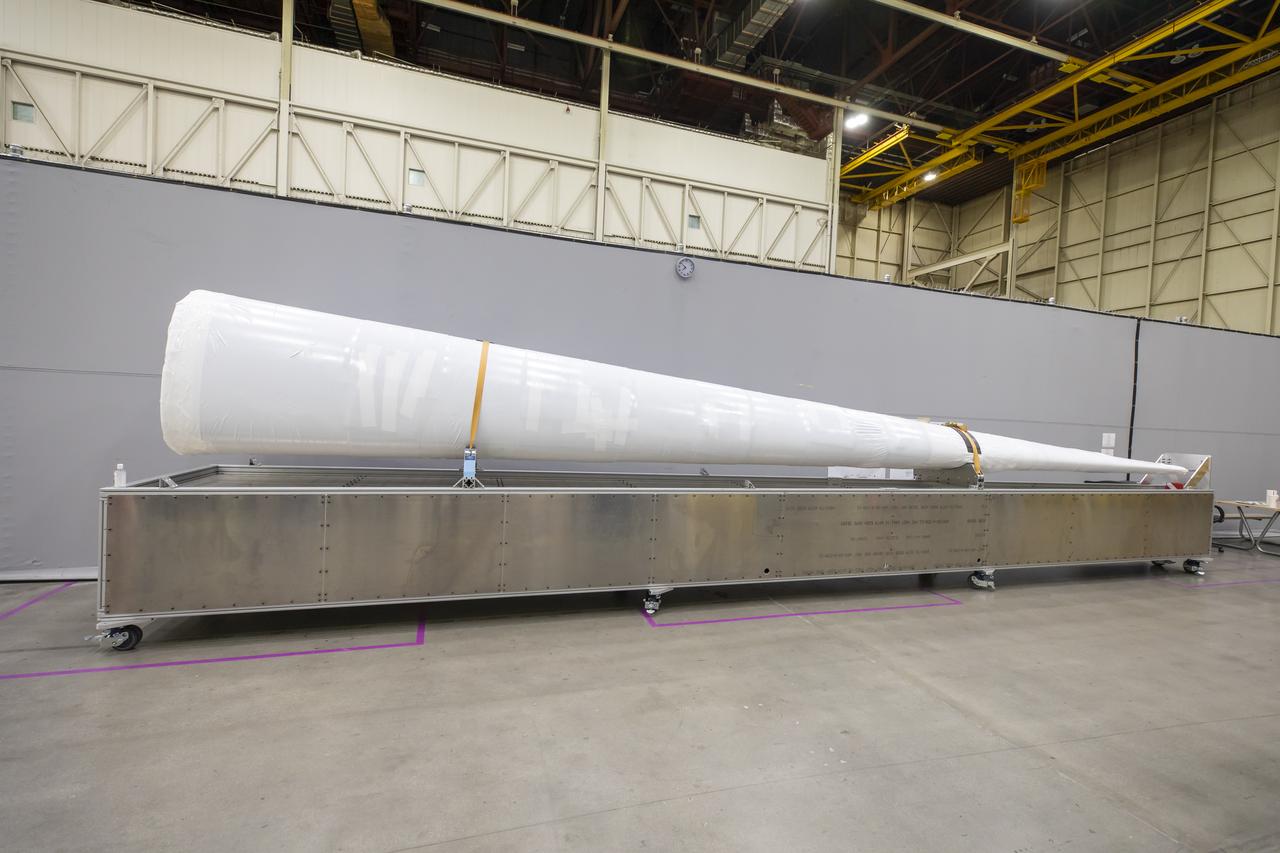
Event: SEG 230 Nose The X-59’s nose is wrapped up safely and rests on a dolly before the team temporarily attaches it to the aircraft for fit checks at Lockheed Martin in Palmdale, California. The full length of the X-plane’s nose is 38-feet – making up one third of the plane’s full length. The aircraft, under construction at Lockheed Martin Skunk Works in Palmdale, California, once in the air will demonstrate the ability to fly supersonic while reducing the loud sonic boom to a quiet sonic thump.
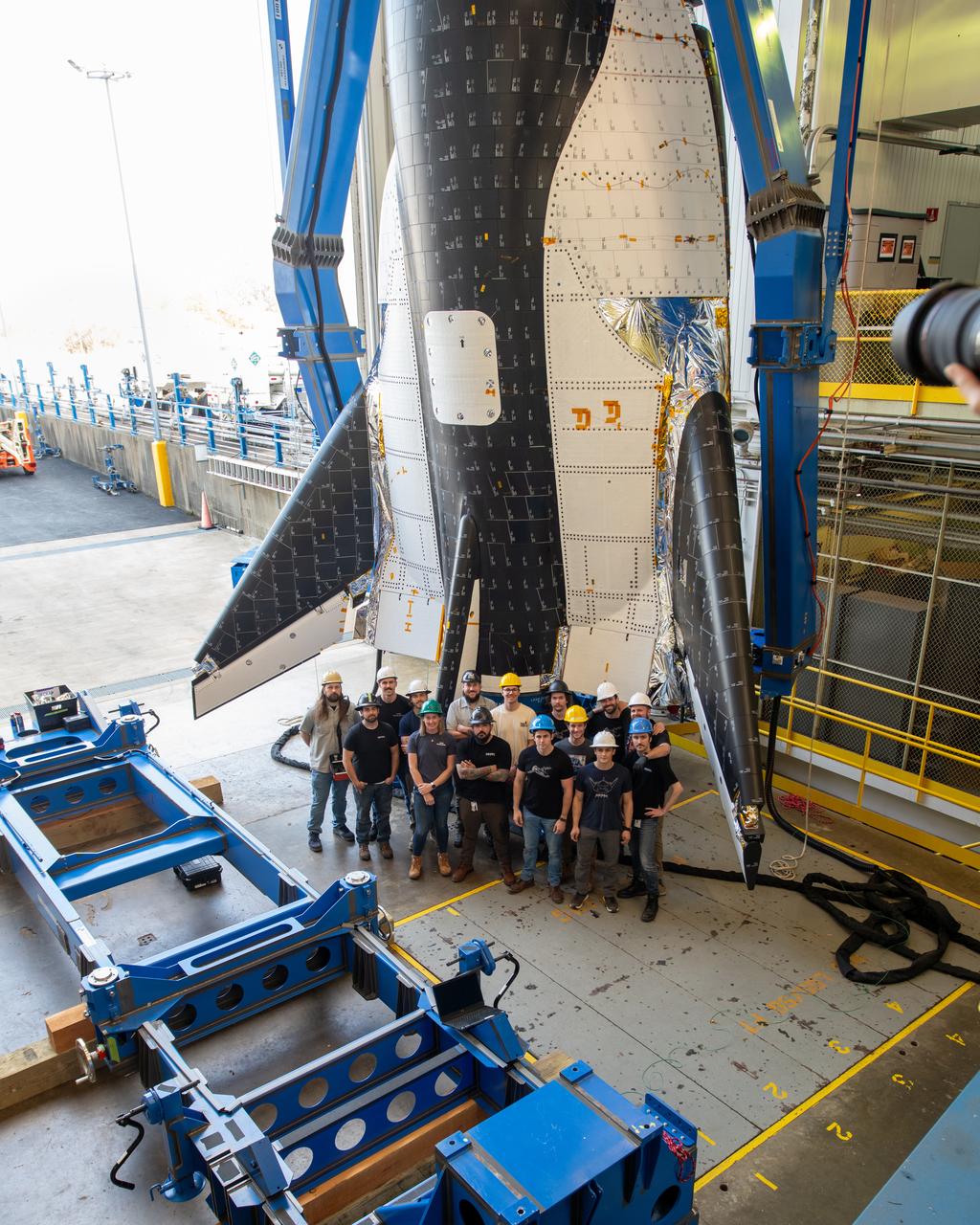
Group photo of the crew just before the critical lift of Dream Chaser into the chamber at ISP (In Space Propulsion) NASA GRC-ATF. Once lifted and lowered into the test chamber, it will be exposed to the harsh cold conditions of space for extended periods of time. Sierra Space Dream Chaser space plane will be lifted into the chamber at ISP (In Space Propulsion) facility, building 3211 at ATF (Armstrong Test Facility) for environmental testing
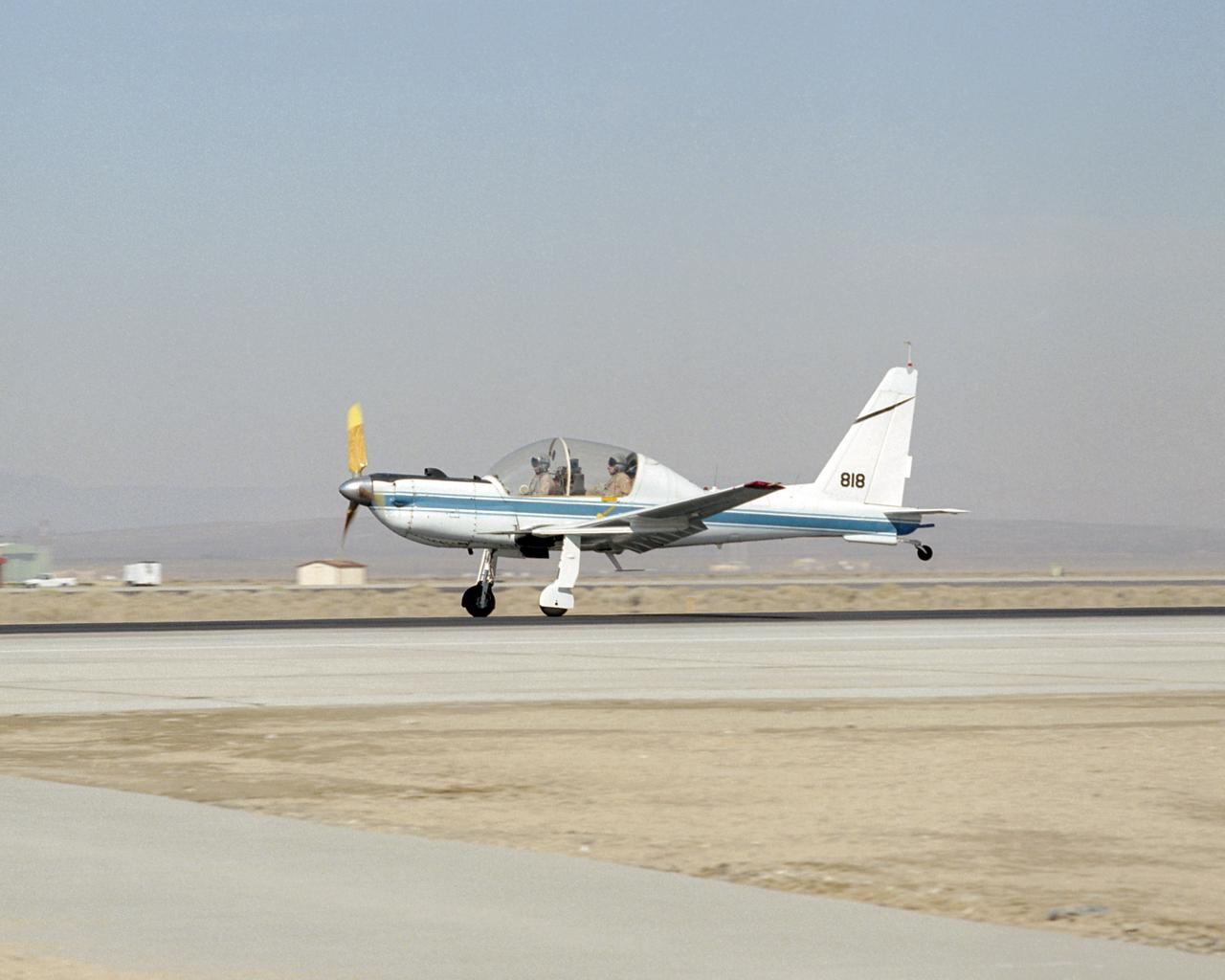
NASA's converted YO-3A observation plane, now used for acoustics research, touches down at Edwards Air Force Base following a pilot checkout flight.
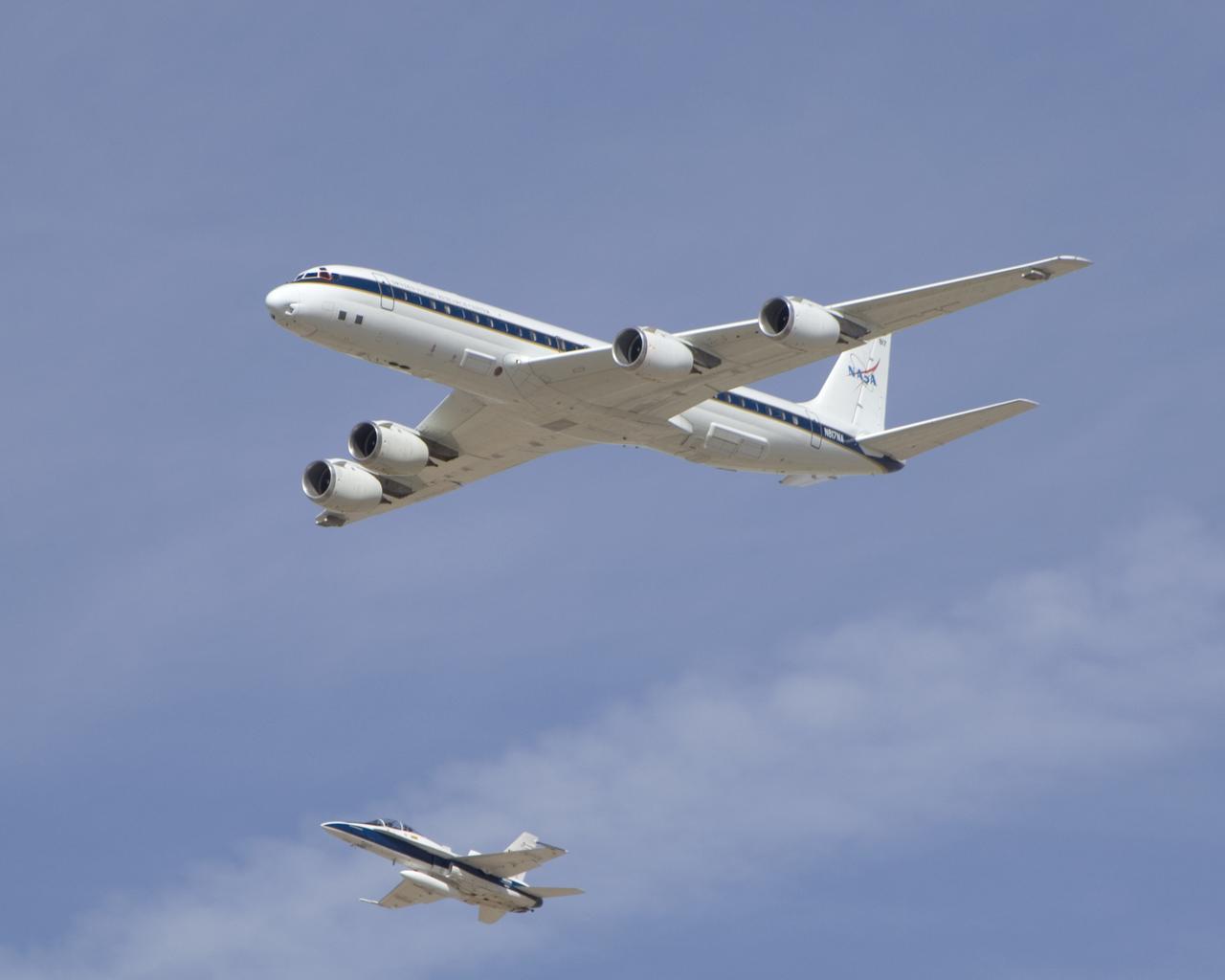
NASA's DC-8 airborne science laboratory is shadowed by a NASA F/A-18 chase plane during a flyover of the Dryden Aircraft Operations Facility in Palmdale, Calif.
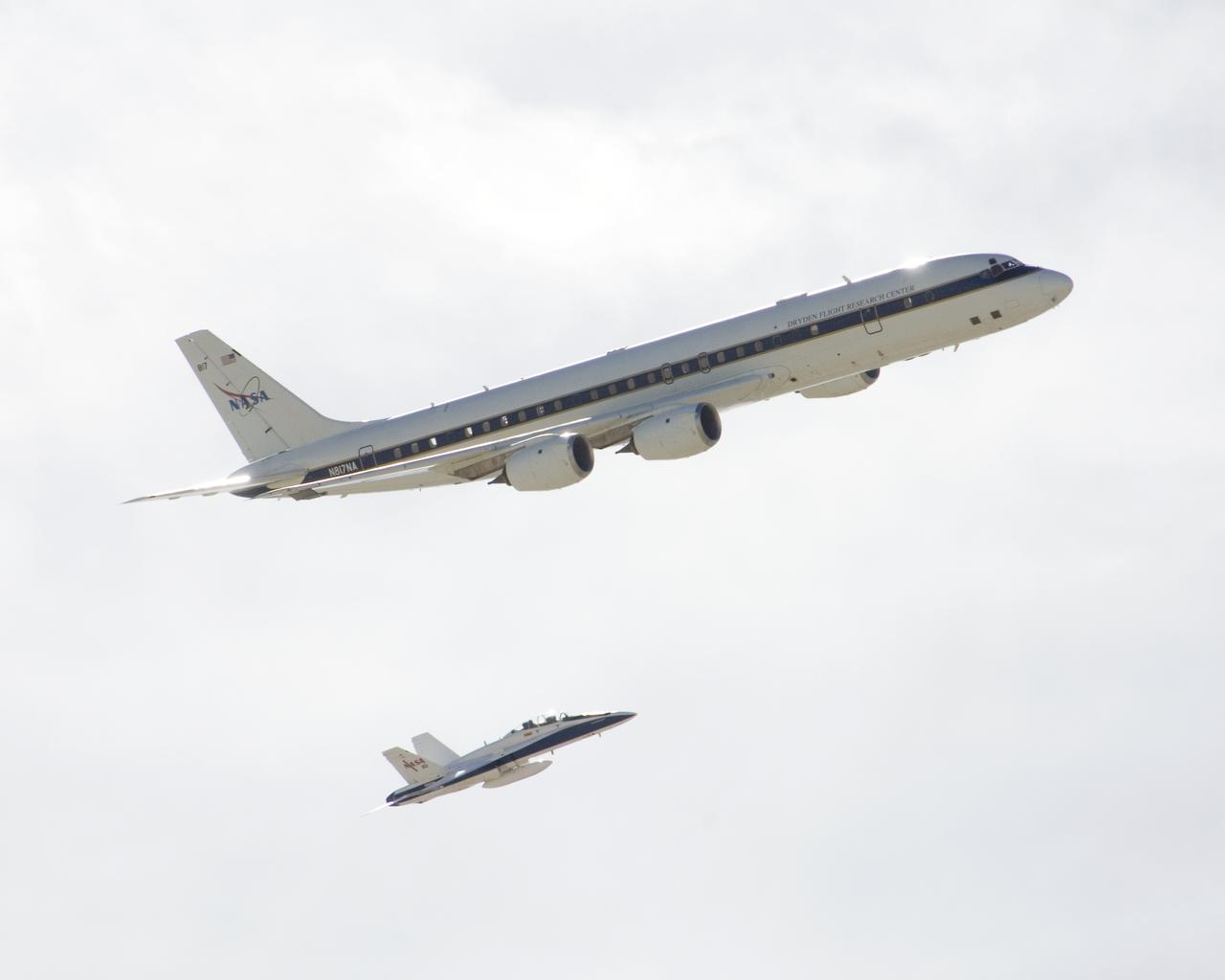
NASA's DC-8 airborne science laboratory is shadowed by a NASA F/A-18 chase plane during a flyover of the Dryden Aircraft Operations Facility in Palmdale, Calif.
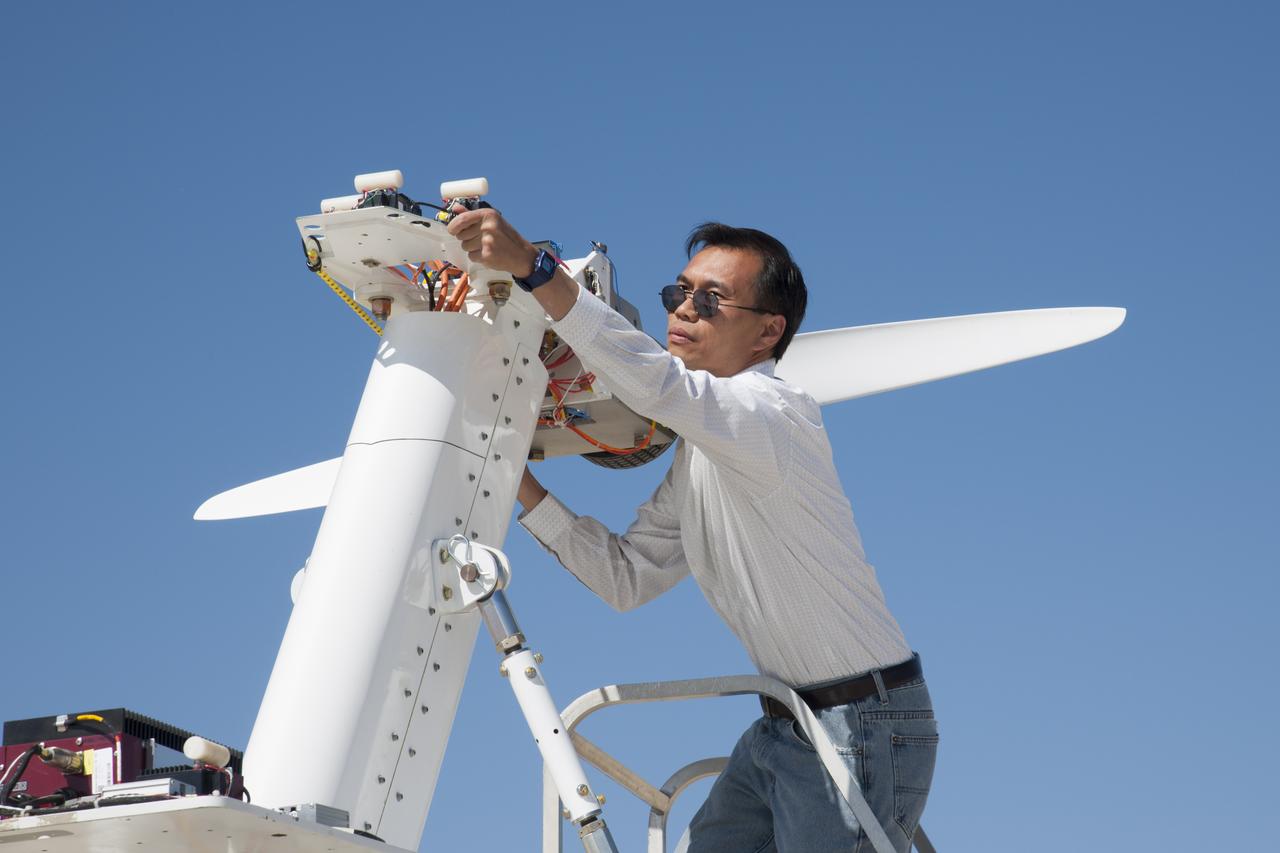
Yohan Lin, Airvolt integration lead, prepares the electric propulsion test stand.
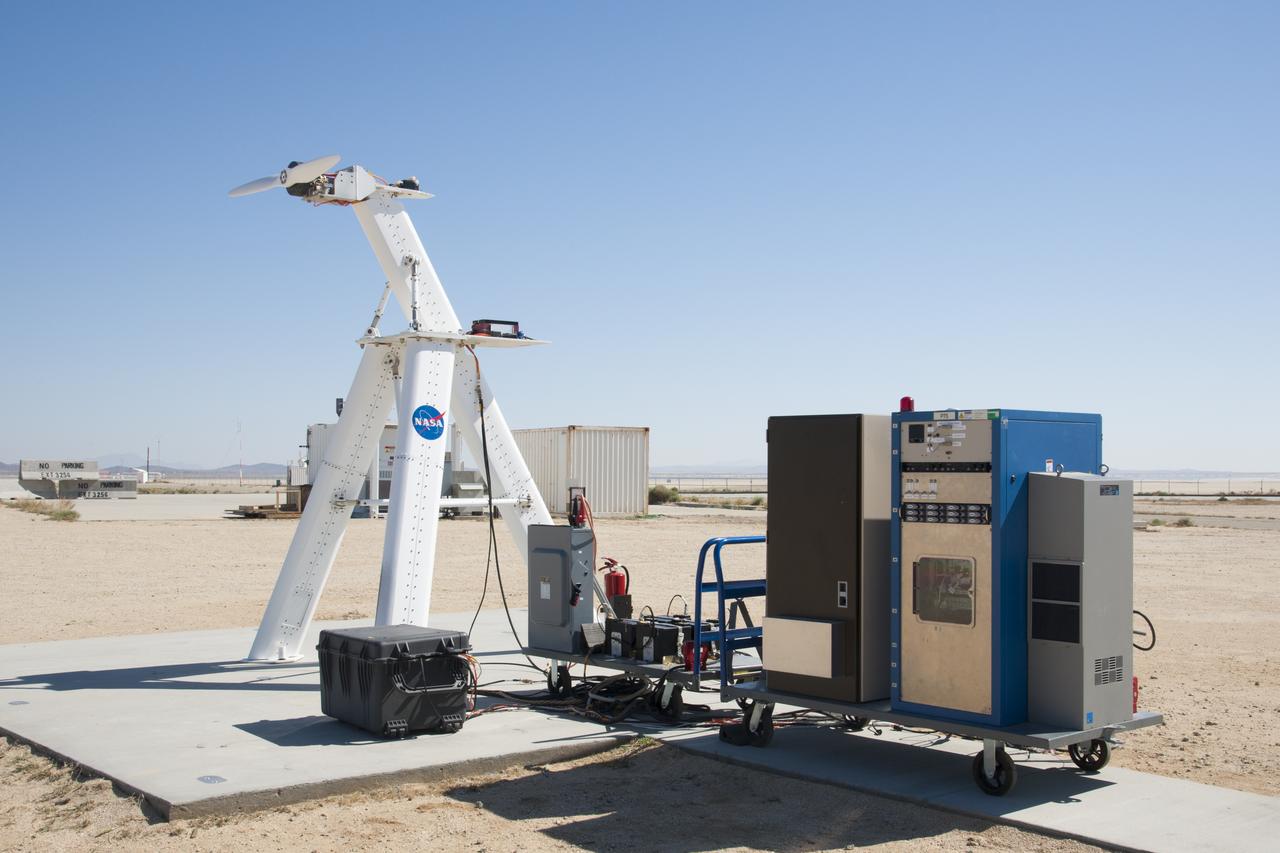
The equipment required for an electric propulsion test is ready for research.
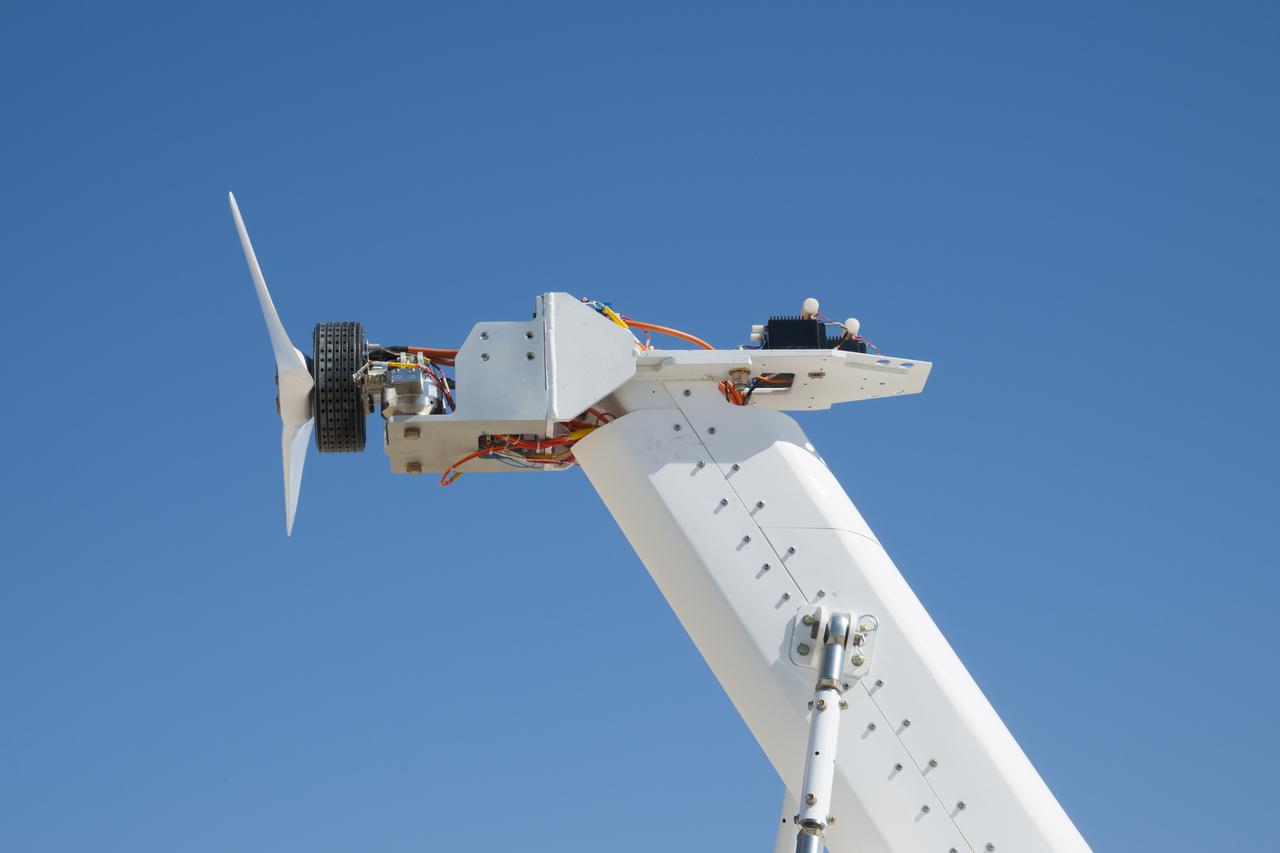
The electric propulsion system to be tested is secured at the top of the Airvolt test stand and instrumented to collect data.
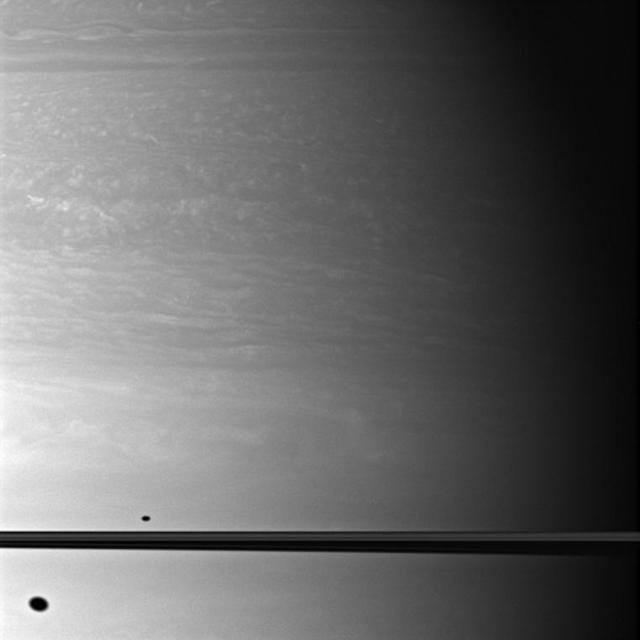
This image, taken by NASA Cassini spacecraft, shows the shadows of two moons as they appear on Saturn, above and below the plane of the planet rings.
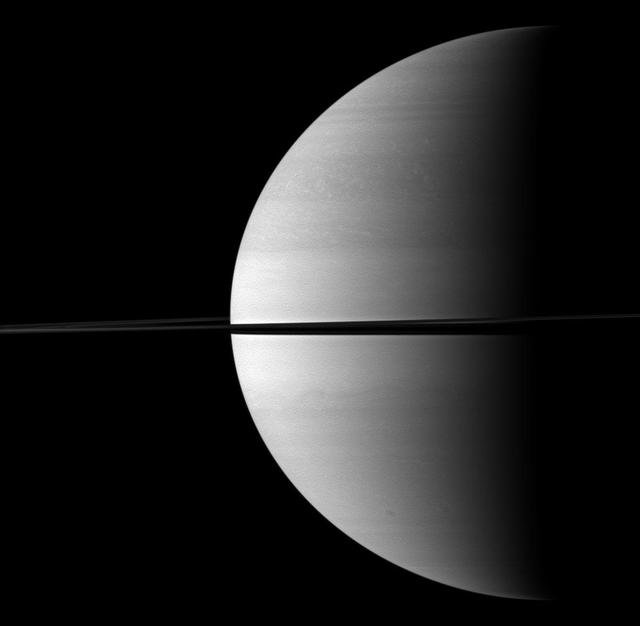
Roughly a quarter of majestic Saturn is illuminated in this view captured while NASA Cassini spacecraft was orbiting near the planet equatorial plane.
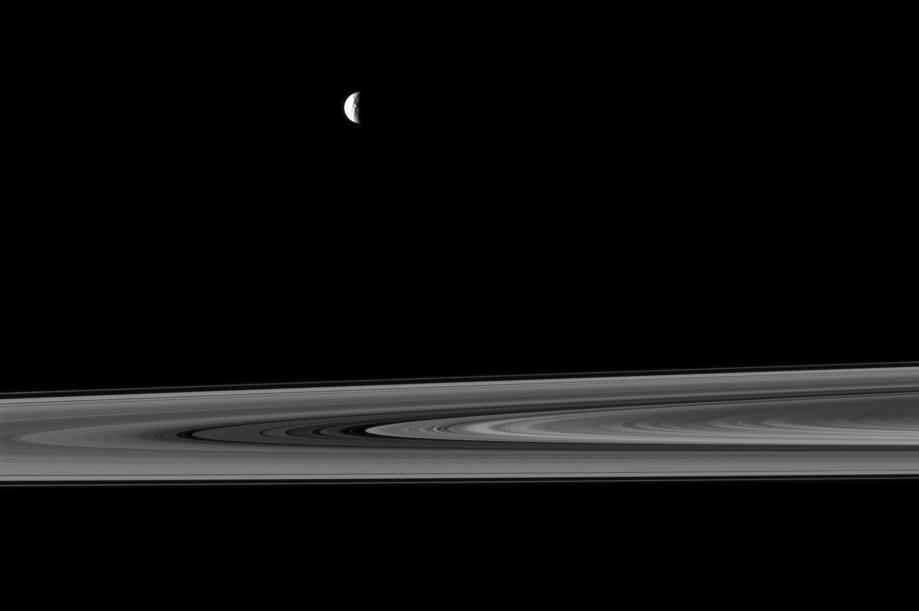
NASA Cassini spacecraft captures a couple of small moons in this image taken while the spacecraft was nearly in the plane of Saturn rings.
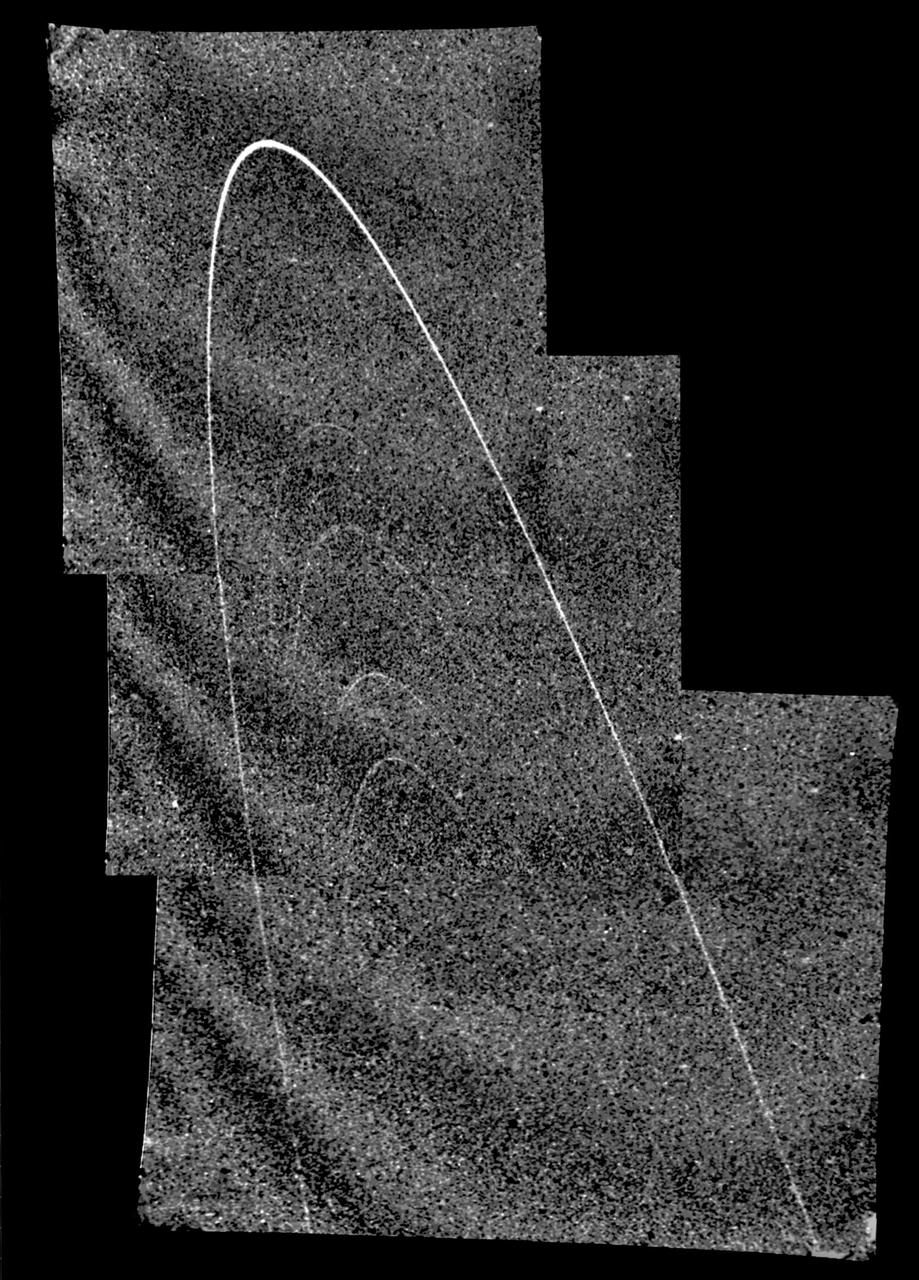
Uranus rings, photographed by NASA Voyager 2 in 1986 as it approached the plane of the Uranian ring system.
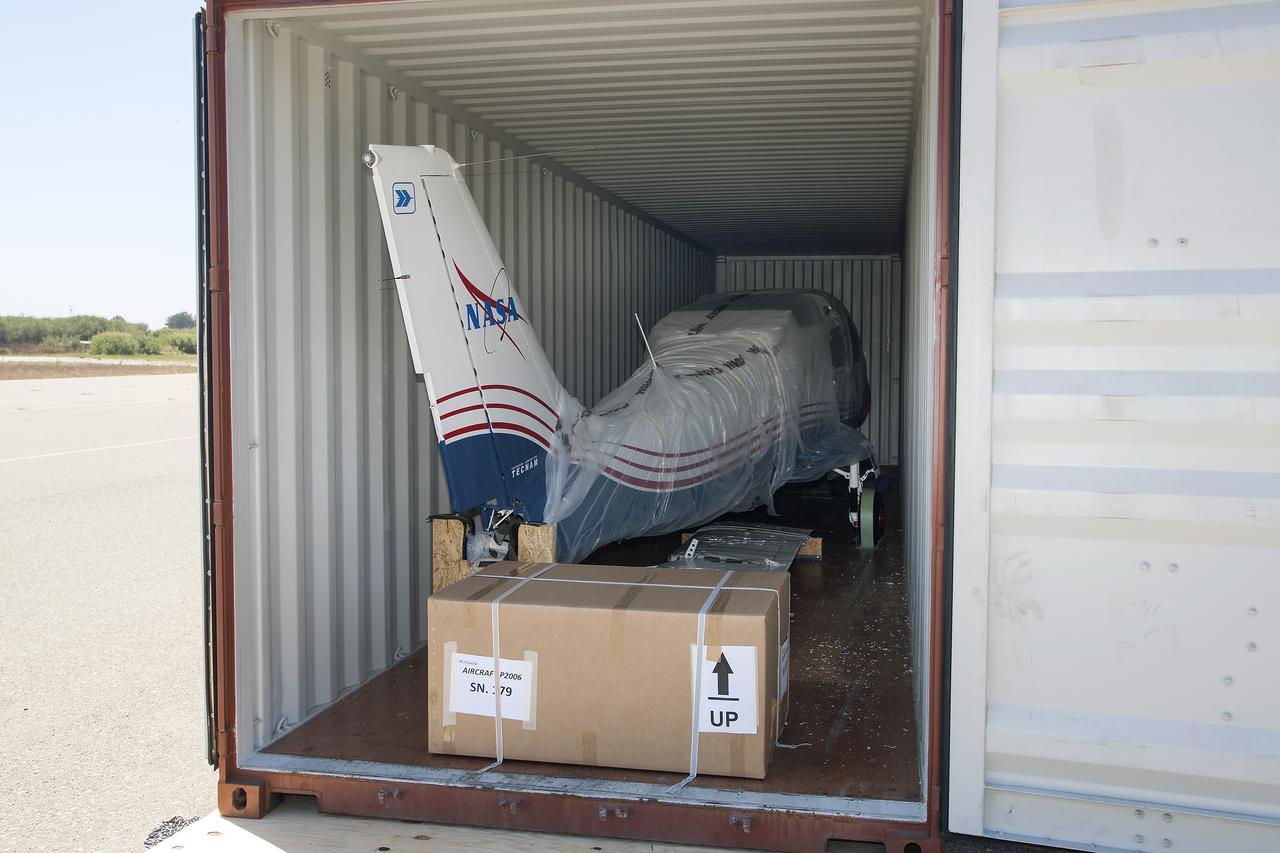
The Tecnam P2006T cockpit for the X-57, or Maxwell, will be the first all electric propulsion aircraft once the plane and wing integration is complete.
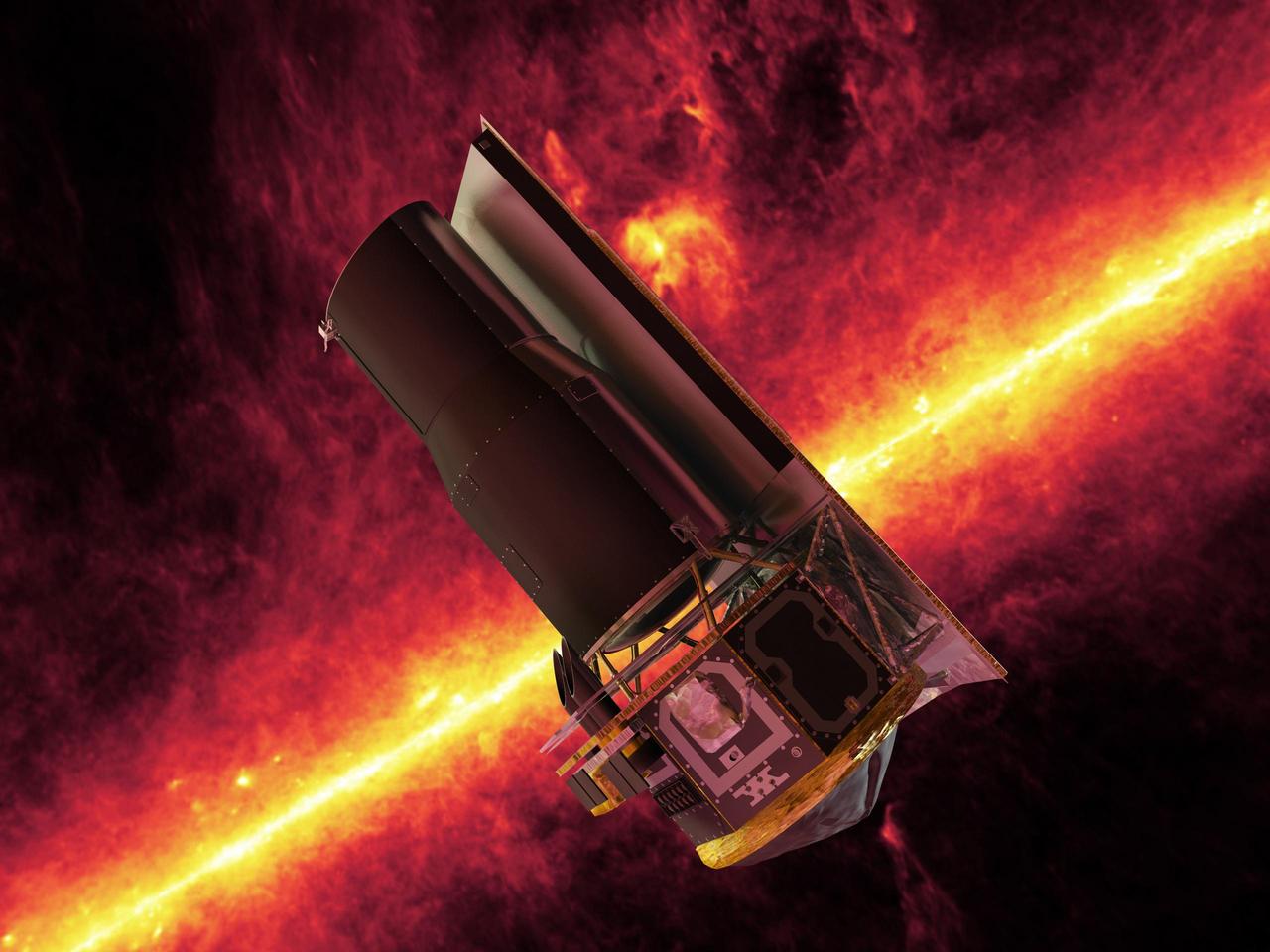
NASA Spitzer Space Telescope whizzes in front of a brilliant, infrared view of the Milky Way galaxy plane in this artistic depiction.

NASA, Roscosmos, and Russian Search and Recovery Forces arrive on an AN-26 plane in Zhezkazgan, Kazakhstan to prepare for the landing of Expedition 73 NASA astronaut Jonny Kim, and Roscosmos cosmonauts Sergey Ryzhikov, and Alexey Zubritsky, Monday, Dec. 8, 2025. The trio are returning to Earth after logging 245 days in space as a members of Expeditions 72 and 73 aboard the International Space Station. Photo Credit: (NASA/Bill Ingalls)
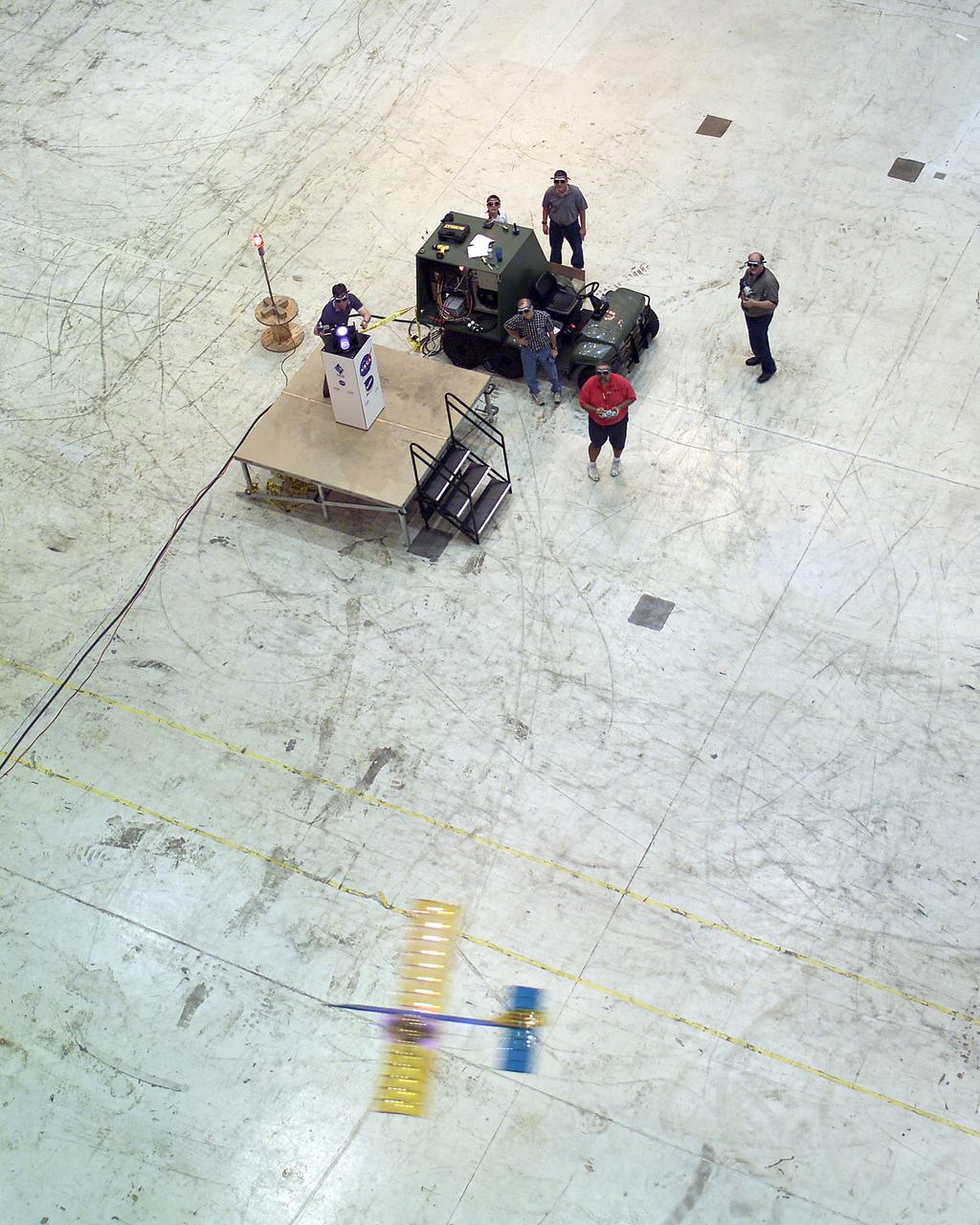
Powered by a laser beam directed at it from a center pedestal, a lightweight model plane makes the first flight of an aircraft powered by laser energy inside a building at NASA's Marshall Space Flight Center.
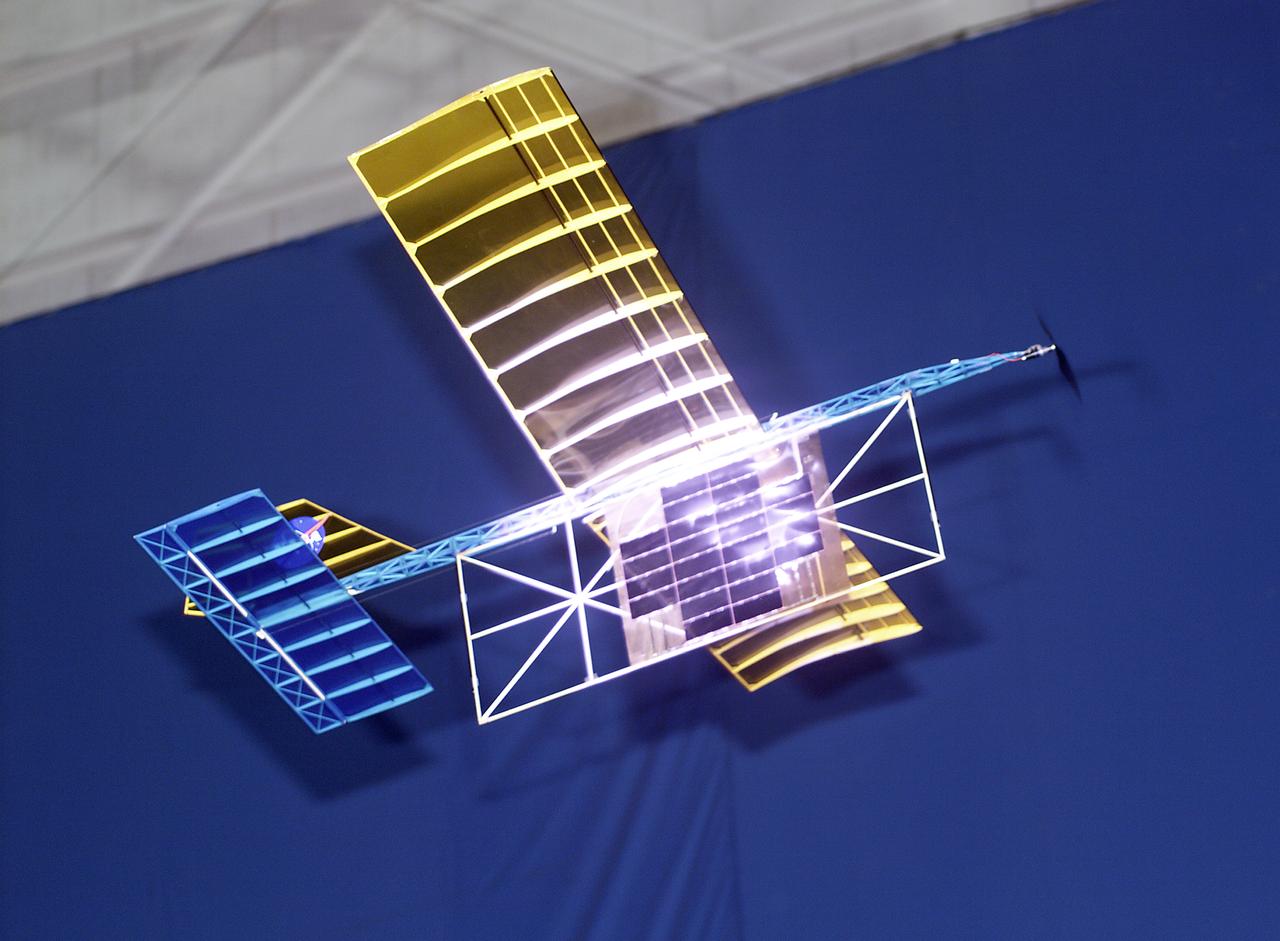
With a laser beam centered on its panel of photovoltaic cells, a lightweight model plane makes the first flight of an aircraft powered by a laser beam inside a building at NASA Marshall Space Flight Center.

Since its launch in 2003, NASA Galaxy Evolution Explorer the space telescope originally designed to observe galaxies across the universe in ultraviolet light has discovered a festive sky blinking with flaring and erupting stars.
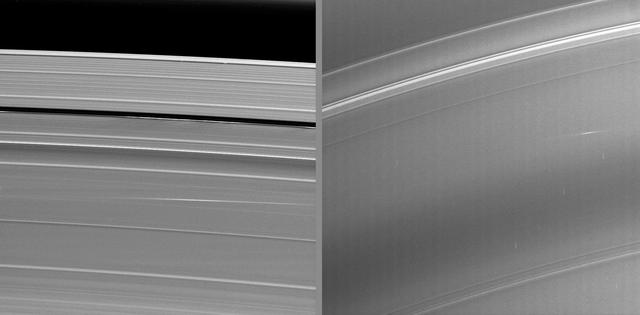
The bright streaks visible in these Cassini images taken during Saturn’s August 2009 equinox are exciting evidence of a constant rain of interplanetary projectiles onto the planet’s rings.
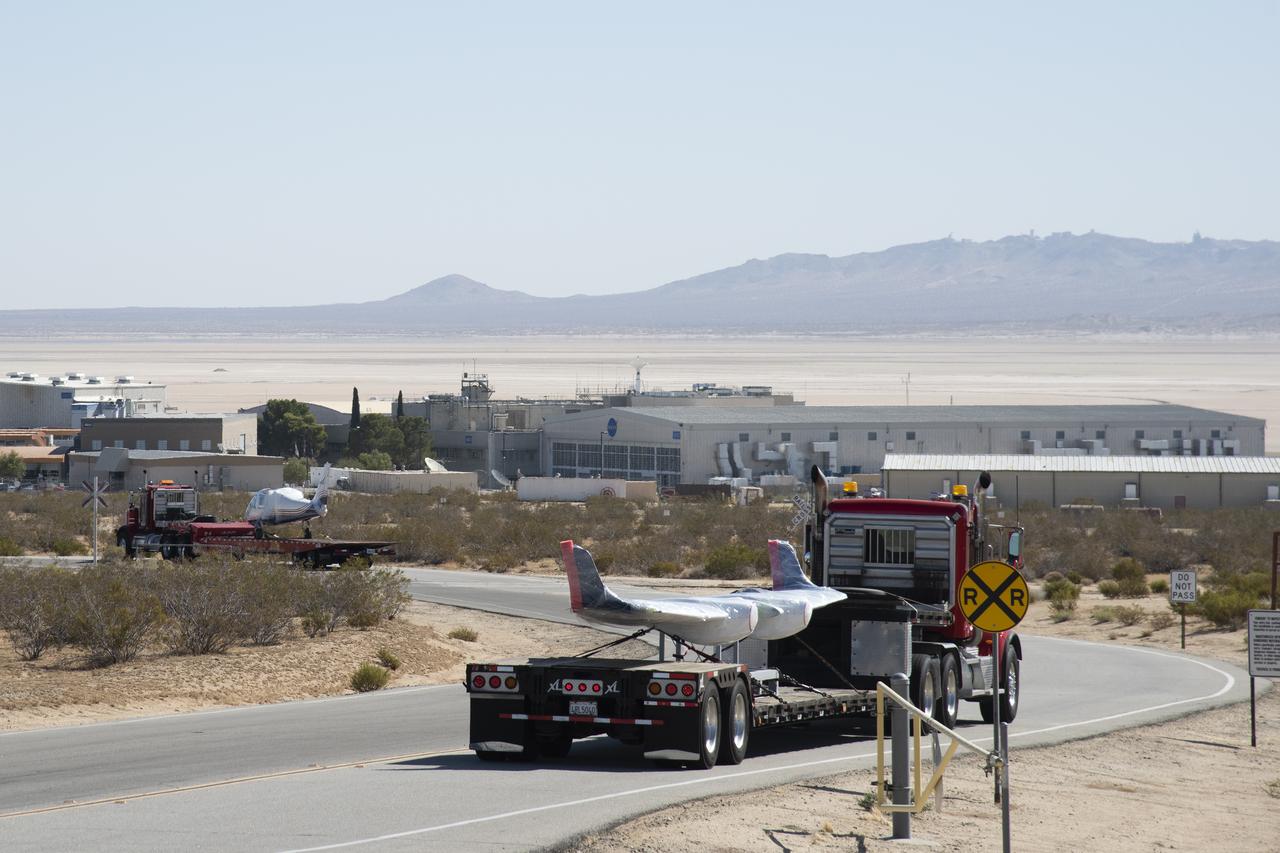
NASA’s all-electric X-57 Maxwell, in its Mod II configuration, arrives at NASA’s Armstrong Flight Research Center in Edwards, California. The X-plane was delivered by prime contractor Empirical Systems Aerospace of San Luis Obispo, California, in two parts, with the wing separated from the fuselage, to aid in a more timely delivery. X-57 is NASA’s first crewed X-plane in two decades, and seeks to further advance the design and airworthiness process for distributed electric propulsion technology for general aviation aircraft.
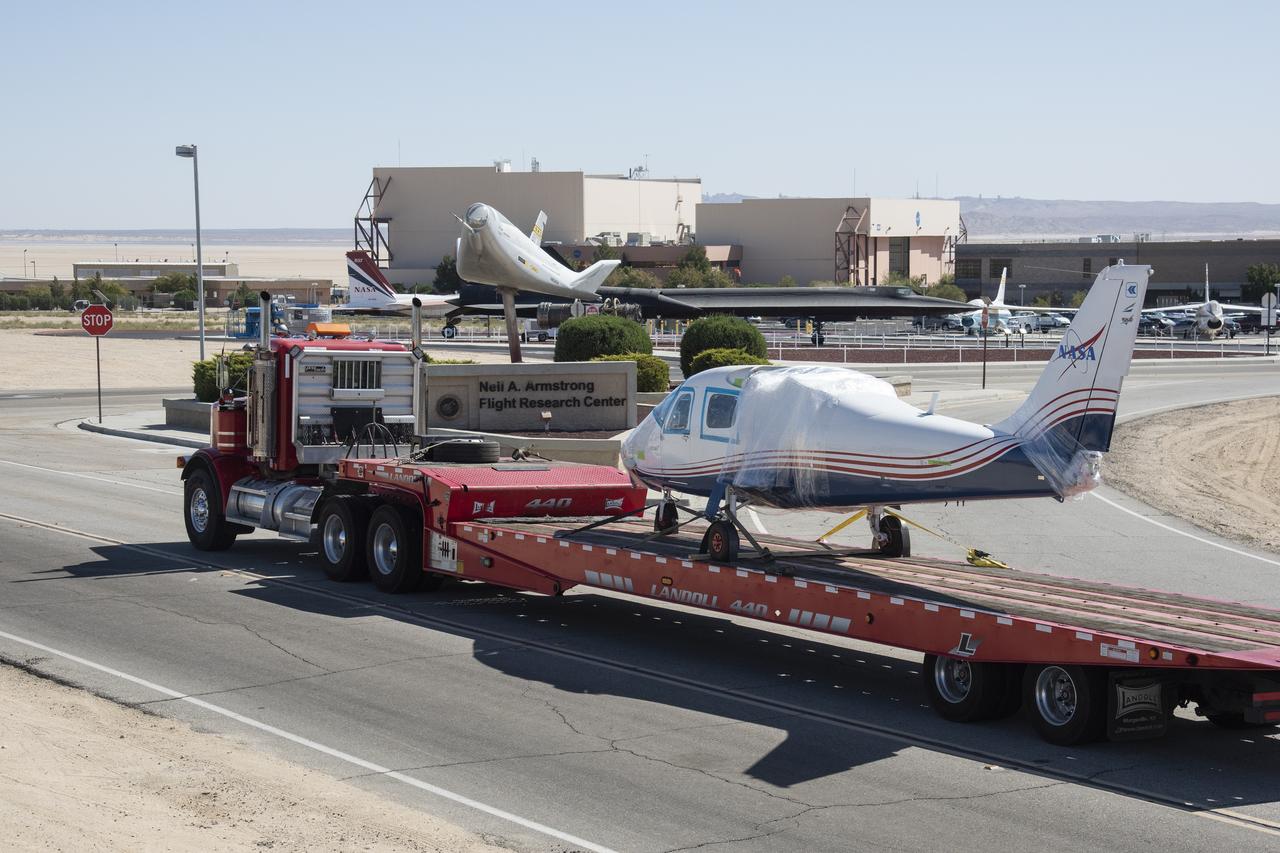
NASA's all-electric X-57 Maxwell, in its Mod II configuration, arrives at NASA's Armstrong Flight Research Center in Edwards, California. The X-plane was delivered by prime contractor Empirical Systems Aerospace of San Luis Obispo, California, in two parts, with the wing separated from the fuselage, to aid in a more timely delivery. X-57 is NASA's first crewed X-plane in two decades, and seeks to further advance the design and airworthiness process for distributed electric propulsion technology for general aviation aircraft.
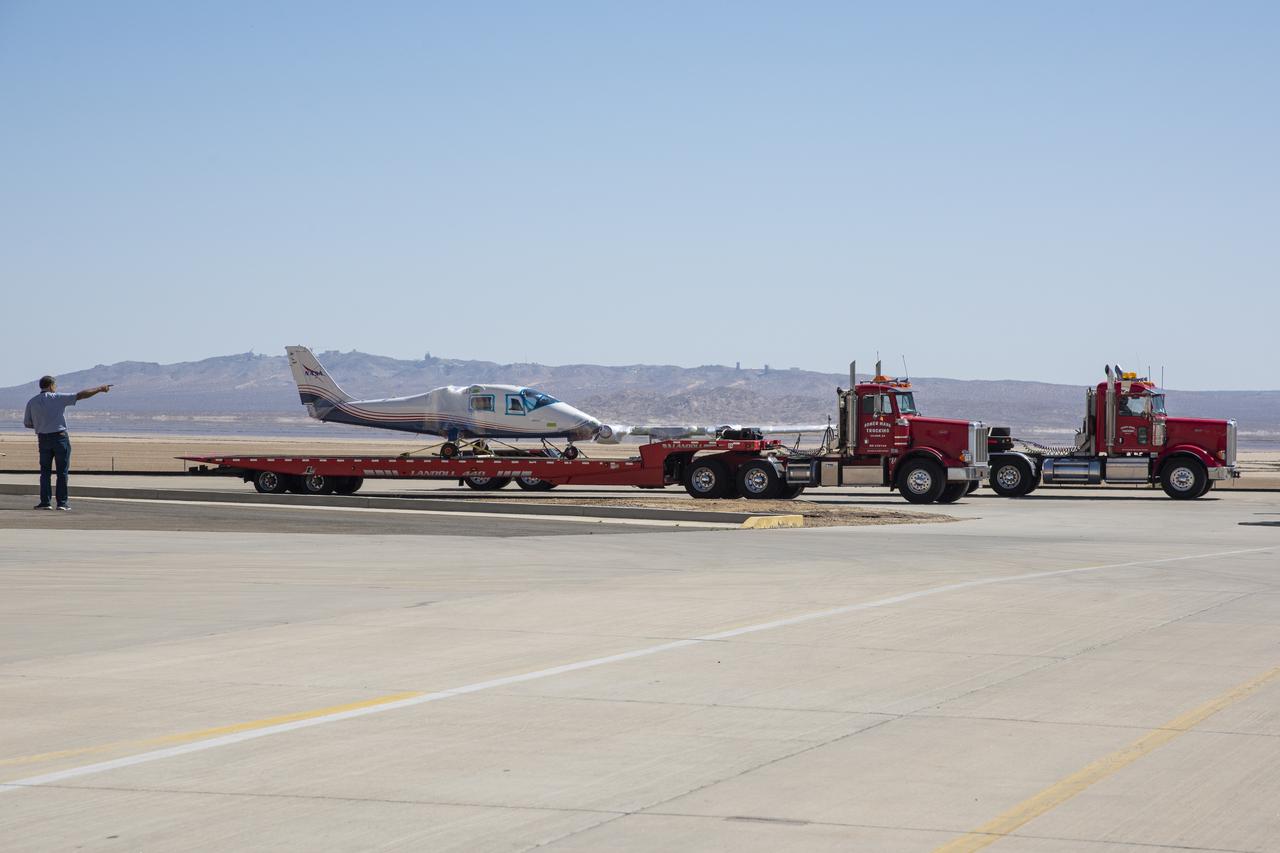
NASA's all-electric X-57 Maxwell, in its Mod II configuration, arrives at NASA's Armstrong Flight Research Center in Edwards, California. The X-plane was delivered by prime contractor Empirical Systems Aerospace of San Luis Obispo, California, in two parts, with the wing separated from the fuselage, to aid in a more timely delivery. X-57 is NASA's first crewed X-plane in two decades, and seeks to further advance the design and airworthiness process for distributed electric propulsion technology for general aviation aircraft.
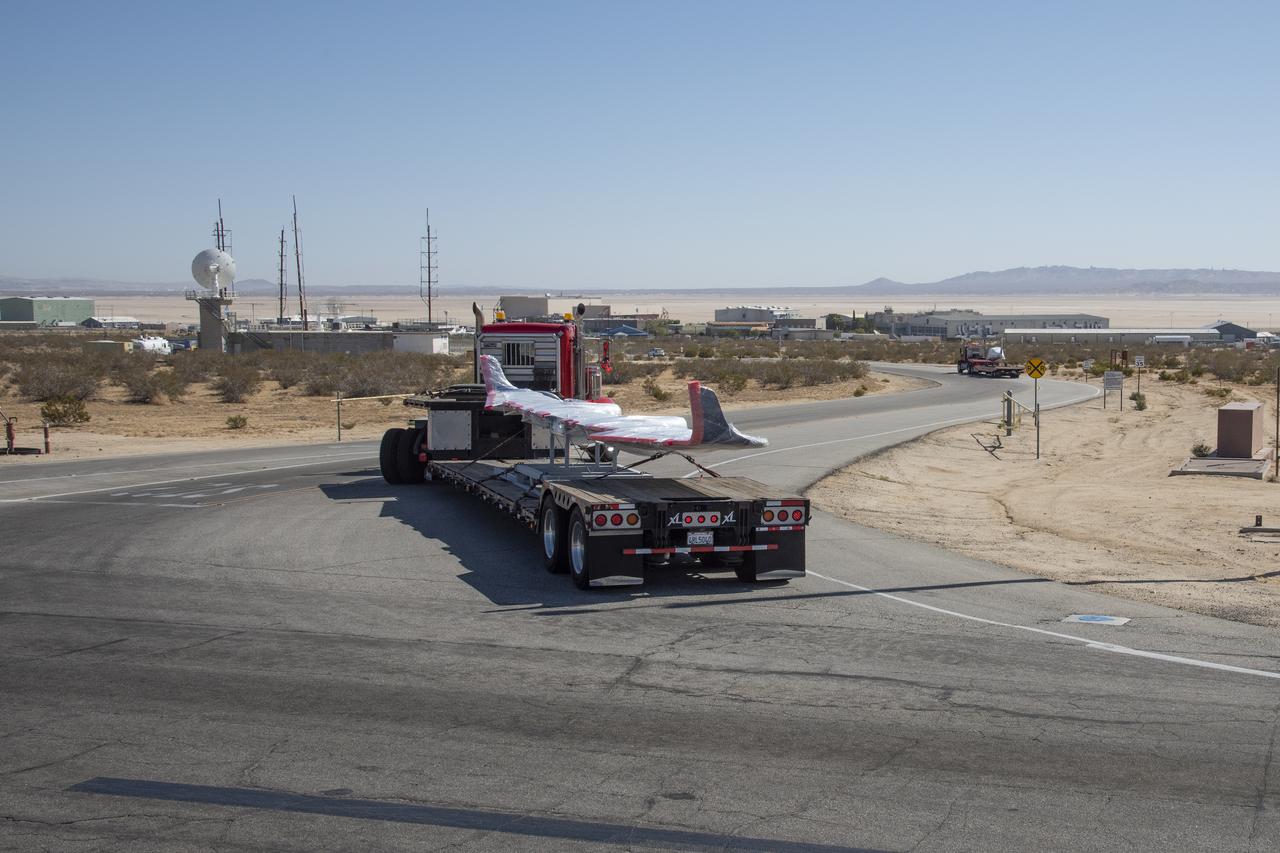
NASA’s all-electric X-57 Maxwell, in its Mod II configuration, arrives at NASA’s Armstrong Flight Research Center in Edwards, California. The X-plane was delivered by prime contractor Empirical Systems Aerospace of San Luis Obispo, California, in two parts, with the wing separated from the fuselage, to aid in a more timely delivery. X-57 is NASA’s first crewed X-plane in two decades, and seeks to further advance the design and airworthiness process for distributed electric propulsion technology for general aviation aircraft.
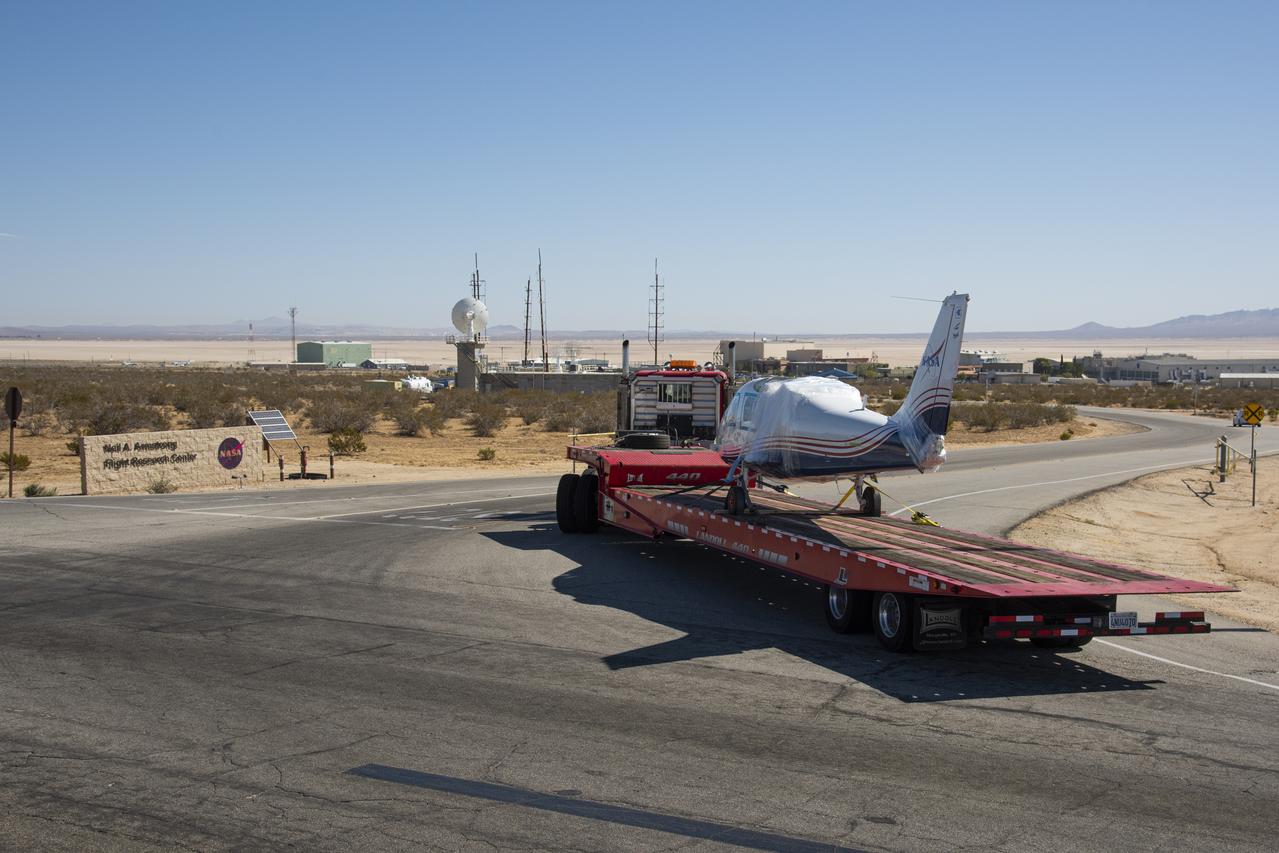
NASA's all-electric X-57 Maxwell, in its Mod II configuration, arrives at NASAâ's Armstrong Flight Research Center in Edwards, California. The X-plane was delivered by prime contractor Empirical Systems Aerospace of San Luis Obispo, California, in two parts, with the wing separated from the fuselage, to aid in a more timely delivery. X-57 is NASA's first crewed X-plane in two decades, and seeks to further advance the design and airworthiness process for distributed electric propulsion technology for general aviation aircraft.

NASA's all-electric X-57 Maxwell, in its Mod II configuration, arrives at NASA's Armstrong Flight Research Center in Edwards, California. The X-plane was delivered by prime contractor Empirical Systems Aerospace of San Luis Obispo, California, in two parts, with the wing separated from the fuselage, to aid in a more timely delivery. X-57 is NASA's first crewed X-plane in two decades, and seeks to further advance the design and airworthiness process for distributed electric propulsion technology for general aviation aircraft.
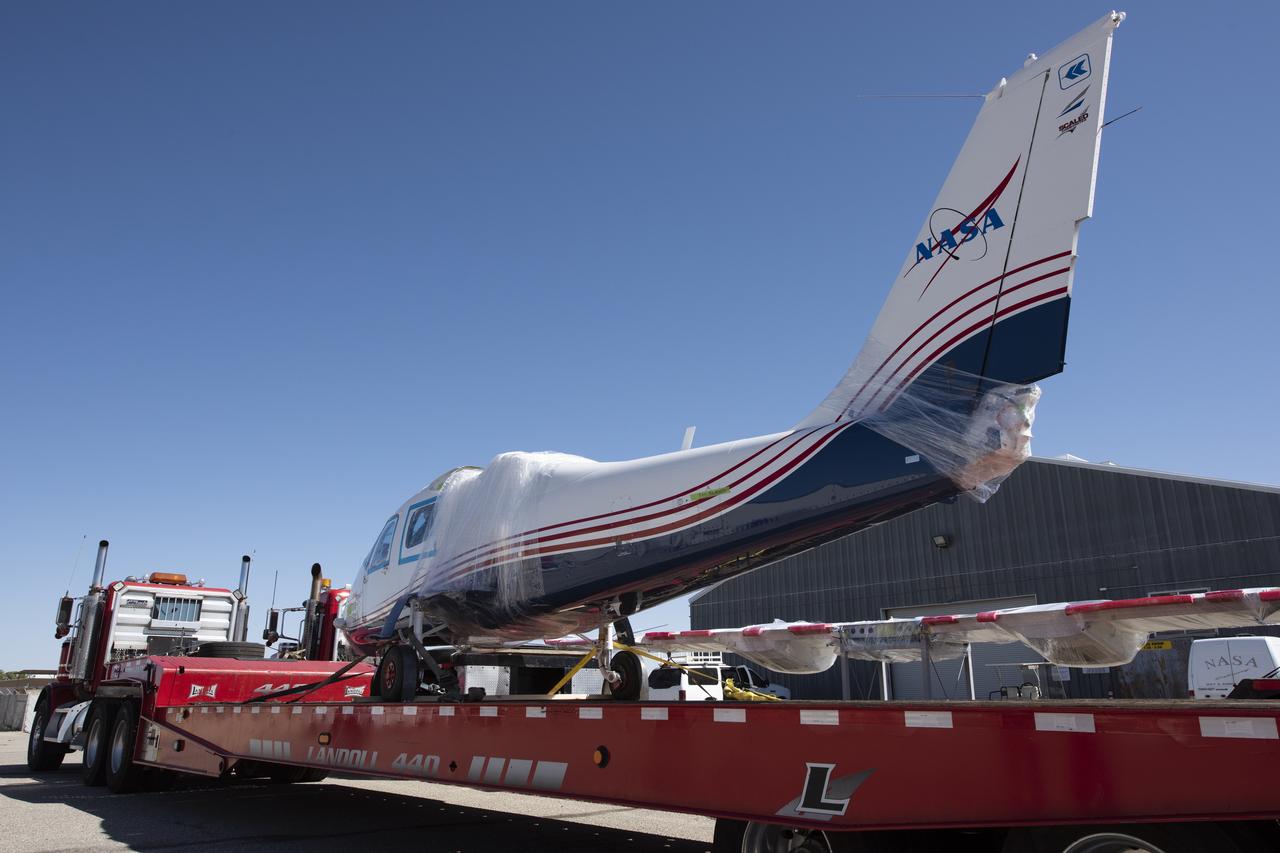
NASA’s all-electric X-57 Maxwell, in its Mod II configuration, arrives at NASA’s Armstrong Flight Research Center in Edwards, California. The X-plane was delivered by prime contractor Empirical Systems Aerospace of San Luis Obispo, California, in two parts, with the wing separated from the fuselage, to aid in a more timely delivery. X-57 is NASA’s first crewed X-plane in two decades, and seeks to further advance the design and airworthiness process for distributed electric propulsion technology for general aviation aircraft.
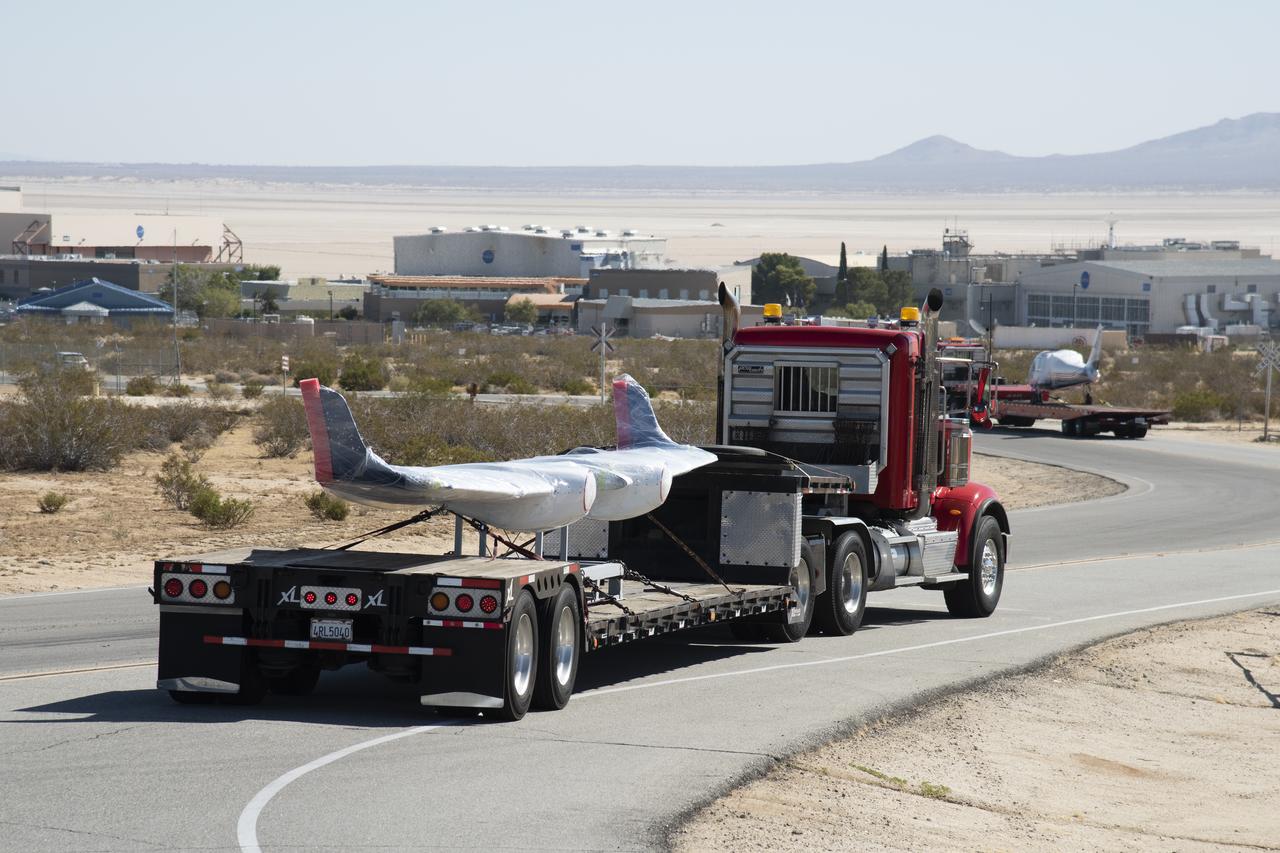
NASA’s all-electric X-57 Maxwell, in its Mod II configuration, arrives at NASA’s Armstrong Flight Research Center in Edwards, California. The X-plane was delivered by prime contractor Empirical Systems Aerospace of San Luis Obispo, California, in two parts, with the wing separated from the fuselage, to aid in a more timely delivery. X-57 is NASA’s first crewed X-plane in two decades, and seeks to further advance the design and airworthiness process for distributed electric propulsion technology for general aviation aircraft.
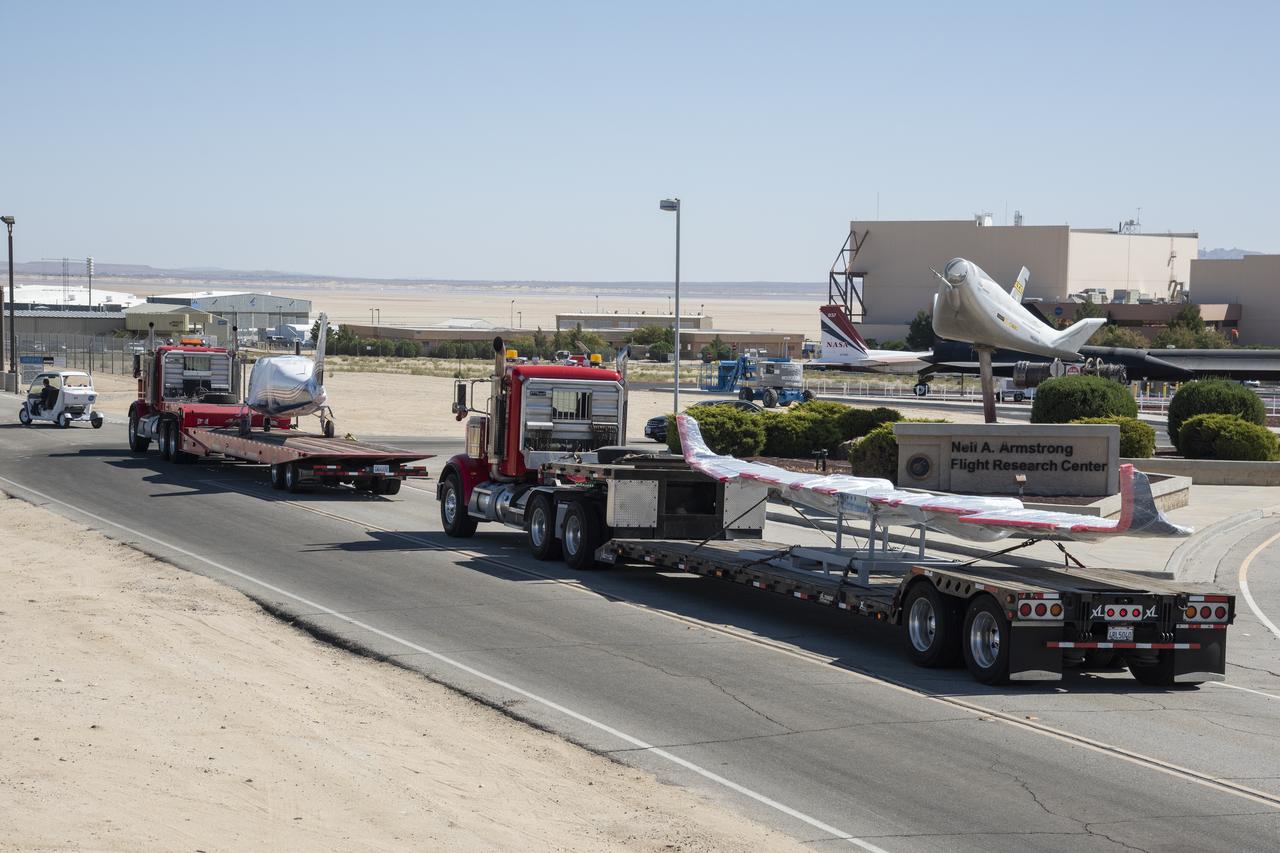
NASA’s all-electric X-57 Maxwell, in its Mod II configuration, arrives at NASA’s Armstrong Flight Research Center in Edwards, California. The X-plane was delivered by prime contractor Empirical Systems Aerospace of San Luis Obispo, California, in two parts, with the wing separated from the fuselage, to aid in a more timely delivery. X-57 is NASA’s first crewed X-plane in two decades, and seeks to further advance the design and airworthiness process for distributed electric propulsion technology for general aviation aircraft.
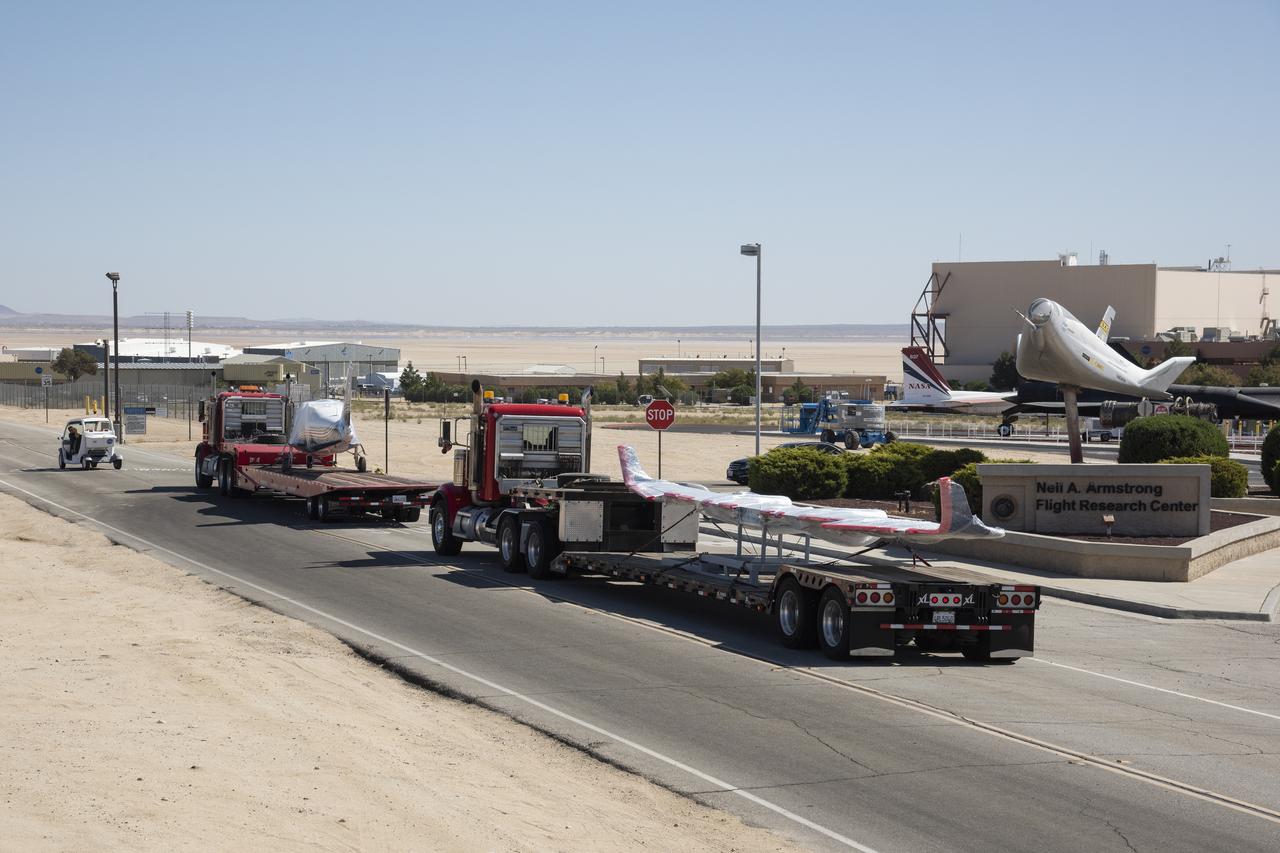
NASA's all-electric X-57 Maxwell, in its Mod II configuration, arrives at NASA's Armstrong Flight Research Center in Edwards, California. The X-plane was delivered by prime contractor Empirical Systems Aerospace of San Luis Obispo, California, in two parts, with the wing separated from the fuselage, to aid in a more timely delivery. X-57 is NASA's first crewed X-plane in two decades, and seeks to further advance the design and airworthiness process for distributed electric propulsion technology for general aviation aircraft.
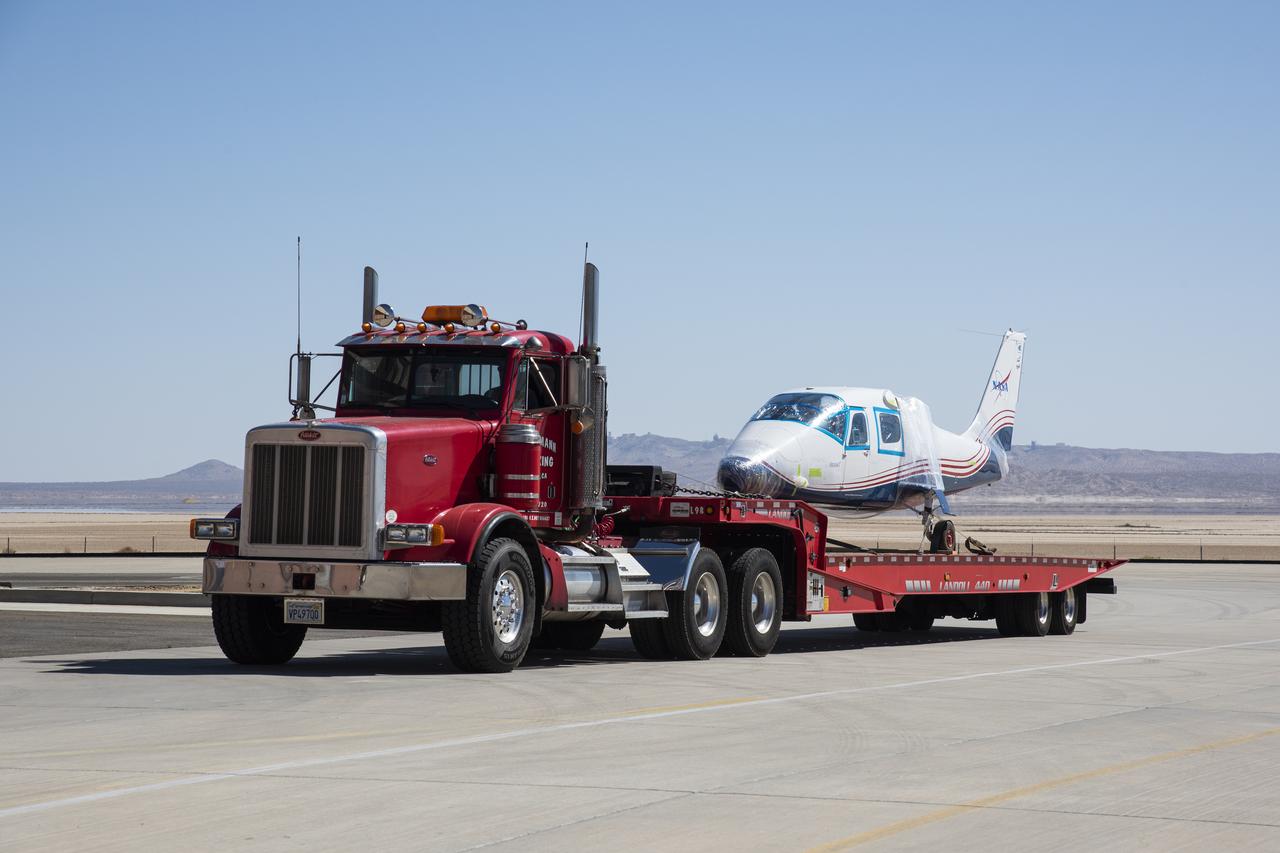
NASA's all-electric X-57 Maxwell, in its Mod II configuration, arrives at NASA's Armstrong Flight Research Center in Edwards, California. The X-plane was delivered by prime contractor Empirical Systems Aerospace of San Luis Obispo, California, in two parts, with the wing separated from the fuselage, to aid in a more timely delivery. X-57 is NASA's first crewed X-plane in two decades, and seeks to further advance the design and airworthiness process for distributed electric propulsion technology for general aviation aircraft.
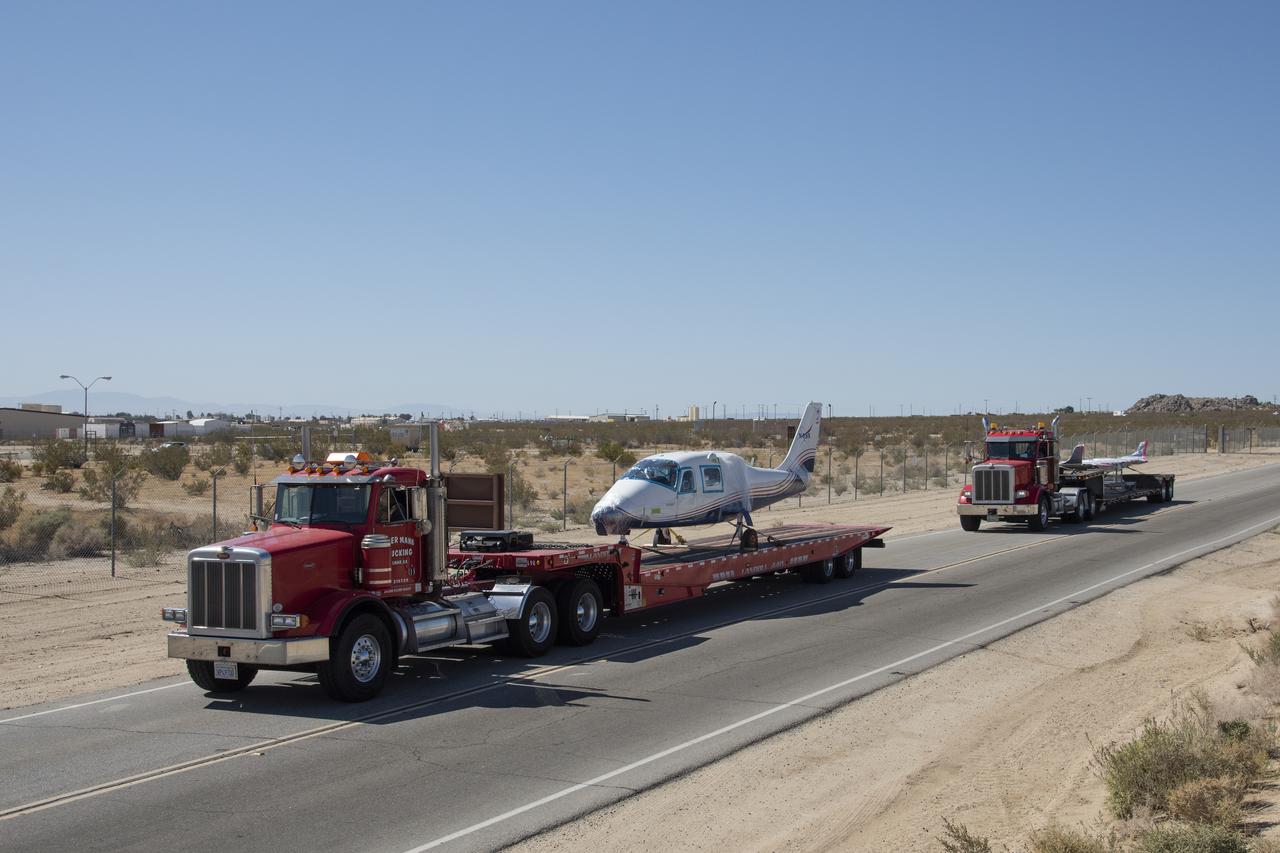
NASA's all-electric X-57 Maxwell, in its Mod II configuration, arrives at NASA's Armstrong Flight Research Center in Edwards, California. The X-plane was delivered by prime contractor Empirical Systems Aerospace of San Luis Obispo, California, in two parts, with the wing separated from the fuselage, to aid in a more timely delivery. X-57 is NASA's first crewed X-plane in two decades, and seeks to further advance the design and airworthiness process for distributed electric propulsion technology for general aviation aircraft.
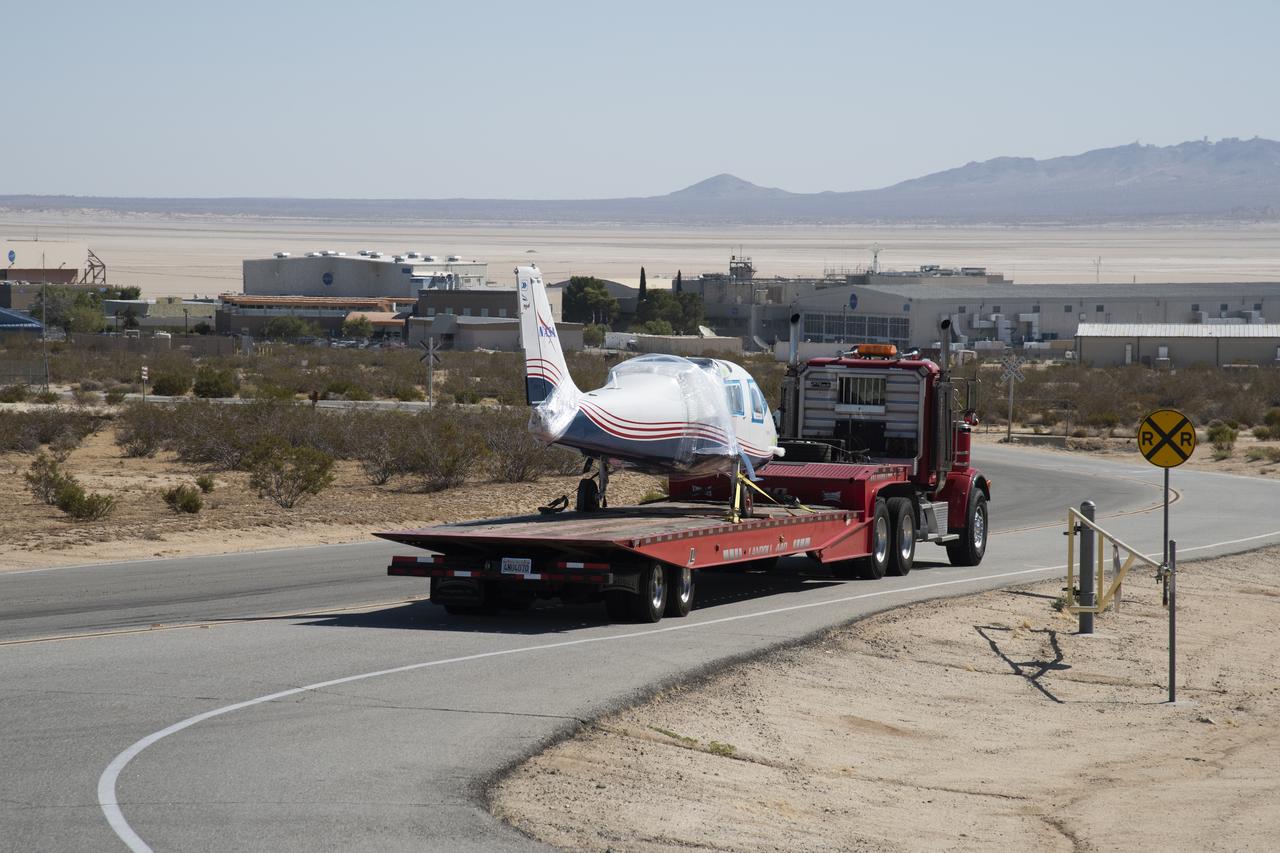
NASA’s all-electric X-57 Maxwell, in its Mod II configuration, arrives at NASA’s Armstrong Flight Research Center in Edwards, California. The X-plane was delivered by prime contractor Empirical Systems Aerospace of San Luis Obispo, California, in two parts, with the wing separated from the fuselage, to aid in a more timely delivery. X-57 is NASA’s first crewed X-plane in two decades, and seeks to further advance the design and airworthiness process for distributed electric propulsion technology for general aviation aircraft.
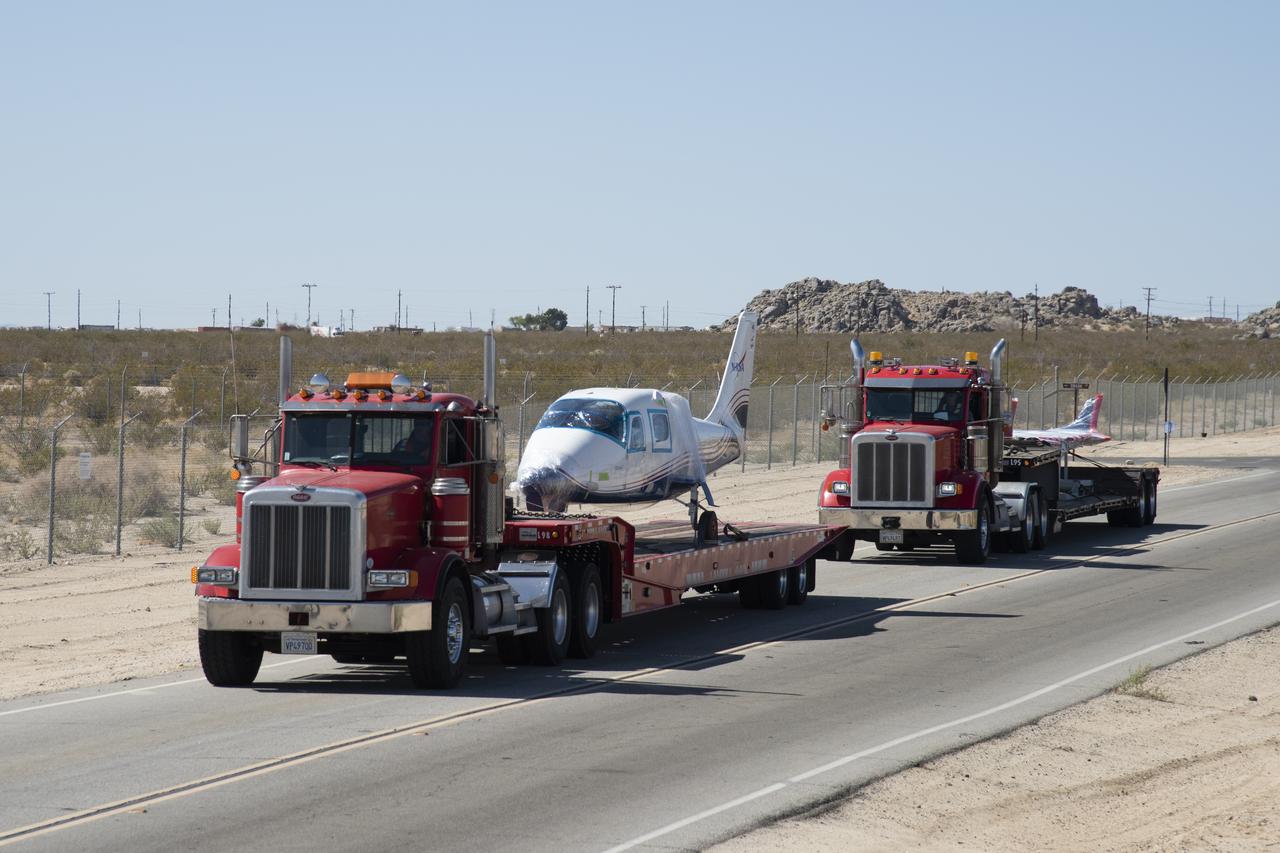
NASA's all-electric X-57 Maxwell, in its Mod II configuration, arrives at NASA's Armstrong Flight Research Center in Edwards, California. The X-plane was delivered by prime contractor Empirical Systems Aerospace of San Luis Obispo, California, in two parts, with the wing separated from the fuselage, to aid in a more timely delivery. X-57 is NASA's first crewed X-plane in two decades, and seeks to further advance the design and airworthiness process for distributed electric propulsion technology for general aviation aircraft.
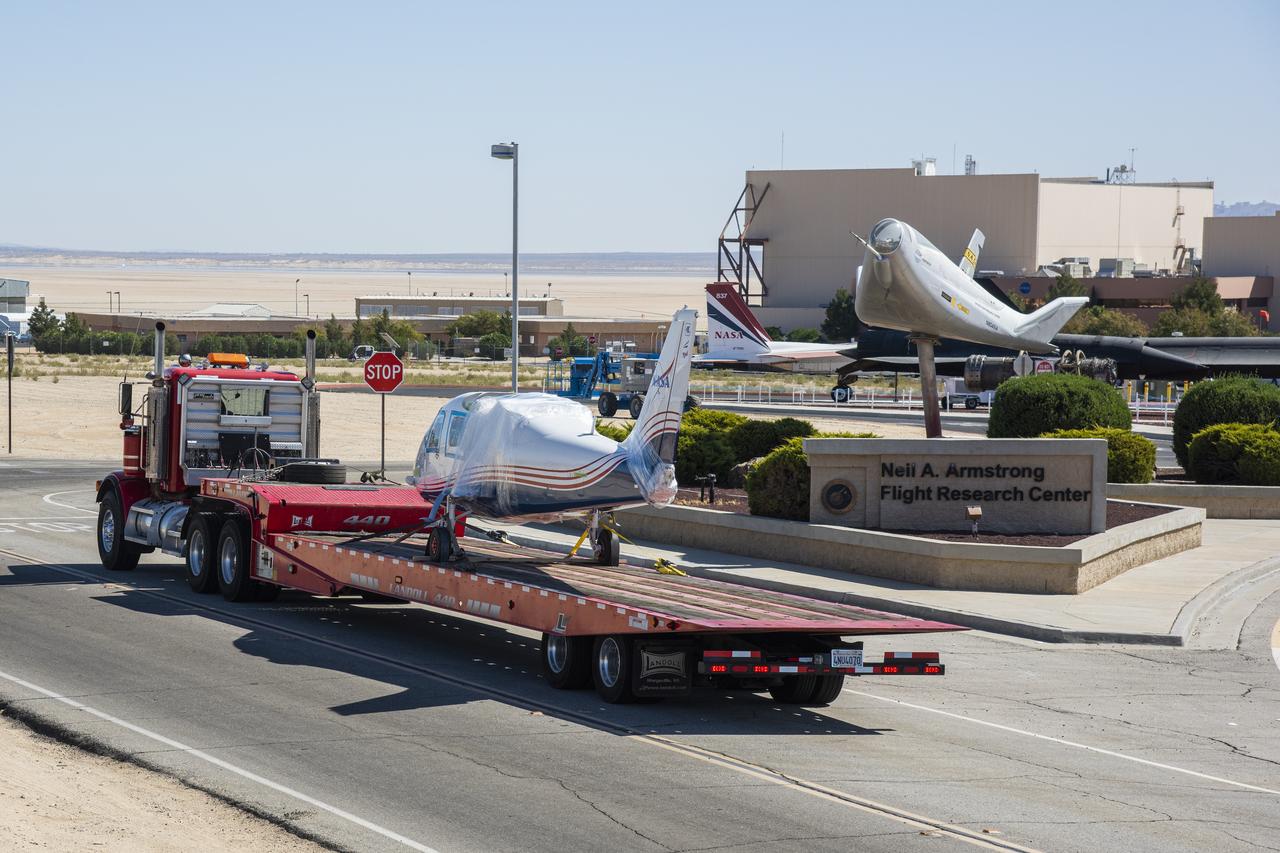
NASA's all-electric X-57 Maxwell, in its Mod II configuration, arrives at NASA's Armstrong Flight Research Center in Edwards, California. The X-plane was delivered by prime contractor Empirical Systems Aerospace of San Luis Obispo, California, in two parts, with the wing separated from the fuselage, to aid in a more timely delivery. X-57 is NASA's first crewed X-plane in two decades, and seeks to further advance the design and airworthiness process for distributed electric propulsion technology for general aviation aircraft.
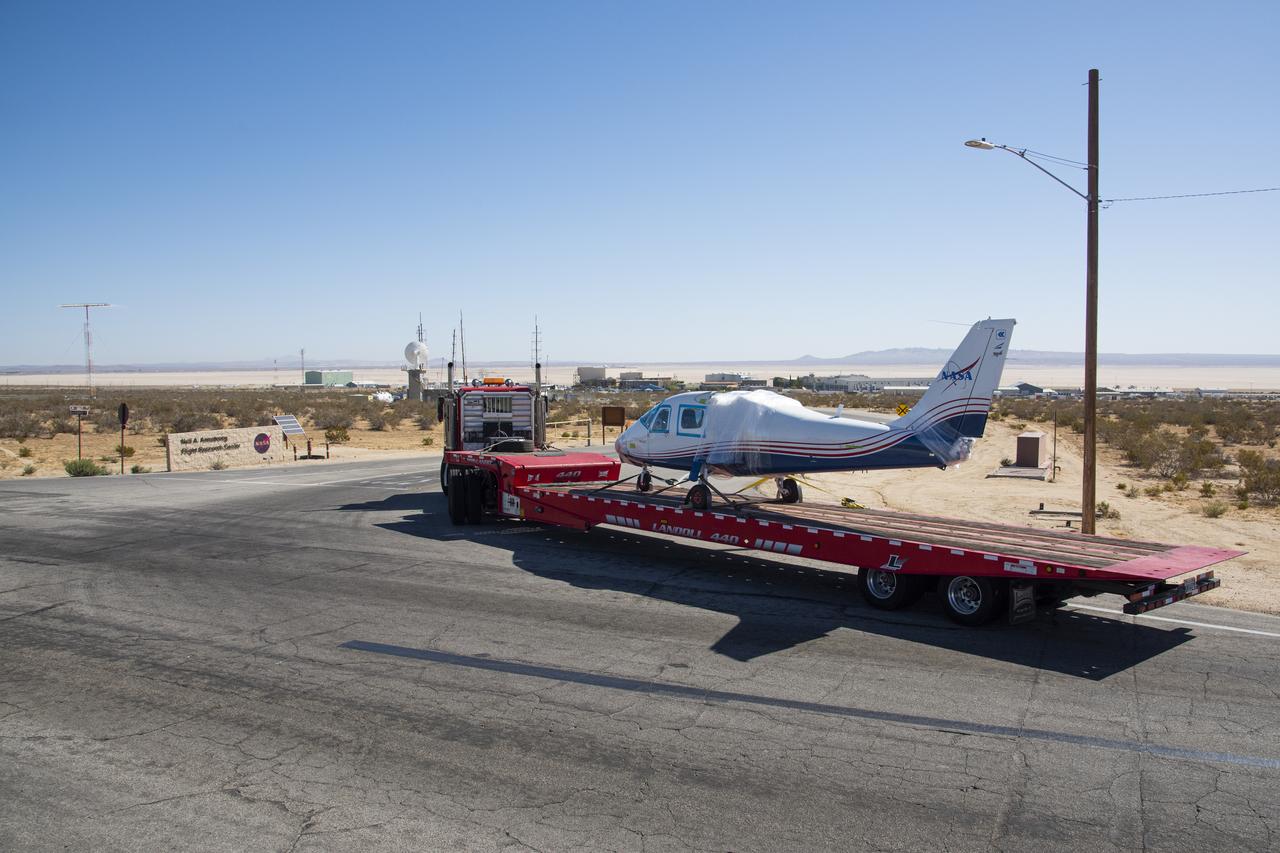
NASA's all-electric X-57 Maxwell, in its Mod II configuration, arrives at NASA's Armstrong Flight Research Center in Edwards, California. The X-plane was delivered by prime contractor Empirical Systems Aerospace of San Luis Obispo, California, in two parts, with the wing separated from the fuselage, to aid in a more timely delivery. X-57 is NASA's first crewed X-plane in two decades, and seeks to further advance the design and airworthiness process for distributed electric propulsion technology for general aviation aircraft.
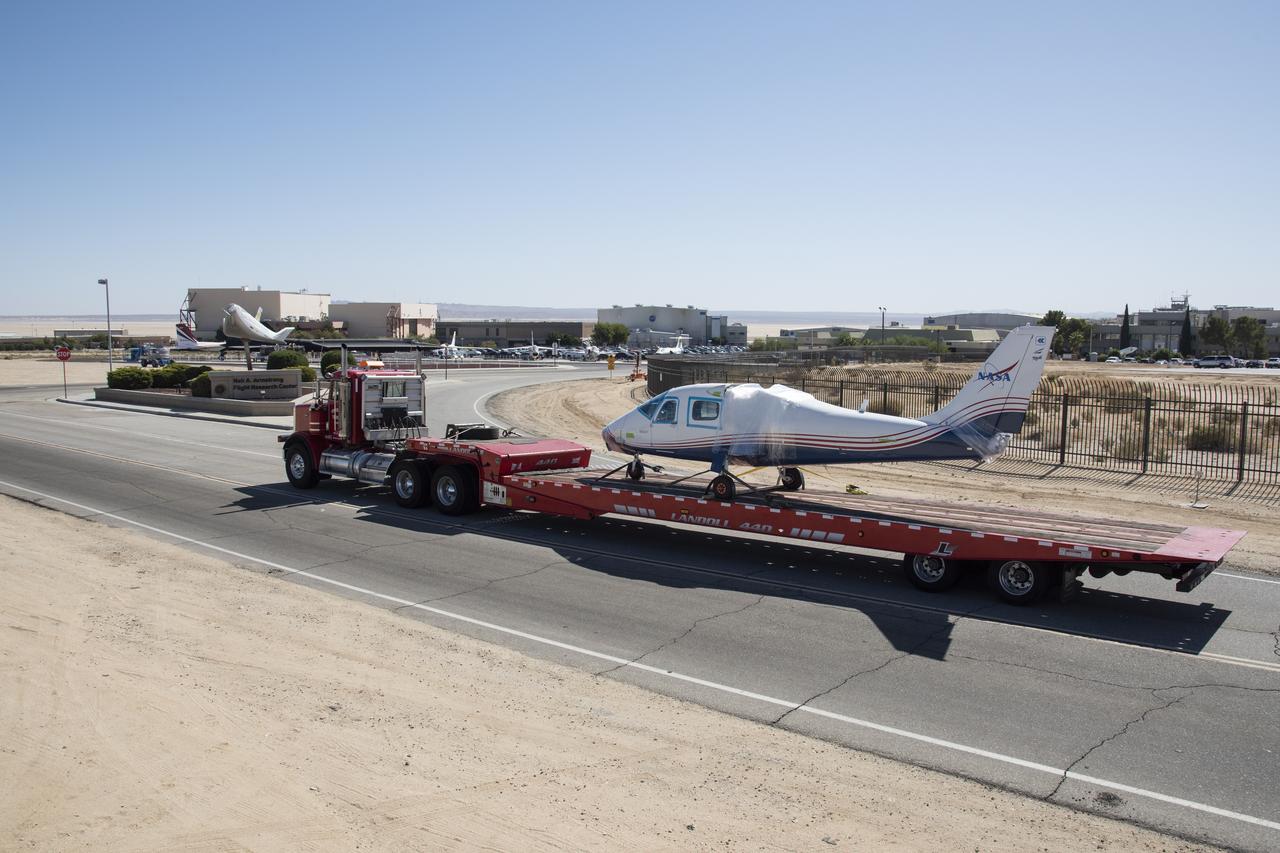
NASA's all-electric X-57 Maxwell, in its Mod II configuration, arrives at NASA's Armstrong Flight Research Center in Edwards, California. The X-plane was delivered by prime contractor Empirical Systems Aerospace of San Luis Obispo, California, in two parts, with the wing separated from the fuselage, to aid in a more timely delivery. X-57 is NASA's first crewed X-plane in two decades, and seeks to further advance the design and airworthiness process for distributed electric propulsion technology for general aviation aircraft.
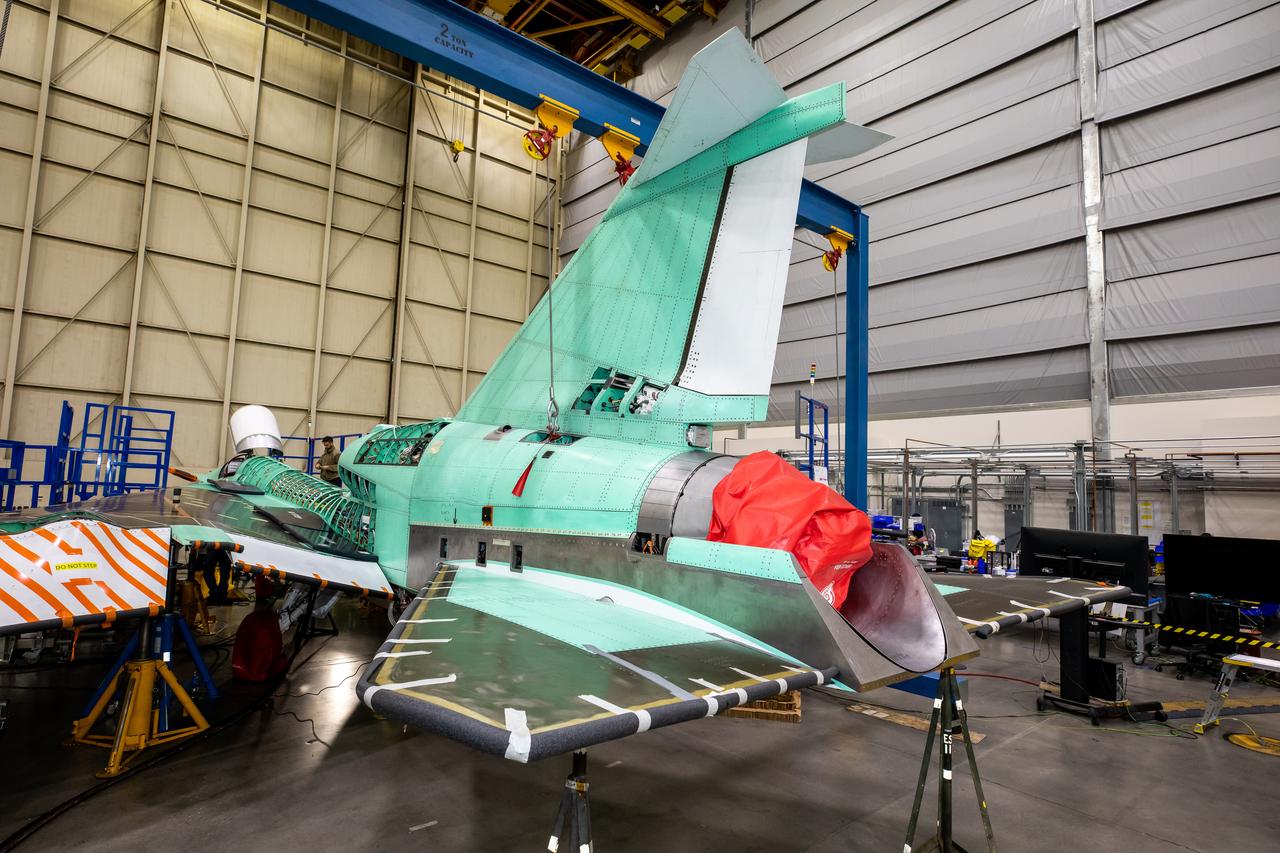
The tail of NASA’s X-59 aircraft is shown here in late March at Lockheed Martin Skunk Works in Palmdale, California where the plane recently underwent a final install of the lower empennage or better known as tail section of the plane.
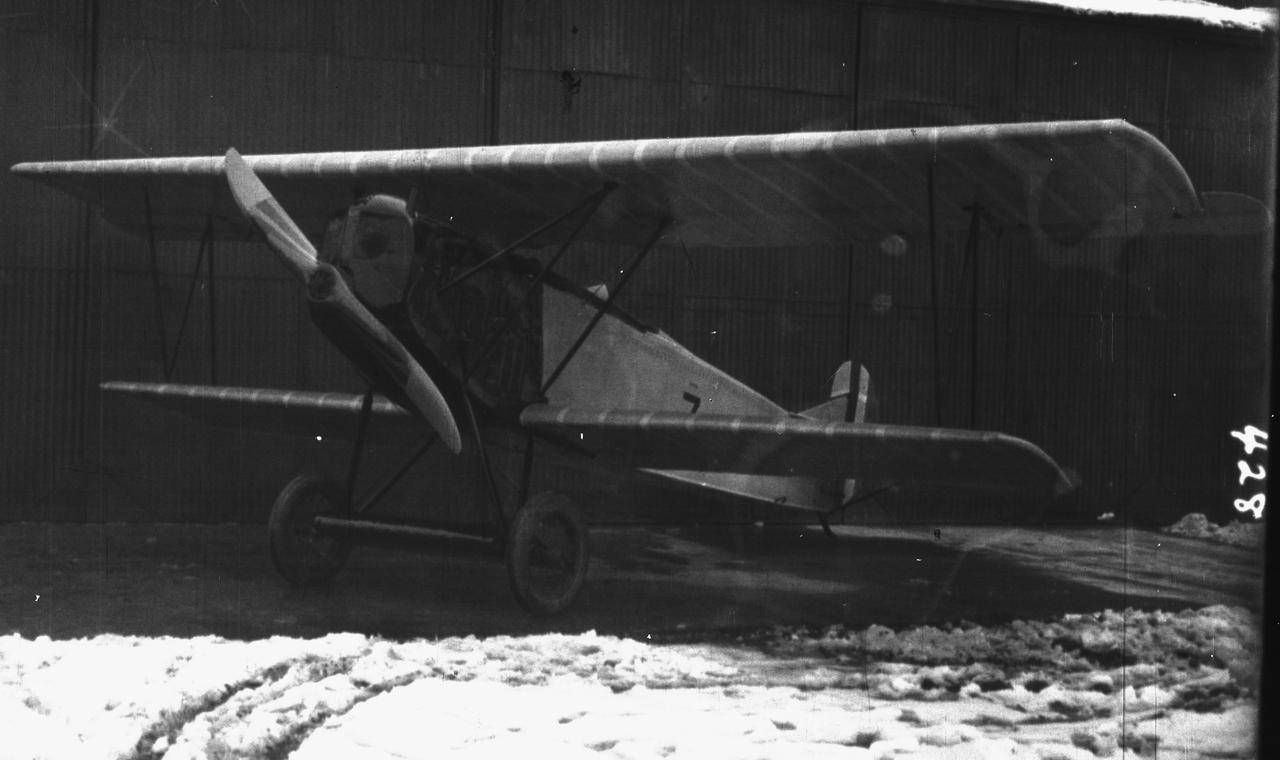
R_1923-L-00427 002
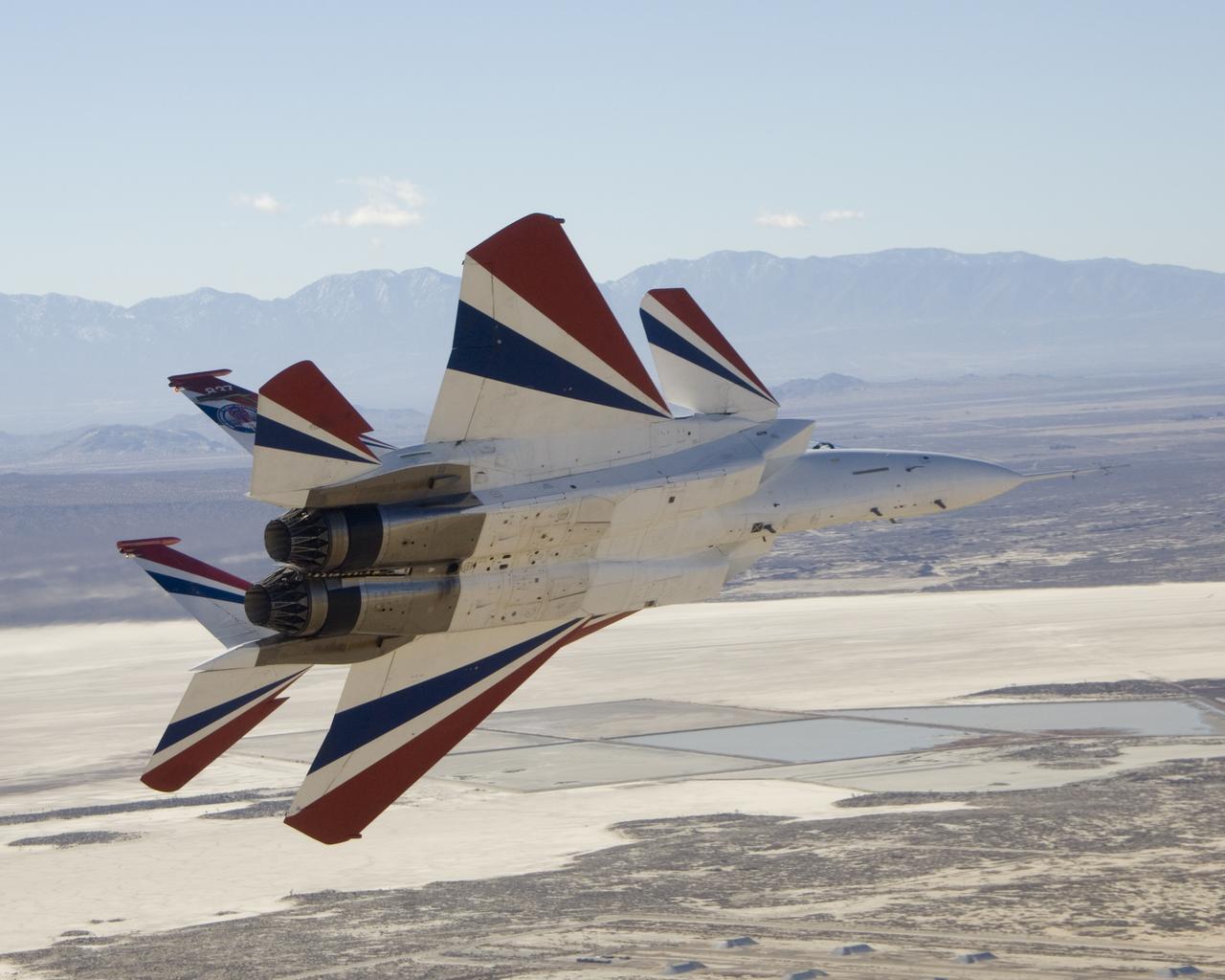
Two small Range Safety System antennas are located just behind the engine inlets of NASA's NF-15B research aircraft as it banks away from the chase plane.
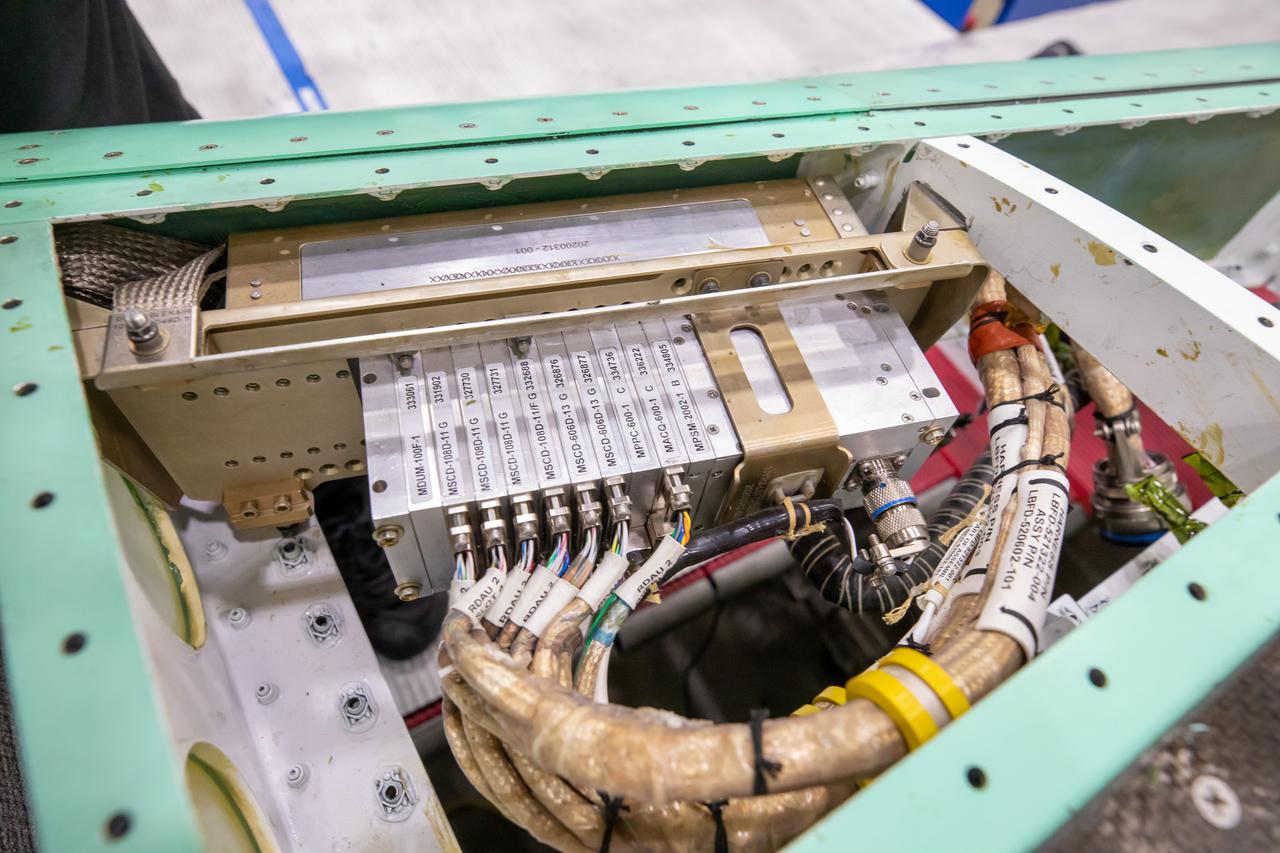
Here is a closeup of some of the X-59’s wiring and instrumentation system. Displayed here is the remote instrumentation encoder, which can be found in the wing of the aircraft. This encoder communicates with the plane’s other instrumentation systems like pressure and temperature sensors within the X-59.
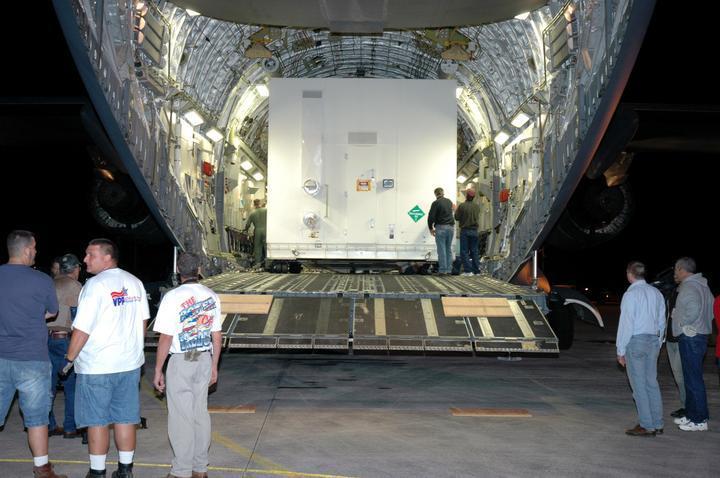
NASA Mars Reconnaissance Orbiter was delivered in two large containers from Lockheed Martin to Cape Canaveral on an Air Force C-17 cargo plane.
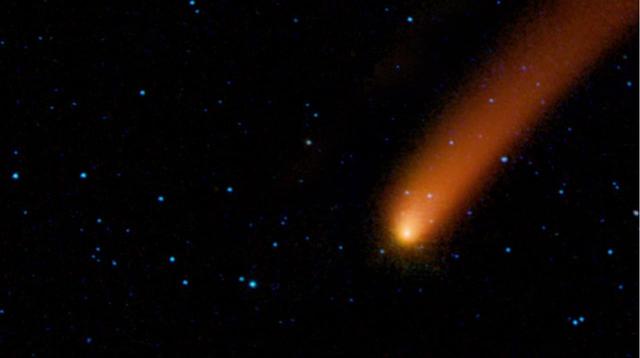
Is it a bird, or a plane? No, it comet Siding Spring streaking across the sky, as seen by NASA Wide-field Infrared Survey Explorer, or WISE. An animation is available at the Photojournal.
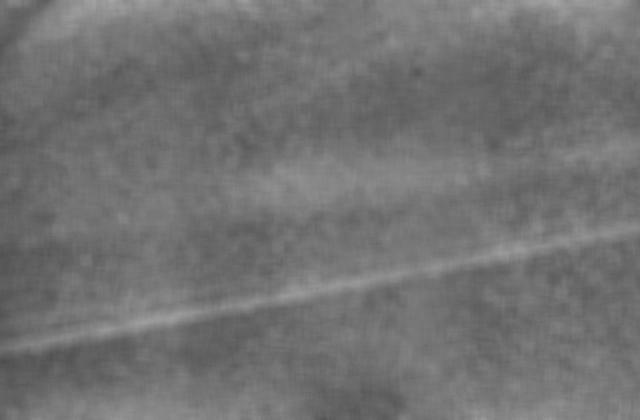
NASA Voyager 2 took this wide-angle image of Uranus rings as the spacecraft neared the plane of the rings less than an hour before closest approach to the planet.

The shadow of the moon Janus crosses the Encke Gap as it strikes the plane of Saturn rings in this image taken as the planet approached its August 2009 equinox.
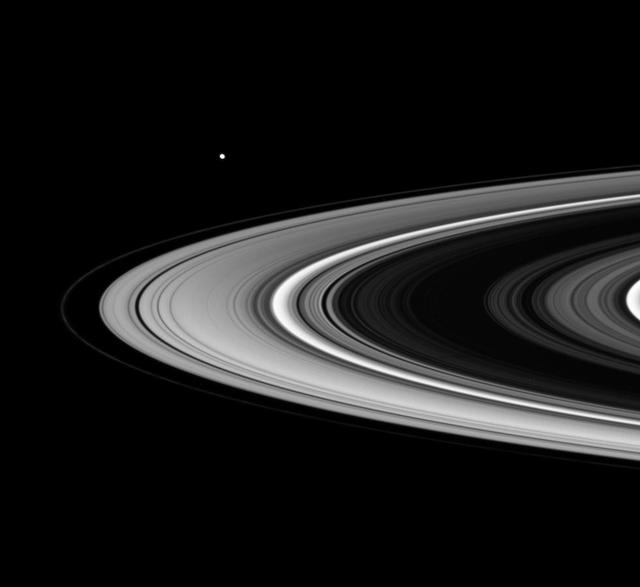
This movie begins with a view of the sunlit side of the rings. As the spacecraft speeds from south to north, the rings appear to tilt downward and collapse to a thin plane
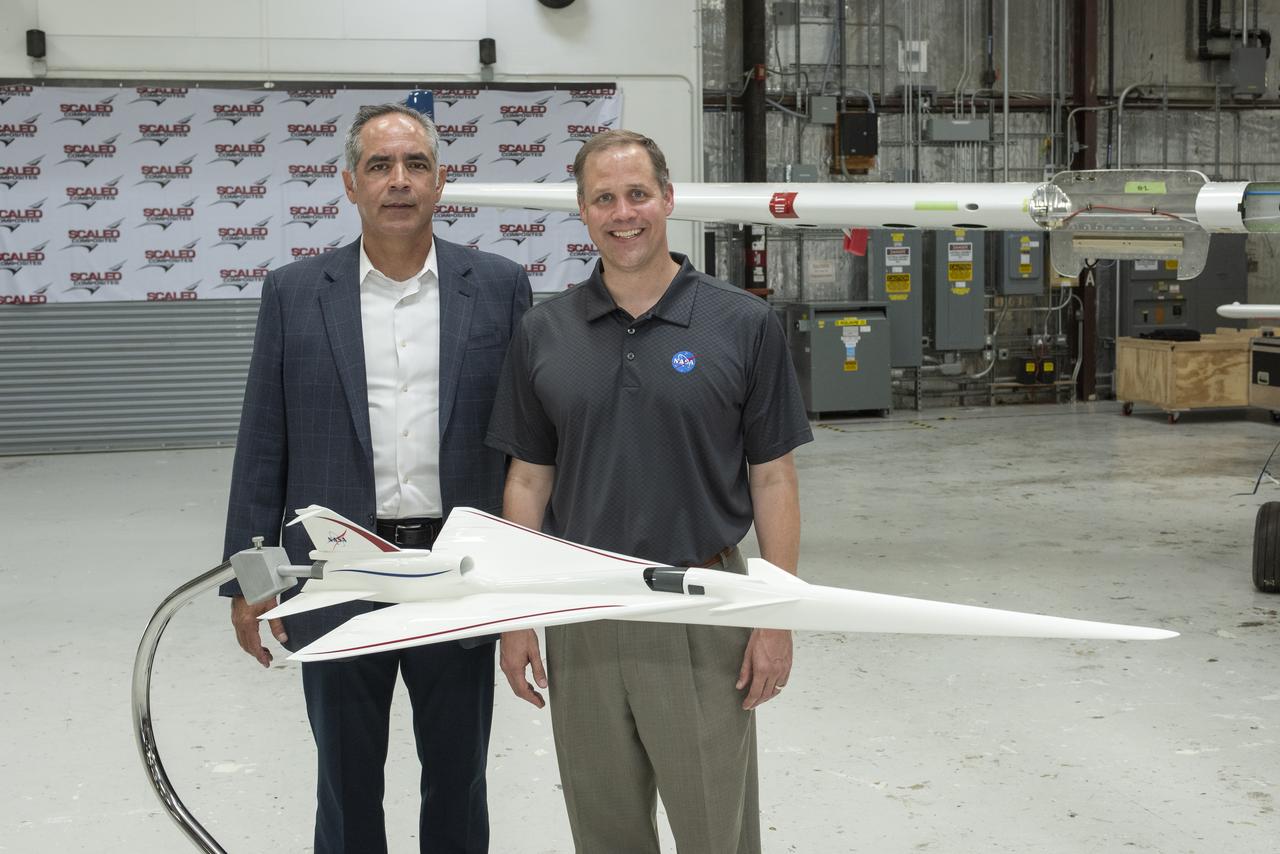
NASA Administrator Bridenstine stands with AFRC center director McBride by model NASA's Supersonic X-Plane, X-59 Quiet Supersonic Technology or QueSST. Bridenstine spoke at press event at Mojave Air and Space Port in California. The goal of X-59 is to quiet the sound when aircraft pierce the speed of sound and make a loud sonic boom on the ground.
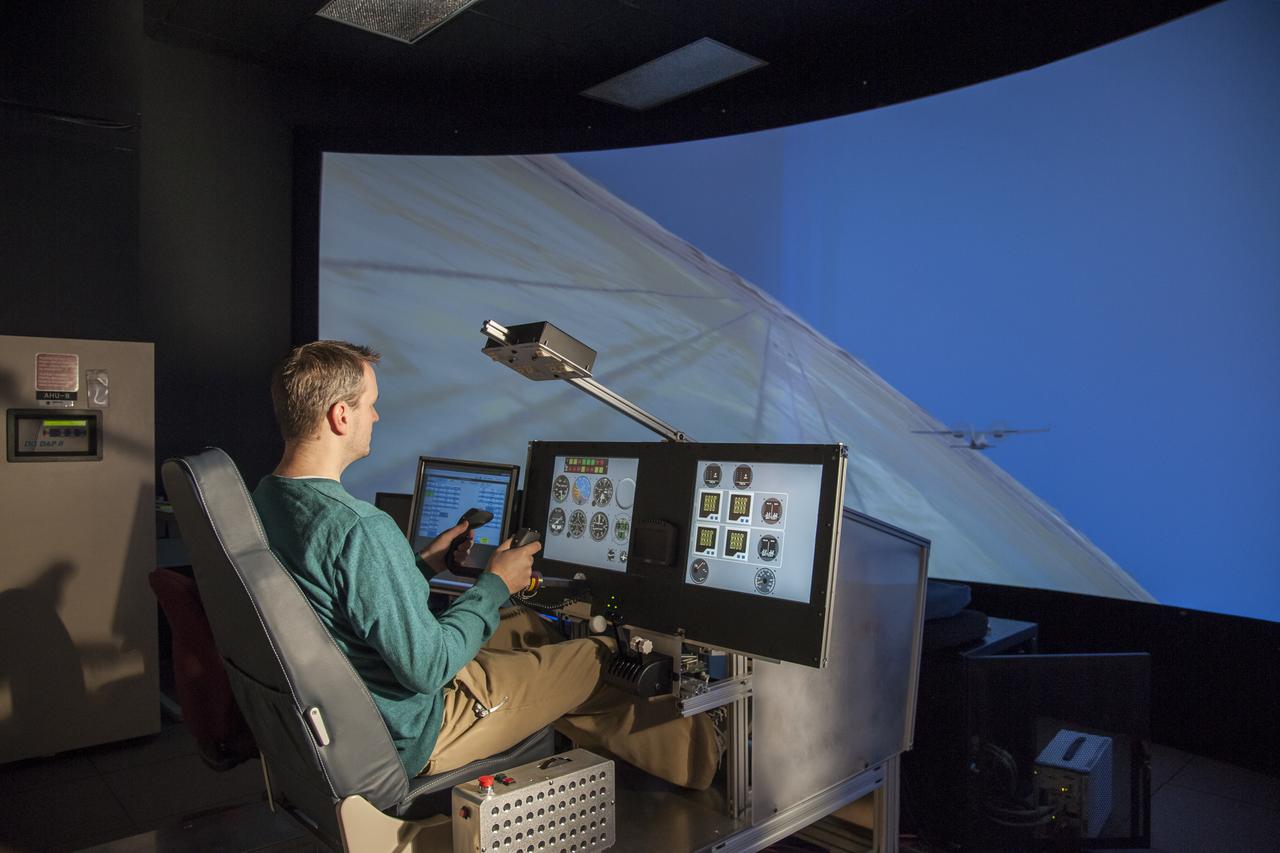
X-57 principal investigator Sean Clarke flies the X-57 simulator at NASA’s Armstrong Flight Research Center, examining ideal maneuvers and reaction times for flight.
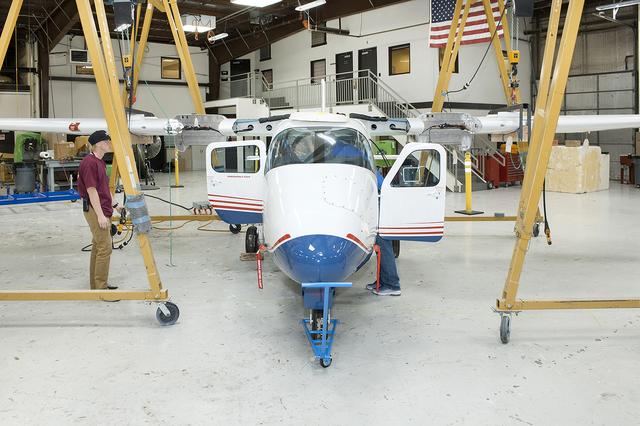
The Tecnam P2006T undergoes wing integration at Scaled Composites in Mojave, California, where the aircraft’s system will be converted to feature electric propulsion.
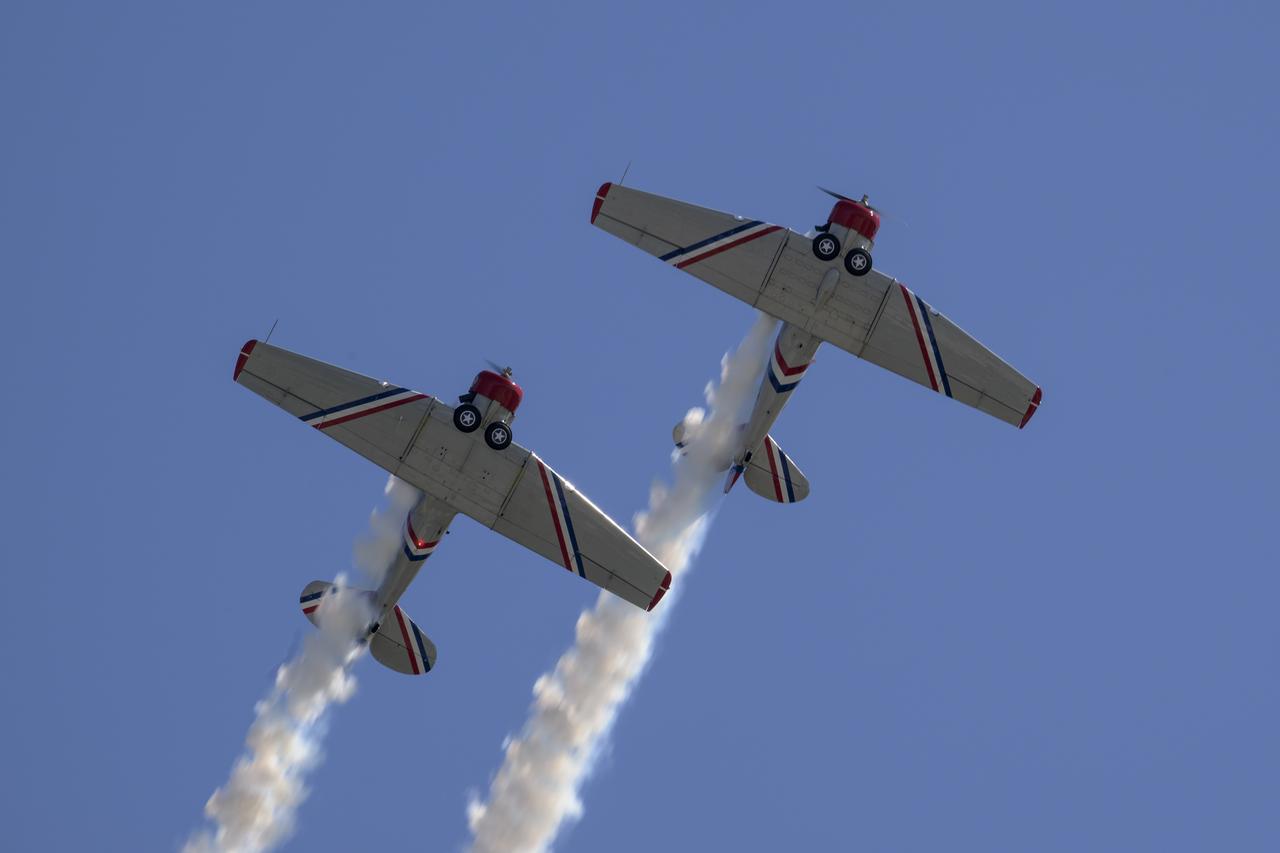
Warbird Thunder SNJ planes perform, Friday, Sept. 12, 2025, during the Joint Base Andrews Air Show at Joint Base Andrews in Prince George's County, Maryland. NASA astronaut Nick Hague was on hand to provide remarks and meet with guests. Hague spent 171 days onboard the International Space Station as part of Expedition 72. Photo Credit: (NASA/Bill Ingalls)
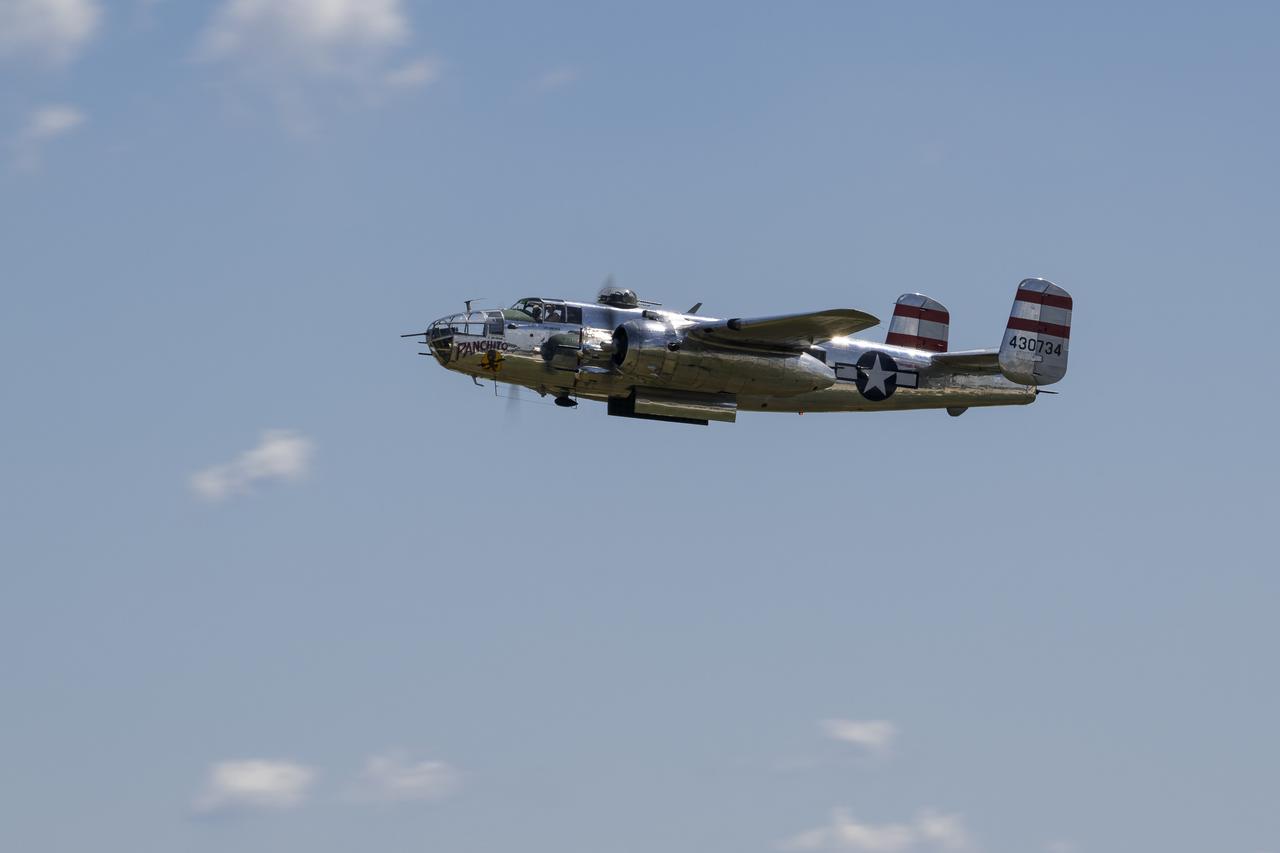
The B-25J “Panchito” plane performs, Friday, Sept. 12, 2025, during the Joint Base Andrews Air Show at Joint Base Andrews in Prince George's County, Maryland. NASA astronaut Nick Hague was on hand to provide remarks and meet with guests. Hague spent 171 days onboard the International Space Station as part of Expedition 72. Photo Credit: (NASA/Bill Ingalls)
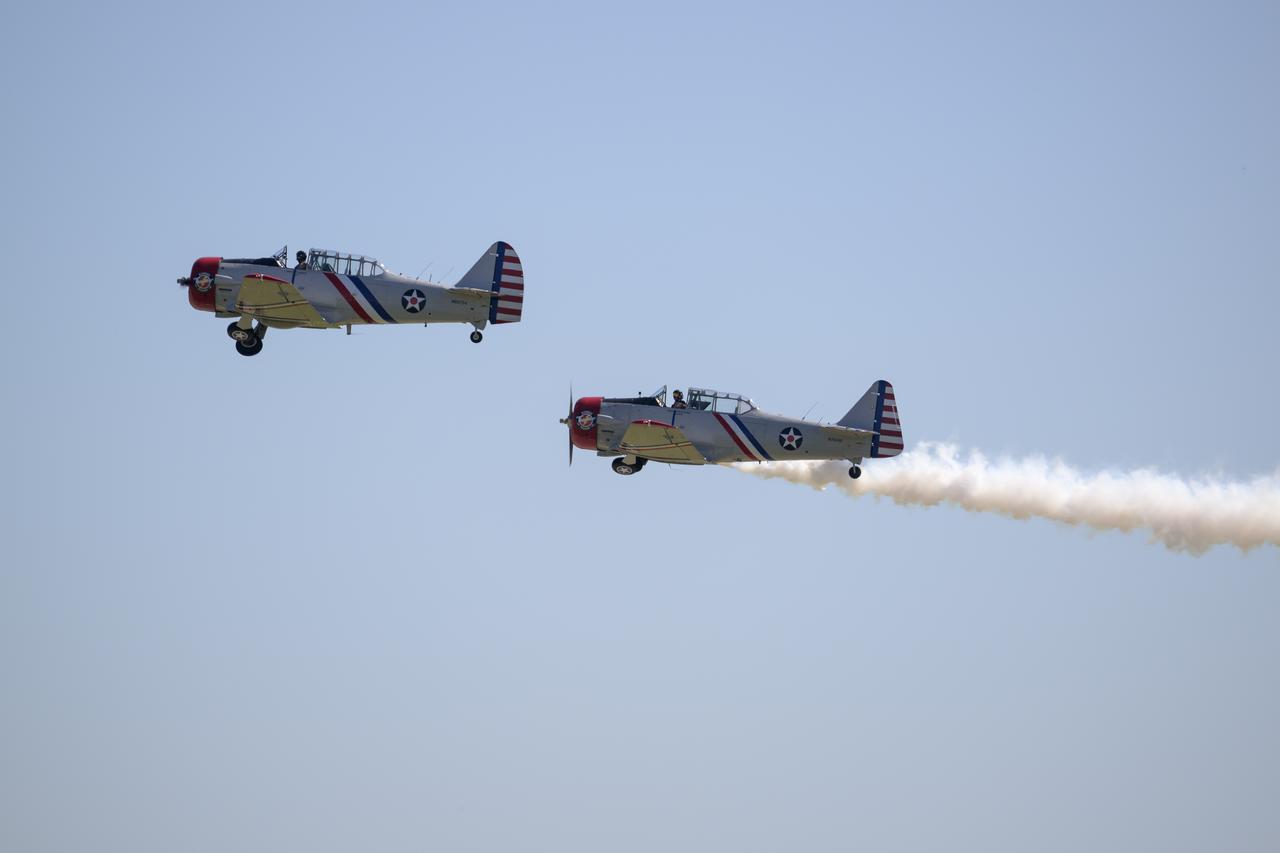
Warbird Thunder SNJ planes perform, Friday, Sept. 12, 2025, during the Joint Base Andrews Air Show at Joint Base Andrews in Prince George's County, Maryland. NASA astronaut Nick Hague was on hand to provide remarks and meet with guests. Hague spent 171 days onboard the International Space Station as part of Expedition 72. Photo Credit: (NASA/Bill Ingalls)
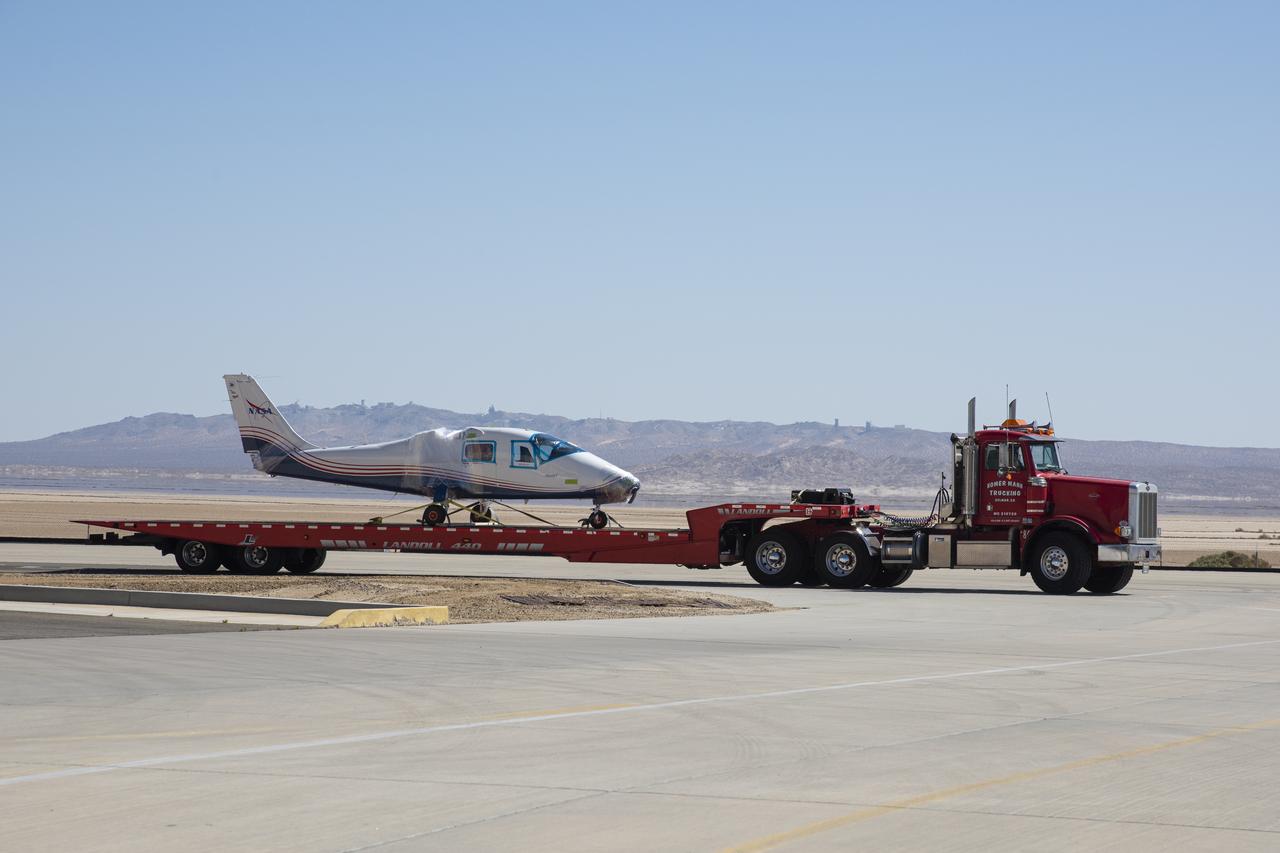
NASA’s all-electric X-57 Maxwell, in its Mod II configuration, arrives at NASA’s Armstrong Flight Research Center in Edwards, California. The X-plane was delivered by prime contractor Empirical Systems Aerospace of San Luis Obispo, California, in two parts, with the wing separated from the fuselage, to aid in a more timely delivery. X-57 is NASA’s first crewed X-plane in two decades, and seeks to further advance the design and airworthiness process for distributed electric propulsion technology for general aviation aircraft.
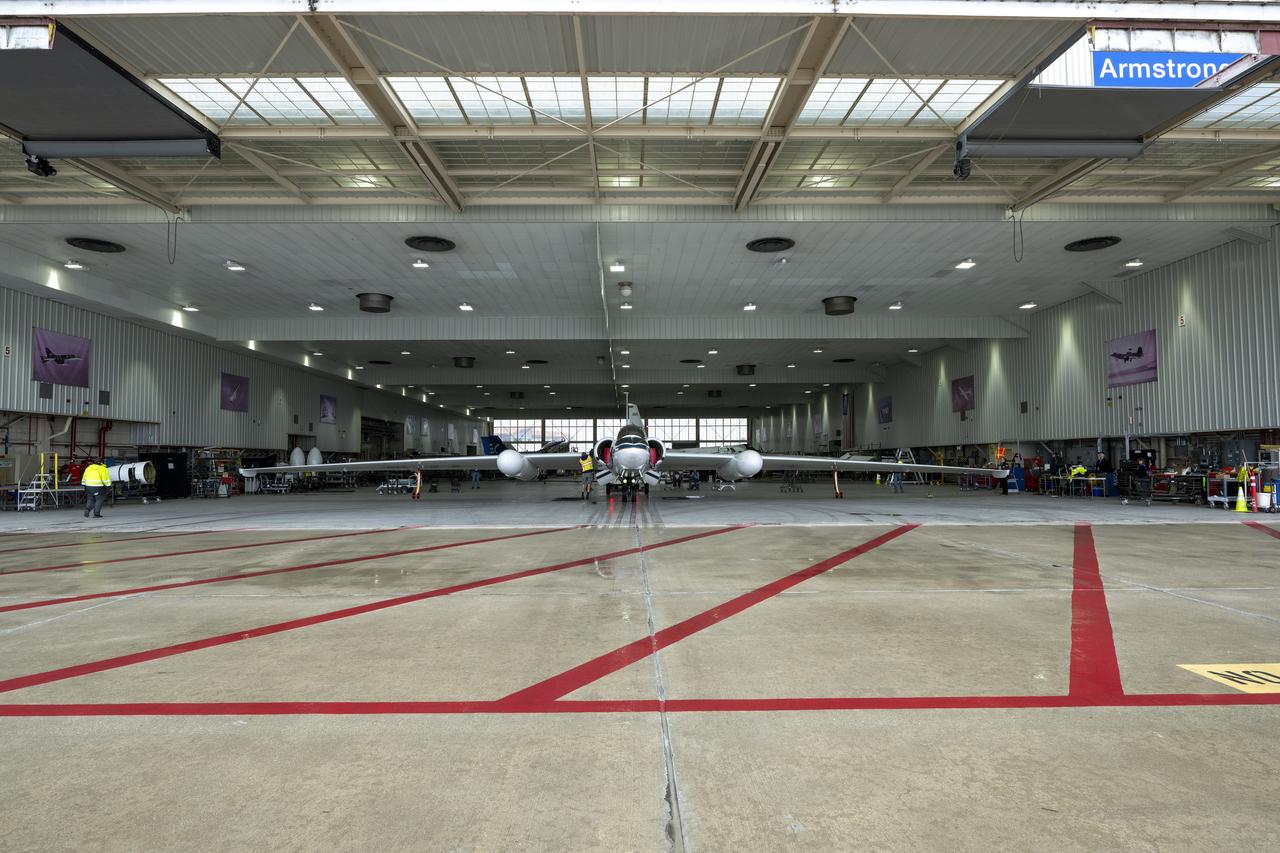
The ER-2 aircraft is parked in a hangar at NASA’s Armstrong Flight Research Center in Edwards, California, in March 2025. The plane is prepared for takeoff to support the airborne Lunar Spectral Irradiance, or air-LUSI, mission.
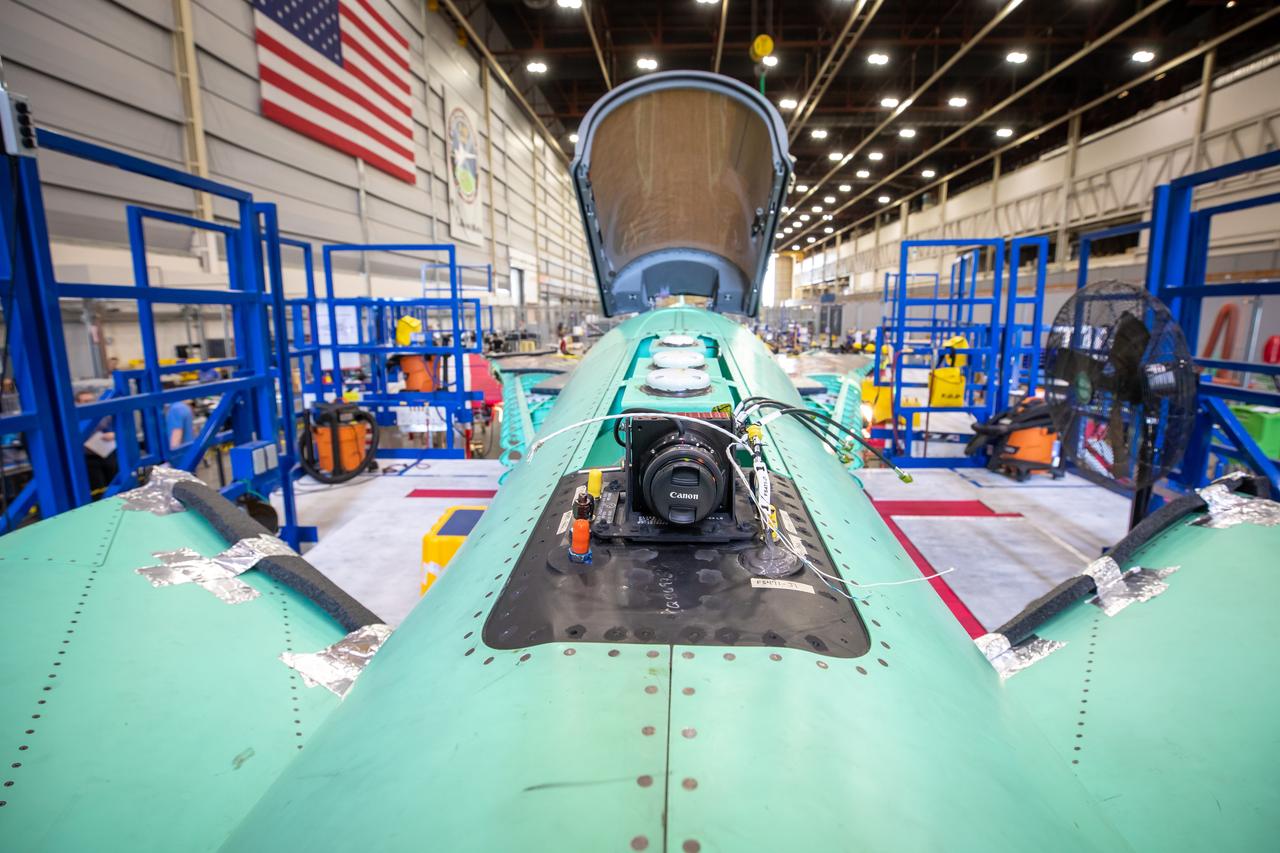
Event: Horizontal Stabilator Install A close up of the camera from the X-59’s eXternal Vision System. This camera is on the top of the X-59, but there will also be one on the belly of the aircraft. This visuals from this camera will be displayed on a 4K monitor for the pilot. As part of the supersonic shaping technology, the X-plane will not have a forward-facing window in the cockpit.
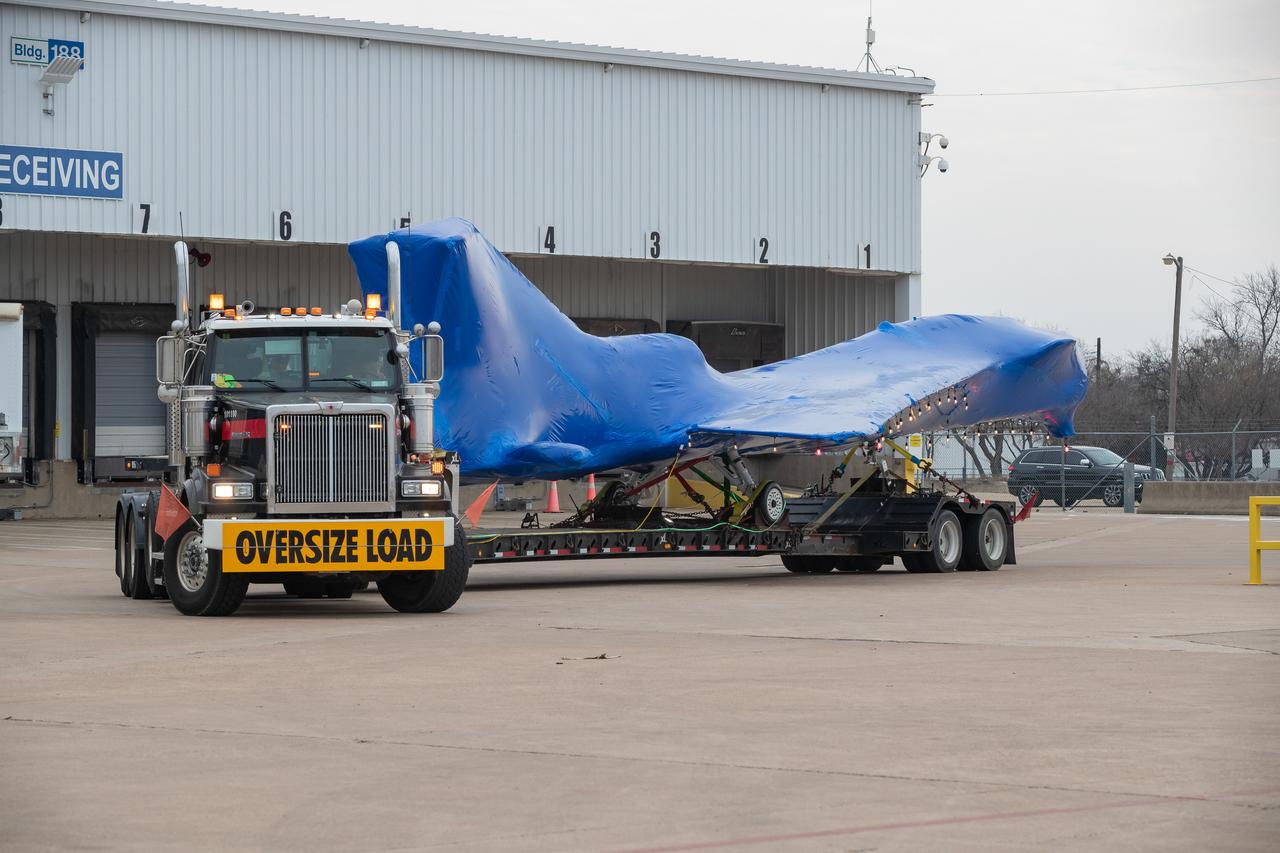
The X-59 arrives in Fort Worth, Texas from Palmdale, California, ready to undergo some important structural and fuel tests at the Lockheed Martin facility. The bright blue wrap around the X-plane is a precautionary measure to keep the exterior of the X-59 safe as it traveled through multiple states on its way to Texas.
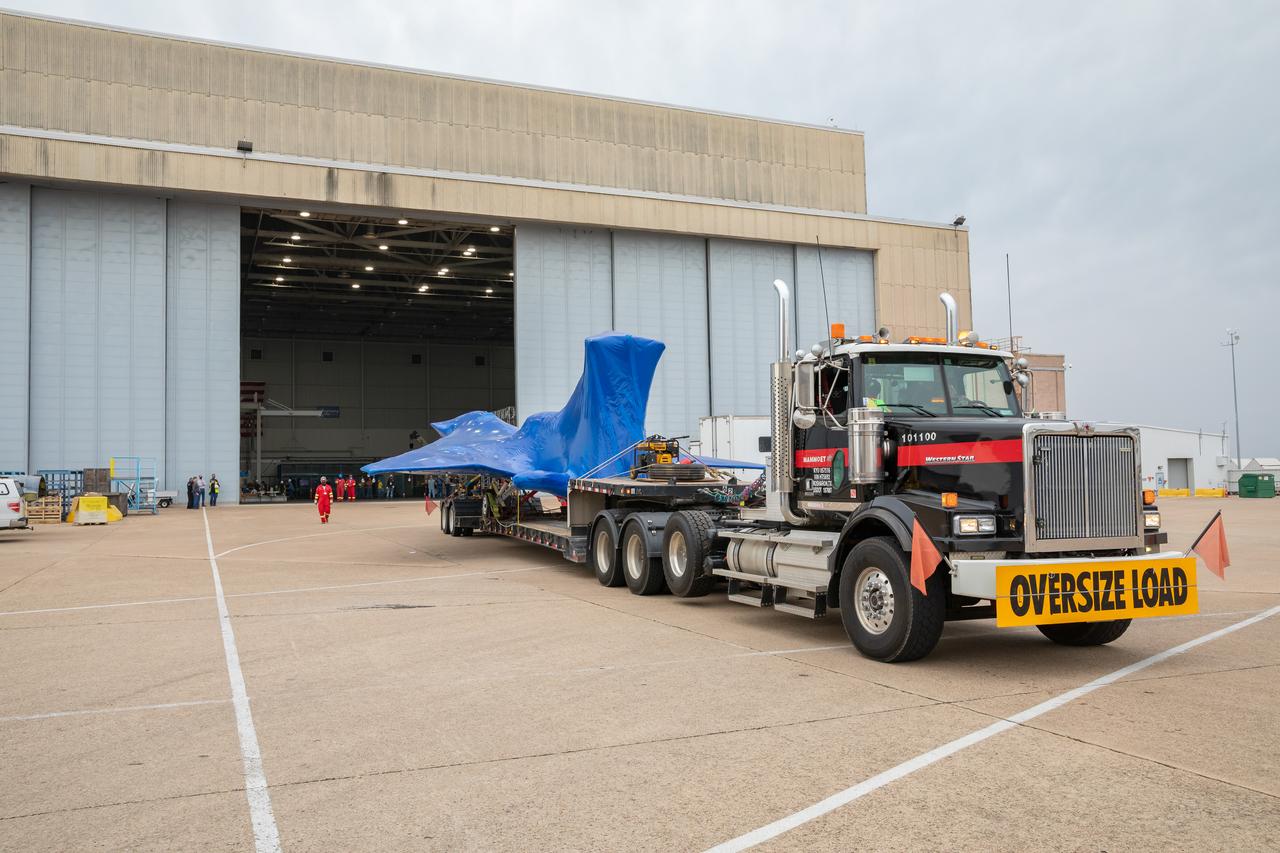
The X-59 arrives in Fort Worth, Texas from Palmdale, California, ready to undergo some important structural and fuel tests at the Lockheed Martin facility. The bright blue wrap around the X-plane is a precautionary measure to keep the exterior of the X-59 safe as it traveled through multiple states on its way to Texas.
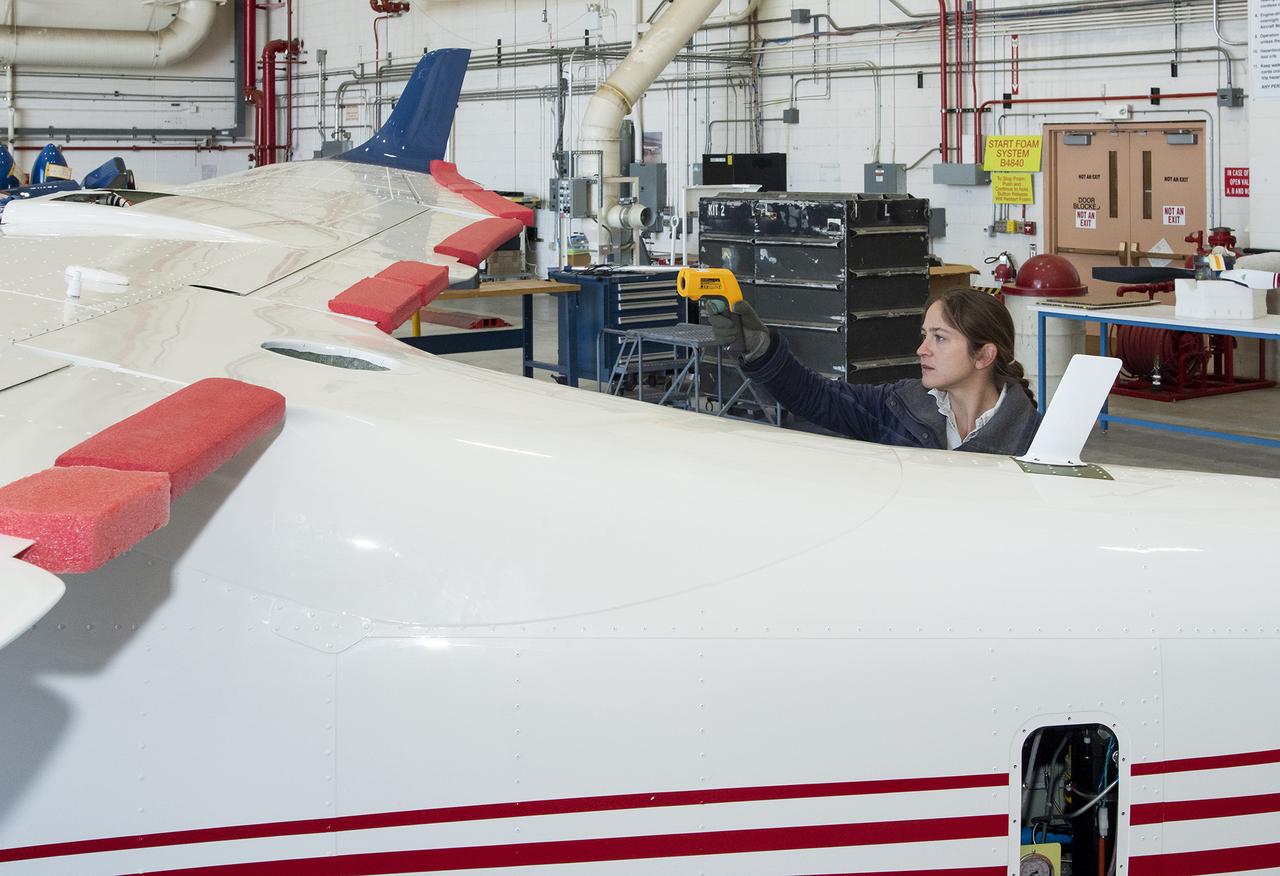
NASA engineers put the X-57 Maxwell, NASA’s first all-electric X-plane, through its initial telemetry tests at NASA’s Armstrong Flight Research Center in California, testing the aircraft’s ability to transmit data to teams on the ground. The data is packaged and transmitted down to ground assets, where it’s decoded into a format that can be presented to a flight control team to look at screens in real time for flight operations. X-57’s goal is to help set certification standards for emerging electric aircraft markets.
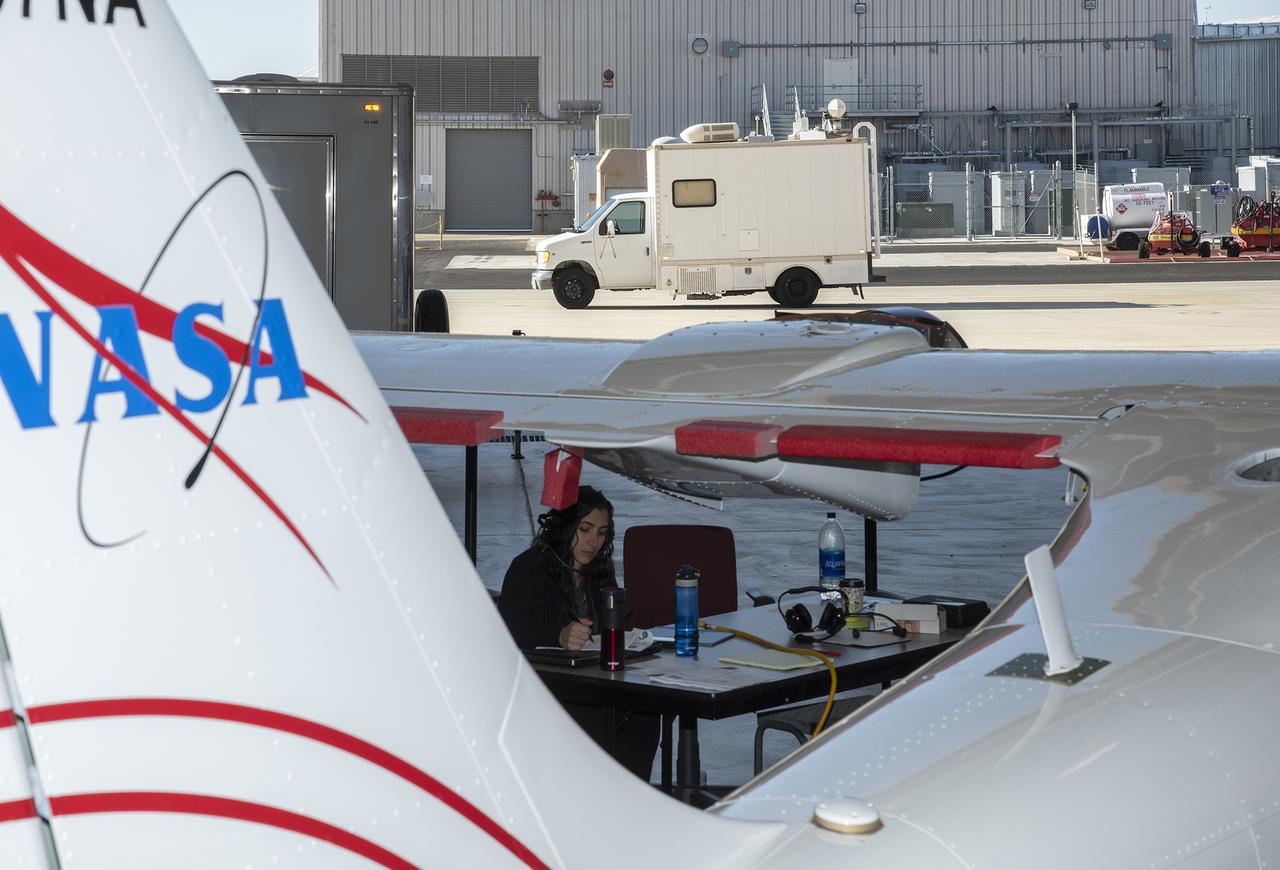
NASA engineers put the X-57 Maxwell, NASA's first all-electric X-plane, through its initial telemetry tests at NASA's Armstrong Flight Research Center in California, testing the aircraft's ability to transmit data to teams on the ground. The data is packaged and transmitted down to ground assets, where it's decoded into a format that can be presented to a flight control team to look at screens in real time for flight operations. X-57's goal is to help set certification standards for emerging electric aircraft markets.
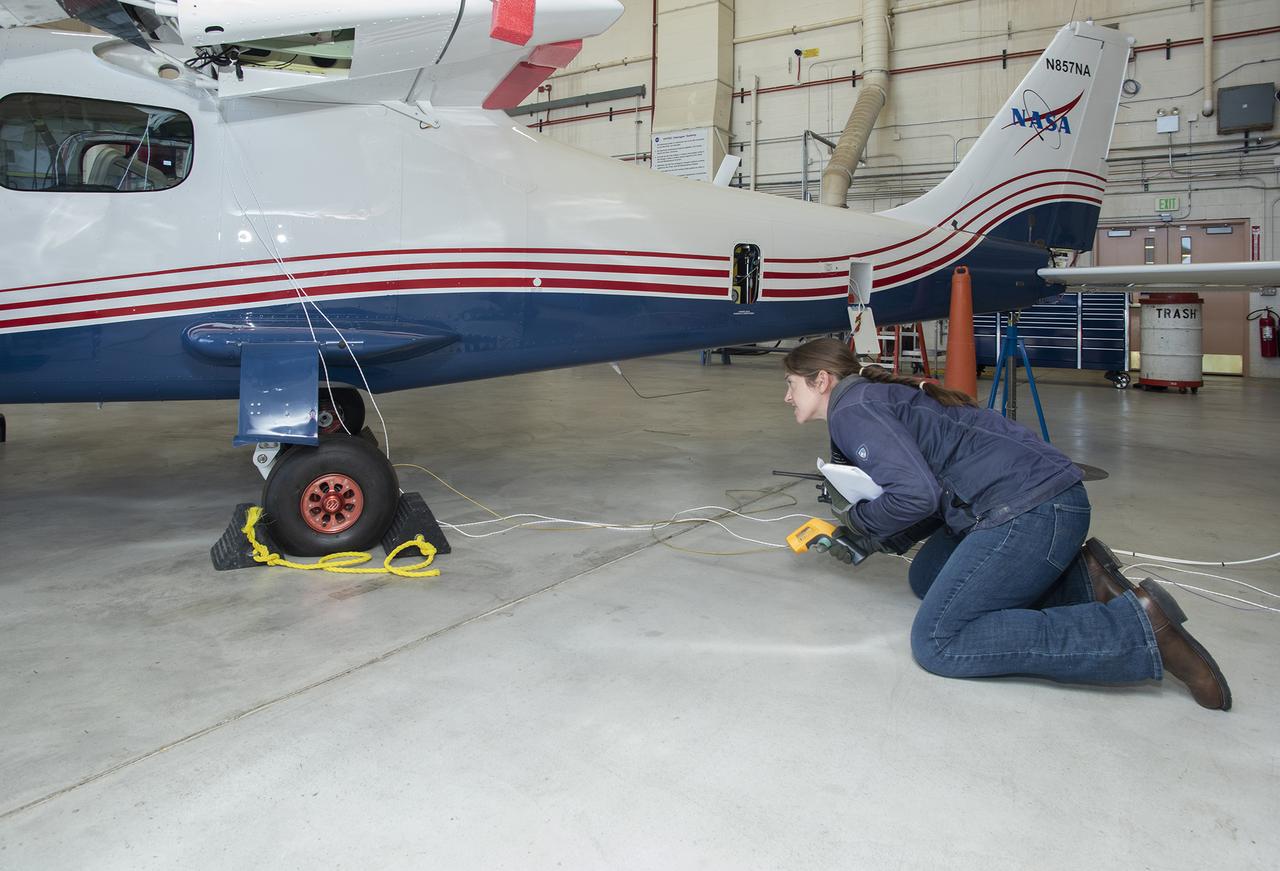
NASA engineers put the X-57 Maxwell, NASA’s first all-electric X-plane, through its initial telemetry tests at NASA’s Armstrong Flight Research Center in California, testing the aircraft’s ability to transmit data to teams on the ground. The data is packaged and transmitted down to ground assets, where it’s decoded into a format that can be presented to a flight control team to look at screens in real time for flight operations. X-57’s goal is to help set certification standards for emerging electric aircraft markets.
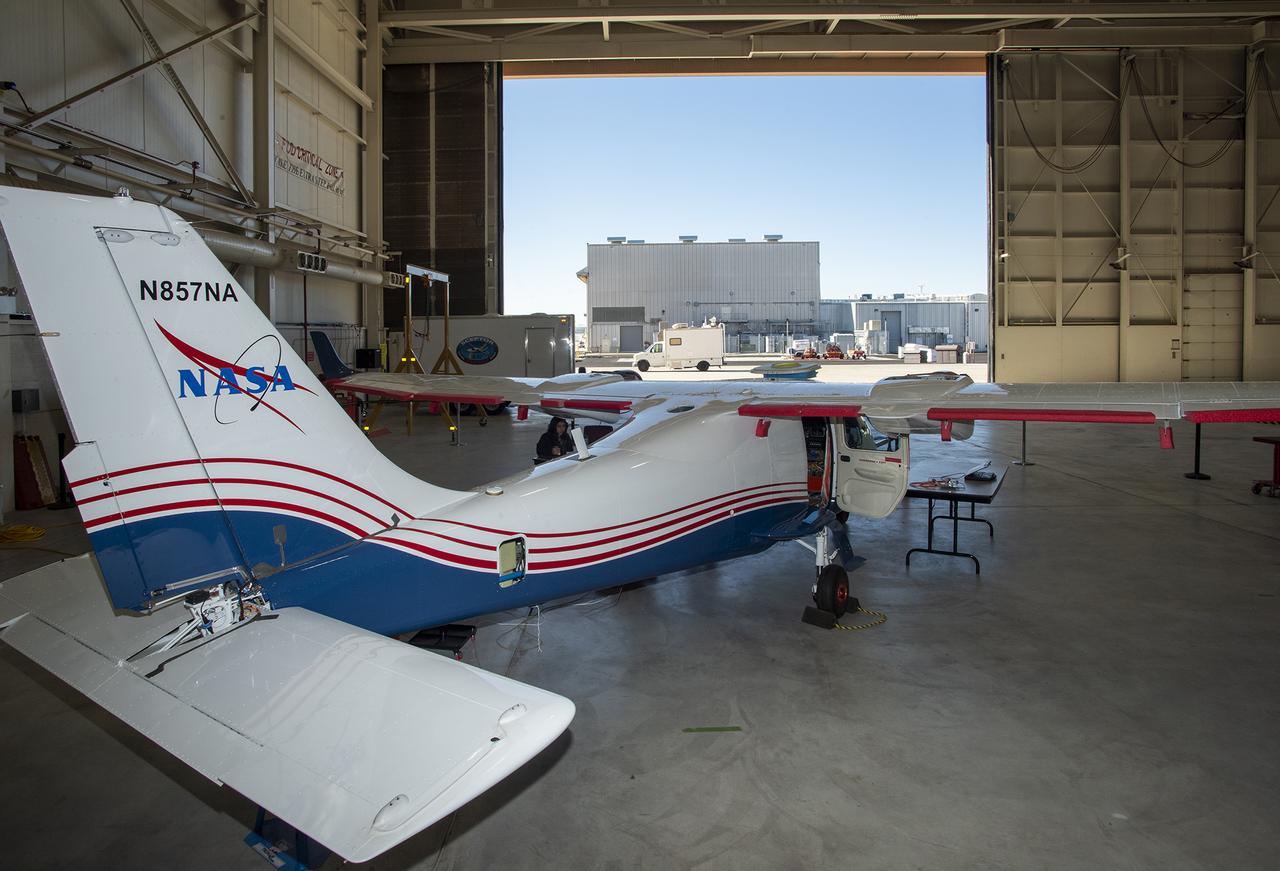
NASA engineers put the X-57 Maxwell, NASA's first all-electric X-plane, through its initial telemetry tests at NASA's Armstrong Flight Research Center in California, testing the aircraft's ability to transmit data to teams on the ground. The data is packaged and transmitted down to ground assets, where it's decoded into a format that can be presented to a flight control team to look at screens in real time for flight operations. X-57's goal is to help set certification standards for emerging electric aircraft markets.
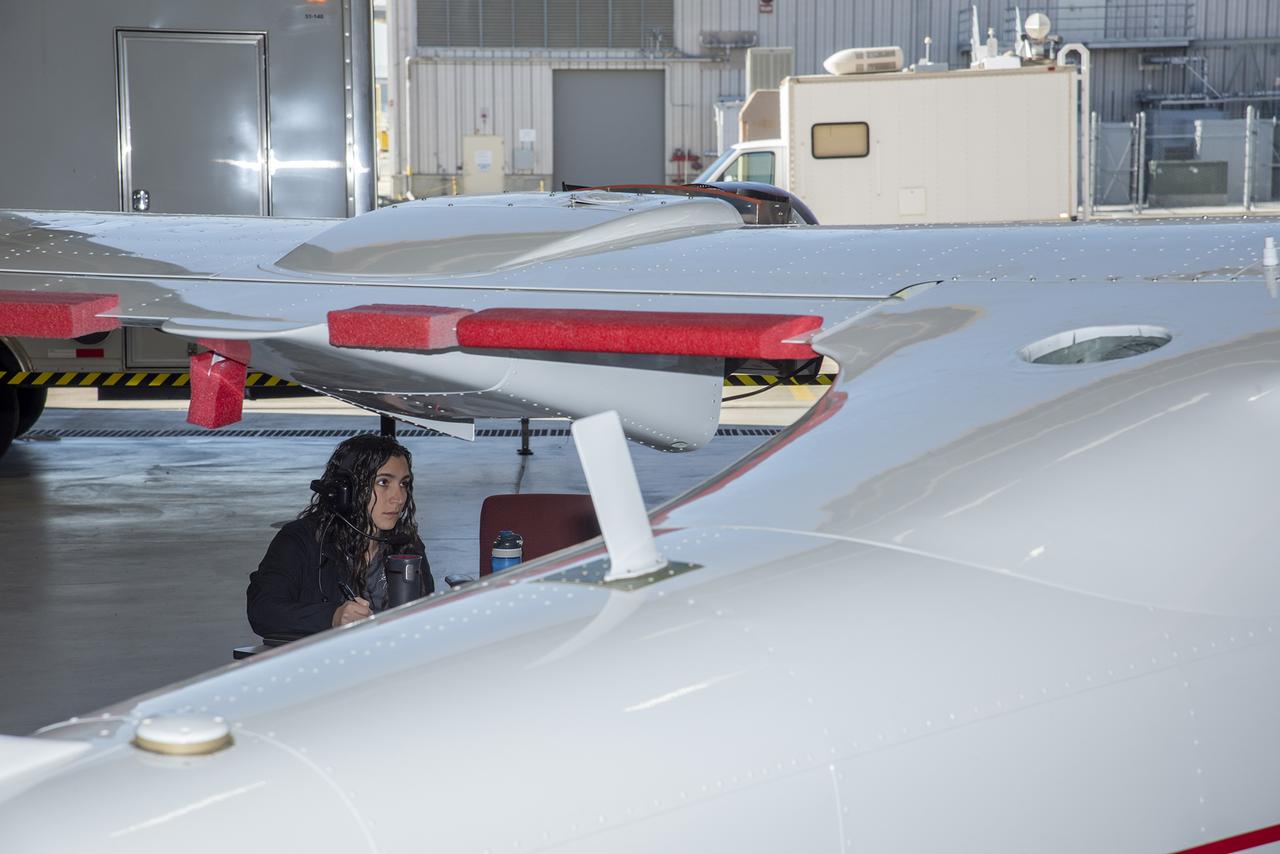
NASA engineers put the X-57 Maxwell, NASA’s first all-electric X-plane, through its initial telemetry tests at NASA’s Armstrong Flight Research Center in California, testing the aircraft’s ability to transmit data to teams on the ground. The data is packaged and transmitted down to ground assets, where it’s decoded into a format that can be presented to a flight control team to look at screens in real time for flight operations. X-57’s goal is to help set certification standards for emerging electric aircraft markets.

NASA engineers put the X-57 Maxwell, NASA's first all-electric X-plane, through its initial telemetry tests at NASA's Armstrong Flight Research Center in California, testing the aircraft's ability to transmit data to teams on the ground. The data is packaged and transmitted down to ground assets, where it's decoded into a format that can be presented to a flight control team to look at screens in real time for flight operations. X-57's goal is to help set certification standards for emerging electric aircraft markets.
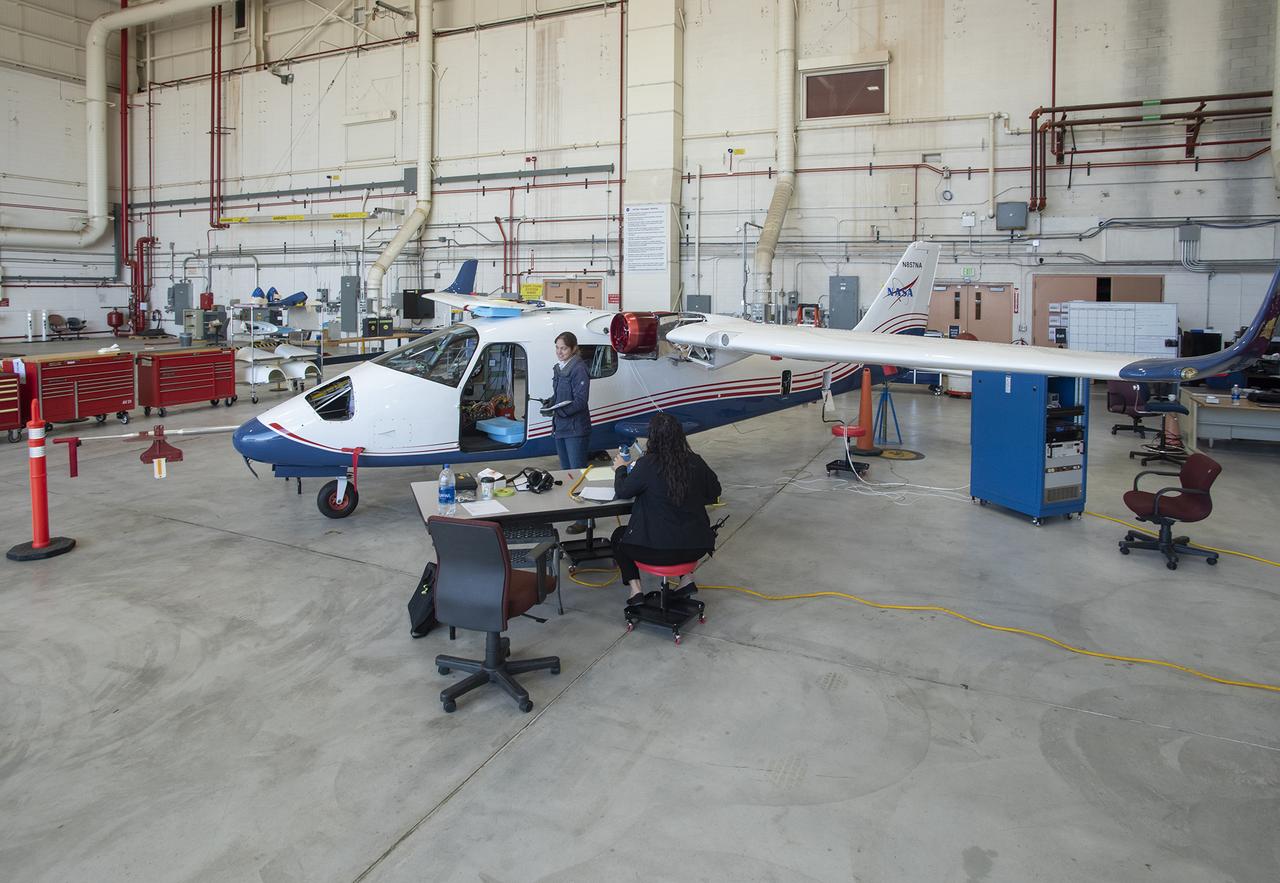
NASA engineers put the X-57 Maxwell, NASA’s first all-electric X-plane, through its initial telemetry tests at NASA’s Armstrong Flight Research Center in California, testing the aircraft’s ability to transmit data to teams on the ground. The data is packaged and transmitted down to ground assets, where it’s decoded into a format that can be presented to a flight control team to look at screens in real time for flight operations. X-57’s goal is to help set certification standards for emerging electric aircraft markets.