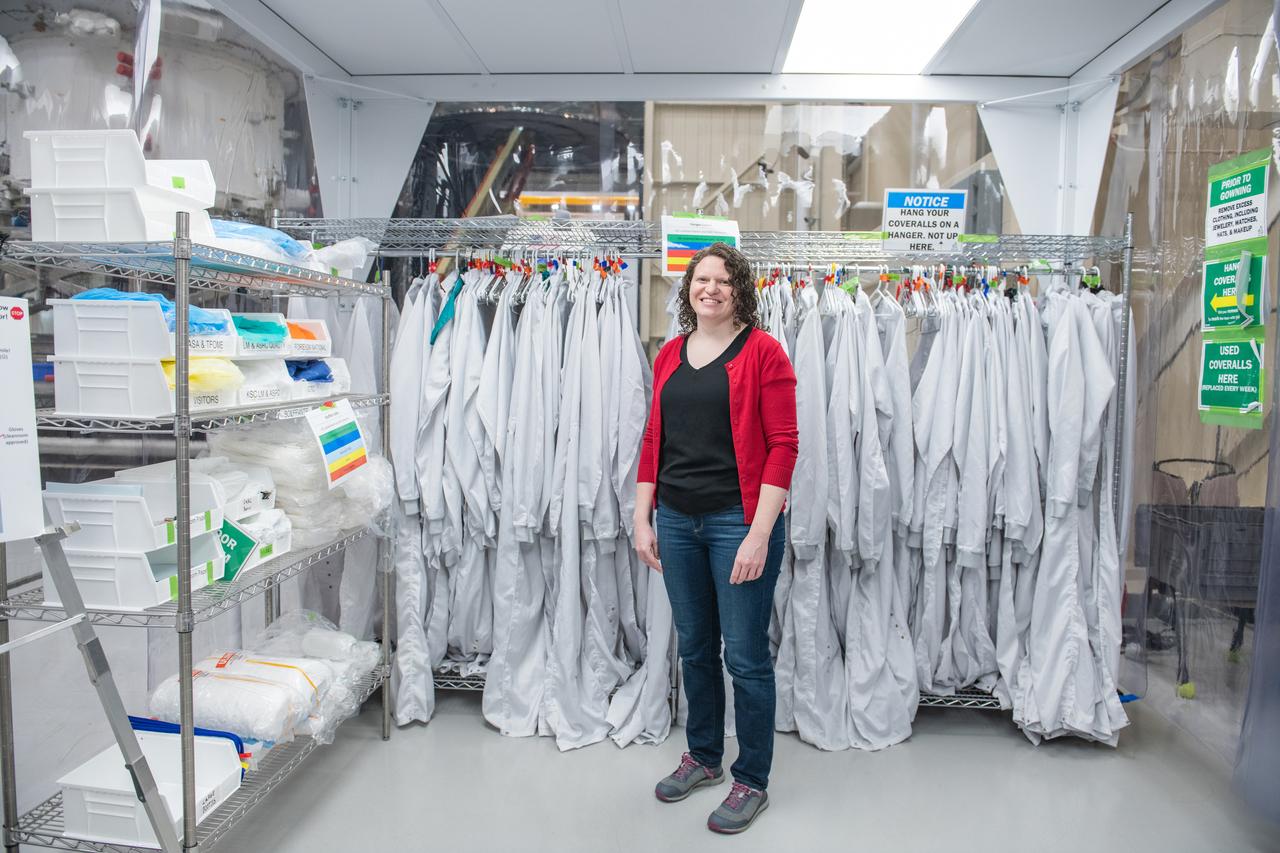
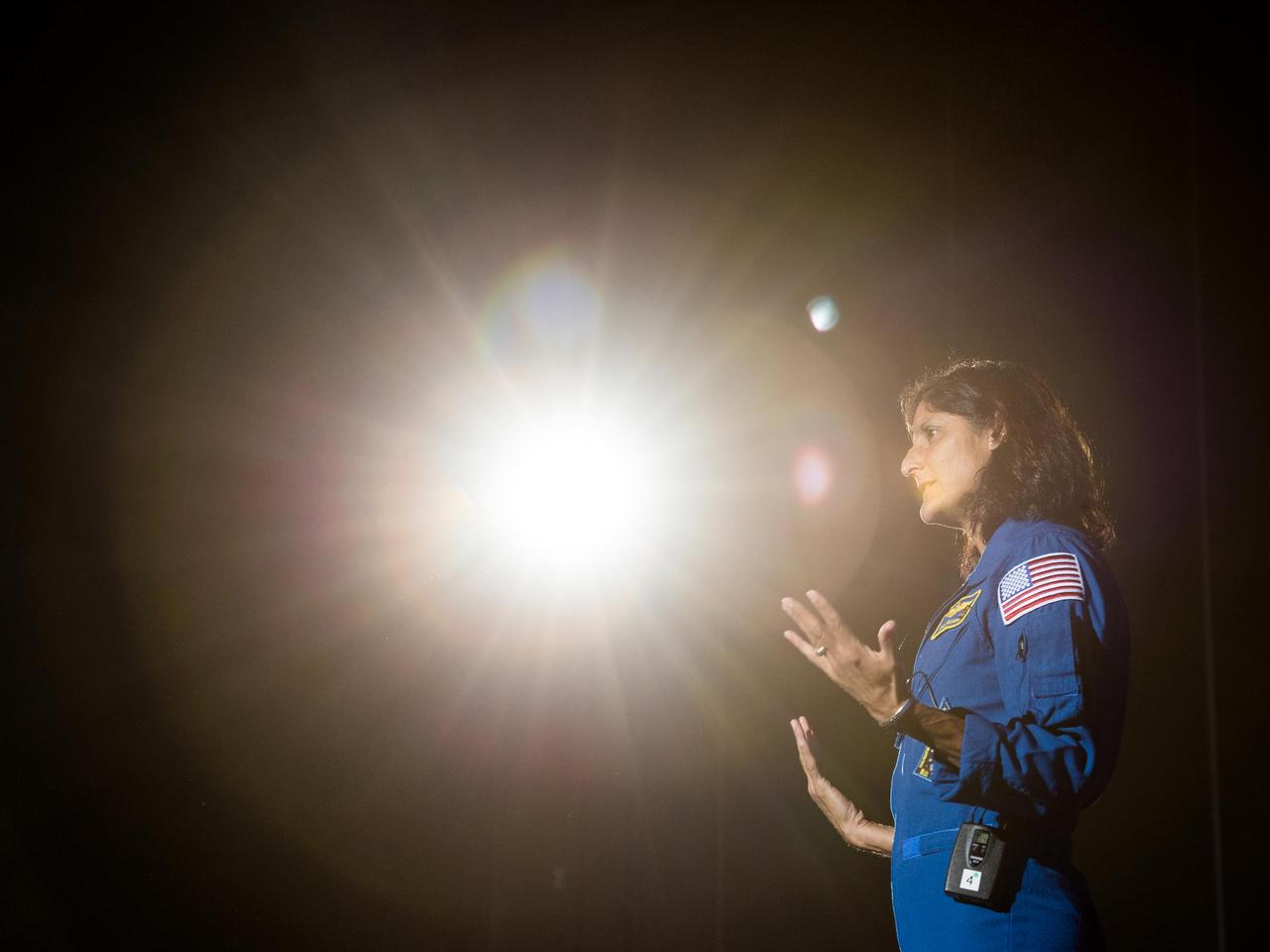
Astronaut Sunita Williams gives a talk at NASA's Plum Brook Station. In June, NASA Glenn hosted an Open House at Plum Brook Station in Sandusky to celebrate the 75th anniversary of the Center. Thousands of people attended, and some lucky kids got to see awesome experiments and meet astronaut Suni Williams.
Plum Brook Station Open House - 2016
Space Environments Complex at Plum Brook Station
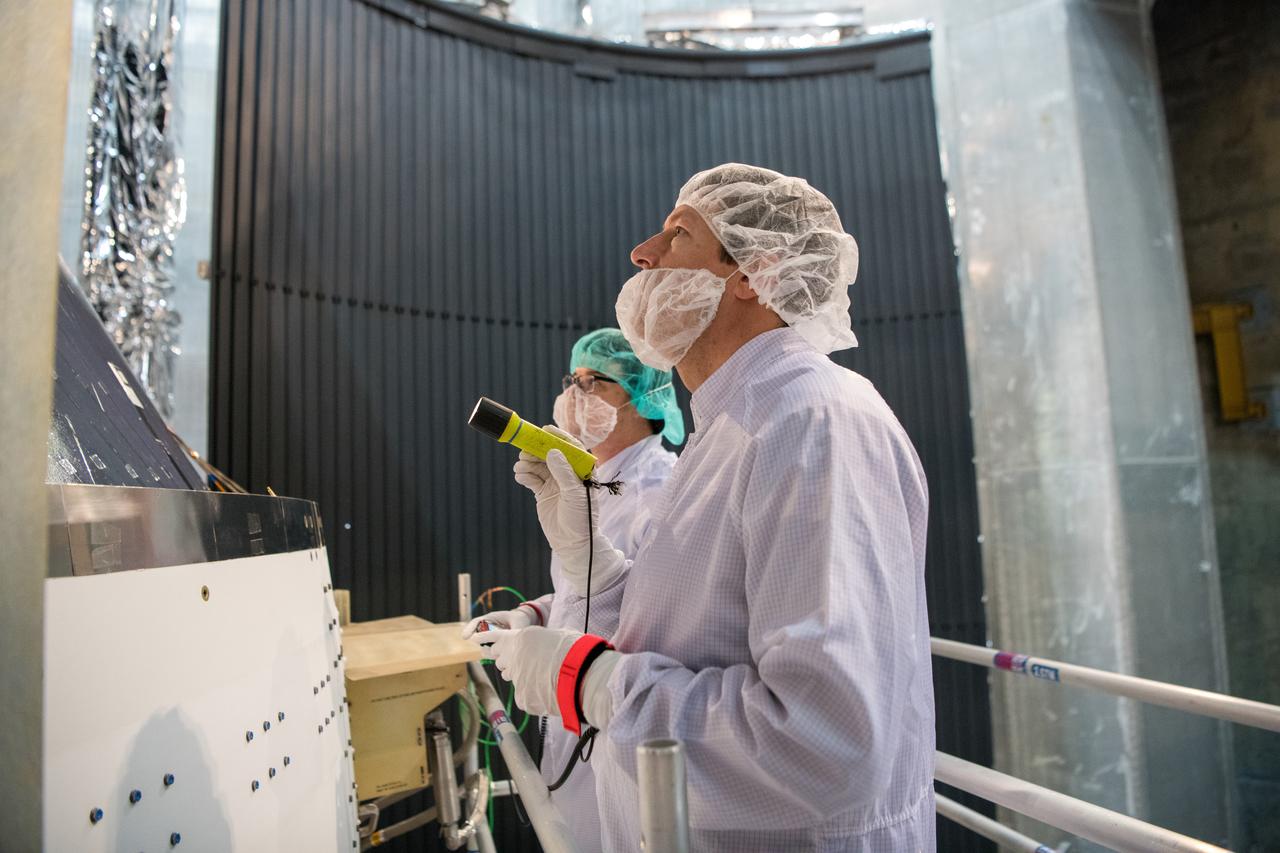
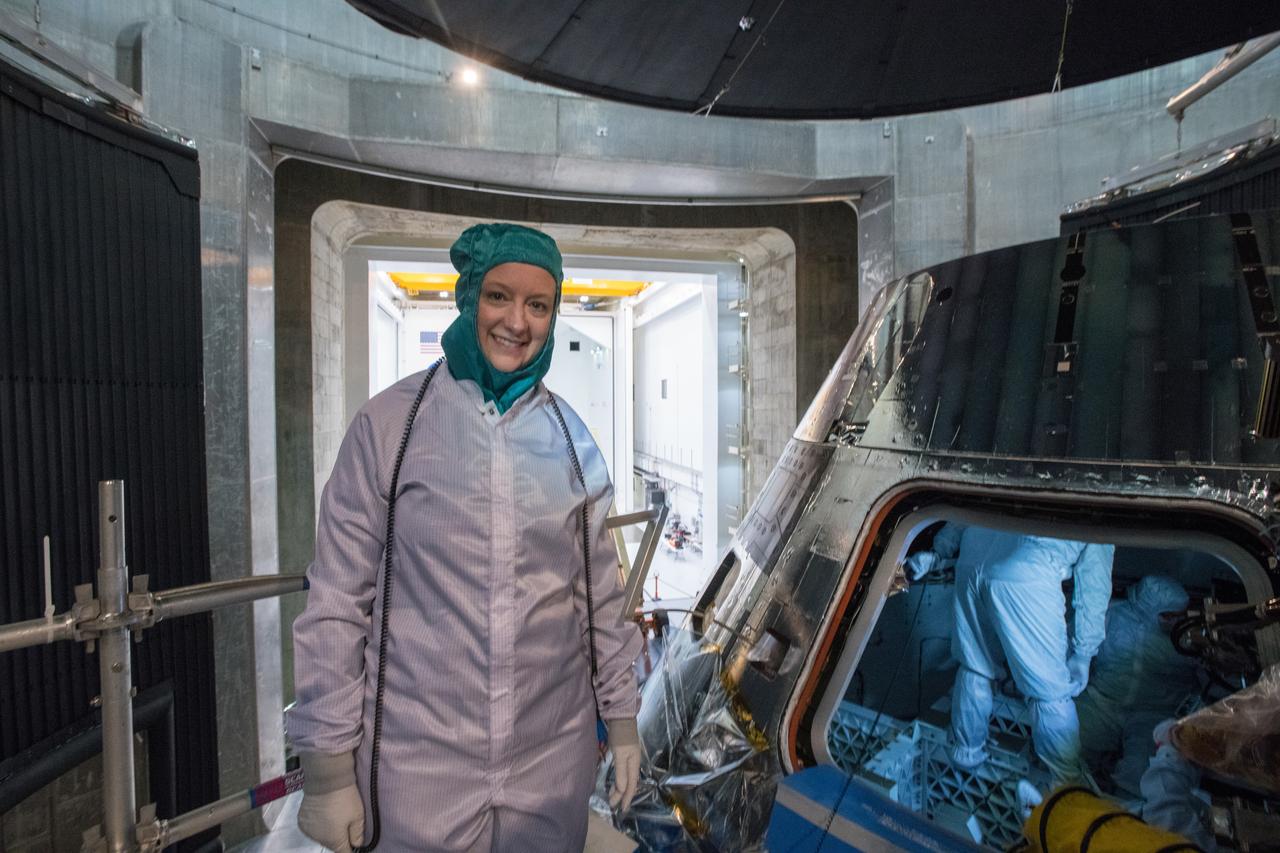
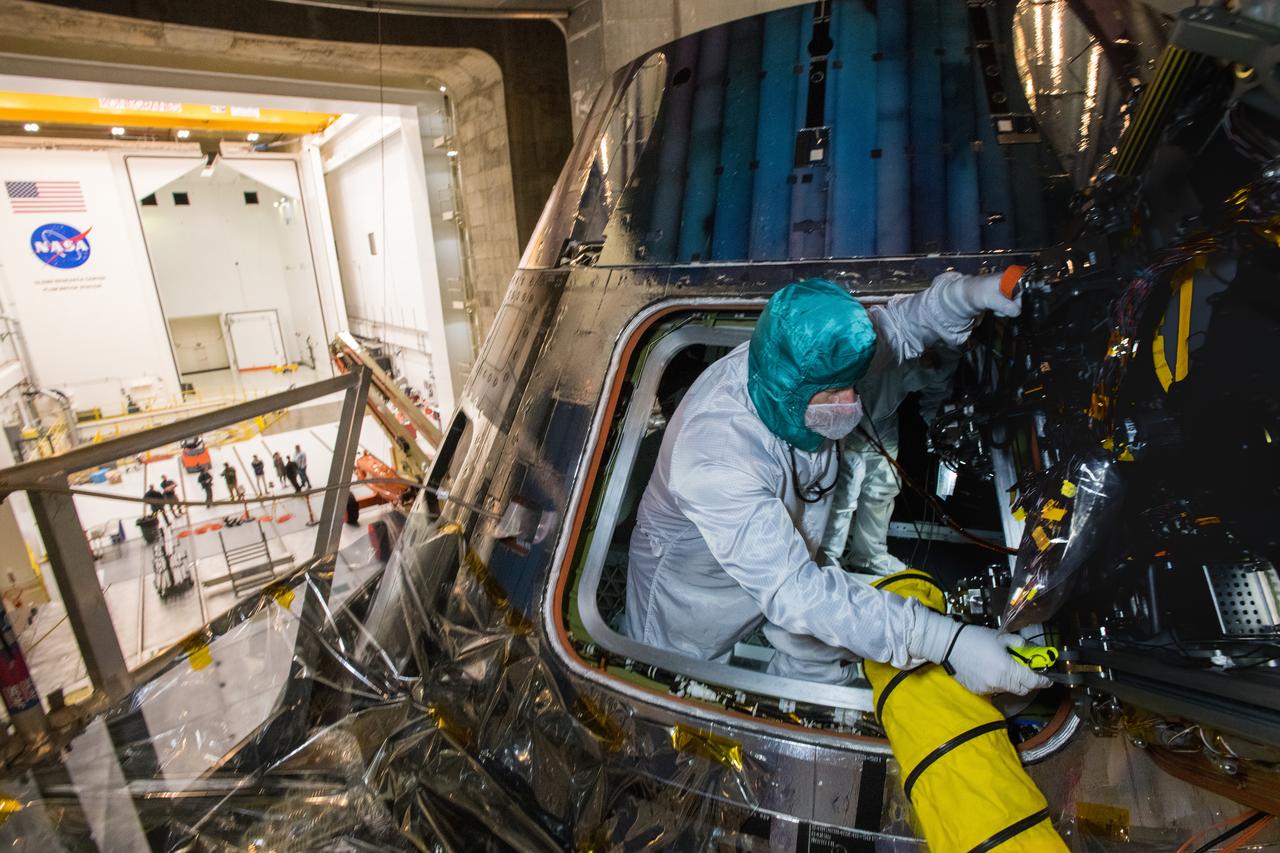
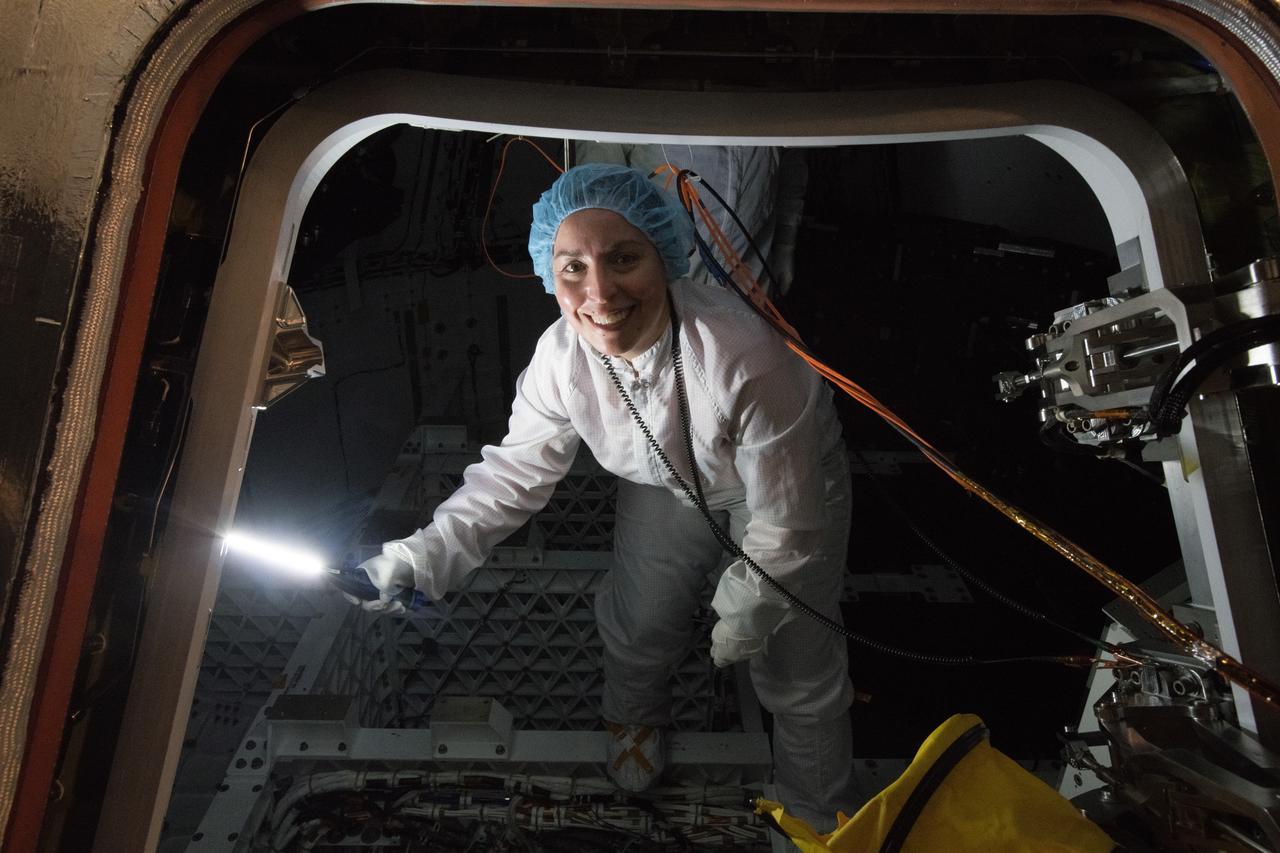
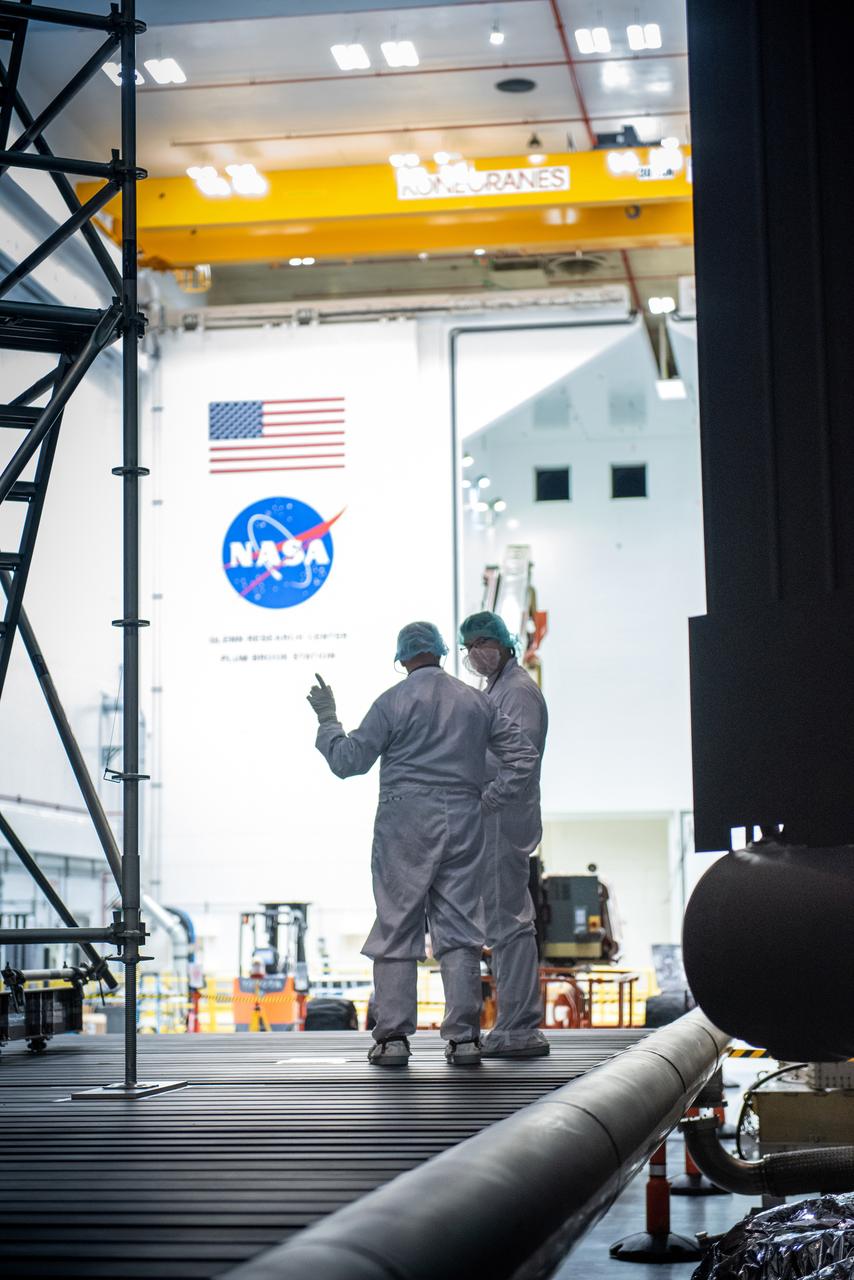
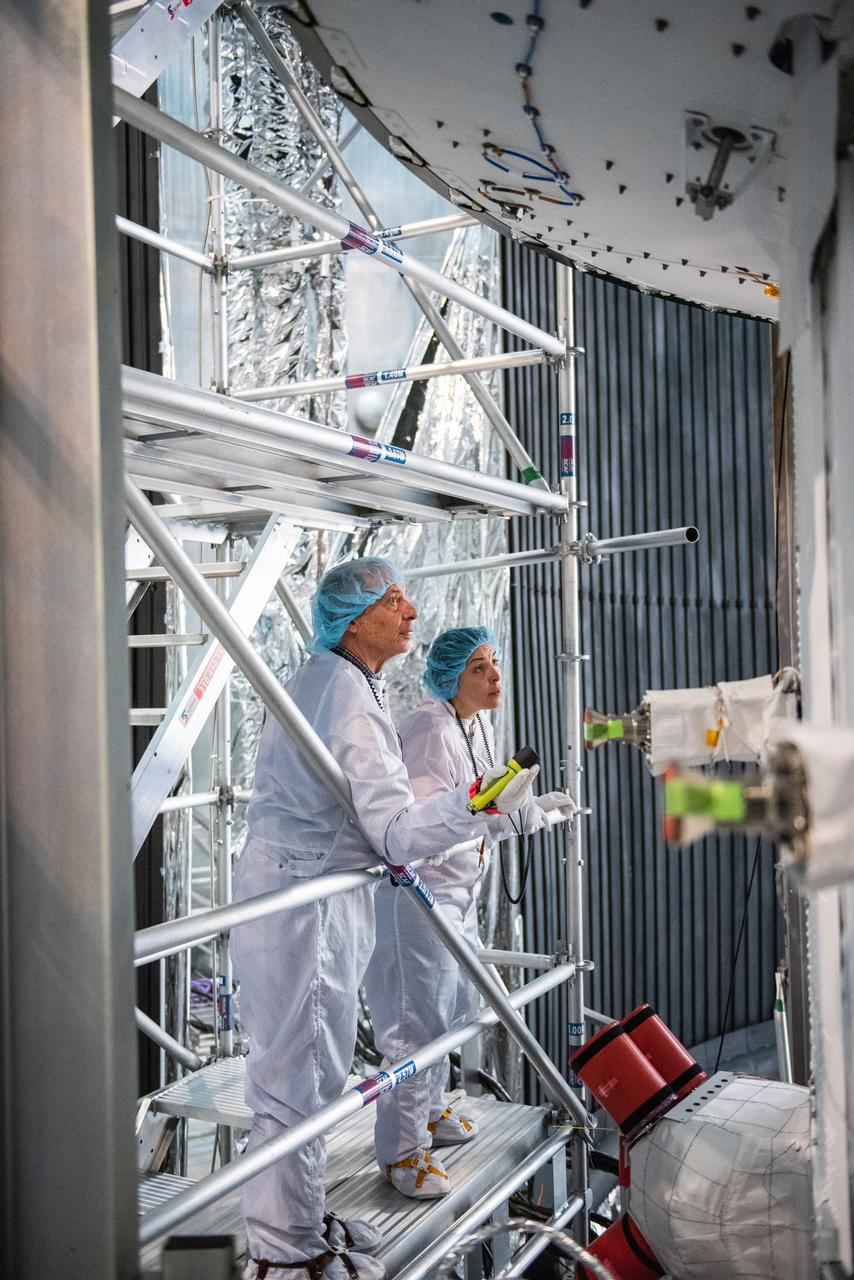
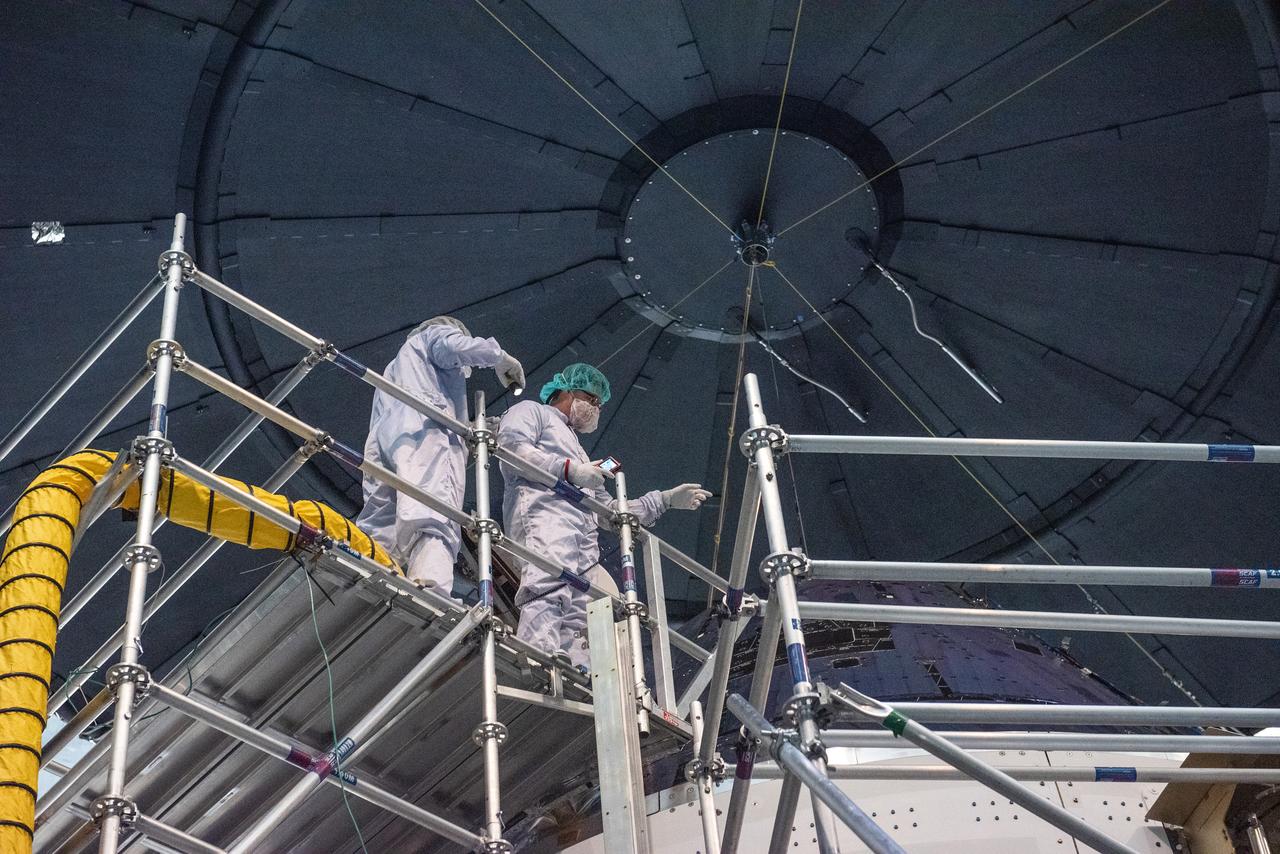
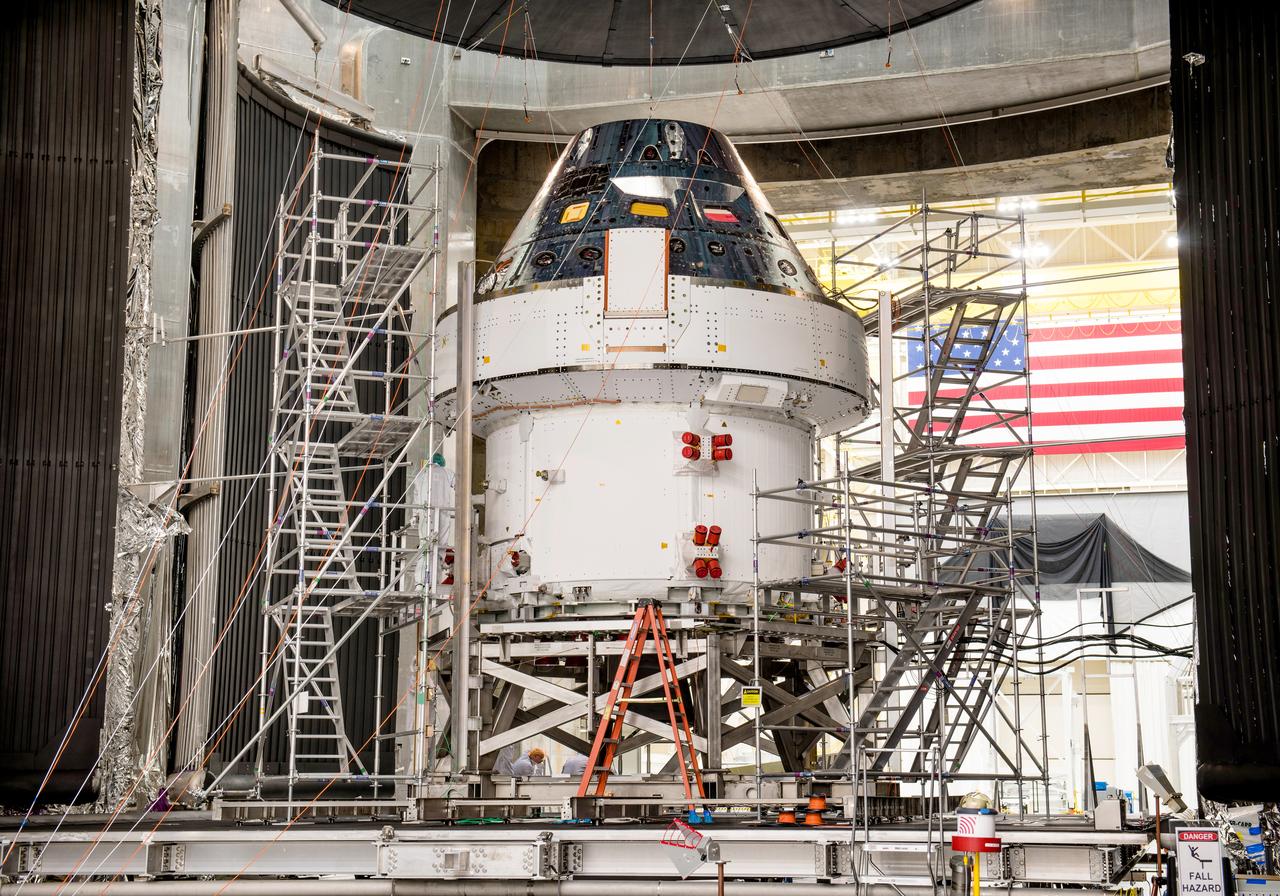
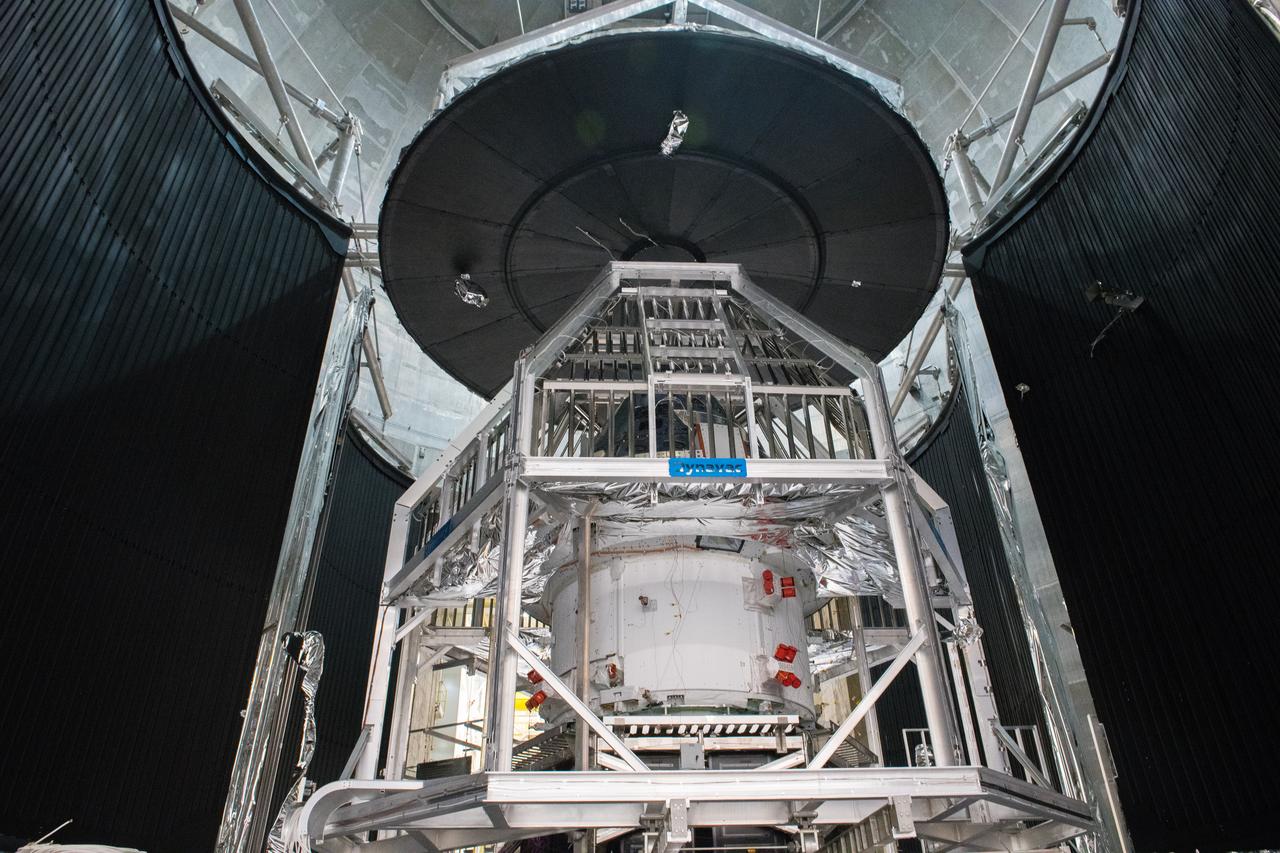
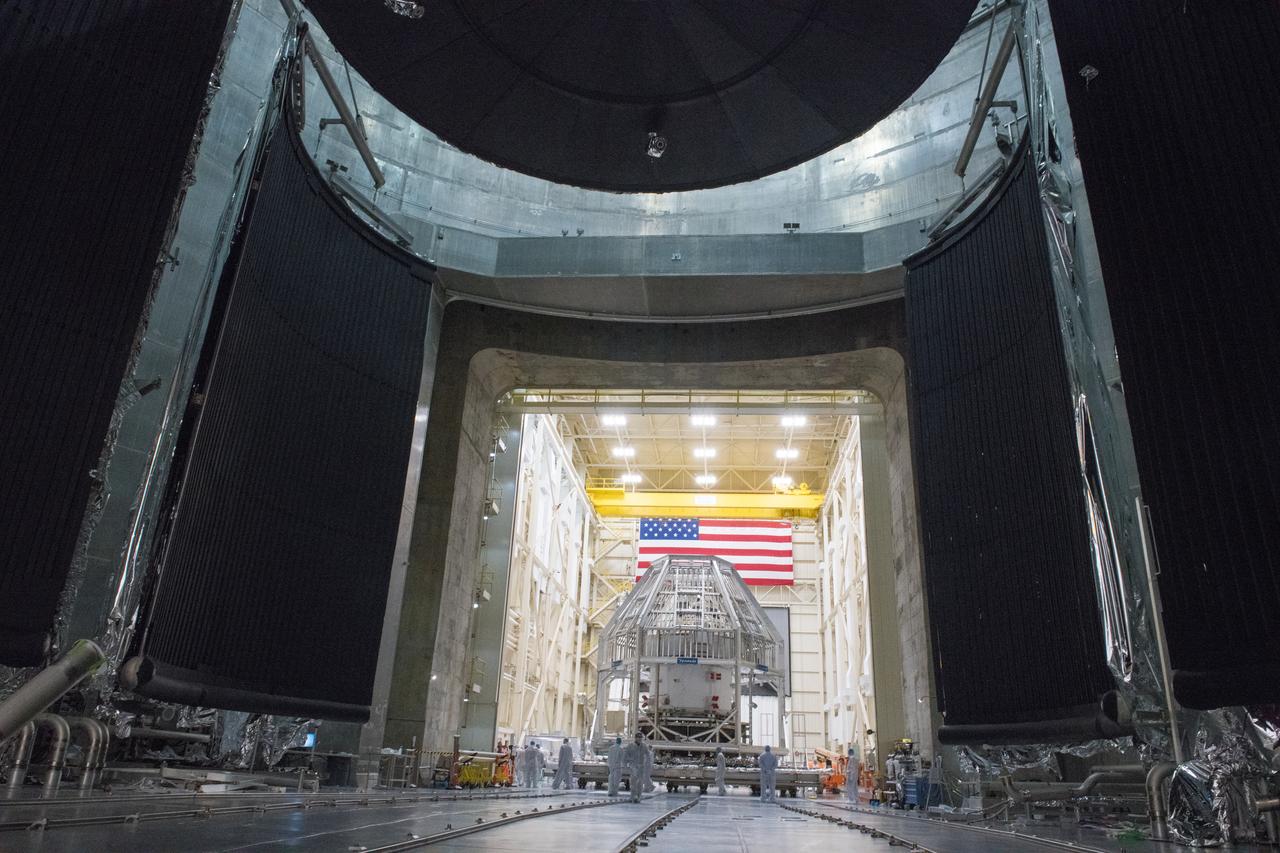
Glenn Research Center's Neil A. Armstrong Test Facility (formerly Plum Brook Station) in Ohio houses the world’s largest space simulation vacuum chamber where the Orion spacecraft, shown here on March 11, 2020, was rigorously tested for Artemis missions to the Moon.
Orion testing at Plum Brook
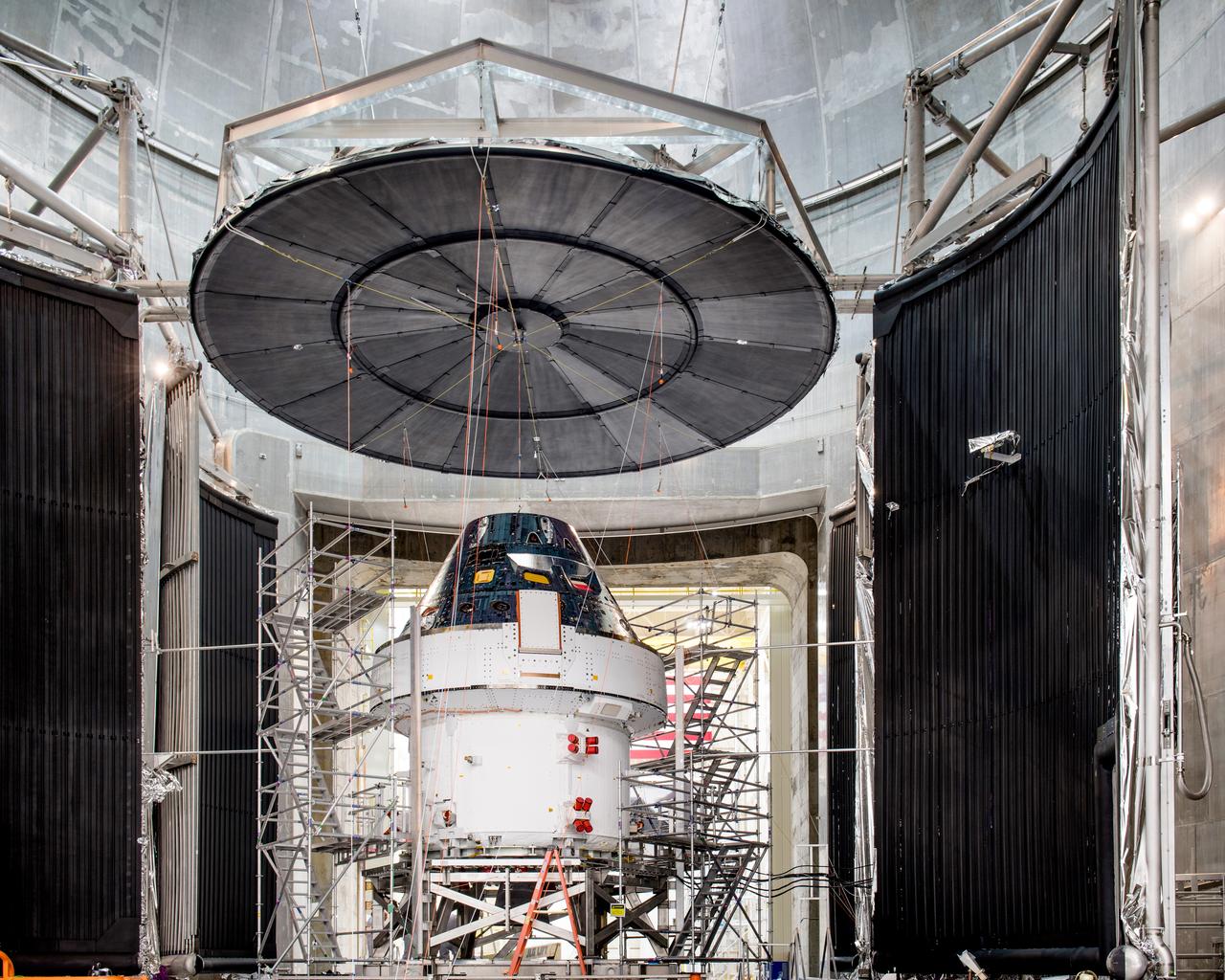
Glenn Research Center's Neil A. Armstrong Test Facility (formerly Plum Brook Station) in Ohio houses the world’s largest space simulation vacuum chamber where the Orion spacecraft, shown here on March 11, 2020, was rigorously tested for Artemis missions to the Moon.
Orion testing at Plum Brook
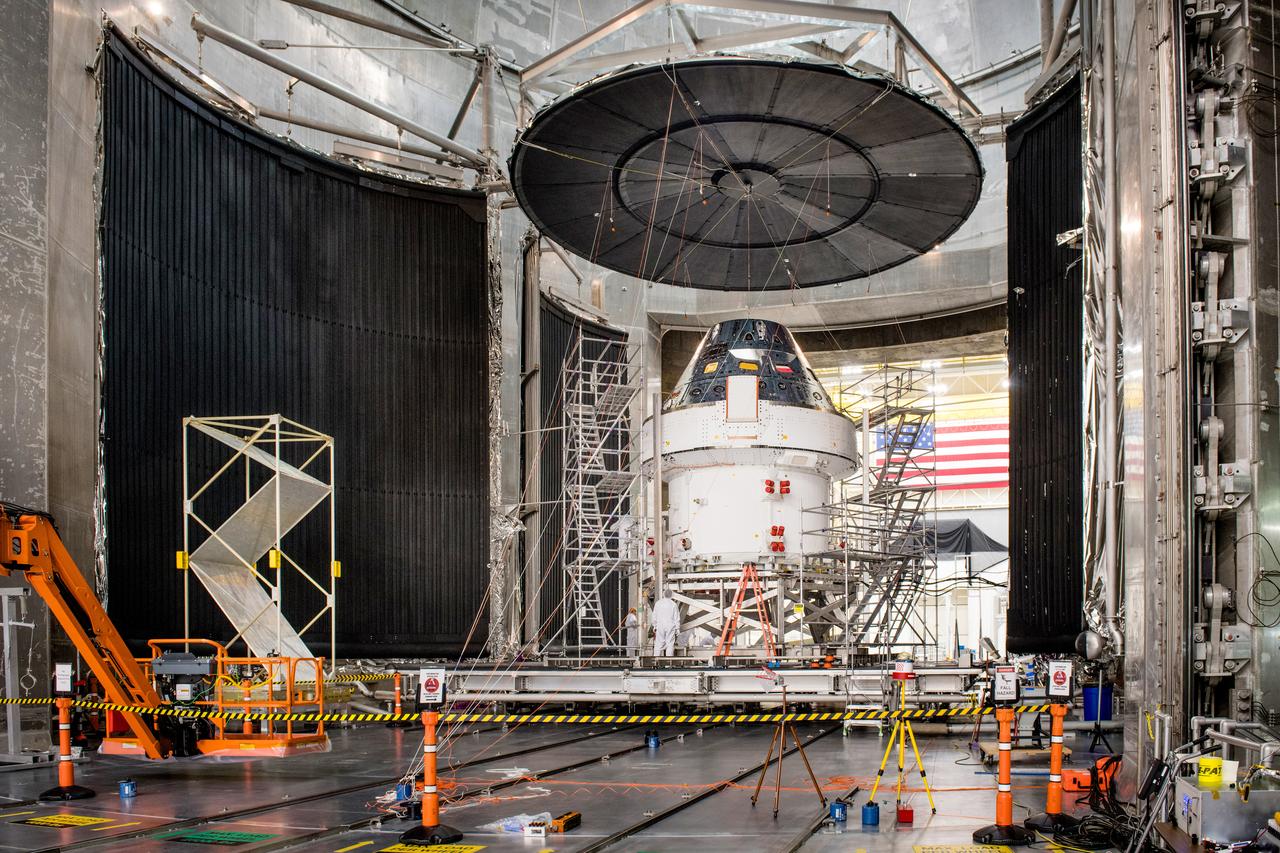
Glenn Research Center's Neil A. Armstrong Test Facility (formerly Plum Brook Station) in Ohio houses the world’s largest space simulation vacuum chamber where the Orion spacecraft, shown here on March 12, 2020, was rigorously tested for Artemis missions to the Moon.
Orion testing at Plum Brook
Glenn Research Center's Neil A. Armstrong Test Facility (formerly Plum Brook Station) in Ohio houses the world’s largest space simulation vacuum chamber where the Orion spacecraft, shown here on March 12, 2020, was rigorously tested for Artemis missions to the Moon.
Orion testing at Plum Brook
Glenn Research Center's Neil A. Armstrong Test Facility (formerly Plum Brook Station) in Ohio houses the world’s largest space simulation vacuum chamber where the Orion spacecraft, shown here on March 12, 2020, was rigorously tested for Artemis missions to the Moon.
Orion testing at Plum Brook
Glenn Research Center's Neil A. Armstrong Test Facility (formerly Plum Brook Station) in Ohio houses the world’s largest space simulation vacuum chamber where the Orion spacecraft, shown here on March 12, 2020, was rigorously tested for Artemis missions to the Moon.
Orion testing at Plum Brook
Glenn Research Center's Neil A. Armstrong Test Facility (formerly Plum Brook Station) in Ohio houses the world’s largest space simulation vacuum chamber where the Orion spacecraft, shown here on March 12, 2020, was rigorously tested for Artemis missions to the Moon.
Orion testing at Plum Brook
Glenn Research Center's Neil A. Armstrong Test Facility (formerly Plum Brook Station) in Ohio houses the world’s largest space simulation vacuum chamber where the Orion spacecraft, shown here on March 11, 2020, was rigorously tested for Artemis missions to the Moon.
Orion testing at Plum Brook
Glenn Research Center's Neil A. Armstrong Test Facility (formerly Plum Brook Station) in Ohio houses the world’s largest space simulation vacuum chamber where the Orion spacecraft, shown here on March 11, 2020, was rigorously tested for Artemis missions to the Moon.
Orion testing at Plum Brook
Glenn Research Center's Neil A. Armstrong Test Facility (formerly Plum Brook Station) in Ohio houses the world’s largest space simulation vacuum chamber where the Orion spacecraft, shown here on March 12, 2020, was rigorously tested for Artemis missions to the Moon.
Orion testing at Plum Brook
Glenn Research Center's Neil A. Armstrong Test Facility (formerly Plum Brook Station) in Ohio houses the world’s largest space simulation vacuum chamber where the Orion spacecraft, shown here on March 11, 2020, was rigorously tested for Artemis missions to the Moon.
Orion testing at Plum Brook
Glenn Research Center's Neil A. Armstrong Test Facility (formerly Plum Brook Station) in Ohio houses the world’s largest space simulation vacuum chamber where the Orion spacecraft, shown here on March 11, 2020, was rigorously tested for Artemis missions to the Moon.
Orion testing at Plum Brook
Glenn Research Center's Neil A. Armstrong Test Facility (formerly Plum Brook Station) in Ohio houses the world’s largest space simulation vacuum chamber where the Orion spacecraft, shown here on March 12, 2020, was rigorously tested for Artemis missions to the Moon.
Orion testing at Plum Brook
Glenn Research Center's Neil A. Armstrong Test Facility (formerly Plum Brook Station) in Ohio houses the world’s largest space simulation vacuum chamber where the Orion spacecraft, shown here on March 11, 2020, was rigorously tested for Artemis missions to the Moon.
Orion testing at Plum Brook
Glenn Research Center's Neil A. Armstrong Test Facility (formerly Plum Brook Station) in Ohio houses the world’s largest space simulation vacuum chamber where the Orion spacecraft, shown here on March 11, 2020, was rigorously tested for Artemis missions to the Moon.
Orion testing at Plum Brook
Glenn Research Center's Neil A. Armstrong Test Facility (formerly Plum Brook Station) in Ohio houses the world’s largest space simulation vacuum chamber where the Orion spacecraft, shown here on March 11, 2020, was rigorously tested for Artemis missions to the Moon.
Orion testing at Plum Brook
Glenn Research Center's Neil A. Armstrong Test Facility (formerly Plum Brook Station) in Ohio houses the world’s largest space simulation vacuum chamber where the Orion spacecraft, shown here on March 11, 2020, was rigorously tested for Artemis missions to the Moon.
Orion testing at Plum Brook
Glenn Research Center's Neil A. Armstrong Test Facility (formerly Plum Brook Station) in Ohio houses the world’s largest space simulation vacuum chamber where the Orion spacecraft, shown here on March 11, 2020, was rigorously tested for Artemis missions to the Moon.
Orion testing at Plum Brook
Glenn Research Center's Neil A. Armstrong Test Facility (formerly Plum Brook Station) in Ohio houses the world’s largest space simulation vacuum chamber where the Orion spacecraft, shown here on March 11, 2020, was rigorously tested for Artemis missions to the Moon.
Orion testing at Plum Brook
Glenn Research Center's Neil A. Armstrong Test Facility (formerly Plum Brook Station) in Ohio houses the world’s largest space simulation vacuum chamber where the Orion spacecraft, shown here on March 11, 2020, was rigorously tested for Artemis missions to the Moon.
Orion testing at Plum Brook
Glenn Research Center's Neil A. Armstrong Test Facility (formerly Plum Brook Station) in Ohio houses the world’s largest space simulation vacuum chamber where the Orion spacecraft, shown here on March 12, 2020, was rigorously tested for Artemis missions to the Moon.
Orion testing at Plum Brook
Glenn Research Center's Neil A. Armstrong Test Facility (formerly Plum Brook Station) in Ohio houses the world’s largest space simulation vacuum chamber where the Orion spacecraft, shown here on March 11, 2020, was rigorously tested for Artemis missions to the Moon.
Orion testing at Plum Brook
Glenn Research Center's Neil A. Armstrong Test Facility (formerly Plum Brook Station) in Ohio houses the world’s largest space simulation vacuum chamber where the Orion spacecraft, shown here on March 11, 2020, was rigorously tested for Artemis missions to the Moon.
Orion testing at Plum Brook
Glenn Research Center's Neil A. Armstrong Test Facility (formerly Plum Brook Station) in Ohio houses the world’s largest space simulation vacuum chamber where the Orion spacecraft, shown here on March 12, 2020, was rigorously tested for Artemis missions to the Moon.
Orion testing at Plum Brook
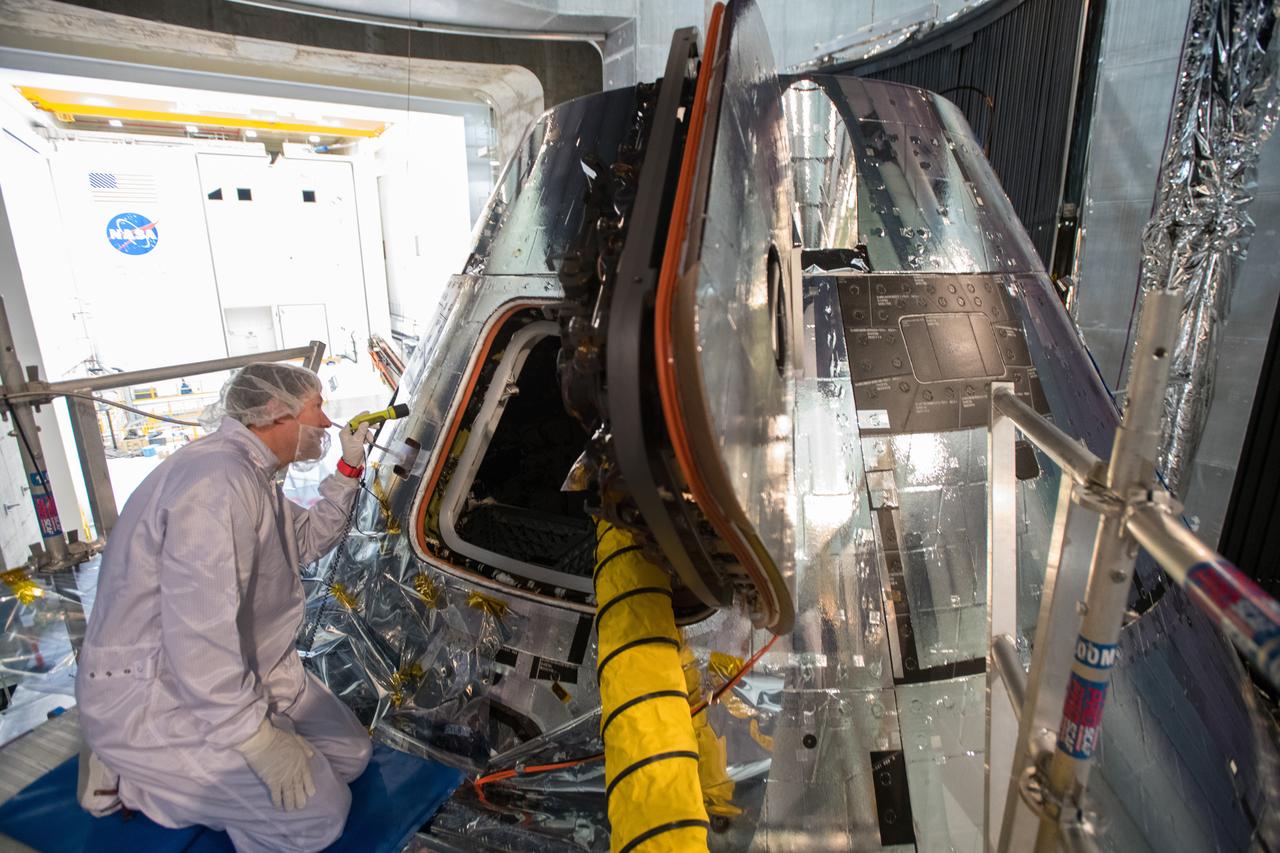
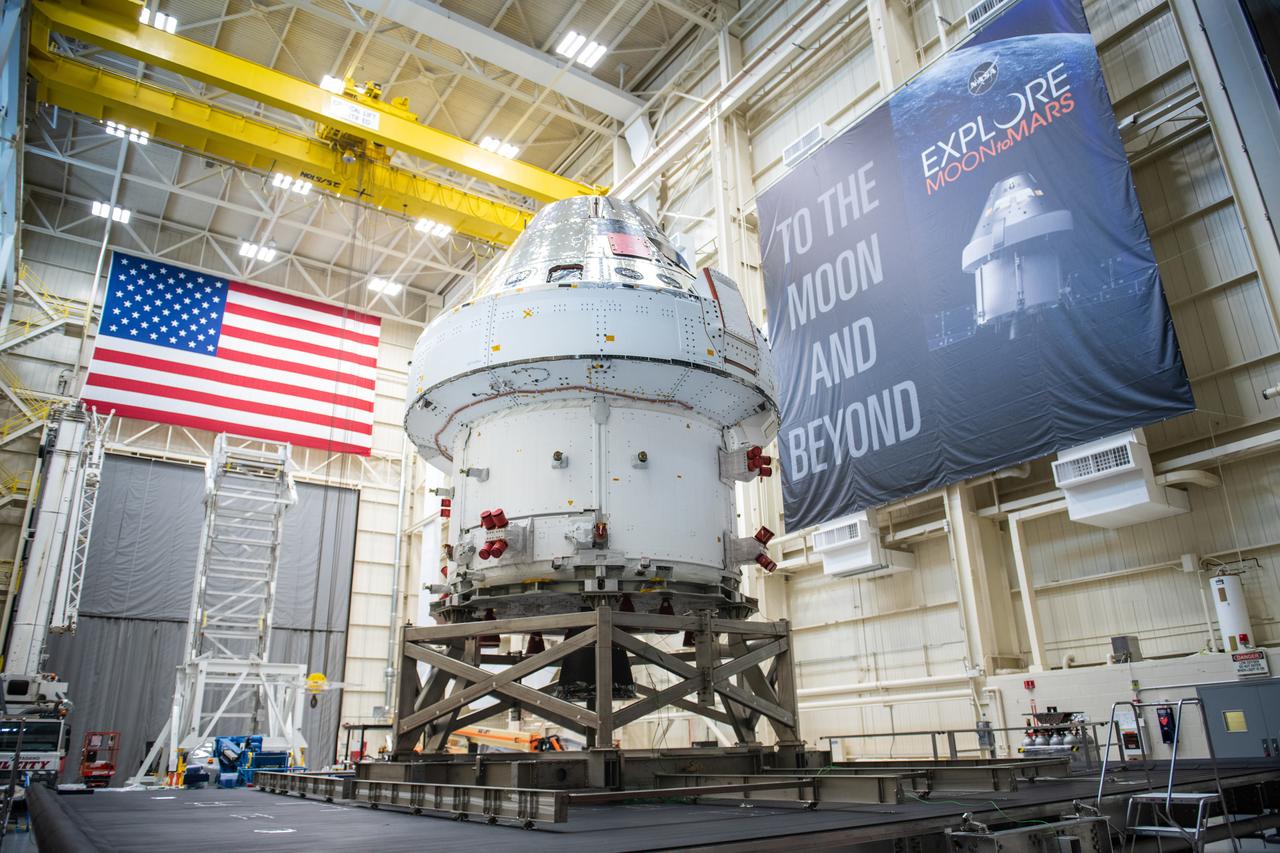
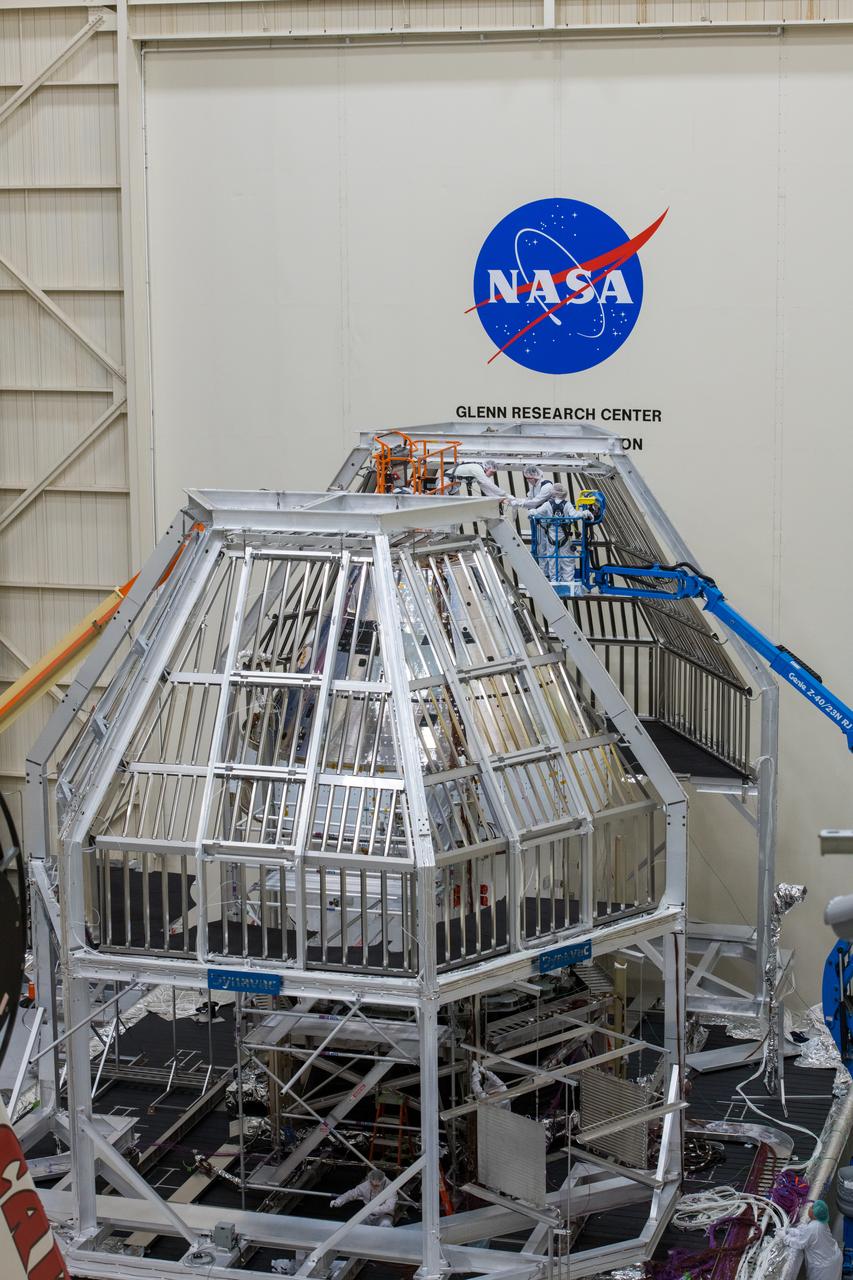
The Artemis I Orion spacecraft is prepared for the final set of environmental tests at NASA Glenn Research Center Neil A. Armstrong Test Facility (formerly Plum Brook Station) in Sandusky, Ohio on Feb. 21, 2020.
Orion environmental testing at Plum Brook
The Artemis I Orion spacecraft is prepared for the final set of environmental tests at NASA Glenn Research Center Neil A. Armstrong Test Facility (formerly Plum Brook Station) in Sandusky, Ohio on Feb. 21, 2020.
Orion environmental testing at Plum Brook
The Artemis I Orion spacecraft is prepared for the final set of environmental tests at NASA Glenn Research Center Neil A. Armstrong Test Facility (formerly Plum Brook Station) in Sandusky, Ohio on Feb. 21, 2020.
Orion environmental testing at Plum Brook
The Artemis I Orion spacecraft is prepared for the final set of environmental tests at NASA Glenn Research Center Neil A. Armstrong Test Facility (formerly Plum Brook Station) in Sandusky, Ohio on Feb. 21, 2020.
Orion environmental testing at Plum Brook
The Artemis I Orion spacecraft is prepared for the final set of environmental tests at NASA Glenn Research Center Neil A. Armstrong Test Facility (formerly Plum Brook Station) in Sandusky, Ohio on Feb. 21, 2020.
Orion environmental testing at Plum Brook
The Artemis I Orion spacecraft is prepared for the final set of environmental tests at NASA Glenn Research Center Neil A. Armstrong Test Facility (formerly Plum Brook Station) in Sandusky, Ohio on Feb. 21, 2020.
Orion environmental testing at Plum Brook
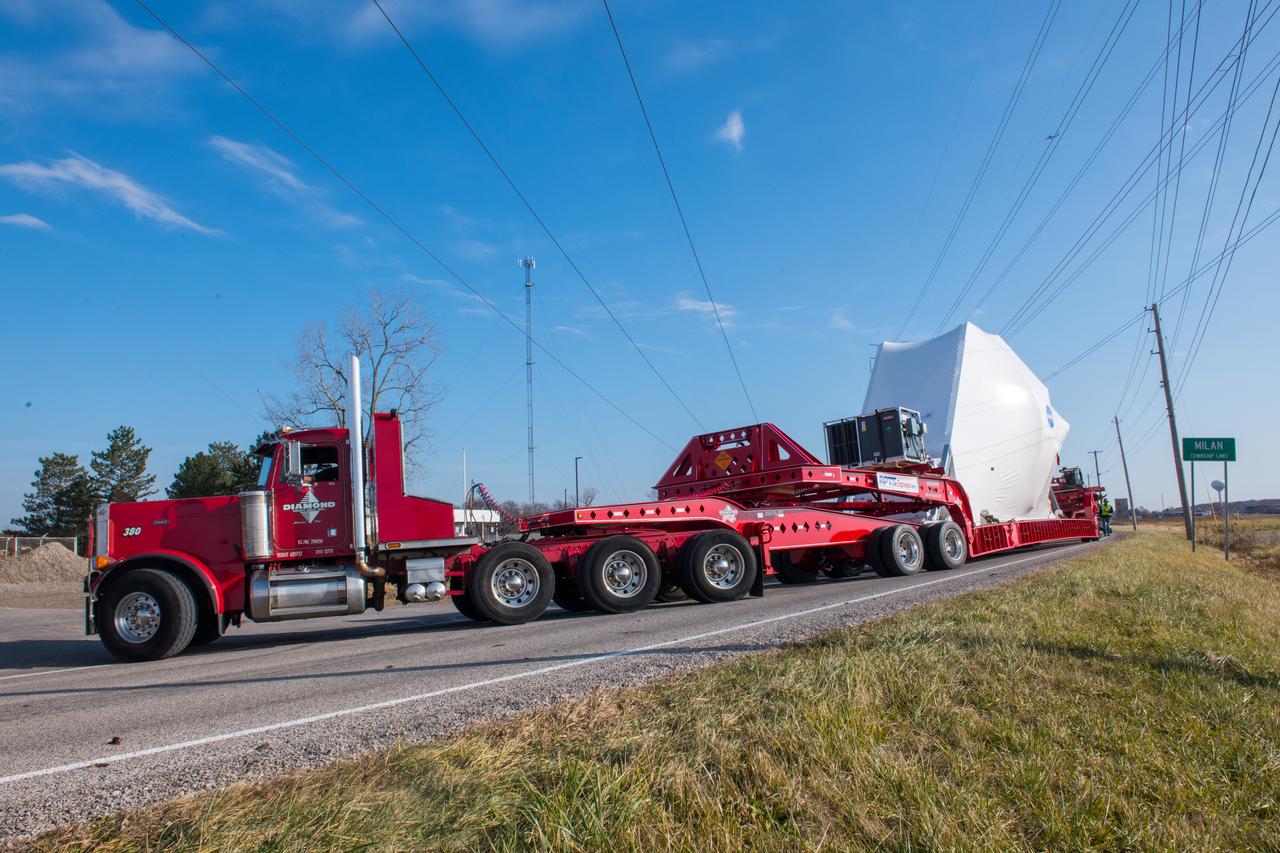
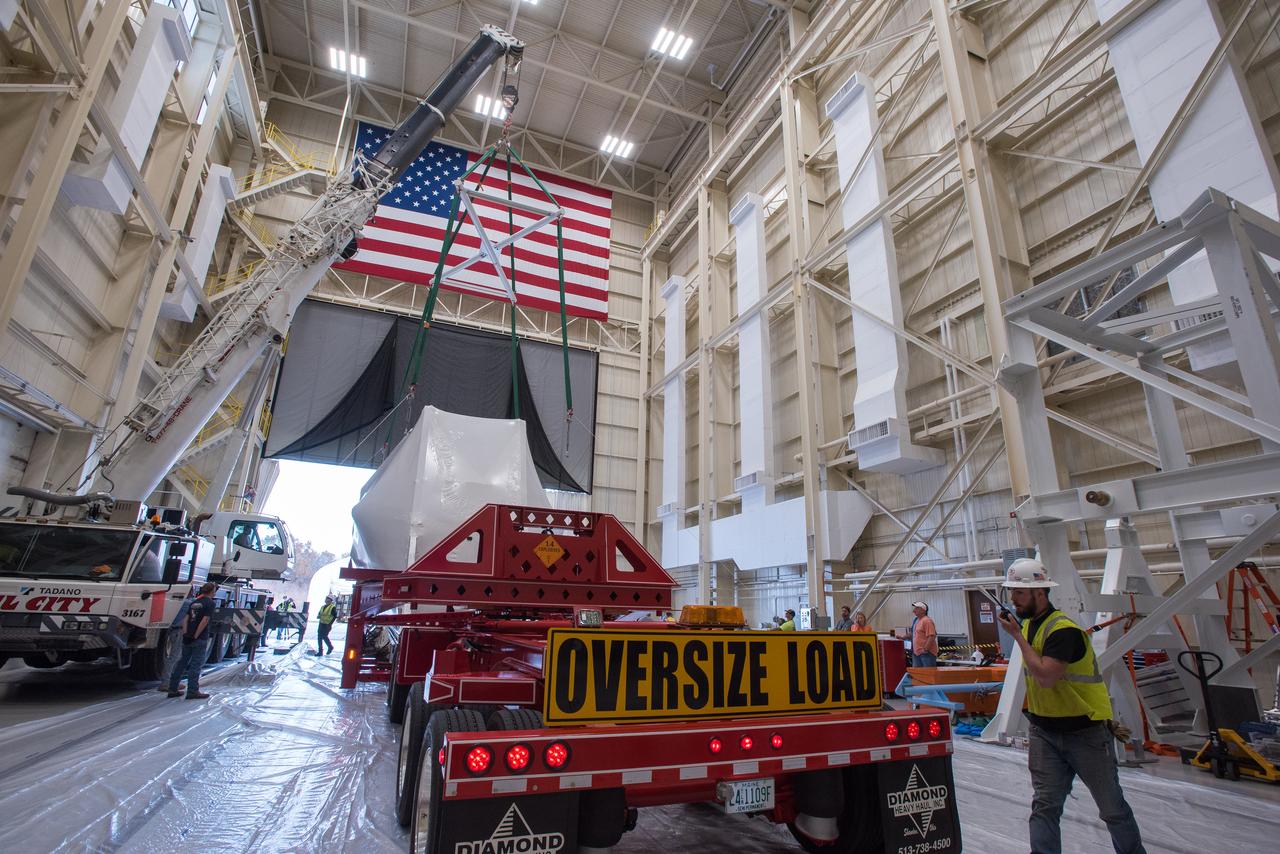
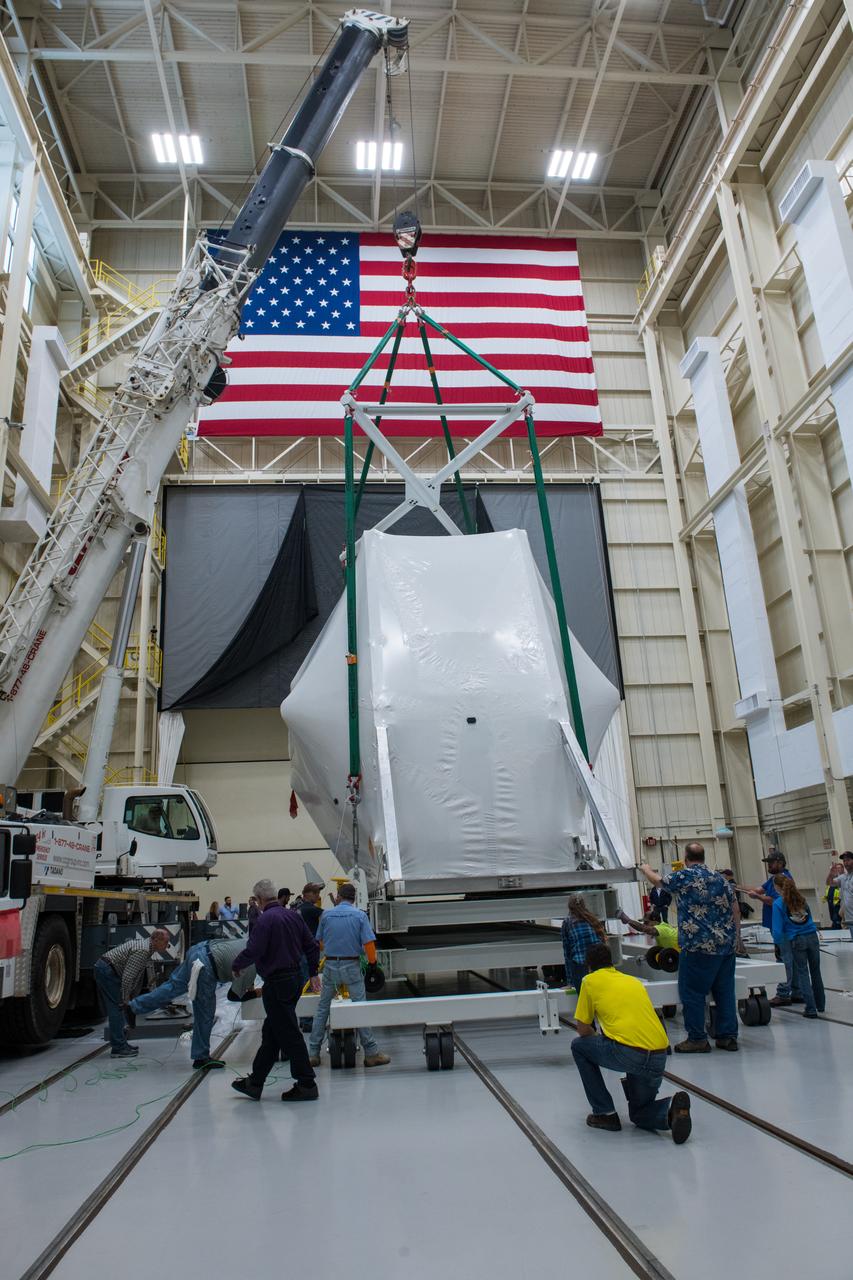
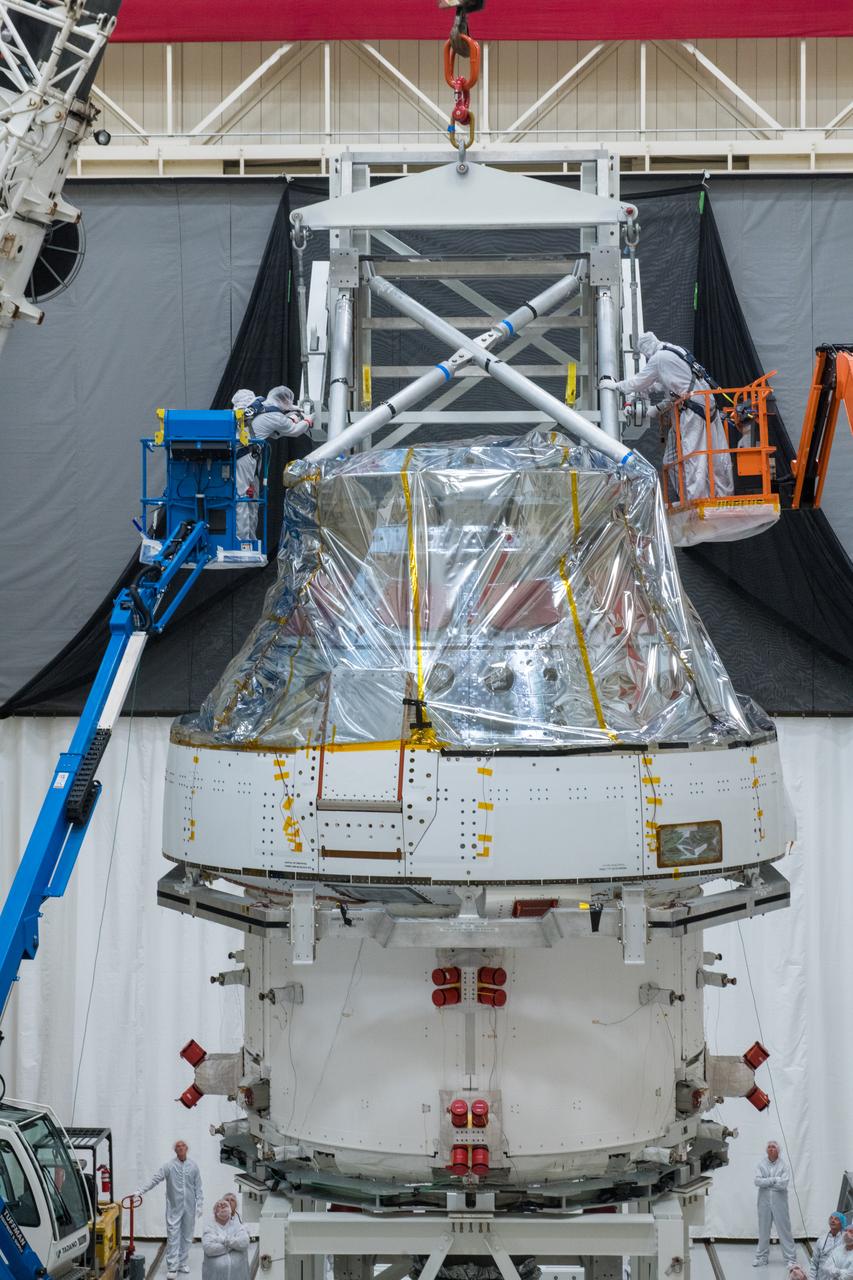
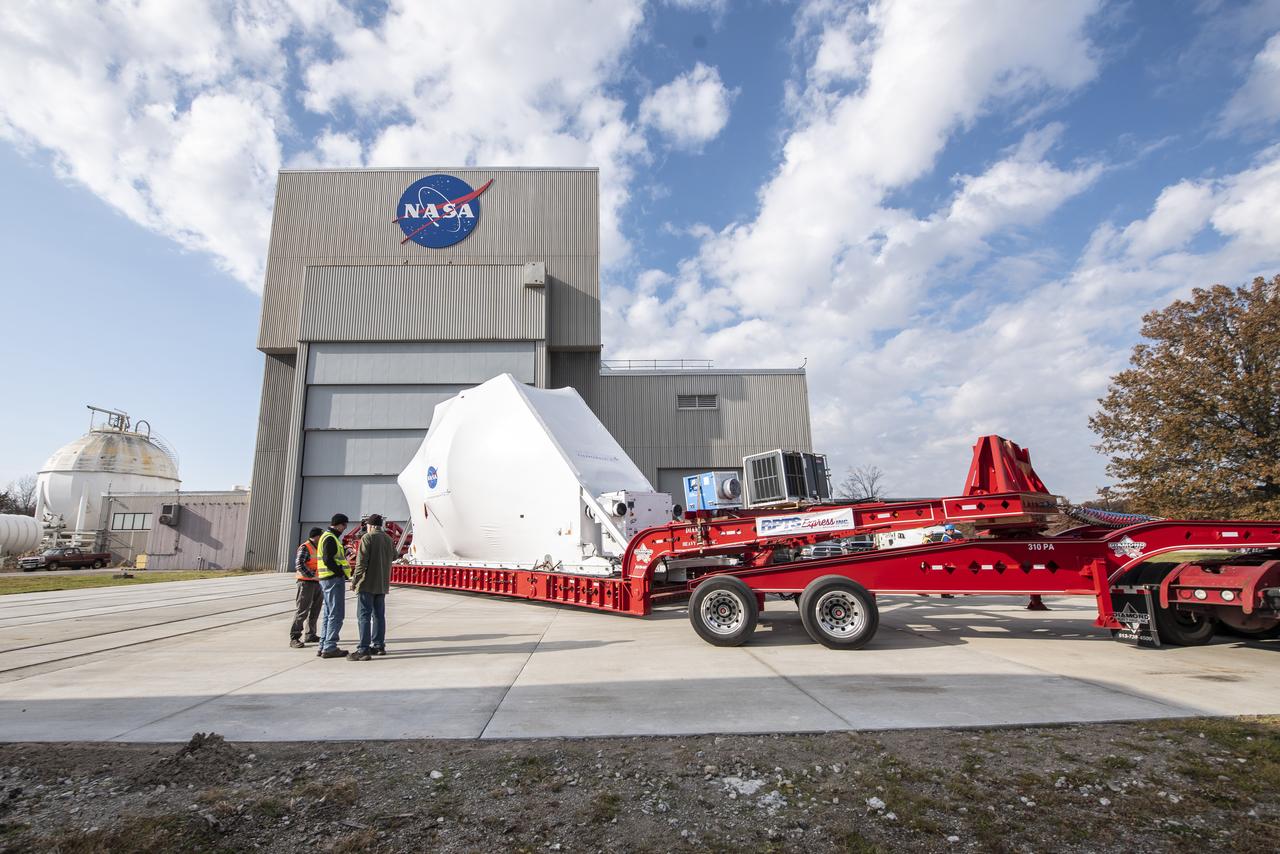
Orion - EM-1 - Artemis Spacecraft Arrival at Mansfield Lahm Airport, Transportation to Plum Brook Station and Installation in the Space Environment Complex, SEC Thermal Vacuum Chamber
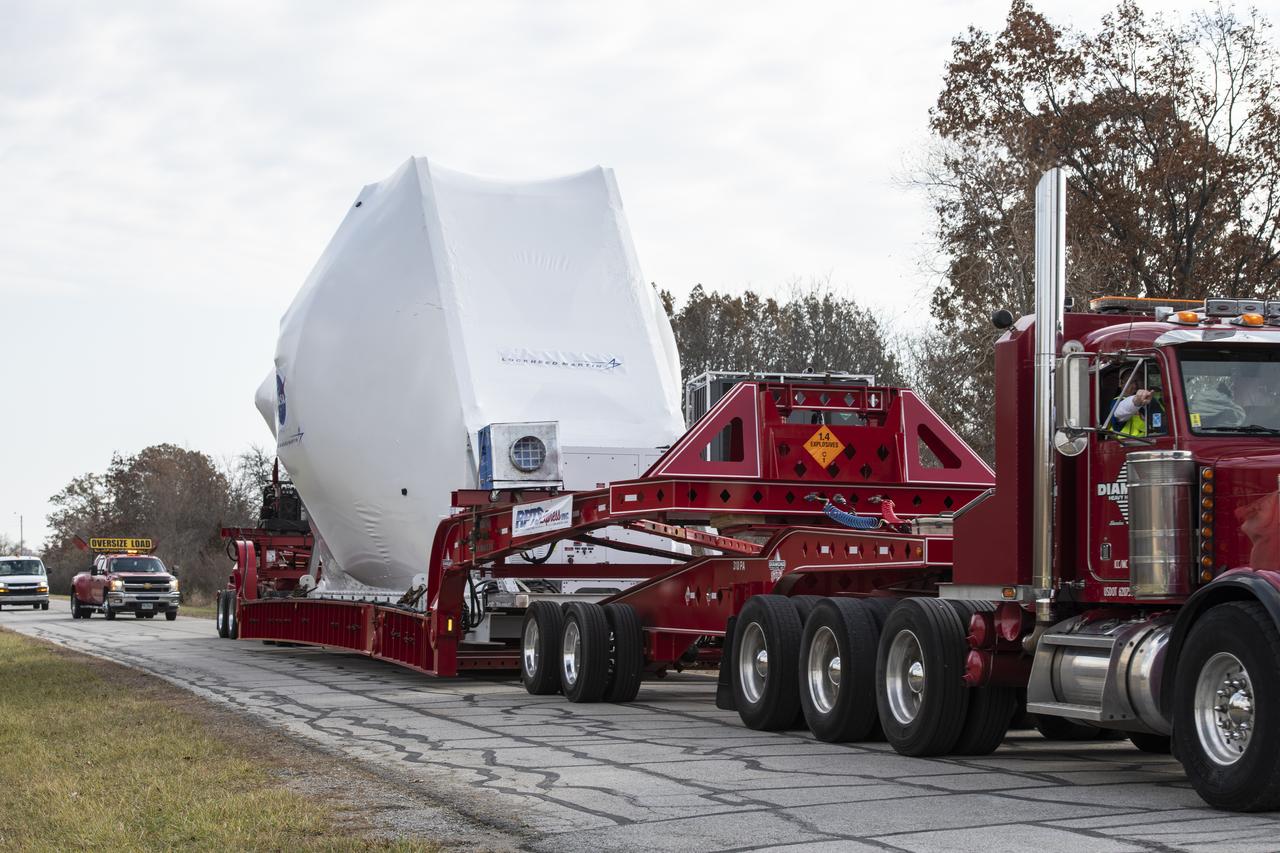
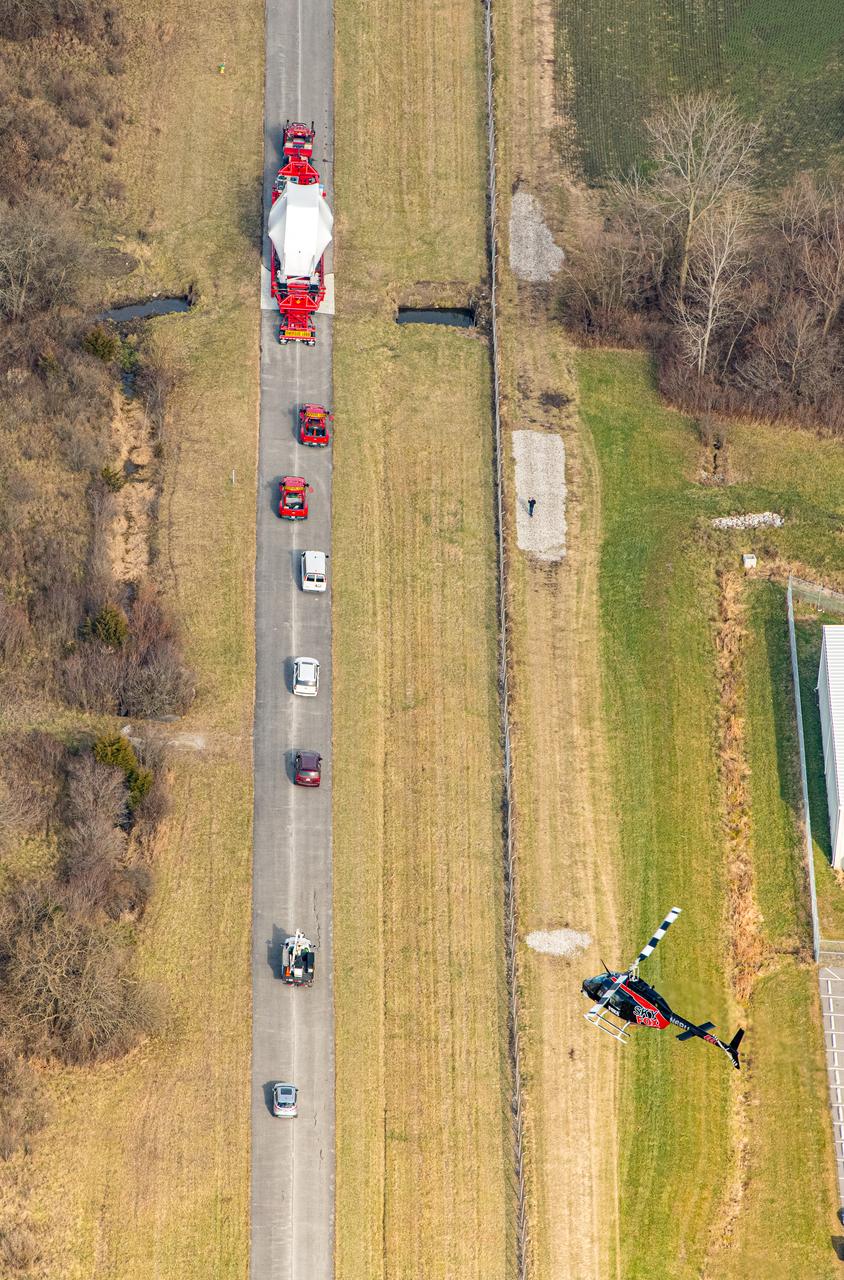
Orion Spaceraft transport to Plum Brook Station for testing in the SEC facility
GRC-2019-C-12340
Orion Spaceraft transport to Plum Brook Station for testing in the SEC facility
GRC-2019-C-12356
Orion Spaceraft transport to Plum Brook Station for testing in the SEC facility
GRC-2019-C-12352
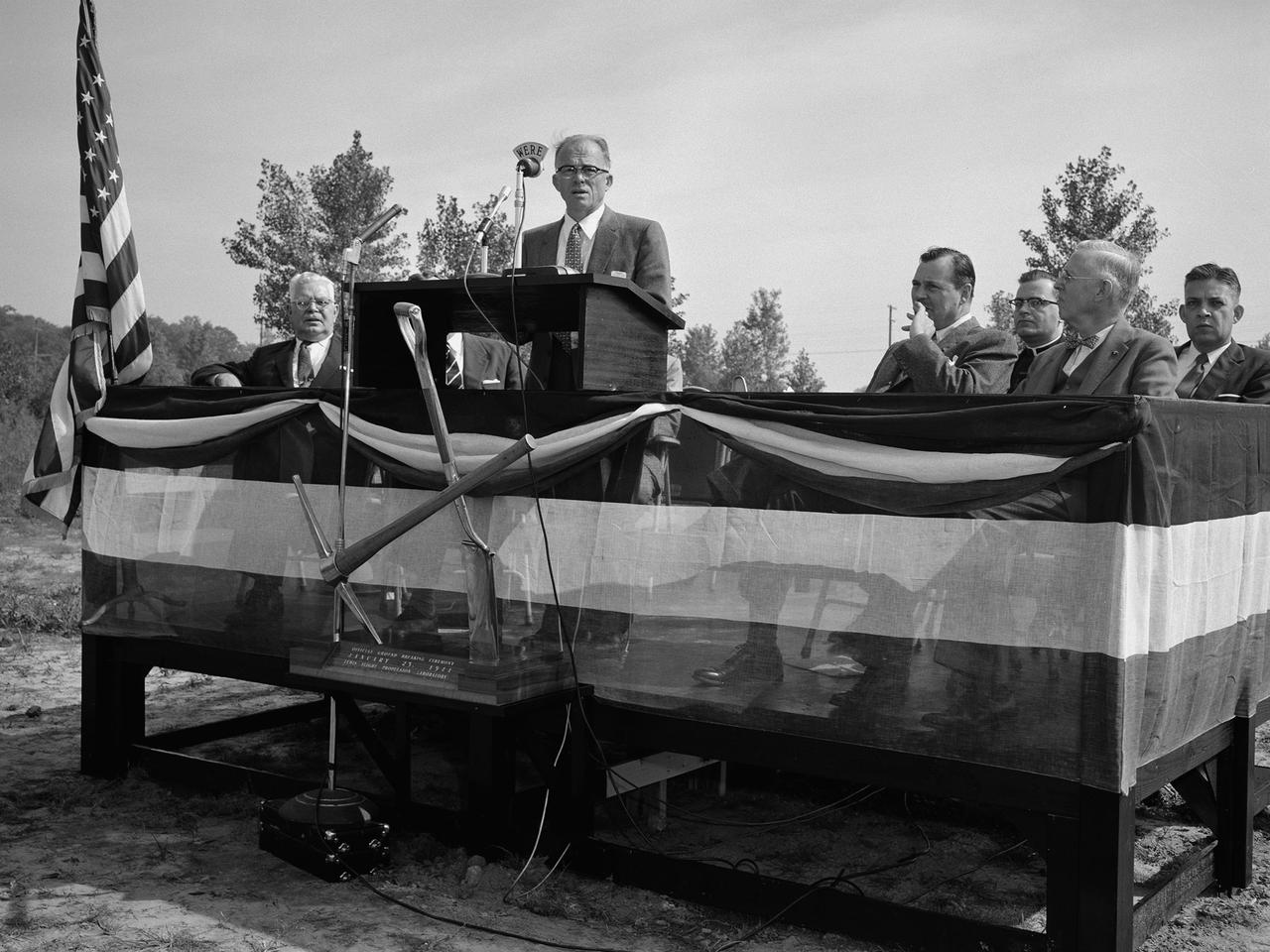
Addison Rothrock, the National Advisory Committee for Aeronautics’s (NACA) Assistant Director of Research, speaks at the groundbreaking ceremony for the Lewis Flight Propulsion Laboratory’s new test reactor at Plum Brook Station. This dedication event was held almost exactly one year after the NACA announced that it would build its $4.5 million nuclear reactor on 500 acres of the army’s 9000-acre Plum Brook Ordnance Works. The site was located in Sandusky, Ohio, approximately 60 miles west of the NACA Lewis laboratory in Cleveland. Lewis Director Raymond Sharp is seated to the left of Rothrock, Congressman Albert Baumhart and NACA Secretary John Victory are to the right. Many government and local officials were on hand for the press conference and ensuing luncheon.    In the wake of World War II the military, the Atomic Energy Commission, and the NACA became interested in the use of atomic energy for propulsion and power. A Nuclear Division was established at NACA Lewis in the early 1950s. The division’s request for a 60-megawatt research reactor was approved in 1955. The semi-remote Plum Brook location was selected over 17 other possible sites.    Construction of the Plum Brook Reactor Facility lasted five years. By the time of its first trial runs in 1961 the aircraft nuclear propulsion program had been cancelled. The space age had arrived, however, and the reactor would be used to study materials for a nuclear powered rocket.
Groundbreaking Ceremony at the NACA's Plum Brook Station
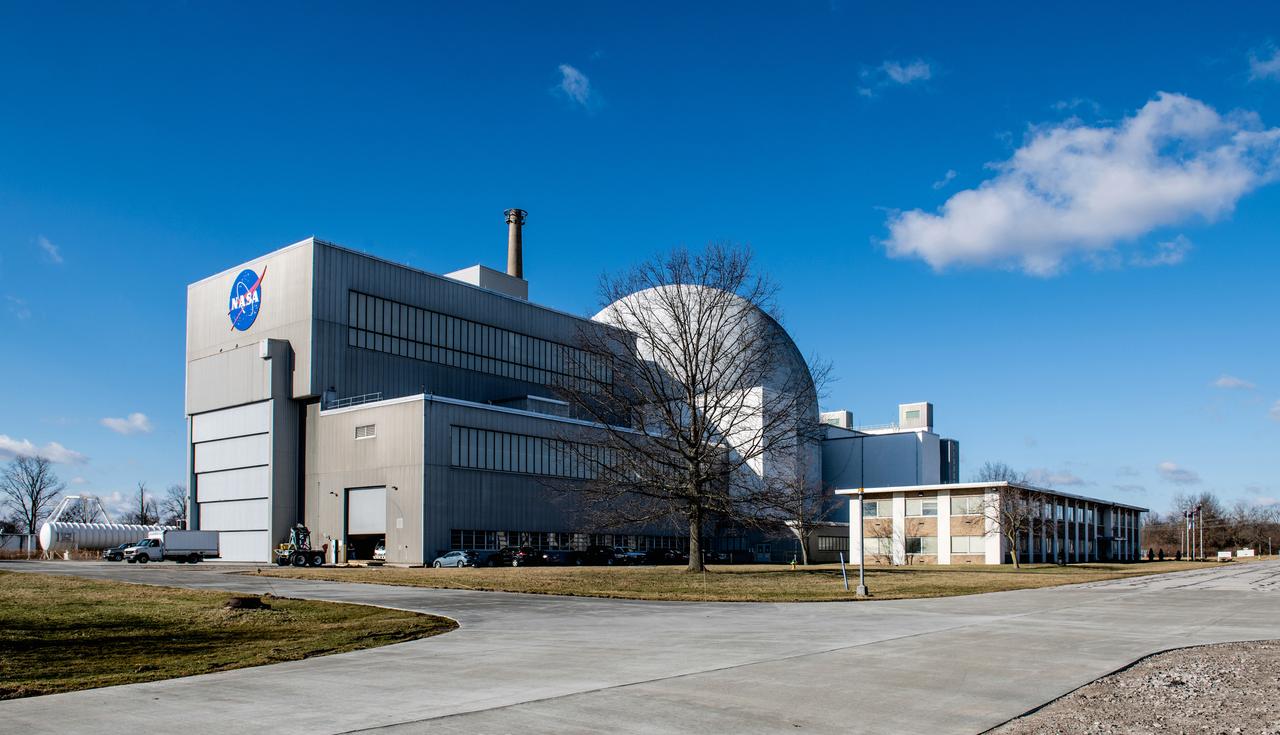
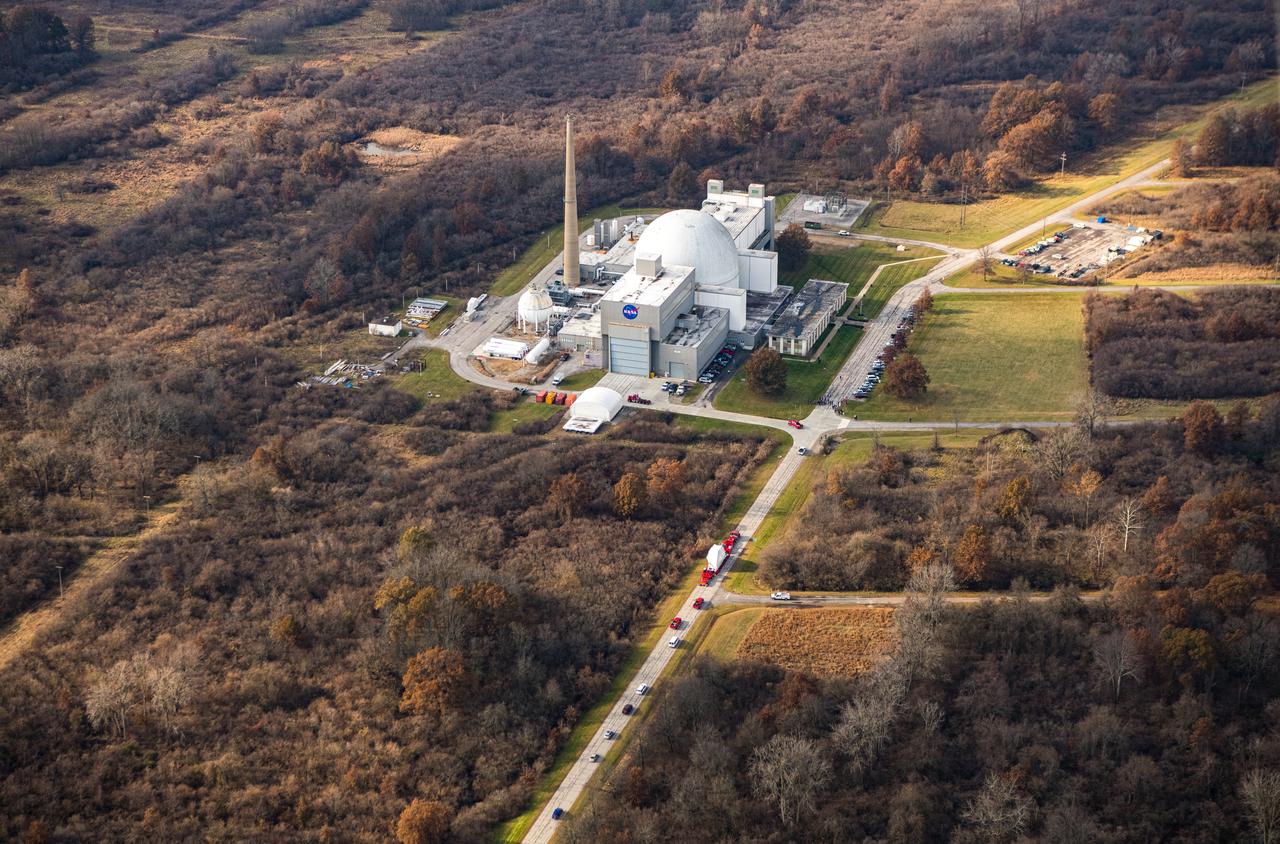
Aerial Vies of NASA Glenn Research Center, Neil A. Armstrong Test Facility.  At the time this photograph was taken, the site was known as Plum Brook Station.
Aerial View of Glenn Research Center, Neil A. Armstrong Test Facility
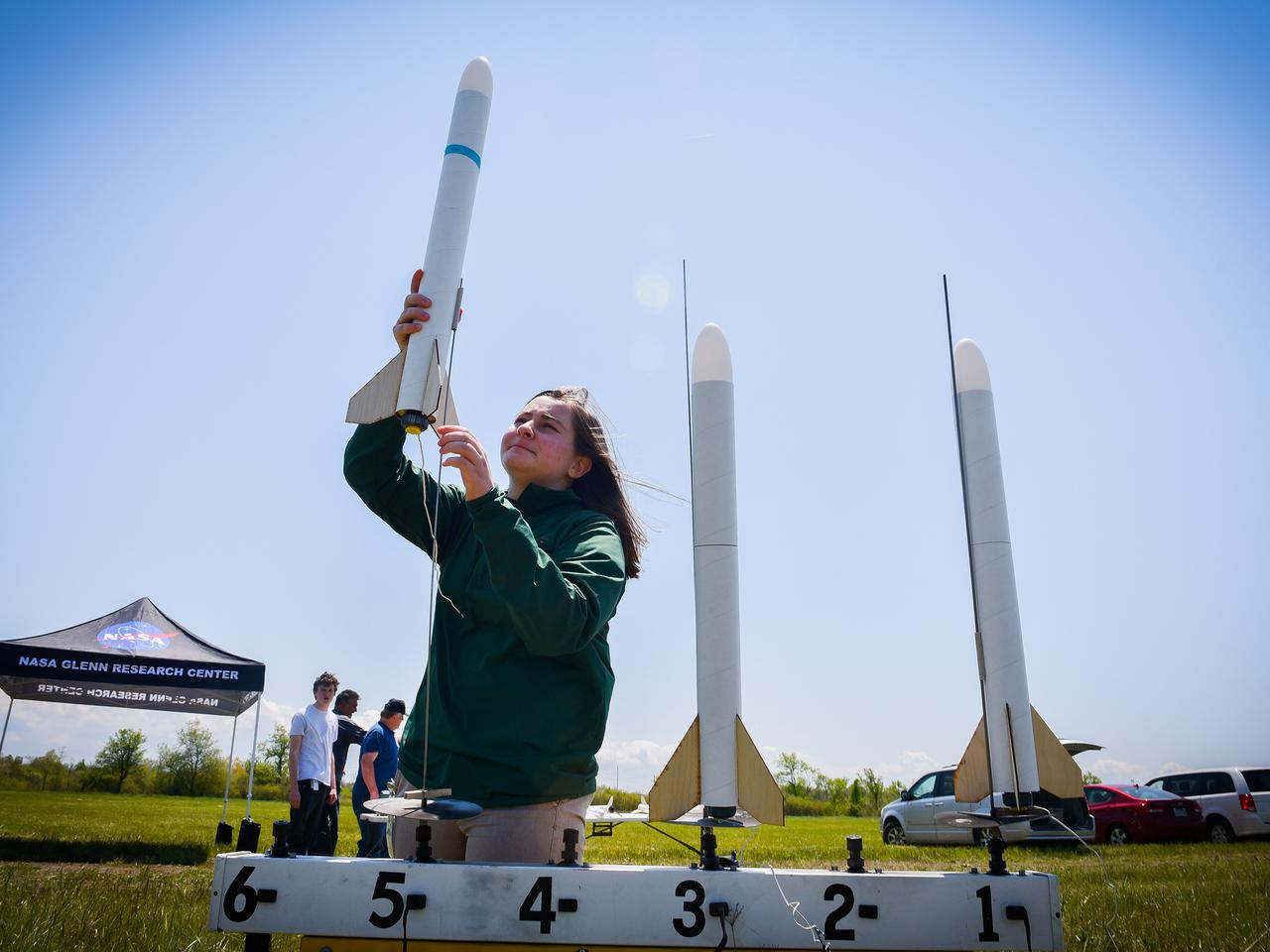
Activities at National Lab Day held at NASA Plum Brook Station in Sandusky, OH.
National Lab Day
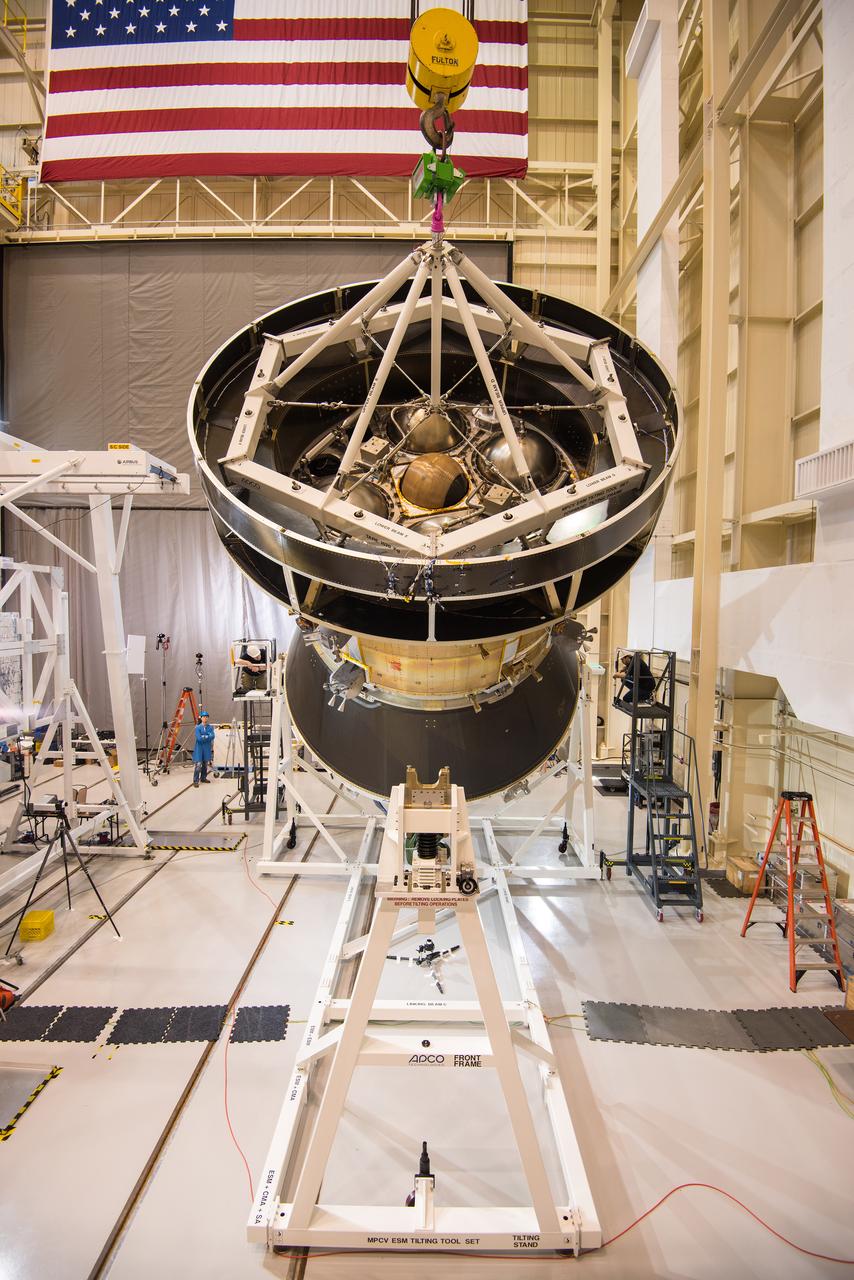
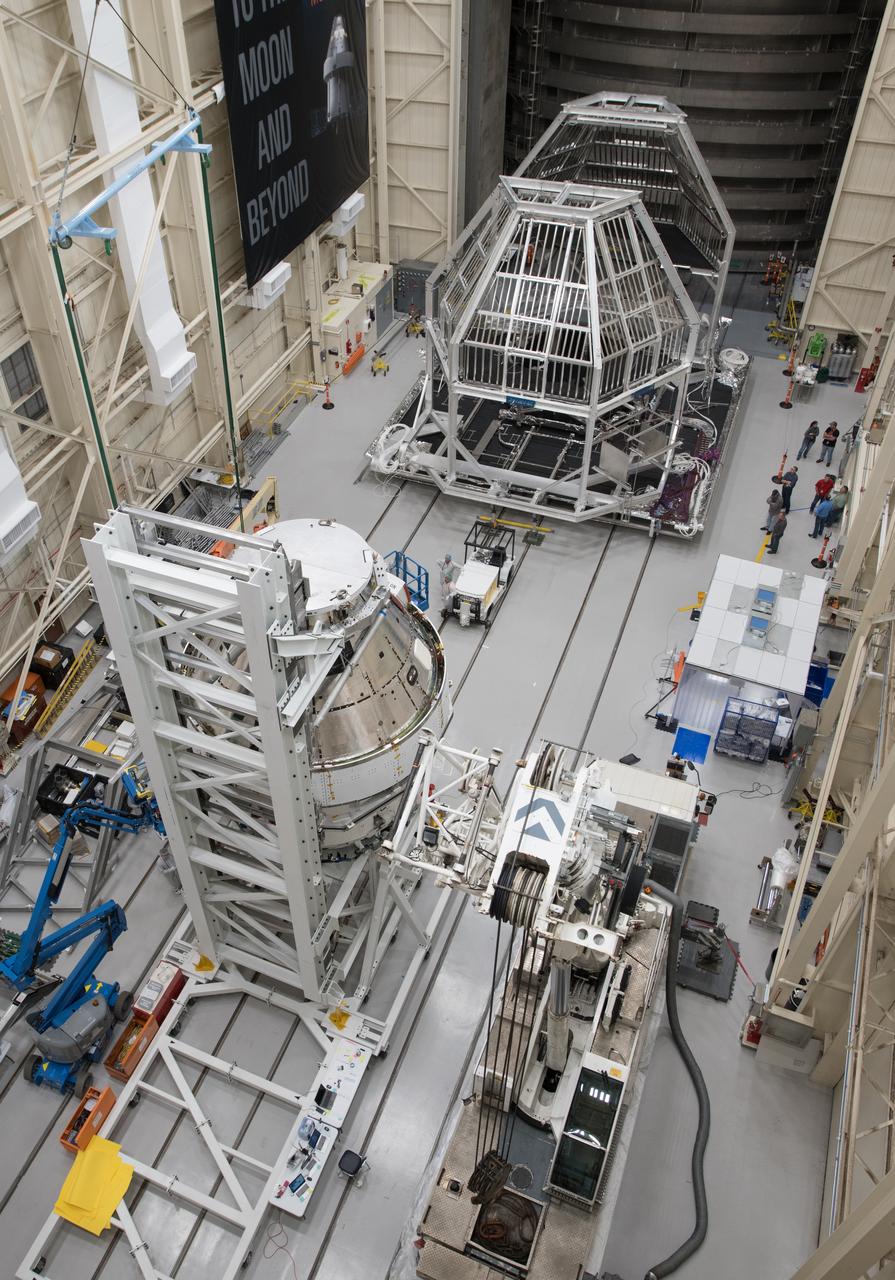
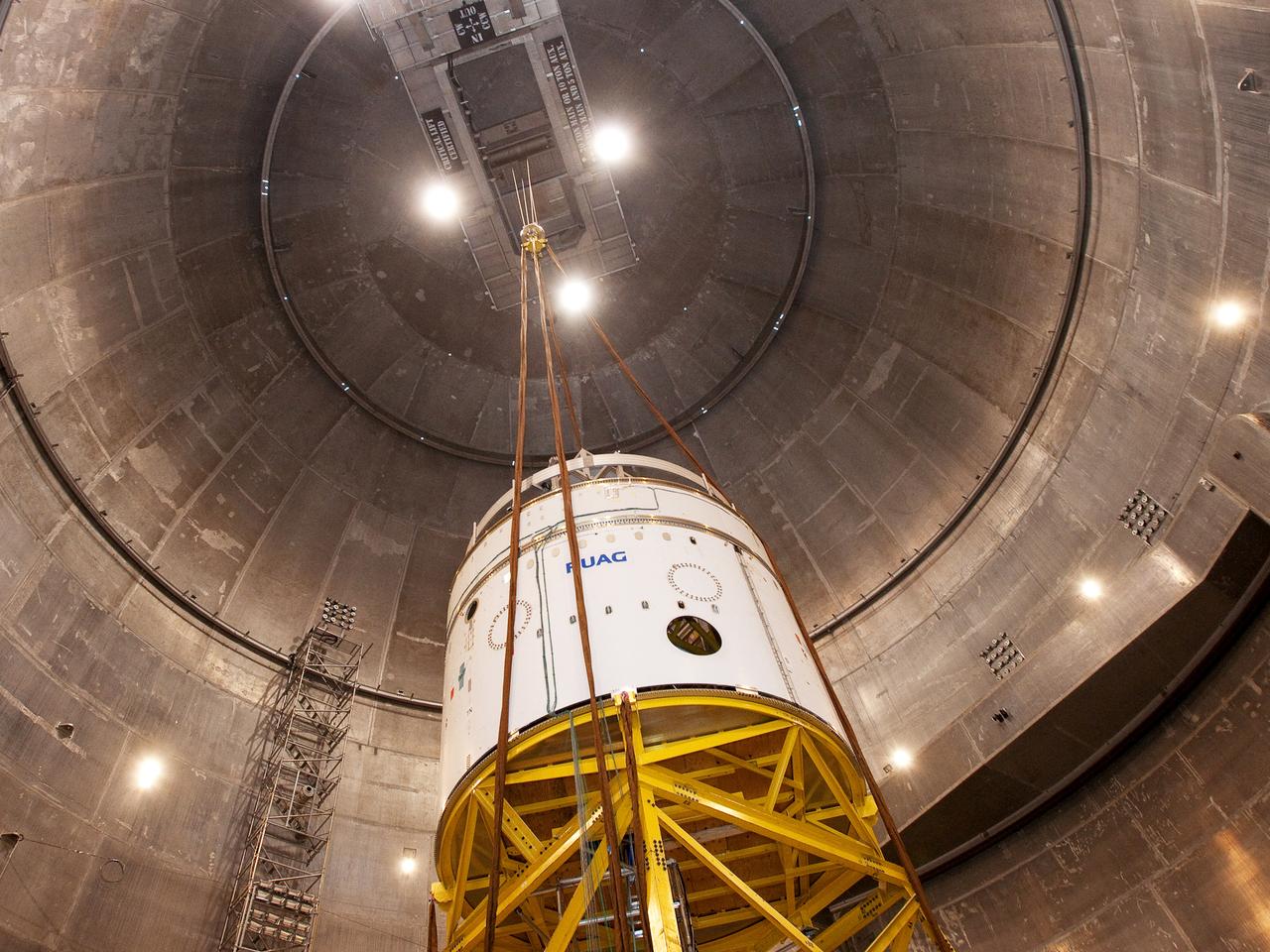
European Service Module Lift and Tilt Operation in the Assembly High Bay at Plum Brook Station’s Space Power Facility (SPF).
European Service Module Lift and Tilt Operation
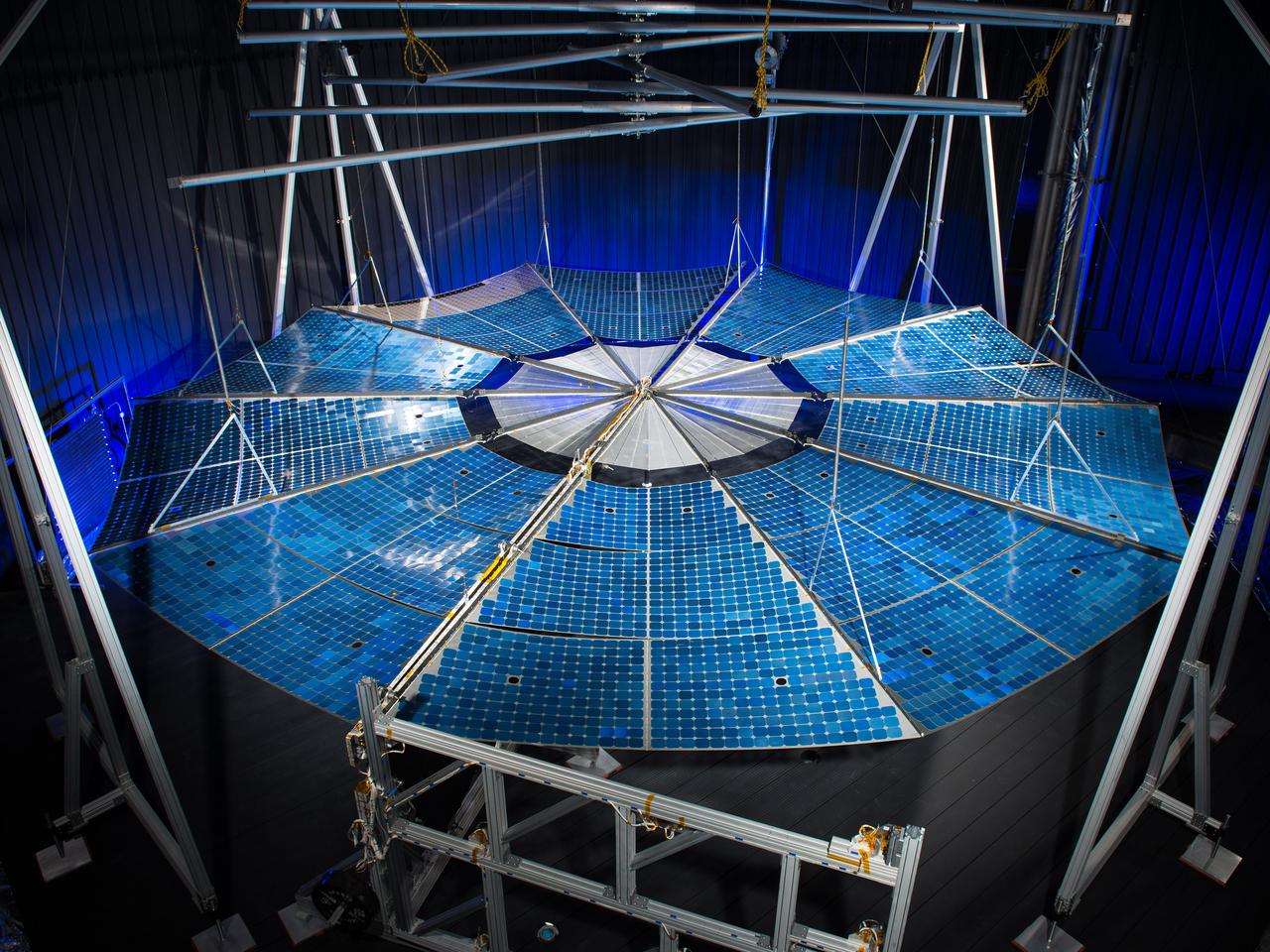
ATK Solar Array Deployment Test at NASA Plum Brook Station Space Power Facility.
Solar Array Test
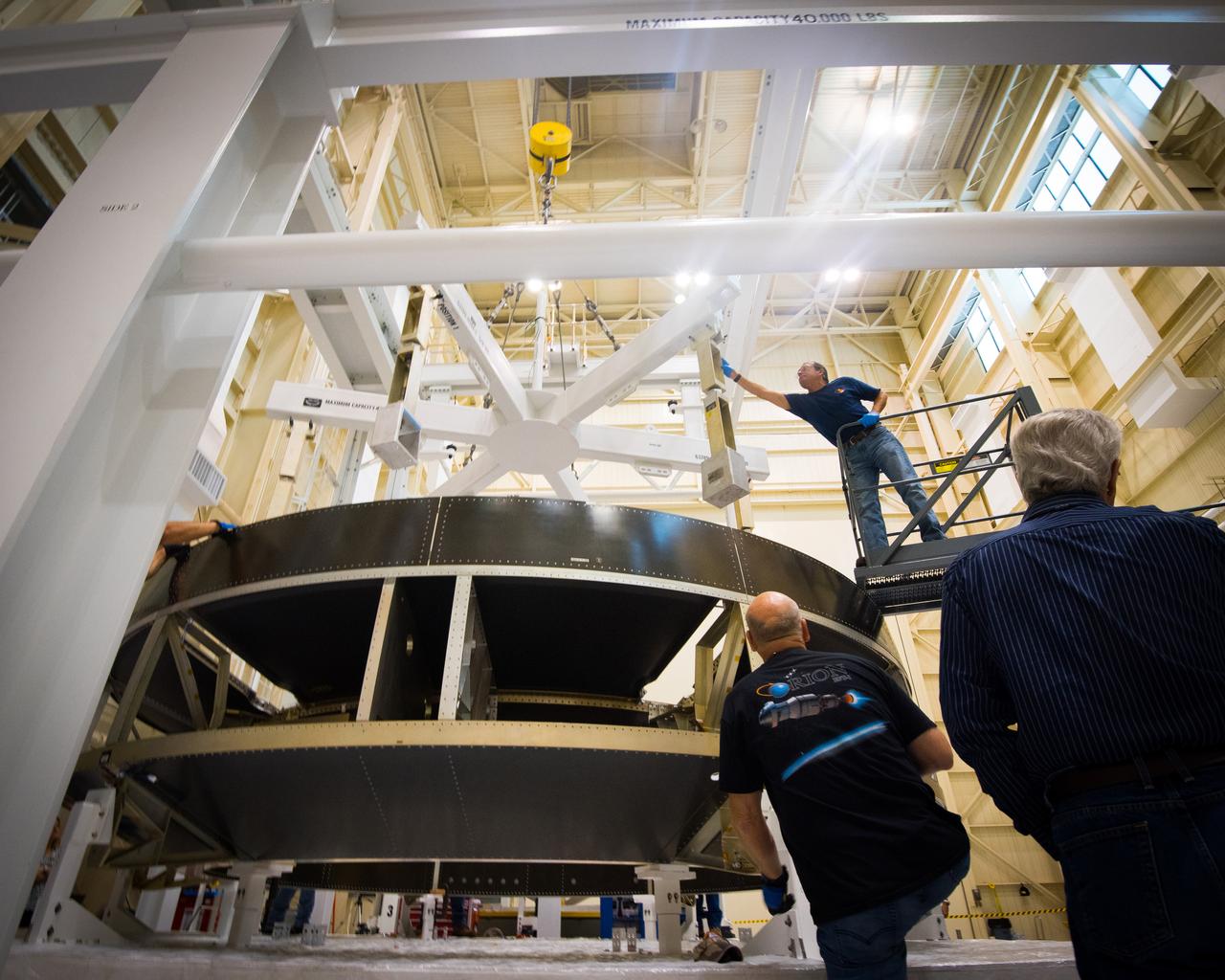
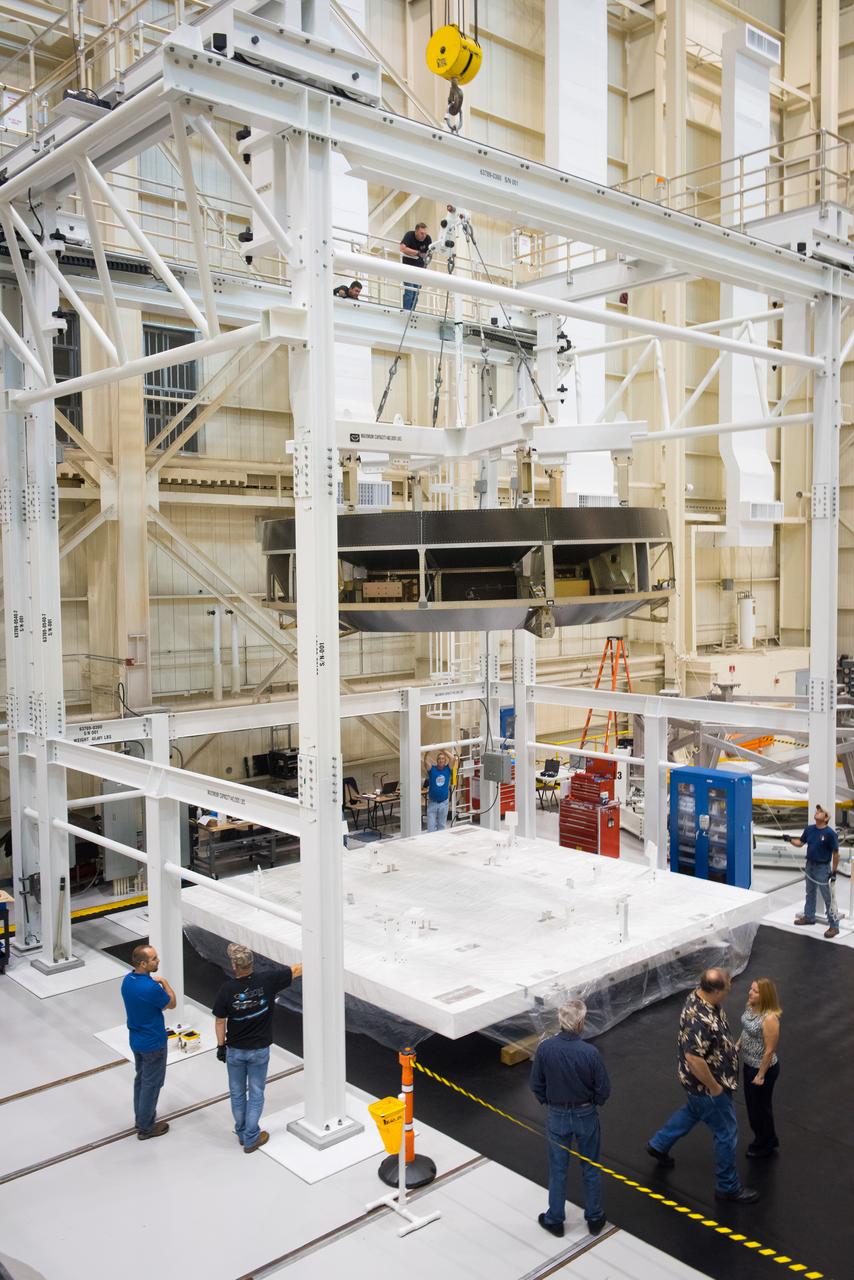
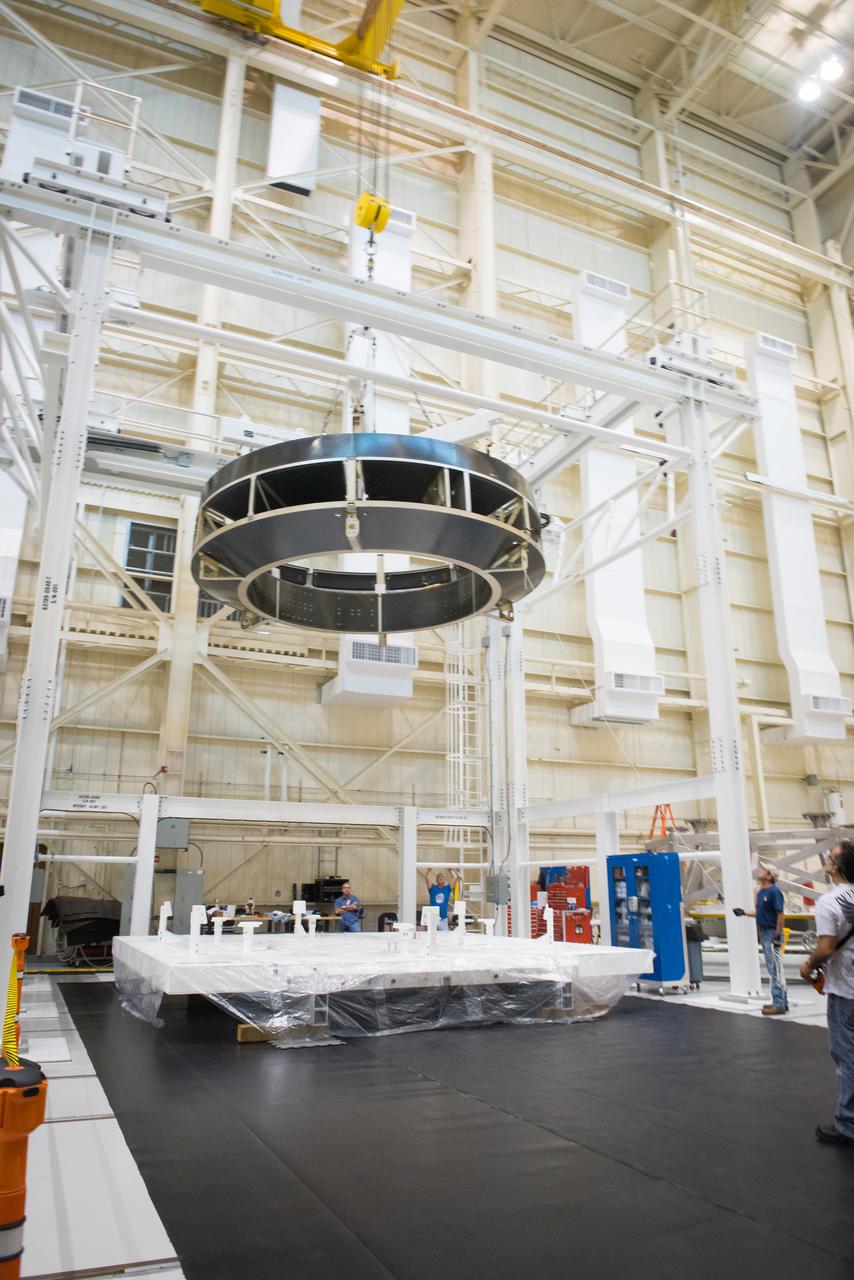
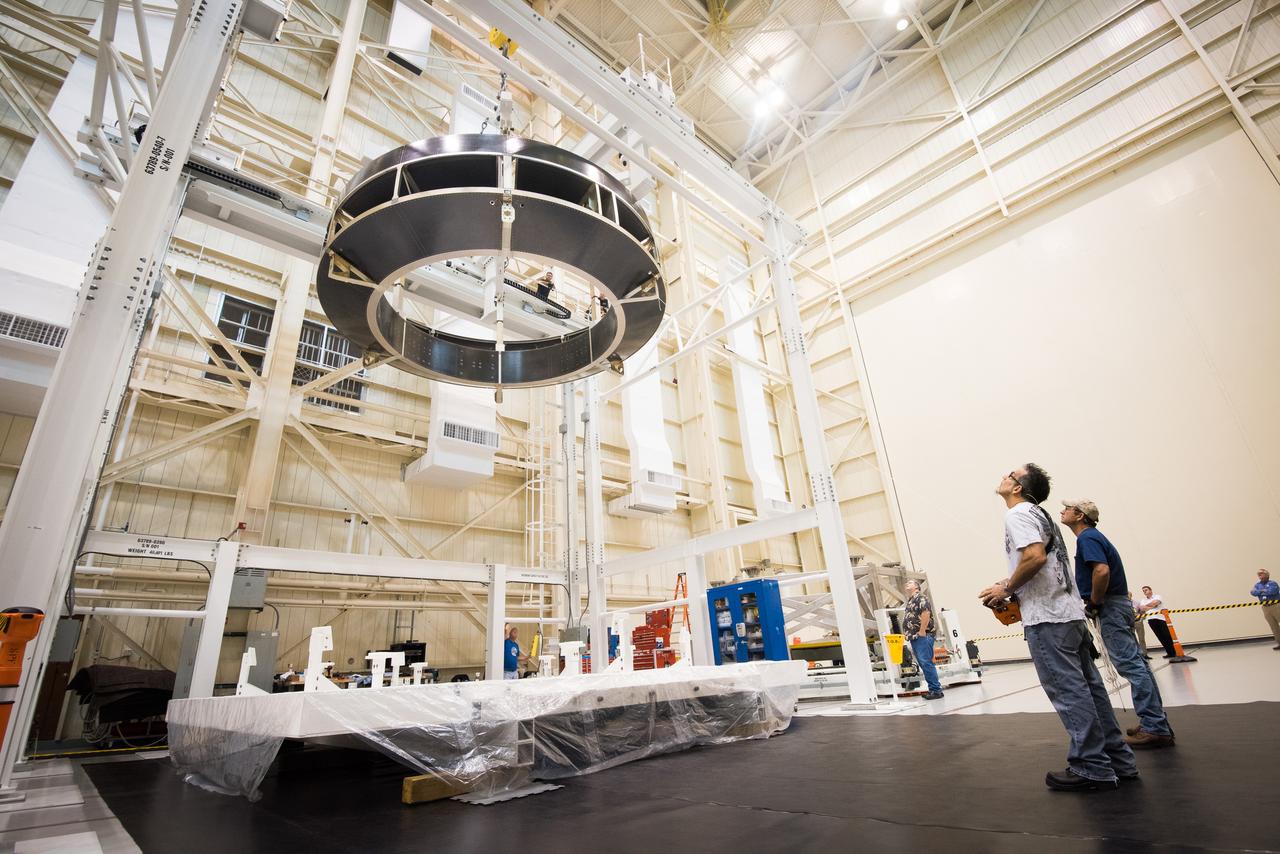
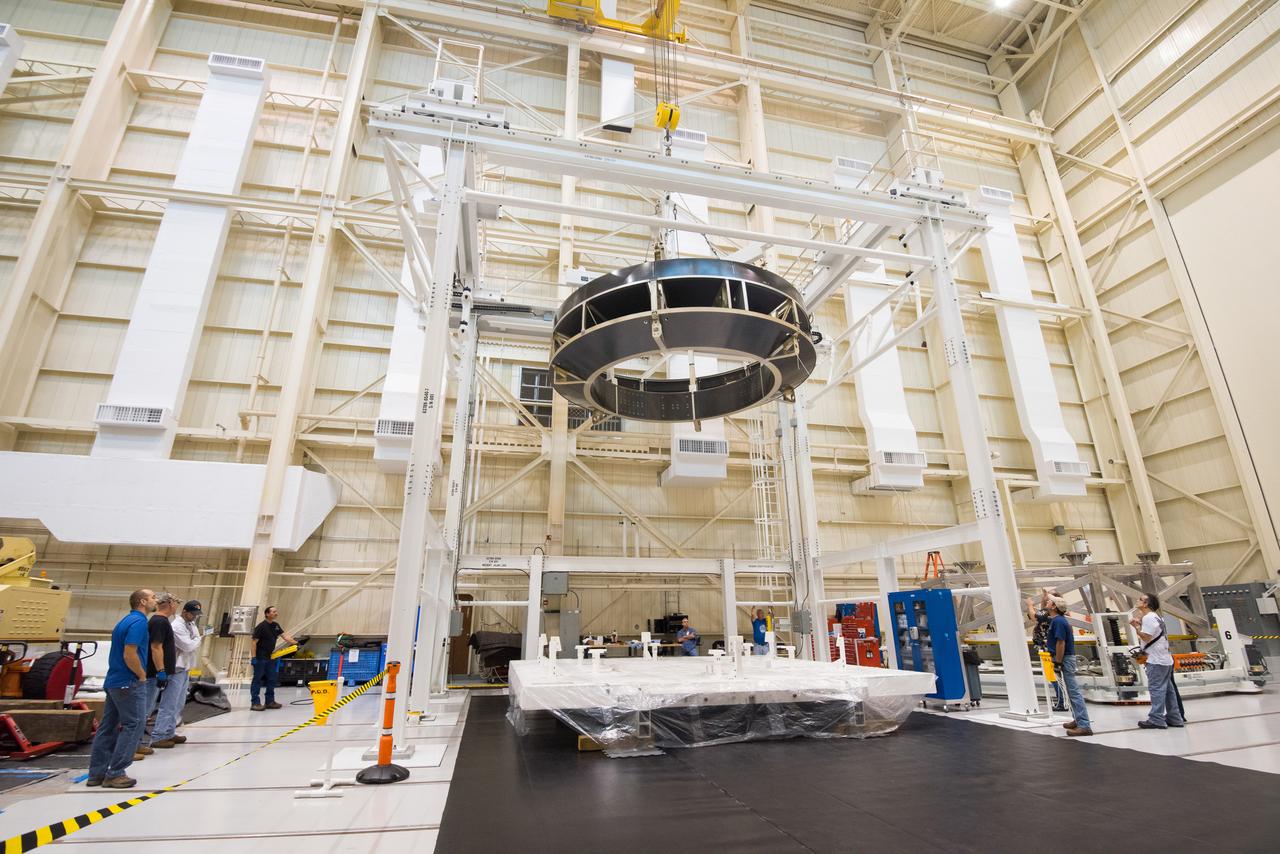
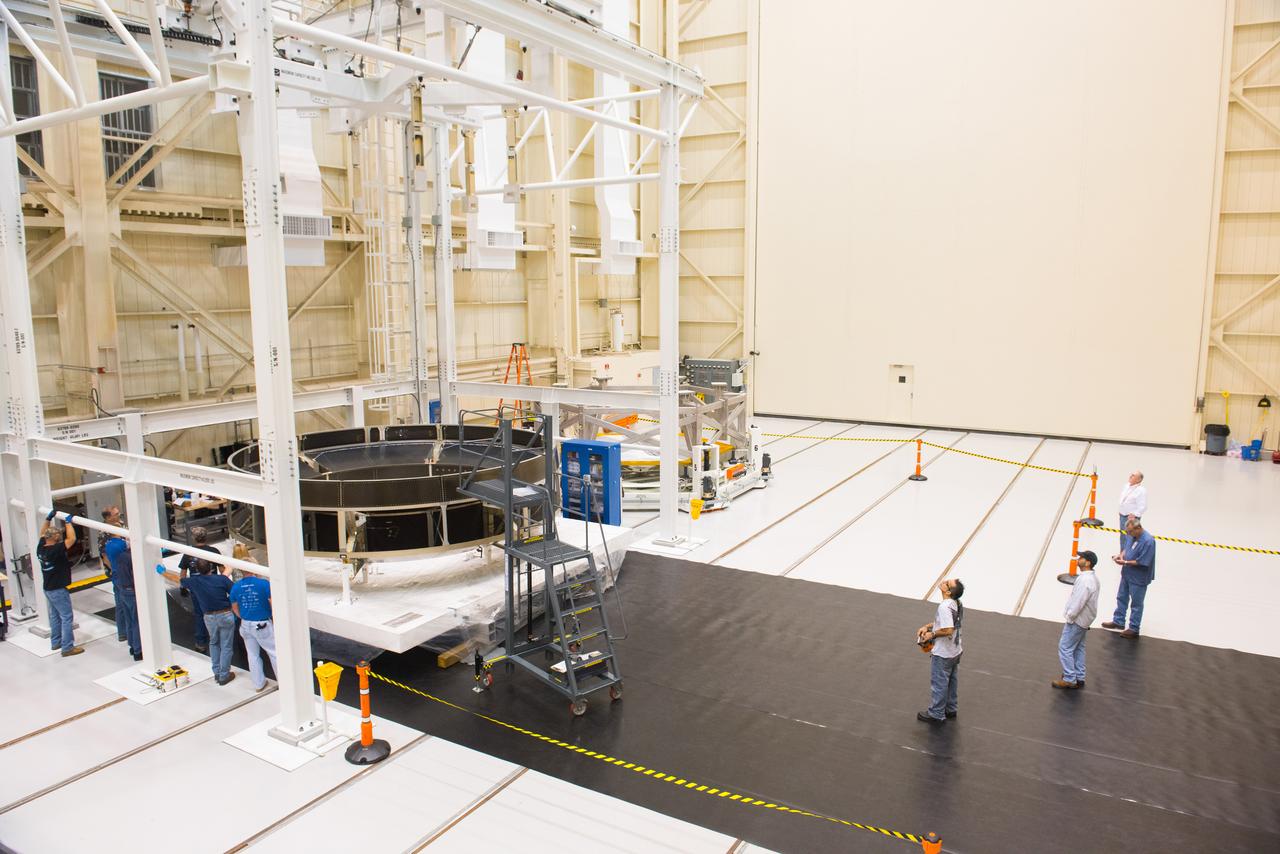
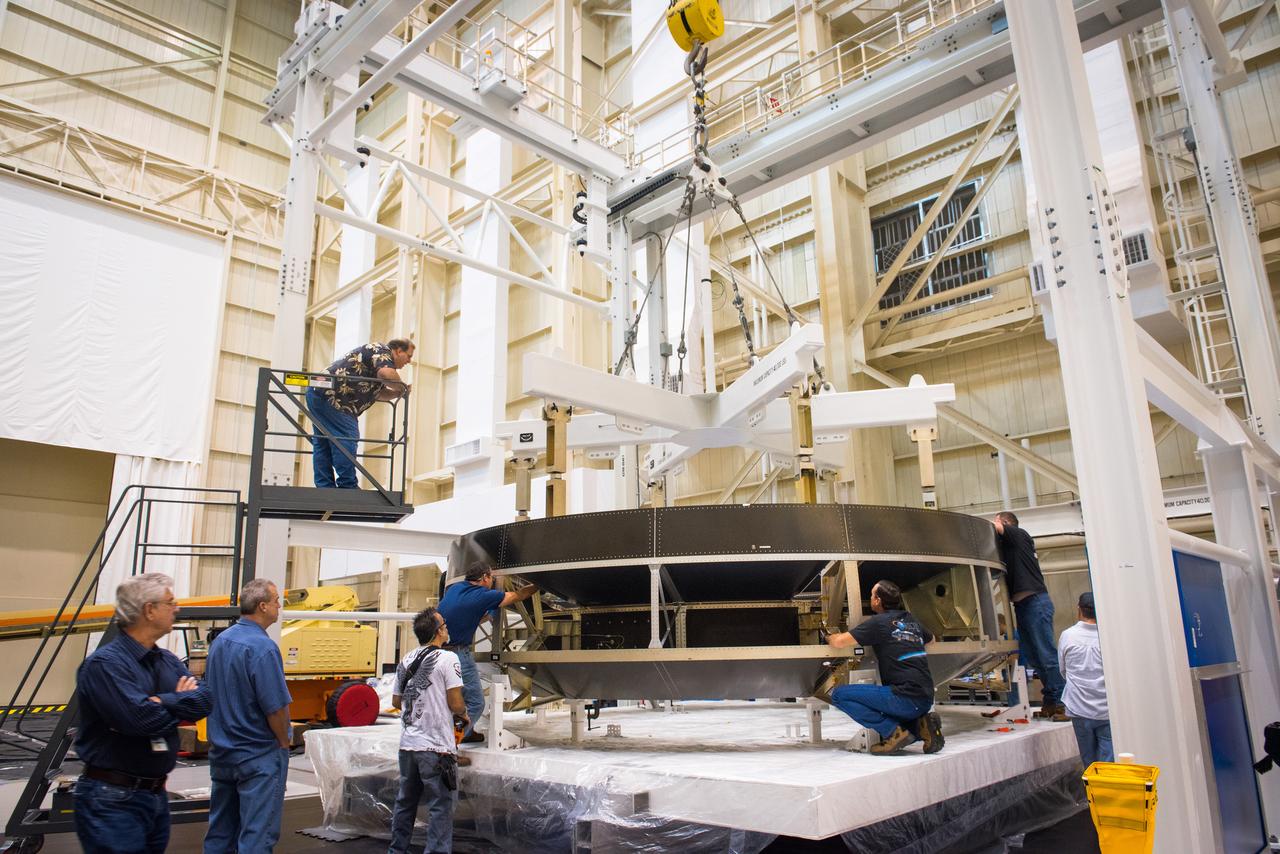
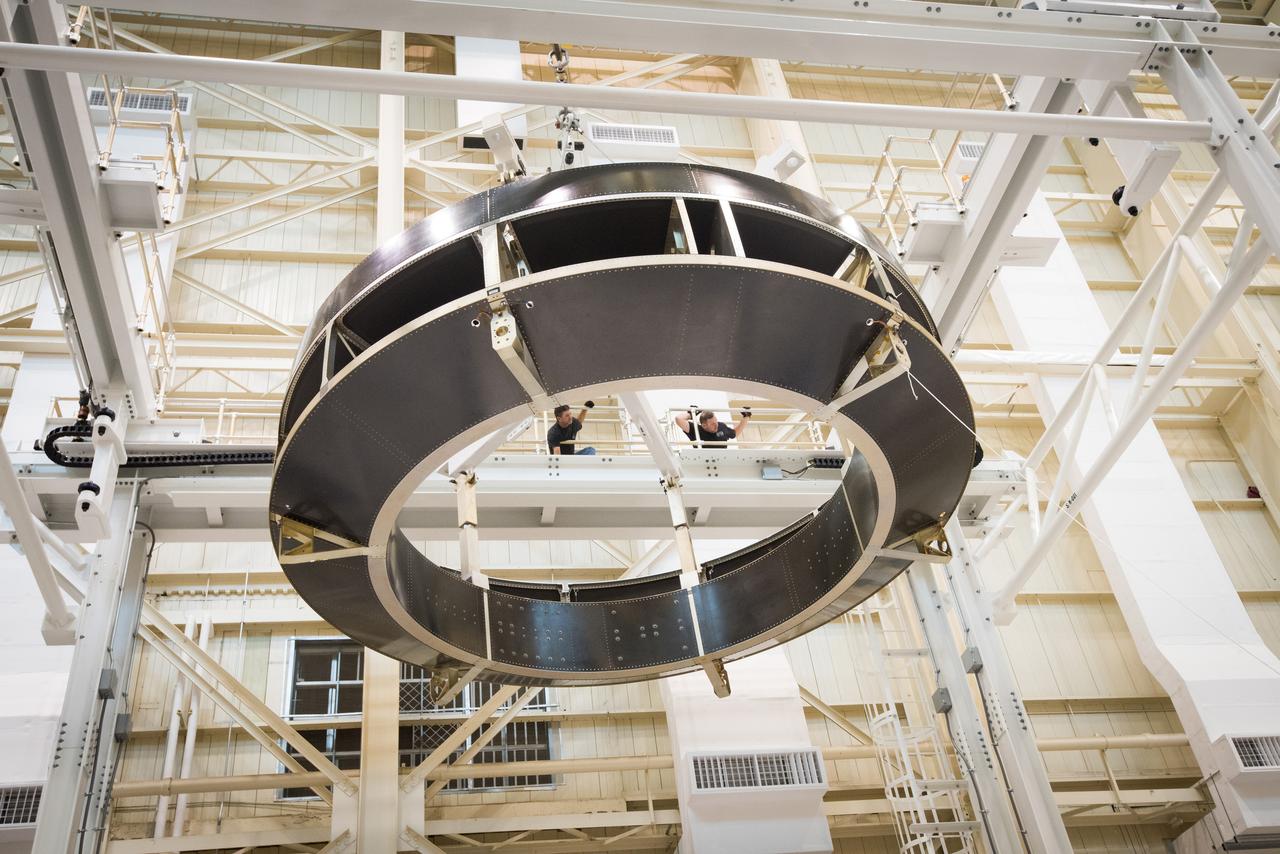
Engineers lift the Orion Crew Module Adapter Structural Test Article into the test stand at NASA Glenn Research Center Plum Brook Facility on Sept. 23, 2015.  Part of Batch image transfer from Flickr.
NASA Service Module testing at Plum Brook
Engineers lift the Orion Crew Module Adapter Structural Test Article into the test stand at NASA Glenn Research Center Plum Brook Facility on Sept. 23, 2015.  Part of Batch image transfer from Flickr.
NASA Service Module testing at Plum Brook
Engineers lift the Orion Crew Module Adapter Structural Test Article into the test stand at NASA Glenn Research Center Plum Brook Facility on Sept. 23, 2015.  Part of Batch image transfer from Flickr.
NASA Service Module testing at Plum Brook
Engineers lift the Orion Crew Module Adapter Structural Test Article into the test stand at NASA Glenn Research Center Plum Brook Facility on Sept. 23, 2015.  Part of Batch image transfer from Flickr.
NASA Service Module testing at Plum Brook
Engineers lift the Orion Crew Module Adapter Structural Test Article into the test stand at NASA Glenn Research Center Plum Brook Facility on Sept. 23, 2015.  Part of Batch image transfer from Flickr.
NASA Service Module testing at Plum Brook
Engineers lift the Orion Crew Module Adapter Structural Test Article into the test stand at NASA Glenn Research Center Plum Brook Facility on Sept. 23, 2015.  Part of Batch image transfer from Flickr.
NASA Service Module testing at Plum Brook
Engineers lift the Orion Crew Module Adapter Structural Test Article into the test stand at NASA Glenn Research Center Plum Brook Facility on Sept. 23, 2015. Part of Batch image transfer from Flickr.
NASA Service Module testing at Plum Brook
Engineers lift the Orion Crew Module Adapter Structural Test Article into the test stand at NASA Glenn Research Center Plum Brook Facility on Sept. 23, 2015.  Part of Batch image transfer from Flickr.
NASA Service Module testing at Plum Brook
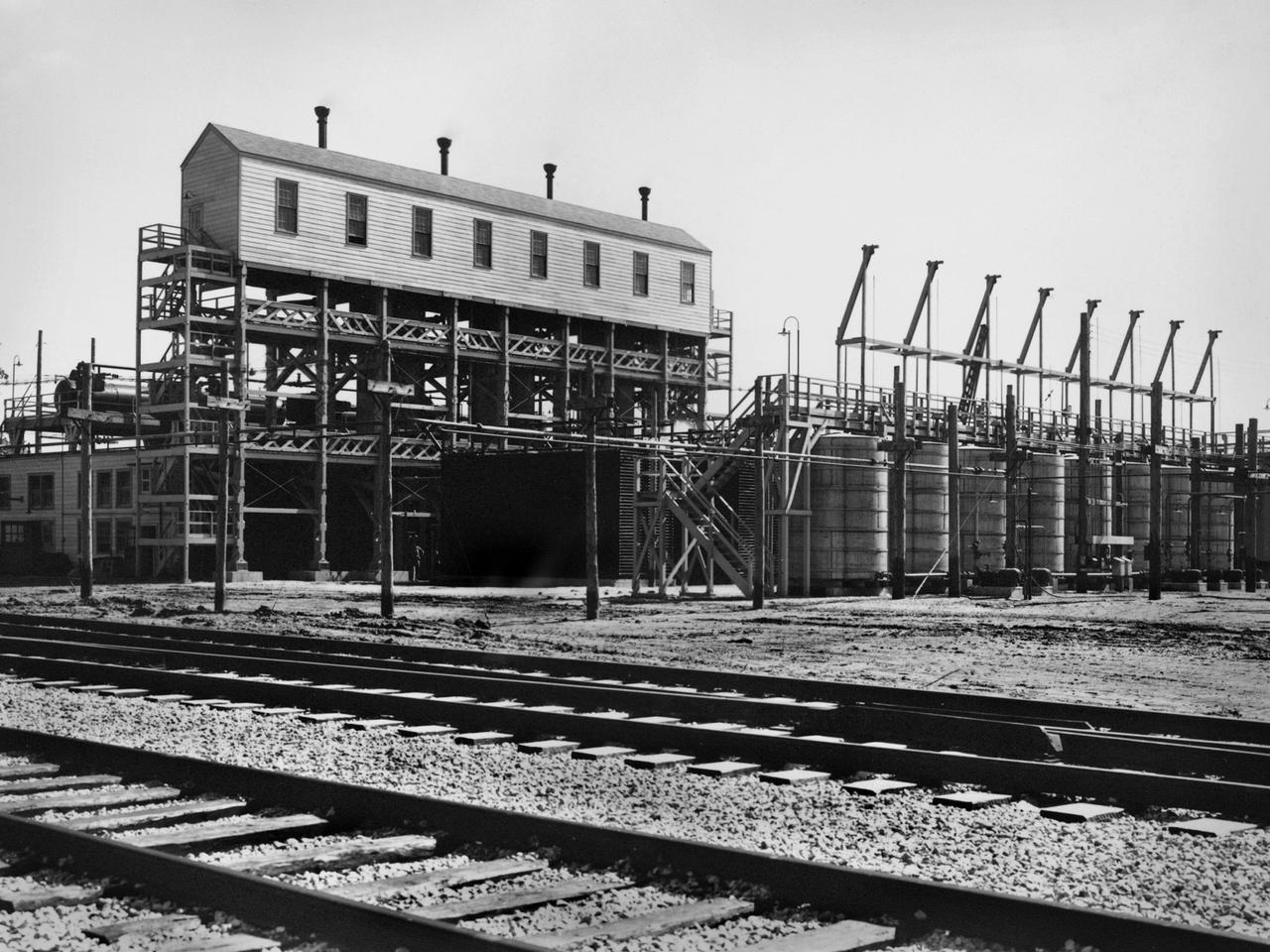
An ammonia oxidation plant at the Plum Brook Ordnance Works near Sandusky, Ohio, which later became the National Aeronautics and Space Administration’s (NASA) Plum Brook Station. During World War II the ordnance works produced trinitroluene (TNT), dinitrotoluene (DNT), and pentolite which were crated and shipped to an arsenal in Ravenna, Ohio. There, the explosives were packed into shells and sent to Allied forces overseas. Plum Brook was the third largest producer of TNT during World War II.     Toluene, sulfuric acid, and nitric acid were used to manufacture the TNT. Nitric Acid is made by oxidizing ammonia, adding water, and concentrating it. The facility in this photograph was used for this oxidation. The structure included air compressors, filters, aftercoolers, power recovery systems, air receivers, heaters, ammonia gasifiers, gas mixers, cooler condensers, absorption columns, and bleaching columns.    The Plum Brook Ordnance Works was shut down immediately after the war and remained vacant for the next ten years. NASA’s predecessor, the National Advisory Committee for Aeronautics (NACA), acquired the 500 acres of the site in 1955 to build a nuclear test reactor. By 1963, the agency had acquired the entire 9000 acres from the Army. Almost all of the military facilities were removed in the early 1960s. Plum Brook Station contained over 30 test facilities at its peak in the late 1960s. Today there are four major facilities in operation.
Ammonia Oxidation Plant at Plum Brook Ordnance Works
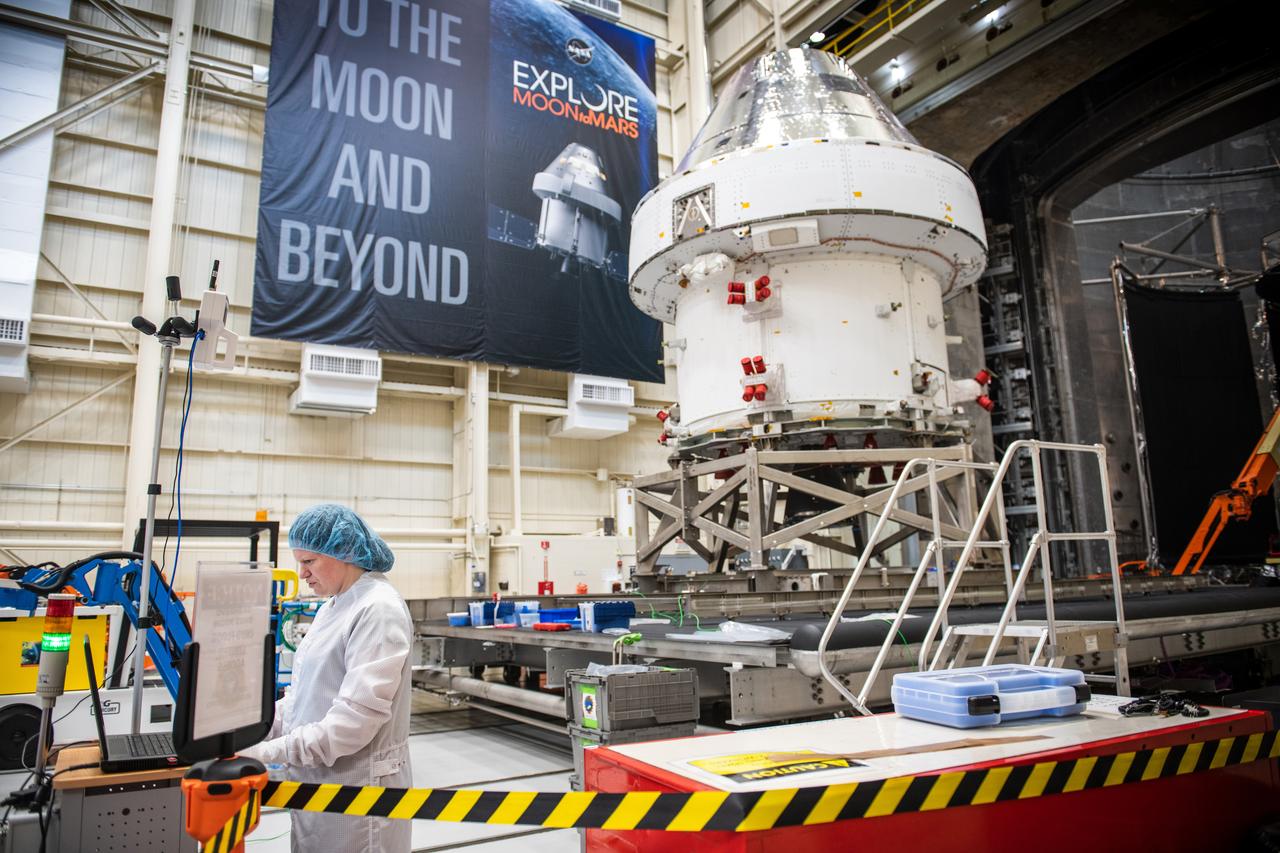
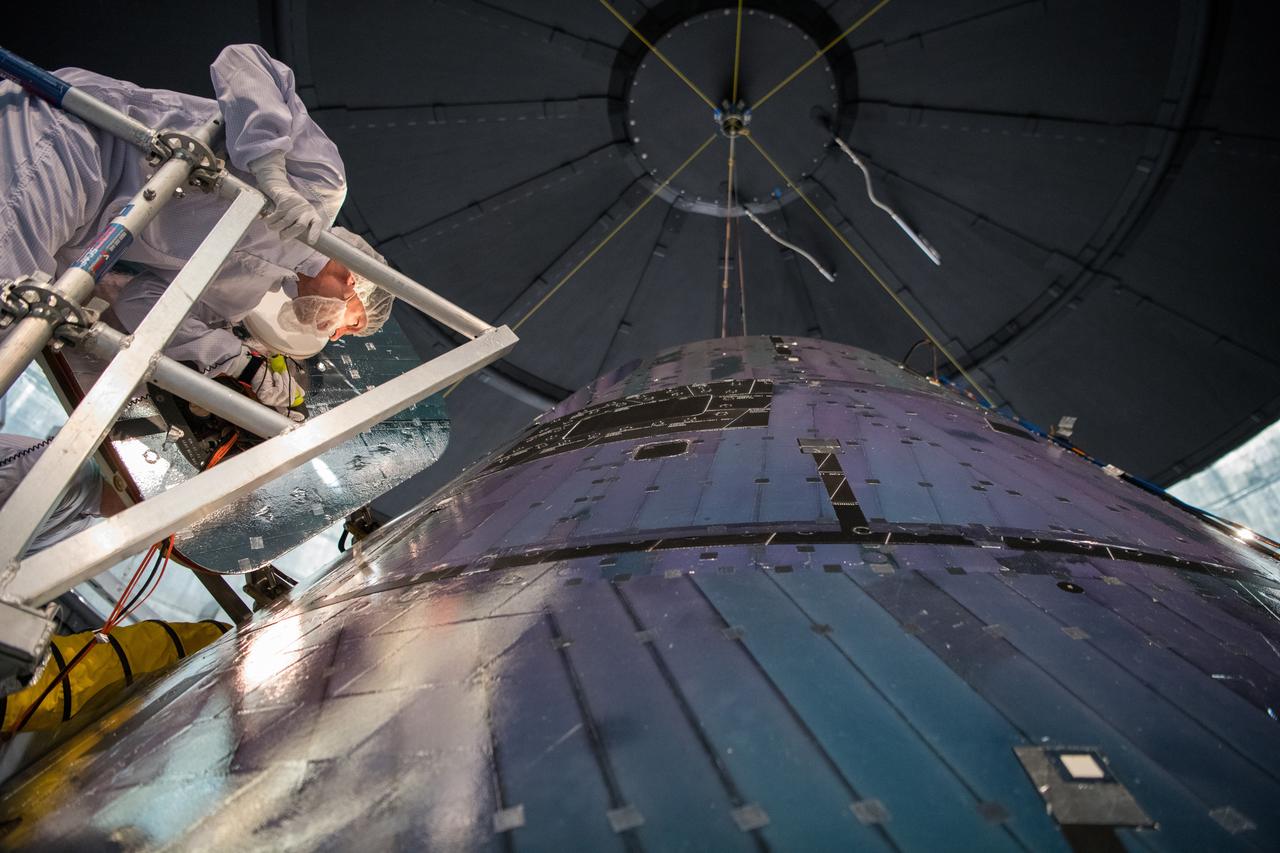
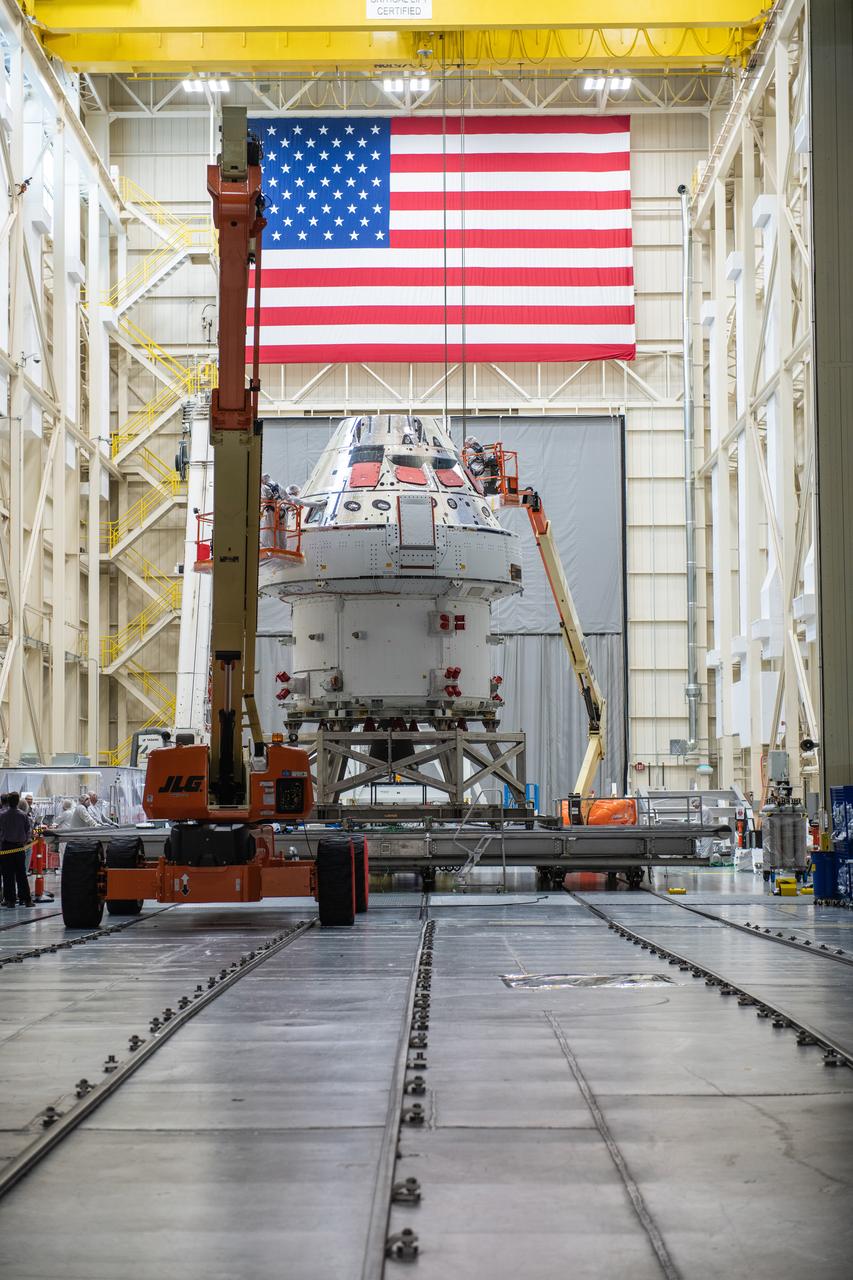
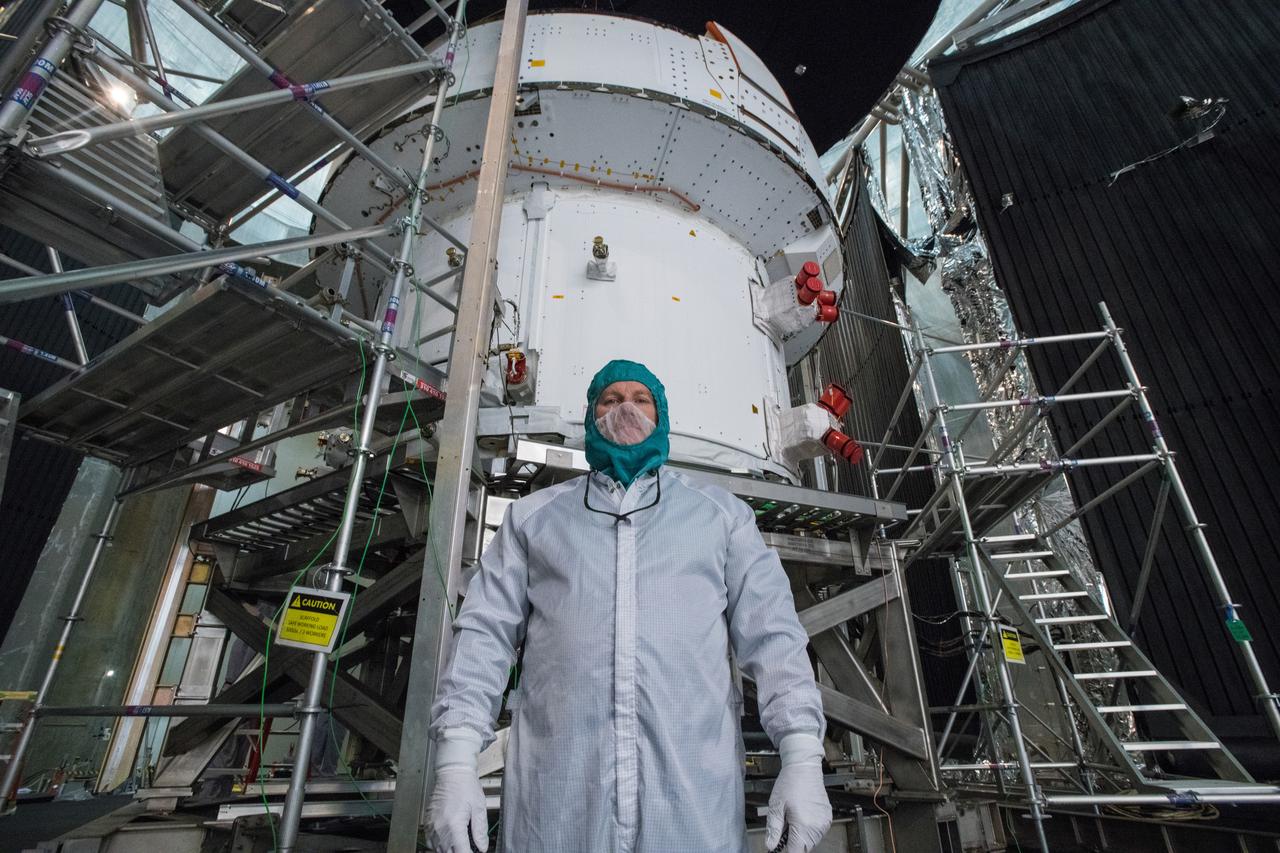
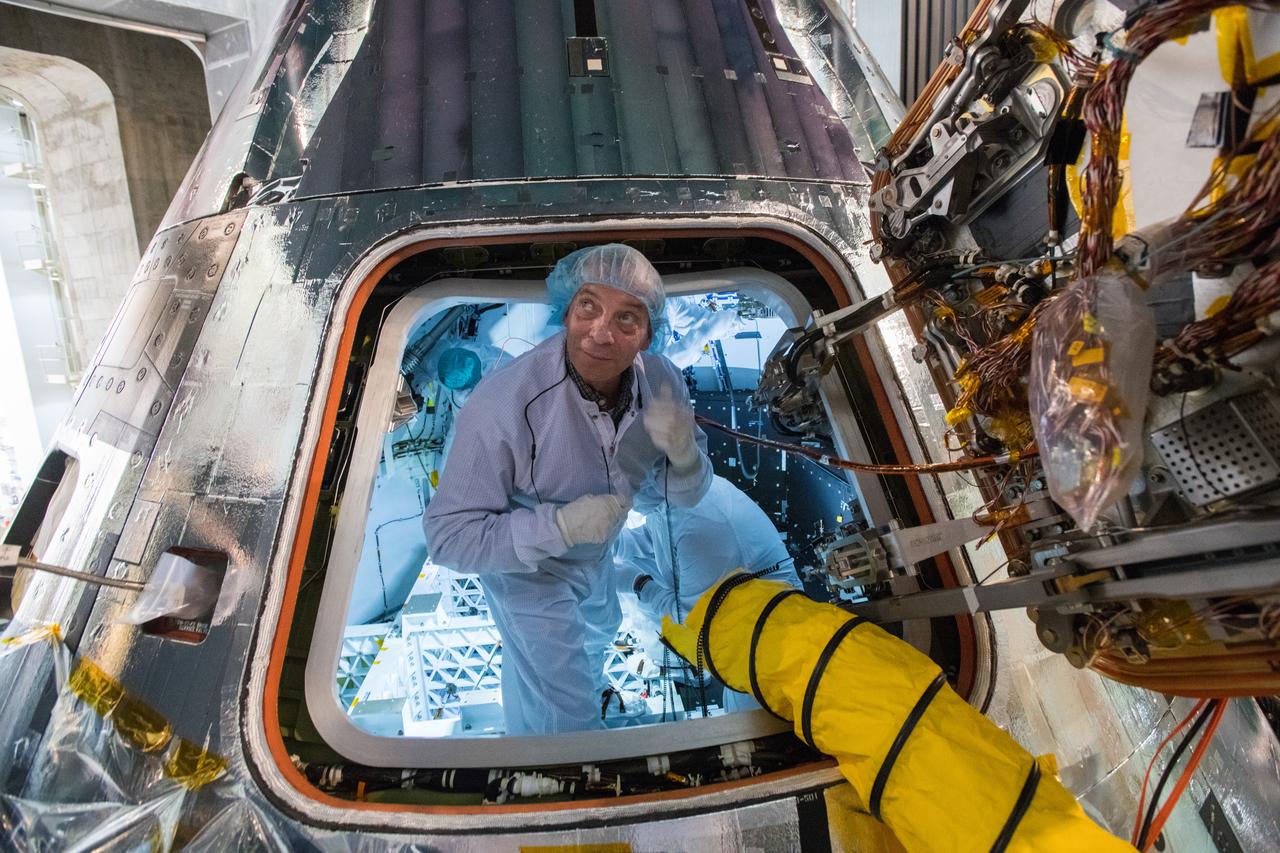
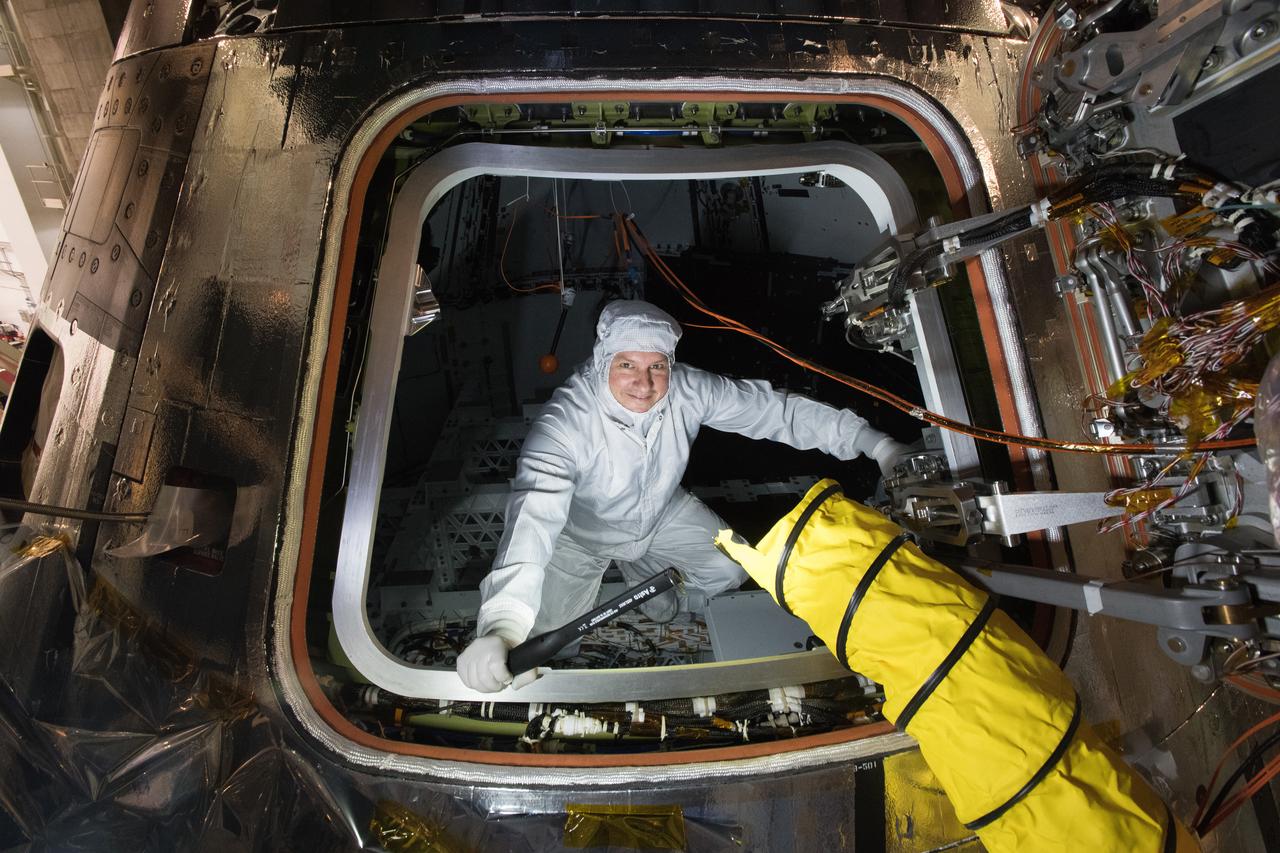
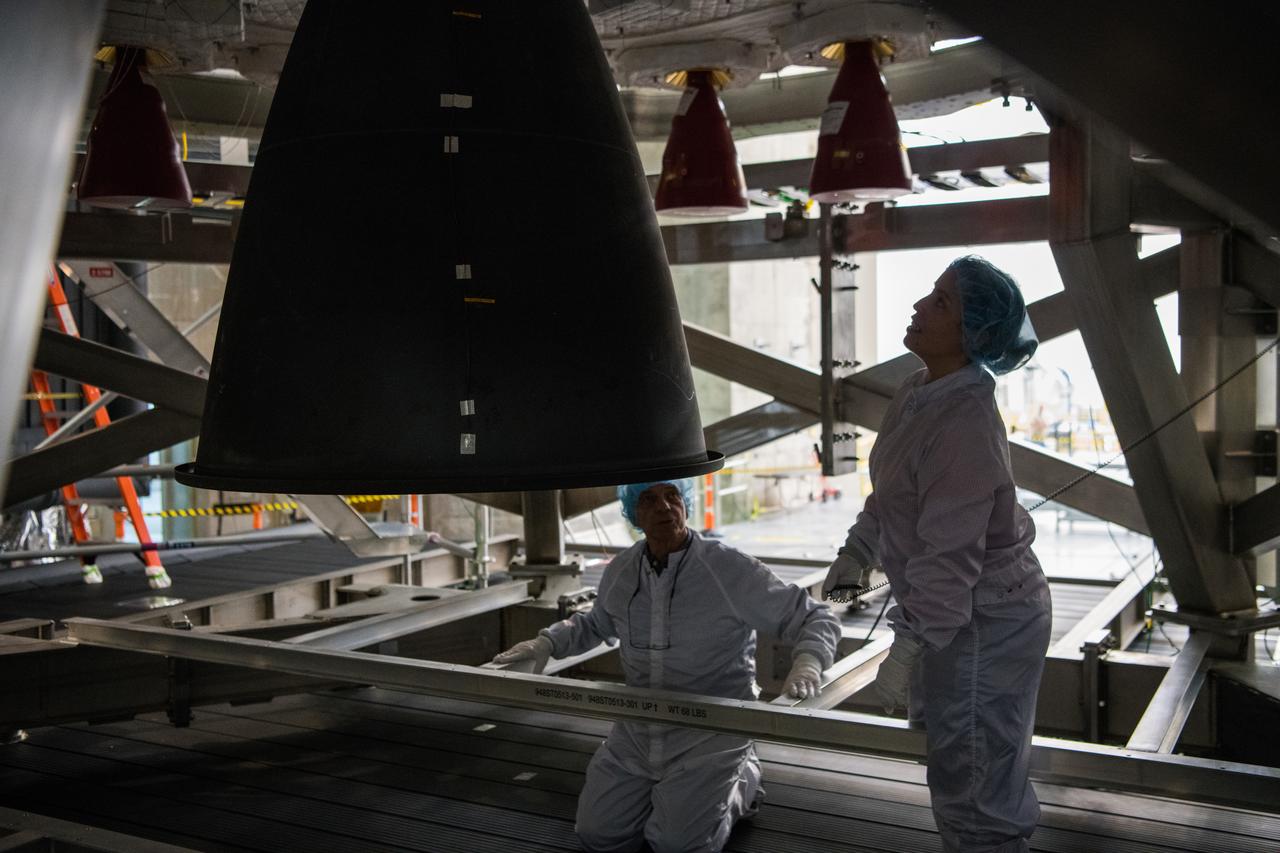
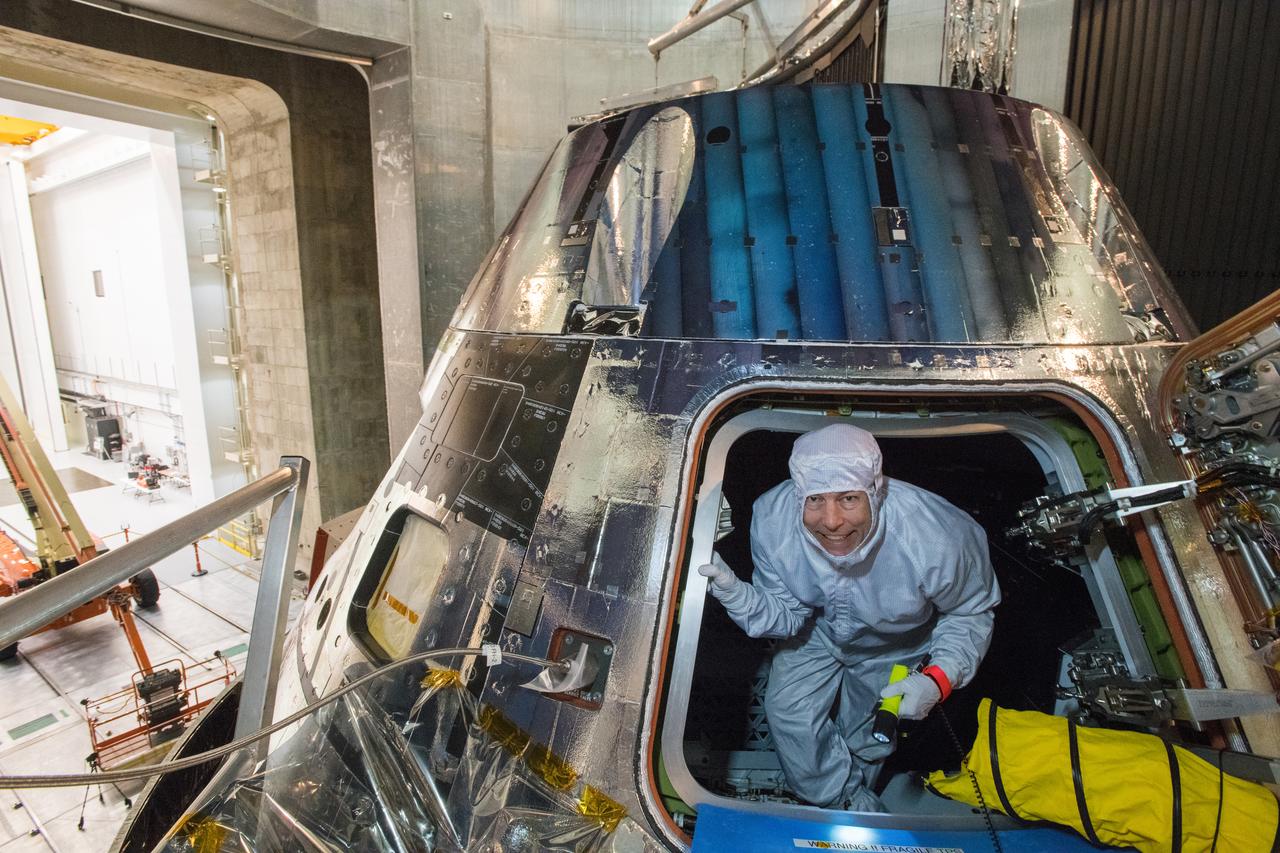
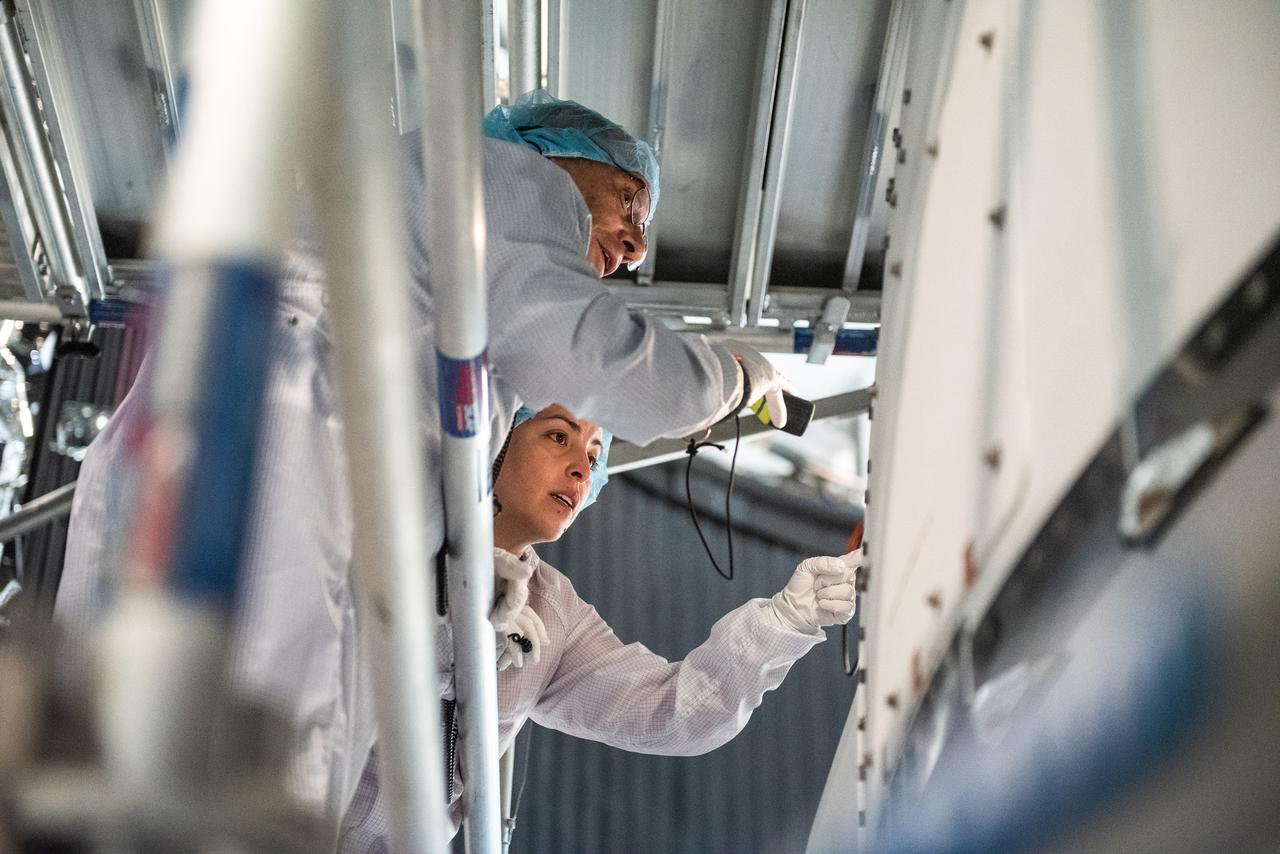
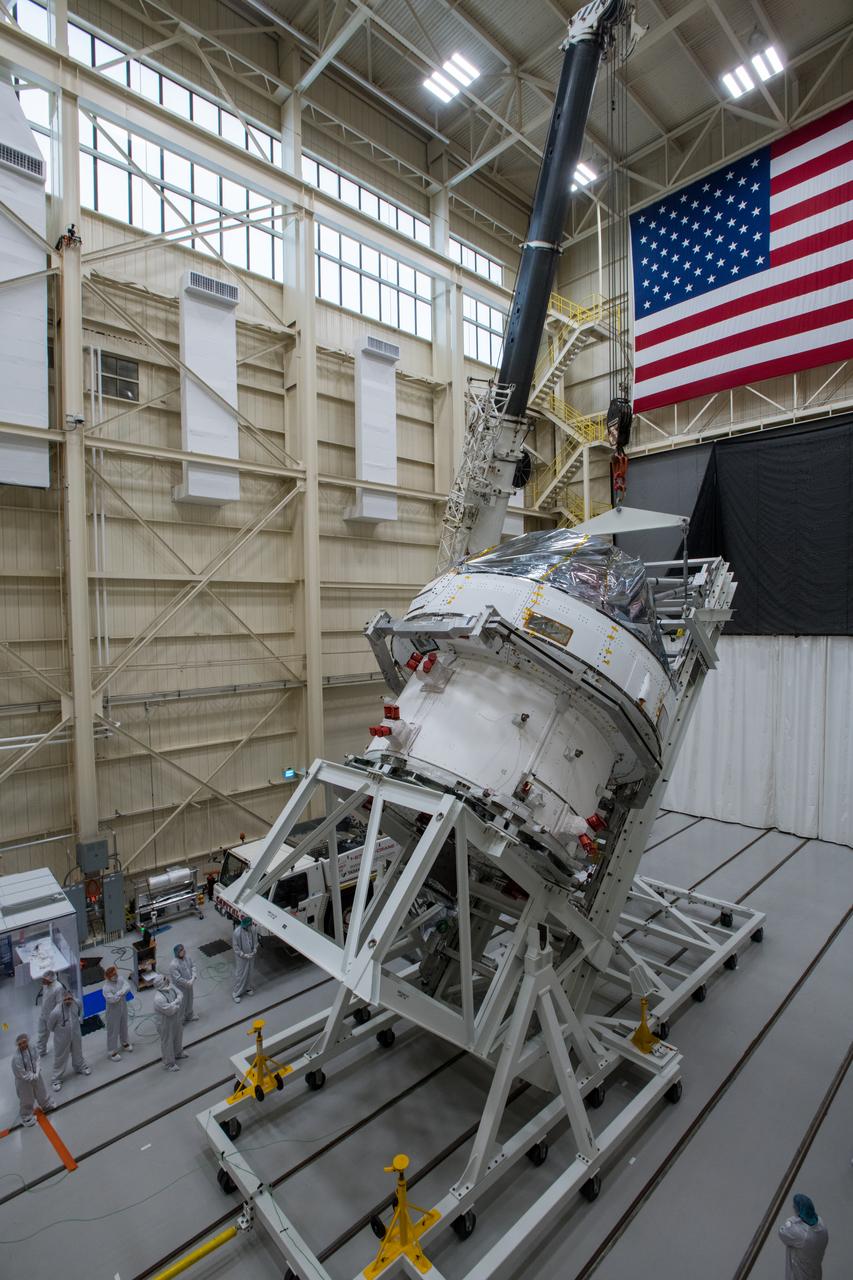
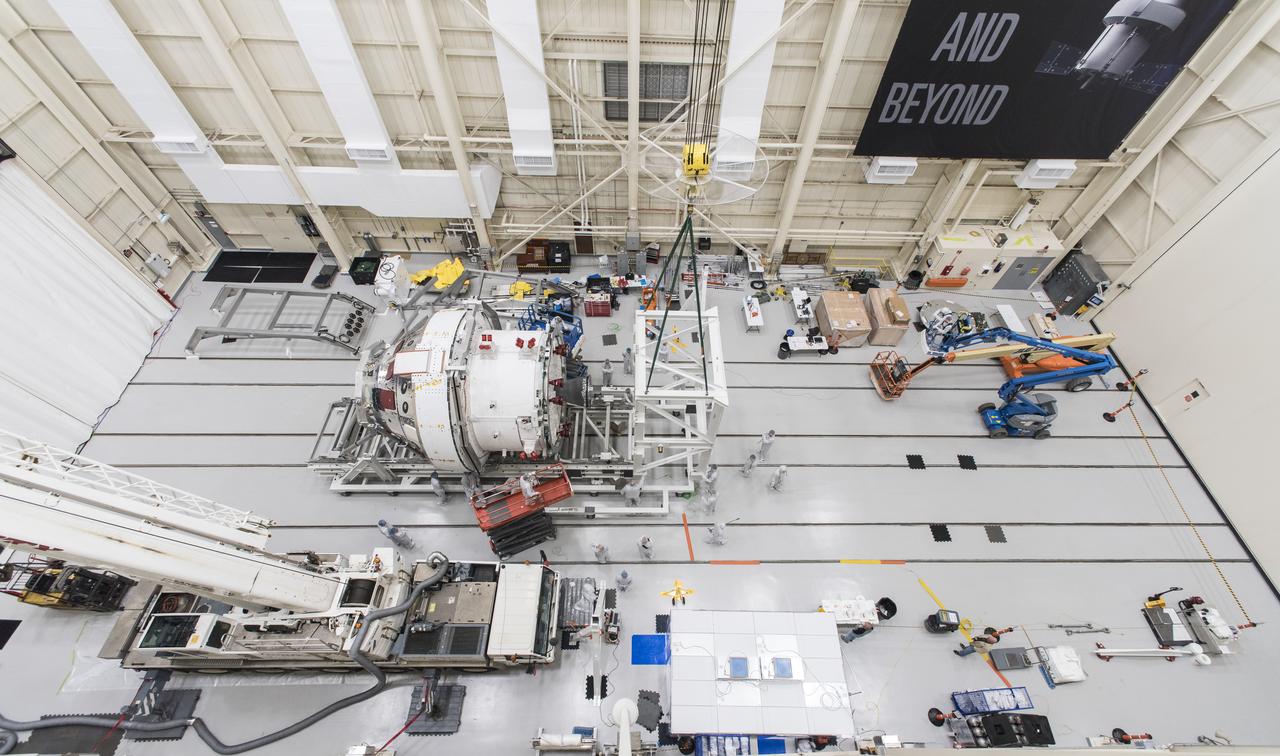
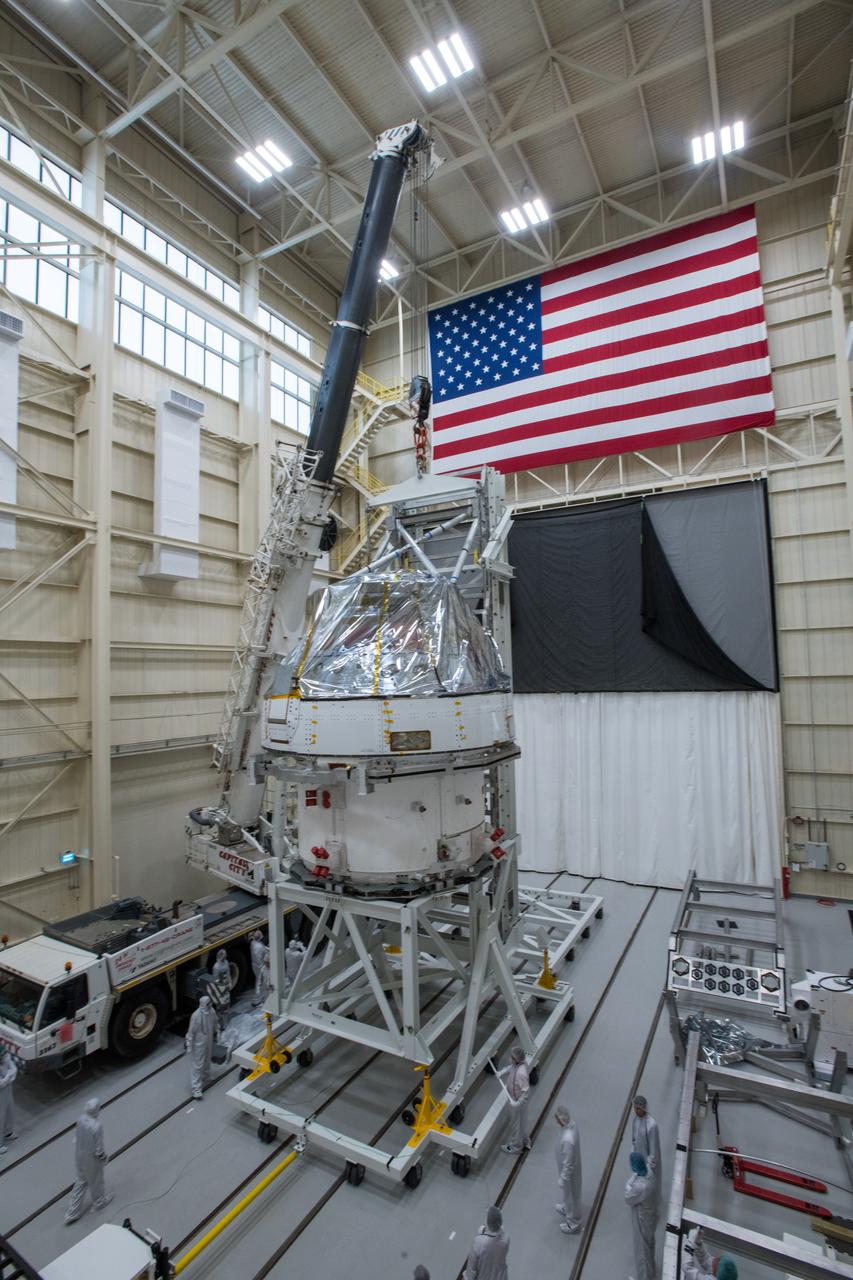
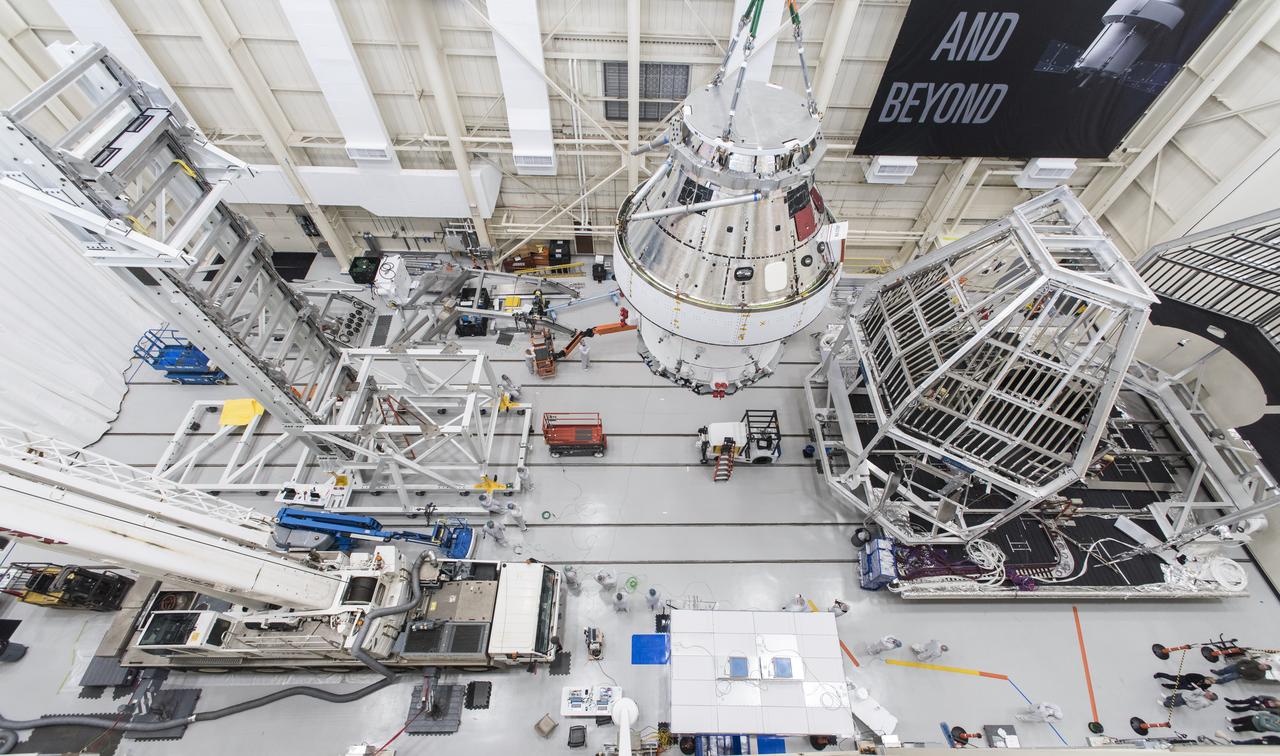
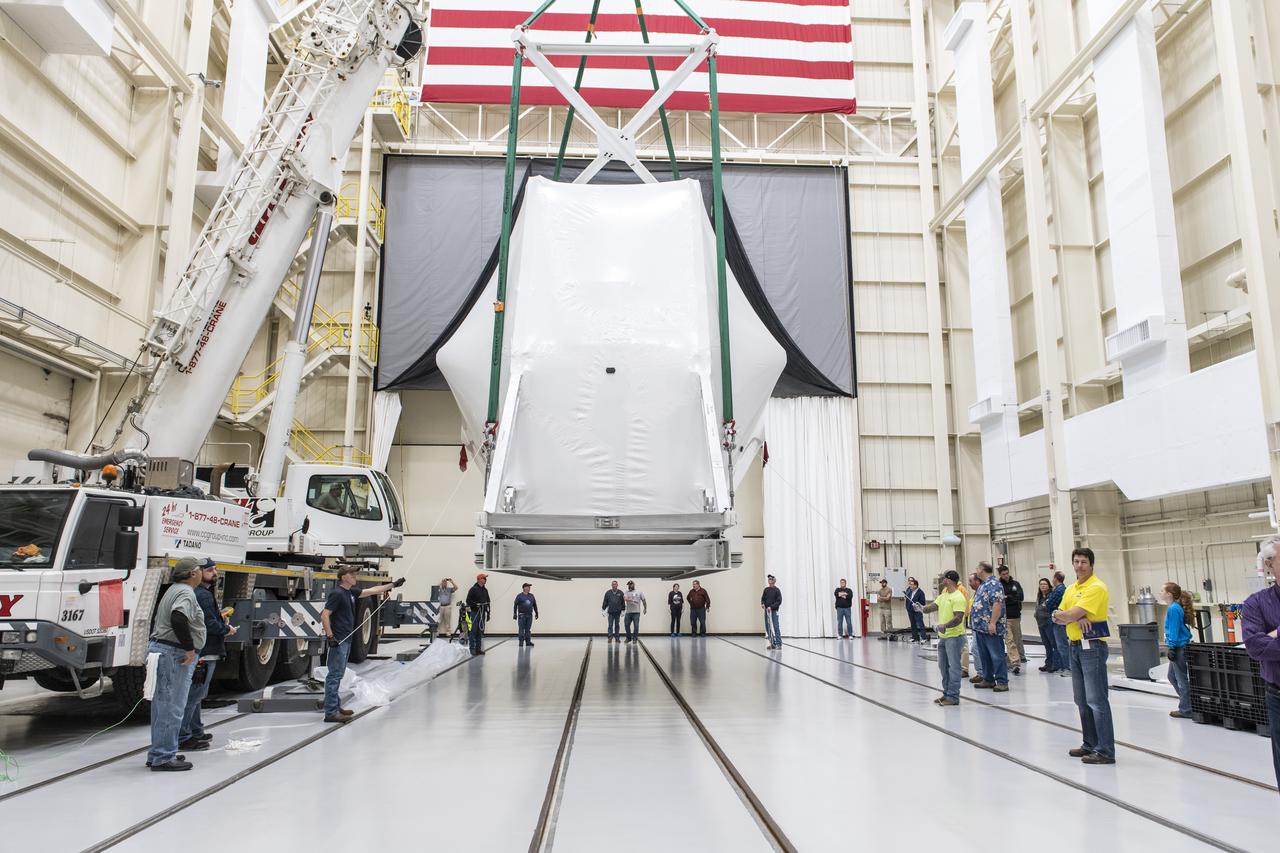
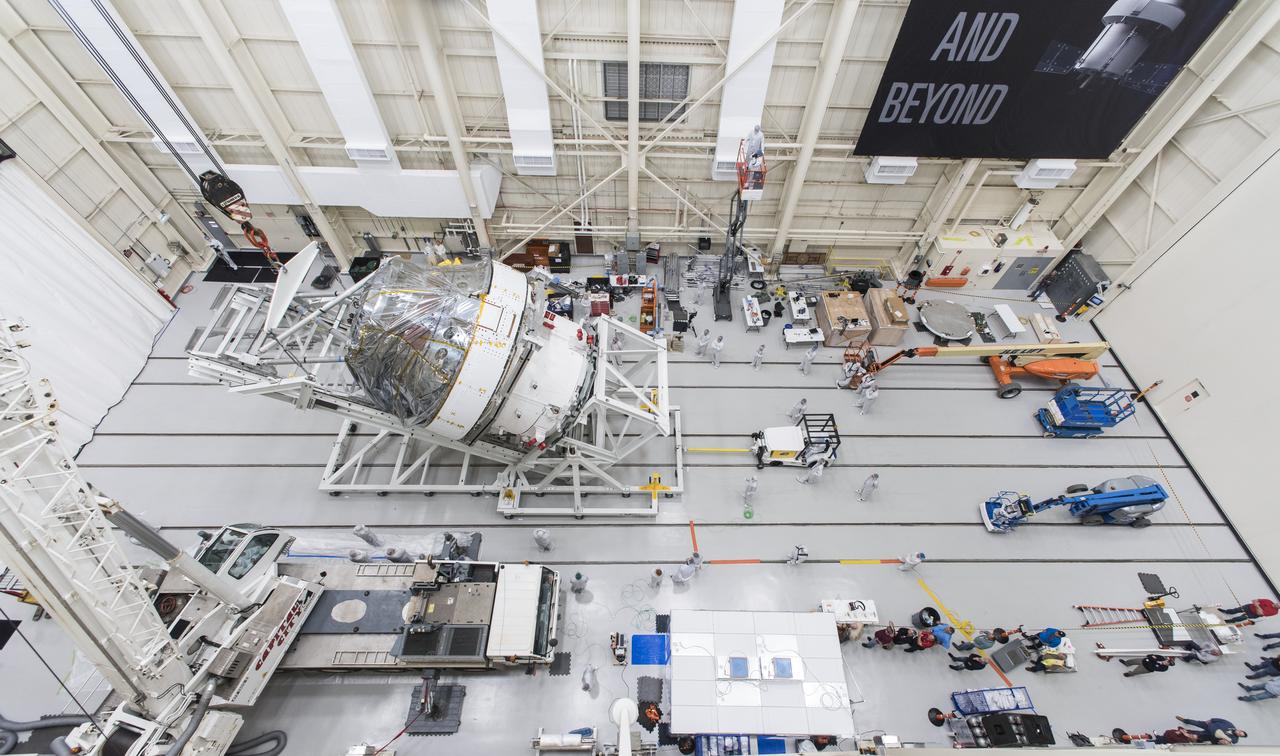
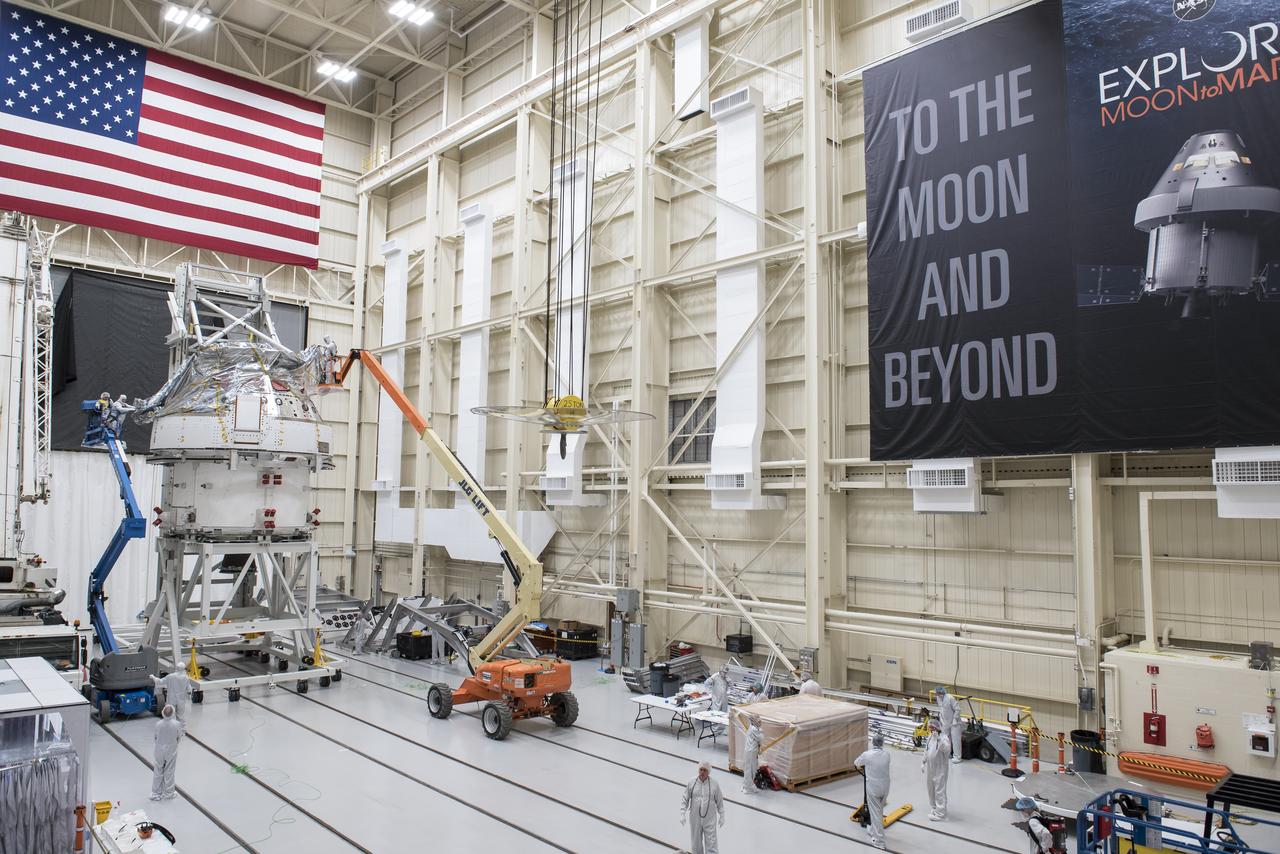
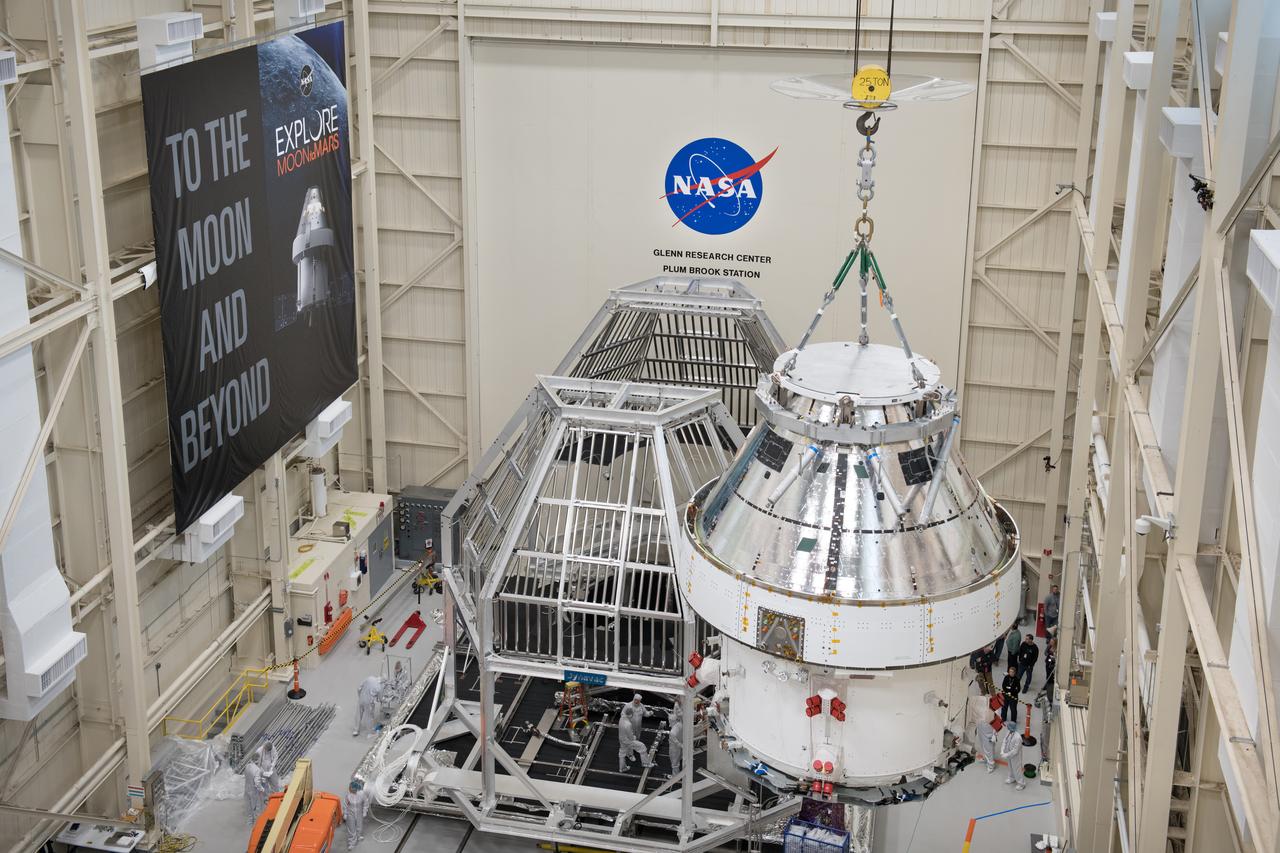
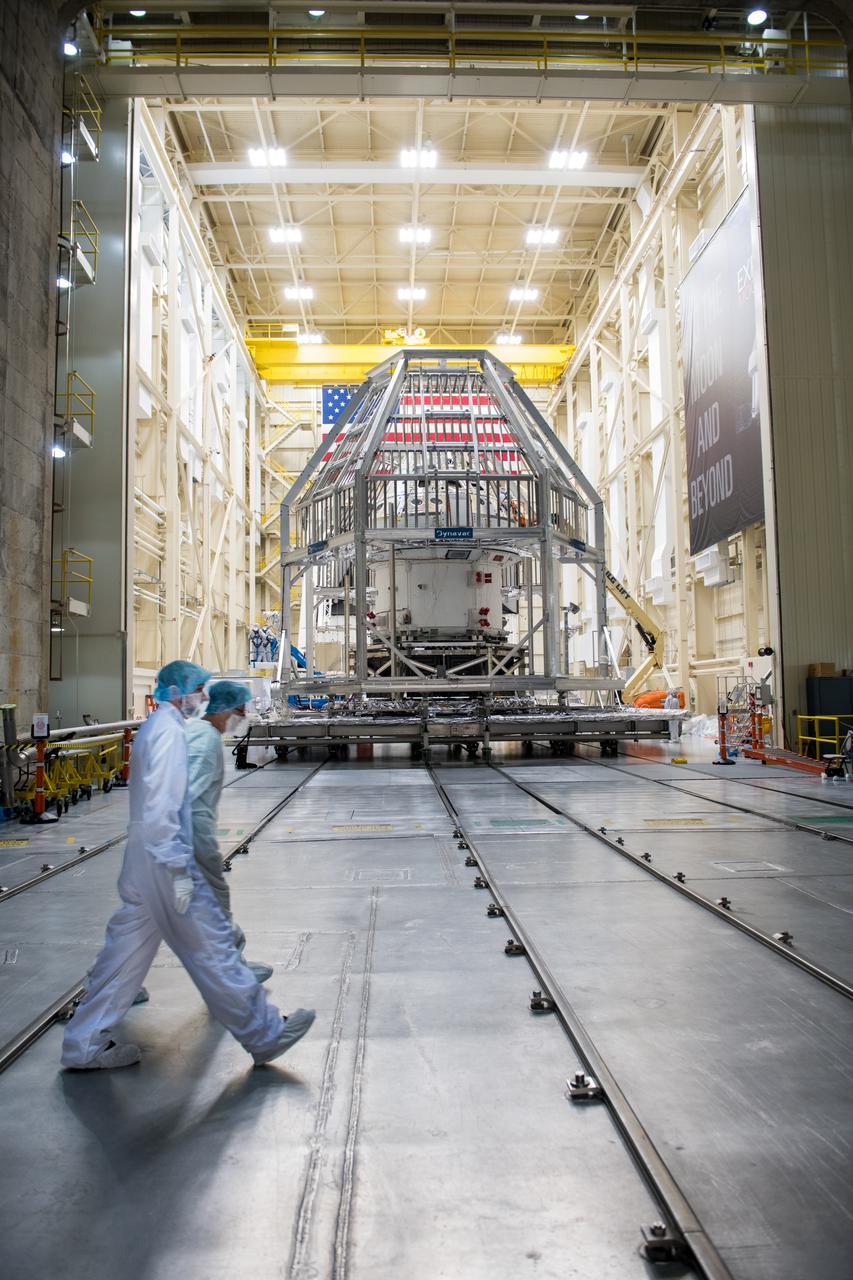
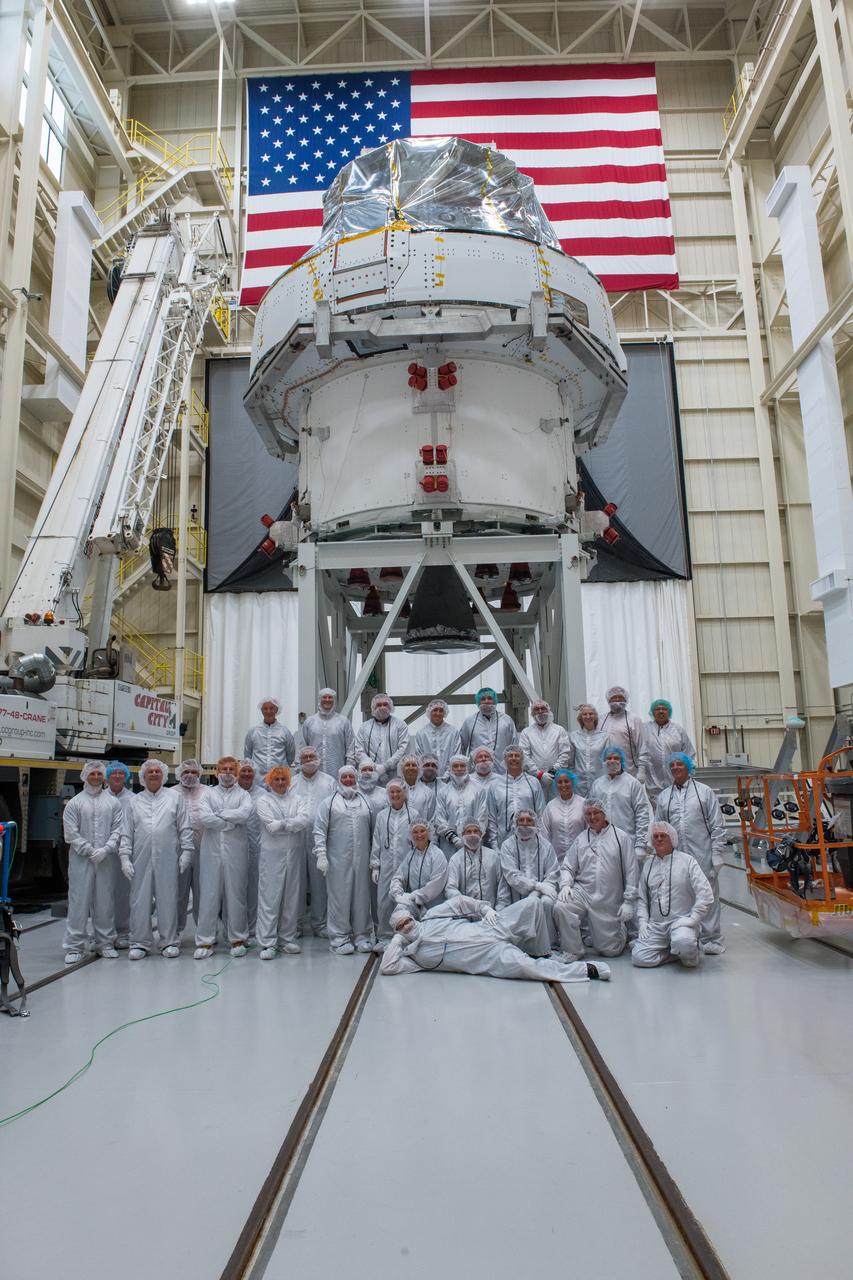
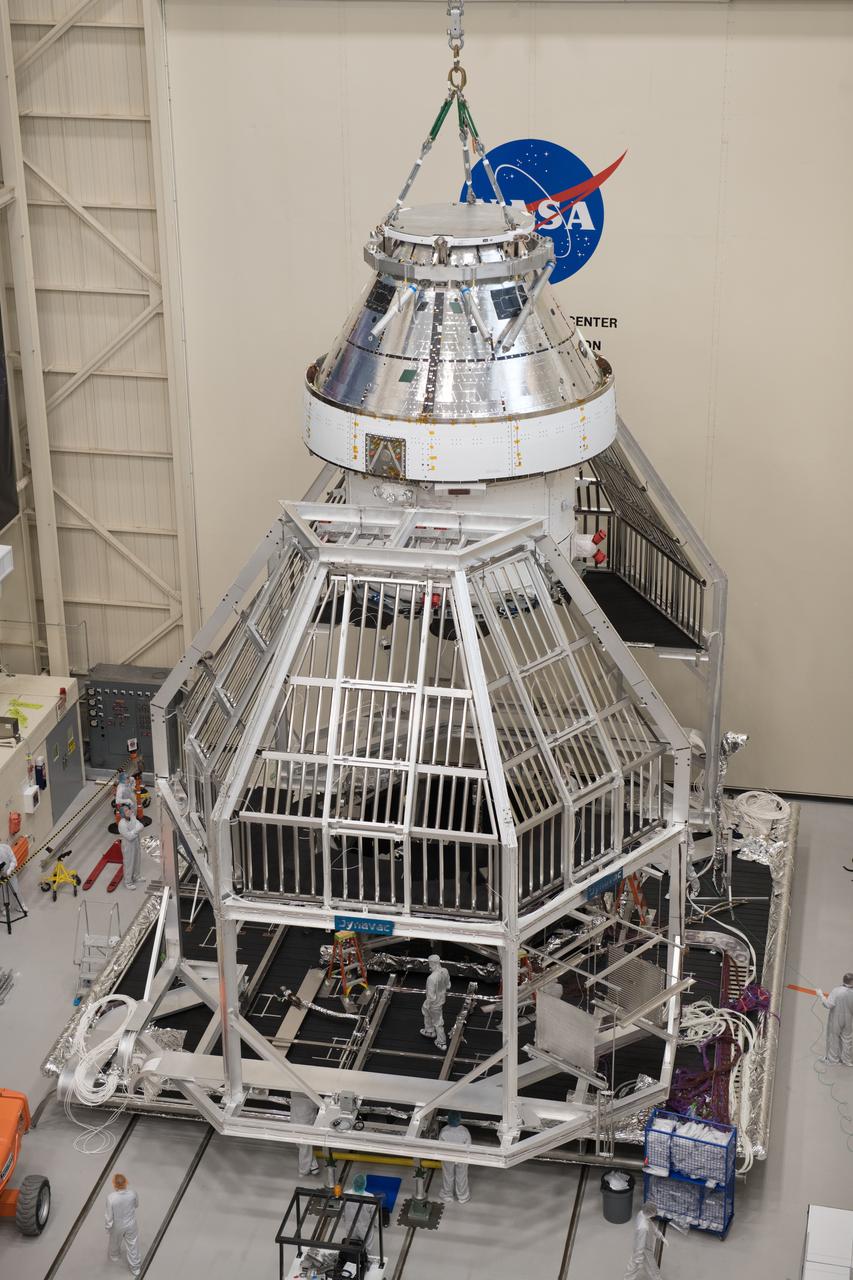
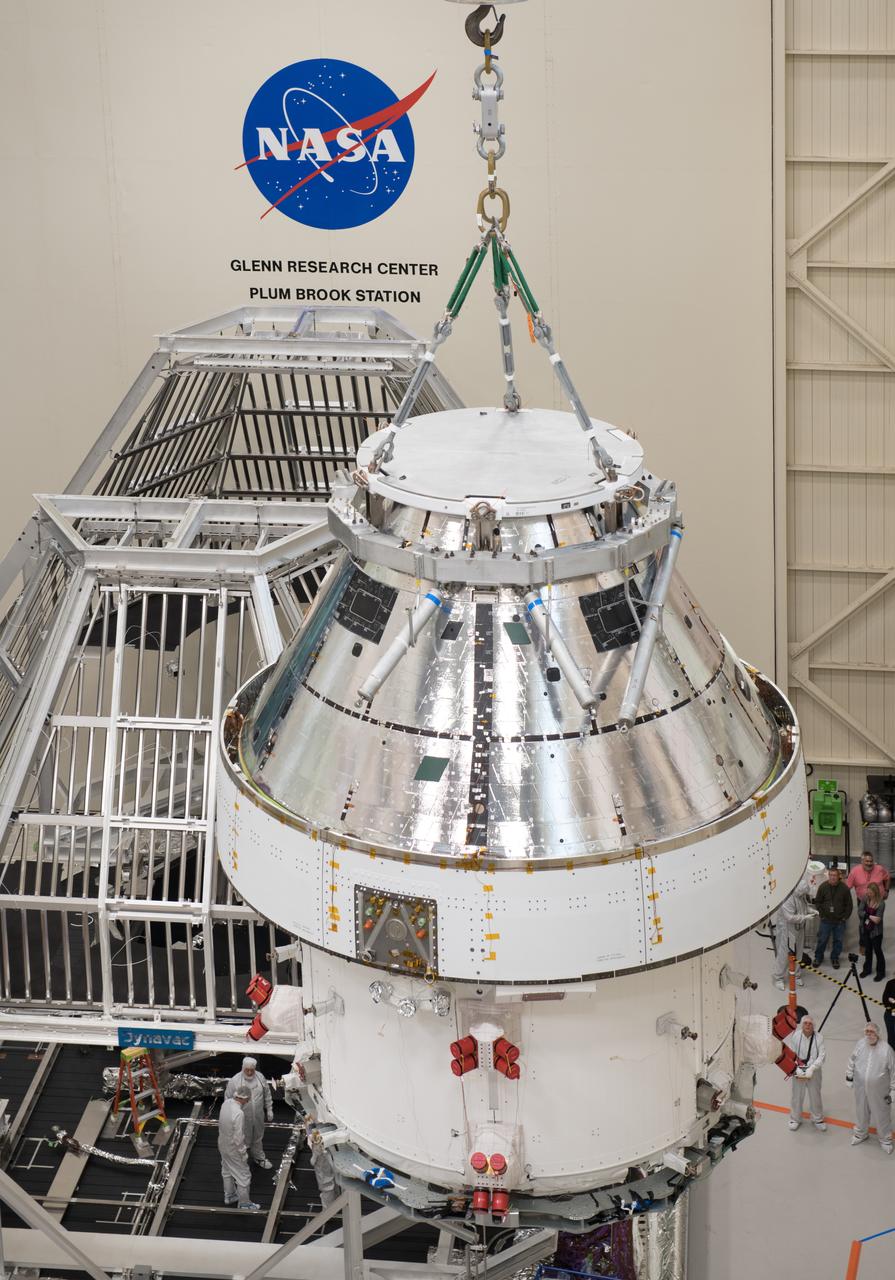
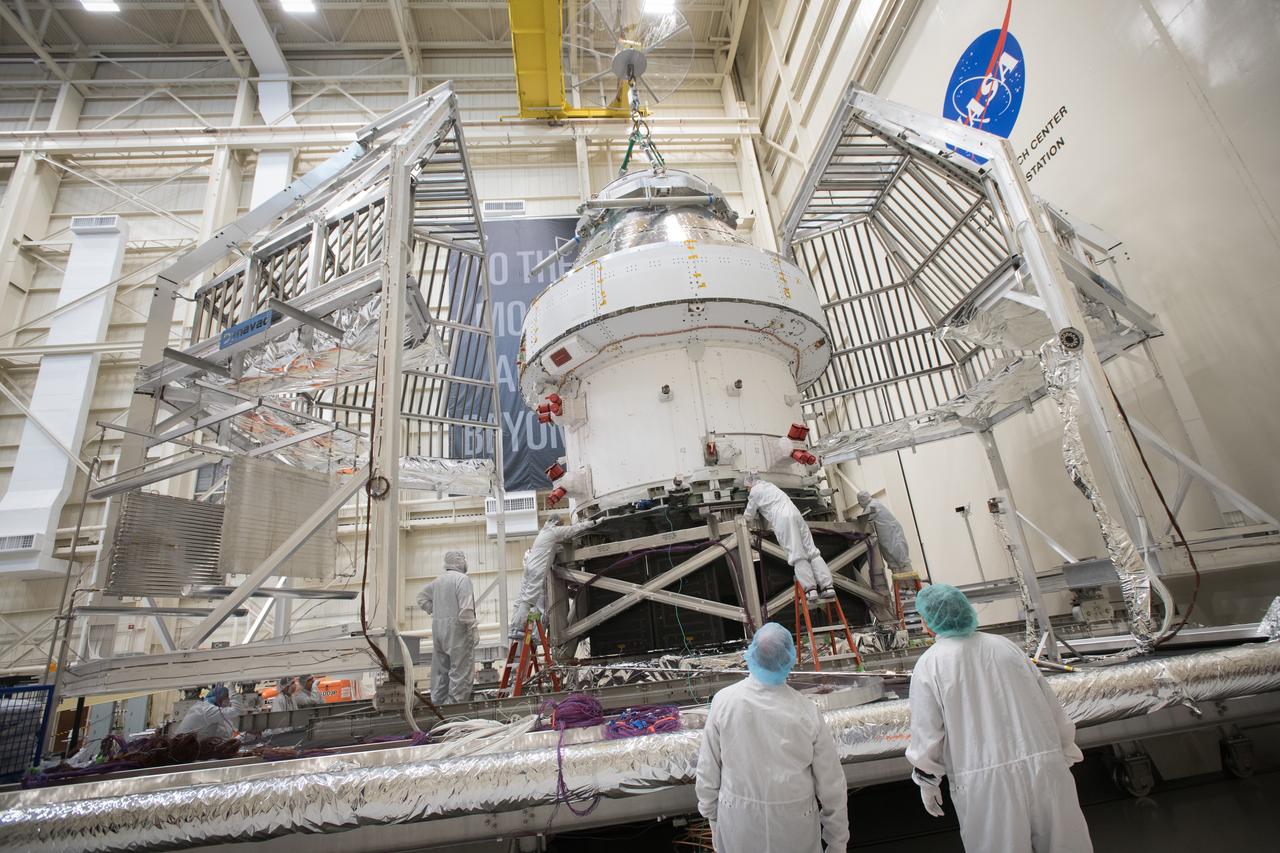
Orion Spacecraft is prepared for Space Environment Testing at the Glenn Research Center, GRC Plum Brook Station, Space Environments Complex, SEC
Orion Spacecraft is prepared for Space Environment Testing at th
Orion Spacecraft is prepared for Space Environment Testing at the Glenn Research Center, GRC Plum Brook Station, Space Environments Complex, SEC
Orion Spacecraft is prepared for Space Environment Testing at th
Orion Spacecraft Arrives at the Glenn Research Center, GRC Plum Brook Station, Space Environments Complex, SEC for Space Environment Testing
Orion Spacecraft Arrives at the Glenn Research Center, GRC Plum
Orion Spacecraft is prepared for Space Environment Testing at the Glenn Research Center, GRC Plum Brook Station, Space Environments Complex, SEC
Orion Spacecraft is prepared for Space Environment Testing at th
Orion Spacecraft is prepared for Space Environment Testing at the Glenn Research Center, GRC Plum Brook Station, Space Environments Complex, SEC
Orion Spacecraft is prepared for Space Environment Testing at th
Orion Spacecraft is prepared for Space Environment Testing at the Glenn Research Center, GRC Plum Brook Station, Space Environments Complex, SEC
Orion Spacecraft is prepared for Space Environment Testing at th
Orion Spacecraft is prepared for Space Environment Testing at the Glenn Research Center, GRC Plum Brook Station, Space Environments Complex, SEC
Orion Spacecraft is prepared for Space Environment Testing at th
Orion Spacecraft Arrives at the Glenn Research Center, GRC Plum Brook Station, Space Environments Complex, SEC for Space Environment Testing
Orion Spacecraft Arrives at the Glenn Research Center, GRC Plum
Orion Spacecraft Arrives at the Glenn Research Center, GRC Plum Brook Station, Space Environments Complex, SEC for Space Environment Testing
Orion Spacecraft Arrives at the Glenn Research Center, GRC Plum
Orion Spacecraft is prepared for Space Environment Testing at the Glenn Research Center, GRC Plum Brook Station, Space Environments Complex, SEC
Orion Spacecraft is prepared for Space Environment Testing at th
Orion Spacecraft is prepared for Space Environment Testing at the Glenn Research Center, GRC Plum Brook Station, Space Environments Complex, SEC
Orion Spacecraft is prepared for Space Environment Testing at th
Orion Spacecraft Arrives at the Glenn Research Center, GRC Plum Brook Station, Space Environments Complex, SEC for Space Environment Testing
Orion Spacecraft Arrives at the Glenn Research Center, GRC Plum
Orion Spacecraft is prepared for Space Environment Testing at the Glenn Research Center, GRC Plum Brook Station, Space Environments Complex, SEC
Orion Spacecraft is prepared for Space Environment Testing at th
Orion Spacecraft Arrives at the Glenn Research Center, GRC Plum Brook Station, Space Environments Complex, SEC for Space Environment Testing
Orion Spacecraft Arrives at the Glenn Research Center, GRC Plum
Orion Spacecraft is prepared for Space Environment Testing at the Glenn Research Center, GRC Plum Brook Station, Space Environments Complex, SEC
Orion Spacecraft is prepared for Space Environment Testing at th
Orion Spacecraft is prepared for Space Environment Testing at the Glenn Research Center, GRC Plum Brook Station, Space Environments Complex, SEC
Orion Spacecraft is prepared for Space Environment Testing at th
Orion Spacecraft is prepared for Space Environment Testing at the Glenn Research Center, GRC Plum Brook Station, Space Environments Complex, SEC
Orion Spacecraft is prepared for Space Environment Testing at th
Orion Spacecraft is prepared for Space Environment Testing at the Glenn Research Center, GRC Plum Brook Station, Space Environments Complex, SEC
Orion Spacecraft is prepared for Space Environment Testing at th
Orion Spacecraft is prepared for Space Environment Testing at the Glenn Research Center, GRC Plum Brook Station, Space Environments Complex, SEC
Orion Spacecraft is prepared for Space Environment Testing at th
Orion Spacecraft is prepared for Space Environment Testing at the Glenn Research Center, GRC Plum Brook Station, Space Environments Complex, SEC
Orion Spacecraft is prepared for Space Environment Testing at th
Orion Spacecraft is prepared for Space Environment Testing at the Glenn Research Center, GRC Plum Brook Station, Space Environments Complex, SEC
Orion Spacecraft is prepared for Space Environment Testing at th
Orion Spacecraft Arrives at the Glenn Research Center, GRC Plum Brook Station, Space Environments Complex, SEC for Space Environment Testing
Orion Spacecraft Arrives at the Glenn Research Center, GRC Plum
Orion Spacecraft is prepared for Space Environment Testing at the Glenn Research Center, GRC Plum Brook Station, Space Environments Complex, SEC
Orion Spacecraft is prepared for Space Environment Testing at th
Orion Spacecraft is prepared for Space Environment Testing at the Glenn Research Center, GRC Plum Brook Station, Space Environments Complex, SEC
Orion Spacecraft is prepared for Space Environment Testing at th
Orion Spacecraft Arrives at the Glenn Research Center, GRC Plum Brook Station, Space Environments Complex, SEC for Space Environment Testing
Orion Spacecraft Arrives at the Glenn Research Center, GRC Plum
Orion Spacecraft is prepared for Space Environment Testing at the Glenn Research Center, GRC Plum Brook Station, Space Environments Complex, SEC
Orion Spacecraft is prepared for Space Environment Testing at th
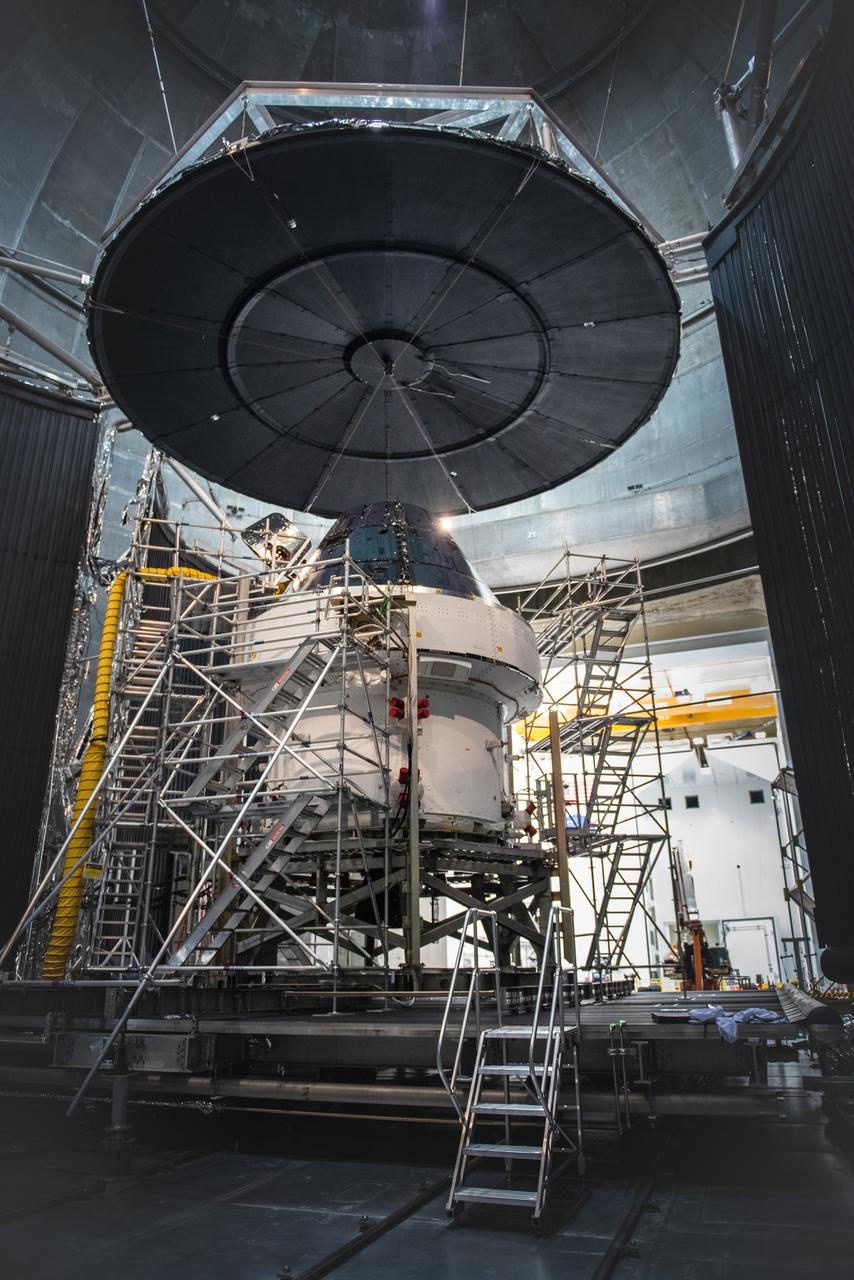
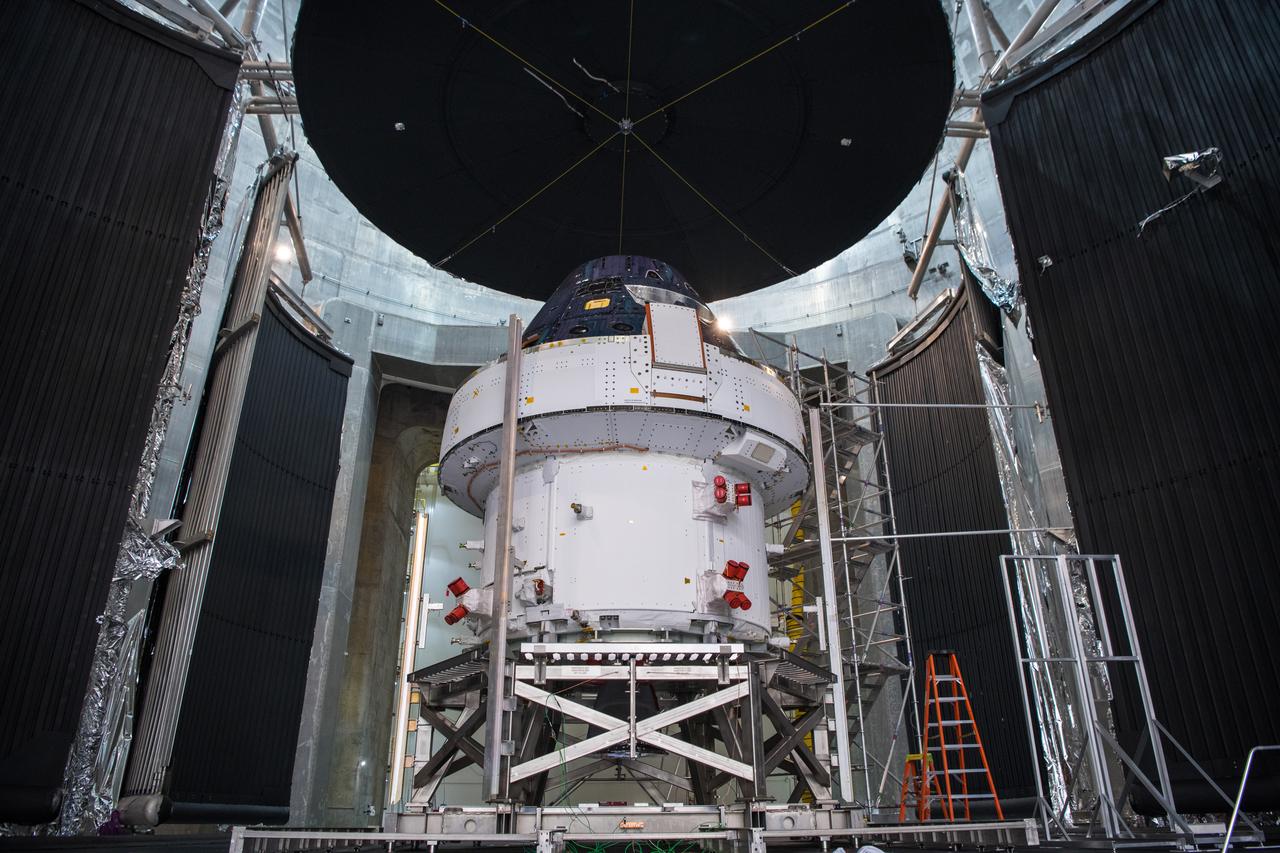
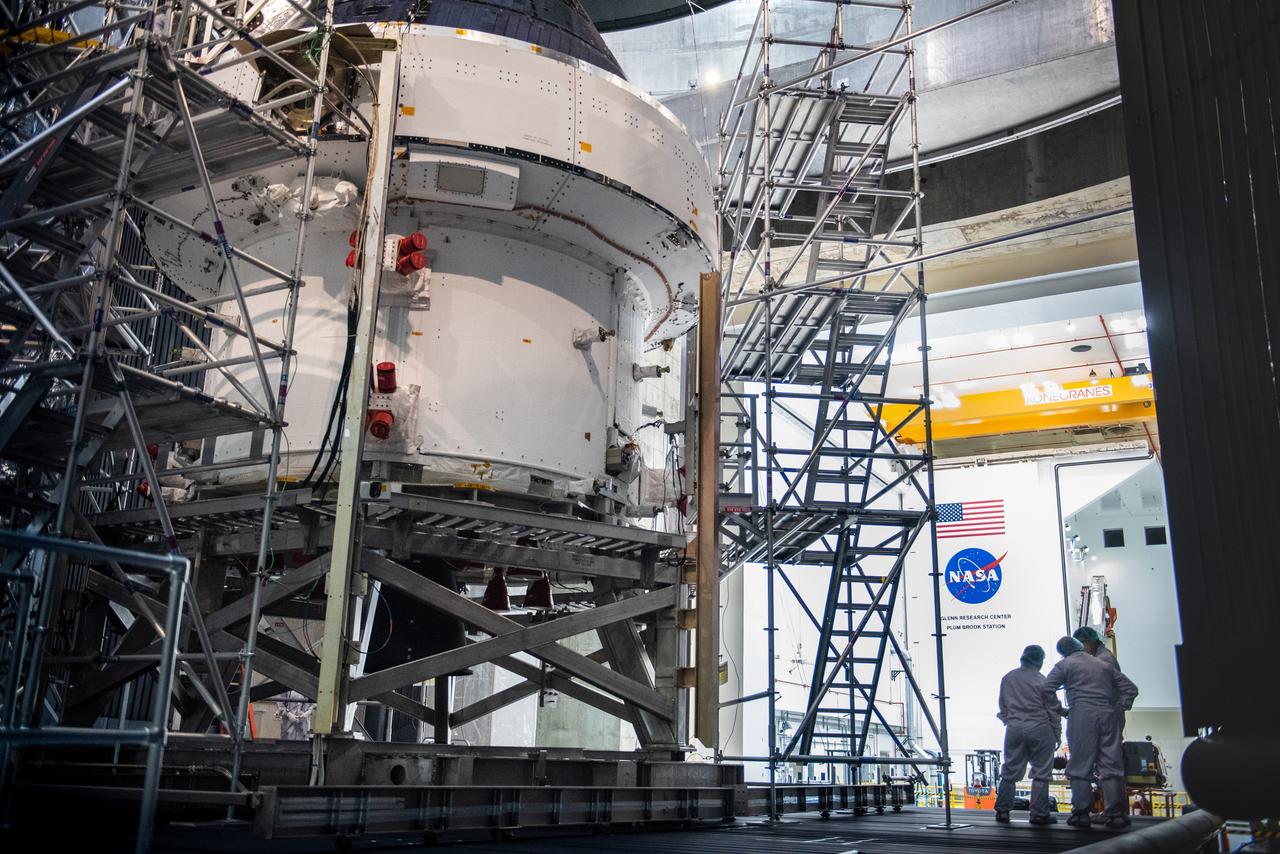
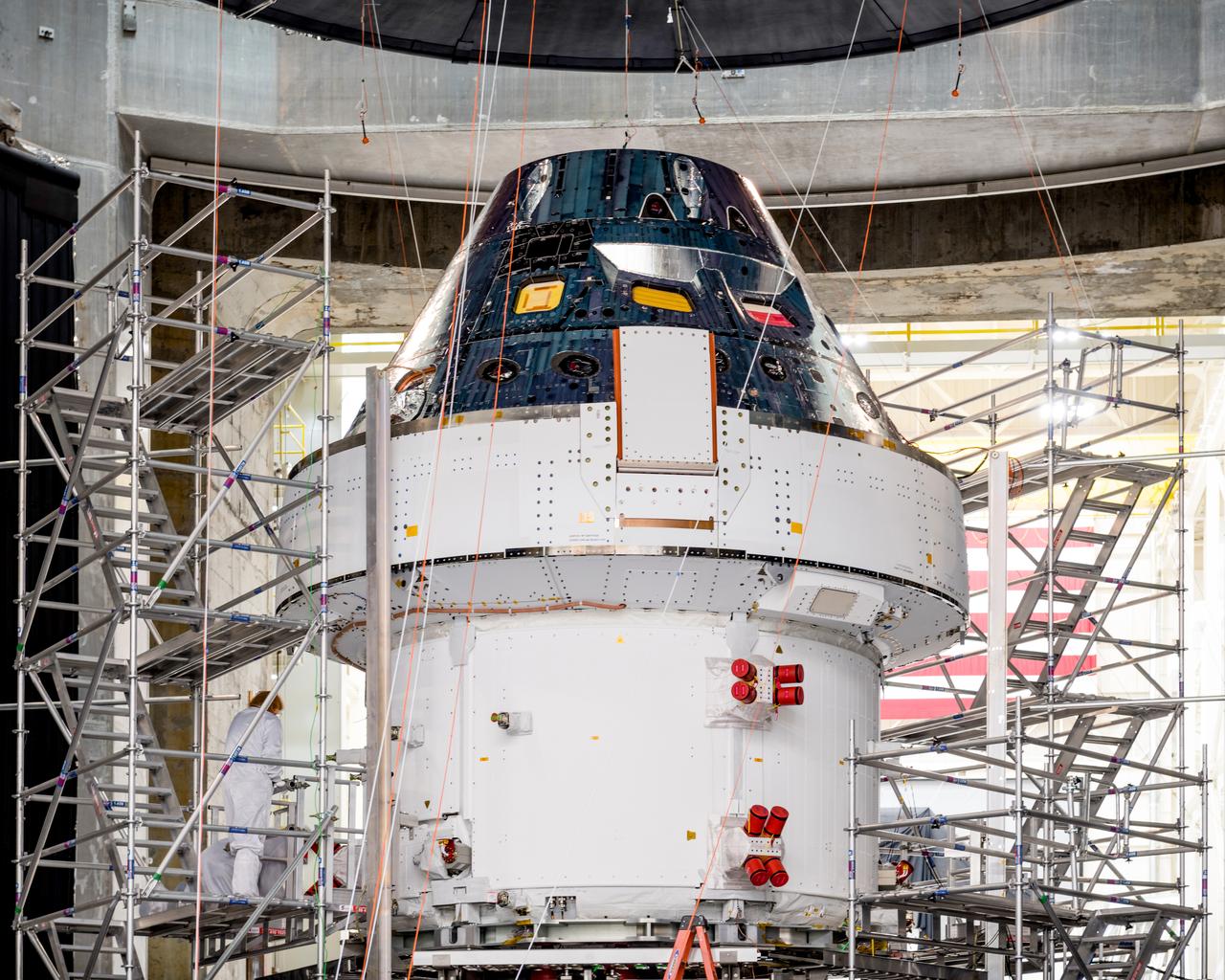
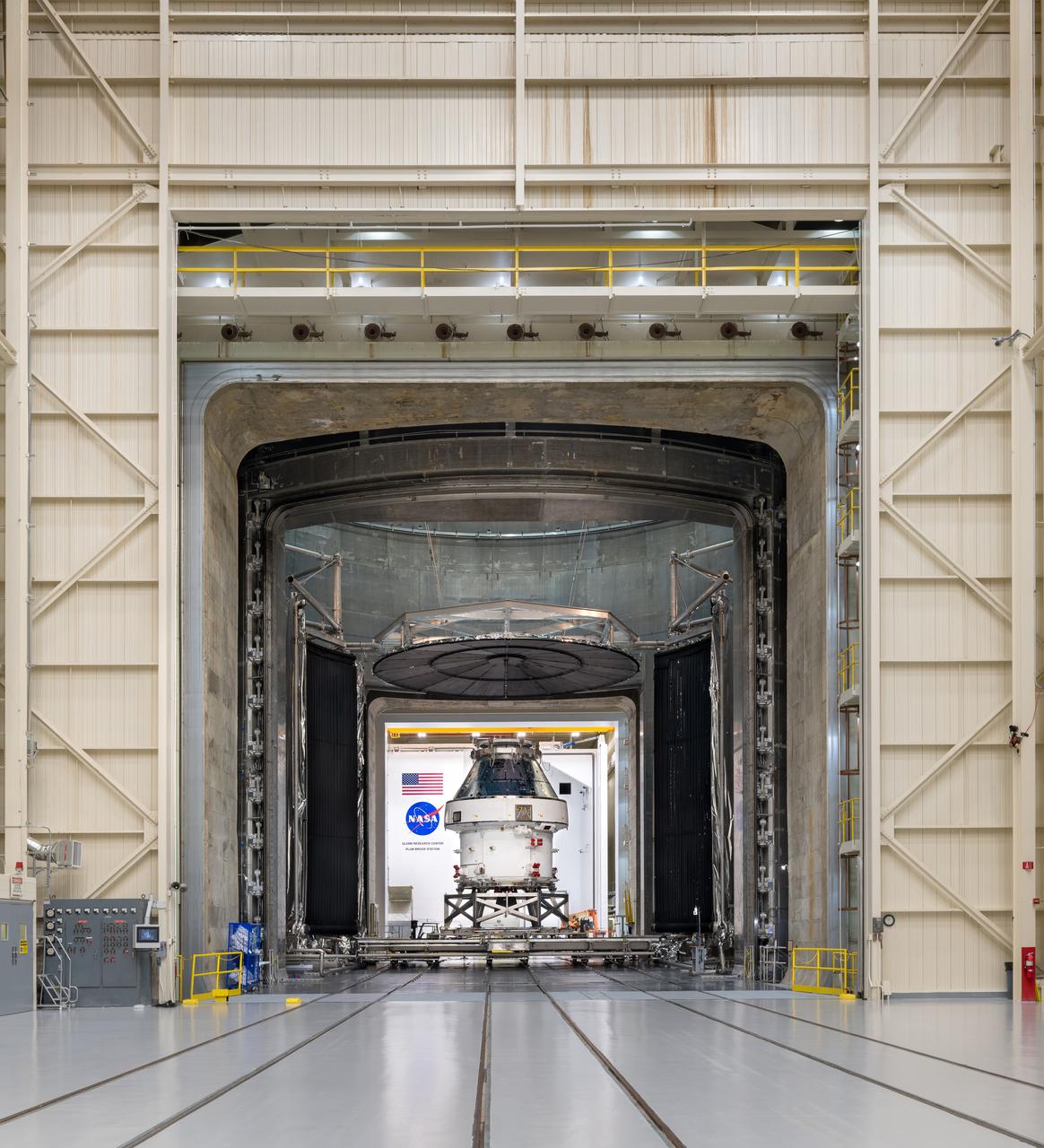
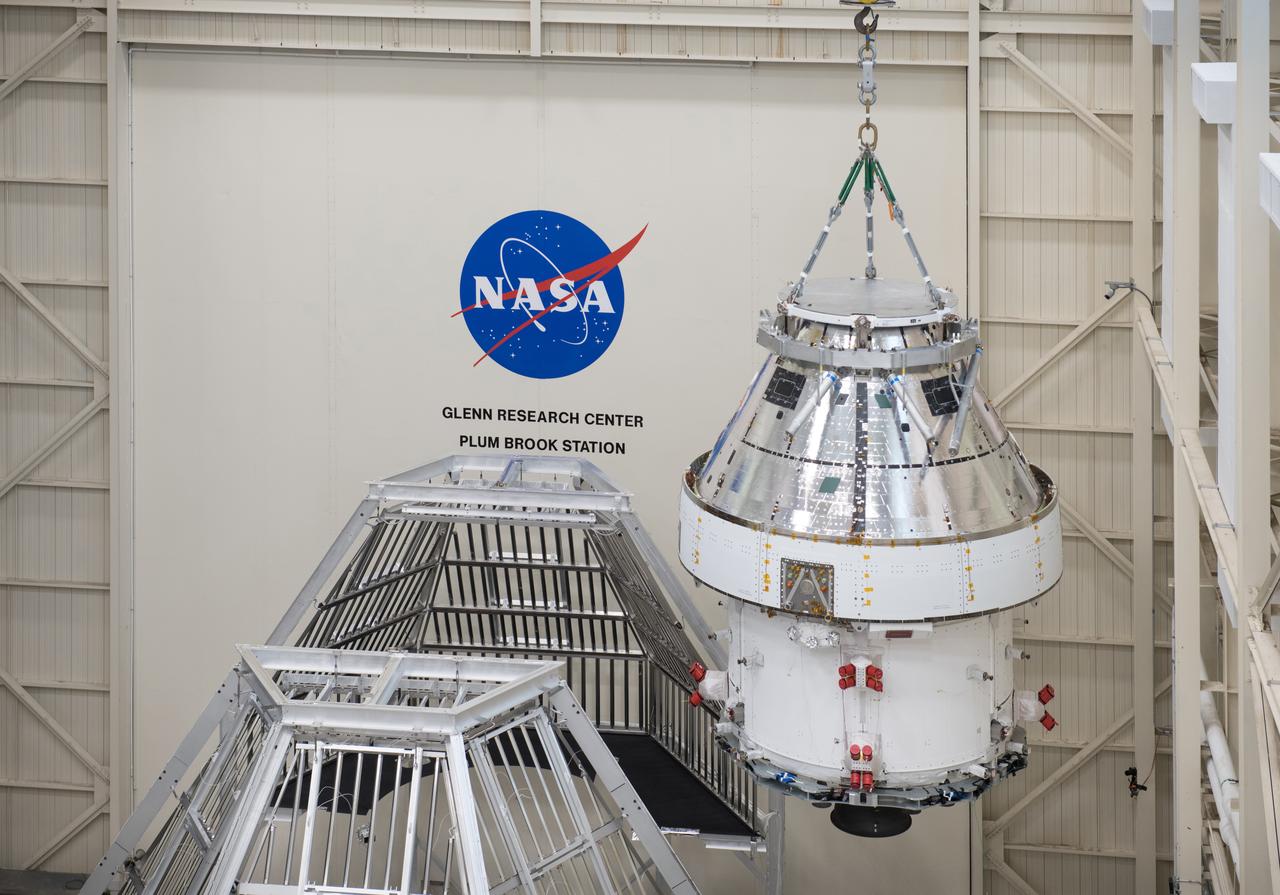
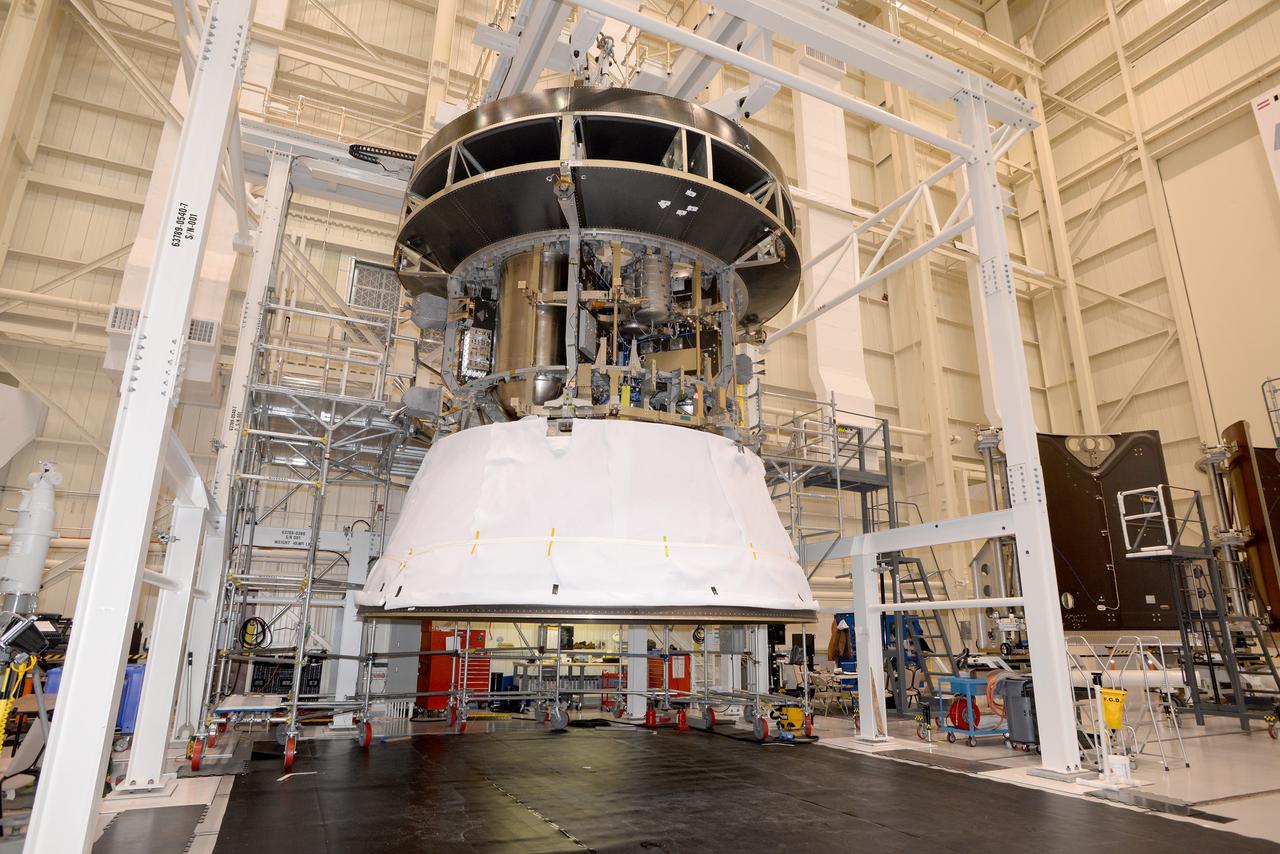
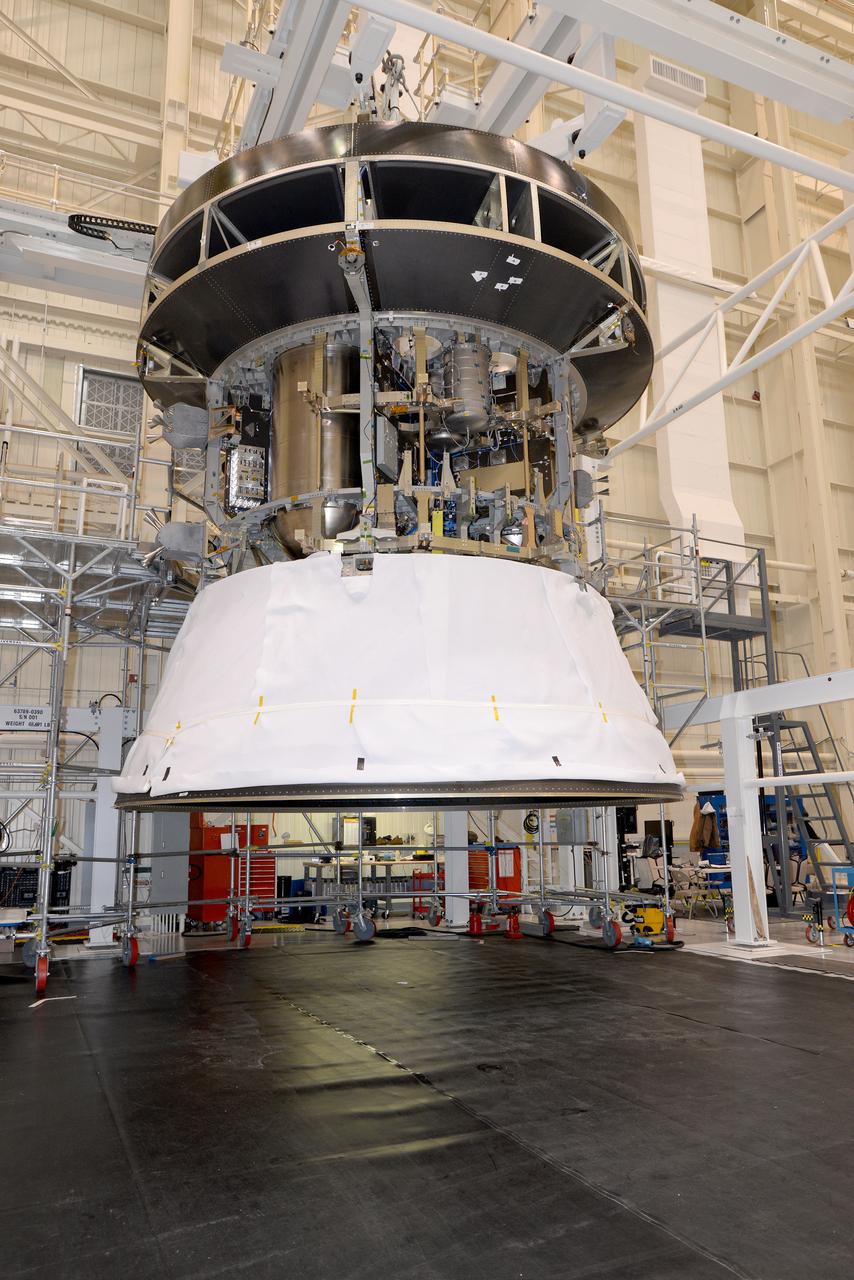
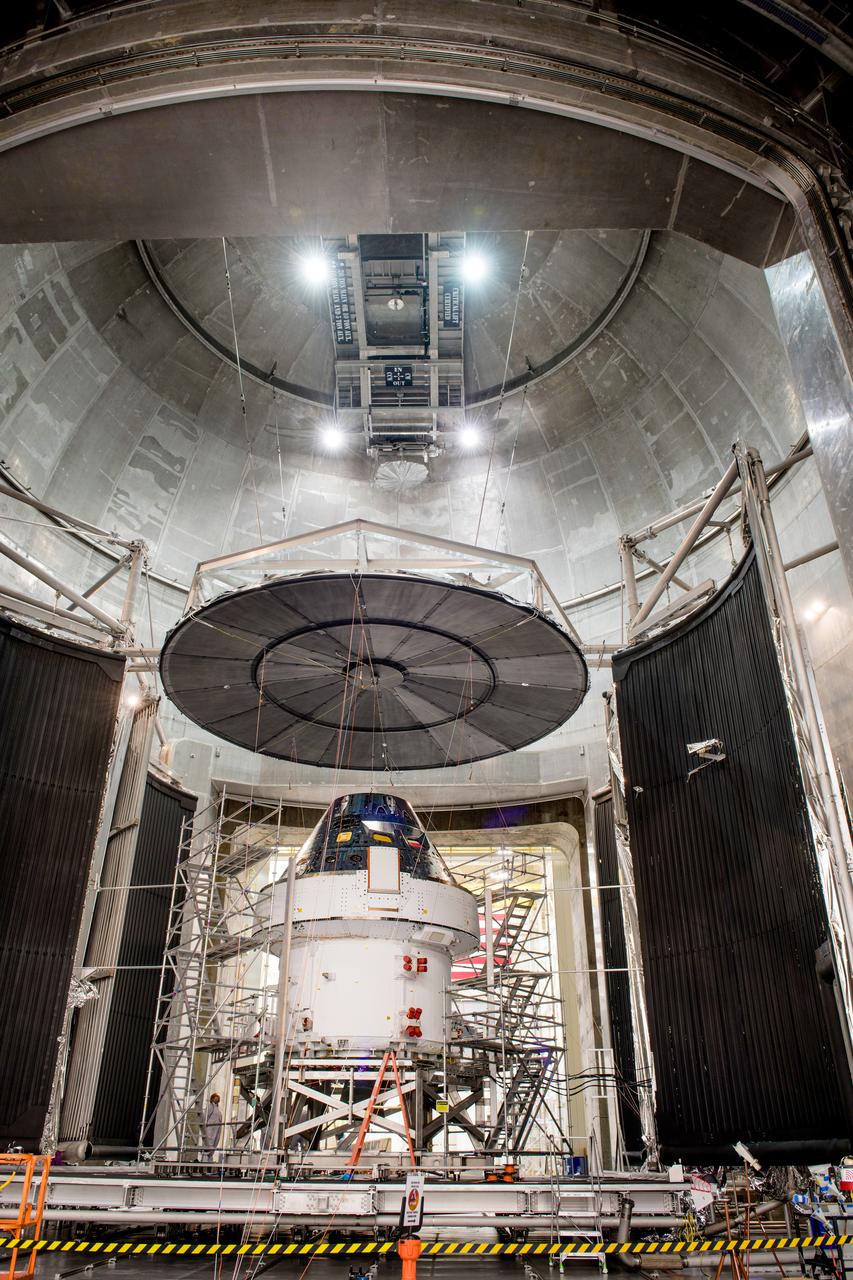
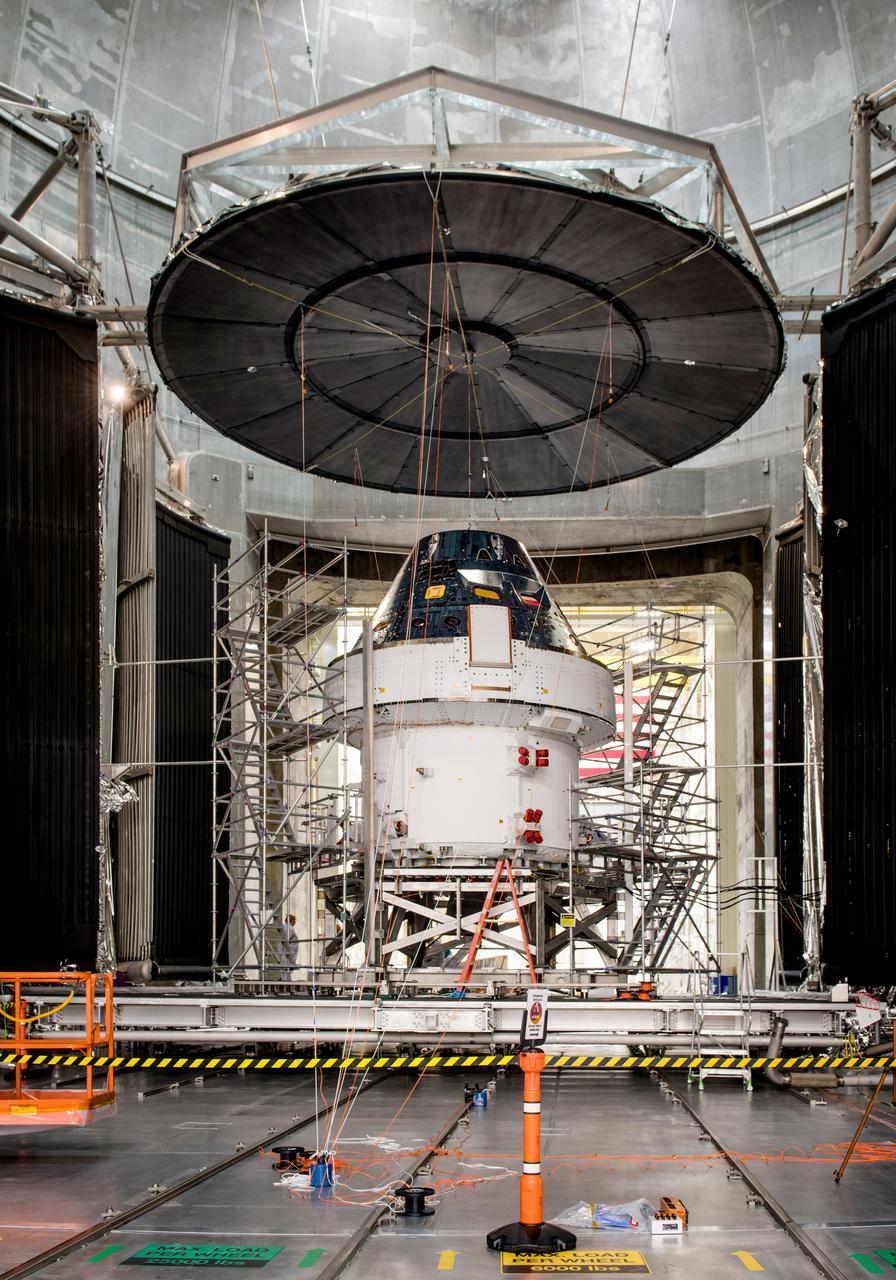
The Orion spacecraft for the Artemis I Mission, consisting of the crew module and European-built service module, sits in the NASA Glenn Research Center, Plum Brook Station, Space Environments Complex, SEC, Thermal Vacuum Chamber after more than three months of testing where it was subjected to the extreme temperatures and electromagnetic environment it will experience in the vacuum of space during Artemis missions.    Orion is a key component of Artemis I, an uncrewed test flight around the Moon that will land the first woman and next man on the lunar surface by 2024.
Orion spacecraft for the Artemis I Mission, consisting of the crew module and European-built service module, sits in the NASA Glenn Research Center, Plum Brook Station, Space Environments Complex, SEC, Thermal Vacuum Chamber
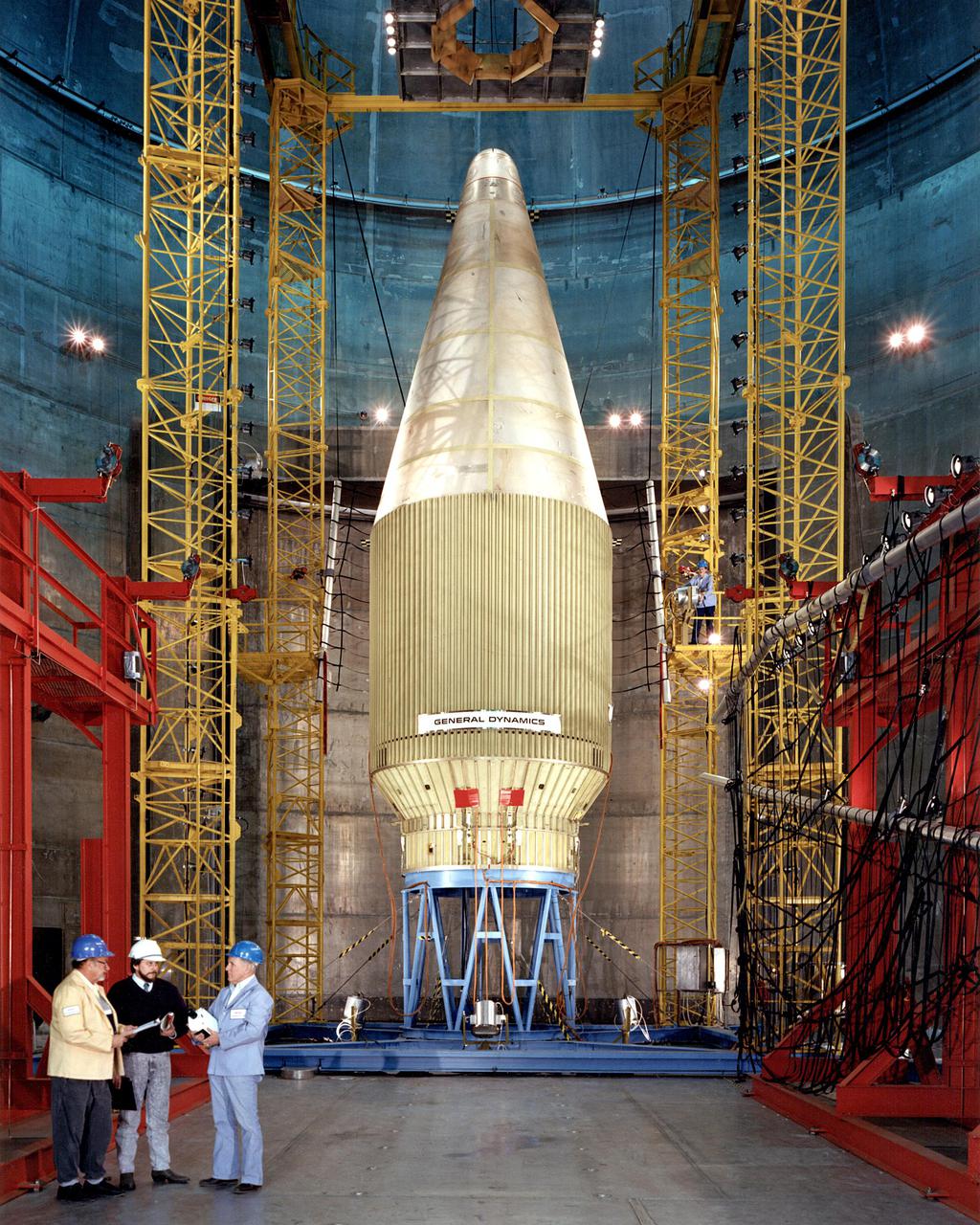
Employees at the Space Power Facility (SPF) at Plum Brook Station tested a new generation of Atlas/Centaur launch vehicles.  General Dynamics conducted the tests December 22 and January 3, 1990 to determine the flight readiness of a new 14-foot diameter payload fairing.  The fairing will accommodate new weather satellites, the U.S. Air Force Combined Release and Radiation Effects (CRRES) satellite, and other future payloads.  At a simulated altitude of 85,000 feet, the cone-shaped fairing separated in half from a hinge at the bottom.  Half of the fairing was then released from the test stack and recovered in a catch-net.  The payload fairing separations were the first tests of major space hardware to be conducted in the SPF in more than 15 years.
ATLAS CENTAR SHROUD. Atlas 1 Payload Fairing Tested at NASA Plum Brook Station
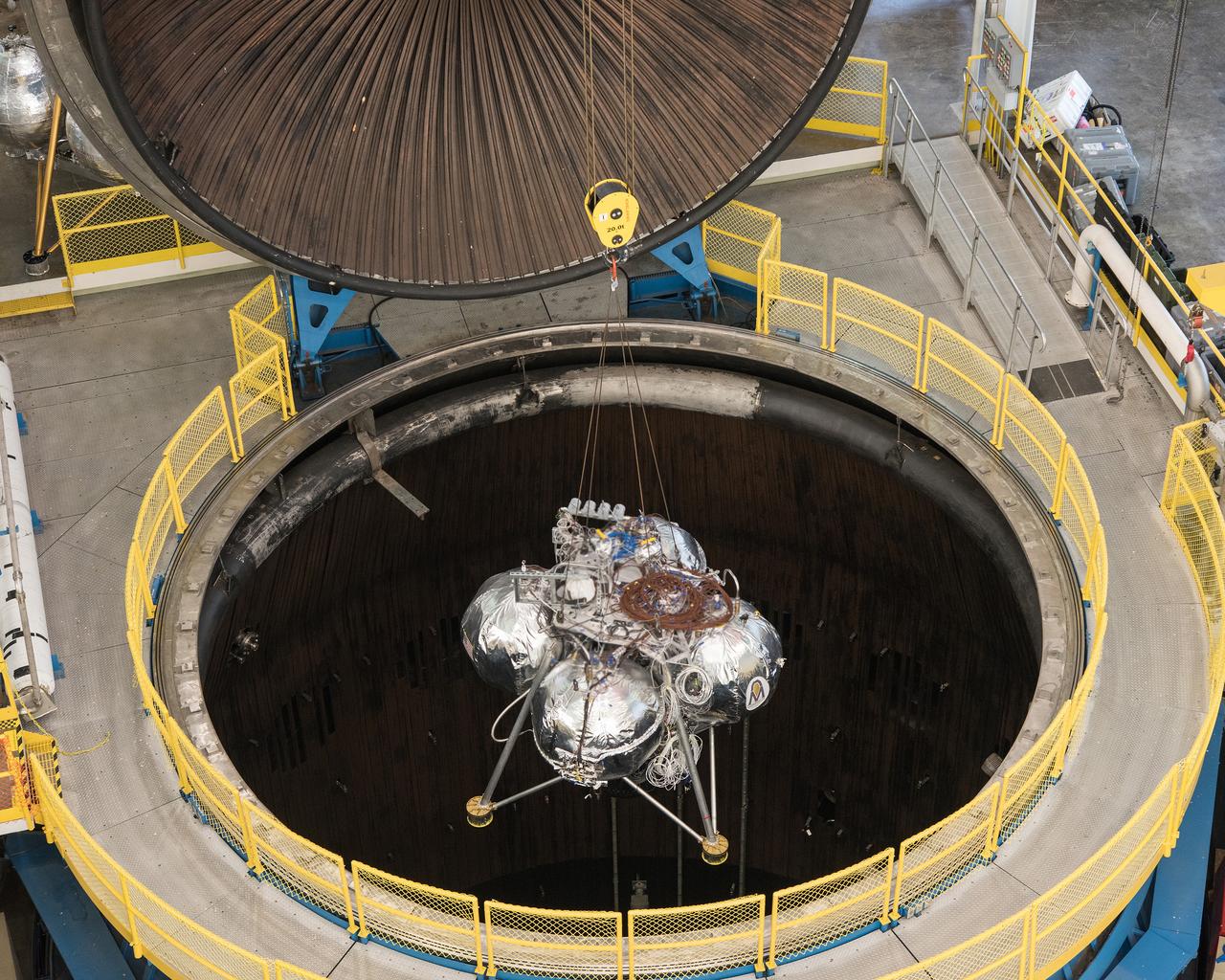
NASA's Morpheus Project has developed and tested a prototype planetary lander capable of vertical takeoff and landing. This is an image of the lander being installed in the B-2 facility for testing at Plum Brook Station.
Morpheus Lander
Front view of NASA’s Super Guppy aircraft after it touched down at Mansfield’s Lahm Airport in November, 2015. The crew delivered the crew module adaptor for Orion’s testing at NASA's Plum Brook Station next year.
NASA’s Super Guppy aircraft
Artemis Hardware Arrival at the NASA Glenn Research Center, Plum Brook Station for testing at the Space Environments Complex, SEC
Artemis Hardware Arrival at the NASA Glenn Research Center, Plum
NASA Glenn conducted a test on the Ariane 5 Payload Fairing at Plum Brook’s Space Power Facility (SPF). The test was to qualify a new horizontal pyrotechnic separation system, which blew the two fairing halves apart and away from the payload during flight.
Ariane 5 Payload Fairing Test
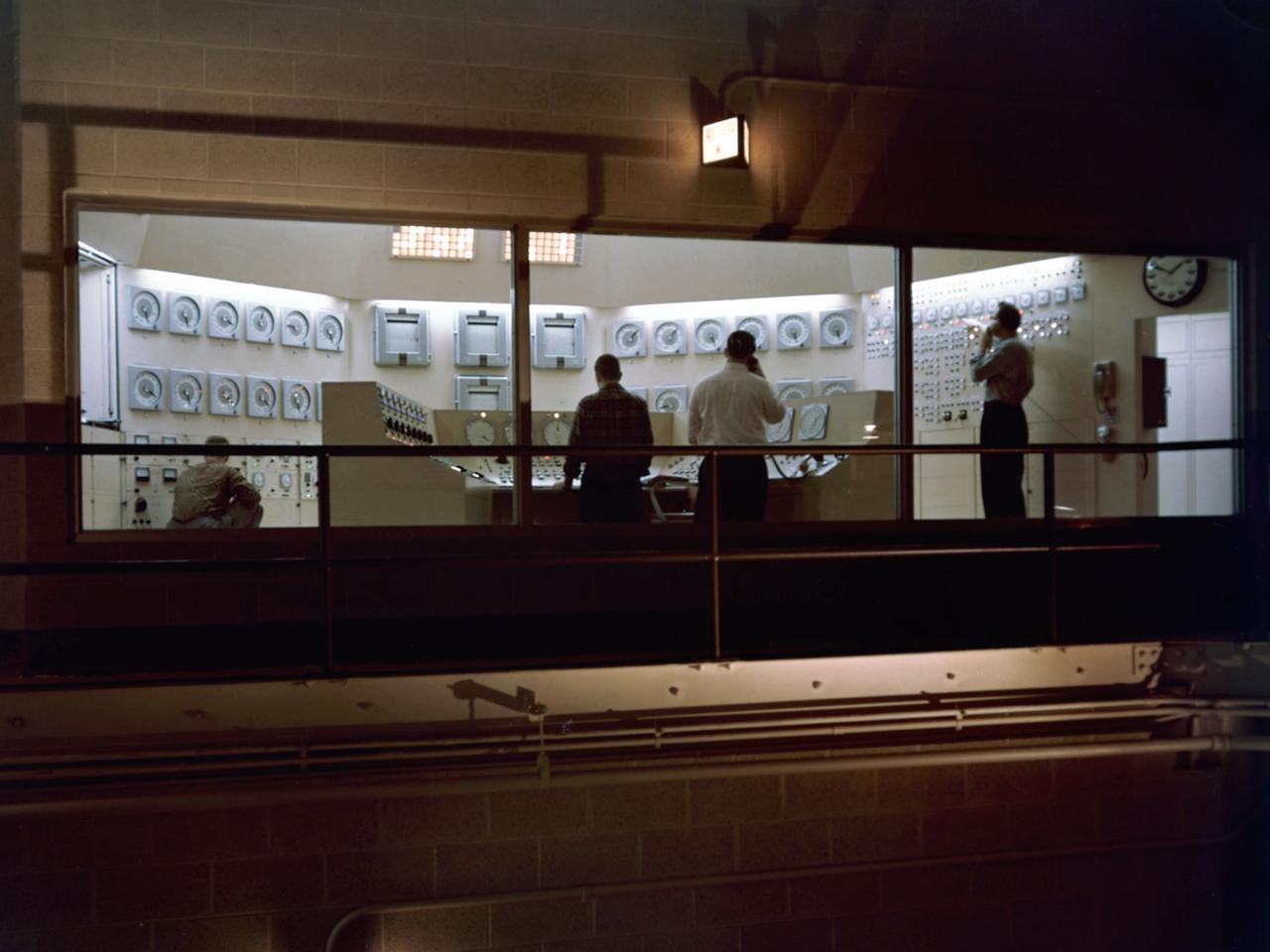
Operators test the National Aeronautics and Space Administration’s (NASA) Plum Brook Reactor Facility systems in the months leading up to its actual operation. The “Reactor On” signs are illuminated but the reactor core was not yet ready for chain reactions. Just a couple weeks after this photograph, Plum Brook Station held a media open house to unveil the 60-megawatt test reactor near Sandusky, Ohio. More than 60 members of the print media and radio and television news services met at the site to talk with community leaders and representatives from NASA and Atomic Energy Commission. The Plum Brook reactor went critical for the first time on the evening of June 14, 1961. It was not until April 1963 that the reactor reached its full potential of 60 megawatts.     The reactor control room, located on the second floor of the facility, was run by licensed operators. The operators manually operated the shim rods which adjusted the chain reaction in the reactor core. The regulating rods could partially or completely shut down the reactor.     The control room also housed remote area monitoring panels and other monitoring equipment that allowed operators to monitor radiation sensors located throughout the facility and to scram the reactor instantly if necessary. The color of the indicator lights corresponded with the elevation of the detectors in the various buildings. The reactor could also shut itself down automatically if the monitors detected any sudden irregularities.
Plum Brook Reactor Facility Control Room during Facility Startup
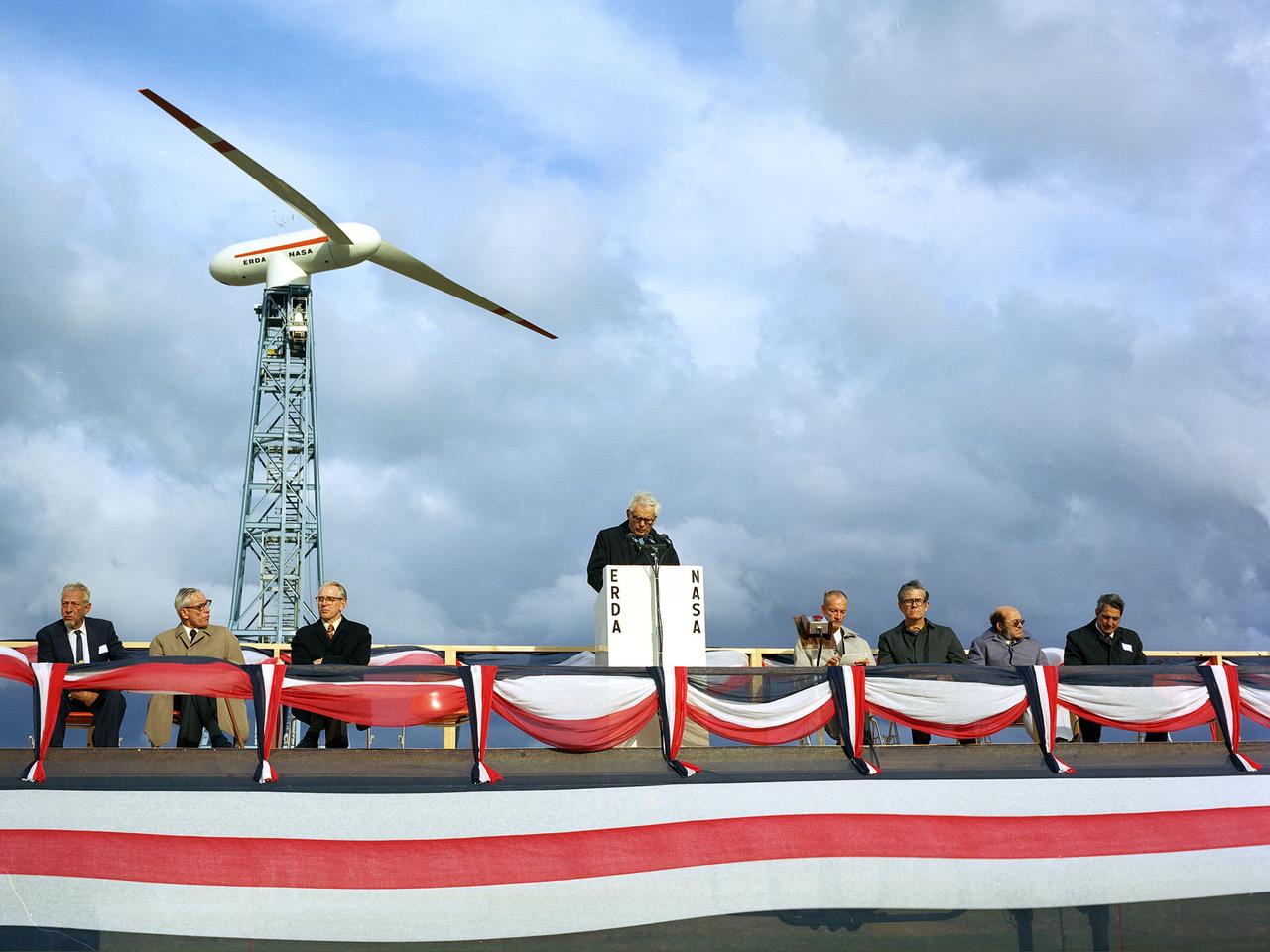
Energy Research and Development Administration (ERDA) Administrator Robert Seamans addresses the crowd at the dedication ceremony for the Mod-0 100-kilowatt wind turbine at the National Aeronautics and Space Administration’s (NASA) Plum Brook Station. The wind turbine program was a joint NASA/ERDA effort to develop less expensive forms of energy during the 1970s. NASA Lewis was able to use its experience with aerodynamics, powerplants, and energy transfer to develop efficient and cost-effective wind energy systems. The Plum Brook wind turbine was the first of a series of increasingly powerful NASA-ERDA wind turbines built around the nation.    From left to right:  Congressional Committee aide John Dugan, retired S. Morgan Smith Company chief engineer Carl Wilcox, windmill pioneer Beauchamp Smith, NASA Administrator James Fletcher, Seamans, and Lewis Center Director Bruce Lundin. The three men to the right are unidentified.

Dedication of the Mod-0 Wind Turbine at Plum Brook Station
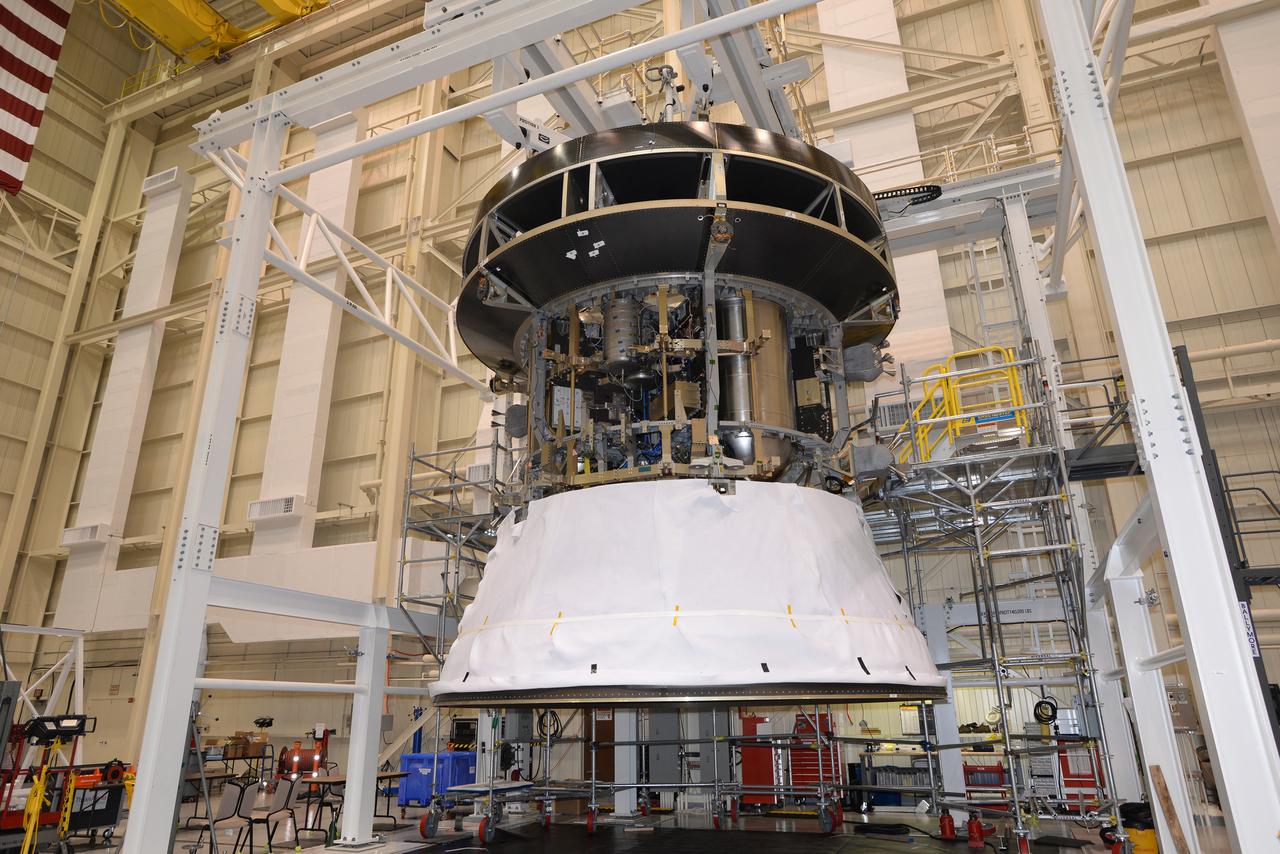
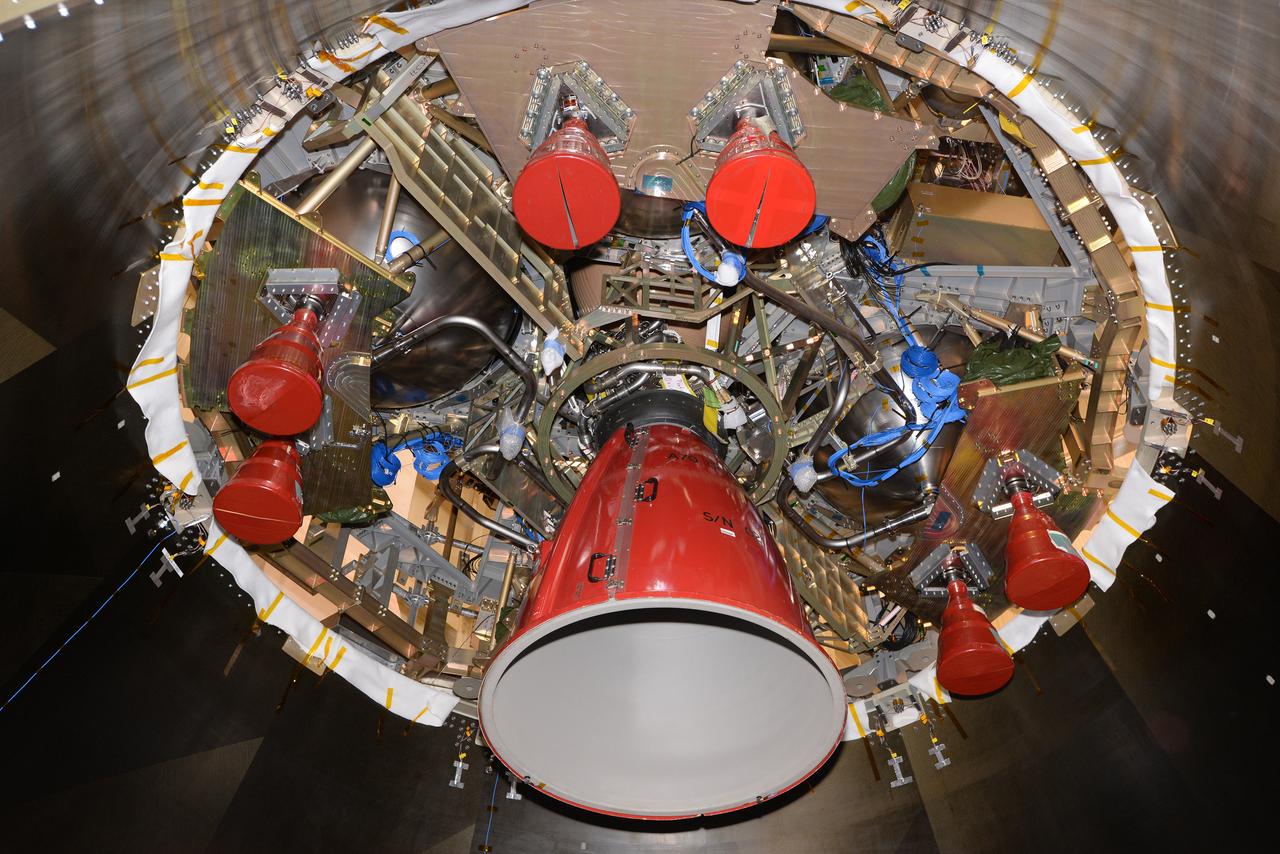
The European Service Module structural test model, shown on Jan. 23, 2016, is used for testing purposes before installing the real thing. It is as close to the flight version as possible while keeping costs and development time manageable. The structure and weight are the same, while mass equivalents stand in for electronics boxes not needed for the series of tests...The model was installed under a test version of the Crew Module Adapter, and sits on the Spacecraft Adapter that will attach Orion to its launch vehicle. This is the first time the European hardware has been physically connected to NASA’s elements...The service module will be shaken at NASA’s Plum Brook station in Sandusky, Ohio, USA, to recreate the vibrations of launch, as well as being subjected to acoustic and shock environments. Part of Batch image transfer from Flickr.
Service module testing in Plum Brook
The European Service Module structural test model, shown on Jan. 23, 2016, is used for testing purposes before installing the real thing. It is as close to the flight version as possible while keeping costs and development time manageable. The structure and weight are the same, while mass equivalents stand in for electronics boxes not needed for the series of tests...The model was installed under a test version of the Crew Module Adapter, and sits on the Spacecraft Adapter that will attach Orion to its launch vehicle. This is the first time the European hardware has been physically connected to NASA’s elements...The service module will be shaken at NASA’s Plum Brook station in Sandusky, Ohio, USA, to recreate the vibrations of launch, as well as being subjected to acoustic and shock environments. Part of Batch image transfer from Flickr.
Service module testing in Plum Brook
The European Service Module structural test model, shown on Jan. 23, 2016, is used for testing purposes before installing the real thing. It is as close to the flight version as possible while keeping costs and development time manageable. The structure and weight are the same, while mass equivalents stand in for electronics boxes not needed for the series of tests...The model was installed under a test version of the Crew Module Adapter, and sits on the Spacecraft Adapter that will attach Orion to its launch vehicle. This is the first time the European hardware has been physically connected to NASA’s elements...The service module will be shaken at NASA’s Plum Brook station in Sandusky, Ohio, USA, to recreate the vibrations of launch, as well as being subjected to acoustic and shock environments. Part of Batch image transfer from Flickr.
Service module testing in Plum Brook
The European Service Module structural test model, shown on Jan. 23, 2016, is used for testing purposes before installing the real thing. It is as close to the flight version as possible while keeping costs and development time manageable. The structure and weight are the same, while mass equivalents stand in for electronics boxes not needed for the series of tests...The model was installed under a test version of the Crew Module Adapter, and sits on the Spacecraft Adapter that will attach Orion to its launch vehicle. This is the first time the European hardware has been physically connected to NASA’s elements...The service module will be shaken at NASA’s Plum Brook station in Sandusky, Ohio, USA, to recreate the vibrations of launch, as well as being subjected to acoustic and shock environments. Part of Batch image transfer from Flickr.
Service module testing in Plum Brook
SpaceX’s Crew Dragon is at NASA’s Glenn Research Center, Plum Brook Station in Ohio, ready to undergo testing in the In-Space Propulsion Facility — the world’s only facility capable of testing full-scale upper-stage launch vehicles and rocket engines under simulated high-altitude conditions. The chamber will allow SpaceX and NASA to verify Crew Dragon’s ability to withstand the extreme temperatures and vacuum of space. This is the spacecraft that SpaceX will fly during its Demonstration Mission 1 flight test under NASA’s Commercial Crew Transportation Capability contract with the goal of returning human spaceflight launch capabilities to the U.S.
Crew Dragon Demonstration Mission 1
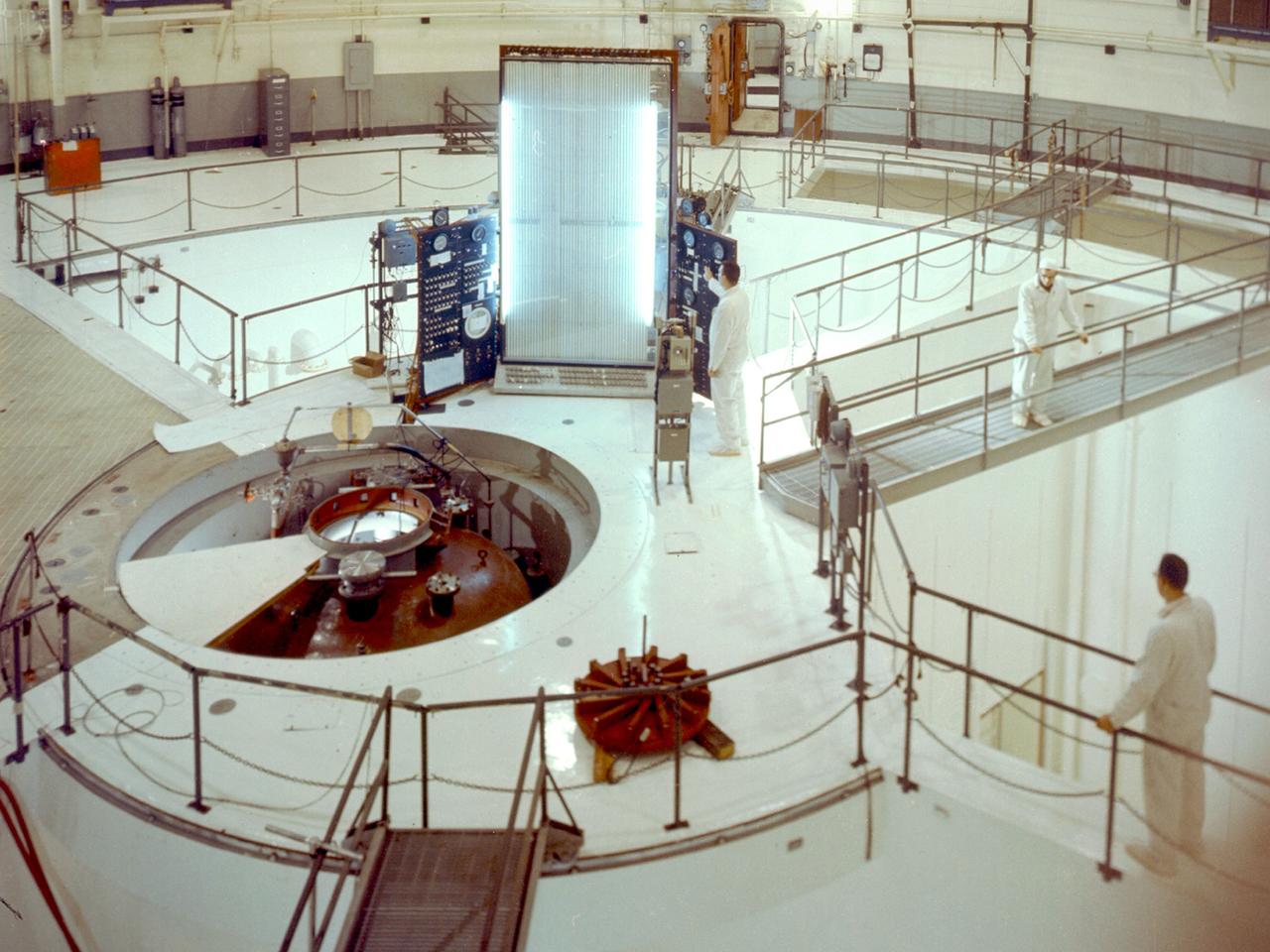
A view inside the 55-foot high containment vessel of the National Aeronautics and Space Administration (NASA) Plum Brook Reactor Facility in Sandusky, Ohio. The 60-megawatt test reactor went critical for the first time in 1961 and began its full-power research operations in 1963. From 1961 to 1973, this reactor performed some of the nation’s most advanced nuclear research. The reactor was designed to determine the behavior of metals and other materials after long durations of irradiation. The materials would be used to construct a nuclear-powered rocket.     The reactor core, where the chain reaction occurred, sat at the bottom of the tubular pressure vessel, seen here at the center of the shielding pool. The core contained fuel rods with uranium isotopes. A cooling system was needed to reduce the heat levels during the reaction. A neutron-impervious reflector was also employed to send many of the neutrons back to the core. The Plum Brook Reactor Facility was constructed from high-density concrete and steel to prevent the excess neutrons from escaping the facility, but the water in the pool shielded most of the radiation.     The water, found in three of the four quadrants served as a reflector, moderator, and coolant. In this photograph, the three 20-ton protective shrapnel shields and hatch have been removed from the top of the pressure tank revealing the reactor tank. An overhead crane could be manipulated to reach any section of this room. It was used to remove the shrapnel shields and transfer equipment.


Interior of the Plum Brook Reactor Facility
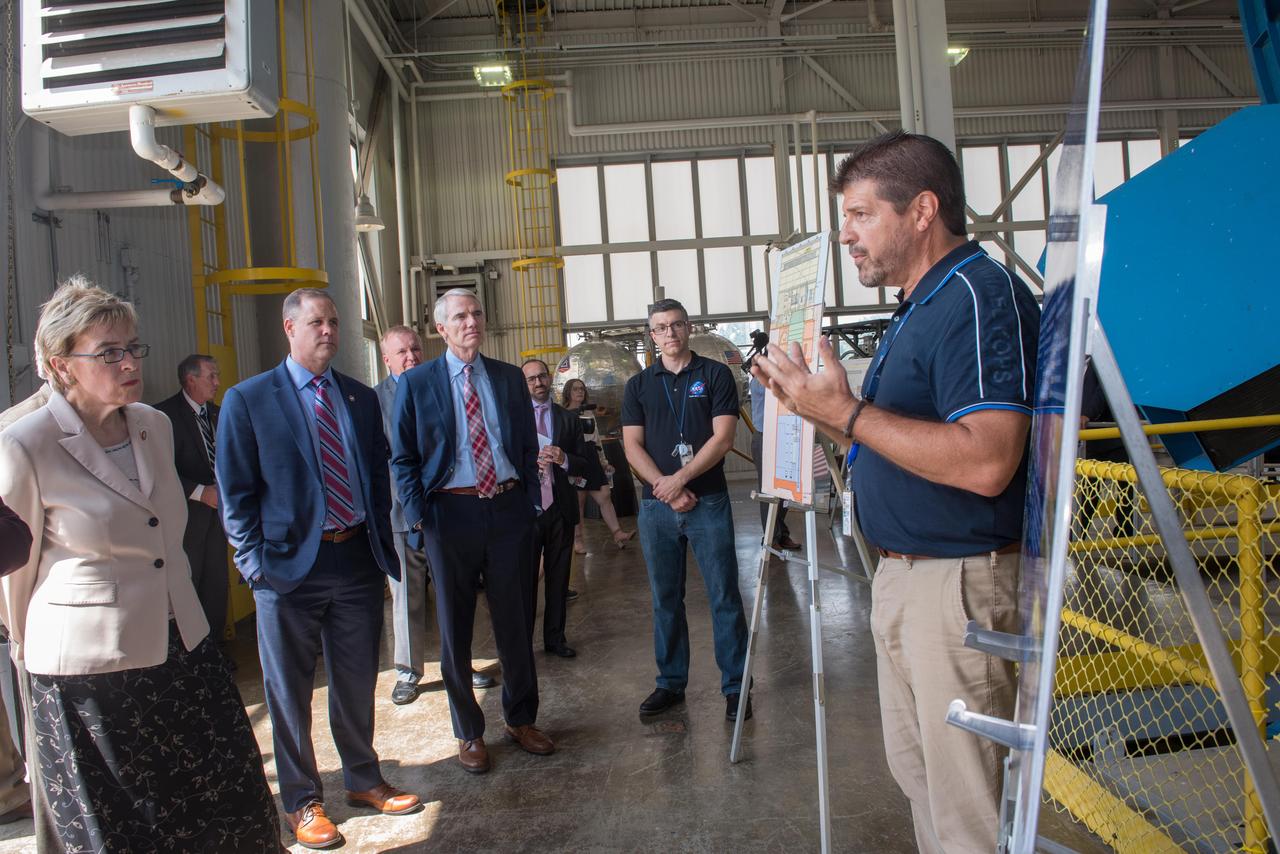
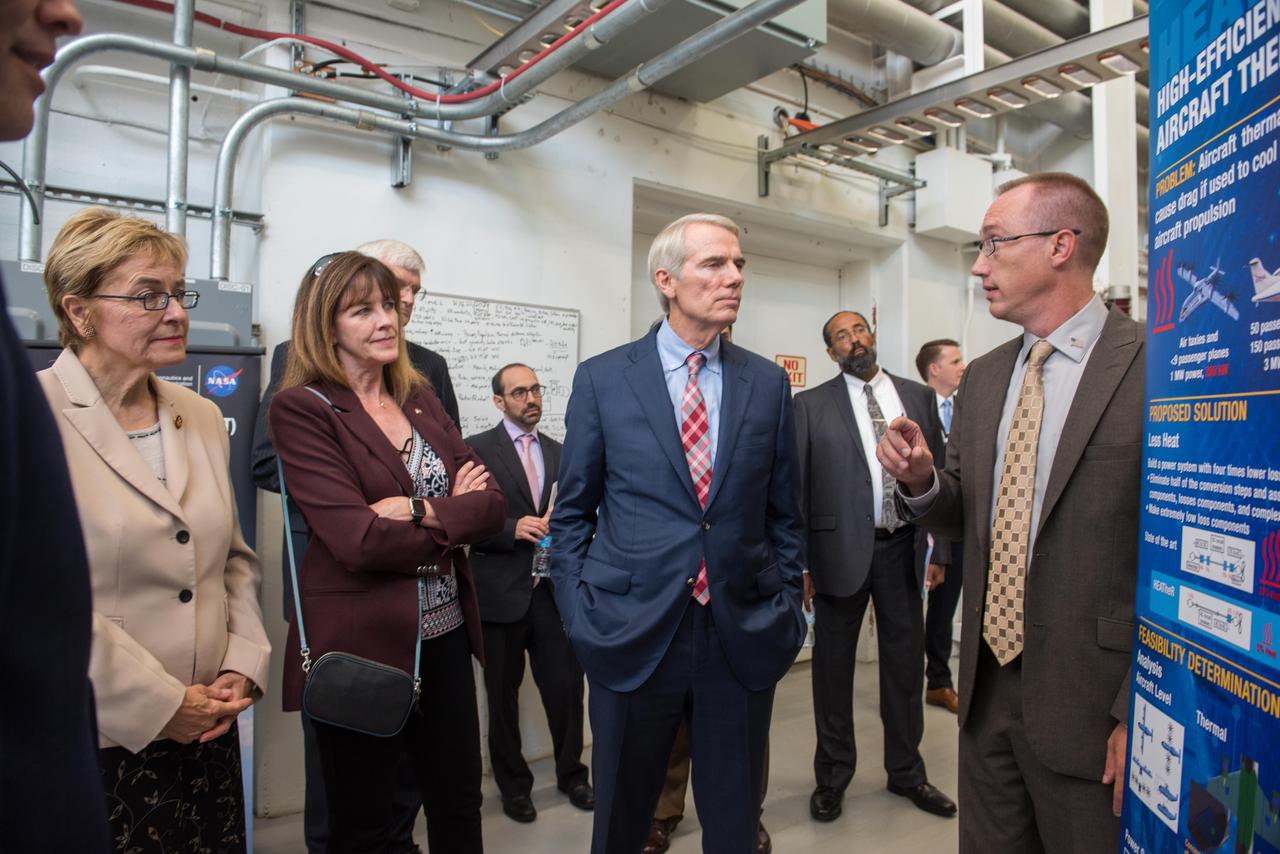
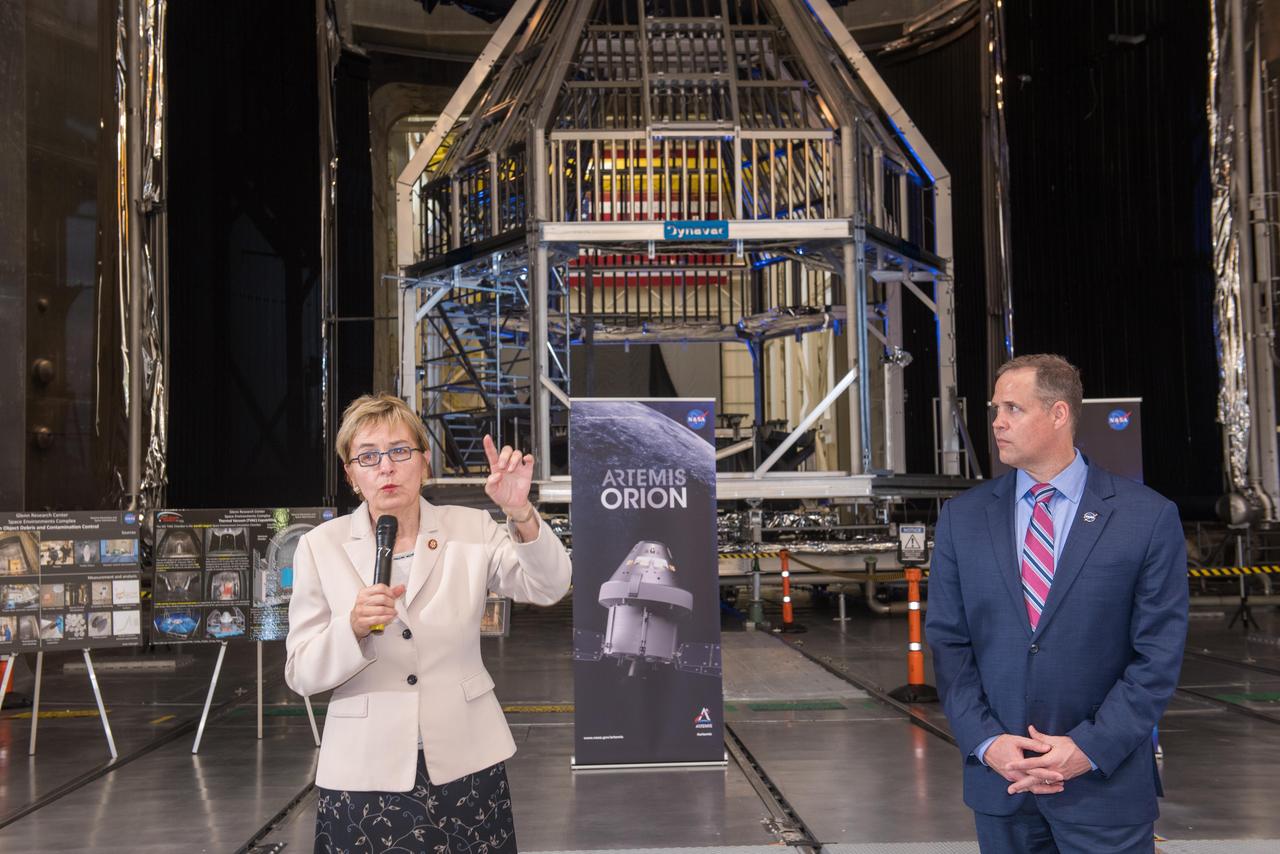
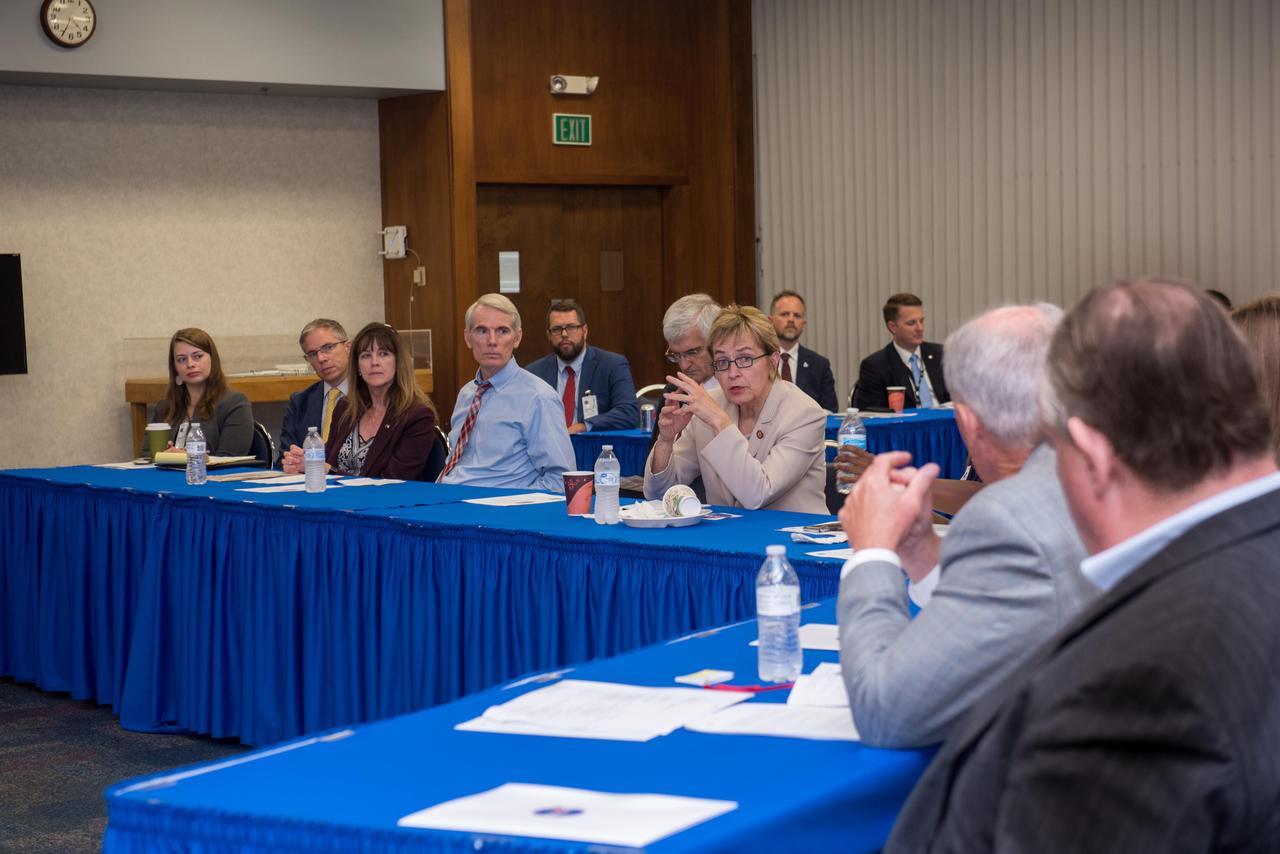
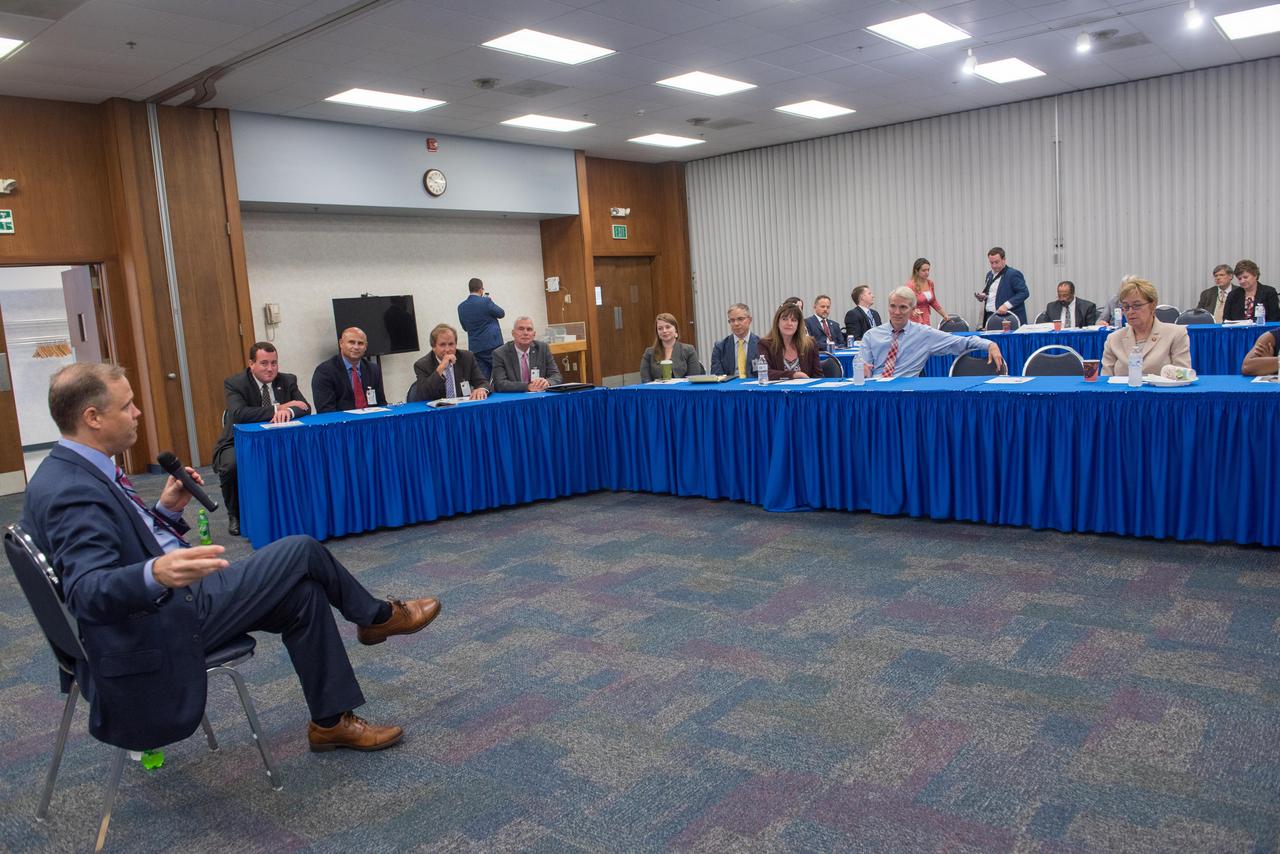
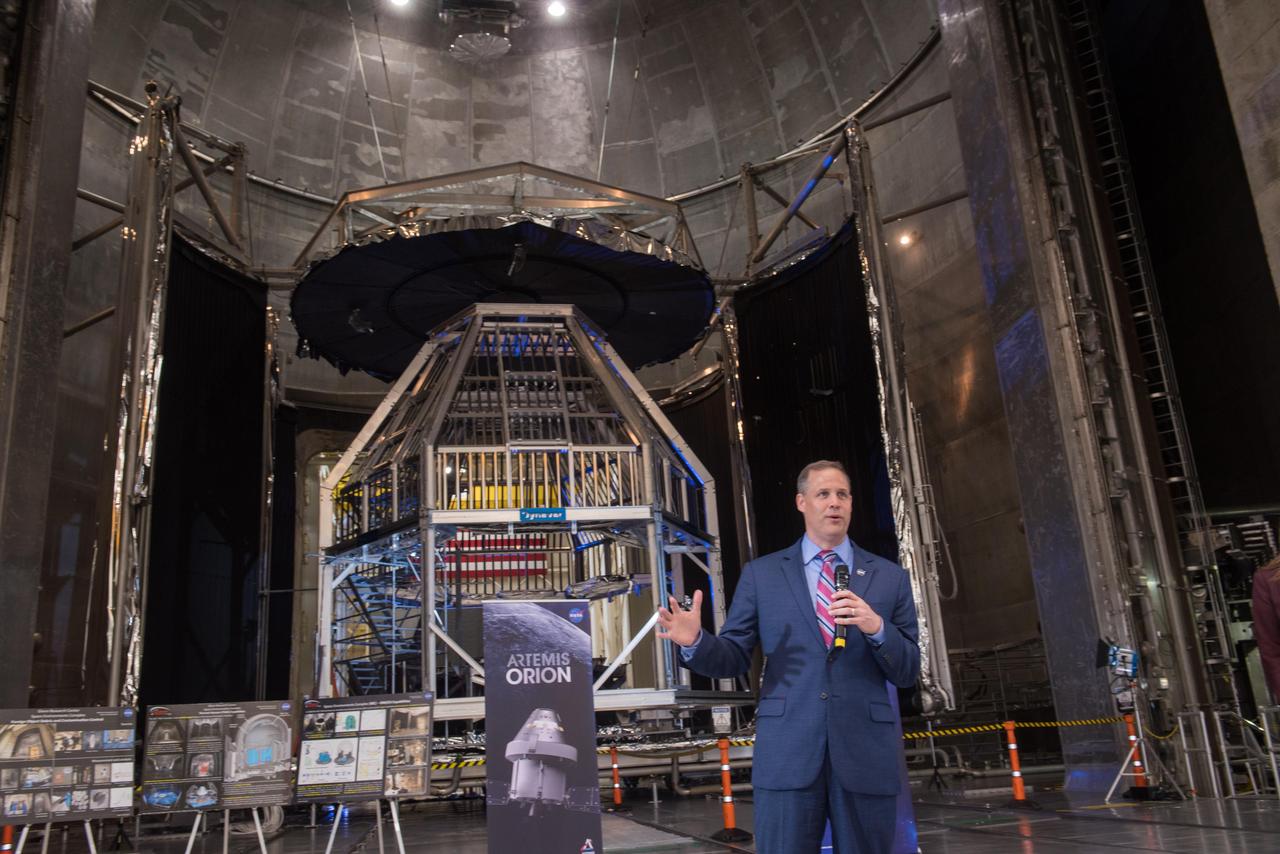
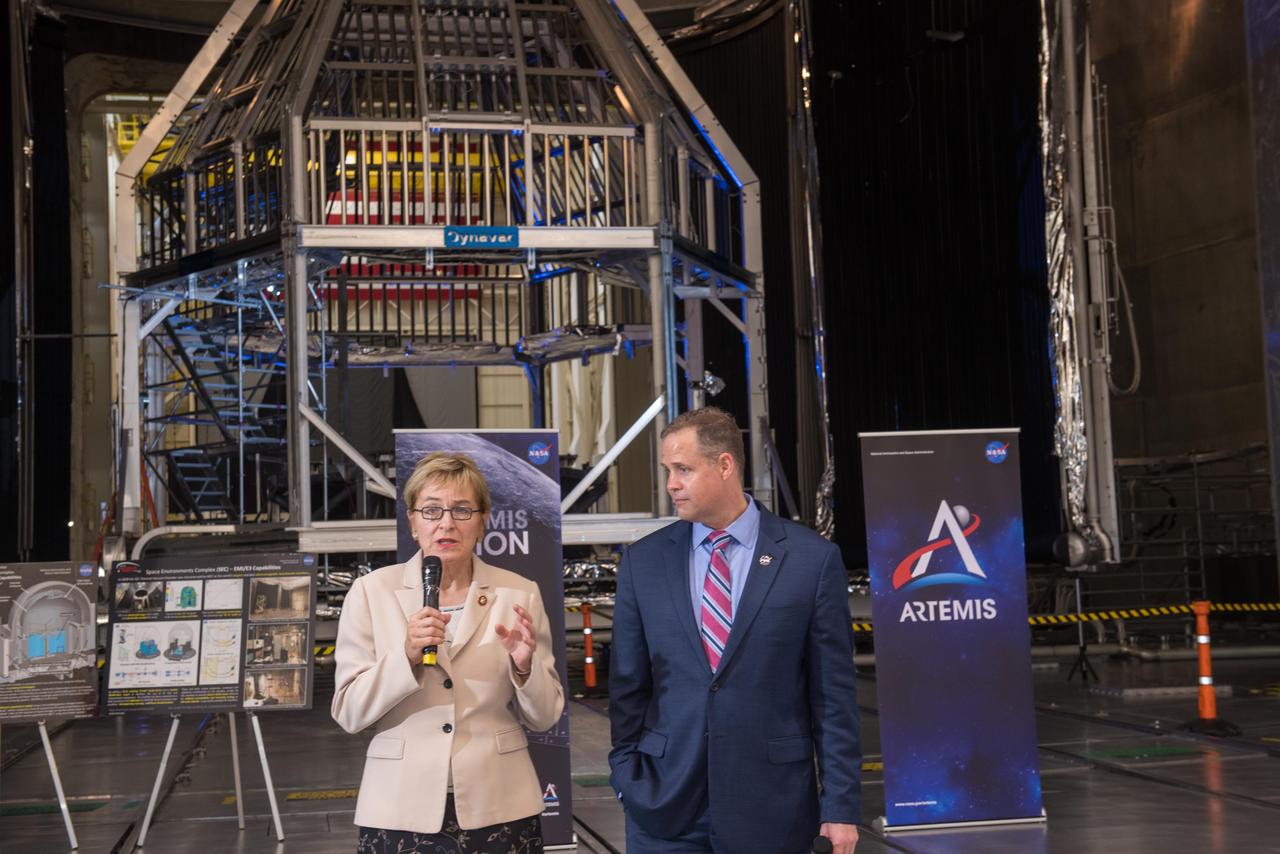
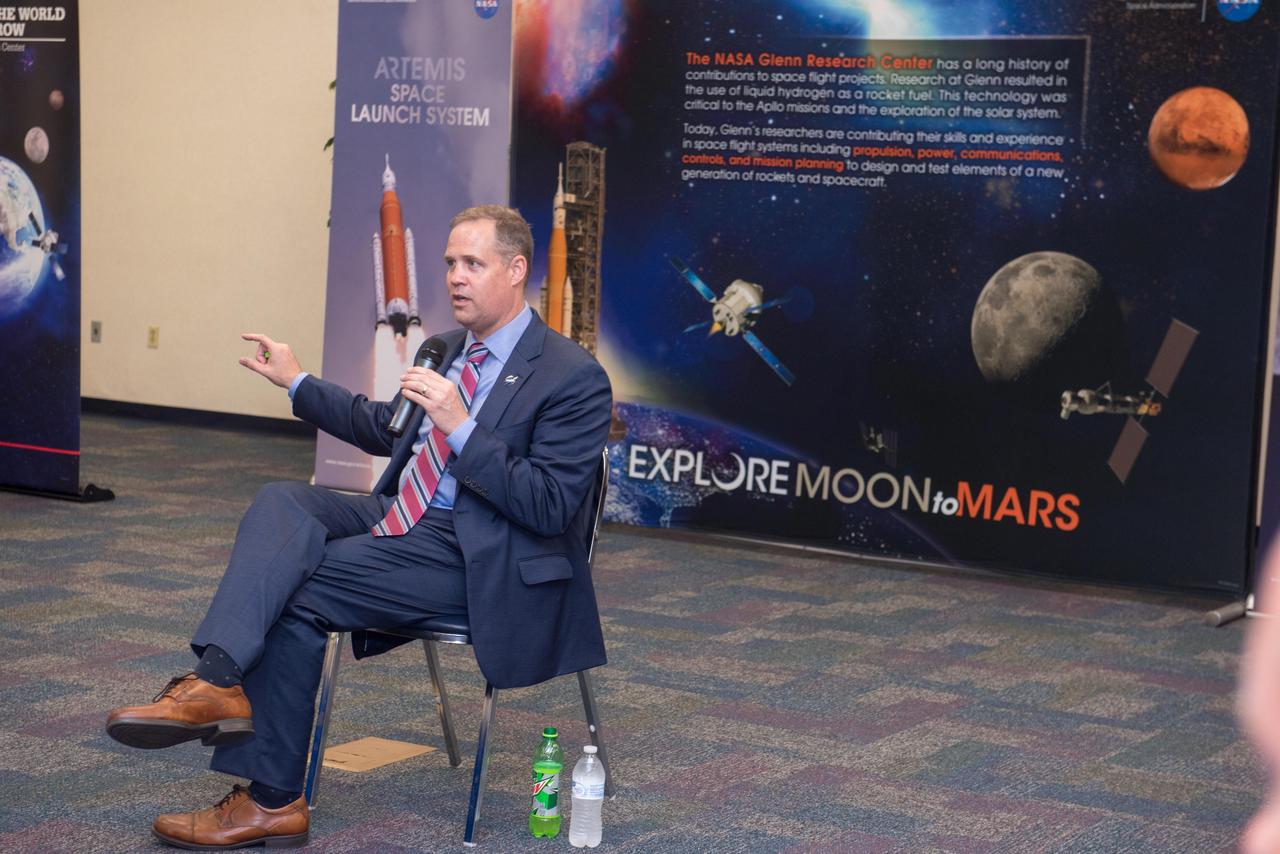
NASA Administrator Jim Bridenstine and Congressional Delegation Visit to Lewis Field and Plum Brook Station
NASA Administrator Jim Bridenstine and Congressional Delegati...
NASA Administrator Jim Bridenstine and Congressional Delegation Visit to Lewis Field and Plum Brook Station
NASA Administrator Jim Bridenstine and Congressional Delegati...
NASA Administrator Jim Bridenstine and Congressional Delegation Visit to Lewis Field and Plum Brook Station
NASA Administrator Jim Bridenstine and Congressional Delegati...
NASA Administrator Jim Bridenstine and Congressional Delegation Visit to Lewis Field and Plum Brook Station
NASA Administrator Jim Bridenstine and Congressional Delegati...
NASA Administrator Jim Bridenstine and Congressional Delegation Visit to Lewis Field and Plum Brook Station
NASA Administrator Jim Bridenstine and Congressional Delegati...
NASA Administrator Jim Bridenstine and Congressional Delegation Visit to Lewis Field and Plum Brook Station
NASA Administrator Jim Bridenstine and Congressional Delegati...
NASA Administrator Jim Bridenstine and Congressional Delegation Visit to Lewis Field and Plum Brook Station
NASA Administrator Jim Bridenstine and Congressional Delegati...
NASA Administrator Jim Bridenstine and Congressional Delegation Visit to Lewis Field and Plum Brook Station
NASA Administrator Jim Bridenstine and Congressional Delegati...