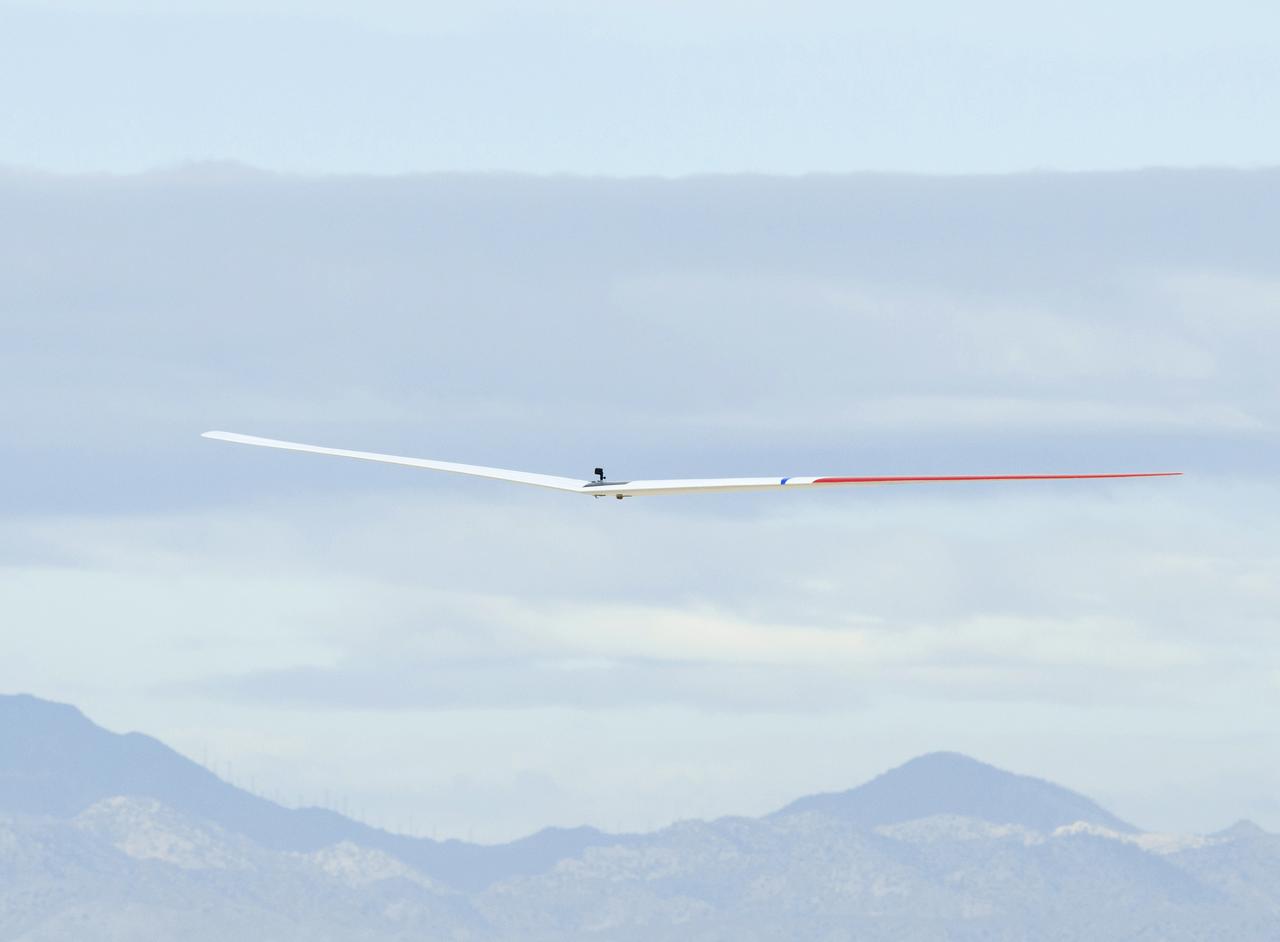
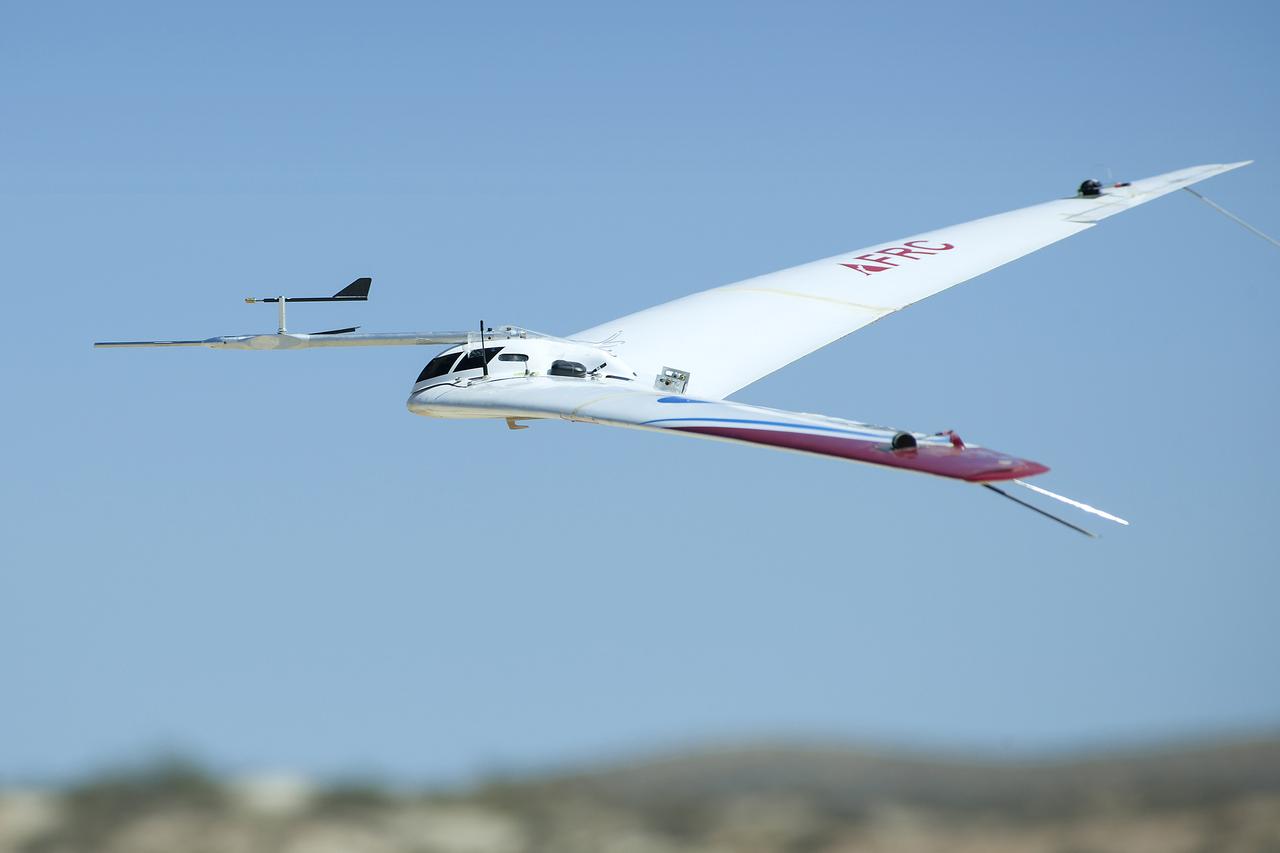
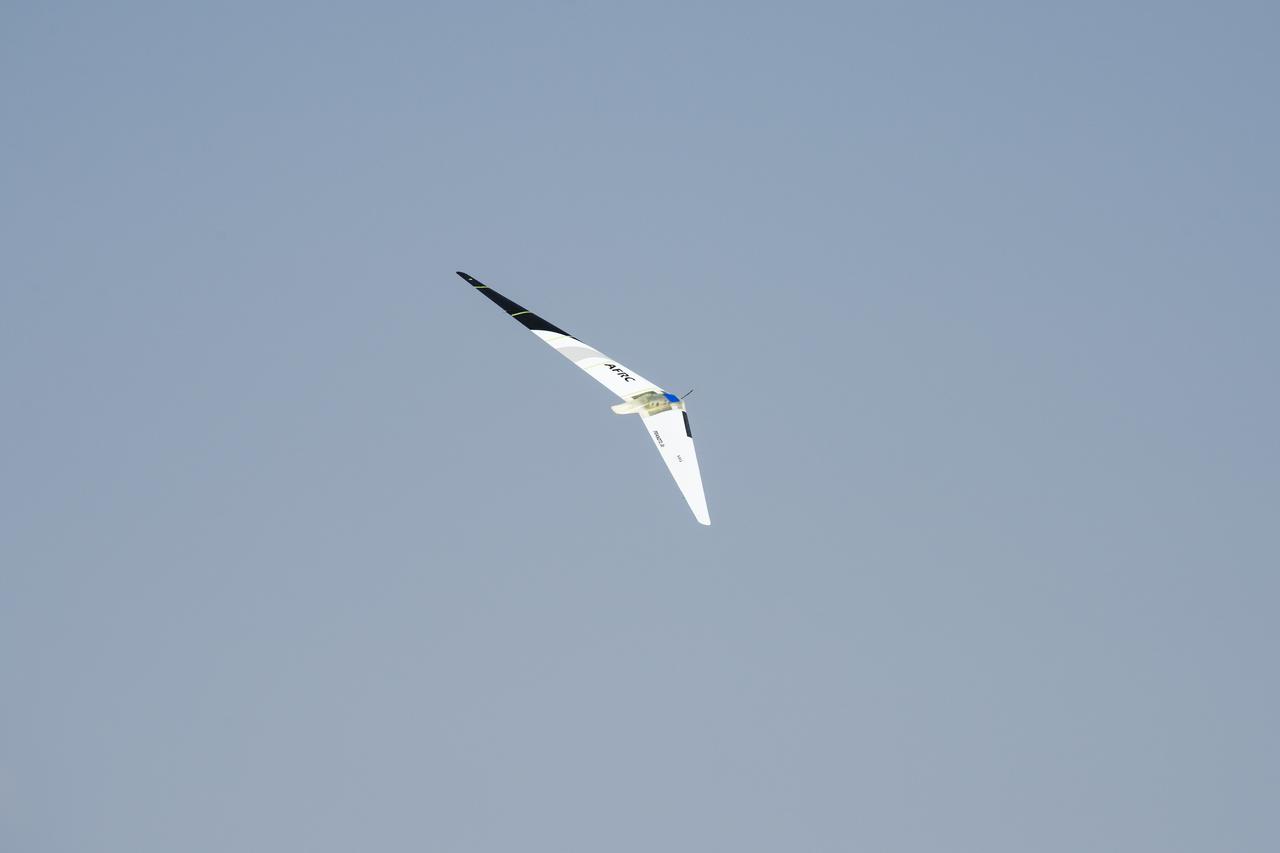
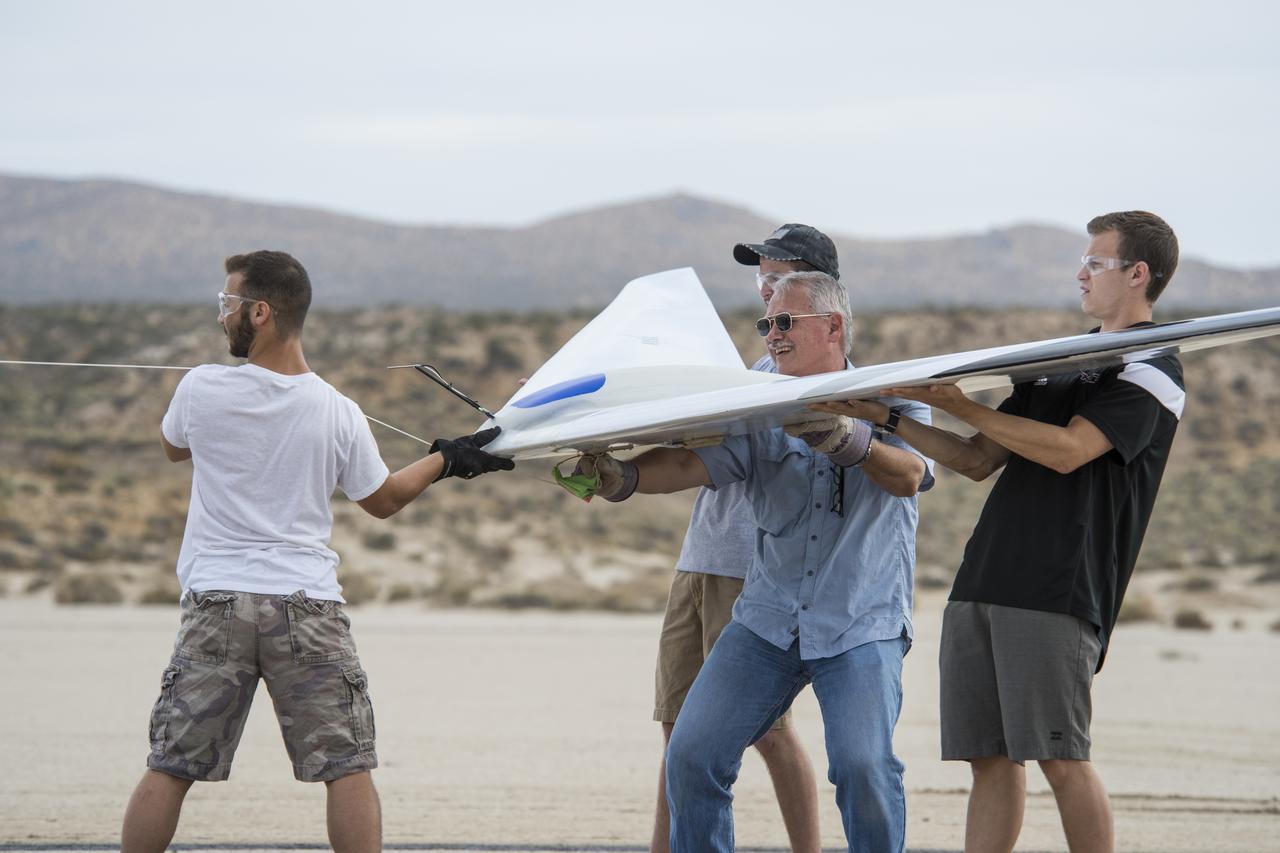
The Prandtl-D makes a test flight in 2014.
New Wing Shape Tested in Wind Tunnel
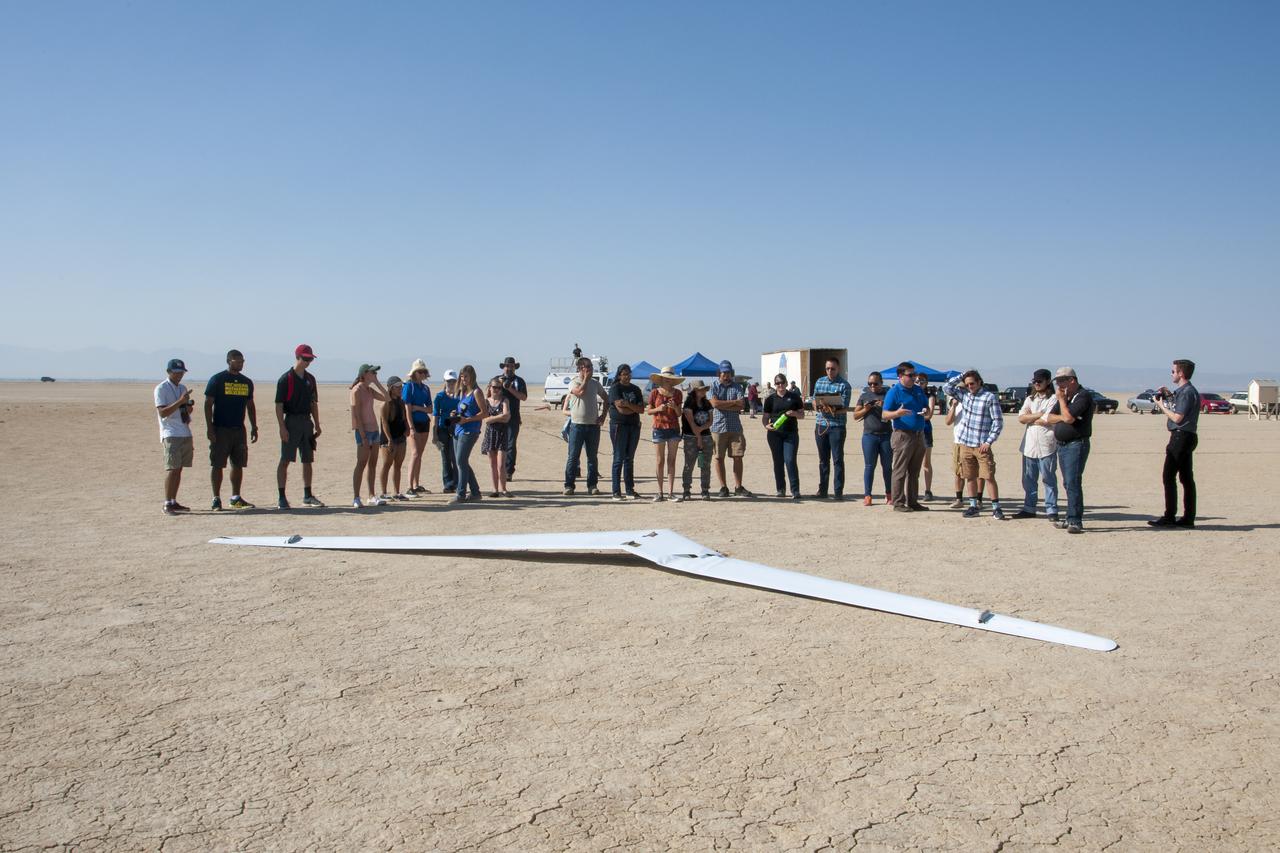
Student interns and NASA personnel cluster in front of PRANDTL-D No. 3 following a crash on Rosamond Dry Lake. The radio-controlled glider was built to validate a new spanload.
PRANDTL-D No 3 Crash Aftermath
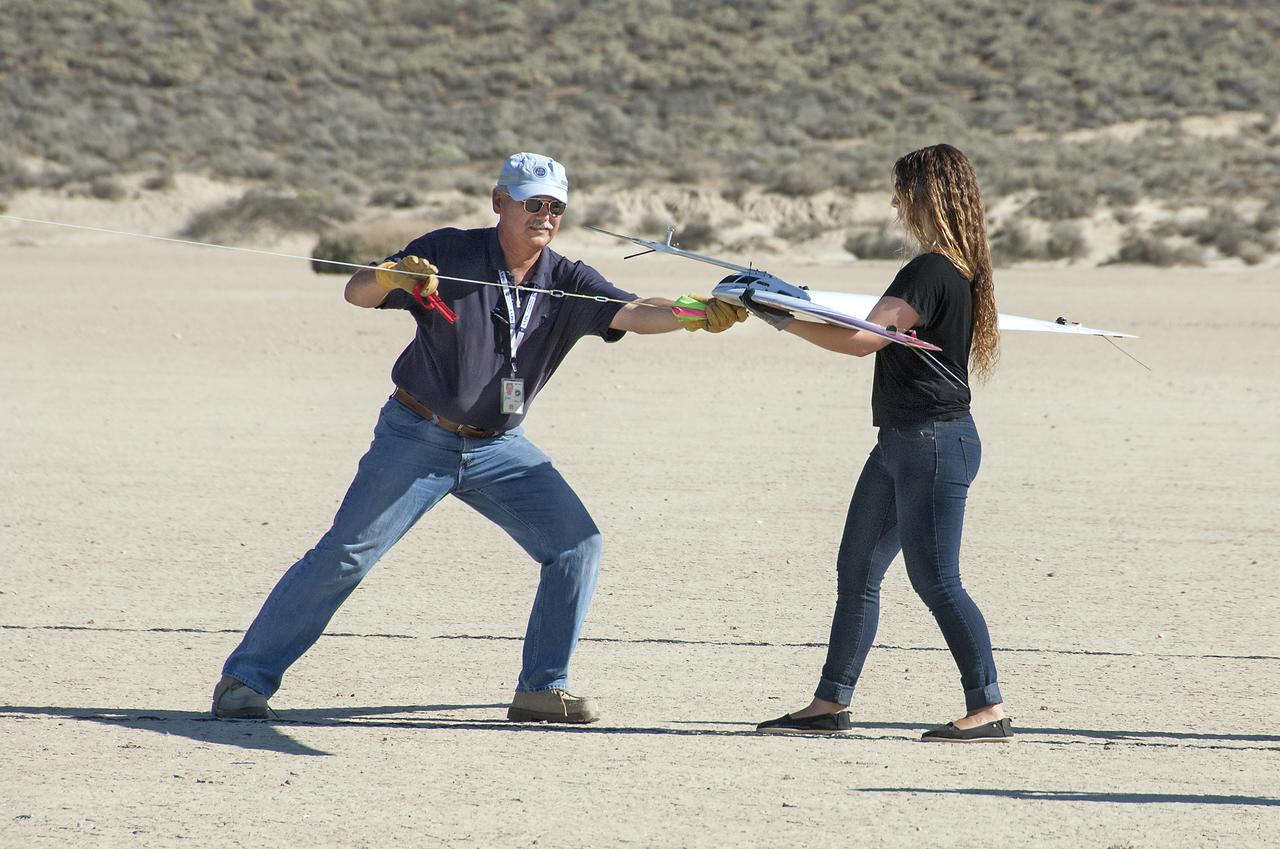
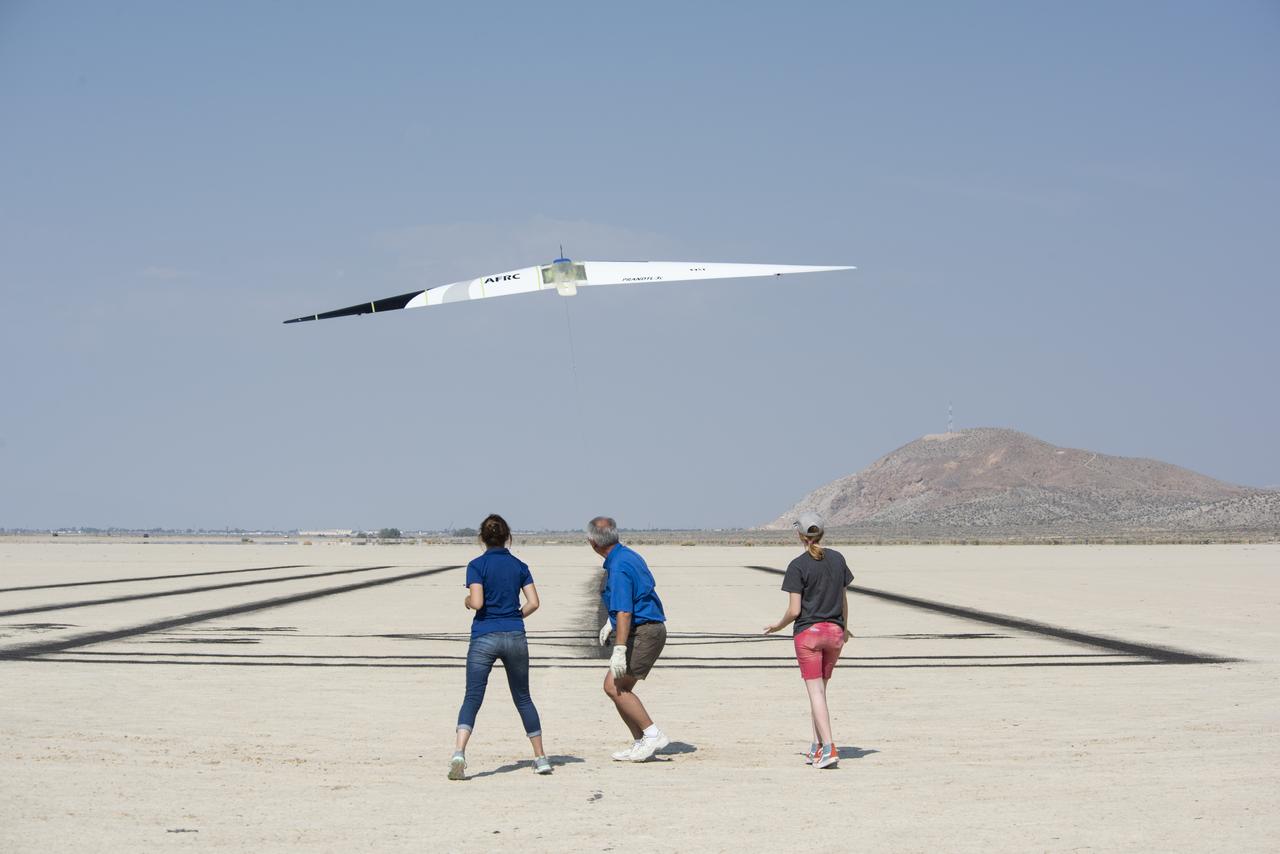
Al Bowers attaches a bungee cord to the Prandtl-d, as Kassidy McLaughlin prepares to release and launch the aircraft.
Could This Become the First Mars Airplane?
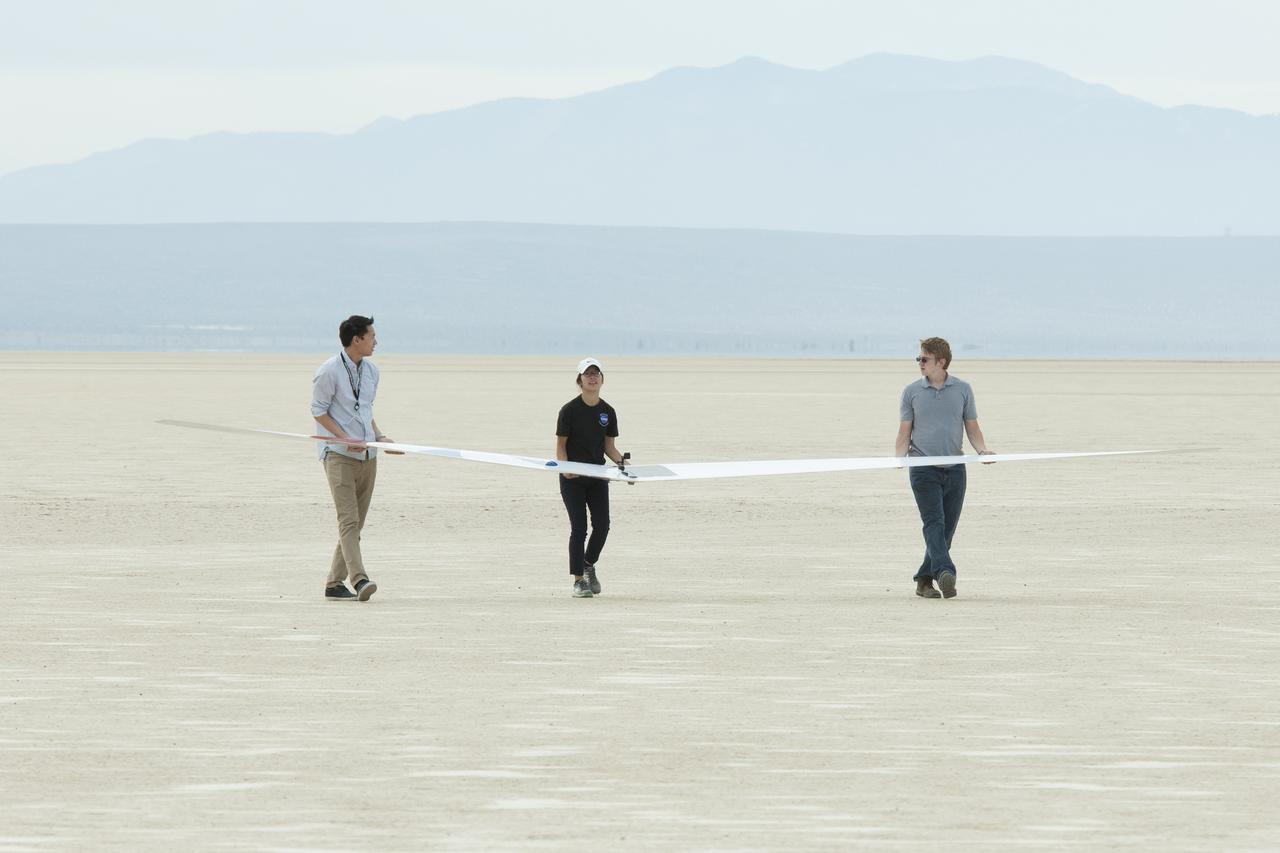
David Lee, Golda Nguyen and Scott Gleason recover the Prandtl-D No. 3 after one of its first flights.
ED15-0330-084
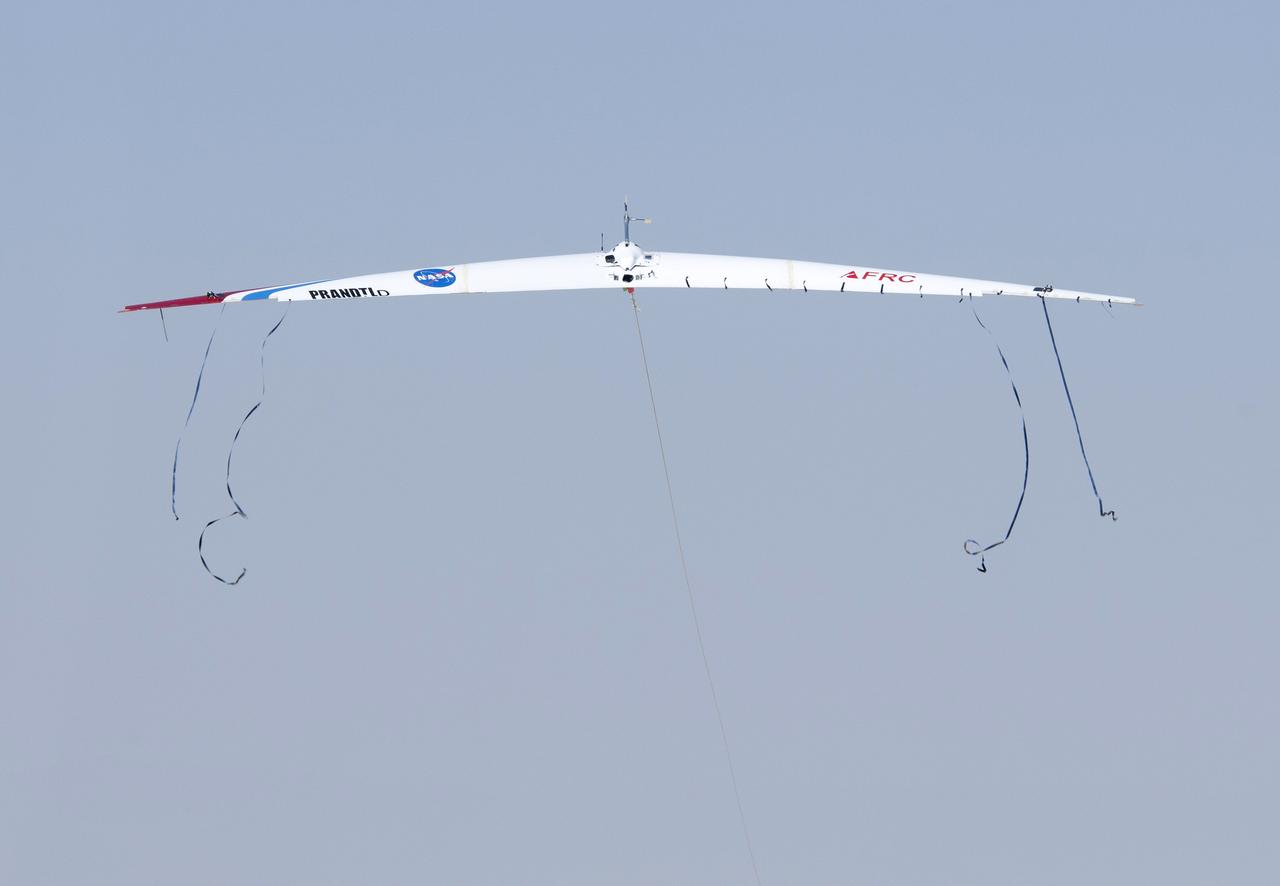
The streamers on the Prandtl-D No. 2 as it is launched illustrate how aerodynamic forces are maximized as birds overlap wingtips when flying in formation.
ED14-0222-088
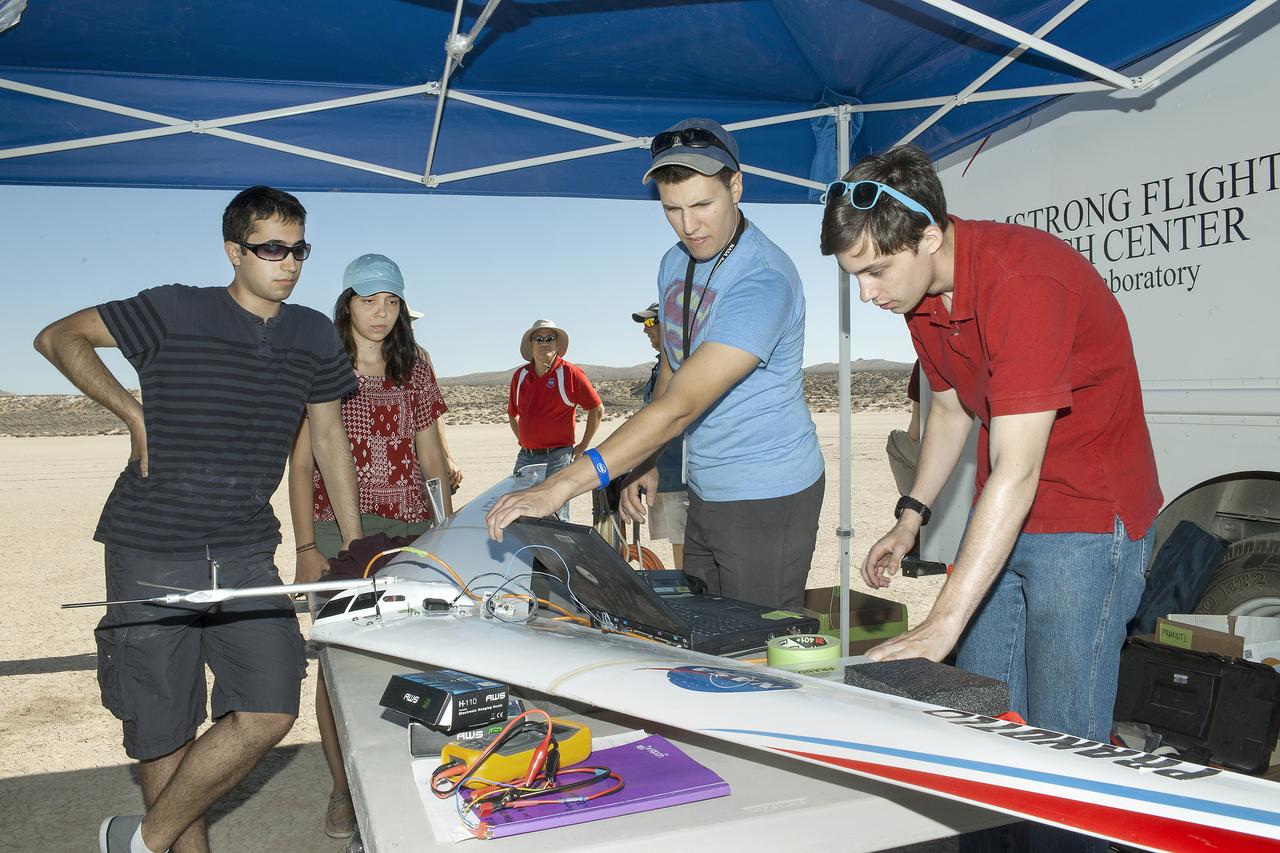
Jonathan Zur, from left, Alexandra Ocasio, Derek Abramson, Red Jensen, Etan Halberg and Keenan Albee wait for data to download from a Prandtl-d flight
Could This Become the First Mars Airplane?
The Prandtl-D No. 3 research aircraft is being readied for new flight tests this summer. It had its first flight on Oct. 28, 2015.
ED15-0330-079
The proposed Prandtl-m is based on the Prandtl-d seen coming in for a landing during a flight test in June. The aerodynamics offer a solution that could lead to the first aircraft on Mars.
Could This Become the First Mars Airplane?
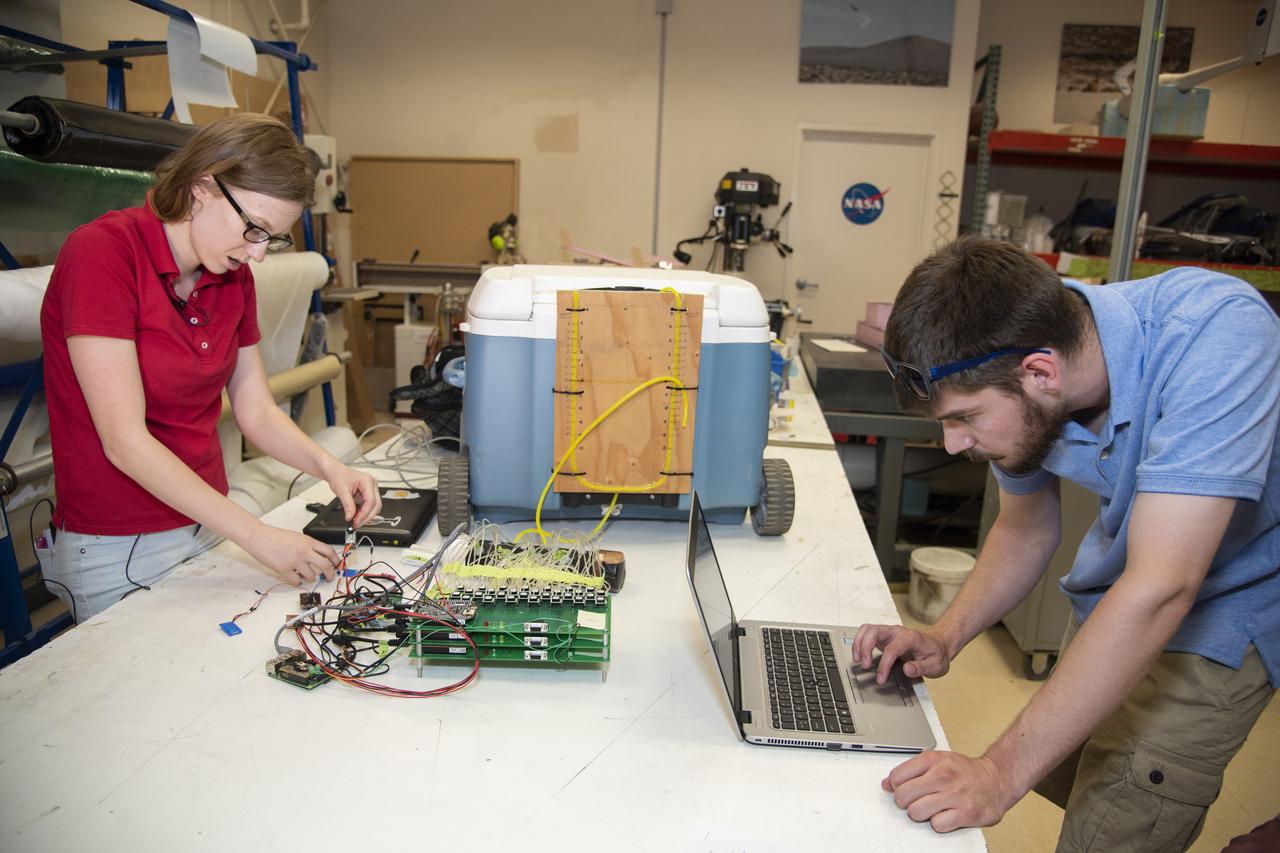
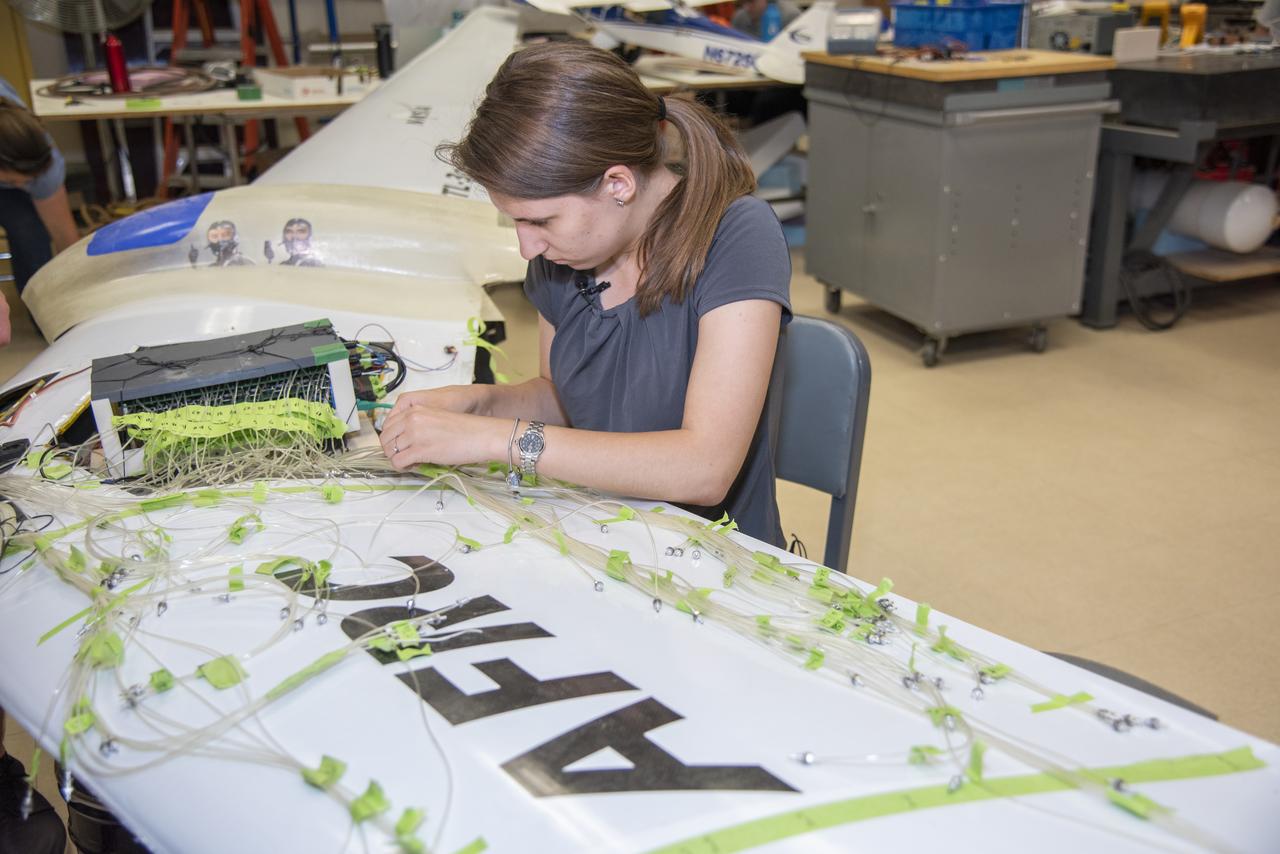
Abbigail Waddell and Nathaniel Boisjolie-Gair test a pressure system they and other students developed for the subscale Prandtl-D 3C glider.
Student Developed Aircraft System Provides Vital Data
Deborah Jackson integrates a pressure system she and other students developed for the subscale Prandtl-D 3C glider.
Student Developed Aircraft System Provides Vital Data
Deborah Jackson, Al Bowers and Abbigail Waddell successfully launch the subscale Prandtl-D 3C glider.
Student Developed Aircraft System Provides Vital Data
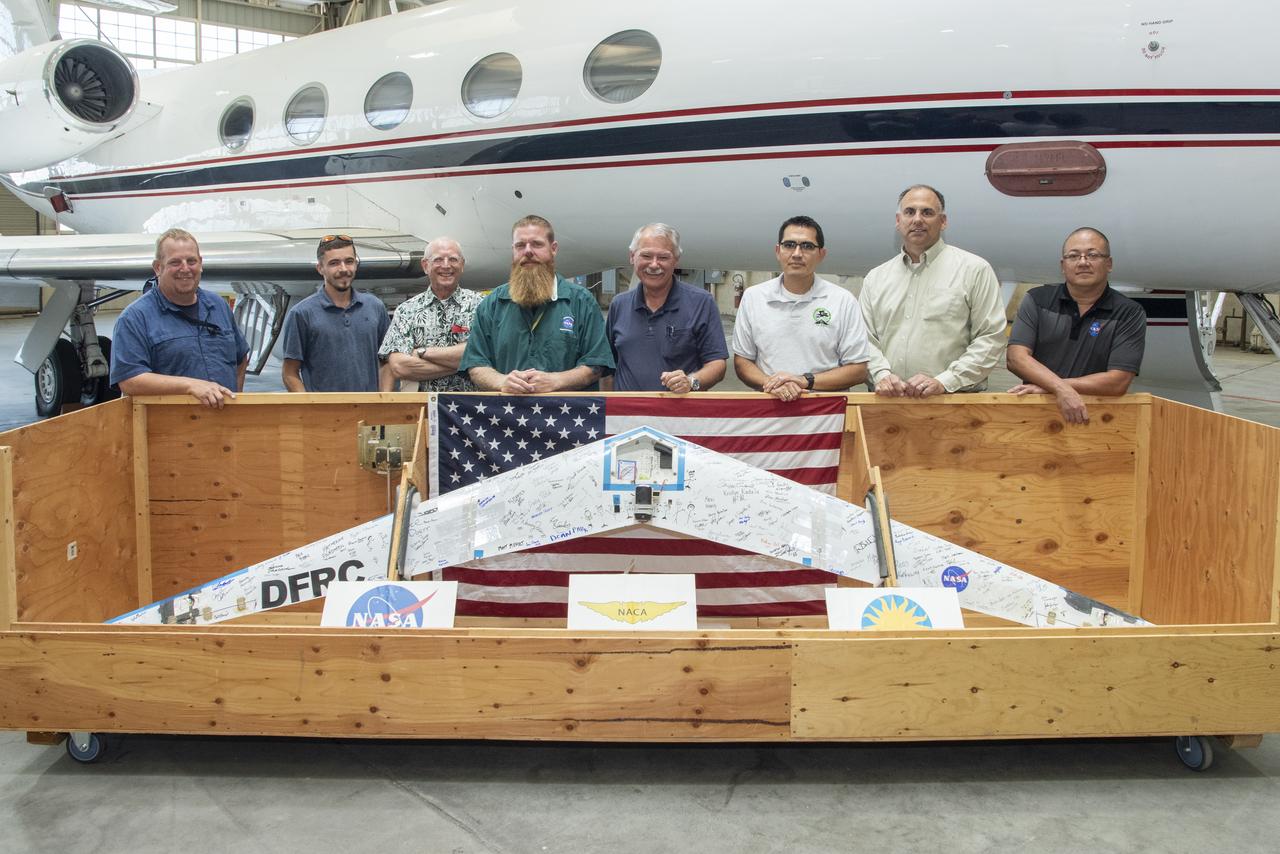
Preliminary Research Aerodynamic Design to Lower Drag, or Prandtl-D1, will be displayed in an upcoming Innovations Gallery at the National Air and Space Museum, the Smithsonian Institute. The aircraft, which flew from NASA's Armstrong Flight Research Center in California, uses a method of aircraft design that introduces a twist that results in a more efficient wing. From left are Robert "Red" Jensen, Logan Shaw, Christian Gelzer, Justin Hall, Al Bowers, Oscar Murillo, Brian Eslinger and Derek Abramson
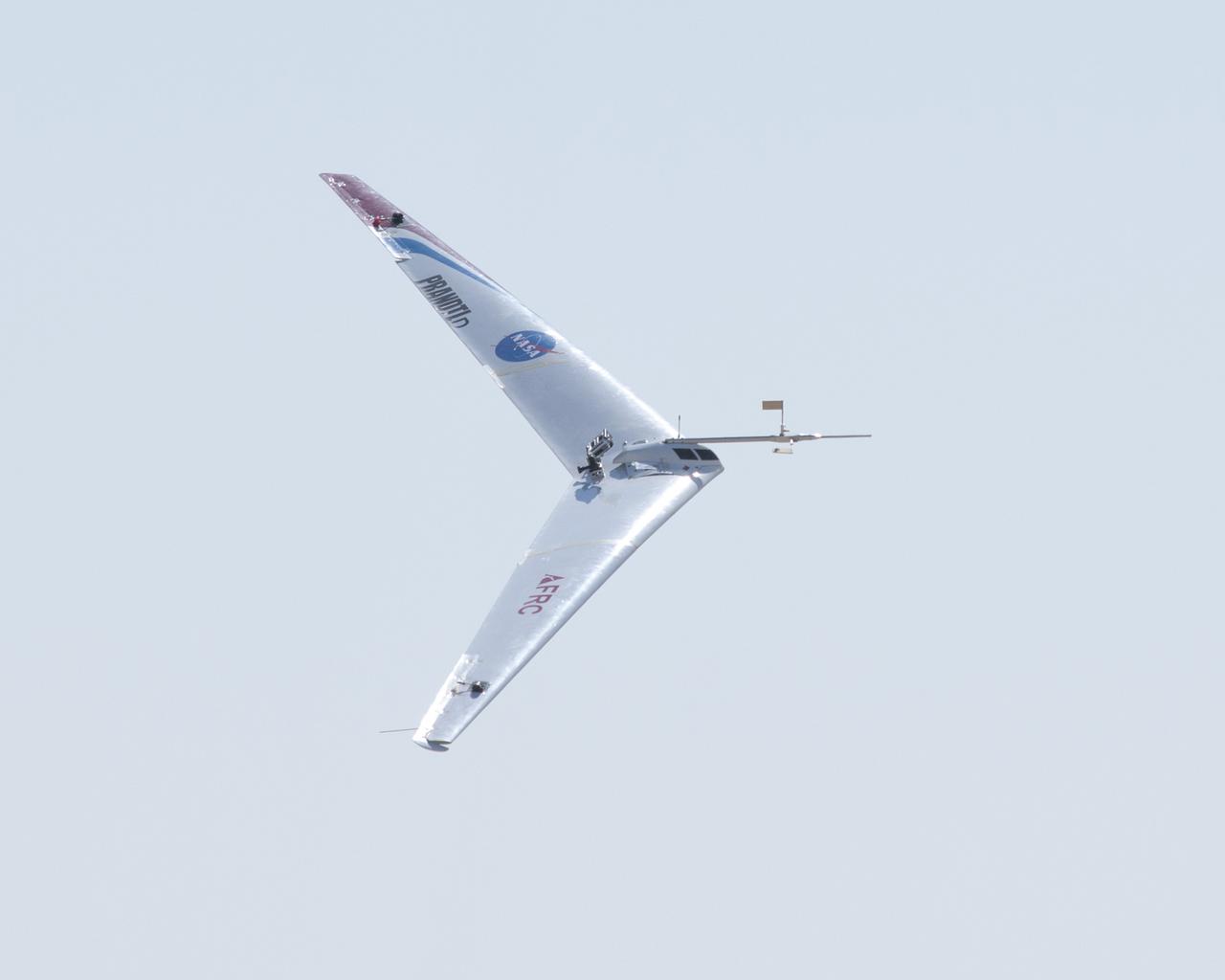
Prandtl-D Goes to Smithsonian
The subscale Prandtl-D 3C glider, carrying a pressure system developed and integrated by students, successfully flies at Edwards Air Force Base in California.
Student Developed Aircraft System Provides Vital Data
Al Bowers, center, and a group of student interns hook up a bungee cord for a flight of the Prandtl-D 3C subscale glider aircraft.
Bowers Inspires Students to be Their Best