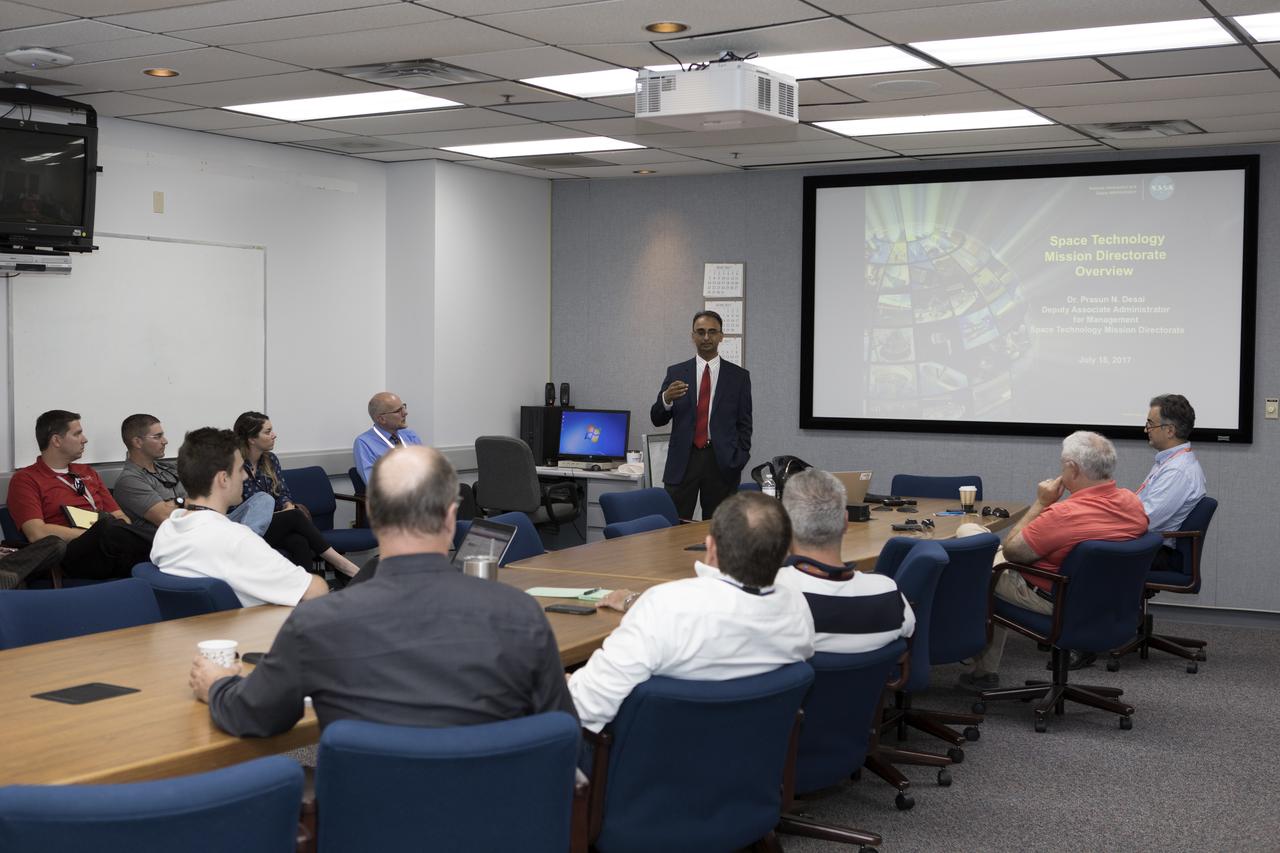
Prasun Desai, deputy associate administrator for Management in NASA's Space Technology Mission Directorate, speaks to Exploration Research and Technology managers in the Space Station Processing Facility at the Kennedy Space Center in Florida.
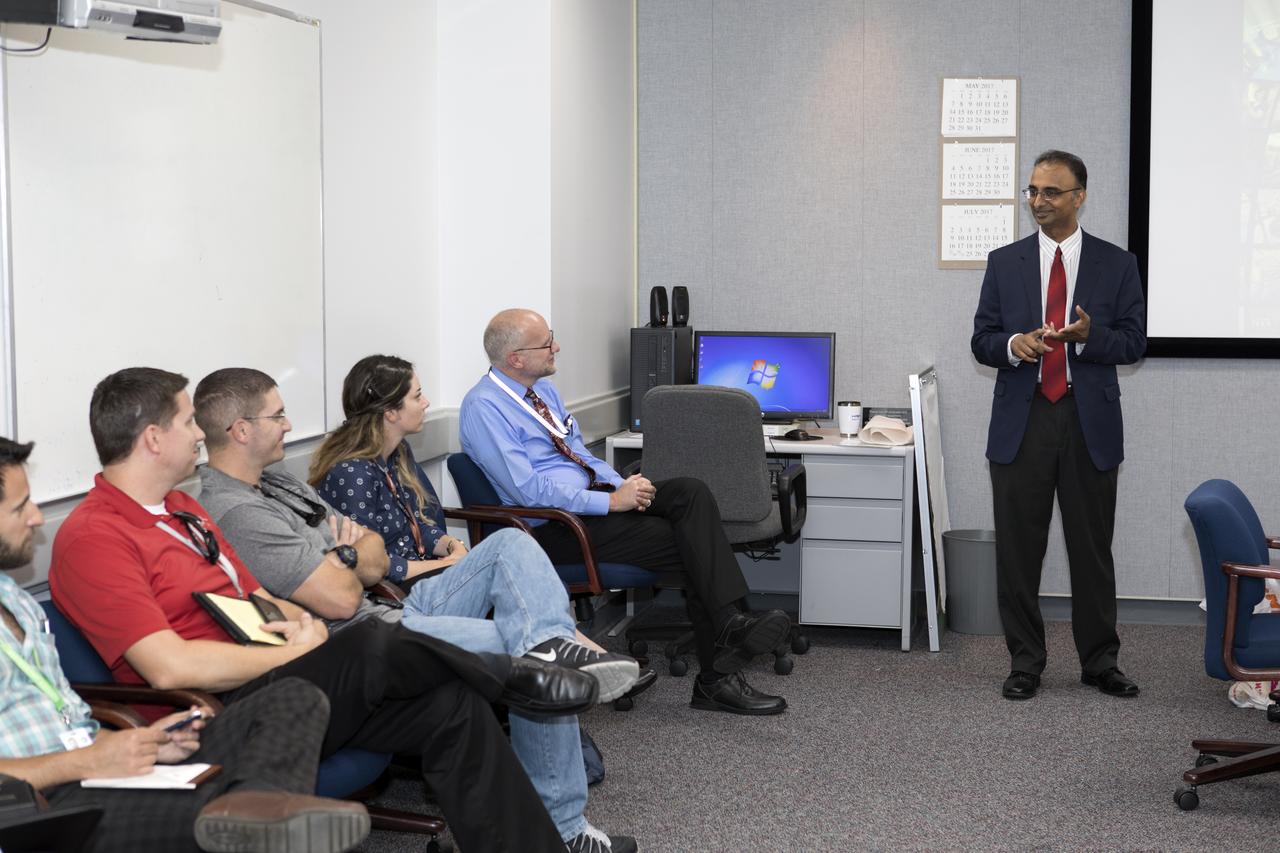
Prasun Desai, deputy associate administrator for Management in NASA's Space Technology Mission Directorate, speaks to Exploration Research and Technology managers in the Space Station Processing Facility at the Kennedy Space Center in Florida.
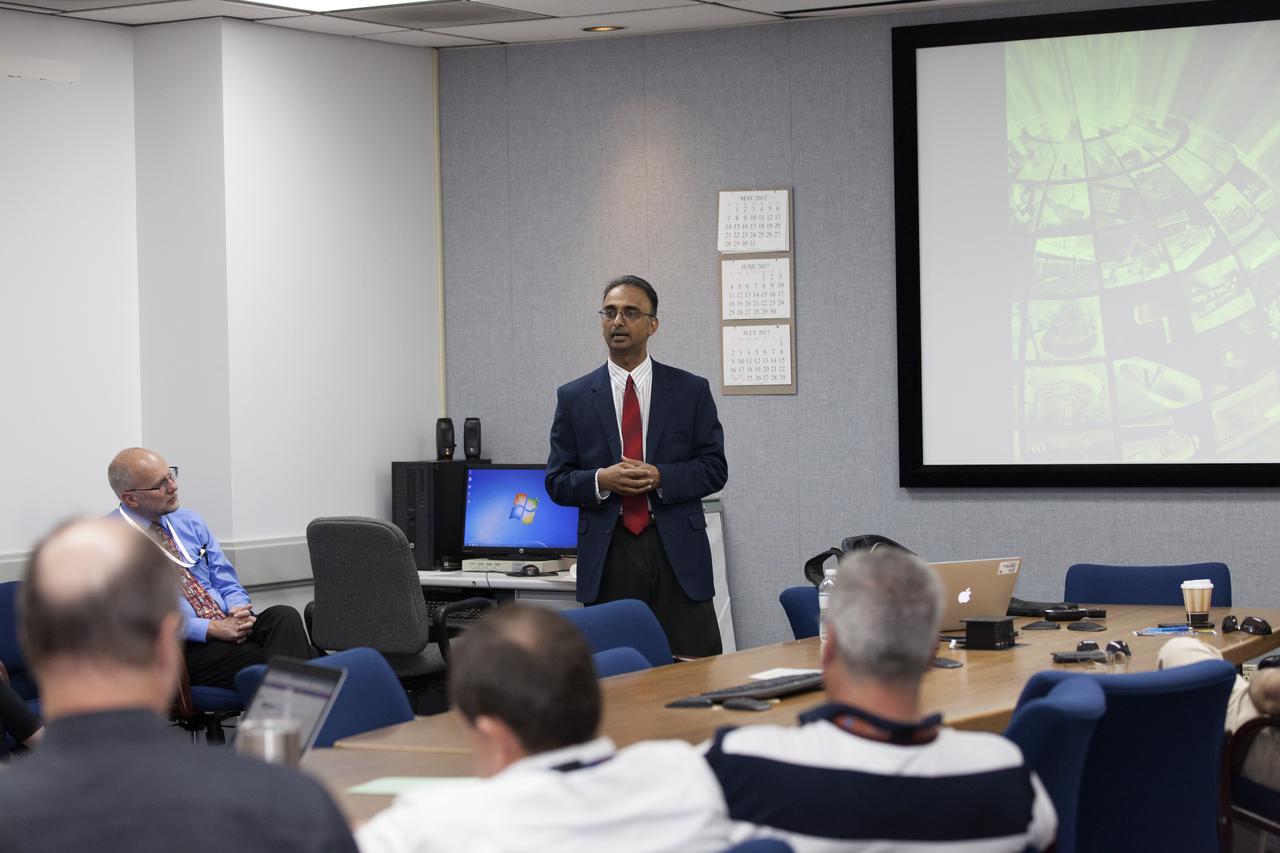
Prasun Desai, deputy associate administrator for Management in NASA's Space Technology Mission Directorate, speaks to Exploration Research and Technology managers in the Space Station Processing Facility at the Kennedy Space Center in Florida.
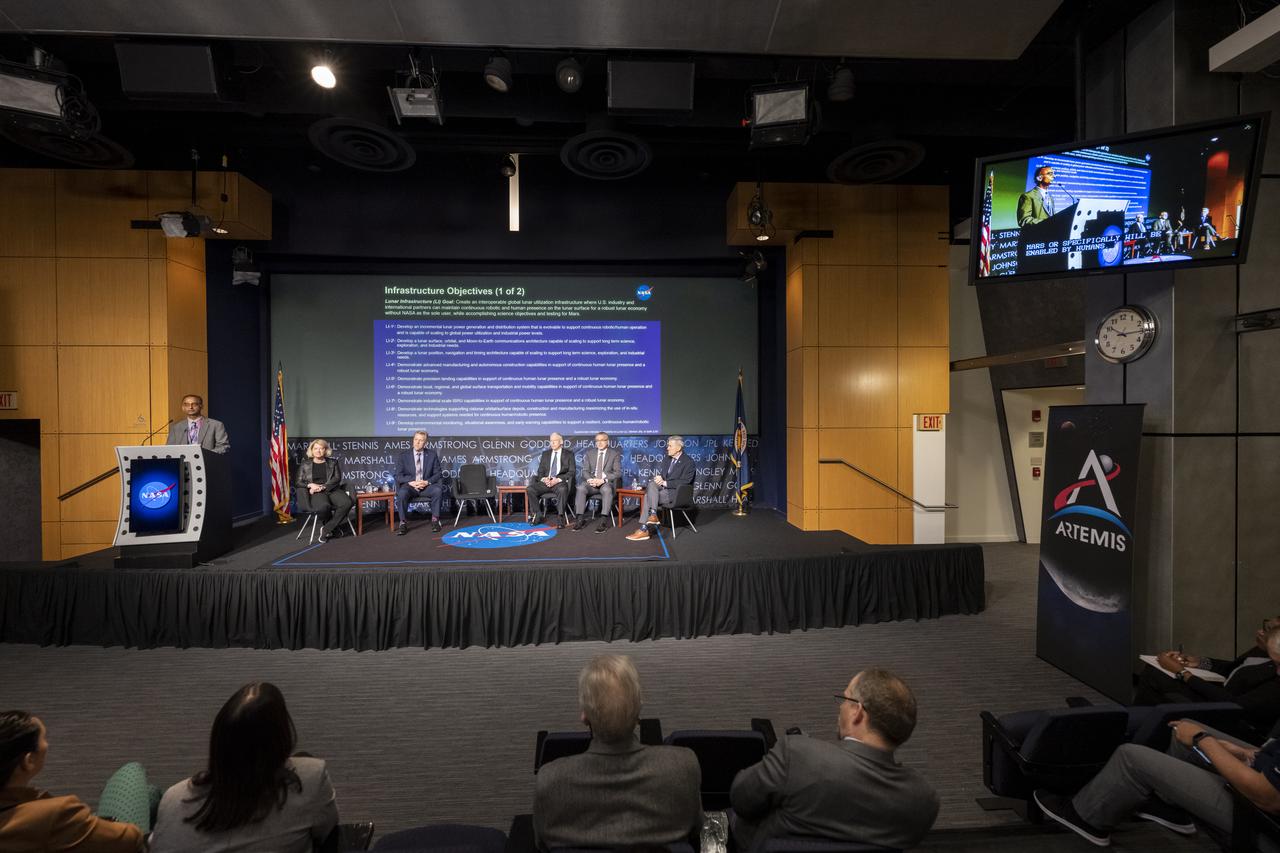
Deputy Associate Administrator for Space Technology Mission Directorate Prasun Desai delivers remarks during a Moon to Mars Town Hall, Thursday, May 18, 2023, at the Mary W. Jackson NASA Headquarters building in Washington. Photo Credit: (NASA/Keegan Barber)
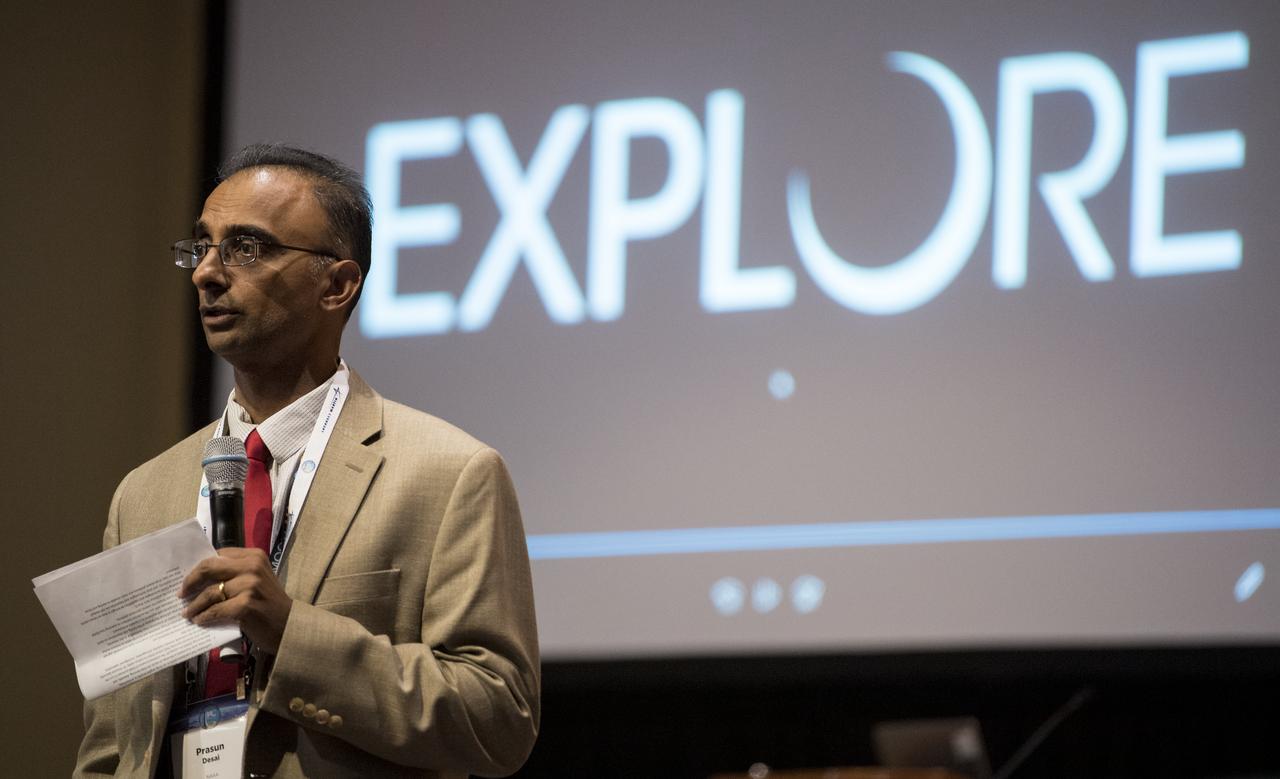
Prasun Desai, Deputy Associate Administrator for Management in NASA’s Space Technology Mission Directorate speaks during a special session titled ”The Immortal Spaceship: A Discussion on the Use Cases and Value of Persistent Platforms” at the 70th International Astronautical Congress, Thursday, Oct. 24, 2019, at the Walter E. Washington Convention Center in Washington. Photo Credit: (NASA/Joel Kowsky)
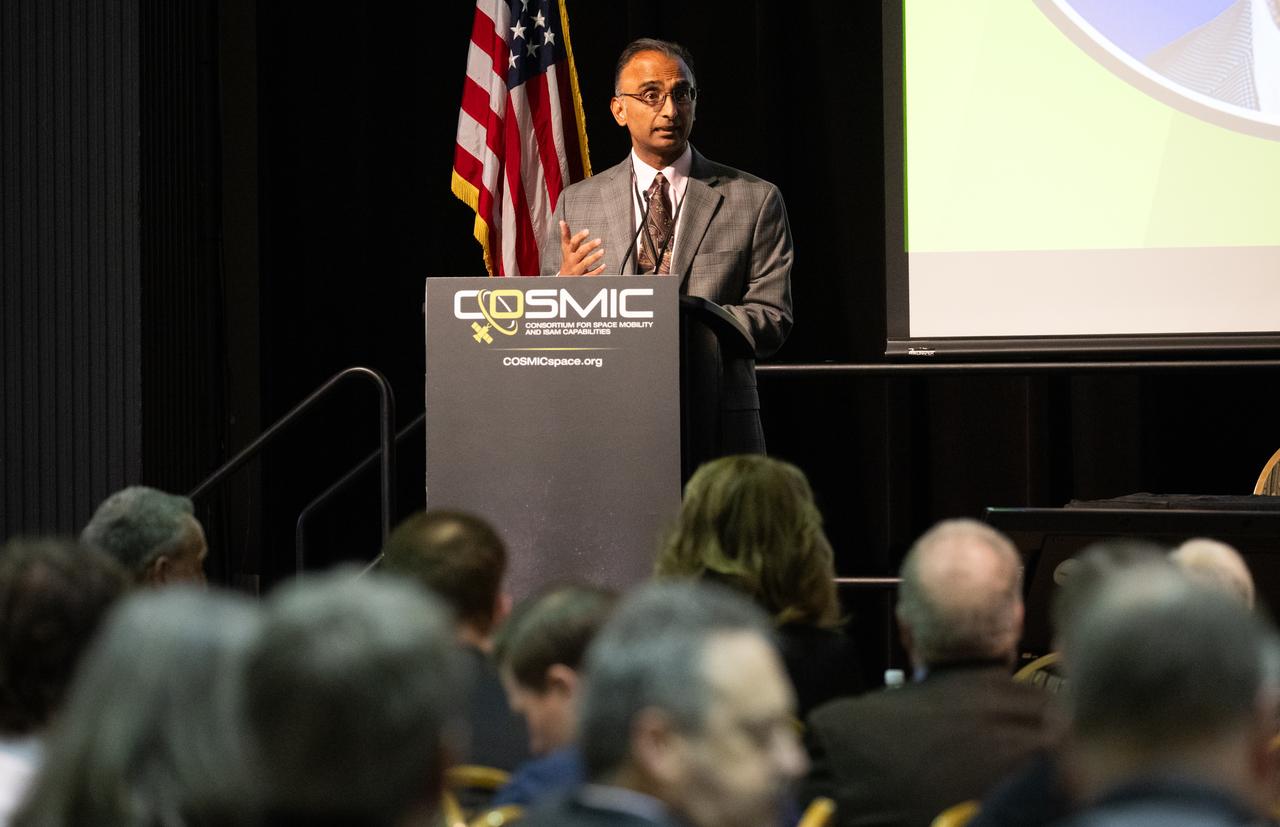
Prasun Desai, acting associate administrator for NASA's Space Technology Mission Directorate, delivers opening remarks at the Consortium for Space Mobility and ISAM Capabilities (COSMIC) workshop, Tuesday, Nov. 7, 2023, at the University of Maryland in College Park, Md. NASA’s Space Technology Mission Directorate formulated and funds COSMIC, aiming to create a nationwide aerospace community alliance that provides global leadership in space mobility and in-space servicing, assembly, and manufacturing (ISAM) for use in Earth orbit, lunar orbit, deep space, and on planetary surfaces. Photo Credit: (NASA/Joel Kowsky)
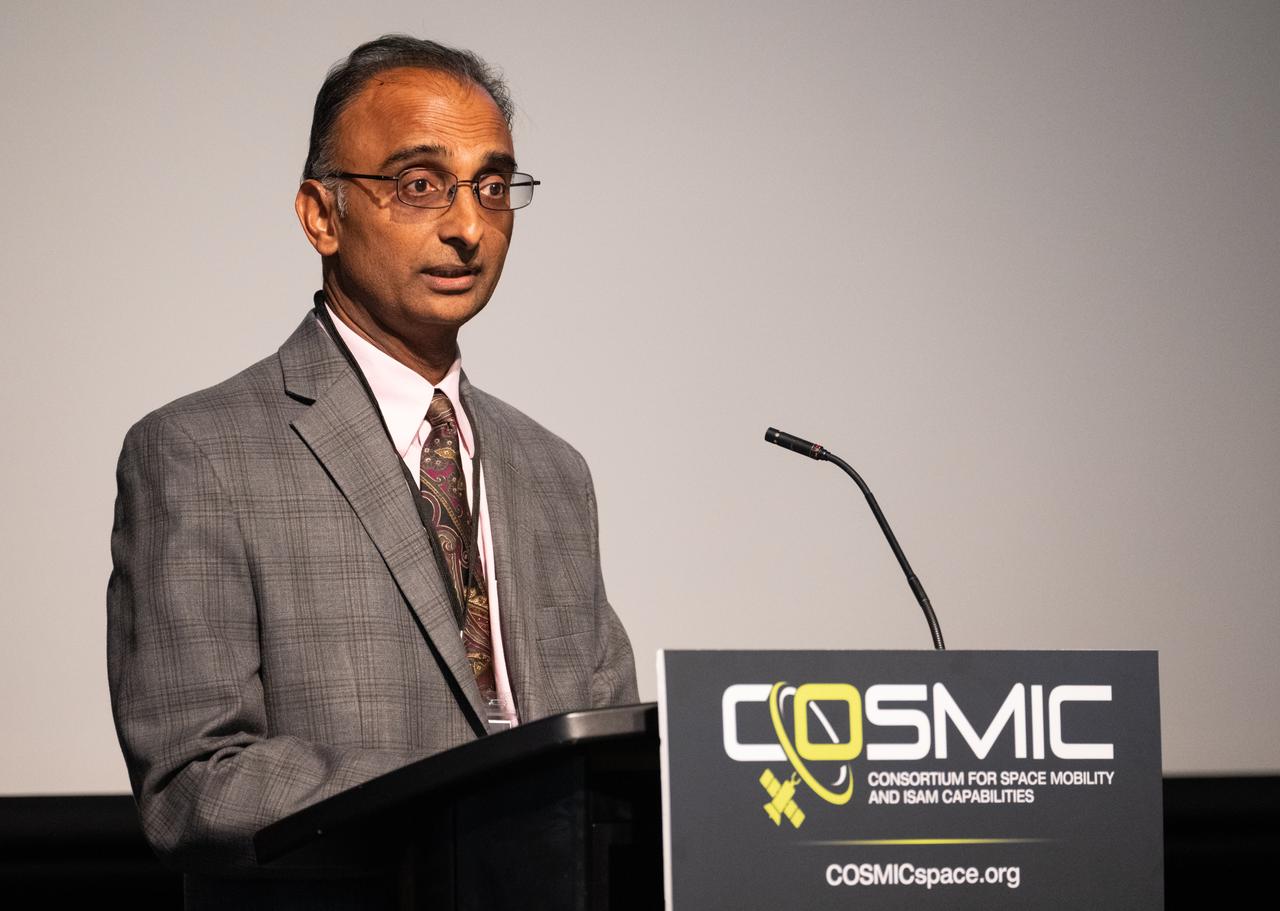
Prasun Desai, acting associate administrator for NASA's Space Technology Mission Directorate, delivers opening remarks at the Consortium for Space Mobility and ISAM Capabilities (COSMIC) workshop, Tuesday, Nov. 7, 2023, at the University of Maryland in College Park, Md. NASA’s Space Technology Mission Directorate formulated and funds COSMIC, aiming to create a nationwide aerospace community alliance that provides global leadership in space mobility and in-space servicing, assembly, and manufacturing (ISAM) for use in Earth orbit, lunar orbit, deep space, and on planetary surfaces. Photo Credit: (NASA/Joel Kowsky)
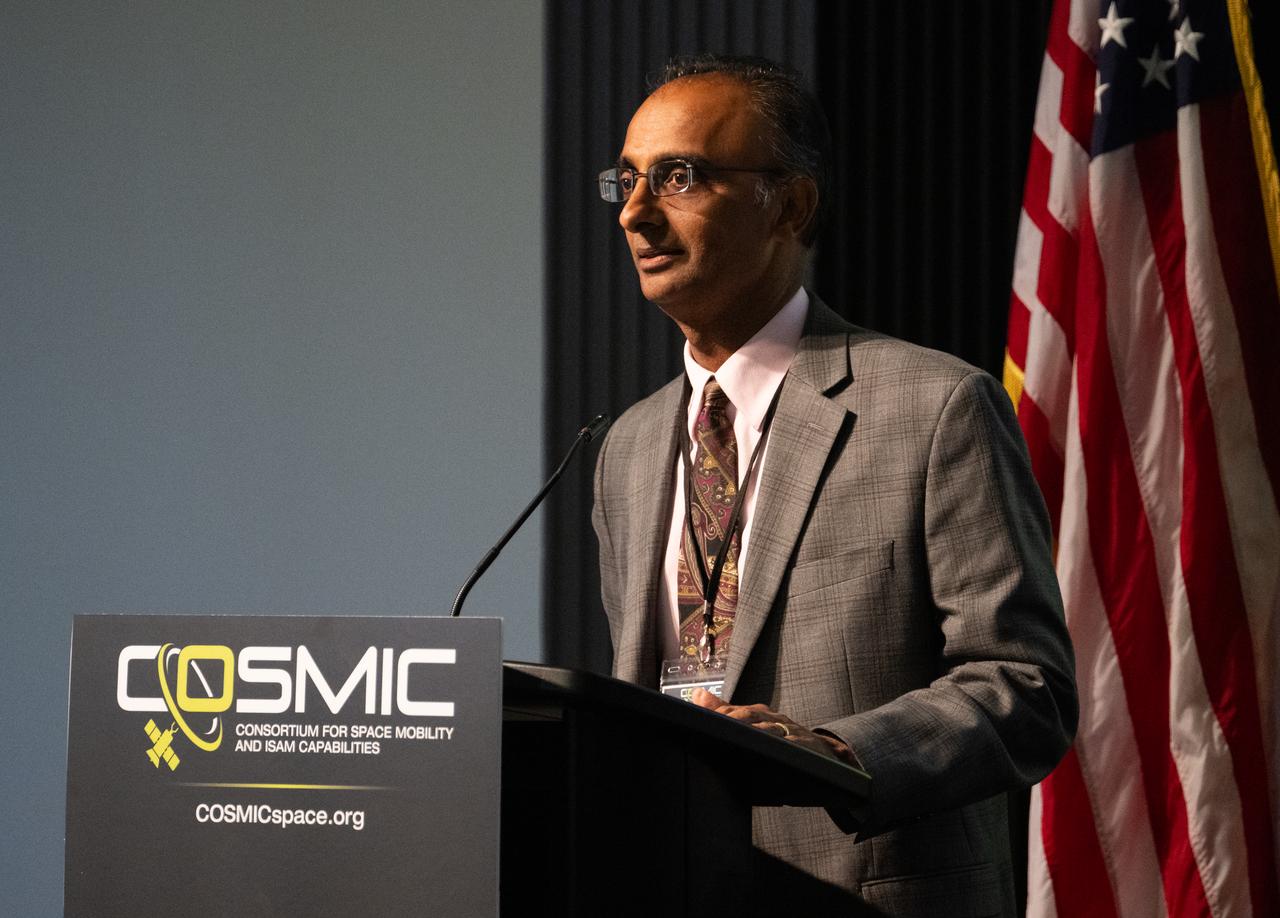
Prasun Desai, acting associate administrator for NASA's Space Technology Mission Directorate, delivers opening remarks at the Consortium for Space Mobility and ISAM Capabilities (COSMIC) workshop, Tuesday, Nov. 7, 2023, at the University of Maryland in College Park, Md. NASA’s Space Technology Mission Directorate formulated and funds COSMIC, aiming to create a nationwide aerospace community alliance that provides global leadership in space mobility and in-space servicing, assembly, and manufacturing (ISAM) for use in Earth orbit, lunar orbit, deep space, and on planetary surfaces. Photo Credit: (NASA/Joel Kowsky)
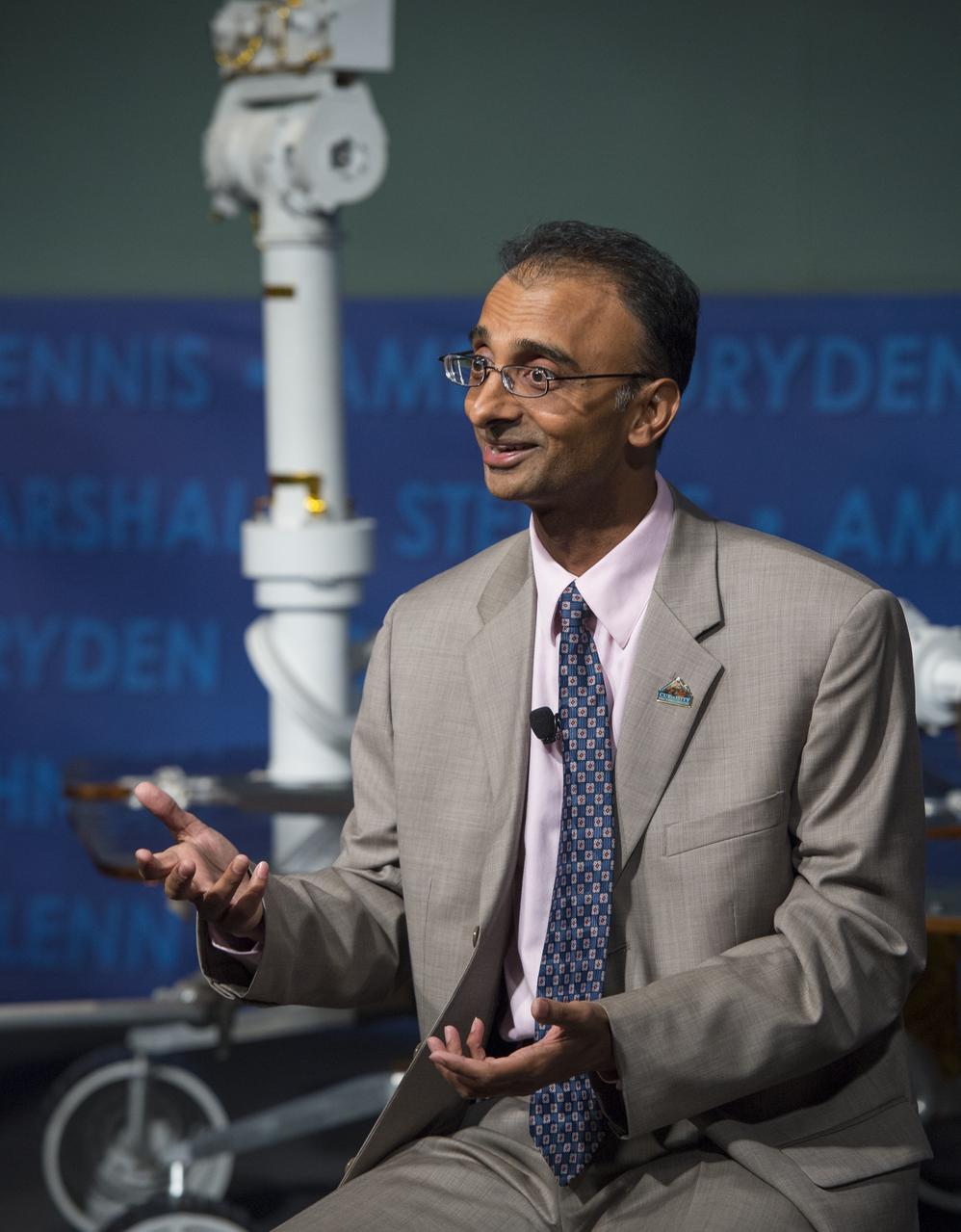
Prasun Desai, acting director, Strategic Integration, NASA's Space Technology Mission Directorate, speaks at a public event at NASA Headquarters observing the first anniversary of the Curiosity rover's landing on Mars, Tuesday, August 6th, 2013 in Washington. The Mars Science Laboratory mission successfully placed the one-ton Curiosity rover on the surface of Mars on Aug. 6, 2012, about 1 mile from the center of its 12-mile-long target area. Within the first eight months of a planned 23-months primary mission, Curiosity met its major science objective of finding evidence of a past environment well-suited to support microbial life. Photo Credit: (NASA/Carla Cioffi)
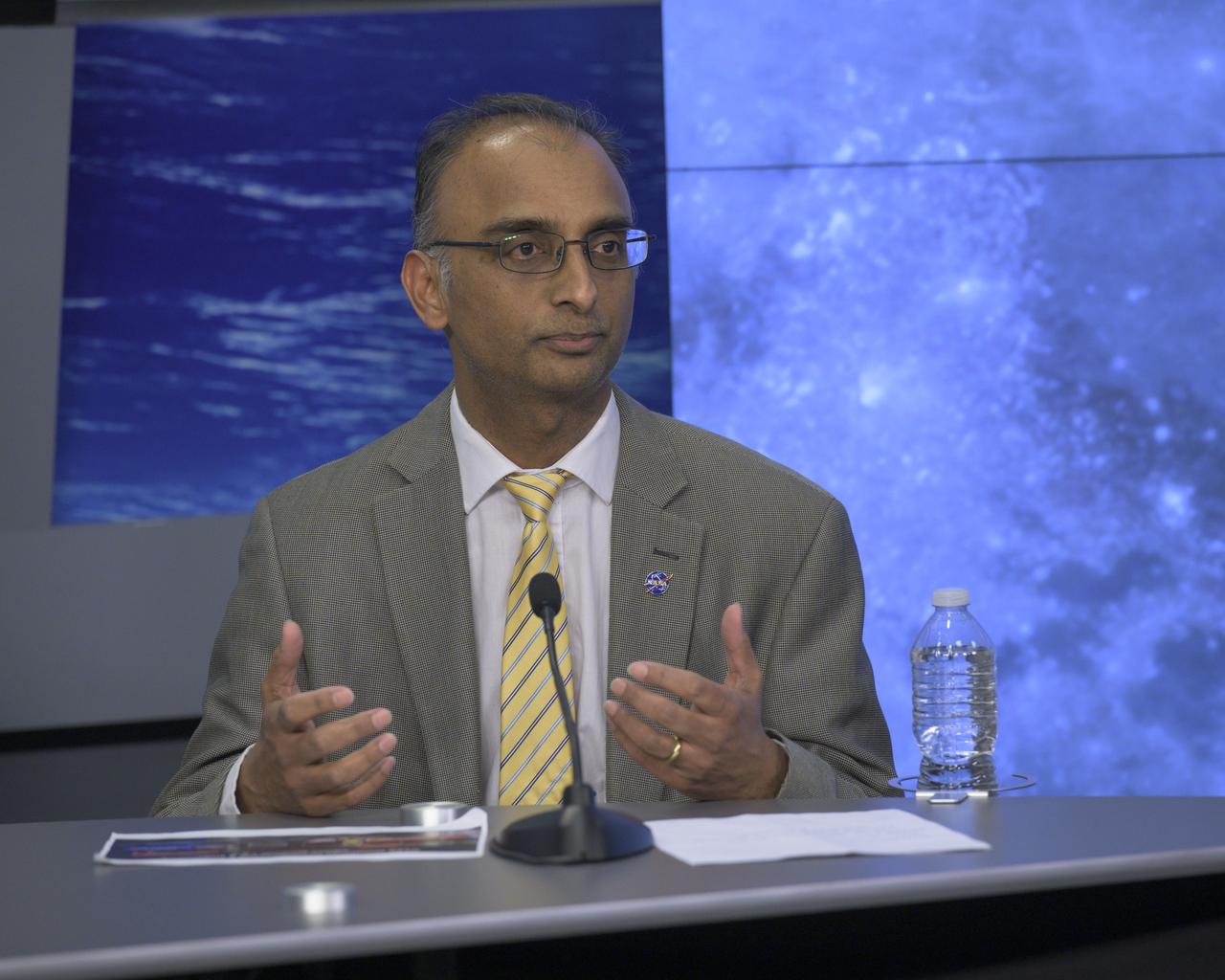
Prasun Desai, deputy associate administrator, Space Technology Mission Directorate at NASA Headquarters, participates in a news conference Feb. 23, 2024, at the agency’s Johnson Space Center in Houston. Desai was on hand to discuss the NASA science and technology aboard the Intuitive Machine’s Nova-C lander, called Odysseus, and its successful soft landing on the Moon Feb. 22, 2024. The mission is the first landing under NASA’s CLPS (Commercial Lunar Payload Services) initiative, and the first American lunar landing in more than 50 years.
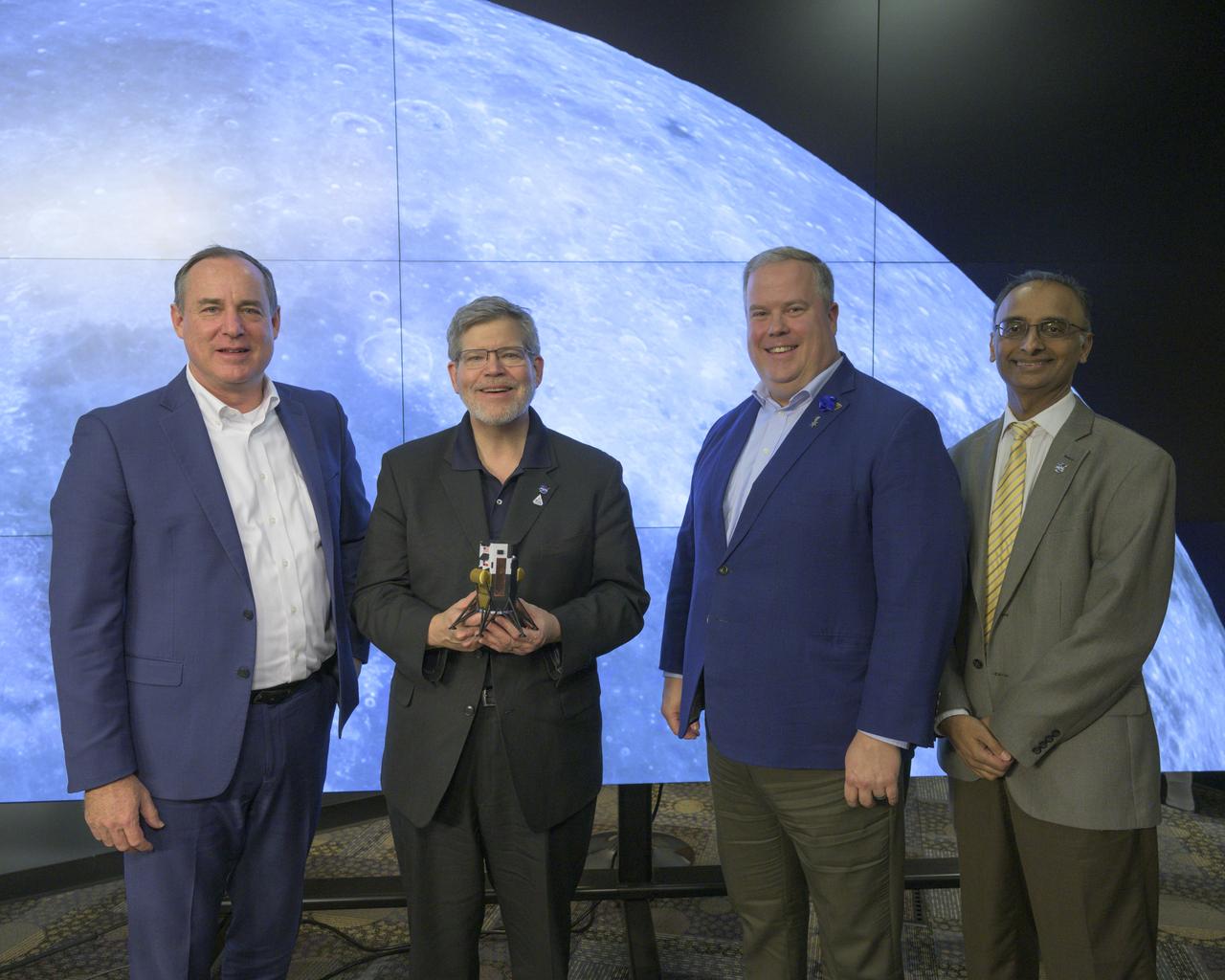
For the first time in more than 50 years, new NASA science instruments and technology demonstrations are operating on the Moon following the first successful delivery of the agency’s CLPS (Commercial Lunar Payload Services) initiative. Experts from NASA and Intuitive Machines hosted a news conference Feb. 23, 2024, at NASA’s Johnson Space Center in Houston to discuss the soft landing of the company’s Nova-C lander, called Odysseus. Participants in the briefing included (L-R): Steve Altemus, chief executive officer and co-founder, Intuitive Machines; Joel Kearns, deputy associate administrator for Exploration, Science Mission Directorate, NASA Headquarters in Washington; Tim Crain, chief technology officer and co-founder, Intuitive Machines; and Prasun Desai, deputy associate administrator, Space Technology Mission Directorate at NASA Headquarters. Photo Credit: NASA/Robert Markowitz
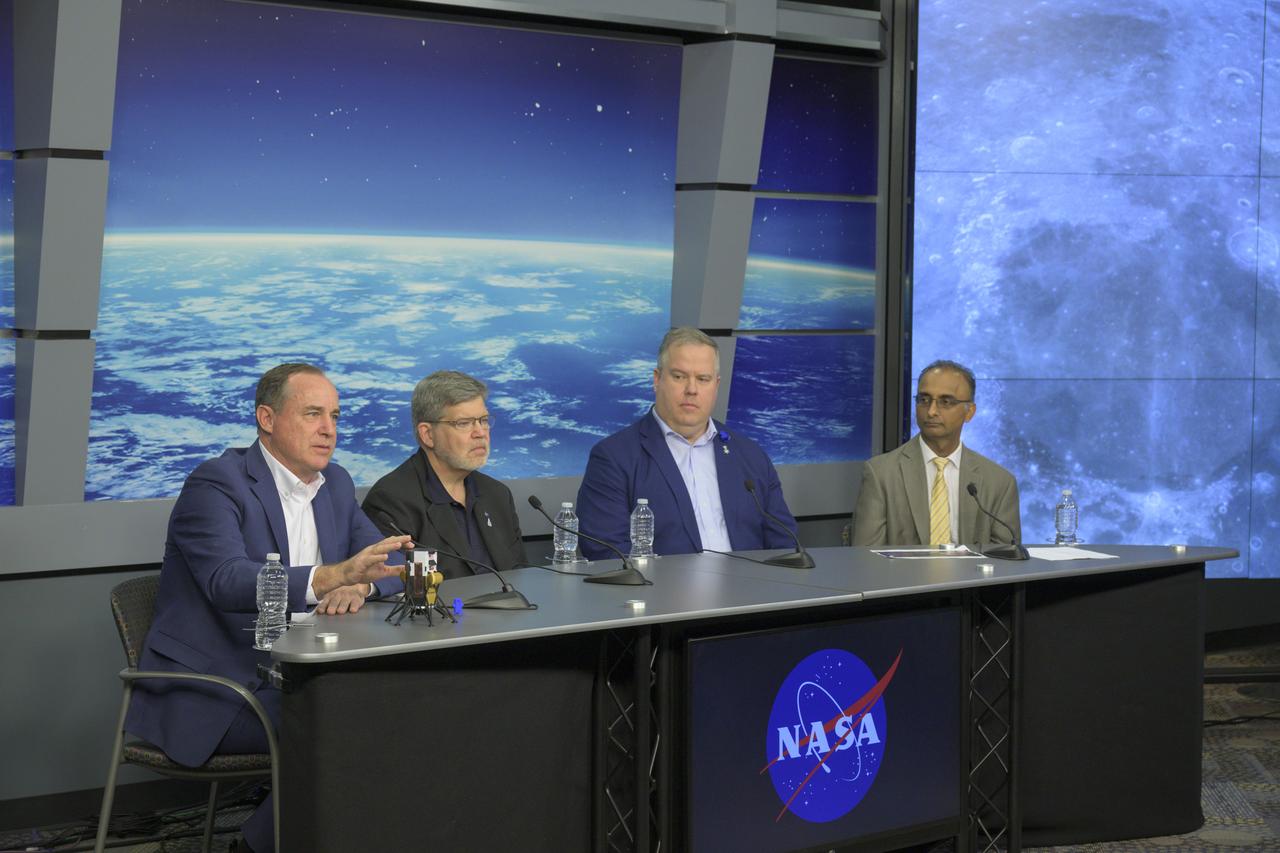
For the first time in more than 50 years, new NASA science instruments and technology demonstrations are operating on the Moon following the first successful delivery of the agency’s CLPS (Commercial Lunar Payload Services) initiative. Experts from NASA and Intuitive Machines hosted a news conference Feb. 23, 2024, at NASA’s Johnson Space Center in Houston to discuss the soft landing of the company’s Nova-C lander, called Odysseus. Participants in the briefing included (L-R): Steve Altemus, chief executive officer and co-founder, Intuitive Machines; Joel Kearns, deputy associate administrator for Exploration, Science Mission Directorate, NASA Headquarters in Washington; Tim Crain, chief technology officer and co-founder, Intuitive Machines; and Prasun Desai, deputy associate administrator, Space Technology Mission Directorate at NASA Headquarters. Photo Credit: NASA/Robert Markowitz
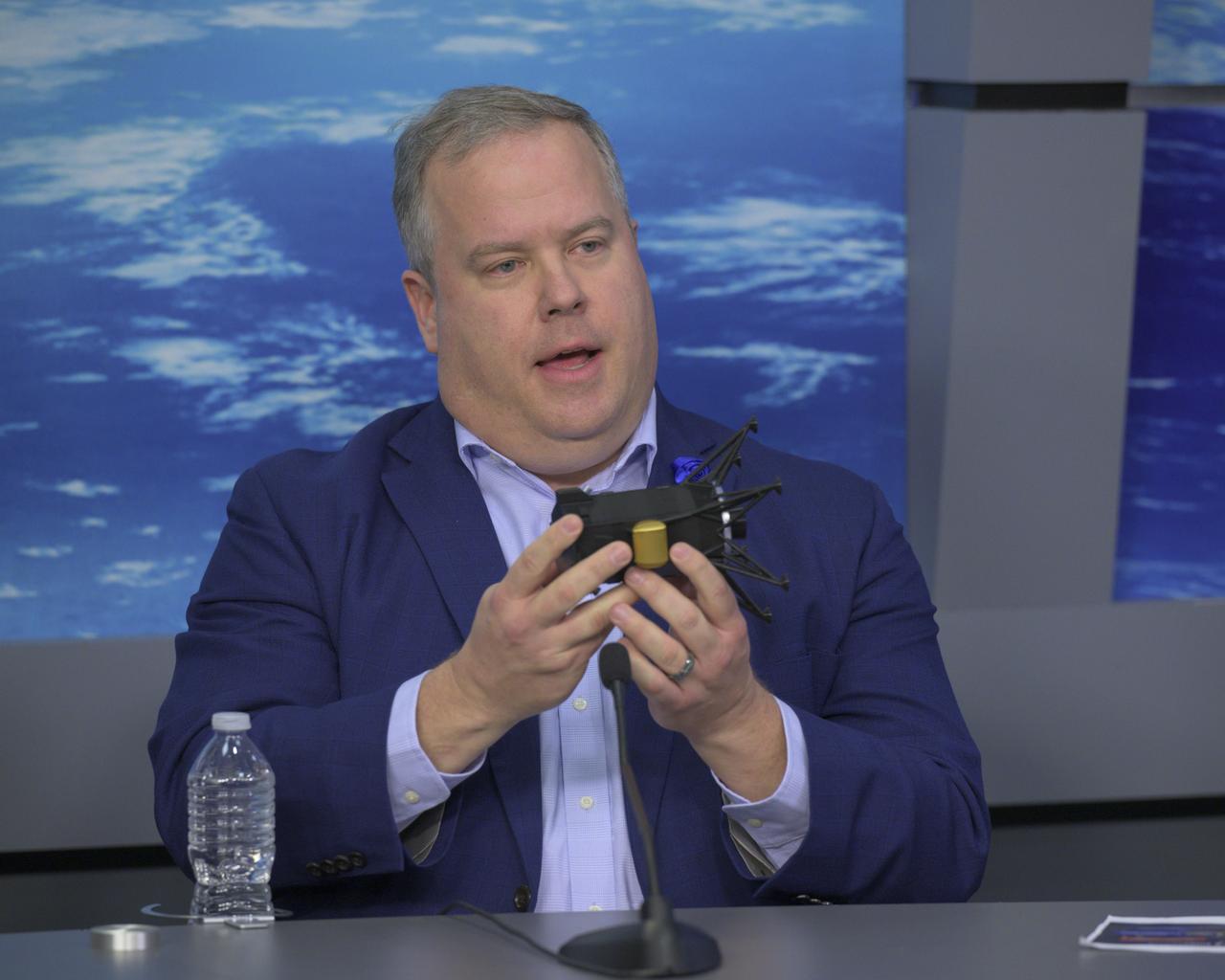
For the first time in more than 50 years, new NASA science instruments and technology demonstrations are operating on the Moon following the first successful delivery of the agency’s CLPS (Commercial Lunar Payload Services) initiative. Experts from NASA and Intuitive Machines hosted a news conference Feb. 23, 2024, at NASA’s Johnson Space Center in Houston to discuss the soft landing of the company’s Nova-C lander, called Odysseus. Participants in the briefing included (L-R): Steve Altemus, chief executive officer and co-founder, Intuitive Machines; Joel Kearns, deputy associate administrator for Exploration, Science Mission Directorate, NASA Headquarters in Washington; Tim Crain, chief technology officer and co-founder, Intuitive Machines; and Prasun Desai, deputy associate administrator, Space Technology Mission Directorate at NASA Headquarters. Photo Credit: NASA/Robert Markowitz
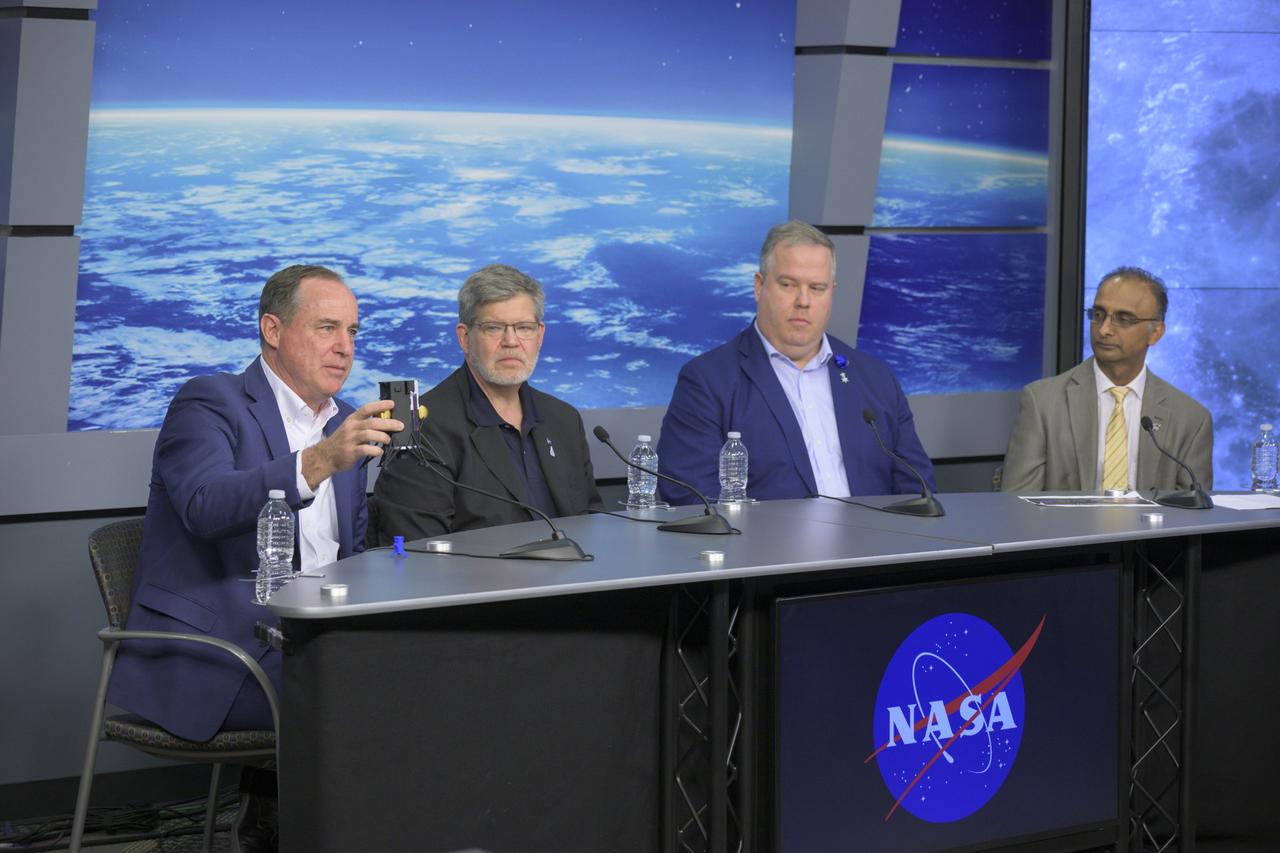
For the first time in more than 50 years, new NASA science instruments and technology demonstrations are operating on the Moon following the first successful delivery of the agency’s CLPS (Commercial Lunar Payload Services) initiative. Experts from NASA and Intuitive Machines hosted a news conference Feb. 23, 2024, at NASA’s Johnson Space Center in Houston to discuss the soft landing of the company’s Nova-C lander, called Odysseus. Participants in the briefing included (L-R): Steve Altemus, chief executive officer and co-founder, Intuitive Machines; Joel Kearns, deputy associate administrator for Exploration, Science Mission Directorate, NASA Headquarters in Washington; Tim Crain, chief technology officer and co-founder, Intuitive Machines; and Prasun Desai, deputy associate administrator, Space Technology Mission Directorate at NASA Headquarters. Photo Credit: NASA/Robert Markowitz
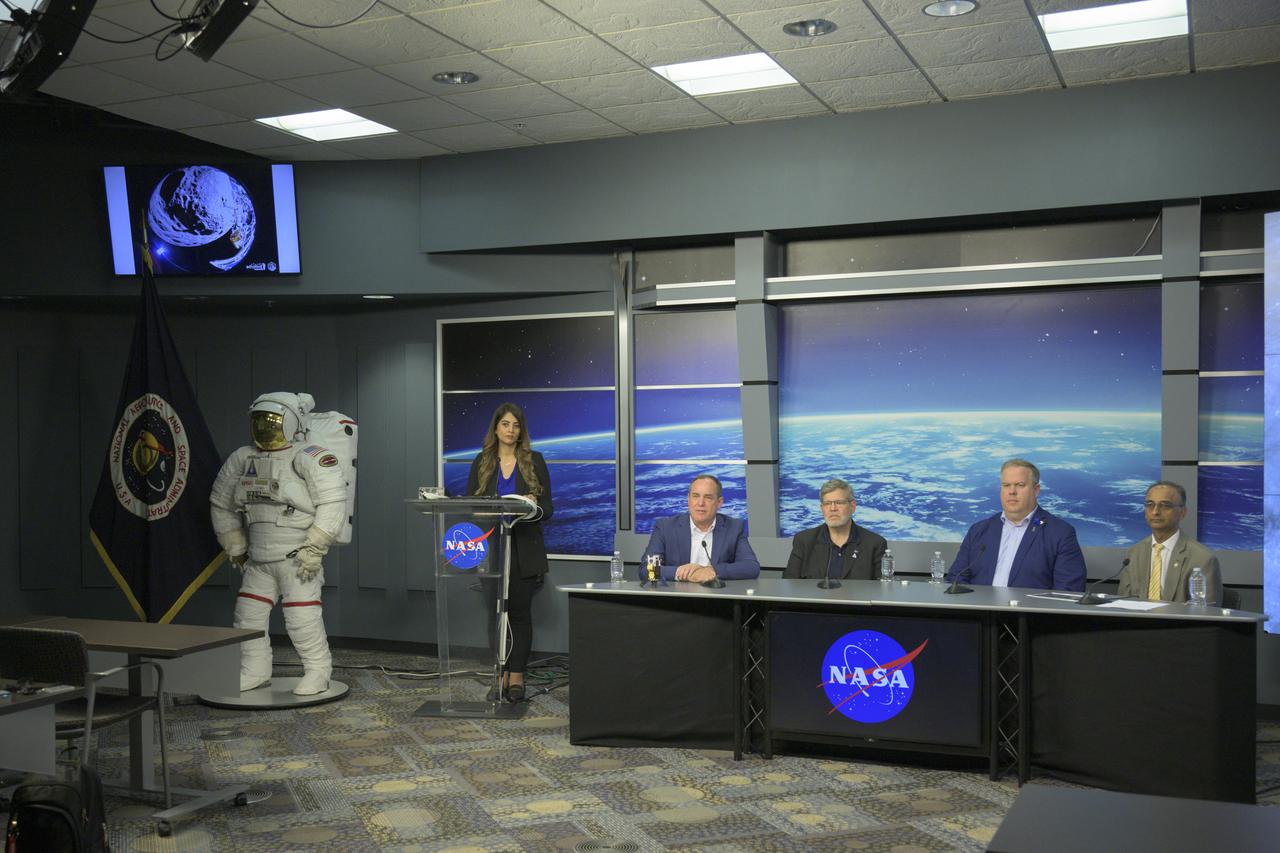
For the first time in more than 50 years, new NASA science instruments and technology demonstrations are operating on the Moon following the first successful delivery of the agency’s CLPS (Commercial Lunar Payload Services) initiative. Experts from NASA and Intuitive Machines hosted a news conference Feb. 23, 2024, at NASA’s Johnson Space Center in Houston to discuss the soft landing of the company’s Nova-C lander, called Odysseus. Participants in the briefing included (L-R): Steve Altemus, chief executive officer and co-founder, Intuitive Machines; Joel Kearns, deputy associate administrator for Exploration, Science Mission Directorate, NASA Headquarters in Washington; Tim Crain, chief technology officer and co-founder, Intuitive Machines; and Prasun Desai, deputy associate administrator, Space Technology Mission Directorate at NASA Headquarters. Photo Credit: NASA/Robert Markowitz

Prasun Desai, NASA deputy associate administrator, Space Technology Mission Directorate, participates in a prelaunch media briefing on the agency’s Moon to Mars exploration plans on Aug. 27, 2022, at NASA’s Kennedy Space Center in Florida, as the clock counts down to the launch of Artemis I scheduled for Aug. 29, at 8:33 a.m. EDT from Kennedy’s Launch Complex 39B. The first in a series of increasingly complex missions, Artemis I will provide a foundation for human deep space exploration and demonstrate our commitment and capability to extend human presence to the Moon and beyond. The primary goal of Artemis I is to thoroughly test the integrated systems before crewed missions by operating the spacecraft in a deep space environment, testing Orion’s heat shield, and recovering the crew module after reentry, descent, and splashdown.
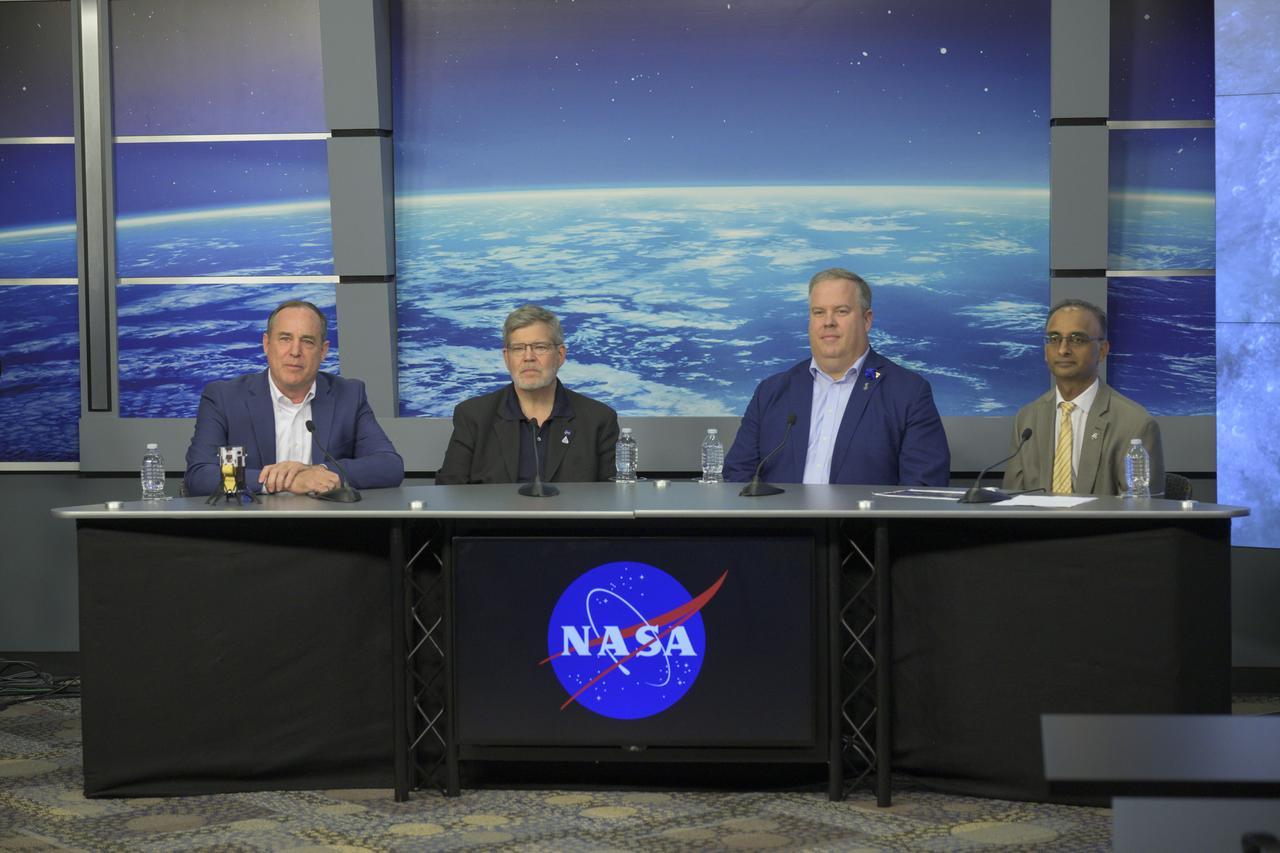
For the first time in more than 50 years, new NASA science instruments and technology demonstrations are operating on the Moon following the first successful delivery of the agency’s CLPS (Commercial Lunar Payload Services) initiative. Experts from NASA and Intuitive Machines hosted a news conference Feb. 23, 2024, at NASA’s Johnson Space Center in Houston to discuss the soft landing of the company’s Nova-C lander, called Odysseus. Participants in the briefing included (left to right): Steve Altemus, chief executive officer and co-founder, Intuitive Machines; Joel Kearns, deputy associate administrator for Exploration, Science Mission Directorate, NASA Headquarters in Washington; Tim Crain, chief technology officer and co-founder, Intuitive Machines; and Prasun Desai, deputy associate administrator, Space Technology Mission Directorate at NASA Headquarters.
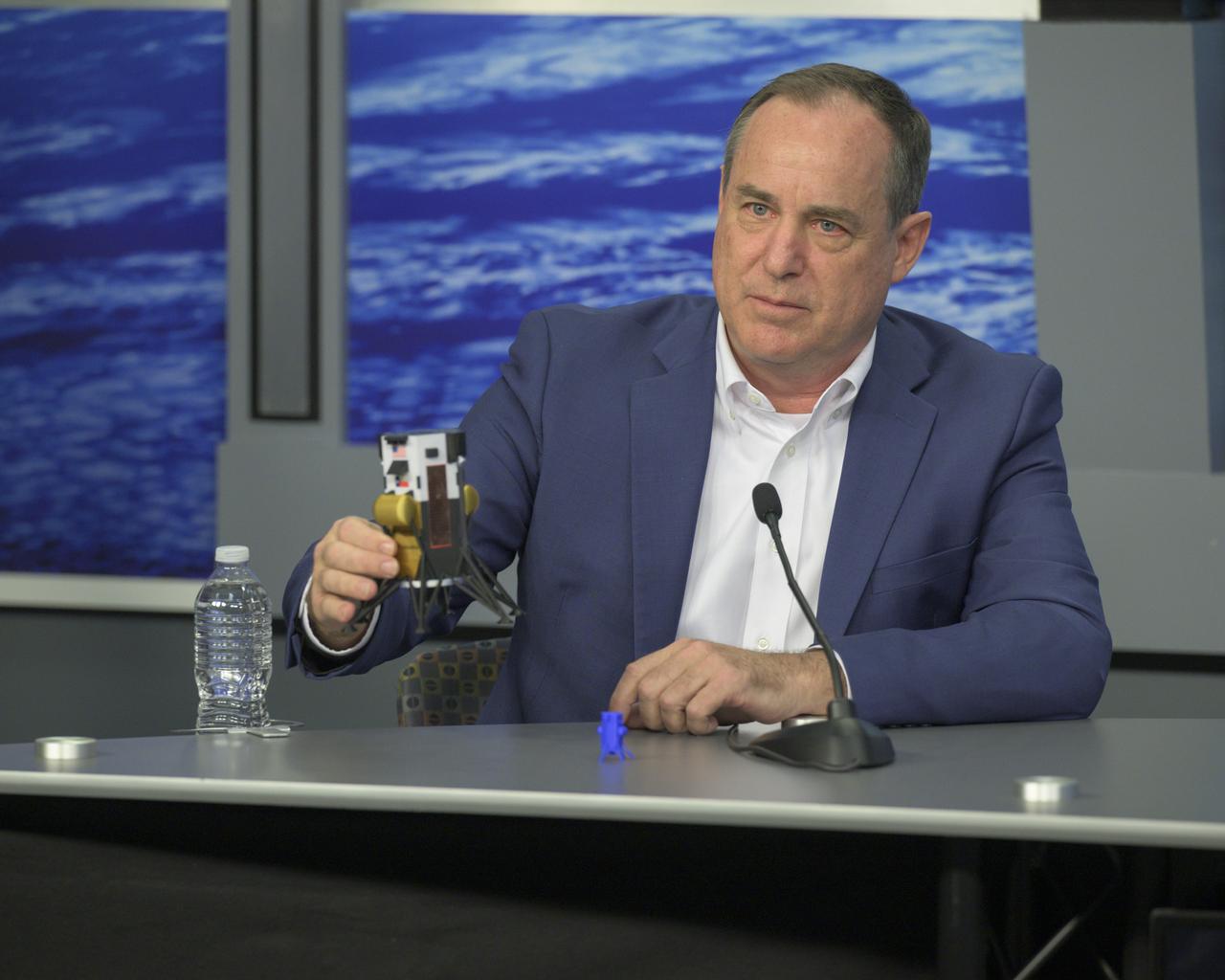
For the first time in more than 50 years, new NASA science instruments and technology demonstrations are operating on the Moon following the first successful delivery of the agency’s CLPS (Commercial Lunar Payload Services) initiative. Experts from NASA and Intuitive Machines hosted a news conference Feb. 23, 2024, at NASA’s Johnson Space Center in Houston to discuss the soft landing of the company’s Nova-C lander, called Odysseus. Participants in the briefing included (L-R): Steve Altemus, chief executive officer and co-founder, Intuitive Machines; Joel Kearns, deputy associate administrator for Exploration, Science Mission Directorate, NASA Headquarters in Washington; Tim Crain, chief technology officer and co-founder, Intuitive Machines; and Prasun Desai, deputy associate administrator, Space Technology Mission Directorate at NASA Headquarters. Photo Credit: NASA/Robert Markowitz
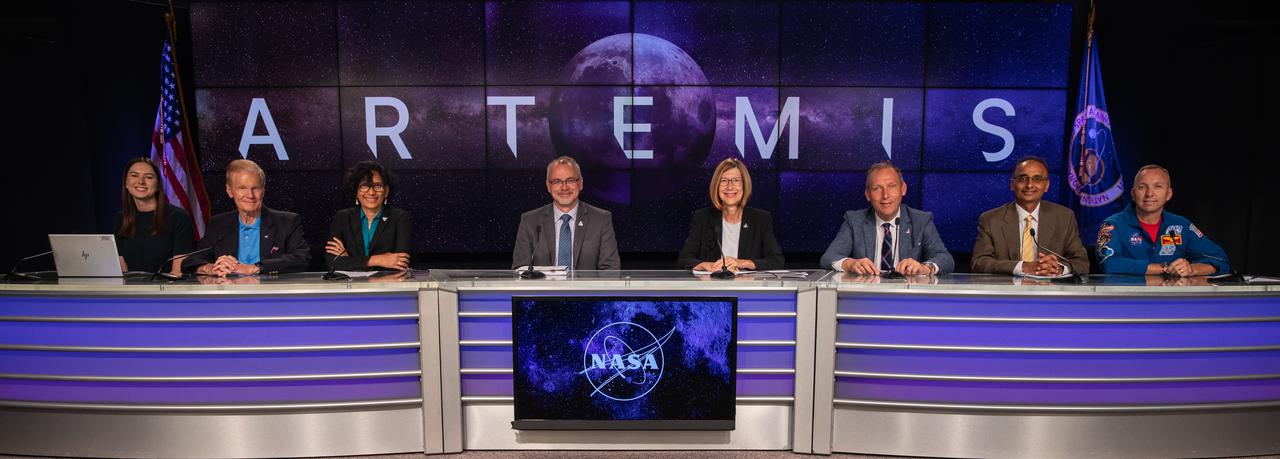
NASA holds a prelaunch media briefing on the agency’s Moon to Mars exploration plans on Aug. 27, 2022, at the agency’s Kennedy Space Center in Florida, as the clock counts down to the launch of Artemis I scheduled for Aug. 29, at 8:33 a.m. EDT from Kennedy’s Launch Complex 39B. From left, are Jackie McGuinness, NASA press secretary; Bill Nelson, NASA administrator; Bhavya Lal, NASA associate administrator for technology, policy and strategy; Jim Free, NASA associate administrator, Exploration Systems Development Mission Directorate; Kathy Lueders, NASA associate administrator, Space Operations Mission Directorate; Thomas Zurbuchen, NASA associate administrator, Science Mission Directorate; Prasun Desai, NASA deputy associate administrator, Space Technology Mission Directorate; and Randy Bresnik, NASA astronaut. The first in a series of increasingly complex missions, Artemis I will provide a foundation for human deep space exploration and demonstrate our commitment and capability to extend human presence to the Moon and beyond. The primary goal of Artemis I is to thoroughly test the integrated systems before crewed missions by operating the spacecraft in a deep space environment, testing Orion’s heat shield, and recovering the crew module after reentry, descent, and splashdown.