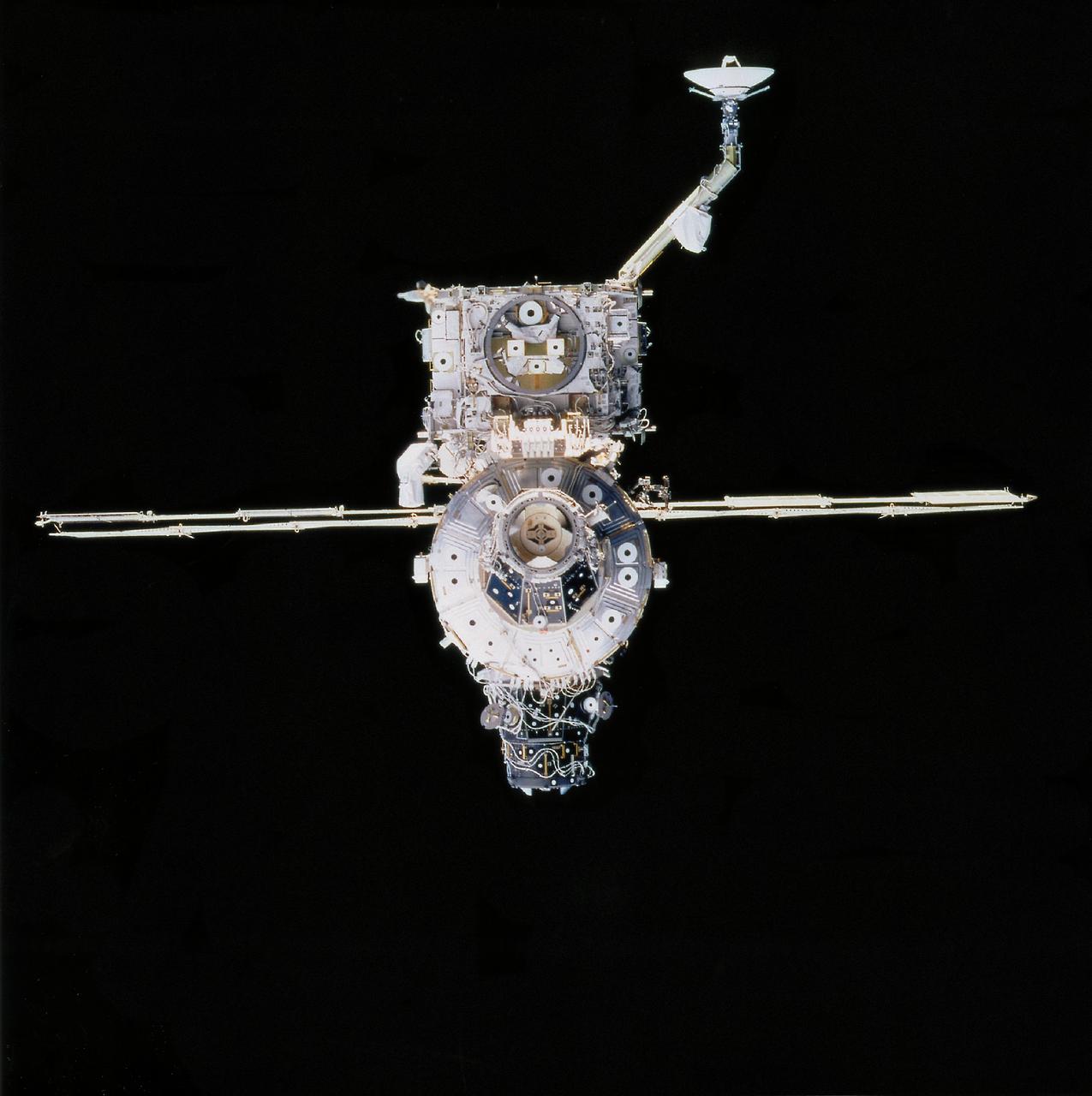
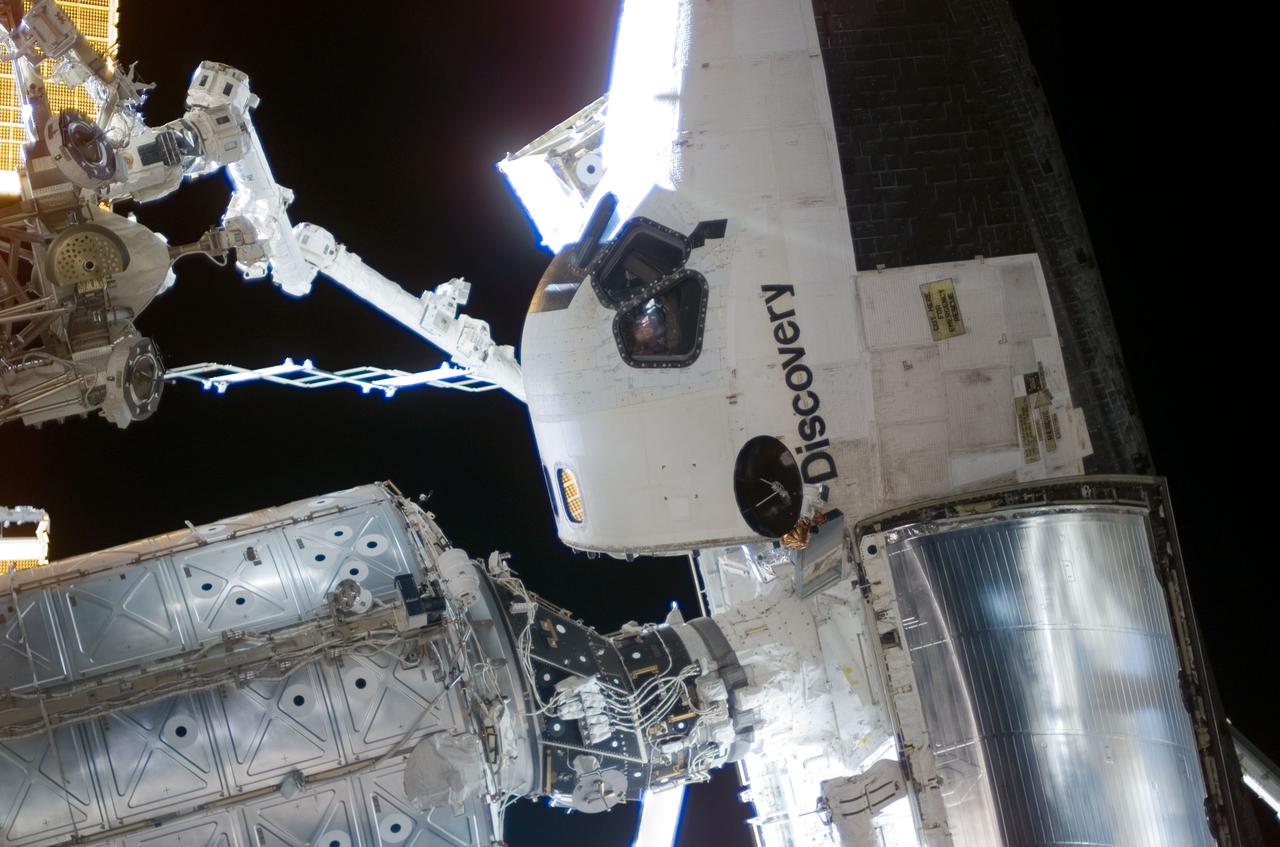
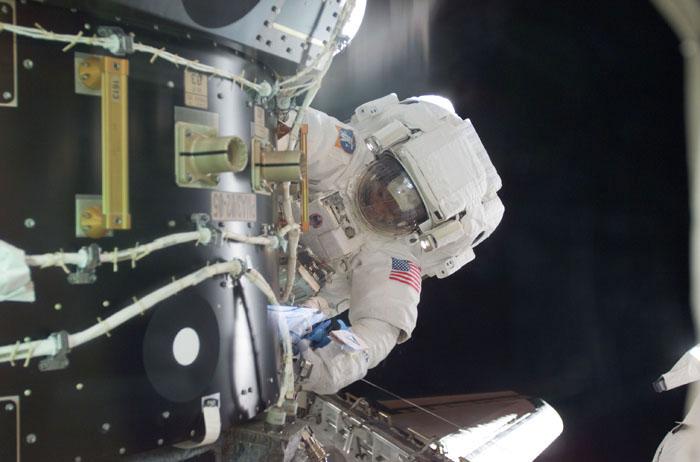
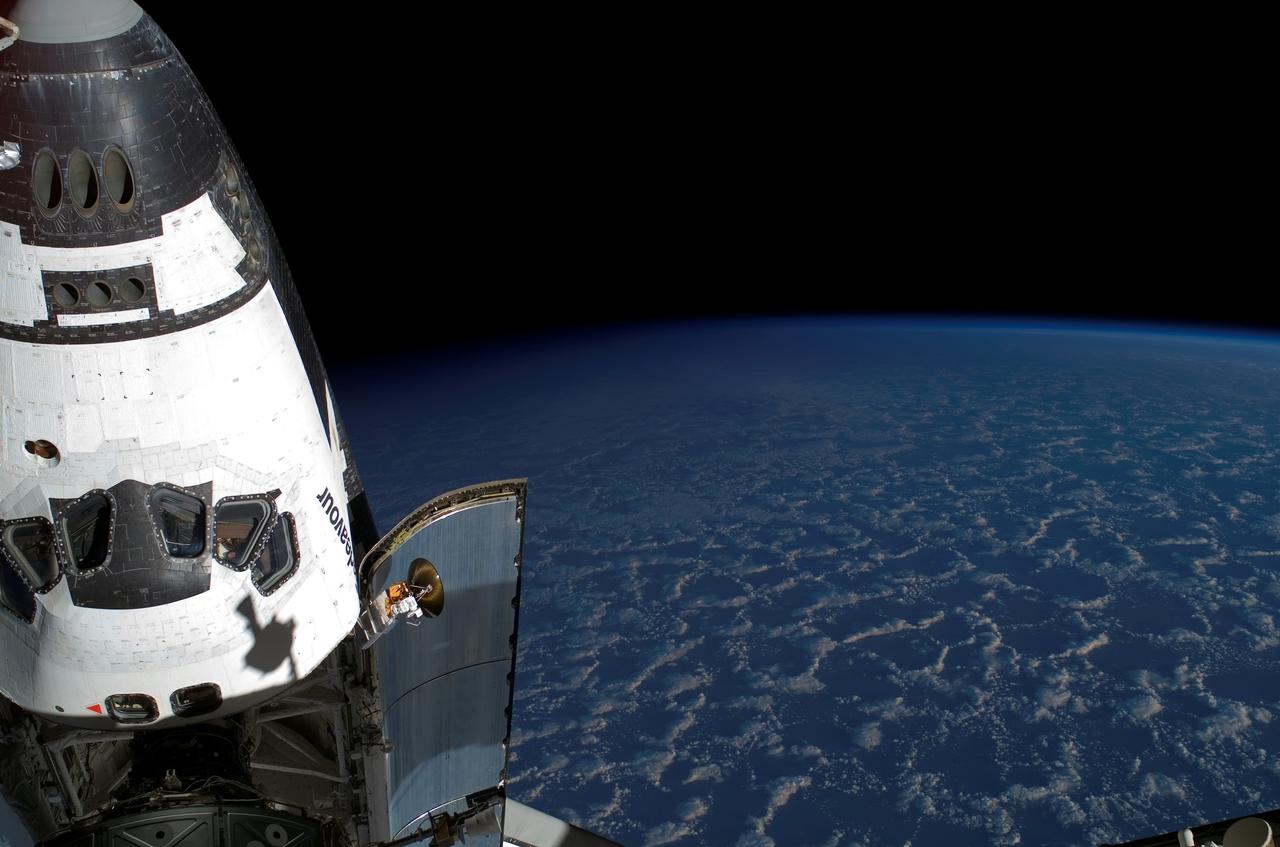
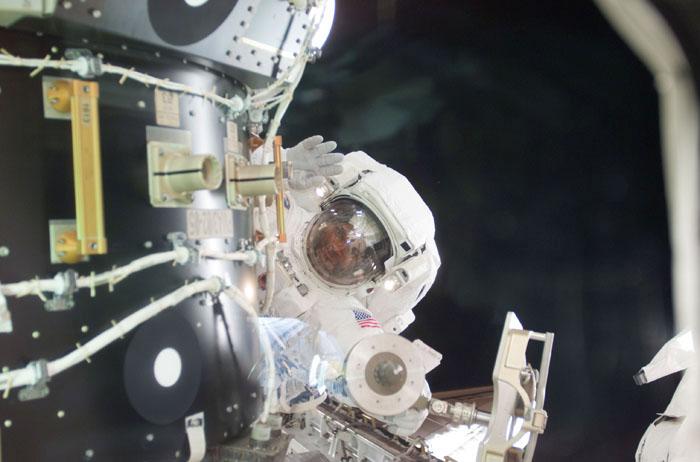
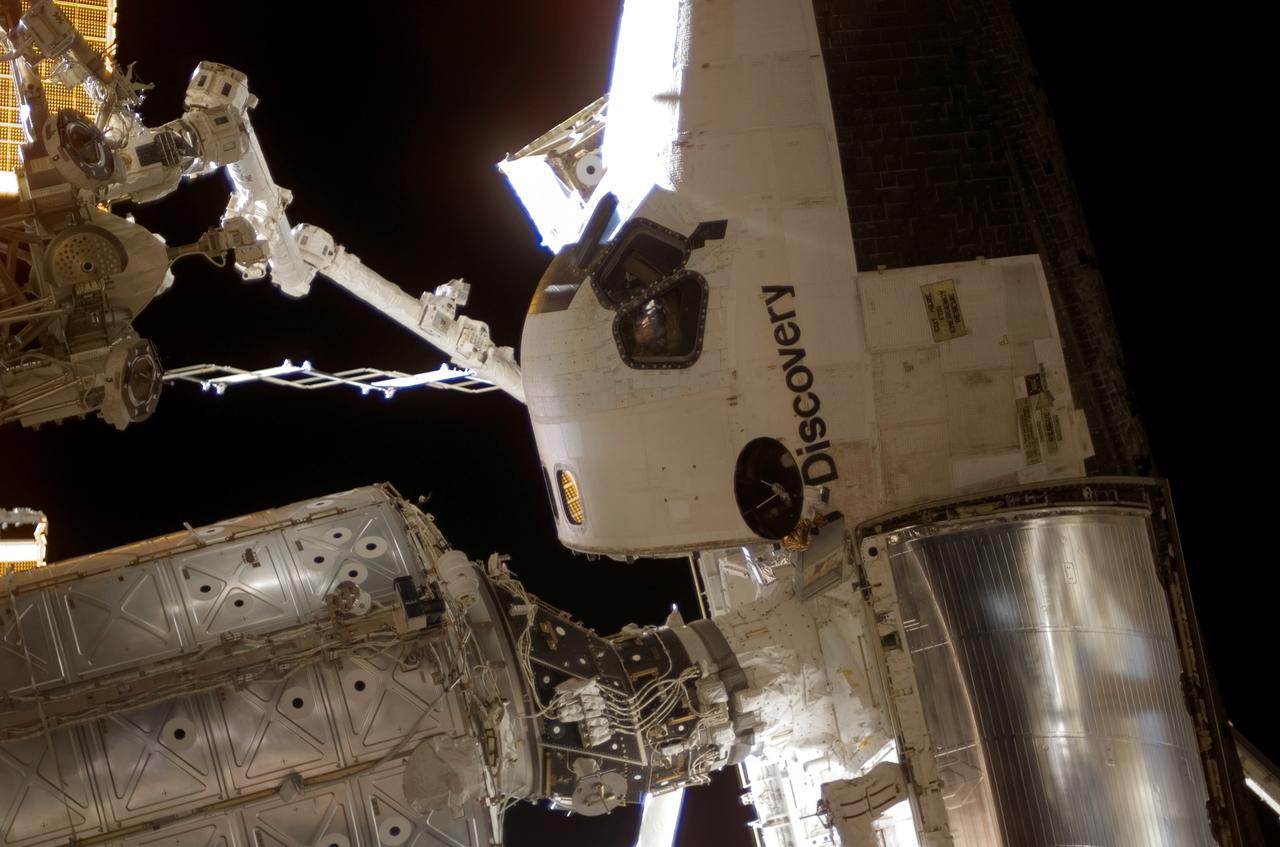
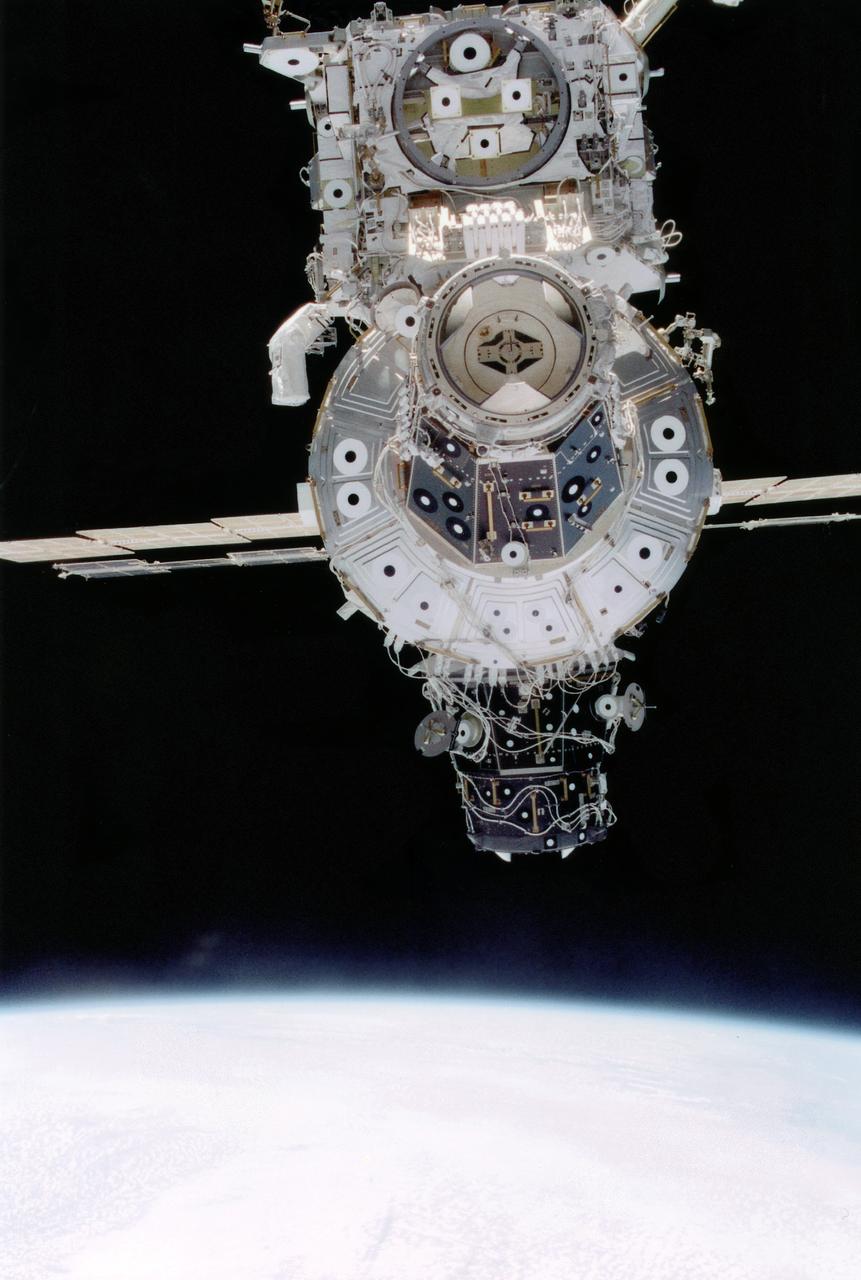
Space Shuttle Discovery, docked to the Pressurized Mating Adapter (PMA-2) on the International Space Station (ISS), is featured in this image photographed by a space walker during the second session of extravehicular activity (EVA) for the STS-120 mission on October 28, 2007.
International Space Station (ISS)
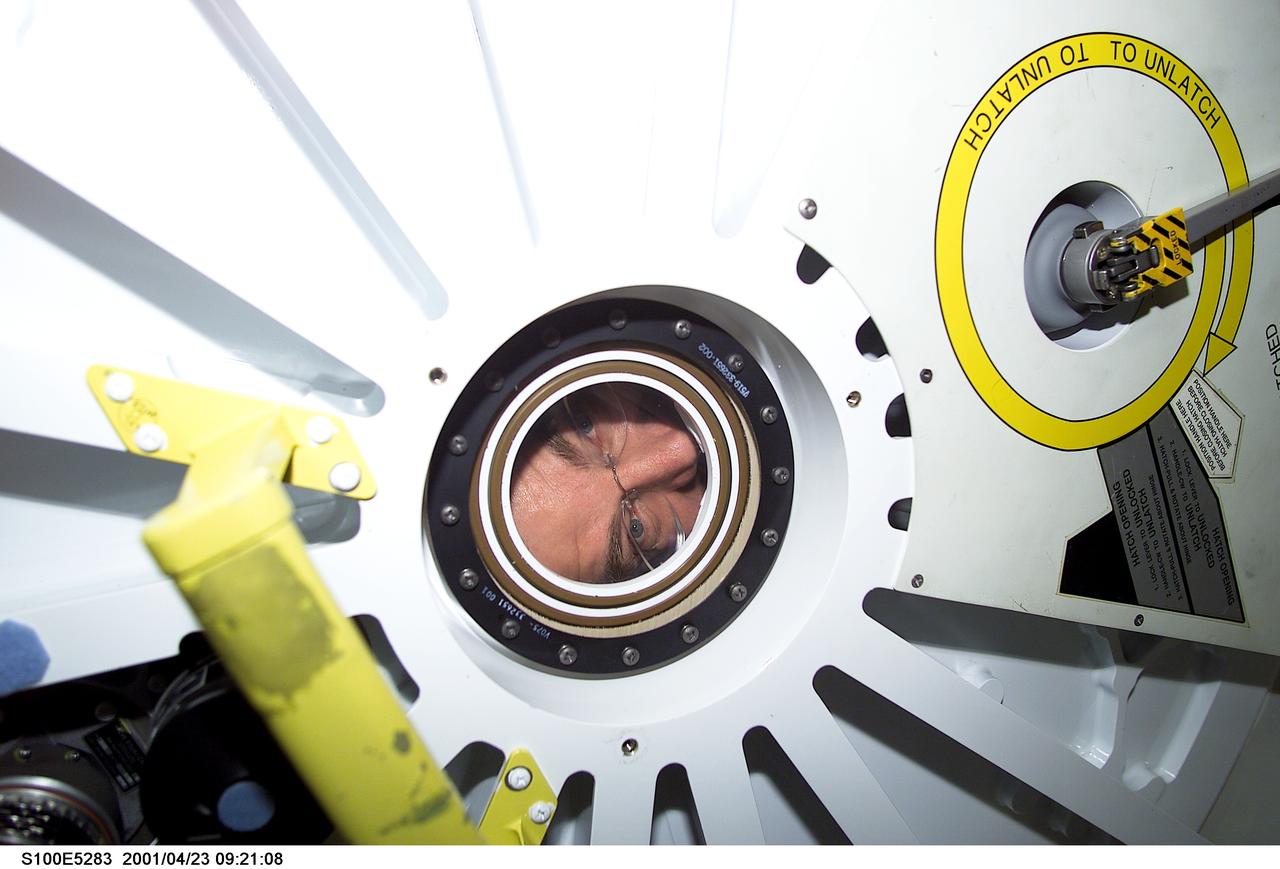
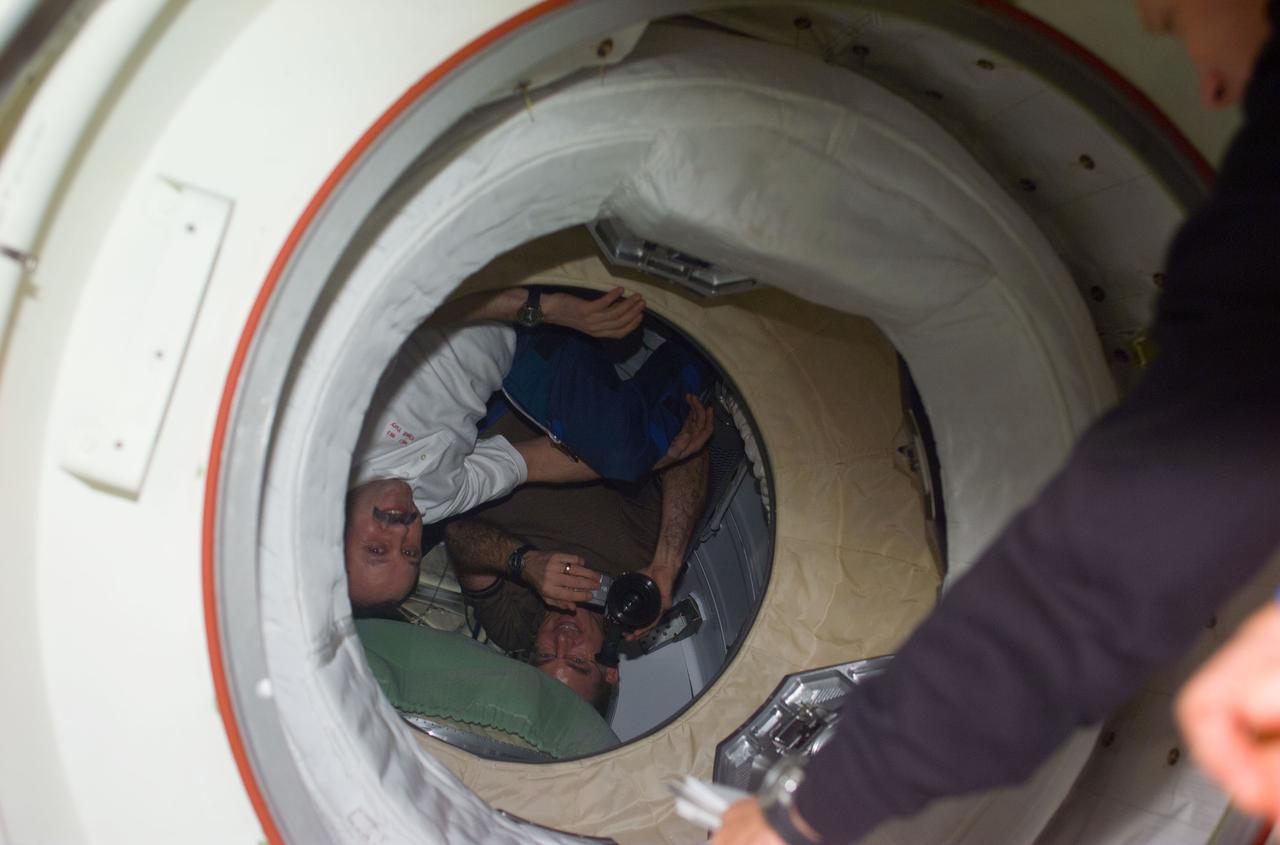
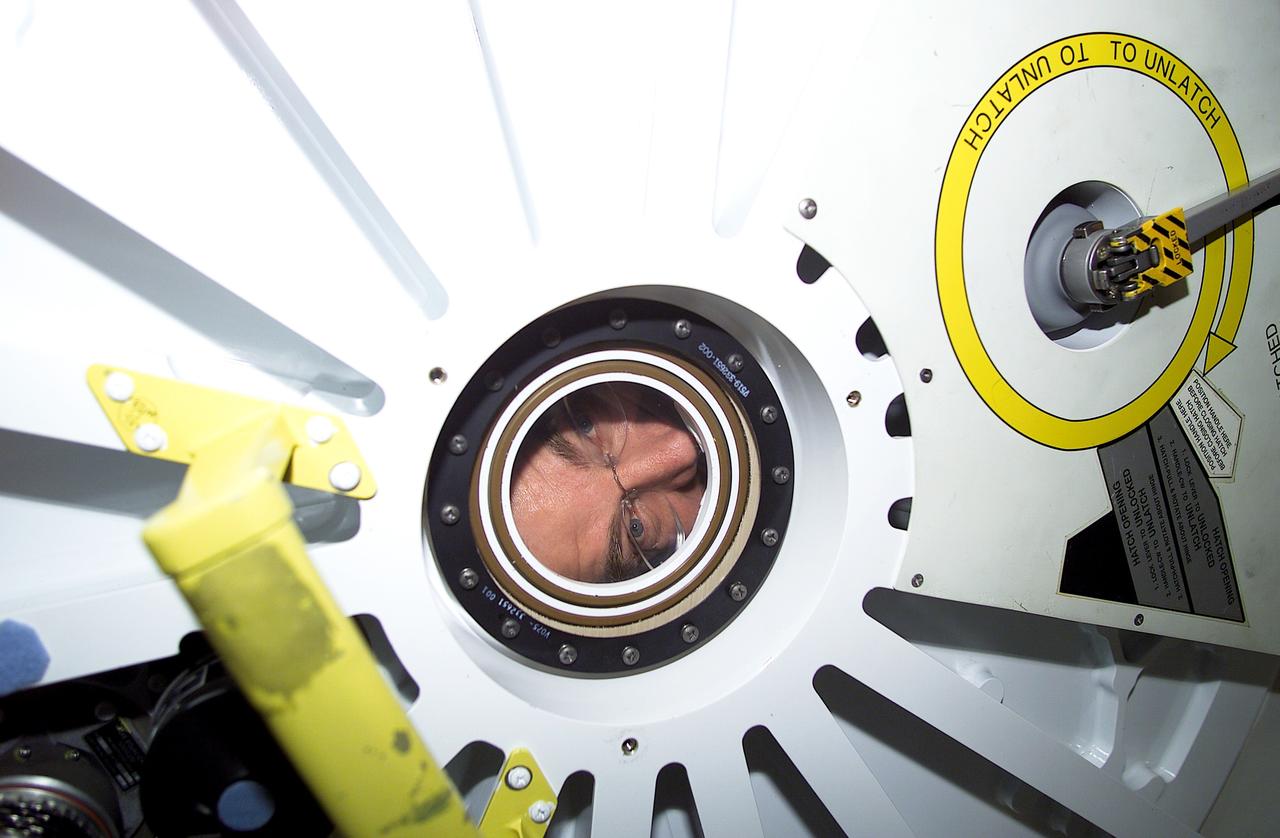
The STS-100 mission launched for the International Space Station (ISS) on April 19, 2001 as the sixth station assembly flight. Main objectives included the delivery and installation of the Canadian-built Space Station Remote Manipulator System (SSRMS), or Canadarm2, the installation of a UHF anterna for space-to-space communications for U.S. based space walks, and the delivery of supplies via the Italian Multipurpose Logistics Module (MPLM) "Raffaello". This is an STS-110 onboard photo of Astronaut James S. Voss, Expedition Two flight engineer, peering into the pressurized Mating Adapter (PMA-2) prior hatch opening. The picture was taken by one of the STS-100 crew members inside the PMA.
International Space Station (ISS)
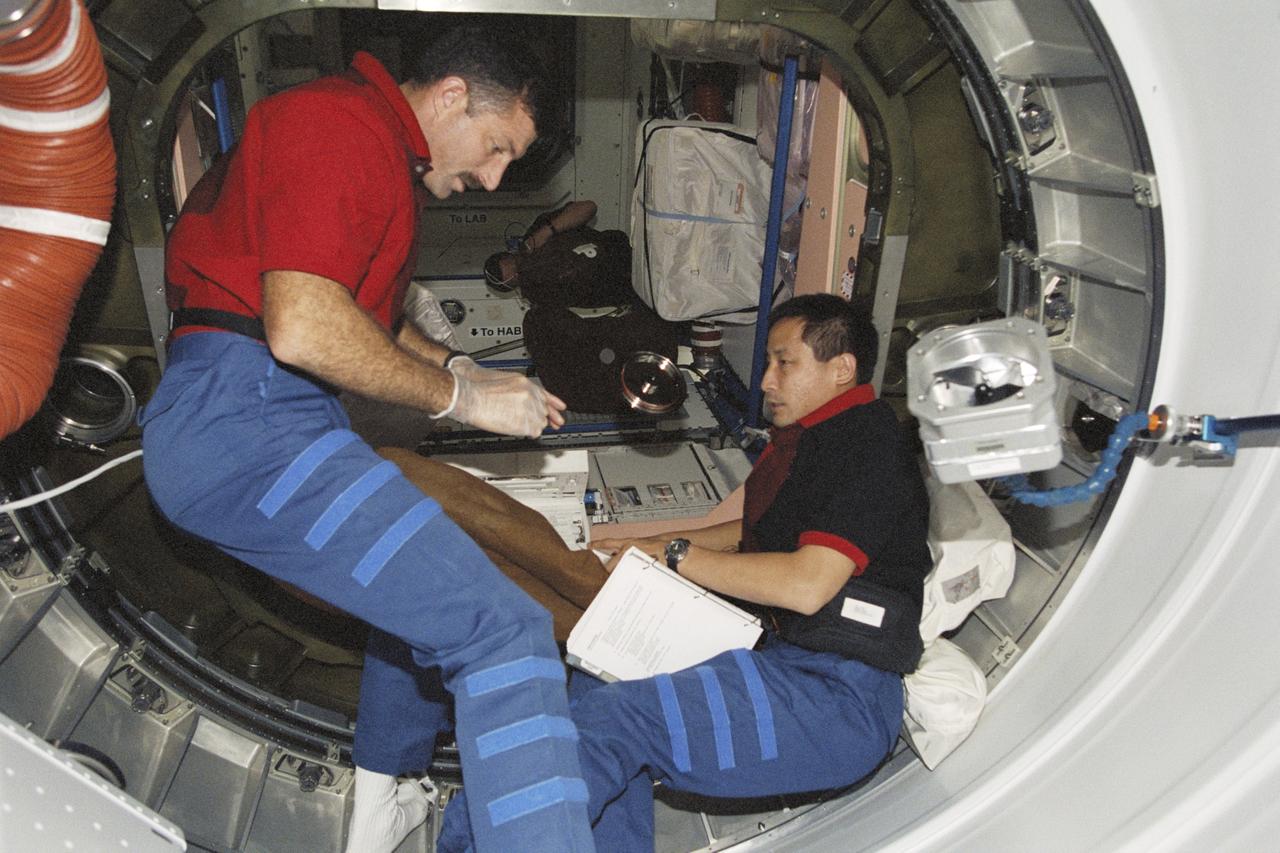
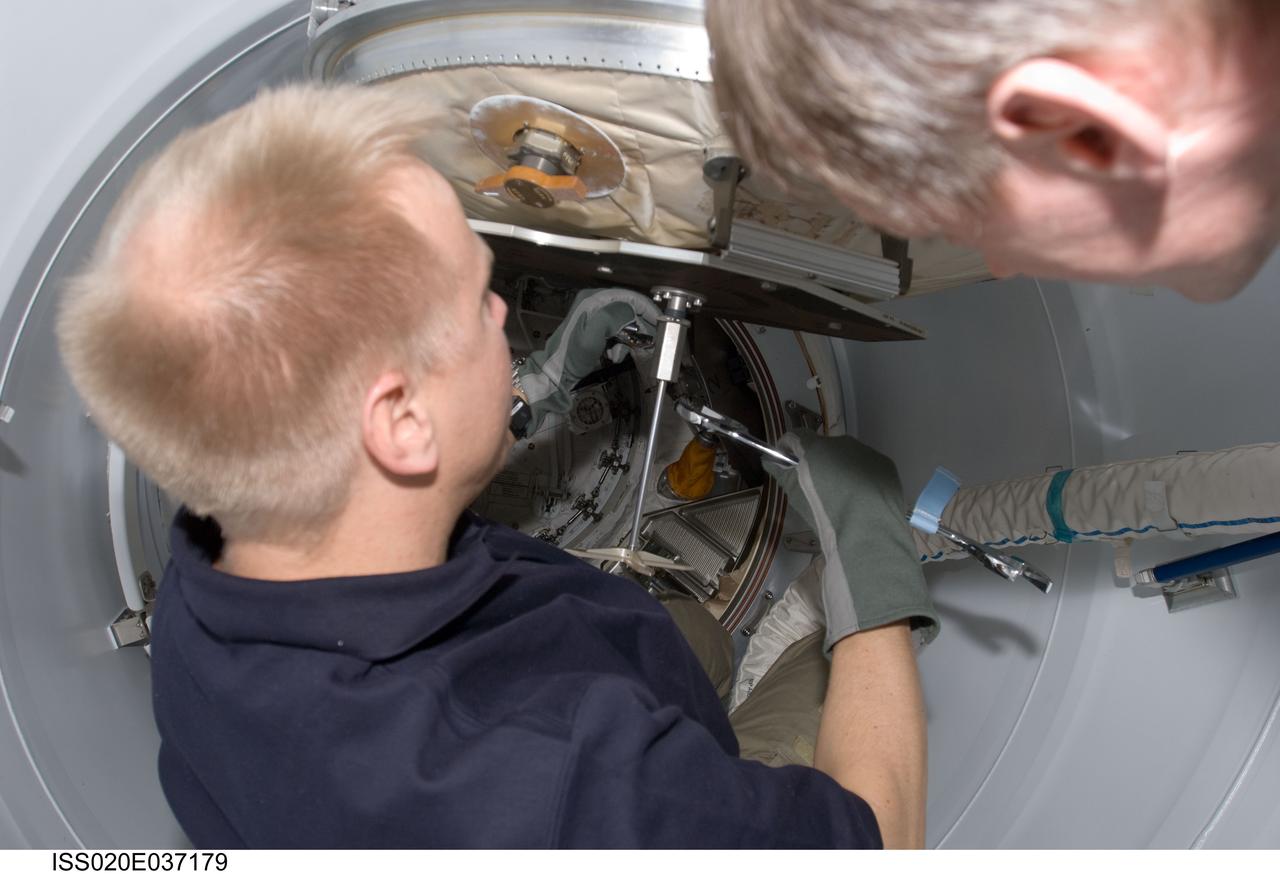
ISS020-E-037179 (30 Aug. 2009) --- NASA astronaut Tim Kopra (left) and European Space Agency astronaut Frank De Winne, both Expedition 20 flight engineers, work in the Pressurized Mating Adapter 2 (PMA-2) of the International Space Station while Space Shuttle Discovery (STS-128) remains docked with the station.
Pressurized Mating Adapter 2 (PMA-2)
As the Space Shuttle Discovery began its separation from the International Space Station (ISS), a crew member captured this view of the ISS, revealing new additions to the complex. Most of the Z1 truss structure is visible, along with the recently installed Pressurized Mating Adapter (PMA-3).
International Space Station (ISS)
Not long after separation of the Space Shuttle Discovery from the International Space Station (ISS), a crew member was able to use a 70mm handheld camera to grab this image of the station, featuring its newest additions. Backdropped against the blackness of space, the Z1 truss structure and its anterna, as well as the new Pressurized Mating Adapter (PMA-3), are visible in the foreground.
International Space Station (ISS)
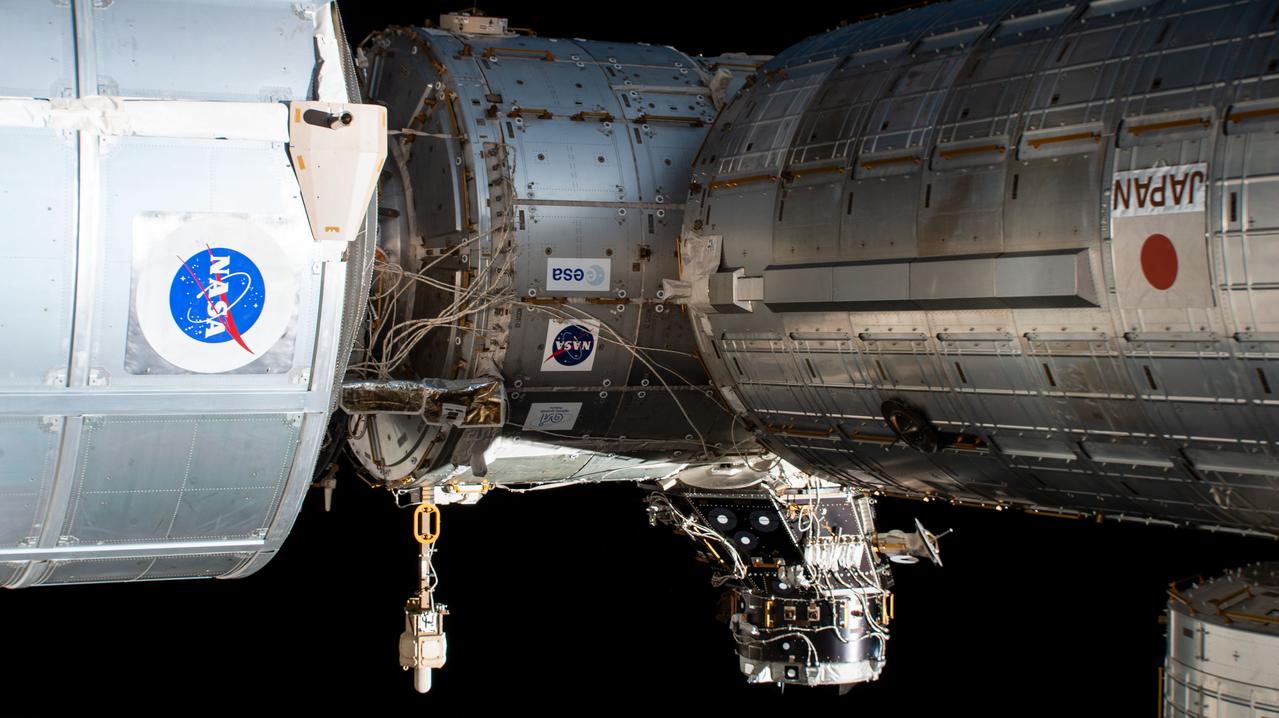
iss060e007002 (July 12, 2019) --- The forward-end of the International Space Station is pictured highlighting portions of three modules and a pressurized mating adapter. An external high definition camera captured (from left) the Permanent Multipurpose Module (PMM), the Harmony Module and the Japanese Kibo laboratory module. Protruding from the Harmony module is the pressurized mating adapter that will host the International Docking Adapter-3. The PMM is actually in front of the U.S. Destiny laboratory module to which Harmony is attached to.
iss060e007002
ISS045e082772 10/28/2015) --- NASA astronaut Kjell Lindgren travels on a spacewalk to the outside of the Destiny U.S. Laboratory worksite to begin routing the Pressurized Mating Adapter 3 (PMA-3) International Docking Adapter Data Cable. Lindgren released this image on social media.
Lindgren during EVA 32
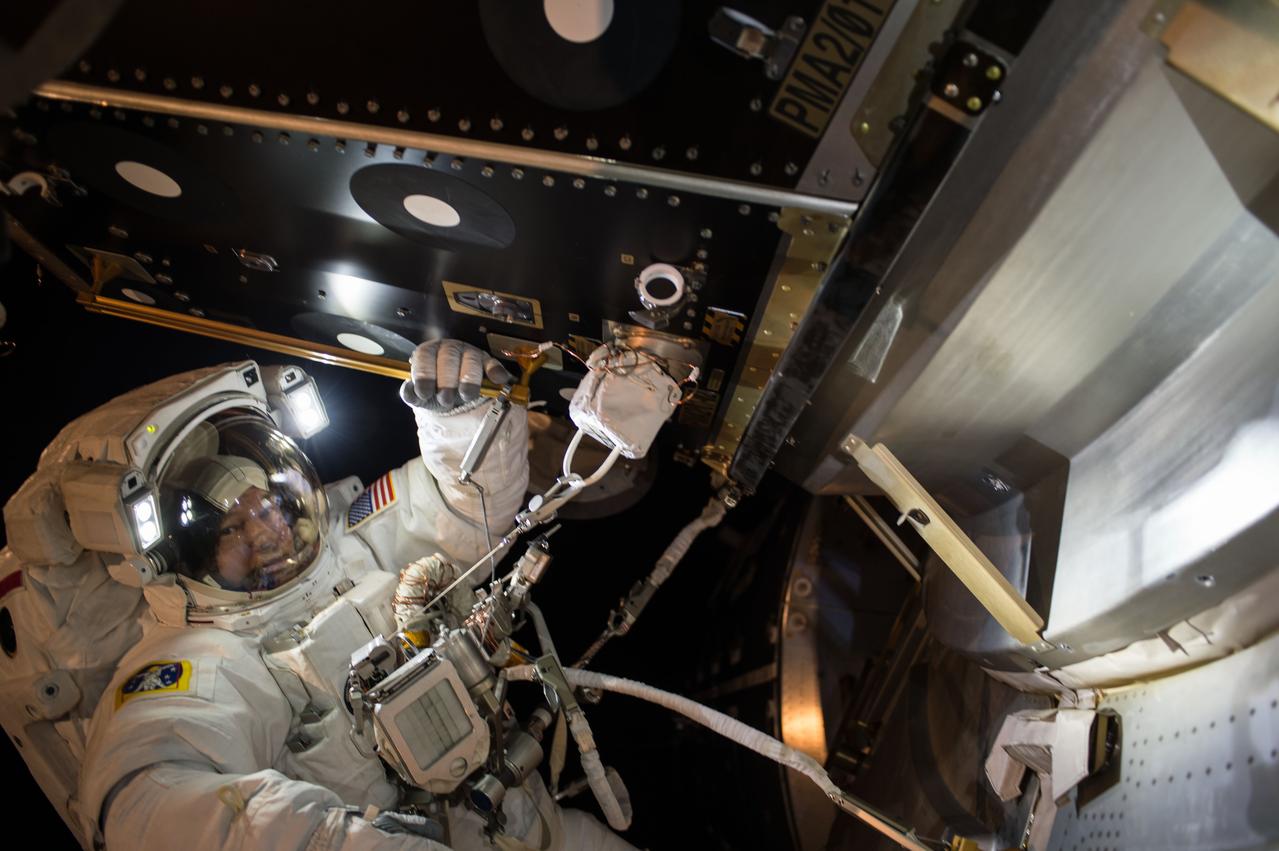
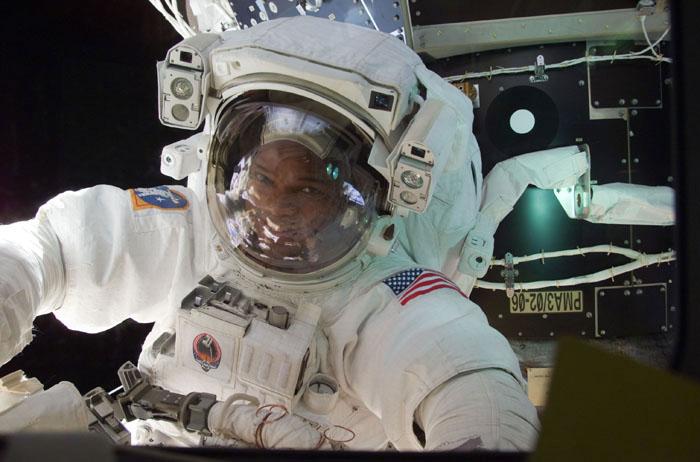
Extravehicular crewmember 1 (EV1) Jeff Williams pauses for a photo after installing a Hemispherical (Hemi) Reflector Cover on Pressurized Mating Adapter 2 (PMA-2) during Extravehicular Activity 36 (EVA 36).
Williams during EVA 36
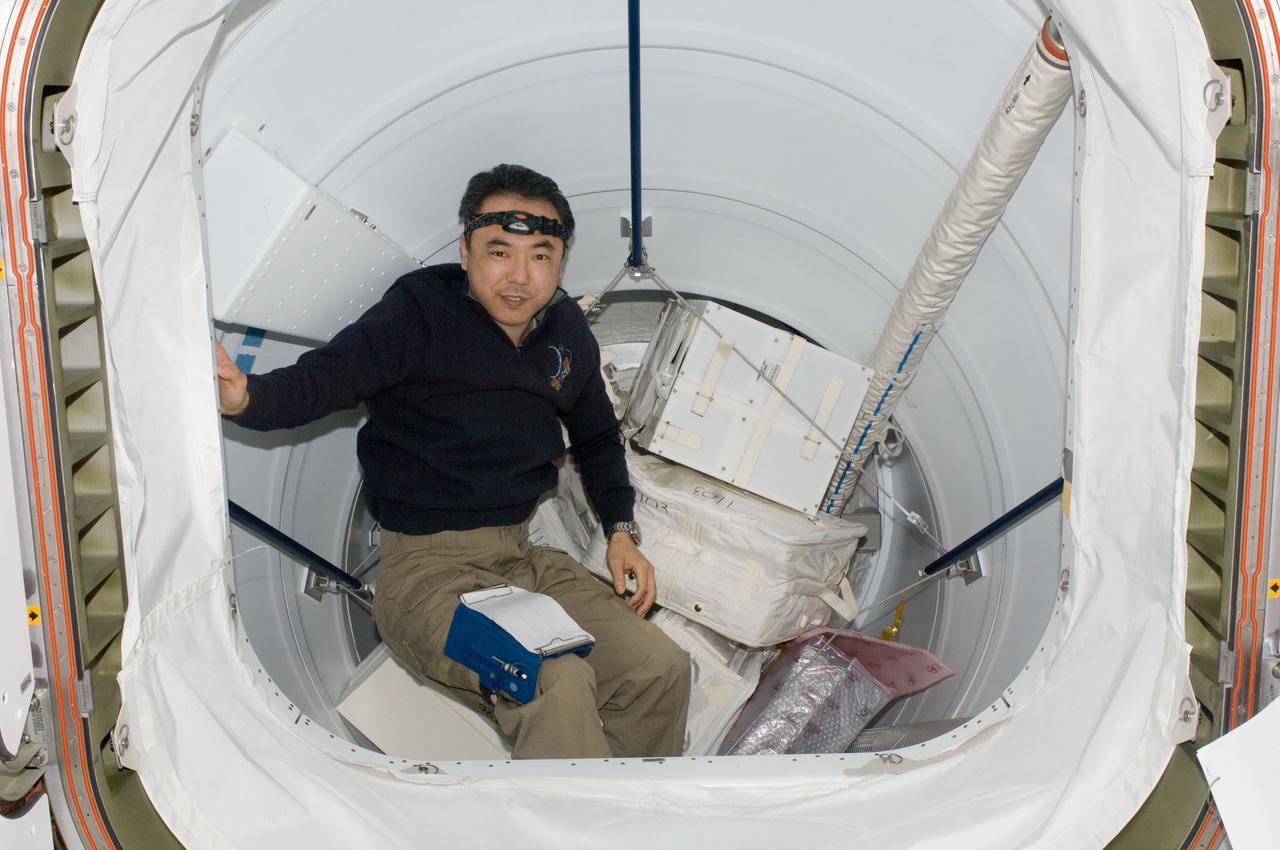
ISS028-E-034104 (26 Aug. 2011) --- Japan Aerospace Exploration Agency astronaut Satoshi Furukawa, Expedition 28 flight engineer, stows cargo in the Pressurized Mating Adapter 2 (PMA-2) of the International Space Station.
iss028e034104
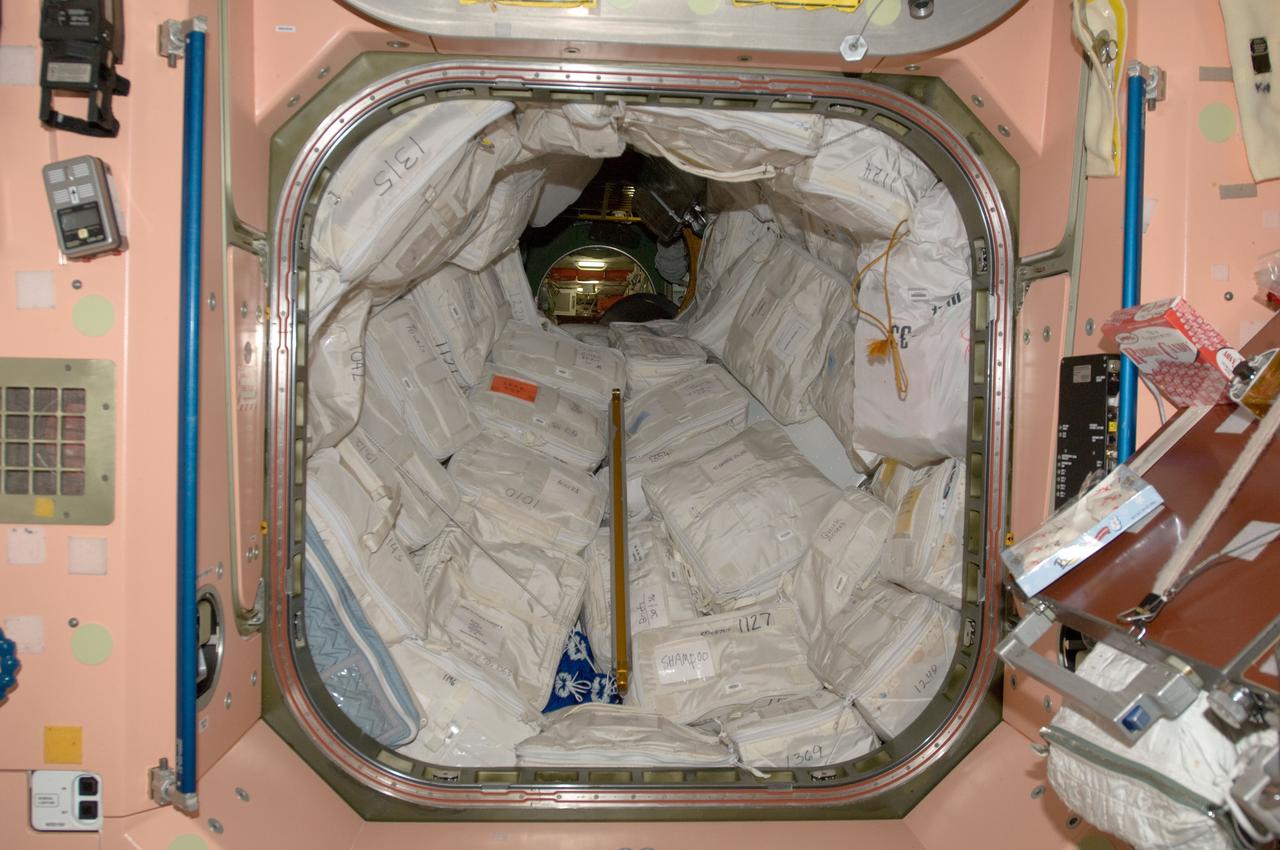
View of stowage in the aft end of the Node 1 and the hatch leading to Pressurized Mating Adapter 1 (PMA1). The PMA1 is also lined with stowed equipment.  Photo was taken during Expedition 34.
Stowage in the Node 1 and PMA1
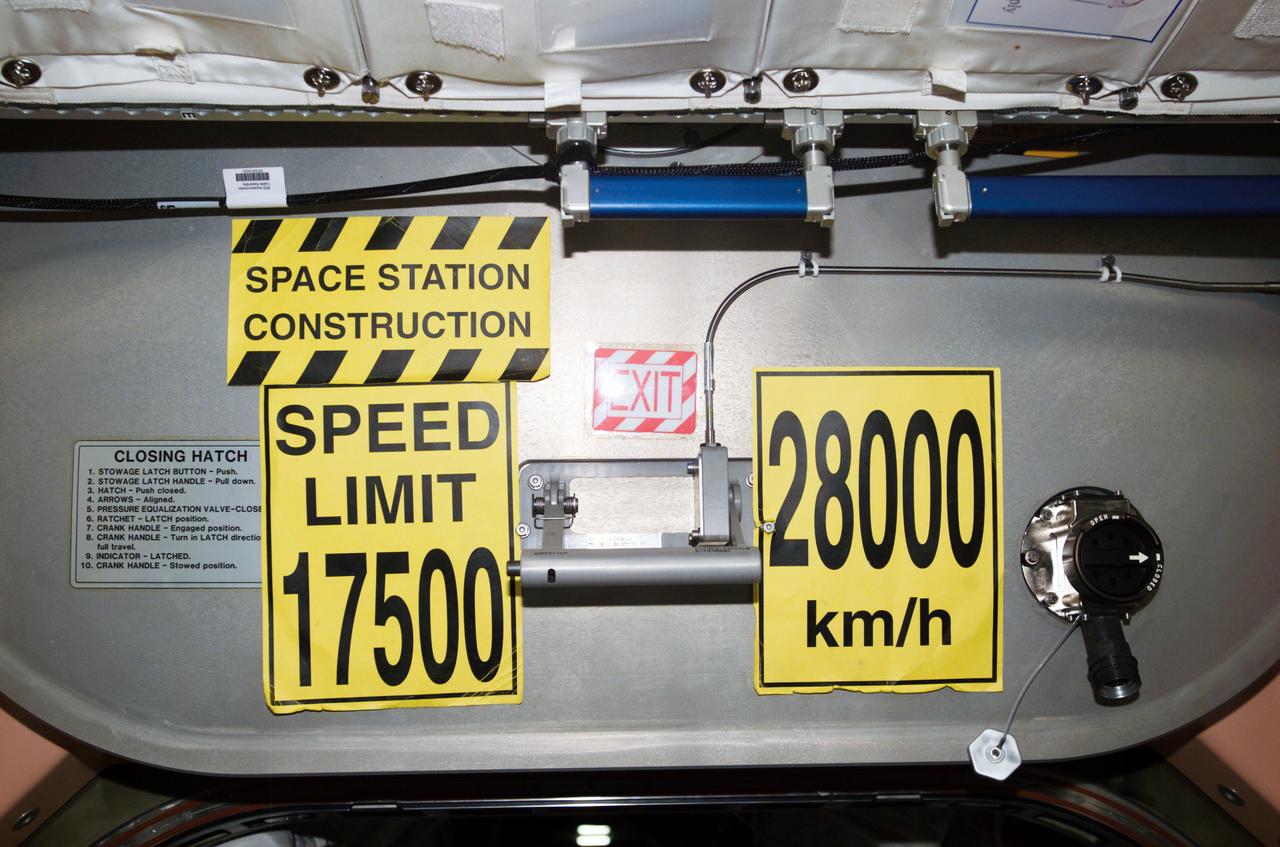
ISS012-E-22884 (29 March 2006) --- A close-up view of signs on the Pressurized Mating Adapter-1 (PMA-1) hatchway photographed by an Expedition 12 crewmember on the International Space Station.
View of Speed Limit signs on the PMA 1 hatch during Expedition 12
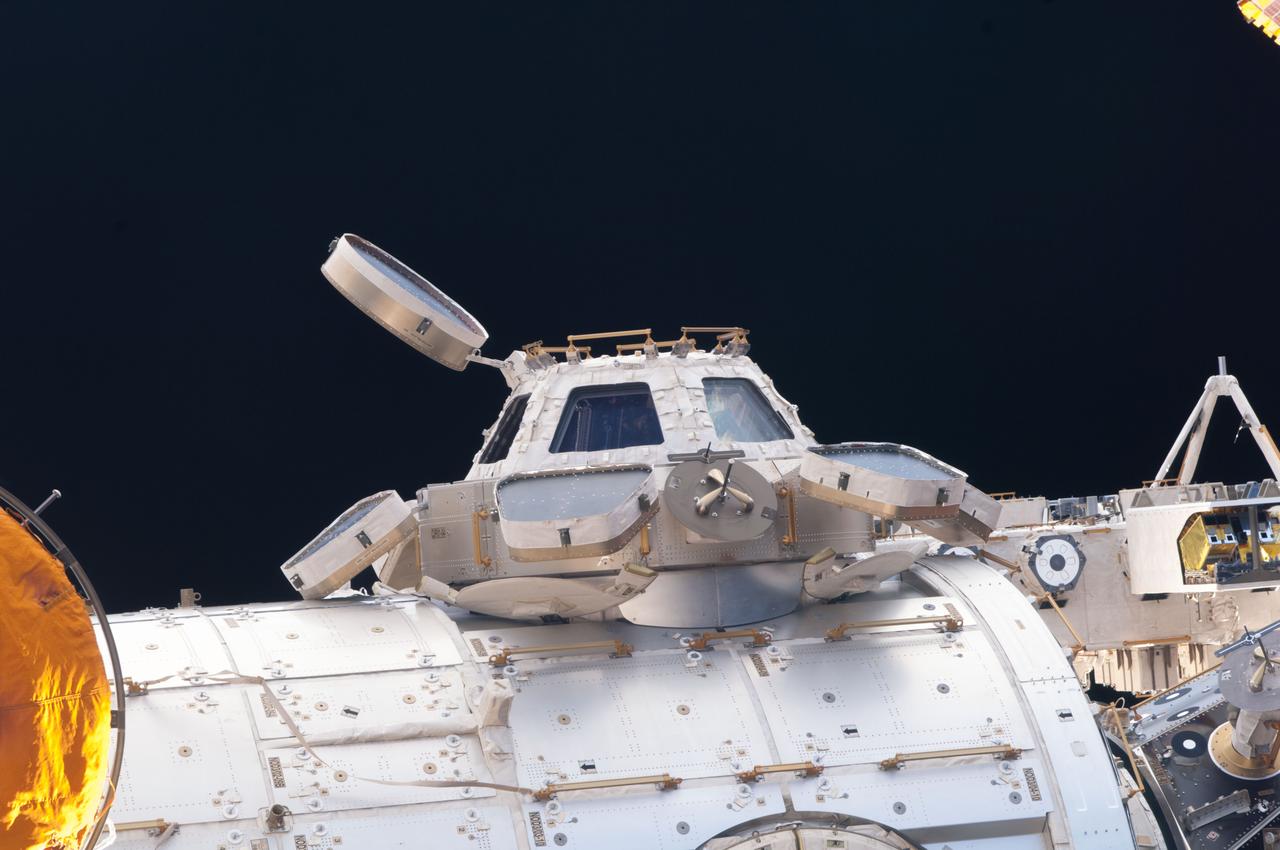
Survey view of portions of the Cupola Module, Tranquility Node 3, and Pressurized Mating Adapter 3 (PMA-3). Image was taken through a window in the Russian segment of the ISS during Expedition 35.
External Survey from Windows in Mini-Research Modules and Pirs Docking Compartment
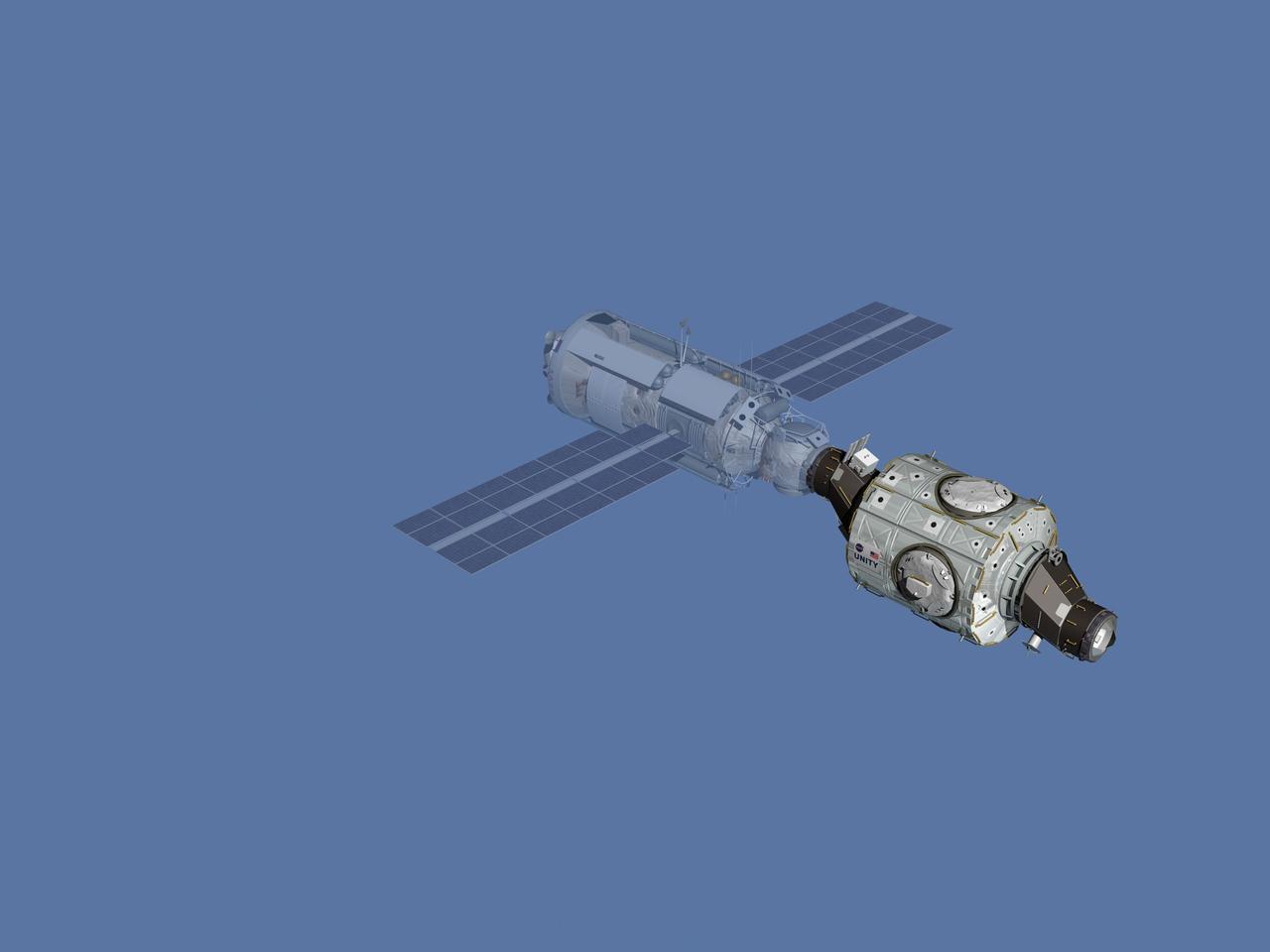
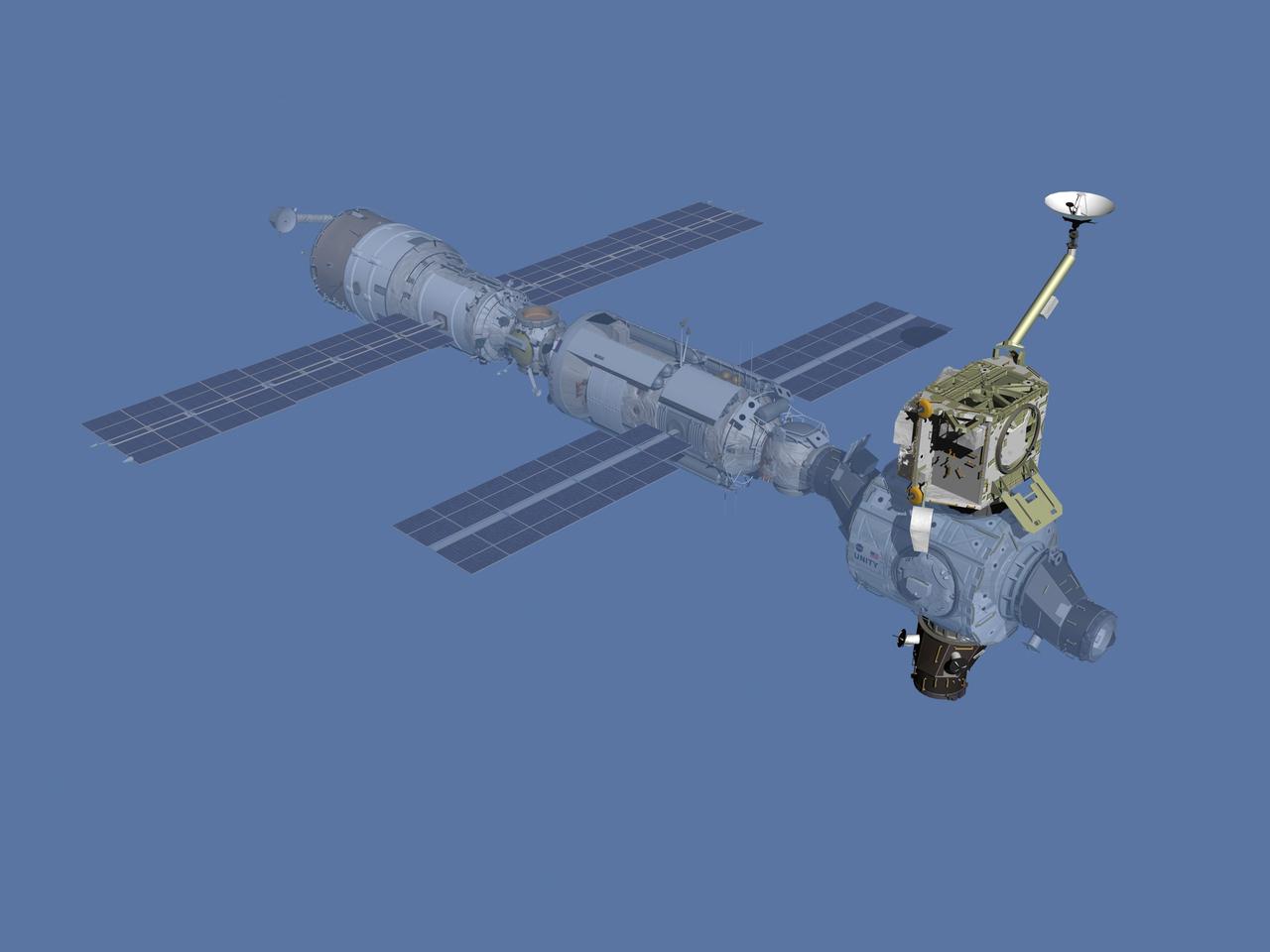
JSC2006-E-43477 (December 1998) --- Computer-generated artist's rendering of the International Space Station after flight STS-88/2A. Space Shuttle Endeavour delivered the Unity node with two pressurized mating adapters. The STS-88 crew captured Zarya and mated it with the Unity node.
ISS Assembly Sequence Rev H still images for use on Imagery Online, HSF web
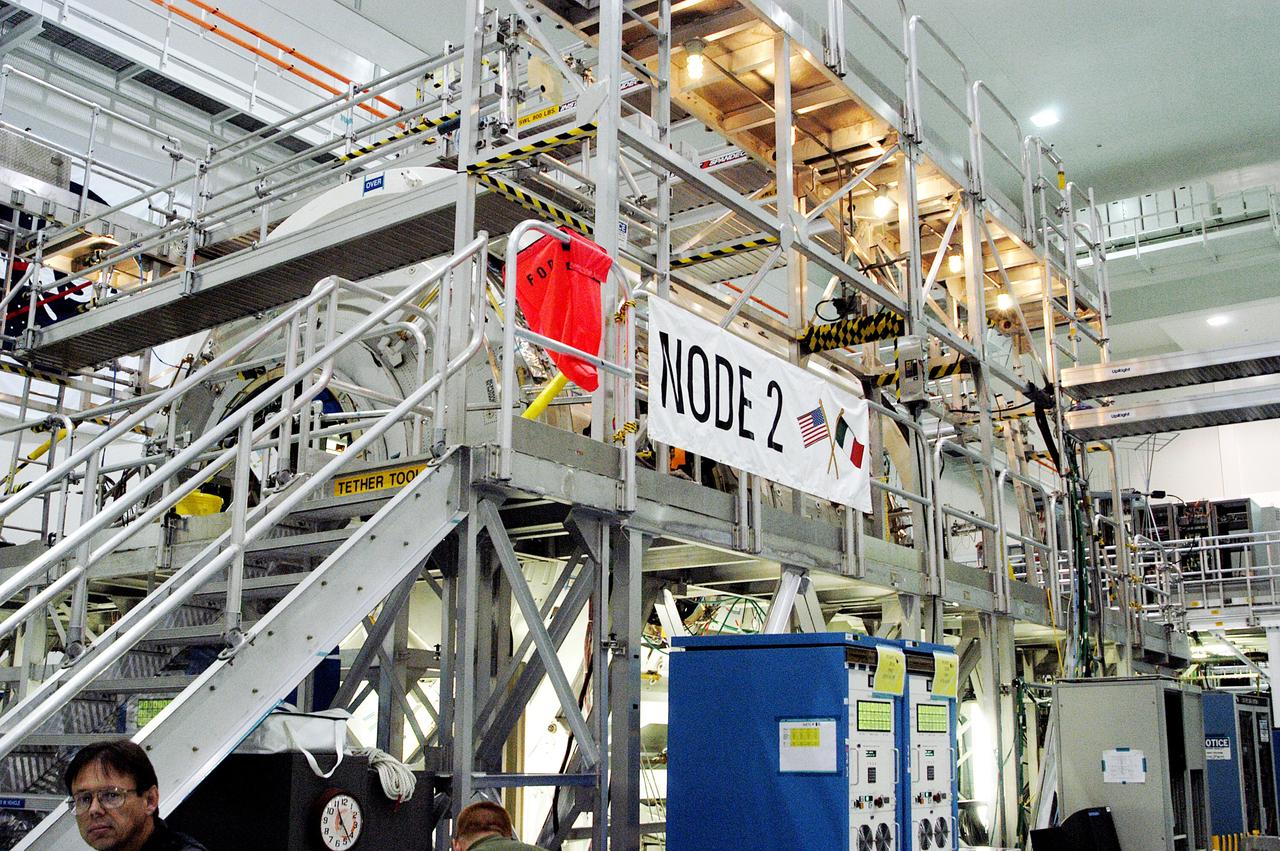
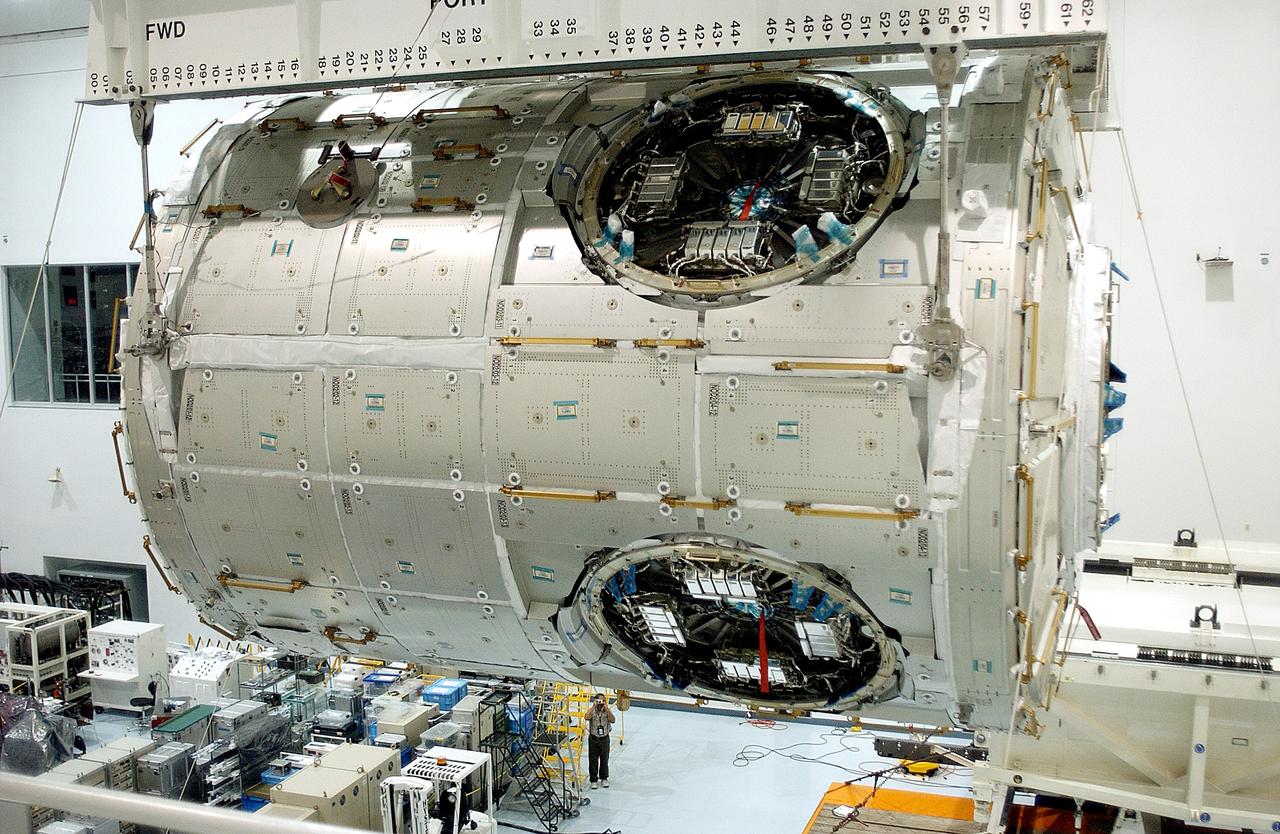
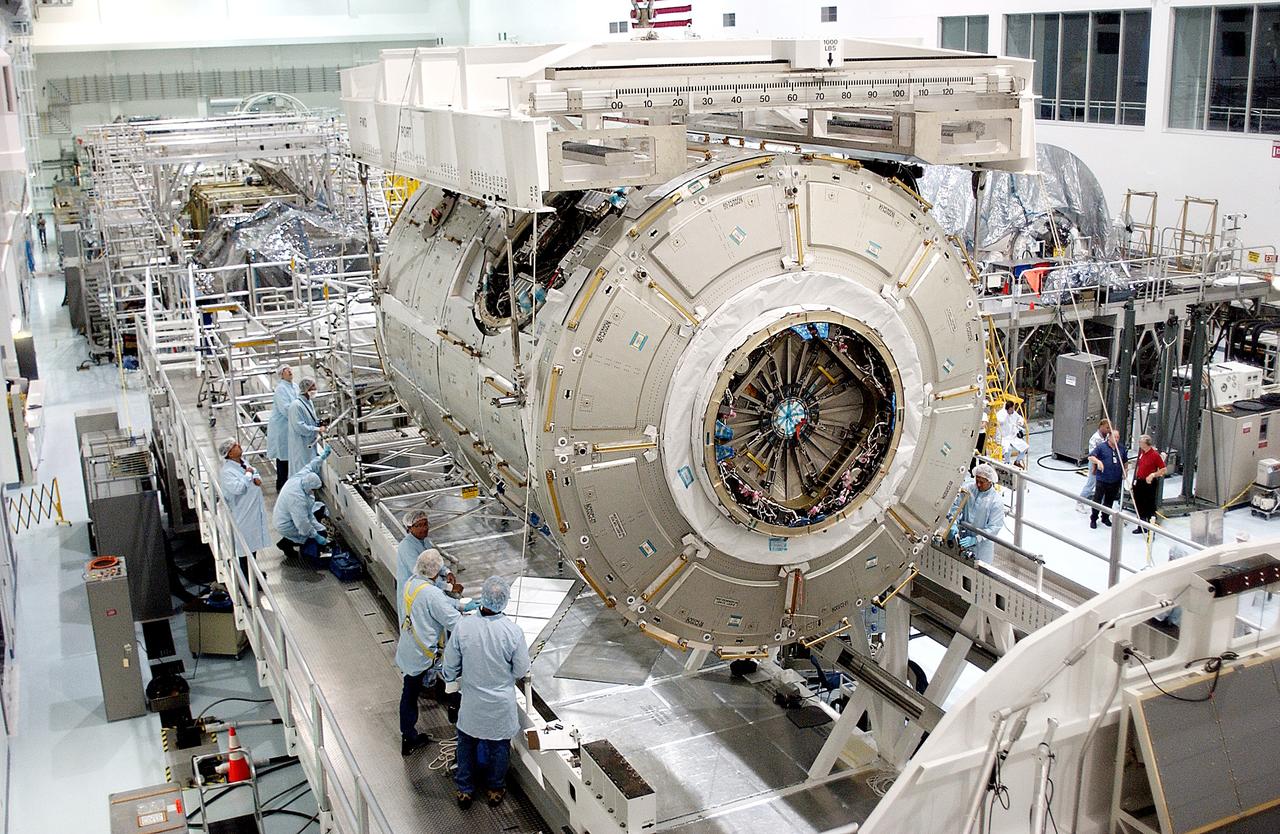
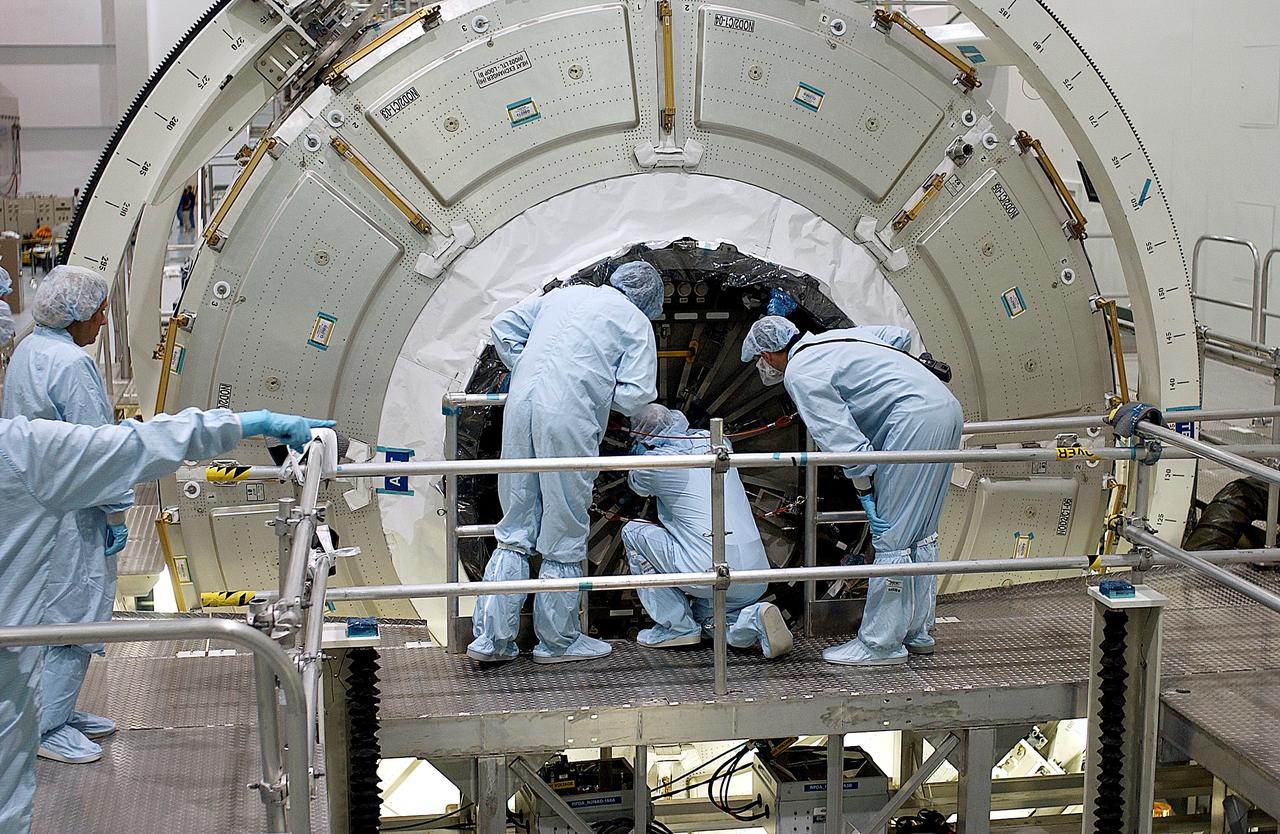
KENNEDY SPACE CENTER, FLA. - The  U.S. Node 2 is undergoing a Multi-Element Integrated Test (MEIT) in the Space Station Processing Facility.  Node 2 attaches to the end of the U.S. Lab on the ISS and provides attach locations for the Japanese laboratory, European laboratory, the Centrifuge Accommodation Module and, eventually, Multipurpose Logistics Modules. It will provide the primary docking location for the Shuttle when a pressurized mating adapter is attached to Node 2.  Installation of the module will complete the U.S. Core of the ISS.
KENNEDY SPACE CENTER, FLA. - The U.S. Node 2 is undergoing a Multi-Element Integrated Test (MEIT) in the Space Station Processing Facility. Node 2 attaches to the end of the U.S. Lab on the ISS and provides attach locations for the Japanese laboratory, European laboratory, the Centrifuge Accommodation Module and, eventually, Multipurpose Logistics Modules. It will provide the primary docking location for the Shuttle when a pressurized mating adapter is attached to Node 2. Installation of the module will complete the U.S. Core of the ISS.
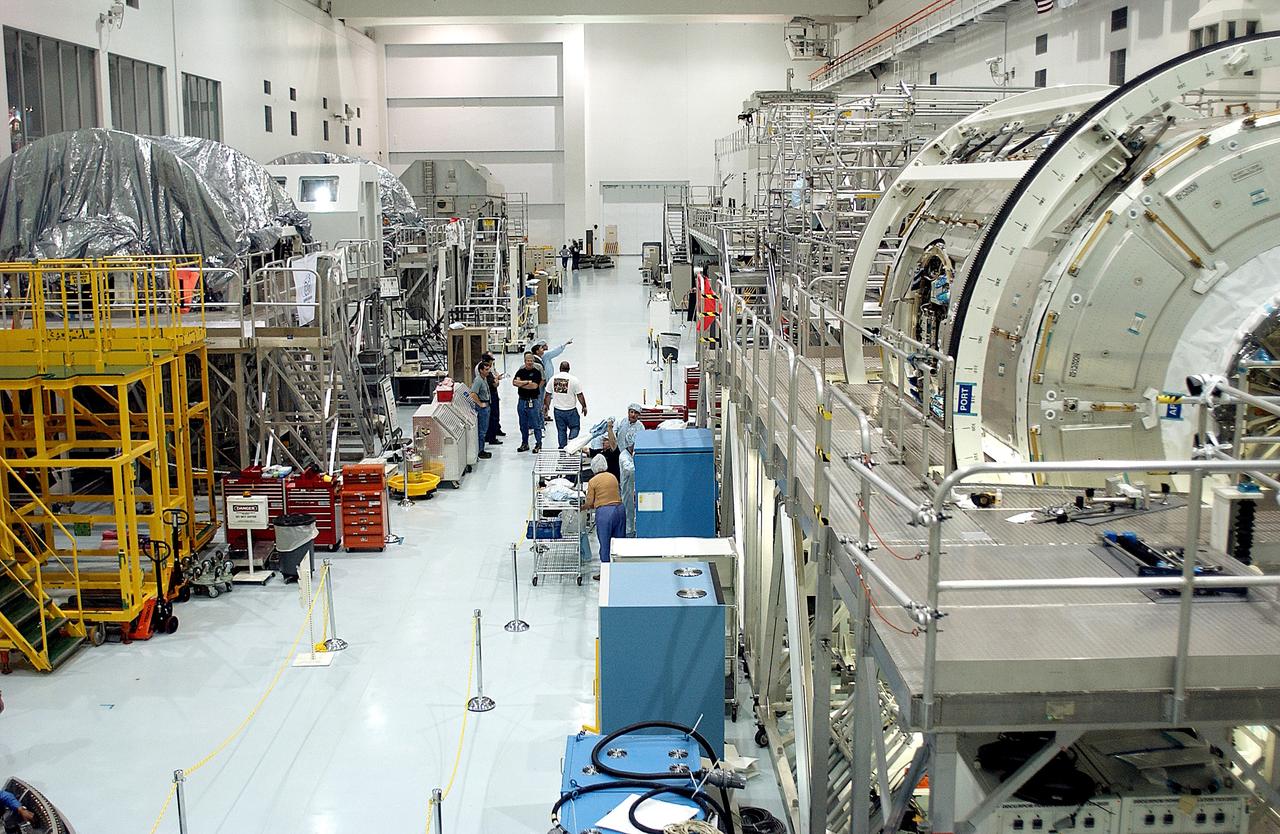
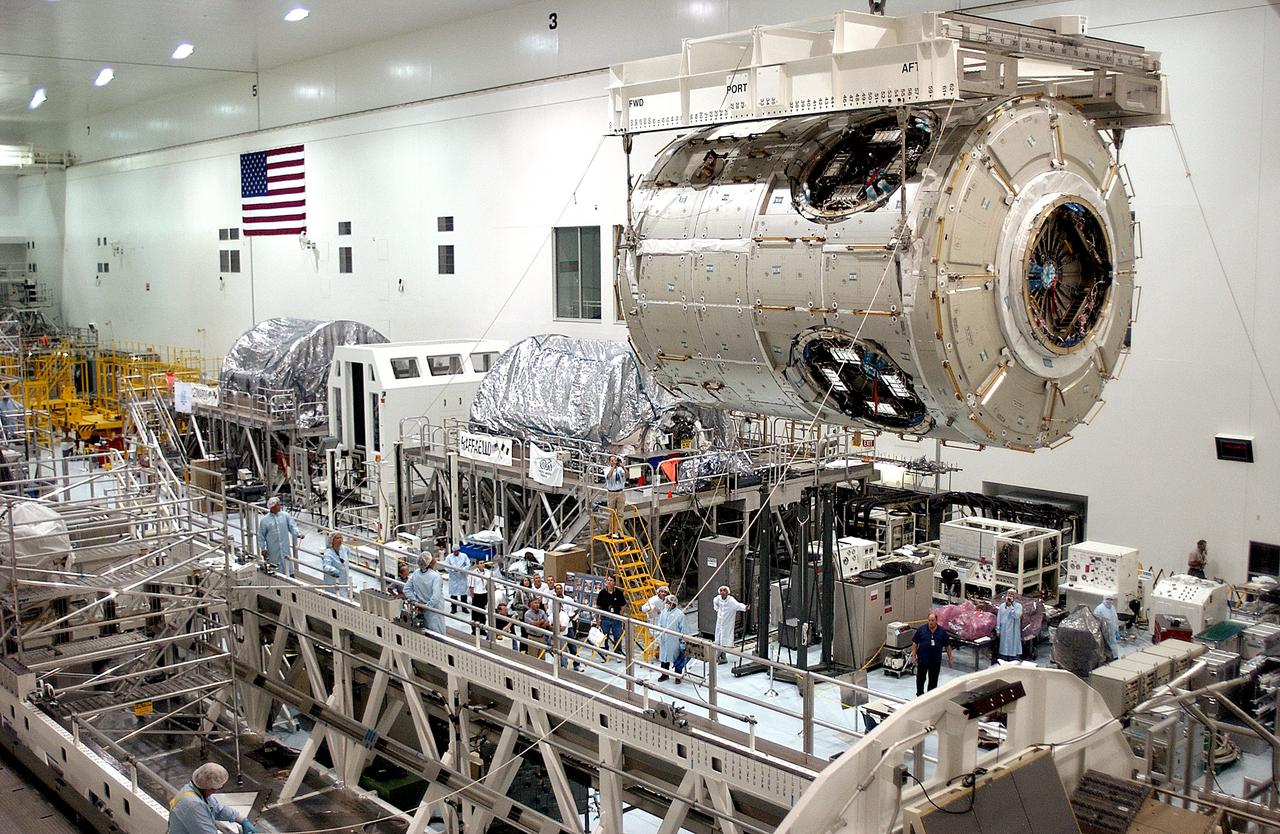
KENNEDY SPACE CENTER, FLA. - An overview of the Space Station Processing Facility shows workstands and ISS elements.   The most recent additions are the Japanese Experiment Module (JEM)’s pressurized module and the Italian-built Node 2.  The pressurized module is the first element of the JEM, Japan’s primary contribution to the Space Station, to be delivered to KSC. It will enhance the unique research capabilities of the orbiting complex by providing an additional shirt-sleeve environment for astronauts to conduct science experiments.  Node 2 will be installed on the end of the U.S. Lab and provides attach locations for the Japanese laboratory, European laboratory, the Centrifuge Accommodation Module and, later, Multipurpose Logistics Modules. It will provide the primary docking location for the Shuttle when a pressurized mating adapter is attached to Node 2.  Installation of the module will complete  the U.S. Core of the ISS.
KENNEDY SPACE CENTER, FLA. - An overview of the Space Station Processing Facility shows workstands and ISS elements. The most recent additions are the Japanese Experiment Module (JEM)’s pressurized module and the Italian-built Node 2. The pressurized module is the first element of the JEM, Japan’s primary contribution to the Space Station, to be delivered to KSC. It will enhance the unique research capabilities of the orbiting complex by providing an additional shirt-sleeve environment for astronauts to conduct science experiments. Node 2 will be installed on the end of the U.S. Lab and provides attach locations for the Japanese laboratory, European laboratory, the Centrifuge Accommodation Module and, later, Multipurpose Logistics Modules. It will provide the primary docking location for the Shuttle when a pressurized mating adapter is attached to Node 2. Installation of the module will complete the U.S. Core of the ISS.
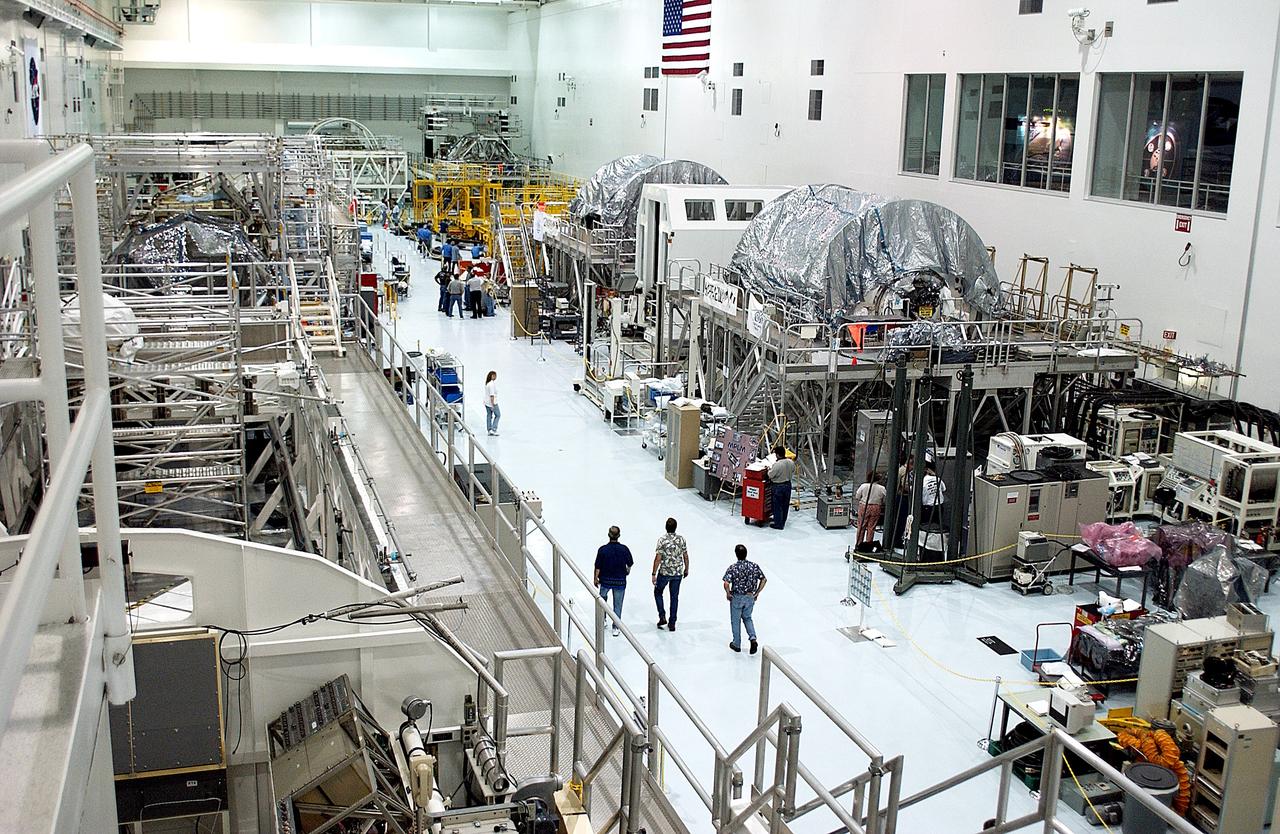
KENNEDY SPACE CENTER, FLA. - A view of the Space Station Processing Facility shows workstands and ISS elements.   The most recent additions are the Japanese Experiment Module (JEM)’s pressurized module and the Italian-built Node 2.  The pressurized module is the first element of the JEM, Japan’s primary contribution to the Space Station, to be delivered to KSC. It will enhance the unique research capabilities of the orbiting complex by providing an additional shirt-sleeve environment for astronauts to conduct science experiments.  Node 2 will be installed on the end of the U.S. Lab and provides attach locations for the Japanese laboratory, European laboratory, the Centrifuge Accommodation Module and, later, Multipurpose Logistics Modules. It will provide the primary docking location for the Shuttle when a pressurized mating adapter is attached to Node 2.  Installation of the module will complete  the U.S. Core of the ISS.
KENNEDY SPACE CENTER, FLA. - A view of the Space Station Processing Facility shows workstands and ISS elements. The most recent additions are the Japanese Experiment Module (JEM)’s pressurized module and the Italian-built Node 2. The pressurized module is the first element of the JEM, Japan’s primary contribution to the Space Station, to be delivered to KSC. It will enhance the unique research capabilities of the orbiting complex by providing an additional shirt-sleeve environment for astronauts to conduct science experiments. Node 2 will be installed on the end of the U.S. Lab and provides attach locations for the Japanese laboratory, European laboratory, the Centrifuge Accommodation Module and, later, Multipurpose Logistics Modules. It will provide the primary docking location for the Shuttle when a pressurized mating adapter is attached to Node 2. Installation of the module will complete the U.S. Core of the ISS.
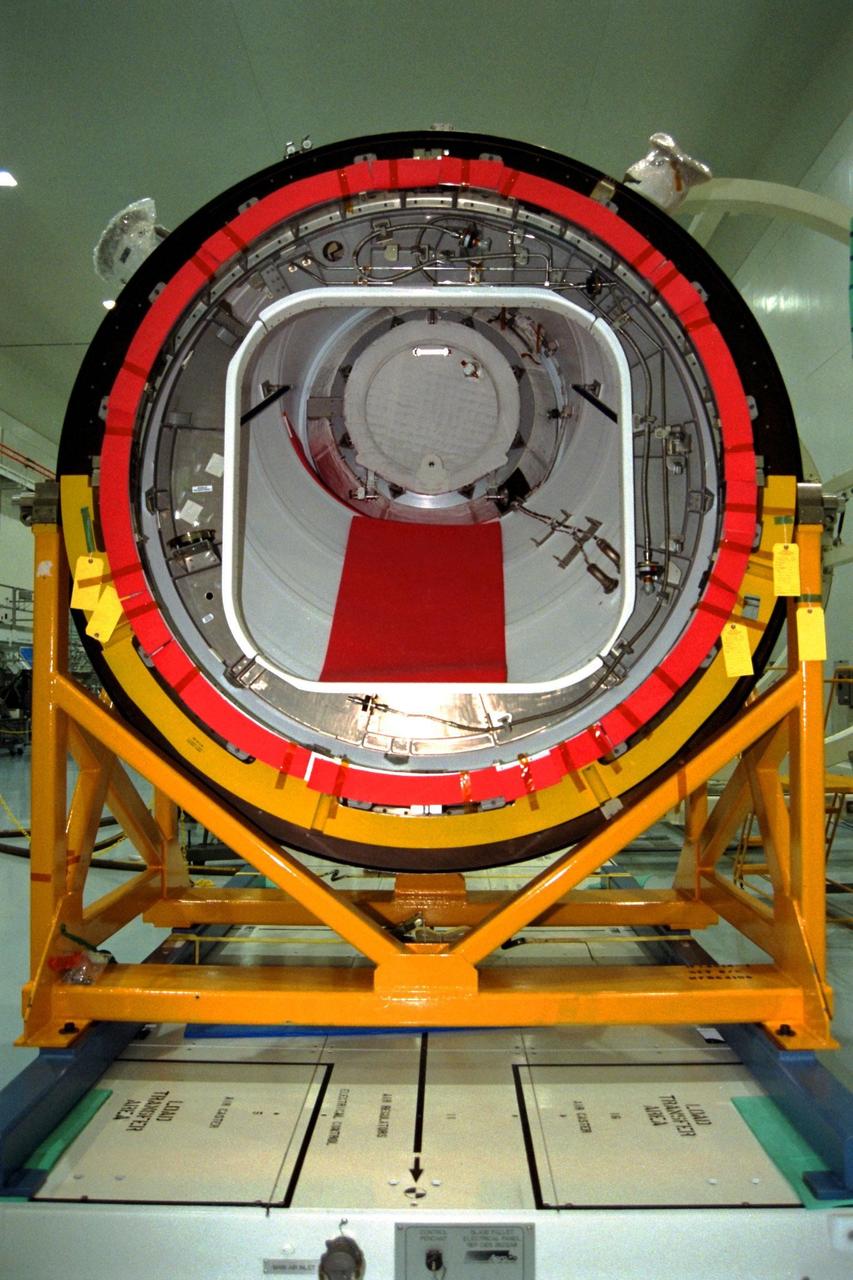
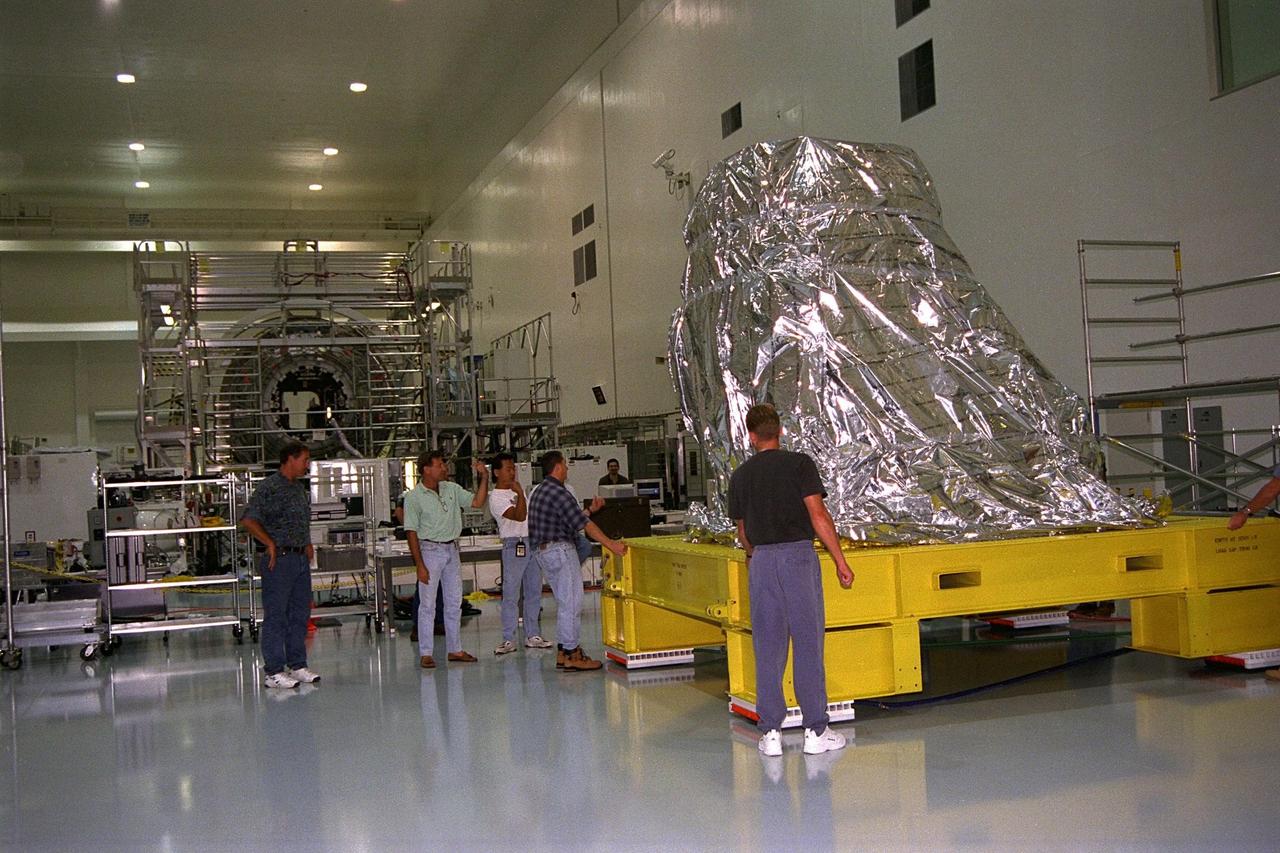
KENNEDY SPACE CENTER, FLA. -- The Pressurized Mating Adapter (PMA)-2 for the International Space Station (ISS) awaits being mated with Node 1, the space station’s structural building block, in KSC’s Space Station Processing Facility. This PMA, identifiable by its bright red ring, is a cone-shaped connector to Node 1, which will have two PMAs attached once this mate is completed. The node and PMAs, which together will make up the first element of the ISS, are scheduled to be launched aboard the Space Shuttle Endeavour on STS-88
KSC-98pc293
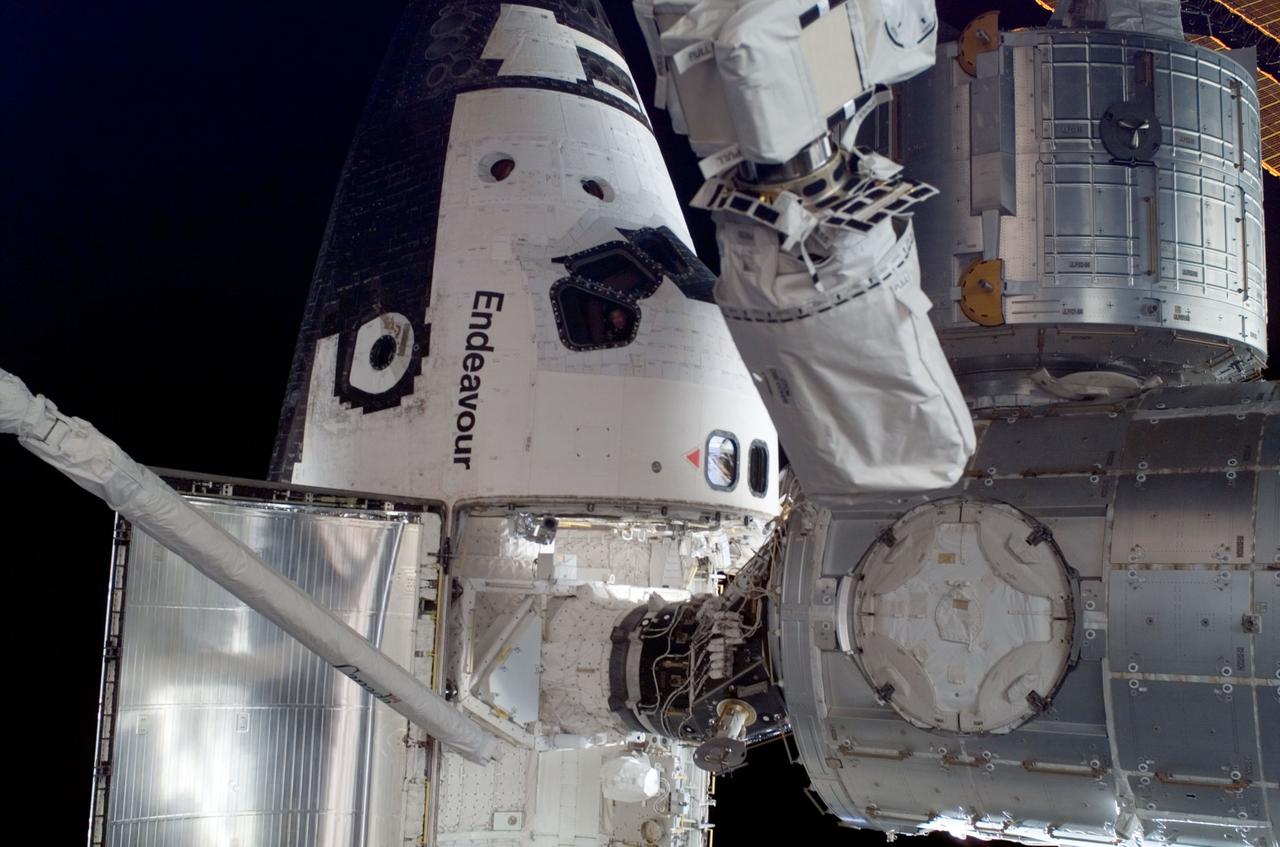
ISS015-E-21944 (11 Aug. 2007) --- Backdropped by the blackness of space and Earth's horizon, the Space Shuttle Endeavour, docked to the Pressurized Mating Adapter (PMA-2) on the International Space Station, is featured in this photograph taken by a crewmember during the mission's first planned session of extravehicular activity (EVA).
STS-118 Endeavour docked to PMA 2 during Joint Operations with Expedition Fifteen
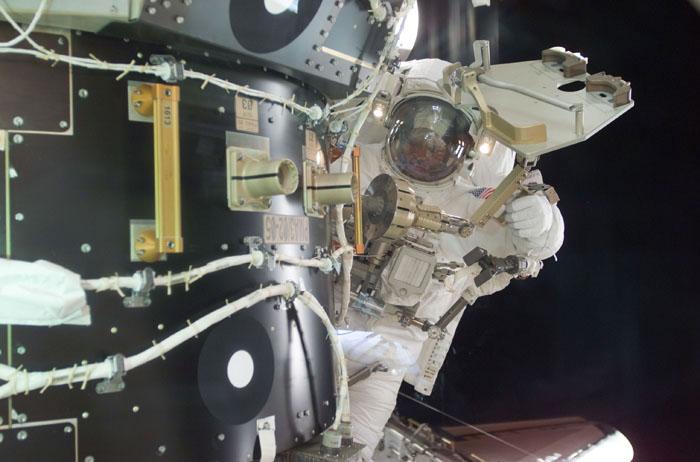
STS98-E-5193 (12 February 2001) --- Astronaut Robert L. Curbeam, STS-98 mission specialist, is pictured near Pressurized Mating Adapter (PMA-3) during the second of three scheduled space walks on 5a. The scene was recorded with a digital still camera.
MS Curbeam during EVA on PMA-3
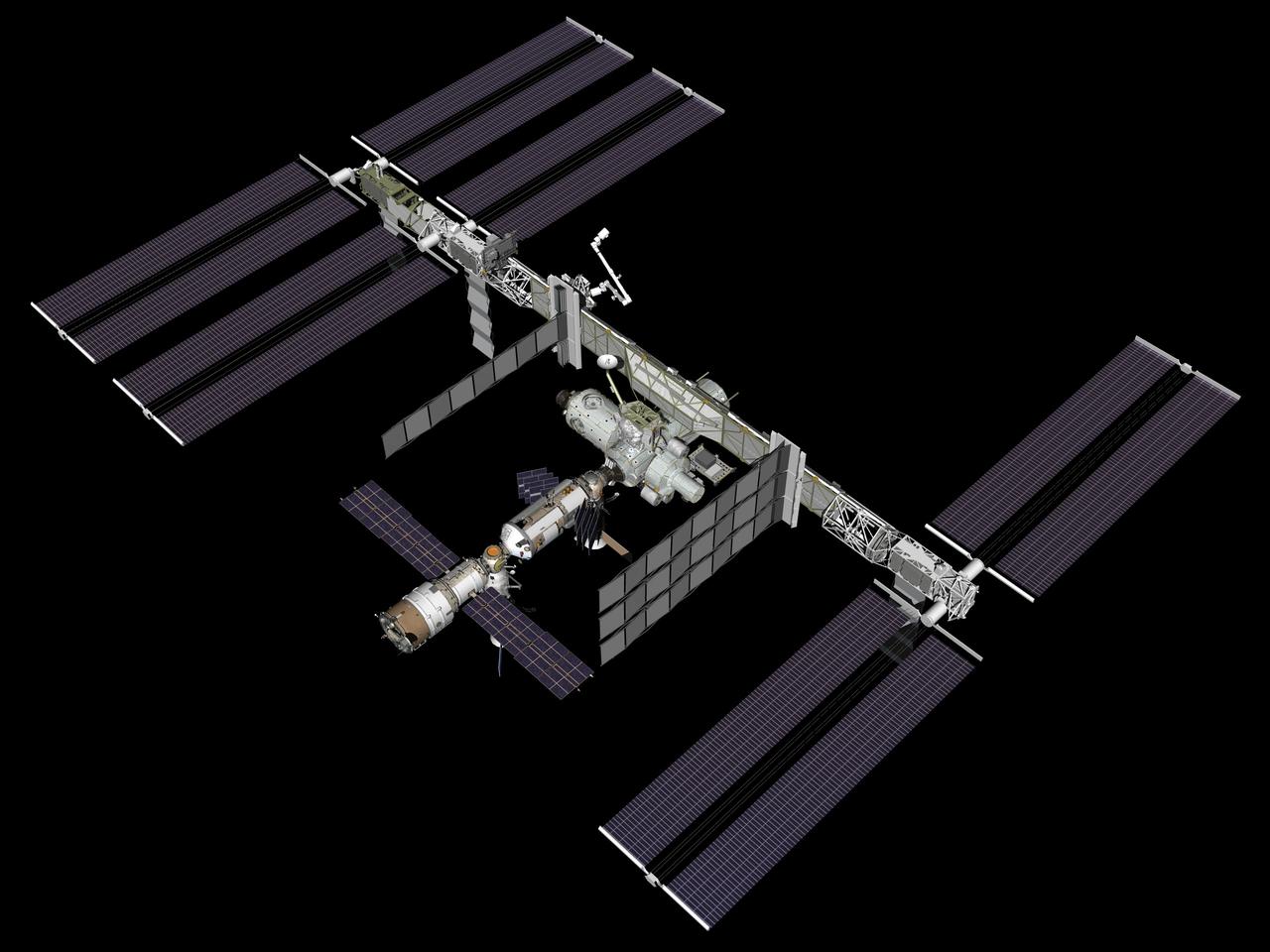
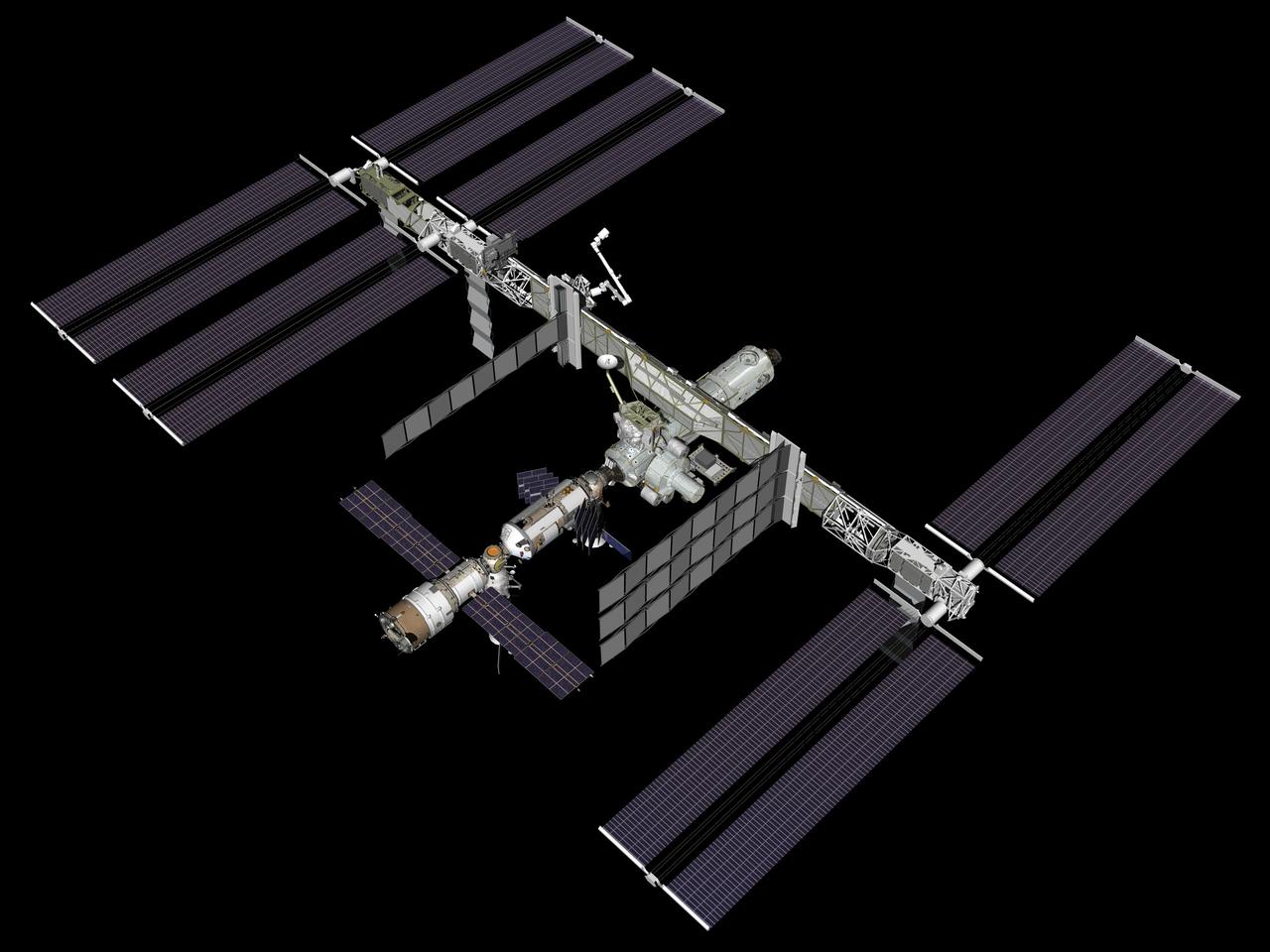
JSC2007-E-099882 (November 2007) --- Computer-generated artist's rendering of the 10A stage configuration of the International Space Station as of Nov. 14, 2007. The Harmony node with Pressurized Mating Adapter (PMA-2) attached is relocated to the front of the Destiny laboratory.
Current Configuration of the ISS for use on HSF website
STS110-E-5068 (9 April 2002) --- During the docking approach of the Space Shuttle Atlantis to the International Space Station (ISS), a STS-110 crewmember photographed this close-up view of the station with a digital still camera. As Atlantis approached the Pressurized Mating Adapter (PMA-2) on the ISS, the Quest Airlock was visible on the right in this picture.
Forward view of the ISS taken during STS-110's docking approach
STS98-E-5189 (12 February 2001) --- Astronaut Robert L. Curbeam, STS-98 mission specialist, holds onto a hand rail on Pressurized Mating Adapter (PMA-3) during the second of three scheduled space walks on 5a. The scene was recorded with a digital still camera.
MS Curbeam during EVA on PMA-3
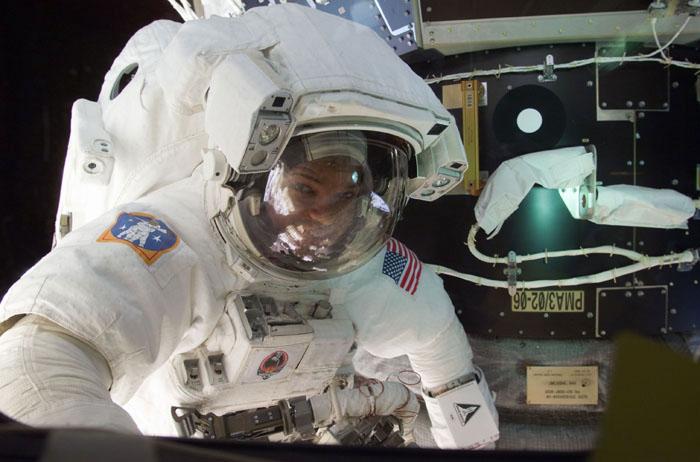
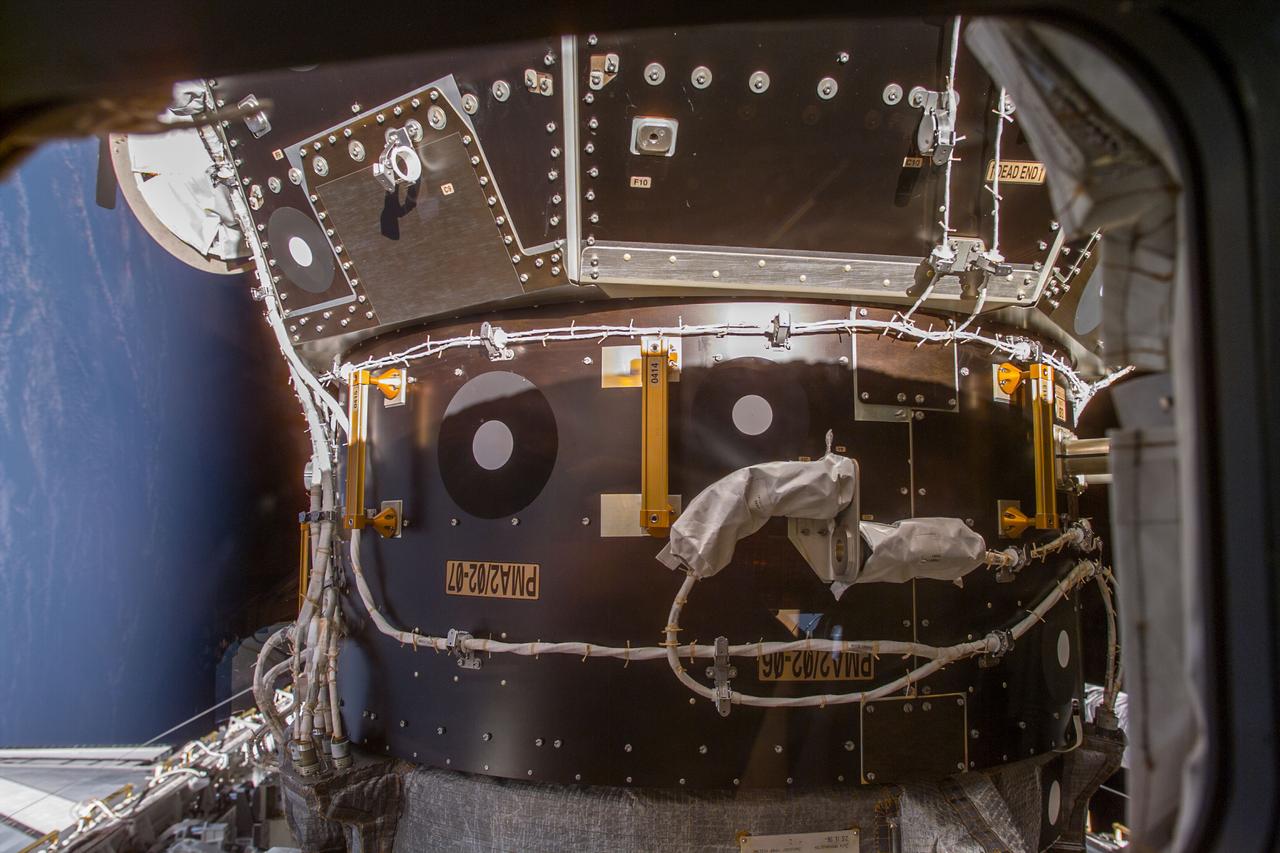
S96-E-5006 (29 May 1999) --- A closeup view of the pressurized mating adapter 2 (PMA2) was recorded with an electronic still camera (ESC) from Discovery's cabin shortly after docking.  A small slice of Earth's horizon can be  seen at left frame intersecting Discovery's starboard wing.
PMA2 panel PMA2/02-06 with connectors and cables visible
ISS002-E-6140 (27 April 2001) --- James S. Voss, Expedition Two flight engineer, discusses procedures with Mission Control while working in Pressurized Mating Adapter 2 (PMA2).  The image was taken with a digital still camera.
Voss in PMA2
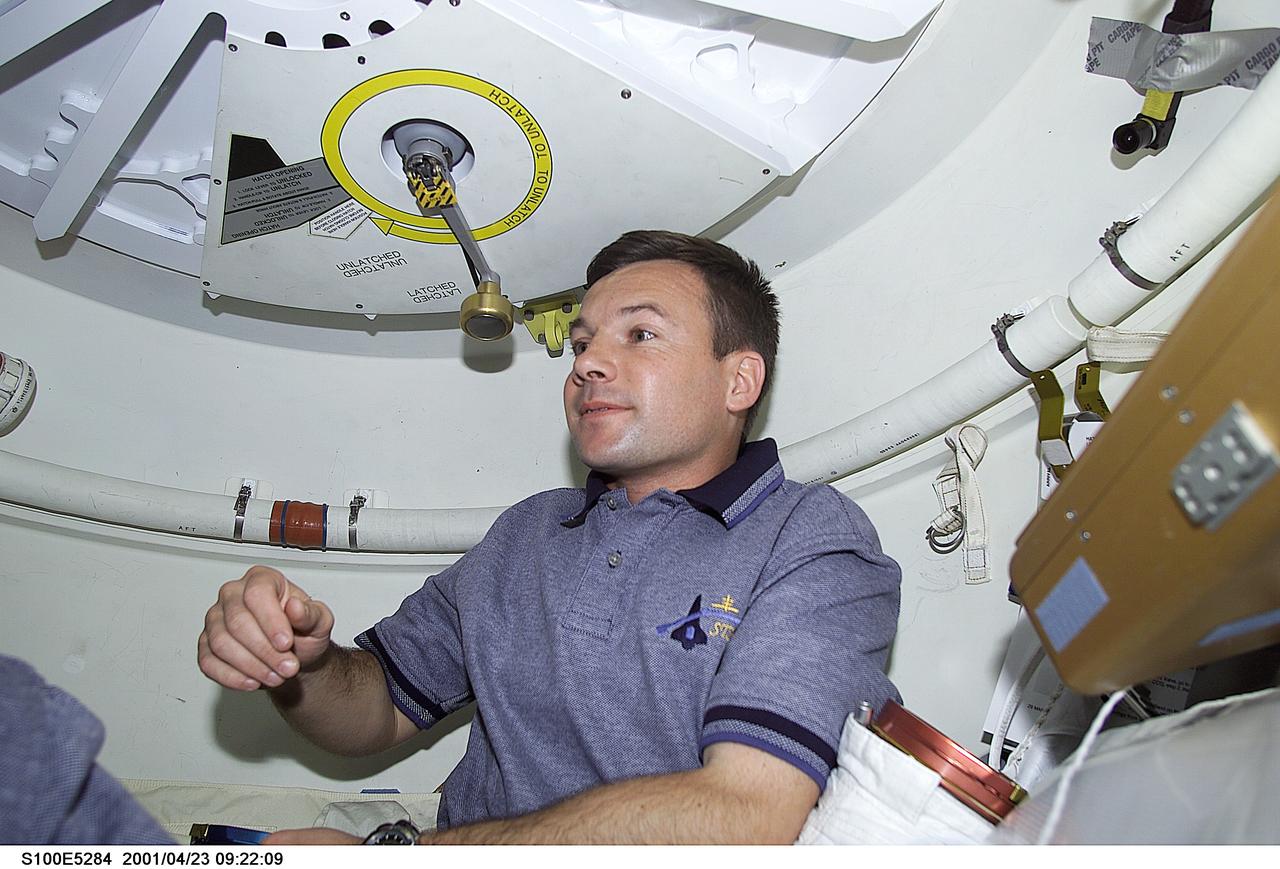
S100-E-5284 (23 April 2001) --- Cosmonaut Yuri V. Lonchakov, STS-100 mission specialist representing Rosaviakosmos, is in the Pressurized Mating Adapter (PMA-2) prior to hatch-opening. The image was recorded with a digital still camera.
MS Lonchakov prepares to open the PMA2 hatch leading to Destiny
JSC2006-E-43482 (October 2000) --- Computer-generated artist's rendering of the International Space Station after flight STS-92/3A. Arriving aboard Space Shuttle Discovery, the STS-92 crew installed the Z1 truss, a third pressurized mating adapter and a Ku-band antenna.
ISS Assembly Sequence Rev H still images for use on Imagery Online, HSF web
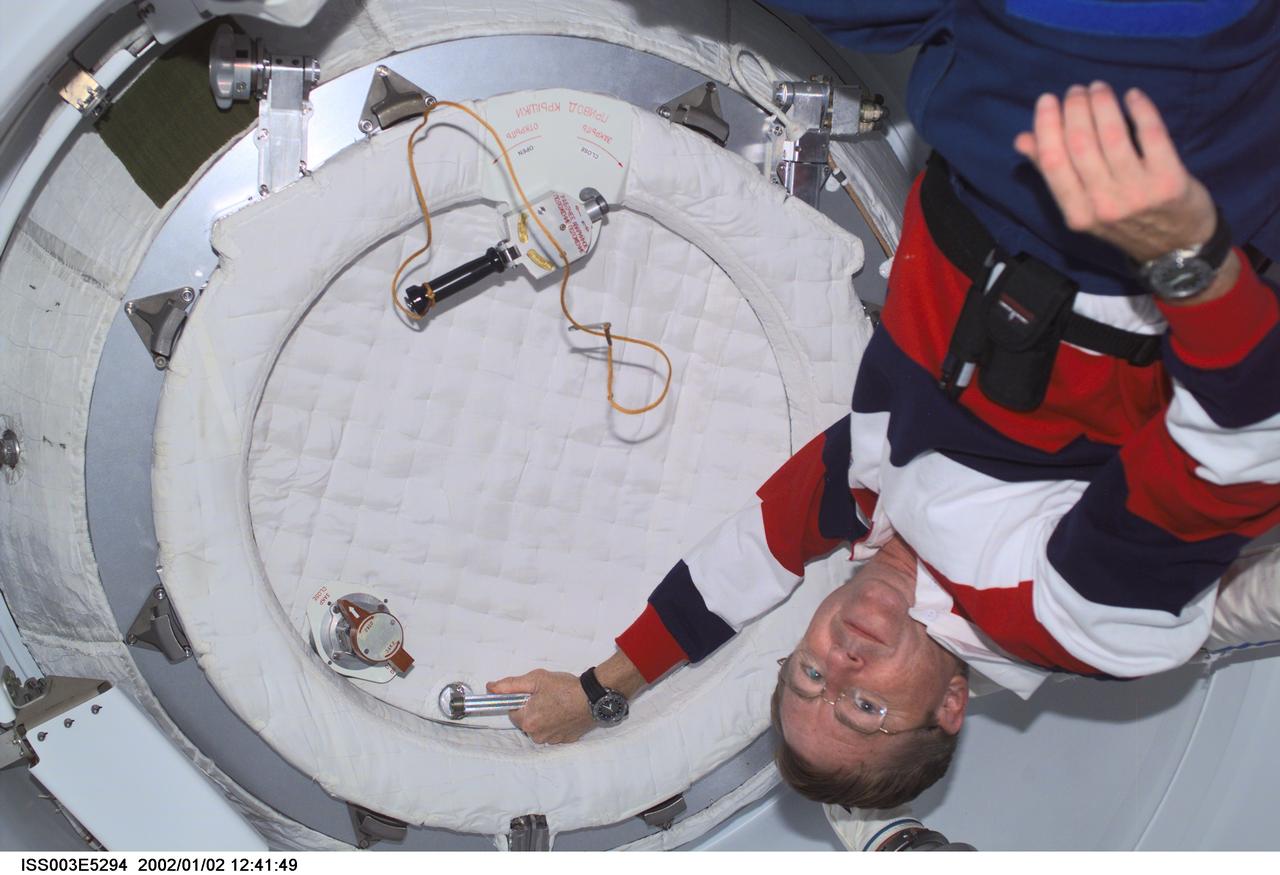
ISS003-E-5294 (August 2001) --- Astronaut Frank L. Culbertson, Jr., Expedition Three commander, closes the hatch in the Pressurized Mating Adapter (PMA2) on the International Space Station (ISS) prior to the separation of the station and the Space Shuttle Discovery. This image was taken with a digital still camera.
Frank Culbertson closes the PMA2 hatch after the Expedition Two crew egress
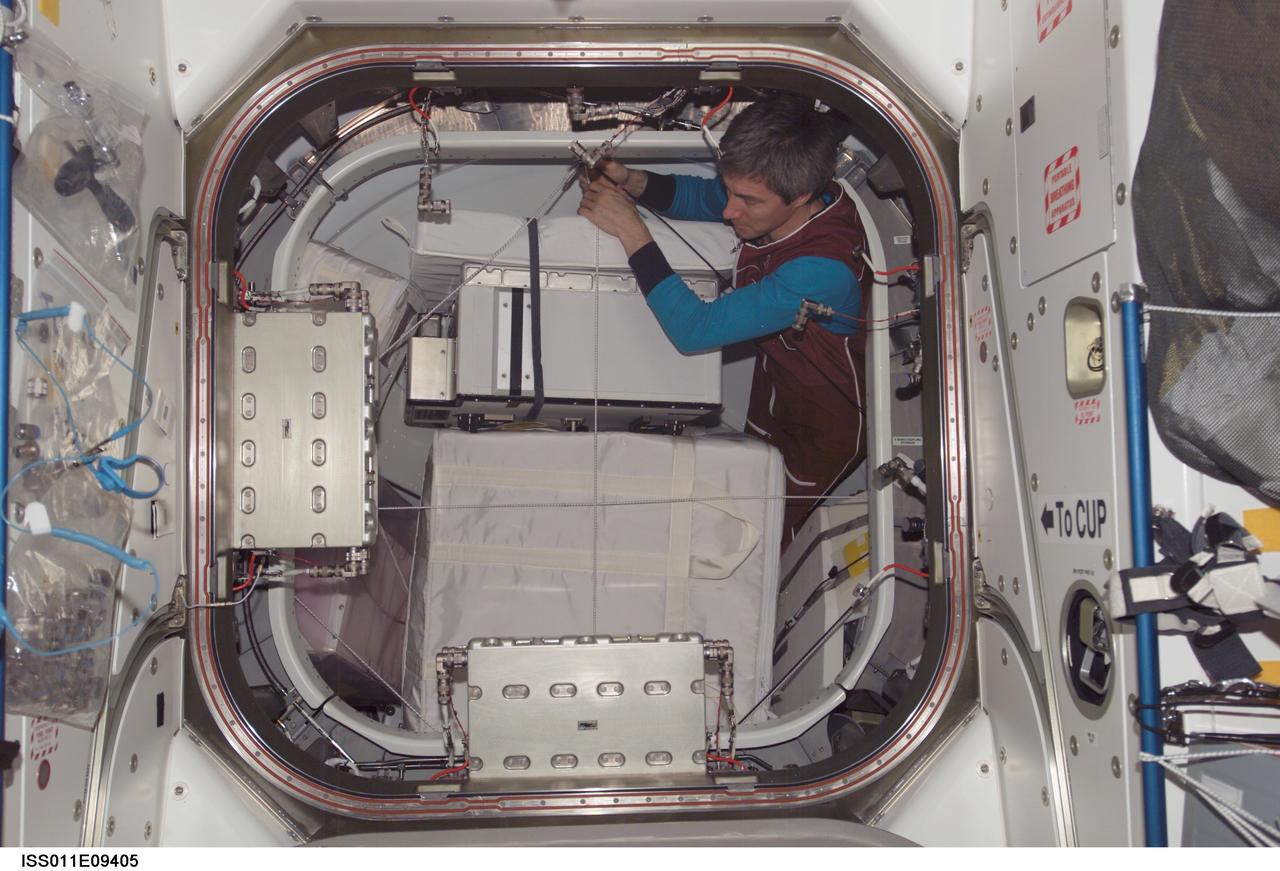
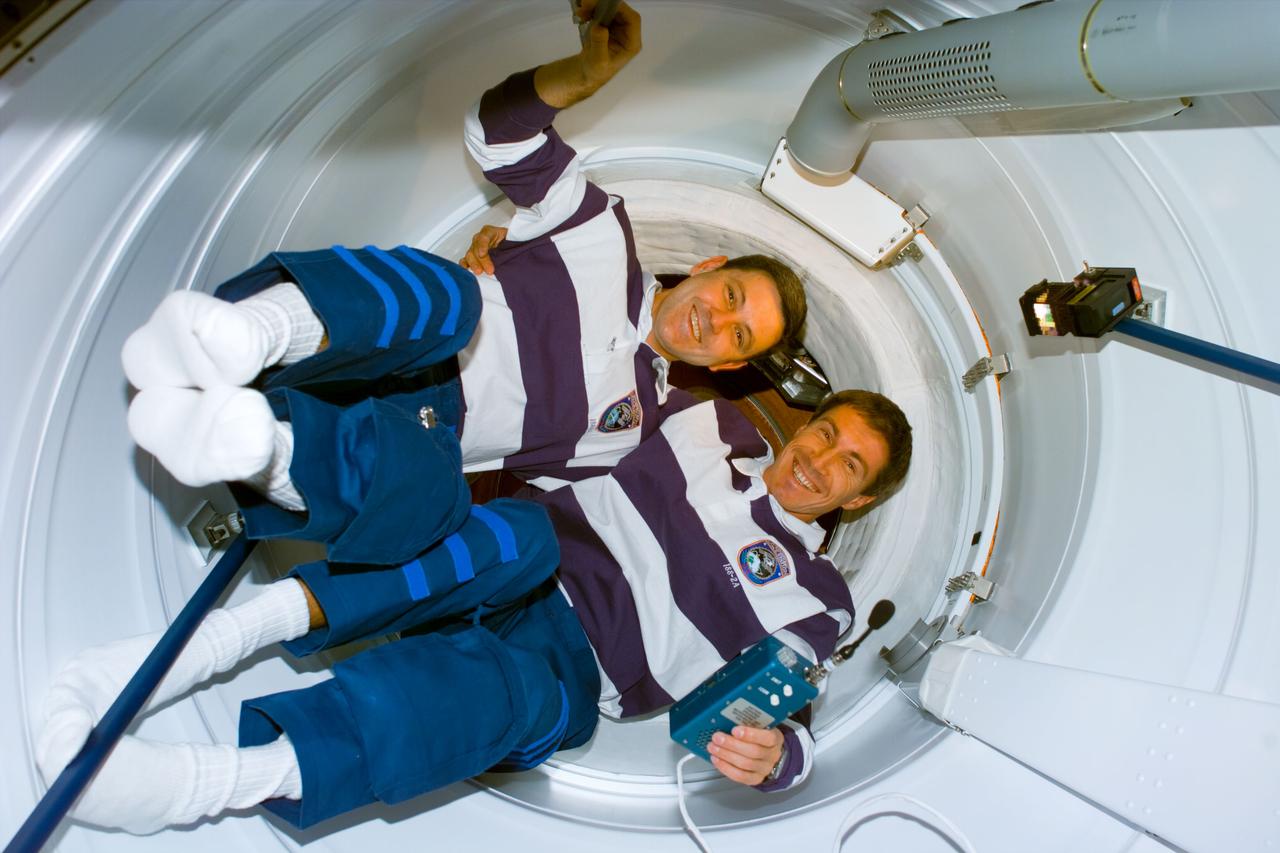
ISS011-E-09405 (21 June 2005) --- Cosmonaut Sergei K. Krikalev, Expedition 11 commander representing Russia's Federal Space Agency, moves stowage items from the Unity node into the Pressurized Mating Adapter (PMA-3) of the International Space Station (ISS).
Krikalev in PMA - 3
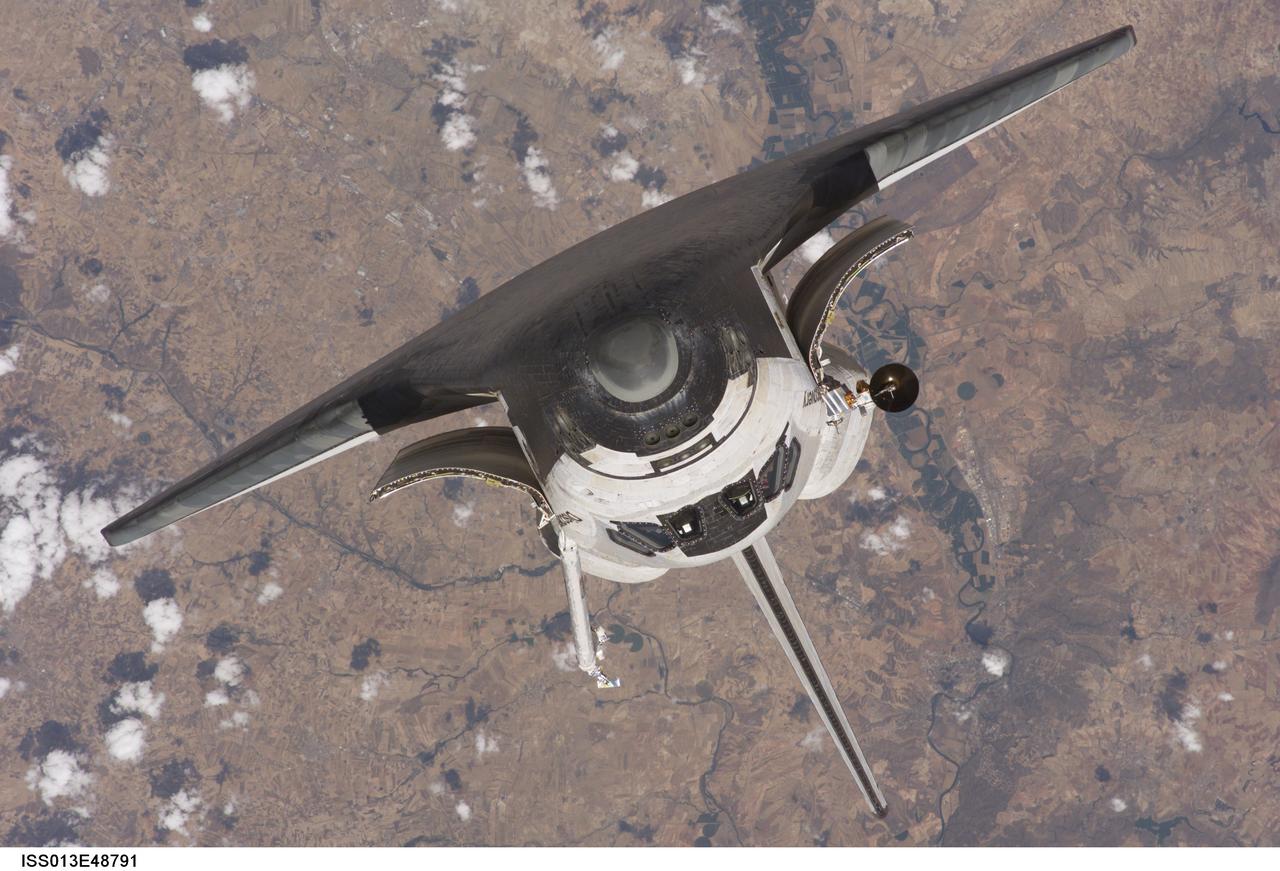
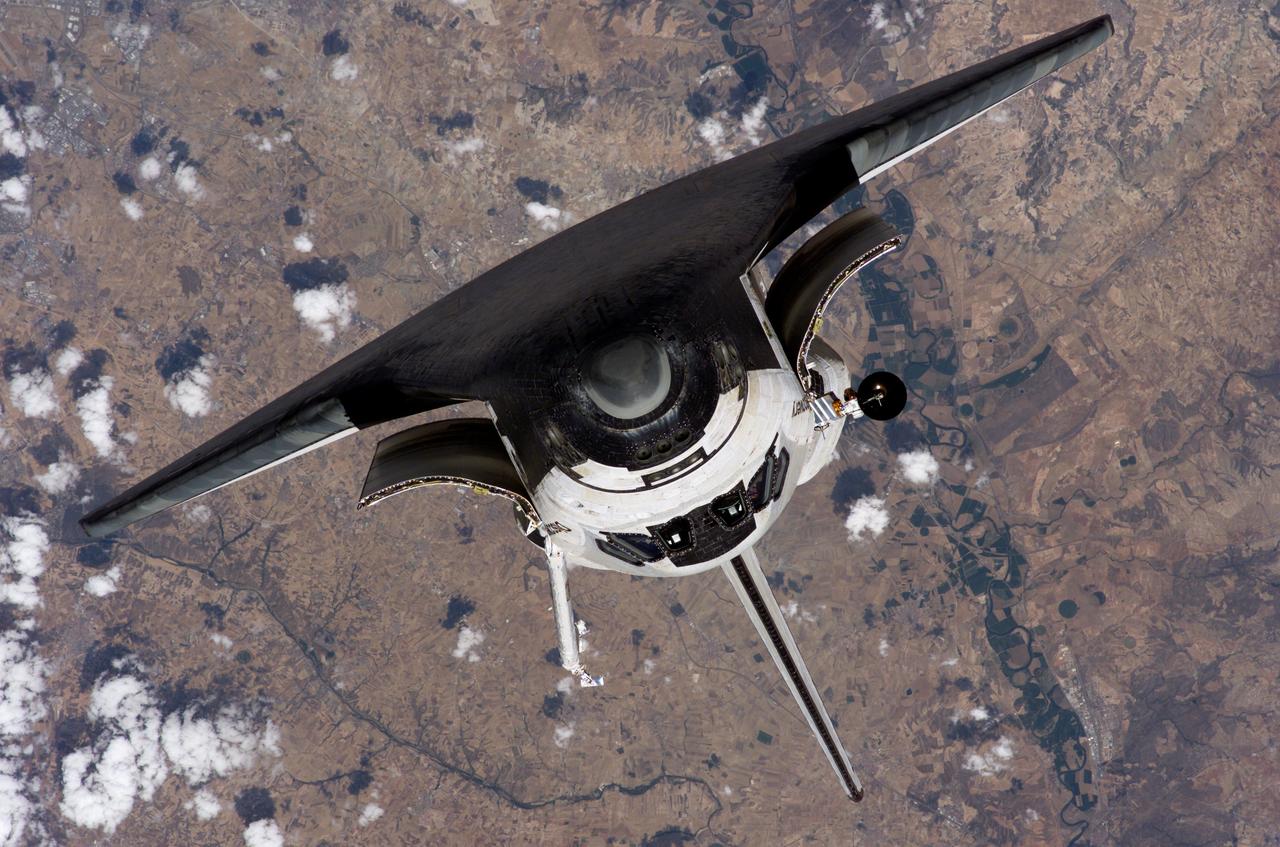
ISS013-E-48791 (6 July 2006)  --- The Space Shuttle Discovery approaches the International Space Station for docking but before the link-up occurred, the orbiter "posed" for a thorough series of inspection photos. Discovery docked at the station's Pressurized Mating Adapter 2 at 9:52 a.m. CDT, July 6, 2006.
Discovery approaching the ISS for docking during the STS-121 mission
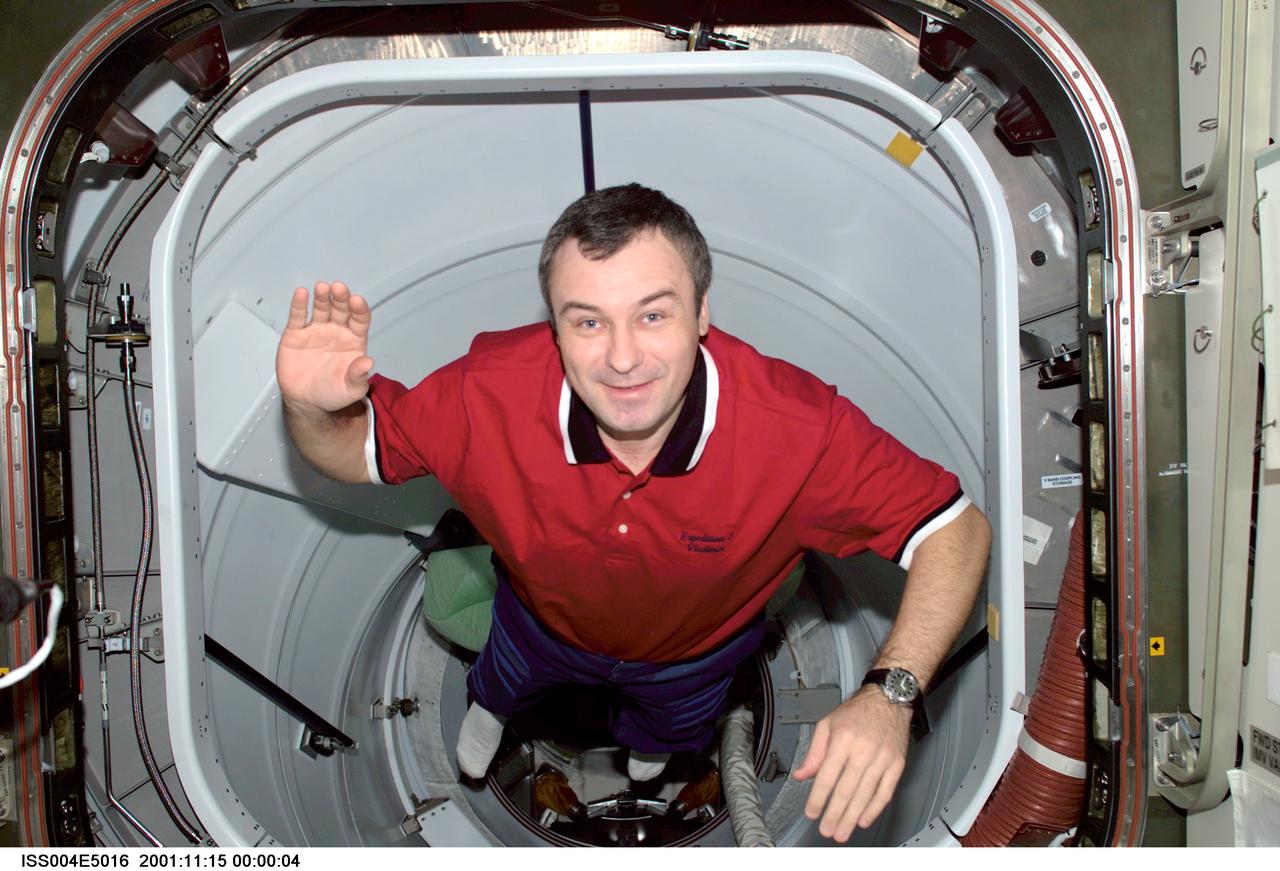
ISS004-E-5016 (December 2001) --- Cosmonaut Vladimir N. Dezhurov, Expedition Three flight engineer, floats through the Pressurized Mating Adapter 2 (PMA-2) on the International Space Station (ISS). A crewmate in the Destiny laboratory captured the image on a digital still camera.
Vladimir Dezhurov smiles for the camera from PMA 2 during Expedition Three / Four
STS106-319-013 (8-20 September 2000) --- Astronauts Daniel C. Burbank (left) and Edward T. Lu, both mission specialists, work near the Pressurized Mating Adapter (PMA1) hatch between Unity node and the functional cargo block (FGB) or Zarya on the International Space Station (ISS).
MS Burbank and MS Lu work in PMA1 during STS-106
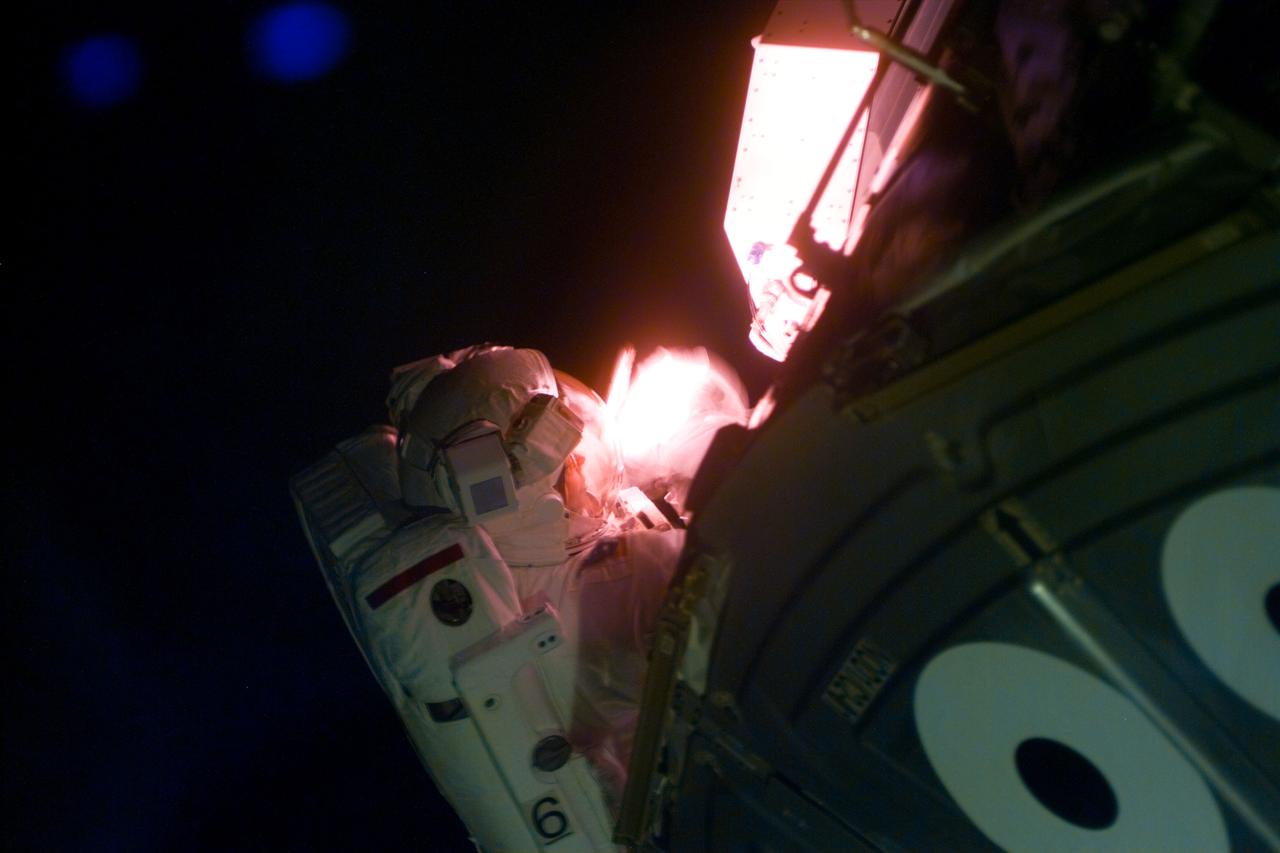
S88-E-5093 (12-09-98) --- Astronaut Jerry L. Ross, mission specialist, requires artificial light to work during the second STS-88 space walk.  Part of a pressurized mating adapter (PMA) is in the foreground.  The photo was taken with an electronic still camera (ESC) at  23:49:36 GMT, Dec. 9.
Ross during EVA 2
ISS013-E-48792 (6 July 2006) --- The Space Shuttle Discovery approaches the International Space Station for docking, but before the link-up occurred the orbiter "posed" for a thorough series of inspection photos. Discovery docked at the station's Pressurized Mating Adapter-2 at 9:52 a.m. (CDT), July 6, 2006.
Discovery approaching the ISS for docking during the STS-121 mission
STS98-E-5191 (12 February 2001) --- Astronaut Robert L. Curbeam, STS-98 mission specialist, is pictured near Pressurized Mating Adapter (PMA-3) during the second of three scheduled space walks on 5a. The scene was recorded with a digital still camera.
MS Curbeam during EVA on PMA-3 with PFR
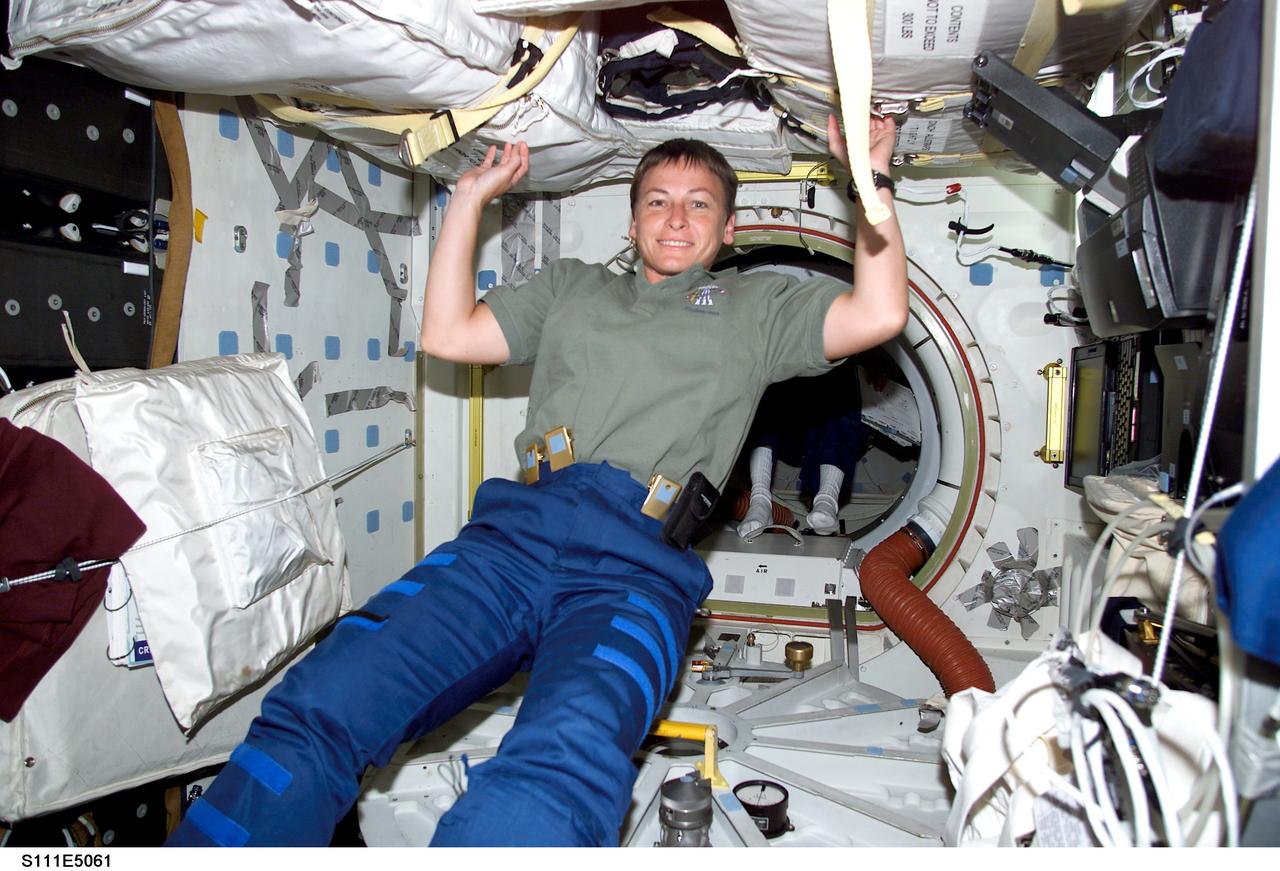
STS111-E-5061 (7 June 2002) --- Astronaut Peggy A. Whitson is pictured as she passes into the Pressurized Mating Adapter (PMA-2) on board the International Space Station (ISS).  She is beginning this week to serve a lengthy tour of duty as flight engineer for the fifth crew to live and work aboard the orbiting outpost.
Whitson in PMA 2 on the ISS during STS-111 UF-2 cargo transfer OPS
ISS016-E-006573 (28 Oct. 2007) --- Space Shuttle Discovery, docked to the Pressurized Mating Adapter (PMA-2) on the International Space Station, is featured in this image photographed by a spacewalker during the second session of extravehicular activity (EVA) for the STS-120 mission.
STS-120 Shuttle Discovery during Expedition 16 / STS-120 Joint Operations
S104-E-5041 (14 July 2001) --- Expedition Two crewmembers Yury V. Usachev of Rosaviakosmos, mission commander, and James S.  Voss, flight engineer, greet the STS-104 crew with smiles when the hatch to Pressurized Mating Adapter 2 (PMA2) was opened for the STS-104 ingress.
Expedition Two crew greet STS-104 crew at PMA-2 hatch
STS110-E-5071 (9 April 2002) --- During the docking approach of the Space Shuttle Atlantis to the International Space Station (ISS), a STS-110 crewmember photographed this close-up view of the station with a digital still camera. As Atlantis approached the Pressurized Mating Adapter (PMA-2) of the ISS, the Quest Airlock was visible on the right in this picture.
Forward view of the ISS taken during STS-110's docking approach
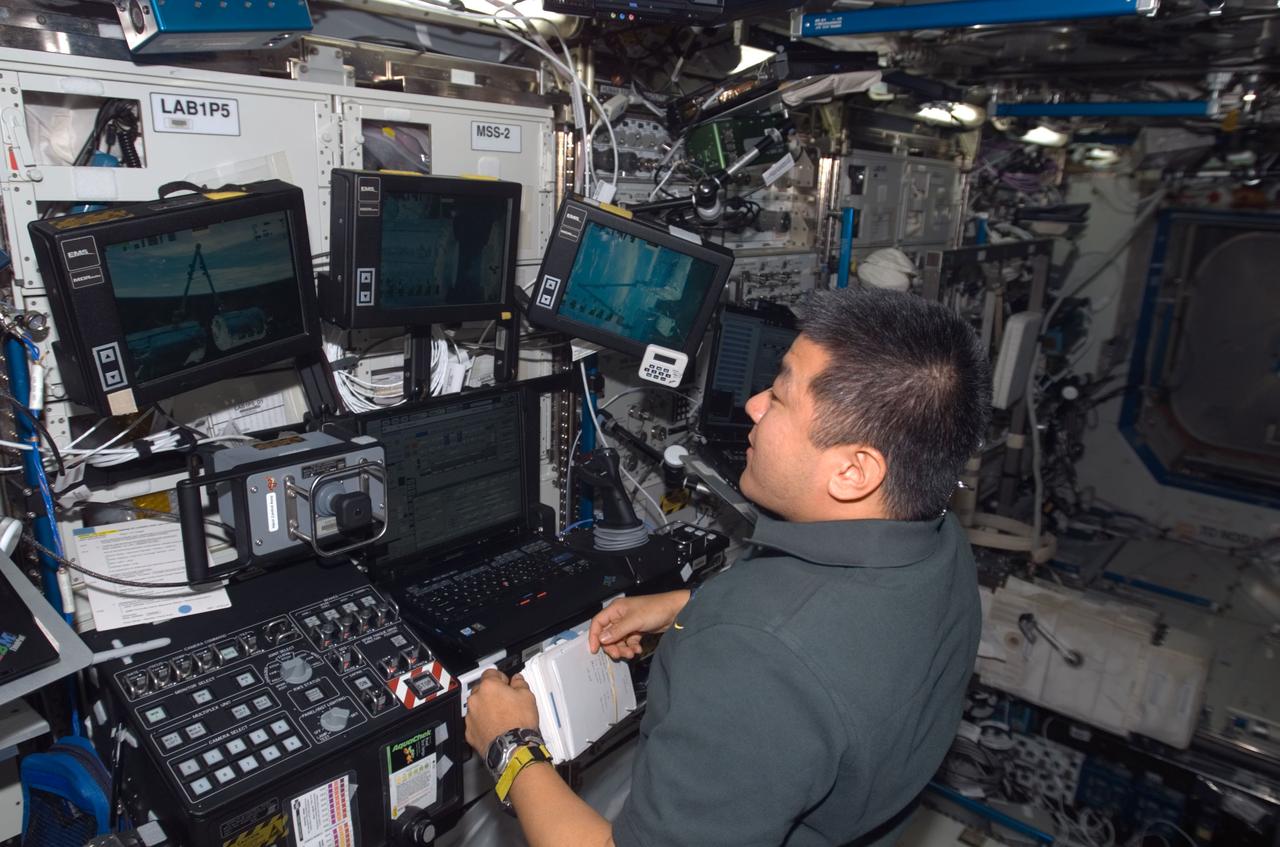
ISS016-E-011253 (14 Nov. 2007) --- Astronaut Daniel Tani, Expedition 16 flight engineer, works the controls of the space station's robotic Canadarm2 in the Destiny laboratory of the International Space Station, during the relocation of the Harmony node and Pressurized Mating Adapter 2 (PMA2) from the Unity node to the front of Destiny.
Tani in the U.S. Laboratory during Node 2/PMA-2 Relocation
S130-E-006903 (10 Feb. 2010) --- NASA astronaut Robert Behnken, STS-130 mission specialist, floats through the Pressurized Mating Adapter 2 (PMA-2) of the International Space Station from the docked space shuttle Endeavour.
Behnken in PMA-2
STS98-E-5192 (12 February 2001) --- Astronaut Robert L. Curbeam, STS-98 mission specialist, is pictured near Pressurized Mating Adapter (PMA-3) during the second of three scheduled space walks on 5a. The scene was recorded with a digital still camera.
MS Curbeam during EVA on PMA-3 with PFR
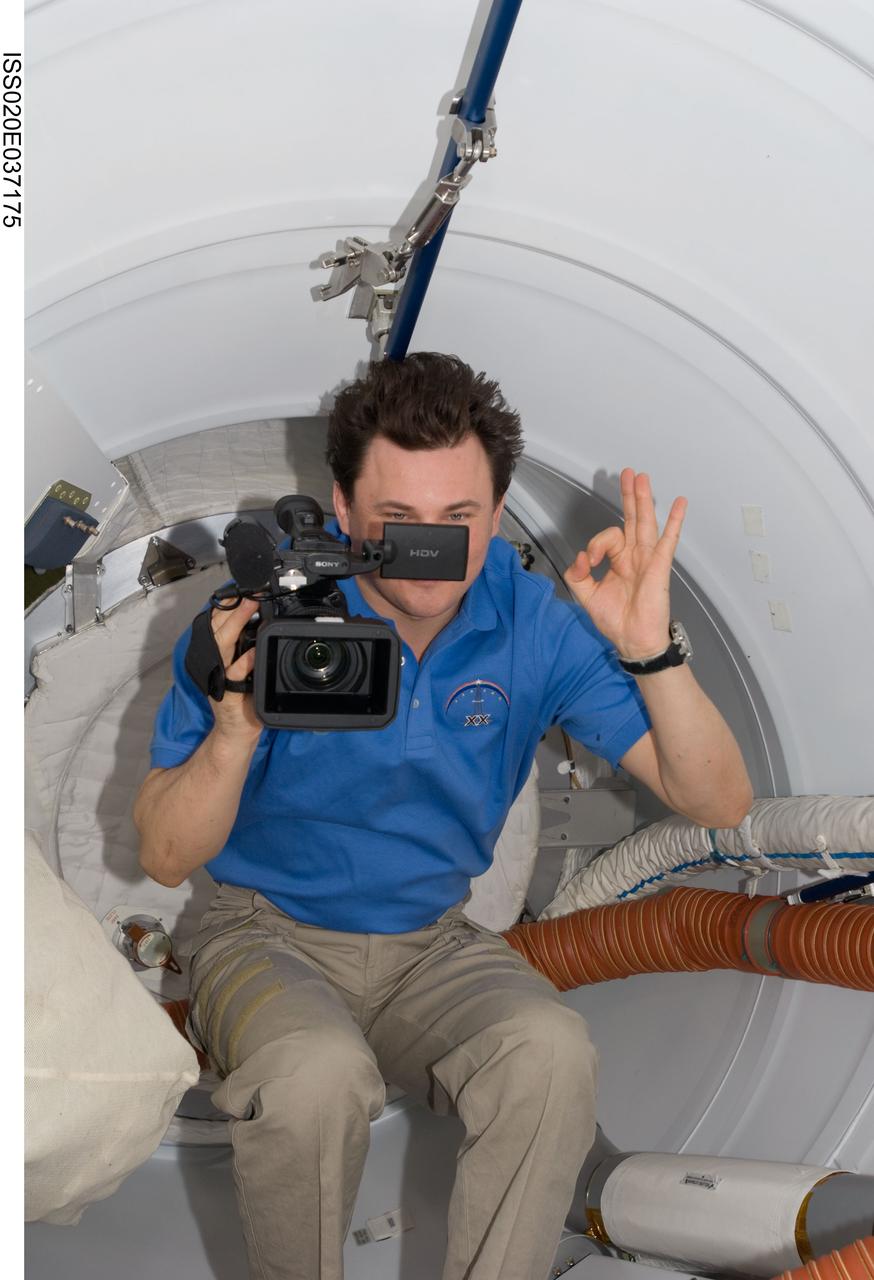
ISS020-E-037175 (30 Aug. 2009) --- Russian cosmonaut Roman Romanenko, Expedition 20 flight engineer, uses a High Definition Video (HDV) camera in the Pressurized Mating Adapter 2 (PMA-2) of the International Space Station while Space Shuttle Discovery (STS-128) remains docked with the station.
Romanenko in front of PMA2 hatch
STS100-E-5283 (23 April 2001) --- Astronaut James S. Voss, Expedition Two flight engineer, peers into the Pressurized Mating Adapter (PMA-2) prior to hatch opening. The picture was taken with a digital still camera by one of the STS-100 crew members in the PMA.  Photo credit: NASA
Expedition Two's Jim Voss looks through the PMA2 window minutes before the STS-100 ingress
JSC2007-E-099881 (November 2007) --- Computer-generated artist's rendering of the 10A stage configuration of the International Space Station as of Nov. 12, 2007. Pressurized Mating Adapter (PMA-2) is relocated from the front of the Destiny laboratory to the port side of the Harmony node.
Current Configuration of the ISS for use on HSF website
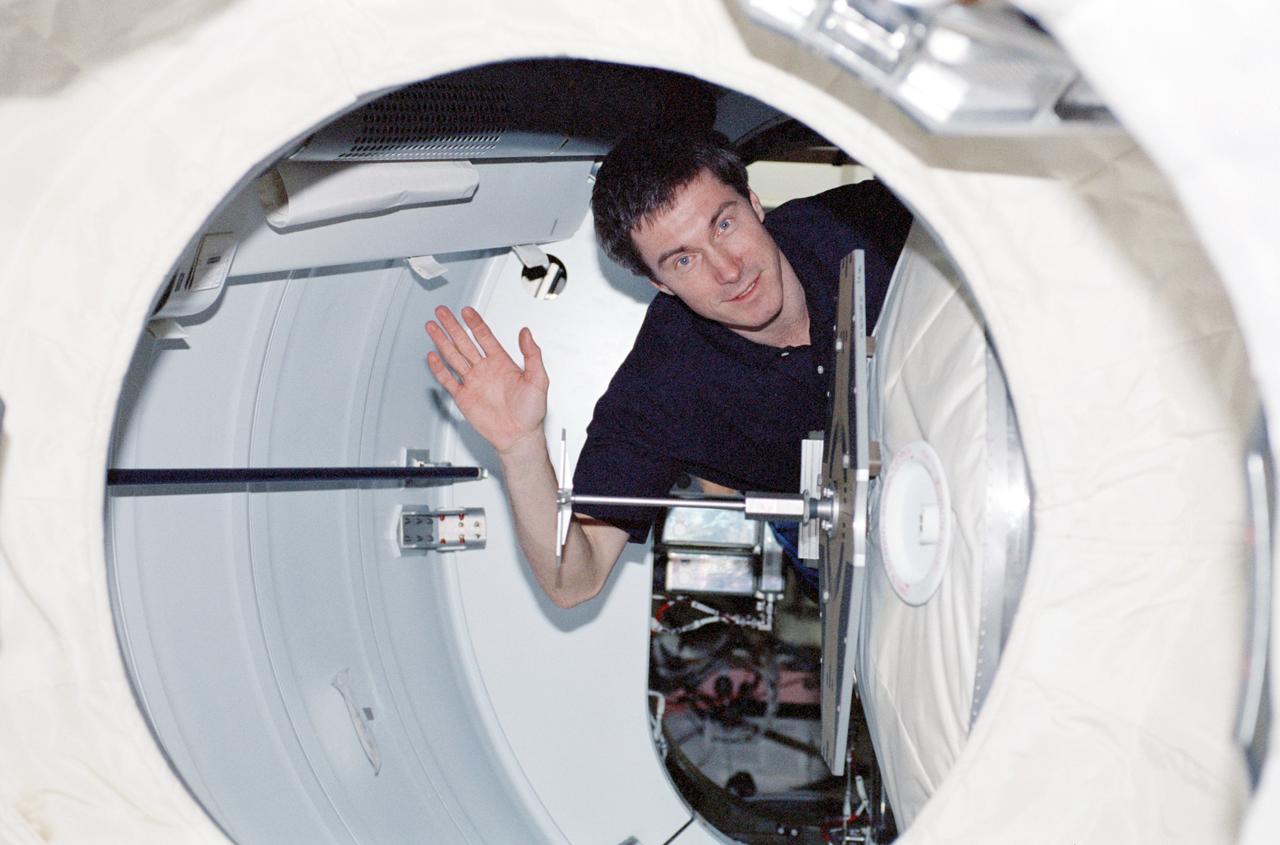
STS098-355-017 (7-20 February 2001) --- Cosmonaut Sergei K. Krikalev, Expedition One flight engineer, waves as he moves the hatch of the Pressurized Mating Adapter (PMA) leading to the Space Shuttle Atlantis. Krikalev represents Rosaviakosmos.
Krikalev in PMA
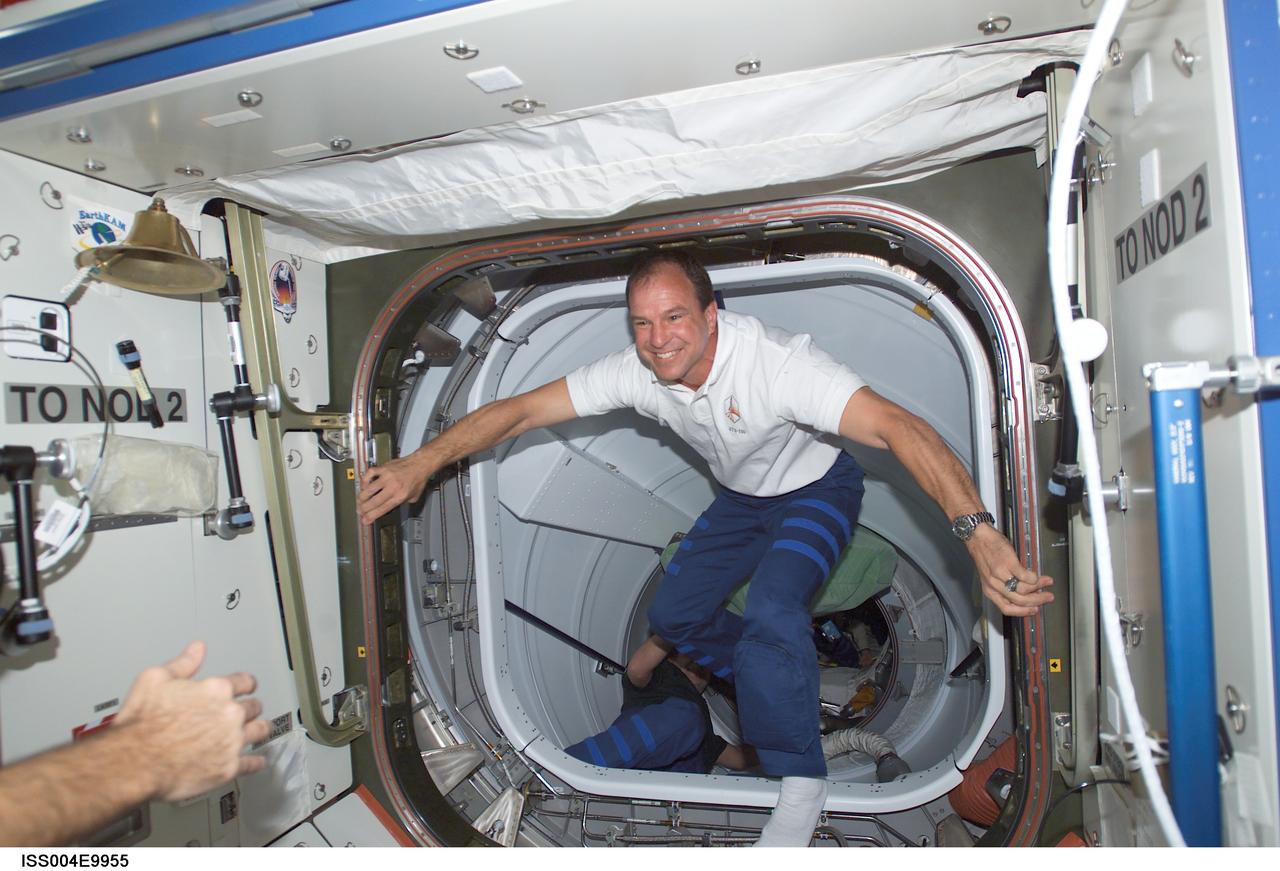
ISS004-E-9955 (10 April 2002) --- Astronaut Michael J. Bloomfield, STS-110 mission commander, steps into the Destiny laboratory on the International Space Station (ISS) through the Pressurized Mating Adapter 2 (PMA-2) upon docking of the Space Shuttle Atlantis and the station.
STS-110 Commander Bloomfield enters U.S. Lab from PMA 2 during Expedition Four
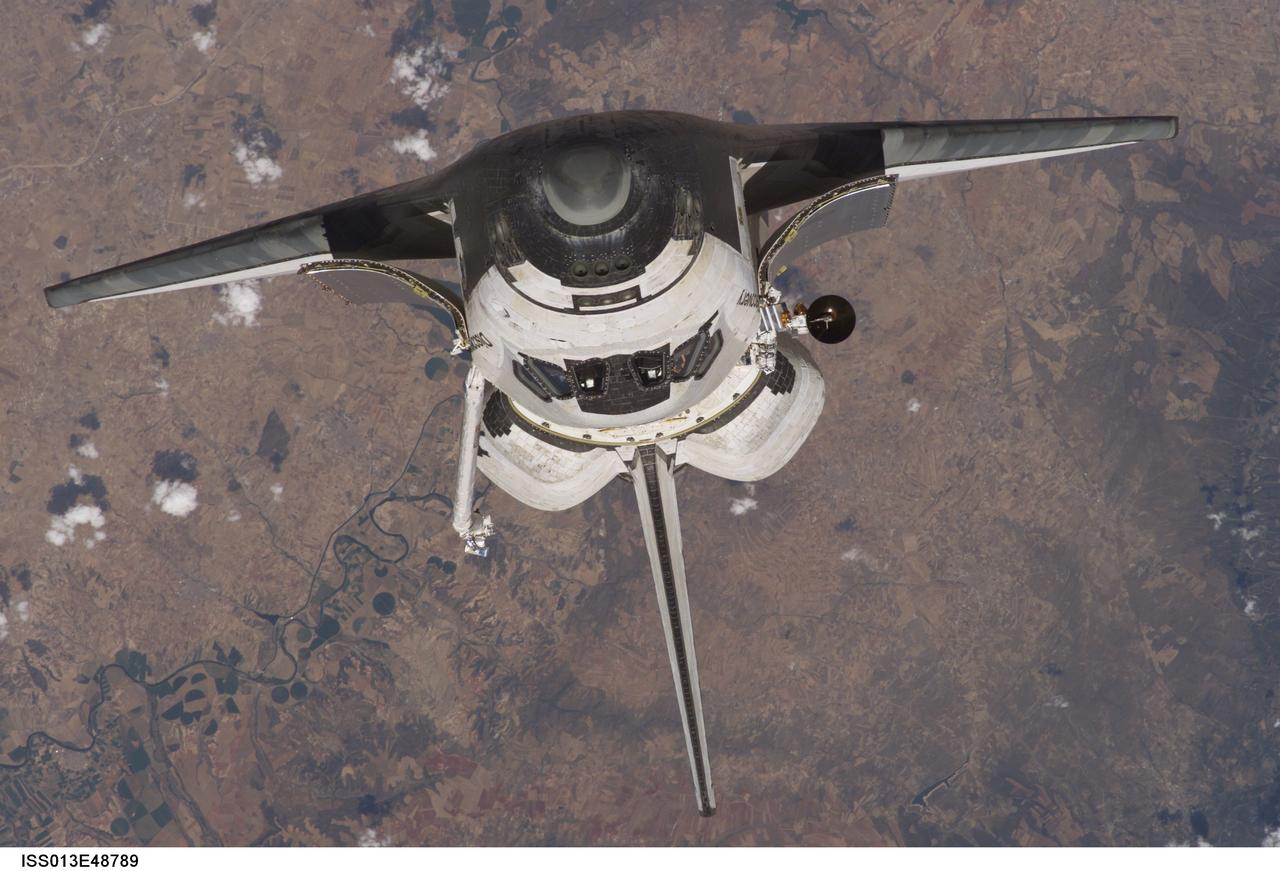
ISS013-E-48789 (6 July 2006)  --- The Space Shuttle Discovery approaches the International Space Station for docking but before the link-up occurred, the orbiter "posed" for a thorough series of inspection photos.  Discovery docked at the station's Pressurized Mating Adapter 2 at 9:52 a.m. CDT, July 6, 2006.
Discovery approaching the ISS for docking during the STS-121 mission
ISS016-E-032993 (18 March 2008) --- Space Shuttle Endeavour, docked to the Pressurized Mating Adapter (PMA-2) on the International Space Station, is featured in this image photographed by a crewmember during the STS-123 mission's third planned session of extravehicular activity (EVA). The newly installed Japanese Logistics Module - Pressurized Section (JLP) is visible at top right. The JLP is the first pressurized component of the Japan Aerospace Exploration Agency's Kibo laboratory and the newest component of the station.
Endeavour during Expedition 16/STS-123 EVA 3
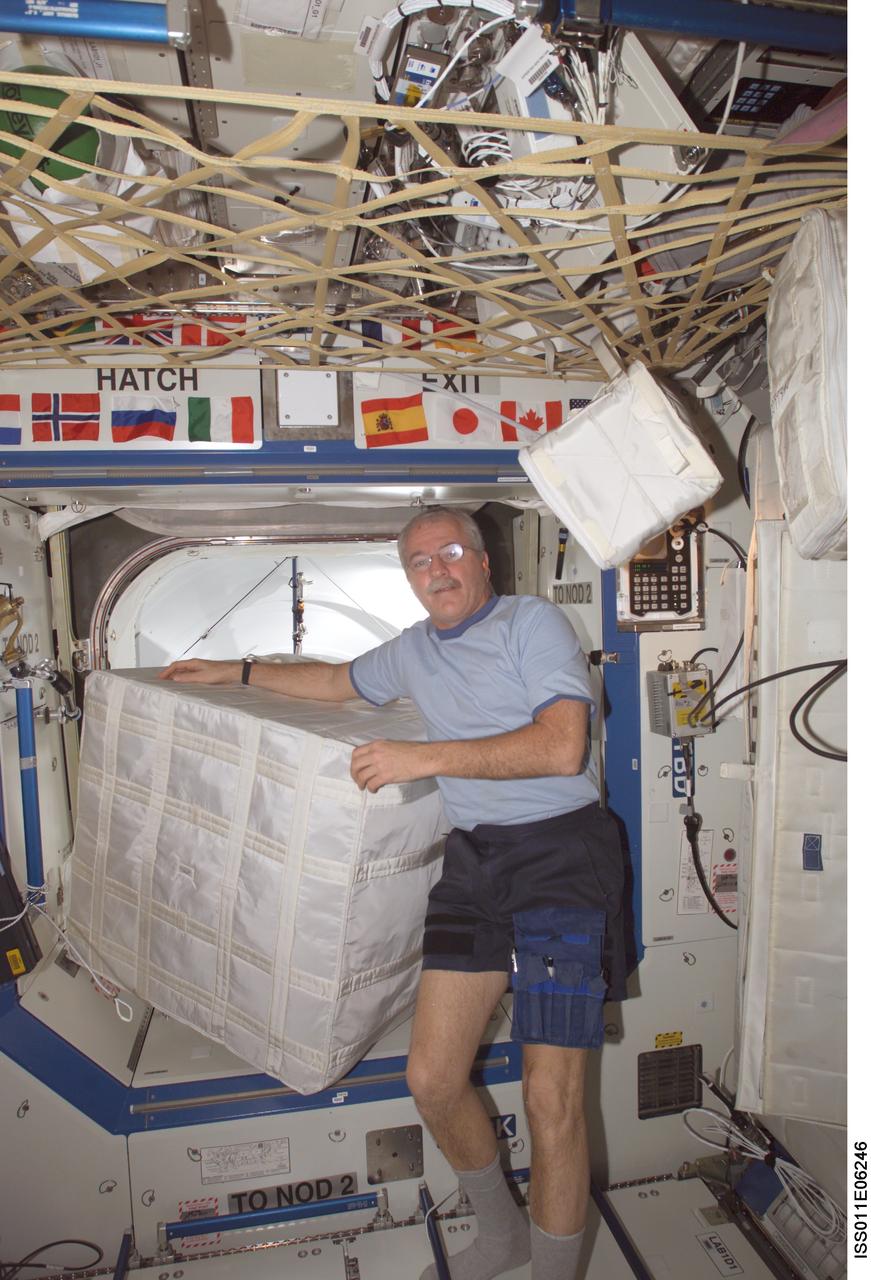
ISS011-E-06246 (18 May 2005) --- Astronaut John L. Phillips, Expedition 11 NASA ISS science officer and flight engineer, moves un-stowed cargo from the PMA-2 (Pressurized Mating Adapter-2) in preparation for the scheduled docking of the Space Shuttle Discovery. Phillips is in the Destiny laboratory of the International Space Station (ISS) with the hatch leading to the adapter in the background.
Phillips removes stowage from PMA2
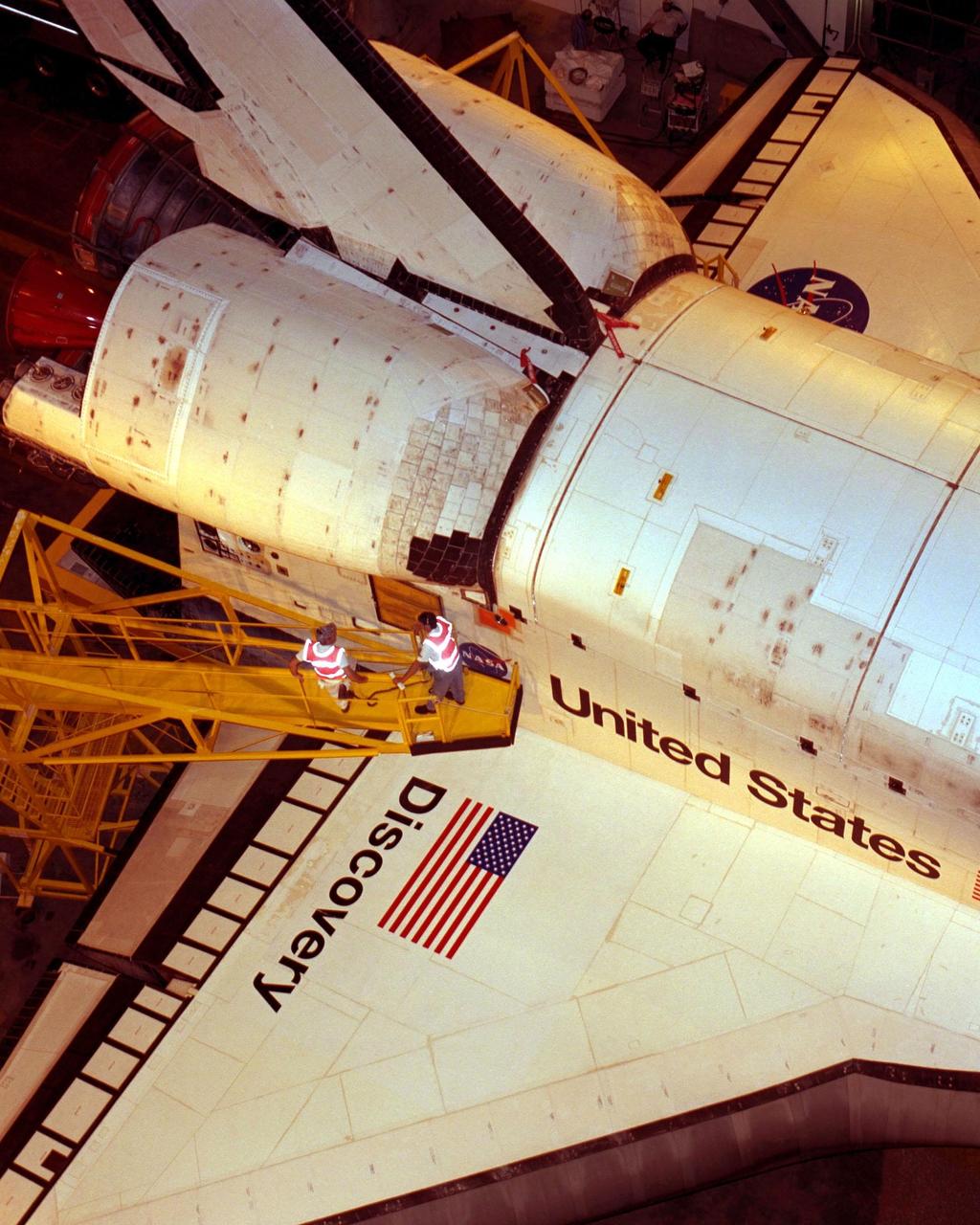
KENNEDY SPACE CENTER, FLA. -- The orbiter Discovery is in the transfer aisle of the Vehicle Assembly Building where workers on scaffolding look it over. The orbiter will be lifted and transferred to high bay 3 to be mated to an external tank and solid rocket boosters. Discovery is scheduled to launch Oct. 5 at 9:30 p.m. EDT on mission STS-92, delivering two elements of the International Space Station: the Z-1 truss and Pressurized Mating Adapter-3. The launch will be the 100th flight in the Shuttle program
KSC00pp1205
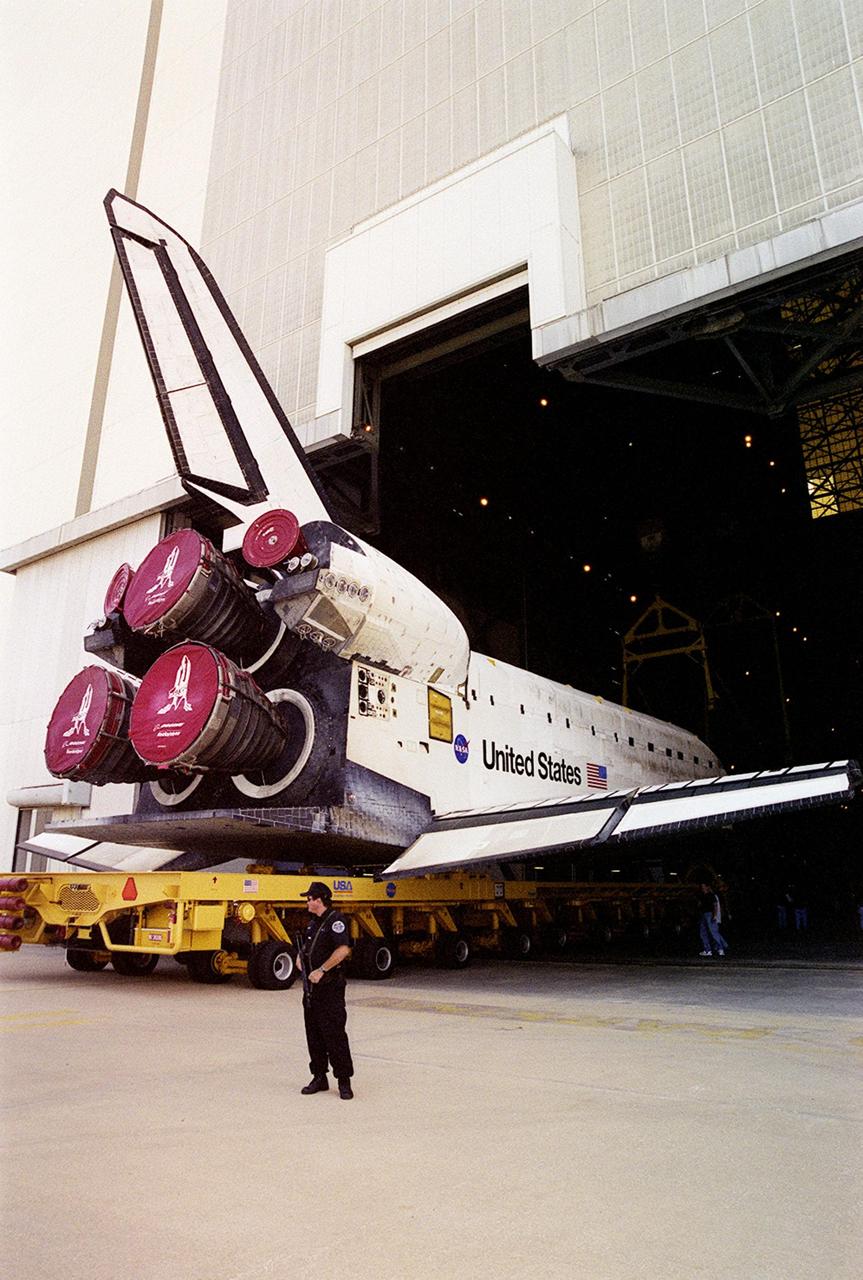
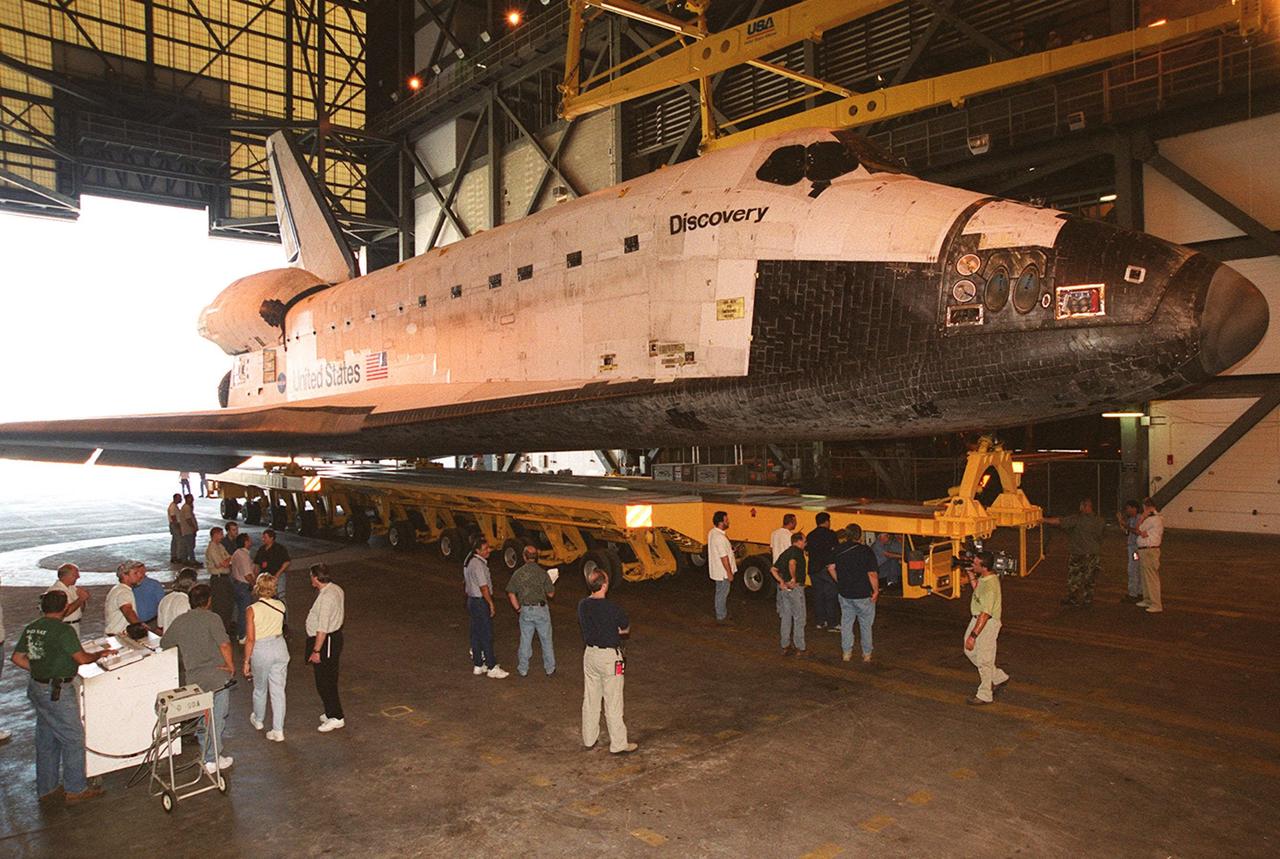
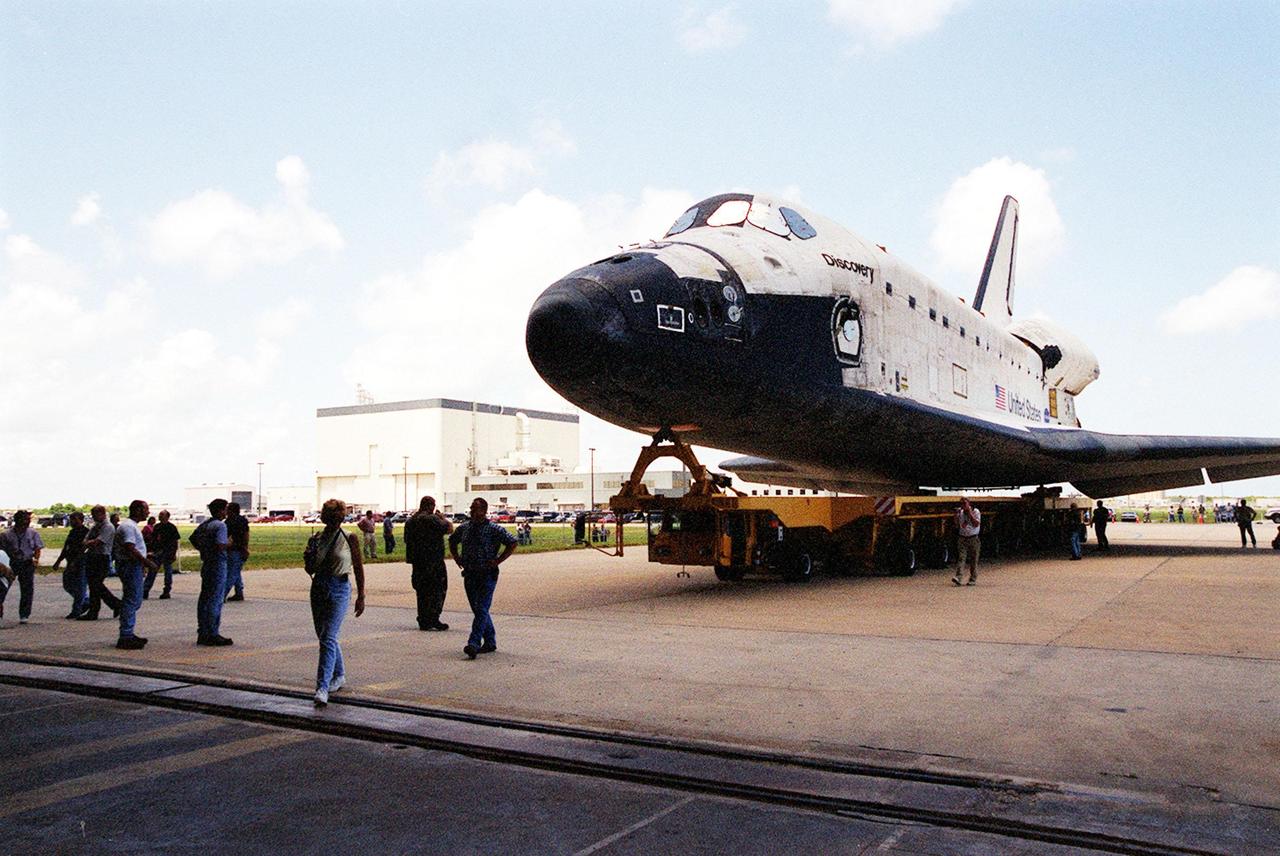
KENNEDY SPACE CENTER, FLA. -- The orbiter Discovery rolls into the Vehicle Assembly Building where it will be mated with its external tank and solid rocket boosters. Discovery is scheduled to launch Oct. 5 at 9:30 p.m. EDT on mission STS-92, delivering two elements of the International Space Station: the Z-1 truss and Pressurized Mating Adapter-3. The launch will be the 100th flight in the Shuttle program
KSC-00pp1203
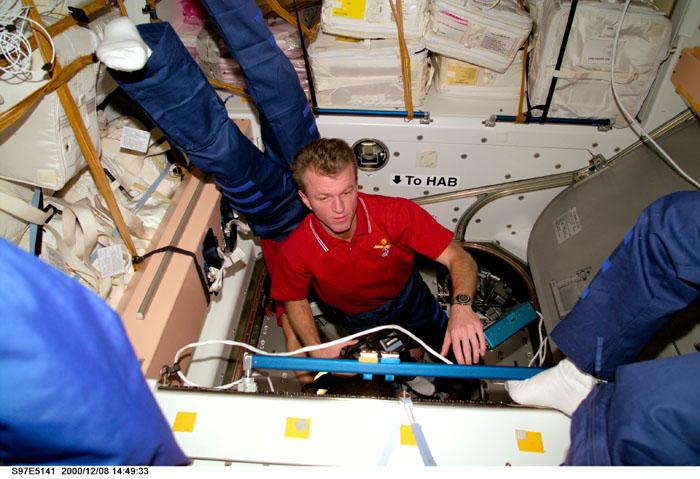
S97-E-5141 (8 December 2000)  --- Astronaut Brent W. Jett, Jr., passes another astronaut going the opposite direction in the hatchway that leads from Unity to Pressurized Mating Adapter-3 (PMA-3), which leads to Endeavour.  Jett, the STS-97 mission commander, and his four crew mates went into the International Space Station (ISS) following hatch opening.  The photograph was taken with a digital still camera.
Jett enters ISS
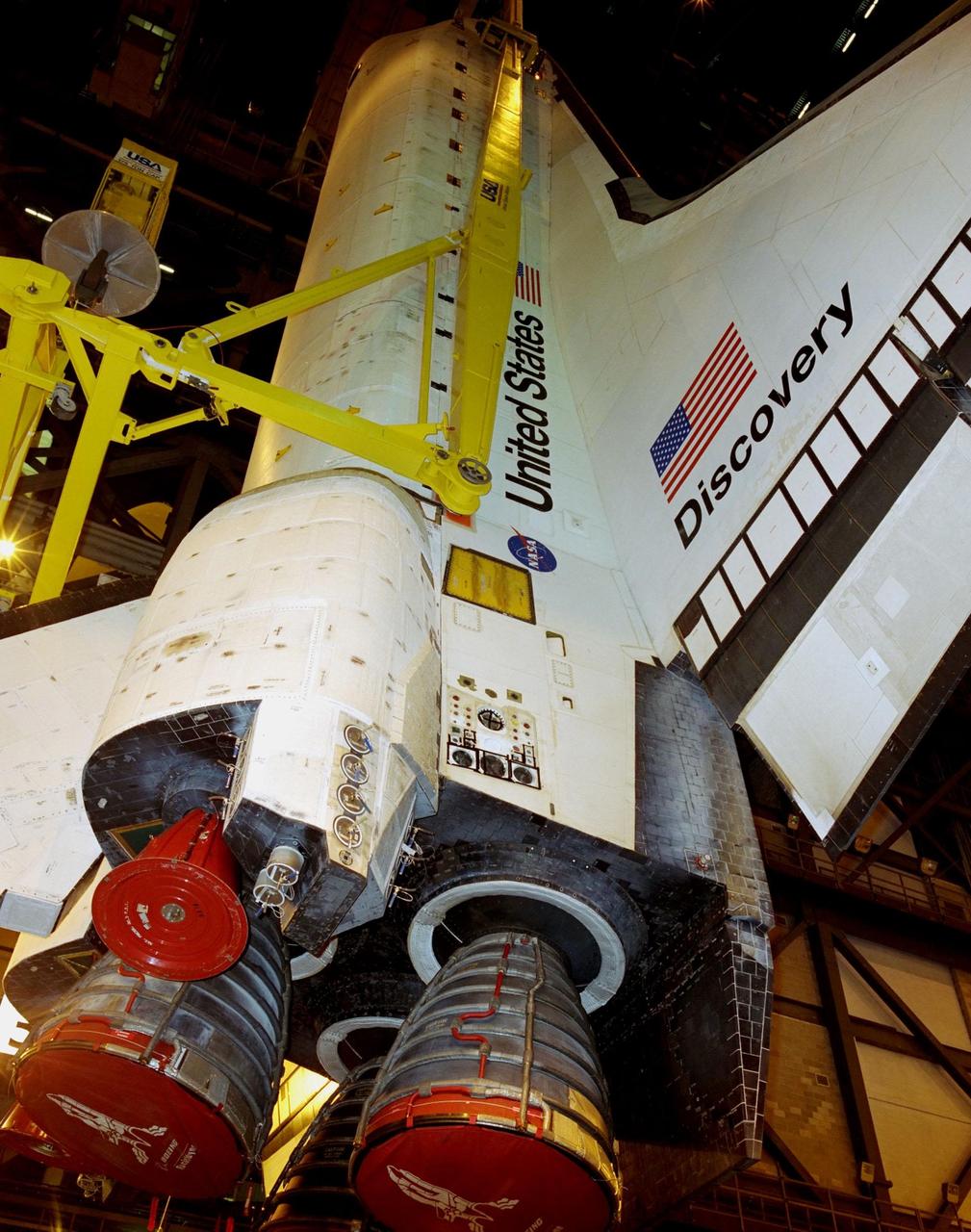
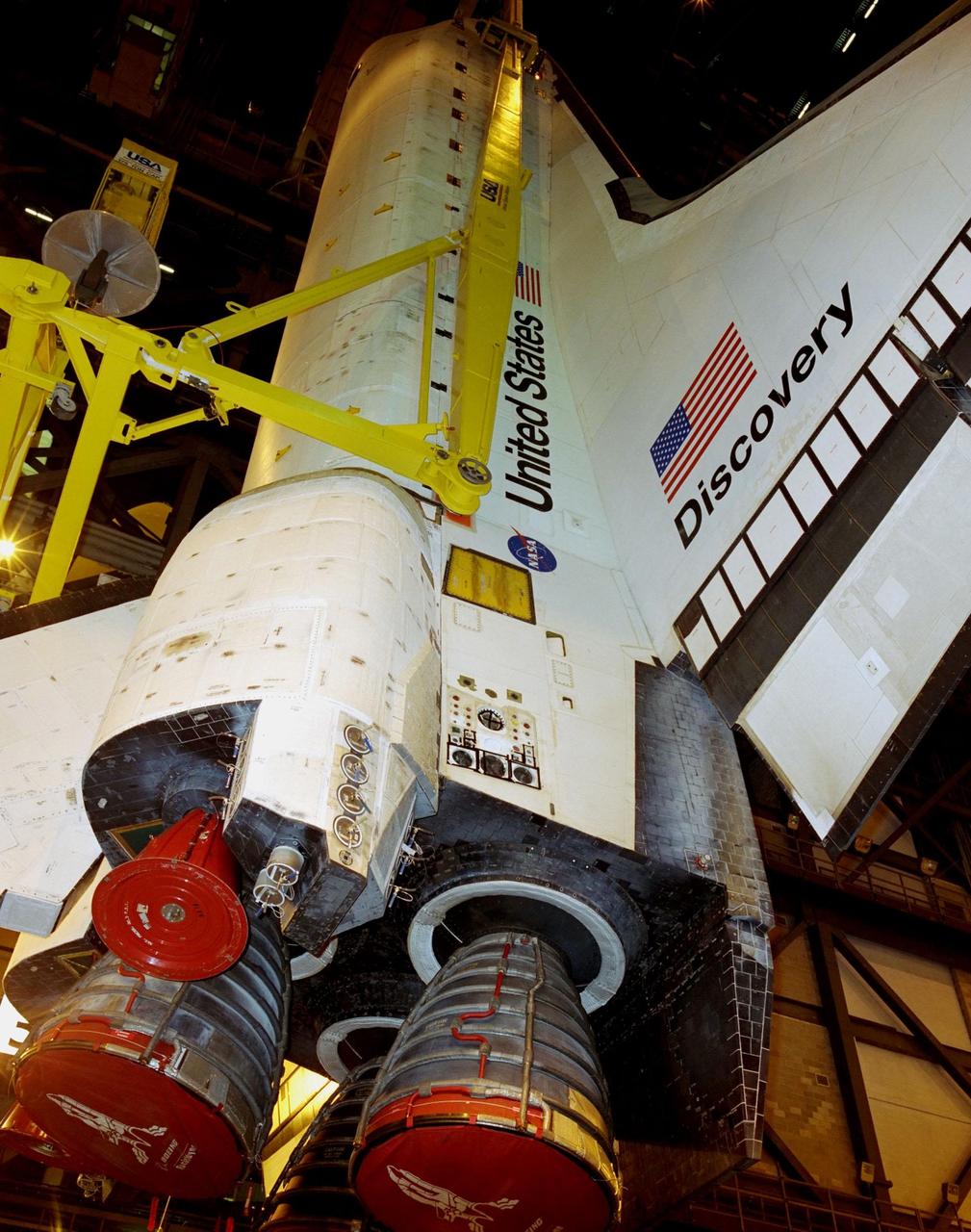
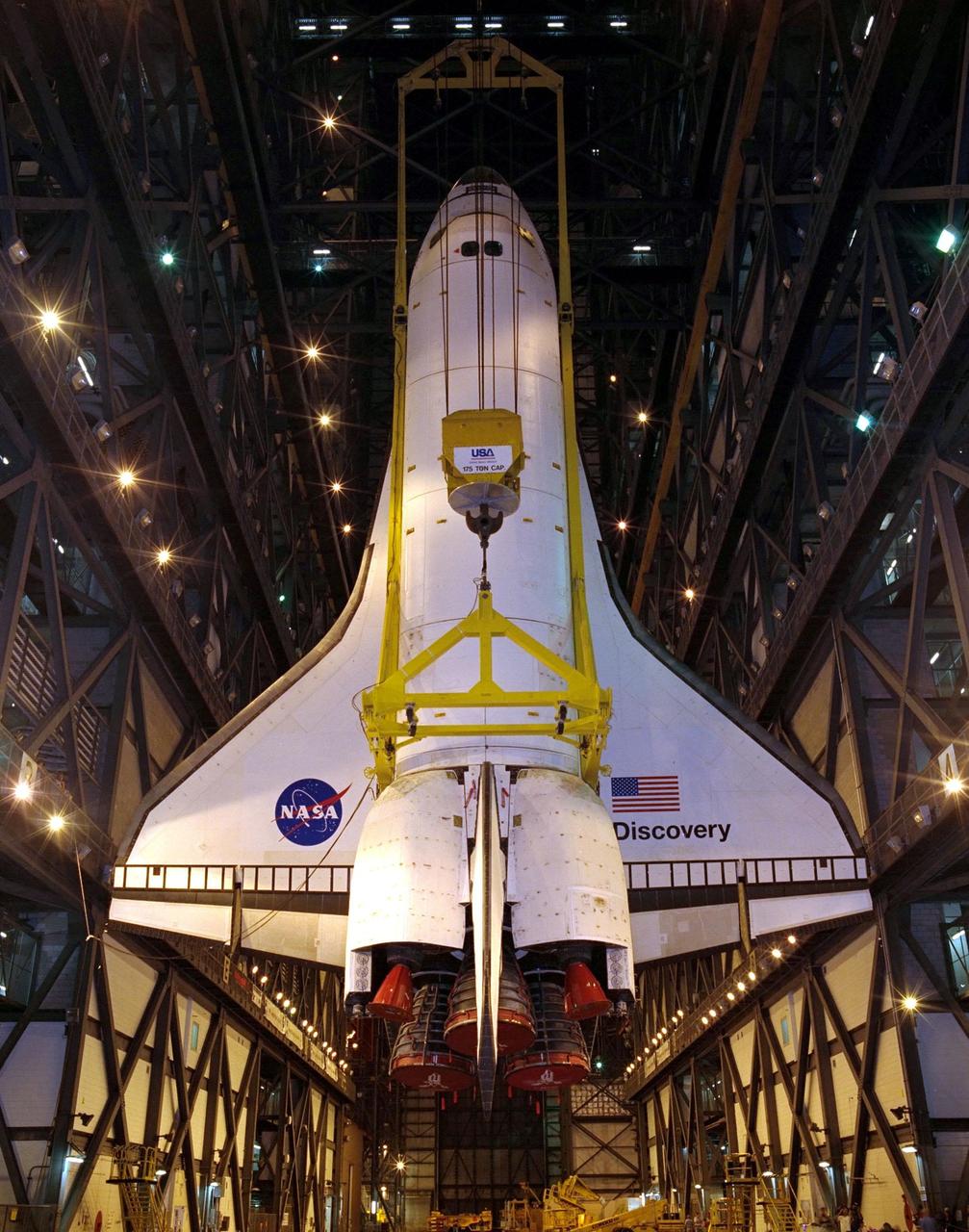
KENNEDY SPACE CENTER, FLA. -- The orbiter Discovery is viewed from below as it is lifted in the transfer aisle of the Vehicle Assembly Building. The orbiter will be transferred to high bay 3 to be mated to an external tank and solid rocket boosters. Discovery is scheduled to launch Oct. 5 at 9:30 p.m. EDT on mission STS-92, delivering two elements of the International Space Station: the Z-1 truss and Pressurized Mating Adapter-3. The launch will be the 100th flight in the Shuttle program
KSC00pp1208
KENNEDY SPACE CENTER, FLA. -- In the transfer aisle of the Vehicle Assembly Building, an overhead crane begins to turn the orbiter Discovery slightly before its transfer to high bay 3. There Discovery will be mated to an external tank and solid rocket boosters. Discovery is scheduled to launch Oct. 5 at 9:30 p.m. EDT on mission STS-92, delivering two elements of the International Space Station: the Z-1 truss and Pressurized Mating Adapter-3. The launch will be the 100th flight in the Shuttle program
KSC-00pp1207
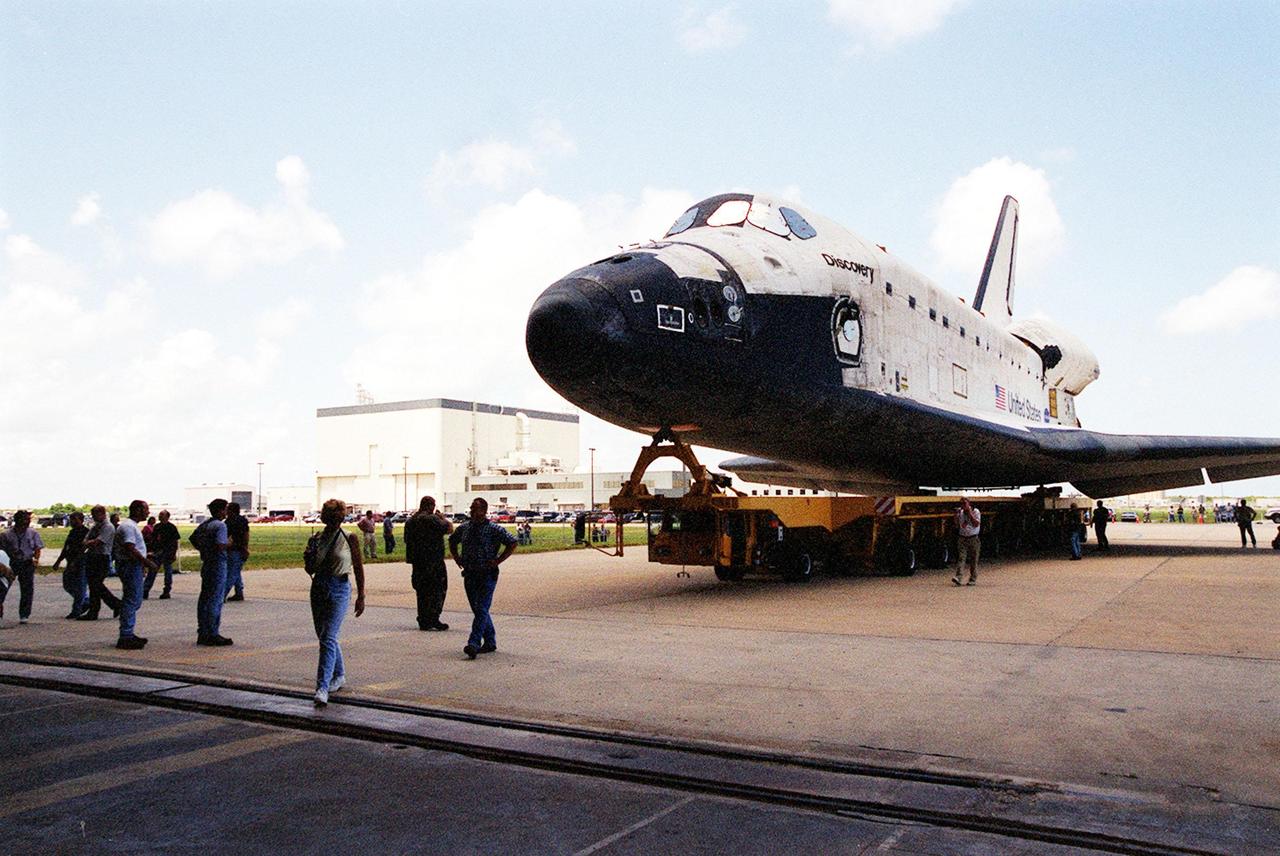
KENNEDY SPACE CENTER, FLA. -- Workers watch as the orbiter Discovery rolls backward out of the Orbiter Processing Facility bay 3 for transfer to the Vehicle Assembly Building, where it will be mated with its external tank and solid rocket boosters. Discovery is scheduled to launch Oct. 5 at 9:30 p.m. EDT on mission STS-92, delivering two elements of the International Space Station: the Z-1 truss and Pressurized Mating Adapter-3. The launch will be the 100th flight in the Shuttle program
KSC00pp1202
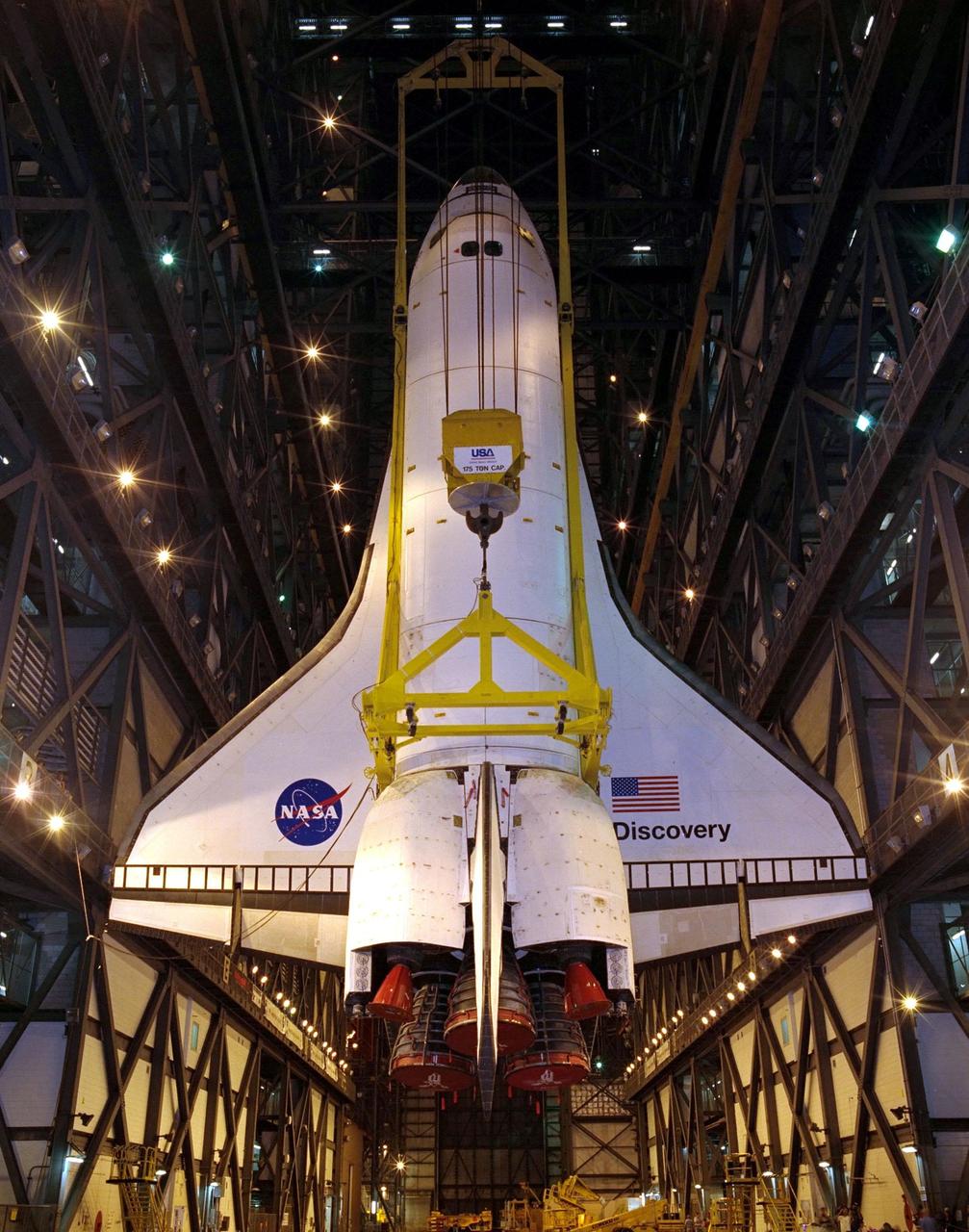
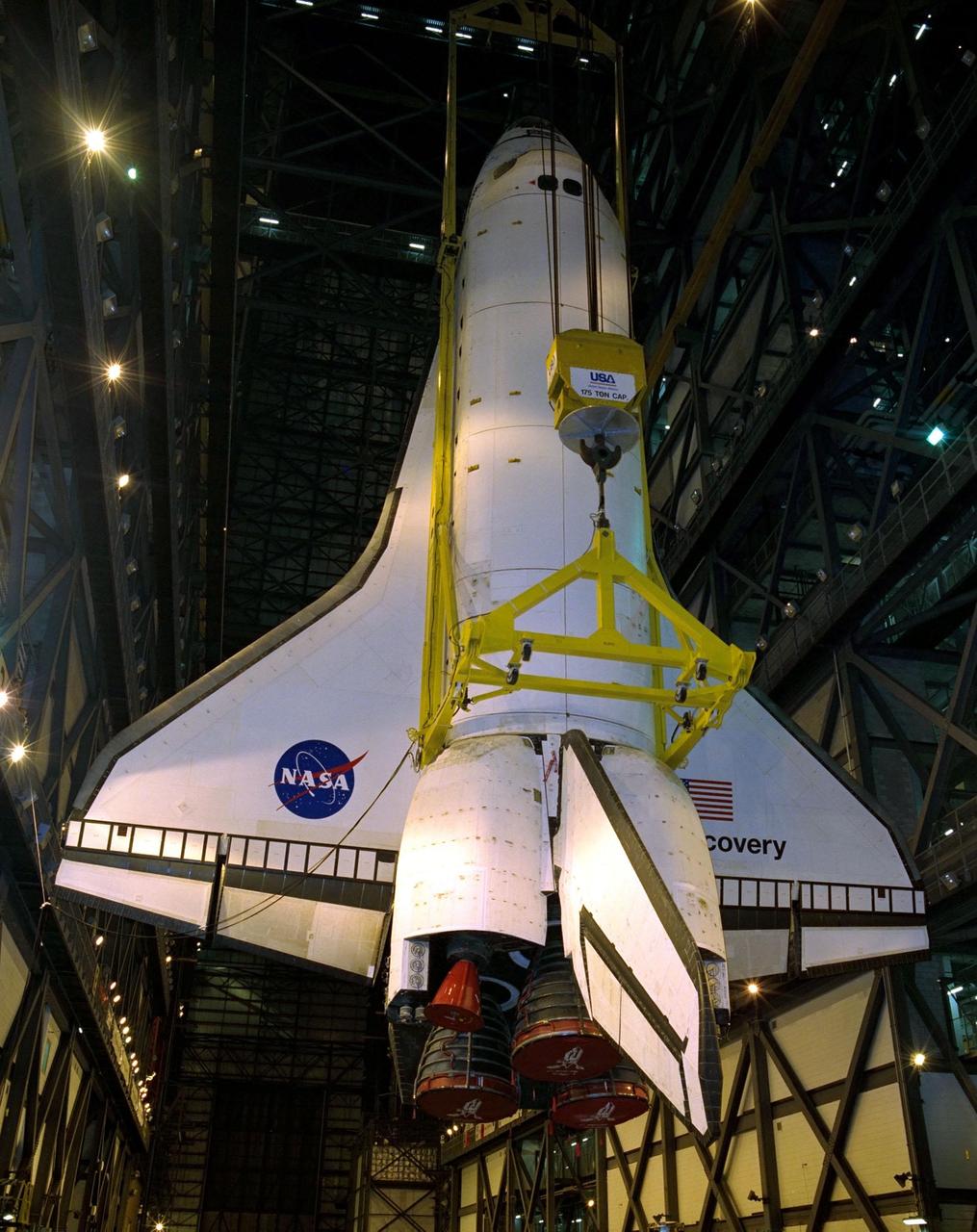
KENNEDY SPACE CENTER, FLA. -- In the transfer aisle of the Vehicle Assembly Building, an overhead crane suspends the orbiter Discovery in a vertical position before transfer to high bay 3 where it will be mated to an external tank and solid rocket boosters. Discovery is scheduled to launch Oct. 5 at 9:30 p.m. EDT on mission STS-92, delivering two elements of the International Space Station: the Z-1 truss and Pressurized Mating Adapter-3. The launch will be the 100th flight in the Shuttle program
KSC00pp1206
KENNEDY SPACE CENTER, FLA. -- The orbiter Discovery rolls into the Vehicle Assembly Building where it will be mated with its external tank and solid rocket boosters. Discovery is scheduled to launch Oct. 5 at 9:30 p.m. EDT on mission STS-92, delivering two elements of the International Space Station: the Z-1 truss and Pressurized Mating Adapter-3. The launch will be the 100th flight in the Shuttle program
KSC00pp1203
KENNEDY SPACE CENTER, FLA. -- In the transfer aisle of the Vehicle Assembly Building, an overhead crane suspends the orbiter Discovery in a vertical position before transfer to high bay 3 where it will be mated to an external tank and solid rocket boosters. Discovery is scheduled to launch Oct. 5 at 9:30 p.m. EDT on mission STS-92, delivering two elements of the International Space Station: the Z-1 truss and Pressurized Mating Adapter-3. The launch will be the 100th flight in the Shuttle program
KSC-00pp1206
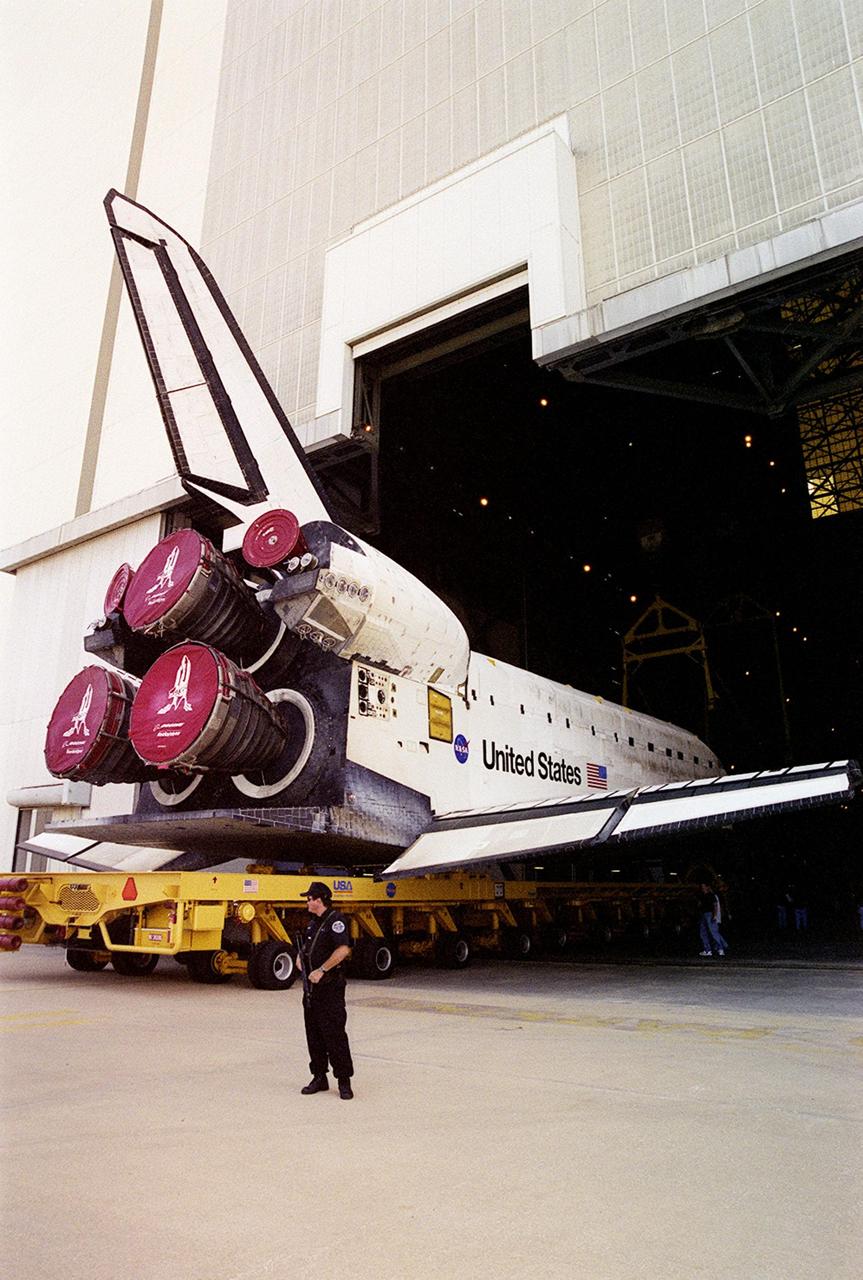
KENNEDY SPACE CENTER, FLA. -- The orbiter Discovery reaches its destination, the transfer aisle of the Vehicle Assembly Building. There it will be lifted to vertical , then raised and moved to high bay 3 for mating with the external tank and solid rocket boosters. Discovery is scheduled to launch Oct. 5 at 9:30 p.m. EDT on mission STS-92, delivering two elements of the International Space Station: the Z-1 truss and Pressurized Mating Adapter-3. The launch will be the 100th flight in the Shuttle program
KSC-00pp1204
STS98-E-5190 (12 February 2001) --- Astronaut Robert L. Curbeam, STS-98 mission specialist, waves to a crew mate inside the Space Shuttle Atlantis' crew cabin from his position near Pressurized Mating Adapter (PMA-3) during the second of three scheduled space walks on 5a. The scene was recorded with a digital still camera.
MS Curbeam during EVA on PMA-3
KENNEDY SPACE CENTER, FLA. -- The orbiter Discovery is in the transfer aisle of the Vehicle Assembly Building where workers on scaffolding look it over. The orbiter will be lifted and transferred to high bay 3 to be mated to an external tank and solid rocket boosters. Discovery is scheduled to launch Oct. 5 at 9:30 p.m. EDT on mission STS-92, delivering two elements of the International Space Station: the Z-1 truss and Pressurized Mating Adapter-3. The launch will be the 100th flight in the Shuttle program
KSC-00pp1205
KENNEDY SPACE CENTER, FLA. -- Unity connecting module, part of the International Space Station, awaits processing in the Space Station Processing Facility (SSPF). On the end at the right can be seen the Pressurized Mating Adapter 2, which provides entry into the module. The Unity, scheduled to be launched on STS-88 in December 1998, will be mated to the Russian-built Zarya control module which will already be in orbit. STS-88 will be the first Space Shuttle launch for the International Space Station
KSC-98pc993
KENNEDY SPACE CENTER, FLA. -- The orbiter Discovery is viewed from below as it is lifted in the transfer aisle of the Vehicle Assembly Building. The orbiter will be transferred to high bay 3 to be mated to an external tank and solid rocket boosters. Discovery is scheduled to launch Oct. 5 at 9:30 p.m. EDT on mission STS-92, delivering two elements of the International Space Station: the Z-1 truss and Pressurized Mating Adapter-3. The launch will be the 100th flight in the Shuttle program
KSC-00pp1208
KENNEDY SPACE CENTER, FLA. -- The Pressurized Mating Adapter (PMA)-2 for the International Space Station (ISS) is moved on an air pallet toward Node 1, the space station’s structural building block, in KSC’s Space Station Processing Facility. This PMA is a cone-shaped connector to Node 1, which will have two PMAs attached once PMA-2 is mated with the node. The node and PMAs, which together will make up the first element of the ISS, are scheduled to be launched aboard the Space Shuttle Endeavour on STS-88
KSC-98pc294
KENNEDY SPACE CENTER, FLA. -- The orbiter Discovery reaches its destination, the transfer aisle of the Vehicle Assembly Building. There it will be lifted to vertical , then raised and moved to high bay 3 for mating with the external tank and solid rocket boosters. Discovery is scheduled to launch Oct. 5 at 9:30 p.m. EDT on mission STS-92, delivering two elements of the International Space Station: the Z-1 truss and Pressurized Mating Adapter-3. The launch will be the 100th flight in the Shuttle program
KSC00pp1204
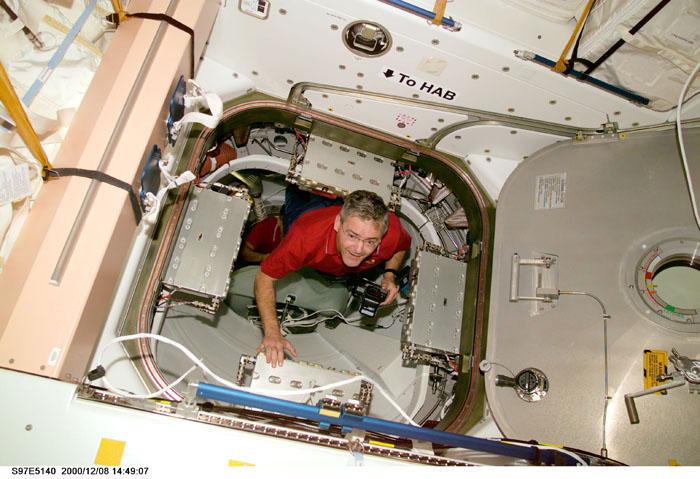
S97-E-5140 (8 December 2000)  --- Astronaut Marc Garneau, with a camera in hand, floats in the hatchway that leads from Unity to Pressurized Mating Adapter-3 (PMA-3), which leads to Endeavour. Garneau,  STS-97 mission specialist representing the Canadian Space Agency (CSA), and his four crew mates went into the International Space Station (ISS) following hatch opening.  The photograph was taken with a digital still camera.
Garneau enters ISS
KENNEDY SPACE CENTER, FLA. -- In the transfer aisle of the Vehicle Assembly Building, an overhead crane begins to turn the orbiter Discovery slightly before its transfer to high bay 3. There Discovery will be mated to an external tank and solid rocket boosters. Discovery is scheduled to launch Oct. 5 at 9:30 p.m. EDT on mission STS-92, delivering two elements of the International Space Station: the Z-1 truss and Pressurized Mating Adapter-3. The launch will be the 100th flight in the Shuttle program
KSC00pp1207
S88-E-5118 (12-10-98) --- The attire of Robert D. Cabana, left, and Sergei Krikalev stands out brightly against the whiteness of the pressurized mating adapter (PMA) connected to the Russian-built Zarya module.  Cabana, mission commander, and the mission specialist  representing the Russian Space Agency (RSA) were joined by crew mates on this day in installing needed equipment aboard Zarya and the U.S.-built Unity connecting module.  The photo was taken with an electronic still camera (ESC) at 21:14:41 GMT, Dec. 10.
Cabana and Krikalev prepare to open the hatch to the FGB/Zarya module
KENNEDY SPACE CENTER, FLA. -- Workers watch as the orbiter Discovery rolls backward out of the Orbiter Processing Facility bay 3 for transfer to the Vehicle Assembly Building, where it will be mated with its external tank and solid rocket boosters. Discovery is scheduled to launch Oct. 5 at 9:30 p.m. EDT on mission STS-92, delivering two elements of the International Space Station: the Z-1 truss and Pressurized Mating Adapter-3. The launch will be the 100th flight in the Shuttle program
KSC-00pp1202
The first of two Pressurized Mating Adapters, or  PMAs, for the International Space Station arrive in KSC’s Space Station Processing  Facility in July. A PMA is a cone-shaped connector that will be attached to Node 1, the  space station’s structural building block, during ground processing. The adapter will  house space station computers and various electrical support equipment and eventually  will serve as the passageway for astronauts between the node and the U.S-financed,  Russian-built Functional Cargo Block. Node 1 with two adapters attached will be the first  element of the station to be launched aboard the Space Shuttle Endeavour on STS-88 in  July 1998
KSC-97PC1139
The first of two Pressurized Mating Adapters, or  PMAs, for the International Space Station arrive in KSC’s Space Station Processing  Facility in July. A PMA is a cone-shaped connector that will be attached to Node 1, the  space station’s structural building block, during ground processing. The adapter will  house space station computers and various electrical support equipment and eventually  will serve as the passageway for astronauts between the node and the U.S-financed,  Russian-built Functional Cargo Block. Node 1 with two adapters attached will be the first  element of the station to be launched aboard the Space Shuttle Endeavour on STS-88 in  July 1998
KSC-97PC1140
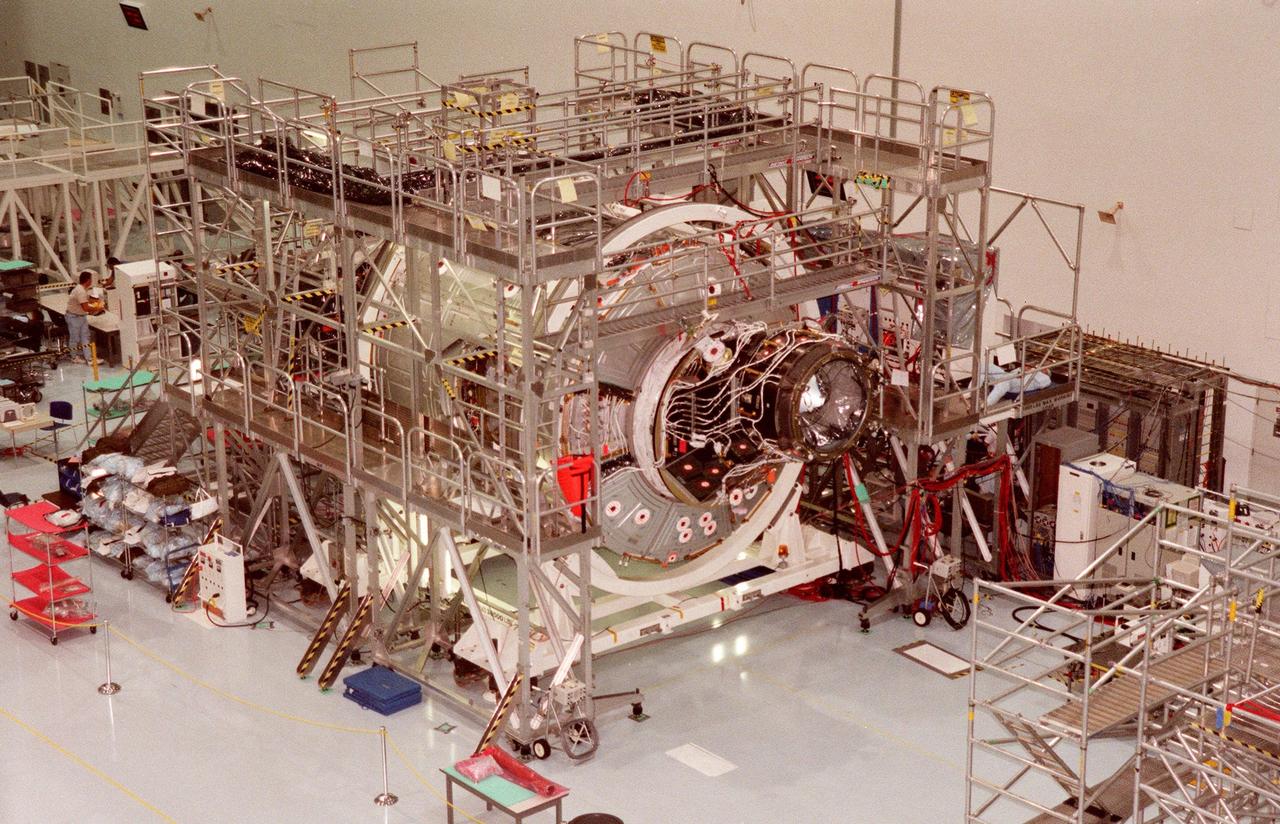
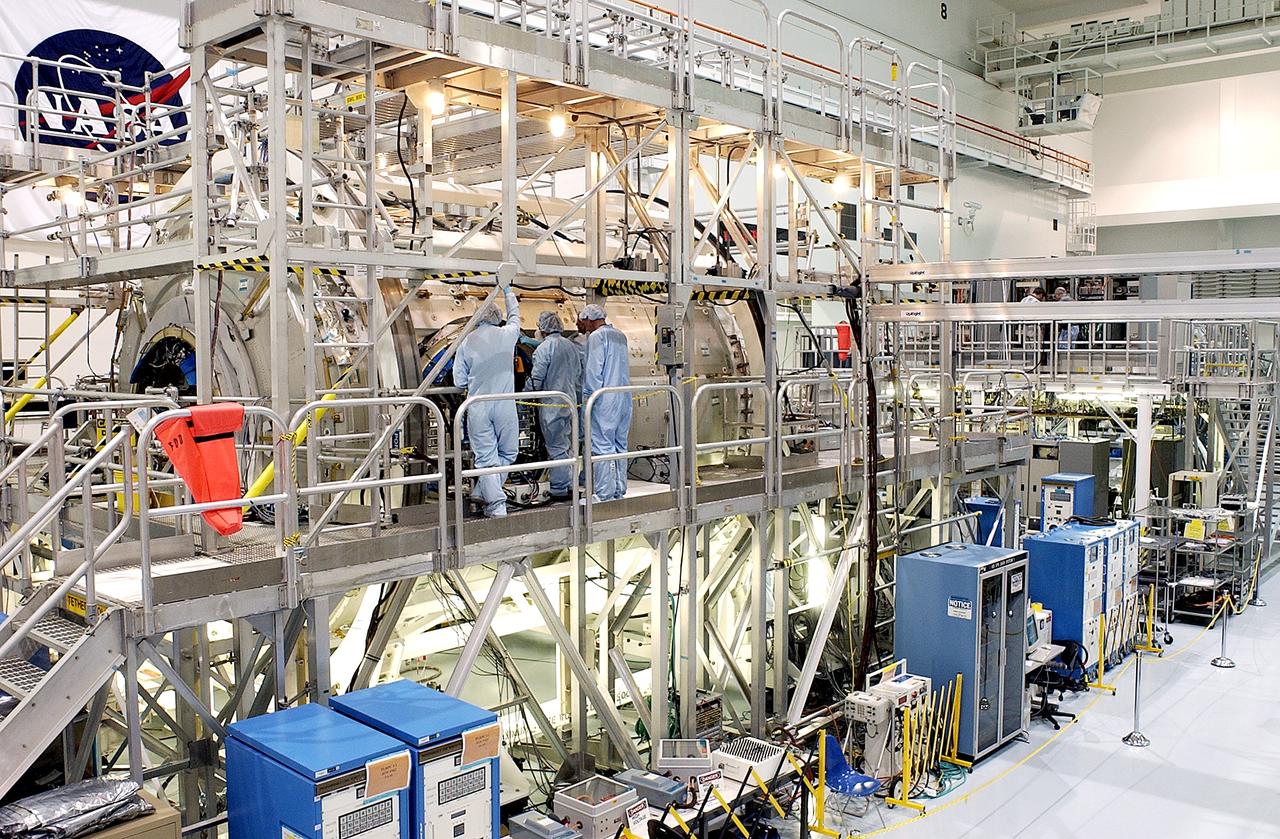
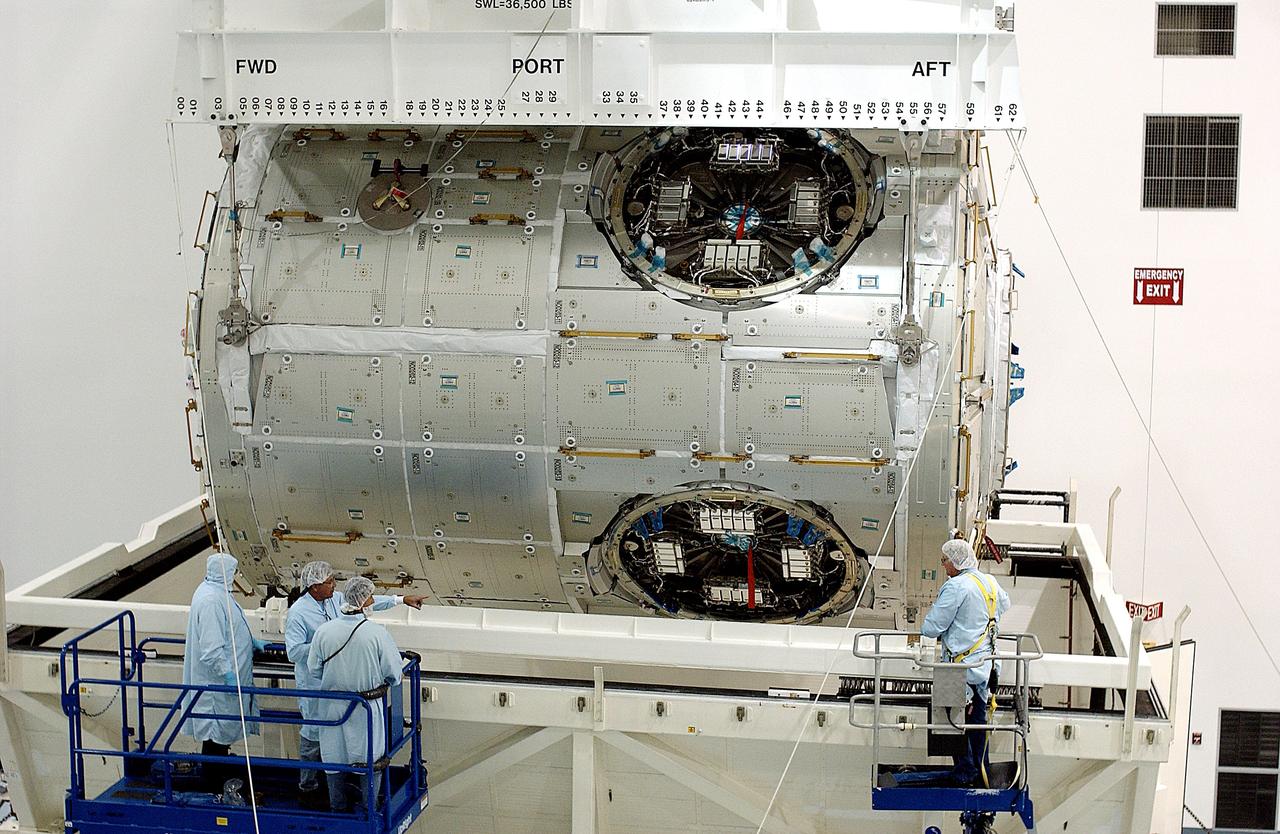
KENNEDY SPACE CENTER, FLA.  - In the Space Station Processing Facility, work is ongoing on the U.S. Node 2, the second of three Space Station connecting modules.  The Italian-built Node 2 attaches to the end of the U.S. Lab and will provide attach locations for the Japanese laboratory, European laboratory, the Centrifuge Accommodation Module and, later, Multipurpose Logistics Modules. It will provide the primary docking location for the Shuttle when a pressurized mating adapter is attached to Node 2.  Installation of the module will complete the U.S. Core of the ISS.  Node 2 is the designated payload for mission STS-120.  No orbiter or launch date has been determined yet.
KENNEDY SPACE CENTER, FLA. - In the Space Station Processing Facility, work is ongoing on the U.S. Node 2, the second of three Space Station connecting modules. The Italian-built Node 2 attaches to the end of the U.S. Lab and will provide attach locations for the Japanese laboratory, European laboratory, the Centrifuge Accommodation Module and, later, Multipurpose Logistics Modules. It will provide the primary docking location for the Shuttle when a pressurized mating adapter is attached to Node 2. Installation of the module will complete the U.S. Core of the ISS. Node 2 is the designated payload for mission STS-120. No orbiter or launch date has been determined yet.
KENNEDY SPACE CENTER, FLA.  -  Work is ongoing on the U.S. Node 2 in the Space Station Processing Facility.  The second of three Space Station connecting modules, the Italian-built Node 2 attaches to the end of the U.S. Lab and will provide attach locations for the Japanese laboratory, European laboratory, the Centrifuge Accommodation Module and, later, Multipurpose Logistics Modules. It will provide the primary docking location for the Shuttle when a pressurized mating adapter is attached to Node 2.  Installation of the module will complete the U.S. Core of the ISS.  Node 2 is the designated payload for mission STS-120.  No orbiter or launch date has been determined yet.
KENNEDY SPACE CENTER, FLA. - Work is ongoing on the U.S. Node 2 in the Space Station Processing Facility. The second of three Space Station connecting modules, the Italian-built Node 2 attaches to the end of the U.S. Lab and will provide attach locations for the Japanese laboratory, European laboratory, the Centrifuge Accommodation Module and, later, Multipurpose Logistics Modules. It will provide the primary docking location for the Shuttle when a pressurized mating adapter is attached to Node 2. Installation of the module will complete the U.S. Core of the ISS. Node 2 is the designated payload for mission STS-120. No orbiter or launch date has been determined yet.
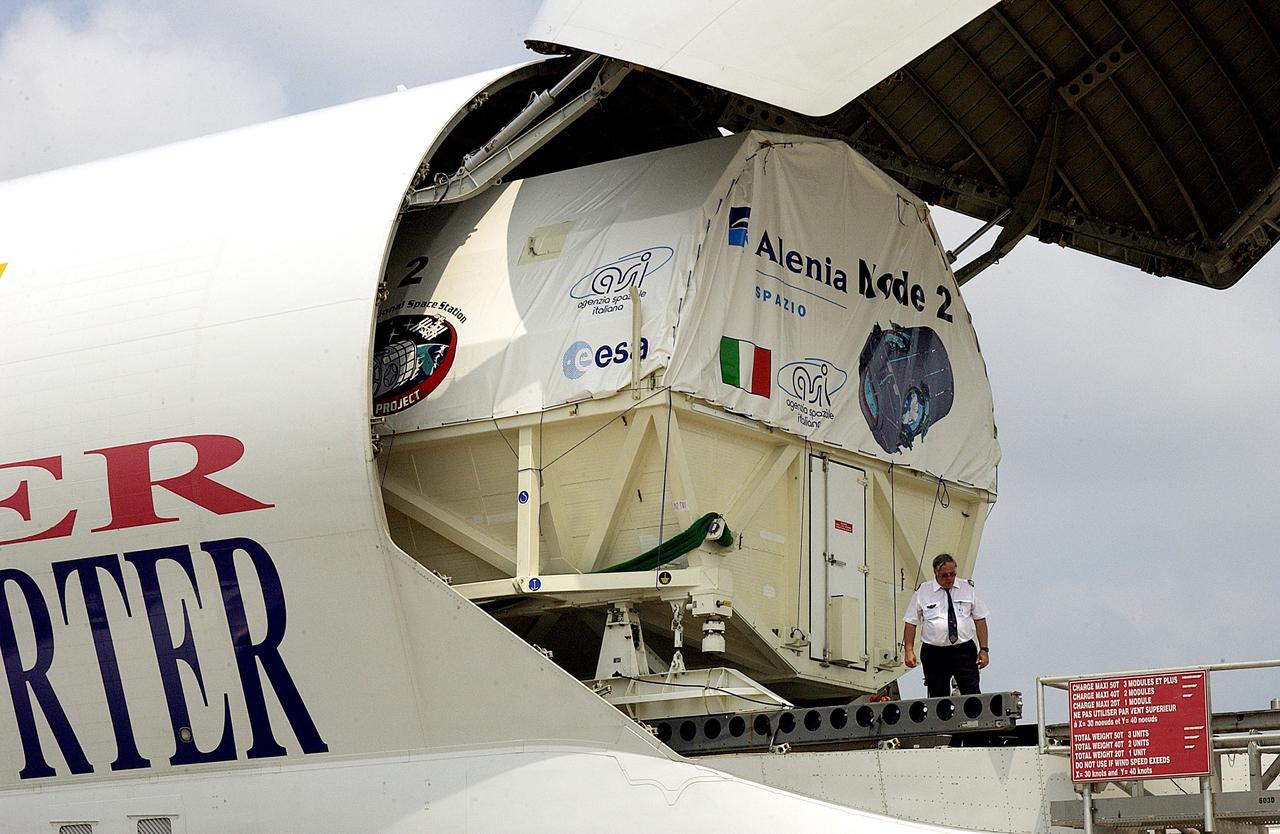
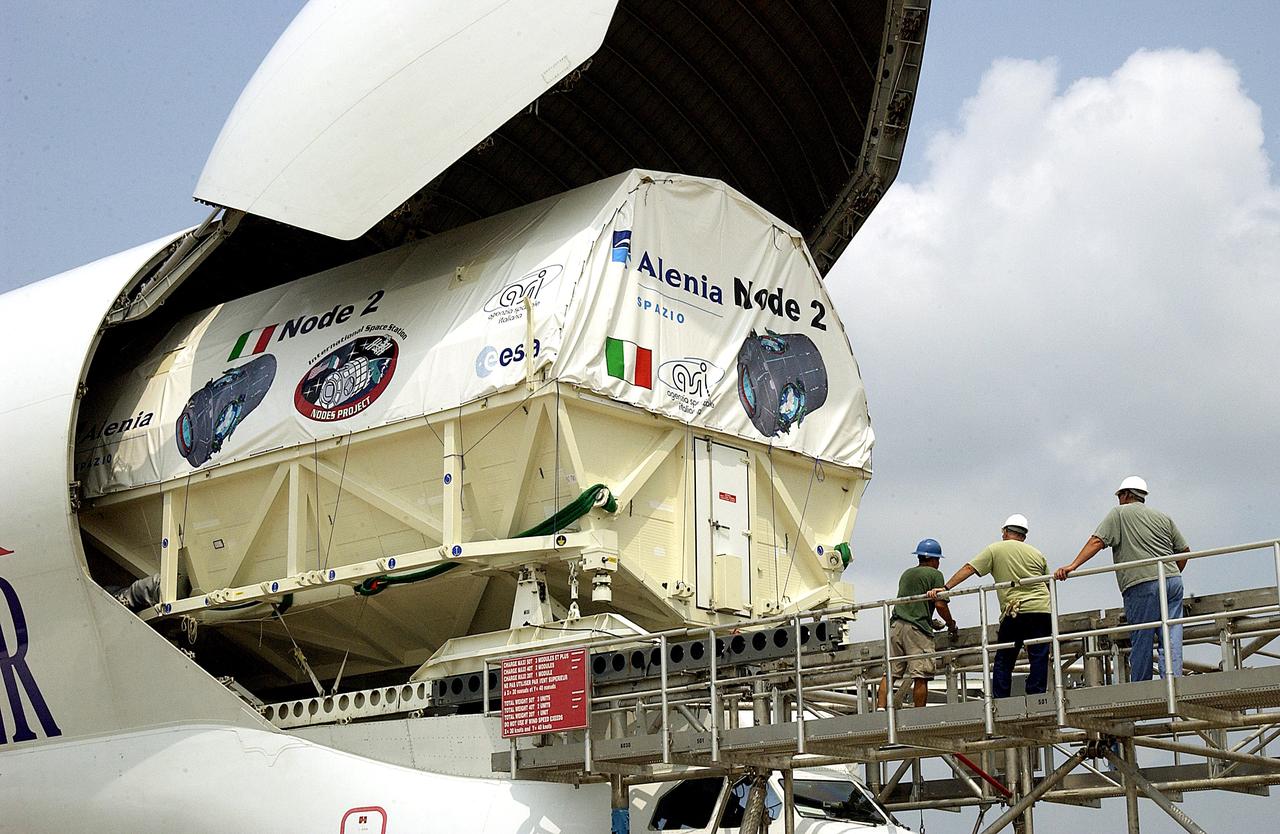
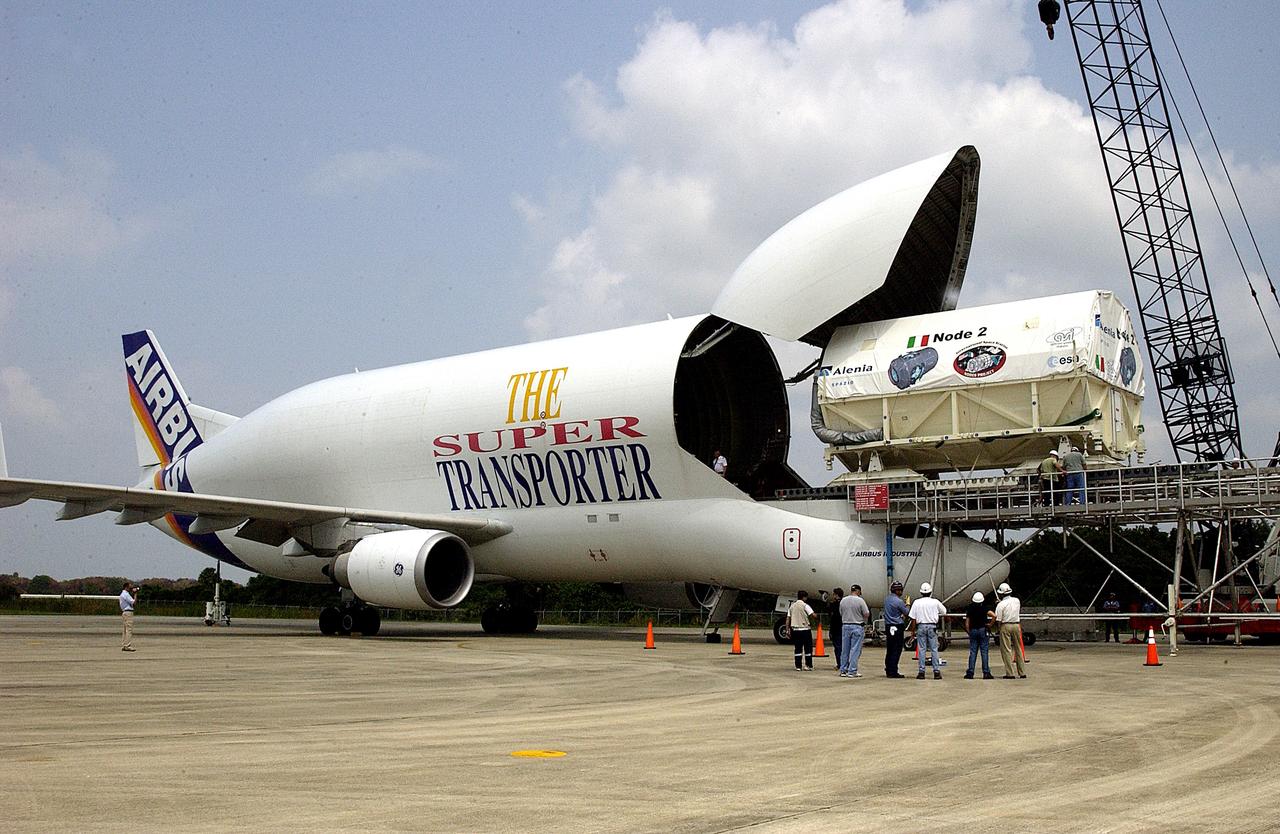
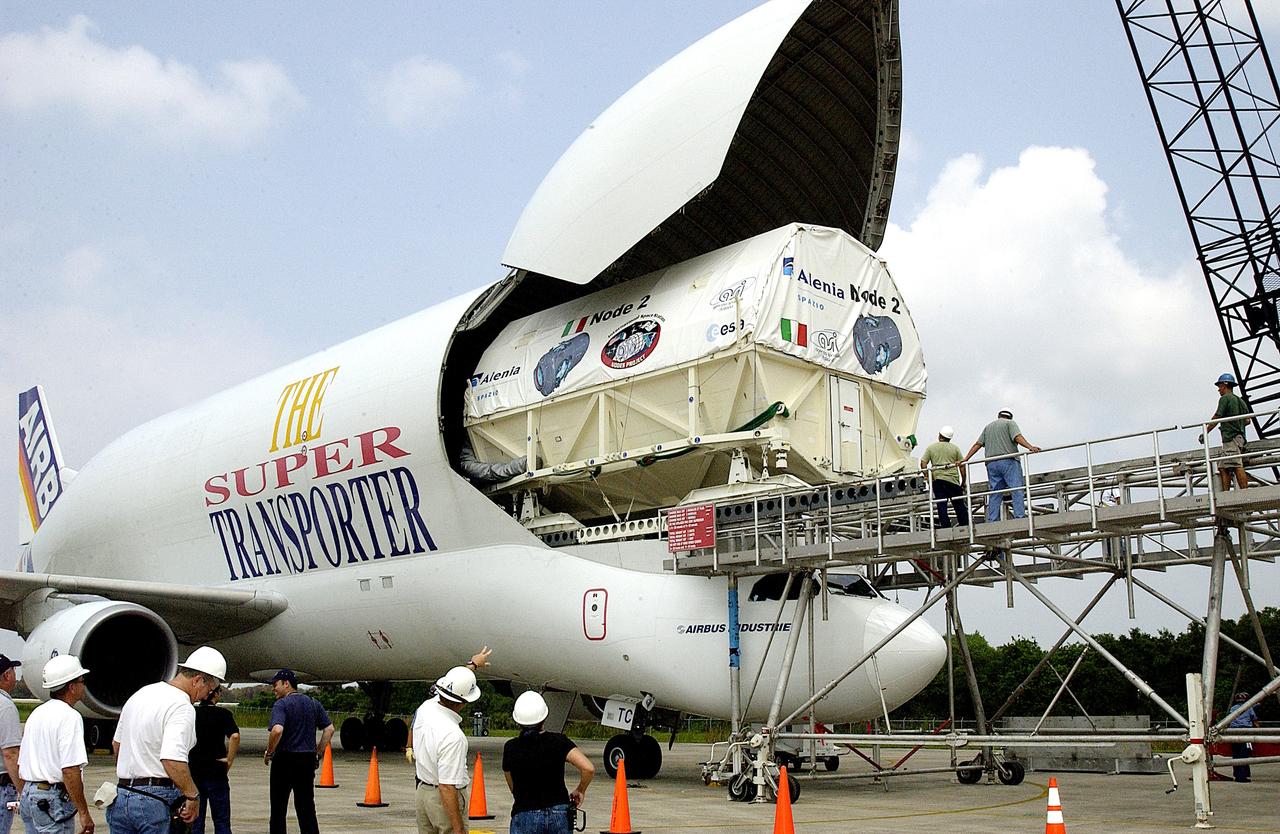
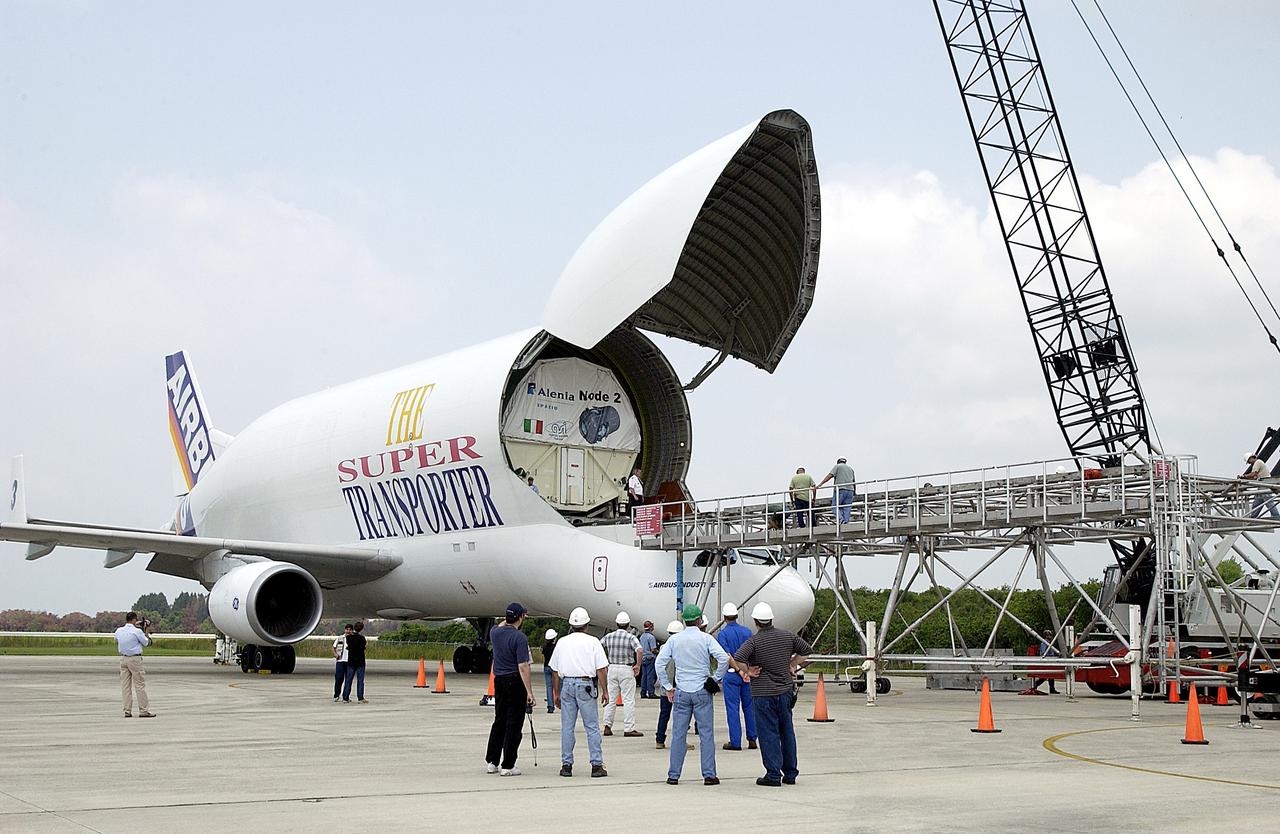
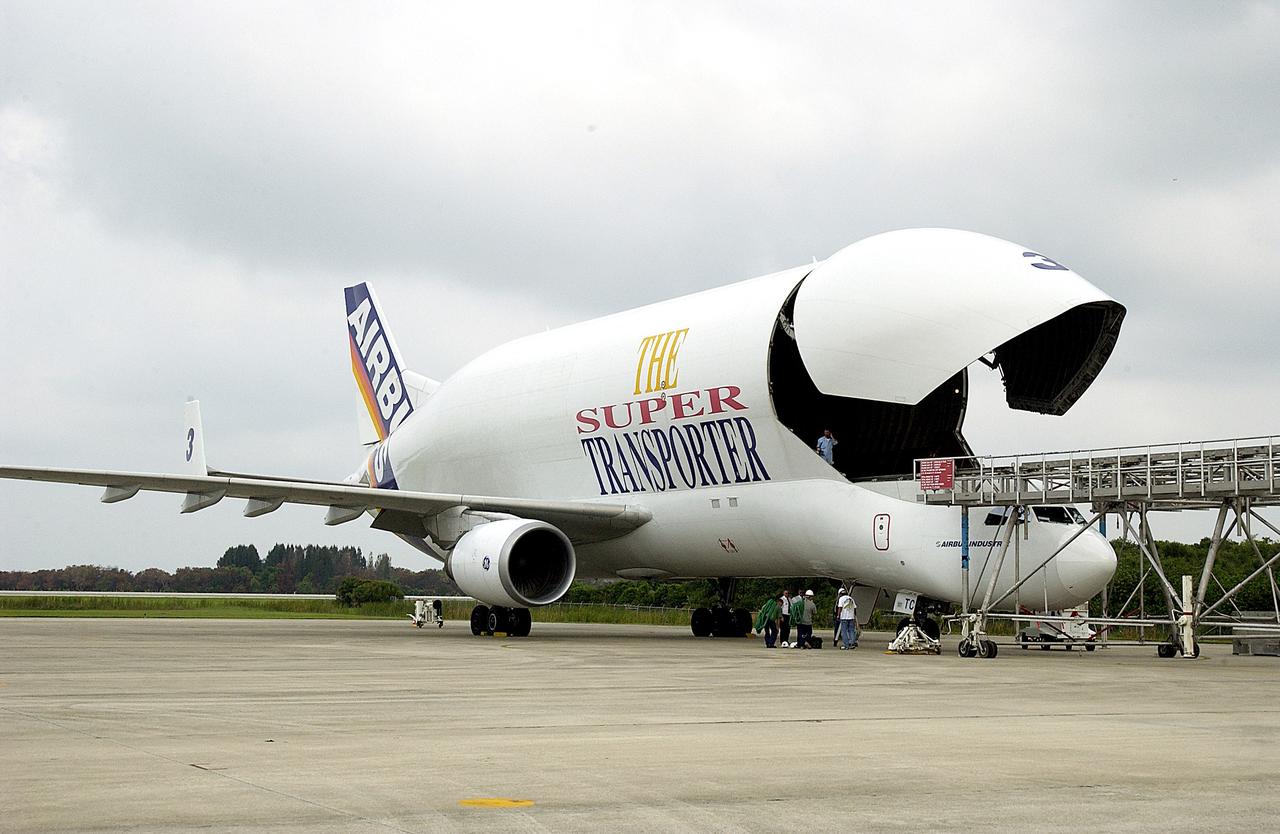
KENNEDY SPACE CENTER, FLA. - At the Shuttle Landing Facility, the nose of the Beluga aircraft is open to offload the Italian-built module, U.S. Node 2, for the International Space Station.  The second of three Station connecting modules, Node 2 attaches to the end of the U.S. Lab and provides attach locations for the Japanese laboratory, European laboratory, the Centrifuge Accommodation Module and, later, Multipurpose Logistics Modules. It will provide the primary docking location for the Shuttle when a pressurized mating adapter is attached to Node 2.  Installation of the module will complete  the U.S. Core of the ISS.  Node 2 is the designated payload for mission STS-120.  No orbiter or launch date has been determined yet.
KENNEDY SPACE CENTER, FLA. - At the Shuttle Landing Facility, the nose of the Beluga aircraft is open to offload the Italian-built module, U.S. Node 2, for the International Space Station. The second of three Station connecting modules, Node 2 attaches to the end of the U.S. Lab and provides attach locations for the Japanese laboratory, European laboratory, the Centrifuge Accommodation Module and, later, Multipurpose Logistics Modules. It will provide the primary docking location for the Shuttle when a pressurized mating adapter is attached to Node 2. Installation of the module will complete the U.S. Core of the ISS. Node 2 is the designated payload for mission STS-120. No orbiter or launch date has been determined yet.
KENNEDY SPACE CENTER, FLA. - The U.S. Node 2 is unveiled after its arrival in the Space Station Processing Facility.  The second of three Station connecting modules, the Italian-built Node 2 attaches to the end of the U.S. Lab and provides attach locations for the Japanese laboratory, European laboratory, the Centrifuge Accommodation Module and, later, Multipurpose Logistics Modules. It will provide the primary docking location for the Shuttle when a pressurized mating adapter is attached to Node 2.  Installation of the module will complete  the U.S. Core of the ISS.  Node 2 is the designated payload for mission STS-120.  No orbiter or launch date has been determined yet.
KENNEDY SPACE CENTER, FLA. - The U.S. Node 2 is unveiled after its arrival in the Space Station Processing Facility. The second of three Station connecting modules, the Italian-built Node 2 attaches to the end of the U.S. Lab and provides attach locations for the Japanese laboratory, European laboratory, the Centrifuge Accommodation Module and, later, Multipurpose Logistics Modules. It will provide the primary docking location for the Shuttle when a pressurized mating adapter is attached to Node 2. Installation of the module will complete the U.S. Core of the ISS. Node 2 is the designated payload for mission STS-120. No orbiter or launch date has been determined yet.
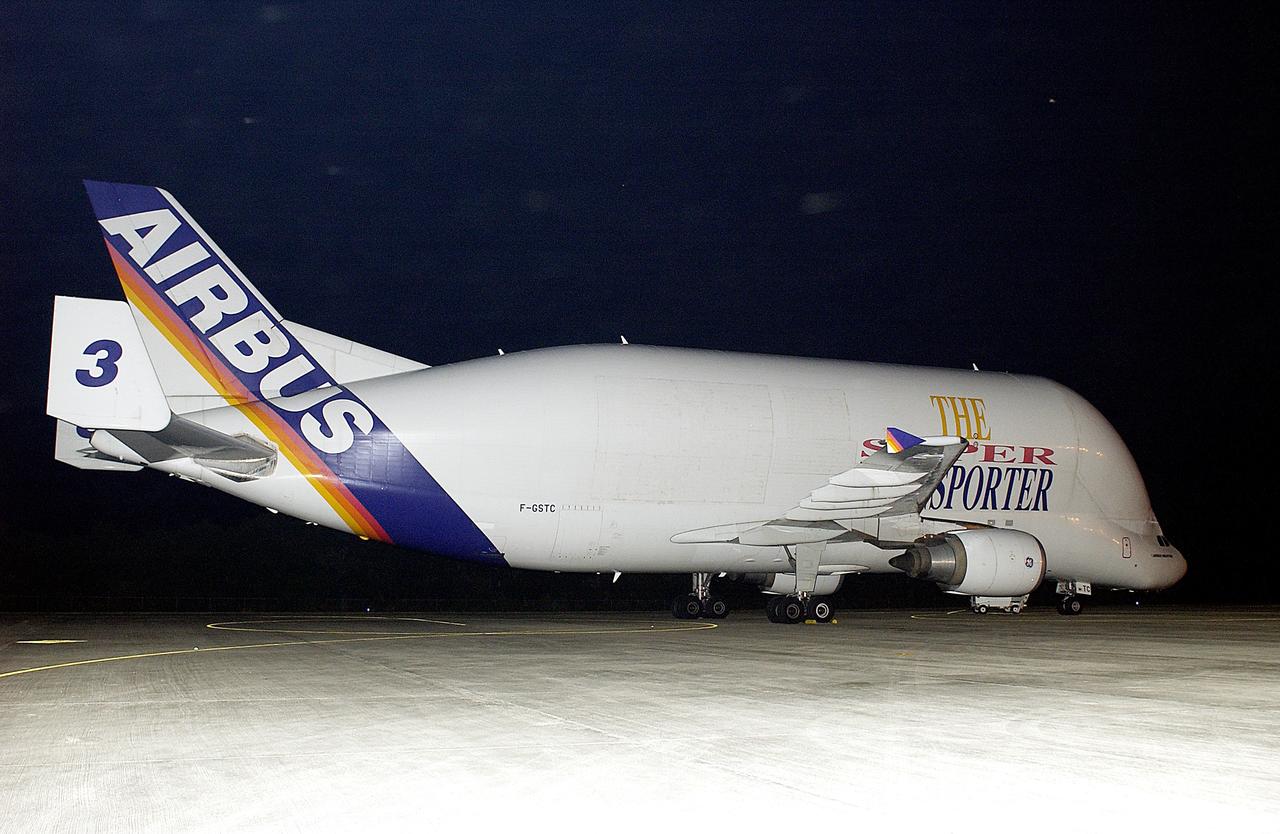
KKENNEDY SPACE CENTER, FLA. -  A Beluga aircraft arrives at the Shuttle Landing Facility with its cargo of the Italian-built module, U.S. Node 2, for the International Space Station.  The second of three Station connecting modules, Node 2 attaches to the end of the U.S. Lab and provides attach locations for the Japanese laboratory, European laboratory, the Centrifuge Accommodation Module and, later, Multipurpose Logistics Modules. It will provide the primary docking location for the Shuttle when a pressurized mating adapter is attached to Node 2.  Installation of the module will complete  the U.S. Core of the ISS.  Node 2 is the designated payload for mission STS-120.  No orbiter or launch date has been determined yet.
KKENNEDY SPACE CENTER, FLA. - A Beluga aircraft arrives at the Shuttle Landing Facility with its cargo of the Italian-built module, U.S. Node 2, for the International Space Station. The second of three Station connecting modules, Node 2 attaches to the end of the U.S. Lab and provides attach locations for the Japanese laboratory, European laboratory, the Centrifuge Accommodation Module and, later, Multipurpose Logistics Modules. It will provide the primary docking location for the Shuttle when a pressurized mating adapter is attached to Node 2. Installation of the module will complete the U.S. Core of the ISS. Node 2 is the designated payload for mission STS-120. No orbiter or launch date has been determined yet.
KENNEDY SPACE CENTER, FLA. -  The Italian-built module, U.S. Node 2, is moved into the Space Station Processing Facility. The second of three connecting modules on the International Space Station, Node 2 attaches to the end of the U.S. Lab and provides attach locations for the Japanese laboratory, European laboratory, the Centrifuge Accommodation Module and, later, Multipurpose Logistics Modules. It will provide the primary docking location for the Shuttle when a pressurized mating adapter is attached to Node 2.  Installation of the module will complete  the U.S. Core of the ISS.  Node 2 is the designated payload for mission STS-120.  No orbiter or launch date has been determined yet.
KENNEDY SPACE CENTER, FLA. - The Italian-built module, U.S. Node 2, is moved into the Space Station Processing Facility. The second of three connecting modules on the International Space Station, Node 2 attaches to the end of the U.S. Lab and provides attach locations for the Japanese laboratory, European laboratory, the Centrifuge Accommodation Module and, later, Multipurpose Logistics Modules. It will provide the primary docking location for the Shuttle when a pressurized mating adapter is attached to Node 2. Installation of the module will complete the U.S. Core of the ISS. Node 2 is the designated payload for mission STS-120. No orbiter or launch date has been determined yet.
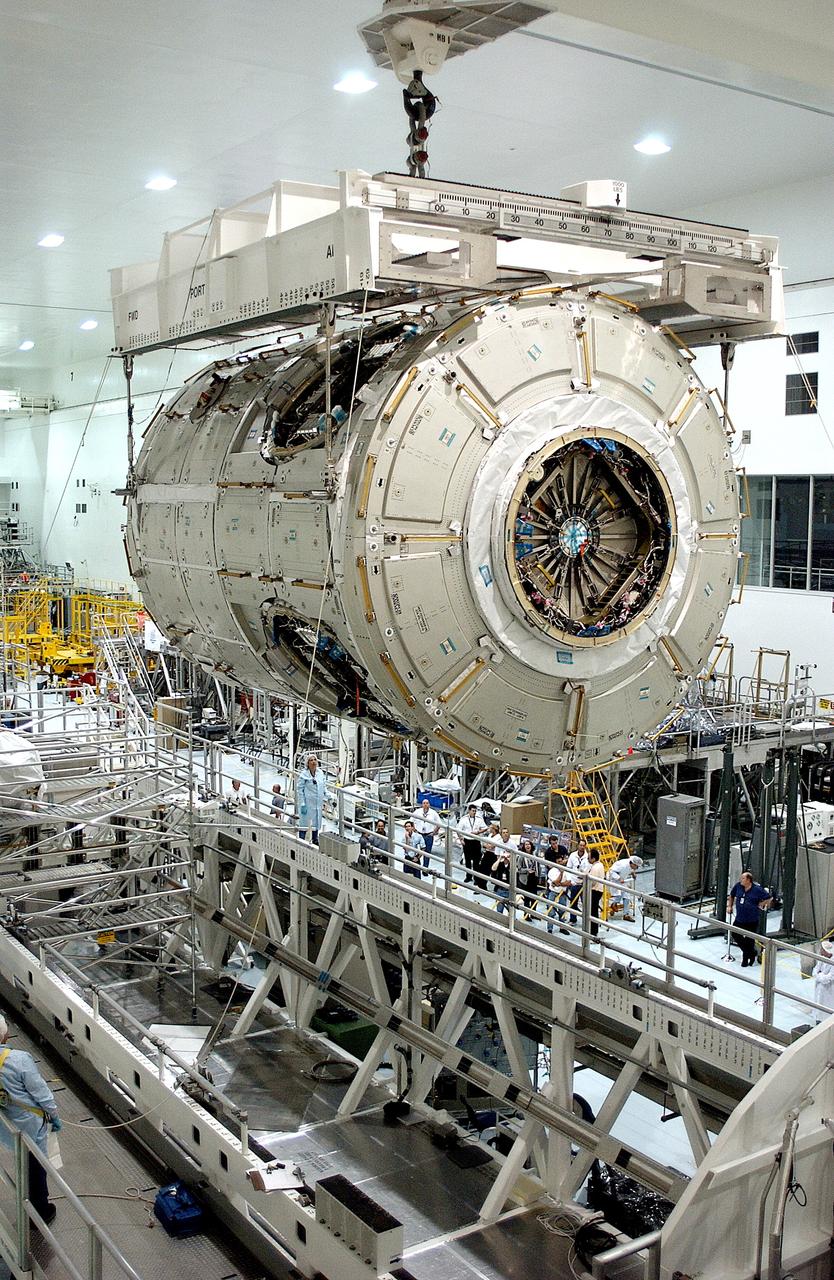
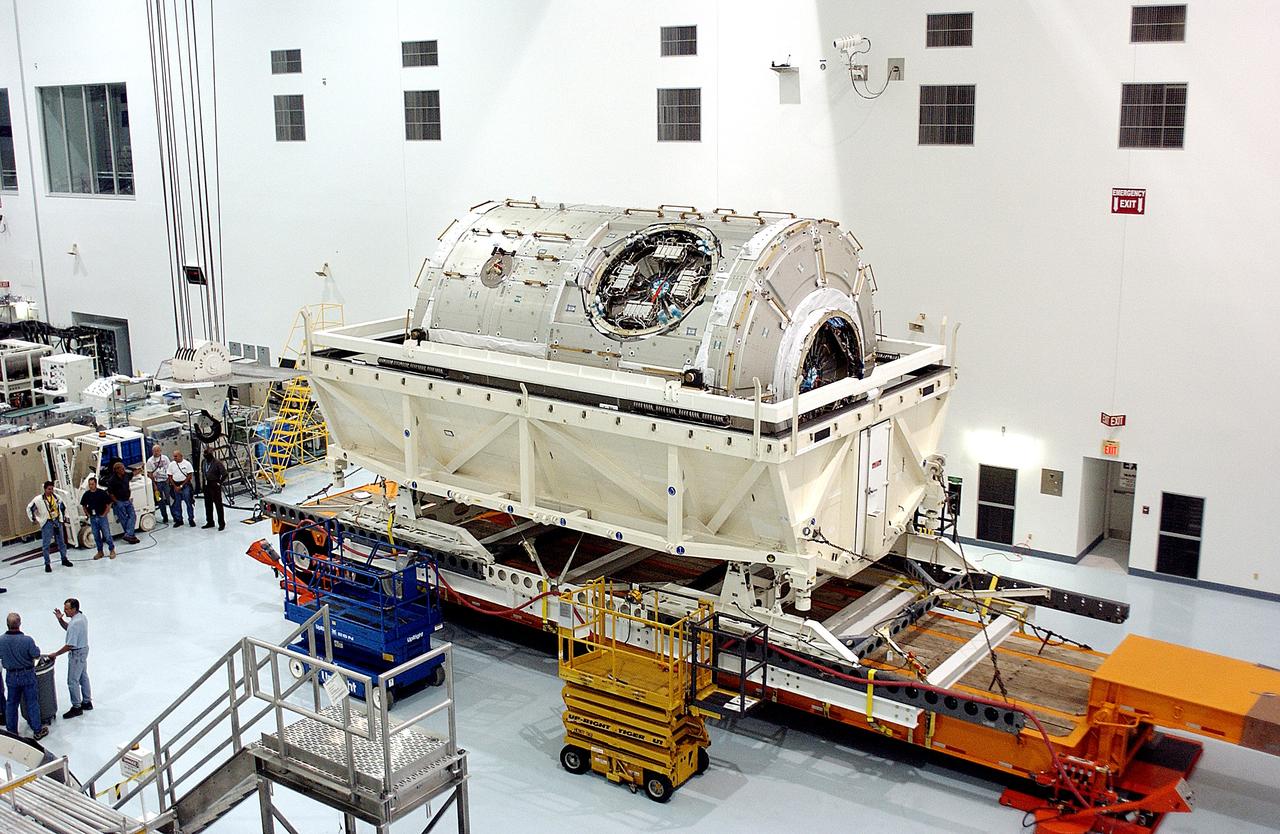
KENNEDY SPACE CENTER, FLA. - An overhead crane in the Space Station Processing Facility carries the U.S. Node 2 across the floor to a workstand.  The second of three connecting modules on the International Space Station, the Italian-built Node 2 attaches to the end of the U.S. Lab and provides attach locations for the Japanese laboratory, European laboratory, the Centrifuge Accommodation Module and, later, Multipurpose Logistics Modules. It will provide the primary docking location for the Shuttle when a pressurized mating adapter is attached to Node 2.  Installation of the module will complete  the U.S. Core of the ISS.  Node 2 is the designated payload for mission STS-120.  No orbiter or launch date has been determined yet.
KENNEDY SPACE CENTER, FLA. - An overhead crane in the Space Station Processing Facility carries the U.S. Node 2 across the floor to a workstand. The second of three connecting modules on the International Space Station, the Italian-built Node 2 attaches to the end of the U.S. Lab and provides attach locations for the Japanese laboratory, European laboratory, the Centrifuge Accommodation Module and, later, Multipurpose Logistics Modules. It will provide the primary docking location for the Shuttle when a pressurized mating adapter is attached to Node 2. Installation of the module will complete the U.S. Core of the ISS. Node 2 is the designated payload for mission STS-120. No orbiter or launch date has been determined yet.
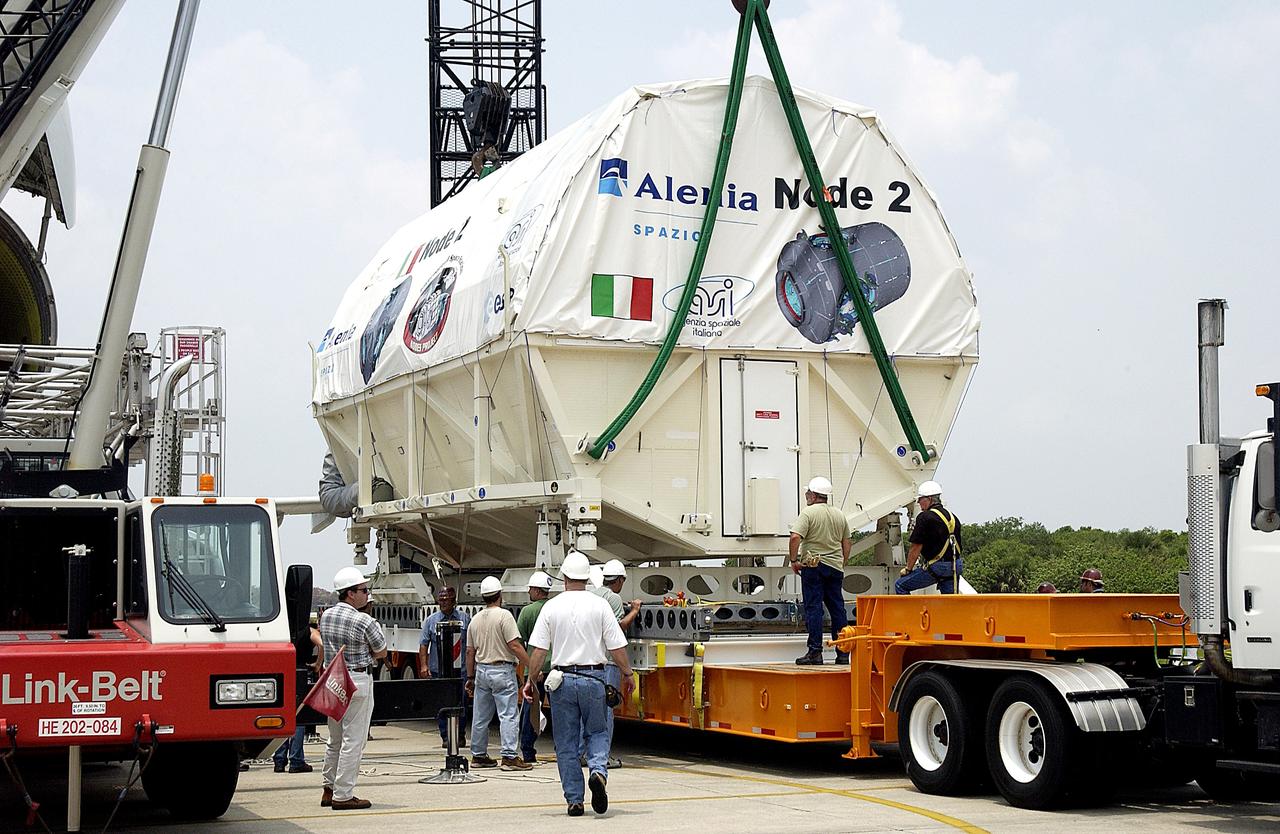
KENNEDY SPACE CENTER, FLA. -  The Italian-built module, U.S. Node 2, is lowered onto a transporter after its arrival at the Shuttle Landing Facility.  It will be taken to the Space Station Processing Facility.  The second of three connecting modules on the International Space Station, Node 2 attaches to the end of the U.S. Lab and provides attach locations for the Japanese laboratory, European laboratory, the Centrifuge Accommodation Module and, later, Multipurpose Logistics Modules. It will provide the primary docking location for the Shuttle when a pressurized mating adapter is attached to Node 2.  Installation of the module will complete  the U.S. Core of the ISS.  Node 2 is the designated payload for mission STS-120.  No orbiter or launch date has been determined yet.
KENNEDY SPACE CENTER, FLA. - The Italian-built module, U.S. Node 2, is lowered onto a transporter after its arrival at the Shuttle Landing Facility. It will be taken to the Space Station Processing Facility. The second of three connecting modules on the International Space Station, Node 2 attaches to the end of the U.S. Lab and provides attach locations for the Japanese laboratory, European laboratory, the Centrifuge Accommodation Module and, later, Multipurpose Logistics Modules. It will provide the primary docking location for the Shuttle when a pressurized mating adapter is attached to Node 2. Installation of the module will complete the U.S. Core of the ISS. Node 2 is the designated payload for mission STS-120. No orbiter or launch date has been determined yet.
KENNEDY SPACE CENTER, FLA. - The U.S. Node 2 is moved toward a workstand in the Space Station Processing Facility.  The second of three connecting modules on the International Space Station, the Italian-built Node 2 attaches to the end of the U.S. Lab and provides attach locations for the Japanese laboratory, European laboratory, the Centrifuge Accommodation Module and, later, Multipurpose Logistics Modules. It will provide the primary docking location for the Shuttle when a pressurized mating adapter is attached to Node 2.  Installation of the module will complete  the U.S. Core of the ISS.  Node 2 is the designated payload for mission STS-120.  No orbiter or launch date has been determined yet.
KENNEDY SPACE CENTER, FLA. - The U.S. Node 2 is moved toward a workstand in the Space Station Processing Facility. The second of three connecting modules on the International Space Station, the Italian-built Node 2 attaches to the end of the U.S. Lab and provides attach locations for the Japanese laboratory, European laboratory, the Centrifuge Accommodation Module and, later, Multipurpose Logistics Modules. It will provide the primary docking location for the Shuttle when a pressurized mating adapter is attached to Node 2. Installation of the module will complete the U.S. Core of the ISS. Node 2 is the designated payload for mission STS-120. No orbiter or launch date has been determined yet.
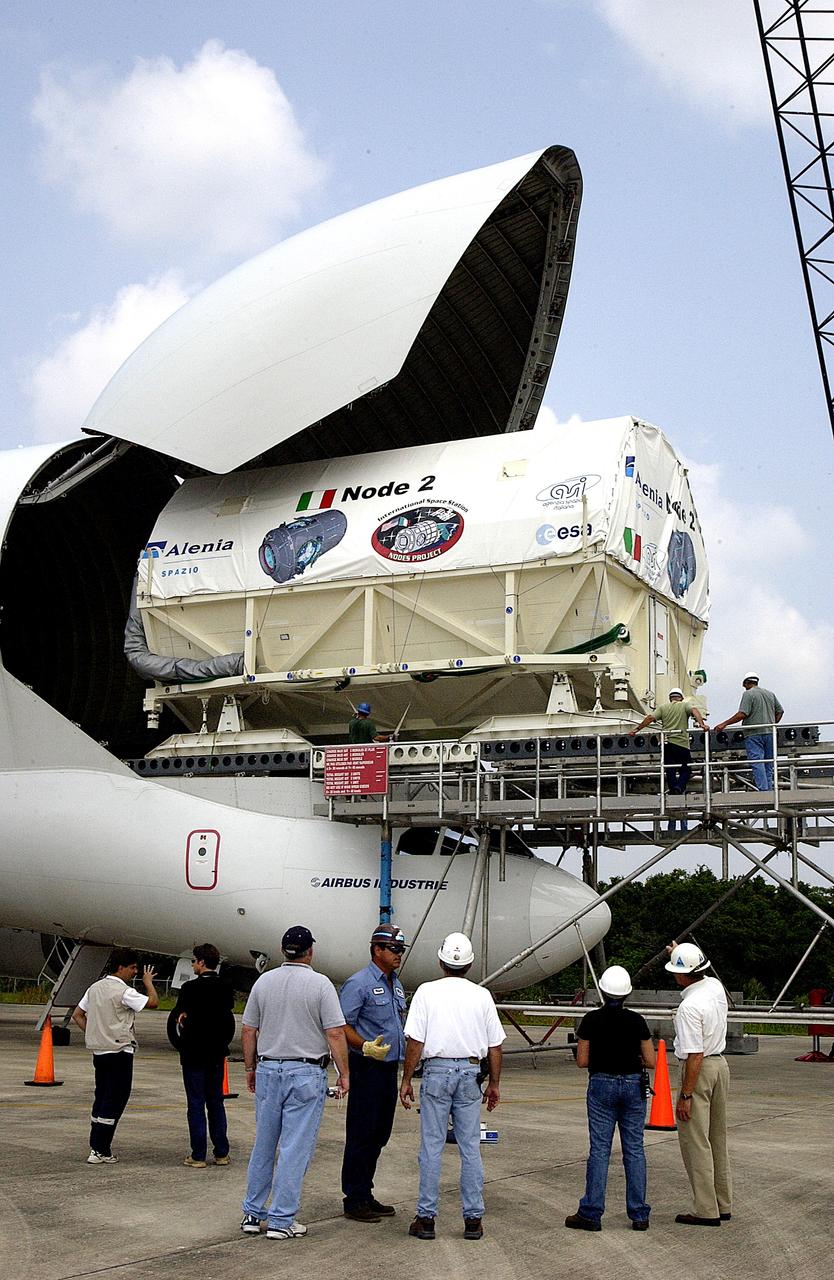
KENNEDY SPACE CENTER, FLA. - The Italian-built module, U.S. Node 2, for the International Space Station is offloaded from a Beluga at the Shuttle Landing Facility. The second of three Station connecting modules, Node 2 attaches to the end of the U.S. Lab and provides attach locations for the Japanese laboratory, European laboratory, the Centrifuge Accommodation Module and, later, Multipurpose Logistics Modules. It will provide the primary docking location for the Shuttle when a pressurized mating adapter is attached to Node 2.  Installation of the module will complete  the U.S. Core of the ISS.  Node 2 is the designated payload for mission STS-120.  No orbiter or launch date has been determined yet.
KENNEDY SPACE CENTER, FLA. - The Italian-built module, U.S. Node 2, for the International Space Station is offloaded from a Beluga at the Shuttle Landing Facility. The second of three Station connecting modules, Node 2 attaches to the end of the U.S. Lab and provides attach locations for the Japanese laboratory, European laboratory, the Centrifuge Accommodation Module and, later, Multipurpose Logistics Modules. It will provide the primary docking location for the Shuttle when a pressurized mating adapter is attached to Node 2. Installation of the module will complete the U.S. Core of the ISS. Node 2 is the designated payload for mission STS-120. No orbiter or launch date has been determined yet.
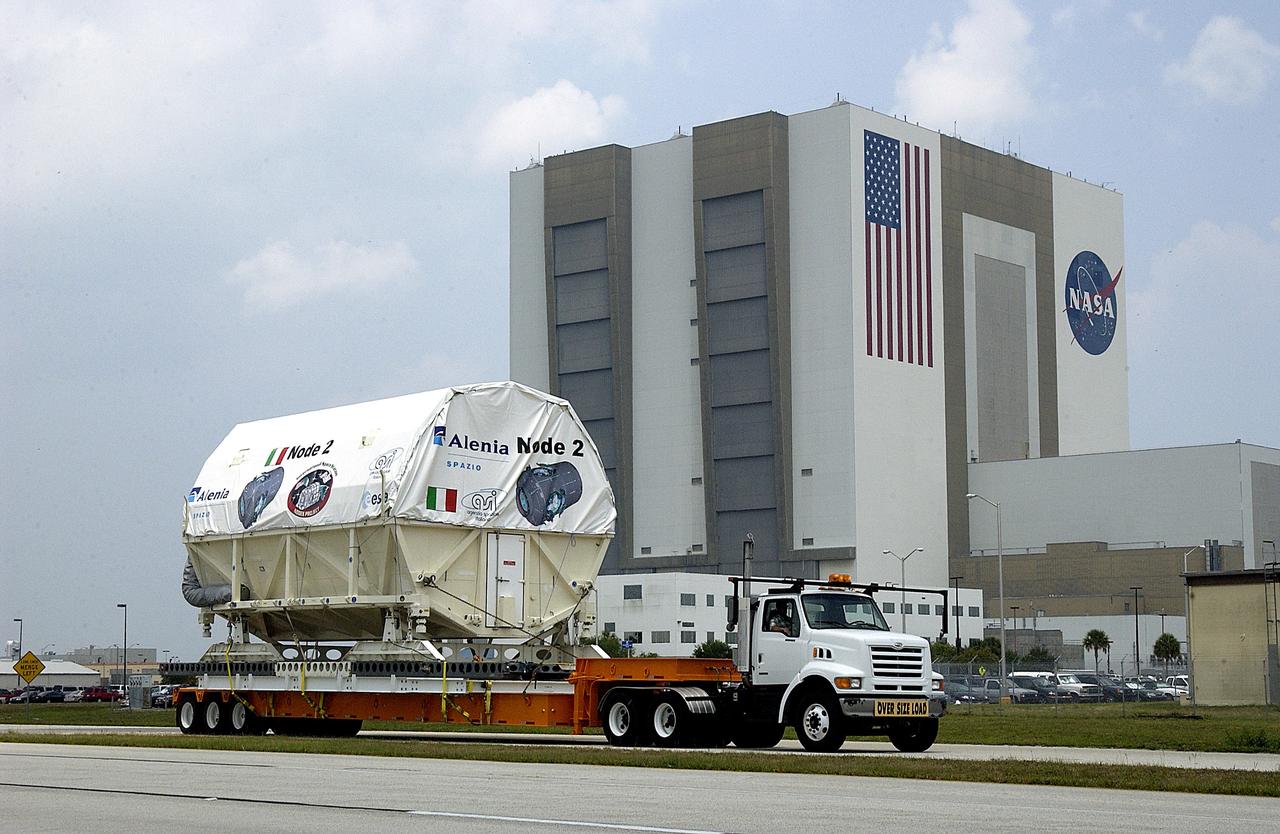
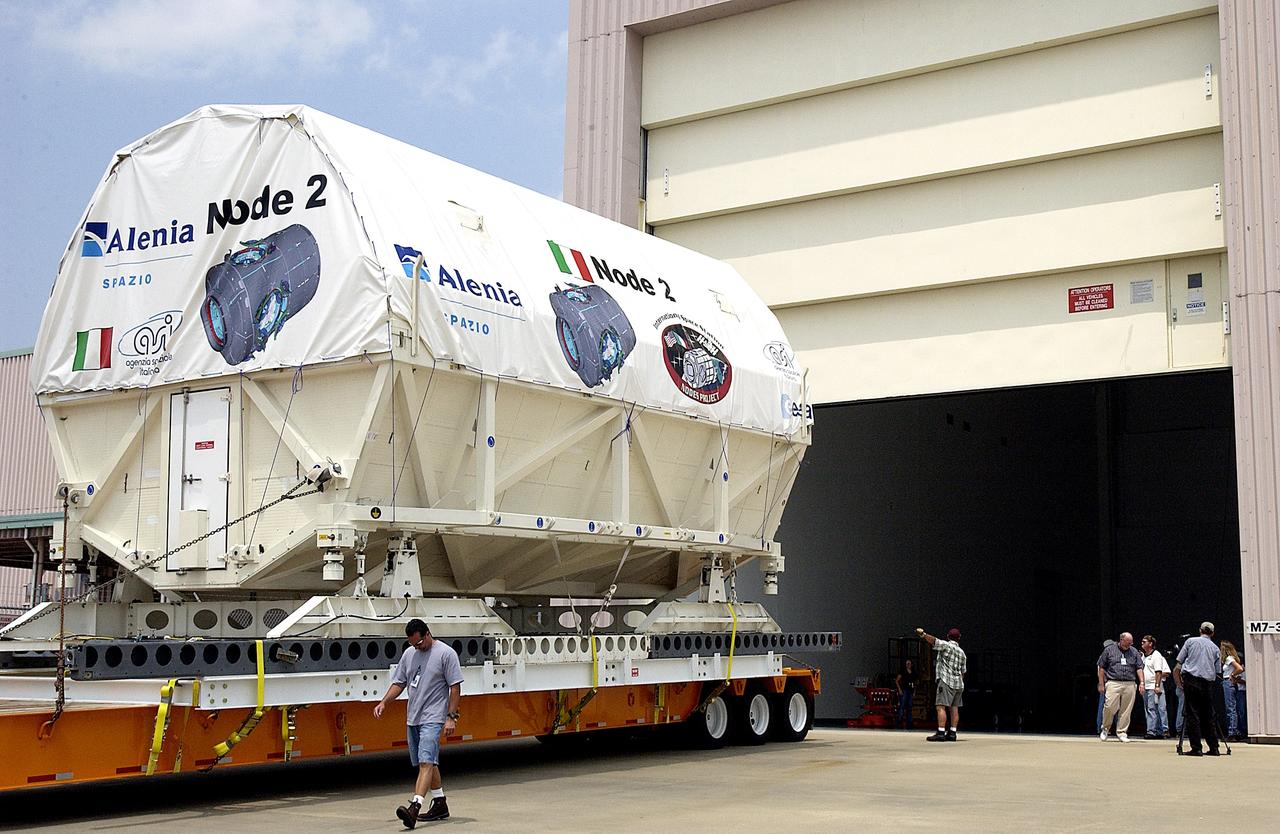
KENNEDY SPACE CENTER, FLA. -  The Italian-built module, U.S. Node 2, moves past the Vehicle Assembly Building as it is transferred to the Space Station Processing Facility. The second of three connecting modules on the International Space Station, Node 2 attaches to the end of the U.S. Lab and provides attach locations for the Japanese laboratory, European laboratory, the Centrifuge Accommodation Module and, later, Multipurpose Logistics Modules. It will provide the primary docking location for the Shuttle when a pressurized mating adapter is attached to Node 2.  Installation of the module will complete  the U.S. Core of the ISS.  Node 2 is the designated payload for mission STS-120.  No orbiter or launch date has been determined yet.
KENNEDY SPACE CENTER, FLA. - The Italian-built module, U.S. Node 2, moves past the Vehicle Assembly Building as it is transferred to the Space Station Processing Facility. The second of three connecting modules on the International Space Station, Node 2 attaches to the end of the U.S. Lab and provides attach locations for the Japanese laboratory, European laboratory, the Centrifuge Accommodation Module and, later, Multipurpose Logistics Modules. It will provide the primary docking location for the Shuttle when a pressurized mating adapter is attached to Node 2. Installation of the module will complete the U.S. Core of the ISS. Node 2 is the designated payload for mission STS-120. No orbiter or launch date has been determined yet.
KENNEDY SPACE CENTER, FLA. - An overhead crane in the Space Station Processing Facility is attached to the U.S. Node 2 to lift it out of its shipping container.  The node will be moved to a workstand.  The second of three connecting modules on the International Space Station, the Italian-built Node 2 attaches to the end of the U.S. Lab and provides attach locations for the Japanese laboratory, European laboratory, the Centrifuge Accommodation Module and, later, Multipurpose Logistics Modules. It will provide the primary docking location for the Shuttle when a pressurized mating adapter is attached to Node 2.  Installation of the module will complete  the U.S. Core of the ISS.  Node 2 is the designated payload for mission STS-120.  No orbiter or launch date has been determined yet.
KENNEDY SPACE CENTER, FLA. - An overhead crane in the Space Station Processing Facility is attached to the U.S. Node 2 to lift it out of its shipping container. The node will be moved to a workstand. The second of three connecting modules on the International Space Station, the Italian-built Node 2 attaches to the end of the U.S. Lab and provides attach locations for the Japanese laboratory, European laboratory, the Centrifuge Accommodation Module and, later, Multipurpose Logistics Modules. It will provide the primary docking location for the Shuttle when a pressurized mating adapter is attached to Node 2. Installation of the module will complete the U.S. Core of the ISS. Node 2 is the designated payload for mission STS-120. No orbiter or launch date has been determined yet.
KENNEDY SPACE CENTER, FLA. - The Italian-built module, U.S. Node 2, for the International Space Station is offloaded from a Beluga aircraft at the Shuttle Landing Facility. The second of three Station connecting modules, Node 2 attaches to the end of the U.S. Lab and provides attach locations for the Japanese laboratory, European laboratory, the Centrifuge Accommodation Module and, later, Multipurpose Logistics Modules. It will provide the primary docking location for the Shuttle when a pressurized mating adapter is attached to Node 2.  Installation of the module will complete  the U.S. Core of the ISS.  Node 2 is the designated payload for mission STS-120.  No orbiter or launch date has been determined yet.
KENNEDY SPACE CENTER, FLA. - The Italian-built module, U.S. Node 2, for the International Space Station is offloaded from a Beluga aircraft at the Shuttle Landing Facility. The second of three Station connecting modules, Node 2 attaches to the end of the U.S. Lab and provides attach locations for the Japanese laboratory, European laboratory, the Centrifuge Accommodation Module and, later, Multipurpose Logistics Modules. It will provide the primary docking location for the Shuttle when a pressurized mating adapter is attached to Node 2. Installation of the module will complete the U.S. Core of the ISS. Node 2 is the designated payload for mission STS-120. No orbiter or launch date has been determined yet.
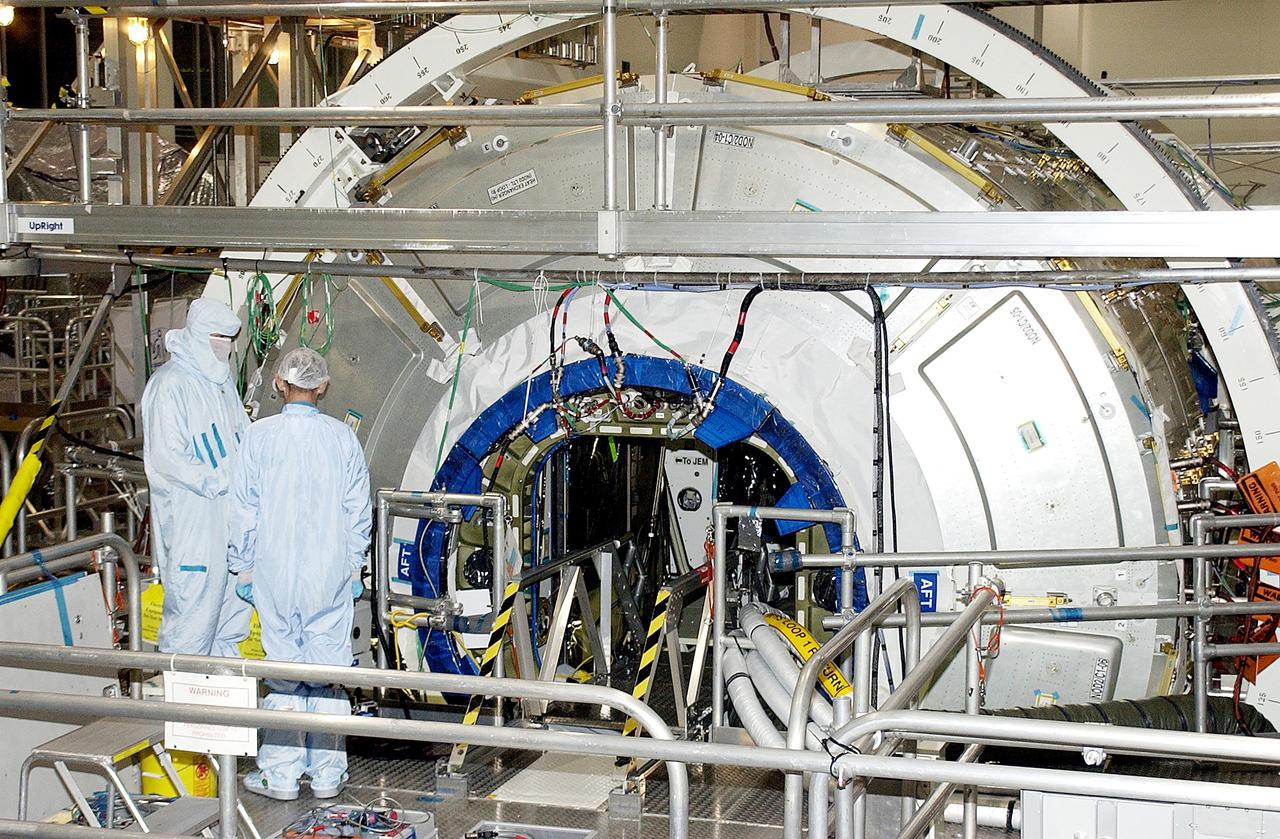
KENNEDY SPACE CENTER, FLA. -  Workers in the Space Station Processing Facility attempt to open the hatch on the Italian-built Node 2, a future element of the International Space Station.  Node 2 arrived at KSC June 1.  The second of three Station connecting modules, the module  attaches to the end of the U.S. Lab and provides attach locations for the Japanese laboratory, European laboratory, the Centrifuge Accommodation Module and, later, Multipurpose Logistics Modules. It will provide the primary docking location for the Shuttle when a pressurized mating adapter is attached to Node 2.  Installation of the module will complete  the U.S. Core of the ISS.  Node 2 is the designated payload for mission STS-120.  No orbiter or launch date has been determined yet.
KENNEDY SPACE CENTER, FLA. - Workers in the Space Station Processing Facility attempt to open the hatch on the Italian-built Node 2, a future element of the International Space Station. Node 2 arrived at KSC June 1. The second of three Station connecting modules, the module attaches to the end of the U.S. Lab and provides attach locations for the Japanese laboratory, European laboratory, the Centrifuge Accommodation Module and, later, Multipurpose Logistics Modules. It will provide the primary docking location for the Shuttle when a pressurized mating adapter is attached to Node 2. Installation of the module will complete the U.S. Core of the ISS. Node 2 is the designated payload for mission STS-120. No orbiter or launch date has been determined yet.
KENNEDY SPACE CENTER, FLA. - The Italian-built module, U.S. Node 2, for the International Space Station is offloaded from a Beluga aircraft at the Shuttle Landing Facility. The second of three Station connecting modules, Node 2 attaches to the end of the U.S. Lab and provides attach locations for the Japanese laboratory, European laboratory, the Centrifuge Accommodation Module and, later, Multipurpose Logistics Modules. It will provide the primary docking location for the Shuttle when a pressurized mating adapter is attached to Node 2.  Installation of the module will complete  the U.S. Core of the ISS.  Node 2 is the designated payload for mission STS-120.  No orbiter or launch date has been determined yet.
KENNEDY SPACE CENTER, FLA. - The Italian-built module, U.S. Node 2, for the International Space Station is offloaded from a Beluga aircraft at the Shuttle Landing Facility. The second of three Station connecting modules, Node 2 attaches to the end of the U.S. Lab and provides attach locations for the Japanese laboratory, European laboratory, the Centrifuge Accommodation Module and, later, Multipurpose Logistics Modules. It will provide the primary docking location for the Shuttle when a pressurized mating adapter is attached to Node 2. Installation of the module will complete the U.S. Core of the ISS. Node 2 is the designated payload for mission STS-120. No orbiter or launch date has been determined yet.
KENNEDY SPACE CENTER, FLA. - An overhead crane in the Space Station Processing Facility lifts the U.S. Node 2 out of its shipping container.  The node will be moved to a workstand.  The second of three connecting modules on the International Space Station, the Italian-built Node 2 attaches to the end of the U.S. Lab and provides attach locations for the Japanese laboratory, European laboratory, the Centrifuge Accommodation Module and, later, Multipurpose Logistics Modules. It will provide the primary docking location for the Shuttle when a pressurized mating adapter is attached to Node 2.  Installation of the module will complete  the U.S. Core of the ISS.  Node 2 is the designated payload for mission STS-120.  No orbiter or launch date has been determined yet.
KENNEDY SPACE CENTER, FLA. - An overhead crane in the Space Station Processing Facility lifts the U.S. Node 2 out of its shipping container. The node will be moved to a workstand. The second of three connecting modules on the International Space Station, the Italian-built Node 2 attaches to the end of the U.S. Lab and provides attach locations for the Japanese laboratory, European laboratory, the Centrifuge Accommodation Module and, later, Multipurpose Logistics Modules. It will provide the primary docking location for the Shuttle when a pressurized mating adapter is attached to Node 2. Installation of the module will complete the U.S. Core of the ISS. Node 2 is the designated payload for mission STS-120. No orbiter or launch date has been determined yet.
KENNEDY SPACE CENTER, FLA. - The Italian-built module, U.S. Node 2, for the International Space Station is offloaded from a Beluga at the Shuttle Landing Facility. The second of three Station connecting modules, Node 2 attaches to the end of the U.S. Lab and provides attach locations for the Japanese laboratory, European laboratory, the Centrifuge Accommodation Module and, later, Multipurpose Logistics Modules. It will provide the primary docking location for the Shuttle when a pressurized mating adapter is attached to Node 2.  Installation of the module will complete  the U.S. Core of the ISS.  Node 2 is the designated payload for mission STS-120.  No orbiter or launch date has been determined yet.
KENNEDY SPACE CENTER, FLA. - The Italian-built module, U.S. Node 2, for the International Space Station is offloaded from a Beluga at the Shuttle Landing Facility. The second of three Station connecting modules, Node 2 attaches to the end of the U.S. Lab and provides attach locations for the Japanese laboratory, European laboratory, the Centrifuge Accommodation Module and, later, Multipurpose Logistics Modules. It will provide the primary docking location for the Shuttle when a pressurized mating adapter is attached to Node 2. Installation of the module will complete the U.S. Core of the ISS. Node 2 is the designated payload for mission STS-120. No orbiter or launch date has been determined yet.
KENNEDY SPACE CENTER, FLA. - The U.S. Node 2 moves toward a workstand in the Space Station Processing Facility.  The second of three connecting modules on the International Space Station, the Italian-built Node 2 attaches to the end of the U.S. Lab and provides attach locations for the Japanese laboratory, European laboratory, the Centrifuge Accommodation Module and, later, Multipurpose Logistics Modules. It will provide the primary docking location for the Shuttle when a pressurized mating adapter is attached to Node 2.  Installation of the module will complete  the U.S. Core of the ISS.  Node 2 is the designated payload for mission STS-120.  No orbiter or launch date has been determined yet.
KENNEDY SPACE CENTER, FLA. - The U.S. Node 2 moves toward a workstand in the Space Station Processing Facility. The second of three connecting modules on the International Space Station, the Italian-built Node 2 attaches to the end of the U.S. Lab and provides attach locations for the Japanese laboratory, European laboratory, the Centrifuge Accommodation Module and, later, Multipurpose Logistics Modules. It will provide the primary docking location for the Shuttle when a pressurized mating adapter is attached to Node 2. Installation of the module will complete the U.S. Core of the ISS. Node 2 is the designated payload for mission STS-120. No orbiter or launch date has been determined yet.
KENNEDY SPACE CENTER, FLA. - The Italian-built module, U.S. Node 2, for the International Space Station is offloaded from a Beluga aircraft at the Shuttle Landing Facility. The second of three Station connecting modules, Node 2 attaches to the end of the U.S. Lab and provides attach locations for the Japanese laboratory, European laboratory, the Centrifuge Accommodation Module and, later, Multipurpose Logistics Modules. It will provide the primary docking location for the Shuttle when a pressurized mating adapter is attached to Node 2.  Installation of the module will complete  the U.S. Core of the ISS.  Node 2 is the designated payload for mission STS-120.  No orbiter or launch date has been determined yet.
KENNEDY SPACE CENTER, FLA. - The Italian-built module, U.S. Node 2, for the International Space Station is offloaded from a Beluga aircraft at the Shuttle Landing Facility. The second of three Station connecting modules, Node 2 attaches to the end of the U.S. Lab and provides attach locations for the Japanese laboratory, European laboratory, the Centrifuge Accommodation Module and, later, Multipurpose Logistics Modules. It will provide the primary docking location for the Shuttle when a pressurized mating adapter is attached to Node 2. Installation of the module will complete the U.S. Core of the ISS. Node 2 is the designated payload for mission STS-120. No orbiter or launch date has been determined yet.
KENNEDY SPACE CENTER, FLA. - The Italian-built module, U.S. Node 2, for the International Space Station is offloaded from a Beluga aircraft at the Shuttle Landing Facility. The second of three Station connecting modules, Node 2 attaches to the end of the U.S. Lab and provides attach locations for the Japanese laboratory, European laboratory, the Centrifuge Accommodation Module and, later, Multipurpose Logistics Modules. It will provide the primary docking location for the Shuttle when a pressurized mating adapter is attached to Node 2.  Installation of the module will complete  the U.S. Core of the ISS.  Node 2 is the designated payload for mission STS-120.  No orbiter or launch date has been determined yet.
KENNEDY SPACE CENTER, FLA. - The Italian-built module, U.S. Node 2, for the International Space Station is offloaded from a Beluga aircraft at the Shuttle Landing Facility. The second of three Station connecting modules, Node 2 attaches to the end of the U.S. Lab and provides attach locations for the Japanese laboratory, European laboratory, the Centrifuge Accommodation Module and, later, Multipurpose Logistics Modules. It will provide the primary docking location for the Shuttle when a pressurized mating adapter is attached to Node 2. Installation of the module will complete the U.S. Core of the ISS. Node 2 is the designated payload for mission STS-120. No orbiter or launch date has been determined yet.
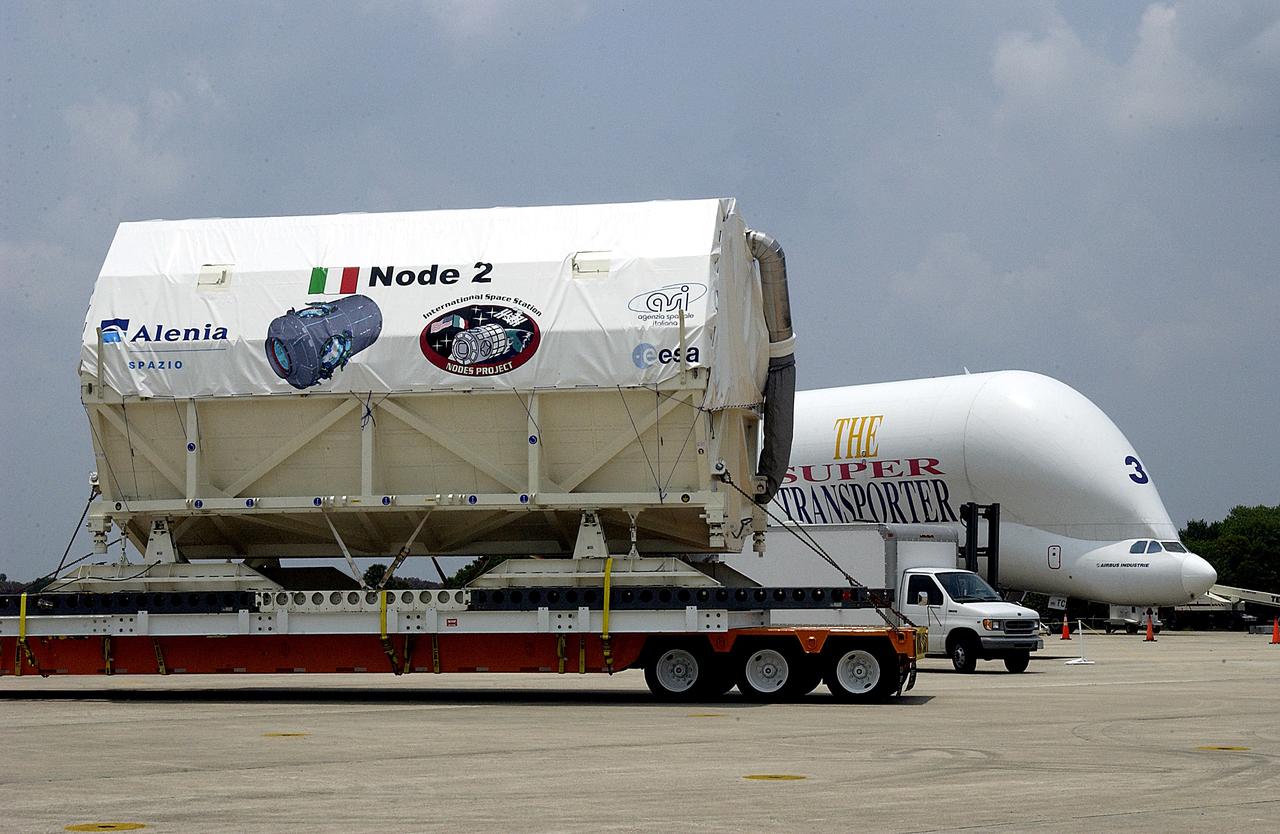
KENNEDY SPACE CENTER, FLA. -  The Italian-built module, U.S. Node 2, moves past the Beluga aircraft that brought it to KSC as it is transferred to the Space Station Processing Facility. The second of three connecting modules on the International Space Station, Node 2 attaches to the end of the U.S. Lab and provides attach locations for the Japanese laboratory, European laboratory, the Centrifuge Accommodation Module and, later, Multipurpose Logistics Modules. It will provide the primary docking location for the Shuttle when a pressurized mating adapter is attached to Node 2.  Installation of the module will complete  the U.S. Core of the ISS.  Node 2 is the designated payload for mission STS-120.  No orbiter or launch date has been determined yet.
KENNEDY SPACE CENTER, FLA. - The Italian-built module, U.S. Node 2, moves past the Beluga aircraft that brought it to KSC as it is transferred to the Space Station Processing Facility. The second of three connecting modules on the International Space Station, Node 2 attaches to the end of the U.S. Lab and provides attach locations for the Japanese laboratory, European laboratory, the Centrifuge Accommodation Module and, later, Multipurpose Logistics Modules. It will provide the primary docking location for the Shuttle when a pressurized mating adapter is attached to Node 2. Installation of the module will complete the U.S. Core of the ISS. Node 2 is the designated payload for mission STS-120. No orbiter or launch date has been determined yet.
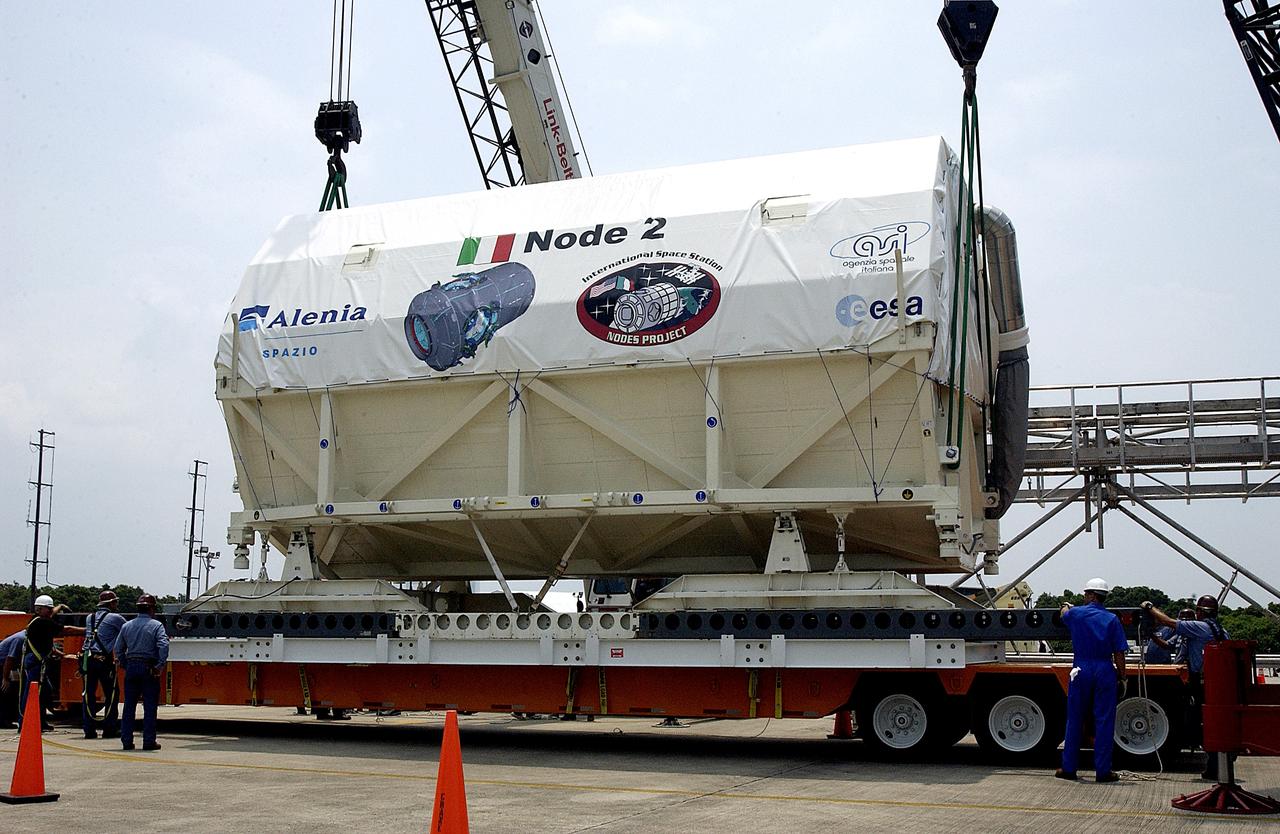
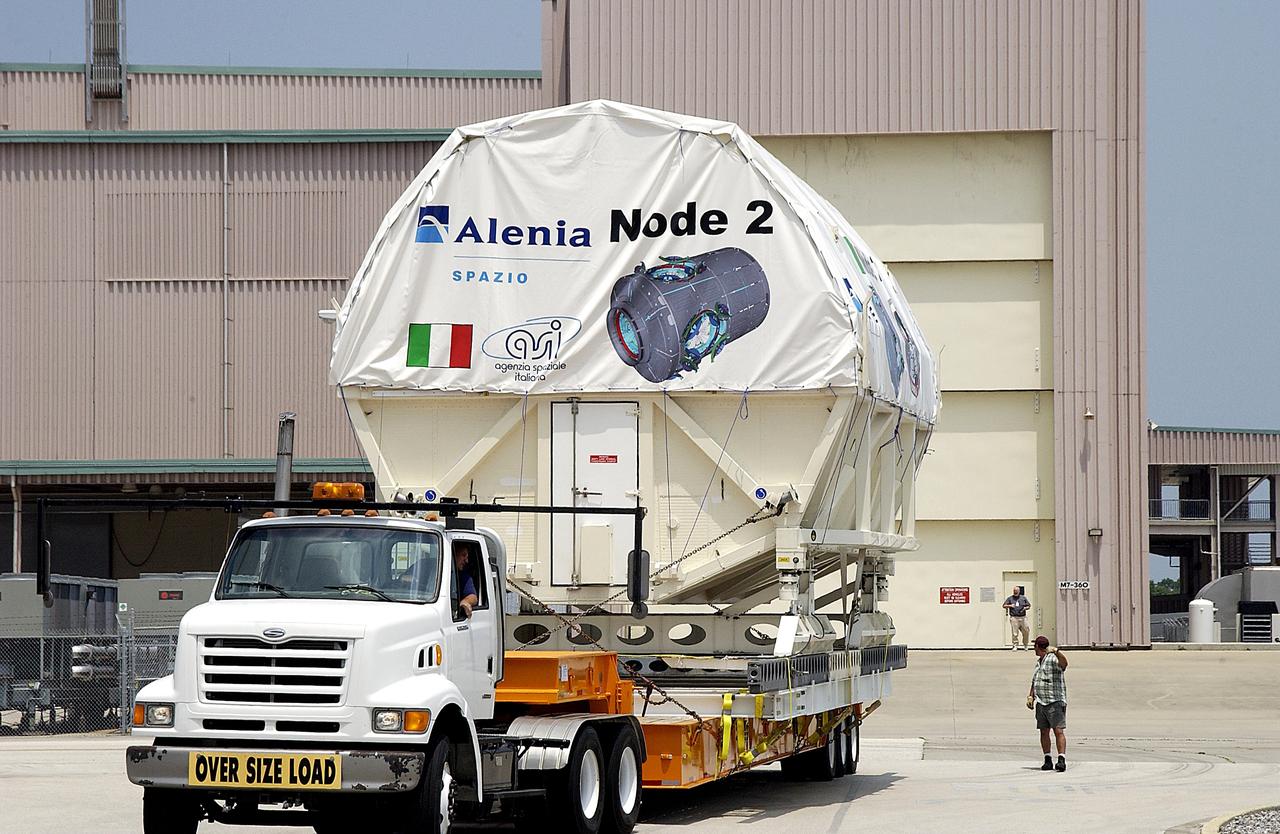
KENNEDY SPACE CENTER, FLA. -  The Italian-built module, U.S. Node 2, is secured on a transporter after its arrival at the Shuttle Landing Facility.  It will be taken to the Space Station Processing Facility.  The second of three connecting modules on the International Space Station, Node 2 attaches to the end of the U.S. Lab and provides attach locations for the Japanese laboratory, European laboratory, the Centrifuge Accommodation Module and, later, Multipurpose Logistics Modules. It will provide the primary docking location for the Shuttle when a pressurized mating adapter is attached to Node 2.  Installation of the module will complete  the U.S. Core of the ISS.  Node 2 is the designated payload for mission STS-120.  No orbiter or launch date has been determined yet.
KENNEDY SPACE CENTER, FLA. - The Italian-built module, U.S. Node 2, is secured on a transporter after its arrival at the Shuttle Landing Facility. It will be taken to the Space Station Processing Facility. The second of three connecting modules on the International Space Station, Node 2 attaches to the end of the U.S. Lab and provides attach locations for the Japanese laboratory, European laboratory, the Centrifuge Accommodation Module and, later, Multipurpose Logistics Modules. It will provide the primary docking location for the Shuttle when a pressurized mating adapter is attached to Node 2. Installation of the module will complete the U.S. Core of the ISS. Node 2 is the designated payload for mission STS-120. No orbiter or launch date has been determined yet.
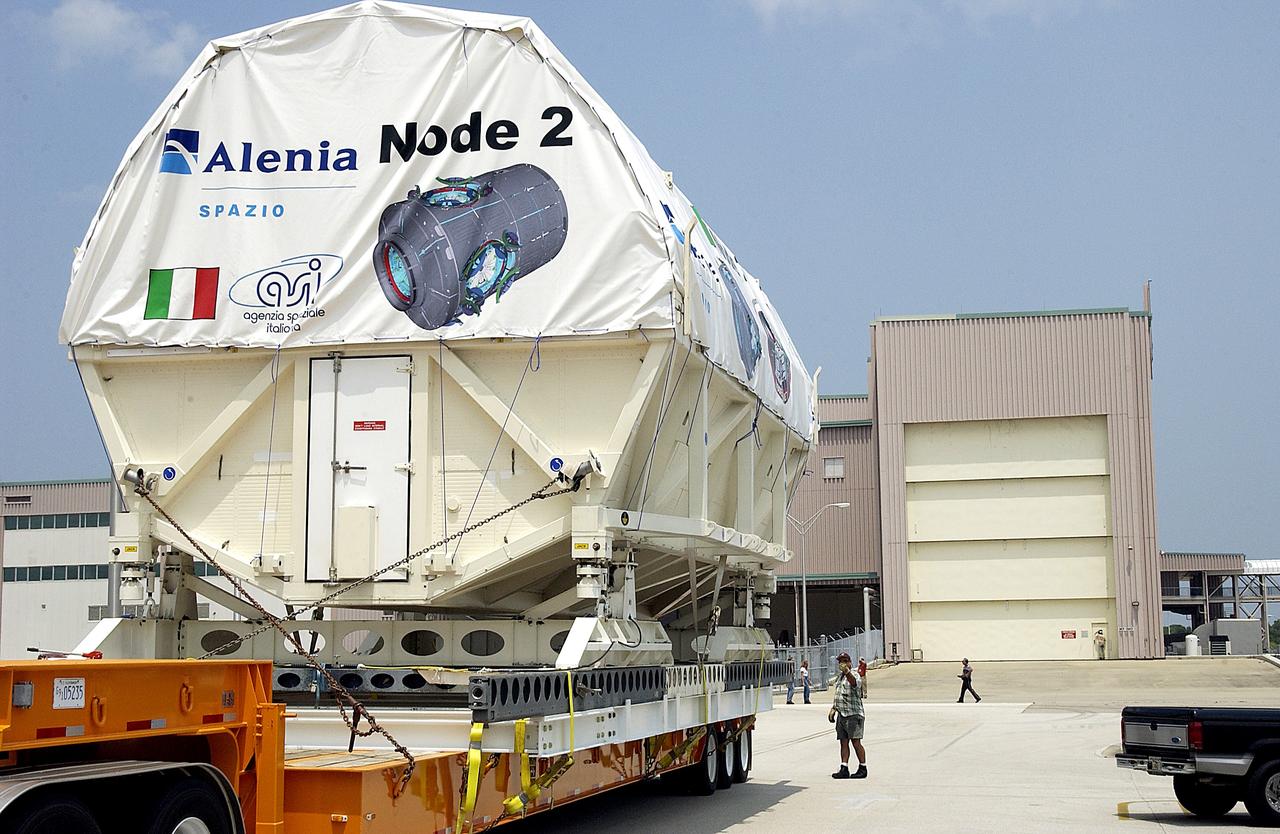
KENNEDY SPACE CENTER, FLA. -  The Italian-built module, U.S. Node 2, begins its transfer from  the Shuttle Landing Facility to the Space Station Processing Facility.  The second of three connecting modules on the International Space Station, Node 2 attaches to the end of the U.S. Lab and provides attach locations for the Japanese laboratory, European laboratory, the Centrifuge Accommodation Module and, later, Multipurpose Logistics Modules. It will provide the primary docking location for the Shuttle when a pressurized mating adapter is attached to Node 2.  Installation of the module will complete  the U.S. Core of the ISS.  Node 2 is the designated payload for mission STS-120.  No orbiter or launch date has been determined yet.
KENNEDY SPACE CENTER, FLA. - The Italian-built module, U.S. Node 2, begins its transfer from the Shuttle Landing Facility to the Space Station Processing Facility. The second of three connecting modules on the International Space Station, Node 2 attaches to the end of the U.S. Lab and provides attach locations for the Japanese laboratory, European laboratory, the Centrifuge Accommodation Module and, later, Multipurpose Logistics Modules. It will provide the primary docking location for the Shuttle when a pressurized mating adapter is attached to Node 2. Installation of the module will complete the U.S. Core of the ISS. Node 2 is the designated payload for mission STS-120. No orbiter or launch date has been determined yet.
KENNEDY SPACE CENTER, FLA. -  The inside of the Italian-built Node 2 looks pristine after opening of the hatch.  A future element of the International Space Station,  Node 2 arrived at KSC June 1.  The second of three Station connecting modules, Node 2 attaches to the end of the U.S. Lab and provides attach locations for the Japanese laboratory, European laboratory, the Centrifuge Accommodation Module and, later, Multipurpose Logistics Modules. It will provide the primary docking location for the Shuttle when a pressurized mating adapter is attached to Node 2.  Installation of the module will complete  the U.S. Core of the ISS.  Node 2 is the designated payload for mission STS-120.  No orbiter or launch date has been determined yet.
KENNEDY SPACE CENTER, FLA. - The inside of the Italian-built Node 2 looks pristine after opening of the hatch. A future element of the International Space Station, Node 2 arrived at KSC June 1. The second of three Station connecting modules, Node 2 attaches to the end of the U.S. Lab and provides attach locations for the Japanese laboratory, European laboratory, the Centrifuge Accommodation Module and, later, Multipurpose Logistics Modules. It will provide the primary docking location for the Shuttle when a pressurized mating adapter is attached to Node 2. Installation of the module will complete the U.S. Core of the ISS. Node 2 is the designated payload for mission STS-120. No orbiter or launch date has been determined yet.
KENNEDY SPACE CENTER, FLA. -  The Italian-built module, U.S. Node 2, nears the Space Station Processing Facility after its move from the Shuttle Landing Facility. The second of three connecting modules on the International Space Station, Node 2 attaches to the end of the U.S. Lab and provides attach locations for the Japanese laboratory, European laboratory, the Centrifuge Accommodation Module and, later, Multipurpose Logistics Modules. It will provide the primary docking location for the Shuttle when a pressurized mating adapter is attached to Node 2.  Installation of the module will complete  the U.S. Core of the ISS.  Node 2 is the designated payload for mission STS-120.  No orbiter or launch date has been determined yet.
KENNEDY SPACE CENTER, FLA. - The Italian-built module, U.S. Node 2, nears the Space Station Processing Facility after its move from the Shuttle Landing Facility. The second of three connecting modules on the International Space Station, Node 2 attaches to the end of the U.S. Lab and provides attach locations for the Japanese laboratory, European laboratory, the Centrifuge Accommodation Module and, later, Multipurpose Logistics Modules. It will provide the primary docking location for the Shuttle when a pressurized mating adapter is attached to Node 2. Installation of the module will complete the U.S. Core of the ISS. Node 2 is the designated payload for mission STS-120. No orbiter or launch date has been determined yet.
KENNEDY SPACE CENTER, FLA. -  The U.S. Node 2 is lowered onto a workstand in the Space Station Processing Facility.  The second of three connecting modules on the International Space Station, the Italian-built Node 2 attaches to the end of the U.S. Lab and provides attach locations for the Japanese laboratory, European laboratory, the Centrifuge Accommodation Module and, later, Multipurpose Logistics Modules. It will provide the primary docking location for the Shuttle when a pressurized mating adapter is attached to Node 2.  Installation of the module will complete  the U.S. Core of the ISS.  Node 2 is the designated payload for mission STS-120.  No orbiter or launch date has been determined yet.
KENNEDY SPACE CENTER, FLA. - The U.S. Node 2 is lowered onto a workstand in the Space Station Processing Facility. The second of three connecting modules on the International Space Station, the Italian-built Node 2 attaches to the end of the U.S. Lab and provides attach locations for the Japanese laboratory, European laboratory, the Centrifuge Accommodation Module and, later, Multipurpose Logistics Modules. It will provide the primary docking location for the Shuttle when a pressurized mating adapter is attached to Node 2. Installation of the module will complete the U.S. Core of the ISS. Node 2 is the designated payload for mission STS-120. No orbiter or launch date has been determined yet.
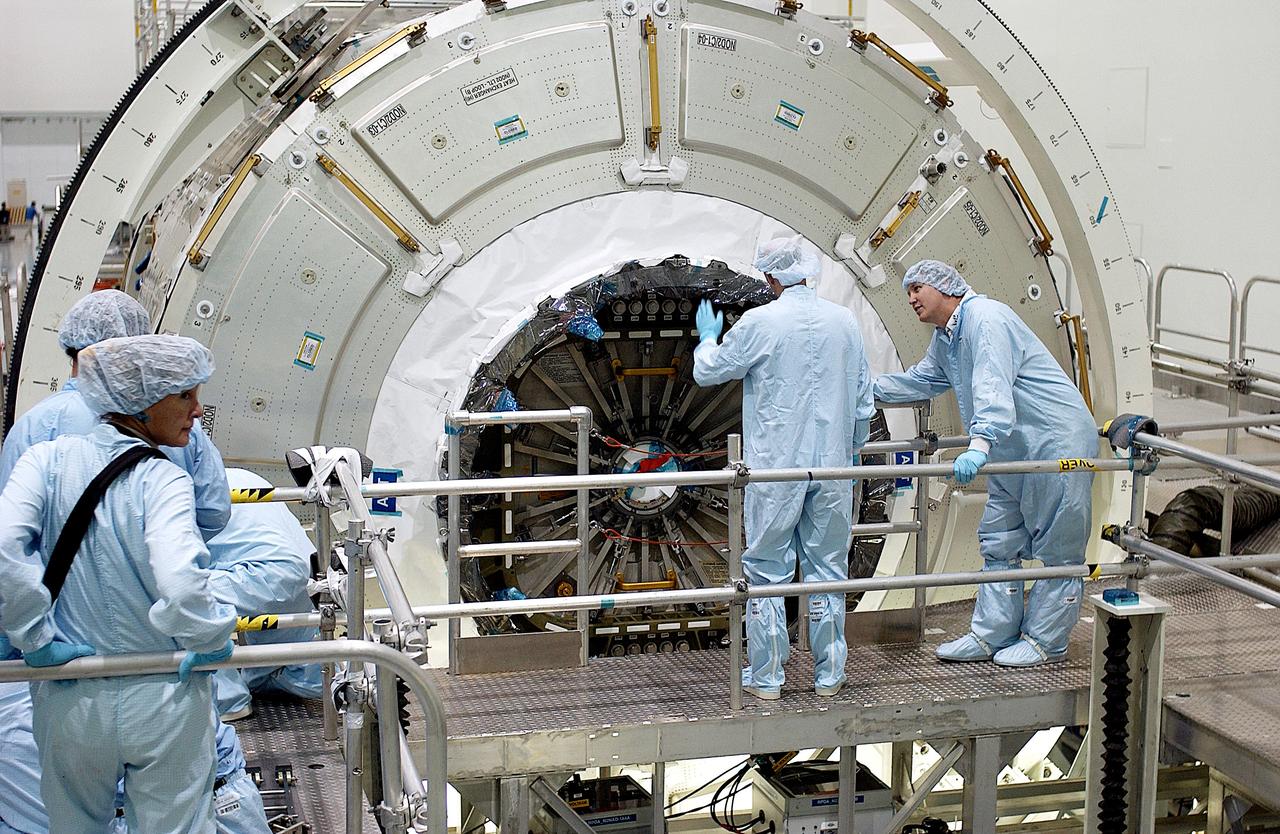
KENNEDY SPACE CENTER, FLA. -  Workers in the Space Station Processing Facility look over the hatch on the Italian-built Node 2, a future element of the International Space Station.  Node 2 arrived at KSC June 1.  The second of three Station connecting modules, the module  attaches to the end of the U.S. Lab and provides attach locations for the Japanese laboratory, European laboratory, the Centrifuge Accommodation Module and, later, Multipurpose Logistics Modules. It will provide the primary docking location for the Shuttle when a pressurized mating adapter is attached to Node 2.  Installation of the module will complete  the U.S. Core of the ISS.  Node 2 is the designated payload for mission STS-120.  No orbiter or launch date has been determined yet.
KENNEDY SPACE CENTER, FLA. - Workers in the Space Station Processing Facility look over the hatch on the Italian-built Node 2, a future element of the International Space Station. Node 2 arrived at KSC June 1. The second of three Station connecting modules, the module attaches to the end of the U.S. Lab and provides attach locations for the Japanese laboratory, European laboratory, the Centrifuge Accommodation Module and, later, Multipurpose Logistics Modules. It will provide the primary docking location for the Shuttle when a pressurized mating adapter is attached to Node 2. Installation of the module will complete the U.S. Core of the ISS. Node 2 is the designated payload for mission STS-120. No orbiter or launch date has been determined yet.
KENNEDY SPACE CENTER, FLA. - The Italian-built module, U.S. Node 2, for the International Space Station is offloaded from a Beluga at the Shuttle Landing Facility. The second of three Station connecting modules, Node 2 attaches to the end of the U.S. Lab and provides attach locations for the Japanese laboratory, European laboratory, the Centrifuge Accommodation Module and, later, Multipurpose Logistics Modules. It will provide the primary docking location for the Shuttle when a pressurized mating adapter is attached to Node 2.  Installation of the module will complete  the U.S. Core of the ISS.  Node 2 is the designated payload for mission STS-120.  No orbiter or launch date has been determined yet.
KENNEDY SPACE CENTER, FLA. - The Italian-built module, U.S. Node 2, for the International Space Station is offloaded from a Beluga at the Shuttle Landing Facility. The second of three Station connecting modules, Node 2 attaches to the end of the U.S. Lab and provides attach locations for the Japanese laboratory, European laboratory, the Centrifuge Accommodation Module and, later, Multipurpose Logistics Modules. It will provide the primary docking location for the Shuttle when a pressurized mating adapter is attached to Node 2. Installation of the module will complete the U.S. Core of the ISS. Node 2 is the designated payload for mission STS-120. No orbiter or launch date has been determined yet.
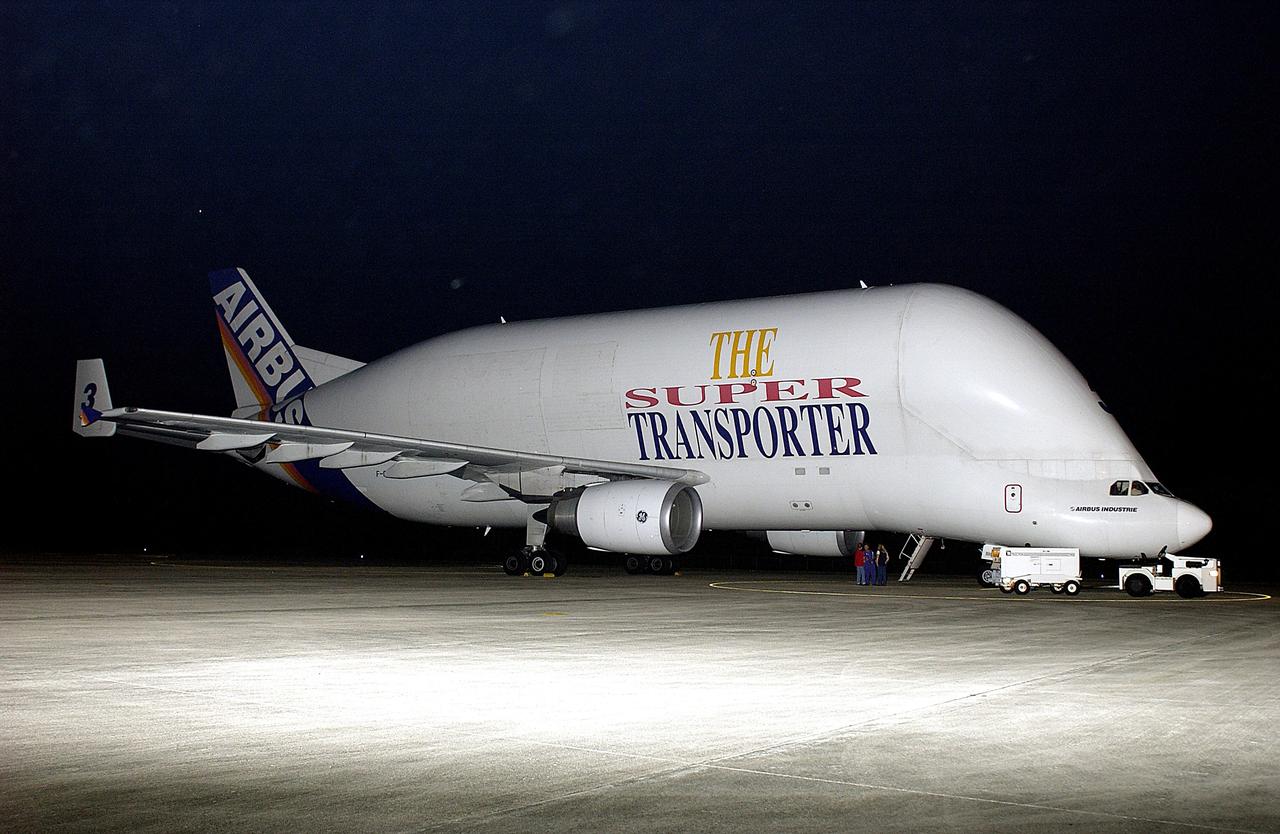
KENNEDY SPACE CENTER, FLA. - A Beluga aircraft arrives at the Shuttle Landing Facility with its cargo of the Italian-built module, U.S. Node 2, for the International Space Station.  The second of three Station connecting modules, Node 2 attaches to the end of the U.S. Lab and provides attach locations for the Japanese laboratory, European laboratory, the Centrifuge Accommodation Module and, later, Multipurpose Logistics Modules. It will provide the primary docking location for the Shuttle when a pressurized mating adapter is attached to Node 2.  Installation of the module will complete  the U.S. Core of the ISS.  Node 2 is the designated payload for mission STS-120.  No orbiter or launch date has been determined yet.
KENNEDY SPACE CENTER, FLA. - A Beluga aircraft arrives at the Shuttle Landing Facility with its cargo of the Italian-built module, U.S. Node 2, for the International Space Station. The second of three Station connecting modules, Node 2 attaches to the end of the U.S. Lab and provides attach locations for the Japanese laboratory, European laboratory, the Centrifuge Accommodation Module and, later, Multipurpose Logistics Modules. It will provide the primary docking location for the Shuttle when a pressurized mating adapter is attached to Node 2. Installation of the module will complete the U.S. Core of the ISS. Node 2 is the designated payload for mission STS-120. No orbiter or launch date has been determined yet.