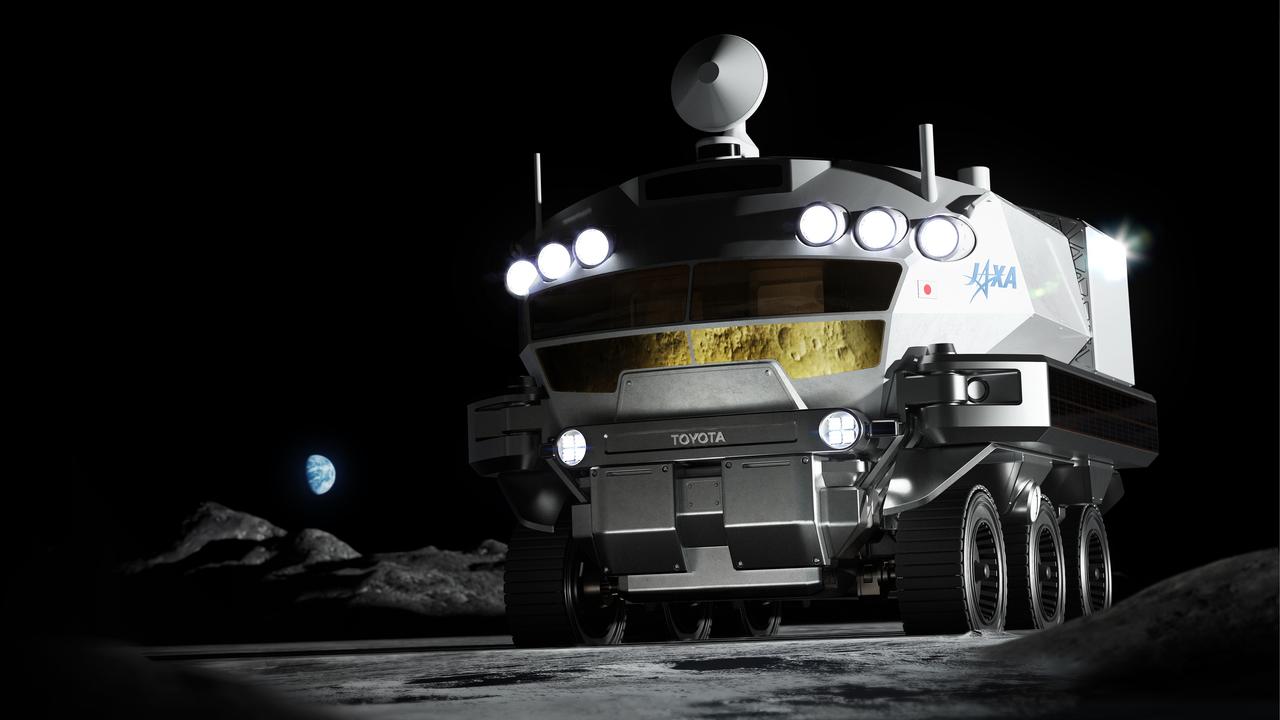
A concept image of a pressurized rover on the surface of the Moon. Image Credit: JAXA/Toyota
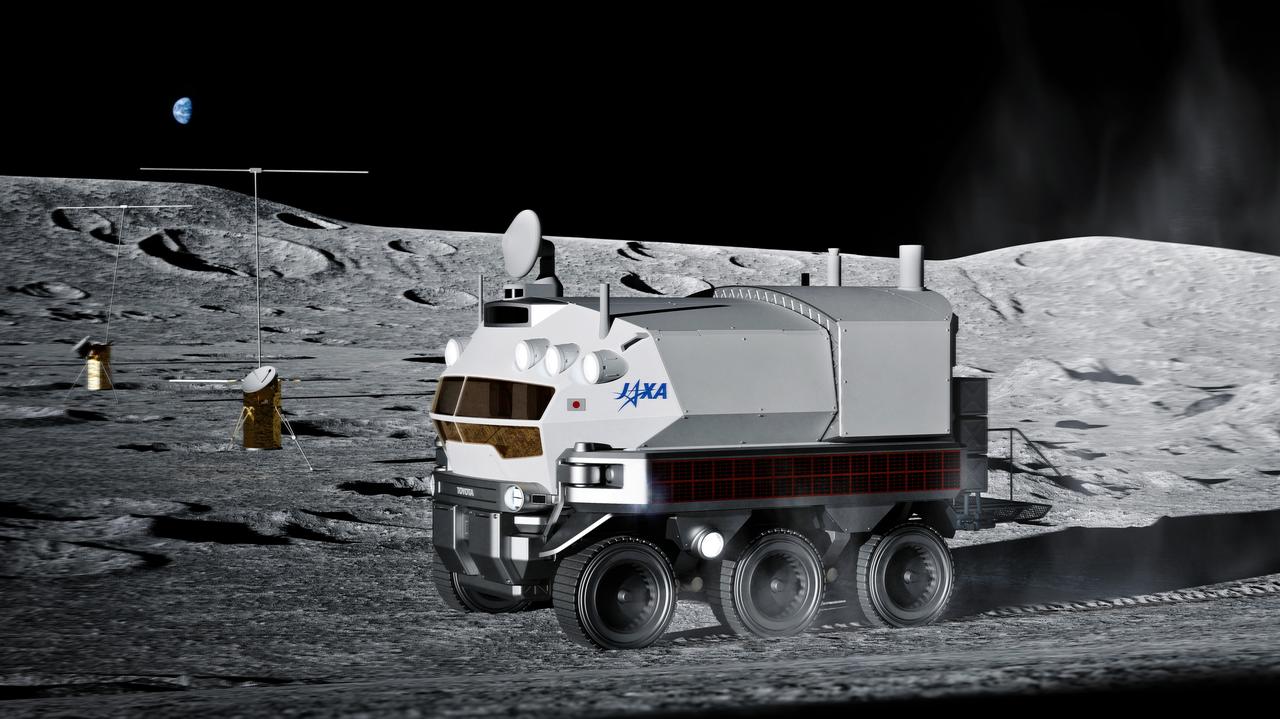
A concept image of a pressurized rover on the surface of the Moon. Image Credit: JAXA/Toyota
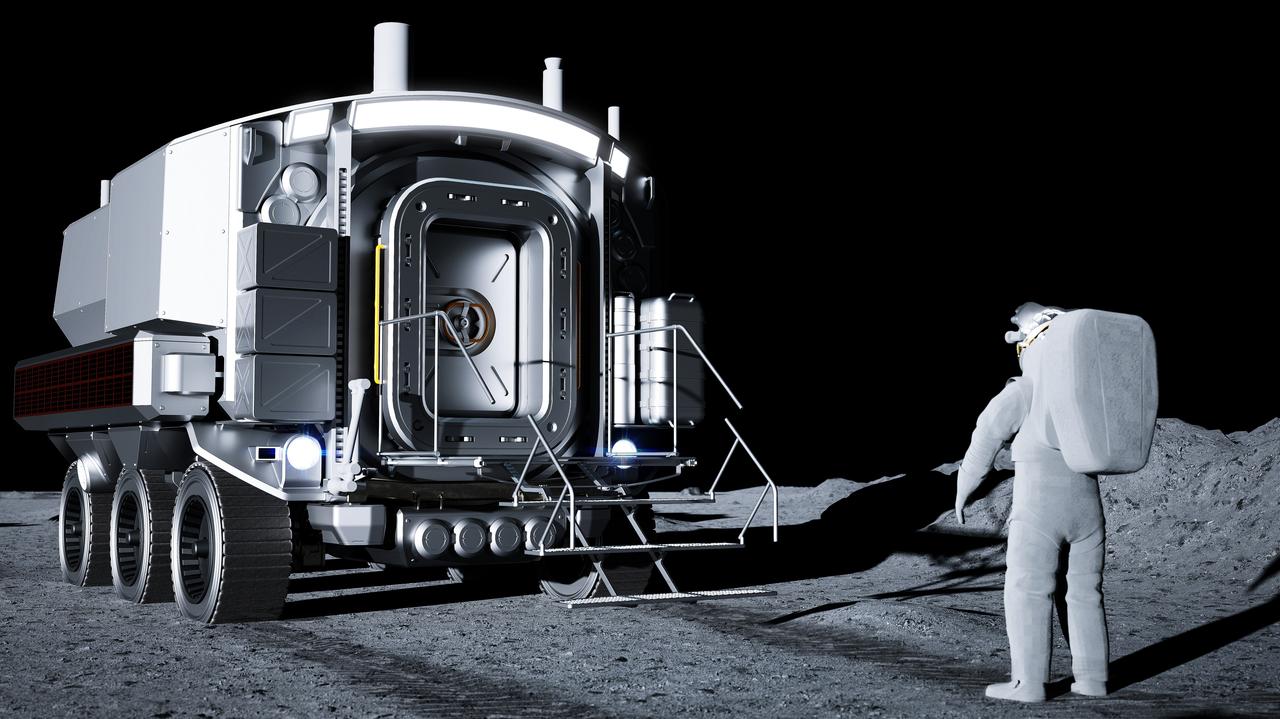
A concept image of the back of a pressurized rover on the surface of the Moon with the airlock in view. Image Credit: JAXA/Toyota
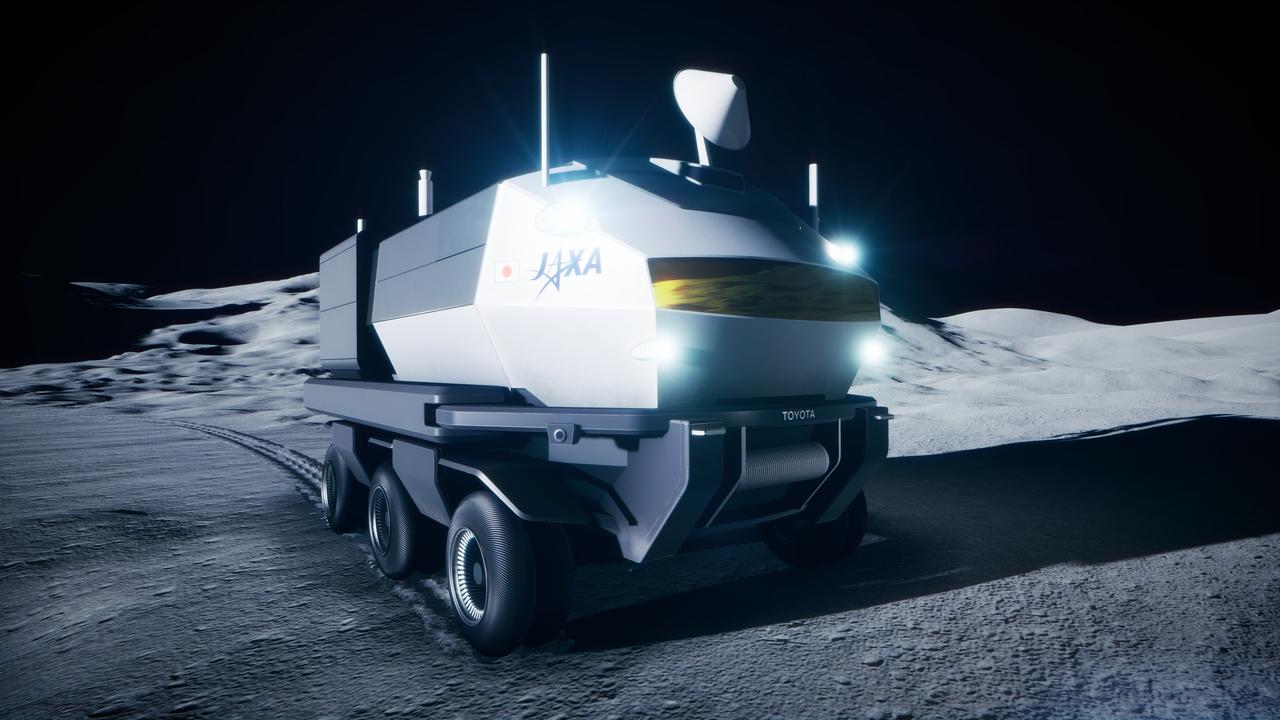
A concept image of JAXA’s (Japan Aerospace Exploration Agency) pressurized rover on the surface of the Moon. Image Credit: JAXA/Toyota
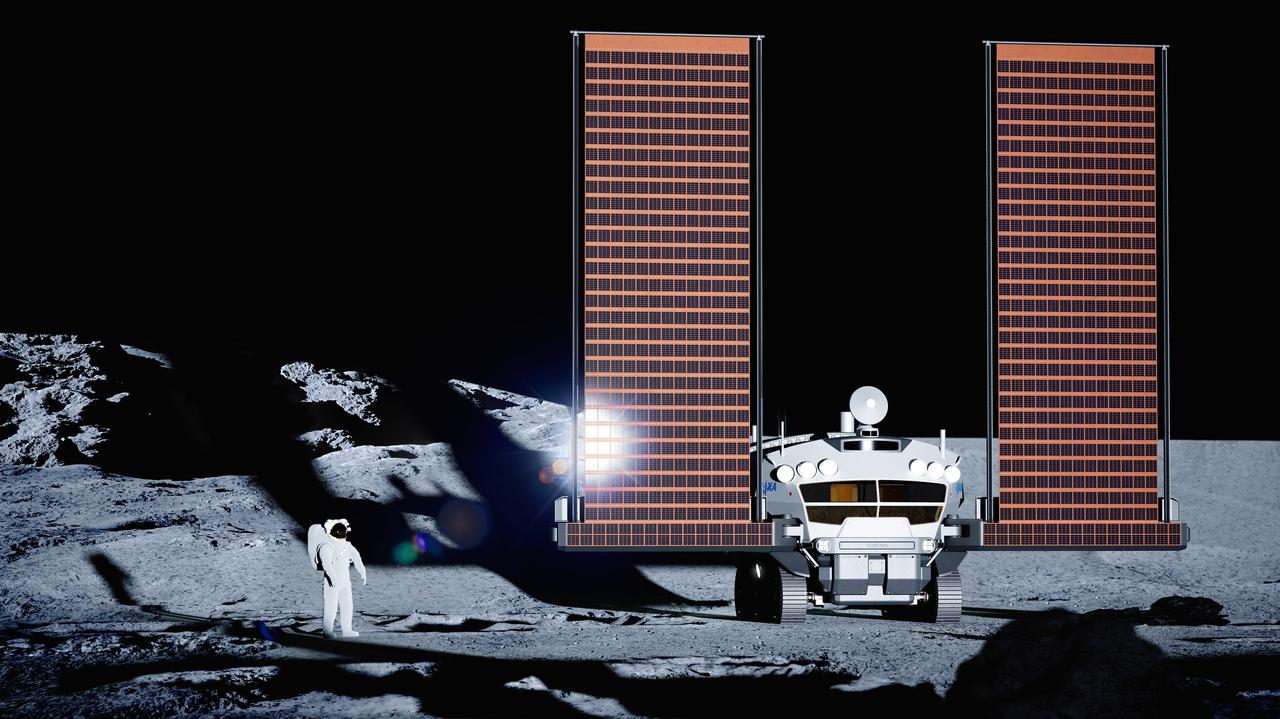
A concept image of a pressurized rover on the surface of the Moon with its solar arrays deployed. Image Credit: JAXA/Toyota
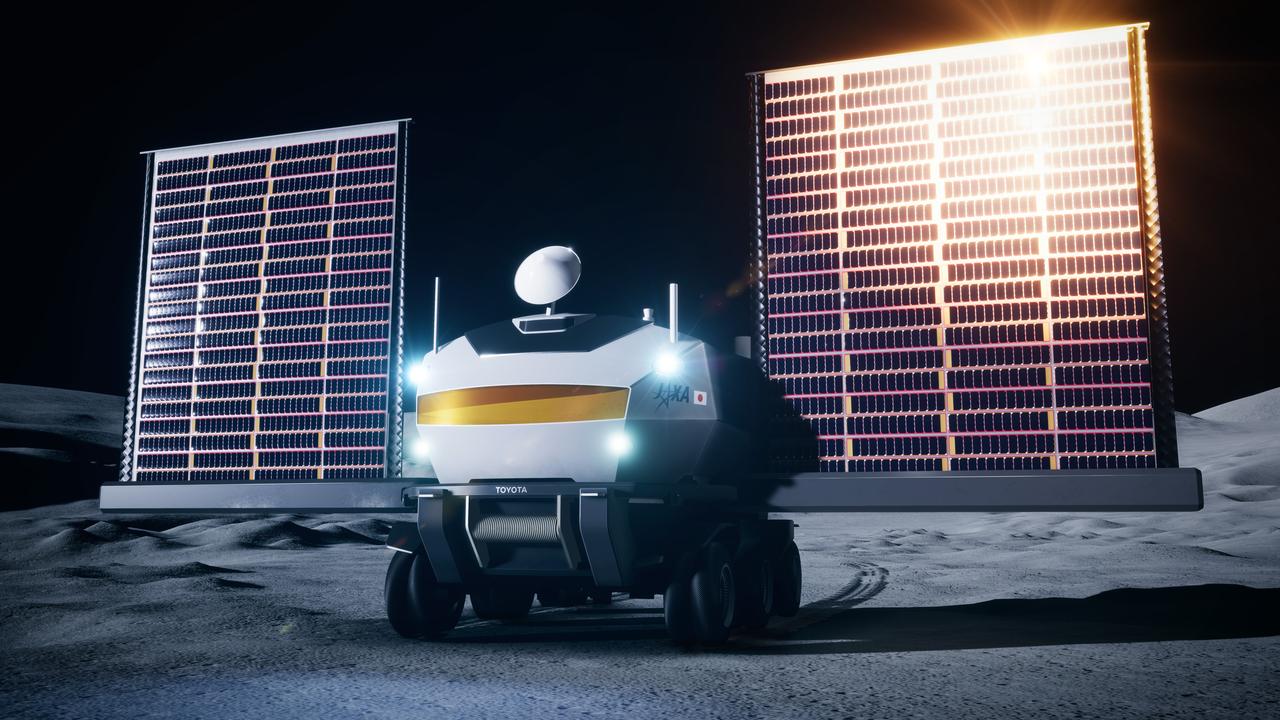
A concept image of JAXA’s (Japan Aerospace Exploration Agency) pressurized rover with its solar arrays deployed on the surface of the Moon. Image Credit: JAXA/Toyota

A model of the Pressurized lunar rover is seen during a briefing discussing the historic agreement signed April 9th at NASA Headquarters, between the United States and Japan to advance sustainable human exploration of the Moon, Wednesday, April 10, 2024, at the Japan Aerospace Exploration Agency (JAXA) offices in Washington. Under the agreement, Japan will design, develop, and operate a pressurized rover for crewed and uncrewed exploration on the Moon. NASA will provide the launch and delivery of the rover to the Moon as well as two Japanese astronaut missions to the lunar surface. Photo Credit: Photo Credit: (NASA/Bill Ingalls)

A model of the Pressurized lunar rover is seen during a briefing discussing the historic agreement signed April 9th at NASA Headquarters, between the United States and Japan to advance sustainable human exploration of the Moon, Wednesday, April 10, 2024, at the Japan Aerospace Exploration Agency (JAXA) offices in Washington. Under the agreement, Japan will design, develop, and operate a pressurized rover for crewed and uncrewed exploration on the Moon. NASA will provide the launch and delivery of the rover to the Moon as well as two Japanese astronaut missions to the lunar surface. Photo Credit: Photo Credit: (NASA/Bill Ingalls)
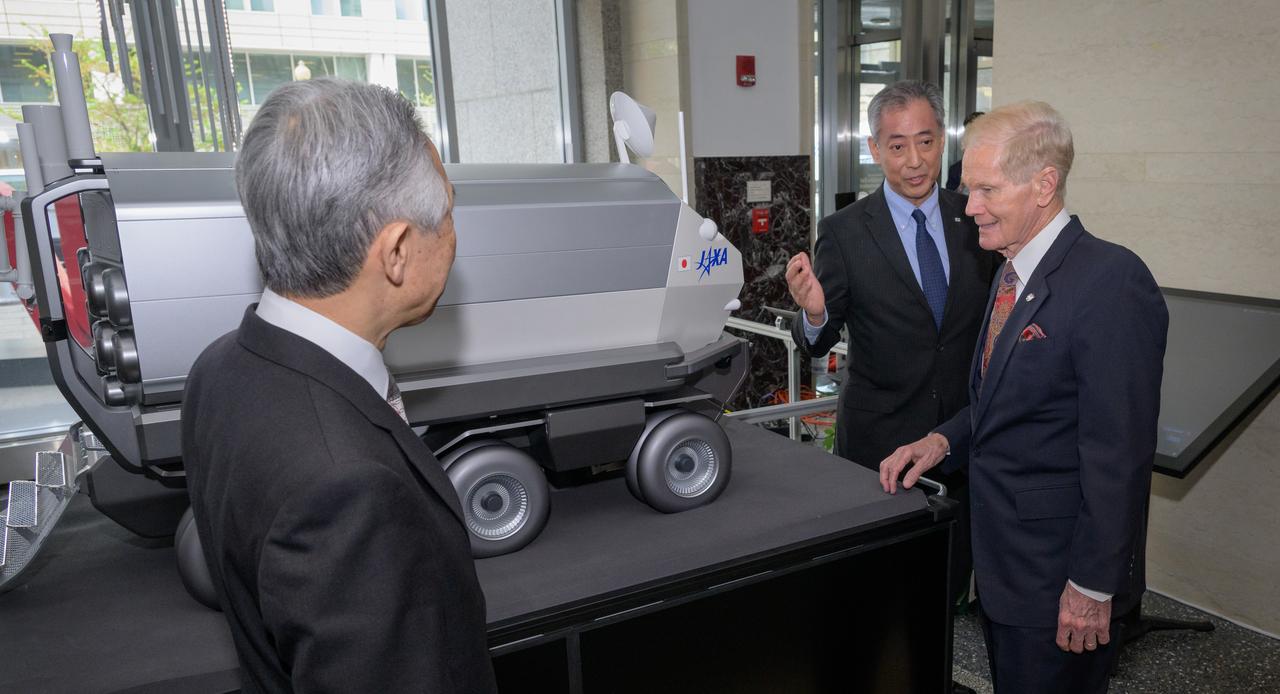
Japan’s Minister of Education, Culture, Sports, Science and Technology Masahito Moriyama, left, Japan Aerospace Exploration Agency (JAXA) President Hiroshi Yamakawa, and NASA Administrator Bill Nelson, right, look at a model of the Pressurized lunar rover, prior to the signing an historic agreement between the United States and Japan to advance sustainable human exploration of the Moon, Tuesday, April 9, 2024, at the NASA Headquarters Mary W. Jackson Building in Washington. Under the agreement, Japan will design, develop, and operate a pressurized rover for crewed and uncrewed exploration on the Moon. NASA will provide the launch and delivery of the rover to the Moon as well as two Japanese astronaut missions to the lunar surface. Photo Credit: (NASA/Bill Ingalls)

Japan Aerospace Exploration Agency (JAXA) President Hiroshi Yamakawa, left, JAXA astronaut Akihiko Hoshide, Japan’s Minister of Education, Culture, Sports, Science and Technology Masahito Moriyama, NASA Administrator Bill Nelson, and NASA astronaut Kayla Barron, right, talk by a model of the Pressurized lunar rover, after the signing of an historic agreement between the United States and Japan to advance sustainable human exploration of the Moon, Tuesday, April 9, 2024, at the NASA Headquarters Mary W. Jackson Building in Washington. Under the agreement, Japan will design, develop, and operate a pressurized rover for crewed and uncrewed exploration on the Moon. NASA will provide the launch and delivery of the rover to the Moon as well as two Japanese astronaut missions to the lunar surface. Photo Credit: (NASA/Bill Ingalls)
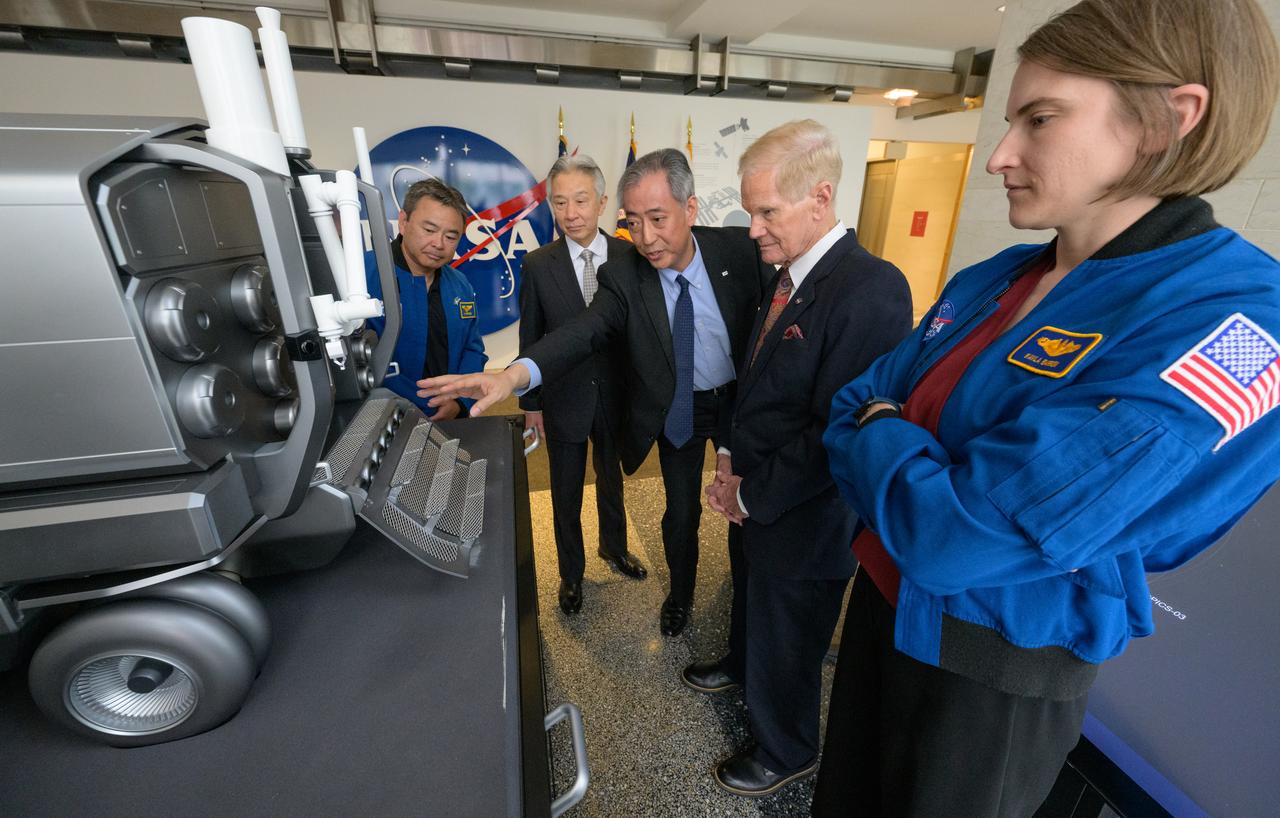
Japan Aerospace Exploration Agency (JAXA) astronaut Akihiko Hoshide, left, Japan’s Minister of Education, Culture, Sports, Science and Technology Masahito Moriyama, JAXA President Hiroshi Yamakawa, NASA Administrator Bill Nelson, and NASA astronaut Kayla Barron, right, talk by a model of the Pressurized lunar rover, after the signing of an historic agreement between the United States and Japan to advance sustainable human exploration of the Moon, Tuesday, April 9, 2024, at the NASA Headquarters Mary W. Jackson Building in Washington. Under the agreement, Japan will design, develop, and operate a pressurized rover for crewed and uncrewed exploration on the Moon. NASA will provide the launch and delivery of the rover to the Moon as well as two Japanese astronaut missions to the lunar surface. Photo Credit: (NASA/Bill Ingalls)
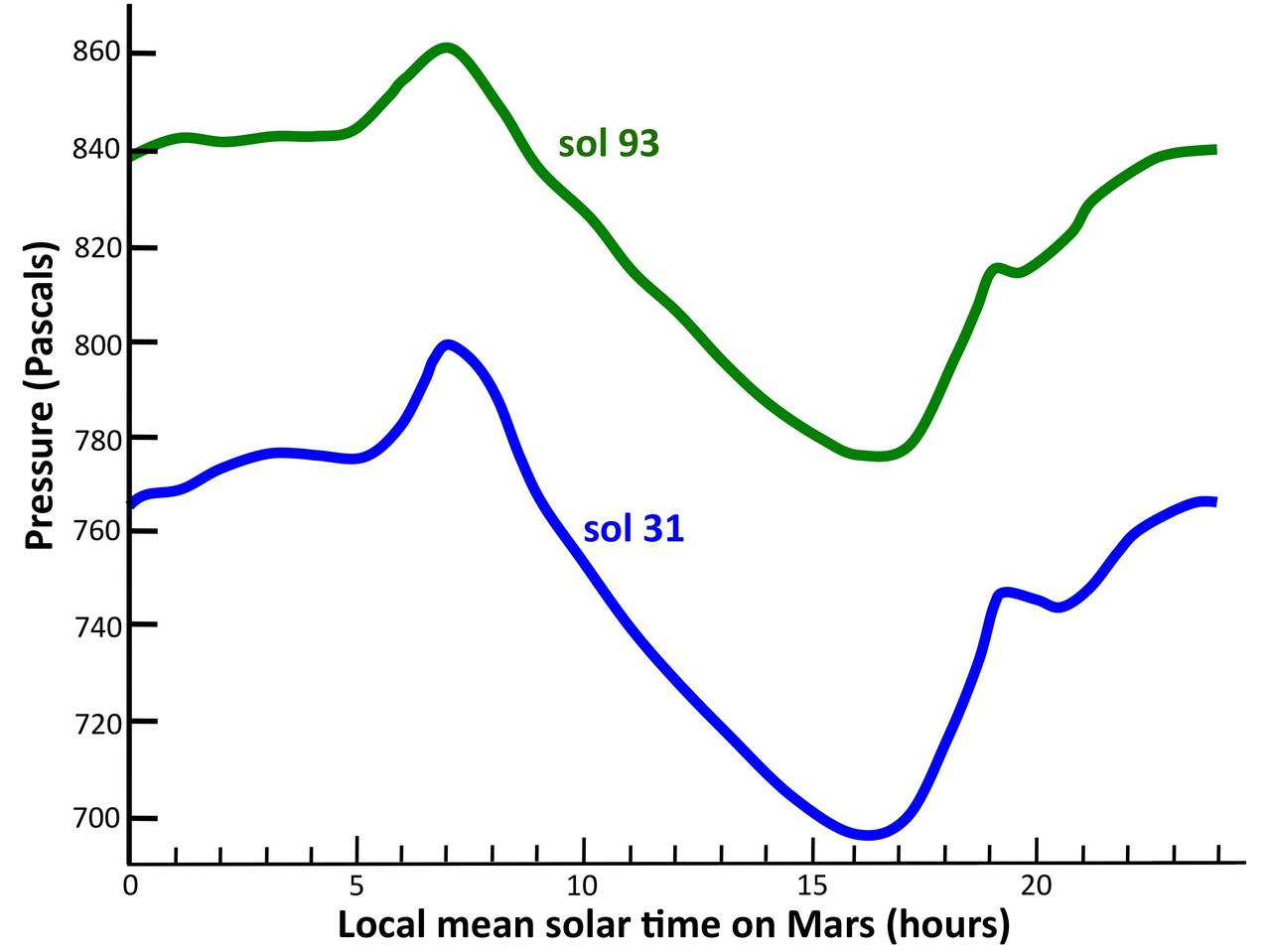
This graph shows the atmospheric pressure at the surface of Mars, as measured by the Rover Environmental Monitoring Station on NASA Curiosity rover. Pressure is a measure of the amount of air in the whole column of atmosphere sitting above the rover.
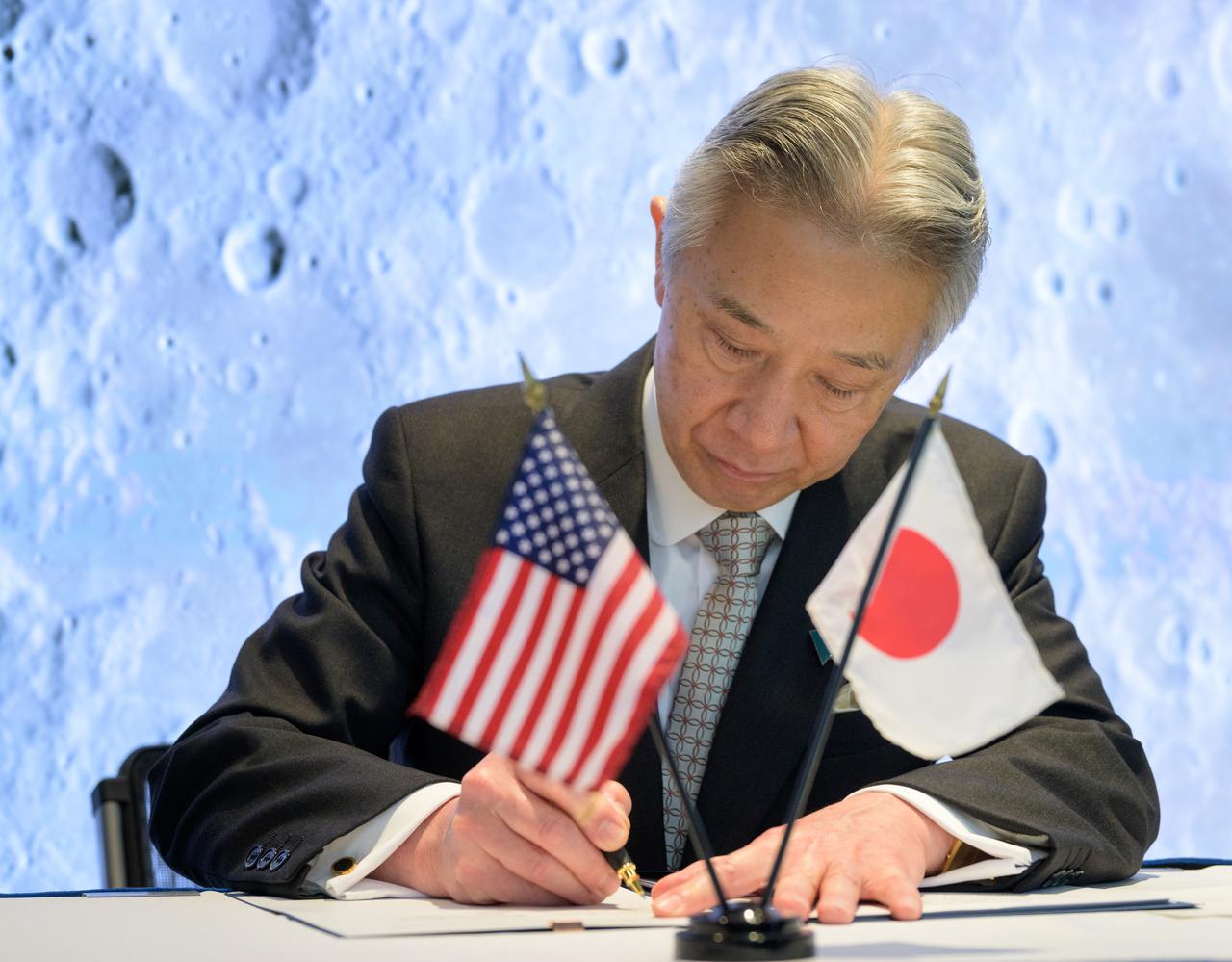
Japan’s Minister of Education, Culture, Sports, Science and Technology Masahito Moriyama, signs an historic agreement between the United States and Japan to advance sustainable human exploration of the Moon, Tuesday, April 9, 2024, at the NASA Headquarters Mary W. Jackson Building in Washington. Under the agreement, Japan will design, develop, and operate a pressurized rover for crewed and uncrewed exploration on the Moon. NASA will provide the launch and delivery of the rover to the Moon as well as two Japanese astronaut missions to the lunar surface. Photo Credit: (NASA/Bill Ingalls)

NASA Press Secretary Faith McKie moderates an event where an historic agreement is to be signed between the United States and Japan to advance sustainable human exploration of the Moon, Tuesday, April 9, 2024, at the NASA Headquarters Mary W. Jackson Building in Washington. Under the agreement, Japan will design, develop, and operate a pressurized rover for crewed and uncrewed exploration on the Moon. NASA will provide the launch and delivery of the rover to the Moon as well as two Japanese astronaut missions to the lunar surface. Photo Credit: (NASA/Bill Ingalls)

NASA Administrator Bill Nelson signs an historic agreement between the United States and Japan to advance sustainable human exploration of the Moon, Tuesday, April 9, 2024, at the NASA Headquarters Mary W. Jackson Building in Washington. Under the agreement, Japan will design, develop, and operate a pressurized rover for crewed and uncrewed exploration on the Moon. NASA will provide the launch and delivery of the rover to the Moon as well as two Japanese astronaut missions to the lunar surface. Photo Credit: (NASA/Bill Ingalls)

NASA Administrator Bill Nelson speaks prior to signing an historic agreement between the United States and Japan to advance sustainable human exploration of the Moon, Tuesday, April 9, 2024, at the NASA Headquarters Mary W. Jackson Building in Washington. Under the agreement, Japan will design, develop, and operate a pressurized rover for crewed and uncrewed exploration on the Moon. NASA will provide the launch and delivery of the rover to the Moon as well as two Japanese astronaut missions to the lunar surface. Photo Credit: (NASA/Bill Ingalls)
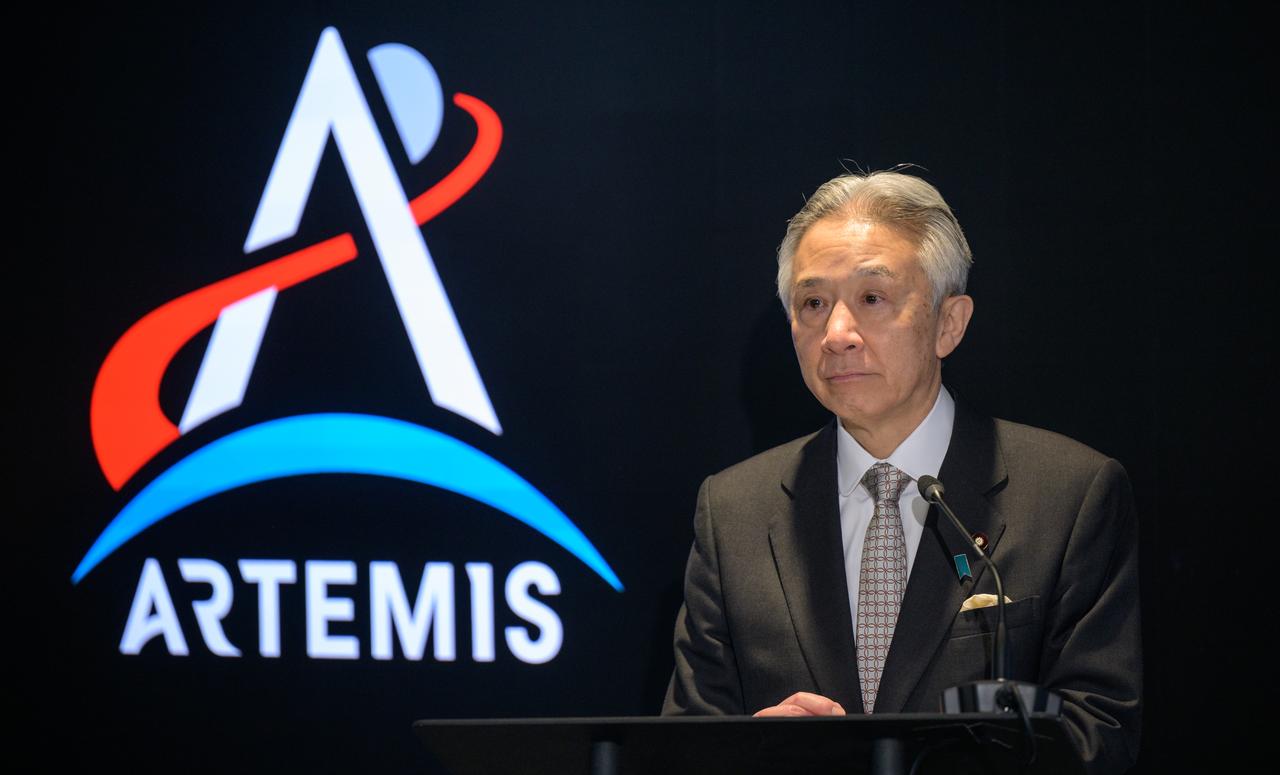
Japan’s Minister of Education, Culture, Sports, Science and Technology Masahito Moriyama speaks after signing an historic agreement between the United States and Japan to advance sustainable human exploration of the Moon, Tuesday, April 9, 2024, at the NASA Headquarters Mary W. Jackson Building in Washington. Under the agreement, Japan will design, develop, and operate a pressurized rover for crewed and uncrewed exploration on the Moon. NASA will provide the launch and delivery of the rover to the Moon as well as two Japanese astronaut missions to the lunar surface. Photo Credit: (NASA/Bill Ingalls)
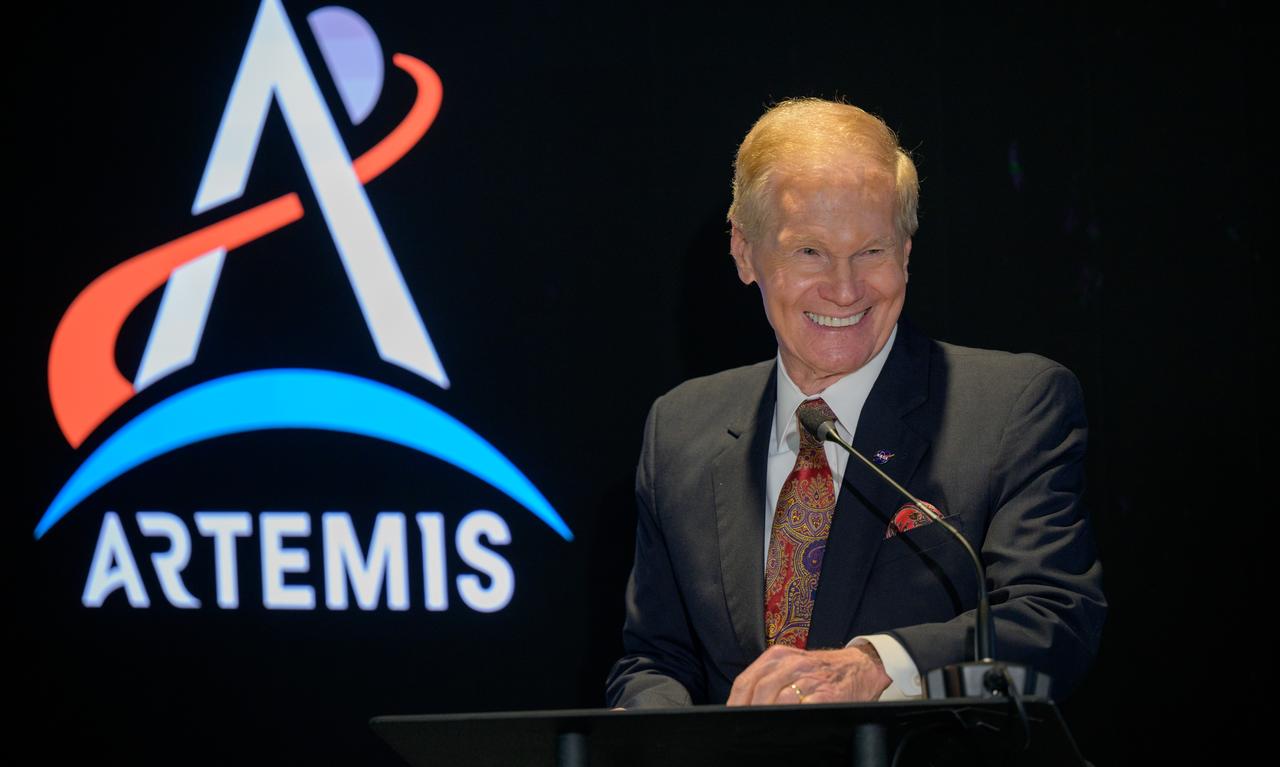
NASA Administrator Bill Nelson speaks prior to signing an historic agreement between the United States and Japan to advance sustainable human exploration of the Moon, Tuesday, April 9, 2024, at the NASA Headquarters Mary W. Jackson Building in Washington. Under the agreement, Japan will design, develop, and operate a pressurized rover for crewed and uncrewed exploration on the Moon. NASA will provide the launch and delivery of the rover to the Moon as well as two Japanese astronaut missions to the lunar surface. Photo Credit: (NASA/Bill Ingalls)

Japan’s Minister of Education, Culture, Sports, Science and Technology Masahito Moriyama speaks after signing an historic agreement between the United States and Japan to advance sustainable human exploration of the Moon, Tuesday, April 9, 2024, at the NASA Headquarters Mary W. Jackson Building in Washington. Under the agreement, Japan will design, develop, and operate a pressurized rover for crewed and uncrewed exploration on the Moon. NASA will provide the launch and delivery of the rover to the Moon as well as two Japanese astronaut missions to the lunar surface. Photo Credit: (NASA/Bill Ingalls)
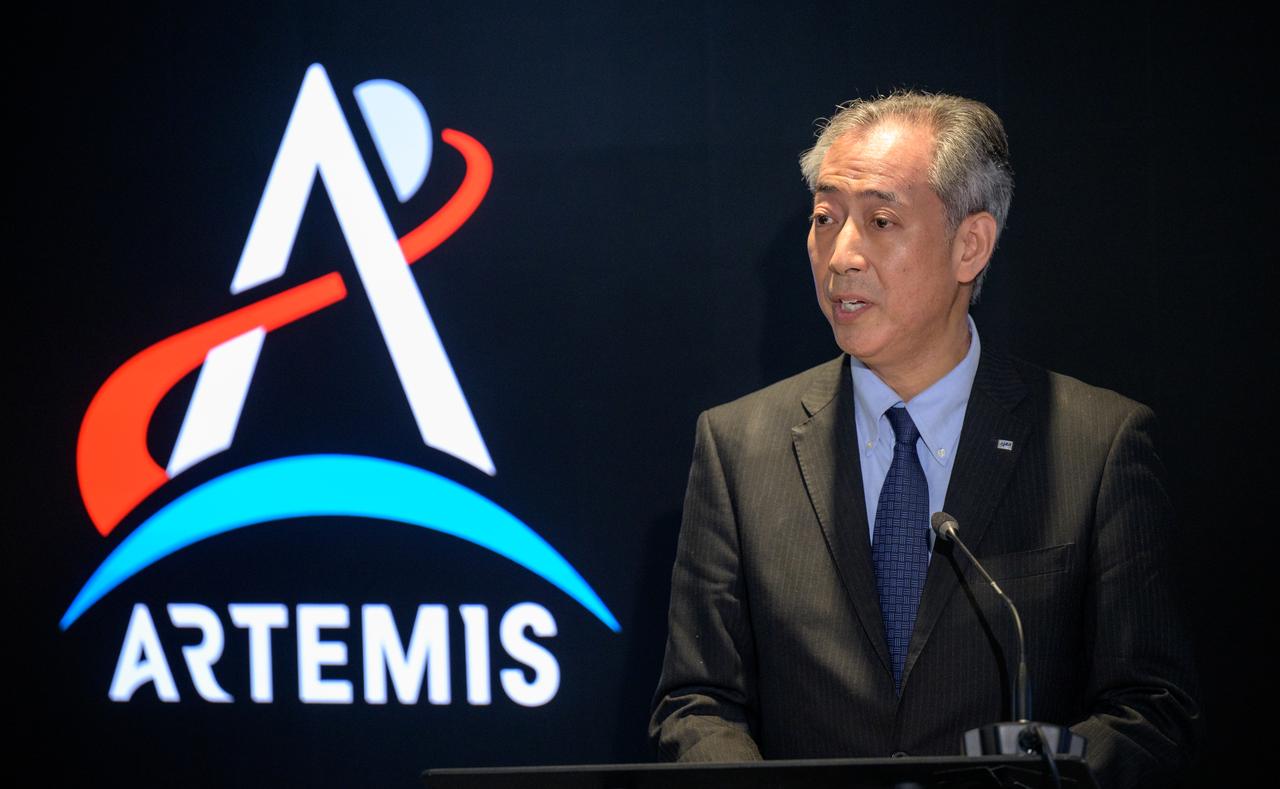
Japan Aerospace Exploration Agency (JAXA) President Hiroshi Yamakawa speaks after the signing of an historic agreement between the United States and Japan to advance sustainable human exploration of the Moon, Tuesday, April 9, 2024, at the NASA Headquarters Mary W. Jackson Building in Washington. Under the agreement, Japan will design, develop, and operate a pressurized rover for crewed and uncrewed exploration on the Moon. NASA will provide the launch and delivery of the rover to the Moon as well as two Japanese astronaut missions to the lunar surface. Photo Credit: (NASA/Bill Ingalls)
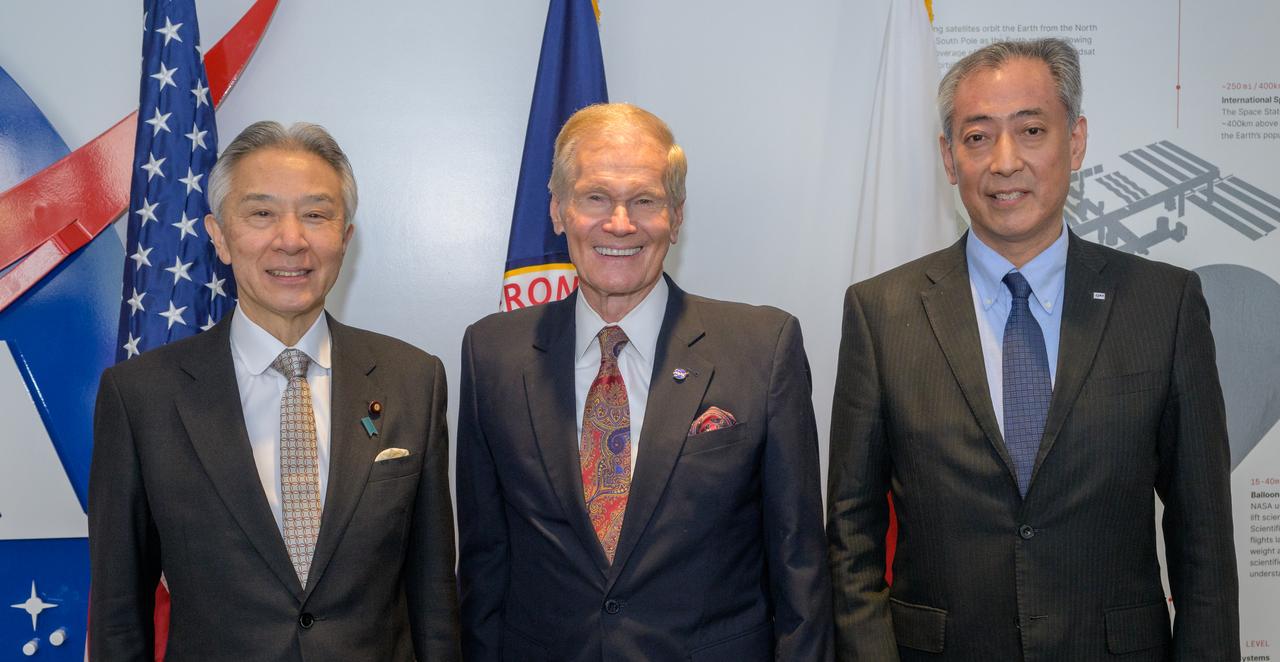
Japan’s Minister of Education, Culture, Sports, Science and Technology Masahito Moriyama, left, NASA Administrator Bill Nelson, and Japan Aerospace Exploration Agency (JAXA) President Hiroshi Yamakawa, right, pose for a photograph prior to the signing an historic agreement between the United States and Japan to advance sustainable human exploration of the Moon, Tuesday, April 9, 2024, at the NASA Headquarters Mary W. Jackson Building in Washington. Under the agreement, Japan will design, develop, and operate a pressurized rover for crewed and uncrewed exploration on the Moon. NASA will provide the launch and delivery of the rover to the Moon as well as two Japanese astronaut missions to the lunar surface. Photo Credit: (NASA/Bill Ingalls)
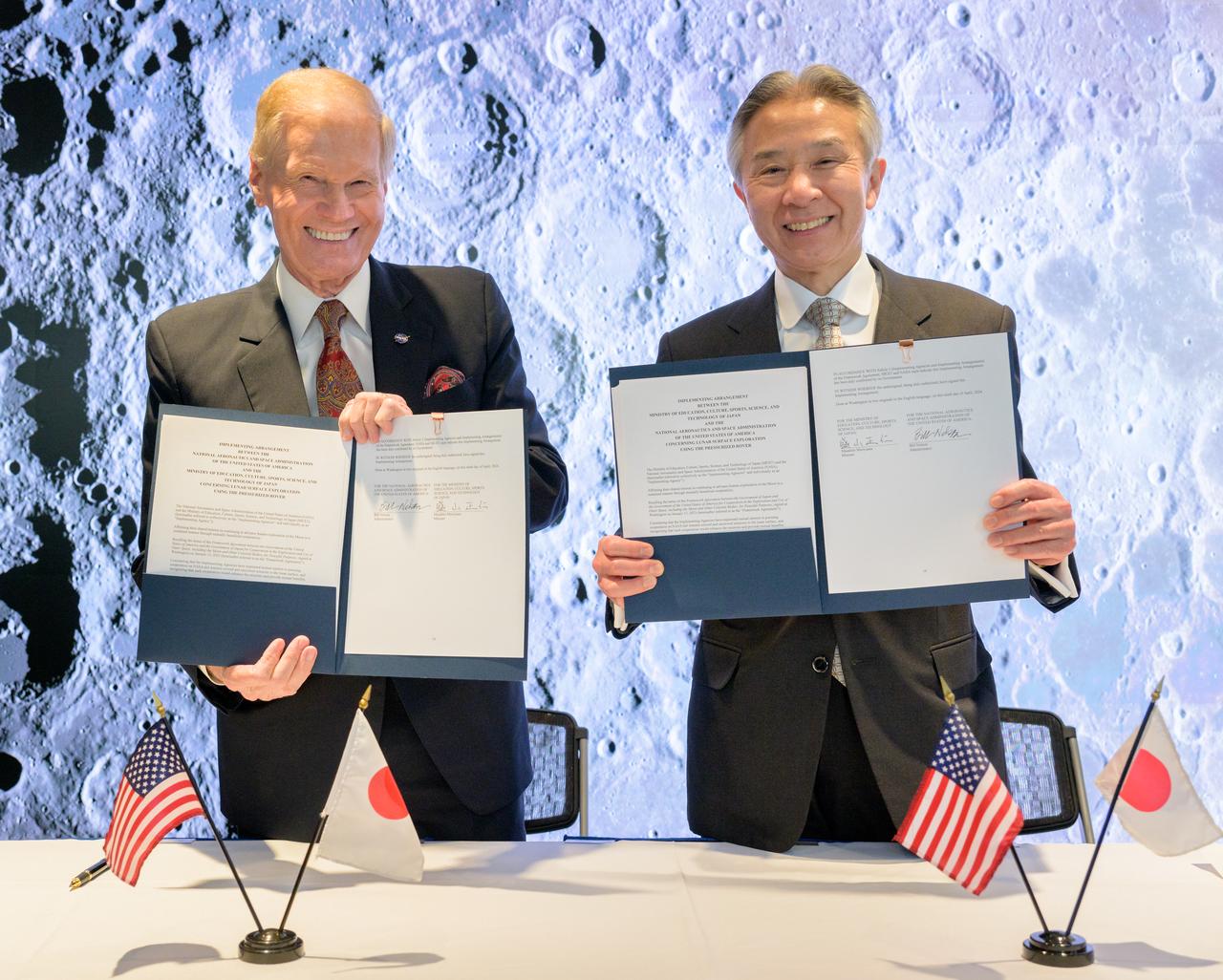
NASA Administrator Bill Nelson, left, and Japan’s Minister of Education, Culture, Sports, Science and Technology Masahito Moriyama, hold signed copies of an historic agreement between the United States and Japan to advance sustainable human exploration of the Moon, Tuesday, April 9, 2024, at the NASA Headquarters Mary W. Jackson Building in Washington. Under the agreement, Japan will design, develop, and operate a pressurized rover for crewed and uncrewed exploration on the Moon. NASA will provide the launch and delivery of the rover to the Moon as well as two Japanese astronaut missions to the lunar surface. Photo Credit: (NASA/Bill Ingalls)
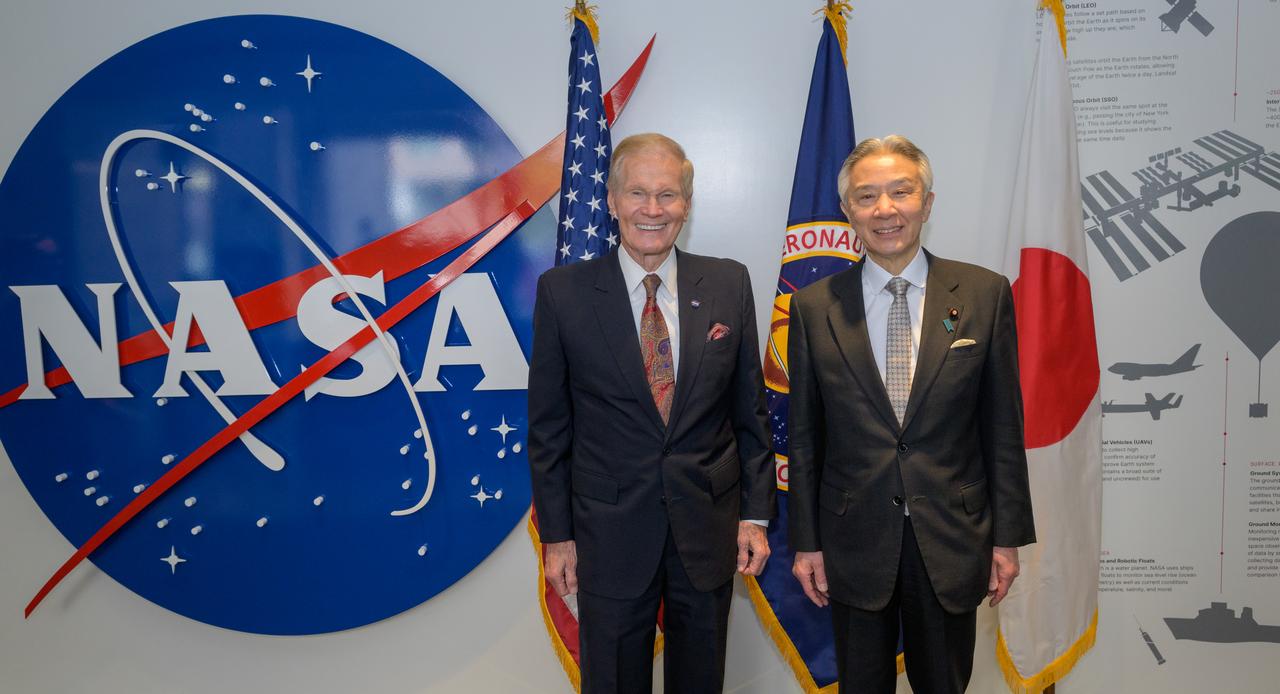
NASA Administrator Bill Nelson, left, and Japan’s Minister of Education, Culture, Sports, Science and Technology Masahito Moriyama, pose for a photograph prior to signing an historic agreement between the United States and Japan to advance sustainable human exploration of the Moon, Tuesday, April 9, 2024, at the NASA Headquarters Mary W. Jackson Building in Washington. Under the agreement, Japan will design, develop, and operate a pressurized rover for crewed and uncrewed exploration on the Moon. NASA will provide the launch and delivery of the rover to the Moon as well as two Japanese astronaut missions to the lunar surface. Photo Credit: (NASA/Bill Ingalls)
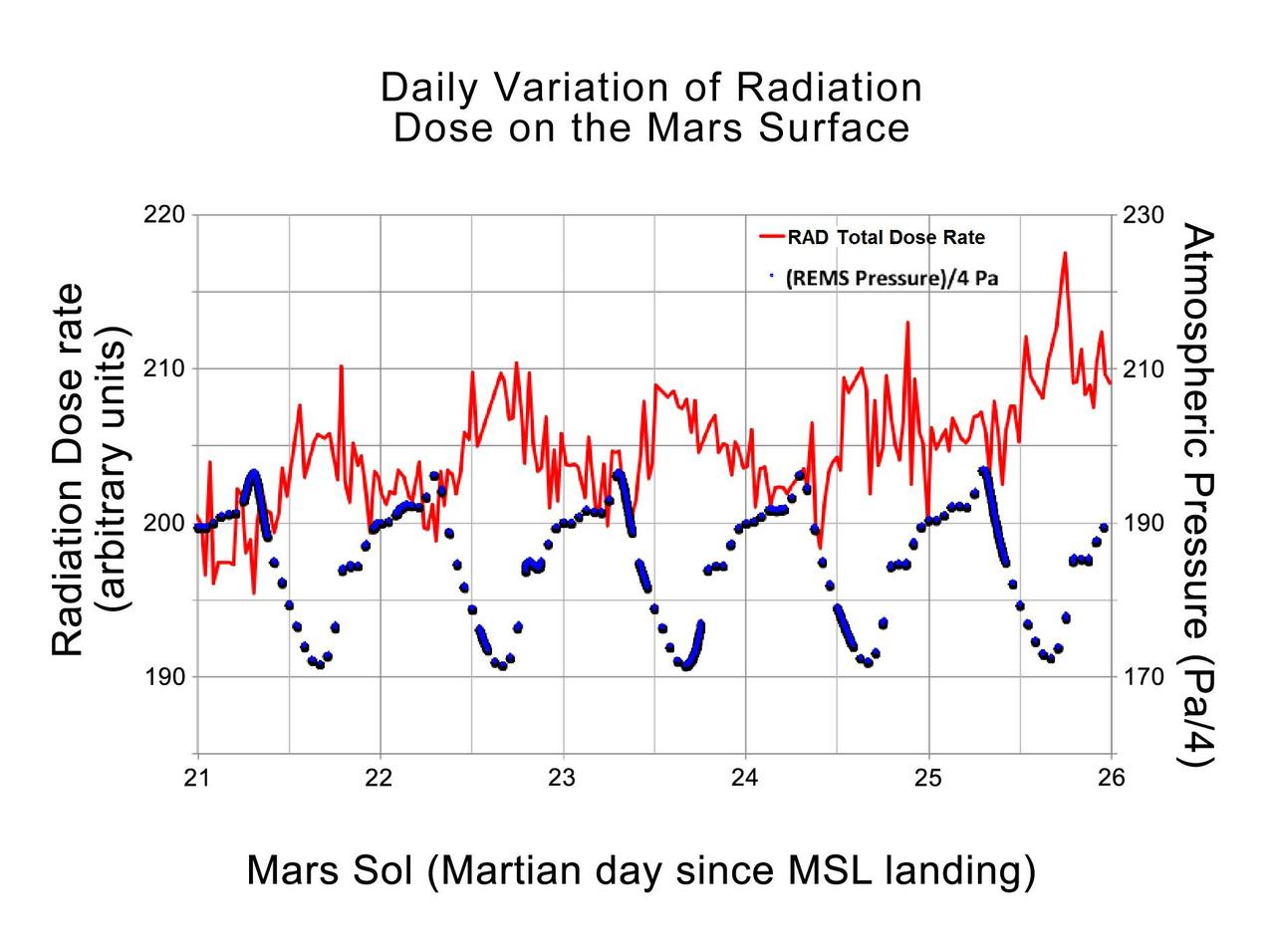
This graphic shows the daily variations in Martian radiation and atmospheric pressure as measured by NASA Curiosity rover. As pressure increases, the total radiation dose decreases.

NASA Administrator Bill Nelson discusses the historic agreement signed April 9th at NASA Headquarters, between the United States and Japan to advance sustainable human exploration of the Moon, Wednesday, April 10, 2024, at the Japan Aerospace Exploration Agency (JAXA) offices in Washington. Under the agreement, Japan will design, develop, and operate a pressurized rover for crewed and uncrewed exploration on the Moon. NASA will provide the launch and delivery of the rover to the Moon as well as two Japanese astronaut missions to the lunar surface. Photo Credit: Photo Credit: (NASA/Bill Ingalls)
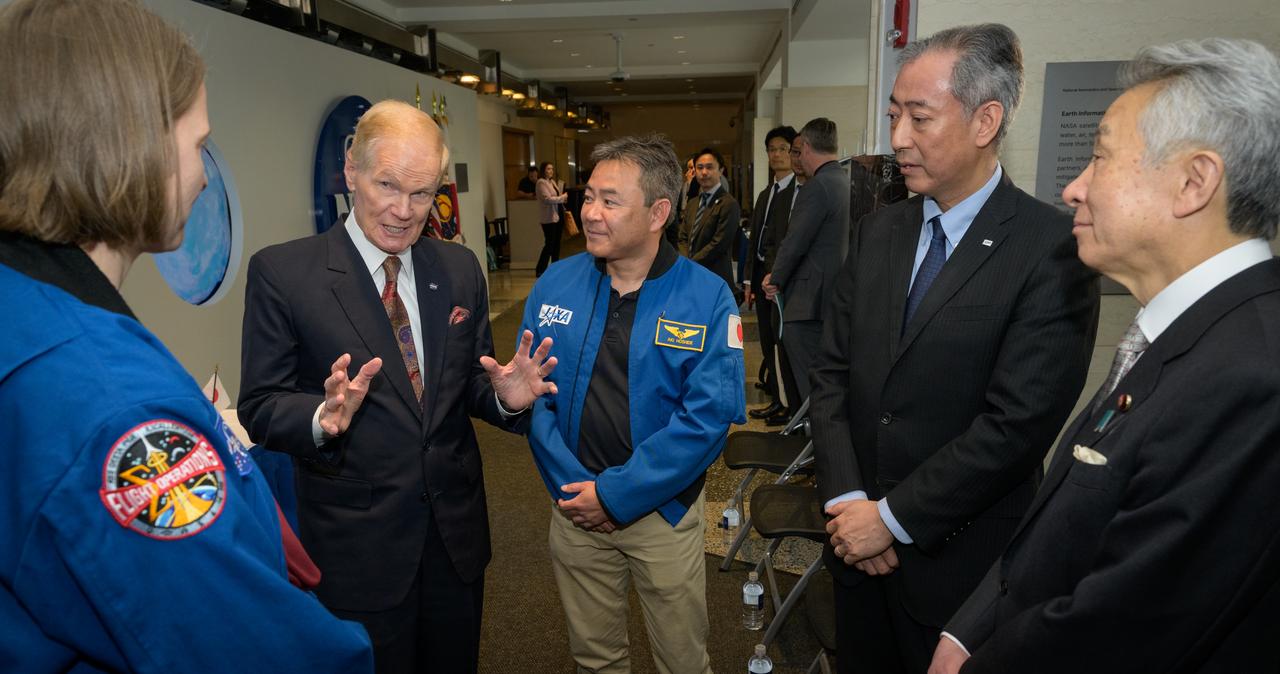
NASA astronaut Kayla Barron, left, NASA Administrator Bill Nelson, JAXA astronaut Akihiko Hoshide, Japan Aerospace Exploration Agency (JAXA) President Hiroshi Yamakawa, and Japan’s Minister of Education, Culture, Sports, Science and Technology Masahito Moriyama, right, talk after the signing of an historic agreement between the United States and Japan to advance sustainable human exploration of the Moon, Tuesday, April 9, 2024, at the NASA Headquarters Mary W. Jackson Building in Washington. Under the agreement, Japan will design, develop, and operate a pressurized rover for crewed and uncrewed exploration on the Moon. NASA will provide the launch and delivery of the rover to the Moon as well as two Japanese astronaut missions to the lunar surface. Photo Credit: (NASA/Bill Ingalls)
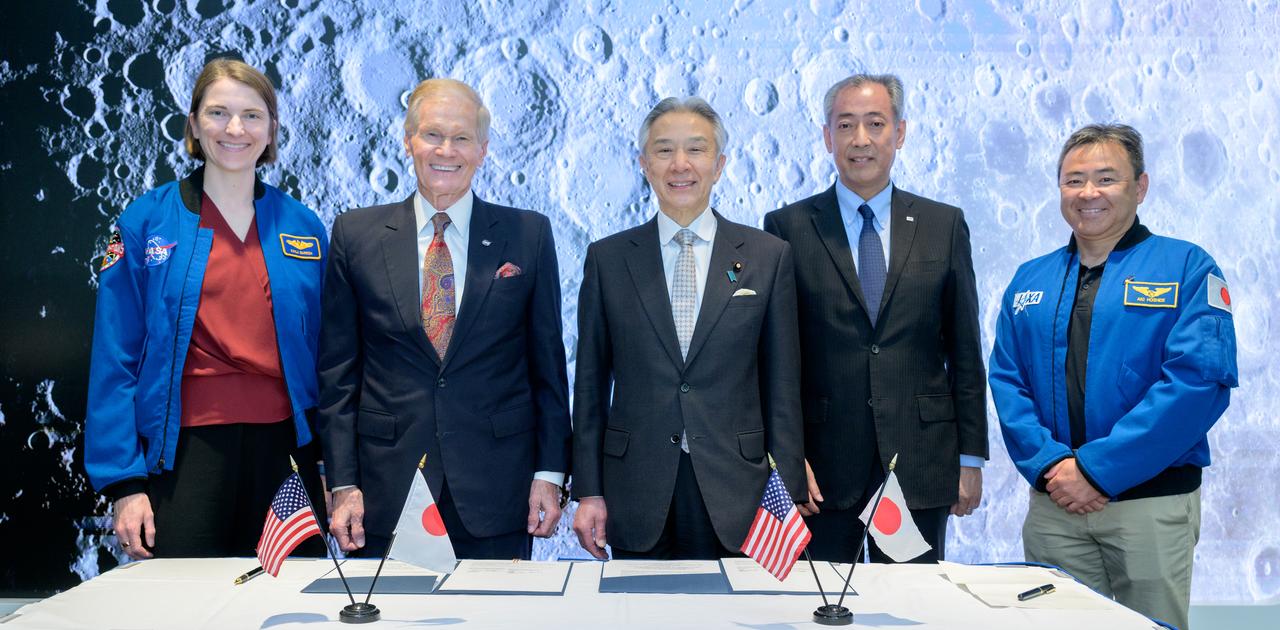
NASA astronaut Kayla Barron, left, NASA Administrator Bill Nelson, Japan’s Minister of Education, Culture, Sports, Science and Technology Masahito Moriyama, Japan Aerospace Exploration Agency (JAXA) President Hiroshi Yamakawa, and JAXA astronaut Akihiko Hoshide, right, pose for a group photograph after the signing of an historic agreement between the United States and Japan to advance sustainable human exploration of the Moon, Tuesday, April 9, 2024, at the NASA Headquarters Mary W. Jackson Building in Washington. Under the agreement, Japan will design, develop, and operate a pressurized rover for crewed and uncrewed exploration on the Moon. NASA will provide the launch and delivery of the rover to the Moon as well as two Japanese astronaut missions to the lunar surface. Photo Credit: (NASA/Bill Ingalls)
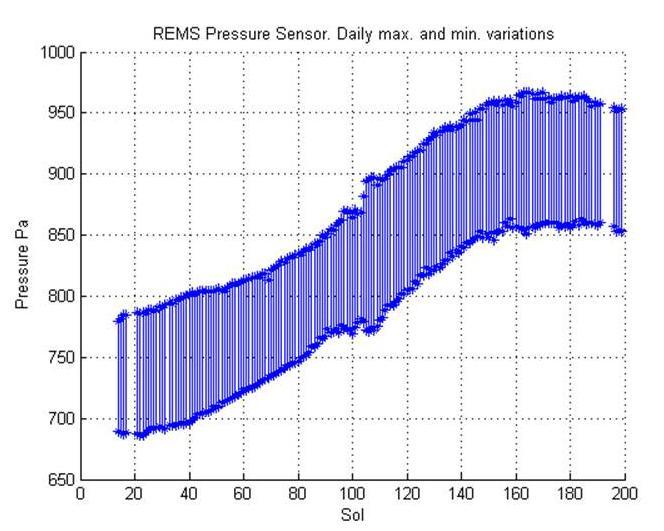
This graph shows about one-fourth of a Martian year pattern atmospheric pressure at the surface of Mars, as measured by the Rover Environmental Monitoring Station on NASA Curiosity rover.
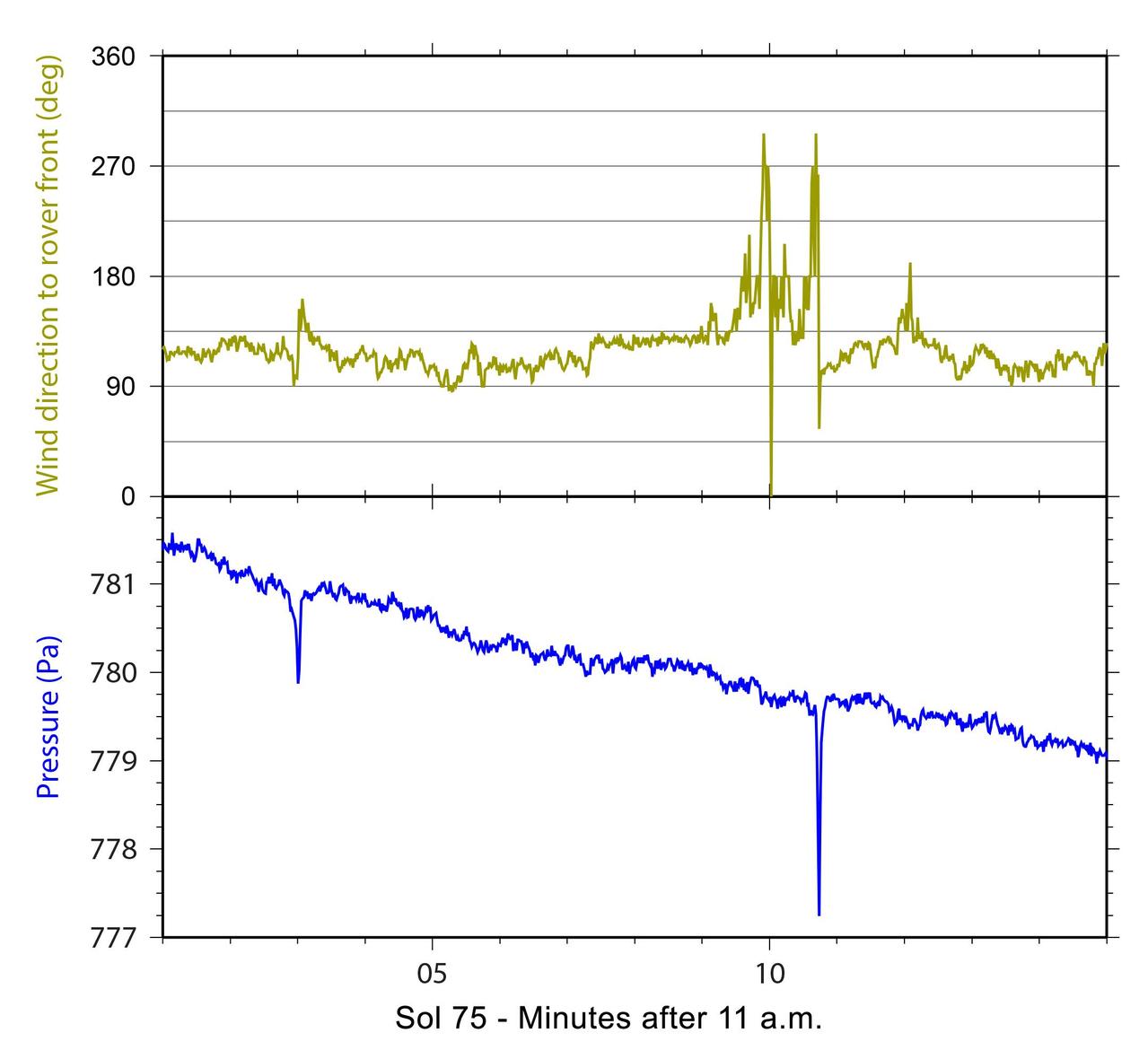
Twenty-one times during the first 12 weeks that NASA Mars rover Curiosity worked on Mars, the rover Rover Environmental Monitoring Station REMS detected brief dips in air pressure that could be caused by a passing whirlwind.
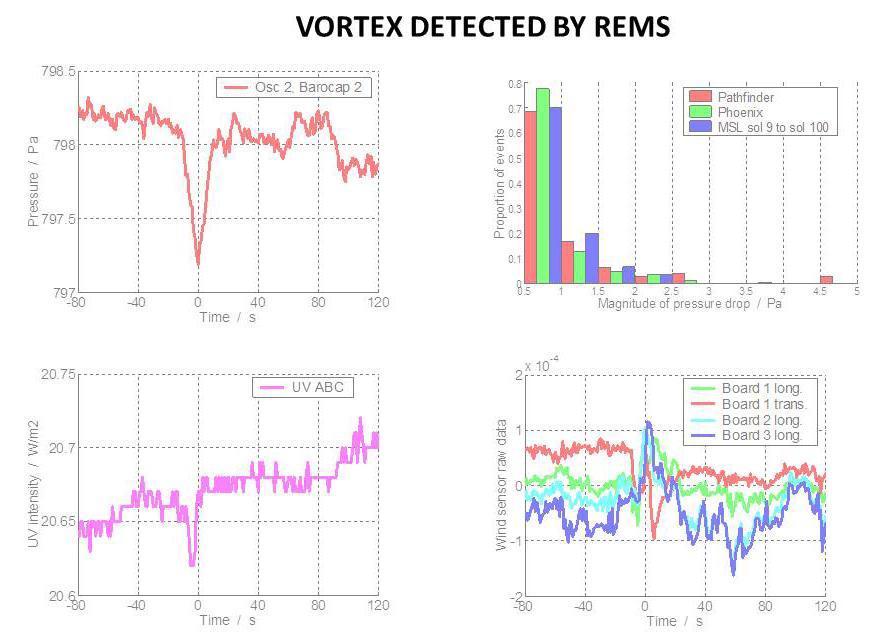
The Rover Environmental Monitoring Station REMS on NASA Curiosity Mars rover has detected dozens of whirlwinds, or vortex events, causing brief dips in atmospheric pressure, and sometimes other measurable effects.

This graph compares a typical daily pattern of changing atmospheric pressure blue with the pattern during a regional dust storm hundreds of miles away red. The data are by the Rover Environmental Monitoring Station REMS on NASA Curiosity rover.
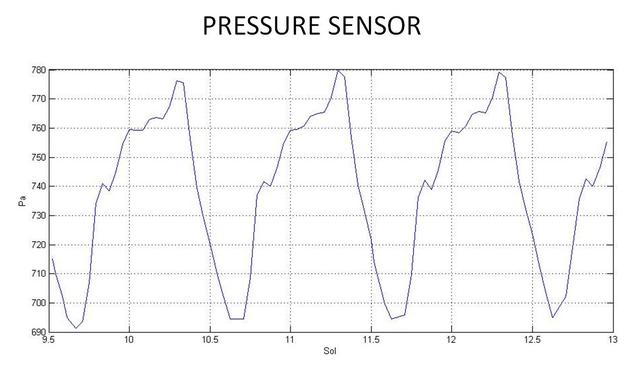
This graph shows readings for atmospheric pressure at the landing site of NASA Curiosity rover. The data were obtained by Curiosity Rover Environmental Monitoring Station from Aug. 15 to Aug. 18, 2012.
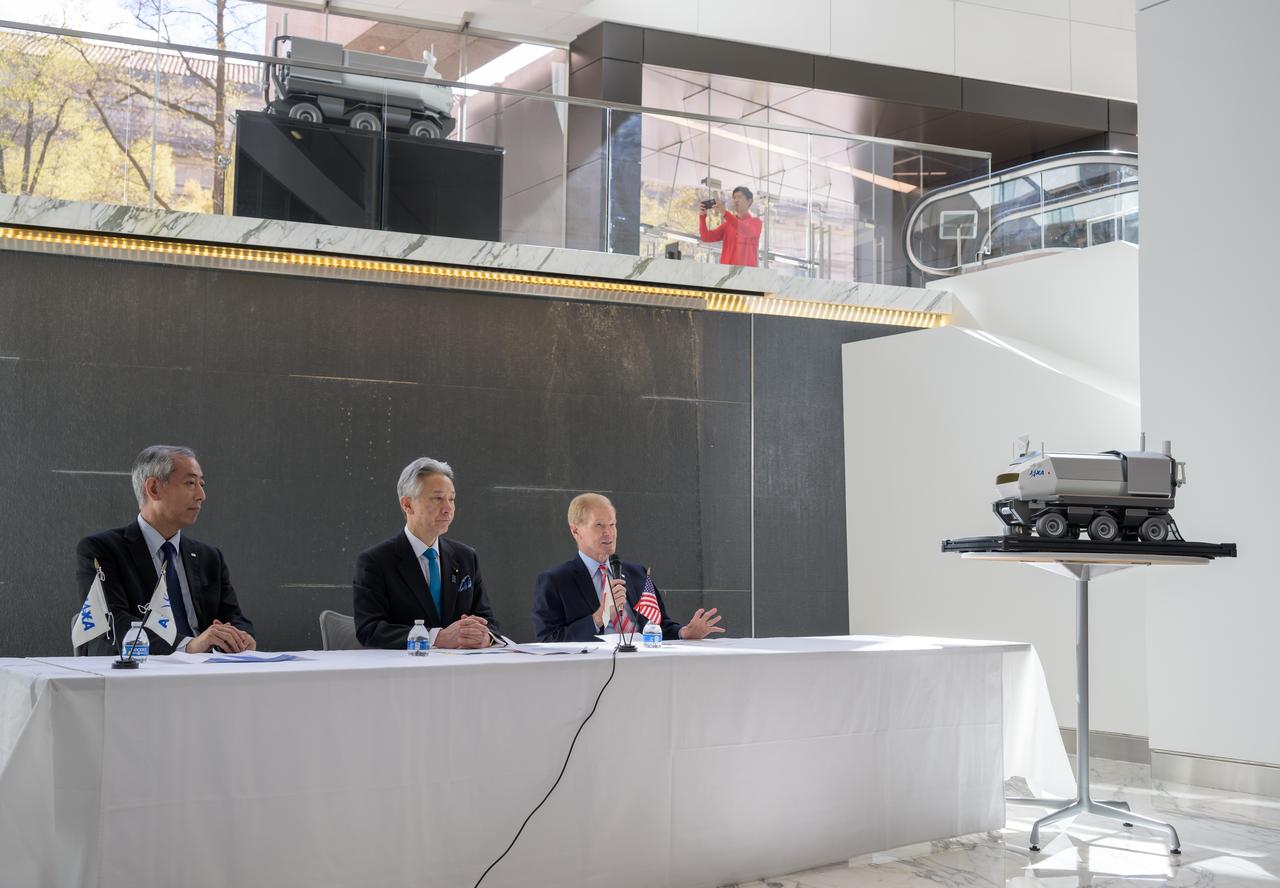
Japan Aerospace Exploration Agency (JAXA) President Hiroshi Yamakawa, left, Japan’s Minister of Education, Culture, Sports, Science and Technology Masahito Moriyama, and NASA Administrator Bill Nelson, right, are seen during a briefing where they discussed the historic agreement signed April 9th at NASA Headquarters, between the United States and Japan to advance sustainable human exploration of the Moon, Wednesday, April 10, 2024, at the Japan Aerospace Exploration Agency (JAXA) offices in Washington. Under the agreement, Japan will design, develop, and operate a pressurized rover for crewed and uncrewed exploration on the Moon. NASA will provide the launch and delivery of the rover to the Moon as well as two Japanese astronaut missions to the lunar surface. Photo Credit: Photo Credit: (NASA/Bill Ingalls)
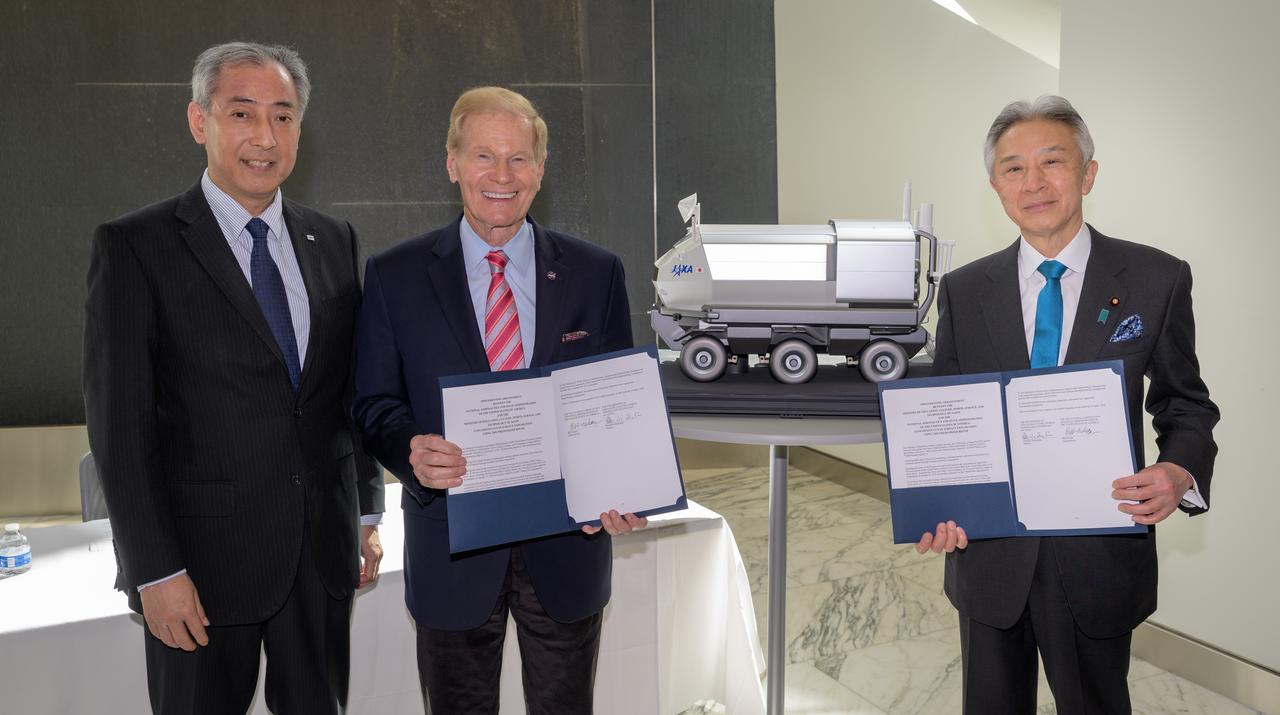
Japan Aerospace Exploration Agency (JAXA) President Hiroshi Yamakawa, left, NASA Administrator Bill Nelson, and Japan’s Minister of Education, Culture, Sports, Science and Technology Masahito Moriyama, right, pose for a group photograph holding the historic agreement signed April 9th at NASA Headquarters, between the United States and Japan to advance sustainable human exploration of the Moon, Wednesday, April 10, 2024, at the Japan Aerospace Exploration Agency (JAXA) offices in Washington. Under the agreement, Japan will design, develop, and operate a pressurized rover for crewed and uncrewed exploration on the Moon. NASA will provide the launch and delivery of the rover to the Moon as well as two Japanese astronaut missions to the lunar surface. Photo Credit: Photo Credit: (NASA/Bill Ingalls)
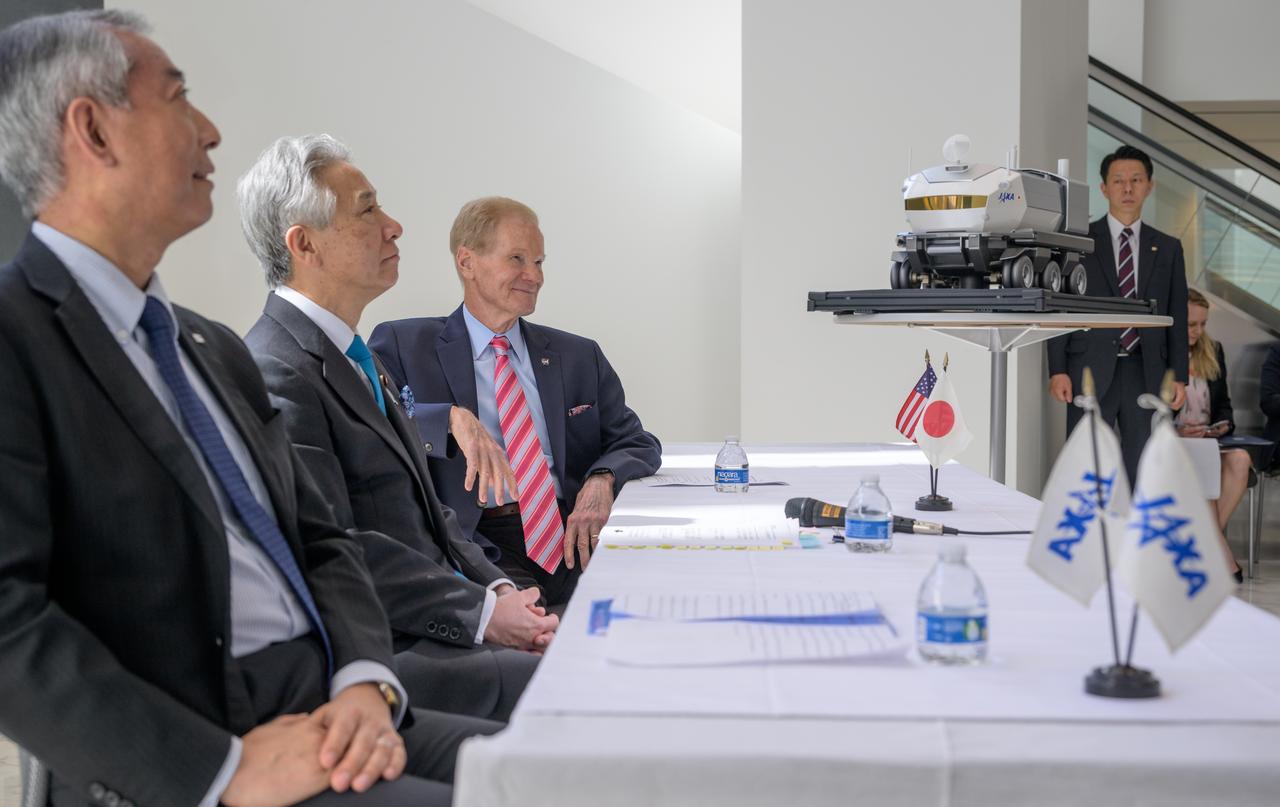
Japan Aerospace Exploration Agency (JAXA) President Hiroshi Yamakawa, left, Japan’s Minister of Education, Culture, Sports, Science and Technology Masahito Moriyama, and NASA Administrator Bill Nelson, right, are seen during a briefing where they discussed the historic agreement signed April 9th at NASA Headquarters, between the United States and Japan to advance sustainable human exploration of the Moon, Wednesday, April 10, 2024, at the Japan Aerospace Exploration Agency (JAXA) offices in Washington. Under the agreement, Japan will design, develop, and operate a pressurized rover for crewed and uncrewed exploration on the Moon. NASA will provide the launch and delivery of the rover to the Moon as well as two Japanese astronaut missions to the lunar surface. Photo Credit: Photo Credit: (NASA/Bill Ingalls)
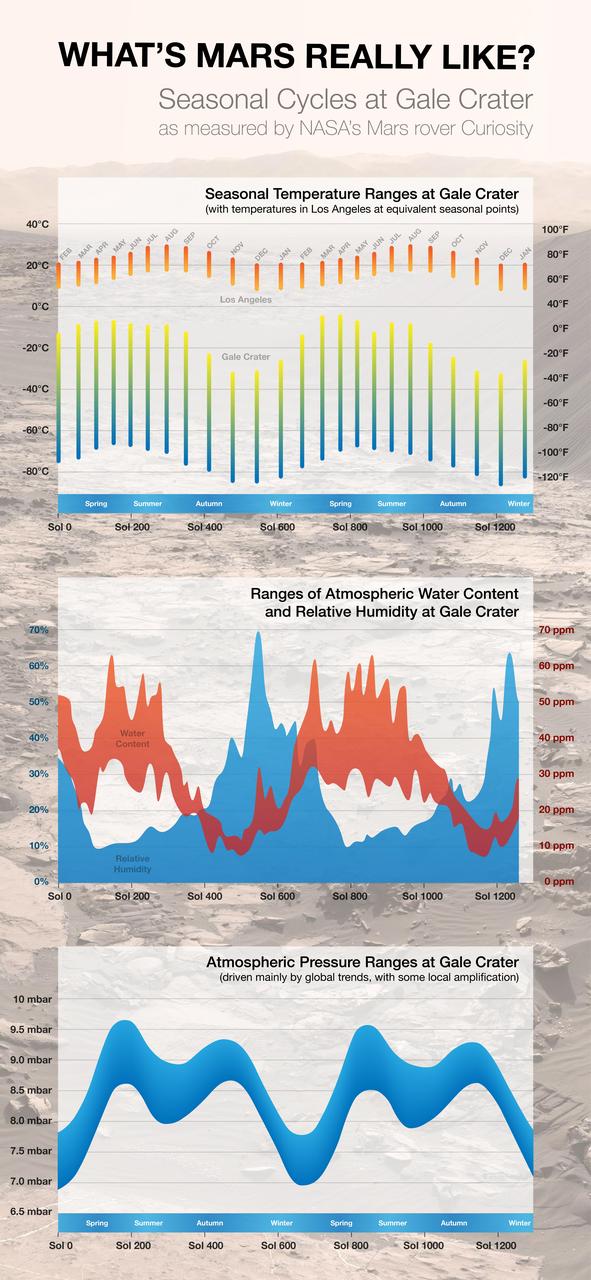
By monitoring weather throughout two Martian years since landing in Gale Crater in 2012, NASA Curiosity Mars rover has documented seasonal patterns such as shown in these graphs of temperature, water-vapor content and air pressure.
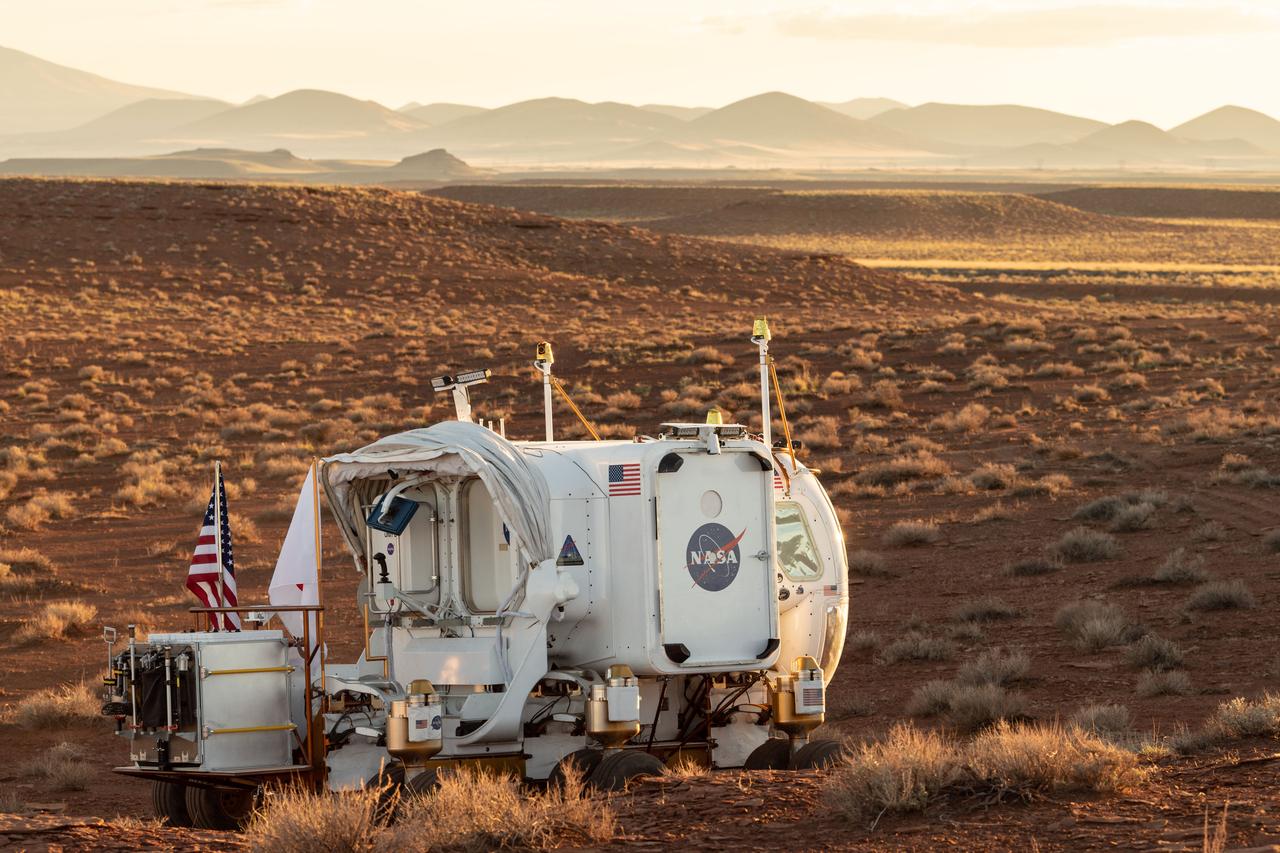
The Desert Research and Technology Studies (DesertRATS) is one of NASA’s analog missions to test hardware and operational scenarios in a remote environment with geographic similarities to the Moon and Mars. In October 2022, NASA evaluated rover design and operations, communications with the Mission Control Center and a Science Evaluation Room at NASA’s Johnson Space Center in Houston. A key element of the DesertRATS analog is the pressurized rover, a capability that is planned for astronaut surface exploration at the Moon and Mars. NASA has a study agreement with the Japan Aerospace Exploration Agency (JAXA) for development of the Artemis pressurized rover, and JAXA representatives joined NASA at DesertRATS.
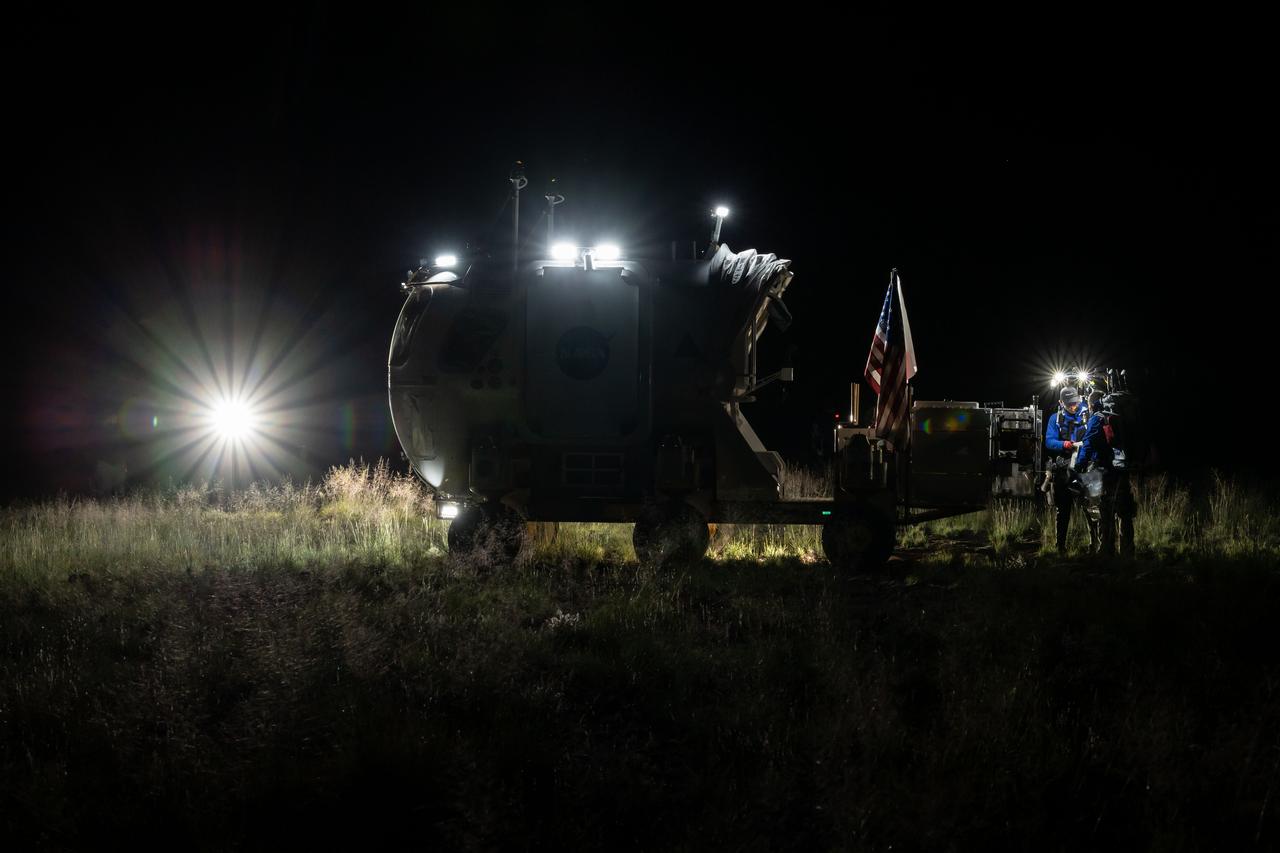
The Desert Research and Technology Studies (DesertRATS) is one of NASA’s analog missions to test hardware and operational scenarios in a remote environment with geographic similarities to the Moon and Mars. In October 2022, NASA evaluated rover design and operations, communications with the Mission Control Center and a Science Evaluation Room at NASA’s Johnson Space Center in Houston. A key element of the DesertRATS analog is the pressurized rover, a capability that is planned for astronaut surface exploration at the Moon and Mars. NASA has a study agreement with the Japan Aerospace Exploration Agency (JAXA) for development of the Artemis pressurized rover, and JAXA representatives joined NASA at DesertRATS.
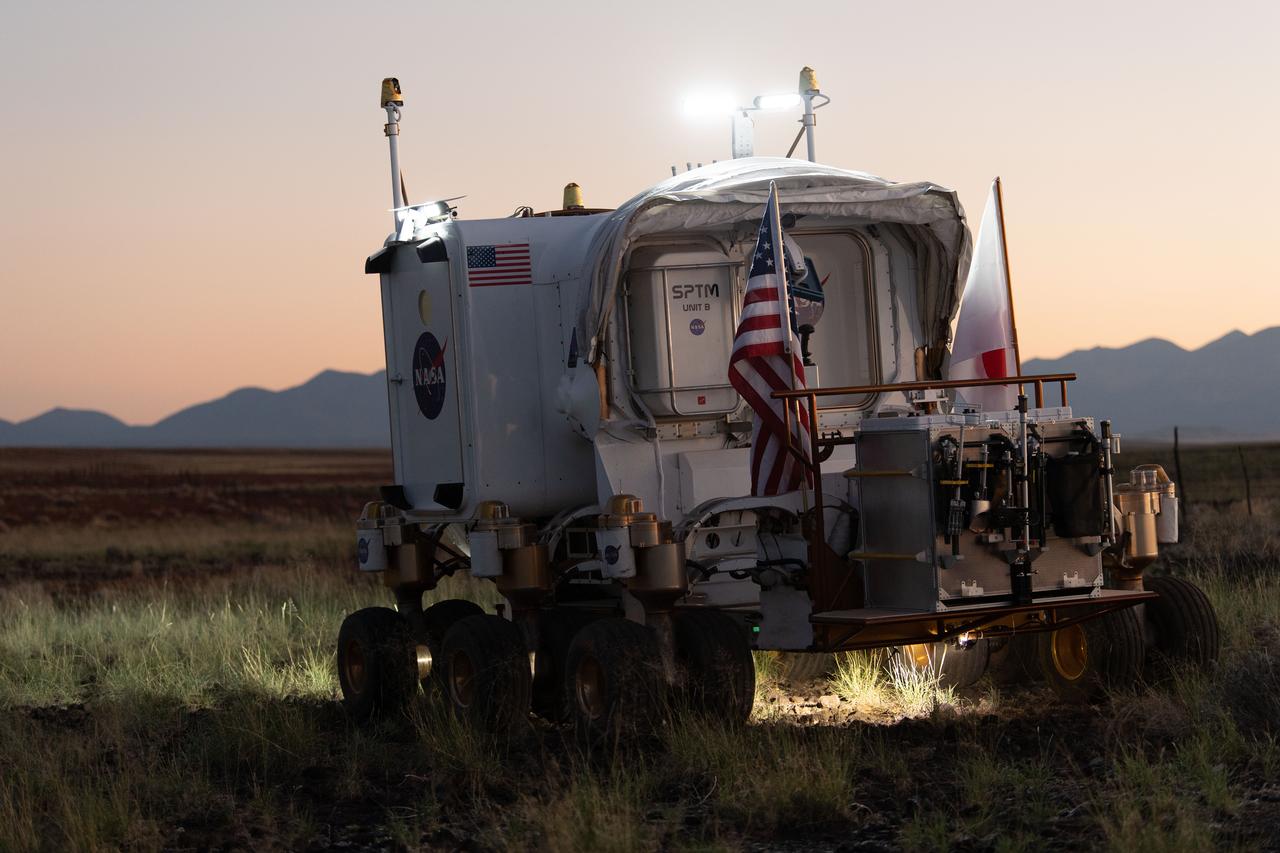
The Desert Research and Technology Studies (DesertRATS) is one of NASA’s analog missions to test hardware and operational scenarios in a remote environment with geographic similarities to the Moon and Mars. In October 2022, NASA evaluated rover design and operations, communications with the Mission Control Center and a Science Evaluation Room at NASA’s Johnson Space Center in Houston. A key element of the DesertRATS analog is the pressurized rover, a capability that is planned for astronaut surface exploration at the Moon and Mars. NASA has a study agreement with the Japan Aerospace Exploration Agency (JAXA) for development of the Artemis pressurized rover, and JAXA representatives joined NASA at DesertRATS.
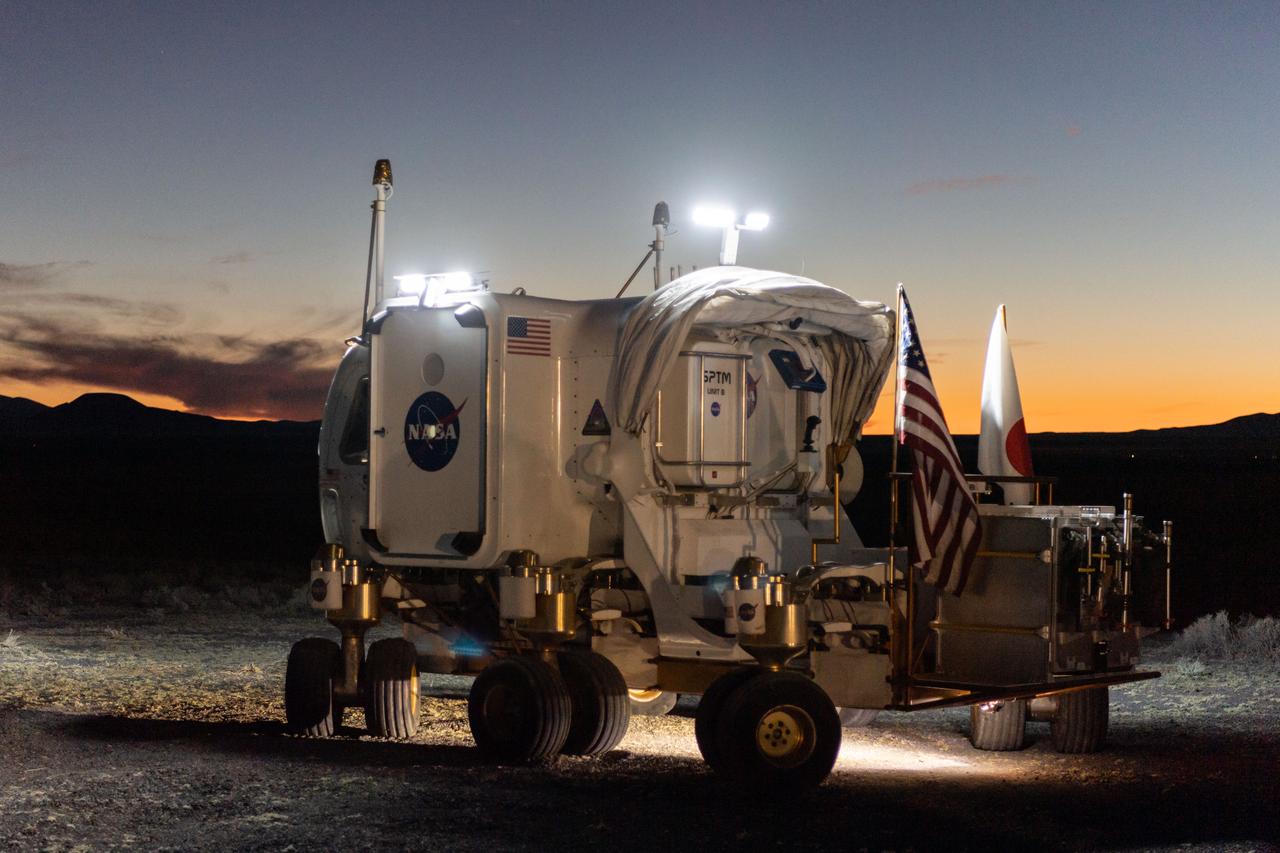
The Desert Research and Technology Studies (DesertRATS) is one of NASA’s analog missions to test hardware and operational scenarios in a remote environment with geographic similarities to the Moon and Mars. In October 2022, NASA evaluated rover design and operations, communications with the Mission Control Center and a Science Evaluation Room at NASA’s Johnson Space Center in Houston. A key element of the DesertRATS analog is the pressurized rover, a capability that is planned for astronaut surface exploration at the Moon and Mars. NASA has a study agreement with the Japan Aerospace Exploration Agency (JAXA) for development of the Artemis pressurized rover, and JAXA representatives joined NASA at DesertRATS.

The Desert Research and Technology Studies (DesertRATS) is one of NASA’s analog missions to test hardware and operational scenarios in a remote environment with geographic similarities to the Moon and Mars. In October 2022, NASA evaluated rover design and operations, communications with the Mission Control Center and a Science Evaluation Room at NASA’s Johnson Space Center in Houston. A key element of the DesertRATS analog is the pressurized rover, a capability that is planned for astronaut surface exploration at the Moon and Mars. NASA has a study agreement with the Japan Aerospace Exploration Agency (JAXA) for development of the Artemis pressurized rover, and JAXA representatives joined NASA at DesertRATS.
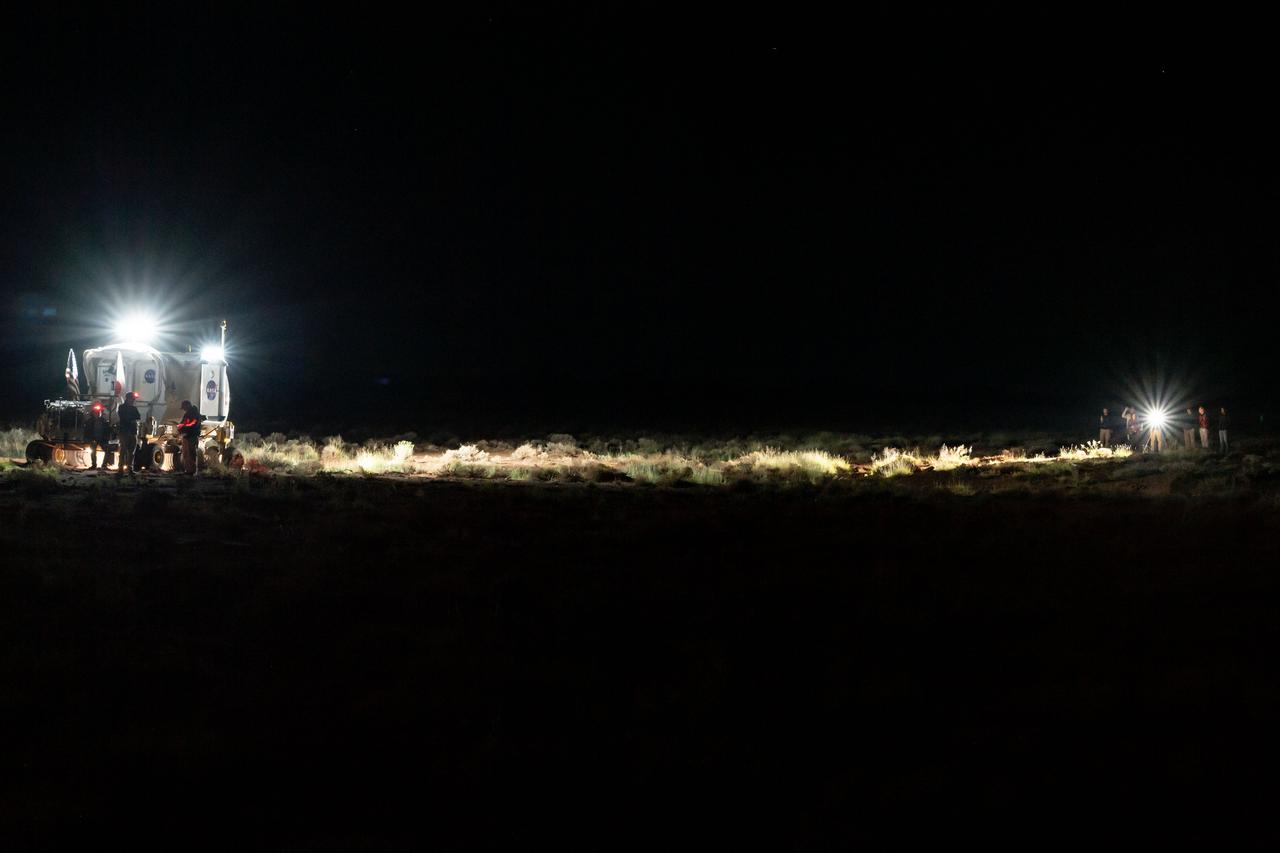
The Desert Research and Technology Studies (DesertRATS) is one of NASA’s analog missions to test hardware and operational scenarios in a remote environment with geographic similarities to the Moon and Mars. In October 2022, NASA evaluated rover design and operations, communications with the Mission Control Center and a Science Evaluation Room at NASA’s Johnson Space Center in Houston. A key element of the DesertRATS analog is the pressurized rover, a capability that is planned for astronaut surface exploration at the Moon and Mars. NASA has a study agreement with the Japan Aerospace Exploration Agency (JAXA) for development of the Artemis pressurized rover, and JAXA representatives joined NASA at DesertRATS.
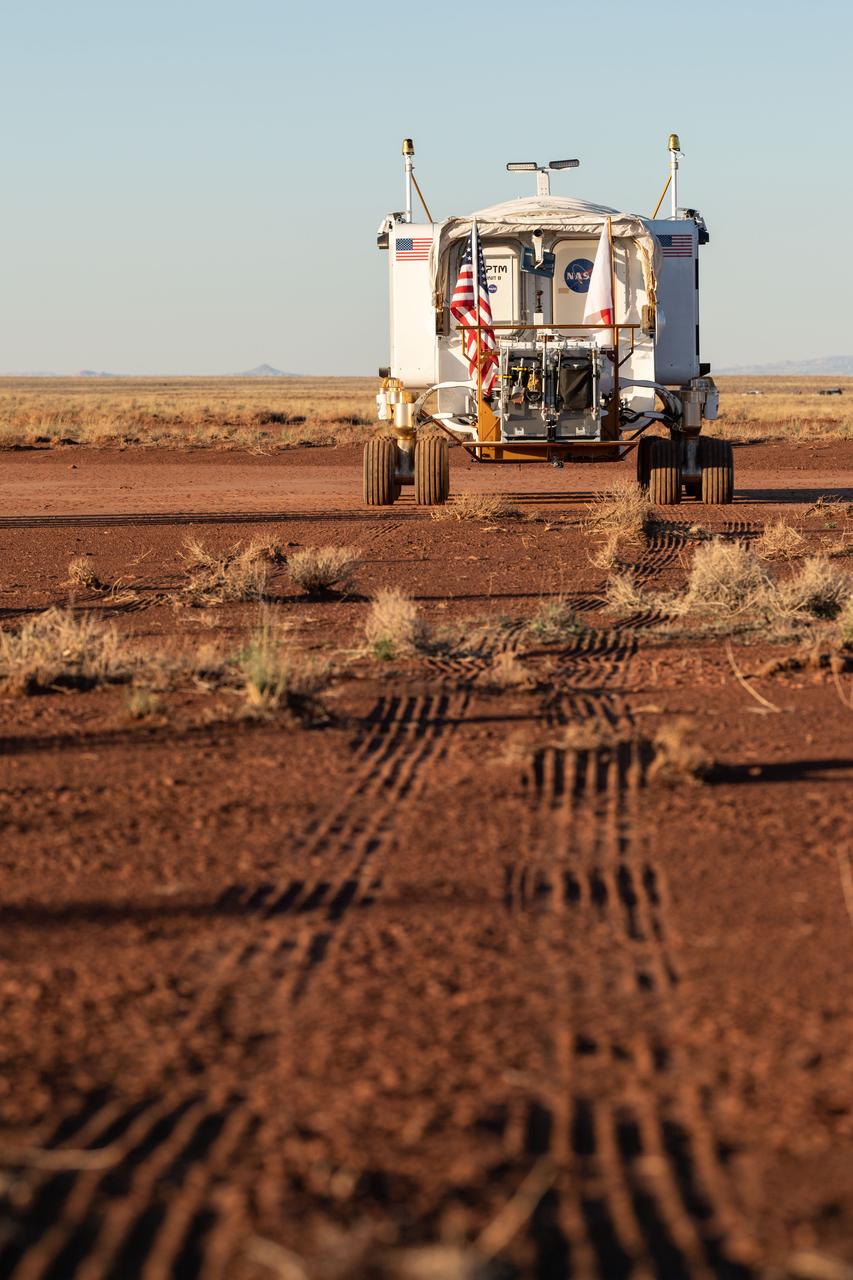
The Desert Research and Technology Studies (DesertRATS) is one of NASA’s analog missions to test hardware and operational scenarios in a remote environment with geographic similarities to the Moon and Mars. In October 2022, NASA evaluated rover design and operations, communications with the Mission Control Center and a Science Evaluation Room at NASA’s Johnson Space Center in Houston. A key element of the DesertRATS analog is the pressurized rover, a capability that is planned for astronaut surface exploration at the Moon and Mars. NASA has a study agreement with the Japan Aerospace Exploration Agency (JAXA) for development of the Artemis pressurized rover, and JAXA representatives joined NASA at DesertRATS.

NASA Pressurized Rover Project Manager Danny Newswander discusses the historic agreement signed April 9th at NASA Headquarters, between the United States and Japan to advance sustainable human exploration of the Moon, Wednesday, April 10, 2024, at the Japan Aerospace Exploration Agency (JAXA) offices in Washington. Under the agreement, Japan will design, develop, and operate a pressurized rover for crewed and uncrewed exploration on the Moon. NASA will provide the launch and delivery of the rover to the Moon as well as two Japanese astronaut missions to the lunar surface. Photo Credit: Photo Credit: (NASA/Bill Ingalls)

The Desert Research and Technology Studies (DesertRATS) is one of NASA’s analog missions to test hardware and operational scenarios in a remote environment with geographic similarities to the Moon and Mars. In October 2022, NASA evaluated rover design and operations, communications with the Mission Control Center and a Science Evaluation Room at NASA’s Johnson Space Center in Houston. A key element of the DesertRATS analog is the pressurized rover, a capability that is planned for astronaut surface exploration at the Moon and Mars. NASA has a study agreement with the Japan Aerospace Exploration Agency (JAXA) for development of the Artemis pressurized rover, and JAXA representatives joined NASA at DesertRATS.
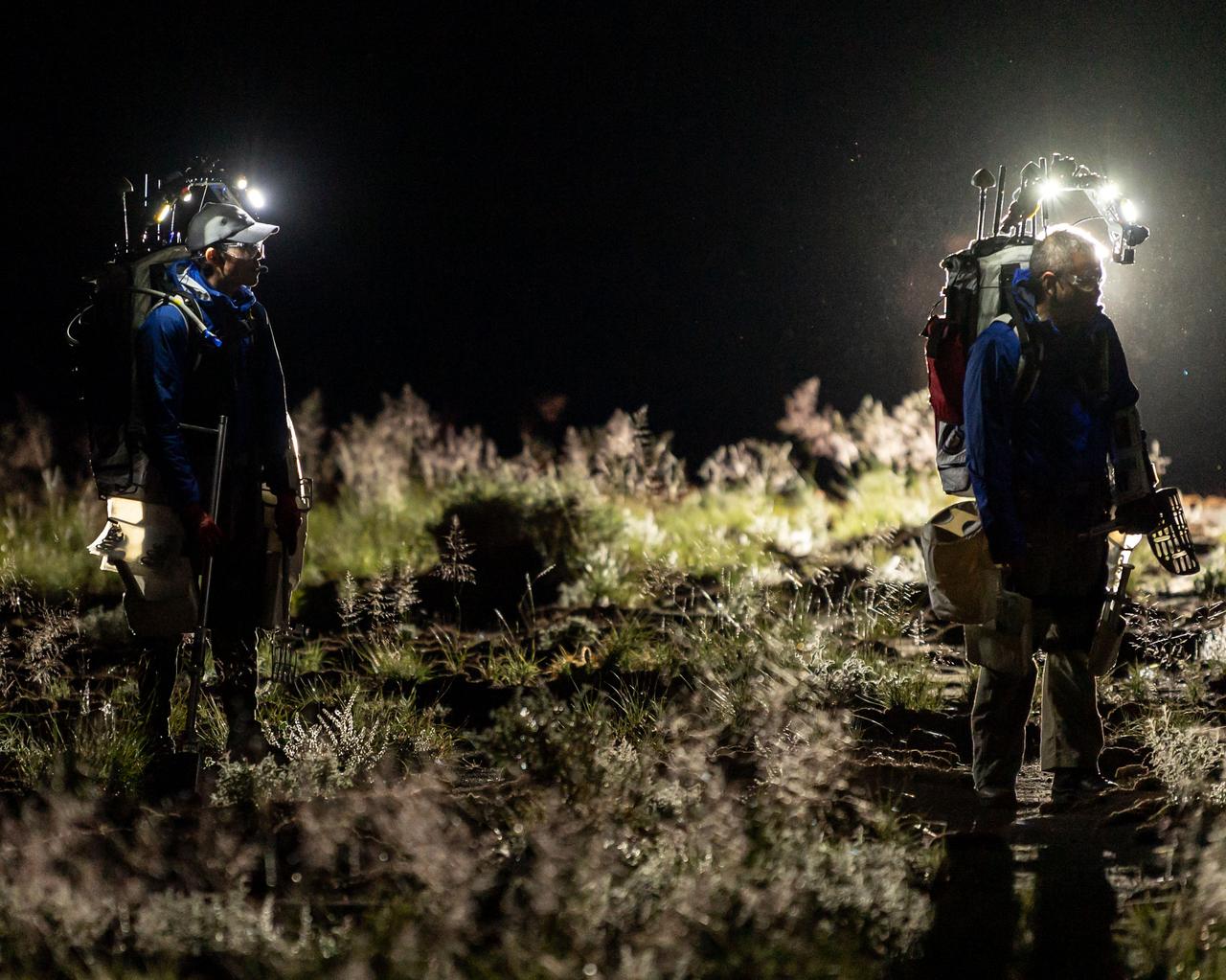
The Desert Research and Technology Studies (DesertRATS) is one of NASA’s analog missions to test hardware and operational scenarios in a remote environment with geographic similarities to the Moon and Mars. In October 2022, NASA evaluated rover design and operations, communications with the Mission Control Center and a Science Evaluation Room at NASA’s Johnson Space Center in Houston. A key element of the DesertRATS analog is the pressurized rover, a capability that is planned for astronaut surface exploration at the Moon and Mars. NASA has a study agreement with the Japan Aerospace Exploration Agency (JAXA) for development of the Artemis pressurized rover, and JAXA representatives joined NASA at DesertRATS.
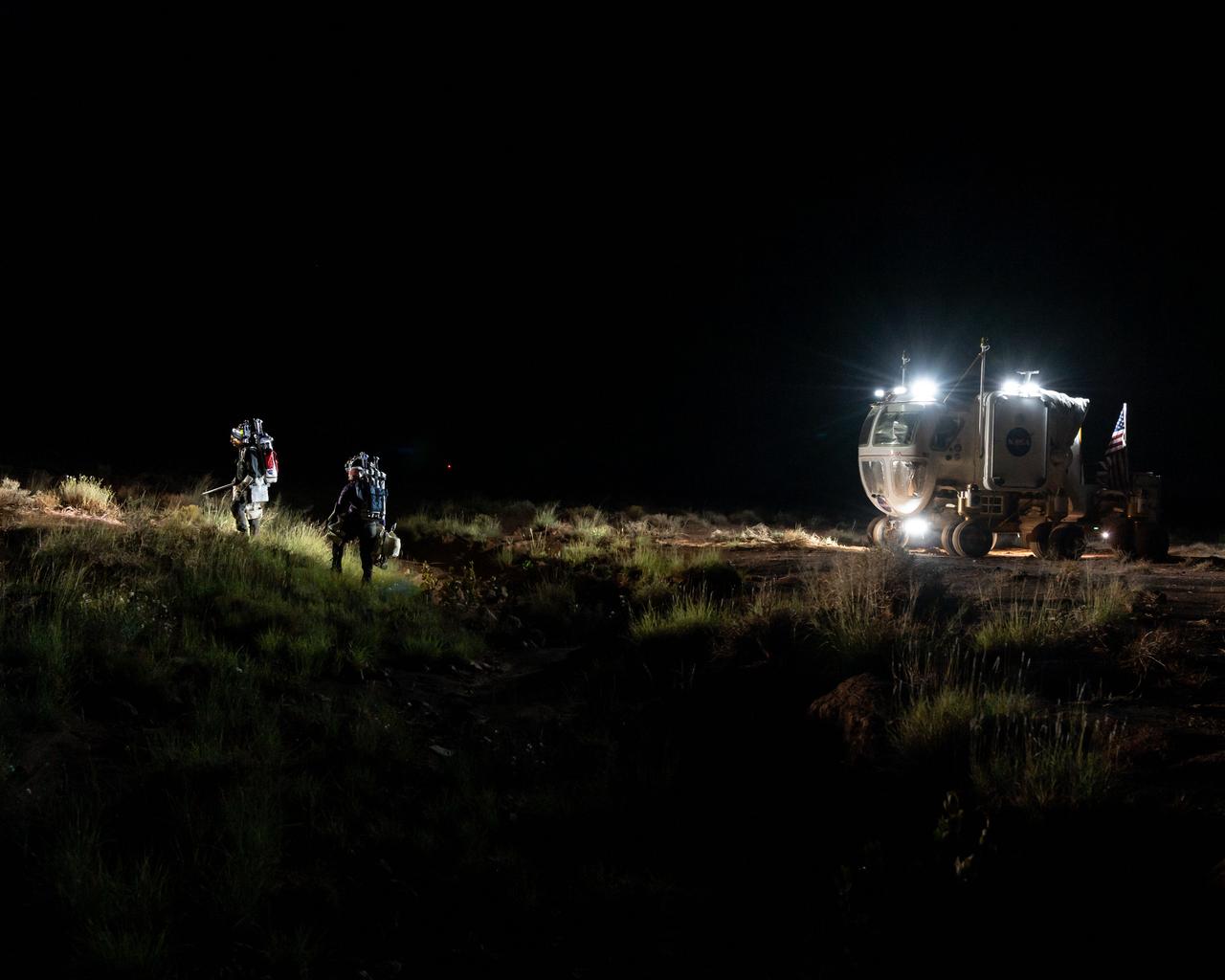
The Desert Research and Technology Studies (DesertRATS) is one of NASA’s analog missions to test hardware and operational scenarios in a remote environment with geographic similarities to the Moon and Mars. In October 2022, NASA evaluated rover design and operations, communications with the Mission Control Center and a Science Evaluation Room at NASA’s Johnson Space Center in Houston. A key element of the DesertRATS analog is the pressurized rover, a capability that is planned for astronaut surface exploration at the Moon and Mars. NASA has a study agreement with the Japan Aerospace Exploration Agency (JAXA) for development of the Artemis pressurized rover, and JAXA representatives joined NASA at DesertRATS.

The Desert Research and Technology Studies (DesertRATS) is one of NASA’s analog missions to test hardware and operational scenarios in a remote environment with geographic similarities to the Moon and Mars. In October 2022, NASA evaluated rover design and operations, communications with the Mission Control Center and a Science Evaluation Room at NASA’s Johnson Space Center in Houston. A key element of the DesertRATS analog is the pressurized rover, a capability that is planned for astronaut surface exploration at the Moon and Mars. NASA has a study agreement with the Japan Aerospace Exploration Agency (JAXA) for development of the Artemis pressurized rover, and JAXA representatives joined NASA at DesertRATS.
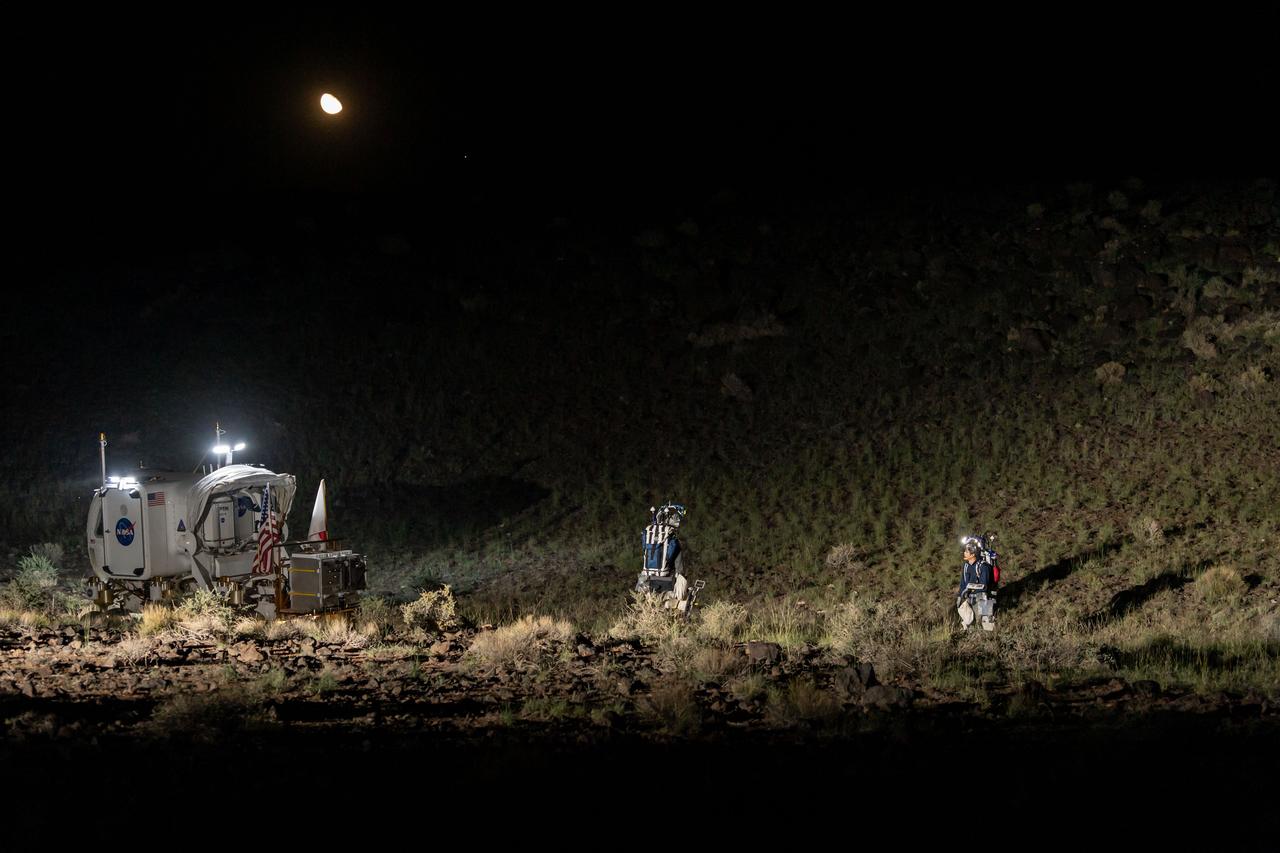
The Desert Research and Technology Studies (DesertRATS) is one of NASA’s analog missions to test hardware and operational scenarios in a remote environment with geographic similarities to the Moon and Mars. In October 2022, NASA evaluated rover design and operations, communications with the Mission Control Center and a Science Evaluation Room at NASA’s Johnson Space Center in Houston. A key element of the DesertRATS analog is the pressurized rover, a capability that is planned for astronaut surface exploration at the Moon and Mars. NASA has a study agreement with the Japan Aerospace Exploration Agency (JAXA) for development of the Artemis pressurized rover, and JAXA representatives joined NASA at DesertRATS.

The Desert Research and Technology Studies (DesertRATS) is one of NASA’s analog missions to test hardware and operational scenarios in a remote environment with geographic similarities to the Moon and Mars. In October 2022, NASA evaluated rover design and operations, communications with the Mission Control Center and a Science Evaluation Room at NASA’s Johnson Space Center in Houston. A key element of the DesertRATS analog is the pressurized rover, a capability that is planned for astronaut surface exploration at the Moon and Mars. NASA has a study agreement with the Japan Aerospace Exploration Agency (JAXA) for development of the Artemis pressurized rover, and JAXA representatives joined NASA at DesertRATS.
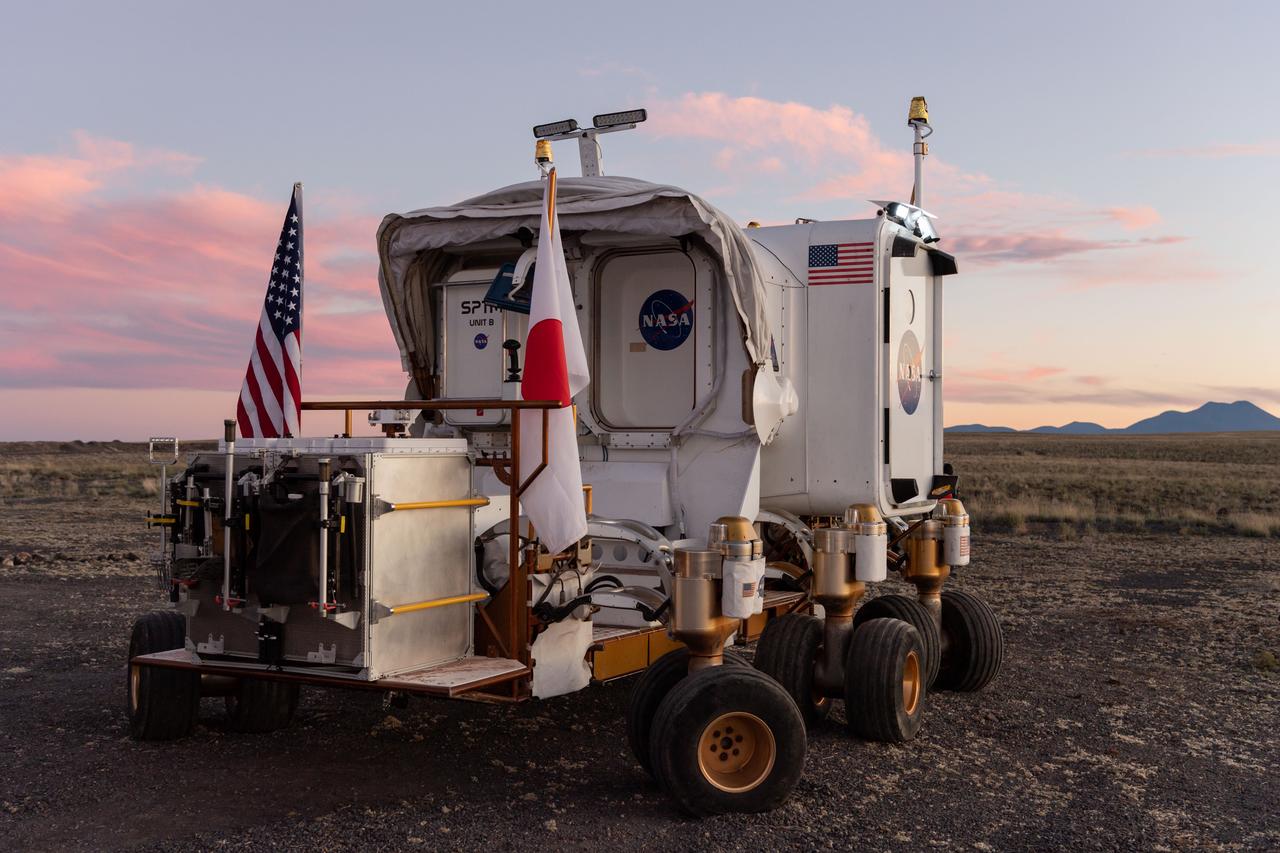
The Desert Research and Technology Studies (DesertRATS) is one of NASA’s analog missions to test hardware and operational scenarios in a remote environment with geographic similarities to the Moon and Mars. In October 2022, NASA evaluated rover design and operations, communications with the Mission Control Center and a Science Evaluation Room at NASA’s Johnson Space Center in Houston. A key element of the DesertRATS analog is the pressurized rover, a capability that is planned for astronaut surface exploration at the Moon and Mars. NASA has a study agreement with the Japan Aerospace Exploration Agency (JAXA) for development of the Artemis pressurized rover, and JAXA representatives joined NASA at DesertRATS.
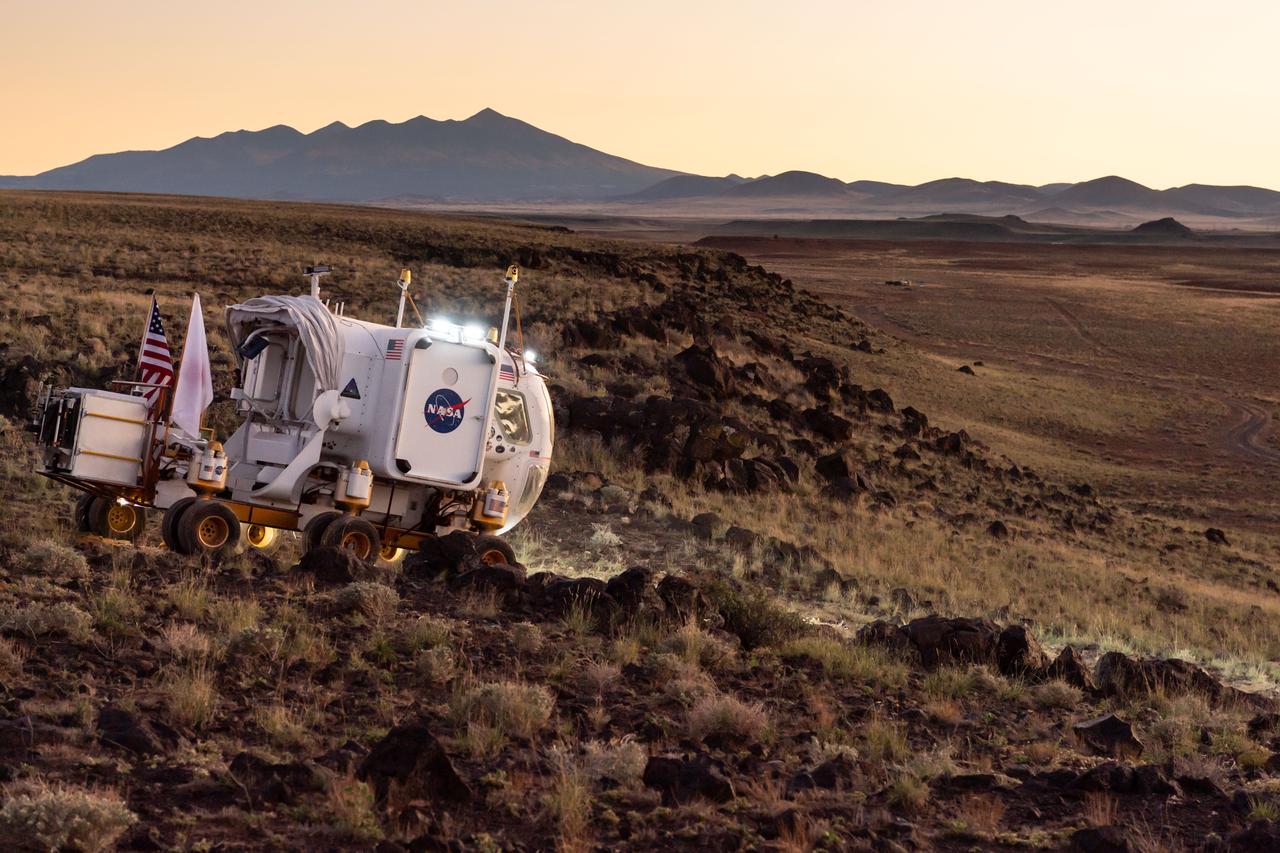
The Desert Research and Technology Studies (DesertRATS) is one of NASA’s analog missions to test hardware and operational scenarios in a remote environment with geographic similarities to the Moon and Mars. In October 2022, NASA evaluated rover design and operations, communications with the Mission Control Center and a Science Evaluation Room at NASA’s Johnson Space Center in Houston. A key element of the DesertRATS analog is the pressurized rover, a capability that is planned for astronaut surface exploration at the Moon and Mars. NASA has a study agreement with the Japan Aerospace Exploration Agency (JAXA) for development of the Artemis pressurized rover, and JAXA representatives joined NASA at DesertRATS.
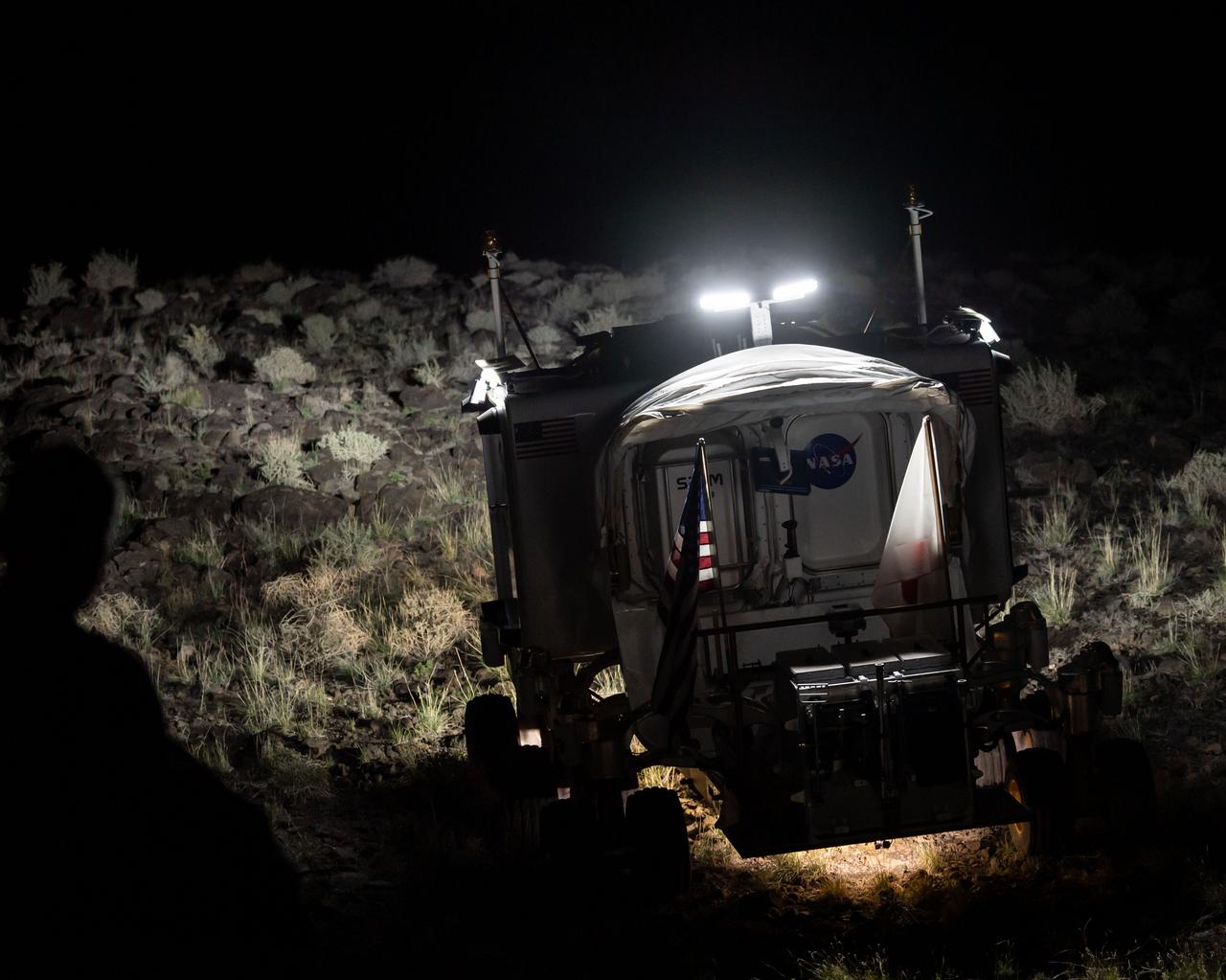
The Desert Research and Technology Studies (DesertRATS) is one of NASA’s analog missions to test hardware and operational scenarios in a remote environment with geographic similarities to the Moon and Mars. In October 2022, NASA evaluated rover design and operations, communications with the Mission Control Center and a Science Evaluation Room at NASA’s Johnson Space Center in Houston. A key element of the DesertRATS analog is the pressurized rover, a capability that is planned for astronaut surface exploration at the Moon and Mars. NASA has a study agreement with the Japan Aerospace Exploration Agency (JAXA) for development of the Artemis pressurized rover, and JAXA representatives joined NASA at DesertRATS.
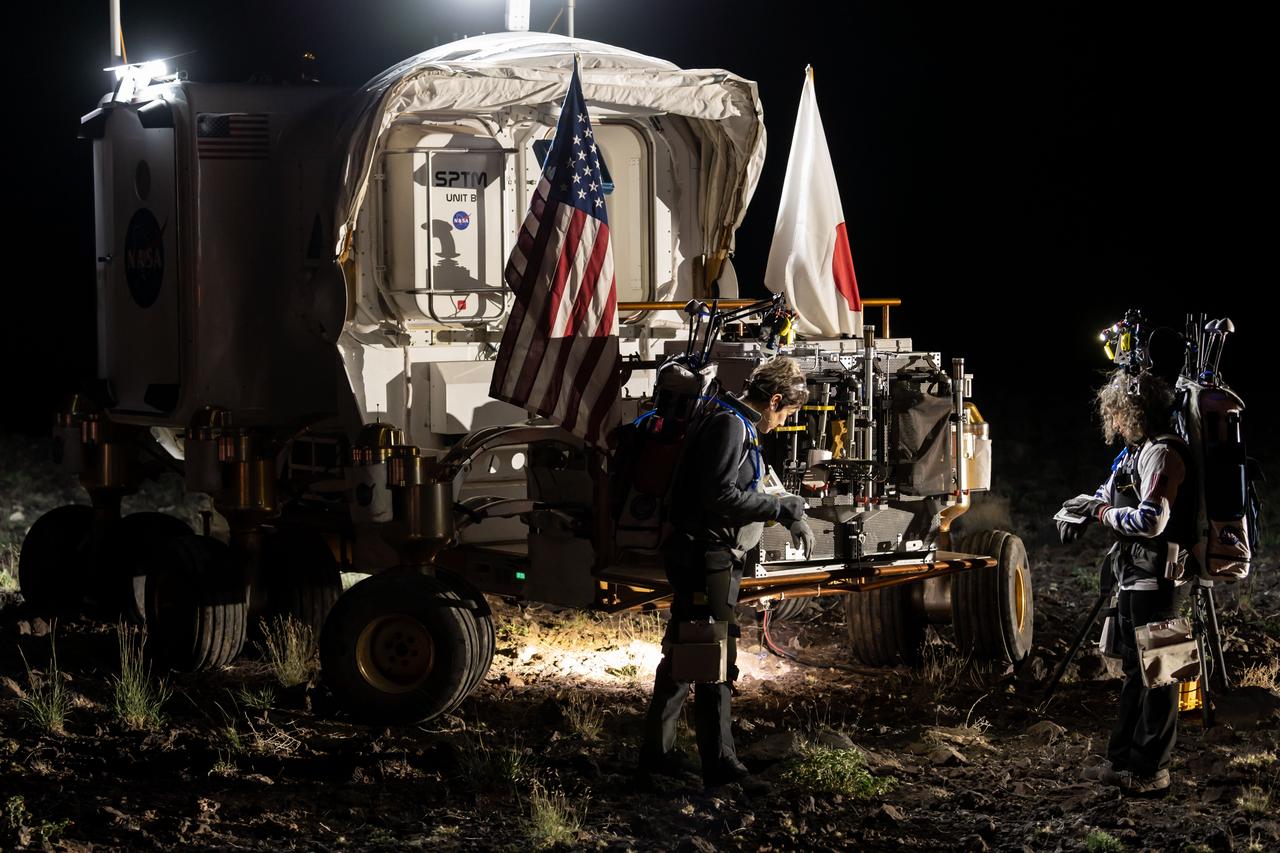
The Desert Research and Technology Studies (DesertRATS) is one of NASA’s analog missions to test hardware and operational scenarios in a remote environment with geographic similarities to the Moon and Mars. In October 2022, NASA evaluated rover design and operations, communications with the Mission Control Center and a Science Evaluation Room at NASA’s Johnson Space Center in Houston. A key element of the DesertRATS analog is the pressurized rover, a capability that is planned for astronaut surface exploration at the Moon and Mars. NASA has a study agreement with the Japan Aerospace Exploration Agency (JAXA) for development of the Artemis pressurized rover, and JAXA representatives joined NASA at DesertRATS.
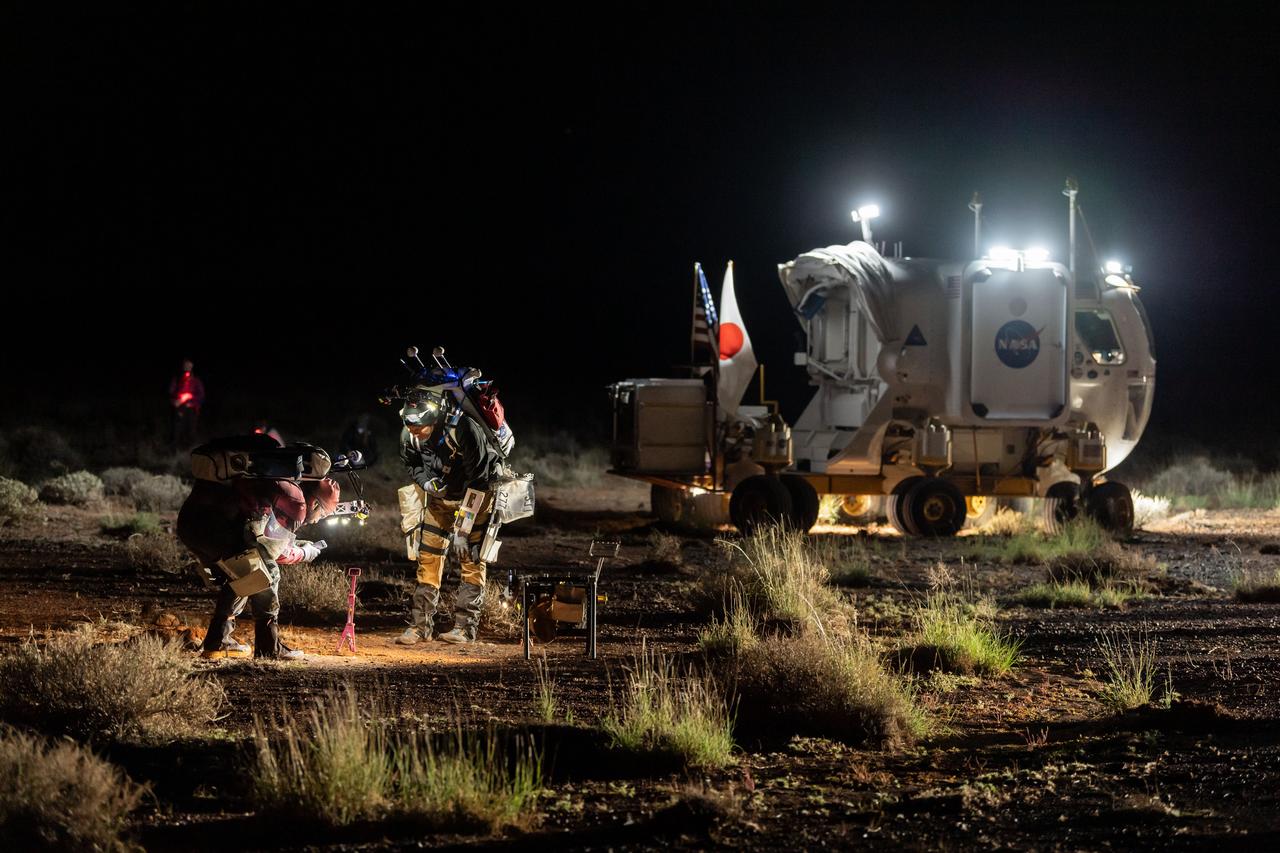
The Desert Research and Technology Studies (DesertRATS) is one of NASA’s analog missions to test hardware and operational scenarios in a remote environment with geographic similarities to the Moon and Mars. In October 2022, NASA evaluated rover design and operations, communications with the Mission Control Center and a Science Evaluation Room at NASA’s Johnson Space Center in Houston. A key element of the DesertRATS analog is the pressurized rover, a capability that is planned for astronaut surface exploration at the Moon and Mars. NASA has a study agreement with the Japan Aerospace Exploration Agency (JAXA) for development of the Artemis pressurized rover, and JAXA representatives joined NASA at DesertRATS.
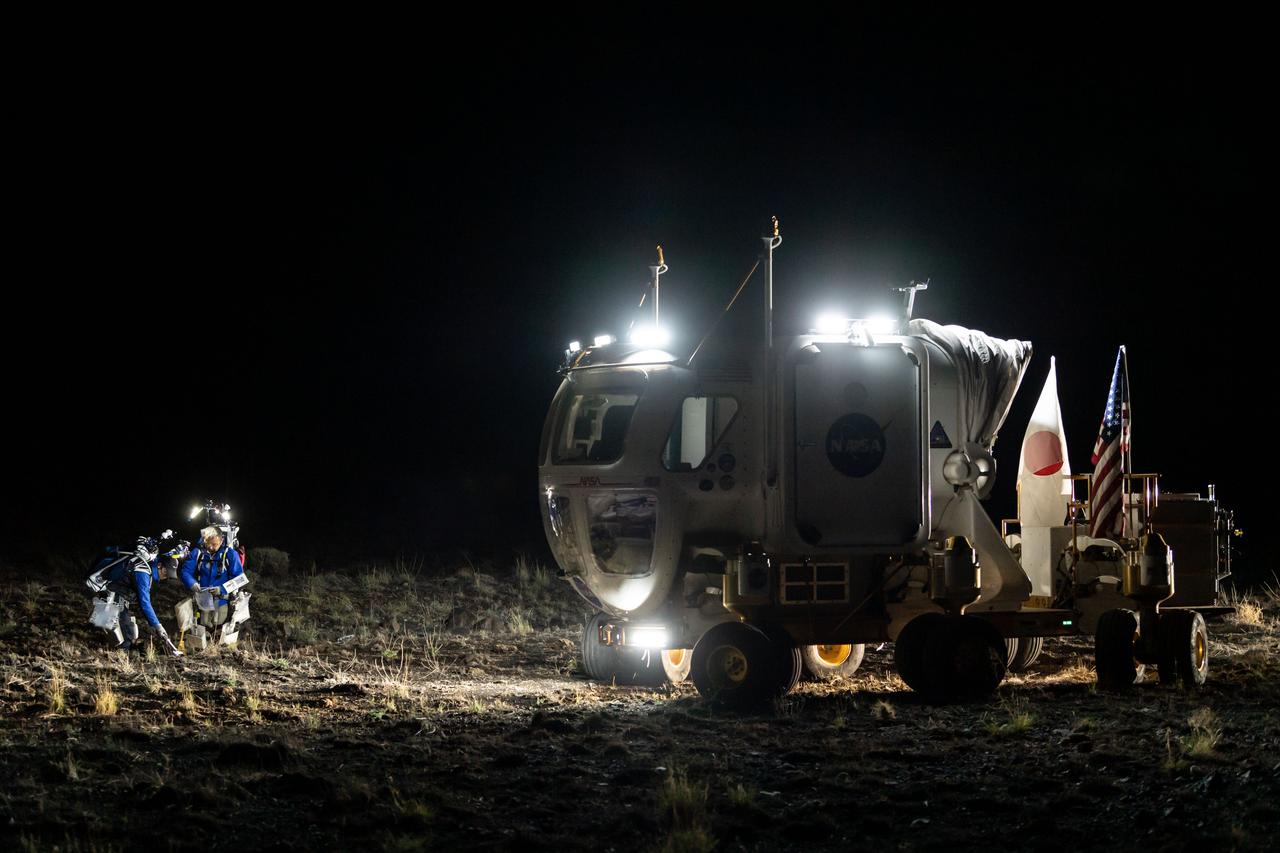
The Desert Research and Technology Studies (DesertRATS) is one of NASA’s analog missions to test hardware and operational scenarios in a remote environment with geographic similarities to the Moon and Mars. In October 2022, NASA evaluated rover design and operations, communications with the Mission Control Center and a Science Evaluation Room at NASA’s Johnson Space Center in Houston. A key element of the DesertRATS analog is the pressurized rover, a capability that is planned for astronaut surface exploration at the Moon and Mars. NASA has a study agreement with the Japan Aerospace Exploration Agency (JAXA) for development of the Artemis pressurized rover, and JAXA representatives joined NASA at DesertRATS.
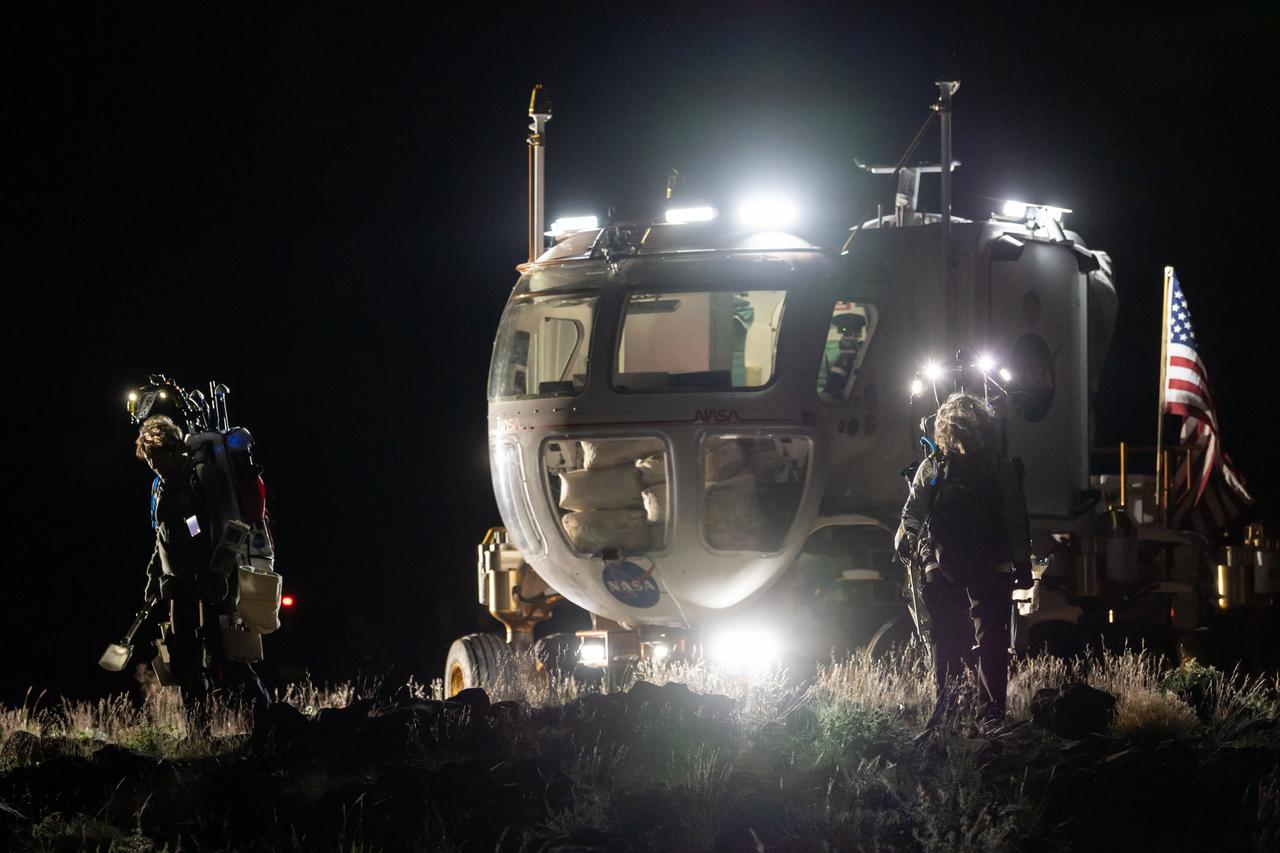
The Desert Research and Technology Studies (DesertRATS) is one of NASA’s analog missions to test hardware and operational scenarios in a remote environment with geographic similarities to the Moon and Mars. In October 2022, NASA evaluated rover design and operations, communications with the Mission Control Center and a Science Evaluation Room at NASA’s Johnson Space Center in Houston. A key element of the DesertRATS analog is the pressurized rover, a capability that is planned for astronaut surface exploration at the Moon and Mars. NASA has a study agreement with the Japan Aerospace Exploration Agency (JAXA) for development of the Artemis pressurized rover, and JAXA representatives joined NASA at DesertRATS.
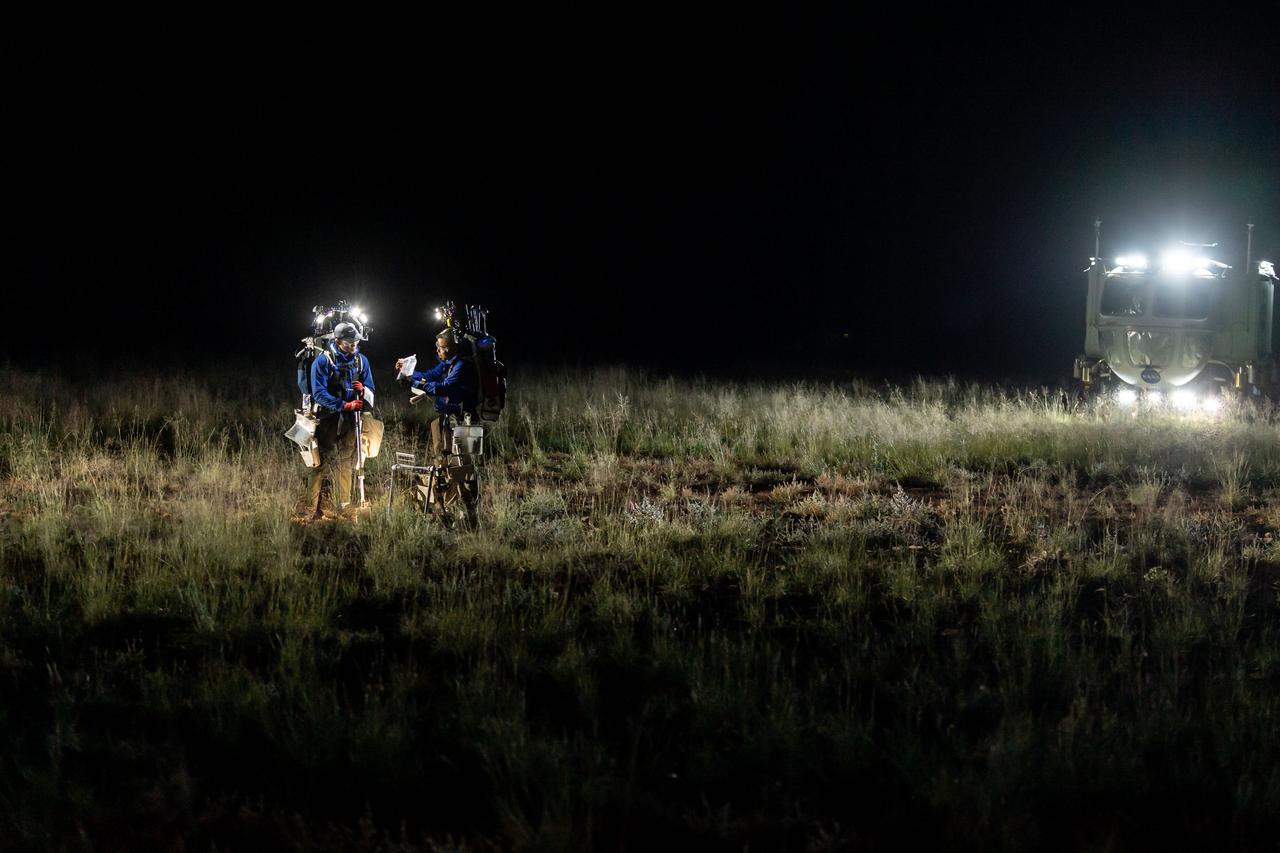
The Desert Research and Technology Studies (DesertRATS) is one of NASA’s analog missions to test hardware and operational scenarios in a remote environment with geographic similarities to the Moon and Mars. In October 2022, NASA evaluated rover design and operations, communications with the Mission Control Center and a Science Evaluation Room at NASA’s Johnson Space Center in Houston. A key element of the DesertRATS analog is the pressurized rover, a capability that is planned for astronaut surface exploration at the Moon and Mars. NASA has a study agreement with the Japan Aerospace Exploration Agency (JAXA) for development of the Artemis pressurized rover, and JAXA representatives joined NASA at DesertRATS.
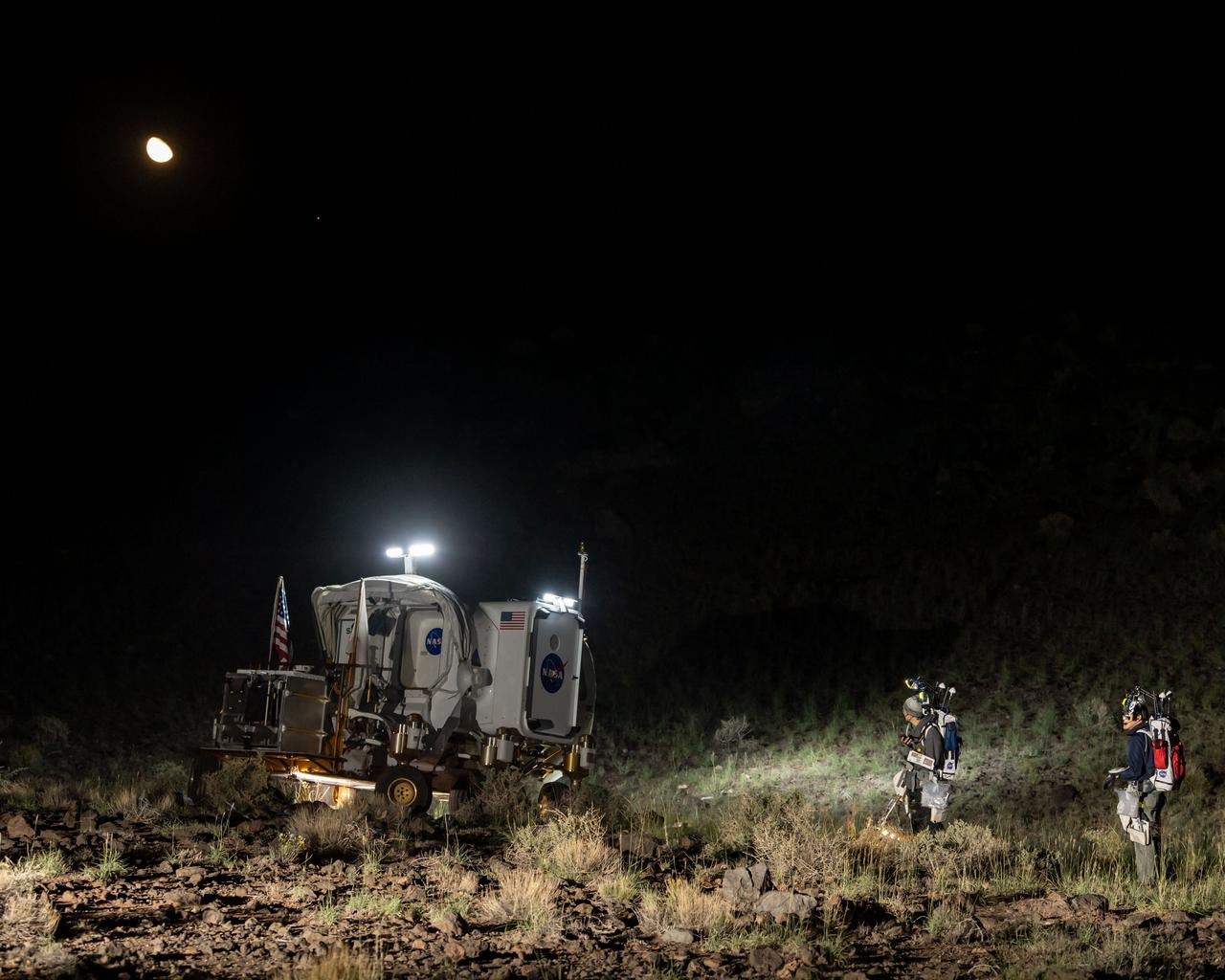
The Desert Research and Technology Studies (DesertRATS) is one of NASA’s analog missions to test hardware and operational scenarios in a remote environment with geographic similarities to the Moon and Mars. In October 2022, NASA evaluated rover design and operations, communications with the Mission Control Center and a Science Evaluation Room at NASA’s Johnson Space Center in Houston. A key element of the DesertRATS analog is the pressurized rover, a capability that is planned for astronaut surface exploration at the Moon and Mars. NASA has a study agreement with the Japan Aerospace Exploration Agency (JAXA) for development of the Artemis pressurized rover, and JAXA representatives joined NASA at DesertRATS.
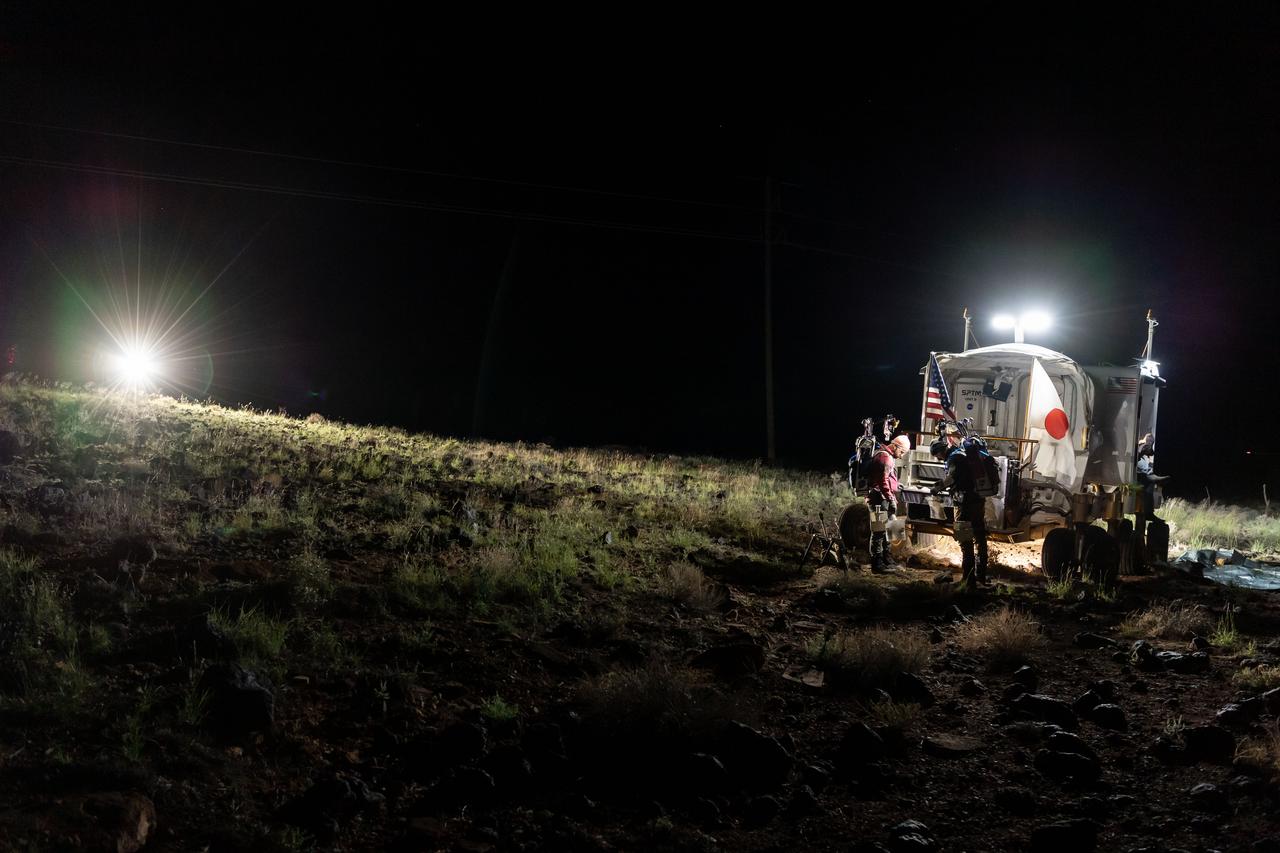
The Desert Research and Technology Studies (DesertRATS) is one of NASA’s analog missions to test hardware and operational scenarios in a remote environment with geographic similarities to the Moon and Mars. In October 2022, NASA evaluated rover design and operations, communications with the Mission Control Center and a Science Evaluation Room at NASA’s Johnson Space Center in Houston. A key element of the DesertRATS analog is the pressurized rover, a capability that is planned for astronaut surface exploration at the Moon and Mars. NASA has a study agreement with the Japan Aerospace Exploration Agency (JAXA) for development of the Artemis pressurized rover, and JAXA representatives joined NASA at DesertRATS.
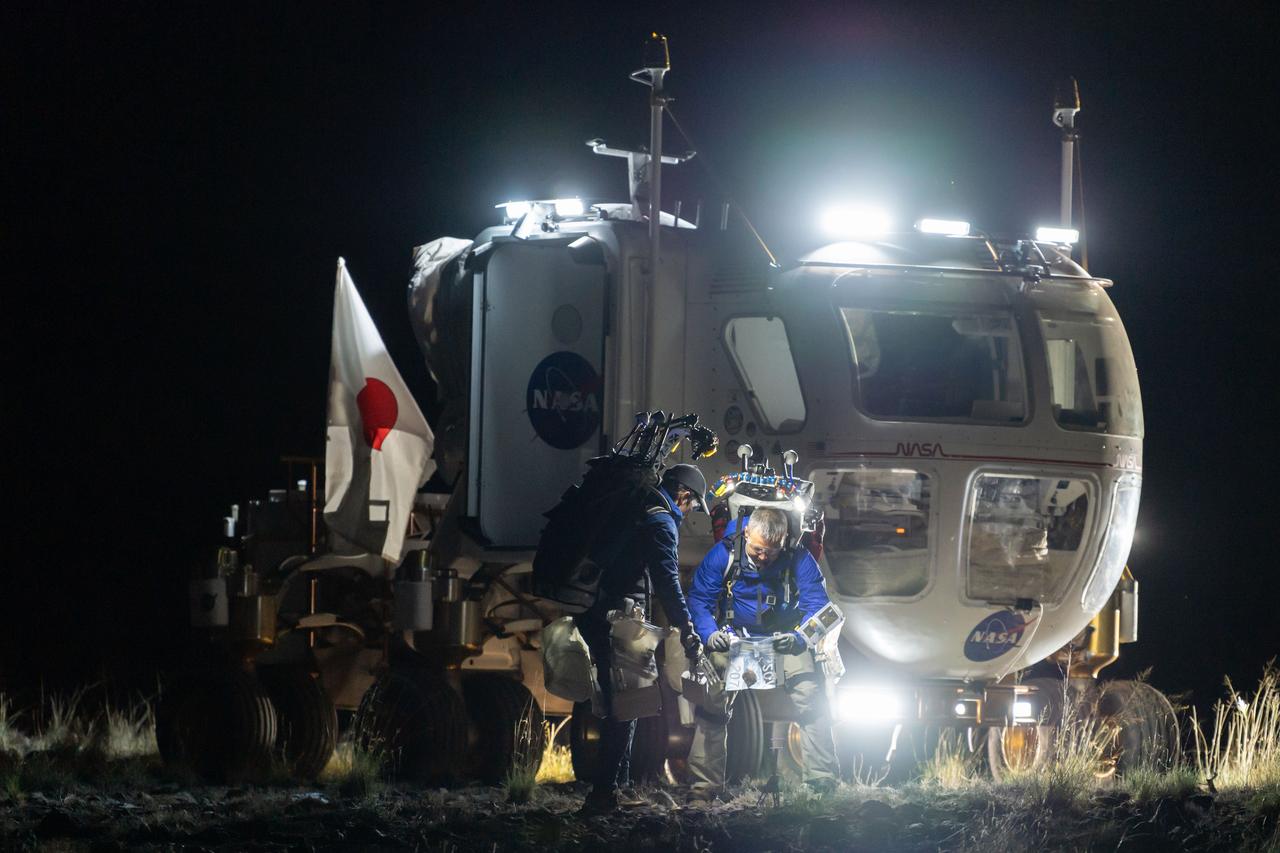
The Desert Research and Technology Studies (DesertRATS) is one of NASA’s analog missions to test hardware and operational scenarios in a remote environment with geographic similarities to the Moon and Mars. In October 2022, NASA evaluated rover design and operations, communications with the Mission Control Center and a Science Evaluation Room at NASA’s Johnson Space Center in Houston. A key element of the DesertRATS analog is the pressurized rover, a capability that is planned for astronaut surface exploration at the Moon and Mars. NASA has a study agreement with the Japan Aerospace Exploration Agency (JAXA) for development of the Artemis pressurized rover, and JAXA representatives joined NASA at DesertRATS.
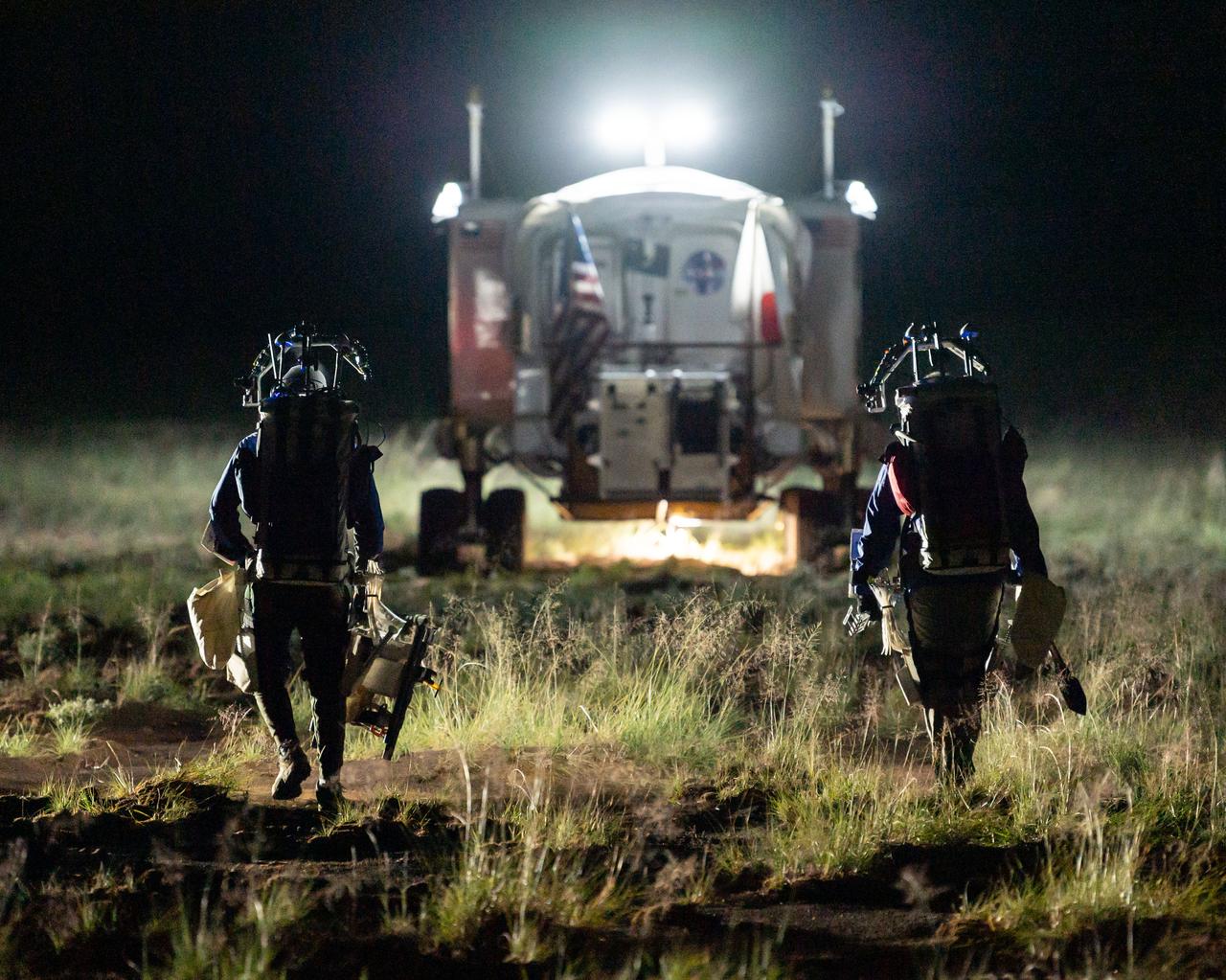
The Desert Research and Technology Studies (DesertRATS) is one of NASA’s analog missions to test hardware and operational scenarios in a remote environment with geographic similarities to the Moon and Mars. In October 2022, NASA evaluated rover design and operations, communications with the Mission Control Center and a Science Evaluation Room at NASA’s Johnson Space Center in Houston. A key element of the DesertRATS analog is the pressurized rover, a capability that is planned for astronaut surface exploration at the Moon and Mars. NASA has a study agreement with the Japan Aerospace Exploration Agency (JAXA) for development of the Artemis pressurized rover, and JAXA representatives joined NASA at DesertRATS.
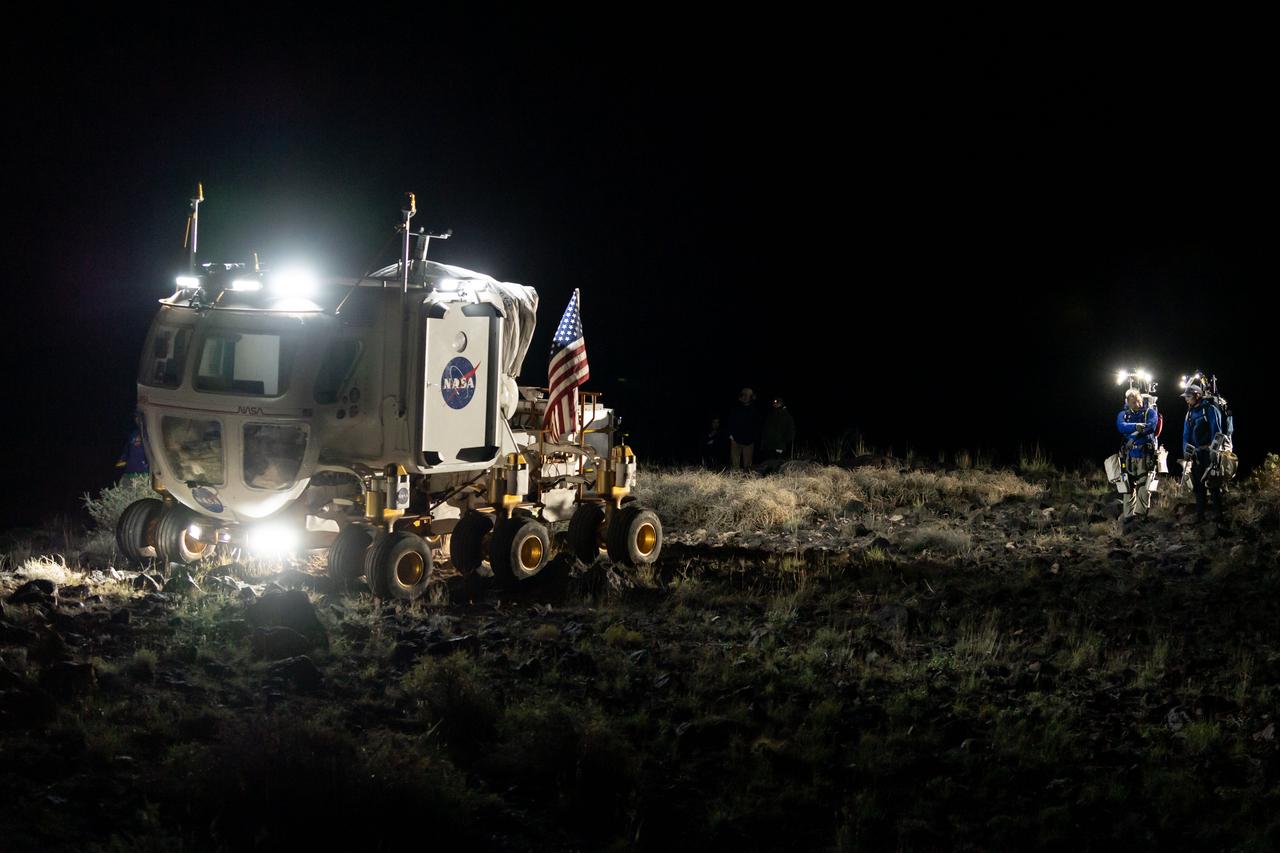
The Desert Research and Technology Studies (DesertRATS) is one of NASA’s analog missions to test hardware and operational scenarios in a remote environment with geographic similarities to the Moon and Mars. In October 2022, NASA evaluated rover design and operations, communications with the Mission Control Center and a Science Evaluation Room at NASA’s Johnson Space Center in Houston. A key element of the DesertRATS analog is the pressurized rover, a capability that is planned for astronaut surface exploration at the Moon and Mars. NASA has a study agreement with the Japan Aerospace Exploration Agency (JAXA) for development of the Artemis pressurized rover, and JAXA representatives joined NASA at DesertRATS.
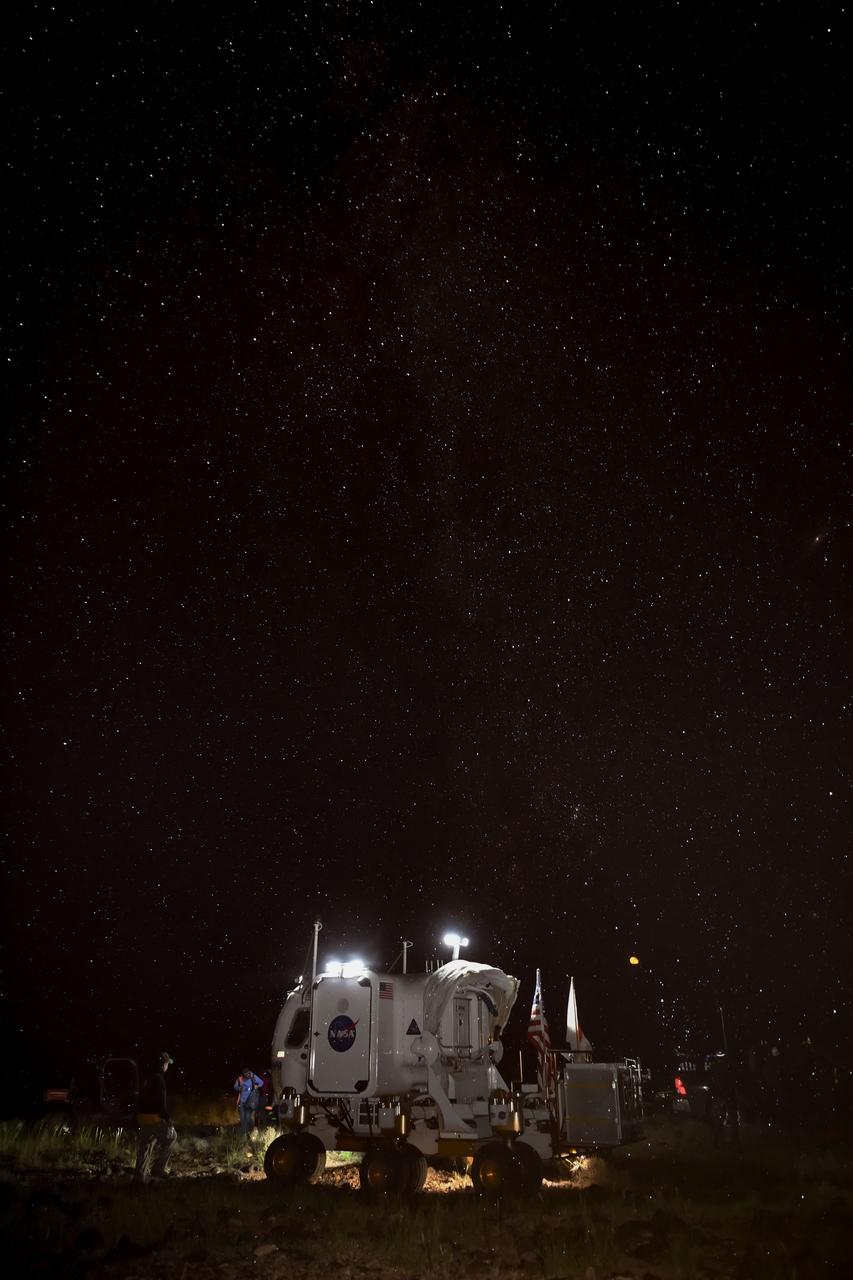
The Desert Research and Technology Studies (DesertRATS) is one of NASA’s analog missions to test hardware and operational scenarios in a remote environment with geographic similarities to the Moon and Mars. In October 2022, NASA evaluated rover design and operations, communications with the Mission Control Center and a Science Evaluation Room at NASA’s Johnson Space Center in Houston. A key element of the DesertRATS analog is the pressurized rover, a capability that is planned for astronaut surface exploration at the Moon and Mars. NASA has a study agreement with the Japan Aerospace Exploration Agency (JAXA) for development of the Artemis pressurized rover, and JAXA representatives joined NASA at DesertRATS.
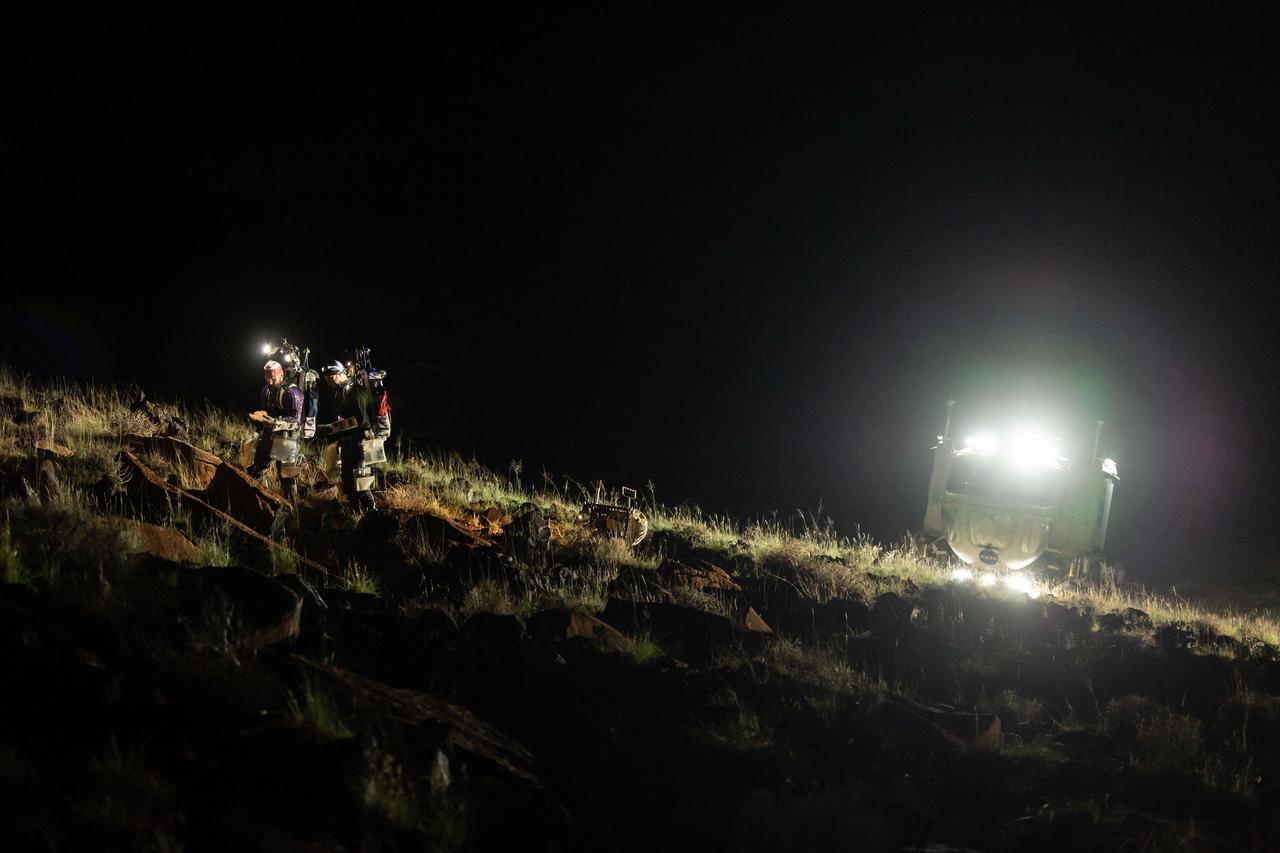
The Desert Research and Technology Studies (DesertRATS) is one of NASA’s analog missions to test hardware and operational scenarios in a remote environment with geographic similarities to the Moon and Mars. In October 2022, NASA evaluated rover design and operations, communications with the Mission Control Center and a Science Evaluation Room at NASA’s Johnson Space Center in Houston. A key element of the DesertRATS analog is the pressurized rover, a capability that is planned for astronaut surface exploration at the Moon and Mars. NASA has a study agreement with the Japan Aerospace Exploration Agency (JAXA) for development of the Artemis pressurized rover, and JAXA representatives joined NASA at DesertRATS.
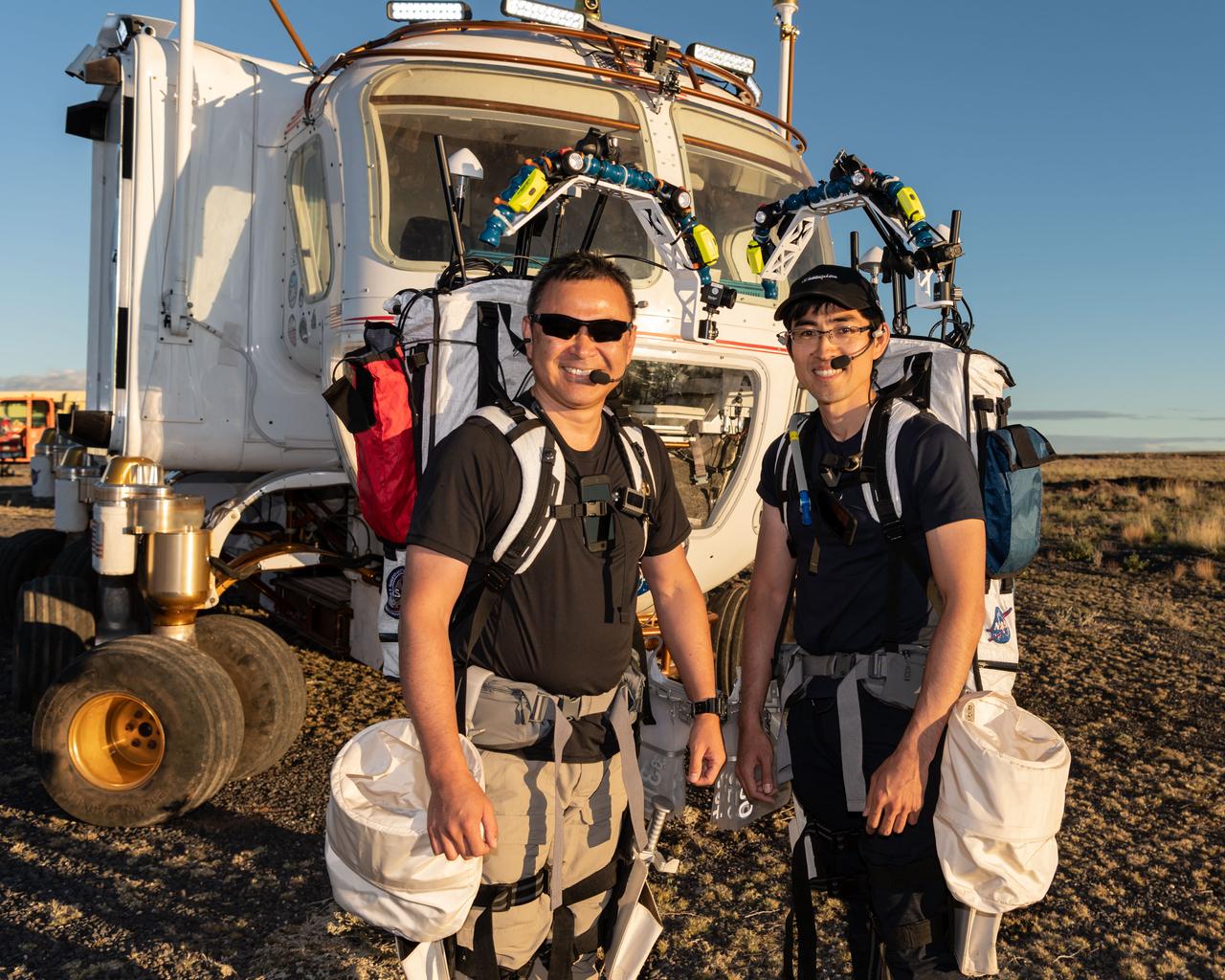
The Desert Research and Technology Studies (DesertRATS) is one of NASA’s analog missions to test hardware and operational scenarios in a remote environment with geographic similarities to the Moon and Mars. In October 2022, NASA evaluated rover design and operations, communications with the Mission Control Center and a Science Evaluation Room at NASA’s Johnson Space Center in Houston. A key element of the DesertRATS analog is the pressurized rover, a capability that is planned for astronaut surface exploration at the Moon and Mars. NASA has a study agreement with the Japan Aerospace Exploration Agency (JAXA) for development of the Artemis pressurized rover, and JAXA representatives joined NASA at DesertRATS.
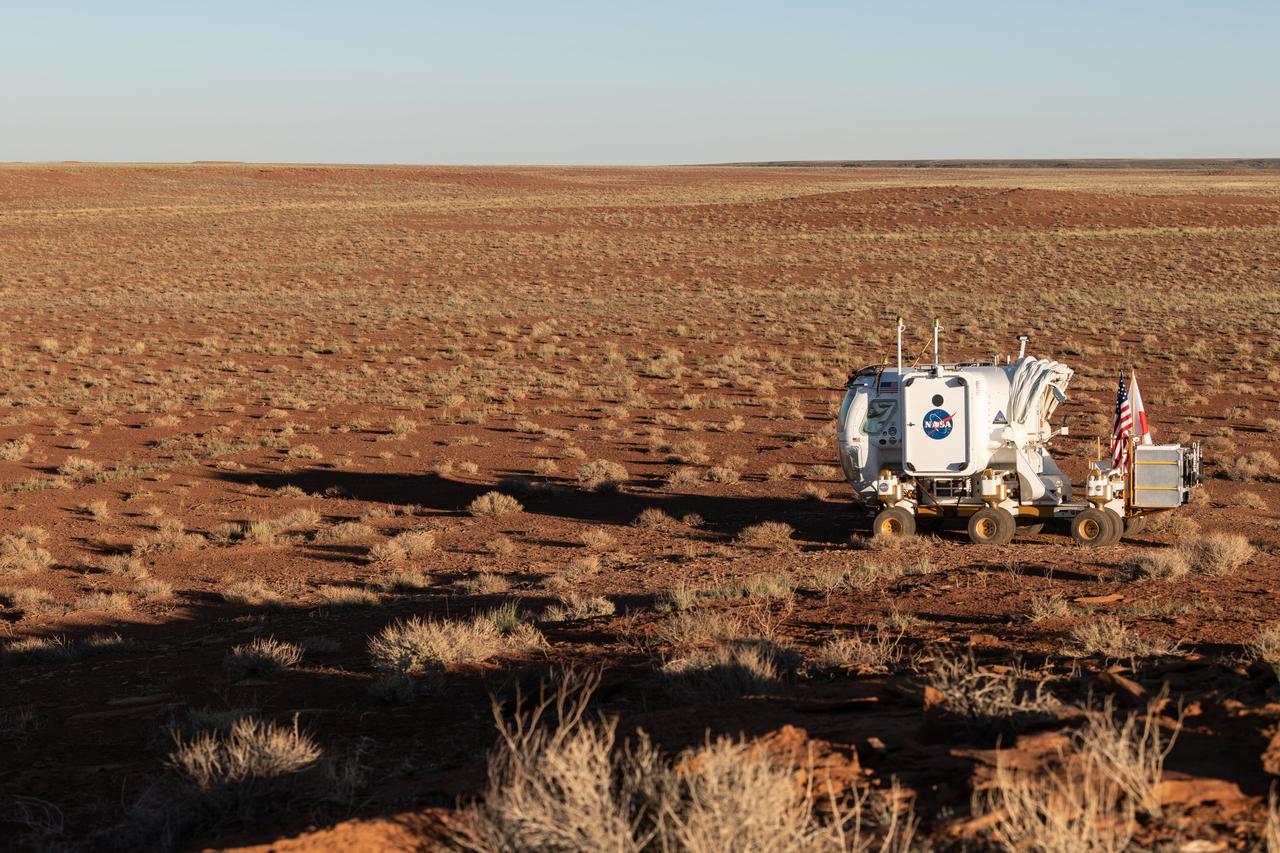
The Desert Research and Technology Studies (DesertRATS) is one of NASA’s analog missions to test hardware and operational scenarios in a remote environment with geographic similarities to the Moon and Mars. In October 2022, NASA evaluated rover design and operations, communications with the Mission Control Center and a Science Evaluation Room at NASA’s Johnson Space Center in Houston. A key element of the DesertRATS analog is the pressurized rover, a capability that is planned for astronaut surface exploration at the Moon and Mars. NASA has a study agreement with the Japan Aerospace Exploration Agency (JAXA) for development of the Artemis pressurized rover, and JAXA representatives joined NASA at DesertRATS.
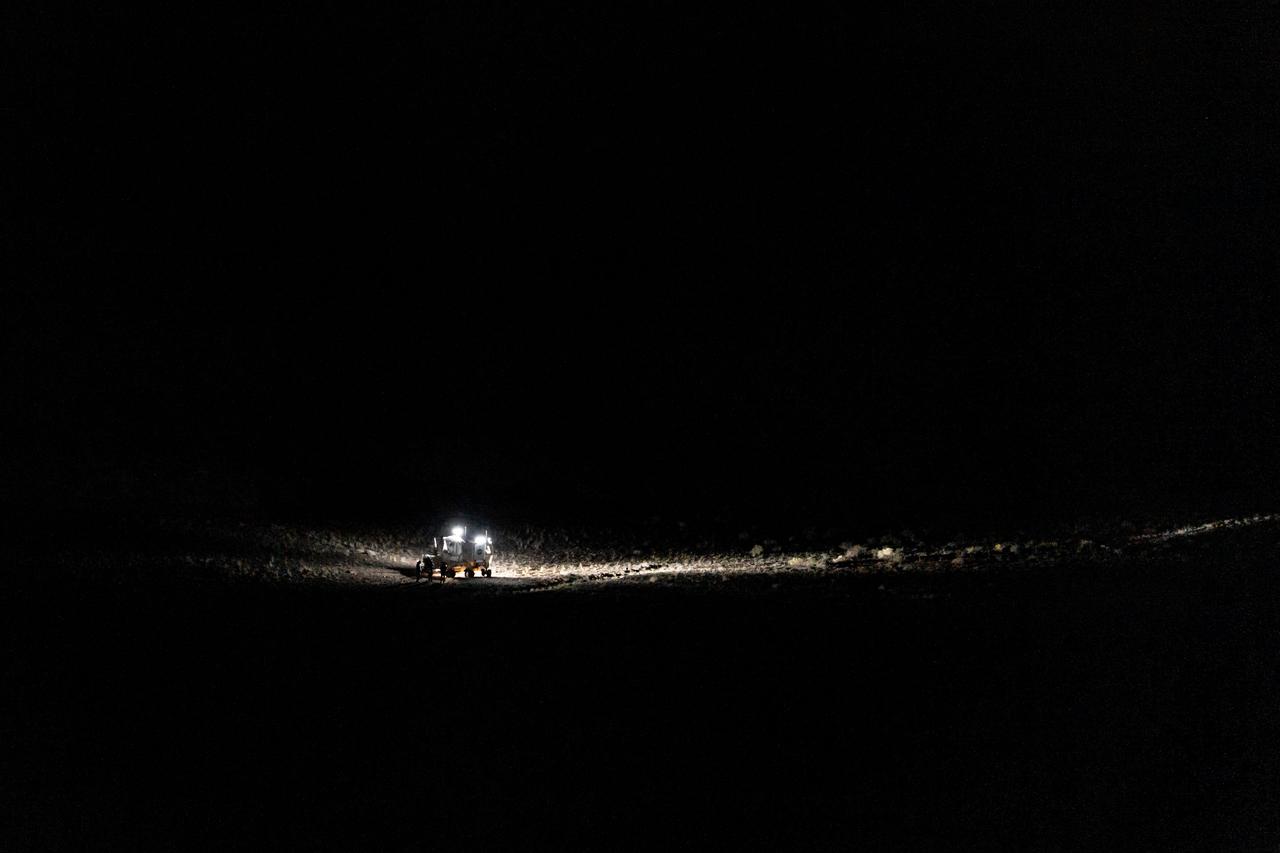
The Desert Research and Technology Studies (DesertRATS) is one of NASA’s analog missions to test hardware and operational scenarios in a remote environment with geographic similarities to the Moon and Mars. In October 2022, NASA evaluated rover design and operations, communications with the Mission Control Center and a Science Evaluation Room at NASA’s Johnson Space Center in Houston. A key element of the DesertRATS analog is the pressurized rover, a capability that is planned for astronaut surface exploration at the Moon and Mars. NASA has a study agreement with the Japan Aerospace Exploration Agency (JAXA) for development of the Artemis pressurized rover, and JAXA representatives joined NASA at DesertRATS.
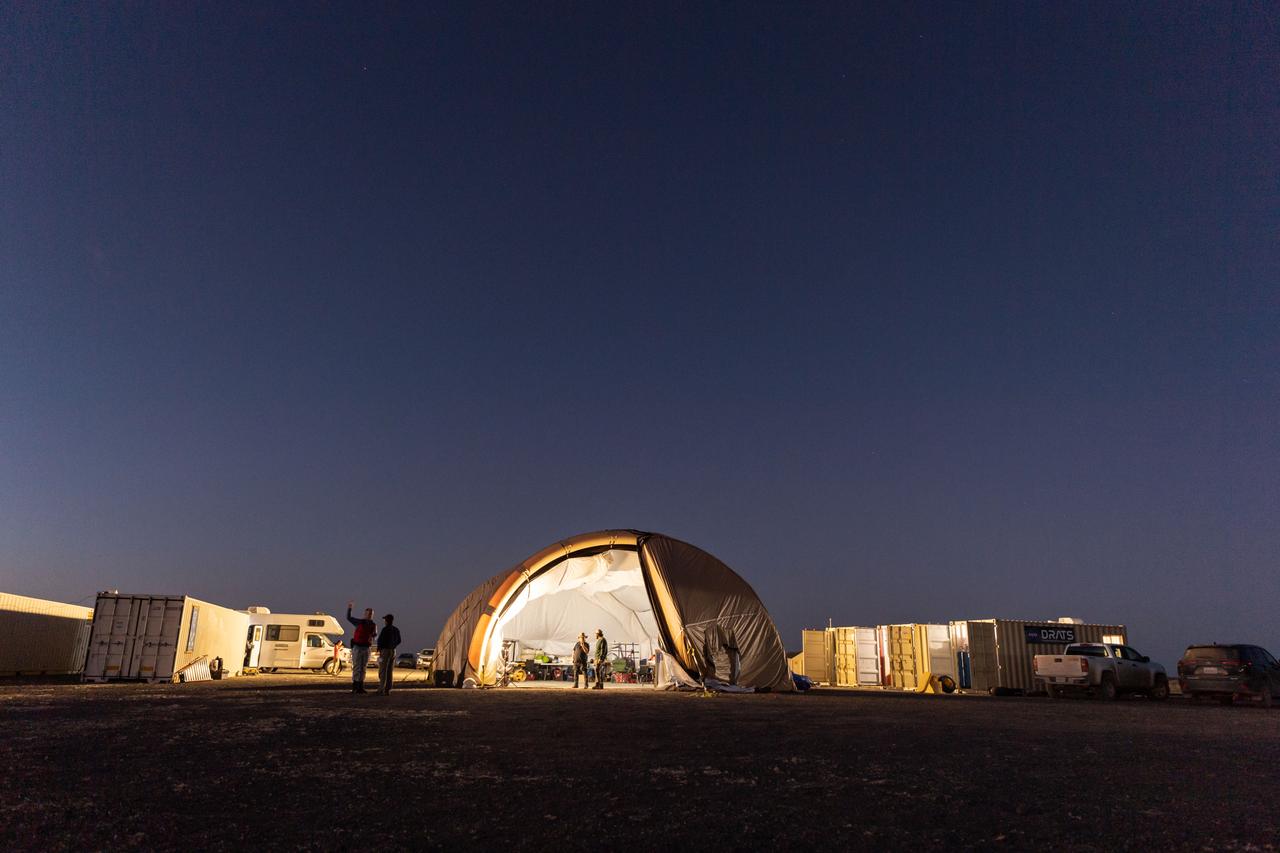
The Desert Research and Technology Studies (DesertRATS) is one of NASA’s analog missions to test hardware and operational scenarios in a remote environment with geographic similarities to the Moon and Mars. In October 2022, NASA evaluated rover design and operations, communications with the Mission Control Center and a Science Evaluation Room at NASA’s Johnson Space Center in Houston. A key element of the DesertRATS analog is the pressurized rover, a capability that is planned for astronaut surface exploration at the Moon and Mars. NASA has a study agreement with the Japan Aerospace Exploration Agency (JAXA) for development of the Artemis pressurized rover, and JAXA representatives joined NASA at DesertRATS.
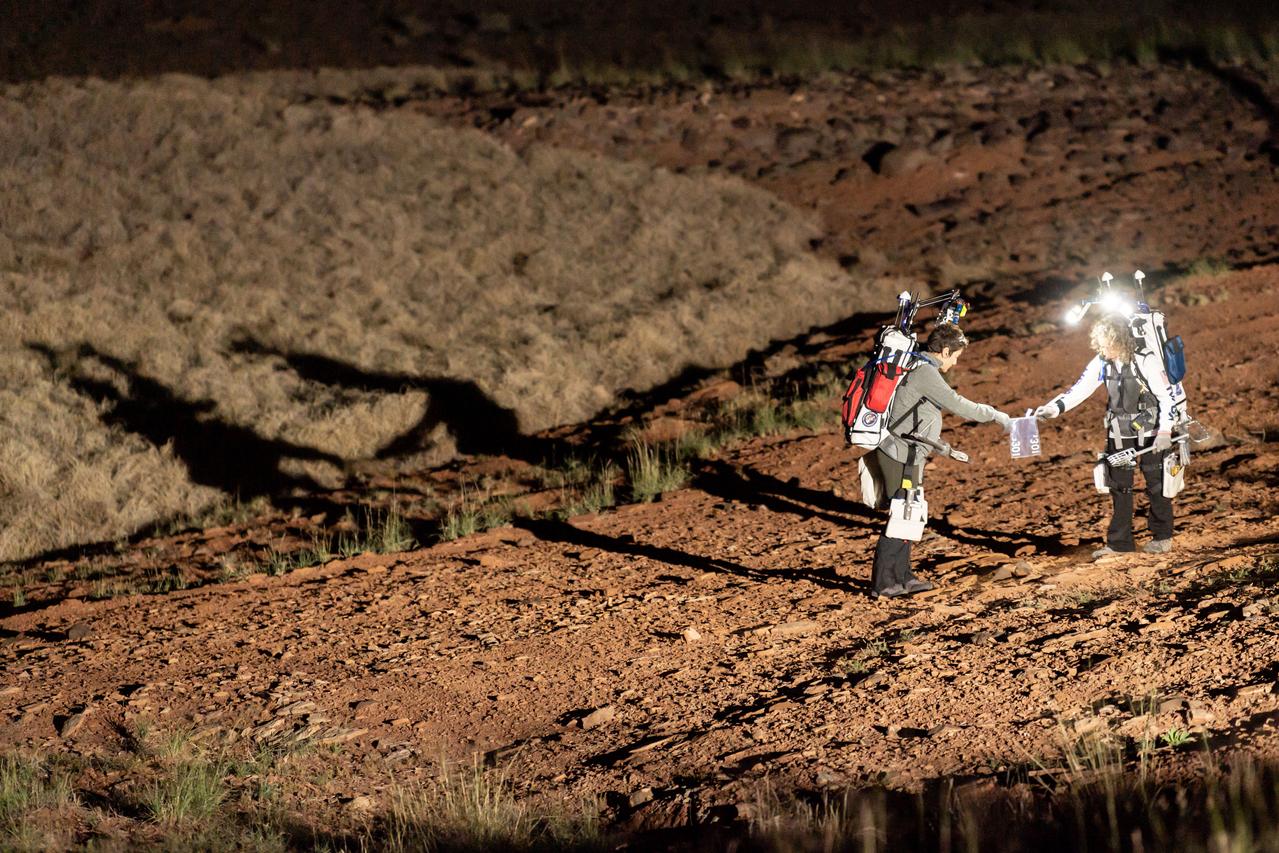
The Desert Research and Technology Studies (DesertRATS) is one of NASA’s analog missions to test hardware and operational scenarios in a remote environment with geographic similarities to the Moon and Mars. In October 2022, NASA evaluated rover design and operations, communications with the Mission Control Center and a Science Evaluation Room at NASA’s Johnson Space Center in Houston. A key element of the DesertRATS analog is the pressurized rover, a capability that is planned for astronaut surface exploration at the Moon and Mars. NASA has a study agreement with the Japan Aerospace Exploration Agency (JAXA) for development of the Artemis pressurized rover, and JAXA representatives joined NASA at DesertRATS.

NASA Pressurized Rover Project Manager Danny Newswander, left, NASA Administrator Bill Nelson, and NASA Extravehicular Activity and Human Surface Mobility Program Lara Kearney, right, discuss the historic agreement signed April 9th at NASA Headquarters, between the United States and Japan to advance sustainable human exploration of the Moon, Wednesday, April 10, 2024, at the Japan Aerospace Exploration Agency (JAXA) offices in Washington. Under the agreement, Japan will design, develop, and operate a pressurized rover for crewed and uncrewed exploration on the Moon. NASA will provide the launch and delivery of the rover to the Moon as well as two Japanese astronaut missions to the lunar surface. Photo Credit: Photo Credit: (NASA/Bill Ingalls)
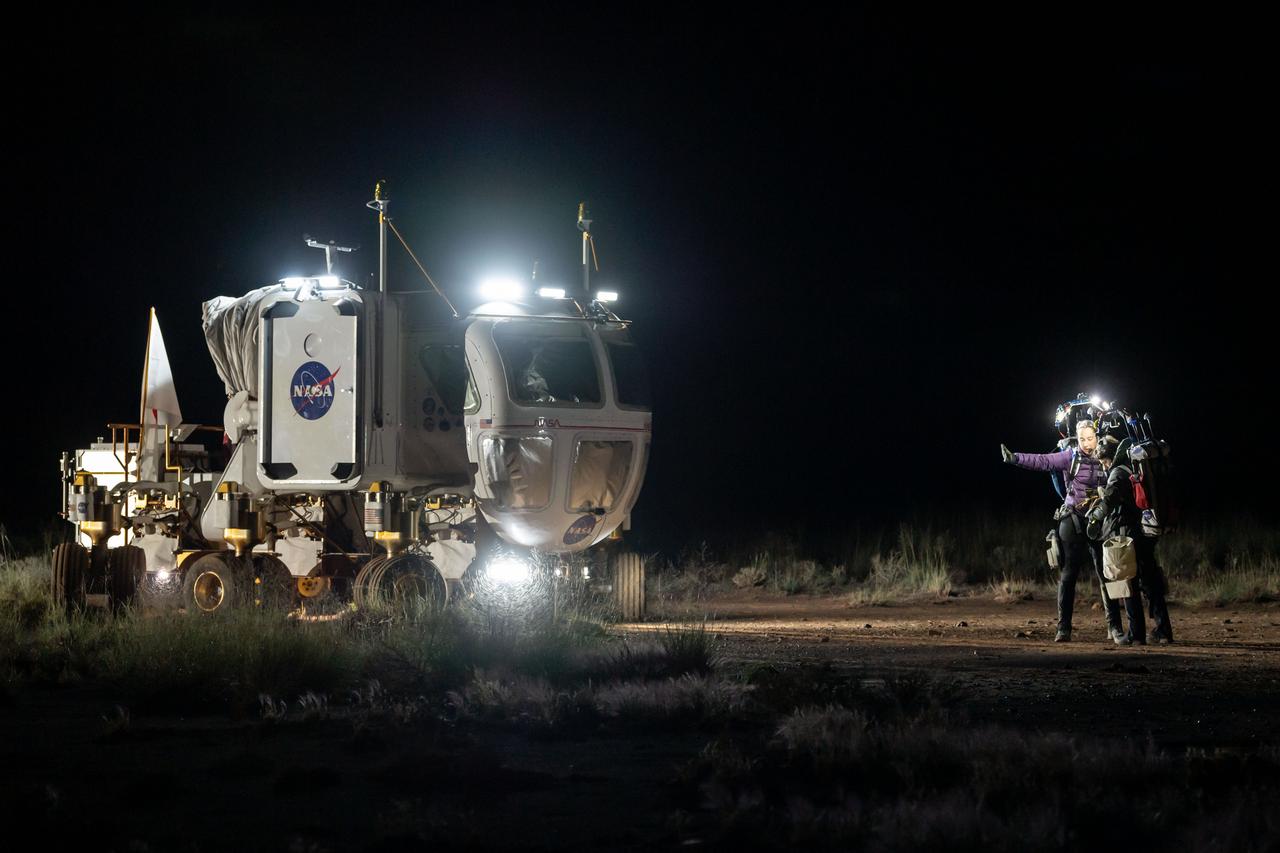
The Desert Research and Technology Studies (DesertRATS) is one of NASA’s analog missions to test hardware and operational scenarios in a remote environment with geographic similarities to the Moon and Mars. In October 2022, NASA evaluated rover design and operations, communications with the Mission Control Center and a Science Evaluation Room at NASA’s Johnson Space Center in Houston. A key element of the DesertRATS analog is the pressurized rover, a capability that is planned for astronaut surface exploration at the Moon and Mars. NASA has a study agreement with the Japan Aerospace Exploration Agency (JAXA) for development of the Artemis pressurized rover, and JAXA representatives joined NASA at DesertRATS.
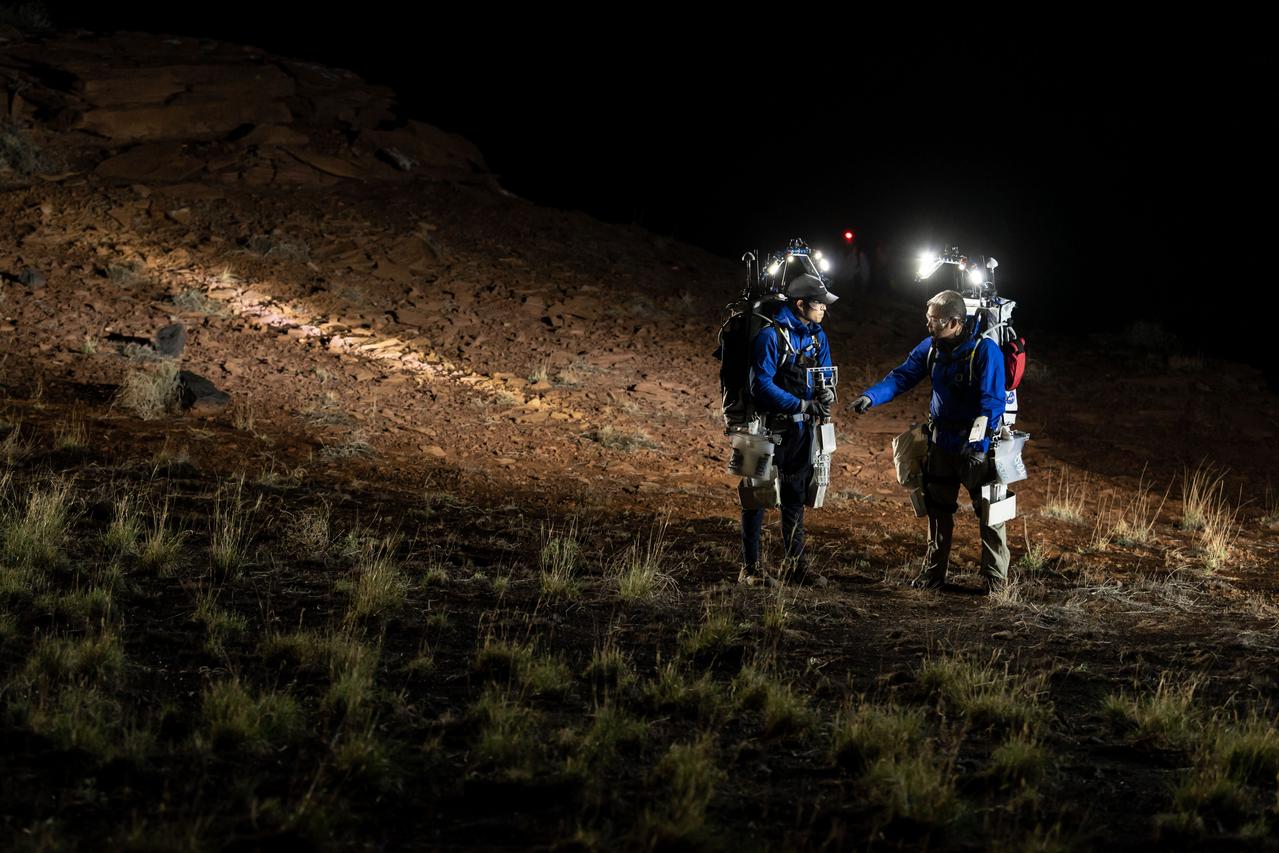
The Desert Research and Technology Studies (DesertRATS) is one of NASA’s analog missions to test hardware and operational scenarios in a remote environment with geographic similarities to the Moon and Mars. In October 2022, NASA evaluated rover design and operations, communications with the Mission Control Center and a Science Evaluation Room at NASA’s Johnson Space Center in Houston. A key element of the DesertRATS analog is the pressurized rover, a capability that is planned for astronaut surface exploration at the Moon and Mars. NASA has a study agreement with the Japan Aerospace Exploration Agency (JAXA) for development of the Artemis pressurized rover, and JAXA representatives joined NASA at DesertRATS.

NASA Pressurized Rover Project Manager Danny Newswander, left, NASA Administrator Bill Nelson, and NASA Extravehicular Activity and Human Surface Mobility Program Lara Kearney, right, discuss the historic agreement signed April 9th at NASA Headquarters, between the United States and Japan to advance sustainable human exploration of the Moon, Wednesday, April 10, 2024, at the Japan Aerospace Exploration Agency (JAXA) offices in Washington. Under the agreement, Japan will design, develop, and operate a pressurized rover for crewed and uncrewed exploration on the Moon. NASA will provide the launch and delivery of the rover to the Moon as well as two Japanese astronaut missions to the lunar surface. Photo Credit: Photo Credit: (NASA/Bill Ingalls)

The Desert Research and Technology Studies (DesertRATS) is one of NASA’s analog missions to test hardware and operational scenarios in a remote environment with geographic similarities to the Moon and Mars. In October 2022, NASA evaluated rover design and operations, communications with the Mission Control Center and a Science Evaluation Room at NASA’s Johnson Space Center in Houston. A key element of the DesertRATS analog is the pressurized rover, a capability that is planned for astronaut surface exploration at the Moon and Mars. NASA has a study agreement with the Japan Aerospace Exploration Agency (JAXA) for development of the Artemis pressurized rover, and JAXA representatives joined NASA at DesertRATS.
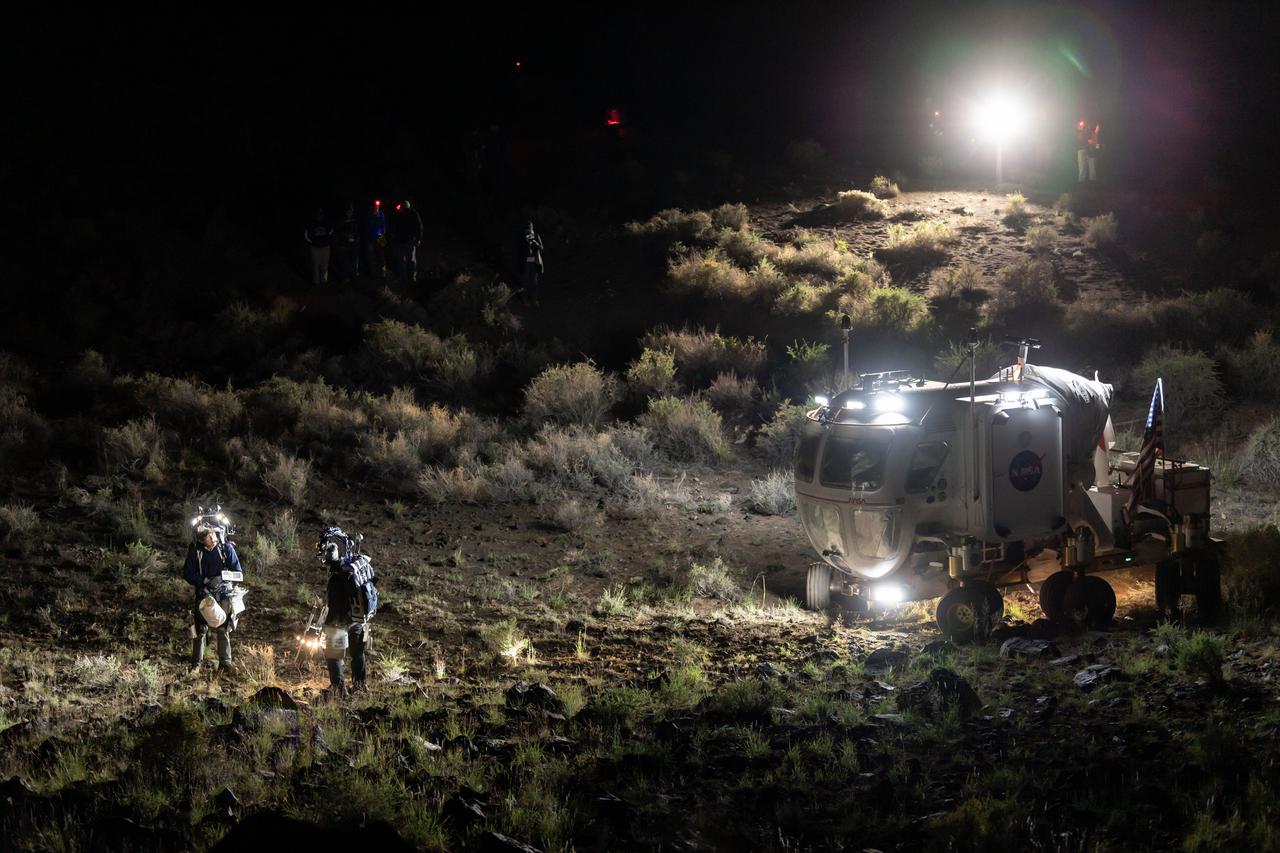
The Desert Research and Technology Studies (DesertRATS) is one of NASA’s analog missions to test hardware and operational scenarios in a remote environment with geographic similarities to the Moon and Mars. In October 2022, NASA evaluated rover design and operations, communications with the Mission Control Center and a Science Evaluation Room at NASA’s Johnson Space Center in Houston. A key element of the DesertRATS analog is the pressurized rover, a capability that is planned for astronaut surface exploration at the Moon and Mars. NASA has a study agreement with the Japan Aerospace Exploration Agency (JAXA) for development of the Artemis pressurized rover, and JAXA representatives joined NASA at DesertRATS.
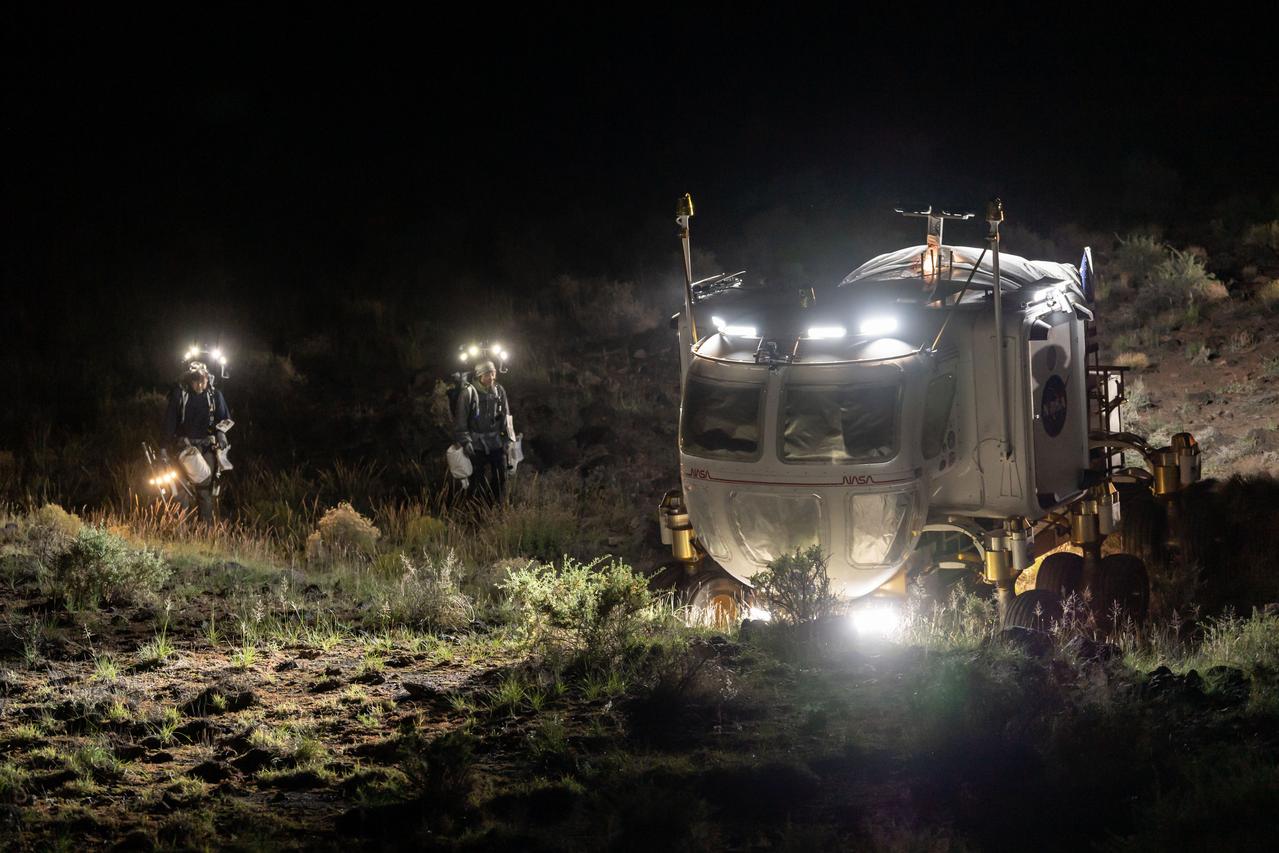
The Desert Research and Technology Studies (DesertRATS) is one of NASA’s analog missions to test hardware and operational scenarios in a remote environment with geographic similarities to the Moon and Mars. In October 2022, NASA evaluated rover design and operations, communications with the Mission Control Center and a Science Evaluation Room at NASA’s Johnson Space Center in Houston. A key element of the DesertRATS analog is the pressurized rover, a capability that is planned for astronaut surface exploration at the Moon and Mars. NASA has a study agreement with the Japan Aerospace Exploration Agency (JAXA) for development of the Artemis pressurized rover, and JAXA representatives joined NASA at DesertRATS.
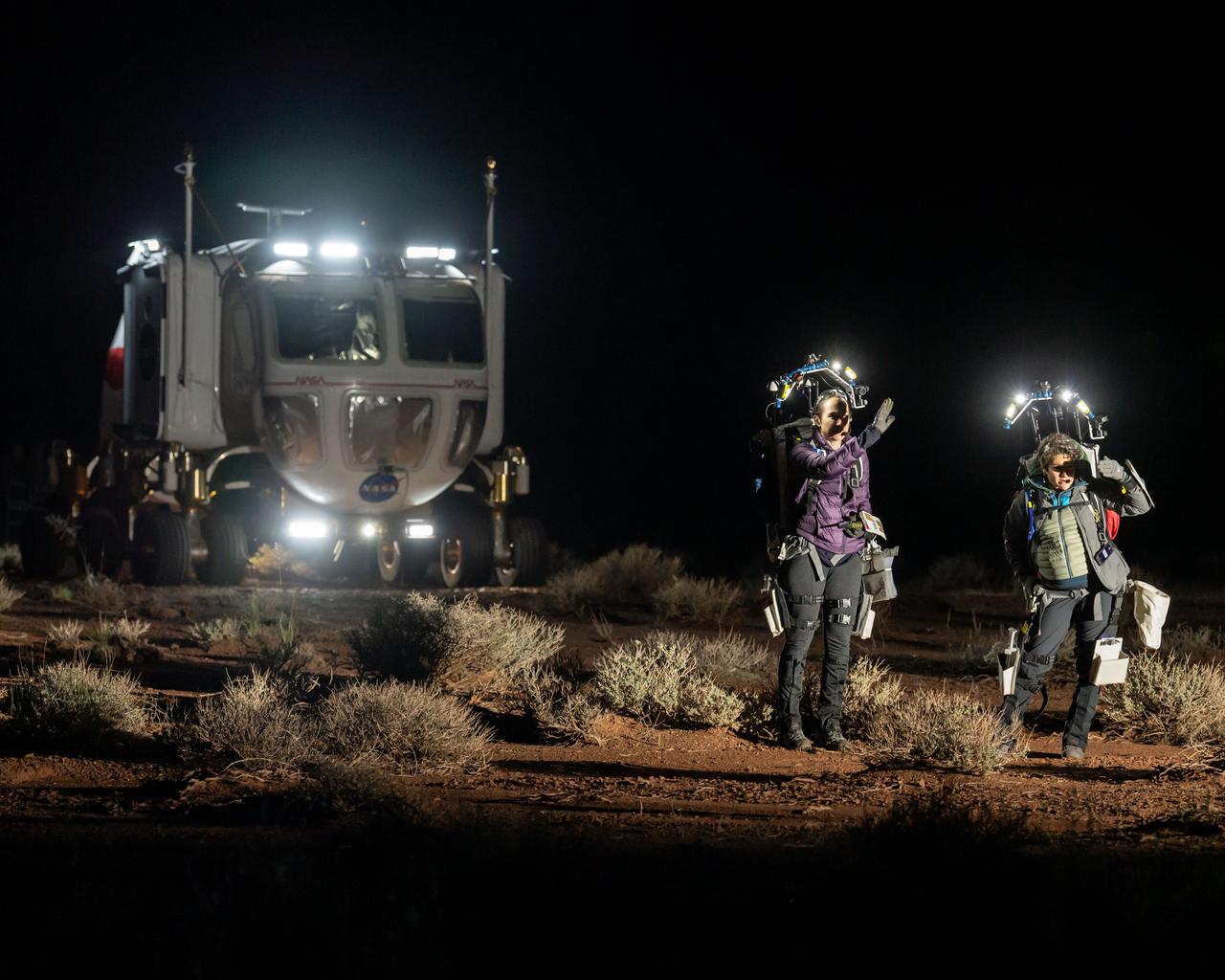
The Desert Research and Technology Studies (DesertRATS) is one of NASA’s analog missions to test hardware and operational scenarios in a remote environment with geographic similarities to the Moon and Mars. In October 2022, NASA evaluated rover design and operations, communications with the Mission Control Center and a Science Evaluation Room at NASA’s Johnson Space Center in Houston. A key element of the DesertRATS analog is the pressurized rover, a capability that is planned for astronaut surface exploration at the Moon and Mars. NASA has a study agreement with the Japan Aerospace Exploration Agency (JAXA) for development of the Artemis pressurized rover, and JAXA representatives joined NASA at DesertRATS.
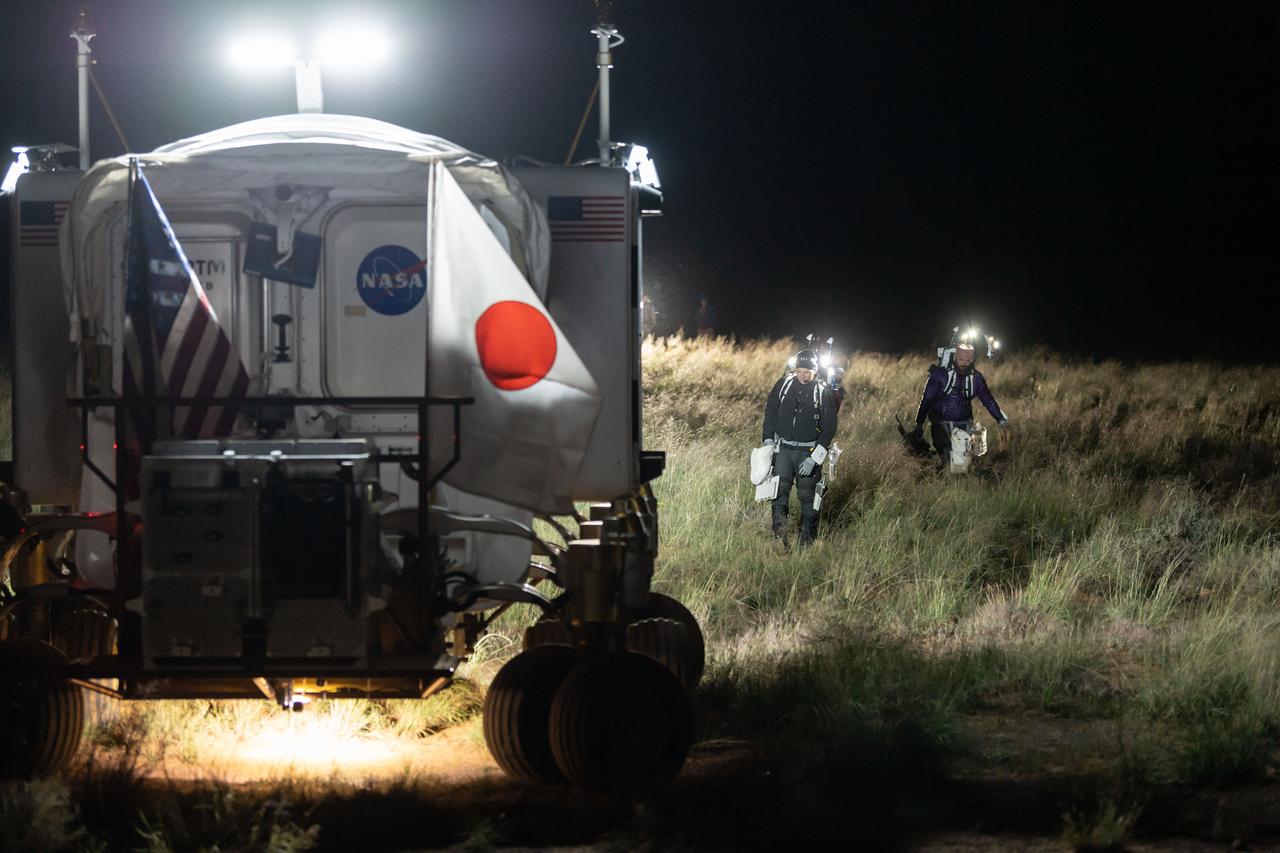
The Desert Research and Technology Studies (DesertRATS) is one of NASA’s analog missions to test hardware and operational scenarios in a remote environment with geographic similarities to the Moon and Mars. In October 2022, NASA evaluated rover design and operations, communications with the Mission Control Center and a Science Evaluation Room at NASA’s Johnson Space Center in Houston. A key element of the DesertRATS analog is the pressurized rover, a capability that is planned for astronaut surface exploration at the Moon and Mars. NASA has a study agreement with the Japan Aerospace Exploration Agency (JAXA) for development of the Artemis pressurized rover, and JAXA representatives joined NASA at DesertRATS.
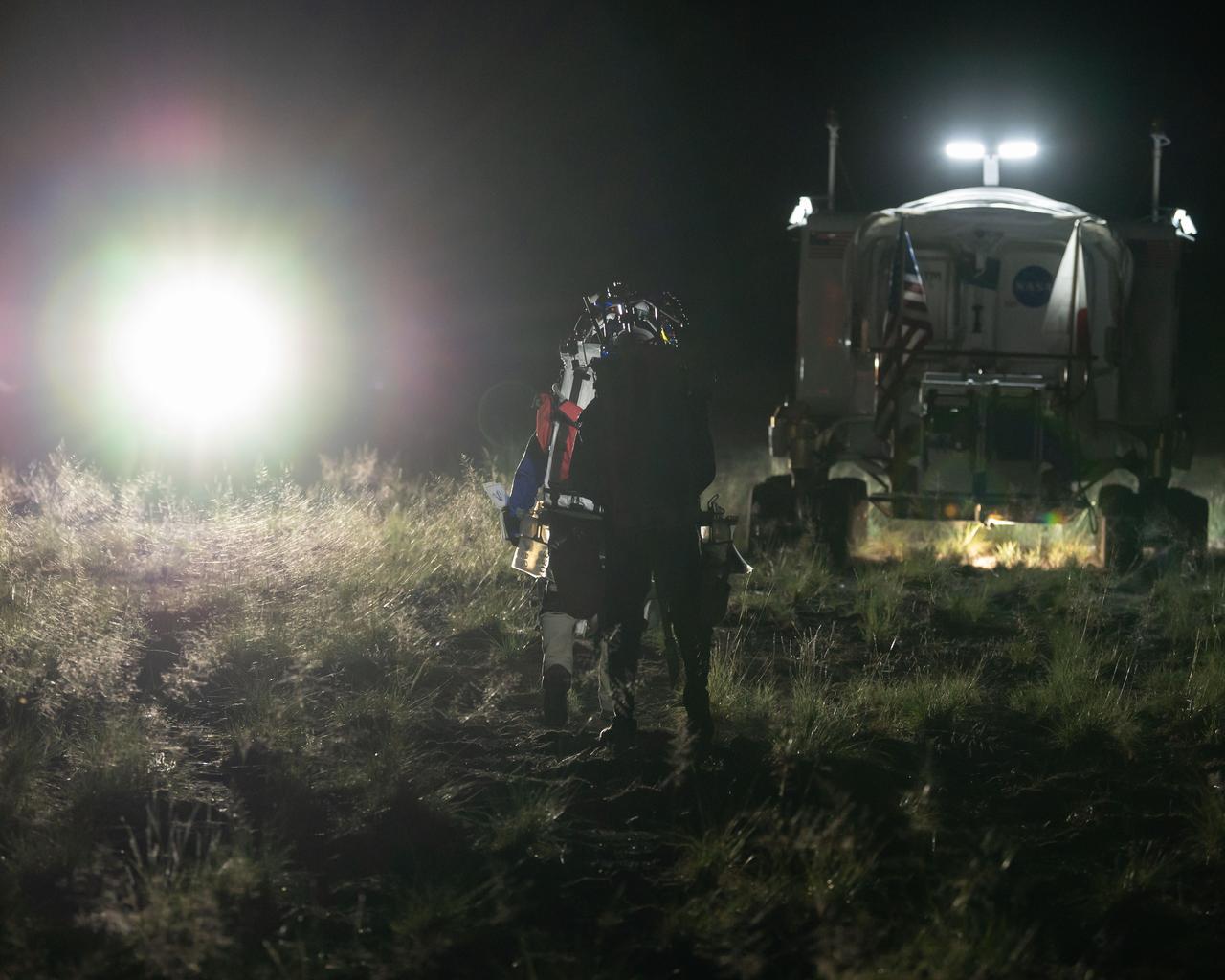
The Desert Research and Technology Studies (DesertRATS) is one of NASA’s analog missions to test hardware and operational scenarios in a remote environment with geographic similarities to the Moon and Mars. In October 2022, NASA evaluated rover design and operations, communications with the Mission Control Center and a Science Evaluation Room at NASA’s Johnson Space Center in Houston. A key element of the DesertRATS analog is the pressurized rover, a capability that is planned for astronaut surface exploration at the Moon and Mars. NASA has a study agreement with the Japan Aerospace Exploration Agency (JAXA) for development of the Artemis pressurized rover, and JAXA representatives joined NASA at DesertRATS.
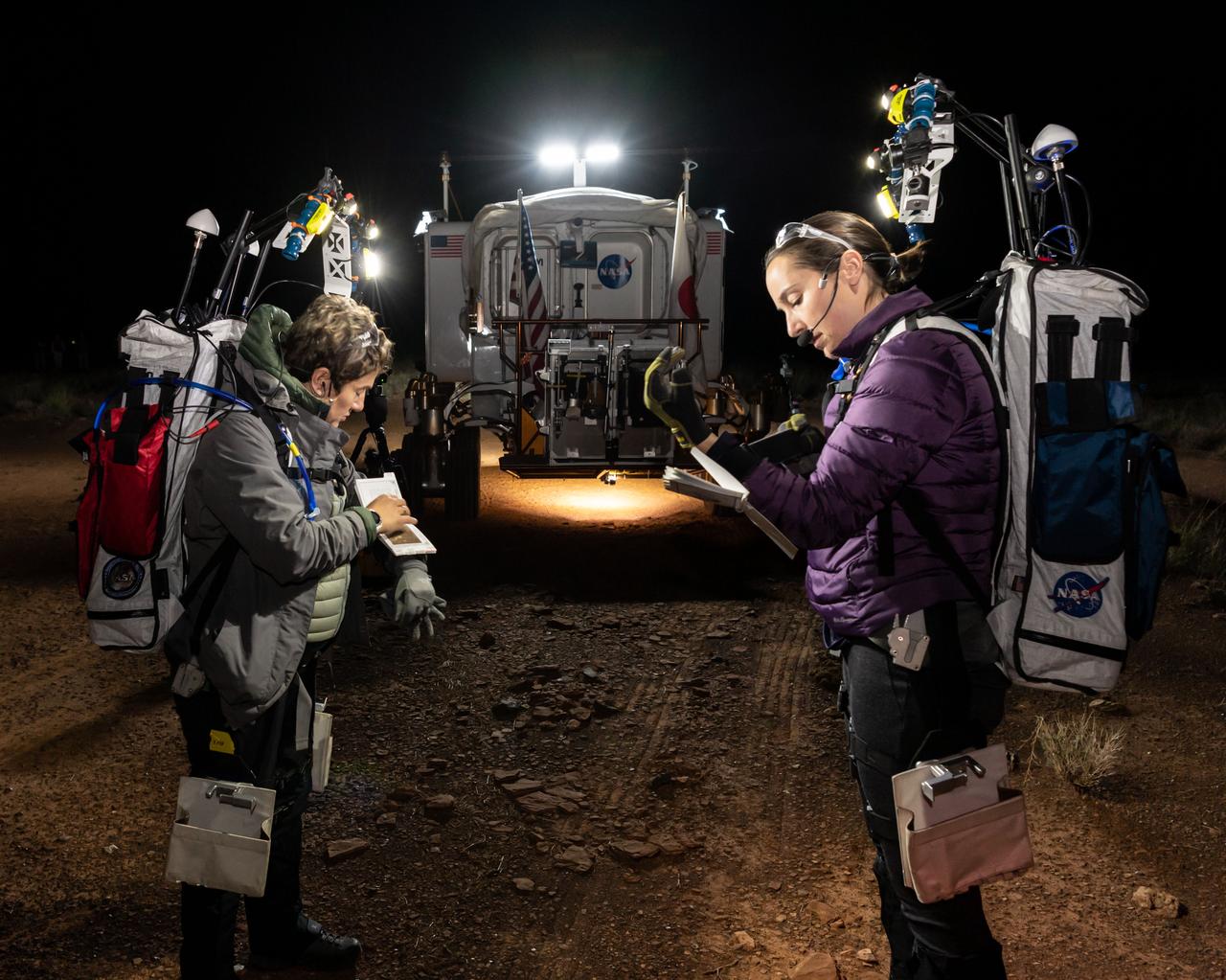
The Desert Research and Technology Studies (DesertRATS) is one of NASA’s analog missions to test hardware and operational scenarios in a remote environment with geographic similarities to the Moon and Mars. In October 2022, NASA evaluated rover design and operations, communications with the Mission Control Center and a Science Evaluation Room at NASA’s Johnson Space Center in Houston. A key element of the DesertRATS analog is the pressurized rover, a capability that is planned for astronaut surface exploration at the Moon and Mars. NASA has a study agreement with the Japan Aerospace Exploration Agency (JAXA) for development of the Artemis pressurized rover, and JAXA representatives joined NASA at DesertRATS.
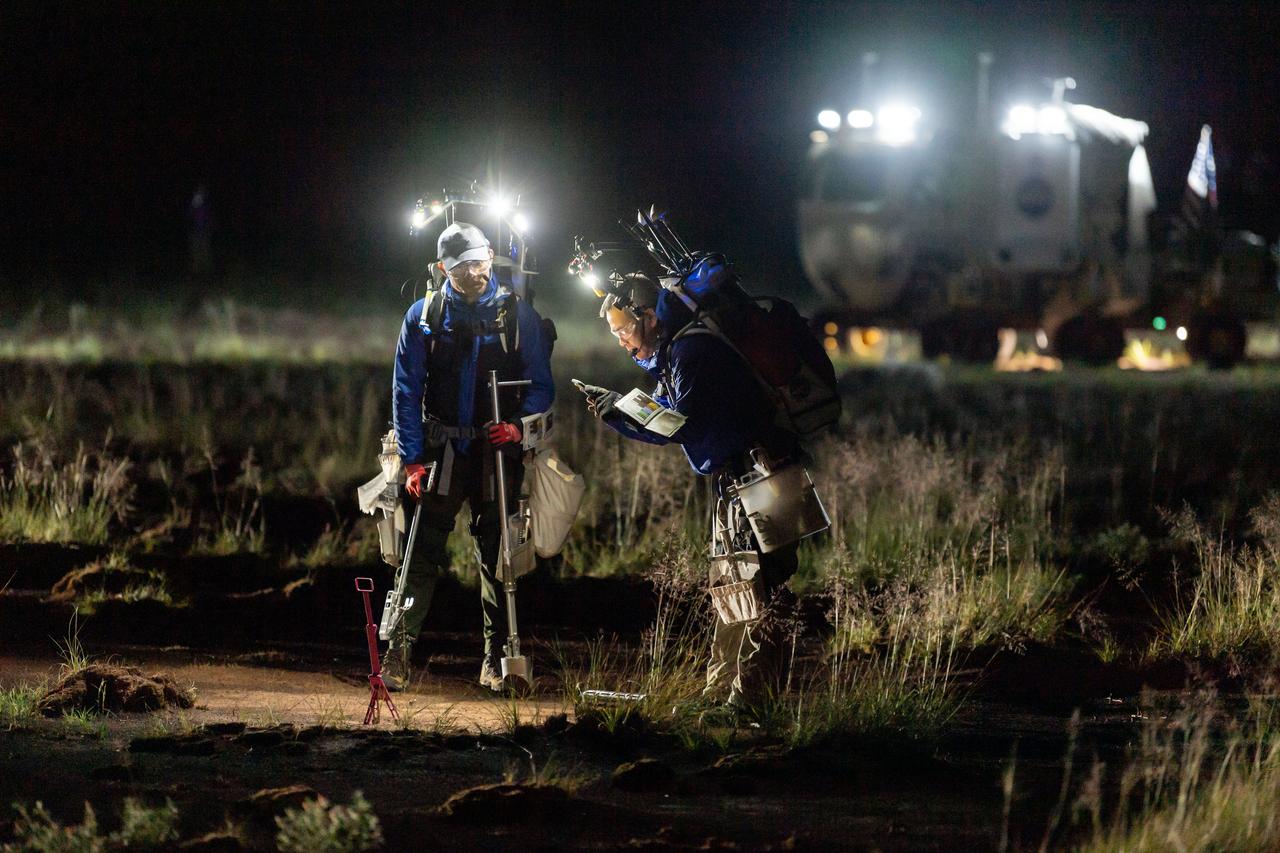
The Desert Research and Technology Studies (DesertRATS) is one of NASA’s analog missions to test hardware and operational scenarios in a remote environment with geographic similarities to the Moon and Mars. In October 2022, NASA evaluated rover design and operations, communications with the Mission Control Center and a Science Evaluation Room at NASA’s Johnson Space Center in Houston. A key element of the DesertRATS analog is the pressurized rover, a capability that is planned for astronaut surface exploration at the Moon and Mars. NASA has a study agreement with the Japan Aerospace Exploration Agency (JAXA) for development of the Artemis pressurized rover, and JAXA representatives joined NASA at DesertRATS.
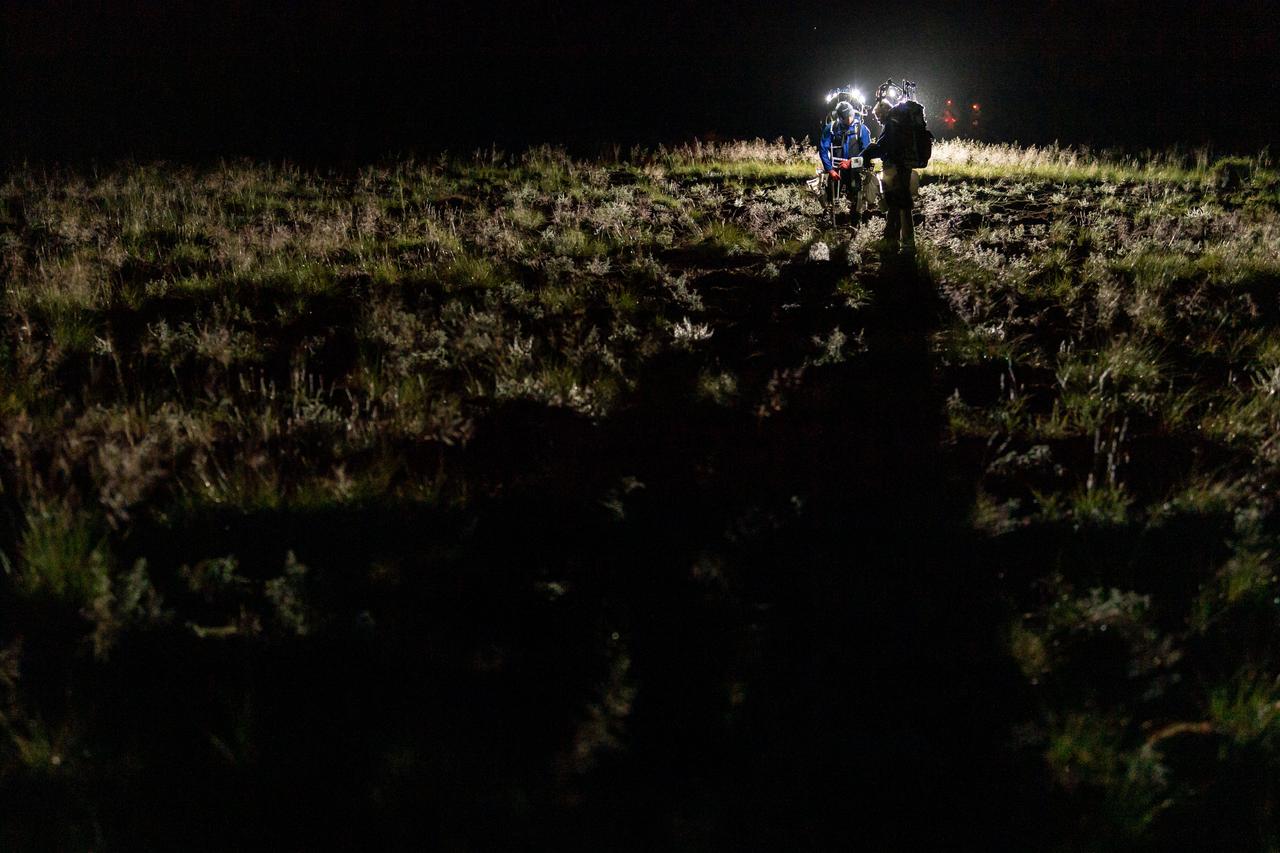
The Desert Research and Technology Studies (DesertRATS) is one of NASA’s analog missions to test hardware and operational scenarios in a remote environment with geographic similarities to the Moon and Mars. In October 2022, NASA evaluated rover design and operations, communications with the Mission Control Center and a Science Evaluation Room at NASA’s Johnson Space Center in Houston. A key element of the DesertRATS analog is the pressurized rover, a capability that is planned for astronaut surface exploration at the Moon and Mars. NASA has a study agreement with the Japan Aerospace Exploration Agency (JAXA) for development of the Artemis pressurized rover, and JAXA representatives joined NASA at DesertRATS.

NASA Pressurized Rover Project Manager Danny Newswander, left, NASA Administrator Bill Nelson, and NASA Extravehicular Activity and Human Surface Mobility Program Lara Kearney, right, discuss the historic agreement signed April 9th at NASA Headquarters, between the United States and Japan to advance sustainable human exploration of the Moon, Wednesday, April 10, 2024, at the Japan Aerospace Exploration Agency (JAXA) offices in Washington. Under the agreement, Japan will design, develop, and operate a pressurized rover for crewed and uncrewed exploration on the Moon. NASA will provide the launch and delivery of the rover to the Moon as well as two Japanese astronaut missions to the lunar surface. Photo Credit: Photo Credit: (NASA/Bill Ingalls)
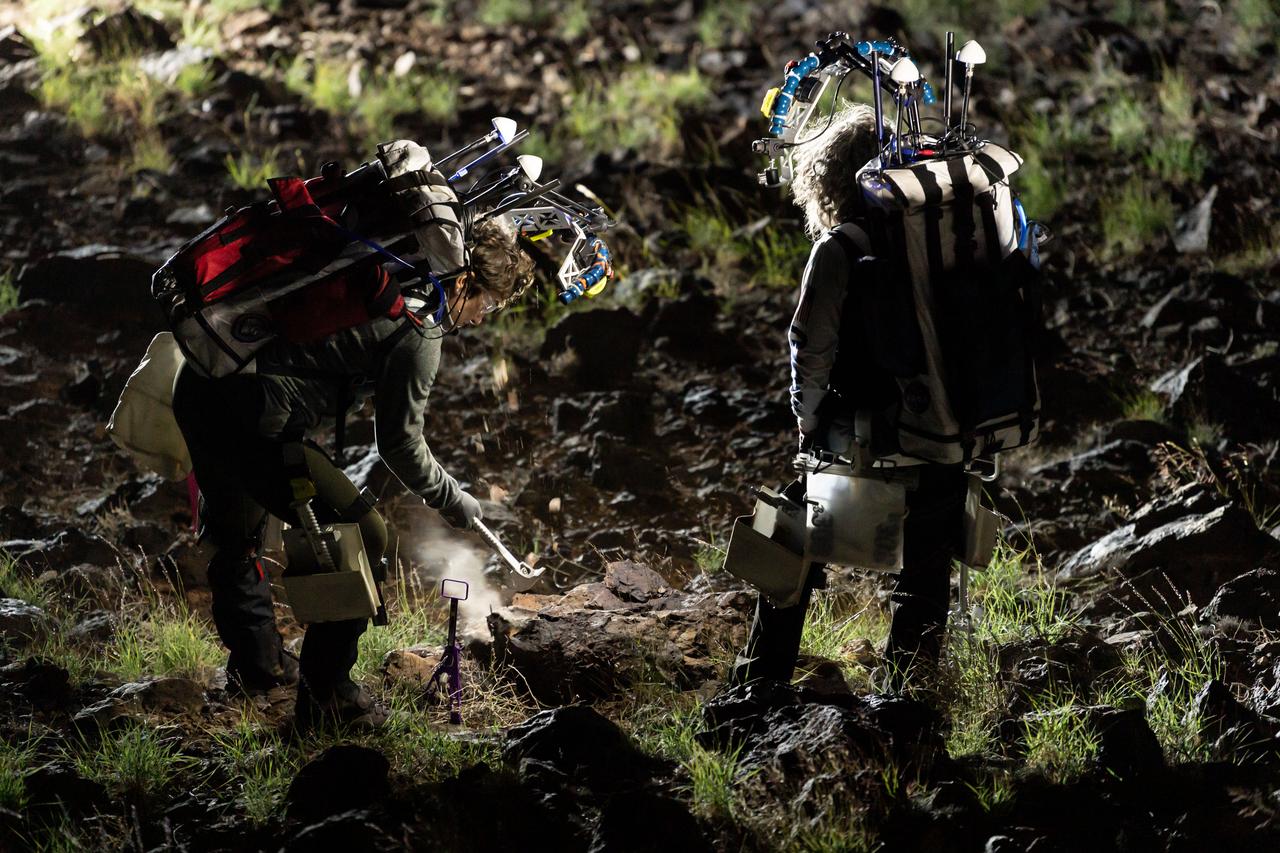
The Desert Research and Technology Studies (DesertRATS) is one of NASA’s analog missions to test hardware and operational scenarios in a remote environment with geographic similarities to the Moon and Mars. In October 2022, NASA evaluated rover design and operations, communications with the Mission Control Center and a Science Evaluation Room at NASA’s Johnson Space Center in Houston. A key element of the DesertRATS analog is the pressurized rover, a capability that is planned for astronaut surface exploration at the Moon and Mars. NASA has a study agreement with the Japan Aerospace Exploration Agency (JAXA) for development of the Artemis pressurized rover, and JAXA representatives joined NASA at DesertRATS.
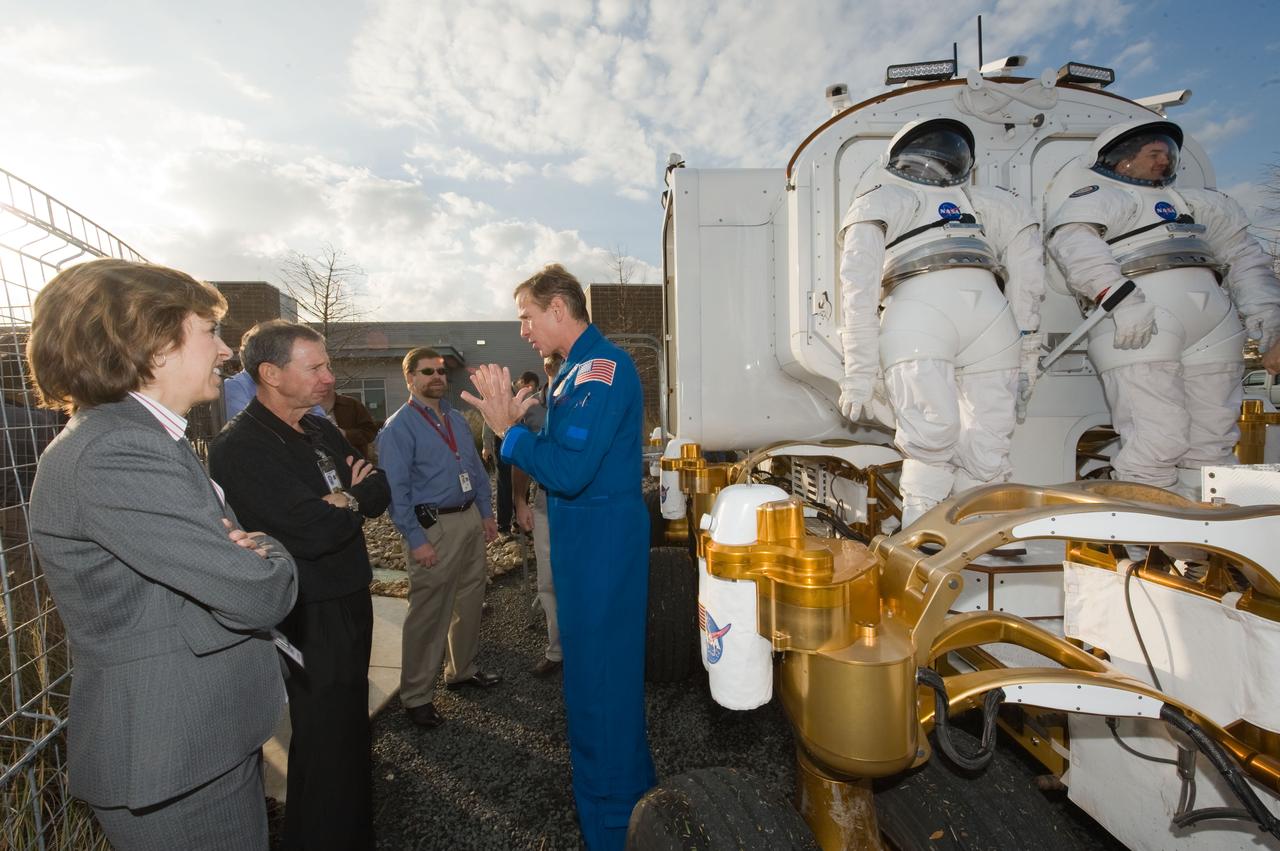
NASA Administrator Mike Griffen having breakfast with the STS-119 crew, then receiving a tour of the Small Pressurized Rover demonstration. Photo Date: January 9, 2009 Location: Bldg. 27 - Astronaut Quarantine. Photographer: R.Markowitz, x37739

NASA Administrator Bill Nelson discusses the historic agreement signed April 9th at NASA Headquarters, between the United States and Japan to advance sustainable human exploration of the Moon, Wednesday, April 10, 2024, at the Japan Aerospace Exploration Agency (JAXA) offices in Washington. Under the agreement, Japan will design, develop, and operate a pressurized rover for crewed and uncrewed exploration on the Moon. NASA will provide the launch and delivery of the rover to the Moon as well as two Japanese astronaut missions to the lunar surface. Photo Credit: Photo Credit: (NASA/Bill Ingalls)

NASA Administrator Bill Nelson discusses the historic agreement signed April 9th at NASA Headquarters, between the United States and Japan to advance sustainable human exploration of the Moon, Wednesday, April 10, 2024, at the Japan Aerospace Exploration Agency (JAXA) offices in Washington. Under the agreement, Japan will design, develop, and operate a pressurized rover for crewed and uncrewed exploration on the Moon. NASA will provide the launch and delivery of the rover to the Moon as well as two Japanese astronaut missions to the lunar surface. Photo Credit: Photo Credit: (NASA/Bill Ingalls)

NASA Administrator Bill Nelson discusses the historic agreement signed April 9th at NASA Headquarters, between the United States and Japan to advance sustainable human exploration of the Moon, Wednesday, April 10, 2024, at the Japan Aerospace Exploration Agency (JAXA) offices in Washington. Under the agreement, Japan will design, develop, and operate a pressurized rover for crewed and uncrewed exploration on the Moon. NASA will provide the launch and delivery of the rover to the Moon as well as two Japanese astronaut missions to the lunar surface. Photo Credit: Photo Credit: (NASA/Bill Ingalls)
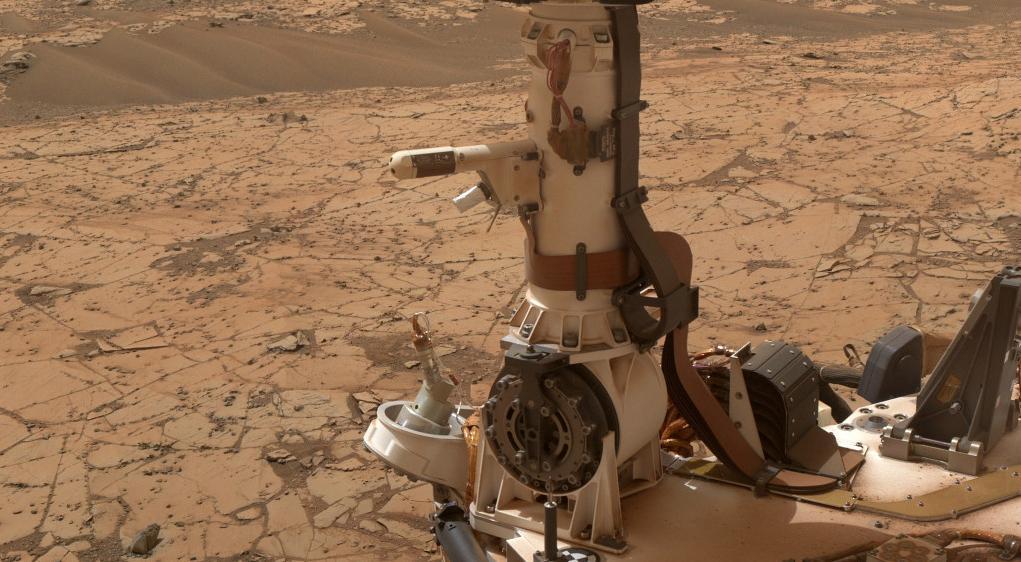
The Rover Environmental Monitoring Station (REMS) on NASA's Curiosity Mars rover includes temperature and humidity sensors mounted on the rover's mast. One of the REMS booms extends to the left from the mast in this view. Spain provided REMS to NASA's Mars Science Laboratory Project. The monitoring station has provided information about air pressure, relative humidity, air temperature, ground temperature, wind and ultraviolet radiation in all Martian seasons and at all times of day or night. This view is a detail from a January 2015 Curiosity self-portrait. The self-portrait, at PIA19142, was assembled from images taken by Curiosity's Mars Hand Lens Imager. http://photojournal.jpl.nasa.gov/catalog/PIA19164
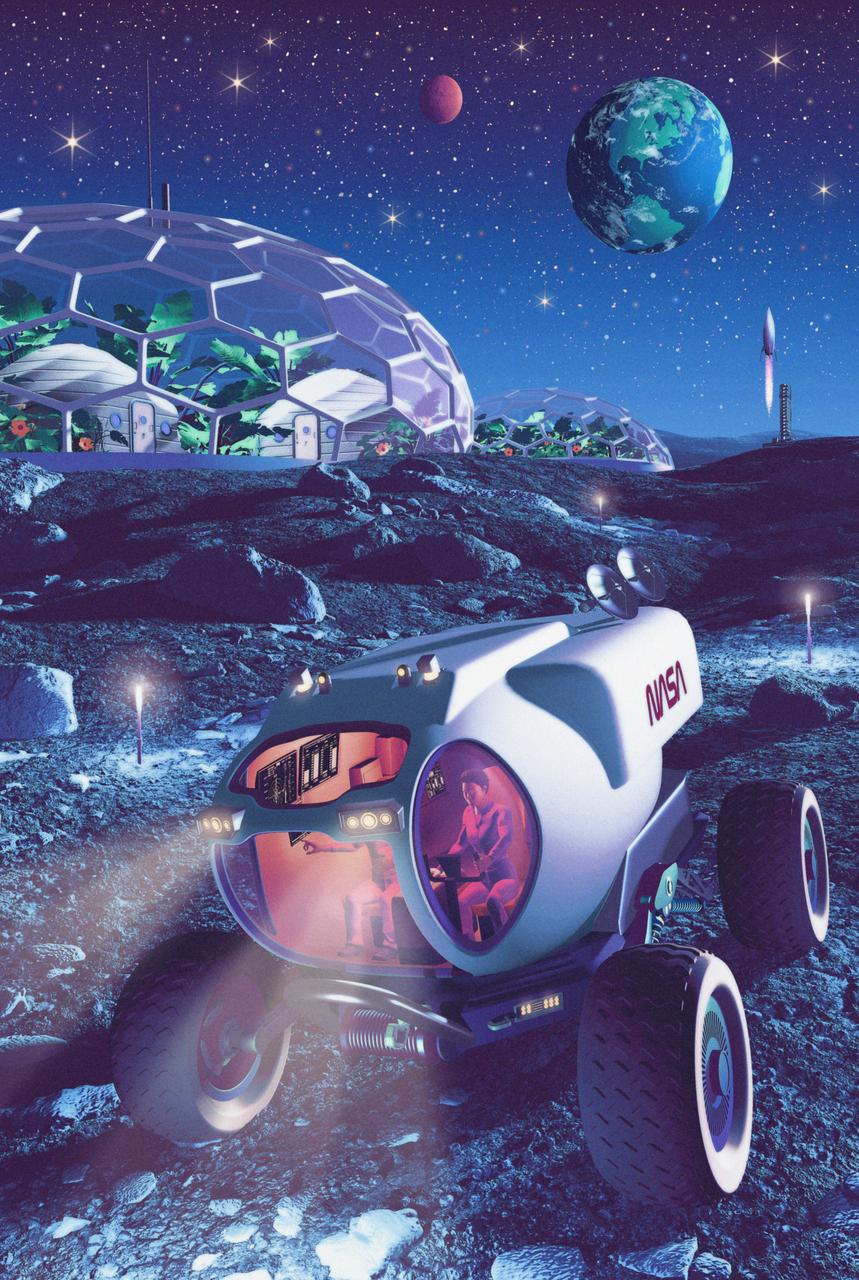
This illustration of Moon to Mars transportation and habitation shows astronauts driving a pressurized rover away from the dome of a translucent lunar habitat. NASA’s Moon to Mars Objectives establish an objectives-based approach to the agency's human deep space exploration efforts; NASA’s Moon to Mars Architecture approach distills the objectives into operational capabilities and elements.

Japan Aerospace Exploration Agency (JAXA) President Hiroshi Yamakawa discusses the historic agreement signed April 9th at NASA Headquarters, between the United States and Japan to advance sustainable human exploration of the Moon, Wednesday, April 10, 2024, at the Japan Aerospace Exploration Agency (JAXA) offices in Washington. Under the agreement, Japan will design, develop, and operate a pressurized rover for crewed and uncrewed exploration on the Moon. NASA will provide the launch and delivery of the rover to the Moon as well as two Japanese astronaut missions to the lunar surface. Photo Credit: Photo Credit: (NASA/Bill Ingalls)

Japan’s Minister of Education, Culture, Sports, Science and Technology Masahito Moriyama, center, discusses the historic agreement signed April 9th at NASA Headquarters, between the United States and Japan to advance sustainable human exploration of the Moon, Wednesday, April 10, 2024, at the Japan Aerospace Exploration Agency (JAXA) offices in Washington. Under the agreement, Japan will design, develop, and operate a pressurized rover for crewed and uncrewed exploration on the Moon. NASA will provide the launch and delivery of the rover to the Moon as well as two Japanese astronaut missions to the lunar surface. Photo Credit: Photo Credit: (NASA/Bill Ingalls)

NASA Extravehicular Activity and Human Surface Mobility Program Lara Kearney discusses the historic agreement signed April 9th at NASA Headquarters, between the United States and Japan to advance sustainable human exploration of the Moon, Wednesday, April 10, 2024, at the Japan Aerospace Exploration Agency (JAXA) offices in Washington. Under the agreement, Japan will design, develop, and operate a pressurized rover for crewed and uncrewed exploration on the Moon. NASA will provide the launch and delivery of the rover to the Moon as well as two Japanese astronaut missions to the lunar surface. Photo Credit: Photo Credit: (NASA/Bill Ingalls)

Japan’s Minister of Education, Culture, Sports, Science and Technology Masahito Moriyama discusses the historic agreement signed April 9th at NASA Headquarters, between the United States and Japan to advance sustainable human exploration of the Moon, Wednesday, April 10, 2024, at the Japan Aerospace Exploration Agency (JAXA) offices in Washington. Under the agreement, Japan will design, develop, and operate a pressurized rover for crewed and uncrewed exploration on the Moon. NASA will provide the launch and delivery of the rover to the Moon as well as two Japanese astronaut missions to the lunar surface. Photo Credit: Photo Credit: (NASA/Bill Ingalls)

Japan Aerospace Exploration Agency (JAXA) President Hiroshi Yamakawa, left, Japan’s Minister of Education, Culture, Sports, Science and Technology Masahito Moriyama, and NASA Administrator Bill Nelson, right, are seen during a briefing where they discussed the historic agreement signed April 9th at NASA Headquarters, between the United States and Japan to advance sustainable human exploration of the Moon, Wednesday, April 10, 2024, at the Japan Aerospace Exploration Agency (JAXA) offices in Washington. Under the agreement, Japan will design, develop, and operate a pressurized rover for crewed and uncrewed exploration on the Moon. NASA will provide the launch and delivery of the rover to the Moon as well as two Japanese astronaut missions to the lunar surface. Photo Credit: Photo Credit: (NASA/Bill Ingalls)

NASA's Curiosity Mars rover conducted a test on Oct. 17, 2017, as part of the rover team's development of a new way to use the rover's drill. This image from Curiosity's front Hazard Avoidance Camera (Hazcam) shows the drill's bit touching the ground during an assessment of measurements by a sensor on the rover's robotic arm. Curiosity used its drill to acquire sample material from Martian rocks 15 times from 2013 to 2016. In December 2016, the drill's feed mechanism stopped working reliably. During the test shown in this image, the rover touched the drill bit to the ground for the first time in 10 months. The image has been adjusted to brighten shaded areas so that the bit is more evident. The date was the 1,848th Martian day, or sol, of Curiosity's work on Mars In drill use prior to December 2016, two contact posts -- the stabilizers on either side of the bit -- were placed on the target rock while the bit was in a withdrawn position. Then the motorized feed mechanism within the drill extended the bit forward, and the bit's rotation and percussion actions penetrated the rock. A promising alternative now under development and testing -- called feed-extended drilling -- uses motion of the robotic arm to directly advance the extended bit into a rock. In this image, the bit is touching the ground but the stabilizers are not. In the Sol 1848 activity, Curiosity pressed the drill bit downward, and then applied smaller sideways forces while taking measurements with a force/torque sensor on the arm. The objective was to gain understanding about how readings from the sensor can be used during drilling to adjust for any sideways pressure that might risk the bit becoming stuck in a rock. While rover-team engineers are working on an alternative drilling method, the mission continues to examine sites on Mount Sharp, Mars, with other tools. https://photojournal.jpl.nasa.gov/catalog/PIA22063
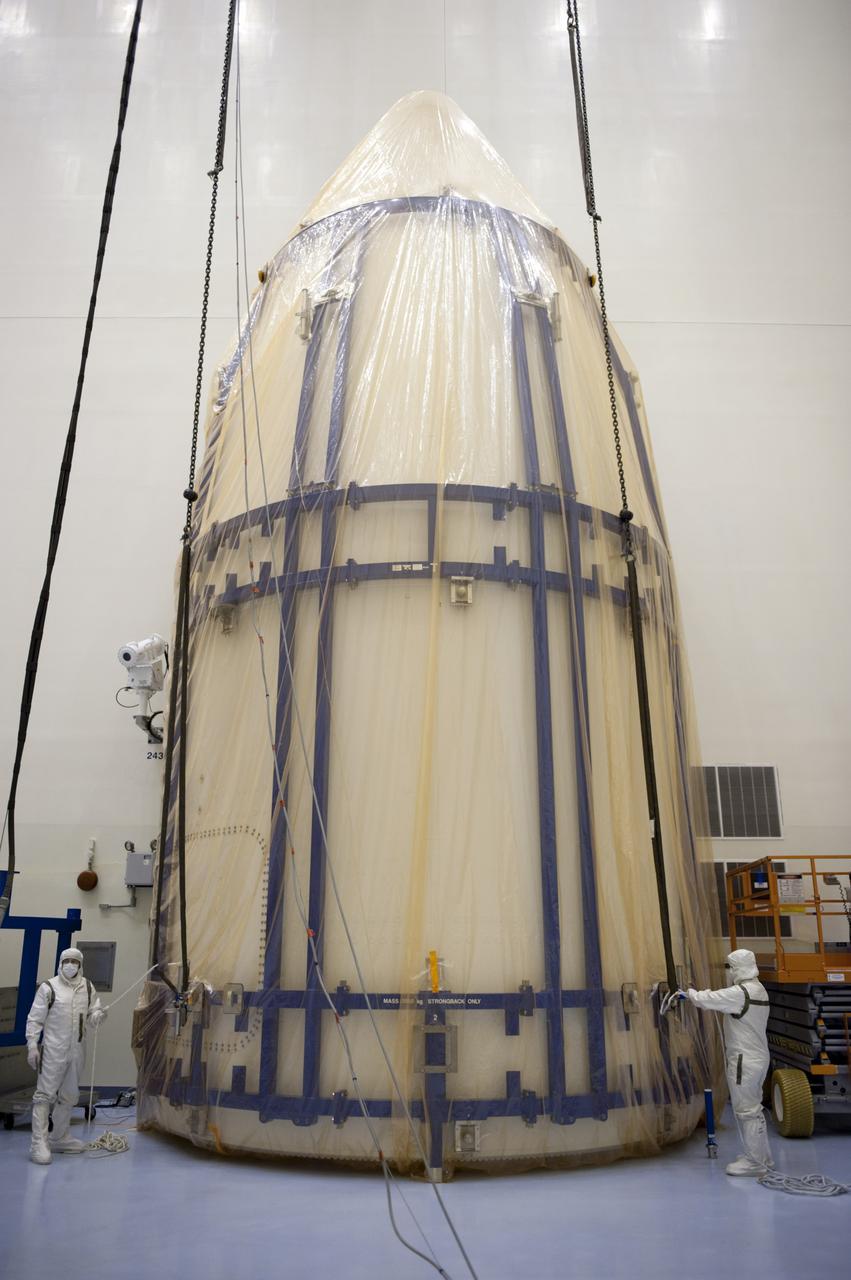
CAPE CANAVERAL, Fla. -- In the Payload Hazardous Servicing Facility at NASA's Kennedy Space Center in Florida, United Launch Alliance technicians prepare to lift half of the Atlas V payload fairing for NASA's Mars Science Laboratory (MSL) mission from the floor. Preparations are under way to lower it into a horizontal position to uncover and then clean it to meet NASA's planetary protection requirements. The fairing will protect the spacecraft from the impact of aerodynamic pressure and heating during ascent. Although jettisoned once the spacecraft is outside the Earth's atmosphere, the fairing must be cleaned to the same exacting standards as the laboratory to avoid the possibility of contaminating it. MSL's components include a compact car-sized rover, Curiosity, which has 10 science instruments designed to search for evidence on whether Mars has had environments favorable to microbial life, including the chemical ingredients for life. The unique rover will use a laser to look inside rocks and release its gasses so that the rover’s spectrometer can analyze and send the data back to Earth. Launch of MSL aboard a United Launch Alliance Atlas V rocket is planned for Nov. 25 from Space Launch Complex 41 on Cape Canaveral Air Force Station. For more information, visit http:__www.nasa.gov_msl. Photo credit: NASA_Kim Shiflett
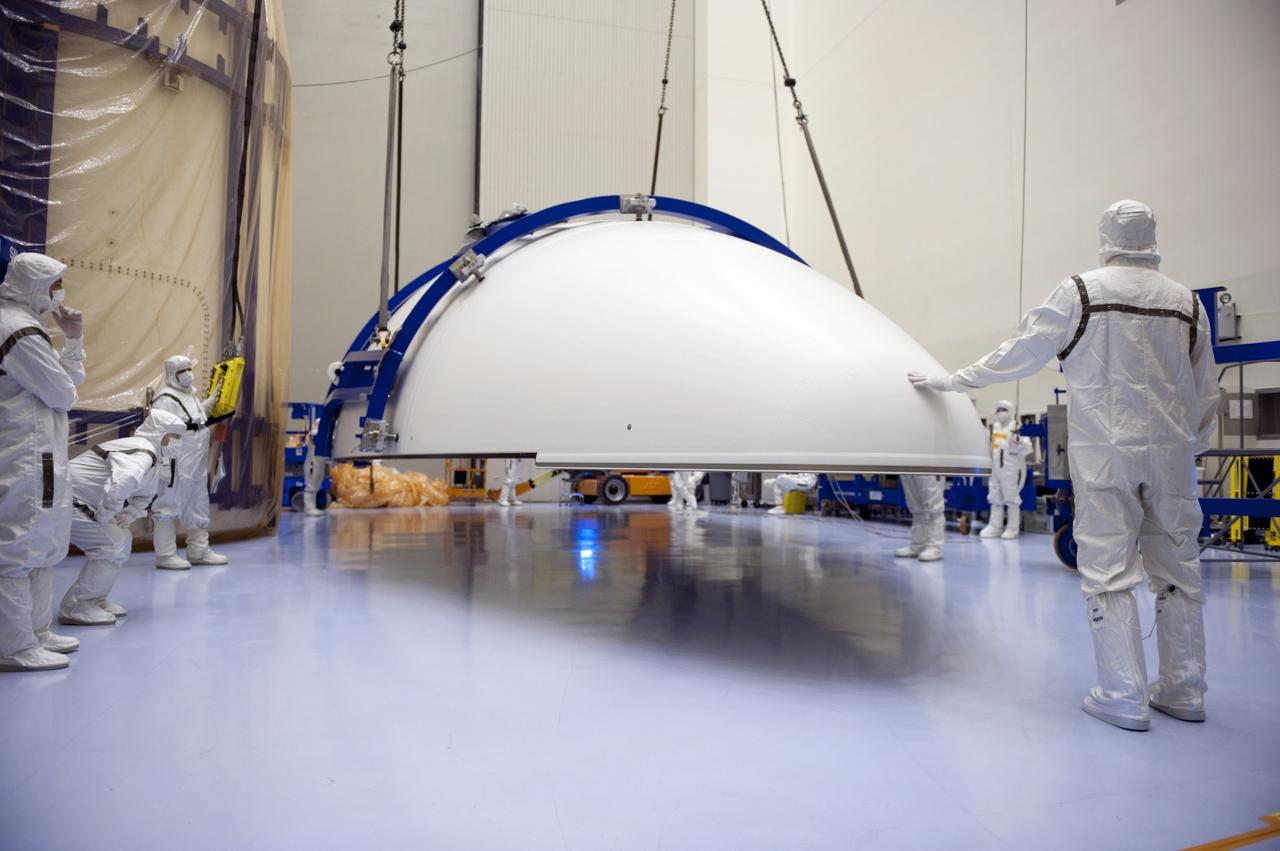
CAPE CANAVERAL, Fla. -- In the Payload Hazardous Servicing Facility at NASA's Kennedy Space Center in Florida, half of the Atlas V payload fairing for NASA's Mars Science Laboratory (MSL) mission hovers above the floor during operations to raise it into a vertical position. The fairing has been uncovered, and preparations are under way to clean it to meet NASA's planetary protection requirements. At left is the other half of the fairing, still uncovered. The fairing will protect the spacecraft from the impact of aerodynamic pressure and heating during ascent. Although jettisoned once the spacecraft is outside the Earth's atmosphere, the fairing must be cleaned to the same exacting standards as the laboratory to avoid the possibility of contaminating it. MSL's components include a compact car-sized rover, Curiosity, which has 10 science instruments designed to search for evidence on whether Mars has had environments favorable to microbial life, including the chemical ingredients for life. The unique rover will use a laser to look inside rocks and release its gasses so that the rover’s spectrometer can analyze and send the data back to Earth. Launch of MSL aboard a United Launch Alliance Atlas V rocket is planned for Nov. 25 from Space Launch Complex 41 on Cape Canaveral Air Force Station. For more information, visit http://www.nasa.gov/msl. Photo credit: NASA/Kim Shiflett
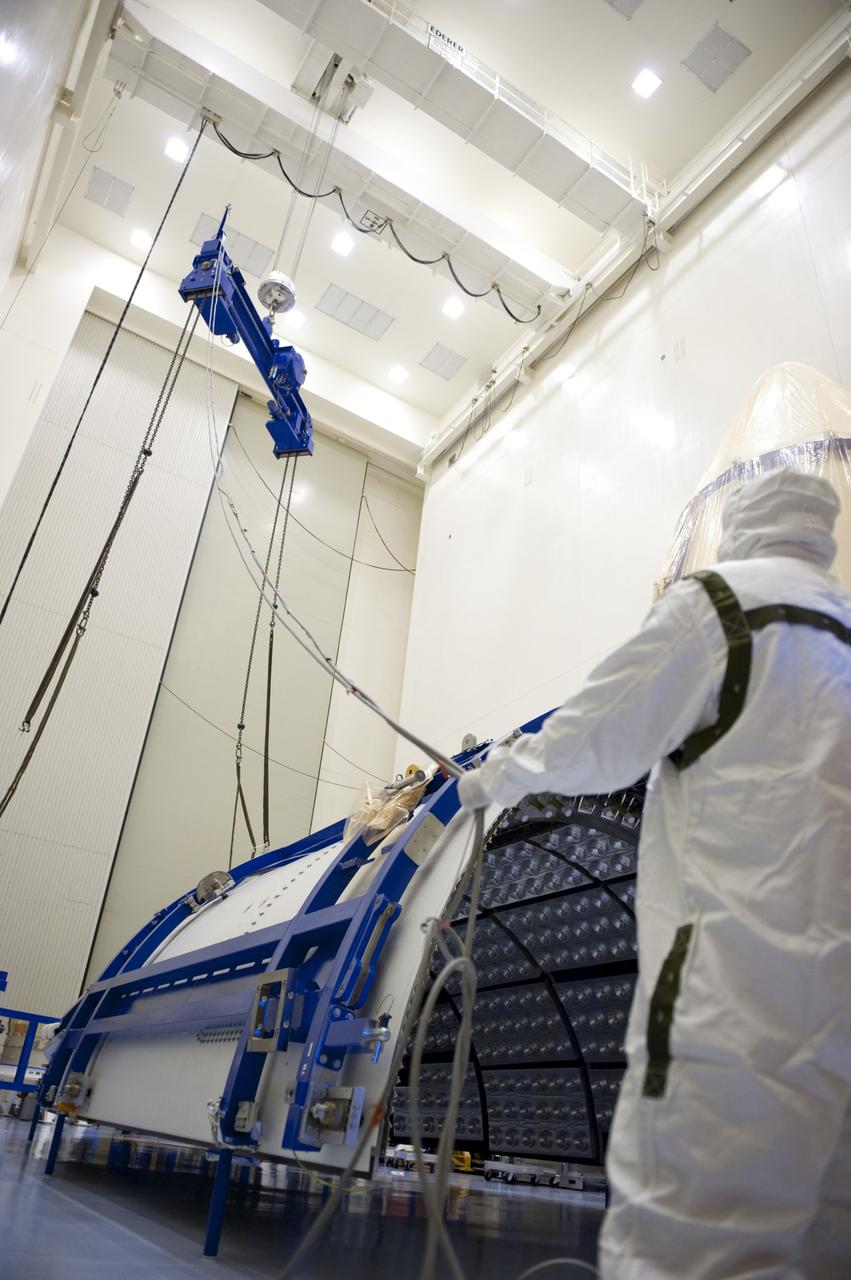
CAPE CANAVERAL, Fla. -- In the Payload Hazardous Servicing Facility at NASA's Kennedy Space Center in Florida, United Launch Alliance technicians lower a lifting device toward half of the Atlas V payload fairing for NASA's Mars Science Laboratory (MSL) mission. The fairing has been uncovered, and preparations are under way to clean it to meet NASA's planetary protection requirements. The fairing will protect the spacecraft from the impact of aerodynamic pressure and heating during ascent. Although jettisoned once the spacecraft is outside the Earth's atmosphere, the fairing must be cleaned to the same exacting standards as the laboratory to avoid the possibility of contaminating it. MSL's components include a compact car-sized rover, Curiosity, which has 10 science instruments designed to search for evidence on whether Mars has had environments favorable to microbial life, including the chemical ingredients for life. The unique rover will use a laser to look inside rocks and release its gasses so that the rover’s spectrometer can analyze and send the data back to Earth. Launch of MSL aboard a United Launch Alliance Atlas V rocket is planned for Nov. 25 from Space Launch Complex 41 on Cape Canaveral Air Force Station. For more information, visit http://www.nasa.gov/msl. Photo credit: NASA/Kim Shiflett