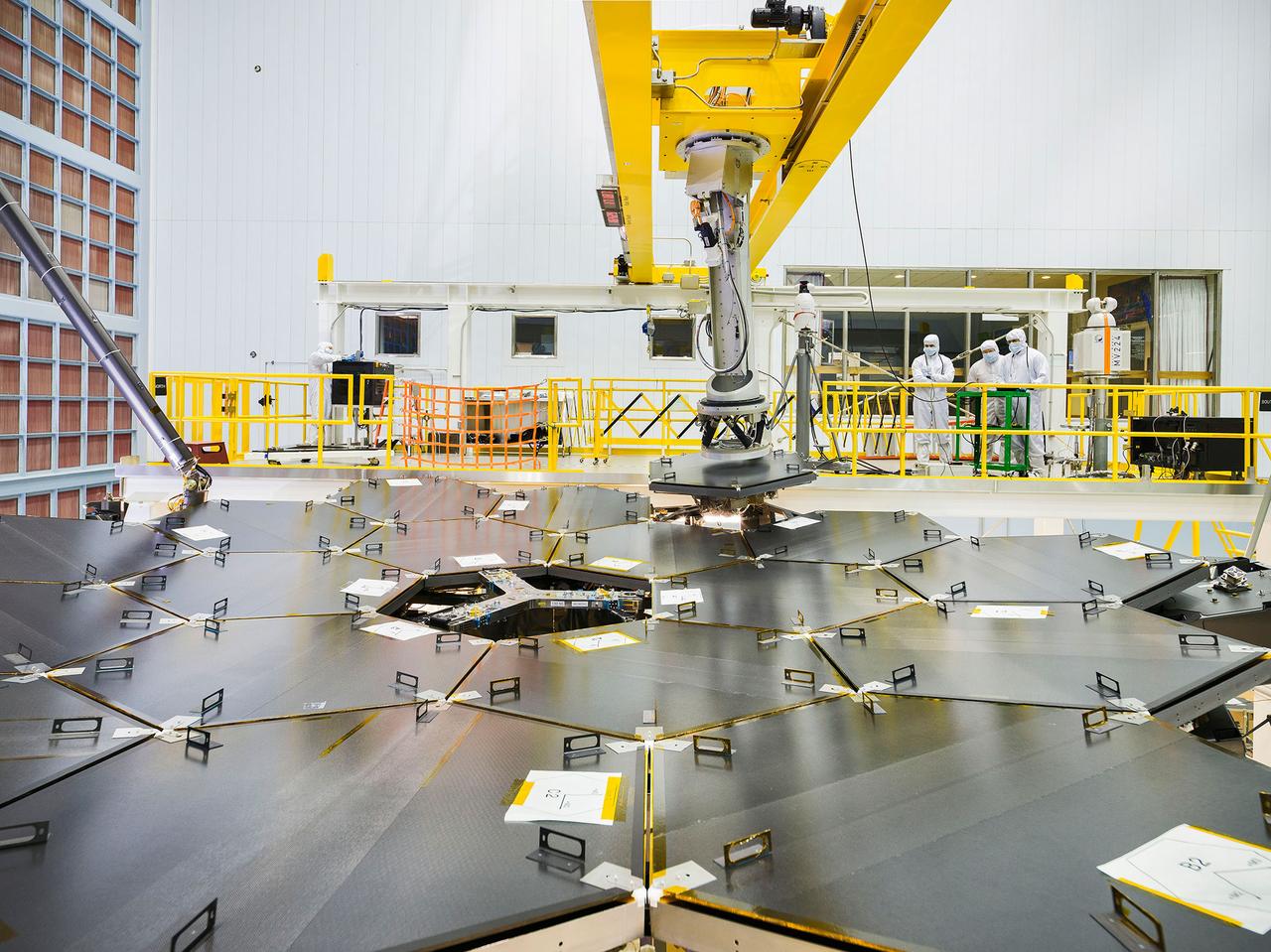
The 18th and final primary mirror segment is installed on what will be the biggest and most powerful space telescope ever launched. The final mirror installation Wednesday at NASA’s Goddard Space Flight Center in Greenbelt, Maryland marks an important milestone in the assembly of the agency’s James Webb Space Telescope. “Scientists and engineers have been working tirelessly to install these incredible, nearly perfect mirrors that will focus light from previously hidden realms of planetary atmospheres, star forming regions and the very beginnings of the Universe,” said John Grunsfeld, associate administrator for NASA’s Science Mission Directorate in Washington. “With the mirrors finally complete, we are one step closer to the audacious observations that will unravel the mysteries of the Universe.” Using a robotic arm reminiscent of a claw machine, the team meticulously installed all of Webb's primary mirror segments onto the telescope structure. Each of the hexagonal-shaped mirror segments measures just over 4.2 feet (1.3 meters) across -- about the size of a coffee table -- and weighs approximately 88 pounds (40 kilograms). Once in space and fully deployed, the 18 primary mirror segments will work together as one large 21.3-foot diameter (6.5-meter) mirror. Credit: NASA/Goddard/Chris Gunn Credits: NASA/Chris Gunn
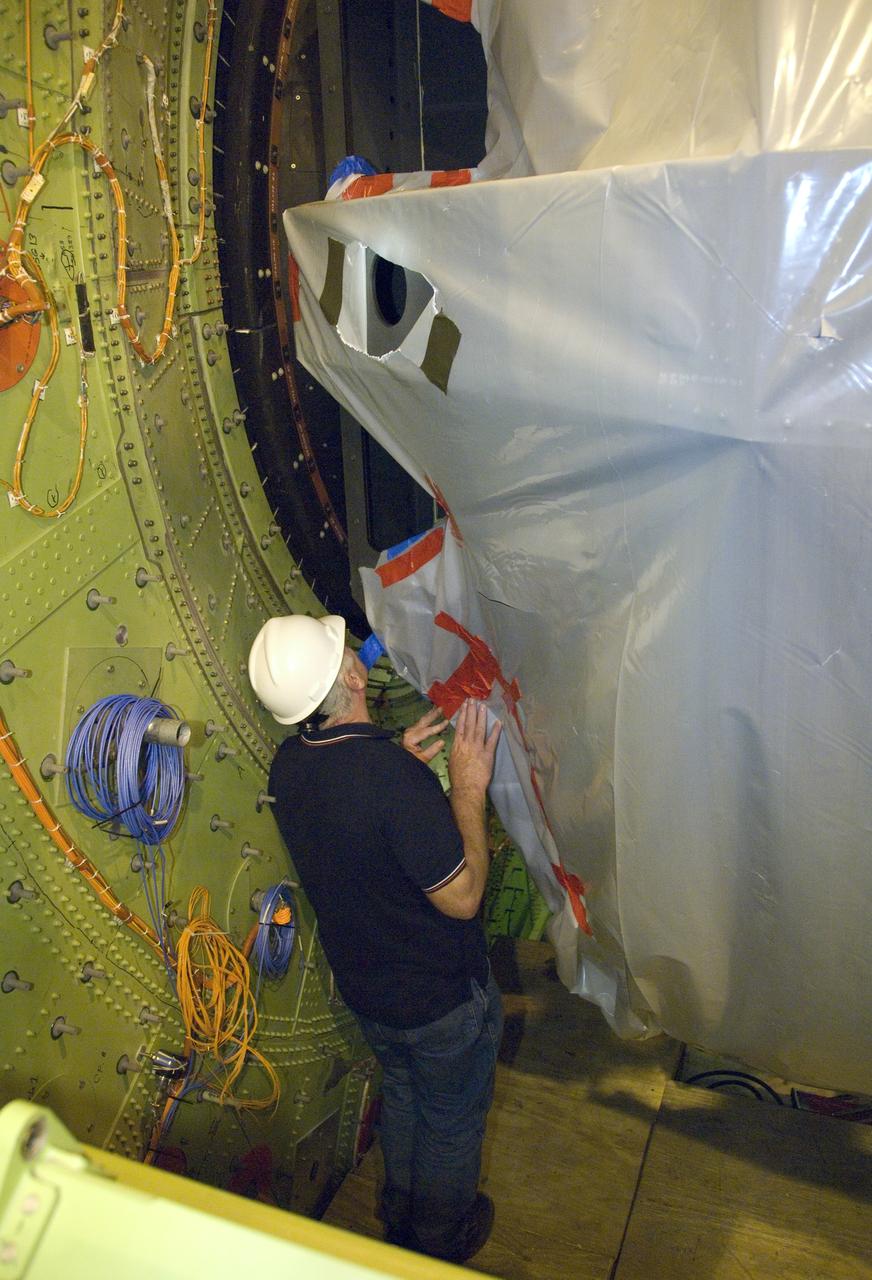
A technician guides SOFIA's primary mirror assembly into the aircraft's telescope cavity completing the mirror reinstallation following its initial coating.
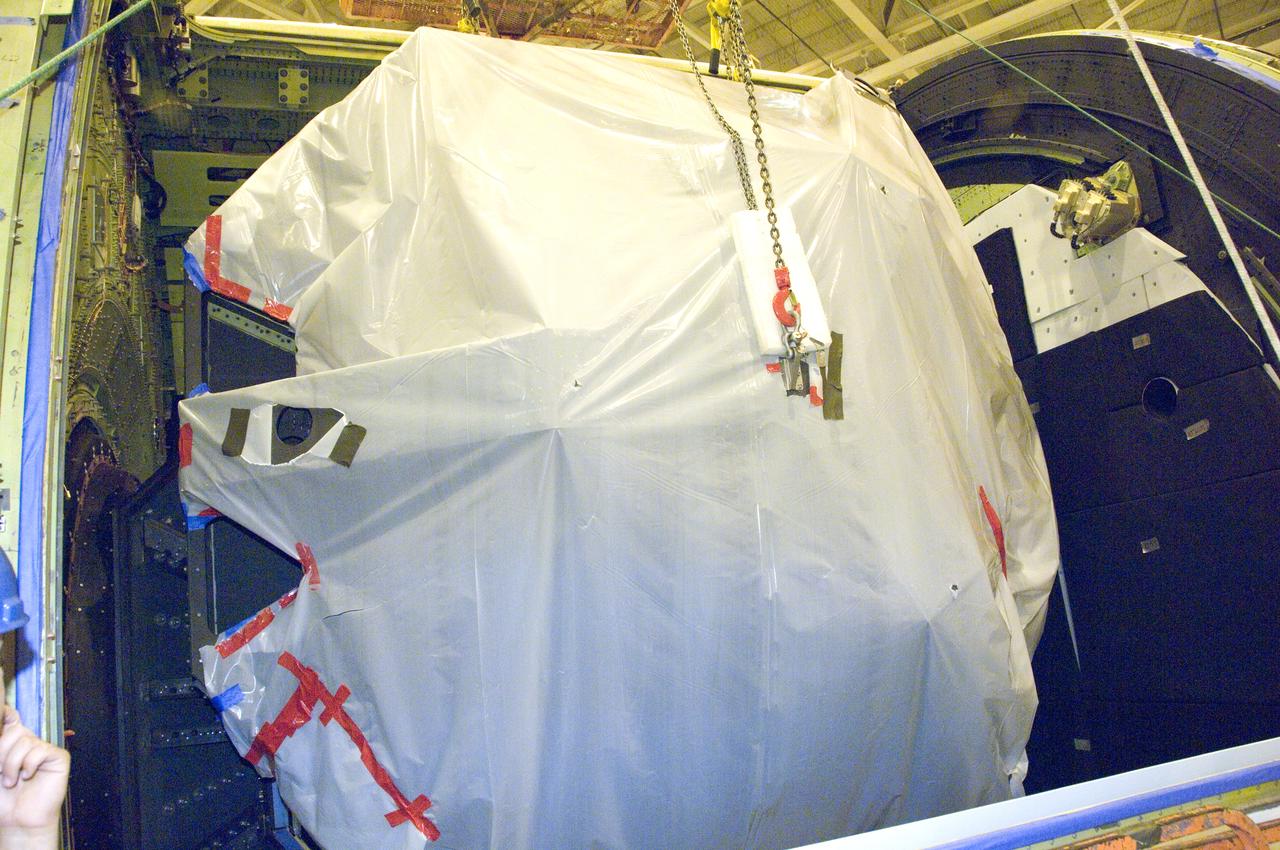
SOFIA's primary mirror is placed in the telescope cavity for reinstallation prior to telescope adjustments preparing SOFIA for first science.
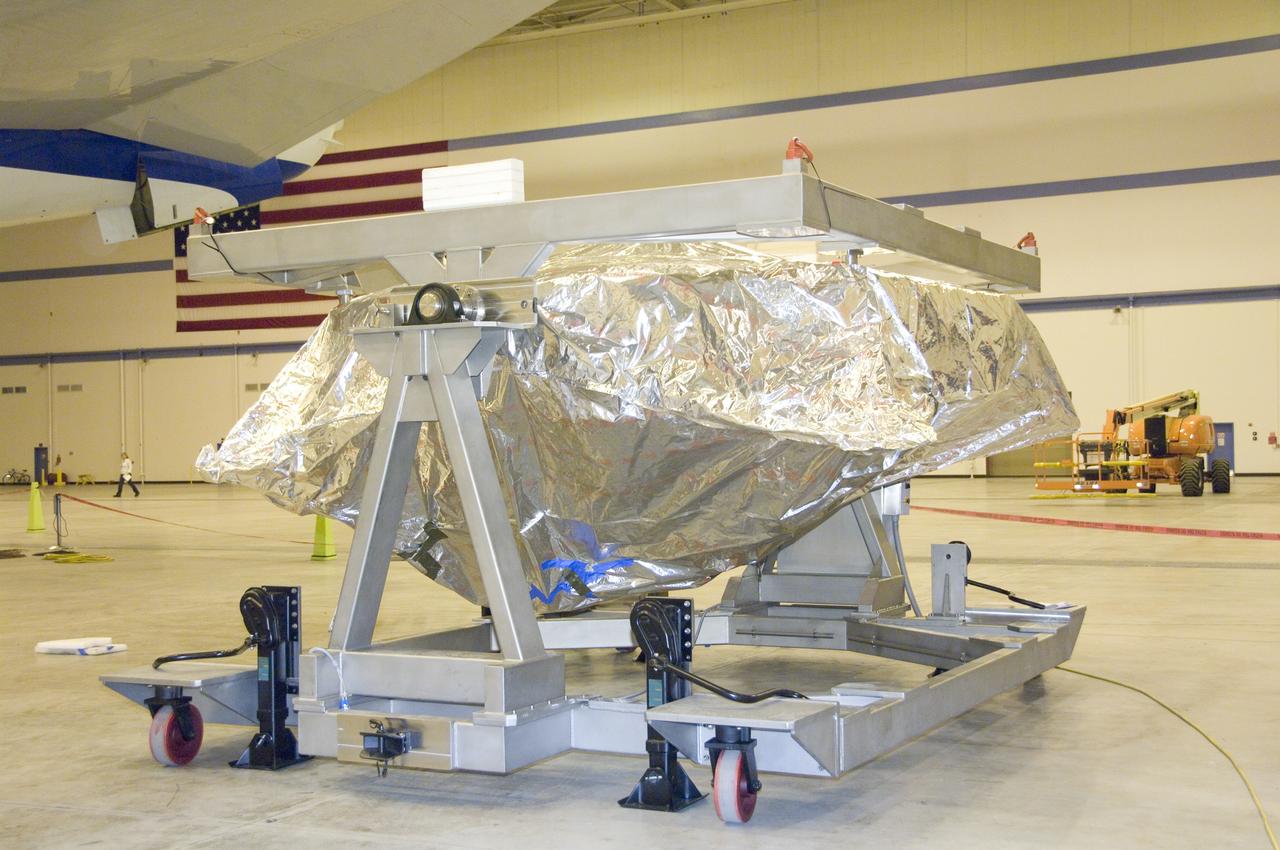
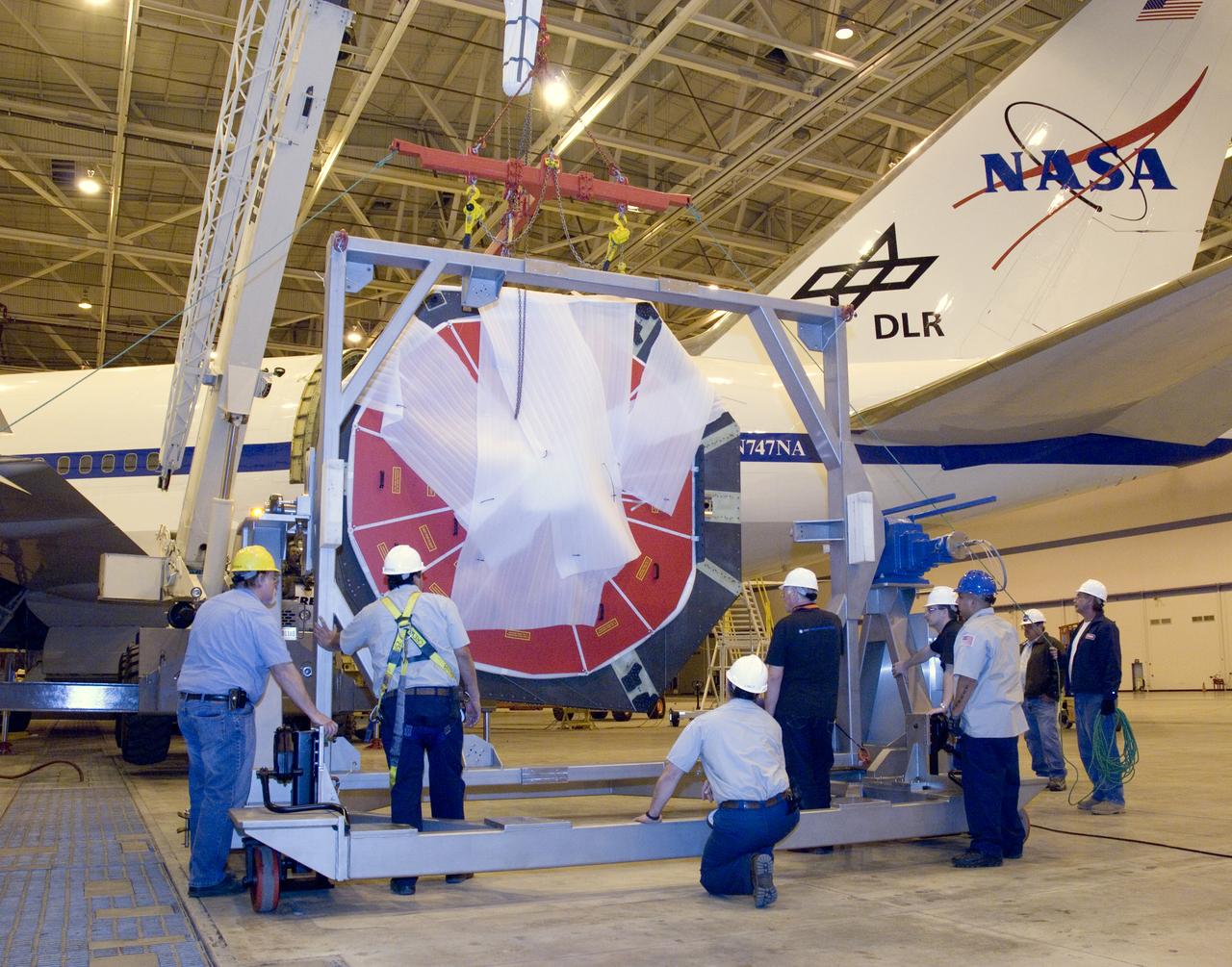
SOFIA's primary mirror assembly rests in its transportation cradle prior to reinstallation in NASA's airborne laboratory on Oct. 8, 2008.
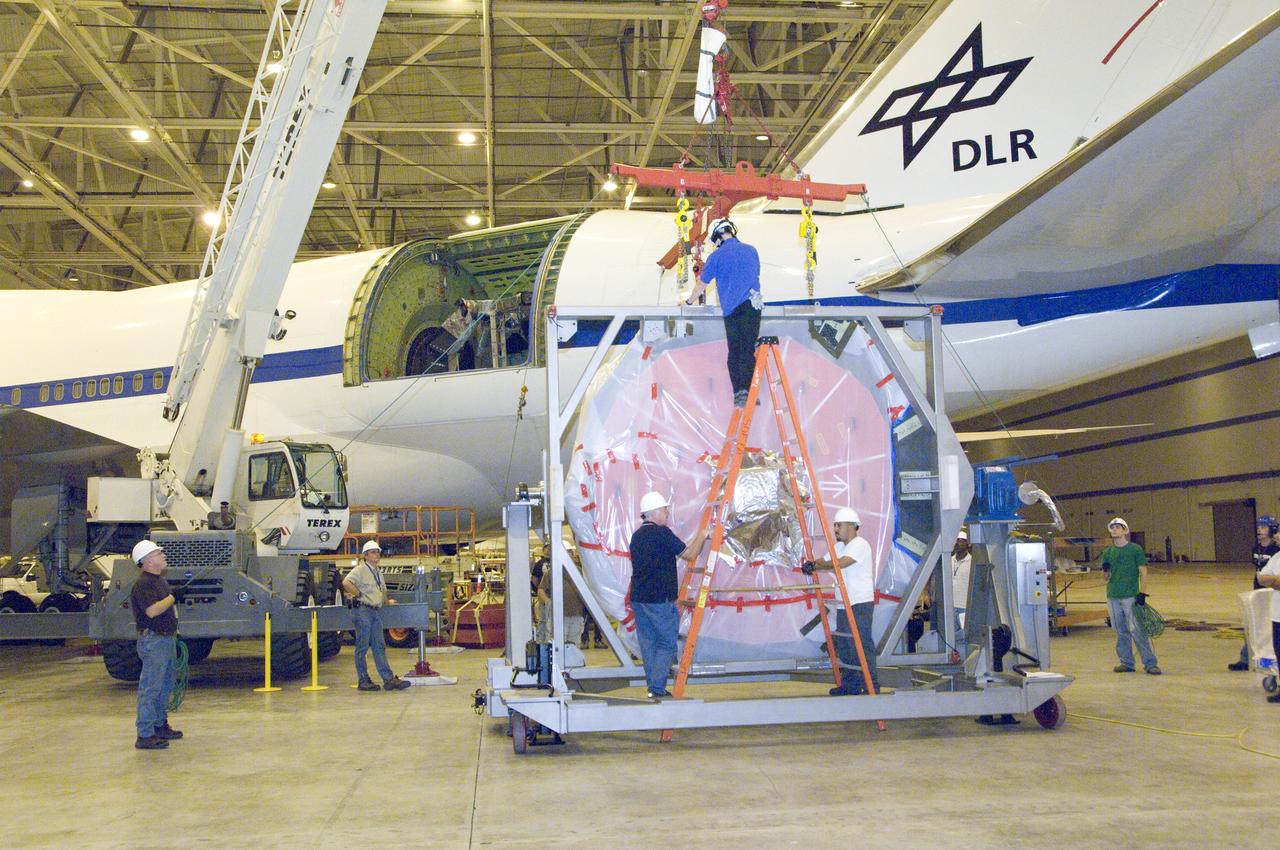
Engineers and technicians prepare SOFIA's German-built primary mirror assembly for reinstallation into NASA's 747SP airborne observatory.
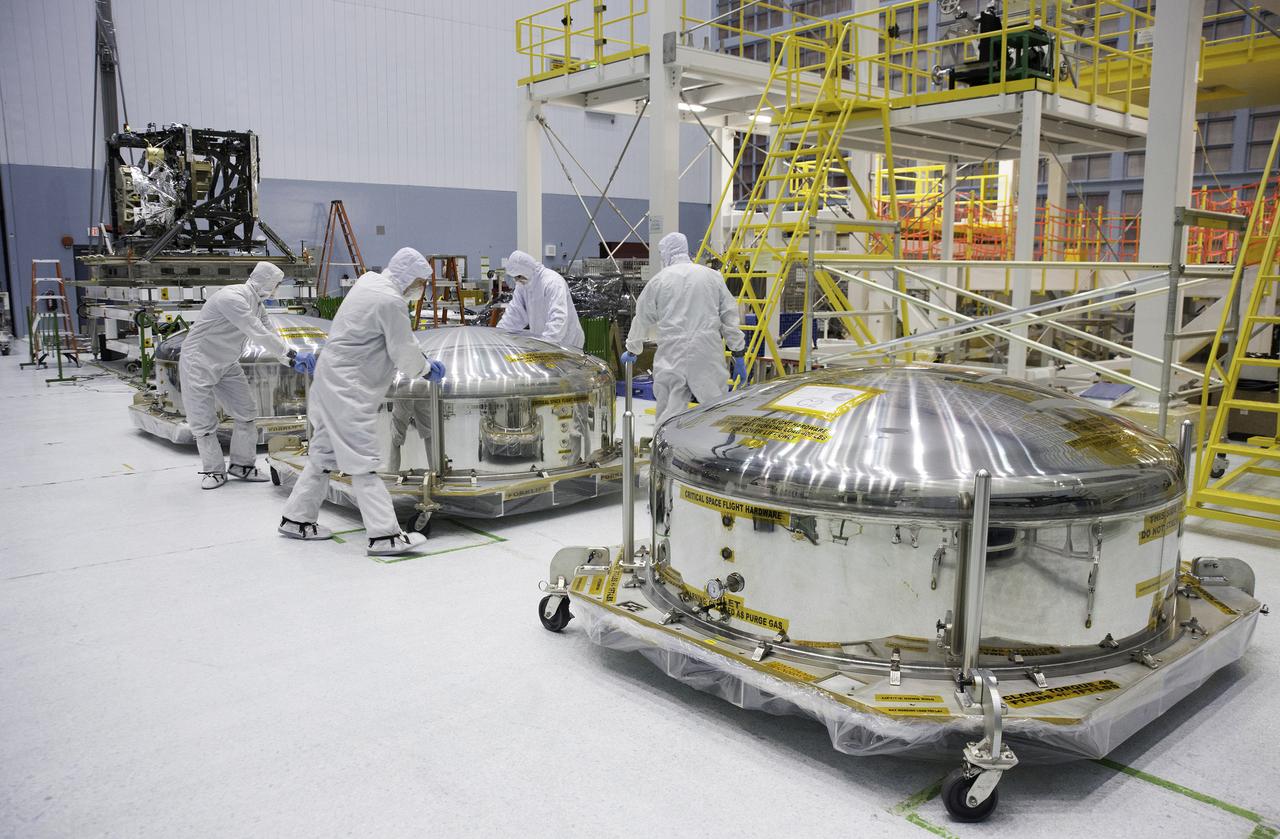
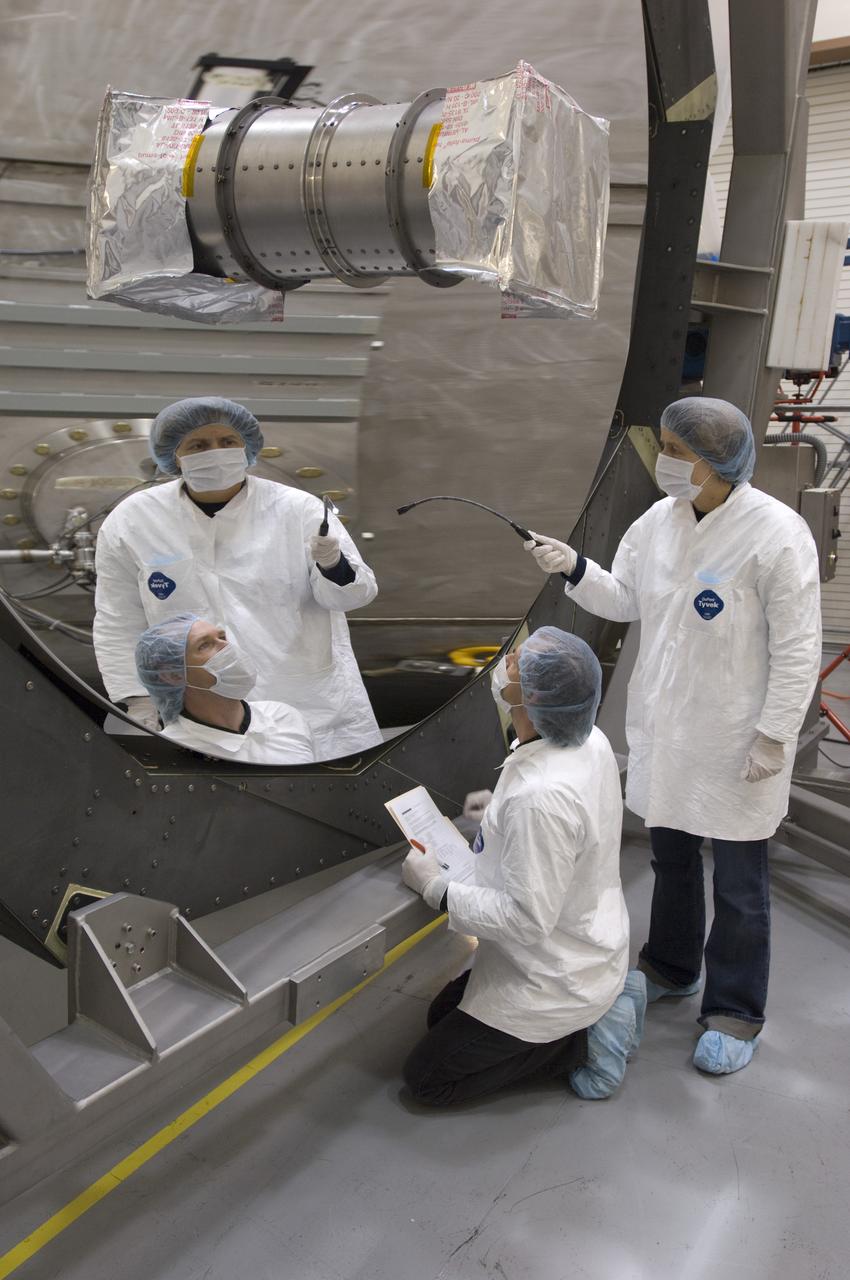
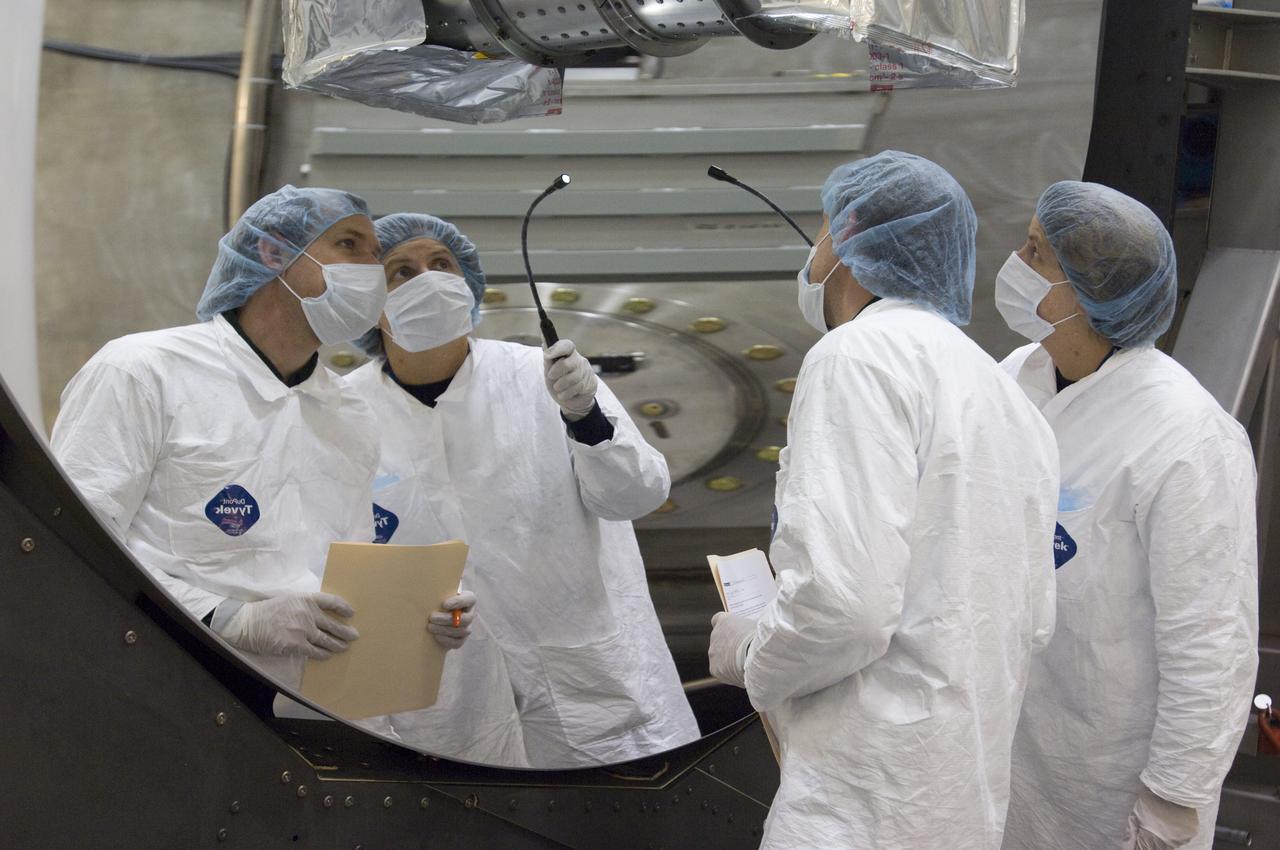
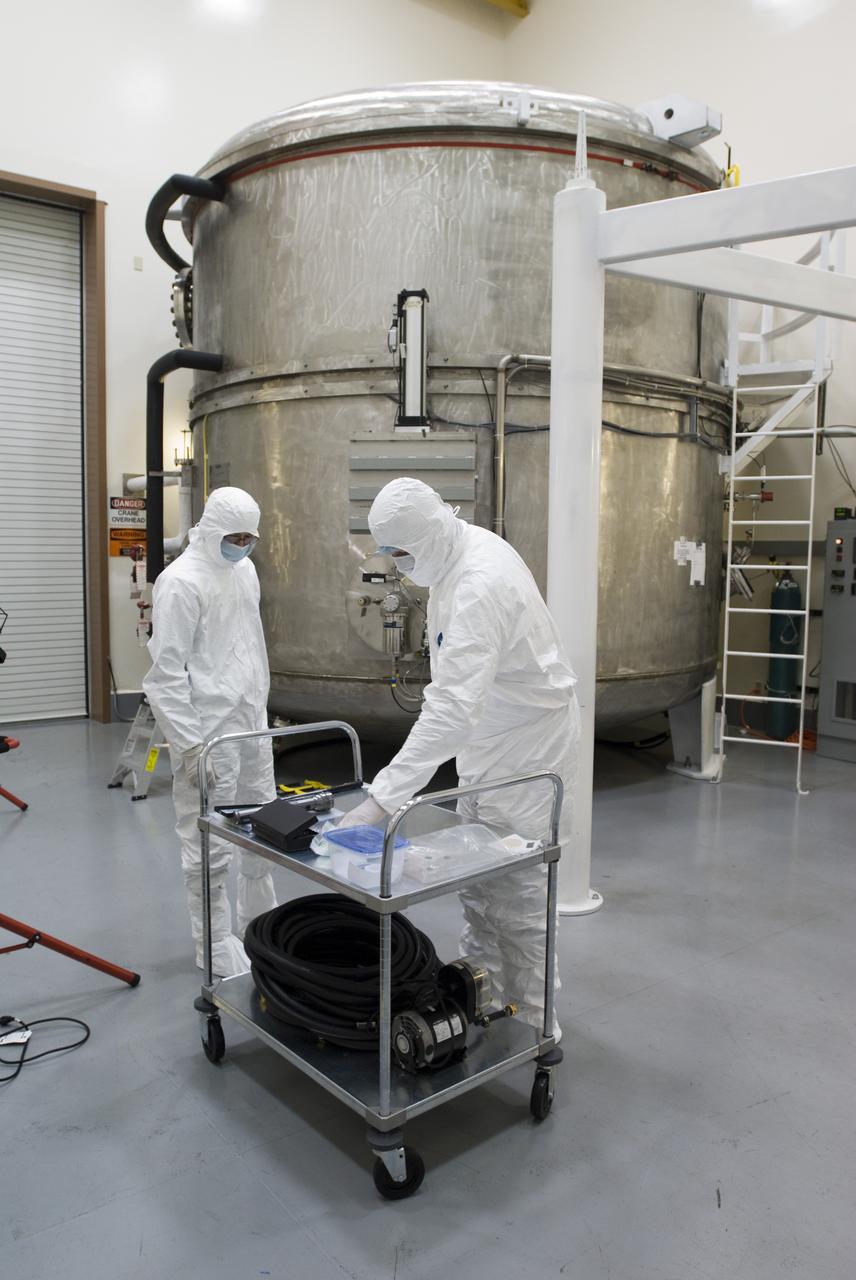
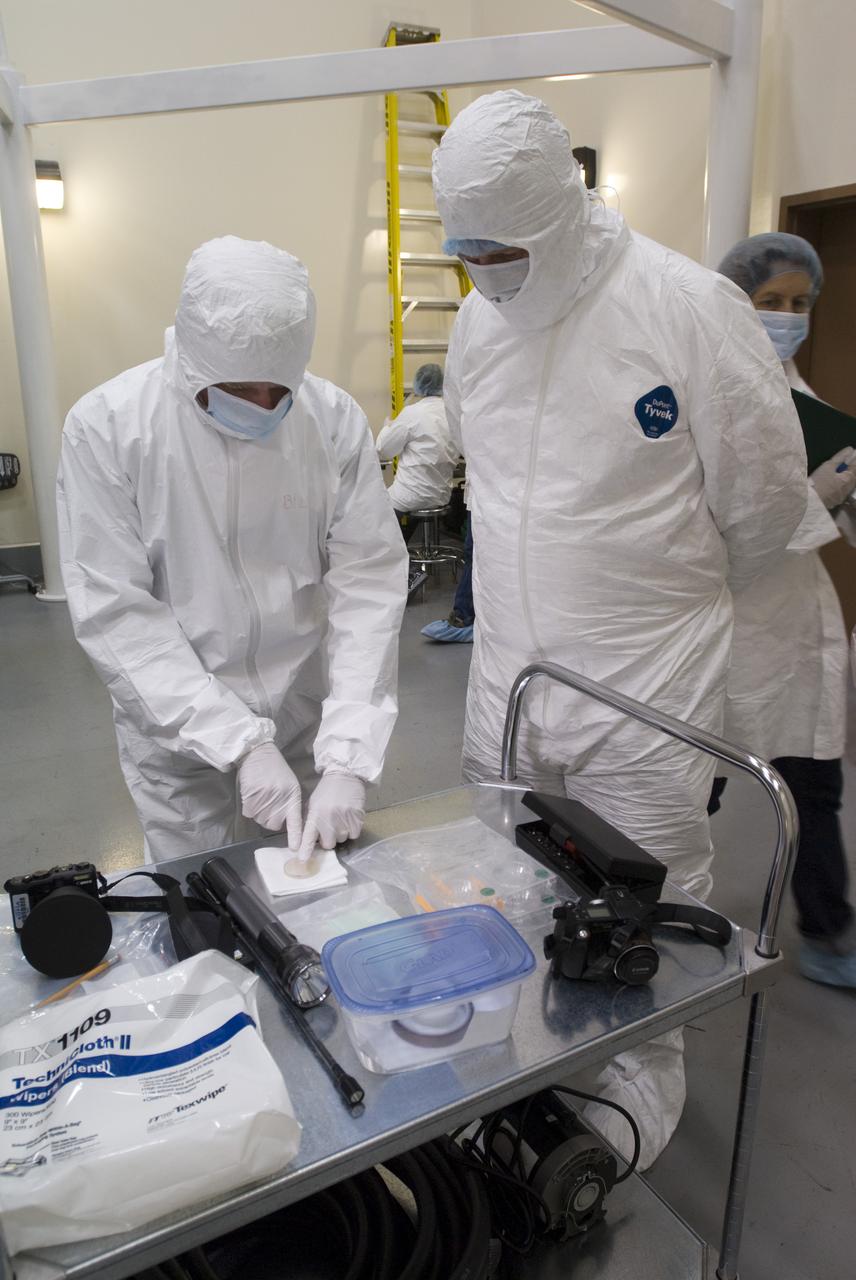
Three primary Webb telescope mirror segments sit in shipping cannisters and await opening. A mechanical integration engineer and technicians vent and prepare the mirror canisters for inspection. The mirrors have arrived at their new home at NASA, where they will be residing at the giant cleanroom at Goddard for a while as technicians check them out. Previously on Sept. 17, 2012, two other primary mirror segments arrived at Goddard and are currently being stored in the center's giant clean room. Credit: NASA/Desiree Stover <b><a href="http://www.nasa.gov/audience/formedia/features/MP_Photo_Guidelines.html" rel="nofollow">NASA image use policy.</a></b> <b><a href="http://www.nasa.gov/centers/goddard/home/index.html" rel="nofollow">NASA Goddard Space Flight Center</a></b> enables NASA’s mission through four scientific endeavors: Earth Science, Heliophysics, Solar System Exploration, and Astrophysics. Goddard plays a leading role in NASA’s accomplishments by contributing compelling scientific knowledge to advance the Agency’s mission. <b>Follow us on <a href="http://twitter.com/NASA_GoddardPix" rel="nofollow">Twitter</a></b> <b>Like us on <a href="http://www.facebook.com/pages/Greenbelt-MD/NASA-Goddard/395013845897?ref=tsd" rel="nofollow">Facebook</a></b> <b>Find us on <a href="http://instagram.com/nasagoddard?vm=grid" rel="nofollow">Instagram</a></b>
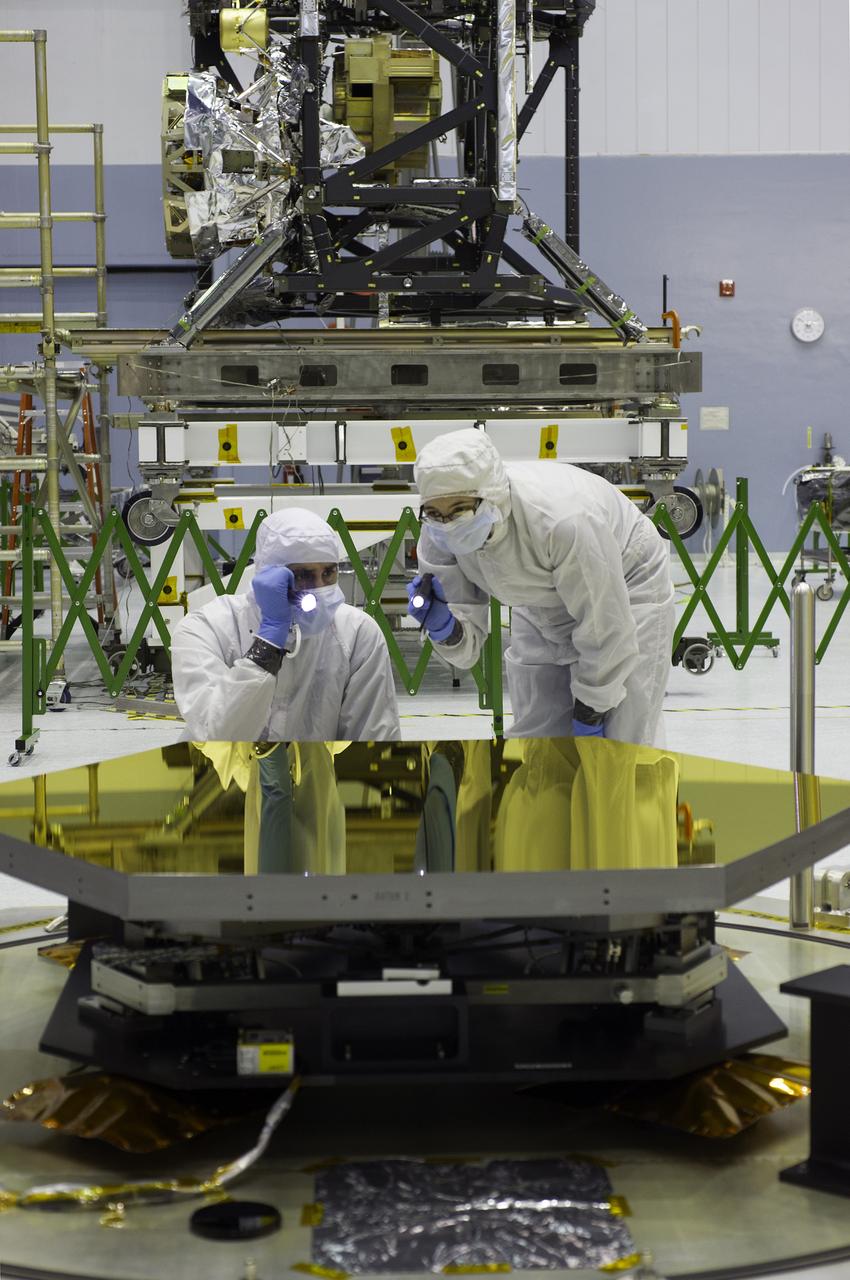
Webb telescope Quality Engineer Matt Magsamen and Product Assurance Engineer Jessica Lieberman inspect one of the primary mirror segments. The Webb telescope's third batch of flight mirrors now reside in the clean room at NASA's Goddard Space Flight Center in Greenbelt, Md. The latest arrivals included the seventh, eighth and ninth primary mirror segments. Credit: NASA/Chris Gunn <b><a href="http://www.nasa.gov/audience/formedia/features/MP_Photo_Guidelines.html" rel="nofollow">NASA image use policy.</a></b> <b><a href="http://www.nasa.gov/centers/goddard/home/index.html" rel="nofollow">NASA Goddard Space Flight Center</a></b> enables NASA’s mission through four scientific endeavors: Earth Science, Heliophysics, Solar System Exploration, and Astrophysics. Goddard plays a leading role in NASA’s accomplishments by contributing compelling scientific knowledge to advance the Agency’s mission. <b>Follow us on <a href="http://twitter.com/NASA_GoddardPix" rel="nofollow">Twitter</a></b> <b>Like us on <a href="http://www.facebook.com/pages/Greenbelt-MD/NASA-Goddard/395013845897?ref=tsd" rel="nofollow">Facebook</a></b> <b>Find us on <a href="http://instagram.com/nasagoddard?vm=grid" rel="nofollow">Instagram</a></b>
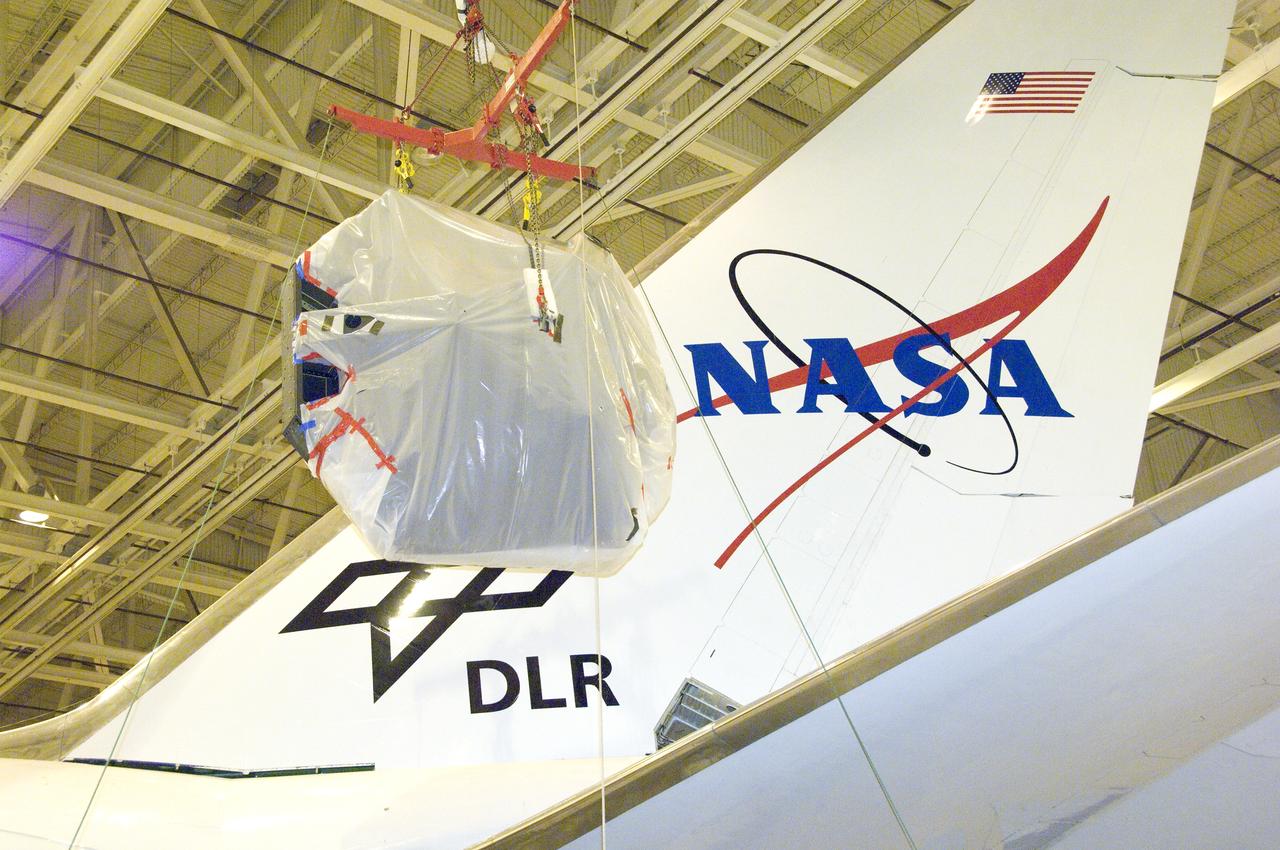
SOFIA's primary mirror assembly is lifted above wing level prior to its reinstallation in the telescope cavity of NASA's 747 airborne observatory Oct. 8, 2008.
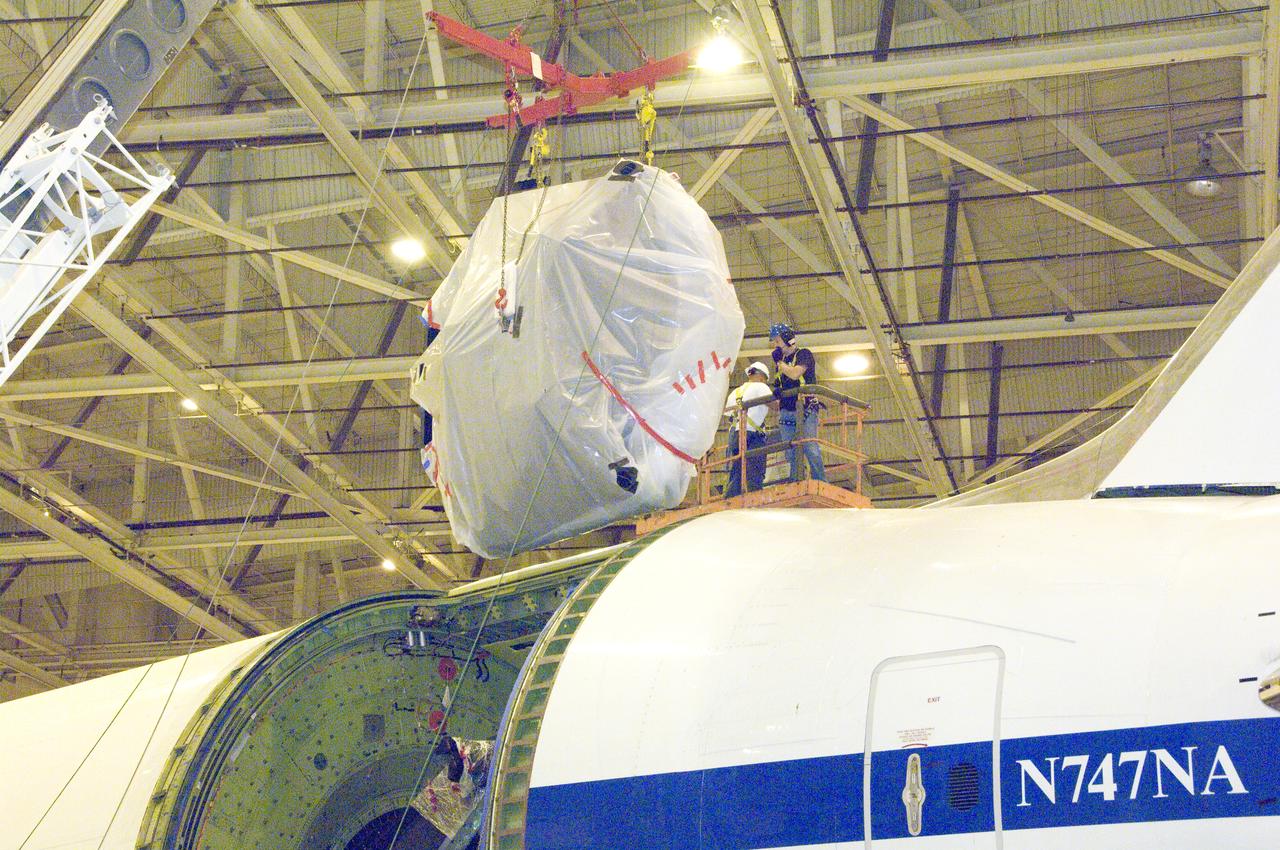
echnicians lift SOFIA's primary mirror assembly above NASA's 747SP airborne astronomy aircraft just prior to installation in the telescope cavity.
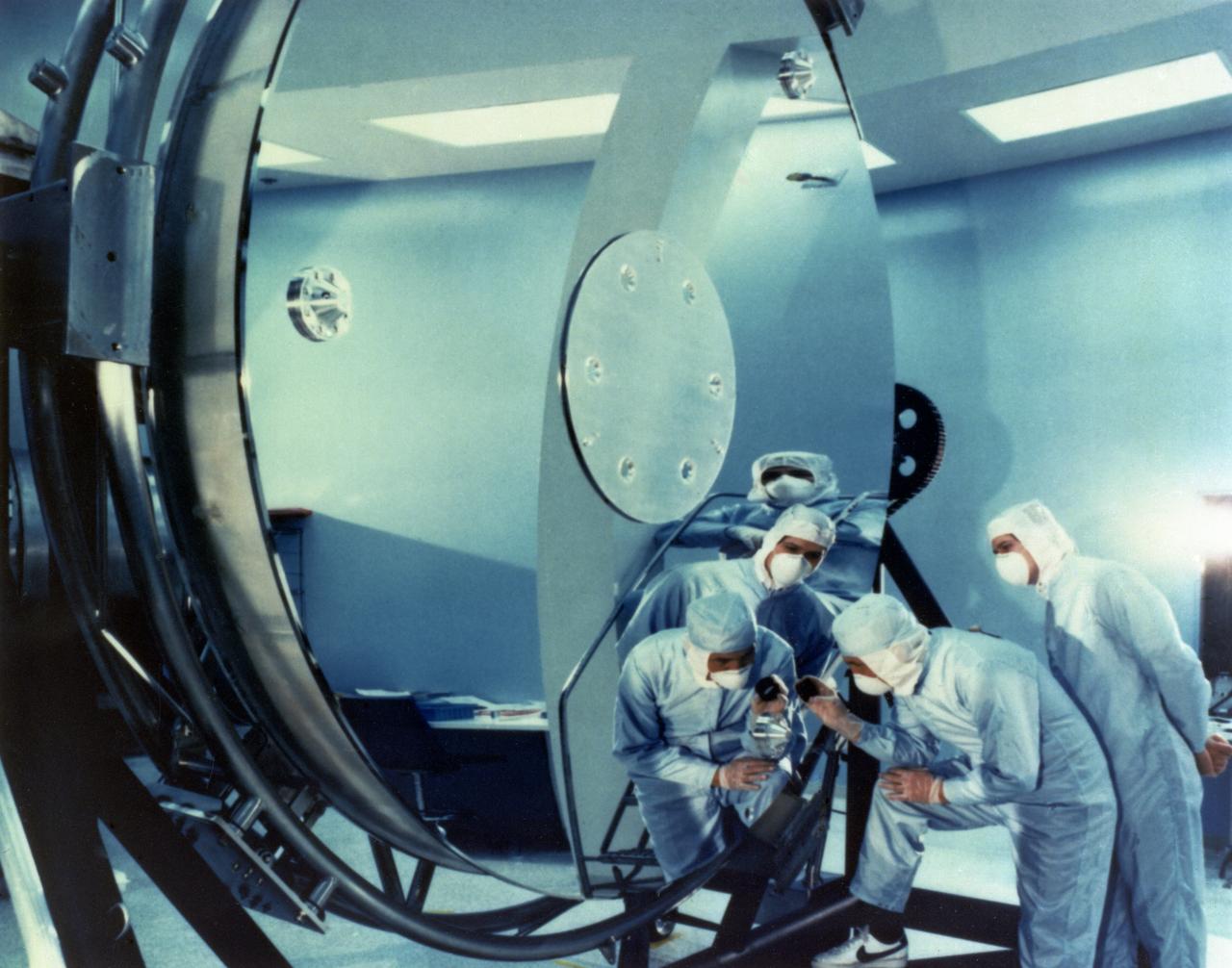
Prior to installation, technicians inspect the primary mirror of the Hubble Space Telescope (HST). The first in a series of great observatories launched by NASA, the HST was designed to last approximately 15 years. The Marshall Space Flight Center had management responsibility for the development of the HST and played a major role in ground tests and orbital checkout of the telescope. The HST was launched April 24, 1990 aboard Space Shuttle Discovery's STS-31 mission.
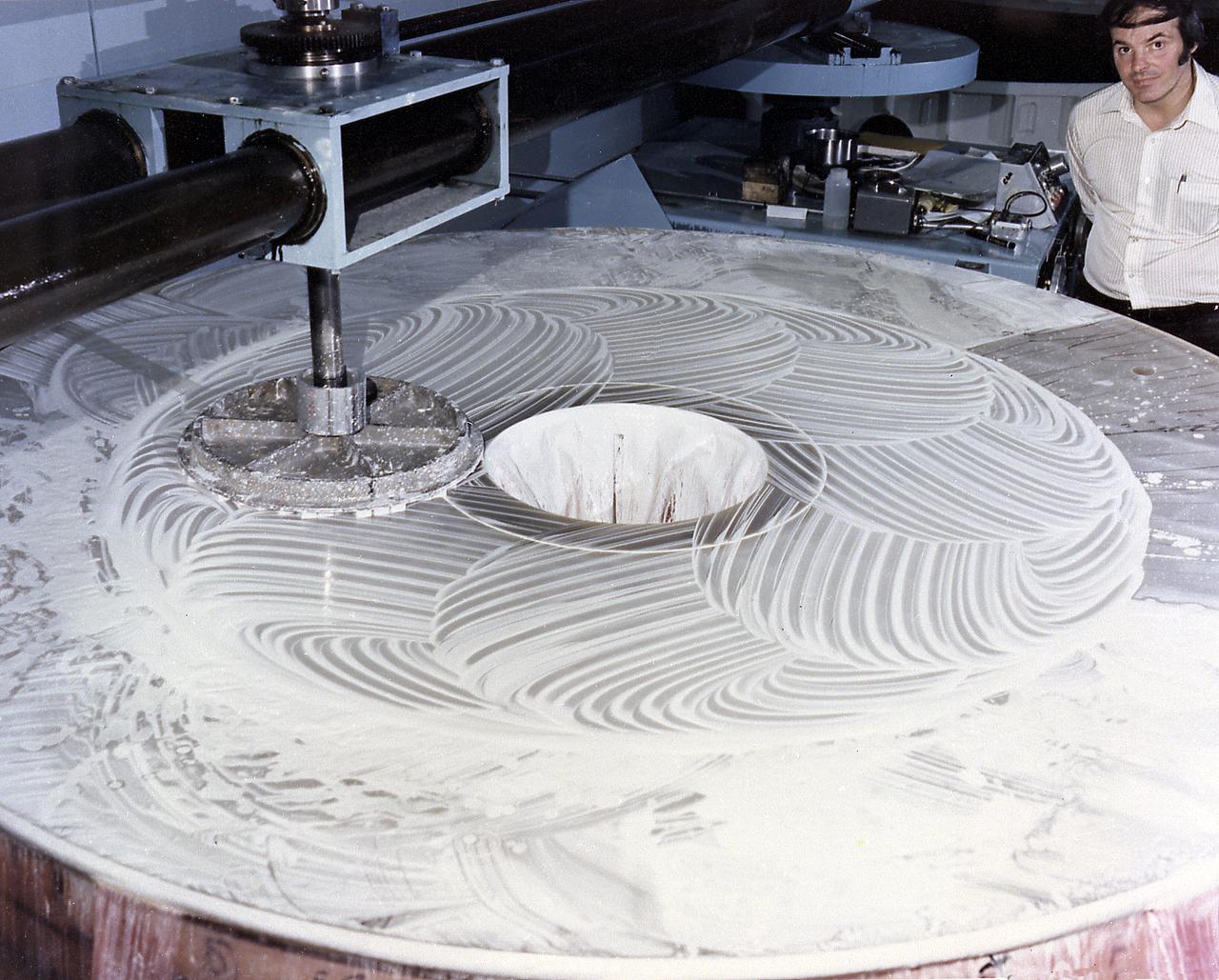
This photograph shows the Hubble Space Telescope's (HST's) Primary Mirror being polished at the the Perkin-Elmer Corporation's large optics fabrication facility. After the 8-foot diameter mirror was ground to shape and polished, the glass surface was coated with a reflective layer of aluminum and a protective layer of magnesium fluoride, 0.1- and 0.025-micrometers thick, respectively. The purpose of the HST, the most complex and sensitive optical telescope ever made, is to study the cosmos from a low-Earth orbit. By placing the telescope in space, astronomers are able to collect data that is free of the Earth's atmosphere. The Marshall Space Flight Center had responsibility for design, development, and construction of the HST and the Perkin-Elmer Corporation, in Danbury, Cornecticut, developed the optical system and guidance sensors.
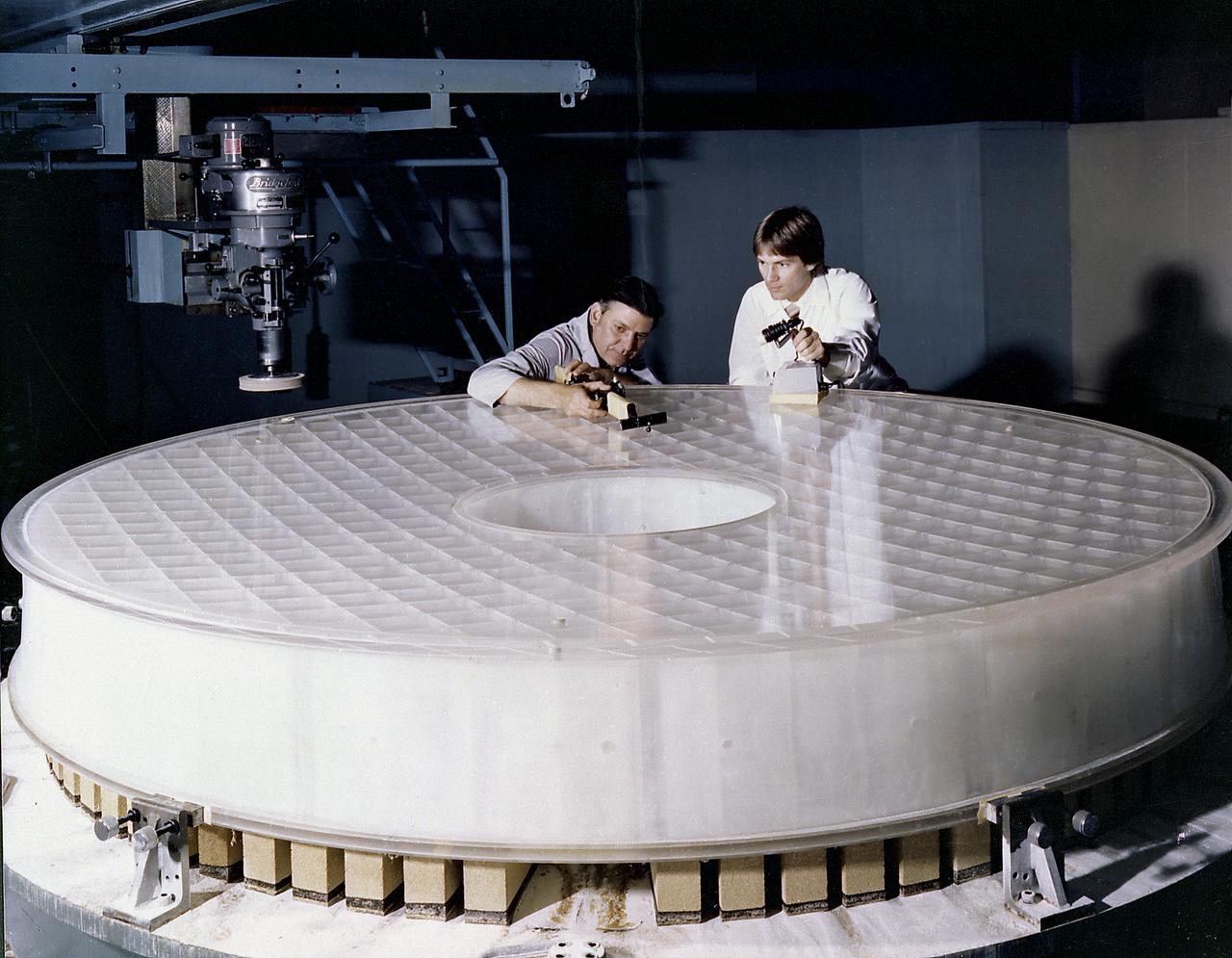
This photograph shows engineers inspecting the Hubble Space Telescope's (HST's) Primary Mirror at the Perkin-Elmer Corporation's large optics fabrication facility. After the 8-foot diameter mirror was ground to shape and polished, the glass surface was coated with a reflective layer of aluminum and a protective layer of magnesium fluoride, 0.1- and 0.025- micrometers thick, respectively. The purpose of the HST, the most complex and sensitive optical telescope ever made, is to study the cosmos from a low-Earth orbit. By placing the telescope in space, astronomers are able to collect data that is free of the Earth's atmosphere. The Marshall Space Flight Center had responsibility for design, development, and construction of the HST and the Perkin-Elmer Corporation, in Danbury, Cornecticut, developed the optical system and guidance sensors.
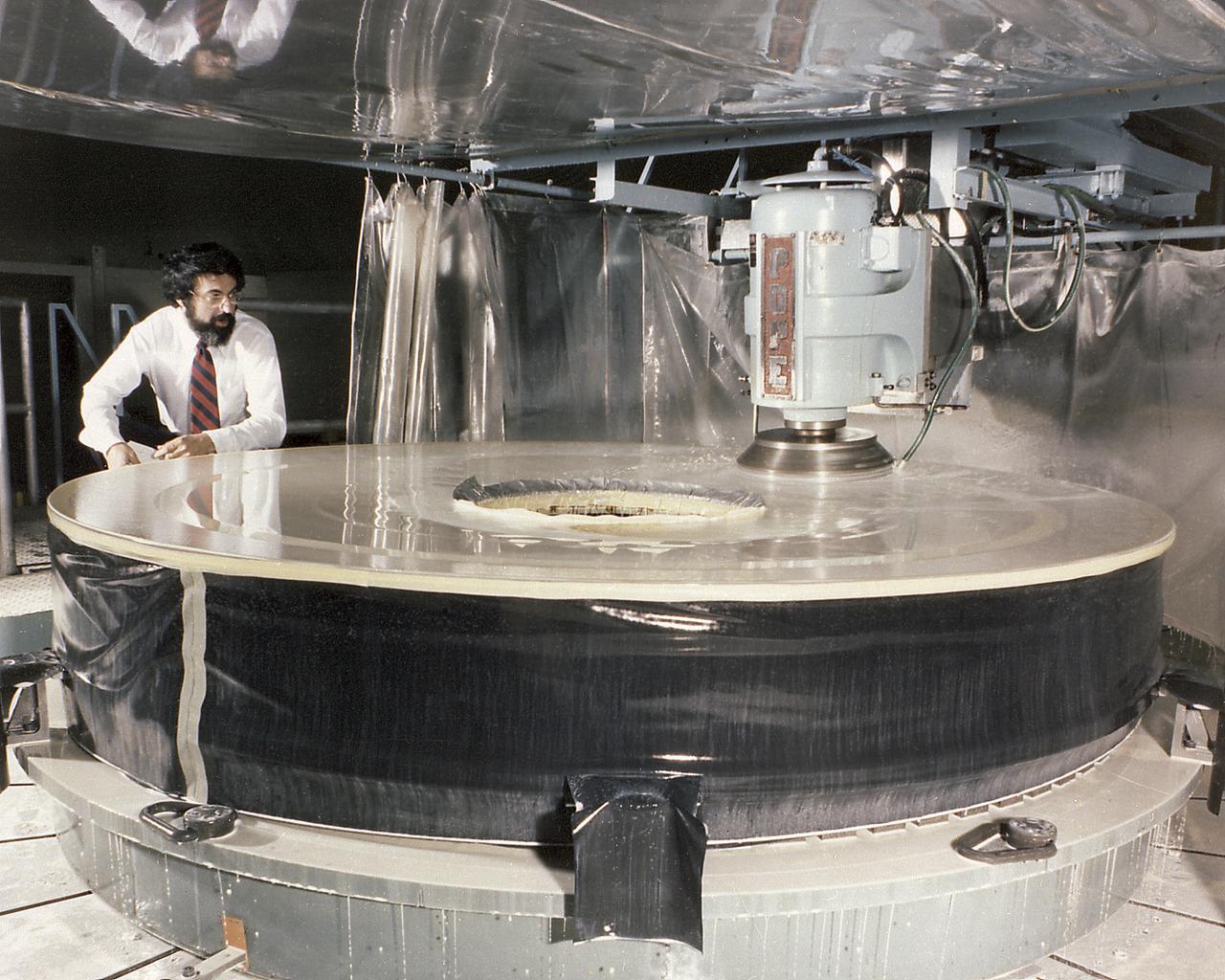
This photograph shows the Hubble Space Telescope's (HST's) Primary Mirror being ground at the Perkin-Elmer Corporation's large optics fabrication facility. After the 8-foot diameter mirror was ground to shape and polished, the glass surface was coated with a reflective layer of aluminum and a protective layer of magnesium fluoride, 0.1- and 0.025-micrometers thick, respectively. The purpose of the HST, the most complex and sensitive optical telescope ever made, is to study the cosmos from a low-Earth orbit. By placing the telescope in space, astronomers are able to collect data that is free of the Earth's atmosphere. The Marshall Space Flight Center had responsibility for design, development, and construction of the HST and the Perkin-Elmer Corporation, in Danbury, Cornecticut, developed the optical system and guidance sensors.
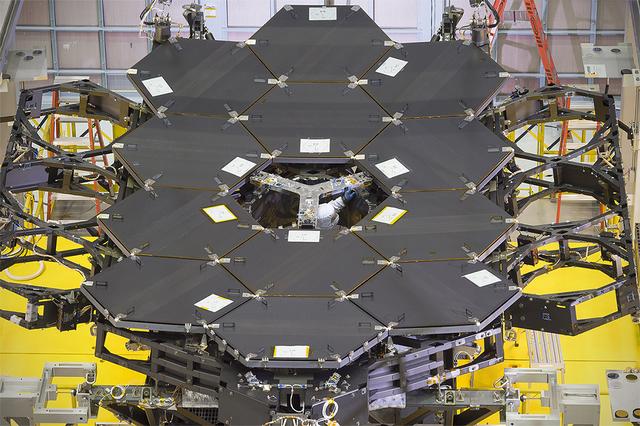
Caption: One dozen (out of 18) flight mirror segments that make up the primary mirror on NASA's James Webb Space Telescope have been installed at NASA's Goddard Space Flight Center. Credits: NASA/Chris Gunn More: Since December 2015, the team of scientists and engineers have been working tirelessly to install all the primary mirror segments onto the telescope structure in the large clean room at NASA's Goddard Space Flight Center in Greenbelt, Maryland. The twelfth mirror was installed on January 2, 2016. "This milestone signifies that all of the hexagonal shaped mirrors on the fixed central section of the telescope structure are installed and only the 3 mirrors on each wing are left for installation," said Lee Feinberg, NASA's Optical Telescope Element Manager at NASA Goddard. "The incredibly skilled and dedicated team assembling the telescope continues to find ways to do things faster and more efficiently." Each hexagonal-shaped segment measures just over 4.2 feet (1.3 meters) across and weighs approximately 88 pounds (40 kilograms). After being pieced together, the 18 primary mirror segments will work together as one large 21.3-foot (6.5-meter) mirror. The primary mirror will unfold and adjust to shape after launch. The mirrors are made of ultra-lightweight beryllium. The mirrors are placed on the telescope's backplane using a robotic arm, guided by engineers. The full installation is expected to be completed in a few months. The mirrors were built by Ball Aerospace & Technologies Corp., Boulder, Colorado. Ball is the principal subcontractor to Northrop Grumman for the optical technology and lightweight mirror system. The installation of the mirrors onto the telescope structure is performed by Harris Corporation of Rochester, New York. Harris Corporation leads integration and testing for the telescope. While the mirror assembly is a very significant milestone, there are many more steps involved in assembling the Webb telescope. The primary mirror and the tennis-court-sized sunshield are the largest and most visible components of the Webb telescope. However, there are four smaller components that are less visible, yet critical. The instruments that will fly aboard Webb - cameras and spectrographs with detectors able to record extremely faint signals — are part of the Integrated Science Instrument Module (ISIM), which is currently undergoing its final cryogenic vacuum test and will be integrated with the mirror later this year. Read more: <a href="http://www.nasa.gov/feature/goddard/2016/by-the-dozen-nasas-james-webb-space-telescope-mirrors" rel="nofollow">www.nasa.gov/feature/goddard/2016/by-the-dozen-nasas-jame...</a> <b><a href="http://www.nasa.gov/audience/formedia/features/MP_Photo_Guidelines.html" rel="nofollow">NASA image use policy.</a></b> <b><a href="http://www.nasa.gov/centers/goddard/home/index.html" rel="nofollow">NASA Goddard Space Flight Center</a></b> enables NASA’s mission through four scientific endeavors: Earth Science, Heliophysics, Solar System Exploration, and Astrophysics. Goddard plays a leading role in NASA’s accomplishments by contributing compelling scientific knowledge to advance the Agency’s mission. <b>Follow us on <a href="http://twitter.com/NASAGoddardPix" rel="nofollow">Twitter</a></b> <b>Like us on <a href="http://www.facebook.com/pages/Greenbelt-MD/NASA-Goddard/395013845897?ref=tsd" rel="nofollow">Facebook</a></b> <b>Find us on <a href="http://instagrid.me/nasagoddard/?vm=grid" rel="nofollow">Instagram</a></b>
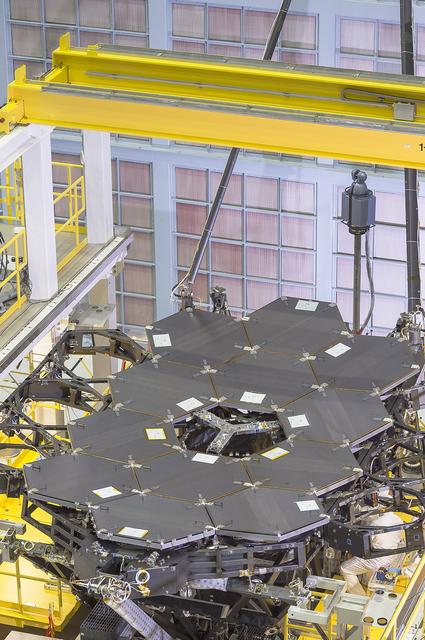
A view of the one dozen (out of 18) flight mirror segments that make up the primary mirror on NASA's James Webb Space Telescope have been installed at NASA's Goddard Space Flight Center. Credits: NASA/Chris Gunn More: Since December 2015, the team of scientists and engineers have been working tirelessly to install all the primary mirror segments onto the telescope structure in the large clean room at NASA's Goddard Space Flight Center in Greenbelt, Maryland. The twelfth mirror was installed on January 2, 2016. "This milestone signifies that all of the hexagonal shaped mirrors on the fixed central section of the telescope structure are installed and only the 3 mirrors on each wing are left for installation," said Lee Feinberg, NASA's Optical Telescope Element Manager at NASA Goddard. "The incredibly skilled and dedicated team assembling the telescope continues to find ways to do things faster and more efficiently." Each hexagonal-shaped segment measures just over 4.2 feet (1.3 meters) across and weighs approximately 88 pounds (40 kilograms). After being pieced together, the 18 primary mirror segments will work together as one large 21.3-foot (6.5-meter) mirror. The primary mirror will unfold and adjust to shape after launch. The mirrors are made of ultra-lightweight beryllium. The mirrors are placed on the telescope's backplane using a robotic arm, guided by engineers. The full installation is expected to be completed in a few months. The mirrors were built by Ball Aerospace & Technologies Corp., Boulder, Colorado. Ball is the principal subcontractor to Northrop Grumman for the optical technology and lightweight mirror system. The installation of the mirrors onto the telescope structure is performed by Harris Corporation of Rochester, New York. Harris Corporation leads integration and testing for the telescope. While the mirror assembly is a very significant milestone, there are many more steps involved in assembling the Webb telescope. The primary mirror and the tennis-court-sized sunshield are the largest and most visible components of the Webb telescope. However, there are four smaller components that are less visible, yet critical. The instruments that will fly aboard Webb - cameras and spectrographs with detectors able to record extremely faint signals — are part of the Integrated Science Instrument Module (ISIM), which is currently undergoing its final cryogenic vacuum test and will be integrated with the mirror later this year. Read more: <a href="http://www.nasa.gov/feature/goddard/2016/by-the-dozen-nasas-james-webb-space-telescope-mirrors" rel="nofollow">www.nasa.gov/feature/goddard/2016/by-the-dozen-nasas-jame...</a> <b><a href="http://www.nasa.gov/audience/formedia/features/MP_Photo_Guidelines.html" rel="nofollow">NASA image use policy.</a></b> <b><a href="http://www.nasa.gov/centers/goddard/home/index.html" rel="nofollow">NASA Goddard Space Flight Center</a></b> enables NASA’s mission through four scientific endeavors: Earth Science, Heliophysics, Solar System Exploration, and Astrophysics. Goddard plays a leading role in NASA’s accomplishments by contributing compelling scientific knowledge to advance the Agency’s mission. <b>Follow us on <a href="http://twitter.com/NASAGoddardPix" rel="nofollow">Twitter</a></b> <b>Like us on <a href="http://www.facebook.com/pages/Greenbelt-MD/NASA-Goddard/395013845897?ref=tsd" rel="nofollow">Facebook</a></b> <b>Find us on <a href="http://instagrid.me/nasagoddard/?vm=grid" rel="nofollow">Instagram</a></b>
Technicians at the NASA Dryden Aircraft Operations Facility in Palmdale, Calif., removed the German-built primary mirror assembly from the Stratospheric Observatory for Infrared Astronomy, or SOFIA, April 18, 2008 in preparation for the final finish coating of the mirror. A precision crane lifted the more than two-ton mirror assembly from its cavity in the rear fuselage of the highly modified Boeing 747SP. The assembly was then secured in its transport dolly and moved to a clean room where it was prepared for shipment to NASA Ames Research Center at Moffett Field near Mountain View, Calif. where it would receive its aluminized finish coating before being re-installed in the SOFIA aircraft.
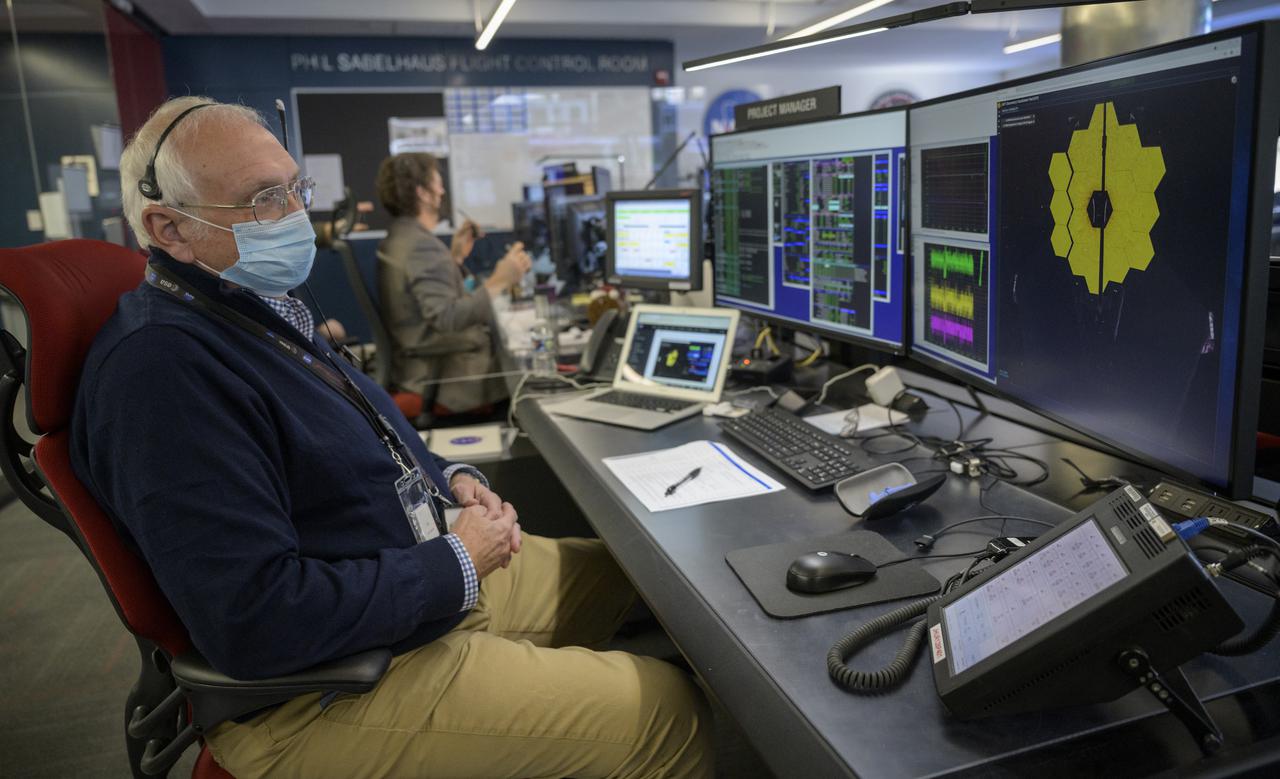
NASA James Webb Space Telescope Project Manager Bill Ochs monitors the progress of the observatory’s second primary mirror wing as it rotates into position, Saturday, Jan. 8, 2022, from NASA’s James Webb Space Telescope Mission Operations Center at the Space Telescope Science Institute in Baltimore. Webb, an infrared telescope with a 21.3-foot (6.5-meter) primary mirror, was folded up for launch and underwent an unprecedented deployment process to unfold in space. As NASA's next flagship observatory, Webb will study every phase of cosmic history—from within our solar system to the most distant observable galaxies in the early universe. Photo Credit: (NASA/Bill Ingalls)
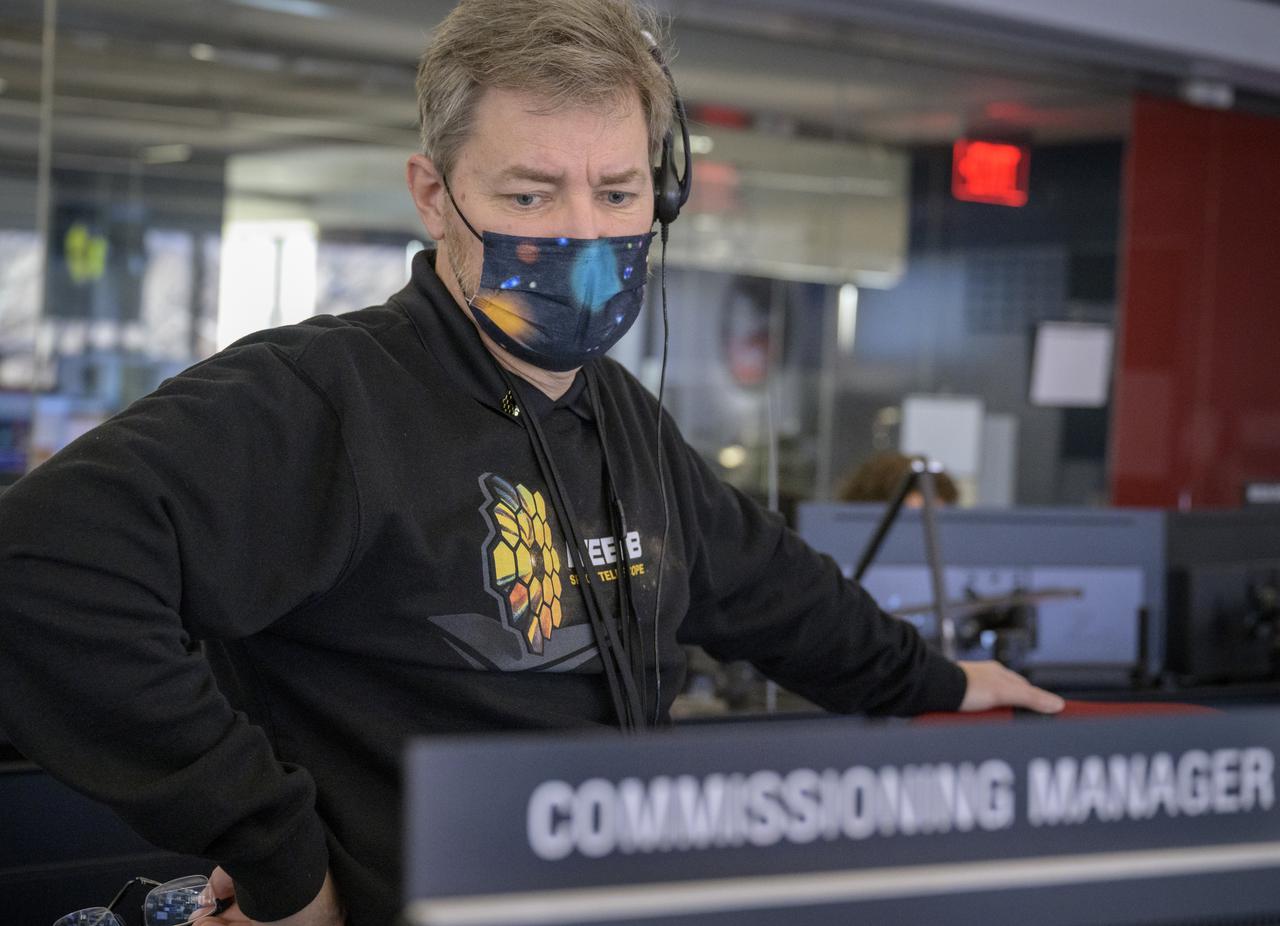
NASA James Webb Space Telescope Commissioning Manager John Durning monitors the progress of the Webb observatory as it’s second primary mirror wing is rotated into position, Saturday, Jan. 8, 2022, from NASA’s James Webb Space Telescope Mission Operations Center at the Space Telescope Science Institute in Baltimore. Webb, an infrared telescope with a 21.3-foot (6.5-meter) primary mirror, was folded up for launch and underwent an unprecedented deployment process to unfold in space. As NASA's next flagship observatory, Webb will study every phase of cosmic history—from within our solar system to the most distant observable galaxies in the early universe. Photo Credit: (NASA/Bill Ingalls)
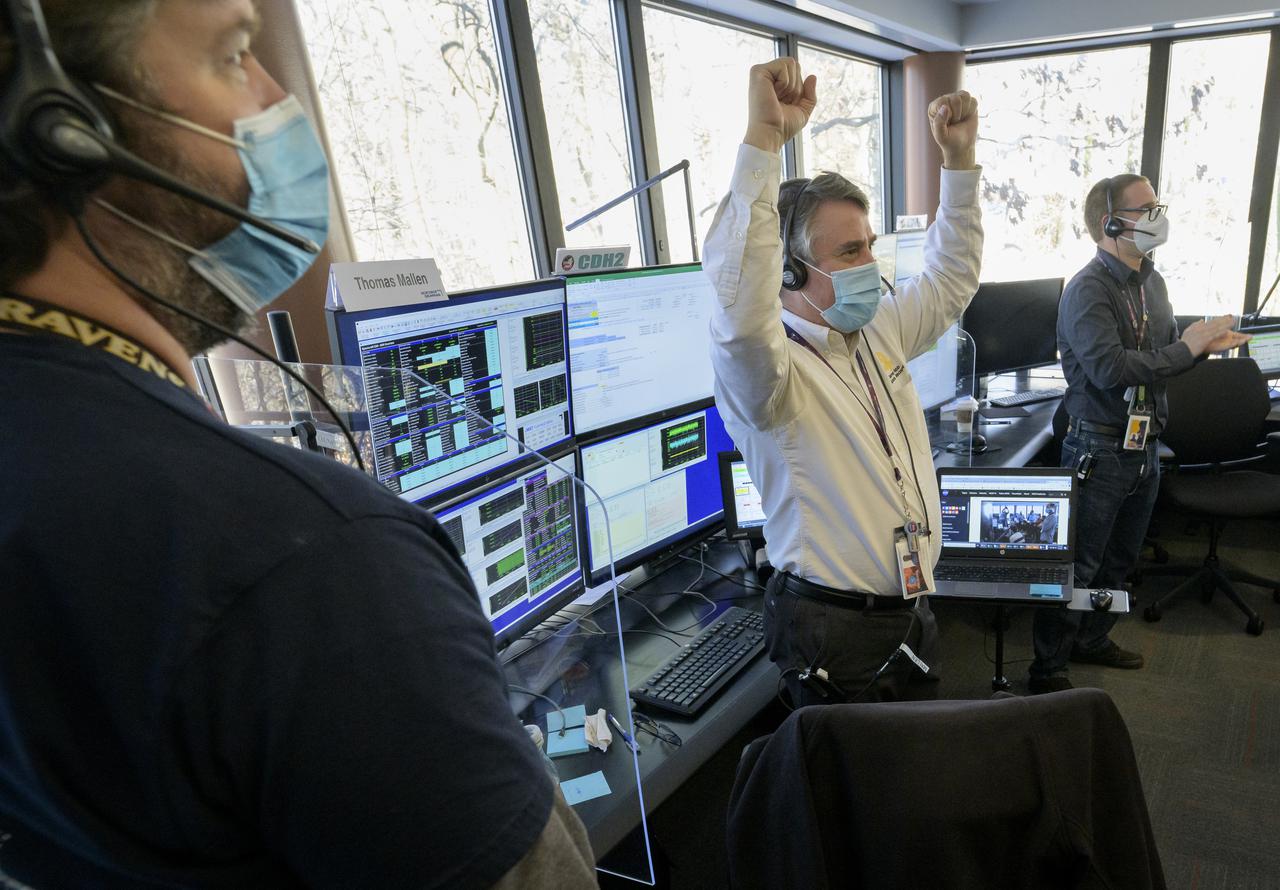
NASA’s James Webb Space Telescope mission operations team celebrates, Saturday, Jan. 8, 2022, at the Space Telescope Science Institute in Baltimore, after confirming that the observatory’s final primary mirror wing successfully extended and locked into place. With Webb’s 21.3-foot (6.5-meter) primary mirror fully deployed, the infrared observatory has completed its unprecedented process of unfolding in space to prepare for science operations. The observatory will study every phase of cosmic history—from within our solar system to the most distant observable galaxies in the early universe. Photo Credit: (NASA/Bill Ingalls)
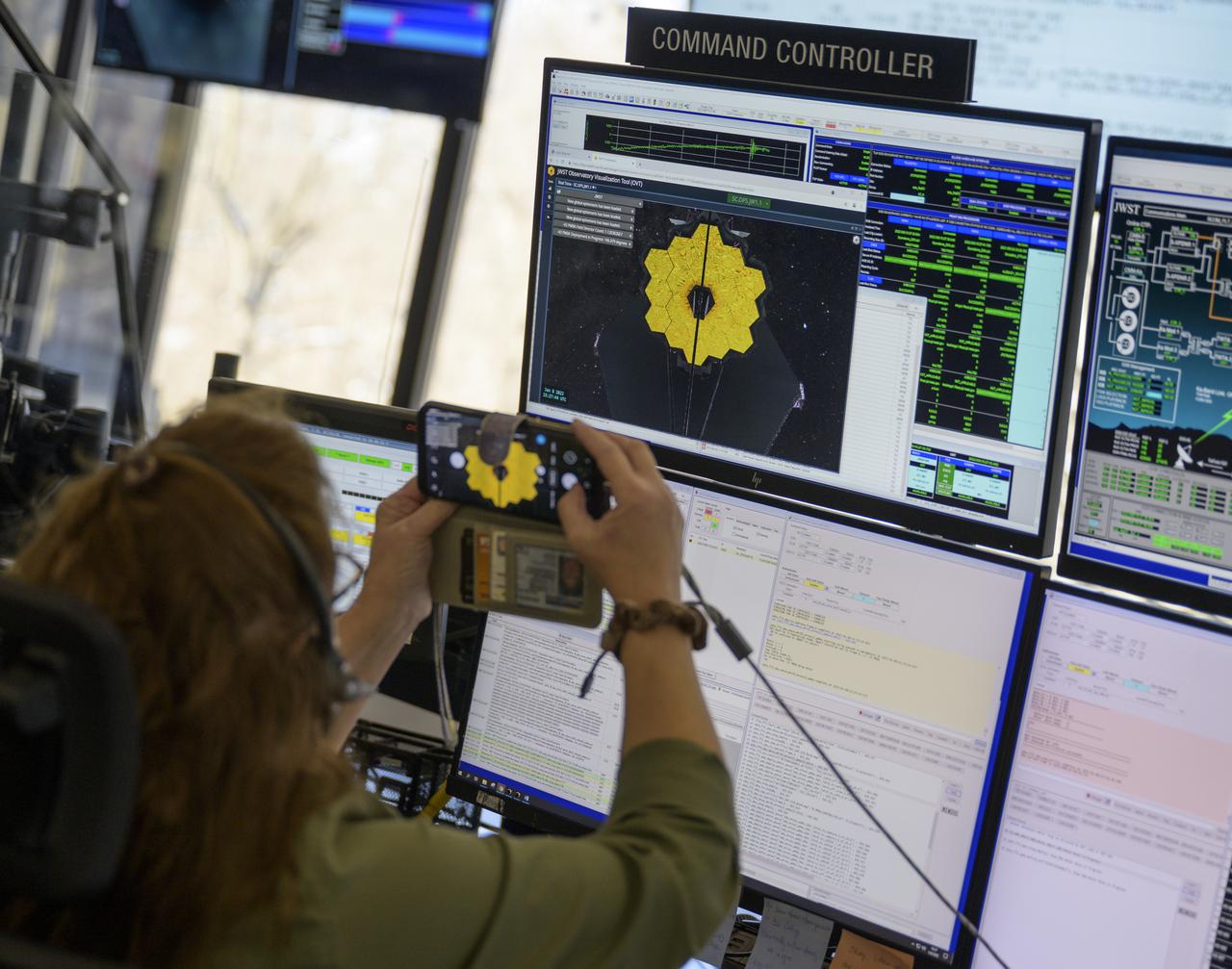
Engineering teams at NASA’s James Webb Space Telescope Mission Operations Center at the Space Telescope Science Institute in Baltimore monitor progress as the observatory’s second primary mirror wing rotates into position, Saturday, Jan. 8, 2022. Webb, an infrared telescope with a 21.3-foot (6.5-meter) primary mirror, was folded up for launch and underwent an unprecedented deployment process to unfold in space. As NASA's next flagship observatory, Webb will study every phase of cosmic history—from within our solar system to the most distant observable galaxies in the early universe. Photo Credit: (NASA/Bill Ingalls)
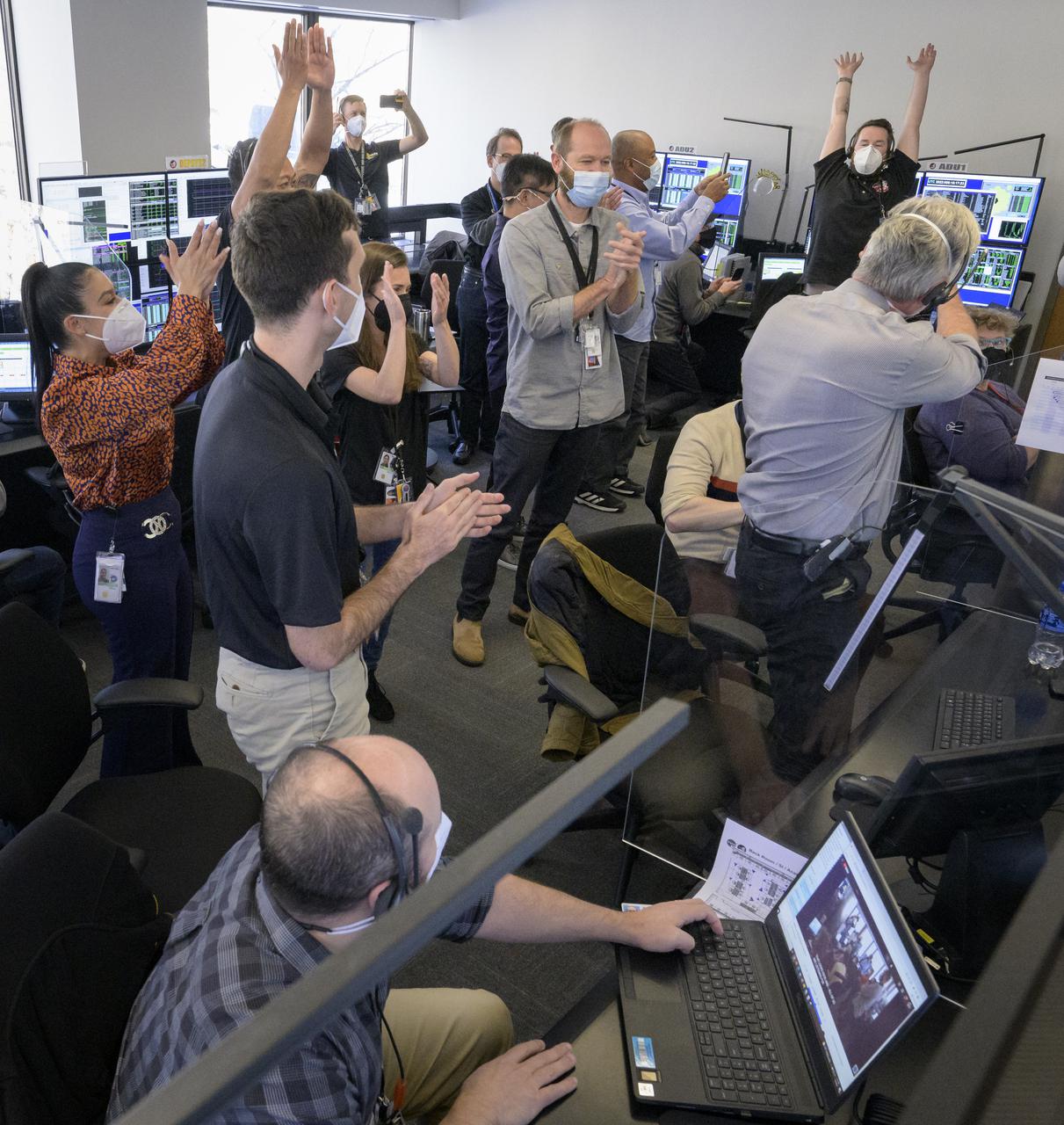
NASA’s James Webb Space Telescope mission operations team celebrates, Saturday, Jan. 8, 2022, at the Space Telescope Science Institute in Baltimore, after confirming that the observatory’s final primary mirror wing successfully extended and locked into place. With Webb’s 21.3-foot (6.5-meter) primary mirror fully deployed, the infrared observatory has completed its unprecedented process of unfolding in space to prepare for science operations. The observatory will study every phase of cosmic history—from within our solar system to the most distant observable galaxies in the early universe. Photo Credit: (NASA/Bill Ingalls)
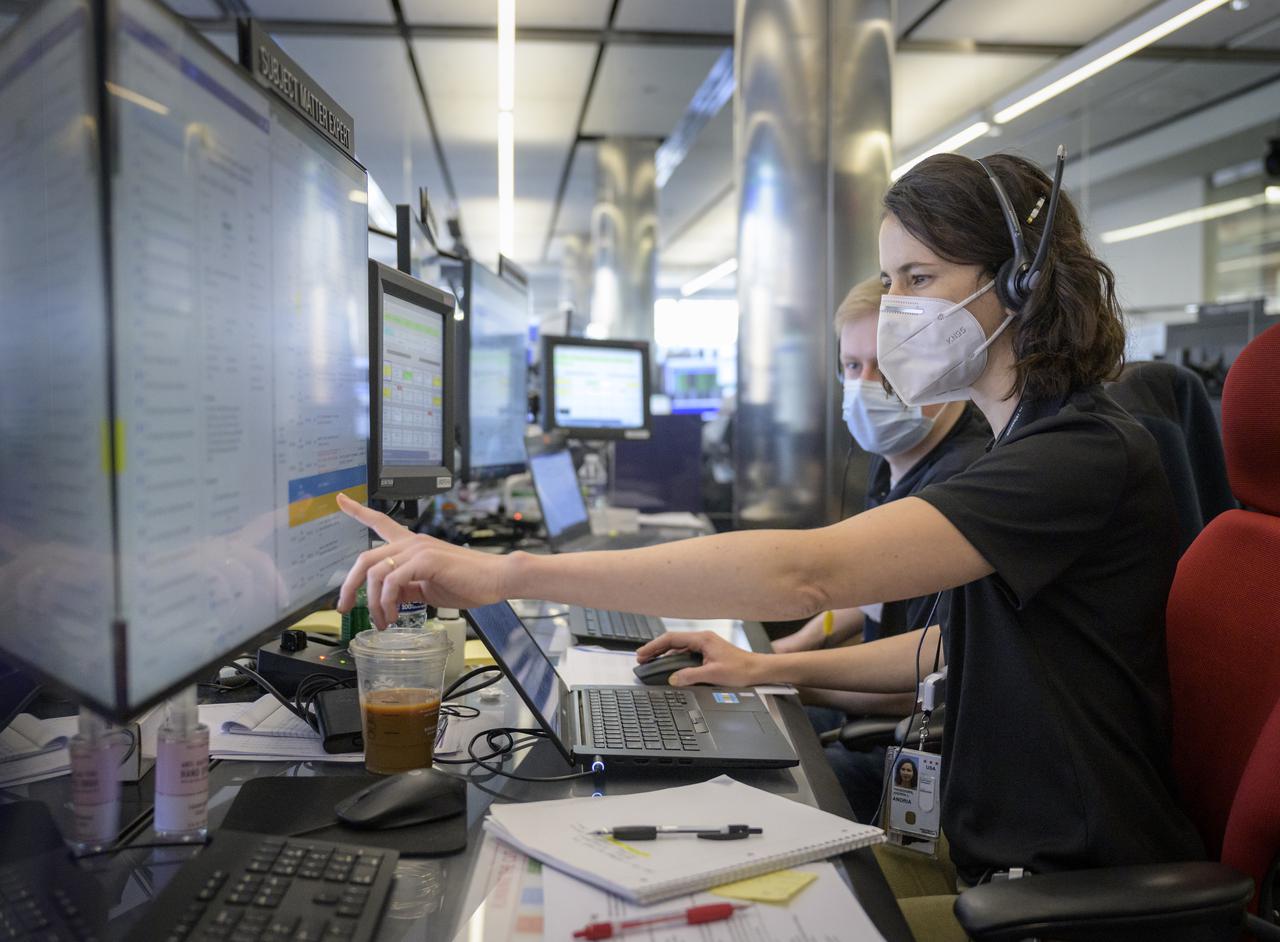
NASA James Webb Space Telescope Timeline Coordinator Andria Hagedorn monitors the progress of the Webb observatory’s second primary mirror wing as it rotates into position, Saturday, Jan. 8, 2022, from NASA’s James Webb Space Telescope Mission Operations Center at the Space Telescope Science Institute in Baltimore. Webb, an infrared telescope with a 21.3-foot (6.5-meter) primary mirror, was folded up for launch and underwent an unprecedented deployment process to unfold in space. As NASA's next flagship observatory, Webb will study every phase of cosmic history—from within our solar system to the most distant observable galaxies in the early universe. Photo Credit: (NASA/Bill Ingalls)
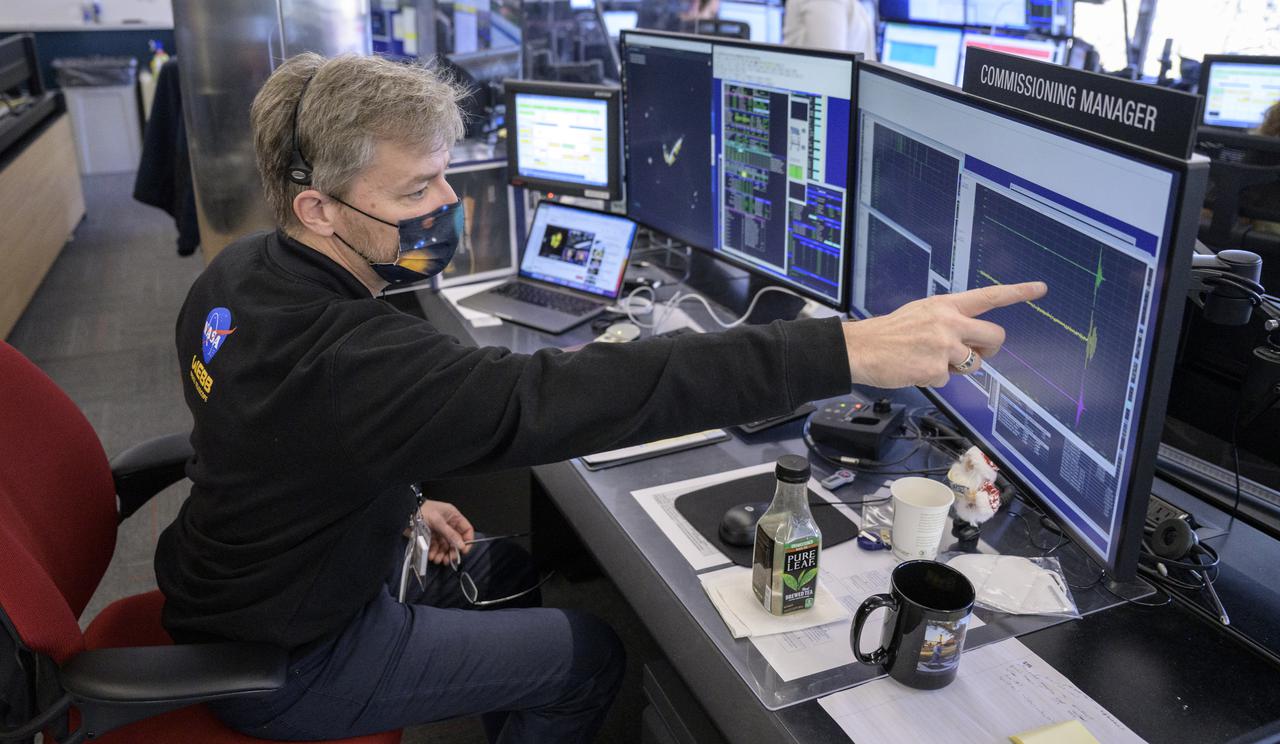
NASA James Webb Space Telescope Commissioning Manager John Durning monitors the progress of the Webb observatory as it’s second primary mirror wing is prepared to rotate into position, Saturday, Jan. 8, 2022, from NASA’s James Webb Space Telescope Mission Operations Center at the Space Telescope Science Institute in Baltimore. Webb, an infrared telescope with a 21.3-foot (6.5-meter) primary mirror, was folded up for launch and underwent an unprecedented deployment process to unfold in space. As NASA's next flagship observatory, Webb will study every phase of cosmic history—from within our solar system to the most distant observable galaxies in the early universe. Photo Credit: (NASA/Bill Ingalls)
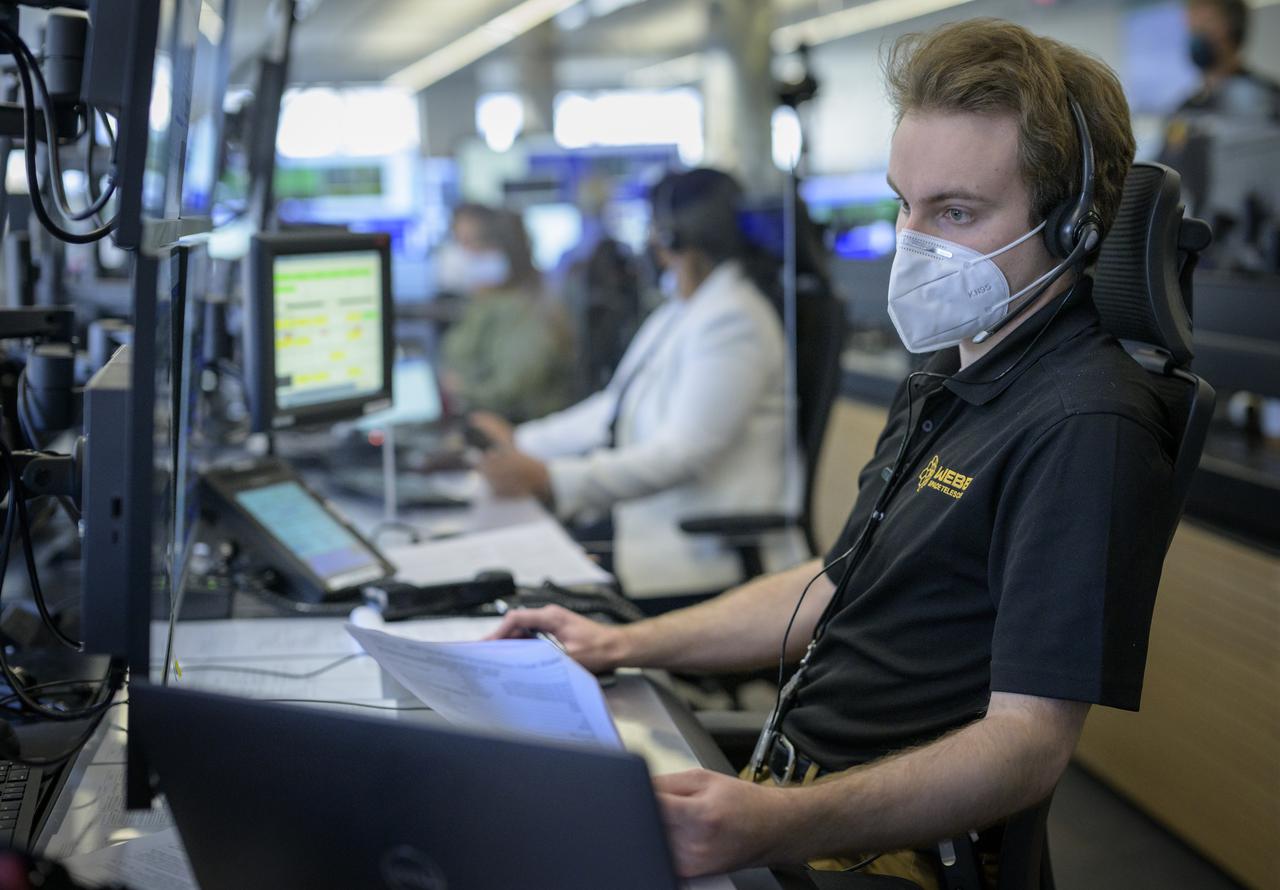
NASA James Webb Space Telescope Ground Engineer Evan Adams monitors the progress of the Webb observatory as it’s second primary mirror wing is prepared to rotate into position, Saturday, Jan. 8, 2022, from NASA’s James Webb Space Telescope Mission Operations Center at the Space Telescope Science Institute in Baltimore. Webb, an infrared telescope with a 21.3-foot (6.5-meter) primary mirror, was folded up for launch and underwent an unprecedented deployment process to unfold in space. As NASA's next flagship observatory, Webb will study every phase of cosmic history—from within our solar system to the most distant observable galaxies in the early universe. Photo Credit: (NASA/Bill Ingalls)
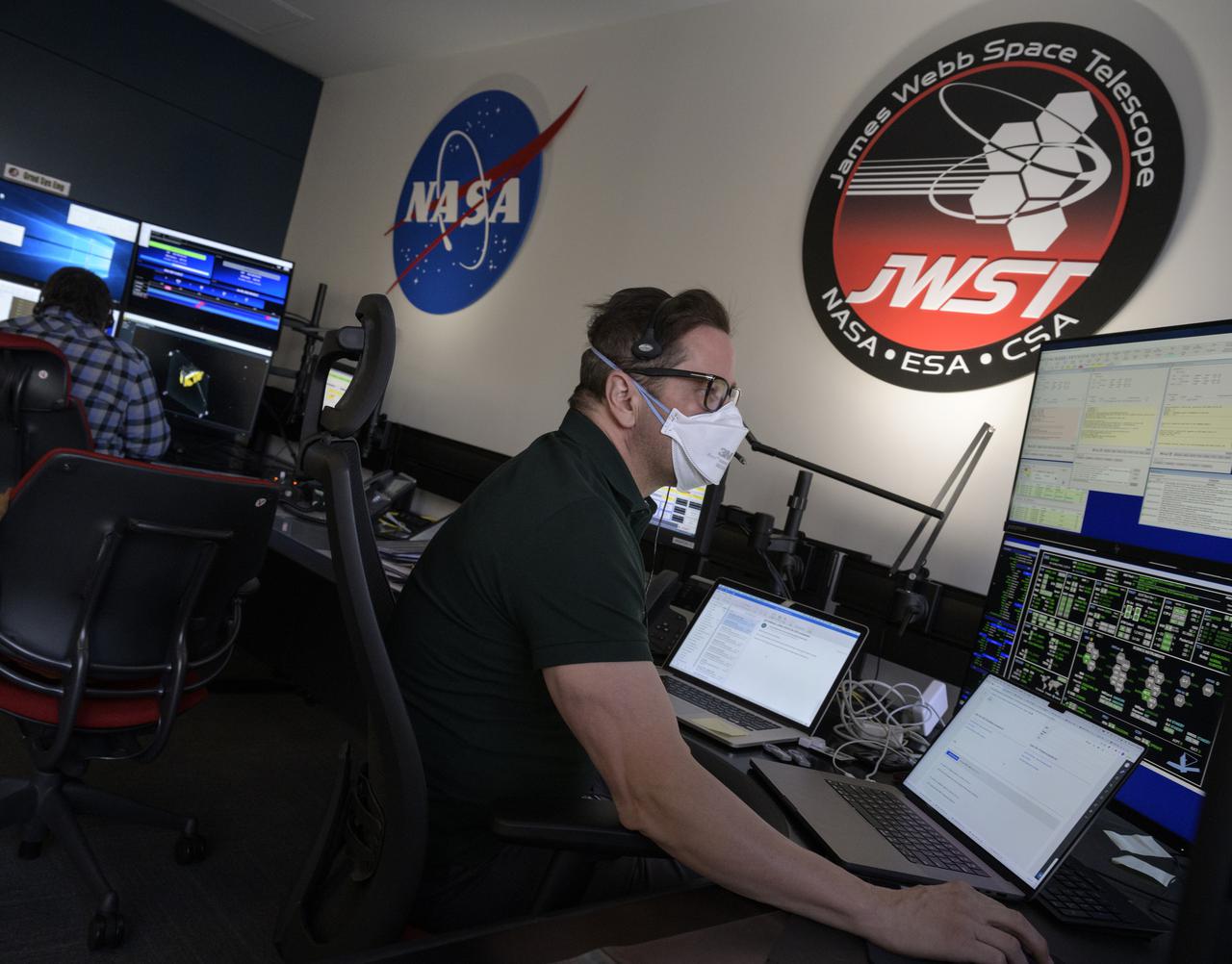
NASA James Webb Space Telescope Ground Systems Engineer Carl Reis at NASA’s James Webb Space Telescope Mission Operations Center at the Space Telescope Science Institute in Baltimore monitors the progress as the observatory’s second primary mirror wing rotates into position, Saturday, Jan. 8, 2022. Webb, an infrared telescope with a 21.3-foot (6.5-meter) primary mirror, was folded up for launch and underwent an unprecedented deployment process to unfold in space. As NASA's next flagship observatory, Webb will study every phase of cosmic history—from within our solar system to the most distant observable galaxies in the early universe. Photo Credit: (NASA/Bill Ingalls)
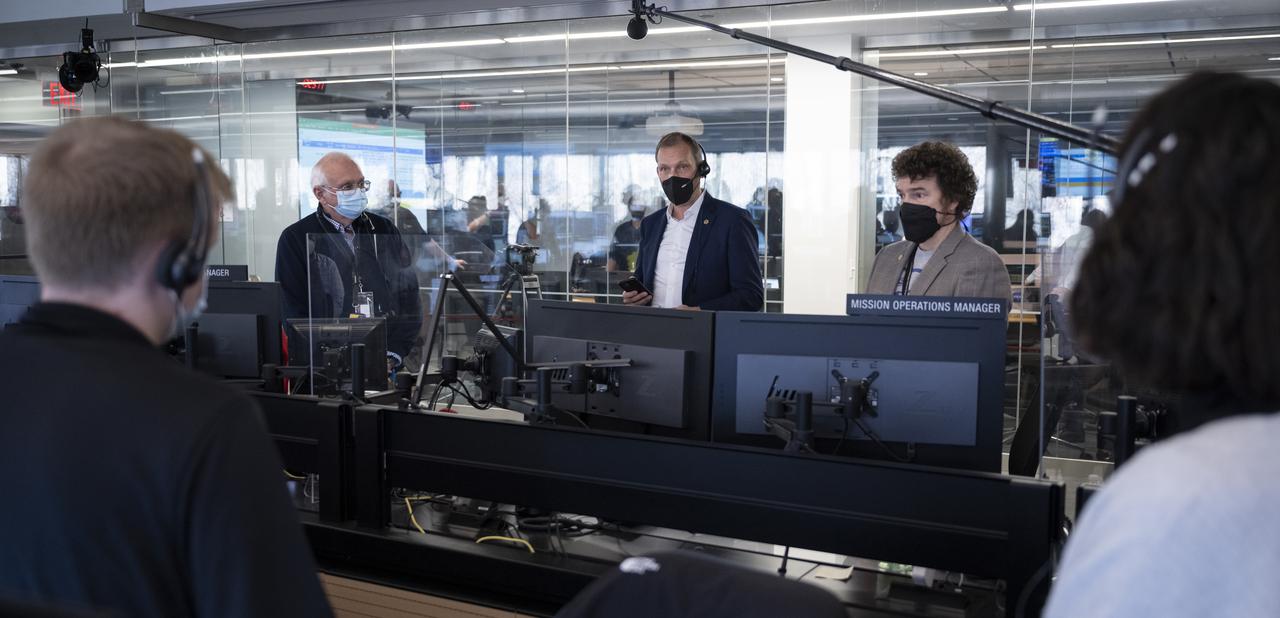
NASA Associate Administrator for the Science Mission Directorate Thomas Zurbuchen congratulates the NASA James Webb Space Telescope mission operations team after confirming that the observatory’s final primary mirror wing successfully extended and locked into place, Saturday, Jan. 8, 2022, at the Space Telescope Science Institute in Baltimore. With Webb’s 21.3-foot (6.5-meter) primary mirror fully deployed, the infrared observatory has completed its unprecedented process of unfolding in space to prepare for science operations. The observatory will study every phase of cosmic history—from within our solar system to the most distant observable galaxies in the early universe. Photo Credit: (NASA/Bill Ingalls)
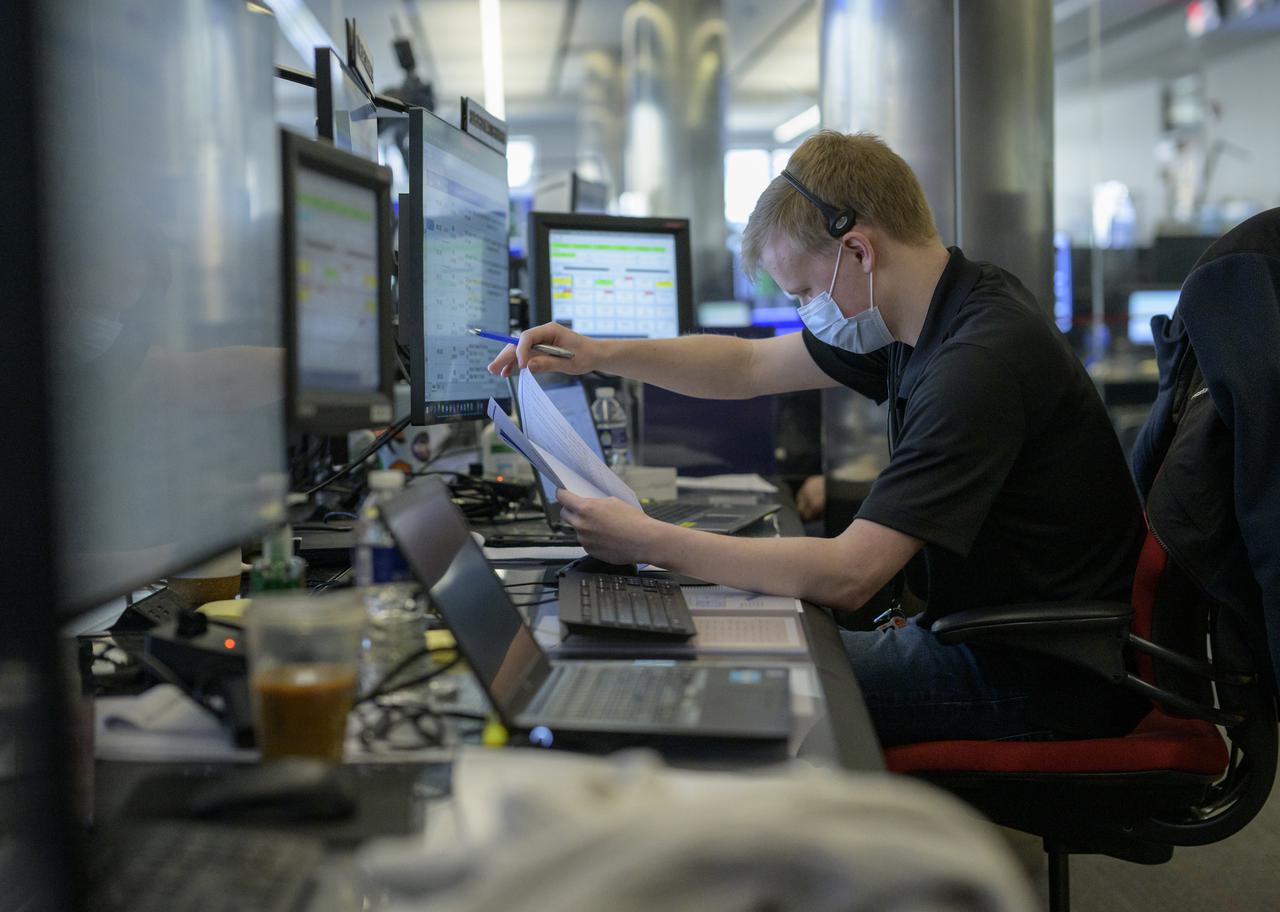
NASA James Webb Space Telescope Timeline Coordinator Matt Wasiak monitors the progress of the Webb observatory as it’s second primary mirror wing is prepared to rotate into position, Saturday, Jan. 8, 2022, from NASA’s James Webb Space Telescope Mission Operations Center at the Space Telescope Science Institute in Baltimore. Webb, an infrared telescope with a 21.3-foot (6.5-meter) primary mirror, was folded up for launch and underwent an unprecedented deployment process to unfold in space. As NASA's next flagship observatory, Webb will study every phase of cosmic history—from within our solar system to the most distant observable galaxies in the early universe. Photo Credit: (NASA/Bill Ingalls)
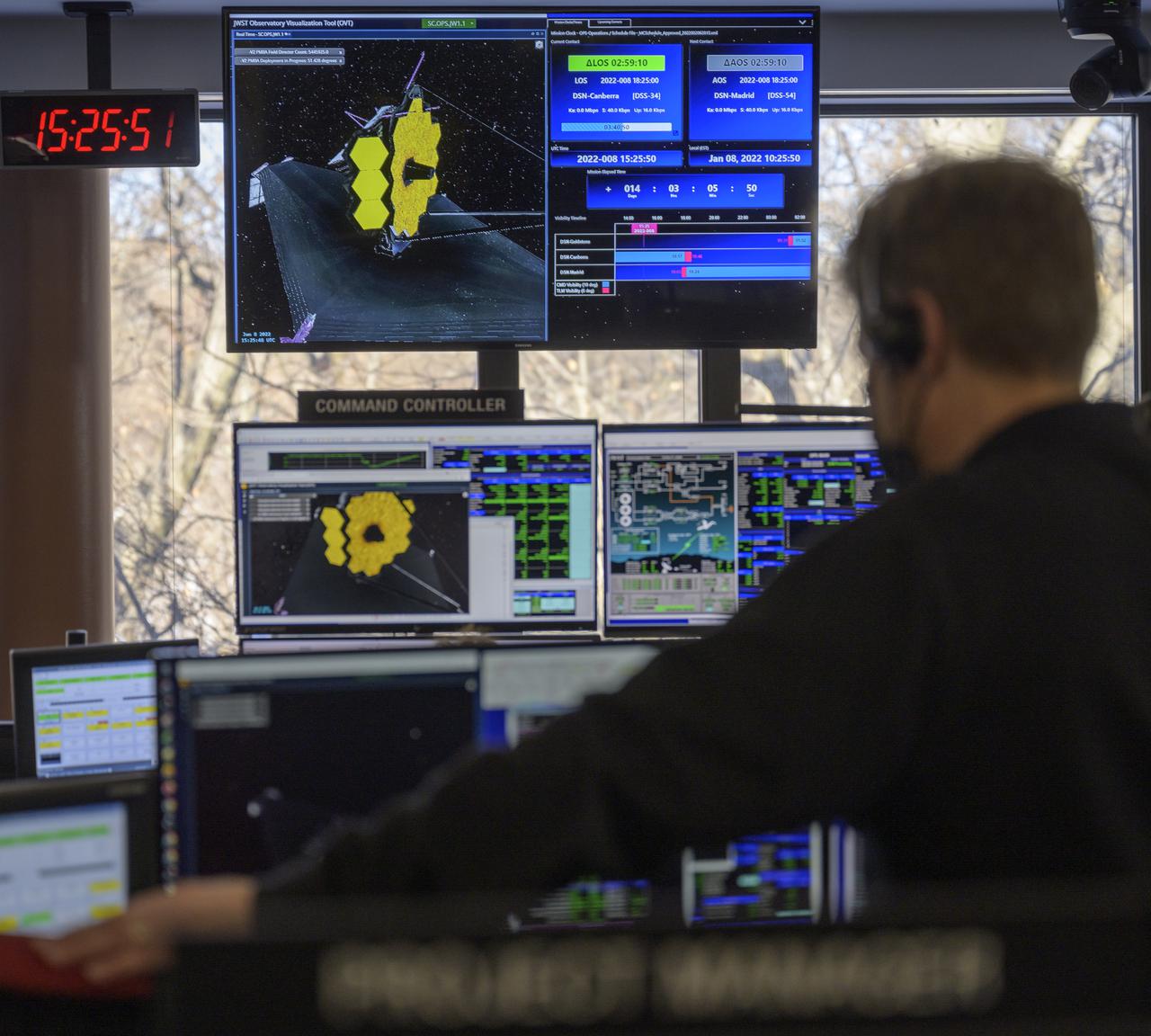
Engineering teams at NASA’s James Webb Space Telescope Mission Operations Center at the Space Telescope Science Institute in Baltimore monitor progress as the observatory’s second primary mirror wing rotates into position, Saturday, Jan. 8, 2022. Webb, an infrared telescope with a 21.3-foot (6.5-meter) primary mirror, was folded up for launch and underwent an unprecedented deployment process to unfold in space. As NASA's next flagship observatory, Webb will study every phase of cosmic history—from within our solar system to the most distant observable galaxies in the early universe. Photo Credit: (NASA/Bill Ingalls)
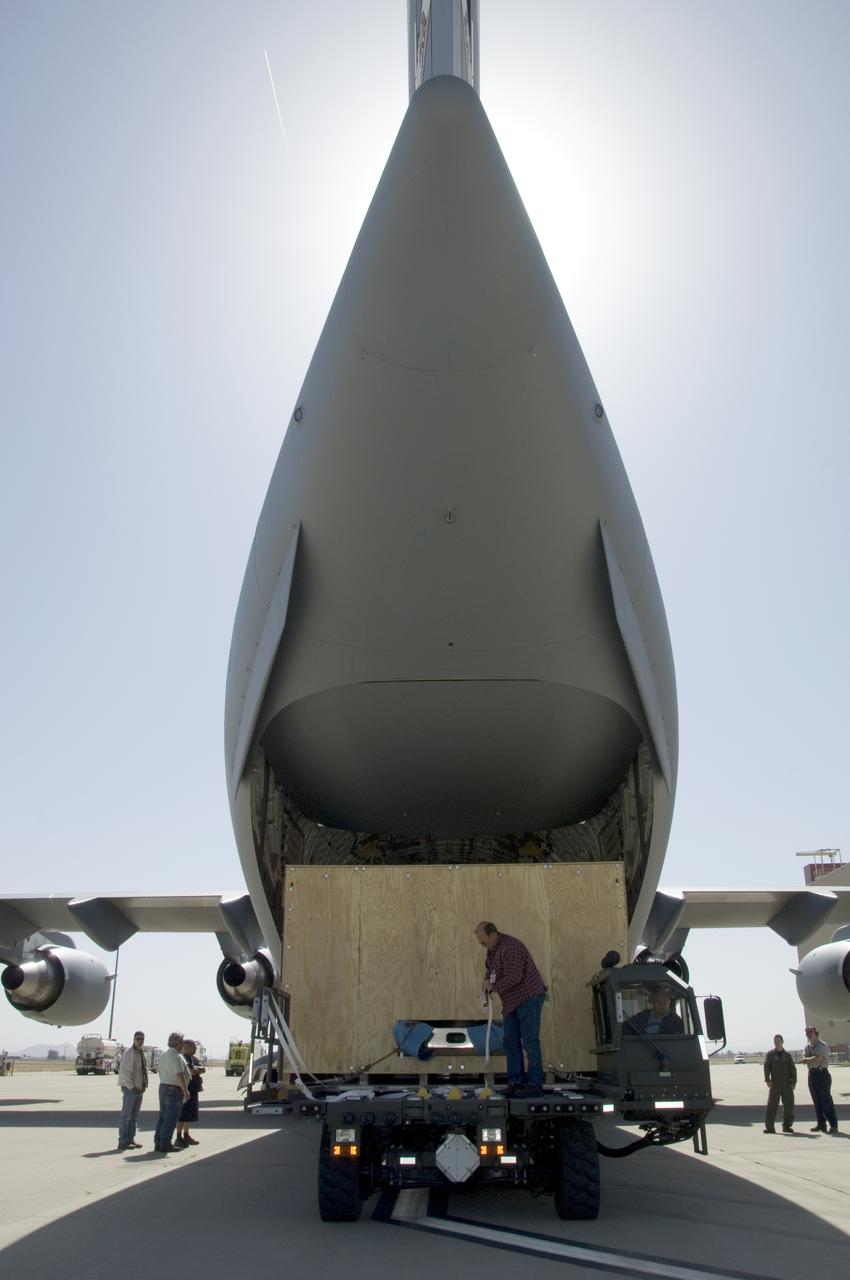
Technicians at NASA's Dryden Aircraft Operations Facility in Palmdale, Calif., loaded the German-built primary mirror assembly of the Stratospheric Observatory for Infrared Astronomy, or SOFIA, onto an Air Force C-17 for shipment to NASA's Ames Research Center on May 1, 2008. In preparation for the final finish coating of the mirror, the more than two-ton mirror assembly had been removed from its cavity in the rear fuselage of the highly modified SOFIA Boeing 747SP two weeks earlier. After arrival at NASA Ames at Moffett Field near Mountain View, Calif., the mirror would receive its aluminized finish coating before being re-installed in the SOFIA aircraft.
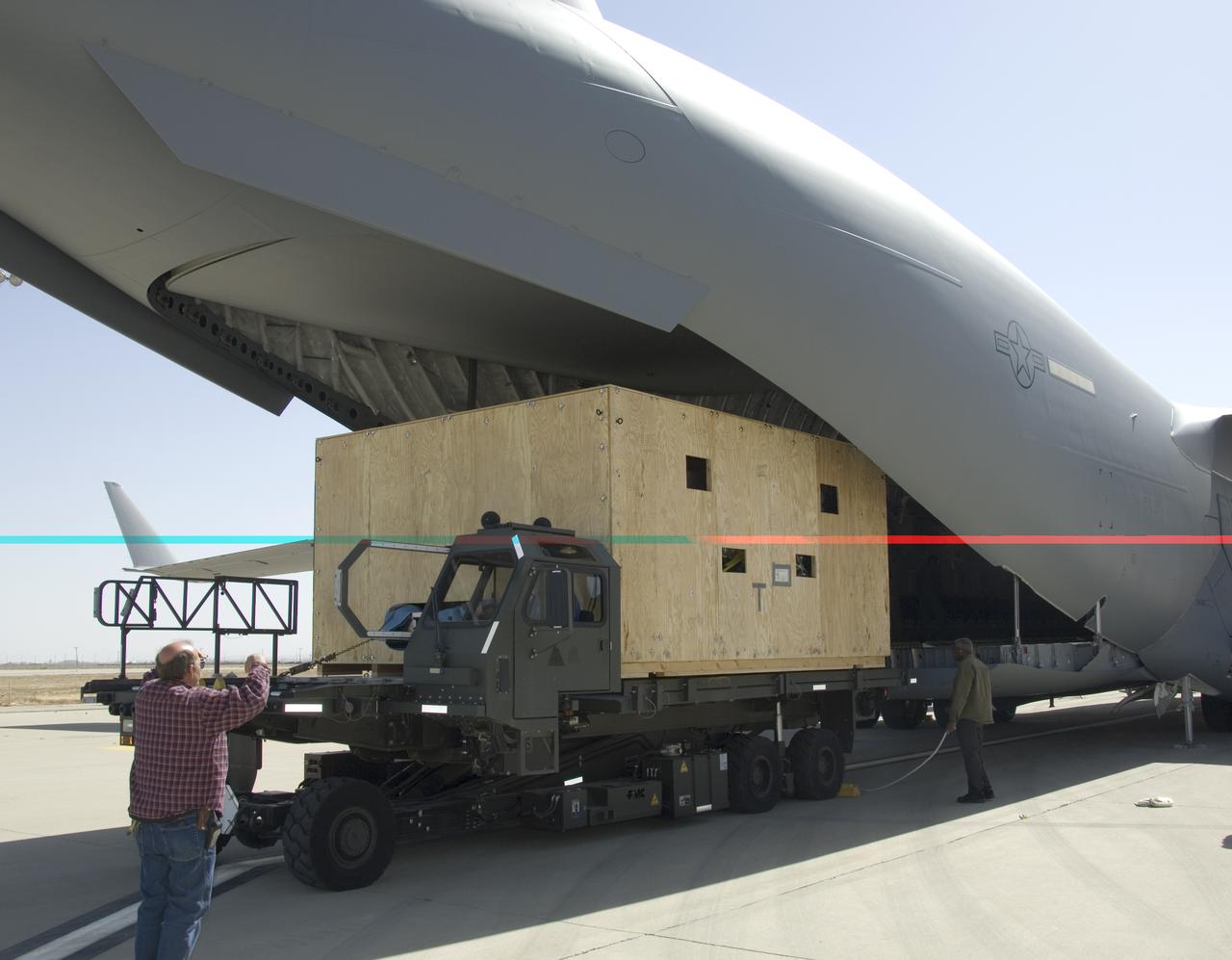
Technicians at NASA's Dryden Aircraft Operations Facility in Palmdale, Calif., loaded the German-built primary mirror assembly of the Stratospheric Observatory for Infrared Astronomy, or SOFIA, onto an Air Force C-17 for shipment to NASA's Ames Research Center on May 1, 2008. In preparation for the final finish coating of the mirror, the more than two-ton mirror assembly had been removed from its cavity in the rear fuselage of the highly modified SOFIA Boeing 747SP two weeks earlier. After arrival at NASA Ames at Moffett Field near Mountain View, Calif., the mirror would receive its aluminized finish coating before being re-installed in the SOFIA aircraft.
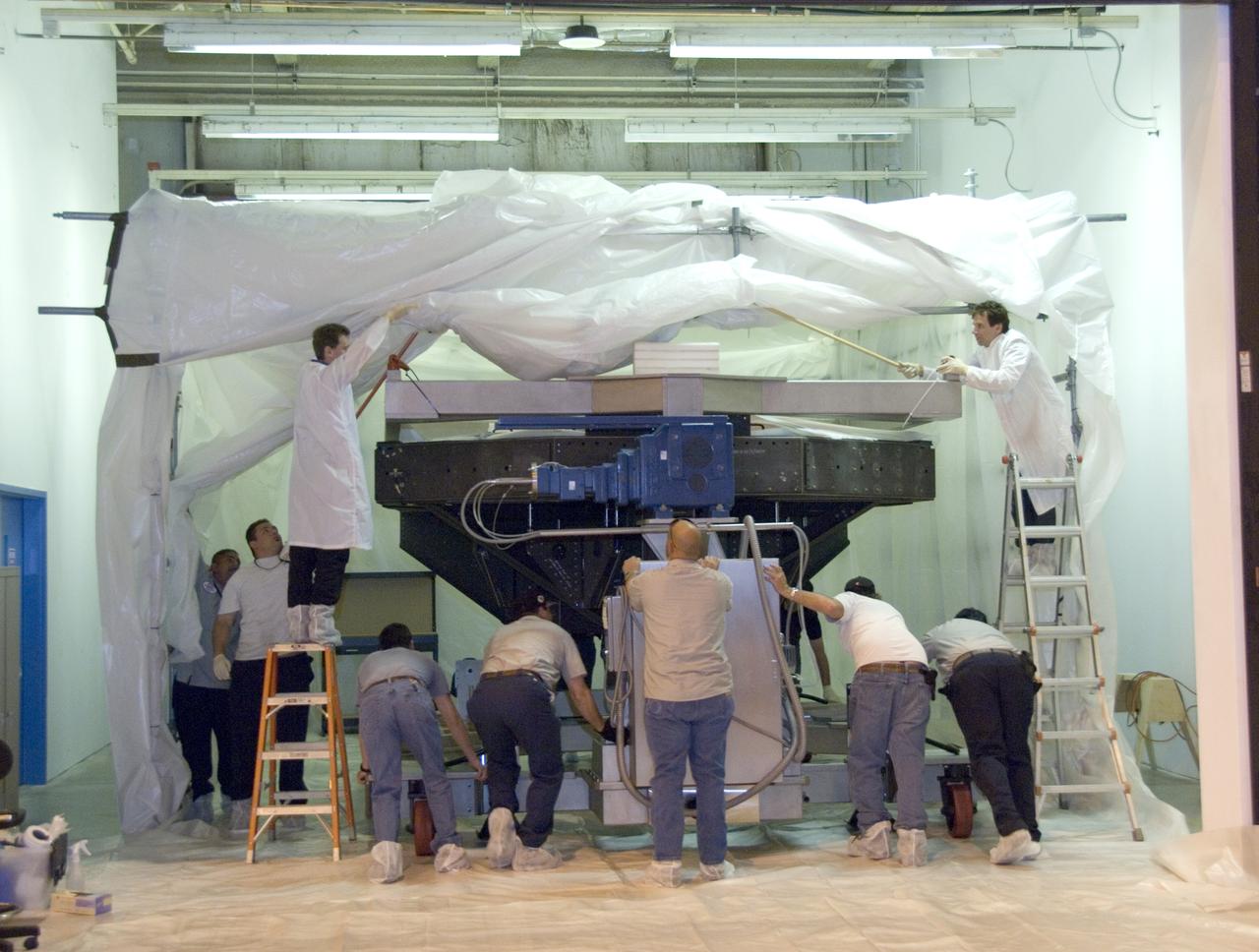
Technicians at the NASA Dryden Aircraft Operations Facility in Palmdale, Calif., removed the German-built primary mirror assembly from the Stratospheric Observatory for Infrared Astronomy, or SOFIA, April 18, 2008 in preparation for the final finish coating of the mirror. A precision crane lifted the more than two-ton mirror assembly from its cavity in the rear fuselage of the highly modified Boeing 747SP. The assembly was then secured in its transport dolly and moved to a clean room where it was prepared for shipment to NASA Ames Research Center at Moffett Field near Mountain View, Calif. where it would receive its aluminized finish coating before being re-installed in the SOFIA aircraft.
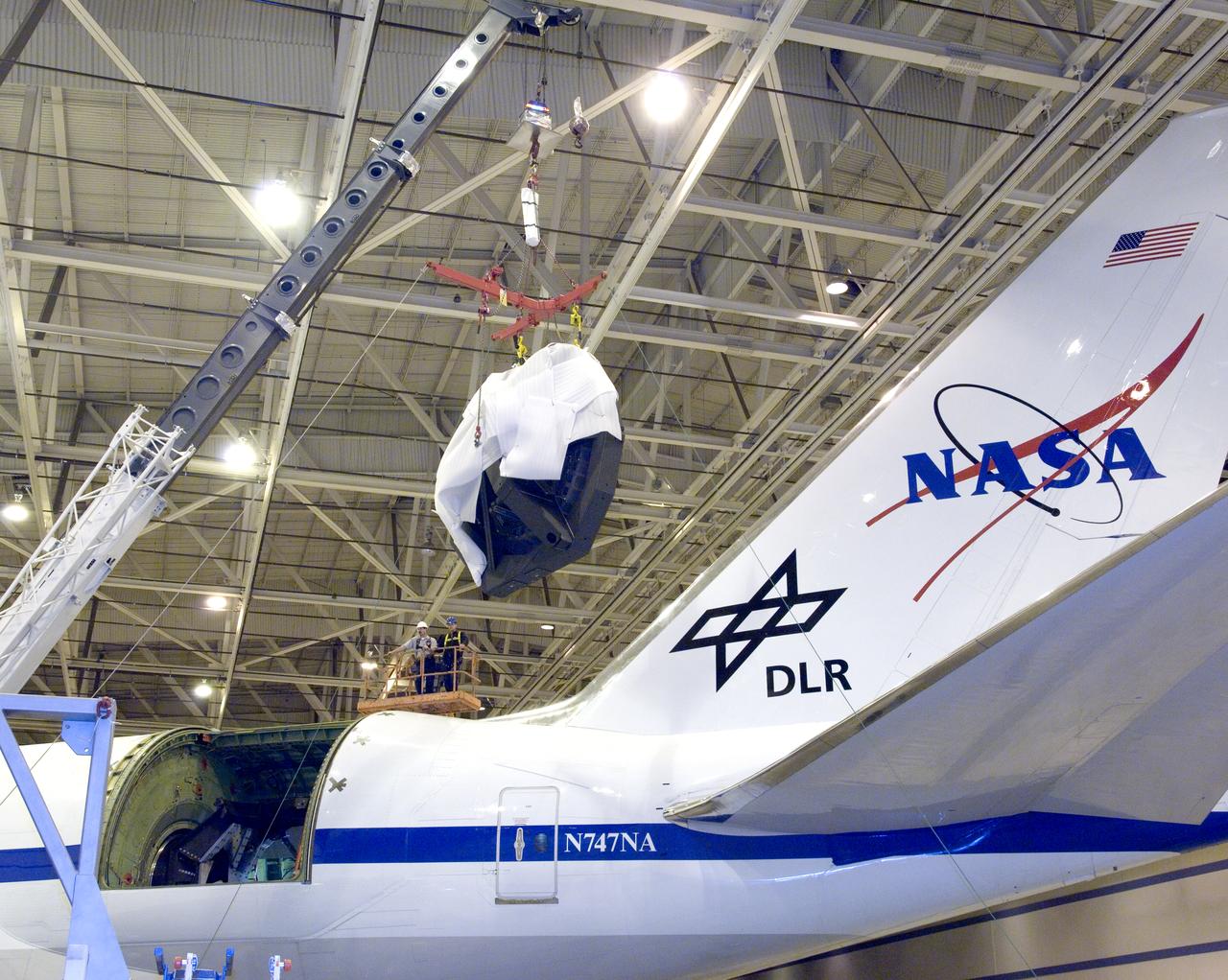
Technicians at the NASA Dryden Aircraft Operations Facility in Palmdale, Calif., removed the German-built primary mirror assembly from the Stratospheric Observatory for Infrared Astronomy, or SOFIA, April 18, 2008 in preparation for the final finish coating of the mirror. A precision crane lifted the more than two-ton mirror assembly from its cavity in the rear fuselage of the highly modified Boeing 747SP. The assembly was then secured in its transport dolly and moved to a clean room where it was prepared for shipment to NASA Ames Research Center at Moffett Field near Mountain View, Calif. where it would receive its aluminized finish coating before being re-installed in the SOFIA aircraft.
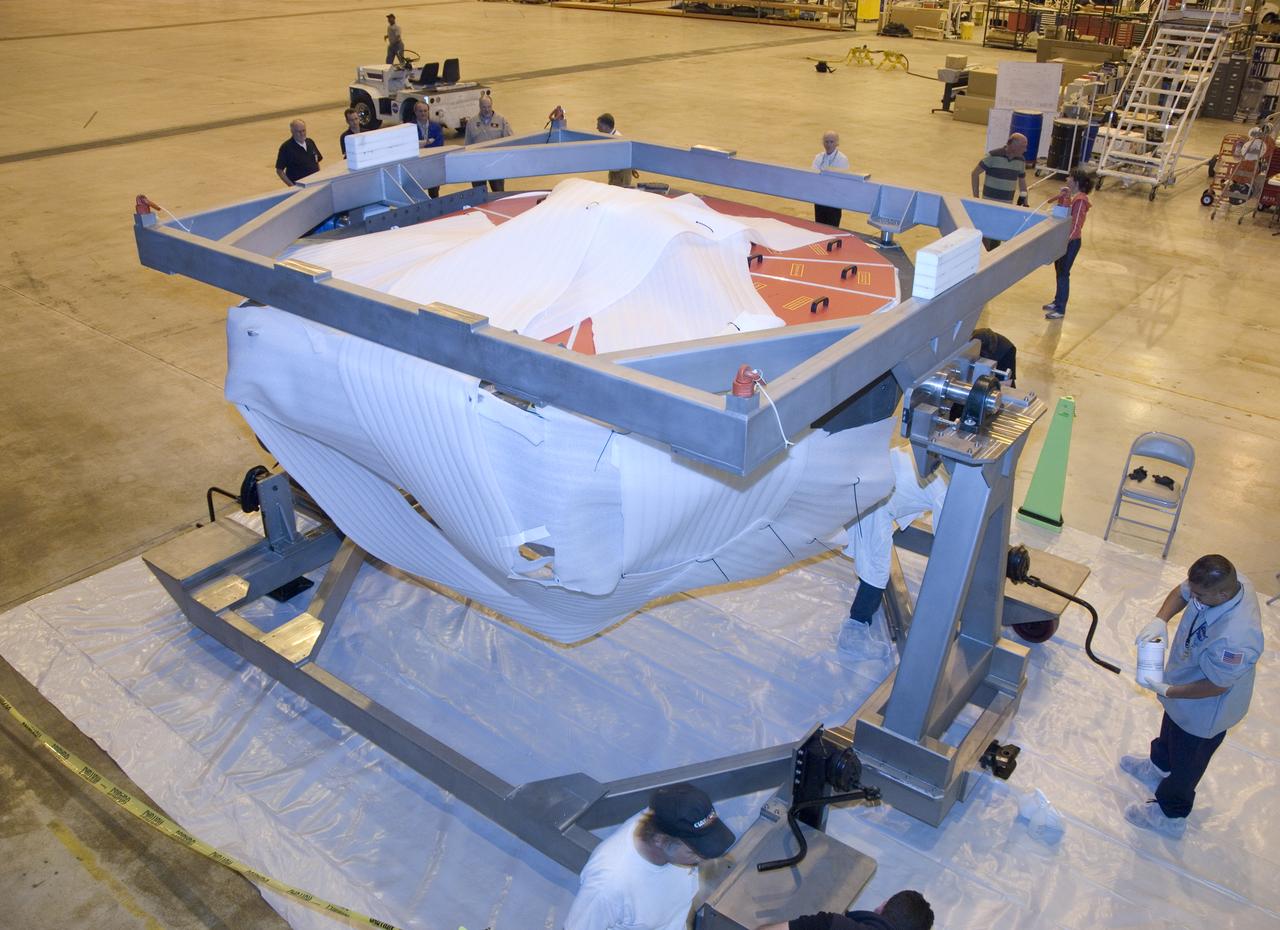
Technicians at the NASA Dryden Aircraft Operations Facility in Palmdale, Calif., removed the German-built primary mirror assembly from the Stratospheric Observatory for Infrared Astronomy, or SOFIA, April 18, 2008 in preparation for the final finish coating of the mirror. A precision crane lifted the more than two-ton mirror assembly from its cavity in the rear fuselage of the highly modified Boeing 747SP. The assembly was then secured in its transport dolly and moved to a clean room where it was prepared for shipment to NASA Ames Research Center at Moffett Field near Mountain View, Calif. where it would receive its aluminized finish coating before being re-installed in the SOFIA aircraft.
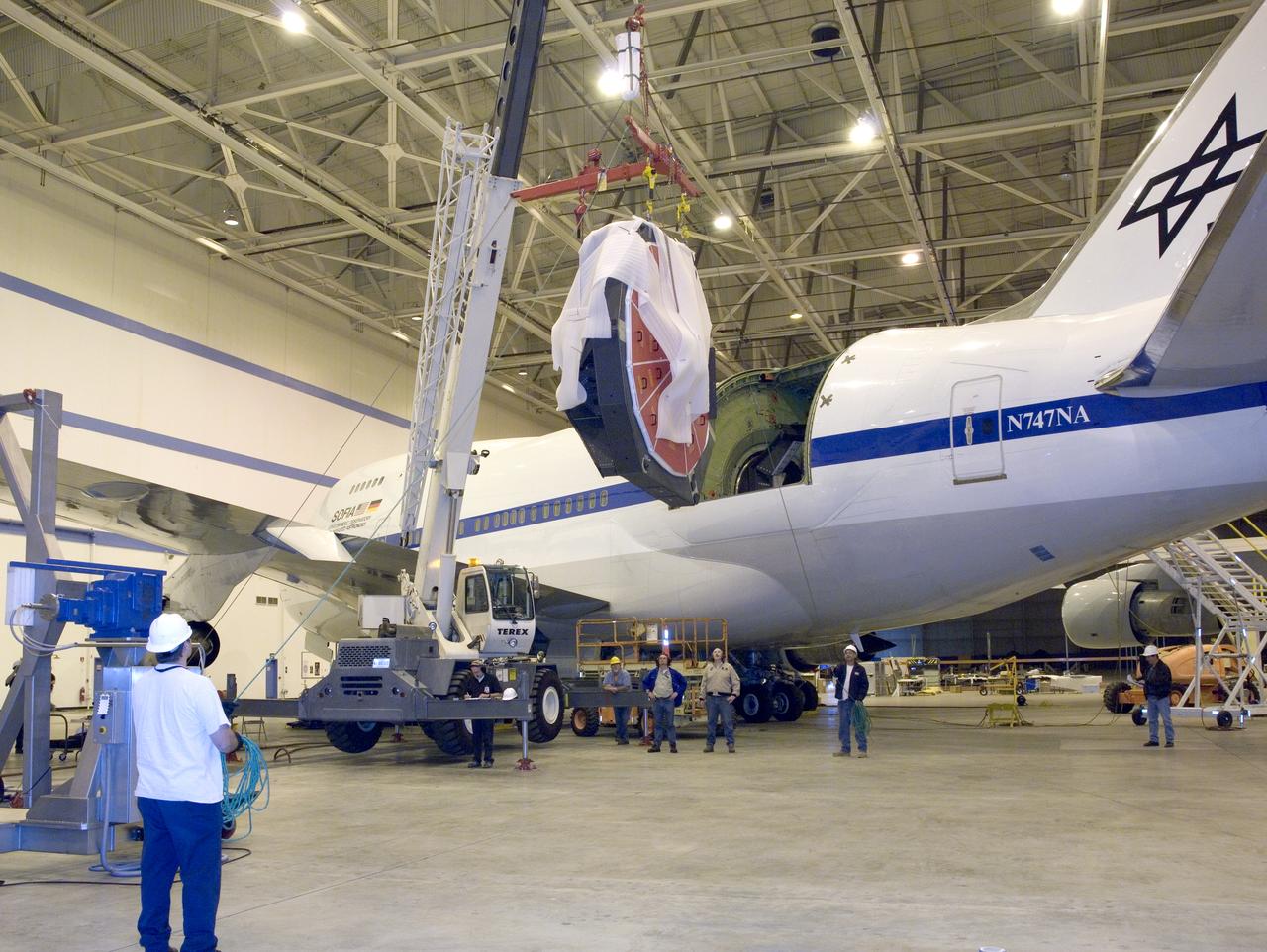
Technicians at the NASA Dryden Aircraft Operations Facility in Palmdale, Calif., removed the German-built primary mirror assembly from the Stratospheric Observatory for Infrared Astronomy, or SOFIA, April 18, 2008 in preparation for the final finish coating of the mirror. A precision crane lifted the more than two-ton mirror assembly from its cavity in the rear fuselage of the highly modified Boeing 747SP. The assembly was then secured in its transport dolly and moved to a clean room where it was prepared for shipment to NASA Ames Research Center at Moffett Field near Mountain View, Calif. where it would receive its aluminized finish coating before being re-installed in the SOFIA aircraft.
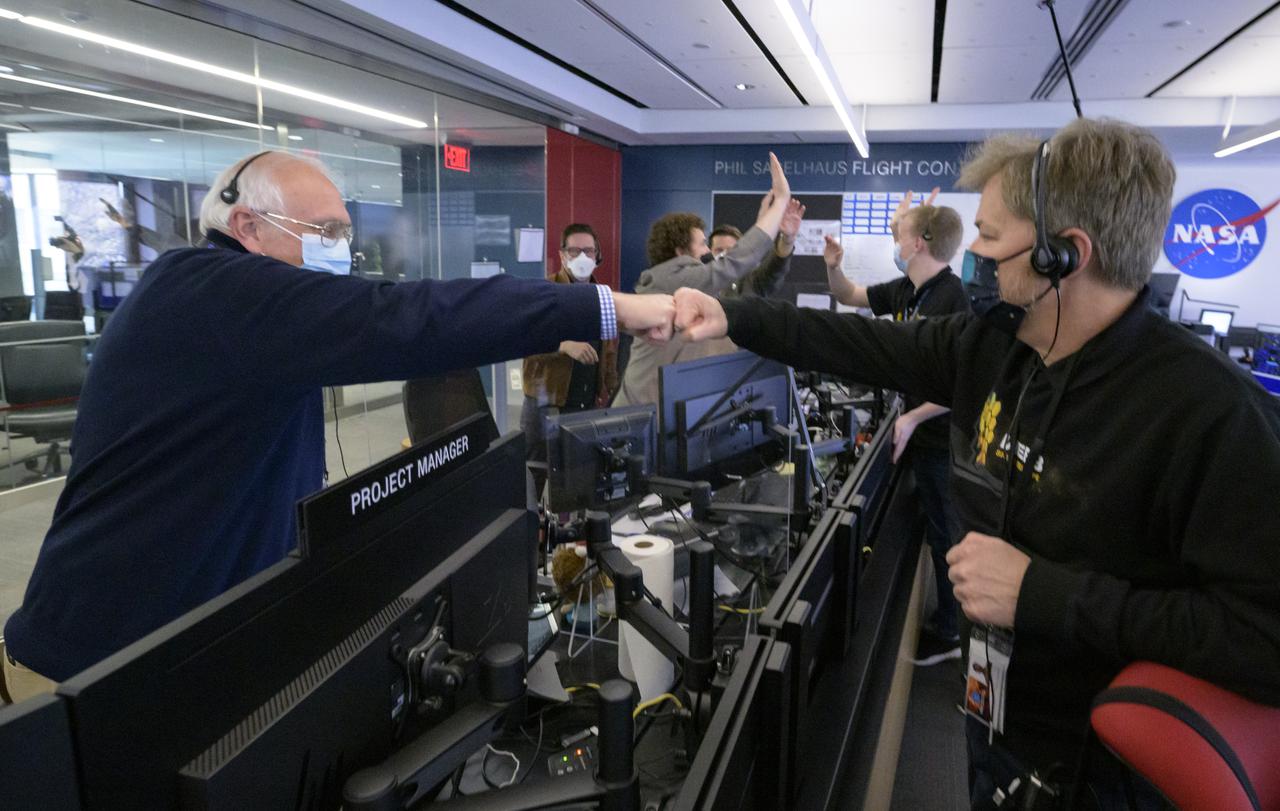
NASA James Webb Space Telescope Project Manager Bill Ochs, left, NASA James Webb Space Telescope Commissioning Manager John Durning, right and others from the operations team celebrate, Saturday, Jan. 8, 2022, at the Space Telescope Science Institute in Baltimore, after confirming that the observatory’s final primary mirror wing successfully extended and locked into place. With Webb’s 21.3-foot (6.5-meter) primary mirror fully deployed, the infrared observatory has completed its unprecedented process of unfolding in space to prepare for science operations. The observatory will study every phase of cosmic history—from within our solar system to the most distant observable galaxies in the early universe. Photo Credit: (NASA/Bill Ingalls)
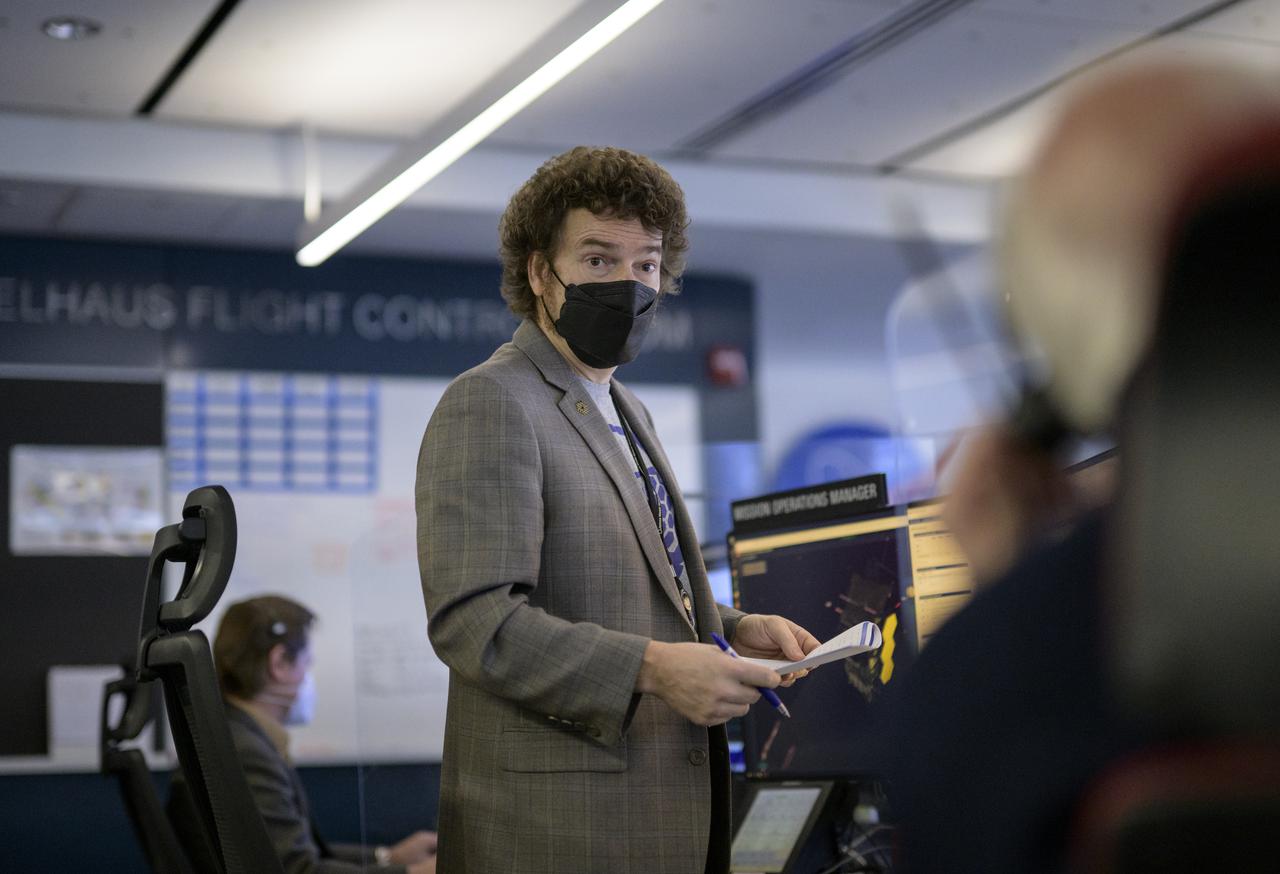
NASA James Webb Space Telescope Mission Operations Manager Carl Starr monitors the progress of the Webb observatory as it’s second primary mirror wing is prepared to rotate into position, Saturday, Jan. 8, 2022, from NASA’s James Webb Space Telescope Mission Operations Center at the Space Telescope Science Institute in Baltimore. Webb, an infrared telescope with a 21.3-foot (6.5-meter) primary mirror, was folded up for launch and underwent an unprecedented deployment process to unfold in space. As NASA's next flagship observatory, Webb will study every phase of cosmic history—from within our solar system to the most distant observable galaxies in the early universe. Photo Credit: (NASA/Bill Ingalls)
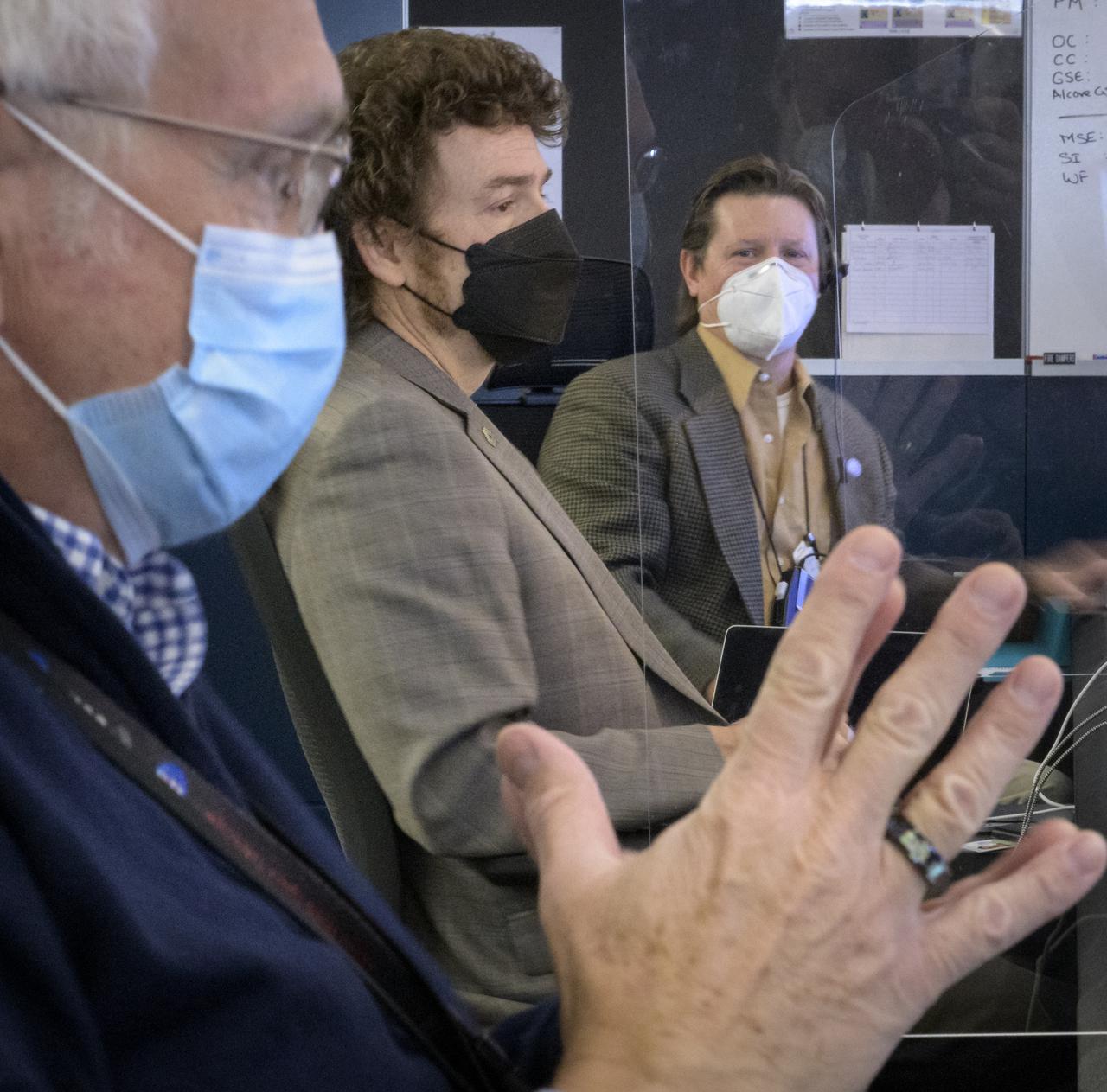
NASA James Webb Space Telescope Mission Operations Engineer Kenny McKenzie, background, NASA James Webb Space Telescope Mission Operations Manager Carl Starr, middle, and NASA James Webb Space Telescope Project Manager Bill Ochs, monitor the progress of the Webb observatory as it’s second primary mirror wing is prepared to rotate into position, Saturday, Jan. 8, 2022, from NASA’s James Webb Space Telescope Mission Operations Center at the Space Telescope Science Institute in Baltimore. Webb, an infrared telescope with a 21.3-foot (6.5-meter) primary mirror, was folded up for launch and underwent an unprecedented deployment process to unfold in space. As NASA's next flagship observatory, Webb will study every phase of cosmic history—from within our solar system to the most distant observable galaxies in the early universe. Photo Credit: (NASA/Bill Ingalls)
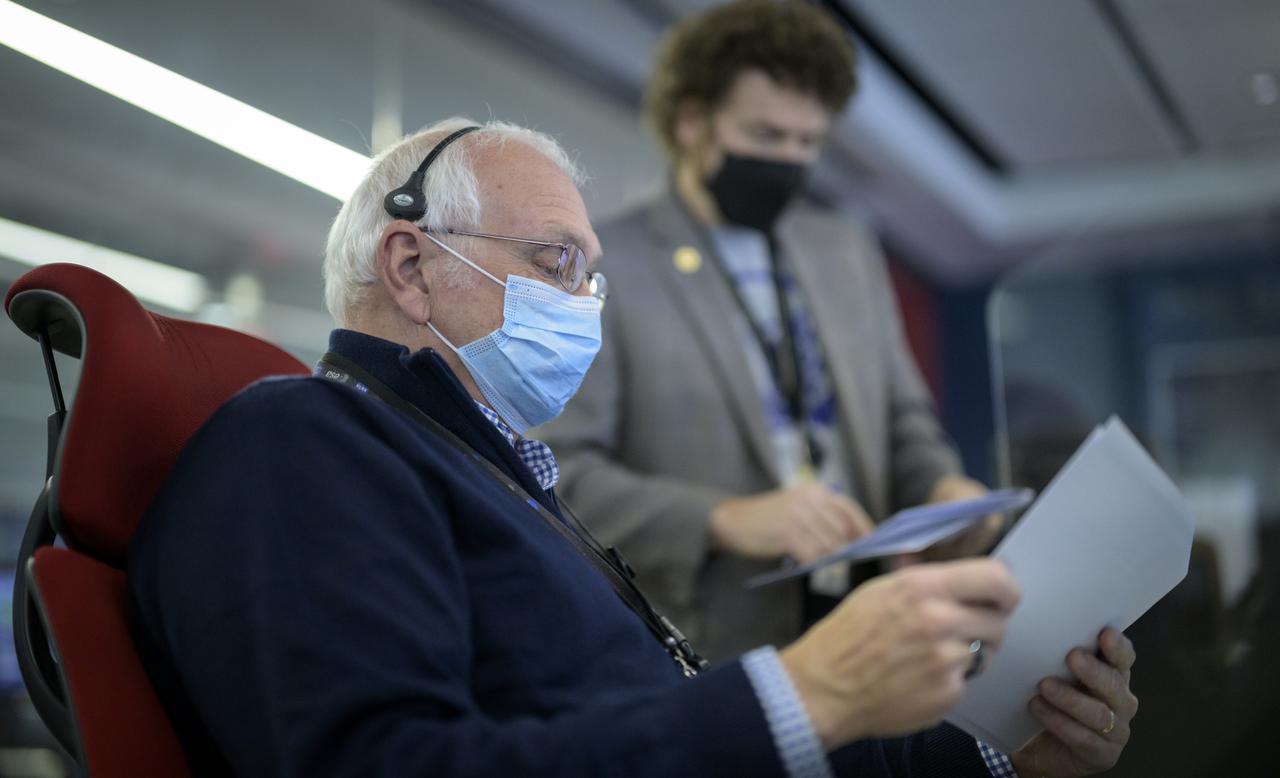
NASA James Webb Space Telescope Project Manager Bill Ochs, left, and NASA James Webb Space Telescope Mission Operations Manager Carl Starr, monitor the progress of the Webb observatory as it’s second primary mirror wing is prepared to rotate into position, Saturday, Jan. 8, 2022, from NASA’s James Webb Space Telescope Mission Operations Center at the Space Telescope Science Institute in Baltimore. Webb, an infrared telescope with a 21.3-foot (6.5-meter) primary mirror, was folded up for launch and underwent an unprecedented deployment process to unfold in space. As NASA's next flagship observatory, Webb will study every phase of cosmic history—from within our solar system to the most distant observable galaxies in the early universe. Photo Credit: (NASA/Bill Ingalls)
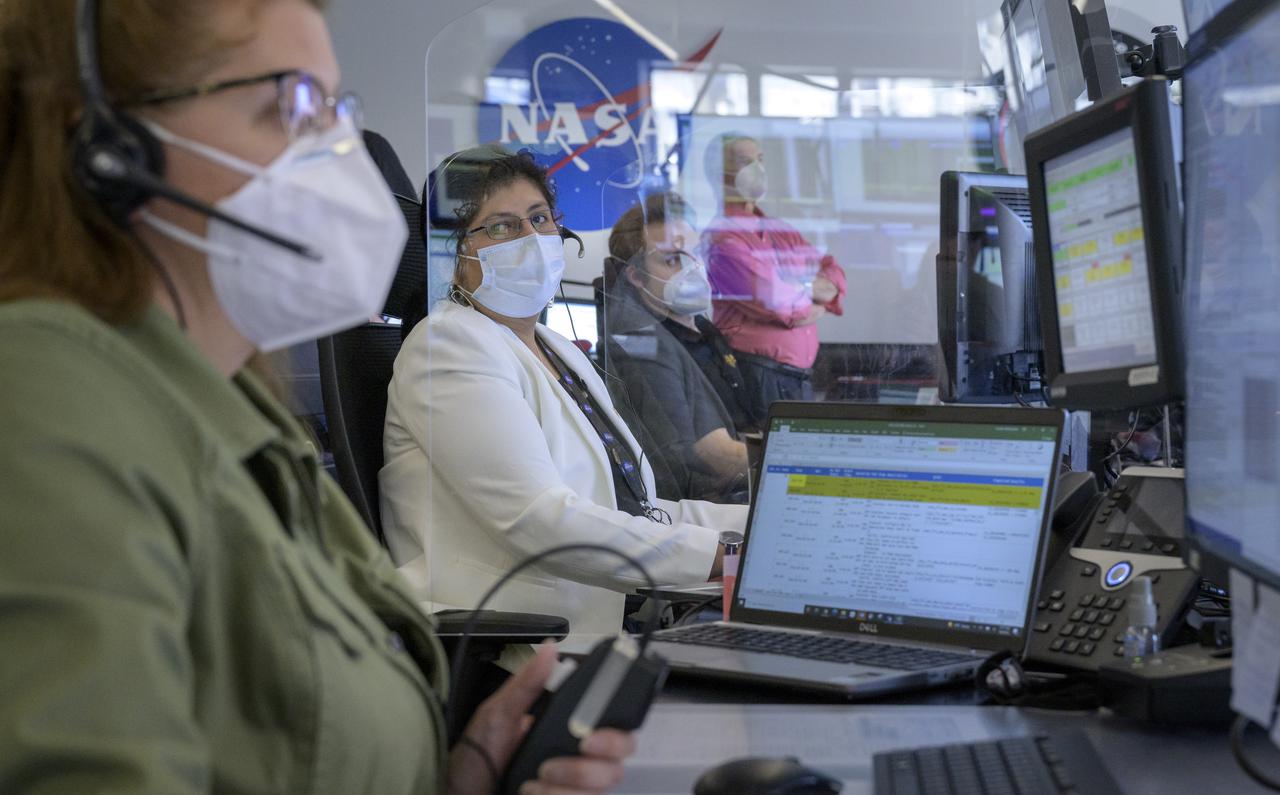
NASA James Webb Space Telescope Operations Controller Irma Quispe, 2nd from left, and other mission team members, monitor the progress of the Webb observatory as it’s second primary mirror wing is rotated into position, Saturday, Jan. 8, 2022, from NASA’s James Webb Space Telescope Mission Operations Center at the Space Telescope Science Institute in Baltimore. Webb, an infrared telescope with a 21.3-foot (6.5-meter) primary mirror, was folded up for launch and underwent an unprecedented deployment process to unfold in space. As NASA's next flagship observatory, Webb will study every phase of cosmic history—from within our solar system to the most distant observable galaxies in the early universe. Photo Credit: (NASA/Bill Ingalls)
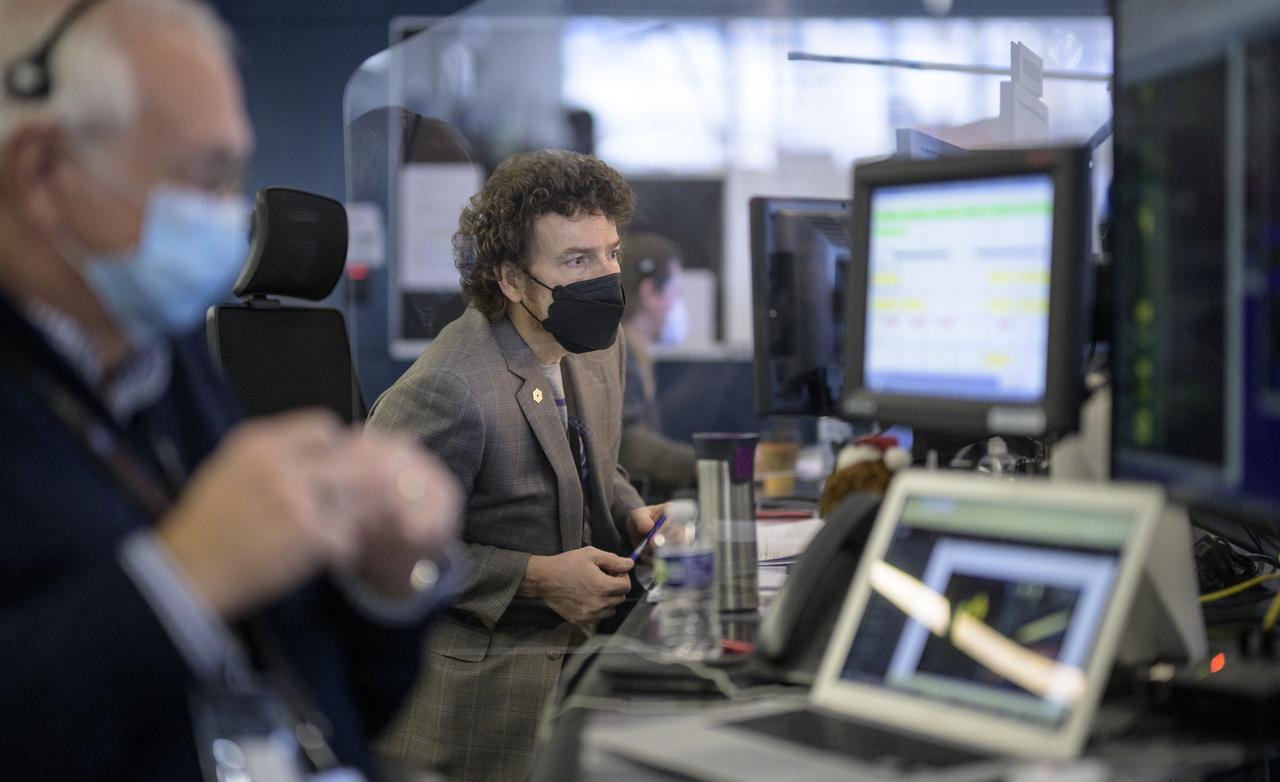
NASA James Webb Space Telescope Mission Operations Manager Carl Starr monitors the progress of the Webb observatory as it’s second primary mirror wing is prepared to rotate into position, Saturday, Jan. 8, 2022, from NASA’s James Webb Space Telescope Mission Operations Center at the Space Telescope Science Institute in Baltimore. Webb, an infrared telescope with a 21.3-foot (6.5-meter) primary mirror, was folded up for launch and underwent an unprecedented deployment process to unfold in space. As NASA's next flagship observatory, Webb will study every phase of cosmic history—from within our solar system to the most distant observable galaxies in the early universe. Photo Credit: (NASA/Bill Ingalls)
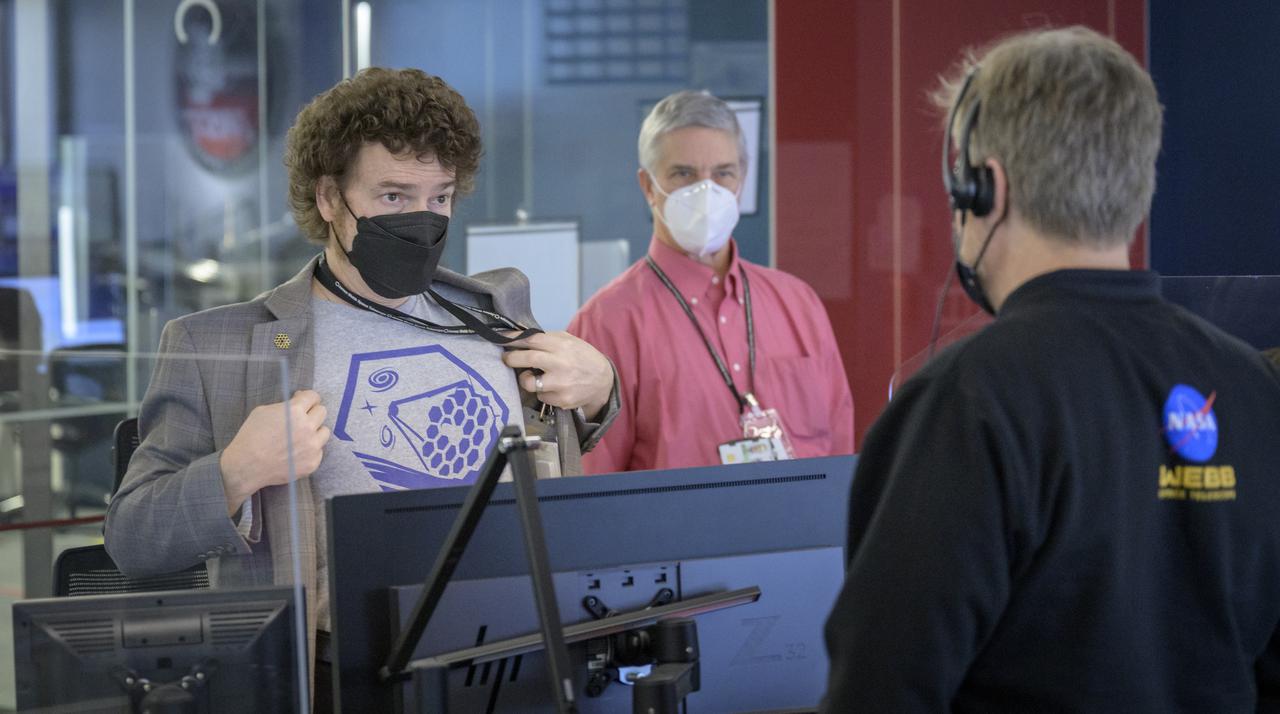
NASA James Webb Space Telescope Mission Operations Manager Carl Starr, left, shows his Webb shirt to NASA James Webb Space Telescope Commissioning Manager John Durning, right, as they prepare to monitor the progress of the observatory’s second primary mirror wing rotating into position, Saturday, Jan. 8, 2022, at NASA’s James Webb Space Telescope Mission Operations Center at the Space Telescope Science Institute in Baltimore. Webb, an infrared telescope with a 21.3-foot (6.5-meter) primary mirror, was folded up for launch and underwent an unprecedented deployment process to unfold in space. As NASA's next flagship observatory, Webb will study every phase of cosmic history—from within our solar system to the most distant observable galaxies in the early universe. Photo Credit: (NASA/Bill Ingalls)
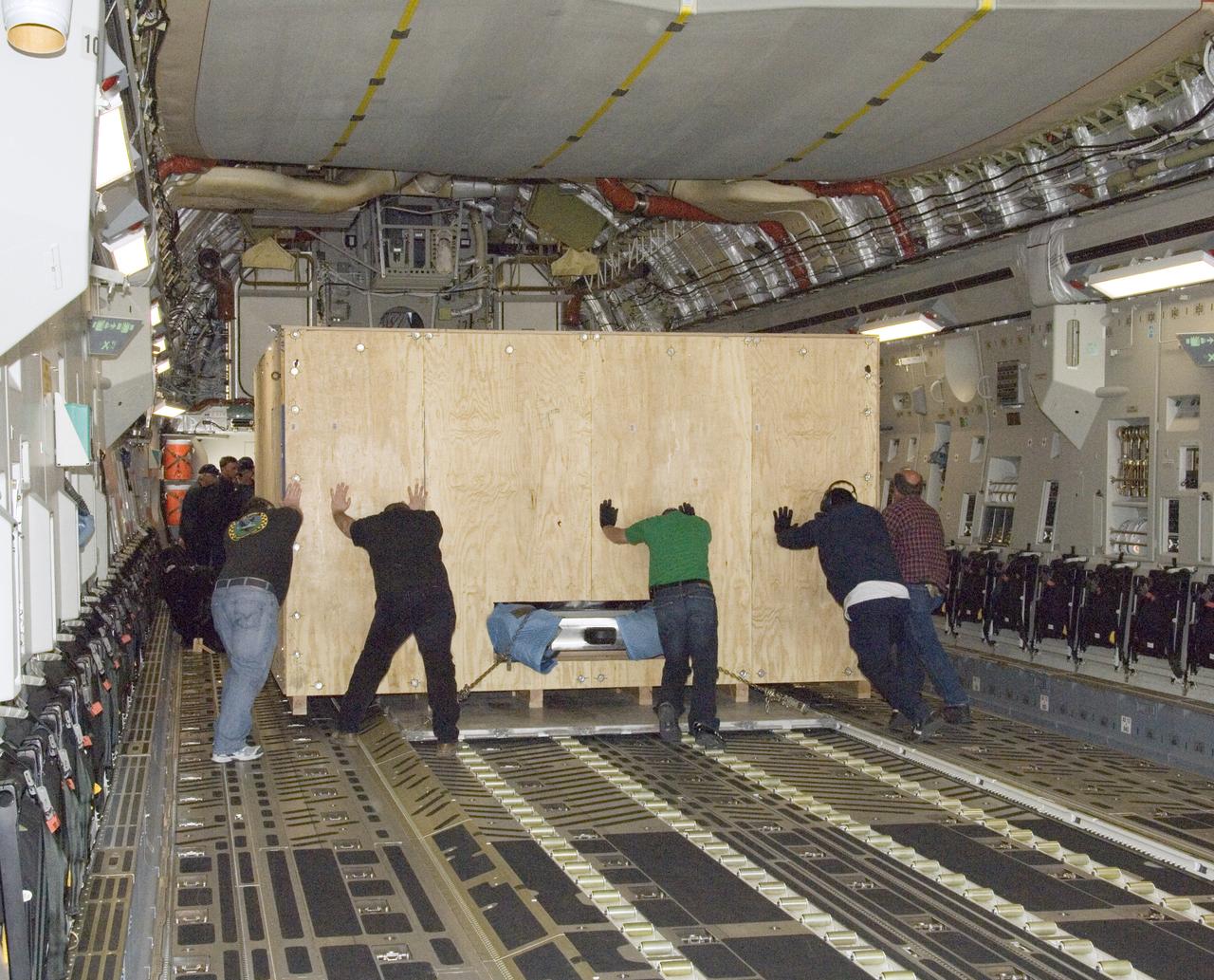
Technicians at NASA's Dryden Aircraft Operations Facility in Palmdale, Calif., loaded the German-built primary mirror assembly of the Stratospheric Observatory for Infrared Astronomy, or SOFIA, onto an Air Force C-17 for shipment to NASA's Ames Research Center on May 1, 2008. In preparation for the final finish coating of the mirror, the more than two-ton mirror assembly had been removed from its cavity in the rear fuselage of the highly modified SOFIA Boeing 747SP two weeks earlier. After arrival at NASA Ames at Moffett Field near Mountain View, Calif., the mirror would receive its aluminized finish coating before being re-installed in the SOFIA aircraft.
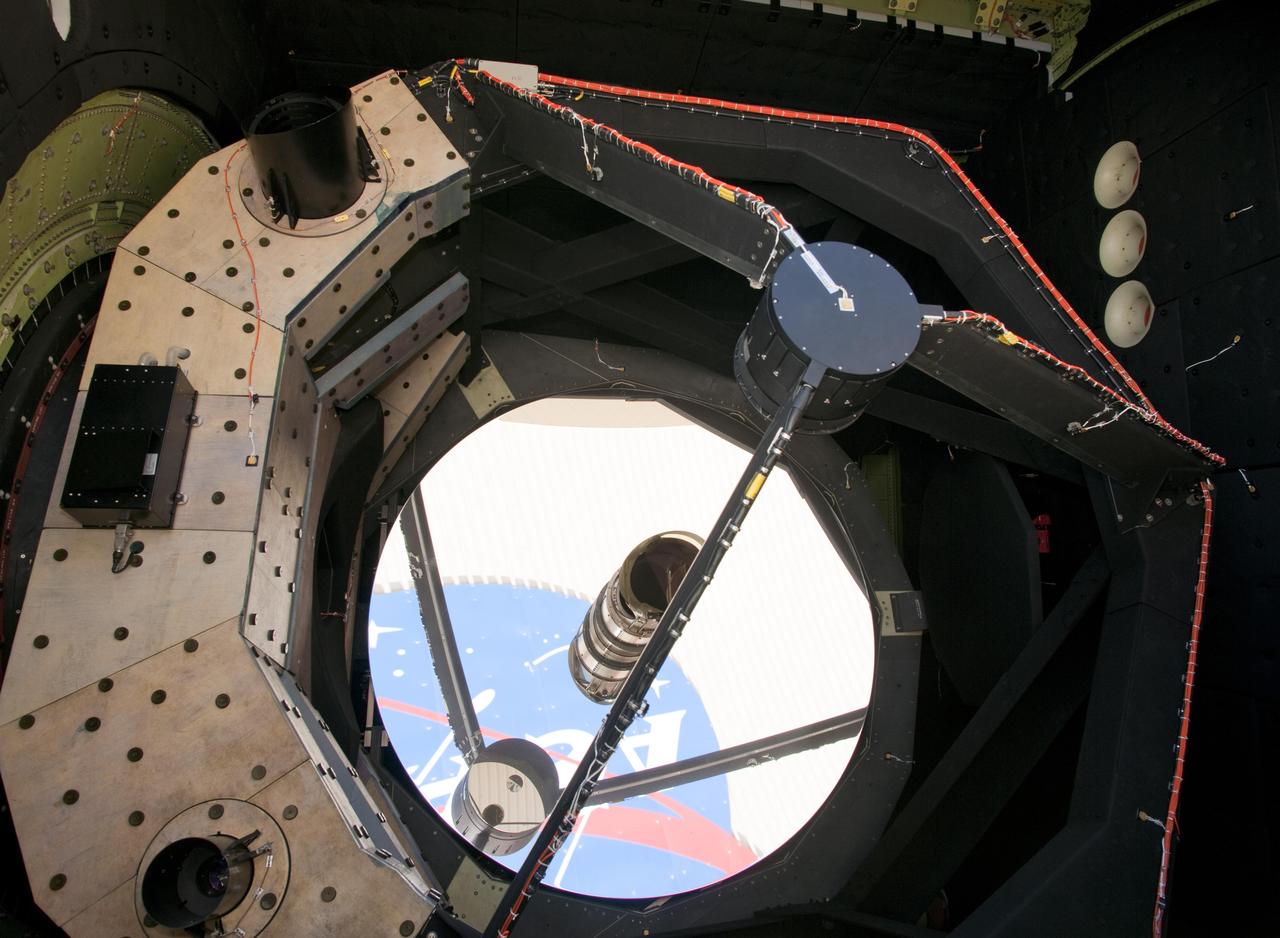
The NASA logo on Bldg. 703 at Armstrong Flight Research Center in Palmdale, Calif., is reflected in the telescope's 2.5-meter primary mirror.
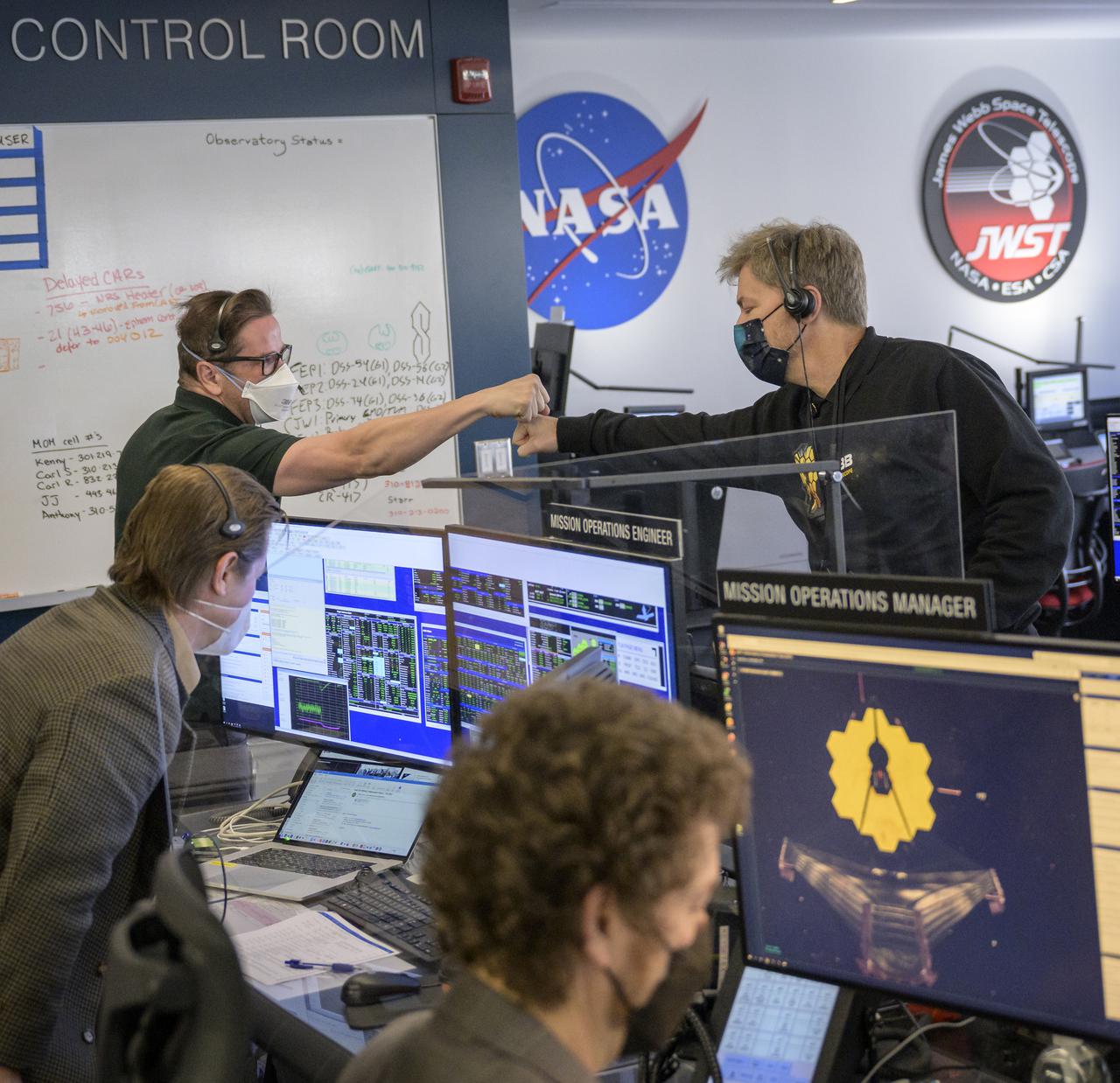
Engineering teams celebrate at the Space Telescope Science Institute in Baltimore as the second primary mirror wing of NASA’s James Webb Space Telescope unfolds, before beginning the process of latching the mirror wing into place, Saturday, Jan. 8, 2022. When fully latched, the infrared observatory will have completed its unprecedented process of unfolding in space to prepare for science operations. Webb will study every phase of cosmic history—from within our solar system to the most distant observable galaxies in the early universe. Photo Credit: (NASA/Bill Ingalls)
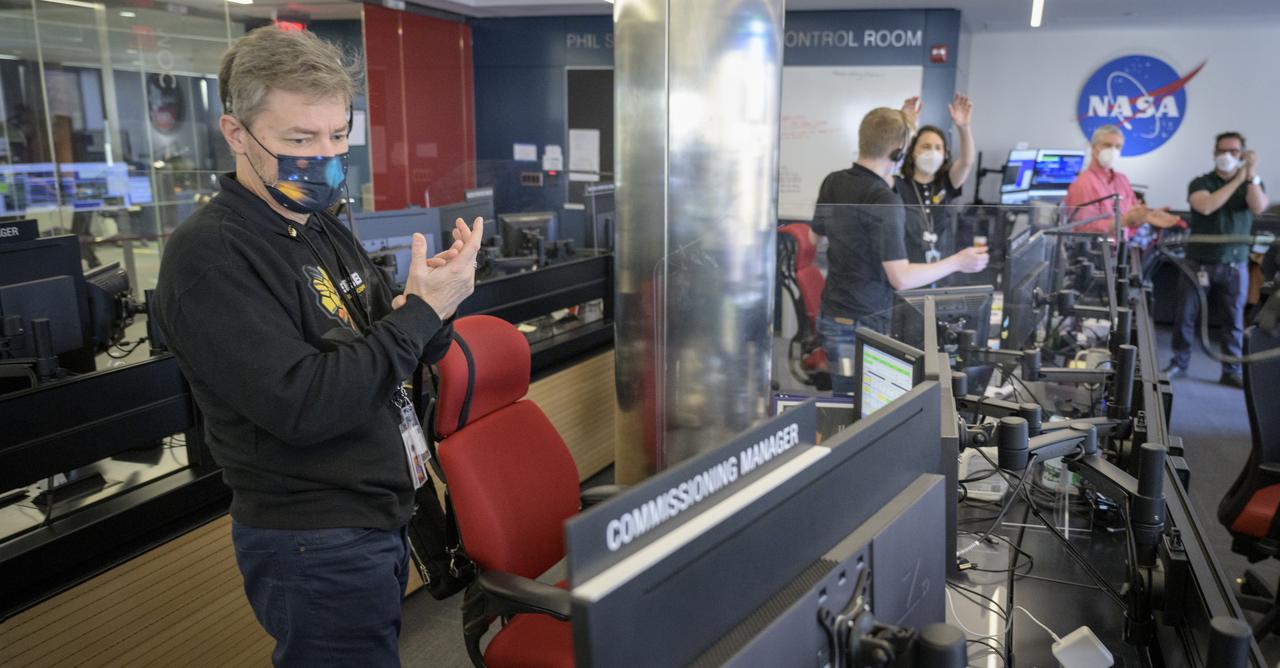
NASA James Webb Space Telescope Commissioning Manager John Durning, left, and engineering teams celebrate at the Space Telescope Science Institute in Baltimore as the second primary mirror wing of NASA’s James Webb Space Telescope unfolds, before beginning the process of latching the mirror wing into place, Saturday, Jan. 8, 2022. When fully latched, the infrared observatory will have completed its unprecedented process of unfolding in space to prepare for science operations. Webb will study every phase of cosmic history—from within our solar system to the most distant observable galaxies in the early universe. Photo Credit: (NASA/Bill Ingalls)
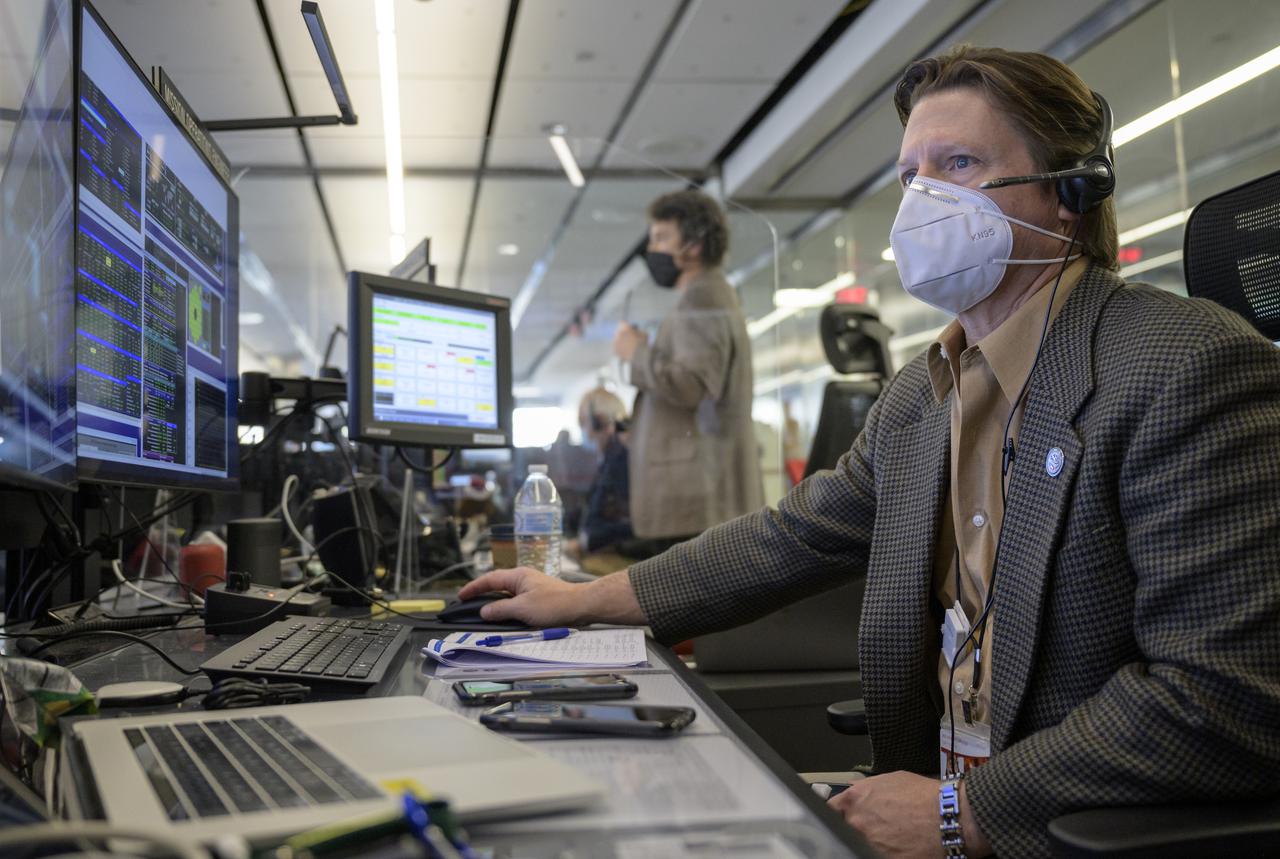
NASA James Webb Space Telescope Mission Operations Engineer Kenny McKenzie monitors the progress of Webb’s second primary mirror wing latching, Saturday, Jan. 8, 2022, in Baltimore. When fully latched, the infrared observatory will have completed its unprecedented process of unfolding in space to prepare for science operations. Webb will study every phase of cosmic history—from within our solar system to the most distant observable galaxies in the early universe. Photo Credit: (NASA/Bill Ingalls)
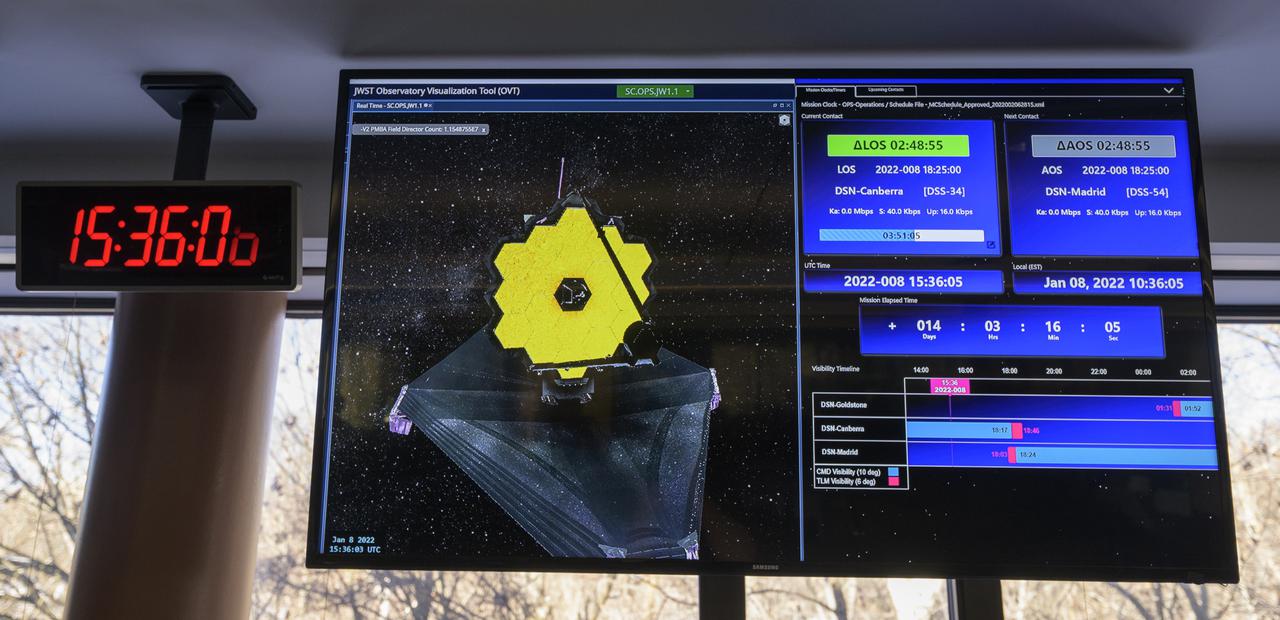
A monitor in the NASA James Webb Space Telescope flight control room of the Space Telescope Science Institute shows the progress of the second primary mirror wing latching on the Webb observatory, Saturday, Jan. 8, 2022, in Baltimore. When fully latched, the infrared observatory will have completed its unprecedented process of unfolding in space to prepare for science operations. Webb will study every phase of cosmic history—from within our solar system to the most distant observable galaxies in the early universe. Photo Credit: (NASA/Bill Ingalls)
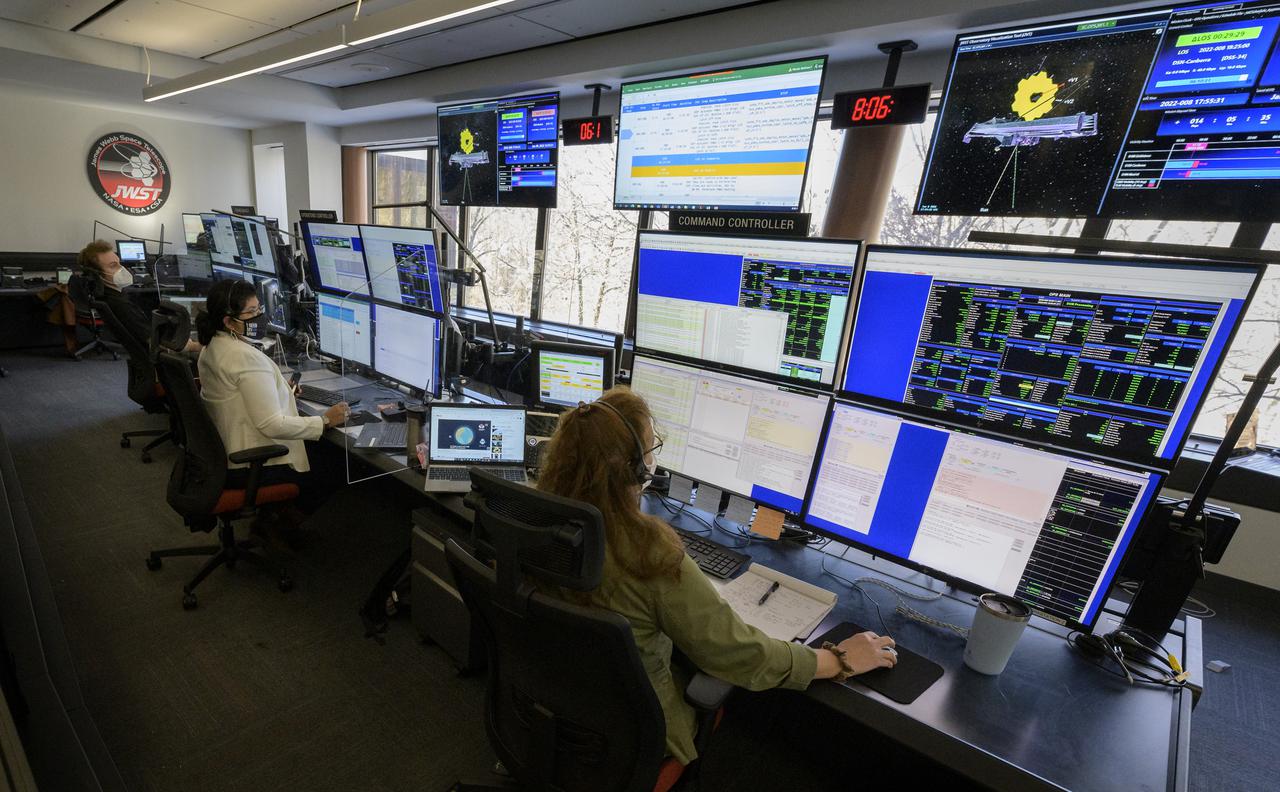
NASA James Webb Space Telescope Mission team members monitor the progress of Webb’s second primary mirror wing latching, Saturday, Jan. 8, 2022, in Baltimore. When fully latched, the infrared observatory will have completed its unprecedented process of unfolding in space to prepare for science operations. Webb will study every phase of cosmic history—from within our solar system to the most distant observable galaxies in the early universe. Photo Credit: (NASA/Bill Ingalls)
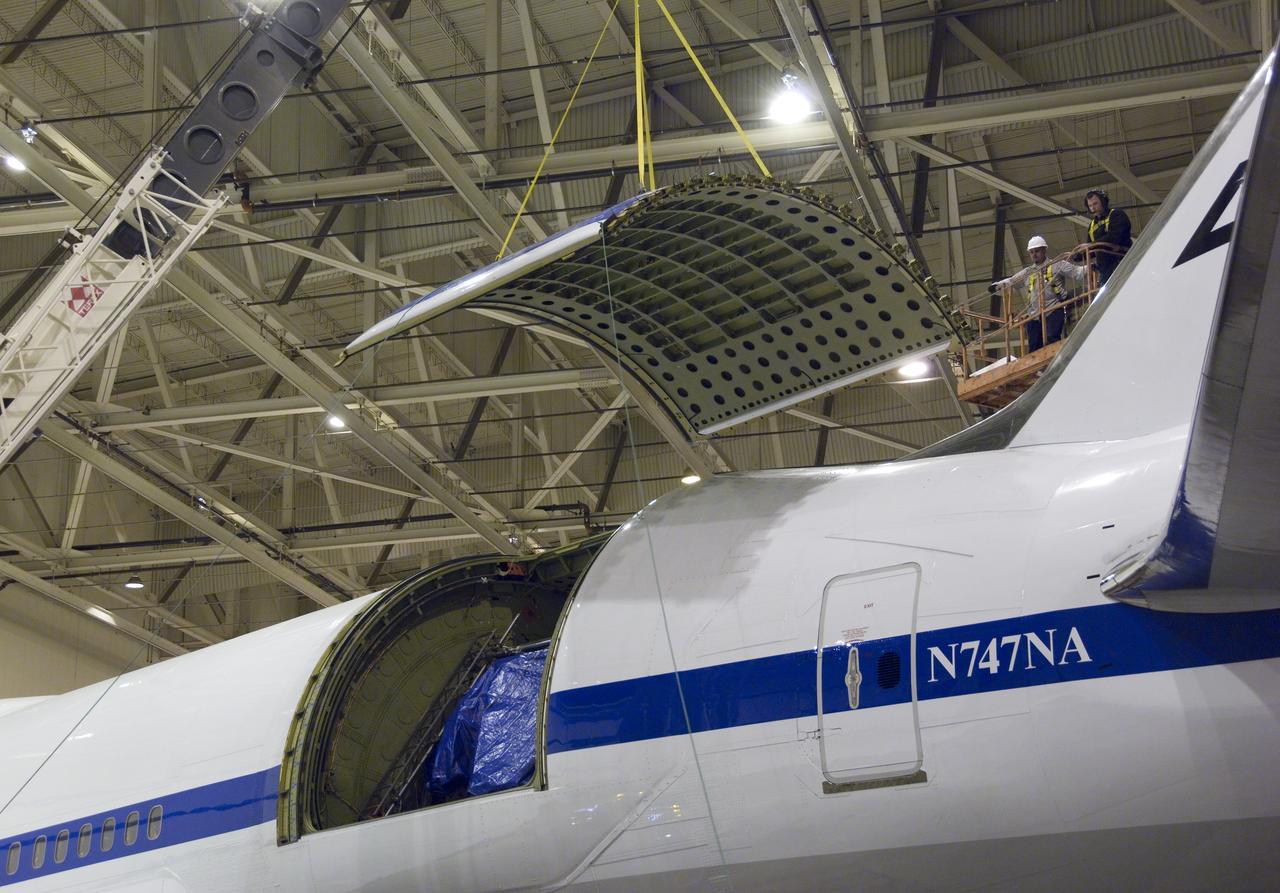
Technicians guide removal of the upper rigid door assembly that covers the telescope cavity on NASA's SOFIA 747SP in preparation for primary mirror removal.
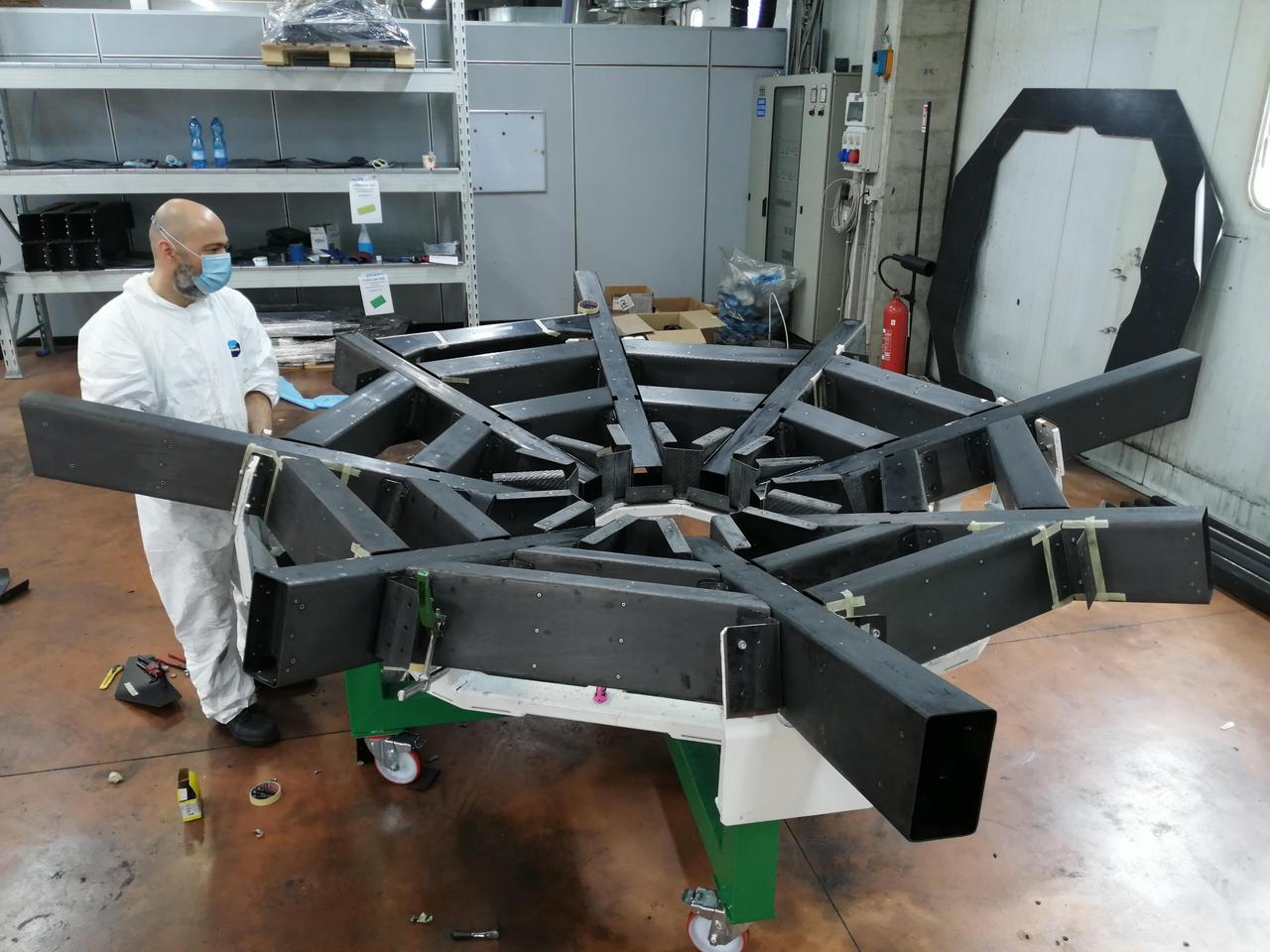
Known as the cradle, the structure that supports the primary mirror on NASA's Astrophysics Stratospheric Telescope for High Spectral Resolution Observations at Submillimeter-wavelengths mission, or ASTHROS, keeps the mirror panels aligned. Made from carbon fiber, it and must be both lightweight and extremely rigid. NASA contracted Media Lario, an optics company in Bosisio Parini, Italy, to design and produce ASTHROS' full telescope unit, including the primary mirror, a secondary mirror, and supporting structure (called the cradle). The cradle is shown here at Media Lario. The mission's main science goal is to study stellar feedback, the process by which living stars disperse and reshape clouds of gas and dust that may eventually form new stars. Feedback regulates star formation in many galaxies, and too much can halt star formation entirely. ASTHROS will look at several star-forming regions in our galaxy where feedback takes place, and at distant galaxies containing millions of stars to see how feedback plays out at large scales and in different environments. https://photojournal.jpl.nasa.gov/catalog/PIA25169
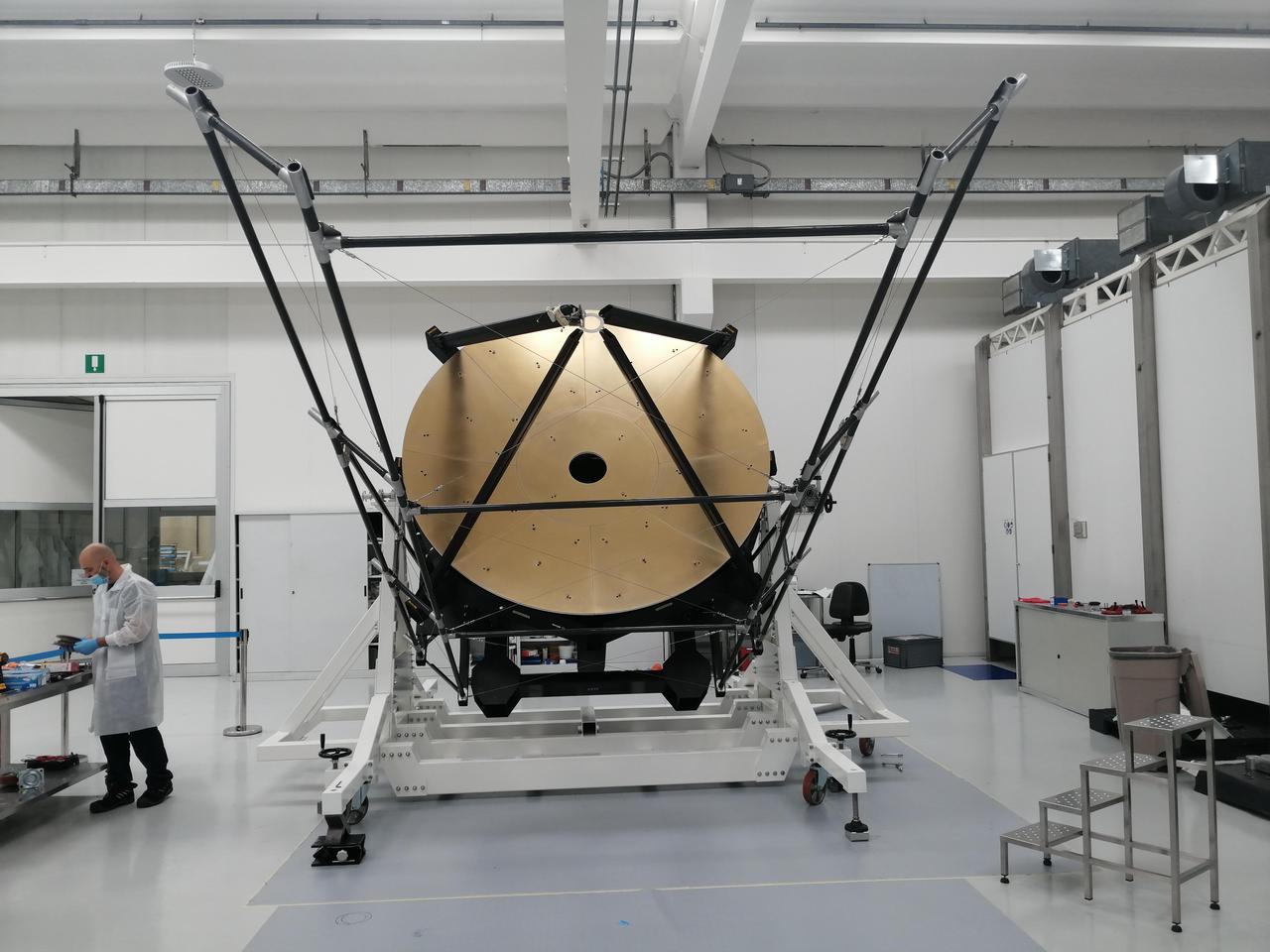
The 8.2-foot (2.5-meter) primary mirror on NASA's Astrophysics Stratospheric Telescope for High Spectral Resolution Observations at Submillimeter-wavelengths mission, or ASTHROS, is one of the largest to ever fly on a high-altitude balloon. The lightweight mirror, shown here, is coated in gold and nickel to make it more reflective in far-infrared wavelengths. NASA contracted Media Lario, an optics company in Bosisio Parini, Italy, to design and produce ASTHROS' full telescope unit, including the primary mirror, a secondary mirror, and supporting structure (called the cradle). The mirror is pictured at Media Lario. The mission's main science goal is to study stellar feedback, the process by which living stars disperse and reshape clouds of gas and dust that may eventually form new stars. Feedback regulates star formation in many galaxies, and too much can halt star formation entirely. ASTHROS will look at several star-forming regions in our galaxy where feedback takes place, and at distant galaxies containing millions of stars to see how feedback plays out at large scales and in different environments. https://photojournal.jpl.nasa.gov/catalog/PIA25166
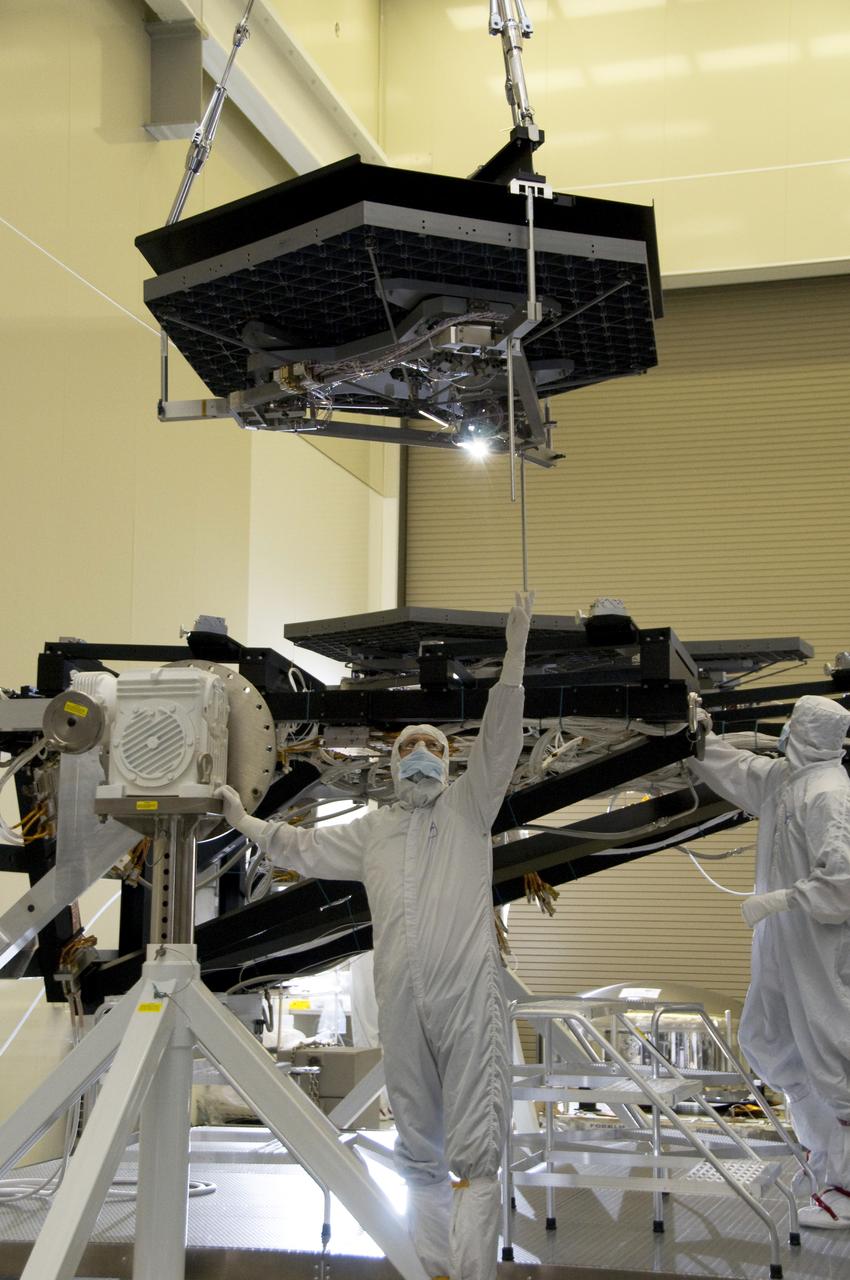
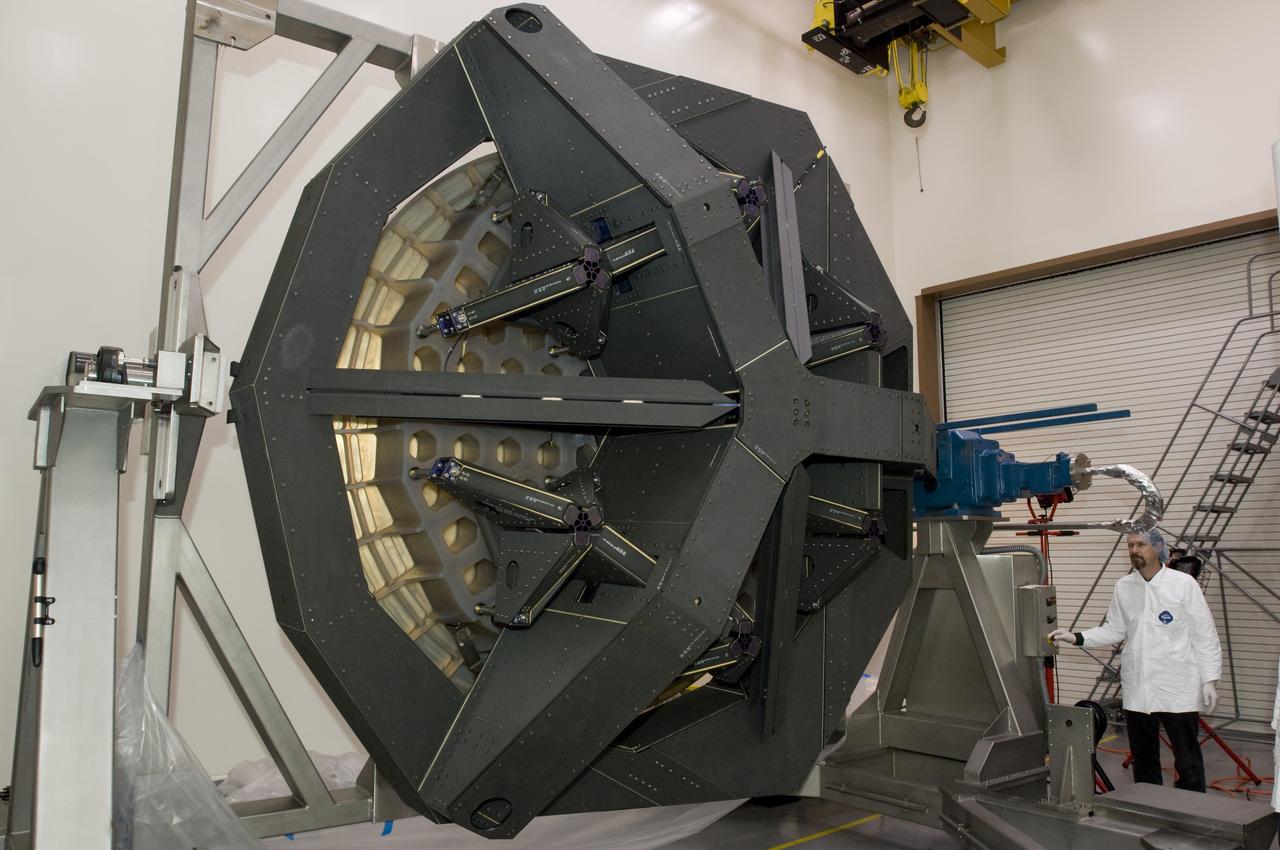
A PRIMARY MIRROR SEGMENT ASSEMBLY BEING CAREFULLY LOWERED TO ITS TEST STAND POSITION ALONGSIDE PREVIOUSLY INSTALLED MIRRORS
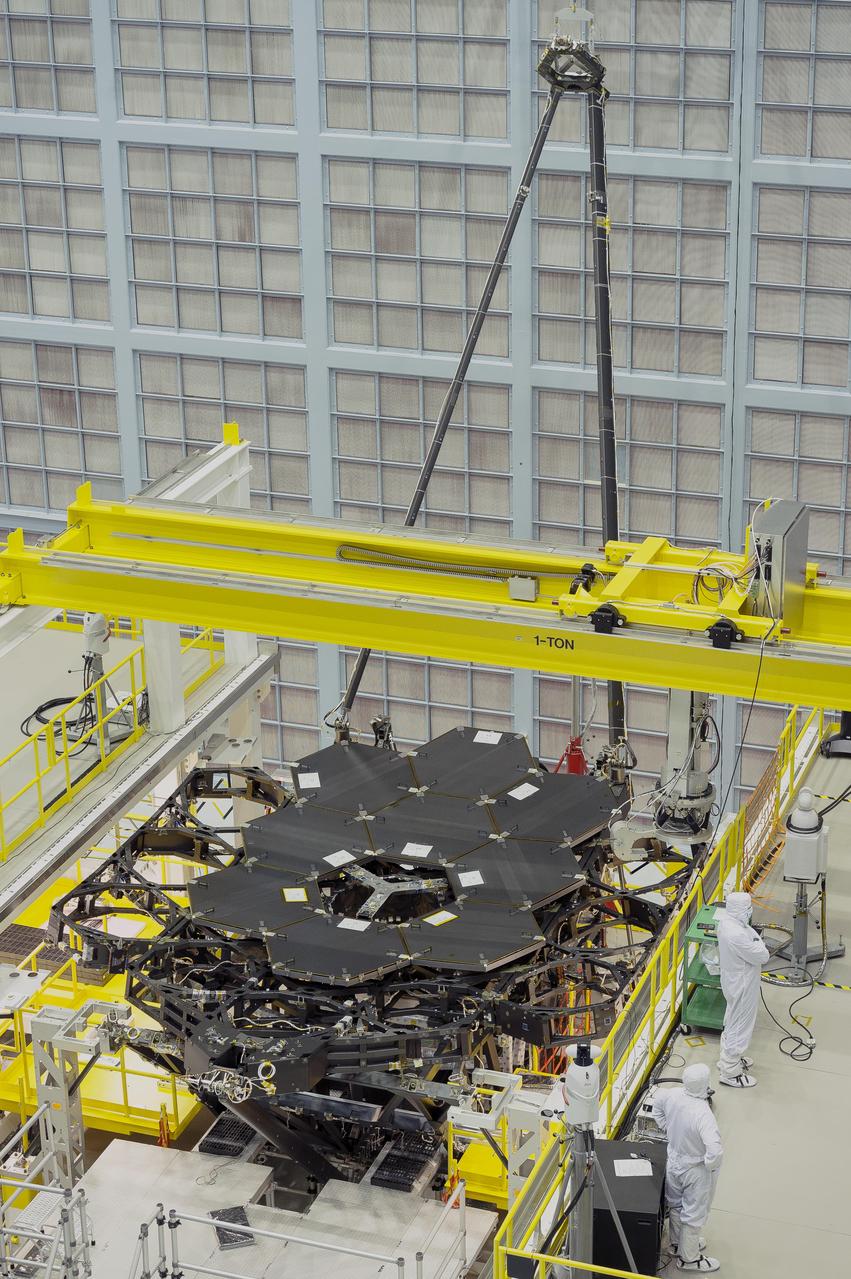
Inside NASA's Goddard Space Flight Center's massive clean room in Greenbelt, Maryland, the ninth flight mirror was installed onto the telescope structure with a robotic arm. This marks the halfway completion point for the James Webb Space Telescope's segmented primary mirror. Nine of the James Webb Space Telescope's 18 primary flight mirrors have been installed on the telescope structure. This marks the halfway point in the James Webb Space Telescope's primary mirror installation. Credit: NASA's Goddard Space Flight Center/Chris Gunn Read more: <a href="http://go.nasa.gov/1kqK6fW" rel="nofollow">go.nasa.gov/1kqK6fW</a>
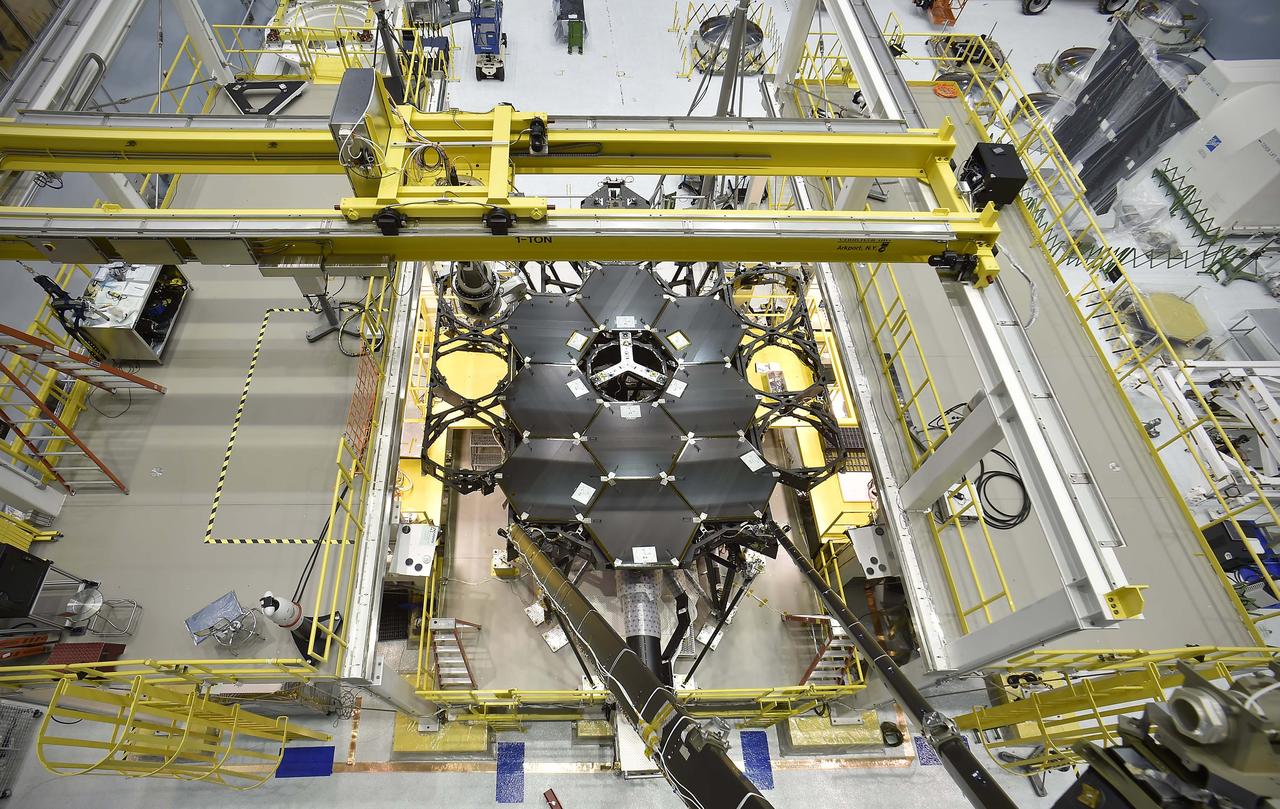
Inside NASA's Goddard Space Flight Center's massive clean room in Greenbelt, Maryland, the ninth flight mirror was installed onto the telescope structure with a robotic arm. This marks the halfway completion point for the James Webb Space Telescope's segmented primary mirror. Engineers worked tirelessly to install the ninth primary flight mirror onto the telescope structure. Credit: NASA's Goddard Space Flight Center/Chris Gunn Read more: <a href="http://go.nasa.gov/1kqK6fW" rel="nofollow">go.nasa.gov/1kqK6fW</a>
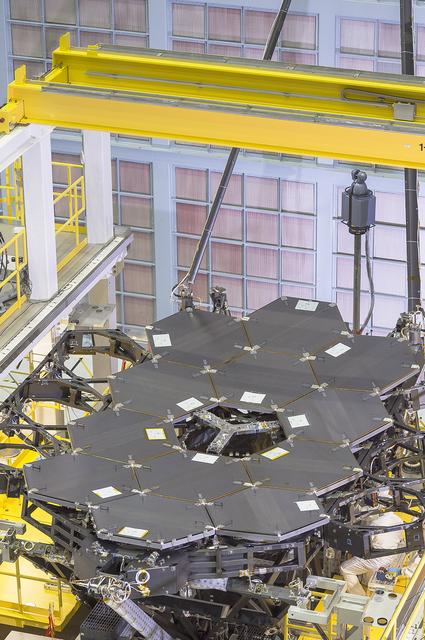
A view of the one dozen (out of 18) flight mirror segments that make up the primary mirror on NASA's James Webb Space Telescope have been installed at NASA's Goddard Space Flight Center. Credits: NASA/Chris Gunn More: Since December 2015, the team of scientists and engineers have been working tirelessly to install all the primary mirror segments onto the telescope structure in the large clean room at NASA's Goddard Space Flight Center in Greenbelt, Maryland. The twelfth mirror was installed on January 2, 2016. "This milestone signifies that all of the hexagonal shaped mirrors on the fixed central section of the telescope structure are installed and only the 3 mirrors on each wing are left for installation," said Lee Feinberg, NASA's Optical Telescope Element Manager at NASA Goddard. "The incredibly skilled and dedicated team assembling the telescope continues to find ways to do things faster and more efficiently." Each hexagonal-shaped segment measures just over 4.2 feet (1.3 meters) across and weighs approximately 88 pounds (40 kilograms). After being pieced together, the 18 primary mirror segments will work together as one large 21.3-foot (6.5-meter) mirror. The primary mirror will unfold and adjust to shape after launch. The mirrors are made of ultra-lightweight beryllium. The mirrors are placed on the telescope's backplane using a robotic arm, guided by engineers. The full installation is expected to be completed in a few months. The mirrors were built by Ball Aerospace & Technologies Corp., Boulder, Colorado. Ball is the principal subcontractor to Northrop Grumman for the optical technology and lightweight mirror system. The installation of the mirrors onto the telescope structure is performed by Harris Corporation of Rochester, New York. Harris Corporation leads integration and testing for the telescope. While the mirror assembly is a very significant milestone, there are many more steps involved in assembling the Webb telescope. The primary mirror and the tennis-court-sized sunshield are the largest and most visible components of the Webb telescope. However, there are four smaller components that are less visible, yet critical. The instruments that will fly aboard Webb - cameras and spectrographs with detectors able to record extremely faint signals — are part of the Integrated Science Instrument Module (ISIM), which is currently undergoing its final cryogenic vacuum test and will be integrated with the mirror later this year.
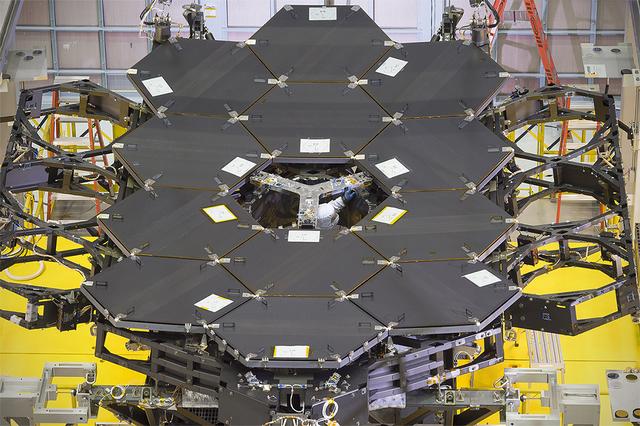
Caption: One dozen (out of 18) flight mirror segments that make up the primary mirror on NASA's James Webb Space Telescope have been installed at NASA's Goddard Space Flight Center. Credits: NASA/Chris Gunn More: Since December 2015, the team of scientists and engineers have been working tirelessly to install all the primary mirror segments onto the telescope structure in the large clean room at NASA's Goddard Space Flight Center in Greenbelt, Maryland. The twelfth mirror was installed on January 2, 2016. "This milestone signifies that all of the hexagonal shaped mirrors on the fixed central section of the telescope structure are installed and only the 3 mirrors on each wing are left for installation," said Lee Feinberg, NASA's Optical Telescope Element Manager at NASA Goddard. "The incredibly skilled and dedicated team assembling the telescope continues to find ways to do things faster and more efficiently." Each hexagonal-shaped segment measures just over 4.2 feet (1.3 meters) across and weighs approximately 88 pounds (40 kilograms). After being pieced together, the 18 primary mirror segments will work together as one large 21.3-foot (6.5-meter) mirror. The primary mirror will unfold and adjust to shape after launch. The mirrors are made of ultra-lightweight beryllium. The mirrors are placed on the telescope's backplane using a robotic arm, guided by engineers. The full installation is expected to be completed in a few months. The mirrors were built by Ball Aerospace & Technologies Corp., Boulder, Colorado. Ball is the principal subcontractor to Northrop Grumman for the optical technology and lightweight mirror system. The installation of the mirrors onto the telescope structure is performed by Harris Corporation of Rochester, New York. Harris Corporation leads integration and testing for the telescope. While the mirror assembly is a very significant milestone, there are many more steps involved in assembling the Webb telescope. The primary mirror and the tennis-court-sized sunshield are the largest and most visible components of the Webb telescope. However, there are four smaller components that are less visible, yet critical. The instruments that will fly aboard Webb - cameras and spectrographs with detectors able to record extremely faint signals — are part of the Integrated Science Instrument Module (ISIM), which is currently undergoing its final cryogenic vacuum test and will be integrated with the mirror later this year.
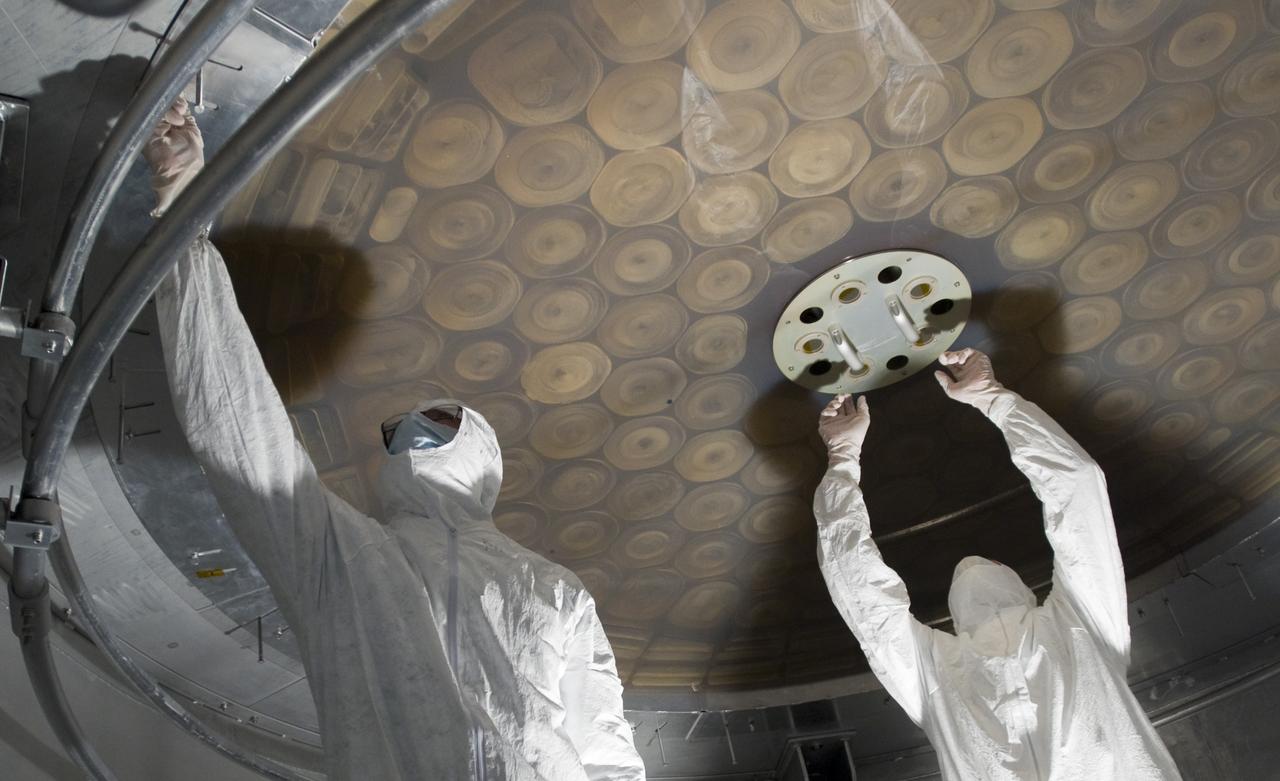
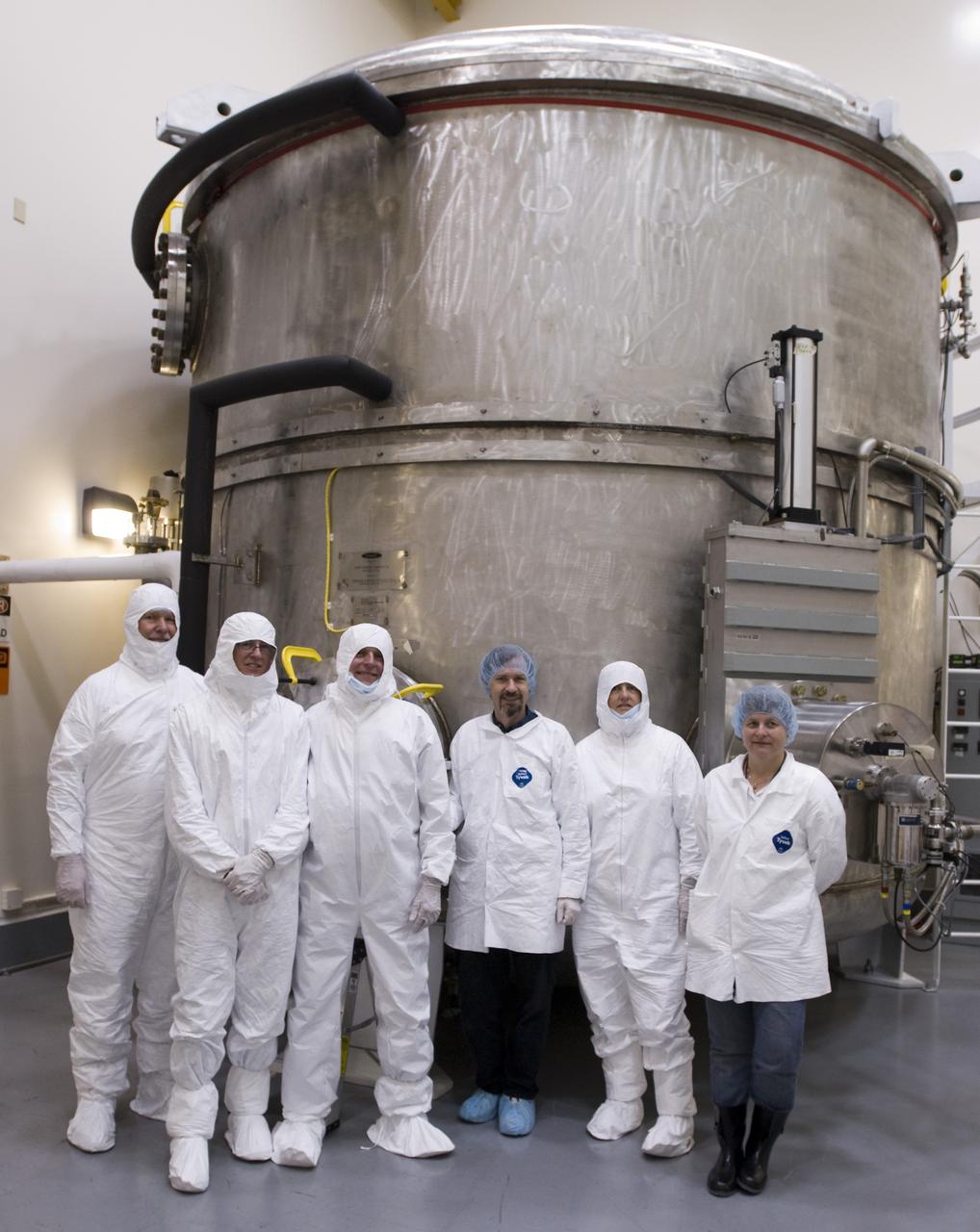
SOFIA (Stratospheric Observatory for Infrared Astromony) primary mirror coating completed at the Ames Vacuum Chamber in N-211.
SOFIA (Stratospheric Observatory for Infrared Astronomy) primary mirror being coated in the Ames N-211 Vacuum Chamber.
SOFIA (Stratospheric Observatory for Infrared Astromony) primary mirror coating completed at the Ames Vacuum Chamber in N-211.
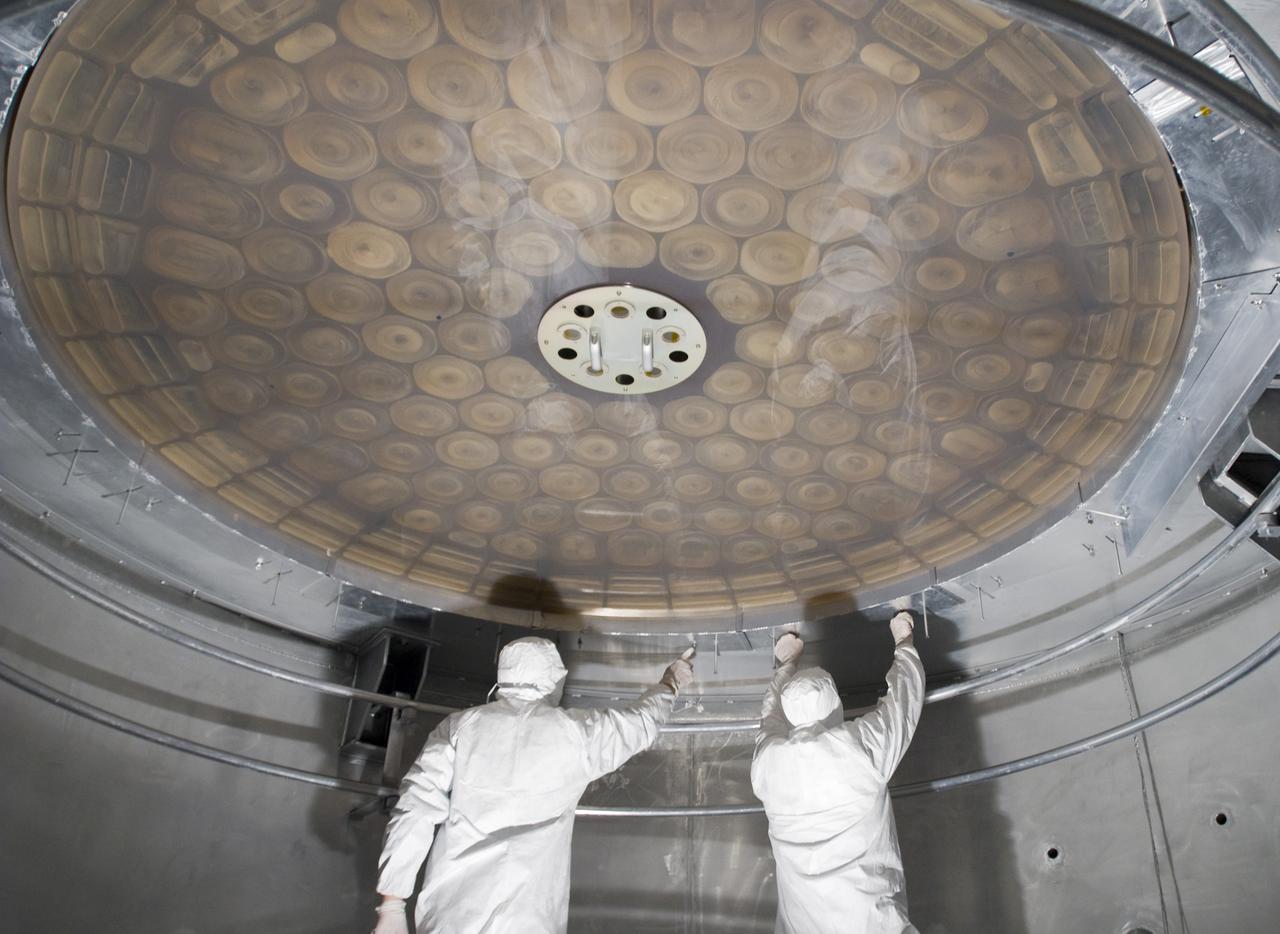
SOFIA (Stratospheric Observatory for Infrared Astronomy) primary mirror being coated in the Ames N-211 Vacuum Chamber.
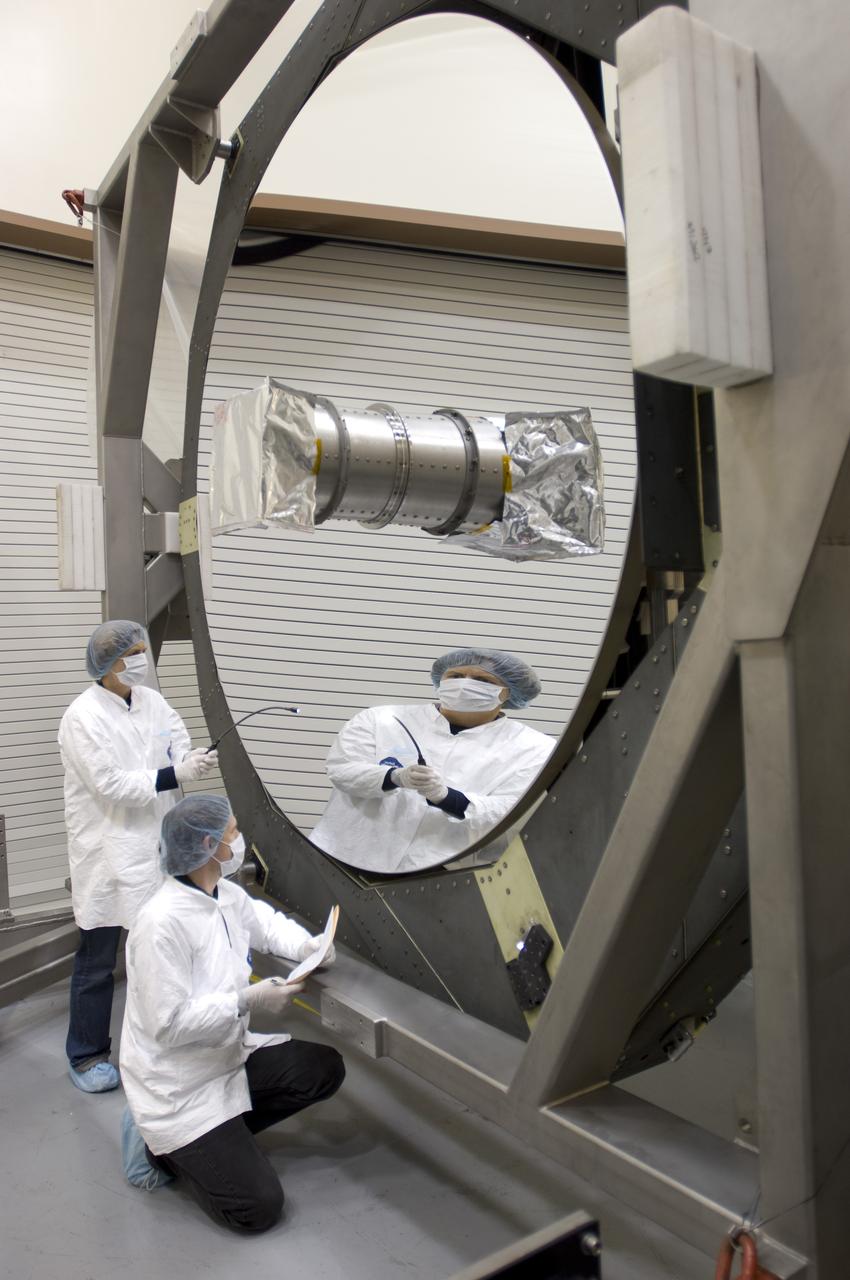
SOFIA (Stratospheric Observatory for Infrared Astromony) primary mirror coating completed at the Ames Vacuum Chamber in N-211.
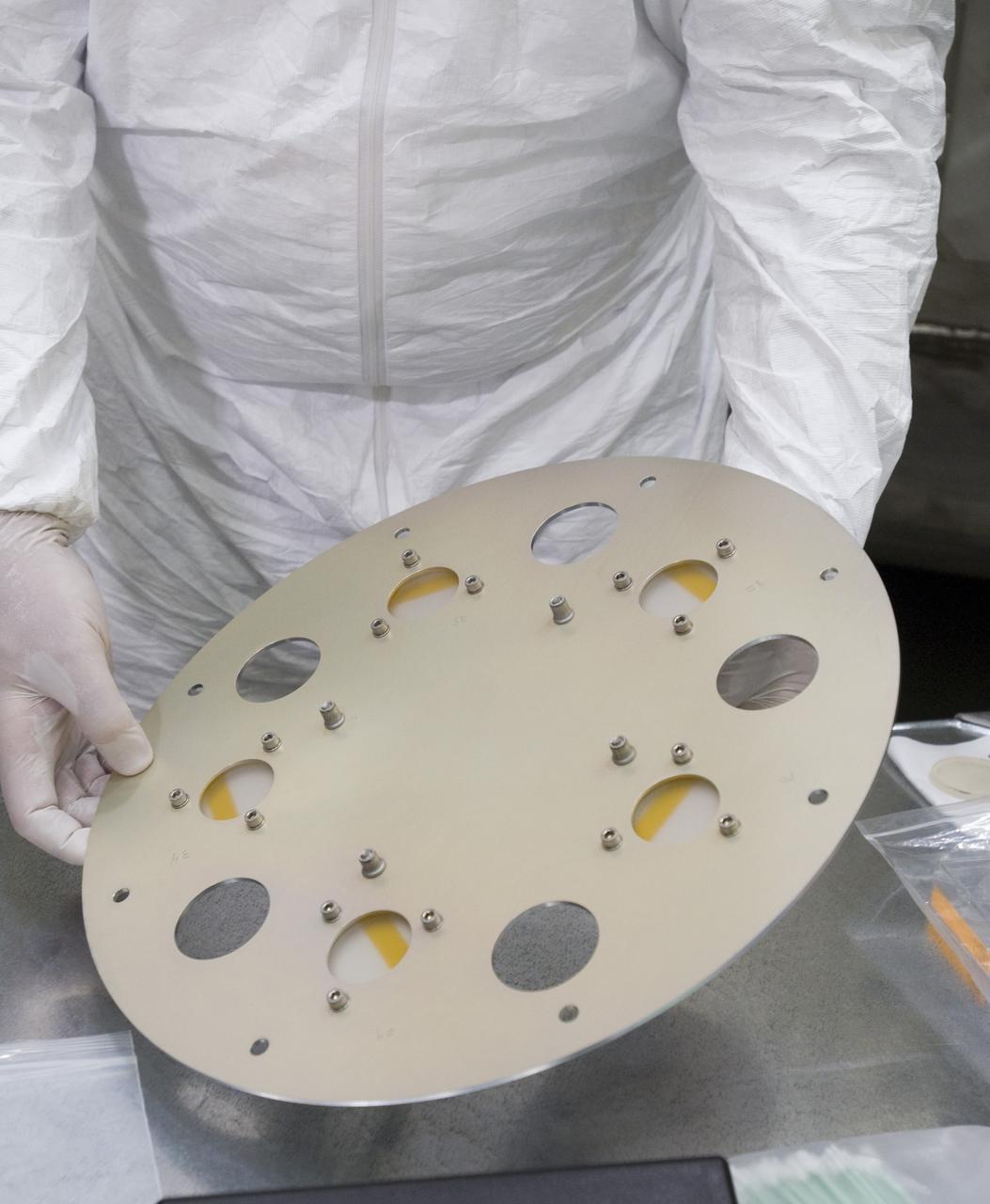
SOFIA (Stratospheric Observatory for Infrared Astronomy) primary mirror being coated in the Ames N-211 Vacuum Chamber.

SOFIA (Stratospheric Observatory for Infrared Astromony) primary mirror coating completed at the Ames Vacuum Chamber in N-211.
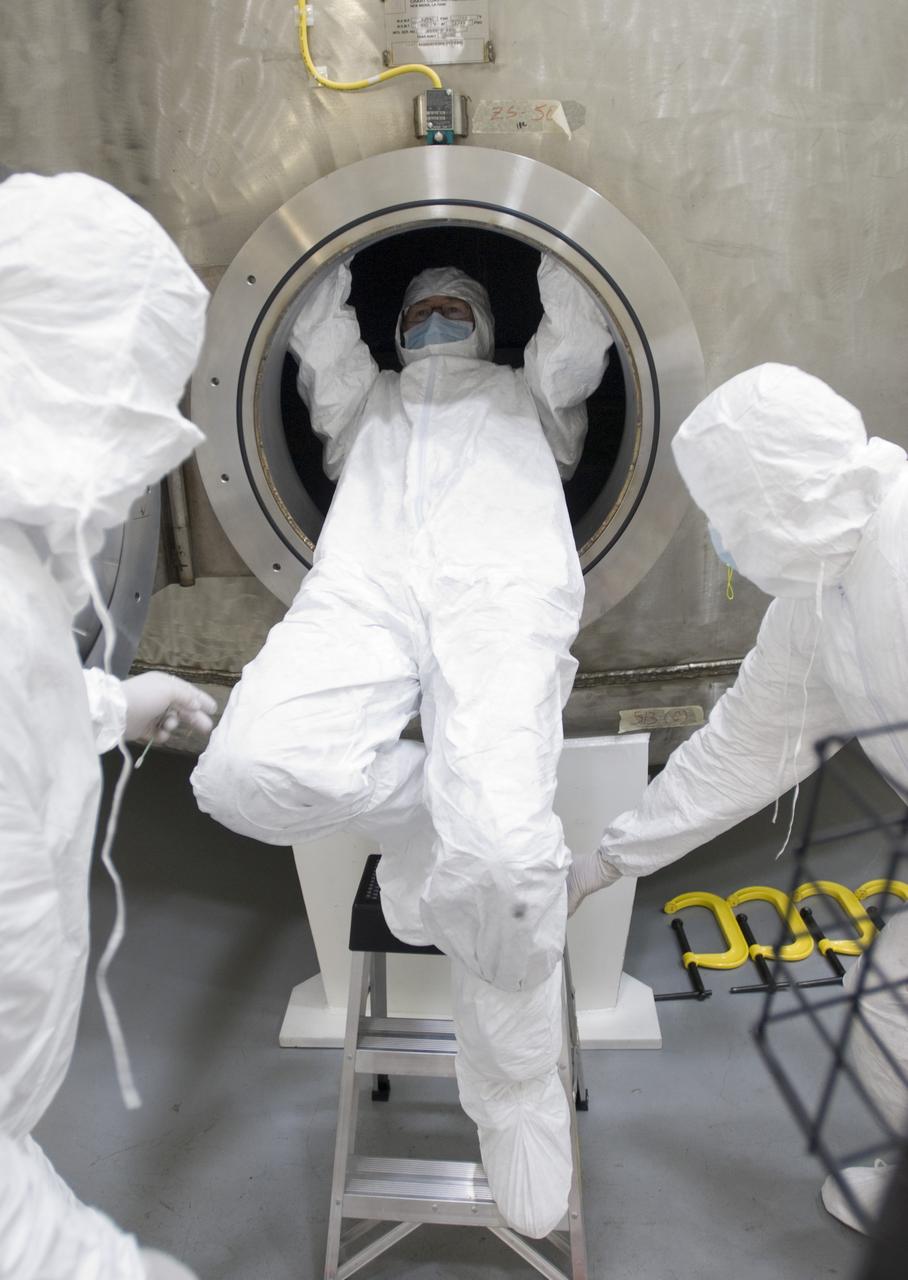
SOFIA (Stratospheric Observatory for Infrared Astronomy) primary mirror being coated in the Ames N-211 Vacuum Chamber.
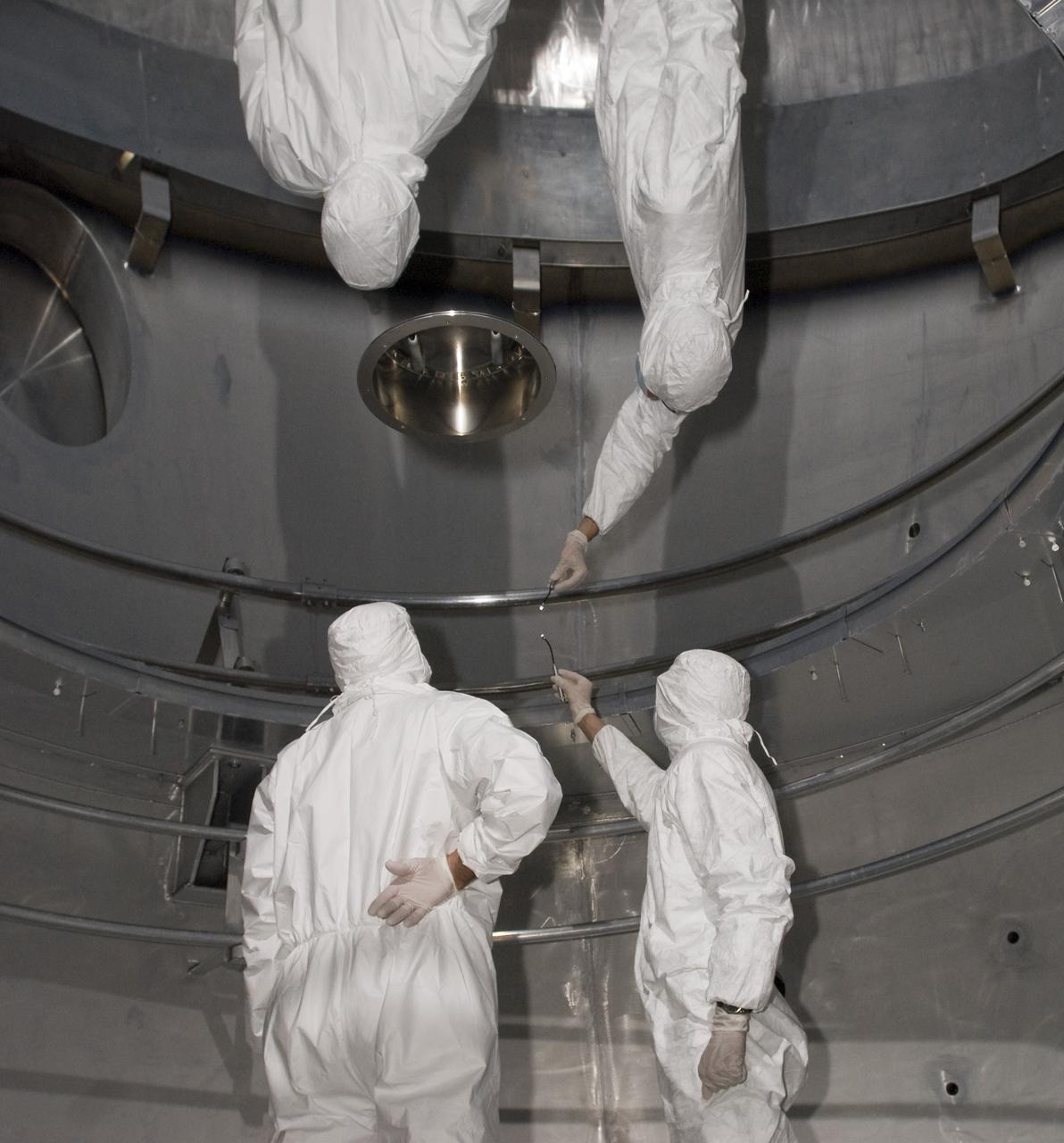
SOFIA (Stratospheric Observatory for Infrared Astronomy) primary mirror being coated in the Ames N-211 Vacuum Chamber.
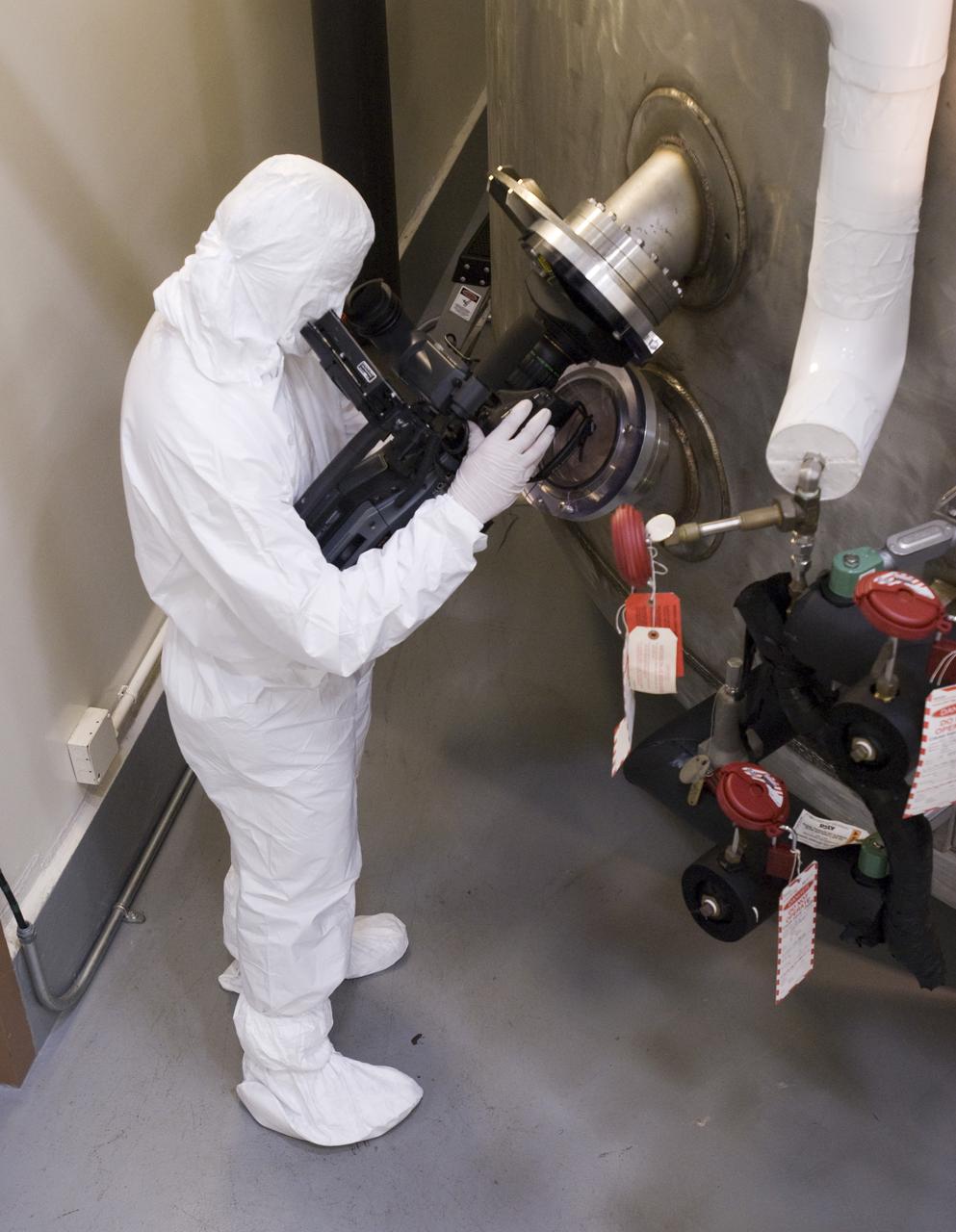
SOFIA (Stratospheric Observatory for Infrared Astronomy) primary mirror being coated in the Ames N-211 Vacuum Chamber.
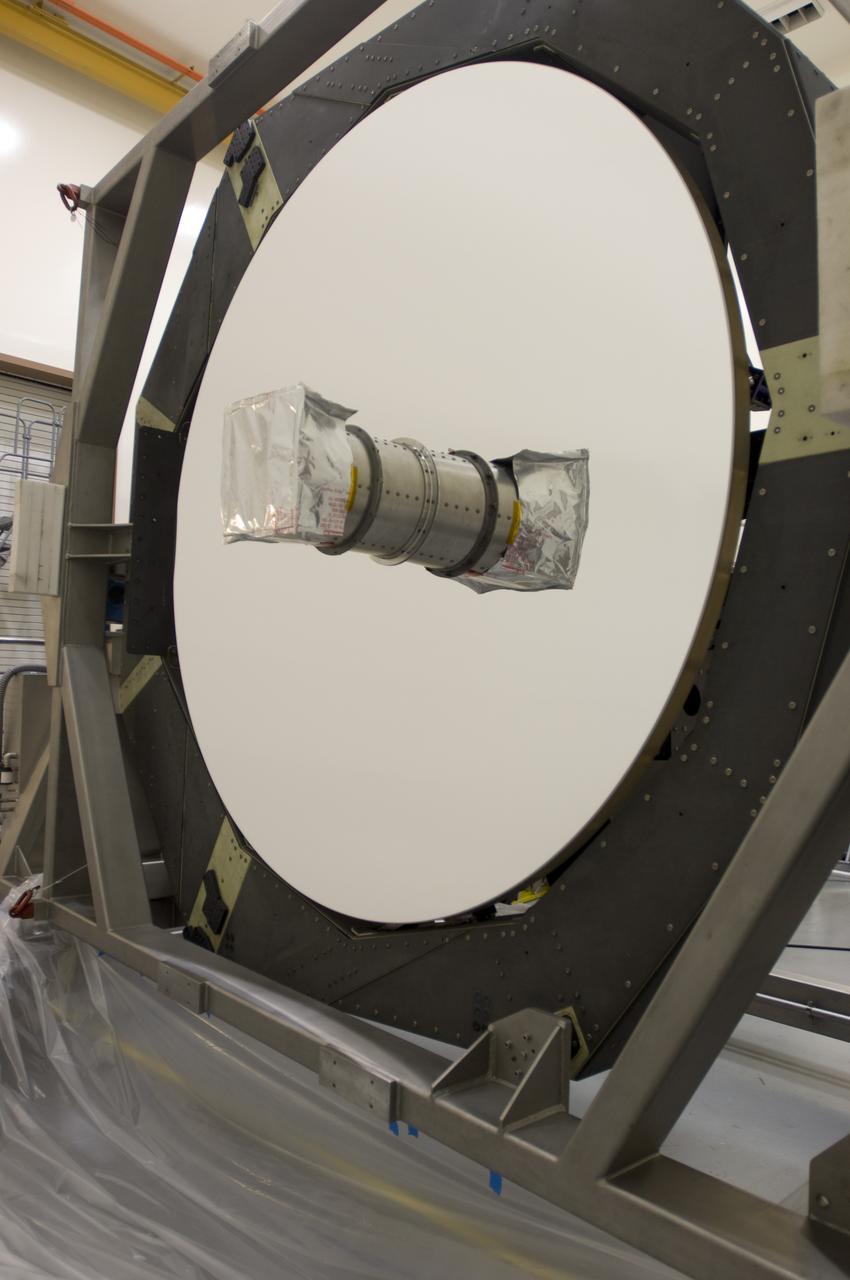
SOFIA (Stratospheric Observatory for Infrared Astromony) primary mirror coating completed at the Ames Vacuum Chamber in N-211.
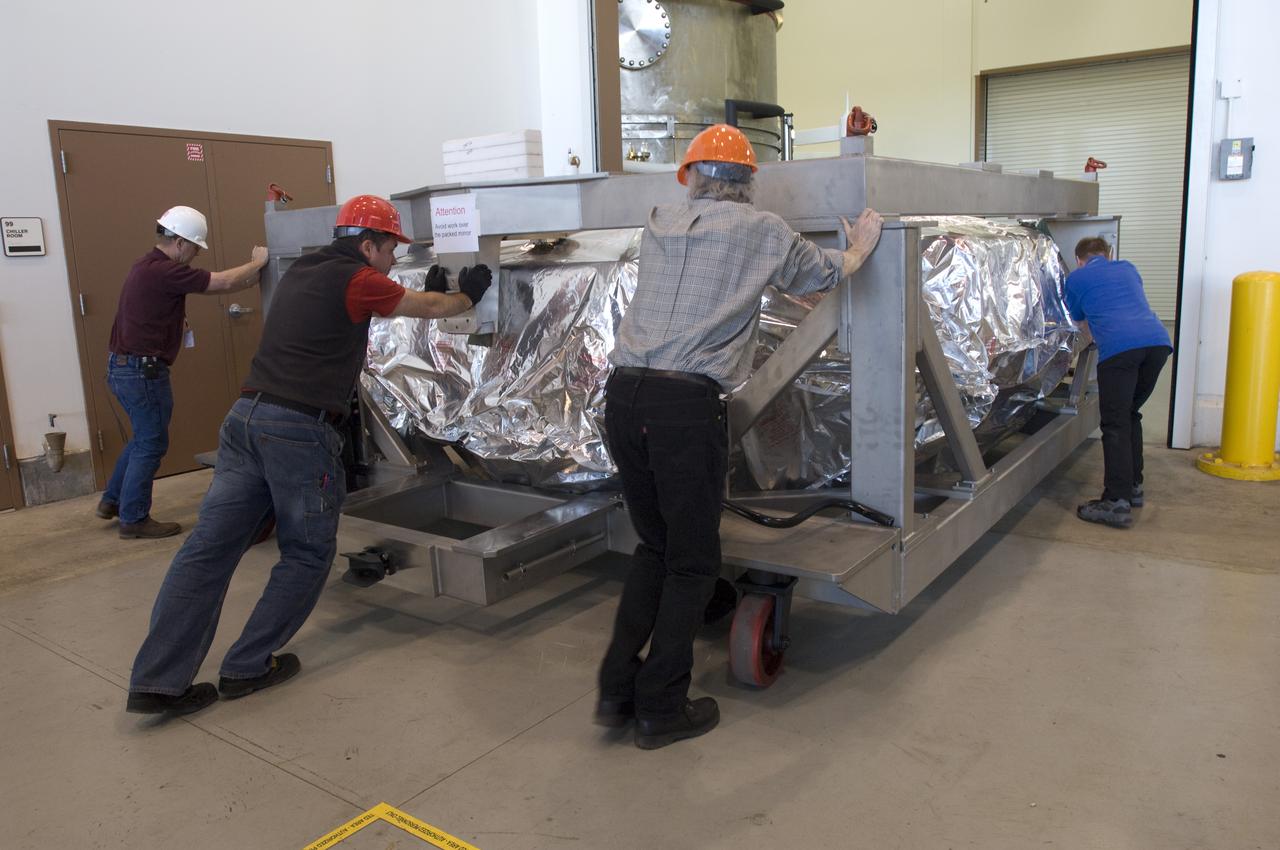
SOFIA (Stratospheric Observatory for Infrared Astronomy) primary mirror being coated in the Ames N-211 Vacuum Chamber.
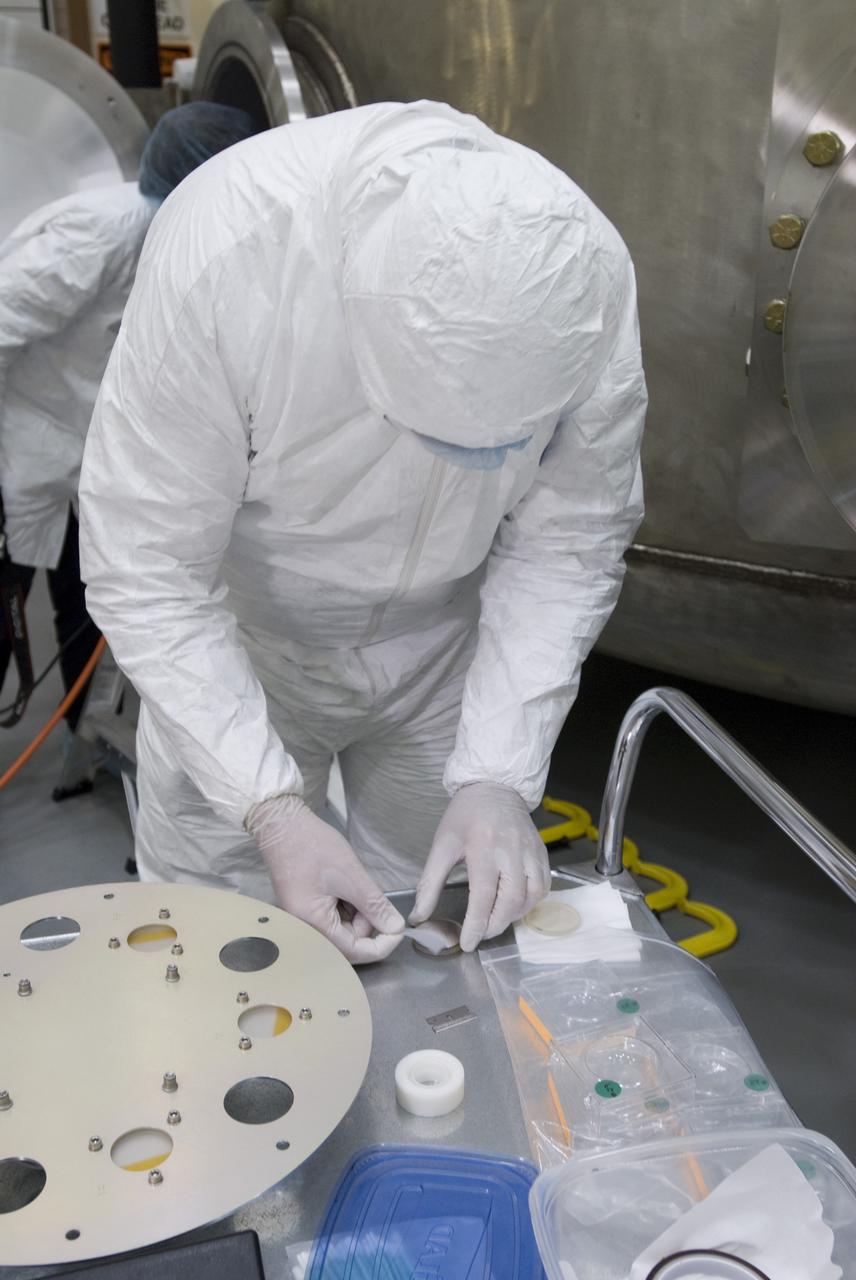
SOFIA (Stratospheric Observatory for Infrared Astronomy) primary mirror being coated in the Ames N-211 Vacuum Chamber.
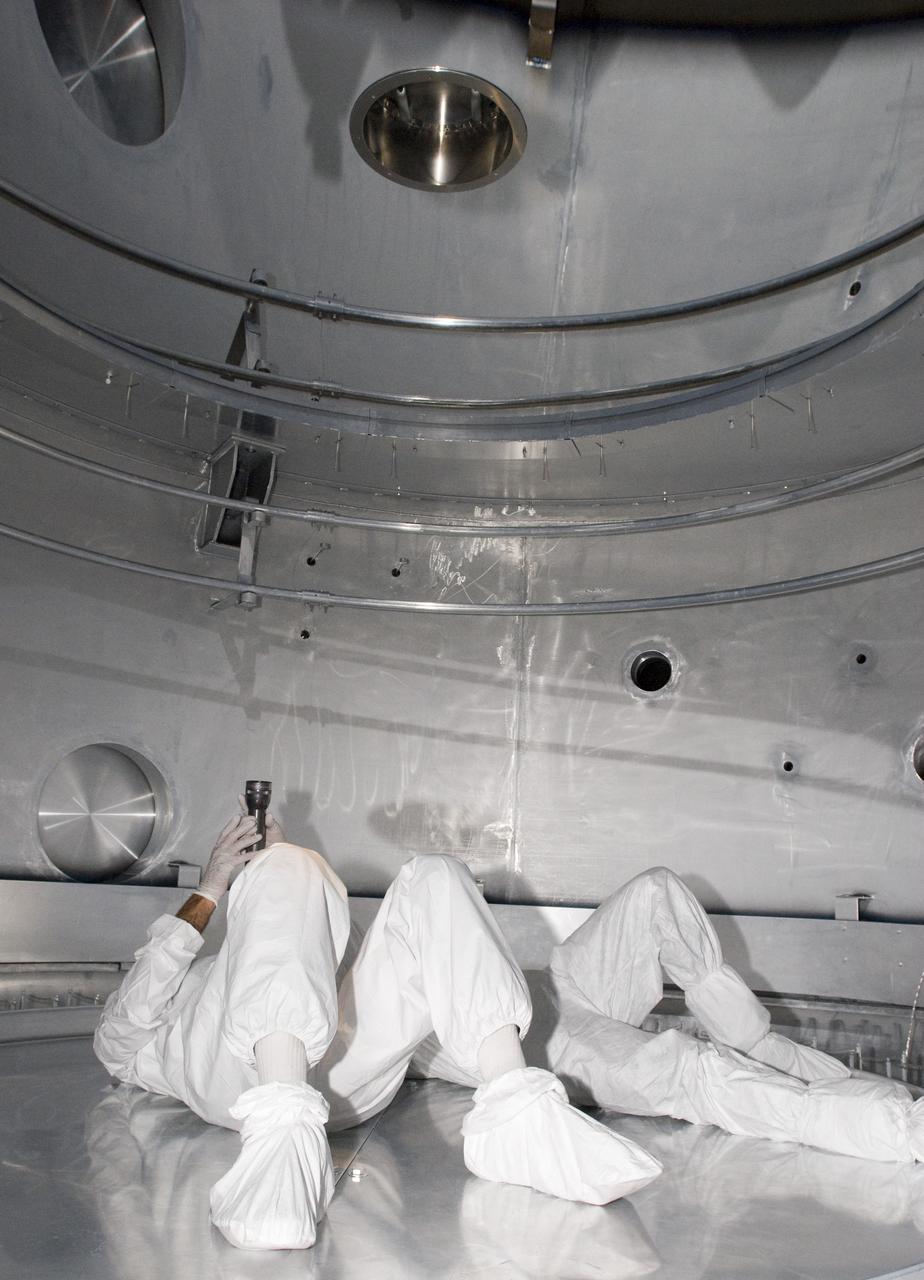
SOFIA (Stratospheric Observatory for Infrared Astronomy) primary mirror being coated in the Ames N-211 Vacuum Chamber.
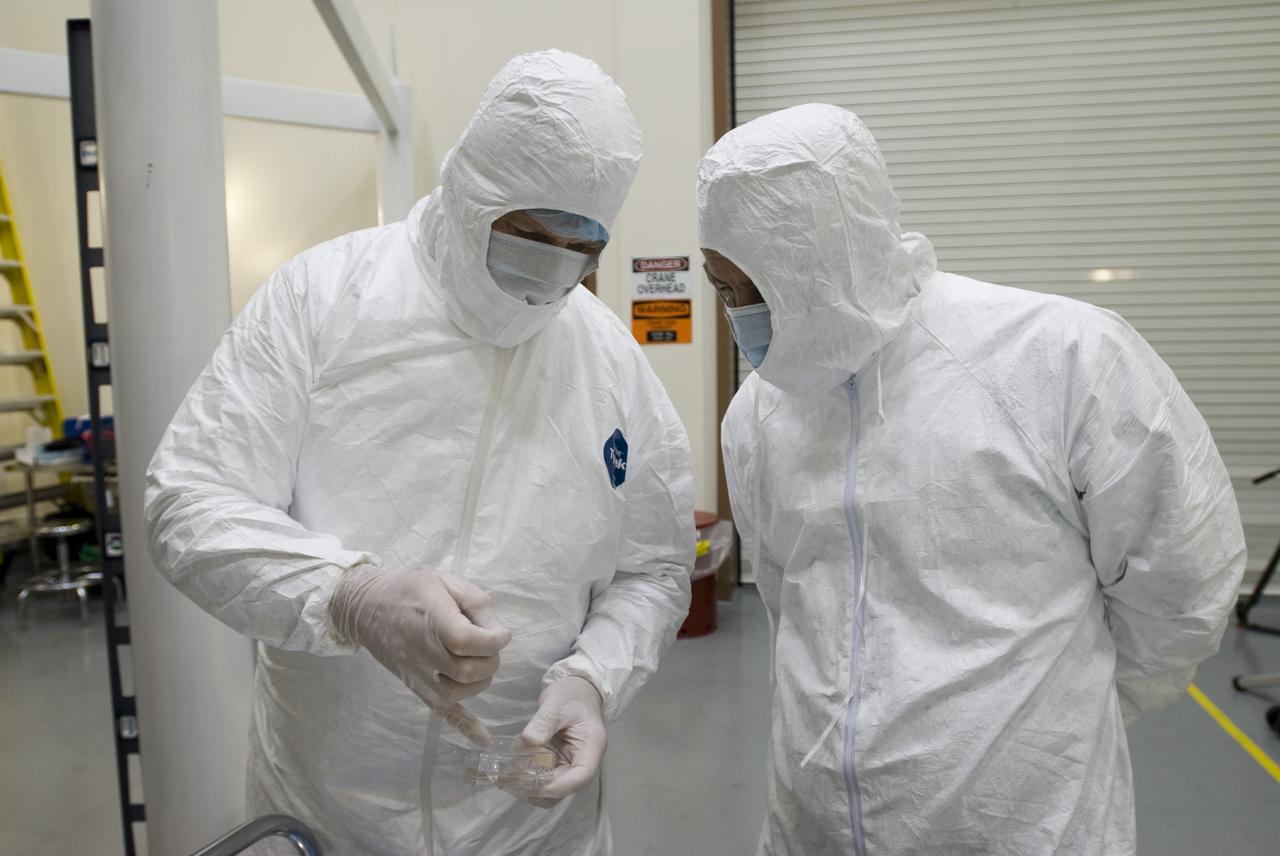
SOFIA (Stratospheric Observatory for Infrared Astronomy) primary mirror being coated in the Ames N-211 Vacuum Chamber.
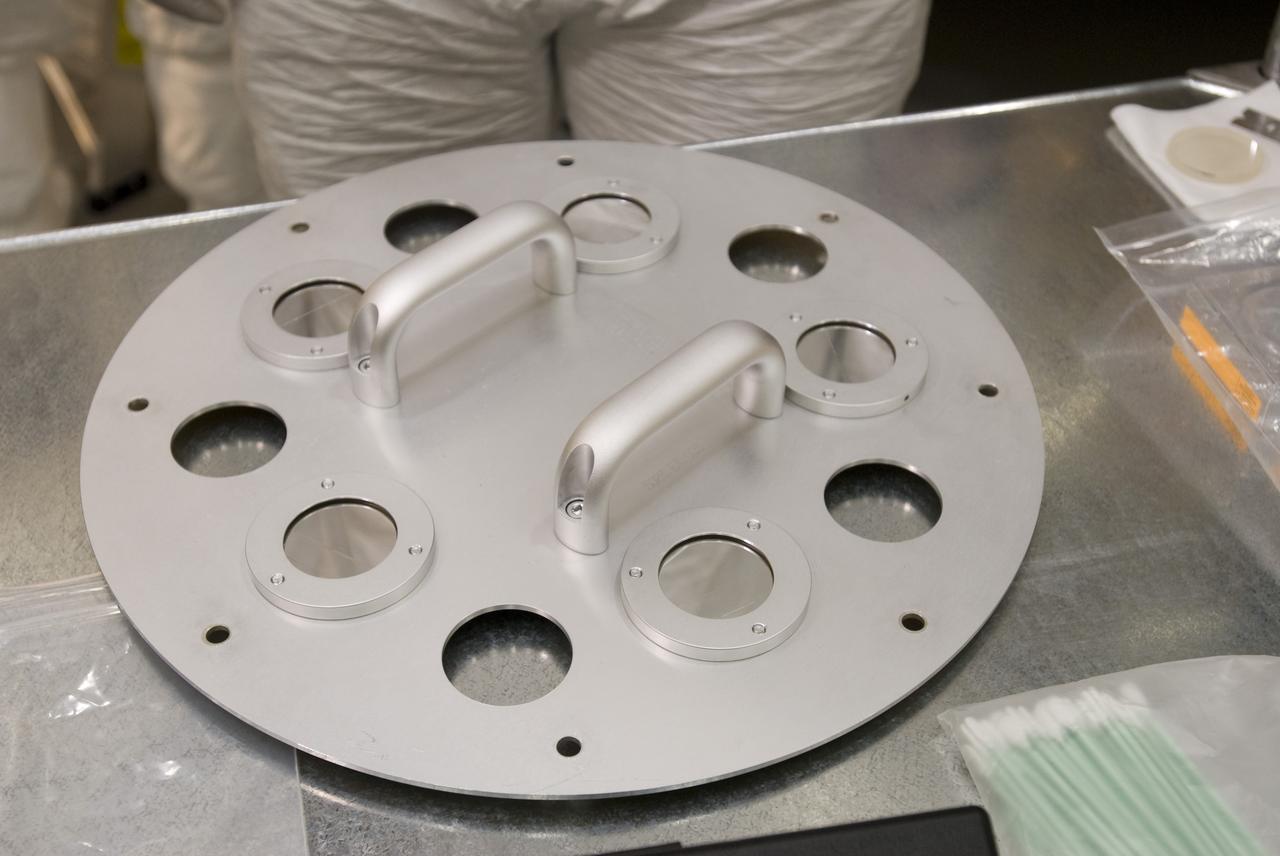
SOFIA (Stratospheric Observatory for Infrared Astronomy) primary mirror being coated in the Ames N-211 Vacuum Chamber.
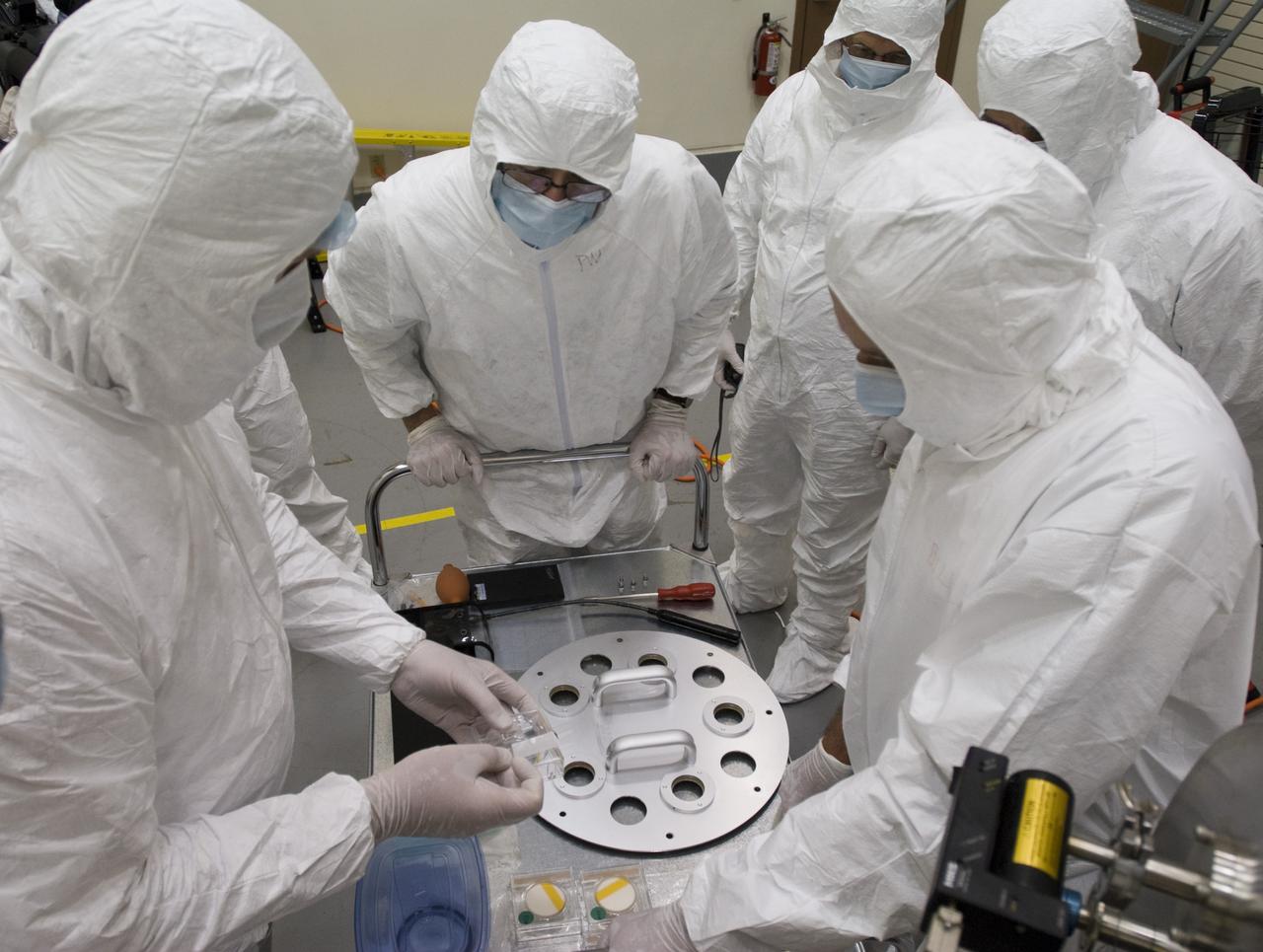
SOFIA (Stratospheric Observatory for Infrared Astronomy) primary mirror being coated in the Ames N-211 Vacuum Chamber.
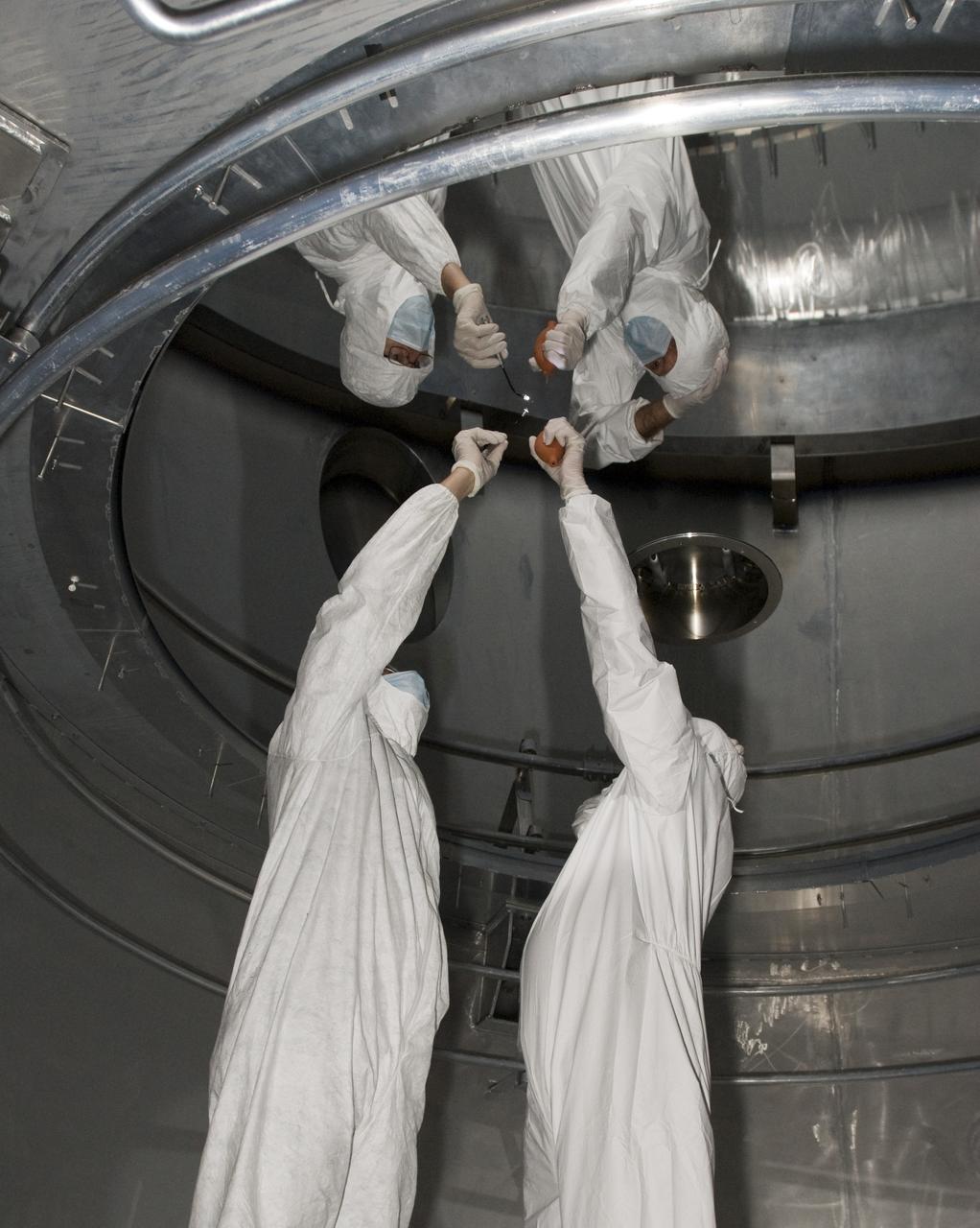
SOFIA (Stratospheric Observatory for Infrared Astronomy) primary mirror being coated in the Ames N-211 Vacuum Chamber.
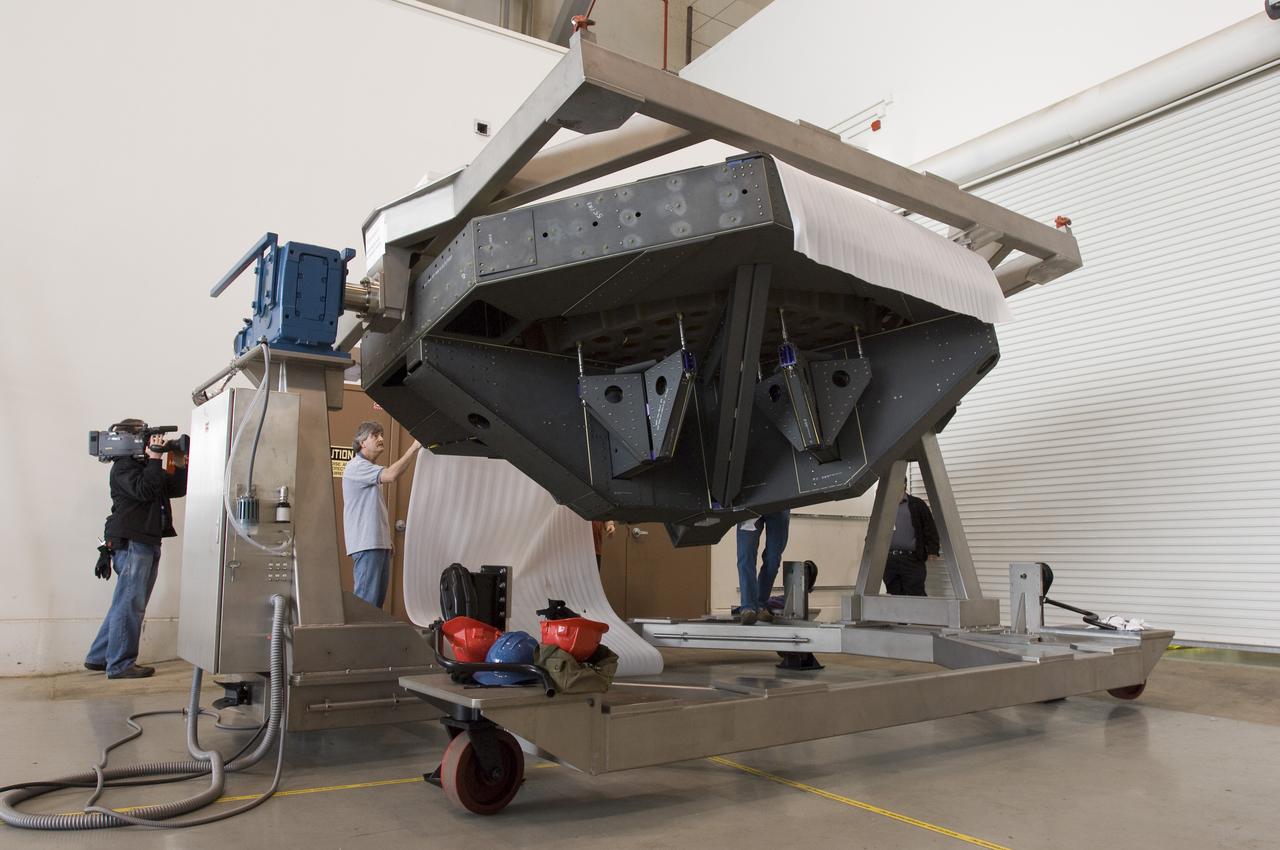
SOFIA (Stratospheric Observatory for Infrared Astronomy) primary mirror being coated in the Ames N-211 Vacuum Chamber.
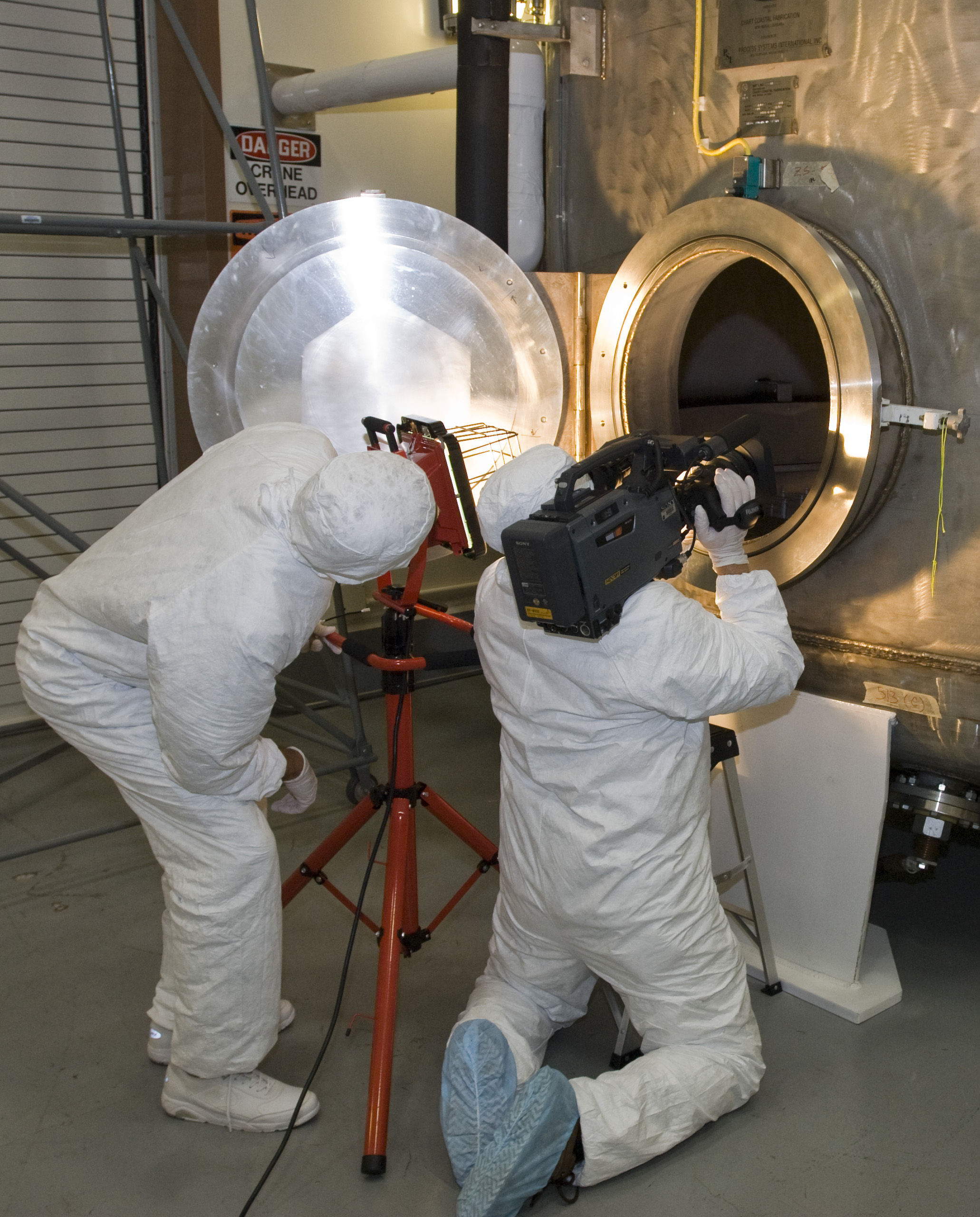
SOFIA (Stratospheric Observatory for Infrared Astronomy) primary mirror being coated in the Ames N-211 Vacuum Chamber.
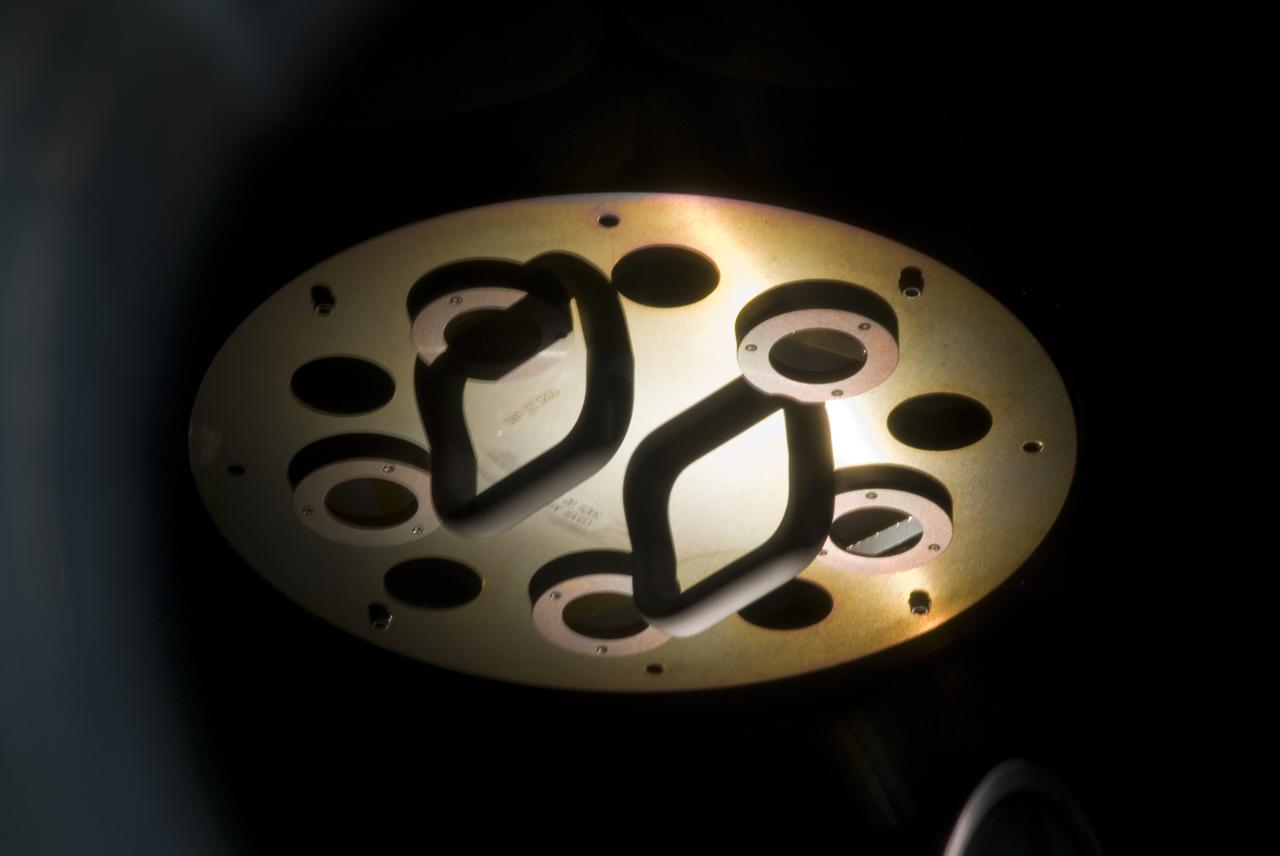
SOFIA (Stratospheric Observatory for Infrared Astronomy) primary mirror being coated in the Ames N-211 Vacuum Chamber.
SOFIA (Stratospheric Observatory for Infrared Astromony) primary mirror coating completed at the Ames Vacuum Chamber in N-211.
SOFIA (Stratospheric Observatory for Infrared Astronomy) primary mirror being coated in the Ames N-211 Vacuum Chamber.
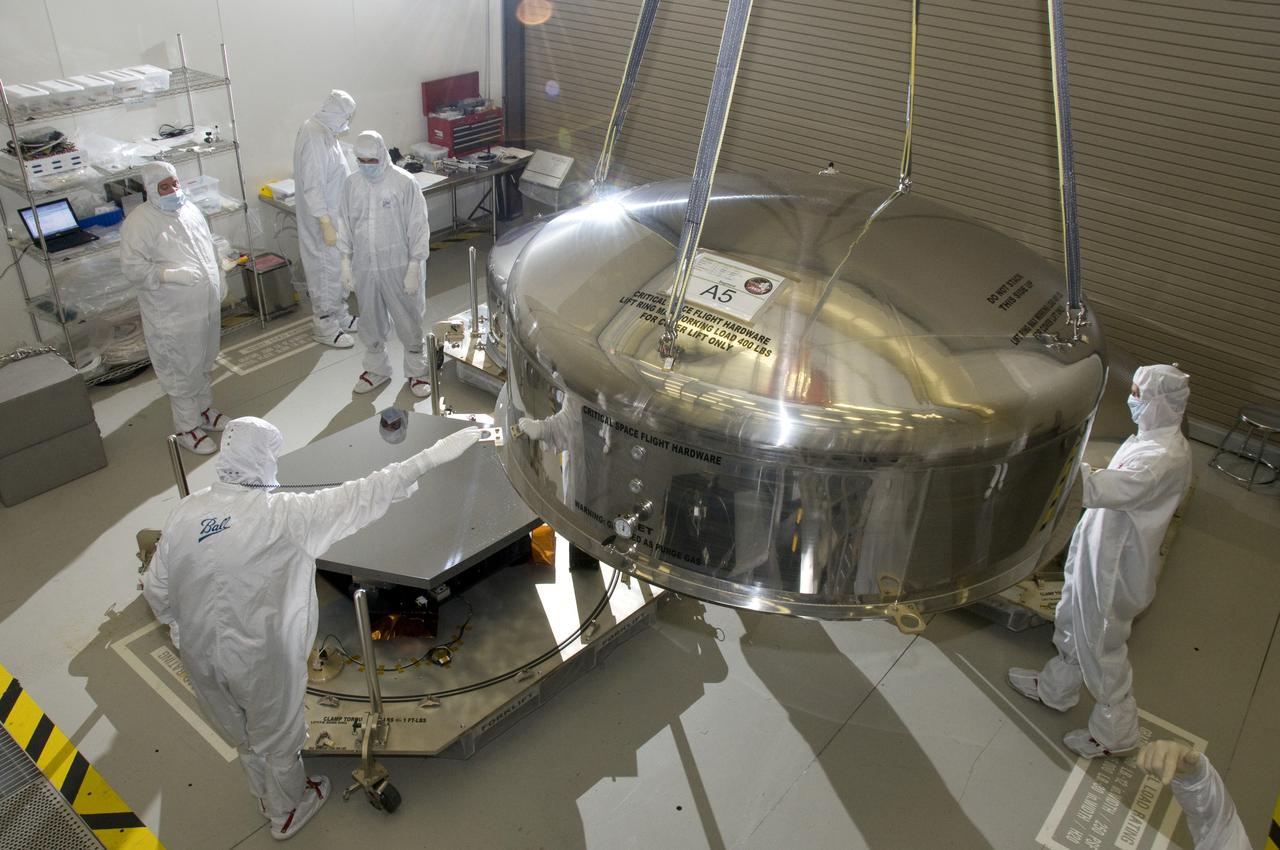
SHIPPING CONTAINER LID BEING REMOVED TO REVEAL A SINGLE JWST PRIMARY MIRROR SEGMENT ASSEMBLY
SOFIA (Stratospheric Observatory for Infrared Astronomy) primary mirror being coated in the Ames N-211 Vacuum Chamber.
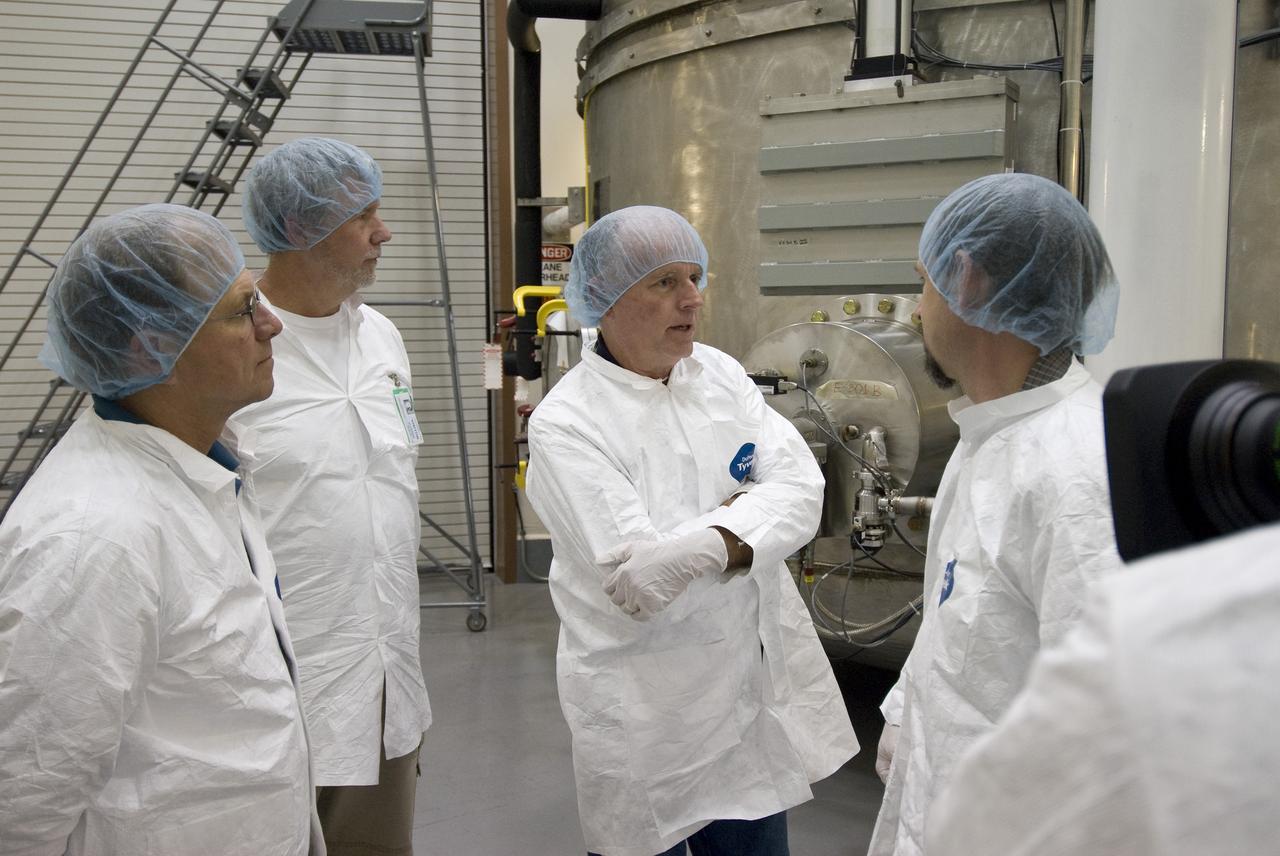
SOFIA (Stratospheric Observatory for Infrared Astronomy) primary mirror being coated in the Ames N-211 Vacuum Chamber.
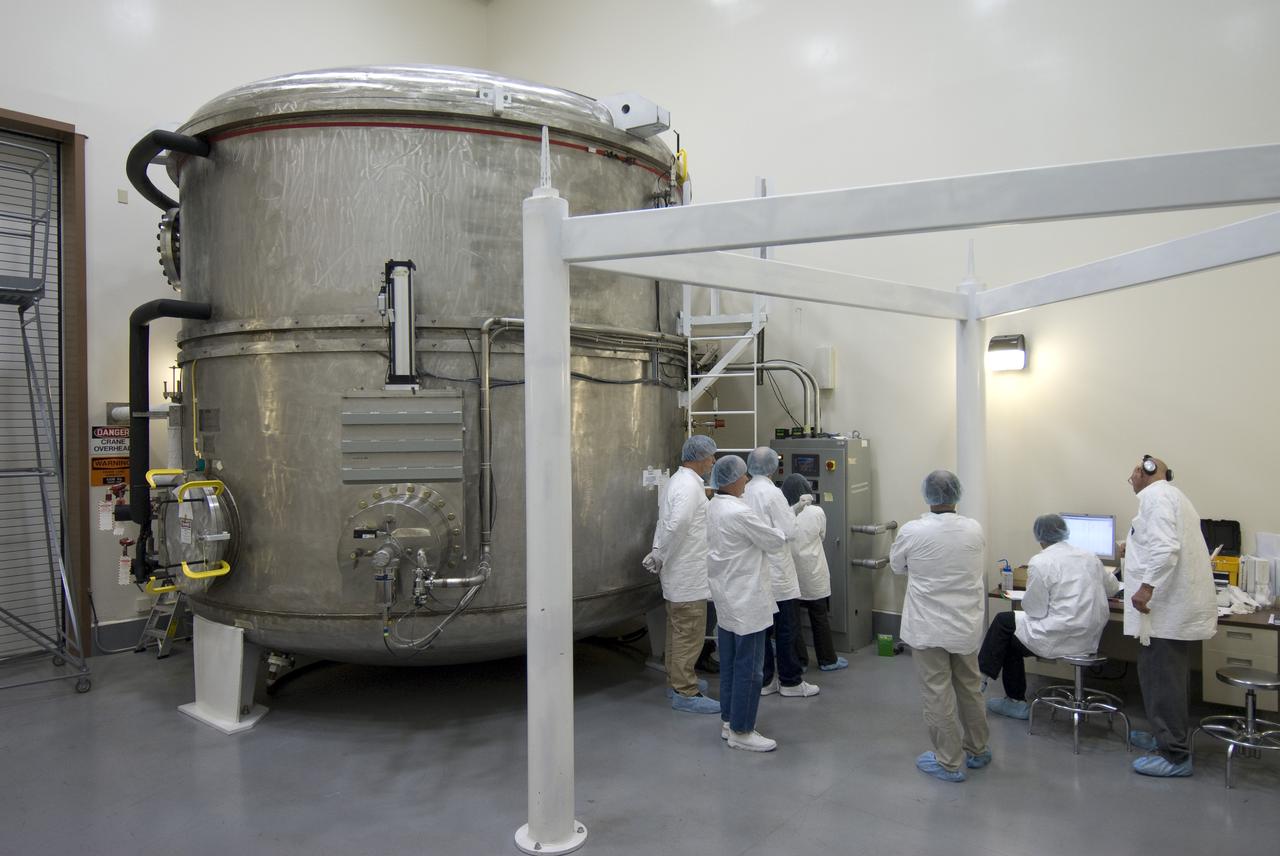
SOFIA (Stratospheric Observatory for Infrared Astronomy) primary mirror being coated in the Ames N-211 Vacuum Chamber.
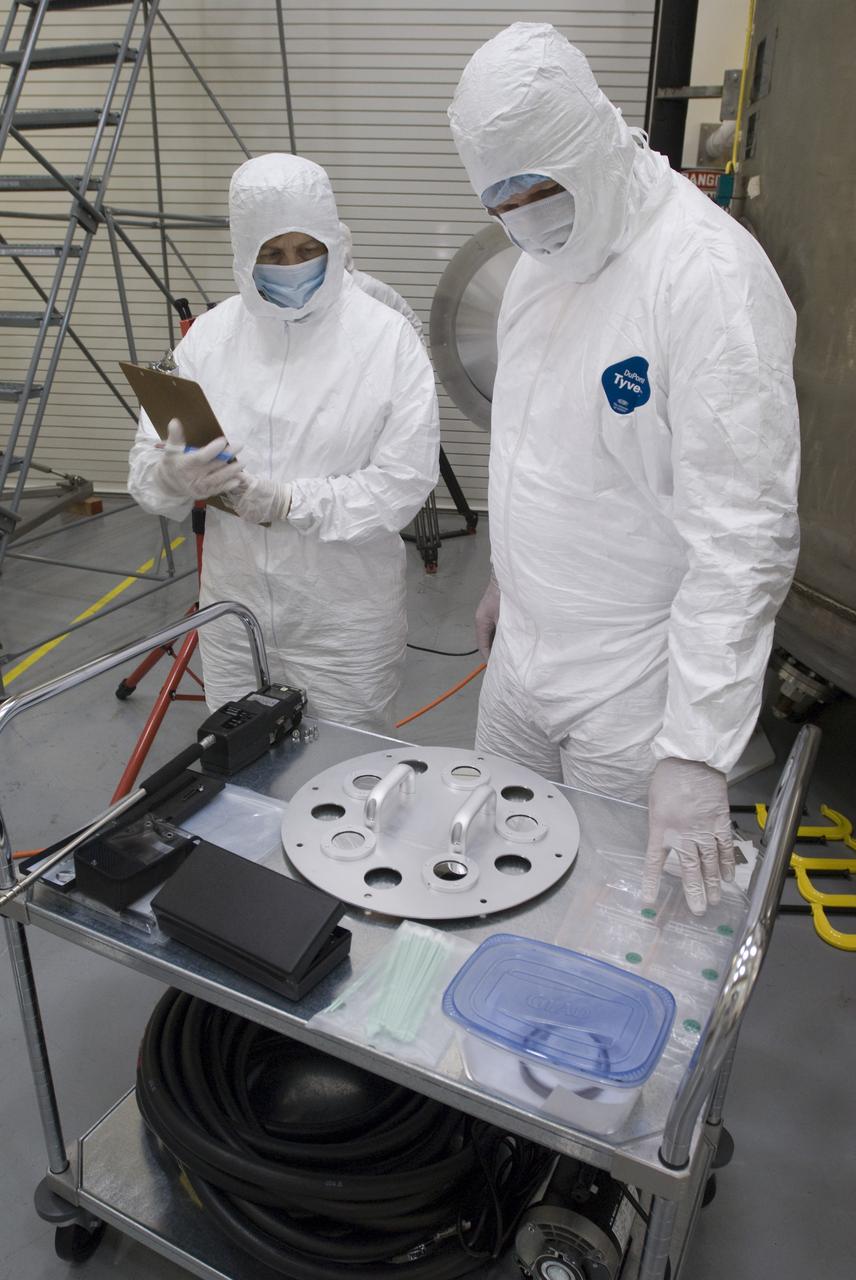
SOFIA (Stratospheric Observatory for Infrared Astronomy) primary mirror being coated in the Ames N-211 Vacuum Chamber.
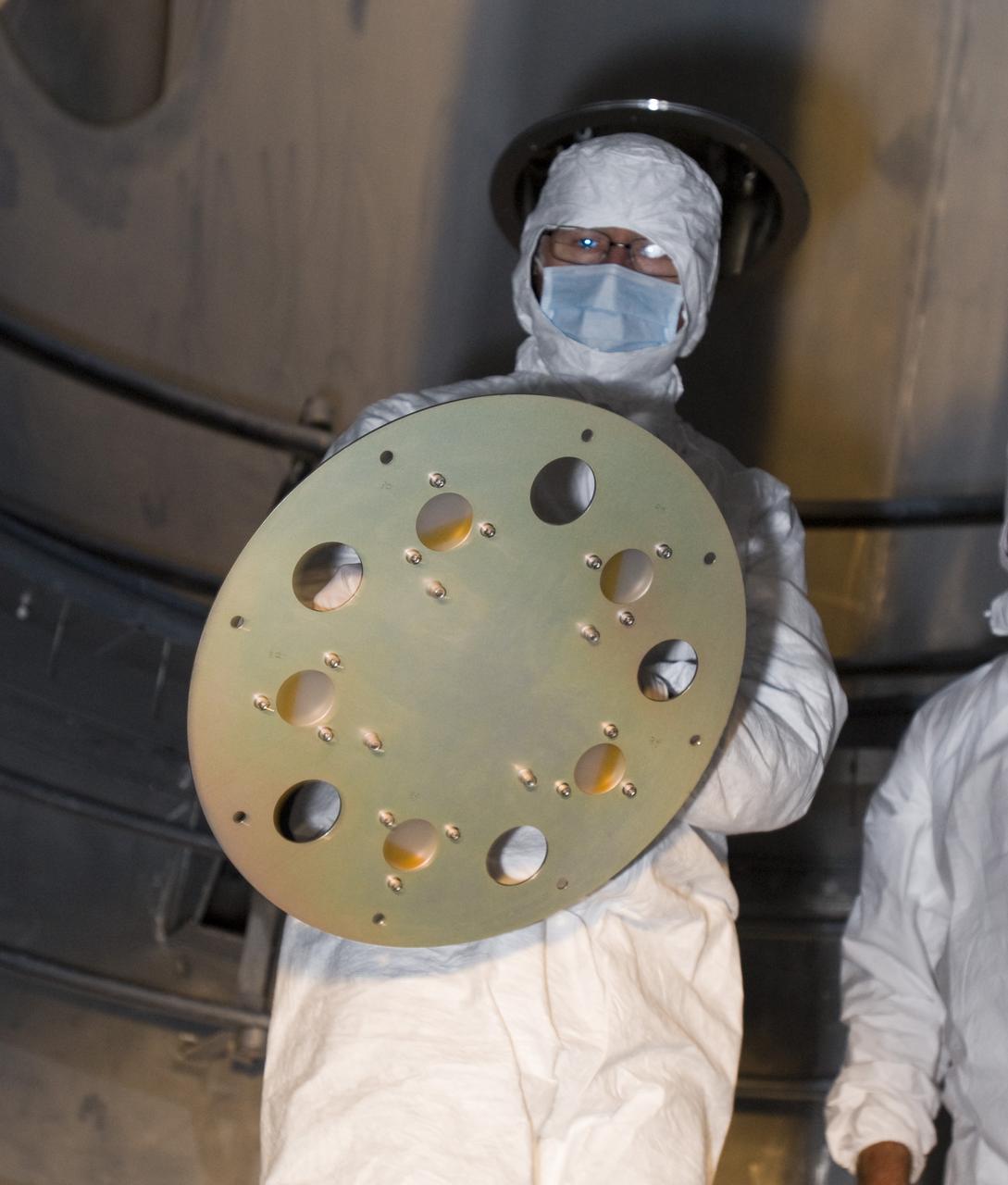
SOFIA (Stratospheric Observatory for Infrared Astronomy) primary mirror being coated in the Ames N-211 Vacuum Chamber.
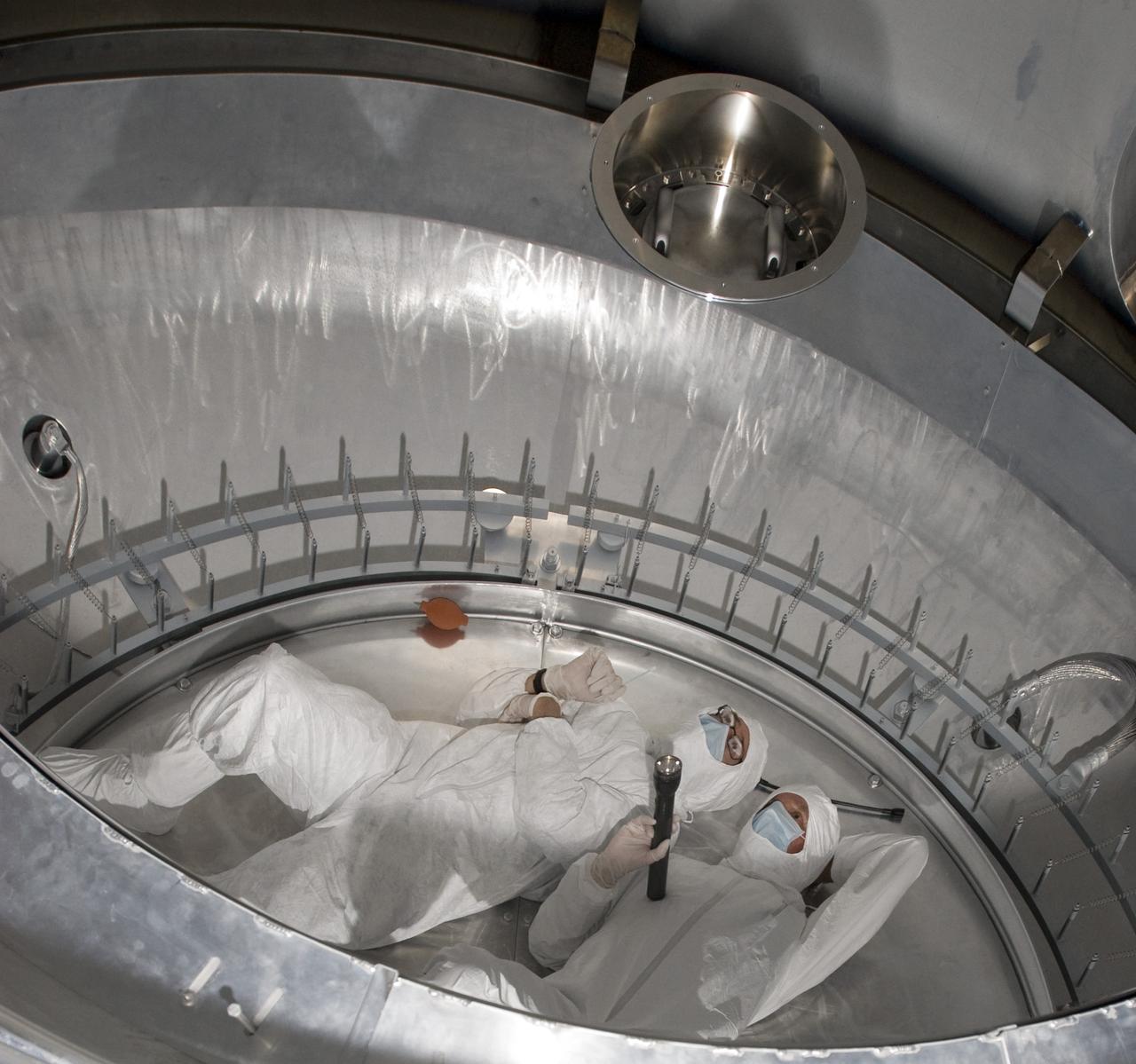
SOFIA (Stratospheric Observatory for Infrared Astronomy) primary mirror being coated in the Ames N-211 Vacuum Chamber.
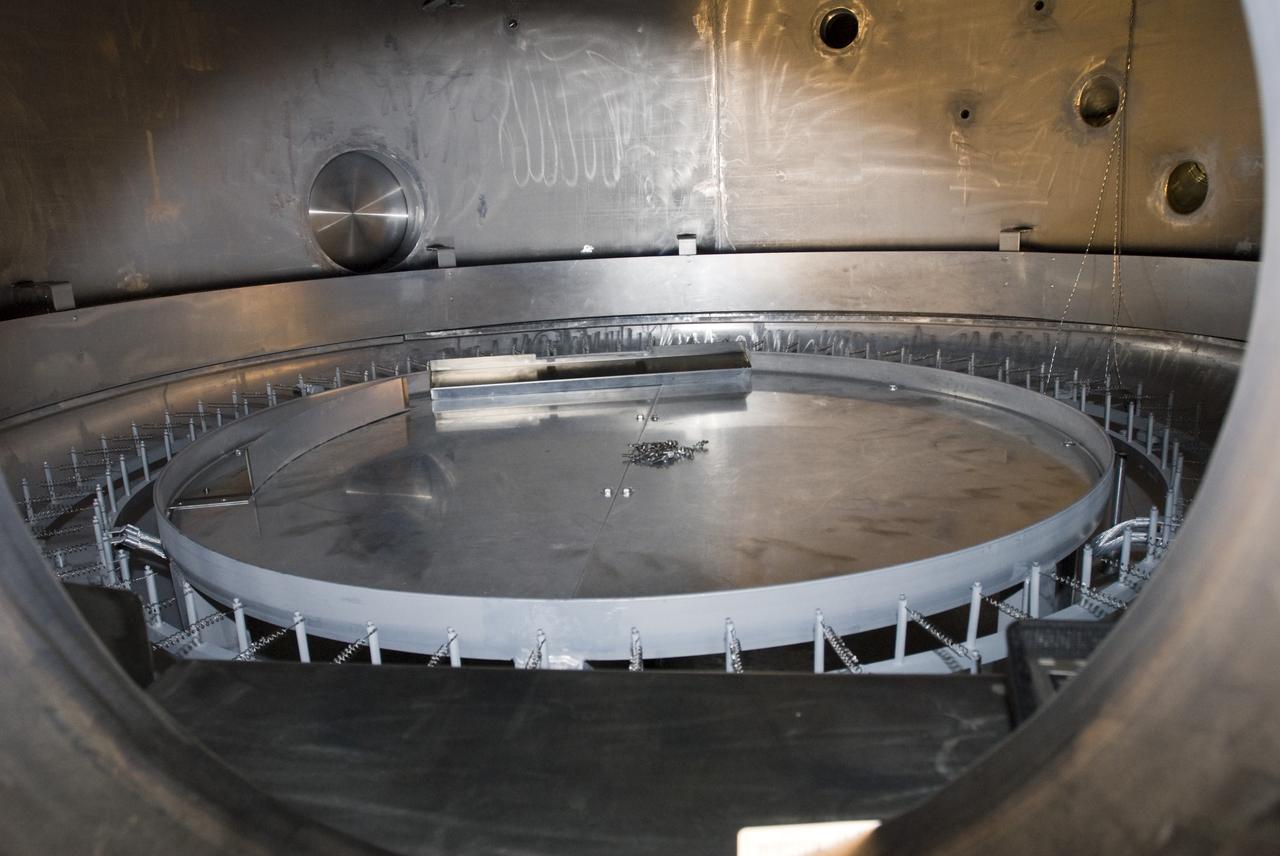
SOFIA (Stratospheric Observatory for Infrared Astronomy) primary mirror being coated in the Ames N-211 Vacuum Chamber.
SOFIA (Stratospheric Observatory for Infrared Astronomy) primary mirror being coated in the Ames N-211 Vacuum Chamber.

SOFIA (Stratospheric Observatory for Infrared Astronomy) primary mirror being coated in the Ames N-211 Vacuum Chamber.
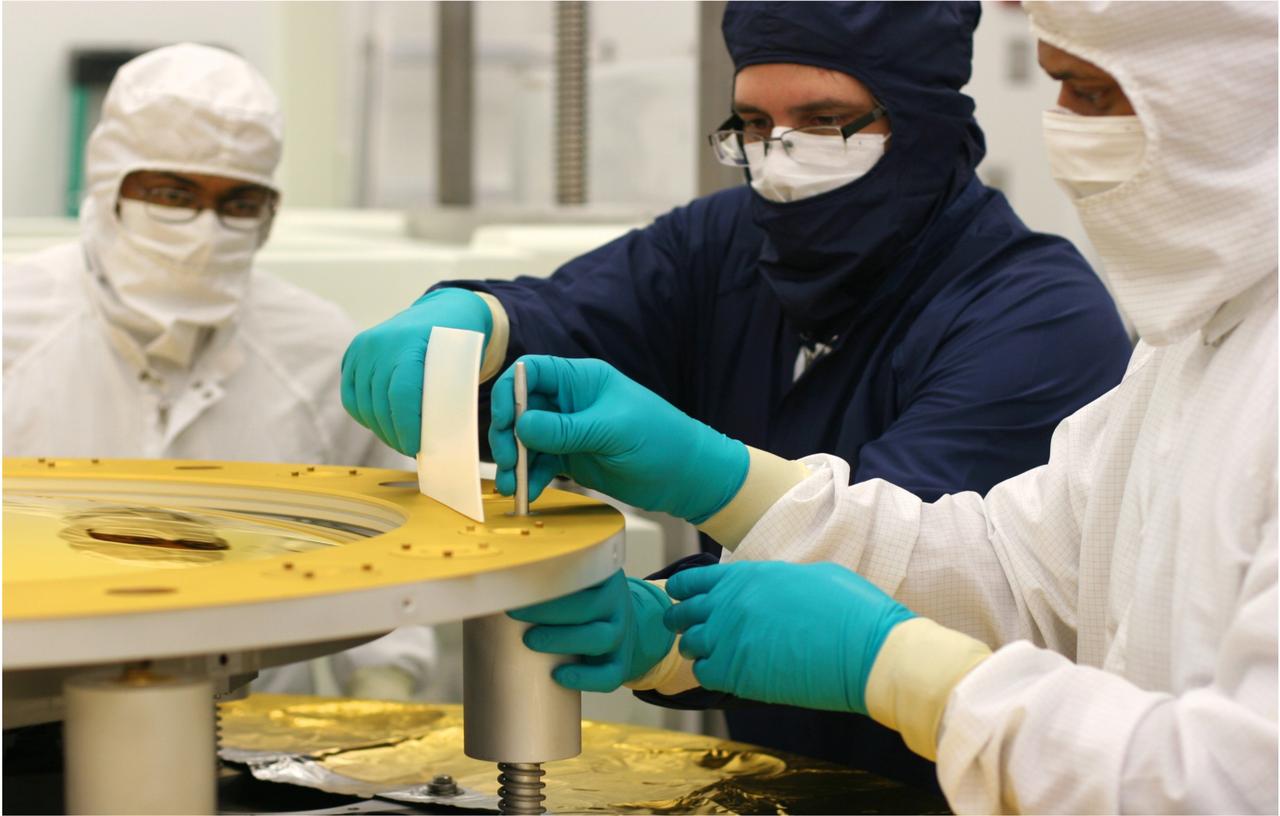
NASA release July 19, 2011 <b>Click here to learn about the <a href="http://www.jwst.nasa.gov/" rel="nofollow"> James Webb Space Telescope</a></b> The secondary mirror (shown here) was polished at the L3 Integrated Optical Systems - Tinsley in Richmond, Calif. to accuracies of less than one millionth of an inch. That accuracy is important for forming the sharpest images when the mirrors cool to -400°F (-240°C) in the cold of space. The Webb's secondary mirror was recently completed, following polishing and gold-coating. "Secondary" may not sound as important as "primary" but when it comes to the next-generation James Webb Space Telescope a secondary mirror plays a critical role in ensuring the telescope gathers information from the cosmos. The Webb's secondary mirror was recently completed, following polishing and gold-coating. There are four different types of mirrors that will fly on the James Webb Space Telescope, and all are made of a light metal called beryllium. It is very strong for its weight and holds its shape across a range of temperatures. There are primary mirror segments (18 total that combined make the large primary mirror providing a collecting area of 25 meters squared/269.1 square feet), the secondary mirror, tertiary mirror and the fine steering mirror. Unlike the primary mirror, which is molded into the shape of a hexagon, the secondary mirror is perfectly rounded. The mirror is also convex, so the reflective surface bulges toward a light source. It looks much like a curved mirror that you'll see on the wall near the exit of a parking garage that lets motorists see around a corner. This mirror is coated with a microscopic layer of gold to enable it to efficiently reflect infrared light (which is what the Webb telescope's cameras see). The quality of the secondary mirror surface is so good that the final convex surface at cold temperatures does not deviate from the design by more than a few millionths of a millimeter - or about one ten thousandth the diameter of a human hair. "As the only convex mirror on the Webb telescope, the secondary mirror has always been recognized to be the hardest of all of the mirrors to polish and test, so we are delighted that its performance meets all specifications," said Lee Feinberg, Webb Optical Telescope manager at NASA's Goddard Space Flight Center in Greenbelt, Md. Convex mirrors are particularly hard to test because light that strikes them diverges away from the mirror. Feinberg noted, "The Webb telescope convex secondary mirror is approximately the size of the Spitzer Space Telescope's primary mirror and is by far the largest convex cryogenic mirror ever built for a NASA program." It was data from the Spitzer's mirrors that helped make the decision to use beryllium for the Webb telescope mirrors. Spitzer's mirrors were also made of beryllium. So why is this mirror so critical? Because the secondary mirror captures light from the 18 primary mirror segments and relays those distant images of the cosmos to the telescope's science cameras. The secondary mirror is mounted on folding "arms" that position it in front of the 18 primary mirror segments. The secondary mirror will soon come to NASA's Goddard Space Flight Center in Greenbelt, Md. where it will be installed on the telescope structure. Then, as a complete unit, the telescope structure and mirrors will undergo acoustic and vibration testing. The secondary mirror was developed at Ball Aerospace & Technology Corp. of Boulder, Colo. and the mirror recently completed polishing at the L3–IOS-Tinsley facility in Richmond, Calif. Northrop Grumman space Systems is the prime contractor on the Webb telescope program. The James Webb Space Telescope is the world’s next-generation space observatory and successor to the Hubble Space Telescope. The most powerful space telescope ever built, Webb will observe the most distant objects in the universe, provide images of the very first galaxies ever formed and see unexplored planets around distant stars. The Webb Telescope is a joint project of NASA, the European Space Agency and the Canadian Space Agency. Credit:NASA/Ball Aerospace/Tinsley <b><a href="http://www.nasa.gov/centers/goddard/home/index.html" rel="nofollow">NASA Goddard Space Flight Center</a></b> enables NASA’s mission through four scientific endeavors: Earth Science, Heliophysics, Solar System Exploration, and Astrophysics. Goddard plays a leading role in NASA’s accomplishments by contributing compelling scientific knowledge to advance the Agency’s mission. <b>Follow us on <a href="http://twitter.com/NASA_GoddardPix" rel="nofollow">Twitter</a></b> <b>Like us on <a href="http://www.facebook.com/pages/Greenbelt-MD/NASA-Goddard/395013845897?ref=tsd" rel="nofollow">Facebook</a></b> <b>Find us on <a href="http://web.stagram.com/n/nasagoddard/?vm=grid" rel="nofollow">Instagram</a></b>
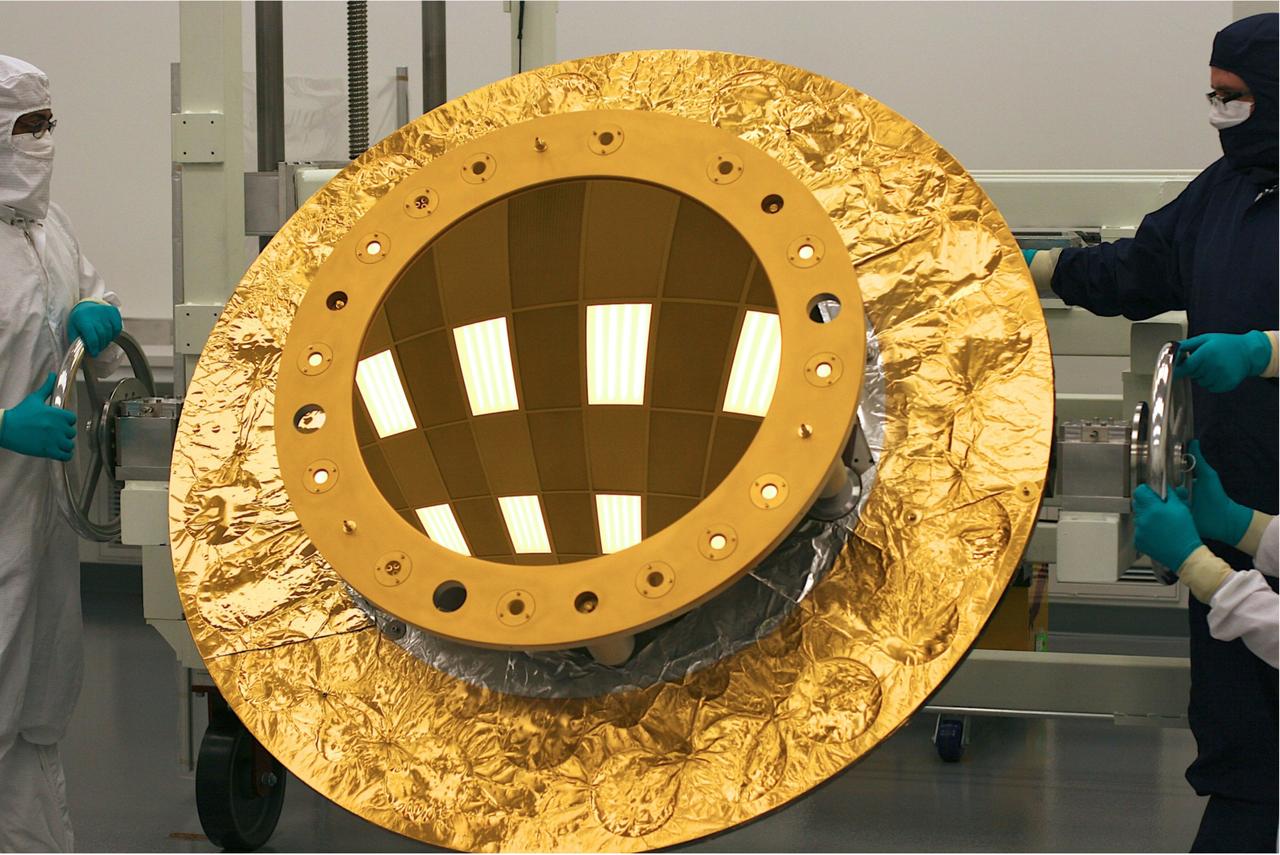
NASA release July 19, 2011 <b>Click here to learn about the <a href="http://www.jwst.nasa.gov/" rel="nofollow"> James Webb Space Telescope</a></b> The secondary mirror (shown here) was polished at the L3 Integrated Optical Systems - Tinsley in Richmond, Calif. to accuracies of less than one millionth of an inch. That accuracy is important for forming the sharpest images when the mirrors cool to -400°F (-240°C) in the cold of space. The Webb's secondary mirror was recently completed, following polishing and gold-coating. "Secondary" may not sound as important as "primary" but when it comes to the next-generation James Webb Space Telescope a secondary mirror plays a critical role in ensuring the telescope gathers information from the cosmos. The Webb's secondary mirror was recently completed, following polishing and gold-coating. There are four different types of mirrors that will fly on the James Webb Space Telescope, and all are made of a light metal called beryllium. It is very strong for its weight and holds its shape across a range of temperatures. There are primary mirror segments (18 total that combined make the large primary mirror providing a collecting area of 25 meters squared/269.1 square feet), the secondary mirror, tertiary mirror and the fine steering mirror. Unlike the primary mirror, which is molded into the shape of a hexagon, the secondary mirror is perfectly rounded. The mirror is also convex, so the reflective surface bulges toward a light source. It looks much like a curved mirror that you'll see on the wall near the exit of a parking garage that lets motorists see around a corner. This mirror is coated with a microscopic layer of gold to enable it to efficiently reflect infrared light (which is what the Webb telescope's cameras see). The quality of the secondary mirror surface is so good that the final convex surface at cold temperatures does not deviate from the design by more than a few millionths of a millimeter - or about one ten thousandth the diameter of a human hair. "As the only convex mirror on the Webb telescope, the secondary mirror has always been recognized to be the hardest of all of the mirrors to polish and test, so we are delighted that its performance meets all specifications," said Lee Feinberg, Webb Optical Telescope manager at NASA's Goddard Space Flight Center in Greenbelt, Md. Convex mirrors are particularly hard to test because light that strikes them diverges away from the mirror. Feinberg noted, "The Webb telescope convex secondary mirror is approximately the size of the Spitzer Space Telescope's primary mirror and is by far the largest convex cryogenic mirror ever built for a NASA program." It was data from the Spitzer's mirrors that helped make the decision to use beryllium for the Webb telescope mirrors. Spitzer's mirrors were also made of beryllium. So why is this mirror so critical? Because the secondary mirror captures light from the 18 primary mirror segments and relays those distant images of the cosmos to the telescope's science cameras. The secondary mirror is mounted on folding "arms" that position it in front of the 18 primary mirror segments. The secondary mirror will soon come to NASA's Goddard Space Flight Center in Greenbelt, Md. where it will be installed on the telescope structure. Then, as a complete unit, the telescope structure and mirrors will undergo acoustic and vibration testing. The secondary mirror was developed at Ball Aerospace & Technology Corp. of Boulder, Colo. and the mirror recently completed polishing at the L3–IOS-Tinsley facility in Richmond, Calif. Northrop Grumman space Systems is the prime contractor on the Webb telescope program. The James Webb Space Telescope is the world’s next-generation space observatory and successor to the Hubble Space Telescope. The most powerful space telescope ever built, Webb will observe the most distant objects in the universe, provide images of the very first galaxies ever formed and see unexplored planets around distant stars. The Webb Telescope is a joint project of NASA, the European Space Agency and the Canadian Space Agency. Credit:NASA/Ball Aerospace/Tinsley <b><a href="http://www.nasa.gov/centers/goddard/home/index.html" rel="nofollow">NASA Goddard Space Flight Center</a></b> enables NASA’s mission through four scientific endeavors: Earth Science, Heliophysics, Solar System Exploration, and Astrophysics. Goddard plays a leading role in NASA’s accomplishments by contributing compelling scientific knowledge to advance the Agency’s mission. <b>Follow us on <a href="http://twitter.com/NASA_GoddardPix" rel="nofollow">Twitter</a></b> <b>Like us on <a href="http://www.facebook.com/pages/Greenbelt-MD/NASA-Goddard/395013845897?ref=tsd" rel="nofollow">Facebook</a></b> <b>Find us on <a href="http://web.stagram.com/n/nasagoddard/?vm=grid" rel="nofollow">Instagram</a></b>
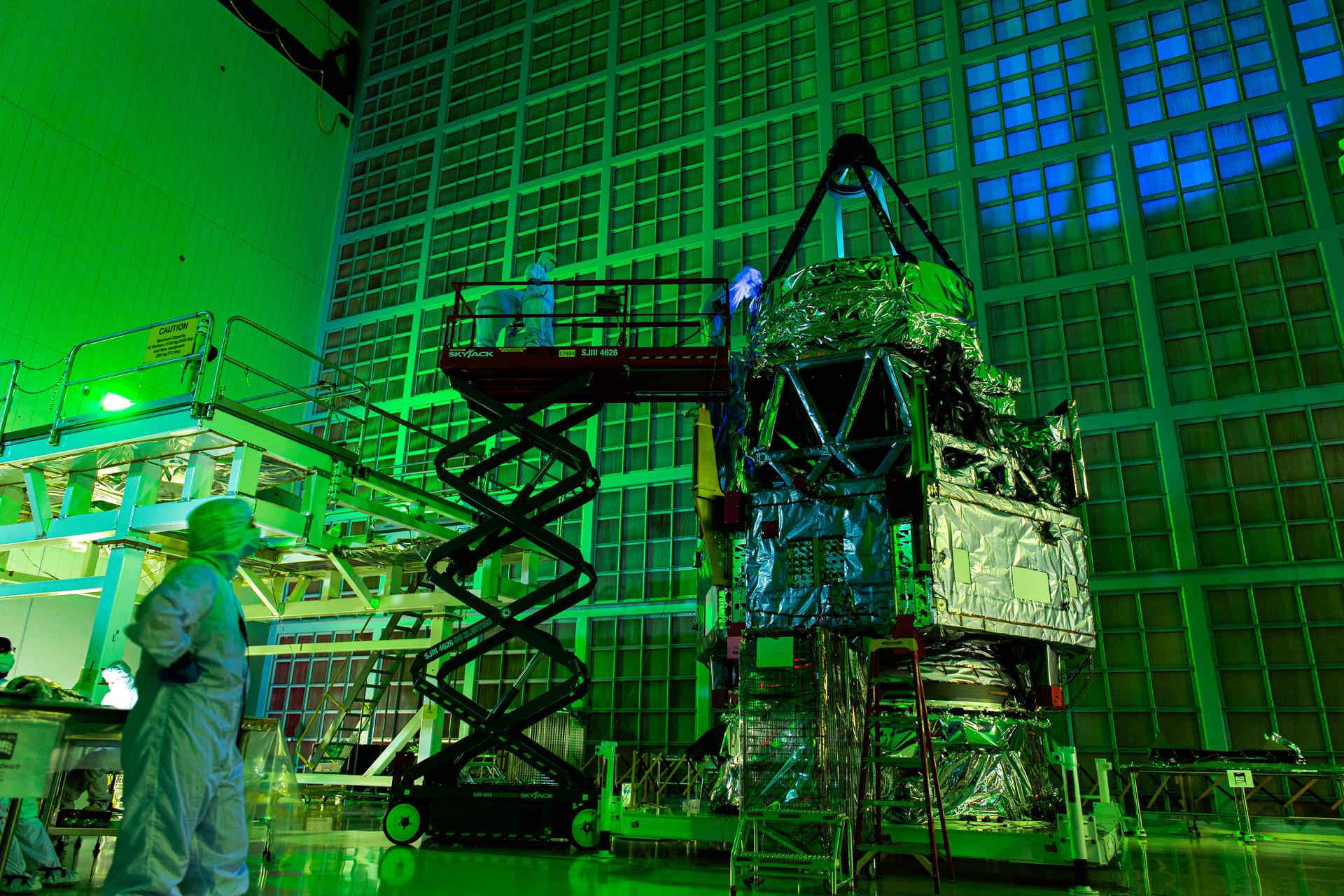
Roman Space Telescope team members inspect the primary mirror in the dark using flashlights and UV lights to help them see any contamination, inside the cleanroom at Goddard Space Flight Center, Greenbelt Md., July 2, 2025. The green glow of the room is due to a long exposure time, the green comes from a light on the left wall which indicates optimal airflow through the room. This photo has been approved for public release. NASA/Mike Guinto
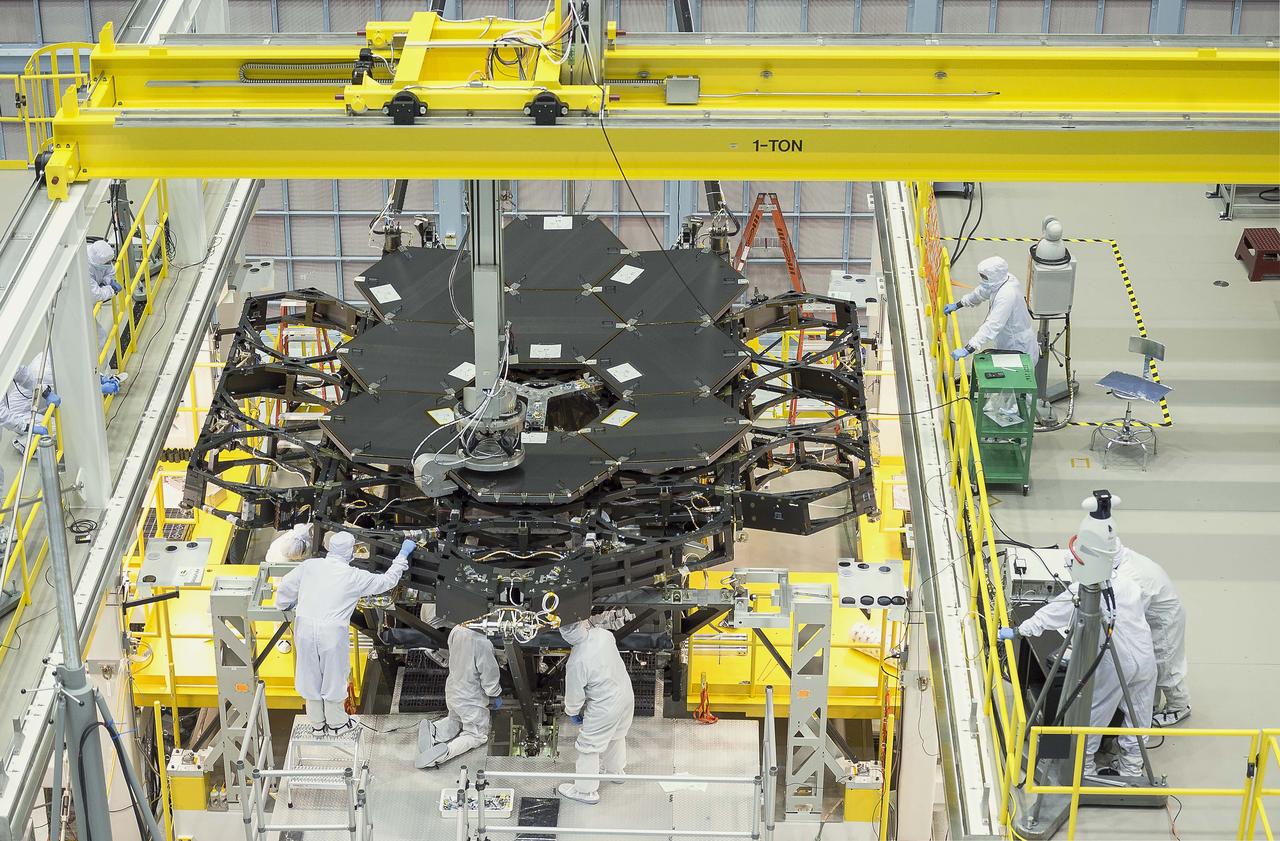
Inside NASA's Goddard Space Flight Center's massive clean room in Greenbelt, Maryland, the ninth flight mirror was installed onto the telescope structure with a robotic arm. This marks the halfway completion point for the James Webb Space Telescope's segmented primary mirror. This rare overhead shot of the James Webb Space Telescope shows the nine primary flight mirrors installed on the telescope structure in a clean room at NASA's Goddard Space Flight Center in Greenbelt, Maryland. Credits: NASA's Goddard Space Flight Center/Chris Gunn Read more: <a href="http://go.nasa.gov/1kqK6fW" rel="nofollow">go.nasa.gov/1kqK6fW</a>
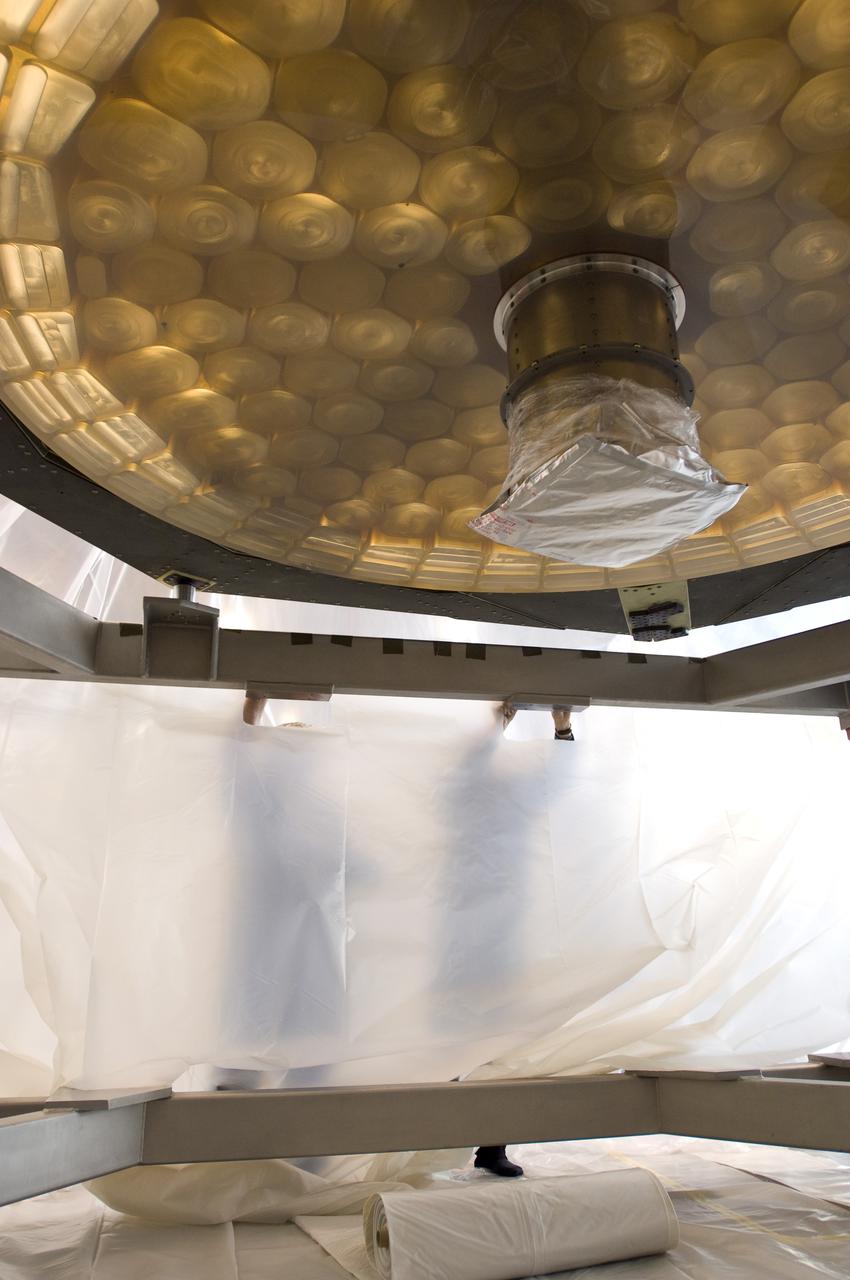
SOFIA (Stratospheric Observatory for Infrared Astronomy) primary mirror being moved into N-211, readied and move into the Ames Vacuum Chamber for the coating process.
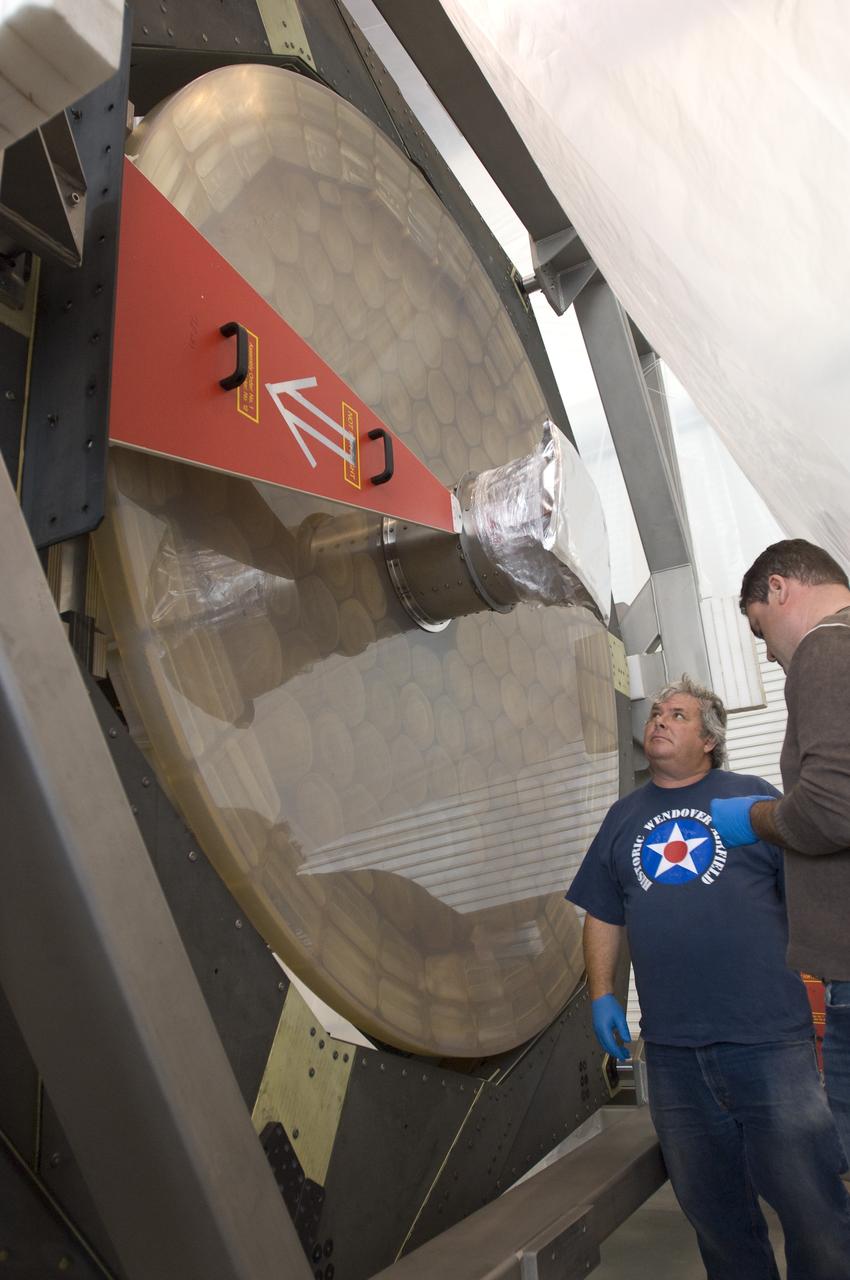
SOFIA (Stratospheric Observatory for Infrared Astronomy) primary mirror being moved into N-211, readied and move into the Ames Vacuum Chamber for the coating process.
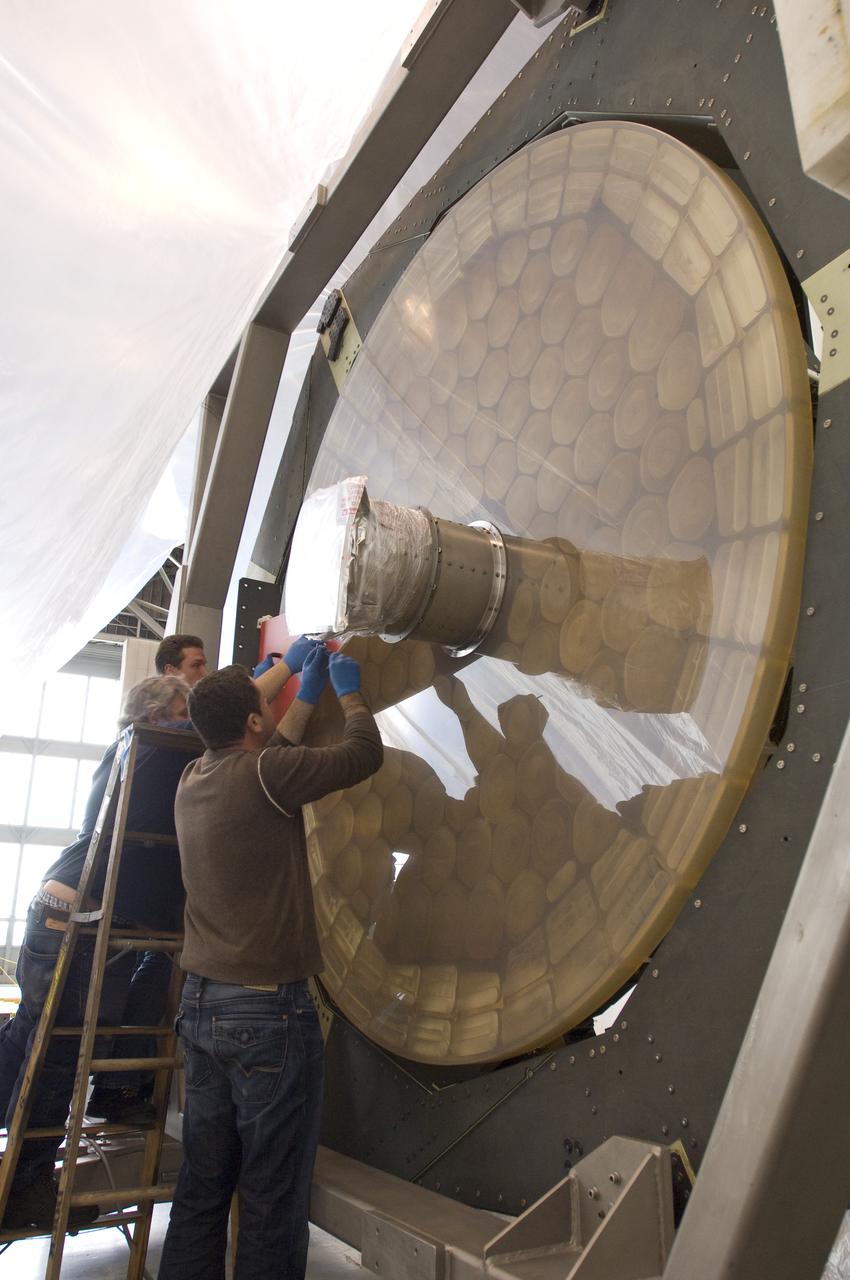
SOFIA (Stratospheric Observatory for Infrared Astronomy) primary mirror being moved into N-211, readied and move into the Ames Vacuum Chamber for the coating process.
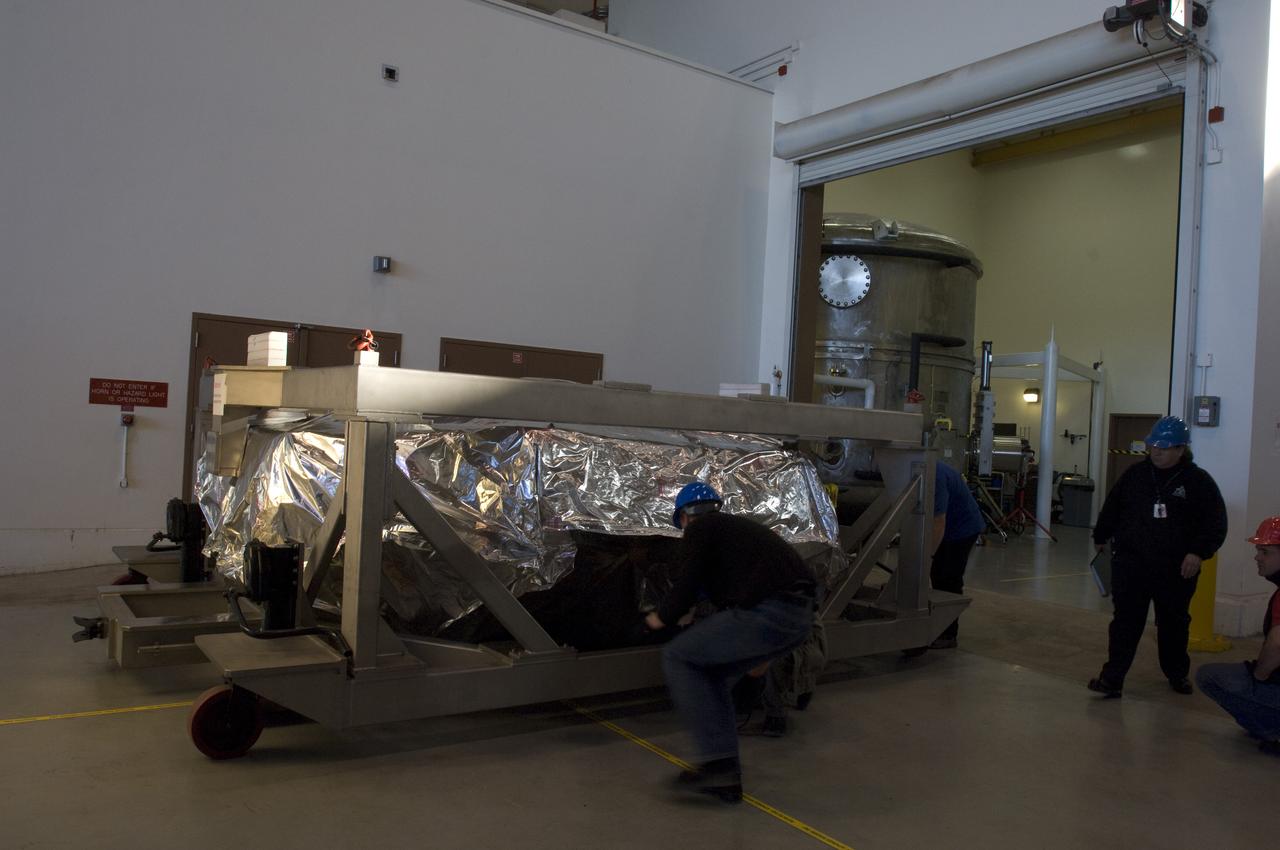
SOFIA (Stratospheric Observatory for Infrared Astronomy) primary mirror being moved into N-211, readied and move into the Ames Vacuum Chamber for the coating process.
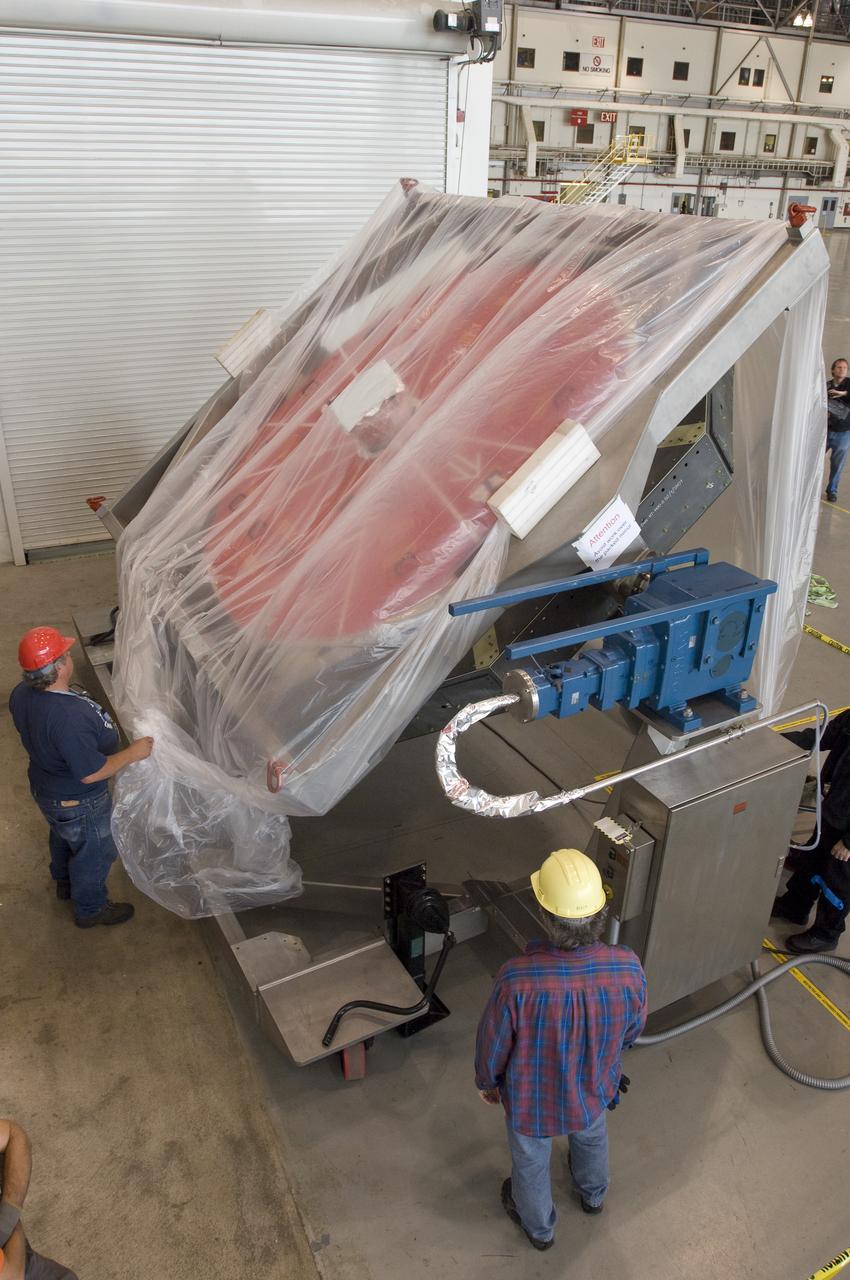
SOFIA (Stratospheric Observatory for Infrared Astronomy) primary mirror being moved into N-211, readied and move into the Ames Vacuum Chamber for the coating process.
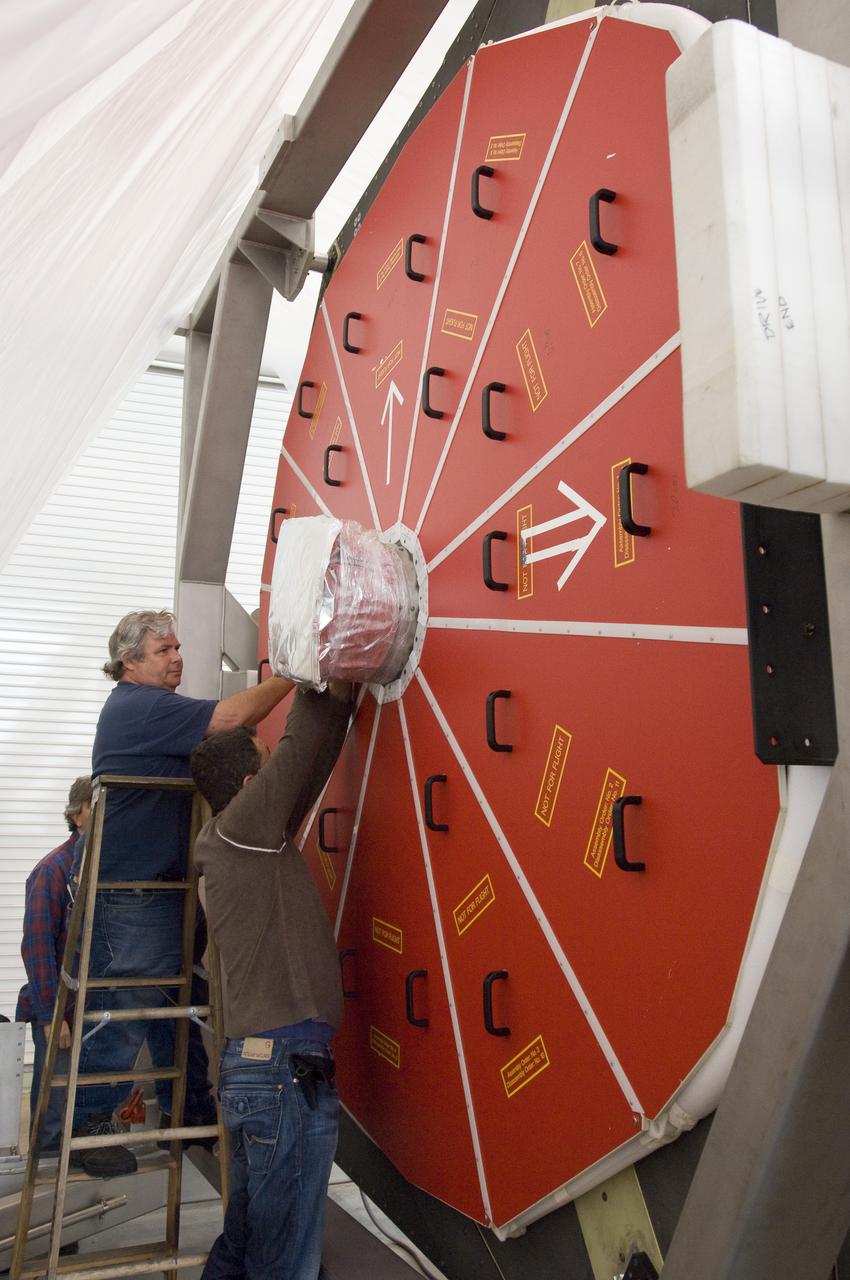
SOFIA (Stratospheric Observatory for Infrared Astronomy) primary mirror being moved into N-211, readied and move into the Ames Vacuum Chamber for the coating process.
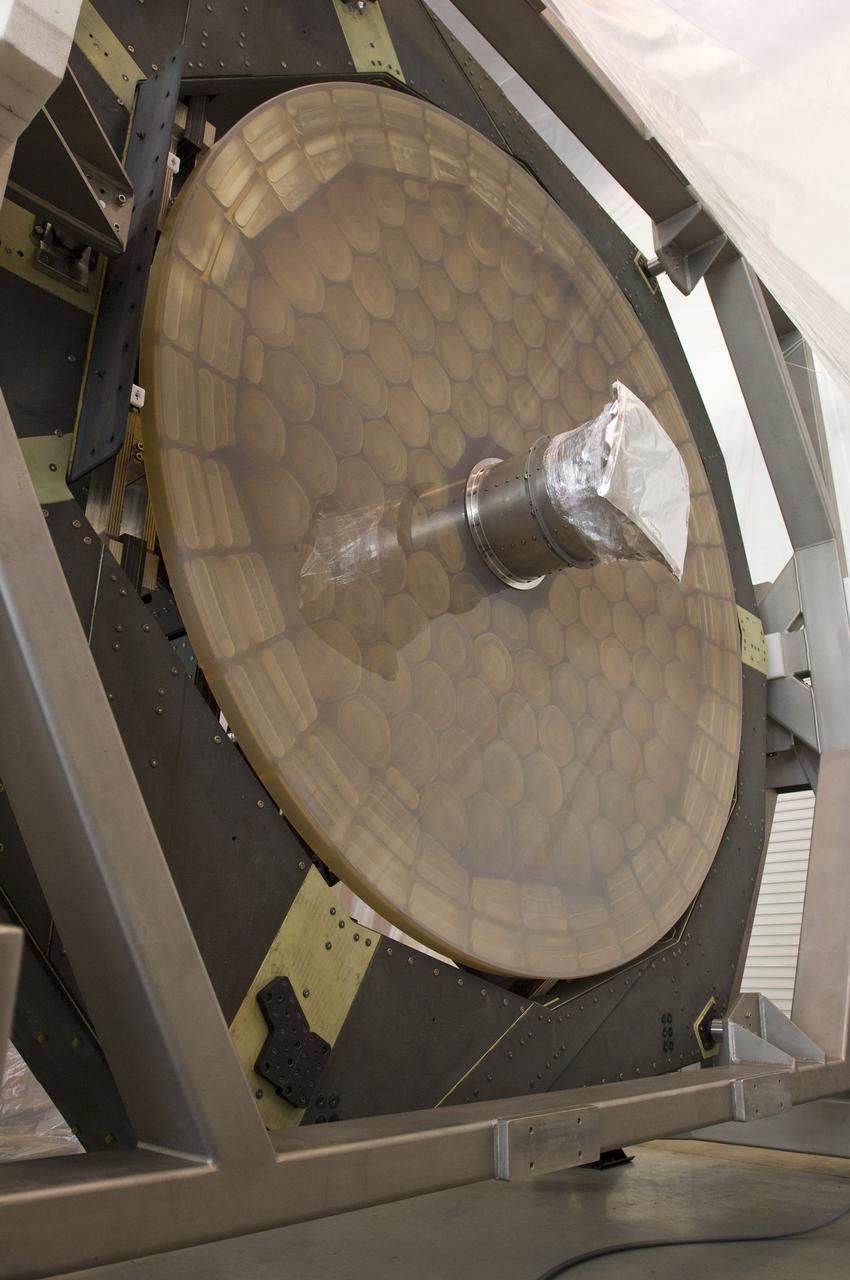
SOFIA (Stratospheric Observatory for Infrared Astronomy) primary mirror being moved into N-211, readied and move into the Ames Vacuum Chamber for the coating process.