
View of pumpkin plant. Image was released by astronaut on Twitter.
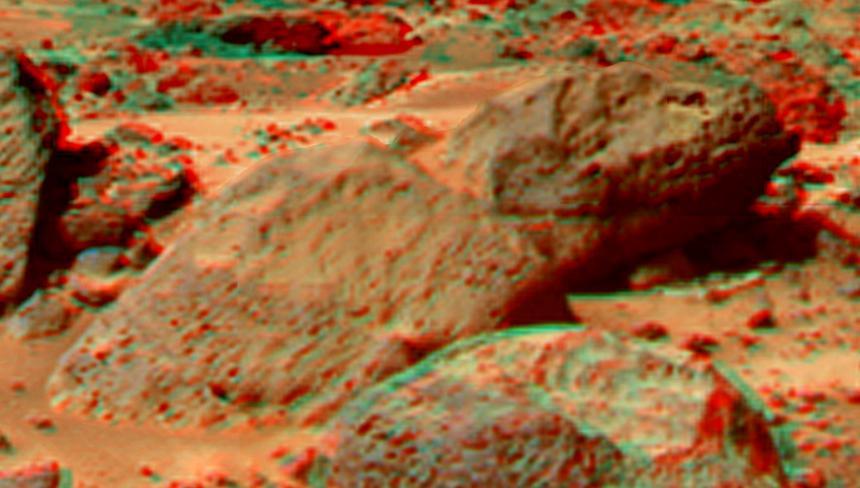
This is a stereo view of Moe & Pumpkin, part of the Bookshelf at the back of the Rock Garden to the southwest of NASA Mars Pathfinder lander. 3D glasses are necessary to identify surface detail.
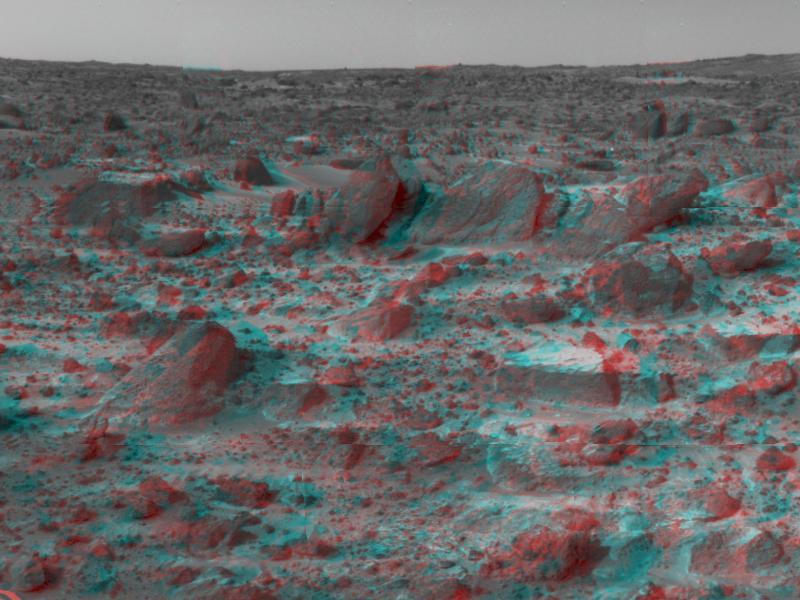
Many prominent rocks near the Sagan Memorial Station are featured in this image, from NASA Mars Pathfinder. Wedge is at lower left; Shark, Half-Dome, and Pumpkin are at center. 3-D glasses are necessary to identify surface detail.
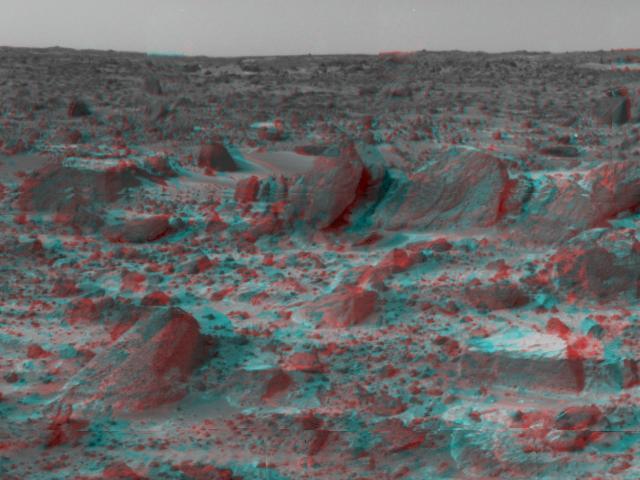
Many prominent rocks near the Sagan Memorial Station are featured in this image from NASA Mars Pathfinder. Shark, Half-Dome, and Pumpkin are at center 3D glasses are necessary to identify surface detail.
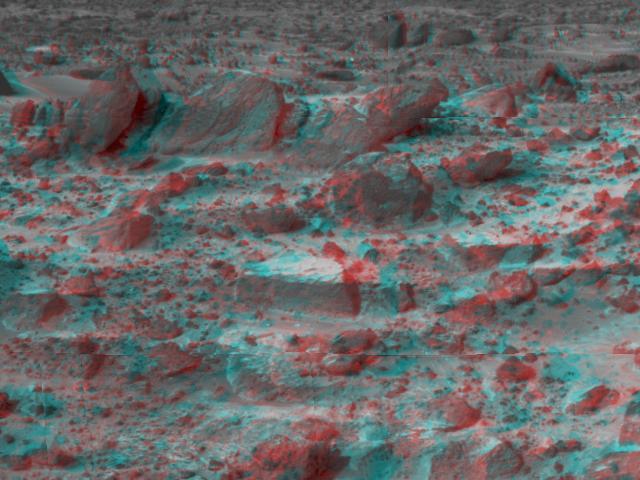
Many prominent rocks near the Sagan Memorial Station are featured in this image, from NASA Mars Pathfinder. Shark, Half-Dome, and Pumpkin, Flat Top and Frog are at center 3D glasses are necessary to identify surface detail.
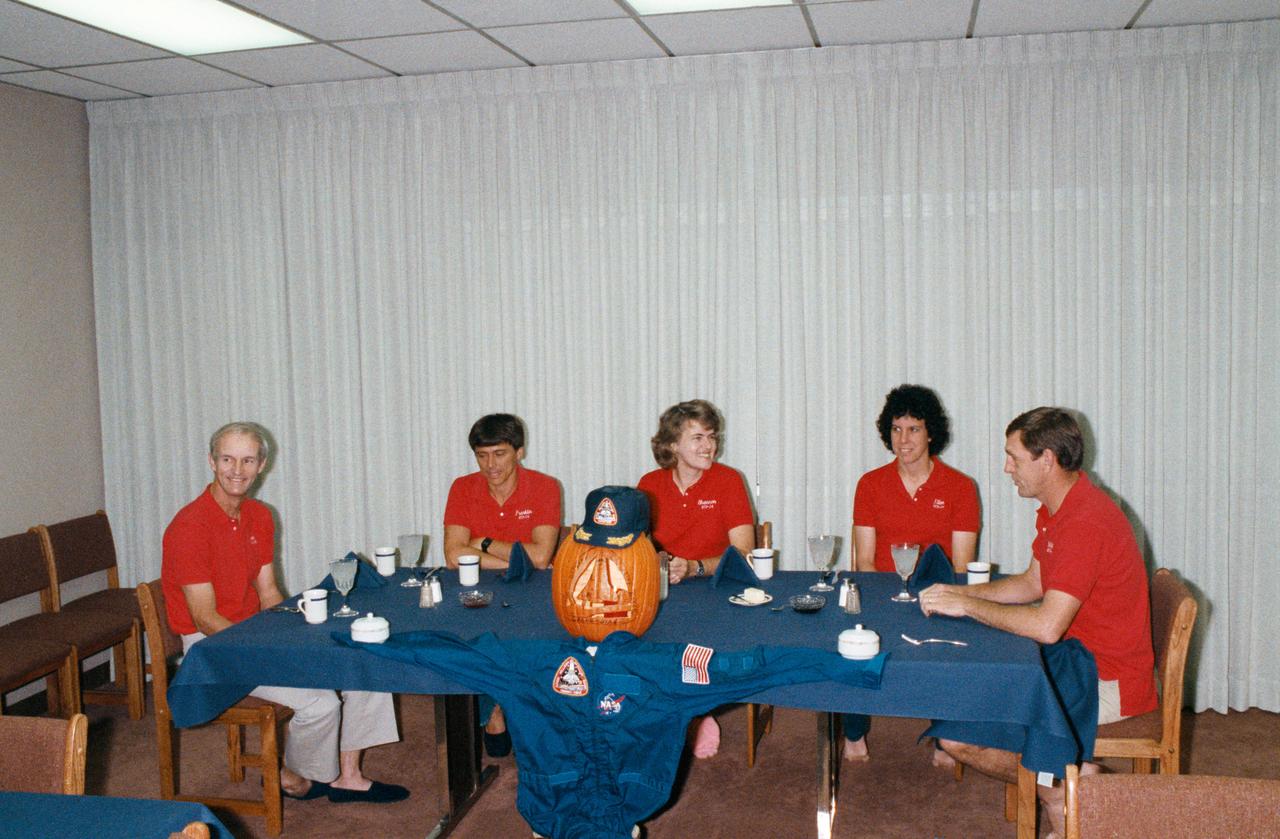
STS034-S-021 (18 Oct 1989) --- The traditional light pre-launch breakfast greets the five astronaut crew-members for NASA's STS-34 mission in the Operations and Checkout Facility at Kennedy Space Center (KSC). From the left are Astronauts Donald E. Williams, mission commander; Franklin R. Chang-Diaz, Shannon W. Lucid and Ellen S. Baker, all mission specialists; and Michael J. McCulley, pilot. A pumpkin converted into a Jack-o-lantern adds a seasonal touch to the table.
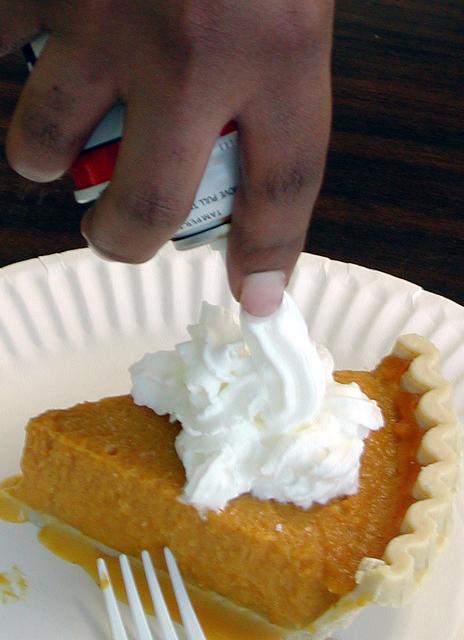
Whipped cream and the filling for pumpkin pie are two familiar materials that exhibit the shear-thinning effect seen in a range of industrial applications. It is thick enough to stand on its own atop a piece of pie, yet flows readily when pushed through a tube. This demonstrates the shear-thinning effect that was studied with the Critical Viscosity of Xenon Experiment (CVX-2) on the STS-107 Research 1 mission in 2002. CVX observed the behavior of xenon, a heavy inert gas used in flash lamps and ion rocket engines, at its critical point. The principal investigator was Dr. Robert Berg of the National Institutes of Standards and Technology in Gaithersburg, MD.
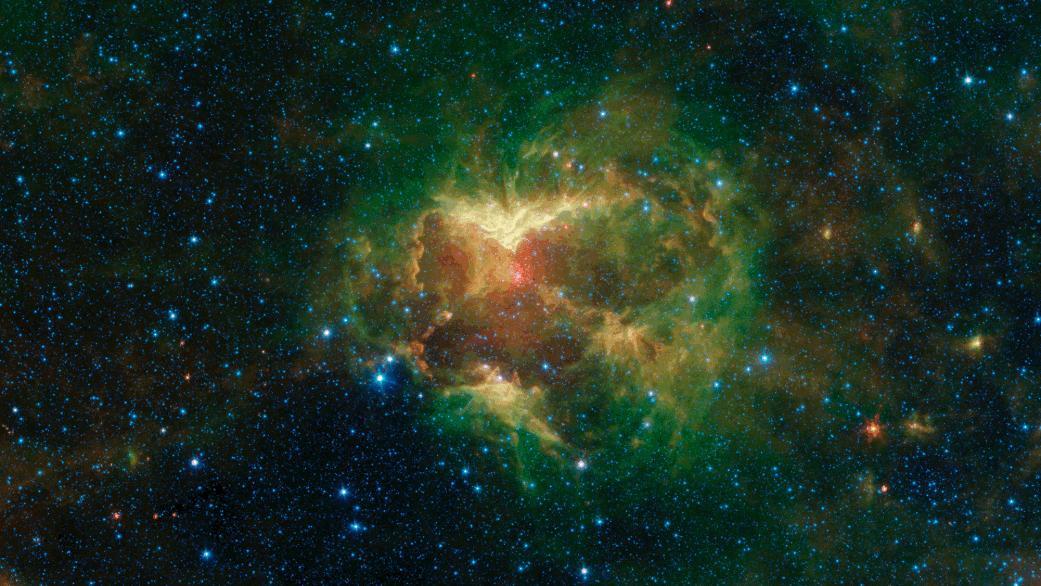
This carved-out cloud of gas and dust has been nicknamed the "Jack-o'-lantern Nebula" because it looks like a cosmic hollowed-out pumpkin. Powerful outflows of radiation and particles from a massive star — known as an O-type star and about 15 to 20 times heavier than the Sun — has likely swept the surrounding dust and gas outward, creating deep gouges in the cloud. The image shows infrared light (which is invisible to the human eye) captured by NASA's Spitzer Space Telescope. https://photojournal.jpl.nasa.gov/catalog/PIA23403
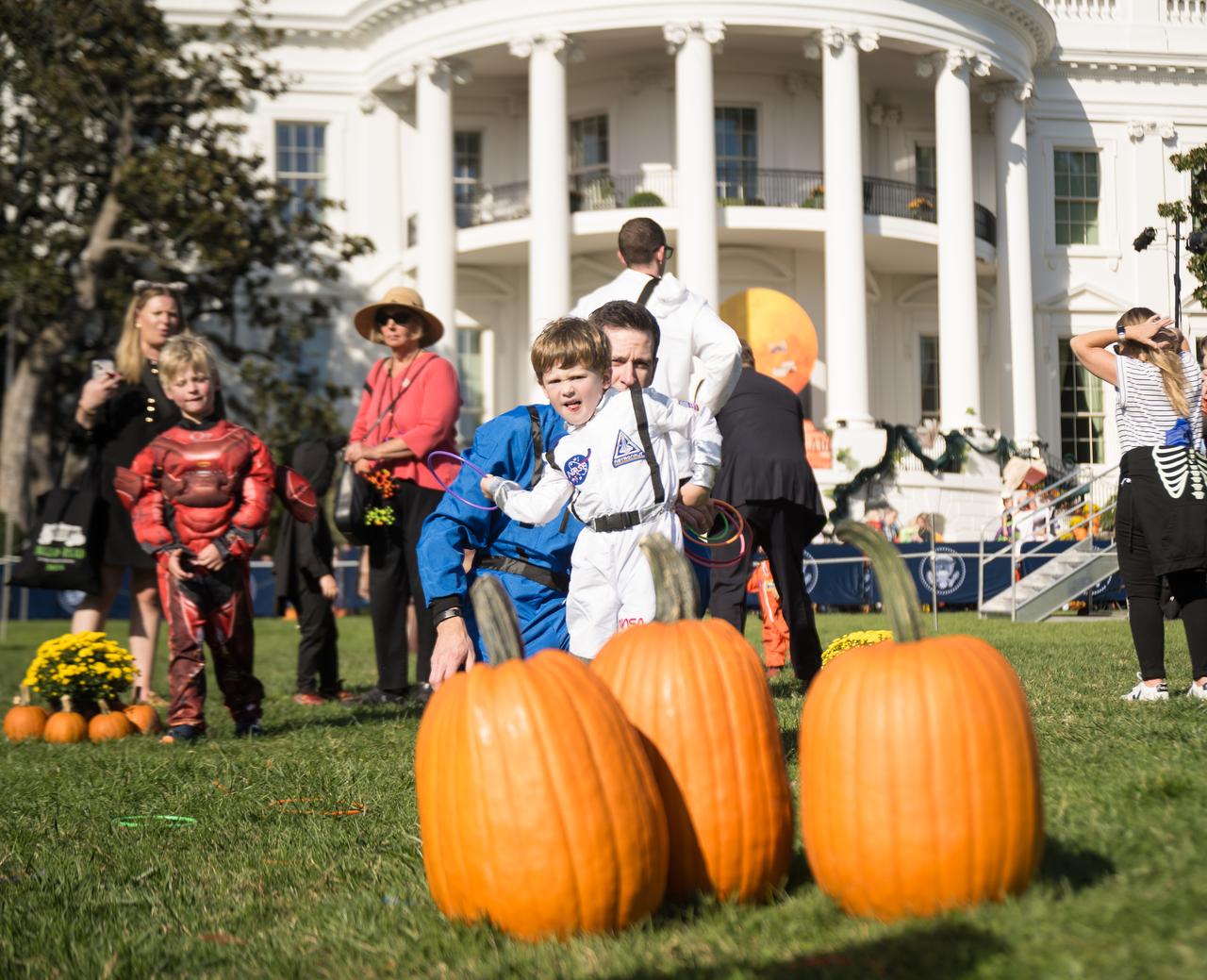
A visitor in a NASA costume plays games at a White House Halloween themed event titled, “Hallo-READ!” on Wednesday, Oct. 30, 2024 on the south lawn of the White House in Washington. Photo Credit: (NASA/Aubrey Gemignani)

After years of tests and development, NASA’s Balloon Program team is on the cusp of expanding the envelope in high-altitude, heavy-lift ballooning with its super pressure balloon (SPB) technology. NASA’s scientific balloon experts are in Wanaka, New Zealand, prepping for the fourth flight of an 18.8 million-cubic-foot (532,000 cubic-meter) balloon, with the ambitious goal of achieving an ultra-long-duration flight of up to 100 days at mid-latitudes. Launch of the pumpkin-shaped, football stadium-size balloon is scheduled for sometime after April 1, 2016, from Wanaka Airport, pending final checkouts and flight readiness of the balloon and supporting systems. Once launched, the SPB, which is made from 22-acres of polyethylene film – similar to a sandwich bag, but stronger and more durable – will ascend to a nearly constant float altitude of 110,000 feet (33.5 km). The balloon will travel eastward carrying a 2,260-pound (1,025 kg) payload consisting of tracking, communications and scientific instruments. NASA expects the SPB to circumnavigate the globe once every one to three weeks, depending on wind speeds in the stratosphere. Read more: <a href="http://go.nasa.gov/1p56xKR" rel="nofollow">go.nasa.gov/1p56xKR</a> <b><a href="http://www.nasa.gov/audience/formedia/features/MP_Photo_Guidelines.html" rel="nofollow">NASA image use policy.</a></b> <b><a href="http://www.nasa.gov/centers/goddard/home/index.html" rel="nofollow">NASA Goddard Space Flight Center</a></b> enables NASA’s mission through four scientific endeavors: Earth Science, Heliophysics, Solar System Exploration, and Astrophysics. Goddard plays a leading role in NASA’s accomplishments by contributing compelling scientific knowledge to advance the Agency’s mission. <b>Follow us on <a href="http://twitter.com/NASAGoddardPix" rel="nofollow">Twitter</a></b> <b>Like us on <a href="http://www.facebook.com/pages/Greenbelt-MD/NASA-Goddard/395013845897?ref=tsd" rel="nofollow">Facebook</a></b> <b>Find us on <a href="http://instagrid.me/nasagoddard/?vm=grid" rel="nofollow">Instagram</a></b>

After years of tests and development, NASA’s Balloon Program team is on the cusp of expanding the envelope in high-altitude, heavy-lift ballooning with its super pressure balloon (SPB) technology. NASA’s scientific balloon experts are in Wanaka, New Zealand, prepping for the fourth flight of an 18.8 million-cubic-foot (532,000 cubic-meter) balloon, with the ambitious goal of achieving an ultra-long-duration flight of up to 100 days at mid-latitudes. Launch of the pumpkin-shaped, football stadium-size balloon is scheduled for sometime after April 1, 2016, from Wanaka Airport, pending final checkouts and flight readiness of the balloon and supporting systems. Once launched, the SPB, which is made from 22-acres of polyethylene film – similar to a sandwich bag, but stronger and more durable – will ascend to a nearly constant float altitude of 110,000 feet (33.5 km). The balloon will travel eastward carrying a 2,260-pound (1,025 kg) payload consisting of tracking, communications and scientific instruments. NASA expects the SPB to circumnavigate the globe once every one to three weeks, depending on wind speeds in the stratosphere. Read more: <a href="http://go.nasa.gov/1p56xKR" rel="nofollow">go.nasa.gov/1p56xKR</a> <b><a href="http://www.nasa.gov/audience/formedia/features/MP_Photo_Guidelines.html" rel="nofollow">NASA image use policy.</a></b> <b><a href="http://www.nasa.gov/centers/goddard/home/index.html" rel="nofollow">NASA Goddard Space Flight Center</a></b> enables NASA’s mission through four scientific endeavors: Earth Science, Heliophysics, Solar System Exploration, and Astrophysics. Goddard plays a leading role in NASA’s accomplishments by contributing compelling scientific knowledge to advance the Agency’s mission. <b>Follow us on <a href="http://twitter.com/NASAGoddardPix" rel="nofollow">Twitter</a></b> <b>Like us on <a href="http://www.facebook.com/pages/Greenbelt-MD/NASA-Goddard/395013845897?ref=tsd" rel="nofollow">Facebook</a></b> <b>Find us on <a href="http://instagrid.me/nasagoddard/?vm=grid" rel="nofollow">Instagram</a></b>