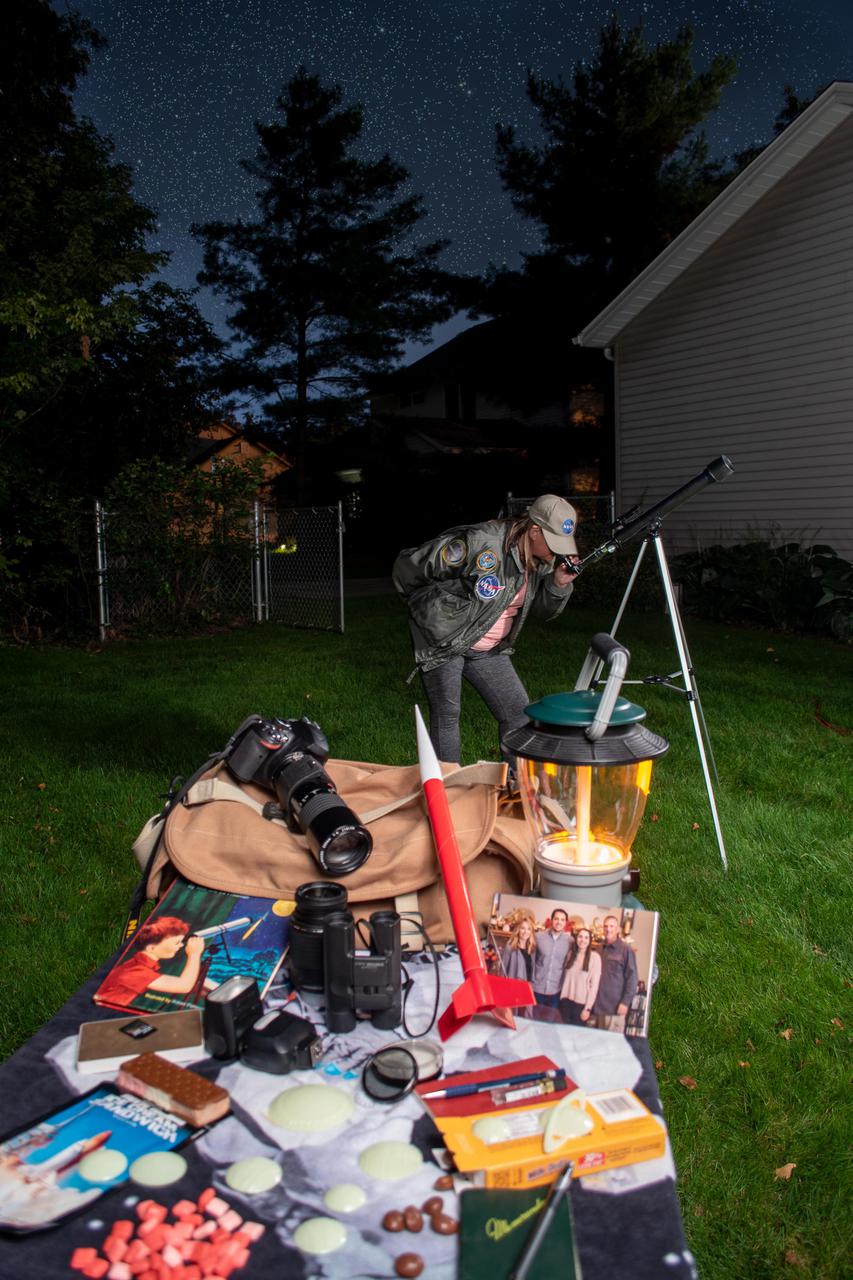
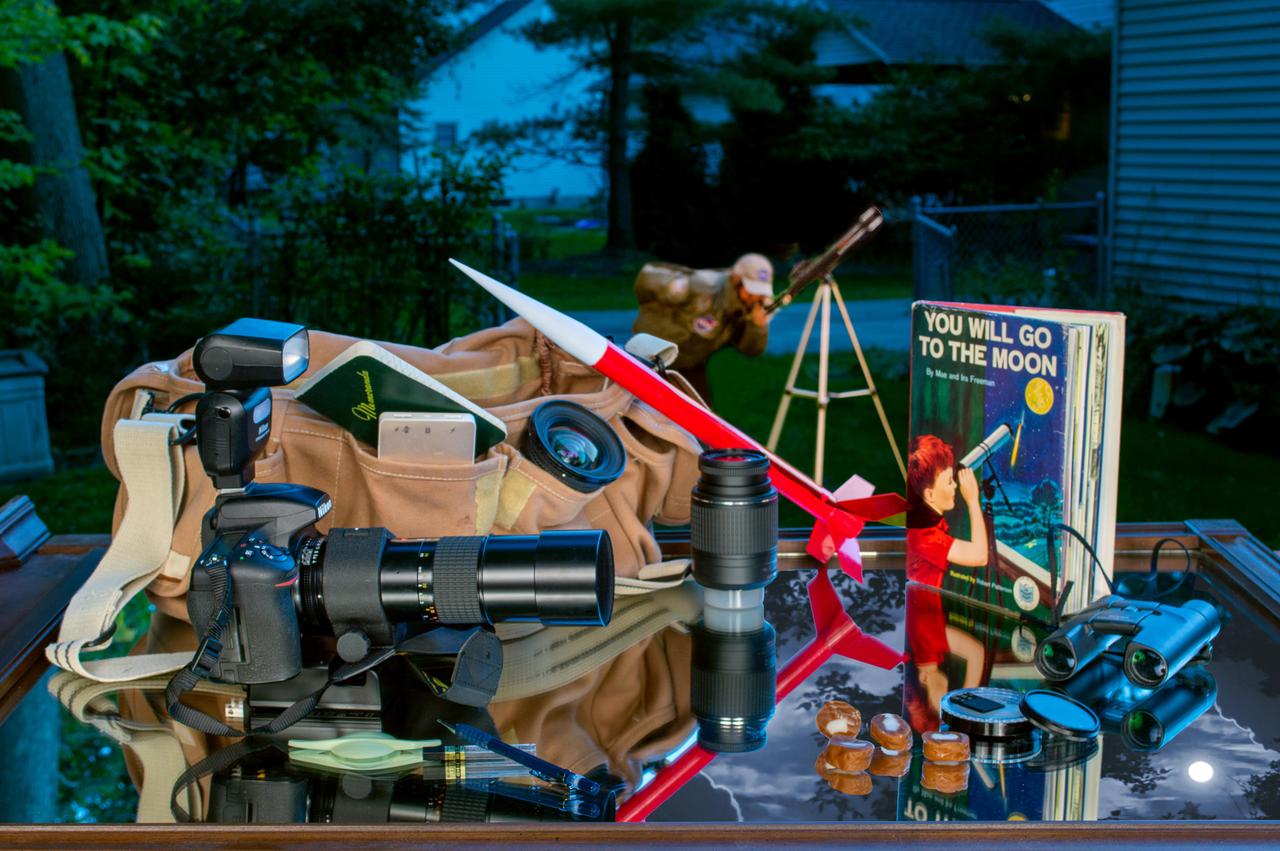
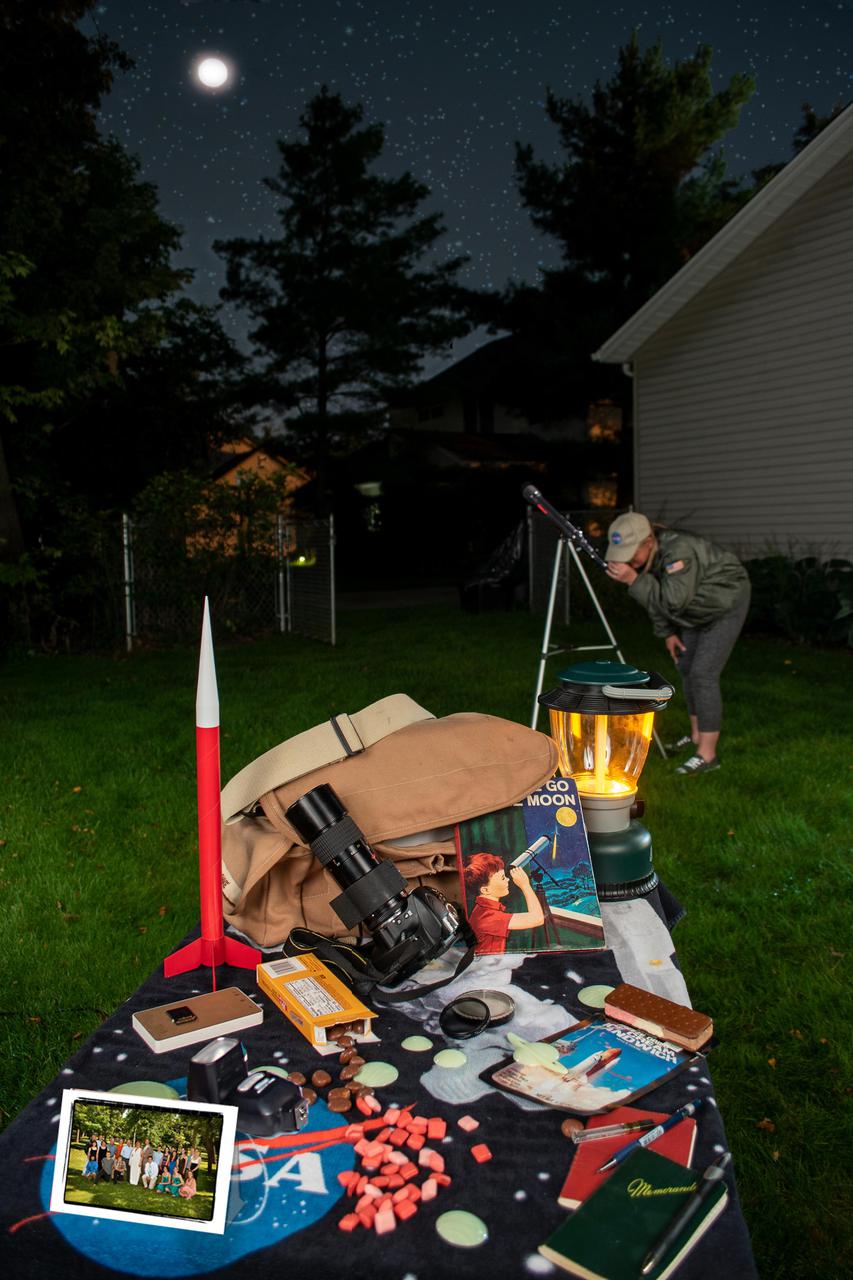
NASA Moon Kit of things I would take to the moon, The first thing I thought of for my Moon Kit was the first book I ever read when I was learning to read.  It is titled, You Will Go To The Moon.  I really liked that book and read it many times, looking at the illustrations and wondering about if I would ever actually go to the moon.  Of the many belongings that I have lost through the years from moving, etc. that book has stayed with me and so it would of course go to the moon with me.  Photography has always interested me and so a family photo was second to get packed. We always had photos taken and volumes of old family photos in the house and so photography has played an important role in my life and so my camera gear is third to get packed.  As a kid I spend a lot of time and money building rockets and flying them.  I bet my rocket would go very high on the moon.  I also like a little candy wherever I go.
NASA MoonKit - Quentin Schwinn
NASA Moon Kit of things I would take to the moon, I couldn’t go to the moon without my two mirrorless digital SLR cameras, Lens, my 120 6x4.5 film camera, several rolls of 120 film, my singing bowl (for meditation), my wireless printer, My son’s astronaut toy, Several pictures of both my sons and wife, My oldest sons first shoes (they are good luck), cell phone (for music and extra photos), Tablet and Pen (for editing and books), my Laptop and my water bottle (I take it everywhere).
NASA MoonKit - Quentin Schwinn
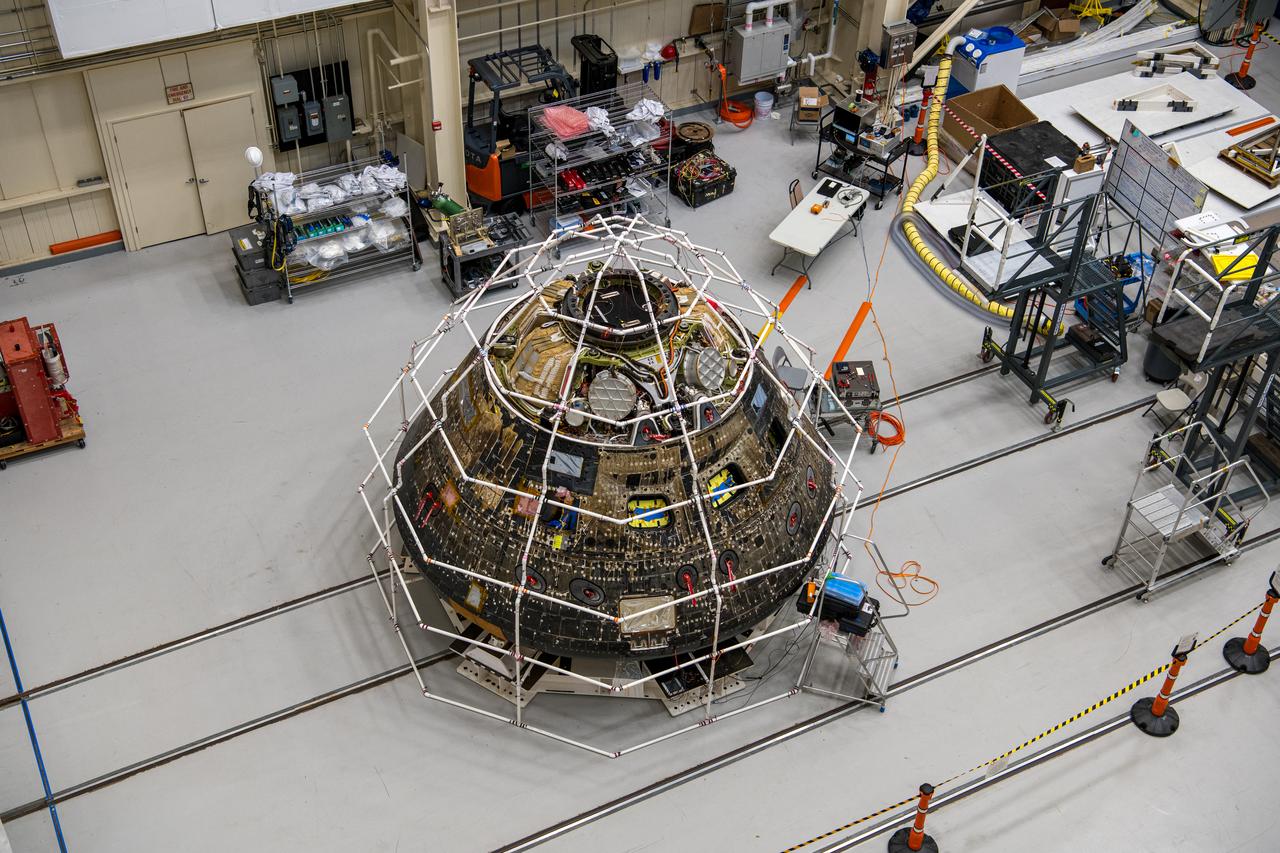
Experts at NASA’s Neil Armstrong Test Facility in Sandusky, Ohio, conducted a lightning test, which simulates the electromagnetic effects of a lightning strike to the vehicle on the launch pad awaiting liftoff. The February 20, 2024, test proved the grounding path of the vehicle is operating as designed and protecting the vehicle from damage to any of its equipment or systems. Photo Credit: (NASA/Quentin Schwinn)
Orion Environmental Test Article (ETA) Lightning Test at the Space Environments Complex at NASA’s Glenn Research Center
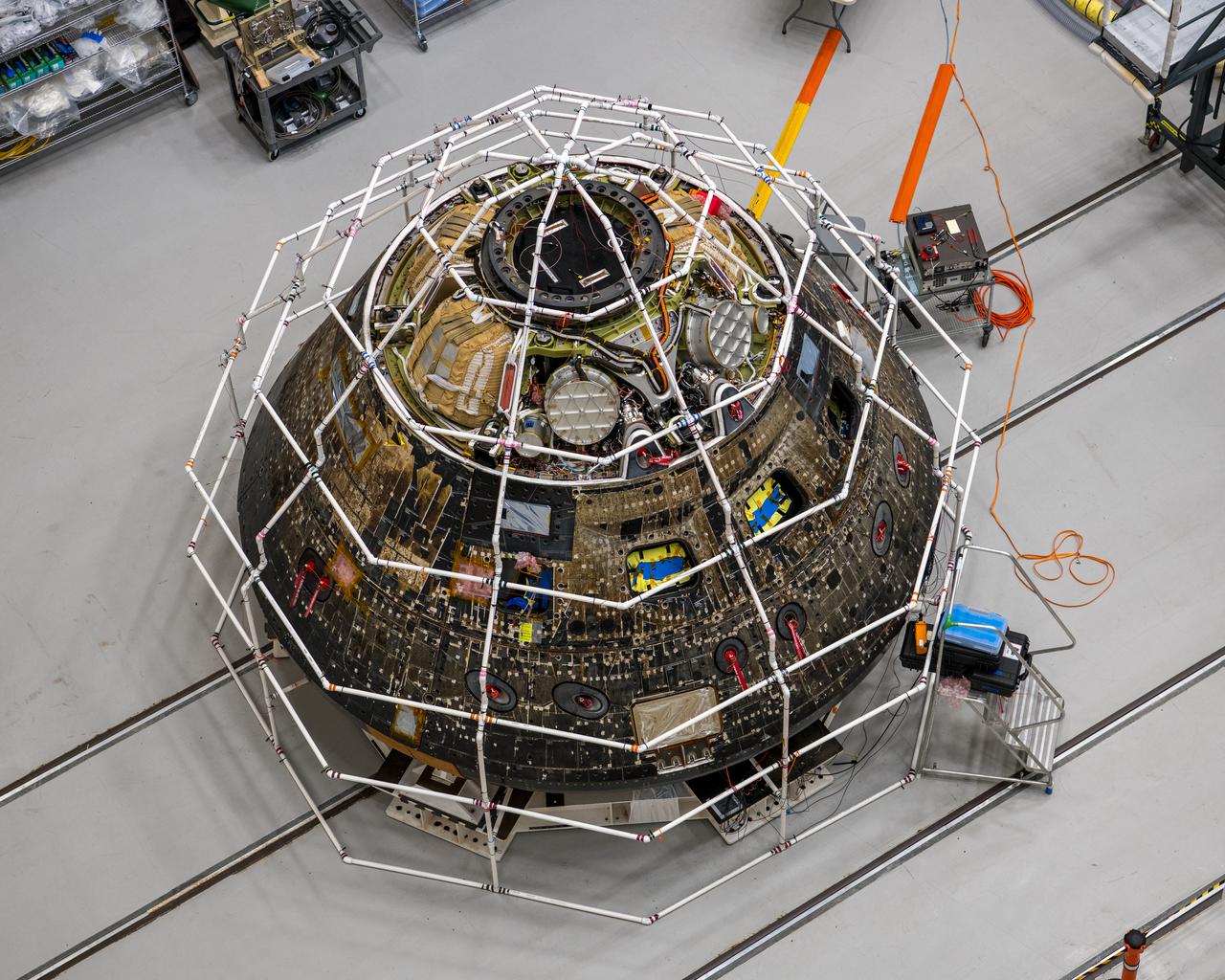
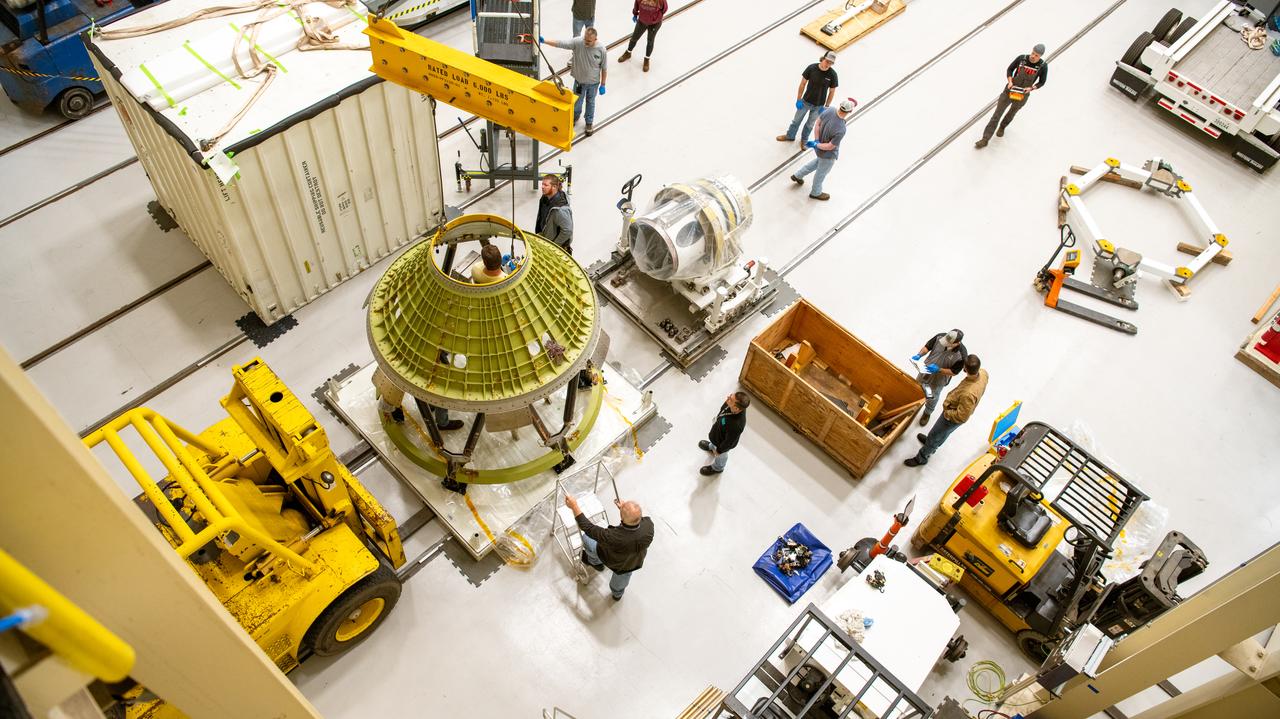
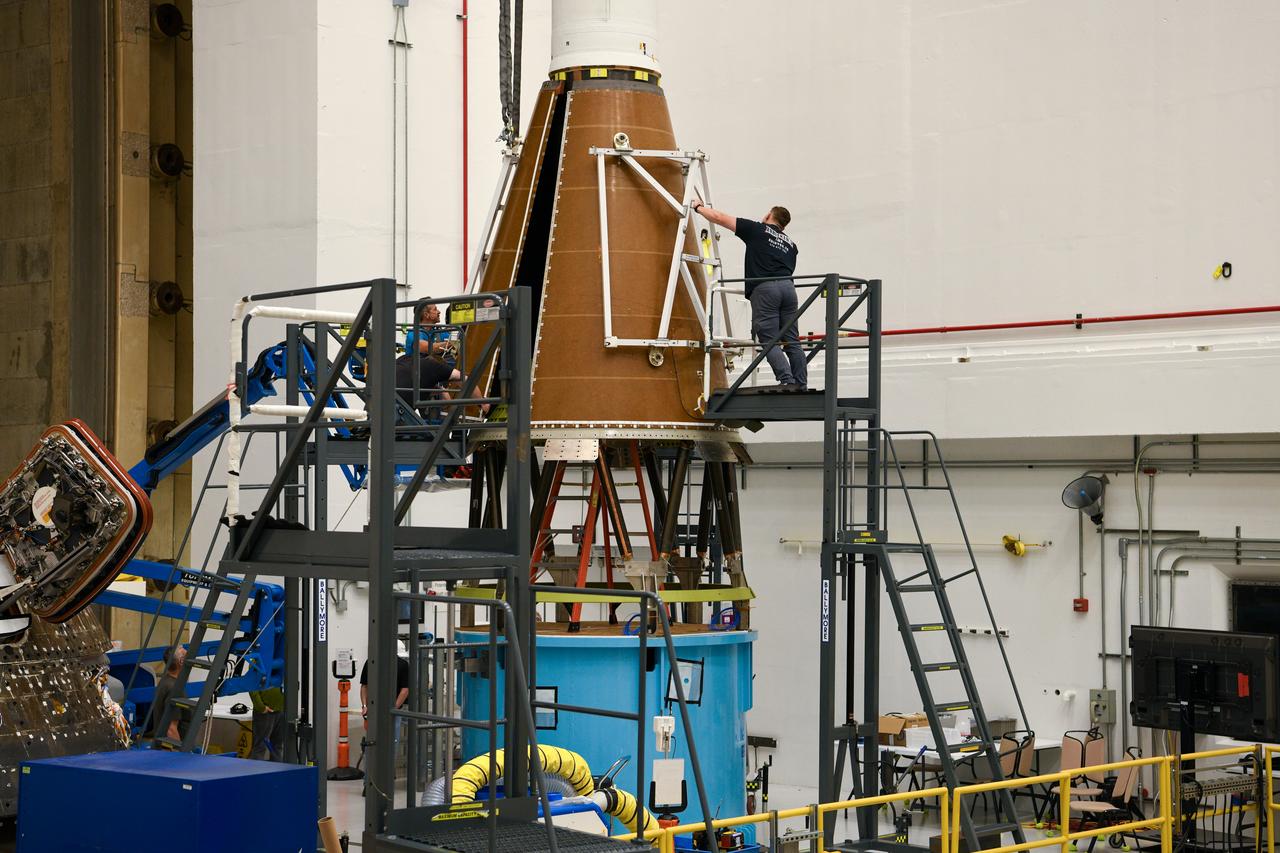
The Launch Abort System and the Orion Crew Module, also known as the Orion Environmental Test Article (ETA), returned to NASA’s Neil Armstrong Test Facility in Sandusky, Ohio, in October 2023 through January 2024 and completed an 11-month test campaign necessary for the safety and success of Artemis II.  Photo Credit: (NASA/Quentin Schwinn)
Orion Environmental Test Article (ETA) Arrival to the Space Environments Complex at NASA’s Glenn Research Center
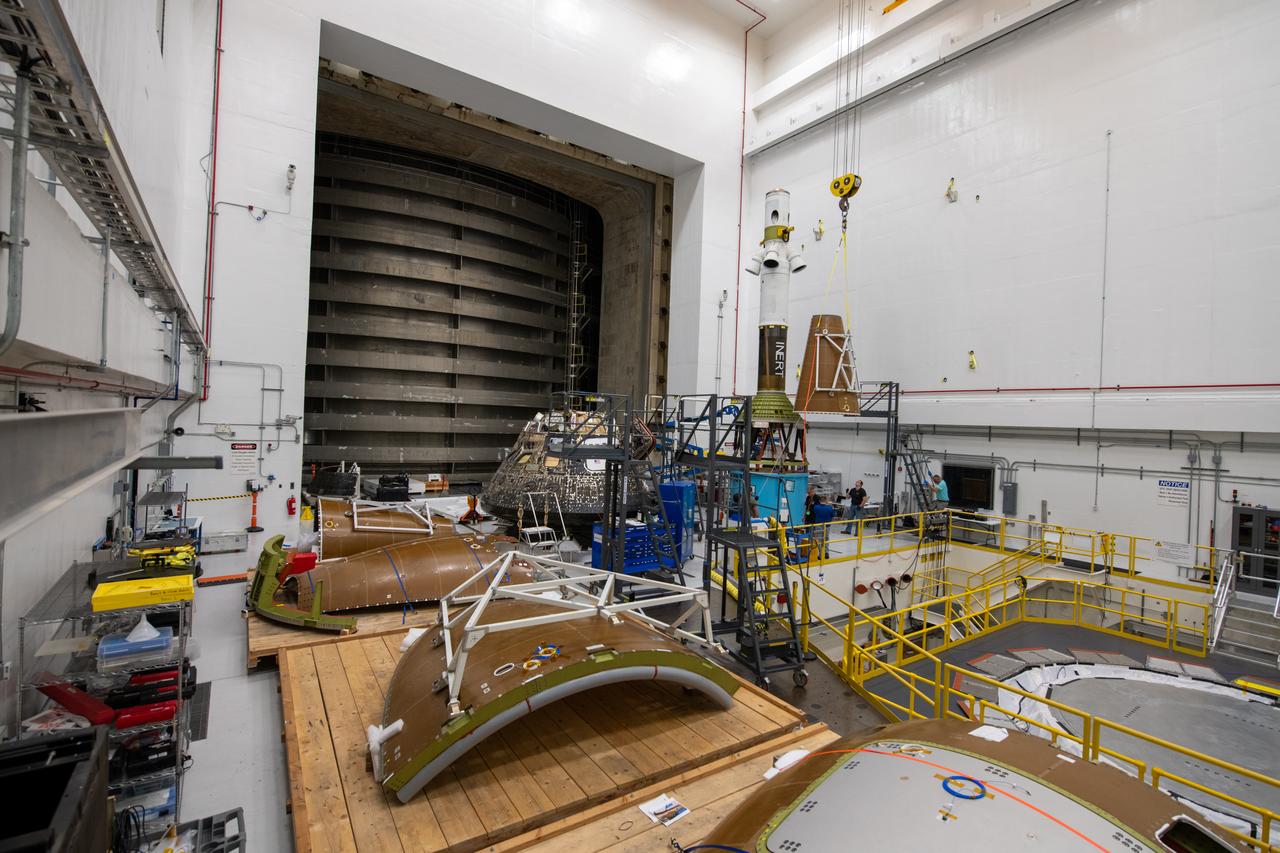
The Launch Abort System and the Orion Crew Module, also known as the Orion Environmental Test Article (ETA), returned to NASA’s Neil Armstrong Test Facility in Sandusky, Ohio, in October 2023 through January 2024 and completed an 11-month test campaign necessary for the safety and success of Artemis II. Photo Credit: (NASA/Quentin Schwinn)
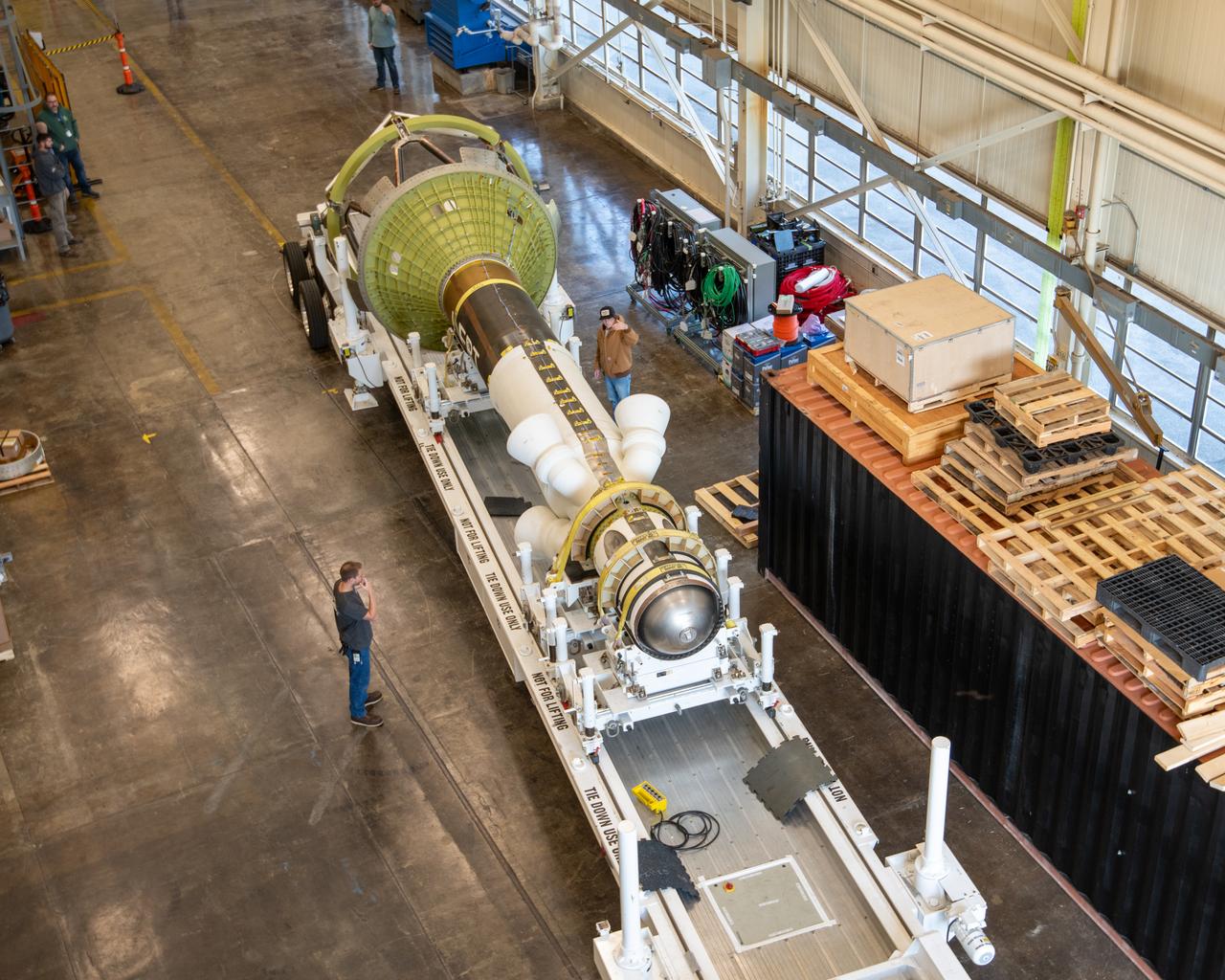
The Launch Abort System prepares for testing at the Space Environments Complex at NASA’s Glenn Research Center
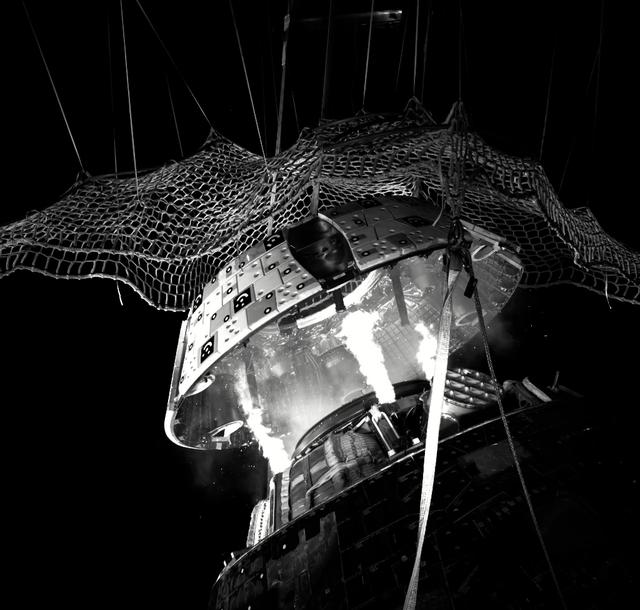
The Orion Crew Module, also known as the Orion Environmental Test Article (ETA), returned to NASA’s Neil Armstrong Test Facility in Sandusky, Ohio, in January 2024 and completed an 11-month test campaign necessary for the safety and success of Artemis II. In November 2024, experts completed the Forward Bay Cover jettison test, which is the last piece that must eject right before parachutes deploy. Photo Credit: (NASA/Quentin Schwinn and Jordan Salkin)
Forward Bay Cover jettison test at the Space Environments Complex
The Launch Abort System and the Orion Crew Module, also known as the Orion Environmental Test Article (ETA), returned to NASA’s Neil Armstrong Test Facility in Sandusky, Ohio, in October 2023 through January 2024 and completed an 11-month test campaign necessary for the safety and success of Artemis II. Photo Credit: (NASA/Quentin Schwinn)
The Launch Abort System prepares for testing at the Space Environments Complex at NASA’s Glenn Research Center
The Launch Abort System and the Orion Crew Module, also known as the Orion Environmental Test Article (ETA), returned to NASA’s Neil Armstrong Test Facility in Sandusky, Ohio, in October 2023 through January 2024 and completed an 11-month test campaign necessary for the safety and success of Artemis II. Photo Credit: (NASA/Quentin Schwinn)
Orion Environmental Test Article (ETA) Arrival to the Space Environments Complex at NASA’s Glenn Research Center
Experts at NASA’s Neil Armstrong Test Facility in Sandusky, Ohio, conducted a lightning test, which simulates the electromagnetic effects of a lightning strike to the vehicle on the launch pad awaiting liftoff. The February 20, 2024, test proved the grounding path of the vehicle is operating as designed and protecting the vehicle from damage to any of its equipment or systems. Photo Credit: (NASA/Quentin Schwinn)
Orion Environmental Test Article (ETA) Lightning Test at the Space Environments Complex at NASA’s Glenn Research Center
The Launch Abort System and the Orion Crew Module, also known as the Orion Environmental Test Article (ETA), returned to NASA’s Neil Armstrong Test Facility in Sandusky, Ohio, in October 2023 through January 2024 and completed an 11-month test campaign necessary for the safety and success of Artemis II. Photo Credit: (NASA/Quentin Schwinn)
Orion Environmental Test Article (ETA) Arrival to the Space Environments Complex at NASA’s Glenn Research Center
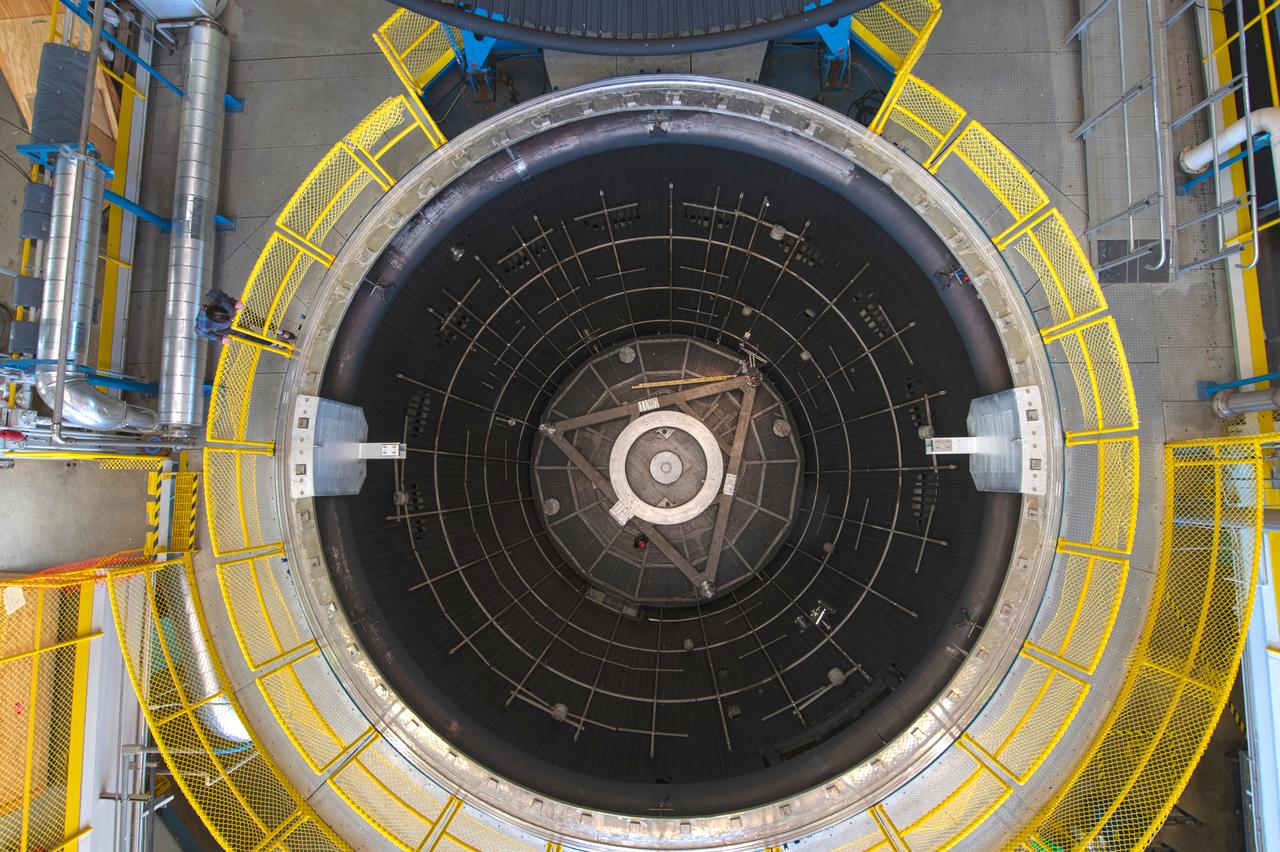
The test chamber is 38 ft in diameter by 62 ft deep amd  made of stainless steel. It is vacuum rated at 10-7 torr long duration (Local atmospheric pressure to 100 statute miles altitude). The vacuum chamber surfaces are lined with a liquid nitrogen cold wall, capable of maintaining -320 °F. A quartz infrared heating system can be programmed to radiate a sinusoidal distribution, simulating rotational solar heating. Photo Credit: (NASA/Quentin Schwinn)
The In-Space Propulsion Facility (ISP) Vacuum Chamber at NASA’s Neil Armstrong Test Facility
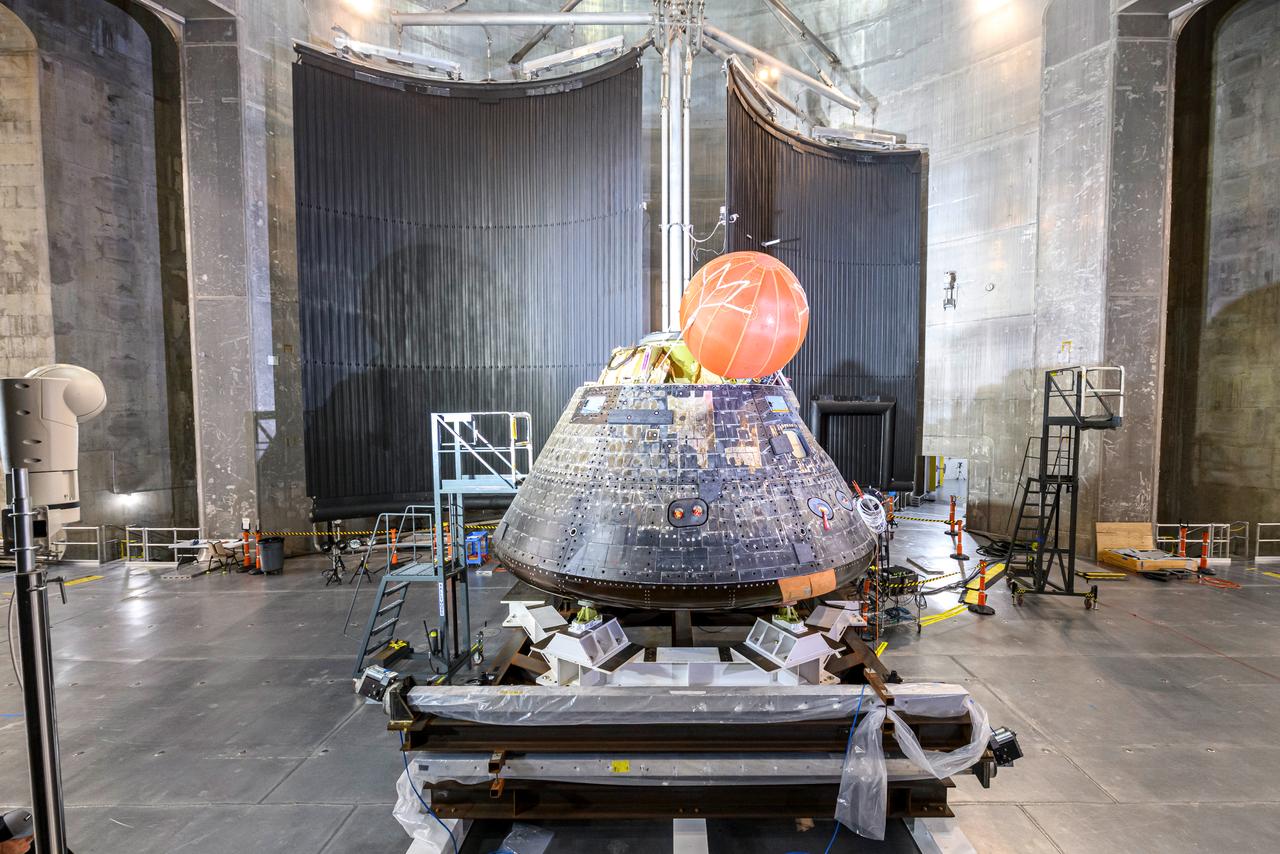
The Orion Crew Module, also known as the Orion Environmental Test Article (ETA), returned to NASA’s Neil Armstrong Test Facility in Sandusky, Ohio, in January 2024 and completed an 11-month test campaign necessary for the safety and success of Artemis II. In November 2024, experts completed the Crew Module Uprighting System Test, which is the system of five airbags on top of the capsule that inflate upon splashdown. Photo Credit: (NASA/Jordan Salkin and Quentin Schwinn)
Orion Crew Module Uprighting System Test at the Space Environments Complex
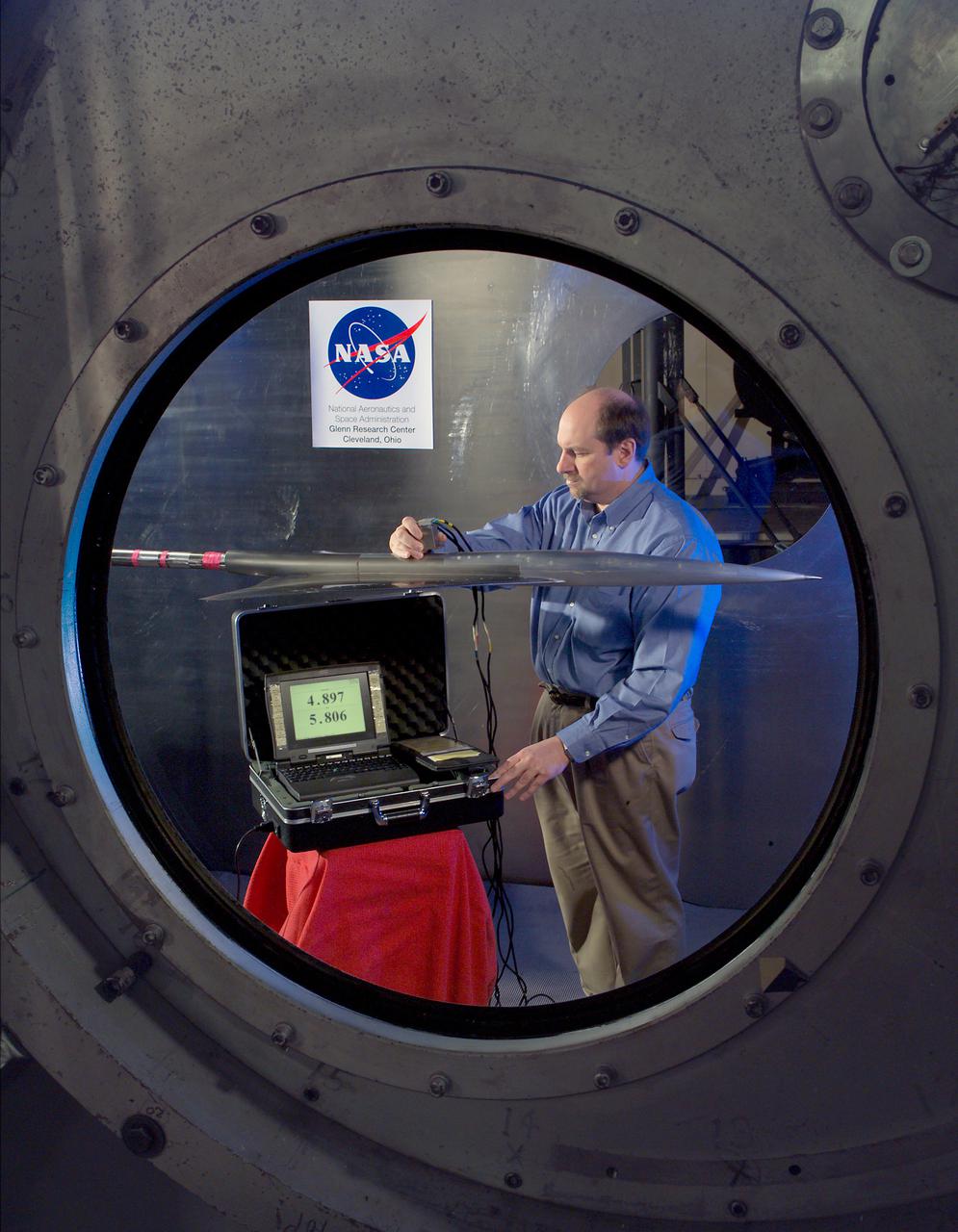
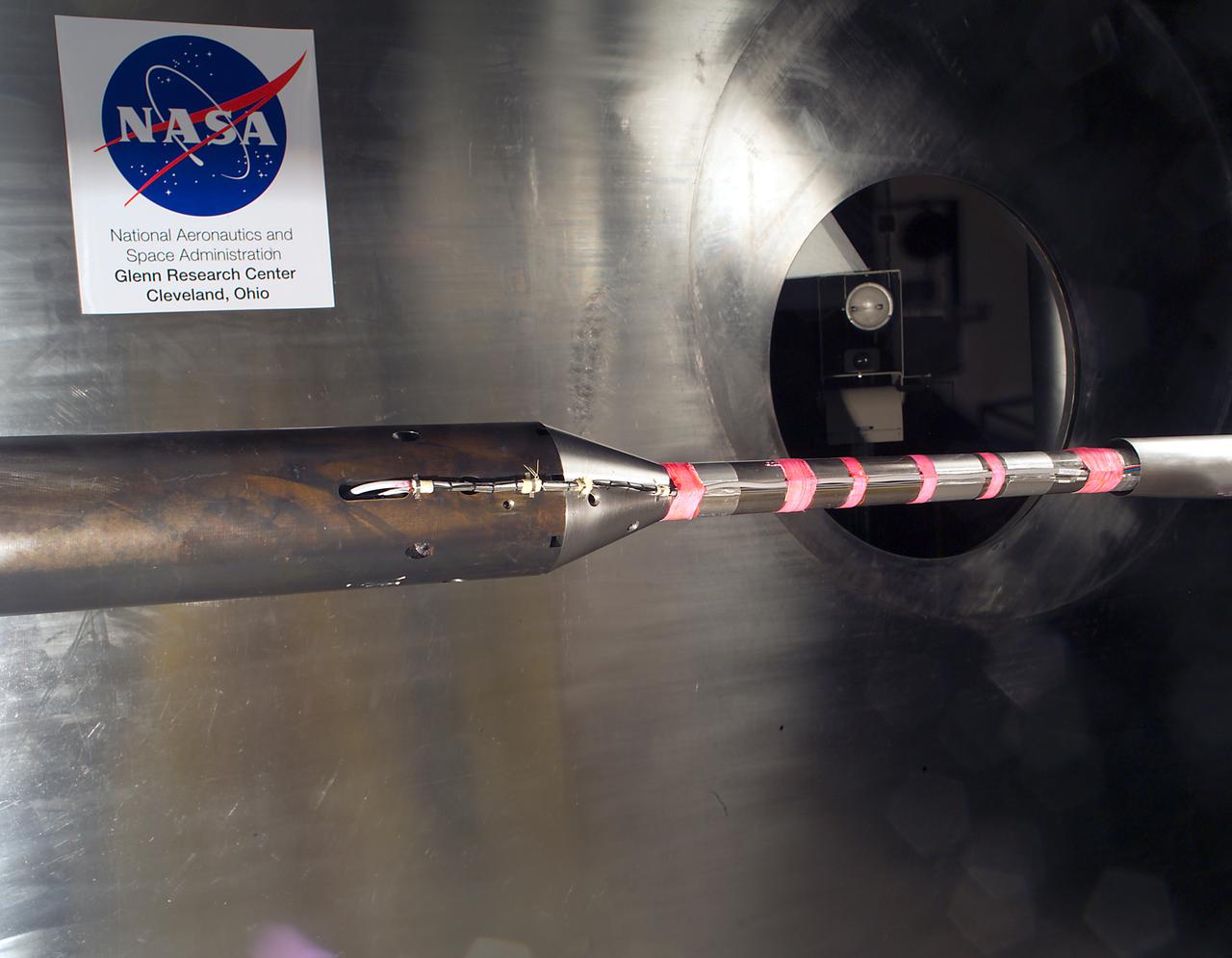
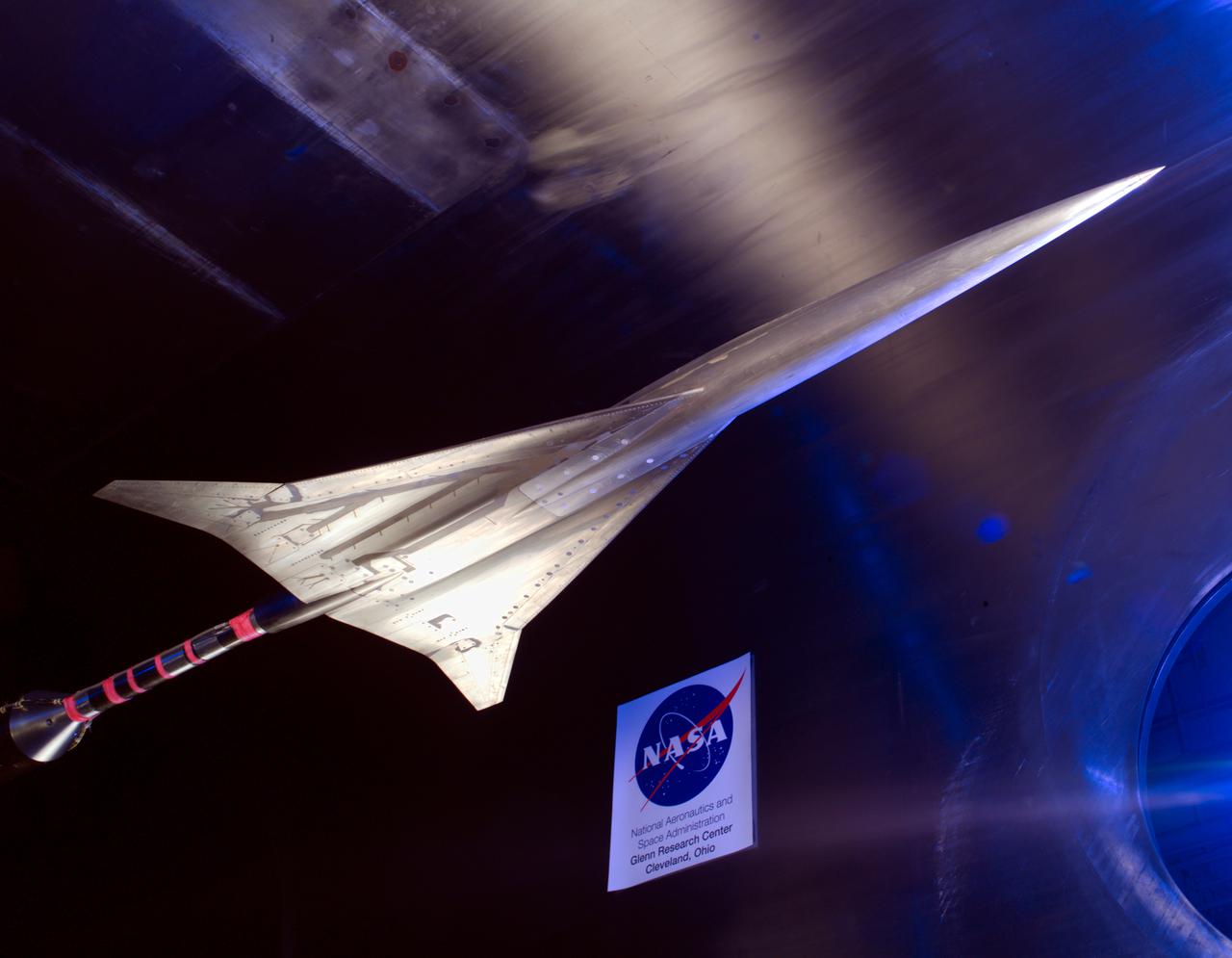
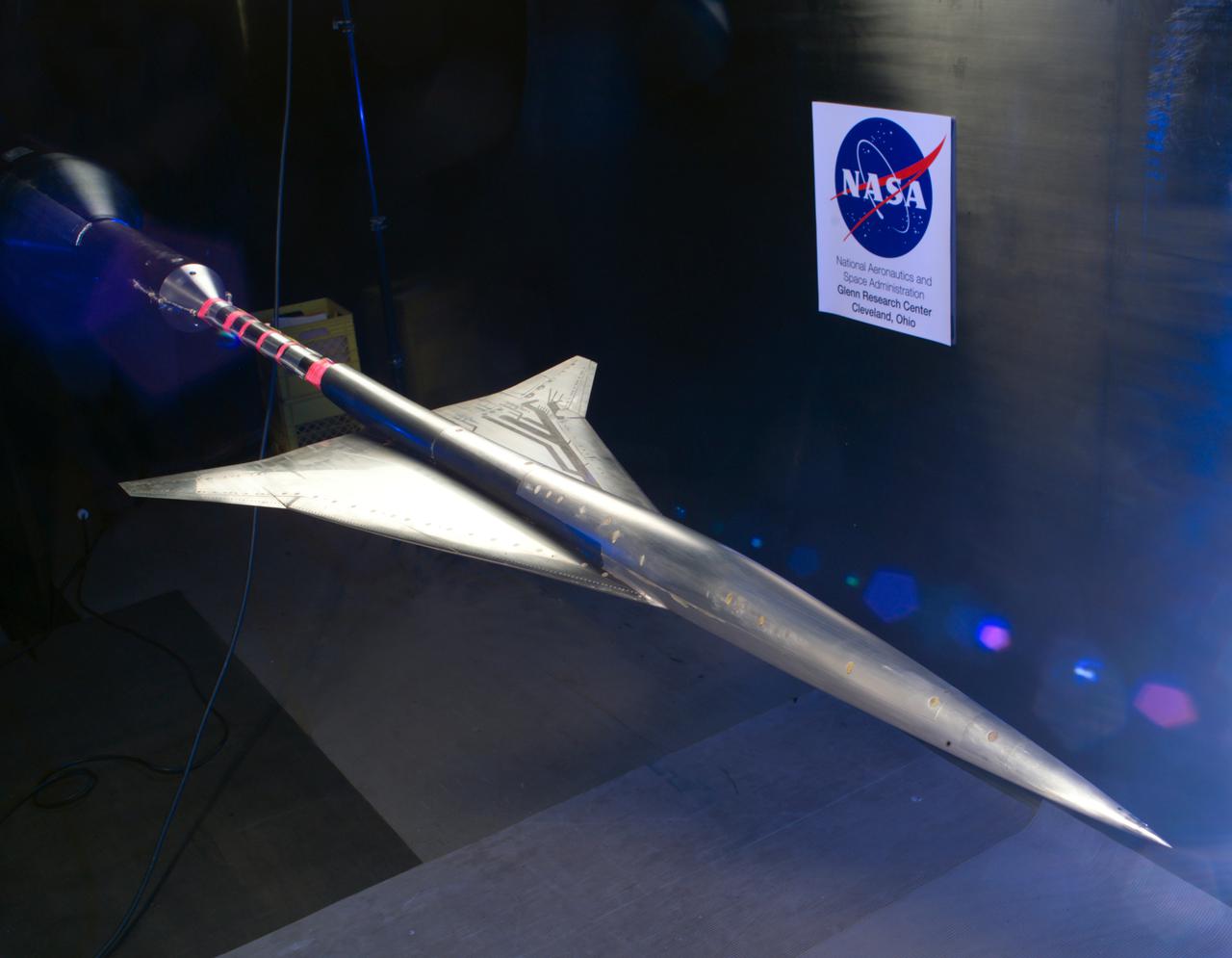
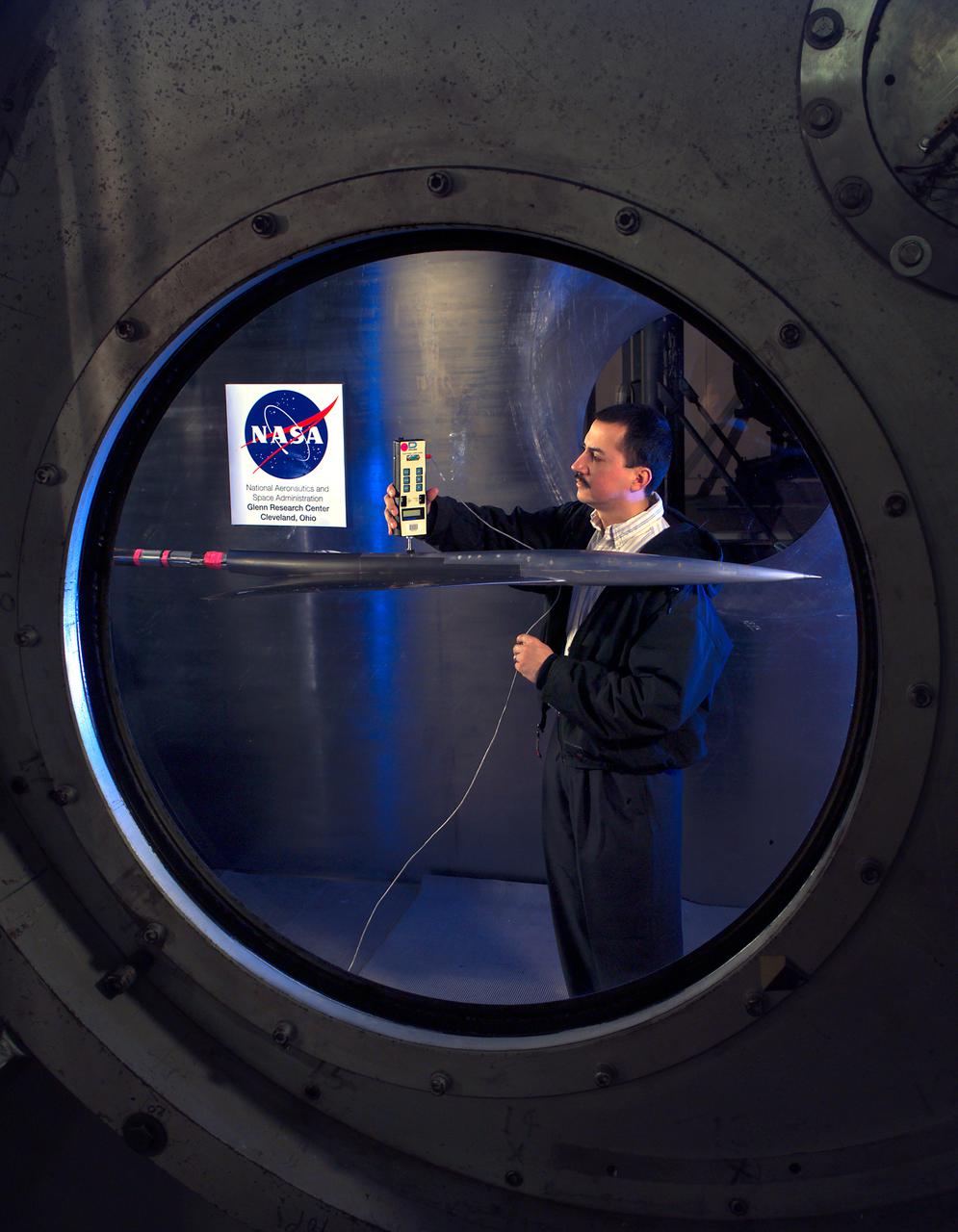
NASA GLENN/NASA LANGLEY LOADS COMPARISON TEST WITH 6 COMPONENT FORCE/MOMENT BALANCE AND 1.7% HIGH SPEED RESEARCH MODEL 5. in the 10x10 super sonic wind tunnel
NASA GLENN/NASA LANGLEY LOADS COMPARISON TEST WITH 6 COMPONENT FORCE/MOMENT BALANCE AND 1.7% HIGH SPEED RESEARCH MODEL 5.
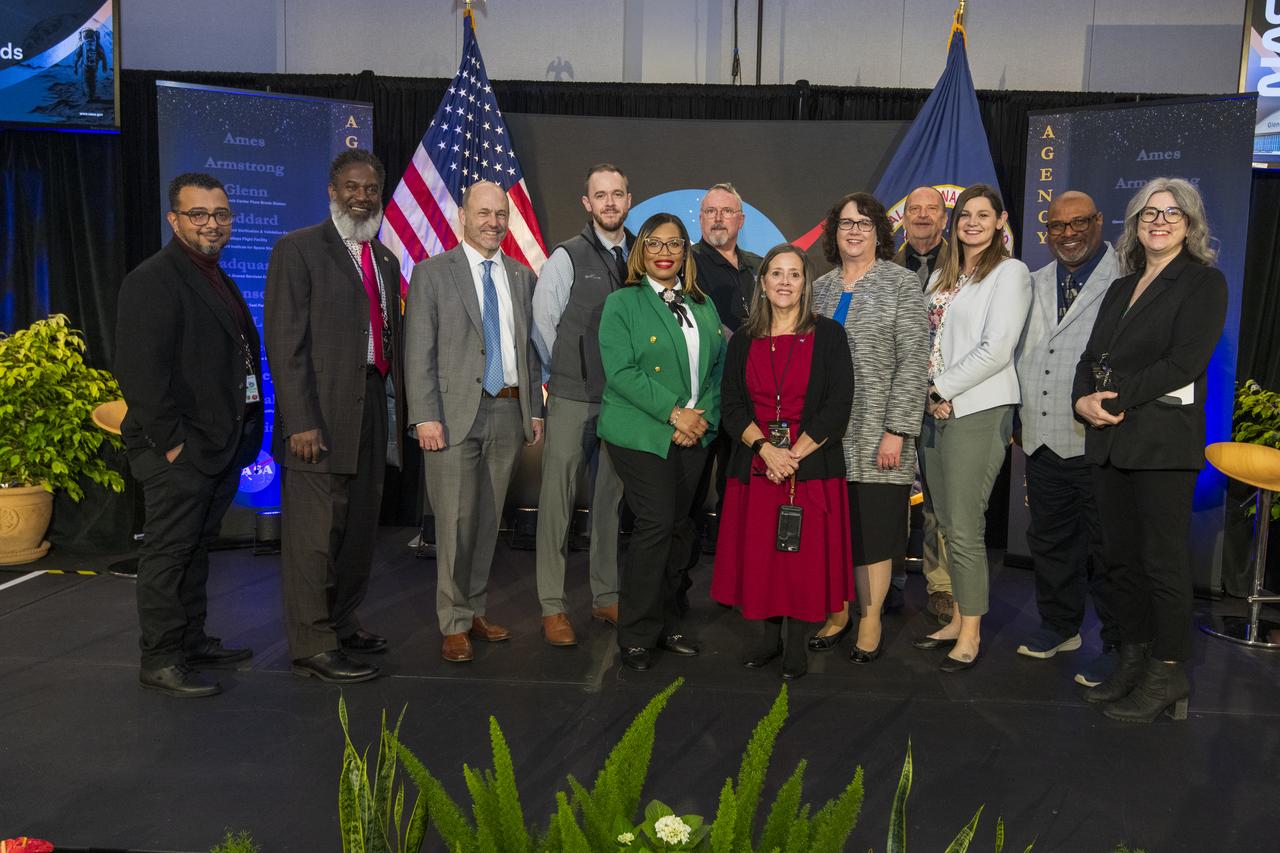
On March 28, 2024 NASA held its 2023 Administrator’s Agency Honor Awards at the Glenn Research Center in Cleveland, OH. This celebratory event recognized the invaluable contributions of civil servants and contractors alike, each one instrumental in propelling humanity further into the realms of space exploration, understanding, and discoverThis is NASA's highest form of recognition that is awarded to any Government employee who, by distinguished service, ability, or vision has personally contributed to NASA's advancement of United States' interests.  Pictured are members of the staff who supported the event: Jef Janis, Matt Murray, Center Director Dr. James Kenyon, Steven Logan, Shirita Nash, Hugh Aylward, Gloria O'Rouke, Deputy Director Dawn Schaible, James Firak, Rebecca Simmons, Dennis Brown and Sara Lowthian-Hanna. Photo Credit: (NASA/Quentin Schwinn)
2023 Administrator's Agency Honor Awards
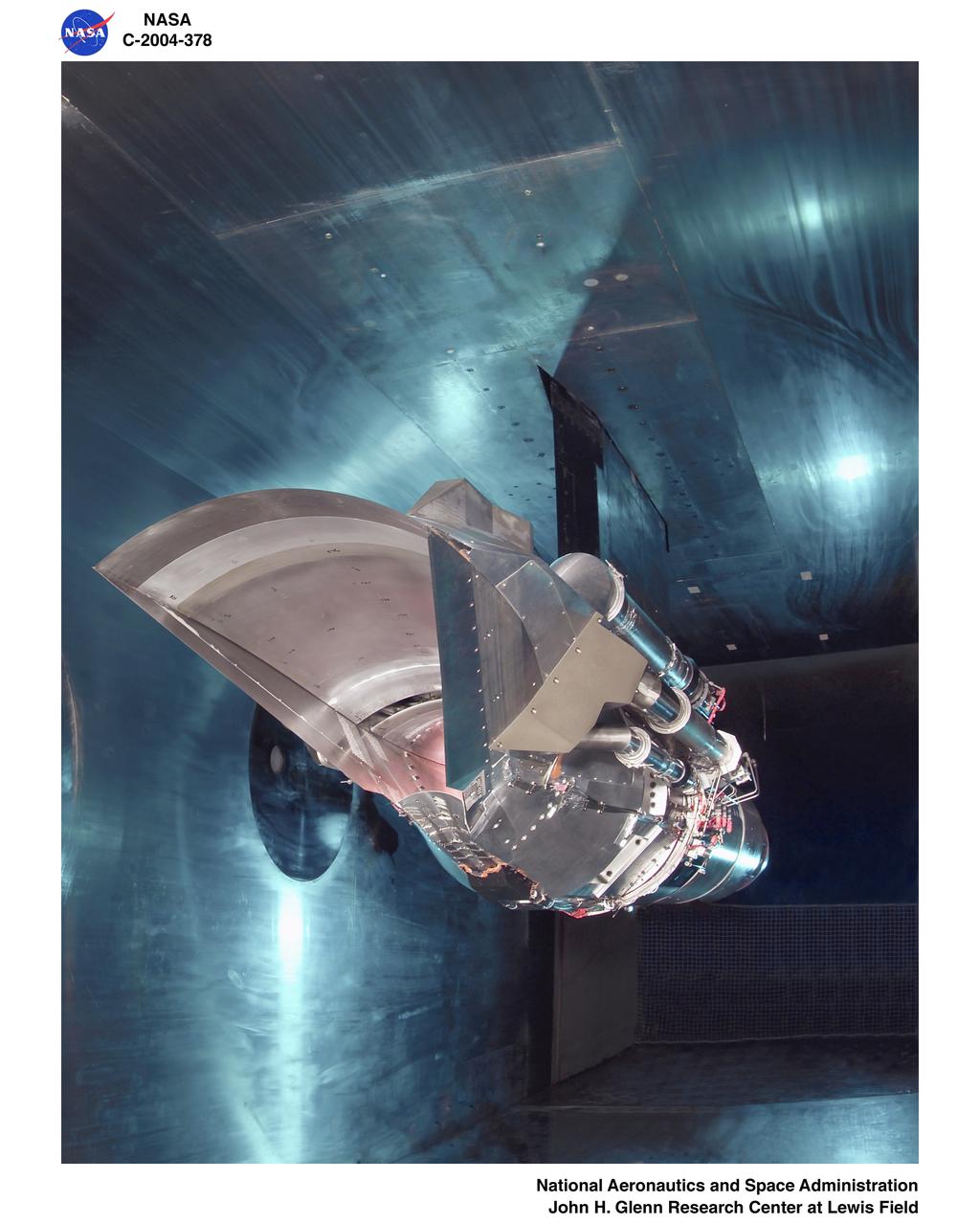
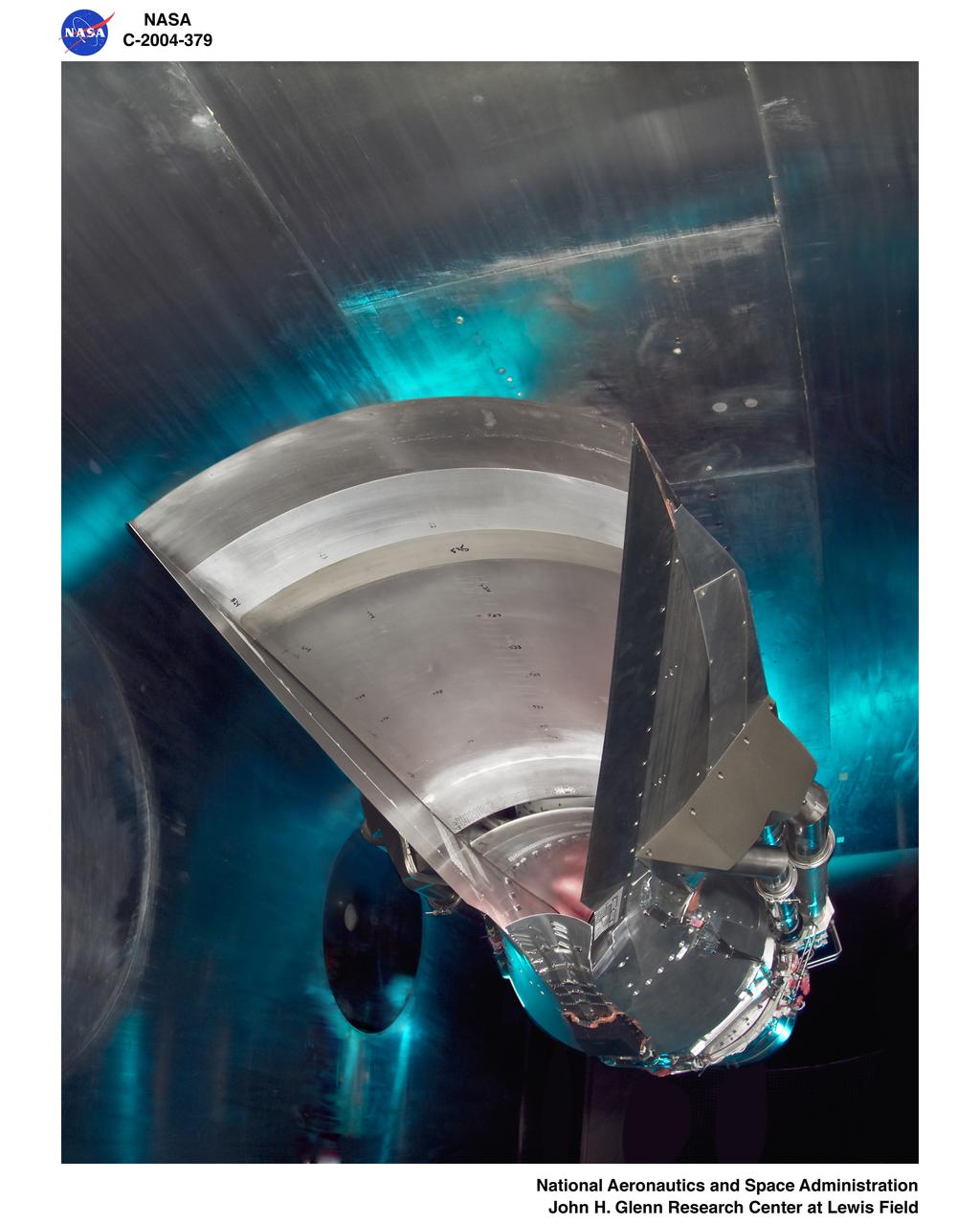
Parametric Inlet Model in 10x10 Wind Tunnel
GRC-2004-C-00378
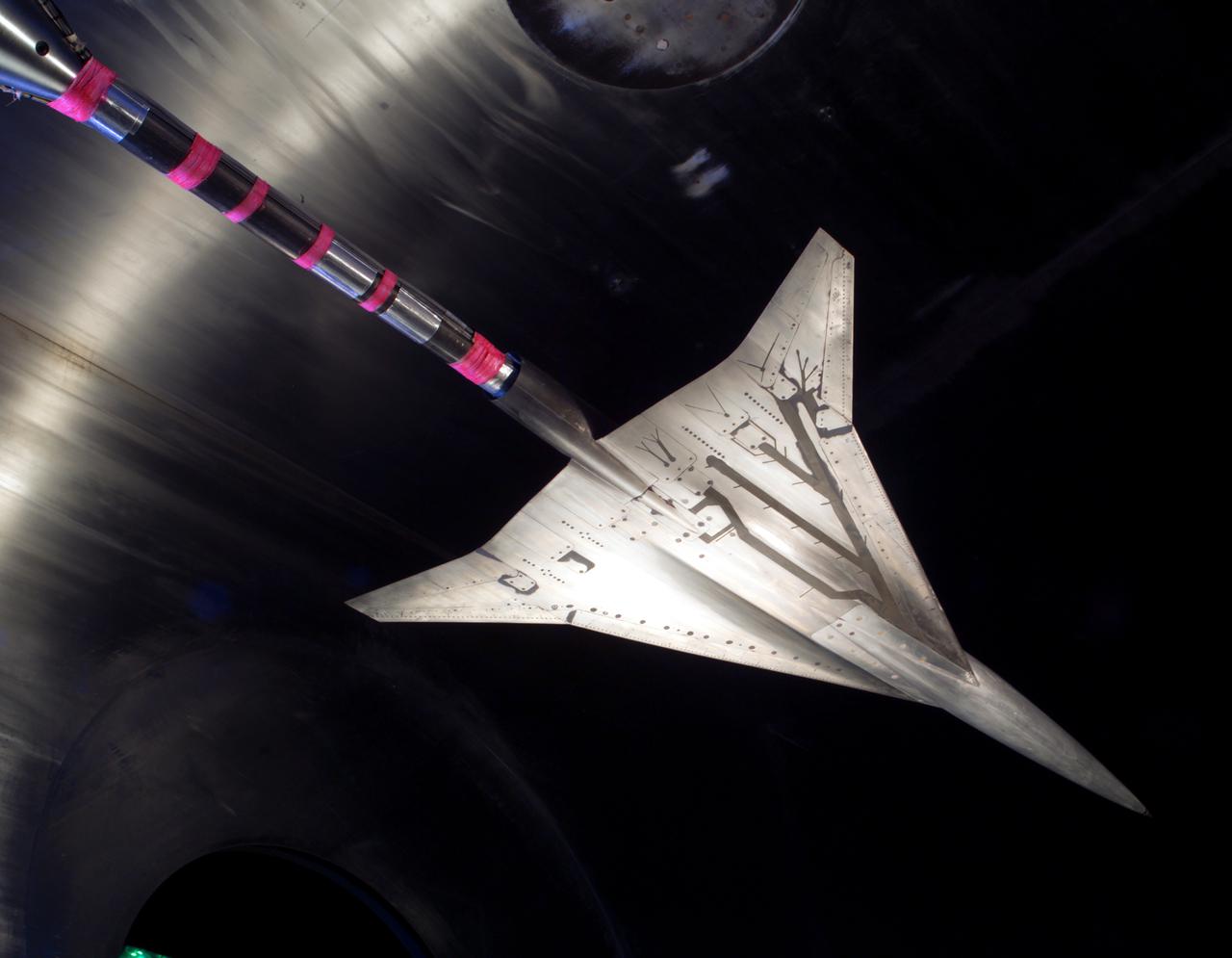
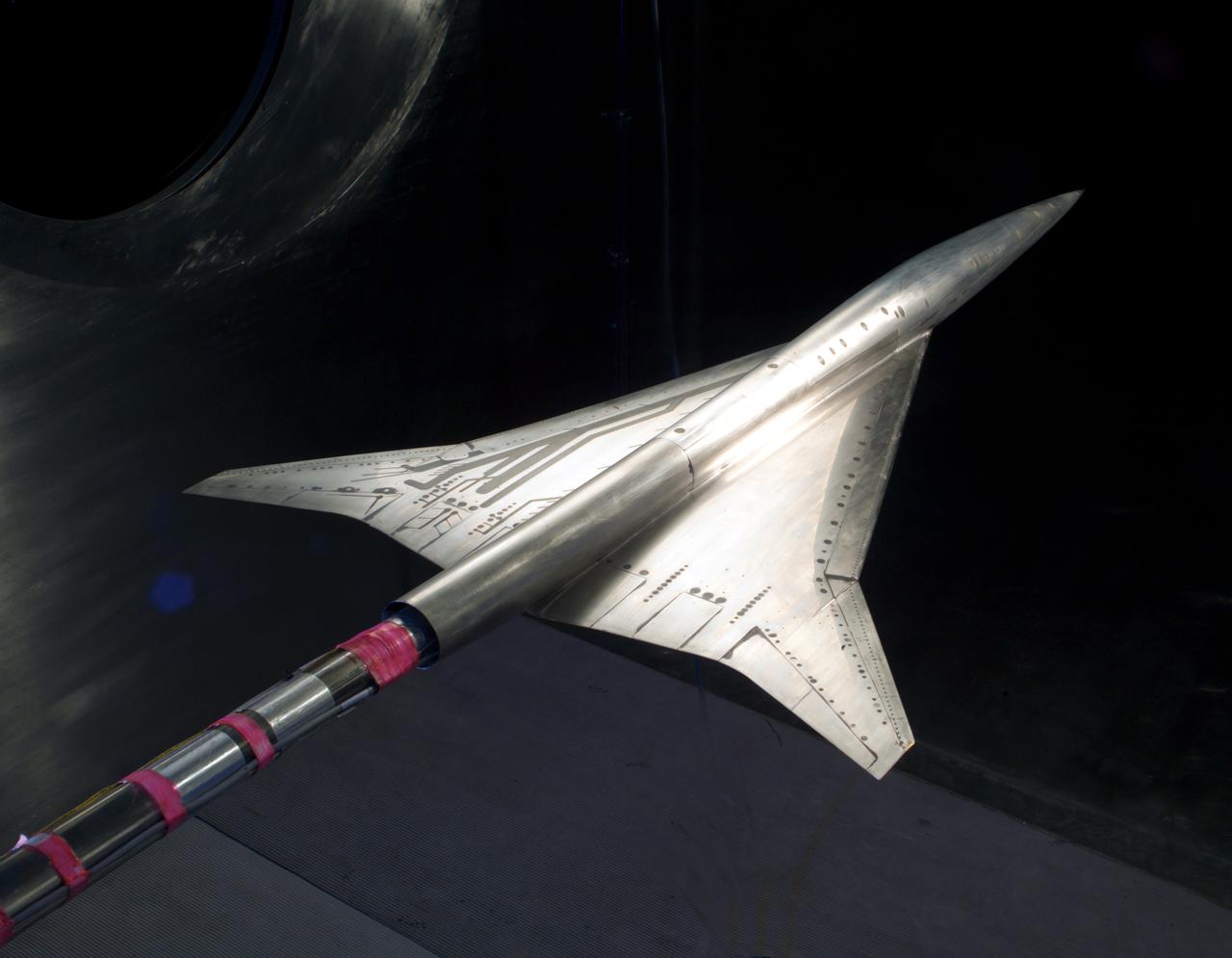
NASA Glenn/NASA Langley, Loads Comparison Test With 6 Component Force/Moment Balance and 1.7% High Speed Research, HSR Model 5. In the Glenn Research Center 10x10 Foot Supersonic Wind Tunnel, SWT
NASA Glenn/NASA Langley Loads Comparison Test with 6 Component Force/Moment Balance and 1.7% High Speed Research, HSR Model 5
NASA GLENN/NASA LANGLEY LOADS COMPARISON TEST WITH 6 COMPONENT FORCE/MOMENT BALANCE AND 1.7% HIGH SPEED RESEARCH MODEL 5.
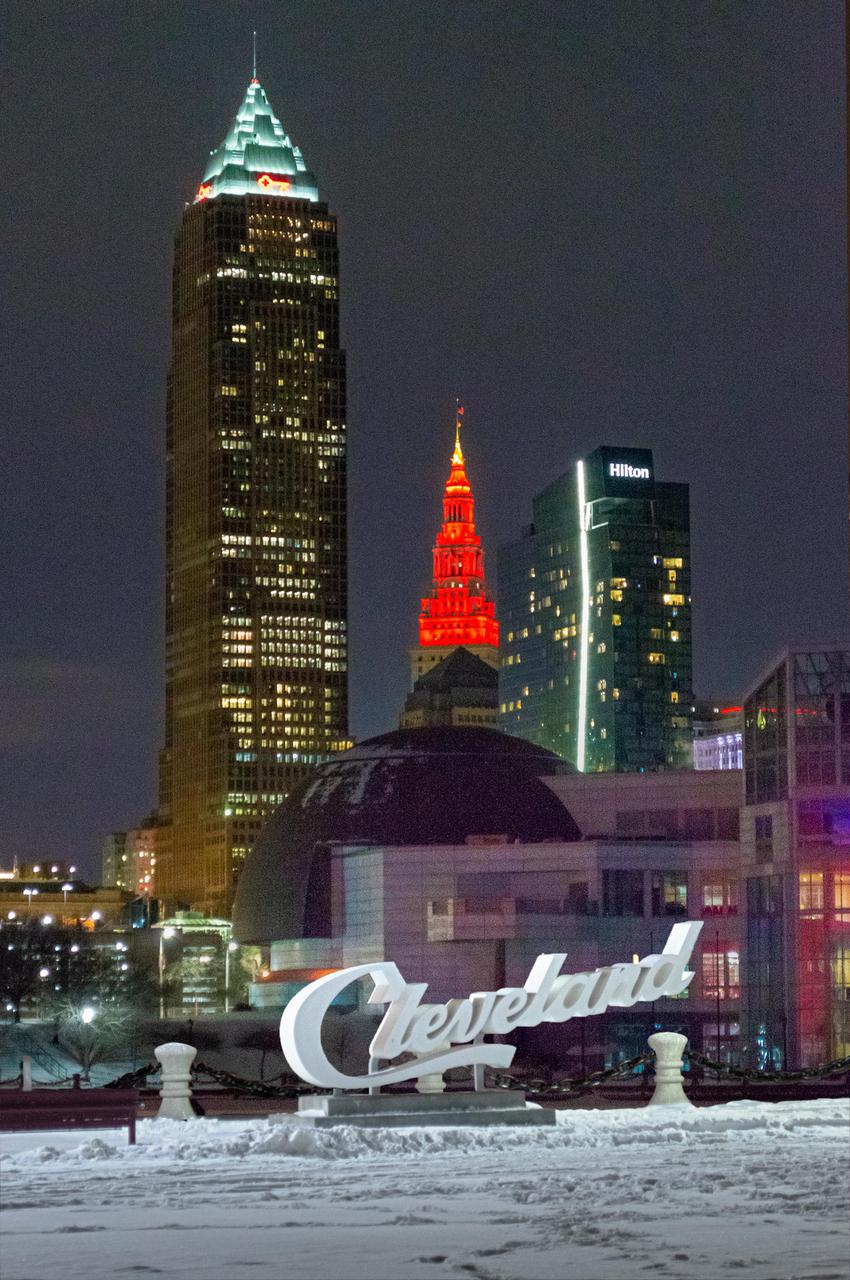
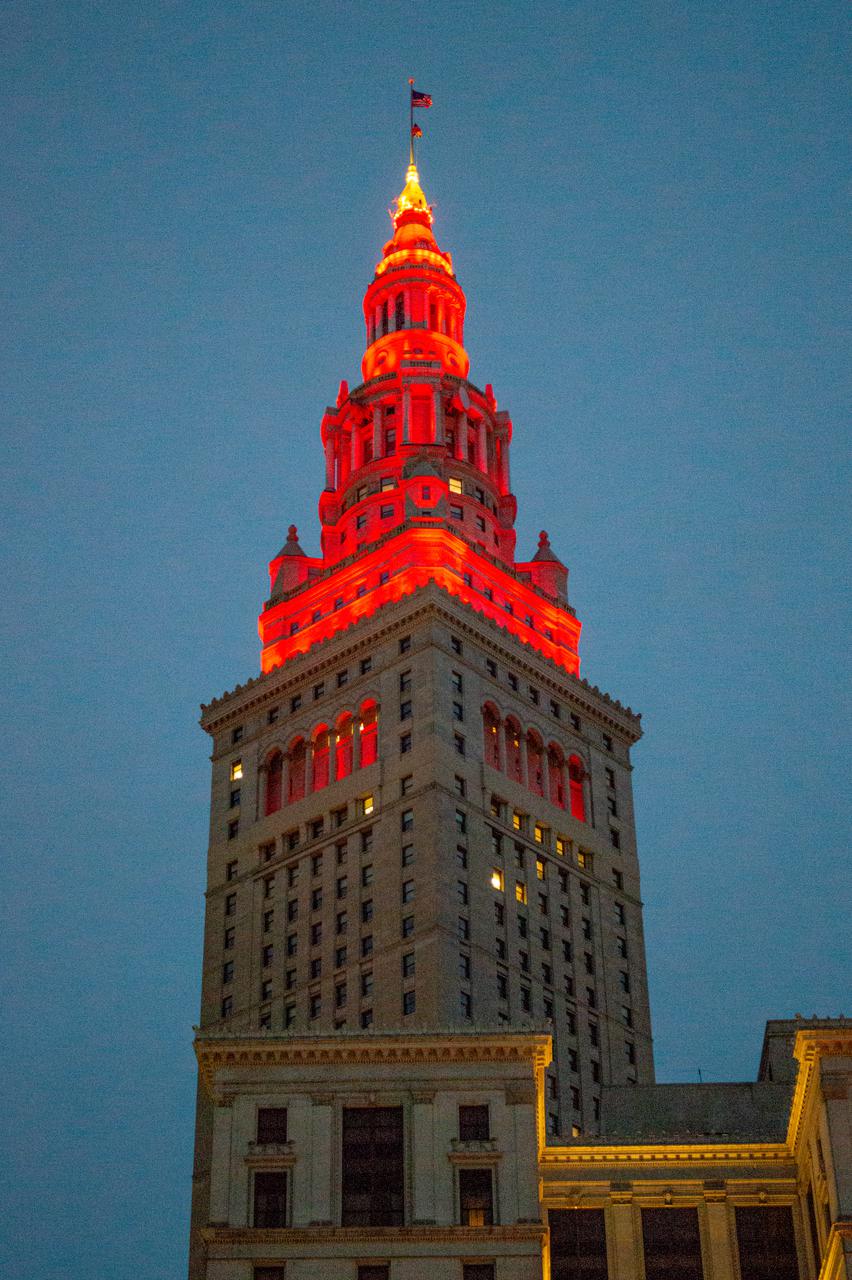
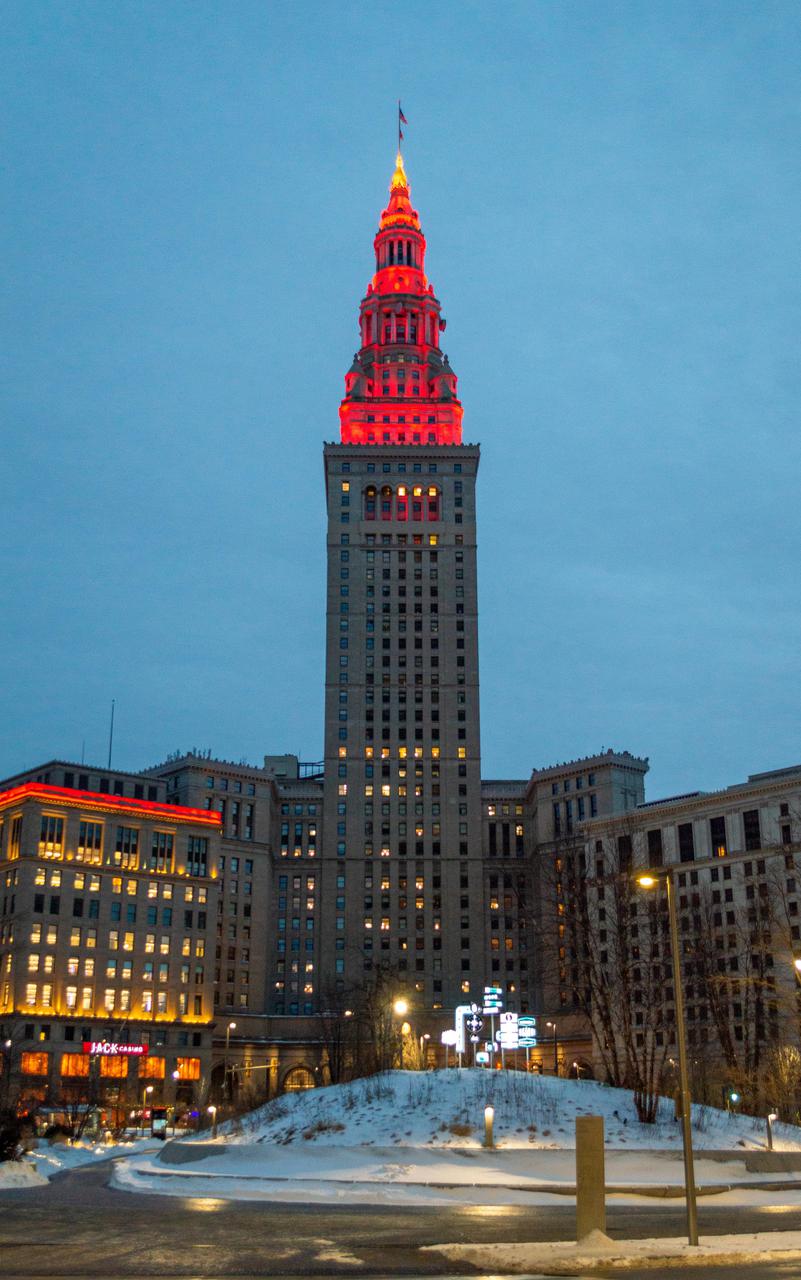
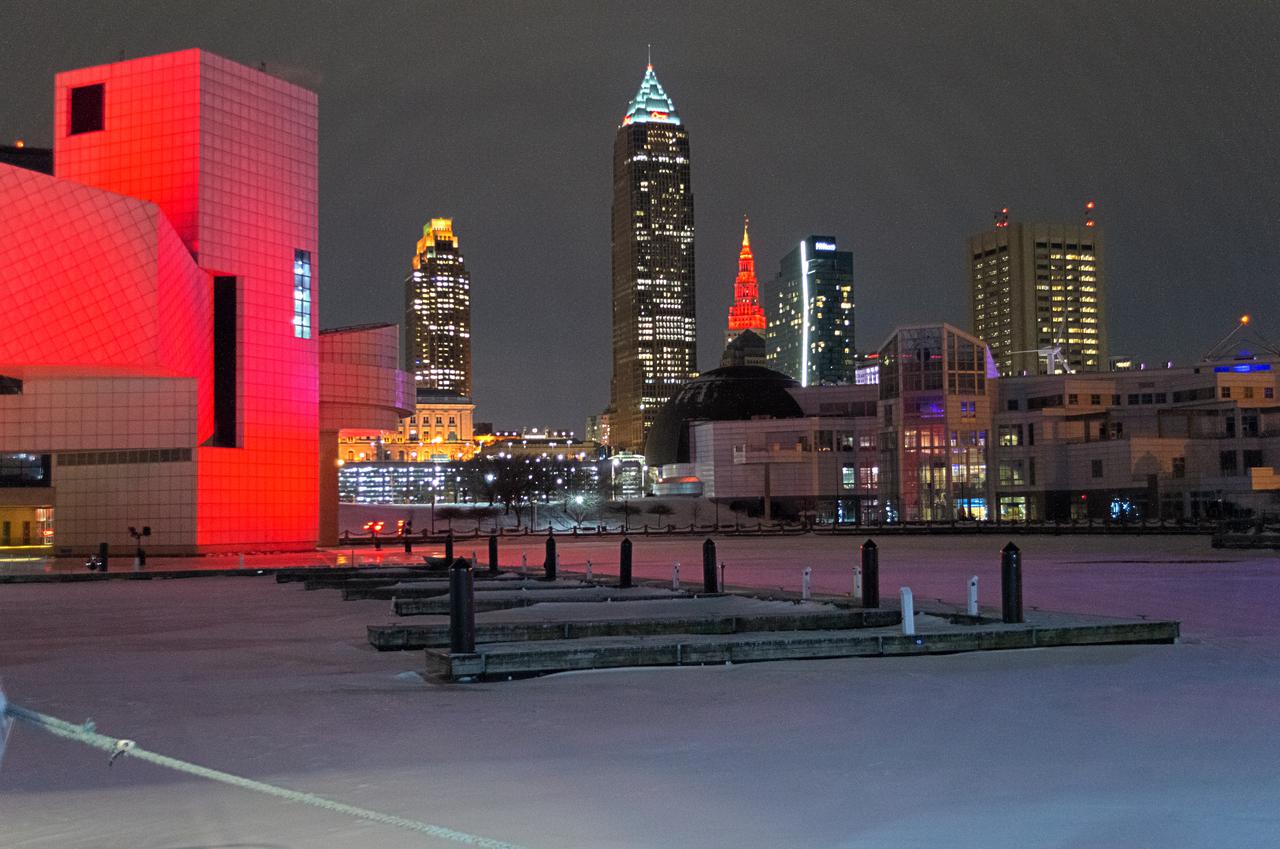
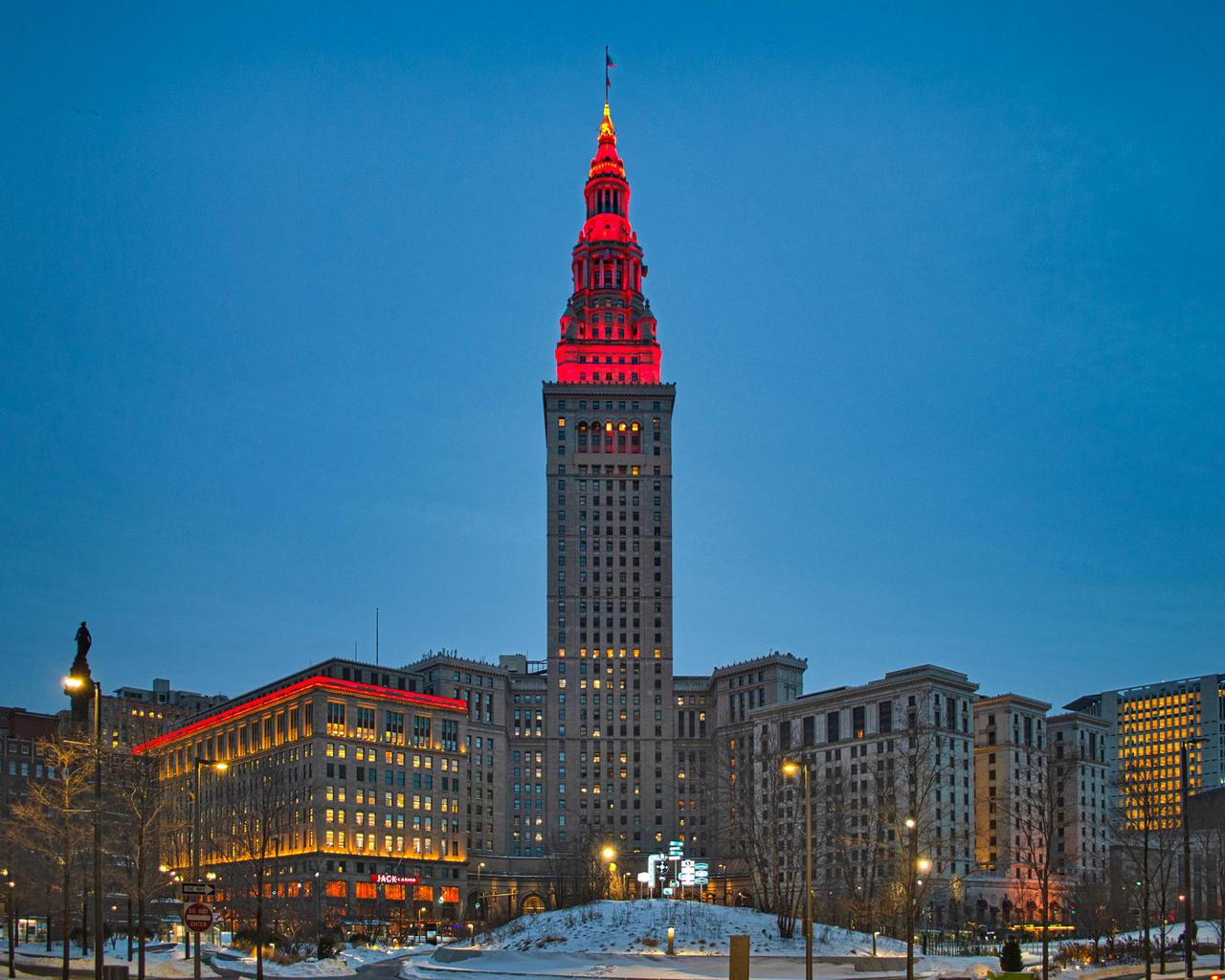
February 17, 2021, The Terminal Tower is illuminated in red to commemorate the Landing of NASA’s Perseverance Rover on the surface of Mars, February 18, 2021.  Terminal Tower is a 52-story, (771 ft), landmark skyscraper located on Public Square in downtown Cleveland, Ohio.  Cleveland is also the home of the NASA Glenn Research Center.
Terminal Tower illuminated in red to commemorate the Mars Landing of Perseverance Rover
NASA GLENN/NASA LANGLEY LOADS COMPARISON TEST WITH 6 COMPONENT FORCE/MOMENT BALANCE AND 1.7% HIGH SPEED RESEARCH MODEL 5.
Parametric Inlet Model in 10x10 Wind Tunnel
GRC-2004-C-00379
Cleveland’s Terminal Tower as seen from Voinovich Bicentennial Park was lit up “Mars Red” leading up the Perseverance Rover’s arrival on Mars Wednesday night February 18th and Thursday morning.
GRC-2021-C-00202
NASA GLENN/NASA LANGLEY LOADS COMPARISON TEST WITH 6 COMPONENT FORCE/MOMENT BALANCE AND 1.7% HIGH SPEED RESEARCH MODEL 5.
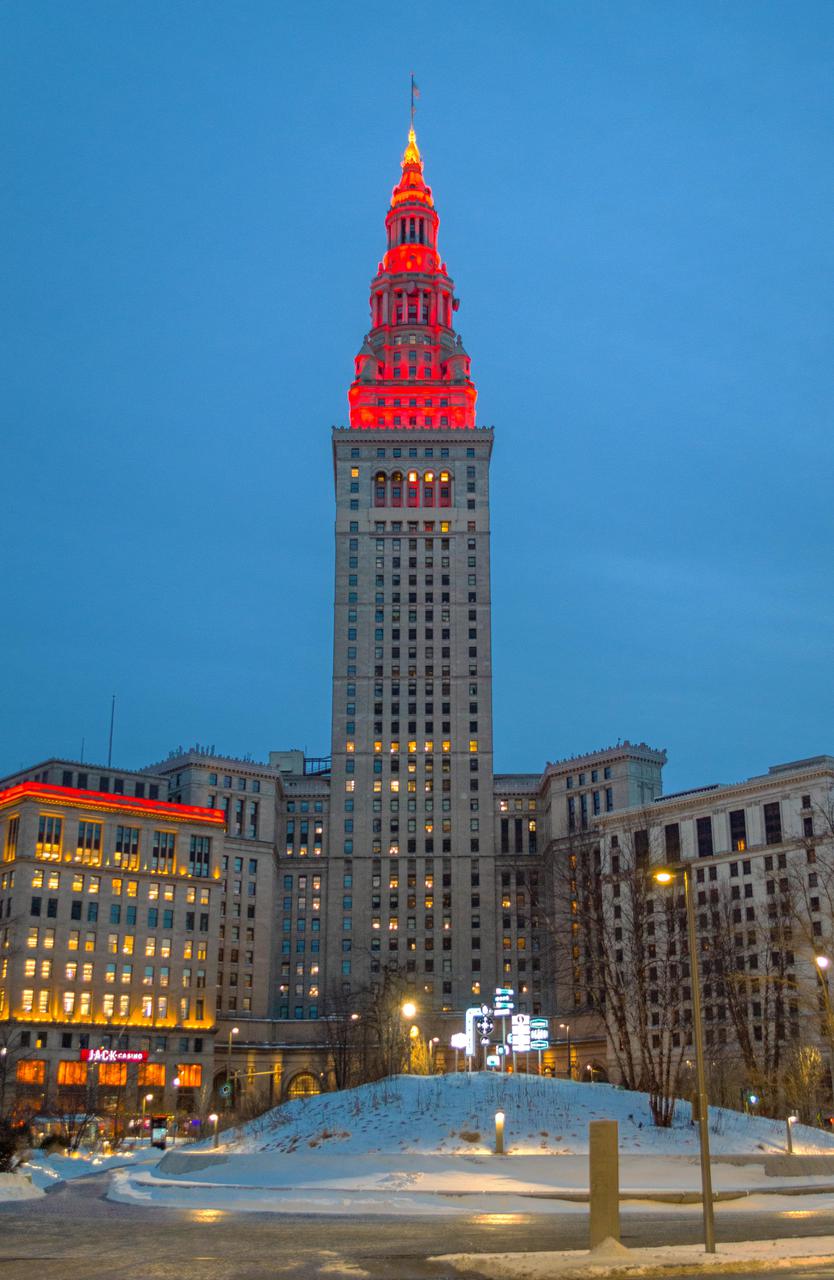
February 17, 2021, The Terminal Tower is illuminated in red to commemorate the Landing of NASA’s Perseverance Rover on the surface of Mars, February 18, 2021.  Terminal Tower is a 52-story, (771 ft), landmark skyscraper located on Public Square in downtown Cleveland, Ohio.  Cleveland is also the home of the NASA Glenn Research Center.
Terminal Tower illuminated in red to commemorate the Mars Landing of Perseverance Rover
Cleveland’s Terminal Tower as seen from Public Square was lit up “Mars Red” leading up the Perseverance Rover’s arrival on Mars Wednesday night February 18th and Thursday morning.
GRC-2021-C-00208
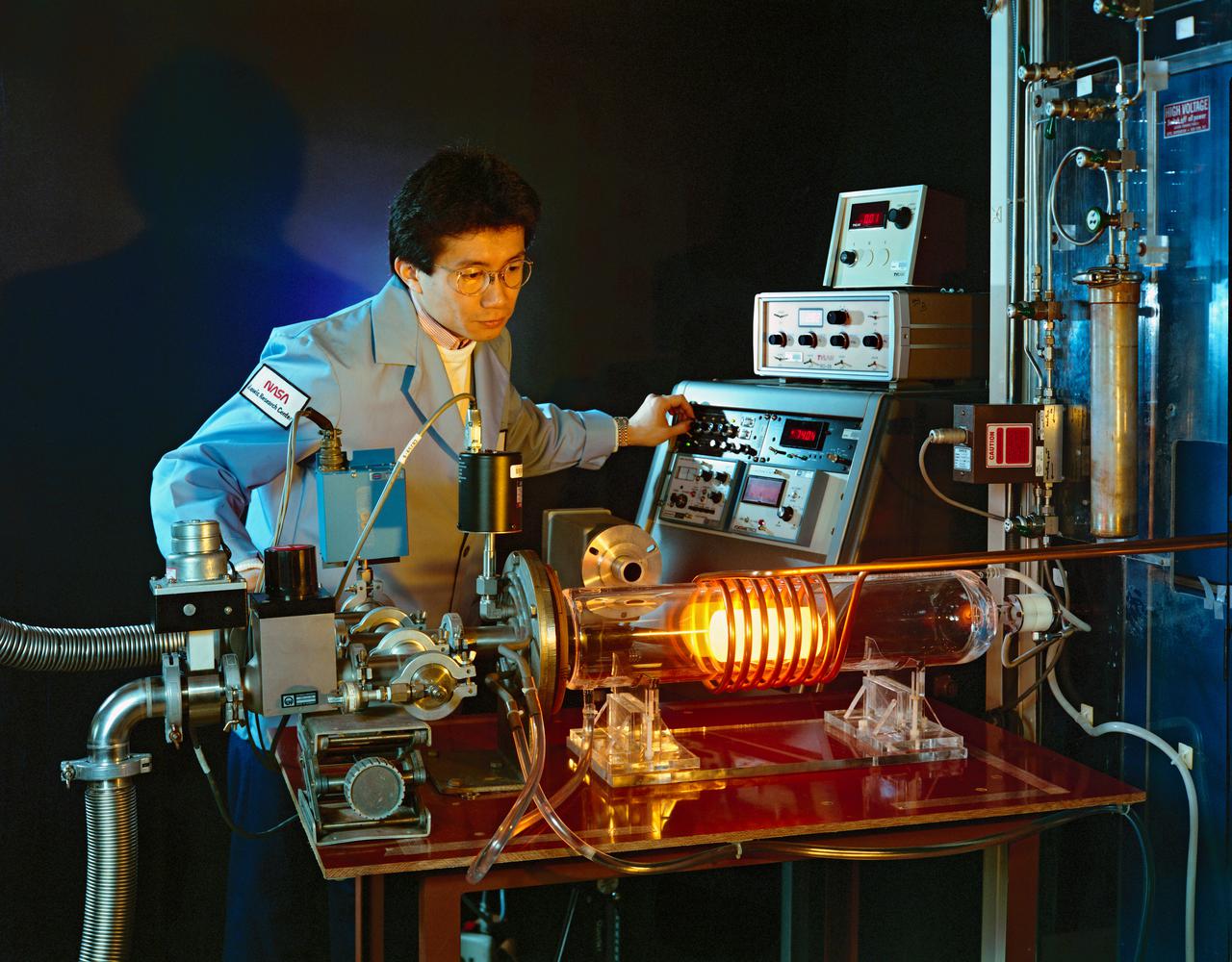
Shigehiro Nishino -- Visiting faculty fellow Dr. Shigehiro Nishino introduced the Lewis team to a unique chemical vapor deposition (CVD) strategy to grow silicon carbide crystals on silicon wafers.
CHEMICAL VAPOR DEPOSITION CVD REACTION CHAMBER
February 17, 2021, The Terminal Tower is illuminated in red to commemorate the Landing of NASA’s Perseverance Rover on the surface of Mars, February 18, 2021.  Terminal Tower is a 52-story, (771 ft), landmark skyscraper located on Public Square in downtown Cleveland, Ohio.  Cleveland is also the home of the NASA Glenn Research Center.
Terminal Tower illuminated in red to commemorate the Mars Landing of Perseverance Rover
NASA GLENN/NASA LANGLEY LOADS COMPARISON TEST WITH 6 COMPONENT FORCE/MOMENT BALANCE AND 1.7% HIGH SPEED RESEARCH MODEL 5.
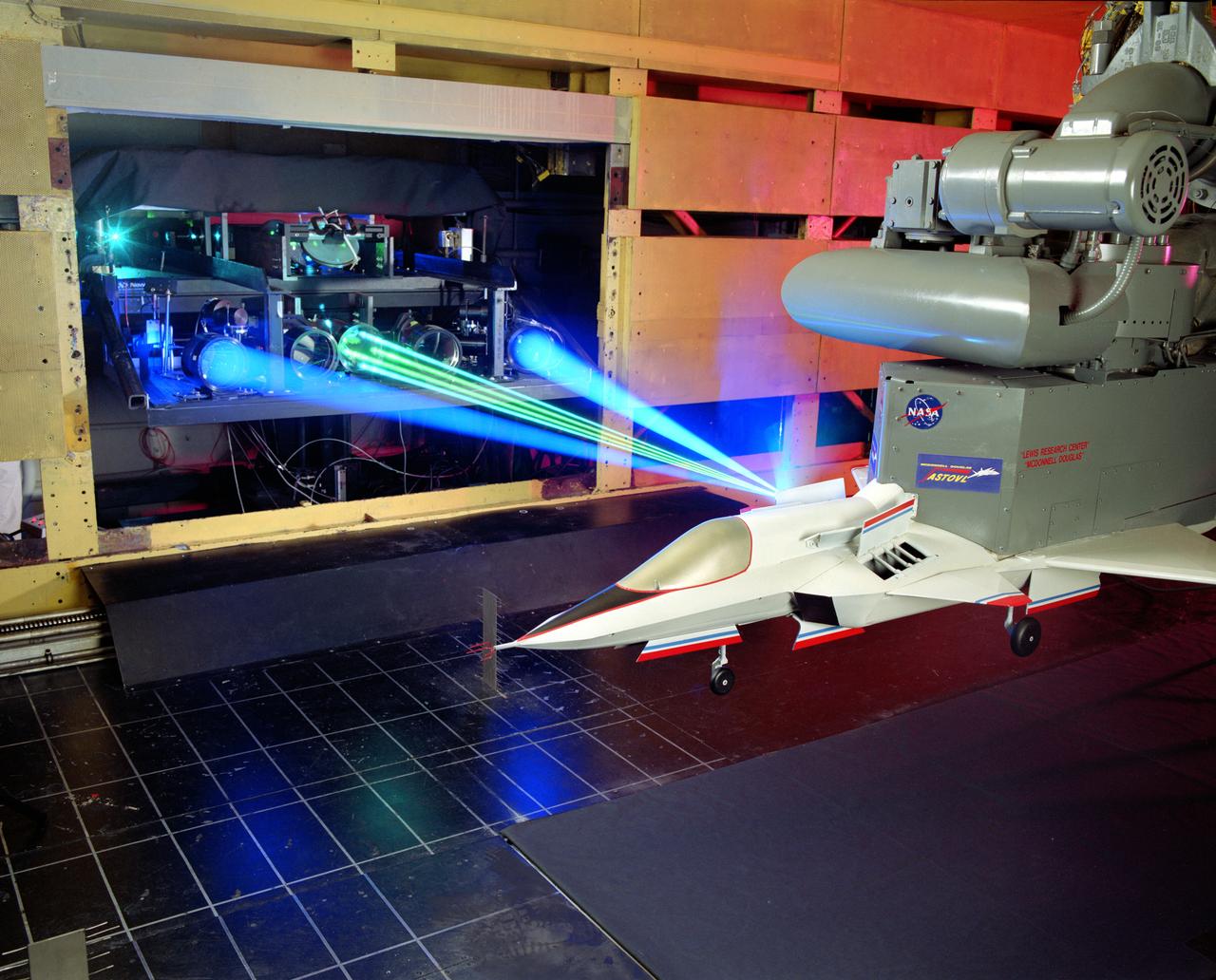
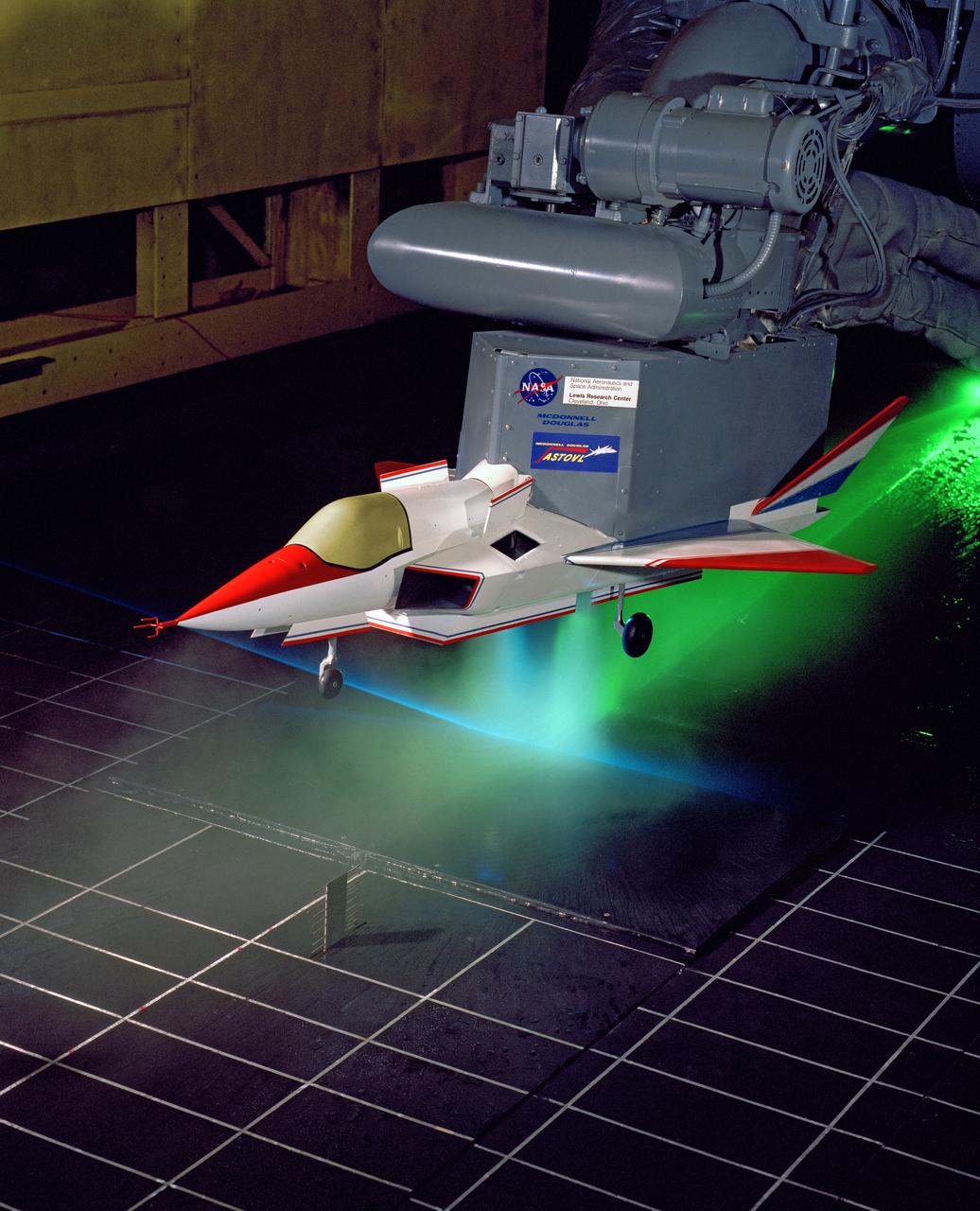
The 9x15 low speed tunnel tests take off and landing of aircraft.  The laser velocimetry system for flow measurement show here, with the color blue and green lasers, measures engine exhaust that comes back up from the ground.  The STOVL model n the 9x15 low speed wind tunnel, building 39, is similar to the British Harrier aircraft.
STOVL (Short Take Off Vertical Landing) Phase III Hot Gas Ingestion Into Engine Intake Test in the 9x15 Low Speed Wind Tunnel
NASA Moon Kit of things I would take to the moon with me, The first thing I thought of for my Moon Kit was the first book I ever read when I was learning to read.  It is titled, You Will Go To The Moon.  I really liked that book and read it many times, looking at the illustrations and wondering about if I would ever actually go to the moon.  Of the many belongings that I have lost through the years from moving, etc. that book has stayed with me and so it would of course go to the moon with me.  Photography has always interested me and so a family photo was second to get packed. We always had photos taken and volumes of old family photos in the house and so photography has played an important role in my life and so my camera gear is third to get packed.  As a kid I spend a lot of time and money building rockets and flying them.  I bet my rocket would go very high on the moon.  I also like a little candy wherever I go.
NASA Moon Kit
NASA GLENN/NASA LANGLEY LOADS COMPARISON TEST WITH 6 COMPONENT FORCE/MOMENT BALANCE AND 1.7% HIGH SPEED RESEARCH MODEL 5.
February 17, 2021, The Terminal Tower is illuminated in red to commemorate the Landing of NASA’s Perseverance Rover on the surface of Mars, February 18, 2021.  Terminal Tower is a 52-story, (771 ft), landmark skyscraper located on Public Square in downtown Cleveland, Ohio.  Cleveland is also the home of the NASA Glenn Research Center.
Terminal Tower illuminated in red to commemorate the Mars Landing of Perseverance Rover
February 17, 2021, The Terminal Tower is illuminated in red to commemorate the Landing of NASA’s Perseverance Rover on the surface of Mars, February 18, 2021.  Terminal Tower is a 52-story, (771 ft), landmark skyscraper located on Public Square in downtown Cleveland, Ohio.  Cleveland is also the home of the NASA Glenn Research Center.
Terminal Tower illuminated in red to commemorate the Mars Landing of Perseverance Rover
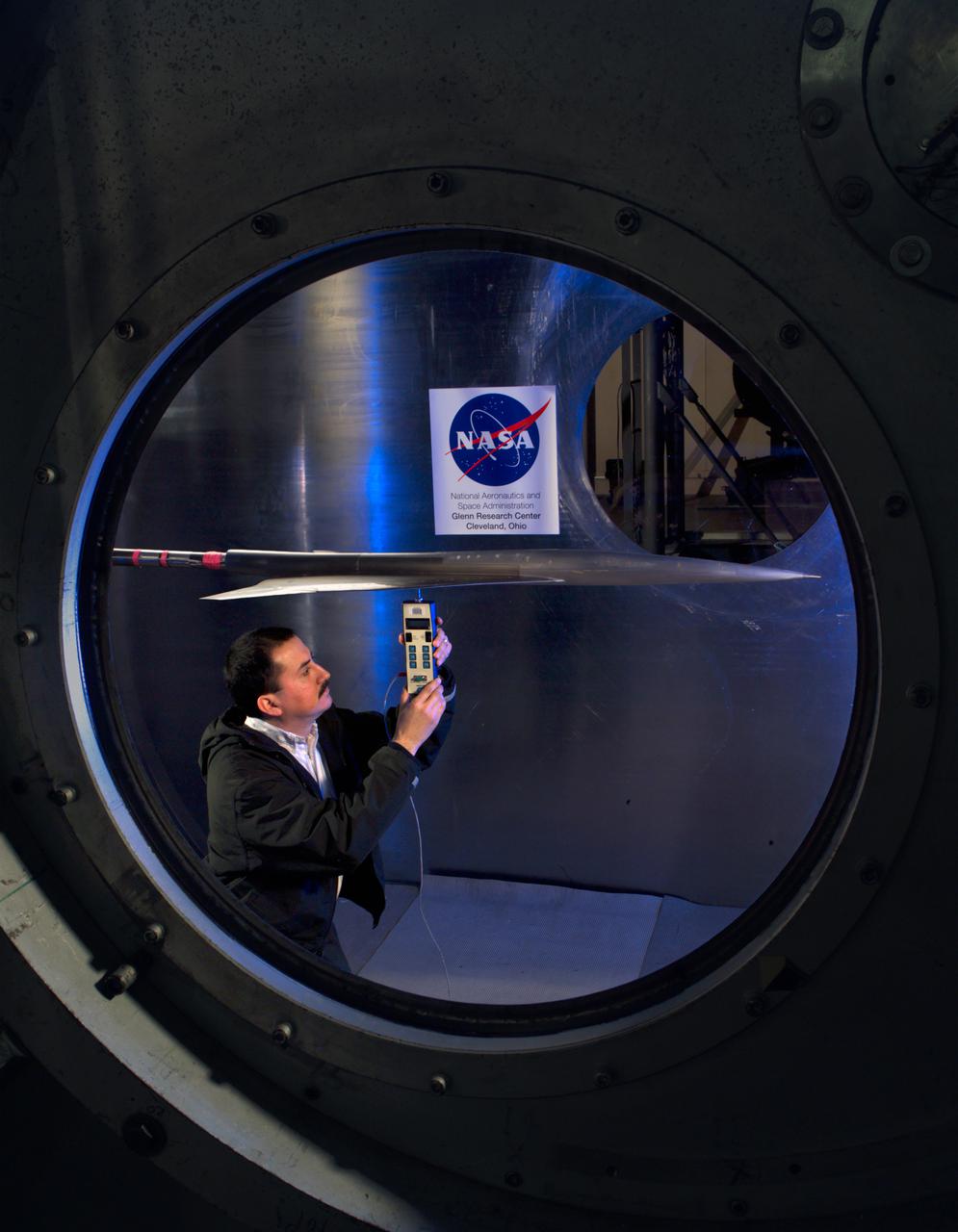
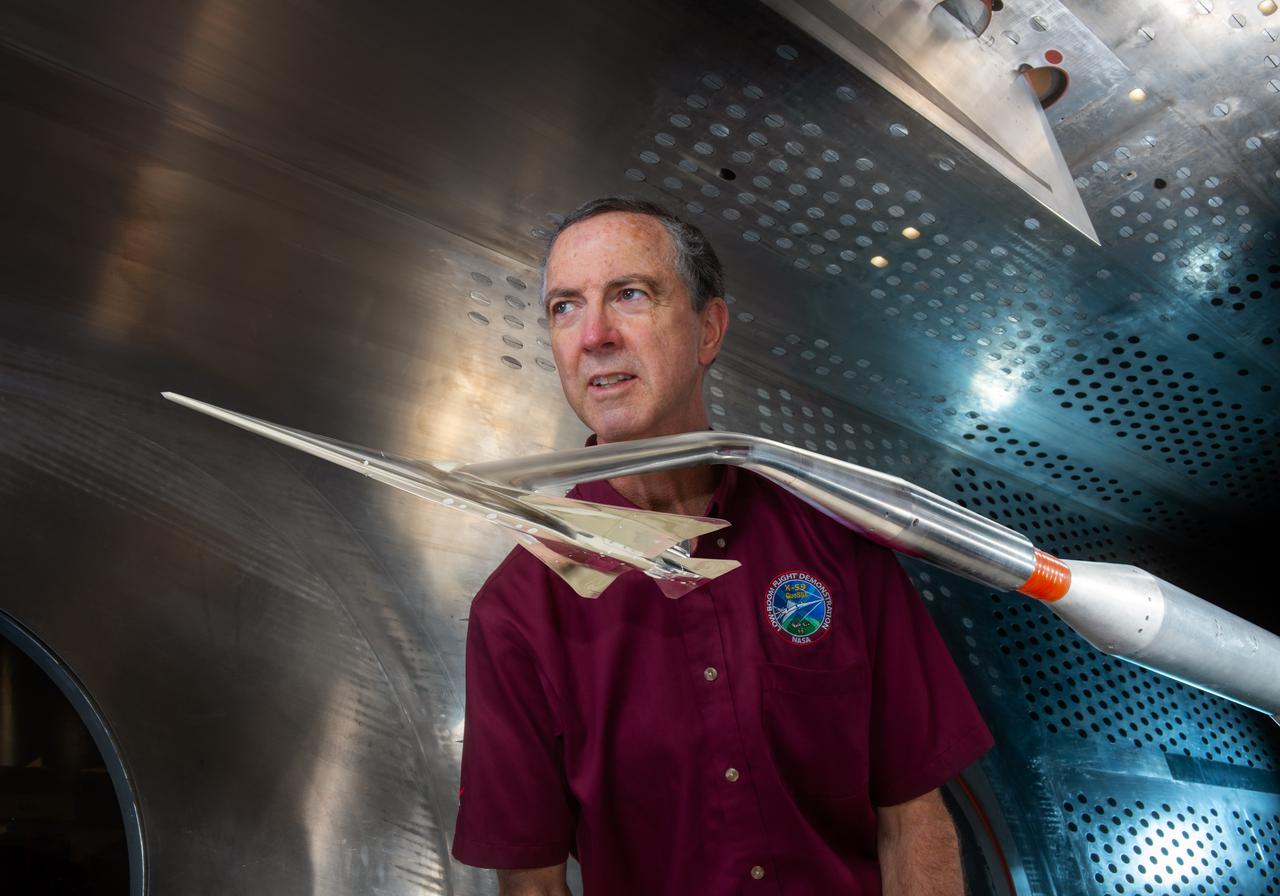
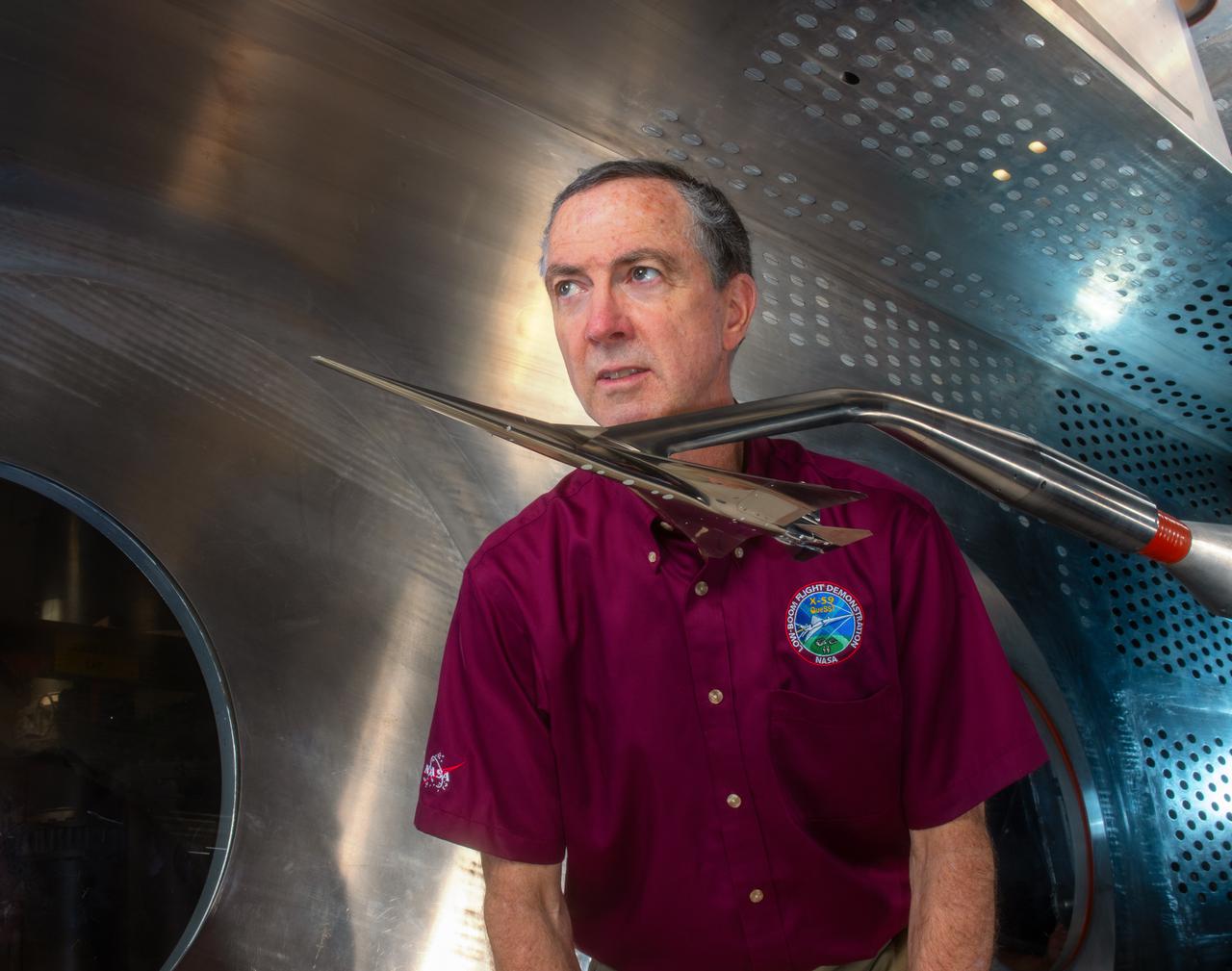
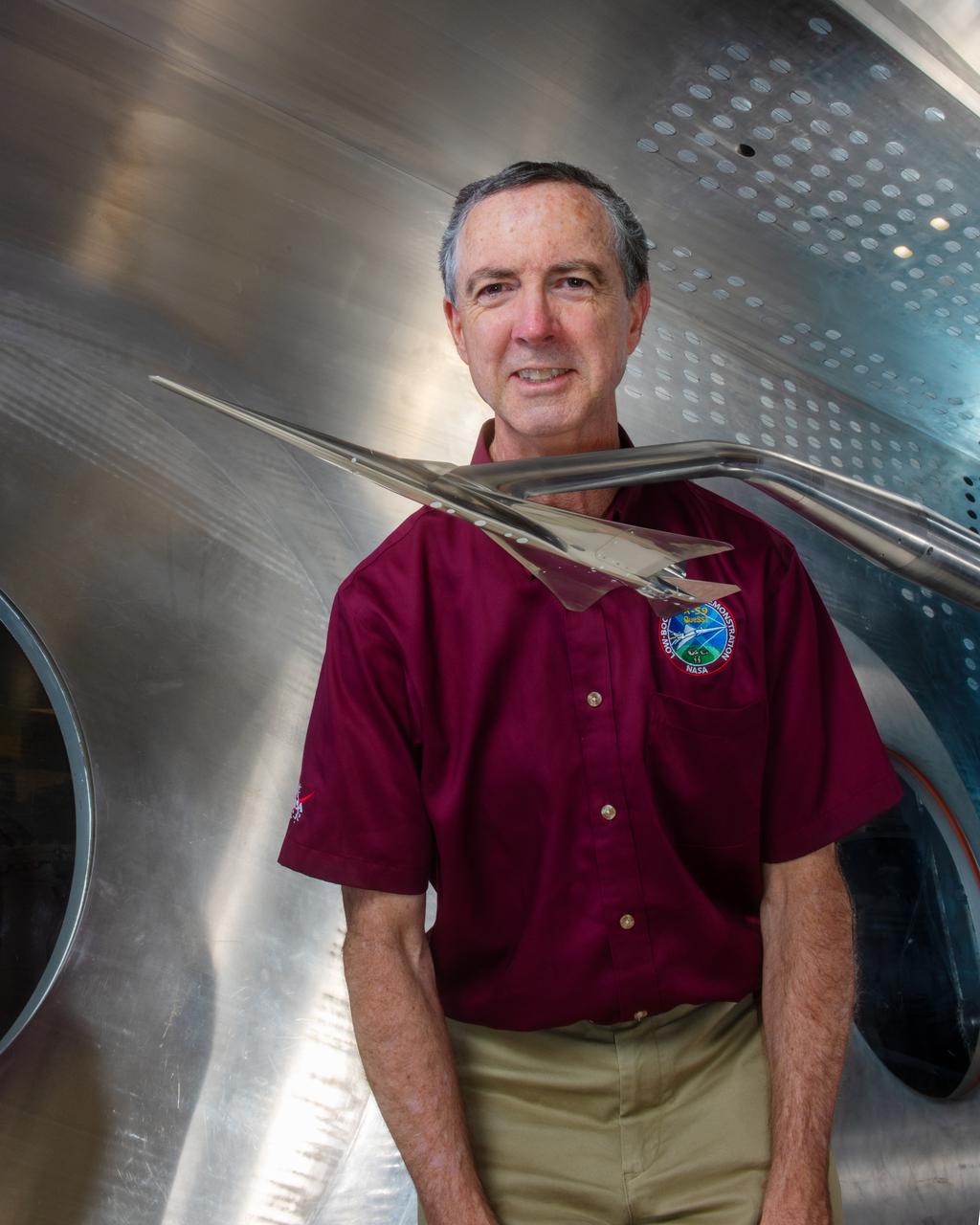
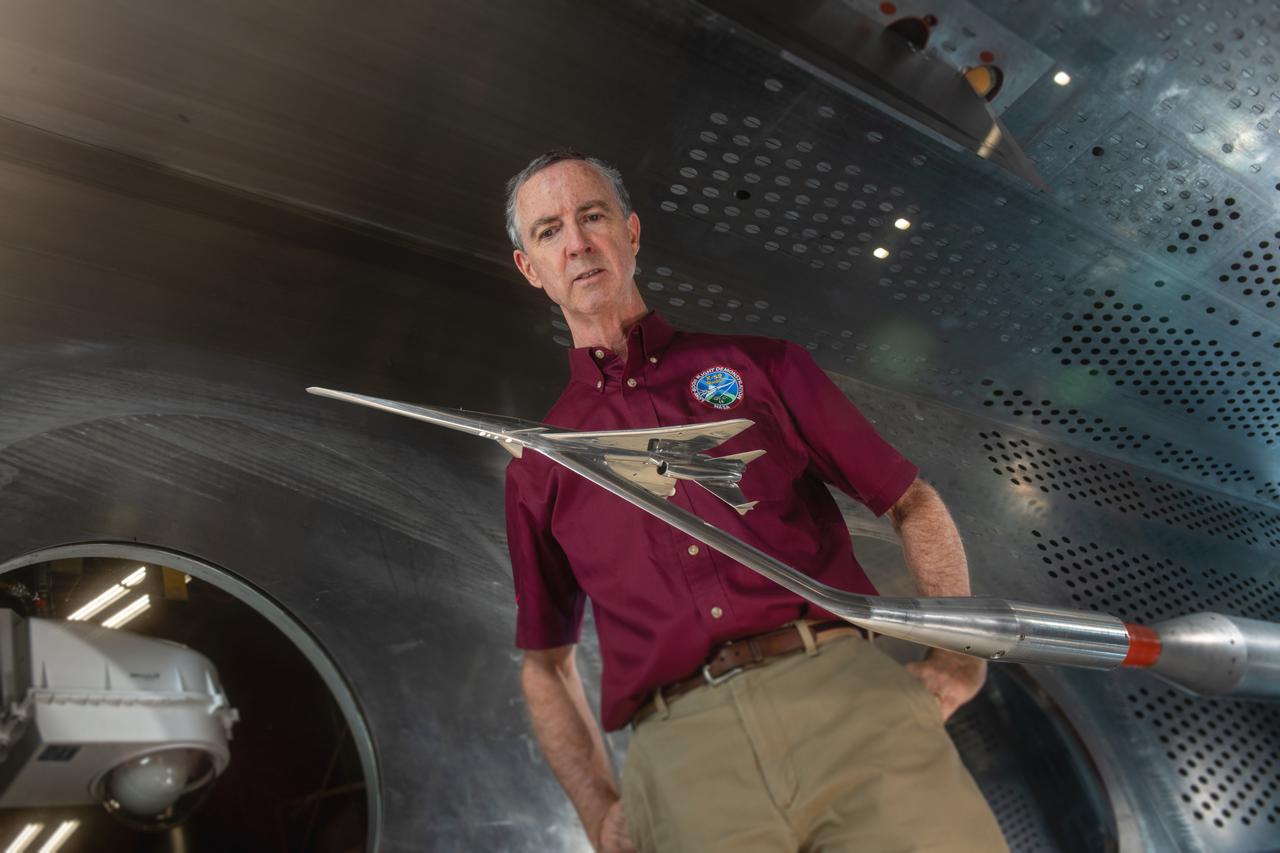
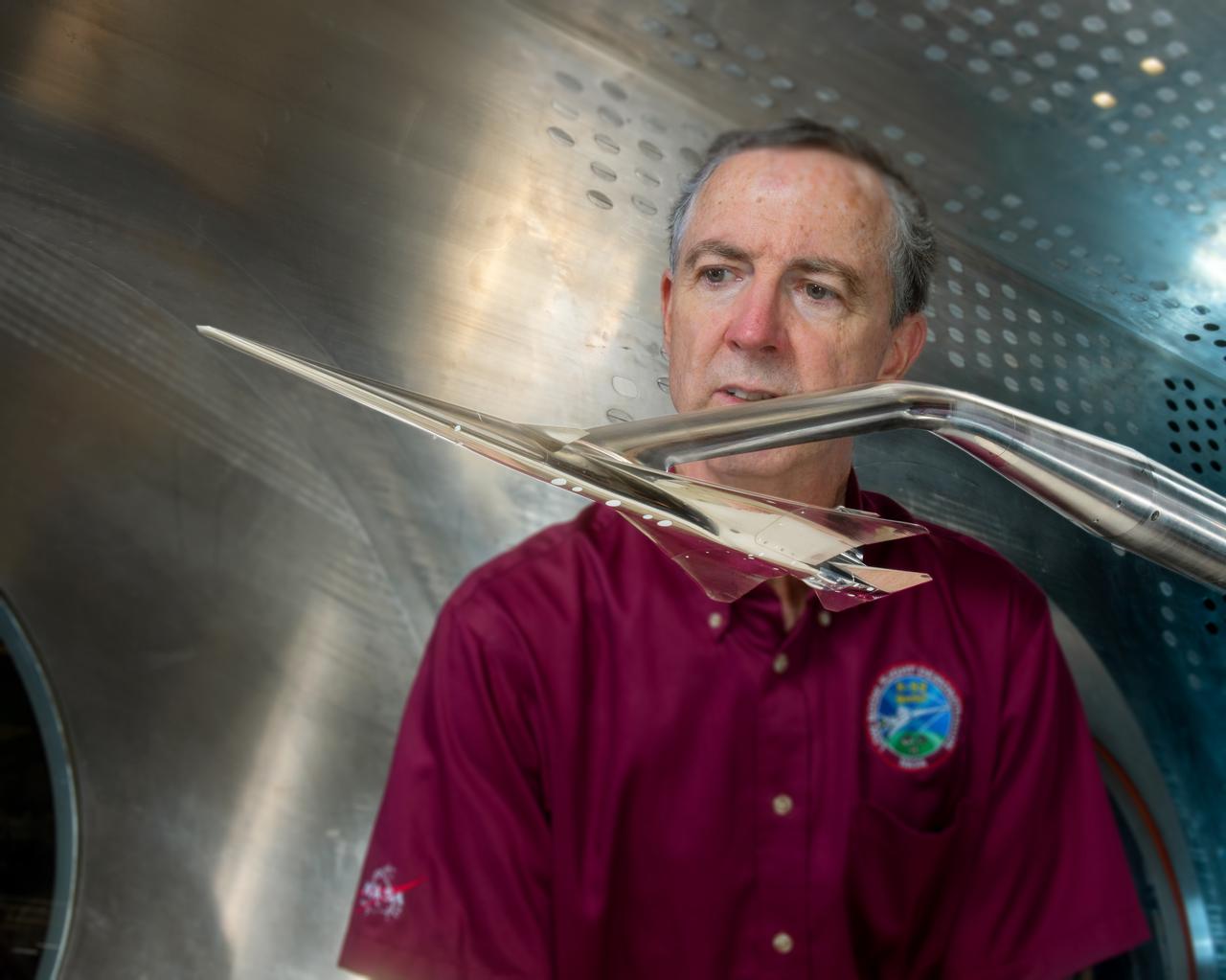
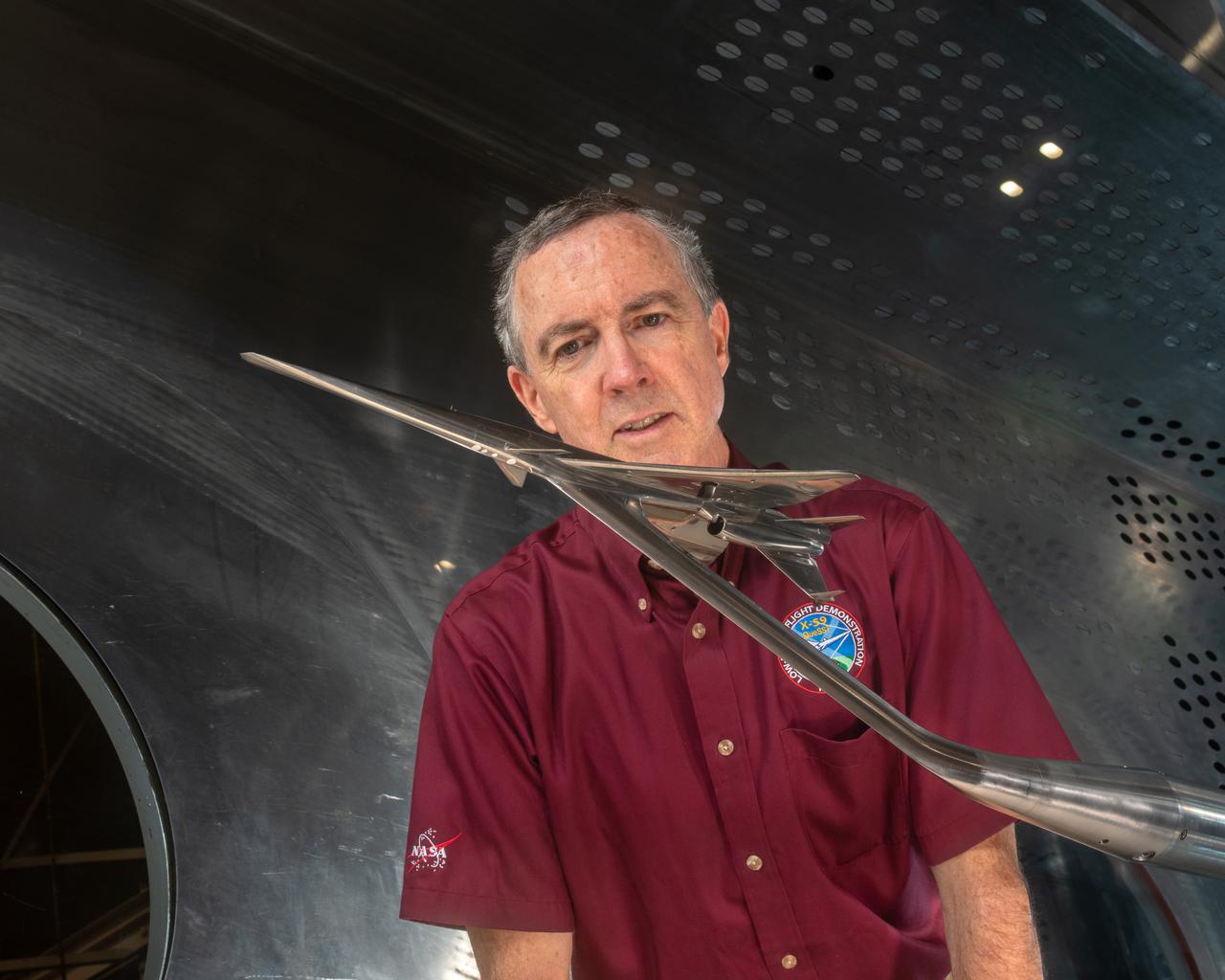
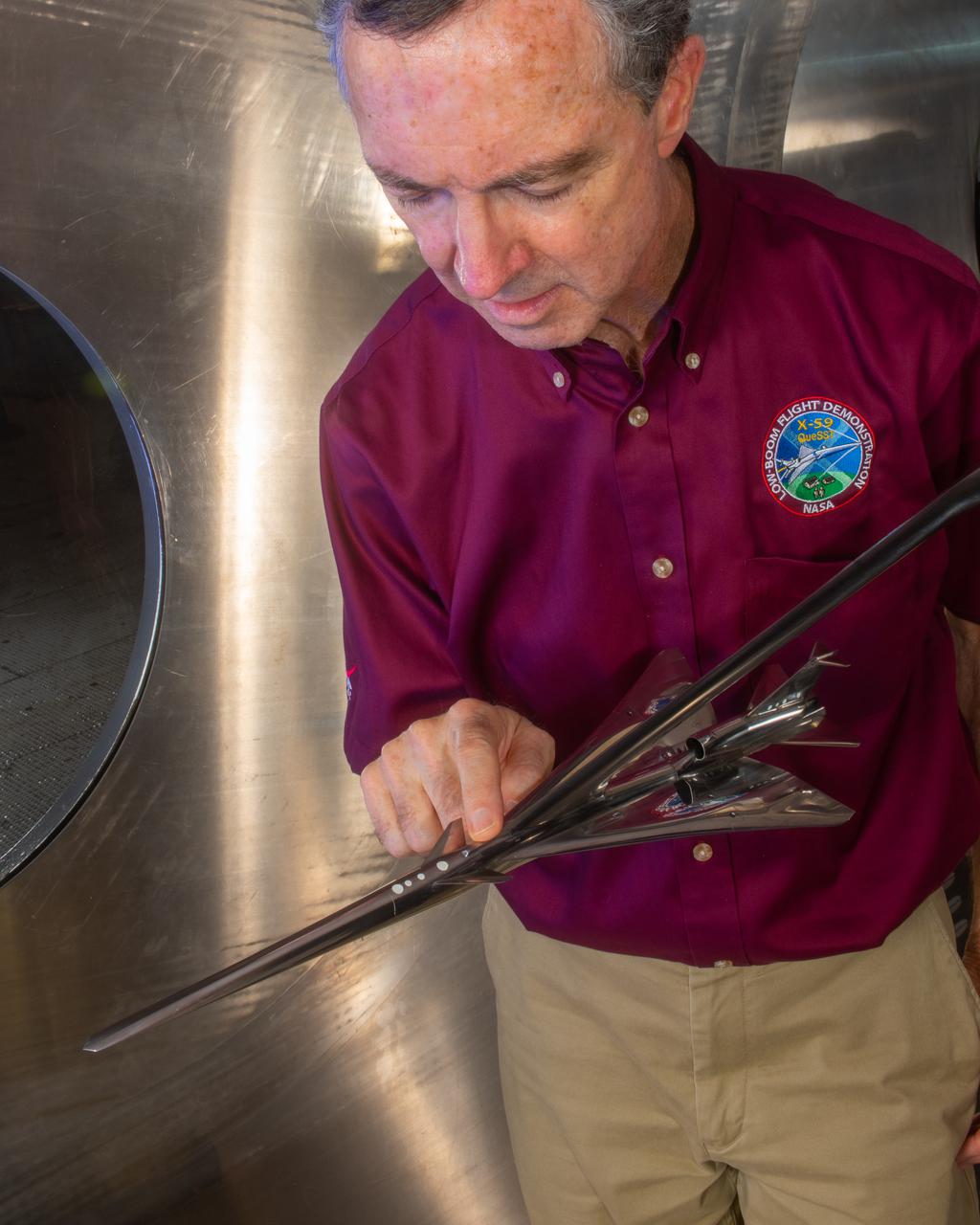
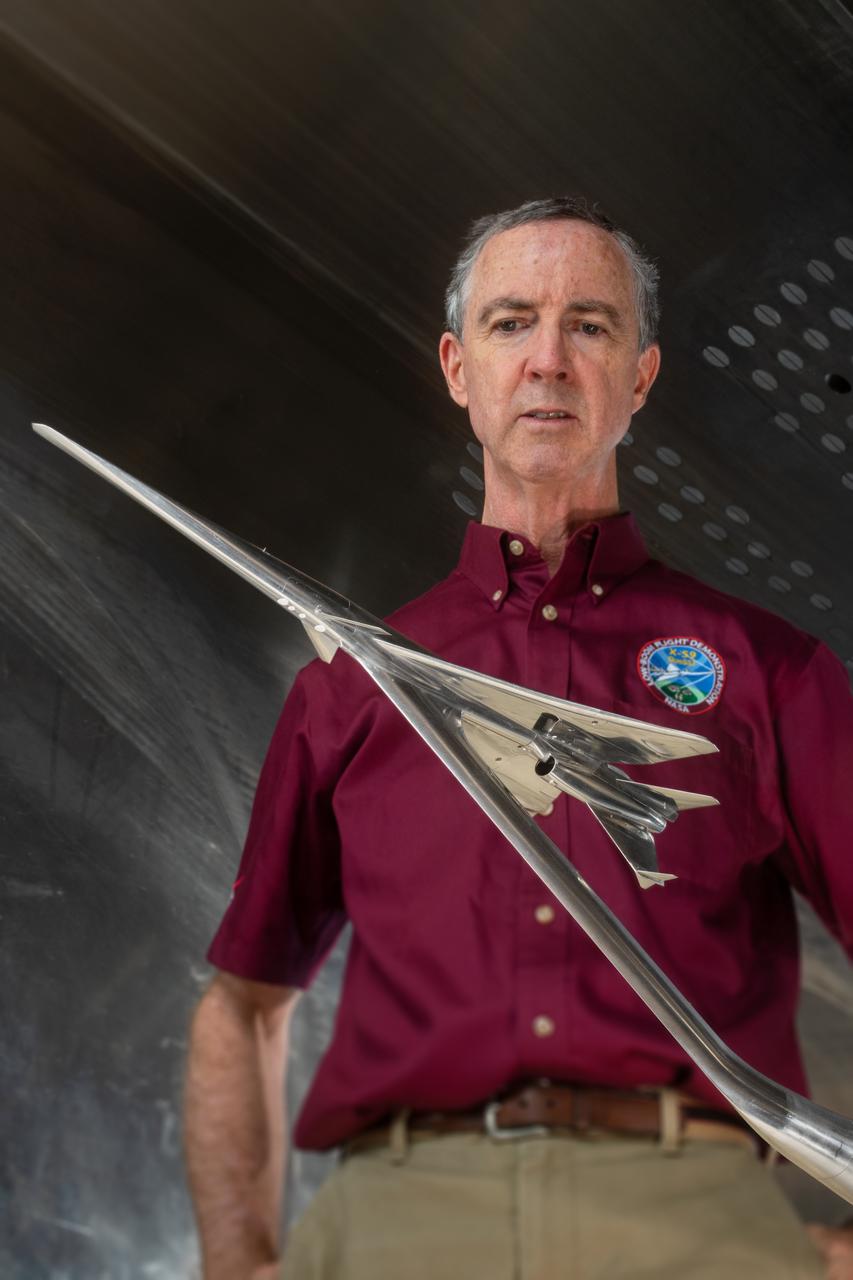
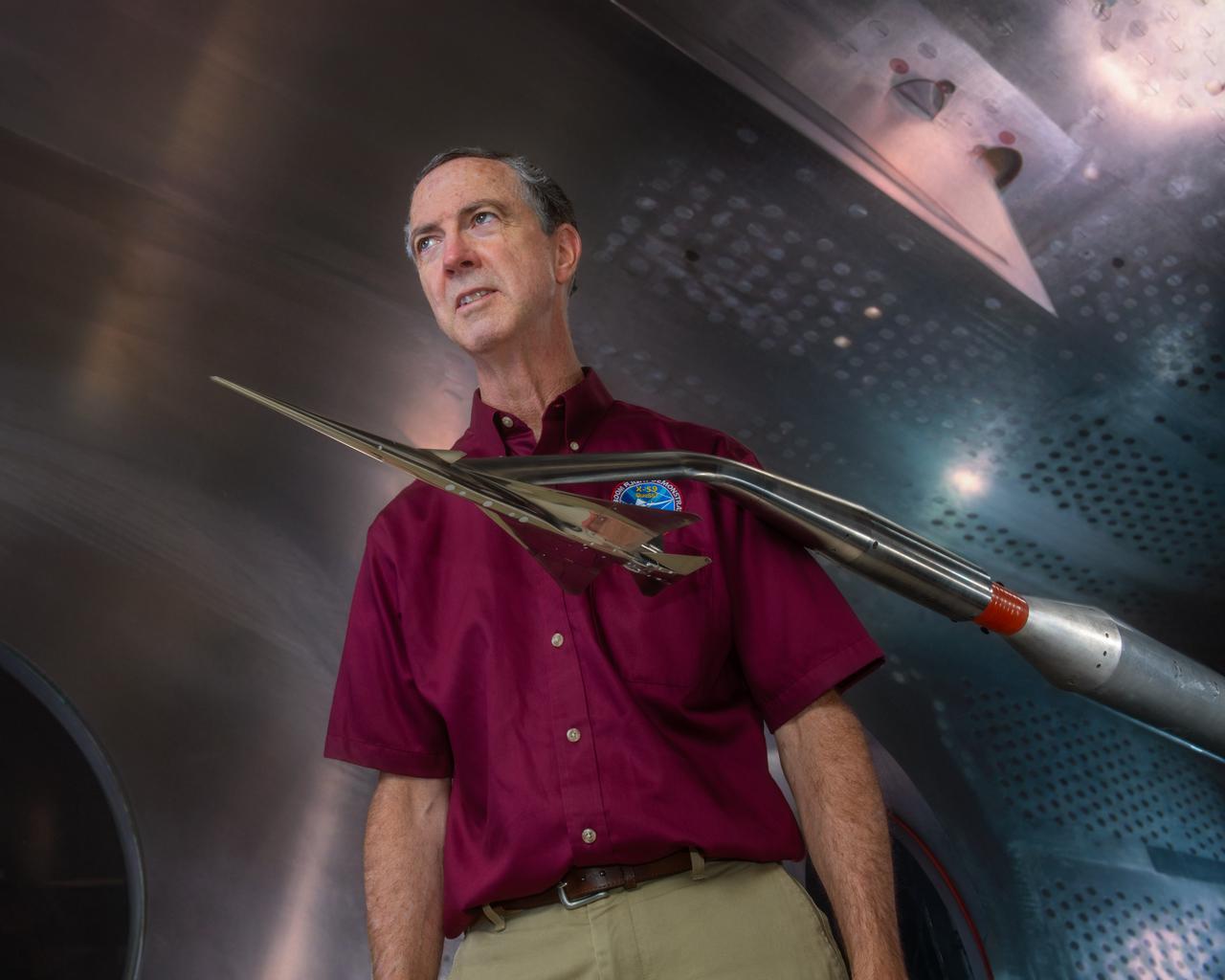
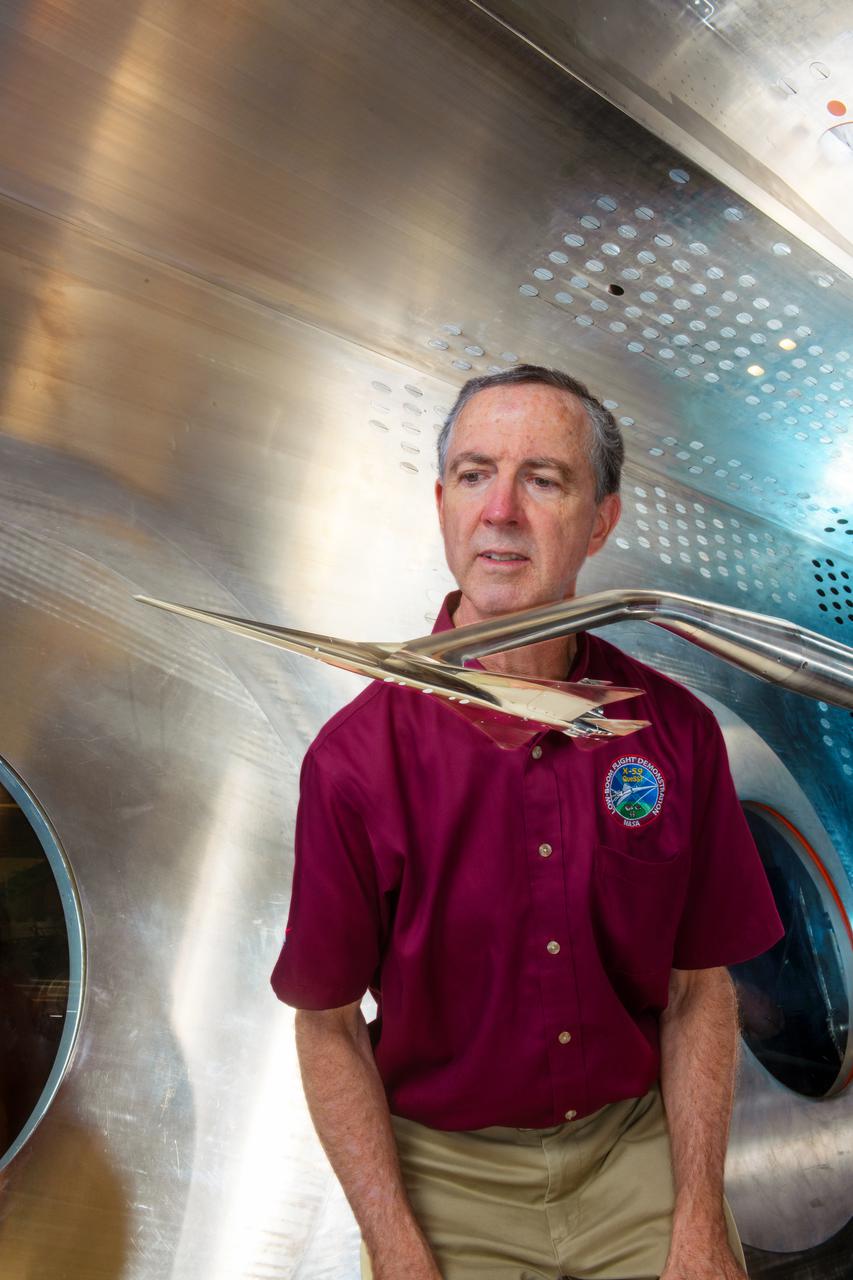
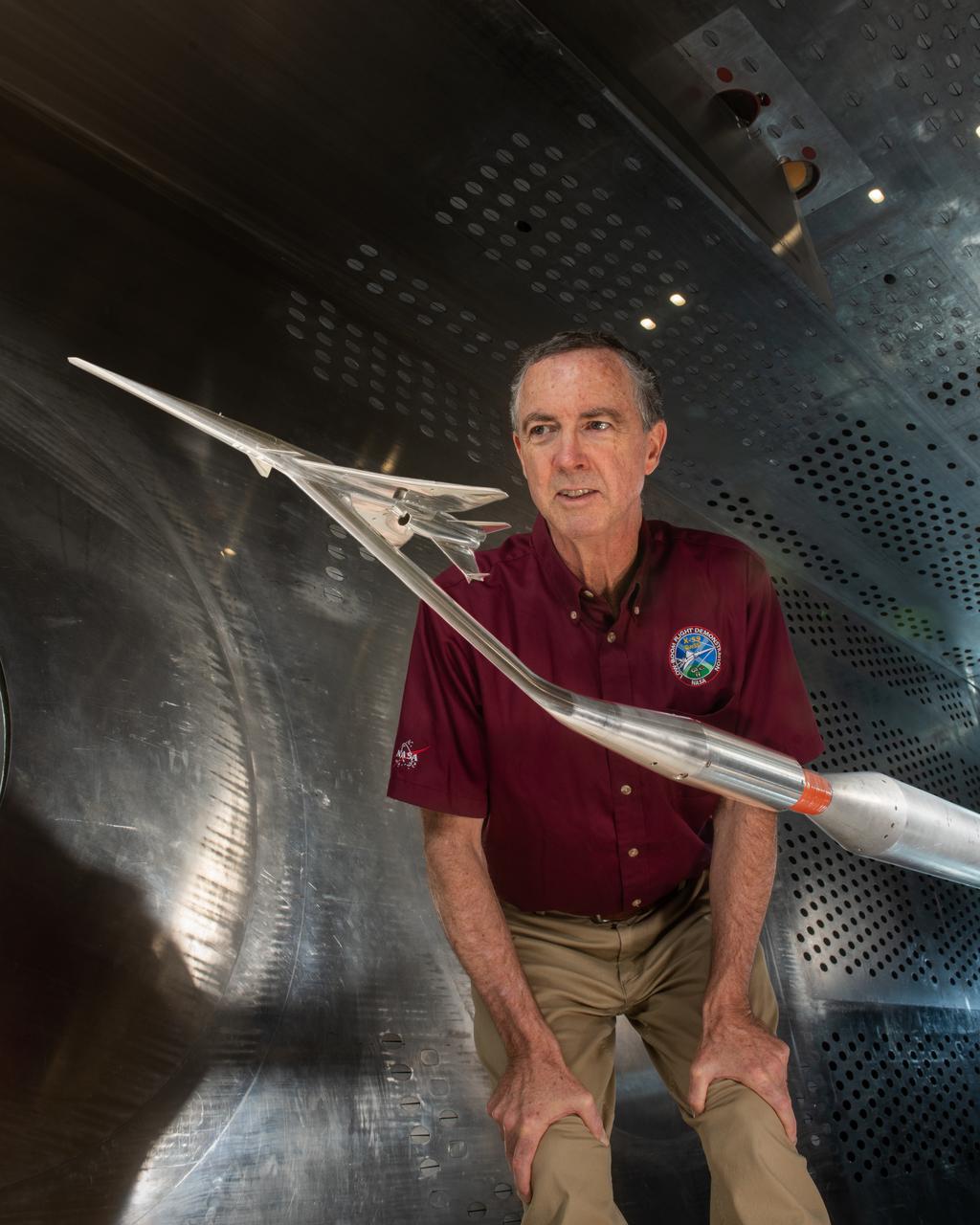
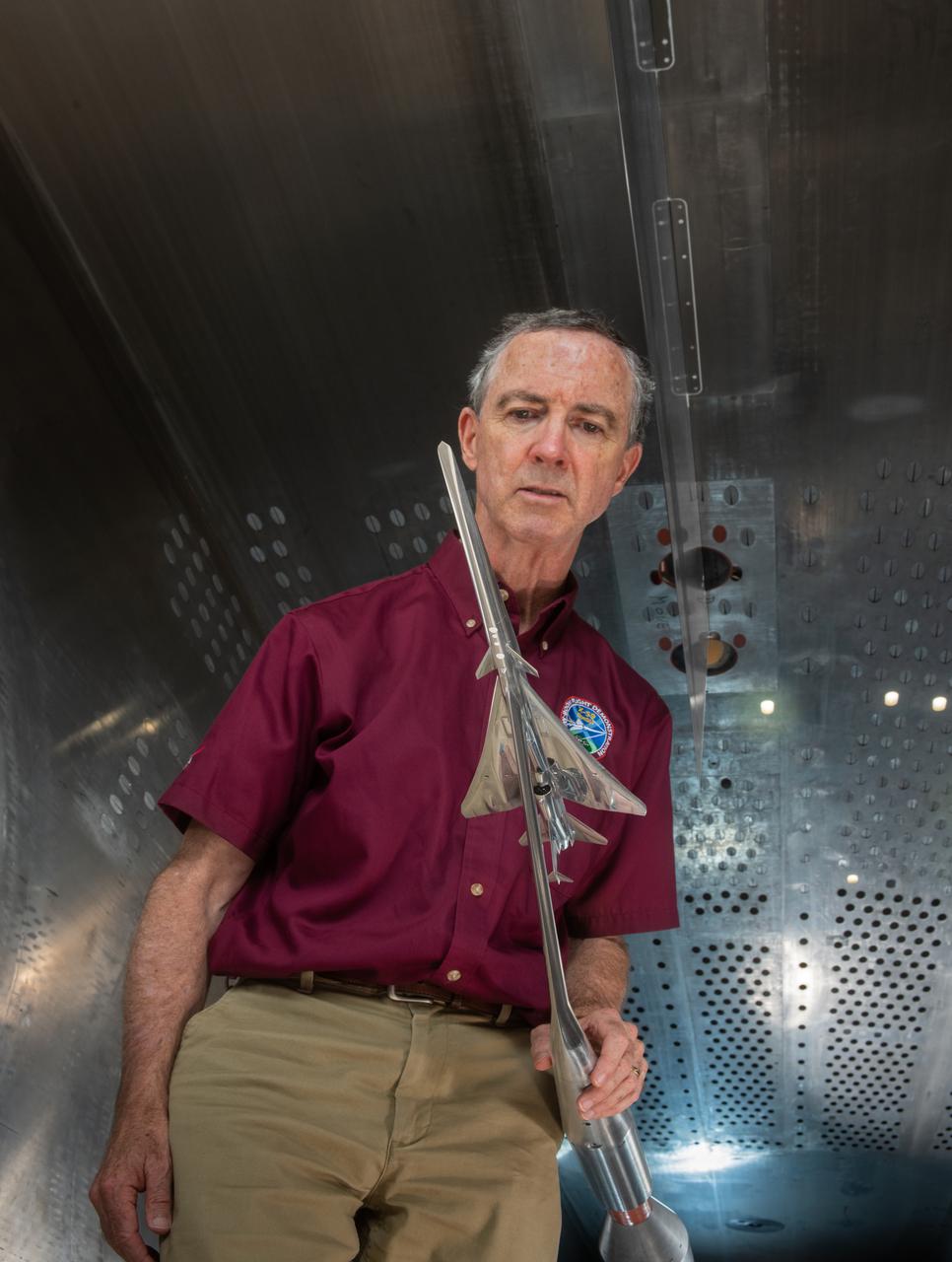
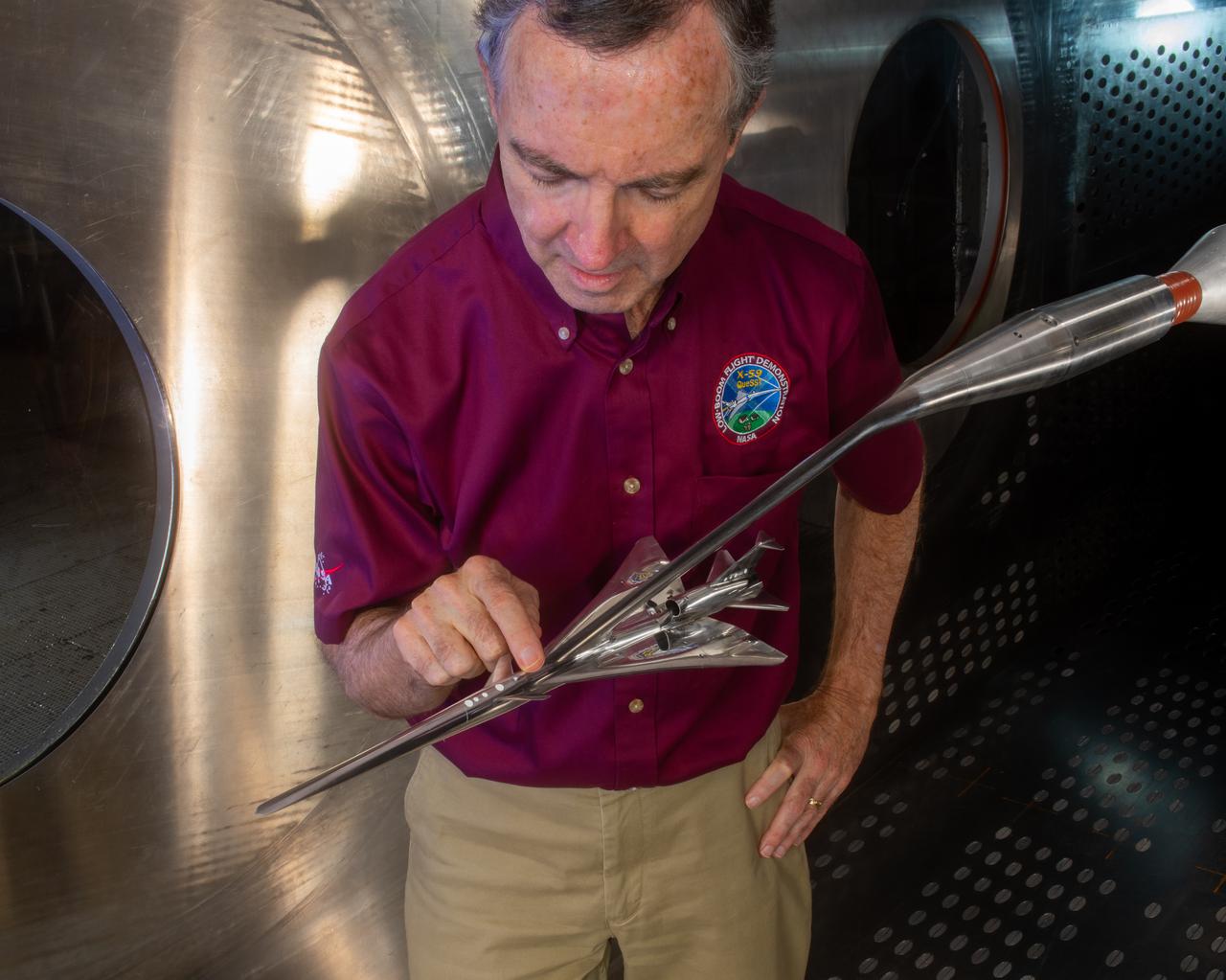
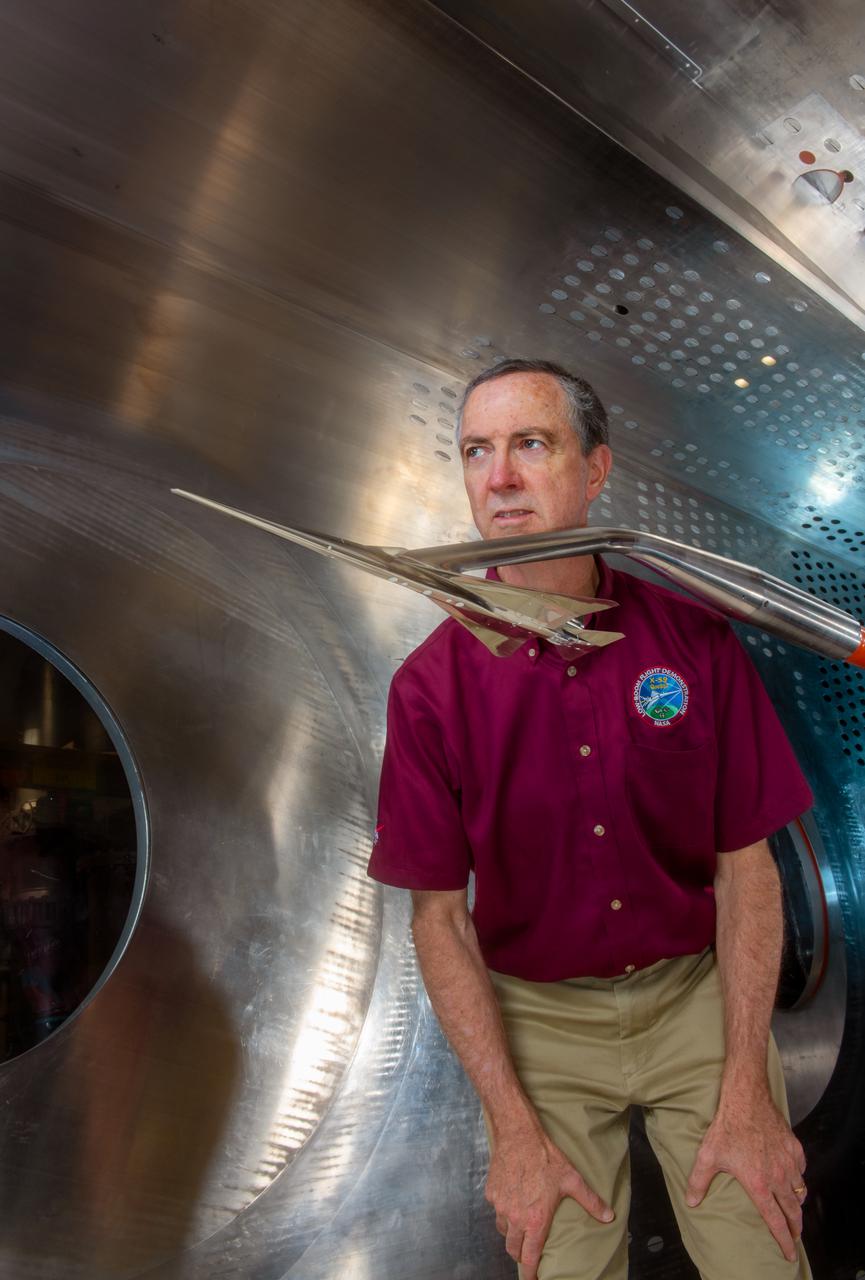
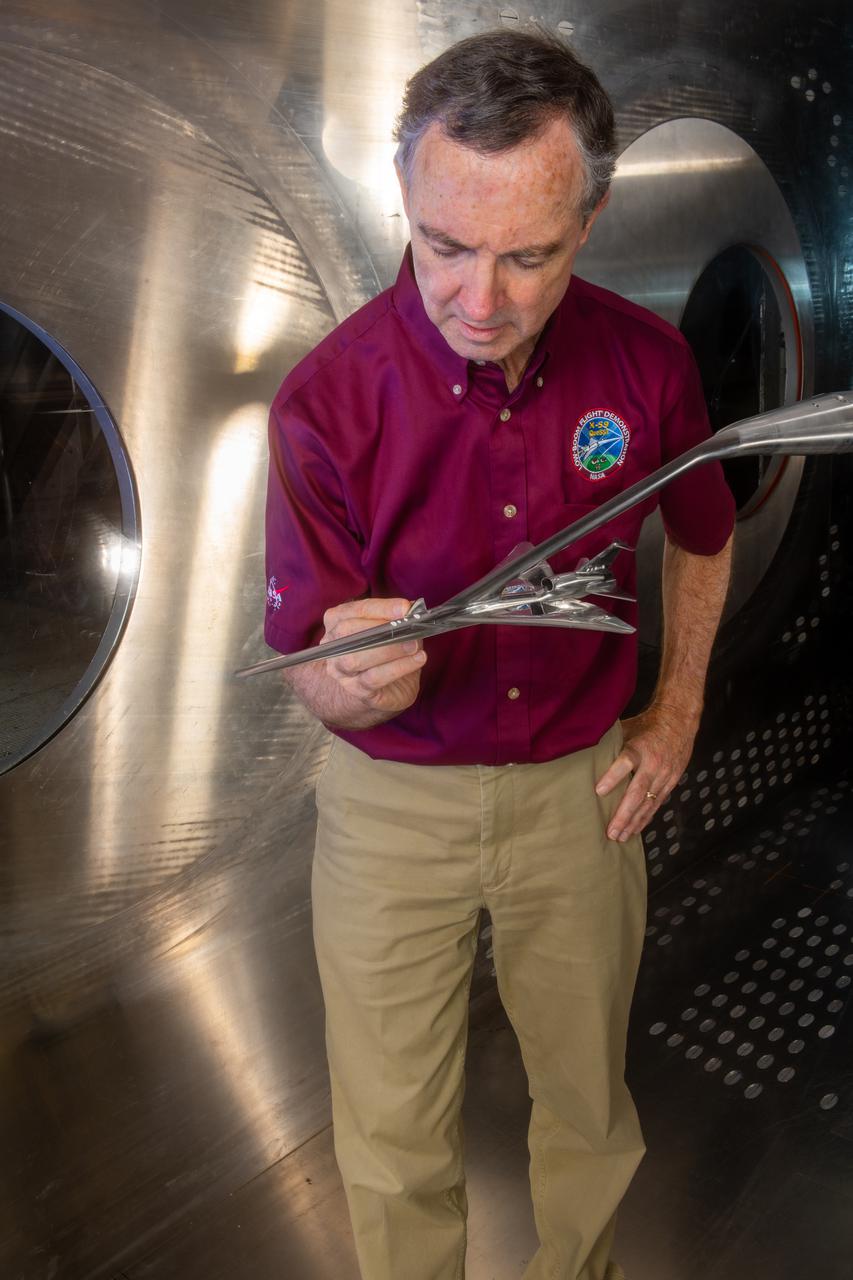
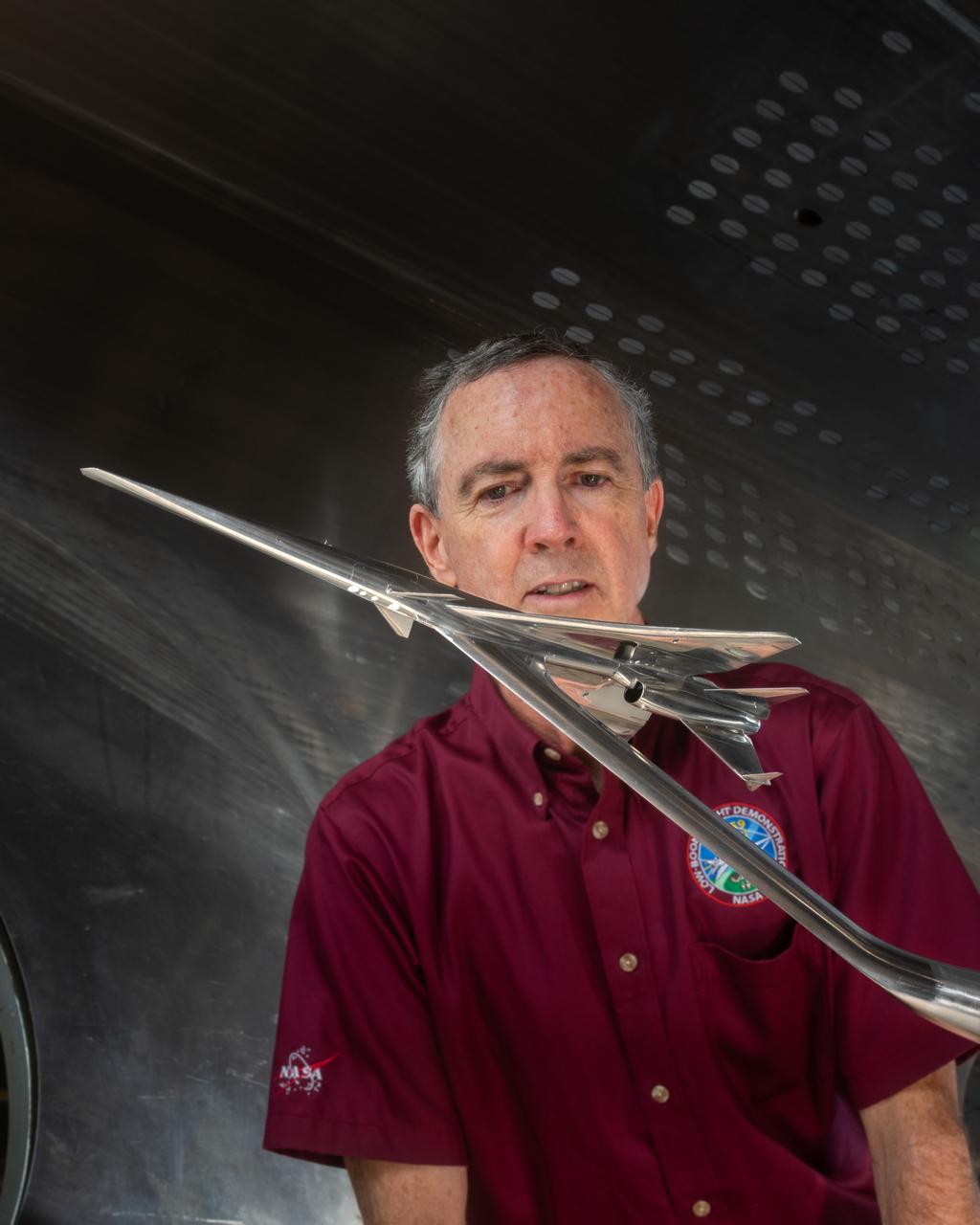
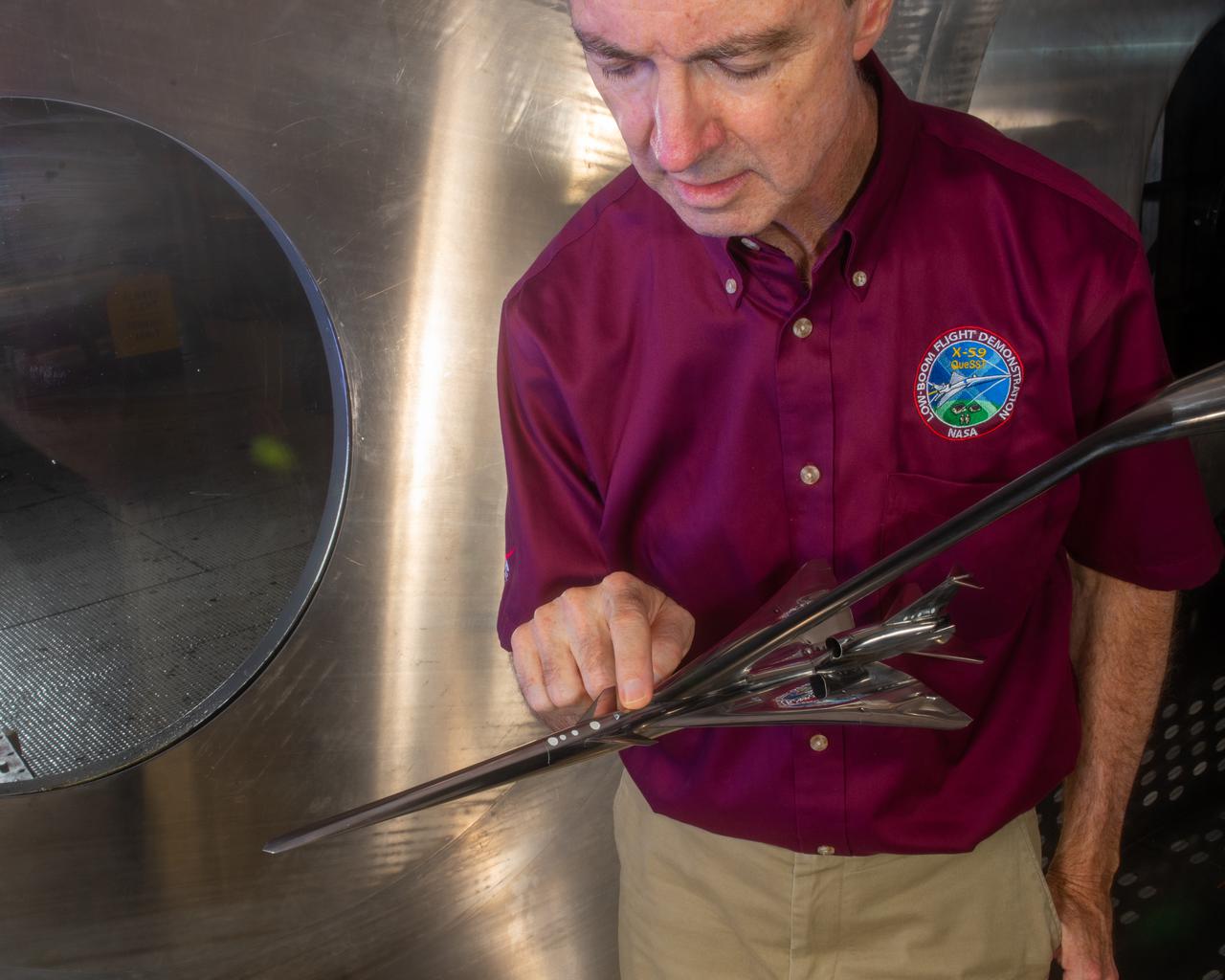
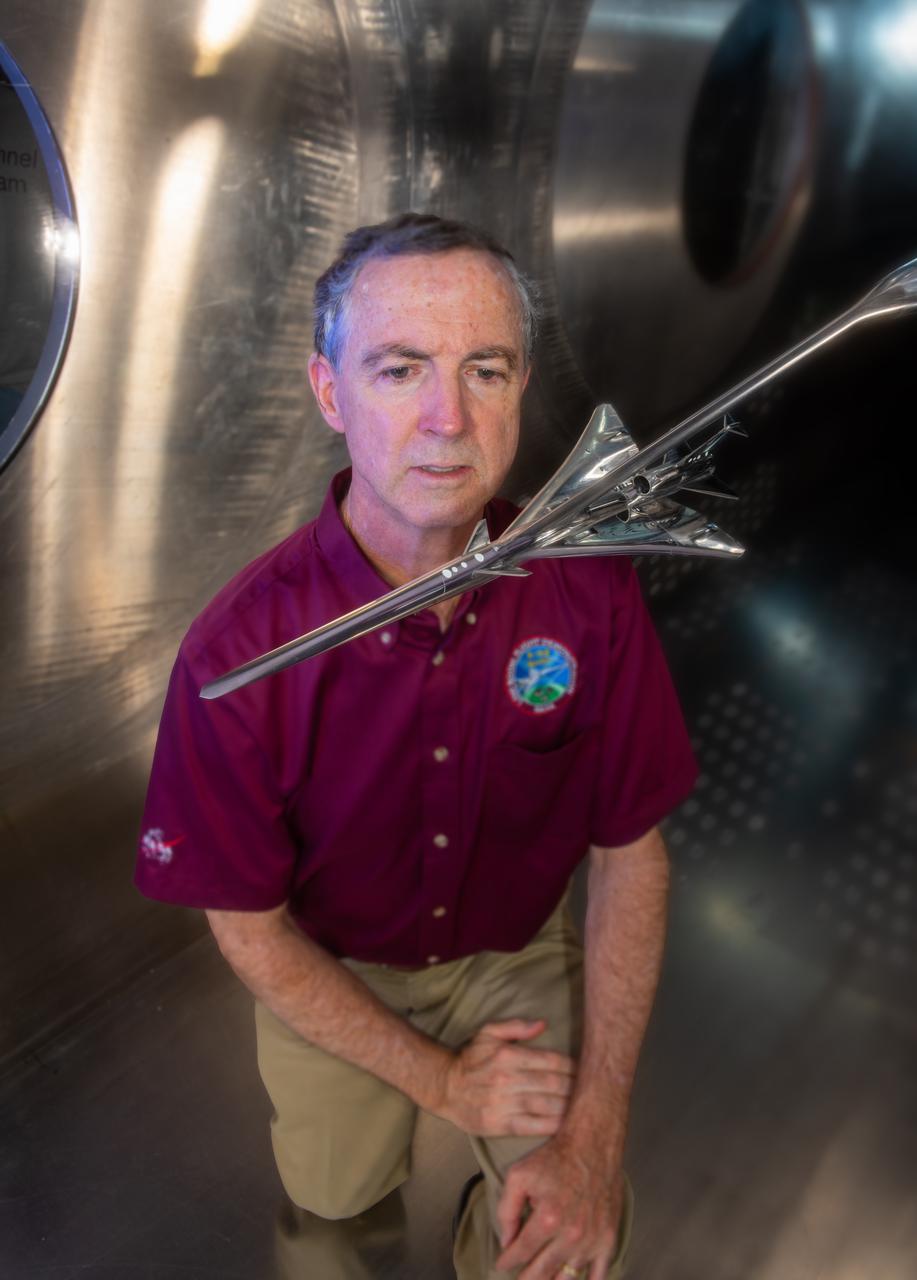
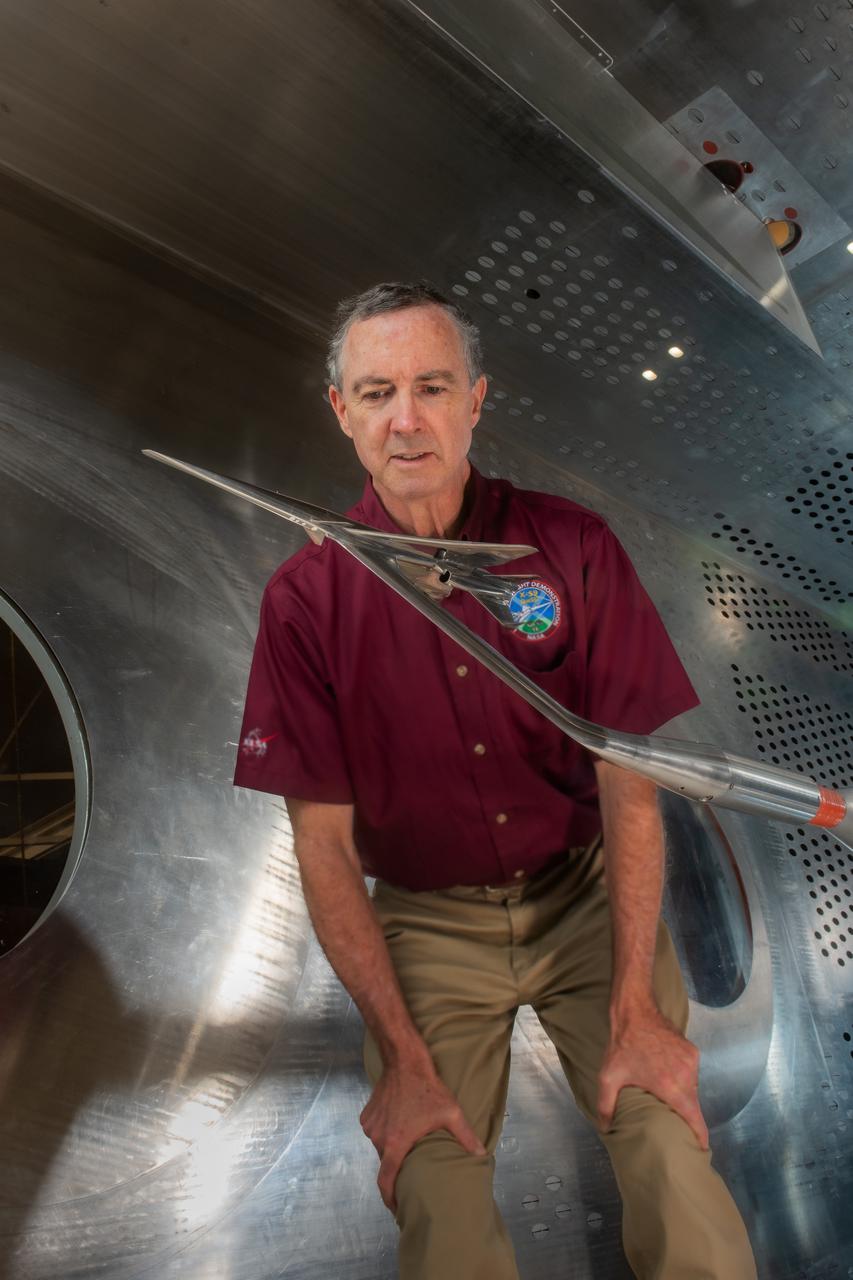
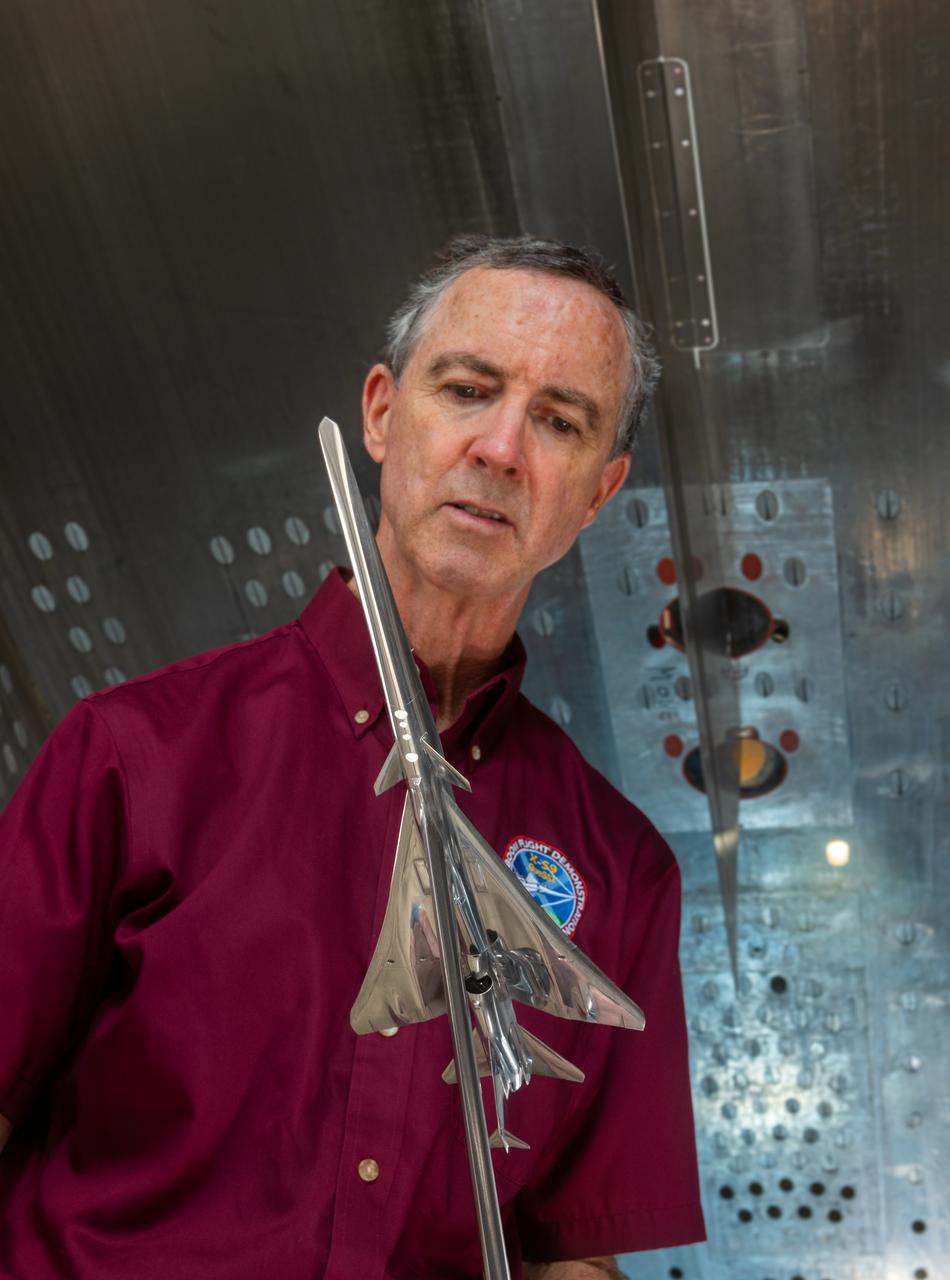
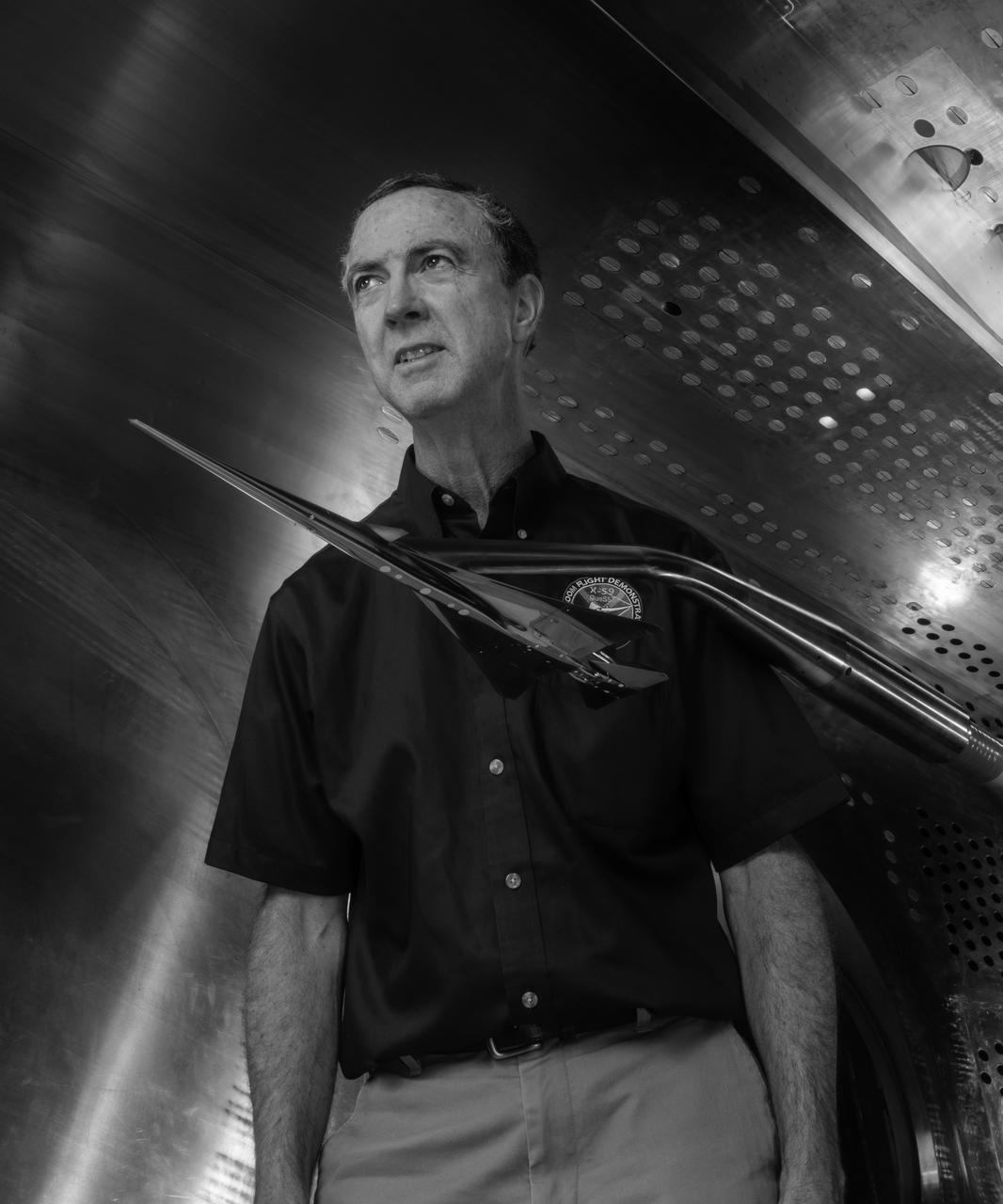
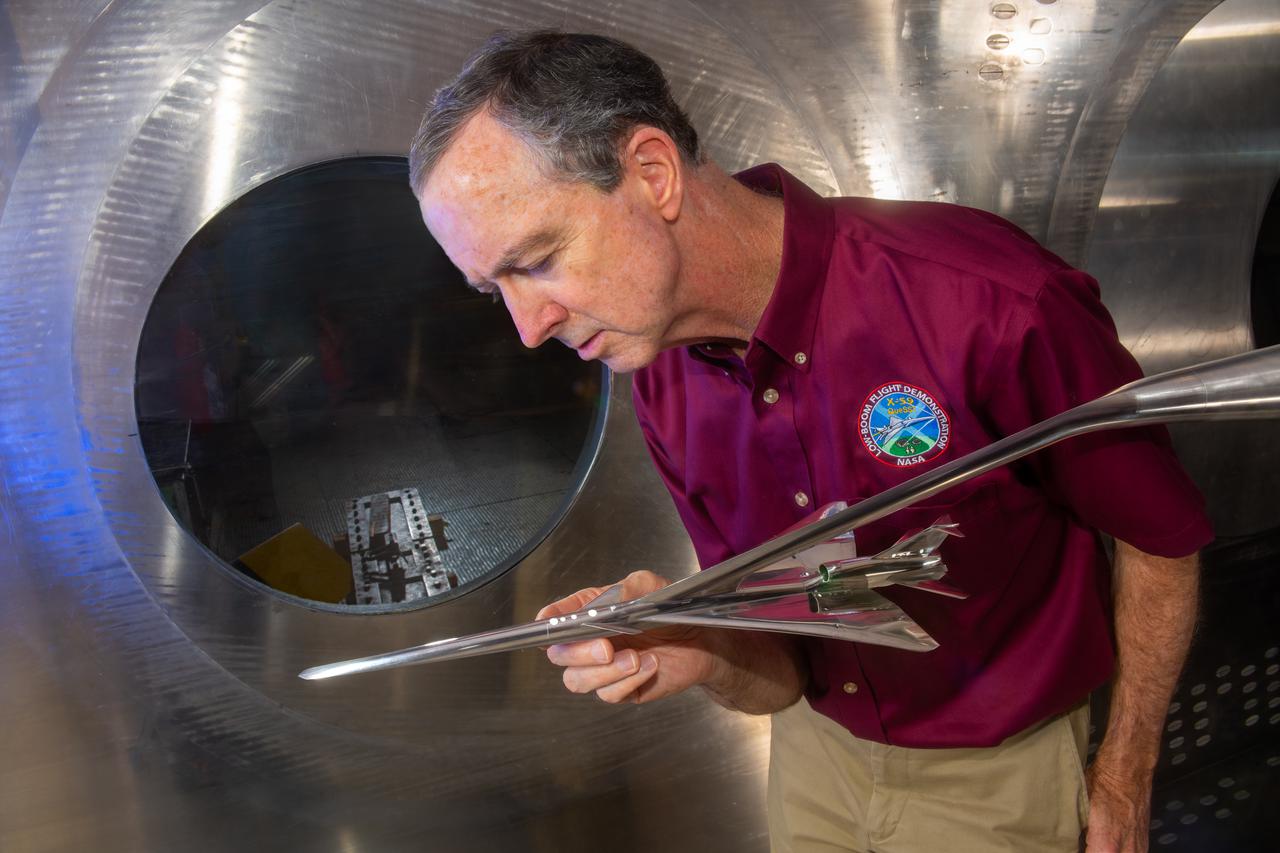
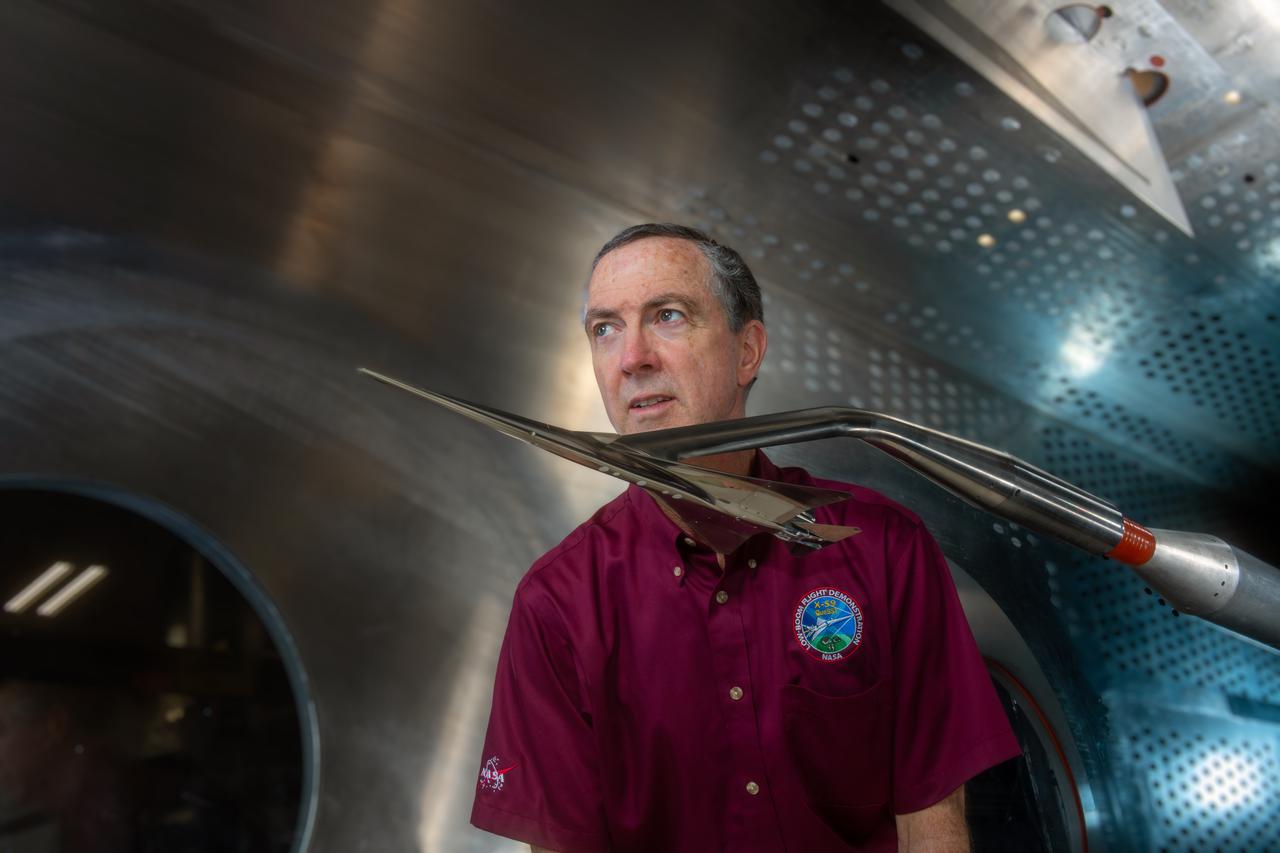
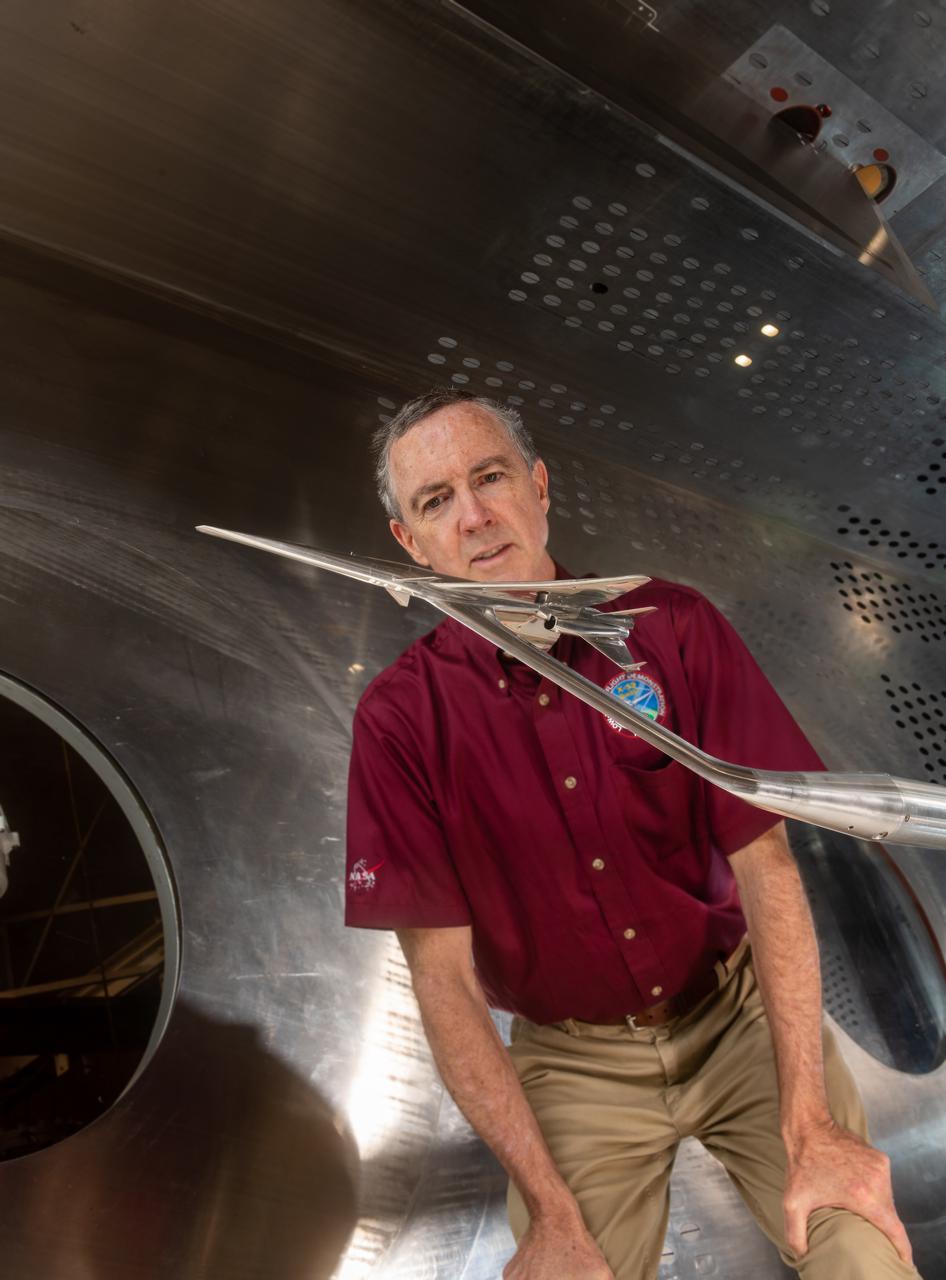
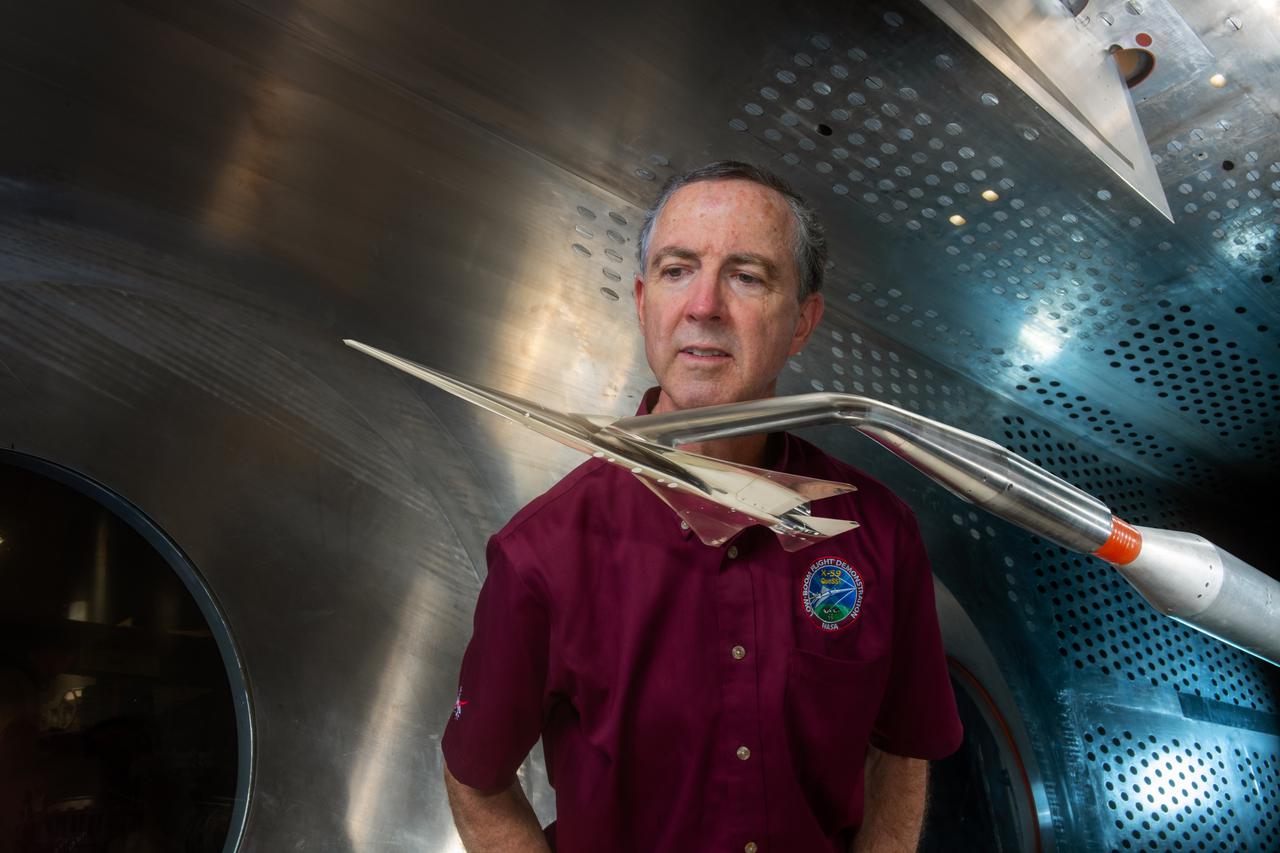
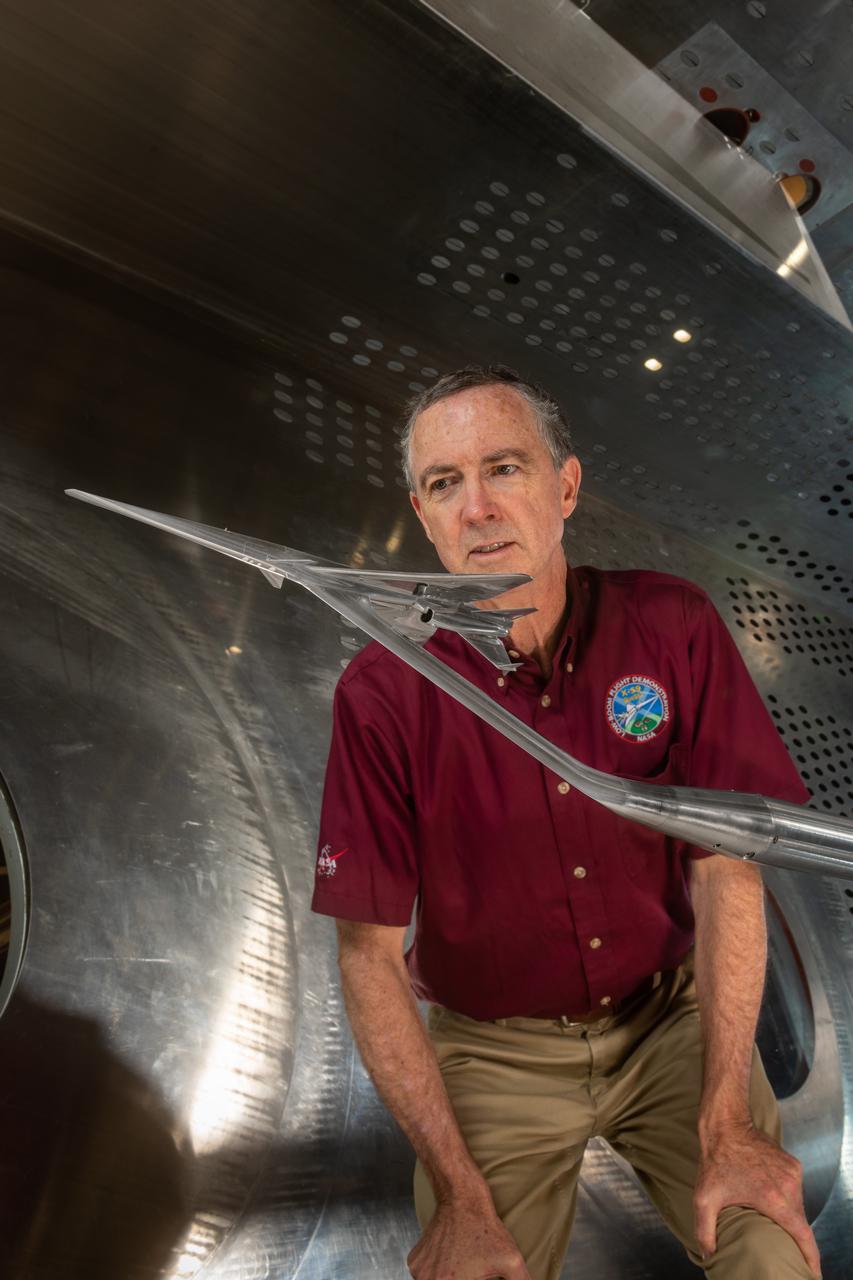
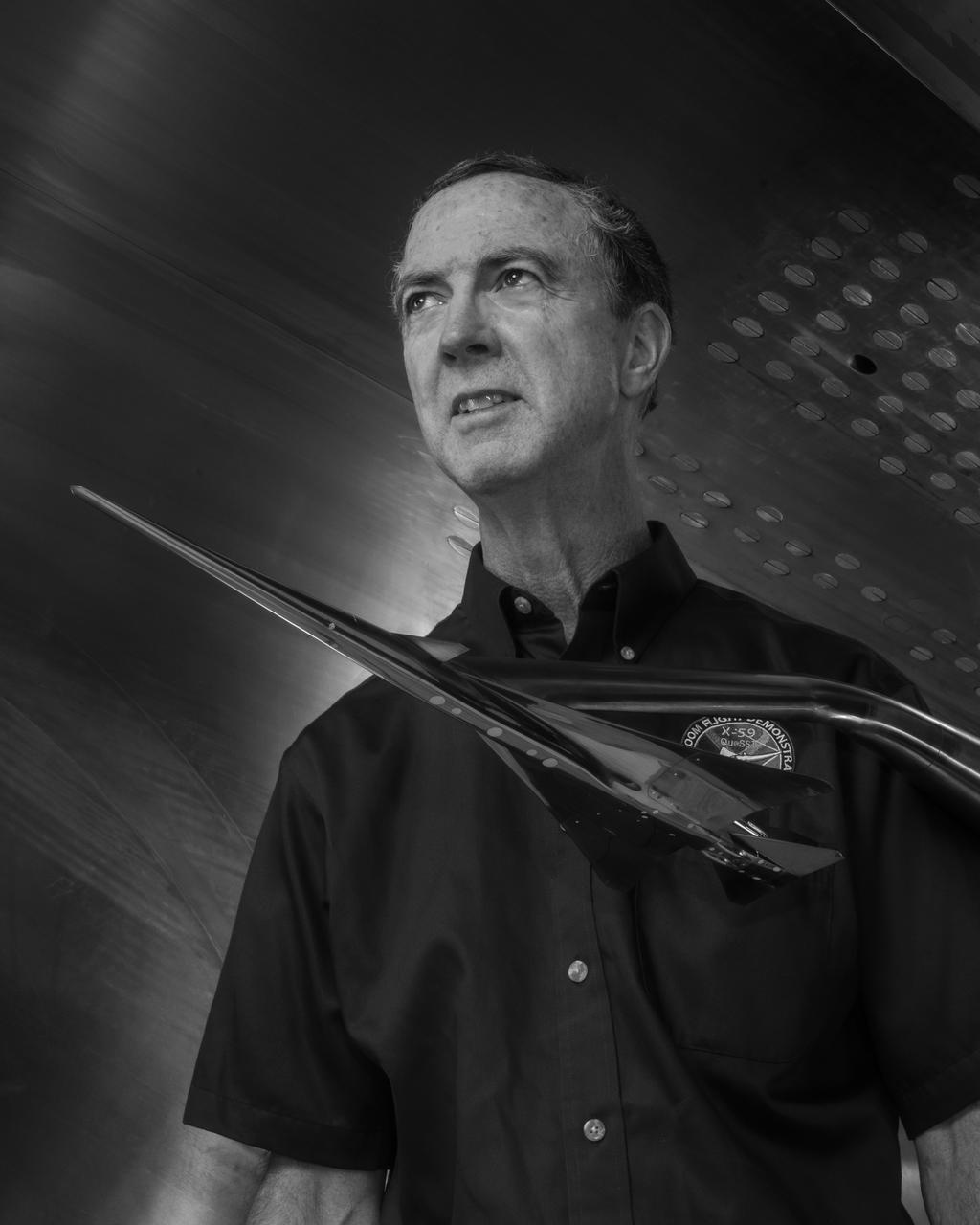
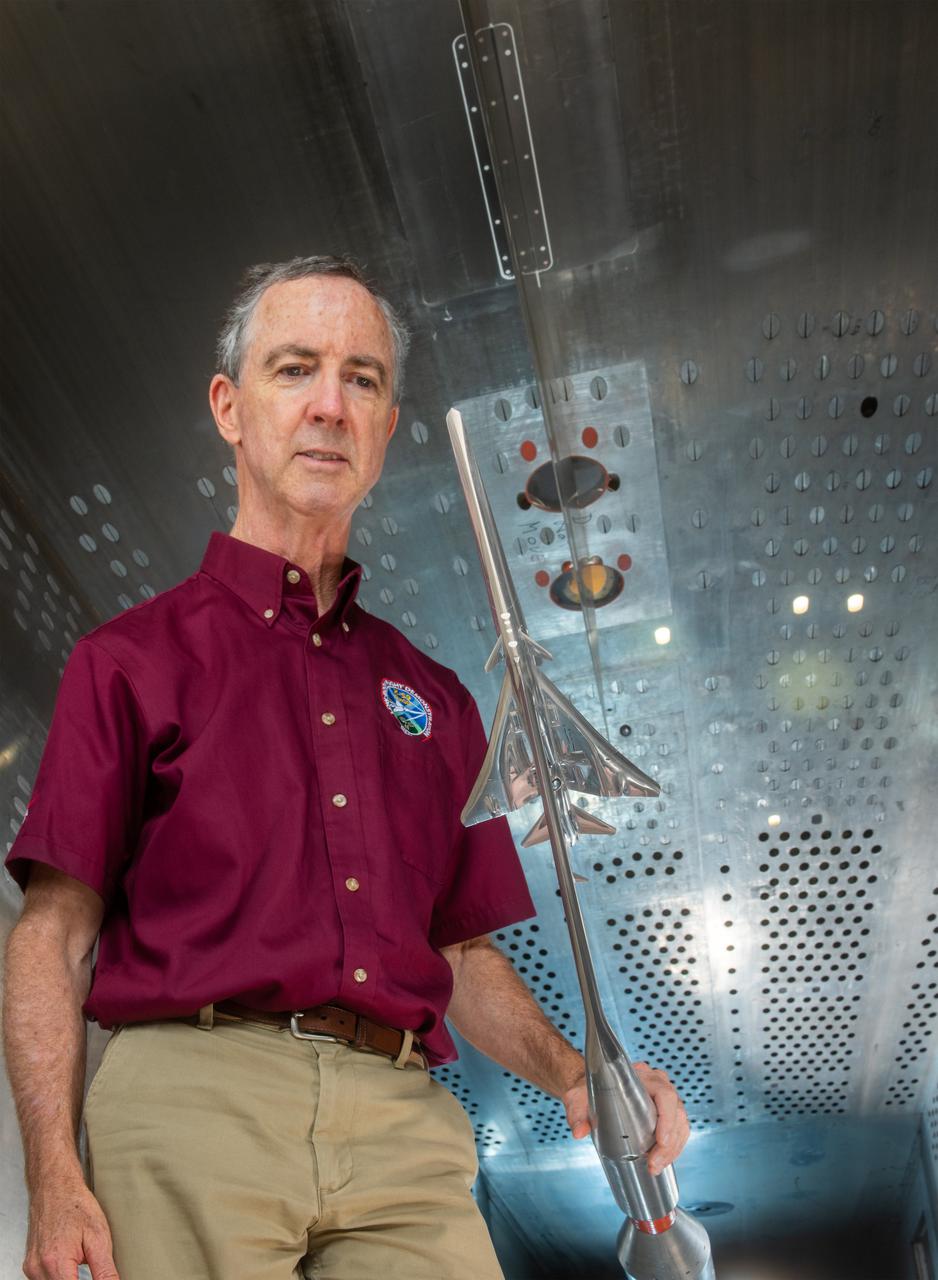
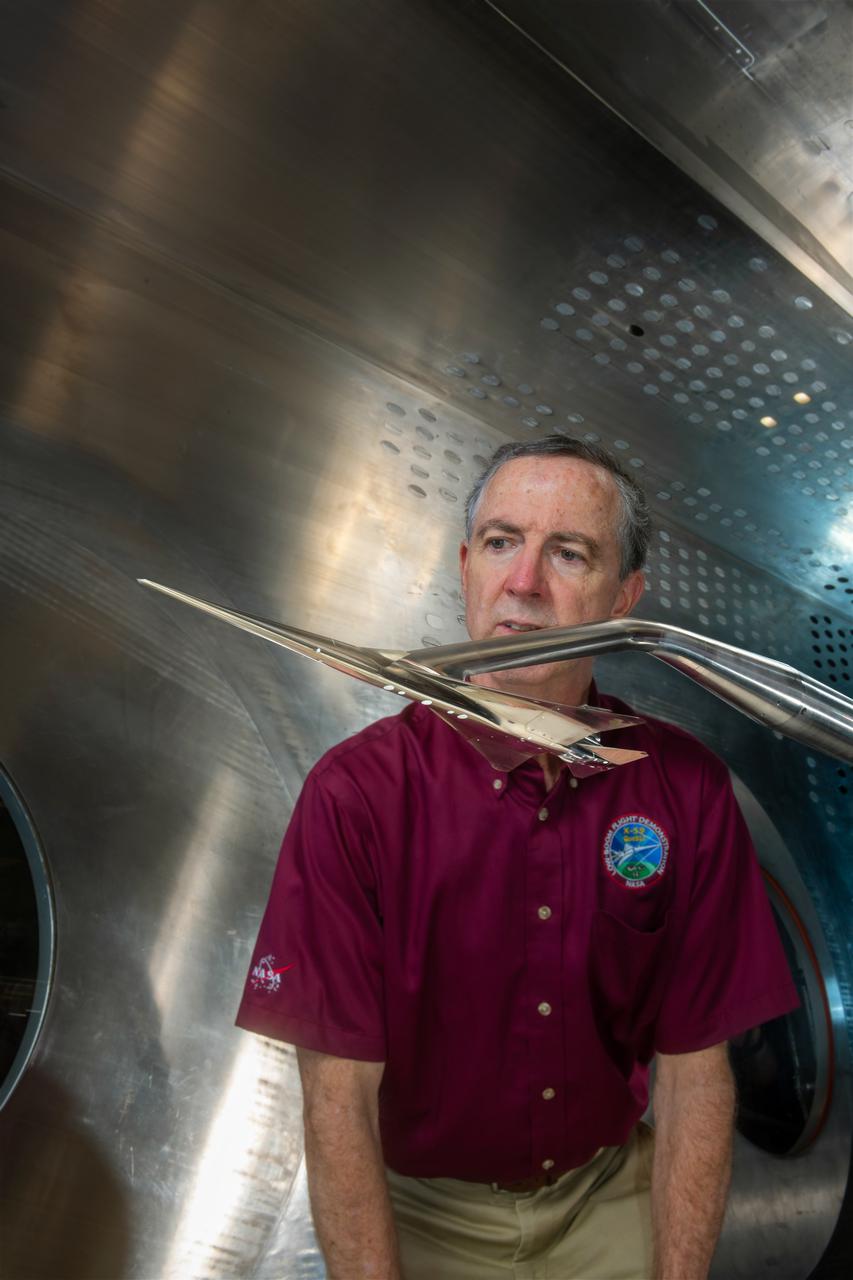
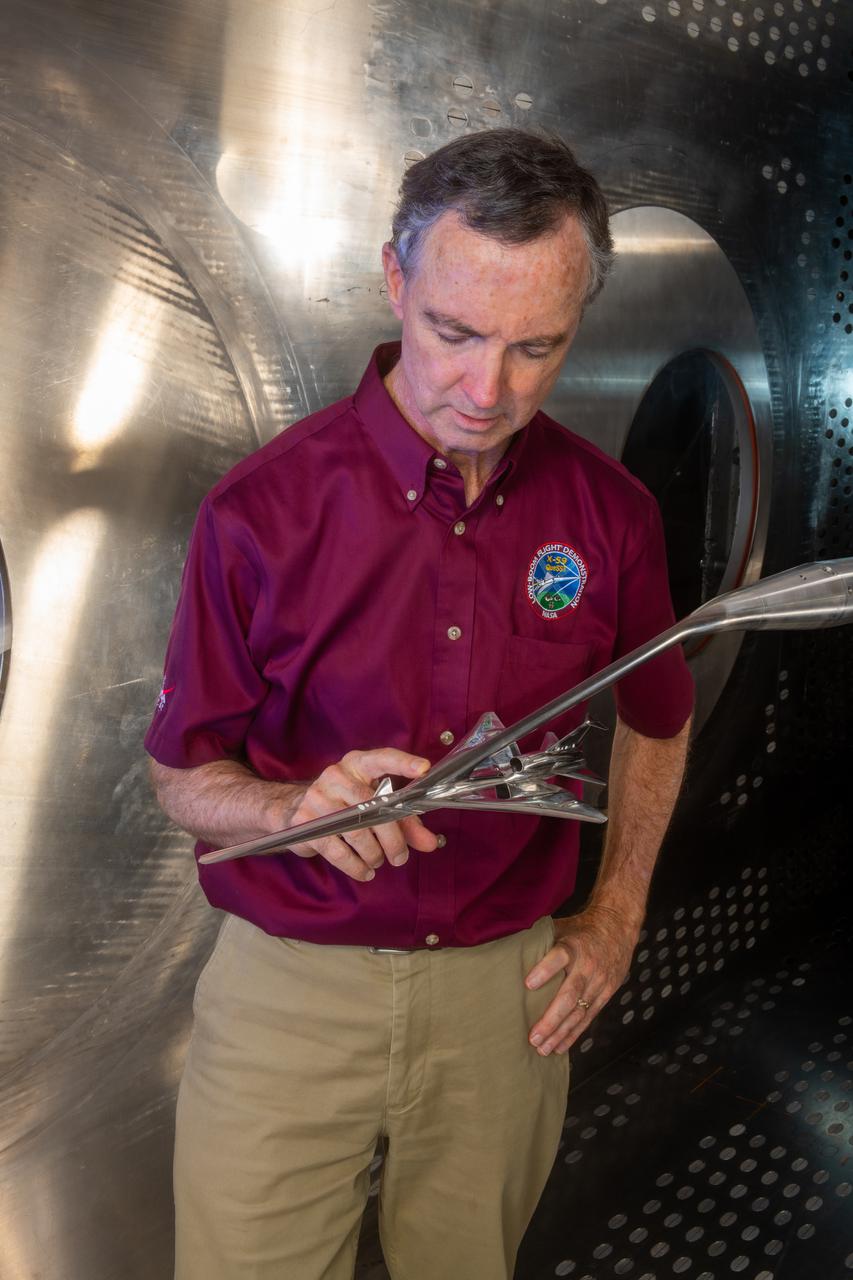
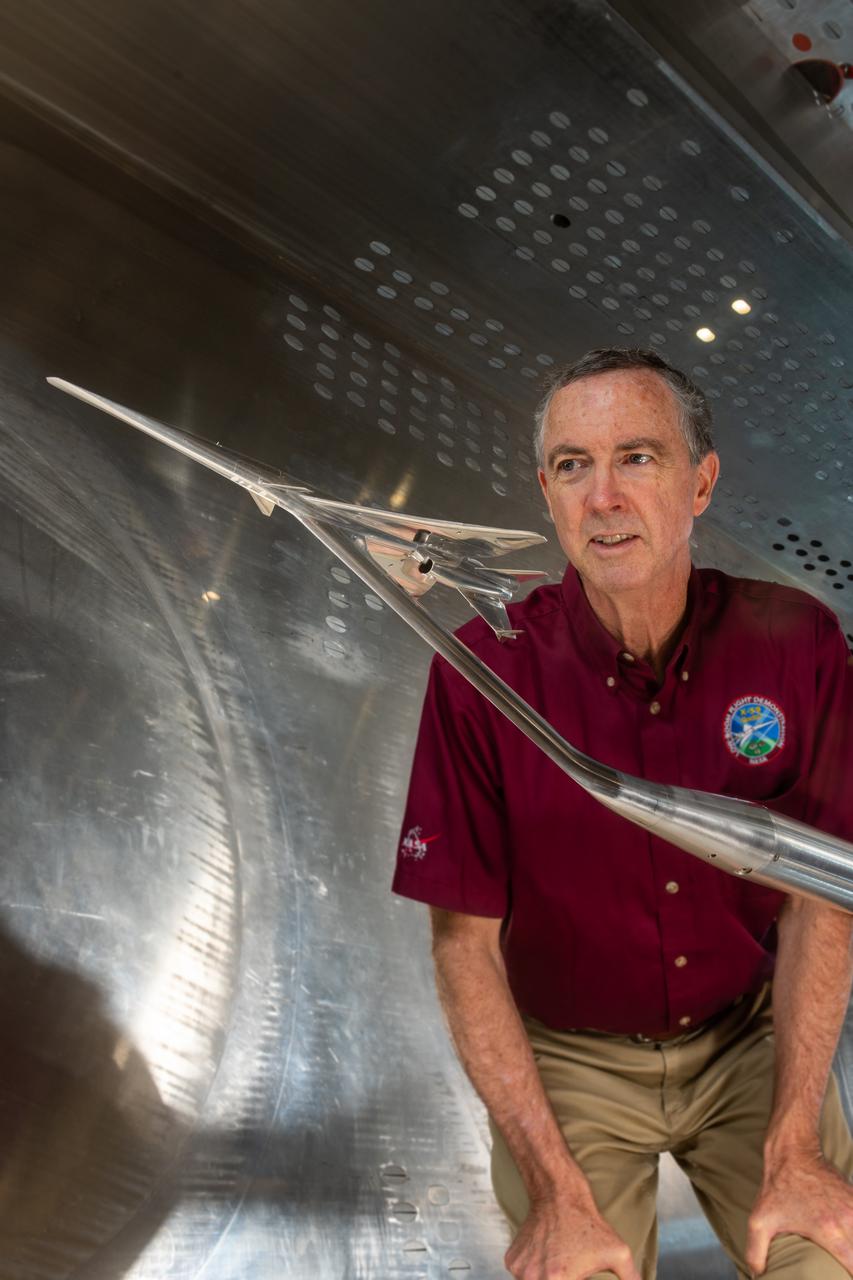
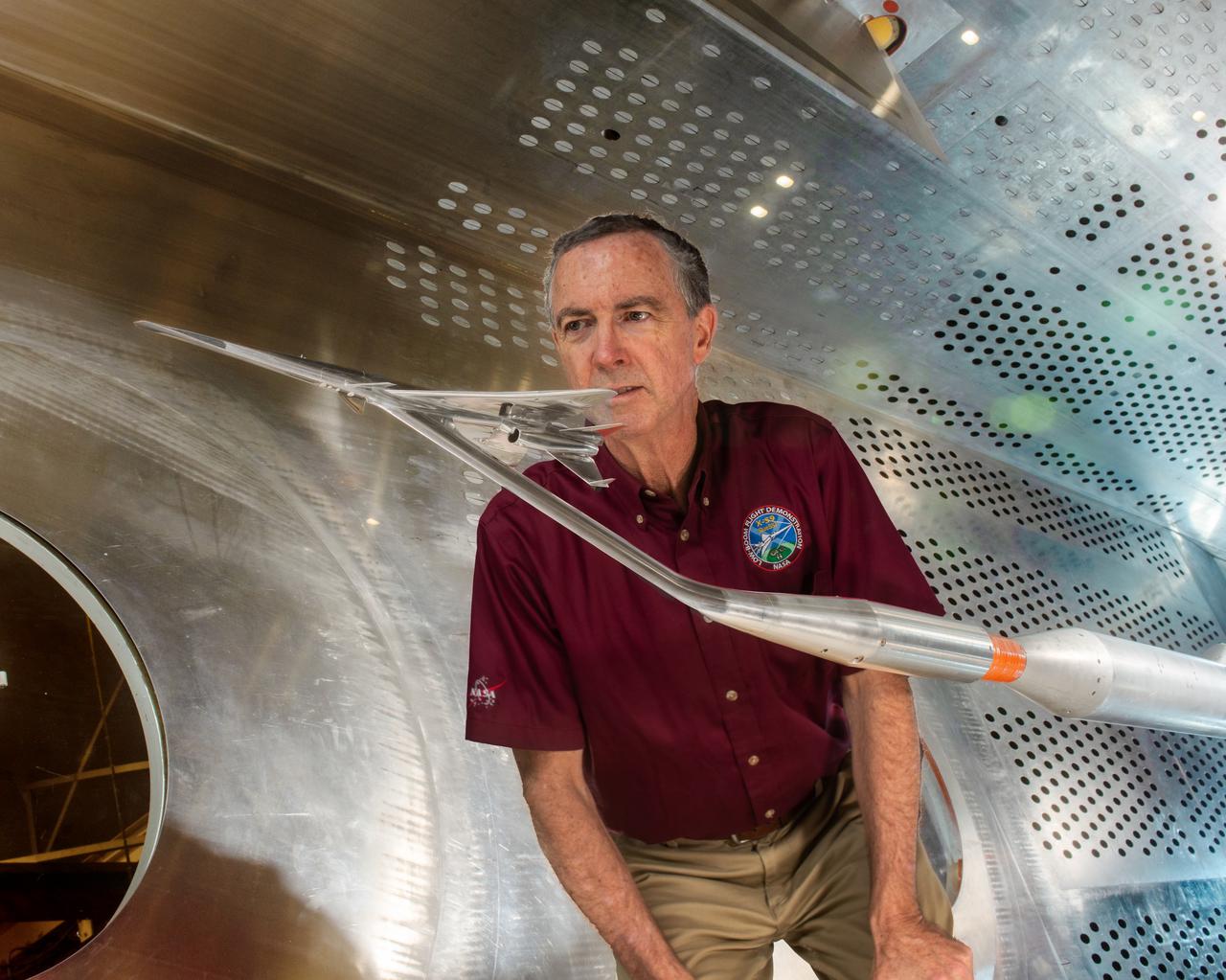
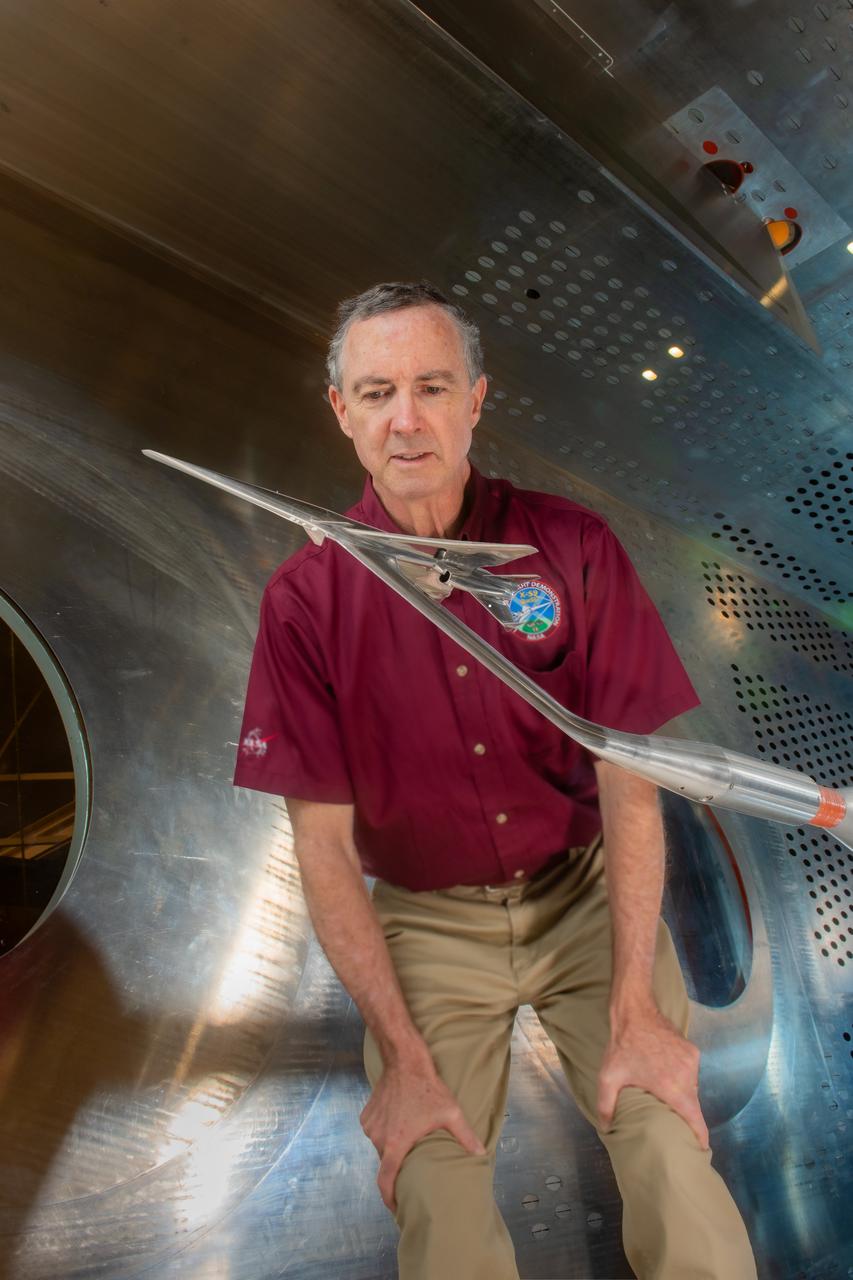
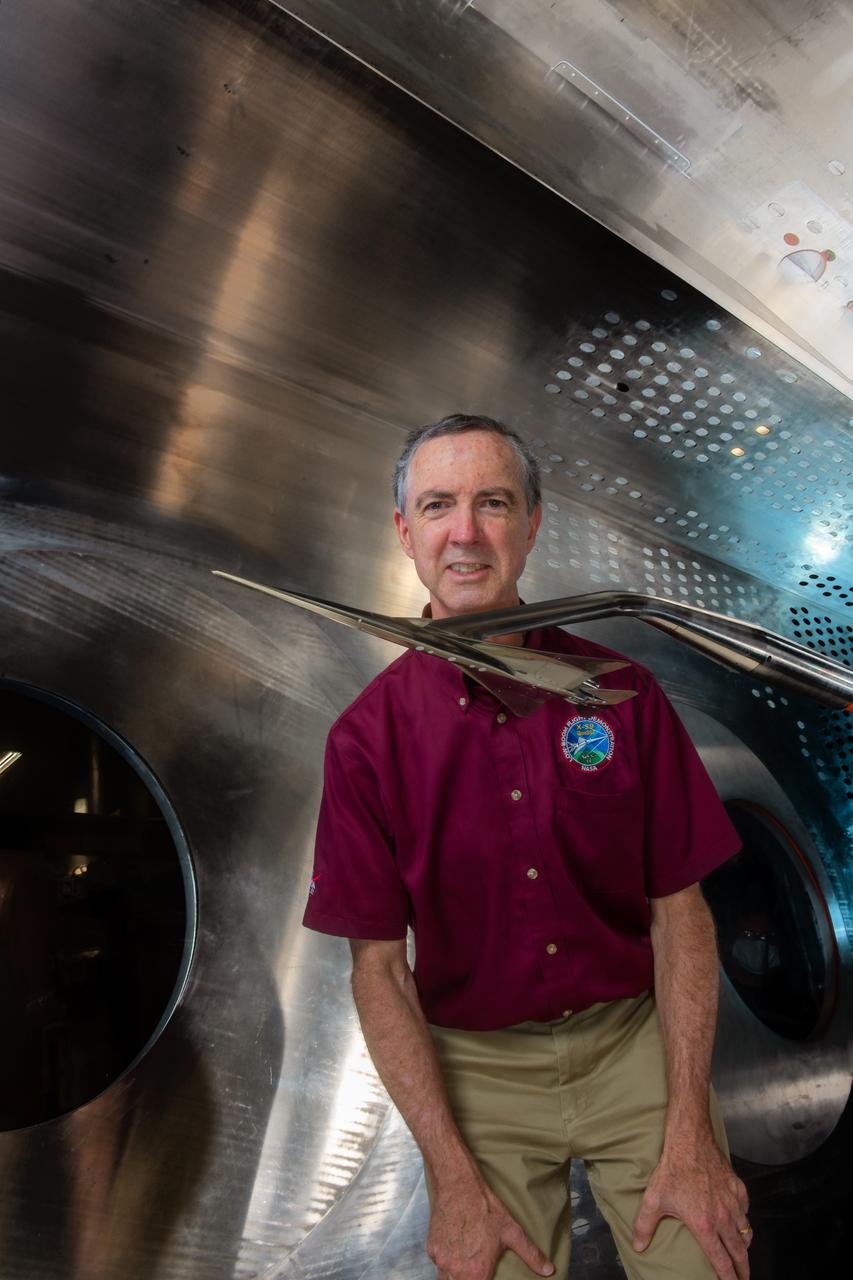
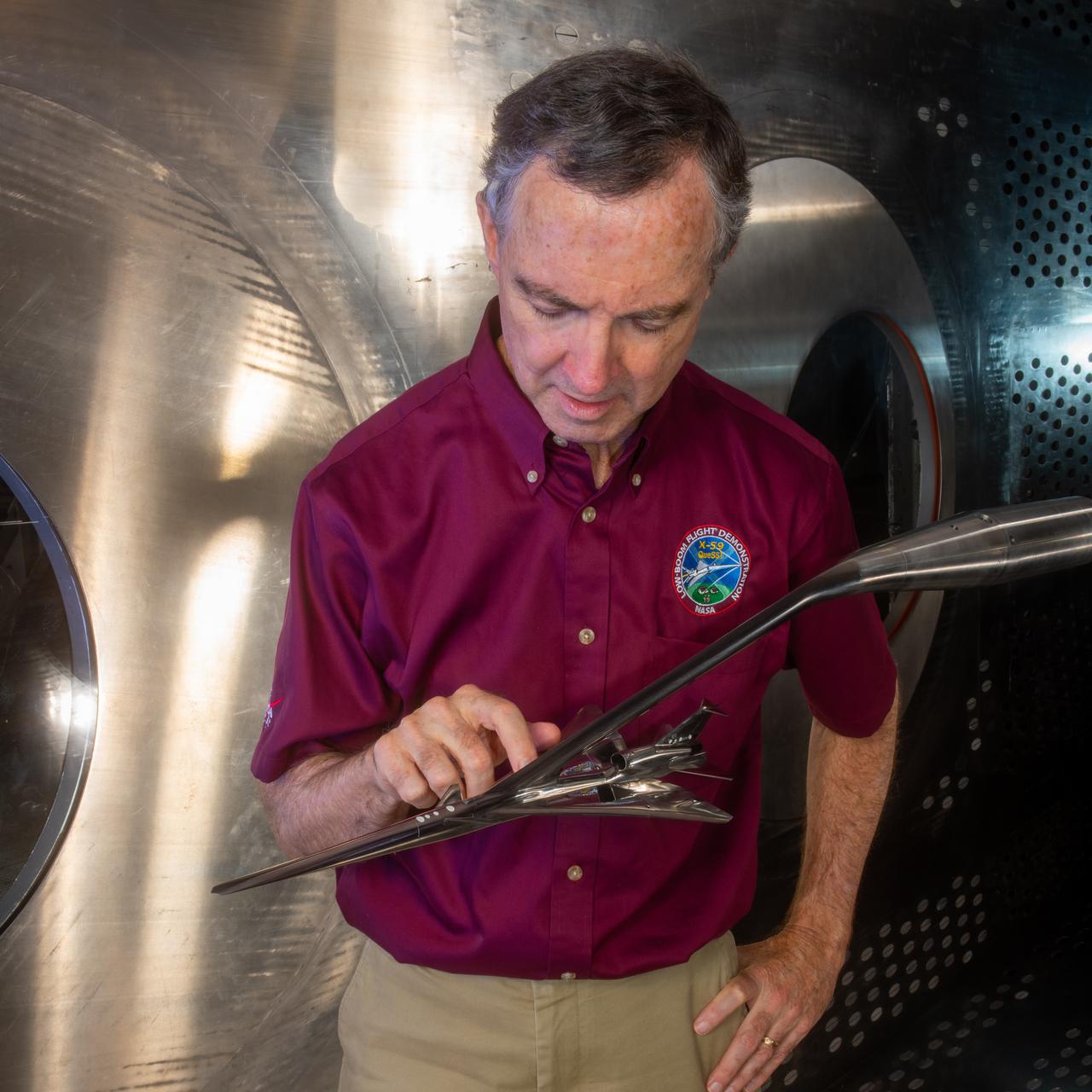
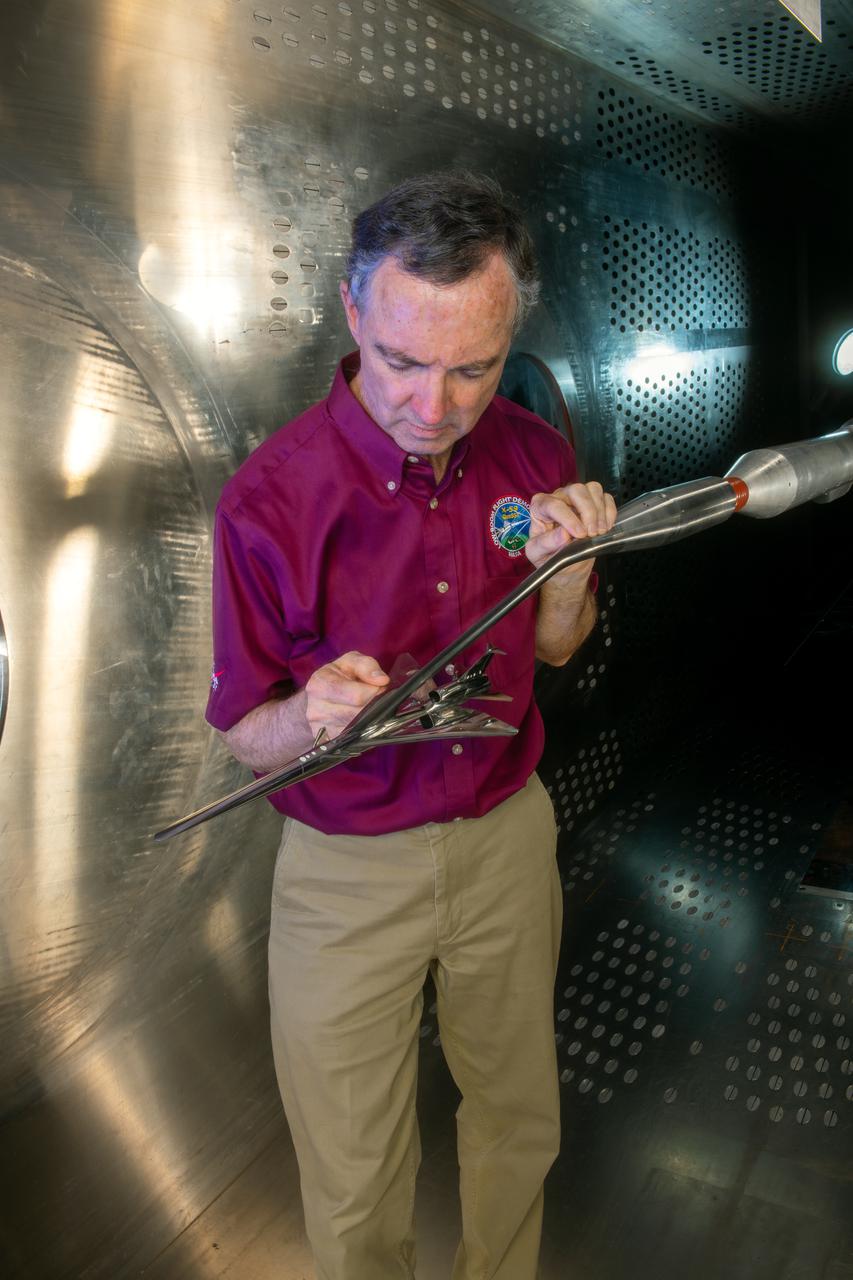
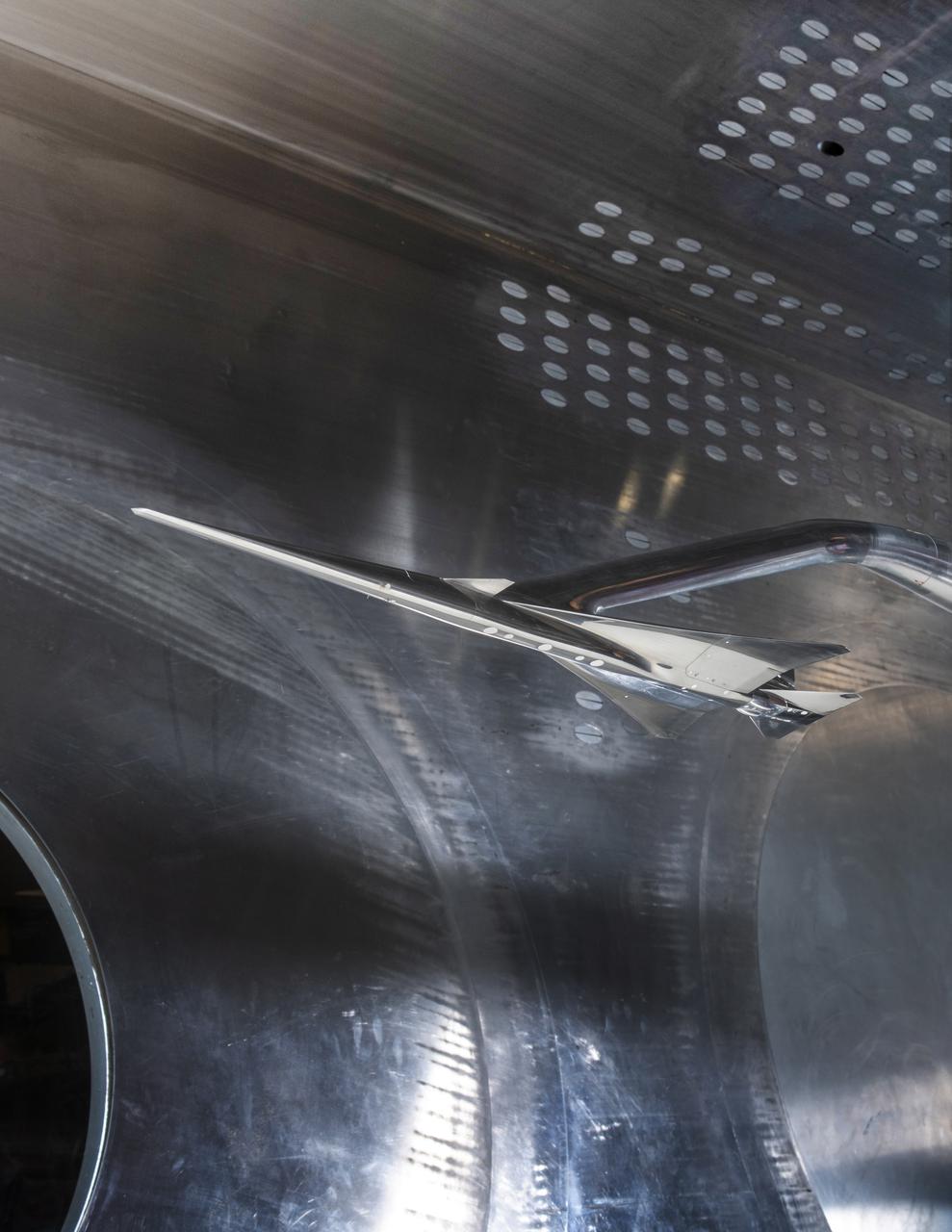
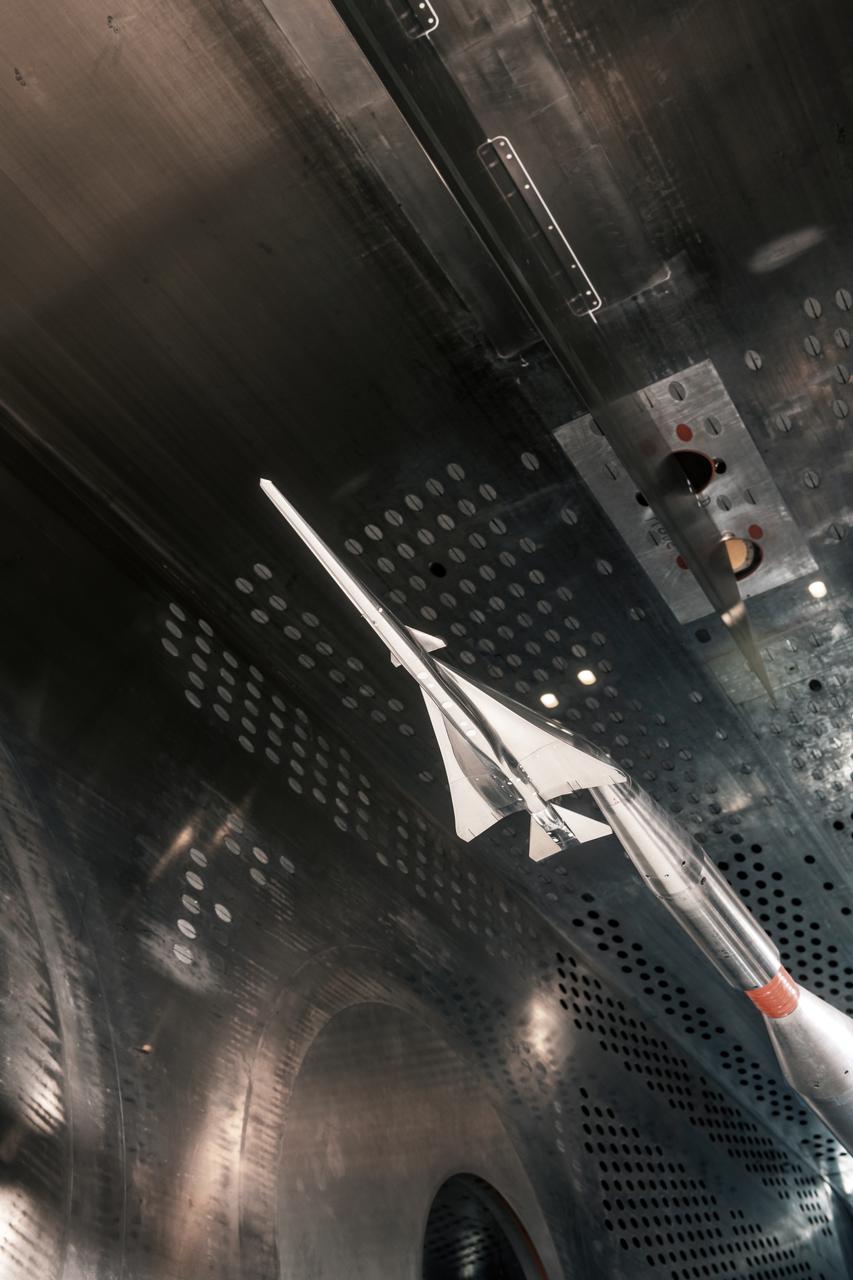
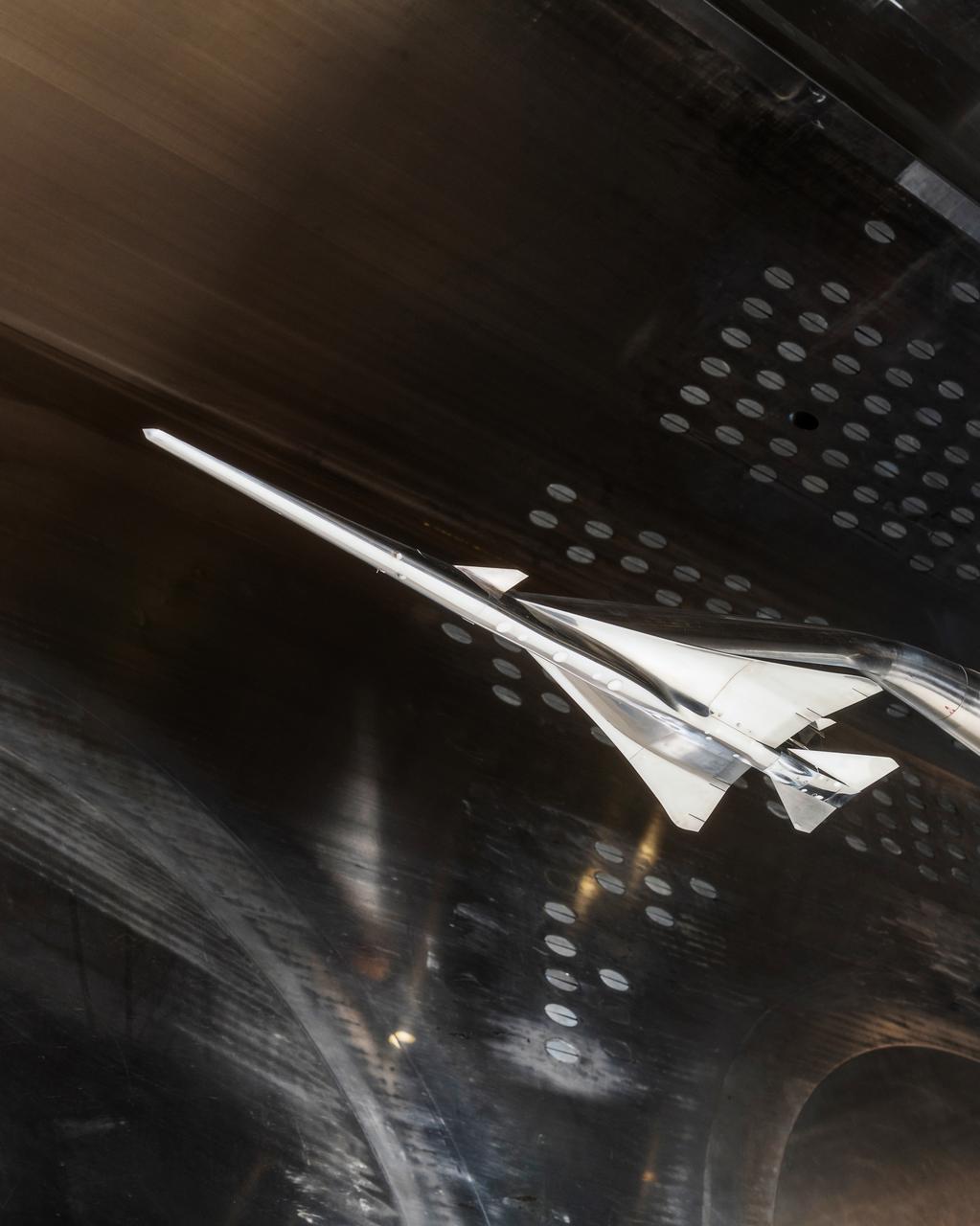
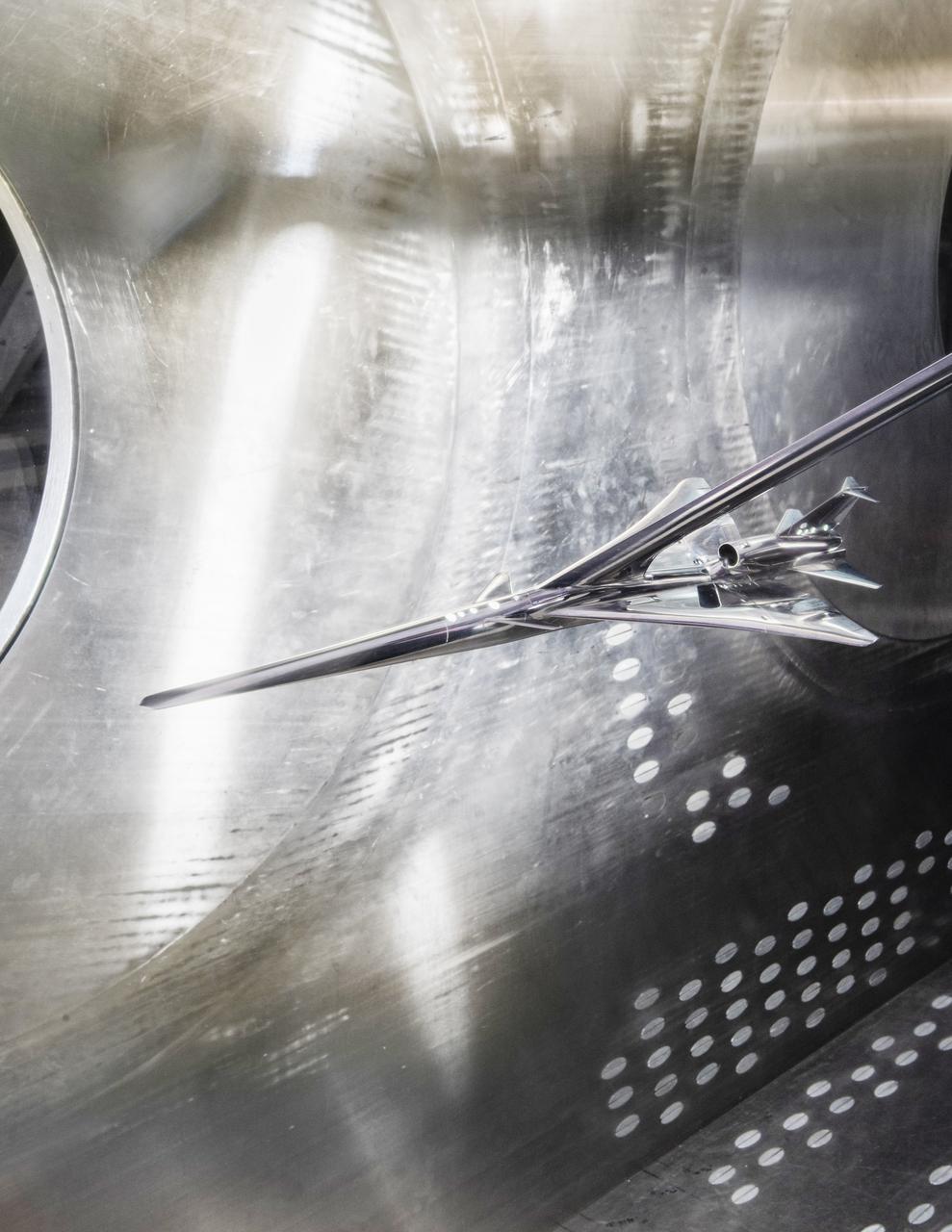
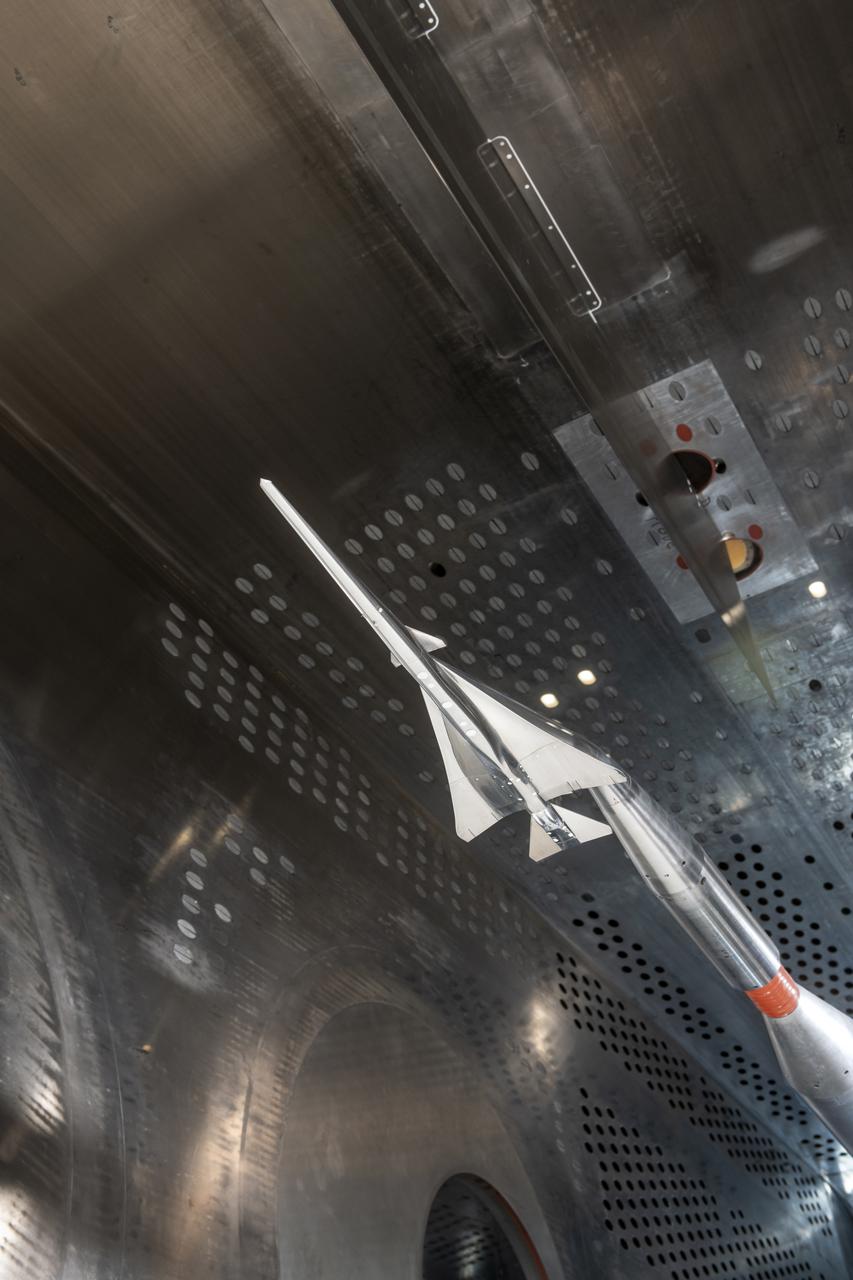
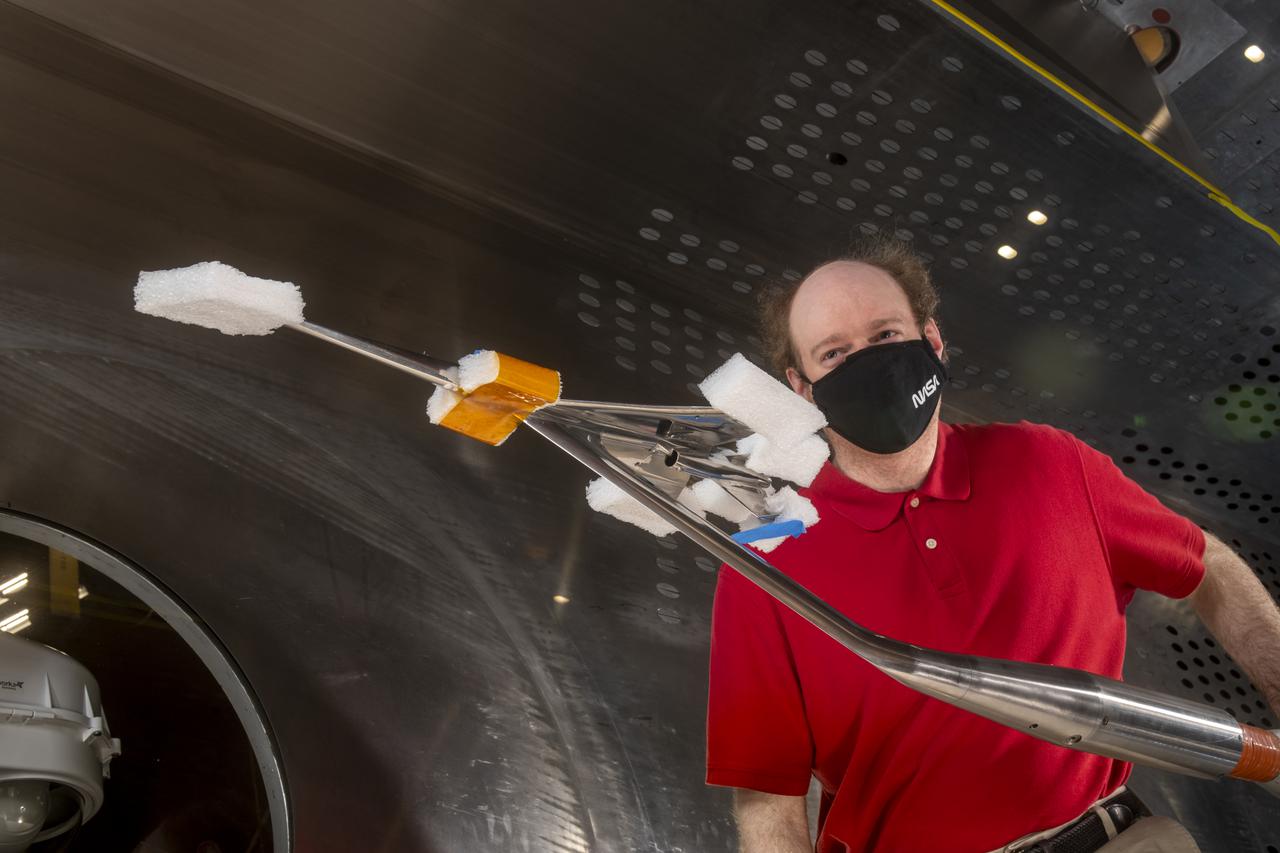
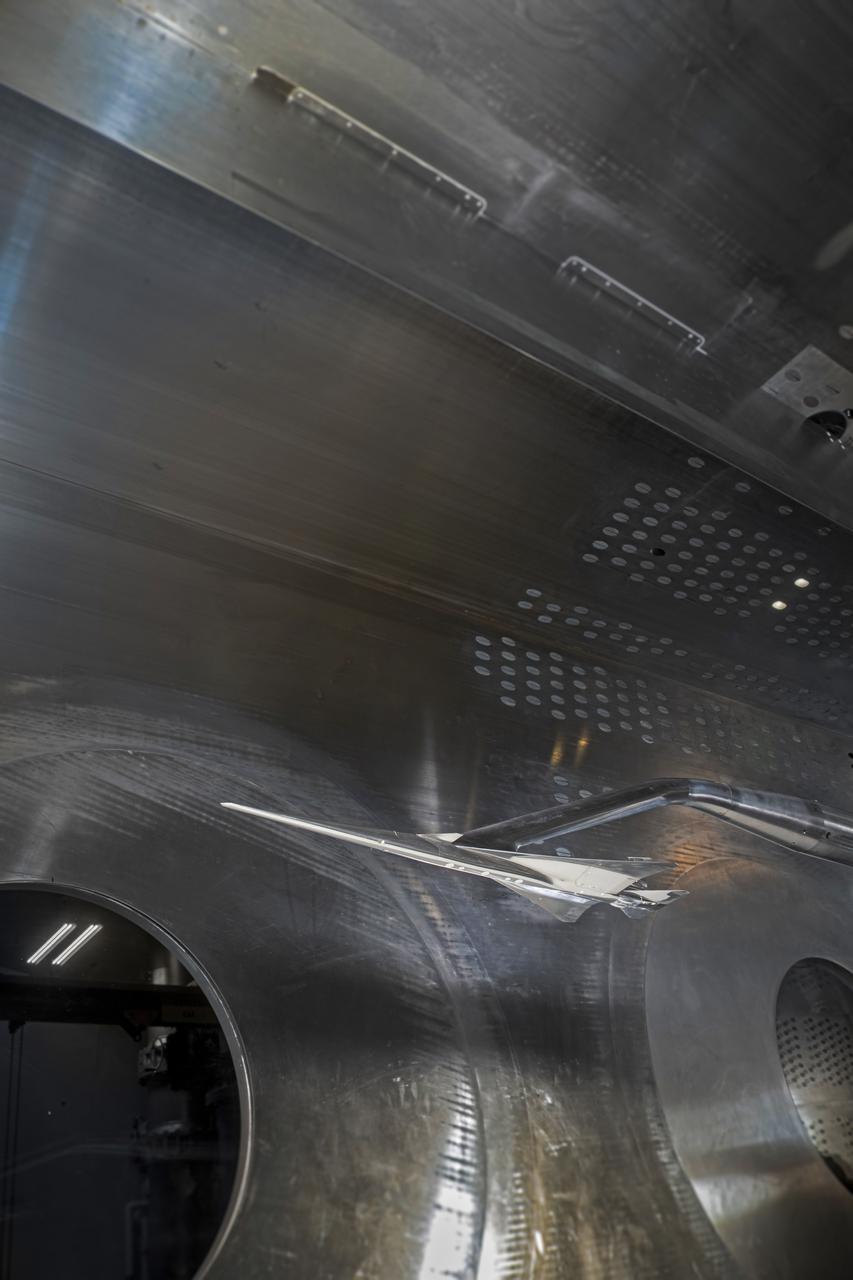
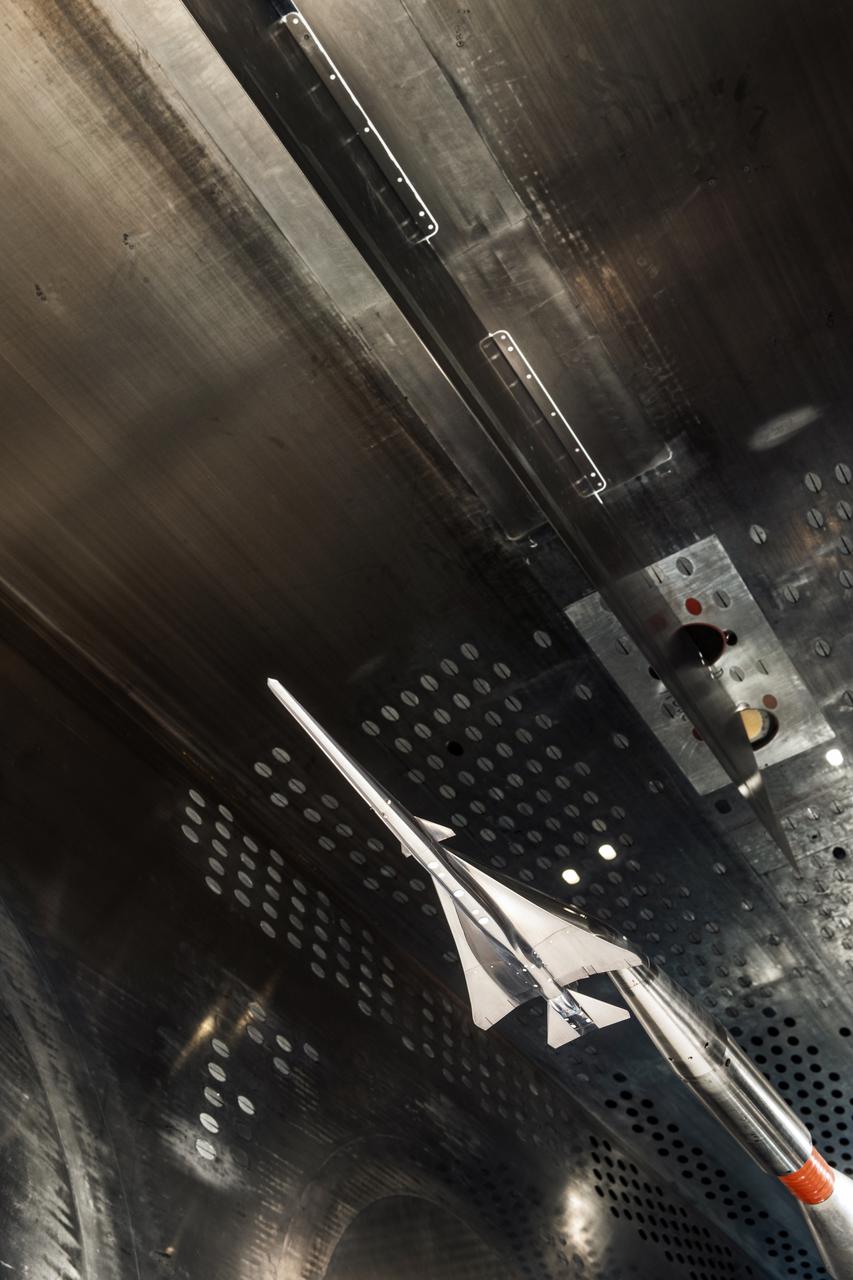
Commercial Supersonic Transport, CST Project, X-59 Sonic Boom Test Model, in the 8x6-foot Supersonic Wind Tunnel, SWT
X-59
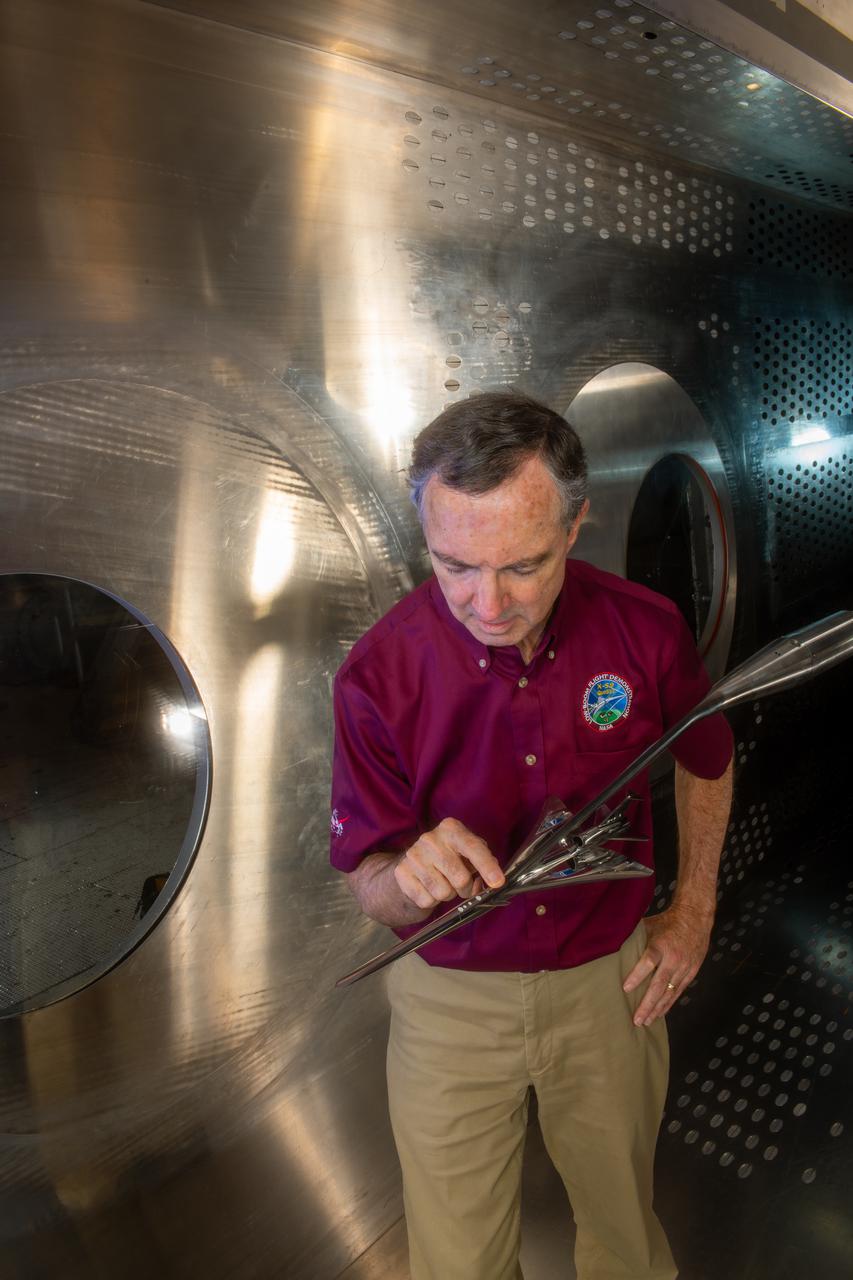
Commercial Supersonic Transport, CST Project, X-59 Sonic Boom Test Model, in the 8x6-foot Supersonic Wind Tunnel, SWT
X-59
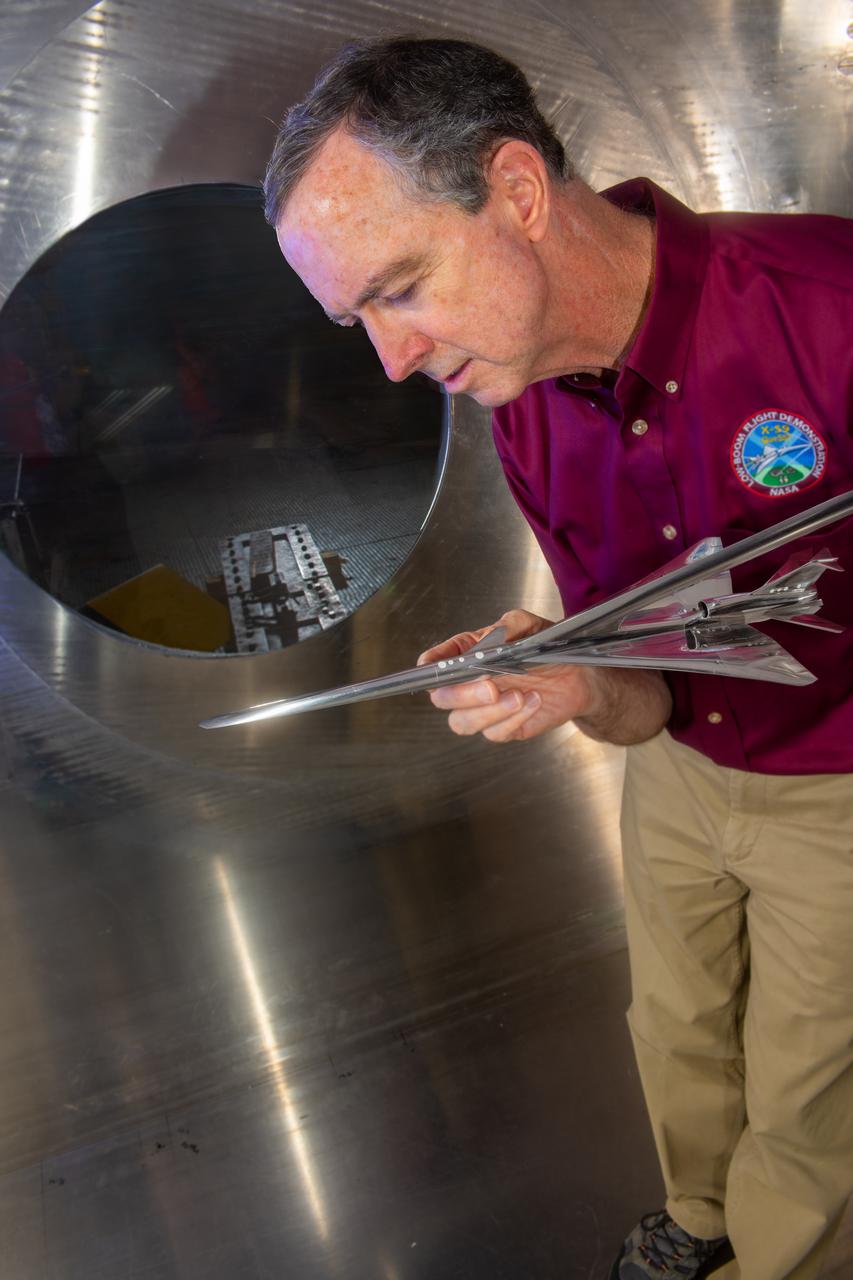
Commercial Supersonic Transport, CST Project, X-59 Sonic Boom Test Model, in the 8x6-foot Supersonic Wind Tunnel, SWT
X-59
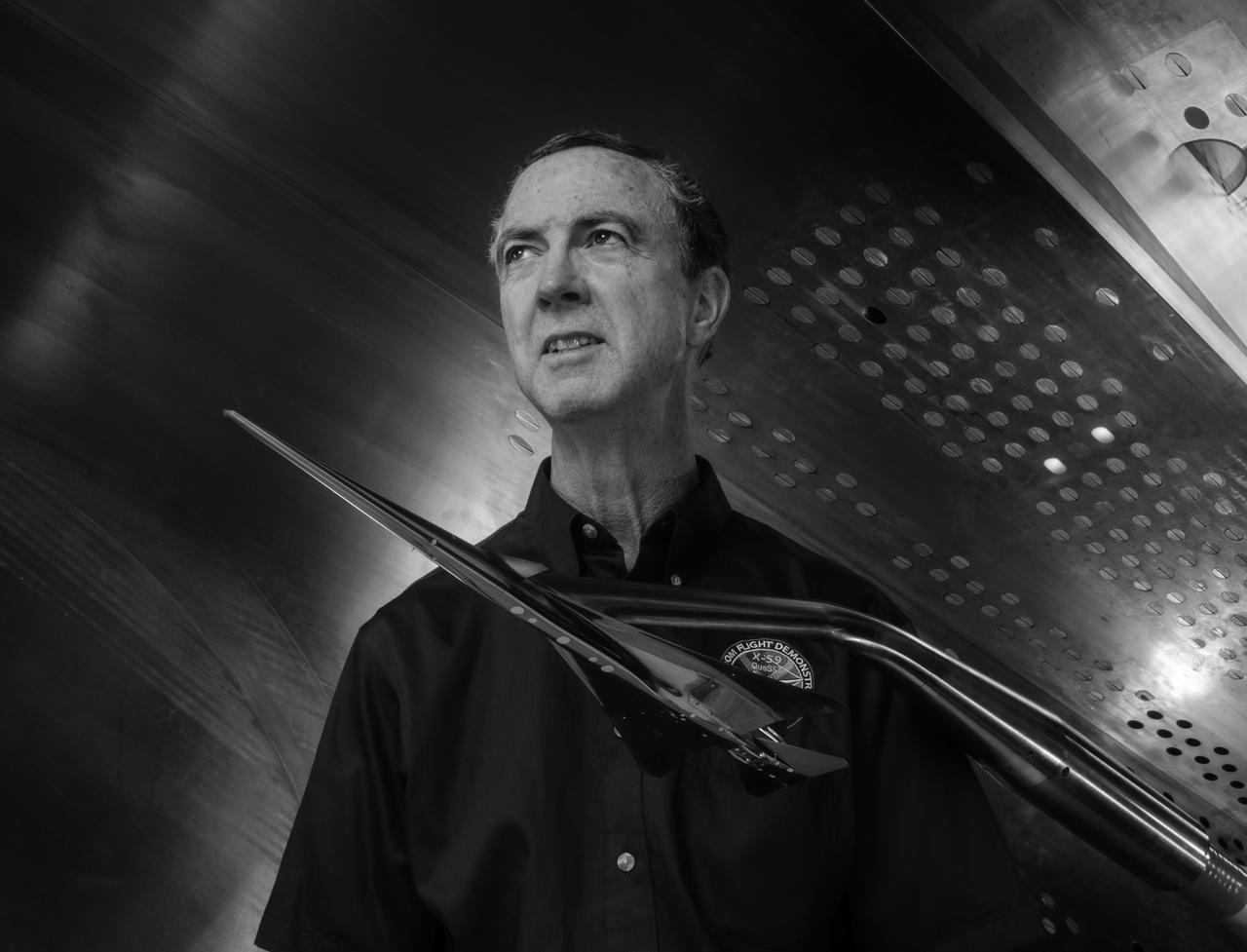
Commercial Supersonic Transport, CST Project, X-59 Sonic Boom Test Model, in the 8x6-foot Supersonic Wind Tunnel, SWT
X-59
Commercial Supersonic Transport, CST Project, X-59 Sonic Boom Test Model, in the 8x6-foot Supersonic Wind Tunnel, SWT
X-59
Commercial Supersonic Transport, CST Project, X-59 Sonic Boom Test Model, in the 8x6-foot Supersonic Wind Tunnel, SWT
X-59
Commercial Supersonic Transport, CST Project, X-59 Sonic Boom Test Model, in the 8x6-foot Supersonic Wind Tunnel, SWT
X-59
Commercial Supersonic Transport, CST Project, X-59 Sonic Boom Test Model, in the 8x6-foot Supersonic Wind Tunnel, SWT
X-59
Commercial Supersonic Transport, CST Project, X-59 Sonic Boom Test Model, in the 8x6-foot Supersonic Wind Tunnel, SWT
X-59
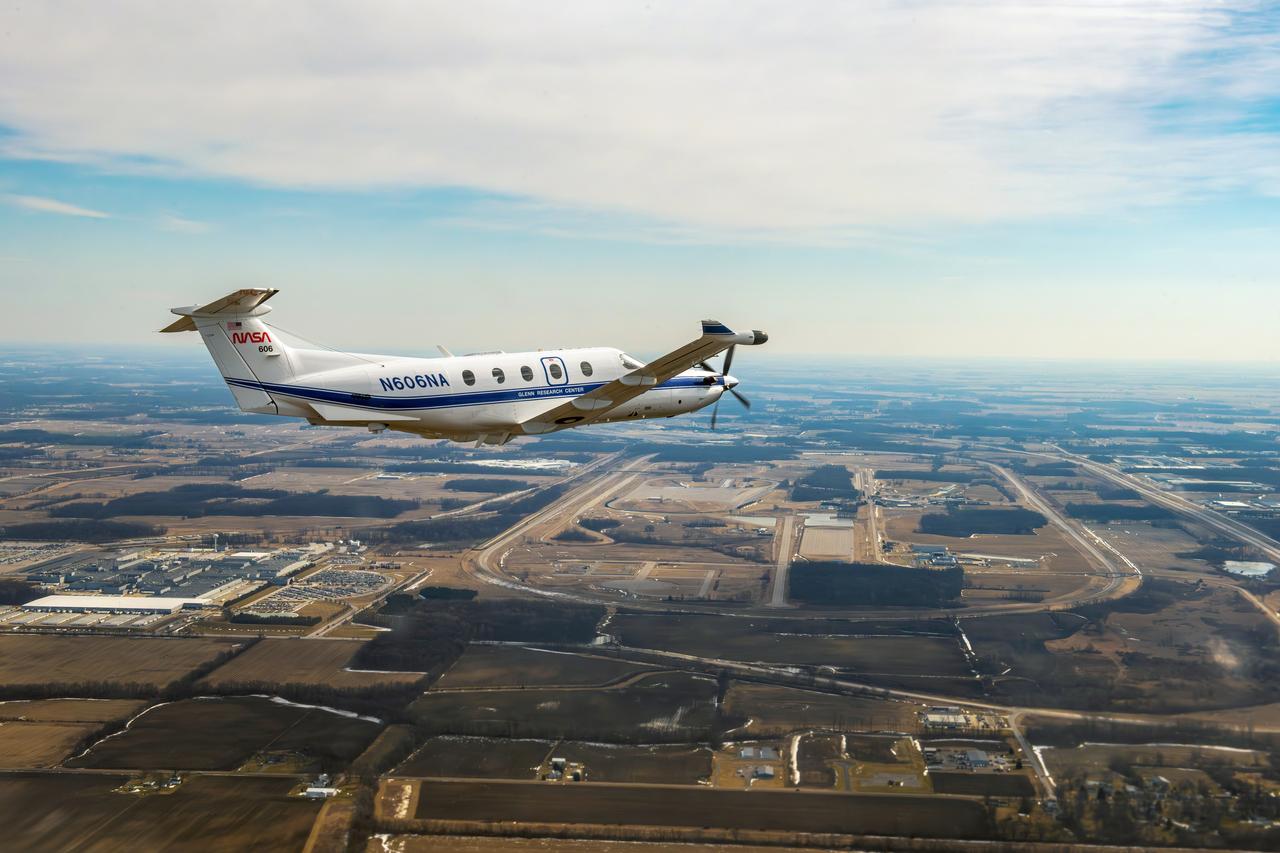
Photographs taken from the T-34 of the PC-12 in flight over the technology corridor and the Honda motor company and the Honda test track
Pilatus PC-12 aircraft in flight over the Cleveland area and the
Commercial Supersonic Transport, CST Project, X-59 Sonic Boom Test Model, in the 8x6-foot Supersonic Wind Tunnel, SWT
X-59
Commercial Supersonic Transport, CST Project, X-59 Sonic Boom Test Model, in the 8x6-foot Supersonic Wind Tunnel, SWT
X-59
Commercial Supersonic Transport, CST Project, X-59 Sonic Boom Test Model, in the 8x6-foot Supersonic Wind Tunnel, SWT
X-59
Commercial Supersonic Transport, CST Project, X-59 Sonic Boom Test Model, in the 8x6-foot Supersonic Wind Tunnel, SWT
X-59
Commercial Supersonic Transport, CST Project, X-59 Sonic Boom Test Model, in the 8x6-foot Supersonic Wind Tunnel, SWT
X-59
Supersonic Short Take Off Vertical Landing Hot Gas Ingestion Model Testing in the 9x15-foot Low Speed Wind Tunnel, LSWT
GRC-1993-C-07355
Commercial Supersonic Transport, CST Project, X-59 Sonic Boom Test Model, in the 8x6-foot Supersonic Wind Tunnel, SWT
X-59
Commercial Supersonic Transport, CST Project, X-59 Sonic Boom Test Model, in the 8x6-foot Supersonic Wind Tunnel, SWT
X-59
Commercial Supersonic Transport, CST Project, X-59 Sonic Boom Test Model, in the 8x6-foot Supersonic Wind Tunnel, SWT
X-59
Commercial Supersonic Transport, CST Project, X-59 Sonic Boom Test Model, in the 8x6-foot Supersonic Wind Tunnel, SWT
X-59
Commercial Supersonic Transport, CST Project, X-59 Sonic Boom Test Model, in the 8x6-foot Supersonic Wind Tunnel, SWT
X-59
Commercial Supersonic Transport, CST Project, X-59 Sonic Boom Test Model, in the 8x6-foot Supersonic Wind Tunnel, SWT
X-59
Commercial Supersonic Transport, CST Project, X-59 Sonic Boom Test Model, in the 8x6-foot Supersonic Wind Tunnel, SWT
X-59
Commercial Supersonic Transport, CST Project, X-59 Sonic Boom Test Model, in the 8x6-foot Supersonic Wind Tunnel, SWT
X-59
Commercial Supersonic Transport, CST Project, X-59 Sonic Boom Test Model, in the 8x6-foot Supersonic Wind Tunnel, SWT
X-59
Commercial Supersonic Transport, CST Project, X-59 Sonic Boom Test Model, in the 8x6-foot Supersonic Wind Tunnel, SWT
X-59
Commercial Supersonic Transport, CST Project, X-59 Sonic Boom Test Model, in the 8x6-foot Supersonic Wind Tunnel, SWT
X-59
Commercial Supersonic Transport, CST Project, X-59 Sonic Boom Test Model, in the 8x6-foot Supersonic Wind Tunnel, SWT
X-59
Commercial Supersonic Transport, CST Project, X-59 Sonic Boom Test Model, in the 8x6-foot Supersonic Wind Tunnel, SWT
X-59
Commercial Supersonic Transport, CST Project, X-59 Sonic Boom Test Model, in the 8x6-foot Supersonic Wind Tunnel, SWT
X-59
Commercial Supersonic Transport, CST Project, X-59 Sonic Boom Test Model, in the 8x6-foot Supersonic Wind Tunnel, SWT
X-59
Commercial Supersonic Transport, CST Project, X-59 Sonic Boom Test Model, in the 8x6-foot Supersonic Wind Tunnel, SWT
X-59
Commercial Supersonic Transport, CST Project, X-59 Sonic Boom Test Model, in the 8x6-foot Supersonic Wind Tunnel, SWT
X-59
Commercial Supersonic Transport, CST Project, X-59 Sonic Boom Test Model, in the 8x6-foot Supersonic Wind Tunnel, SWT
X-59
Commercial Supersonic Transport, CST Project, X-59 Sonic Boom Test Model, in the 8x6-foot Supersonic Wind Tunnel, SWT
X-59
Commercial Supersonic Transport, CST Project, X-59 Sonic Boom Test Model, in the 8x6-foot Supersonic Wind Tunnel, SWT
X-59
Commercial Supersonic Transport, CST Project, X-59 Sonic Boom Test Model, in the 8x6-foot Supersonic Wind Tunnel, SWT
X-59
Commercial Supersonic Transport, CST Project, X-59 Sonic Boom Test Model, in the 8x6-foot Supersonic Wind Tunnel, SWT
X-59
Commercial Supersonic Transport, CST Project, X-59 Sonic Boom Test Model, in the 8x6-foot Supersonic Wind Tunnel, SWT
X-59
Commercial Supersonic Transport, CST Project, X-59 Sonic Boom Test Model, in the 8x6-foot Supersonic Wind Tunnel, SWT
X-59
Commercial Supersonic Transport, CST Project, X-59 Sonic Boom Test Model, in the 8x6-foot Supersonic Wind Tunnel, SWT
X-59
Commercial Supersonic Transport, CST Project, X-59 Sonic Boom Test Model, in the 8x6-foot Supersonic Wind Tunnel, SWT
X-59
Commercial Supersonic Transport, CST Project, X-59 Sonic Boom Test Model, in the 8x6-foot Supersonic Wind Tunnel, SWT
X-59
Commercial Supersonic Transport, CST Project, X-59 Sonic Boom Test Model, in the 8x6-foot Supersonic Wind Tunnel, SWT
GRC-2021-C-03352
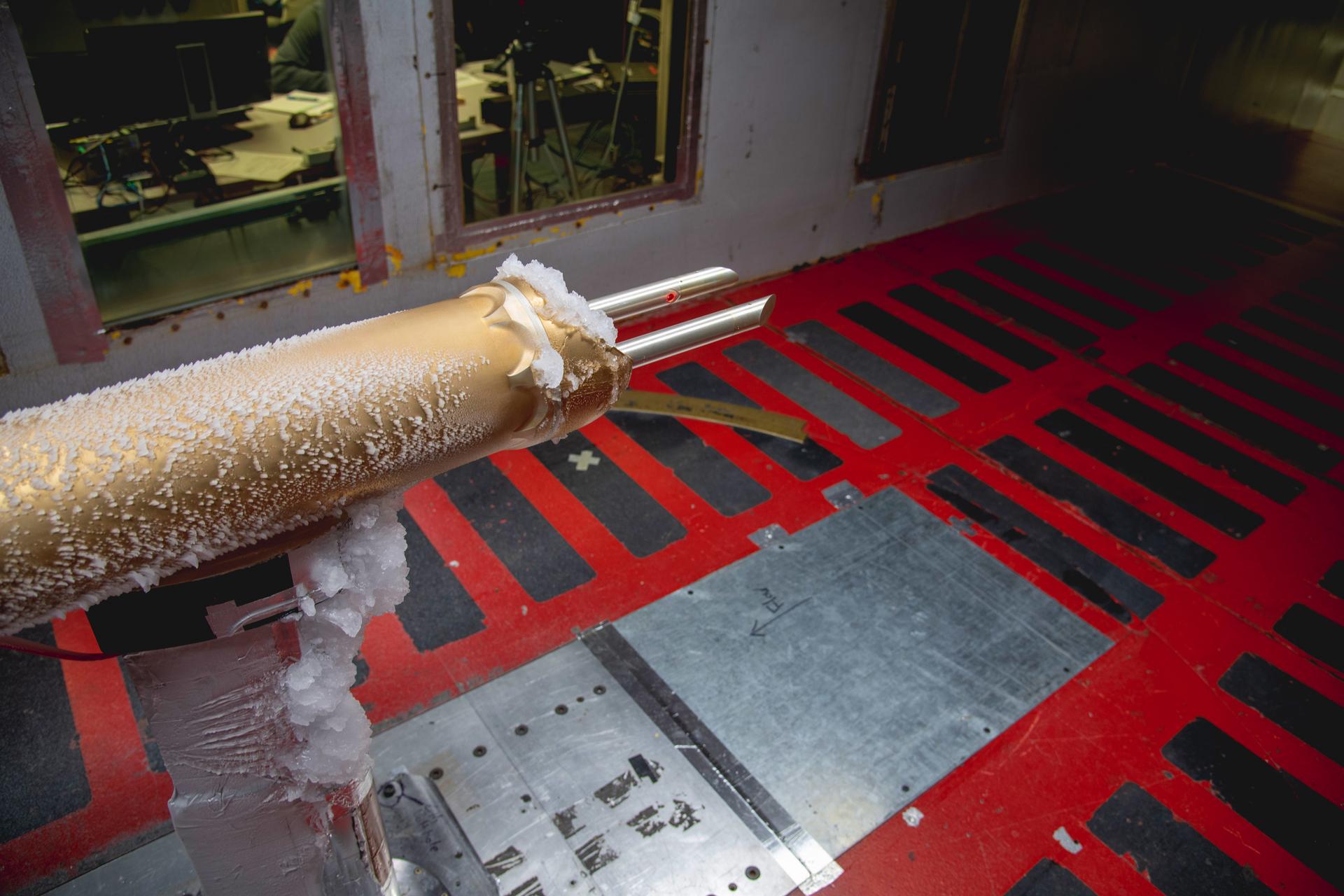
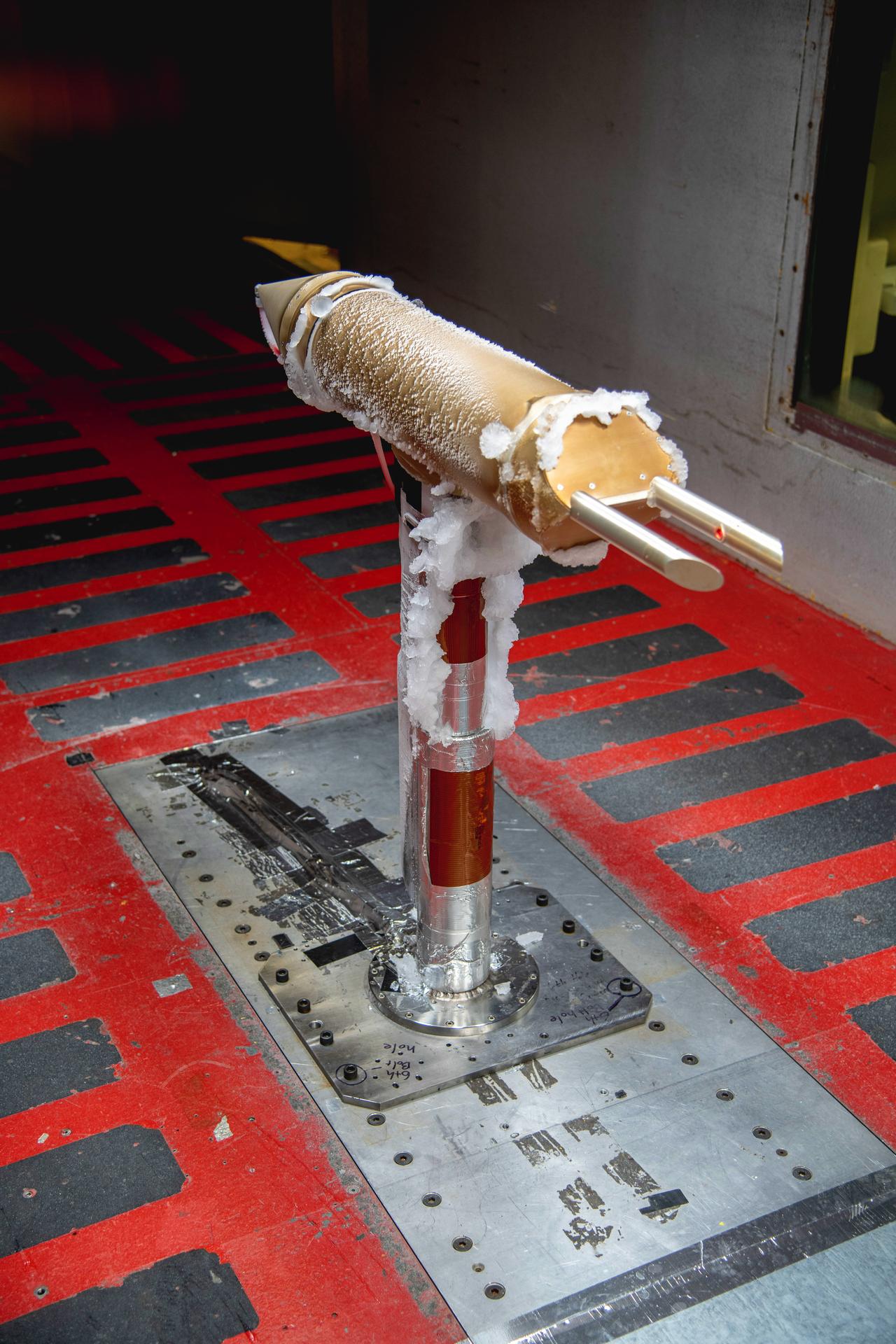
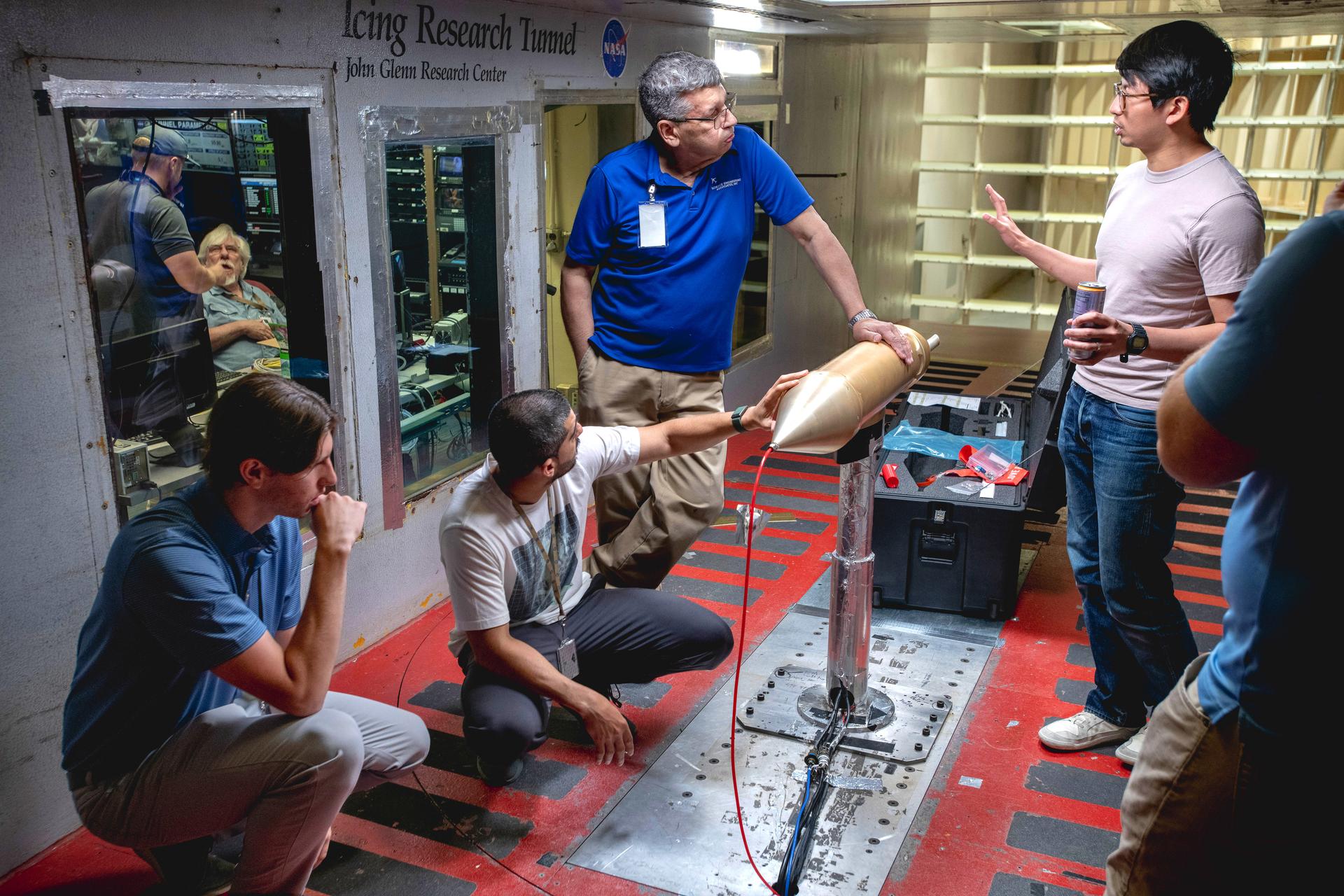
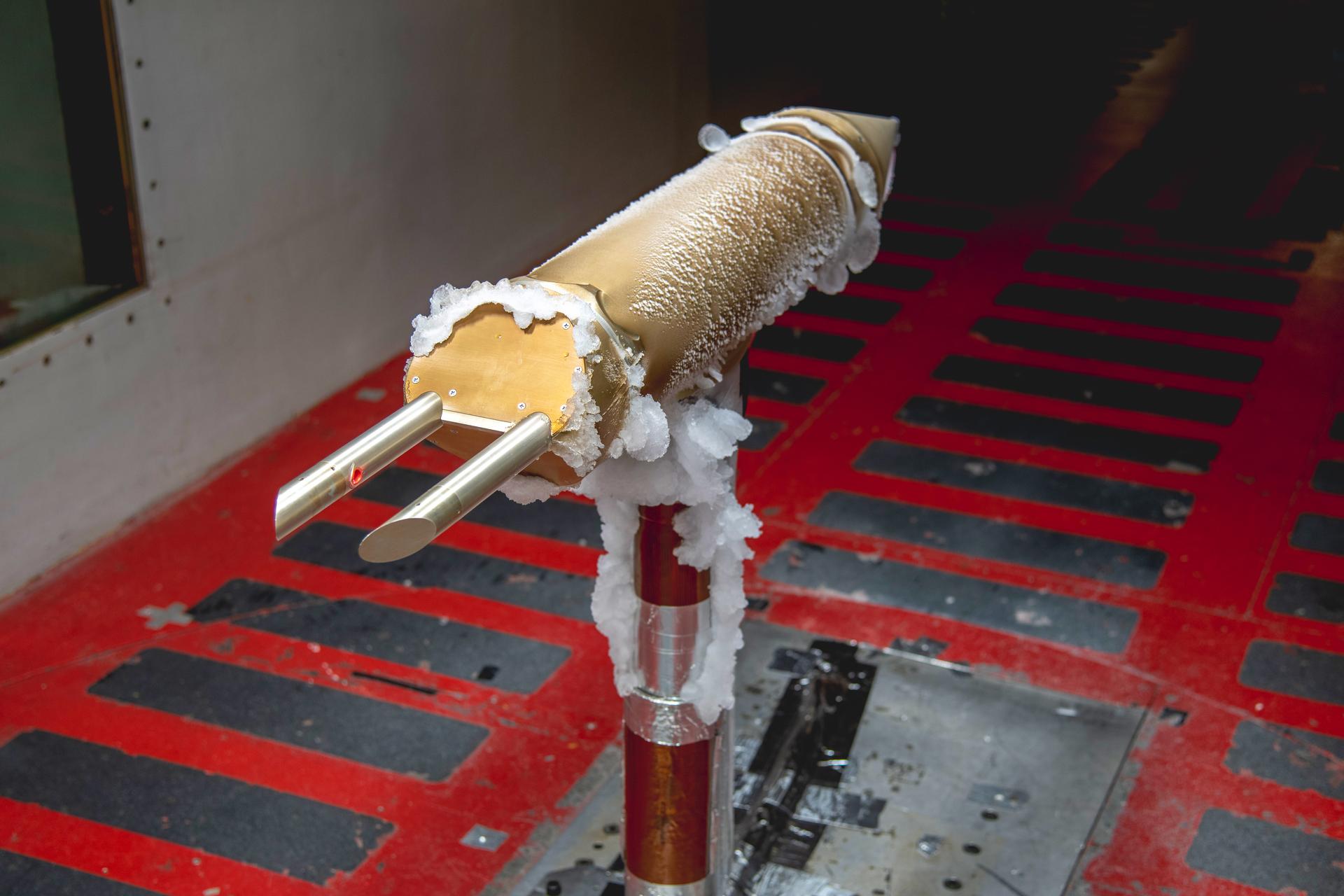
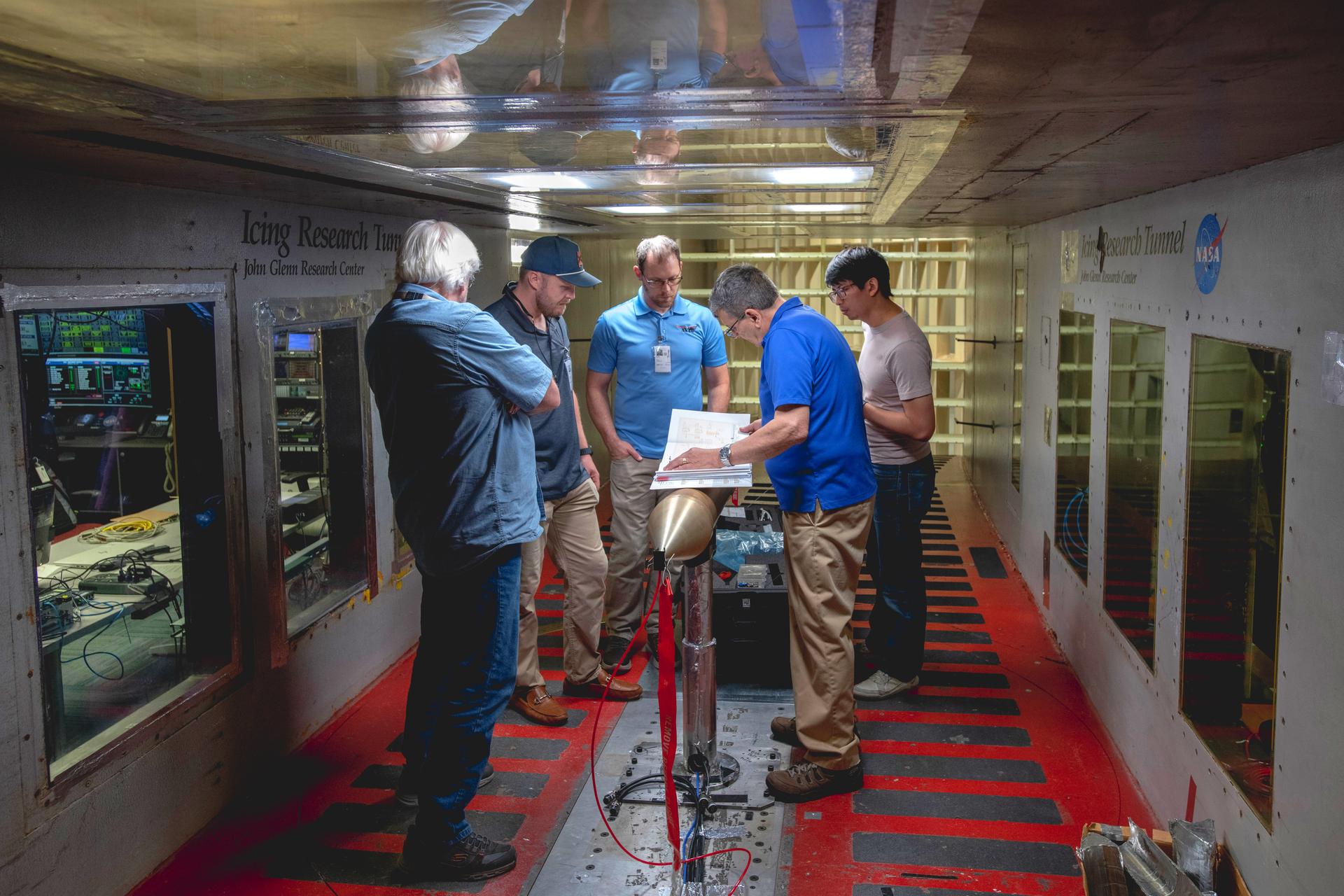
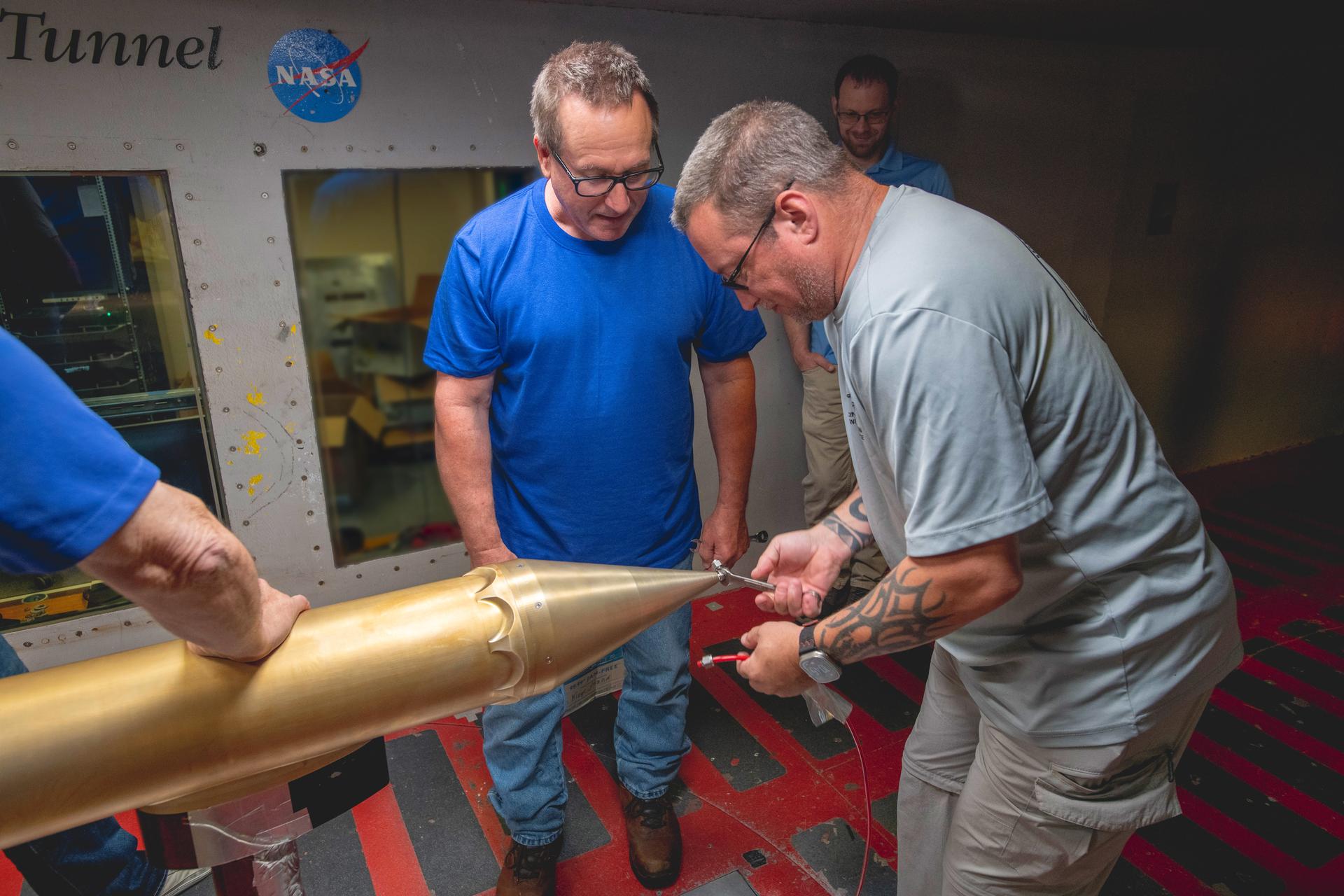
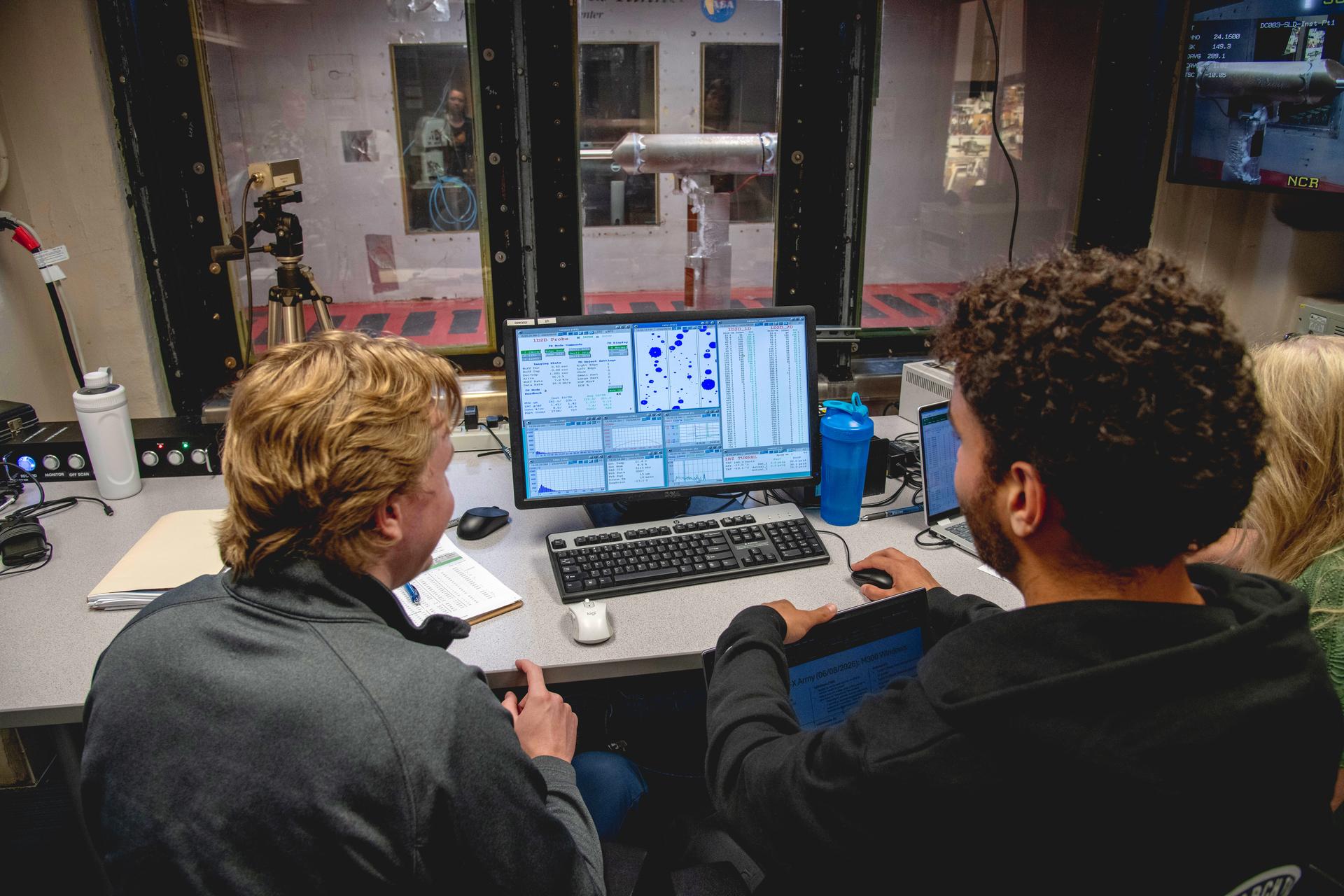
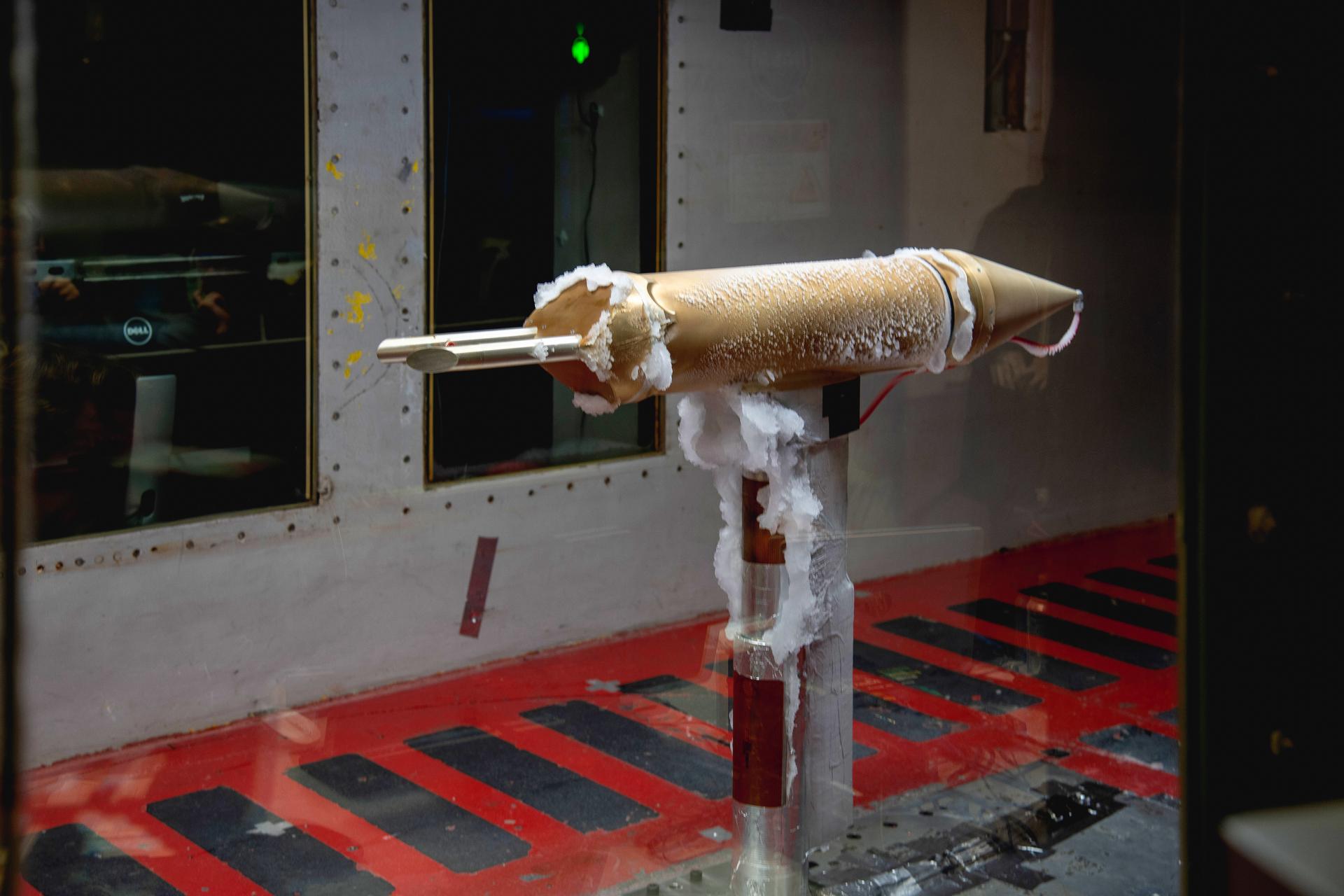
CRM Full Chord Installation and Test Documentation Photos, Icing Research Tunnel
Commercial Supersonic Transport, CST Project, X-59 Sonic Boom Test Model, in the 8x6-foot Supersonic Wind Tunnel, SWT
GRC-2021-C-03362
Commercial Supersonic Transport, CST Project, X-59 Sonic Boom Test Model, in the 8x6-foot Supersonic Wind Tunnel, SWT
GRC-2021-C-03325
Commercial Supersonic Transport, CST Project, X-59 Sonic Boom Test Model, in the 8x6-foot Supersonic Wind Tunnel, SWT
GRC-2021-C-03361
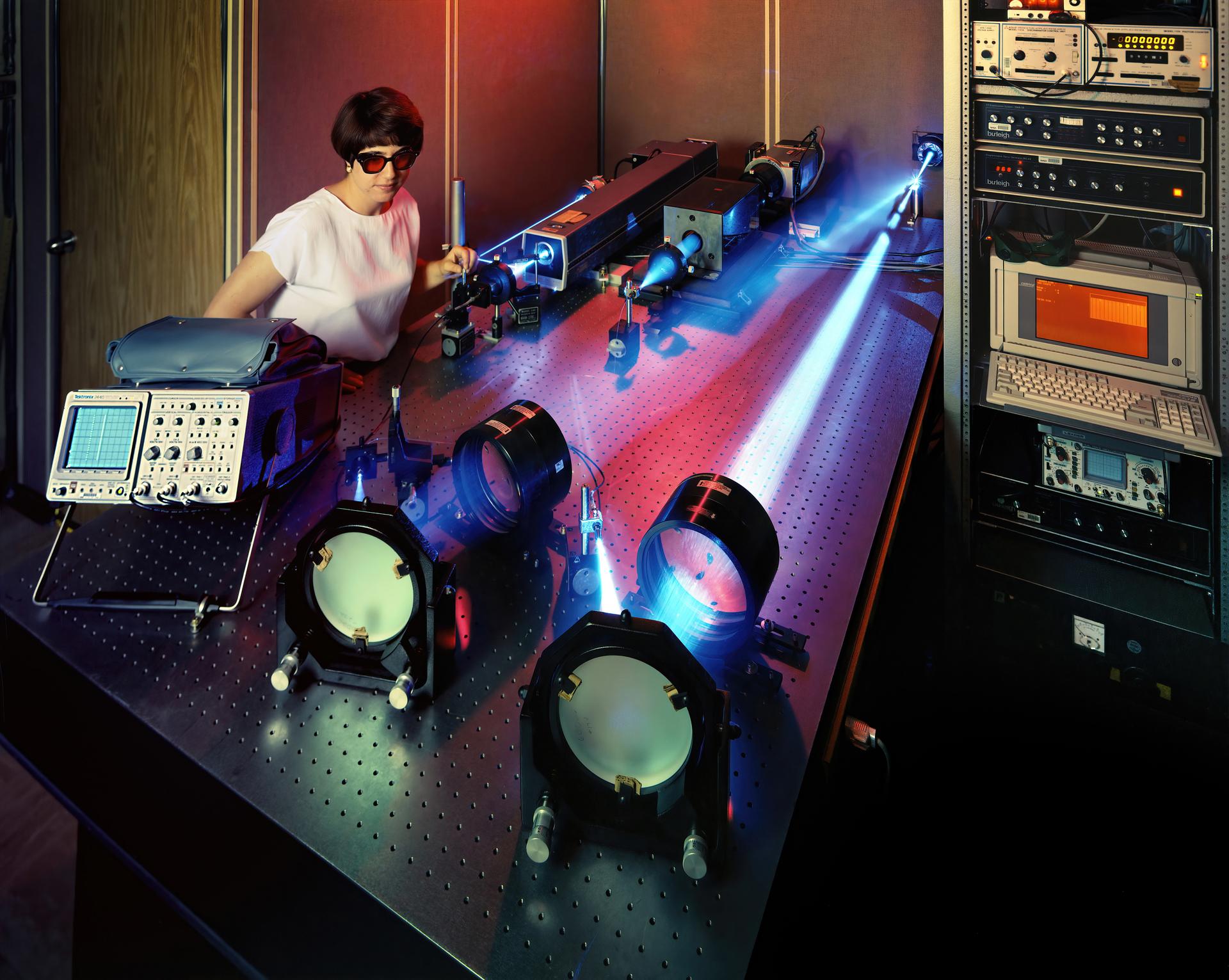
A spectrally resolved Rayleigh/Mie scattering diagnostic was developed to measure temperature and wing span wise velocity in the vicinity of an ASTOVL aircraft model tested in the Lewis, now Glenn, 9x15 Low Speed Wind Tunnel. Shown is a Fabry-Perot interferometer that uses only the blue light from a laser to measure static temperature and velocity near the lift nozzles and suction systems.
GRC-1994-C-00167
Commercial Supersonic Transport, CST Project, X-59 Sonic Boom Test Model, in the 8x6-foot Supersonic Wind Tunnel, SWT
GRC-2021-C-03329
Commercial Supersonic Transport, CST Project, X-59 Sonic Boom Test Model, in the 8x6-foot Supersonic Wind Tunnel, SWT
GRC-2021-C-03337
Commercial Supersonic Transport, CST Project, X-59 Sonic Boom Test Model, in the 8x6-foot Supersonic Wind Tunnel, SWT
GRC-2021-C-03342
Commercial Supersonic Transport, CST Project, X-59 Sonic Boom Test Model, in the 8x6-foot Supersonic Wind Tunnel, SWT
GRC-2021-C-03343
Commercial Supersonic Transport, CST Project, X-59 Sonic Boom Test Model, in the 8x6-foot Supersonic Wind Tunnel, SWT
GRC-2021-C-03359
Commercial Supersonic Transport, CST Project, X-59 Sonic Boom Test Model, in the 8x6-foot Supersonic Wind Tunnel, SWT
GRC-2021-C-03351
Commercial Supersonic Transport, CST Project, X-59 Sonic Boom Test Model, in the 8x6-foot Supersonic Wind Tunnel, SWT
GRC-2021-C-03348
Commercial Supersonic Transport, CST Project, X-59 Sonic Boom Test Model, in the 8x6-foot Supersonic Wind Tunnel, SWT
GRC-2021-C-03358
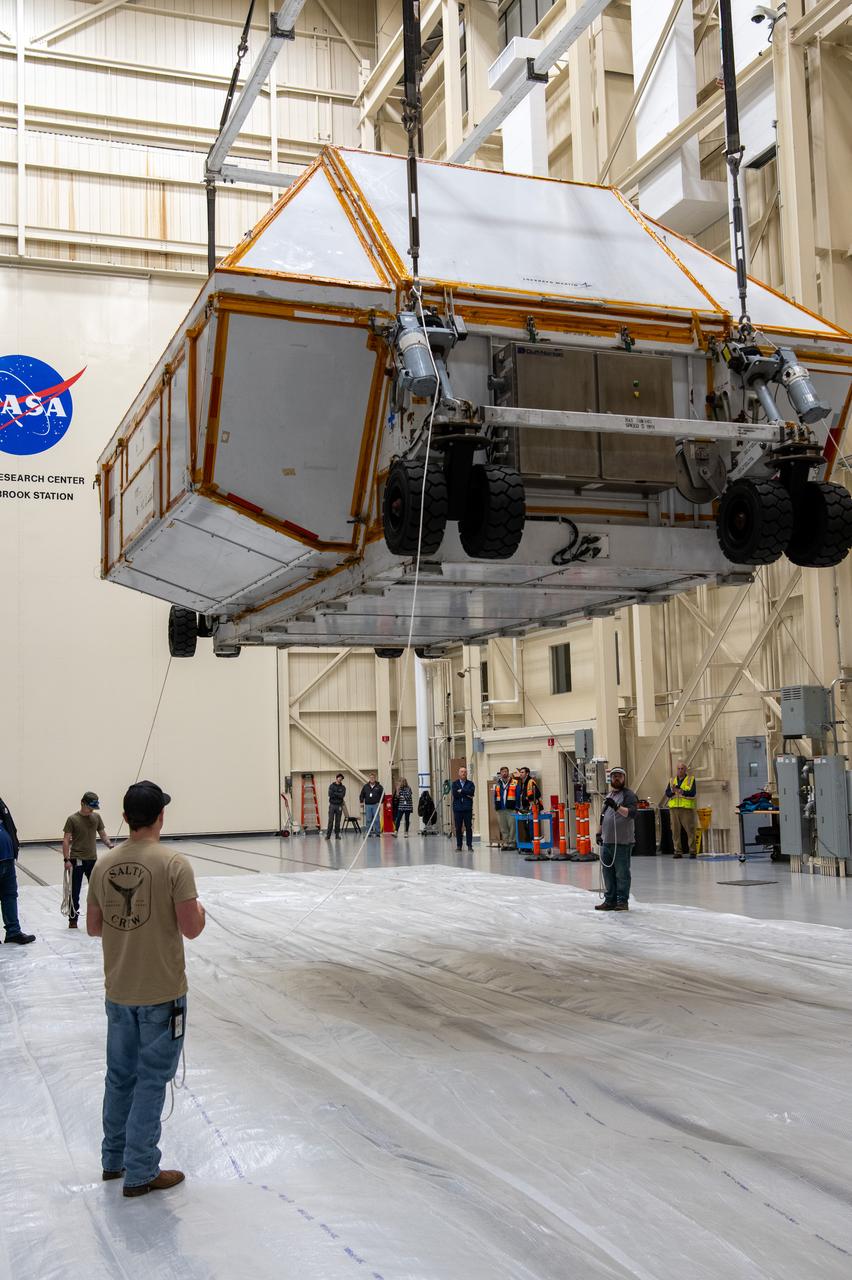
The Sierra Space Plane, Dream Chaser, suspended by a crane sits just inside the overhead door of the ISP (In Space Propulsion) test facility at NASA GRC-ATF.  Once lifted and lowered into the test chamber, it will be exposed to the harsh cold conditions of space for testing in extended periods of time.
The Sierra Space Plane, Dream Chaser, is ready to be lifted into
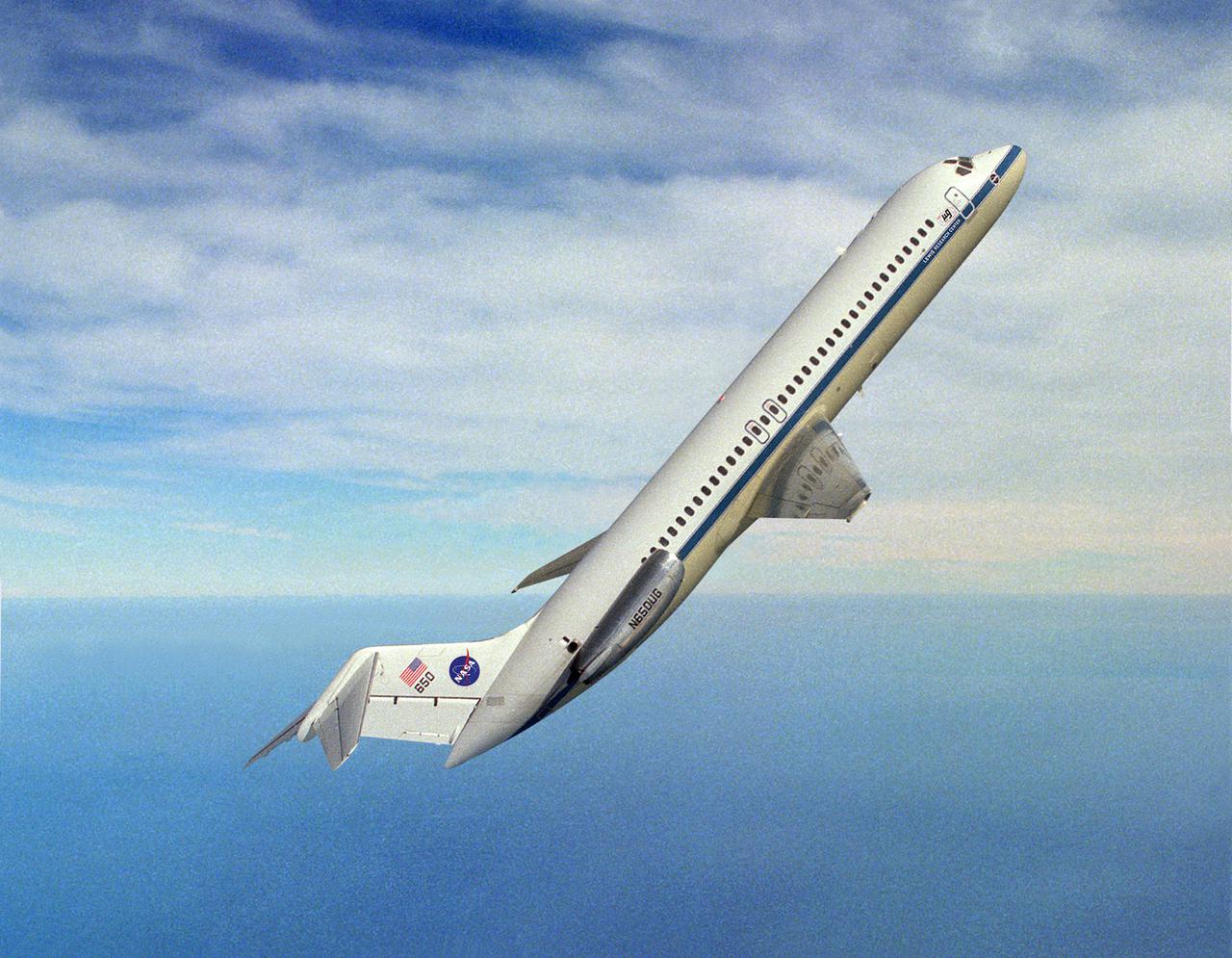
DC-9 AIRPLANE IN FLIGHT AT 50 DEGREES ANGLE OVER HORIZON
GRC-1996-C-01436
Commercial Supersonic Transport, CST Project, X-59 Sonic Boom Test Model, in the 8x6-foot Supersonic Wind Tunnel, SWT
GRC-2021-C-03344
Commercial Supersonic Transport, CST Project, X-59 Sonic Boom Test Model, in the 8x6-foot Supersonic Wind Tunnel, SWT
GRC-2021-C-03340
Commercial Supersonic Transport, CST Project, X-59 Sonic Boom Test Model, in the 8x6-foot Supersonic Wind Tunnel, SWT
GRC-2021-C-03332
Commercial Supersonic Transport, CST Project, X-59 Sonic Boom Test Model, in the 8x6-foot Supersonic Wind Tunnel, SWT
GRC-2021-C-03360
Commercial Supersonic Transport, CST Project, X-59 Sonic Boom Test Model, in the 8x6-foot Supersonic Wind Tunnel, SWT
GRC-2021-C-03365
A Congressional Member of Congress visited Glenn research Center.  The Congressman engaged with GRC industry partners and researchers in the MIC (Mission Integration Center) Auditorium.  Pictured is GRC Center Director, James Kenyon.
GRC-2023-C-07693
Commercial Supersonic Transport, CST Project, X-59 Sonic Boom Test Model, in the 8x6-foot Supersonic Wind Tunnel, SWT
GRC-2021-C-03346