M-E-R-C See you real soon! U-R-Y Why? Because we like you!
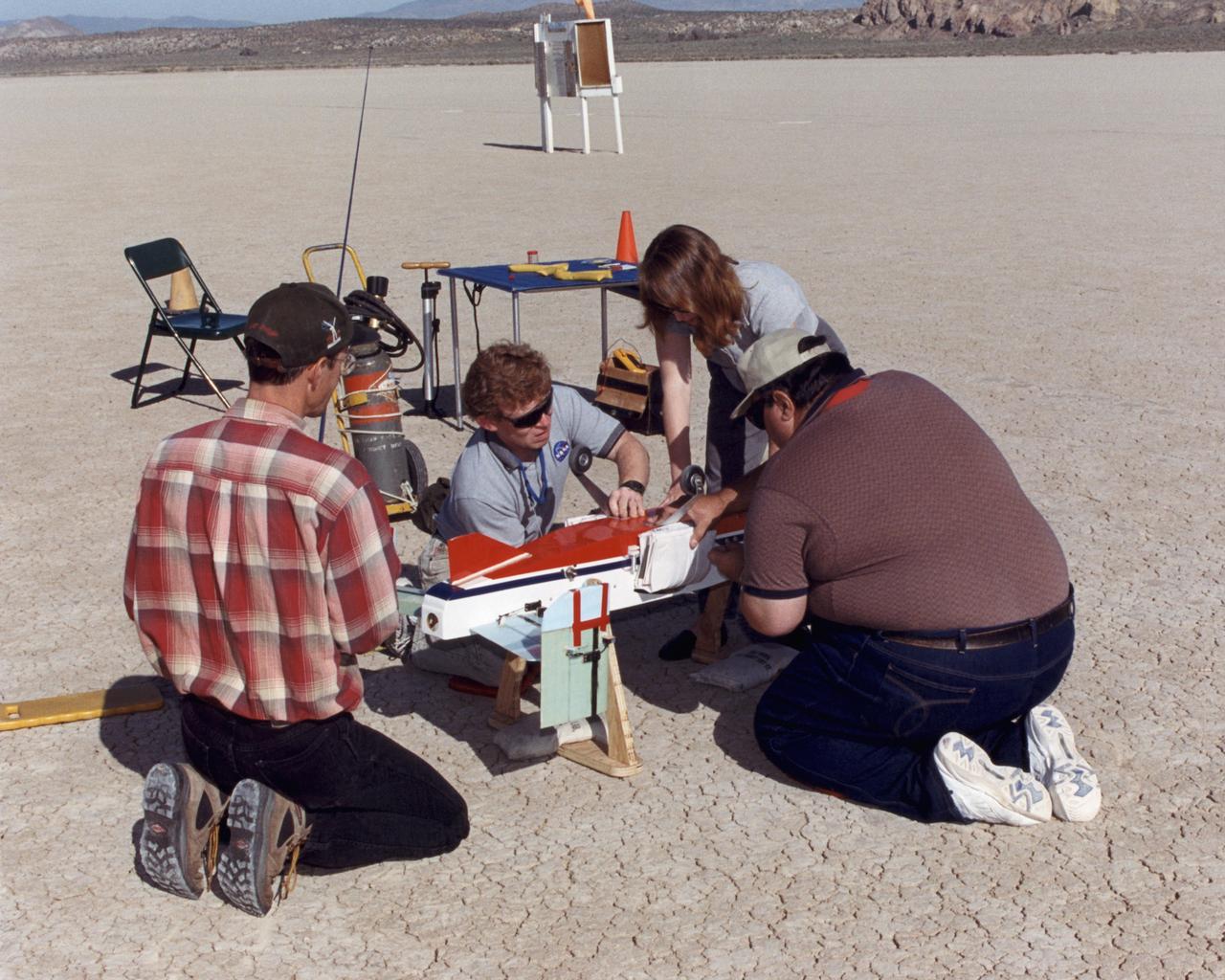
Inflatable Wing project personnel prepare a deployable, inflatable wing technology demonstrator experiment flown by the NASA Dryden Flight Research Center, Edwards, California. The inflatable wing project represented a basic flight research effort by Dryden personnel. Three successful flights of the I2000 inflatable wing aircraft occurred. During the flights, the team air-launched the radio-controlled (R/C) I2000 from an R/C utility airplane at an altitude of 800-1000 feet. As the I2000 separated from the carrier aircraft, its inflatable wings "popped-out," deploying rapidly via an on-board nitrogen bottle. The aircraft remained stable as it transitioned from wingless to winged flight. The unpowered I2000 glided down to a smooth landing under complete control.
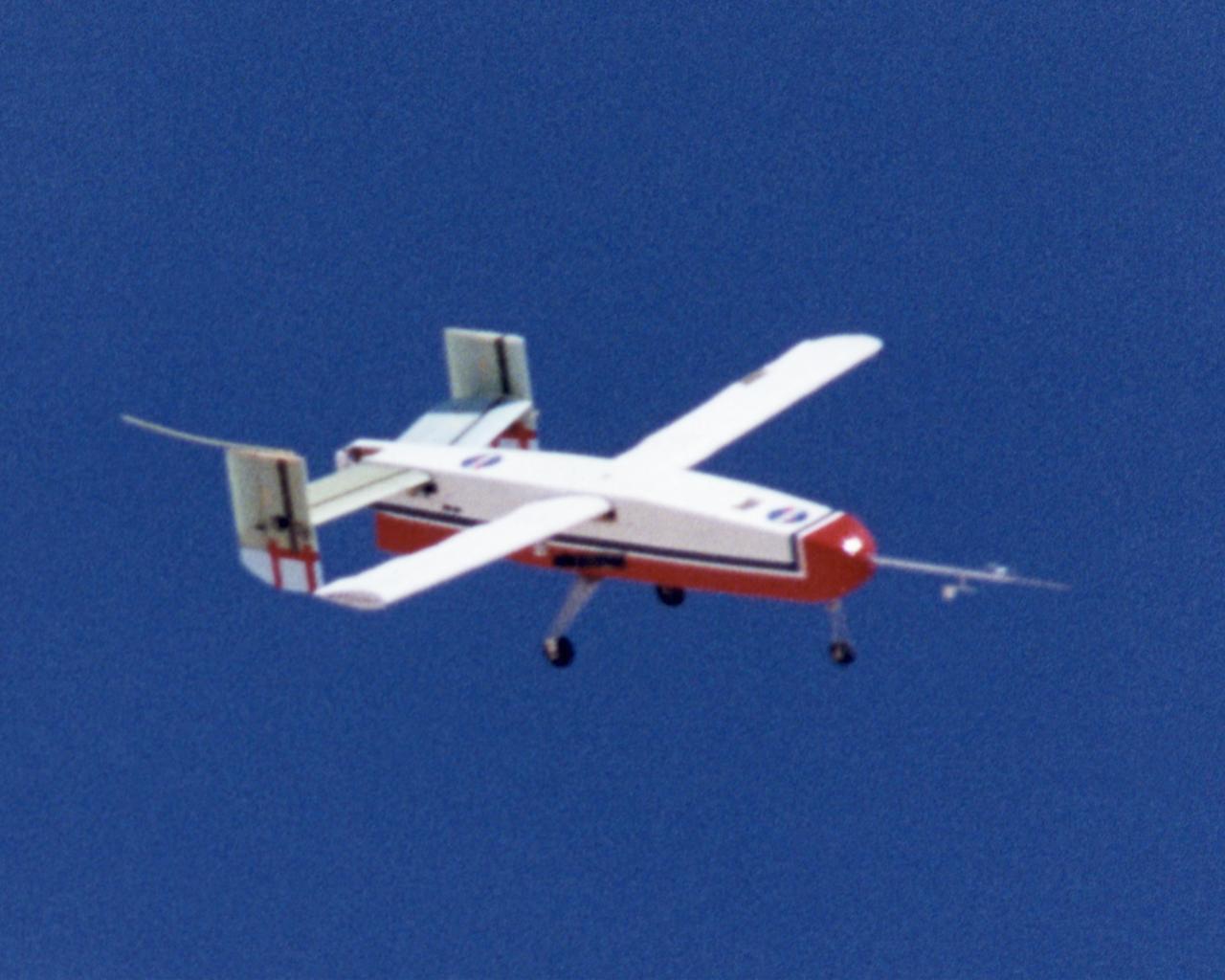
Wing Deployment Sequence #3: The deployable, inflatable wing technology demonstrator experiment aircraft's wings fully deployed during flight following separation from its carrier aircraft during a flight conducted by the NASA Dryden Flight Research Center, Edwards, Californiaornia. The inflatable wing project represented a basic flight research effort by Dryden personnel. Three successful flights of the I2000 inflatable wing aircraft occurred. During the flights, the team air-launched the radio-controlled (R/C) I2000 from an R/C utility airplane at an altitude of 800-1000 feet. As the I2000 separated from the carrier aircraft, its inflatable wings "popped-out," deploying rapidly via an on-board nitrogen bottle. The aircraft remained stable as it transitioned from wingless to winged flight. The unpowered I2000 glided down to a smooth landing under complete control.
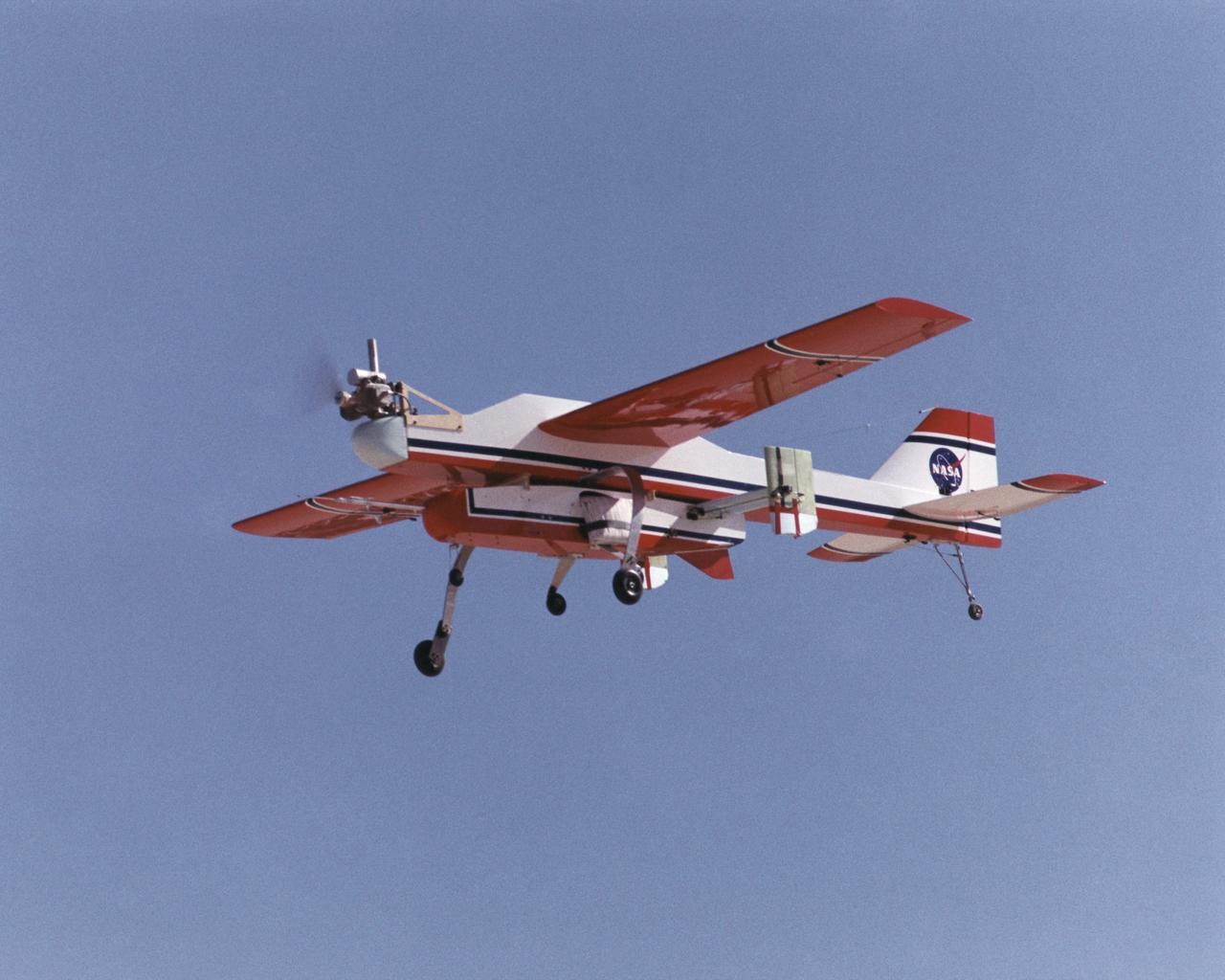
The deployable, inflatable wing technology demonstrator experiment aircraft looks good during a flight conducted by the NASA Dryden Flight Research Center, Edwards, California. The inflatable wing project represented a basic flight research effort by Dryden personnel. Three successful flights of the I2000 inflatable wing aircraft occurred. During the flights, the team air-launched the radio-controlled (R/C) I2000 from an R/C utility airplane at an altitude of 800-1000 feet. As the I2000 separated from the carrier aircraft, its inflatable wings "popped-out," deploying rapidly via an on-board nitrogen bottle. The aircraft remained stable as it transitioned from wingless to winged flight. The unpowered I2000 glided down to a smooth landing under complete control.
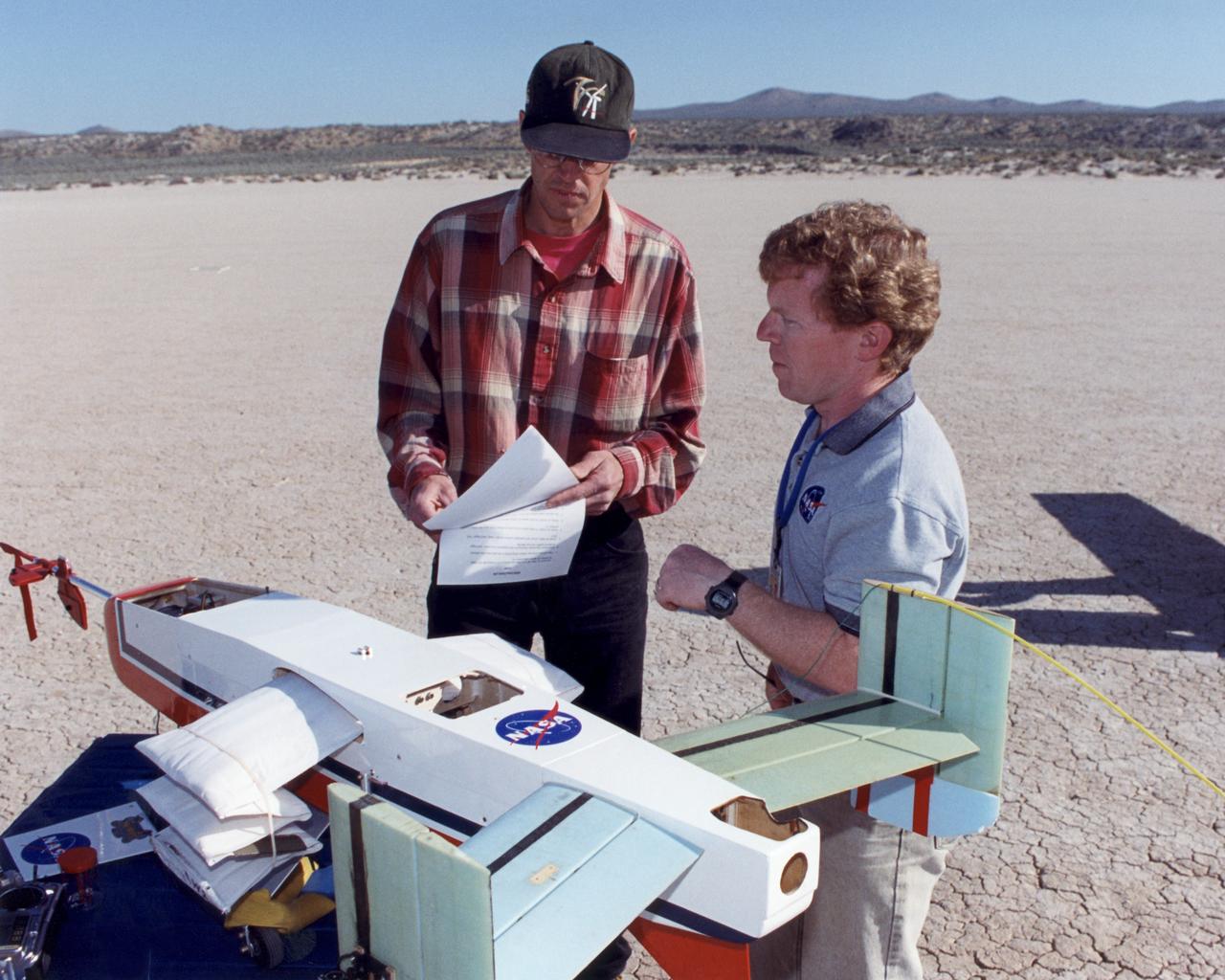
Engineers Jim Murray and Joe Pahle prepare a deployable, inflatable wing technology demonstrator experiment flown by the NASA Dryden Flight Research Center, Edwards, California. The inflatable wing project represented a basic flight research effort by Dryden personnel. Three successful flights of the I2000 inflatable wing aircraft occurred. During the flights, the team air-launched the radio-controlled (R/C) I2000 from an R/C utility airplane at an altitude of 800-1000 feet. As the I2000 separated from the carrier aircraft, its inflatable wings "popped-out," deploying rapidly via an on-board nitrogen bottle. The aircraft remained stable as it transitioned from wingless to winged flight. The unpowered I2000 glided down to a smooth landing under complete control.
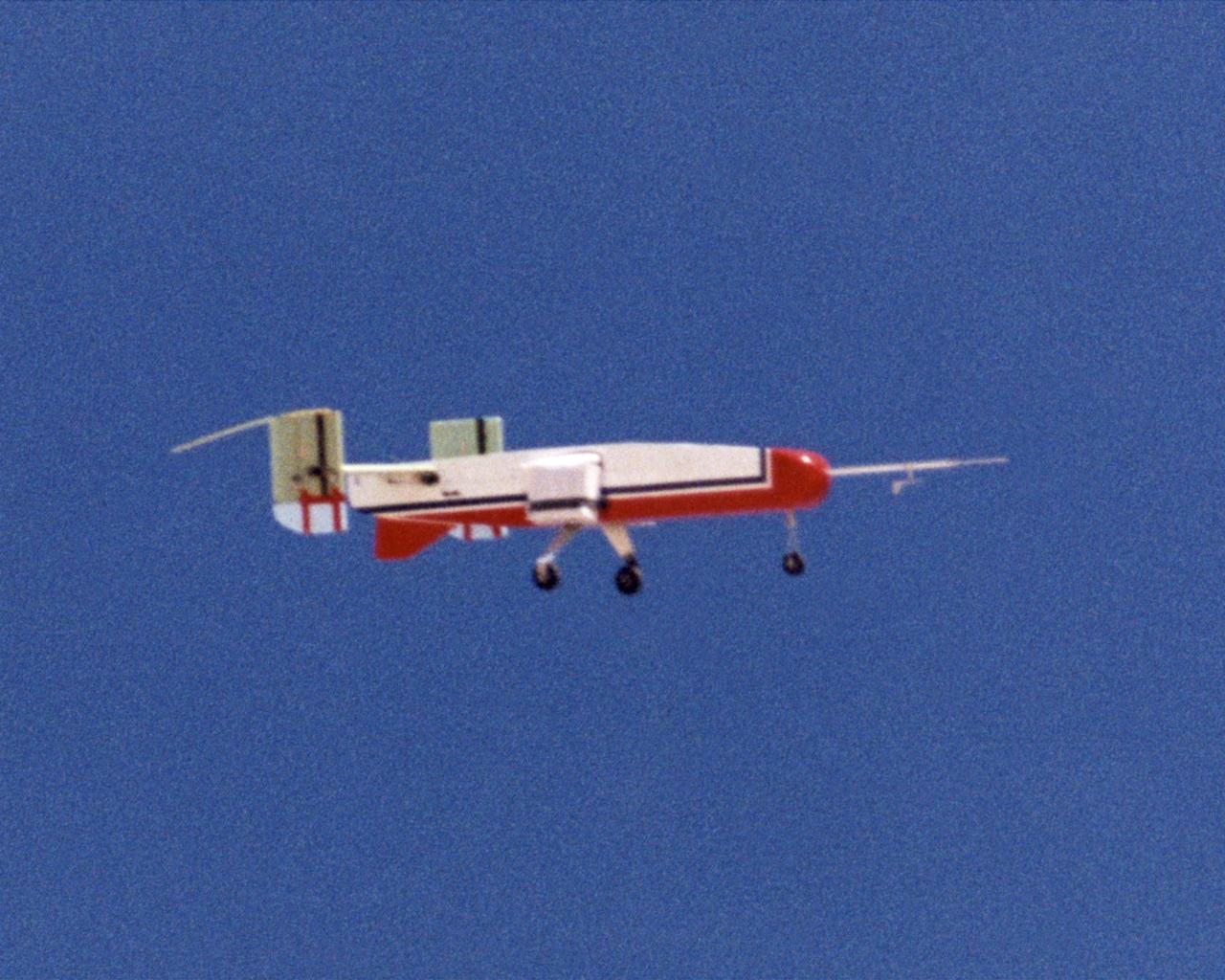
The deployable, inflatable wing technology demonstrator experiment aircraft maintains a steady attitude following separation from its carrier aircraft during a flight conducted by the NASA Dryden Flight Research Center, Edwards, California. The inflatable wing project represented a basic flight research effort by Dryden personnel. Three successful flights of the I2000 inflatable wing aircraft occurred. During the flights, the team air-launched the radio-controlled (R/C) I2000 from an R/C utility airplane at an altitude of 800-1000 feet. As the I2000 separated from the carrier aircraft, its inflatable wings "popped-out," deploying rapidly via an on-board nitrogen bottle. The aircraft remained stable as it transitioned from wingless to winged flight. The unpowered I2000 glided down to a smooth landing under complete control.
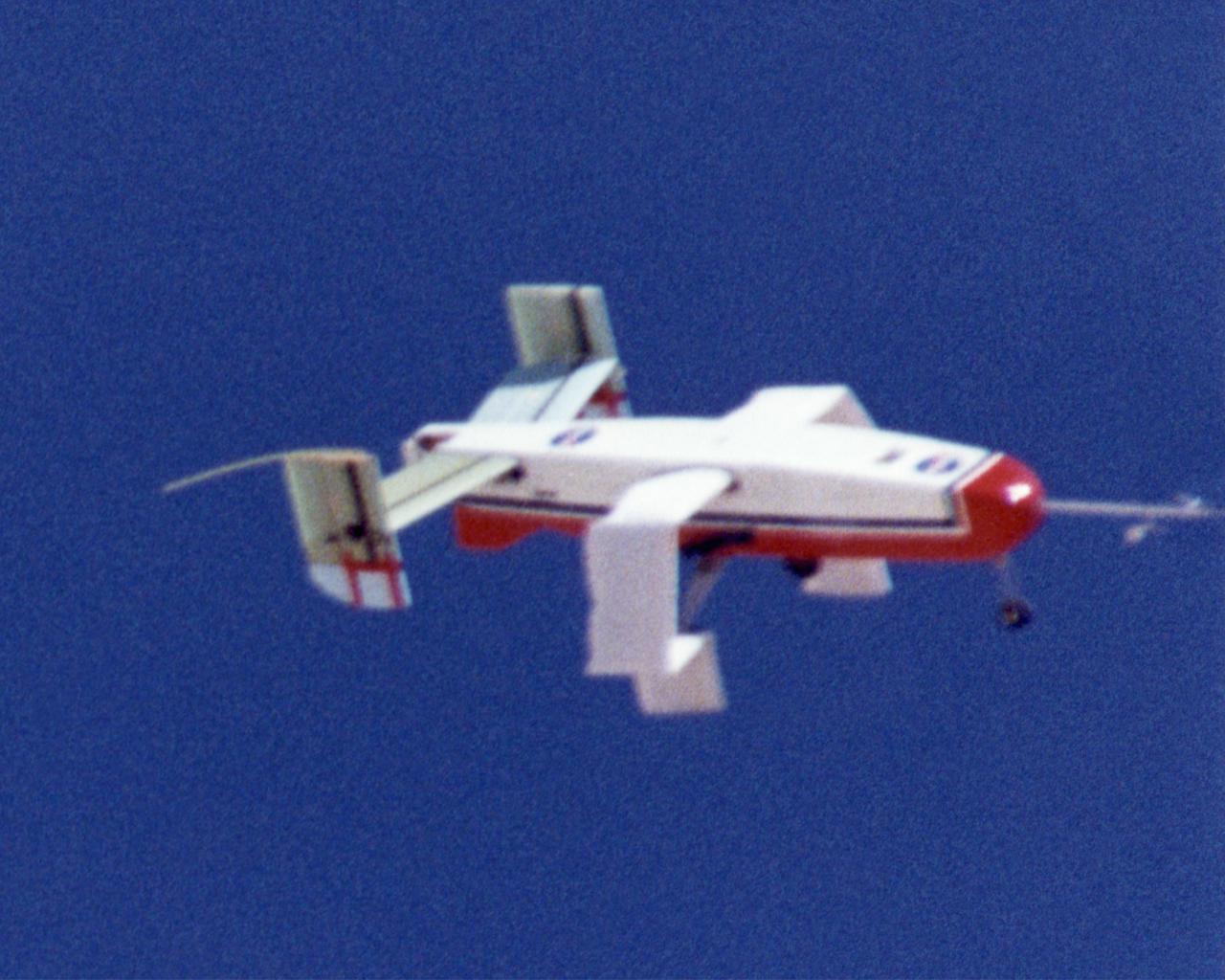
Wing Deployment Sequence #1: The deployable, inflatable wing technology demonstrator experiment aircraft's wings begin deploying following separation from its carrier aircraft during a flight conducted by the NASA Dryden Flight Research Center, Edwards, California. The inflatable wing project represented a basic flight research effort by Dryden personnel. Three successful flights of the I2000 inflatable wing aircraft occurred. During the flights, the team air-launched the radio-controlled (R/C) I2000 from an R/C utility airplane at an altitude of 800-1000 feet. As the I2000 separated from the carrier aircraft, its inflatable wings "popped-out," deploying rapidly via an on-board nitrogen bottle. The aircraft remained stable as it transitioned from wingless to winged flight. The unpowered I2000 glided down to a smooth landing under complete control.
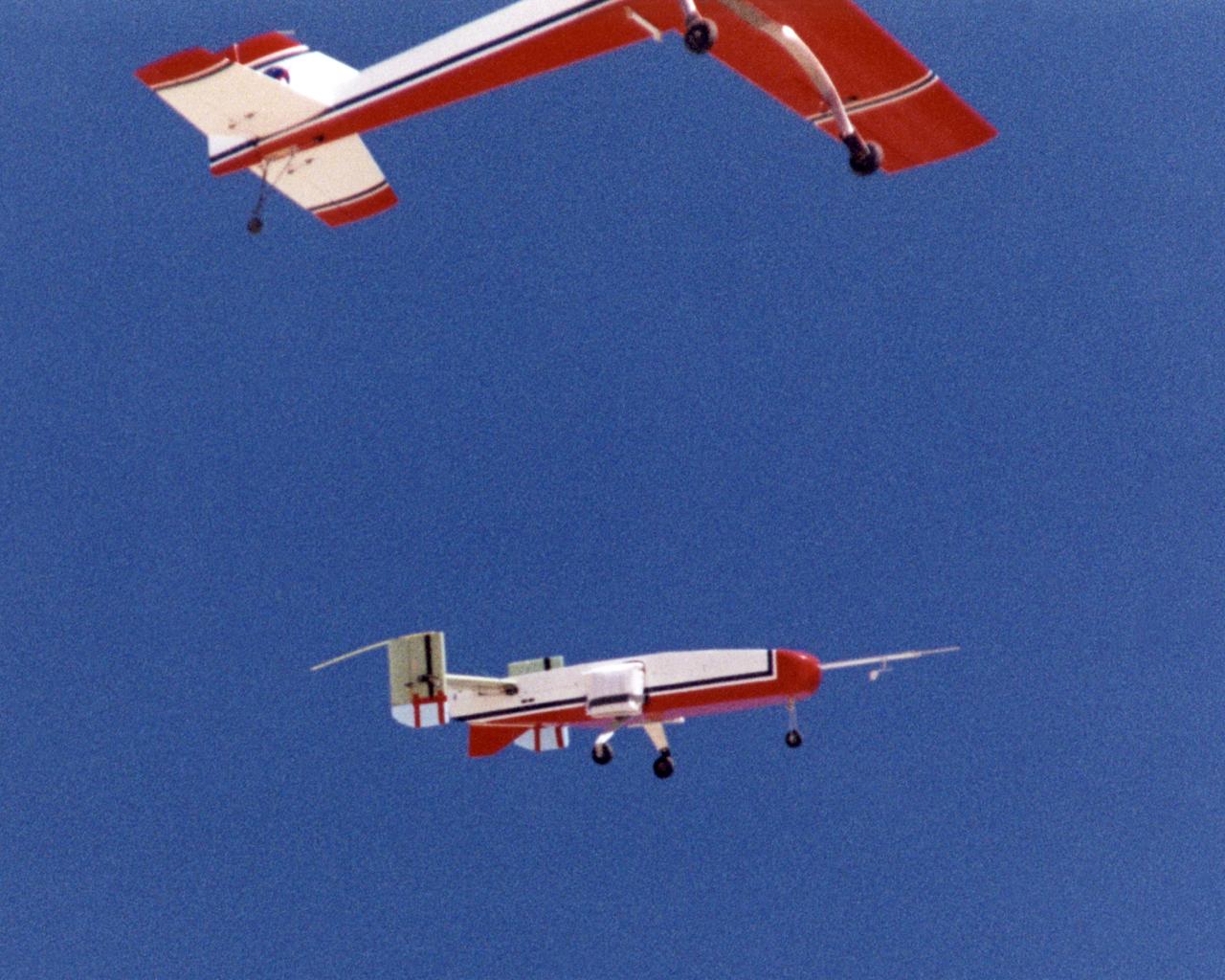
The deployable, inflatable wing technology demonstrator experiment separates from its carrier aircraft during a flight conducted by the NASA Dryden Flight Research Center, Edwards, California. The inflatable wing project represented a basic flight research effort by Dryden personnel. Three successful flights of the I2000 inflatable wing aircraft occurred. During the flights, the team air-launched the radio-controlled (R/C) I2000 from an R/C utility airplane at an altitude of 800-1000 feet. As the I2000 separated from the carrier aircraft, its inflatable wings "popped-out," deploying rapidly via an on-board nitrogen bottle. The aircraft remained stable as it transitioned from wingless to winged flight. The unpowered I2000 glided down to a smooth landing under complete control.
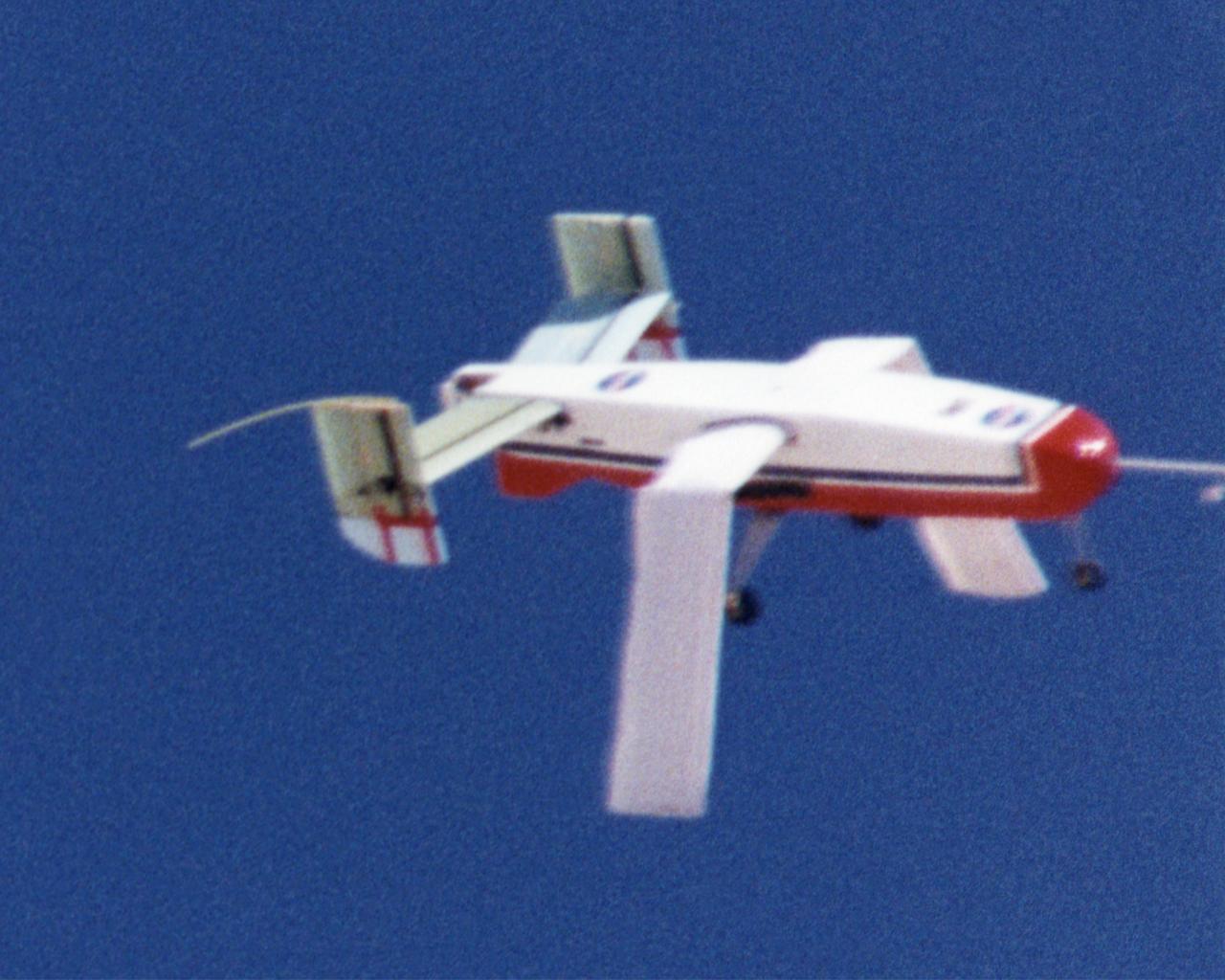
Wing Deployment Sequence #2: The deployable, inflatable wing technology demonstrator experiment aircraft's wings continue deploying following separation from its carrier aircraft during a flight conducted by the NASA Dryden Flight Research Center, Edwards, California. The inflatable wing project represented a basic flight research effort by Dryden personnel. Three successful flights of the I2000 inflatable wing aircraft occurred. During the flights, the team air-launched the radio-controlled (R/C) I2000 from an R/C utility airplane at an altitude of 800-1000 feet. As the I2000 separated from the carrier aircraft, its inflatable wings "popped-out," deploying rapidly via an on-board nitrogen bottle. The aircraft remained stable as it transitioned from wingless to winged flight. The unpowered I2000 glided down to a smooth landing under complete control.
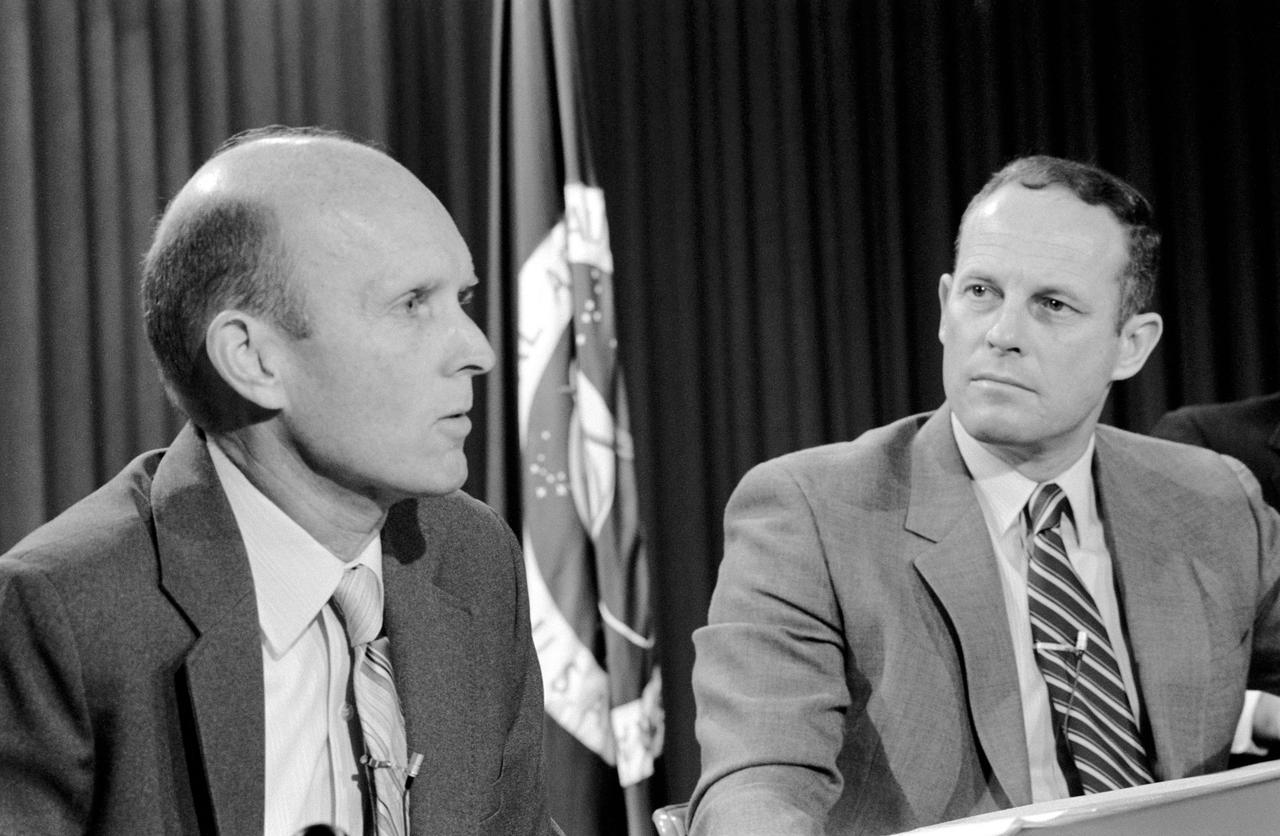
S82-25900 (21 Jan. 1982) --- Astronaut Jack R. Lousma, right, and C. Gordon Fullerton greet the press during a pre-STS-3 press conference in JSC?s Public Affairs Building. Lousma, commander and Fullerton, pilot, are scheduled to man the Columbia when it is launched in early spring from Kennedy Space Center launch pad 39A. Photo credit: NASA
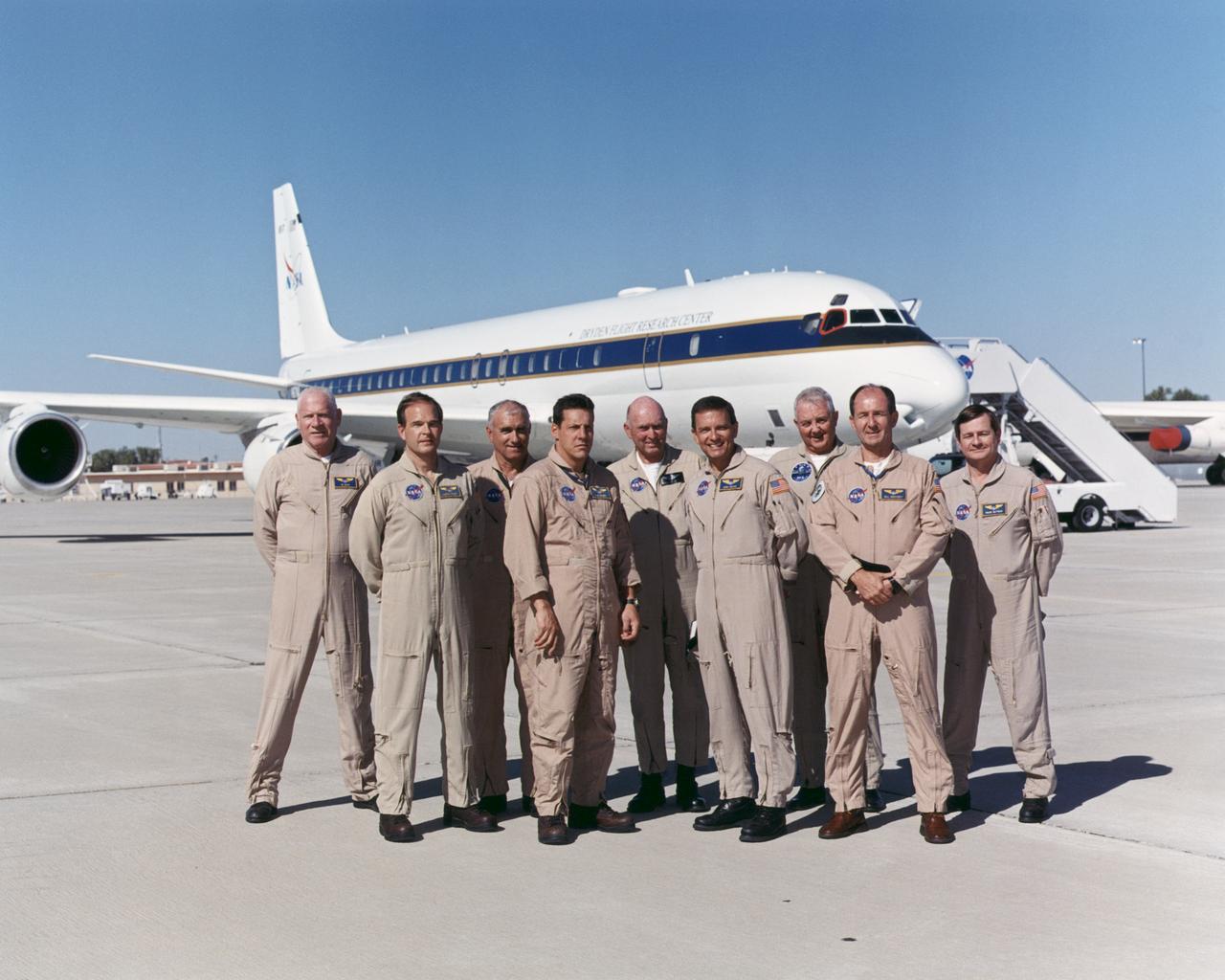
2004 NASA Dryden DC-8 flight crew. Left to Right: Edwin W. Lewis, Jr., Martin J. Trout, Richard G. Ewers, Craig R. Bomben, C. Gordon Fullerton (Chief Pilot), Mark Pestana, Douglas H. Baker, William Frederick Brockett, and Frank Batteas.
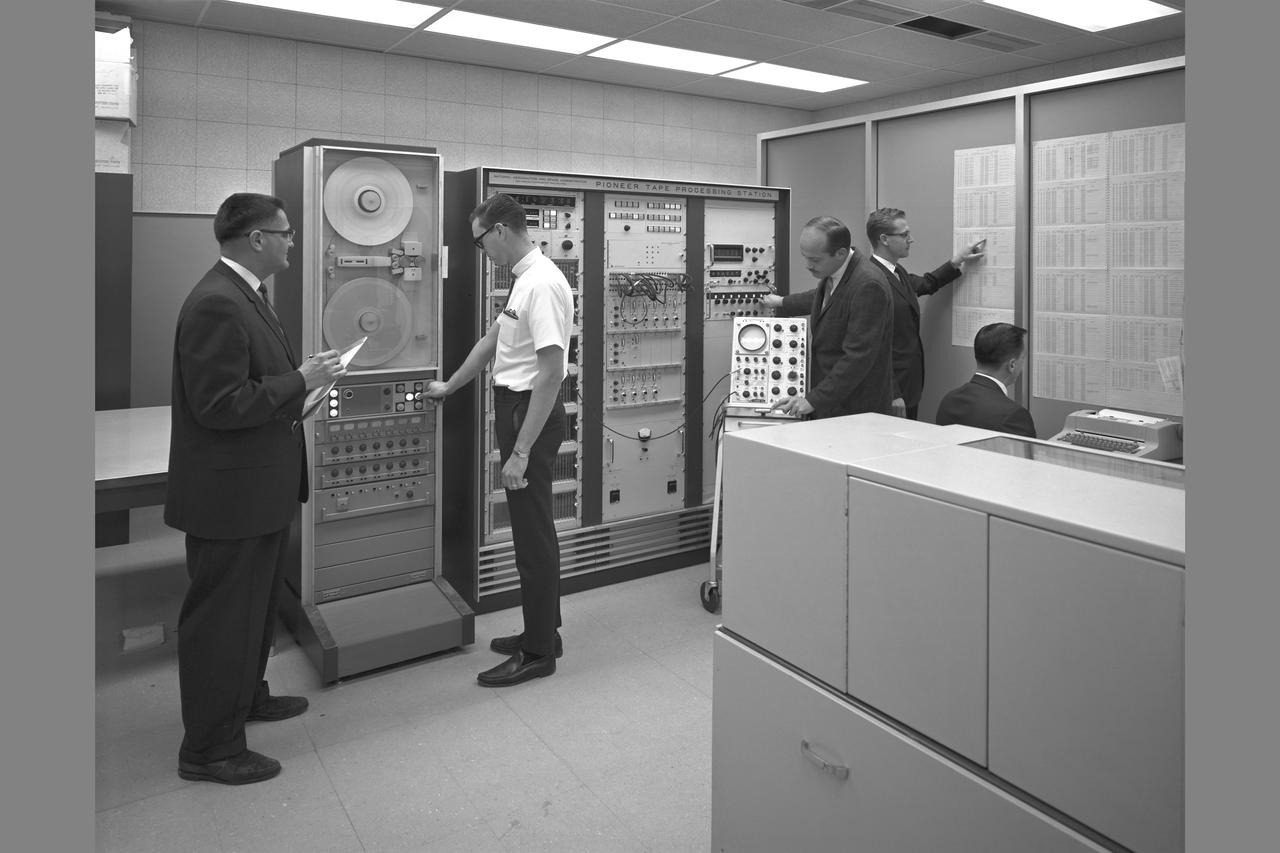
MR. R. O. FIMMEL, MR. G. R. HARVEY, R. C. VINYARD, N. WIRTH, D. KLAUK, WORKING IN THE DATA ROOM OF THE PIONEER TAPE PROCESSING STATION. Pioneer Off-Line Data Processing System.

Perseid Meteor flight on Google's Gulfstream Aircraft. P.I. Peter Jenniskens, SETI Group - L-R; briefing w/L-R; J Houston-Jones, D Nugent, l Lockyer, R Rairden, & C Kemp
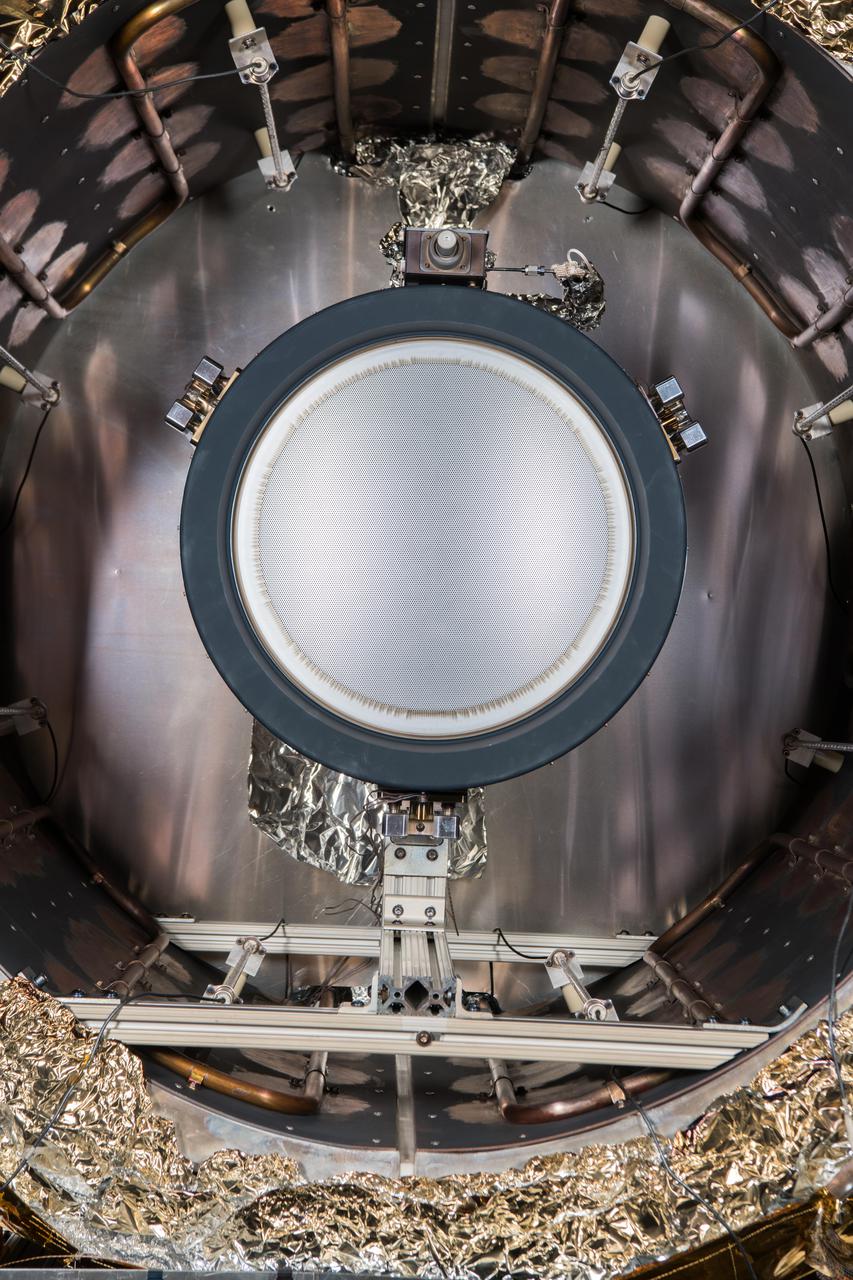
NASA Evolutionary Xenon Thruster - Commercial, NEXT-C r
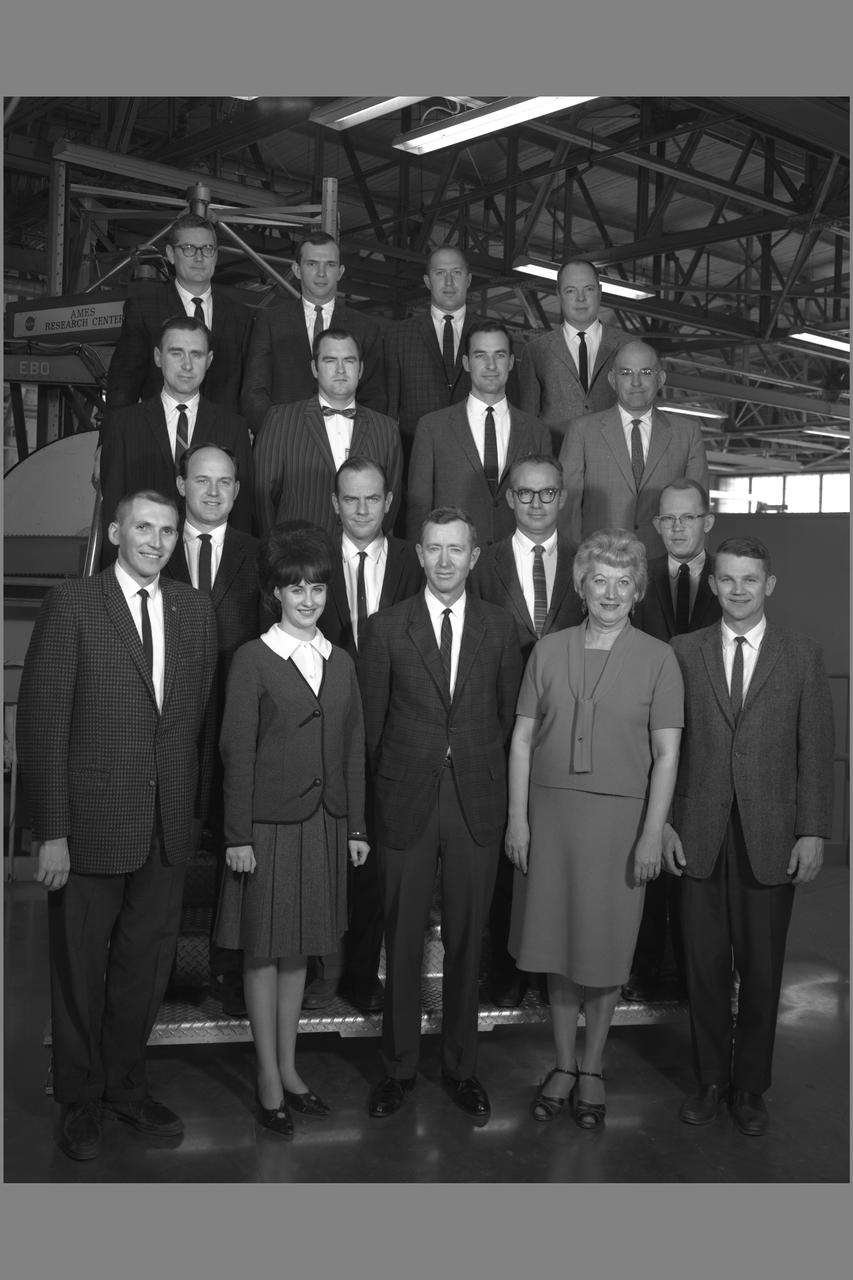
MANNED SPACECRAFT SIMULATION BRANCH PERSONNEL - Top row, L-R: Henry C. Lessing, Dallas G. Denery, Richard Acken, Robert E. Coate. Secon row, L-R: Frederick W. Boltz, Kenneth C. White, Gordon H. Hardy, Donald W. Smith. Third row, L-R: Rodney C. Wingrove, Bedford A. Lampkin, Armando E. Lopez, DeLamar W. Watson. Bottom row, L-R: Richard L. Kurkowski, Michele H. Hilliard, Brent Y. Creer, Grace M. Webster, Frederick G. Edwards. Note: Used in publication in Flight Research at Ames; 57 Years of Development and Validation of Aeronautical Technology NASA SP-1998-3300 fig 90
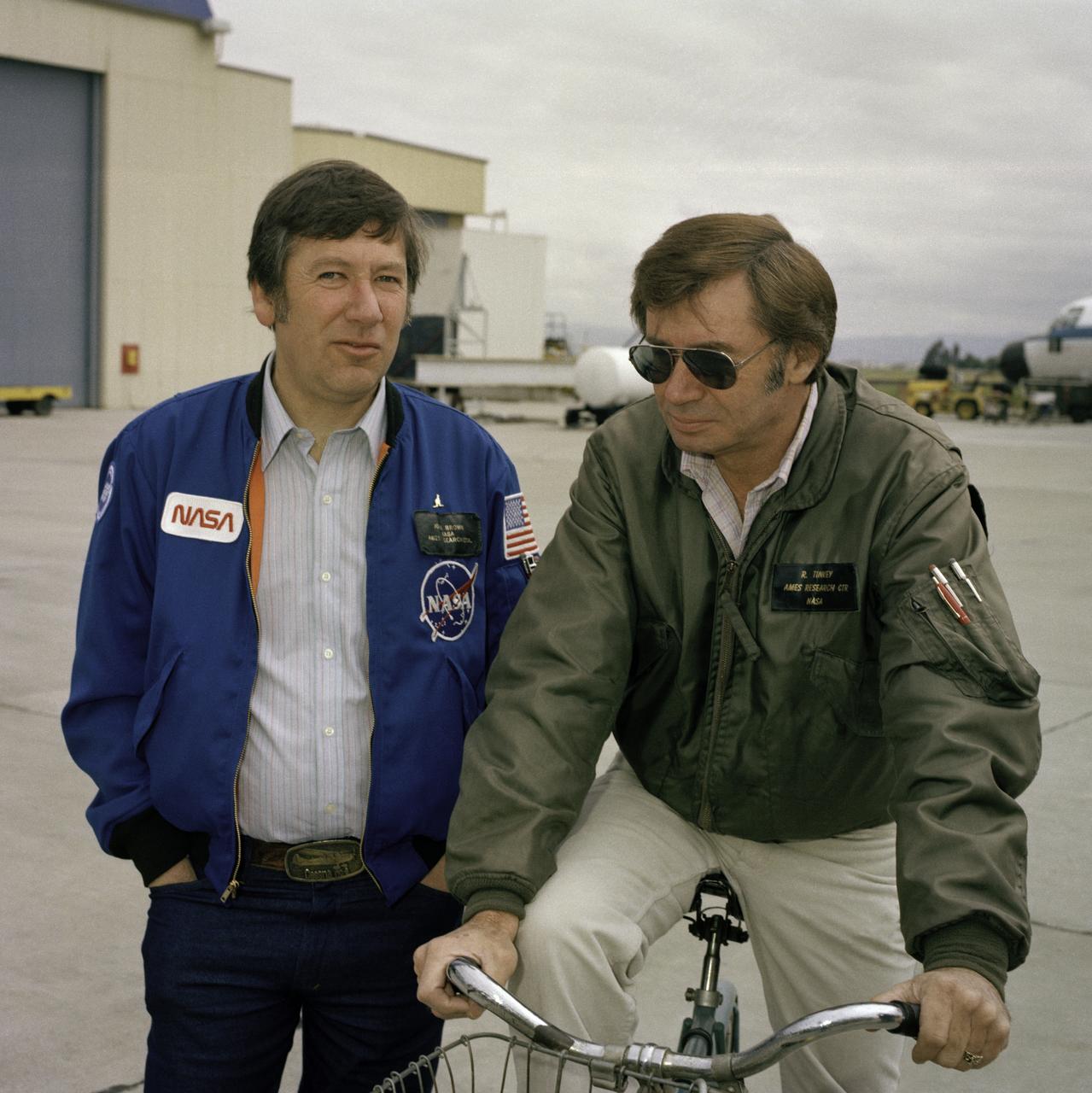
J. Brown and R Tinkey ready C-141 KAO (NASA 714) departure from Ames Research Center, CA for Australia.
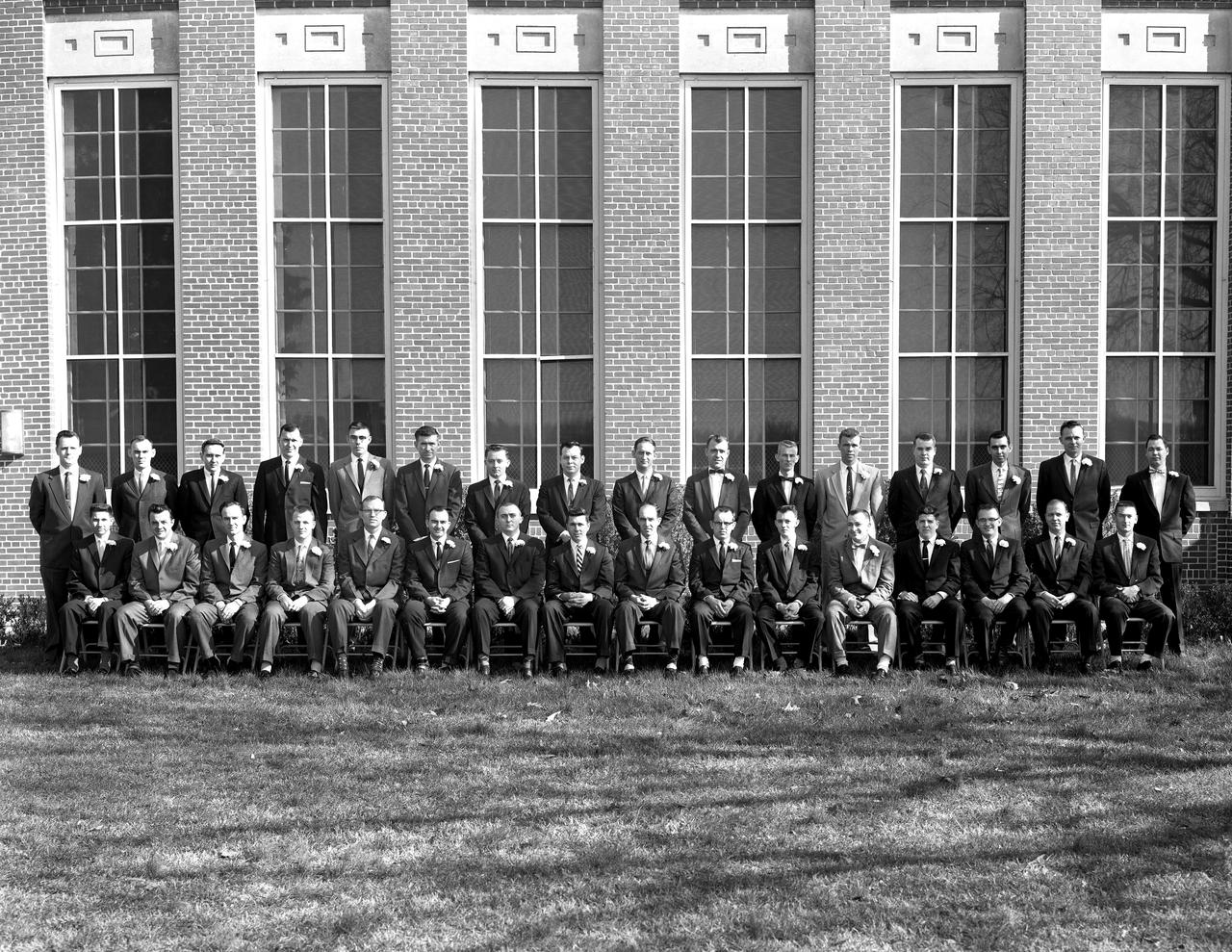
Apprentice Class Graduates: 32 Apprentice Greaduates: Ivan E. Albertson, Colossie N. Batts, Billy W. Beasley, John H. Belveal, Ernest R. Dunnigan, Durwood W. Davis, Charles E. Drummond, John R.Ellingsworth, Jr., Hugh D. Fitzgerald, Ernest A. Gurganus, Joseph R. Guy, William C. Henley,Jr., Richard N. Hill, Hiram R. Hogge, Jr., James D. Holt, James L. Hudgins, Robert F. Macklin, Roy W. Mason, Clyde J. May,Roger N. Messier, William C. Moughon, William S. Pillow, Wayne R. Posey, Mark E. Price, John W. Schwartz, Herbert F. Shackleford, John W. Simpson,John B. Slight, Cecil W. Stephens, Richard K. Stoops, John W. Sundy, Dave, E. Williams.

jsc2024e016249 (11/23/2023) --- Fully assembled Nanoracks-Killick-1 CubeSat with its Global Navigation Satellite System Reflectometry (GNSS-R) antenna deployed. Nanoracks-Killick-1 measures sea ice using GNSS-R. Potential applications of GNSS-R include providing data for weather and climate models and improving understanding of ocean phenomena such as surface winds and storm surge. Image courtesy of C-CORE and Memorial University.
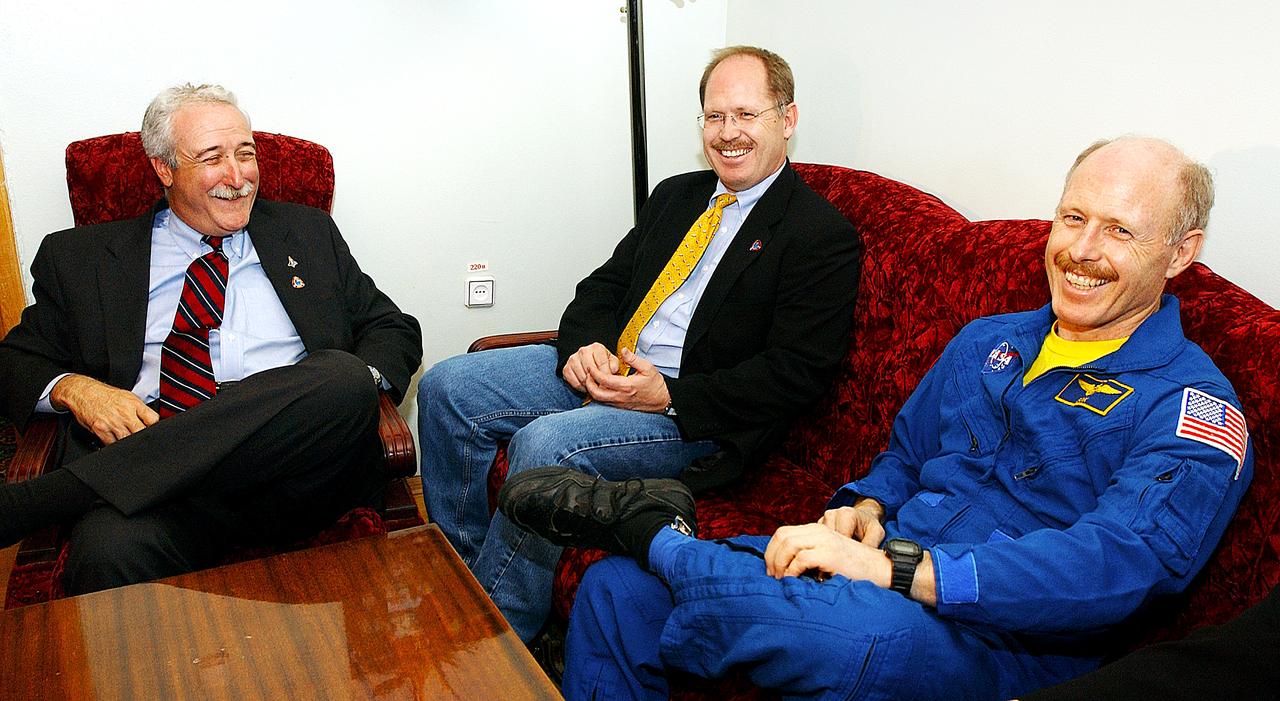
May 4, 2003, Star City, Russia. NASA Administrator Sean O'Keefe (L) visits with Expedition Six Commander Ken Bowersox (R) and his brother (C). Photo Credit: "NASA/Bill Ingalls"
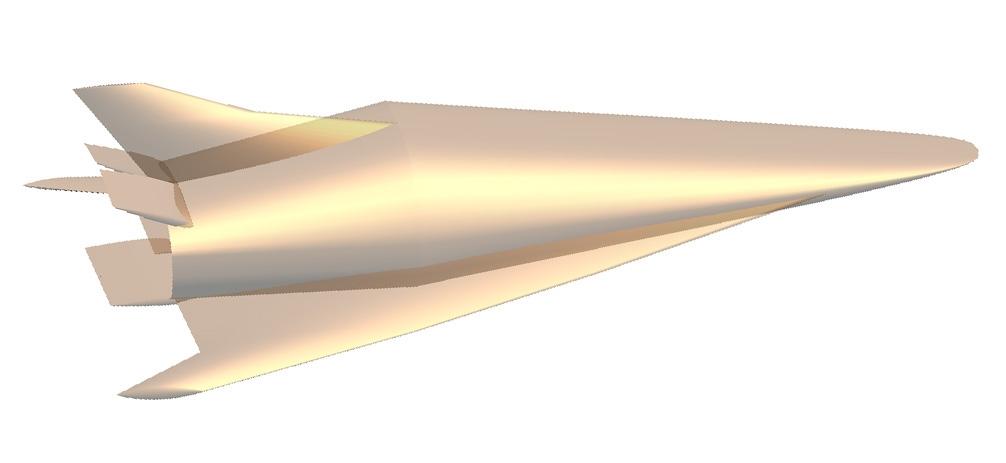
Sim Ops 2002 R&D report images; SHARP (Slender Hypersonic Aerodynamic Research Probe) CTV Crew Transfer Vehicle) CGI image created by V Hawke & C Tang (Eloret Corp)
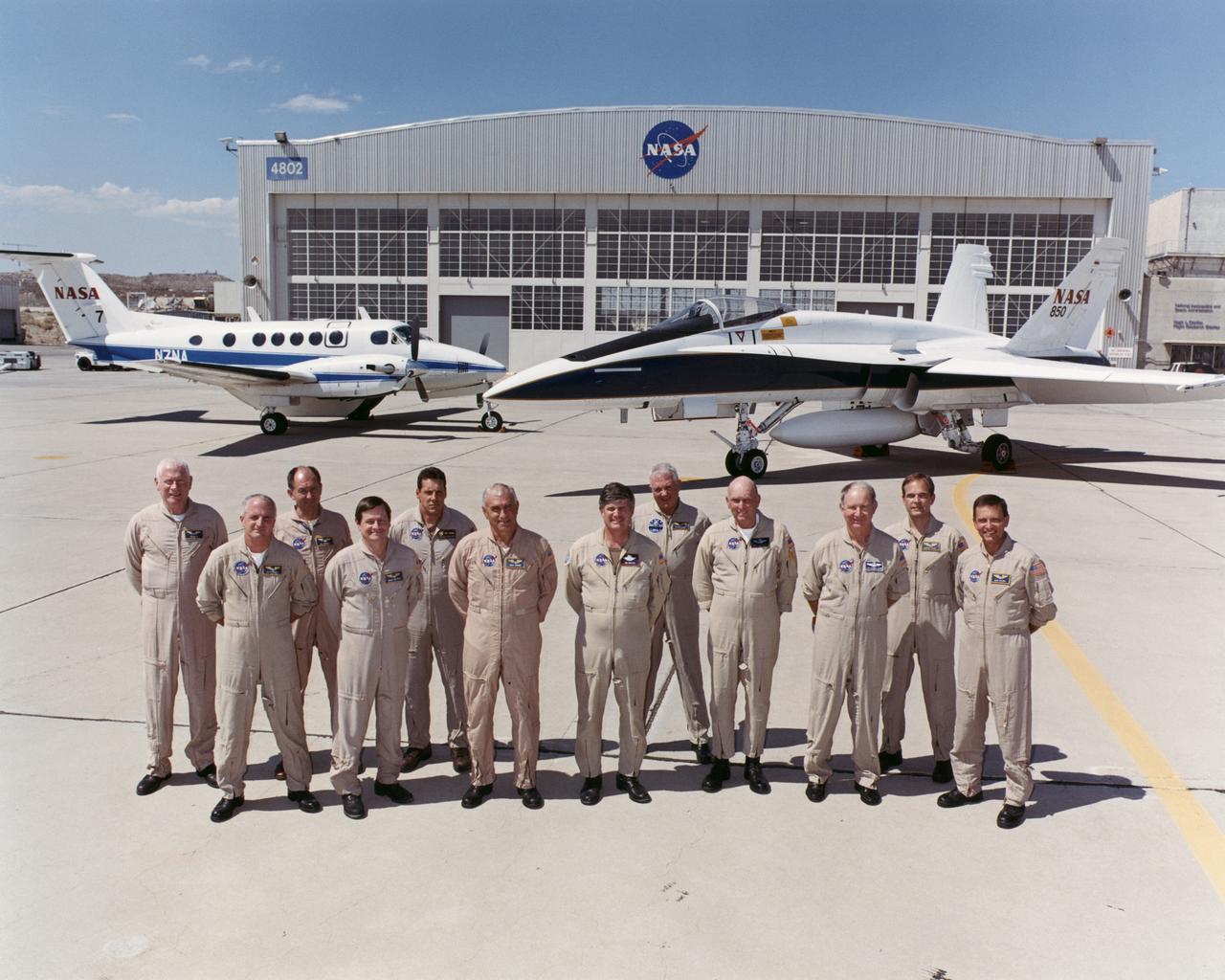
2004 NASA Dryden Research Pilots. Left to Right: Edwin W. Lewis, Jr., David A. Wright (Director of Flight Operations), William Frederick Brockett, Frank Batteas, Craig R. Bomben, Richard G. Ewers, James W. Smolka, Douglas H. Baker, C. Gordon Fullerton (Chief Pilot), James Barrilleaux, Martin J. Trout, and Mark Pestana. (not pictured: Dana Purifoy)
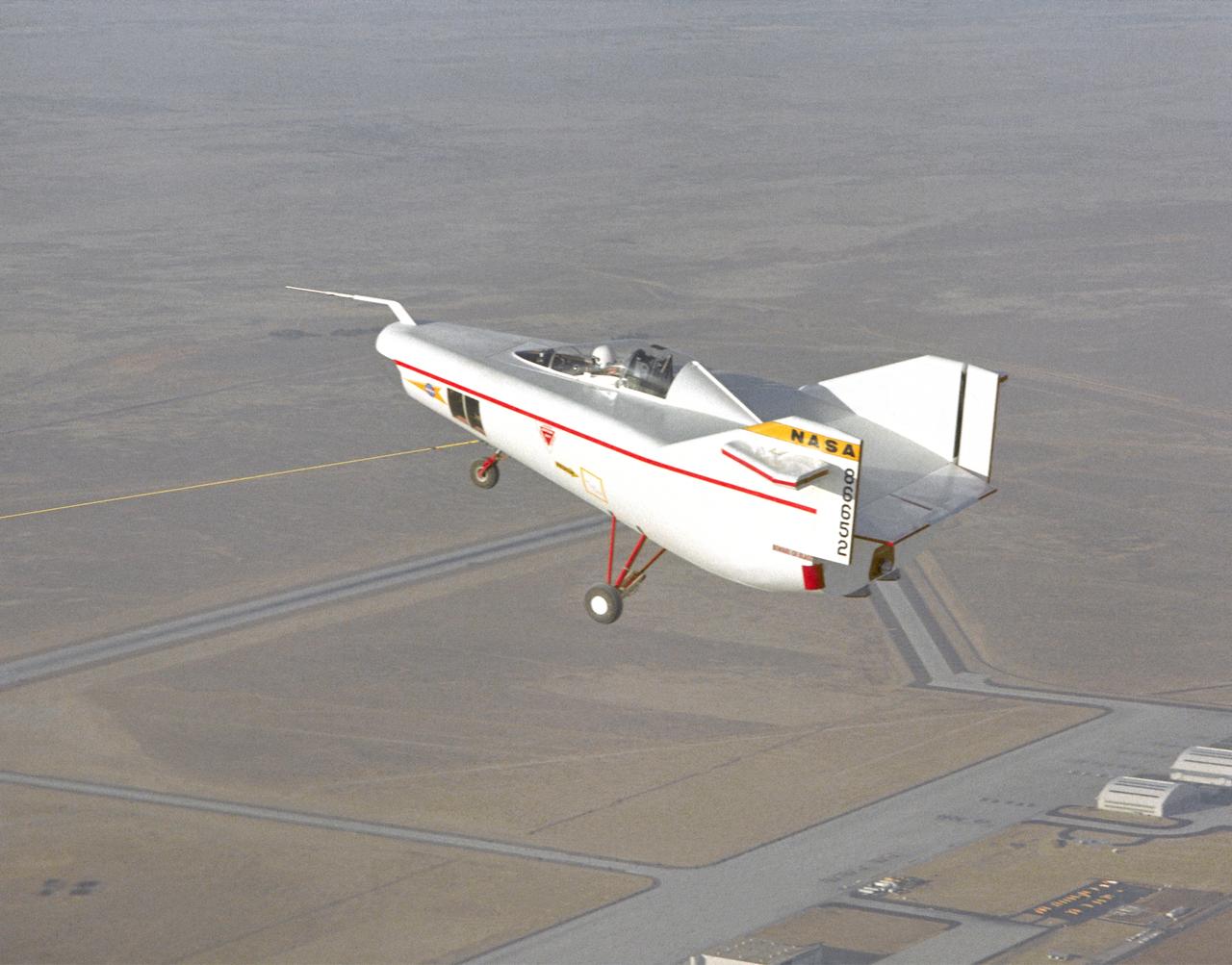
The M2-F1 Lifting Body is seen here under tow by an unseen C-47 at the NASA Flight Research Center (later redesignated the Dryden Flight Research Center), Edwards, California. The low-cost vehicle was the first piloted lifting body to be test flown. The lifting-body concept originated in the mid-1950s at the National Advisory Committee for Aeronautics' Ames Aeronautical Laboratory, Mountain View California. By February 1962, a series of possible shapes had been developed, and R. Dale Reed was working to gain support for a research vehicle.
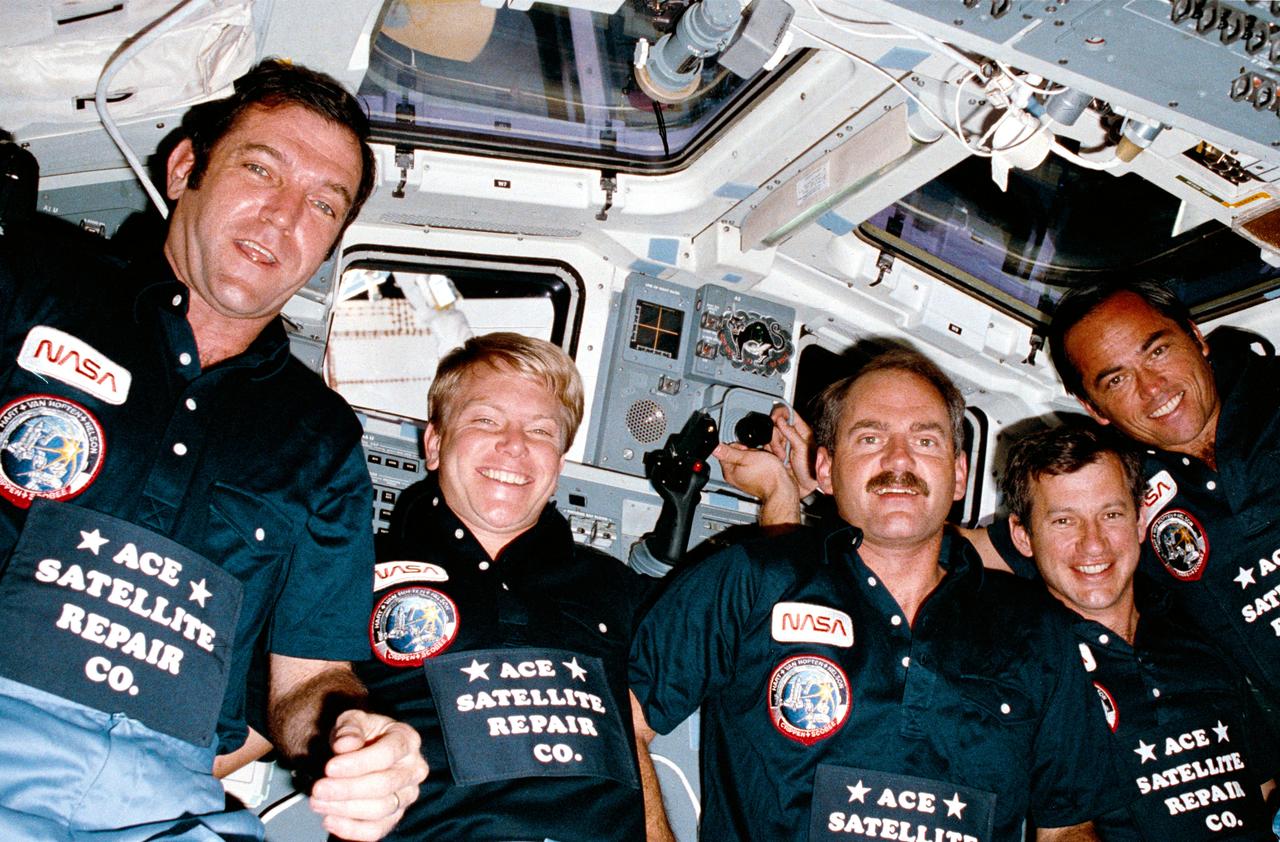
41C-07-262 (6-13 April 1984) --- Automatic exposure on a stationary 35mm camera recorded this "team" photograph of the 41-C astronauts at the aft flight deck of the Earth orbiting Challenger. Astronauts Robert L. Crippen, right, crew commander; and Francis R. (Dick) Scobee, left, pilot, flank the mission specialists--(l-r) George D. Nelson, James D. van Hoften and Terry J. Hart. This picture was among 20 frames of 41-C photography released by NASA on the weekend following the April 13 landing at Edwards Air Force Base and it was used as one of the visuals at the April 24 post-flight press conference. .
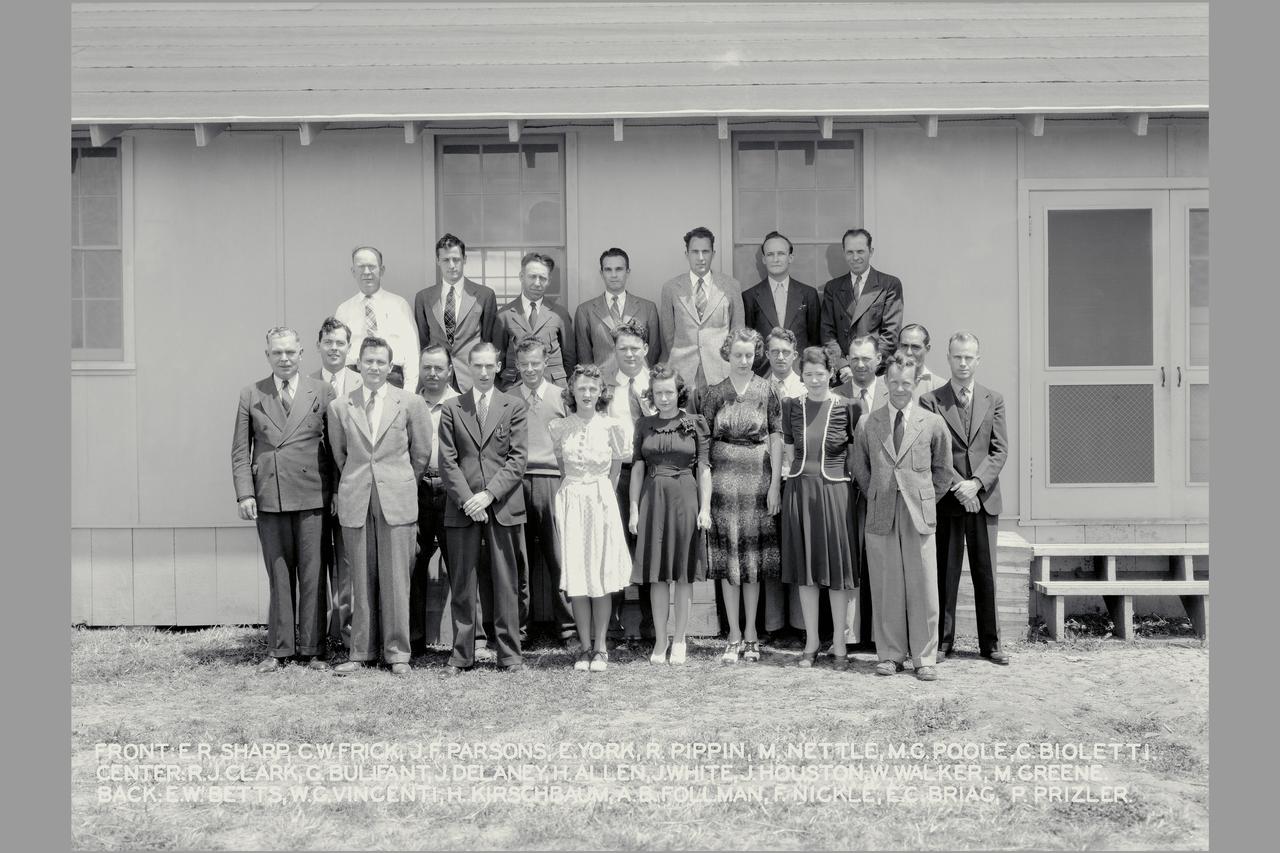
Ames Personnel in front of construction shack FRONT: ER Sharp, CF Frick, JF Parsons, E York, R Pippin, M Nettle, M G Poole, C Bioletti CENTER: R Clark, G Bulifant, J Delaney H. Allen, J. White, H. Houston, W. Walker, M. Green BACK: E. W. Betts. W.G.. Vincenti, H Kirschbaum, A.B. Follman, F. Nickle, E.C.. Briag, P. Prizler
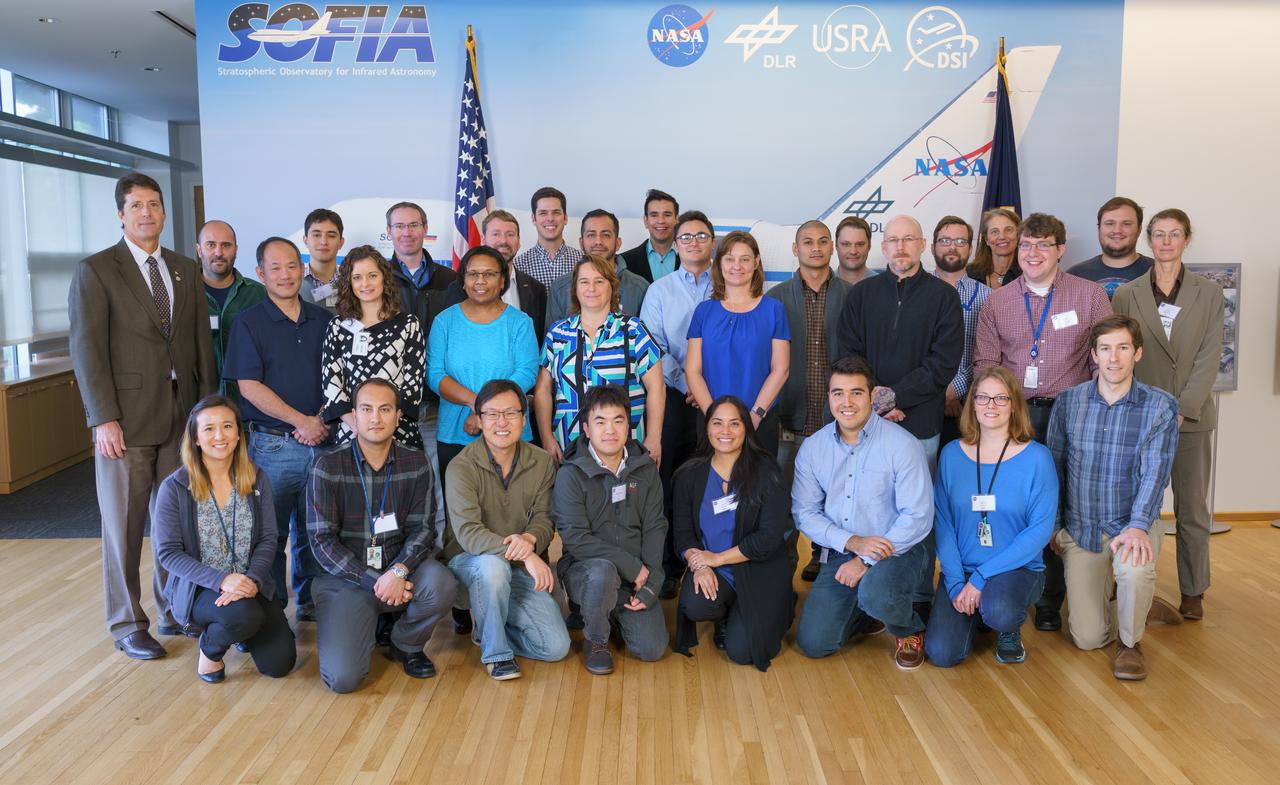
New Employees A Kujaneck, B Baeza, S Cahill, J Carolino, D Chang, E Czech, A Davila, R Everroad, R Fisher, A Ging, J Haglage, B Hooey, K Kwan, C Fung, P Ung-Joon Lee, M Mahzari, L Martin, K McMillin, S Monheim, A Nguyen, B Nikaido, T Perez, V Salazar, K Sato, D Shaw, Irene Smith, Melanie Smith, Lindsay Sturre, E Uribe Jr. with Tom Edwards, Ames Deputy Director.
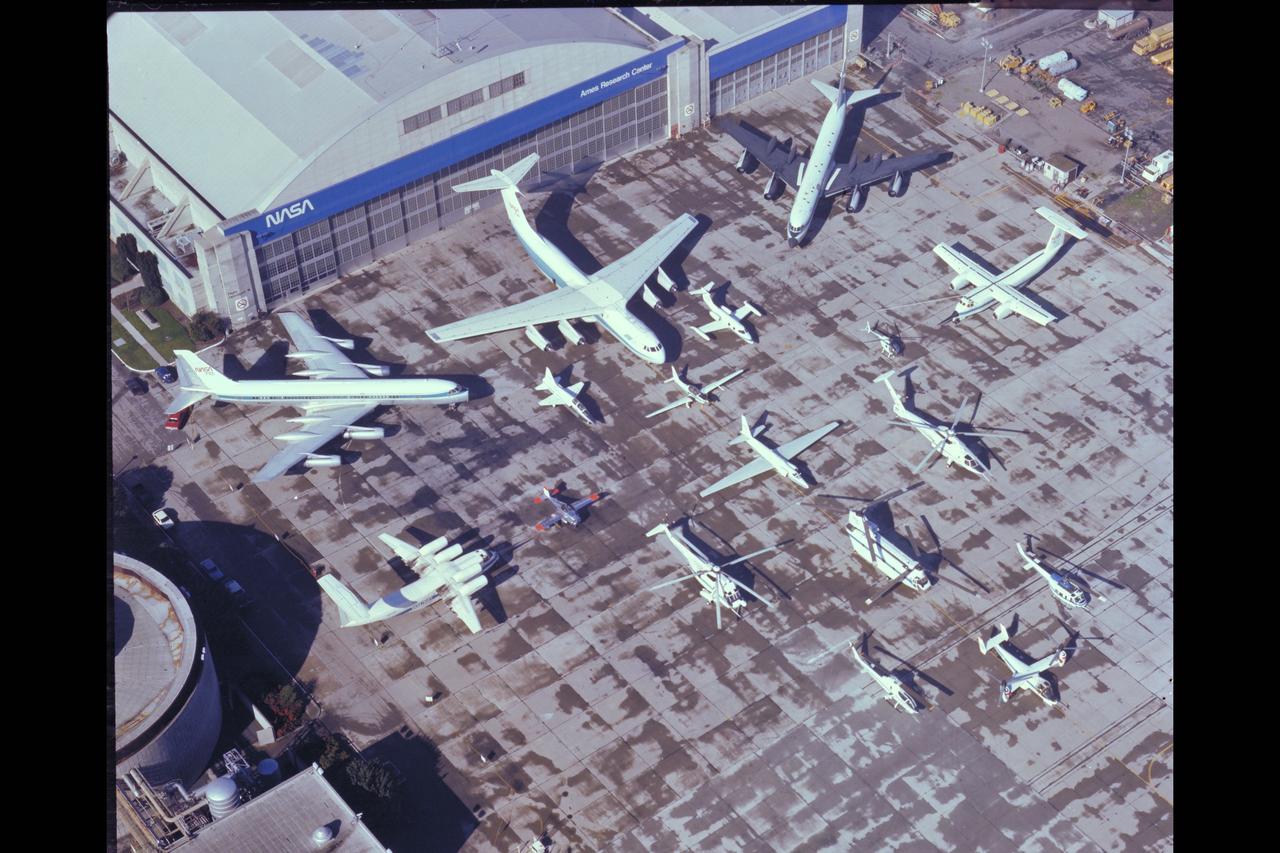
NASA Aircraft on ramp (Aerial view) Sides: (L) QSRA (R) C-8A AWJSRA - Back to Front: CV-990 (711) C-141 KAO, CV-990 (712) Galileo, T-38, YO-3A, Lear Jet, X-14, U-2, OH-6, CH-47, SH-3G, RSRA, AH-1G, XV-15, UH-1H

S82-28456 (19 Feb. 1982) --- Astronauts Jack R. Lousma, left, STS-3 commander, and C. Gordon Fullerton, pilot, are briefed on emergency procedures at Launch Pad 39A by Buck Tomlinson, a safety instructor with Wackenhut Services, Inc. Also pictured is astronaut Daniel C. Brandenstein, STS-8 pilot. The men were at Kennedy Space Center (KSC) for participation in a countdown demonstration test (CDDT). Photo credit: NASA
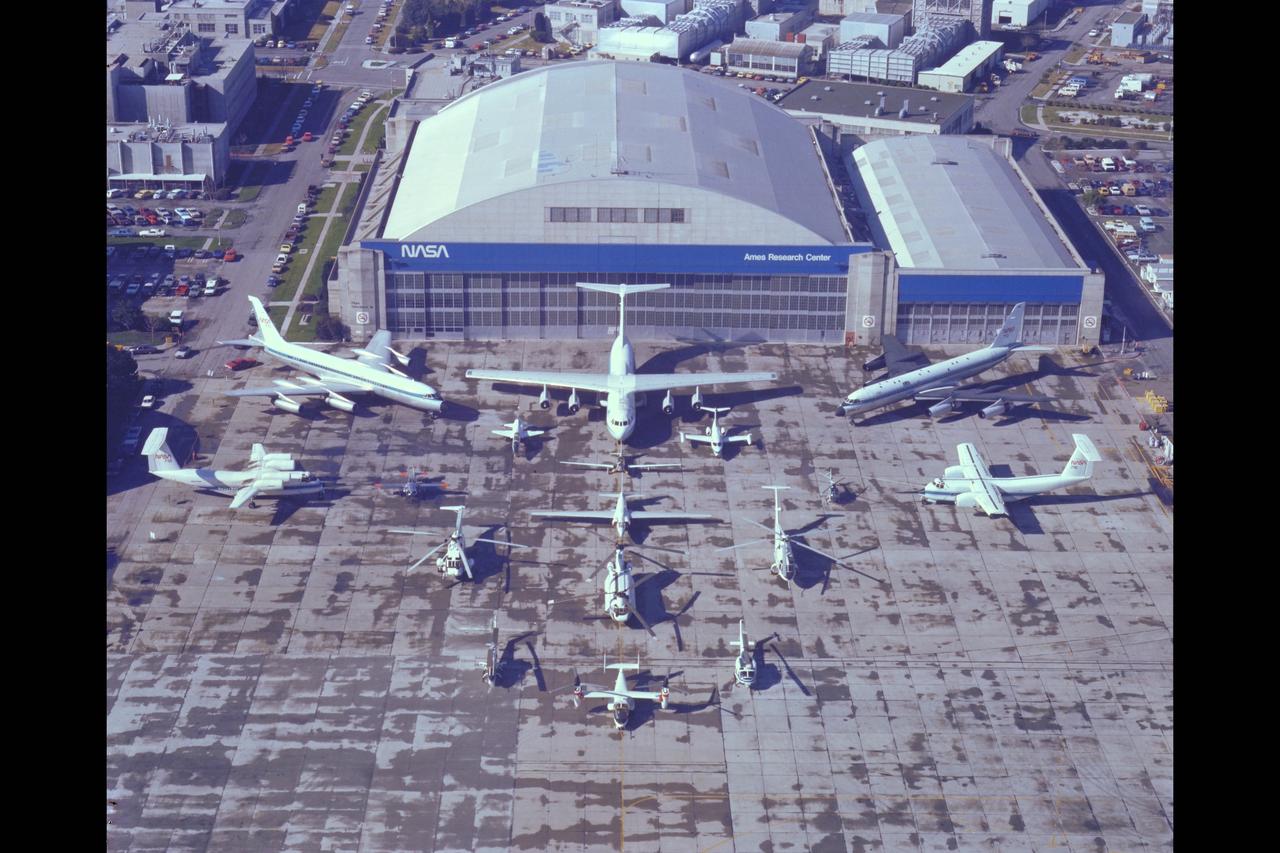
NASA Aircraft on ramp (Aerial view) Sides: (L) QSRA (R) C-8A AWJSRA - Back to Front: CV-990 (711) C-141 KAO, CV-990 (712) Galileo, T-38, YO-3A, Lear Jet, X-14, U-2, OH-6, CH-47, SH-3G, RSRA, AH-1G, XV-15, UH-1H

NASA Astronaut Joe Acaba, center, moderates a panel discussion with NASA's 2013 astronaut candidates, from left, Christina M. Hammock, Andrew R. Morgan, Victor J. Glover, Jessica U. Meir, Tyler N. "Nick" Hague, Josh A. Cassada, Anne C. McClain, and, Nicole Aunapu Mann, at the annual White House State of Science, Technology, Engineering, and Math (SoSTEM) address, Wednesday, Jan. 29, 2014, in the South Court Auditorium in the Eisenhower Executive Office Building on the White House complex in Washington. Photo Credit: (NASA/Bill Ingalls)

A student ask a question to NASA Astronaut Joe Acaba, center, and NASA's 2013 astronaut candidates, from left, Christina M. Hammock, Andrew R. Morgan, Victor J. Glover, Jessica U. Meir, Tyler N. "Nick" Hague, Josh A. Cassada, Anne C. McClain, and, Nicole Aunapu Mann, at the annual White House State of Science, Technology, Engineering, and Math (SoSTEM) address, Wednesday, Jan. 29, 2014, in the South Court Auditorium in the Eisenhower Executive Office Building on the White House complex in Washington. Photo Credit: (NASA/Bill Ingalls)

NASA Astronaut Joe Acaba, center, moderates a panel discussion with NASA's 2013 astronaut candidates, from left, Christina M. Hammock, Andrew R. Morgan, Victor J. Glover, Jessica U. Meir, Tyler N. "Nick" Hague, Josh A. Cassada, Anne C. McClain, and, Nicole Aunapu Mann, at the annual White House State of Science, Technology, Engineering, and Math (SoSTEM) address, Wednesday, Jan. 29, 2014, in the South Court Auditorium in the Eisenhower Executive Office Building on the White House complex in Washington. Photo Credit: (NASA/Bill Ingalls)

Dr. John P. Holdren, Assistant to the President for Science and Technology and Director of the White House Office of Science & Technology Policy, center, poses for a group photograph with NASA's 2013 astronaut candidates, from left, Josh A. Cassada, Nicole Aunapu Mann, Jessica U. Meir, Tyler N. "Nick" Hague, Holdren, Victor J. Glover, Christina M. Hammock, Andrew R. Morgan, and, Anne C. McClain at the annual White House State of Science, Technology, Engineering, and Math (SoSTEM) address, Wednesday, Jan. 29, 2014, in the South Court Auditorium in the Eisenhower Executive Office Building on the White House complex in Washington. Photo Credit: (NASA/Bill Ingalls)

NASA Astronaut Joe Acaba, center, moderates a panel discussion with NASA's 2013 astronaut candidates, from left, Christina M. Hammock, Andrew R. Morgan, Victor J. Glover, Jessica U. Meir, Tyler N. "Nick" Hague, Josh A. Cassada, Anne C. McClain, and, Nicole Aunapu Mann, at the annual White House State of Science, Technology, Engineering, and Math (SoSTEM) address, Wednesday, Jan. 29, 2014, in the South Court Auditorium in the Eisenhower Executive Office Building on the White House complex in Washington. Photo Credit: (NASA/Bill Ingalls)
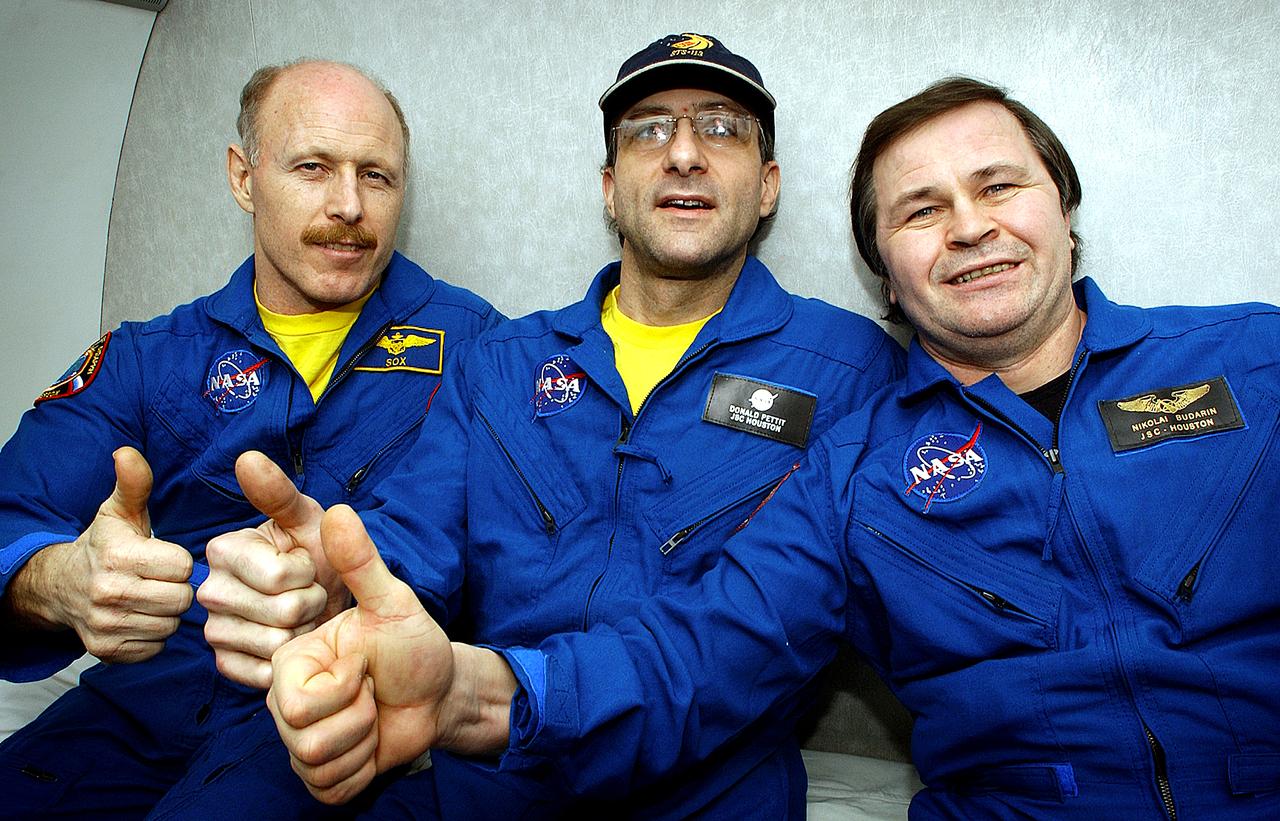
May 4, 2003. Expedition Six Commander Ken Bowersox (L), NASA ISS Science Officer Don Pettit (C) and Flight Engineer Nikolai Budarin (R) celebrate their mission onboard an aircraft flight from Kazakhstan to Moscow. Photo Credit: "NASA/Bill Ingalls"
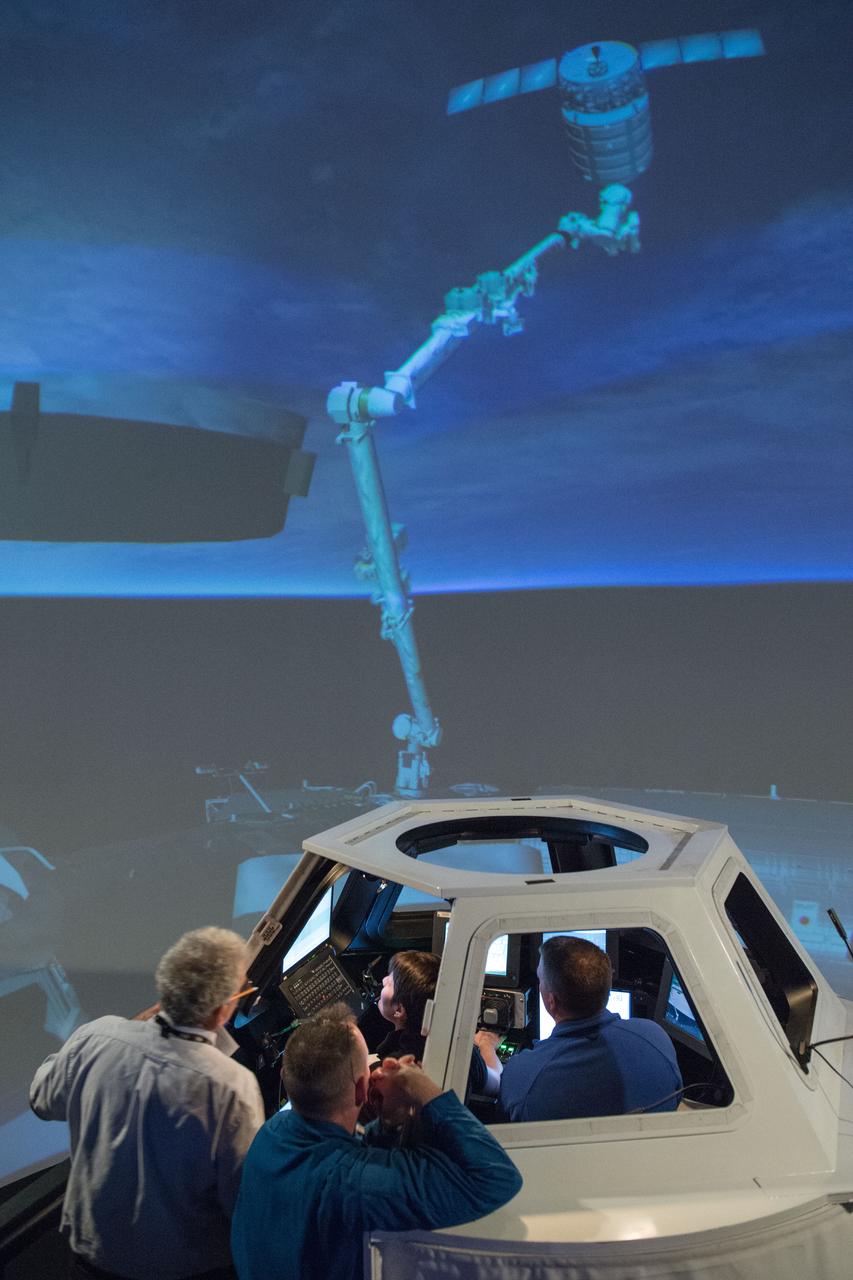
DATE: 10-25-13 LOCATION: Bldg 16, Rm 1040 SUBJECT: Expedition 42/43 crew members Samantha Cristoforetti, Barry Wilmore, Terry Virts during FF T&C/R Mini Sim 1 in the SES Alpha Cupola trainer. PHOTOGRAPHER: Lauren Harnett

S66-20017 (3 Feb. 1966) --- Astronaut David R. Scott holds maneuvering unit while suspended in a weightless state during extravehicular activity (EVA) training in a C-135 Air Force plane. Photo credit: NASA
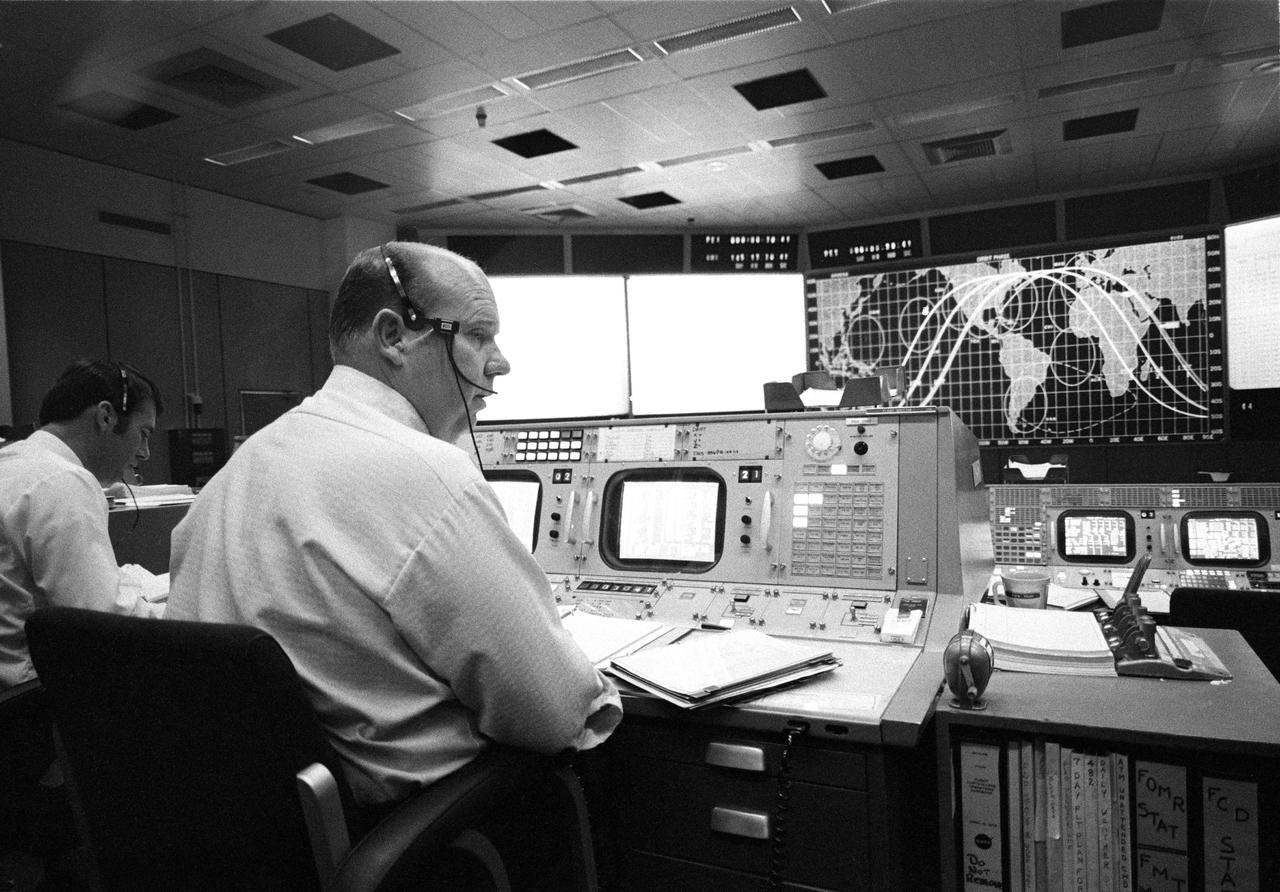
S73-26795 (25 May 1973) --- Flight directors Donald R. Puddy (left background) and Philip C. Shaffer are seated at the flight director's console in the Mission Operations Control Room in the Mission Control Center at JSC during Skylab 2 launch activity. Photo credit: NASA
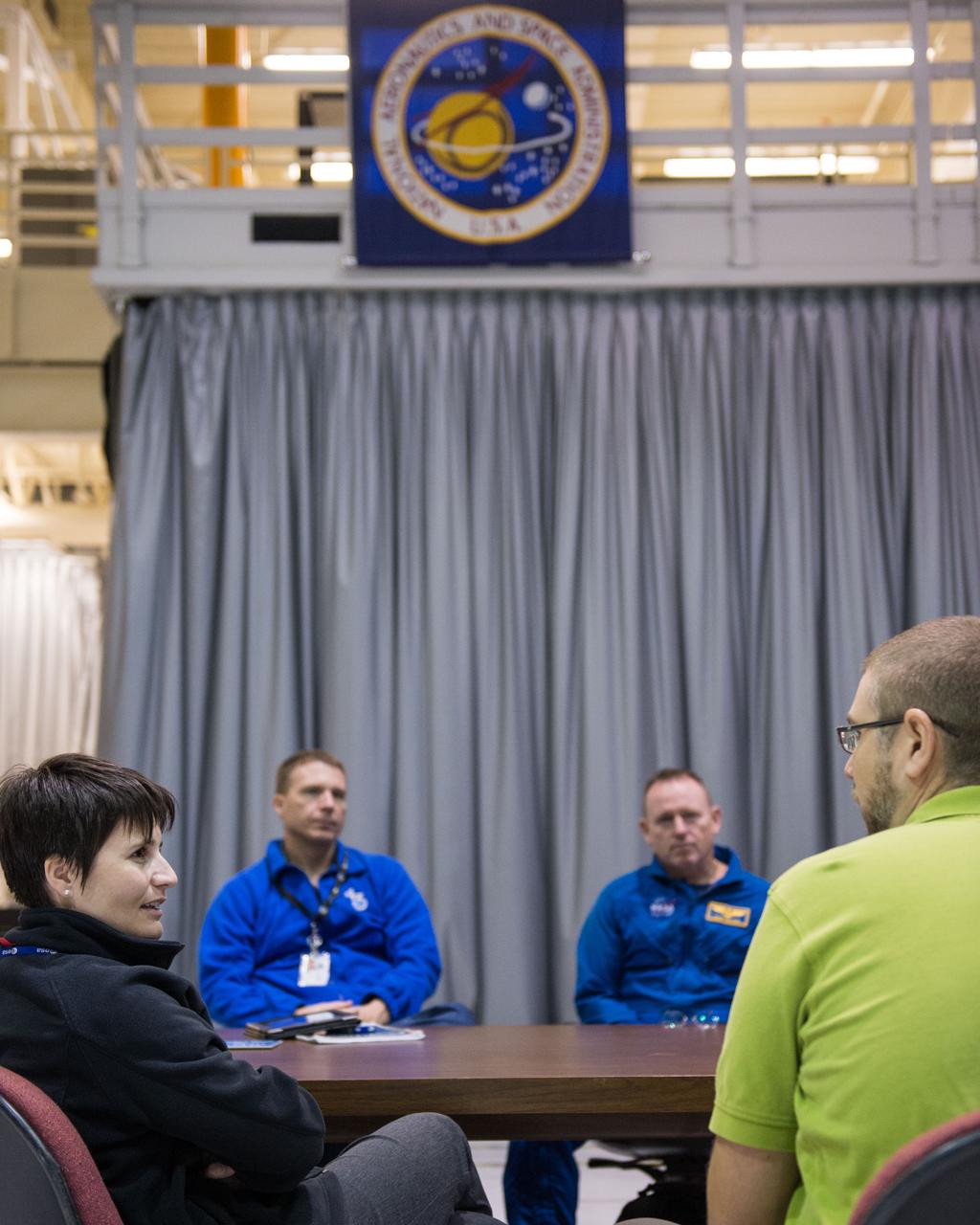
DATE: 10-25-13 LOCATION: Bldg 16, Rm 1040 SUBJECT: Expedition 42/43 crew members Samantha Cristoforetti, Barry Wilmore, Terry Virts during FF T&C/R Mini Sim 1 in the SES Alpha Cupola trainer. PHOTOGRAPHER: Lauren Harnett
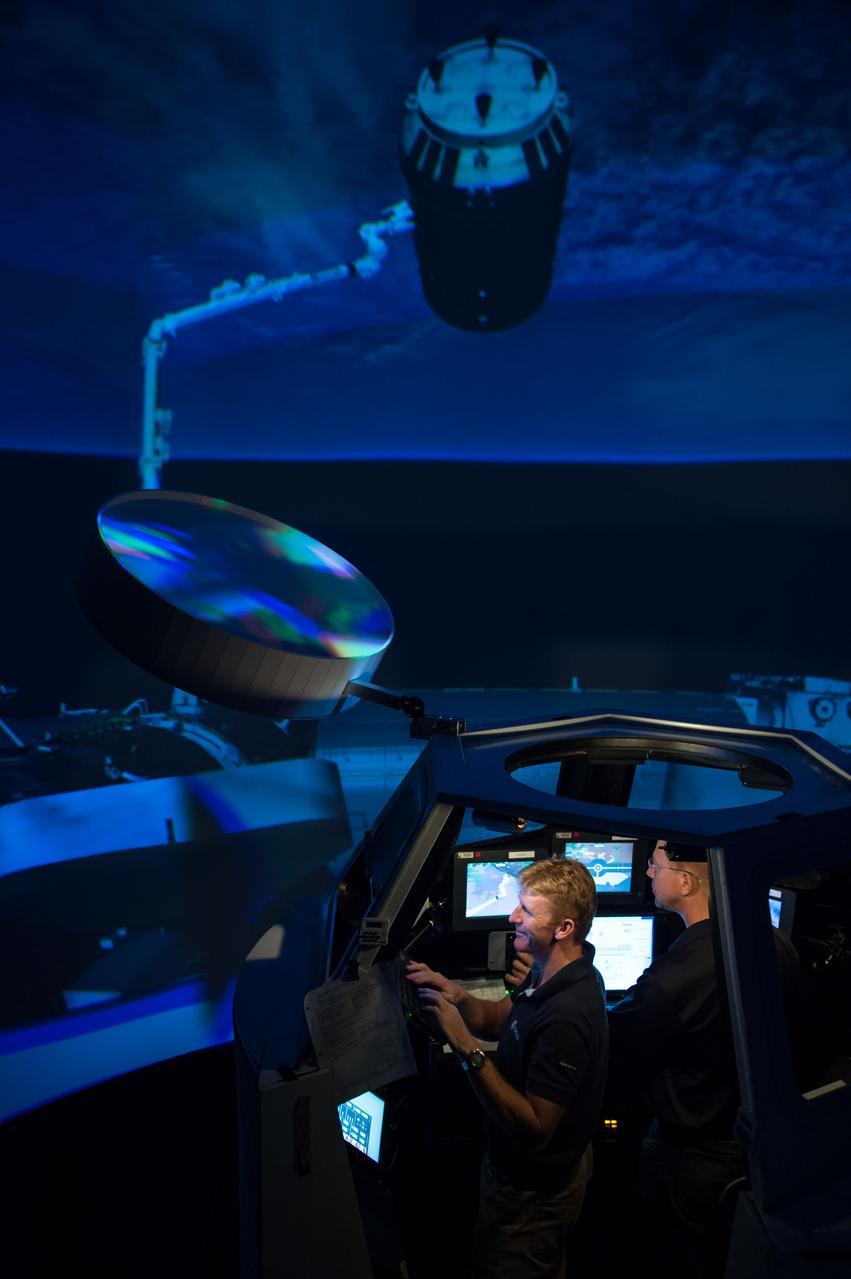
DATE: 5-16-14. LOCATION: Bldg. 16N, Room 1040. SUBJECT: Expedition 47 (Soyuz 45) crew members Tim Kopra and Timothy Peake during FF T&C/R ADV2 training in the SES Alpha Cupola. PHOTOGRAPHER: Lauren Harnett
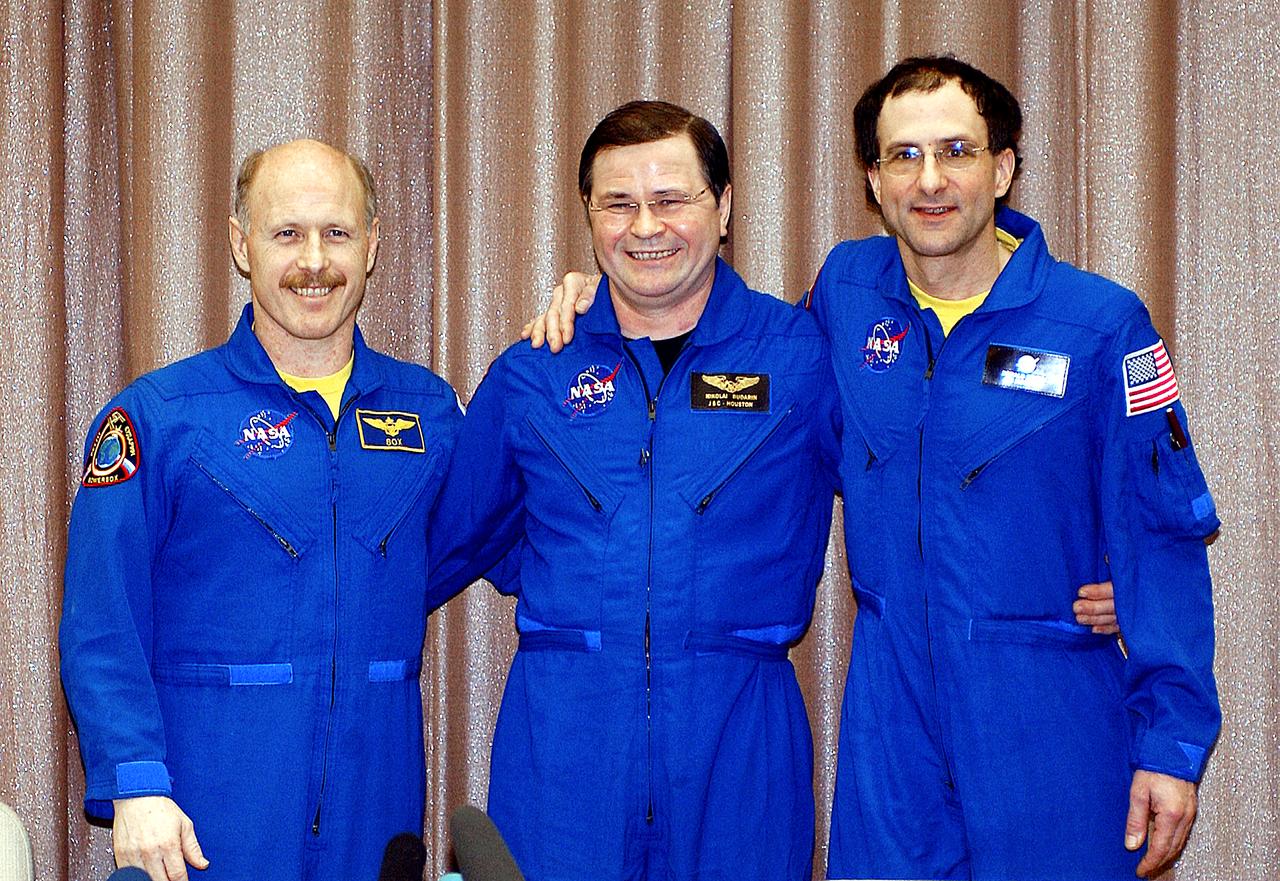
May 6, 2003. Star City, Russia. Expedition Six Flight Engineer Nikolai Budarin (L), Commander Ken Bowersox (C), and NASA ISS Science Officer Don Pettit (R) pose for photos at a Press Conference at the Gagarin Cosmonaut Training Center in Star City, Russia. Photo Credit: "NASA/Bill Ingalls"

Four STS 51-G crewmembers huddle in a corner of the Discovery's middeck area. Daniel C. Brandenstein, mission commander, assists Steven R. Nagel with the treadmill device while John O. Creighton and Shannon W. Lucid look on.
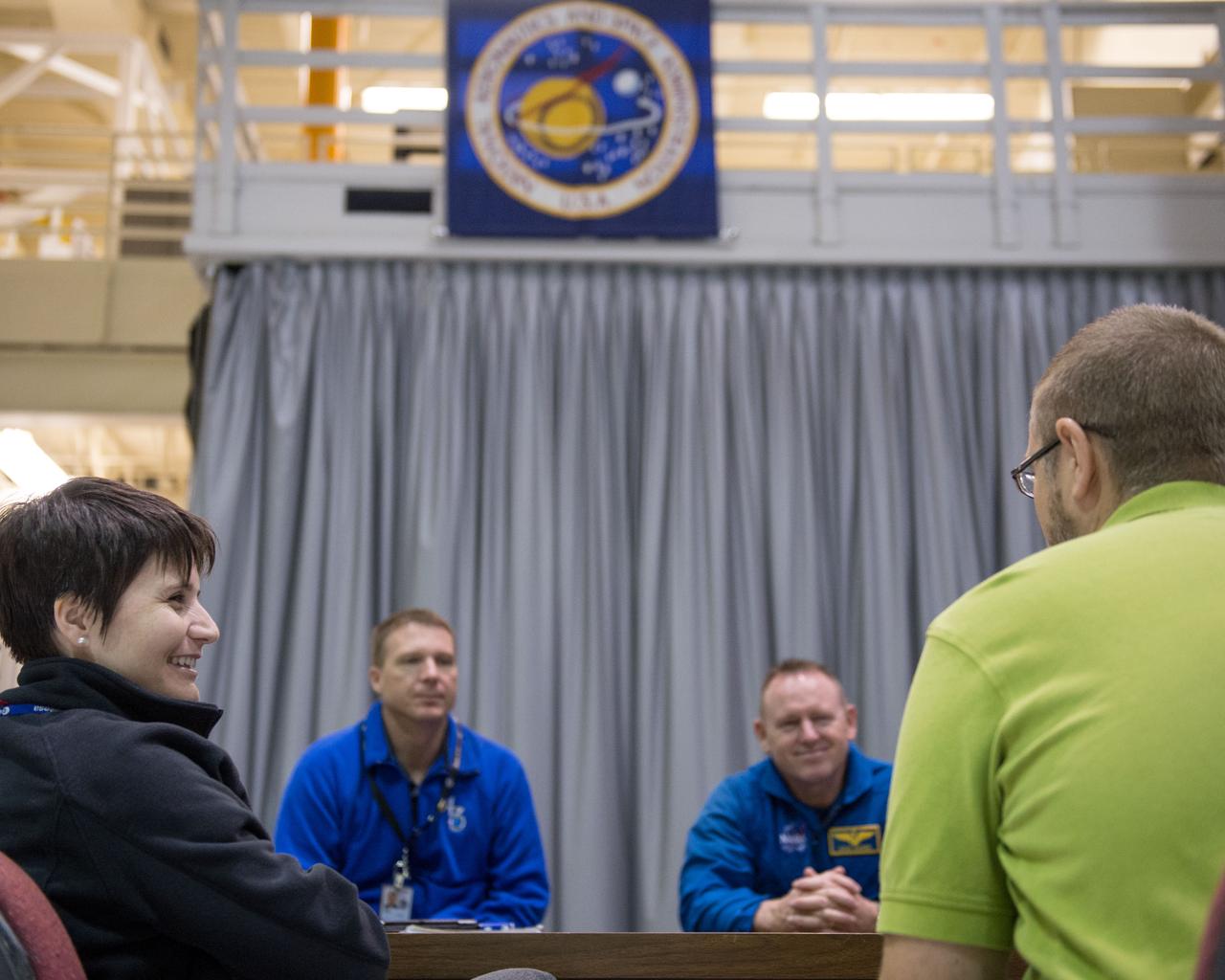
DATE: 10-25-13 LOCATION: Bldg 16, Rm 1040 SUBJECT: Expedition 42/43 crew members Samantha Cristoforetti, Barry Wilmore, Terry Virts during FF T&C/R Mini Sim 1 in the SES Alpha Cupola trainer. PHOTOGRAPHER: Lauren Harnett
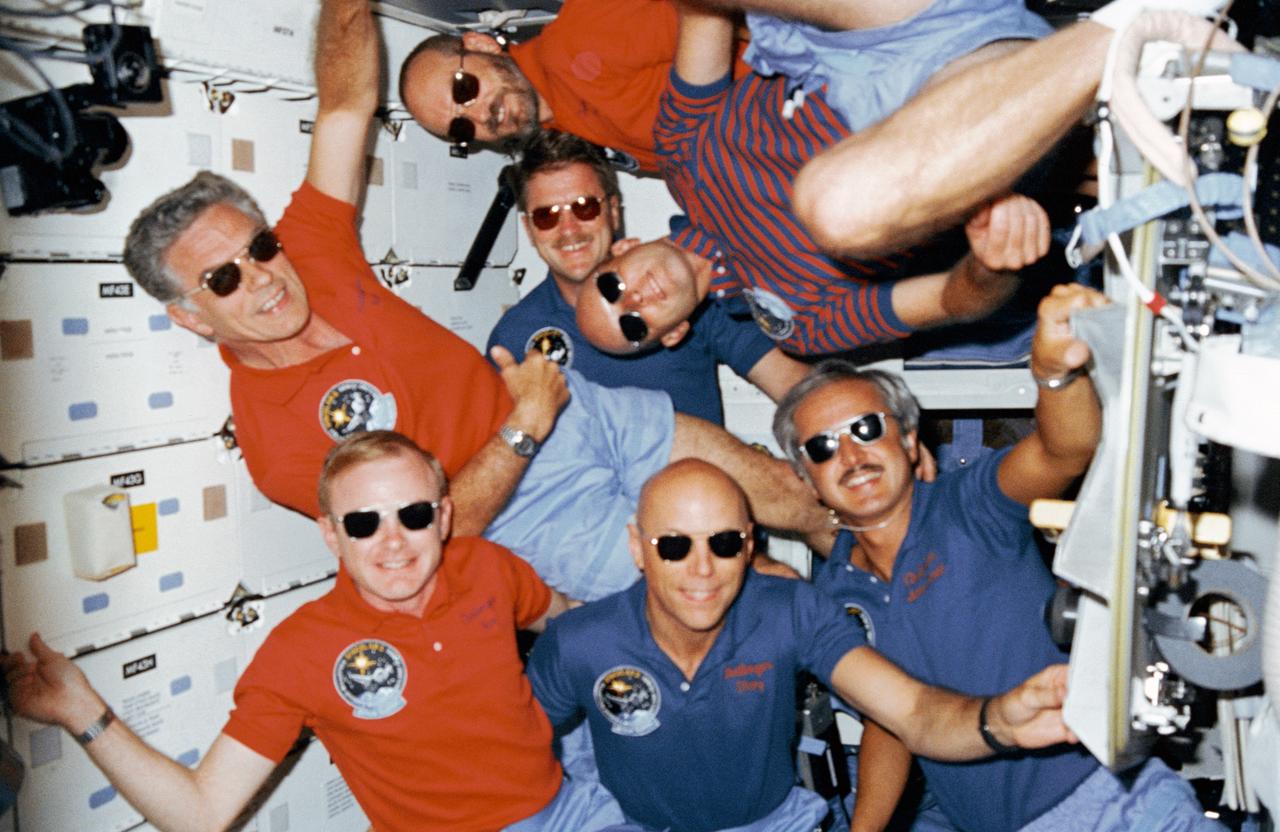
51F-06-017 (29 July-6 Aug. 1985) --- Crew portrait with sunglasses. C. Gordon Fullerton's head is at center. Others (bottom, l.-r.) are Roy D. Bridges, F. Story Musgrave and John David Bartoe; and (top) Karl J. Henize, Loren W. Acton and Anthony W. England.
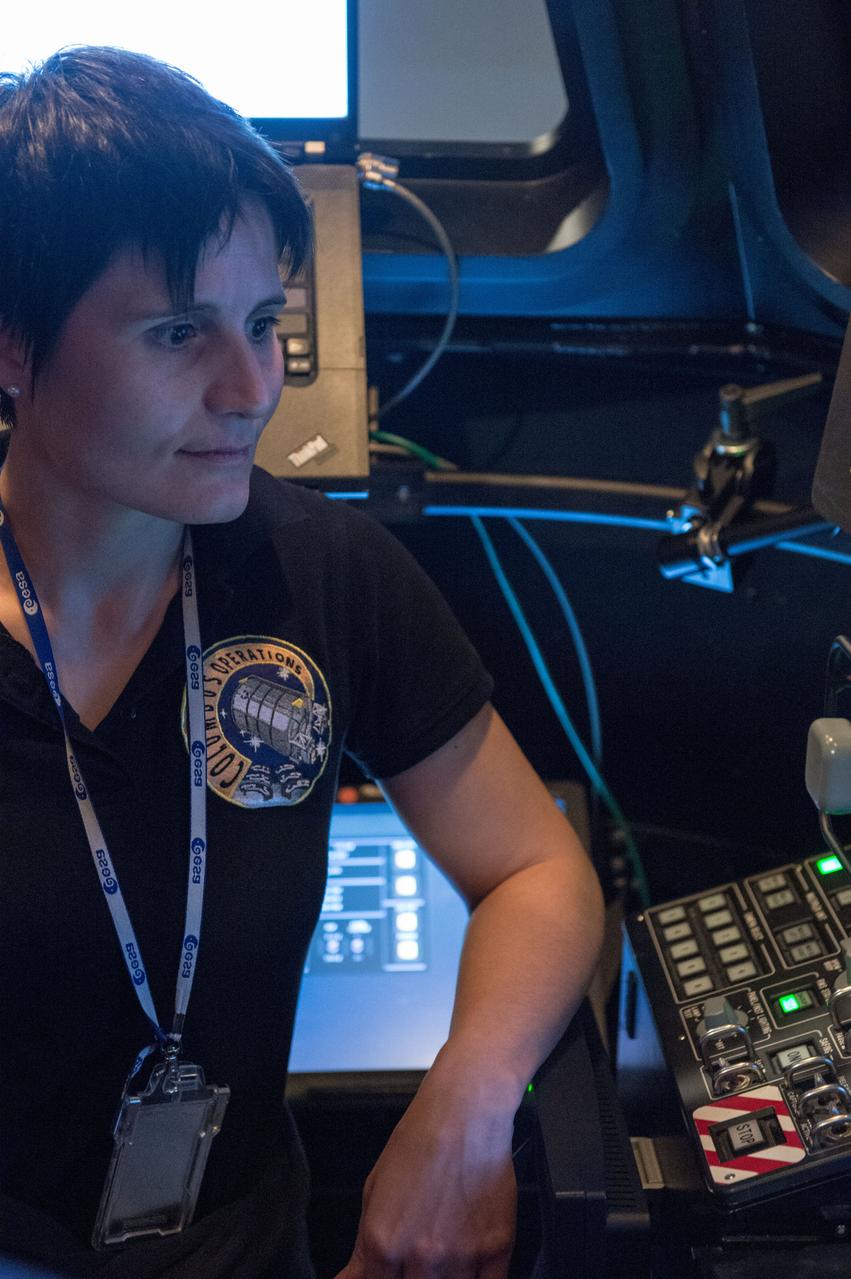
DATE: 10-25-13 LOCATION: Bldg 16, Rm 1040 SUBJECT: Expedition 42/43 crew members Samantha Cristoforetti, Barry Wilmore, Terry Virts during FF T&C/R Mini Sim 1 in the SES Alpha Cupola trainer. PHOTOGRAPHER: Lauren Harnett
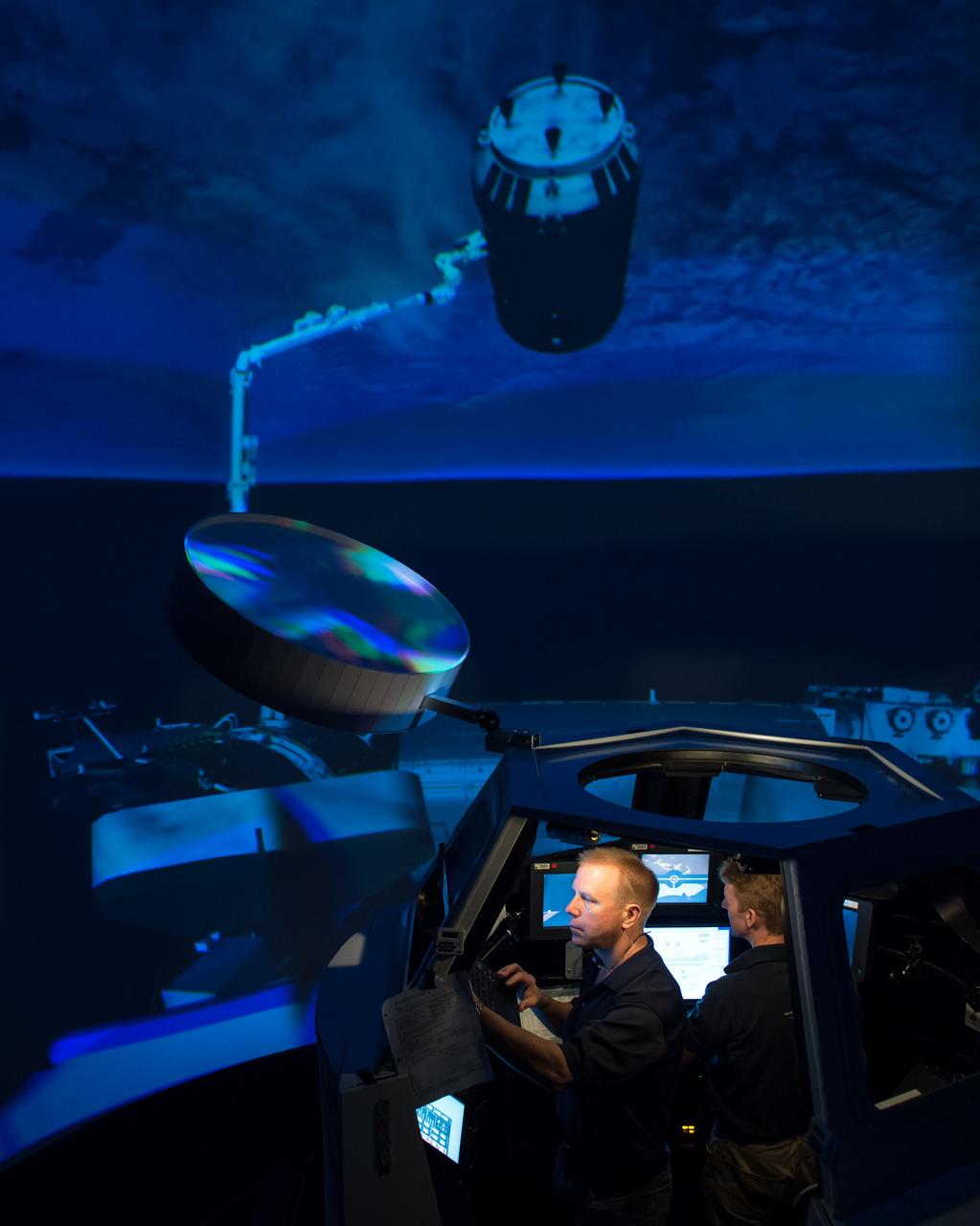
DATE: 5-16-14. LOCATION: Bldg. 16N, Room 1040. SUBJECT: Expedition 47 (Soyuz 45) crew members Tim Kopra and Timothy Peake during FF T&C/R ADV2 training in the SES Alpha Cupola. PHOTOGRAPHER: Lauren Harnett
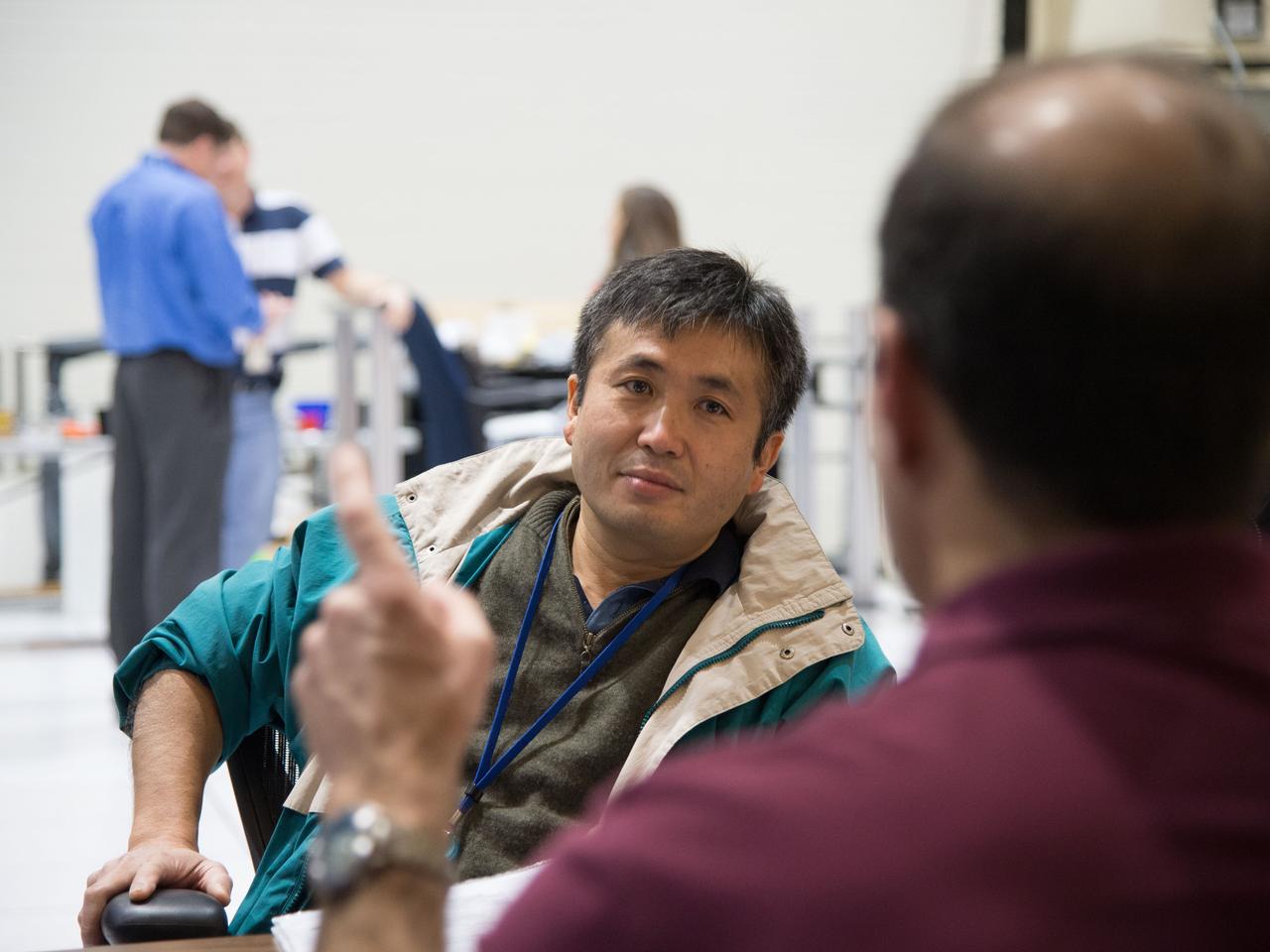
Date: 01-18-13 Location: Bldg 16, SES Dome Subject: Expedition 39 (Soyuz 37) crew members Rick Mastracchio and Koichi Wakata during FF T&C/R MINI SIM 2 training in the building 16 dome with instructor Jeffery "Tux" Tuxhorn. Photogapher: James Blair
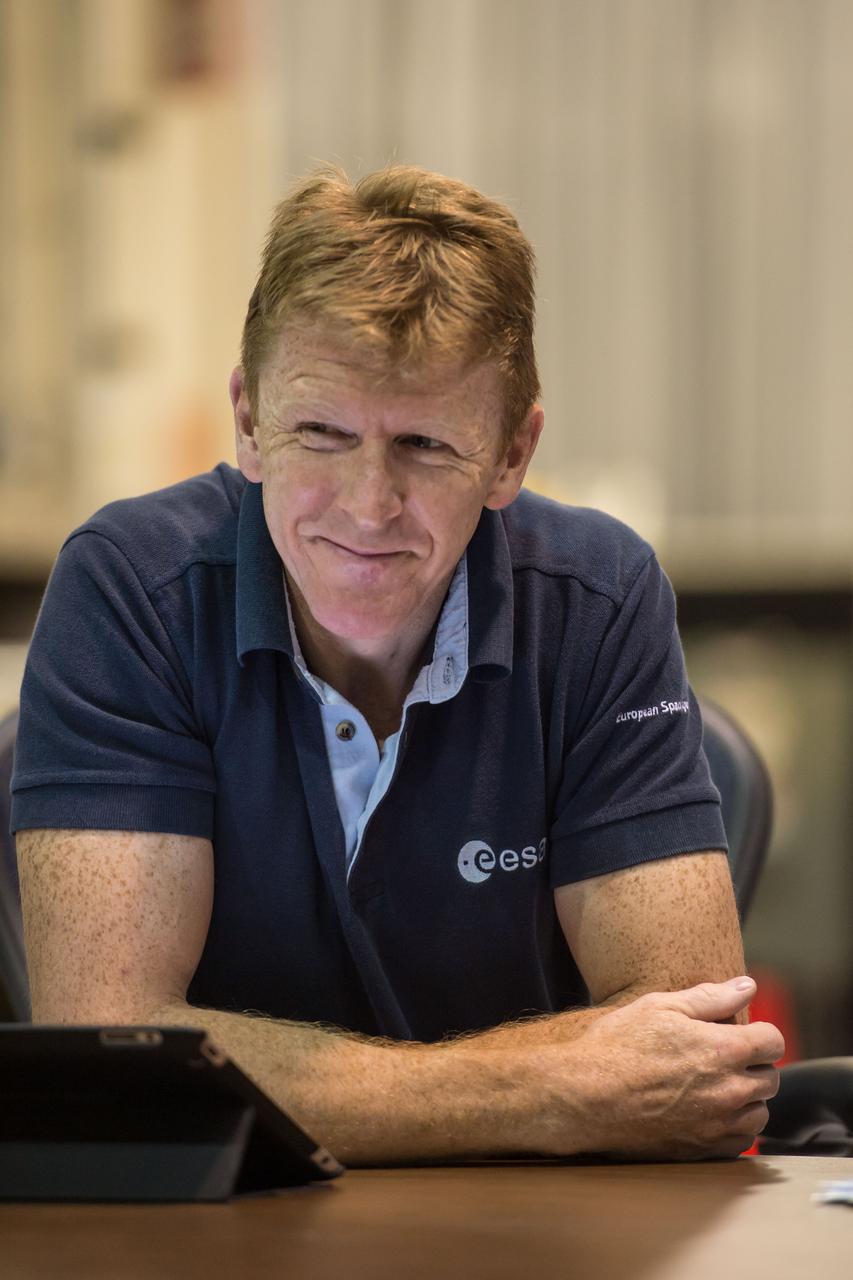
DATE: 5-16-14. LOCATION: Bldg. 16N, Room 1040. SUBJECT: Expedition 47 (Soyuz 45) crew members Tim Kopra and Timothy Peake during FF T&C/R ADV2 training in the SES Alpha Cupola. PHOTOGRAPHER: Lauren Harnett
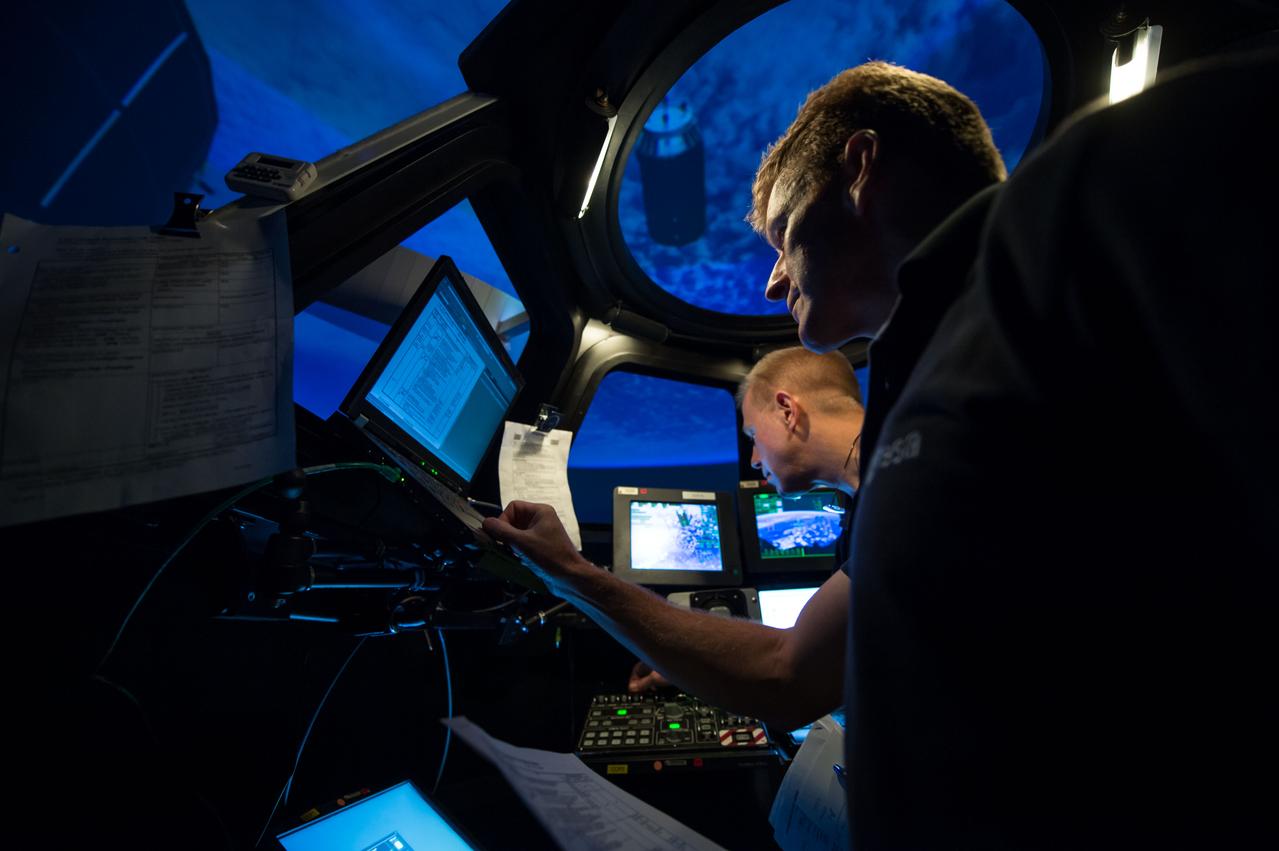
DATE: 5-16-14. LOCATION: Bldg. 16N, Room 1040. SUBJECT: Expedition 47 (Soyuz 45) crew members Tim Kopra and Timothy Peake during FF T&C/R ADV2 training in the SES Alpha Cupola. PHOTOGRAPHER: Lauren Harnett
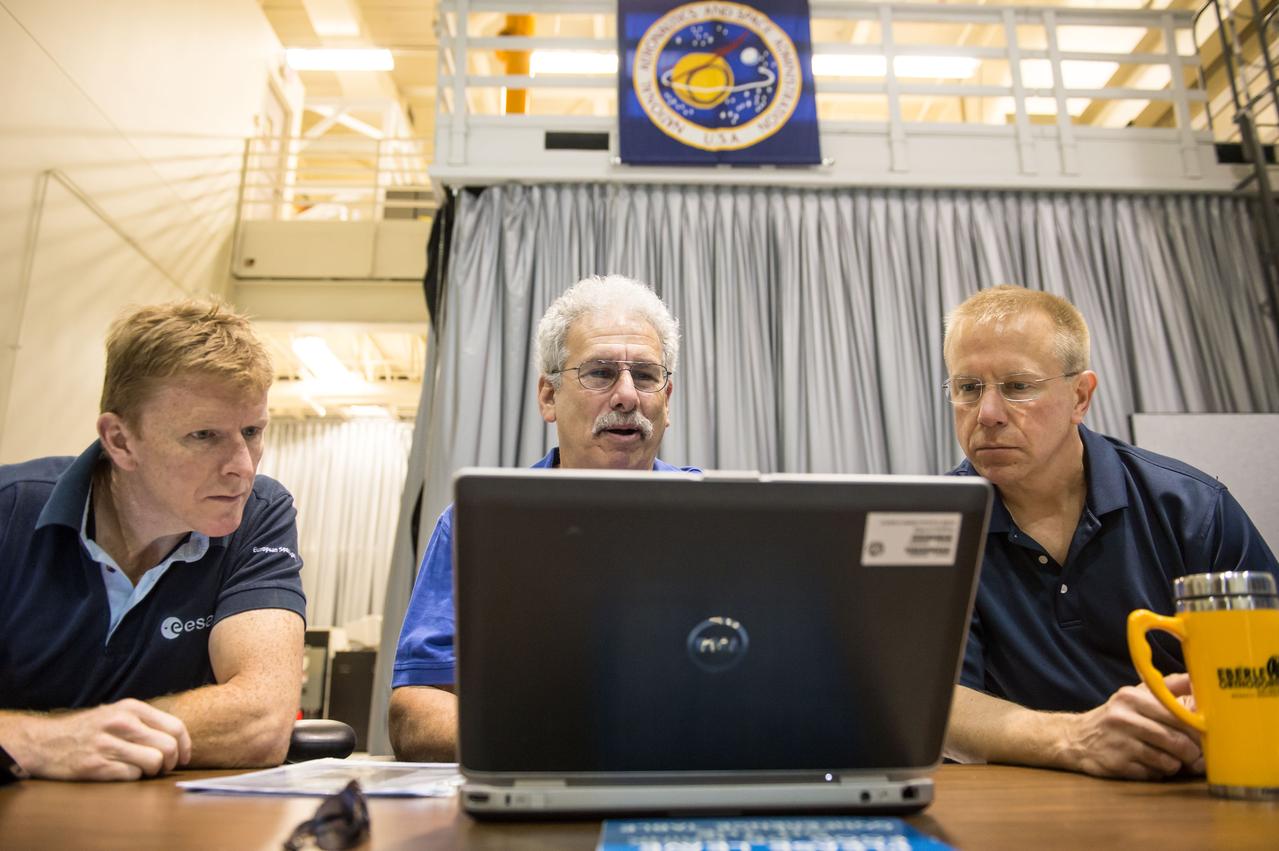
DATE: 5-16-14. LOCATION: Bldg. 16N, Room 1040. SUBJECT: Expedition 47 (Soyuz 45) crew members Tim Kopra and Timothy Peake during FF T&C/R ADV2 training in the SES Alpha Cupola. PHOTOGRAPHER: Lauren Harnett
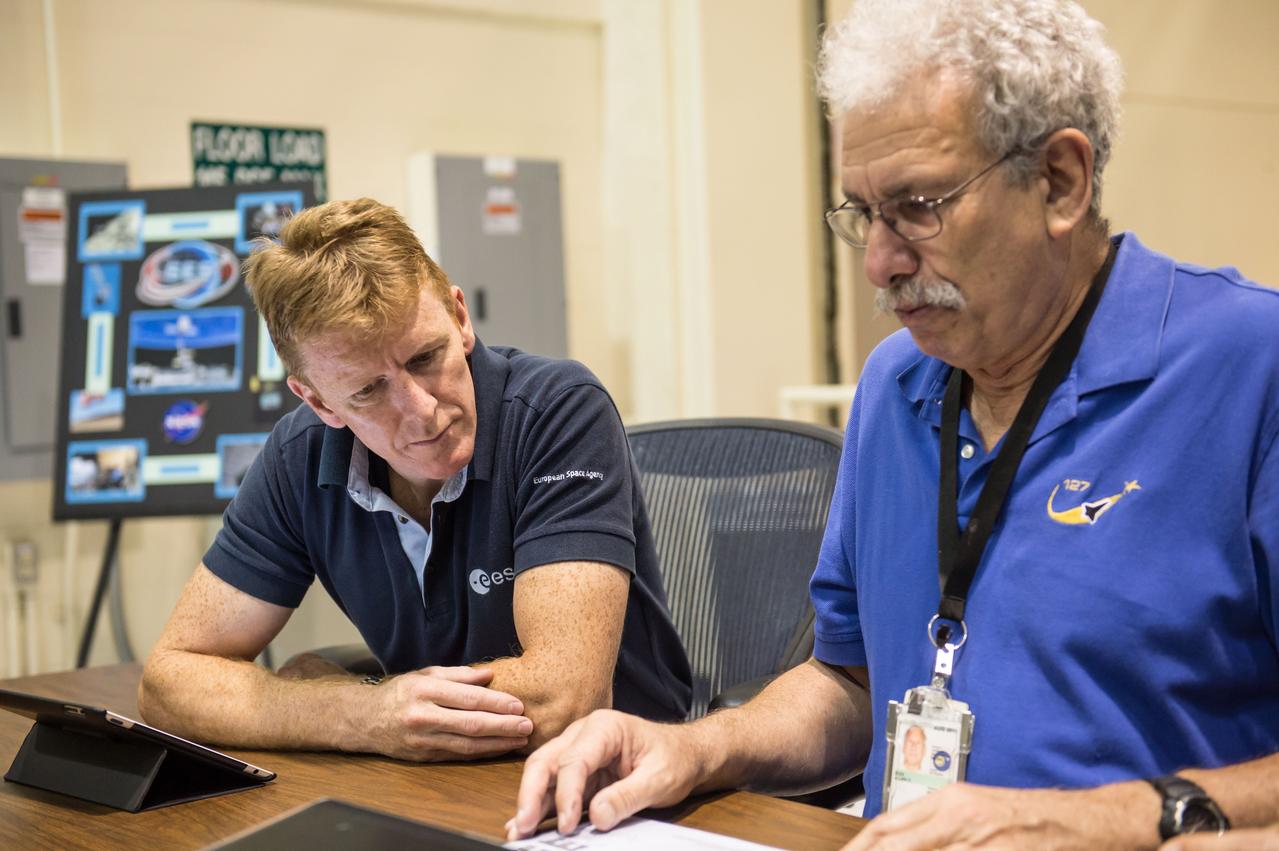
DATE: 5-16-14. LOCATION: Bldg. 16N, Room 1040. SUBJECT: Expedition 47 (Soyuz 45) crew members Tim Kopra and Timothy Peake during FF T&C/R ADV2 training in the SES Alpha Cupola. PHOTOGRAPHER: Lauren Harnett
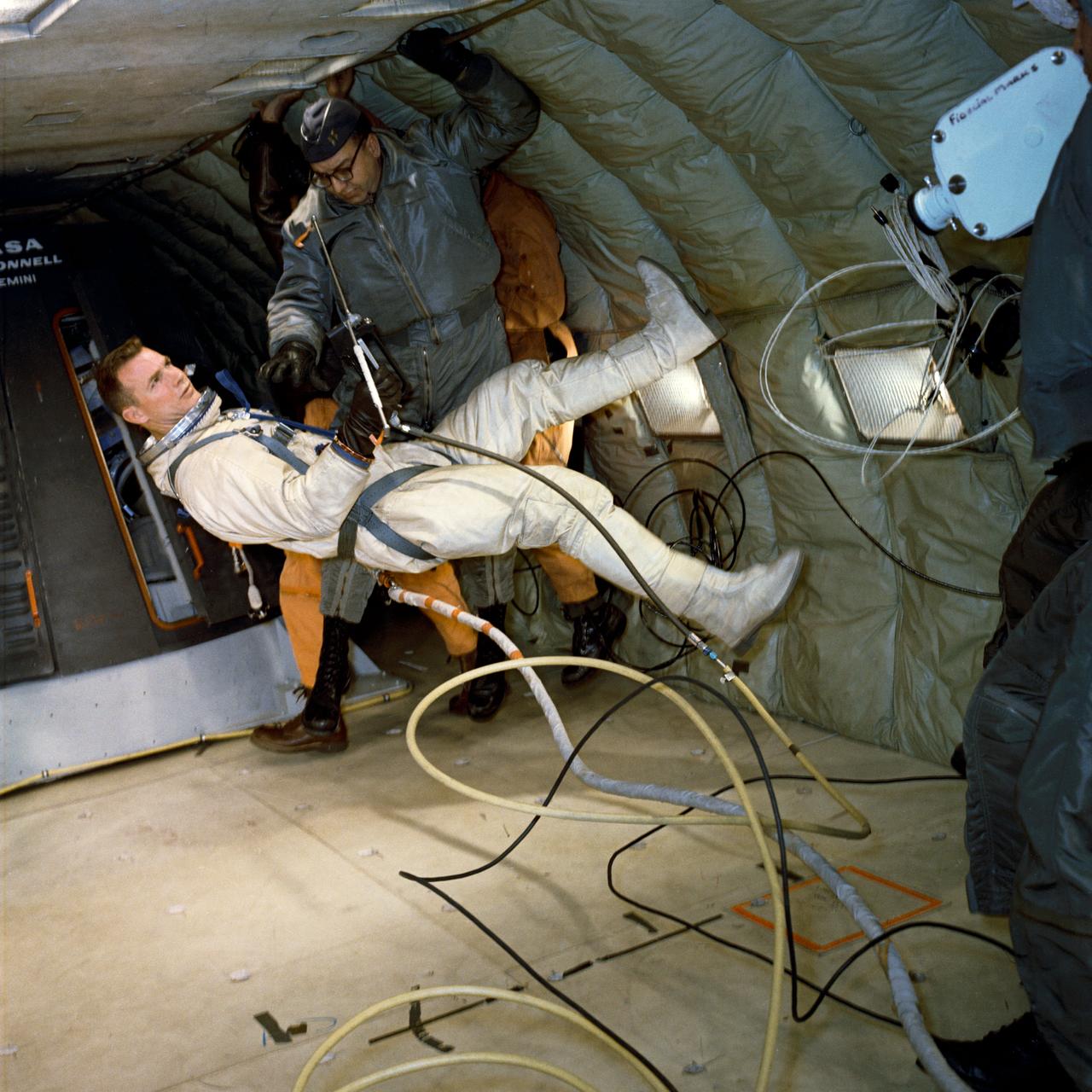
S66-20016 (3 Feb. 1966) --- Astronaut David R. Scott holds maneuvering unit while suspended in a weightless state during extravehicular activity (EVA) training in a C-135 Air Force plane. Photo credit: NASA
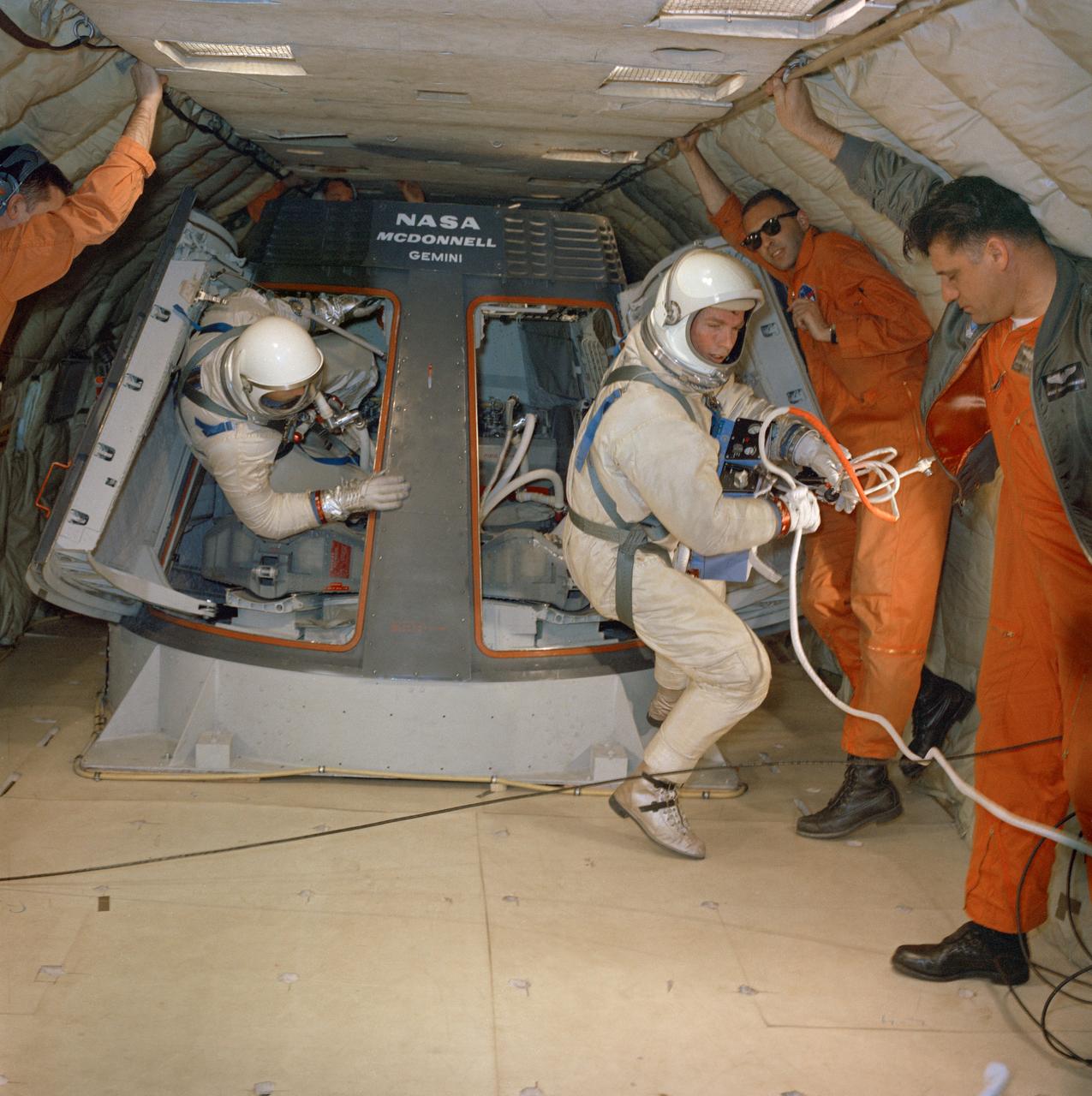
S66-21409 (18 Feb. 1966) --- Astronaut David R. Scott, in full spacesuit, holds maneuvering unit while suspended in a weightless state during extravehicular activity (EVA) training in a C-135 Air Force plane. Photo credit: NASA
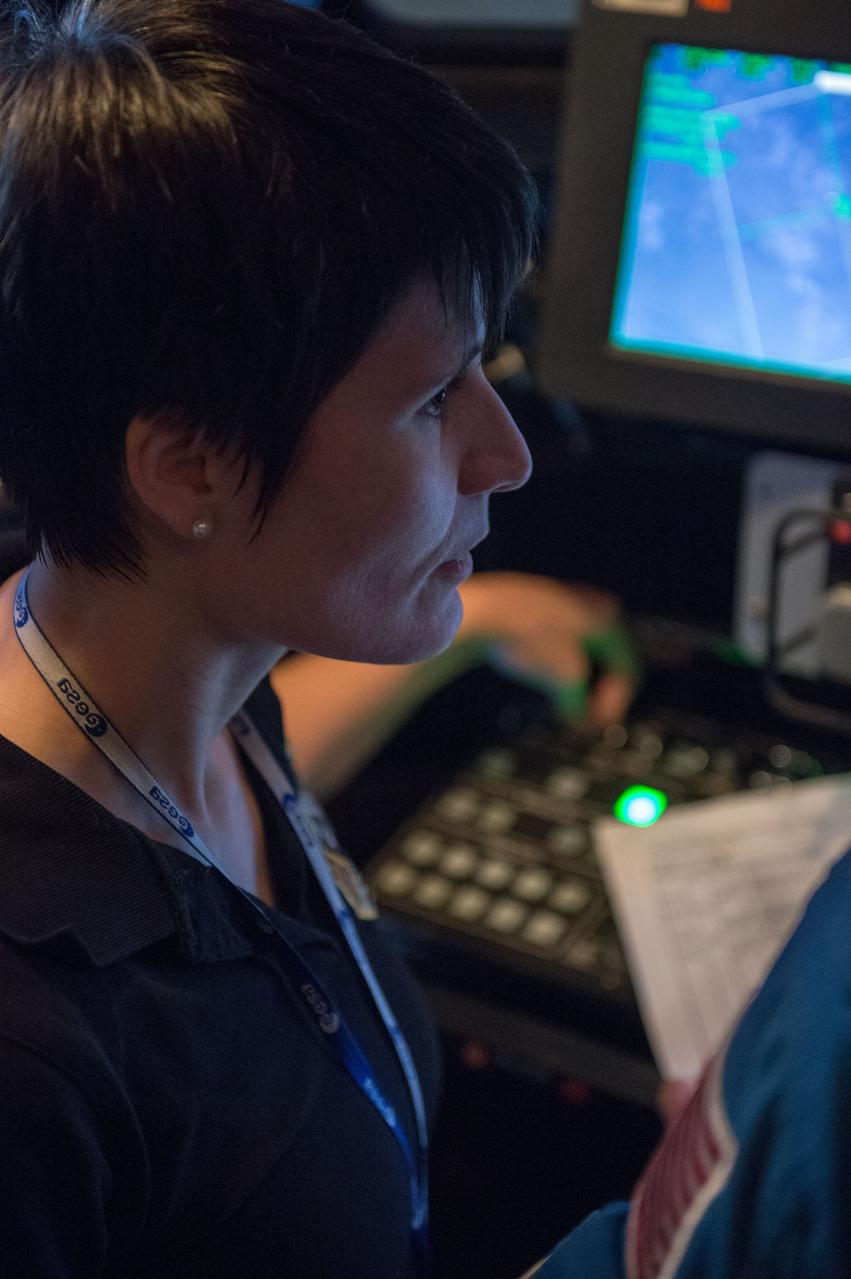
DATE: 10-25-13 LOCATION: Bldg 16, Rm 1040 SUBJECT: Expedition 42/43 crew members Samantha Cristoforetti, Barry Wilmore, Terry Virts during FF T&C/R Mini Sim 1 in the SES Alpha Cupola trainer. PHOTOGRAPHER: Lauren Harnett
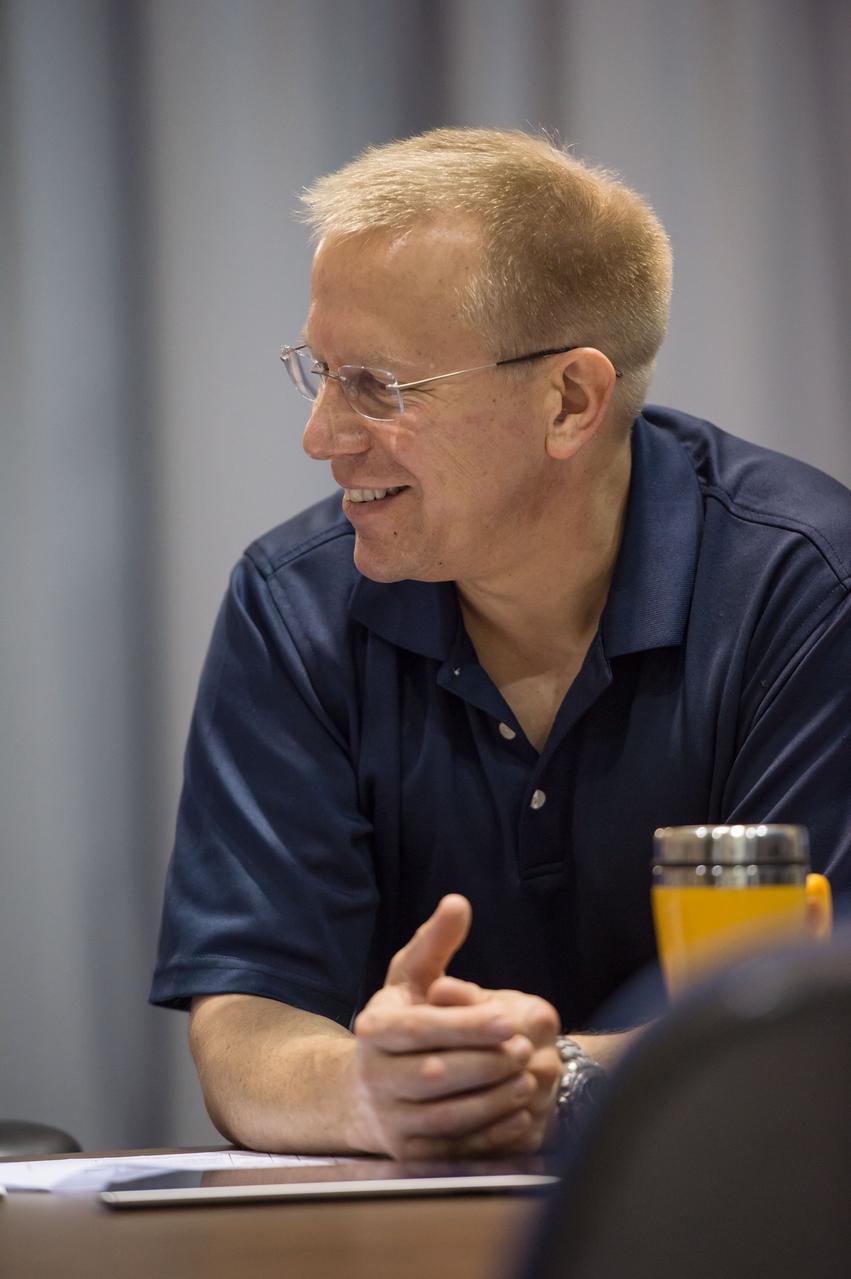
DATE: 5-16-14. LOCATION: Bldg. 16N, Room 1040. SUBJECT: Expedition 47 (Soyuz 45) crew members Tim Kopra and Timothy Peake during FF T&C/R ADV2 training in the SES Alpha Cupola. PHOTOGRAPHER: Lauren Harnett
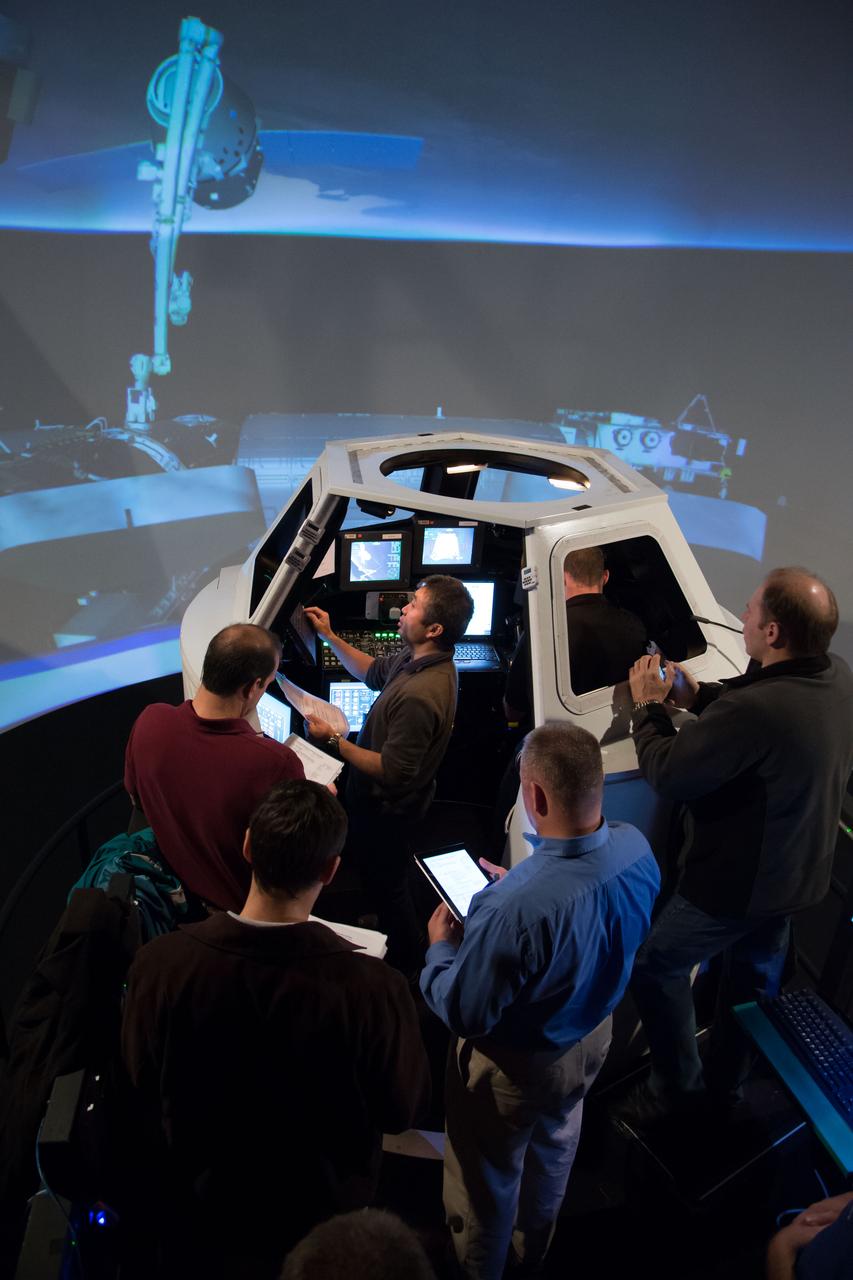
Date: 01-18-13 Location: Bldg 16, SES Dome Subject: Expedition 39 (Soyuz 37) crew members Rick Mastracchio and Koichi Wakata during FF T&C/R MINI SIM 2 training in the building 16 dome with instructor Jeffery "Tux" Tuxhorn. Photogapher: James Blair

May 6, 2003. Star City, Russia. Expedition Six Flight Engineer Nikolai Budarin (L), Commander Ken Bowersox (C), and NASA ISS Science Officer Don Pettit (R) pose for photos at a Press Conference at the Gagarin Cosmonaut Training Center in Star City, Russia. Photo Credit: "NASA/Bill Ingalls"
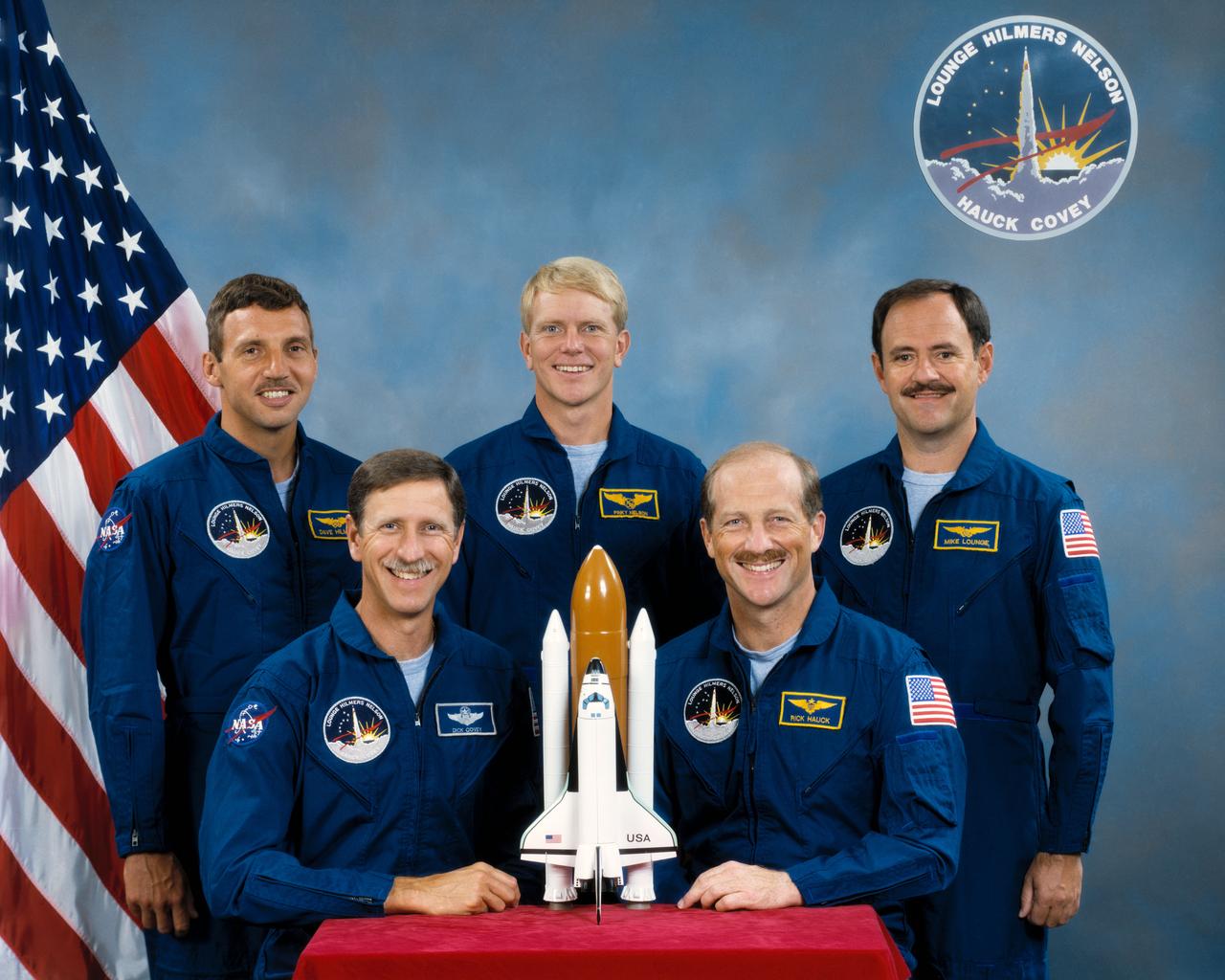
S87-40673 (September 1987) --- Astronauts Frederick H. (Rick) Hauck (right front), mission commander, and Richard O. Covey (left front), pilot, are flanked by NASA's STS-26 mission specialists (l.-r.) David C. Hilmers, George D. (Pinky) Nelson and John M. (Mike) Lounge.
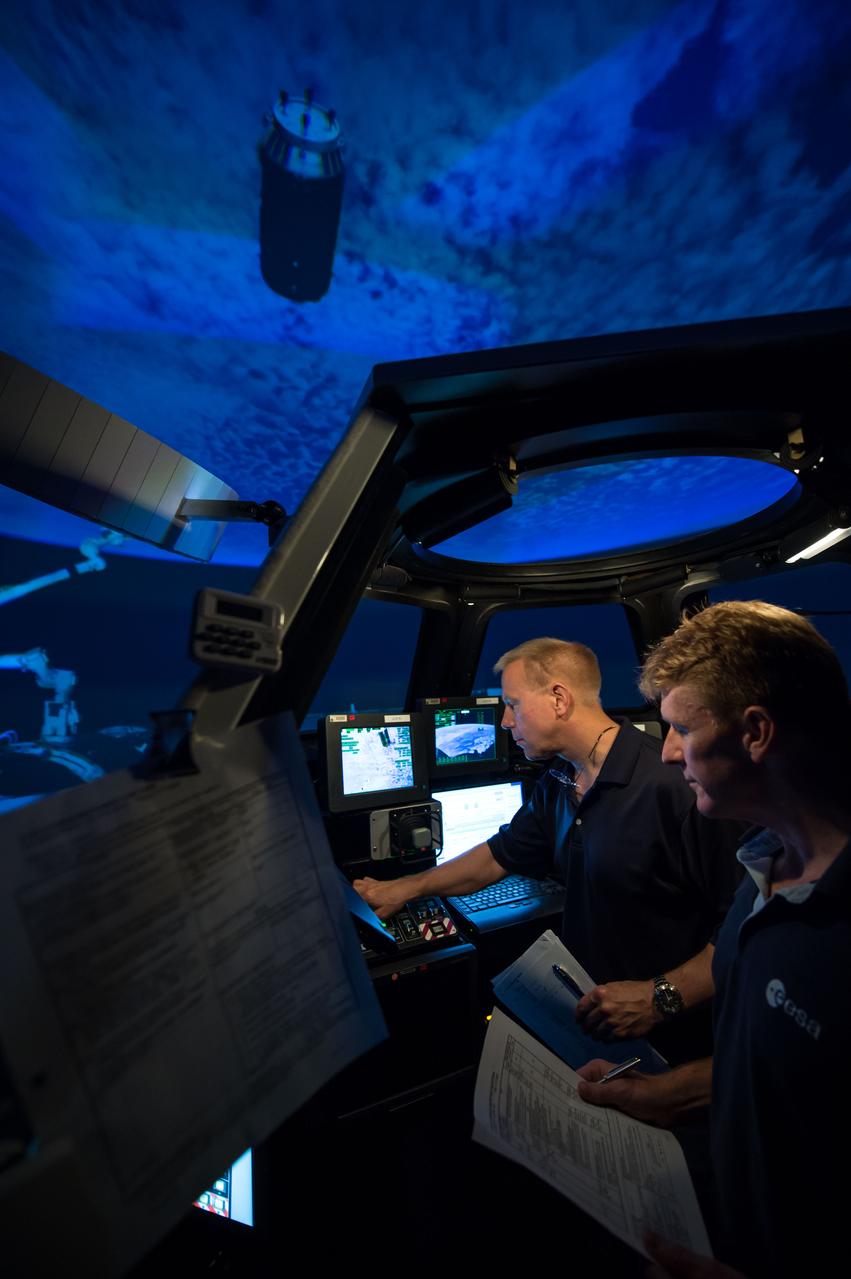
DATE: 5-16-14. LOCATION: Bldg. 16N, Room 1040. SUBJECT: Expedition 47 (Soyuz 45) crew members Tim Kopra and Timothy Peake during FF T&C/R ADV2 training in the SES Alpha Cupola. PHOTOGRAPHER: Lauren Harnett
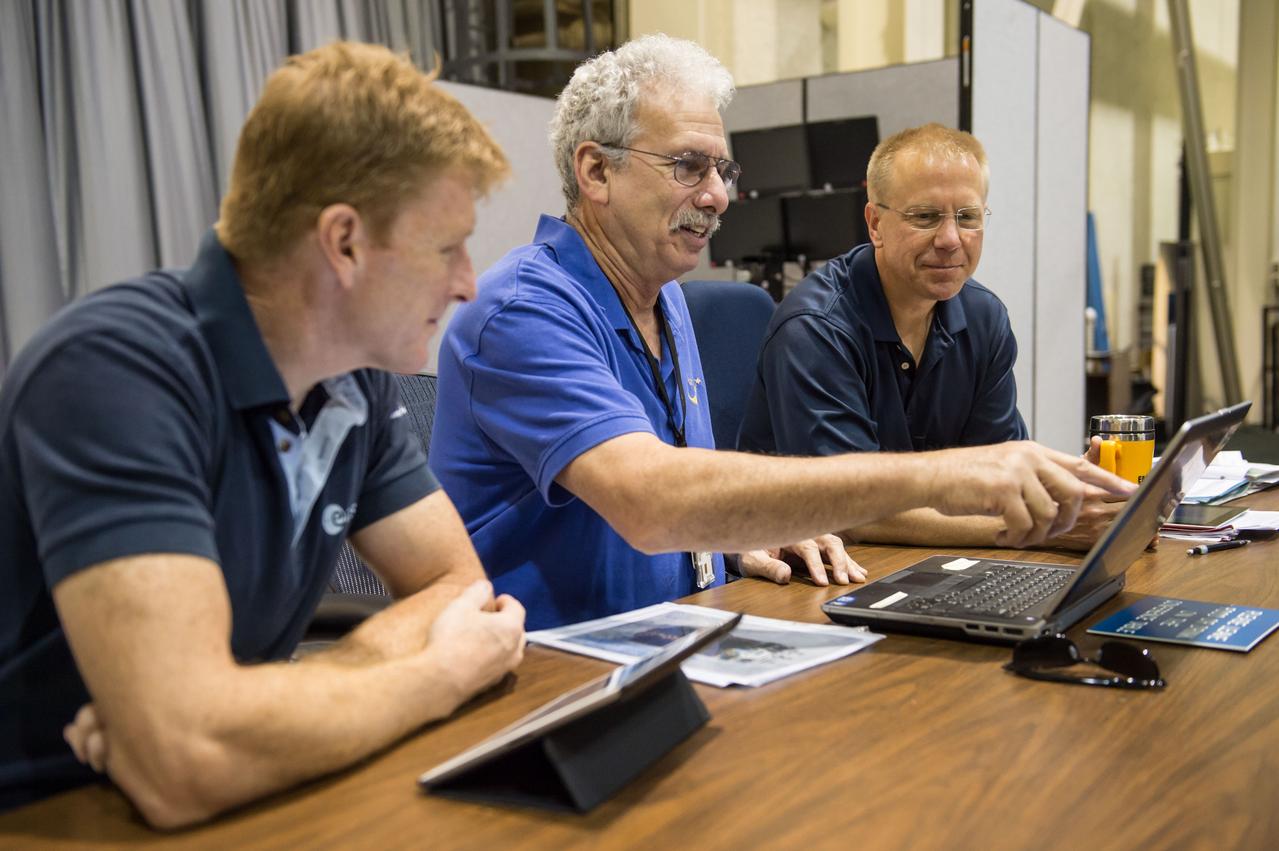
DATE: 5-16-14. LOCATION: Bldg. 16N, Room 1040. SUBJECT: Expedition 47 (Soyuz 45) crew members Tim Kopra and Timothy Peake during FF T&C/R ADV2 training in the SES Alpha Cupola. PHOTOGRAPHER: Lauren Harnett
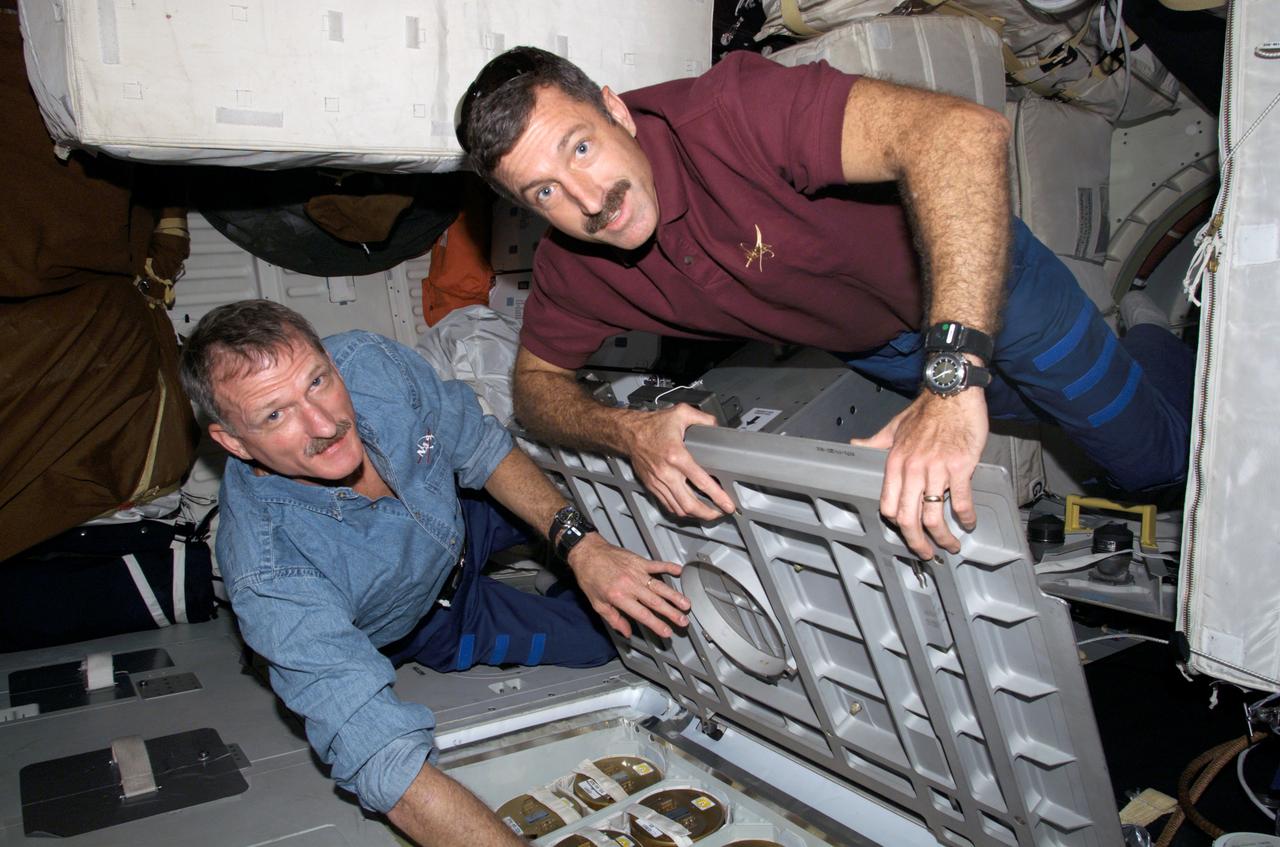
S115-E-06528 (9-21 Sept. 2006) --- Astronauts Joseph R. Tanner (left) and Daniel C. Burbank, both STS-115 mission specialists, work with the lithium hydroxide (LiOH) canisters beneath Space Shuttle Atlantis' middeck.
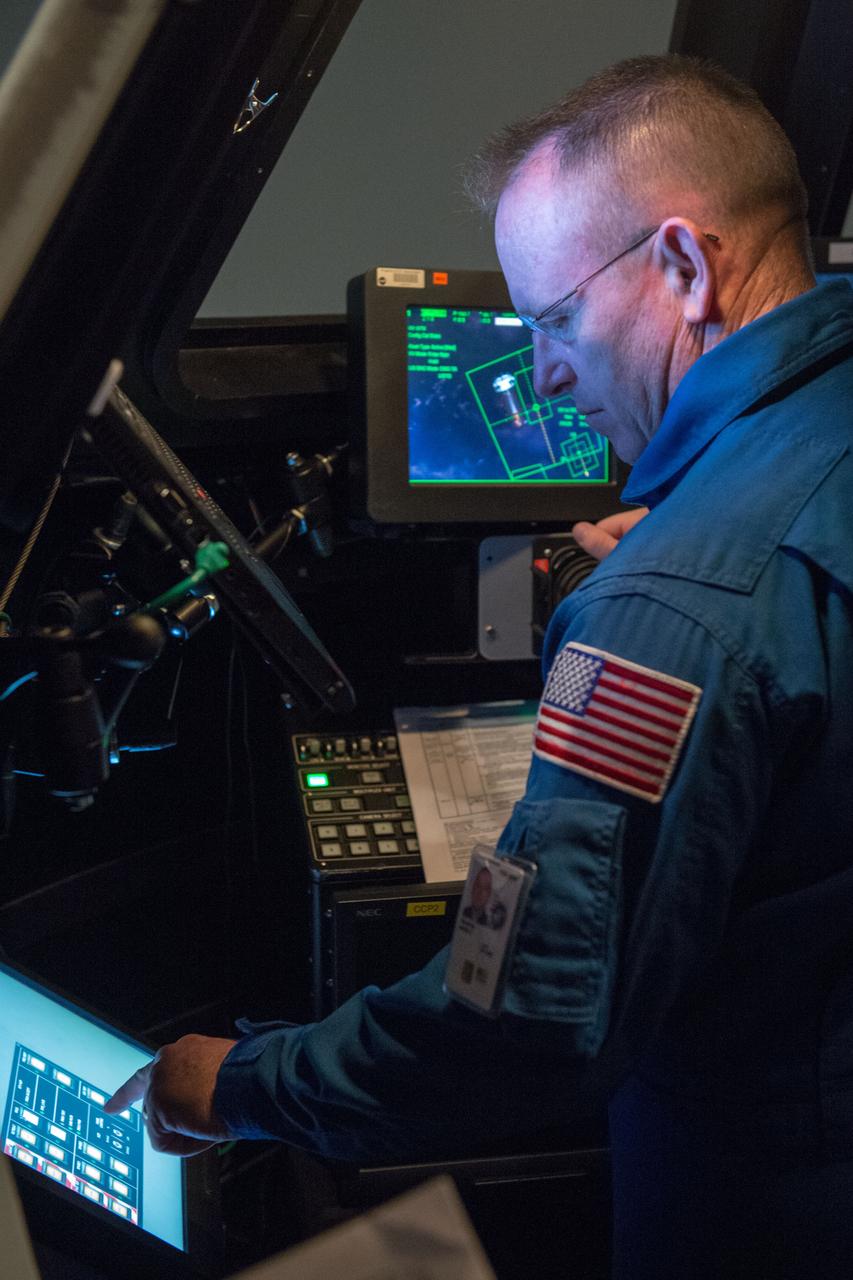
DATE: 10-25-13 LOCATION: Bldg 16, Rm 1040 SUBJECT: Expedition 42/43 crew members Samantha Cristoforetti, Barry Wilmore, Terry Virts during FF T&C/R Mini Sim 1 in the SES Alpha Cupola trainer. PHOTOGRAPHER: Lauren Harnett
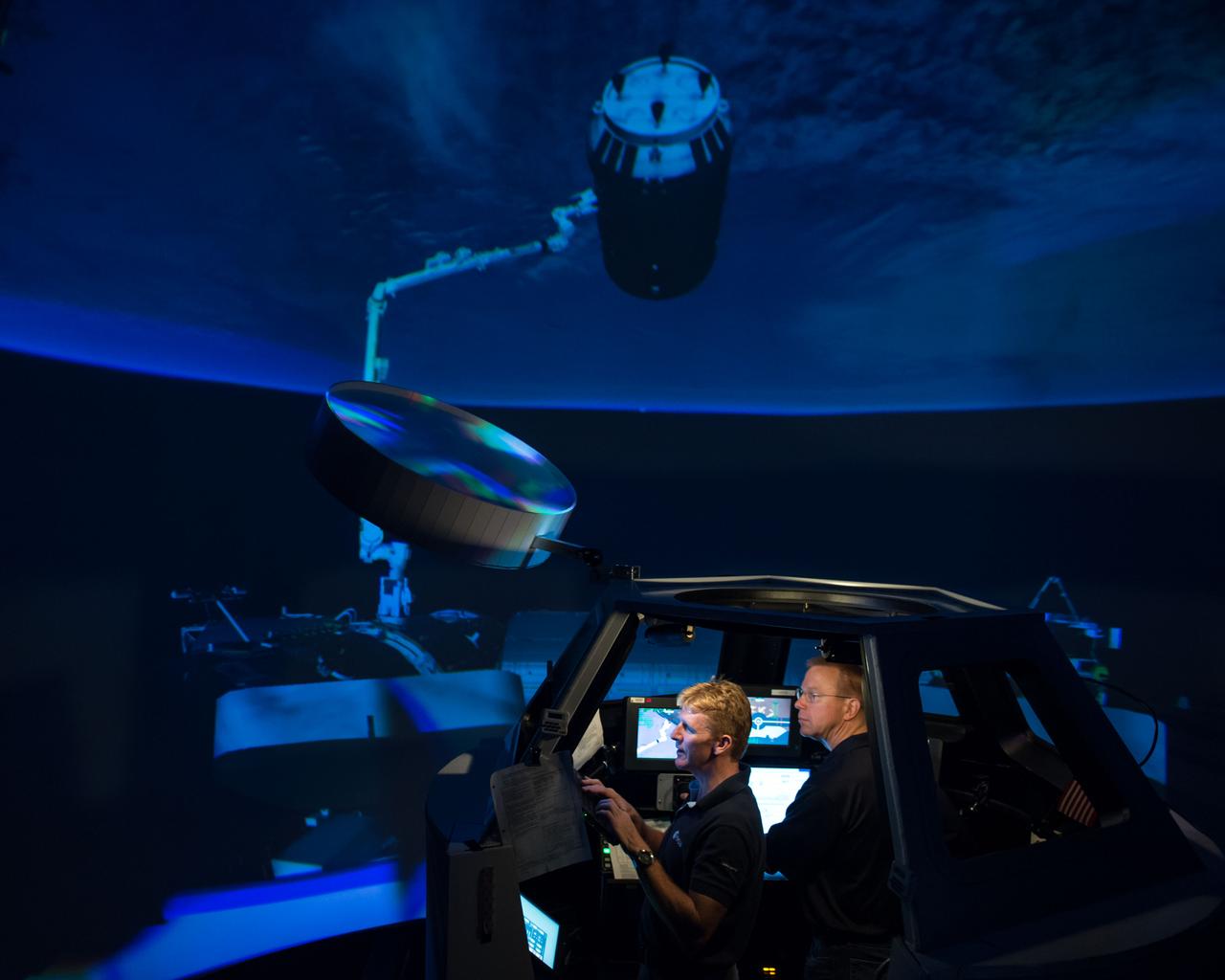
DATE: 5-16-14. LOCATION: Bldg. 16N, Room 1040. SUBJECT: Expedition 47 (Soyuz 45) crew members Tim Kopra and Timothy Peake during FF T&C/R ADV2 training in the SES Alpha Cupola. PHOTOGRAPHER: Lauren Harnett
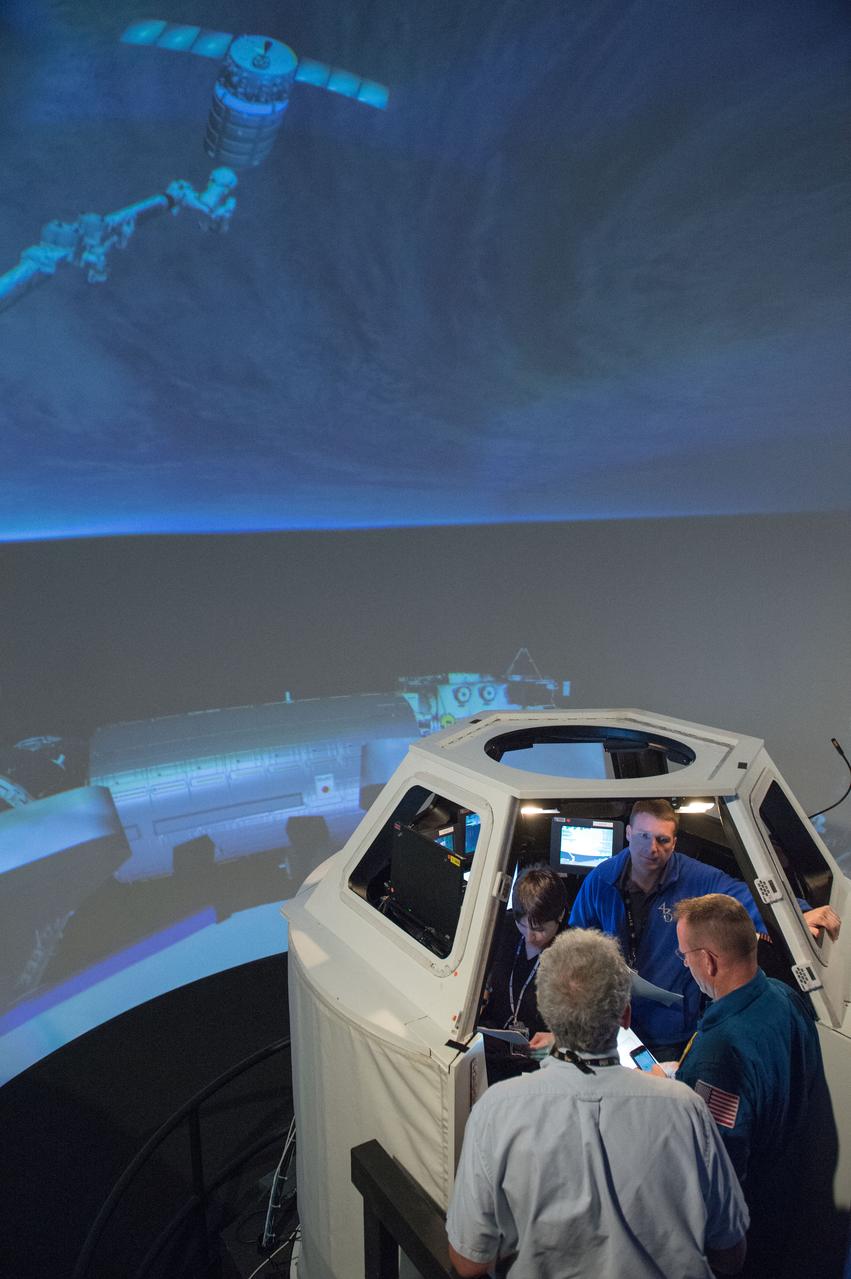
DATE: 10-25-13 LOCATION: Bldg 16, Rm 1040 SUBJECT: Expedition 42/43 crew members Samantha Cristoforetti, Barry Wilmore, Terry Virts during FF T&C/R Mini Sim 1 in the SES Alpha Cupola trainer. PHOTOGRAPHER: Lauren Harnett
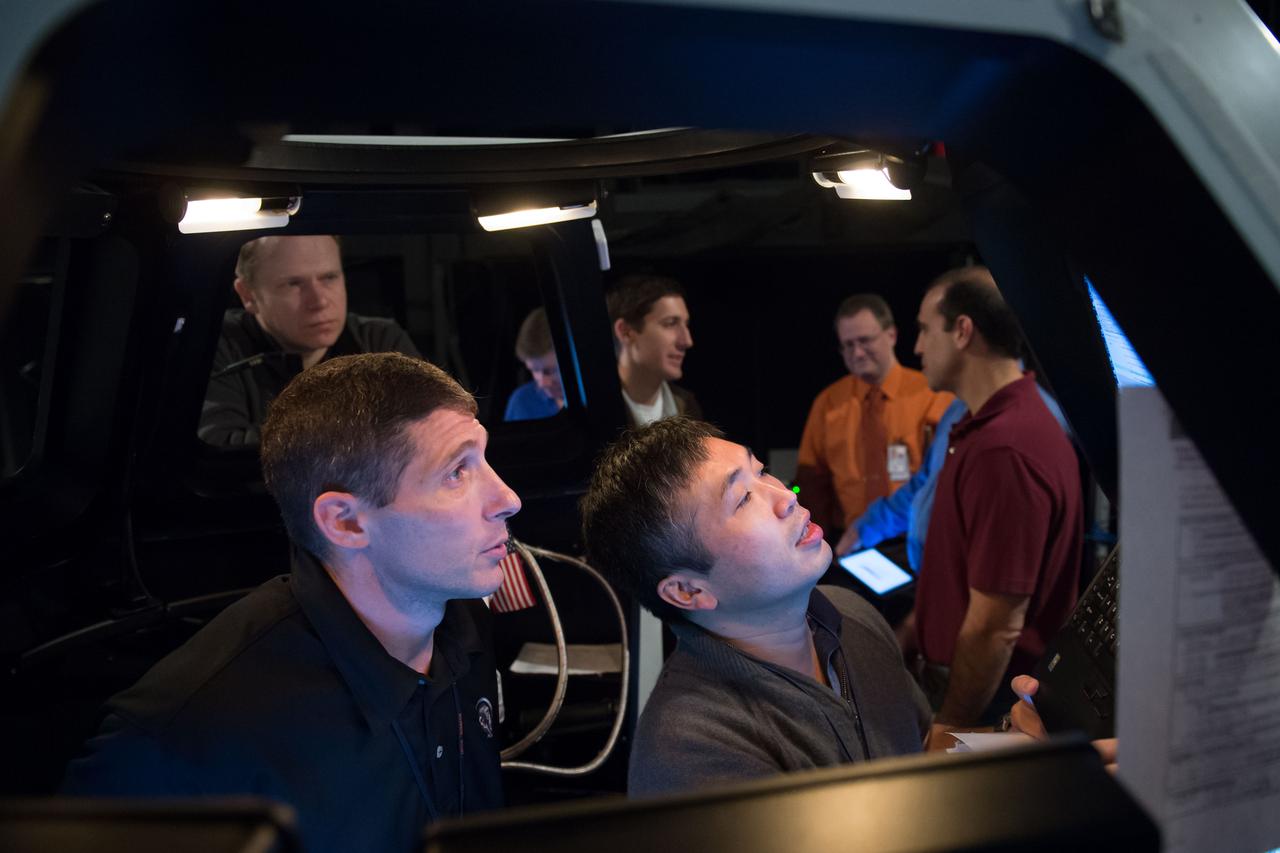
Date: 01-18-13 Location: Bldg 16, SES Dome Subject: Expedition 39 (Soyuz 37) crew members Rick Mastracchio and Koichi Wakata during FF T&C/R MINI SIM 2 training in the building 16 dome with instructor Jeffery "Tux" Tuxhorn. Photogapher: James Blair
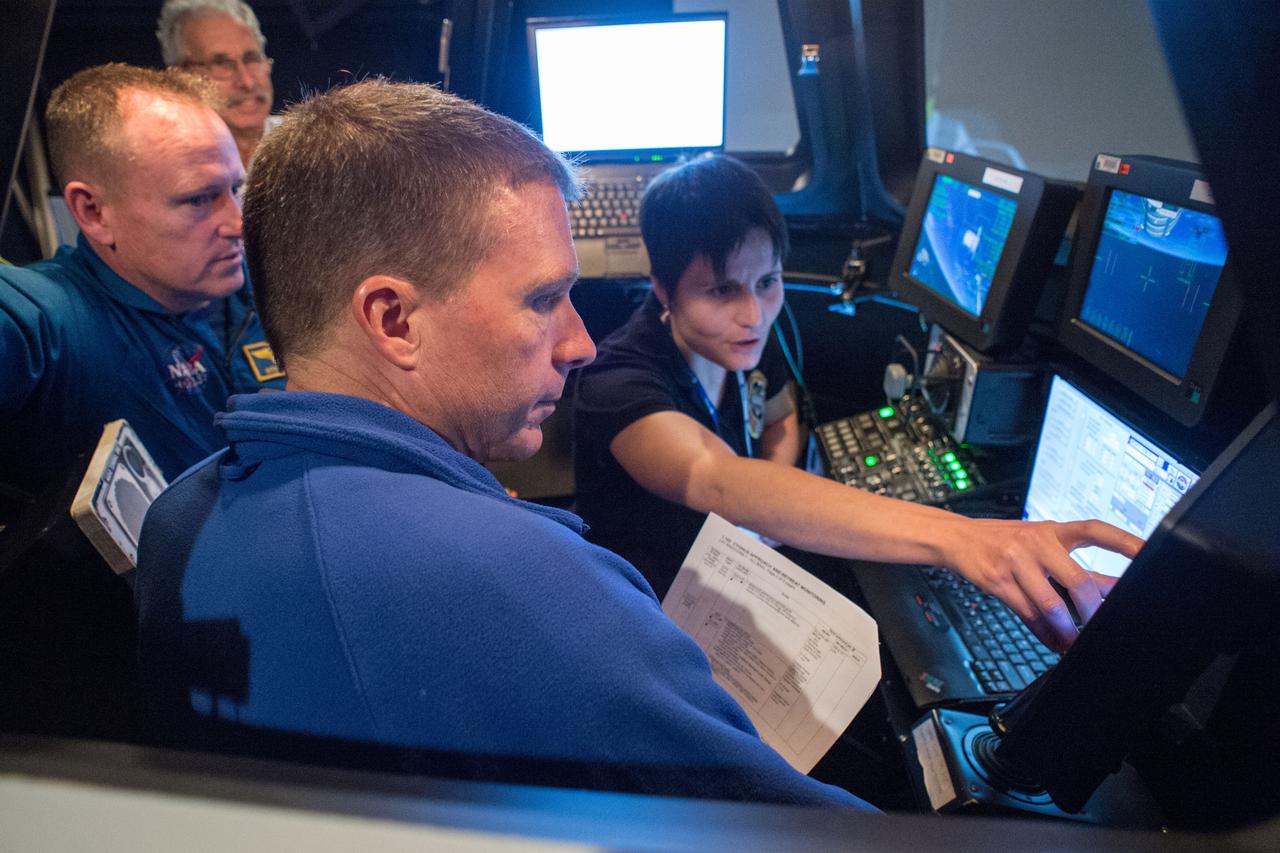
DATE: 10-25-13 LOCATION: Bldg 16, Rm 1040 SUBJECT: Expedition 42/43 crew members Samantha Cristoforetti, Barry Wilmore, Terry Virts during FF T&C/R Mini Sim 1 in the SES Alpha Cupola trainer. PHOTOGRAPHER: Lauren Harnett
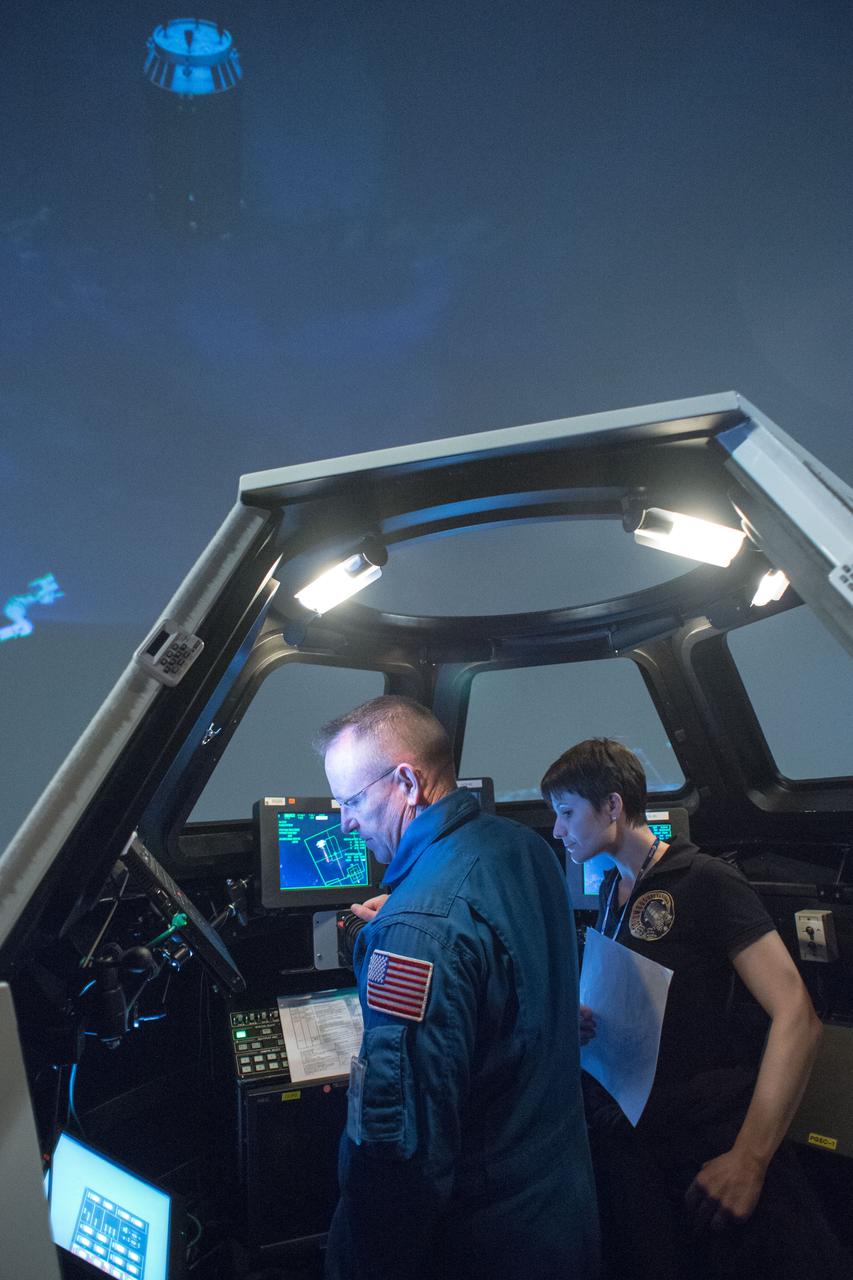
DATE: 10-25-13 LOCATION: Bldg 16, Rm 1040 SUBJECT: Expedition 42/43 crew members Samantha Cristoforetti, Barry Wilmore, Terry Virts during FF T&C/R Mini Sim 1 in the SES Alpha Cupola trainer. PHOTOGRAPHER: Lauren Harnett
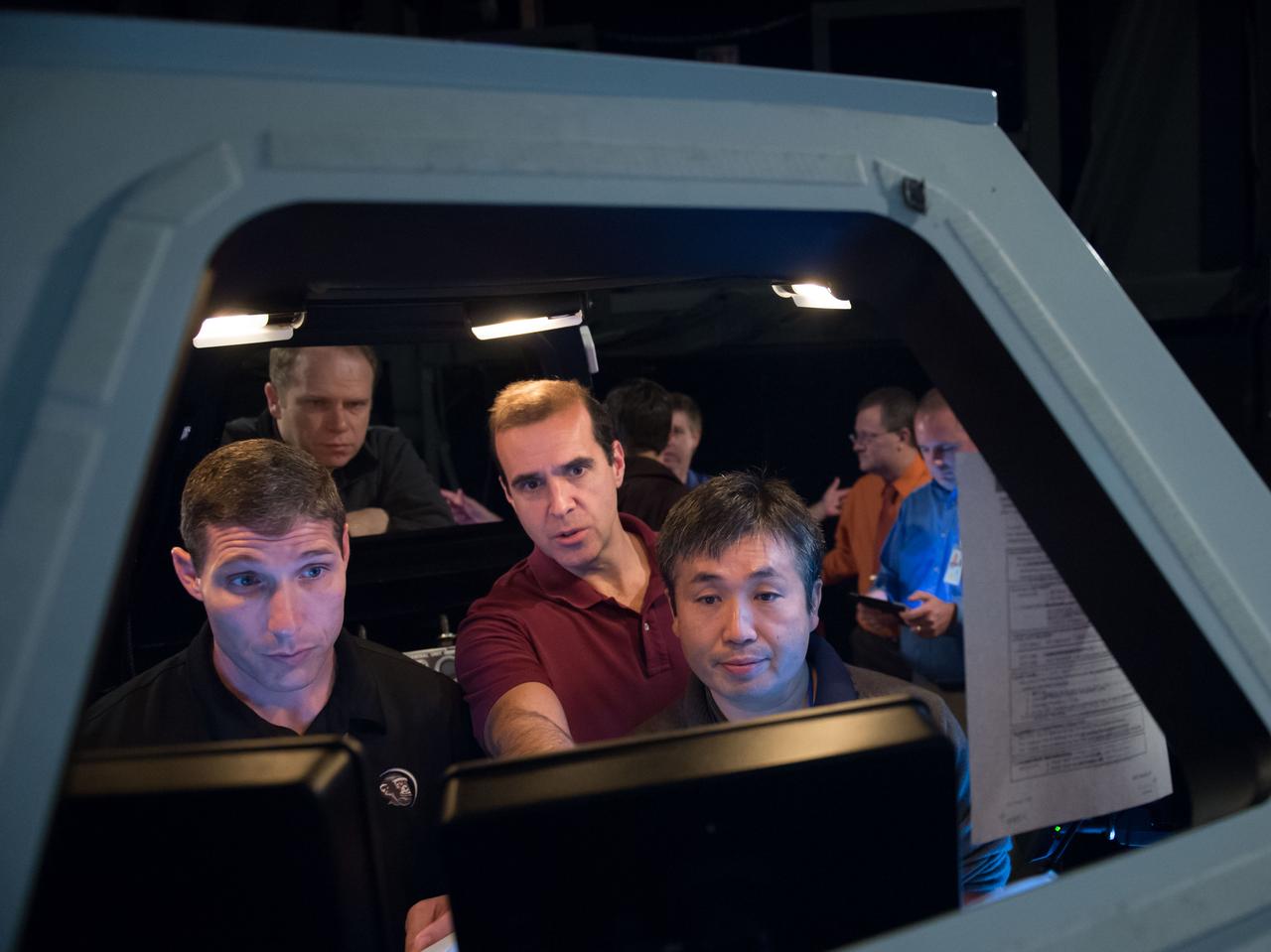
Date: 01-18-13 Location: Bldg 16, SES Dome Subject: Expedition 39 (Soyuz 37) crew members Rick Mastracchio and Koichi Wakata during FF T&C/R MINI SIM 2 training in the building 16 dome with instructor Jeffery "Tux" Tuxhorn. Photogapher: James Blair
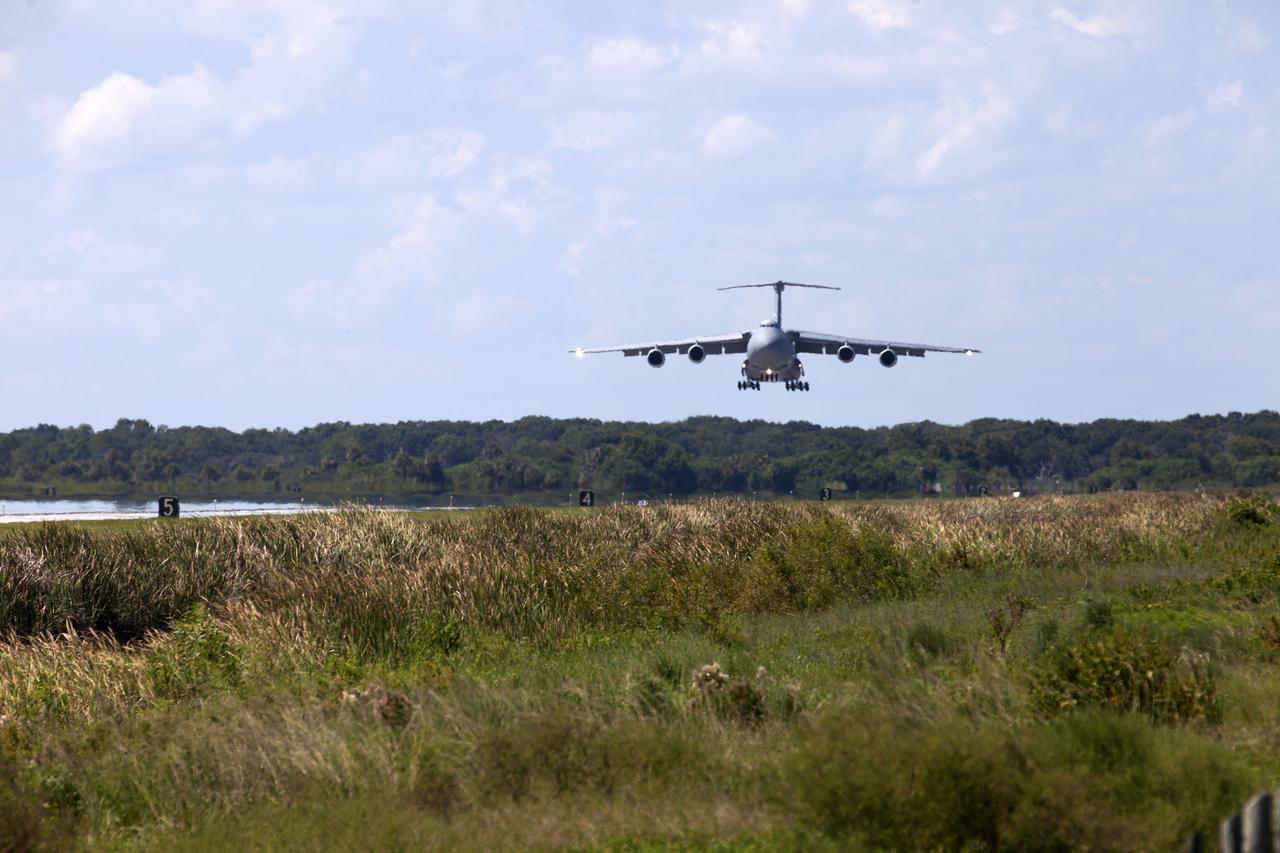
An Air Force C-5 Galaxy transport plane approaches the Shuttle Landing Facility at NASA's Kennedy Space Center in Florida to deliver the GOES-R spacecraft for launch processing. The GOES series are weather satellites operated by NOAA to enhance forecasts. The spacecraft is to launch aboard a United Launch Alliance Atlas V rocket in November.

DATE: 5-16-14. LOCATION: Bldg. 16N, Room 1040. SUBJECT: Expedition 47 (Soyuz 45) crew members Tim Kopra and Timothy Peake during FF T&C/R ADV2 training in the SES Alpha Cupola. PHOTOGRAPHER: Lauren Harnett
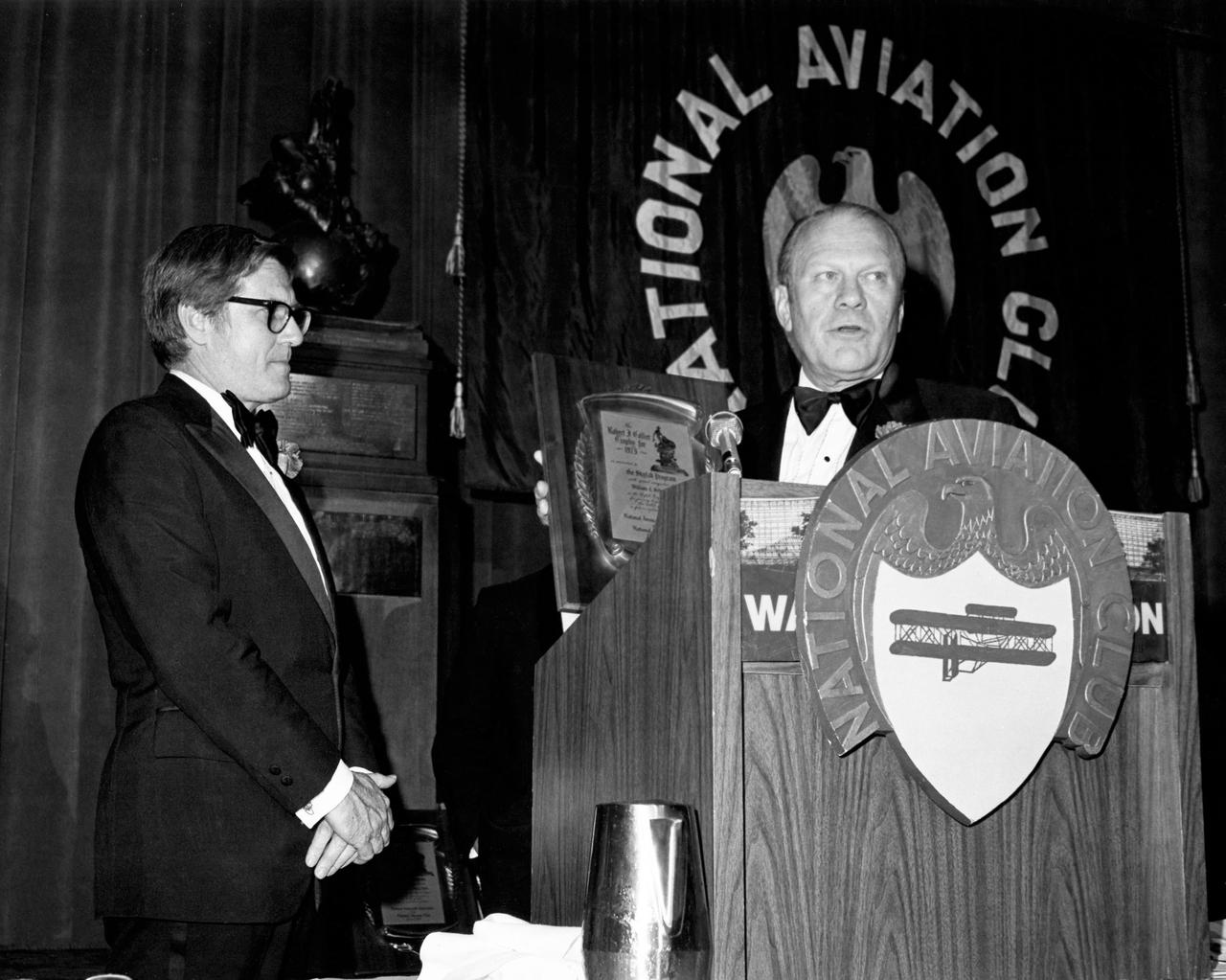
JSC2011-E-075769 (4 June 1974) --- Vice President Gerald R. Ford presented the Collier Trophy Award for 1973 to Skylab Program Director William C. Schneider on June 4, 1974 in Washington. (original HQ number is 74H423) Photo credit: NASA
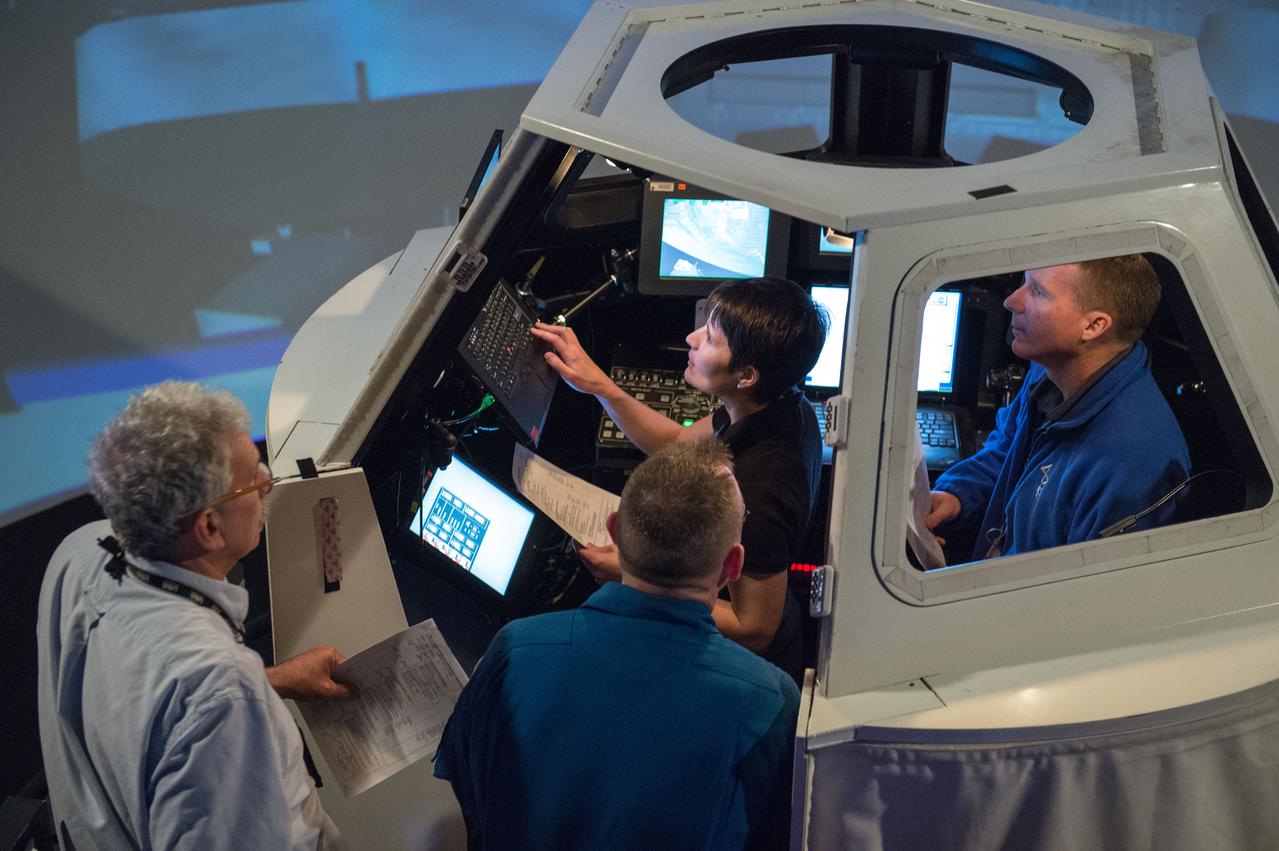
DATE: 10-25-13 LOCATION: Bldg 16, Rm 1040 SUBJECT: Expedition 42/43 crew members Samantha Cristoforetti, Barry Wilmore, Terry Virts during FF T&C/R Mini Sim 1 in the SES Alpha Cupola trainer. PHOTOGRAPHER: Lauren Harnett
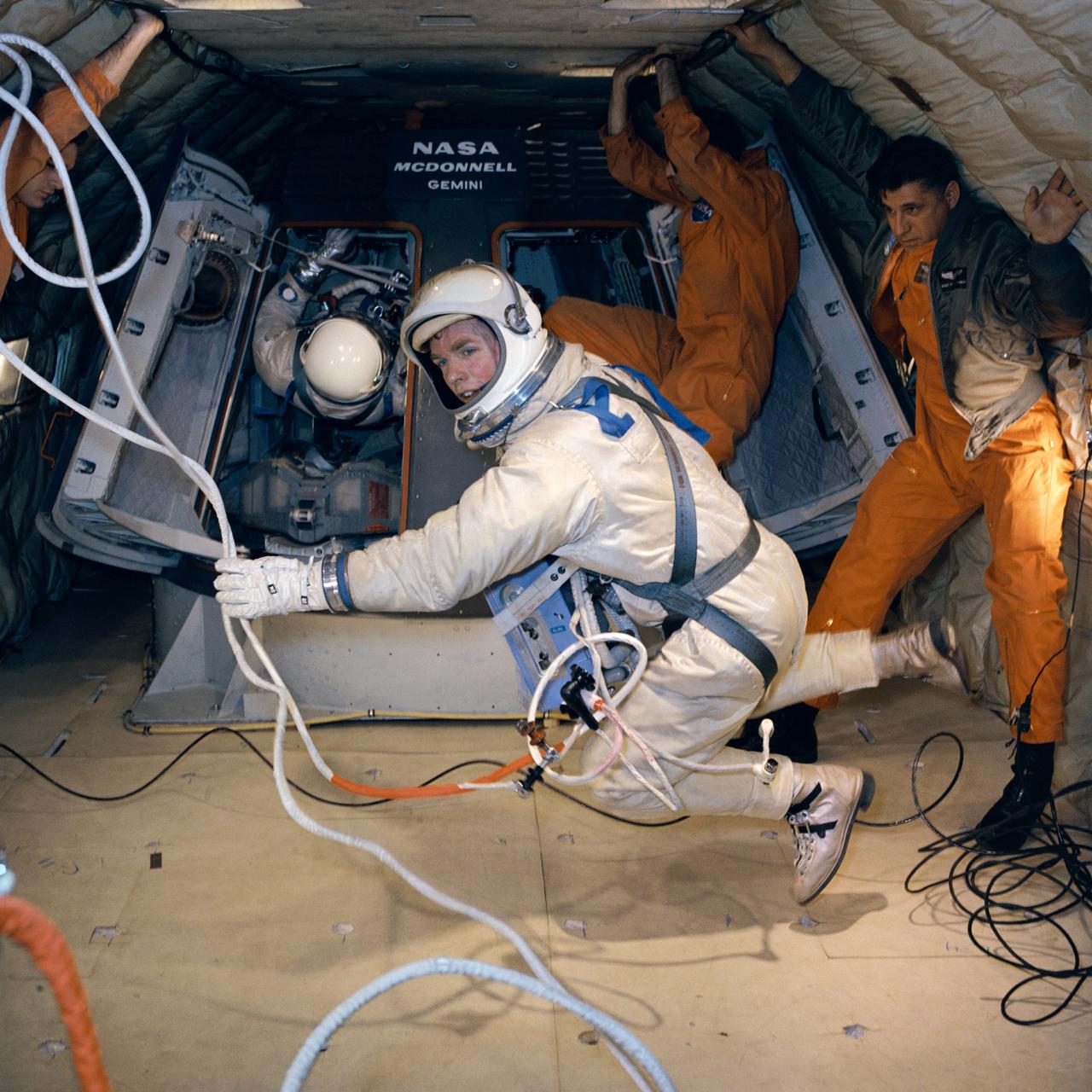
S66-21416 (18 Feb. 1966) --- Astronaut David R. Scott, in full spacesuit, holds maneuvering unit while suspended in a weightless state during extravehicular activity (EVA) training in a C-135 Air Force plane. Photo credit: NASA
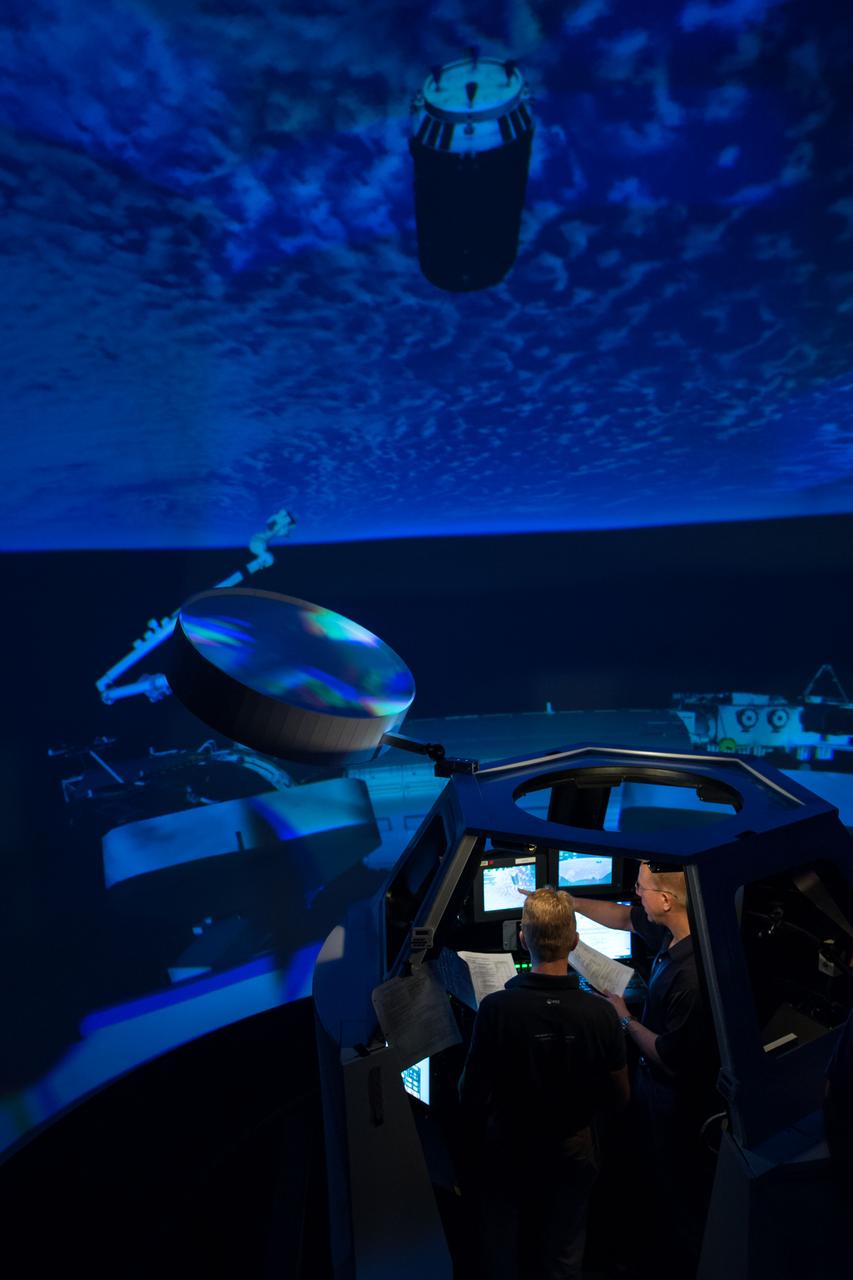
DATE: 5-16-14. LOCATION: Bldg. 16N, Room 1040. SUBJECT: Expedition 47 (Soyuz 45) crew members Tim Kopra and Timothy Peake during FF T&C/R ADV2 training in the SES Alpha Cupola. PHOTOGRAPHER: Lauren Harnett
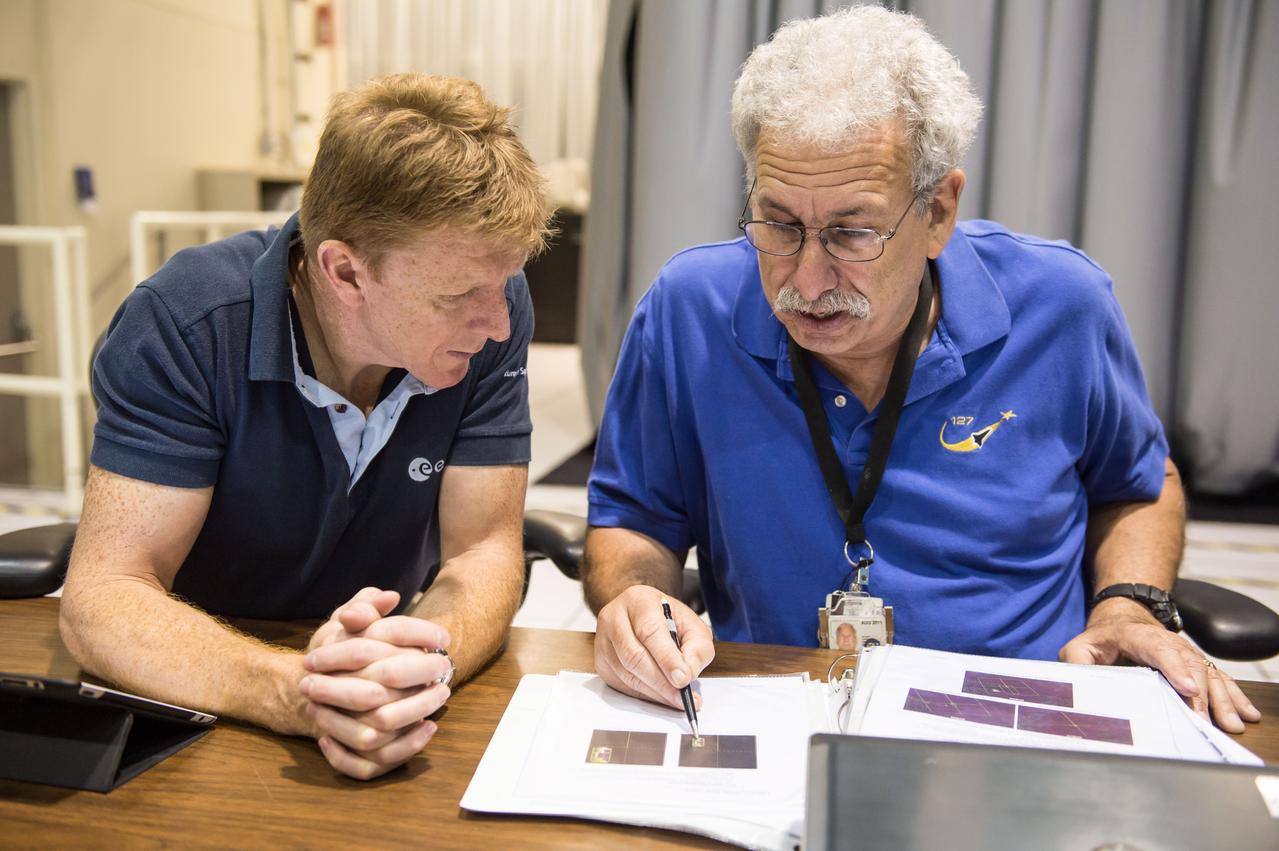
DATE: 5-16-14. LOCATION: Bldg. 16N, Room 1040. SUBJECT: Expedition 47 (Soyuz 45) crew members Tim Kopra and Timothy Peake during FF T&C/R ADV2 training in the SES Alpha Cupola. PHOTOGRAPHER: Lauren Harnett
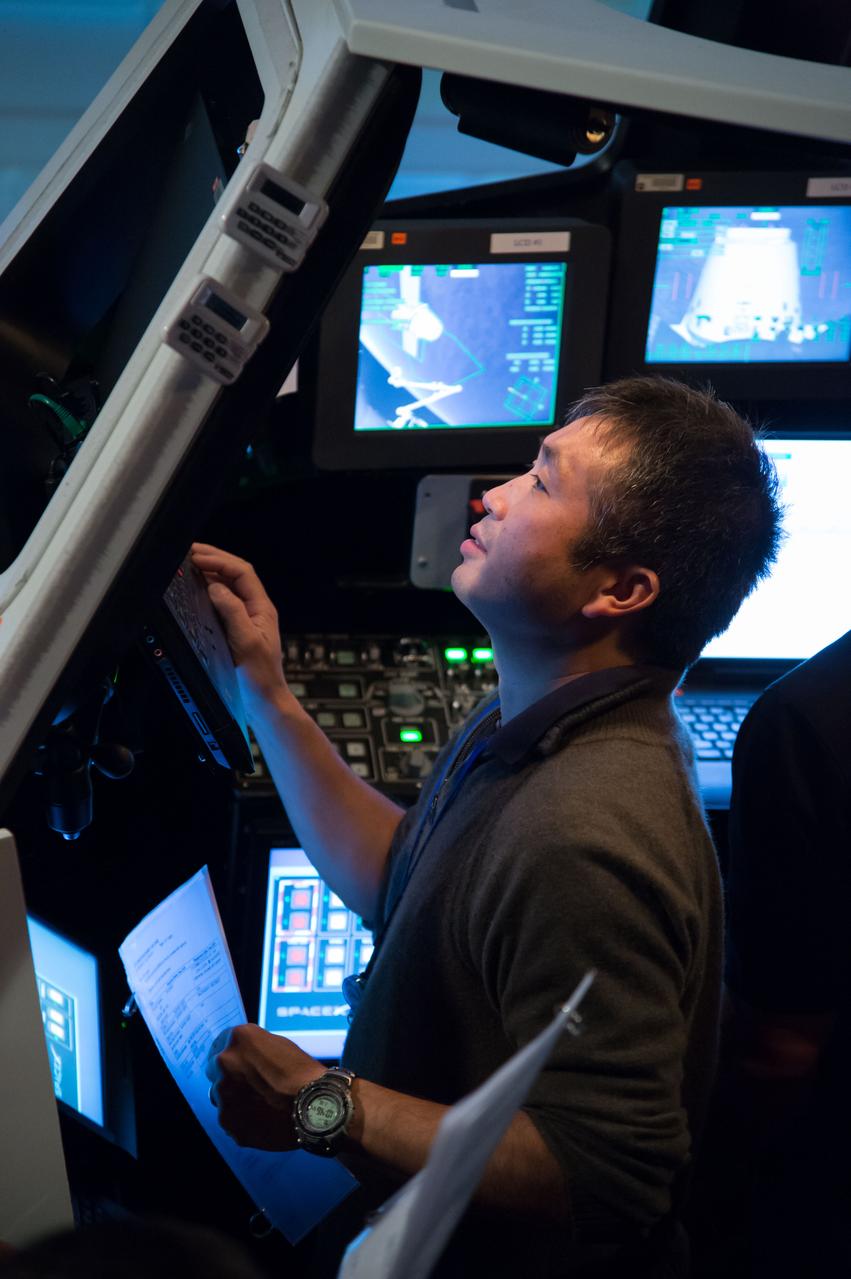
Date: 01-18-13 Location: Bldg 16, SES Dome Subject: Expedition 39 (Soyuz 37) crew members Rick Mastracchio and Koichi Wakata during FF T&C/R MINI SIM 2 training in the building 16 dome with instructor Jeffery "Tux" Tuxhorn. Photogapher: James Blair
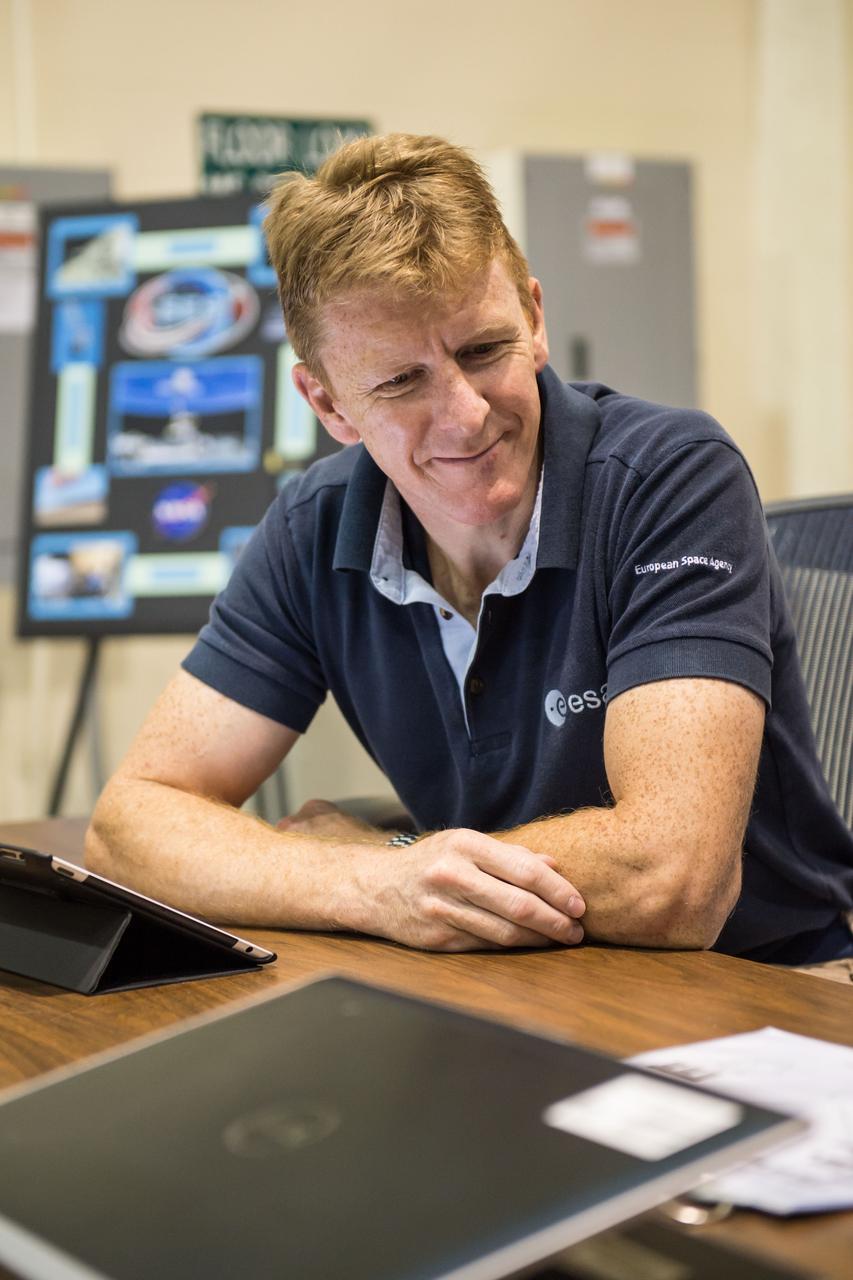
DATE: 5-16-14. LOCATION: Bldg. 16N, Room 1040. SUBJECT: Expedition 47 (Soyuz 45) crew members Tim Kopra and Timothy Peake during FF T&C/R ADV2 training in the SES Alpha Cupola. PHOTOGRAPHER: Lauren Harnett
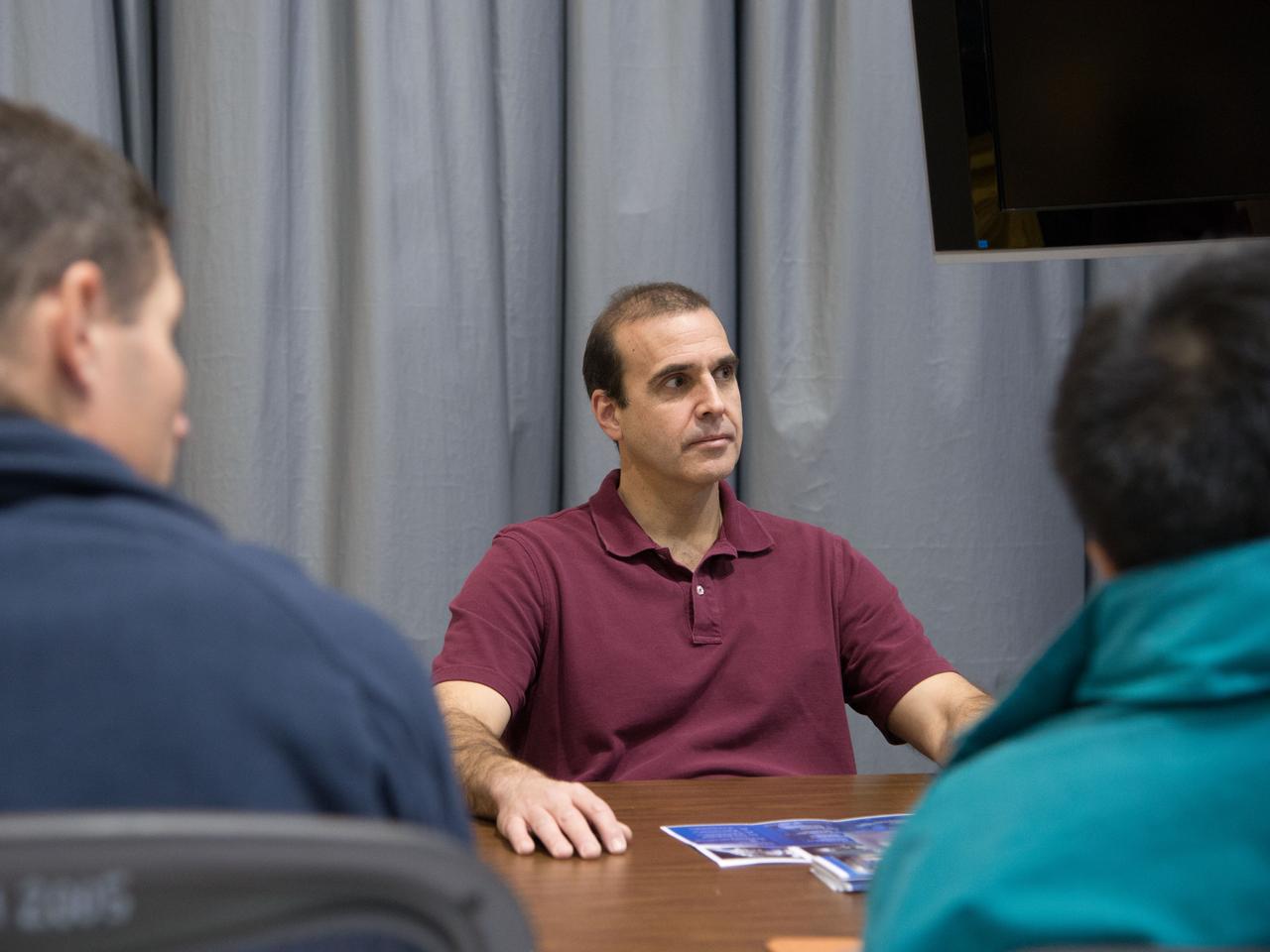
Date: 01-18-13 Location: Bldg 16, SES Dome Subject: Expedition 39 (Soyuz 37) crew members Rick Mastracchio and Koichi Wakata during FF T&C/R MINI SIM 2 training in the building 16 dome with instructor Jeffery "Tux" Tuxhorn. Photogapher: James Blair
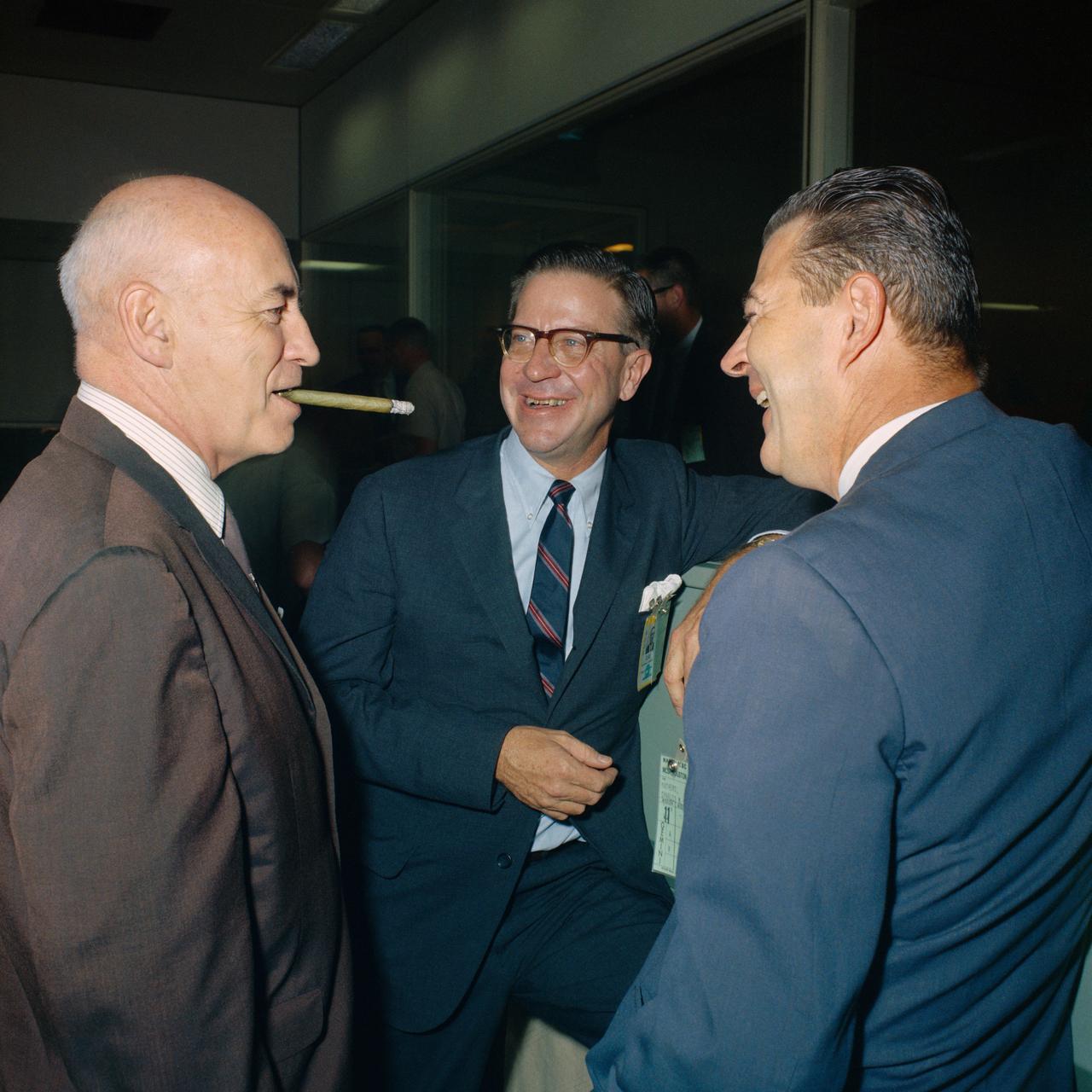
S66-52762 (15 Sept. 1966) --- Dr. Robert R. Gilruth (left) smokes a cigar in Houston's Mission Control Center to celebrate the successful splashdown of Gemini-11. Looking on are James C. Elms (center), MSC deputy director, and Charles W. Mathews, Gemini program manager. Photo credit: NASA
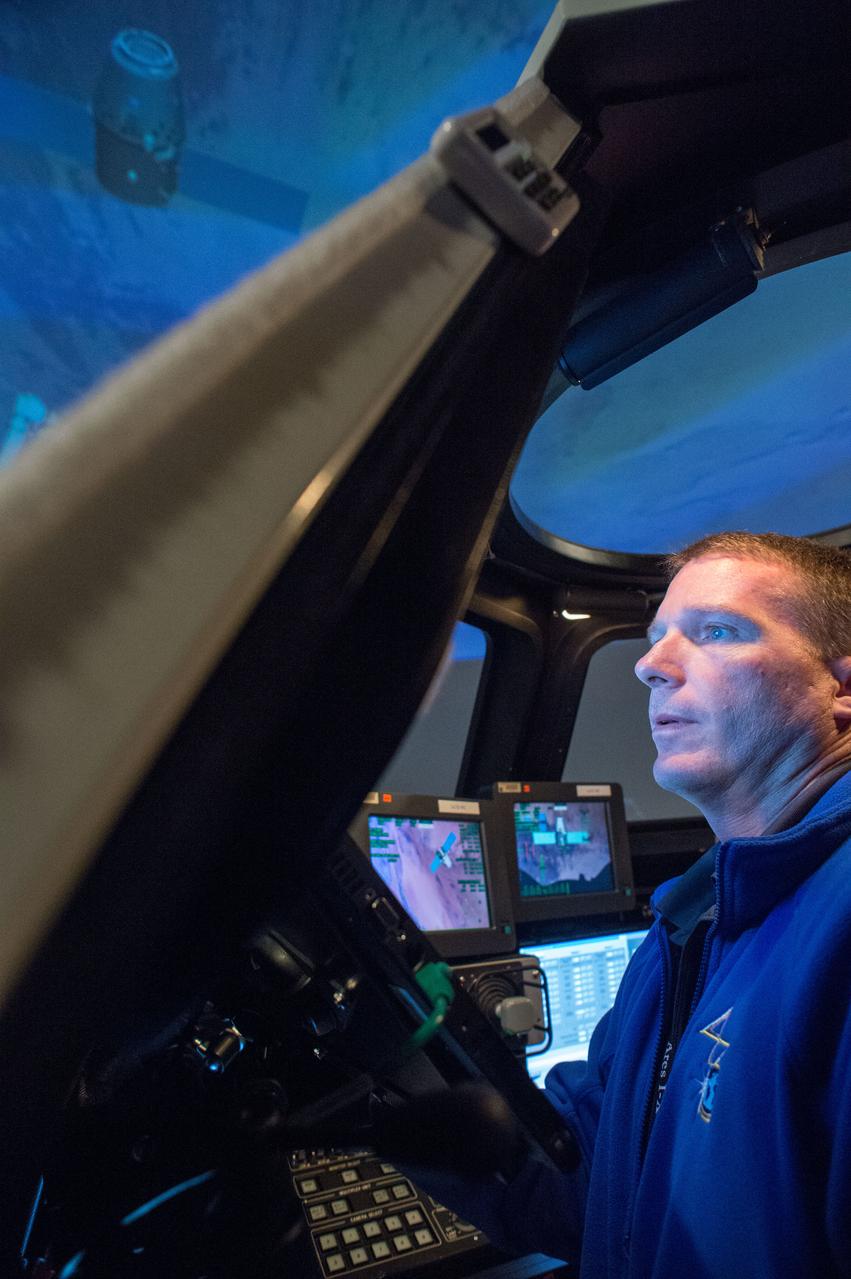
DATE: 10-25-13 LOCATION: Bldg 16, Rm 1040 SUBJECT: Expedition 42/43 crew members Samantha Cristoforetti, Barry Wilmore, Terry Virts during FF T&C/R Mini Sim 1 in the SES Alpha Cupola trainer. PHOTOGRAPHER: Lauren Harnett
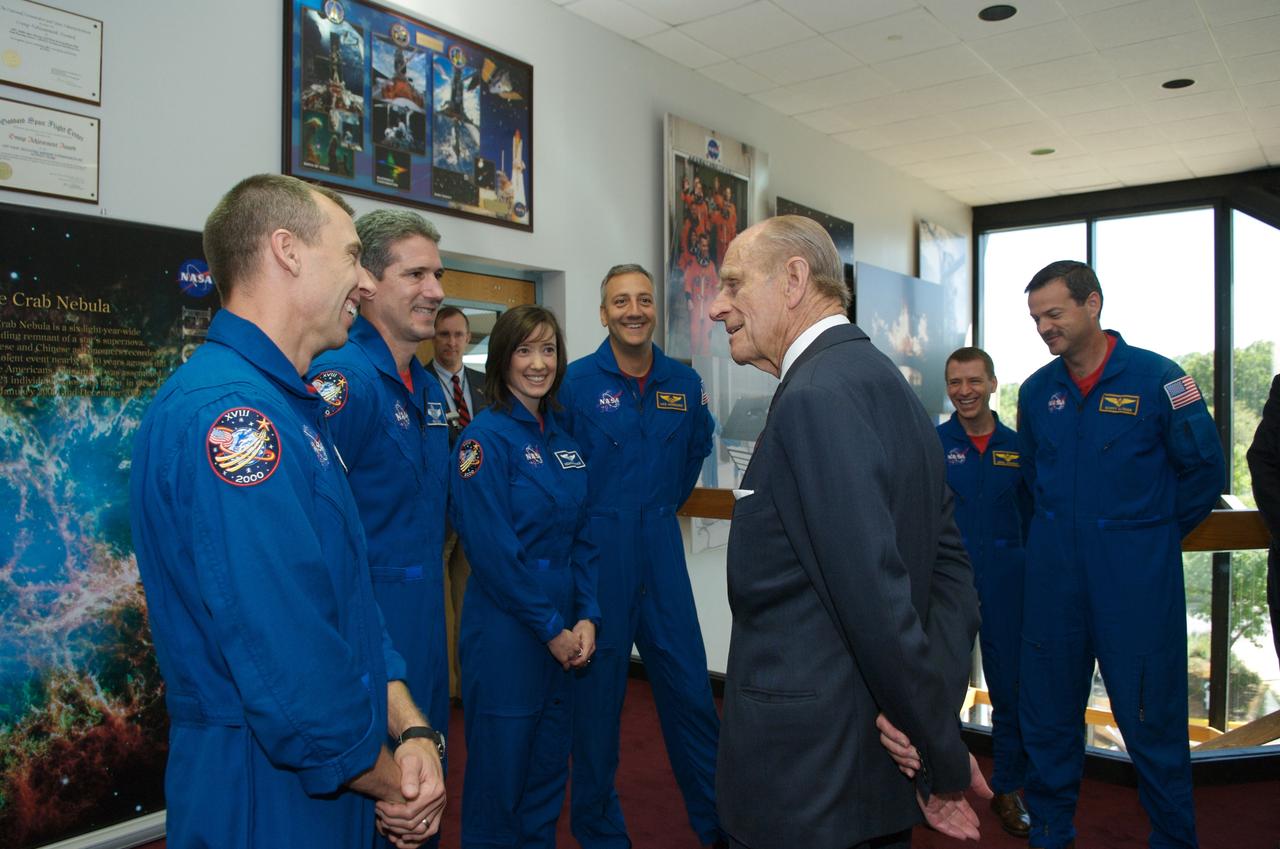
Prince Philip greets astronauts from STS-125 L to R Andrew J Feustel, Michael T Goode, K. Megan McArthur, Michael J. Massimino, Gregory C. Johnson, and Commander Scott D. Altman. Photo Credit: (NASA/Chris Gunn)
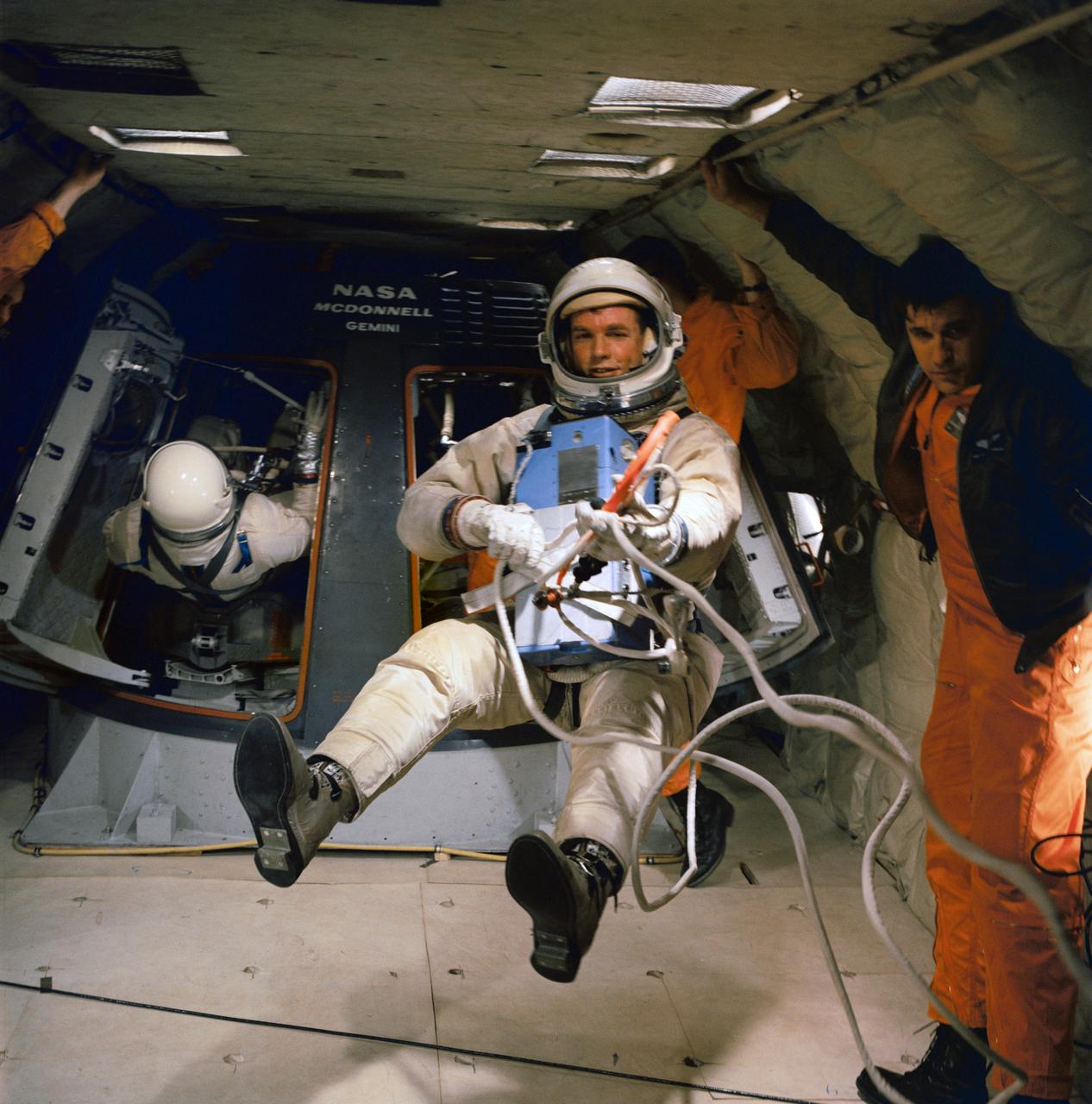
S66-21411 (18 Feb. 1966) --- Astronaut David R. Scott, in full spacesuit, holds maneuvering unit while suspended in a weightless state during extravehicular activity (EVA) training in a C-135 Air Force plane. Photo credit: NASA
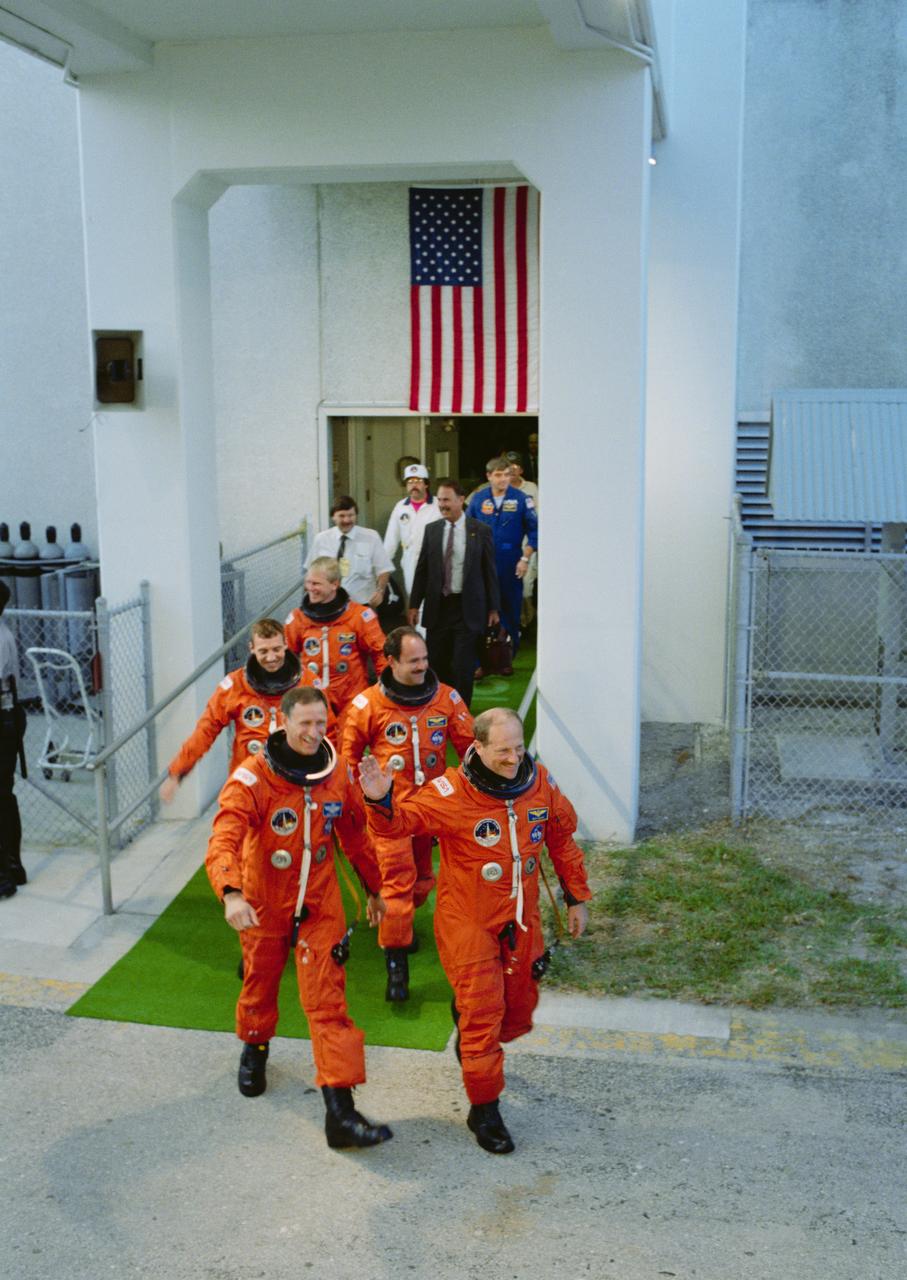
STS-26 crewmembers, suited in launch and entry suits (LESs), leave the Kennedy Space Center (KSC) Operations and Checkout (O&C) Building on their way to the launch complex (LC) pad 39B where they will board Discovery, Orbiter Vehicle (OV) 103. Commander Frederick H. Hauck, waving to spectators, is followed by Pilot Richard O. Covey, Mission Specialist (MS) John M. Lounge, MS David C. Hilmers, and MS George D. Nelson. Others accompanying the crew are JSC Flight Crew Operations Directorate (FCOD) Director Donald R. Puddy, Astronaut Office Chief Daniel C. Brandenstein, and a Crew Training Officer Richard W. Nygren.
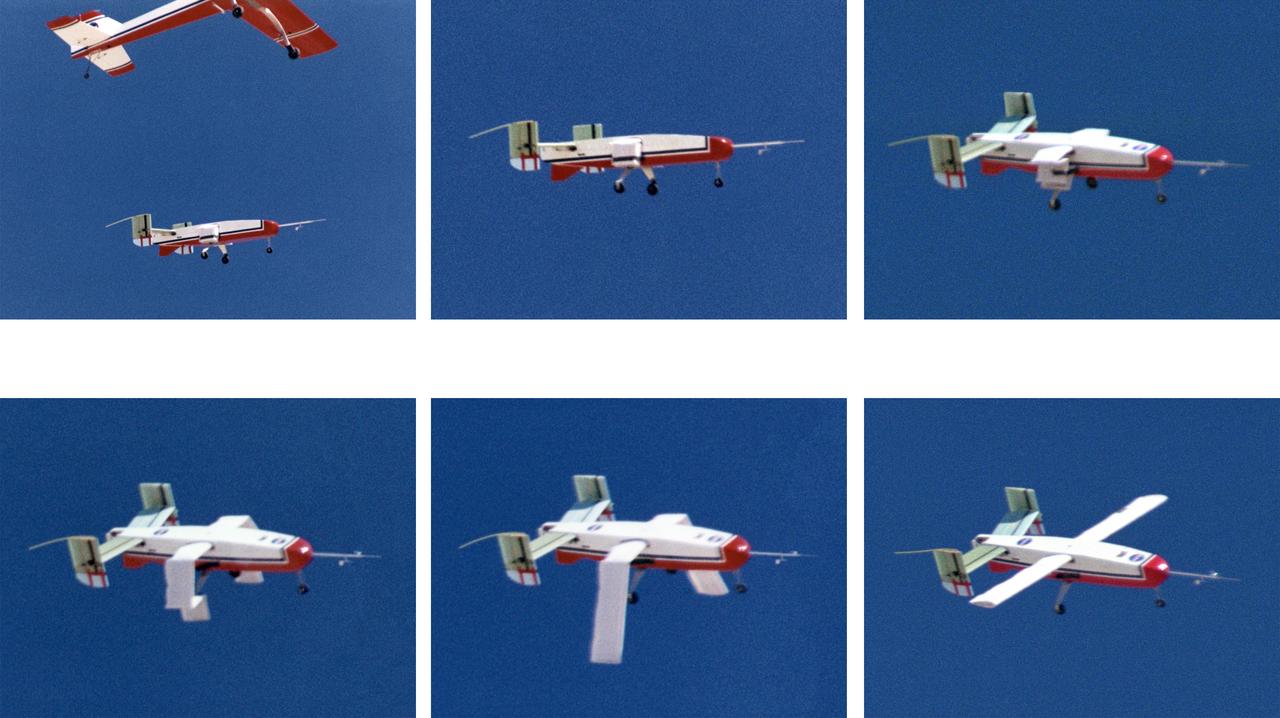
The deployable, inflatable wing technology demonstrator aircraft's wings begin deploying following separation from its carrier aircraft during a flight experiment conducted by the NASA Dryden Flight Research Center, Edwards, California. Wing deployment time is typically on the order of a third of a second, almost faster than the human eye can see. Three successful flights of the I2000 inflatable wing aircraft occurred. During the flights, the team air-launched the radio-controlled (R/C) I2000 from an R/C utility airplane at an altitude of 800-1000 feet. As the I2000 separated from the carrier aircraft, its inflatable wings "popped-out," deploying rapidly via an on-board nitrogen bottle. The aircraft remained stable as it transitioned from wingless to winged flight. The unpowered I2000 glided down to a smooth landing under complete control.
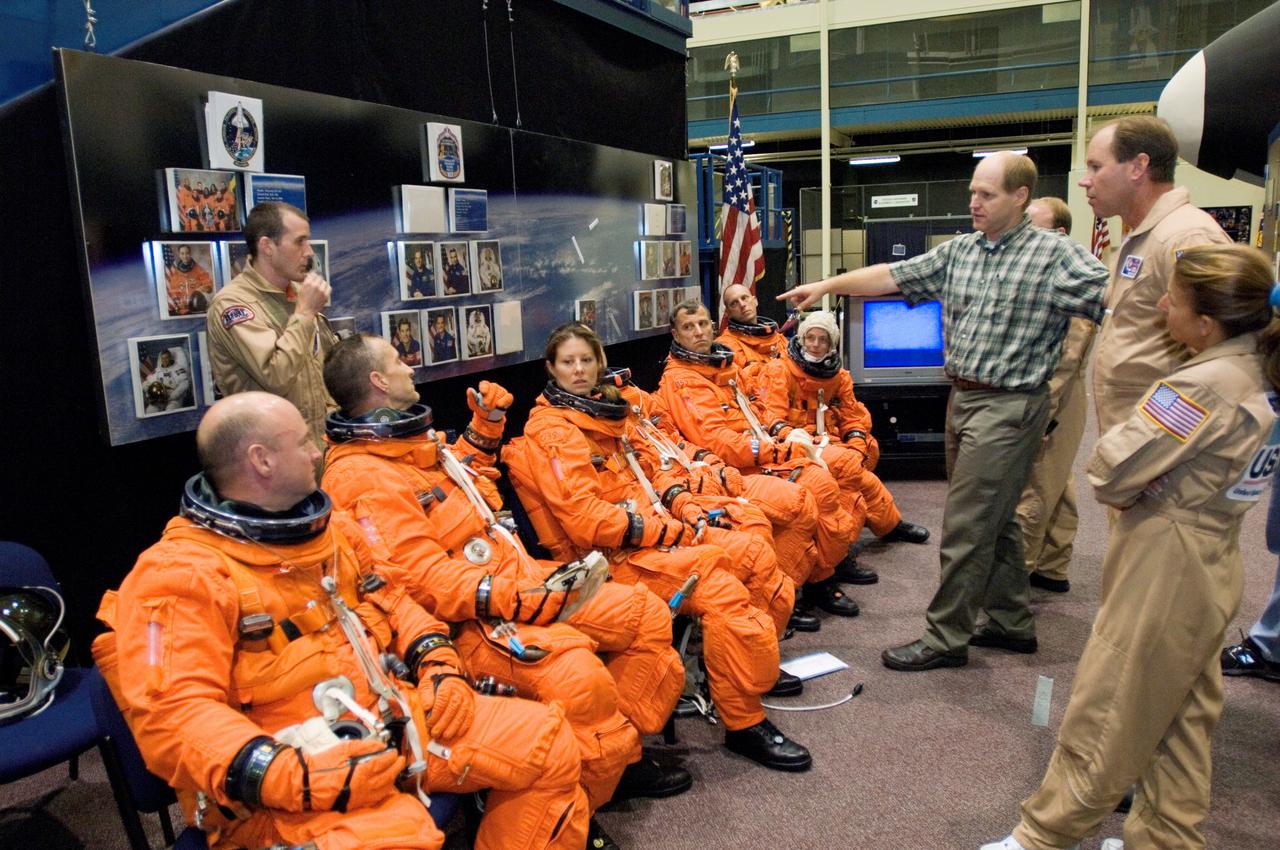
JSC2006-E-43734 (4 Oct. 2006) --- Crew trainer Bob Behrendsen (standing, right background) briefs astronauts Scott J. Kelly (seated left), STS-118 commander; Charles O. Hobaugh, pilot; Tracy E. Caldwell and Richard A. (Rick) Mastracchio, mission specialists; Dafydd R. (Dave) Williams, mission specialist representing the Canadian Space Agency; Barbara R. Morgan, mission specialist; and Clayton C. Anderson, Expedition 15 NASA space station science officer and flight engineer; during a training session in the Space Vehicle Mockup Facility at the Johnson Space Center. The crewmembers are attired in training versions of their shuttle launch and entry suits.
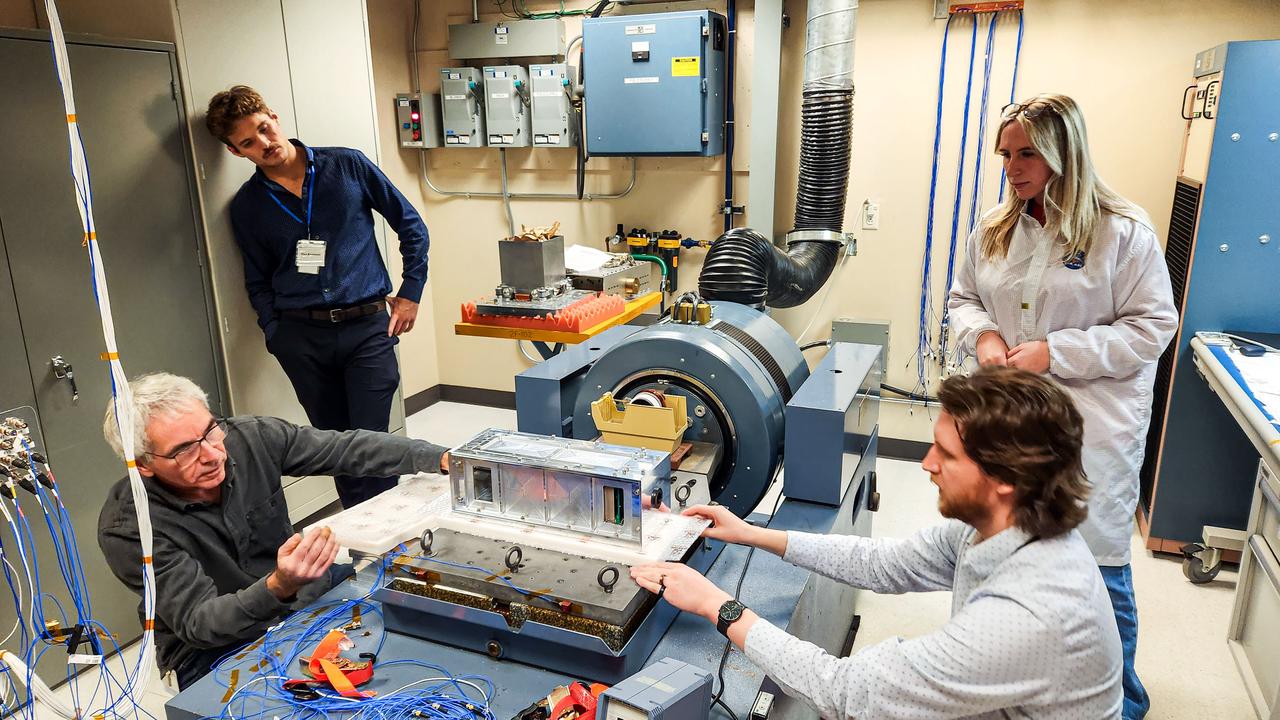
jsc2024e016250 (11/27/2023) --- The Nanoracks-Killick-1 CubeSat is pictured during vibration testing conducted by Canadian Space Agency (CSA) personnel. From left to right – Sylvain Mondor (CSA), Maximilian Brummel (Nanoracks), Anton Sura (CSA), and Victoria Vaters (Engineering Student). Nanoracks-Killick-1 measures sea ice using Global Navigation Satellite System Reflectometry (GNSS-R). Potential applications of GNSS-R include providing data for weather and climate models and improving understanding of ocean phenomena such as surface winds and storm surge. Image courtesy of C-CORE and Memorial University.
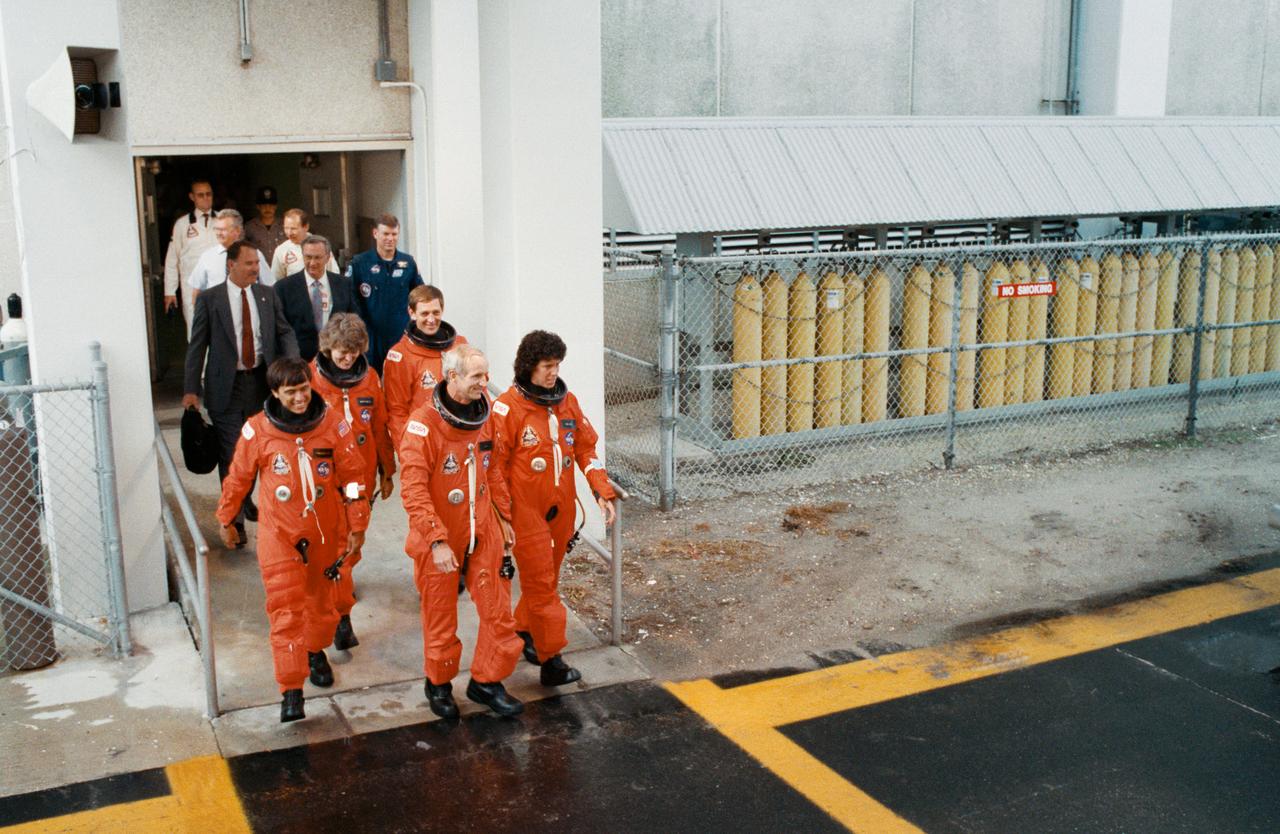
STS-34 crewmembers leave the Kennedy Space Center (KSC) Operations and Checkout (O&C) Building. Crewmembers will then board a vehicle which will carry them to Launch Complex (LC) Pad 39B. Crewmembers, wearing orange launch and entry suits (LESs), are (left to right) Mission Specialist (MS) Franklin R. Chang-Diaz, MS Shannon W. Lucid, Pilot Michael J. McCulley, Commander Donald E. Williams, and MS Ellen S. Baker. Following the crewmembers are (dark clothing, left to right) Donald R. Puddy, Olan J. Bertrand, and astronaut Michael L. Coats of JSC.
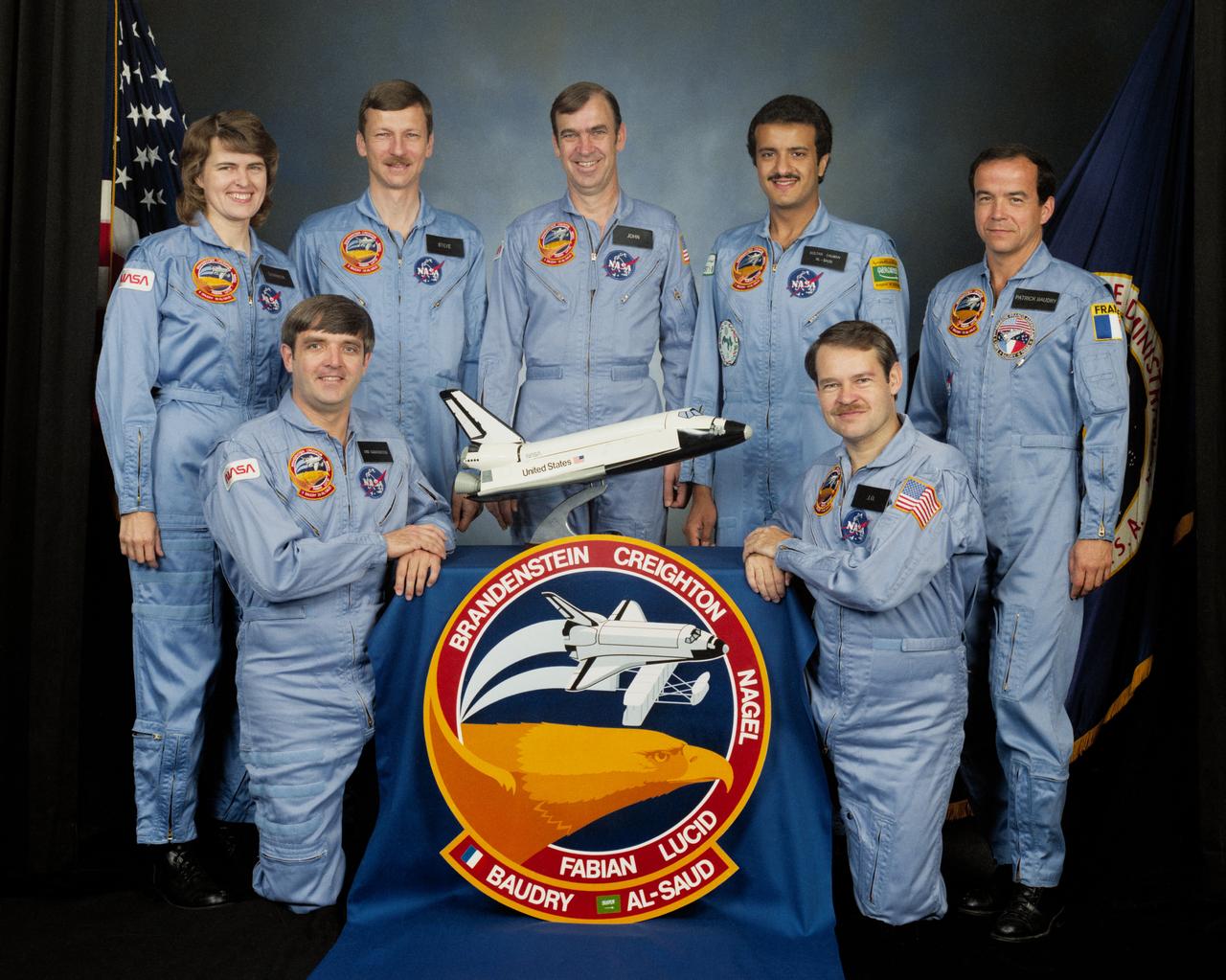
S85-32877 (20 May 1985) --- Seven 51-G crew members take a break from training and other preparations for their June flight aboard the Discovery to pose for a group photograph. Kneeling in front are astronauts Daniel C. Brandenstein (left) and John O. Creighton, commander and pilot, respectively. Astronauts Shannon W. Lucid, Steven R. Nagel and John M. Fabian, mission specialists (l.-r.) join Payload Specialists Sultan Salman Abdelazize Al-Saud (second right) and Patrick Baudry on the back row. Photo credit: NASA
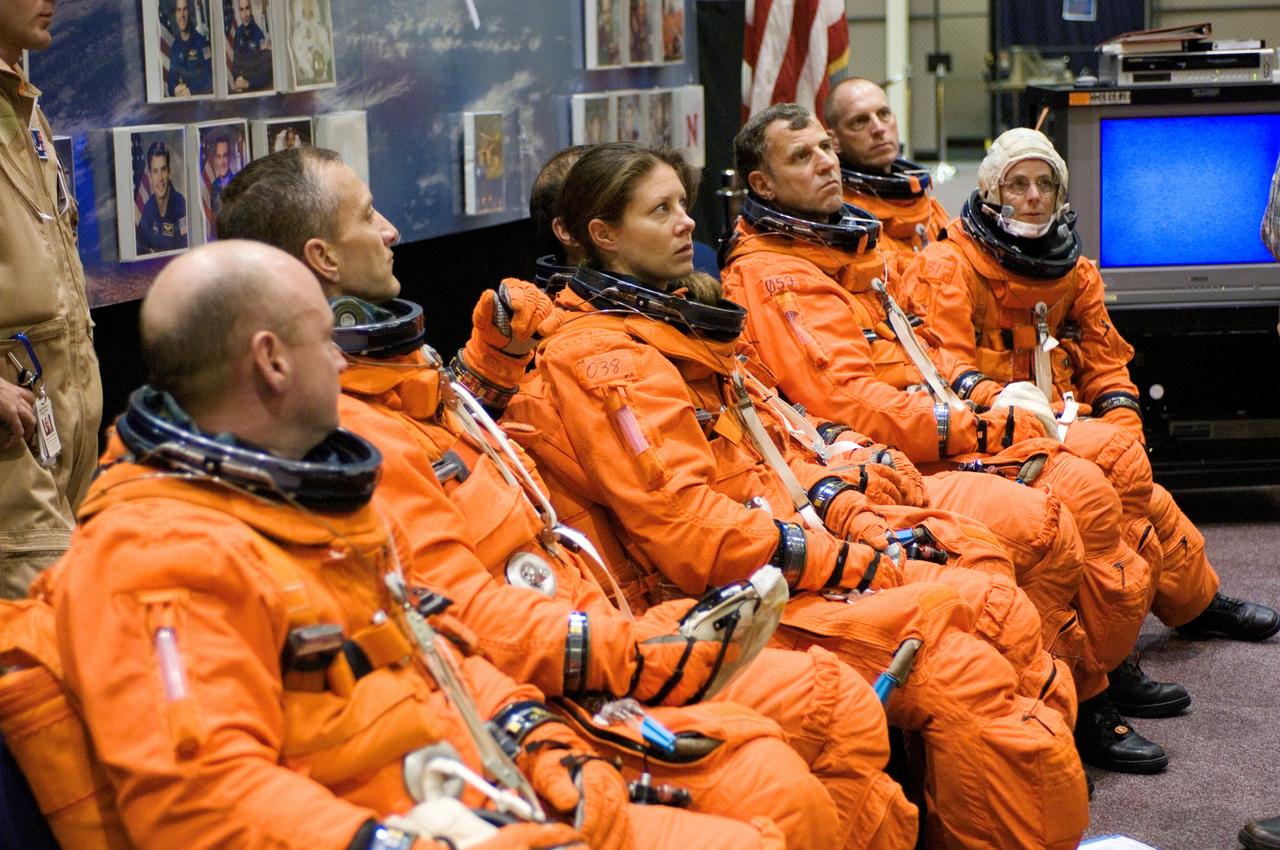
JSC2006-E-43768 (4 Oct. 2006) --- Attired in training versions of their shuttle launch and entry suits, astronauts Scott J. Kelly (left), STS-118 commander; Charles O. Hobaugh, pilot; Tracy E. Caldwell and Richard A. (Rick) Mastracchio, mission specialists; Dafydd R. (Dave) Williams, mission specialist representing the Canadian Space Agency; Barbara R. Morgan, mission specialist; and Clayton C. Anderson, Expedition 15 NASA space station science officer and flight engineer; await the start of a training session in the Space Vehicle Mockup Facility at Johnson Space Center.
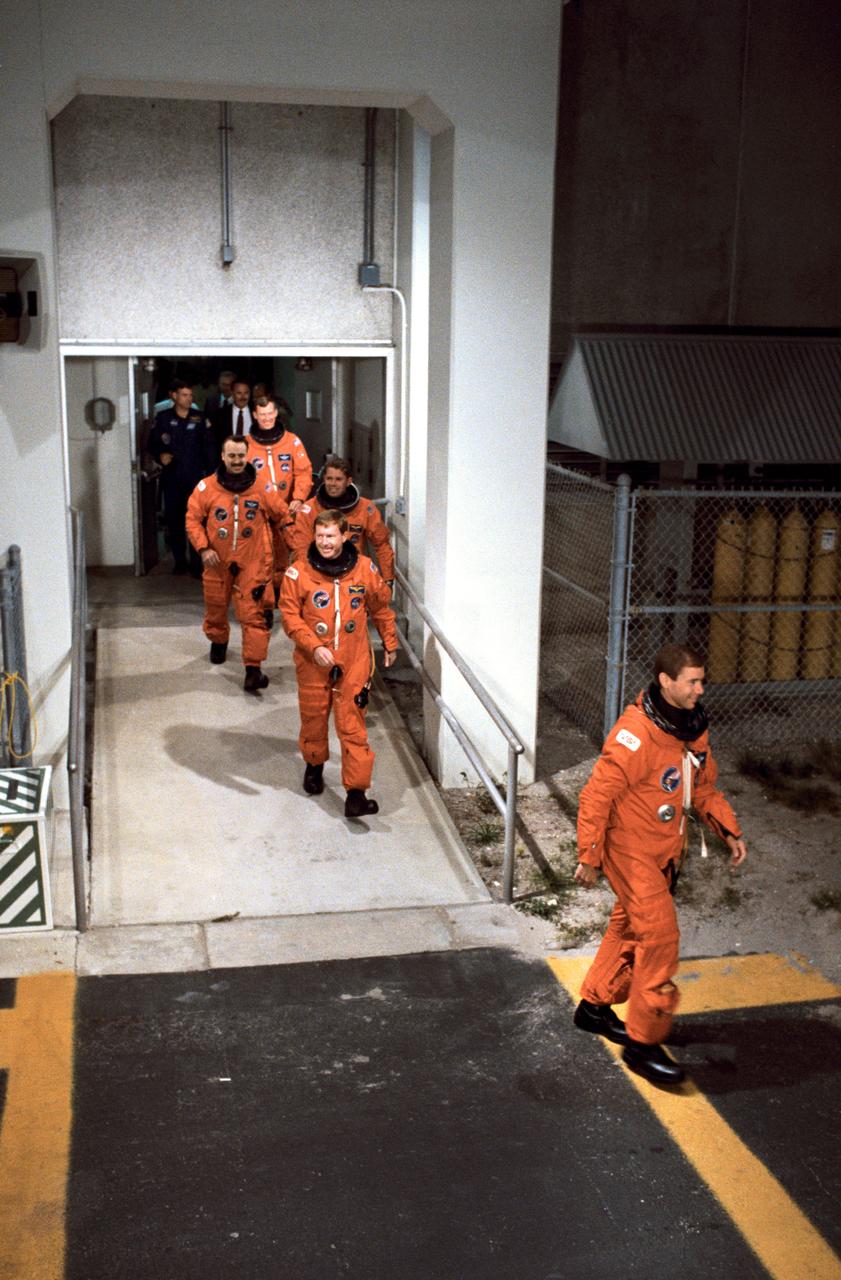
STS028-S-001 (8 Aug 1989) --- The five astronaut crewmembers for STS-28 leave the operations and checkout building to board a transfer van en route to Launch Complex 39 for a date with Columbia. Front to back are Brewster H. Shaw Jr., Richard N. Richards, David C. Leestma, James C. Adamson and Mark N. Brown. At the rear of the line are Astronaut Michael L. Coats, acting chief of the astronaut office; and Donald R. Puddy, director of flight crew operations at JSC. Coats later flew a NASA Shuttle training aircraft for pre-launch and launch monitoring activities.
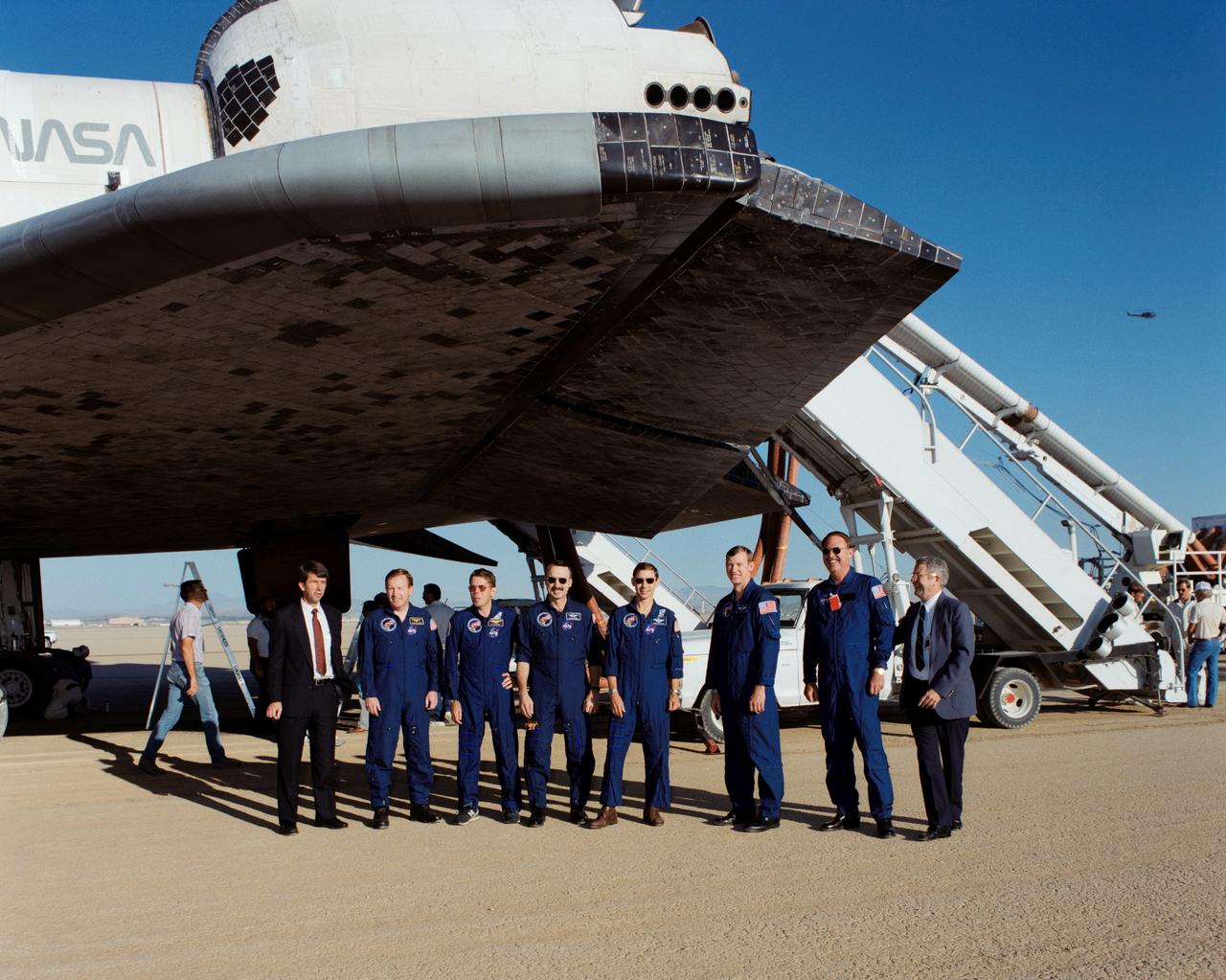
STS028-S-014 (13 Aug. 1989) --- The five astronaut crewmembers for STS-28 pose near the Space Shuttle Columbia after spending five days in Earth orbit for a DOD-devoted mission. They were greeted and are flanked here by William B. Lenoir (left), NASA Associate Administrator for Spaceflight; Donald R. Puddy (second right), director of flight crew operations; and Rear Adm. Richard H. Truly (right), NASA Administrator. The astronauts are, from left to right, Richard N. Richards, David C. Leestma, James C. Adamson, Brewster H. Shaw Jr. and Mark N. Brown.
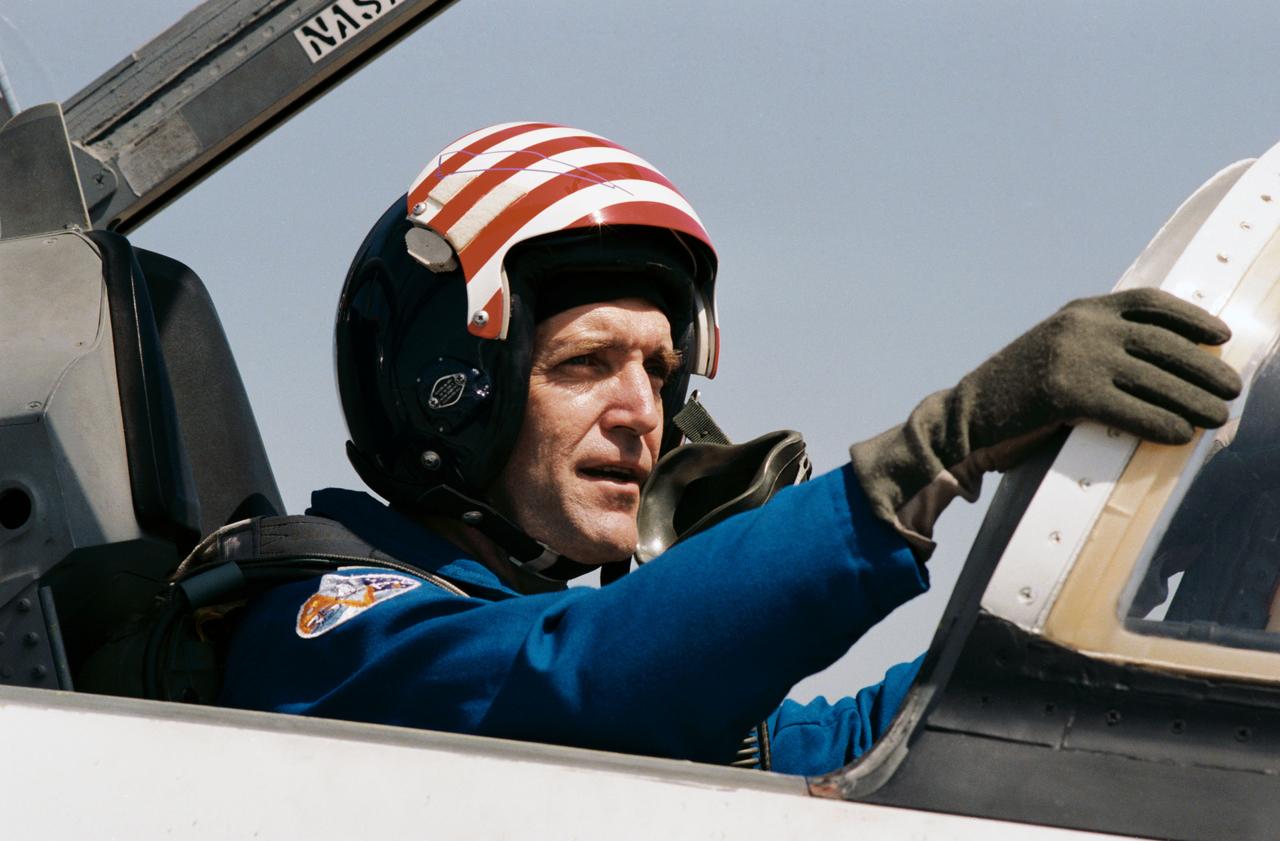
41C-3002 (3 April 1984) --- Astronaut Francis R. (Dick) Scobee, 41-C pilot, is only minutes away from leaving Ellington Air Base in a T-38. Scobee and four other 41-C crewmembers, along with Astronaut John W. Young, are headed for Florida, site of a launch in three days of the Space Shuttle Challenger. Scobee, an experienced pilot, is responsible for helping a number of other NASA astronauts learn to fly. The eleventh Space Shuttle mission will mark his first experience in space. This photograph was taken by Otis Imboden.
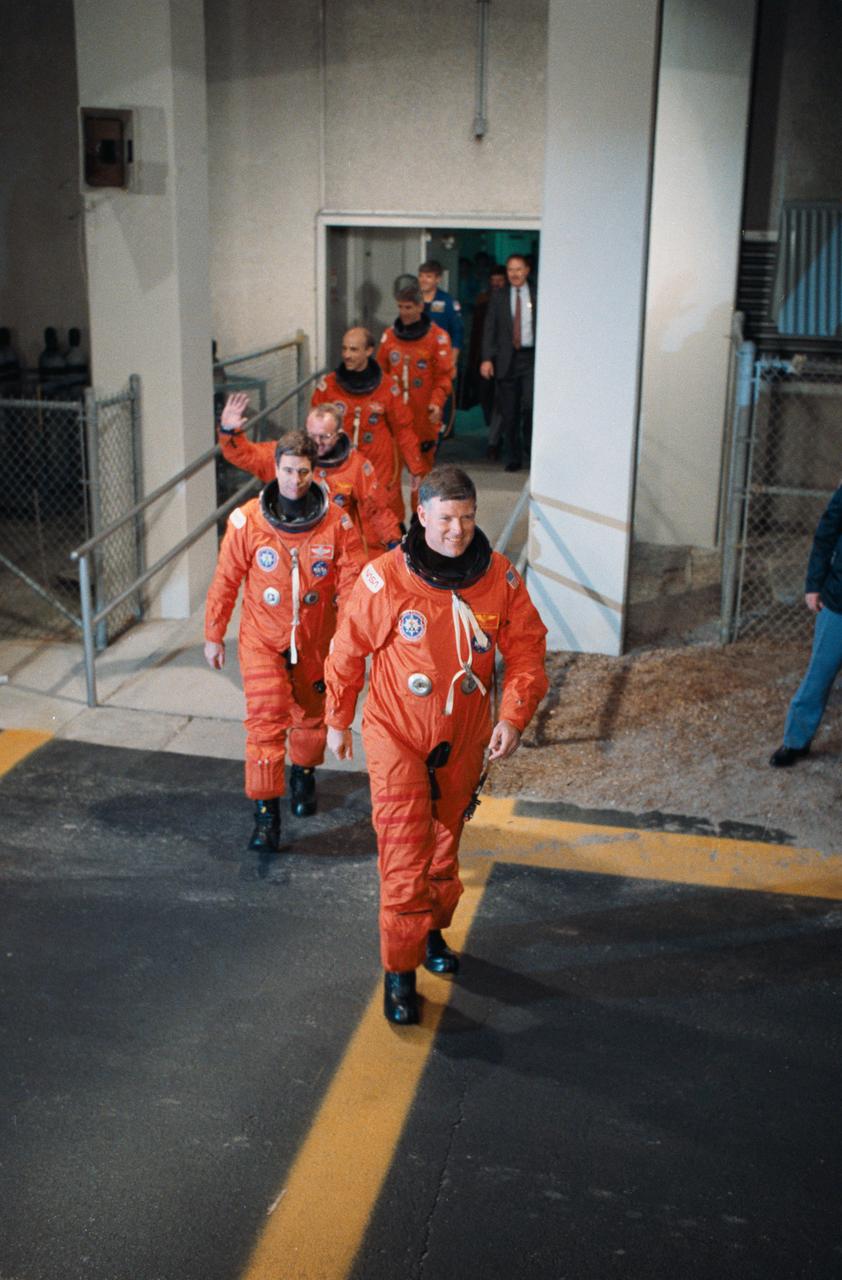
STS029-S-024 (13 March 1989) --- The flight crew for NASA's STS-29 mission leave the operations and checkout building en route to the van that will transport them to Launch Pad 39B, where Discovery awaits the astronauts for its second post-Challenge flight. Leading the way is astronaut Michael L. Coats, mission commander. He is followed by astronauts John E. Blaha, pilot; and James F. Buchli, James P. Bagian and Robert C. Springer, all mission specialists. In the background are astronaut Daniel C. Brandenstein, chief of the astronaut office, and Donald R. Puddy, director of flight crew operations.
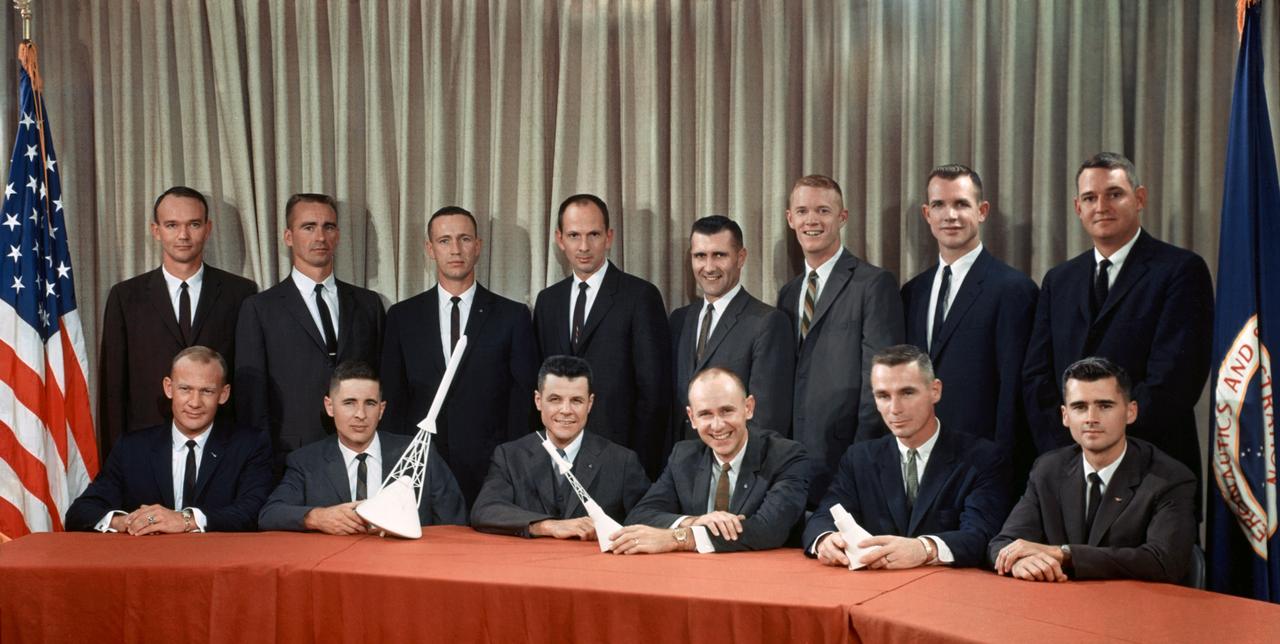
S63-18765 (October 1963) --- These fourteen pilots have been assigned to begin training for astronaut positions with the National Aeronautics and Space Administration (NASA). Front row, from the left, Edwin E. Aldrin Jr., William A. Anders, Charles A. Bassett II, Alan L. Bean, Eugene A. Cernan and Roger B. Chaffee. Back row, from the left, Michael Collins, Walter Cunningham, Donn F. Eisele, Theodore C. Freeman, Richard F. Gordon Jr., Russell L. Scweickart, David R. Scott and Clifton C. Williams Jr. Photo credit: NASA or National Aeronautics and Space Administration
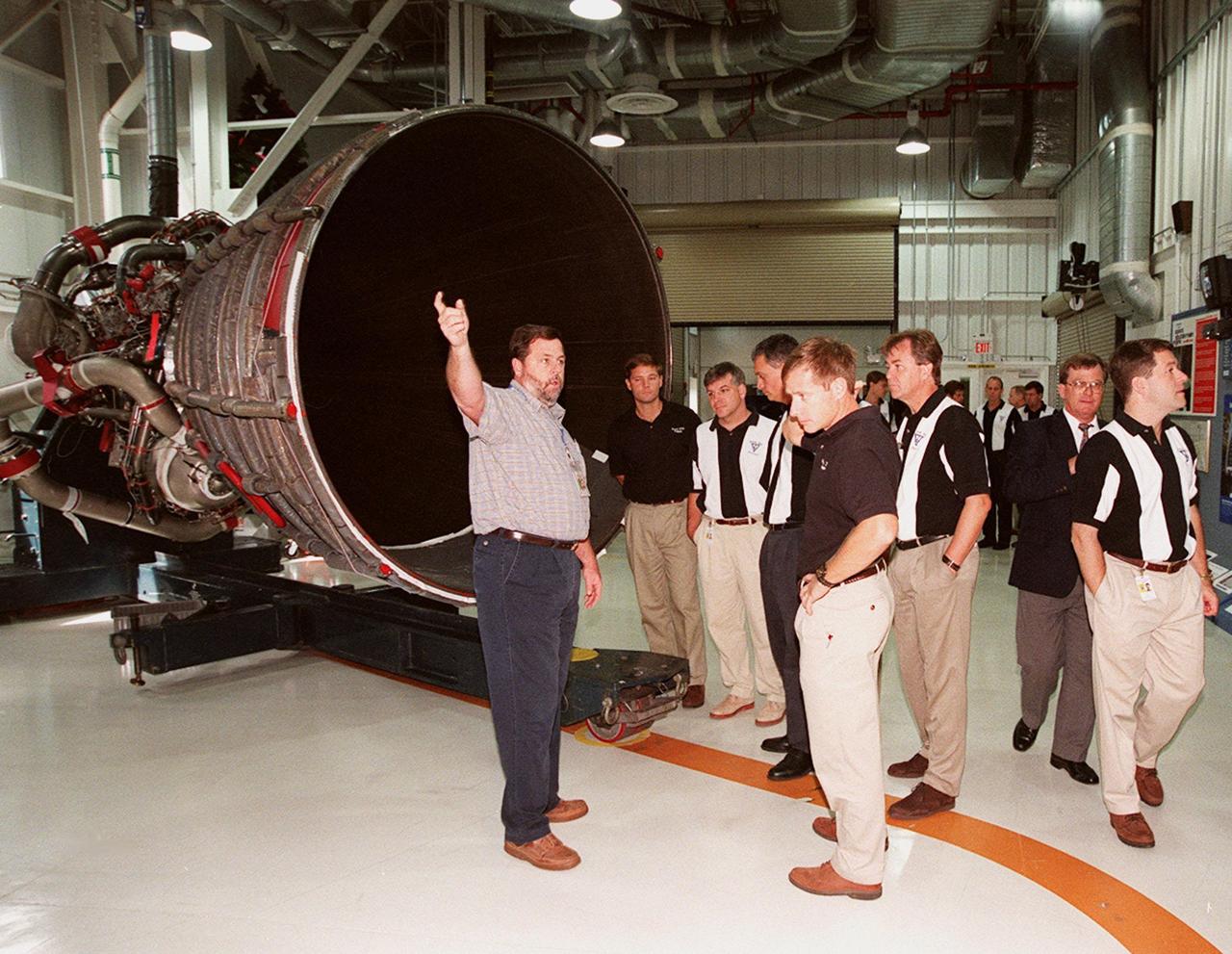
Members of the 1998 astronaut candidate class (group 17) learn about the use of the Space Shuttle Main Engine (SSME) Processing Facility. At left is one of the main shuttle engines. The class is at KSC for training activities, including fire training and a flight awareness program, plus touring the OPF, VAB, SSPF, launch pads, SLF, Apollo/Saturn V Center, the crew headquarters, as well as the SSME Processing Facility. The U.S. candidates in the '98 class are Clayton C. Anderson, Lee J. Archambault, Tracy E. Caldwell (Ph.D.), Gregory E. Chamitoff (Ph.D.), Timothy J. Creamer, Christopher J. Ferguson, Michael J. Foreman, Michael E. Fossum, Kenneth T. Ham, Patricia C. Hilliard (M.D.), Gregory C. Johnson, Gregory H. Johnson, Stanley G. Love (Ph.D.), Leland D. Melvin, Barbara R. Morgan, William A. Oefelein, John D. Olivas (Ph.D.), Nicholas J.M. Patrick (Ph.D.), Alan G. Poindexter, Garrett E. Reisman (Ph.D.), Steven R. Swanson, Douglas H. Wheelock, Sunita L. Williams, Neil W. Woodward III, George D. Zamka; and the international candidates are Leopold Eyharts, Paolo Nespoli, Hans Schlegel, Roberto Vittori, Bjarni V. Tryggvason, and Marcos Pontes
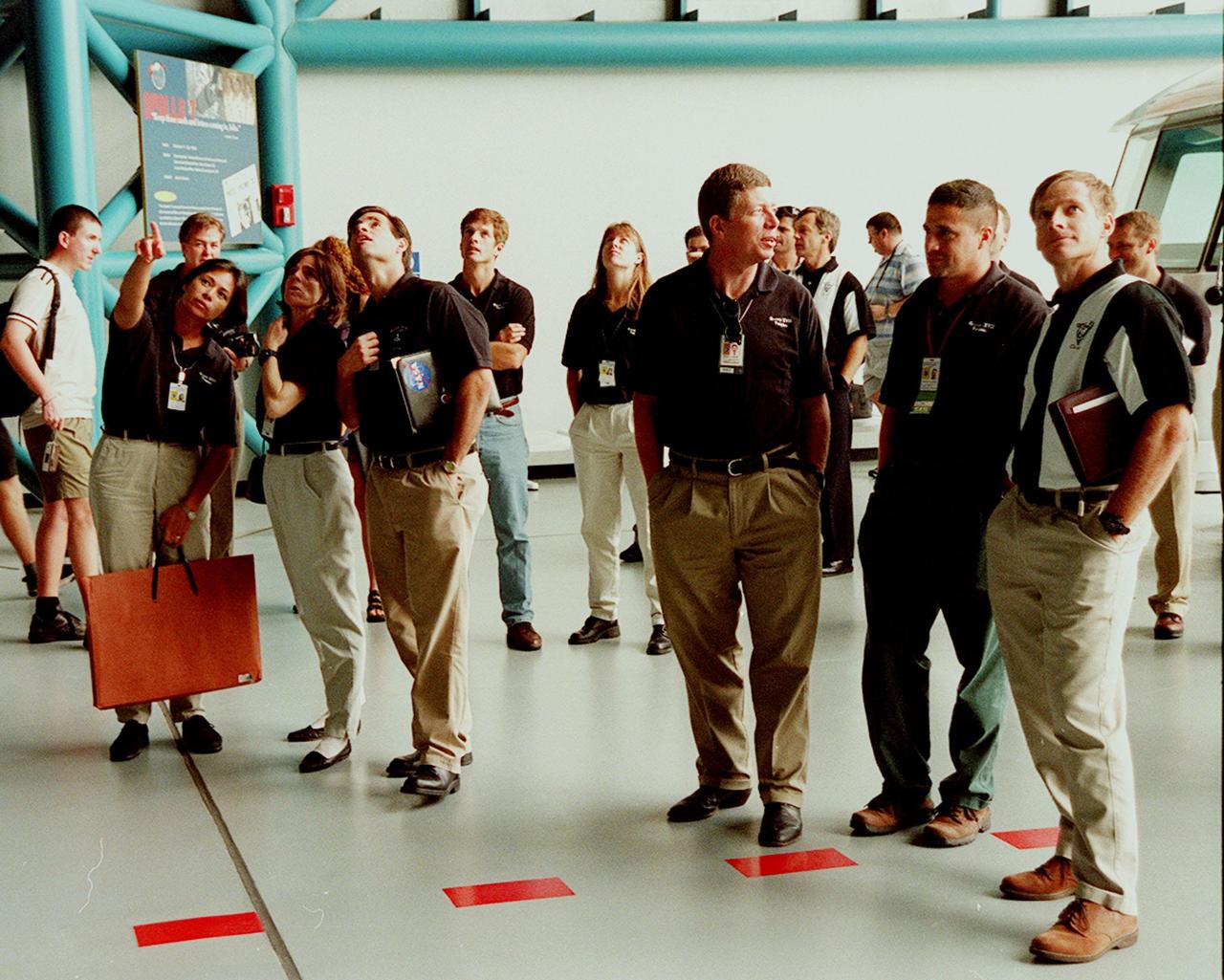
KENNEDY SPACE CENTER, FLA. -- At the Apollo/Saturn V Center, some of the 1998 astronaut candidate class (group 17) take a close look at the Saturn V rocket on display. The U.S. candidates include Clayton C. Anderson, Lee J. Archambault, Tracy E. Caldwell (Ph.D.), Gregory E. Chamitoff (Ph.D.), Timothy J. Creamer, Christopher J. Ferguson, Michael J. Foreman, Michael E. Fossum, Kenneth T. Ham, Patricia C. Hilliard (M.D.), Gregory C. Johnson, Gregory H. Johnson, Stanley G. Love (Ph.D.), Leland D. Melvin, Barbara R. Morgan, William A. Oefelein, John D. Olivas (Ph.D.), Nicholas J.M. Patrick (Ph.D.), Alan G. Poindexter, Garrett E. Reisman (Ph.D.), Steven R. Swanson, Douglas H. Wheelock, Sunita L. Williams, Neil W. Woodward III, George D. Zamka; and international candidates Leopold Eyharts, Paolo Nespoli, Hans Schlegel, Roberto Vittori, Bjarni V. Tryggvason, and Marcos Pontes. The class is at KSC for training activities, including fire training and a flight awareness program, plus touring the OPF, SSME Processing Facility, VAB, SSPF, launch pads, SLF, Apollo/Saturn V Center and the crew headquarters
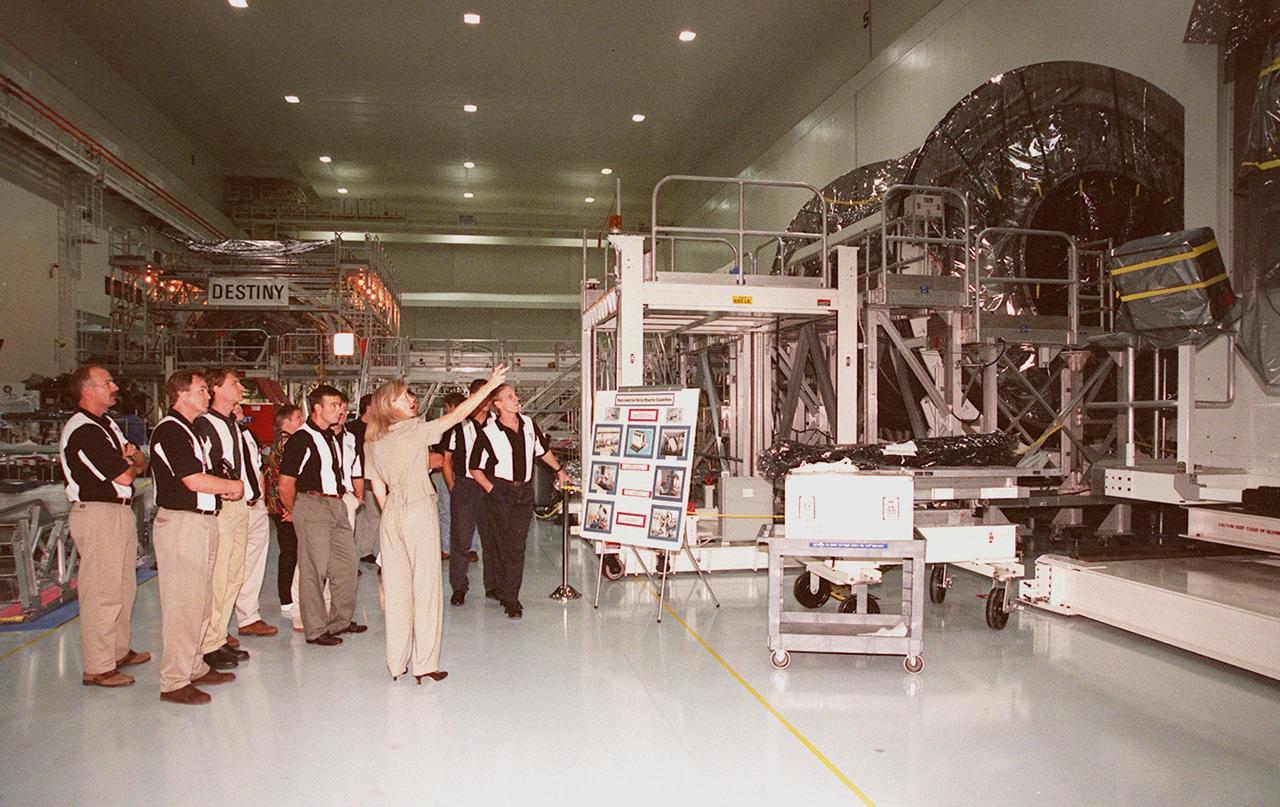
KENNEDY SPACE CENTER, FLA. -- In the Space Station Processing Facility (SSPF), members of the 1998 astronaut candidate class (group 17) are shown future components of the International Space Station, such as the Multi-Purpose Logistics Module at right. The class is taking part in training activities, including fire training and a flight awareness program, plus touring the OPF, VAB, SSME Processing Facility, launch pads, SLF, Apollo/Saturn V Center, the crew headquarters, as well as the SSPF. The U.S. candidates in the '98 class are Clayton C. Anderson, Lee J. Archambault, Tracy E. Caldwell (Ph.D.), Gregory E. Chamitoff (Ph.D.), Timothy J. Creamer, Christopher J. Ferguson, Michael J. Foreman, Michael E. Fossum, Kenneth T. Ham, Patricia C. Hilliard (M.D.), Gregory C. Johnson, Gregory H. Johnson, Stanley G. Love (Ph.D.), Leland D. Melvin, Barbara R. Morgan, William A. Oefelein, John D. Olivas (Ph.D.), Nicholas J.M. Patrick (Ph.D.), Alan G. Poindexter, Garrett E. Reisman (Ph.D.), Steven R. Swanson, Douglas H. Wheelock, Sunita L. Williams, Neil W. Woodward III, George D. Zamka; and the international candidates are Leopold Eyharts, Paolo Nespoli, Hans Schlegel, Roberto Vittori, Bjarni V. Tryggvason, and Marcos Pontes
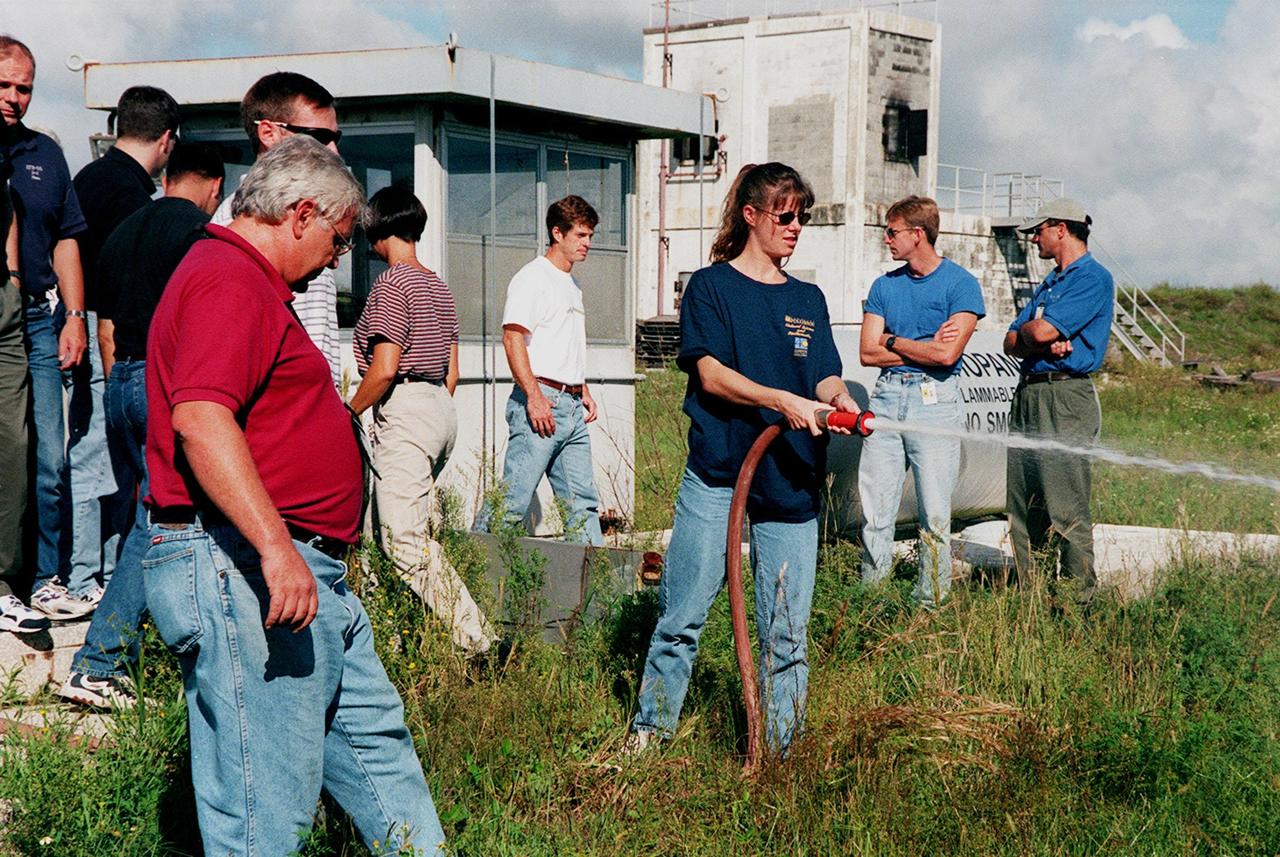
KENNEDY SPACE CENTER, FLA. -- On the grounds of the Kennedy Space Center, members of the 1998 astronaut candidate class (Group 17) watch as candidate Tracy E. Caldwell (Ph.D.) practices using firefighting equipment during fire training. The class is at KSC for training activities, including a flight awareness program, plus touring the OPF, VAB, SSPF, SSME Processing Facility, launch pads, SLF, Apollo/Saturn V Center, and the crew quarters. The other U.S. candidates in the '98 class are Clayton C. Anderson, Lee J. Archambault, Gregory E. Chamitoff (Ph.D.), Timothy J. Creamer, Christopher J. Ferguson, Michael J. Foreman, Michael E. Fossum, Kenneth T. Ham, Patricia C. Hilliard (M.D.), Gregory C. Johnson, Gregory H. Johnson, Stanley G. Love (Ph.D.), Leland D. Melvin, Barbara R. Morgan, William A. Oefelein, John D. Olivas (Ph.D.), Nicholas J.M. Patrick (Ph.D.), Alan G. Poindexter, Garrett E. Reisman (Ph.D.), Steven R. Swanson, Douglas H. Wheelock, Sunita L. Williams, Neil W. Woodward III, George D. Zamka; and the international candidates are Leopold Eyharts, Paolo Nespoli, Hans Schlegel, Roberto Vittori, Bjarni V. Tryggvason, and Marcos Pontes
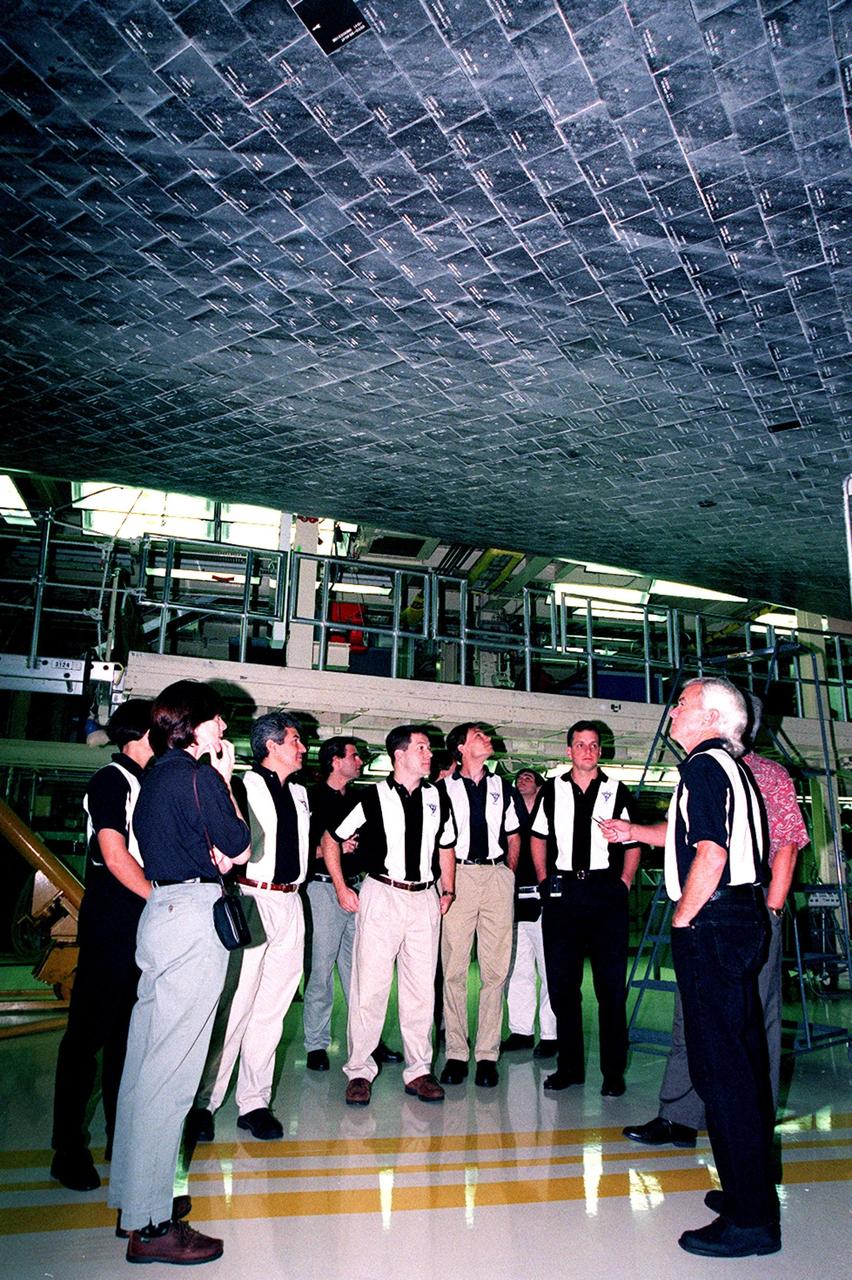
In the Orbiter Processing Facility bay 3, members of the 1998 astronaut candidate class (group 17) get a close-up view of the tiles, part of the thermal protection system, on the underside of the orbiter Atlantis overhead. The class is at KSC for training activities, including fire training and a flight awareness program, plus touring the OPF, SSME Processing Facility, VAB, SSPF, launch pads, SLF, Apollo/Saturn V Center and the crew headquarters. The U.S. candidates in the '98 class are Clayton C. Anderson, Lee J. Archambault, Tracy E. Caldwell (Ph.D.), Gregory E. Chamitoff (Ph.D.), Timothy J. Creamer, Christopher J. Ferguson, Michael J. Foreman, Michael E. Fossum, Kenneth T. Ham, Patricia C. Hilliard (M.D.), Gregory C. Johnson, Gregory H. Johnson, Stanley G. Love (Ph.D.), Leland D. Melvin, Barbara R. Morgan, William A. Oefelein, John D. Olivas (Ph.D.), Nicholas J.M. Patrick (Ph.D.), Alan G. Poindexter, Garrett E. Reisman (Ph.D.), Steven R. Swanson, Douglas H. Wheelock, Sunita L. Williams, Neil W. Woodward III, George D. Zamka; and the international candidates are Leopold Eyharts, Paolo Nespoli, Hans Schlegel, Roberto Vittori, Bjarni V. Tryggvason, and Marcos Pontes
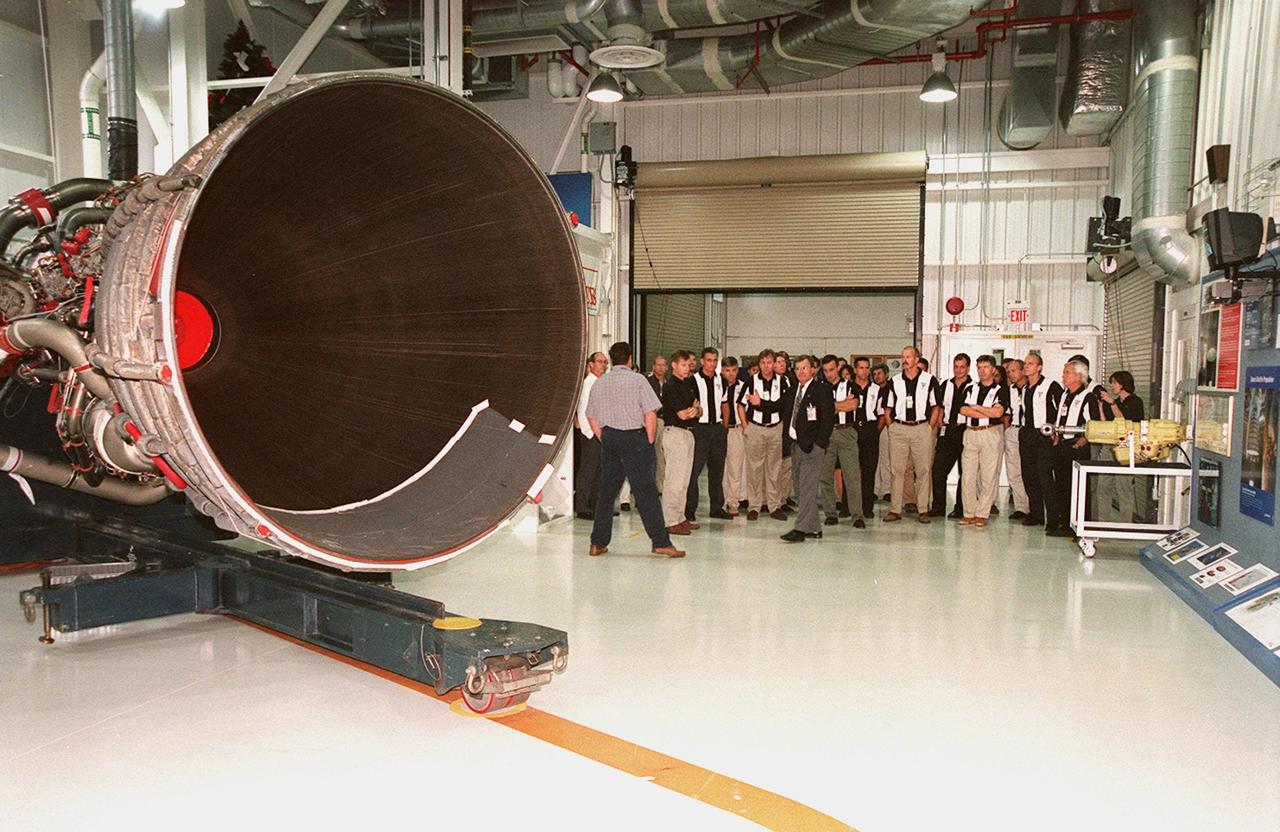
The 1998 astronaut candidate class (group 17) gather in the Space Shuttle Main Engine Processing (SSMEP) Facility. In the foreground is one of the main shuttle engines. The class is at KSC for training activities, including fire training and a flight awareness program, plus touring the OPF, SSME Processing Facility, VAB, SSPF, launch pads, SLF, Apollo/Saturn V Center and the crew headquarters. The U.S. candidates in the '98 class are Clayton C. Anderson, Lee J. Archambault, Tracy E. Caldwell (Ph.D.), Gregory E. Chamitoff (Ph.D.), Timothy J. Creamer, Christopher J. Ferguson, Michael J. Foreman, Michael E. Fossum, Kenneth T. Ham, Patricia C. Hilliard (M.D.), Gregory C. Johnson, Gregory H. Johnson, Stanley G. Love (Ph.D.), Leland D. Melvin, Barbara R. Morgan, William A. Oefelein, John D. Olivas (Ph.D.), Nicholas J.M. Patrick (Ph.D.), Alan G. Poindexter, Garrett E. Reisman (Ph.D.), Steven R. Swanson, Douglas H. Wheelock, Sunita L. Williams, Neil W. Woodward III, George D. Zamka; and the international candidates are Leopold Eyharts, Paolo Nespoli, Hans Schlegel, Roberto Vittori, Bjarni V. Tryggvason, and Marcos Pontes

KENNEDY SPACE CENTER, FLA. -- On the grounds of the Kennedy Space Center, members of the 1998 astronaut candidate class (Group 17) watch as candidate Sunita L. Williams practices using firefighting equipment during fire training. The class is at KSC for training activities, including a flight awareness program, plus touring the OPF, VAB, SSPF, SSME Processing Facility, launch pads, SLF, Apollo/Saturn V Center, and the crew quarters. The other U.S. candidates in the '98 class are Clayton C. Anderson, Lee J. Archambault, Tracy E. Caldwell (Ph.D.), Gregory E. Chamitoff (Ph.D.), Timothy J. Creamer, Christopher J. Ferguson, Michael J. Foreman, Michael E. Fossum, Kenneth T. Ham, Patricia C. Hilliard (M.D.), Gregory C. Johnson, Gregory H. Johnson, Stanley G. Love (Ph.D.), Leland D. Melvin, Barbara R. Morgan, William A. Oefelein, John D. Olivas (Ph.D.), Nicholas J.M. Patrick (Ph.D.), Alan G. Poindexter, Garrett E. Reisman (Ph.D.), Steven R. Swanson, Douglas H. Wheelock, Neil W. Woodward III, George D. Zamka; and the international candidates are Leopold Eyharts, Paolo Nespoli, Hans Schlegel, Roberto Vittori, Bjarni V. Tryggvason, and Marcos Pontes