
Consoles in the Radiological Control Center at NASA's Kennedy Space Center are seen during ceremonies to name the facility in honor of Randy Scott. A professional health physicist of more than 40 years, Scott served as the Florida spaceport's Radiation Protection Officer for 14 years until his death June 17, 2016. Located in the Neil Armstrong Operations and Checkout building, the Randall E. Scott Radiological Control Center is staffed by technical and radiological experts from NASA, the U.S. Department of Energy, the U.S. Air Force 45th Space Wing and the state of Florida. The group performs data collection and assessment functions supporting launch site and field data collection activities.

Family members of Randy Scott gather in the Radiological Control Center at NASA's Kennedy Space Center following ceremonies to name the facility in his honor. A professional health physicist of more than 40 years, Scott served as the Florida spaceport's Radiation Protection Officer for 14 years until his death June 17, 2016.

Nancy Bray, director of Spaceport Integration and Services at NASA's Kennedy Space Center, left, is joined by Myrna Scott, center, and Dr. David Tipton, chief of Aerospace Medicine and Occupational Health, in cutting a ceremonial ribbon dedicating the Randal E. Scott Radiological Control Center at the Florida spaceport. Myrna Scott is the widow of Randy Scott, who was a professional health physicist of more than 40 years. He served as the Florida spaceport's Radiation Protection Officer for 14 years until his death June 17, 2016.

A portion of the Radiological Control Center at NASA's Kennedy Space Center is seen during ceremonies to name the facility in honor of Randy Scott. A professional health physicist of more than 40 years, Scott served as the Florida spaceport's Radiation Protection Officer for 14 years until his death June 17, 2016. Located in the Neil Armstrong Operations and Checkout building, the Randall E. Scott Radiological Control Center is staffed by technical and radiological experts from NASA, the U.S. Department of Energy, the U.S. Air Force 45th Space Wing and the state of Florida. The group performs data collection and assessment functions supporting launch site and field data collection activities.

Nancy Bray, director of Spaceport Integration and Services at NASA's Kennedy Space Center, left, is joined by Myrna Scott, center, and Dr. David Tipton, chief of Aerospace Medicine and Occupational Health, in cutting a ceremonial ribbon dedicating the Randal E. Scott Radiological Control Center at the Florida spaceport. Myrna Scott is the widow of Randy Scott, who was a professional health physicist of more than 40 years. He served as the Florida spaceport's Radiation Protection Officer for 14 years until his death June 17, 2016.

Nancy Bray, director of Spaceport Integration and Services at NASA's Kennedy Space Center, left, is joined by Myrna Scott, center, and Dr. David Tipton, chief of Aerospace Medicine and Occupational Health, in cutting a ceremonial ribbon dedicating the Randal E. Scott Radiological Control Center at the Florida spaceport. Myrna Scott is the widow of Randy Scott, who was a professional health physicist of more than 40 years. He served as the Florida spaceport's Radiation Protection Officer for 14 years until his death June 17, 2016.

Myrna Scott holds a replica of the emblem noting that the Radiological Control Center at NASA's Kennedy Space Center has been named in honor of her husband, Randy Scott who died last year. A ceremony honored the extensive contributions of Randy Scott. A professional health physicist of more than 40 years, Scott served as the Florida spaceport's Radiation Protection Officer for 14 years until his death June 17, 2016.

Space Center, presents Myrna Scott, widow of Randy Scott, with a replica of the emblem noting that the spaceport's Radiological Control Center has been named in honor of her husband who died last year. The ceremony in the center's Radiological Control Center honored the extensive contributions of Randy Scott. A professional health physicist of more than 40 years, Scott served as the Florida spaceport's Radiation Protection Officer for 14 years until his death June 17, 2016.

A Mars Science Laboratory cap is displayed in the Randall E. Scott Radiological Control Center at NASA's Kennedy Space Center. The facility was recently named in honor of Randy Scott, a professional health physicist of more than 40 years. He served as the Florida spaceport's Radiation Protection Officer for 14 years until his death June 17, 2016. Launched Nov. 26, 2011, the Mars Science Laboratory with the Curiosity lander was powered by a radioisotope thermalelectric generator. Located in the Neil Armstrong Operations and Checkout building, the Randall E. Scott Radiological Control Center is staffed by technical and radiological experts from NASA, the U.S. Department of Energy, the U.S. Air Force 45th Space Wing and the state of Florida. The group performs data collection and assessment functions supporting launch site and field data collection activities during launces involving plutonium-powered spacecraft such as the Mars Science Laboratory.

Nancy Bray, director of Spaceport Integration and Services at NASA's Kennedy Space Center, speaks during ceremonies to name the Radiological Control Center in honor for Randy Scott. A professional health physicist of more than 40 years, Scott served as the Florida spaceport's Radiation Protection Officer for 14 years until his death June 17, 2016.
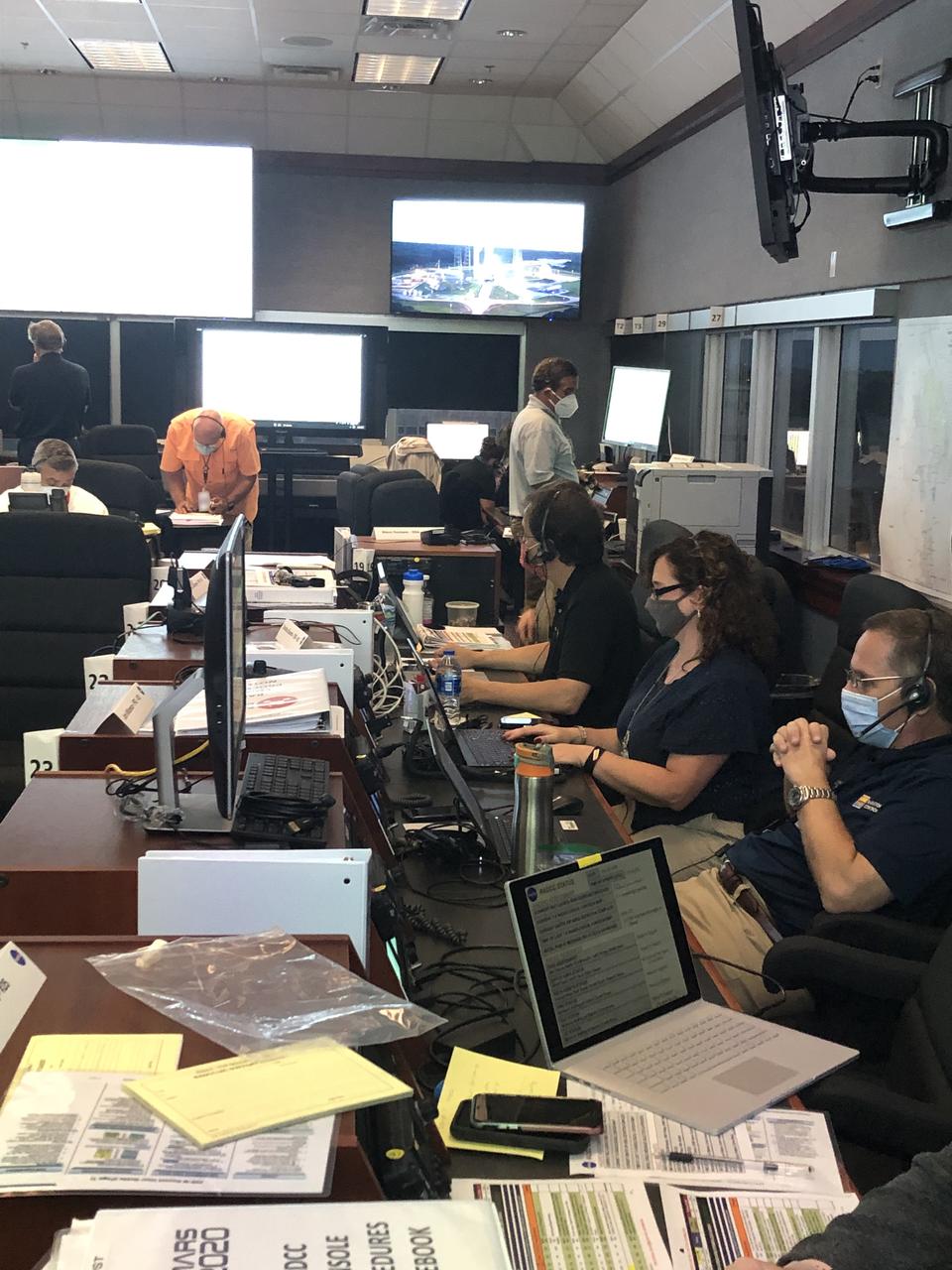
Joint Information Center (JIC), Emergency Operations Center (EOC) and Radiation Control Center (RADCC) members prepare for the launch of NASA’s Mars 2020 Perseverance rover and Ingenuity helicopter on July 30, 2020, at the agency’s Kennedy Space Center in Florida. JIC members include representatives on the local, regional and national level. Mars 2020 launched on a United Launch Alliance Atlas V 541 rocket from Space Launch Complex 41 at nearby Cape Canaveral Air Force Station. Liftoff was at 7:50 a.m. EDT. The rover is part of NASA’s Mars Exploration Program, a long-term effort of robotic exploration of the Red Planet. The rover will search for habitable conditions in the ancient past and signs of past microbial life on Mars. The Launch Services Program at Kennedy is responsible for launch management.

CAPE CANAVERAL, Fla. -- Members of the media take a tour of the Radiological Control Center (RADCC) at NASA's Kennedy Space Center in Florida. The tour focused on safety equipment and procedures for the upcoming launch of the Mars Science Laboratory (MSL) mission. The MSL spacecraft includes a multi-mission radioisotope thermoelectric generator (MMRTG) that will generate the power needed for the mission from the natural decay of plutonium-238, a non-weapons-grade form of the radioisotope. MSL's components include a car-sized rover, Curiosity, which has 10 science instruments designed to search for signs of life, including methane, and help determine if the gas is from a biological or geological source. Launch of MSL aboard a United Launch Alliance Atlas V rocket is targeted for Nov. 26 from Space Launch Complex 41 on Cape Canaveral Air Force Station. For more information, visit http://www.nasa.gov/msl. Photo credit: NASA/Frankie Martin
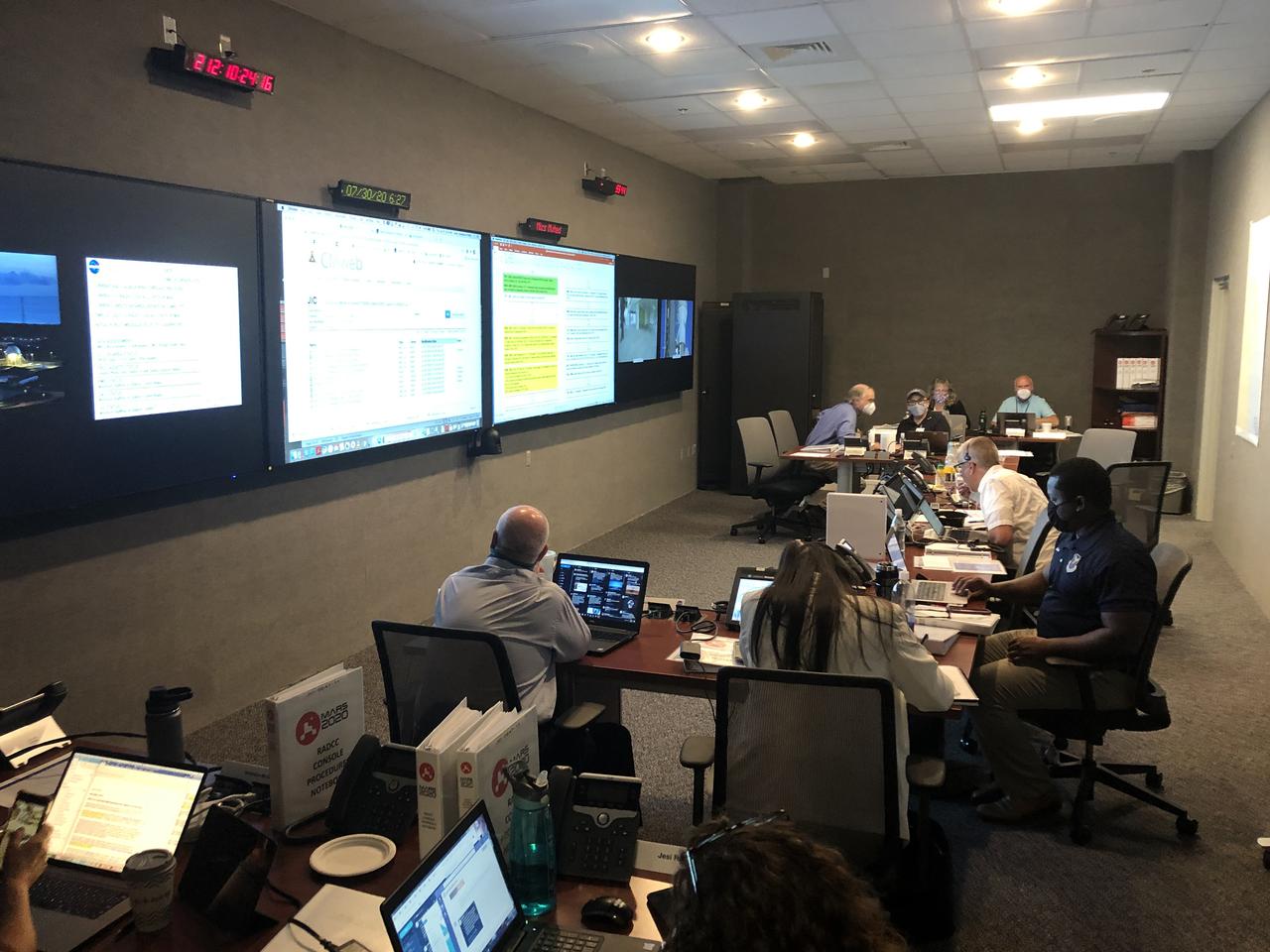
Joint Information Center (JIC), Emergency Operations Center (EOC) and Radiation Control Center (RADCC) members prepare for the launch of NASA’s Mars 2020 Perseverance rover and Ingenuity helicopter on July 30, 2020, at the agency’s Kennedy Space Center in Florida. JIC members include representatives on the local, regional and national level. Mars 2020 launched on a United Launch Alliance Atlas V 541 rocket from Space Launch Complex 41 at nearby Cape Canaveral Air Force Station. Liftoff was at 7:50 a.m. EDT. The rover is part of NASA’s Mars Exploration Program, a long-term effort of robotic exploration of the Red Planet. The rover will search for habitable conditions in the ancient past and signs of past microbial life on Mars. The Launch Services Program at Kennedy is responsible for launch management.

Joint Information Center (JIC), Emergency Operations Center (EOC) and Radiation Control Center (RADCC) members prepare for the launch of NASA’s Mars 2020 Perseverance rover and Ingenuity helicopter on July 30, 2020, at the agency’s Kennedy Space Center in Florida. JIC members include representatives on the local, regional and national level. Mars 2020 launched on a United Launch Alliance Atlas V 541 rocket from Space Launch Complex 41 at nearby Cape Canaveral Air Force Station. Liftoff was at 7:50 a.m. EDT. The rover is part of NASA’s Mars Exploration Program, a long-term effort of robotic exploration of the Red Planet. The rover will search for habitable conditions in the ancient past and signs of past microbial life on Mars. The Launch Services Program at Kennedy is responsible for launch management.
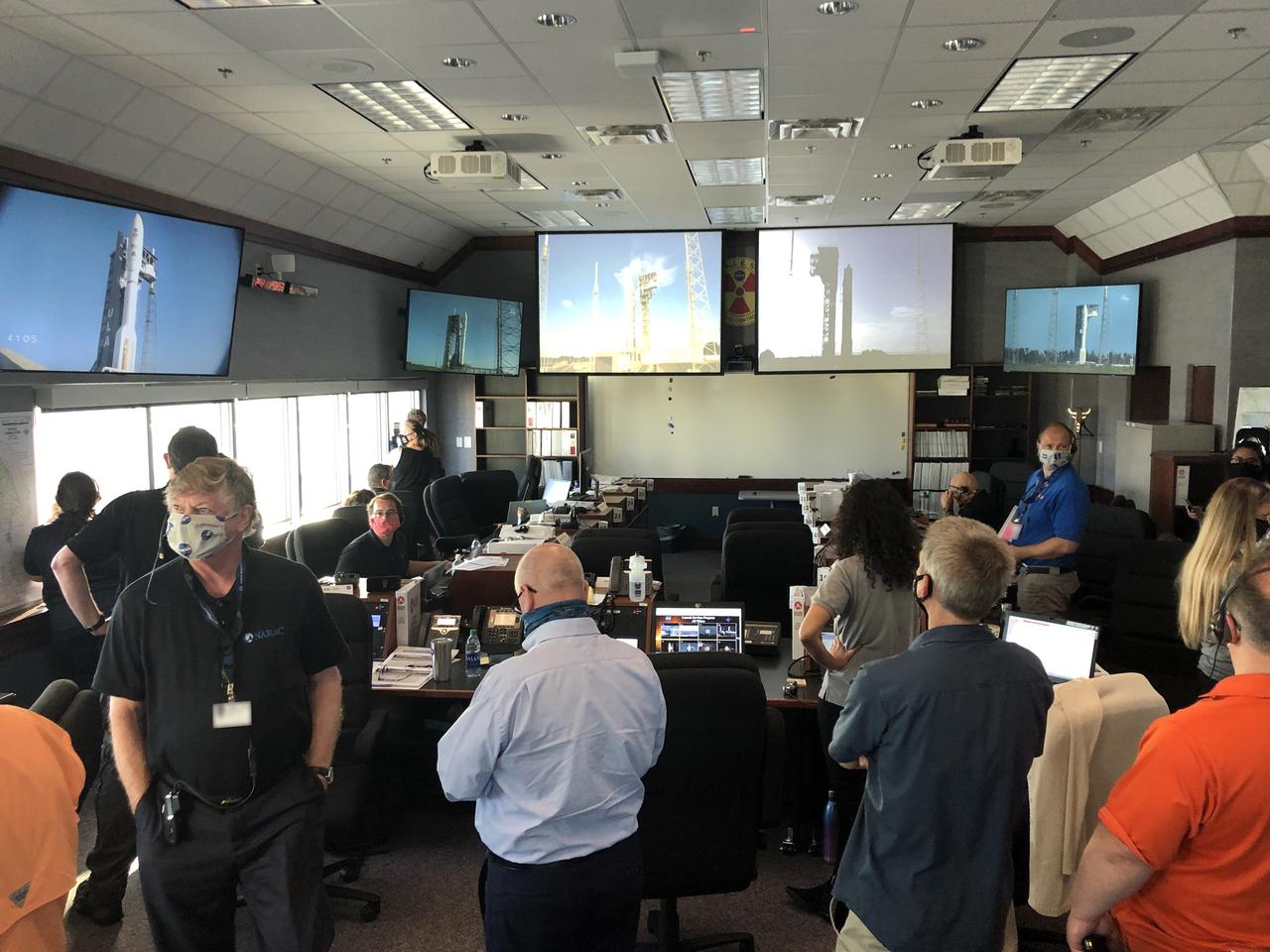
Joint Information Center (JIC), Emergency Operations Center (EOC) and Radiation Control Center (RADCC) members prepare for the launch of NASA’s Mars 2020 Perseverance rover and Ingenuity helicopter on July 30, 2020, at the agency’s Kennedy Space Center in Florida. JIC members include representatives on the local, regional and national level. Mars 2020 launched on a United Launch Alliance Atlas V 541 rocket from Space Launch Complex 41 at nearby Cape Canaveral Air Force Station. Liftoff was at 7:50 a.m. EDT. The rover is part of NASA’s Mars Exploration Program, a long-term effort of robotic exploration of the Red Planet. The rover will search for habitable conditions in the ancient past and signs of past microbial life on Mars. The Launch Services Program at Kennedy is responsible for launch management.
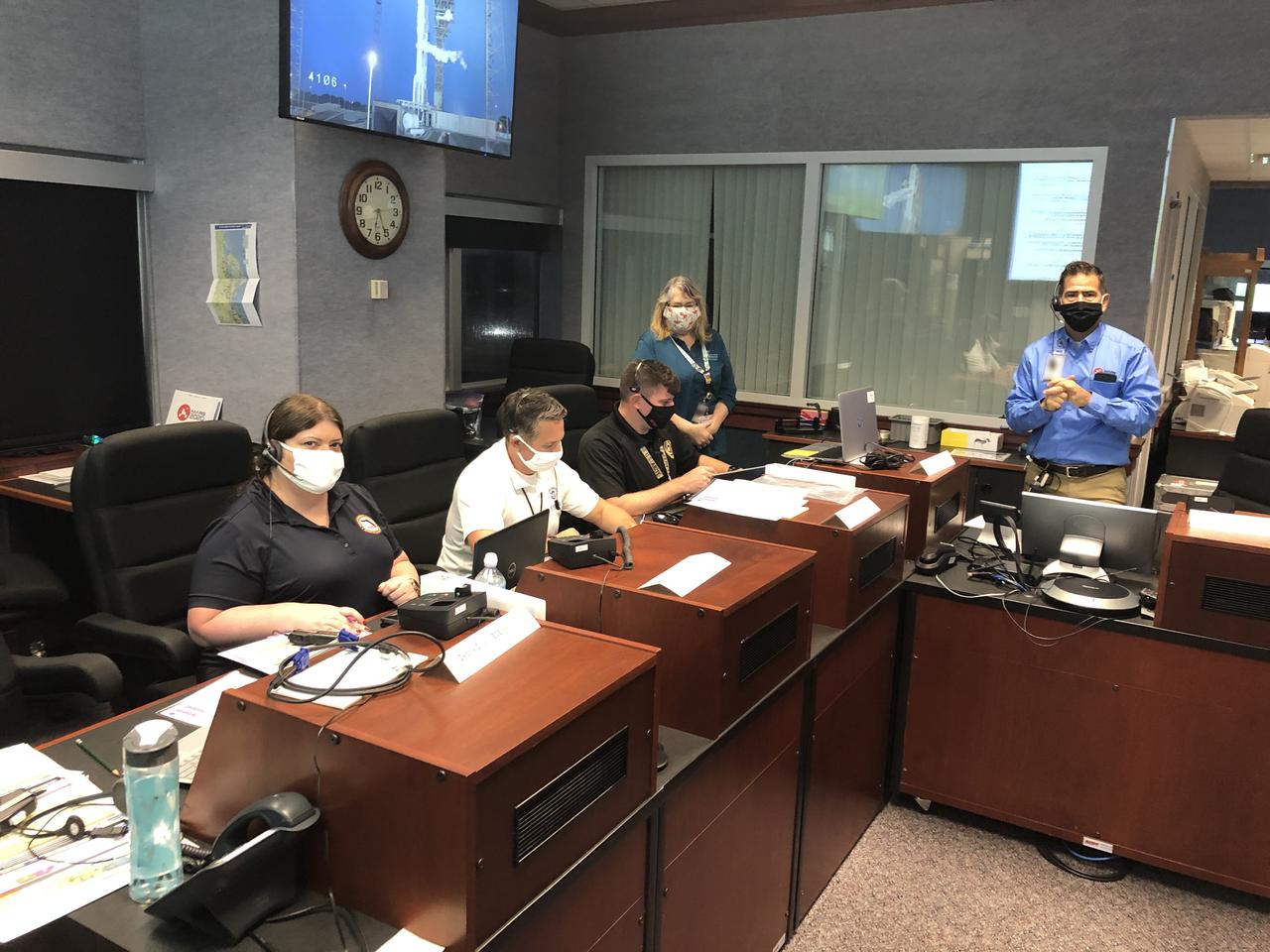
Joint Information Center (JIC), Emergency Operations Center (EOC) and Radiation Control Center (RADCC) members prepare for the launch of NASA’s Mars 2020 Perseverance rover and Ingenuity helicopter on July 30, 2020, at the agency’s Kennedy Space Center in Florida. JIC members include representatives on the local, regional and national level. Mars 2020 launched on a United Launch Alliance Atlas V 541 rocket from Space Launch Complex 41 at nearby Cape Canaveral Air Force Station. Liftoff was at 7:50 a.m. EDT. The rover is part of NASA’s Mars Exploration Program, a long-term effort of robotic exploration of the Red Planet. The rover will search for habitable conditions in the ancient past and signs of past microbial life on Mars. The Launch Services Program at Kennedy is responsible for launch management.
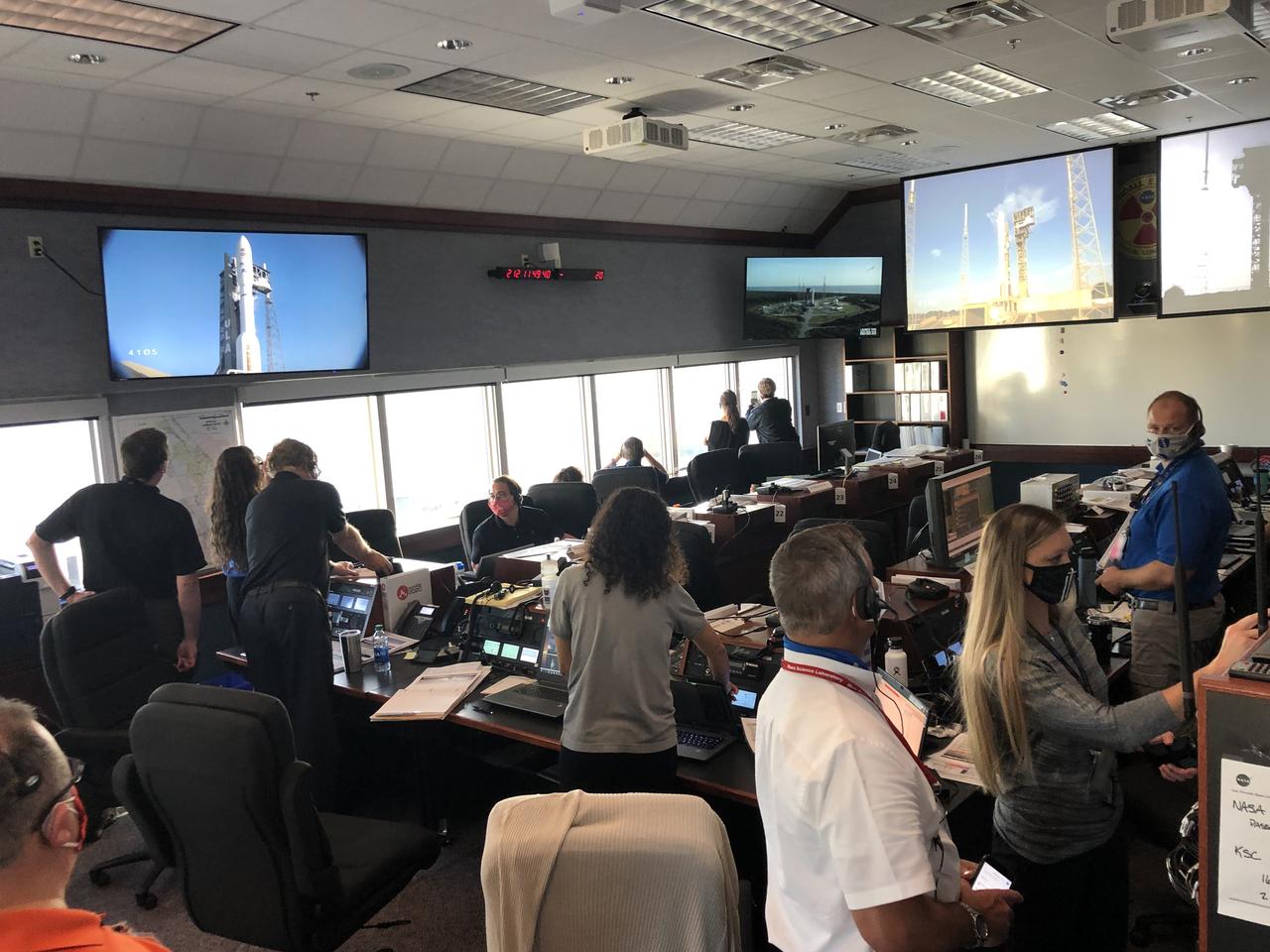
Joint Information Center (JIC), Emergency Operations Center (EOC) and Radiation Control Center (RADCC) members prepare for the launch of NASA’s Mars 2020 Perseverance rover and Ingenuity helicopter on July 30, 2020, at the agency’s Kennedy Space Center in Florida. JIC members include representatives on the local, regional and national level. Mars 2020 launched on a United Launch Alliance Atlas V 541 rocket from Space Launch Complex 41 at nearby Cape Canaveral Air Force Station. Liftoff was at 7:50 a.m. EDT. The rover is part of NASA’s Mars Exploration Program, a long-term effort of robotic exploration of the Red Planet. The rover will search for habitable conditions in the ancient past and signs of past microbial life on Mars. The Launch Services Program at Kennedy is responsible for launch management.
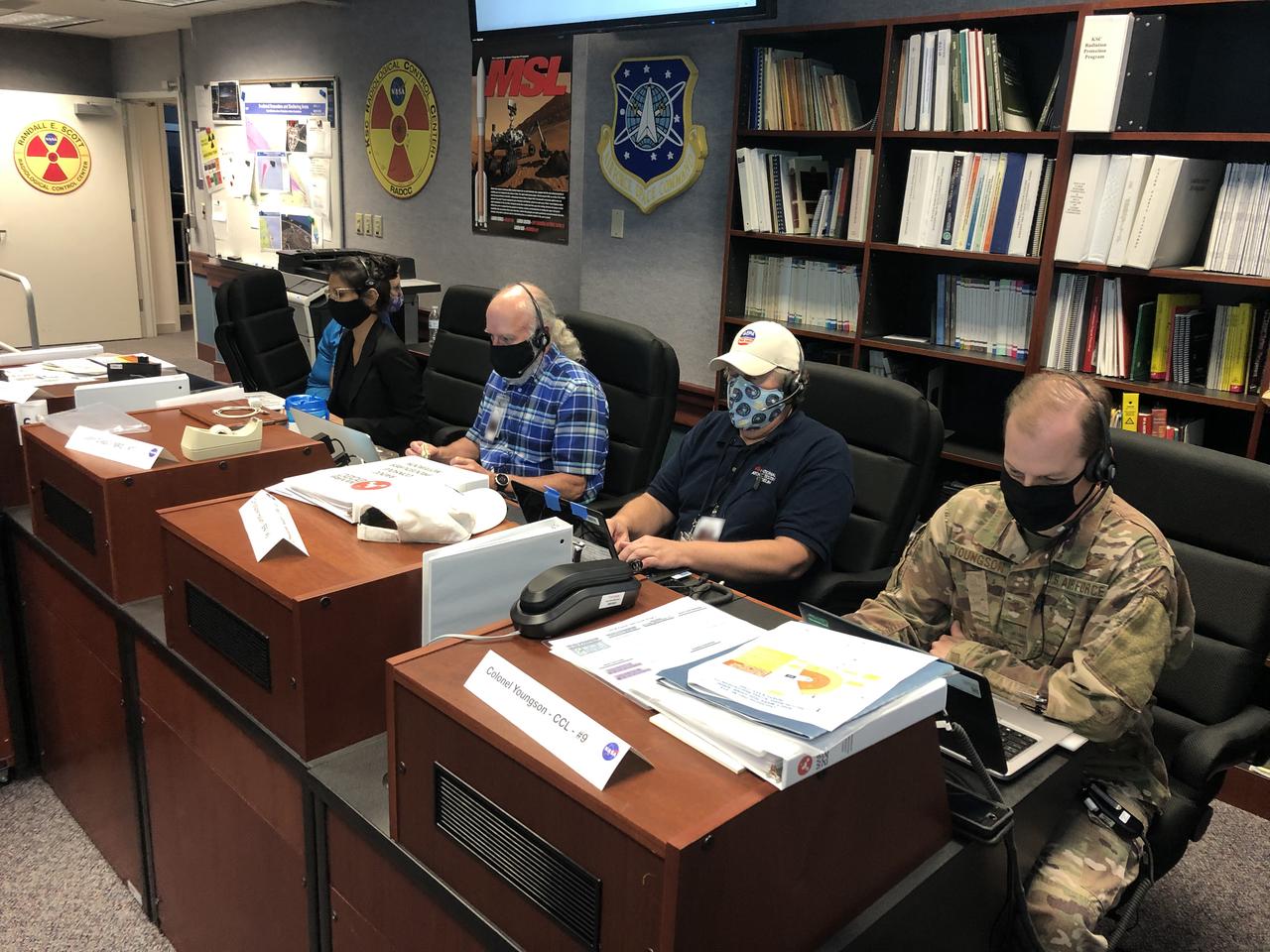
Joint Information Center (JIC), Emergency Operations Center (EOC) and Radiation Control Center (RADCC) members prepare for the launch of NASA’s Mars 2020 Perseverance rover and Ingenuity helicopter on July 30, 2020, at the agency’s Kennedy Space Center in Florida. JIC members include representatives on the local, regional and national level. Mars 2020 launched on a United Launch Alliance Atlas V 541 rocket from Space Launch Complex 41 at nearby Cape Canaveral Air Force Station. Liftoff was at 7:50 a.m. EDT. The rover is part of NASA’s Mars Exploration Program, a long-term effort of robotic exploration of the Red Planet. The rover will search for habitable conditions in the ancient past and signs of past microbial life on Mars. The Launch Services Program at Kennedy is responsible for launch management.
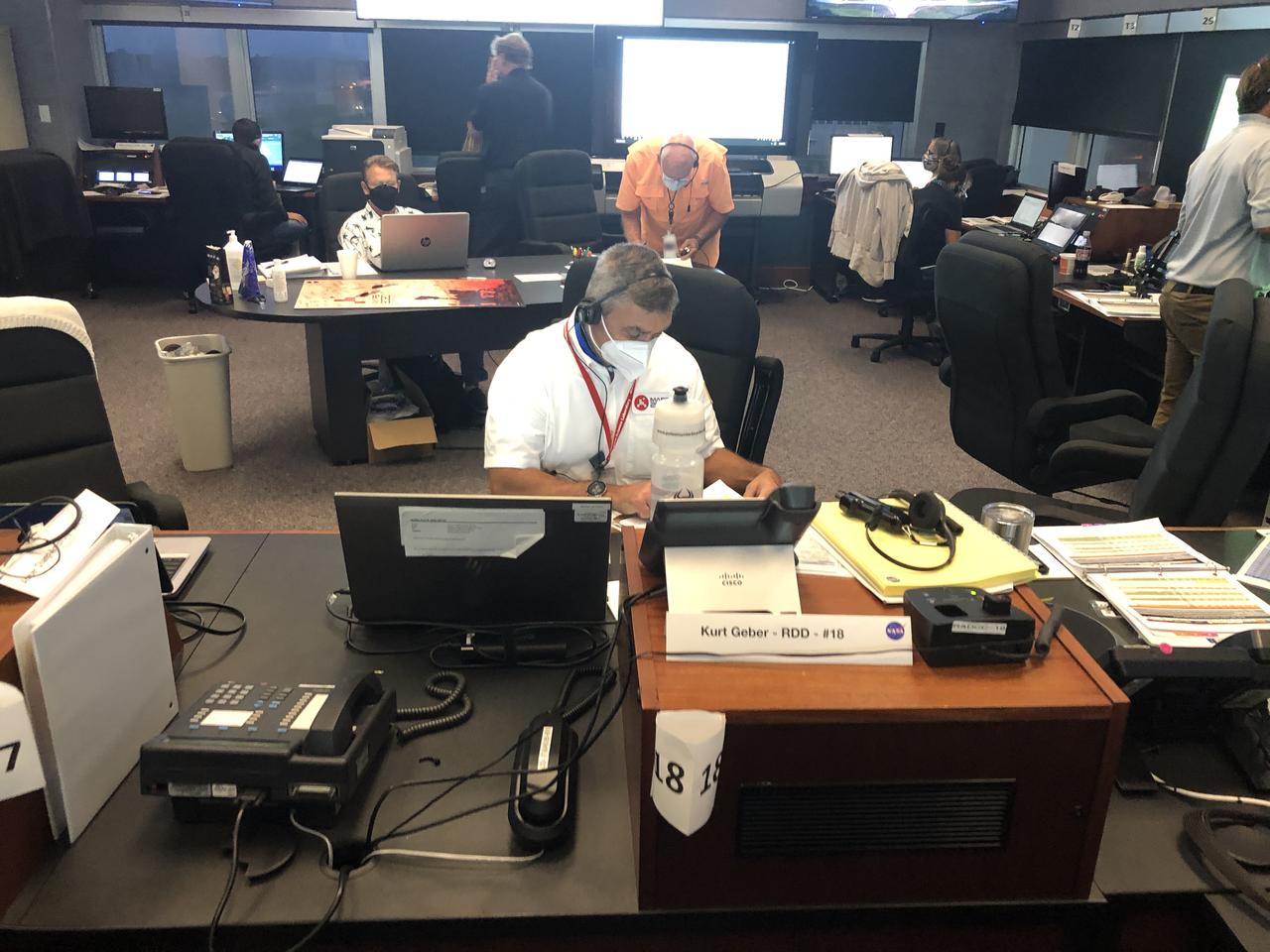
Joint Information Center (JIC), Emergency Operations Center (EOC) and Radiation Control Center (RADCC) members prepare for the launch of NASA’s Mars 2020 Perseverance rover and Ingenuity helicopter on July 30, 2020, at the agency’s Kennedy Space Center in Florida. JIC members include representatives on the local, regional and national level. Mars 2020 launched on a United Launch Alliance Atlas V 541 rocket from Space Launch Complex 41 at nearby Cape Canaveral Air Force Station. Liftoff was at 7:50 a.m. EDT. The rover is part of NASA’s Mars Exploration Program, a long-term effort of robotic exploration of the Red Planet. The rover will search for habitable conditions in the ancient past and signs of past microbial life on Mars. The Launch Services Program at Kennedy is responsible for launch management.
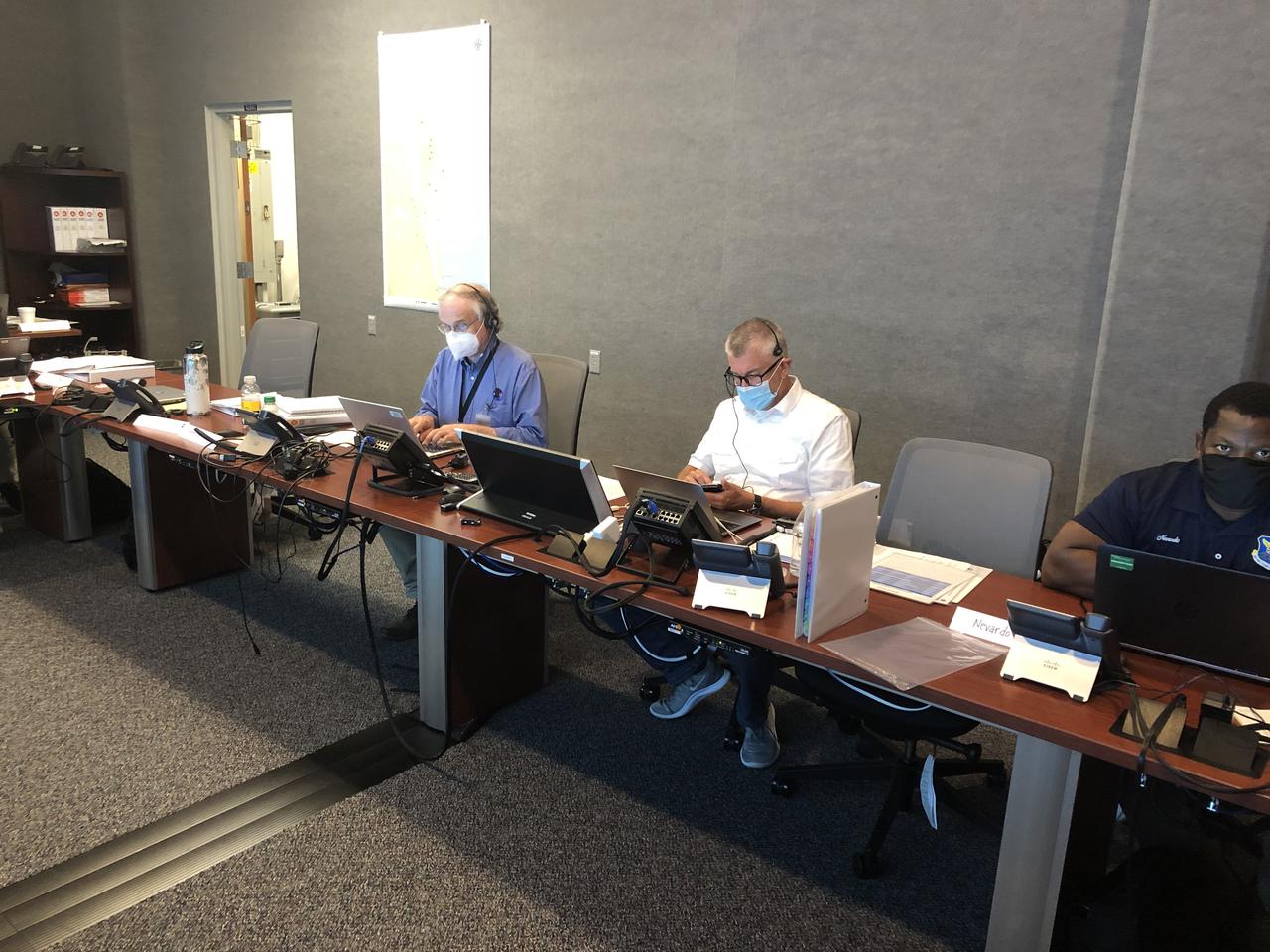
Joint Information Center (JIC), Emergency Operations Center (EOC) and Radiation Control Center (RADCC) members prepare for the launch of NASA’s Mars 2020 Perseverance rover and Ingenuity helicopter on July 30, 2020, at the agency’s Kennedy Space Center in Florida. JIC members include representatives on the local, regional and national level. Mars 2020 launched on a United Launch Alliance Atlas V 541 rocket from Space Launch Complex 41 at nearby Cape Canaveral Air Force Station. Liftoff was at 7:50 a.m. EDT. The rover is part of NASA’s Mars Exploration Program, a long-term effort of robotic exploration of the Red Planet. The rover will search for habitable conditions in the ancient past and signs of past microbial life on Mars. The Launch Services Program at Kennedy is responsible for launch management.

Joint Information Center (JIC), Emergency Operations Center (EOC) and Radiation Control Center (RADCC) members prepare for the launch of NASA’s Mars 2020 Perseverance rover and Ingenuity helicopter on July 30, 2020, at the agency’s Kennedy Space Center in Florida. JIC members include representatives on the local, regional and national level. Mars 2020 launched on a United Launch Alliance Atlas V 541 rocket from Space Launch Complex 41 at nearby Cape Canaveral Air Force Station. Liftoff was at 7:50 a.m. EDT. The rover is part of NASA’s Mars Exploration Program, a long-term effort of robotic exploration of the Red Planet. The rover will search for habitable conditions in the ancient past and signs of past microbial life on Mars. The Launch Services Program at Kennedy is responsible for launch management.

Joint Information Center (JIC), Emergency Operations Center (EOC) and Radiation Control Center (RADCC) members prepare for the launch of NASA’s Mars 2020 Perseverance rover and Ingenuity helicopter on July 30, 2020, at the agency’s Kennedy Space Center in Florida. JIC members include representatives on the local, regional and national level. Mars 2020 launched on a United Launch Alliance Atlas V 541 rocket from Space Launch Complex 41 at nearby Cape Canaveral Air Force Station. Liftoff was at 7:50 a.m. EDT. The rover is part of NASA’s Mars Exploration Program, a long-term effort of robotic exploration of the Red Planet. The rover will search for habitable conditions in the ancient past and signs of past microbial life on Mars. The Launch Services Program at Kennedy is responsible for launch management.
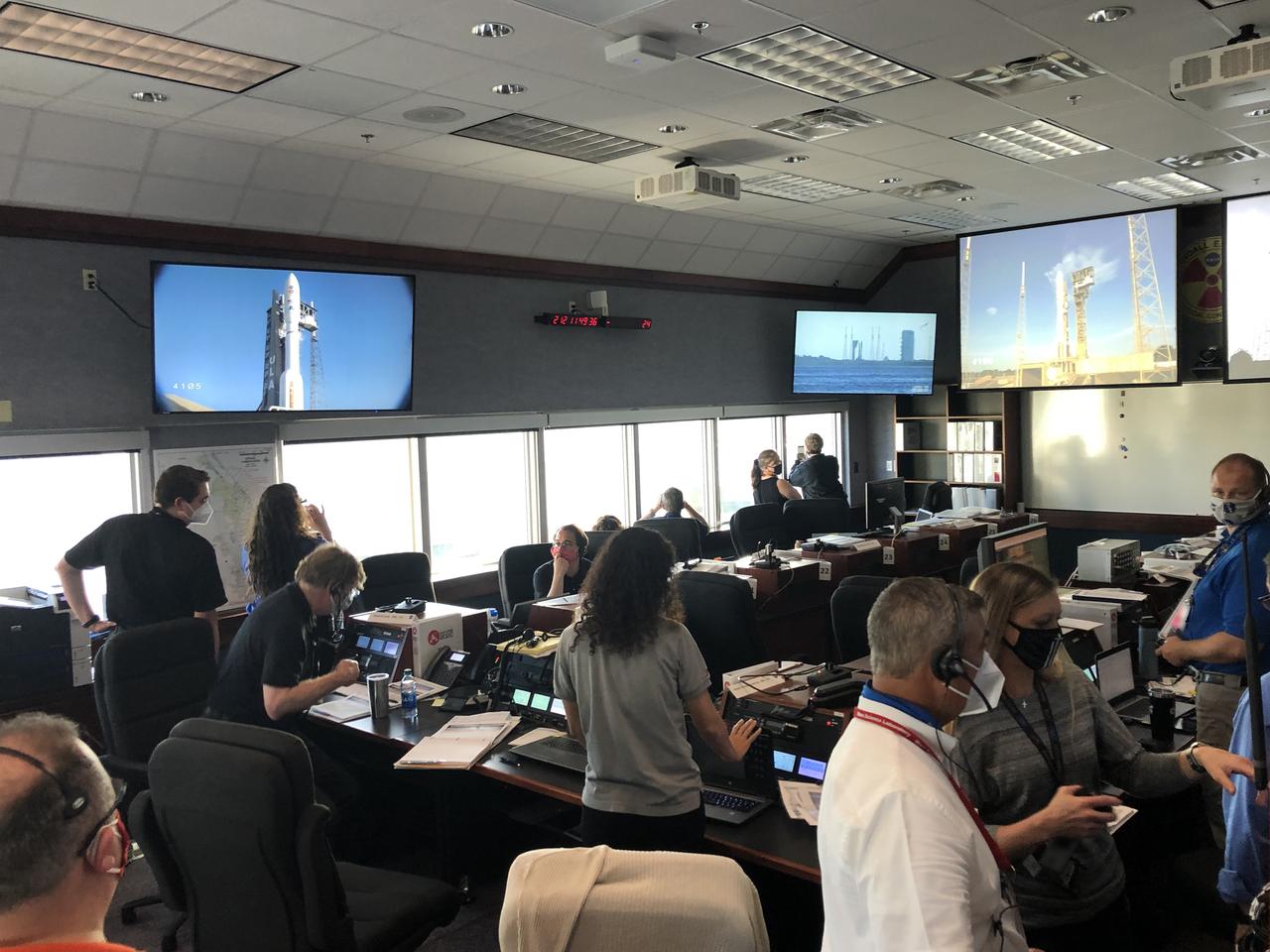
Joint Information Center (JIC), Emergency Operations Center (EOC) and Radiation Control Center (RADCC) members prepare for the launch of NASA’s Mars 2020 Perseverance rover and Ingenuity helicopter on July 30, 2020, at the agency’s Kennedy Space Center in Florida. JIC members include representatives on the local, regional and national level. Mars 2020 launched on a United Launch Alliance Atlas V 541 rocket from Space Launch Complex 41 at nearby Cape Canaveral Air Force Station. Liftoff was at 7:50 a.m. EDT. The rover is part of NASA’s Mars Exploration Program, a long-term effort of robotic exploration of the Red Planet. The rover will search for habitable conditions in the ancient past and signs of past microbial life on Mars. The Launch Services Program at Kennedy is responsible for launch management.
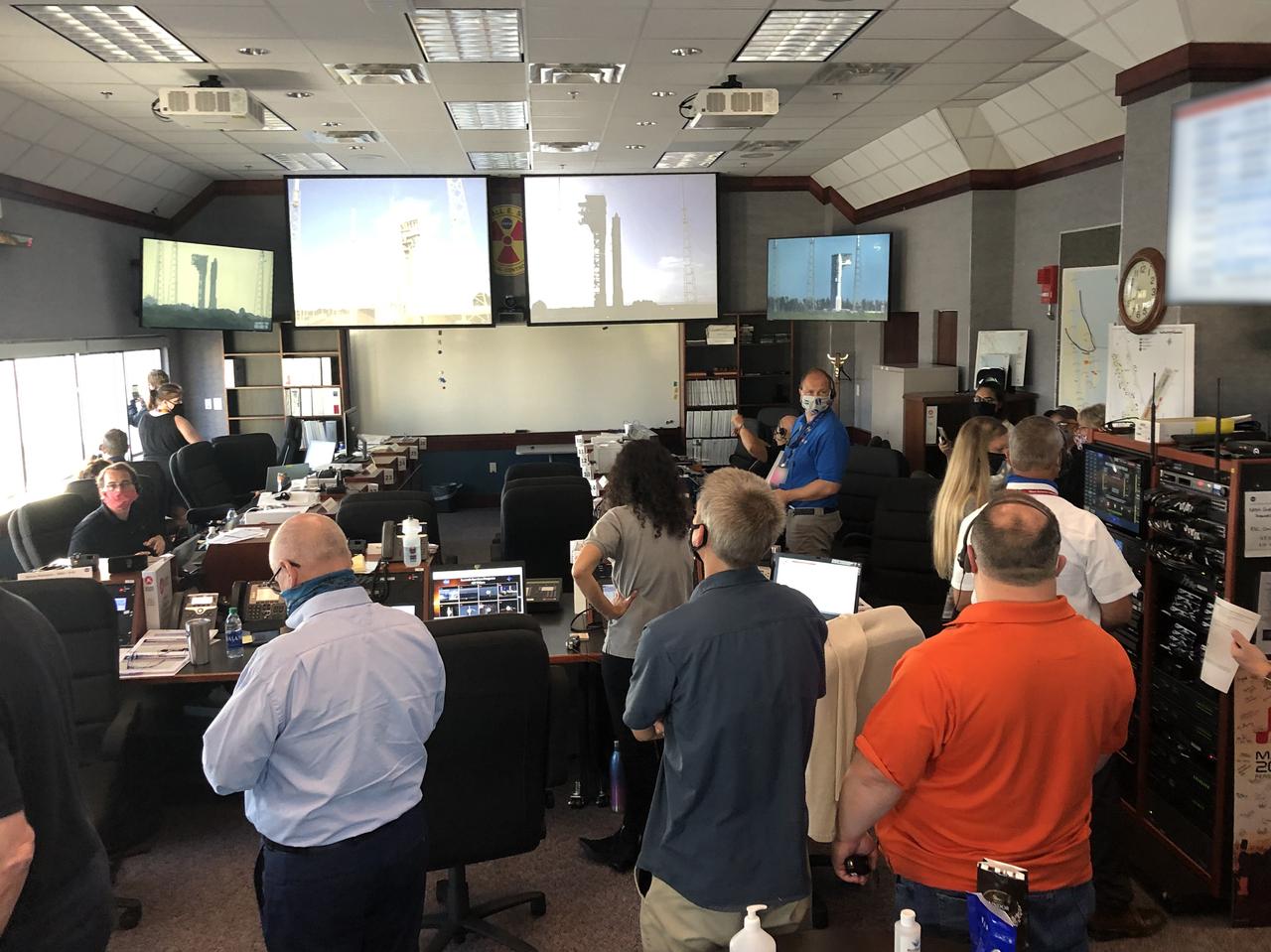
Joint Information Center (JIC), Emergency Operations Center (EOC) and Radiation Control Center (RADCC) members prepare for the launch of NASA’s Mars 2020 Perseverance rover and Ingenuity helicopter on July 30, 2020, at the agency’s Kennedy Space Center in Florida. JIC members include representatives on the local, regional and national level. Mars 2020 launched on a United Launch Alliance Atlas V 541 rocket from Space Launch Complex 41 at nearby Cape Canaveral Air Force Station. Liftoff was at 7:50 a.m. EDT. The rover is part of NASA’s Mars Exploration Program, a long-term effort of robotic exploration of the Red Planet. The rover will search for habitable conditions in the ancient past and signs of past microbial life on Mars. The Launch Services Program at Kennedy is responsible for launch management.
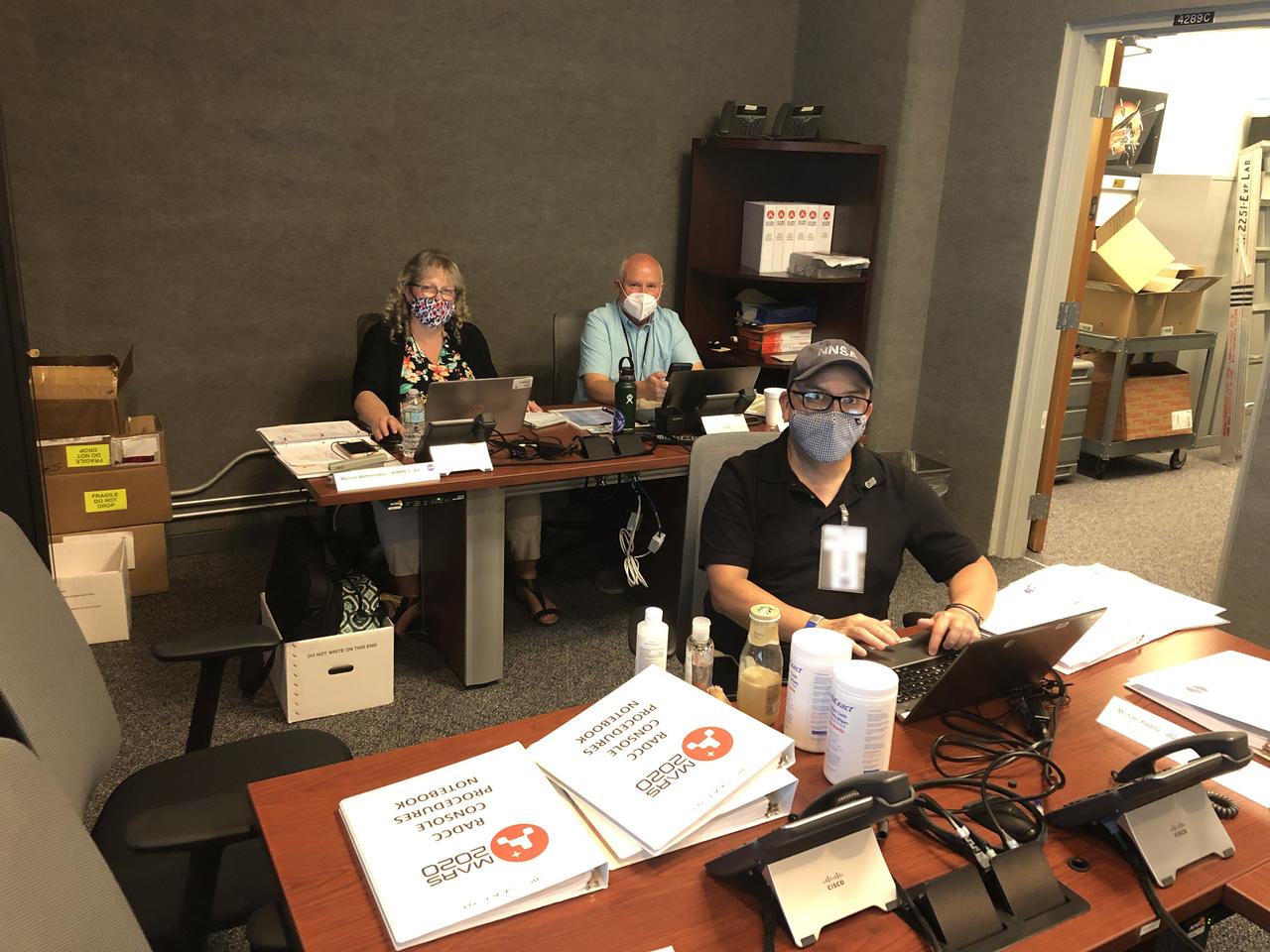
Joint Information Center (JIC), Emergency Operations Center (EOC) and Radiation Control Center (RADCC) members prepare for the launch of NASA’s Mars 2020 Perseverance rover and Ingenuity helicopter on July 30, 2020, at the agency’s Kennedy Space Center in Florida. JIC members include representatives on the local, regional and national level. Mars 2020 launched on a United Launch Alliance Atlas V 541 rocket from Space Launch Complex 41 at nearby Cape Canaveral Air Force Station. Liftoff was at 7:50 a.m. EDT. The rover is part of NASA’s Mars Exploration Program, a long-term effort of robotic exploration of the Red Planet. The rover will search for habitable conditions in the ancient past and signs of past microbial life on Mars. The Launch Services Program at Kennedy is responsible for launch management.
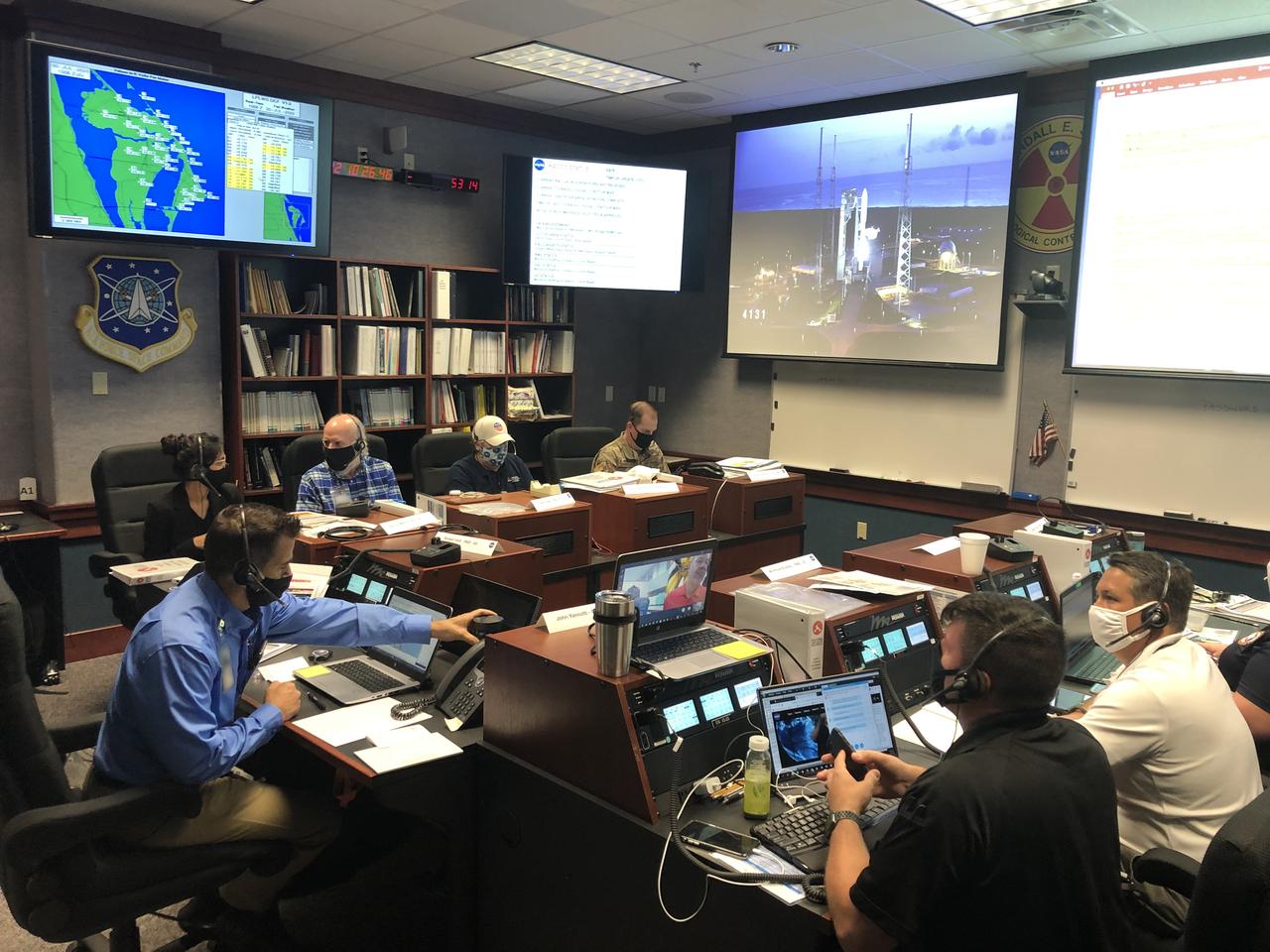
Joint Information Center (JIC), Emergency Operations Center (EOC) and Radiation Control Center (RADCC) members prepare for the launch of NASA’s Mars 2020 Perseverance rover and Ingenuity helicopter on July 30, 2020, at the agency’s Kennedy Space Center in Florida. JIC members include representatives on the local, regional and national level. Mars 2020 launched on a United Launch Alliance Atlas V 541 rocket from Space Launch Complex 41 at nearby Cape Canaveral Air Force Station. Liftoff was at 7:50 a.m. EDT. The rover is part of NASA’s Mars Exploration Program, a long-term effort of robotic exploration of the Red Planet. The rover will search for habitable conditions in the ancient past and signs of past microbial life on Mars. The Launch Services Program at Kennedy is responsible for launch management.
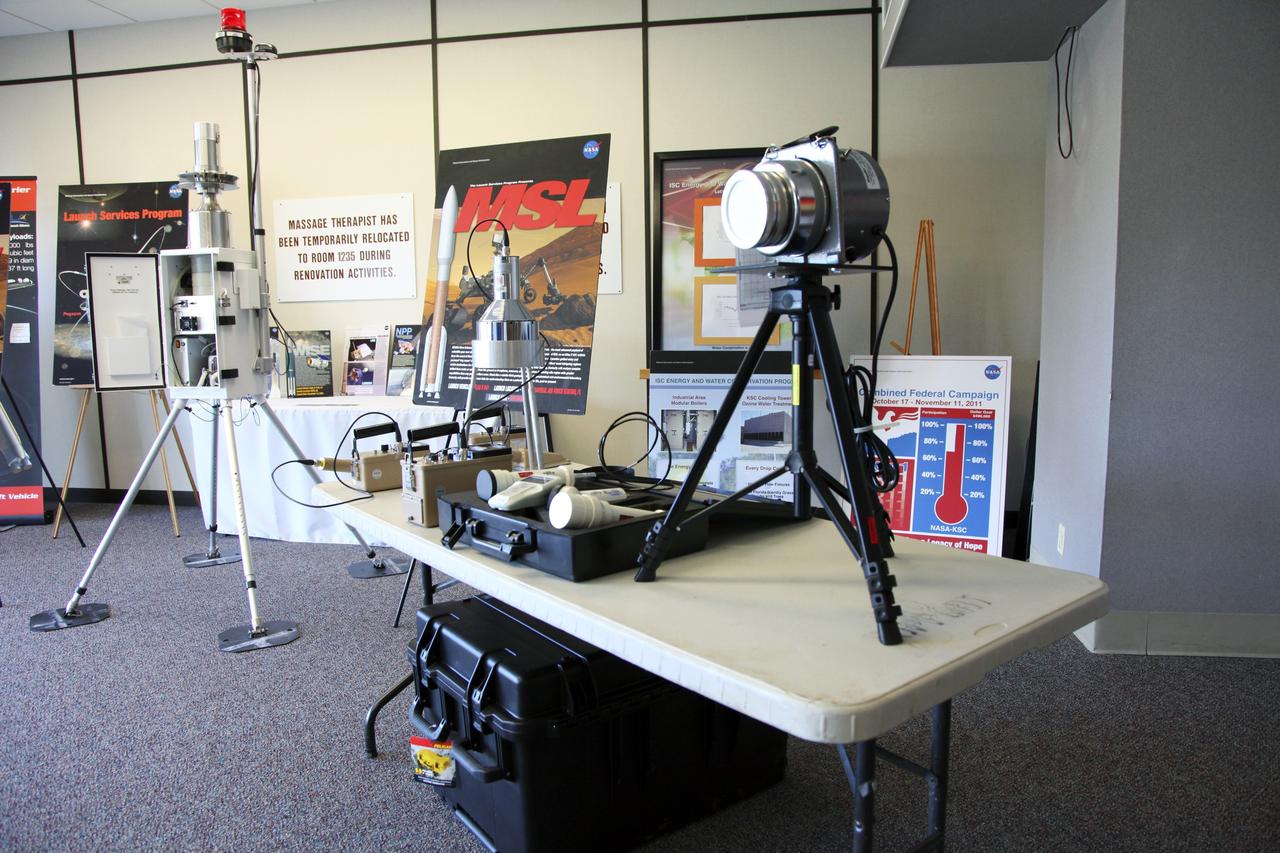
CAPE CANAVERAL, Fla. -- Several instruments are displayed for the media during a tour of the Radiological Control Center (RADCC) at NASA's Kennedy Space Center in Florida. The tour focused on safety equipment and procedures for the upcoming launch of the Mars Science Laboratory (MSL) mission. The MSL spacecraft includes a multi-mission radioisotope thermoelectric generator (MMRTG) that will generate the power needed for the mission from the natural decay of plutonium-238, a non-weapons-grade form of the radioisotope. MSL's components include a car-sized rover, Curiosity, which has 10 science instruments designed to search for signs of life, including methane, and help determine if the gas is from a biological or geological source. Launch of MSL aboard a United Launch Alliance Atlas V rocket is targeted for Nov. 26 from Space Launch Complex 41 on Cape Canaveral Air Force Station. For more information, visit http://www.nasa.gov/msl. Photo credit: NASA/Frankie Martin
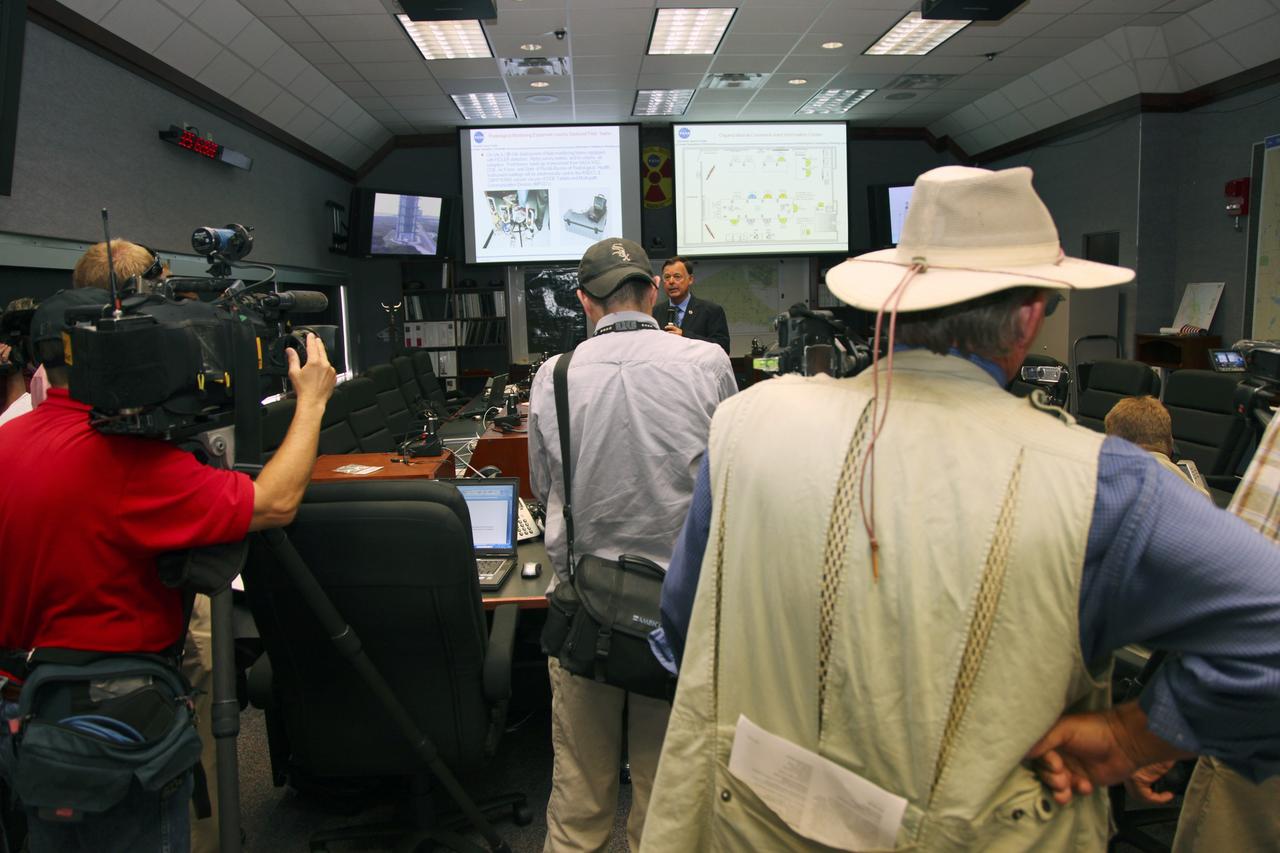
CAPE CANAVERAL, Fla. -- Members of the media view the Radiological Control Center (RADCC) at NASA's Kennedy Space Center in Florida during a tour regarding safety equipment and procedures for the upcoming launch of the Mars Science Laboratory (MSL) mission. The MSL spacecraft includes a multi-mission radioisotope thermoelectric generator (MMRTG) that will generate the power needed for the mission from the natural decay of plutonium-238, a non-weapons-grade form of the radioisotope. MSL's components include a car-sized rover, Curiosity, which has 10 science instruments designed to search for signs of life, including methane, and help determine if the gas is from a biological or geological source. Launch of MSL aboard a United Launch Alliance Atlas V rocket is targeted for Nov. 26 from Space Launch Complex 41 on Cape Canaveral Air Force Station. For more information, visit http://www.nasa.gov/msl. Photo credit: NASA/Frankie Martin
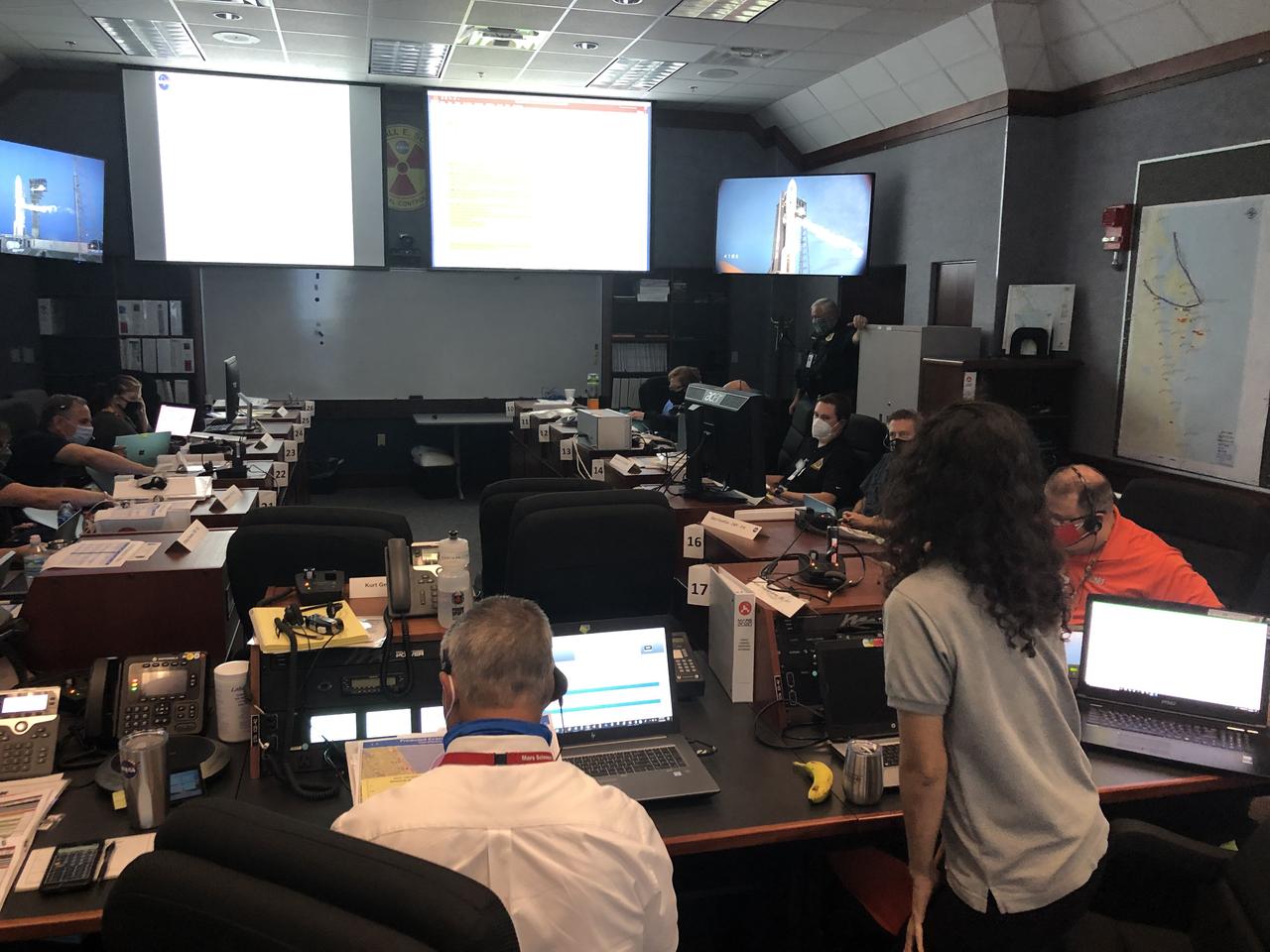
Joint Information Center (JIC), Emergency Operations Center (EOC) and Radiation Control Center (RADCC) members prepare for the launch of NASA’s Mars 2020 Perseverance rover and Ingenuity helicopter on July 30, 2020, at the agency’s Kennedy Space Center in Florida. JIC members include representatives on the local, regional and national level. Mars 2020 launched on a United Launch Alliance Atlas V 541 rocket from Space Launch Complex 41 at nearby Cape Canaveral Air Force Station. Liftoff was at 7:50 a.m. EDT. The rover is part of NASA’s Mars Exploration Program, a long-term effort of robotic exploration of the Red Planet. The rover will search for habitable conditions in the ancient past and signs of past microbial life on Mars. The Launch Services Program at Kennedy is responsible for launch management.
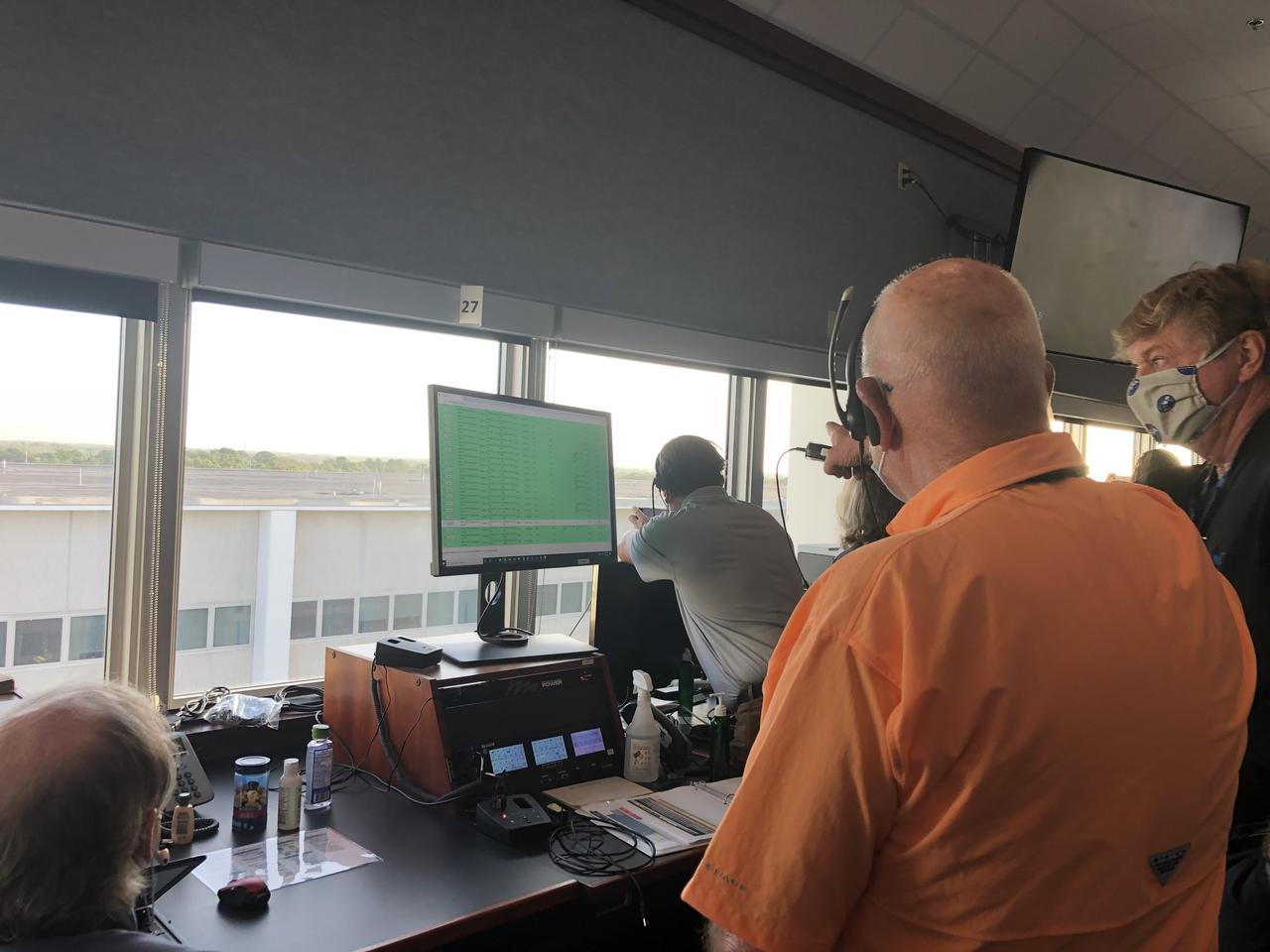
Joint Information Center (JIC), Emergency Operations Center (EOC) and Radiation Control Center (RADCC) members prepare for the launch of NASA’s Mars 2020 Perseverance rover and Ingenuity helicopter on July 30, 2020, at the agency’s Kennedy Space Center in Florida. JIC members include representatives on the local, regional and national level. Mars 2020 launched on a United Launch Alliance Atlas V 541 rocket from Space Launch Complex 41 at nearby Cape Canaveral Air Force Station. Liftoff was at 7:50 a.m. EDT. The rover is part of NASA’s Mars Exploration Program, a long-term effort of robotic exploration of the Red Planet. The rover will search for habitable conditions in the ancient past and signs of past microbial life on Mars. The Launch Services Program at Kennedy is responsible for launch management.

Joint Information Center (JIC), Emergency Operations Center (EOC) and Radiation Control Center (RADCC) members prepare for the launch of NASA’s Mars 2020 Perseverance rover and Ingenuity helicopter on July 30, 2020, at the agency’s Kennedy Space Center in Florida. JIC members include representatives on the local, regional and national level. Mars 2020 launched on a United Launch Alliance Atlas V 541 rocket from Space Launch Complex 41 at nearby Cape Canaveral Air Force Station. Liftoff was at 7:50 a.m. EDT. The rover is part of NASA’s Mars Exploration Program, a long-term effort of robotic exploration of the Red Planet. The rover will search for habitable conditions in the ancient past and signs of past microbial life on Mars. The Launch Services Program at Kennedy is responsible for launch management.
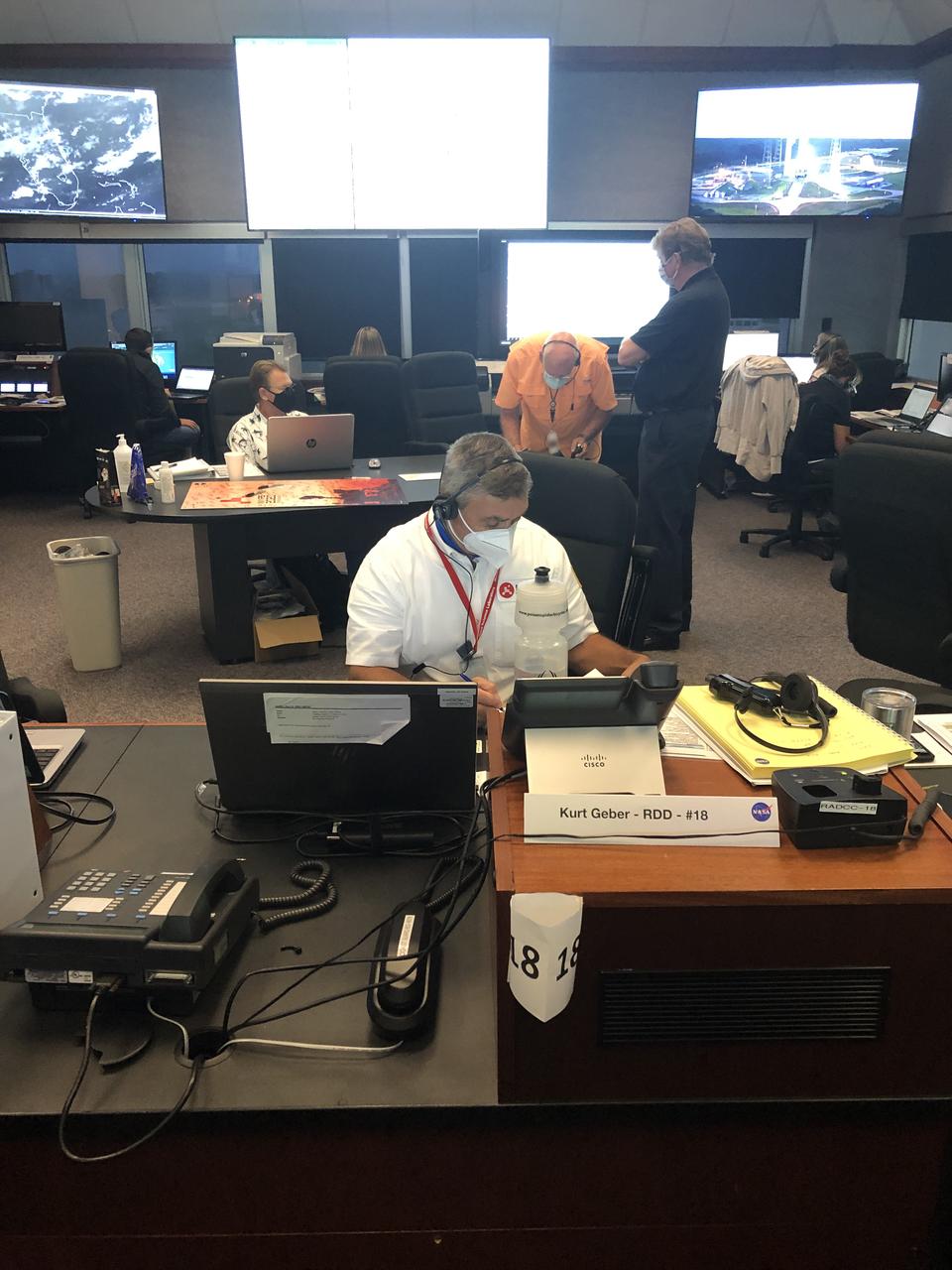
Joint Information Center (JIC), Emergency Operations Center (EOC) and Radiation Control Center (RADCC) members prepare for the launch of NASA’s Mars 2020 Perseverance rover and Ingenuity helicopter on July 30, 2020, at the agency’s Kennedy Space Center in Florida. JIC members include representatives on the local, regional and national level. Mars 2020 launched on a United Launch Alliance Atlas V 541 rocket from Space Launch Complex 41 at nearby Cape Canaveral Air Force Station. Liftoff was at 7:50 a.m. EDT. The rover is part of NASA’s Mars Exploration Program, a long-term effort of robotic exploration of the Red Planet. The rover will search for habitable conditions in the ancient past and signs of past microbial life on Mars. The Launch Services Program at Kennedy is responsible for launch management.
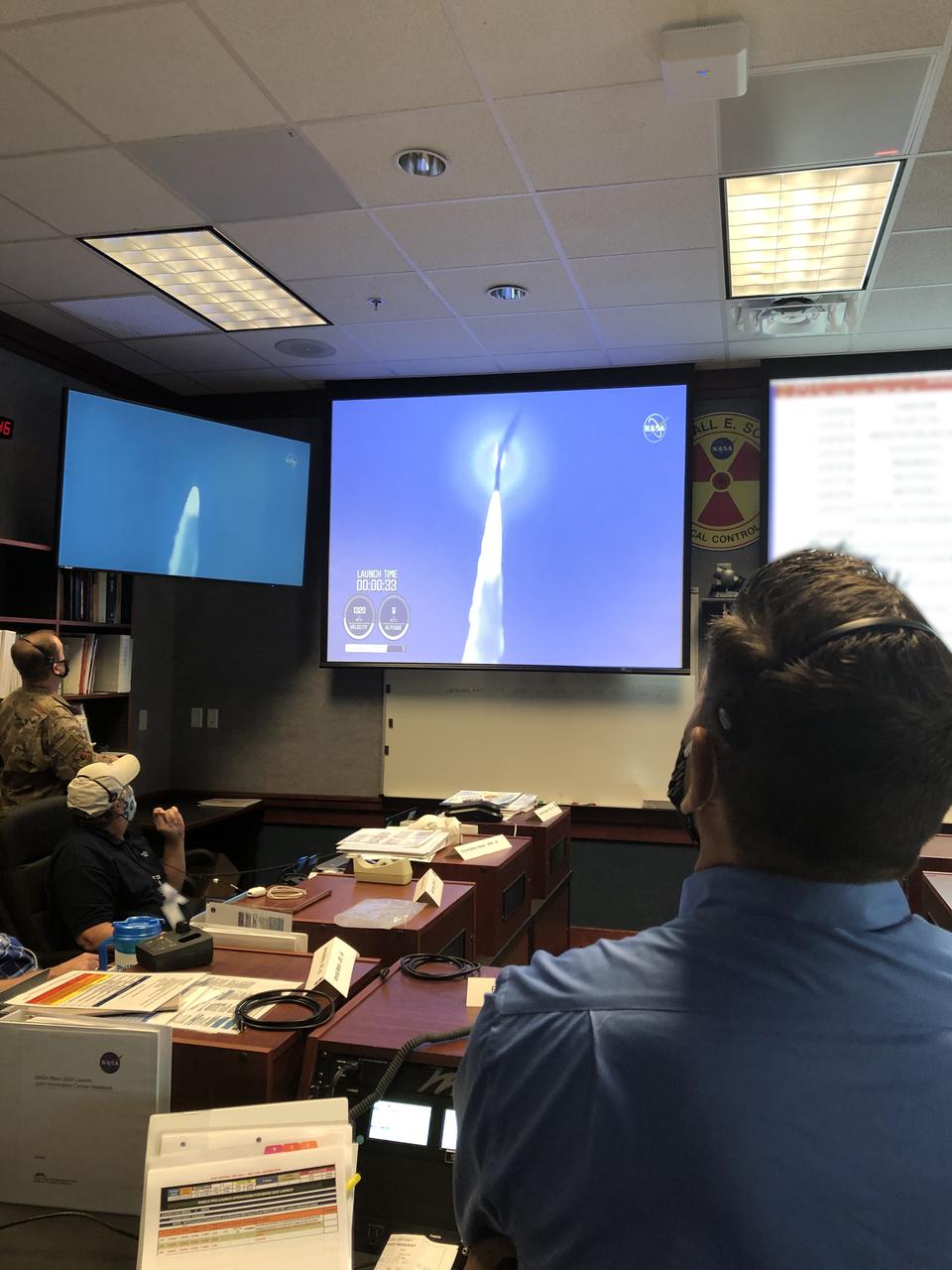
Joint Information Center (JIC), Emergency Operations Center (EOC) and Radiation Control Center (RADCC) members prepare for the launch of NASA’s Mars 2020 Perseverance rover and Ingenuity helicopter on July 30, 2020, at the agency’s Kennedy Space Center in Florida. JIC members include representatives on the local, regional and national level. Mars 2020 launched on a United Launch Alliance Atlas V 541 rocket from Space Launch Complex 41 at nearby Cape Canaveral Air Force Station. Liftoff was at 7:50 a.m. EDT. The rover is part of NASA’s Mars Exploration Program, a long-term effort of robotic exploration of the Red Planet. The rover will search for habitable conditions in the ancient past and signs of past microbial life on Mars. The Launch Services Program at Kennedy is responsible for launch management.
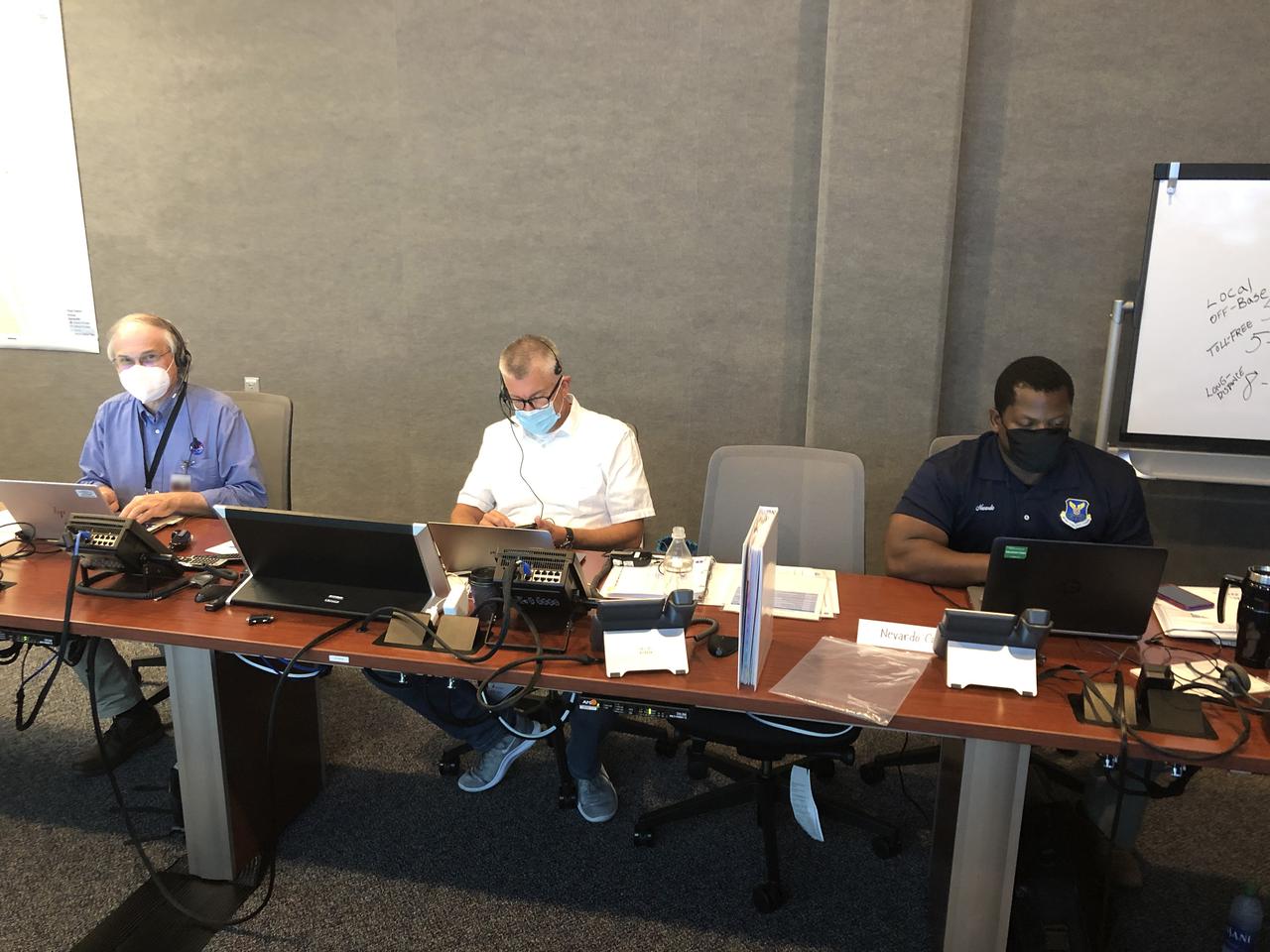
Joint Information Center (JIC), Emergency Operations Center (EOC) and Radiation Control Center (RADCC) members prepare for the launch of NASA’s Mars 2020 Perseverance rover and Ingenuity helicopter on July 30, 2020, at the agency’s Kennedy Space Center in Florida. JIC members include representatives on the local, regional and national level. Mars 2020 launched on a United Launch Alliance Atlas V 541 rocket from Space Launch Complex 41 at nearby Cape Canaveral Air Force Station. Liftoff was at 7:50 a.m. EDT. The rover is part of NASA’s Mars Exploration Program, a long-term effort of robotic exploration of the Red Planet. The rover will search for habitable conditions in the ancient past and signs of past microbial life on Mars. The Launch Services Program at Kennedy is responsible for launch management.
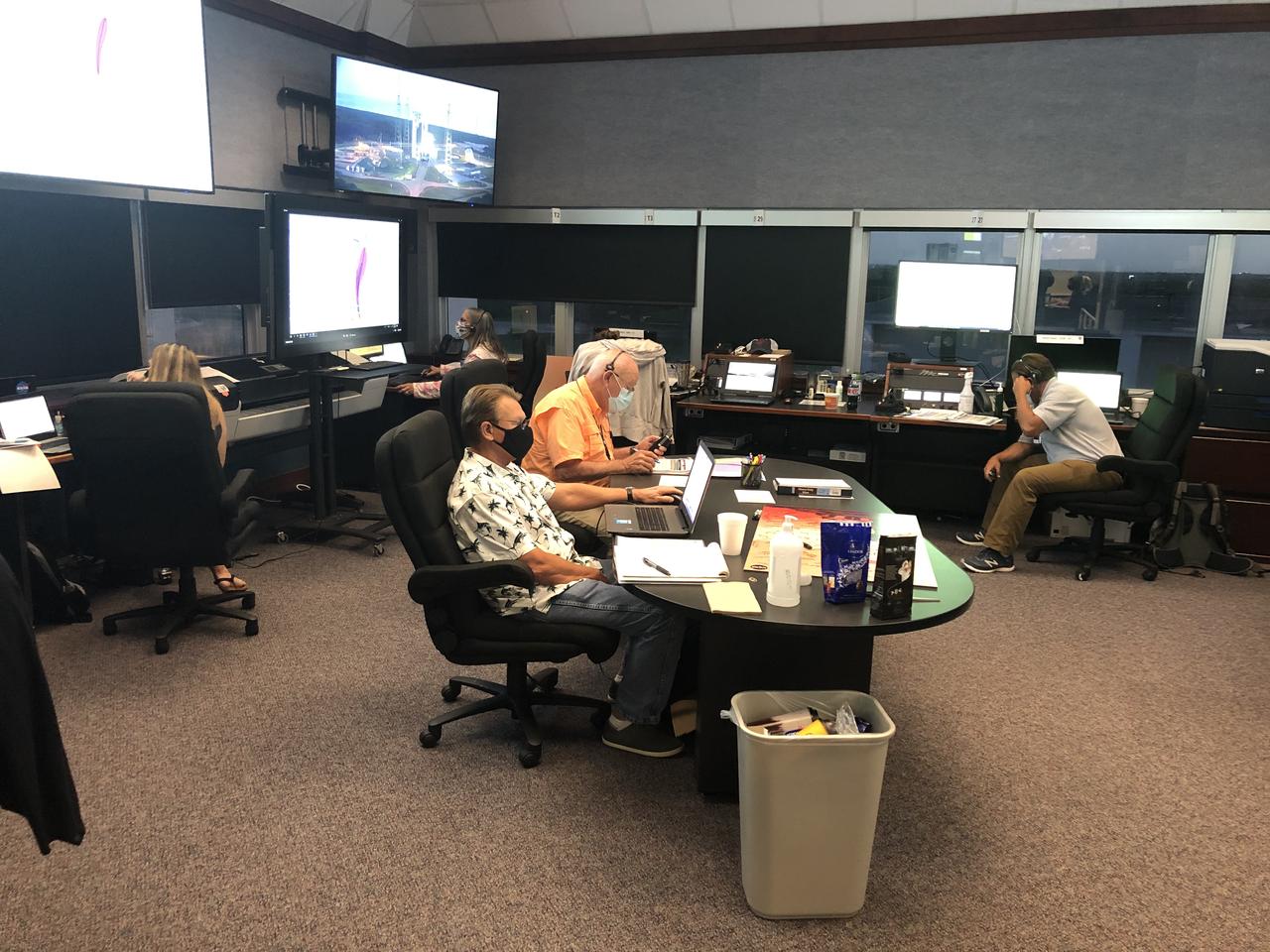
Joint Information Center (JIC), Emergency Operations Center (EOC) and Radiation Control Center (RADCC) members prepare for the launch of NASA’s Mars 2020 Perseverance rover and Ingenuity helicopter on July 30, 2020, at the agency’s Kennedy Space Center in Florida. JIC members include representatives on the local, regional and national level. Mars 2020 launched on a United Launch Alliance Atlas V 541 rocket from Space Launch Complex 41 at nearby Cape Canaveral Air Force Station. Liftoff was at 7:50 a.m. EDT. The rover is part of NASA’s Mars Exploration Program, a long-term effort of robotic exploration of the Red Planet. The rover will search for habitable conditions in the ancient past and signs of past microbial life on Mars. The Launch Services Program at Kennedy is responsible for launch management.
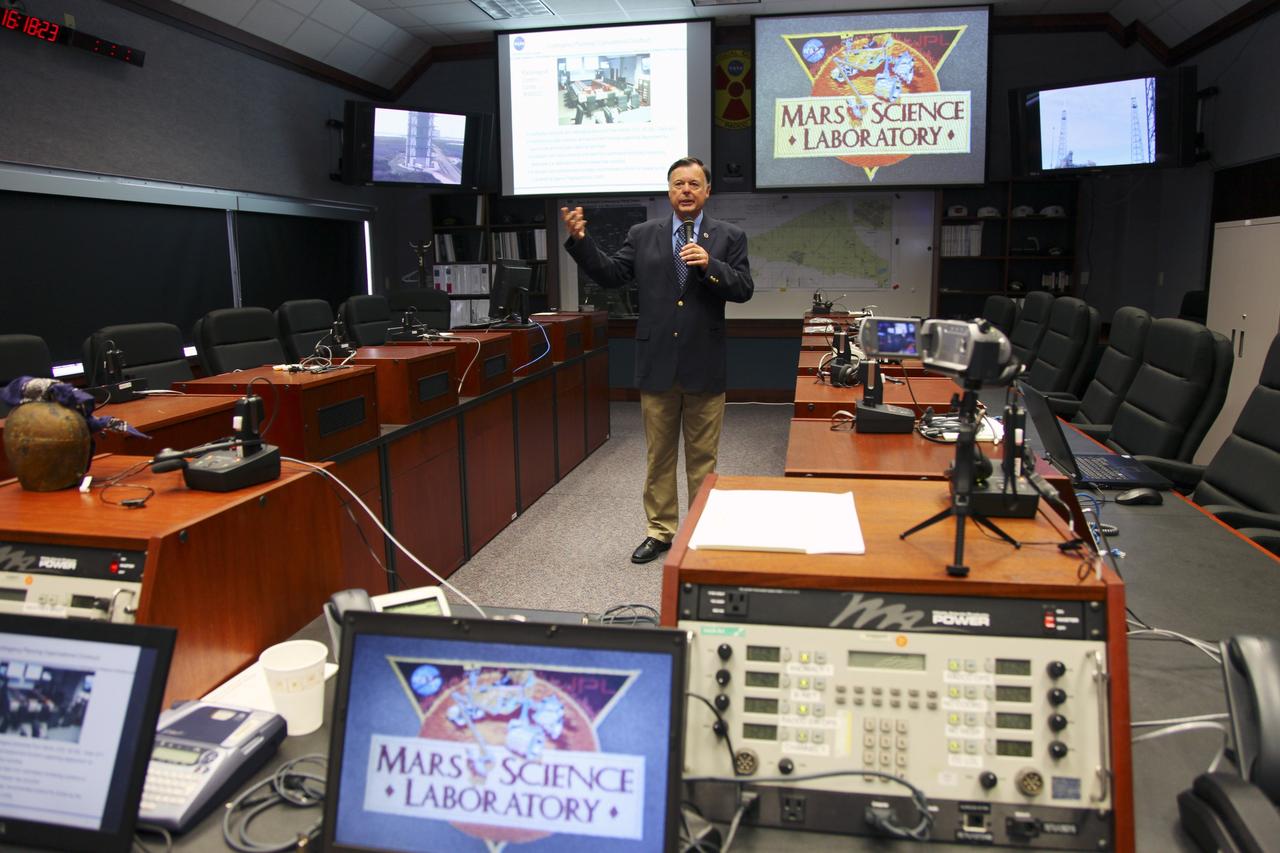
CAPE CANAVERAL, Fla. -- Surrounded by monitors and consoles, Randy Scott, director of Kennedy Space Center's Radiological Control Center (RADCC), speaks to media during a tour regarding safety equipment and procedures for the upcoming launch of the Mars Science Laboratory (MSL) mission. The MSL spacecraft includes a multi-mission radioisotope thermoelectric generator (MMRTG) that will generate the power needed for the mission from the natural decay of plutonium-238, a non-weapons-grade form of the radioisotope. MSL's components include a car-sized rover, Curiosity, which has 10 science instruments designed to search for signs of life, including methane, and help determine if the gas is from a biological or geological source. Launch of MSL aboard a United Launch Alliance Atlas V rocket is targeted for Nov. 26 from Space Launch Complex 41 on Cape Canaveral Air Force Station. For more information, visit http://www.nasa.gov/msl. Photo credit: NASA/Frankie Martin
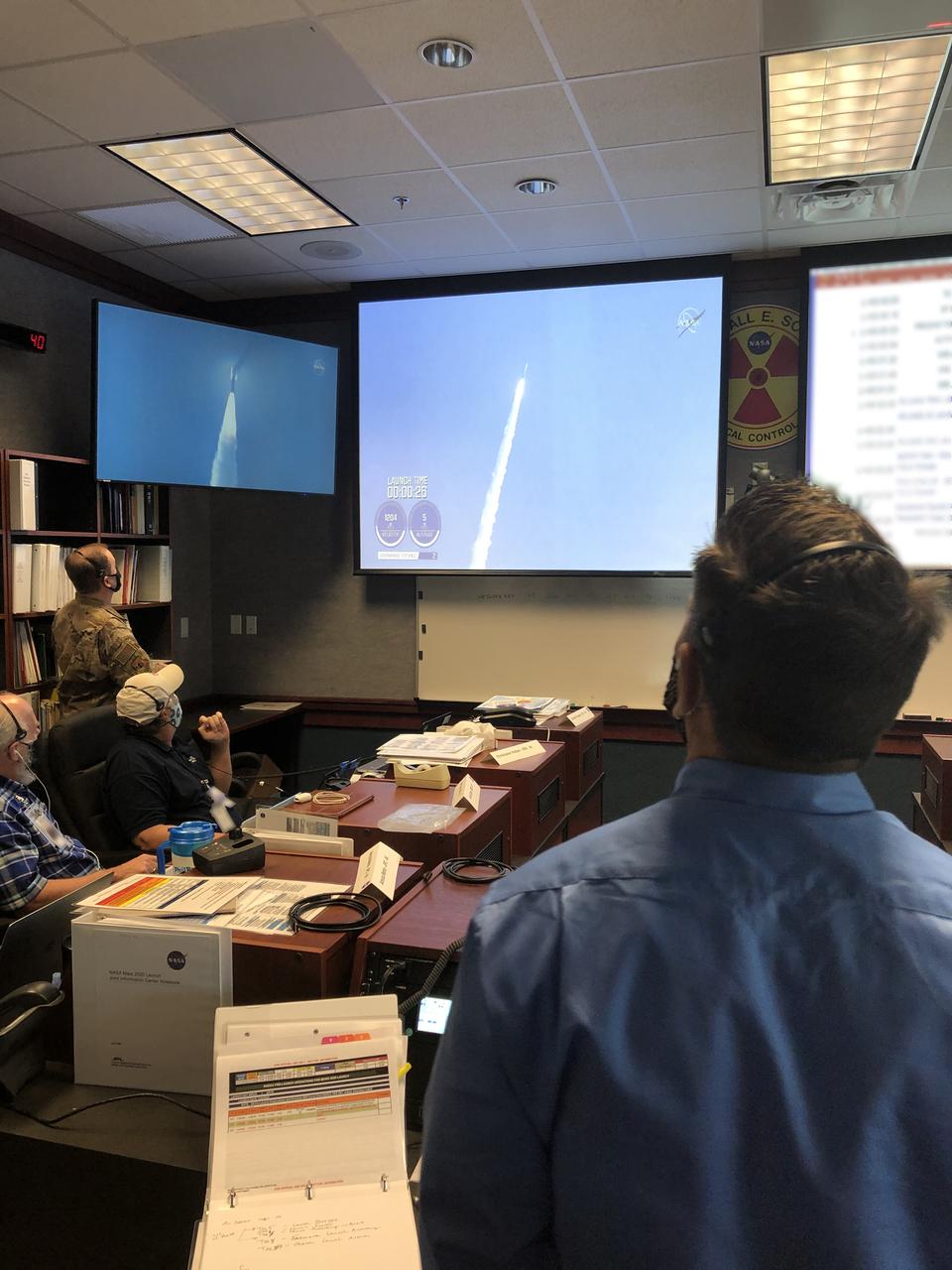
Joint Information Center (JIC), Emergency Operations Center (EOC) and Radiation Control Center (RADCC) members prepare for the launch of NASA’s Mars 2020 Perseverance rover and Ingenuity helicopter on July 30, 2020, at the agency’s Kennedy Space Center in Florida. JIC members include representatives on the local, regional and national level. Mars 2020 launched on a United Launch Alliance Atlas V 541 rocket from Space Launch Complex 41 at nearby Cape Canaveral Air Force Station. Liftoff was at 7:50 a.m. EDT. The rover is part of NASA’s Mars Exploration Program, a long-term effort of robotic exploration of the Red Planet. The rover will search for habitable conditions in the ancient past and signs of past microbial life on Mars. The Launch Services Program at Kennedy is responsible for launch management.
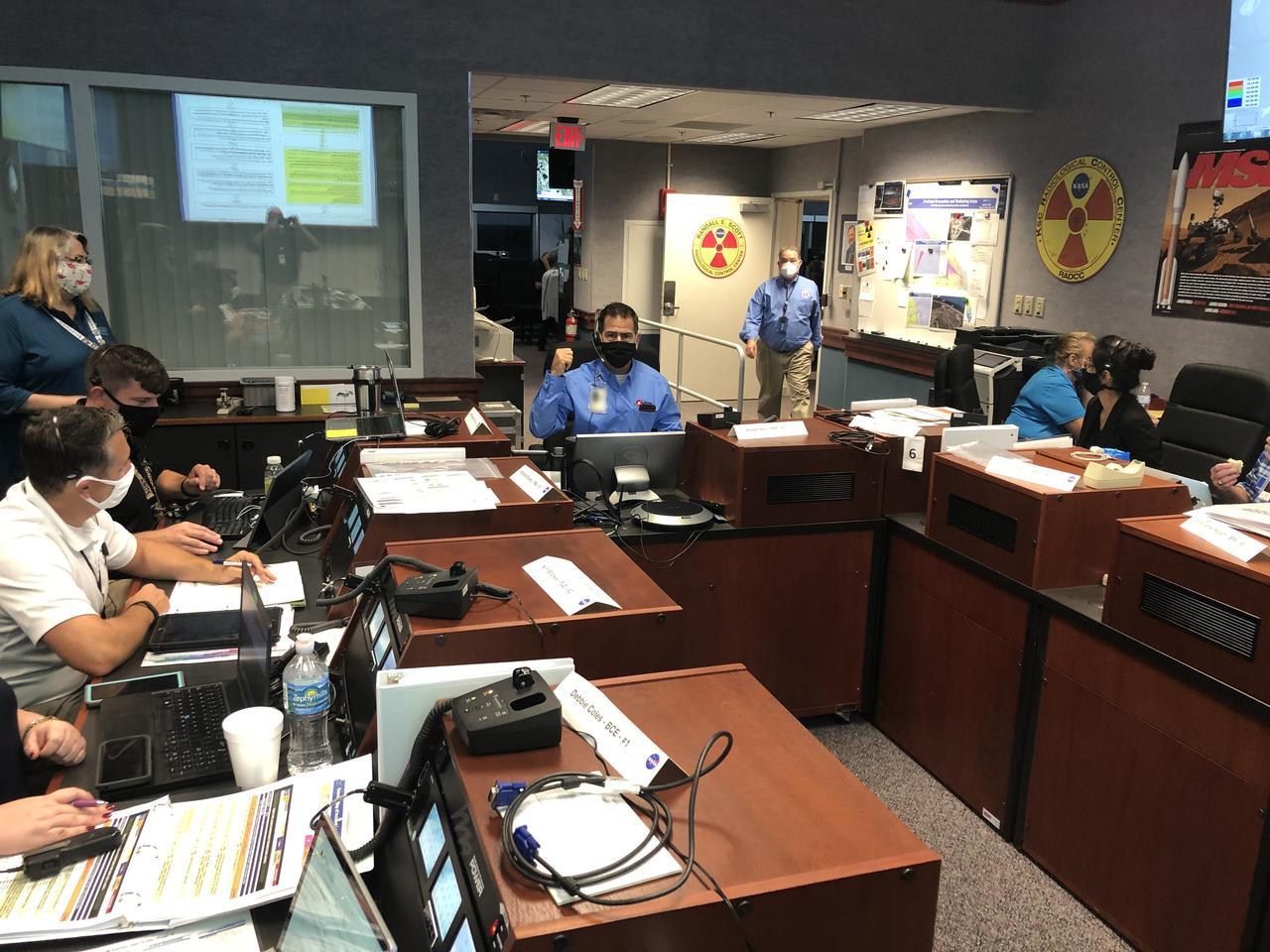
Joint Information Center (JIC), Emergency Operations Center (EOC) and Radiation Control Center (RADCC) members prepare for the launch of NASA’s Mars 2020 Perseverance rover and Ingenuity helicopter on July 30, 2020, at the agency’s Kennedy Space Center in Florida. JIC members include representatives on the local, regional and national level. Mars 2020 launched on a United Launch Alliance Atlas V 541 rocket from Space Launch Complex 41 at nearby Cape Canaveral Air Force Station. Liftoff was at 7:50 a.m. EDT. The rover is part of NASA’s Mars Exploration Program, a long-term effort of robotic exploration of the Red Planet. The rover will search for habitable conditions in the ancient past and signs of past microbial life on Mars. The Launch Services Program at Kennedy is responsible for launch management.
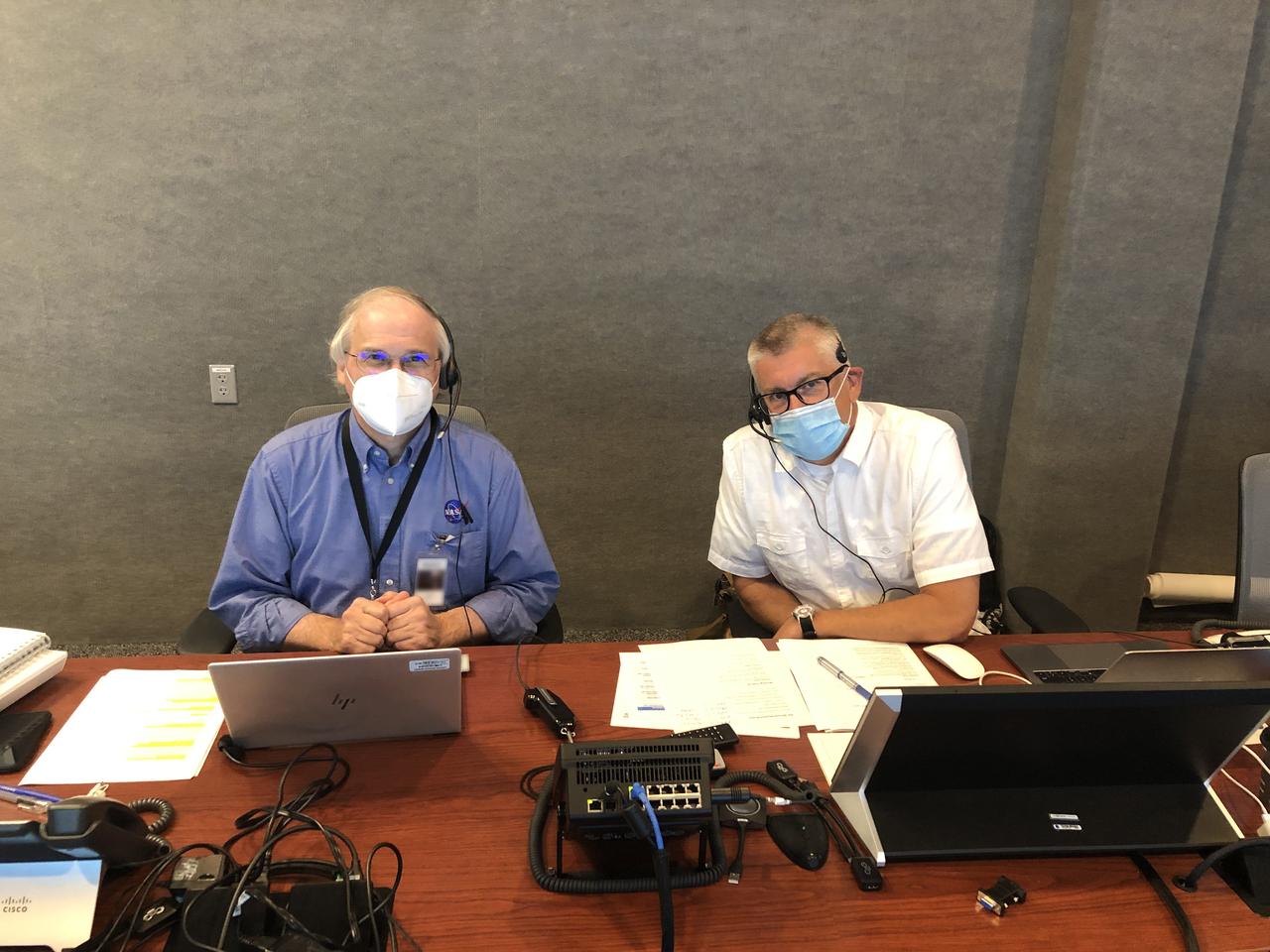
Joint Information Center (JIC), Emergency Operations Center (EOC) and Radiation Control Center (RADCC) members prepare for the launch of NASA’s Mars 2020 Perseverance rover and Ingenuity helicopter on July 30, 2020, at the agency’s Kennedy Space Center in Florida. JIC members include representatives on the local, regional and national level. Mars 2020 launched on a United Launch Alliance Atlas V 541 rocket from Space Launch Complex 41 at nearby Cape Canaveral Air Force Station. Liftoff was at 7:50 a.m. EDT. The rover is part of NASA’s Mars Exploration Program, a long-term effort of robotic exploration of the Red Planet. The rover will search for habitable conditions in the ancient past and signs of past microbial life on Mars. The Launch Services Program at Kennedy is responsible for launch management.
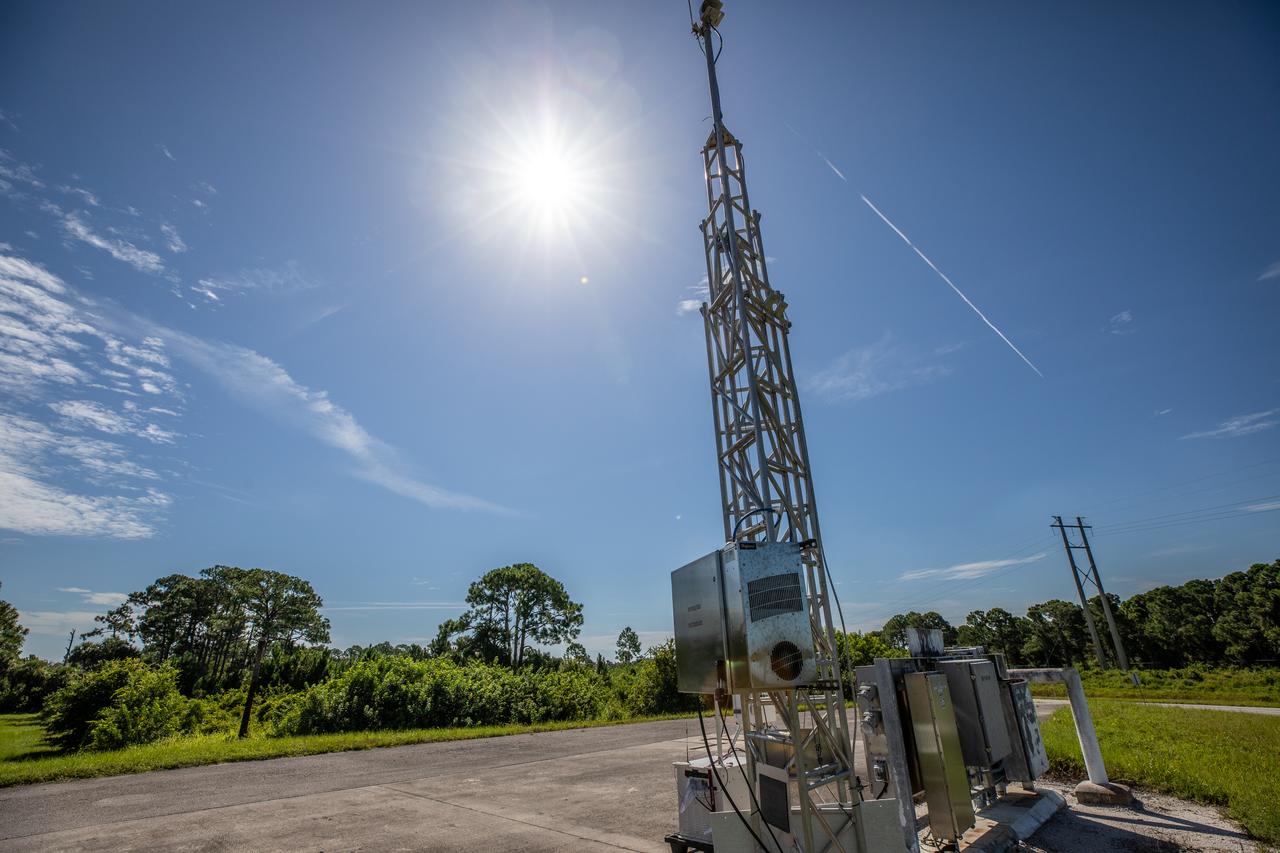
One of several Environmental Continuous Air Monitors, or ECAMS, is located in the Space Coast area on July 27, 2020, in preparation for launch of NASA’s Mars 2020 mission on July 30. The ECAMS are updated versions of those that were used for the launch of Curiosity. The Data Collection and Assessment Center uses information from the network of remote monitoring devises, including several that are located in areas for specific weather forecasting reported back to the operations center.
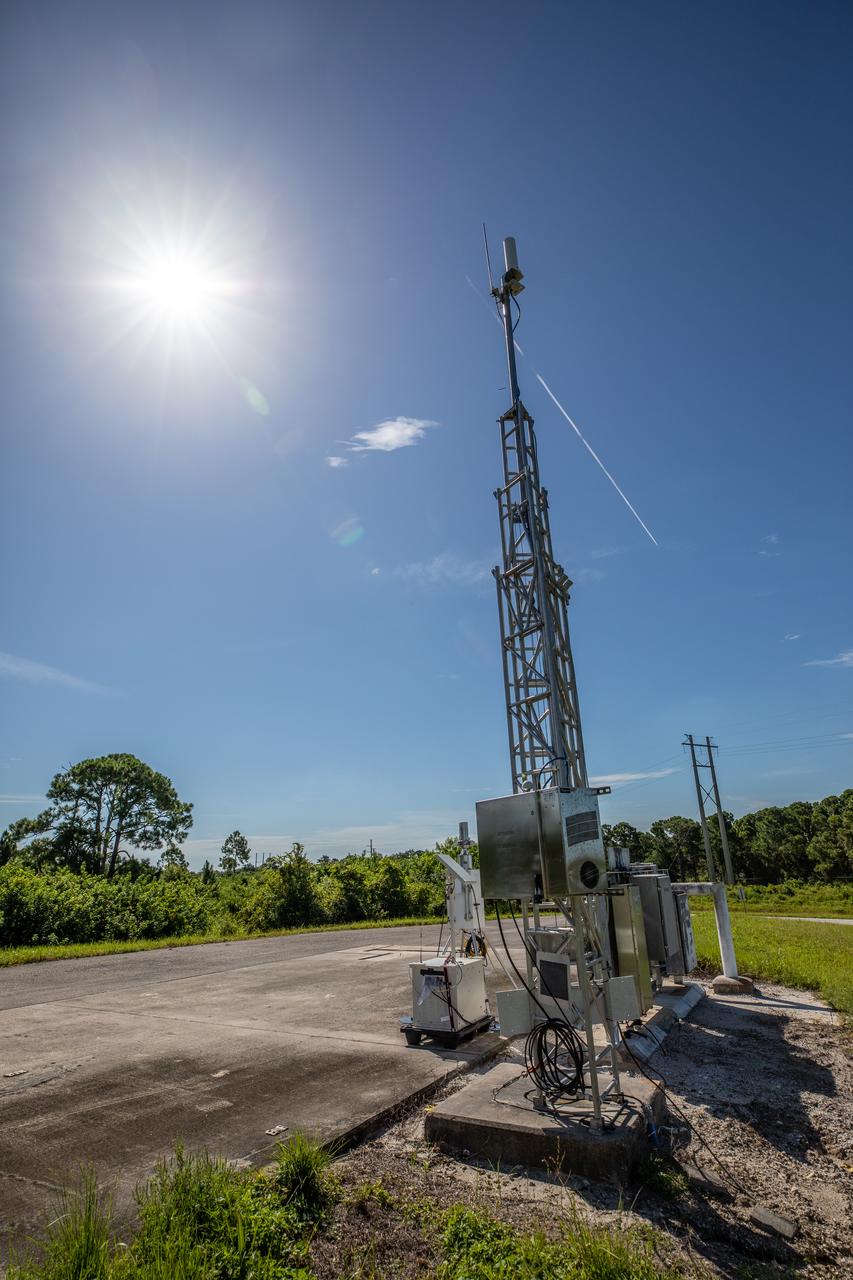
One of several Environmental Continuous Air Monitors, or ECAMS, is located in the Space Coast area on July 27, 2020, in preparation for launch of NASA’s Mars 2020 mission on July 30. The ECAMS are updated versions of those that were used for the launch of Curiosity. The Data Collection and Assessment Center uses information from the network of remote monitoring devises, including several that are located in areas for specific weather forecasting reported back to the operations center.
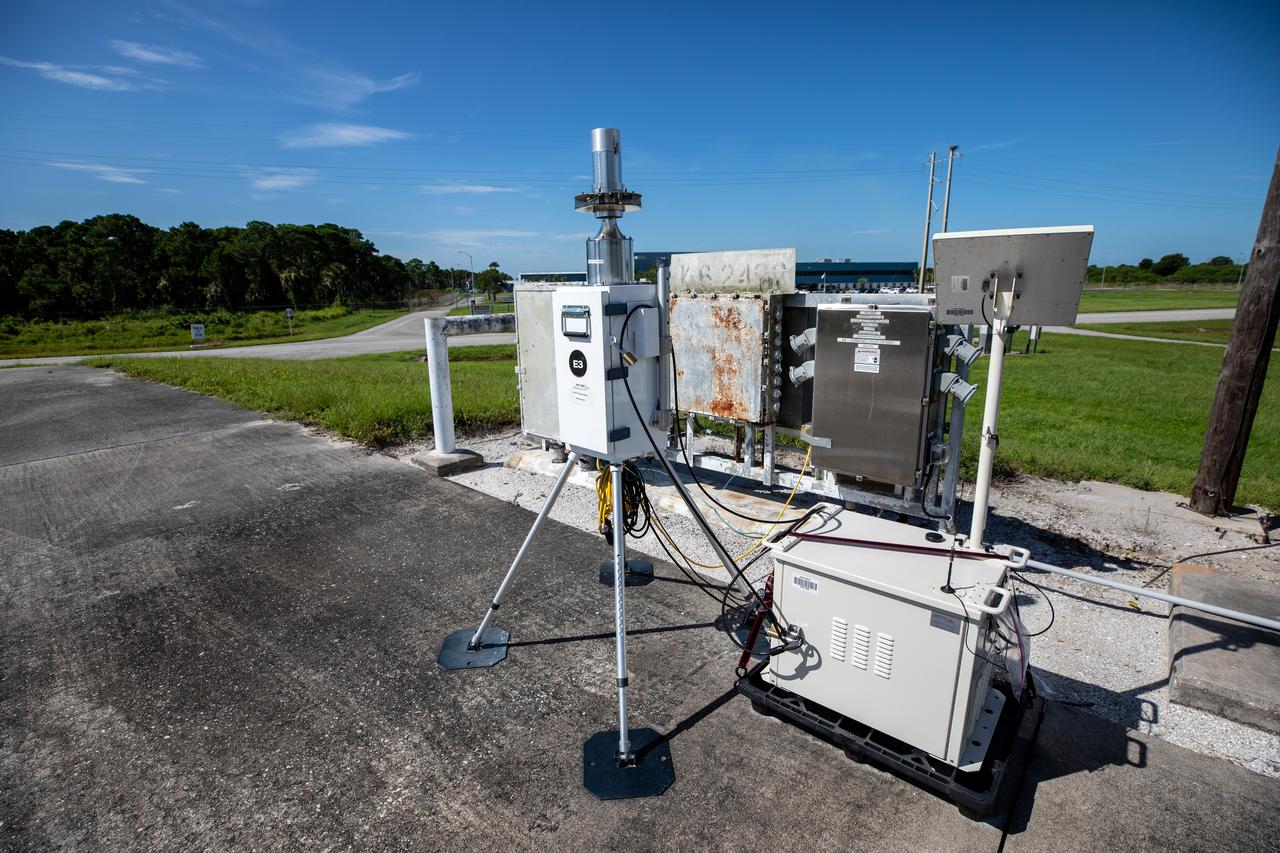
A close-up view of one of several Environmental Continuous Air Monitors, or ECAMS, located in the Space Coast area on July 27, 2020, in preparation for launch of NASA’s Mars 2020 mission on July 30. The ECAMS are updated versions of those that were used for the launch of Curiosity. The Data Collection and Assessment Center uses information from the network of remote monitoring devises, including several that are located in areas for specific weather forecasting reported back to the operations center.

One of several Environmental Continuous Air Monitors, or ECAMS, is located in the Space Coast area on July 27, 2020, in preparation for launch of NASA’s Mars 2020 mission on July 30. The ECAMS are updated versions of those that were used for the launch of Curiosity. The Data Collection and Assessment Center uses information from the network of remote monitoring devises, including several that are located in areas for specific weather forecasting reported back to the operations center.
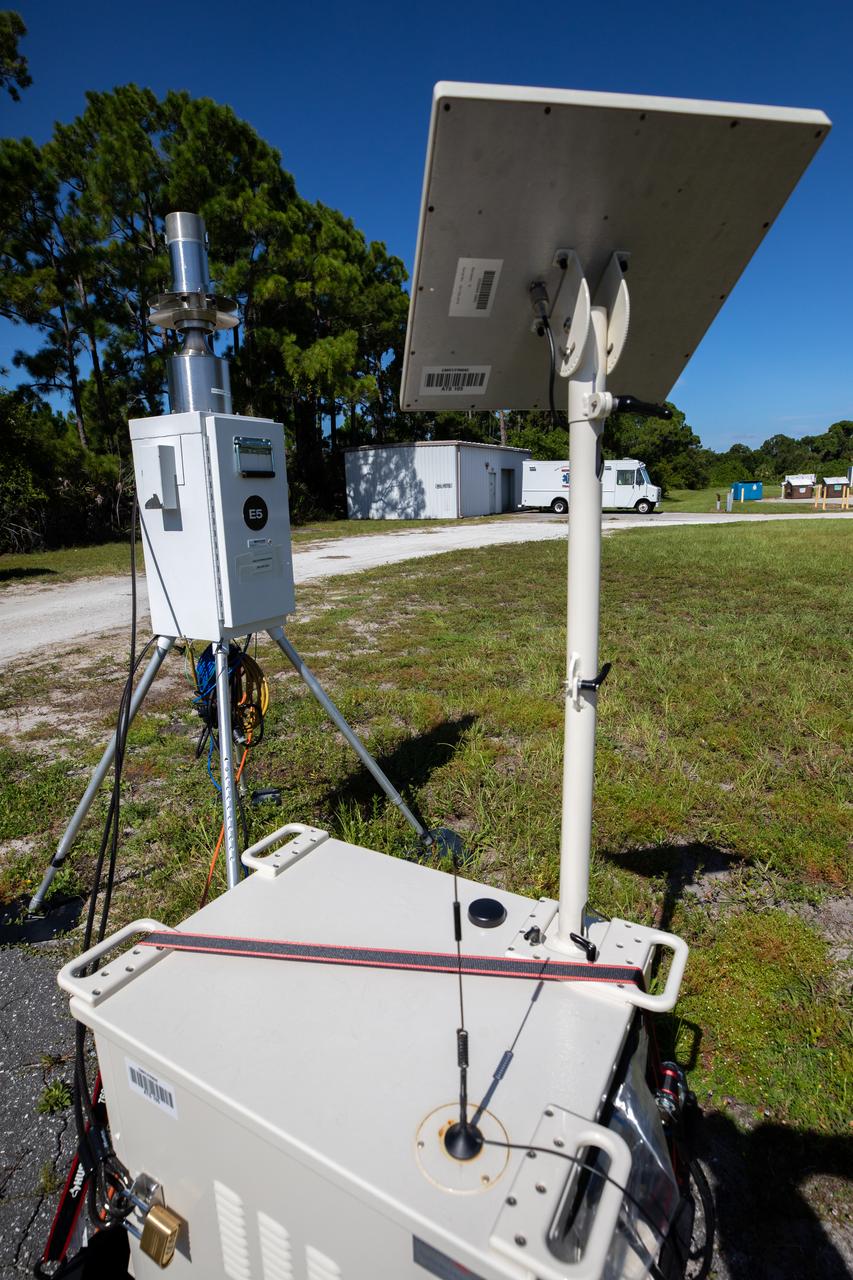
A close-up view of one of several Environmental Continuous Air Monitors, or ECAMS, located in the Space Coast area on July 27, 2020, in preparation for launch of NASA’s Mars 2020 mission on July 30. The ECAMS are updated versions of those that were used for the launch of Curiosity. The Data Collection and Assessment Center uses information from the network of remote monitoring devises, including several that are located in areas for specific weather forecasting reported back to the operations center.
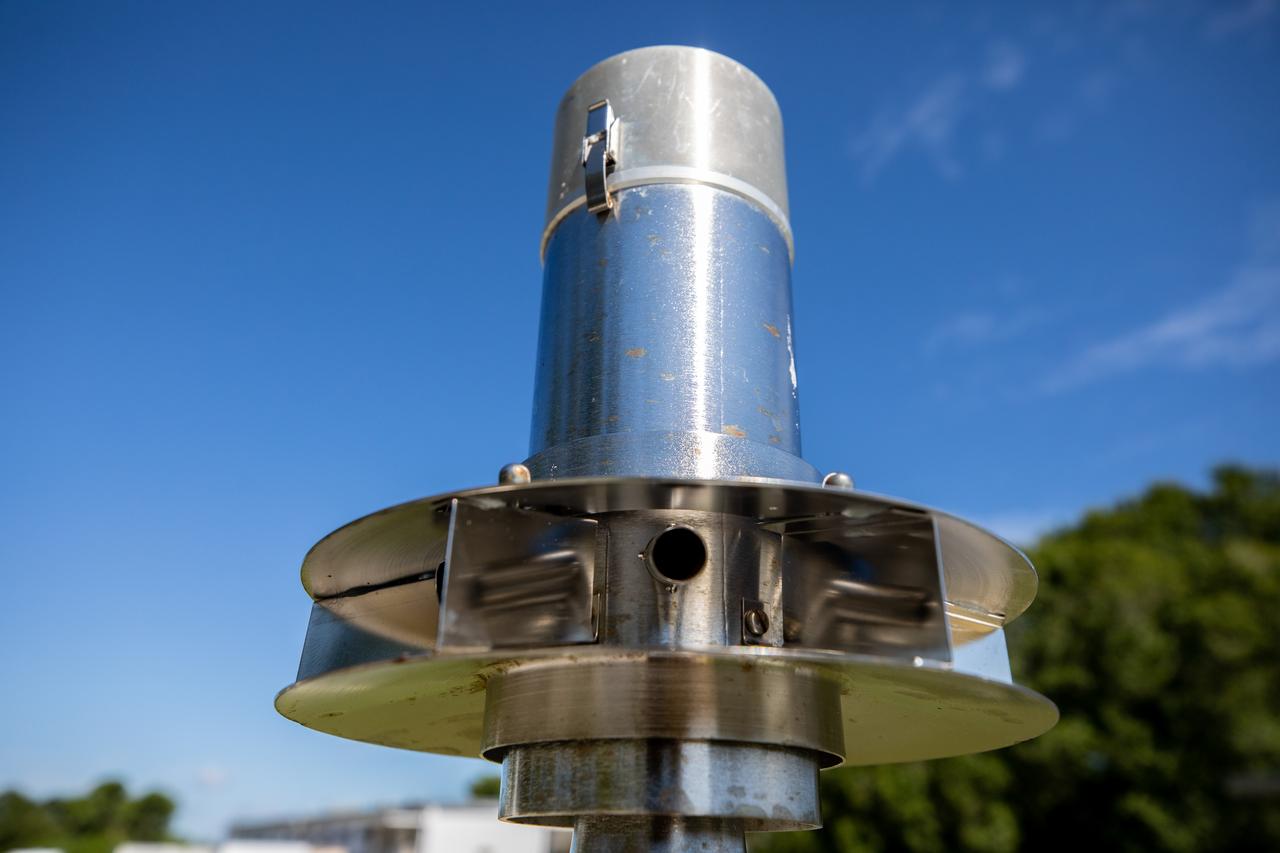
A close-up view of one of several Environmental Continuous Air Monitors, or ECAMS, located in the Space Coast area on July 27, 2020, in preparation for launch of NASA’s Mars 2020 mission on July 30. The ECAMS are updated versions of those that were used for the launch of Curiosity. The Data Collection and Assessment Center uses information from the network of remote monitoring devises, including several that are located in areas for specific weather forecasting reported back to the operations center.
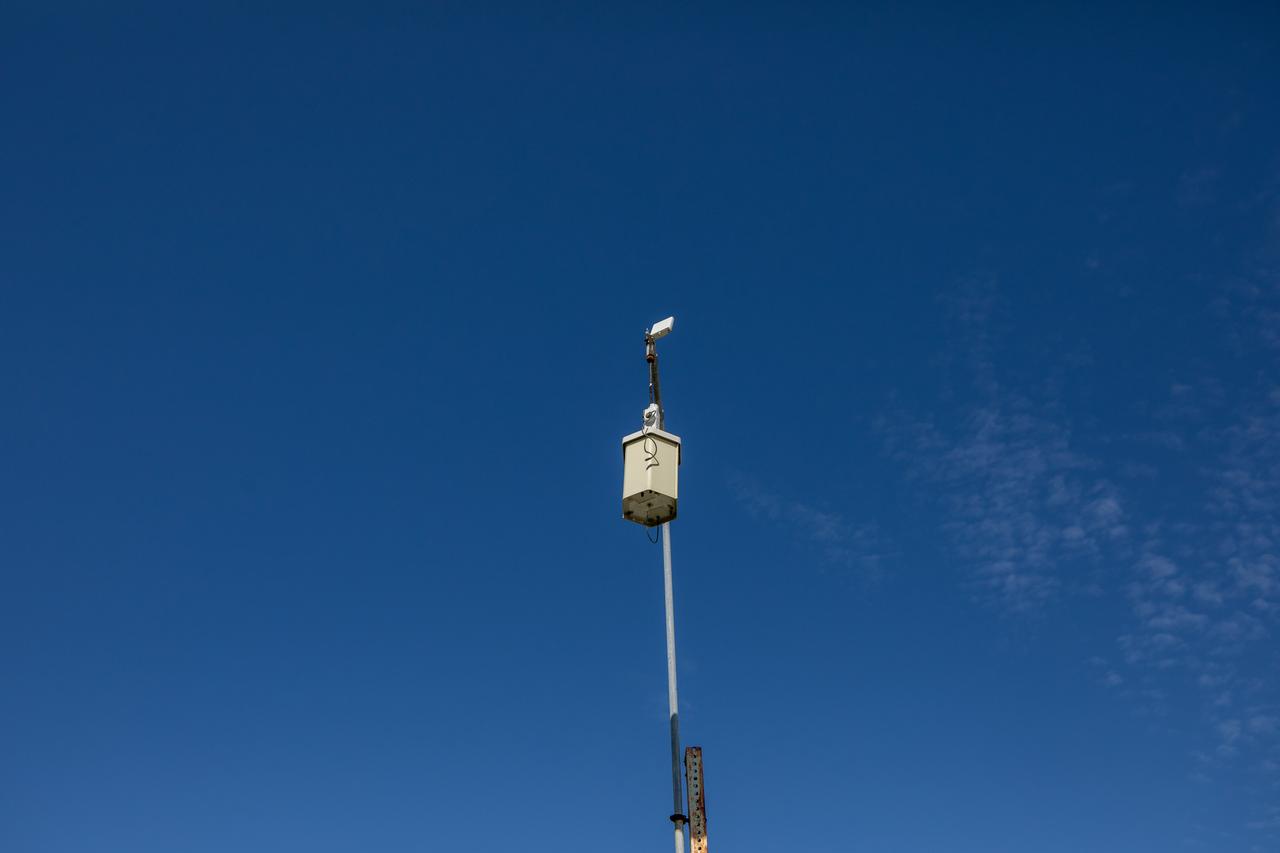
One of several Environmental Continuous Air Monitors, or ECAMS, is located in the Space Coast area on July 27, 2020, in preparation for launch of NASA’s Mars 2020 mission on July 30. The ECAMS are updated versions of those that were used for the launch of Curiosity. The Data Collection and Assessment Center uses information from the network of remote monitoring devises, including several that are located in areas for specific weather forecasting reported back to the operations center.
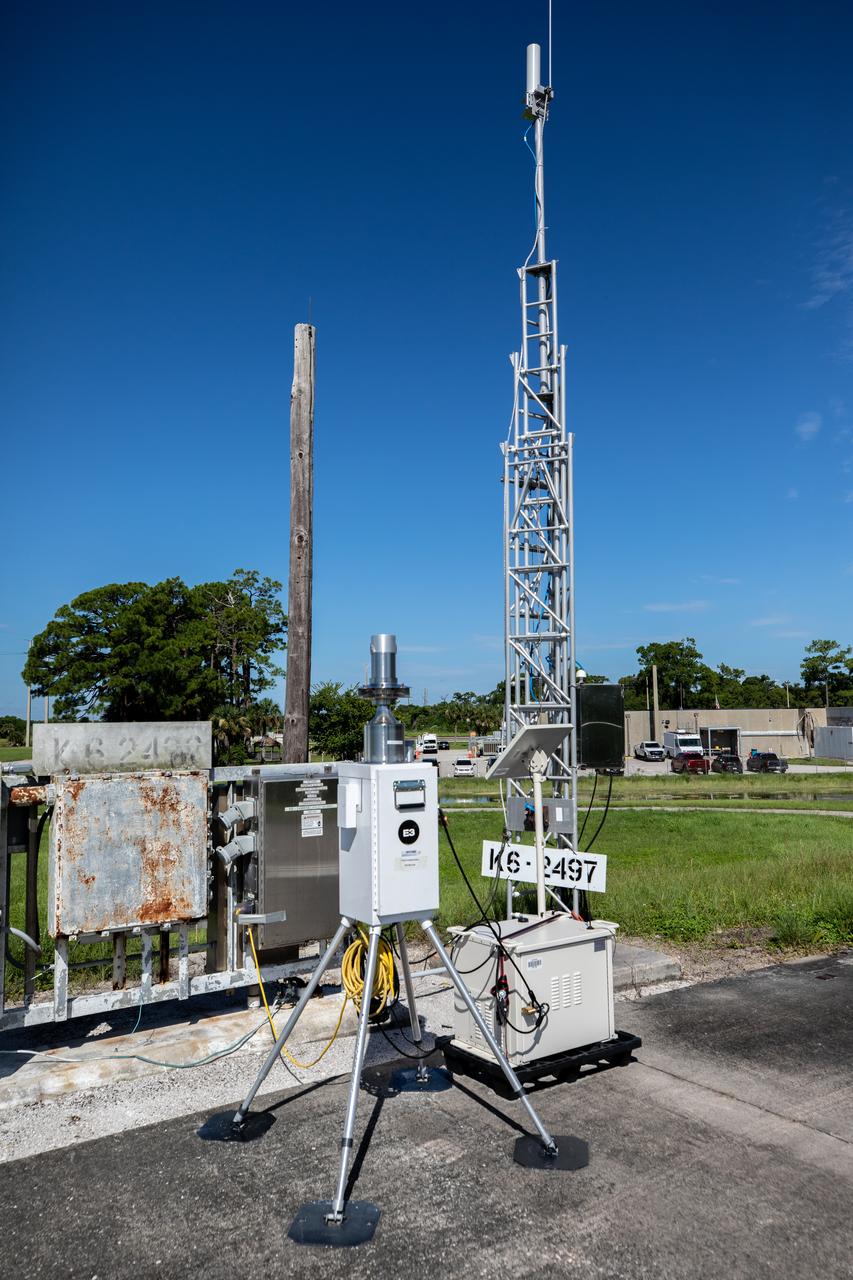
A close-up view of one of several Environmental Continuous Air Monitors, or ECAMS, located in the Space Coast area on July 27, 2020, in preparation for launch of NASA’s Mars 2020 mission on July 30. The ECAMS are updated versions of those that were used for the launch of Curiosity. The Data Collection and Assessment Center uses information from the network of remote monitoring devises, including several that are located in areas for specific weather forecasting reported back to the operations center.
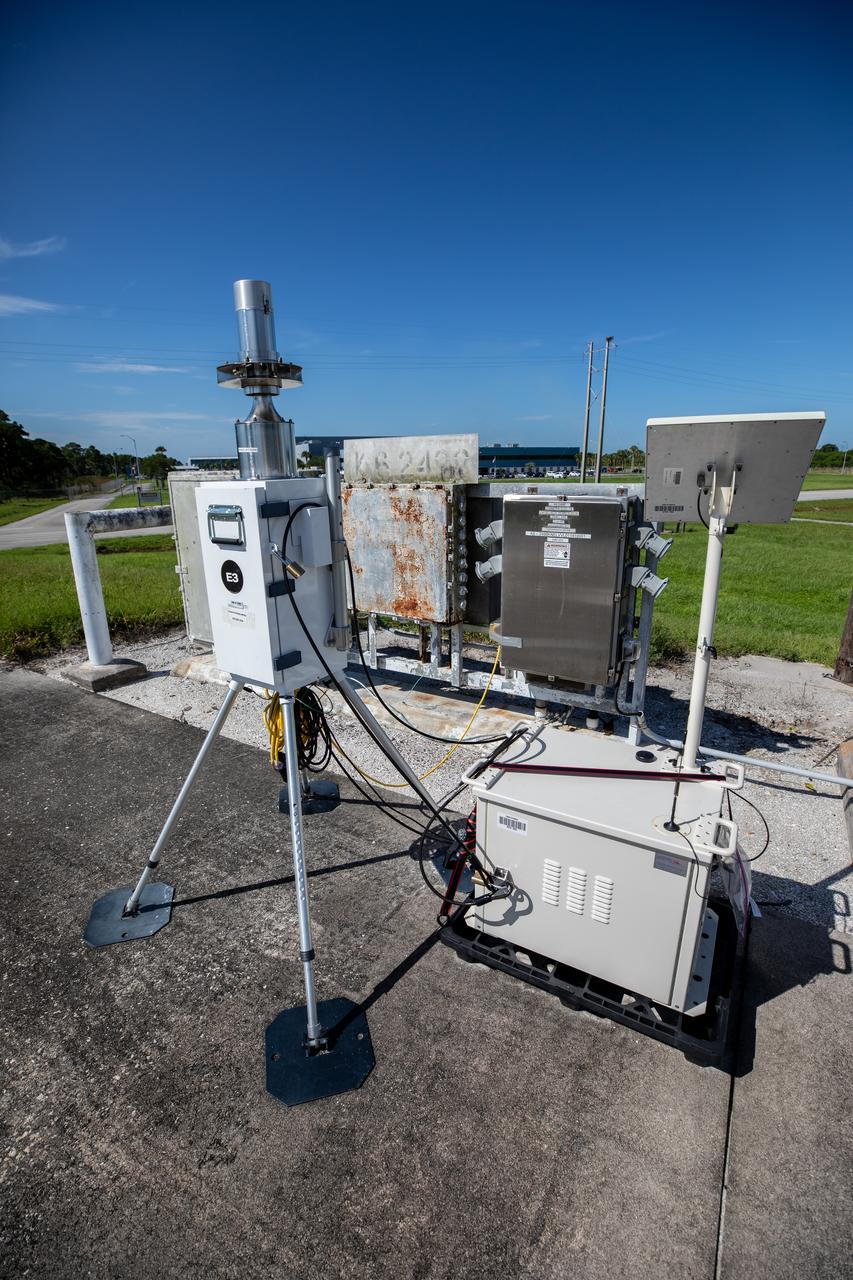
A close-up view of one of several Environmental Continuous Air Monitors, or ECAMS, located in the Space Coast area on July 27, 2020, in preparation for launch of NASA’s Mars 2020 mission on July 30. The ECAMS are updated versions of those that were used for the launch of Curiosity. The Data Collection and Assessment Center uses information from the network of remote monitoring devises, including several that are located in areas for specific weather forecasting reported back to the operations center.

CAPE CANAVERAL, Fla. -- Randy Scott, director of Kennedy Space Center's Radiological Control Center (RADCC), speaks to media during a tour regarding safety equipment and procedures for the upcoming launch of the Mars Science Laboratory (MSL) mission. Behind him is Steve Homann, senior advisor for the Department of Energy. The MSL spacecraft includes a multi-mission radioisotope thermoelectric generator (MMRTG) that will generate the power needed for the mission from the natural decay of plutonium-238, a non-weapons-grade form of the radioisotope. MSL's components include a car-sized rover, Curiosity, which has 10 science instruments designed to search for signs of life, including methane, and help determine if the gas is from a biological or geological source. Launch of MSL aboard a United Launch Alliance Atlas V rocket is targeted for Nov. 26 from Space Launch Complex 41 on Cape Canaveral Air Force Station. For more information, visit http://www.nasa.gov/msl. Photo credit: NASA/Frankie Martin
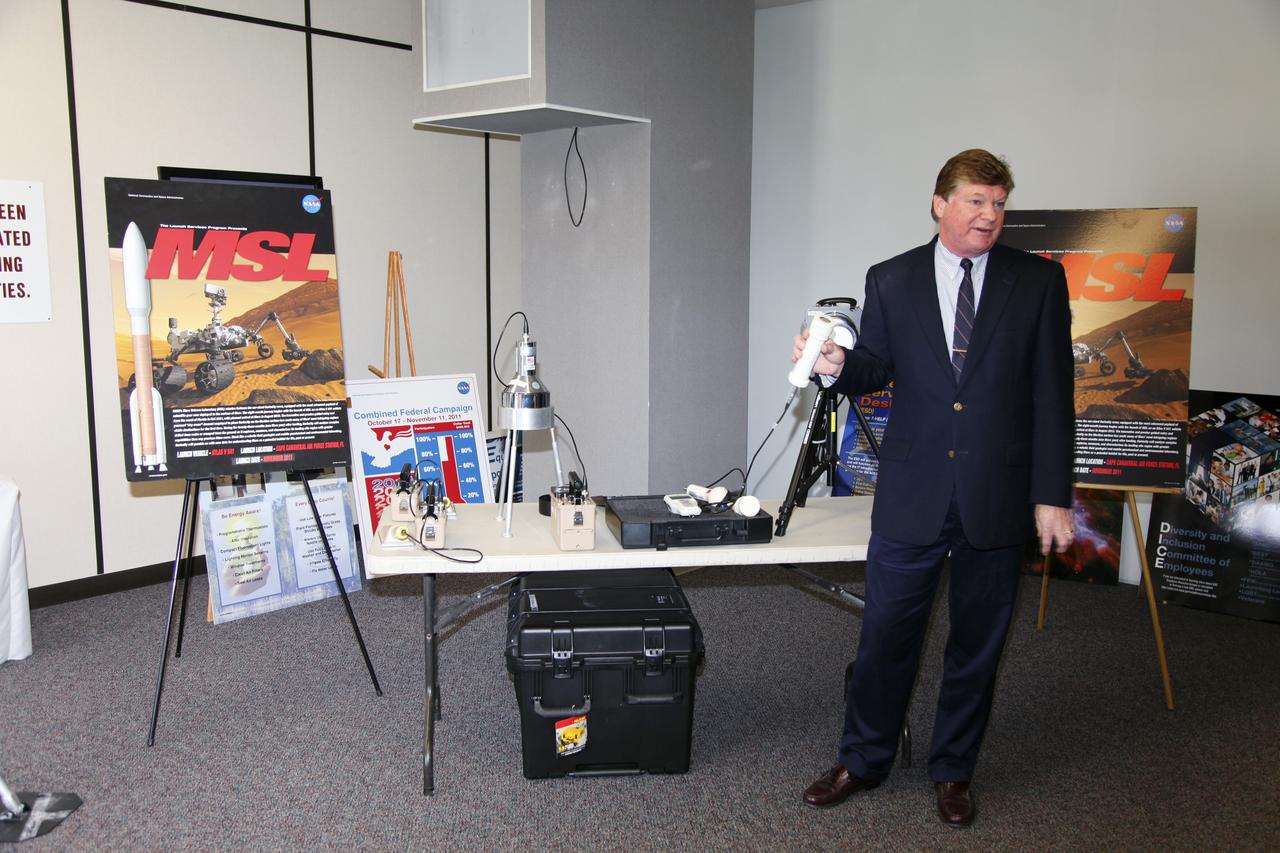
CAPE CANAVERAL, Fla. -- Steve Homann, senior advisor for the Department of Energy, speaks to media during a tour of the Radiological Control Center (RADCC) at NASA's Kennedy Space Center in Florida. The tour focused on safety equipment and procedures for the upcoming launch of the Mars Science Laboratory (MSL) mission. The MSL spacecraft includes a multi-mission radioisotope thermoelectric generator (MMRTG) that will generate the power needed for the mission from the natural decay of plutonium-238, a non-weapons-grade form of the radioisotope. MSL's components include a car-sized rover, Curiosity, which has 10 science instruments designed to search for signs of life, including methane, and help determine if the gas is from a biological or geological source. Launch of MSL aboard a United Launch Alliance Atlas V rocket is targeted for Nov. 26 from Space Launch Complex 41 on Cape Canaveral Air Force Station. For more information, visit http://www.nasa.gov/msl. Photo credit: NASA/Frankie Martin
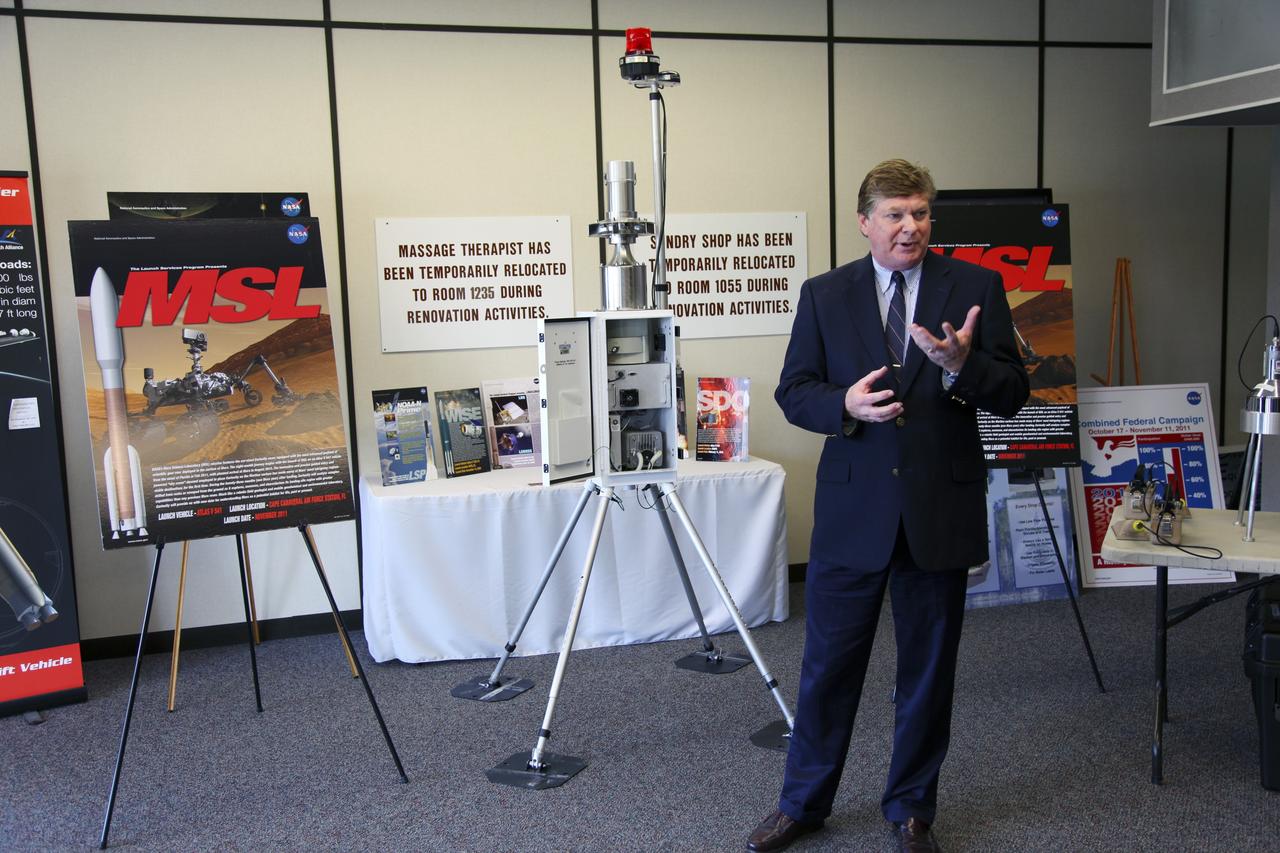
CAPE CANAVERAL, Fla. -- Steve Homann, senior advisor for the Department of Energy, speaks to media during a tour of the Radiological Control Center (RADCC) at NASA's Kennedy Space Center in Florida. The tour focused on safety equipment and procedures for the upcoming launch of the Mars Science Laboratory (MSL) mission. The MSL spacecraft includes a multi-mission radioisotope thermoelectric generator (MMRTG) that will generate the power needed for the mission from the natural decay of plutonium-238, a non-weapons-grade form of the radioisotope. MSL's components include a car-sized rover, Curiosity, which has 10 science instruments designed to search for signs of life, including methane, and help determine if the gas is from a biological or geological source. Launch of MSL aboard a United Launch Alliance Atlas V rocket is targeted for Nov. 26 from Space Launch Complex 41 on Cape Canaveral Air Force Station. For more information, visit http://www.nasa.gov/msl. Photo credit: NASA/Frankie Martin

CAPE CANAVERAL, Fla. -- During a tour of the Radiological Control Center (RADCC) at NASA's Kennedy Space Center in Florida, members of the media listen as Ryan Bechtel of the U.S. Department of Energy explains safety equipment and procedures for the upcoming launch of the Mars Science Laboratory (MSL) mission. The MSL spacecraft includes a multi-mission radioisotope thermoelectric generator (MMRTG) that will generate the power needed for the mission from the natural decay of plutonium-238, a non-weapons-grade form of the radioisotope. MSL's components include a car-sized rover, Curiosity, which has 10 science instruments designed to search for signs of life, including methane, and help determine if the gas is from a biological or geological source. Launch of MSL aboard a United Launch Alliance Atlas V rocket is targeted for Nov. 26 from Space Launch Complex 41 on Cape Canaveral Air Force Station. For more information, visit http://www.nasa.gov/msl. Photo credit: NASA/Frankie Martin