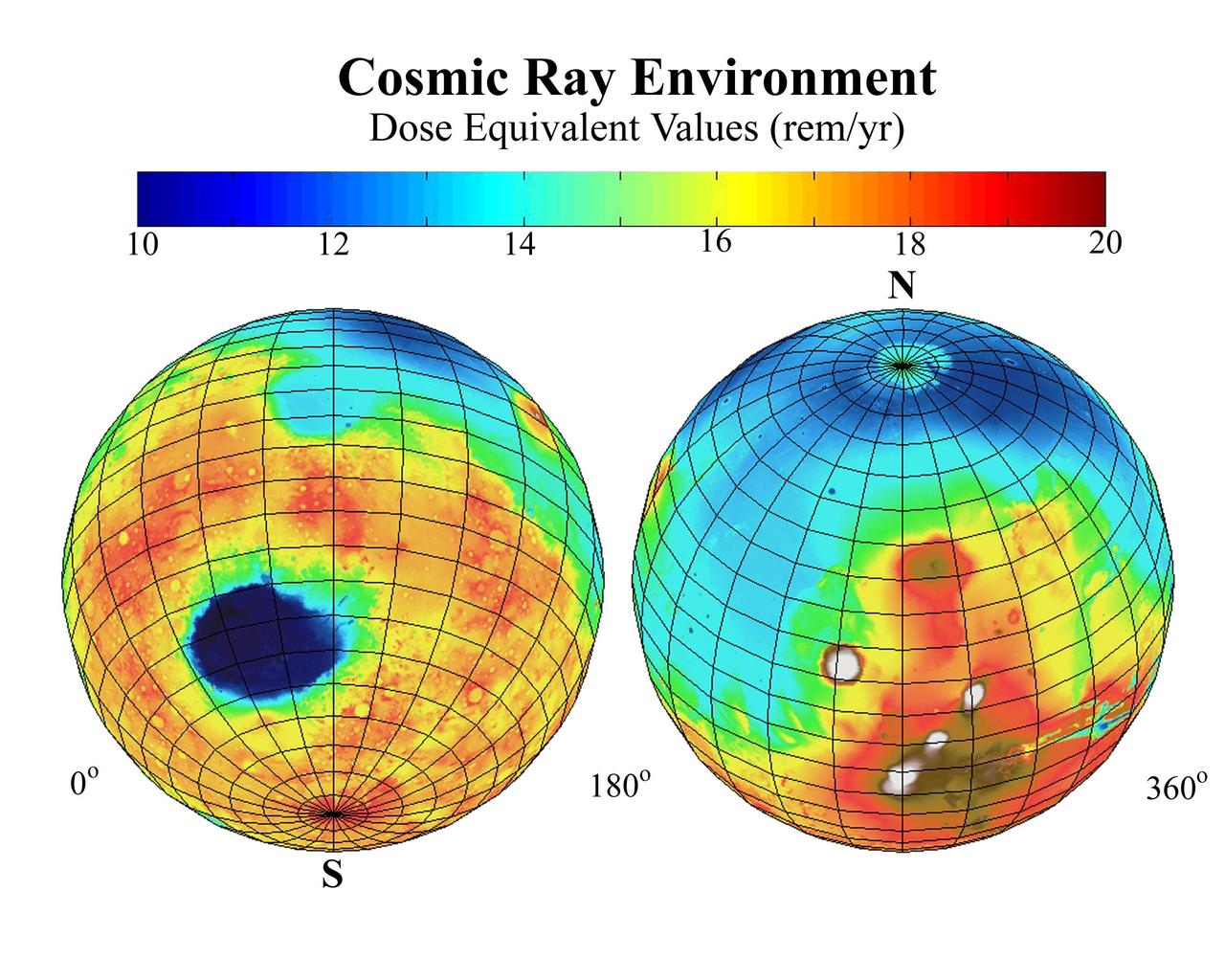
This global map of Mars, based on data from NASA Mars Odyssey, shows the estimated radiation dosages from cosmic rays reaching the surface, a serious health concern for any future human exploration of the planet.
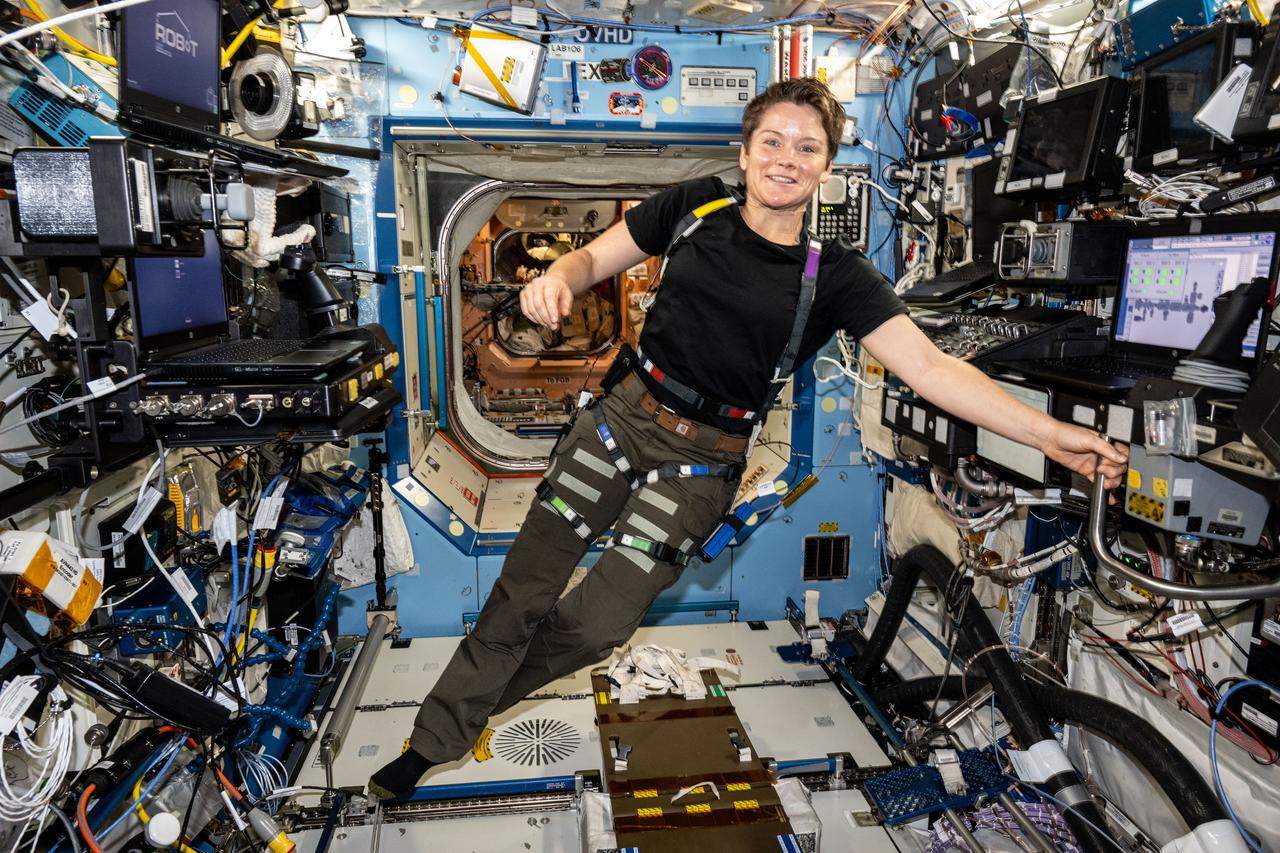
iss072e882087 (April 1, 2025) --- NASA astronaut and Expedition 72 Flight Engineer Anne McClain is pictured in the Destiny laboratory module wearing an experimental wearable dosimeter that measures radiation dosages crews are exposed to in real time aboard the International Space Station.
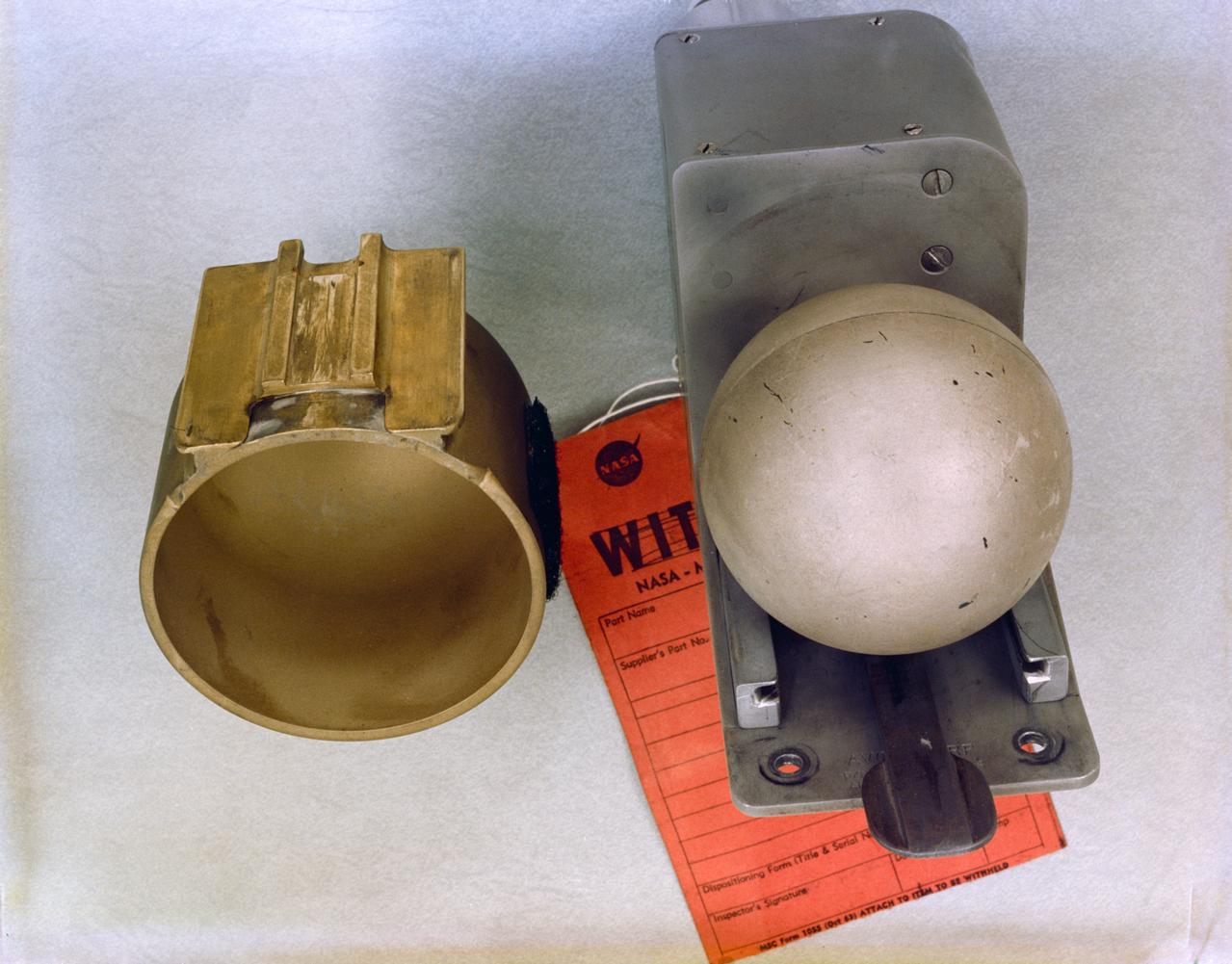
S65-58941 (27 Aug. 1965) --- U.S. Air Force Weapons Laboratory D-8 (Radiation in Space) experiment for Gemini-6 spaceflight. Kennedy Space Center alternative photo number is 104-KSC-65C-5533. Photo credit: NASA
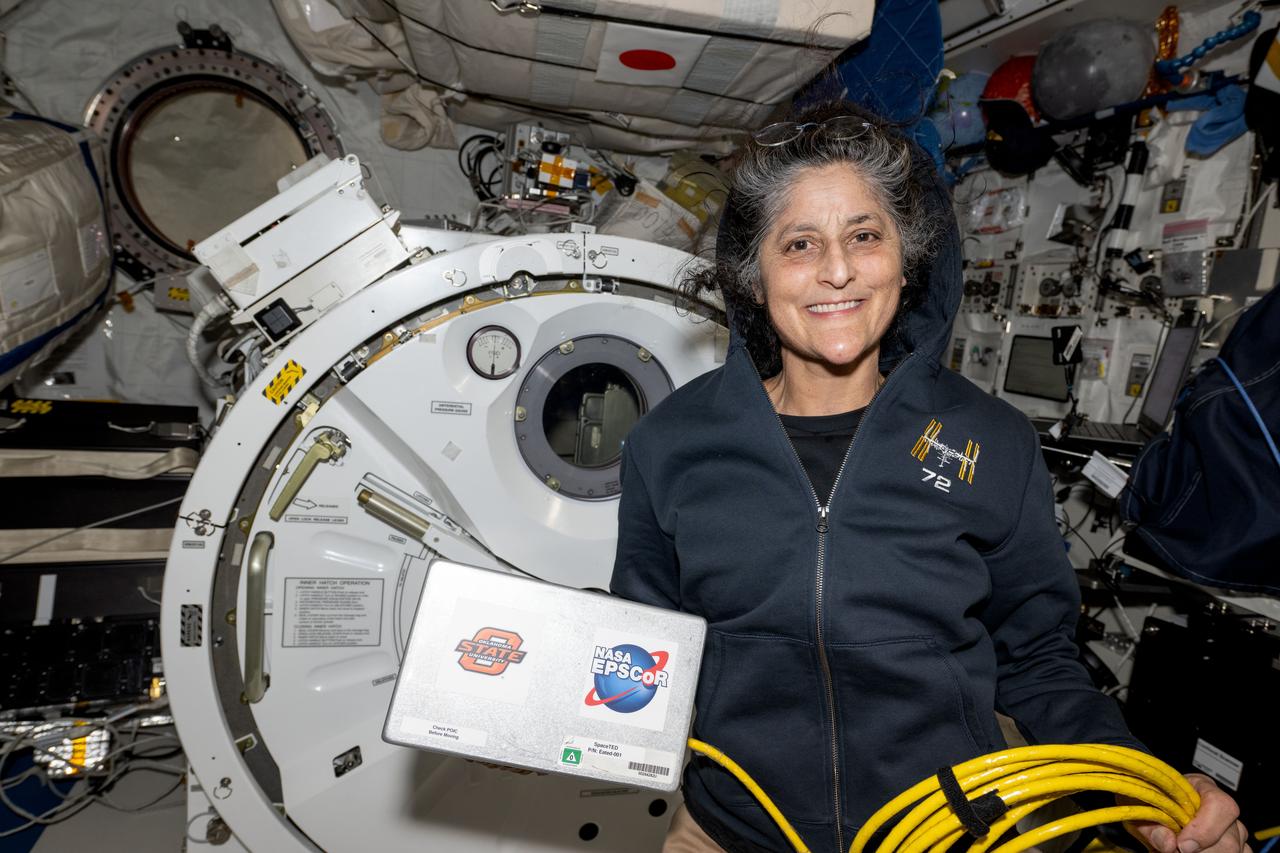
iss072e143492 (Nov. 1, 2024) --- NASA astronaut and Expedition 72 Commander Suni Williams displays the Space Tissue Equivalent Dosimeter (SpaceTED) hardware inside the International Space Station's Kibo laboratory module. SpaceTED is a technology demonstration that can measure radiation dosages and characterize the radiaton environment in microgravity to protect crew members and spacecraft hardware.
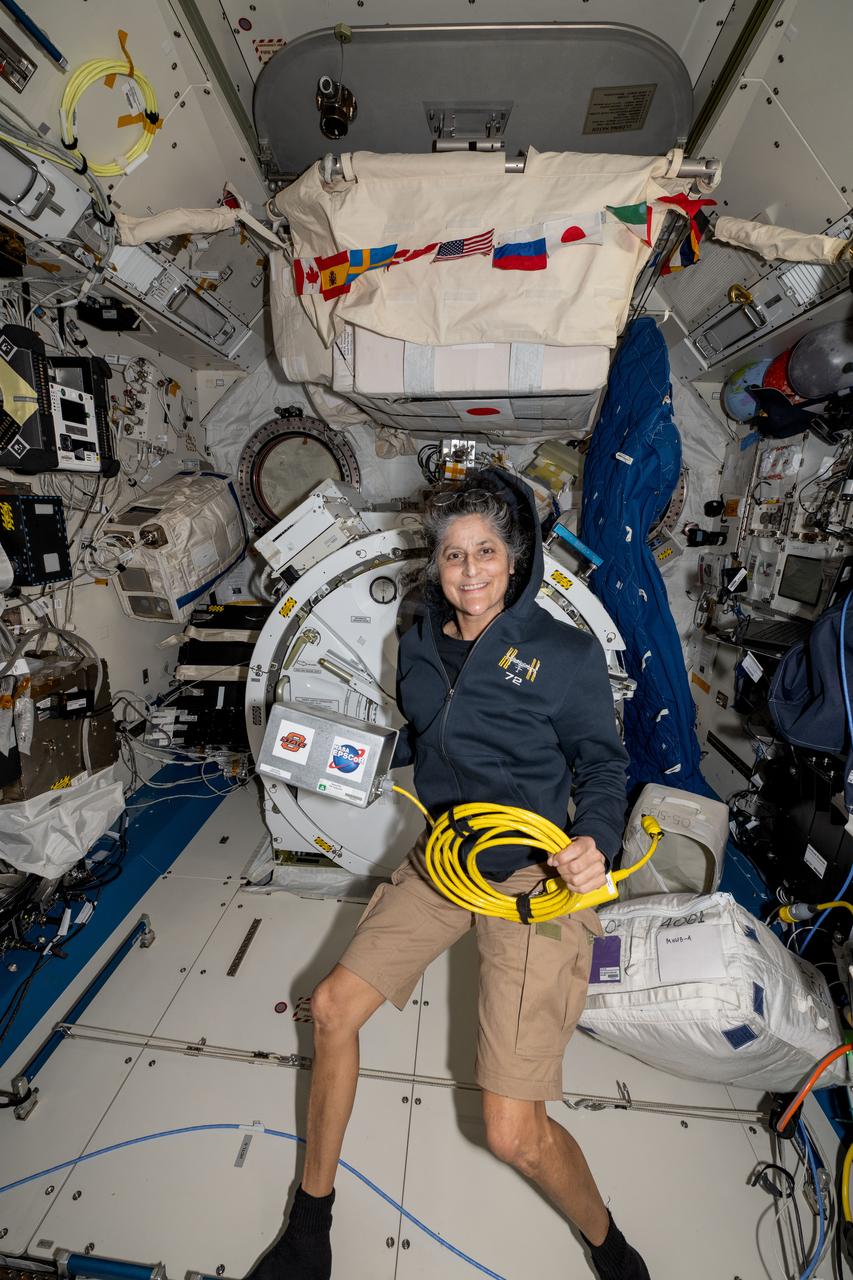
iss072e143491 (Nov. 1, 2024) --- NASA astronaut and Expedition 72 Commander Suni Williams displays the Space Tissue Equivalent Dosimeter (SpaceTED) hardware inside the International Space Station's Kibo laboratory module. SpaceTED is a technology demonstration that can measure radiation dosages and characterize the radiaton environment in microgravity to protect crew members and spacecraft hardware.
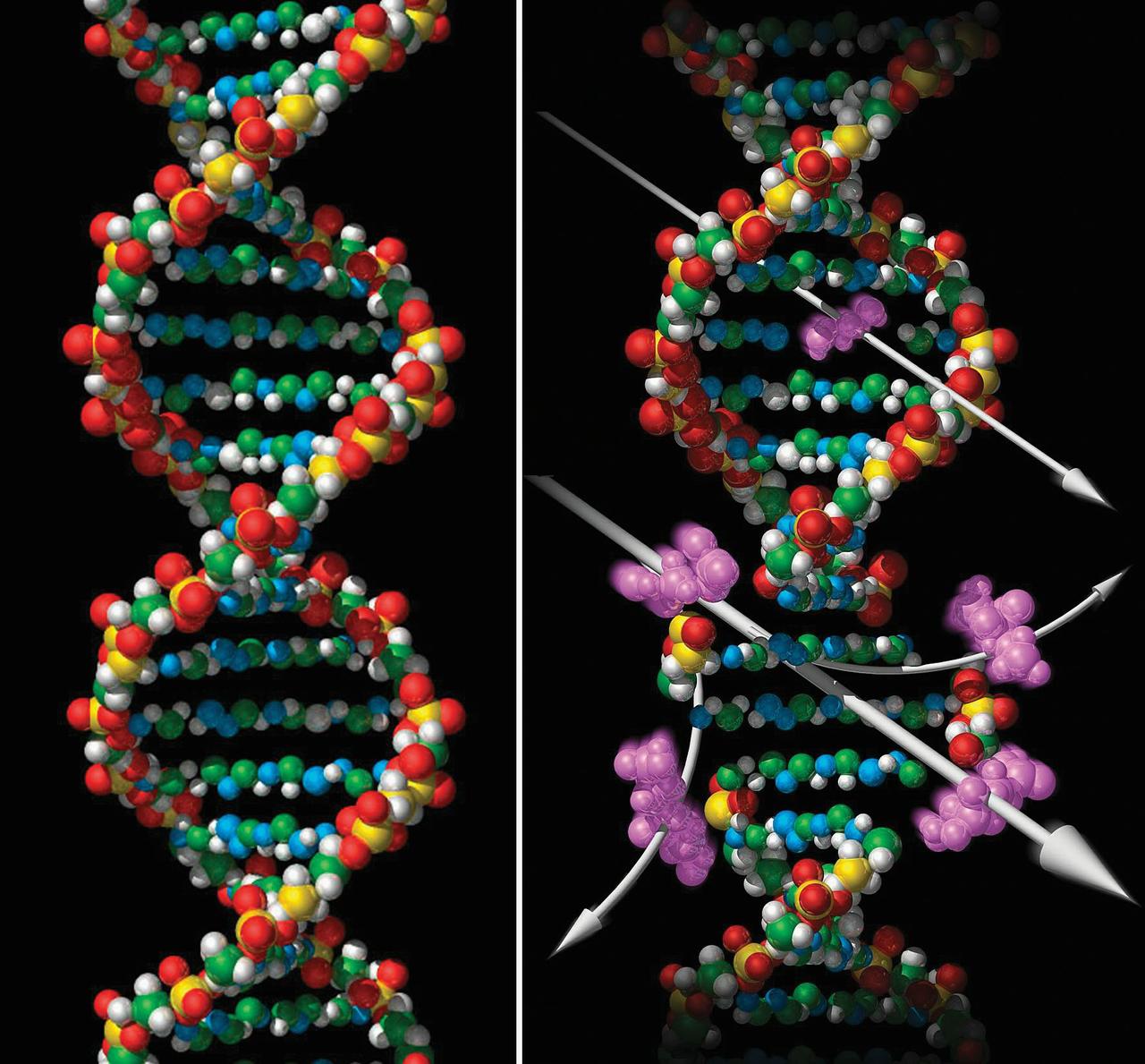
The blueprint of life, DNA's double helix is found in the cells of everything from bacteria to astronauts. Exposure to radiation(depicted at right) such as X-rays (upper) or heavy ion particles (lower), can damage DNA and cause dire consequences both to the organism itself and to future generations. One of NASA's main goals is to develop better radiation shielding materials to protect astronauts from destructive radiation in space. This is particularly important for long space missions. NASA has selected researchers to study materials that provide better shielding. This research is managed by NASA's Office of Biological and Physical Research and is supported by the Microgravity Science and Applications Department at NASA's Marshall Center. During International Space Station Expedition Six, the Extravehicular Activity Radiation Monitoring (EVARM) will continue to measure radiation dosage encountered by the eyes, internal organs and skin during specific spacewalks, and relate it to the type of activity, location and other factors. An analysis of this information may be useful in mitigating potential exposure to space walkers in the future. (Illustration by Dr. Frank Cucinotta, NASA/Johnson Space Center, and Prem Saganti, Lockheed Martin)