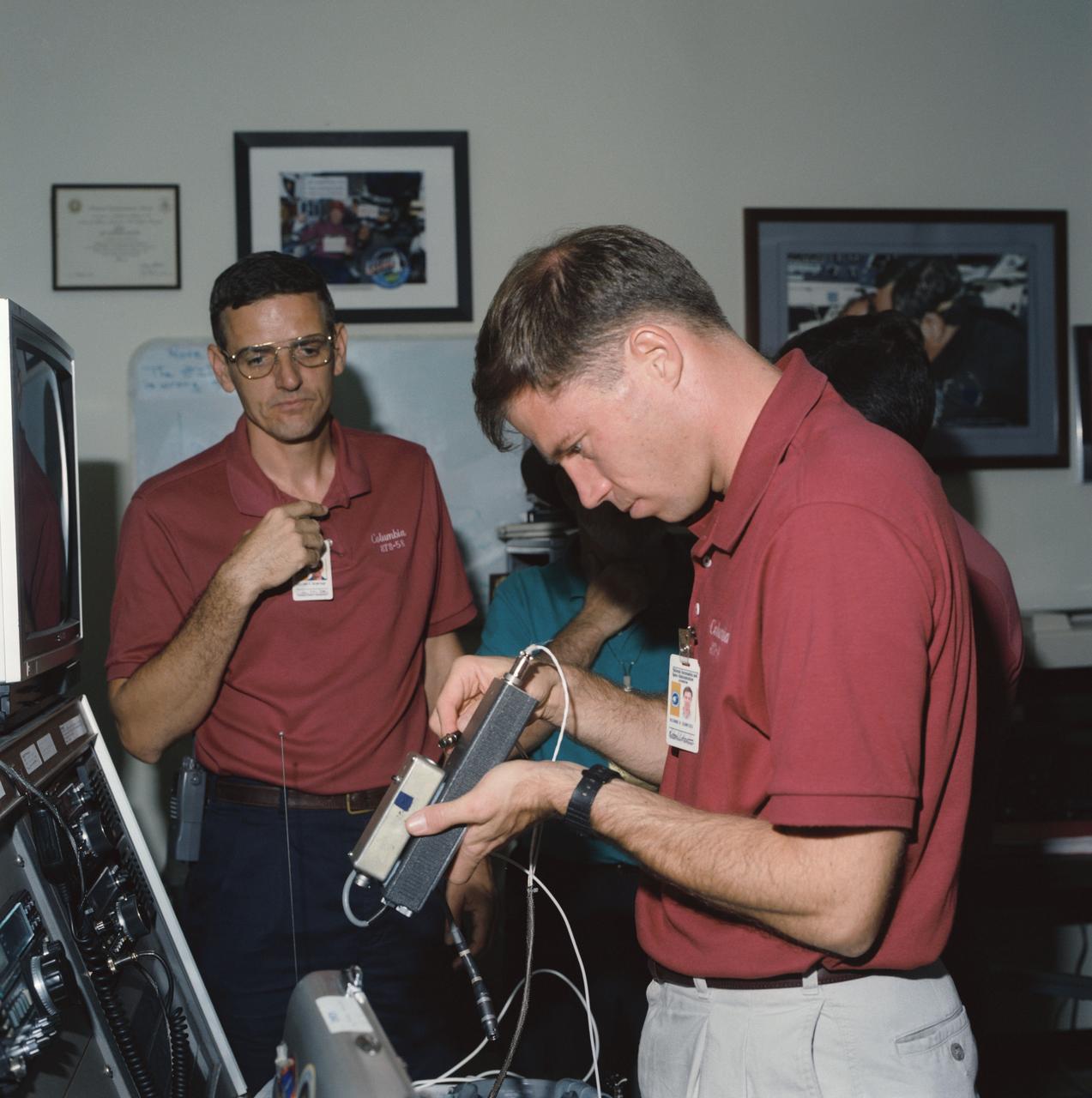
S93-45068 (22 Sept 1993) --- Two members of the STS-58 Spacelab Life Sciences (SLS-2) crew, train with amateur radio equipment at the Johnson Space Center (JSC). They are William S. McArthur (left), mission specialist, and Richard A. Searfoss, pilot. The STS-58 flight will carry the Shuttle Amateur Radio Experiment (SAREX) payload, configuration C, which includes FM voice and packet. Three of the seven crewmembers are licensed amateur radio operators. Searfoss' call letters are KC5CKM; McArthur, KC5ACR; and payload specialist Martin J. Fettman, KC5AXA. Licensed students at a number of schools around the country will have the opportunity to talk directly with the astronauts during the 14-day flight.
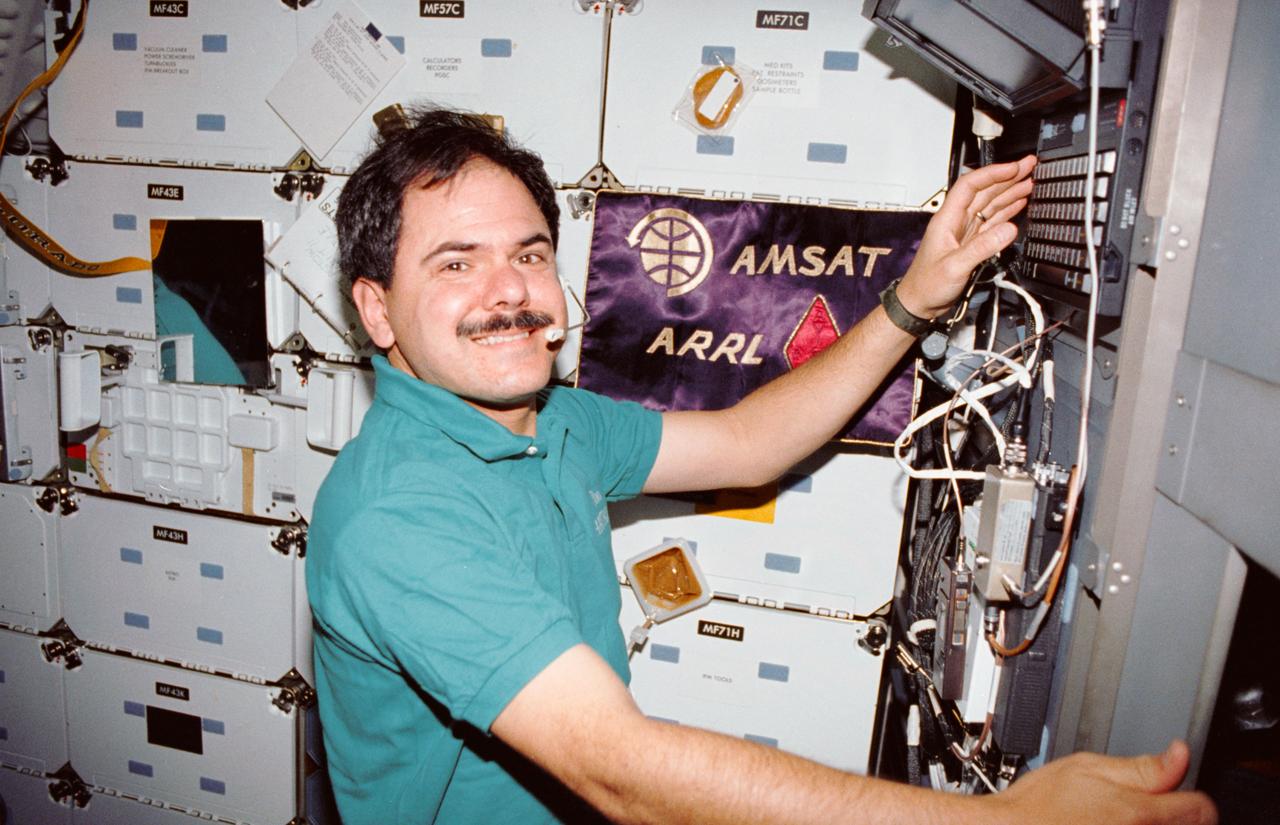
STS-35 Payload Specialist Ronald A. Parise enters data into the payload and general support computer (PGSC) in preparation for Earth communication via the Shuttle Amateur Radio Experiment (SAREX) aboard Columbia, Orbiter Vehicle (OV) 102. The SAREX equipment is secured to the middeck starboard sleep station. SAREX provided radio transmissions between ground based amateur radio operators around the world and Parise, a licensed amateur radio operator. The experiment enabled students to communicate with an astronaut in space, as Parise (call-sign WA4SIR) devoted some of his off-duty time to that purpose. Displayed on the forward lockers beside Parise is a AMSAT (Amateur Radio Satellite Corporation) / ARRL (American Radio Relay League) banner. Food items and checklists are attached to the lockers. In locker position MF43G, the Development Test Objective (DTO) Trash Compaction and Retention System Demonstration extended duration orbiter (EDO) compactor is visible.
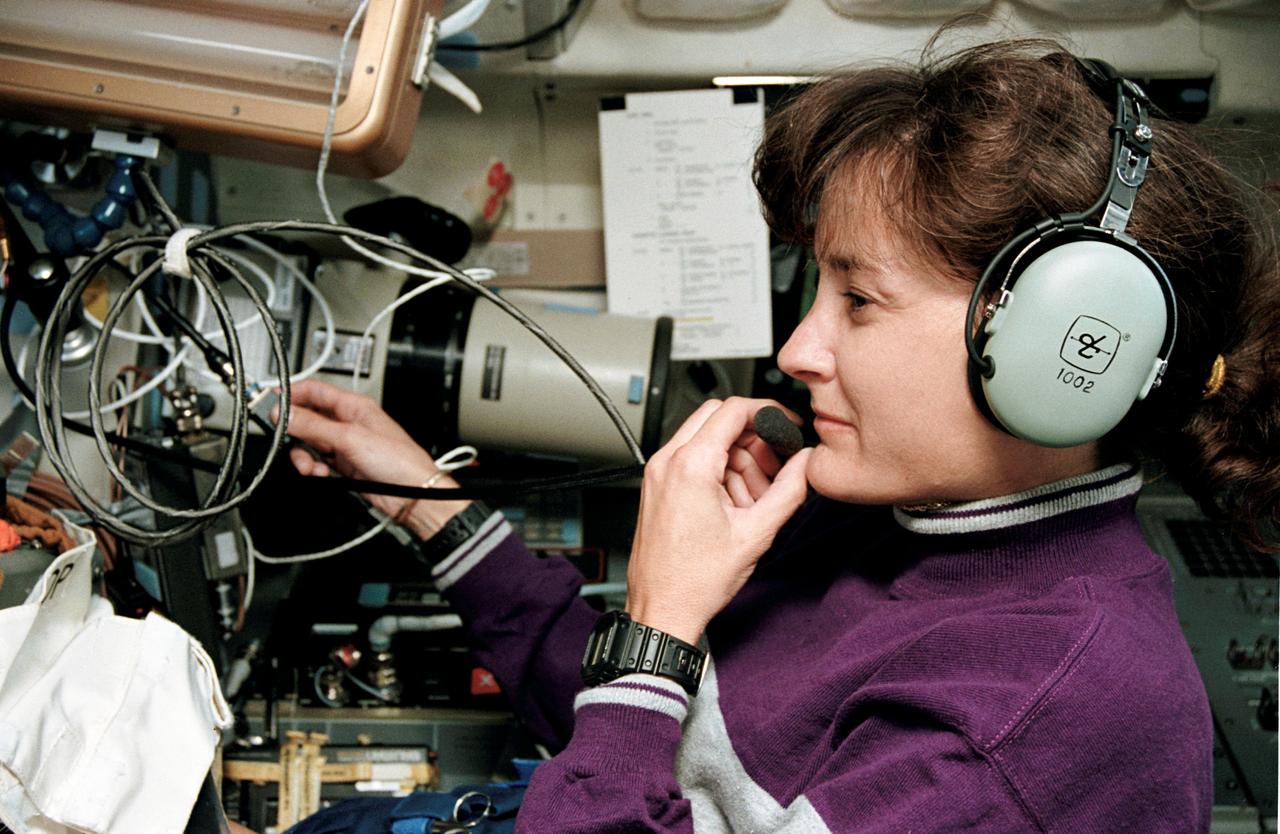
STS059-16-028 (9-20 April 1994) --- Onboard the Space Shuttle Endeavour, astronaut Linda M. Godwin talks to students via the Shuttle Amateur Radio Experiment (SAREX). The payload commander, as well as several other STS-59 crew members spent some off-duty time using the amateur radio equipment to communicate with "Hams" and students on Earth.
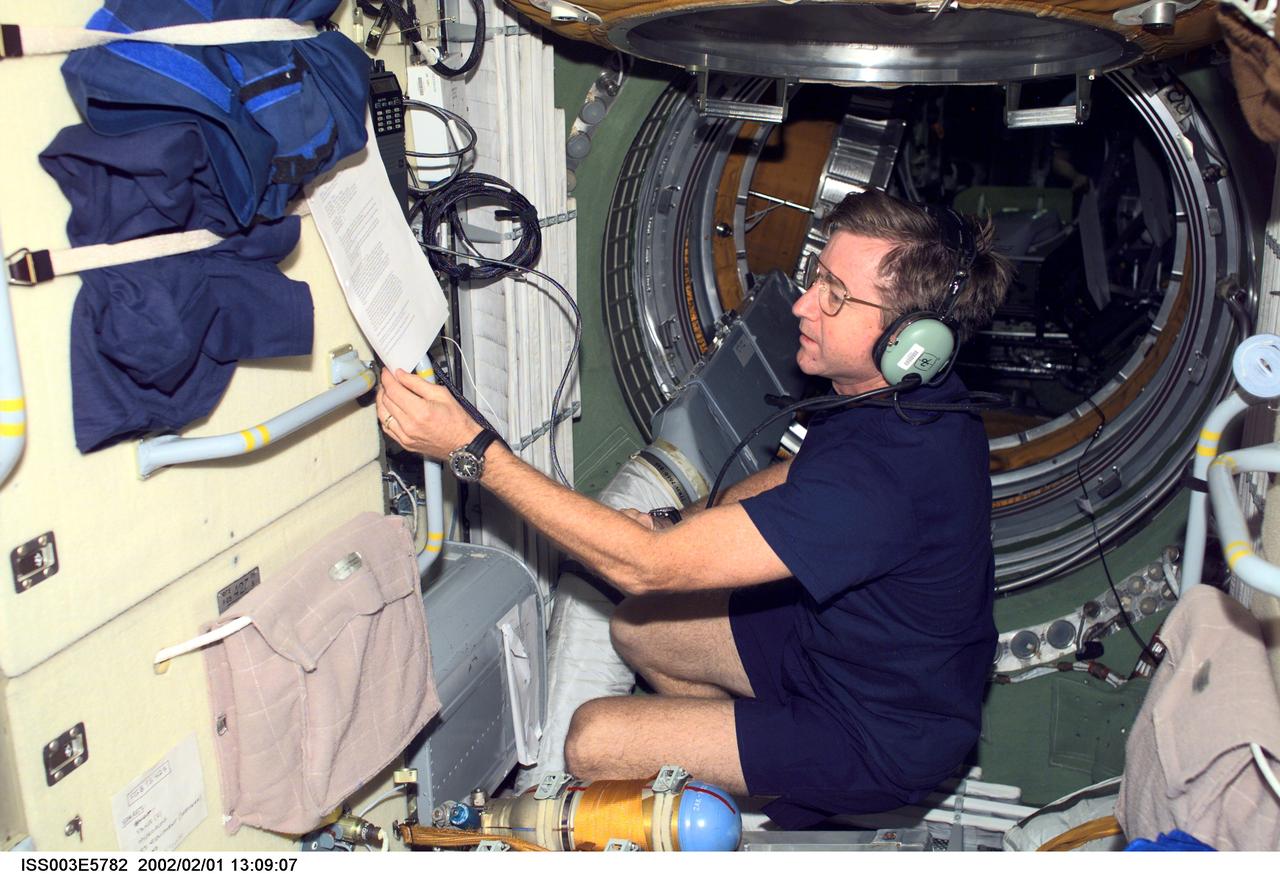
ISS003-E-5782 (September 2001) --- Astronaut Frank L. Culbertson, Jr., Expedition Three mission commander, operates the amateur radio equipment in the Zarya or functional cargo block (FGB) of the International Space Station (ISS). This image was taken with a digital still camera. Please note: The date identifiers on some frames are not accurate due to a technical problem with one of the Expedition Three cameras. When a specific date is given in the text or description portion, it is correct.
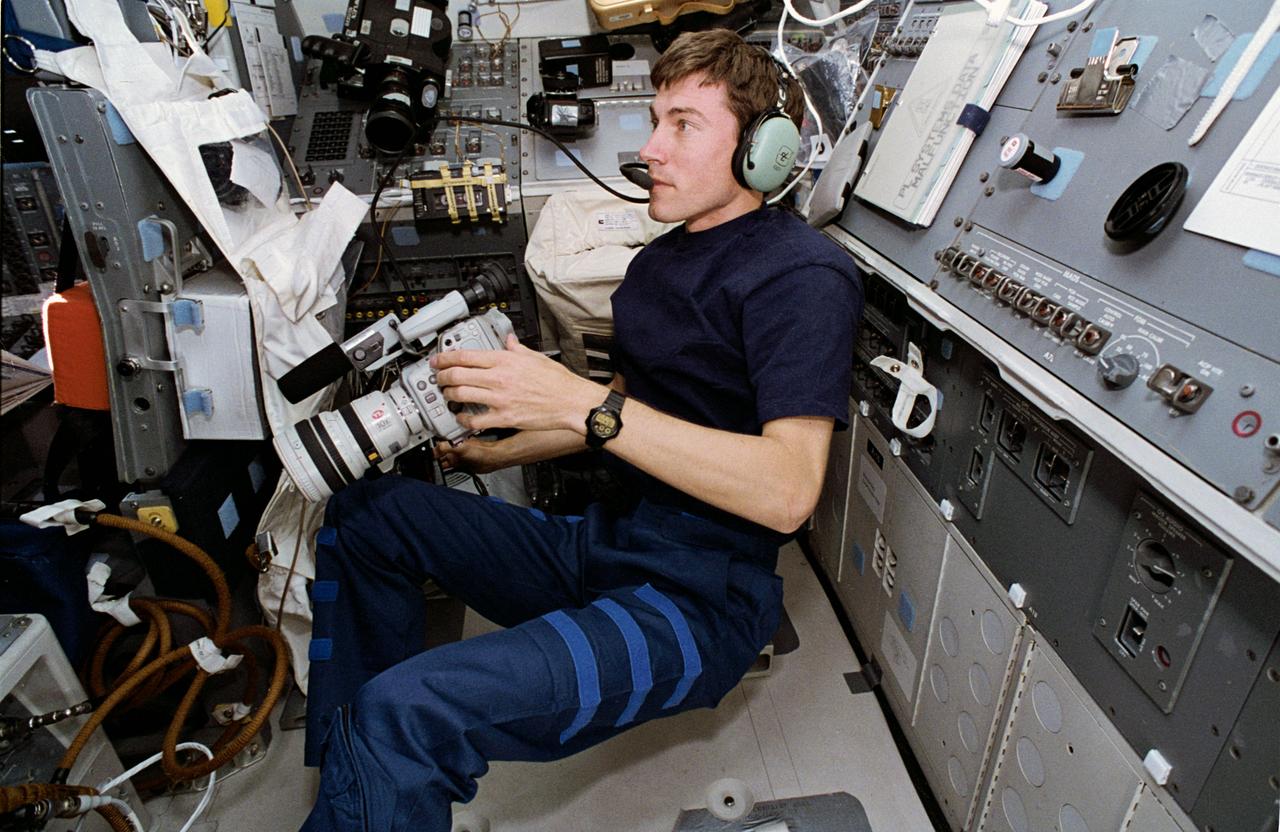
STS60-29-009 (10 Feb 1994) --- On the Space Shuttle Discovery's aft flight deck, Russian cosmonaut Sergei K. Krikalev prepares for one chore while performing another. Using the Shuttle Amateur Radio Experiment (SAREX) gear, the mission specialist was talking with students in Maine. He holds a camcorder, which was later called into action to record inflight activities. Krikalev joined five NASA astronauts for eight days in space aboard Discovery.
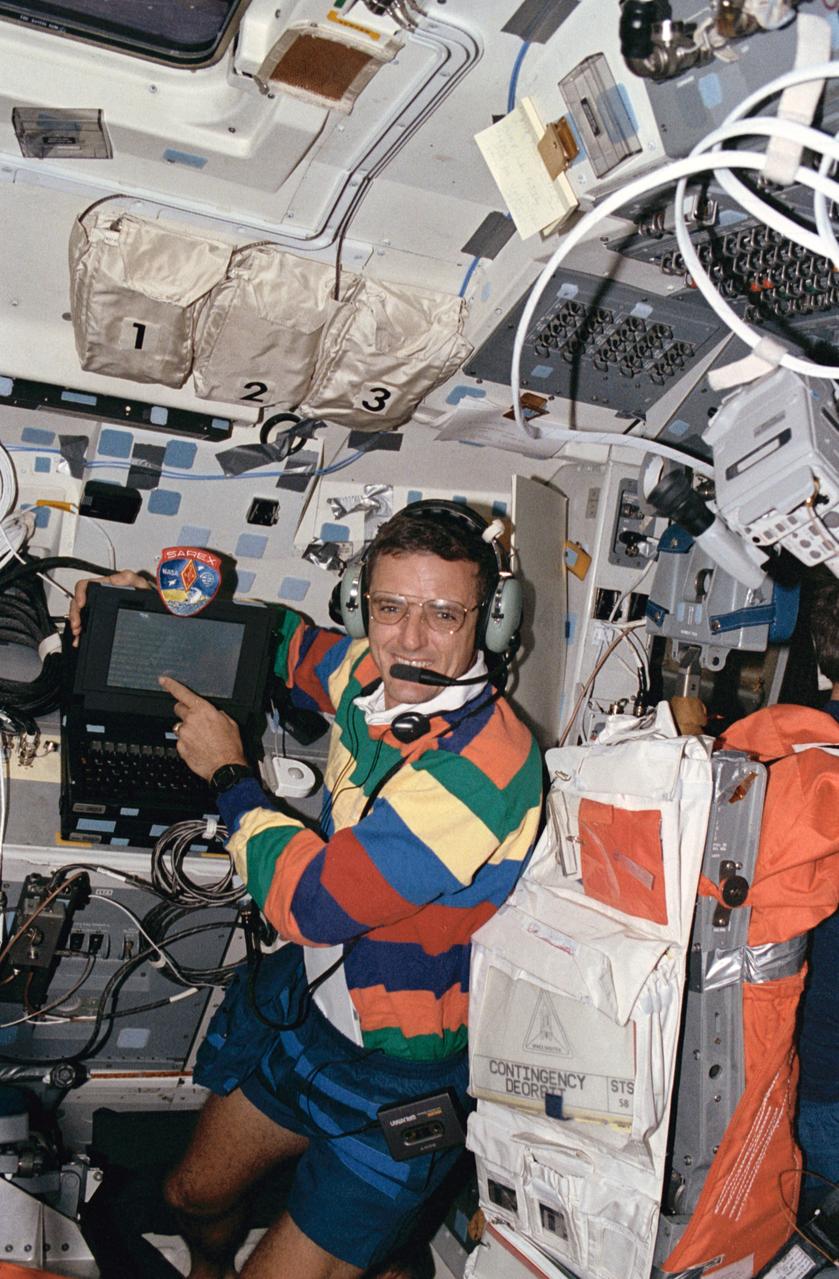
STS058-21-011 (24 Oct 1993) --- From the flight deck of the Earth-orbiting Space Shuttle Columbia, astronaut William S. McArthur talks to students on Earth. The mission specialist's activity was part of the Shuttle Amateur Radio Experiment (SAREX), a frequent payload on Shuttle missions which serves to enlighten students around the world on the topic of space travel. McArthur (call letters KC5ACR) is one of three licensed amateur radio operators on the seven-member flight.
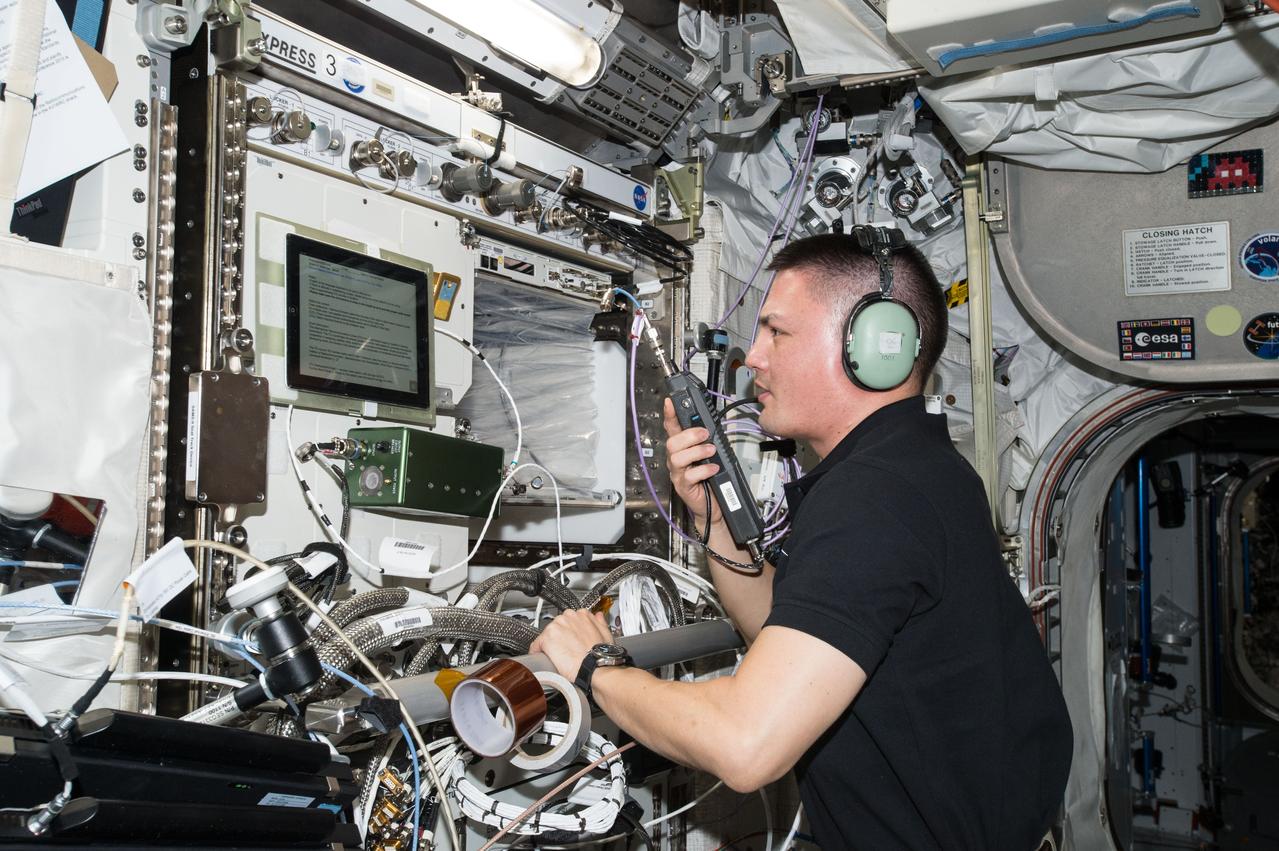
ISS045E089495 (11/04/2015) --- NASA astronaut Kjell Lindgren uses a HAM radio to speak with operators down on Earth. The International Space Station is equipped with amateur radio equipment allowing astronauts to share the excitement of space exploration, inspire and ignite interest among students and others on the ground.
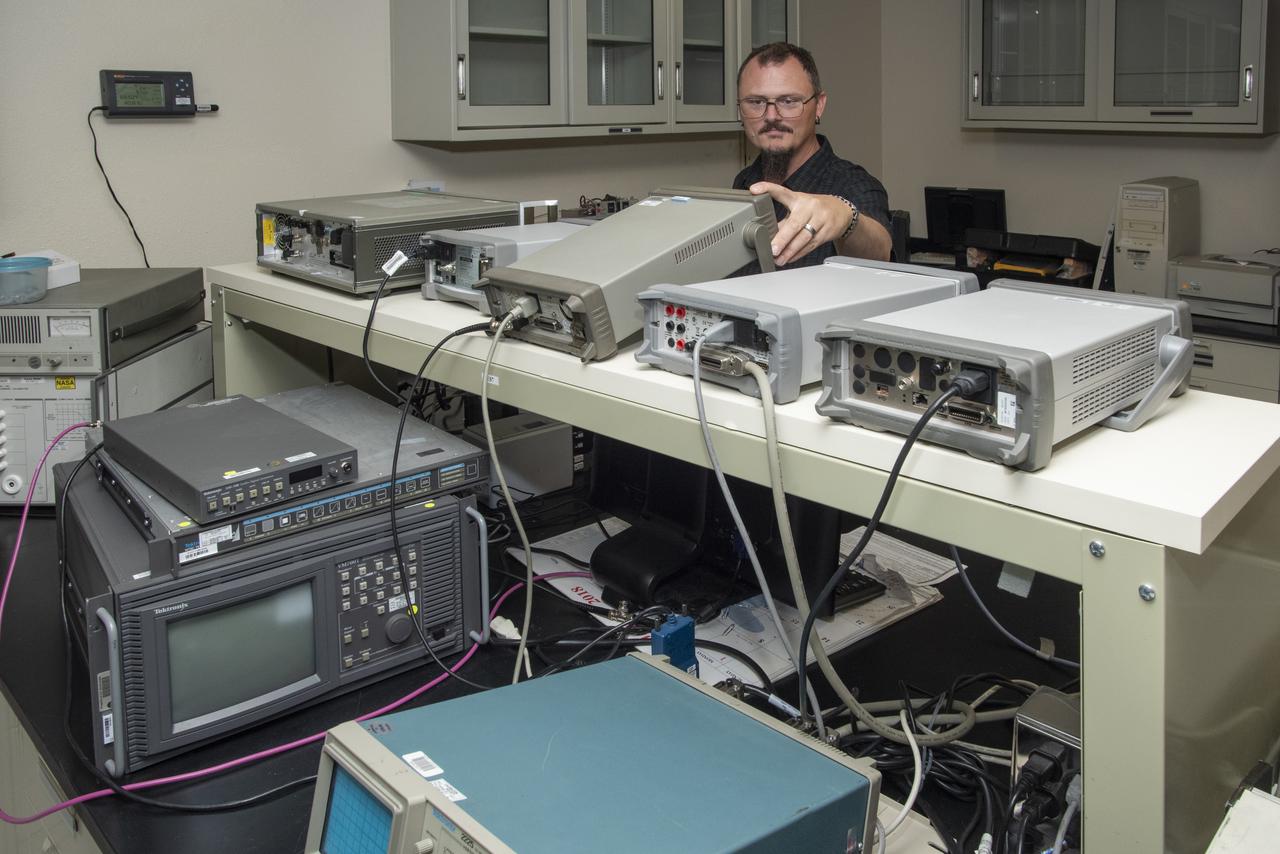
Paul Craig calibrates specialized high-level radio frequency equipment at NASA’s Armstrong Flight Research Center in California.
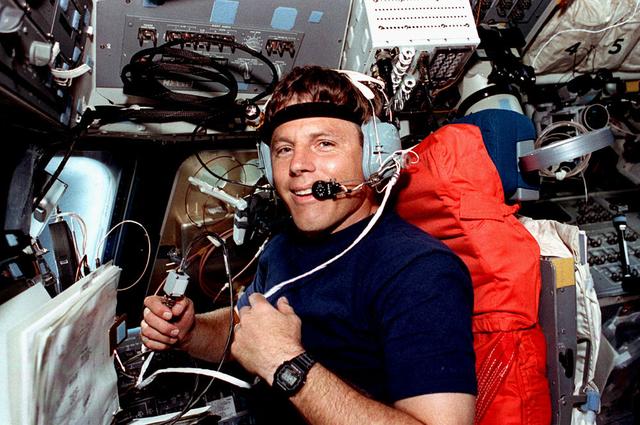
Space Shuttle Discovery (STS-56) onboard photo of Pilot Stephen S. Oswald (wearing a headset) uses the Shuttle Amateur Radio Experiment II (SAREX-II) while sitting at the pilot's station on the forward flight deck. Oswald smiled from behind the microphone as he talks to amateur radio operators on Earth via the SAREX equipment. SAREX cables and the interface module freefloat in front of Oswald. The anterna located in the forward flight deck window is visible in the background. SAREX was established by NASA, the American Radio League/Amateur Radio Satellite Corporation and the Johnson Space Center (JSC) Amateur Radio Club to encourage public participation in the space program through a program to demonstrate the effectiveness of conducting short-wave radio transmissions between the Shuttle and ground-based radio operators at low-cost ground stations with amateur and digital techniques.
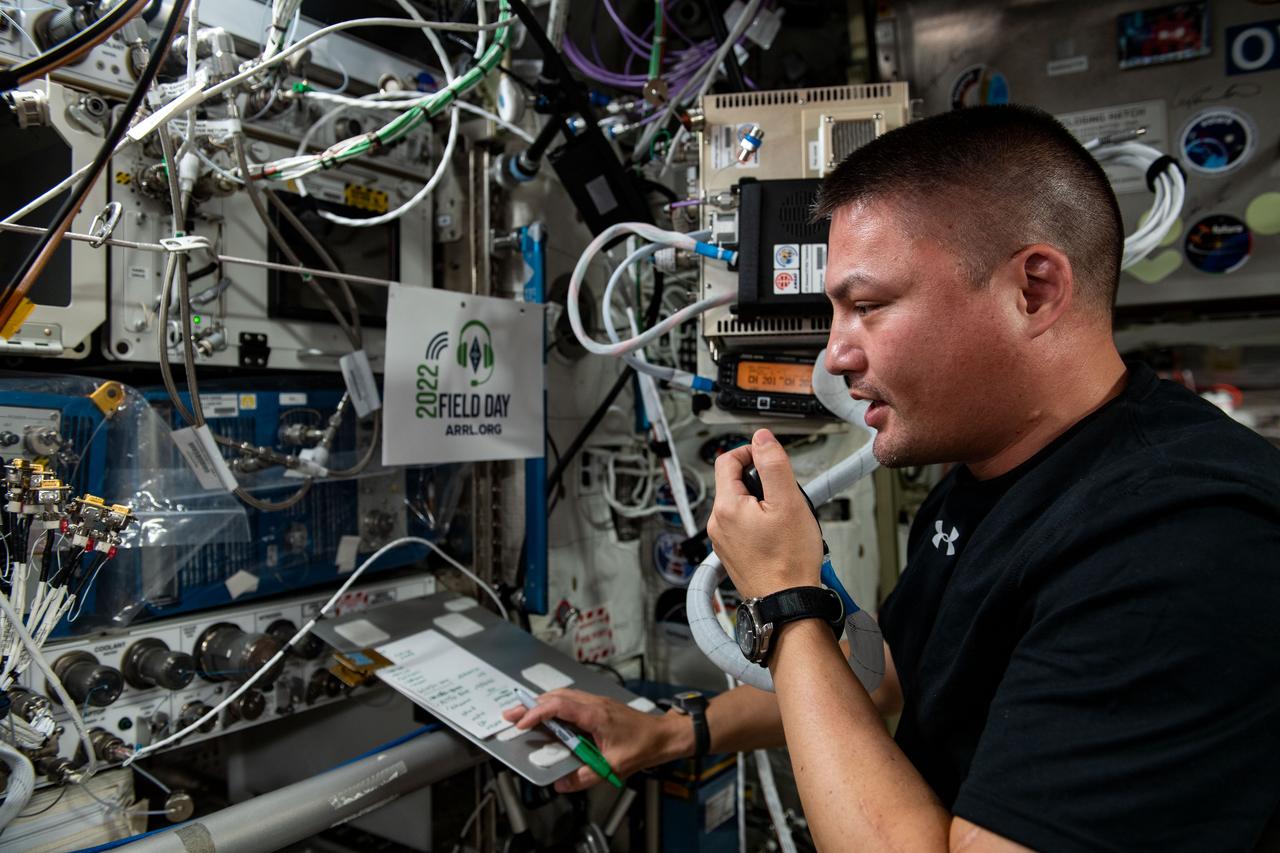
iss067e175040 (6/25/2022) --- NASA astronaut Kjell Lindgren uses the amateur radio in the Columbus module aboard the International Space Station (ISS) to participate in the annual Amateur Radio Relay League (ARRL) Field Day. Field Day allows amateur radio operators the chance to practice operating their equipment under simulated emergency conditions.
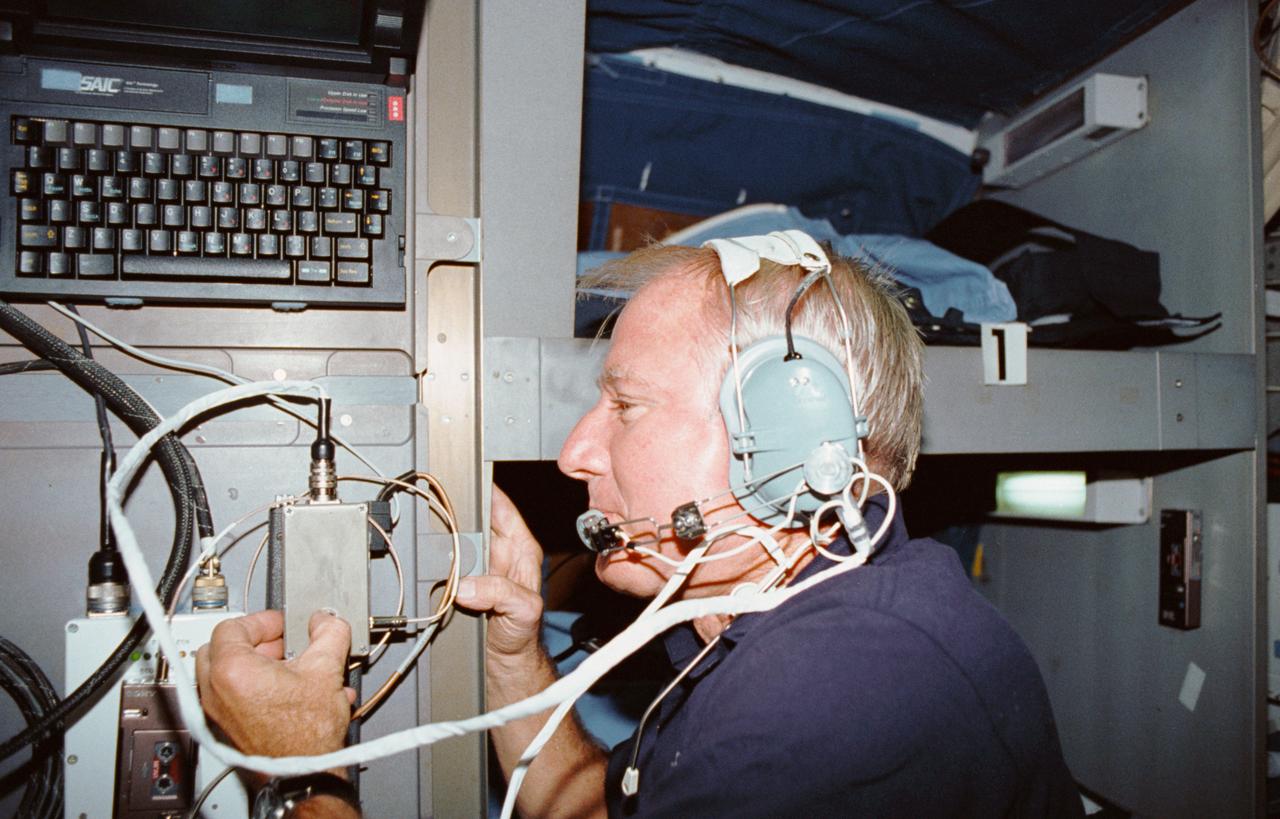
STS035-05-036 (2-10 Dec 1990) --- STS-35 Commander Vance D. Brand, wearing headset, communicates with family members using Shuttle Amateur Radio Experiment (SAREX) on Columbia's, Orbiter Vehicle (OV) 102's, middeck. SAREX and its portable laptop computer mounted on the outside of the middeck sleep station allowed the STS-35 crewmembers to "visit" and briefly share some of their in space experiences with family members. It also provided radio transmissions between ground based amateur radio operators around the world and OV-102. The experiment enabled students from all over the United States to have a chance to communicate with a crewmember in space.
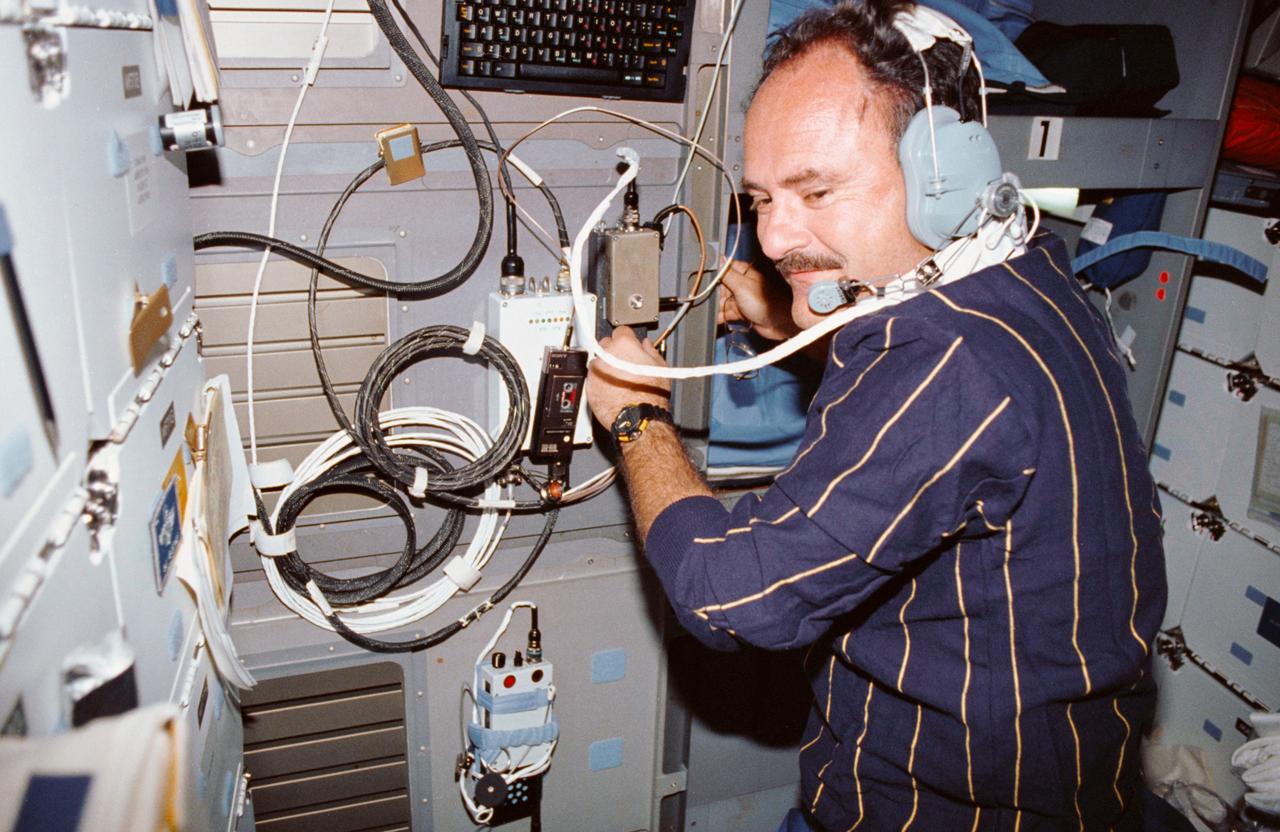
STS035-15-010 (2-11 Dec 1990) --- Astronaut John M. (Mike) Lounge, STS-35 mission specialist, communicates with family members from the middeck of Space Shuttle Columbia in Earth orbit. The STS-35 Shuttle amateur radio experiment (SAREX), allowed the Astro 1 crewmembers to "visit" and briefly share some of their in space experiences with family members. The picture was made with a 35mm camera. Note: Used by Astronomer Ronald A. Parise on his off-duty hours, SAREX provided radio transmissions between ground based amateur radio operators around the world and the Shuttle. Parise is a payload specialist who is also a licensed amateur radio operator (call-sign WA4SIR). The experiment enabled students from all over the United States to have a chance to communicate with an astronaut in space.
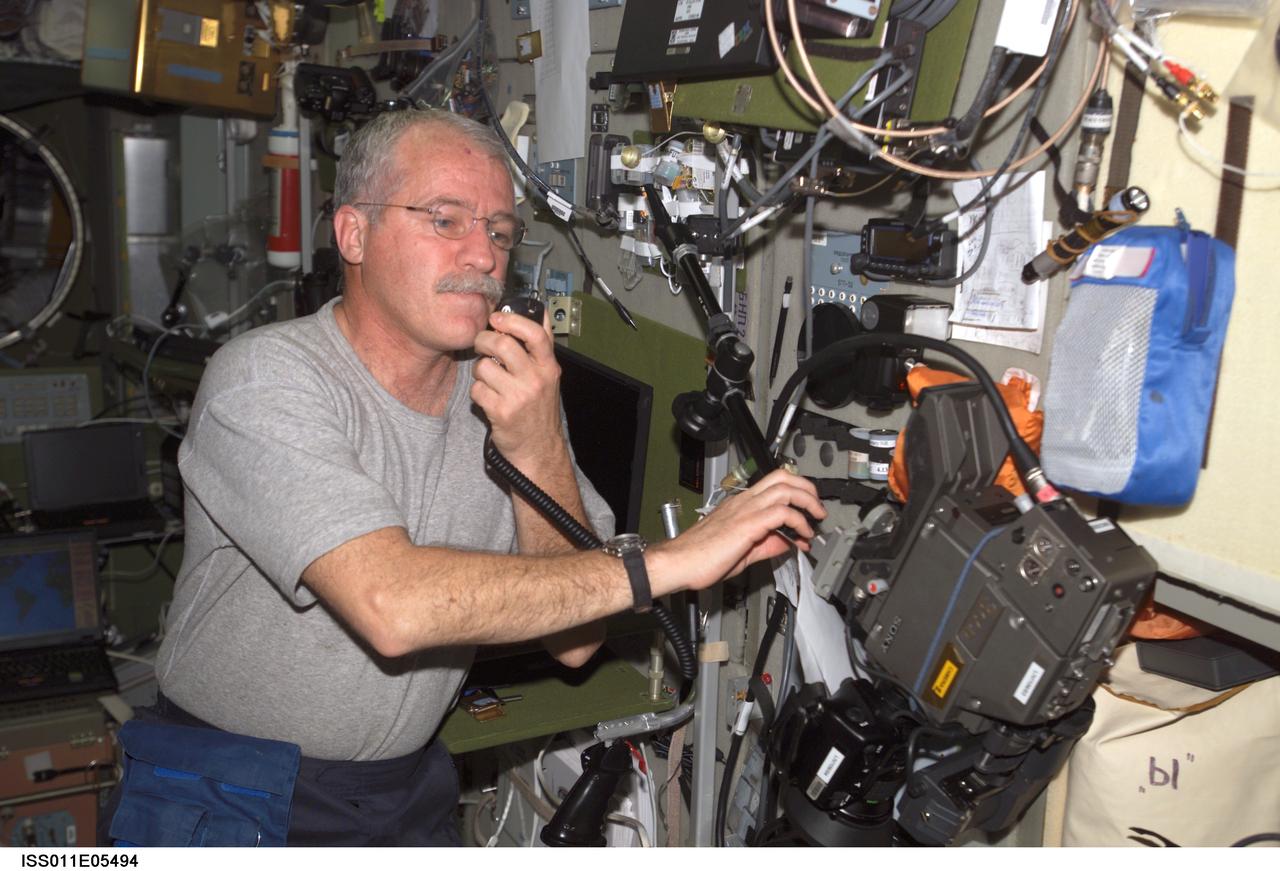
ISS011-E-05494 (4 May 2005) --- Astronaut John L. Phillips, Expedition 11 NASA ISS science officer and flight engineer, sets up amateur radio equipment in the Zvezda Service Module of the International Space Station (ISS) prior to conducting a ham radio exchange with students at Albany Hills State School in Brisbane, Australia.
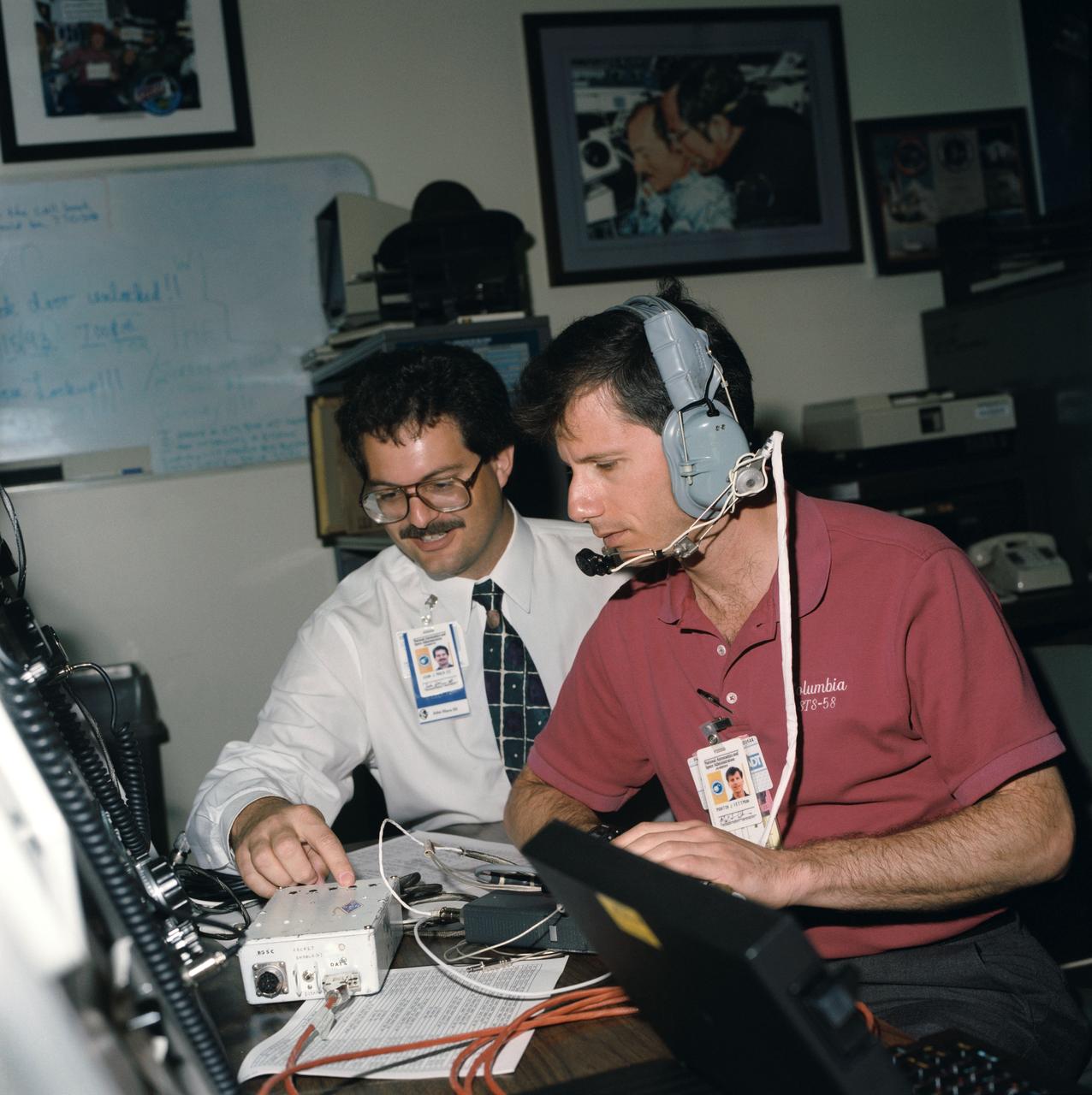
S93-45076 (22 Sept 1993) --- Payload specialist Martin J. Fettman listens to an amateur radio instruction by crew trainer John J. Maca. Members of the STS-58 crew were training with amateur radio equipment at the Johnson Space Center (JSC). The STS-58 flight will carry the Shuttle Amateur Radio Experiment (SAREX) payload, configuration C, which includes FM voice and packet. Three of the seven crew members are licensed amateur radio operators. Fettman's call letters are KC5AXA; William S. McArthur, mission specialist, KC5ACR; and Richard A. Searfoss, pilot, KC5CKM. Licensed students at a number of schools around the country will have the opportunity to talk directly with the astronauts during the 14-day flight.
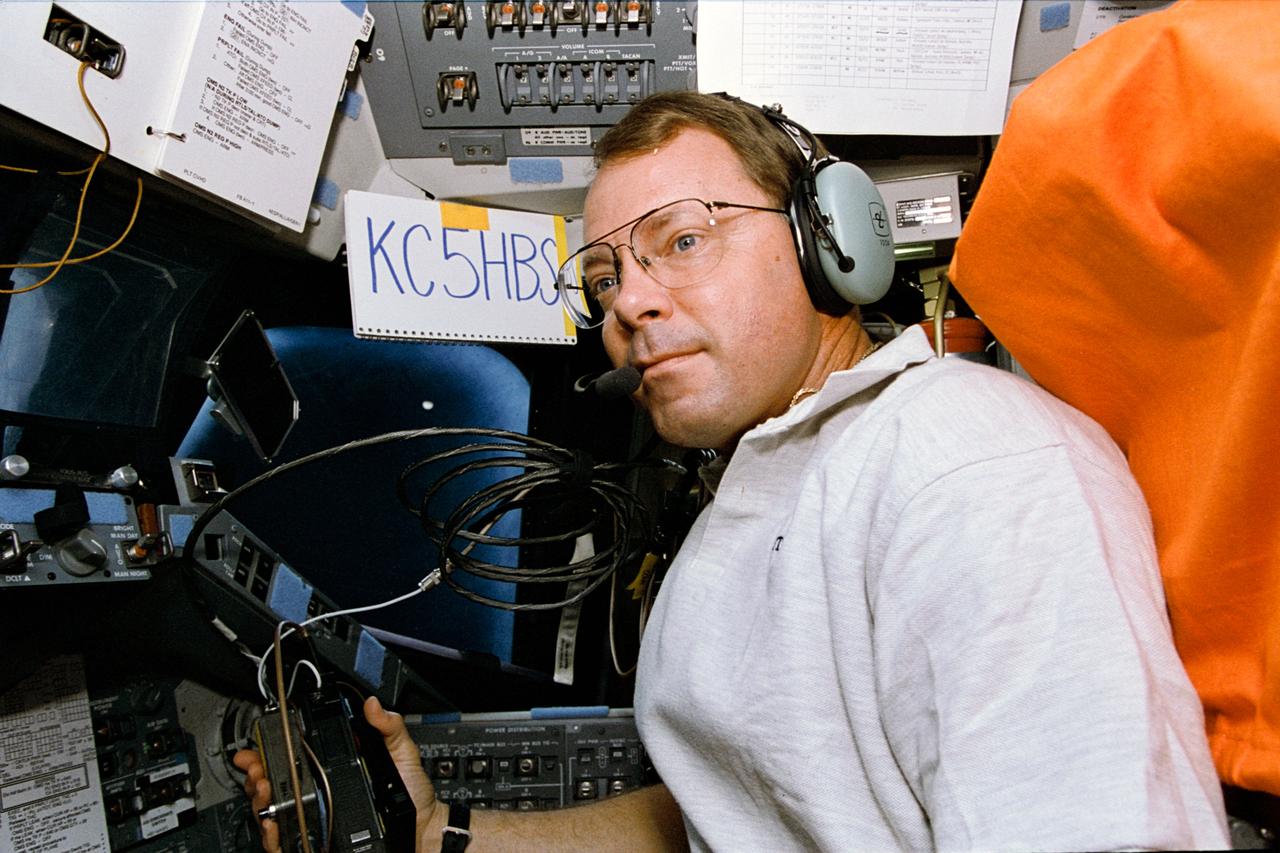
STS064-04-009 (9-20 Sept. 1994) --- Astronaut L. Blaine Hammond, STS-64 pilot, talks to students on Earth via the Shuttle Amateur Radio Experiment (SAREX) on the space shuttle Discovery's flight deck. The recently licensed "Ham" operator and several other crew members throughout the mission were connected with schools around the world with the aid of a number of amateur radio operators. Hammond joined five other NASA astronauts for almost 11 days in Earth orbit aboard Discovery. Photo credit: NASA or National Aeronautics and Space Administration
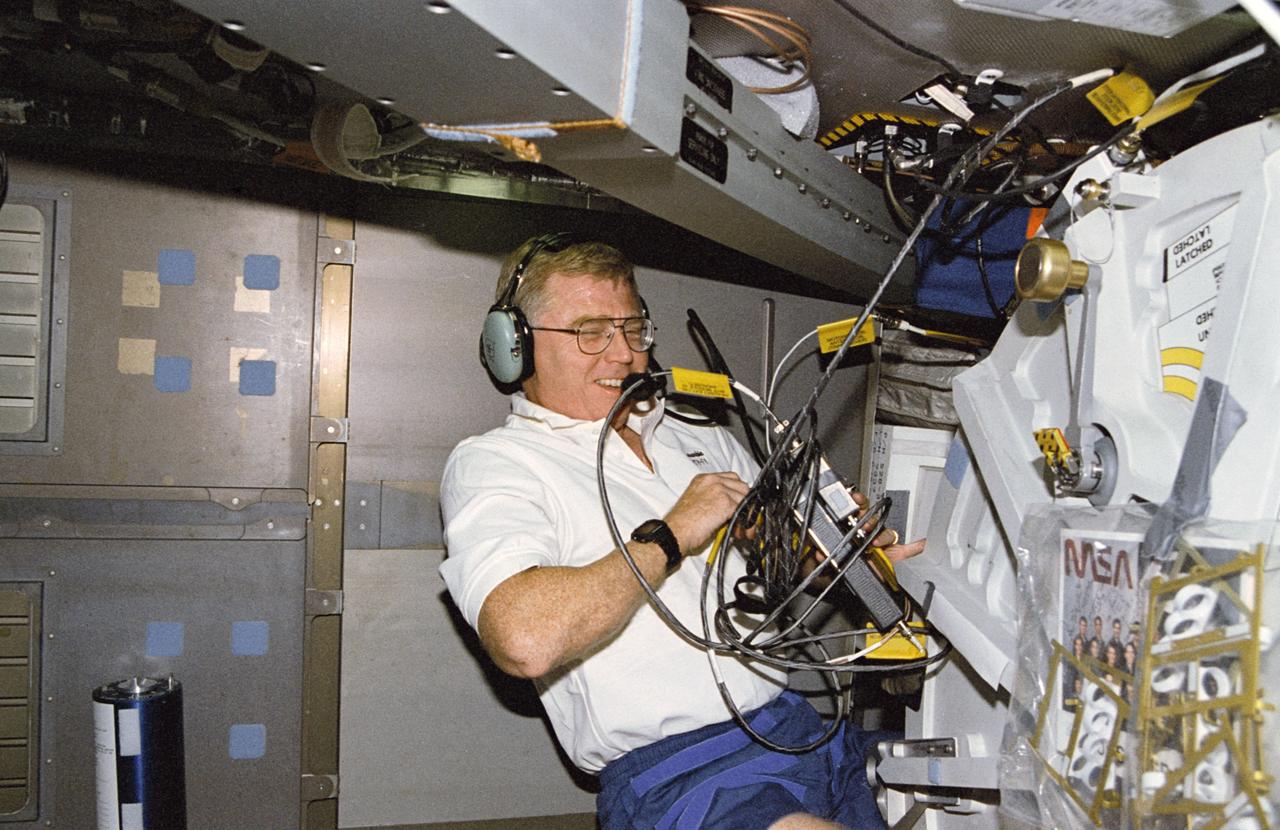
STS078-429-017 (20 June-7 July 1996) --- Aboard the middeck of the Earth-orbiting space shuttle Columbia, astronaut Charles J. Brady, mission specialist and a licensed amateur radio operator or "ham", talks to students on Earth. Some of the crew members devoted some of their off-duty time to continue a long-standing Shuttle tradition of communicating with students and other hams between their shifts of assigned duty. Brady joined four other NASA astronauts and two international payload specialists for almost 17-days of research in support of the Life and Microgravity Spacelab (LMS-1) mission.
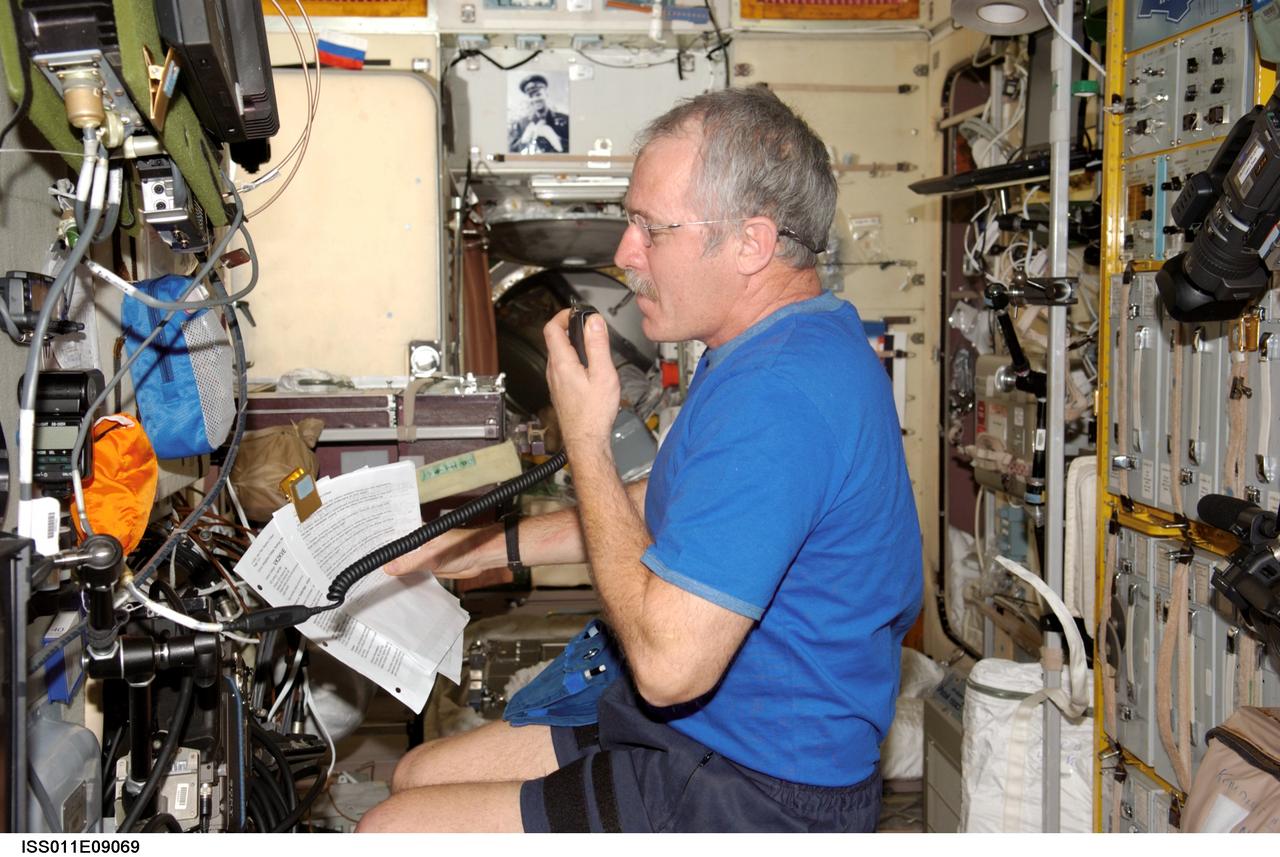
ISS011-E-09069 (2 June 2005) --- Astronaut John L. Phillips, Expedition 11 NASA ISS science officer and flight engineer, uses amateur radio equipment in the Zvezda Service Module of the International Space Station (ISS) while speaking with students from Brigidine College in Sydney, Australia.
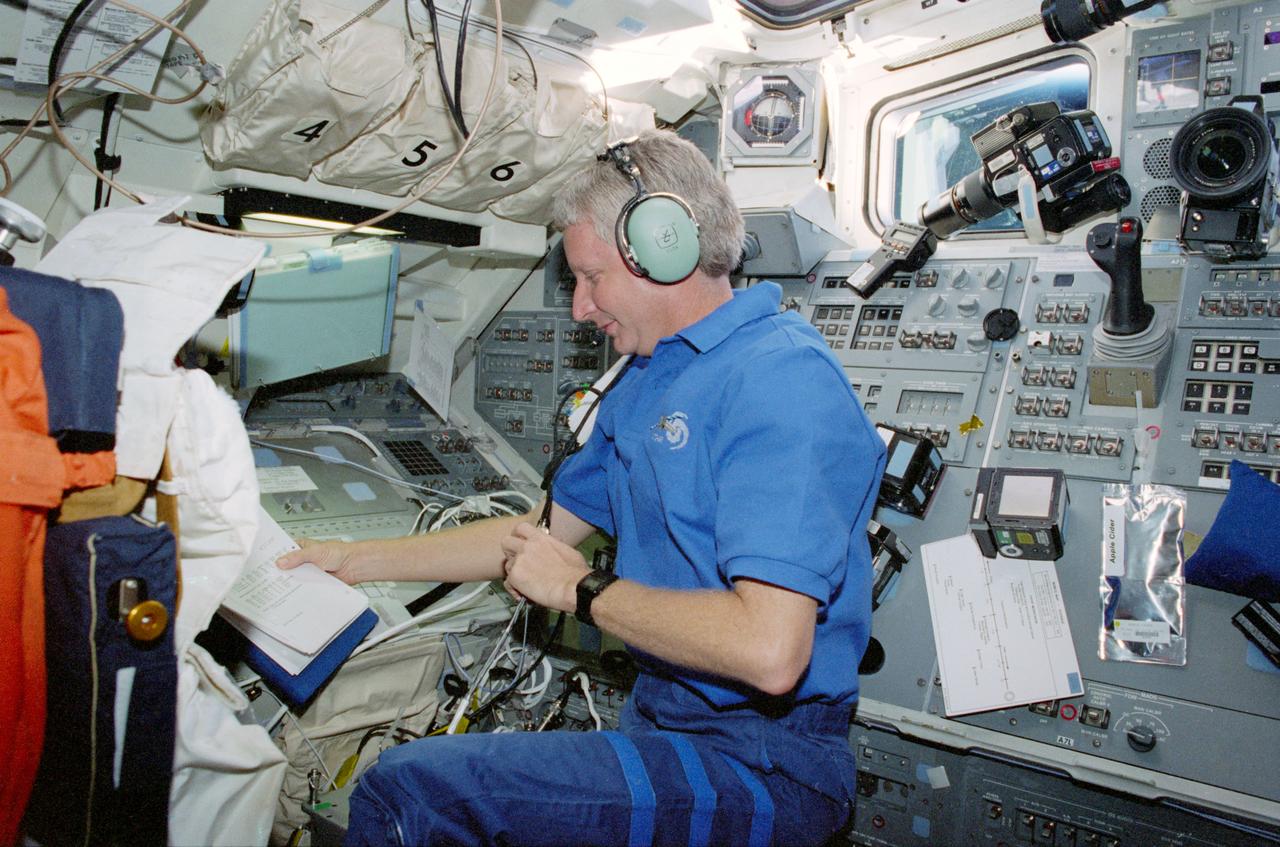
STS093-348-006 (22-27 July 1999) --- Astronaut Steven A. Hawley, mission specialist, communicates with students using the Shuttle Amateur Radio Experiment-2 (SAREX II) equipment on the flight deck of the Earth-orbiting Space Shuttle Columbia.
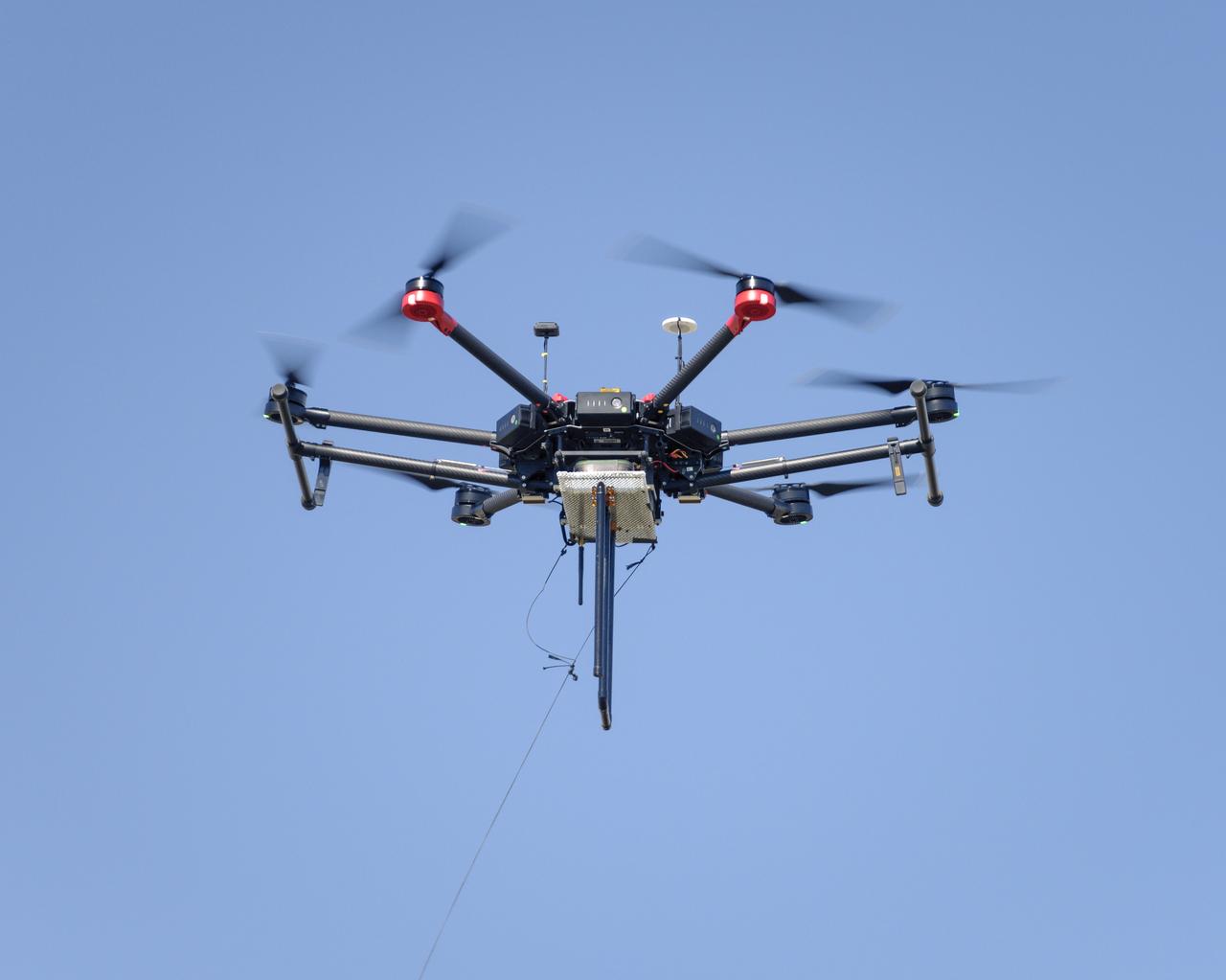
Flight Test in the Roverscape (N-269) at NASA's Ames Research Center, the project team tests the DJI Matrice 600 Unmanned Aerial Vehicle (UAV) equipped with a radio tracking receiver to study the invasive asian carp in the Mississippi River.
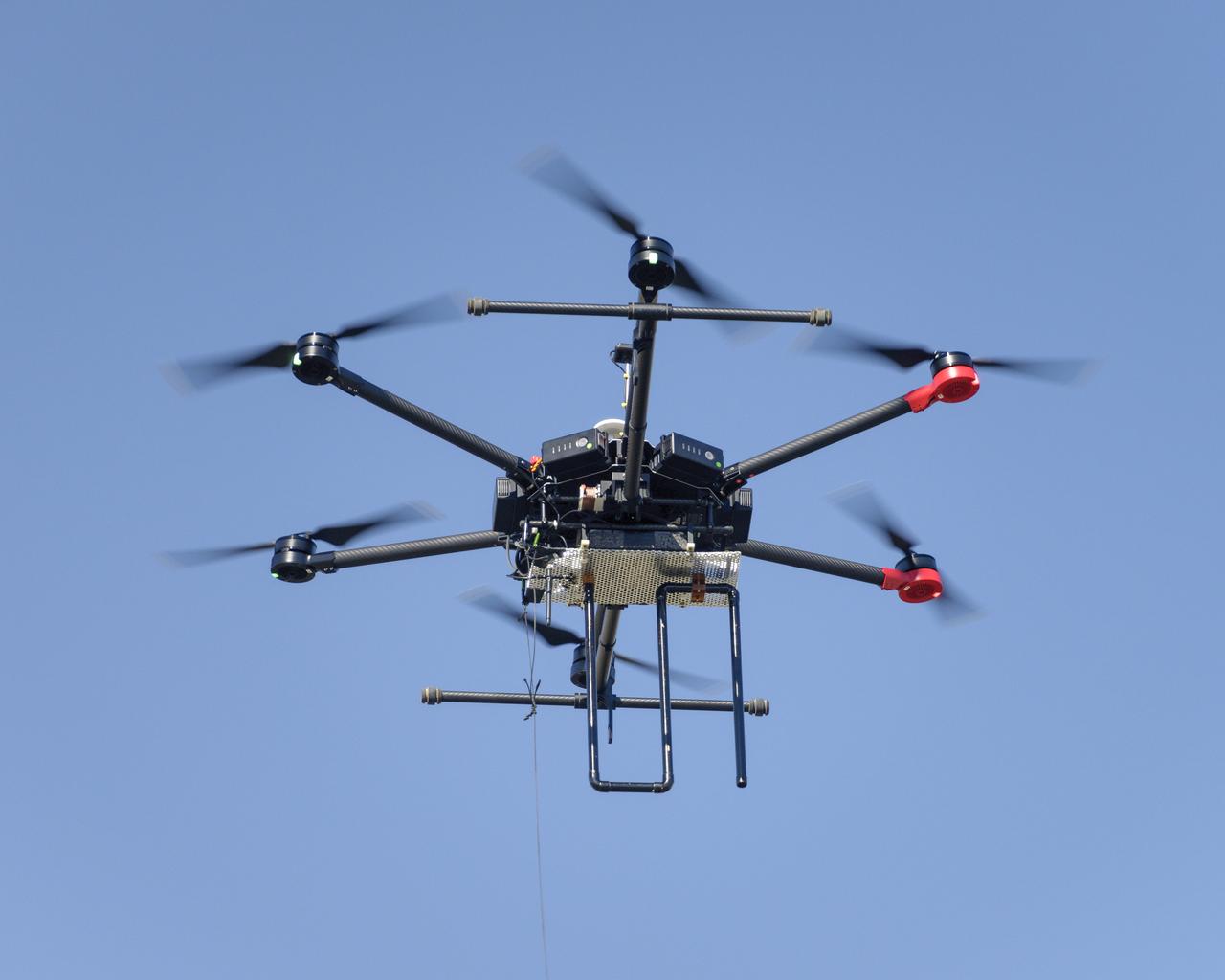
Flight Test in the Roverscape (N-269) at NASA's Ames Research Center, the project team tests the DJI Matrice 600 Unmanned Aerial Vehicle (UAV) equipped with a radio tracking receiver to study the invasive asian carp in the Mississippi River.
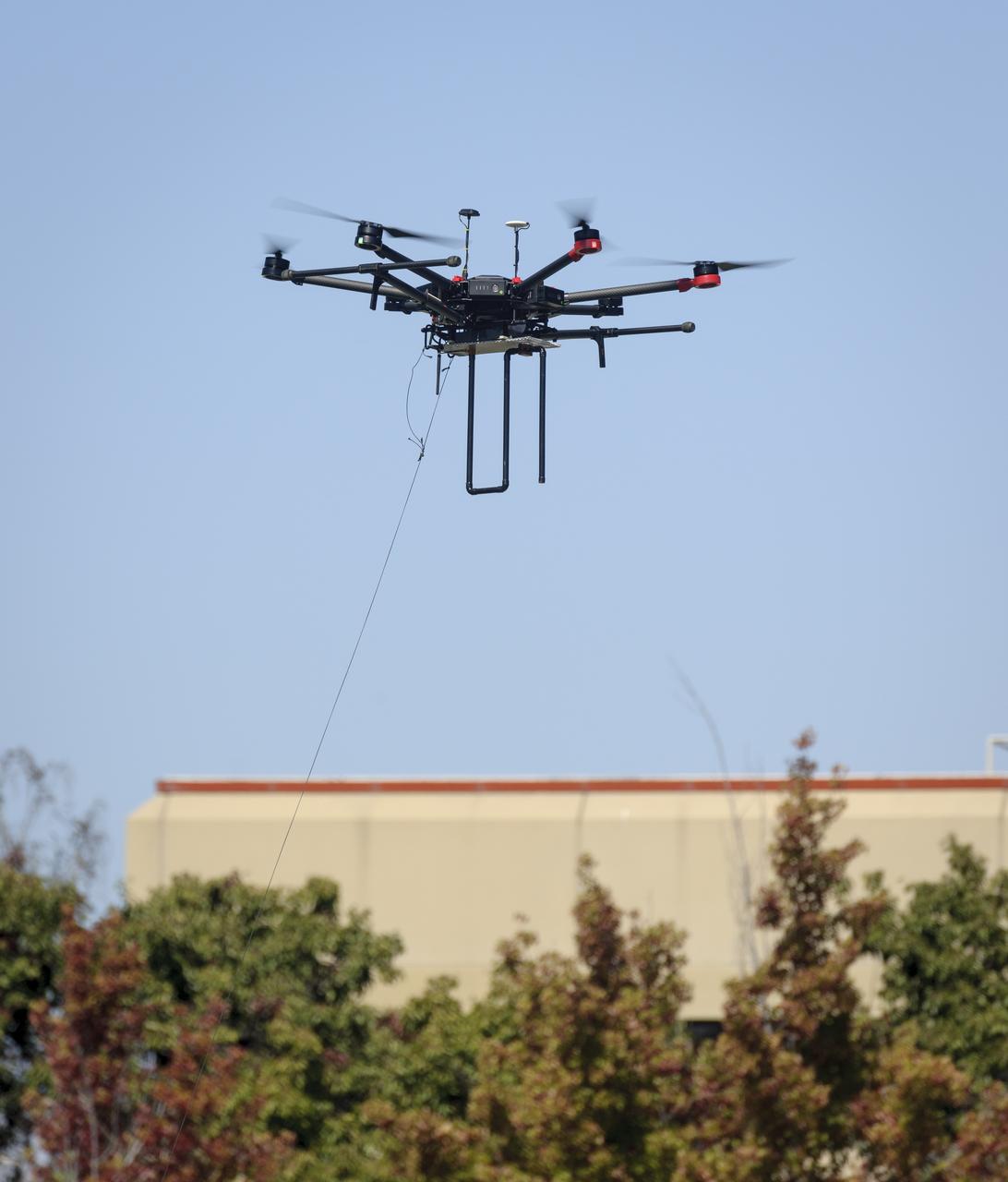
Flight Test in the Roverscape (N-269) at NASA's Ames Research Center, the project team tests the DJI Matrice 600 Unmanned Aerial Vehicle (UAV) equipped with a radio tracking receiver to study the invasive asian carp in the Mississippi River.

Flight Test in the Roverscape (N-269) at NASA's Ames Research Center, the project team tests the DJI Matrice 600 Unmanned Aerial Vehicle (UAV) equipped with a radio tracking receiver to study the invasive asian carp in the Mississippi River.
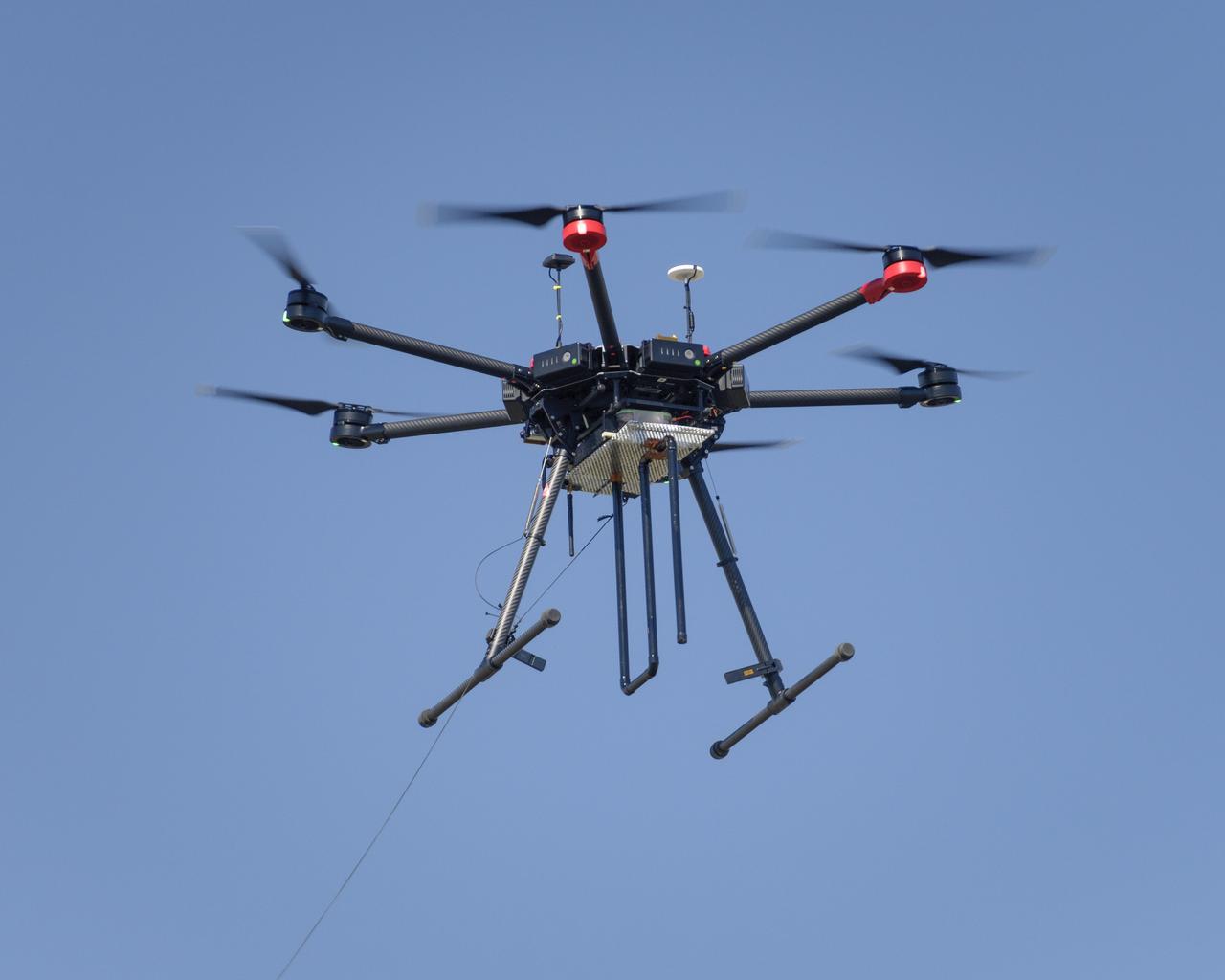
Flight Test in the Roverscape (N-269) at NASA's Ames Research Center, the project team tests the DJI Matrice 600 Unmanned Aerial Vehicle (UAV) equipped with a radio tracking receiver to study the invasive asian carp in the Mississippi River.
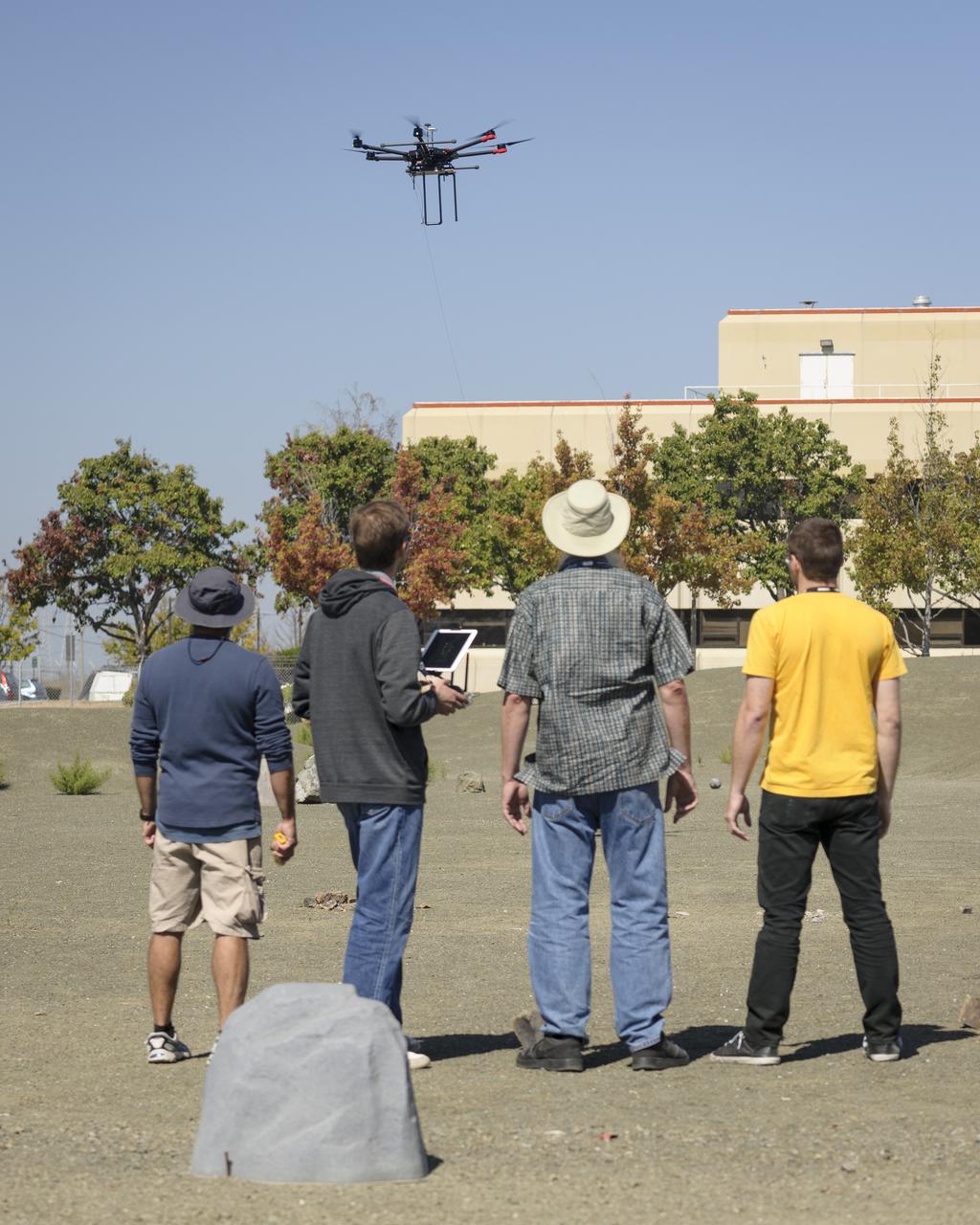
Flight Test in the Roverscape (N-269) at NASA's Ames Research Center, the project team tests the DJI Matrice 600 Unmanned Aerial Vehicle (UAV) equipped with a radio tracking receiver to study the invasive asian carp in the Mississippi River.
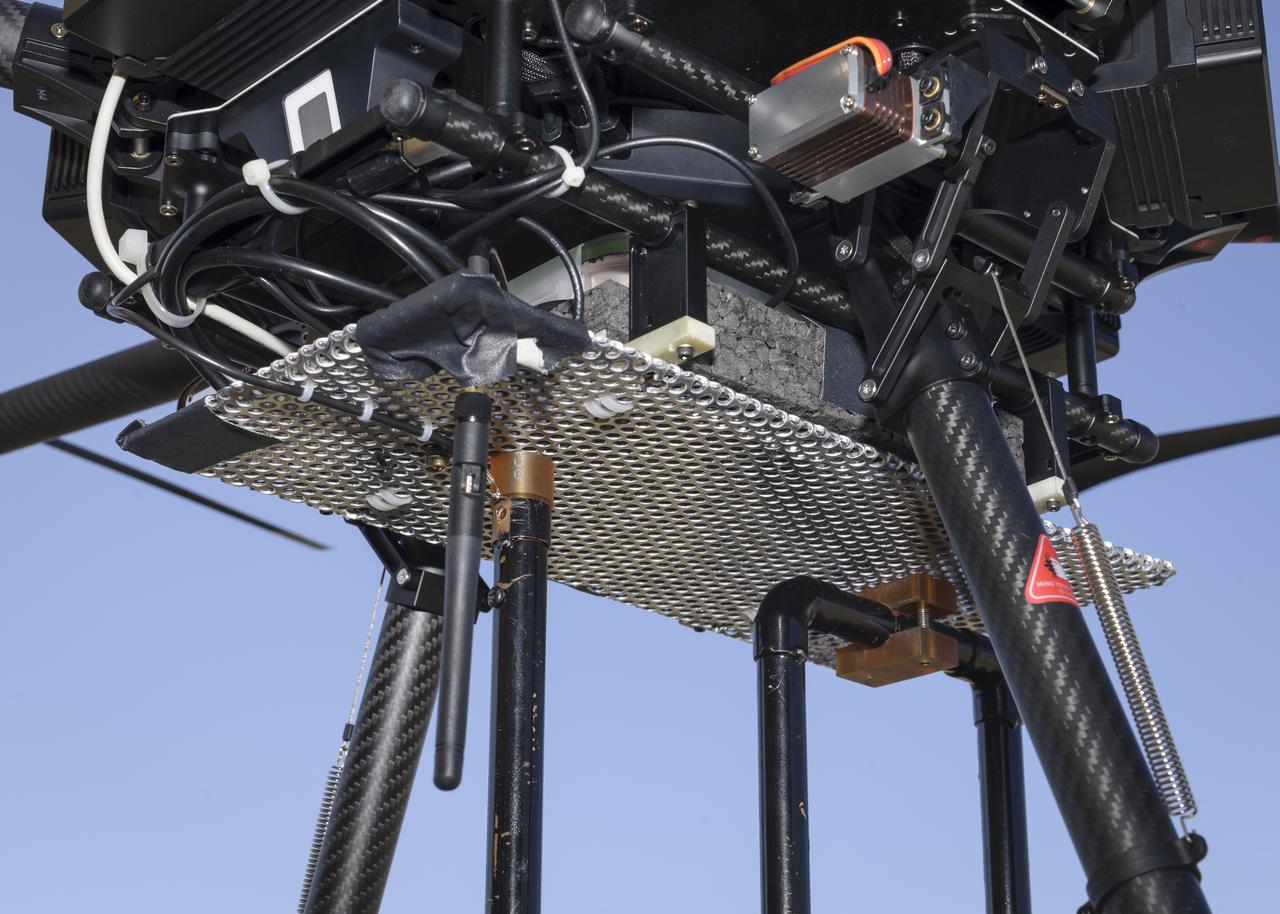
Flight Test in the Roverscape (N-269) at NASA's Ames Research Center, the project team tests the DJI Matrice 600 Unmanned Aerial Vehicle (UAV) equipped with a radio tracking receiver to study the invasive asian carp in the Mississippi River.

Flight Test in the Roverscape (N-269) at NASA's Ames Research Center, the project team tests the DJI Matrice 600 Unmanned Aerial Vehicle (UAV) equipped with a radio tracking receiver to study the invasive asian carp in the Mississippi River.
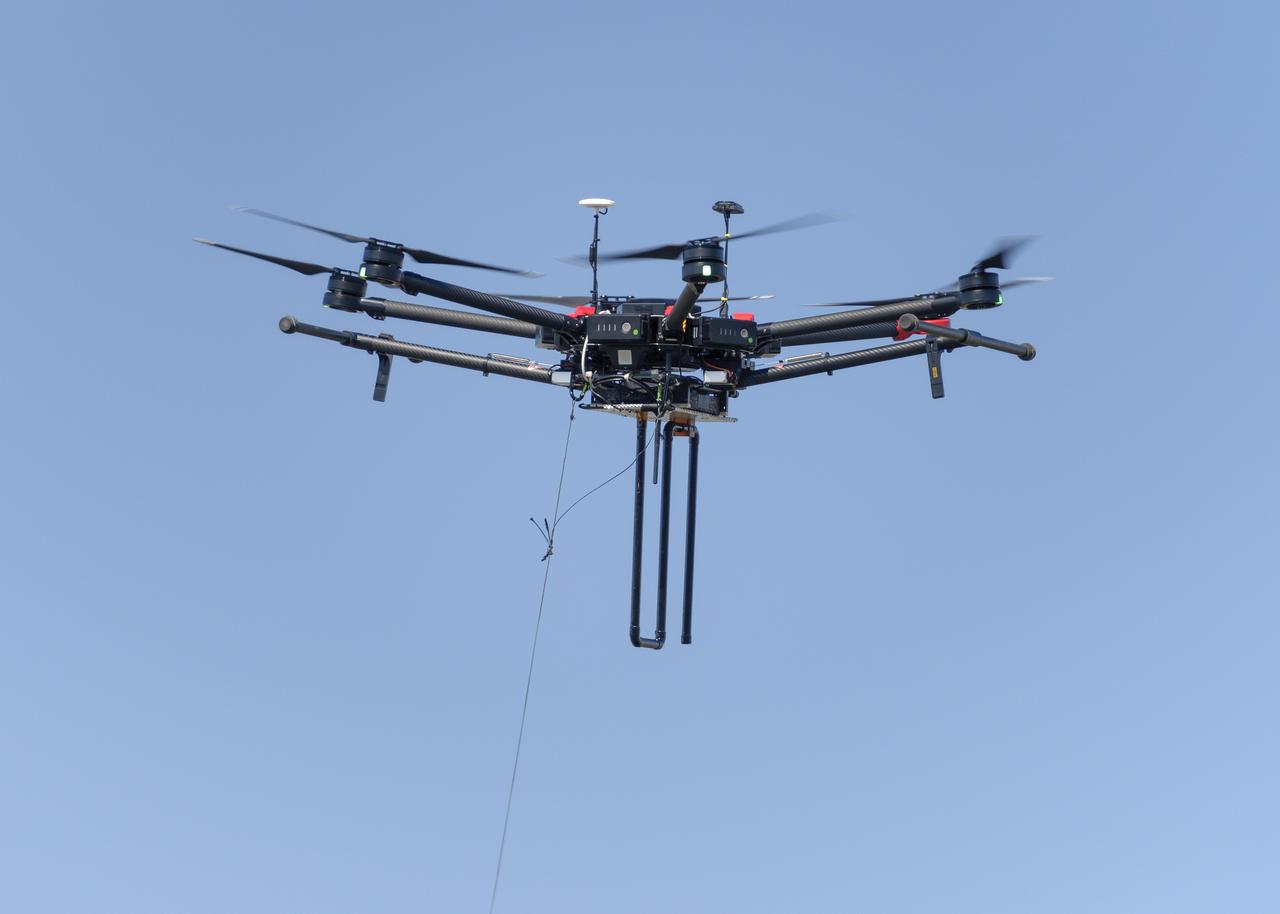
Flight Test in the Roverscape (N-269) at NASA's Ames Research Center, the project team tests the DJI Matrice 600 Unmanned Aerial Vehicle (UAV) equipped with a radio tracking receiver to study the invasive asian carp in the Mississippi River.
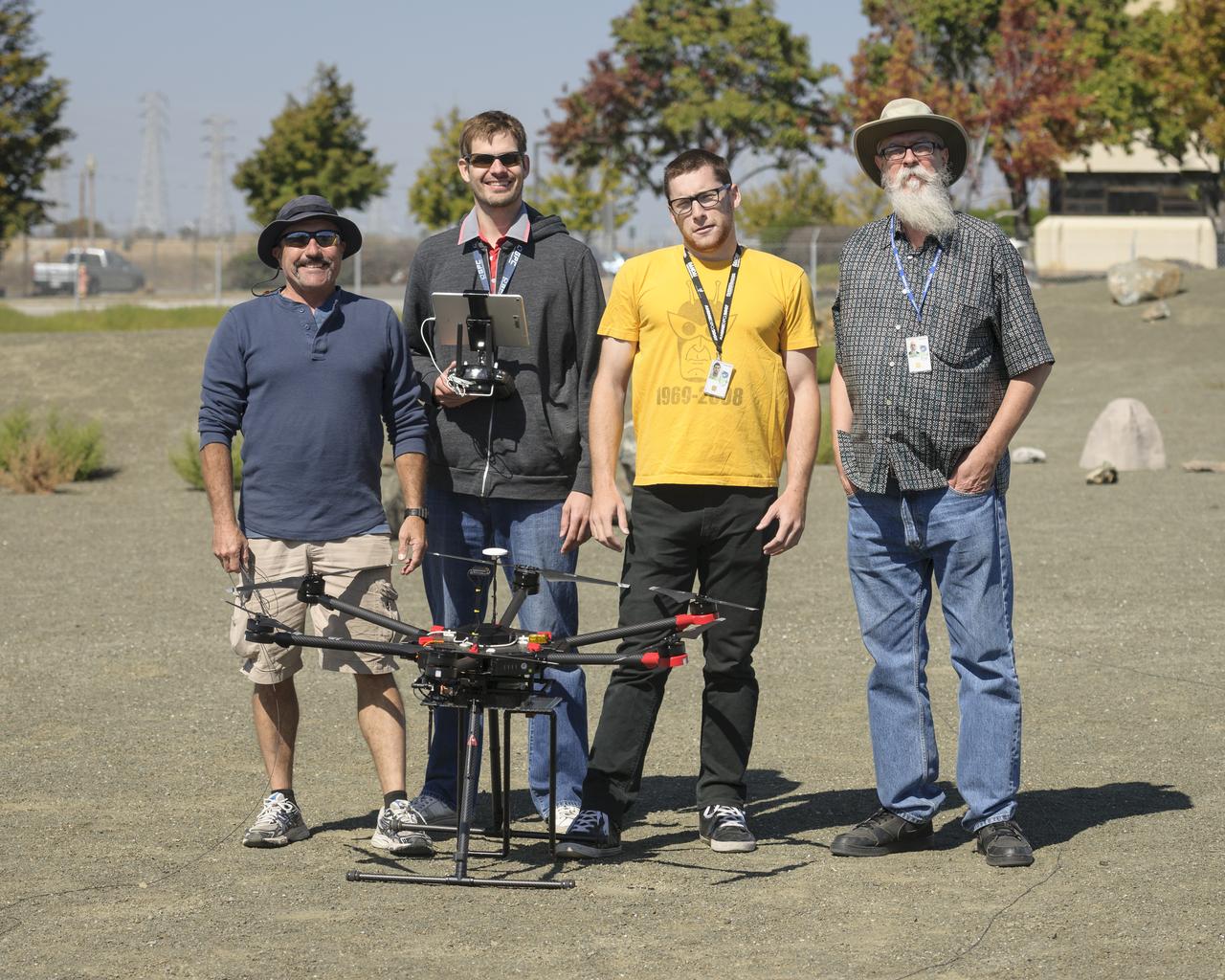
Flight Test in the Roverscape (N-269) at NASA's Ames Research Center, the project team tests the DJI Matrice 600 Unmanned Aerial Vehicle (UAV) equipped with a radio tracking receiver to study the invasive asian carp in the Mississippi River. Rick, Kolyer, Jonas Jonsson, Ethan, Pinsker, Bob Dahlgren.
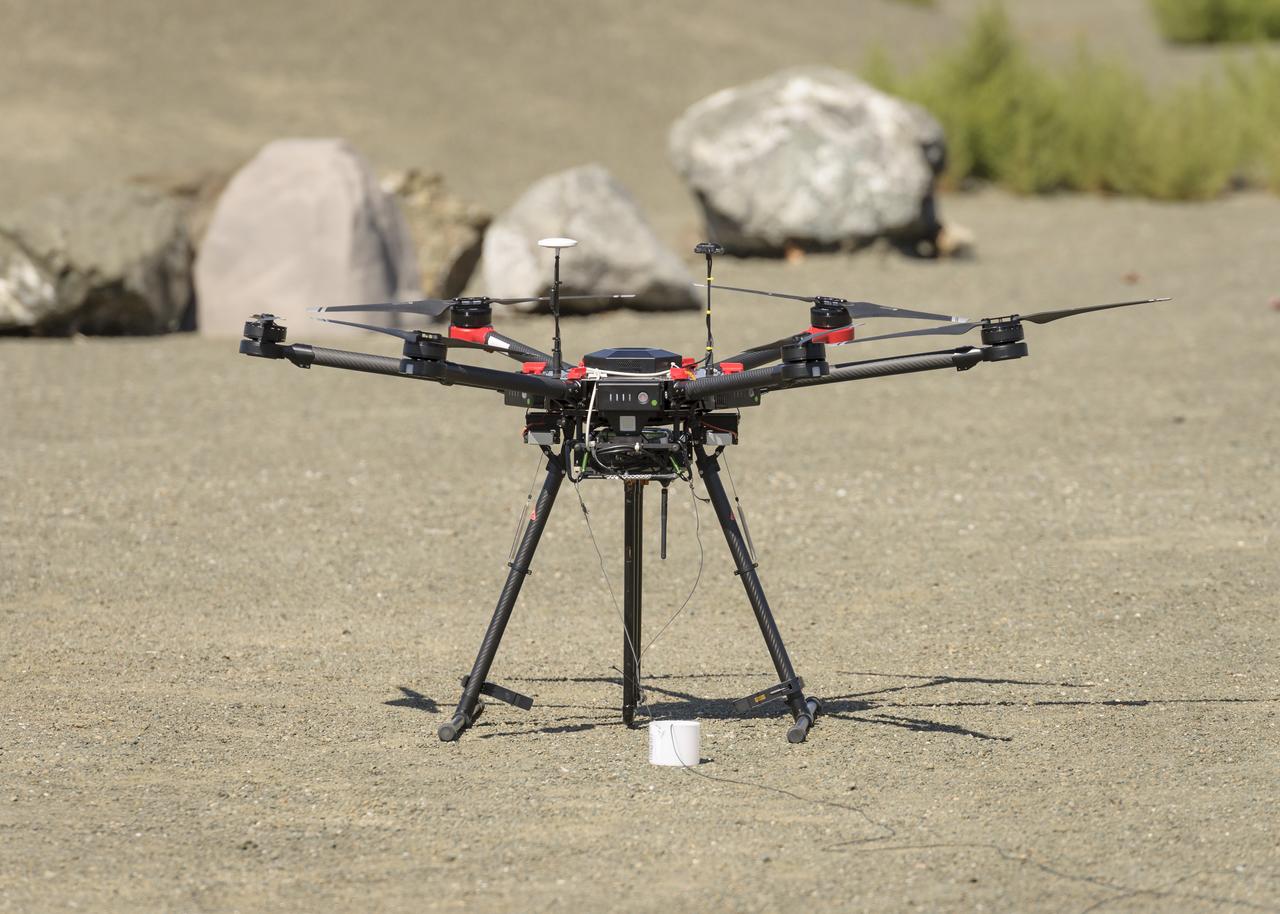
Flight Test in the Roverscape (N-269) at NASA's Ames Research Center, the project team tests the DJI Matrice 600 Unmanned Aerial Vehicle (UAV) equipped with a radio tracking receiver to study the invasive asian carp in the Mississippi River.
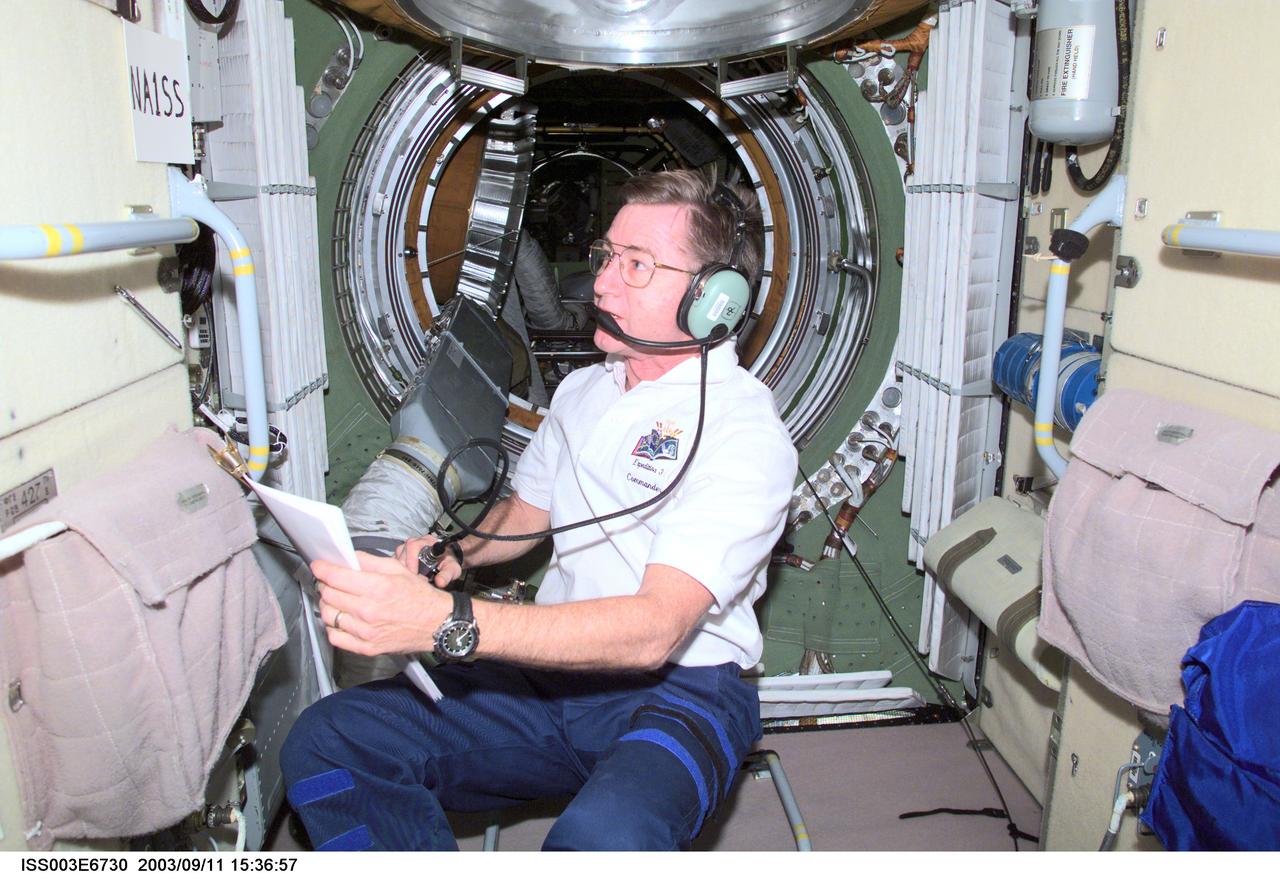
ISS003-E-6730 (October 2001) --- Astronaut Frank L. Culbertson, Jr., Expedition Three mission commander, uses a ham radio in the functional cargo block (FGB), or Zarya on the International Space Station (ISS). This image was taken with a digital still camera.
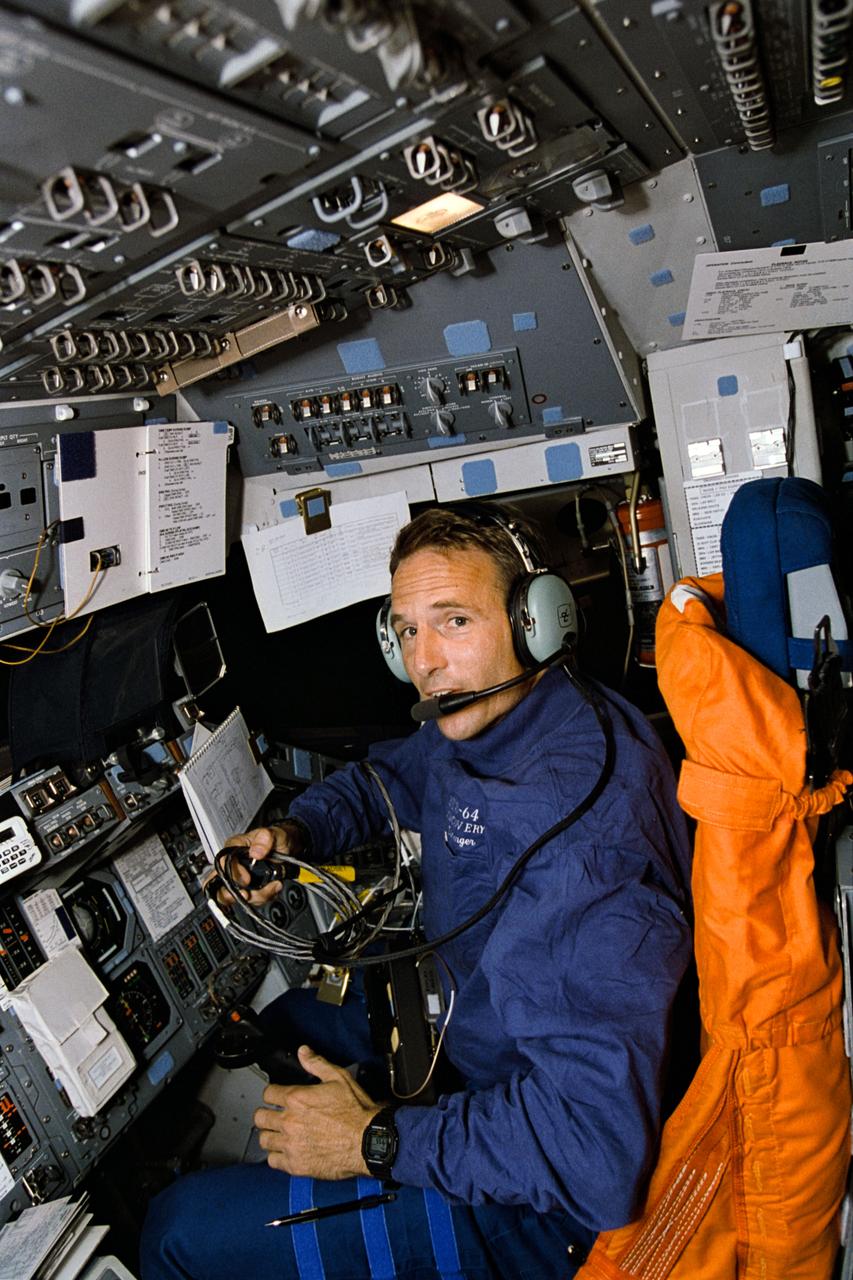
STS064-20-026 (9-20 Sept. 1994) --- Astronaut Jerry M. Linenger, STS-64 mission specialist, uses the Shuttle Amateur Radio Experiment (SAREX) to communicate with students on Earth. Various members of the crew made contact with a number of other "hams" around the world during the almost 11-day mission in Earth orbit. Photo credit: NASA or National Aeronautics and Space Administration

This chart describes the Skylab student experiment Ultraviolet (UV) from Quasars, proposed by John C. Hamilton of Aiea, Hawaii. This experiment utilized Skylab's Ultraviolet Stellar Astronomy equipment to photograph quasars in the UV spectrum and compare those images to existing radio and visible data. In March 1972 NASA and the National Science Teachers Association selected 25 experiment proposals for flight on Skylab. Science advisors from the Marshall Space Flight Center aided and assisted the students in developing the proposals for flight on Skylab.
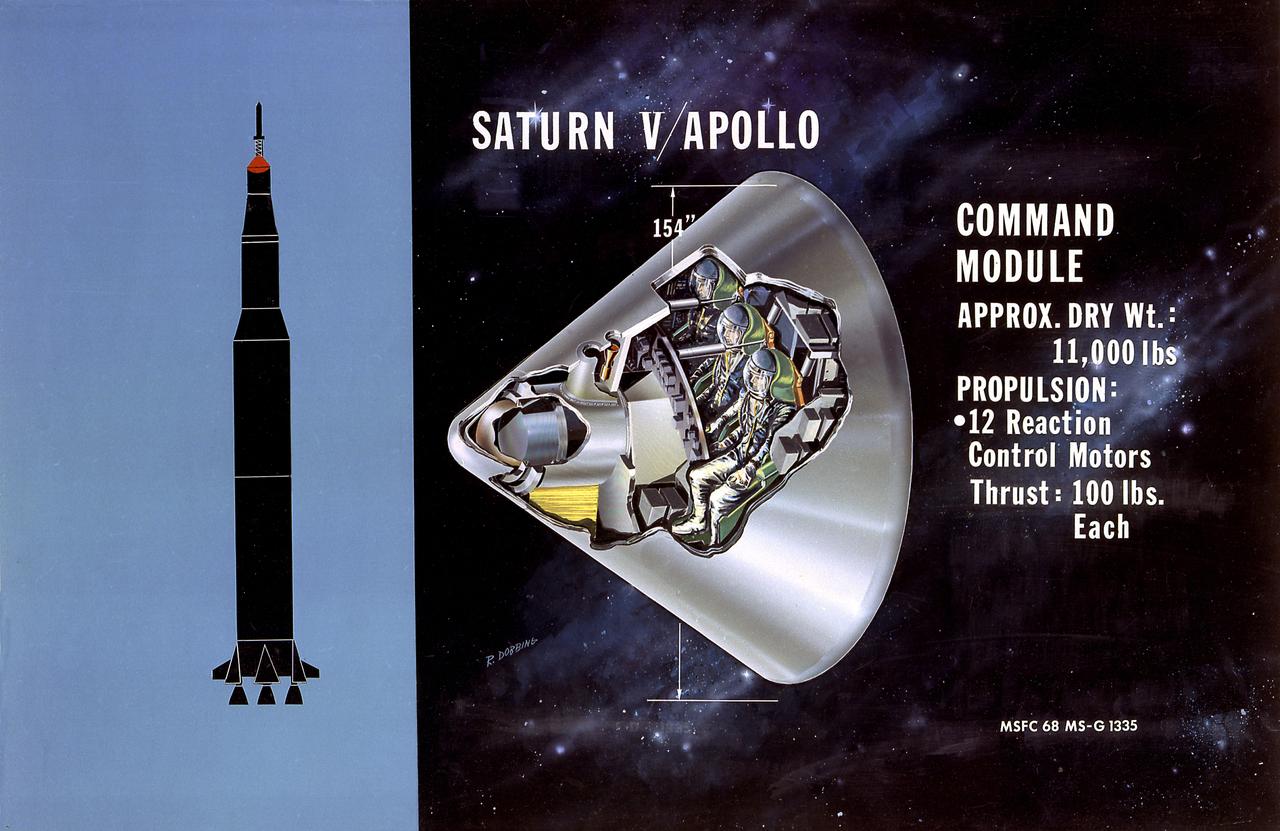
This is a cutaway illustration of the Saturn V command module (CM) configuration. The CM was crammed with some of the most complex equipment ever sent into space at the time. The three astronaut couches were surrounded by instrument panels, navigation gear, radios, life-support systems, and small engines to keep it stable during reentry. The entire cone, 11 feet long and 13 feet in diameter, was protected by a charring heat shield. The 6.5 ton CM was all that was finally left of the 3,000-ton Saturn V vehicle that lifted off on the journey to the Moon.
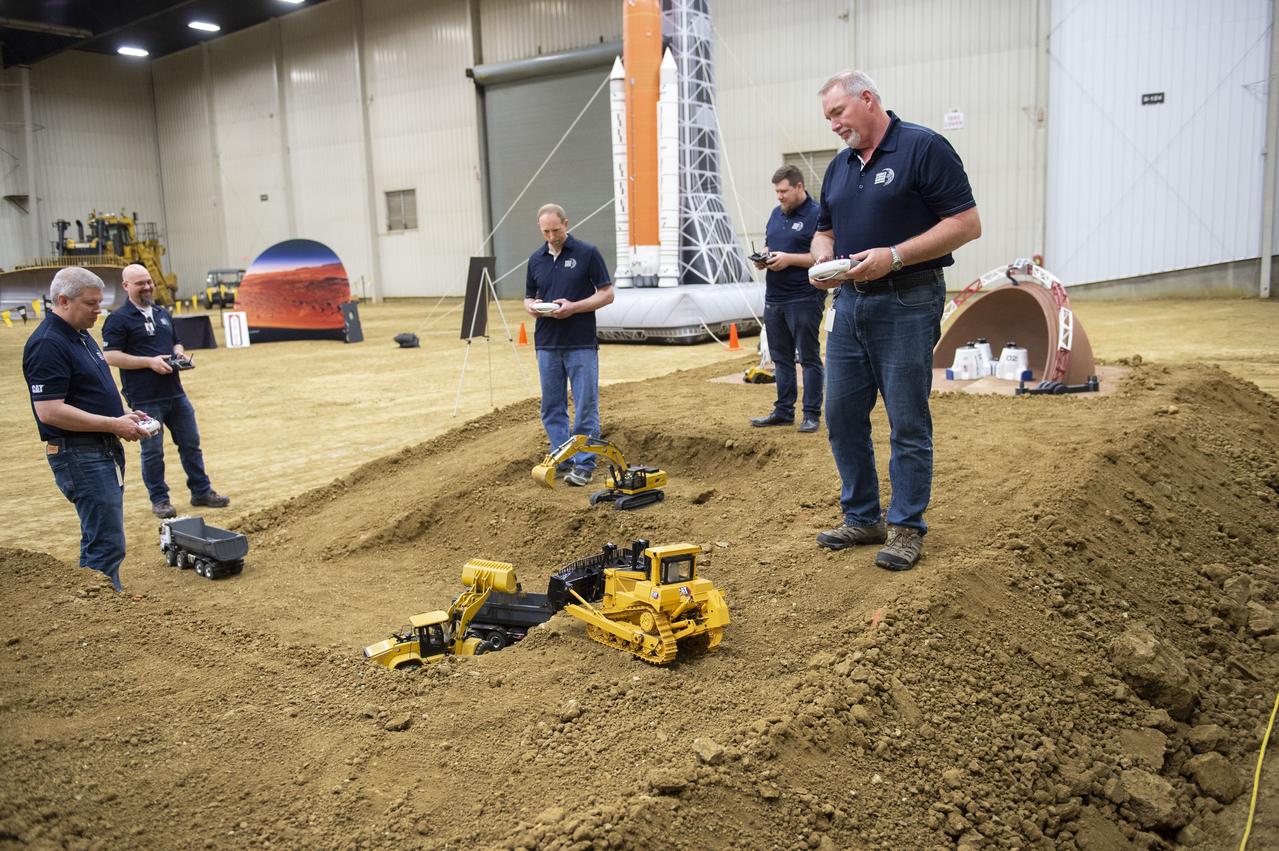
AI. SpaceFactory of New York and Pennsylvania State University of College Park print subscale habitat structures at NASA's 3D-Printed Habitat Challenge, held at the Caterpillar Edwards Demonstration & Learning Center in Edwards, Illinois, May 1-4, 2019. The habitat print is the final level of the multi-phase competition, which began in in 2015. The challenge is managed by NASA's Centennial Challenges program, and partner Bradley University of Peoria, Illinois. Caterpillar engineers work with specially modified radio controlled scale models that accurately replicate moves of full scale caterpillar equipment.

AI. SpaceFactory of New York and Pennsylvania State University of College Park print subscale habitat structures at NASA's 3D-Printed Habitat Challenge, held at the Caterpillar Edwards Demonstration & Learning Center in Edwards, Illinois, May 1-4, 2019. The habitat print is the final level of the multi-phase competition, which began in in 2015. The challenge is managed by NASA's Centennial Challenges program, and partner Bradley University of Peoria, Illinois. Caterpillar engineers work with specially modified radio controlled scale models that accurately replicate moves of full scale caterpillar equipment.
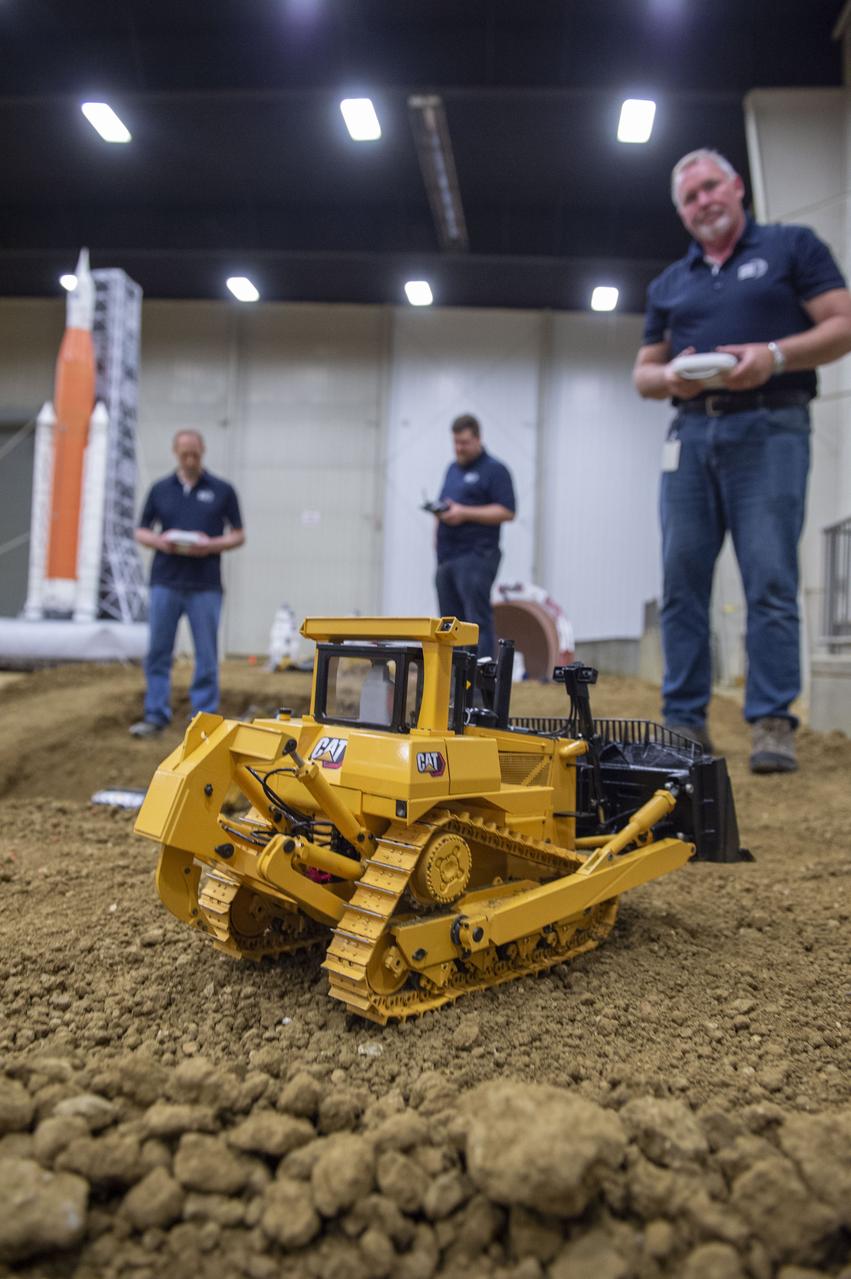
AI. SpaceFactory of New York and Pennsylvania State University of College Park print subscale habitat structures at NASA's 3D-Printed Habitat Challenge, held at the Caterpillar Edwards Demonstration & Learning Center in Edwards, Illinois, May 1-4, 2019. The habitat print is the final level of the multi-phase competition, which began in in 2015. The challenge is managed by NASA's Centennial Challenges program, and partner Bradley University of Peoria, Illinois. Caterpillar engineers work with specially modified radio controlled scale models that accurately replicate moves of full scale caterpillar equipment.
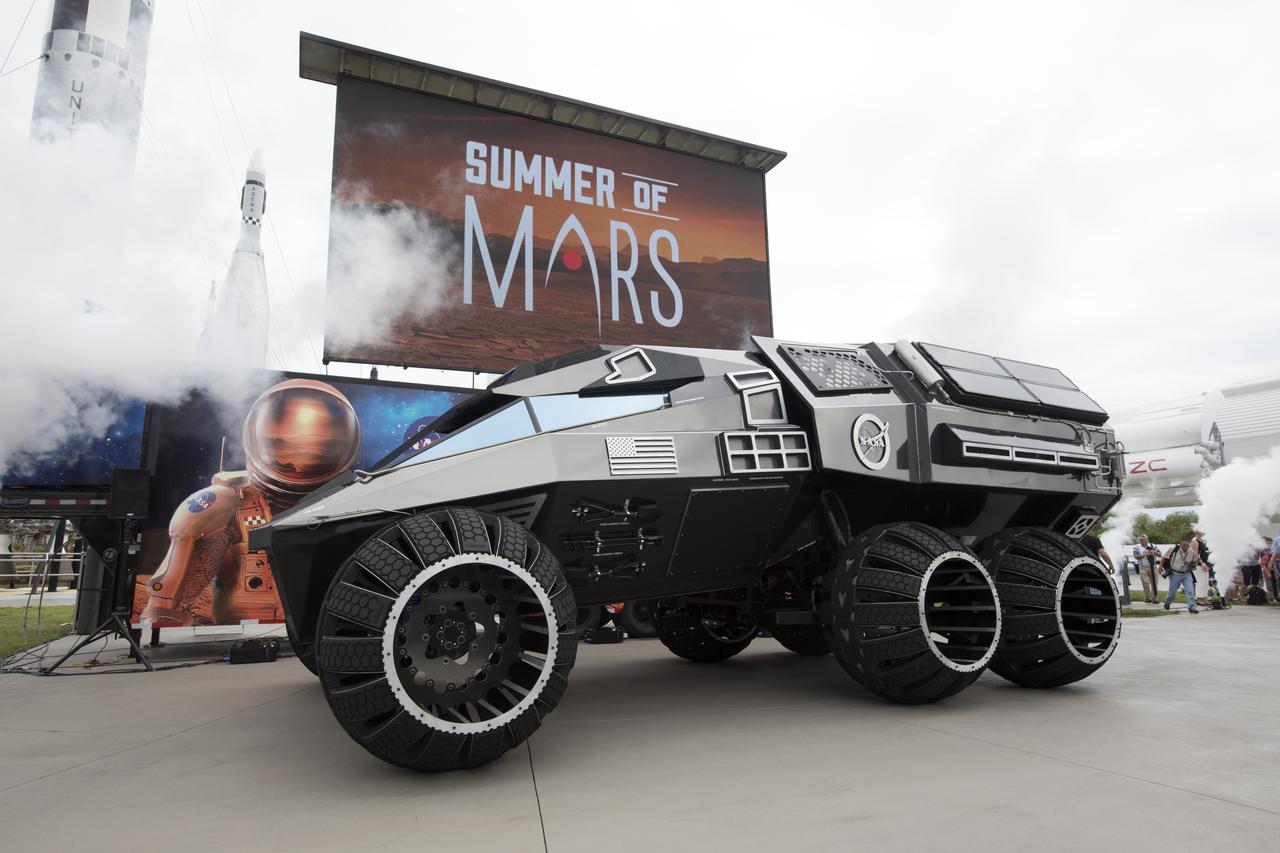
The scientifically-themed Mars rover concept vehicle operates on an electric motor, powered by solar panels and a 700-volt battery. The rover separates in the middle with the front area designed for scouting and equipped with a radio and navigation provided by the Global Positioning System. The back section serves as a full laboratory which can disconnect for autonomous research. The "Summer of Mars" promotion is designed to provide guests with a better understanding of NASA's studies of the Red Planet. The builders of the rover, Parker Brothers Concepts of Port Canaveral, Florida, incorporated input into its design from NASA subject matter experts.
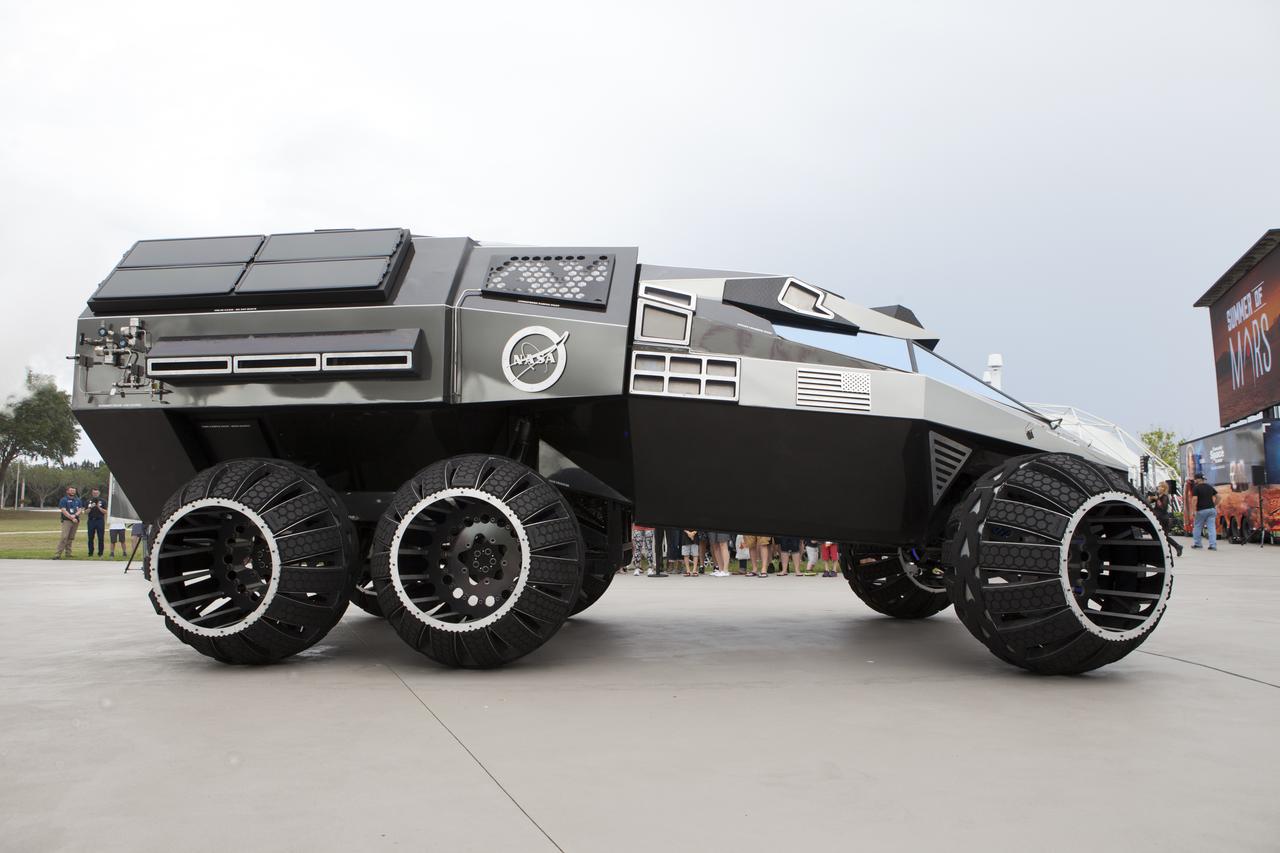
The scientifically-themed Mars rover concept vehicle operates on an electric motor, powered by solar panels and a 700-volt battery. The rover separates in the middle with the front area designed for scouting and equipped with a radio and navigation provided by the Global Positioning System. The back section serves as a full laboratory which can disconnect for autonomous research. The "Summer of Mars" promotion is designed to provide guests with a better understanding of NASA's studies of the Red Planet. The builders of the rover, Parker Brothers Concepts of Port Canaveral, Florida, incorporated input into its design from NASA subject matter experts.
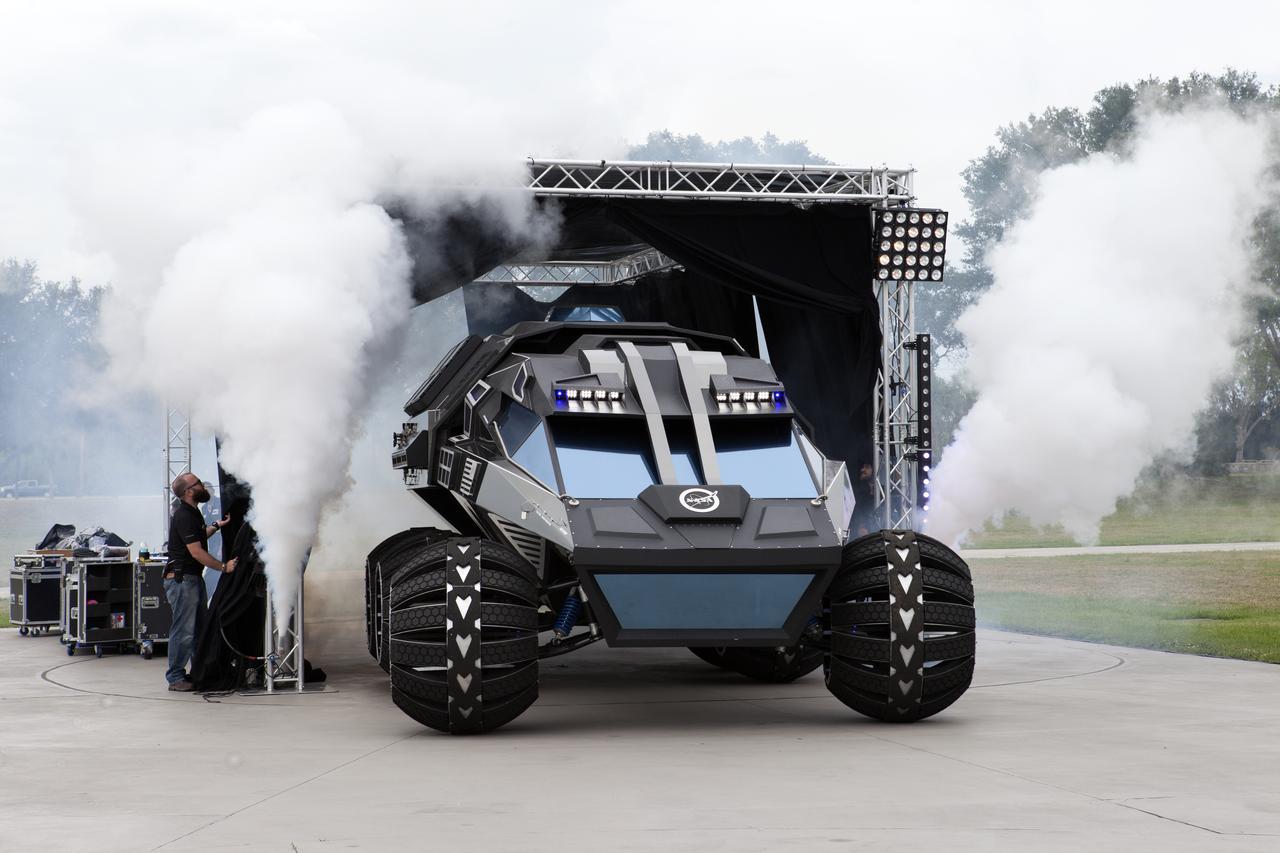
The scientifically-themed Mars rover concept vehicle operates on an electric motor, powered by solar panels and a 700-volt battery. The rover separates in the middle with the front area designed for scouting and equipped with a radio and navigation provided by the Global Positioning System. The back section serves as a full laboratory which can disconnect for autonomous research. The "Summer of Mars" promotion is designed to provide guests with a better understanding of NASA's studies of the Red Planet. The builders of the rover, Parker Brothers Concepts of Port Canaveral, Florida, incorporated input into its design from NASA subject matter experts.
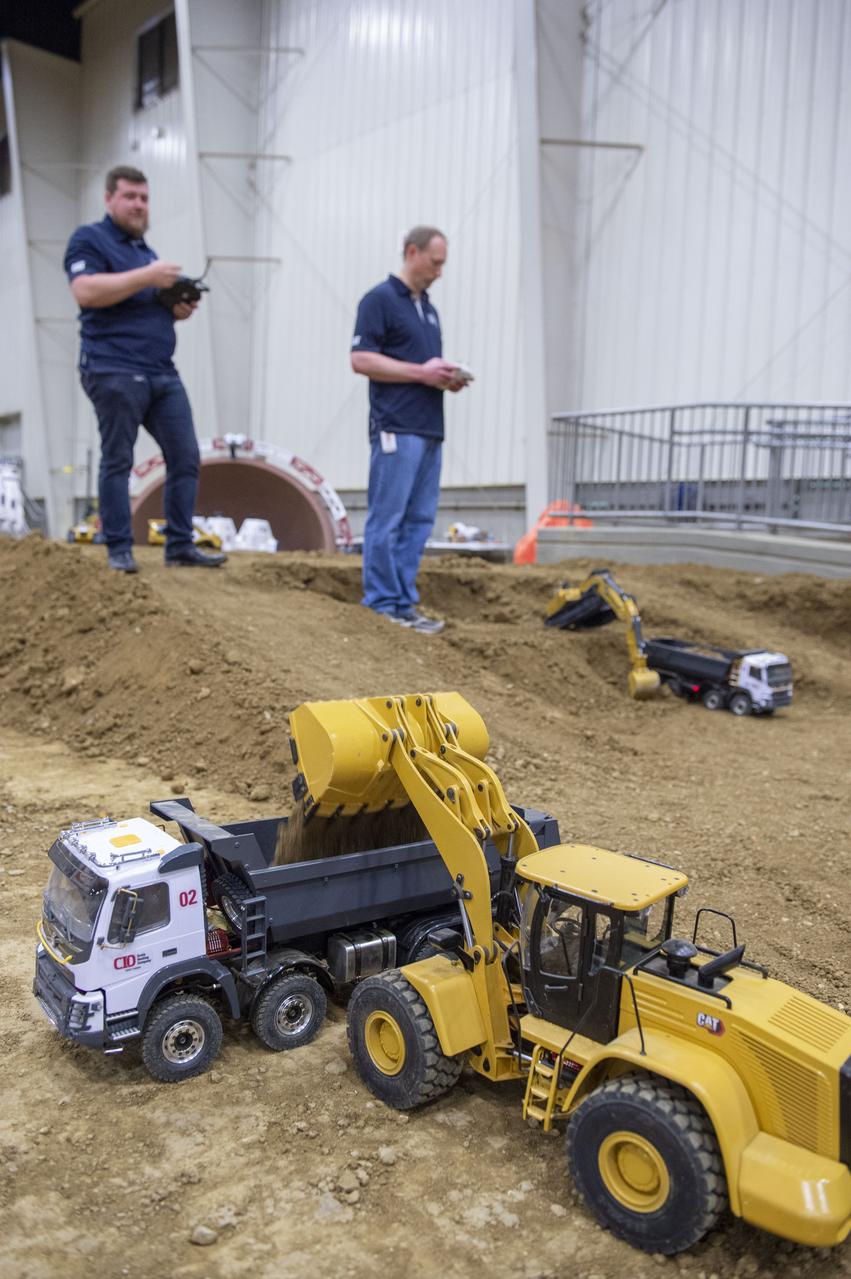
AI. SpaceFactory of New York and Pennsylvania State University of College Park print subscale habitat structures at NASA's 3D-Printed Habitat Challenge, held at the Caterpillar Edwards Demonstration & Learning Center in Edwards, Illinois, May 1-4, 2019. The habitat print is the final level of the multi-phase competition, which began in in 2015. The challenge is managed by NASA's Centennial Challenges program, and partner Bradley University of Peoria, Illinois. Caterpillar engineers work with specially modified radio controlled scale models that accurately replicate moves of full scale caterpillar equipment.

STS055-203-034 (26 April-6 May 1993) --- Astronaut Steven R. Nagel, STS-55 mission commander, has found an isolated station in the D-2 science module from which to talk to students on Earth. Like many before it, the seven member crew participated in communications with students and licensed radio operators via the Shuttle Amateur Radio Experiment (SAREX). Photo credit: NASA
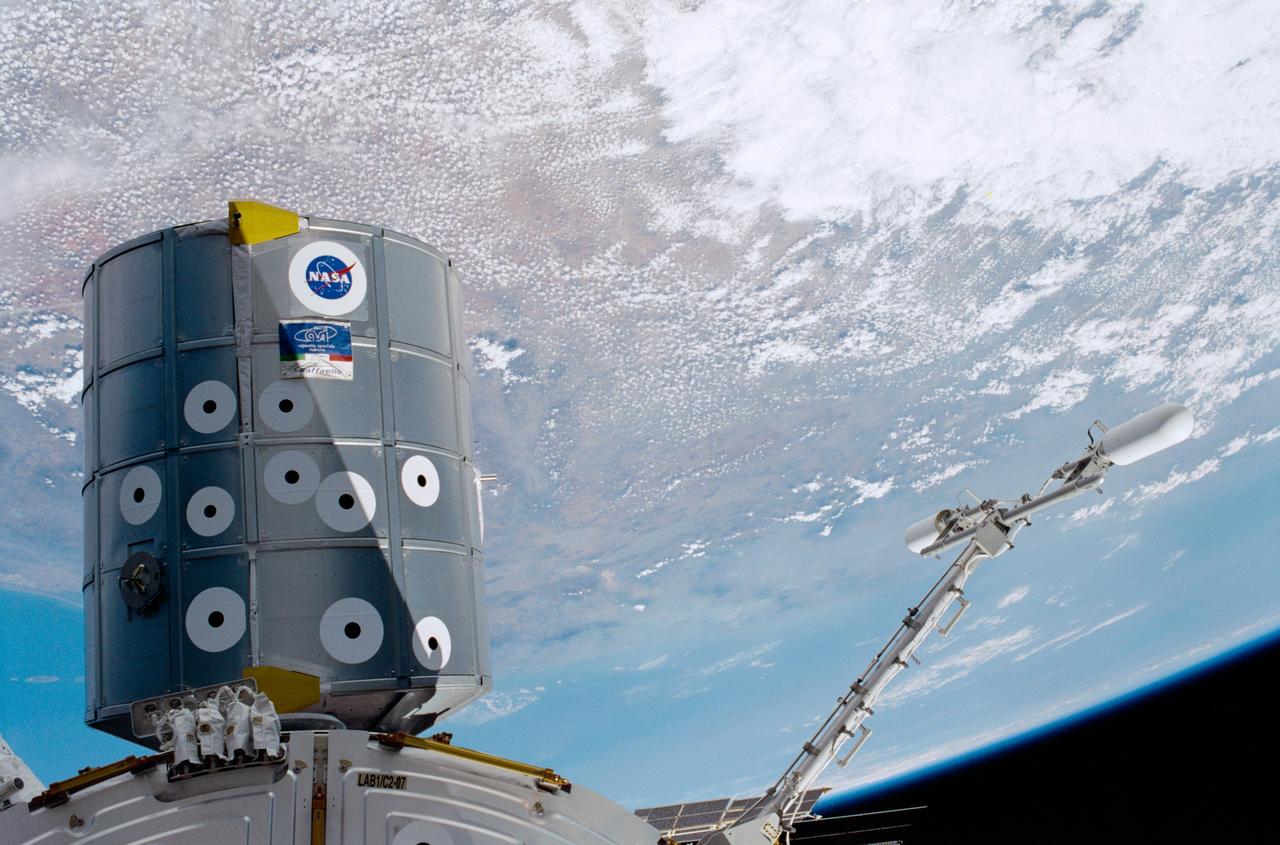
STS100-398-017 (19 April-1 May 2001) --- Backdropped by the Earth with partial cloud cover, the Raffaello Multi-Purpose Logistics Module (MPLM) and the Ultra High Frequency (UHF) antenna are photographed by a crewmember during this STS-100 mission to the International Space Station (ISS). The Raffaello, which was built by the Italian Space Agency (ASI), is the second of three such pressurized modules that will serve as ISS "moving vans", carrying laboratory racks filled with equipment, experiments and supplies to and from the station aboard the space shuttle. The UHF antenna was attached to the station's U.S. Laboratory Destiny by space walking astronauts Chris A. Hadfield and Scott E. Parazynski during the mission's first spacewalk. The antenna, on a 1.2-meter (4-foot) boom, is part of the UHF Communications Subsystem of the station. It will interact with systems already aboard the station, including the Space-to-Space Station Radio transceivers. A second antenna will be delivered on the STS-115/11A next year.
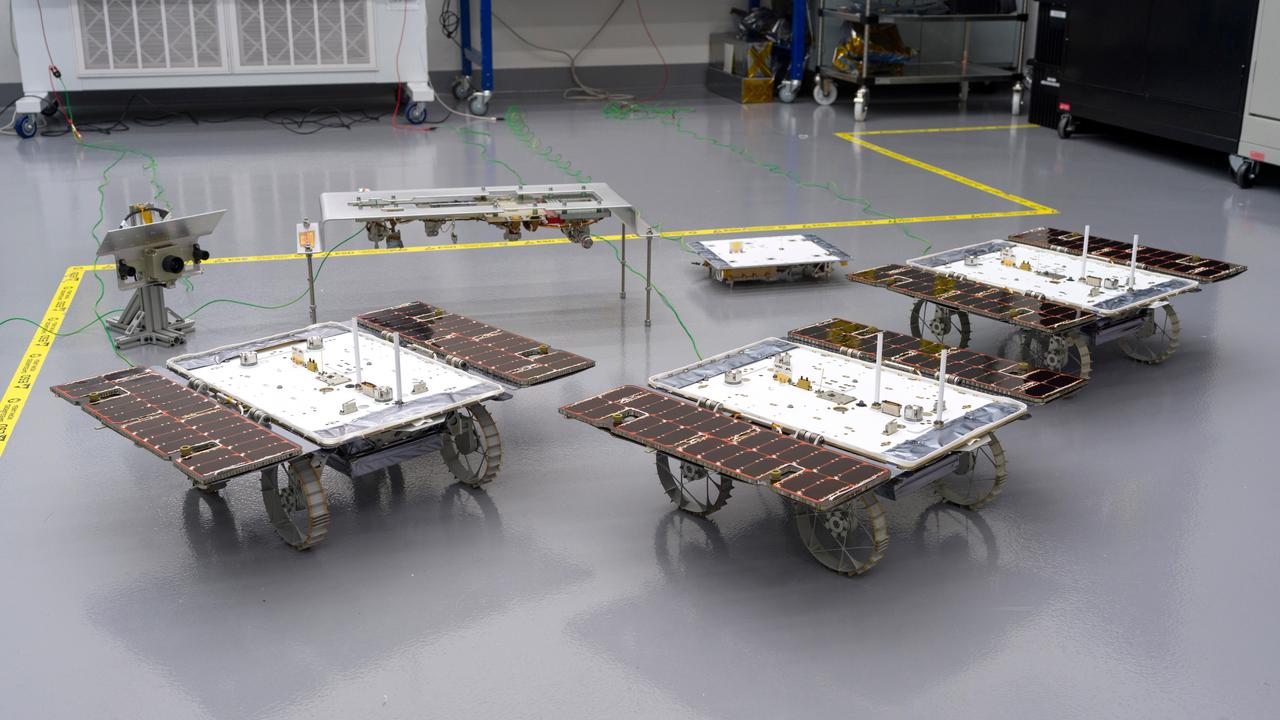
Three small rovers bound for the Moon – part of NASA's CADRE (Cooperative Autonomous Distributed Robotic Exploration) technology demonstration – are arrayed in a clean room at the agency's Jet Propulsion Laboratory in Southern California on Jan. 26, 2024. CADRE is designed to show that a group of robotic spacecraft can work together autonomously as a team to accomplish tasks and record data without constant direction from mission controllers on Earth. Each about the size of a carry-on suitcase, the rovers will ride to the Moon's surface aboard a lander equipped with the hardware elements that sit behind them in this image: from left, the situational awareness camera assembly, one of the deployers that will lower the rovers onto the lunar surface, and the base station with which the rovers will communicate via mesh network radios. https://photojournal.jpl.nasa.gov/catalog/PIA26346
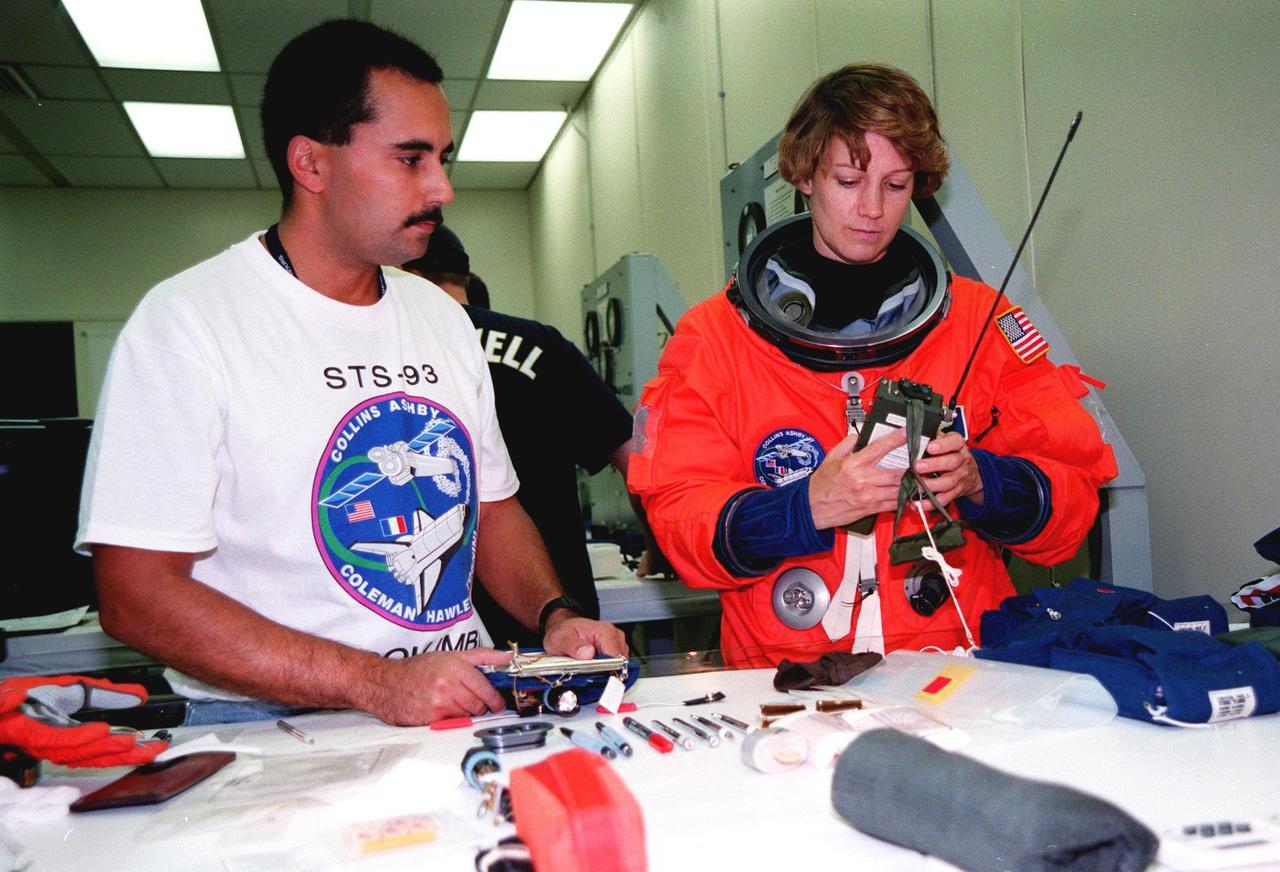
In the Operations and Checkout Bldg., STS-93 Commander Eileen M. Collins checks out a PRC-112 survival radio, part of flight equipment, under the eye of Ray Cuevas, with United Space Alliance. In preparation for their mission, the STS-93 crew are participating in Terminal Countdown Demonstration Test activities that also include equipment check and a launch-day dress rehearsal culminating with a simulated main engine cut-off. Others in the crew participating are Pilot Jeffrey S. Ashby, and Mission Specialists Steven A. Hawley (Ph.D.), Catherine G. Coleman (Ph.D.), and Michel Tognini of France, who represents the Centre National d'Etudes Spatiales (CNES). Collins is the first woman to serve as a Shuttle commander. The primary mission of STS-93 is the release of the Chandra X-ray Observatory, which will allow scientists from around the world to obtain unprecedented X-ray images of exotic environments in space to help understand the structure and evolution of the universe. The targeted launch date for STS-93 is no earlier than July 20 at 12:36 a.m. EDT from Launch Pad 39B
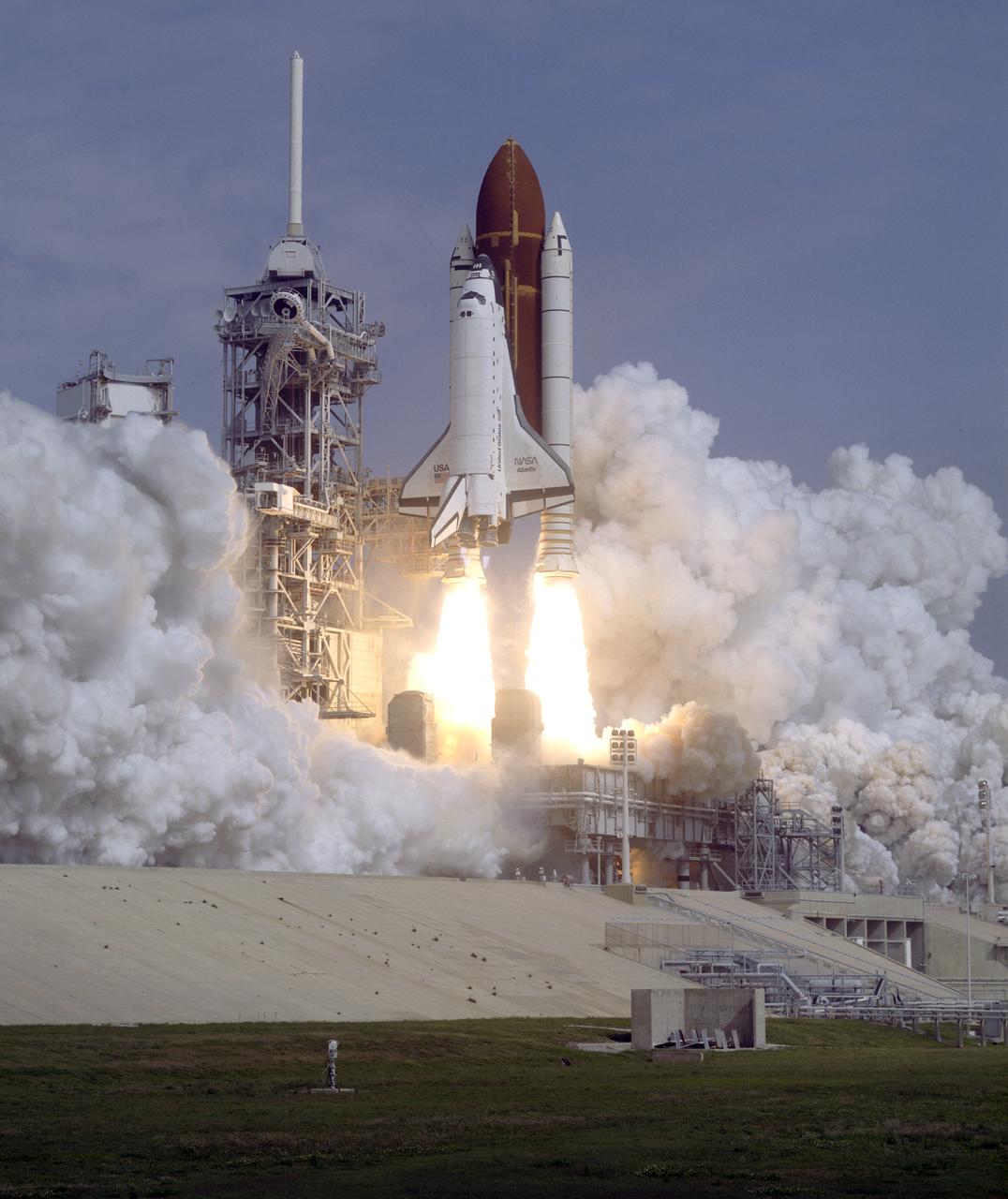
Aboard the Space Shuttle Atlantis, the STS-37 mission launched April 5, 1991 from launch pad 39B at the Kennedy Space Center in Florida, and landed back on Earth April 11, 1991. The 39th shuttle mission included crew members: Steven R. Nagel, commander; Kenneth D. Cameron, pilot; Jerry L,. Ross, mission specialist 1; Jay Apt, mission specialist 2; and Linda M. Godwin, mission specialist 3. The primary payload for the mission was the Gamma Ray Observatory (GRO). The GRO included the Burst and Transient Experiment (BATSE); the Imaging Compton Telescope (COMPTEL); the Energetic Gamma Ray Experiment Telescope (EGRET); and the Oriented Scintillation Spectrometer Experiment (OSSEE). Secondary payloads included Crew and Equipment Translation Aids (CETA); the Ascent Particle Monitor (APM); the Shuttle Amateur Radio Experiment II (SAREXII), the Protein Crystal Growth (PCG); the Bioserve Instrumentation Technology Associates Materials Dispersion Apparatus (BIMDA); Radiation Monitoring Equipment III (RMEIII); and Air Force Maui Optical Site (AMOS).
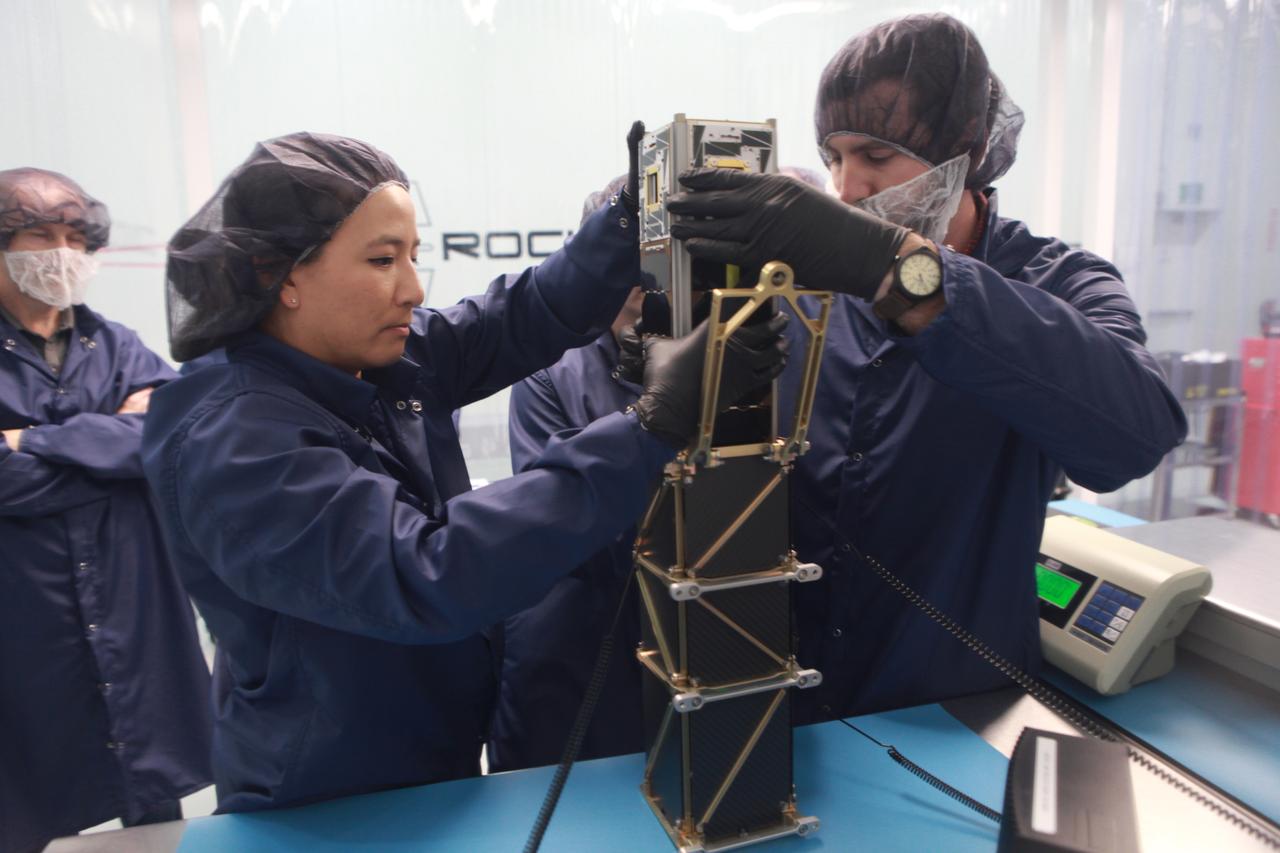
The goal of the CHOMPTT mission is to demonstrate new technologies that could be used for navigation and satellite networking in deep space. For future explorers and colonizers of the Moon or Mars, navigation systems like GPS here on Earth, will be essential. The key idea behind CHOMPTT is to use lasers to transfer time code data over long distances instead of radio waves. Because lasers can be more tightly beamed compared to radio waves, more of the transmitted energy reaches its intended target, making them more power-efficient. CHOMPTT takes advantage of this and of new miniature but very stable atomic clocks to produce a timing system with performance similar to that of GPS, but in a very compact and power efficient form factor. We will use a pulsed laser system, located at the Kennedy Space Center that will be synchronized with an atomic clock. Laser pulses will propagate from the ground to the orbiting CHOMPTT CubeSat and back. By precisely measuring the time of emission and detection of these pulses on the ground and in space we can calculate the time discrepancy between the ground atomic clock and the atomic clock on CHOMPTT. Our goal is to do this with an accuracy of 0.2 billionths of a second, or the time it takes light to travel just 6 centimeters. In the future, we envision using this technology on constellations or swarms of small satellites, for example orbiting the Moon, to equip them with precision navigation, networking, and ranging capabilities. CHOMPTT is a collaboration between the University of Florida and the NASA Ames Research Center. The CHOMPTT precision timing payload was designed and built by the Precision Space Systems Lab at the University of Florida, while the 3U CubeSat bus that has prior flight heritage, was provided by NASA Ames. The CHOMPTT mission has been funded by the Air Force Research Lab and by NASA.
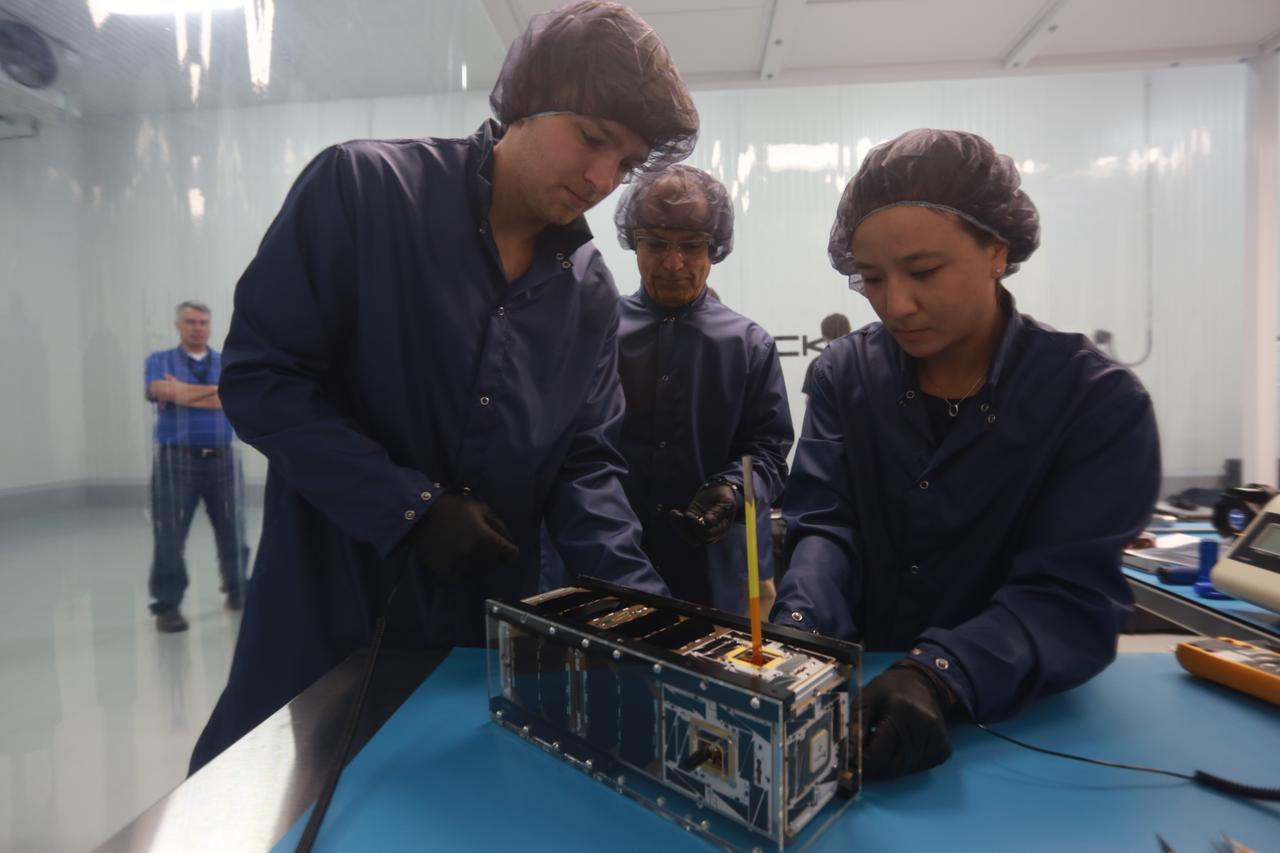
The goal of the CHOMPTT mission is to demonstrate new technologies that could be used for navigation and satellite networking in deep space. For future explorers and colonizers of the Moon or Mars, navigation systems like GPS here on Earth, will be essential. The key idea behind CHOMPTT is to use lasers to transfer time code data over long distances instead of radio waves. Because lasers can be more tightly beamed compared to radio waves, more of the transmitted energy reaches its intended target, making them more power-efficient. CHOMPTT takes advantage of this and of new miniature but very stable atomic clocks to produce a timing system with performance similar to that of GPS, but in a very compact and power efficient form factor. We will use a pulsed laser system, located at the Kennedy Space Center that will be synchronized with an atomic clock. Laser pulses will propagate from the ground to the orbiting CHOMPTT CubeSat and back. By precisely measuring the time of emission and detection of these pulses on the ground and in space we can calculate the time discrepancy between the ground atomic clock and the atomic clock on CHOMPTT. Our goal is to do this with an accuracy of 0.2 billionths of a second, or the time it takes light to travel just 6 centimeters. In the future, we envision using this technology on constellations or swarms of small satellites, for example orbiting the Moon, to equip them with precision navigation, networking, and ranging capabilities. CHOMPTT is a collaboration between the University of Florida and the NASA Ames Research Center. The CHOMPTT precision timing payload was designed and built by the Precision Space Systems Lab at the University of Florida, while the 3U CubeSat bus that has prior flight heritage, was provided by NASA Ames. The CHOMPTT mission has been funded by the Air Force Research Lab and by NASA.
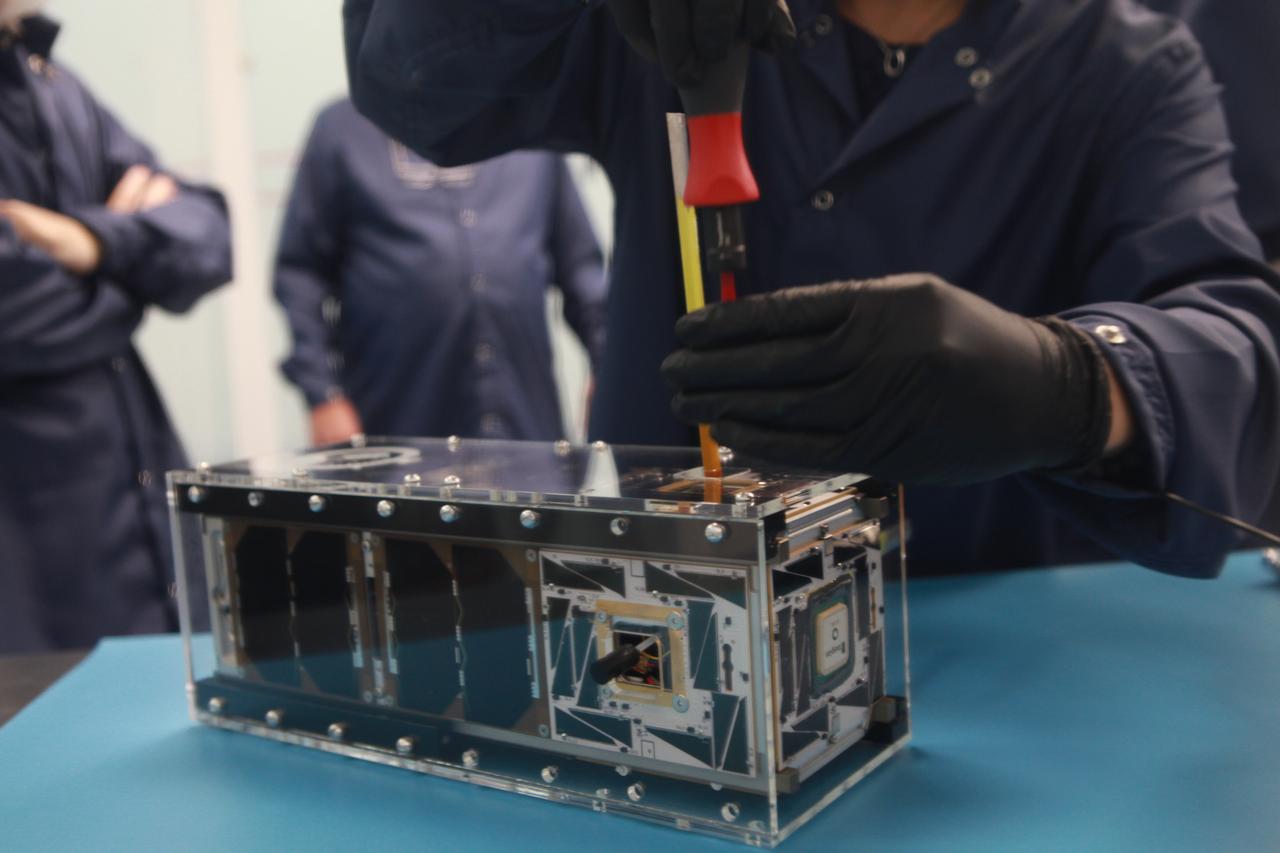
The goal of the CHOMPTT mission is to demonstrate new technologies that could be used for navigation and satellite networking in deep space. For future explorers and colonizers of the Moon or Mars, navigation systems like GPS here on Earth, will be essential. The key idea behind CHOMPTT is to use lasers to transfer time code data over long distances instead of radio waves. Because lasers can be more tightly beamed compared to radio waves, more of the transmitted energy reaches its intended target, making them more power-efficient. CHOMPTT takes advantage of this and of new miniature but very stable atomic clocks to produce a timing system with performance similar to that of GPS, but in a very compact and power efficient form factor. We will use a pulsed laser system, located at the Kennedy Space Center that will be synchronized with an atomic clock. Laser pulses will propagate from the ground to the orbiting CHOMPTT CubeSat and back. By precisely measuring the time of emission and detection of these pulses on the ground and in space we can calculate the time discrepancy between the ground atomic clock and the atomic clock on CHOMPTT. Our goal is to do this with an accuracy of 0.2 billionths of a second, or the time it takes light to travel just 6 centimeters. In the future, we envision using this technology on constellations or swarms of small satellites, for example orbiting the Moon, to equip them with precision navigation, networking, and ranging capabilities. CHOMPTT is a collaboration between the University of Florida and the NASA Ames Research Center. The CHOMPTT precision timing payload was designed and built by the Precision Space Systems Lab at the University of Florida, while the 3U CubeSat bus that has prior flight heritage, was provided by NASA Ames. The CHOMPTT mission has been funded by the Air Force Research Lab and by NASA.
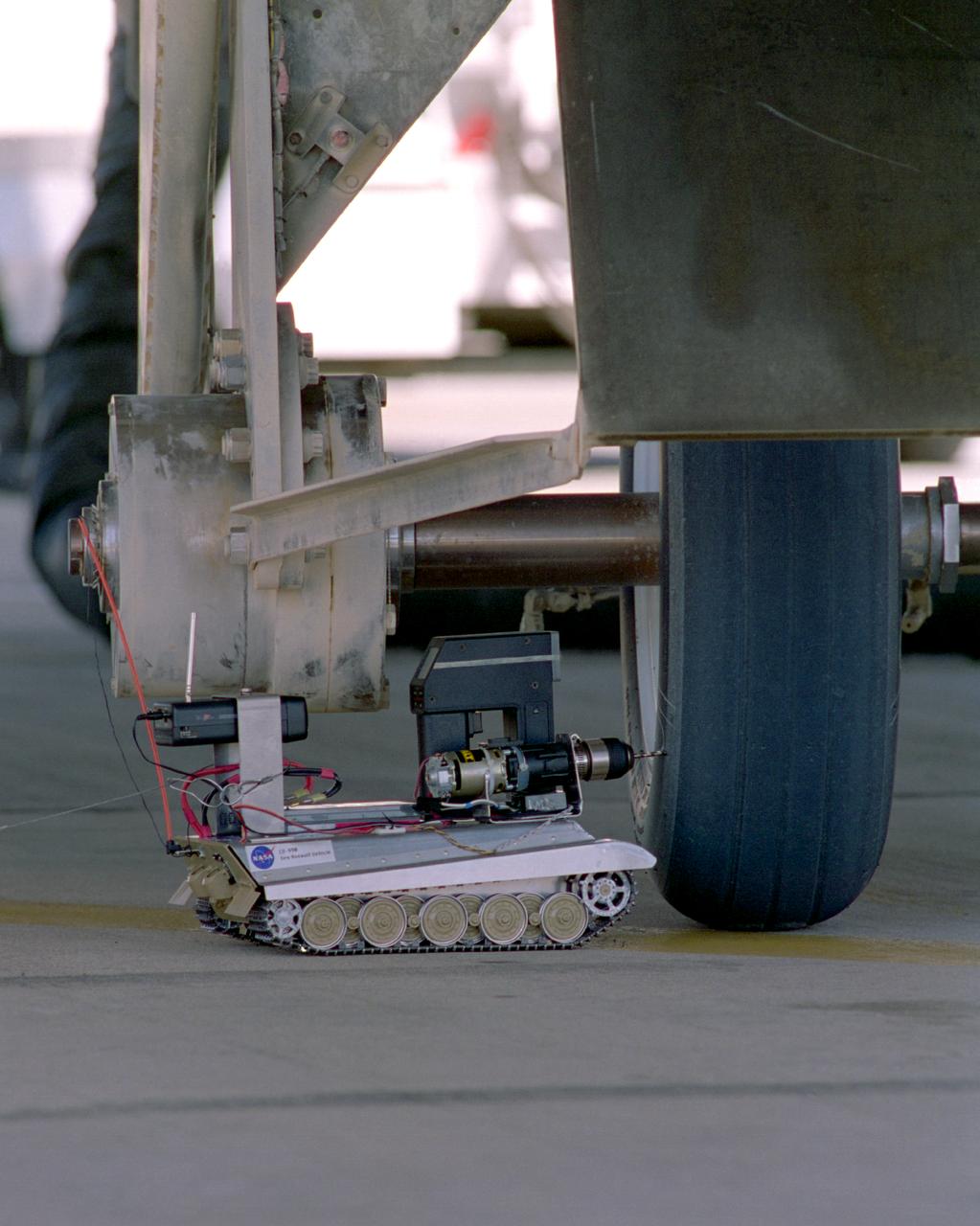
Created from a 1/16th model of a German World War II tank, the TAV (Tire Assault Vehicle) was an important safety feature for the Convair 990 Landing System Research Aircraft, which tested space shuttle tires. It was imperative to know the extreme conditions the shuttle tires could tolerate at landing without putting the shuttle and its crew at risk. In addition, the CV990 was able to land repeatedly to test the tires. The TAV was built from a kit and modified into a radio controlled, video-equipped machine to drill holes in aircraft test tires that were in imminent danger of exploding because of one or more conditions: high air pressure, high temperatures, and cord wear. An exploding test tire releases energy equivalent to two and one-half sticks of dynamite and can cause severe injuries to anyone within 50 ft. of the explosion, as well as ear injury - possibly permanent hearing loss - to anyone within 100 ft. The degree of danger is also determined by the temperature pressure and cord wear of a test tire. The TAV was developed by David Carrott, a PRC employee under contract to NASA.
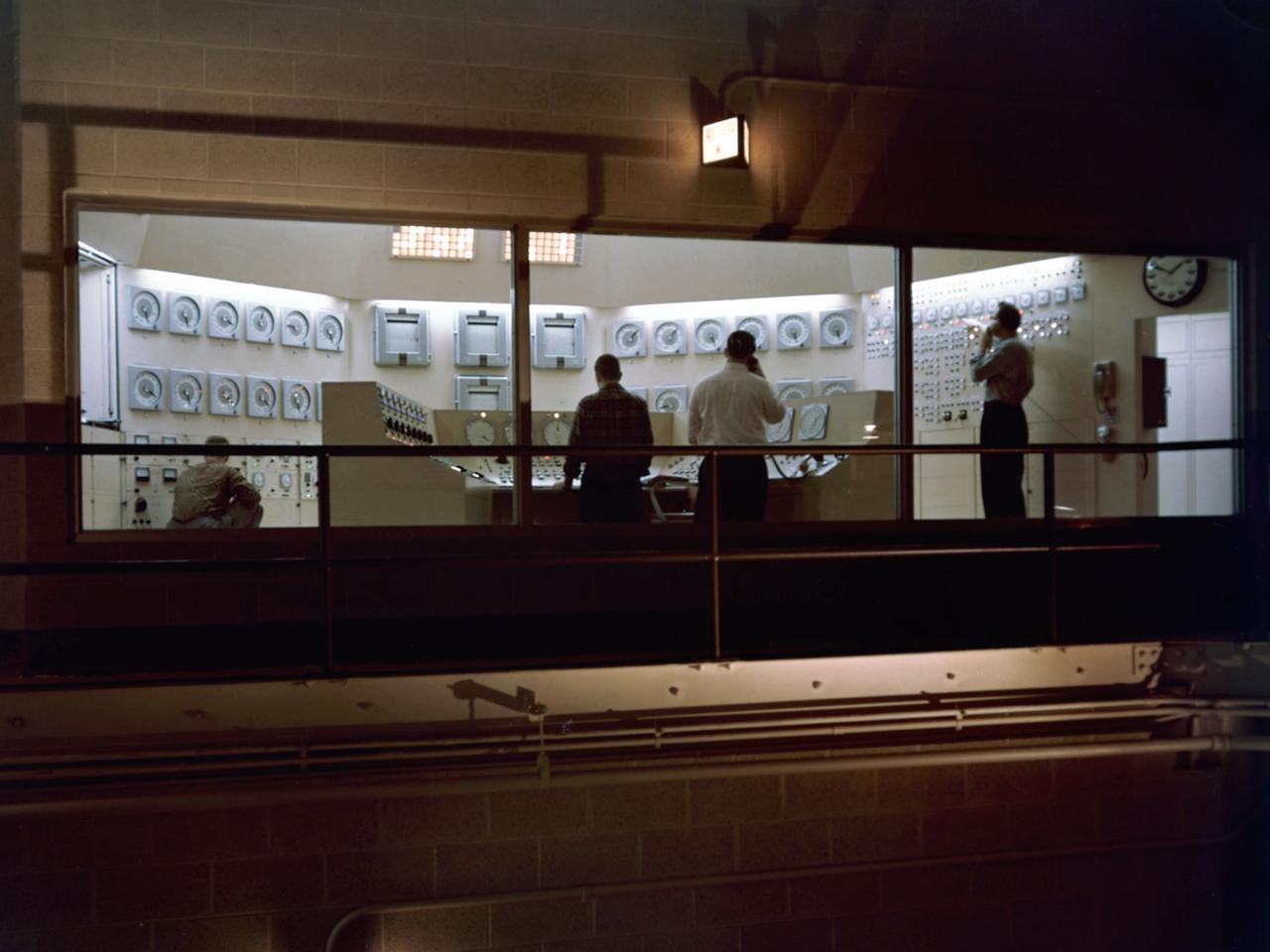
Operators test the National Aeronautics and Space Administration’s (NASA) Plum Brook Reactor Facility systems in the months leading up to its actual operation. The “Reactor On” signs are illuminated but the reactor core was not yet ready for chain reactions. Just a couple weeks after this photograph, Plum Brook Station held a media open house to unveil the 60-megawatt test reactor near Sandusky, Ohio. More than 60 members of the print media and radio and television news services met at the site to talk with community leaders and representatives from NASA and Atomic Energy Commission. The Plum Brook reactor went critical for the first time on the evening of June 14, 1961. It was not until April 1963 that the reactor reached its full potential of 60 megawatts. The reactor control room, located on the second floor of the facility, was run by licensed operators. The operators manually operated the shim rods which adjusted the chain reaction in the reactor core. The regulating rods could partially or completely shut down the reactor. The control room also housed remote area monitoring panels and other monitoring equipment that allowed operators to monitor radiation sensors located throughout the facility and to scram the reactor instantly if necessary. The color of the indicator lights corresponded with the elevation of the detectors in the various buildings. The reactor could also shut itself down automatically if the monitors detected any sudden irregularities.
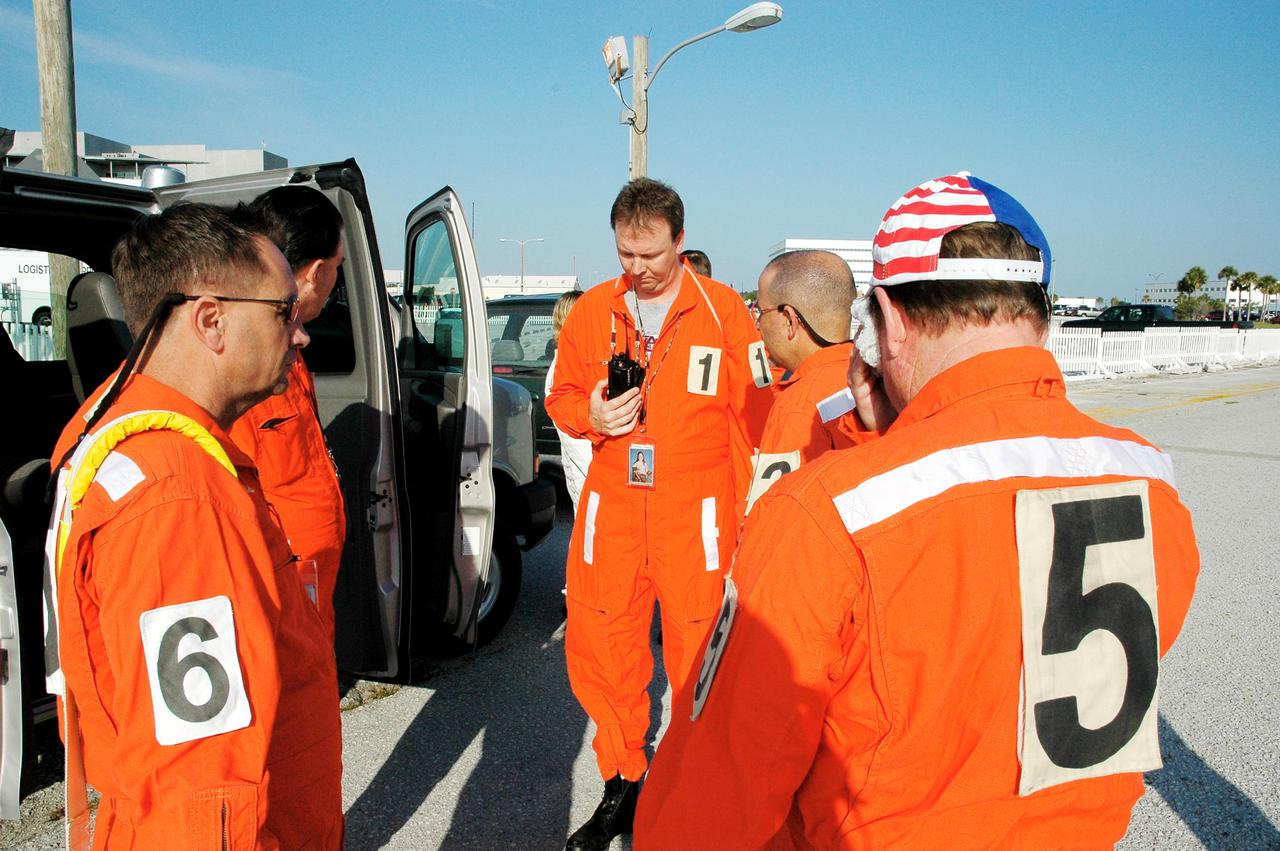
KENNEDY SPACE CENTER, FLA. - Members of the Final Inspection Team check their radios and Emergency Life Support Apparatus (ELSA) equipment before moving to Launch Pad 39B to support an External Tank (ET) tanking test. This team conducts a preflight walkdown of the vehicle and pad during the hold at T-3 hours on launch day. The tanking test is designed to evaluate how the tank, orbiter, solid rocket boosters and ground systems perform under 'cryo-load,' when the tank is filled with the two ultra-low-temperature propellants. The tank filling and draining portion of the test takes about 11 hours. The test also includes a simulated countdown through the hold at T-31 seconds. The test is being conducted to troubleshoot two issues identified by a tanking test held on April 14. Data is being collected to analyze the liquid hydrogen sensors that gave intermittent readings and the liquid hydrogen pressurization relief valve that cycled more times than standard. The tanking tests are part of preparations for Space Shuttle Discovery's Return to Flight mission, STS-114, to the International Space Station. The launch window extends from July 13 through July 31.
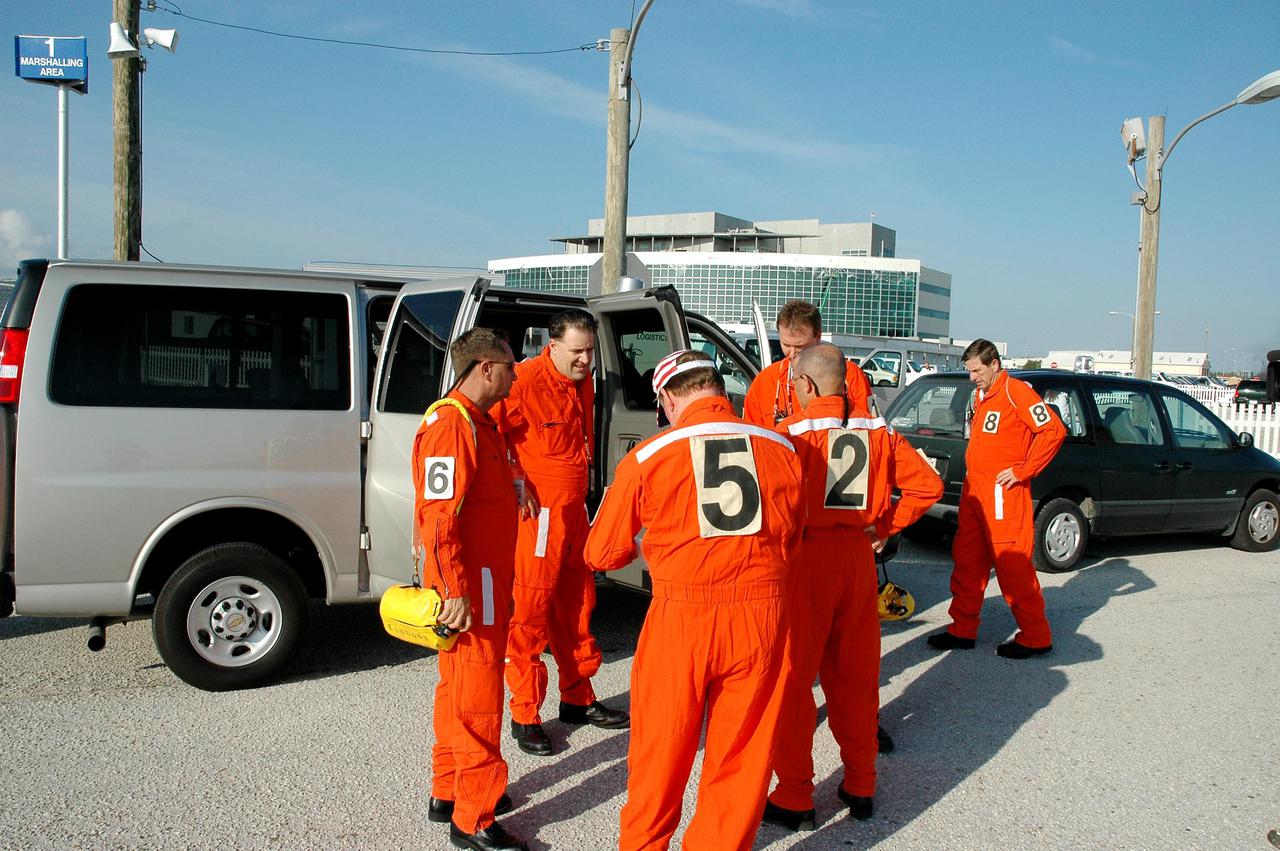
KENNEDY SPACE CENTER, FLA. - Members of the Final Inspection Team check their radios and Emergency Life Support Apparatus (ELSA) equipment before moving to Launch Pad 39B to support an External Tank (ET) tanking test. This team conducts a preflight walkdown of the vehicle and pad during the hold at T-3 hours on launch day. The tanking test is designed to evaluate how the tank, orbiter, solid rocket boosters and ground systems perform under 'cryo-load,' when the tank is filled with the two ultra-low-temperature propellants. The tank filling and draining portion of the test takes about 11 hours. The test also includes a simulated countdown through the hold at T-31 seconds. The test is being conducted to troubleshoot two issues identified by a tanking test held on April 14. Data is being collected to analyze the liquid hydrogen sensors that gave intermittent readings and the liquid hydrogen pressurization relief valve that cycled more times than standard. The tanking tests are part of preparations for Space Shuttle Discovery's Return to Flight mission, STS-114, to the International Space Station. The launch window extends from July 13 through July 31.