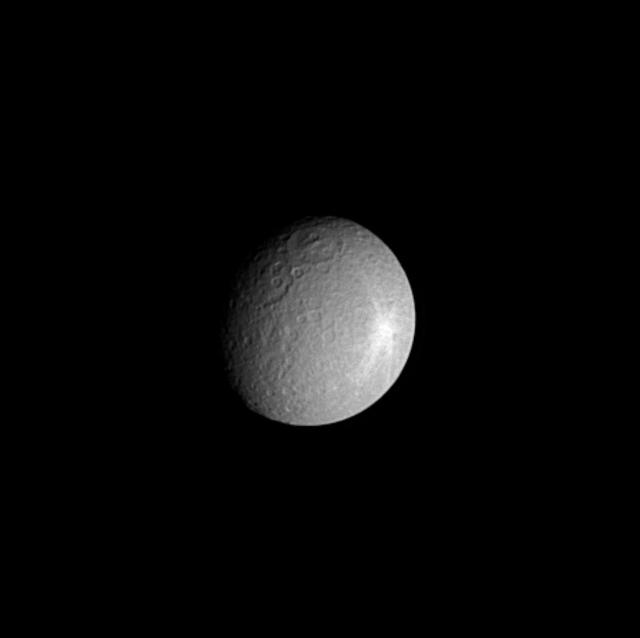
A Real Shiner
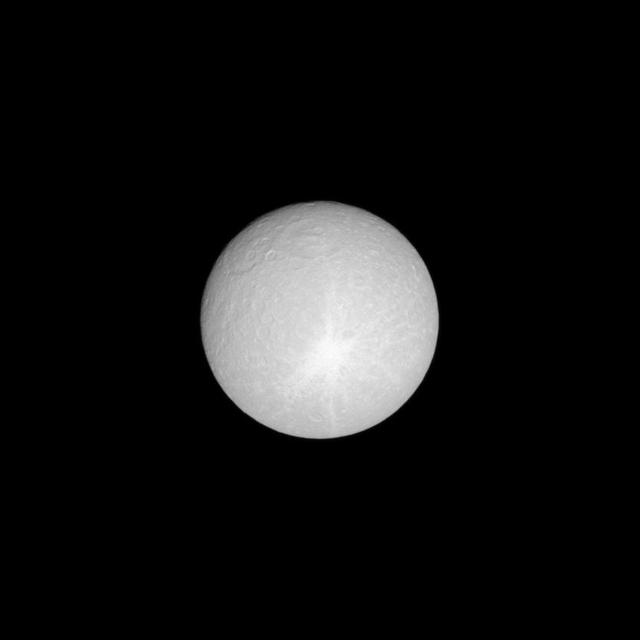
Rhea Real Big Rays

Fantasy Made Real
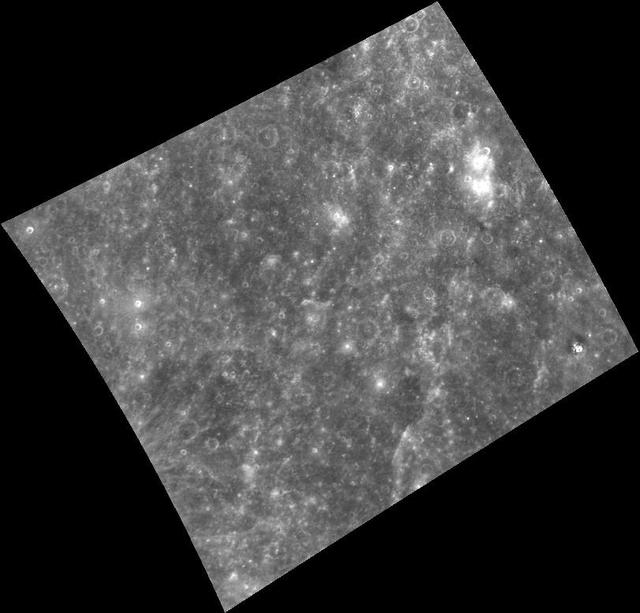
Prime Real Estate
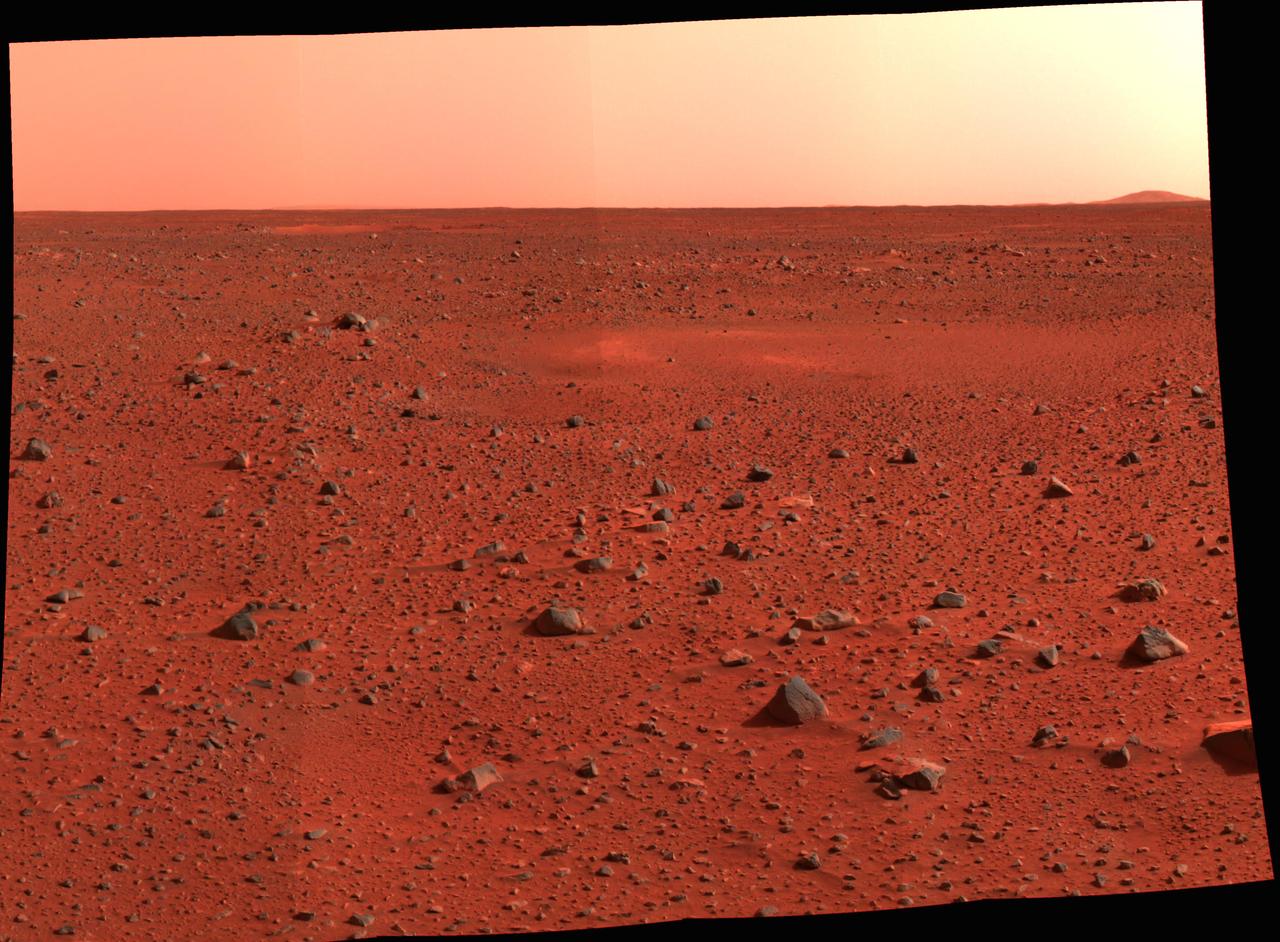
New Real Estate on Mars
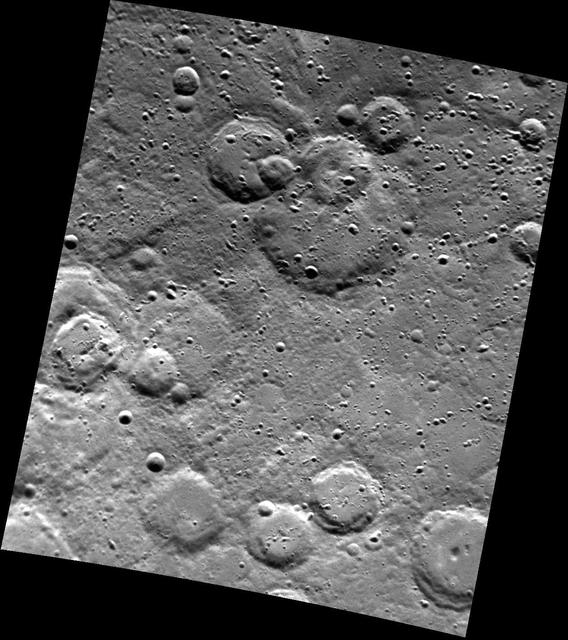
M-E-R-C See you real soon! U-R-Y Why? Because we like you!
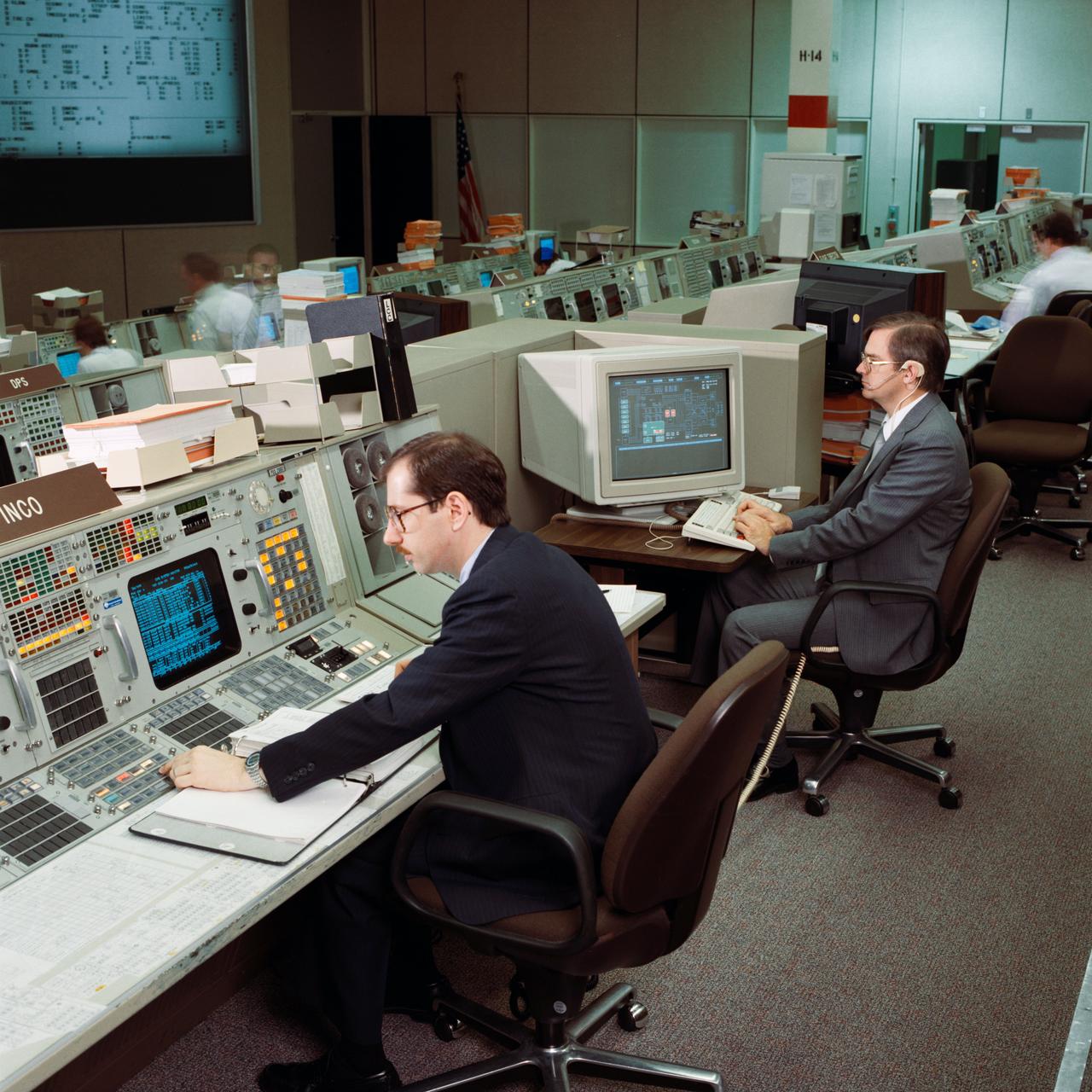
Instrumentation and Communications Officer (INCO) John F. Muratore monitors conventional workstation displays during an STS-26 simulation in JSC Mission Control Center (MCC) Bldg 30 Flight Control Room (FCR). Next to Muratore an operator views the real time data system (RTDS), an expert system. During the STS-29 mission two conventional monochrome console display units will be removed and replaced with RTDS displays. View is for the STS-29 press kit from Office of Aeronautics and Space Technology (OAST) RTDS.

The real monster black hole is revealed in this image from NASA Nuclear Spectroscopic Telescope Array of colliding galaxies Arp 299.
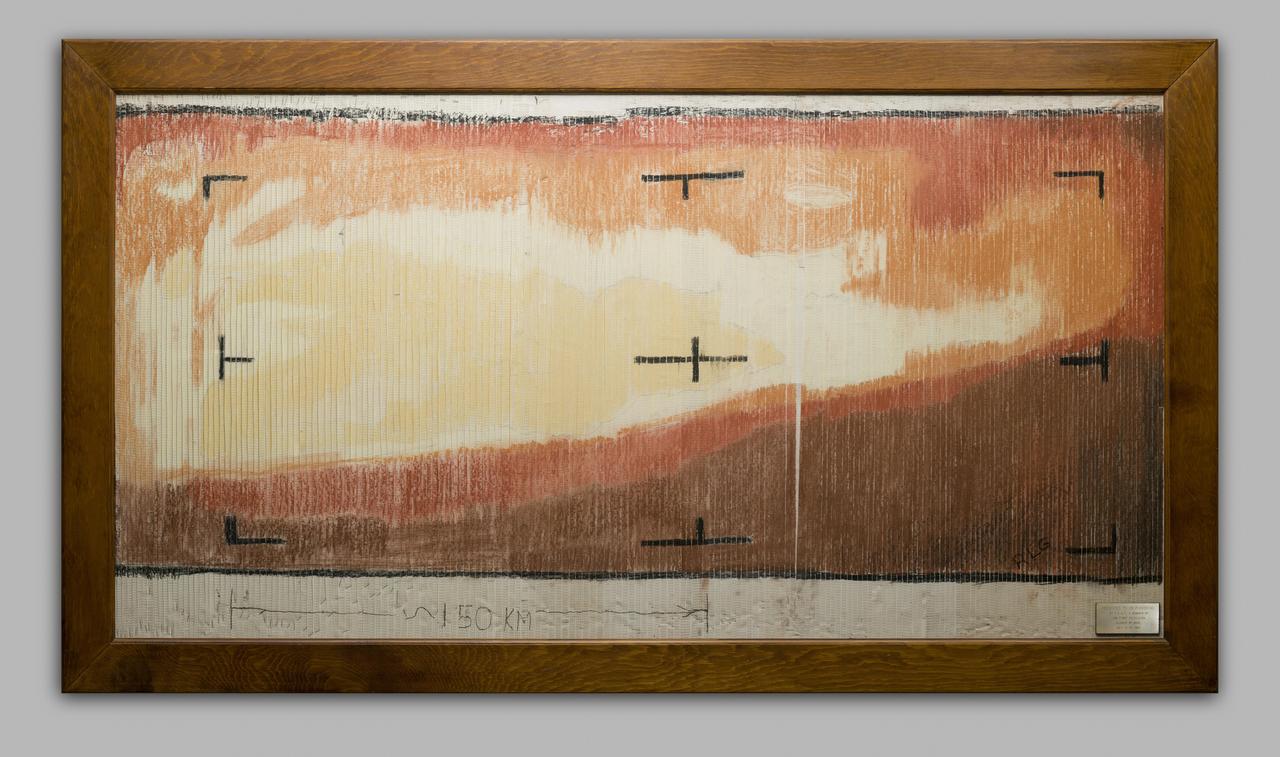
A real-time data translator machine converted Mariner 4 digital image data into numbers printed on strips of paper.
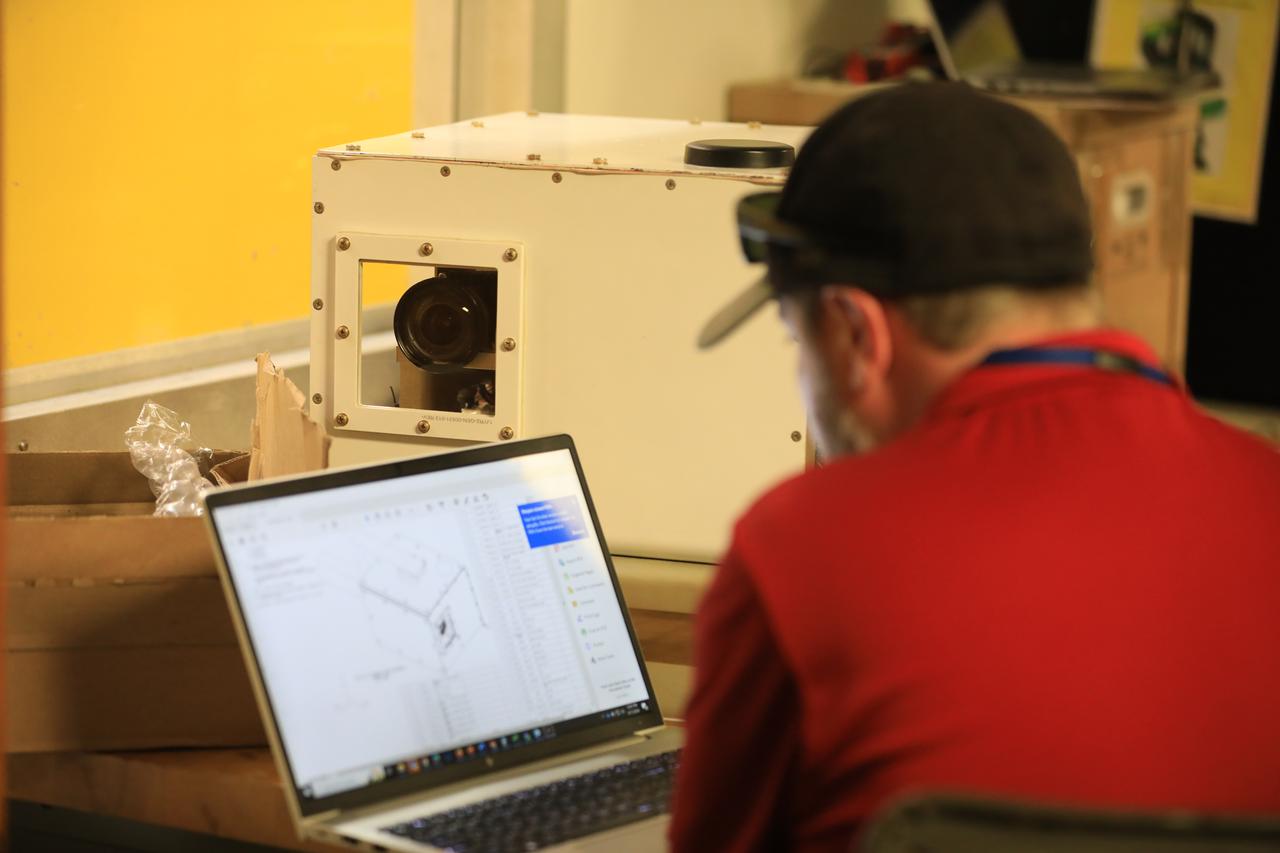
NASA researcher A.J. Jaffe prepares the NASA Airborne Instrumentation for Real-world Video of Urban Environments (AIRVUE) sensor pod for testing at NASA’s Kennedy Space Center in Cape Canaveral, Florida in April 2024. The AIRVUE pod will be used to collect data for autonomous aircraft like air taxis, drones, or other Advanced Air Mobility aircraft.
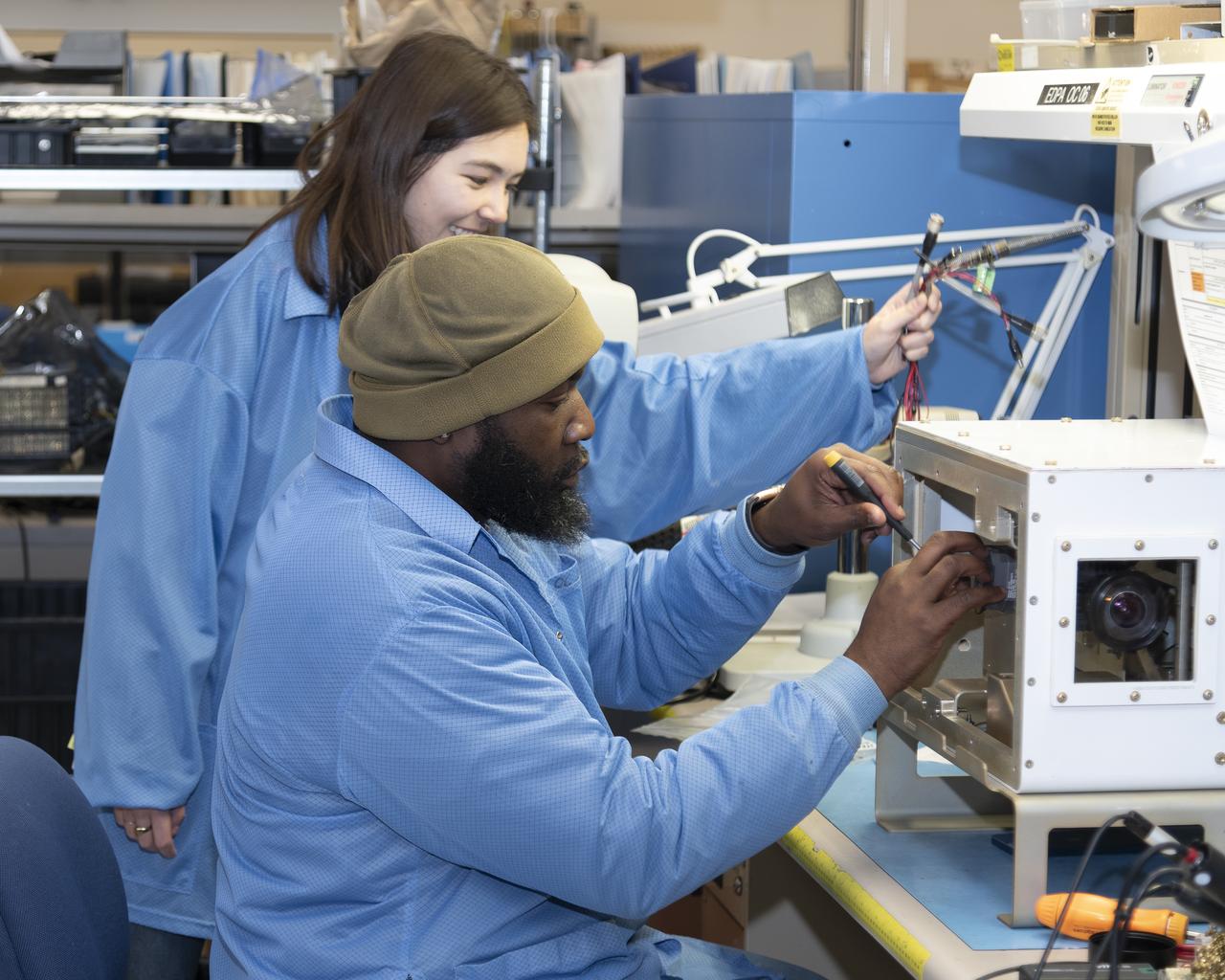
NASA researchers James Cowart and Elizabeth Nail add sensors, wiring and cameras, to the NASA Airborne Instrumentation for Real-world Video of Urban Environments (AIRVUE) sensor pod at NASA’s Armstrong Flight Research Center in Edwards, California in late February 2024. The AIRVUE pod was flown on a helicopter at NASA’s Kennedy Space Center in Florida and is used to collect data for future autonomous aircraft.
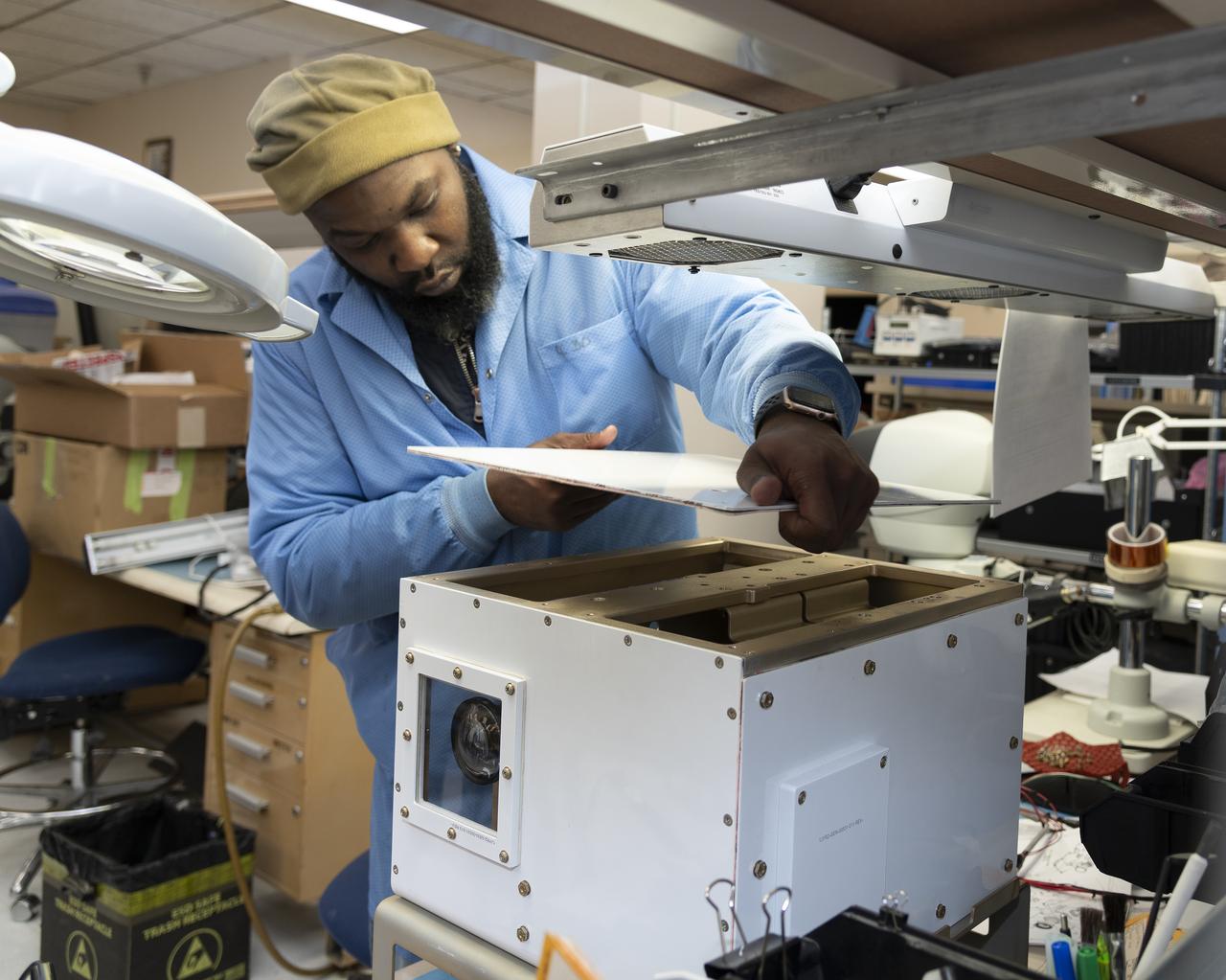
NASA researcher James Cowart adds the top back onto the NASA Airborne Instrumentation for Real-world Video of Urban Environments (AIRVUE) sensor pod at NASA’s Armstrong Flight Research Center in Edwards, California in late February 2024. The pod houses sensors, wiring and cameras. The AIRVUE pod was flown on a helicopter at NASA’s Kennedy Space Center in Florida and is used to collect data for future autonomous aircraft.
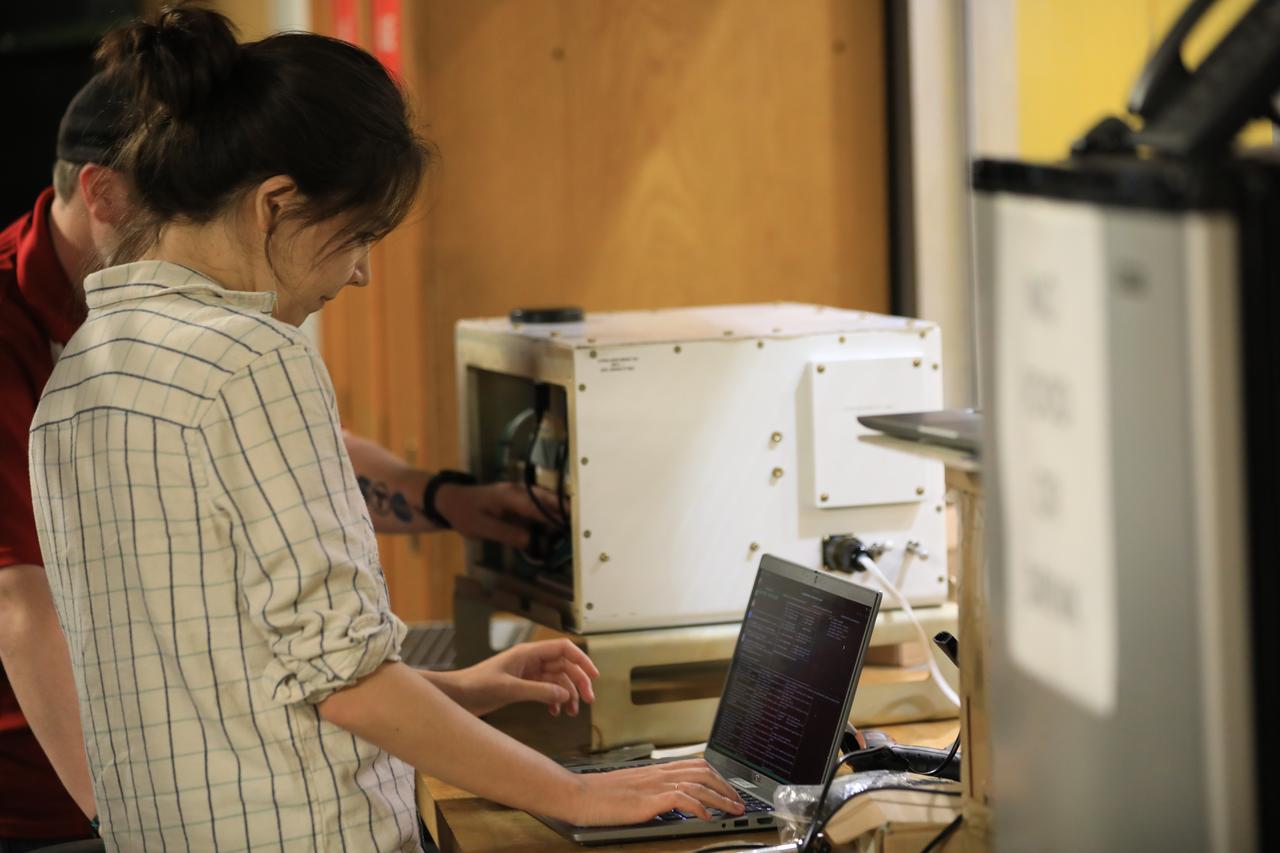
NASA researchers Elizabeth Nail (foreground) and A.J. Jaffe (background) prepare the NASA Airborne Instrumentation for Real-world Video of Urban Environments (AIRVUE) sensor pod for testing at NASA’s Kennedy Space Center in Cape Canaveral, Florida in April 2024. The AIRVUE pod will be used to collect data for autonomous aircraft like air taxis, drones, or other Advanced Air Mobility aircraft.
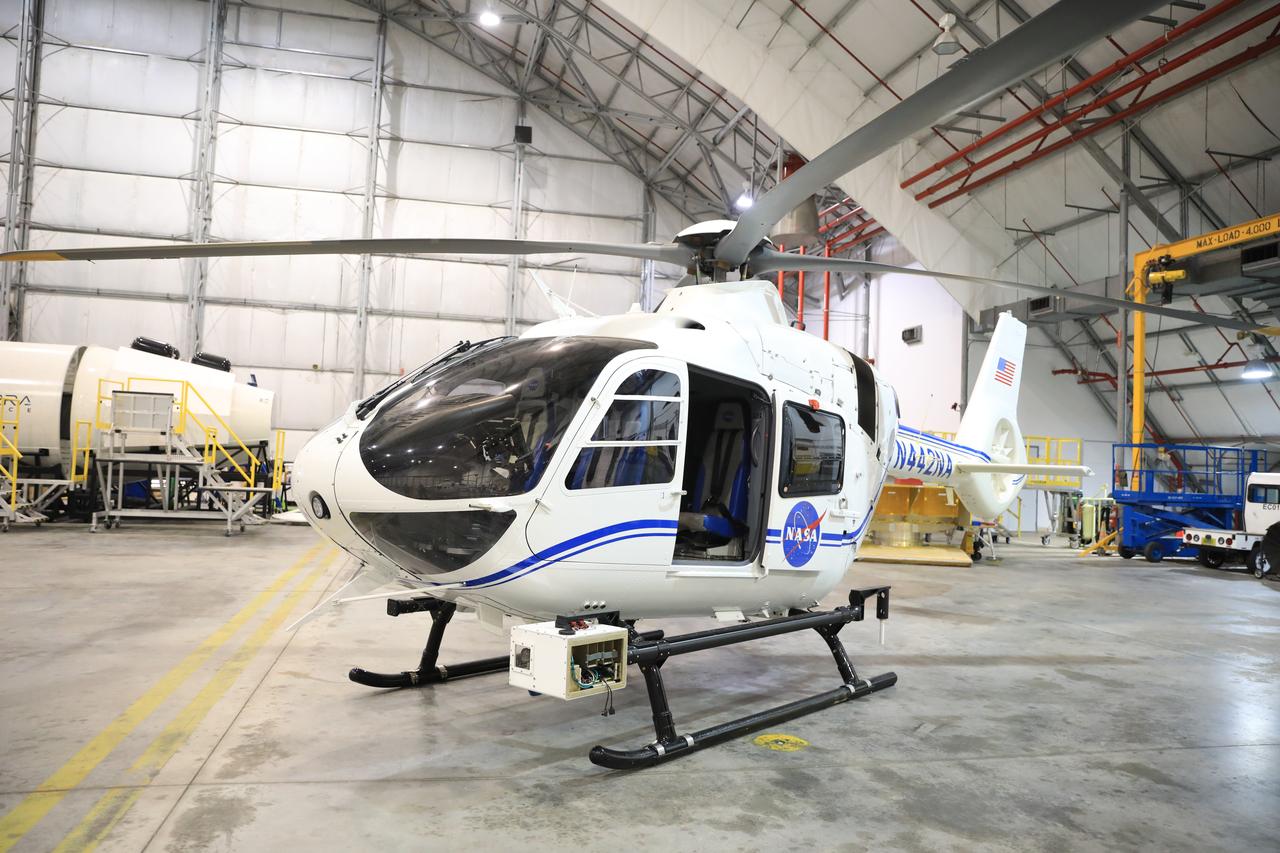
The NASA Airborne Instrumentation for Real-world Video of Urban Environments (AIRVUE) sensor pod is attached to the base of a NASA helicopter at NASA’s Kennedy Space Center in Cape Canaveral, Florida in April 2024 before a flight to test the pod’s cameras and sensors. The AIRVUE pod will be used to collect data for autonomous aircraft like air taxis, drones, or other Advanced Air Mobility aircraft.

NASA's F/A-18 Hornet is seen here in a banked turn over Rogers Dry Lake in the Mojave desert on an early research flight. It was flown by NASA's Dryden Flight Research Center, Edwards, California, in a multi-year, joint NASA/DOD/industry program, the former Navy fighter was modified into a unique Systems Research Aircraft (SRA) to investigate a host of new technologies in the areas of flight controls, airdata sensing and advanced computing. One of the more than 20 experiments tested aboard the SRA F-18 was an advanced air data sensing system which used a group of pressure taps flush-mounted on the forward fuselage to measure both altitude and wind speed and direction--critical data for flight control and research investigations. The Real-Time Flush Air Data Sensing system concept was evaluated for possible use on the X-33 and X-34 resuable space-launch vehicles. The primary goal of the SRA program was to validate through flight research cutting-edge technologies which could benefit future aircraft and spacecraft by improving efficiency and performance, reducing weight and complexity, with a resultant reduction on development and operational costs.
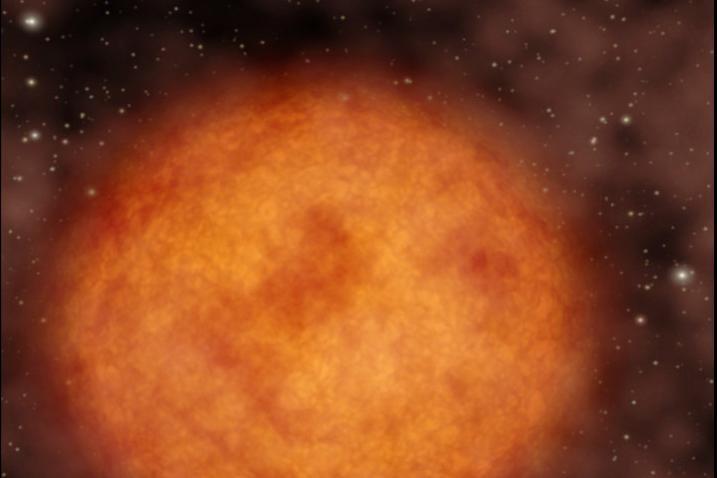
This artist concept illustrates a star flying through our galaxy at supersonic speeds, leaving a 13-light-year-long trail of glowing material in its wake. The star, named Mira pronounced my-rah after the latin word for wonderful.
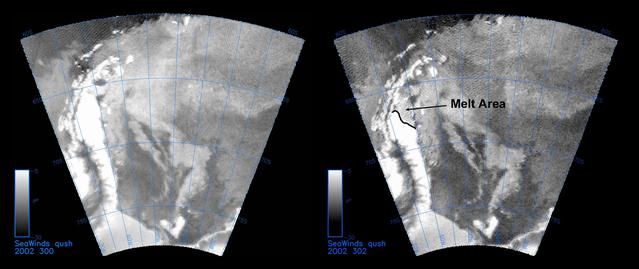
The SeaWinds instrument on NASA Quick Scatterometer QuikScat spacecraft captured these near-real-time backscatter images of melting on the Larsen C ice shelf in Antarctica Weddell Sea between October 27 left and October 29 right.
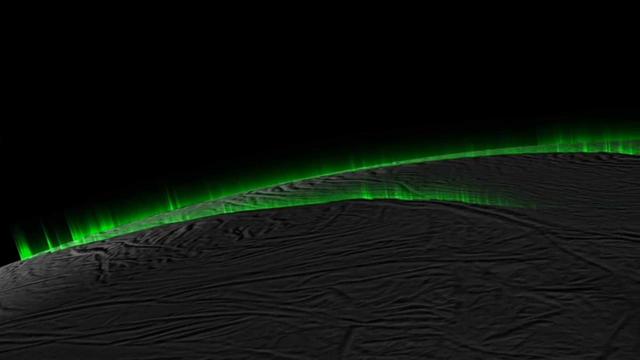
This simulation, which begins and ends with a real image from NASA Cassini spacecraft, demonstrates how the appearance of discrete jets could be an optical illusion that varies based on viewing geometry.
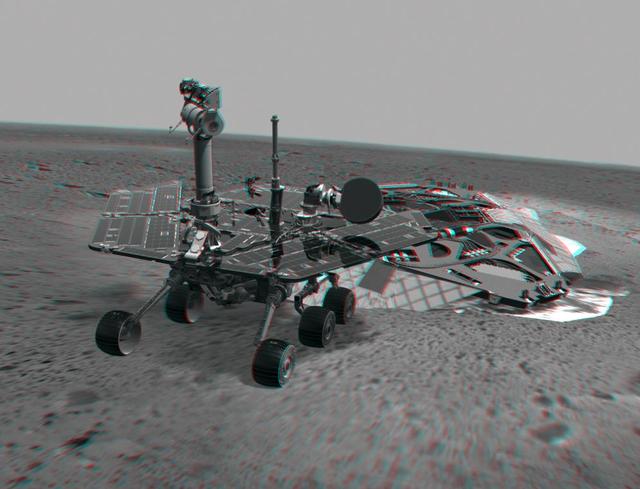
This 3-D image combines computer-generated models of NASA Mars Exploration Rover Spirit and its lander with real surface data from the rover panoramic camera. 3D glasses are necessary to view this image.
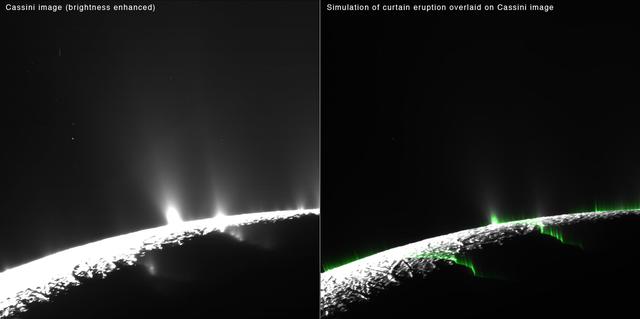
Phantom jets in simulated images produced by the scientists line up nicely with some of the features in real images from NASA Cassini spacecraft that appear to be discrete columns of spray.
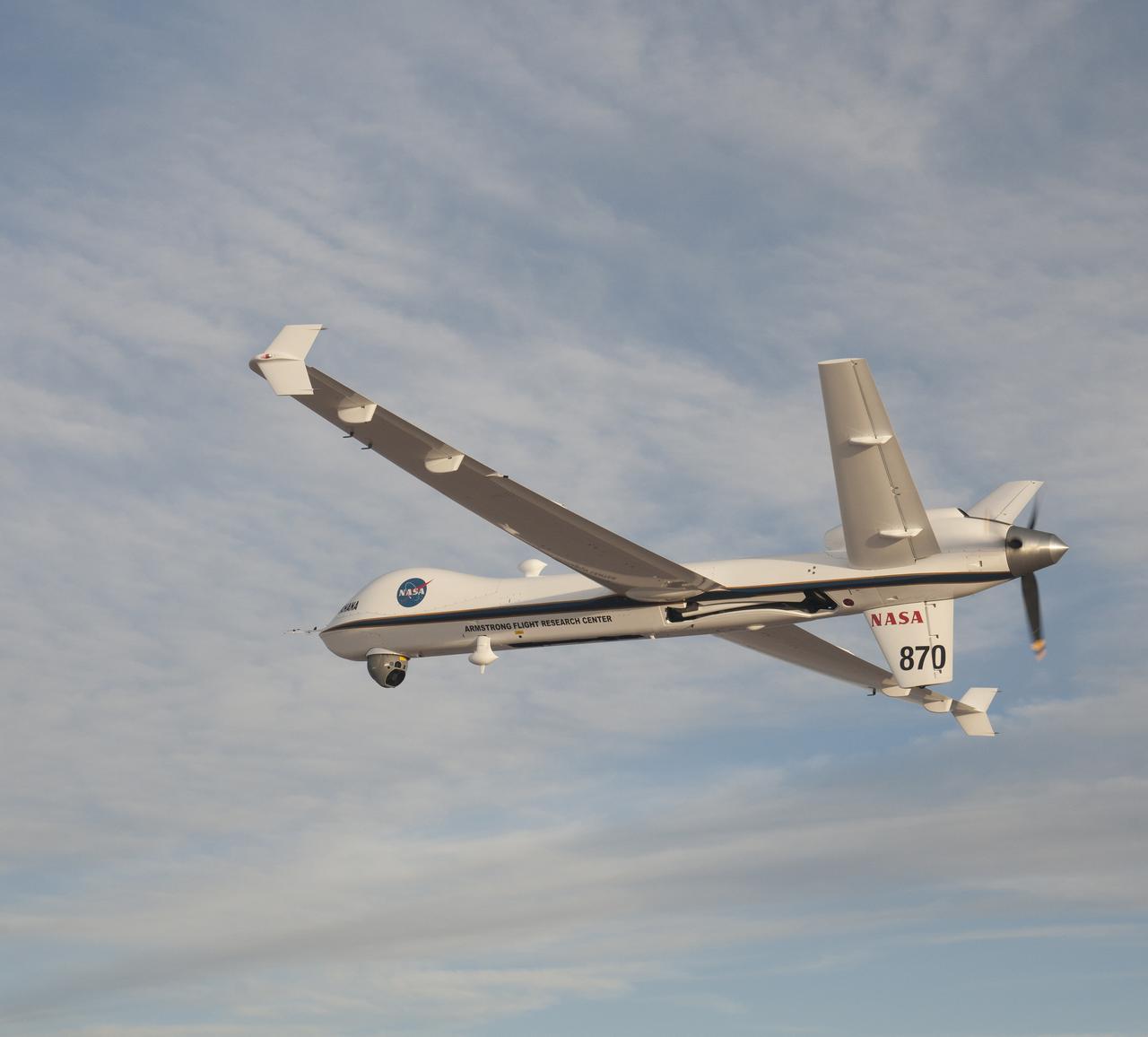
The Ikhana remotely piloted aircraft captured real-time video when the Orion Exploration Flight Test-1 mission concluded on Dec. 5, 2014. It is planned for the Ikhana to capture video again for the Orion and Space Launch System Exploration Mission-1 (EM-1) certification flight.

In December, 2011, NASA Terra spacecraft captured this image of a new volcanic island forming in the Red Sea. This region is part of the Red Sea Rift where the African and Arabian tectonic plates are pulling apart.
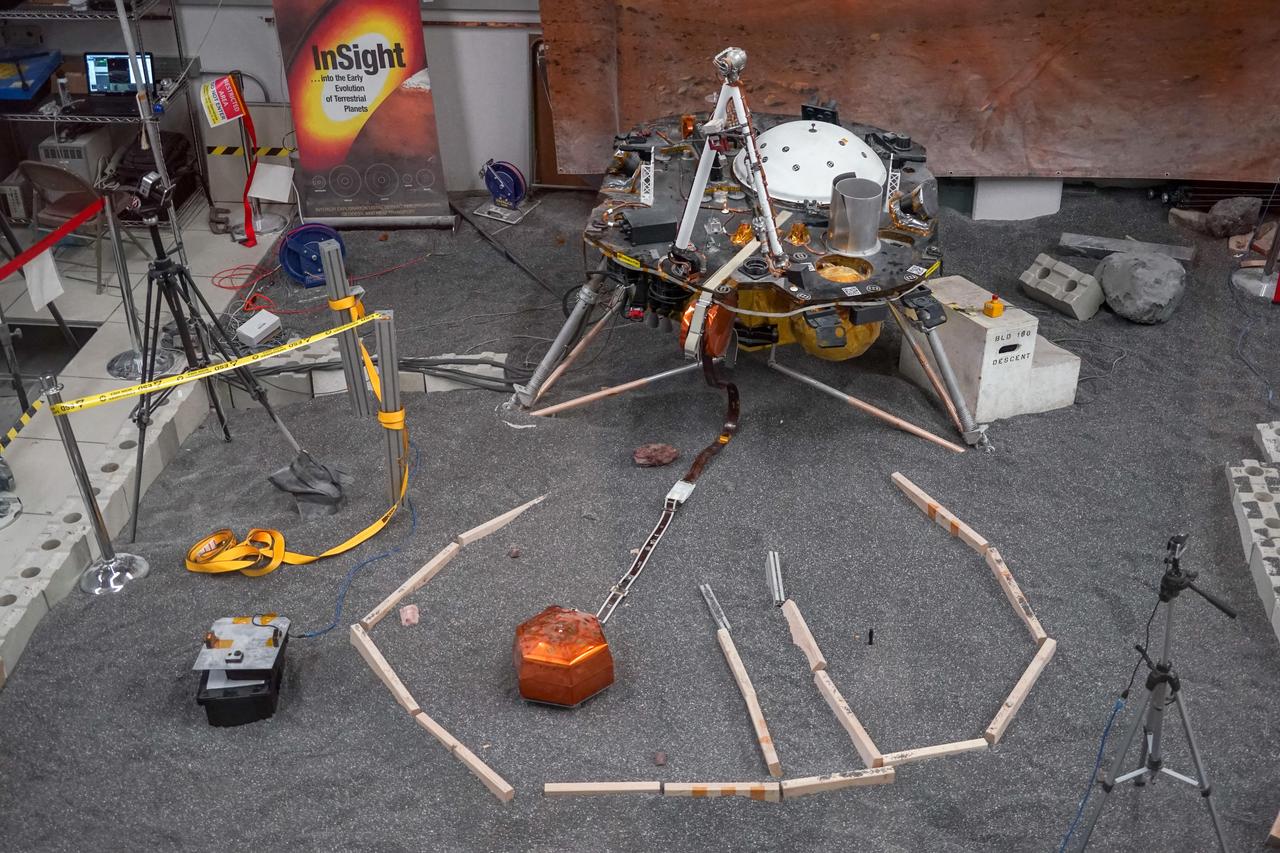
ForeSight, a fully functional, full-size model of NASA's InSight lander, sits in a lab space that has been sculpted to match terrain in front of the real lander on Mars. This work was done at NASA's Jet Propulsion Laboratory in Pasadena, California. https://photojournal.jpl.nasa.gov/catalog/PIA22953
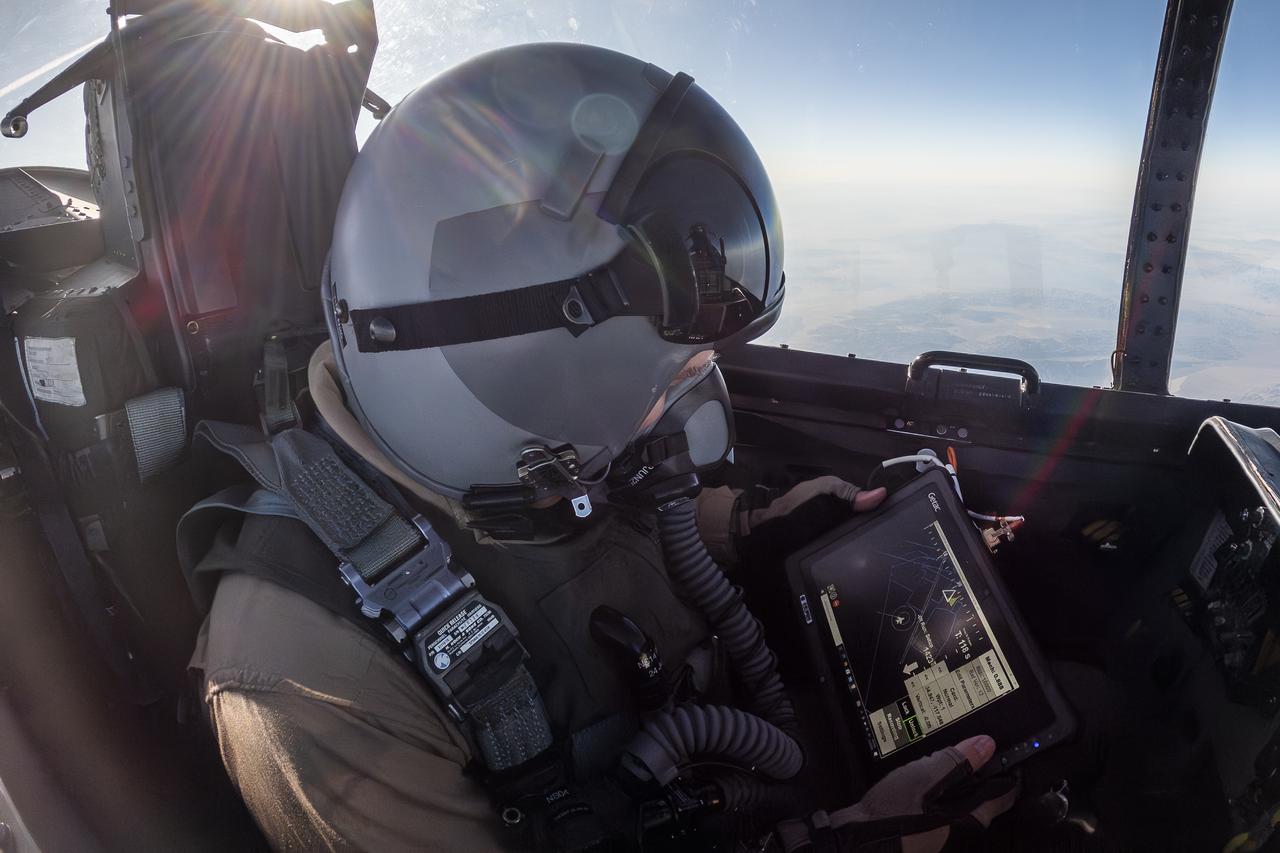
NASA photographer James Ross monitors the Airborne Location Integrating Geospatial Navigation System (ALIGNS) from the backseat of an F-15 near NASA’s Armstrong Flight Research Center in Edwards, California. The ALIGNS provides real-time positioning guidance between aircraft for shock wave probing and schlieren imagery capture.
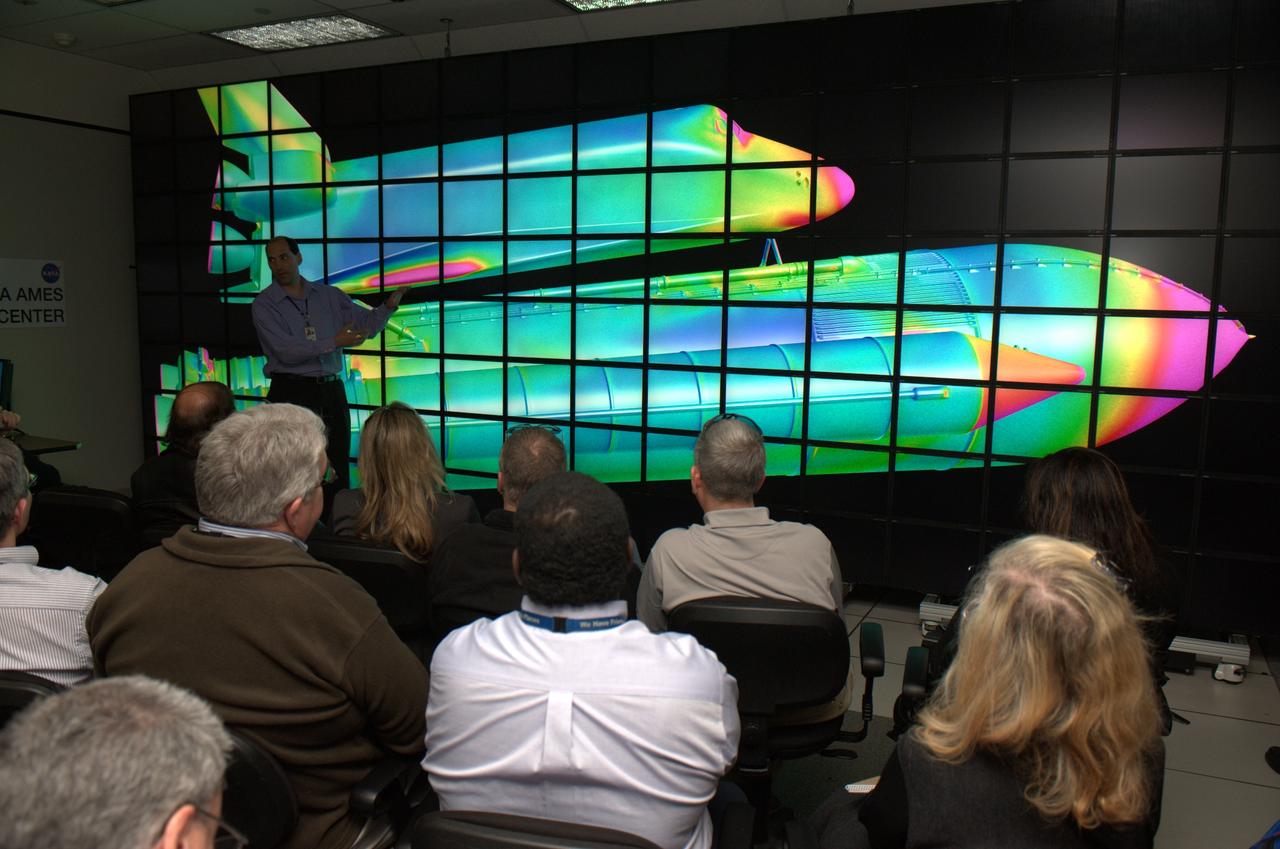
NAS Facility Hyperwall 2 visit and tour: HQ Review Committee on Facility & Real Property. Showing on Hyperwall is the Space Shuttle.
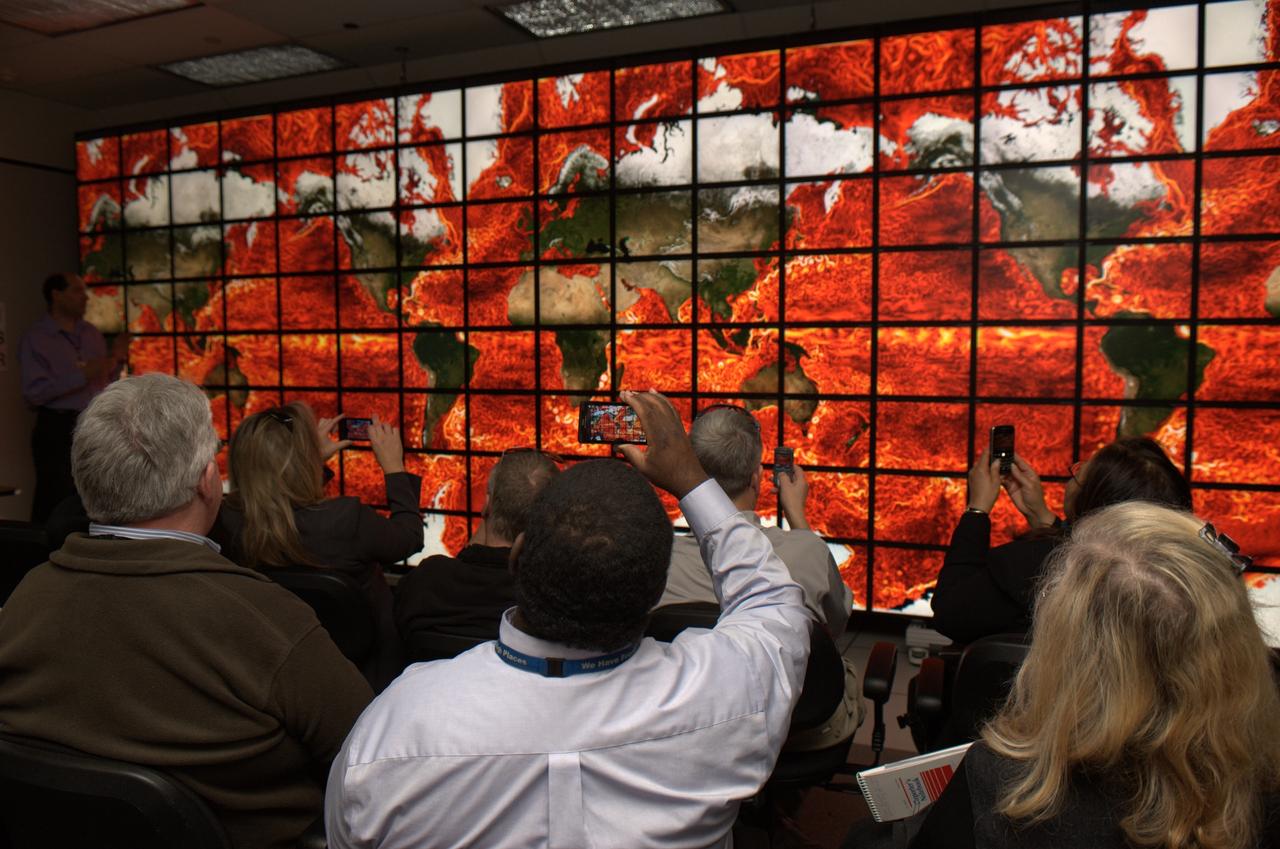
NAS Facility Hyperwall 2 visit and tour: HQ Review Committee on Facility & Real Property. Showing on Hyperwall Ocean current temperatures.
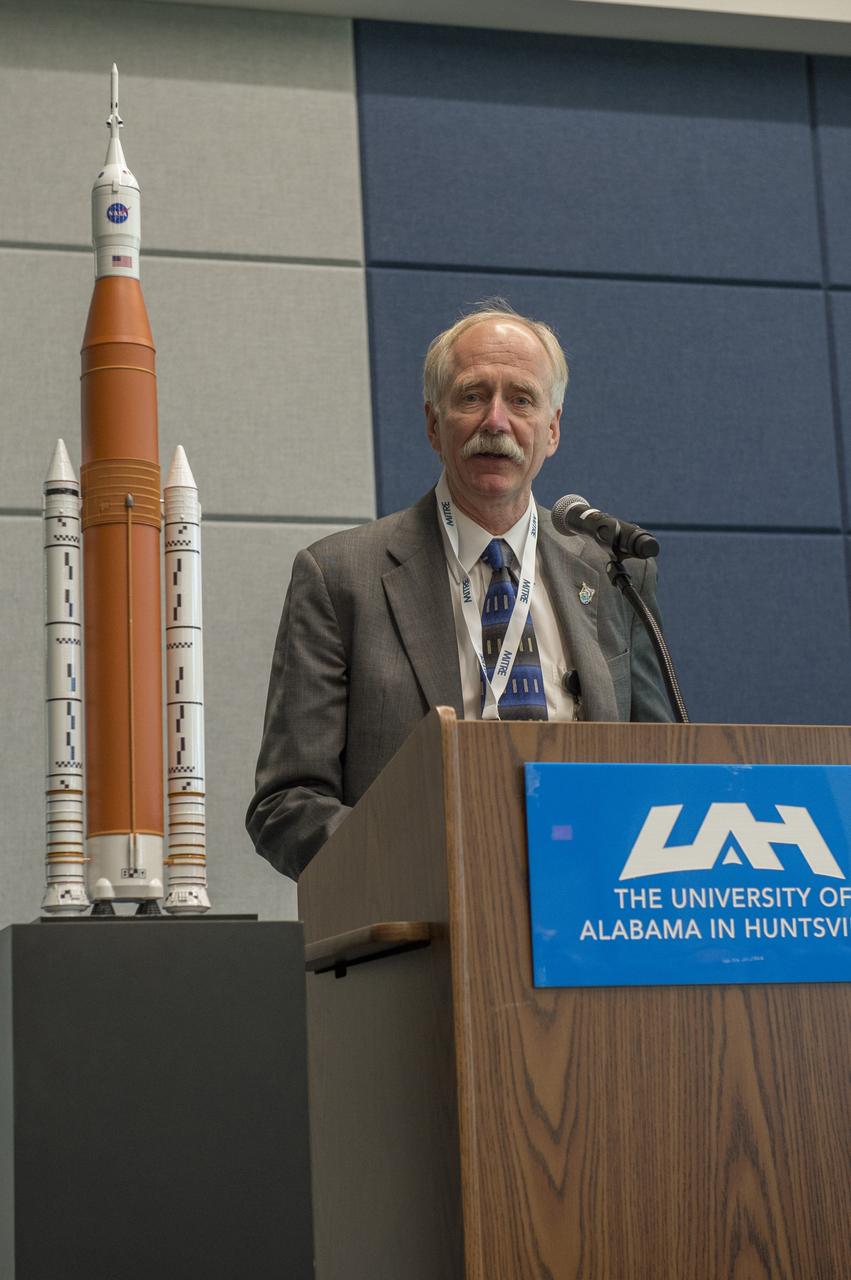
William Gerstenmaier is guest speaker for luncheon on first day of Wernher von Braun Memorial Symposium. William Gerstenmaier, associate administrator, Human Exploration and Operations at NASA Headquarters, shared an overview of NASA programs that are in the scope of human space exploration during his remarks. He discussed the vast landscape of NASA’s human space exploration missions and showed his love for the practical side of NASA’s work. "I’m always excited to see real hardware and speak with real engineers. That’s why I’m always glad to visit Marshall."
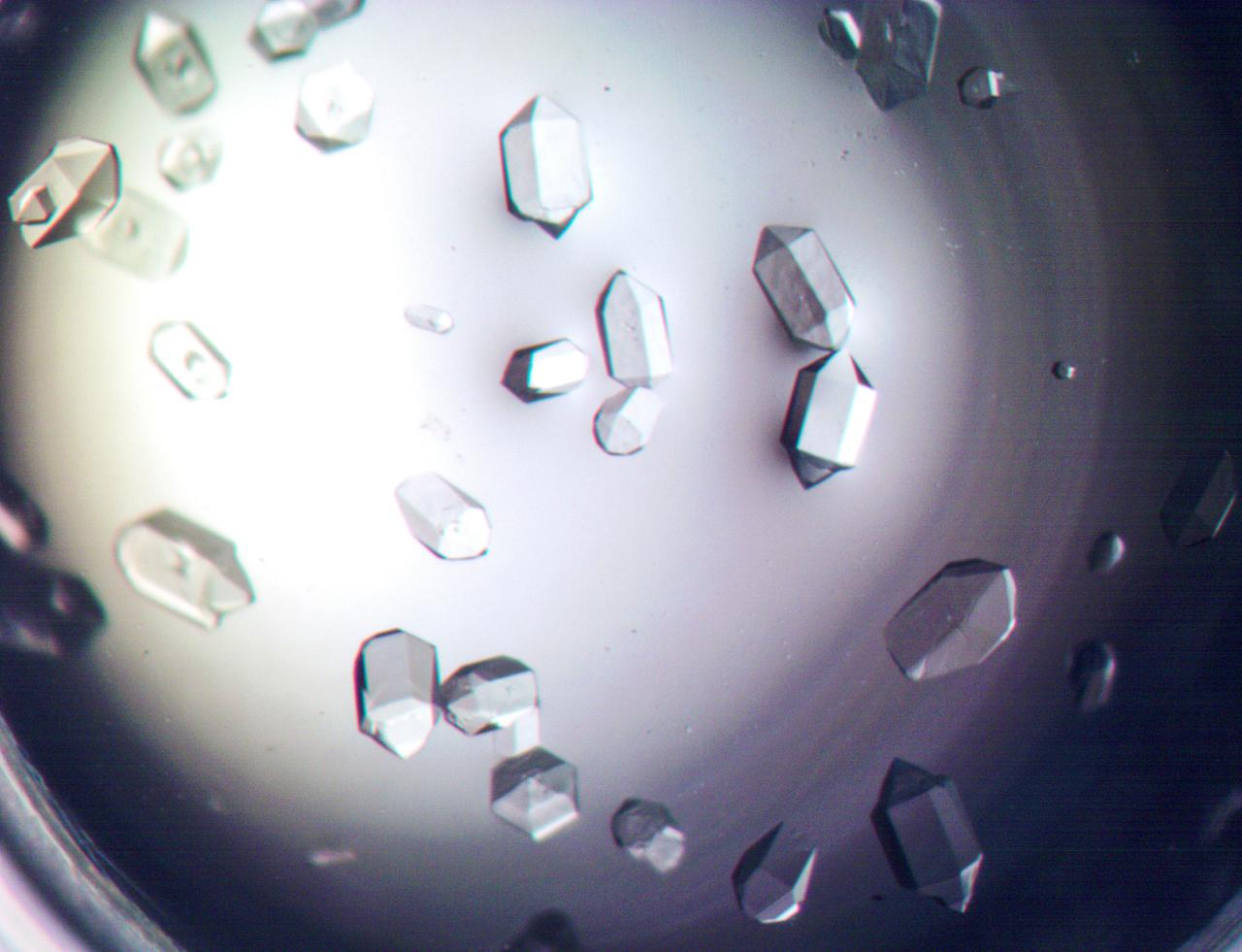
jsc2021e007777 - Aeropyrum pernix Flap Endonuclease-1 (FEN-1) protein crystals are shown grown under Earth gravity conditions. FEN-1 serves as the experimental protein for the Phase II Real-time Protein Crystal Growth on Board the International Space Station (Real-Time Protein Crystal Growth-2) investigation. Image courtesy of University of Toledo.
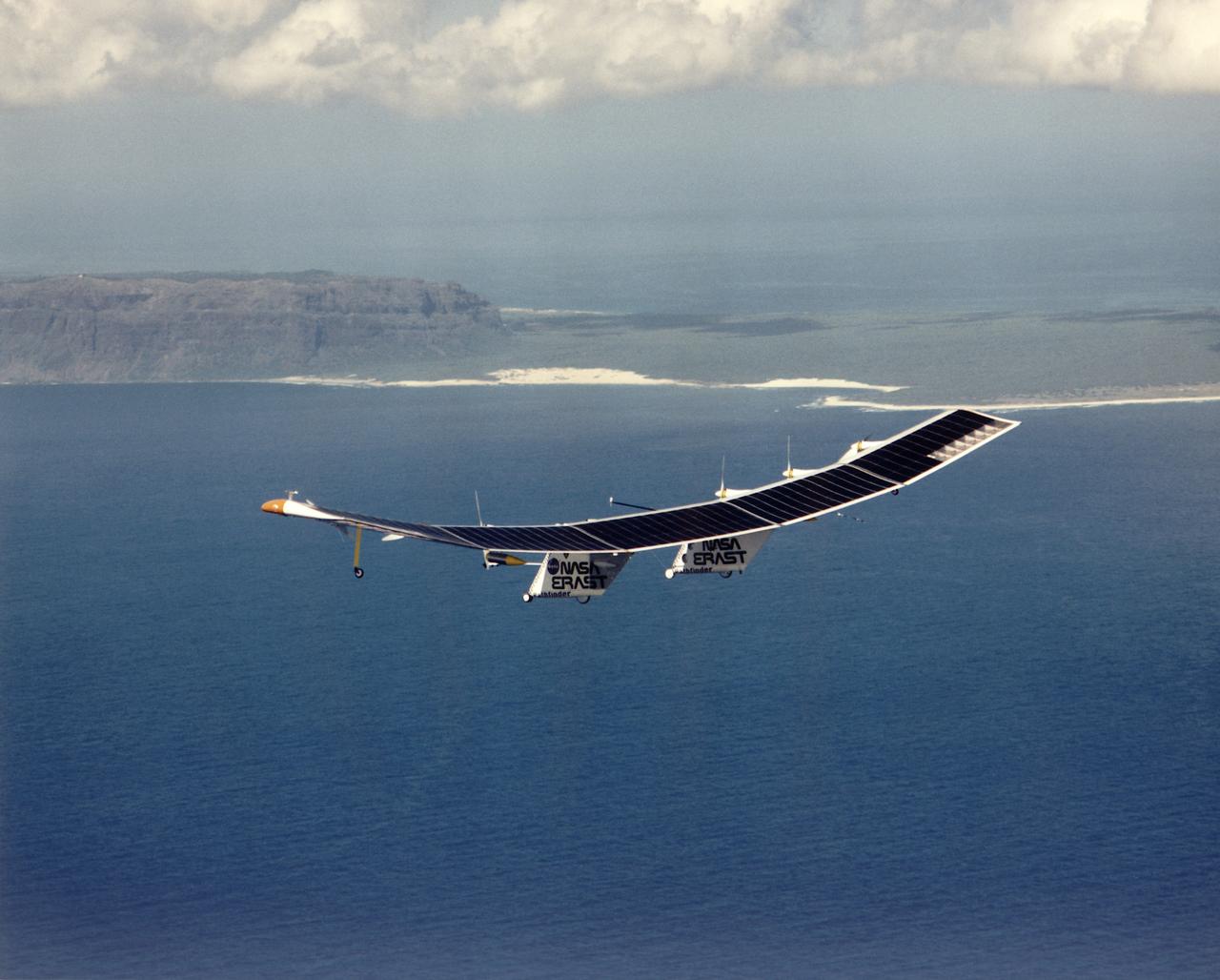
Pathfinder, NASA's solar-powered, remotely-piloted aircraft is shown while it was conducting a series of science flights to highlight the aircraft's science capabilities while collecting imagery of forest and coastal zone ecosystems on Kauai, Hawaii. The flights also tested two new scientific instruments, a high spectral resolution Digital Array Scanned Interferometer (DASI) and a high spatial resolution Airborne Real-Time Imaging System (ARTIS). The remote sensor payloads were designed by NASA's Ames Research Center, Moffett Field, California, to support NASA's Mission to Planet Earth science programs.
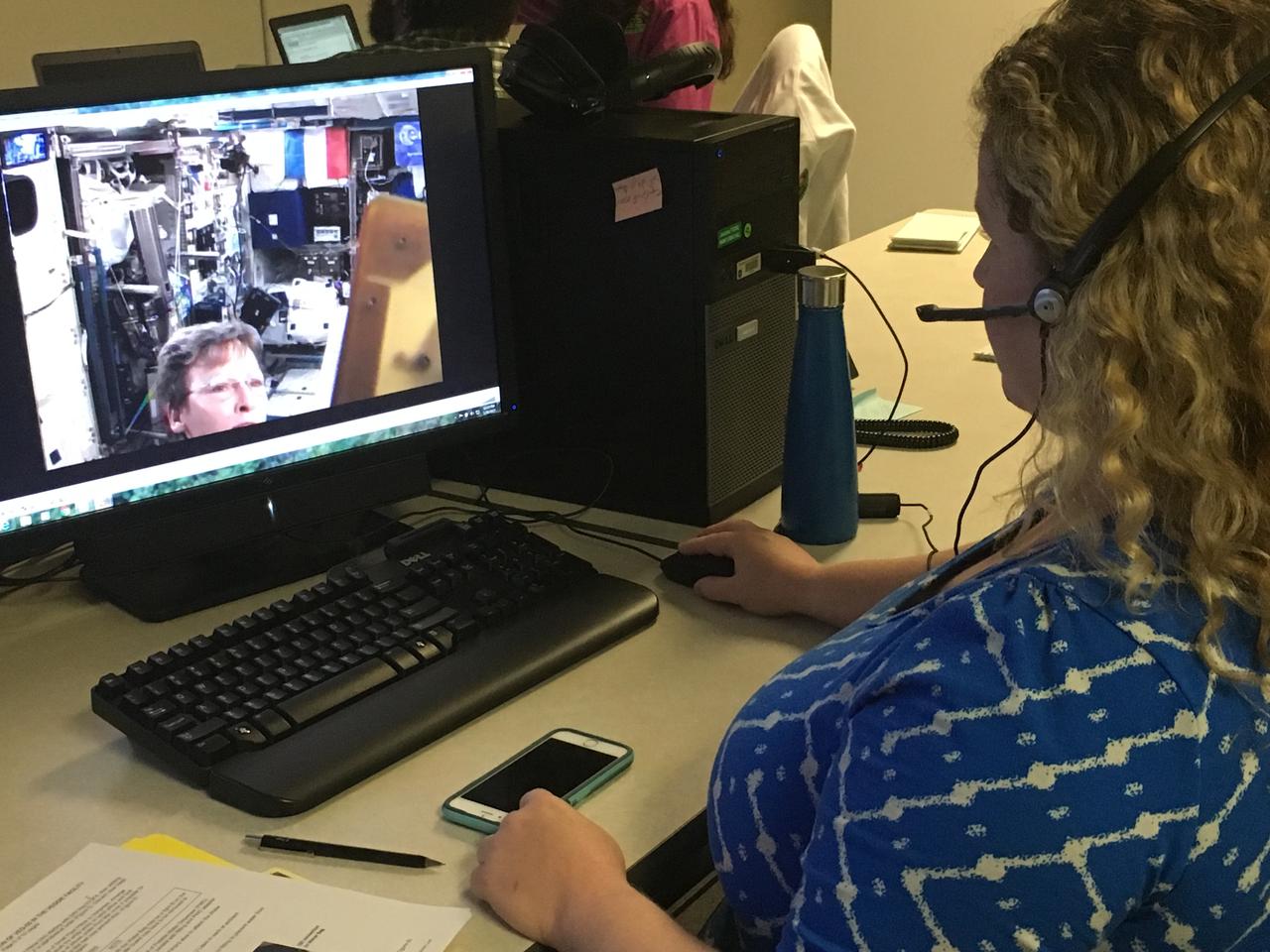
Veggie Project Manager Nicole Dufour provides real-time instructions to astronaut Peggy Whitson aboard the International Space Station as she initiates the latest Veggie experiment.
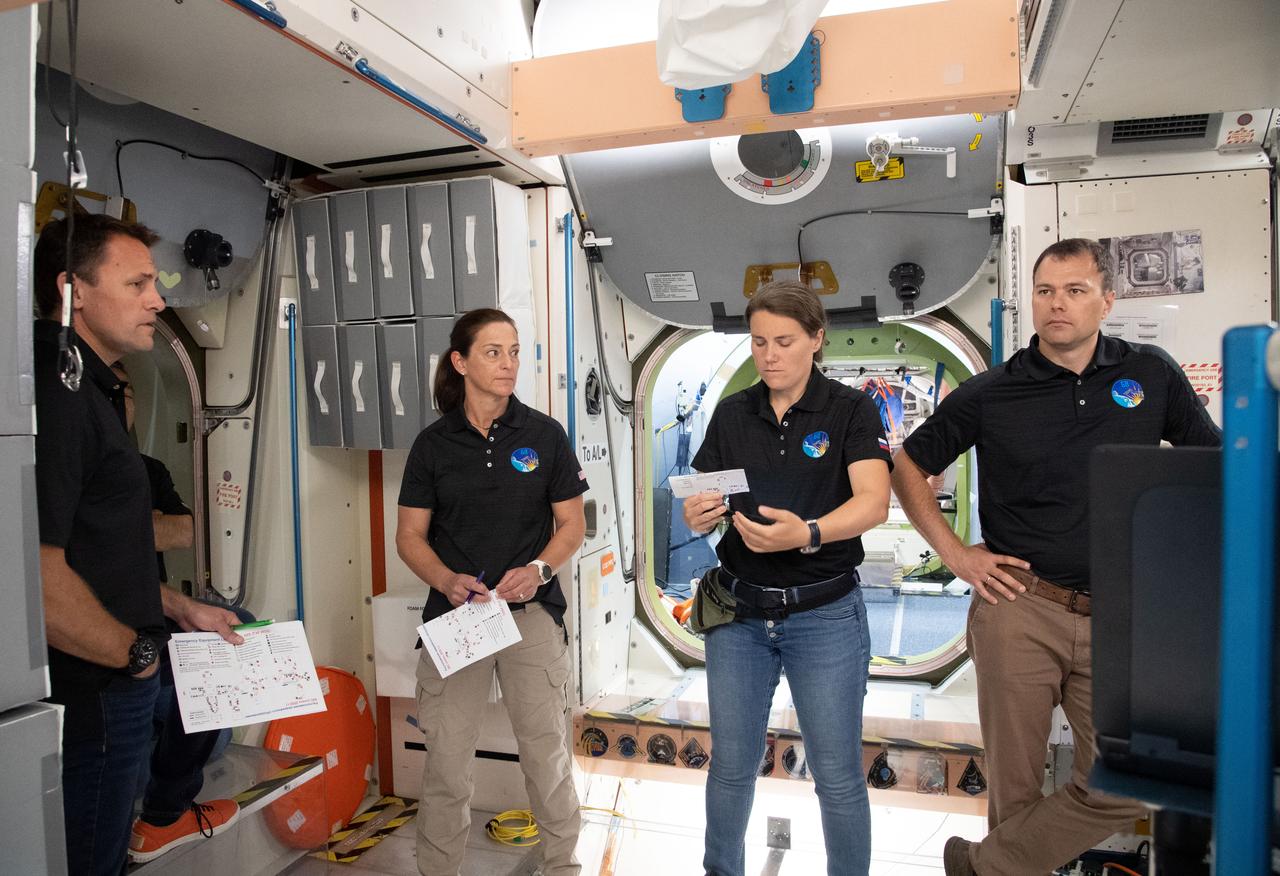
Expedition 68 trains for their upcoming International Space Station mission inside a mockup that models the real orbiting lab at NASA's Johnson Space Center in Houston, Texas. Credit: NASA/James Blair
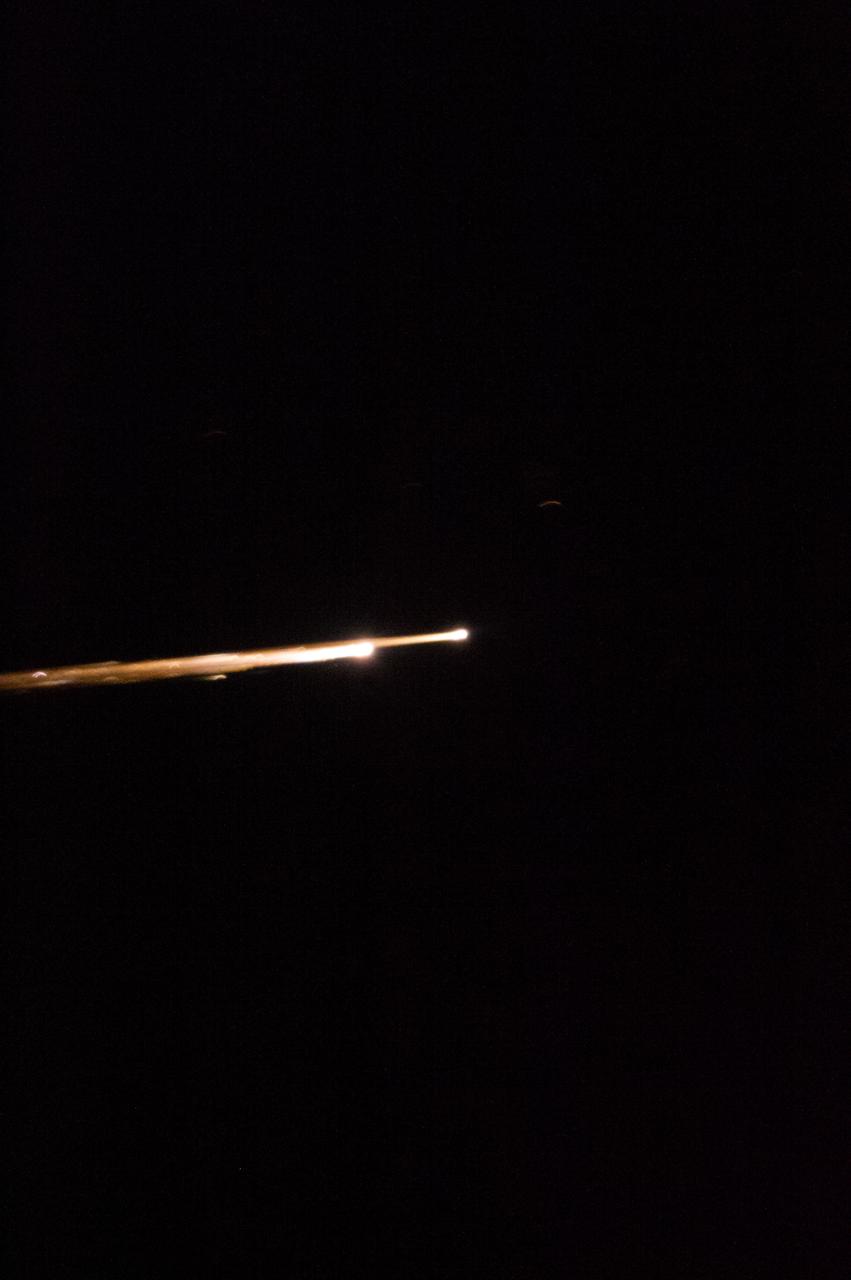
ISS034-E-005034 (18 Nov. 2012) --- Soyuz TMA-05M (descent module) beginning to re-enter the Earth's atmosphere on Nov. 19 (real time, Nov. 18, U.S. time) leaving a plasma trail as the Expedition 33 crew streaked toward a pre-dawn landing on the steppe of Kazakhstan northeast of Arkalyk.

The DC-8 flies low for the last time over NASA’s Armstrong Flight Research Center in Edwards, California, before it retires to Idaho State University in Pocatello, Idaho. The DC-8 will provide real-world experience to train future aircraft technicians at the college’s Aircraft Maintenance Technology Program.
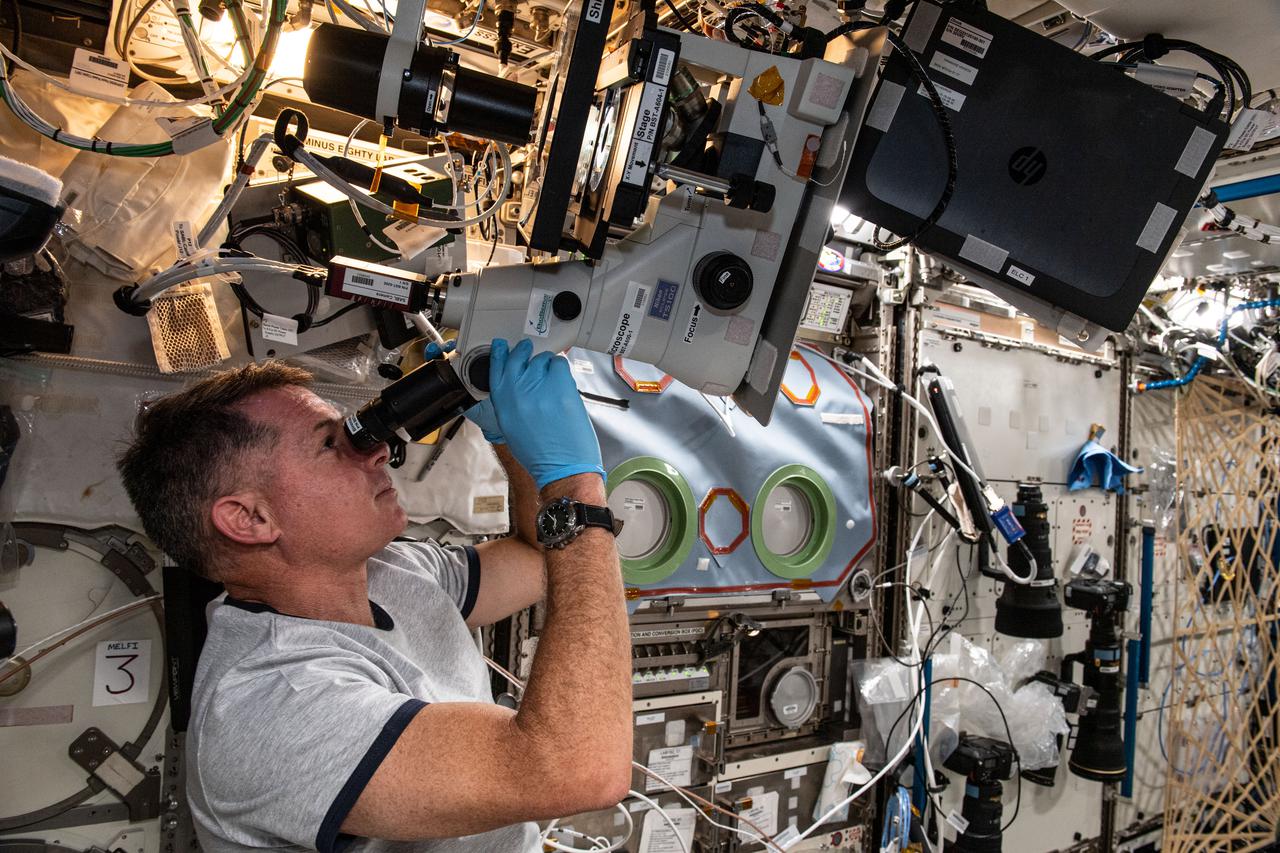
iss065e084430 (May 31, 2021) --- NASA astronaut and Expedition 65 Flight Engineer Shane Kimbrough sets up a microscope in the U.S. Destiny laboratory module to observe and photograph samples for the Real-Time Protein Crystal Growth experiment. Results have implications for biotechnology and pharmaceutical companies on Earth and may advance the commercialization of space.

Engineers at NASA’s Langley Research Center in Hampton, Virginia, install test dummies into the seats of an Orion test article on Feb. 26, 2016. The capsule, coupled with the heat shield from the spacecraft’s first flight, will be used for water-impact testing to simulate what astronauts will experience when landing in the Pacific Ocean during a real mission.
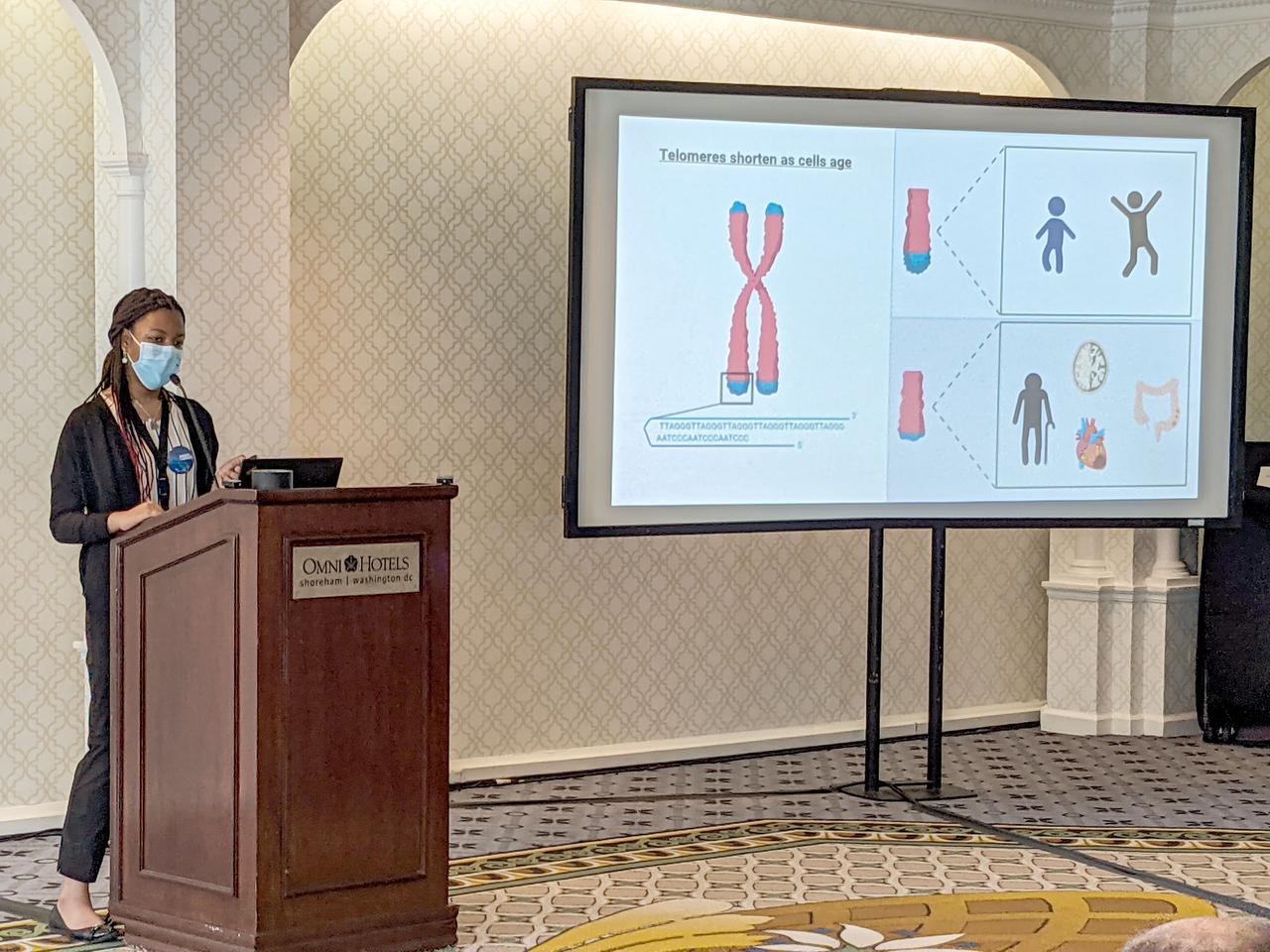
jsc2023e031078 (7/27/2022) --- Pristine Onuoha, Genes in Space-10 winner, presents her idea to contest judges. The Genes in Space program allows for 10 student projects to be selected for spaceflight analysis, which gives students a chance to attempt to solve real-world problems. Image courtesy of Genes in Space.
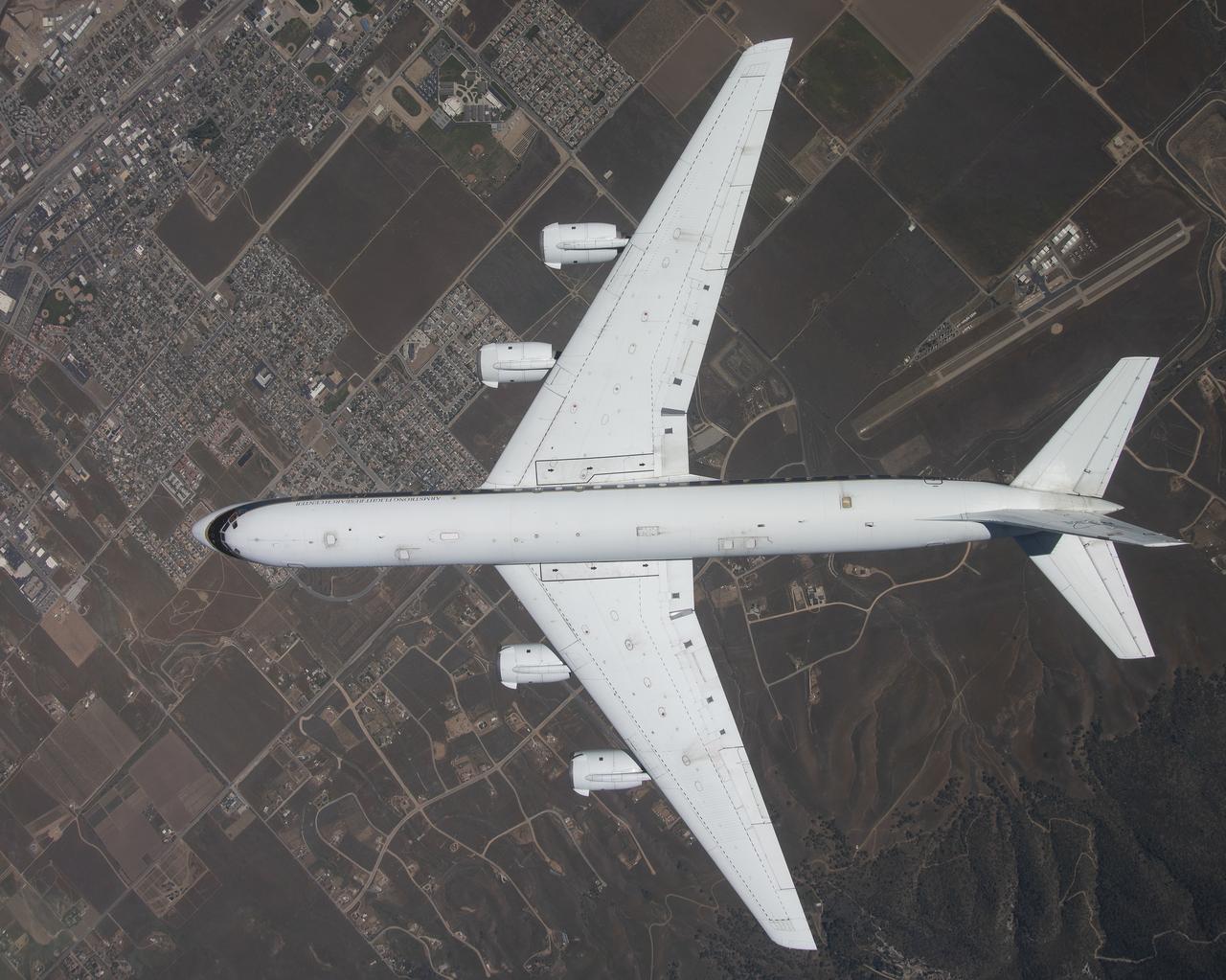
The DC-8 is shown overhead during its final flight from NASA’s Armstrong Flight Research Center Building 703 in Palmdale, California, before it retires to Idaho State University in Pocatello, Idaho. The DC-8 will provide real-world experience to train future aircraft technicians at the college’s Aircraft Maintenance Technology Program.
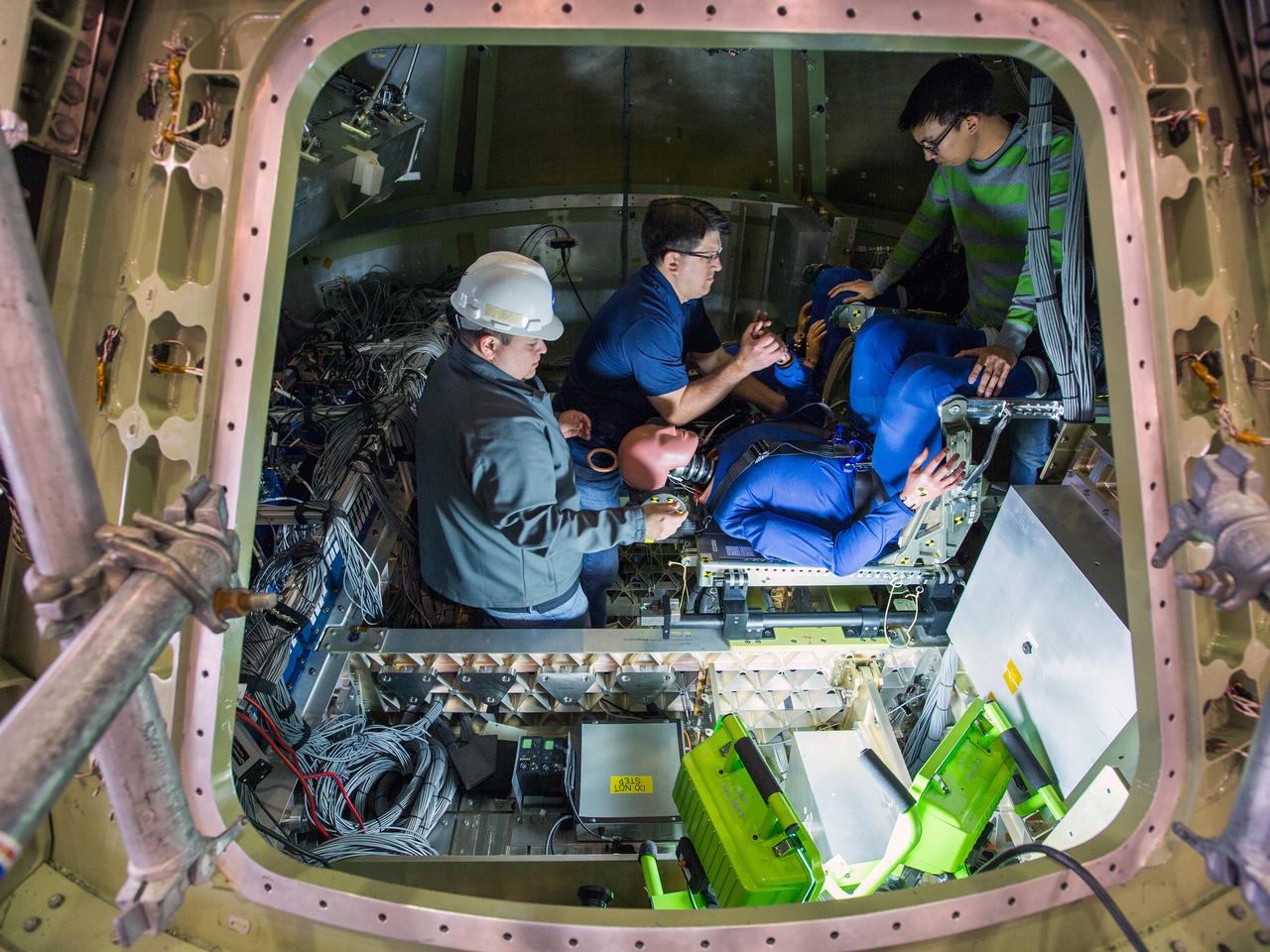
Engineers at NASA’s Langley Research Center in Hampton, Virginia, install test dummies into the seats of an Orion test article on Feb. 26, 2016. The capsule, coupled with the heat shield from the spacecraft’s first flight, will be used for water-impact testing to simulate what astronauts will experience when landing in the Pacific Ocean during a real mission.
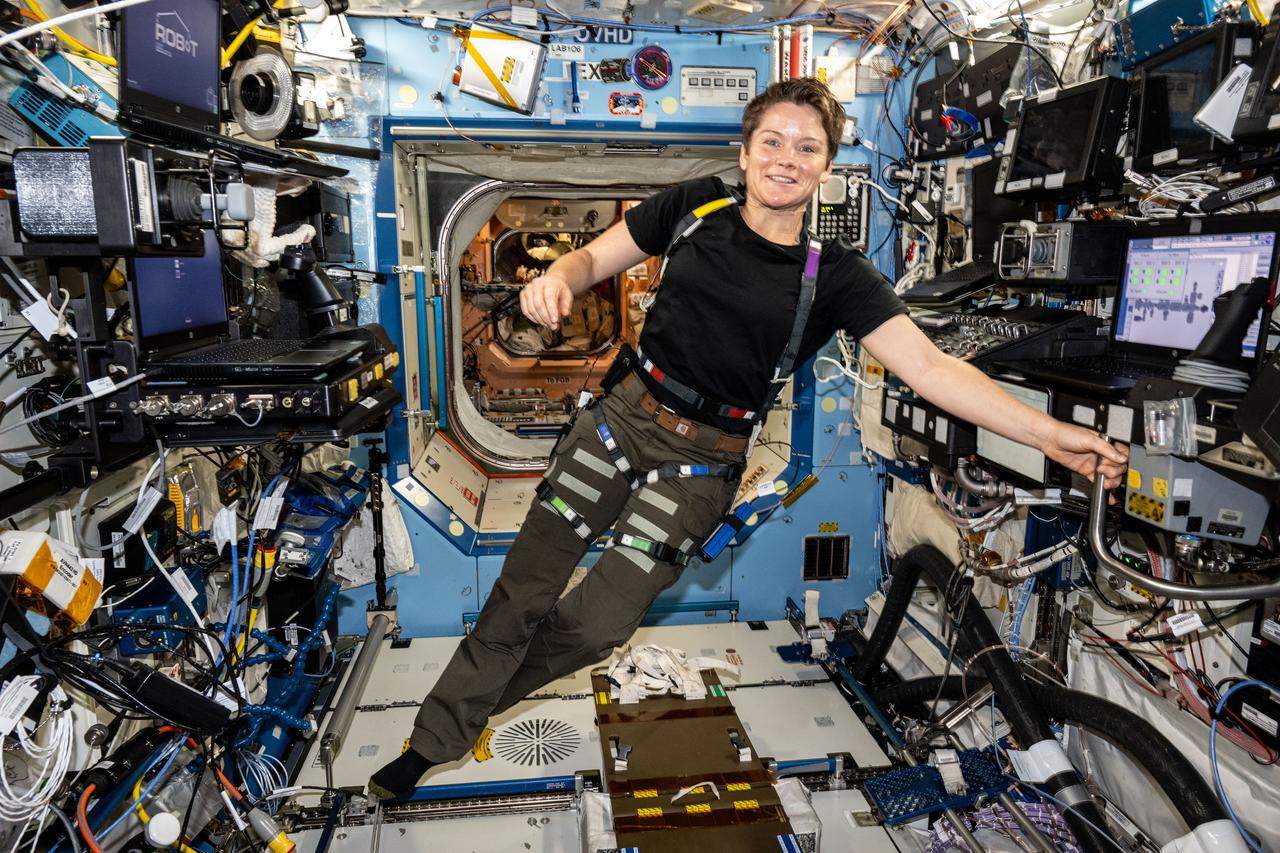
iss072e882087 (April 1, 2025) --- NASA astronaut and Expedition 72 Flight Engineer Anne McClain is pictured in the Destiny laboratory module wearing an experimental wearable dosimeter that measures radiation dosages crews are exposed to in real time aboard the International Space Station.
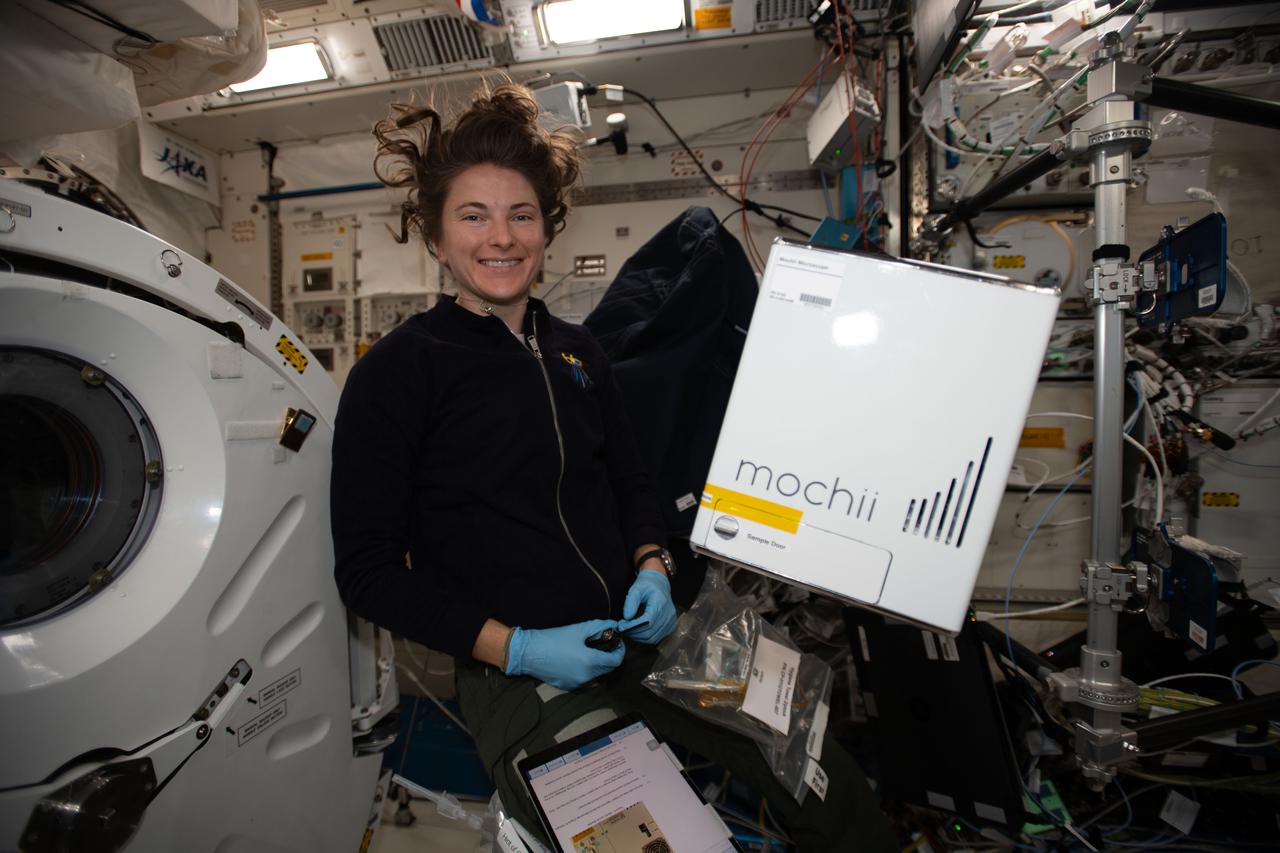
iss066e110531_alt (1/10/2022) --- NASA astronaut Kayla Barron sets up the Mochii microscope. Mochii is a miniature scanning electron microscope (SEM) with spectroscopy to conduct real-time, on-site imaging and compositional measurements of particles on the International Space Station (ISS).
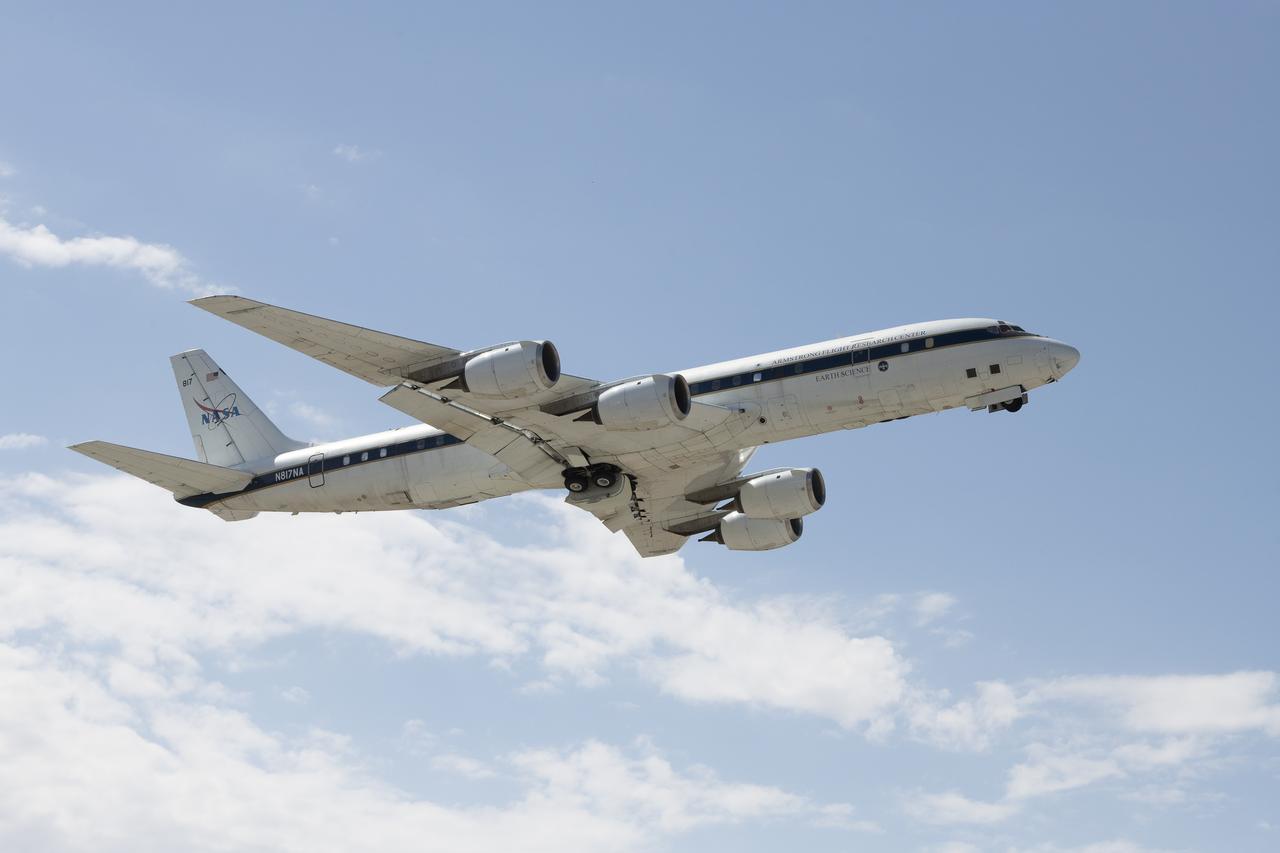
The DC-8 ascents during its final flight before it is retired from NASA’s Armstrong Flight Research Center Building 703 in Palmdale, California, to Idaho State University in Pocatello, Idaho. The DC-8 will provide real-world experience to train future aircraft technicians at the college’s Aircraft Maintenance Technology Program.
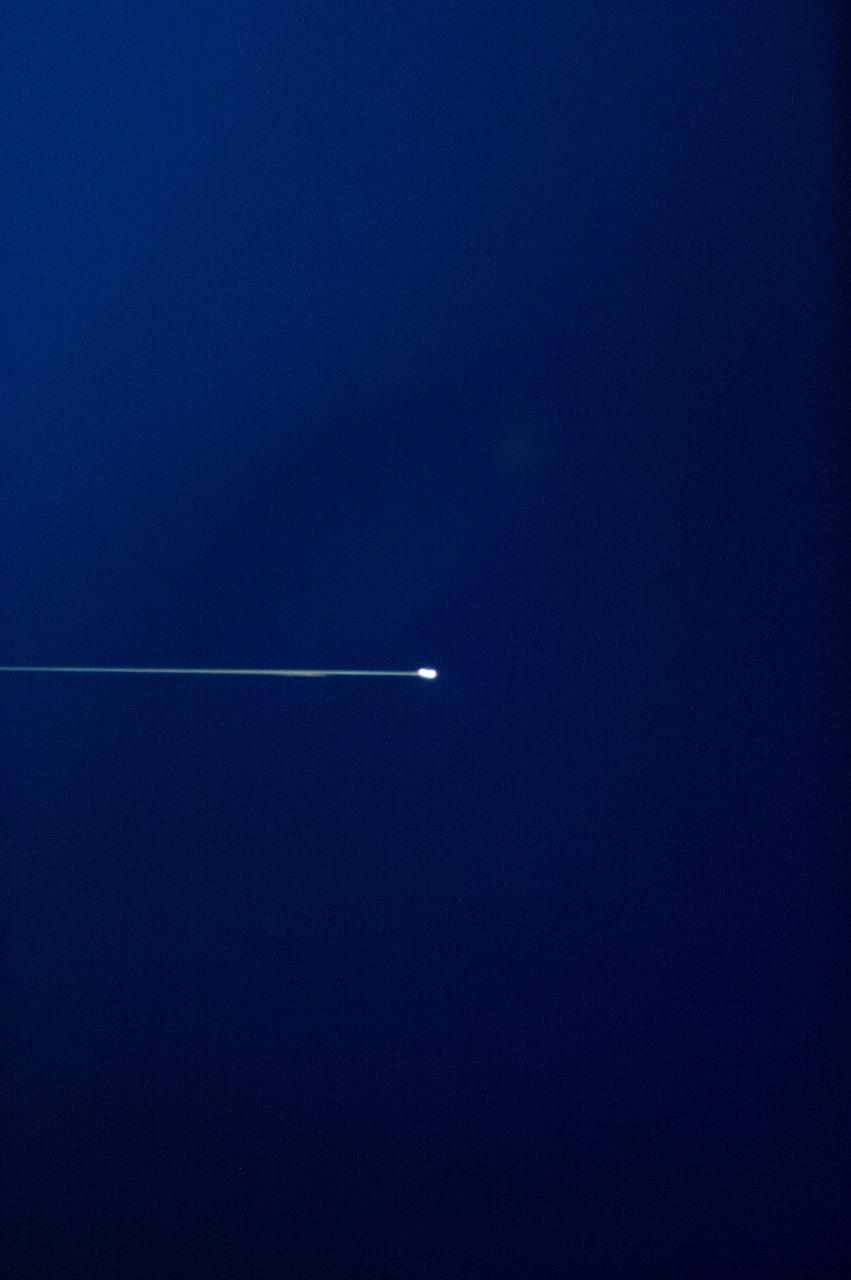
ISS034-E-005049 (18 Nov. 2012) --- Soyuz TMA-05M (descent module) beginning to re-enter the Earth's atmosphere on Nov. 19 (real time, Nov. 18, U.S. time) leaving a plasma trail as the Expedition 33 crew streaked toward a pre-dawn landing on the steppe of Kazakhstan northeast of Arkalyk.
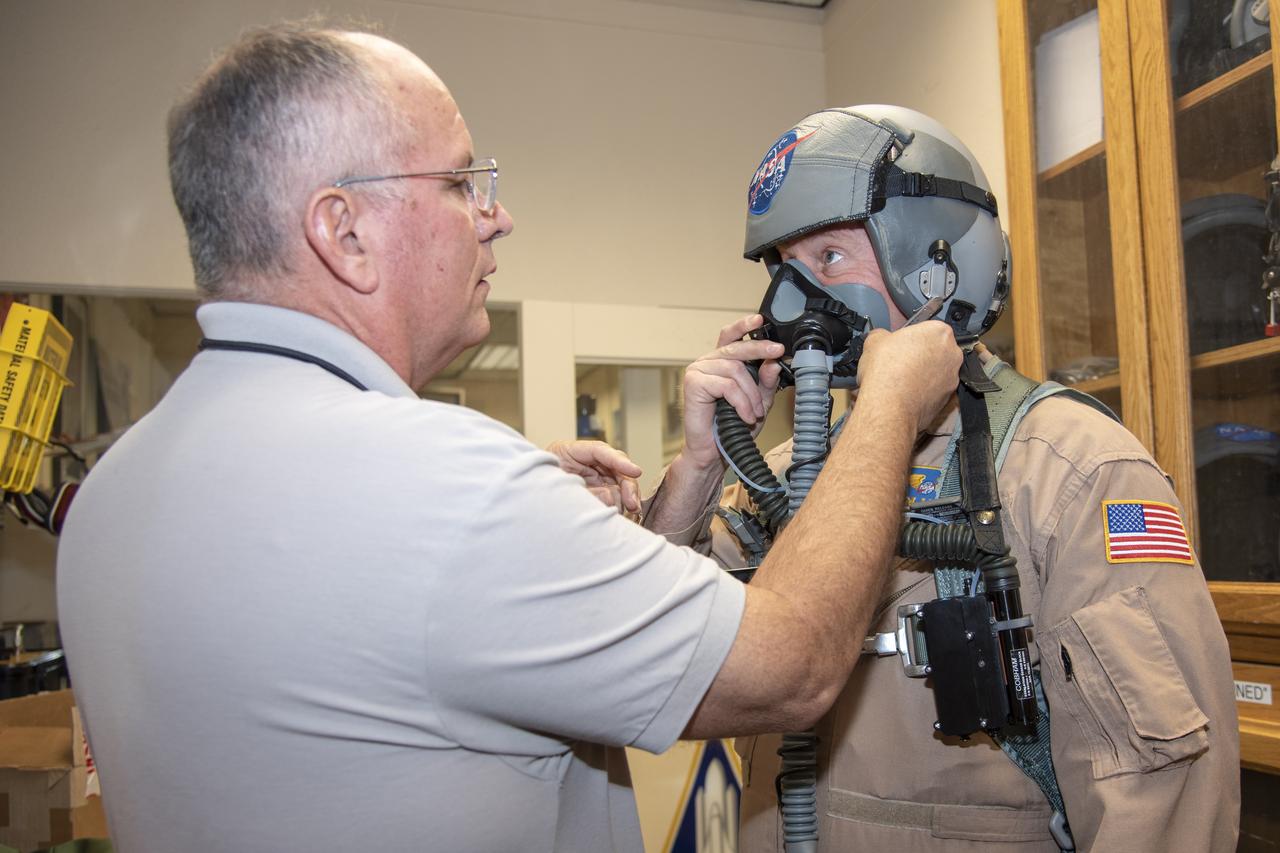
NASA pilot Jim Less is assisted by life support as he is fitted with a Cobham designed VigiLOX pilot oxygen monitoring system. VigiLOX is a sensing system that is attached to a pilot's existing gear to capture real-time physiological, breathing gas and cockpit environmental data.
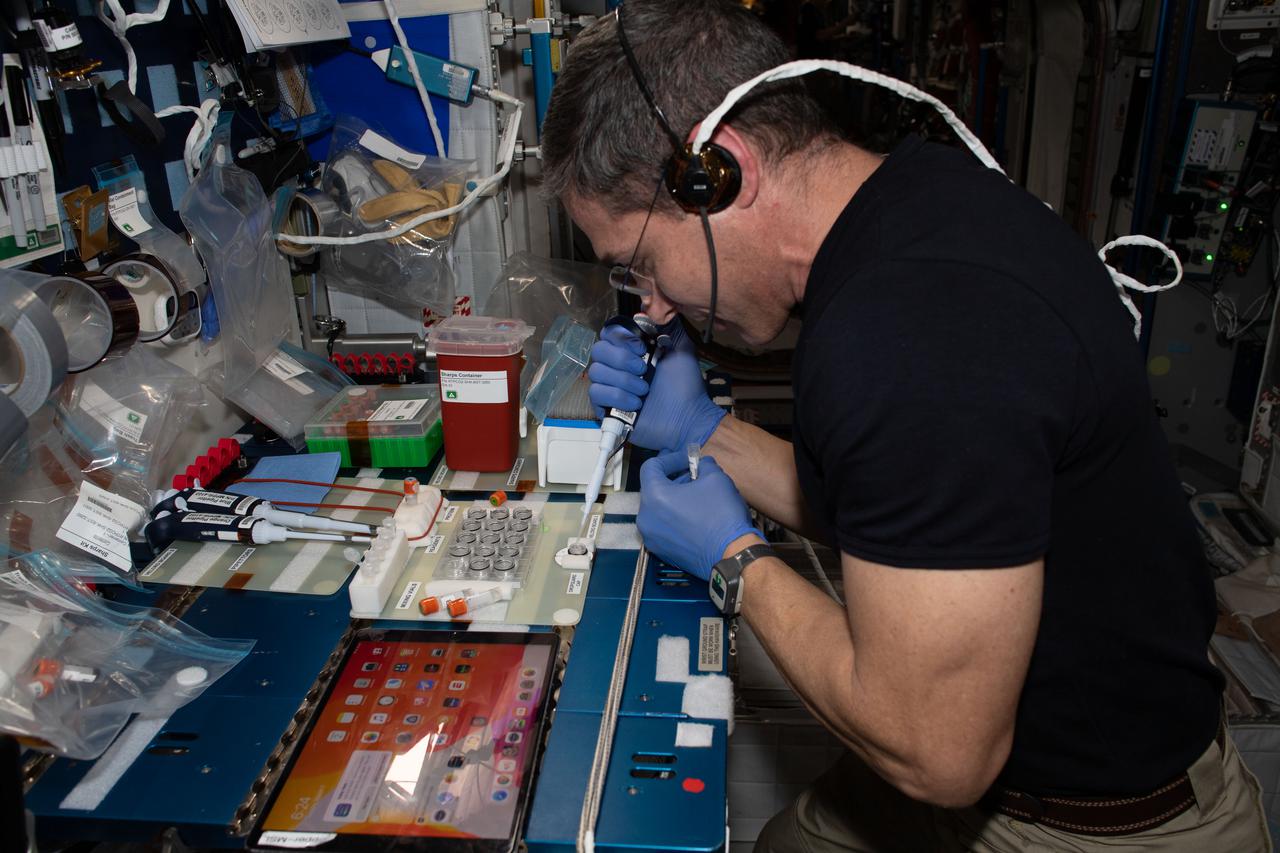
iss064e039017 (March 2, 2021) --- NASA astronaut Michael Hopkins loads protein crystallography plates with protein solutions for the Phase II Real-time Protein Crystal Growth experiment, a space commercialization study, that could benefit the pharmaceutical and biotechnology industries.
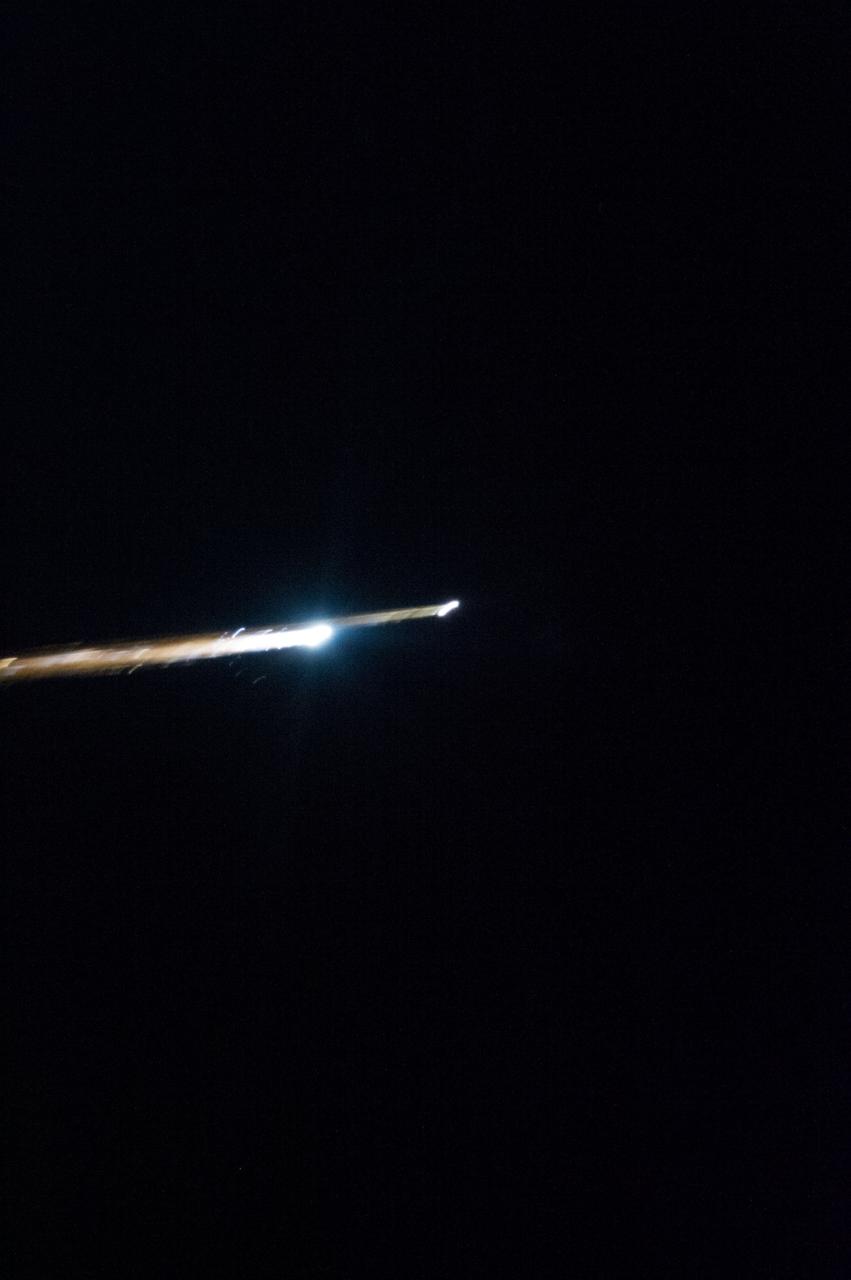
ISS034-E-005037 (18 Nov. 2012) --- Soyuz TMA-05M (descent module) beginning to re-enter the Earth's atmosphere on Nov. 19 (real time, Nov. 18, U.S. time) leaving a plasma trail as the Expedition 33 crew streaked toward a pre-dawn landing on the steppe of Kazakhstan northeast of Arkalyk.
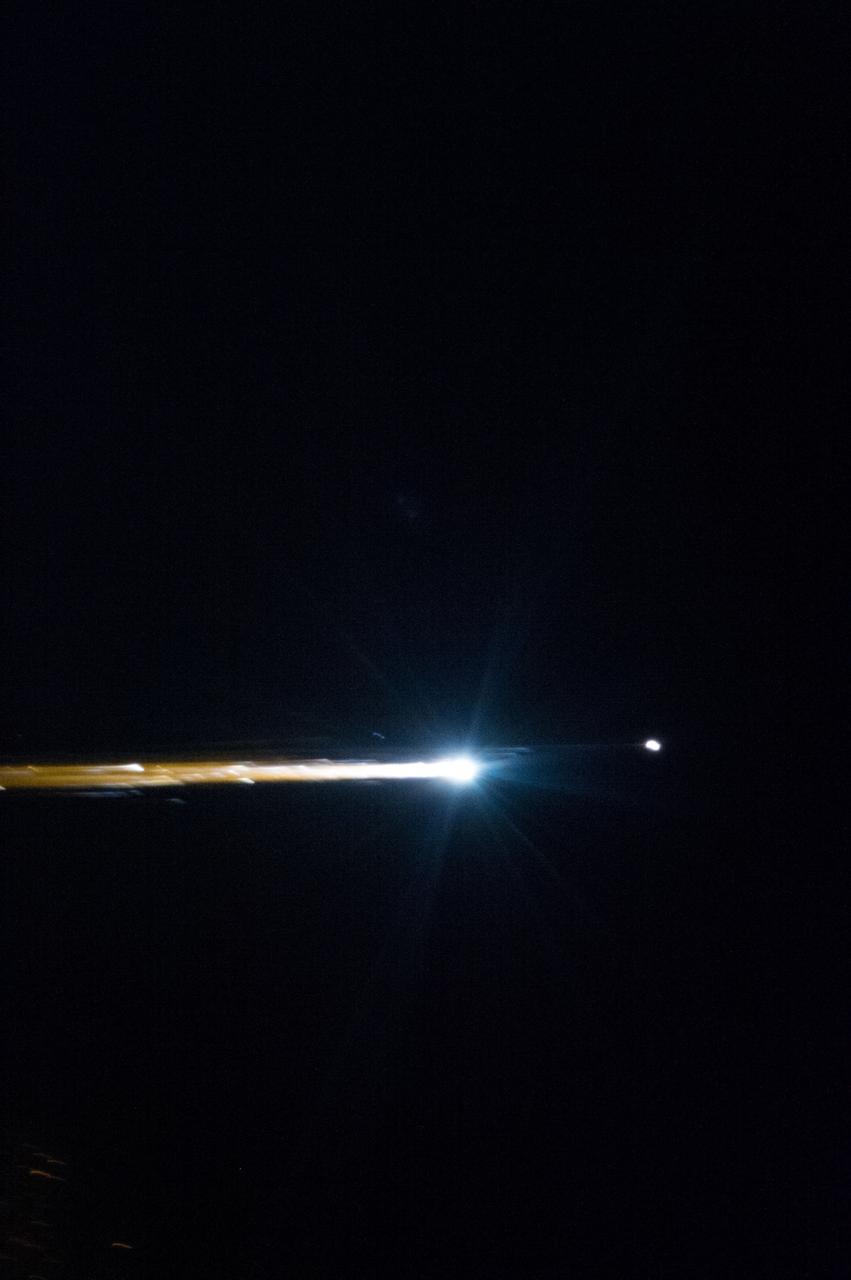
ISS034-E-005039 (18 Nov. 2012) --- Soyuz TMA-05M (descent module) beginning to re-enter the Earth's atmosphere on Nov. 19 (real time, Nov. 18, U.S. time) leaving a plasma trail as the Expedition 33 crew streaked toward a pre-dawn landing on the steppe of Kazakhstan northeast of Arkalyk.
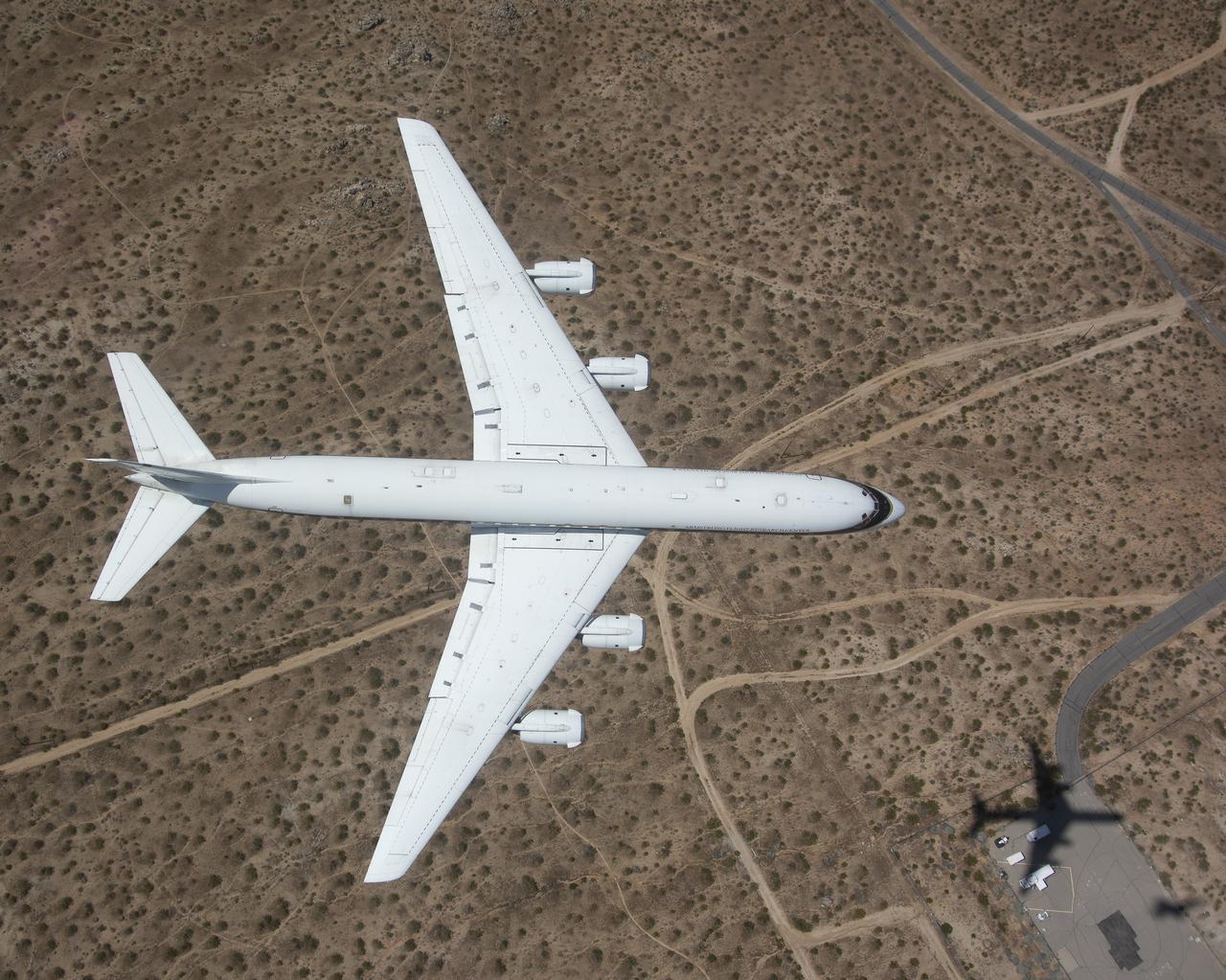
The DC-8 flies for the last time from NASA’s Armstrong Flight Research Center Building 703 in Palmdale, California, to Idaho State University in Pocatello, Idaho. The DC-8 will provide real-world experience to train future aircraft technicians at the college’s Aircraft Maintenance Technology Program.
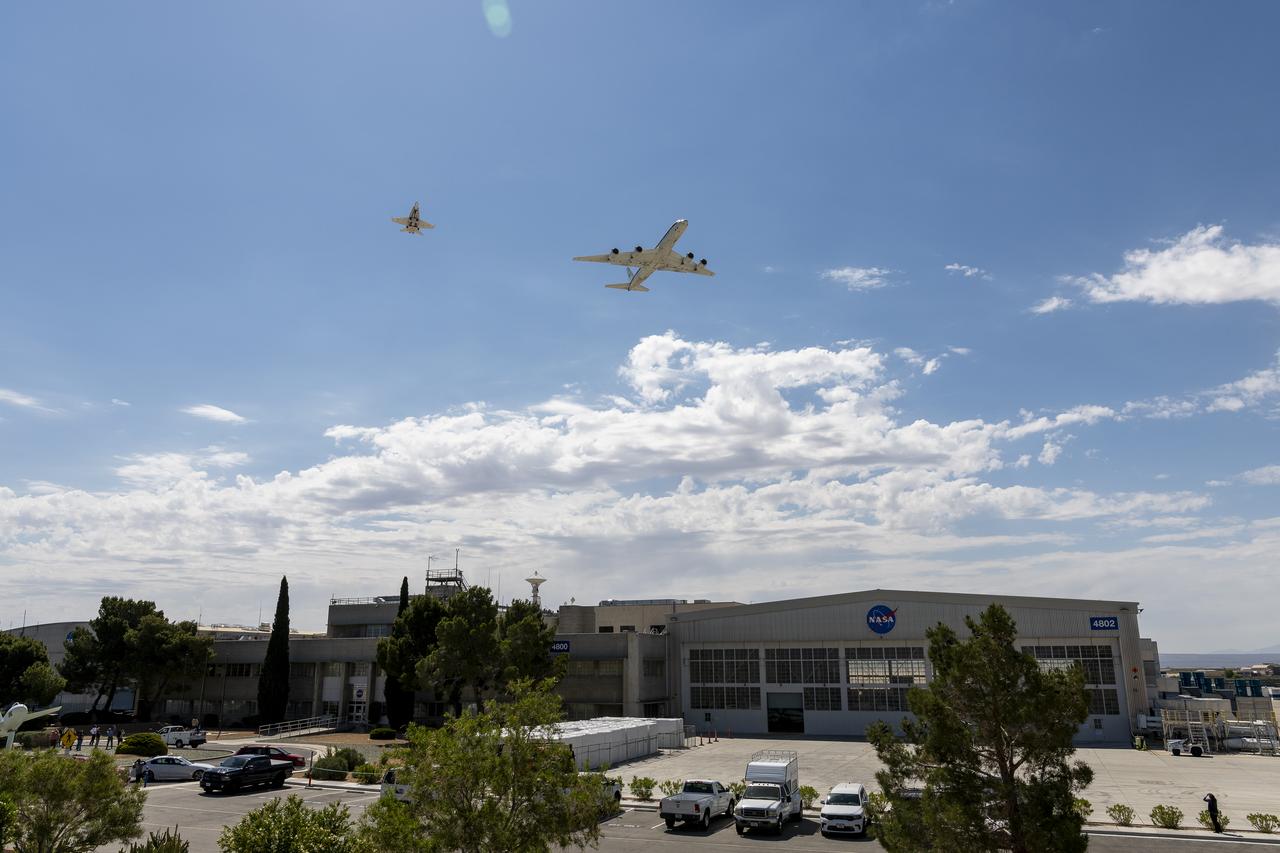
The DC-8 flies for the last time from NASA’s Armstrong Flight Research Center Building 703 in Palmdale, California, before it retires to Idaho State University in Pocatello, Idaho. The DC-8 will provide real-world experience to train future aircraft technicians at the college’s Aircraft Maintenance Technology Program.
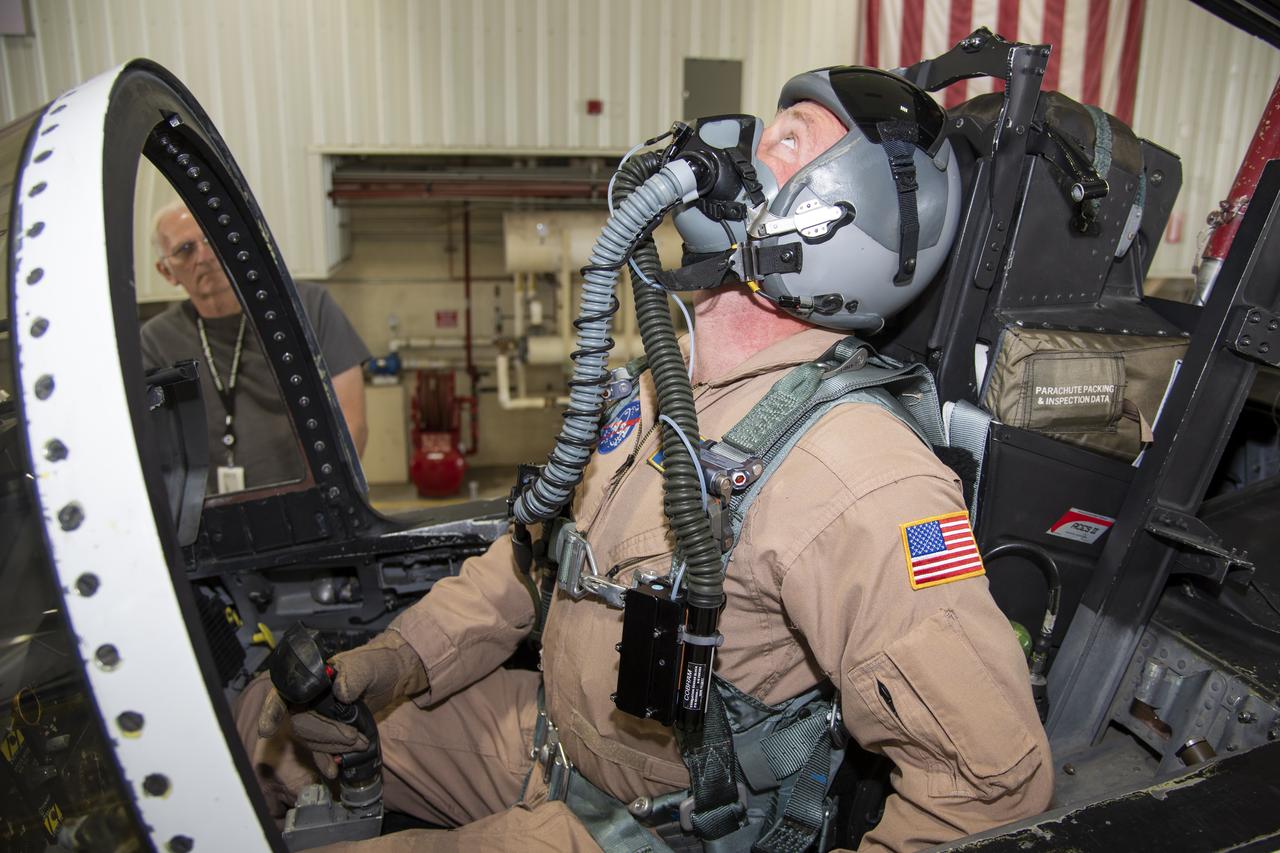
NASA pilot Jim Less is assisted by life support as he is fitted with a Cobham designed VigiLOX pilot oxygen monitoring system. VigiLOX is a sensing system that is attached to a pilot's existing gear to capture real-time physiological, breathing gas and cockpit environmental data.
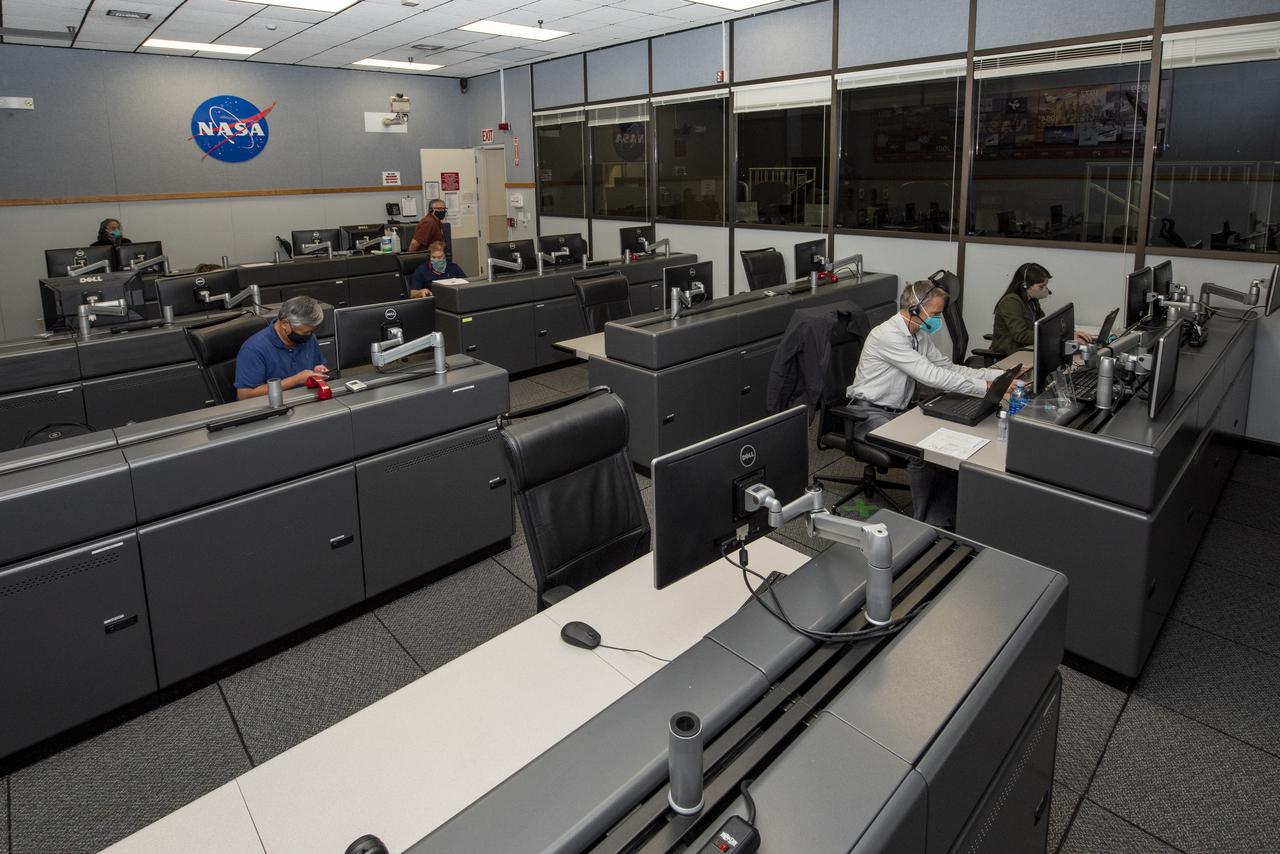
Ames Research Center researchers on the Advanced Air Mobility National Campaign project's Airspace Test Infrastructure (ATI) team monitor surveillance data and metrics from the helicopter in real time during the NC Integrated Dry Run Test team the first week of December 2020 at NASA's Armstrong Flight Research Center in California.
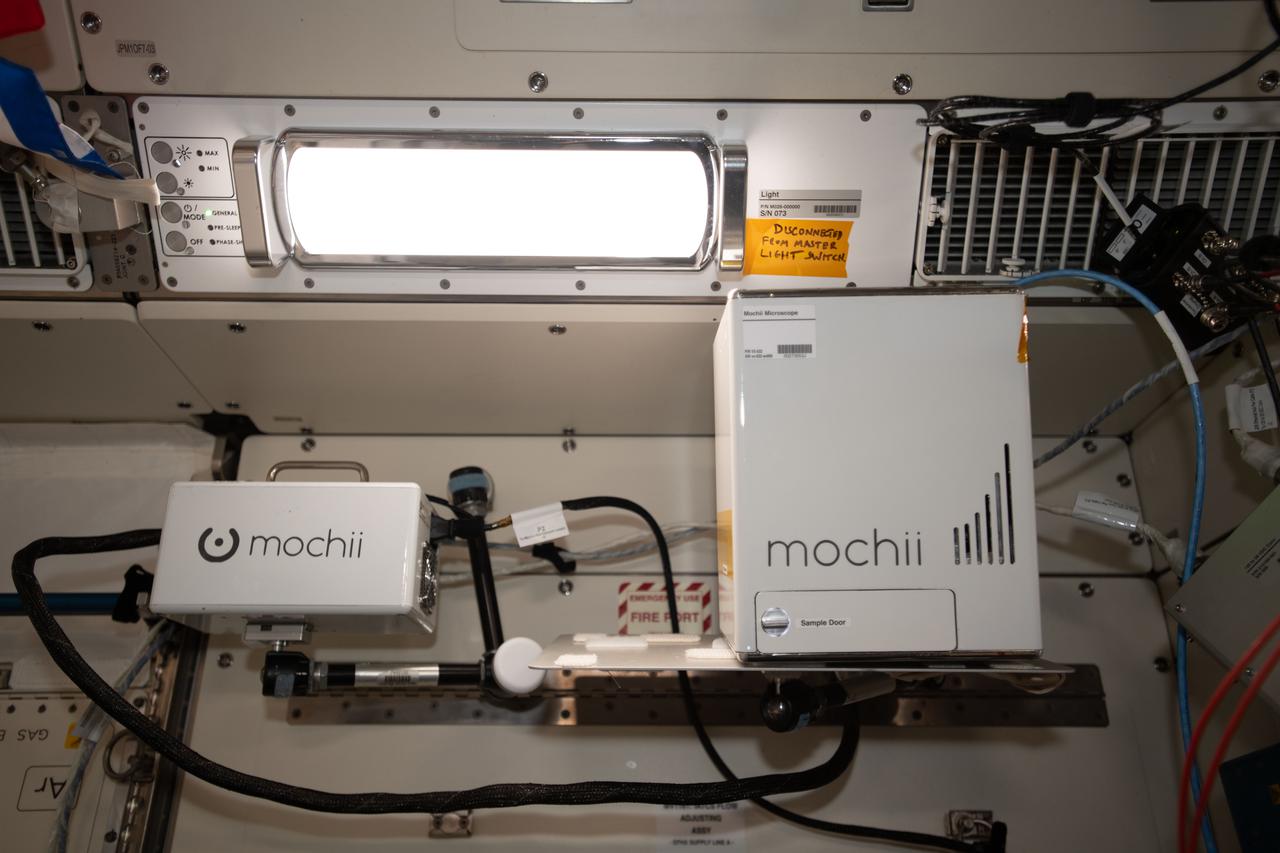
iss066e110545 (1/10/2022) --- A view of the Mochii microscope aboard the International Space Station (ISS. Mochii is a miniature scanning electron microscope (SEM) with spectroscopy to conduct real-time, on-site imaging and compositional measurements of particles on the International Space Station (ISS).
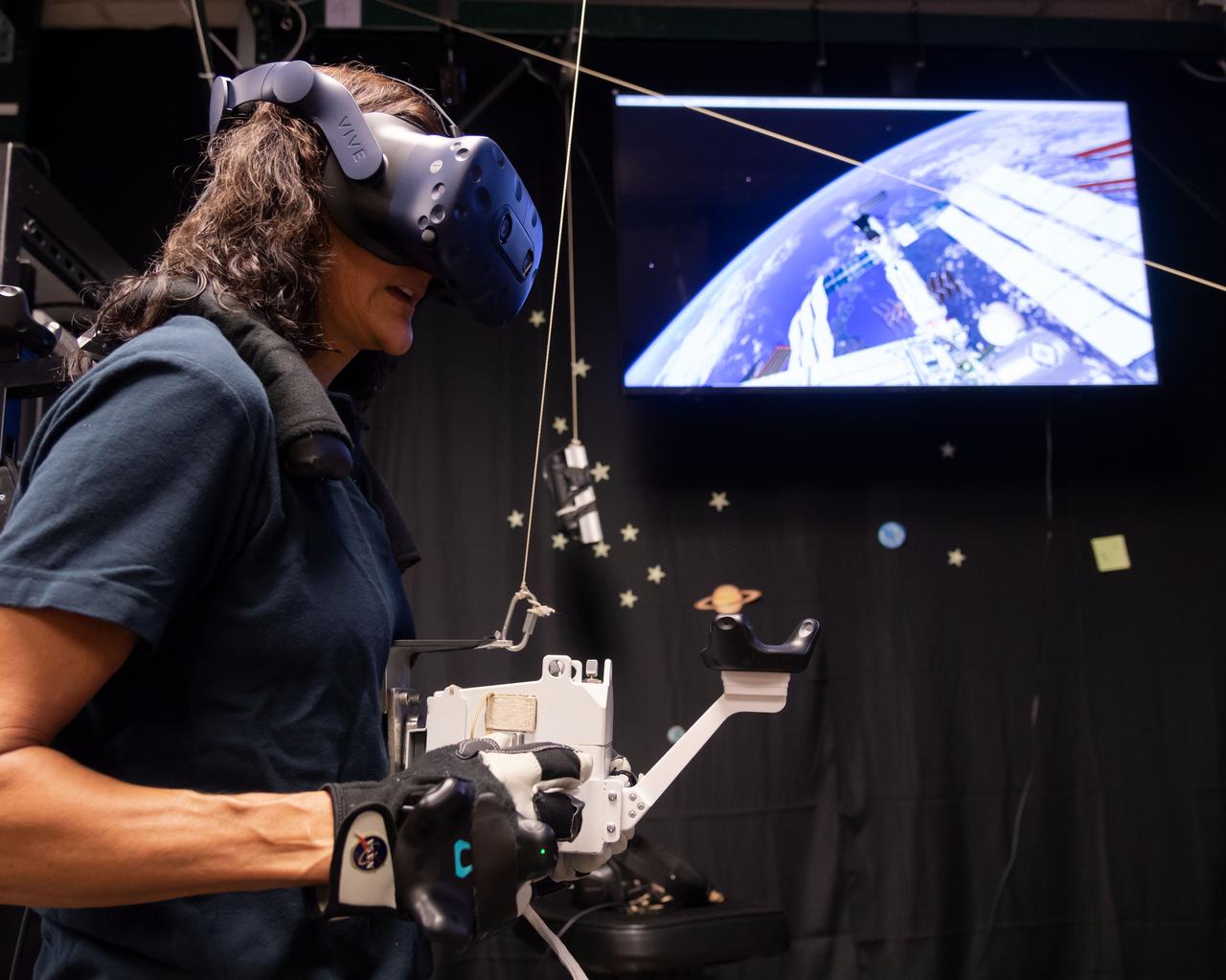
The Virtual Reality Lab at Johnson Space Center in Houston provides real-time graphics and motion simulators to replicate the space environment. Commercial Crew Astronaut Suni Williams practices spacewalking in preparation for a mission to the International Space Station in 2019. Williams is assigned to Boeing’s first operational mission after the company’s test flight with crew.

iss064e038995 (March 2, 2021) --- NASA astronaut and Expedition 64 Flight Engineer Michael Hopkins loads protein crystallography plates with protein solutions for the Phase II Real-time Protein Crystal Growth experiment, a space commercialization study, that could benefit the pharmaceutical and biotechnology industries.
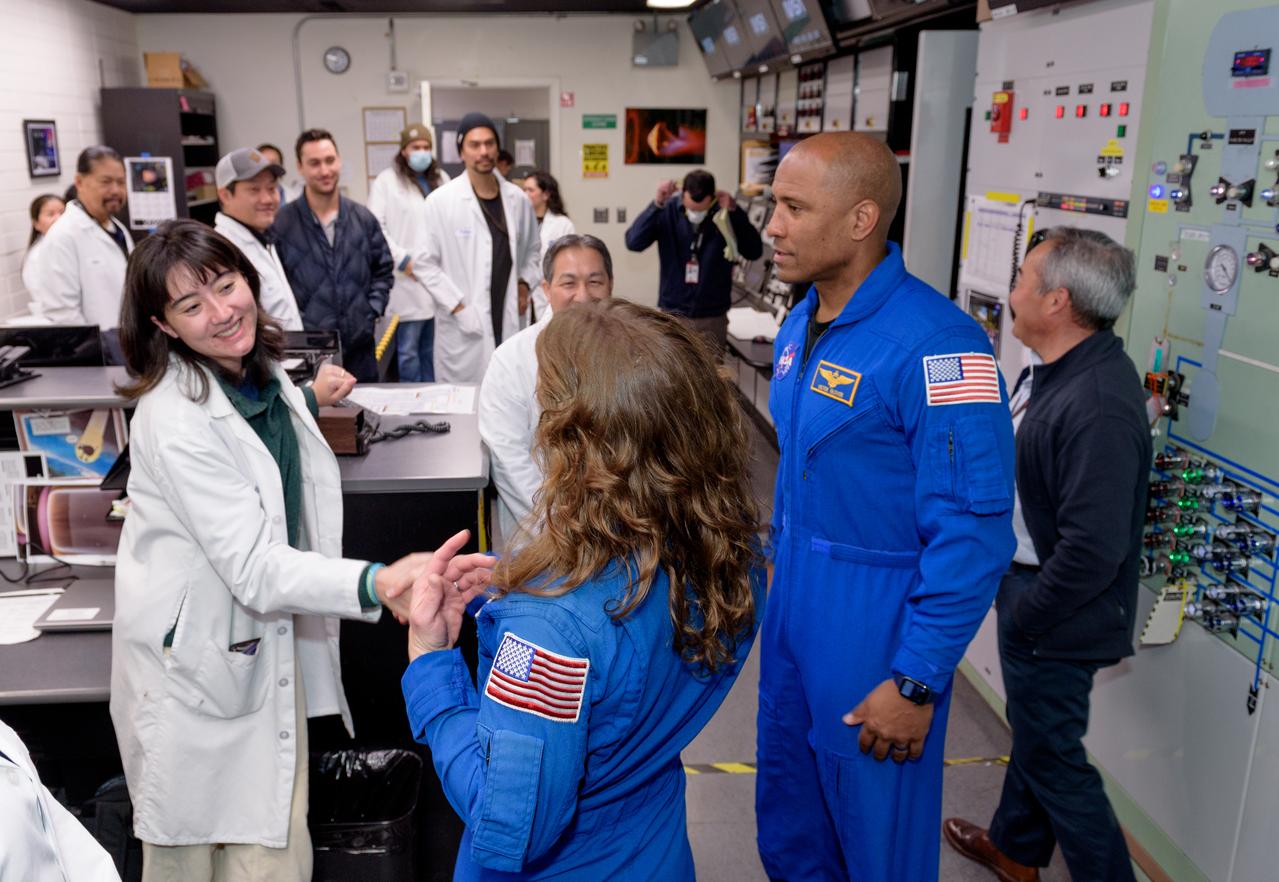
Amelia Kinsella, left, meets NASA astronauts Christina Koch and Victor J. Glover in the Ames Arc Jet control room for the Interaction Heating Facility (IHF), N238, where operators run the Arc Jet and review test data in real time.

jsc2023e064875 (10/19/2023) --- Artistic depiction of ILLUMA-T communicating to LCRD over laser links. ILLUMA-T demonstrates two different data transfer speeds from low Earth orbit to the ground via a relay link. The links can be used to stream real-time data or for large bulk data transfers.
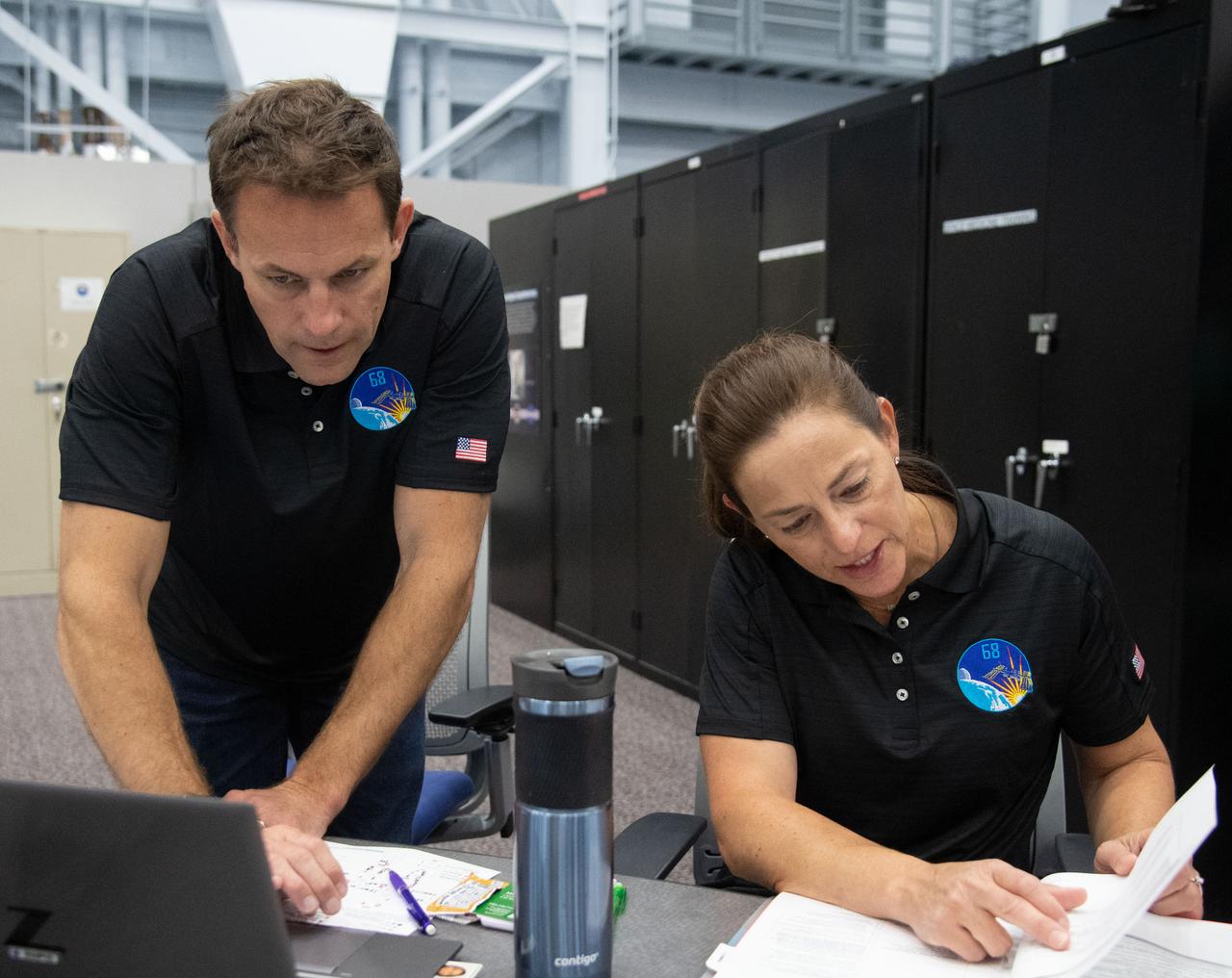
Expedition 68 crewmembers train for the unlikely event of an emergency by training inside a mockup that models the real orbiting lab at NASA's Johnson Space Center in Houston, Texas in preparation for their upcoming International Space Station mission. Credit: NASA/James Blair

Sam Choi and Naiara Pinto observe Google Earth overlaid with in almost real time what the synthetic aperture radar is mapping from the C-20A aircraft. Researchers were in the sky and on the ground to take measurements of plant mass, distribution of trees, shrubs and ground cover and the diversity of plants and how much carbon is absorbed by them.
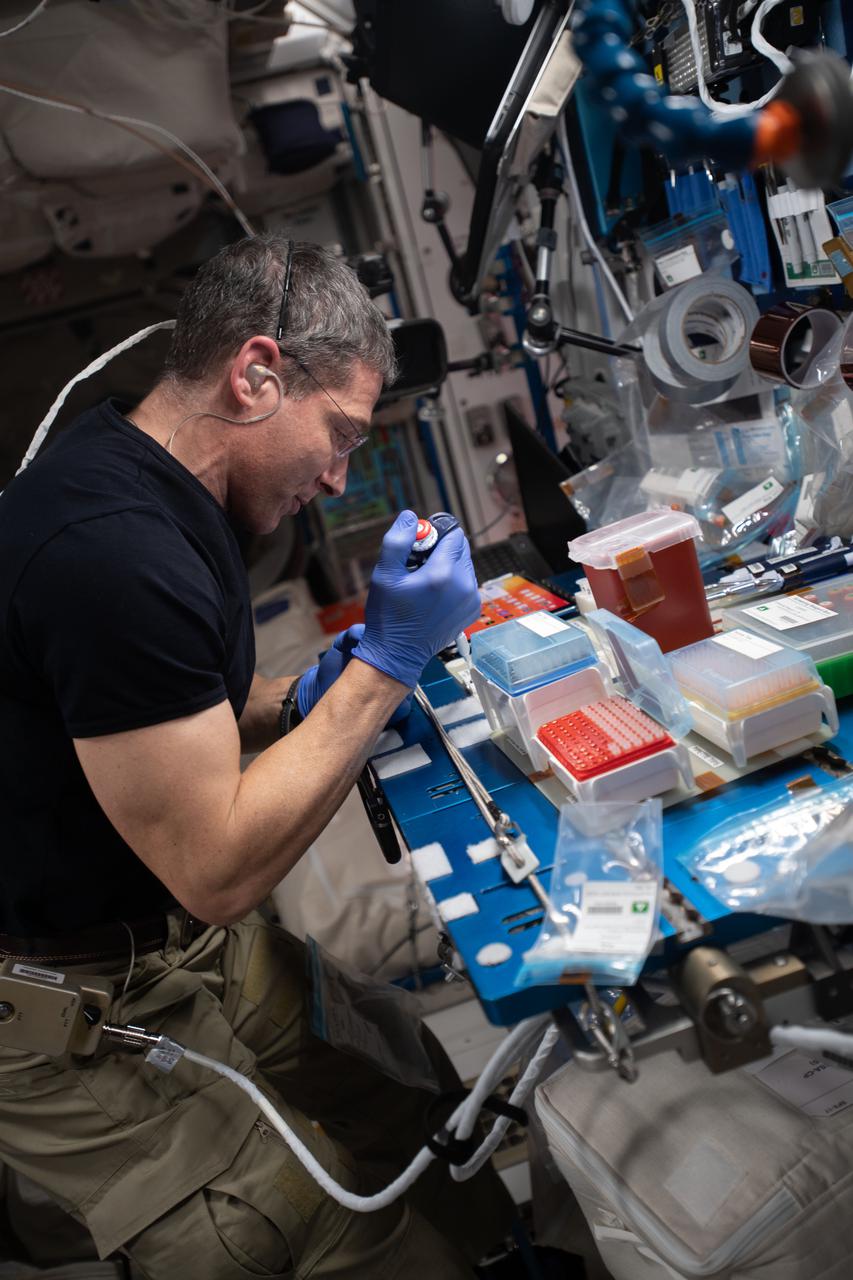
iss064e039273 (March 2, 2021) --- NASA astronaut and Expedition 64 Flight Engineer Michael Hopkins loads protein crystallography plates with protein solutions for the Phase II Real-time Protein Crystal Growth experiment, a space commercialization study, that could benefit the pharmaceutical and biotechnology industries.
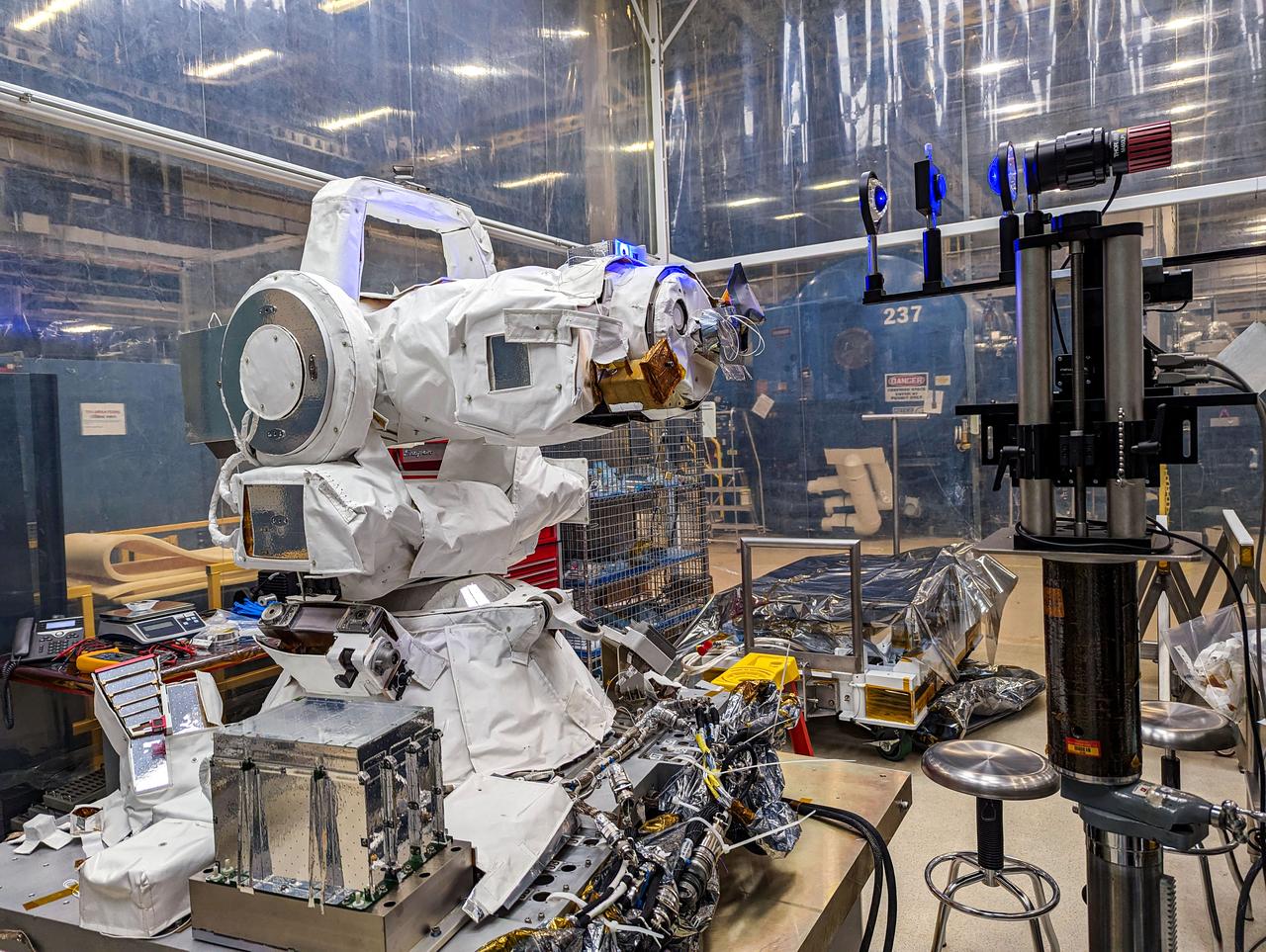
jsc2024e061944 (3/20/2024) --- The COronal Diagnostic EXperiment (CODEX) instrument performs day-in-the-life testing at the Goddard Space Flight Center. This uses an artificial sun to test the ability of CODEX to track the real Sun and obtain the necessary data during a typical observing period. Credit: CODEX team / NASA
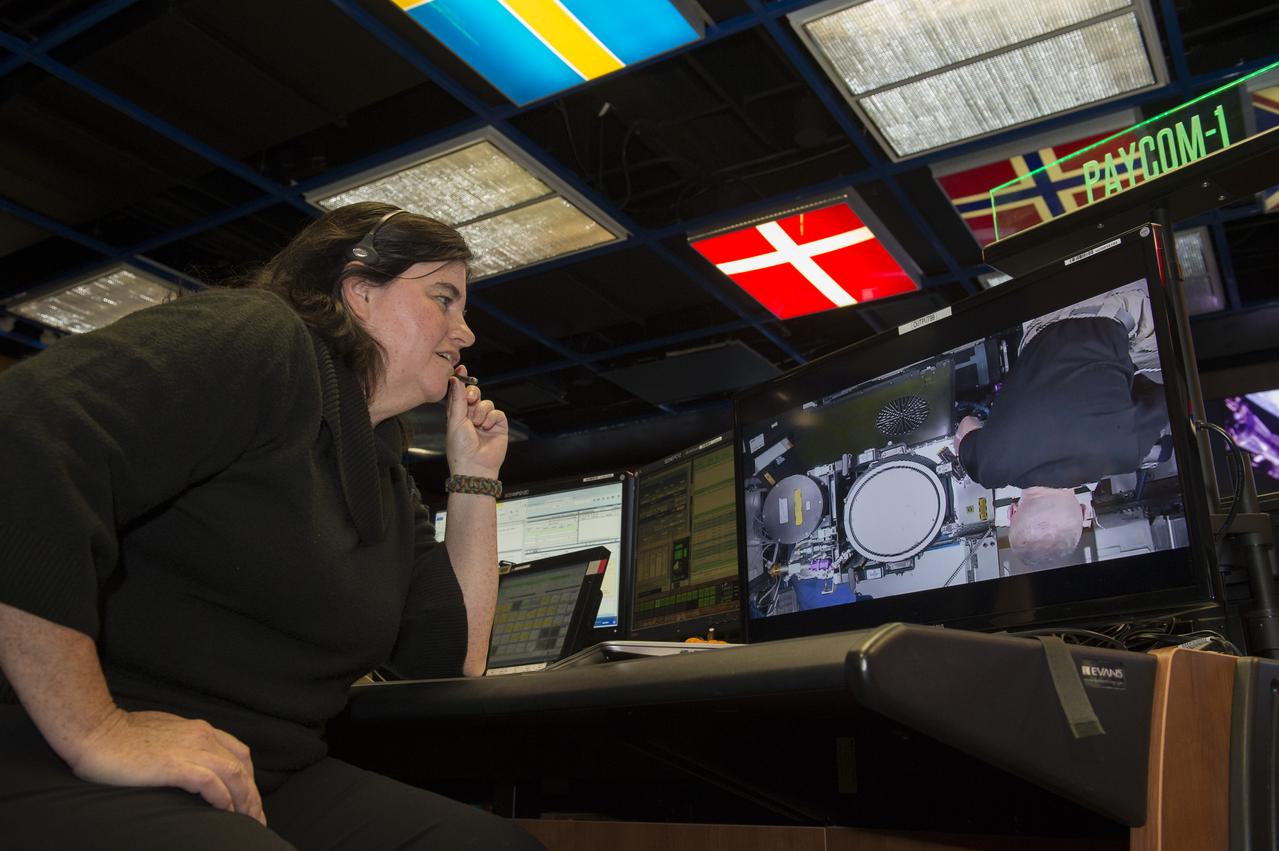
Penny Pettigrew chats in real time with a space station crew member conducting an experiment in microgravity some 250 miles overhead. The Payload Operations Integration Center cadre monitor science communications on station 24 hours a day, seven days a week, 365 days per year.
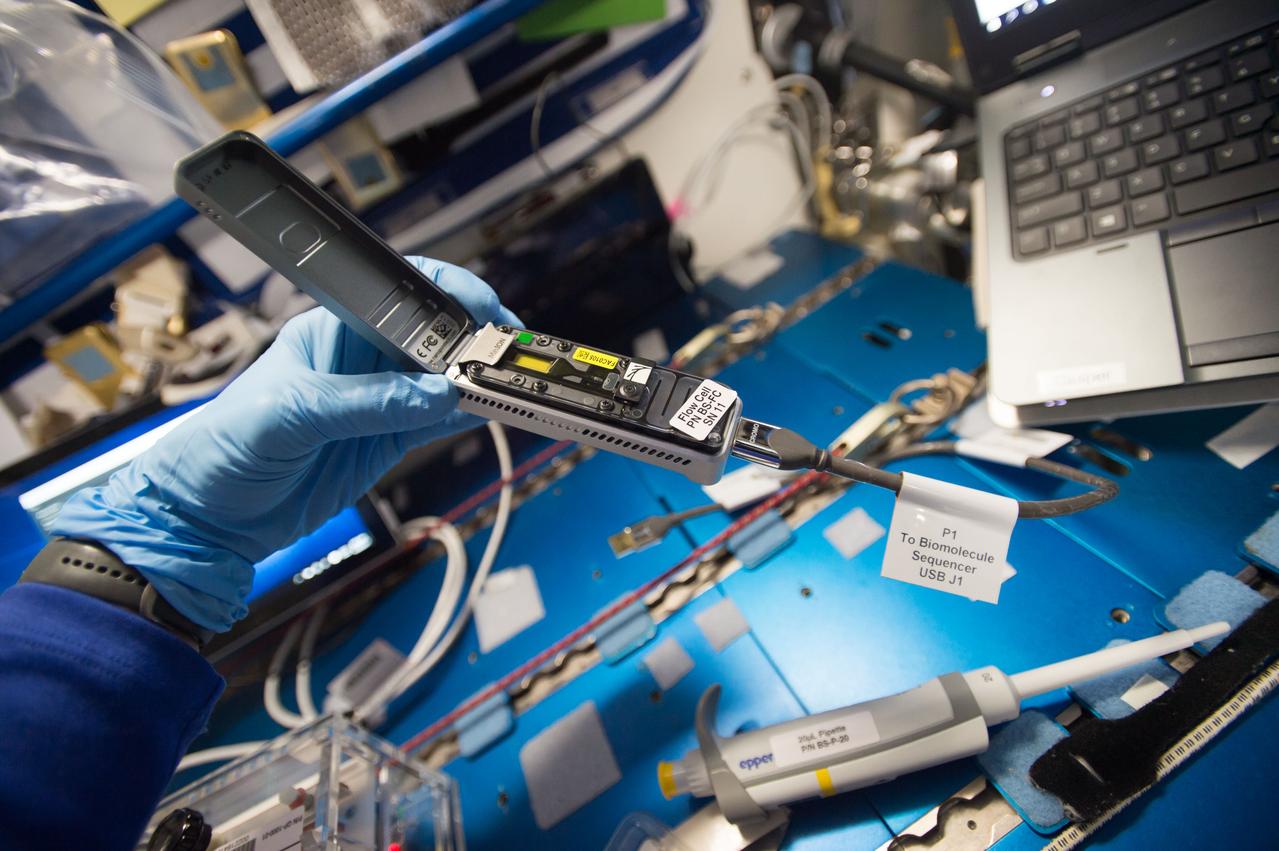
iss052e008880 (6/28/2017) --- View of Genes In Space-3 experiment in the Node 2 module. The Genes in Space-3 experiments demonstrate ways in which portable, real-time DNA sequencing can be used to assay microbial ecology, diagnose infectious diseases and monitor crew health aboard the ISS.
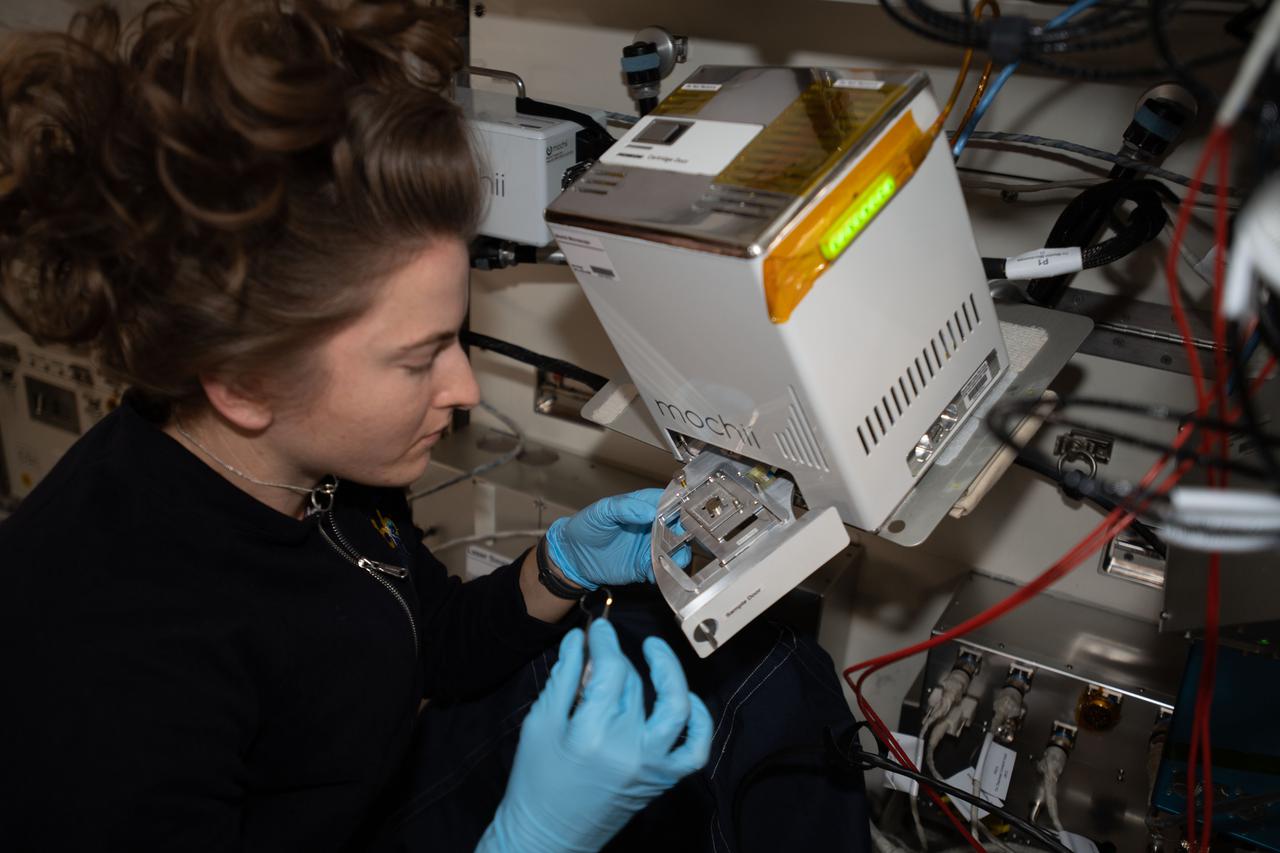
iss066e110566 (1/10/2022) --- NASA astronaut Kayla Barron sets up the Mochii microscope. Mochii is a miniature scanning electron microscope (SEM) with spectroscopy to conduct real-time, on-site imaging and compositional measurements of particles on the International Space Station (ISS).
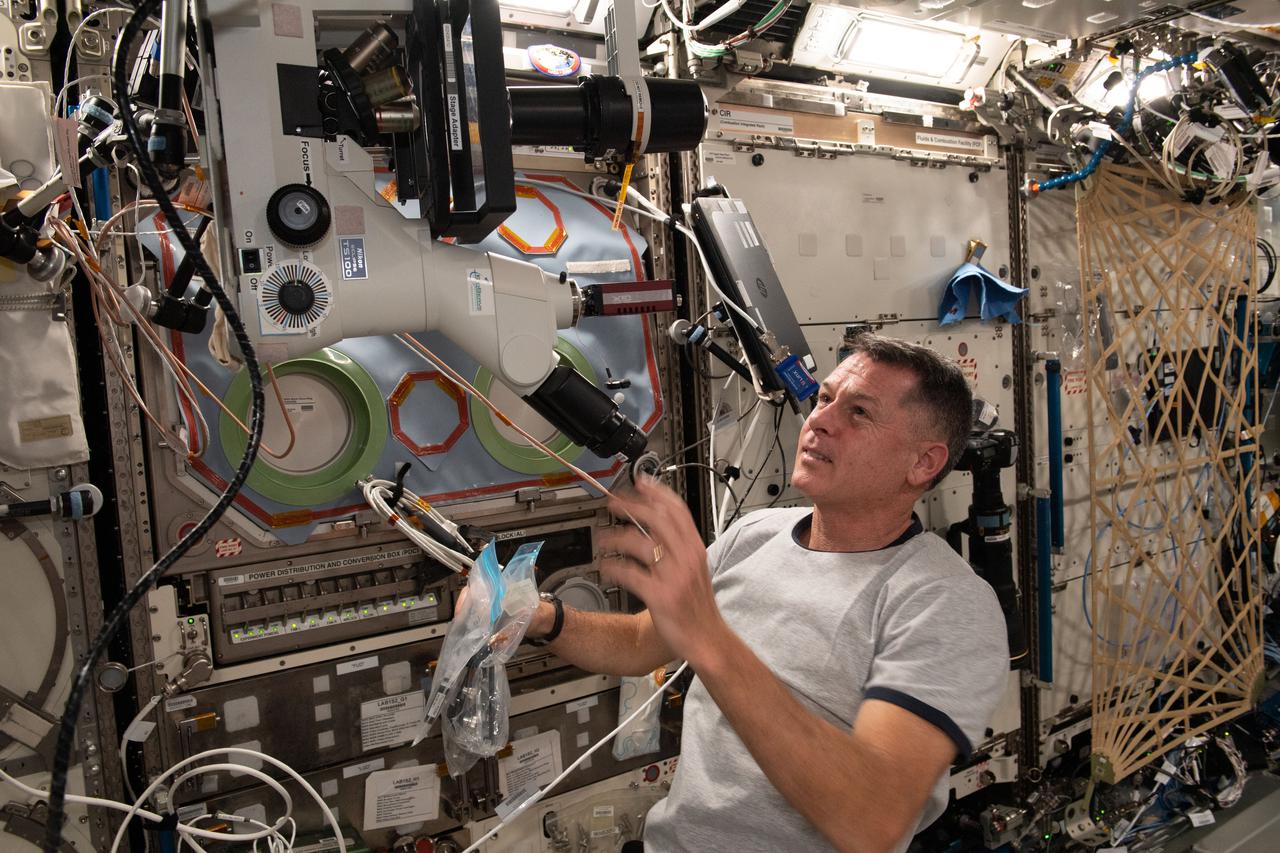
iss065e081518 (May 31, 2021) --- NASA astronaut and Expedition 65 Flight Engineer Shane Kimbrough sets up a microscope in the U.S. Destiny laboratory module to observe and photograph samples for the Real-Time Protein Crystal Growth experiment. Results have implications for biotechnology and pharmaceutical companies on Earth and may advance the commercialization of space.

Engineers at NASA’s Langley Research Center in Hampton, Virginia, install test dummies into the seats of an Orion test article on Feb. 26, 2016. The capsule, coupled with the heat shield from the spacecraft’s first flight, will be used for water-impact testing to simulate what astronauts will experience when landing in the Pacific Ocean during a real mission.
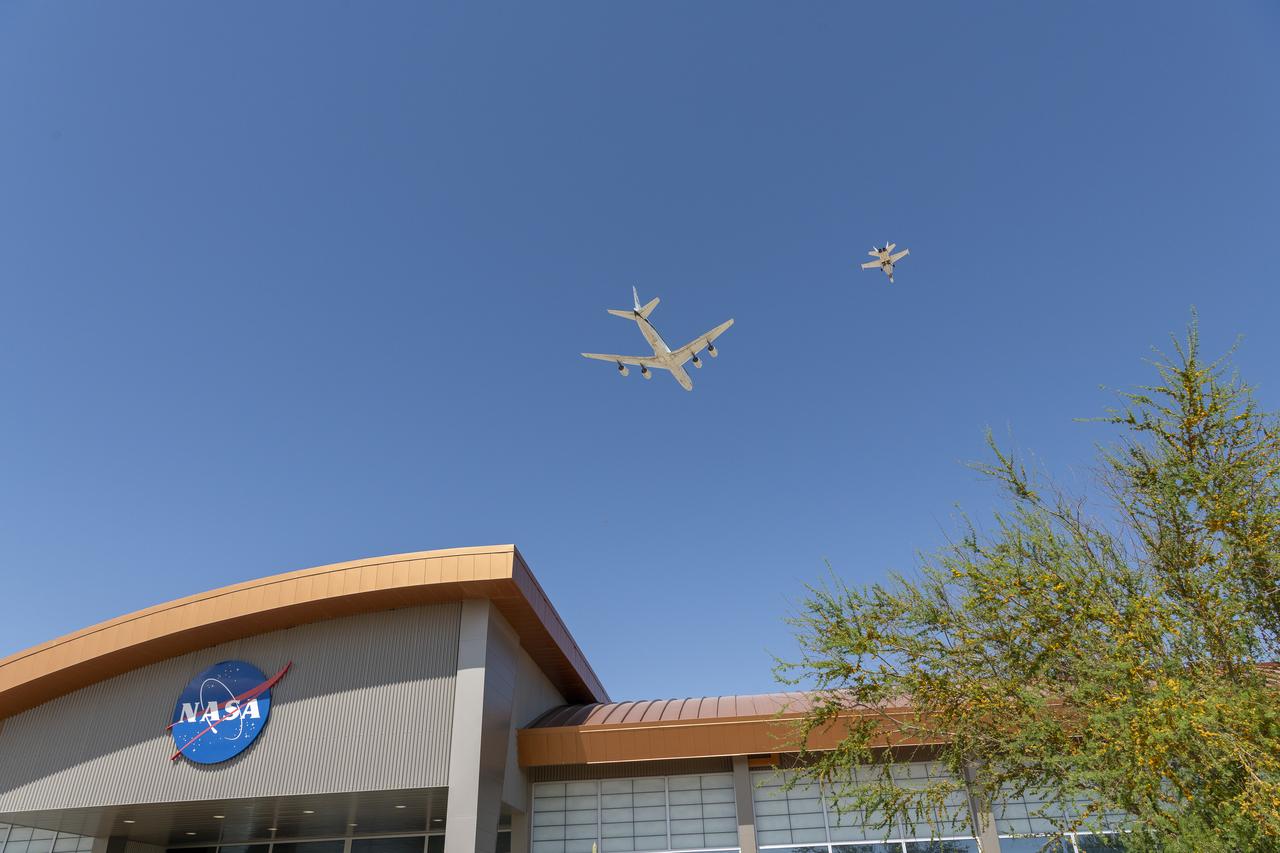
The DC-8 flies low for the last time over NASA’s Armstrong Flight Research Center in Edwards, California, before it retires to Idaho State University in Pocatello, Idaho. The DC-8 will provide real-world experience to train future aircraft technicians at the college’s Aircraft Maintenance Technology Program.
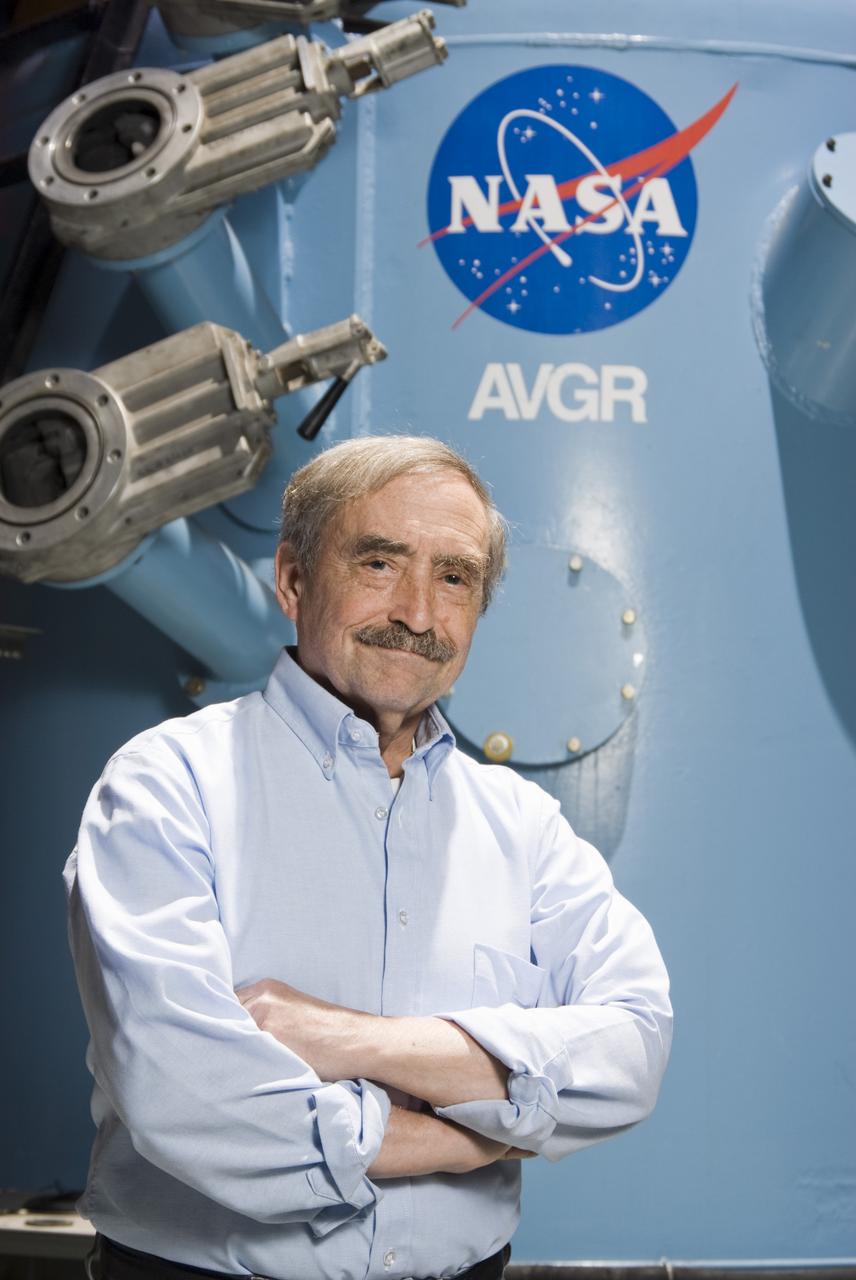
Dr. Peter Schultz, Brown University at NASA Ames Vertical Gun Range Facility during running of tests simulating LCROSS impact debris in preparaton for the real thing on October 9, 2009 when LCROSS impact the Moon southpole in search of hidden water.

Engineers at NASA’s Langley Research Center in Hampton, Virginia, install test dummies into the seats of an Orion test article on Feb. 26, 2016. The capsule, coupled with the heat shield from the spacecraft’s first flight, will be used for water-impact testing to simulate what astronauts will experience when landing in the Pacific Ocean during a real mission.
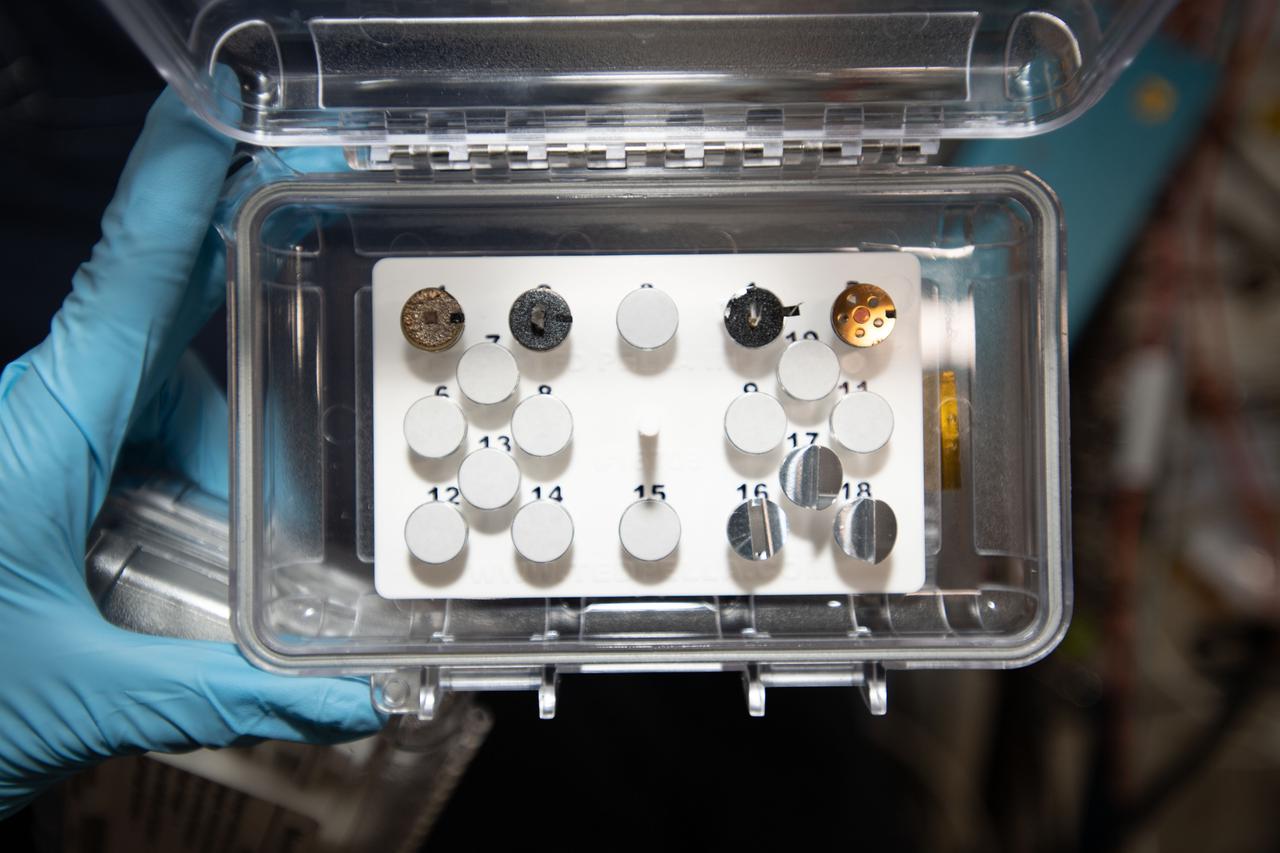
iss066e110547 (1/10/2022) --- A view of the Mochii microscope sample load aboard the International Space Station (ISS). Mochii is a miniature scanning electron microscope (SEM) with spectroscopy to conduct real-time, on-site imaging and compositional measurements of particles on the International Space Station (ISS)
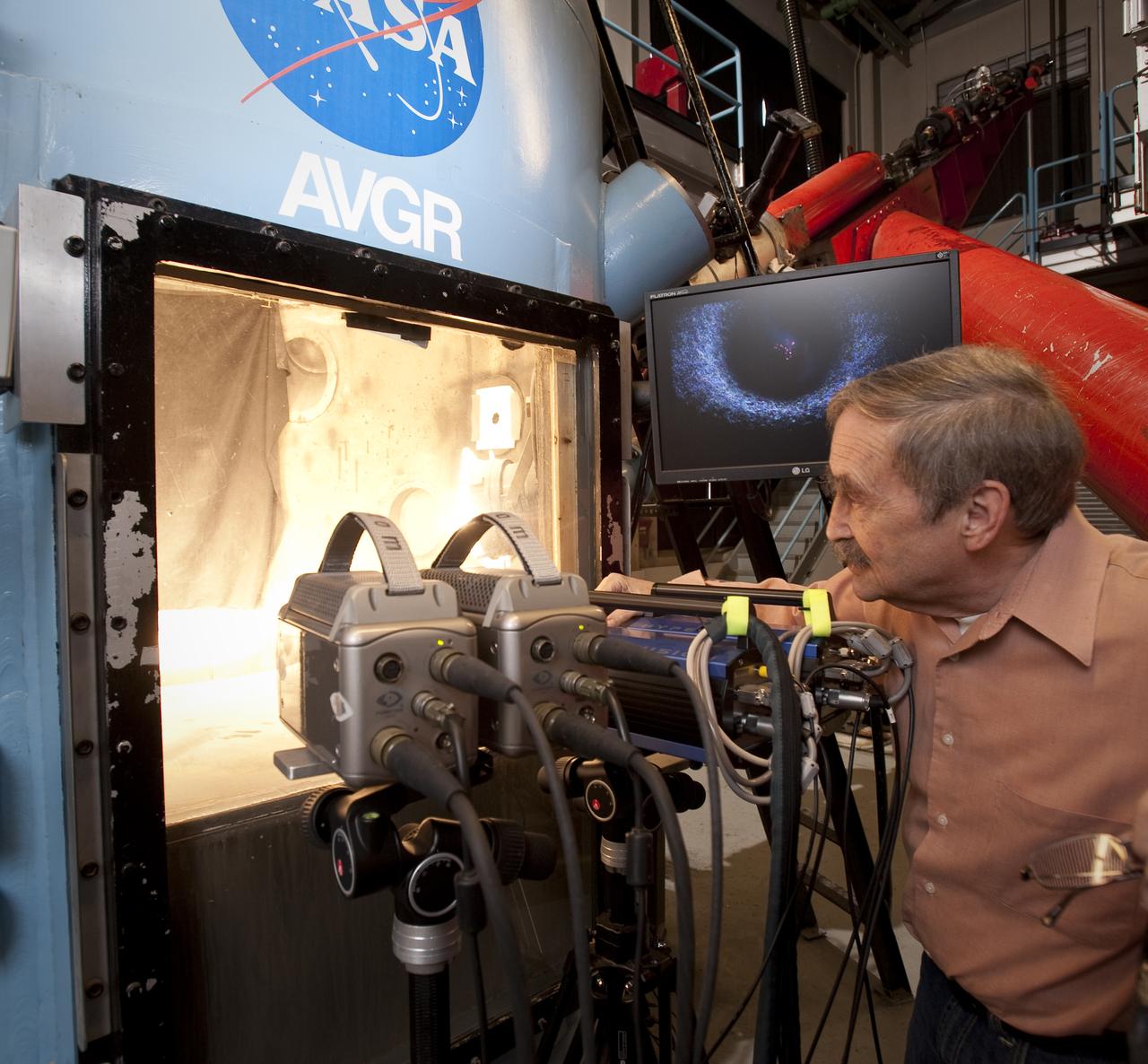
Dr. Peter Schultz, Brown University at NASA Ames Vertical Gun Range Facility during running of tests simulating LCROSS impact debris in preparaton for the real thing on October 9, 2009 when LCROSS impact the Moon southpole in search of hidden water.
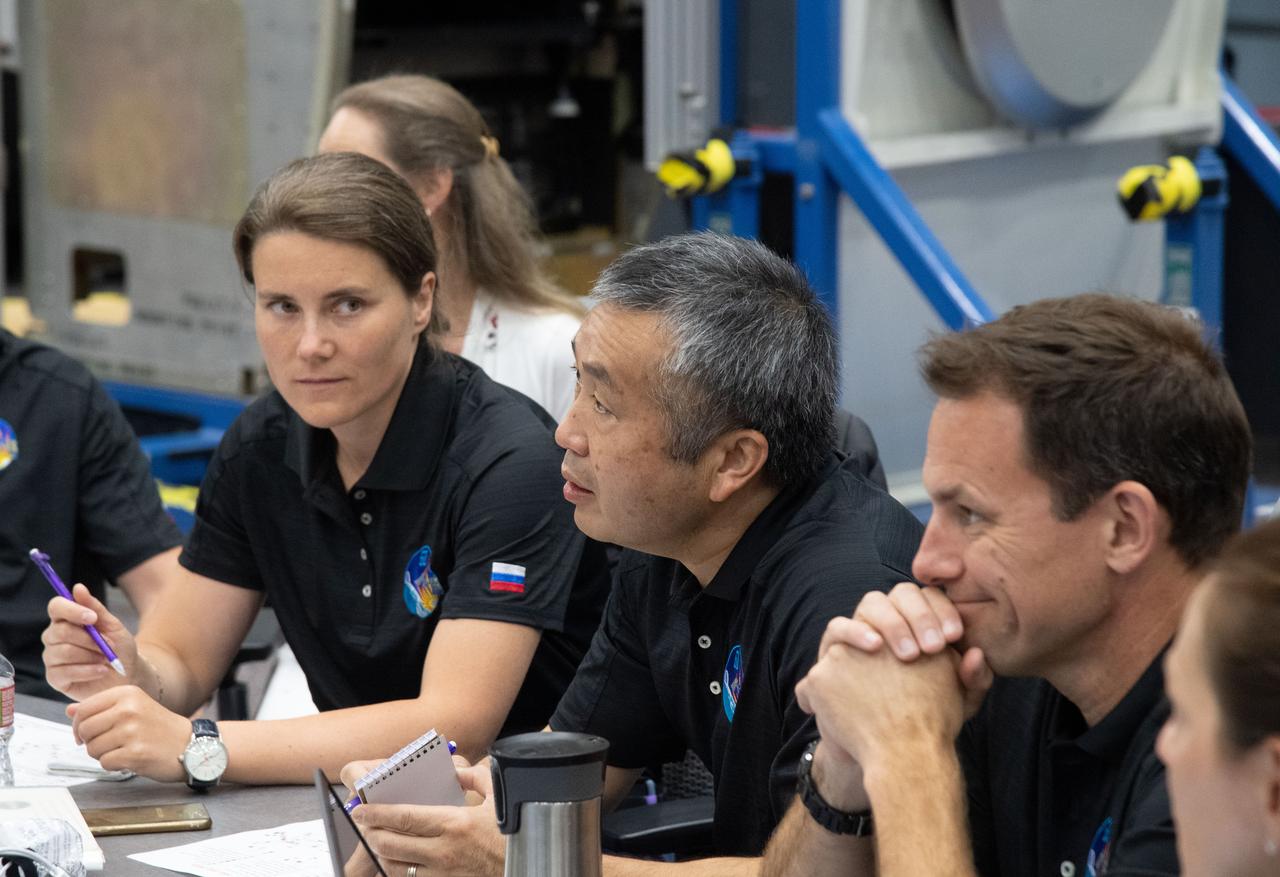
Expedition 68 crewmembers train for the unlikely event of an emergency by training inside a mockup that models the real orbiting lab at NASA's Johnson Space Center in Houston, Texas in preparation for their upcoming International Space Station mission. Credit: NASA/James Blair

NASA astronaut candidate Jasmin Moghbeli poses for a portrait in the Systems Engineering Simulator, a real-time, crew-in-the-loop engineering simulator for the space station and advanced spaceflight programs, Tuesday, July 9, 2019 at NASA's Johnson Space Center in Houston, Texas. Photo Credit: (NASA/Bill Ingalls)
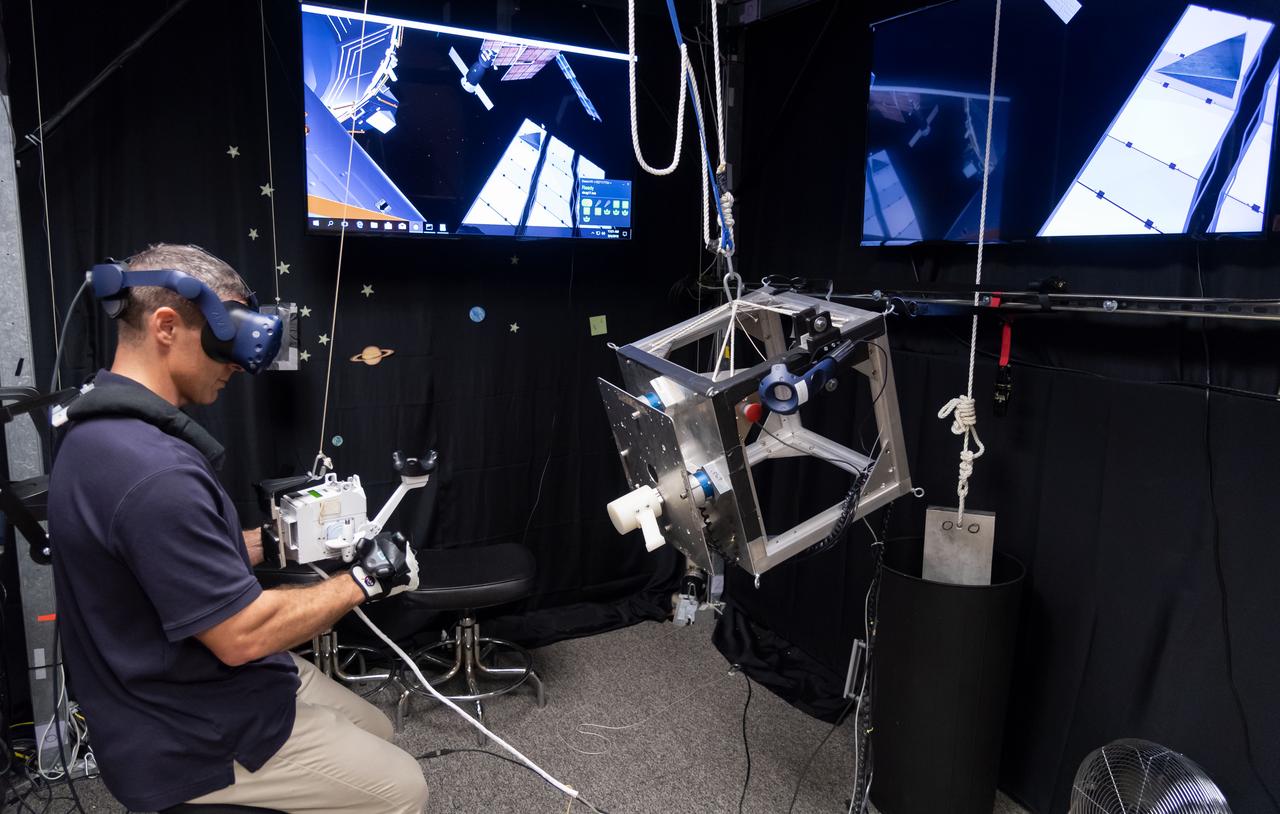
The Virtual Reality Lab at Johnson Space Center in Houston provides real-time graphics and motion simulators to replicate the space environment. Commercial Crew Astronaut Mike Hopkins practices spacewalking in preparation for a mission to the International Space Station. Hopkins is assigned to SpaceX’s first operational mission after the company’s test flight with crew.
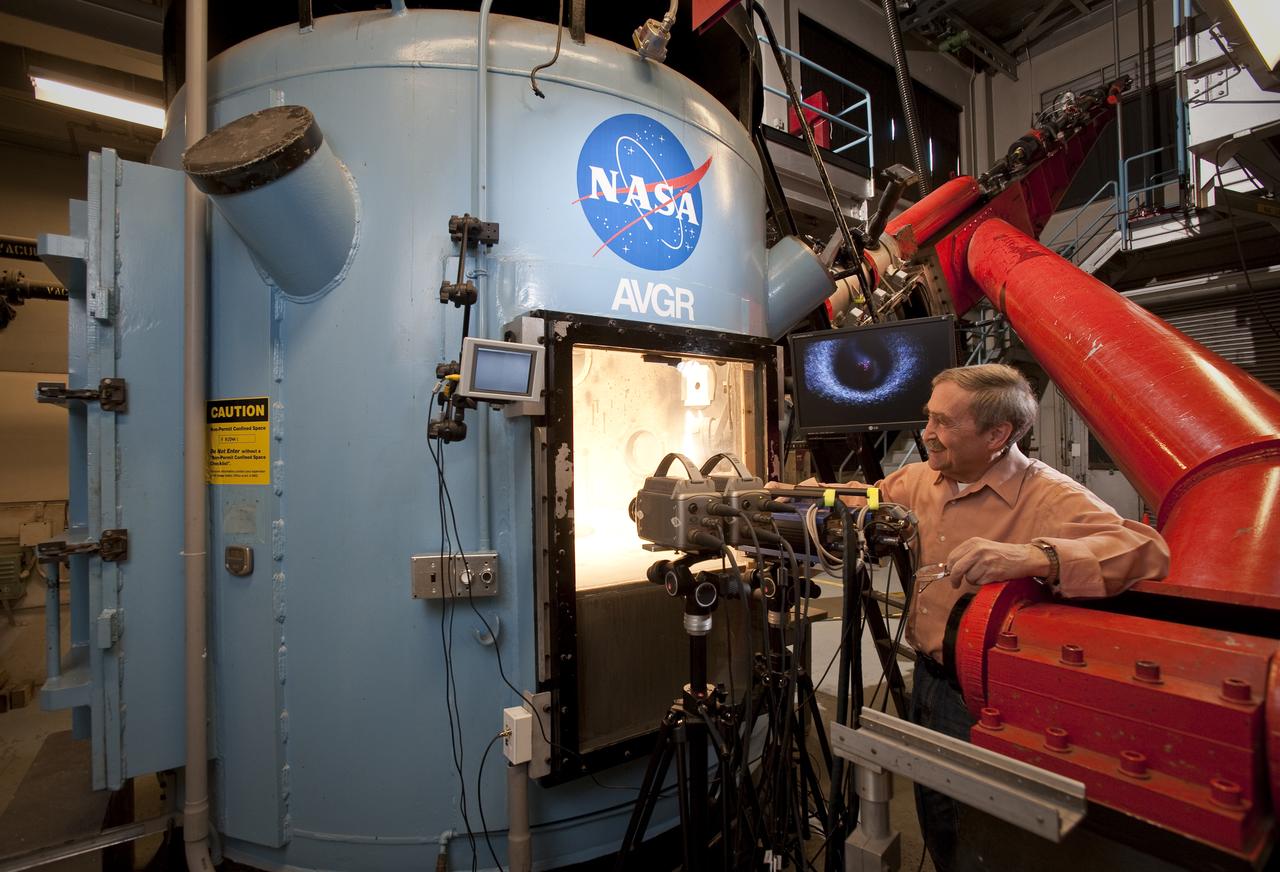
Dr. Peter Schultz, Brown University at NASA Ames Vertical Gun Range Facility during running of tests simulating LCROSS impact debris in preparaton for the real thing on October 9, 2009 when LCROSS impact the Moon southpole in search of hidden water.

jsc2023e064876 (10/19/2023) --- NASA’s laser communications demonstration roadmap. ILLUMA-T demonstrates two different data transfer speeds from low Earth orbit to the ground via a relay link. The links can be used to stream real-time data or for large bulk data transfers.
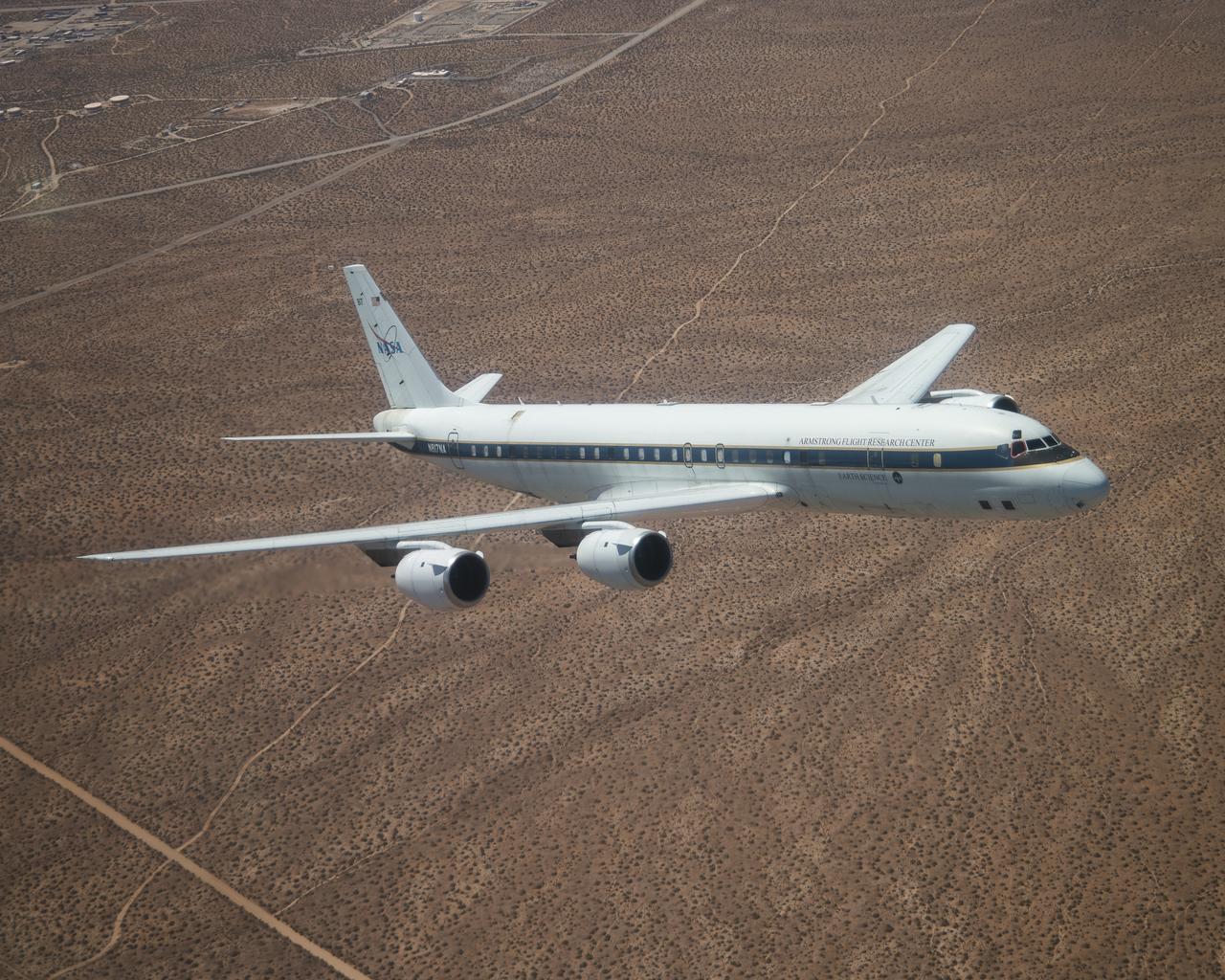
The DC-8 flies for the last time from NASA’s Armstrong Flight Research Center Building 703 in Palmdale, California, before it retires to Idaho State University in Pocatello, Idaho. The DC-8 will provide real-world experience to train future aircraft technicians at the college’s Aircraft Maintenance Technology Program.
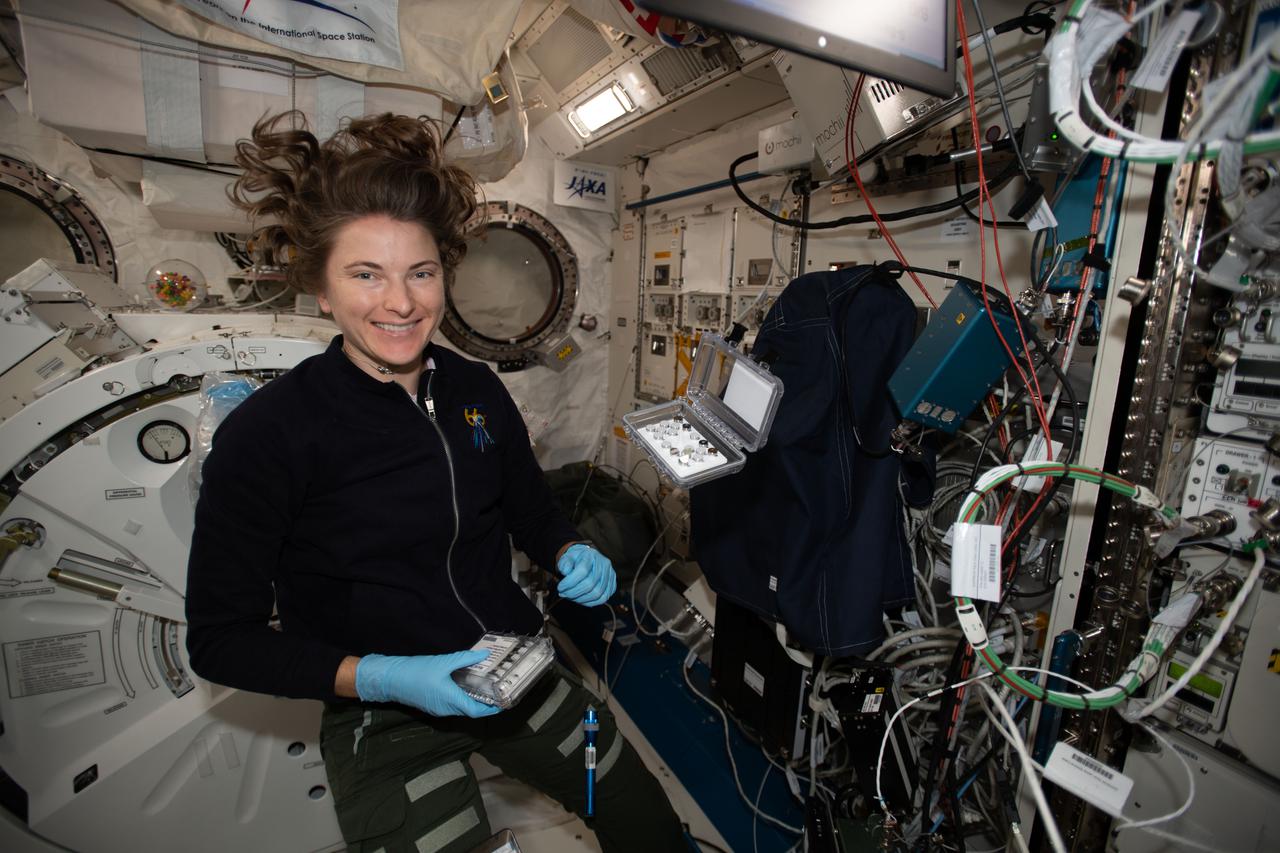
iss066e110556 (1/10/2022) --- NASA astronaut Kayla Barron sets up the Mochii microscope. Mochii is a miniature scanning electron microscope (SEM) with spectroscopy to conduct real-time, on-site imaging and compositional measurements of particles on the International Space Station (ISS).
This simulation shows the motions the robotic arm on NASA's Perseverance rover carried out during its first two-hour checkout since its Feb. 18, 2021 touchdown on Mars. This simulation does not run in real-time. A key objective for Perseverance's mission on Mars is astrobiology, including the search for signs of ancient microbial life. The rover will characterize the planet's geology and past climate, pave the way for human exploration of the Red Planet, and be the first mission to collect and cache Martian rock and regolith (broken rock and dust). Subsequent NASA missions, in cooperation with ESA (European Space Agency), would send spacecraft to Mars to collect these sealed samples from the surface and return them to Earth for in-depth analysis. The Mars 2020 Perseverance mission is part of NASA's Moon to Mars exploration approach, which includes Artemis missions to the Moon that will help prepare for human exploration of the Red Planet. Animation available at https://photojournal.jpl.nasa.gov/catalog/PIA24332
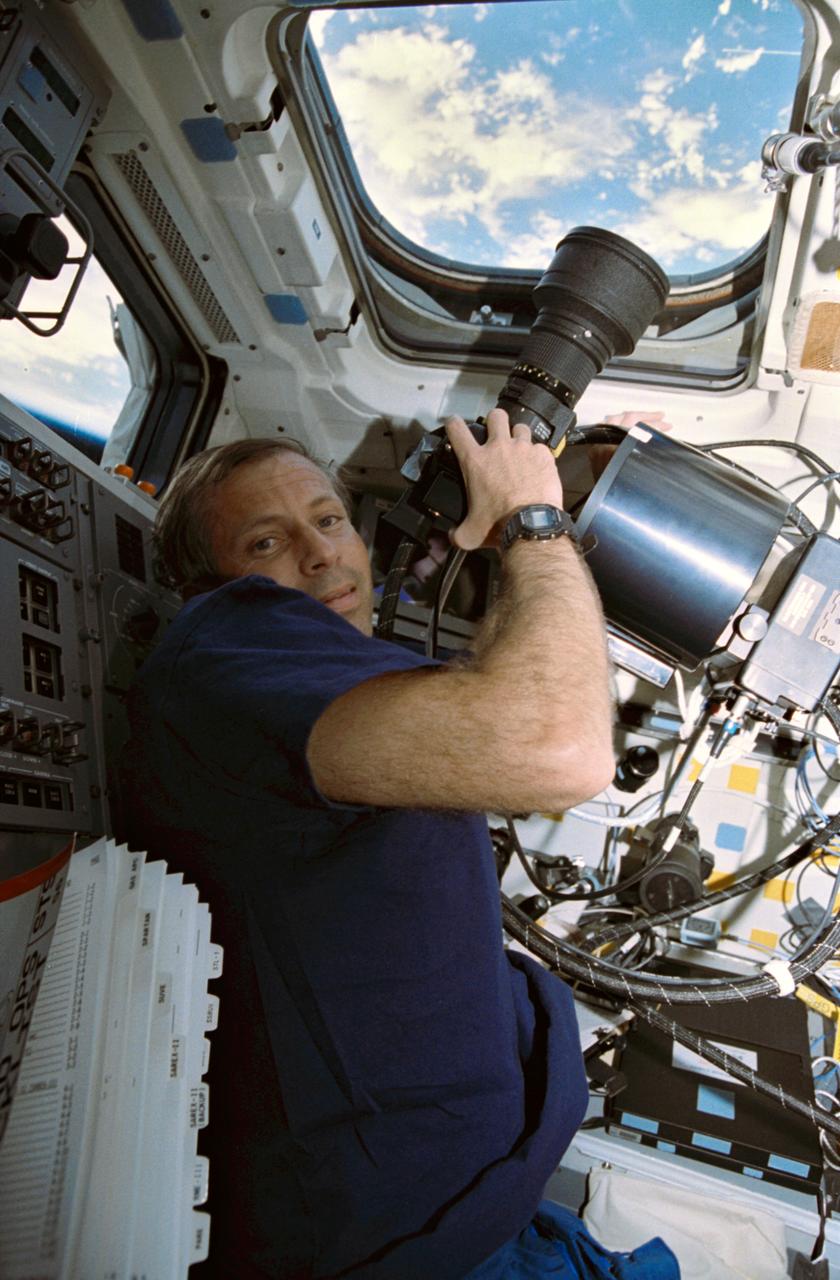
STS056-08-018 (8-17 April 1993) --- Aboard Discovery, astronaut Kenneth D. Cockrell, mission specialist, records Earth imagery with the Hand-Held, Earth-Oriented, Real-Time, Cooperative, User-Friendly, Location-Targeting and Environmental System (HERCULES). HERCULES is a device that makes it simple for Shuttle crew members to take pictures of Earth, as they merely point a modified 35mm camera and shoot any interesting feature, whose latitude and longitude are automatically determined in real-time. The powder-box shaped attachment is the Inertial Measurement Unit (IMU) for the system. The STS-56 crew downlinked a number of the still images during the flight, while others are likely to be stored on disc and returned to Earth with the crew.
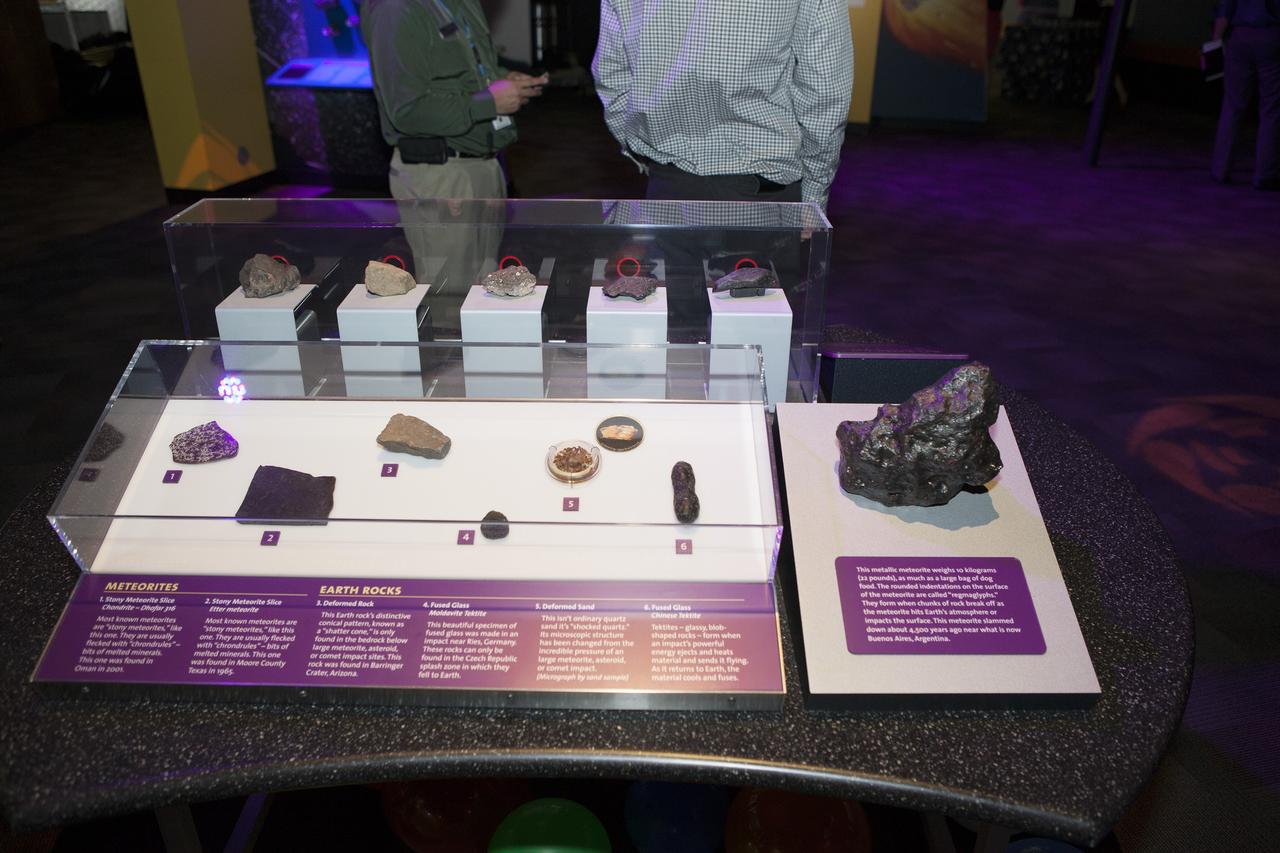
CAPE CANAVERAL, Fla. – Samples of Earth rocks and real meteorites are featured in an interactive display at the new Great Balls of Fire exhibit at NASA’s Kennedy Space Center Visitor Complex in Florida. The grand opening featured remarks by former NASA astronaut Tom Jones, and Therrin Protze, chief operating officer at Delaware North Parks and Resorts at the visitor complex. Great Balls of Fire shares the story of the origins of our solar system, asteroids and comets and their possible impacts and risks. The 1,500-square-foot exhibit, located in the East Gallery of the IMAX theatre at the visitor complex, features several interactive displays, real meteorites and replica asteroid models. The exhibit is a production of The Space Science Institute's National Center for Interactive Learning. It is a traveling exhibition that also receives funding from NASA and the National Science Foundation. Photo credit: NASA/Daniel Casper
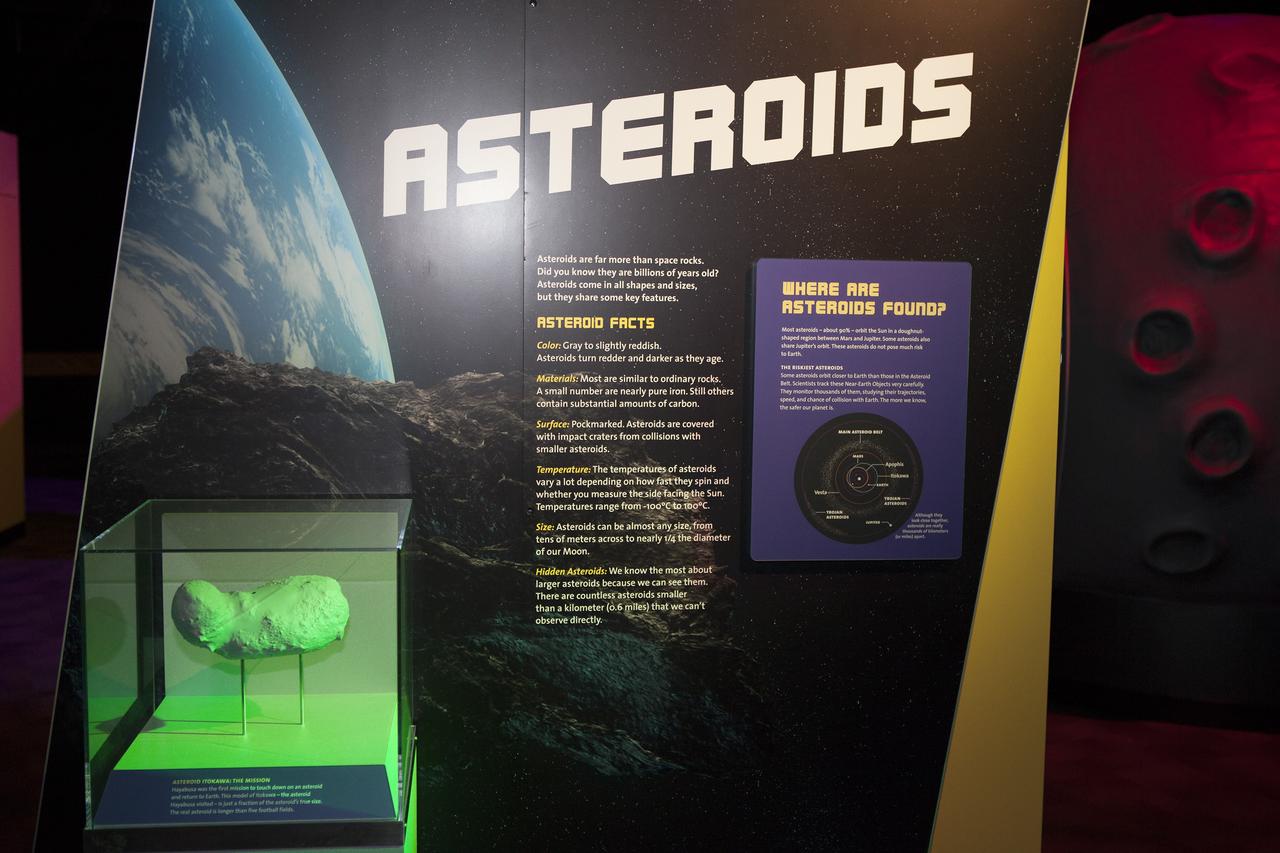
CAPE CANAVERAL, Fla. – A real asteroid is on display at the new Great Balls of Fire exhibit at NASA’s Kennedy Space Center Visitor Complex in Florida. The grand opening of the new attraction featured remarks by former NASA astronaut Tom Jones, and Therrin Protze, chief operating officer at Delaware North Parks and Resorts at the visitor complex. Great Balls of Fire shares the story of the origins of our solar system, asteroids and comets and their possible impacts and risks. The 1,500-square-foot exhibit, located in the East Gallery of the IMAX theatre at the visitor complex, features several interactive displays, real meteorites and replica asteroid models. The exhibit is a production of The Space Science Institute's National Center for Interactive Learning. It is a traveling exhibition that also receives funding from NASA and the National Science Foundation. Photo credit: NASA/Daniel Casper
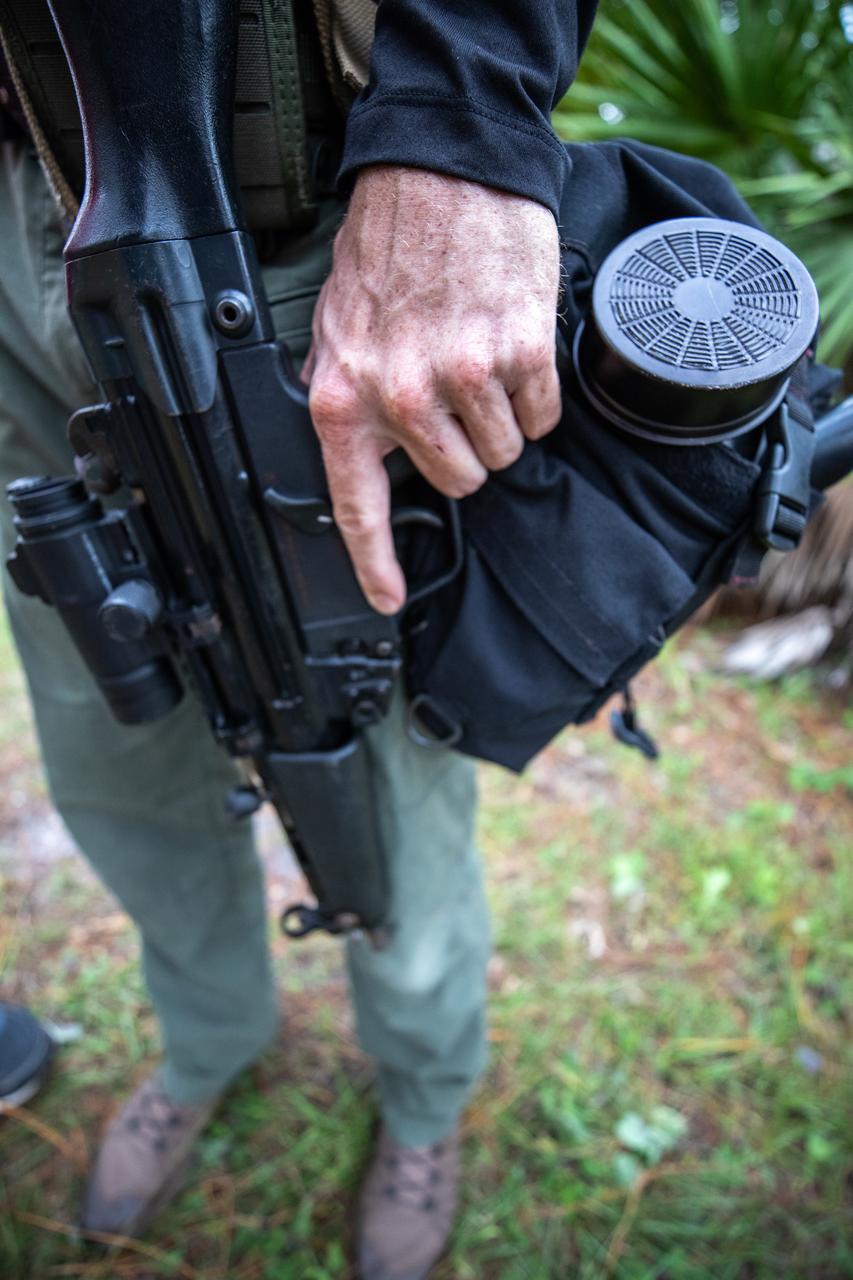
A member of NASA Kennedy Space Center's Emergency Response Team prepares to compete in the 37th Annual SWAT Round-Up International at the Lawson Lamar Firearms and Tactical Training Center in Orlando, Florida. The competition was held Nov. 10 to 15, 2019, and featured five different tactical challenges. Special pellets, rather than real bullets, are used during the competition. Kennedy's ERT members exchanged best practices and competed with more than 50 teams from the U.S. and around the world.

iss052e002495 (6/15/2017) --- A view of the Japanese Experiment Module (JEM) Internal Ball Camera aboard the International Space Station (ISS). This device is a free-flying camera robot that provides real time video downlink and photographs. It is expected to reduce the crew time requirements to support video recording of activities, especially at the blind spot of existing JEM internal cameras.
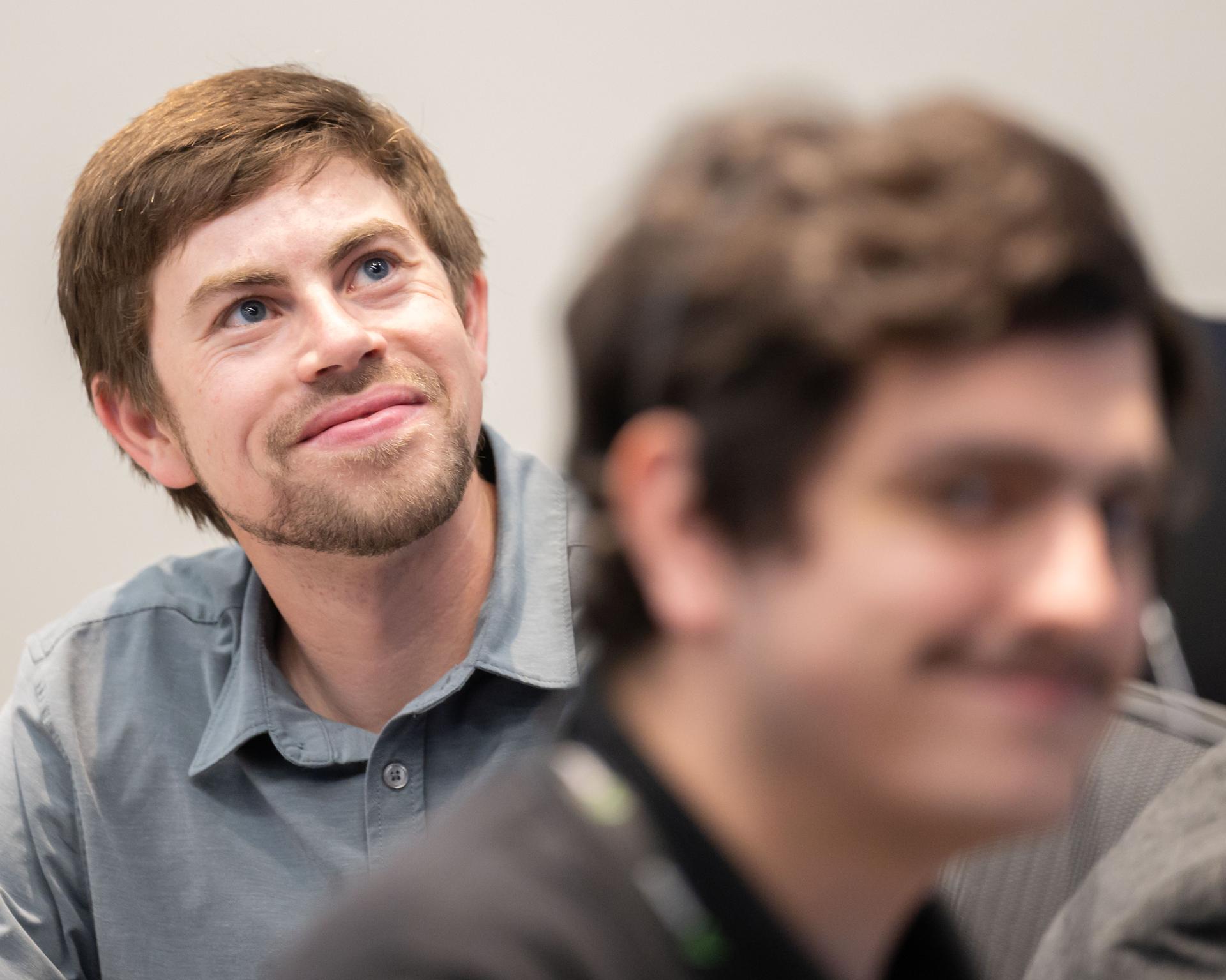
Artemis II crew lunar observations team member, Alex Stoken, monitors the mission from the Science Evaluation Room (SER). Built specifically for Artemis missions with these science priorities in mind, the SER is equipped to support rapid data interpretation, collaborative analysis, real-time decision making, and seamless coordination between the science and operations teams. Credits: NASA/Luna Posadas Nava
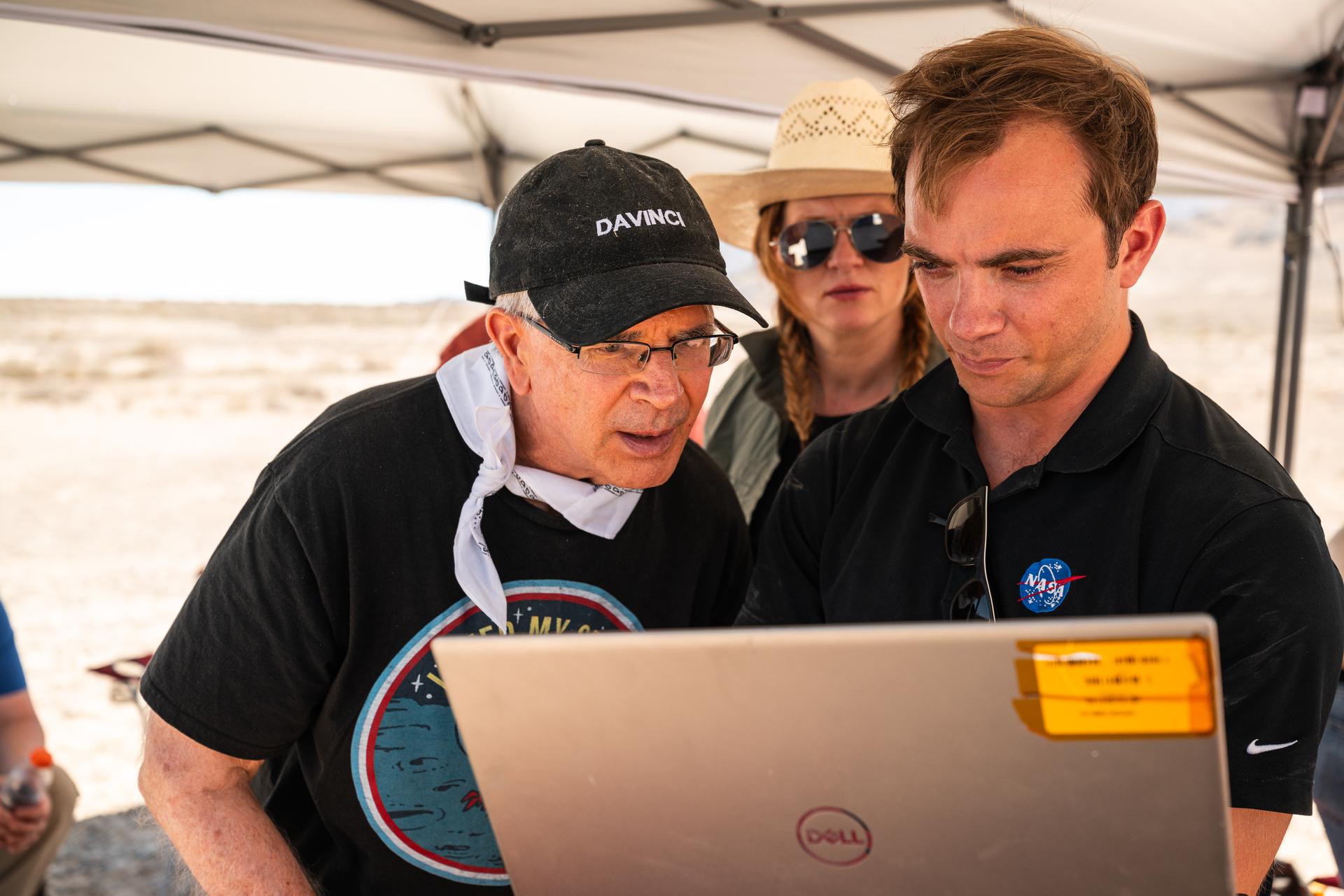
Pictured are DAVINCI’s (left to right) Jim Garvin, mission principal investigator; Erika Kohler, acting deputy principal investigator; and Matthew Mullin, space laser engineer, evaluating flight data in real-time to adapt their future tests to the lessons learned from each flight. The researchers are standing in an area of Crater Island, Utah, which was the site of a series of tests (June 23-25, 2026) of the camera system that will one day fly aboard NASA’s DAVINCI mission probe to Venus.
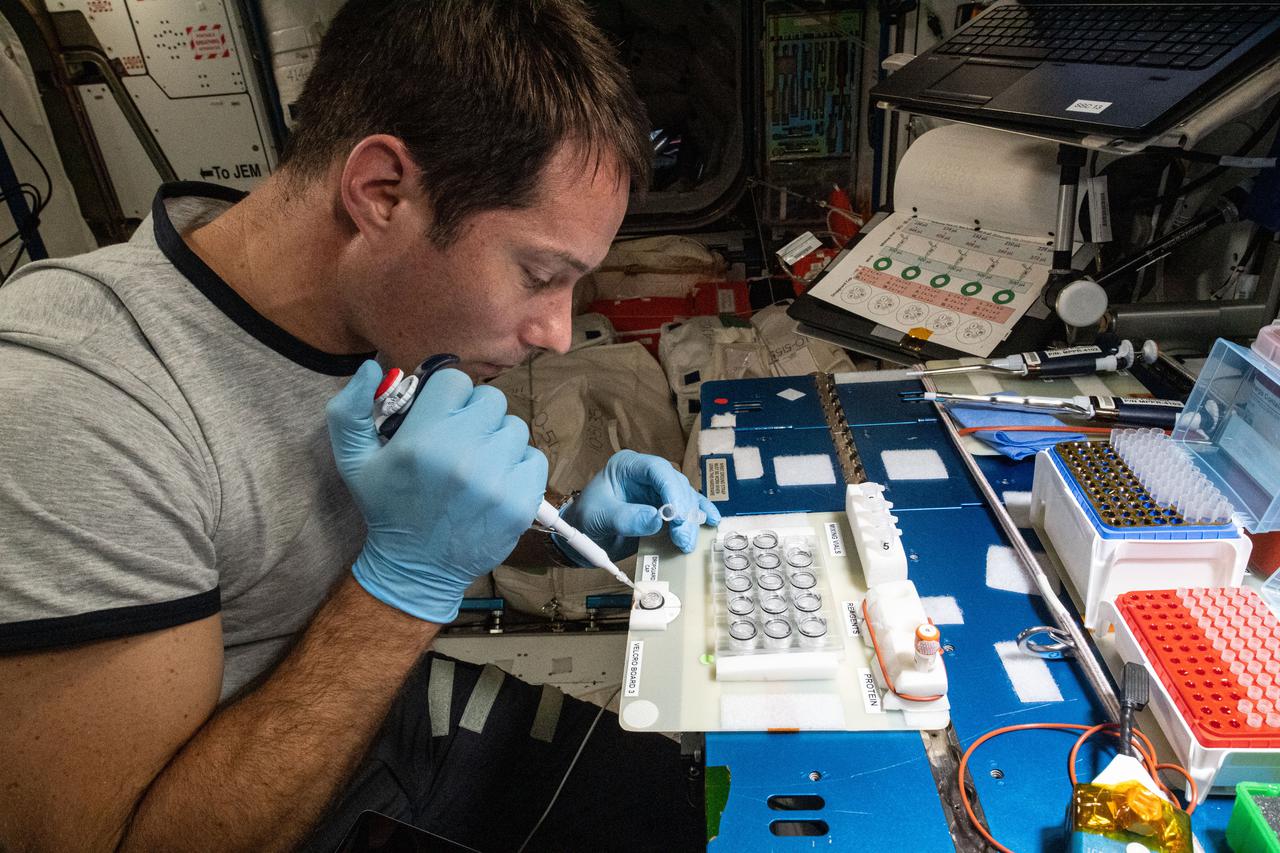
iss065e066486 (May 24, 2021) --- Expedition 65 Flight Engineer Thomas Pesquet of ESA (European Space Agency) services samples for the Real Time Protein Crystal Growth experiment. The biotechnology study demonstrates new methods for producing high-quality protein crystals in microgravity to potentially develop better drugs to treat a variety of diseases on Earth and advance the commercialization of space.
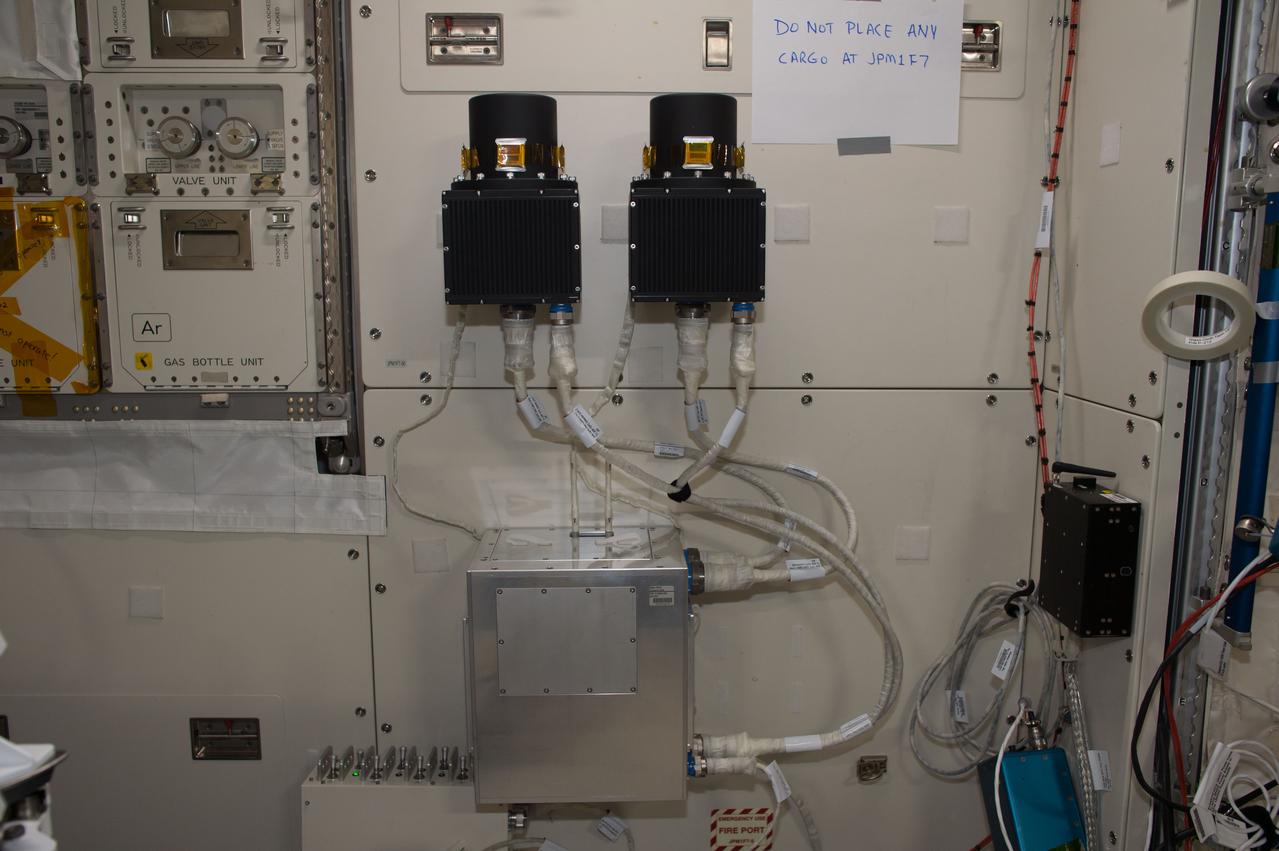
iss050e016008 (12/14/2016) --- A view during Position Sensitive-Tissue Equivalent Proportional Chamber (PS-TEPC) Installation aboard the International Space Station (ISS) The PS-TEPC is a radiation measuring instrument that measures absorbed doses and path length of space radiation particles simultaneously, and determines the real time Liner Energy Transfer (LET), and equivalent doses, to assess radiation risk to crew members during space flight. Bio Dosimeters are also visible.
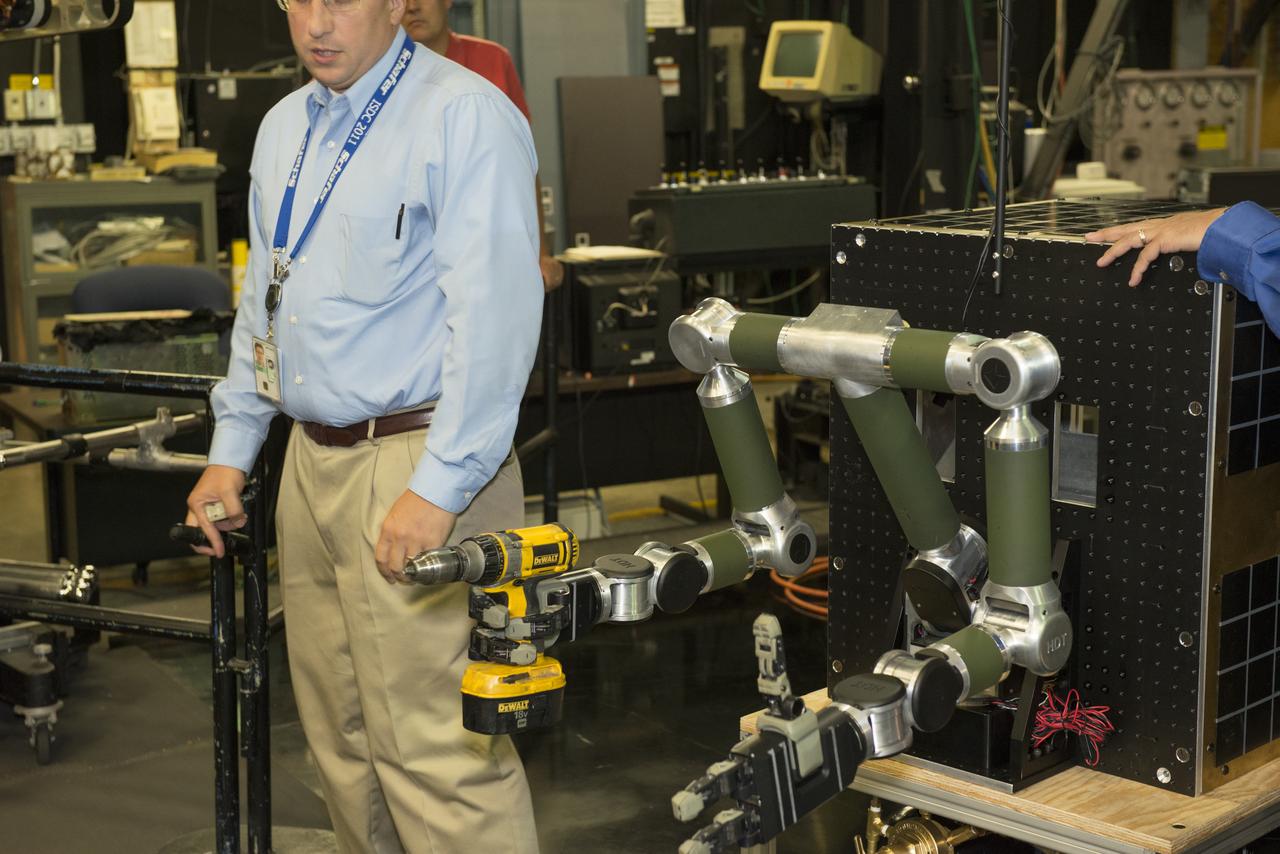
FINAL DEMONSTRATION OF A WIRELESS DATA TASK SUPPORTED BY SLS ADVANCED DEVELOPMENT USED TO DEMONSTRATE REAL-TIME VIDEO OVER WIRELESS CONNECTIONS ALONG WITH DATA AND COMMANDS AS DEMONSTRATED VIA THE ROBOTIC ARMS. THE ARMS AND VIDEO CAMERAS WERE MOUNTED ON FREE FLOATING AIR-BEARING VEHICLES TO SIMULATE CONDITIONS IN SPACE. THEY WERE USED TO SHOW HOW A CHASE VEHICLE COULD MOVE UP TO AND CAPTURE A SATELLITE, SUCH AS THE FASTSAT MOCKUP DEMONSTRITING HOW ROBOTIC TECHNOLOGY AND SMALL SPACECRAFT COULD ASSIST WITH ORBITAL DEBRIS MITIGATION
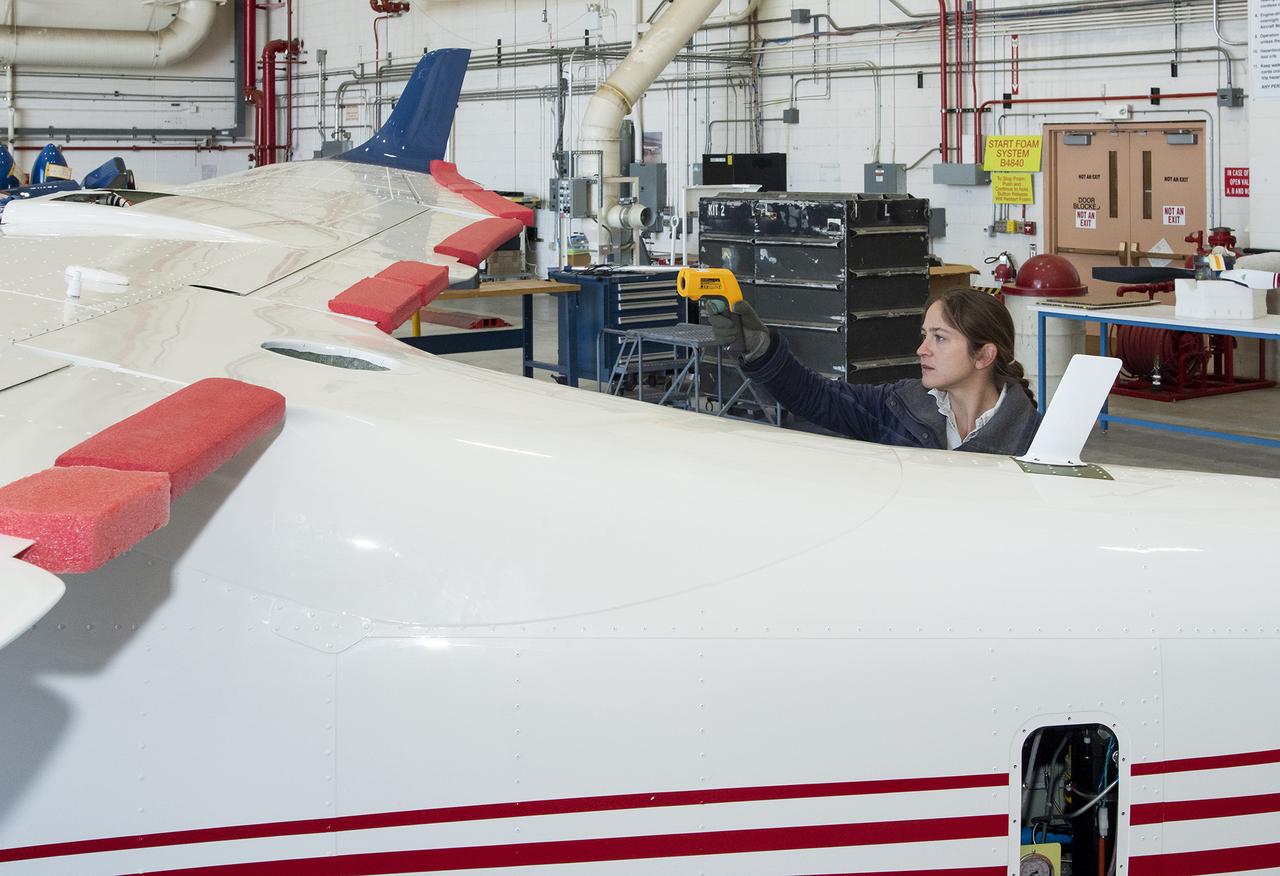
NASA engineers put the X-57 Maxwell, NASA’s first all-electric X-plane, through its initial telemetry tests at NASA’s Armstrong Flight Research Center in California, testing the aircraft’s ability to transmit data to teams on the ground. The data is packaged and transmitted down to ground assets, where it’s decoded into a format that can be presented to a flight control team to look at screens in real time for flight operations. X-57’s goal is to help set certification standards for emerging electric aircraft markets.
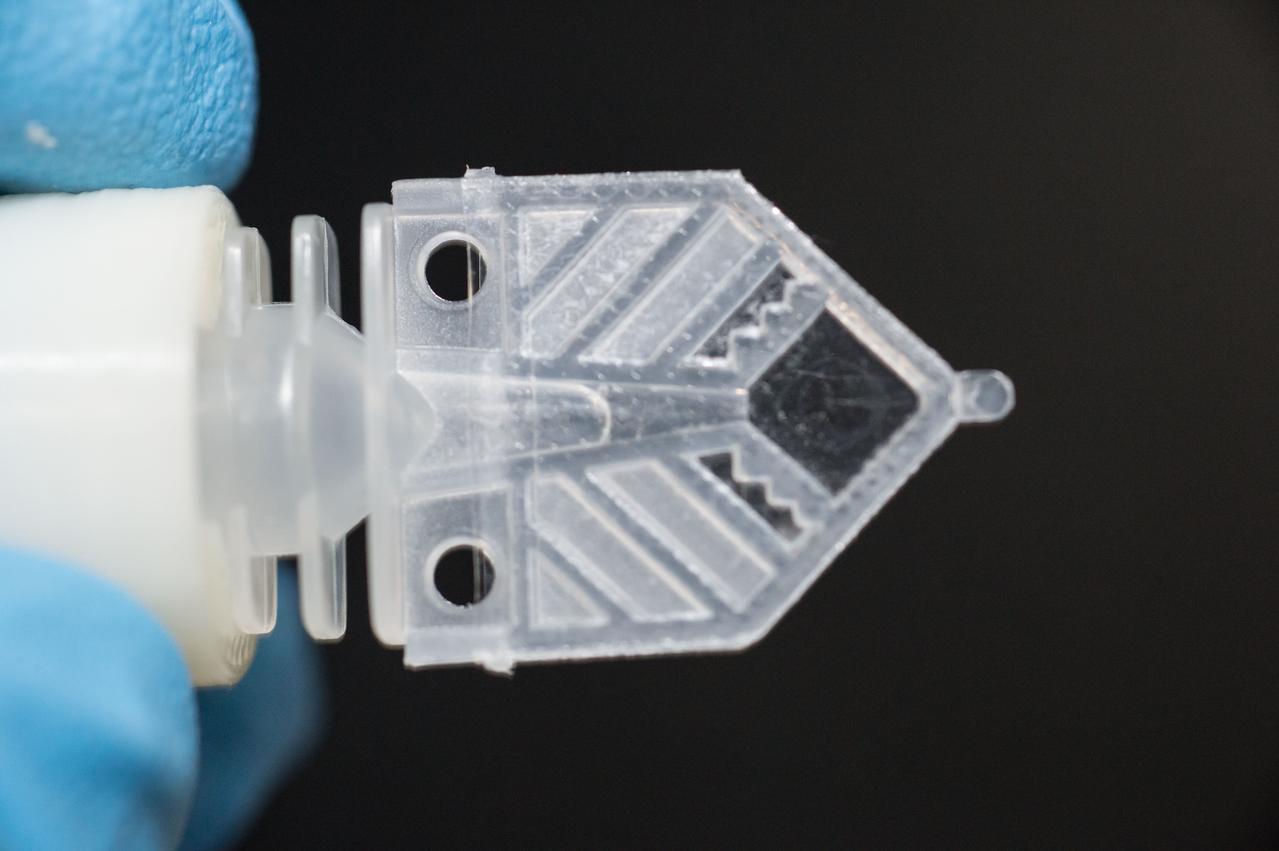
iss047e085695 (4/29/2016) --- A view of a Wet Lab RNA Sample to be placed into SmartCycler for data collection. Wetlab RNA SmartCycler is a research platform for conducting real-time quantitative gene expression analysis aboard the International Space Station (ISS). The system enables spaceflight genomic studies involving a wide variety of biospecimen types in the unique microgravity environment of space.
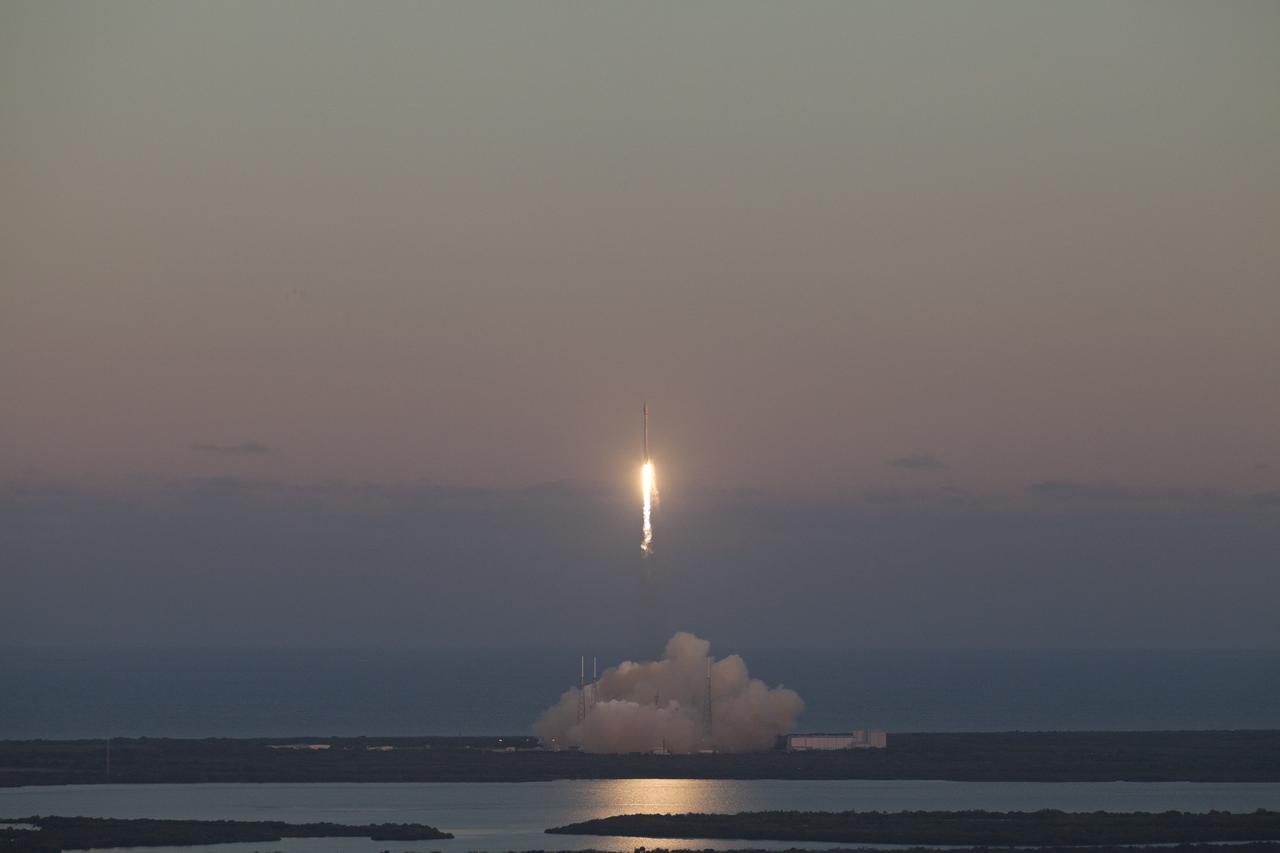
Lit by the glow of sunset, the SpaceX Falcon 9 rocket climbs away from Space Launch Complex 40 at Florida’s Cape Canaveral Air Force Station. On board is NOAA’s Deep Space Climate Observatory spacecraft, or DSCOVR. Liftoff occurred at 6:03 p.m. EST. DSCOVR is a partnership between NOAA, NASA and the U.S. Air Force, and will maintain the nation's real-time solar wind monitoring capabilities. To learn more about DSCOVR, visit http://www.nesdis.noaa.gov/DSCOVR. Photo credit: NASA/Kim Shiflett
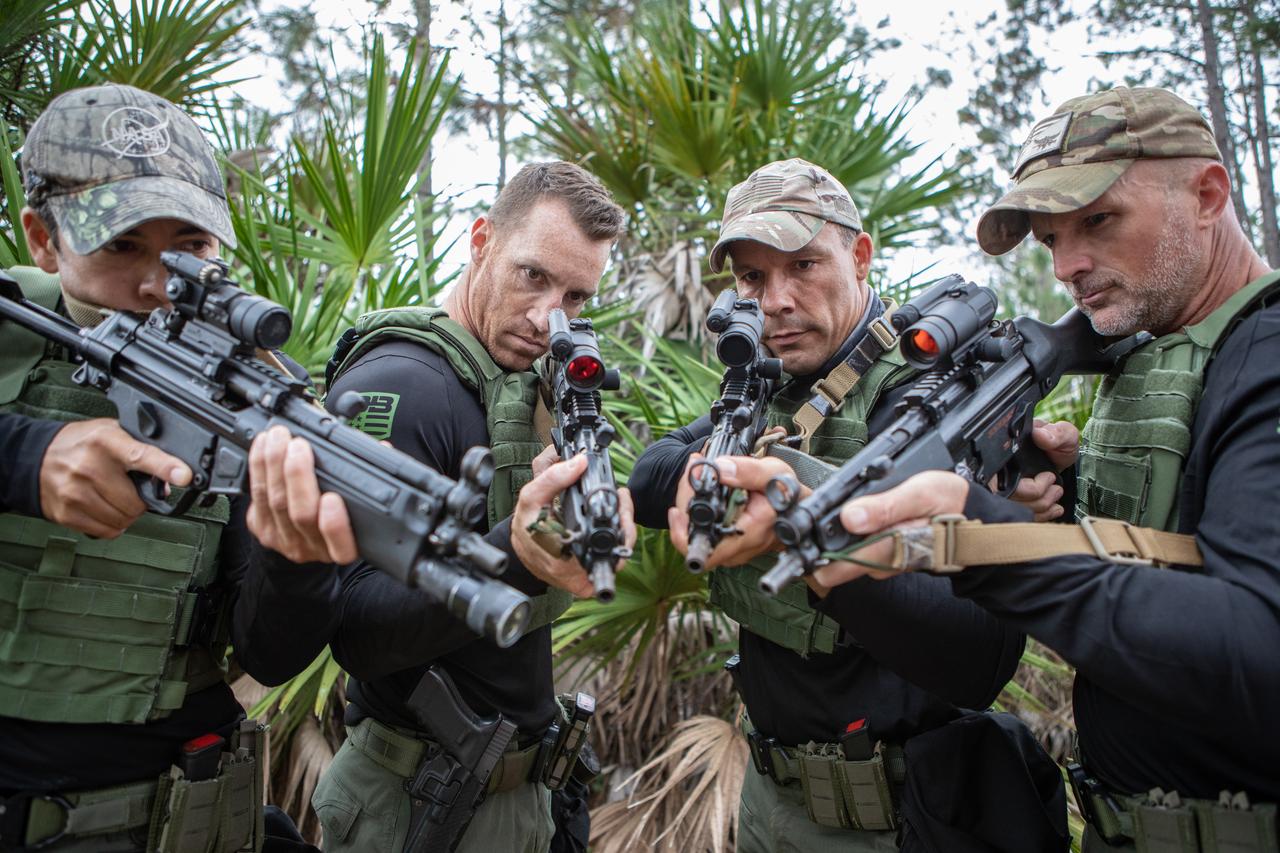
Members of NASA Kennedy Space Center's Emergency Response Team check their firearms before competing in the 37th Annual SWAT Round-Up International at the Lawson Lamar Firearms and Tactical Training Center in Orlando, Florida. The competition was held Nov. 10 to 15, 2019, and featured five different tactical challenges. Special pellets, rather than real bullets, are used during the competition. Kennedy's ERT members exchanged best practices and competed with more than 50 teams from the U.S. and around the world.
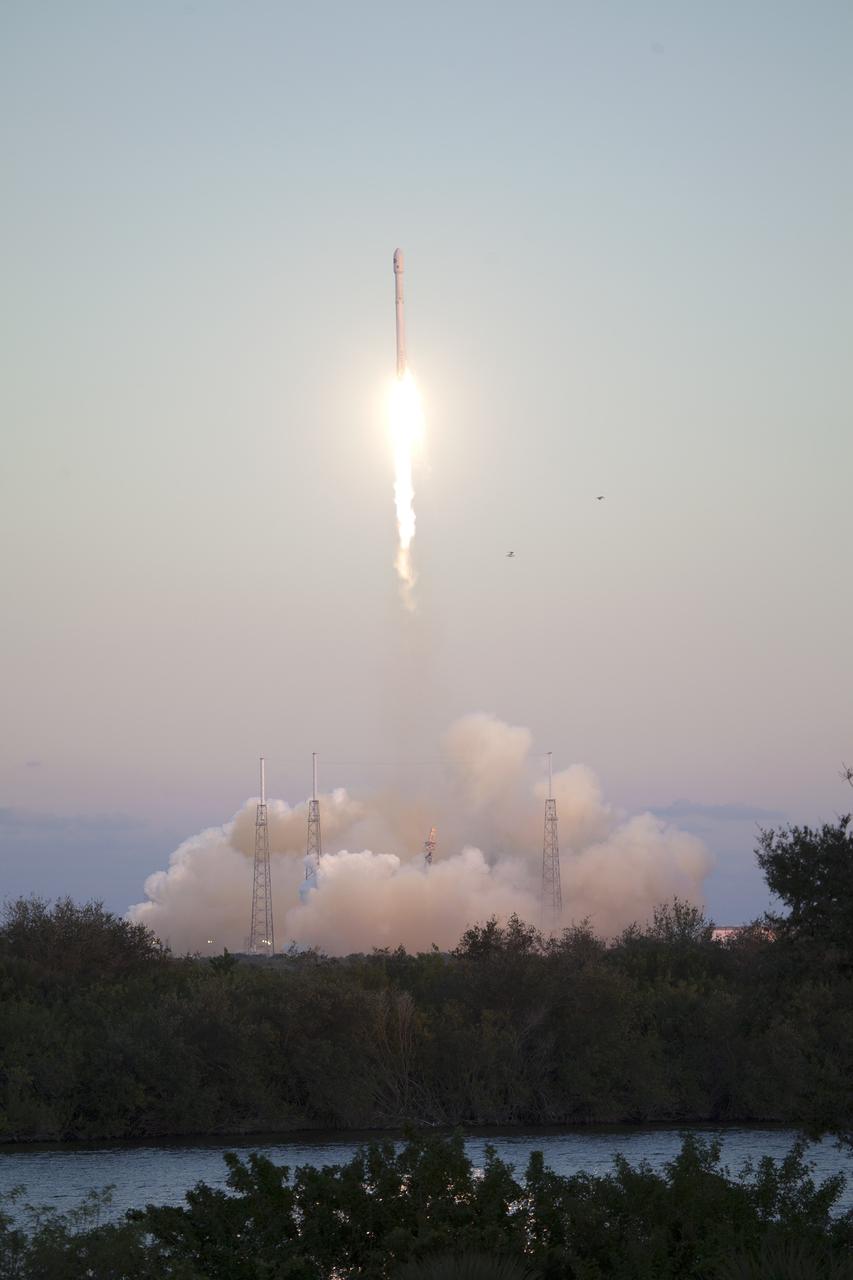
The SpaceX Falcon 9 rocket carrying NOAA’s Deep Space Climate Observatory spacecraft, or DSCOVR, lifts off from Space Launch Complex 40 at Cape Canaveral Air Force Station in Florida. Liftoff occurred at 6:03 p.m. EST. DSCOVR is a partnership between NOAA, NASA and the U.S. Air Force, and will maintain the nation's real-time solar wind monitoring capabilities. To learn more about DSCOVR, visit http://www.nesdis.noaa.gov/DSCOVR. Photo credit: NASA/Ben Smegelsky
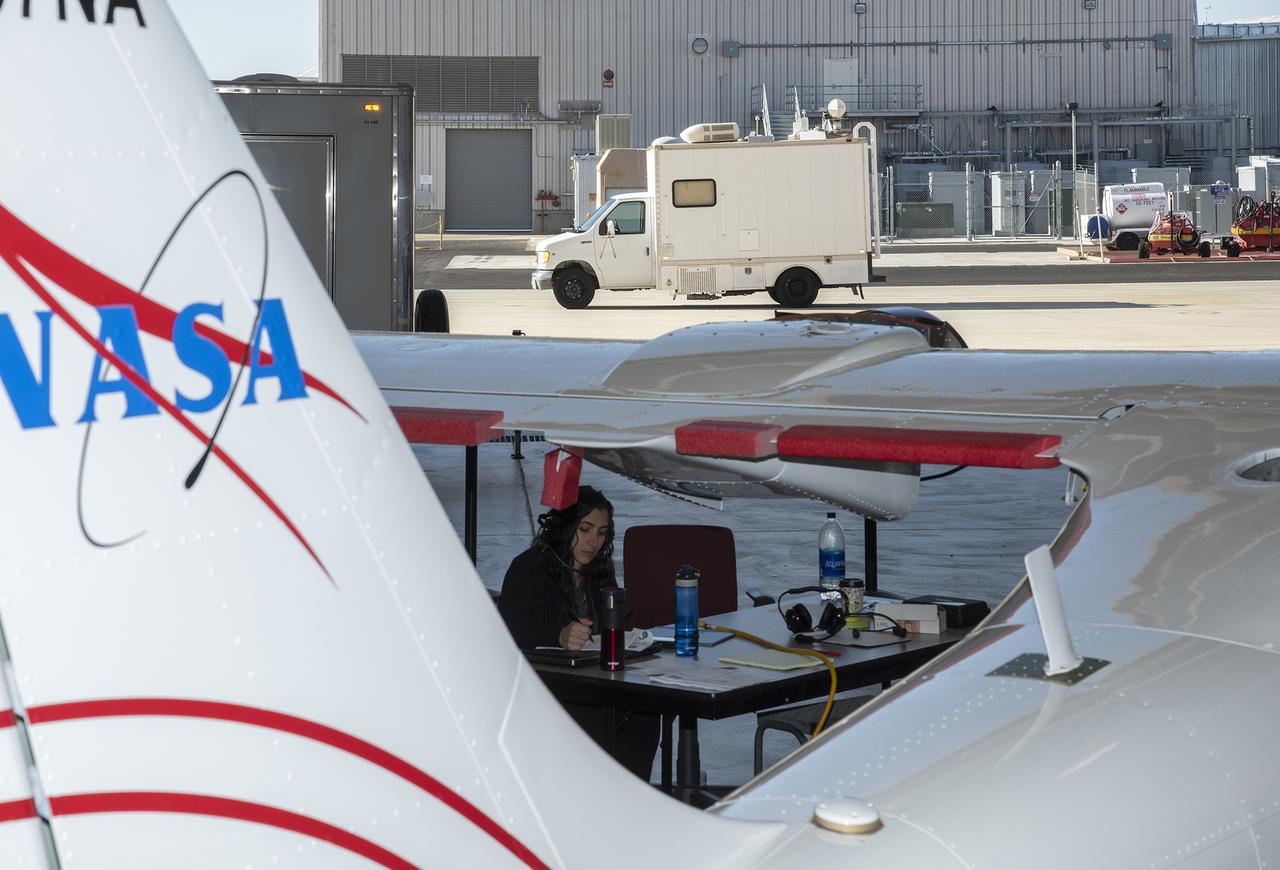
NASA engineers put the X-57 Maxwell, NASA's first all-electric X-plane, through its initial telemetry tests at NASA's Armstrong Flight Research Center in California, testing the aircraft's ability to transmit data to teams on the ground. The data is packaged and transmitted down to ground assets, where it's decoded into a format that can be presented to a flight control team to look at screens in real time for flight operations. X-57's goal is to help set certification standards for emerging electric aircraft markets.

iss071e666237 (Sept. 17, 2024) --- NASA astronaut Don Pettit was able to capture a photo of a recent fire in La Porte, Texas yesterday. Our NASA Astronauts have the ability to observe natural disasters from a vantage point of 250 miles above Earth. The imagery and data provided from the International Space Station can provide benefits to regions that experience unexpected events such as fires, floods, hurricanes, earthquakes, and more. This information is valuable when monitoring disasters on Earth in real time.
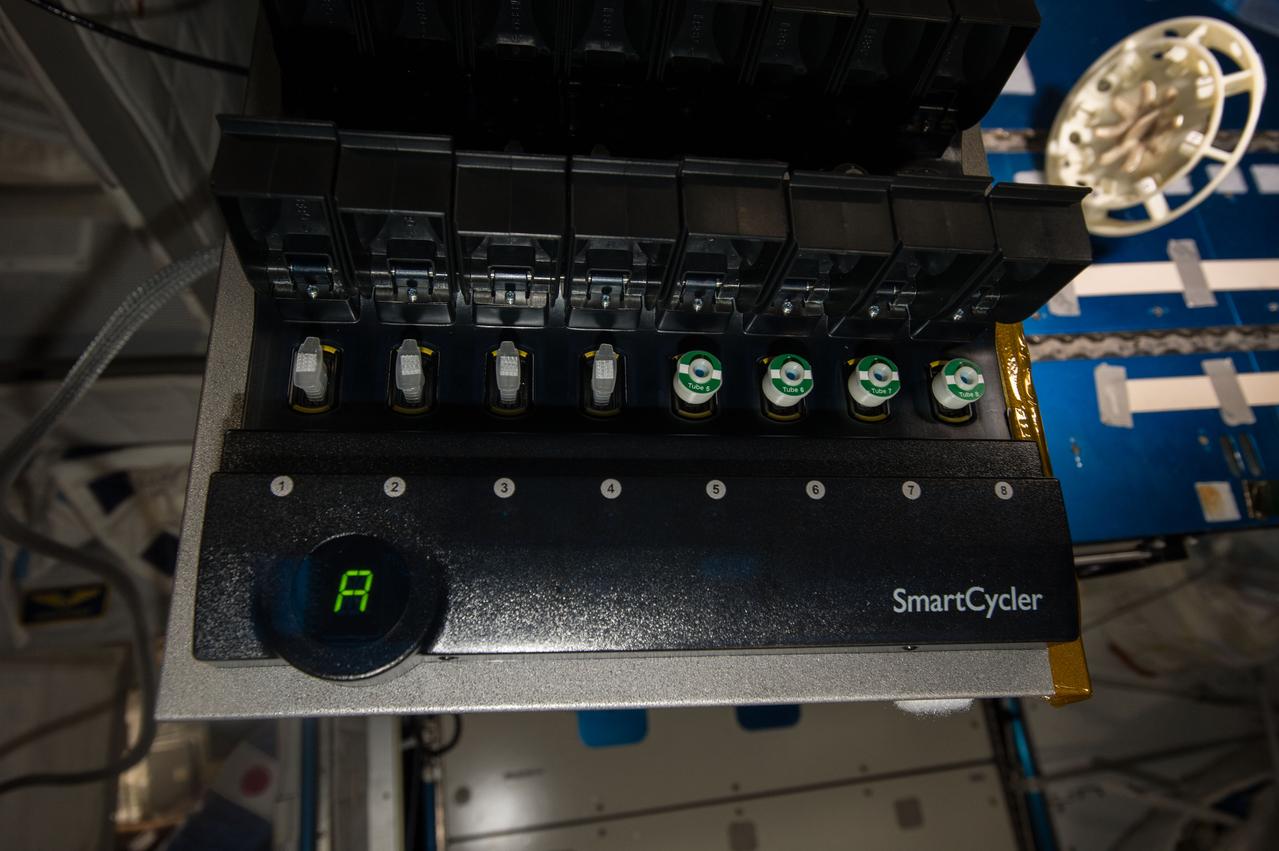
iss049e040752 (10/19/2016) --- A view of WetLab-2 Ribonucleic Acid (RNA) SmartCycler tubes loaded for Session 3. Wetlab RNA SmartCycler is a research platform for conducting real-time quantitative gene expression analysis aboard the International Space Station (ISS). The system enables spaceflight genomic studies involving a wide variety of biospecimen types in the unique microgravity environment of space.
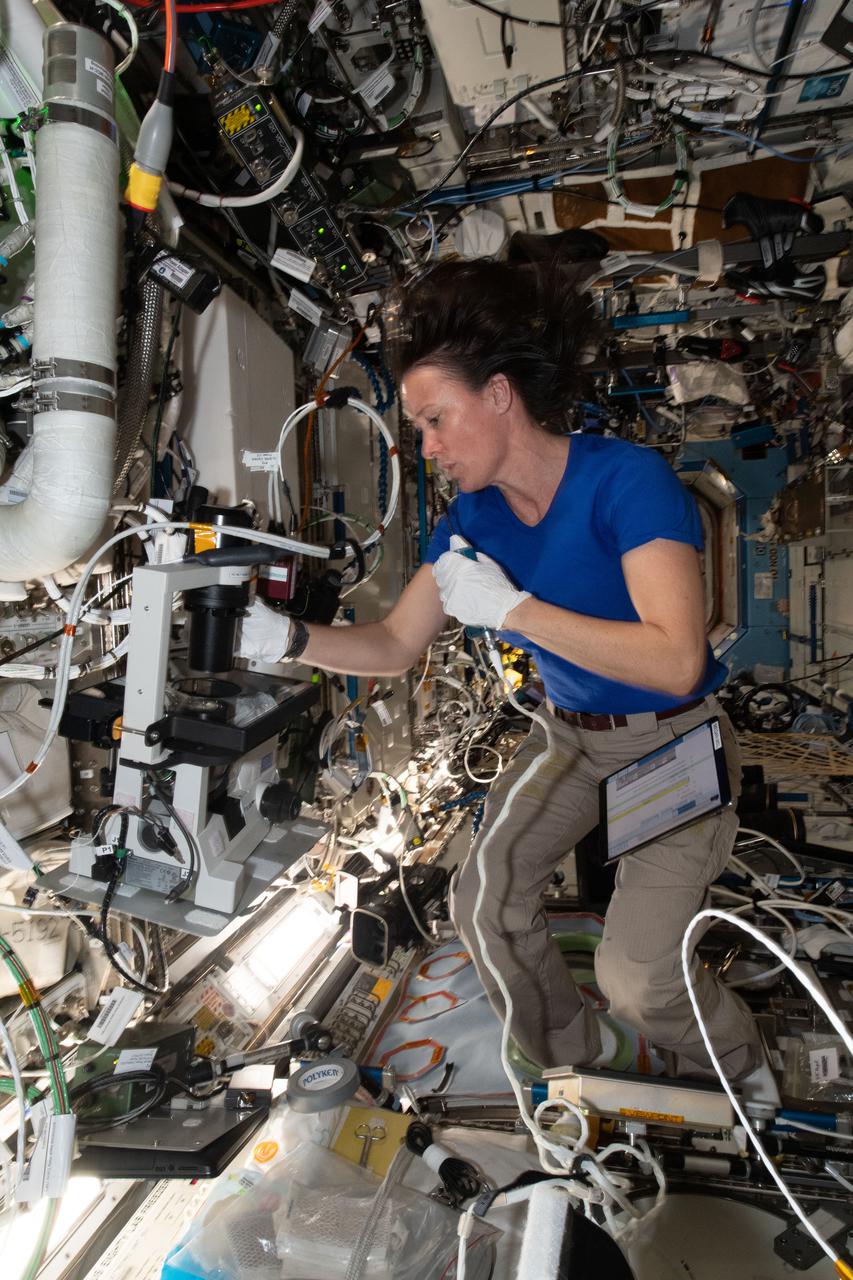
iss065e154962 (July 6, 2021) --- NASA astronaut and Expedition 65 Flight Engineer Megan McArthur sets up a microscope to view protein crystal samples for the Real-time Protein Crystal Growth-2 experiment. The biotechnology study looks at new ways to produce high-quality protein crystals which could lead to new disease therapies on Earth.
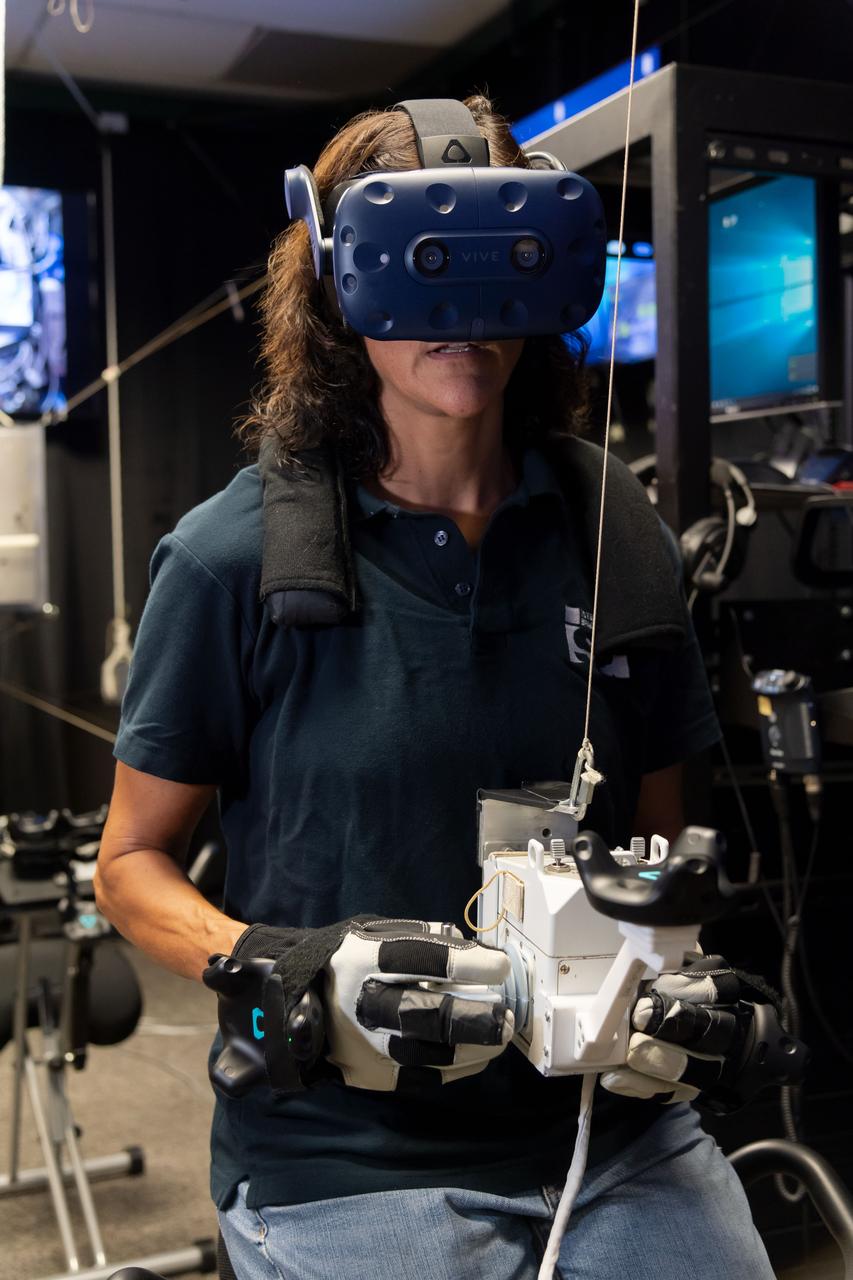
Commercial Crew Astronaut Suni Williams practices spacewalking in the Virtual Reality Lab at Johnson Space Center in Houston. The training provides real-time graphics and motion simulators to replicate the space environment. NASA’s Commercial Crew Program is working with Boeing and SpaceX to return human spaceflight launches to the United States in 2019. Williams is assigned to Boeing’s first operational mission after the company’s test flight with crew.
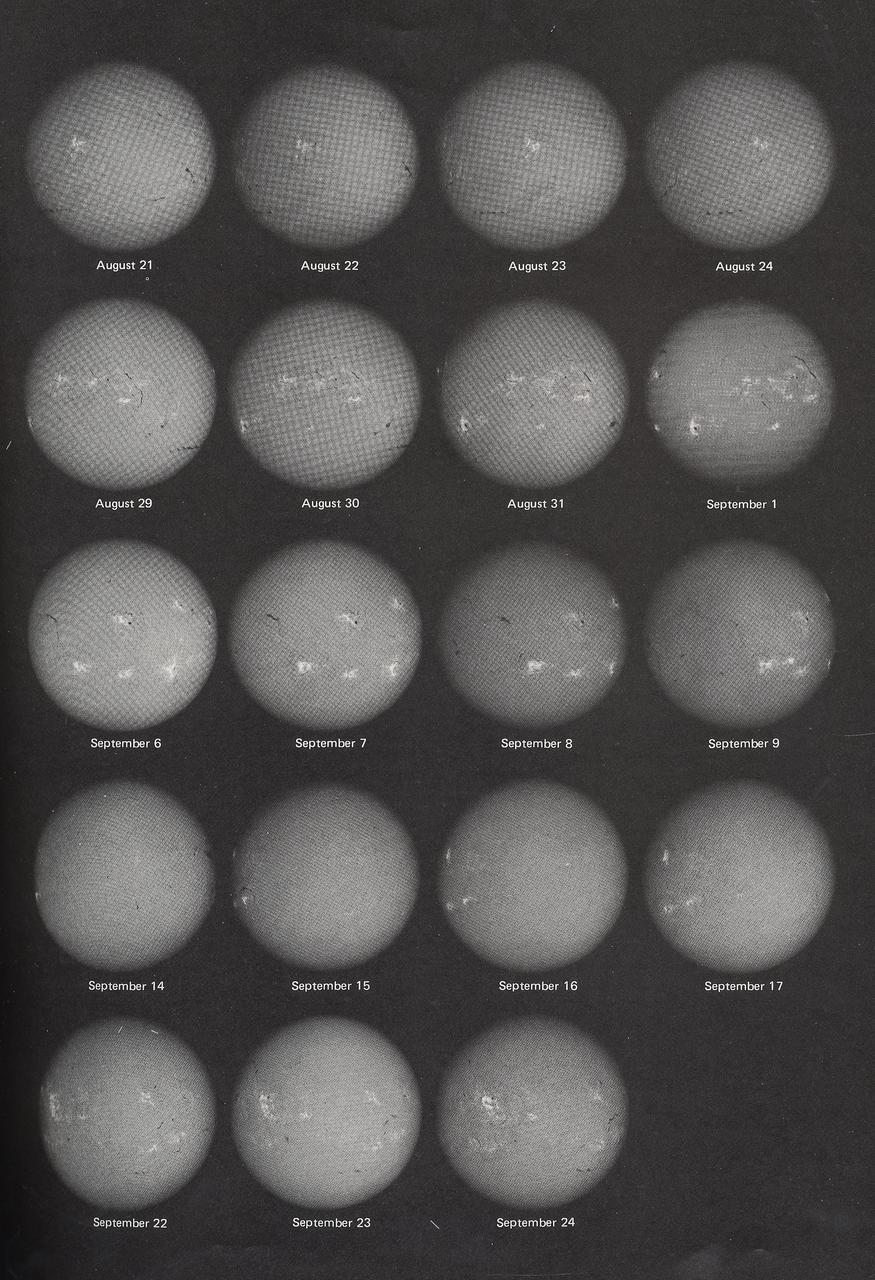
This montage shows changing faces of the Sun, recorded daily during the 59 days spent in orbit by Skylab's second crew. The Sun spun more than two full turns around its axis. Solar rotation is apparent in these daily portraits, as are real changes on the Sun. Bright features are centers of activity on the Sun. This image contains daily records from September 6, 1973 through September 24, 1973.
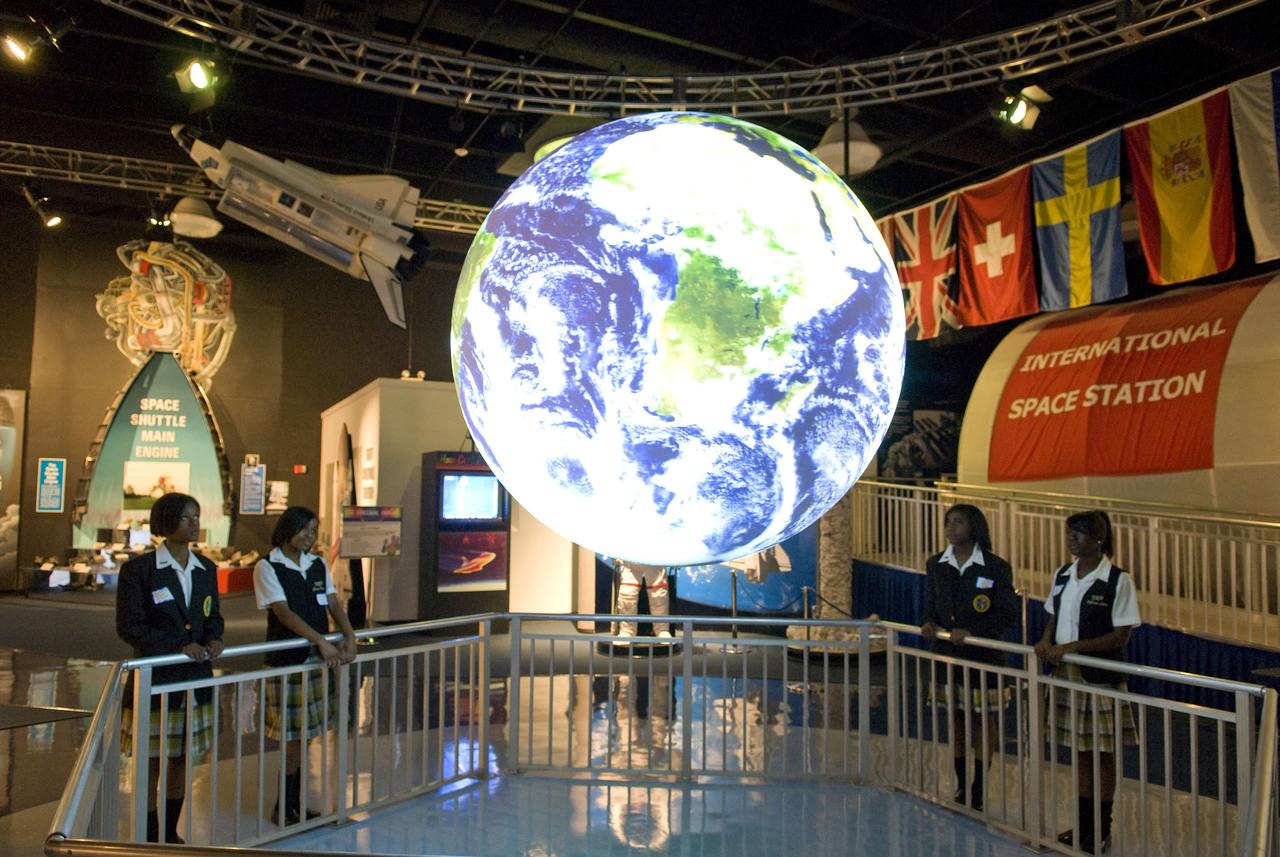
Students of Xavier University Preparatory School in New Orleans watch clouds shift across the globe in near-real time on 'Science on a Sphere' during a recent visit to StenniSphere, the visitor center at NASA's John C. Stennis Space Center. Four projectors work in sync with the suspended sphere to create a revolving display of a planet's atmosphere, oceans and land; to show documentary movies; or to project models of climate change using satellite data. Pictured are students (l to r) Ashante Snowton, Robriane Larry, Zhane Farbe and Ebony Johnson.
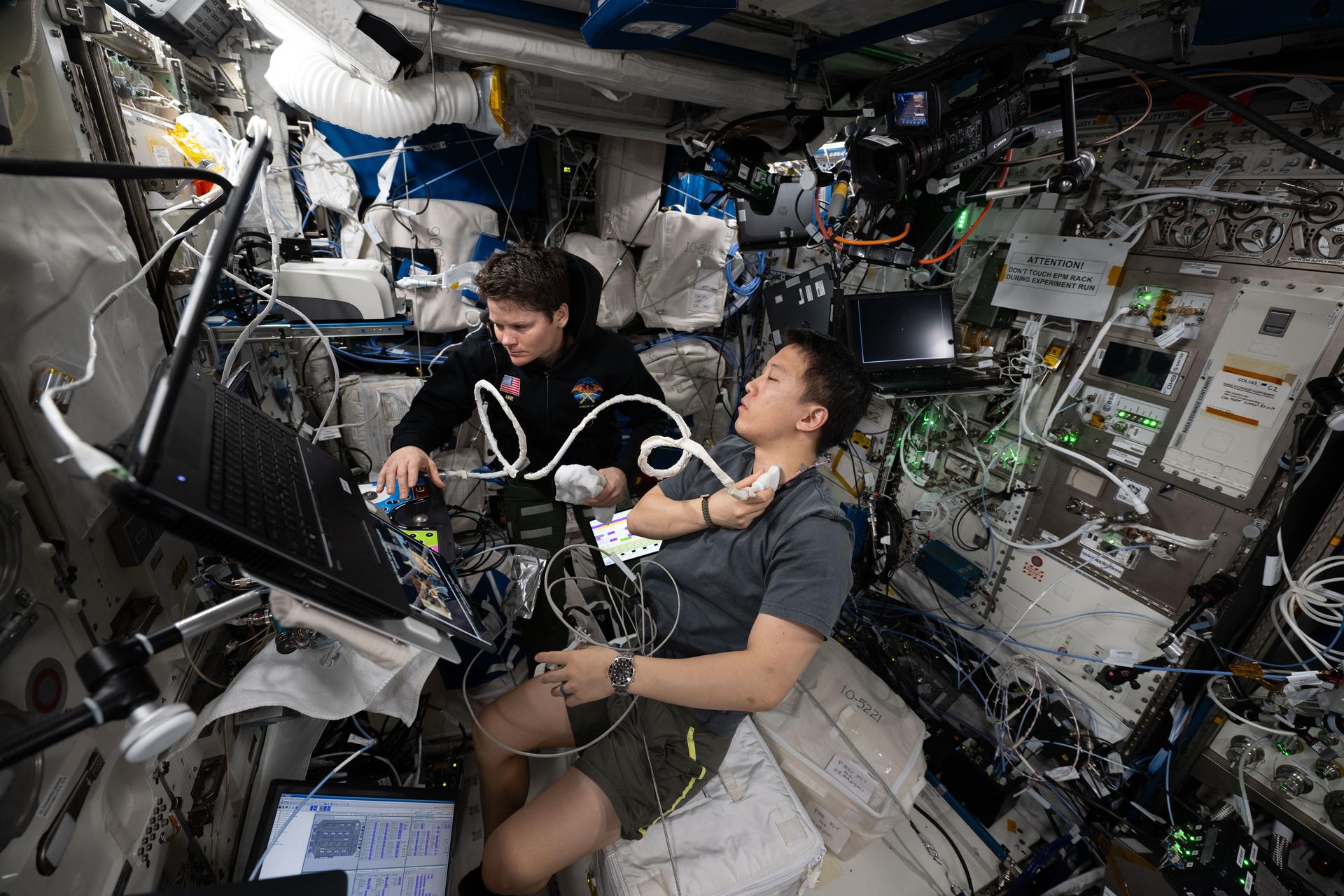
iss073e0076065 (May 19, 2025) --- NASA astronaut Anne McClain helps NASA astronaut Jonny Kim conduct an ultrasound aboard the International Space Station. Ultrasounds allow real-time observation of what is happening inside an astronaut’s body in space, such as changes in arteries and the effects of fluids shifting towards the head. In this photo, the checkup is being conducted as a part of the Thigh Cuff study, research to understand if wearing a tight cuff around the leg can help to mitigate headward fluid shifts. Credit. NASA.