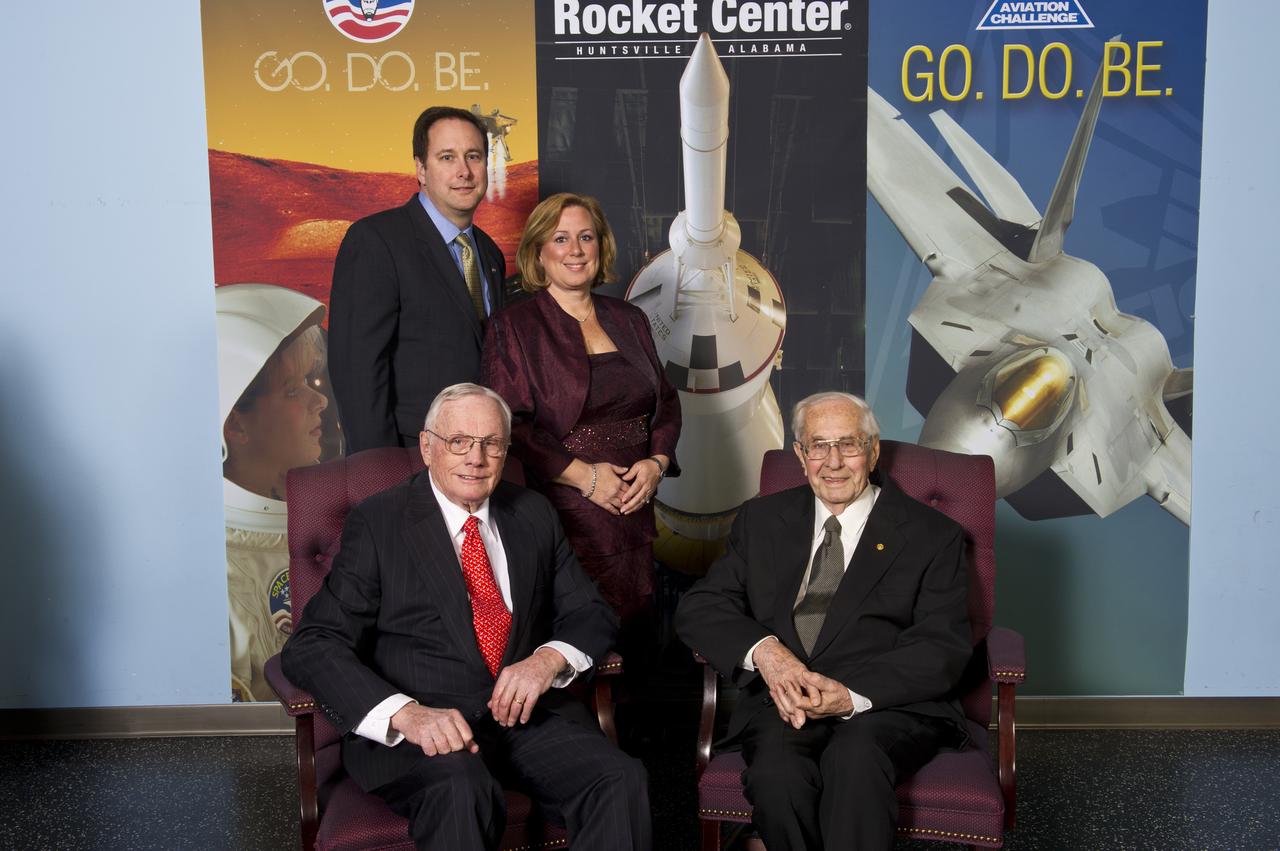
MR. AND MRS. ROBERT LIGHTFOOT POSE WITH ASTRONAUT NEIL ARMSTRONG AND DR. GEORG VON TIESENHAUSEN AT THE TRANQUILITY BASE RENDEZVOUS EVENT AT THE DAVIDSON CENTER AT THE U.S. SPACE AND ROCKET CENTER.

iss064e030538 (Feb. 9, 2021) --- Roscosmos cosmonaut and Expedition 64 Flight Engineer Sergey Kud-Sverchkov practices using the tele-robotically operated rendezvous unit (TORU) to safely maneuver a Russian spacecraft to its docking port in the unlikely event its automated rendezvous system fails.

iss064e030534 (Feb. 9, 2021) --- Roscosmos cosmonaut and Expedition 64 Commander Sergey Ryzhikov practices using the tele-robotically operated rendezvous unit (TORU) to safely maneuver a Russian spacecraft to its docking port in the unlikely event its automated rendezvous system fails.
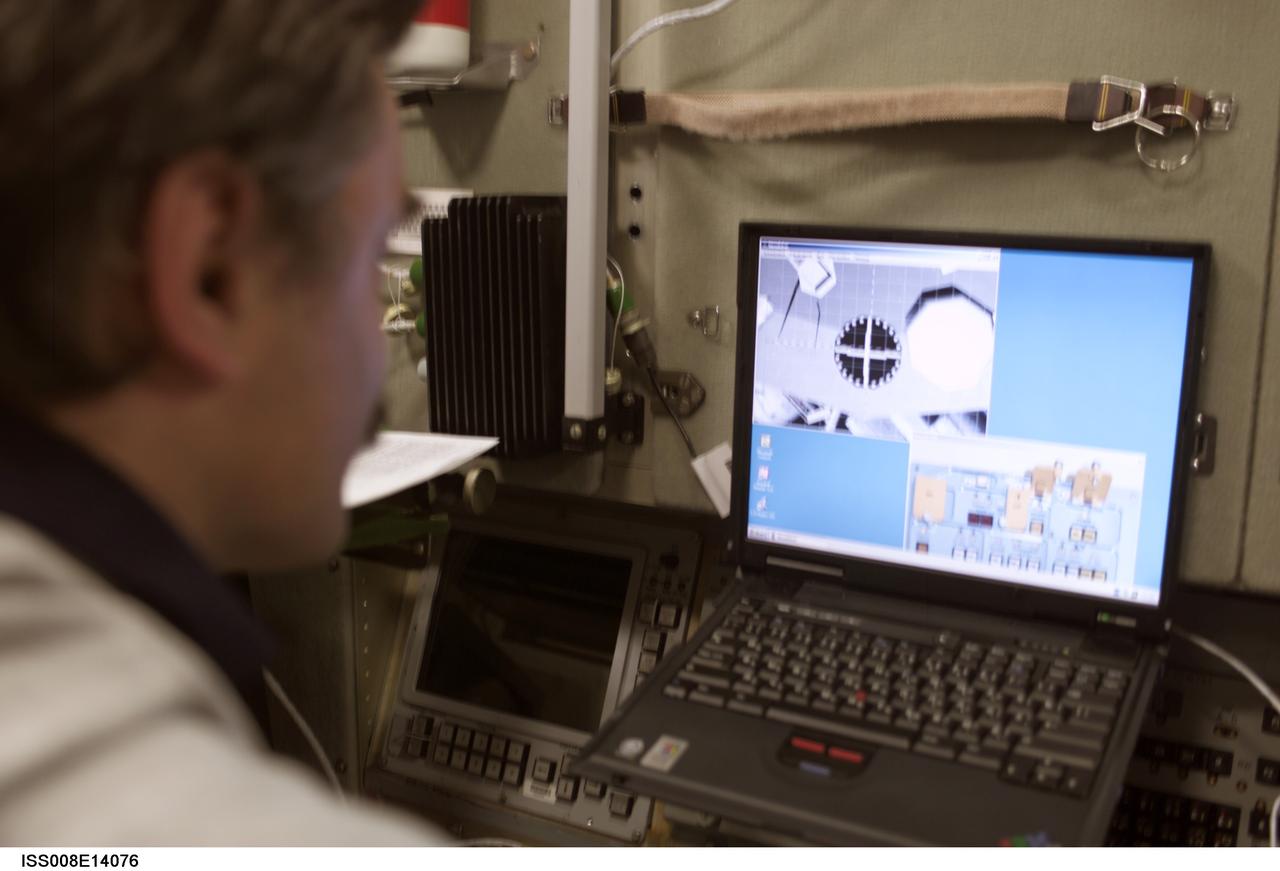
ISS008-E-14076 (30 January 2004) --- Cosmonaut Alexander Y. Kaleri, Expedition 8 flight engineer, practices docking procedures with the manual TORU rendezvous system in the Zvezda Service Module on the International Space Station (ISS) in preparation for the docking of the Progress 13 on January 31. With the manual TORU mode, Kaleri can perform necessary guidance functions from Zvezda via two hand controllers in the event of a failure of the “Kurs” automated rendezvous and docking (AR&D) of the Progress. Kaleri represents Rosaviakosmos.
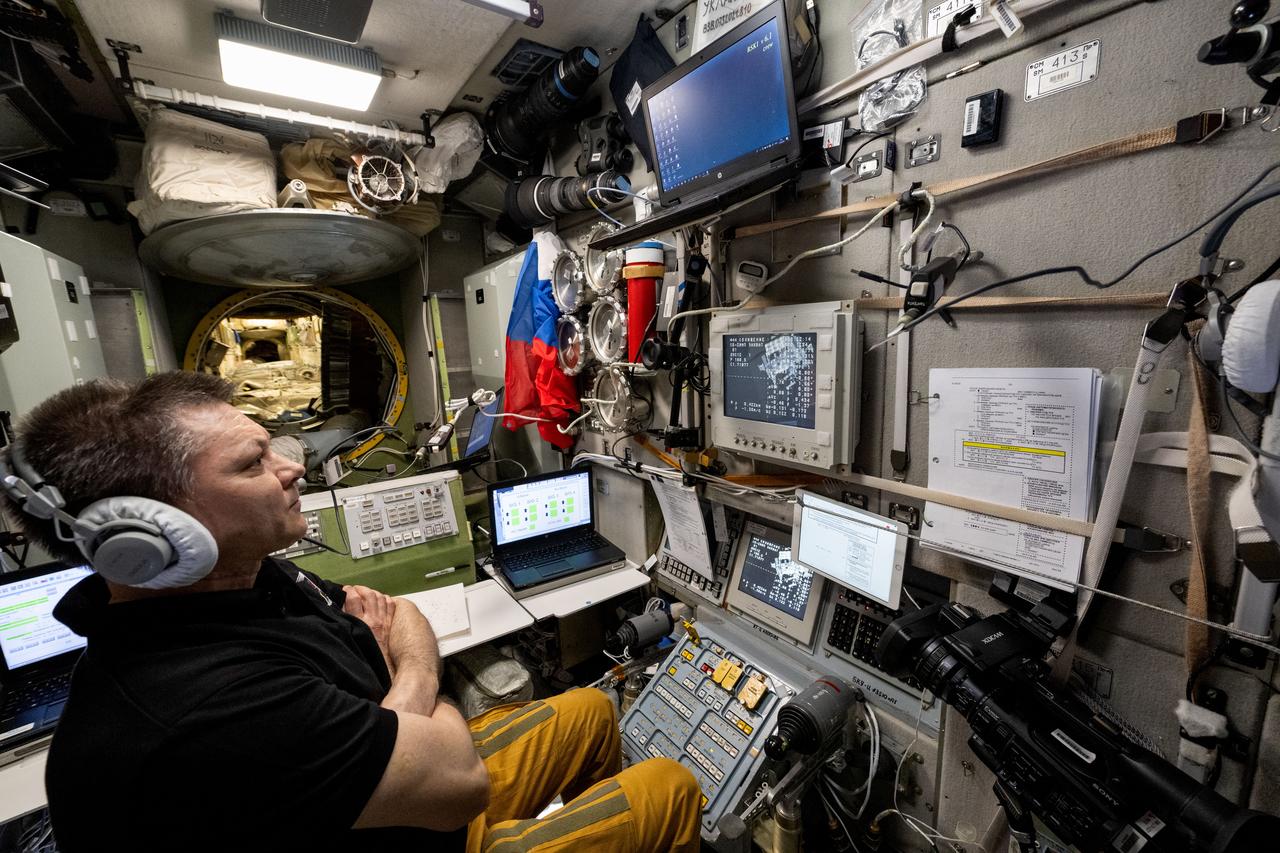
iss071e608454 (Aug. 17, 2024) --- Roscosmos cosmonaut and Expedition 71 Commander Oleg Kononenko is at the controls of the telerobotically operated rendezvous unit, or TORU, monitoring the automated rendezvous and docking of the Progress 89 cargo craft. Located inside the International Space Station's Zvezda service module, the TORU can be used to remotely control the Roscosmos spaceship in the unlikely event it would be unable to complete its automated docking.
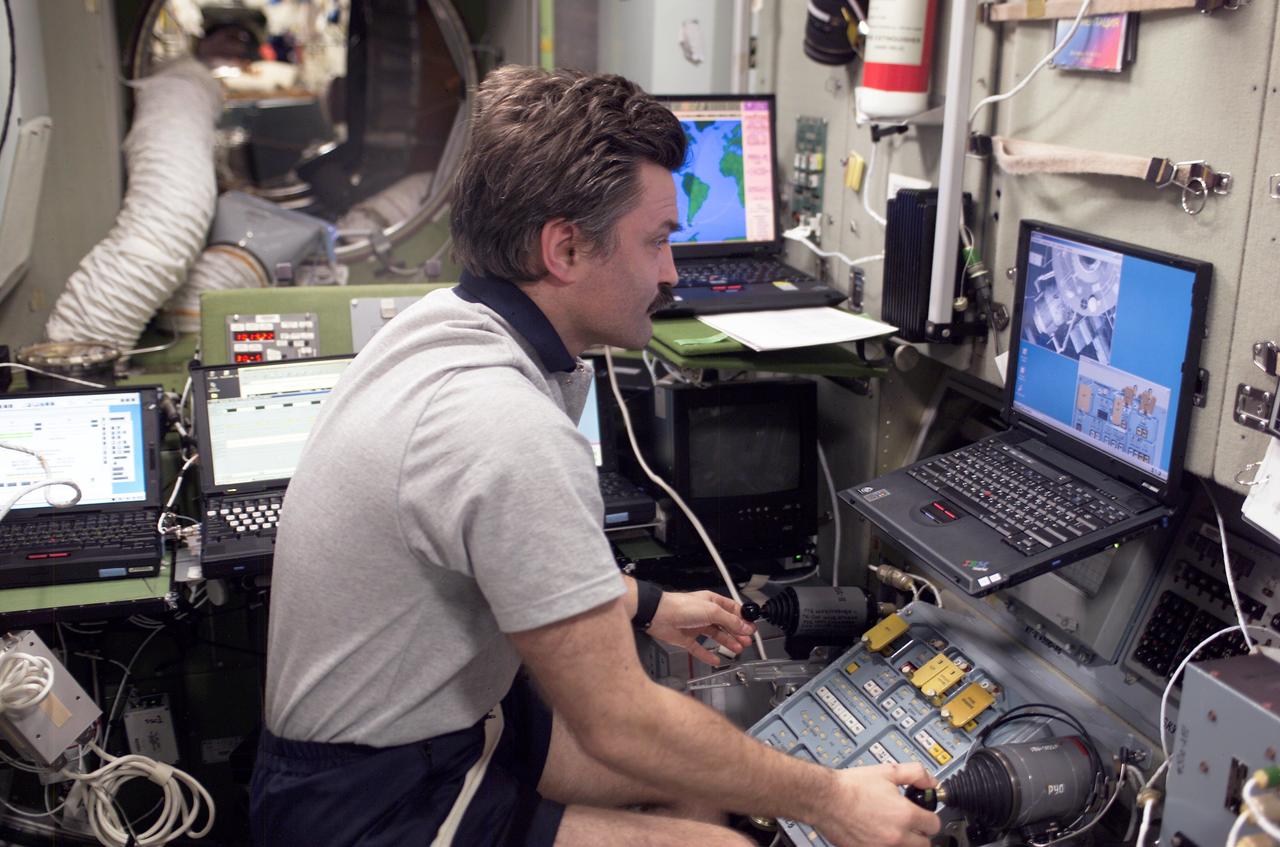
ISS008-E-14073 (30 January 2004) --- Cosmonaut Alexander Y. Kaleri, Expedition 8 flight engineer, practices docking procedures with the manual TORU rendezvous system in the Zvezda Service Module on the International Space Station (ISS) in preparation for the docking of the Progress 13 on January 31. With the manual TORU mode, Kaleri can perform necessary guidance functions from Zvezda via two hand controllers in the event of a failure of the “Kurs” automated rendezvous and docking (AR&D) of the Progress. Kaleri represents Rosaviakosmos.
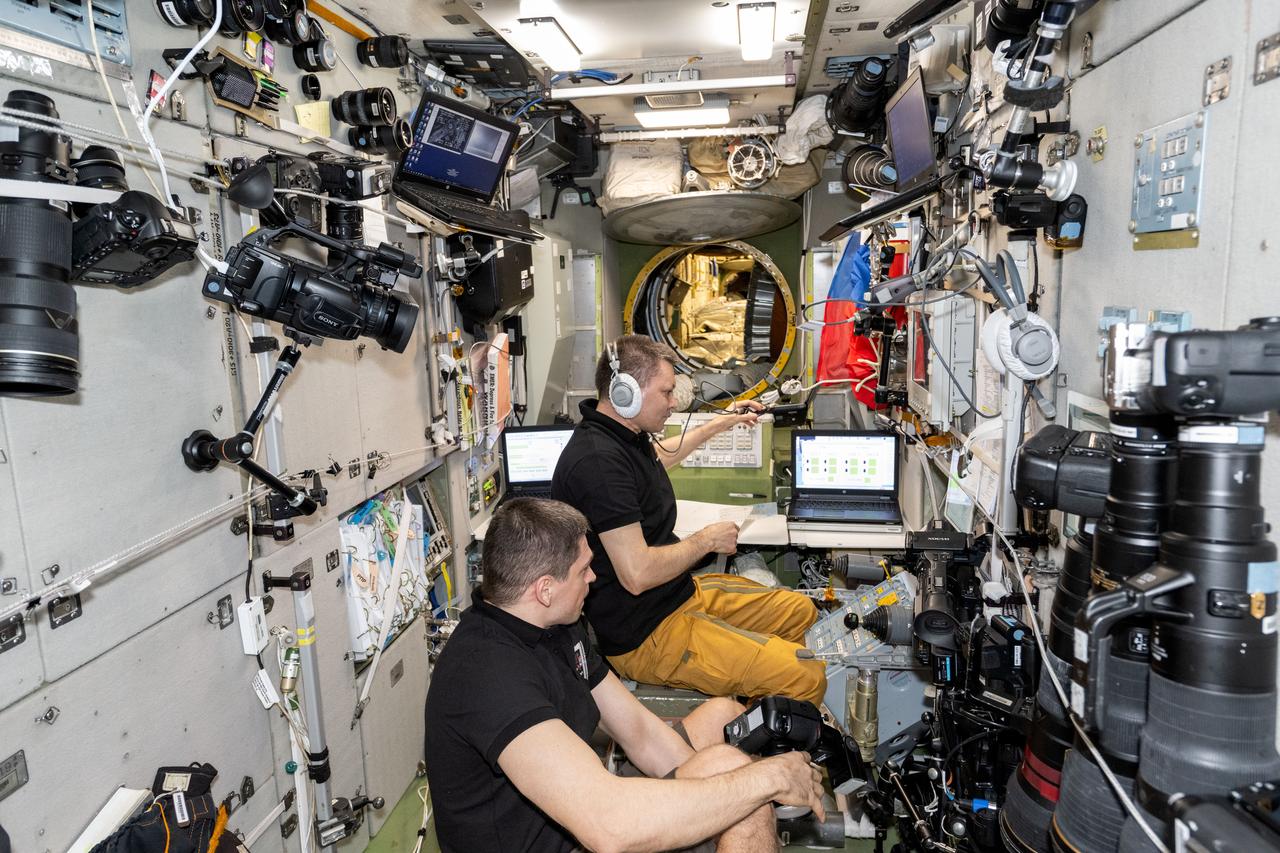
iss071e608479 (Aug. 17, 2024) --- Roscosmos cosmonauts Nikolai Chub (foreground) and Oleg Kononenko, Expedition 71 Flight Engineer and Commander respectively, are at the controls of the telerobotically operated rendezvous unit, or TORU, monitoring the automated rendezvous and docking of the Progress 89 cargo craft. Located inside the International Space Station's Zvezda service module, the TORU can be used to remotely control the Roscosmos spaceship in the unlikely event it would be unable to complete its automated docking.
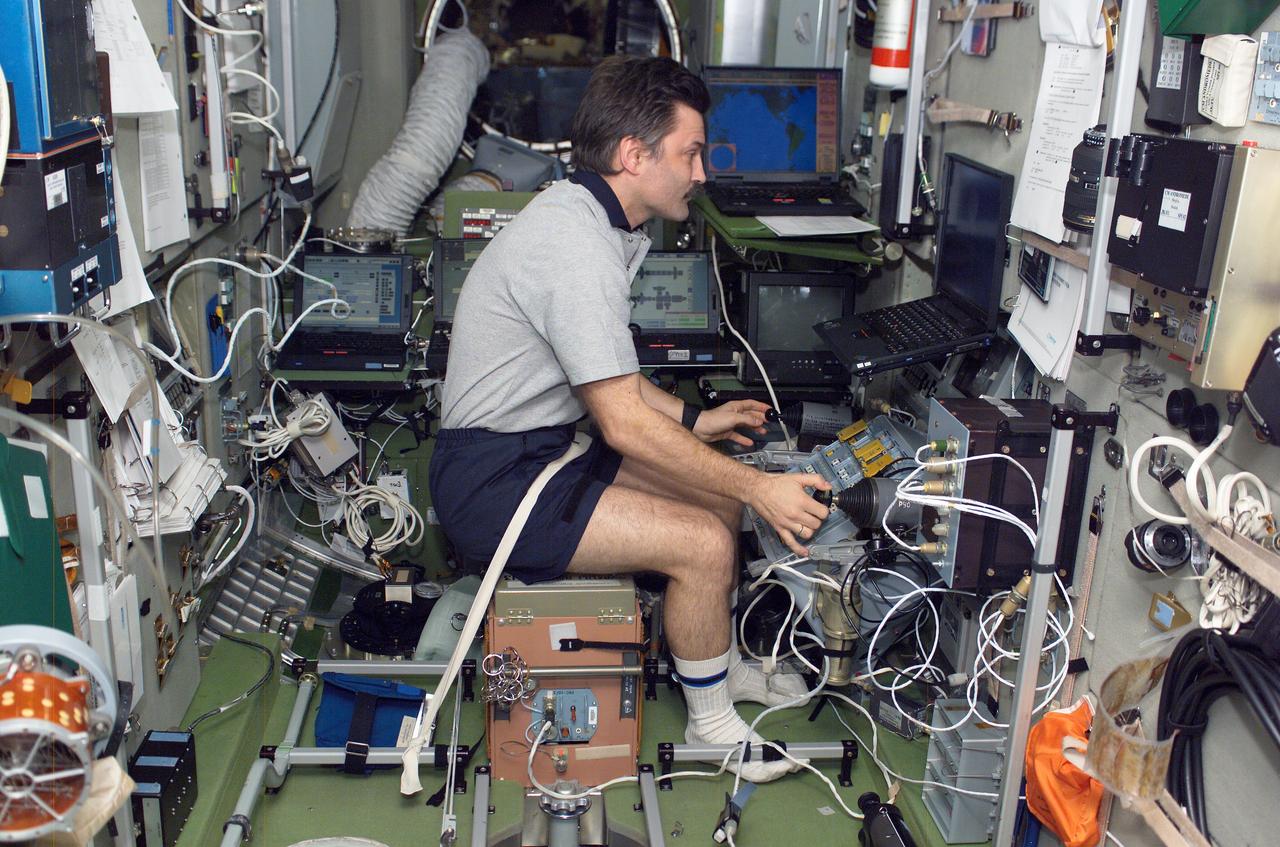
ISS008-E-14067 (30 January 2004) --- Cosmonaut Alexander Y. Kaleri, Expedition 8 flight engineer, practices docking procedures with the manual TORU rendezvous system in the Zvezda Service Module on the International Space Station (ISS) in preparation for the docking of the Progress 13 on January 31. With the manual TORU mode, Kaleri can perform necessary guidance functions from Zvezda via two hand controllers in the event of a failure of the “Kurs” automated rendezvous and docking (AR&D) of the Progress. Kaleri represents Rosaviakosmos.
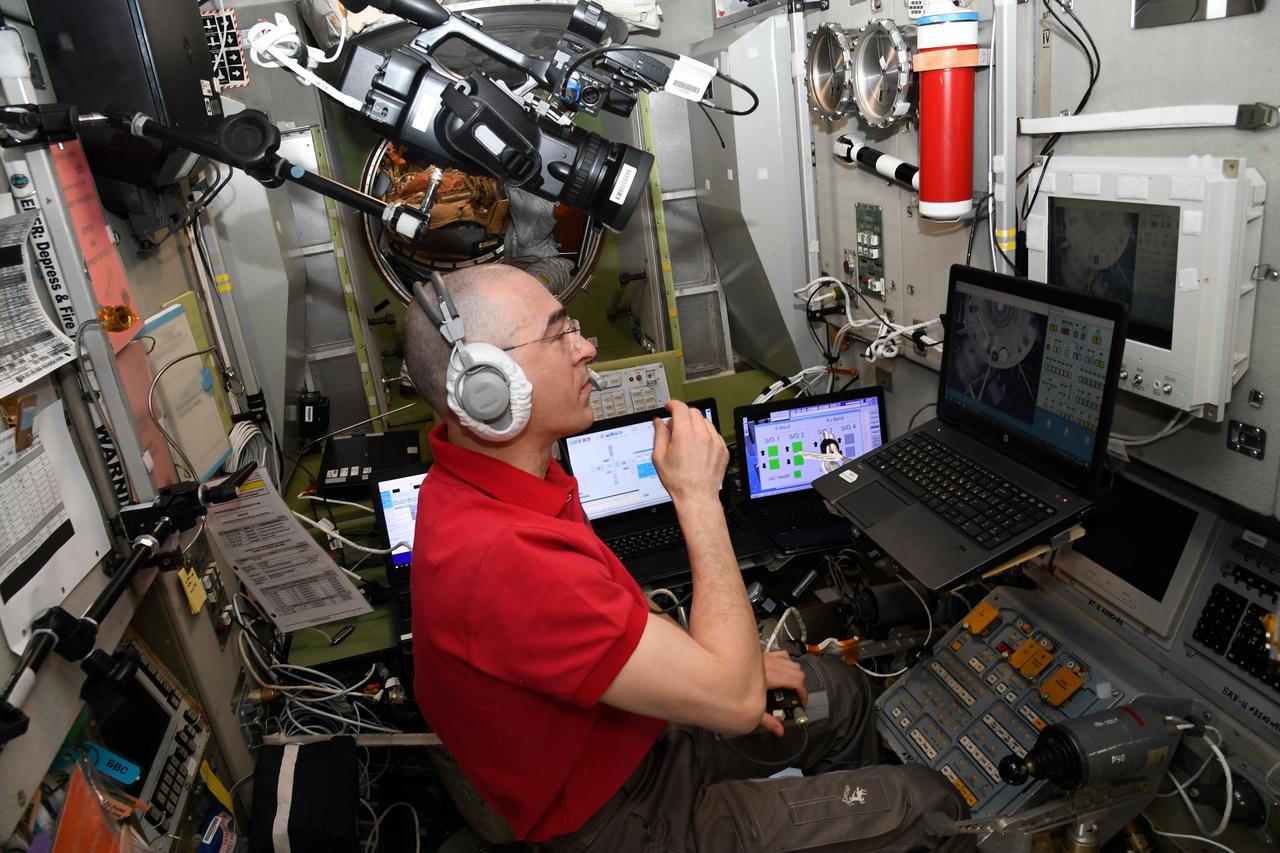
iss063e001466 (April 22, 2020) --- Roscosmos cosmonaut and Expedition 63 Flight Engineer Anatoly Ivanishin practices remote spacecraft maneuvering techniques on the Tele-Operated Robotics Unit (TORU) in the Zvezda service module. The TORU would be used in the unlikely event a Russian spacecraft would be unable to automatically rendezvous and dock to the International Space Station.
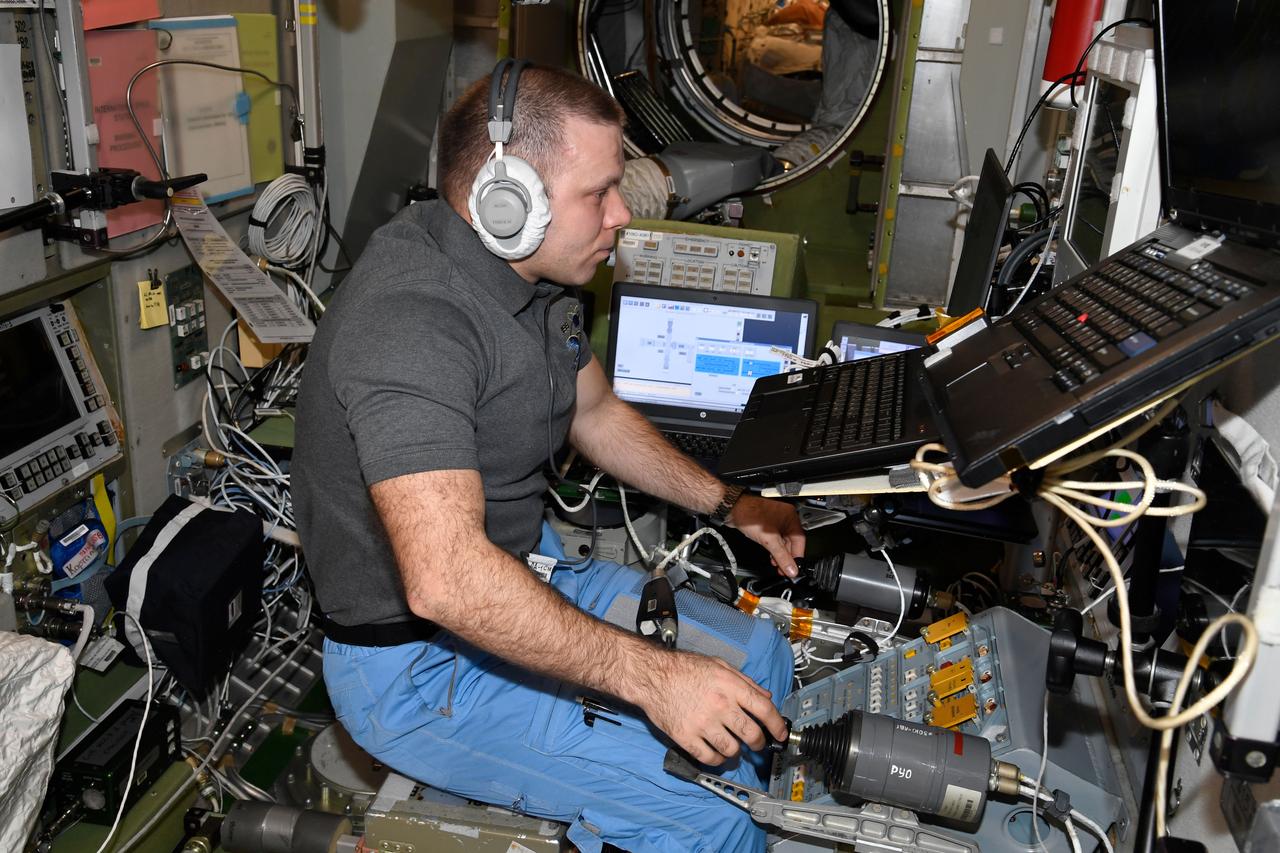
iss063e001469 (April 22, 2020) --- Roscosmos cosmonaut and Expedition 63 Flight Engineer Ivan Vagner practices remote spacecraft maneuvering techniques on the Tele-Operated Robotics Unit (TORU) in the Zvezda service module. The TORU would be used in the unlikely event a Russian spacecraft would be unable to automatically rendezvous and dock to the International Space Station.
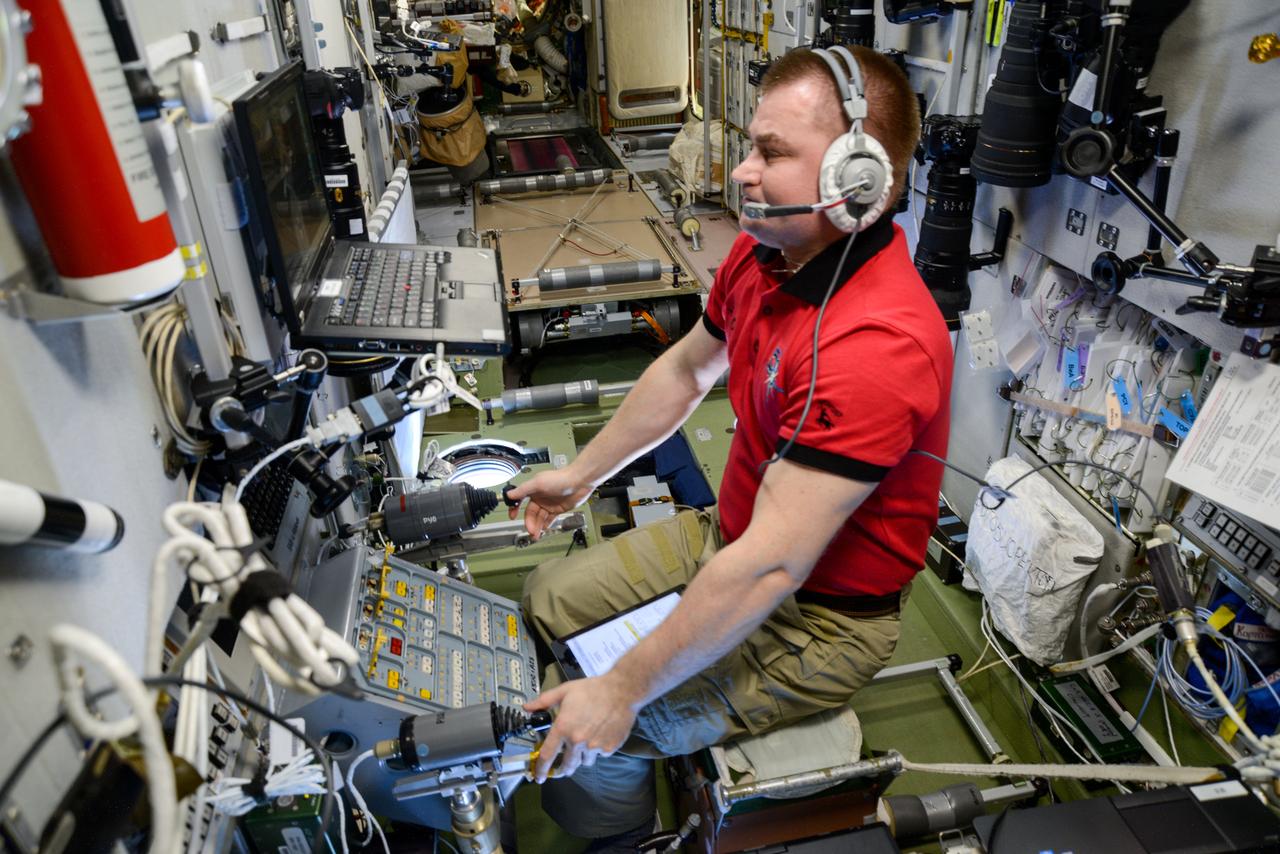
iss060e019910 (July 29, 2019) --- Cosmonaut Alexey Ovchinin of Expedition 60 trains on the tele-robotically operated rendezvous unit (TORU) two days before the arrival of the Progress 73 (73P) cargo ship. The 73P docked July 31 to the International Space Station's Zvezda service module just three hours and 19 minutes after launching from the Baikonur Cosmodrome in Kazakhstan. The TORU can be used to take over manual docking operations of an approaching Russian spaceship in the unlikely event of an emergency.
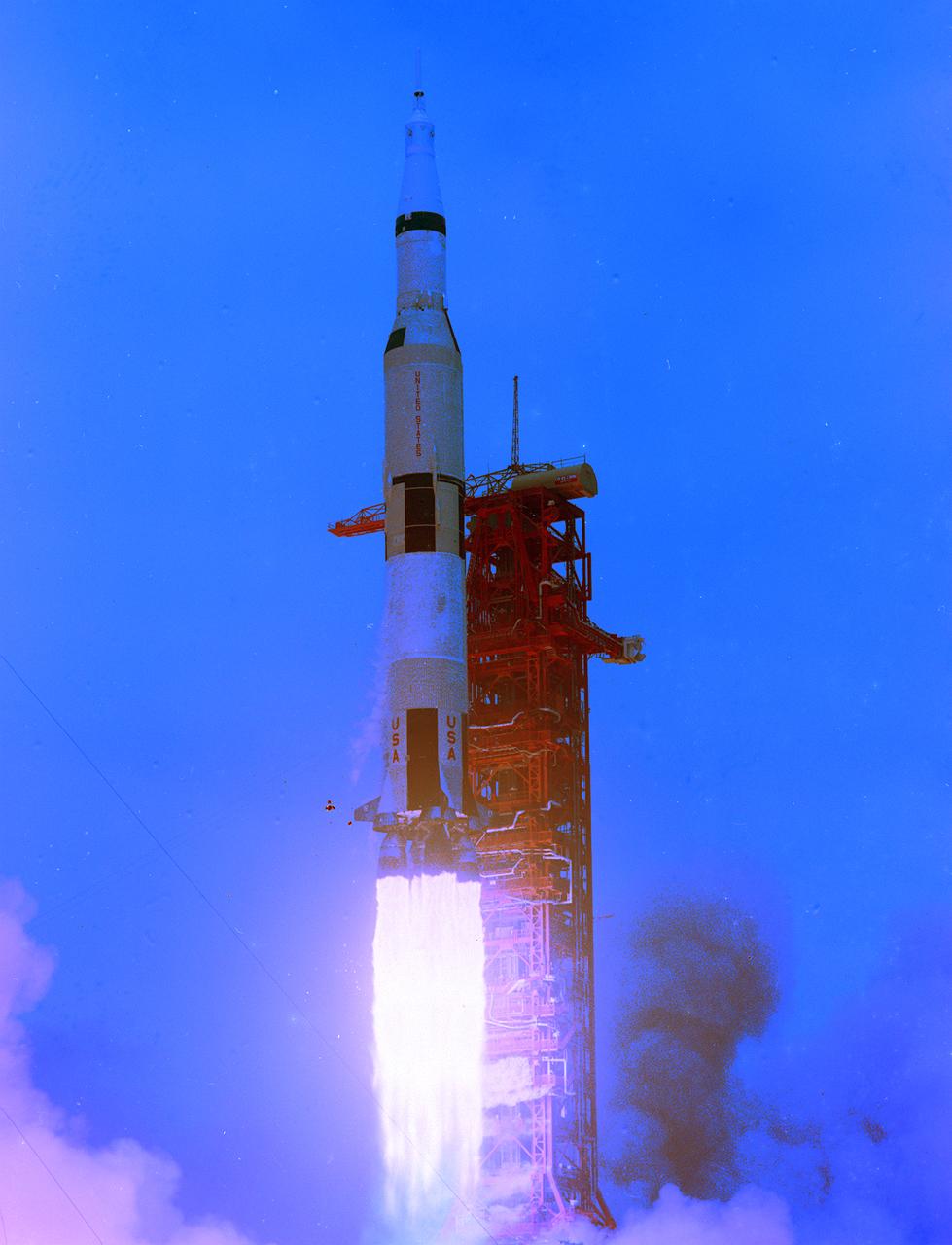
The fifth launch of the Saturn V launch vehicle (SA-505), the Apollo 10 mission with astronauts Thomas P. Stafford, John W. Young, and Eugene A. Cernan, occurred on May 18, 1969. The crew performed the first lunar orbit rendezvous, and the lunar landing mission profile was performed except for powered descent, landing, and ascent of the Lunar Module. The mission objectives were to rehearse all the steps and reproduce all the events of the Apollo 11, the first lunar landing mission, with the exception of the lunar touchdown, stay, and liftoff.
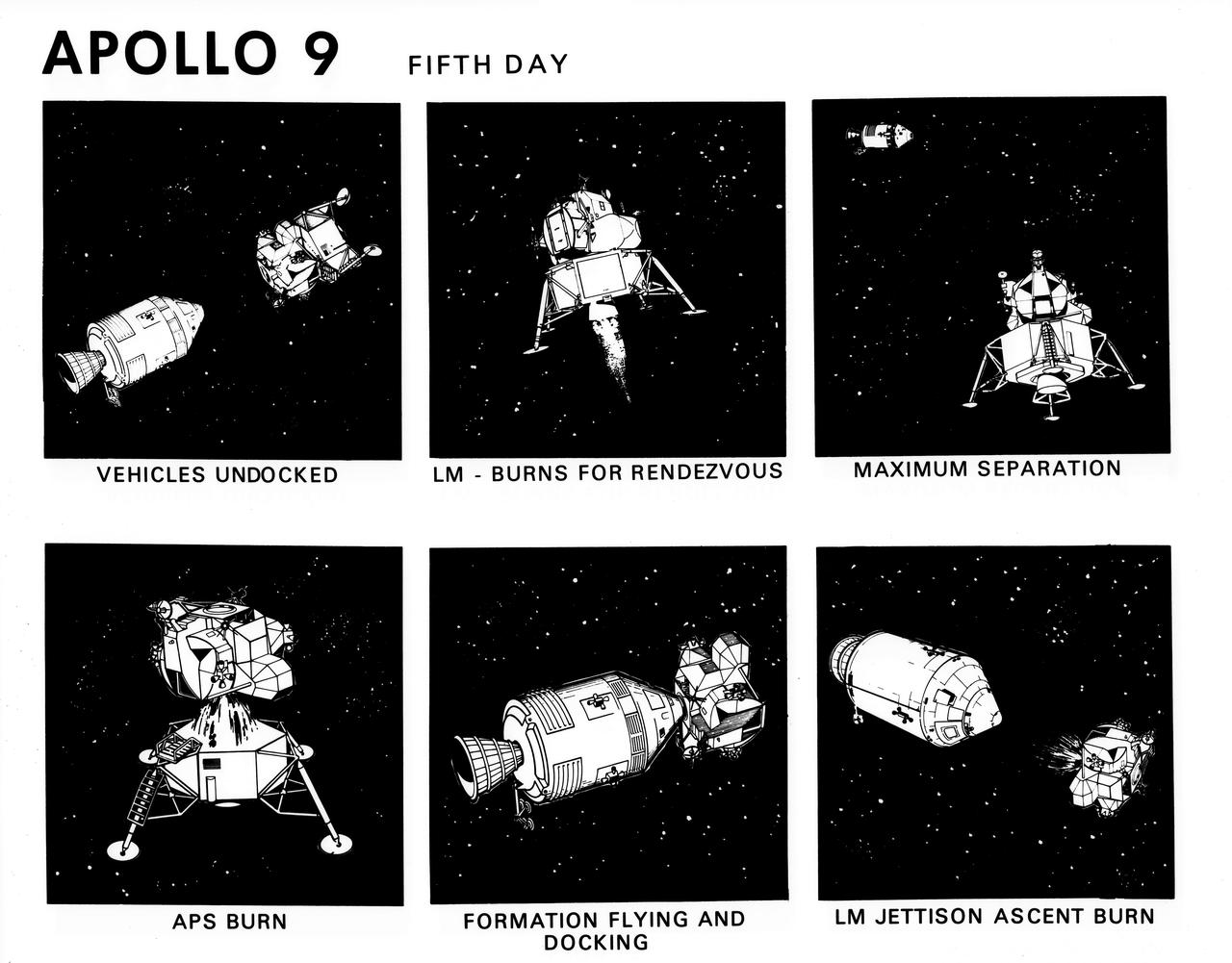
S69-19796 (February 1969) --- Composite of six artist's concepts illustrating key events, tasks and activities on the fifth day of the Apollo 9 mission, including vehicles undocked, Lunar Module burns for rendezvous, maximum separation, ascent propulsion system burn, formation flying and docking, and Lunar Module jettison ascent burn. The Apollo 9 mission will evaluate spacecraft lunar module systems performance during manned Earth-orbital flight.
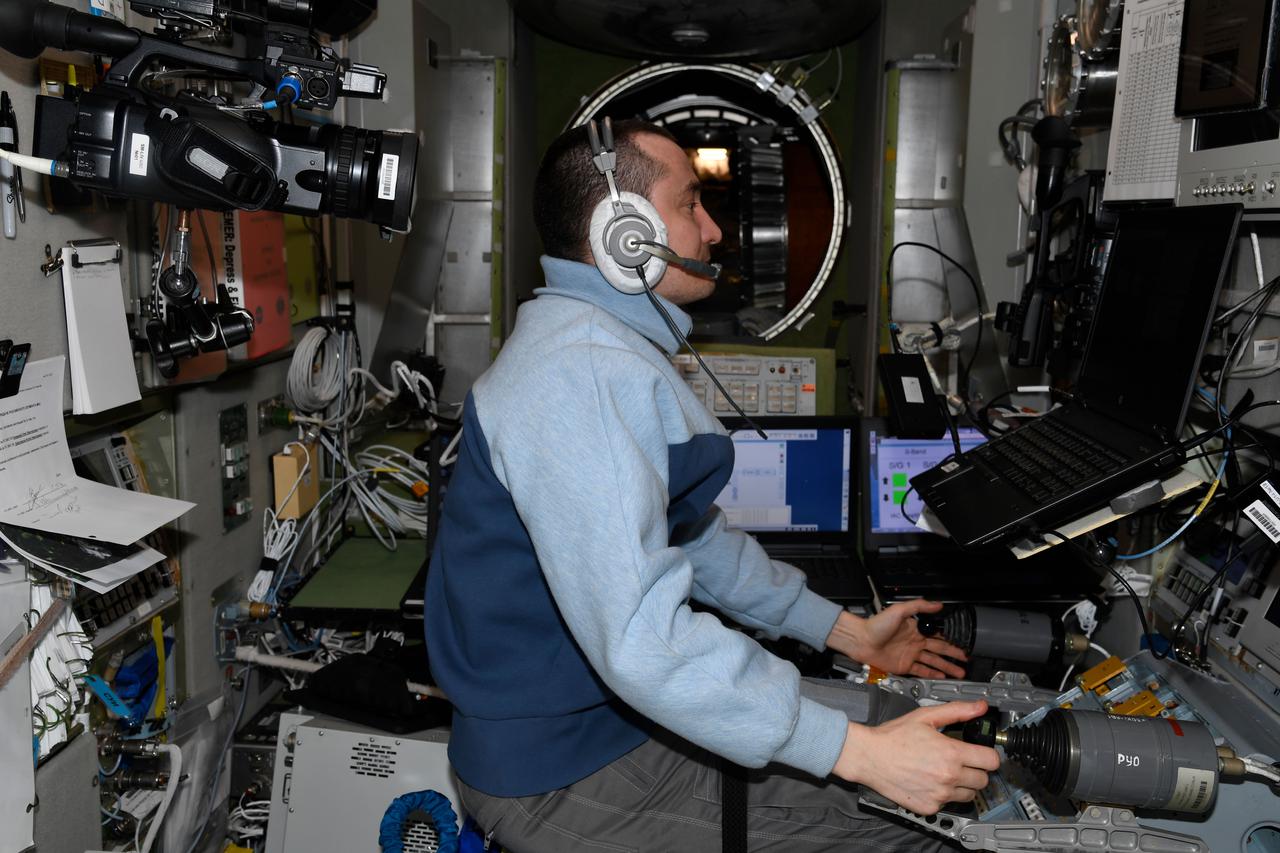
iss066e001368 (Oct. 19, 2021) --- Roscosmos cosmonaut and Expedition 65 Flight Engineer Pyotr Dubrov trains on a computer in the Zvezda service module for the undocking of the ISS Progress 78 resupply ship from the Rassvet module and its relocation to the Nauka multipurpose laboratory module. Dubrov practiced on Zvezda’s tele-robotically operated rendezvous unit (TORU) for the unlikely event he would have to manually redock the 78P.

iss060e019918 (July 29, 2019) --- Cosmonaut Alexander Skvortsov of Expedition 60 trains on the tele-robotically operated rendezvous unit (TORU) two days before the arrival of the Progress 73 (73P) cargo ship. The 73P docked July 31 to the International Space Station's Zvezda service module just three hours and 19 minutes after launching from the Baikonur Cosmodrome in Kazakhstan. The TORU can be used to take over manual docking operations of an approaching Russian spaceship in the unlikely event of an emergency.
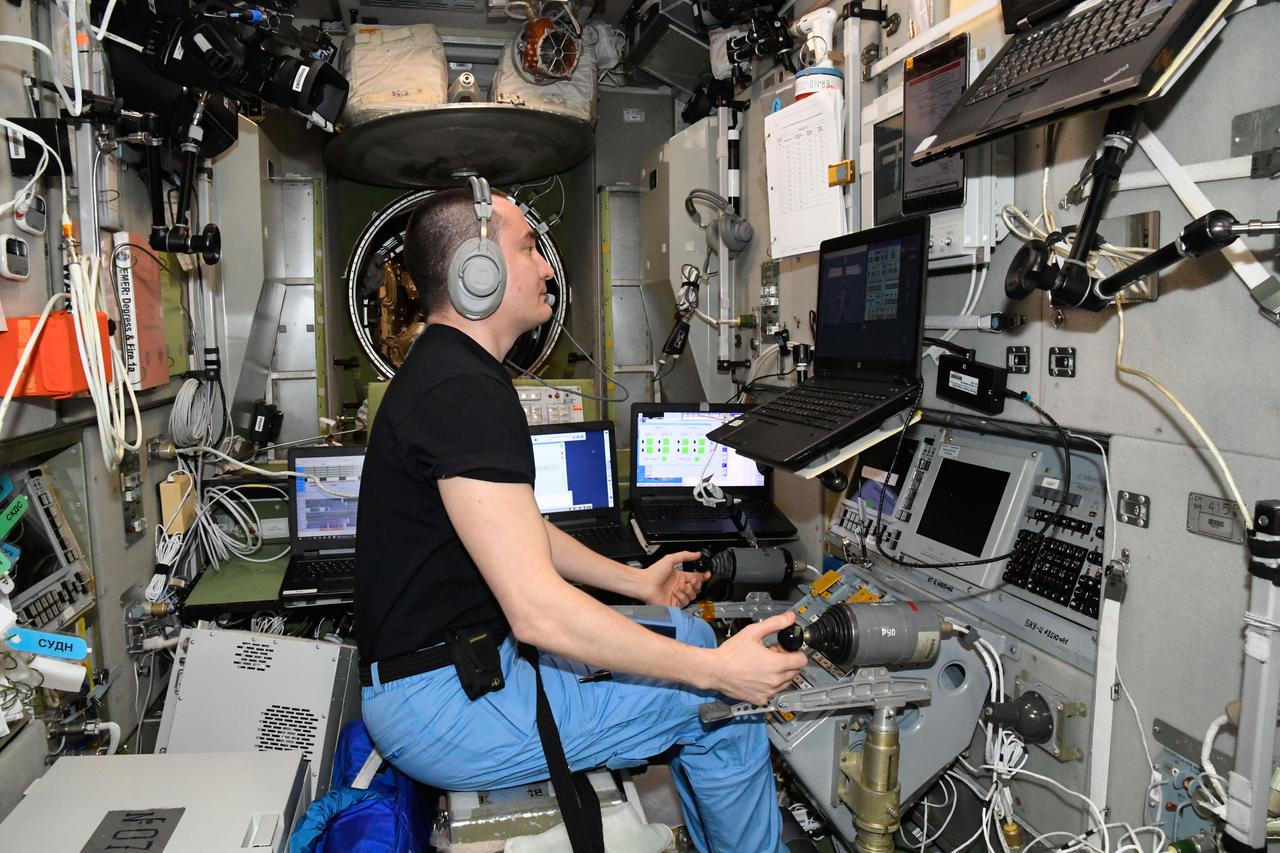
iss065e206747 (July 27, 2021) --- Roscosmos cosmonaut and Expedition 65 Flight Engineer Pyotr Dubrov practices remote spacecraft maneuvering techniques on the Tele-Operated Robotics Unit (TORU) inside the Zvezda service module. The TORU would be used in the unlikely event a Russian spacecraft would be unable to automatically rendezvous and dock to the International Space Station.
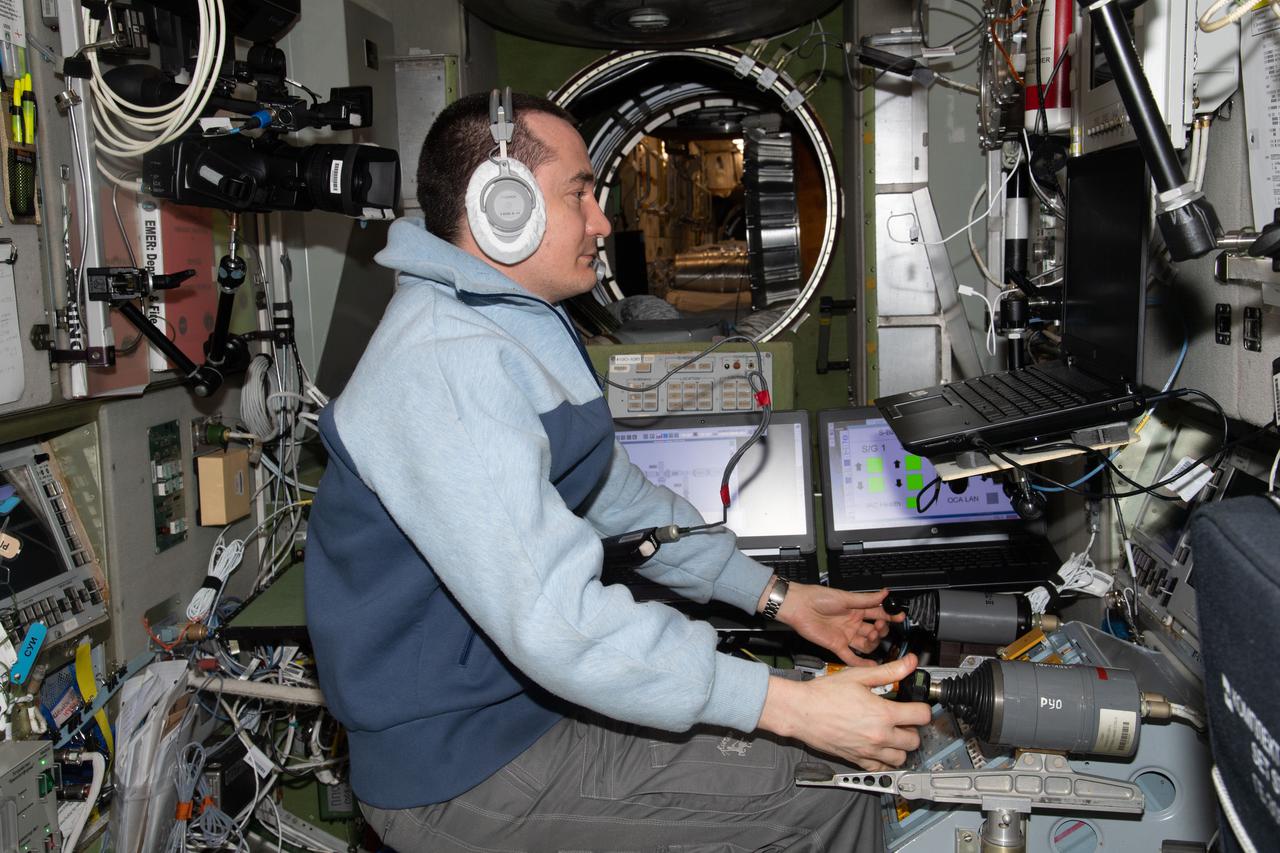
iss066e078866 (Nov. 22, 2021) --- Roscosmos cosmonaut and Expedition 66 Flight Engineer Pyotr Dubrov trains on a computer in the Zvezda service module for the approach and docking of the Prichal docking module to the Nauka multipurpose laboratory module. Dubrov practiced on Zvezda’s tele-robotically operated rendezvous unit (TORU) for the unlikely event he would have to manually dock Prichal attached to the Progress delivery craft.
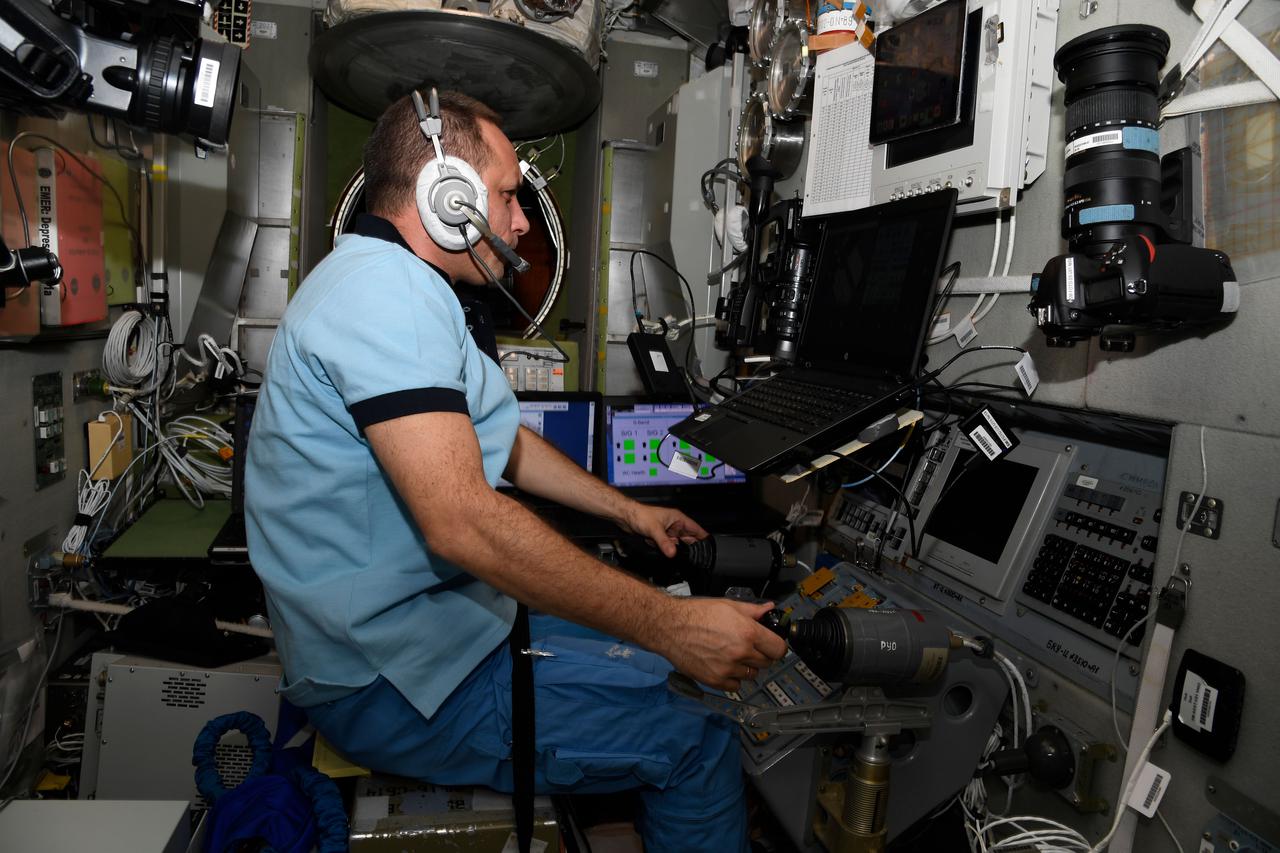
iss066e001363 (Oct. 19, 2021) --- Roscosmos cosmonaut and Expedition 65 Flight Engineer Anton Shkaplerov trains on a computer in the Zvezda service module for the undocking of the ISS Progress 78 resupply ship from the Rassvet module and its relocation to the Nauka multipurpose laboratory module. Shkaplerov practiced on Zvezda’s tele-robotically operated rendezvous unit (TORU) for the unlikely event he would have to manually redock the 78P.
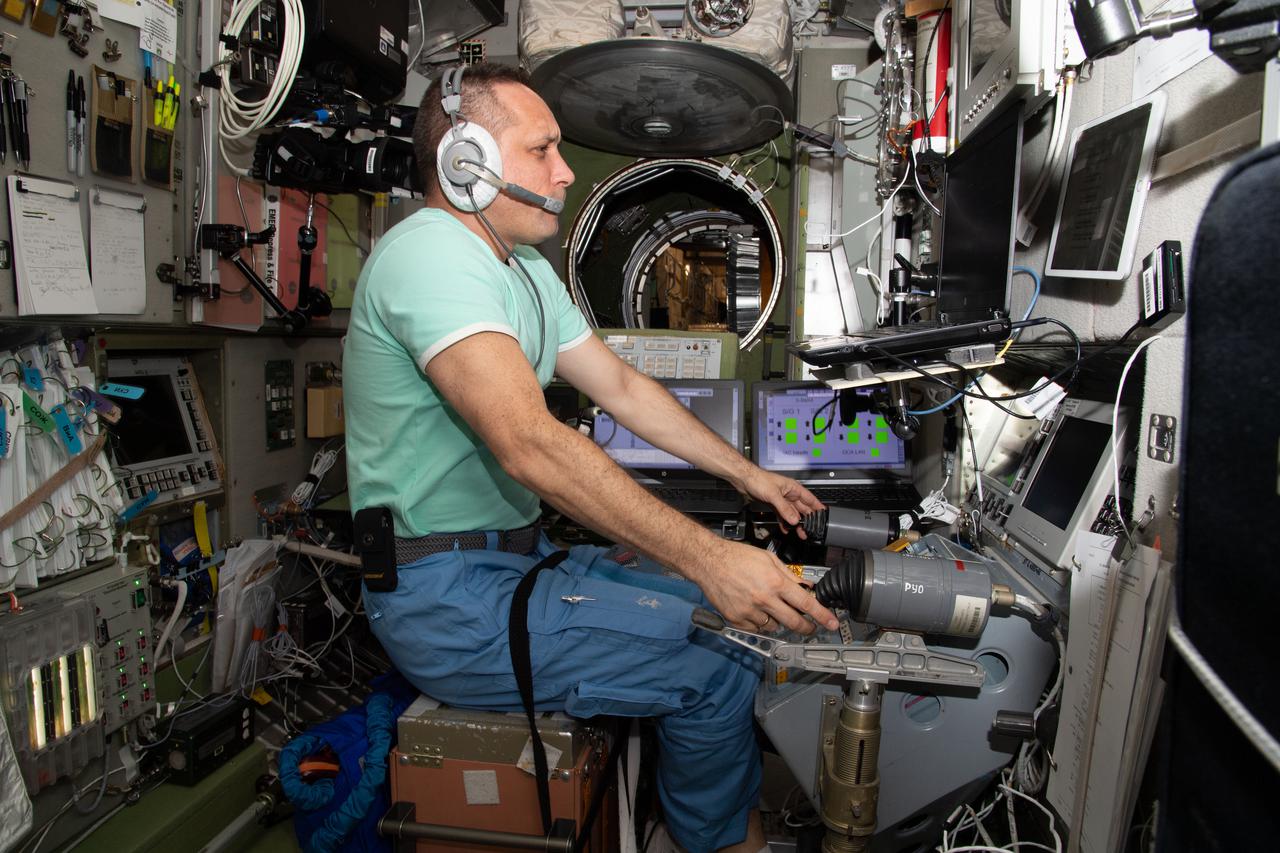
iss066e078864 (Nov. 22, 2021) --- Roscosmos cosmonaut and Expedition 66 Commander Anton Shkaplerov trains on a computer in the Zvezda service module for the approach and docking of the Prichal docking module to the Nauka multipurpose laboratory module. Dubrov practiced on Zvezda’s tele-robotically operated rendezvous unit (TORU) for the unlikely event he would have to manually dock Prichal attached to the Progress delivery craft.
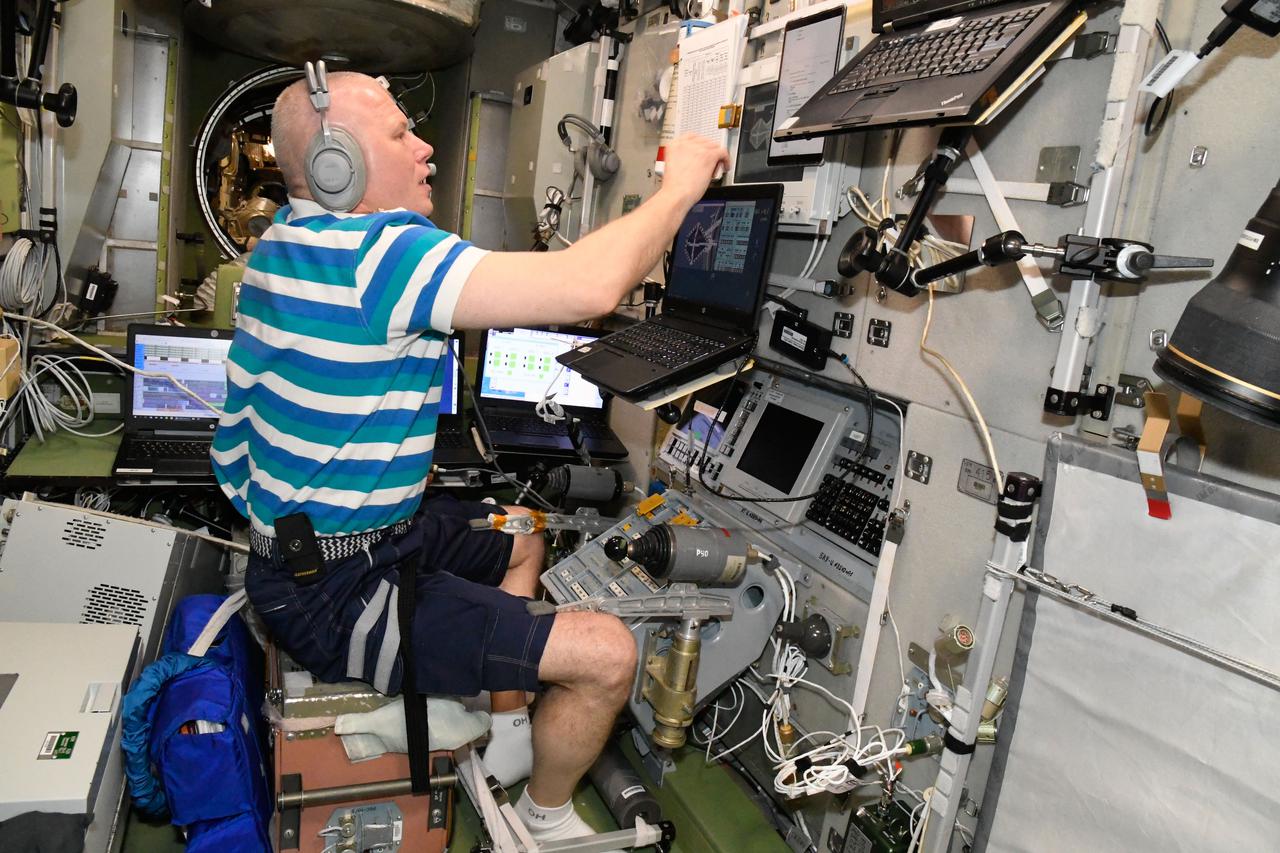
iss065e206742 (July 27, 2021) --- Roscosmos cosmonaut and Expedition 65 Flight Engineer Oleg Novitskiy practices remote spacecraft maneuvering techniques on the Tele-Operated Robotics Unit (TORU) inside the Zvezda service module. The TORU would be used in the unlikely event a Russian spacecraft would be unable to automatically rendezvous and dock to the International Space Station.
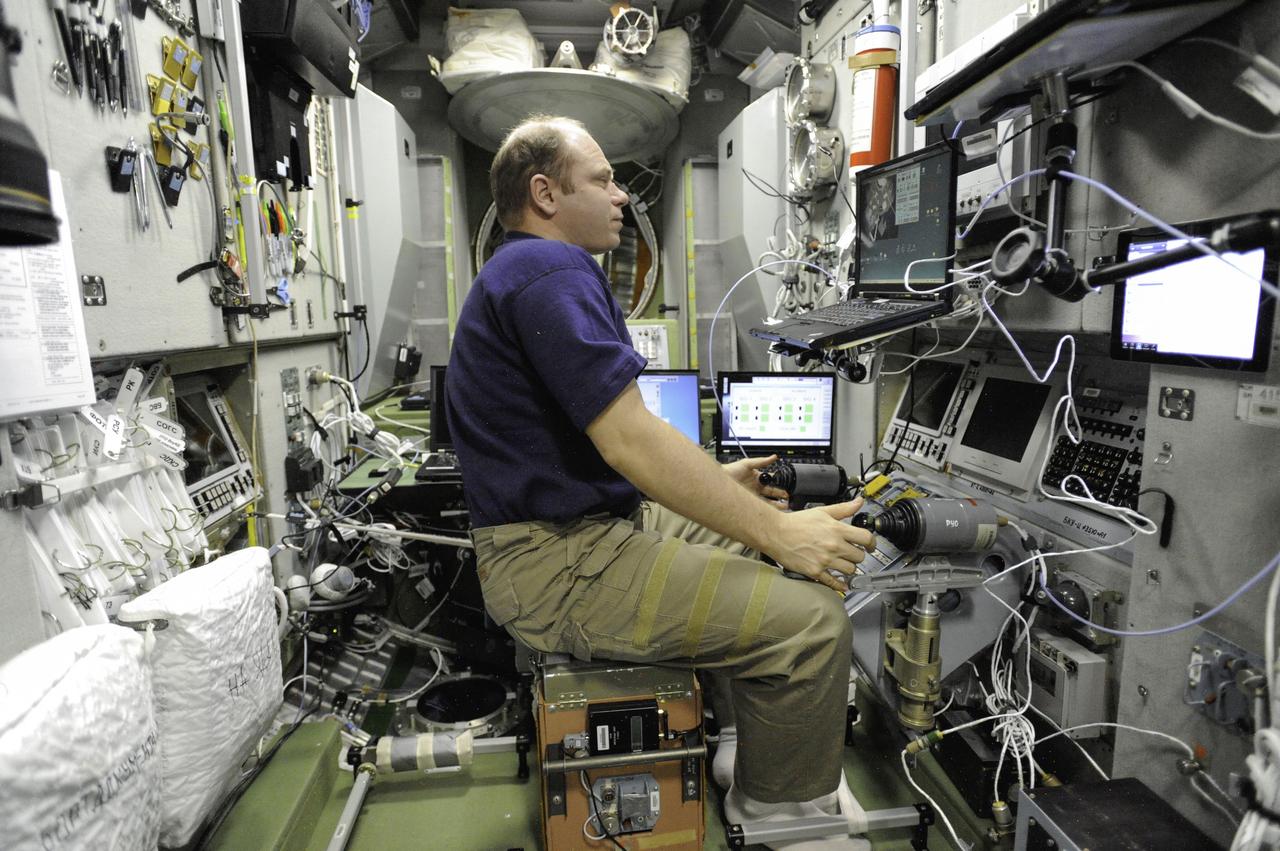
ISS038-E-006656 (22 Nov. 2013) --- Russian cosmonaut Oleg Kotov, Expedition 38 commander, practices manual docking techniques with the TORU, or telerobotically operated rendezvous system, in the Zvezda Service Module of the International Space Station in preparation for the docking of the Progress 53 spacecraft. Kotov, using the Simvol-TS screen and hand controllers, could manually dock the Progress to the station in the event of a failure of the Kurs automated docking system. The Progress 53 craft is scheduled to complete its automated docking to the aft port of Zvezda at 5:28 p.m. (EST) on Nov. 29.
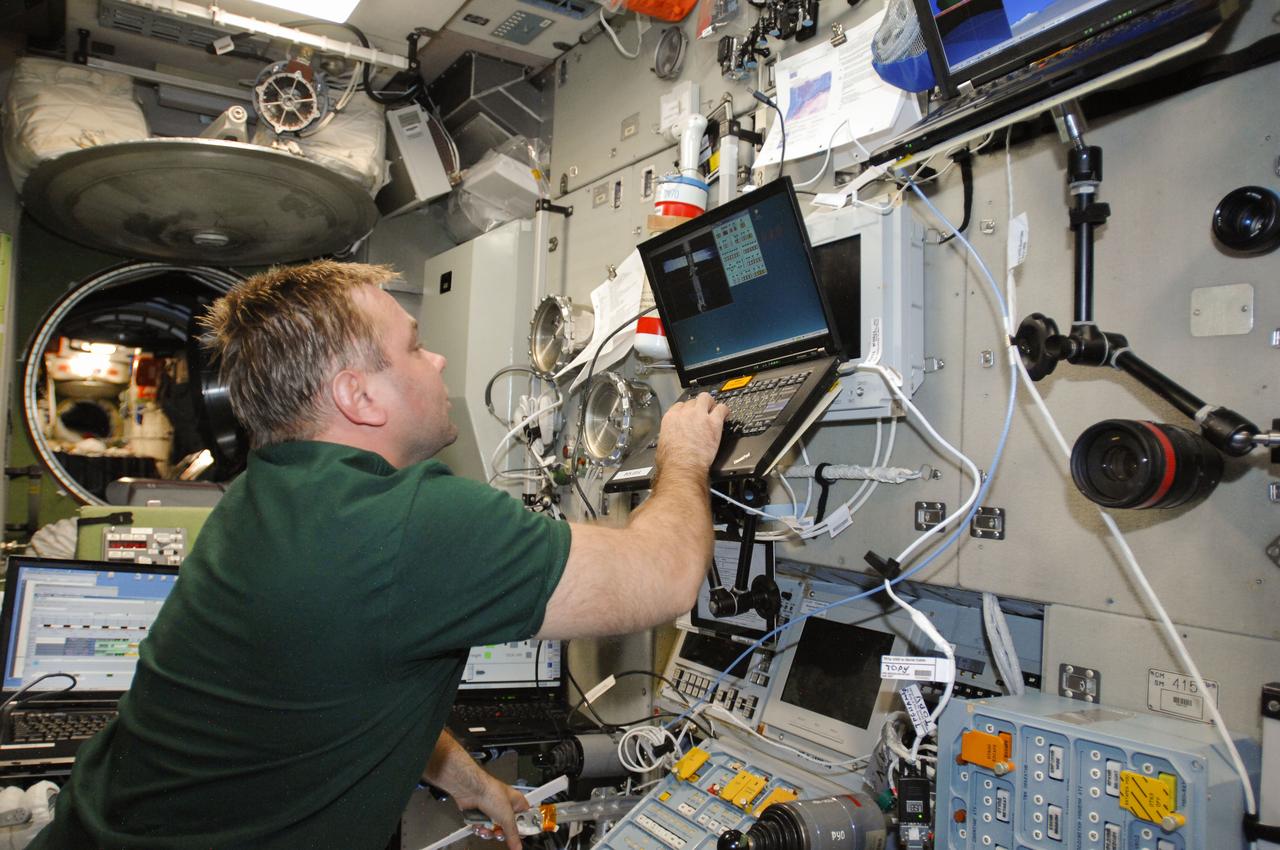
ISS040-E-070861 (22 July 2014) --- Russian cosmonaut Maxim Suraev, Expedition 40 flight engineer, practices manual docking techniques with the TORU, or telerobotically operated rendezvous system, in the Zvezda Service Module of the International Space Station in preparation for the docking of the Progress 56 spacecraft. Suraev, using the Simvol-TS screen and hand controllers, could manually dock the Progress to the station in the event of a failure of the Kurs automated docking system. The Progress 56 craft is scheduled to complete its automated docking to the Pirs docking compartment at 11:30 p.m. (EDT) on July 23, 2014.
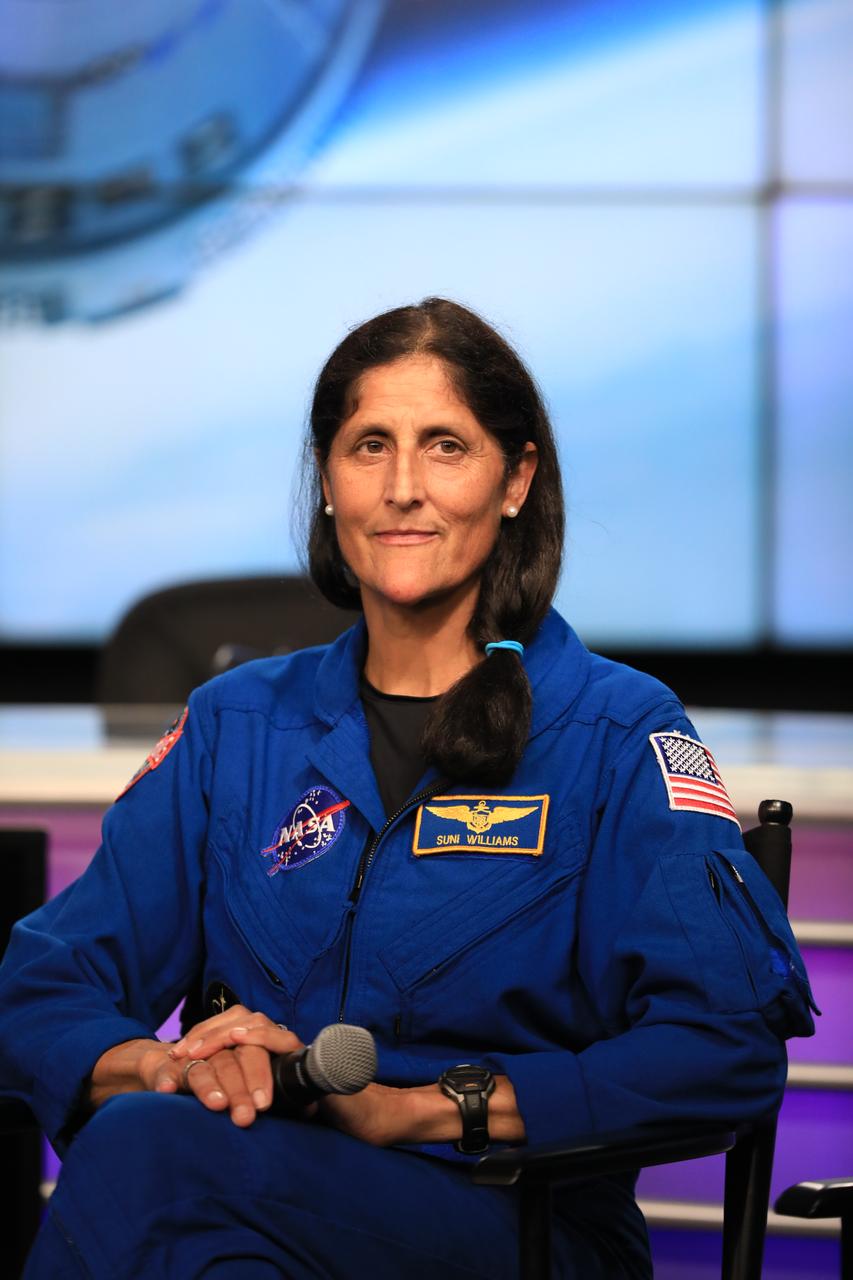
NASA astronaut Suni Williams participates in a Virtual NASA Social Live event at the agency's Kennedy Space Center in Florida on May 18, 2022, in advance of the agency’s Boeing Orbital Flight Test-2 (OFT-2) as part of NASA's Commercial Crew Program. Boeing’s CST-100 Starliner is targeted to launch at 6:54 p.m. EDT on Thursday, May 19, on a United Launch Alliance Atlas V rocket from Space Launch Complex-41 at Cape Canaveral Space Force Station in Florida to rendezvous and dock with the International Space Station.
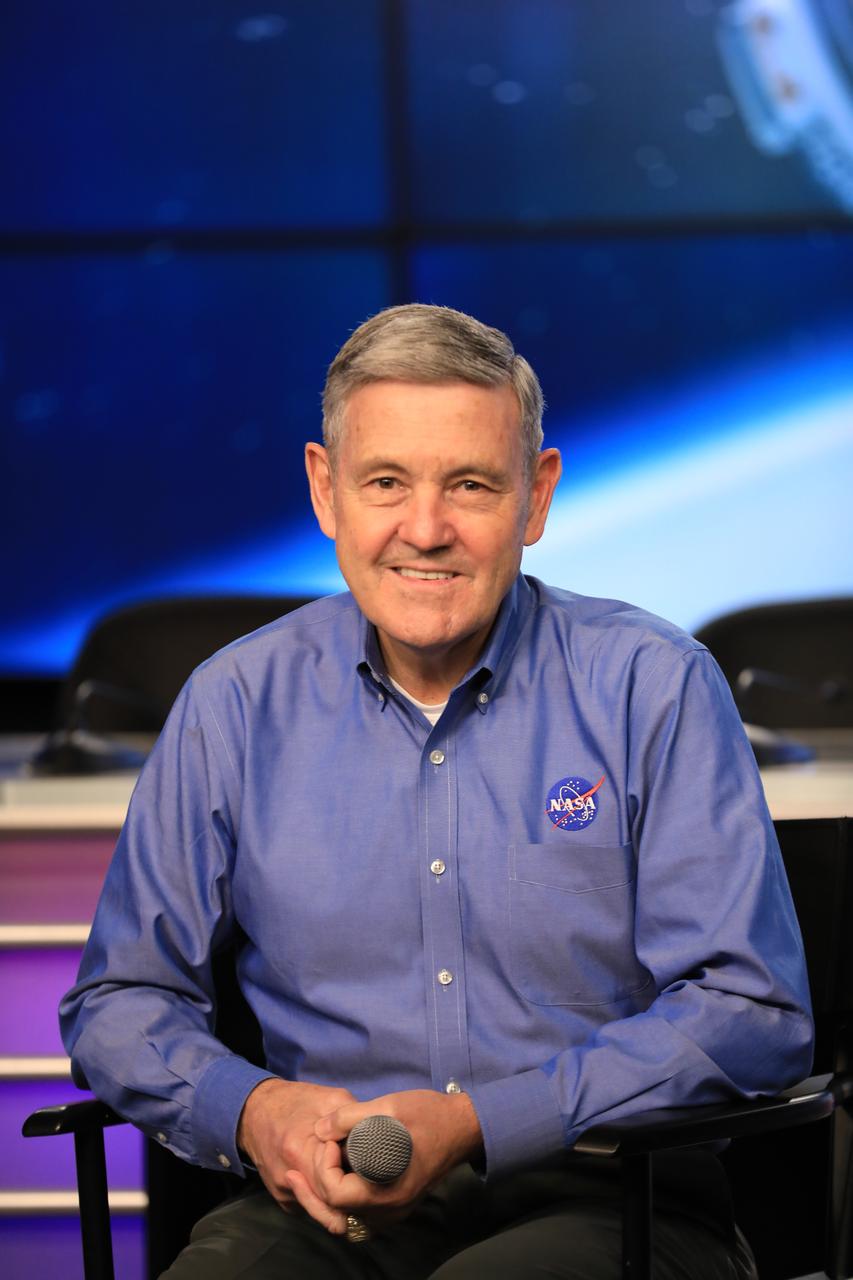
NASA Associate Administrator Bob Cabana participates in a Virtual NASA Social Live event at the agency's Kennedy Space Center in Florida on May 18, 2022, in advance of the agency’s Boeing Orbital Flight Test-2 (OFT-2) as part of NASA's Commercial Crew Program. Boeing’s CST-100 Starliner is targeted to launch at 6:54 p.m. EDT on Thursday, May 19, on a United Launch Alliance Atlas V rocket from Space Launch Complex-41 at Cape Canaveral Space Force Station in Florida to rendezvous and dock with the International Space Station.
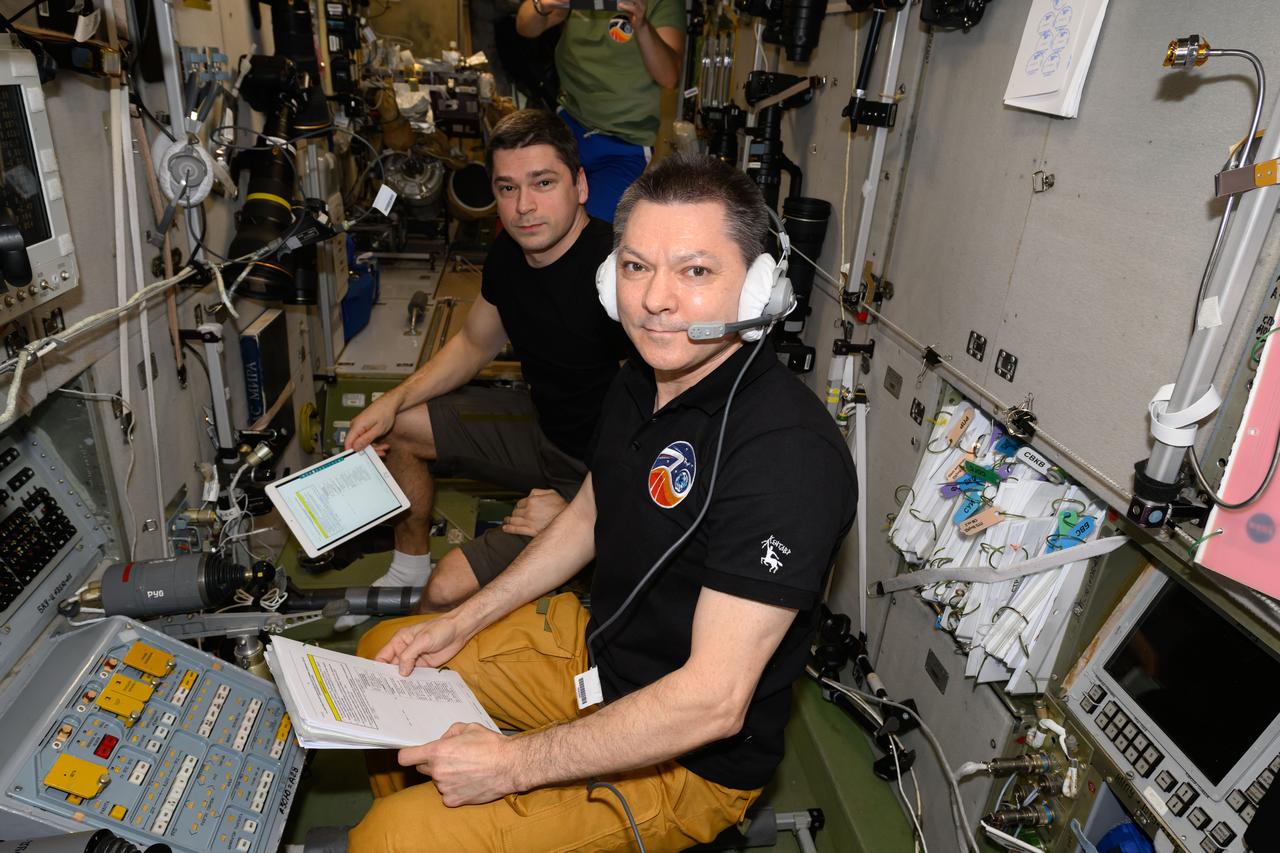
iss071e294839 (June 1, 2024) --- Expedition 71 Commander Oleg Kononenko (foreground) and Flight Engineer Nikolai Chub, both Roscosmos cosmonauts, are pictured inside the International Space Station's Zvezda service module monitoring the automated rendevous and docking of the Progress 88 cargo craft to the Poisk module. The duo was at the controls of Zvezda's TORU, or telerobotically-operated rendezvous unit, ready to take remote control of the Progress 88, packed with about three tons of food, fuel, and supplies for the Expedition 71 crew, in the unlikely event the spacecraft would be unable to dock on its own.
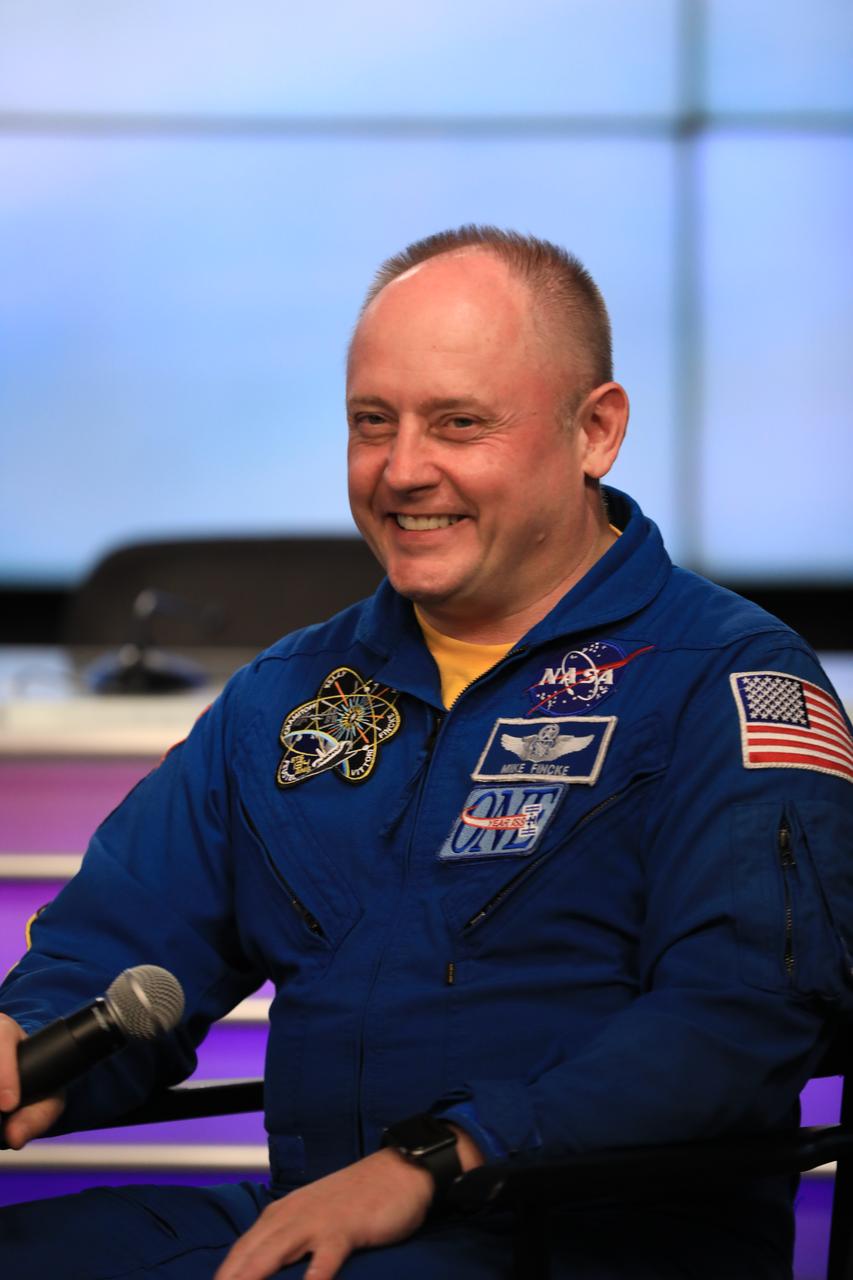
NASA astronaut Mike Finke participates in a Virtual NASA Social Live event at the agency's Kennedy Space Center in Florida on May 18, 2022, in advance of the agency’s Boeing Orbital Flight Test-2 (OFT-2) as part of NASA's Commercial Crew Program. Boeing’s CST-100 Starliner is targeted to launch at 6:54 p.m. EDT on Thursday, May 19, on a United Launch Alliance Atlas V rocket from Space Launch Complex-41 at Cape Canaveral Space Force Station in Florida to rendezvous and dock with the International Space Station.
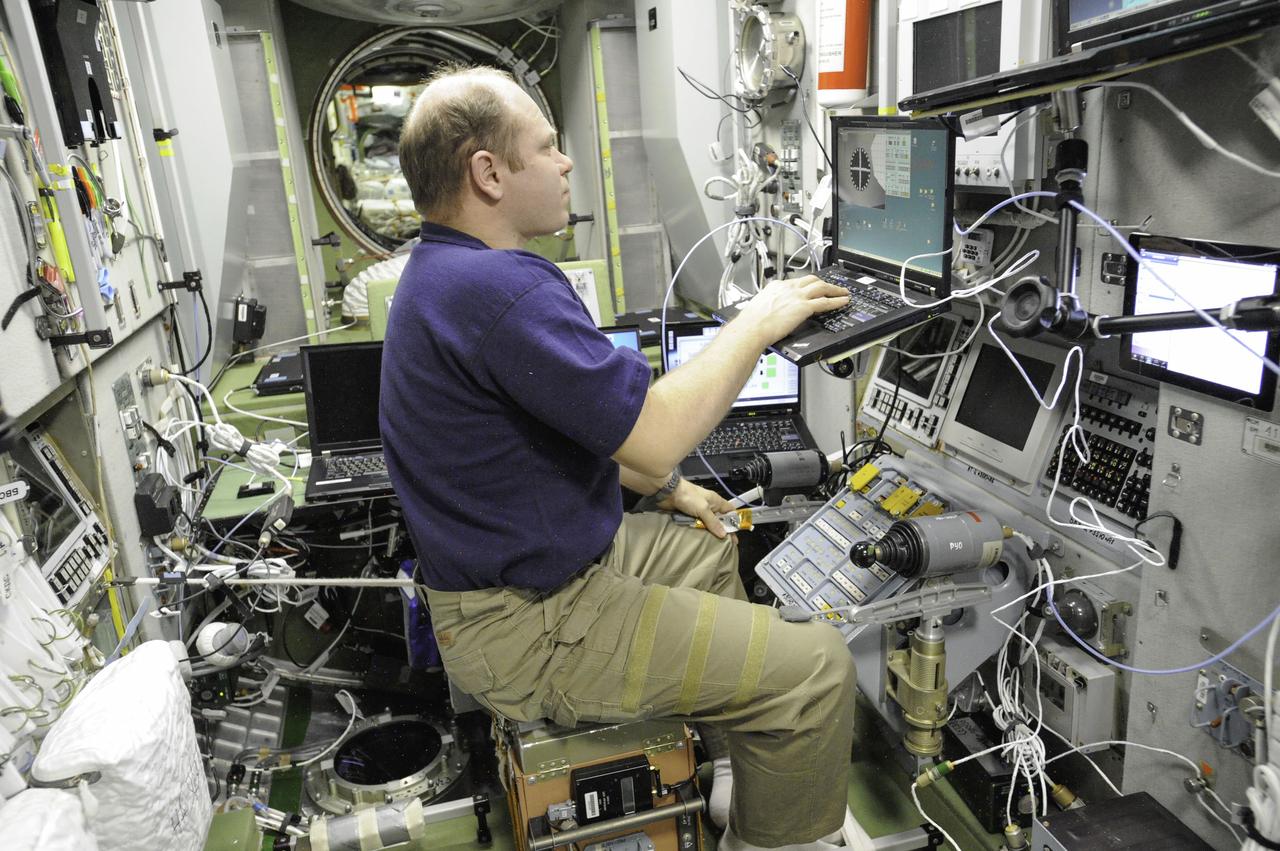
ISS038-E-006660 (22 Nov. 2013) --- Russian cosmonaut Oleg Kotov, Expedition 38 commander, practices manual docking techniques with the TORU, or telerobotically operated rendezvous system, in the Zvezda Service Module of the International Space Station in preparation for the docking of the Progress 53 spacecraft. Kotov, using the Simvol-TS screen and hand controllers, could manually dock the Progress to the station in the event of a failure of the Kurs automated docking system. The Progress 53 craft is scheduled to complete its automated docking to the aft port of Zvezda at 5:28 p.m. (EST) on Nov. 29.
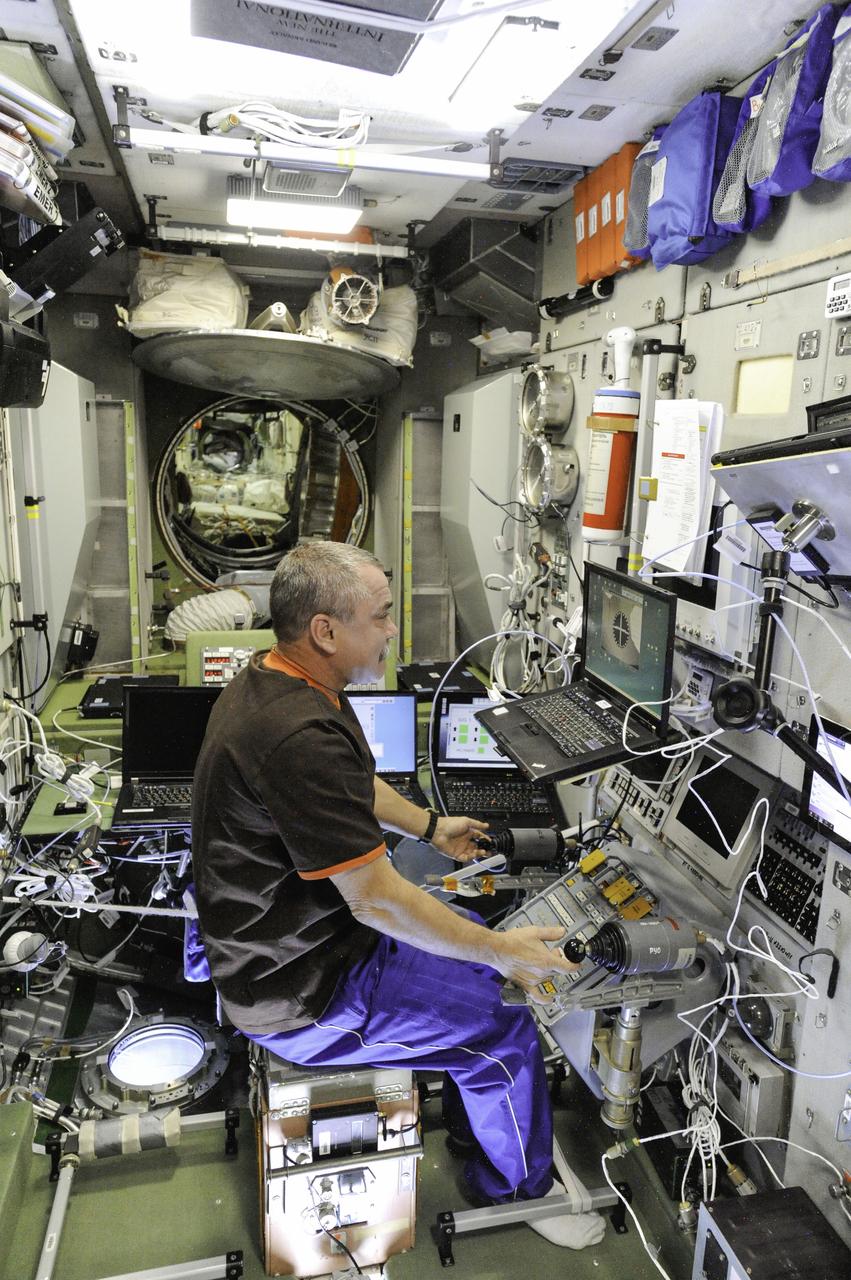
ISS038-E-006663 (22 Nov. 2013) --- Russian cosmonaut Mikhail Tyurin, Expedition 38 flight engineer, practices manual docking techniques with the TORU, or telerobotically operated rendezvous system, in the Zvezda Service Module of the International Space Station in preparation for the docking of the Progress 53 spacecraft. Tyurin, using the Simvol-TS screen and hand controllers, could manually dock the Progress to the station in the event of a failure of the Kurs automated docking system. The Progress 53 craft is scheduled to complete its automated docking to the aft port of Zvezda at 5:28 p.m. (EST) on Nov. 29.
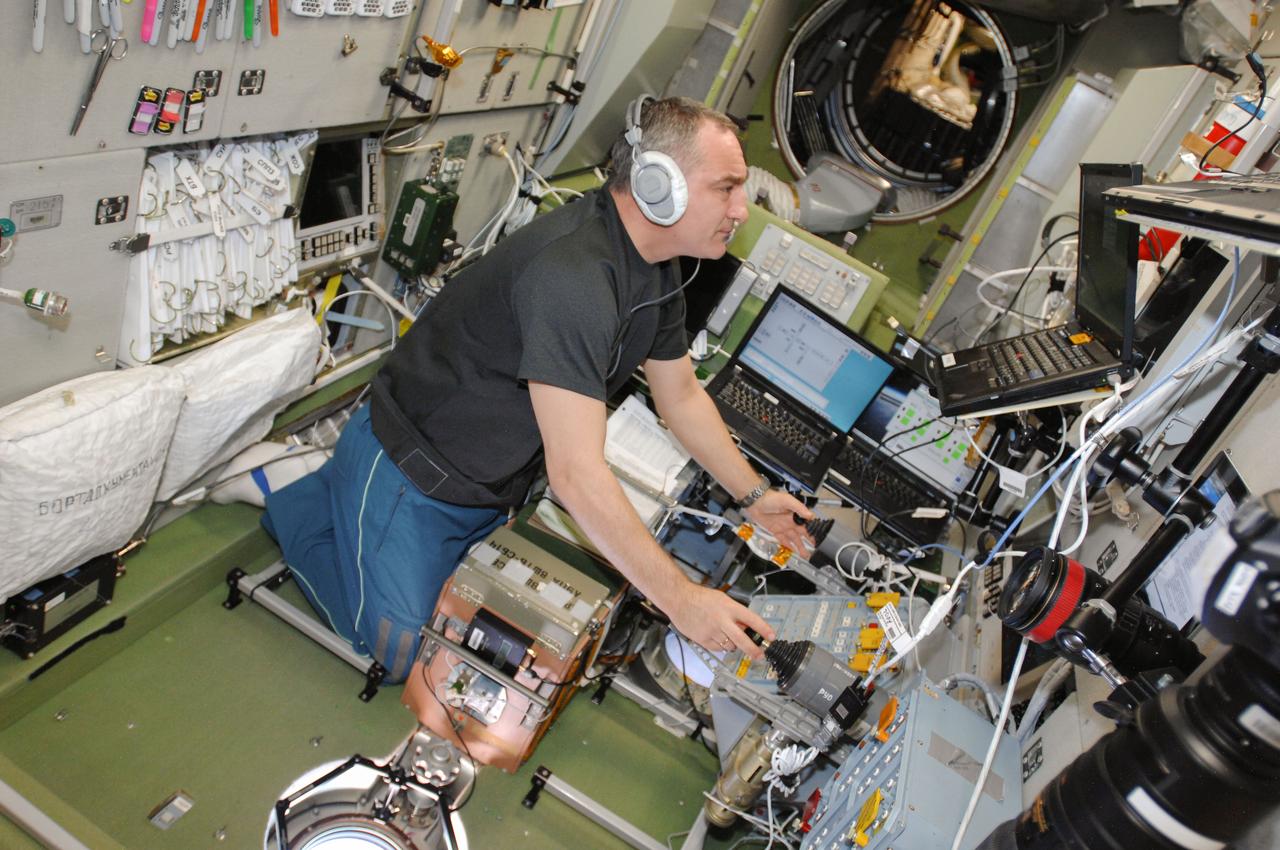
ISS040-E-070857 (22 July 2014) --- Russian cosmonaut Alexander Skvortsov, Expedition 40 flight engineer, practices manual docking techniques with the TORU, or telerobotically operated rendezvous system, in the Zvezda Service Module of the International Space Station in preparation for the docking of the Progress 56 spacecraft. Skvortsov, using the Simvol-TS screen and hand controllers, could manually dock the Progress to the station in the event of a failure of the Kurs automated docking system. The Progress 56 craft is scheduled to complete its automated docking to the Pirs docking compartment at 11:30 p.m. (EDT) on July 23, 2014.
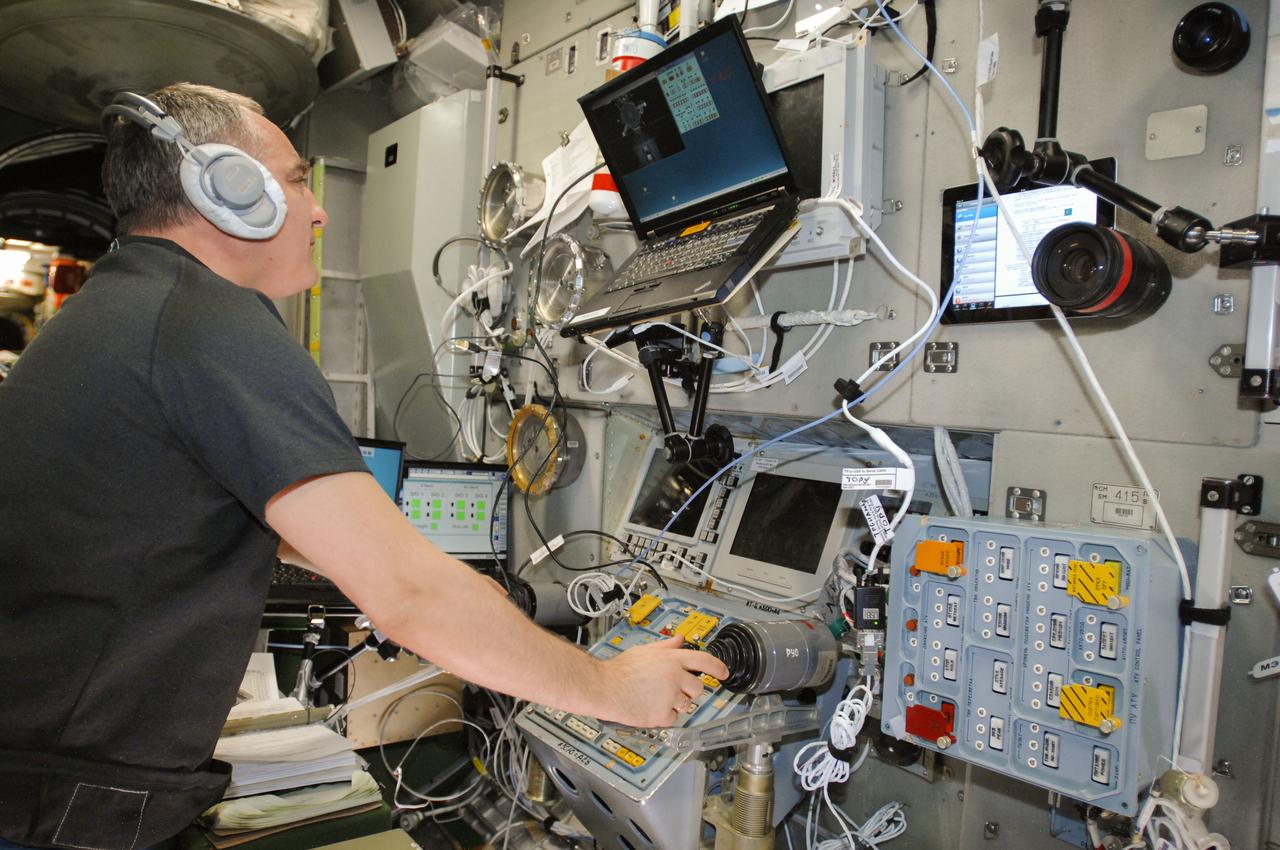
ISS040-E-070859 (22 July 2014) --- Russian cosmonaut Alexander Skvortsov, Expedition 40 flight engineer, practices manual docking techniques with the TORU, or telerobotically operated rendezvous system, in the Zvezda Service Module of the International Space Station in preparation for the docking of the Progress 56 spacecraft. Skvortsov, using the Simvol-TS screen and hand controllers, could manually dock the Progress to the station in the event of a failure of the Kurs automated docking system. The Progress 56 craft is scheduled to complete its automated docking to the Pirs docking compartment at 11:30 p.m. (EDT) on July 23, 2014.
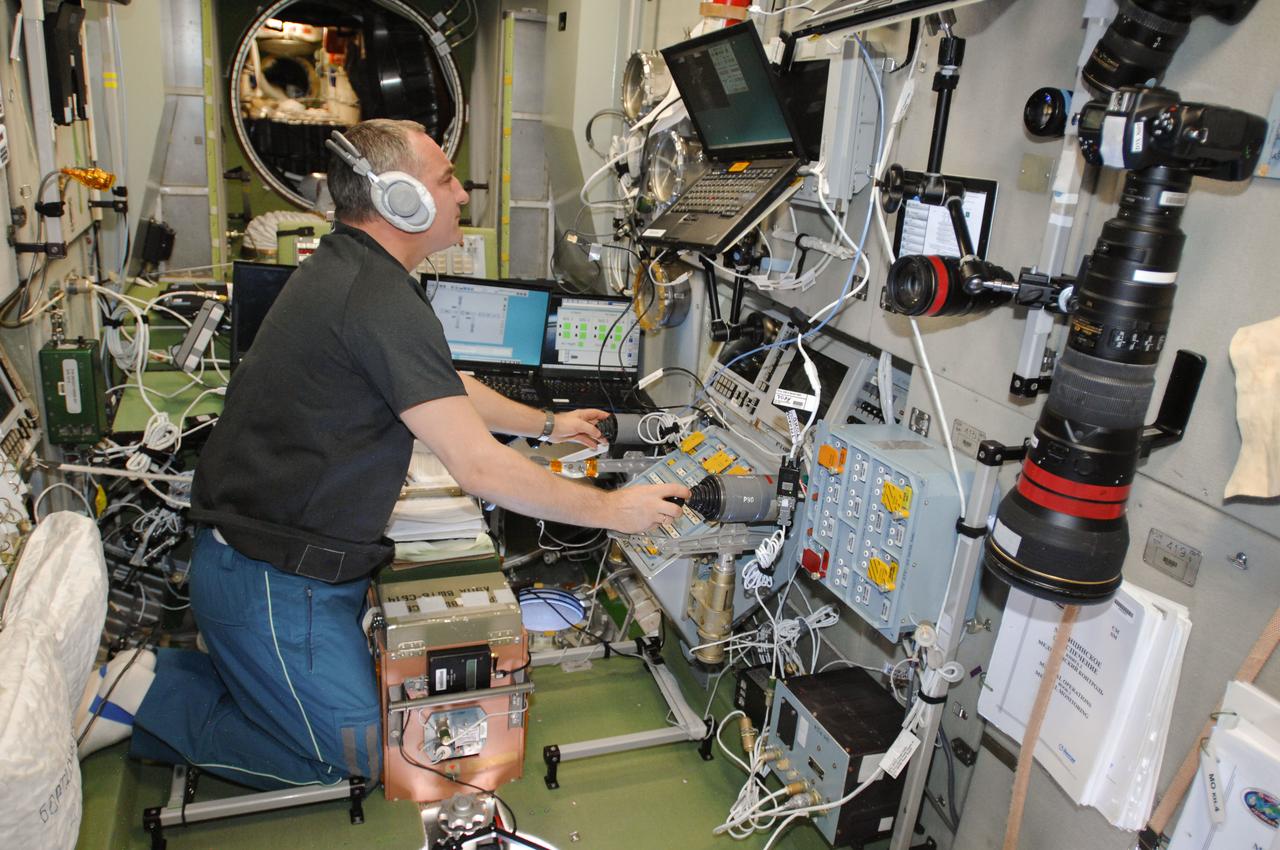
ISS040-E-070856 (22 July 2014) --- Russian cosmonaut Alexander Skvortsov, Expedition 40 flight engineer, practices manual docking techniques with the TORU, or telerobotically operated rendezvous system, in the Zvezda Service Module of the International Space Station in preparation for the docking of the Progress 56 spacecraft. Skvortsov, using the Simvol-TS screen and hand controllers, could manually dock the Progress to the station in the event of a failure of the Kurs automated docking system. The Progress 56 craft is scheduled to complete its automated docking to the Pirs docking compartment at 11:30 p.m. (EDT) on July 23, 2014.
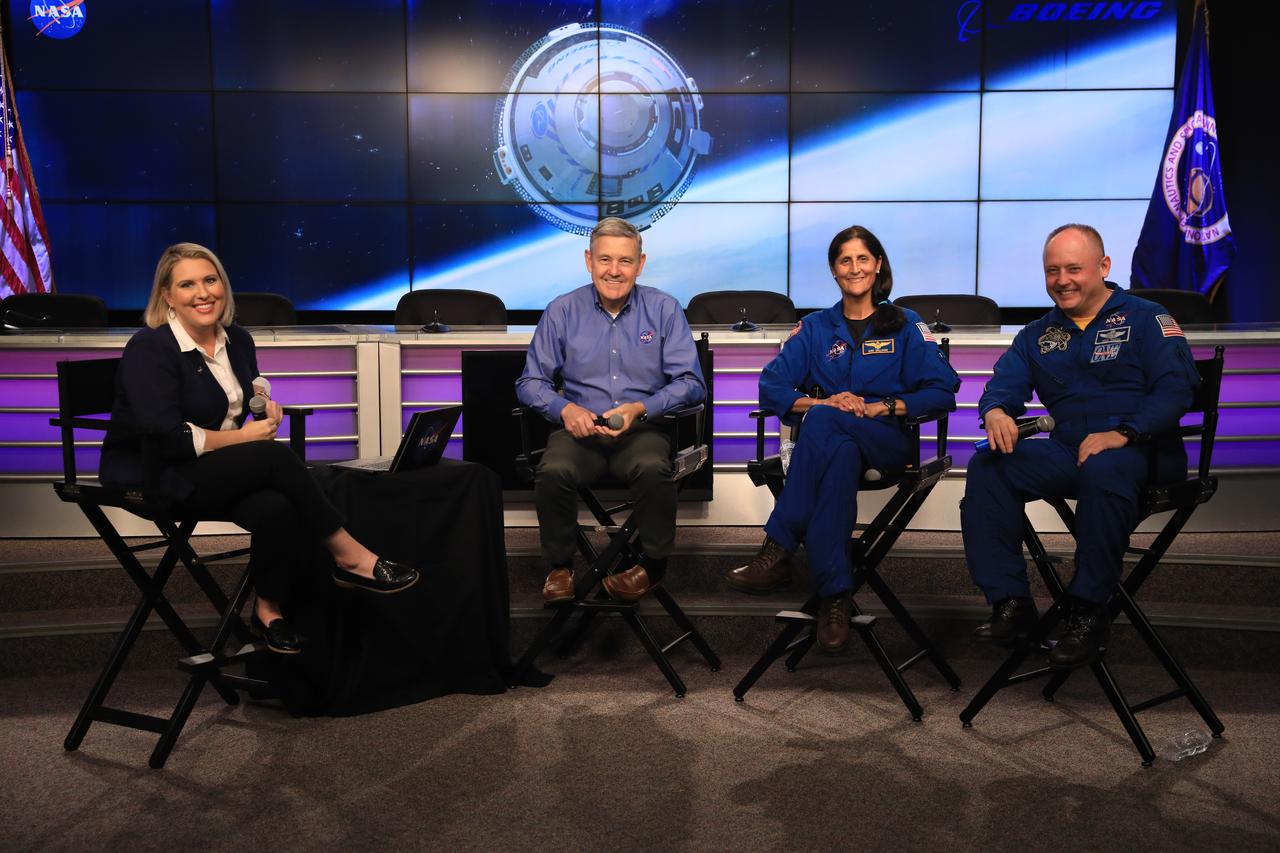
Representatives from NASA participate in a Virtual NASA Social Live event at the agency's Kennedy Space Center in Florida on May 18, 2022, in advance of the agency’s Boeing Orbital Flight Test-2 (OFT-2) as part of NASA's Commercial Crew Program. Participants are, from left, moderator Leah Martin, NASA Communications; NASA Associate Administrator Bob Cabana; NASA astronaut Suni Williams; NASA astronaut Mike Finke. Boeing’s CST-100 Starliner is targeted to launch at 6:54 p.m. EDT on Thursday, May 19, on a United Launch Alliance Atlas V rocket from Space Launch Complex-41 at Cape Canaveral Space Force Station in Florida to rendezvous and dock with the International Space Station.
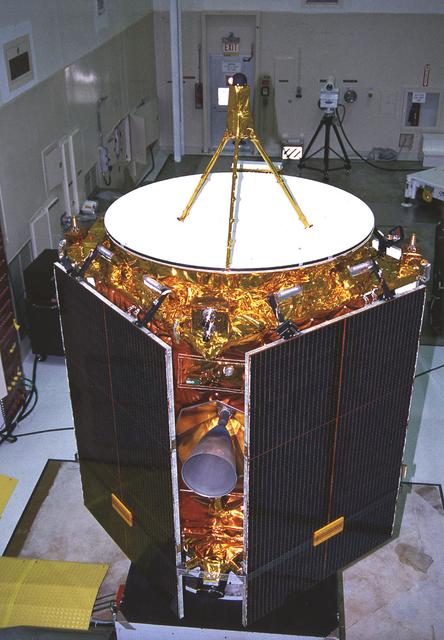
The Near Earth Asteroid Rendezvous (NEAR) spacecraft undergoing preflight preparation in the Spacecraft Assembly Encapsulation Facility-2 (SAEF-2) at Kennedy Space Center (KSC). NEAR will perform two critical mission events - Mathilde flyby and the Deep-Space maneuver. NEAR will fly-by Mathilde, a 38-mile (61-km) diameter C-type asteroid, making use of its imaging system to obtain useful optical navigation images. The primary science instrument will be the camera, but measurements of magnetic fields and mass also will be made. The Deep-Space Maneuver (DSM) will be executed about a week after the Mathilde fly-by. The DSM represents the first of two major burns during the NEAR mission of the 100-pound bi-propellant (Hydrazine/nitrogen tetroxide) thruster. This maneuver is necessary to lower the perihelion distance of NEAR's trajectory. The DSM will be conducted in two segments to minimize the possibility of an overburn situation.
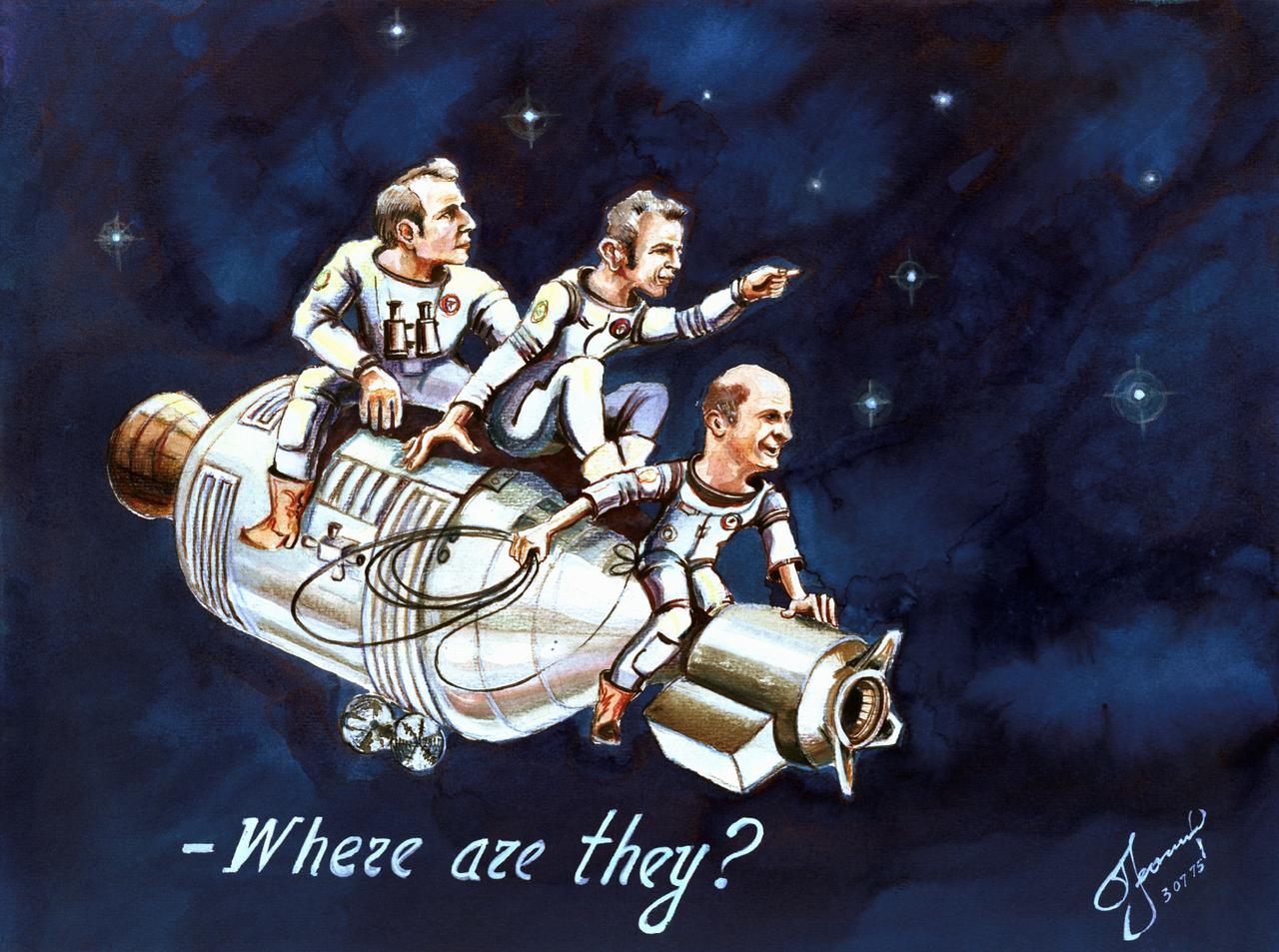
S75-28504 (17 July 1975) --- The American ASTP crewmen search the skies for the Soviet Soyuz spacecraft in this humorous artwork by cosmonaut Aleksey A. Leonov. Astronauts Vance D. Brand, Donald K. Slayton and Thomas P. Stafford (left to right) sit astride the Apollo spacecraft and Docking Module ready to lasso Soyuz. The cartoon humorously depicts the approaching historic event of an American spacecraft rendezvousing and docking in Earth orbit with a USSR spacecraft, scheduled today (July 17, 1975). Aboard Soyuz are Leonov, crew commander, and his fellow cosmonaut, Valeriy N. Kubasov. Stafford is the Apollo crew commander. The U.S. and USSR crewmen will visit each other's spacecraft while the Apollo and Soyuz are docked in Earth orbit for two days. Leonov, an accomplished artist, specializes in paintings on space subjects. He has a number of paintings on public exhibit in his native land.