
Marshall team members participate in SpaceX booster review meeting for the Commercial Crew Program. The Commercial Crew Program is primarily based at NASA’s Kennedy Space Center in Florida, the space agency’s premier launch site. About 350 people are working in the Commercial Crew Program for NASA, with almost half involved in the work at other NASA centers, including Marshall and Johnson Space Center in Houston.

NASA Associate Administrator Amit Kshatriya participates in the Artemis II Flight Readiness Review with NASA leadership on Wednesday, March 11, 2026, at NASA’s Kennedy Space Center in Florida. The review is an assessment of the readiness of NASA’s SLS (Space Launch System) rocket and Orion spacecraft to support the Artemis II test flight as four astronauts journey around the Moon and return to Earth.

From left, Charlie Blackwell-Thompson, launch director, Exploration Ground Systems Program and Lili Villarreal, Artemis II landing and recovery director in Exploration Ground Systems Program at NASA’s Kennedy Space Center in Florida, participate in the Artemis II Flight Readiness Review with NASA leadership on Wednesday, March 11, 2026, at NASA Kennedy. The review is an assessment of the readiness of NASA’s SLS (Space Launch System) rocket and Orion spacecraft to support the Artemis II test flight as four astronauts journey around the Moon and return to Earth.

From left, NASA Associate Administrator Amit Kshatriya and Lori Glaze, acting associate administrator, Exploration Systems Development Mission Directorate, participate in the Artemis II Flight Readiness Review with NASA leadership on Wednesday, March 11, 2026, at NASA’s Kennedy Space Center in Florida. The review is an assessment of the readiness of NASA’s SLS (Space Launch System) rocket and Orion spacecraft to support the Artemis II test flight as four astronauts journey around the Moon and return to Earth.

Kennedy Space Center Deputy Director Kelvin Manning participates in the Artemis II Flight Readiness Review with NASA leadership on Wednesday, March 11, 2026, at NASA’s Kennedy Space Center in Florida. The review is an assessment of the readiness of NASA’s SLS (Space Launch System) rocket and Orion spacecraft to support the Artemis II test flight as four astronauts journey around the Moon and return to Earth.
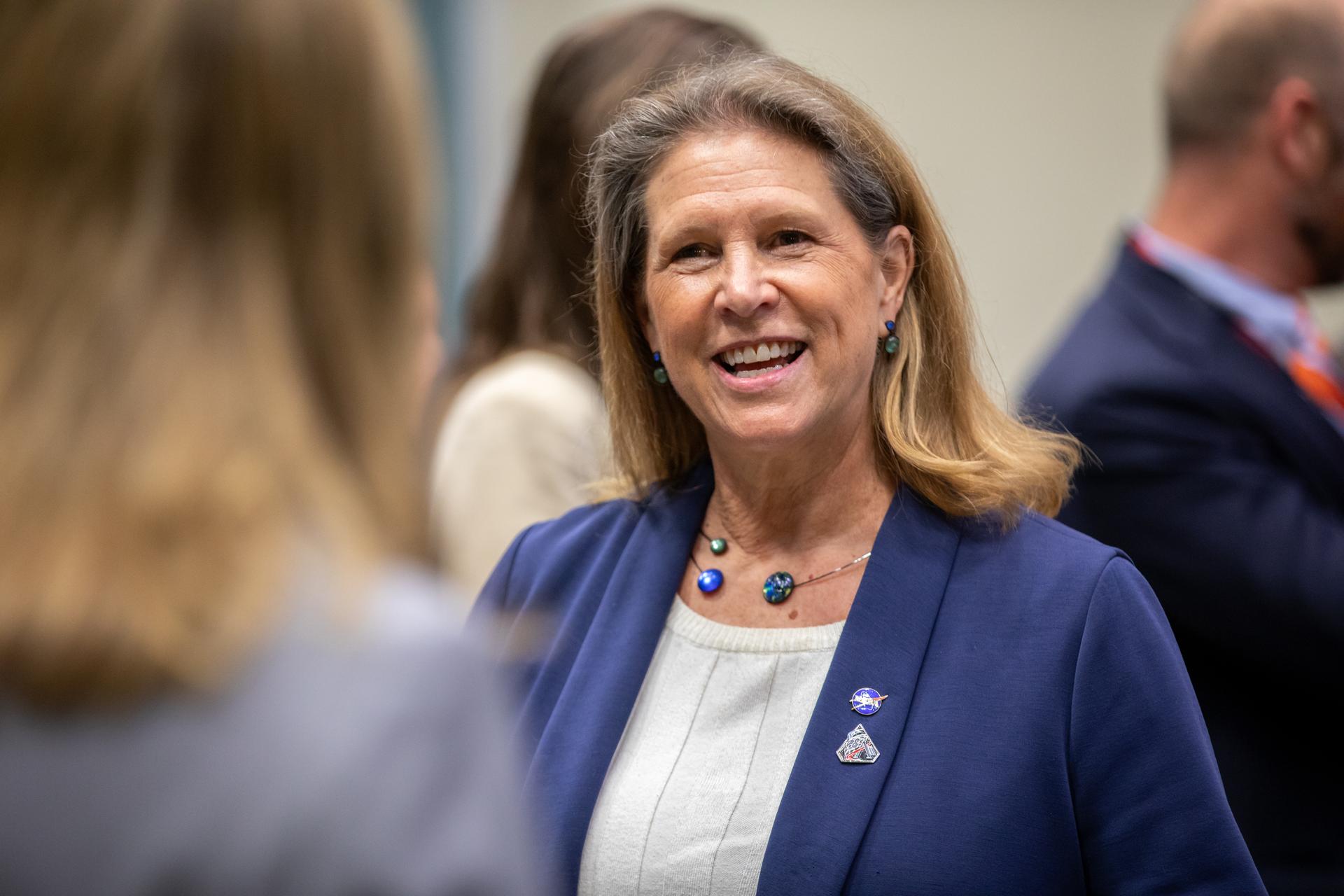
Lori Glaze, acting associate administrator, NASA’s Exploration Systems Development Mission Directorate, participates in the Artemis II Flight Readiness Review with NASA leadership on Wednesday, March 11, 2026, at NASA’s Kennedy Space Center in Florida. The review is an assessment of the readiness of NASA’s SLS (Space Launch System) rocket and Orion spacecraft to support the Artemis II test flight as four astronauts journey around the Moon and return to Earth.

NASA astronaut Randy Bresnik participates in the Artemis II Flight Readiness Review with NASA leadership on Wednesday, March 11, 2026, at NASA’s Kennedy Space Center in Florida. The review is an assessment of the readiness of NASA’s SLS (Space Launch System) rocket and Orion spacecraft to support the Artemis II test flight as four astronauts journey around the Moon and return to Earth.

NASA leadership, with Artemis II astronauts Christina Koch, Victor Glover, Reid Wiseman, and CSA (Canadian Space Agency) Jeremy Hansen joining virtually, participate in the Artemis II Flight Readiness Review on Wednesday, March 11, 2026, at NASA’s Kennedy Space Center in Florida. The review is an assessment of the readiness of NASA’s SLS (Space Launch System) rocket and Orion spacecraft to support the Artemis II test flight as four astronauts journey around the Moon and return to Earth.

From left, Kennedy Space Center Director Janet Petro and Charlie Blackwell-Thompson, launch director, Exploration Ground Systems Program, participate in the Artemis II Flight Readiness Review with NASA leadership on Wednesday, March 11, 2026, at NASA’s Kennedy Space Center in Florida. The review is an assessment of the readiness of NASA’s SLS (Space Launch System) rocket and Orion spacecraft to support the Artemis II test flight as four astronauts journey around the Moon and return to Earth.

From left, Joel Montalbano acting associate administrator for NASA’s Space Operations Mission Directorate at NASA Headquarters and Nicky Fox, associate administrator, Science Mission Directorate, NASA Headquarters, participate in the Artemis II Flight Readiness Review with NASA leadership on Wednesday, March 11, 2026, at NASA’s Kennedy Space Center in Florida. The review is an assessment of the readiness of NASA’s SLS (Space Launch System) rocket and Orion spacecraft to support the Artemis II test flight as four astronauts journey around the Moon and return to Earth.

From left, Kennedy Space Center Director Janet Petro; Charlie Blackwell-Thompson, launch director, Exploration Ground Systems Program; and Shawn Quinn, manager, Exploration Ground Systems Program, participate in the Artemis II Flight Readiness Review with NASA leadership on Wednesday, March 11, 2026, at NASA’s Kennedy Space Center in Florida. The review is an assessment of the readiness of NASA’s SLS (Space Launch System) rocket and Orion spacecraft to support the Artemis II test flight as four astronauts journey around the Moon and return to Earth.

Kennedy Space Center Director Janet Petro participates in the Artemis II Flight Readiness Review with NASA leadership on Wednesday, March 11, 2026, at NASA’s Kennedy Space Center in Florida. The review is an assessment of the readiness of NASA’s SLS (Space Launch System) rocket and Orion spacecraft to support the Artemis II test flight as four astronauts journey around the Moon and return to Earth.

NASA leadership, with Artemis II astronauts Christina Koch, Victor Glover, Reid Wiseman, and CSA (Canadian Space Agency) Jeremy Hansen joining virtually, participate in the Artemis II Flight Readiness Review on Wednesday, March 11, 2026, at NASA’s Kennedy Space Center in Florida. The review is an assessment of the readiness of NASA’s SLS (Space Launch System) rocket and Orion spacecraft to support the Artemis II test flight as four astronauts journey around the Moon and return to Earth.
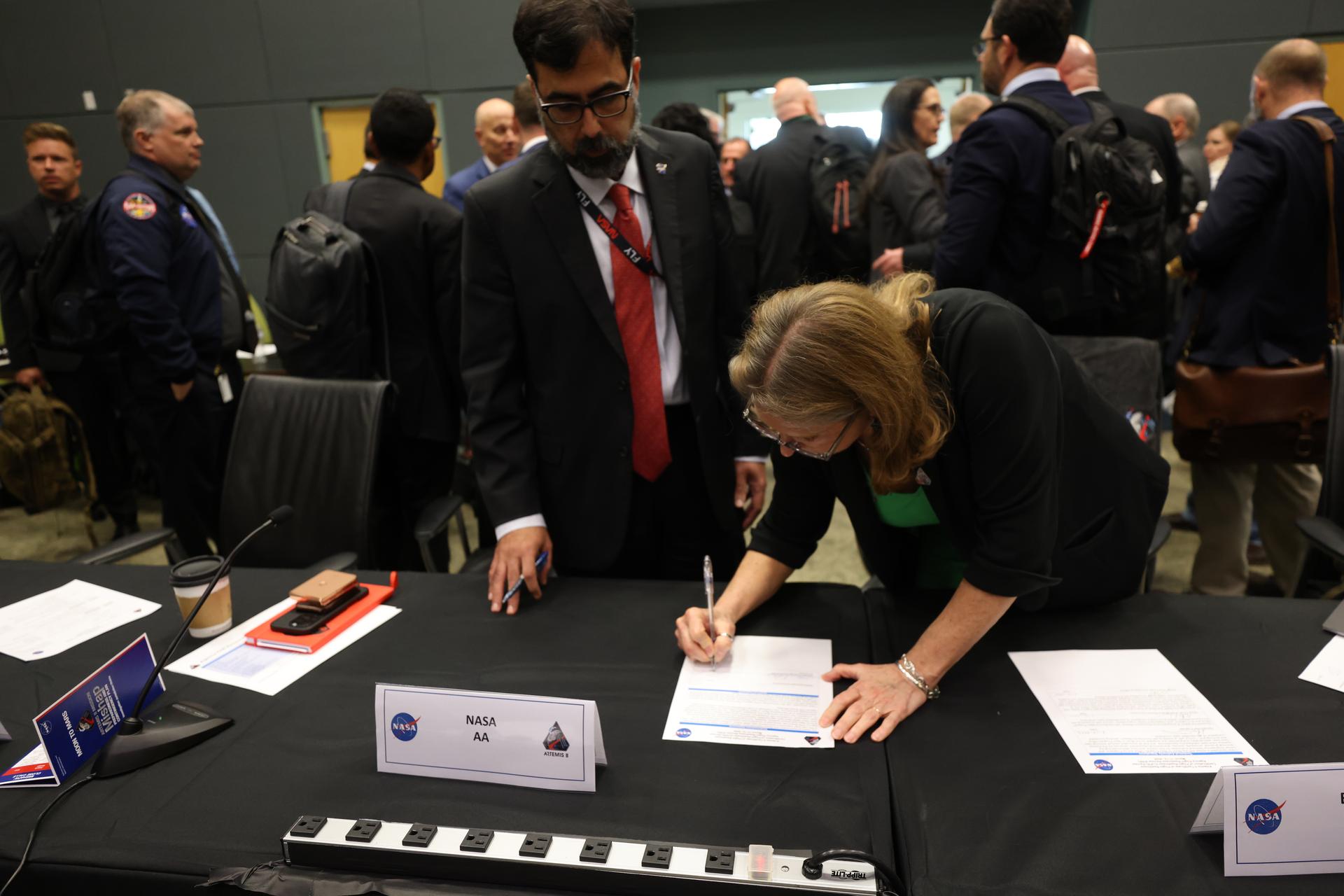
With NASA Associate Administrator Amit Kshatriya looking on, Lori Glaze, acting associate administrator, Exploration Systems Development Mission Directorate, signs the certification for flight readiness following the completion of the Flight Readiness Review for the Artemis II test flight on Thursday, March 12, 2026, at NASA’s Kennedy Space Center in Florida. The review is an assessment of the readiness of NASA’s SLS (Space Launch System) rocket and Orion spacecraft to support the Artemis II test flight as four astronauts journey around the Moon and return to Earth.

NASA Associate Administrator Amit Kshatriya signs the certification for flight readiness following the completion of the Flight Readiness Review for the Artemis II test flight on Thursday, March 12, 2026, at NASA’s Kennedy Space Center in Florida. The review is an assessment of the readiness of NASA’s SLS (Space Launch System) rocket and Orion spacecraft to support the Artemis II test flight as four astronauts journey around the Moon and return to Earth.
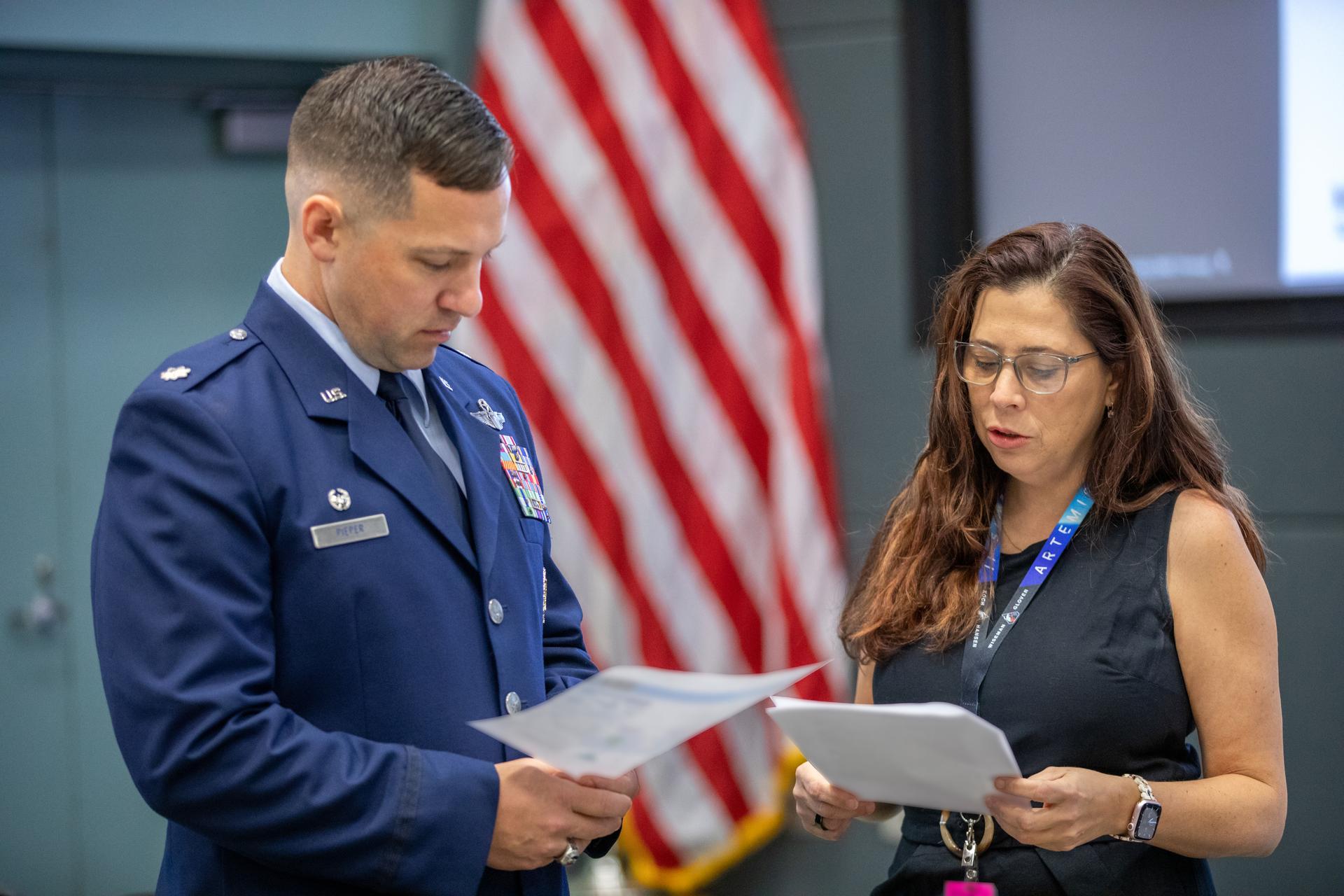
From left, Lieutenant Colonel Kevin M. Pieper, 1st Air Force, Detachment 3 at Patrick Space Force Base in Florida and Lili Villarreal, Artemis II landing and recovery director in Exploration Ground Systems Program at NASA’s Kennedy Space Center in Florida, participate in the Artemis II Flight Readiness Review with NASA leadership on Wednesday, March 11, 2026, at NASA Kennedy. The review is an assessment of the readiness of NASA’s SLS (Space Launch System) rocket and Orion spacecraft to support the Artemis II test flight as four astronauts journey around the Moon and return to Earth.
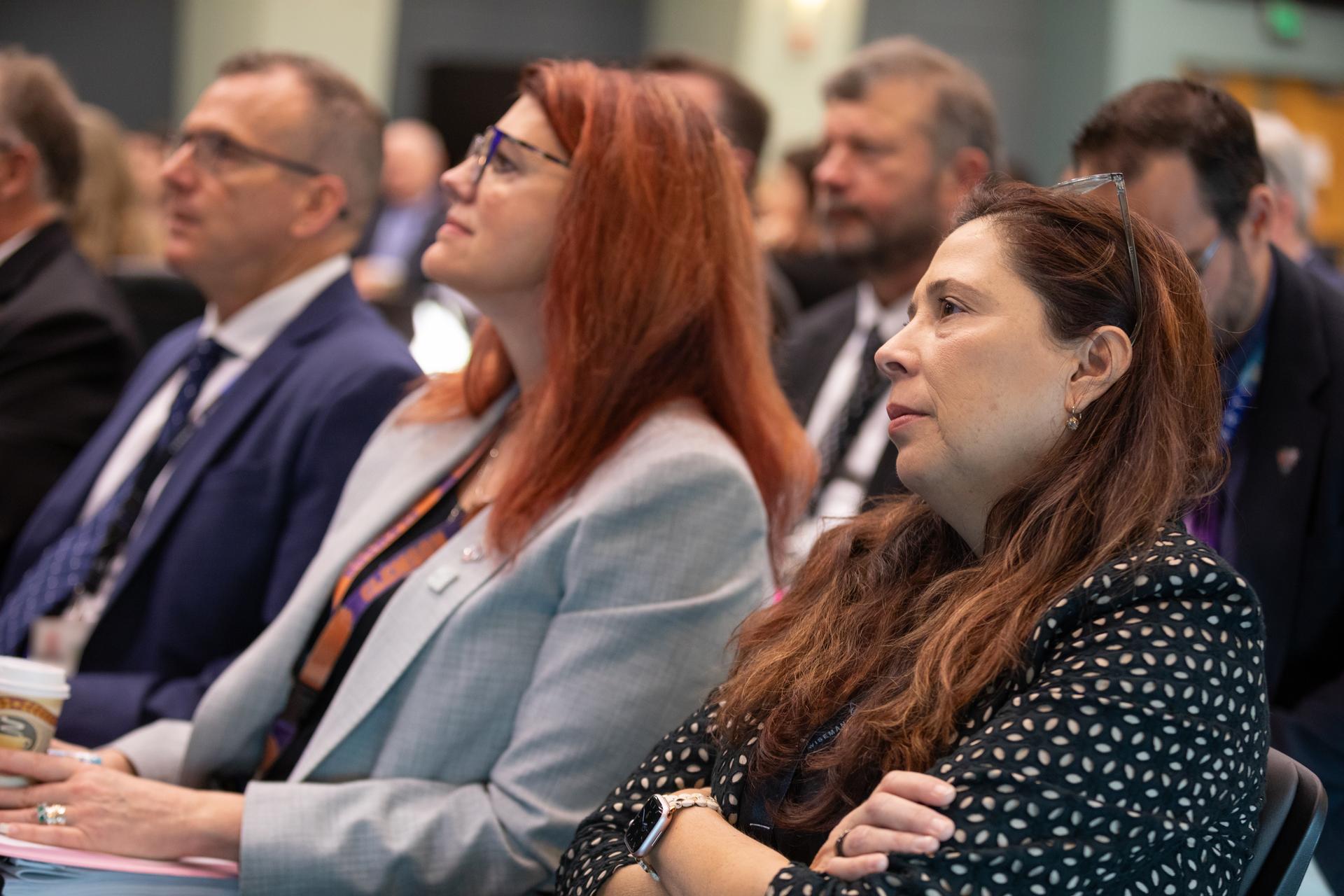
From left, Cliff Lanham, deputy manager, Exploration Ground Systems; Charlie Blackwell-Thompson, launch director, Exploration Ground Systems Program; and Lili Villarreal, Artemis II landing and recovery director in Exploration Ground Systems Program at NASA’s Kennedy Space Center in Florida, participate in the Artemis II Flight Readiness Review with NASA leadership on Wednesday, March 11, 2026, at NASA Kennedy. The review is an assessment of the readiness of NASA’s SLS (Space Launch System) rocket and Orion spacecraft to support the Artemis II test flight as four astronauts journey around the Moon and return to Earth.

From left, NASA Associate Administrator Amit Kshatriya; Lori Glaze, acting associate administrator, Exploration Systems Development Mission Directorate; and John Honeycutt, chair, Artemis II mission management team, participate in the Artemis II Flight Readiness Review with NASA leadership on Wednesday, March 11, 2026, at NASA’s Kennedy Space Center in Florida. The review is an assessment of the readiness of NASA’s SLS (Space Launch System) rocket and Orion spacecraft to support the Artemis II test flight as four astronauts journey around the Moon and return to Earth.

From left, Shawn Quinn, manager, Exploration Ground Systems Program; Cliff Lanham, deputy manager, Exploration Ground Systems; and Charlie Blackwell-Thompson, launch director, Exploration Ground Systems Program Program at NASA’s Kennedy Space Center in Florida, participate in the Artemis II Flight Readiness Review with NASA leadership on Wednesday, March 11, 2026, at NASA Kennedy. The review is an assessment of the readiness of NASA’s SLS (Space Launch System) rocket and Orion spacecraft to support the Artemis II test flight as four astronauts journey around the Moon and return to Earth.

From left, John Honeycutt, chair, Artemis II mission management team and Lori Glaze, acting associate administrator, Exploration Systems Development Mission Directorate, with Artemis II astronauts Christina Koch, Victor Glover, Reid Wiseman, and CSA (Canadian Space Agency) Jeremy Hansen joining virtually, participate in the Artemis II Flight Readiness Review with NASA leadership on Wednesday, March 11, 2026, at NASA’s Kennedy Space Center in Florida. The review is an assessment of the readiness of NASA’s SLS (Space Launch System) rocket and Orion spacecraft to support the Artemis II test flight as four astronauts journey around the Moon and return to Earth.

From left, NASA Associate Administrator Amit Kshatriya and Lori Glaze, acting associate administrator, Exploration Systems Development Mission Directorate, shake hands after each signing the certification for flight readiness following the completion of the Flight Readiness Review for the Artemis II test flight on Thursday, March 12, 2026, at NASA’s Kennedy Space Center in Florida. The review is an assessment of the readiness of NASA’s SLS (Space Launch System) rocket and Orion spacecraft to support the Artemis II test flight as four astronauts journey around the Moon and return to Earth.
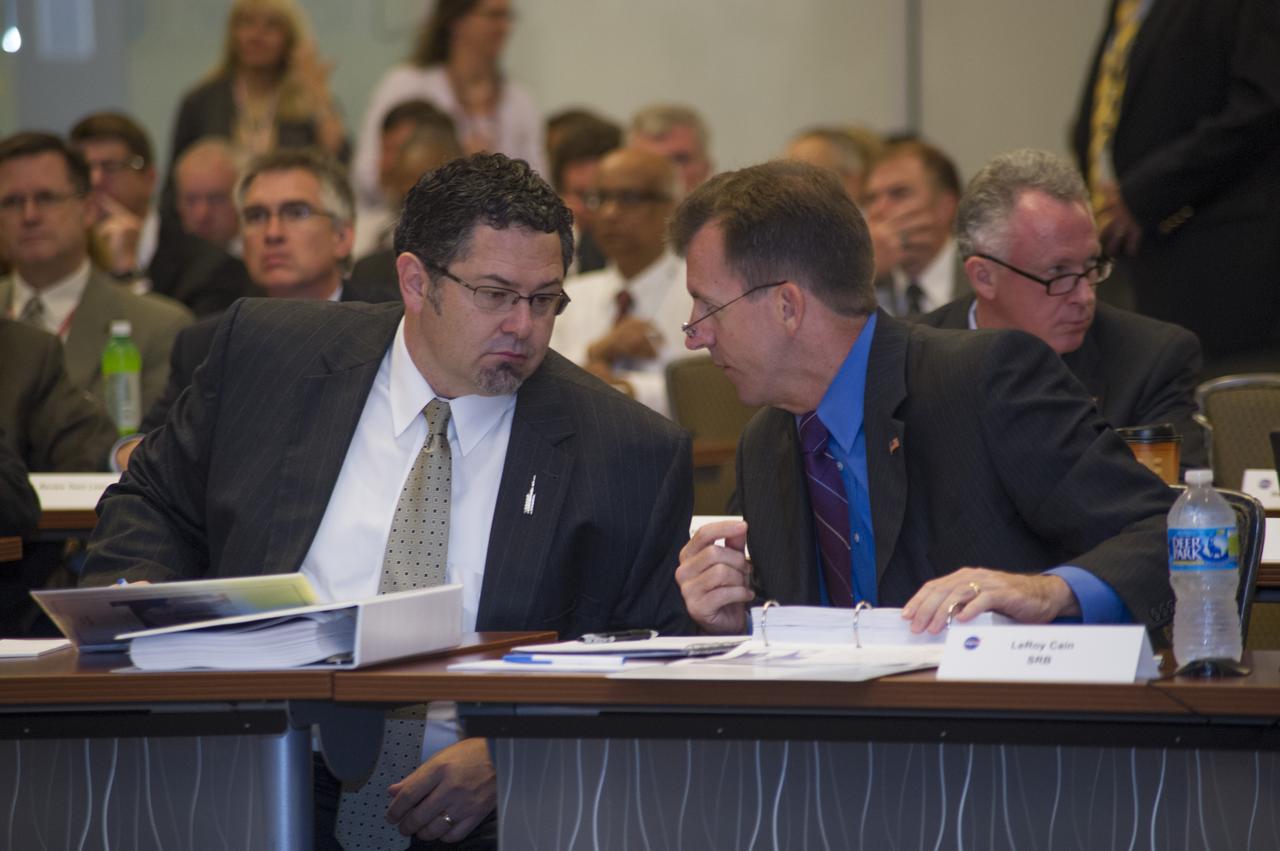
TODD MAY, LEFT, MANAGER OF THE SLS PROGRAM AT THE MARSHALL CENTER, DISCUSSES THE ROCKET'S SPECIFICATIONS WITH LEROY CAIN, WHO HEADS THE INDEPENDENT STANDING REVIEW BOARD FOR SLS, DURING THE SLS PROGRAM'S PRELIMINARY DESIGN REVIEW. THE REVIEW KICKED OFF JUNE 18-19
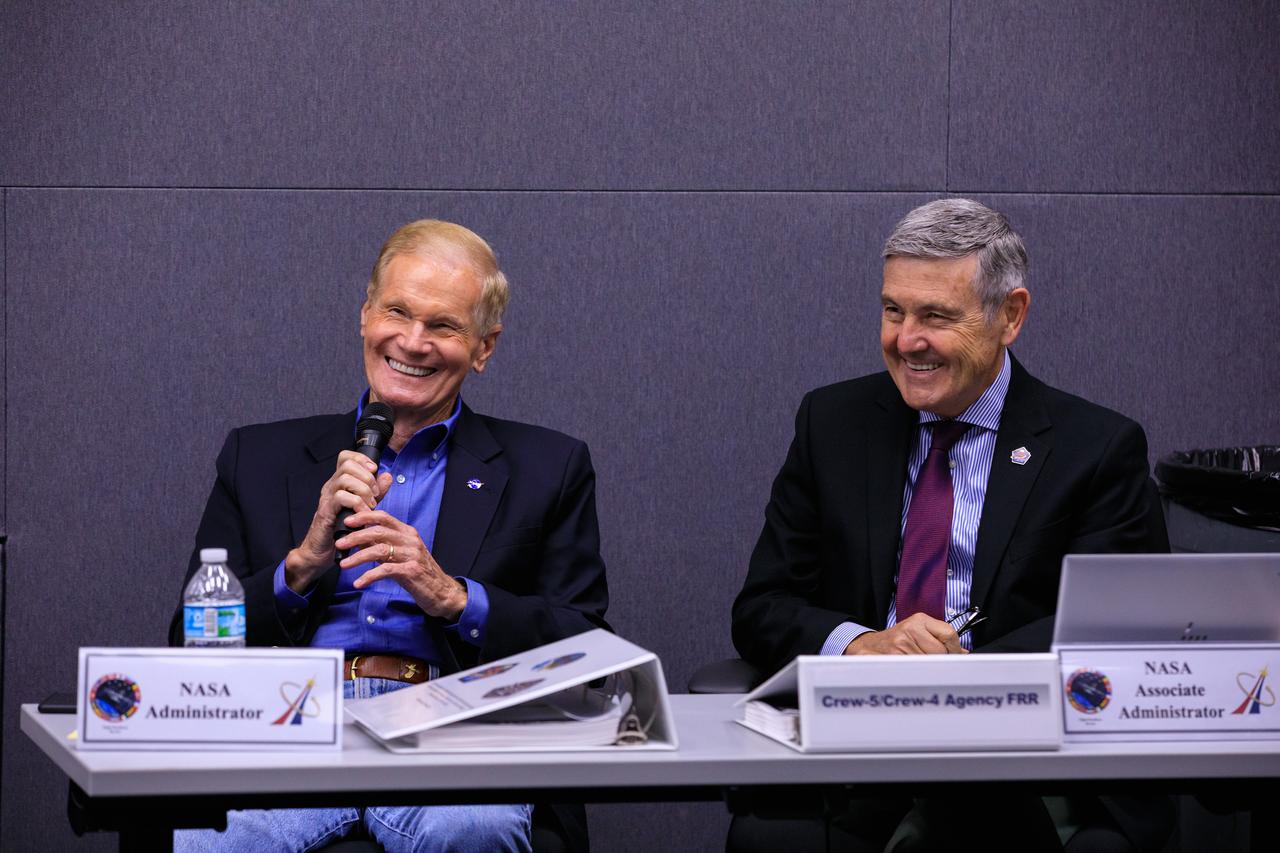
NASA Administrator Bill Nelson, left, and Associate Administrator Bob Cabana participate in a Flight Readiness Review for the agency’s Crew-5 mission at Kennedy Space Center in Florida on Sept. 26, 2022. NASA and SpaceX managers held the review to confirm the SpaceX Falcon 9 rocket and Crew Dragon spacecraft are ready for launch. Crew-5 is scheduled to launch to the International Space Station from Kennedy’s Launch Complex 39A as part of the agency’s Commercial Crew Program. This will be the fifth crew rotation mission of SpaceX’s human transportation system and its sixth flight with astronauts, including the Demo-2 test flight, to the space station.
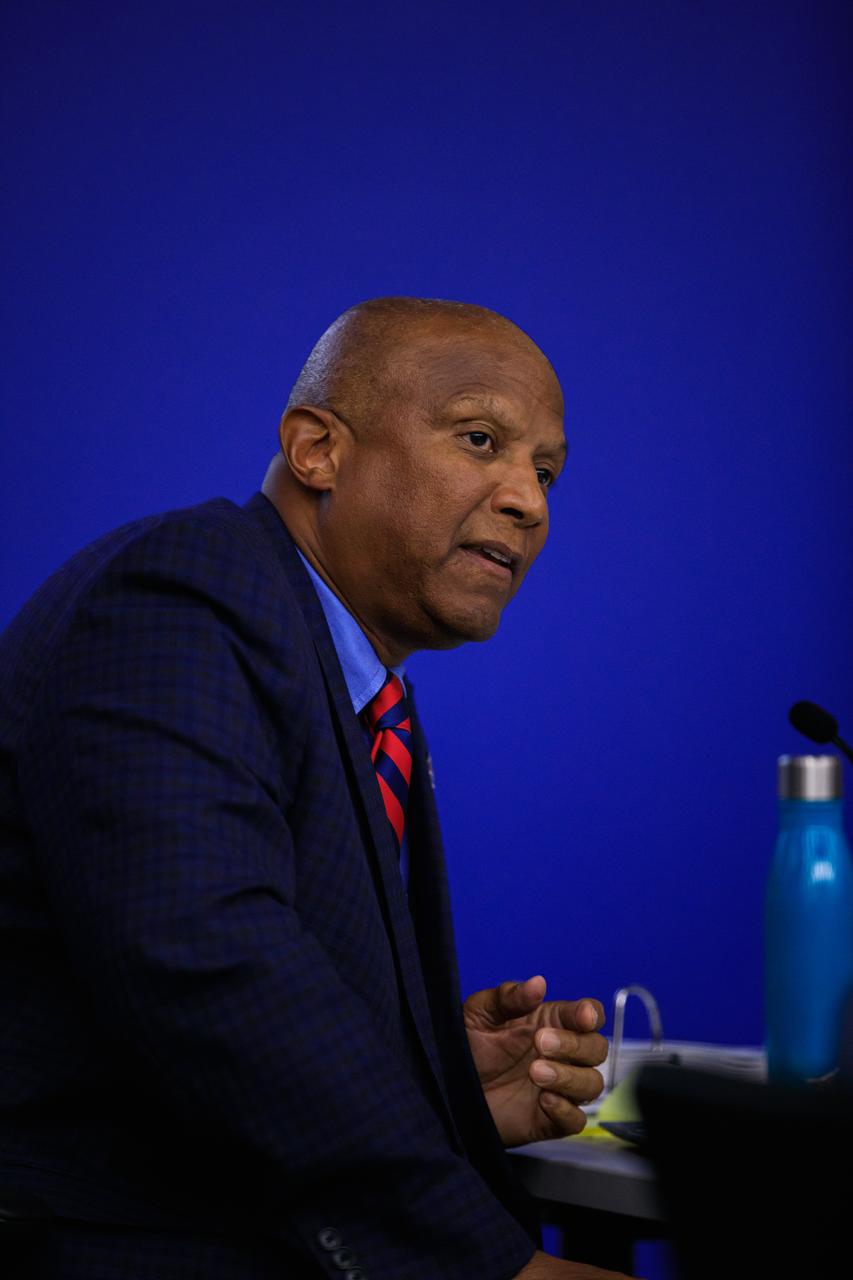
Kennedy Space Center Deputy Director Kelvin Manning participates in a Flight Readiness Review for NASA’s Crew-5 mission at the Florida spaceport on Sept. 26, 2022. NASA and SpaceX managers held the review to confirm the SpaceX Falcon 9 rocket and Crew Dragon spacecraft are ready for launch. Crew-5 is scheduled to launch to the International Space Station from Kennedy’s Launch Complex 39A as part of the agency’s Commercial Crew Program. This will be the fifth crew rotation mission of SpaceX’s human transportation system and its sixth flight with astronauts, including the Demo-2 test flight, to the space station.
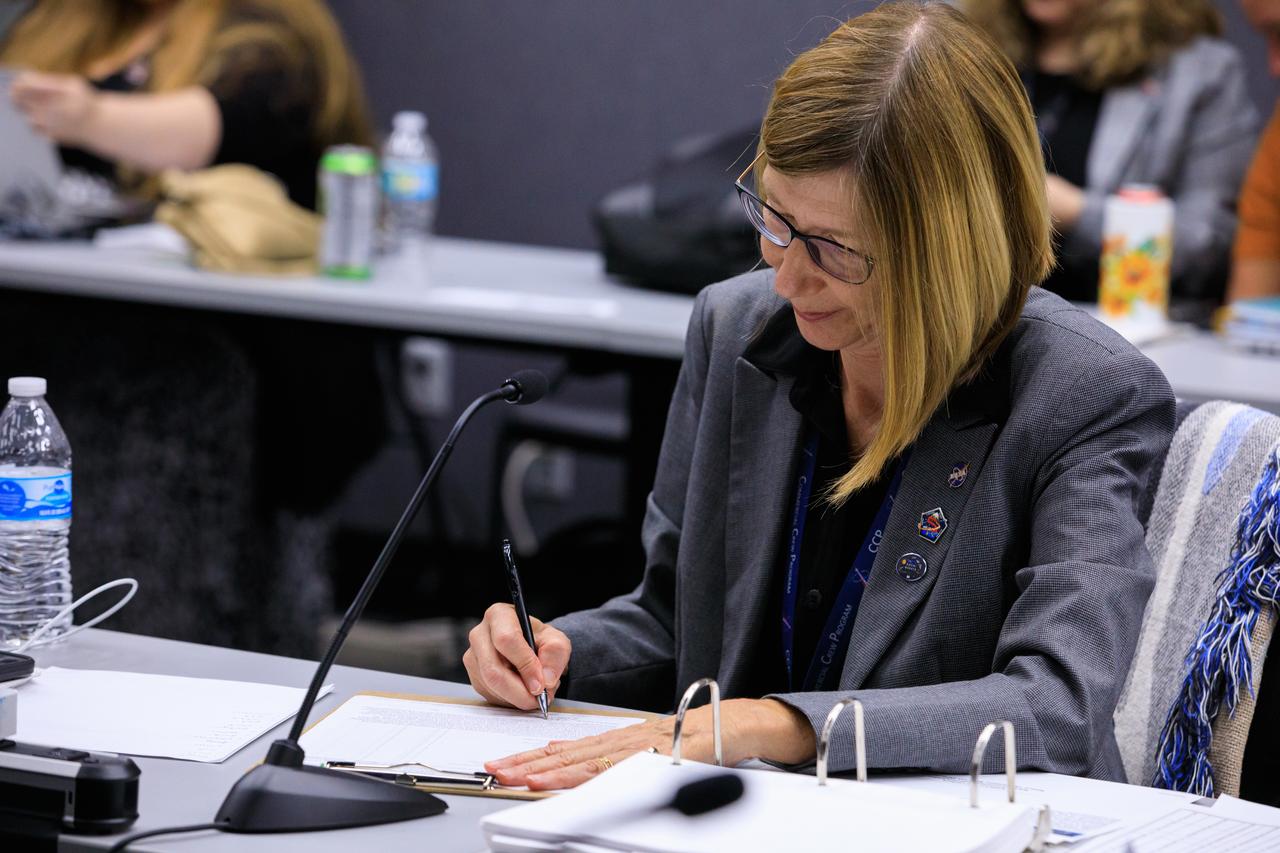
Kathryn Lueders, associate administrator for NASA’s Space Operations Mission Directorate, participates in a Flight Readiness Review for the agency’s Crew-5 mission at Kennedy Space Center in Florida on Sept. 26, 2022. NASA and SpaceX managers held the review to confirm the SpaceX Falcon 9 rocket and Crew Dragon spacecraft are ready for launch. Crew-5 is scheduled to launch to the International Space Station from Kennedy’s Launch Complex 39A as part of the agency’s Commercial Crew Program. This will be the fifth crew rotation mission of SpaceX’s human transportation system and its sixth flight with astronauts, including the Demo-2 test flight, to the space station.
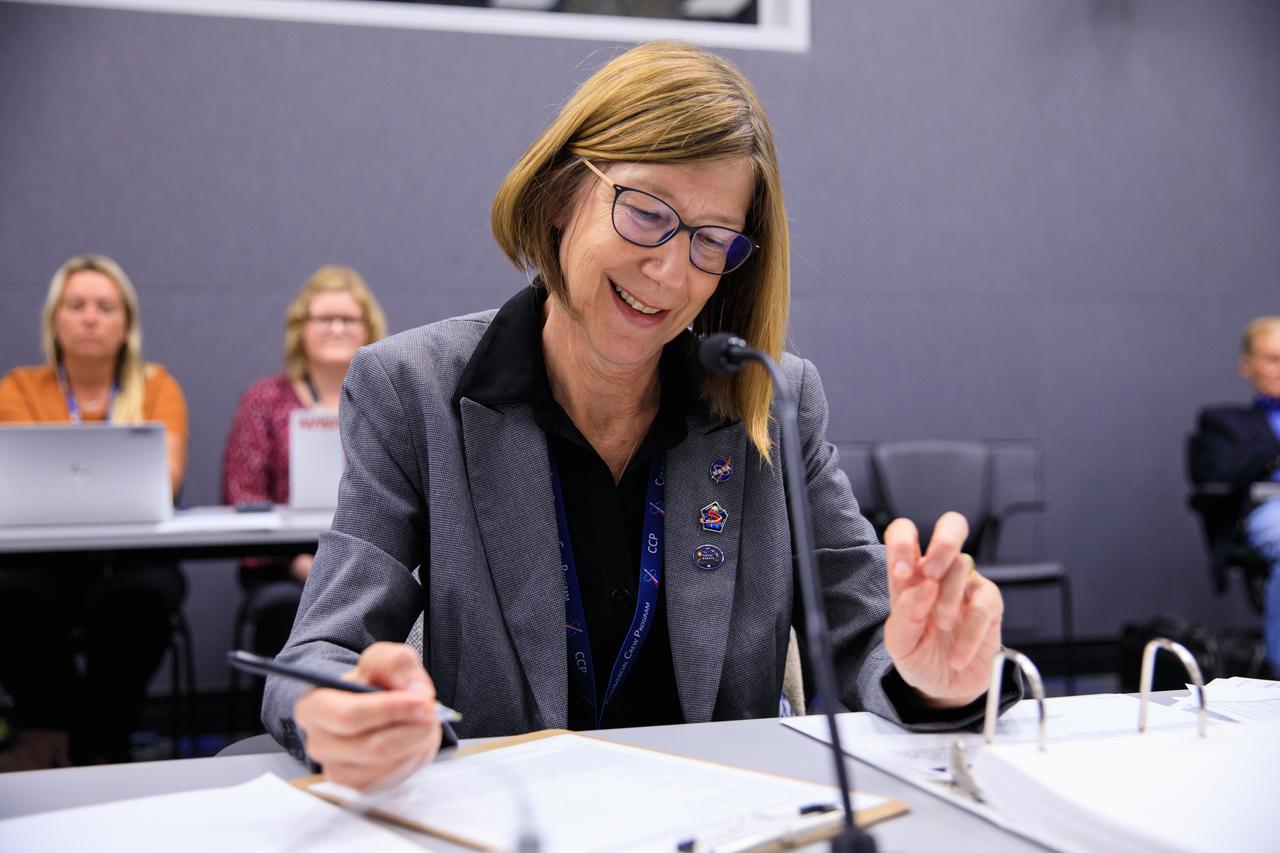
Kathryn Lueders, associate administrator for NASA’s Space Operations Mission Directorate, participates in a Flight Readiness Review for the agency’s Crew-5 mission at Kennedy Space Center in Florida on Sept. 26, 2022. NASA and SpaceX managers held the review to confirm the SpaceX Falcon 9 rocket and Crew Dragon spacecraft are ready for launch. Crew-5 is scheduled to launch to the International Space Station from Kennedy’s Launch Complex 39A as part of the agency’s Commercial Crew Program. This will be the fifth crew rotation mission of SpaceX’s human transportation system and its sixth flight with astronauts, including the Demo-2 test flight, to the space station.
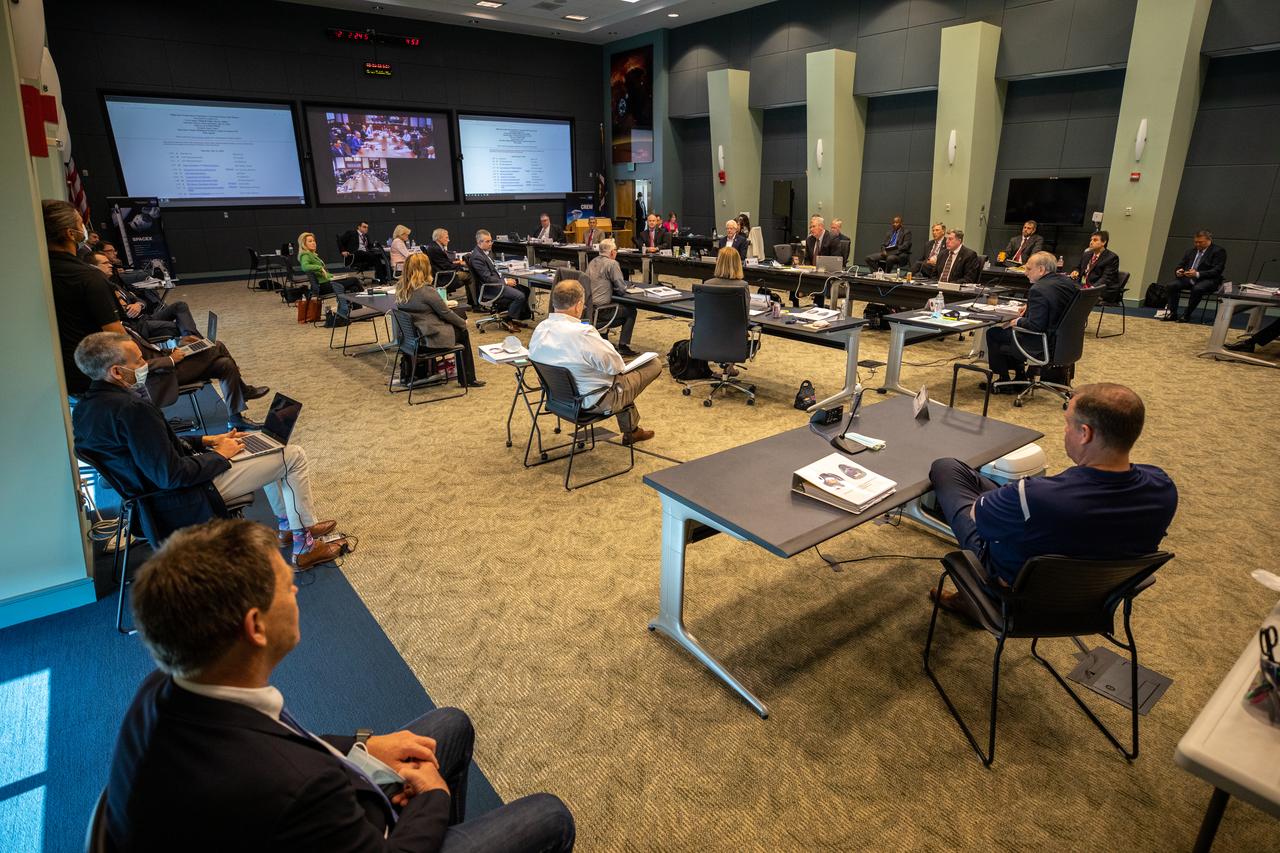
On May 21, 2020, inside the Operations Support Building II at NASA’s Kennedy Space Center in Florida, NASA and SpaceX managers participate in a flight readiness review for the upcoming Demo-2 launch. A SpaceX Falcon 9 rocket and Crew Dragon spacecraft will carry NASA astronauts Robert Behnken and Douglas Hurley to the International Space Station as part of the agency’s Commercial Crew Program, returning human spaceflight capability to the U.S. after nearly a decade. Launch is slated for 4:33 p.m. EDT on Wednesday, May 27, from Kennedy’s Launch Complex 39A.
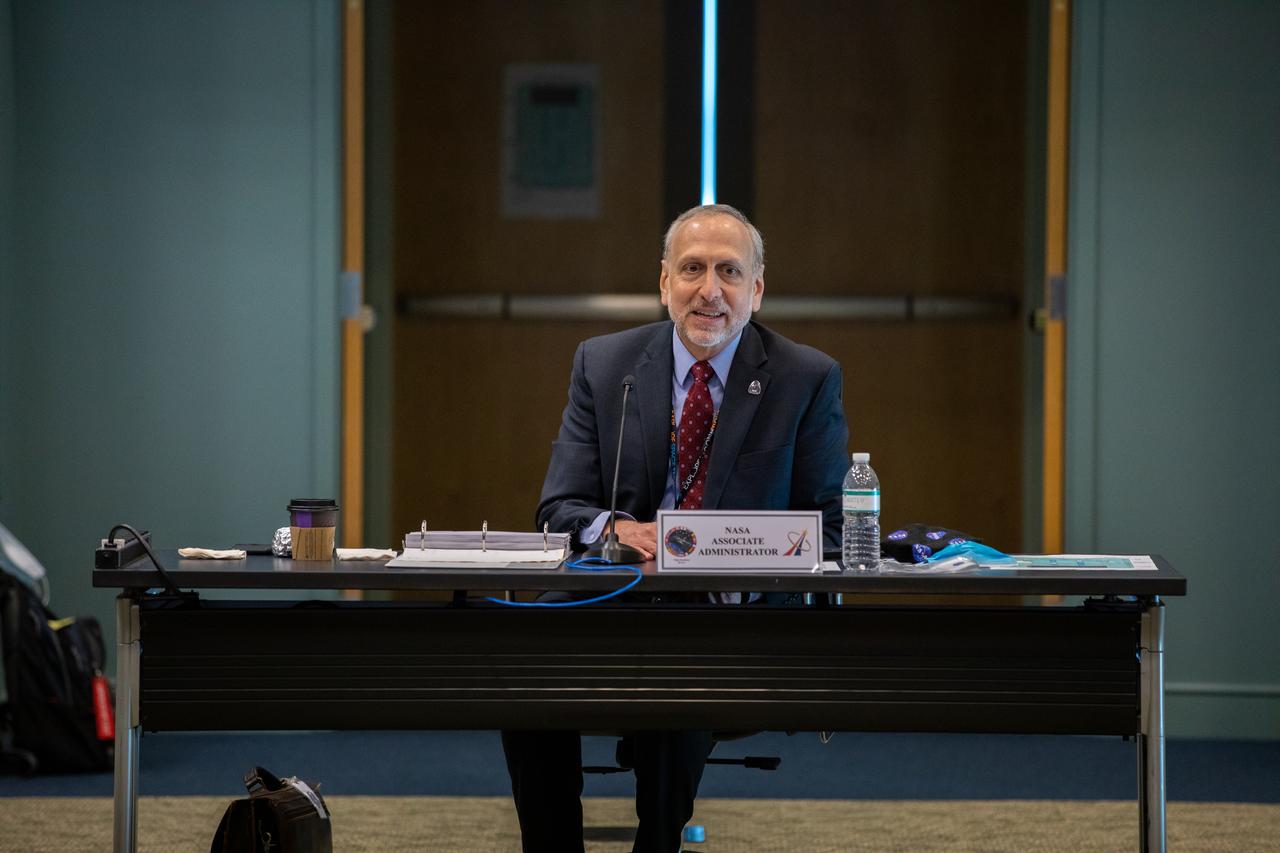
On May 21, 2020, inside the Operations Support Building II at NASA’s Kennedy Space Center in Florida, NASA Associate Administrator Steve Jurczyk participates in a flight readiness review for the upcoming Demo-2 launch. A SpaceX Falcon 9 rocket and Crew Dragon spacecraft will carry NASA astronauts Robert Behnken and Douglas Hurley to the International Space Station as part of the agency’s Commercial Crew Program, returning human spaceflight capability to the U.S. after nearly a decade. Launch is slated for 4:33 p.m. EDT on Wednesday, May 27, from Kennedy’s Launch Complex 39A.
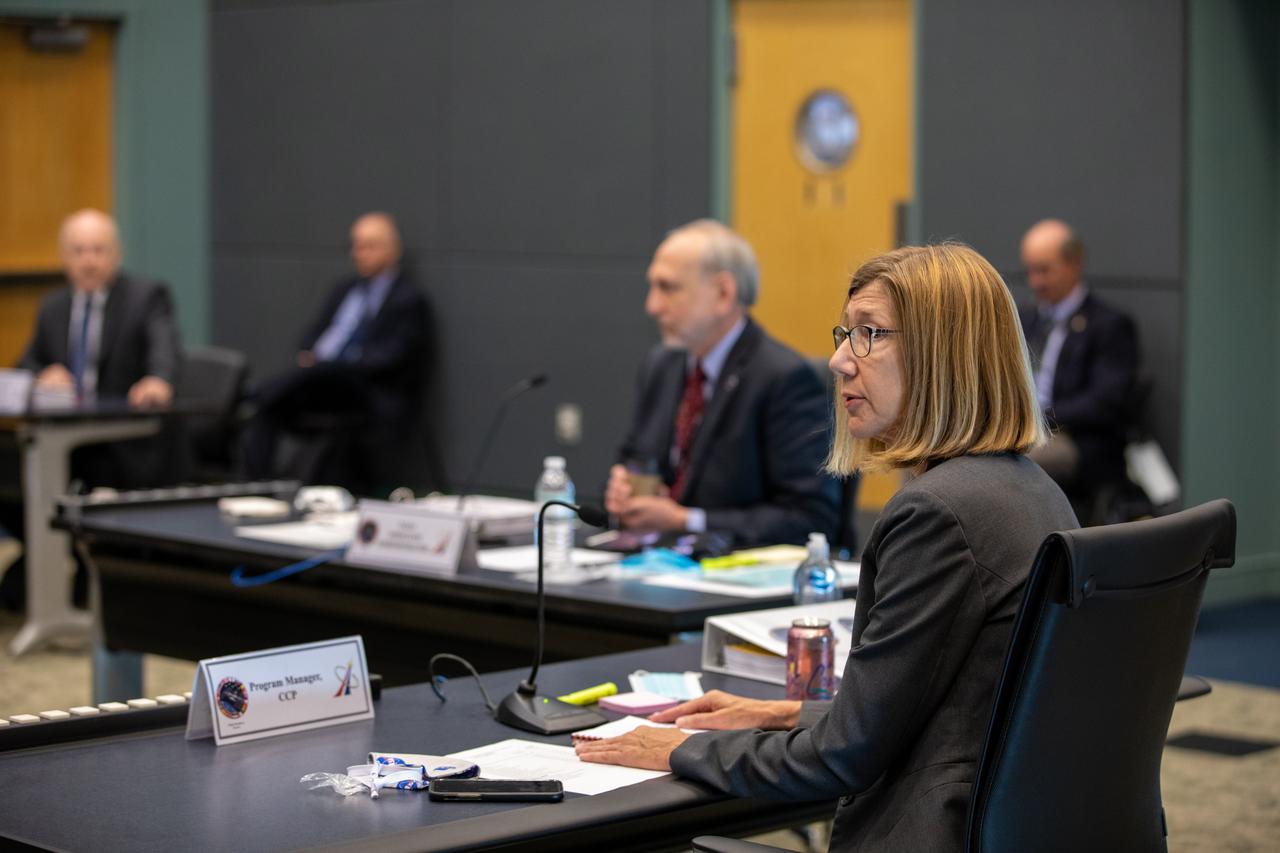
On May 21, 2020, inside the Operations Support Building II at NASA’s Kennedy Space Center in Florida, Commercial Crew Program Manager Kathy Lueders participates in a flight readiness review for the upcoming Demo-2 launch. A SpaceX Falcon 9 rocket and Crew Dragon spacecraft will carry NASA astronauts Robert Behnken and Douglas Hurley to the International Space Station as part of the agency’s Commercial Crew Program, returning human spaceflight capability to the U.S. after nearly a decade. Launch is slated for 4:33 p.m. EDT on Wednesday, May 27, from Kennedy’s Launch Complex 39A.
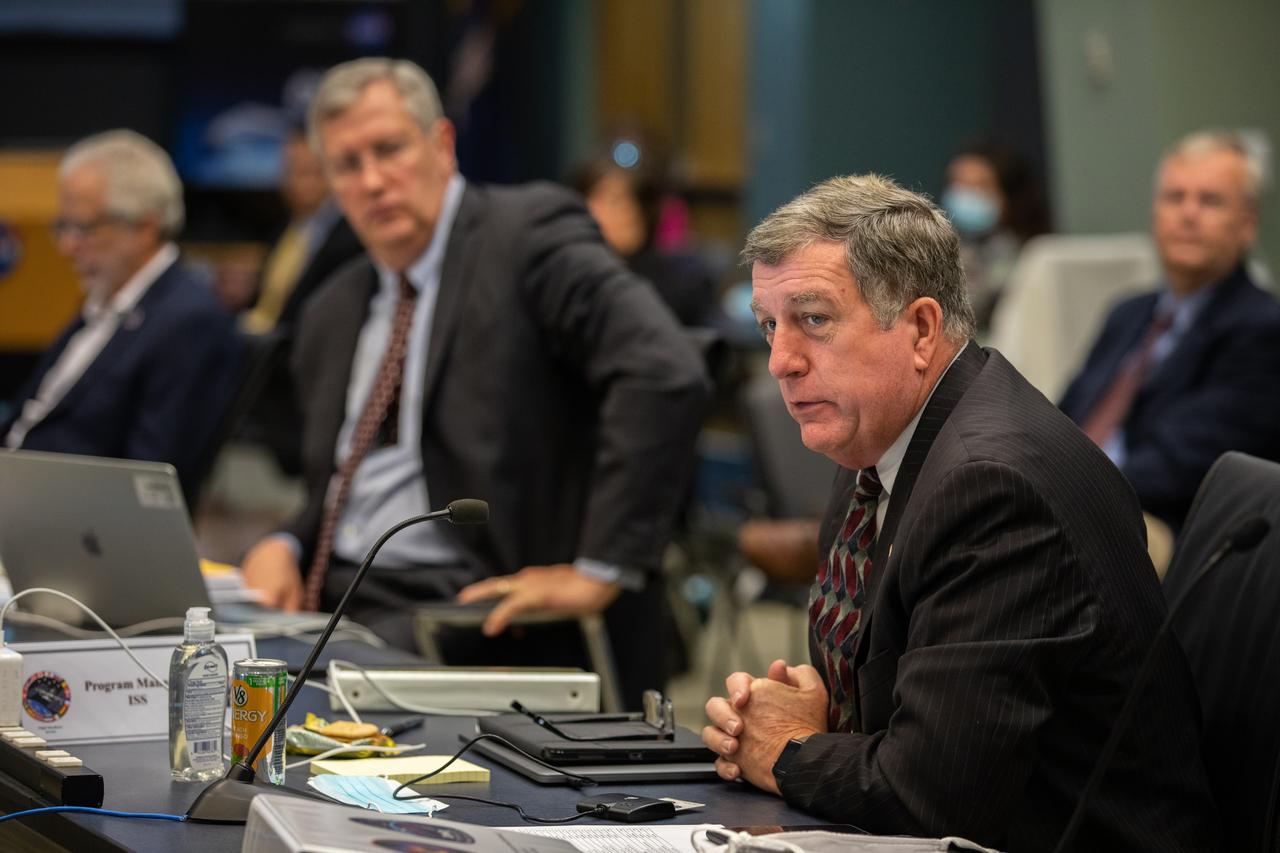
On May 21, 2020, inside the Operations Support Building II at NASA’s Kennedy Space Center in Florida, International Space Station Program Manager Kirk Shireman participates in a flight readiness review for the upcoming Demo-2 launch. A SpaceX Falcon 9 rocket and Crew Dragon spacecraft will carry NASA astronauts Robert Behnken and Douglas Hurley to the International Space Station as part of the agency’s Commercial Crew Program, returning human spaceflight capability to the U.S. after nearly a decade. Launch is slated for 4:33 p.m. EDT on Wednesday, May 27, from Kennedy’s Launch Complex 39A.
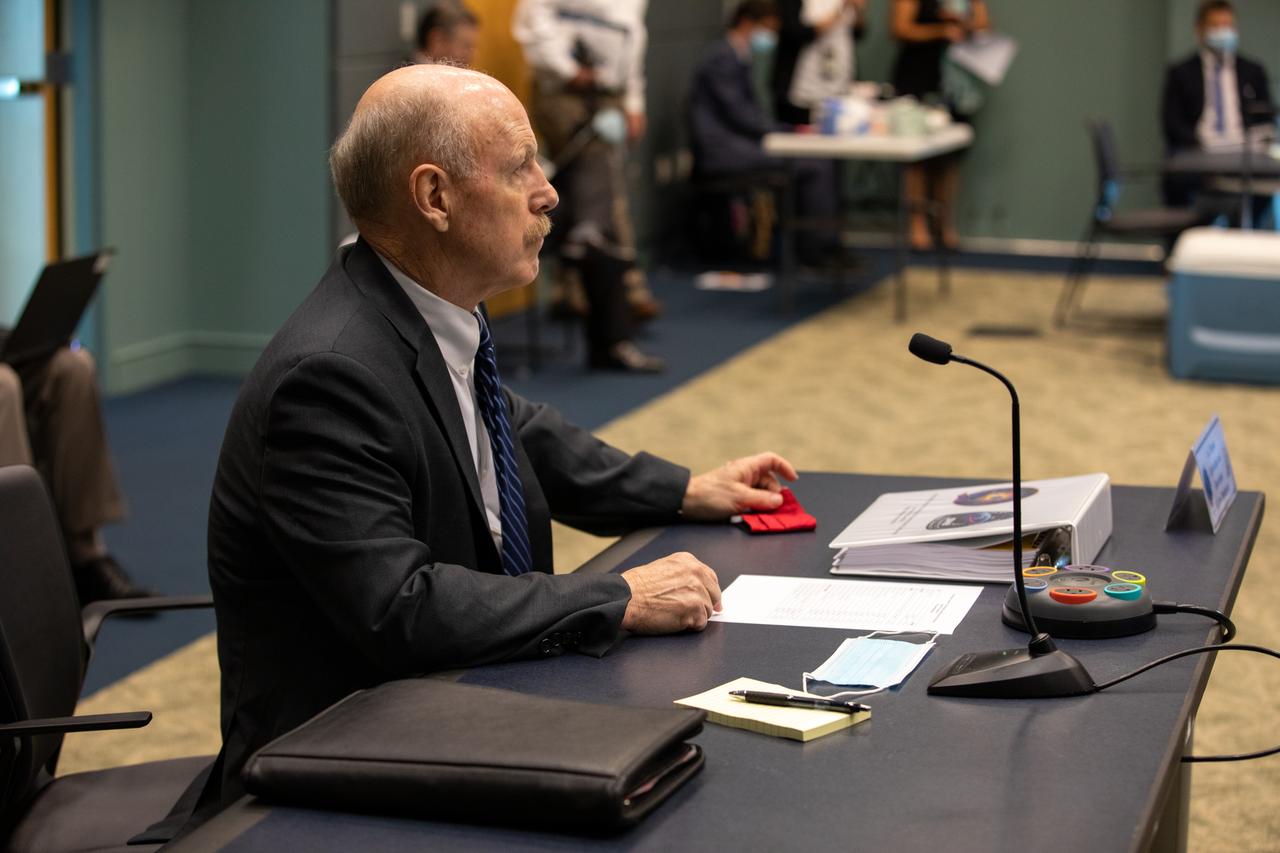
On May 21, 2020, inside the Operations Support Building II at NASA’s Kennedy Space Center in Florida, Kenneth Bowersox, deputy associate administrator for the agency’s Human Exploration and Operations Missions Directorate, participates in a flight readiness review for the upcoming Demo-2 launch. A SpaceX Falcon 9 rocket and Crew Dragon spacecraft will carry NASA astronauts Robert Behnken and Douglas Hurley to the International Space Station as part of the agency’s Commercial Crew Program, returning human spaceflight capability to the U.S. after nearly a decade. Launch is slated for 4:33 p.m. EDT on Wednesday, May 27, from Kennedy’s Launch Complex 39A.
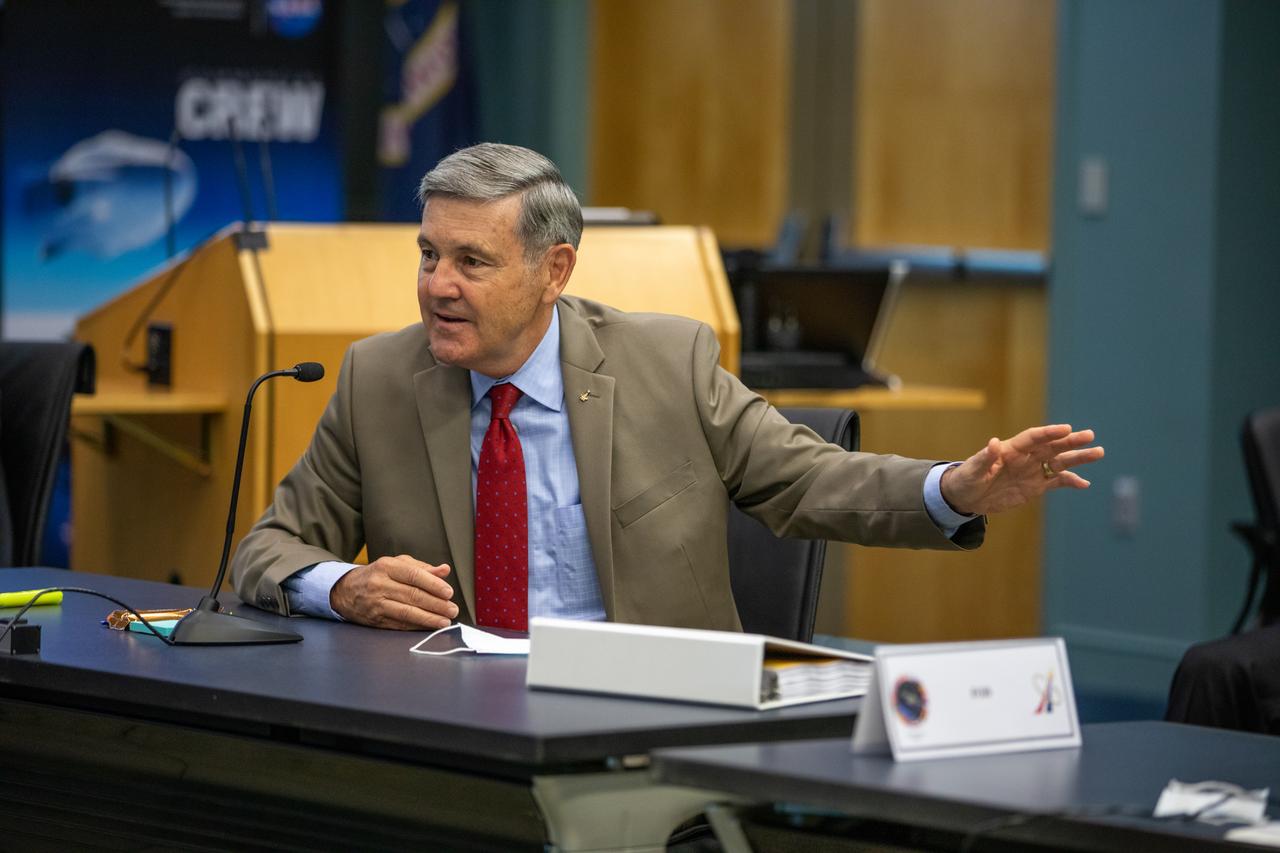
On May 21, 2020, inside the Operations Support Building II at NASA’s Kennedy Space Center in Florida, Center Director Bob Cabana participates in a flight readiness review for the upcoming Demo-2 launch. A SpaceX Falcon 9 rocket and Crew Dragon spacecraft will carry NASA astronauts Robert Behnken and Douglas Hurley to the International Space Station as part of the agency’s Commercial Crew Program, returning human spaceflight capability to the U.S. after nearly a decade. Launch is slated for 4:33 p.m. EDT on Wednesday, May 27, from Kennedy’s Launch Complex 39A.
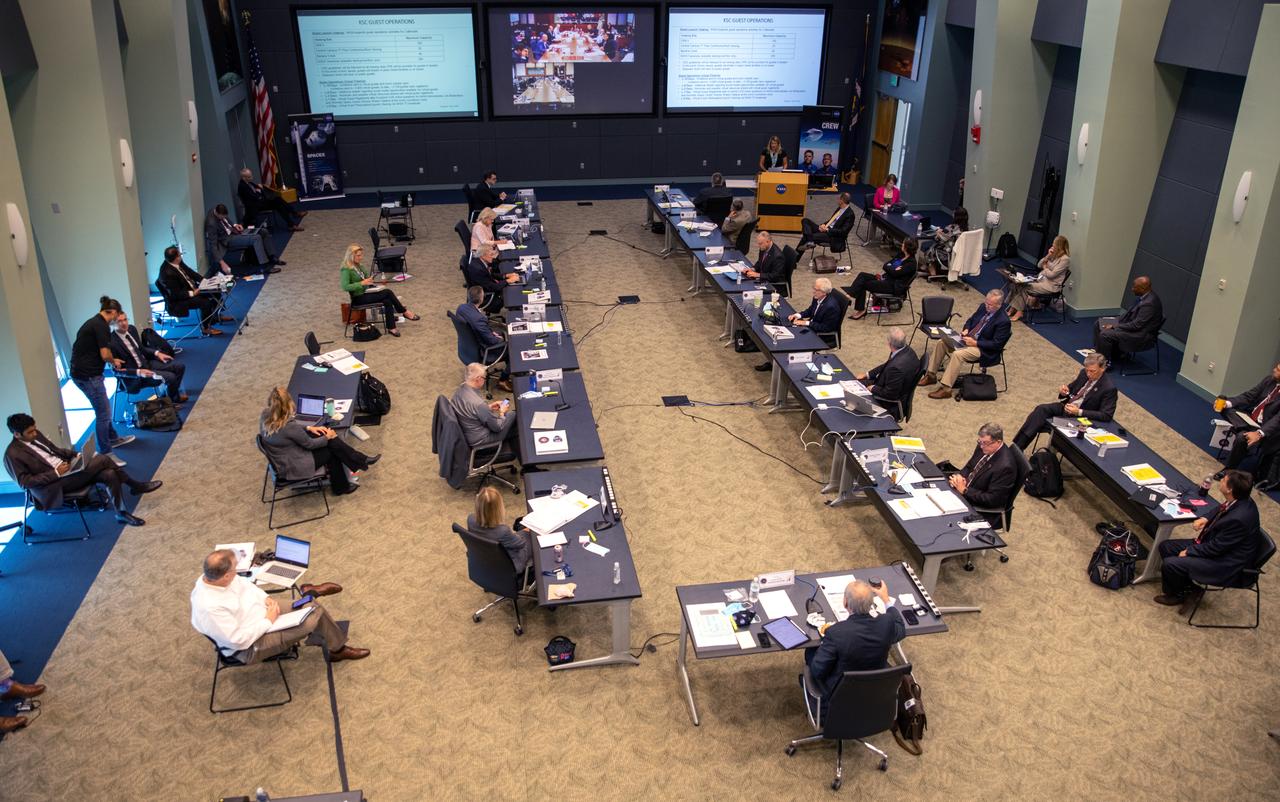
On May 21, 2020, inside the Operations Support Building II at NASA’s Kennedy Space Center in Florida, NASA and SpaceX managers participate in a flight readiness review for the upcoming Demo-2 launch. A SpaceX Falcon 9 rocket and Crew Dragon spacecraft will carry NASA astronauts Robert Behnken and Douglas Hurley to the International Space Station as part of the agency’s Commercial Crew Program, returning human spaceflight capability to the U.S. after nearly a decade. Launch is slated for 4:33 p.m. EDT on Wednesday, May 27, from Kennedy’s Launch Complex 39A.
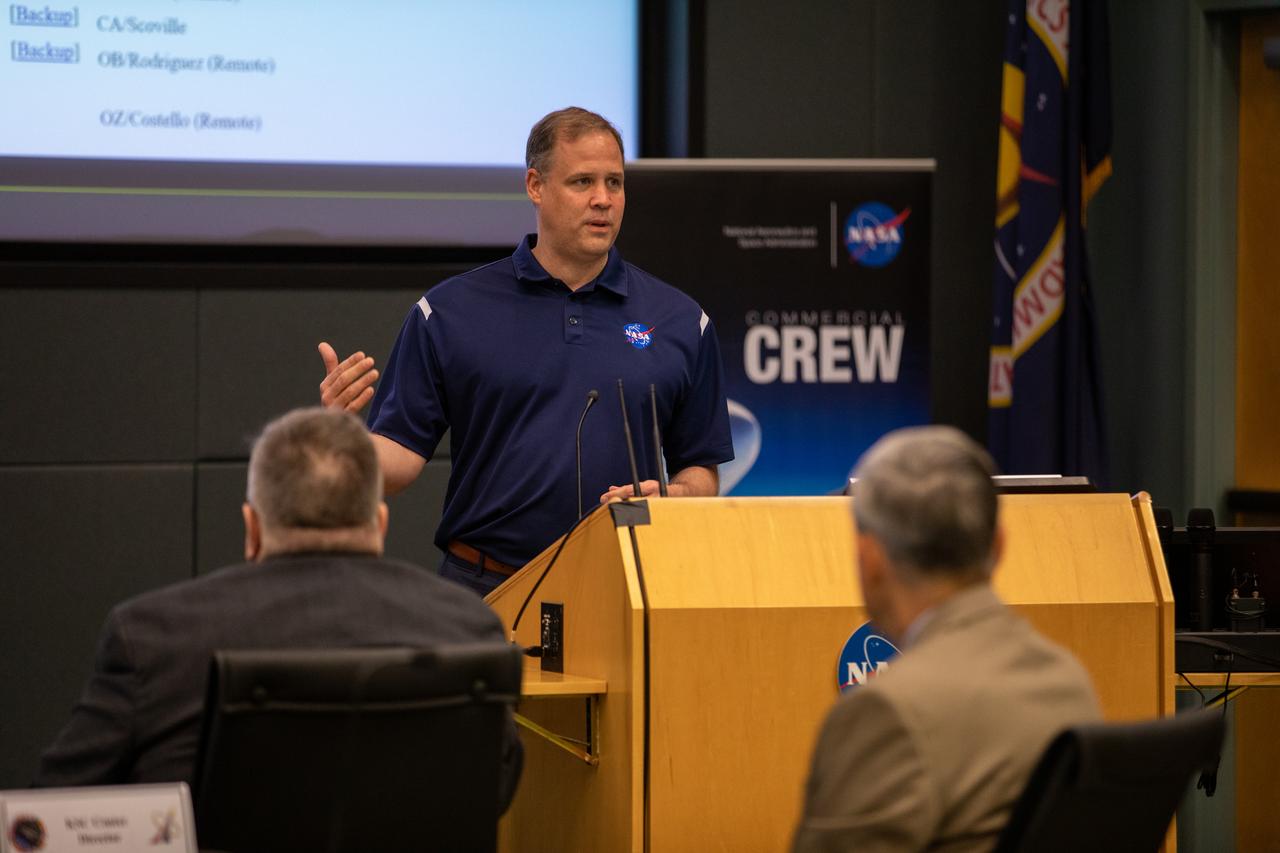
On May 21, 2020, inside the Operations Support Building II at NASA’s Kennedy Space Center in Florida, NASA Administrator Jim Bridenstine participates in a flight readiness review for the upcoming Demo-2 launch. A SpaceX Falcon 9 rocket and Crew Dragon spacecraft will carry NASA astronauts Robert Behnken and Douglas Hurley to the International Space Station as part of the agency’s Commercial Crew Program, returning human spaceflight capability to the U.S. after nearly a decade. Launch is slated for 4:33 p.m. EDT on Wednesday, May 27, from Kennedy’s Launch Complex 39A.
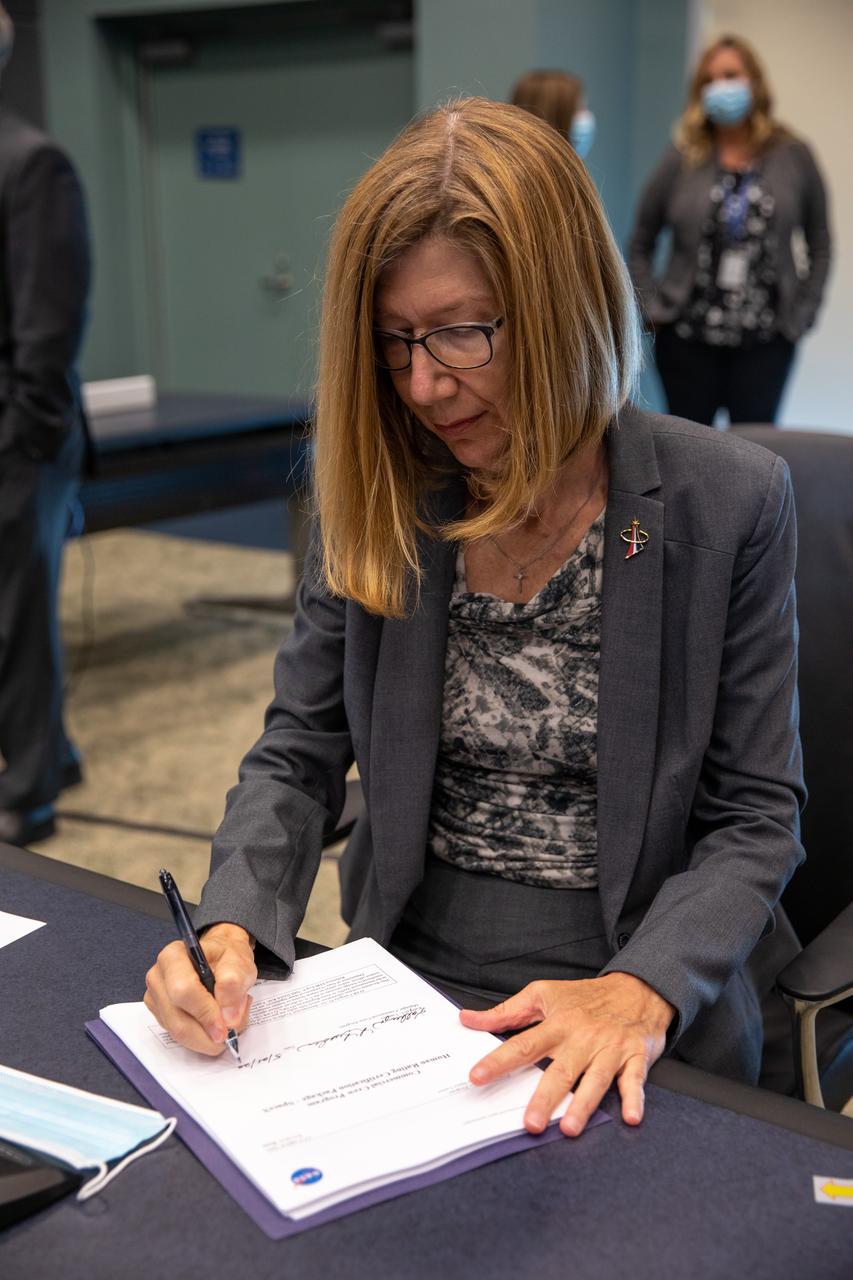
On May 21, 2020, inside the Operations Support Building II at NASA’s Kennedy Space Center in Florida, Commercial Crew Program Manager Kathy Lueders participates in a flight readiness review for the upcoming Demo-2 launch. A SpaceX Falcon 9 rocket and Crew Dragon spacecraft will carry NASA astronauts Robert Behnken and Douglas Hurley to the International Space Station as part of the agency’s Commercial Crew Program, returning human spaceflight capability to the U.S. after nearly a decade. Launch is slated for 4:33 p.m. EDT on Wednesday, May 27, from Kennedy’s Launch Complex 39A.
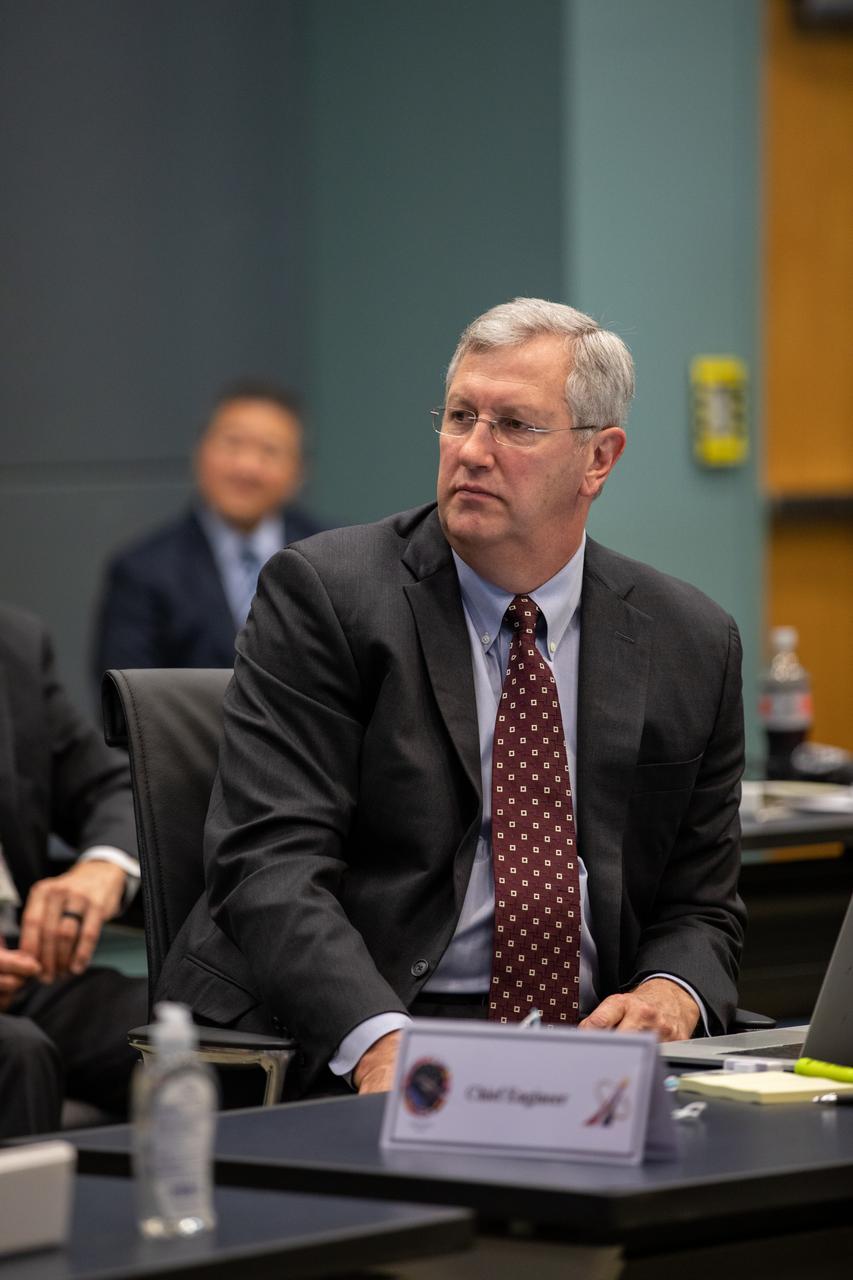
On May 21, 2020, inside the Operations Support Building II at NASA’s Kennedy Space Center in Florida, NASA Chief Engineer Ralph Roe participates in a flight readiness review for the upcoming Demo-2 launch. A SpaceX Falcon 9 rocket and Crew Dragon spacecraft will carry NASA astronauts Robert Behnken and Douglas Hurley to the International Space Station as part of the agency’s Commercial Crew Program, returning human spaceflight capability to the U.S. after nearly a decade. Launch is slated for 4:33 p.m. EDT on Wednesday, May 27, from Kennedy’s Launch Complex 39A.

Dr. Edward Crawley, Ford Professor of Engineering at MIT and co-chair, NASA Exploration Technology Development Program Review Committee speaks during the final meeting of the Human Space Flight Review Committee, Wednesday, Aug. 12, 2009, in Washington. Photo Credit: (NASA/Paul E. Alers)
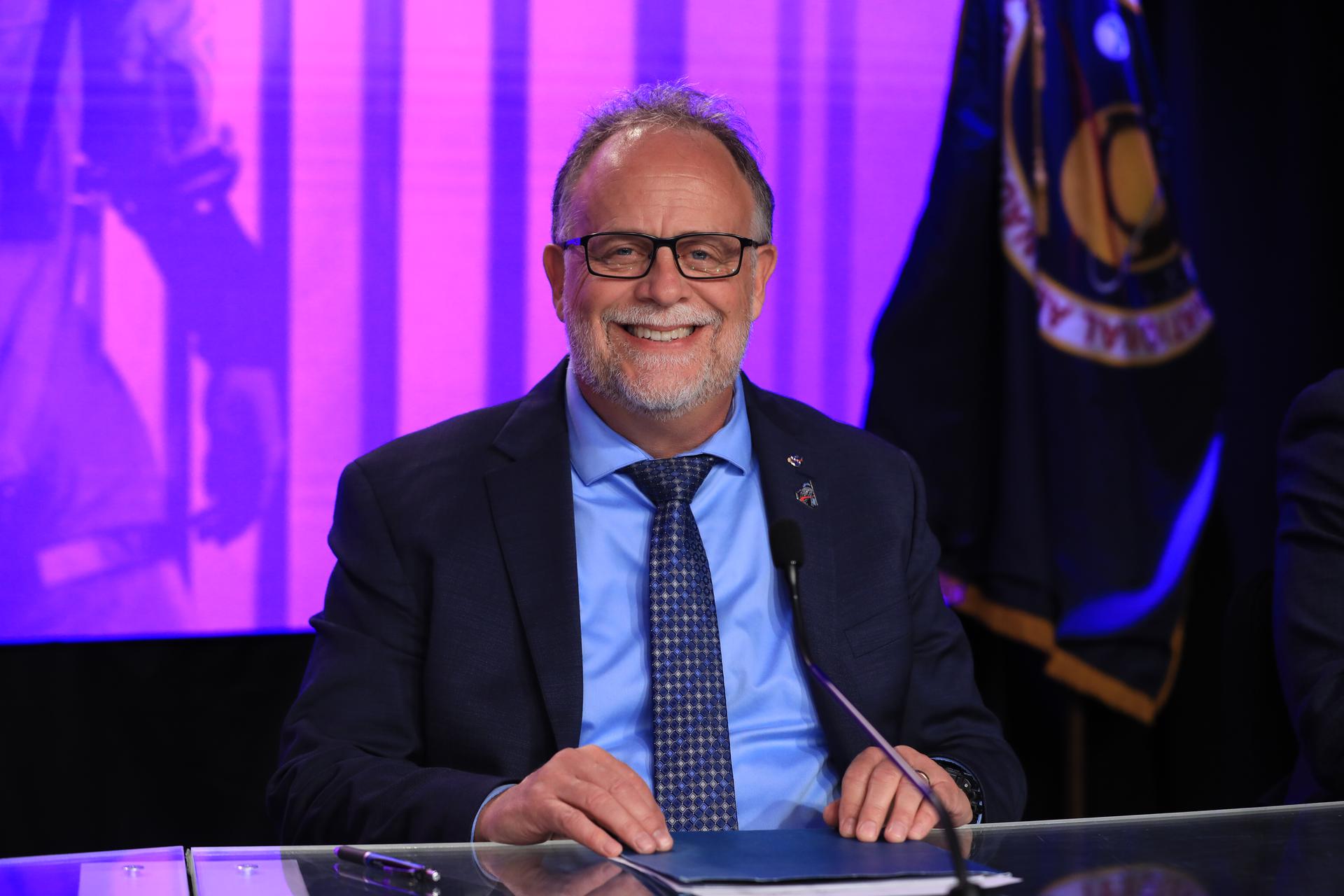
Shawn Quinn, manager, Exploration Ground Systems Program, participates in a post-Flight Readiness Review news conference for the Artemis II test flight inside the John Holliman Auditorium of the NASA News Center at the agency’s Kennedy Space Center in Florida on Thursday, March 12, 2026. The review is an assessment of the readiness of NASA’s SLS (Space Launch System) rocket and Orion spacecraft to support the Artemis II test flight as four astronauts journey around the Moon and return to Earth.
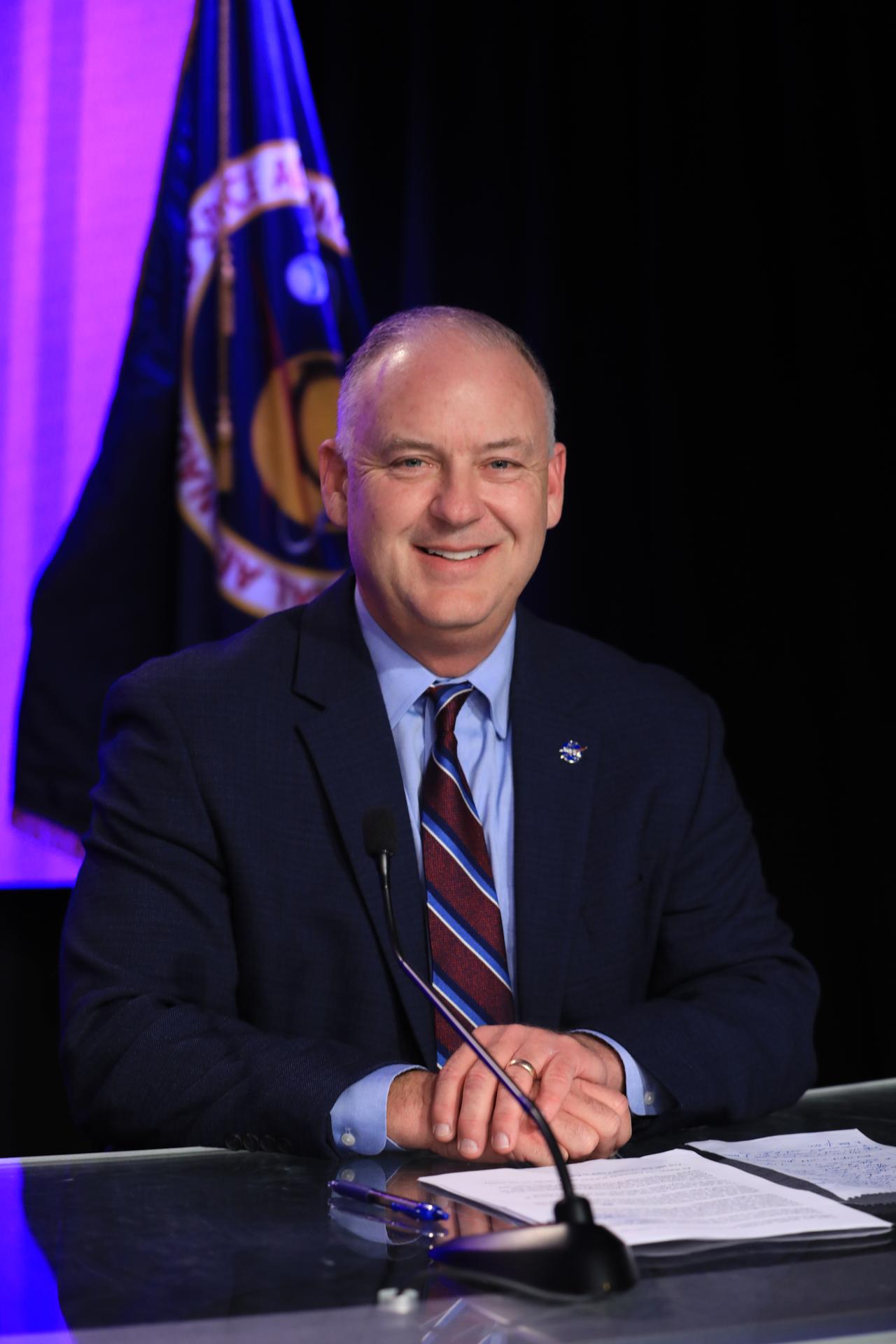
Norm Knight, director, Flight Operations Directorate, participates in a post-Flight Readiness Review news conference for the Artemis II test flight inside the John Holliman Auditorium of the NASA News Center at the agency’s Kennedy Space Center in Florida on Thursday, March 12, 2026. The review is an assessment of the readiness of NASA’s SLS (Space Launch System) rocket and Orion spacecraft to support the Artemis II test flight as four astronauts journey around the Moon and return to Earth.

John Honeycutt, chair, Artemis II Mission Management Team, participates in a post-Flight Readiness Review news conference for the Artemis II test flight inside the John Holliman Auditorium of the NASA News Center at the agency’s Kennedy Space Center in Florida on Thursday, March 12, 2026. The review is an assessment of the readiness of NASA’s SLS (Space Launch System) rocket and Orion spacecraft to support the Artemis II test flight as four astronauts journey around the Moon and return to Earth.
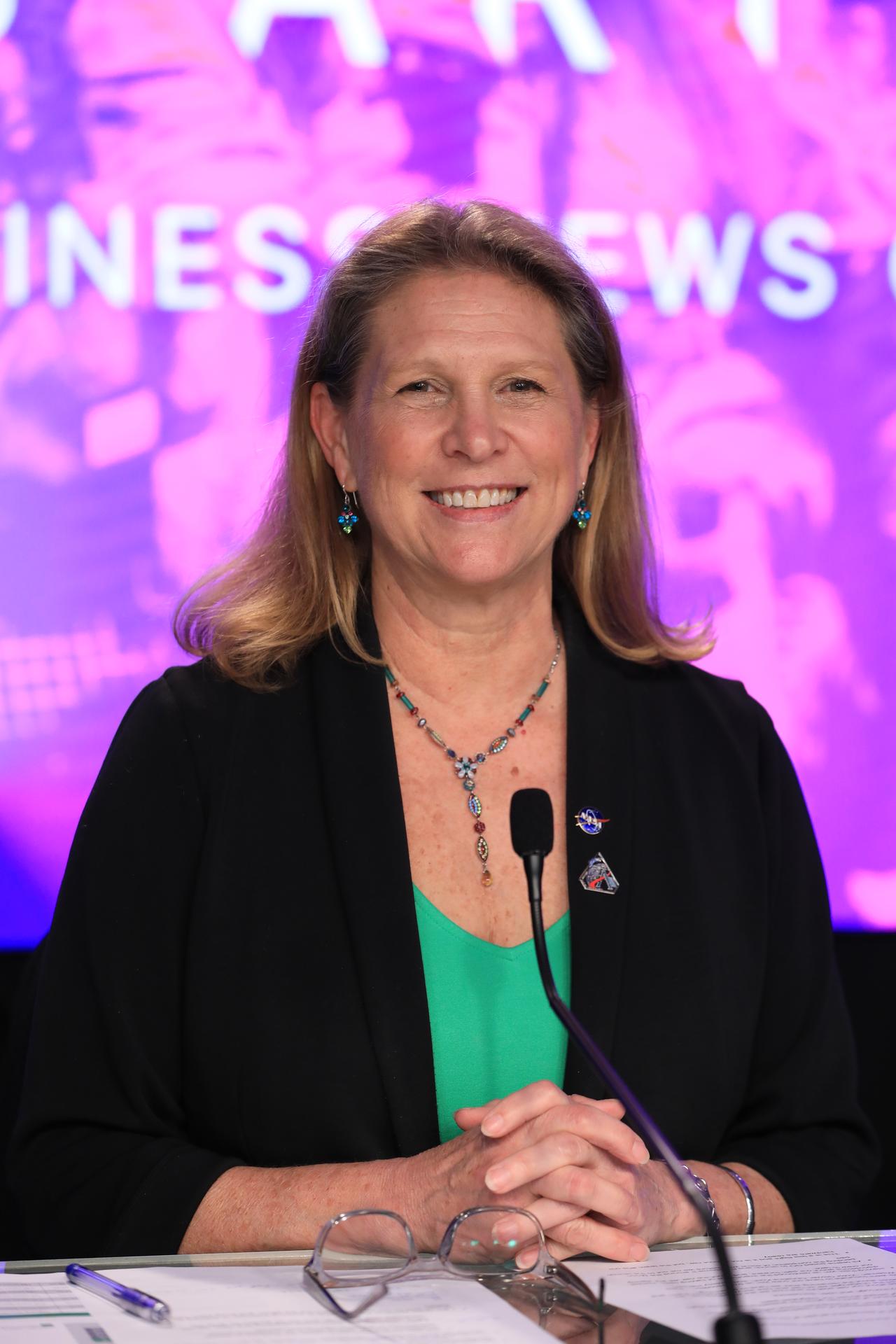
Lori Glaze, acting associate administrator, Exploration Systems Development Mission Directorate, participates in a post-Flight Readiness Review news conference for the Artemis II test flight inside the John Holliman Auditorium of the NASA News Center at the agency’s Kennedy Space Center in Florida on Thursday, March 12, 2026. The review is an assessment of the readiness of NASA’s SLS (Space Launch System) rocket and Orion spacecraft to support the Artemis II test flight as four astronauts journey around the Moon and return to Earth.

Rachel Kraft, NASA Communications, participates in a post-Flight Readiness Review news conference for the Artemis II test flight inside the John Holliman Auditorium of the NASA News Center at the agency’s Kennedy Space Center in Florida on Thursday, March 12, 2026. The review is an assessment of the readiness of NASA’s SLS (Space Launch System) rocket and Orion spacecraft to support the Artemis II test flight as four astronauts journey around the Moon and return to Earth.
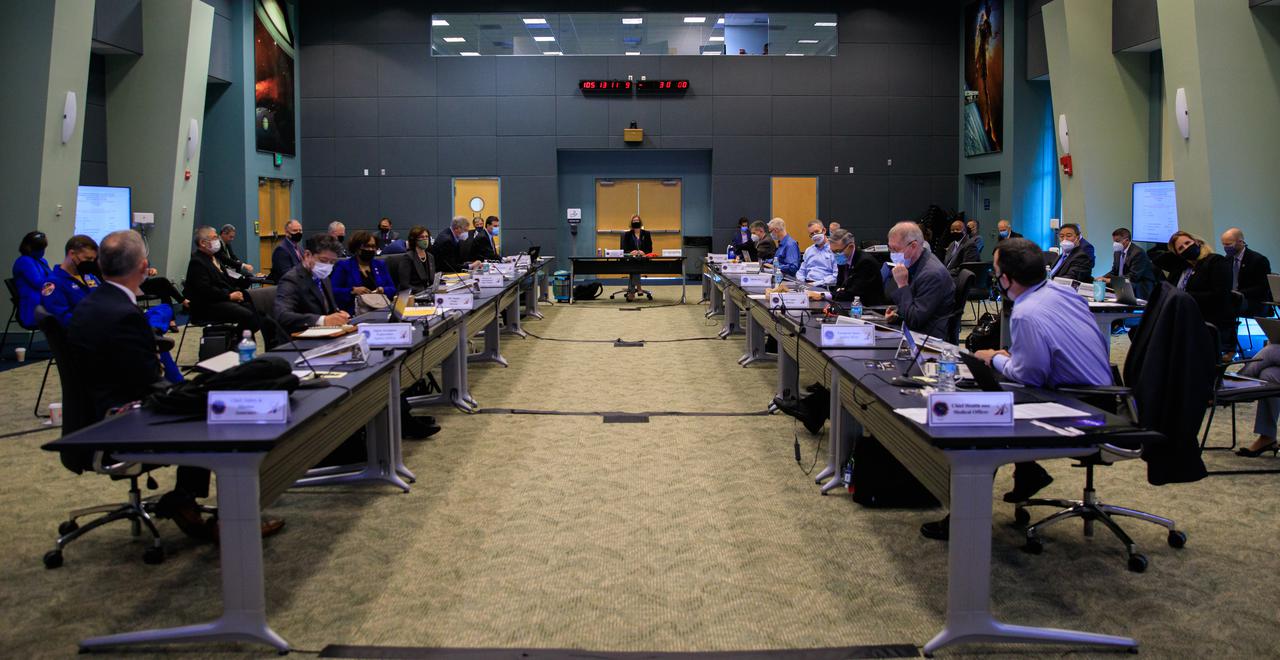
NASA’s SpaceX Crew-2 Flight Readiness Review takes place at NASA’s Kennedy Space Center on April 15, 2021. Crew-2 is targeted to launch from the Florida Spaceport’s Launch Complex 39A on April 22 at 6:11 a.m. EDT. NASA astronauts Shane Kimbrough and Megan McArthur, JAXA astronaut Akihiko Hoshide, and ESA astronaut Thomas Pesquet will fly to the International Space Station aboard SpaceX’s Crew Dragon Endeavour, powered by the company’s Falcon 9 rocket.
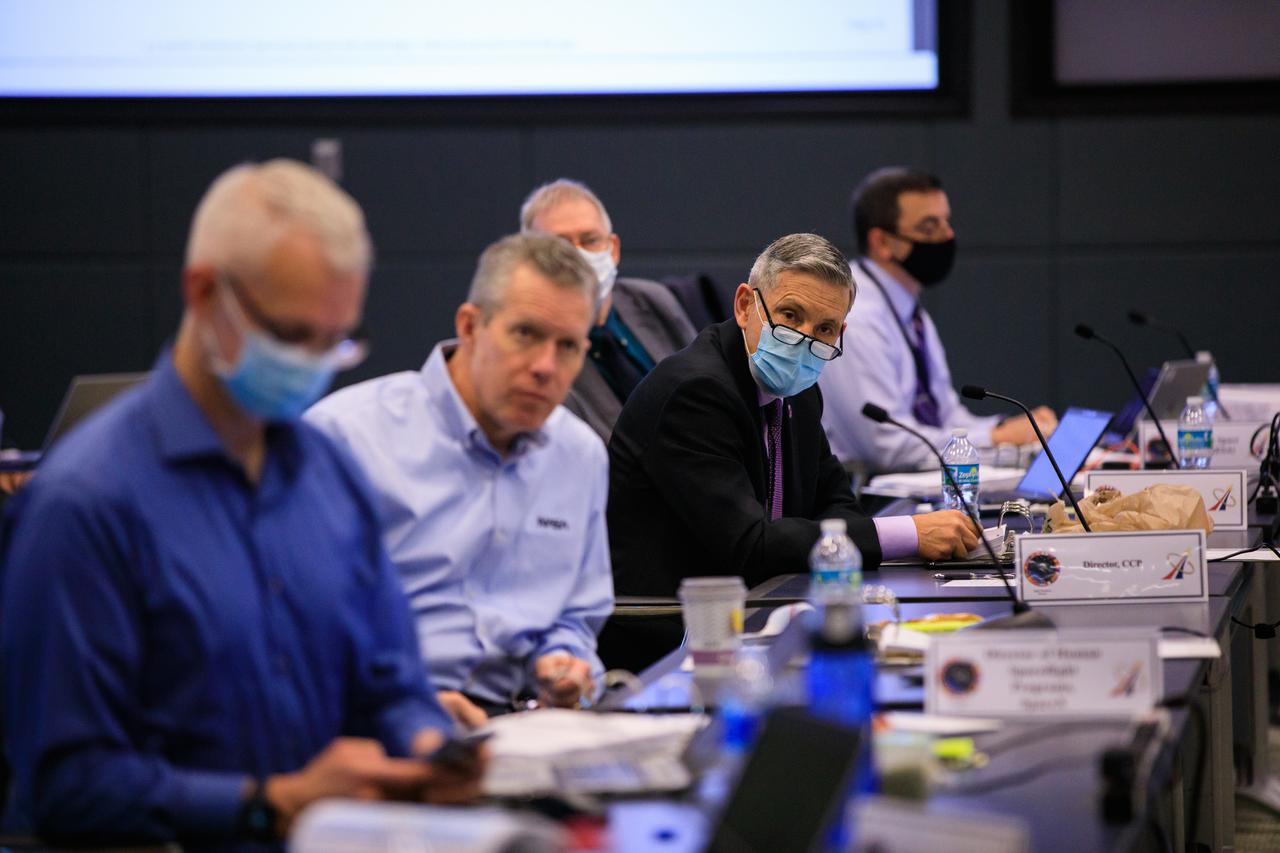
NASA’s SpaceX Crew-2 Flight Readiness Review takes place at NASA’s Kennedy Space Center on April 15, 2021. Crew-2 is targeted to launch from the Florida Spaceport’s Launch Complex 39A on April 22 at 6:11 a.m. EDT. NASA astronauts Shane Kimbrough and Megan McArthur, JAXA astronaut Akihiko Hoshide, and ESA astronaut Thomas Pesquet will fly to the International Space Station aboard SpaceX’s Crew Dragon Endeavour, powered by the company’s Falcon 9 rocket.
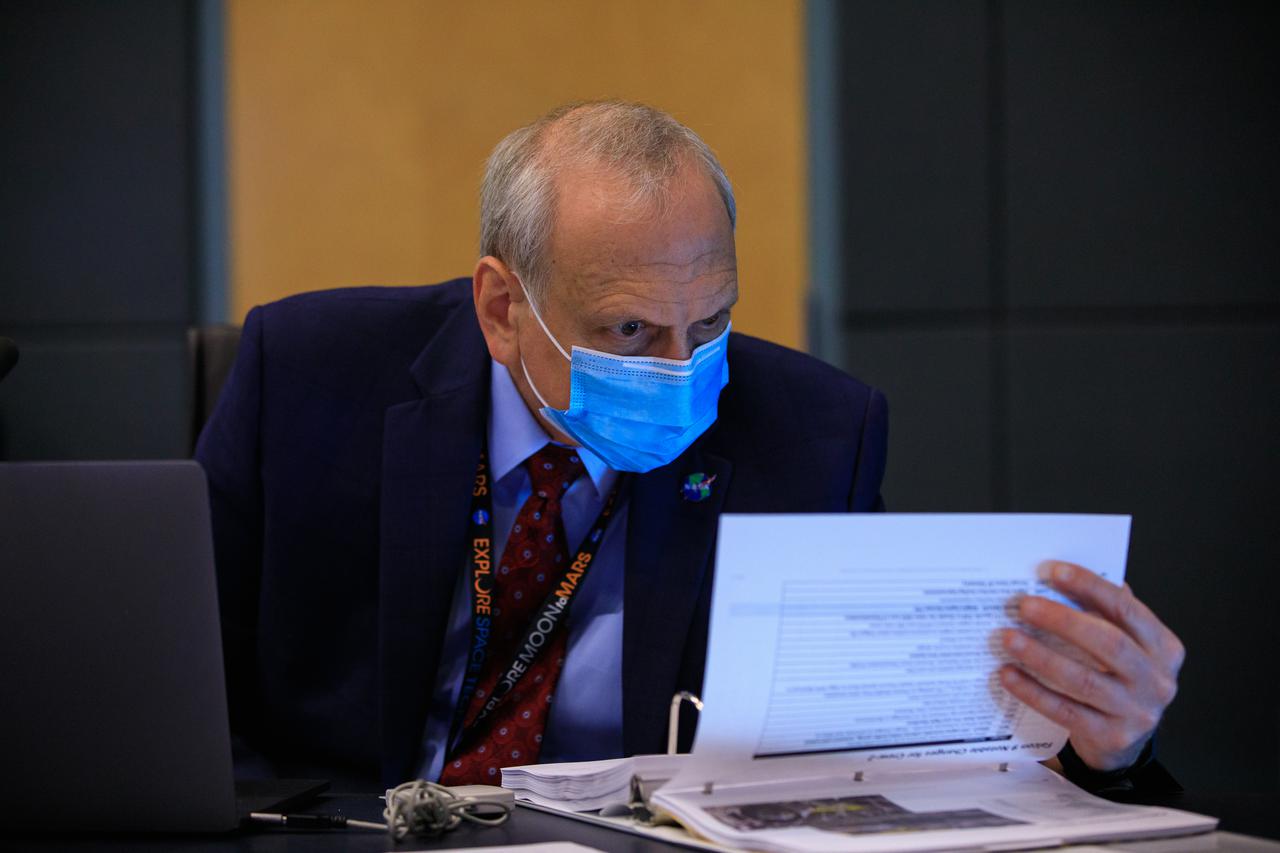
Steve Jurczyk, acting administrator, NASA, participates in NASA’s SpaceX Crew-2 Flight Readiness Review at Kennedy Space Center on April 15, 2021. The mission is targeted to launch from the Florida Spaceport’s Launch Complex 39A on April 22 at 6:11 a.m. EDT. NASA astronauts Shane Kimbrough and Megan McArthur, JAXA astronaut Akihiko Hoshide, and ESA astronaut Thomas Pesquet will fly to the International Space Station aboard SpaceX’s Crew Dragon Endeavour, powered by the company’s Falcon 9 rocket.
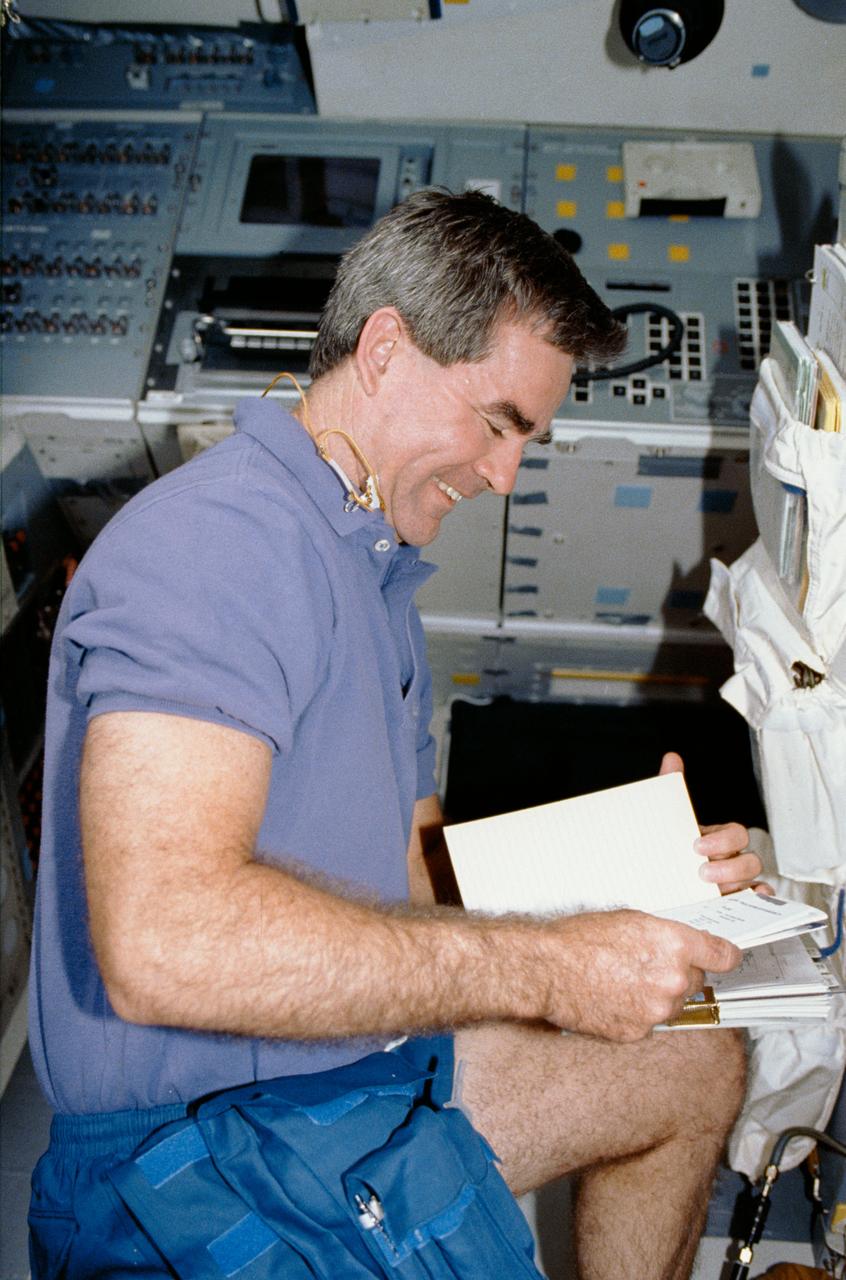
Mission Specialist Lacy Veach in the aft flight deck reviewing a procedures manual.
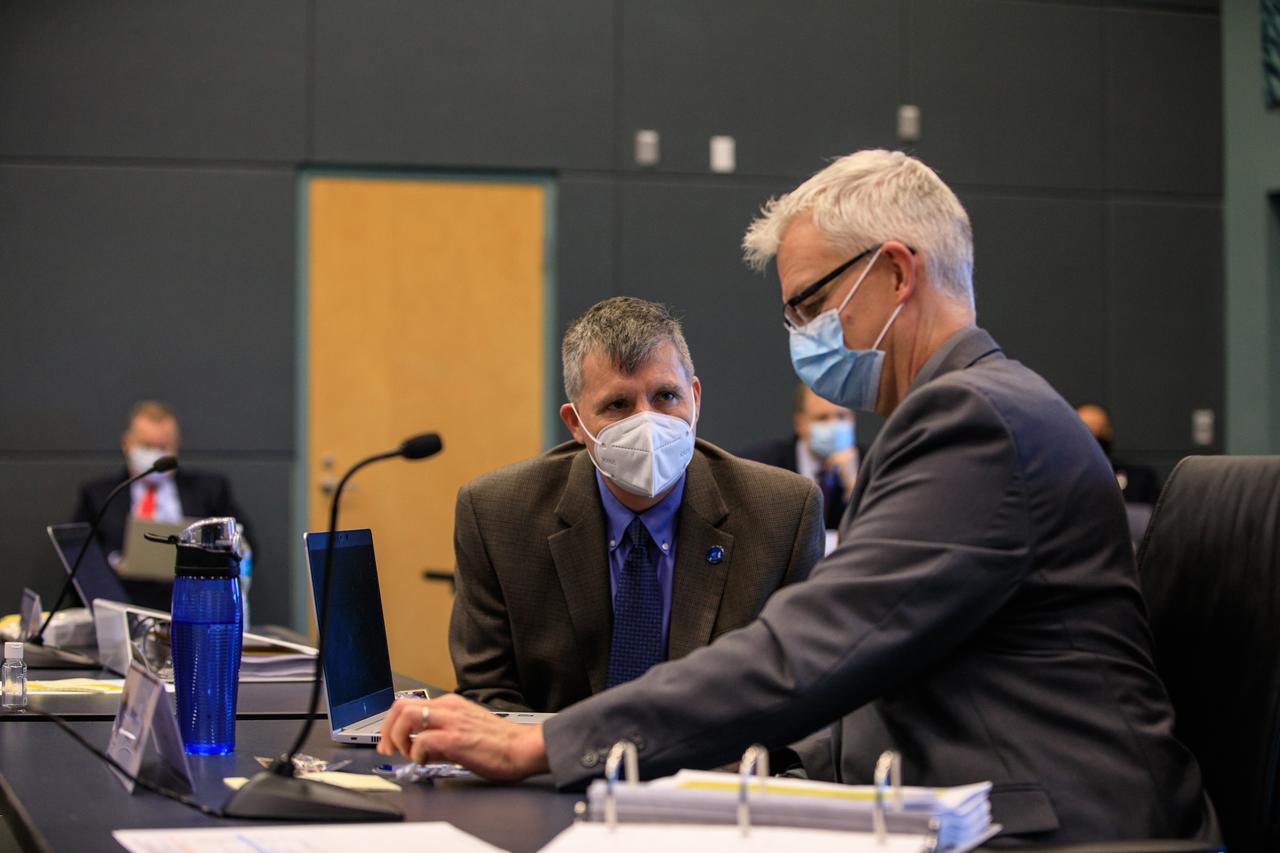
NASA and SpaceX leadership participate in a Flight Readiness Review (FRR) for the agency’s SpaceX Crew-1 mission at NASA’s Kennedy Space Center in Florida on Nov. 9, 2020. The FRR focuses on the preparedness of SpaceX’s crew transportation system, the International Space Station, and its international partners to support the flight, and the certification of flight readiness. Crew-1 is the first regular crew mission of a U.S. commercial spacecraft with astronauts to the International Space Station as part of NASA’s Commercial Crew Program. The Crew Dragon Resilience capsule will launch atop a Falcon 9 rocket from Launch Complex 39A carrying NASA astronauts Michael Hopkins, Victor Glover, Shannon Walker and Japan Aerospace Exploration Agency (JAXA) astronaut Soichi Noguchi to the space station for a six-month science mission.
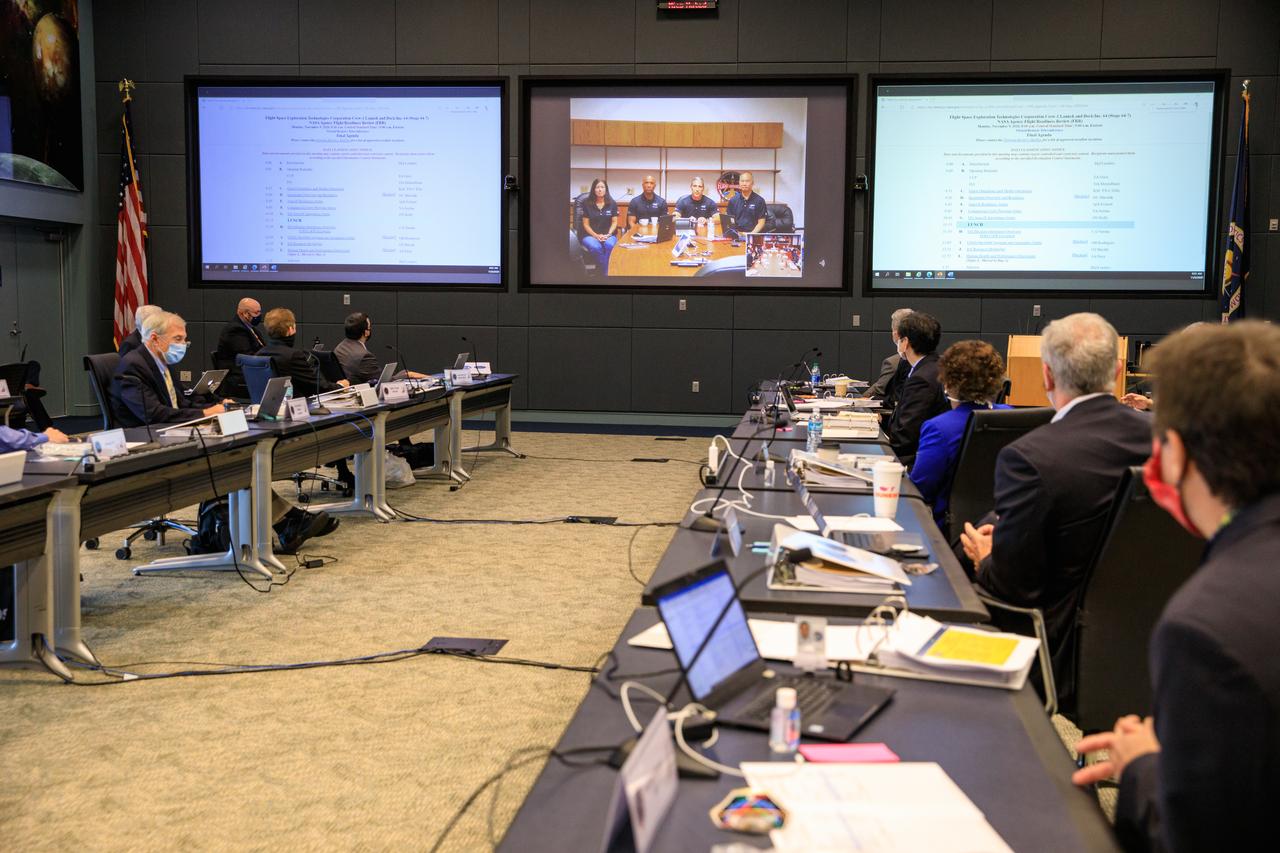
NASA and SpaceX leadership participate in a Flight Readiness Review (FRR) for the agency’s SpaceX Crew-1 mission at NASA’s Kennedy Space Center in Florida on Nov. 9, 2020. The FRR focuses on the preparedness of SpaceX’s crew transportation system, the International Space Station, and its international partners to support the flight, and the certification of flight readiness. Crew-1 is the first regular crew mission of a U.S. commercial spacecraft with astronauts to the International Space Station as part of NASA’s Commercial Crew Program. The Crew Dragon Resilience capsule will launch atop a Falcon 9 rocket from Launch Complex 39A carrying NASA astronauts Michael Hopkins, Victor Glover, Shannon Walker and Japan Aerospace Exploration Agency (JAXA) astronaut Soichi Noguchi to the space station for a six-month science mission.
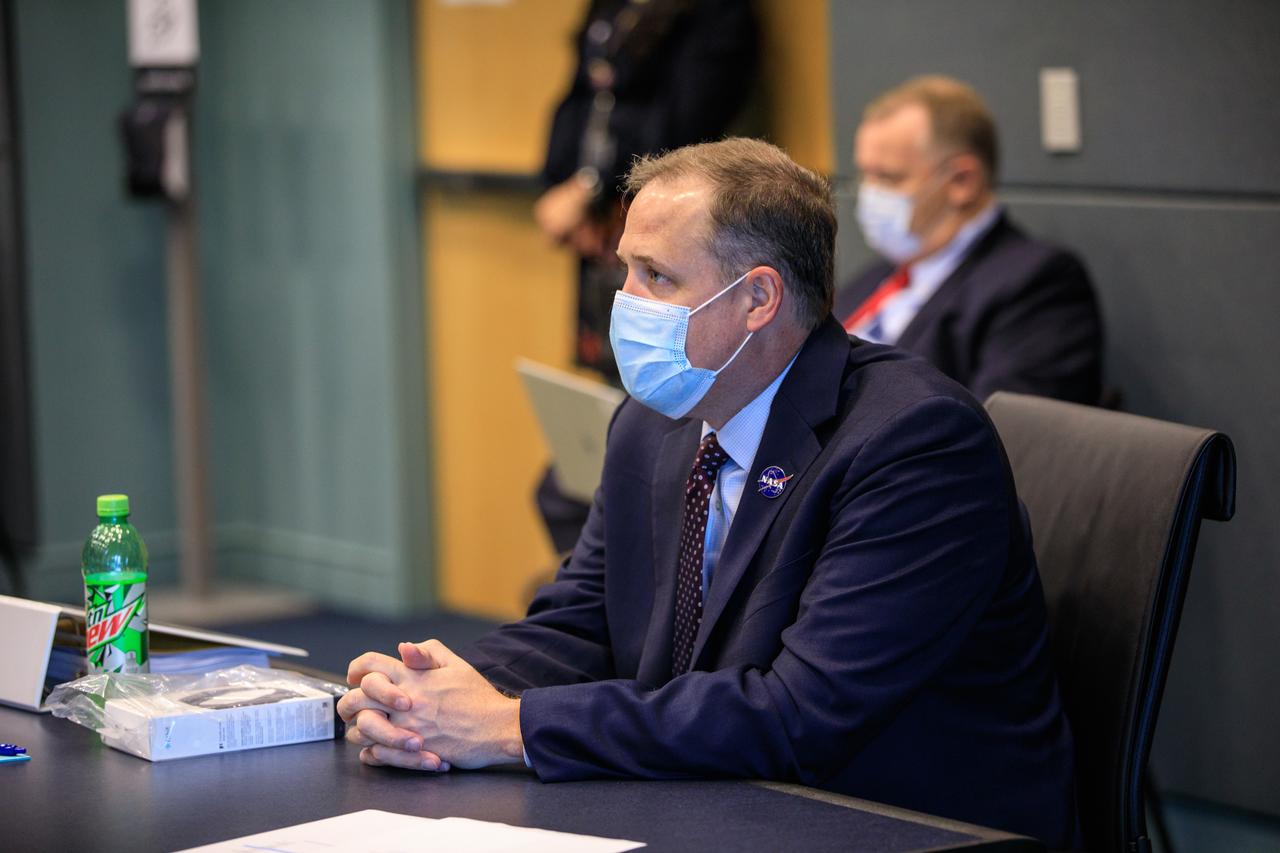
NASA Administrator Jim Bridenstine participates in a Flight Readiness Review (FRR) for the agency’s SpaceX Crew-1 mission at Kennedy Space Center in Florida on Nov. 9, 2020. The FRR focuses on the preparedness of SpaceX’s crew transportation system, the International Space Station, and its international partners to support the flight, and the certification of flight readiness. Crew-1 is the first regular crew mission of a U.S. commercial spacecraft with astronauts to the International Space Station as part of NASA’s Commercial Crew Program. The Crew Dragon Resilience capsule will launch atop a Falcon 9 rocket from Launch Complex 39A carrying NASA astronauts Michael Hopkins, Victor Glover, Shannon Walker and Japan Aerospace Exploration Agency (JAXA) astronaut Soichi Noguchi to the space station for a six-month science mission.
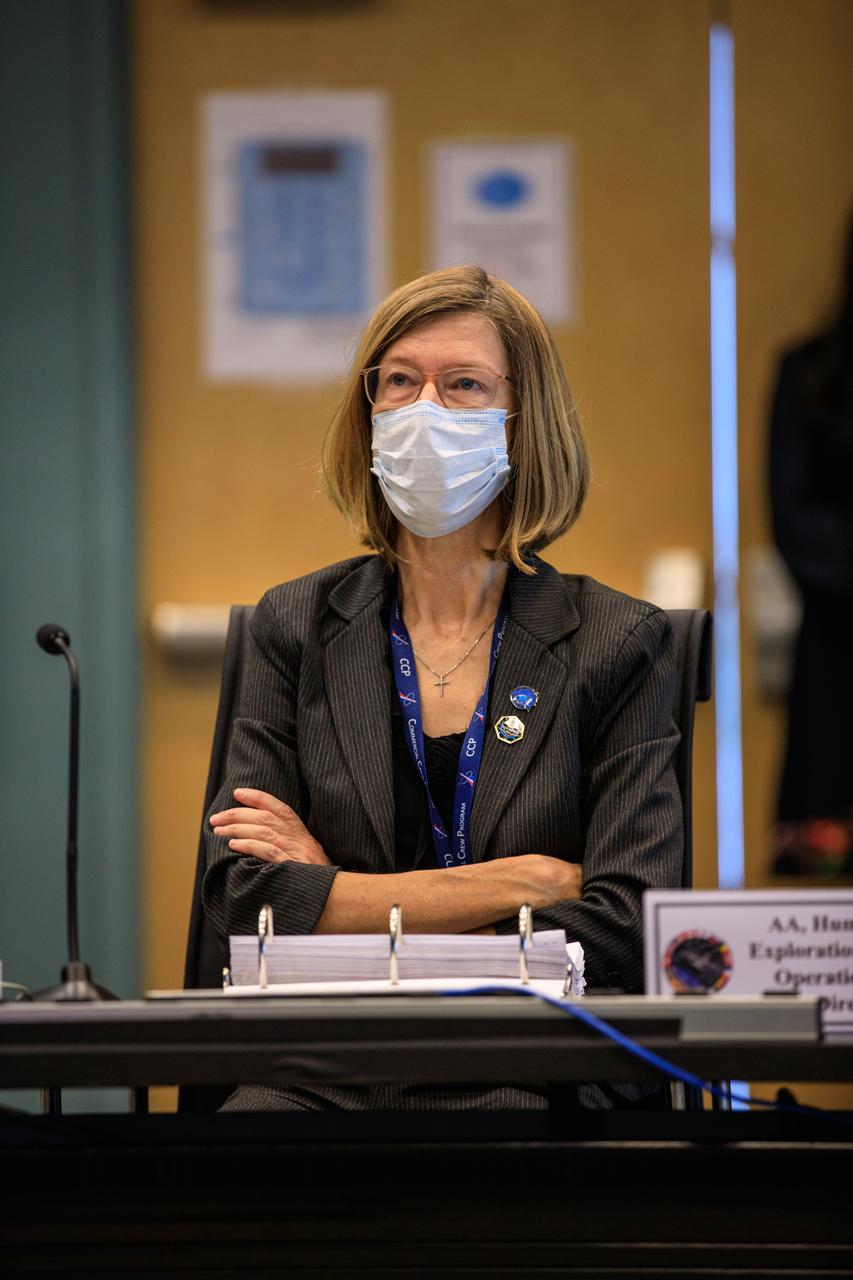
Kathy Lueders, NASA associate administrator of the Human Exploration and Operations Mission Directorate, leads a Flight Readiness Review (FRR) for the agency’s SpaceX Crew-1 mission at NASA’s Kennedy Space Center in Florida on Nov. 9, 2020. The FRR focuses on the preparedness of SpaceX’s crew transportation system, the International Space Station, and its international partners to support the flight, and the certification of flight readiness. Crew-1 is the first regular crew mission of a U.S. commercial spacecraft with astronauts to the International Space Station as part of NASA’s Commercial Crew Program. The Crew Dragon Resilience capsule will launch atop a Falcon 9 rocket from Launch Complex 39A carrying NASA astronauts Michael Hopkins, Victor Glover, Shannon Walker and Japan Aerospace Exploration Agency (JAXA) astronaut Soichi Noguchi to the space station for a six-month science mission.
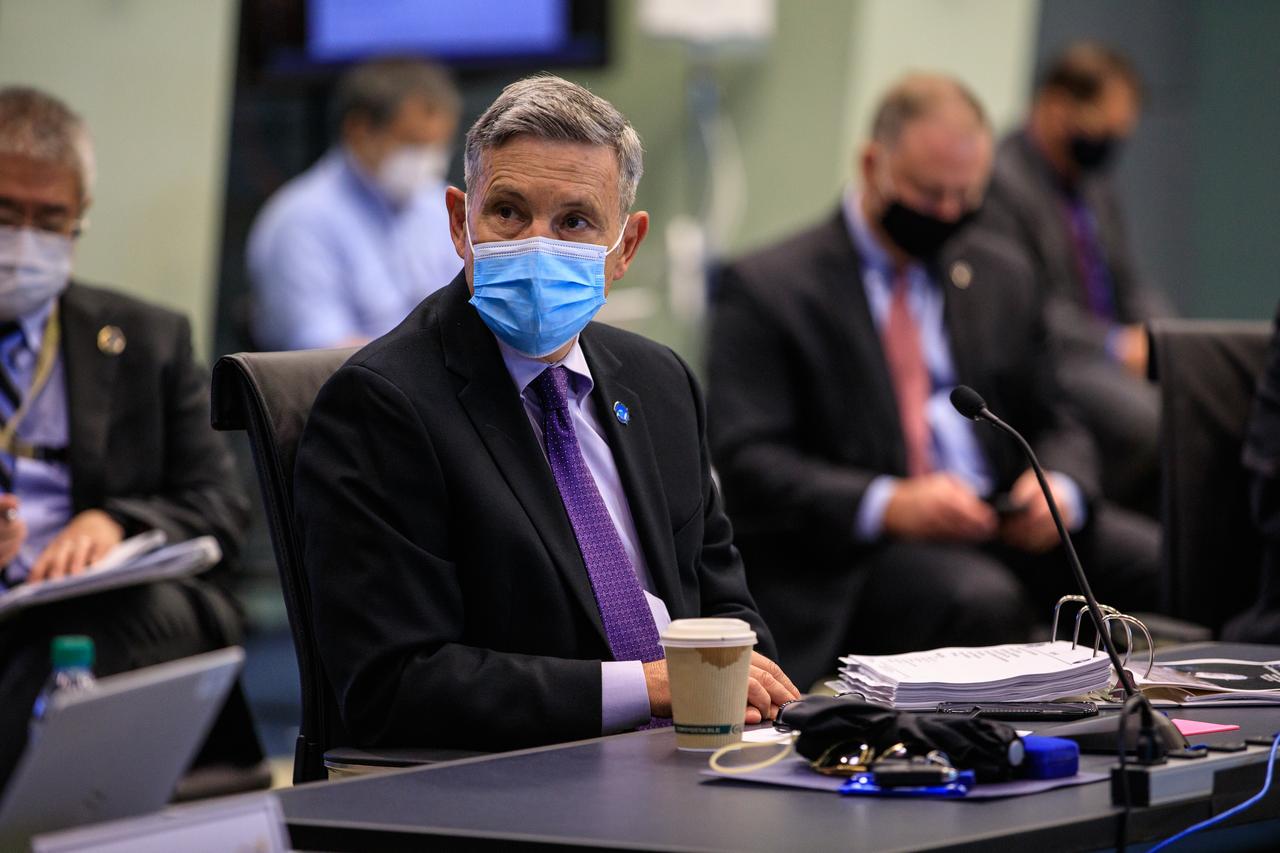
Kennedy Space Center Director Bob Cabana participates in a Flight Readiness Review (FRR) for the agency’s SpaceX Crew-1 mission at the center in Florida on Nov. 9, 2020. The FRR focuses on the preparedness of SpaceX’s crew transportation system, the International Space Station, and its international partners to support the flight, and the certification of flight readiness. Crew-1 is the first regular crew mission of a U.S. commercial spacecraft with astronauts to the International Space Station as part of NASA’s Commercial Crew Program. The Crew Dragon Resilience capsule will launch atop a Falcon 9 rocket from Launch Complex 39A carrying NASA astronauts Michael Hopkins, Victor Glover, Shannon Walker and Japan Aerospace Exploration Agency (JAXA) astronaut Soichi Noguchi to the space station for a six-month science mission.
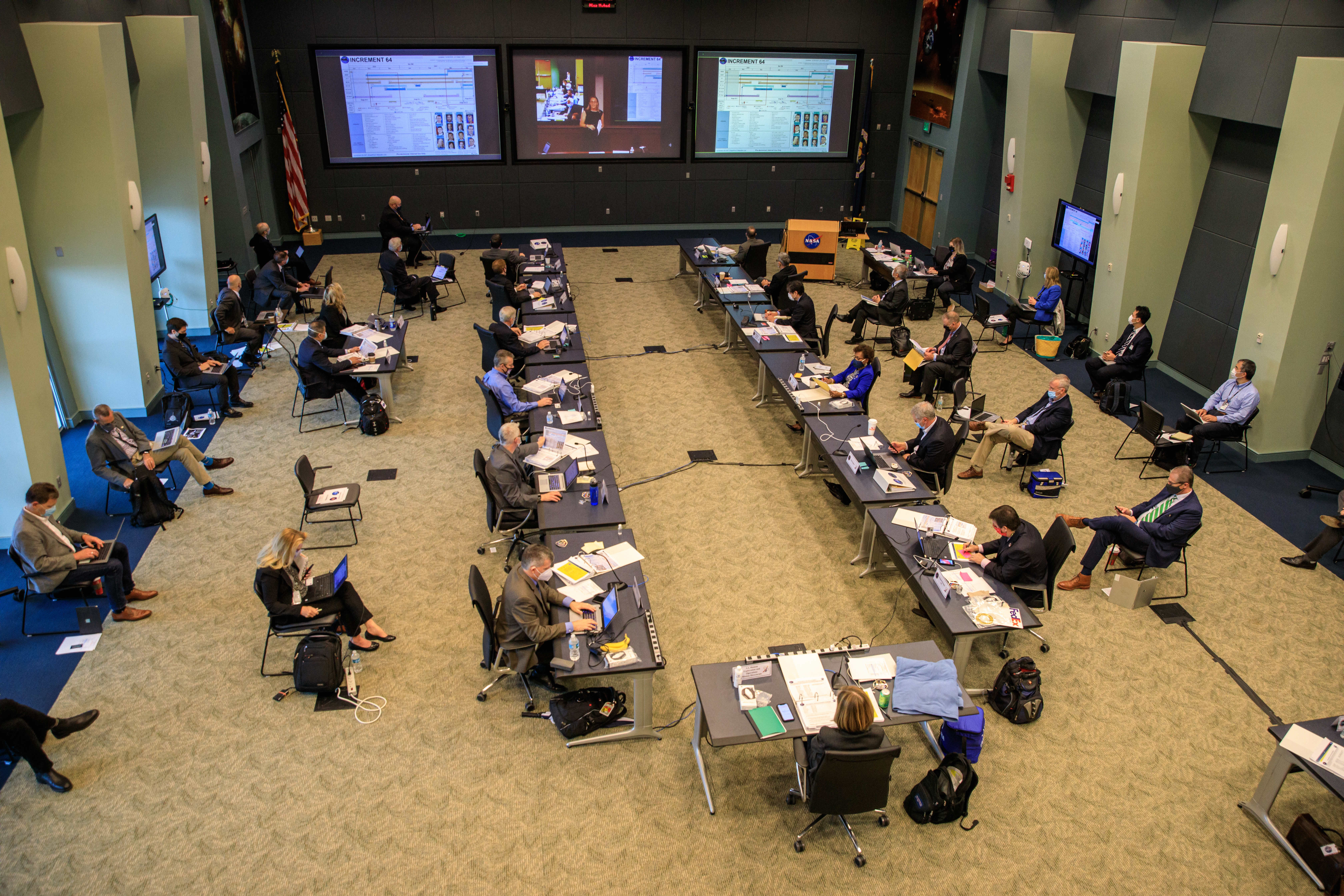
NASA and SpaceX leadership participate in a Flight Readiness Review (FRR) for the agency’s SpaceX Crew-1 mission at Kennedy Space Center in Florida on Nov. 9, 2020. The FRR focuses on the preparedness of SpaceX’s crew transportation system, the International Space Station, and its international partners to support the flight, and the certification of flight readiness. Crew-1 is the first regular crew mission of a U.S. commercial spacecraft with astronauts to the International Space Station as part of NASA’s Commercial Crew Program. The Crew Dragon Resilience capsule will launch atop a Falcon 9 rocket from Launch Complex 39A carrying NASA astronauts Michael Hopkins, Victor Glover, Shannon Walker and Japan Aerospace Exploration Agency (JAXA) astronaut Soichi Noguchi to the space station for a six-month science mission.
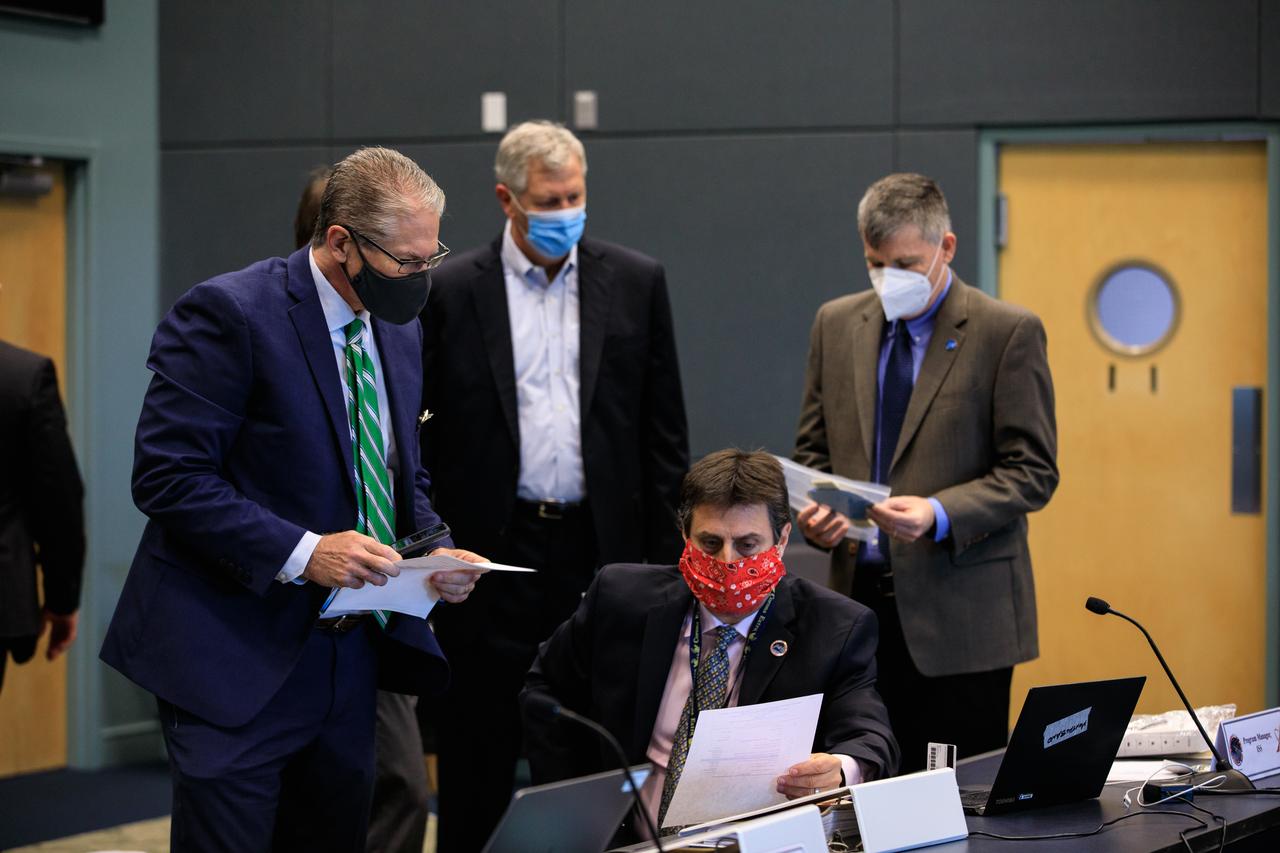
NASA and SpaceX leadership participate in a Flight Readiness Review (FRR) for the agency’s SpaceX Crew-1 mission at NASA’s Kennedy Space Center in Florida on Nov. 9, 2020. The FRR focuses on the preparedness of SpaceX’s crew transportation system, the International Space Station, and its international partners to support the flight, and the certification of flight readiness. Crew-1 is the first regular crew mission of a U.S. commercial spacecraft with astronauts to the International Space Station as part of NASA’s Commercial Crew Program. The Crew Dragon Resilience capsule will launch atop a Falcon 9 rocket from Launch Complex 39A carrying NASA astronauts Michael Hopkins, Victor Glover, Shannon Walker and Japan Aerospace Exploration Agency (JAXA) astronaut Soichi Noguchi to the space station for a six-month science mission.
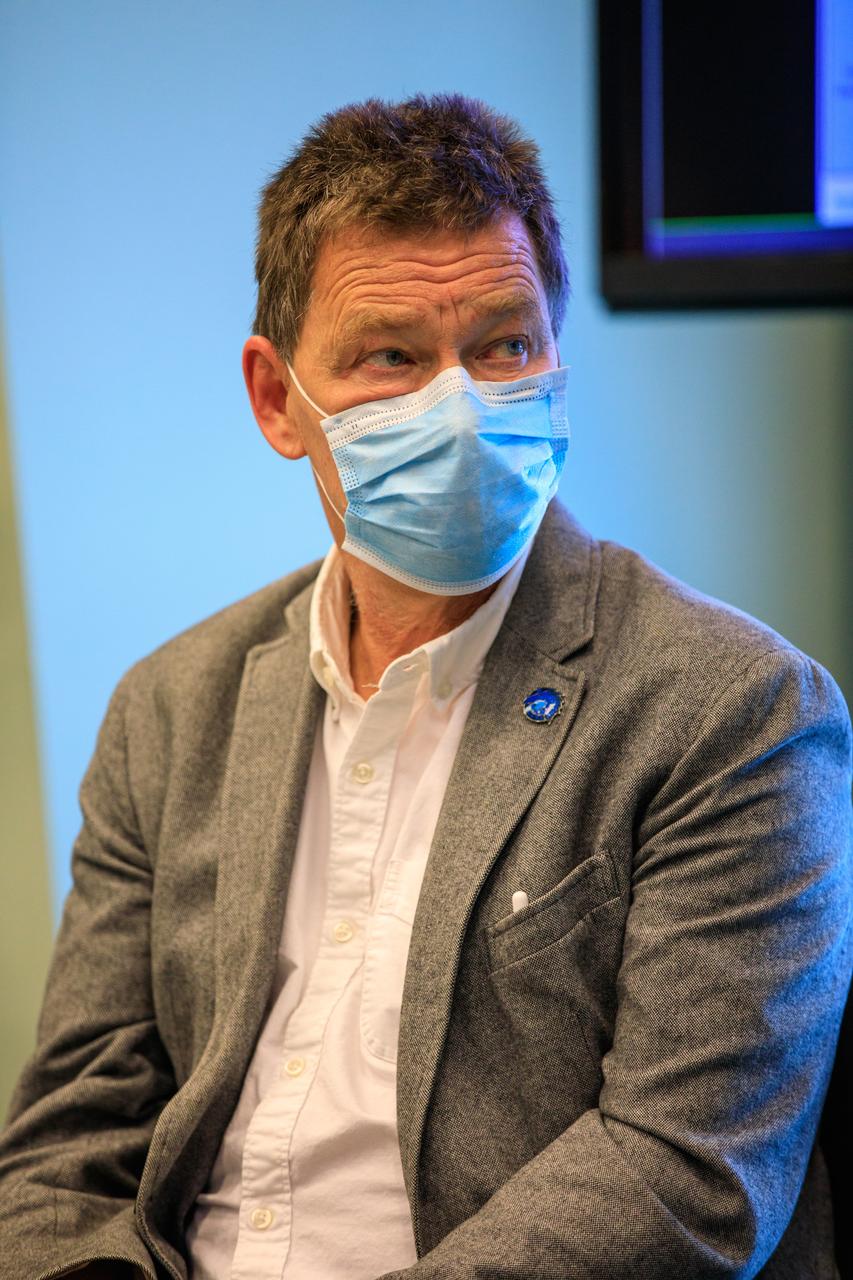
Hans Koenigsmann, vice president, Build and Flight Reliability with SpaceX, participates in a Flight Readiness Review (FRR) for NASA’s SpaceX Crew-1 mission at Kennedy Space Center in Florida on Nov. 9, 2020. The FRR focuses on the preparedness of SpaceX’s crew transportation system, the International Space Station, and its international partners to support the flight, and the certification of flight readiness. Crew-1 is the first regular crew mission of a U.S. commercial spacecraft with astronauts to the International Space Station as part of NASA’s Commercial Crew Program. The Crew Dragon Resilience capsule will launch atop a Falcon 9 rocket from Launch Complex 39A carrying NASA astronauts Michael Hopkins, Victor Glover, Shannon Walker and Japan Aerospace Exploration Agency (JAXA) astronaut Soichi Noguchi to the space station for a six-month science mission.

Norman Augustine, chair, listens to a speaker's presentation during the final meeting of the Human Space Flight Review Committee, Wednesday, Aug. 12, 2009, in Washington. Photo Credit: (NASA/Paul E. Alers)
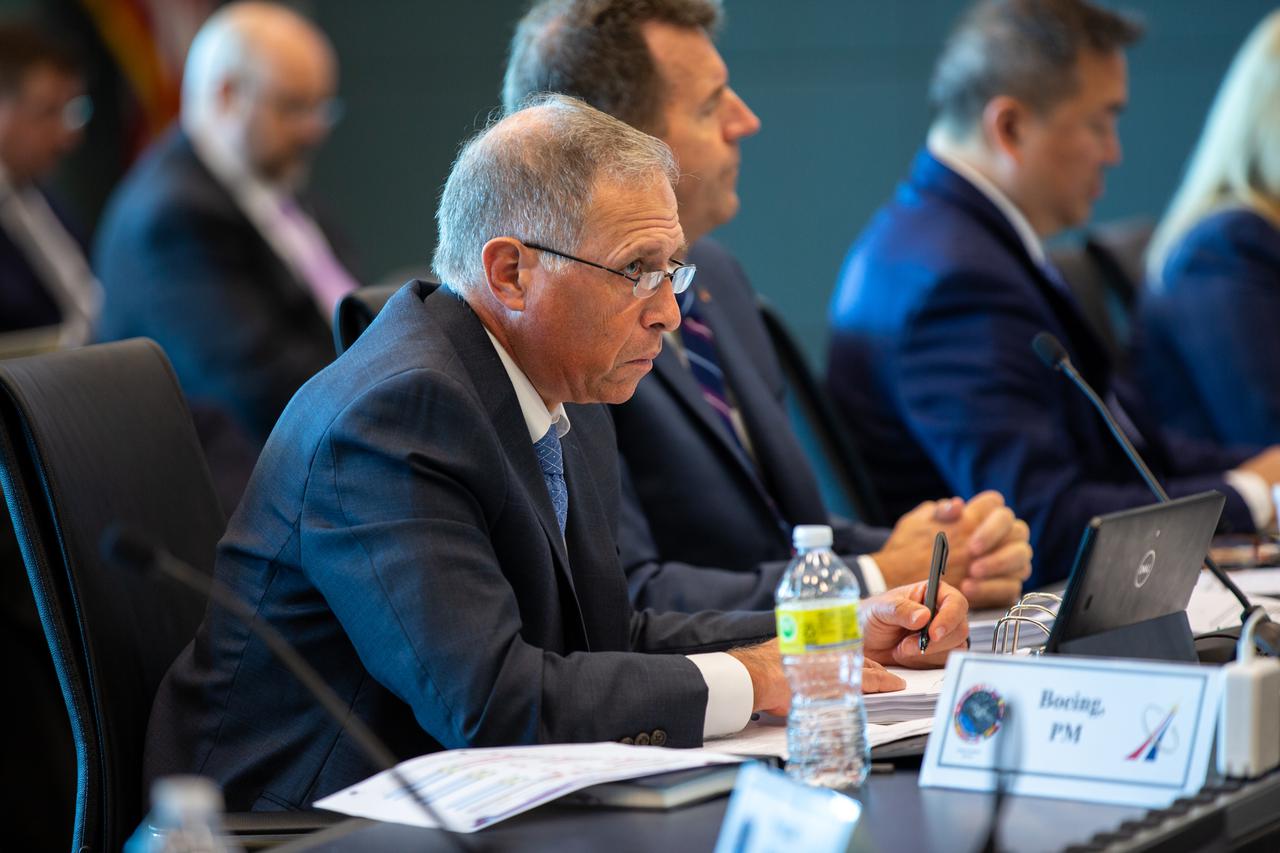
Mark Nappi, vice president and program manager, Boeing Commercial Crew Program, participates in the Flight Readiness Review for NASA’s Boeing Orbital Flight Test-2 (OFT-2) inside the Operations Support Building II at NASA's Kennedy Space Center in Florida, May 11, 2022. Boeing's CST-100 Starliner spacecraft will launch atop a United Launch Alliance Atlas V rocket from Space Launch Complex41 at Cape Canaveral Space Force Station at 6:54 p.m. EDT on Thursday, May 19. The uncrewed flight test will be Starliner’s second flight for NASA’s Commercial Crew Program.
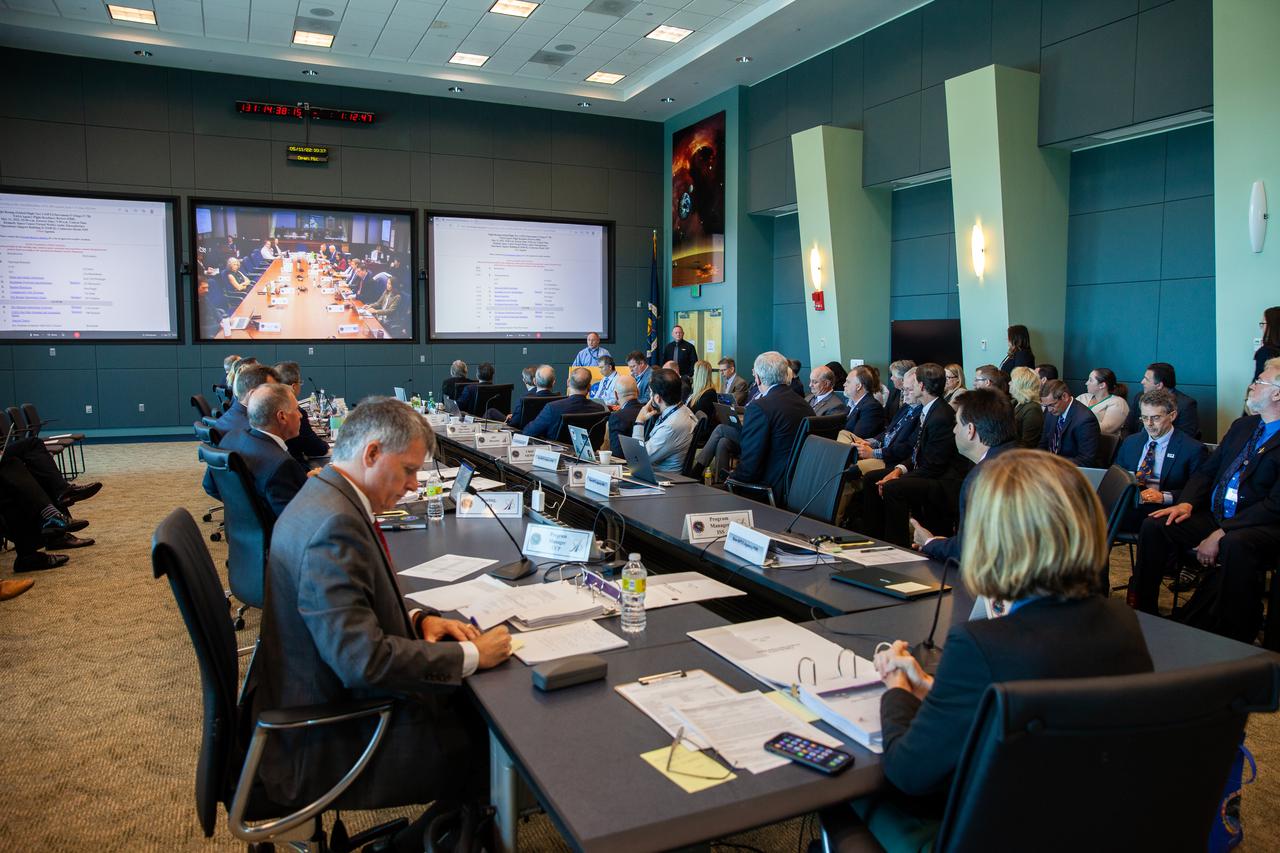
NASA and Boeing managers take part in the Flight Readiness Review for NASA’s Boeing Orbital Flight Test-2 (OFT-2) inside the Operations Support Building II at NASA's Kennedy Space Center in Florida, May 11, 2022. Boeing's CST-100 Starliner spacecraft will launch atop a United Launch Alliance Atlas V rocket from Space Launch Complex 41 at Cape Canaveral Space Force Station at 6:54 p.m. EDT on Thursday, May 19. The uncrewed flight test will be Starliner’s second flight for NASA’s Commercial Crew Program.
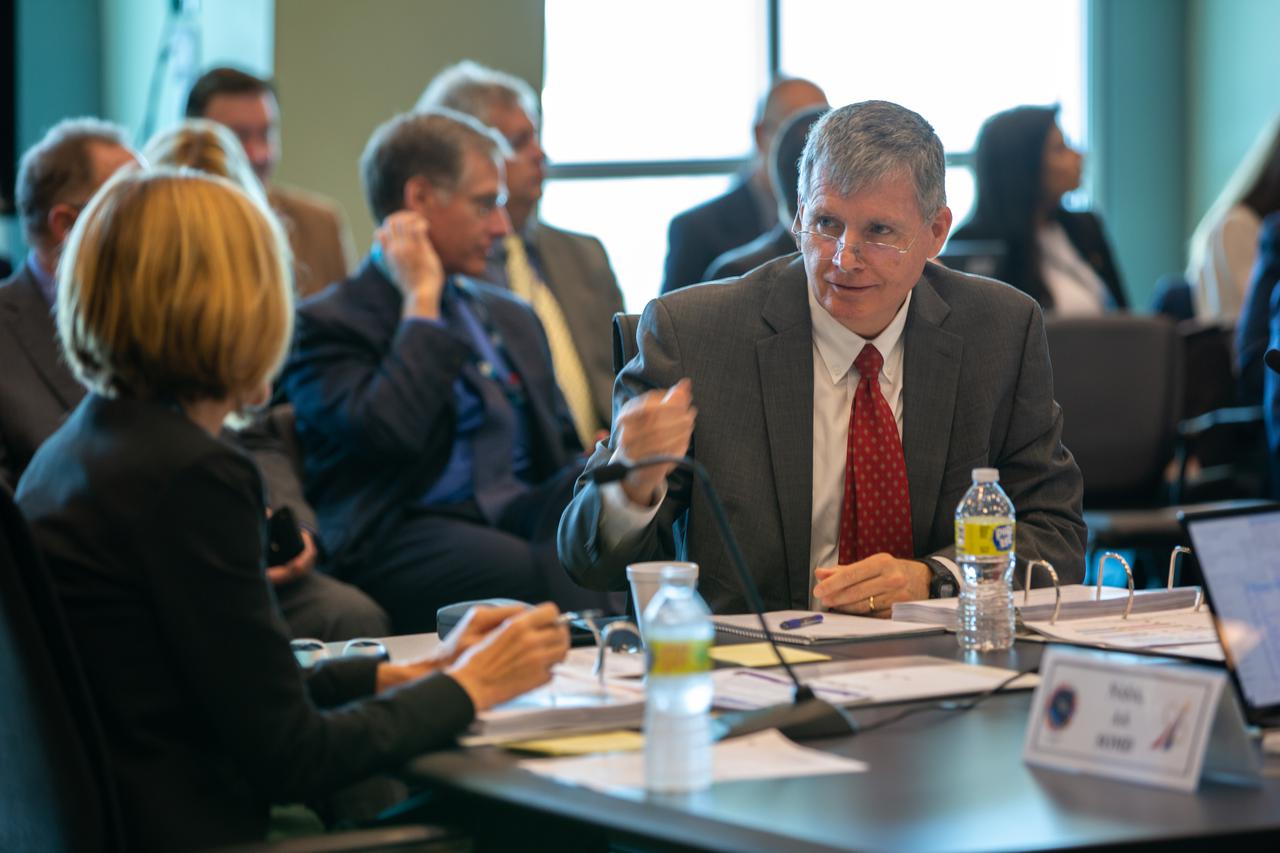
Steve Stich (right), manager, NASA’s Commercial Crew Program and Kathryn Lueders (left), associate administrator, Space Operations Mission Directorate at NASA participate in the Flight Readiness Review for NASA’s Boeing Orbital Flight Test-2 (OFT-2) inside the Operations Support Building II at NASA's Kennedy Space Center in Florida, May 11, 2022. Boeing's CST-100 Starliner spacecraft will launch atop a United Launch Alliance Atlas V rocket from Space Launch Complex -41 at Cape Canaveral Space Force Station at 6:54 p.m. EDT on Thursday, May 19. The uncrewed flight test will be Starliner’s second flight for NASA’s Commercial Crew Program.
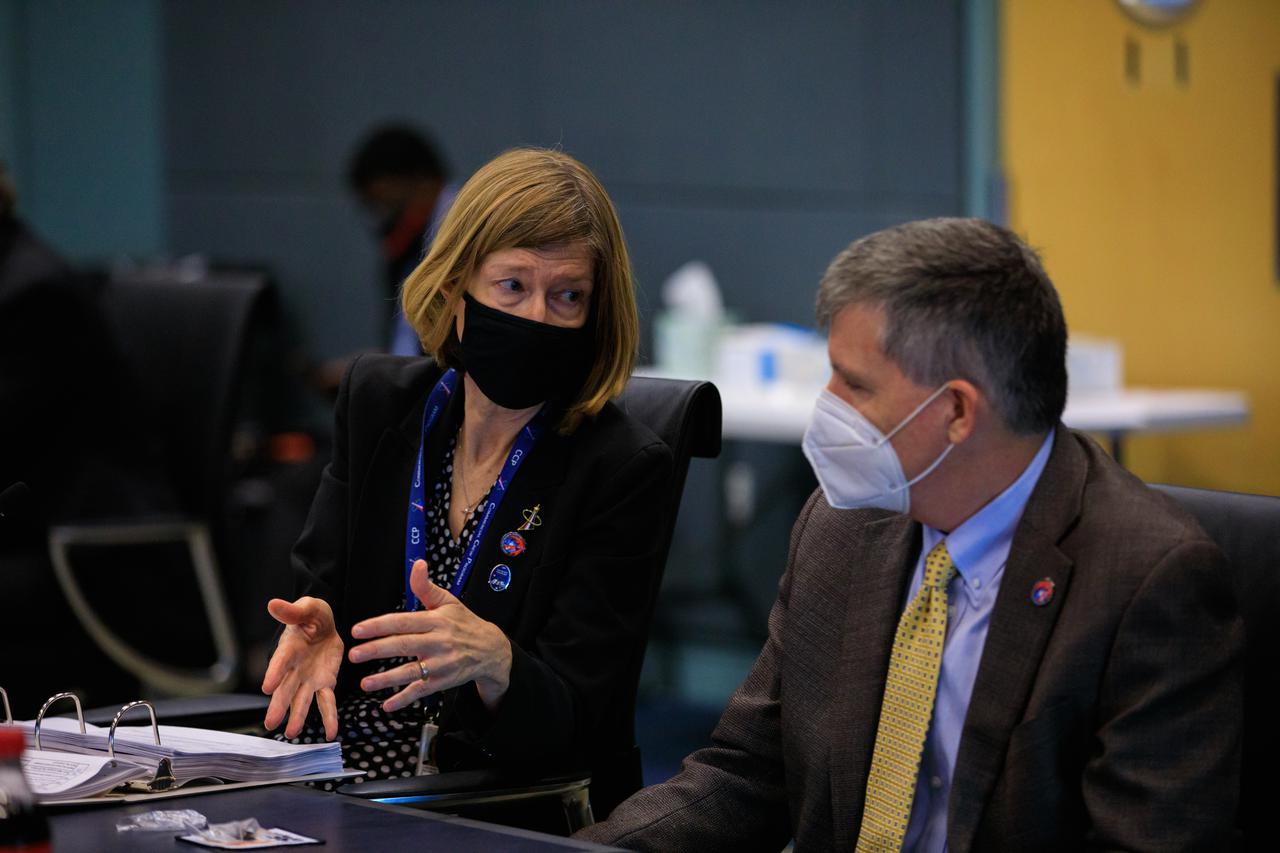
Kathy Lueders, associate administrator, Human Exploration and Operations Mission Directorate, NASA Headquarters, left, talks with Steve Stich, manager, Commercial Crew Program, Kennedy Space Center, during NASA’s SpaceX Crew-2 Flight Readiness Review at Kennedy Space Center on April 15, 2021. The mission is targeted to launch from the Florida Spaceport’s Launch Complex 39A on April 22 at 6:11 a.m. EDT. NASA astronauts Shane Kimbrough and Megan McArthur, JAXA astronaut Akihiko Hoshide, and ESA astronaut Thomas Pesquet will fly to the International Space Station aboard SpaceX’s Crew Dragon Endeavour, powered by the company’s Falcon 9 rocket.
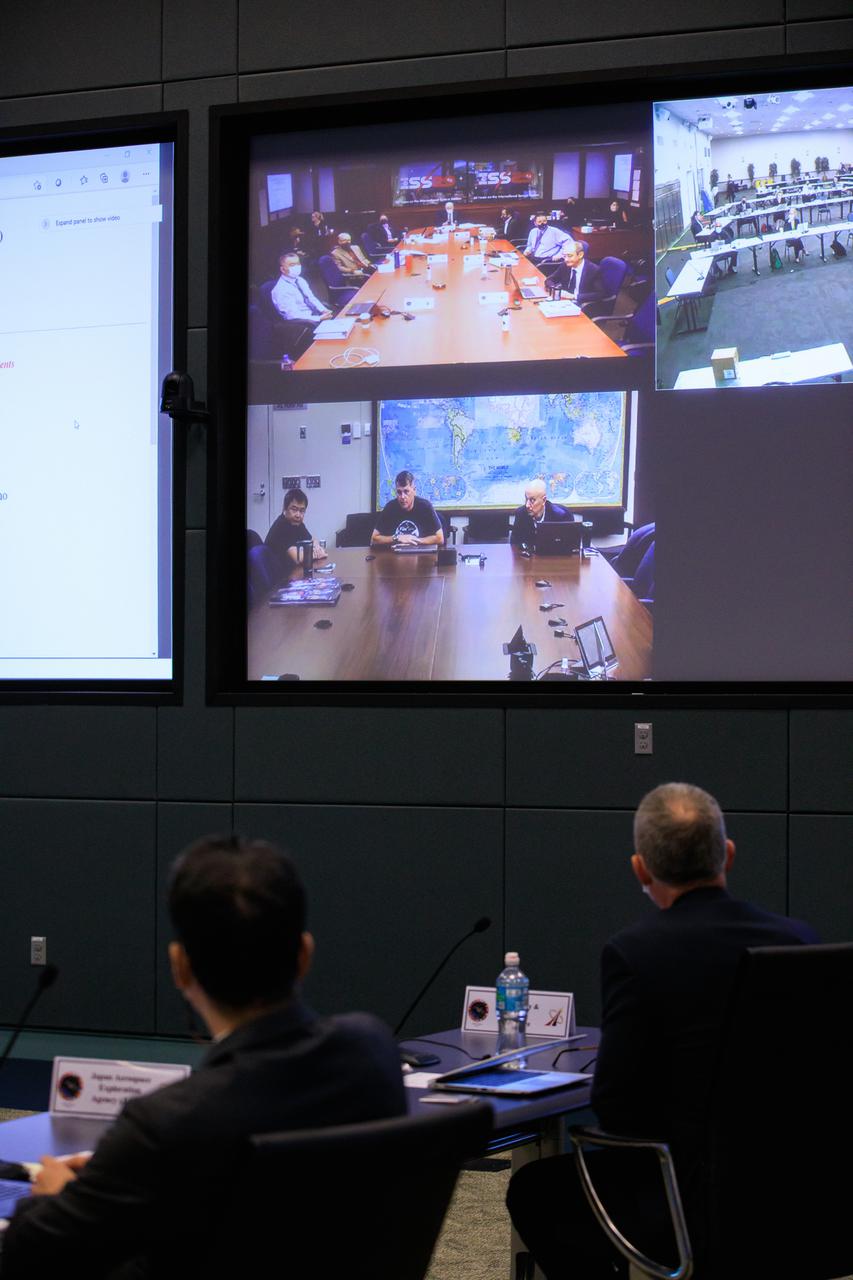
NASA’s SpaceX Crew-2 Flight Readiness Review takes place at NASA’s Kennedy Space Center on April 15, 2021. Appearing on the screens are virtual participants from Johnson Space Center in Houston. Crew-2 is targeted to launch from the Florida Spaceport’s Launch Complex 39A on April 22 at 6:11 a.m. EDT. NASA astronauts Shane Kimbrough and Megan McArthur, JAXA astronaut Akihiko Hoshide, and ESA astronaut Thomas Pesquet will fly to the International Space Station aboard SpaceX’s Crew Dragon Endeavour, powered by the company’s Falcon 9 rocket.
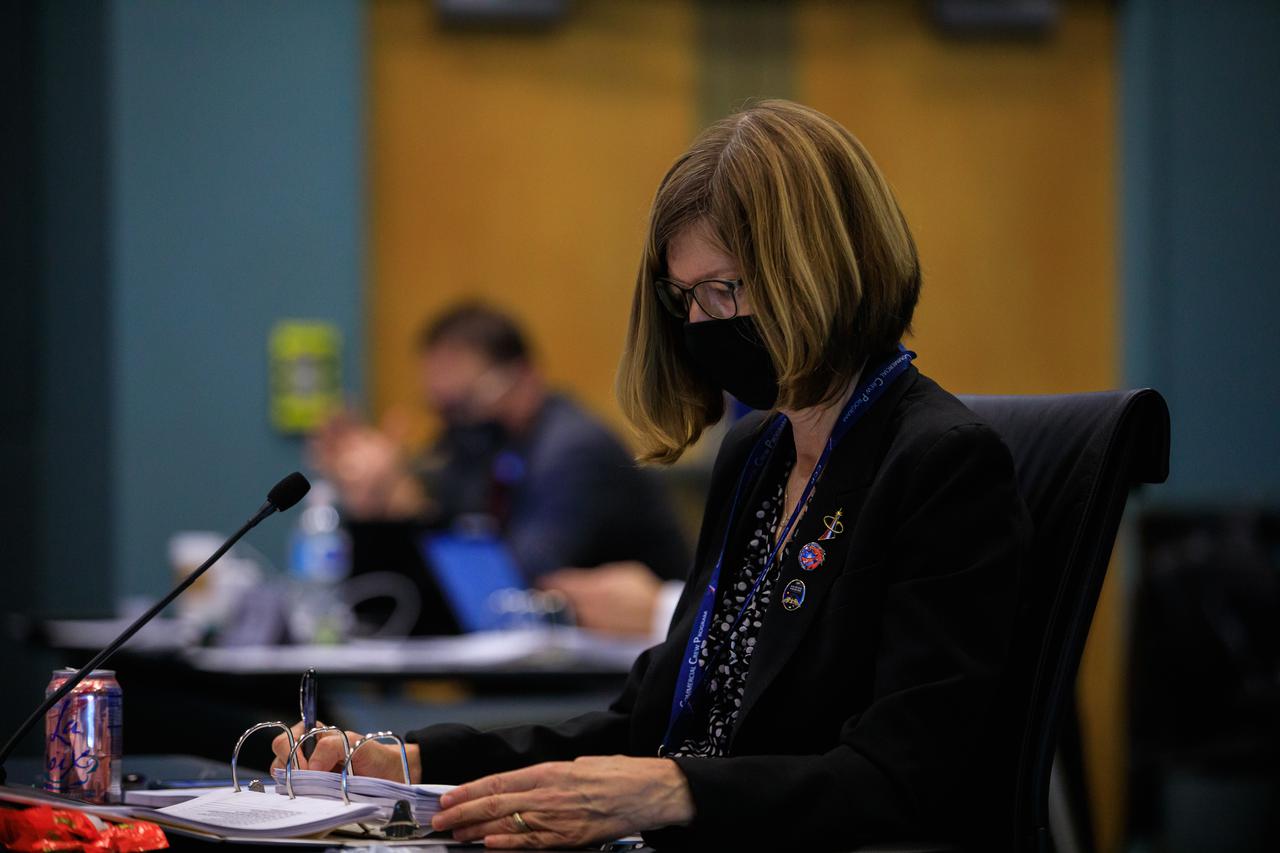
Kathy Lueders, associate administrator, Human Exploration and Operations Mission Directorate, NASA Headquarters, participates in NASA’s SpaceX Crew-2 Flight Readiness Review at Kennedy Space Center on April 15, 2021. The mission is targeted to launch from the Florida Spaceport’s Launch Complex 39A on April 22 at 6:11 a.m. EDT. NASA astronauts Shane Kimbrough and Megan McArthur, JAXA astronaut Akihiko Hoshide, and ESA astronaut Thomas Pesquet will fly to the International Space Station aboard SpaceX’s Crew Dragon Endeavour, powered by the company’s Falcon 9 rocket.
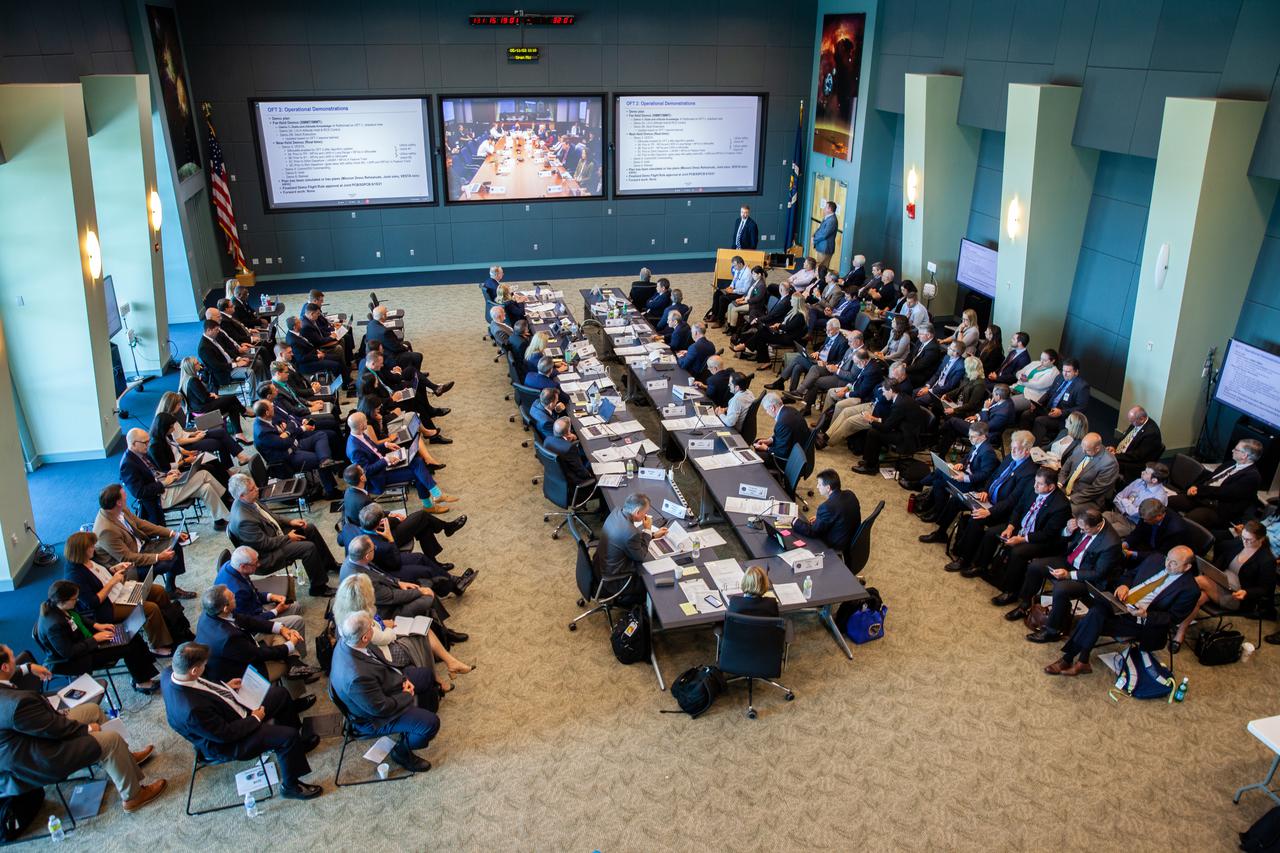
NASA and Boeing managers take part in the Flight Readiness Review for NASA’s Boeing Orbital Flight Test-2 (OFT-2) inside the Operations Support Building II at NASA's Kennedy Space Center in Florida, May 11, 2022. Boeing's CST-100 Starliner spacecraft will launch atop a United Launch Alliance Atlas V rocket from Space Launch Complex 41 at Cape Canaveral Space Force Station at 6:54 p.m. EDT on Thursday, May 19. The uncrewed flight test will be Starliner’s second flight for NASA’s Commercial Crew Program.
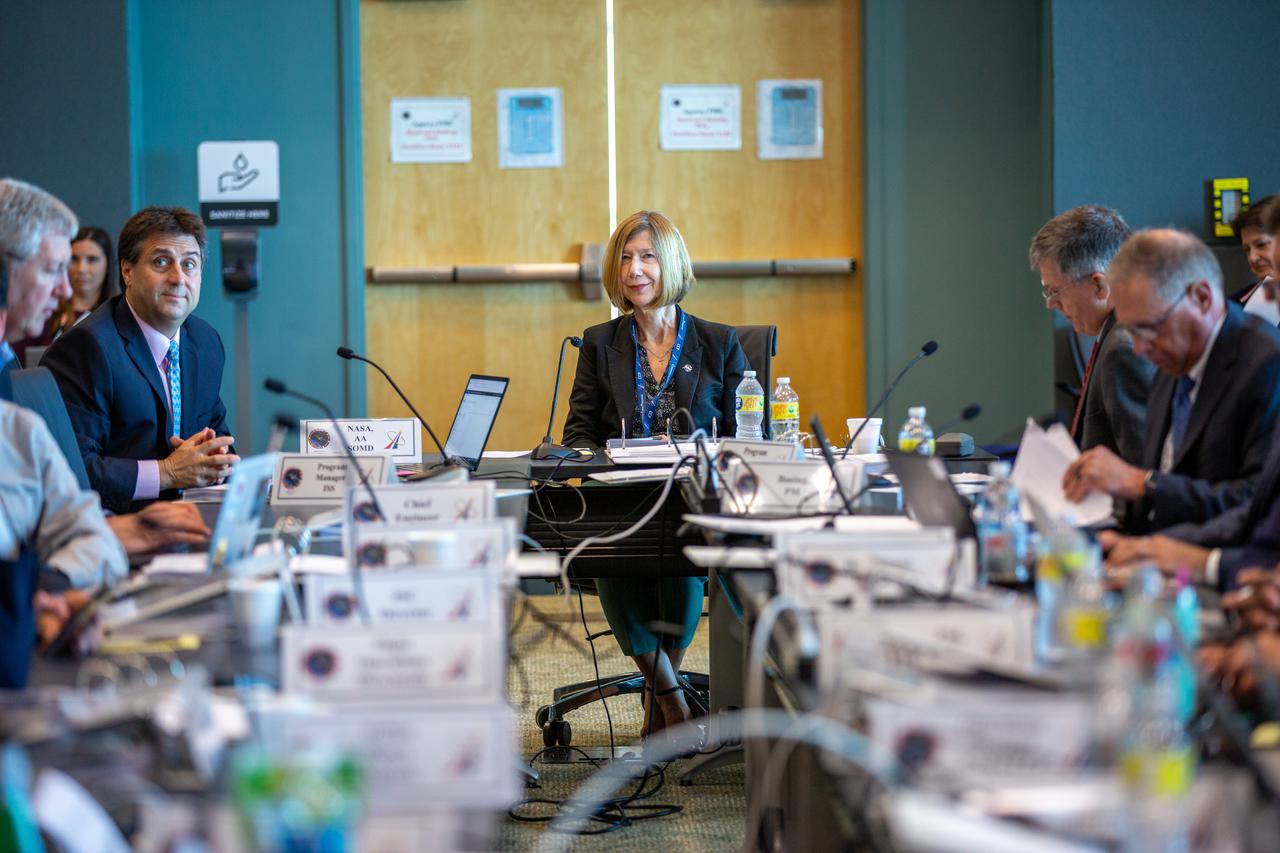
Kathryn Lueders (center), associate administrator, Space Operations Mission Directorate at NASA participates in the Flight Readiness Review for NASA’s Boeing Orbital Flight Test-2 (OFT-2) inside the Operations Support Building II at NASA's Kennedy Space Center in Florida, May 11, 2022. Boeing's CST-100 Starliner spacecraft will launch atop a United Launch Alliance Atlas V rocket from Space Launch Complex-41 at Cape Canaveral Space Force Station at 6:54 p.m. EDT on Thursday, May 19. The uncrewed flight test will be Starliner’s second flight for NASA’s Commercial Crew Program.
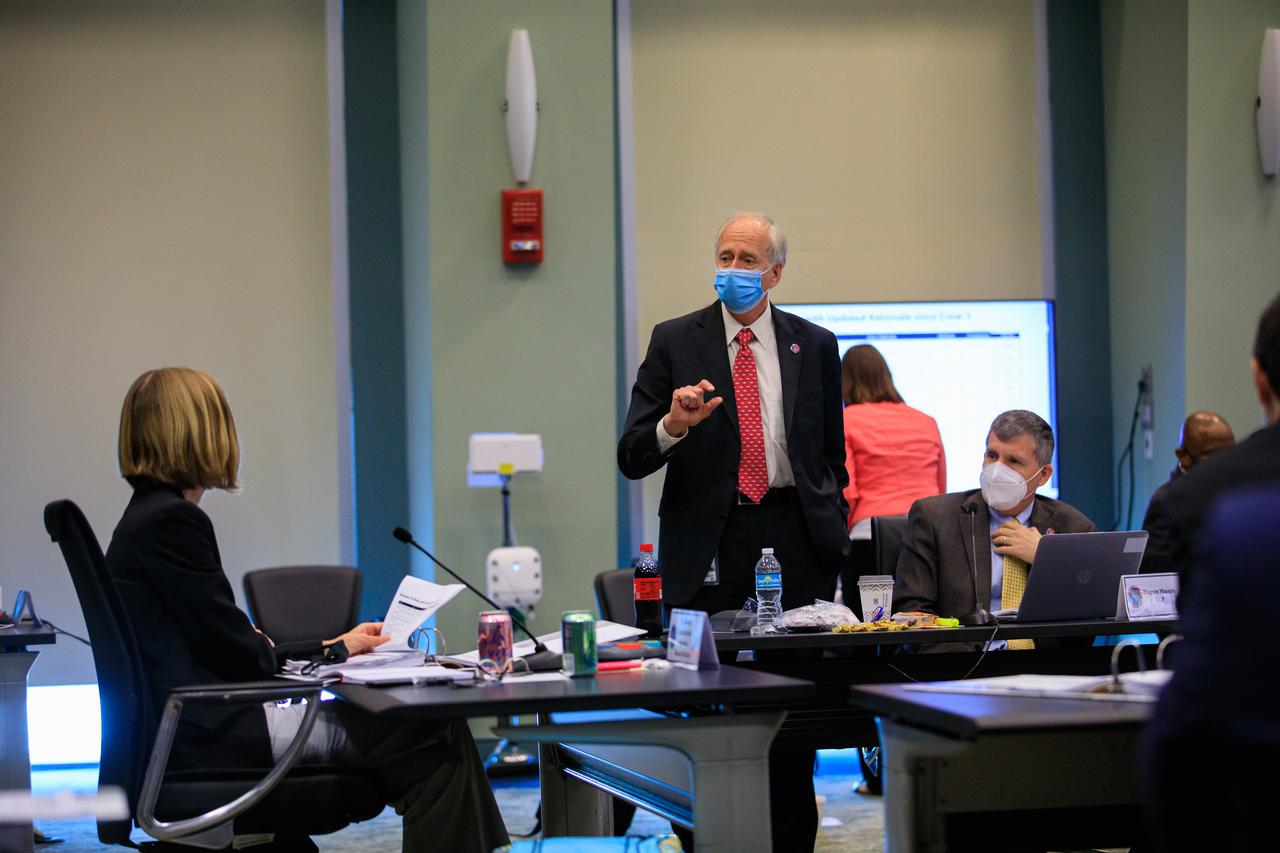
William Gerstenmaier, vice president of Mission Assurance, SpaceX, center, participates in NASA’s SpaceX Crew-2 Flight Readiness Review at Kennedy Space Center on April 15, 2021. The mission is targeted to launch from the Florida Spaceport’s Launch Complex 39A on April 22 at 6:11 a.m. EDT. NASA astronauts Shane Kimbrough and Megan McArthur, JAXA astronaut Akihiko Hoshide, and ESA astronaut Thomas Pesquet will fly to the International Space Station aboard SpaceX’s Crew Dragon Endeavour, powered by the company’s Falcon 9 rocket.
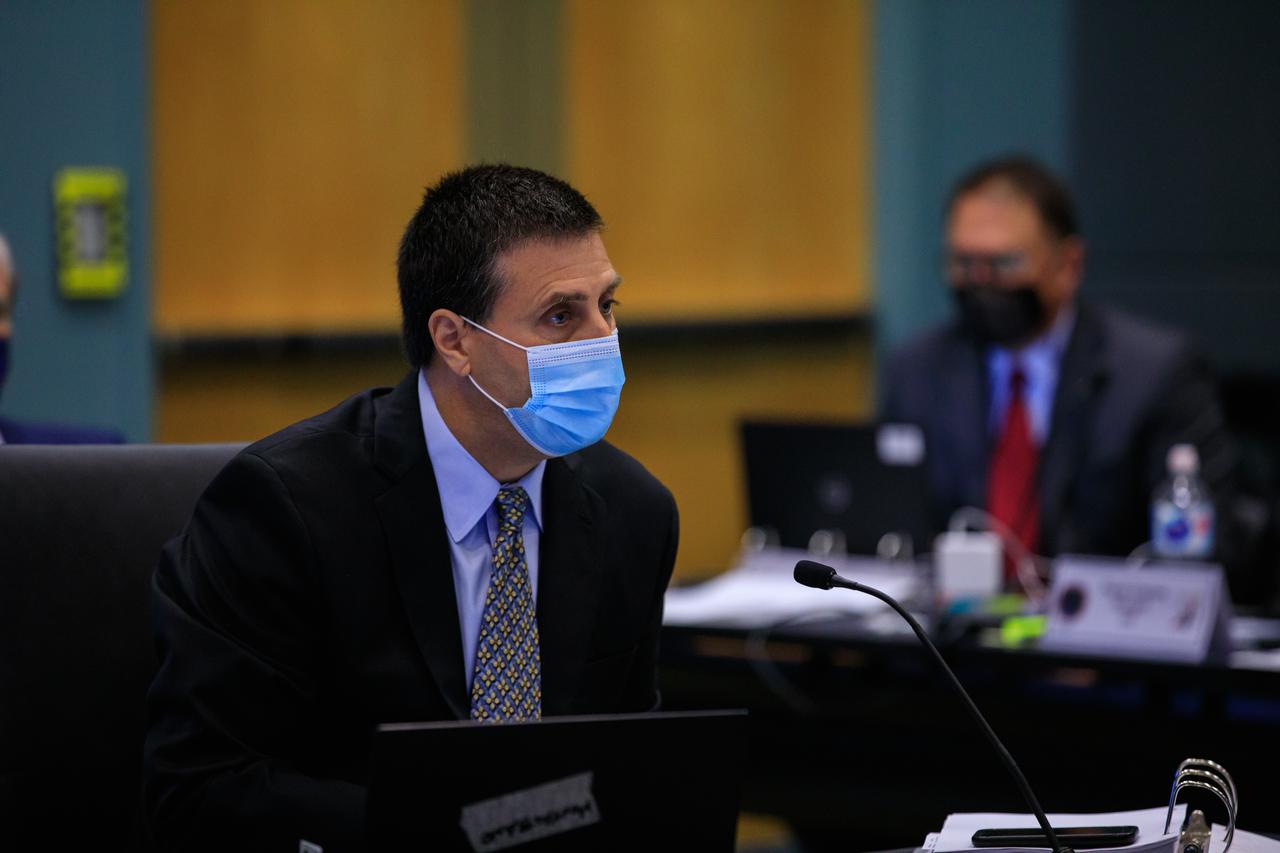
Joel Montalbano, manger, International Space Station, Johnson Space Center, listens in during NASA’s SpaceX Crew-2 Flight Readiness Review at Kennedy Space Center on April 15, 2021. The mission is targeted to launch from the Florida Spaceport’s Launch Complex 39A on April 22 at 6:11 a.m. EDT. NASA astronauts Shane Kimbrough and Megan McArthur, JAXA astronaut Akihiko Hoshide, and ESA astronaut Thomas Pesquet will fly to the station aboard SpaceX’s Crew Dragon Endeavour, powered by the company’s Falcon 9 rocket.
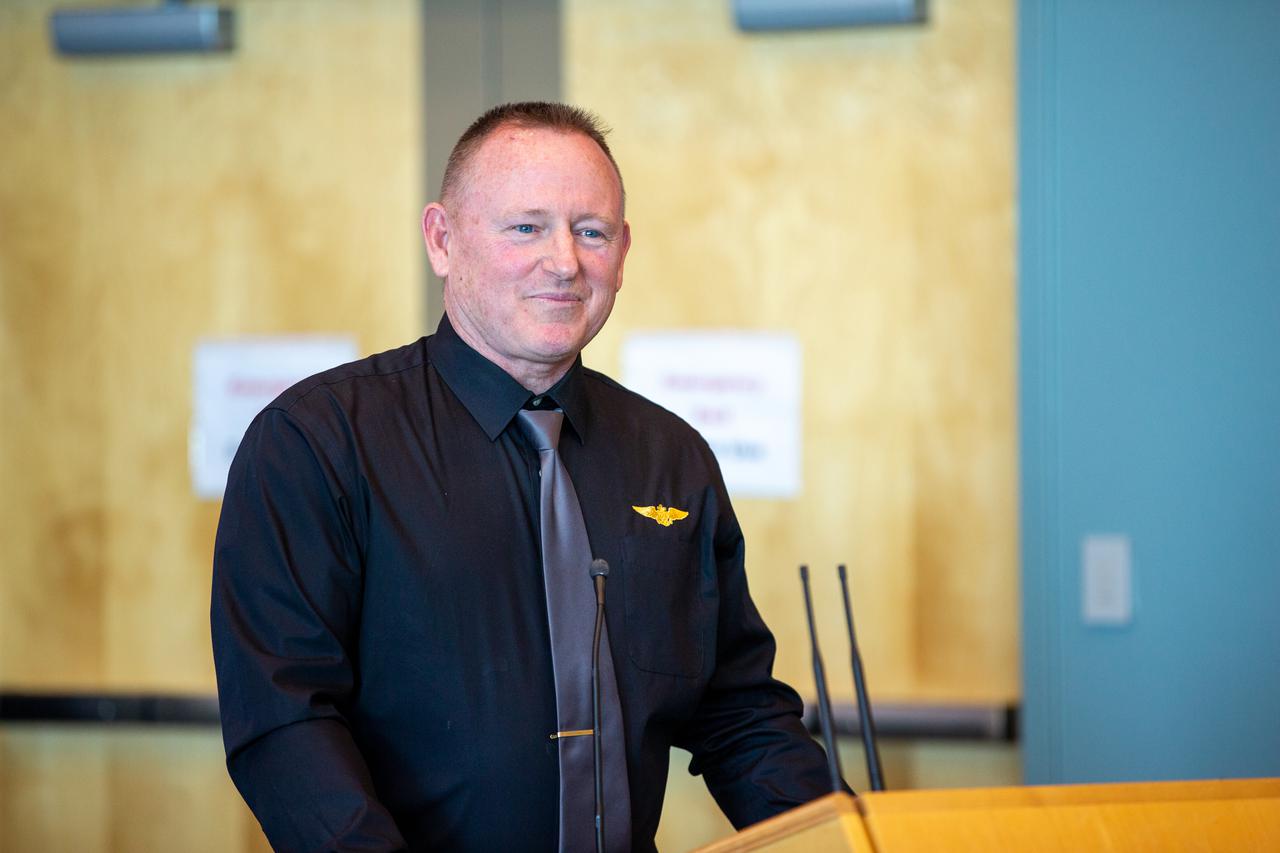
As part of the Flight Readiness Review for NASA’s Boeing Orbital Flight Test-2 (OFT-2), NASA astronaut and commander of Boeing’s Crew Flight Test, Barry “Butch” Wilmore addresses NASA and Boeing managers inside the Operations Support Building II at NASA's Kennedy Space Center in Florida, May 11, 2022. Boeing's CST-100 Starliner spacecraft will launch atop a United Launch Alliance Atlas V rocket from Space Launch Complex-41 at Cape Canaveral Space Force Station at 6:54 p.m. EDT on Thursday, May 19. The uncrewed flight test will be Starliner’s second flight for NASA’s Commercial Crew Program.
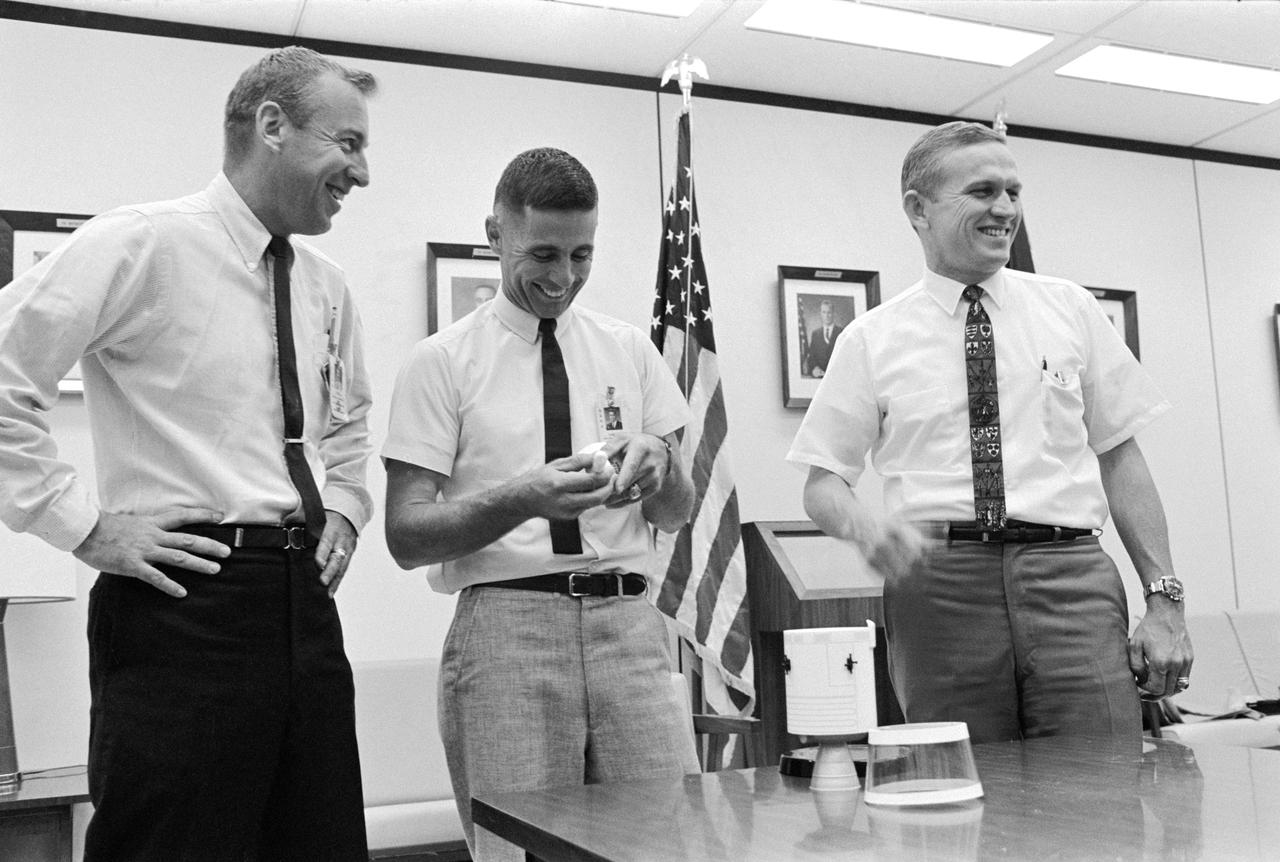
S68-50646 (18 Oct. 1968) --- The prime crew of the Apollo 8 mission is photographed in Building 4, at the Manned Spacecraft Center (MSC), where they are participating in classroom work in burn test review and procedures review. Left to right, are astronauts James A. Lovell Jr., William A. Anders, and Frank Borman.
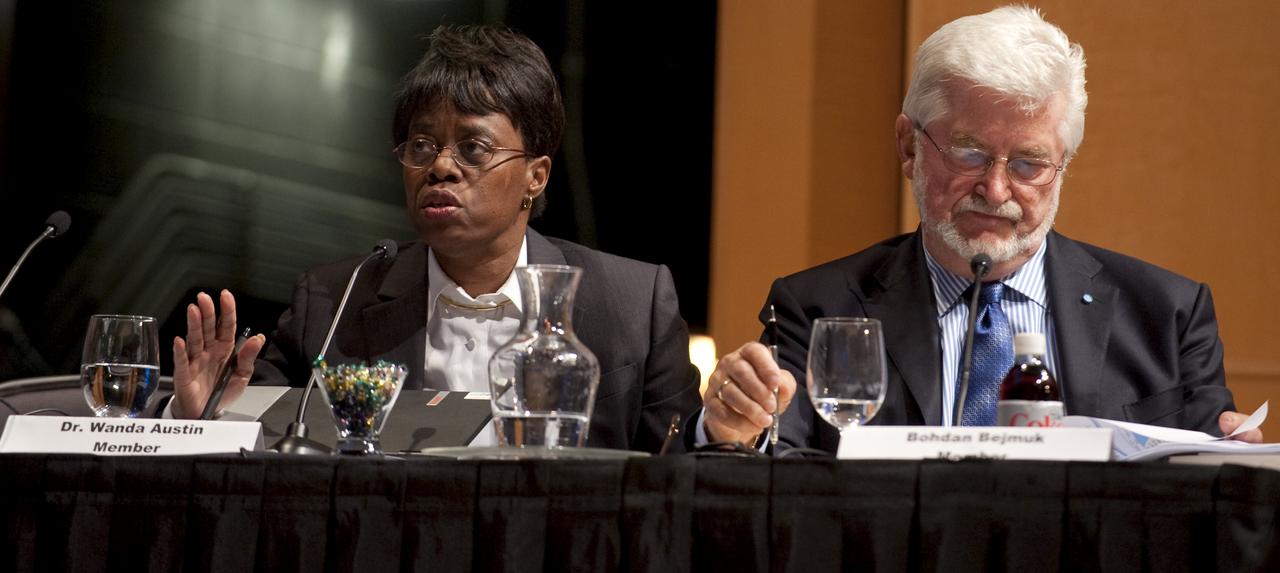
Dr. Wanda Austin, president and CEO of the Aerospace Corp., left, asks a question during the final meeting of the Human Space Flight Review Committee, Wednesday, Aug. 12, 2009, in Washington as committee member Bohdan Bejmuk reviews his notes. Photo Credit: (NASA/Paul E. Alers)
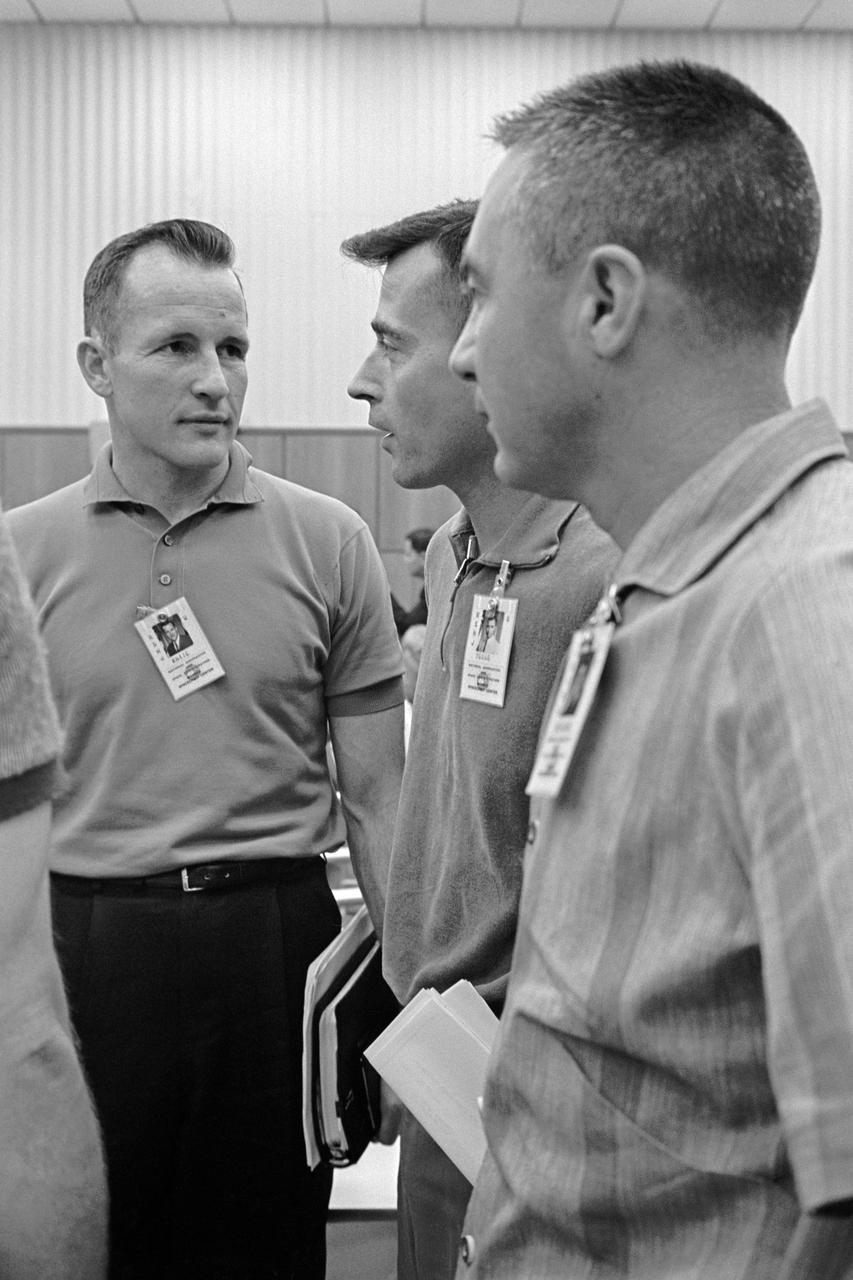
S65-20632 (20 March 1965) --- The prime crew of the NASA Gemini-Titan 3 mission, astronauts John W. Young (center), pilot; and Virgil I. Grissom (foreground), command pilot, hold a discussion at the Gemini launch vehicle review meeting on March 20, 1965, with astronaut Edward H. White II, pilot for the GT-4 mission. The meeting was held in the Manned Spacecraft Operations Building on Merritt Island, Florida.
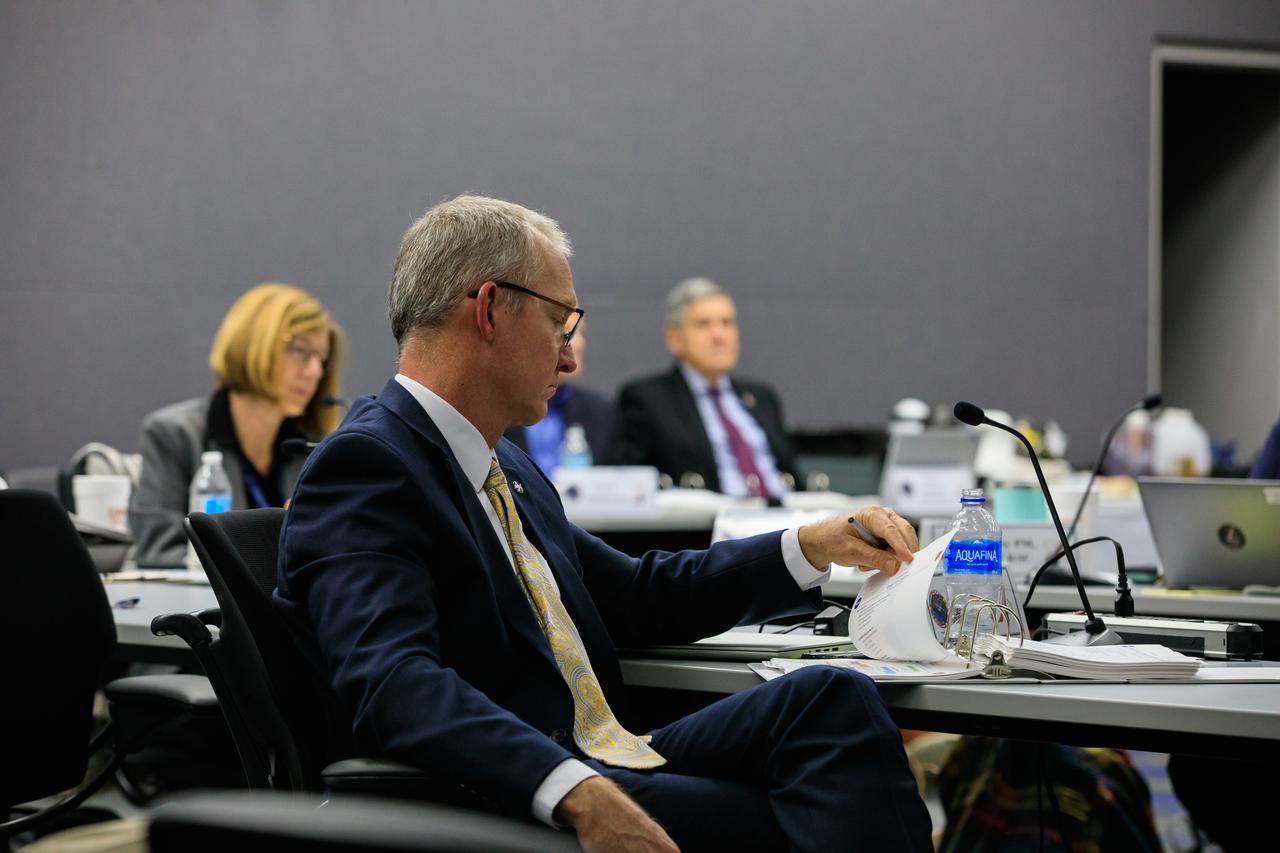
W. Russ DeLoach, chief of Safety and Mission Assurance at NASA, participates in a Flight Readiness Review for the agency’s Crew-5 mission at Kennedy Space Center in Florida on Sept. 26, 2022, to confirm the SpaceX Falcon 9 rocket and Crew Dragon spacecraft are ready for launch. In the background and to the left is Kathryn Lueders, associate administrator for NASA’s Space Operations Mission Directorate, and to the right is NASA Associate Administrator Bob Cabana. Crew-5 is scheduled to launch to the International Space Station from Kennedy’s Launch Complex 39A as part of the agency’s Commercial Crew Program. This will be the fifth crew rotation mission of SpaceX’s human transportation system and its sixth flight with astronauts, including the Demo-2 test flight, to the space station.
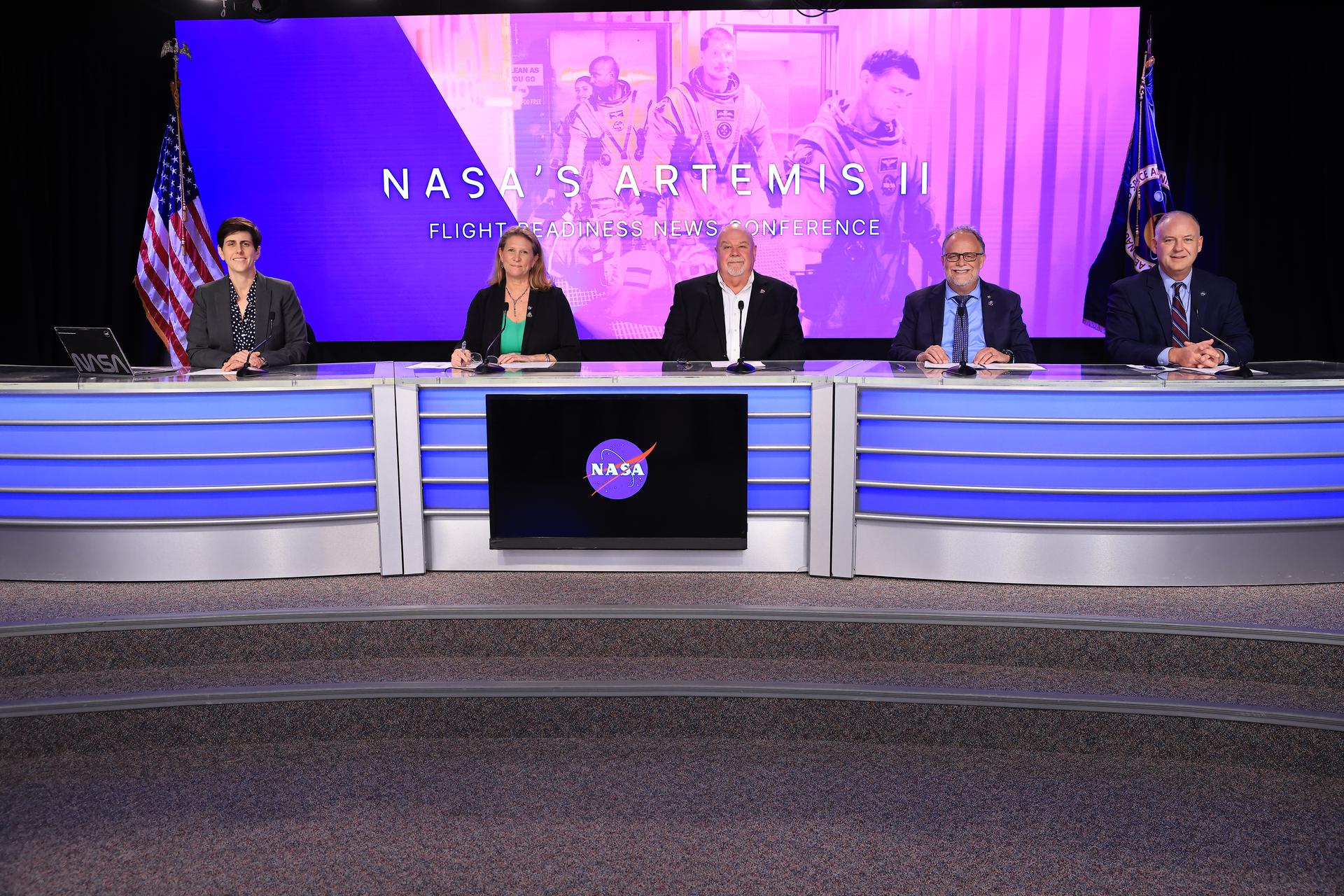
From left to right, Rachel Kraft, NASA Communications; Lori Glaze, acting associate administrator, Exploration Systems Development Mission Directorate; John Honeycutt, chair, Artemis II Mission Management Team; Shawn Quinn, manager, Exploration Ground Systems Program; and Norm Knight, director, Flight Operations Directorate, participate in a post-Flight Readiness Review news conference for the Artemis II test flight inside the John Holliman Auditorium of the NASA News Center at the agency’s Kennedy Space Center in Florida on Thursday, March 12, 2026. The review is an assessment of the readiness of NASA’s SLS (Space Launch System) rocket and Orion spacecraft to support the Artemis II test flight as four astronauts journey around the Moon and return to Earth.
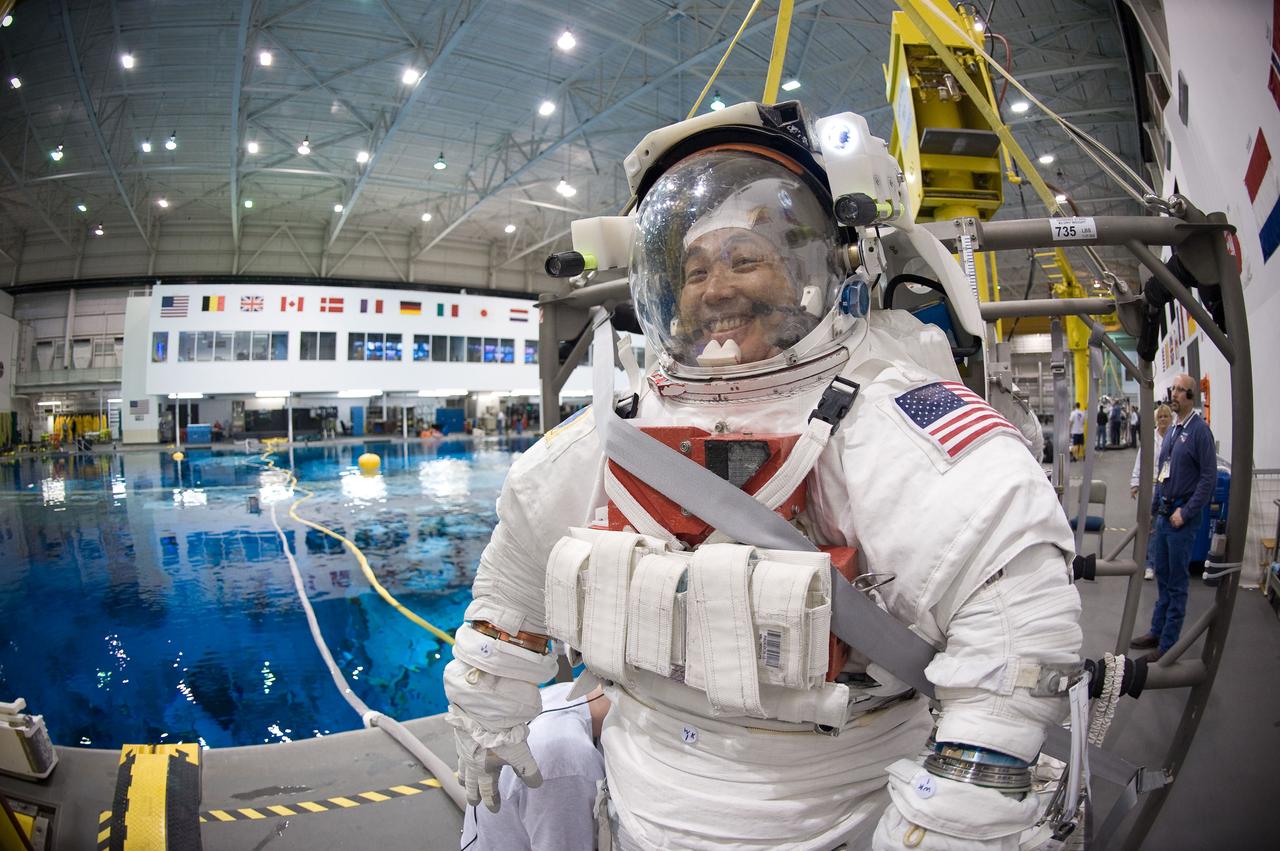
PHOTO DATE: 01-28-09 LOCATION: NBL SUBJECT: Koichi Wakata during EVA Review installing JEM-EF at the NBL PHOTOGRAPHER: BILL STAFFORD X34753
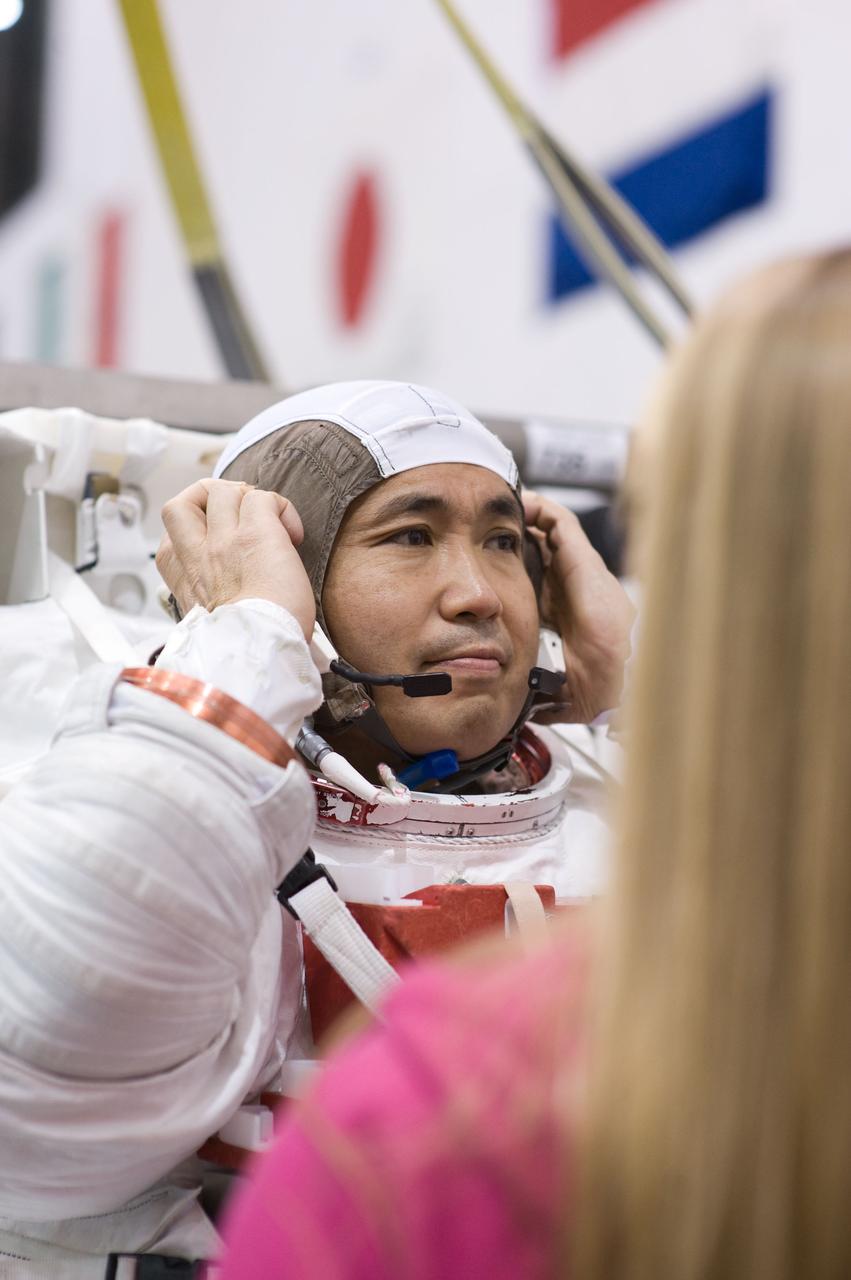
PHOTO DATE: 01-28-09 LOCATION: NBL SUBJECT: Koichi Wakata during EVA Review installing JEM-EF at the NBL PHOTOGRAPHER: BILL STAFFORD X34753
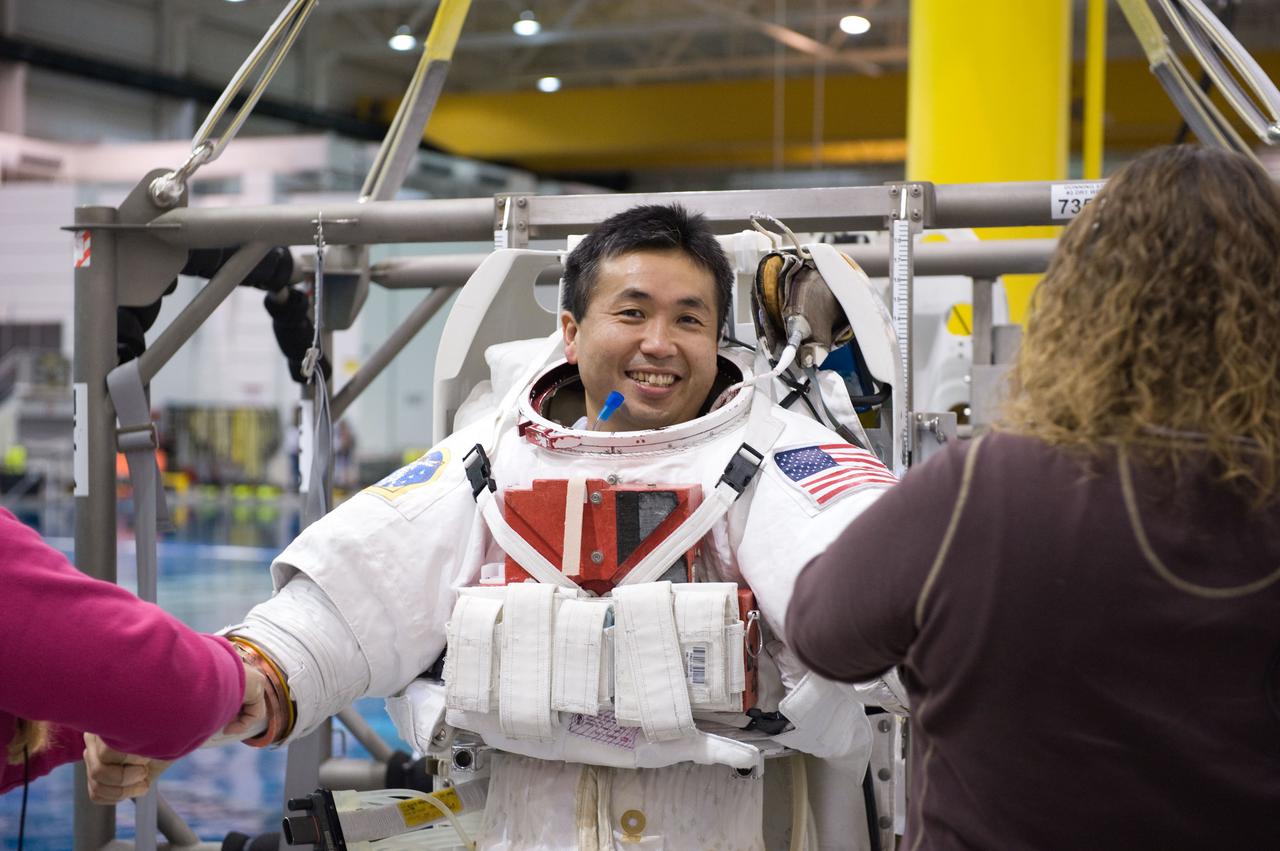
PHOTO DATE: 01-28-09 LOCATION: NBL SUBJECT: Koichi Wakata during EVA Review installing JEM-EF at the NBL PHOTOGRAPHER: BILL STAFFORD X34753

Bohdan Bejmuk, chair, Constellation program Standing Review Board, and former manager of the Boeing Space Shuttle and Sea Launch programs, right, asks a question during the final meeting of the Human Space Flight Review Committee as Dr. Wanda Austin, president and CEO, The Aerospace Corp., looks on at left, Wednesday, Aug. 12, 2009, in Washington. Photo Credit: (NASA/Paul E. Alers)
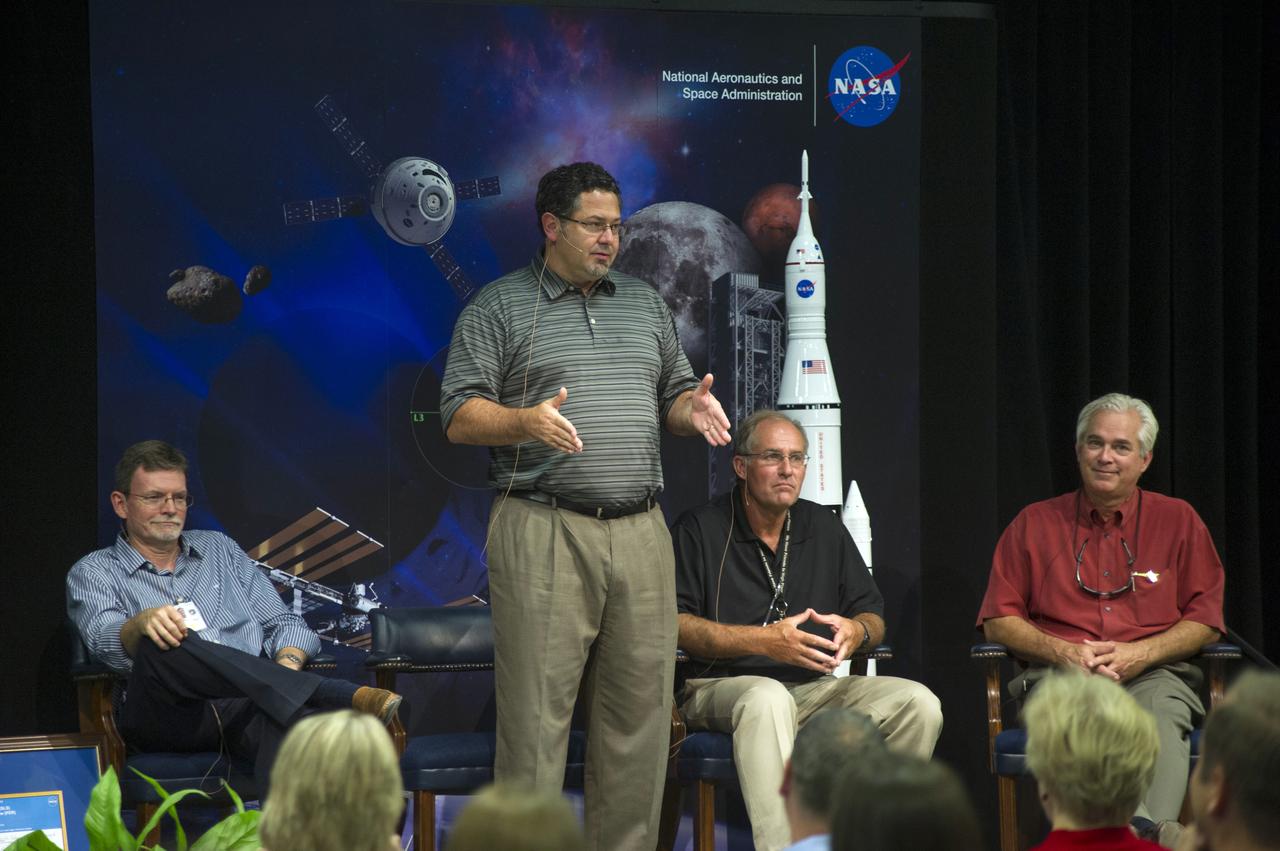
MORE THAN 250 PEOPLE FROM ACROSS NASA'S MARSHALL SPACE FLIGHT CENTER PARTICIPATED IN THE SPACE LAUNCH SYSTEM (SLS) POST-PRELIMINARY DESIGN REVIEW REPORT, HELD AUG. 5 IN ACTIVITIES BUILDING 4316. DISCUSSING THE REVIEW AND THANKING THE MARSHALL TEAM FOR A JOB WELL DONE, ARE FROM LEFT, GARRY LYLES, SLS CHIEF ENGINEER; TODD MAY, MANAGER OF THE SLS PROGRAM; STEVE CASH, DIRECTOR OF MARSHALL’S SAFETY & MISSION ASSURANCE DIRECTORATE; AND CHRIS SINGER, MANAGER OF MARSHALL’S ENGINEERING DIRECTORATE
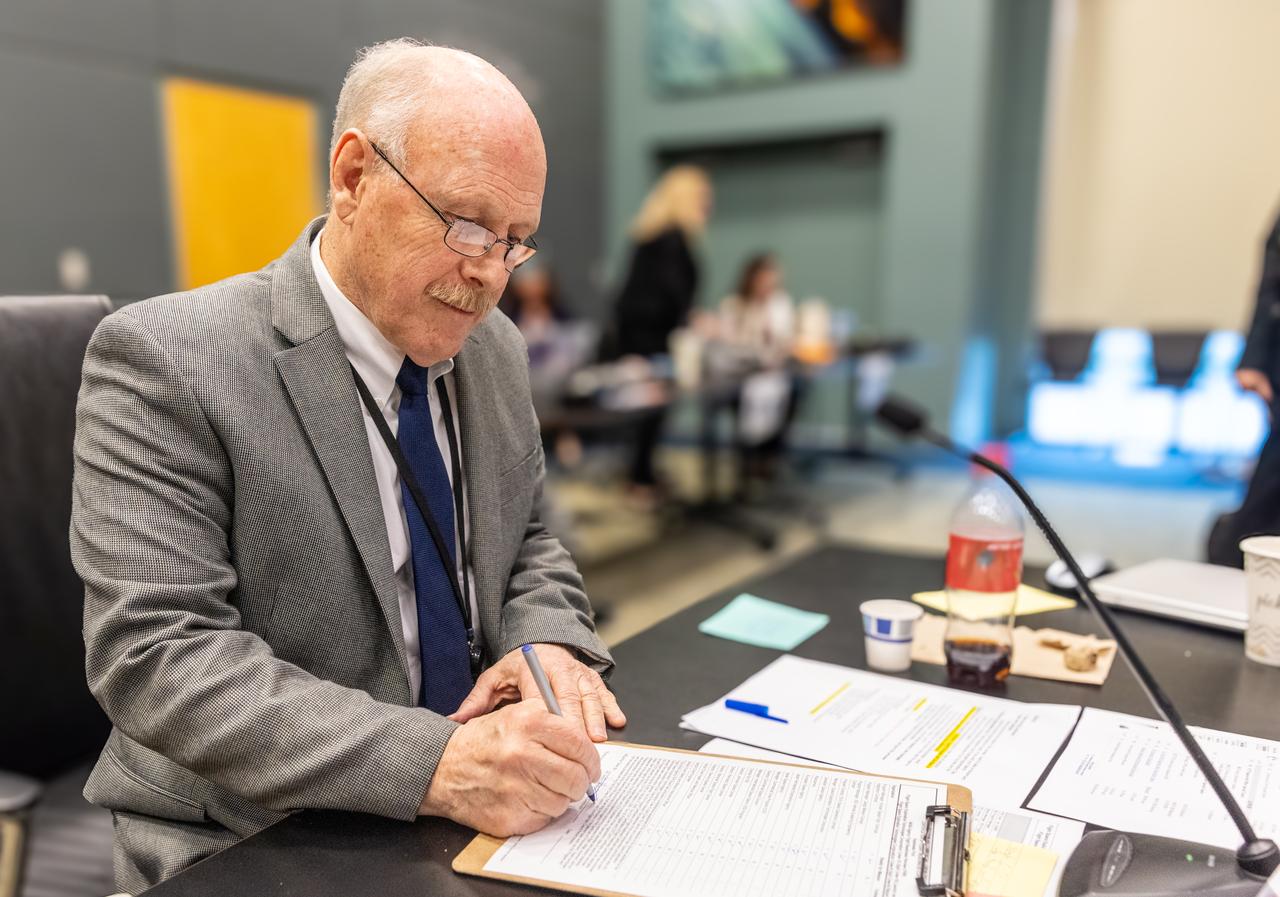
Kenneth Bowersox, associate administrator for NASA’s Space Operations Mission Directorate, participates in NASA’s SpaceX Crew-10 Flight Readiness Review at the agency’s Kennedy Space Center in Florida on Friday, March 7, 2025. Launch is targeted for 7:48 p.m. EDT on Wednesday, March 12, 2025, from Launch Complex 39A at NASA Kennedy. NASA astronauts Anne McClain and Nichole Ayers, along with JAXA (Japan Aerospace Exploration Agency) astronaut Takuya Onishi and Roscosmos cosmonaut Kirill Peskov will launch to the International Space Station aboard SpaceX’s Dragon spacecraft and Falcon 9 rocket on the company’s 10th crew rotation mission for NASA as part of the agency’s Commercial Crew Program.
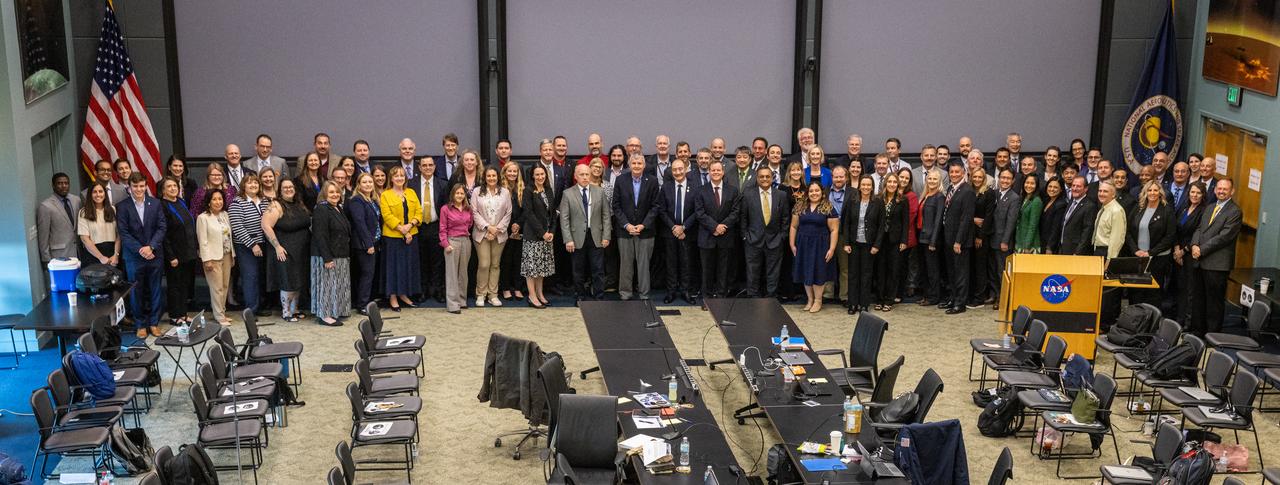
Managers with NASA and SpaceX, along with international partners, participate in NASA’s SpaceX Crew-10 Flight Readiness Review at the agency’s Kennedy Space Center in Florida on Friday, March 7, 2025. Launch is targeted for 7:48 p.m. EDT on Wednesday, March 12, 2025, from Launch Complex 39A at NASA Kennedy. NASA astronauts Anne McClain and Nichole Ayers, along with JAXA (Japan Aerospace Exploration Agency) astronaut Takuya Onishi and Roscosmos cosmonaut Kirill Peskov will launch to the International Space Station aboard SpaceX’s Dragon spacecraft and Falcon 9 rocket on the company’s 10th crew rotation mission for NASA as part of the agency’s Commercial Crew Program.
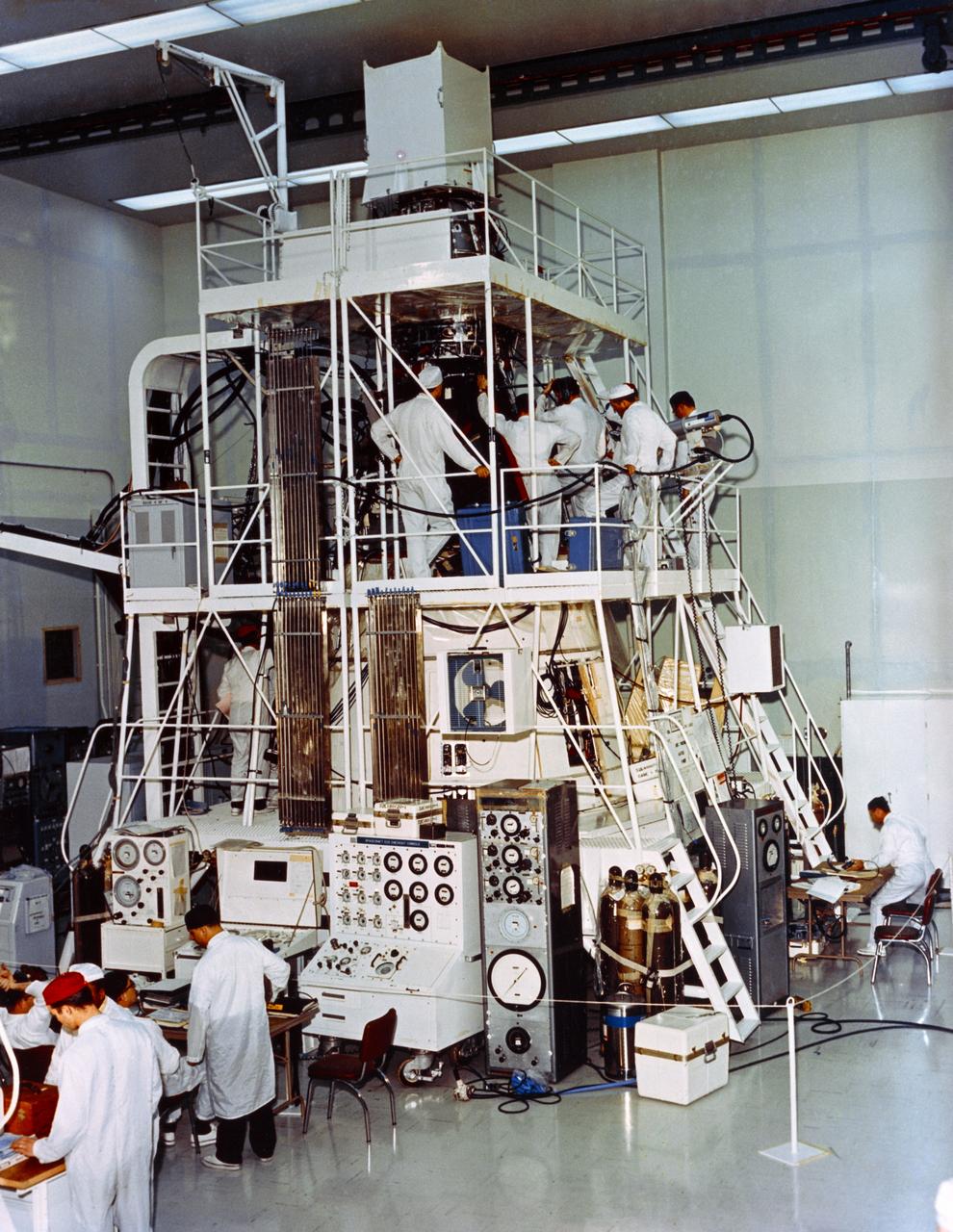
S65-43449 (19 Aug. 1965) --- Photograph of the Gemini-5 spacecraft in the McDonnell test facility during stowage review.
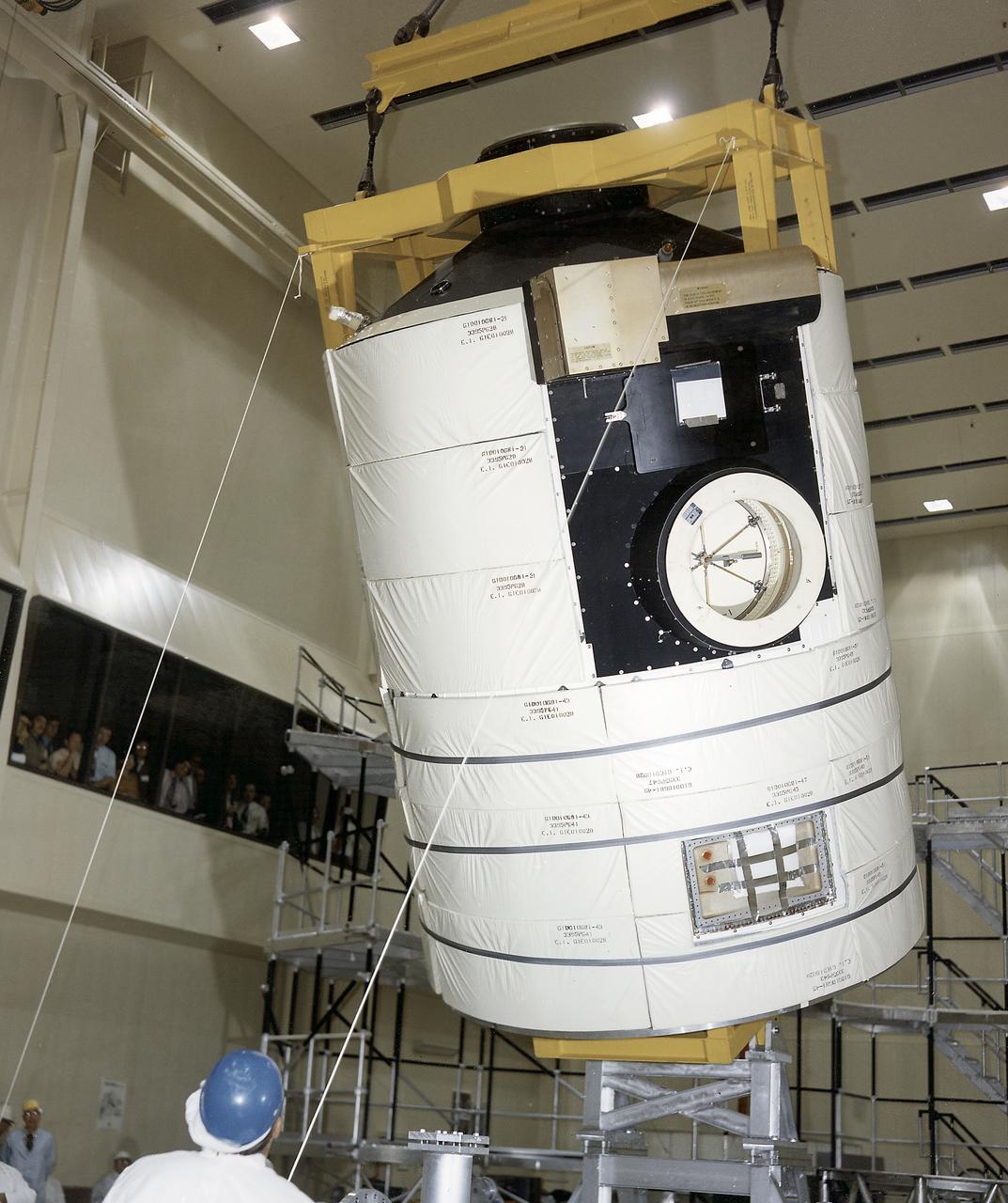
Workmen at the Martin Marietta Corporation's Space Center facility in Denver, Colorado, lower the Skylab Multiple Docking Adapter (MDA) flight article into the horizontal rotation fixture in preparation for the crew compartment and function review. Designed and manufactured by the Marshall Space Flight Center and outfitted by Martin Marietta, the MDA housed a number of experiment control and stowage units and provided a docking port for the Apollo Command Module.
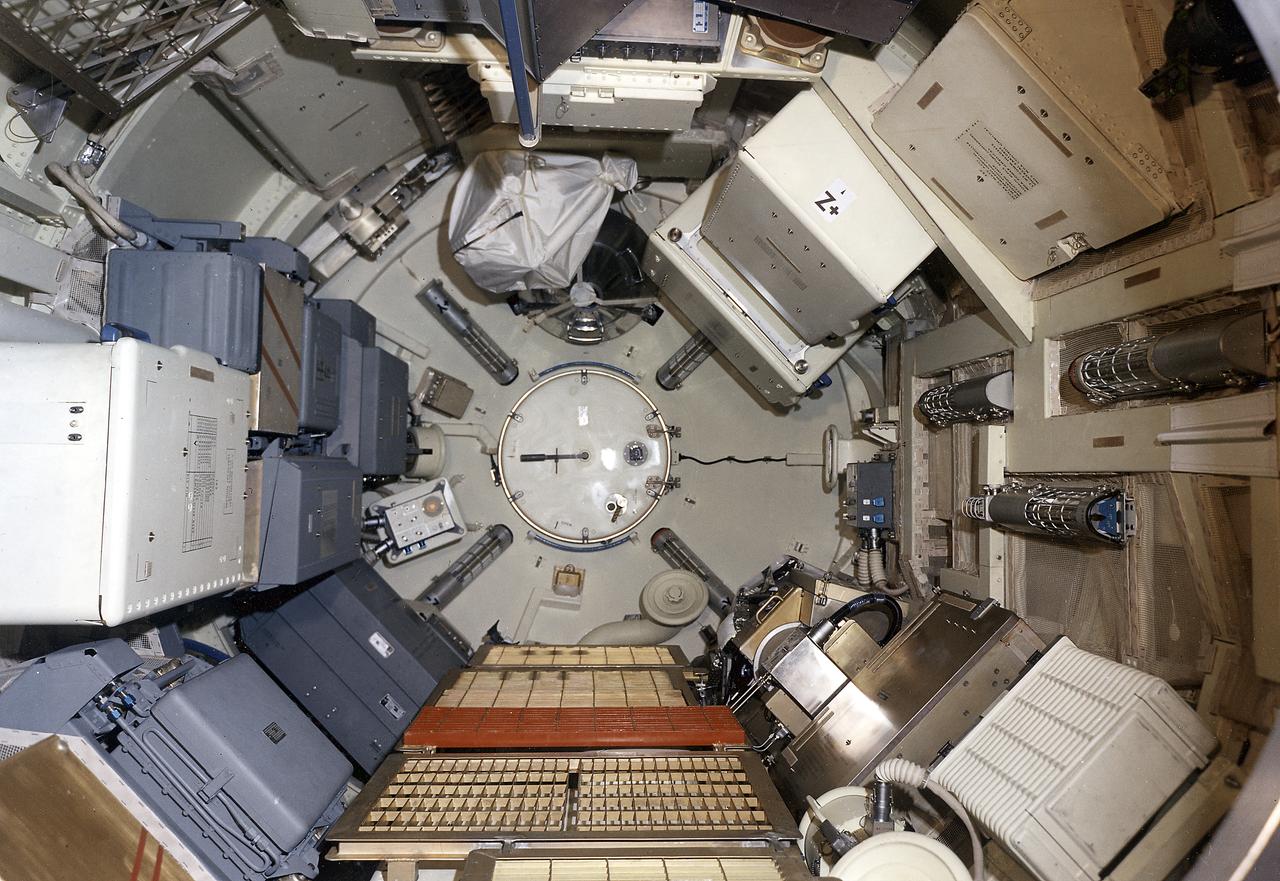
This December 1971 photograph shows the internal configuration of Skylab's Multiple Docking Adapter (MDA) flight article (forward view) as it appeared during the crew compartment and function review at the Martin-Marietta Corporation's Space Center Facility in Denver, Colorado. Designed and manufactured by the Marshall Space Flight Center, the MDA housed a number of experiment control and stowage units as well as providing a docking port for the Apollo Command module.
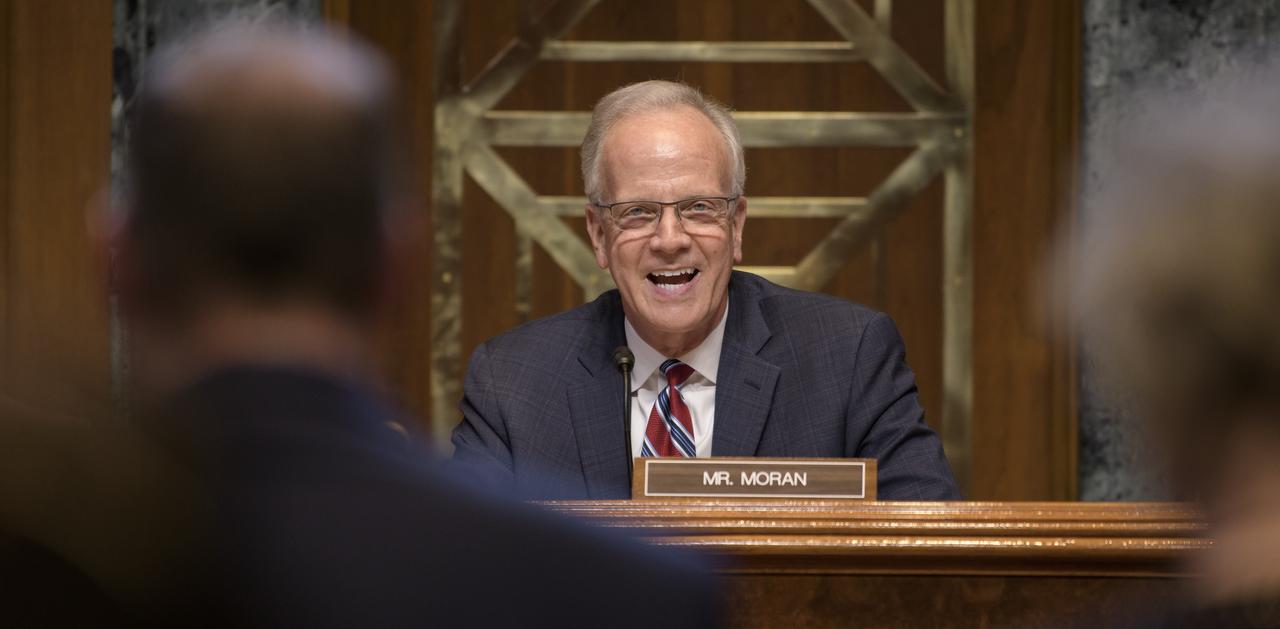
Sen. Jerry Moran, R-Kan., chairman of the Subcommittee on Commerce, Justice, Science, and Related Agencies, questions NASA Administrator Jim Bridenstine during a budget review hearing, Wednesday, May 1, 2019, at the Dirksen Senate Office Building in Washington. Photo Credit: (NASA/Bill Ingalls)
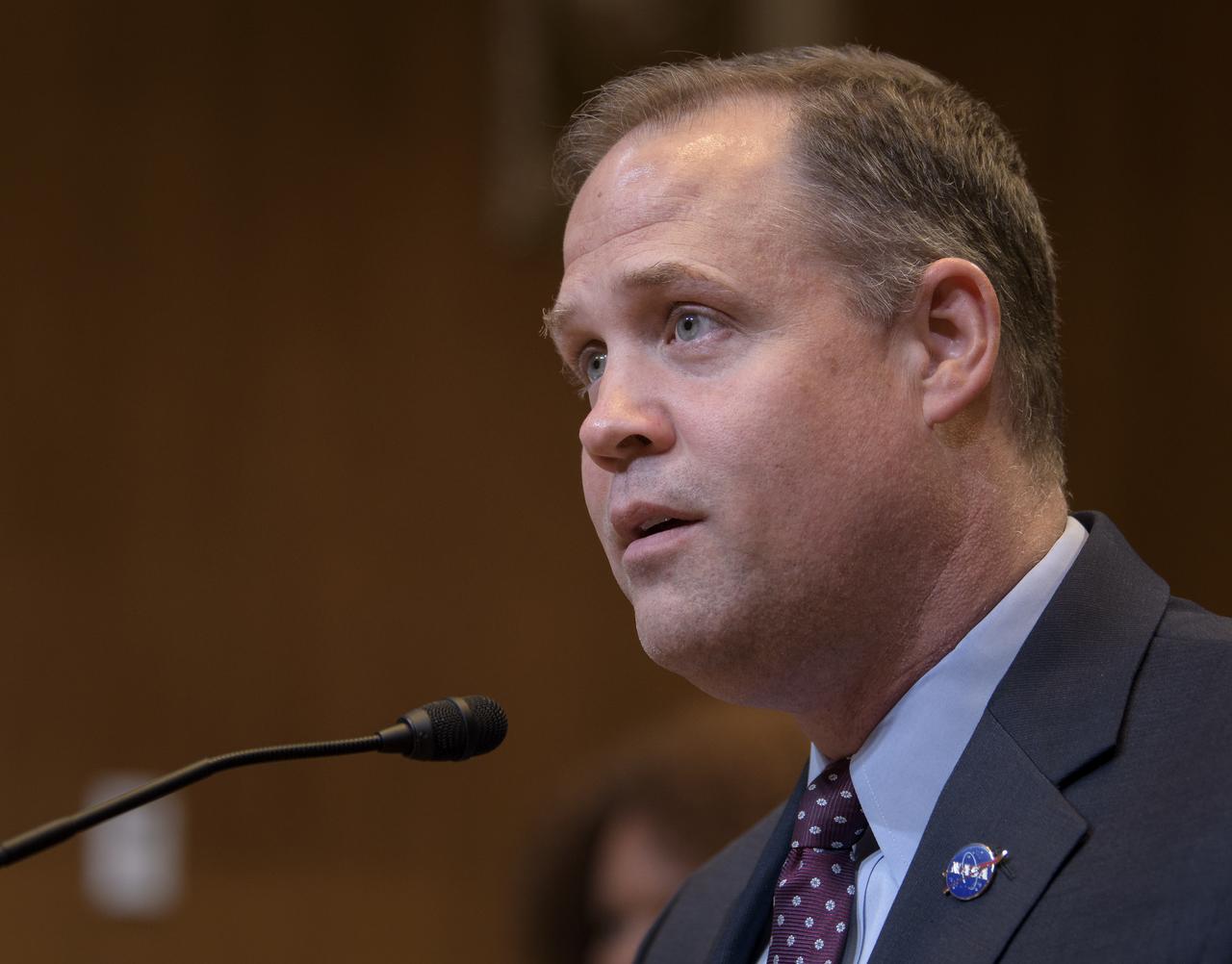
NASA Administrator Jim Bridenstine testifies before the US Senate Appropriations Subcommittee on Commerce, Justice, Science, and Related Agencies during a budget review hearing, Wednesday, May 1, 2019, at the Dirksen Senate Office Building in Washington. Photo Credit: (NASA/Bill Ingalls)
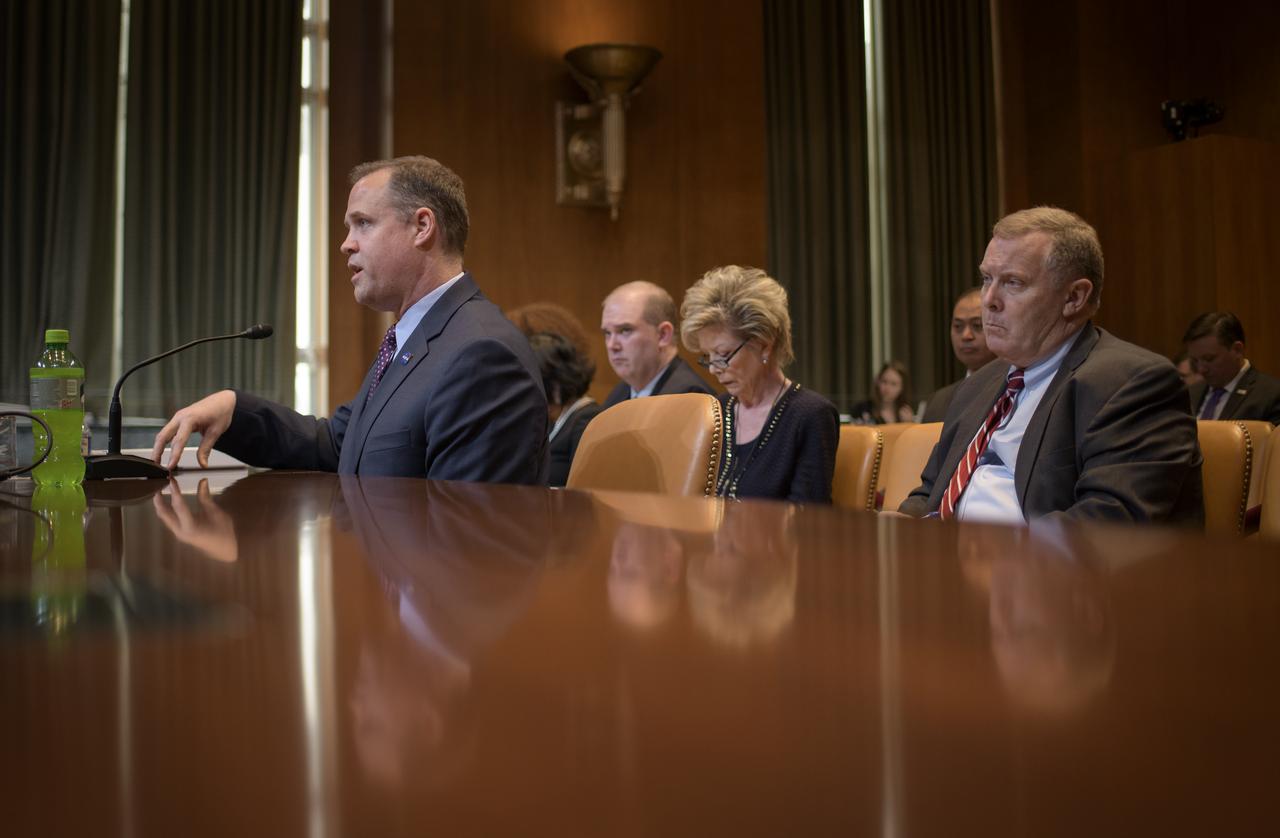
NASA Administrator Jim Bridenstine testifies before the US Senate Appropriations Subcommittee on Commerce, Justice, Science, and Related Agencies during a budget review hearing, Wednesday, May 1, 2019, at the Dirksen Senate Office Building in Washington. Photo Credit: (NASA/Bill Ingalls)
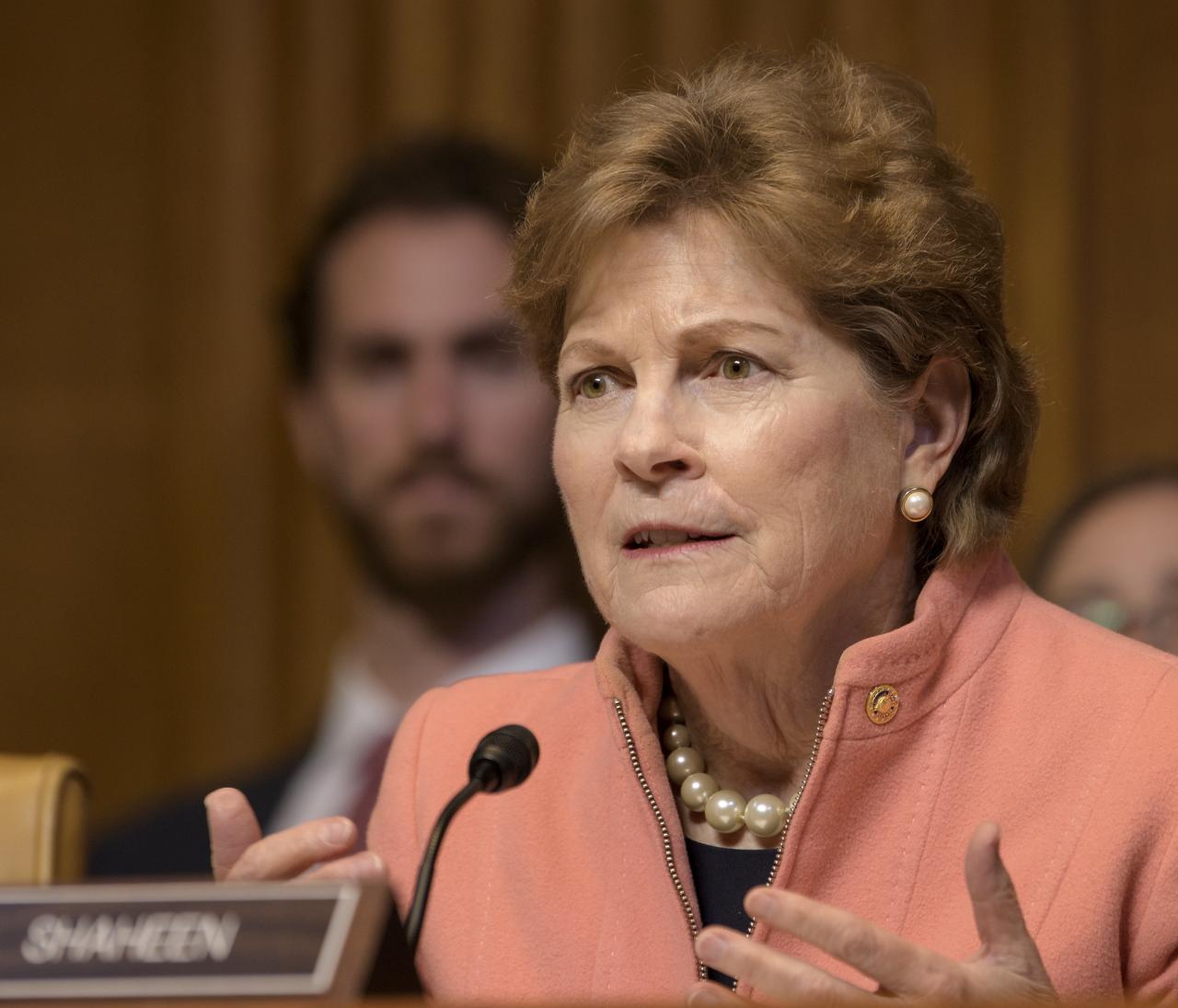
Sen. Jeanne Shaheen, D-NH, questions NASA Administrator Jim Bridenstine during a US Senate Appropriations Subcommittee on Commerce, Justice, Science, and Related Agencies budget review hearing, Wednesday, May 1, 2019, at the Dirksen Senate Office Building in Washington. Photo Credit: (NASA/Bill Ingalls)
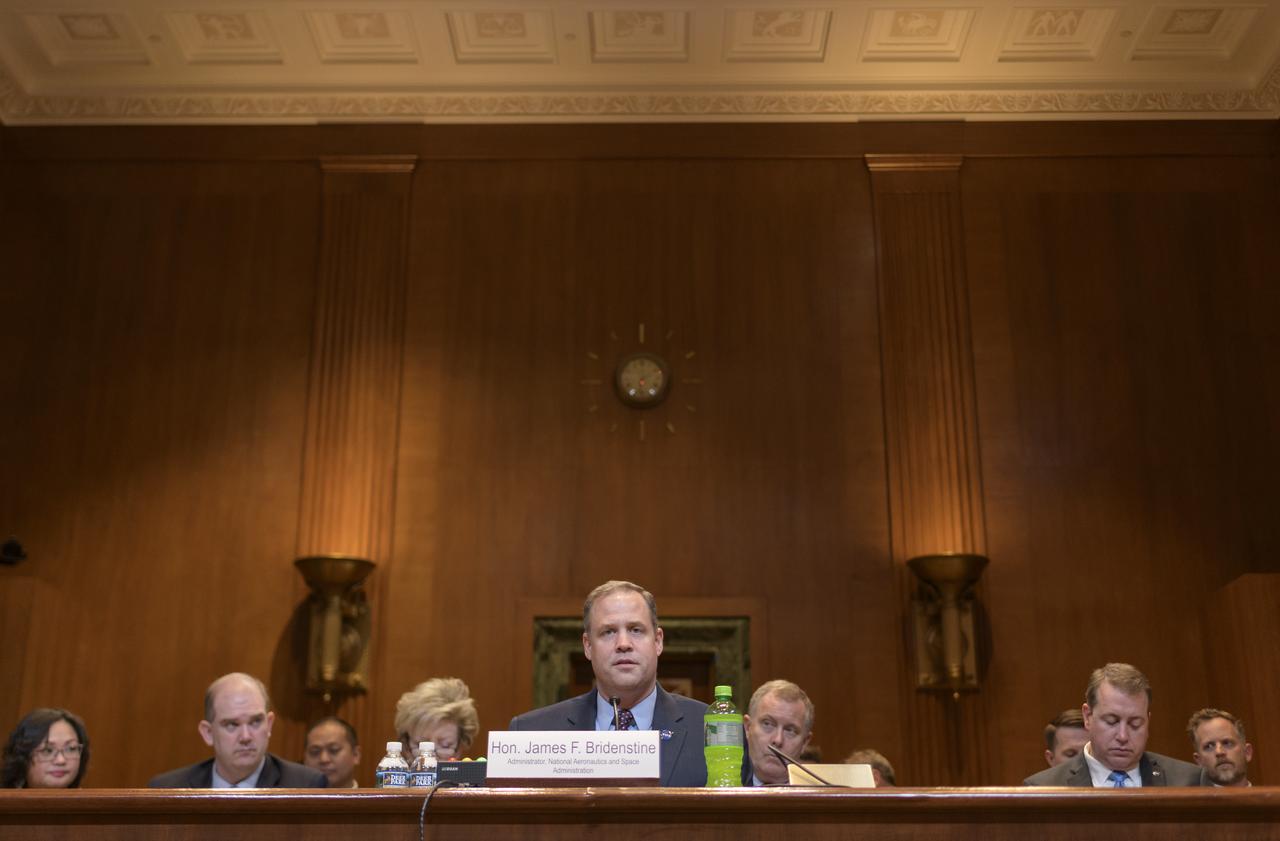
NASA Administrator Jim Bridenstine testifies before the US Senate Appropriations Subcommittee on Commerce, Justice, Science, and Related Agencies during a budget review hearing, Wednesday, May 1, 2019, at the Dirksen Senate Office Building in Washington. Photo Credit: (NASA/Bill Ingalls)
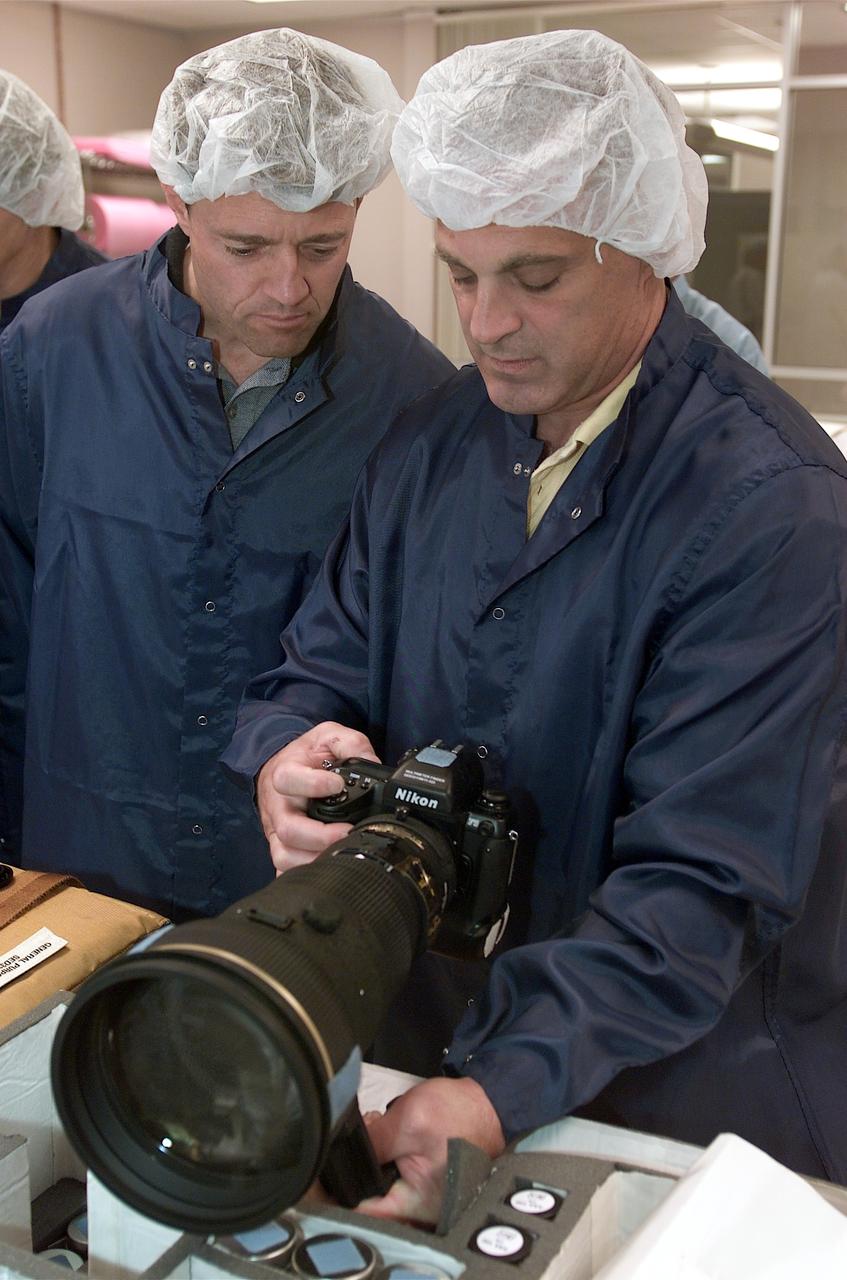
JSC2002-E-30478 (29 July 2002) --- Astronauts Jeffrey S. Ashby (left) and David A. Wolf, STS-112 mission commander and mission specialist, respectively, inspect flight hardware during a crew equipment bench review in an offsite facility near the Johnson Space Center (JSC).

NASA Administrator Jim Bridenstine testifies before the US Senate Appropriations Subcommittee on Commerce, Justice, Science, and Related Agencies during a budget review hearing, Wednesday, May 1, 2019, at the Dirksen Senate Office Building in Washington. Photo Credit: (NASA/Bill Ingalls)
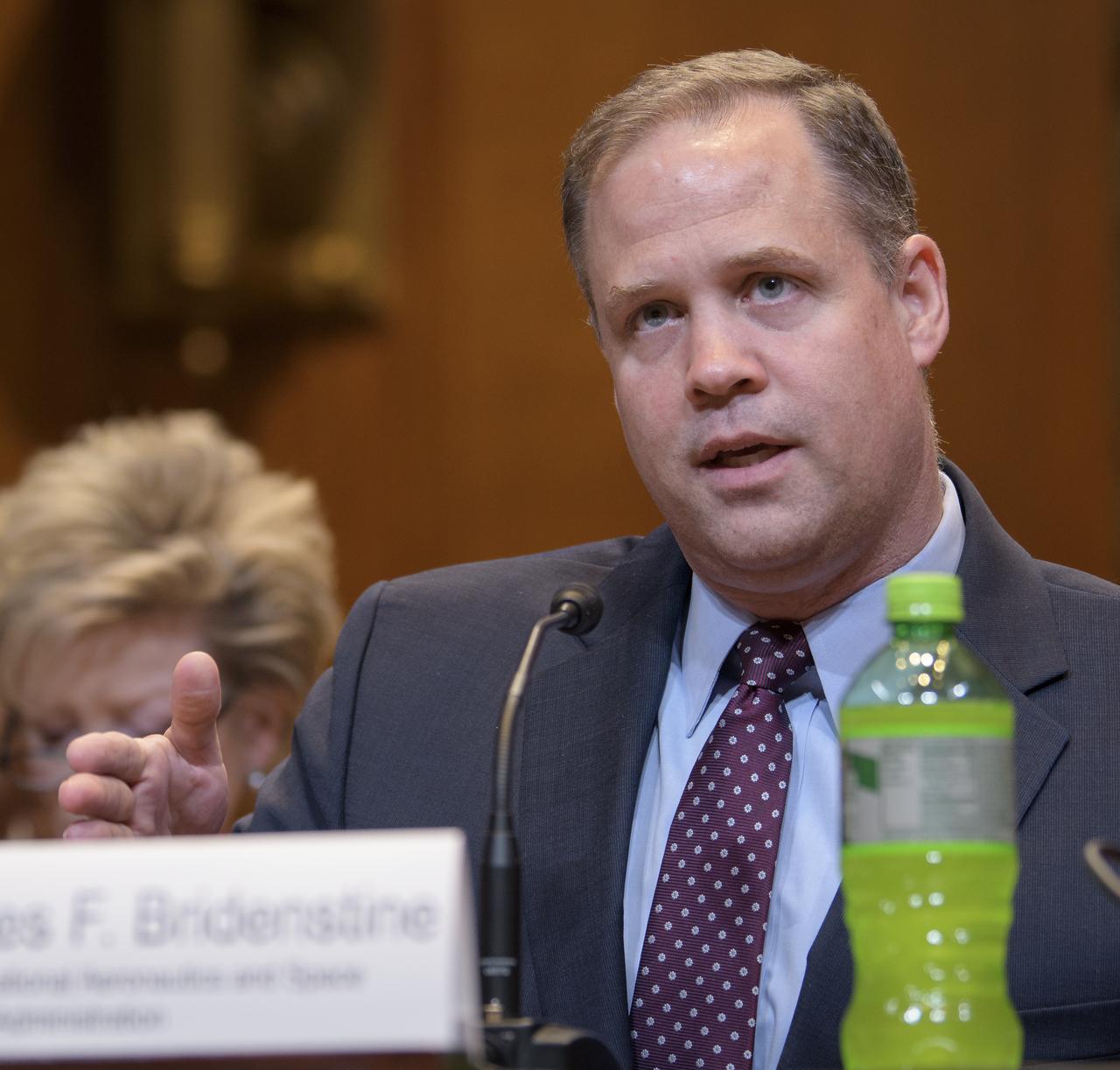
NASA Administrator Jim Bridenstine testifies before the US Senate Appropriations Subcommittee on Commerce, Justice, Science, and Related Agencies during a budget review hearing, Wednesday, May 1, 2019, at the Dirksen Senate Office Building in Washington. Photo Credit: (NASA/Bill Ingalls)
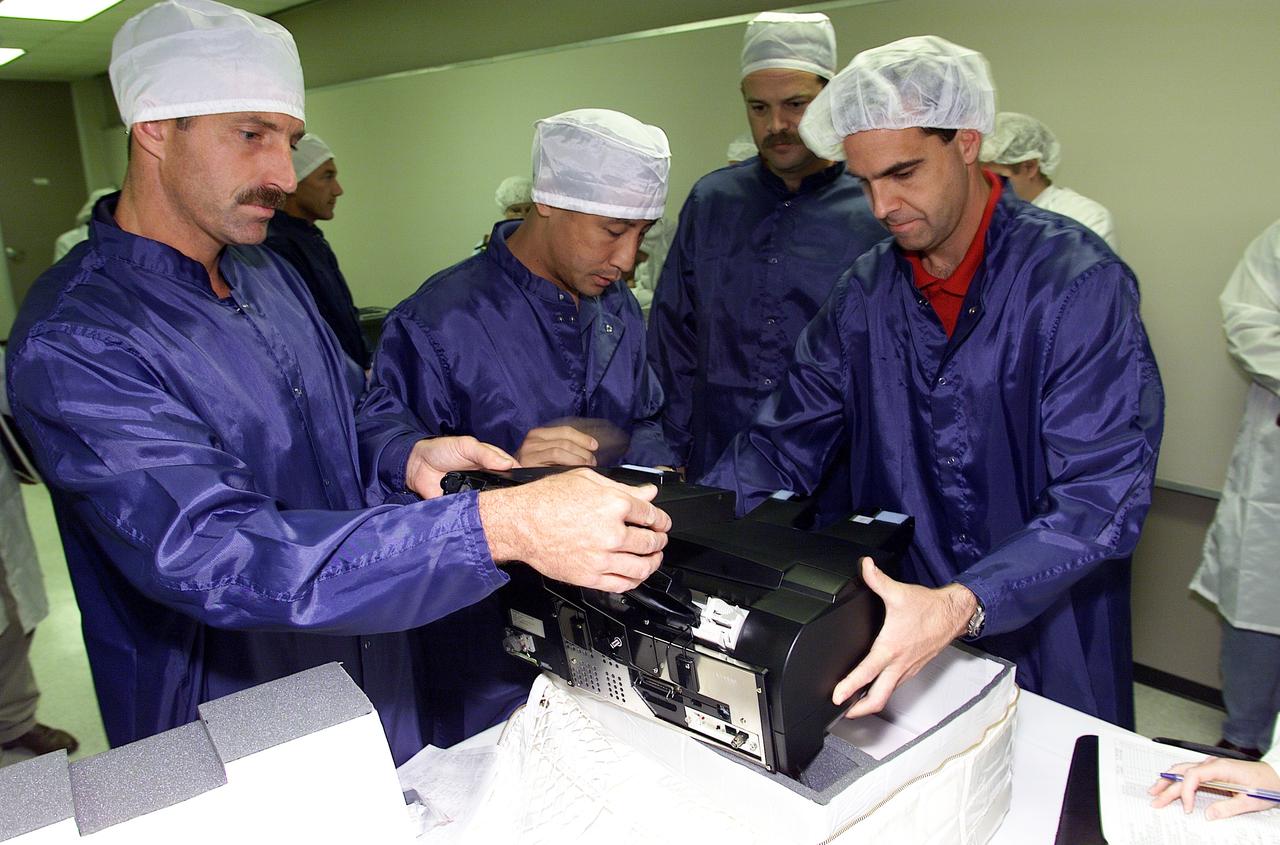
JSC2000-E-20554 (August 2000) --- Four members of the STS-106 crew participate in a bench review of equipment and gear scheduled to fly in the September mission aboard the Space Shuttle Atlantis. From the left are astronauts Daniel C. Burbank, Edward T. Lu, Scott D. Altman and Richard A. Mastracchio.
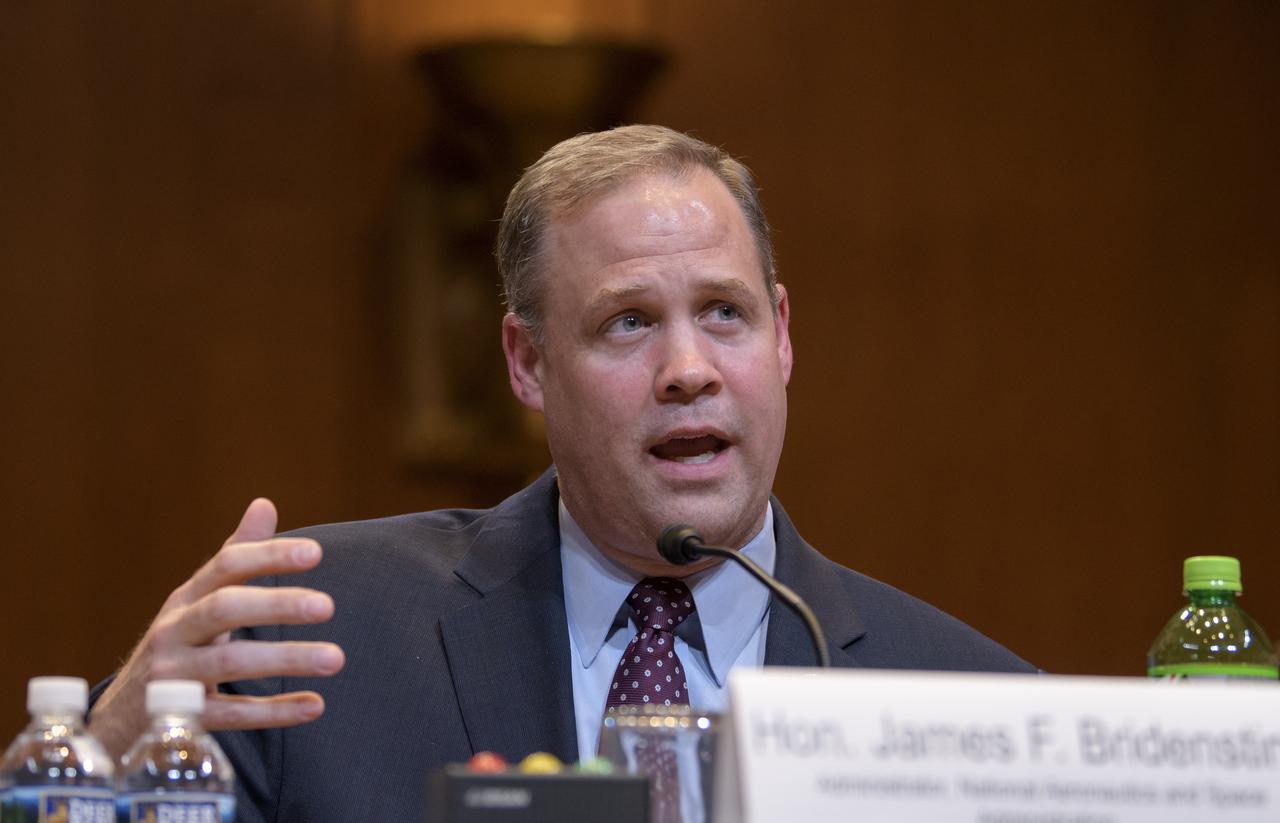
NASA Administrator Jim Bridenstine testifies before the US Senate Appropriations Subcommittee on Commerce, Justice, Science, and Related Agencies during a budget review hearing, Wednesday, May 1, 2019, at the Dirksen Senate Office Building in Washington. Photo Credit: (NASA/Bill Ingalls)
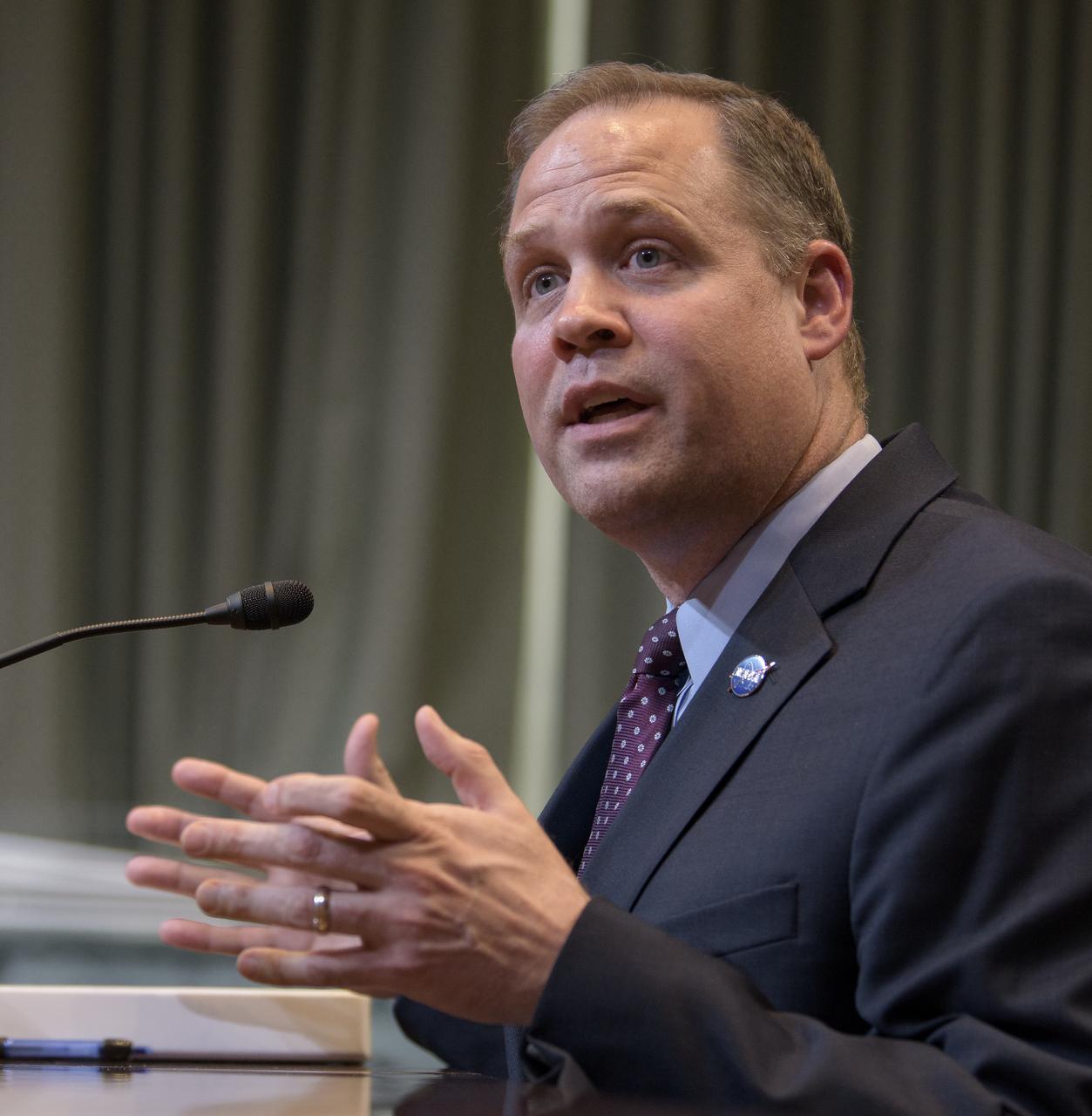
NASA Administrator Jim Bridenstine testifies before the US Senate Appropriations Subcommittee on Commerce, Justice, Science, and Related Agencies during a budget review hearing, Wednesday, May 1, 2019, at the Dirksen Senate Office Building in Washington. Photo Credit: (NASA/Bill Ingalls)
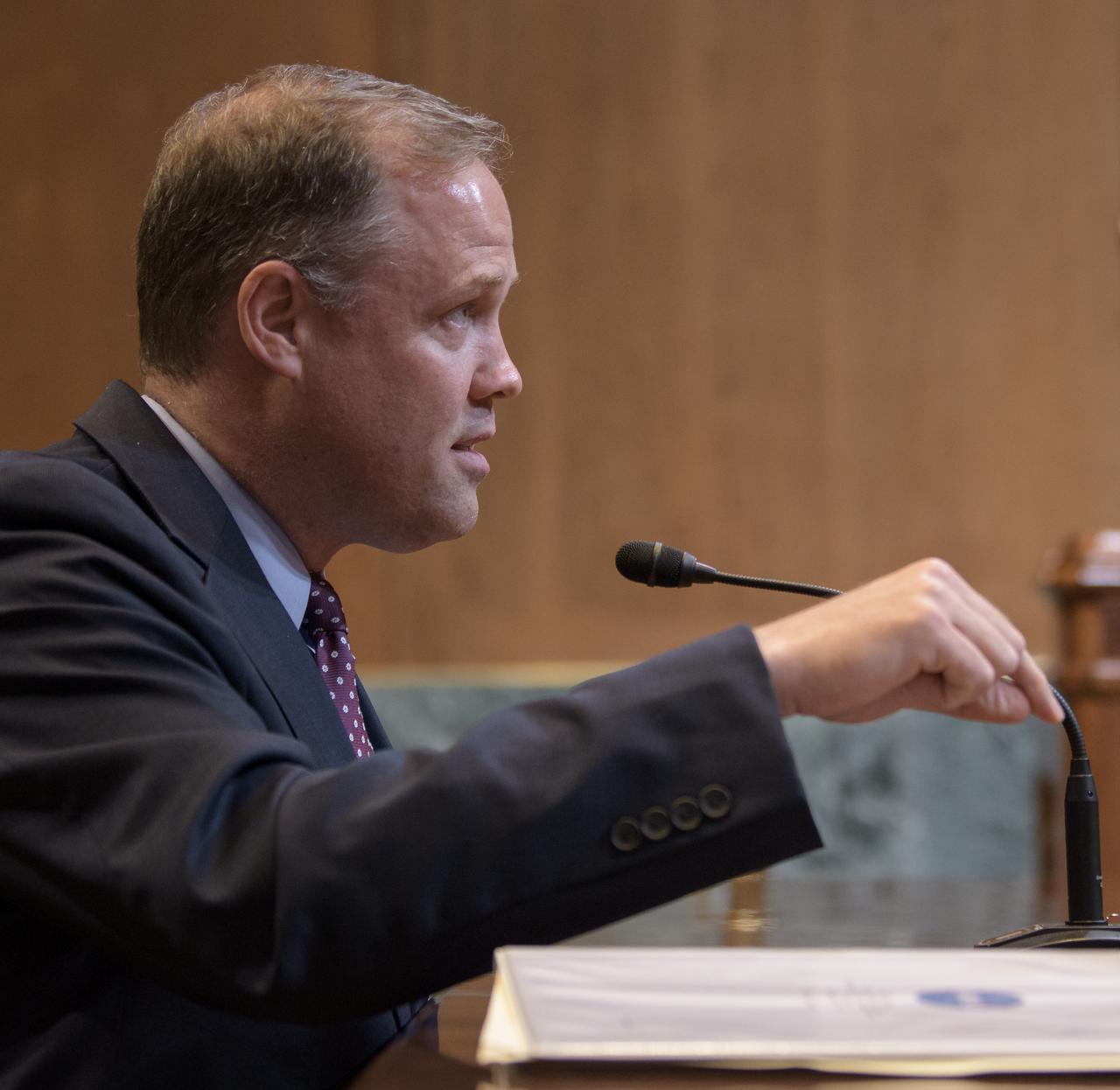
NASA Administrator Jim Bridenstine testifies before the US Senate Appropriations Subcommittee on Commerce, Justice, Science, and Related Agencies during a budget review hearing, Wednesday, May 1, 2019, at the Dirksen Senate Office Building in Washington. Photo Credit: (NASA/Bill Ingalls)
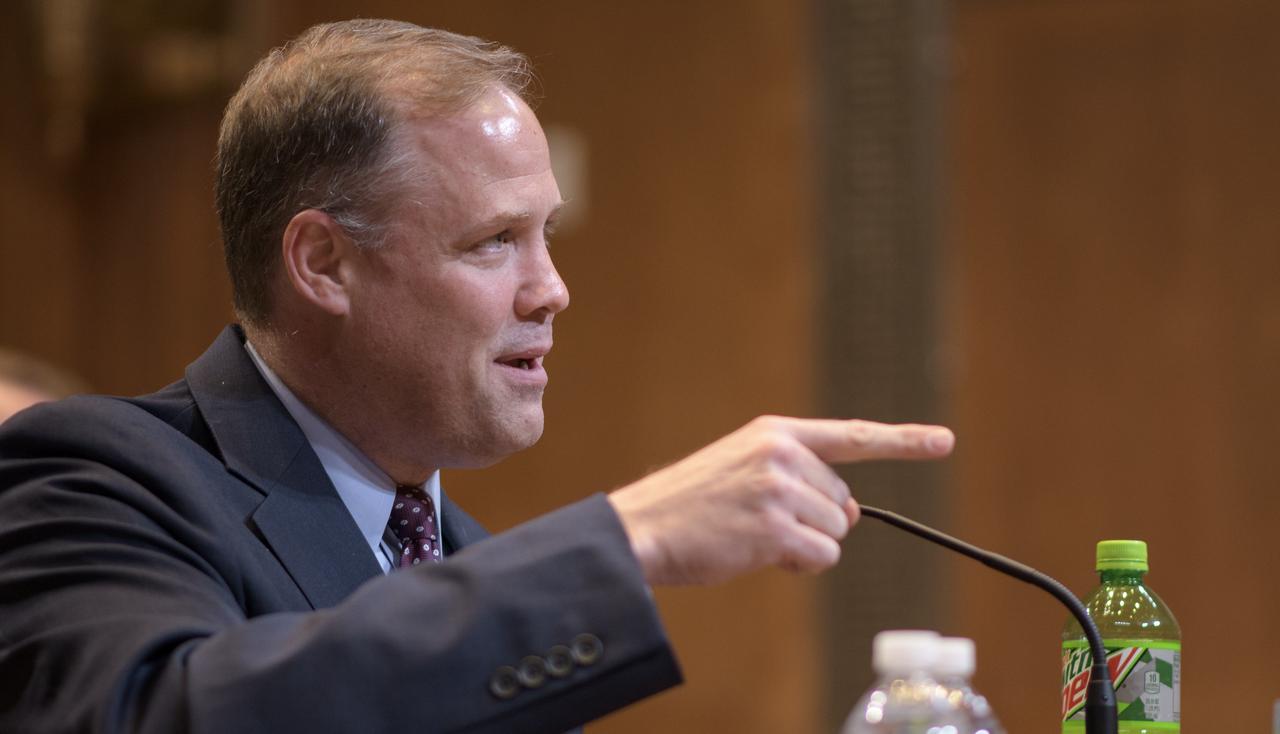
NASA Administrator Jim Bridenstine testifies before the US Senate Appropriations Subcommittee on Commerce, Justice, Science, and Related Agencies during a budget review hearing, Wednesday, May 1, 2019, at the Dirksen Senate Office Building in Washington. Photo Credit: (NASA/Bill Ingalls)
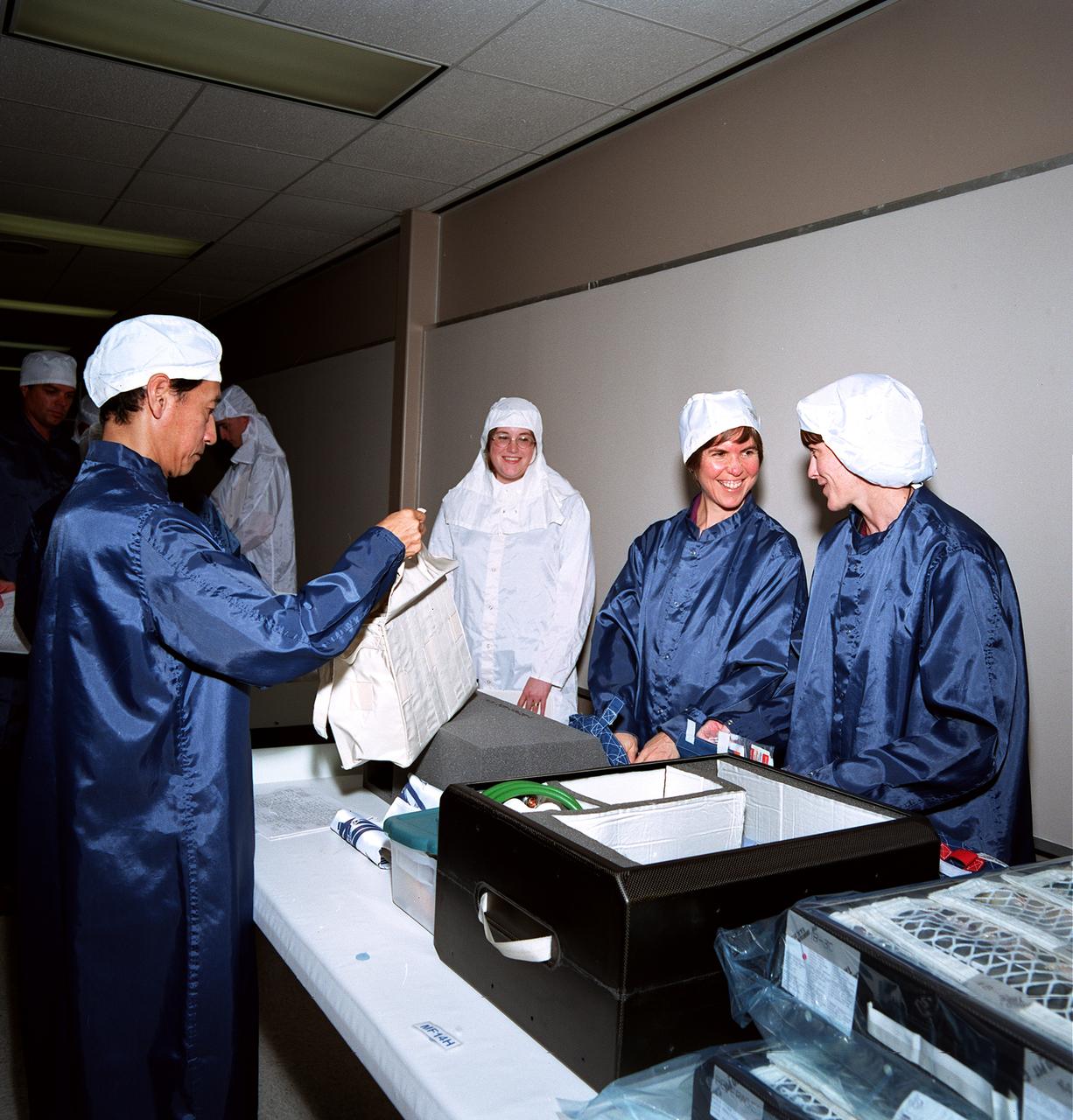
S99-09470 (11 August 1999) --- Three mission specialists participate in a STS-99 flight crew equipment (FCE) bench review. From the left (in the blue lab coats), astronauts Mamoru Mohri, Janice Voss and Janet L. Kavandi look over equipment and supplies for their assigned mission aboard the Space Shuttle Endeavour later this year. Mohri represents Japan's National Space Development Agency (NASDA). Such bench reviews are routine procedure for crews preparing for shuttle missions.
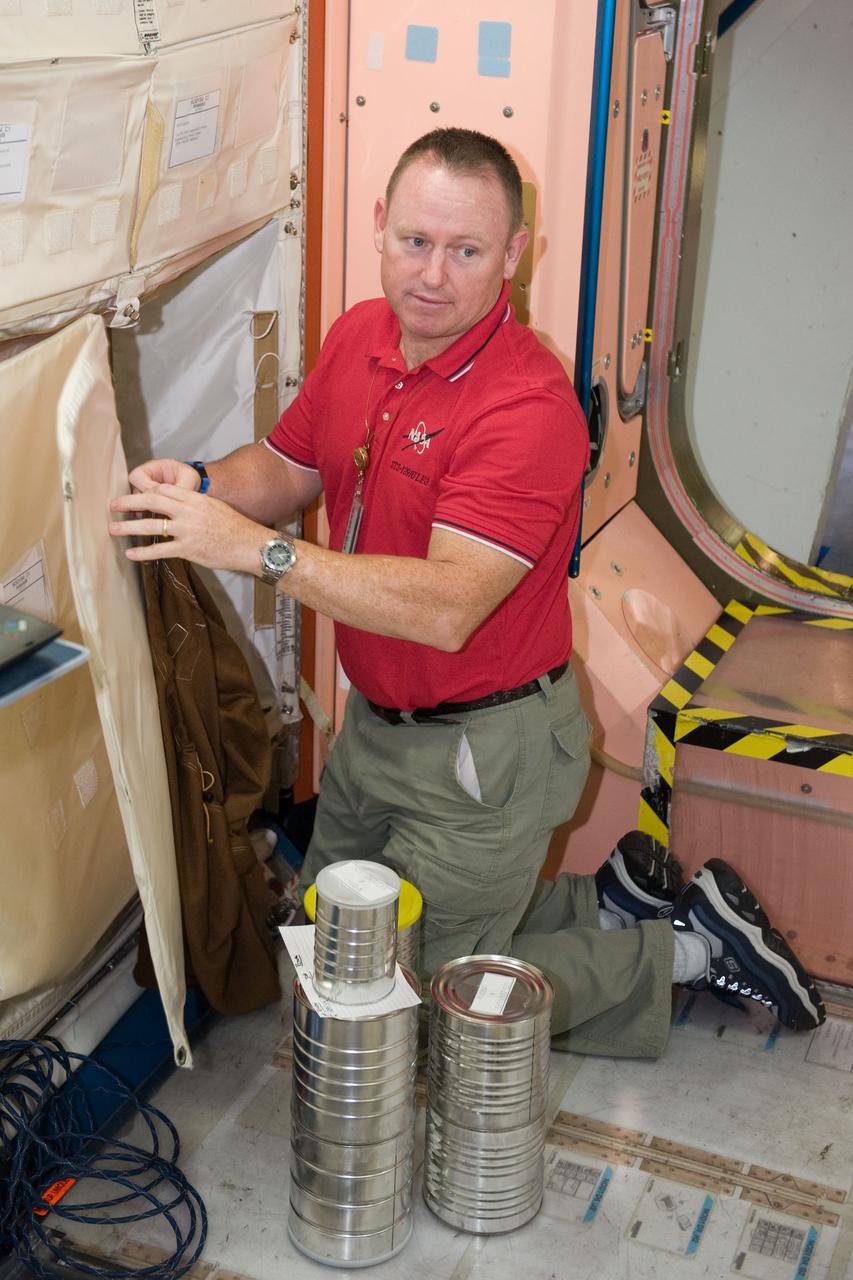
PHOTO DATE: 09-28-09 LOCATION: Bldg 9NW, ISS Mockups SUBJECT: STS-129 crew during trans hands-on review in the space station mockups. PHOTOGRAPHER: James Blair
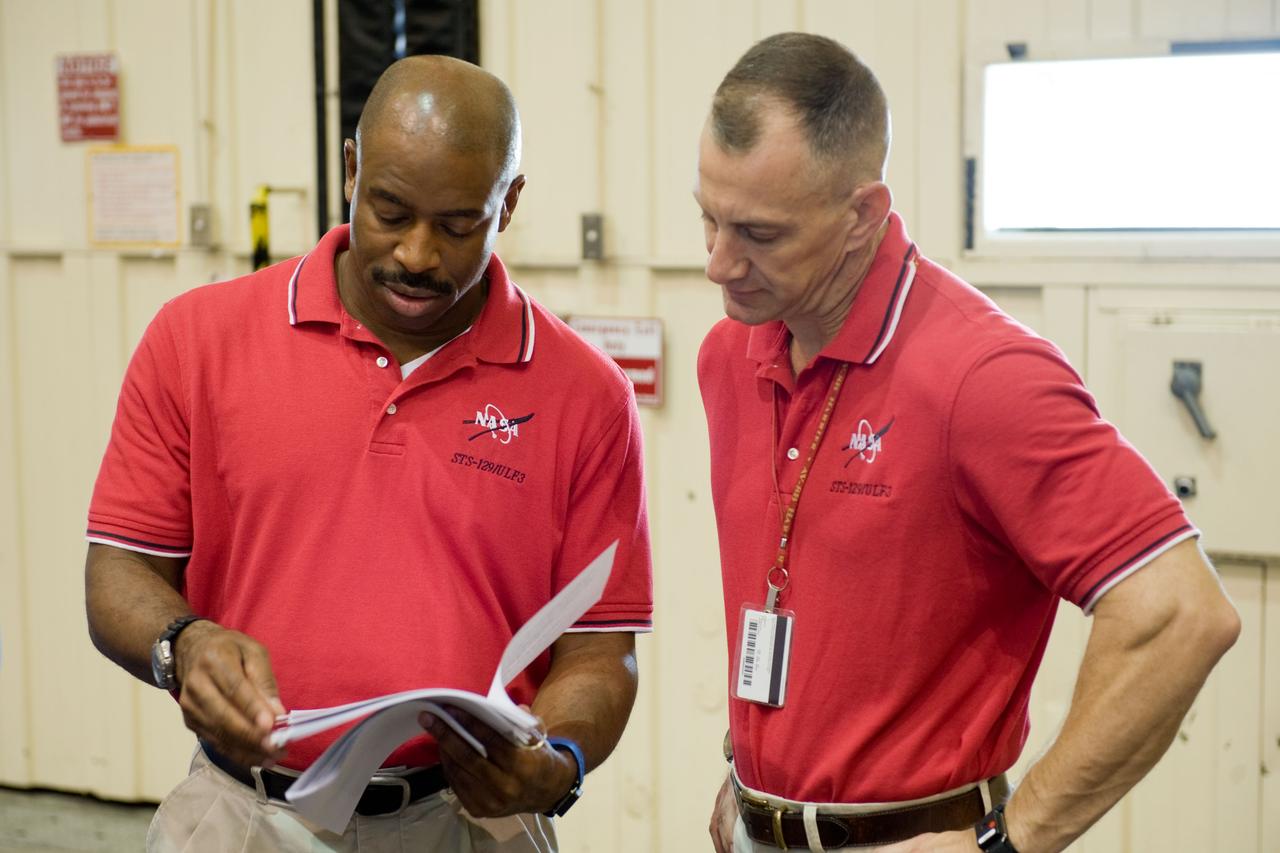
PHOTO DATE: 09-28-09 LOCATION: Bldg 9NW, ISS Mockups SUBJECT: STS-129 crew during trans hands-on review in the space station mockups. PHOTOGRAPHER: James Blair
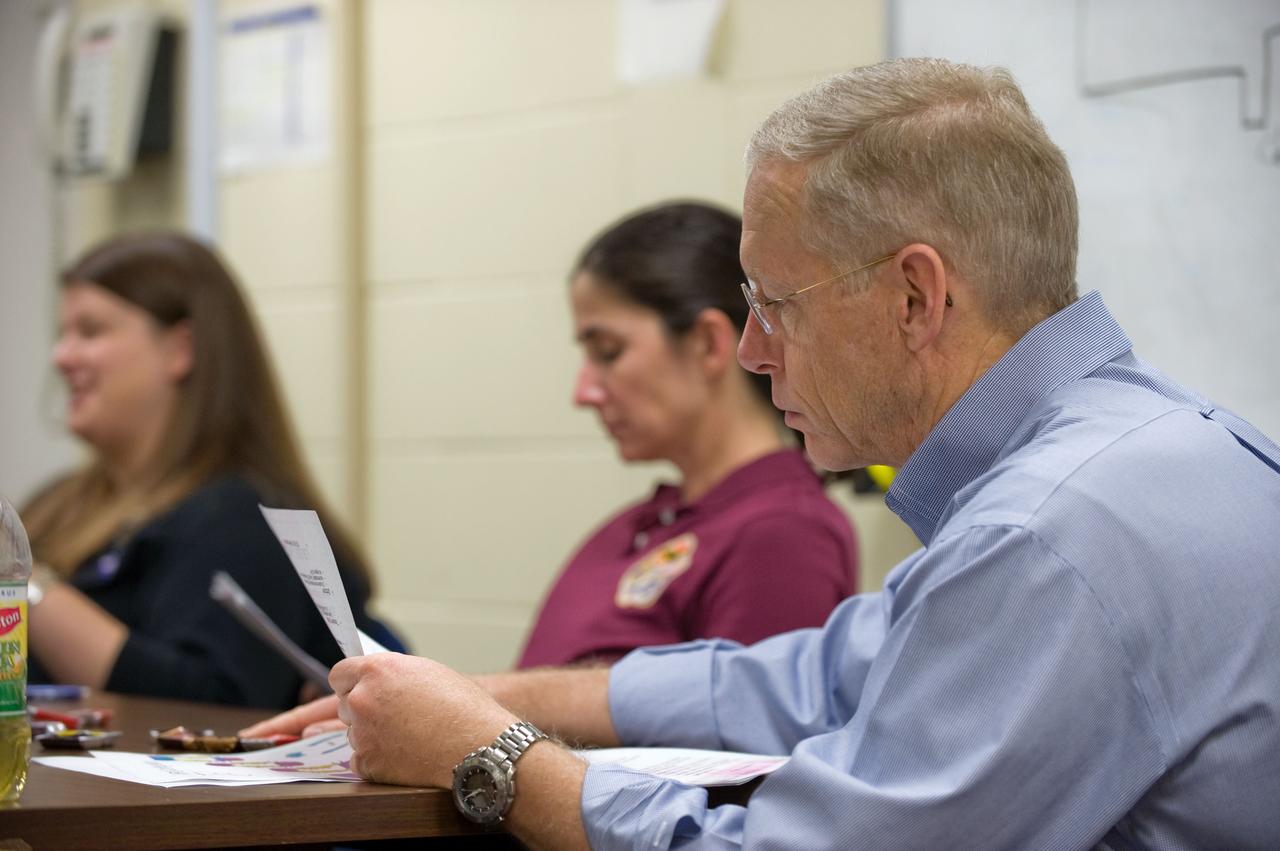
PHOTO DATE: 06-08-09 LOCATION: Bldg 9NW, SSMTF, MPLM SUBJECT: STS-128 crew during their SSMTF TRANS HANDS-ON review in building 9NW. PHOTOGRAPHER: BLAIR
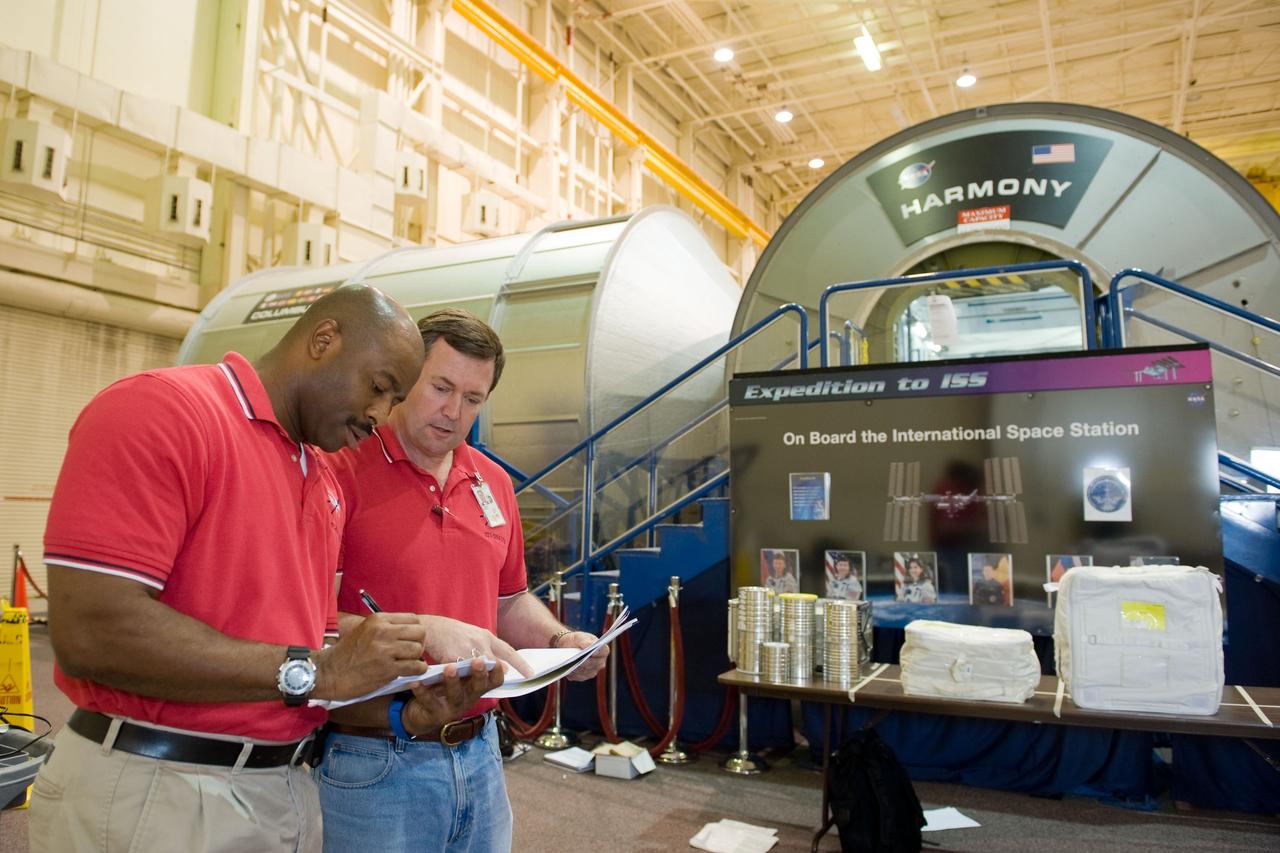
PHOTO DATE: 09-28-09 LOCATION: Bldg 9NW, ISS Mockups SUBJECT: STS-129 crew during trans hands-on review in the space station mockups. PHOTOGRAPHER: James Blair
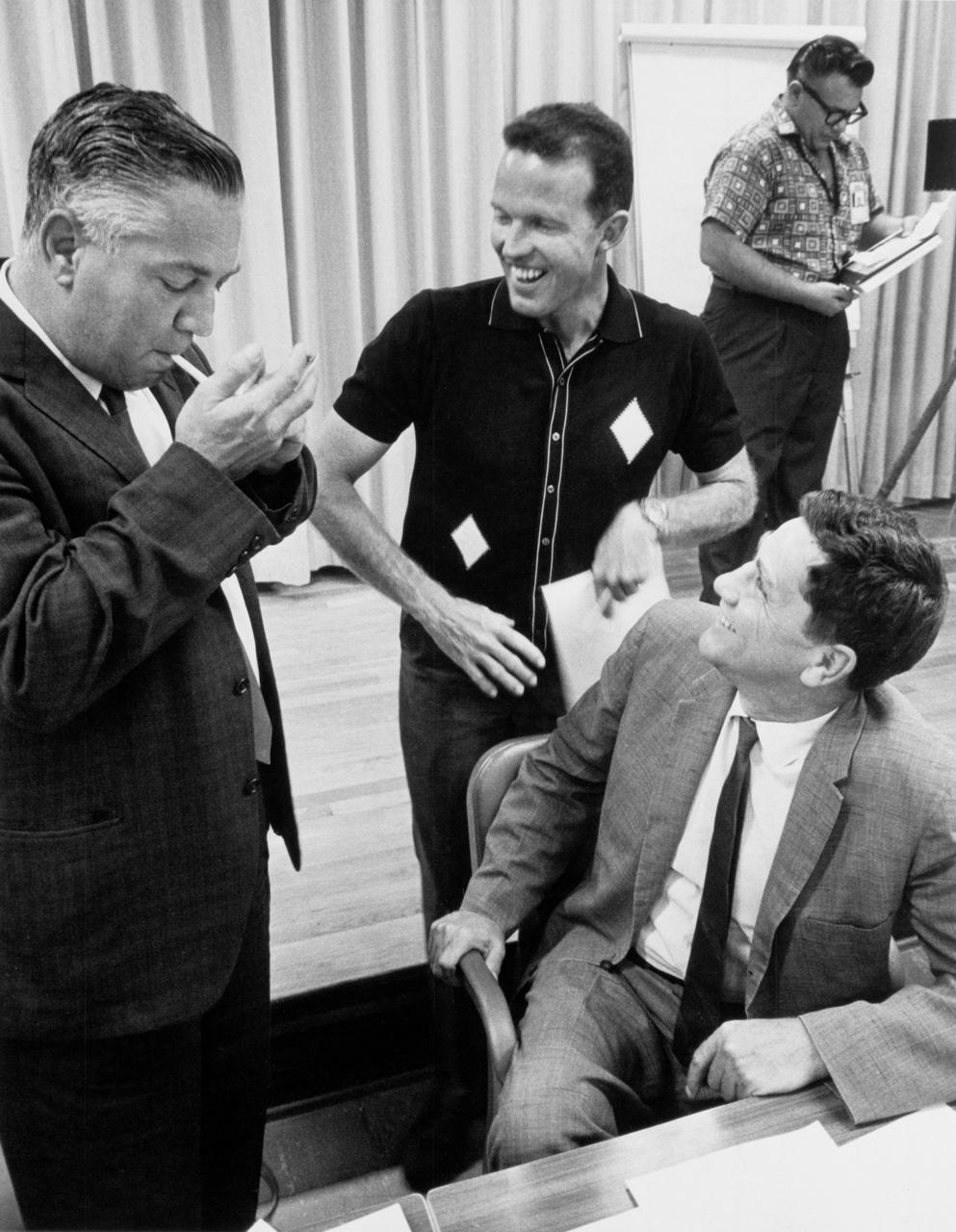
S63-06123 (1963) --- Walter C. Williams, astronaut L. Gordon Cooper Jr., and Merritt Preston are pictured during an Mercury Atlas 9 (MA-9) prelaunch mission review. Photo credit: NASA