![The stimulus of gravity affects RNA production, which helps maintain the strength of human muscles on Earth (top), as seen in this section of muscle fiber taken from an astronaut before spaceflight. Astronauts in orbit and patients on Earth fighting muscle-wasting diseases need countermeasures to prevent muscle atrophy, indicated here with white lipid droplets (bottom) in the muscle sample taken from the same astronaut after spaceflight. Kerneth Baldwin of the University of California, Irvine, is conducting research on how reducing the stimulus of gravity affects production of the RNA that the body uses as a blueprint for making muscle proteins. Muscle proteins are what give muscles their strength, so when the RNA blueprints aren't available for producing new proteins to replace old ones -- a situation that occurs in microgravity -- the muscles atrophy. When the skeletal muscle system is exposed to microgravity during spaceflight, the muscles undergo a reduced mass that translates to a reduction in strength. When this happens, muscle endurance decreases and the muscles are more prone to injury, so individuals could have problems in performing extravehicular activity [space walks] or emergency egress because their bodies are functionally compromised.](https://images-assets.nasa.gov/image/0300206/0300206~medium.jpg)
The stimulus of gravity affects RNA production, which helps maintain the strength of human muscles on Earth (top), as seen in this section of muscle fiber taken from an astronaut before spaceflight. Astronauts in orbit and patients on Earth fighting muscle-wasting diseases need countermeasures to prevent muscle atrophy, indicated here with white lipid droplets (bottom) in the muscle sample taken from the same astronaut after spaceflight. Kerneth Baldwin of the University of California, Irvine, is conducting research on how reducing the stimulus of gravity affects production of the RNA that the body uses as a blueprint for making muscle proteins. Muscle proteins are what give muscles their strength, so when the RNA blueprints aren't available for producing new proteins to replace old ones -- a situation that occurs in microgravity -- the muscles atrophy. When the skeletal muscle system is exposed to microgravity during spaceflight, the muscles undergo a reduced mass that translates to a reduction in strength. When this happens, muscle endurance decreases and the muscles are more prone to injury, so individuals could have problems in performing extravehicular activity [space walks] or emergency egress because their bodies are functionally compromised.
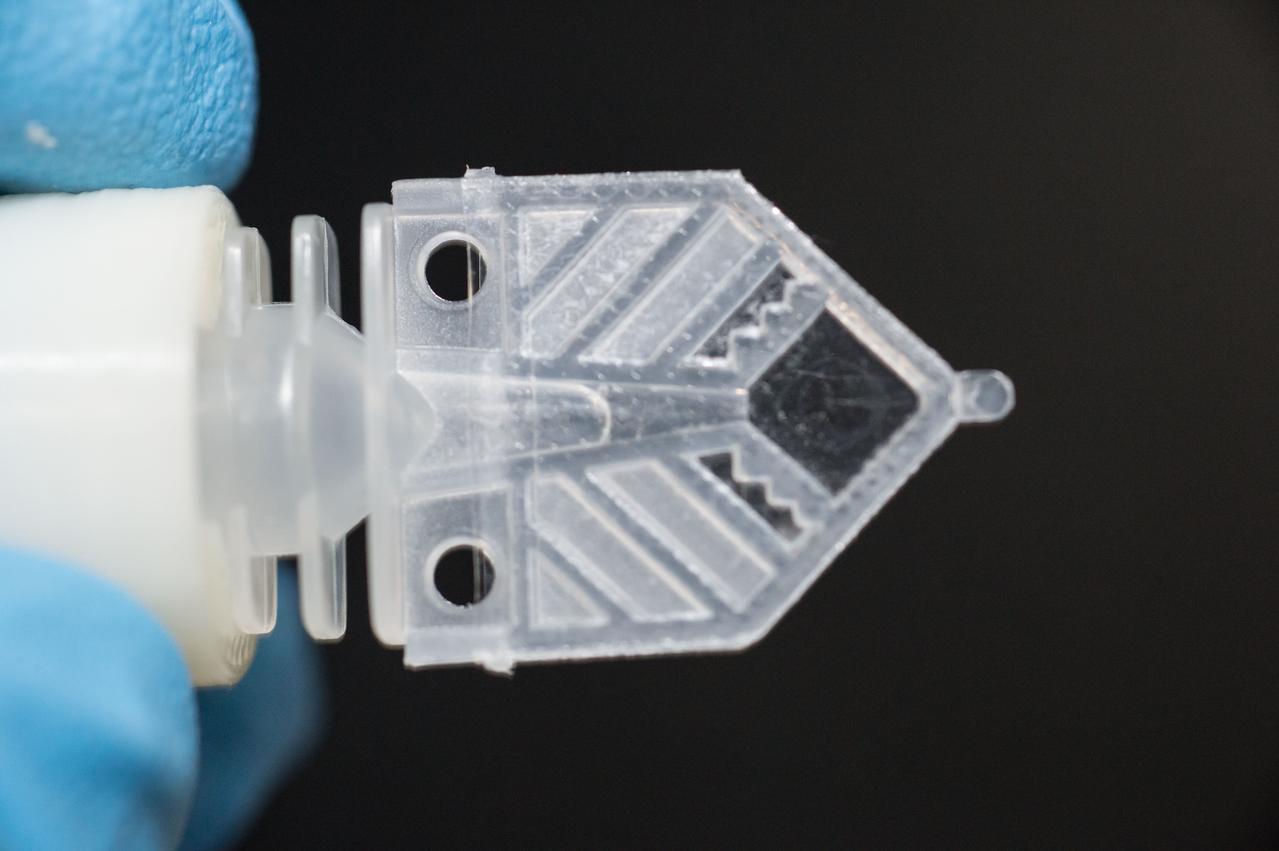
iss047e085695 (4/29/2016) --- A view of a Wet Lab RNA Sample to be placed into SmartCycler for data collection. Wetlab RNA SmartCycler is a research platform for conducting real-time quantitative gene expression analysis aboard the International Space Station (ISS). The system enables spaceflight genomic studies involving a wide variety of biospecimen types in the unique microgravity environment of space.
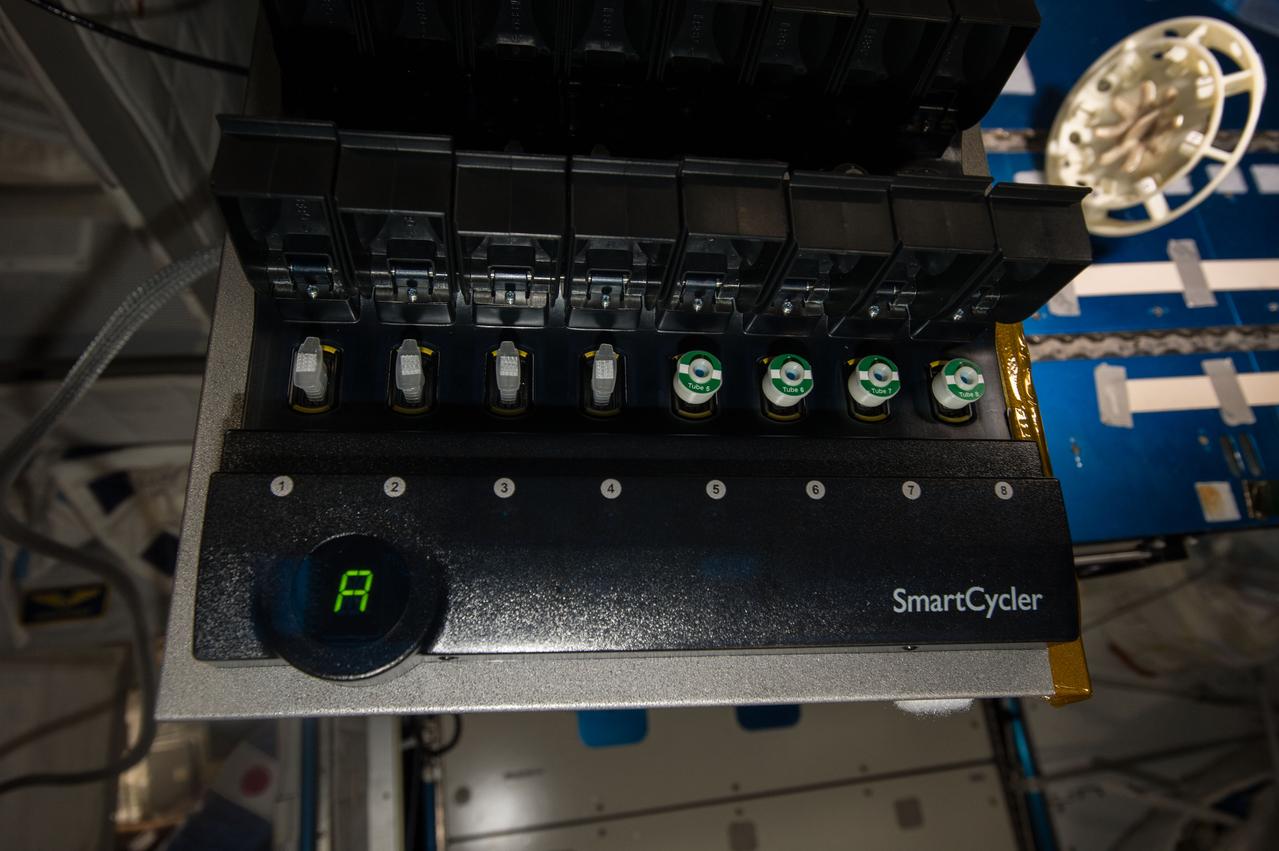
iss049e040752 (10/19/2016) --- A view of WetLab-2 Ribonucleic Acid (RNA) SmartCycler tubes loaded for Session 3. Wetlab RNA SmartCycler is a research platform for conducting real-time quantitative gene expression analysis aboard the International Space Station (ISS). The system enables spaceflight genomic studies involving a wide variety of biospecimen types in the unique microgravity environment of space.
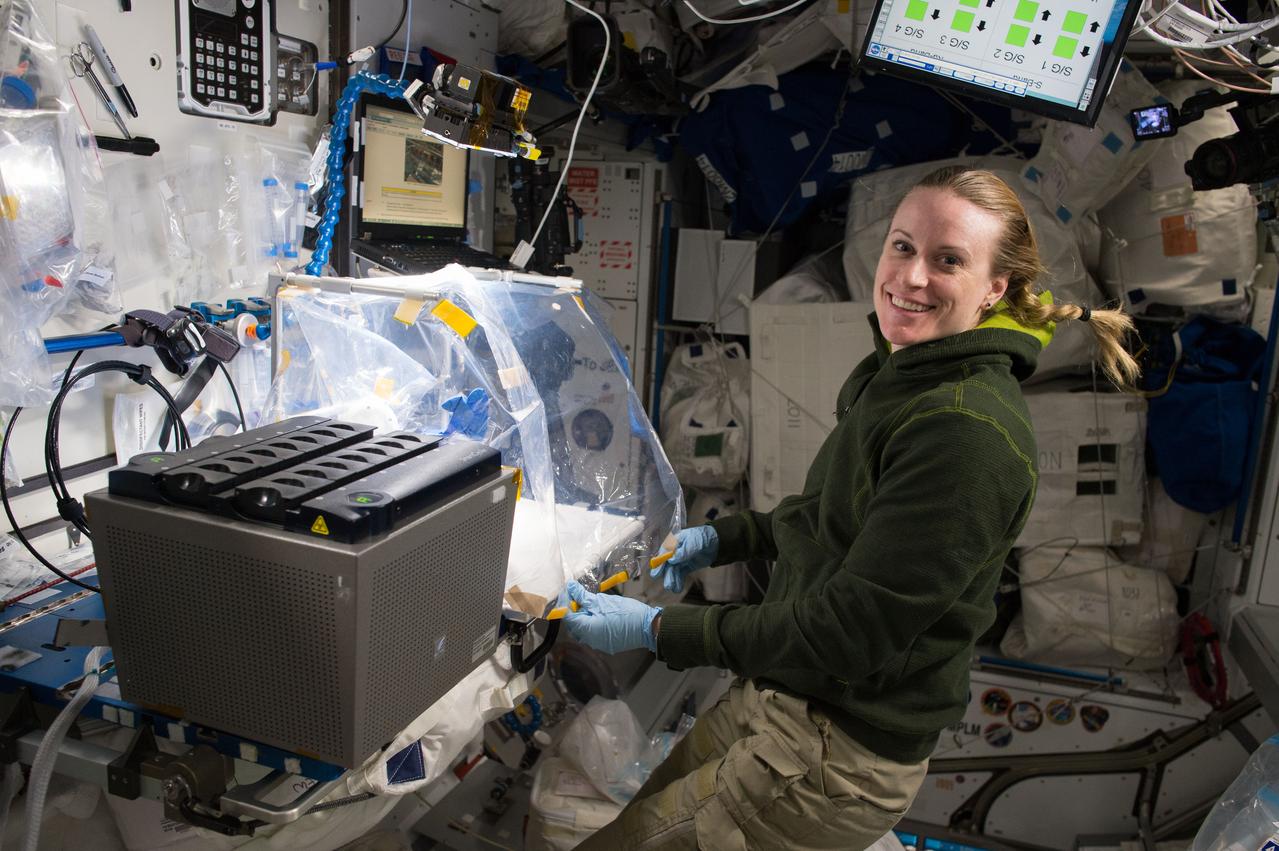
iss049e040145 (10/19/2016) --- NASA astronaut Kate Rubins working with WetLab-2 Ribonucleic Acid (RNA) SmartCycler tubes for Session 3. Wetlab RNA SmartCycler is a research platform for conducting real-time quantitative gene expression analysis aboard the International Space Station (ISS). The system enables spaceflight genomic studies involving a wide variety of biospecimen types in the unique microgravity environment of space.
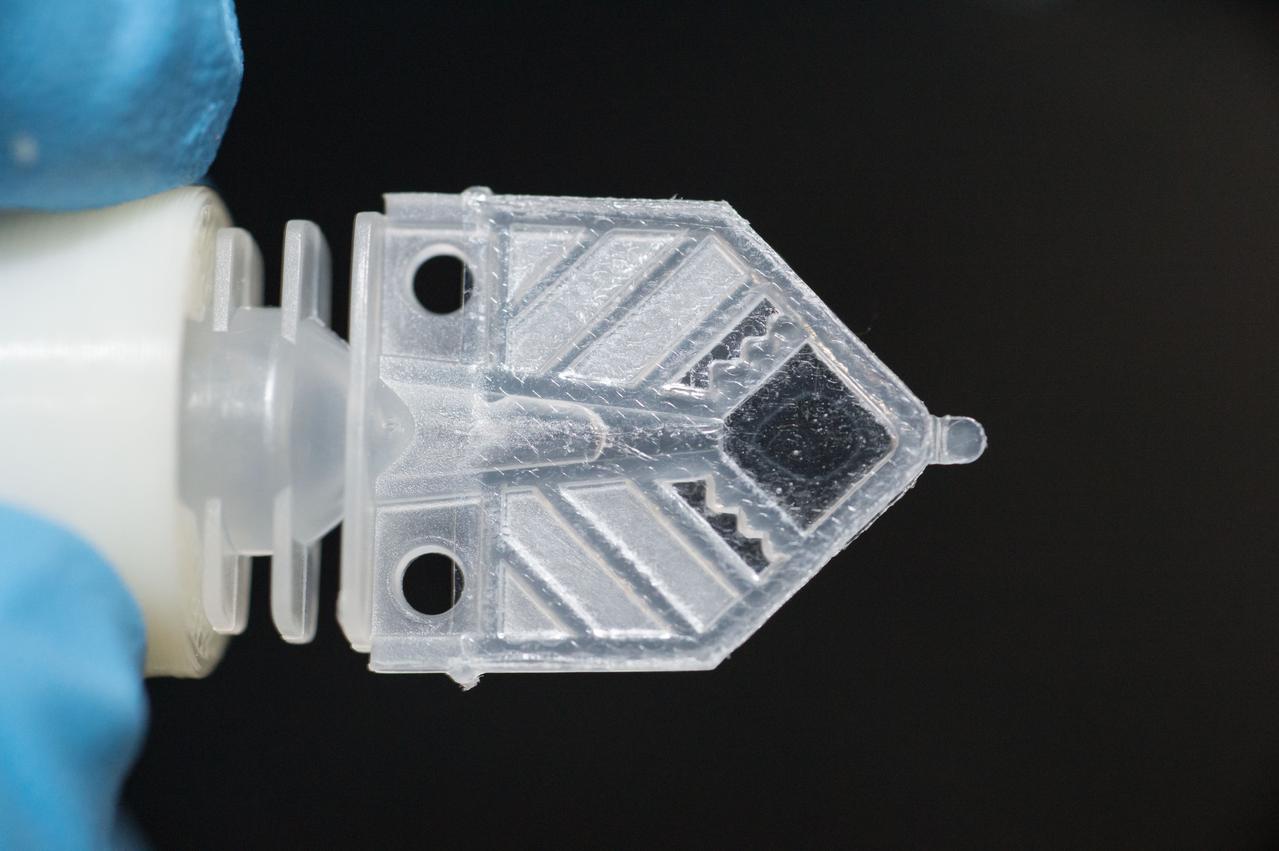
iss047e085693 (4/29/2016) --- Photographic documentation of Wet Lab RNA Sample to be placed into SmartCycler for data collection. Wetlab RNA SmartCycler is a research platform for conducting real-time quantitative gene expression analysis aboard the international Space Station (ISS). The system enables spaceflight genomic studies involving a wide variety of biospecimen types in the unique microgravity environment of space.
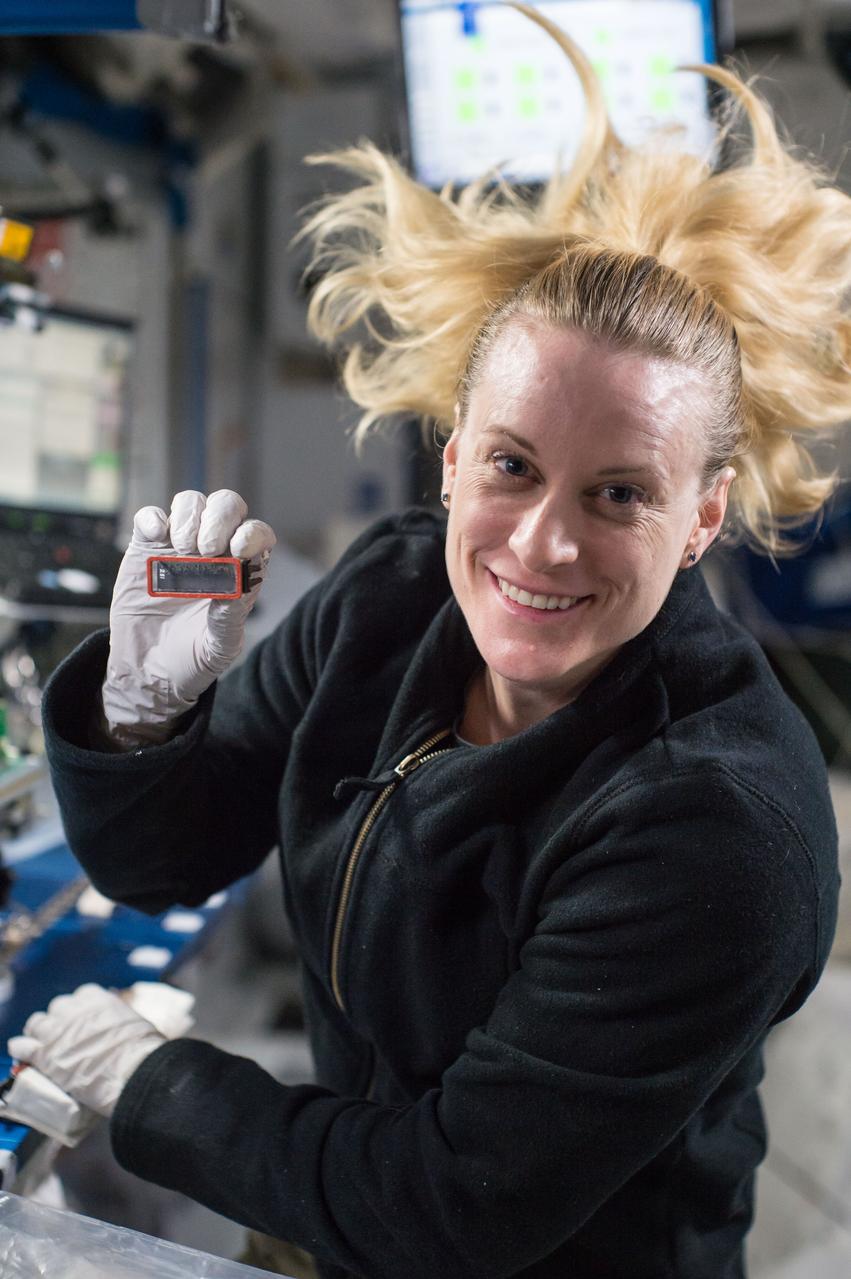
iss049e008853 (9/23/2016) --- NASA astronaut Kate Rubins is photographed performing the second harvest of the Plant RNA Regulation experiment by removing the European Modular Cultivation System (EMCS) Seed Cassettes from EMCS Rotors A and B stowing them in an EMCS Cold Stowage Pouch. The Plant RNA Regulation investigation studies the first steps of gene expression involved in development of roots and shoots. Scientists expect to find new molecules that play a role in how plants adapt and respond to the microgravity environment of space, which provides new insight into growing plants for food and oxygen supplies on long-duration missions.
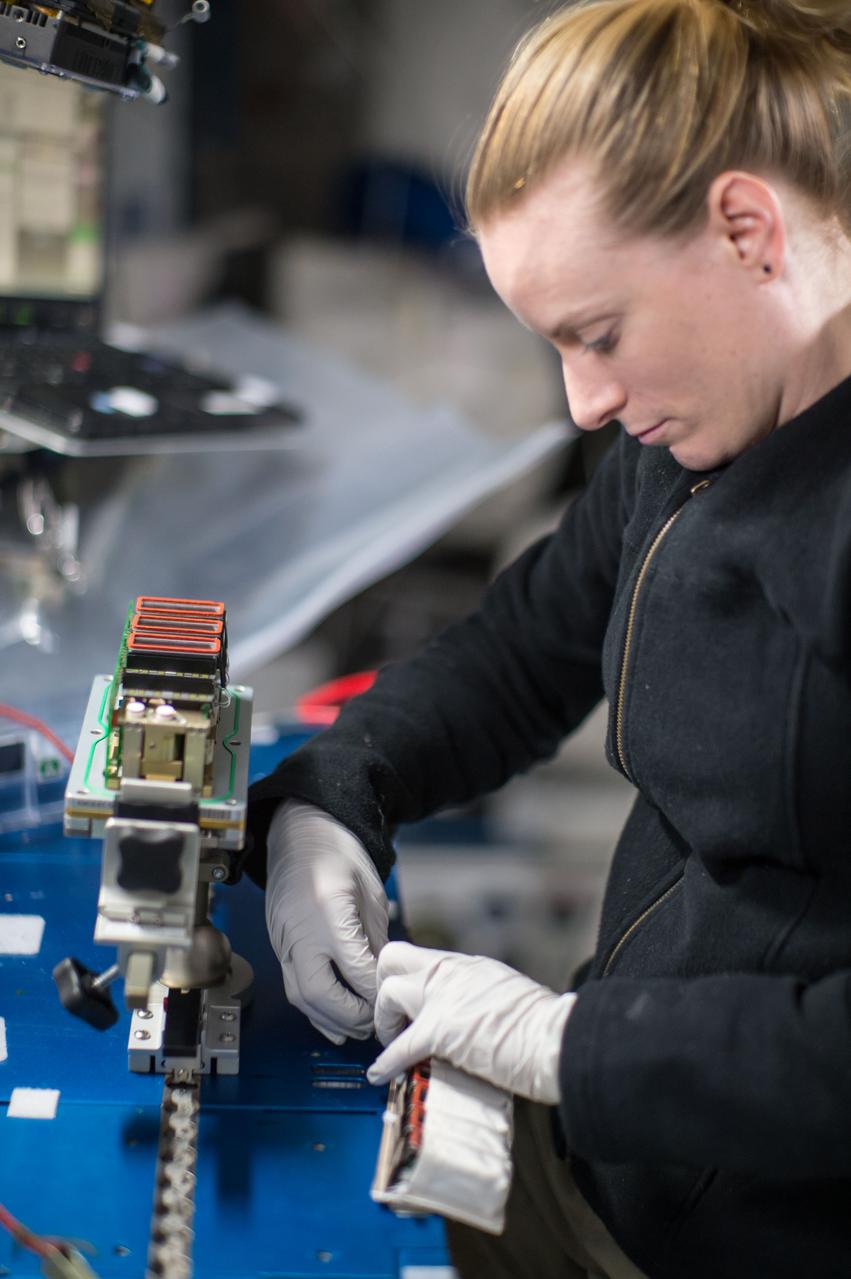
iss049e008866 (9/23/2016) --- NASA astronaut Kate Rubins is photographed performing the second harvest of the Plant RNA Regulation experiment by removing the European Modular Cultivation System (EMCS) Seed Cassettes from EMCS Rotors A and B stowing them in an EMCS Cold Stowage Pouch. The Plant RNA Regulation investigation studies the first steps of gene expression involved in development of roots and shoots. Scientists expect to find new molecules that play a role in how plants adapt and respond to the microgravity environment of space, which provides new insight into growing plants for food and oxygen supplies on long-duration missions.
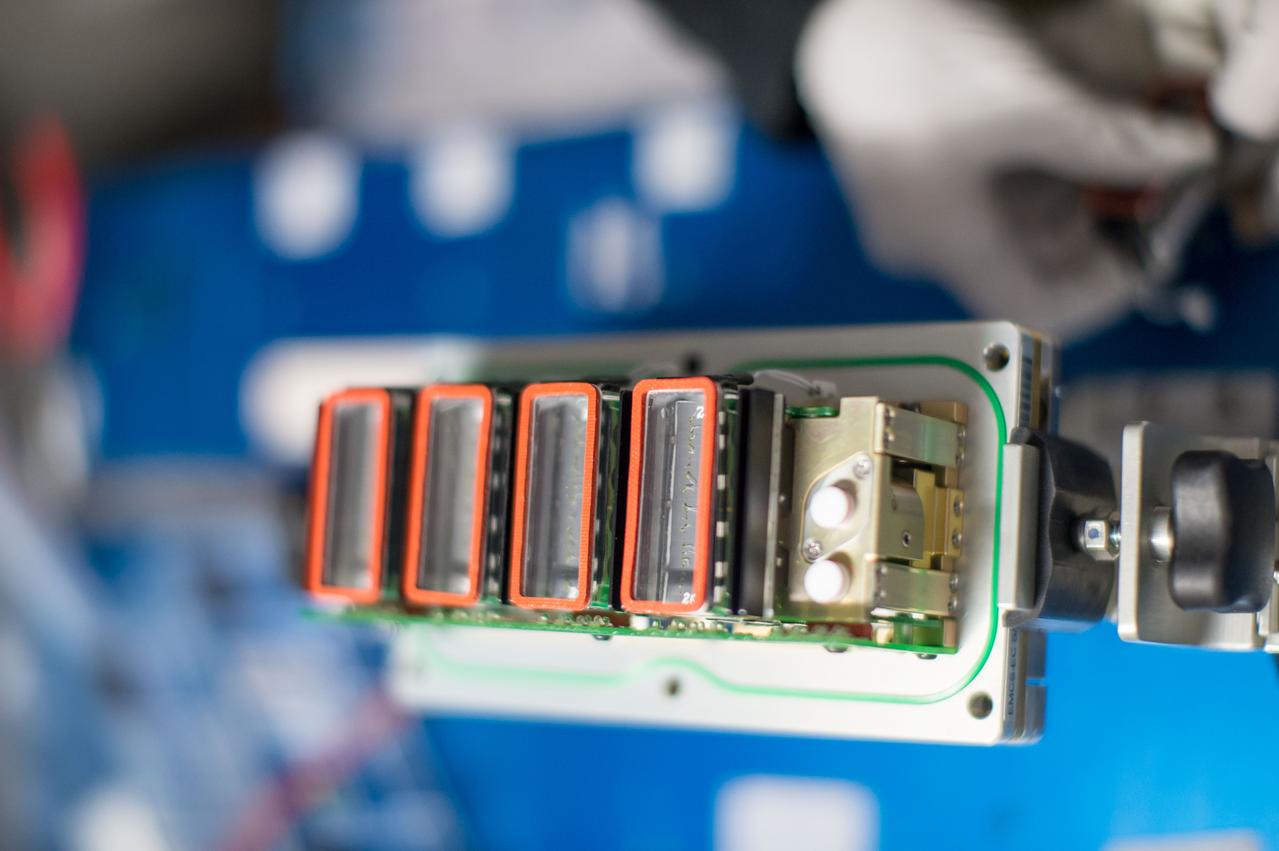
iss049e008864 (9/23/2016) --- Photo taken aboard the International Space Station (ISS) during the second harvest of the Plant RNA Regulation experiment performed by removing the European Modular Cultivation System (EMCS) Seed Cassettes from EMCS Rotors A and B. The Plant RNA Regulation investigation studies the first steps of gene expression involved in development of roots and shoots. Scientists expect to find new molecules that play a role in how plants adapt and respond to the microgravity environment of space, which provides new insight into growing plants for food and oxygen supplies on long-duration missions.
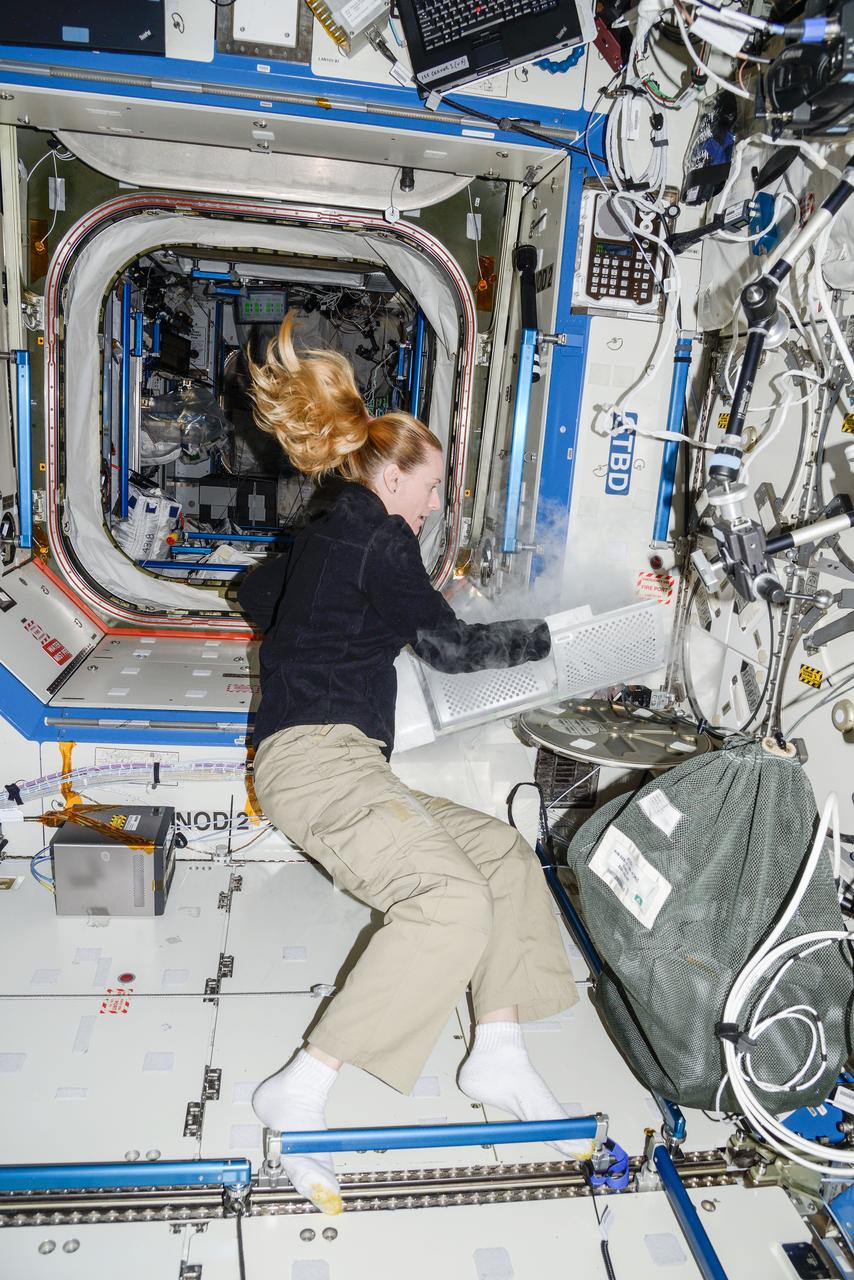
iss049e053079 (9/23/2016) --- NASA astronaut Kate Rubins is photographed in U.S. lab aboard the International Space Station (ISS) performing the second harvest of the Plant RNA Regulation experiment by stowing the European Modular Cultivation System (EMCS) Seed Cassettes from EMCS Rotors A and B in an EMCS Cold Stowage Pouch and placing them in Minus Eighty-Degree Laboratory Freezer for ISS (MELFI). The Plant RNA Regulation investigation studies the first steps of gene expression involved in development of roots and shoots. Scientists expect to find new molecules that play a role in how plants adapt and respond to the microgravity environment of space, which provides new insight into growing plants for food and oxygen supplies on long-duration missions. Sent as part of Russian Return imagery on 47S.

iss047e079342 (4/26/2016) --- A view during set up for the SmartCycler Session 2C Experiment, in the U.S. Laboratory. Wetlab RNA SmartCycler is a research platform for conducting real-time quantitative gene expression analysis aboard the International Space Station (ISS). The system enables spaceflight genomic studies involving a wide variety of biospecimen types in the unique microgravity environment of space.
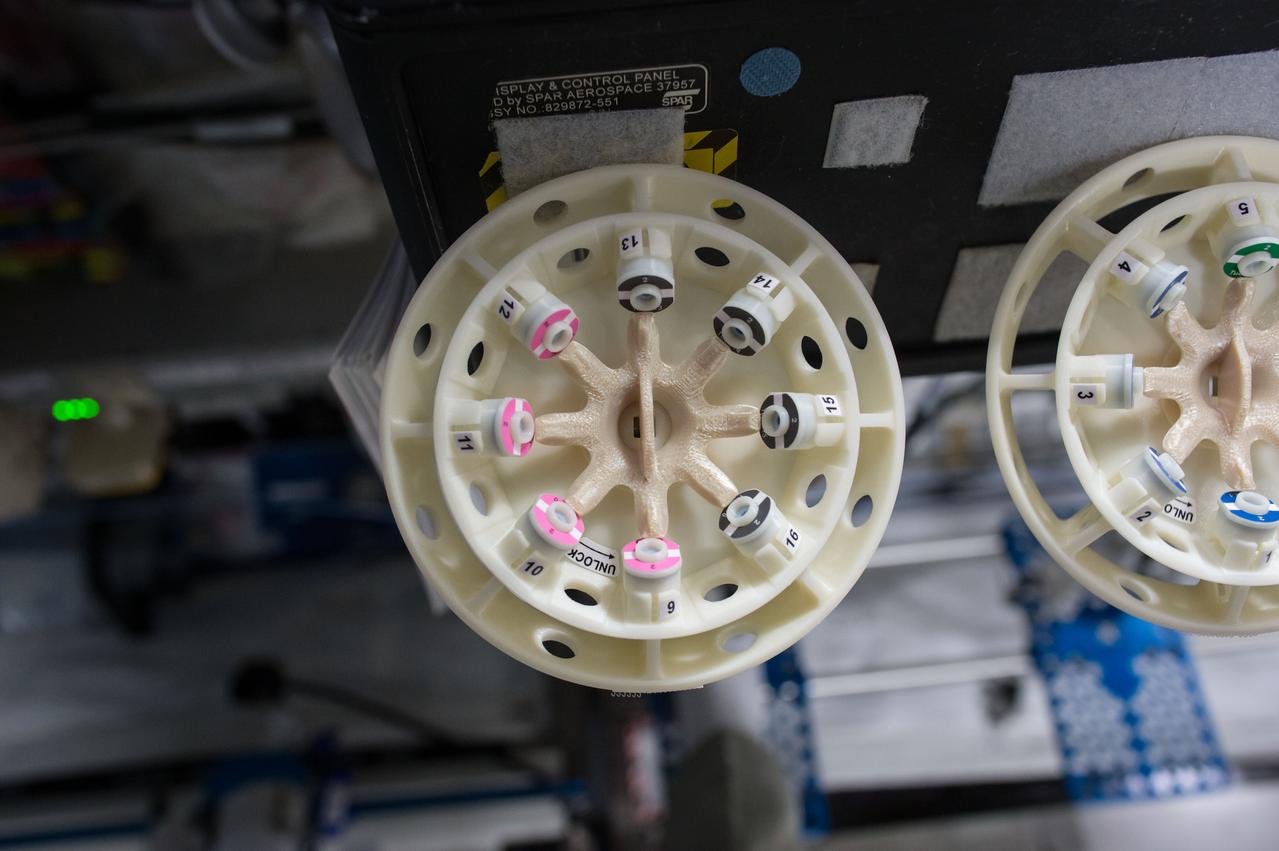
iss047e079333 (4/26/2016) --- A view during set up for the SmartCycler Session 2C Experiment, in the U.S. Laboratory. Wetlab RNA SmartCycler is a research platform for conducting real-time quantitative gene expression analysis aboard the International Space Station (ISS). The system enables spaceflight genomic studies involving a wide variety of biospecimen types in the unique microgravity environment of space.
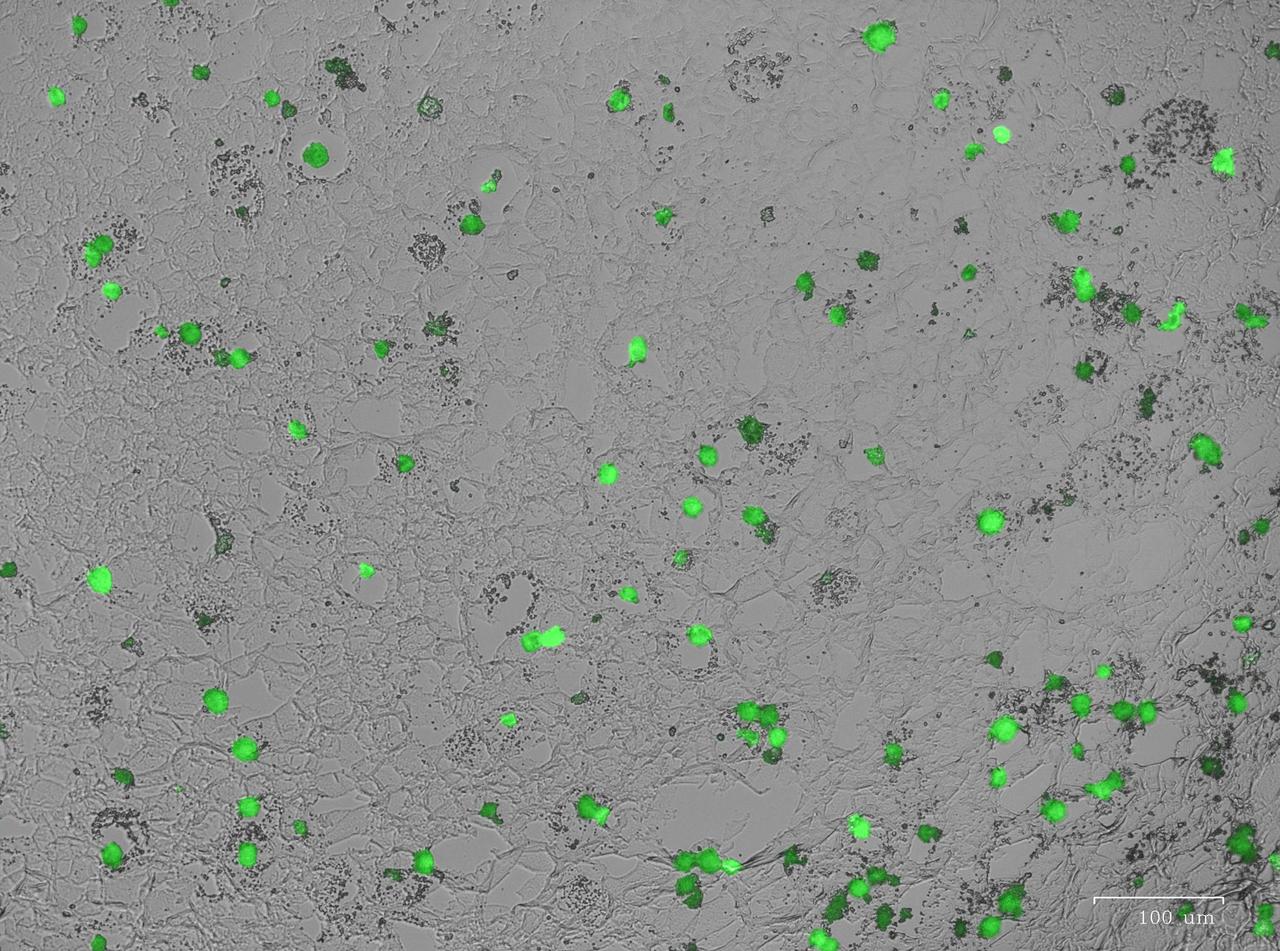
jsc2024e005962 (12/10/2023) --- A preflight image for the Compartment Cartilage Tissue Construct investigation shows that the Janus base Nanopieces (JBNps) delivered green fluorescence labeled therapeutic RNA into cartilage cells. Compartment Cartilage Tissue Construct uses biological materials that mimic DNA to develop a scaffold for regenerating cartilage tissues and tests the effect of a specific RNA on cartilage growth in space. Image courtesy of the University of Connecticut.
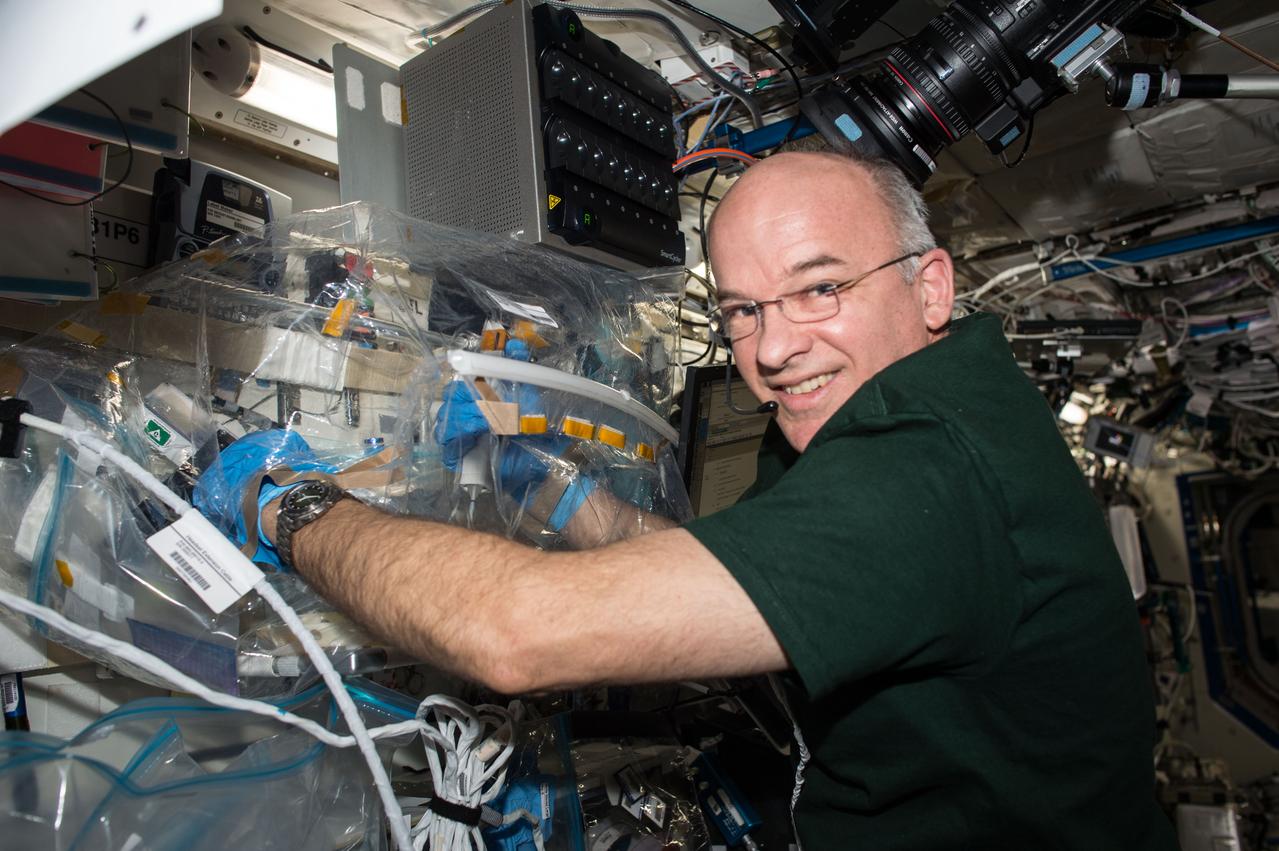
ISS047e066248 (04/19/2016) --- NASA astronaut and Expedition 47 Flight Engineer Jeff Williams works with the Wet Lab RNA SmartCycler on-board the International Space Station. Wetlab RNA SmartCycler is a research platform for conducting real-time quantitative gene expression analysis aboard the ISS. The system enables spaceflight genomic studies involving a wide variety of biospecimen types in the unique microgravity environment of space.
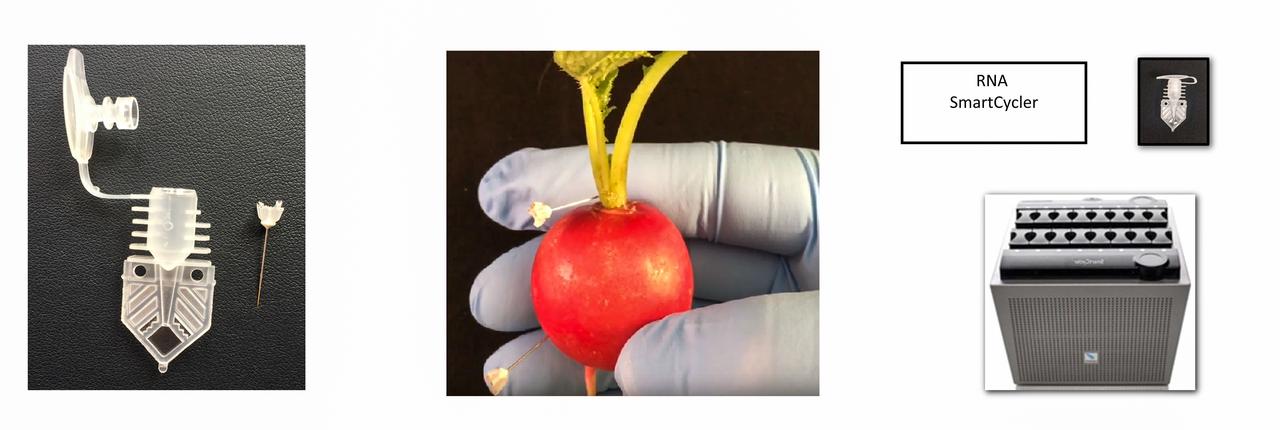
jsc2019e058183 (7/1/2019) --- Gene Sampler technology overview illustrating the direct purification and amplification of genetic material using RNA capture pins and the SmartCycler PCR instrument. Image courtesy of: Dr. Niel D. Crews
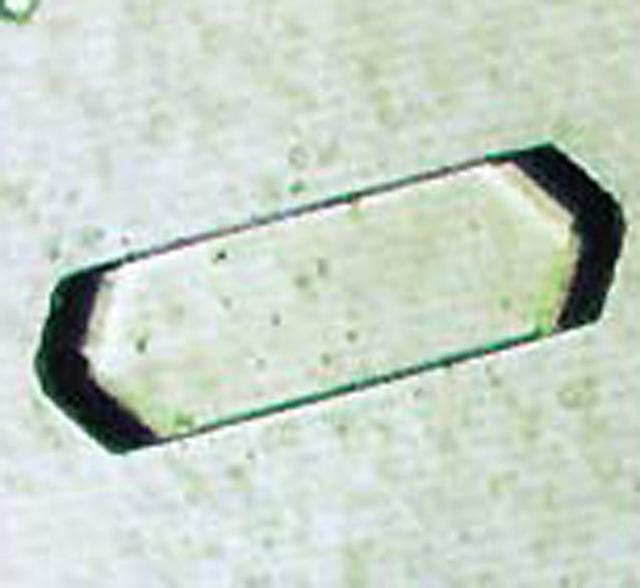
This virus is the Spherical T=1 icosahedral satellite virus of classical rod virus TMV, and is a plant pathogen. Important in the study of virus structure, RNA structure and virus assembly.
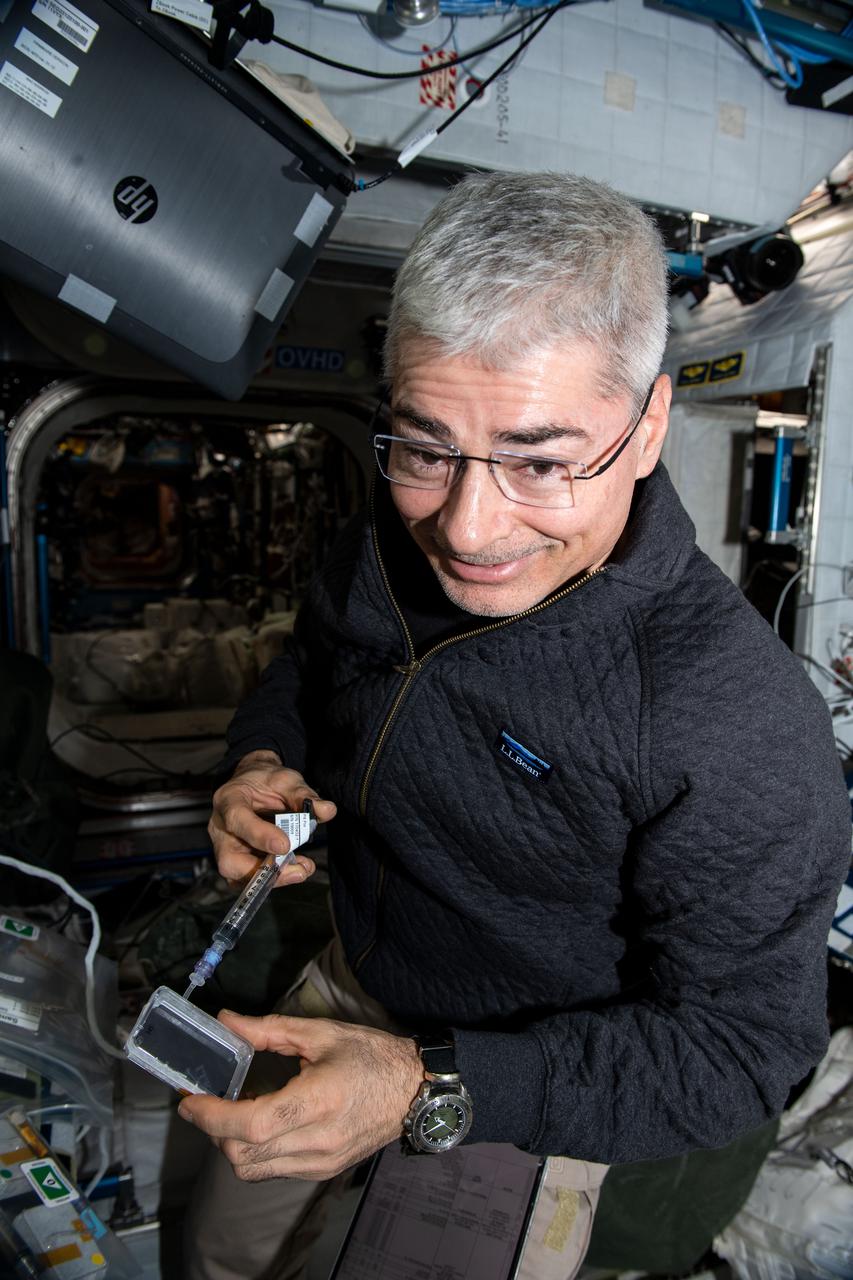
iss066e097028 (Dec. 27, 2021) --- NASA astronaut and Expedition 66 Flight Engineer Mark Vande Hei conducts research operations for the MVP-Plant-01, or Plant RNA Regulation Redux in Multi Variable Platform, space botany study. The experiment seeks to develop plants that adapt to growing in the microgravity environment.
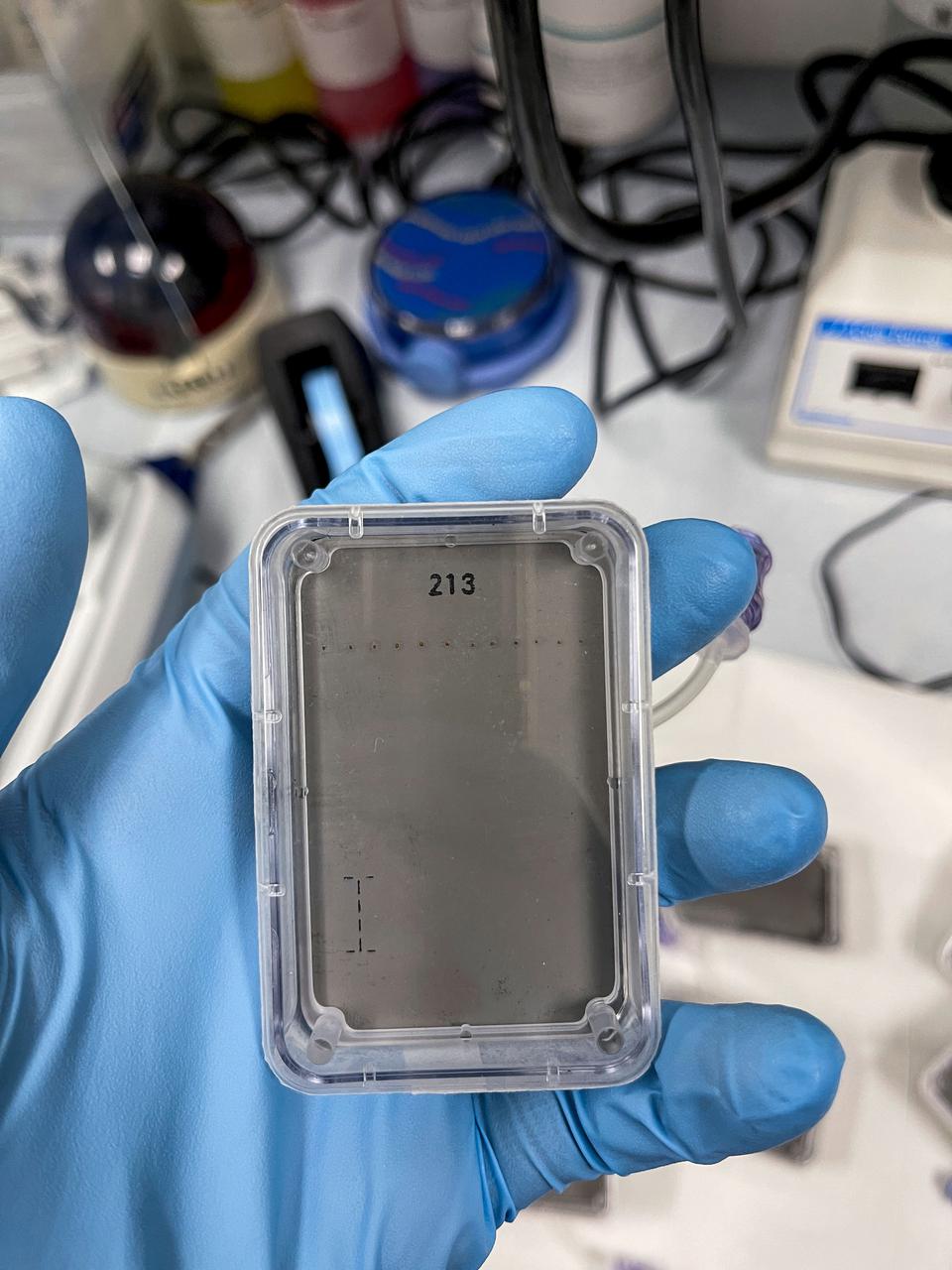
jsc2021e063284--For the Plant RNA Regulation Redux in Multi Variable Platform (MVP) (MVP-Plant-01) investigation, seeds are mounted to a membrane and assembled into a plate with wicking material. The investigation is started by hydrating the membrane via the port (shown in blue). Image courtesy of Grant Vellinger (Techshot/Redwire).
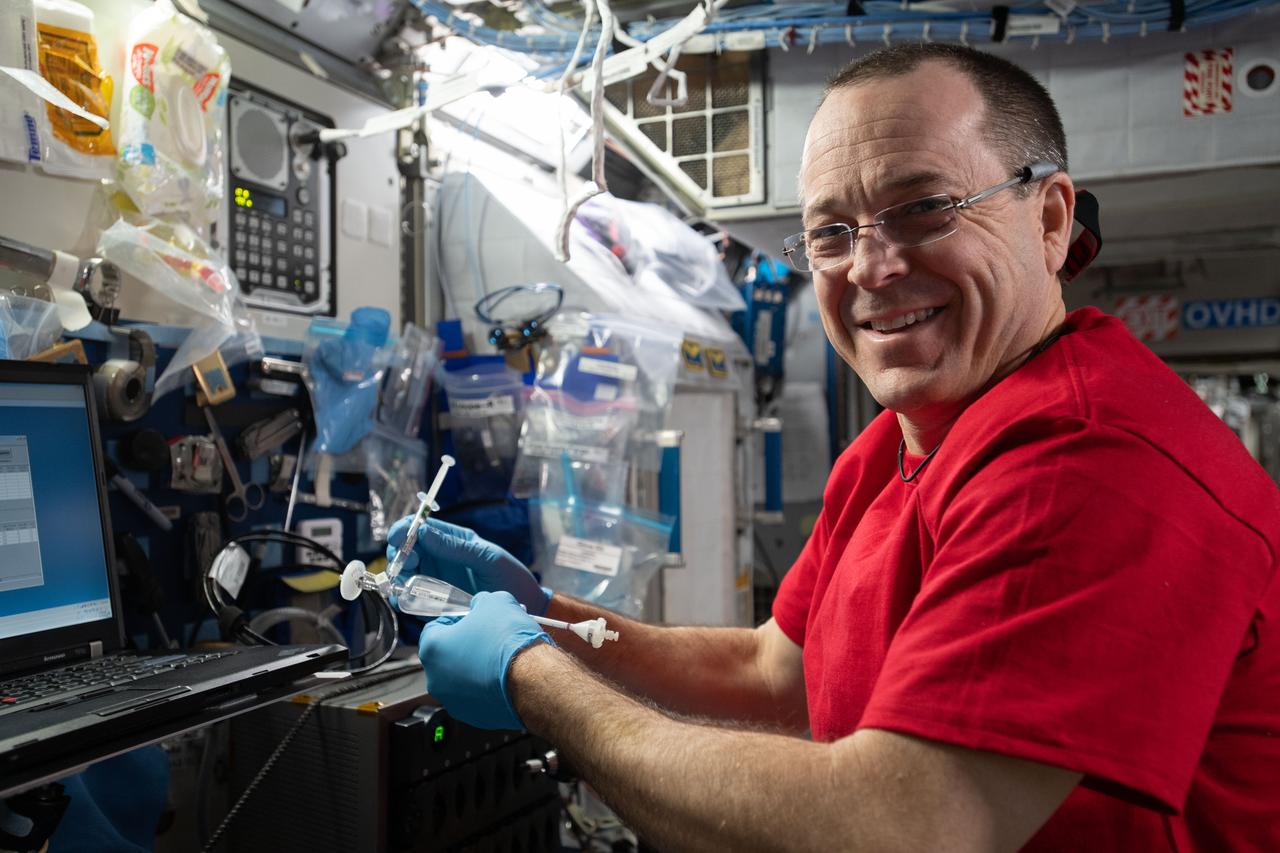
iss056e158445 (Aug. 27, 2018) --- NASA astronaut Ricky Arnold is pictured working inside NASA's U.S. Destiny laboratory module on an experiment that extracts RNA from biological samples to help researchers decipher the changes in gene expression that take place in microgravity.
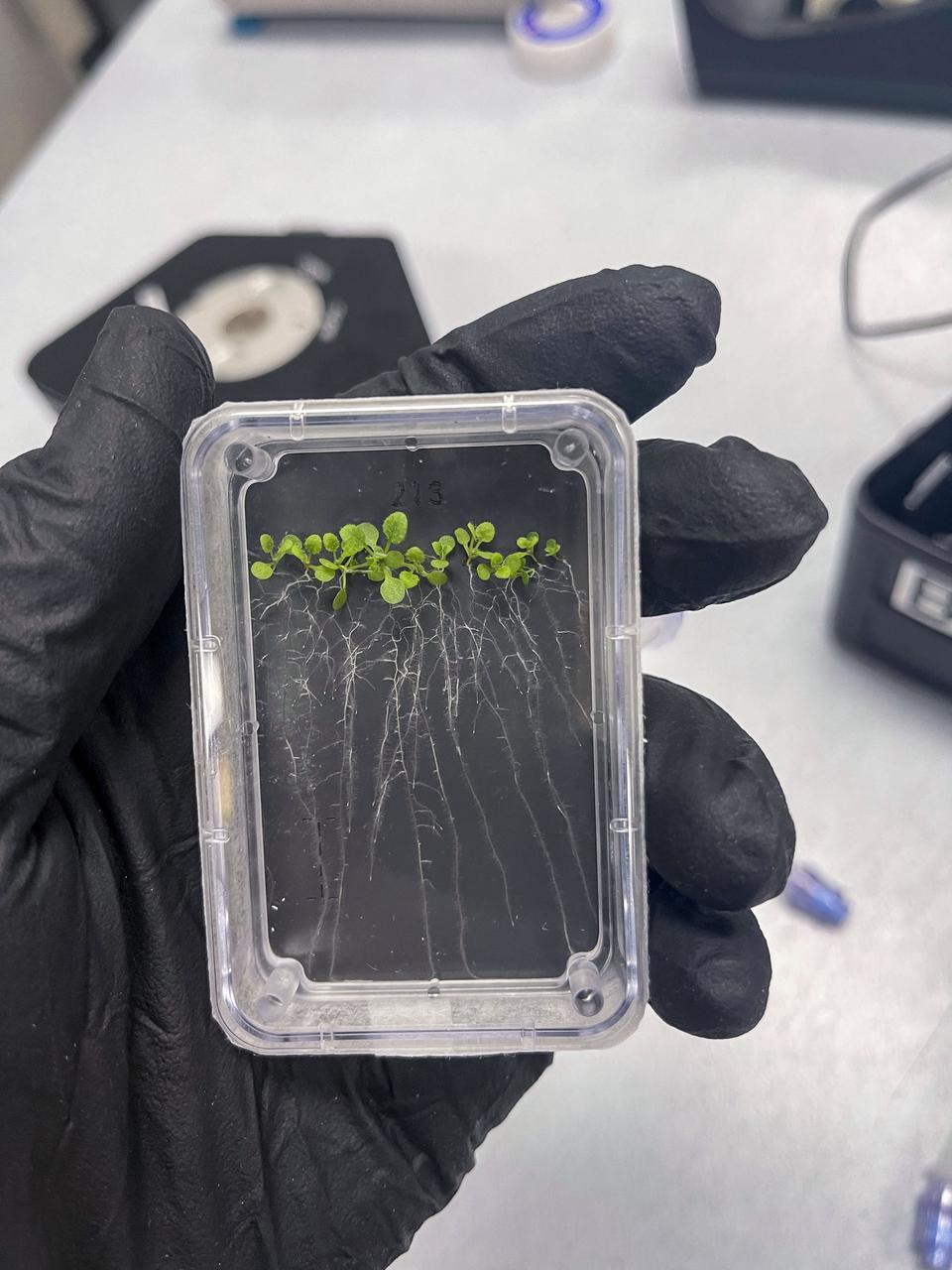
jsc2021e063283--Representative image of plate with Arabidopsis seedlings after 10 days of growth for the Plant RNA Regulation Redux in Multi Variable Platform (MVP) (MVP-Plant-01) investigation. Taken after the experiment verification test. Image courtesy of Grant Vellinger (Techshot/Redwire).
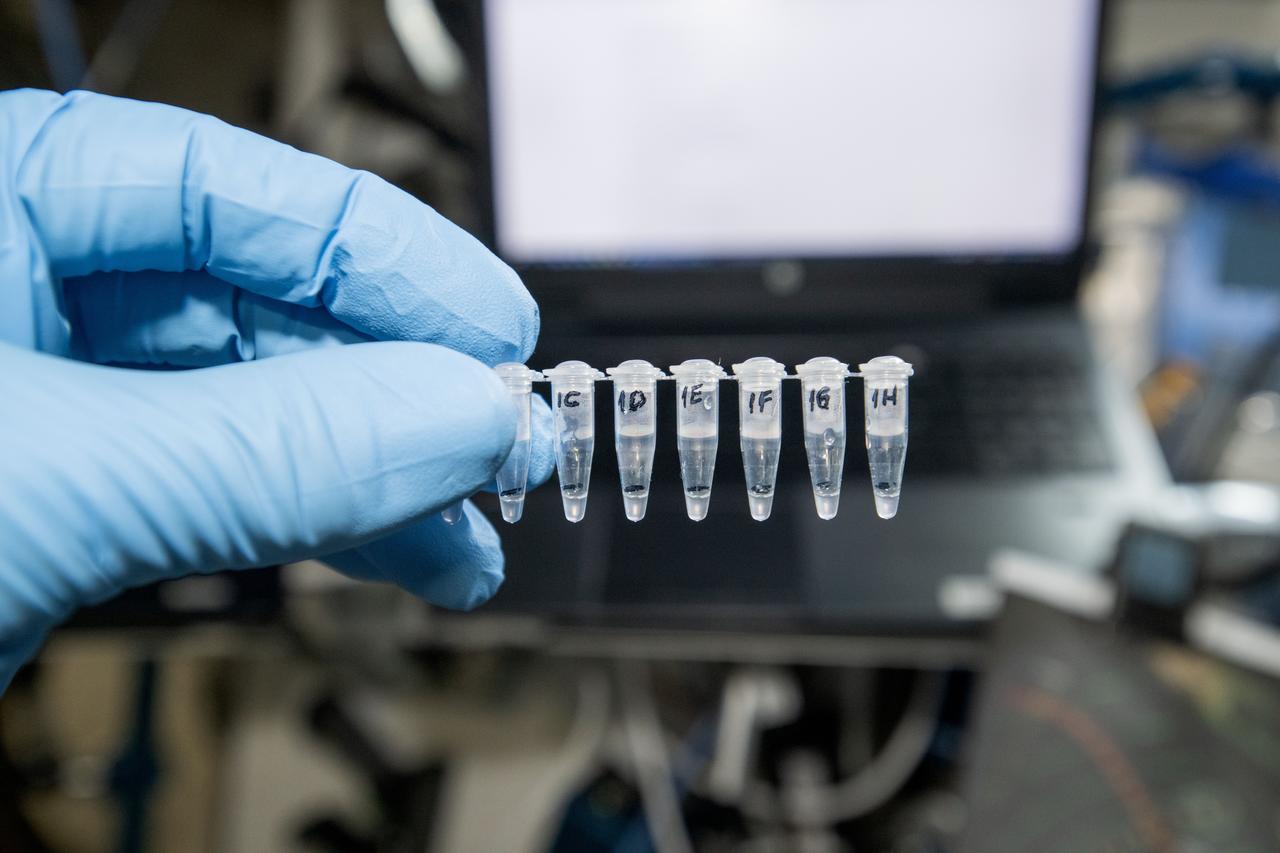
iss072e010035 (Oct. 12, 2024) --- NASA astronaut and Expedition 72 Flight Engineer Don Pettit displays Genes In Space-11 samples validating on-orbit Nucleic Acid Sequenced Based Amplification (NASBA), a novel technique to detect specific RNA sequences that can be applied to studying crucial biological processes, such as viral infection, genomic damage, or gene expression during spaceflight. Genes in Space-11 studies how spaceflight may activate retrotransposons, which are DNA fragments that copy and paste themselves throughout a genome, leading to cancer and other diseases. This investigation tests methods for detecting and measuring retrotransposons that may be adapted to detect other RNAs, including those of viruses that cause illness. Understanding the behavior of retrotransposons in microgravity may shed light on the genetic risks, including cancer, from space travel and support development of ways to protect astronauts during missions.
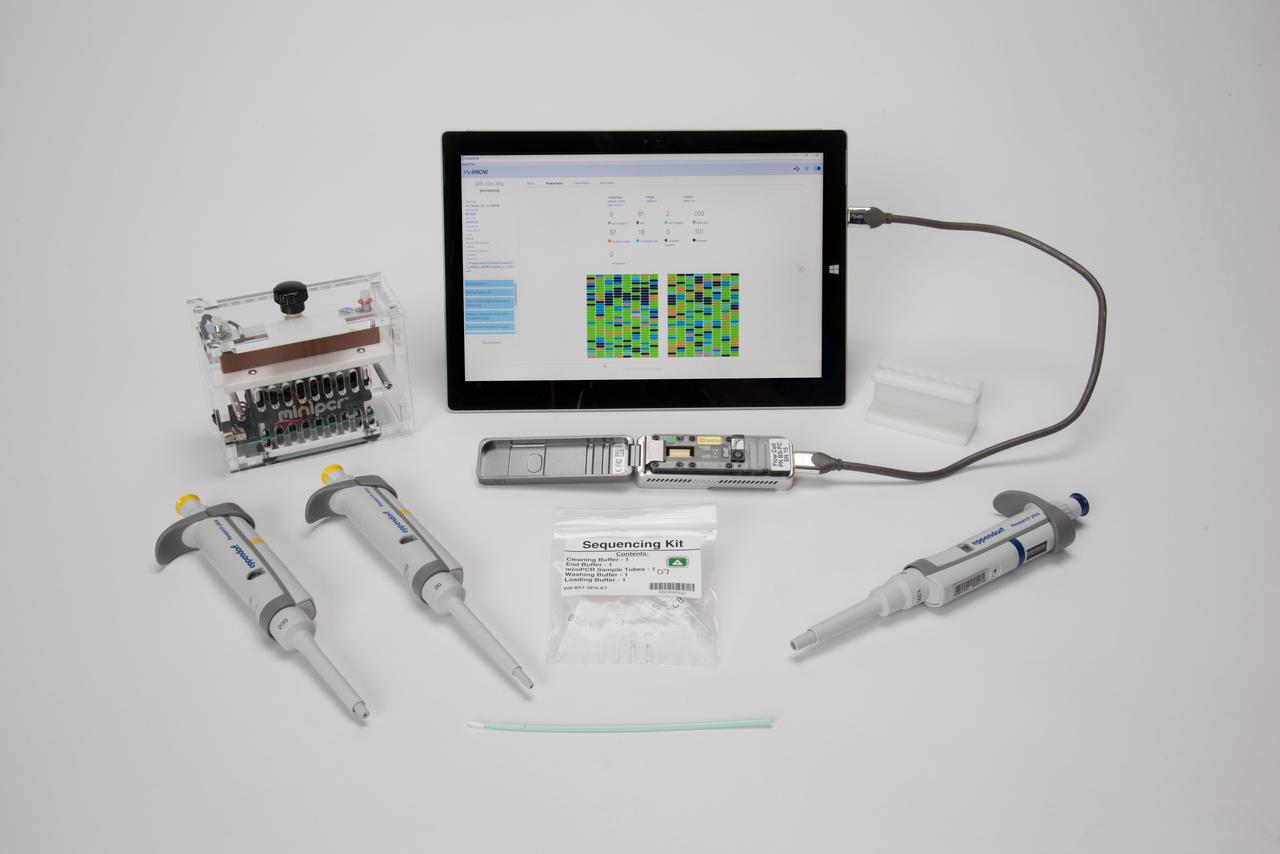
jsc2018e059572_alt (5/29/2018) --- The miniPCR platform, used for the amplification of nucleic acids, from the Genes in Space investigations combined with the MinION, nucleic acid sequencer, from the Biomolecule Sequencer experiment makes up the Biomolecule Extraction and Sequencing Technology (BEST) payload. With this hardware, including the pipettes, astronauts have demonstrated a complete sample-to-answer process for DNA and RNA sequencing on board the ISS.
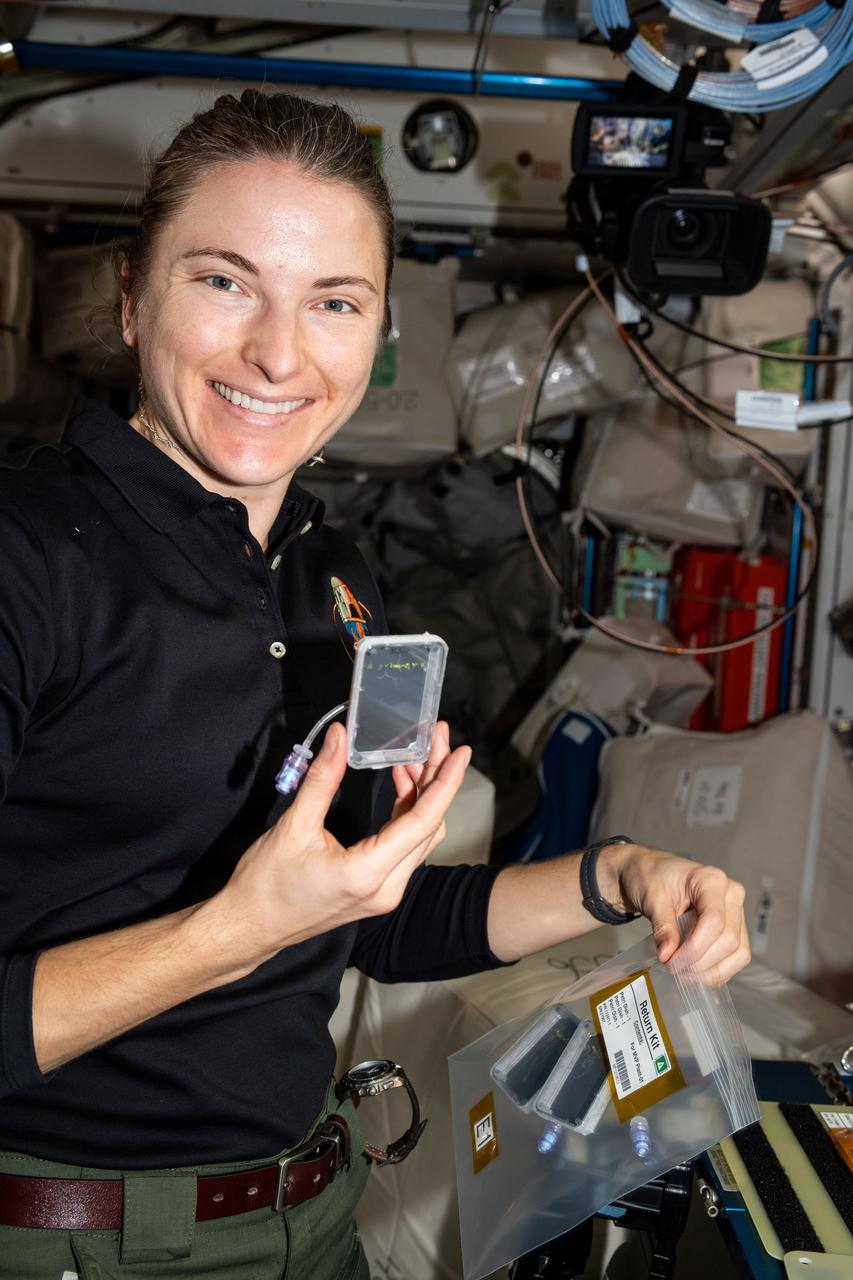
iss066e110792 (1/11/2022) --- NASA astronaut Kayla Barron conducts operations for the MVP-Plant-01 investigation aboard the International Space Station (ISS). Plant RNA Regulation Redux in Multi-use Variable-gravity Platform (MVP-Plant-01) profiles and monitors shoot and root development in plants in microgravity, in order to understand the molecular mechanisms and regulatory networks behind how plants sense and adapt to changes in their environment.
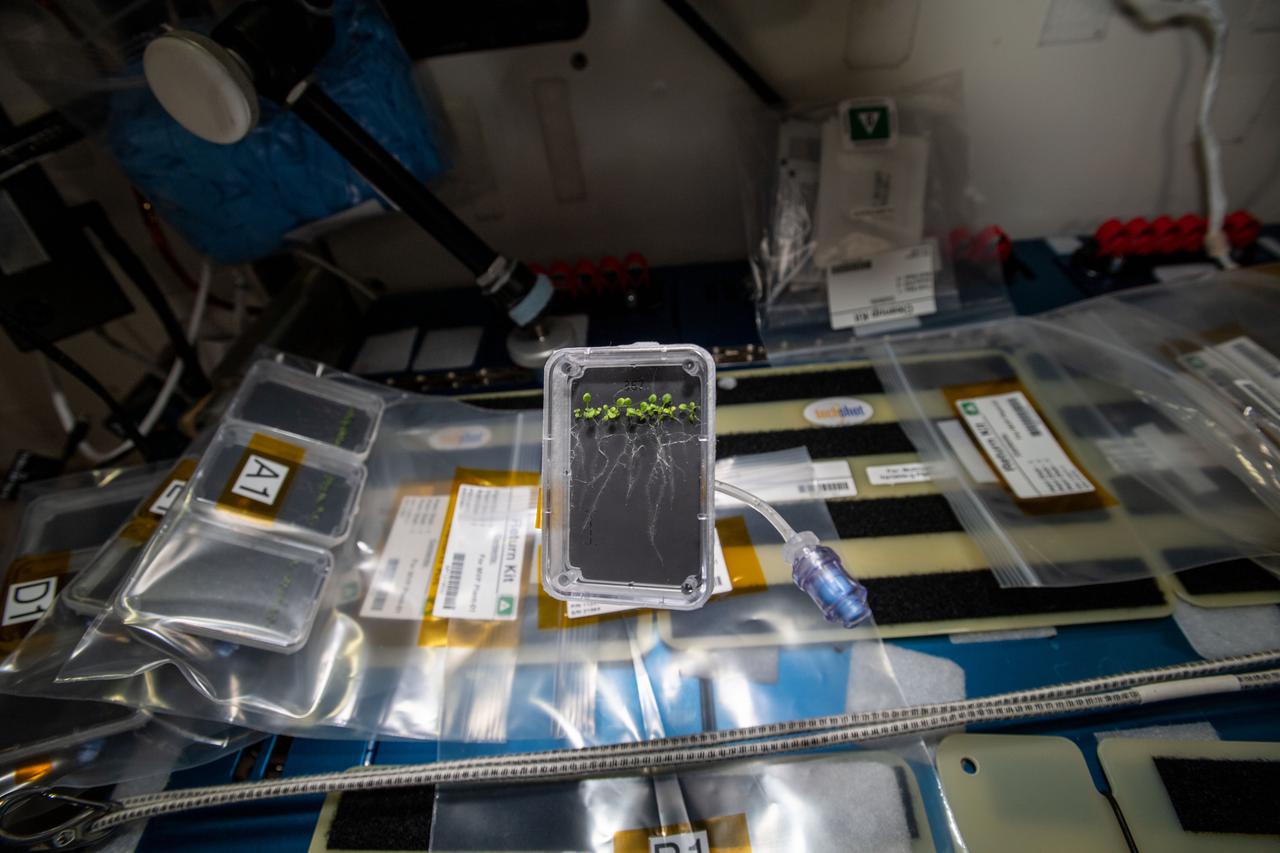
iss066e110890 (1/11/2022) --- A view of the MVP-Plant-01 Petri plates with seedlings. Plant RNA Regulation Redux in Multi-use Variable-gravity Platform (MVP-Plant-01) profiles and monitors shoot and root development in plants in microgravity, in order to understand the molecular mechanisms and regulatory networks behind how plants sense and adapt to changes in their environment
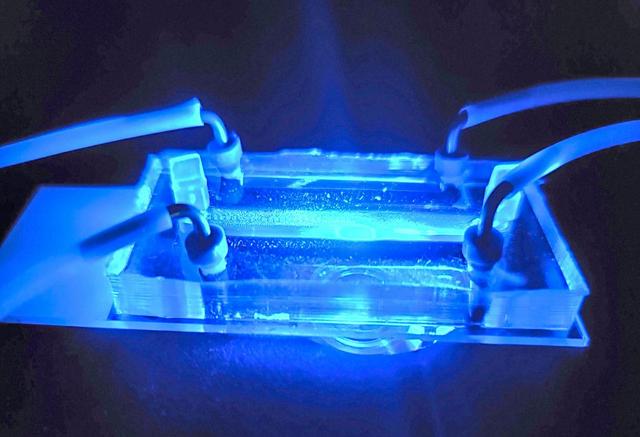
jsc2024e005964 (11/6/2023) --- A preflight image of the Janus base nano-matrix (JBNm) enabled cartilage tissue chip. The Compartment Cartilage Tissue Construct investigation uses biological materials that mimic DNA to develop a scaffold for regenerating cartilage tissues and tests the effect of a specific RNA on cartilage growth in space. Image courtesy of the University of Connecticut.
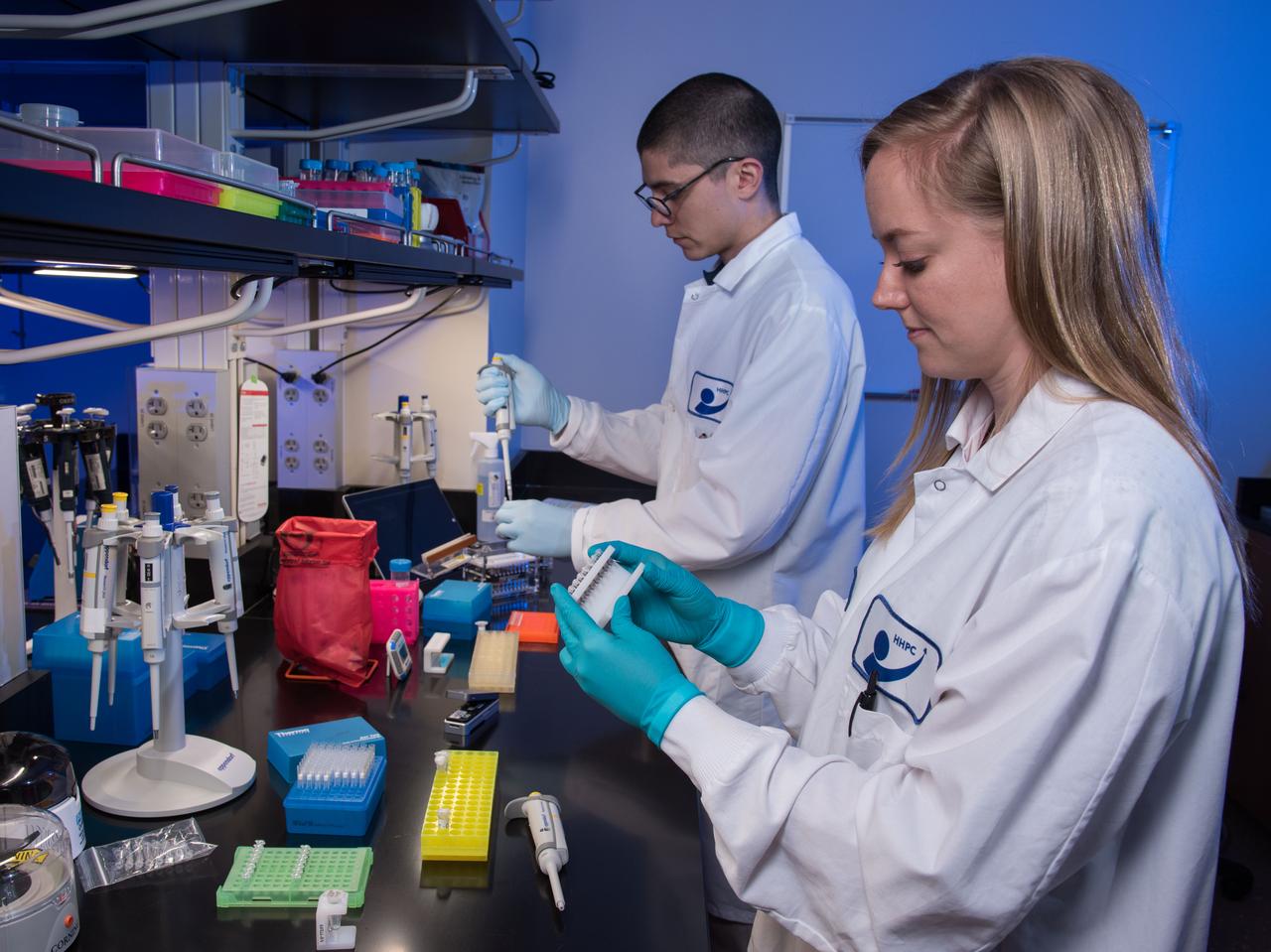
jsc2018e040417 (4/30/2018) --- Researchers at NASA's Johnson Space Center perform DNA and RNA sequencing on microbes as part of the Biomolecule Extraction and Sequencing Technology (BEST) experiment. The same sequencing procedure is performed in orbit aboard the International Space Station (ISS) and the results are compared to those on the ground. This will provide better insight into the effects of the spaceflight environment on microbial life.

iss066e110796 (1/11/2022) --- NASA astronaut Kayla Barron conducts operations for the MVP-Plant-01 investigation aboard the International Space Station (ISS). Plant RNA Regulation Redux in Multi-use Variable-gravity Platform (MVP-Plant-01) profiles and monitors shoot and root development in plants in microgravity, in order to understand the molecular mechanisms and regulatory networks behind how plants sense and adapt to changes in their environment.
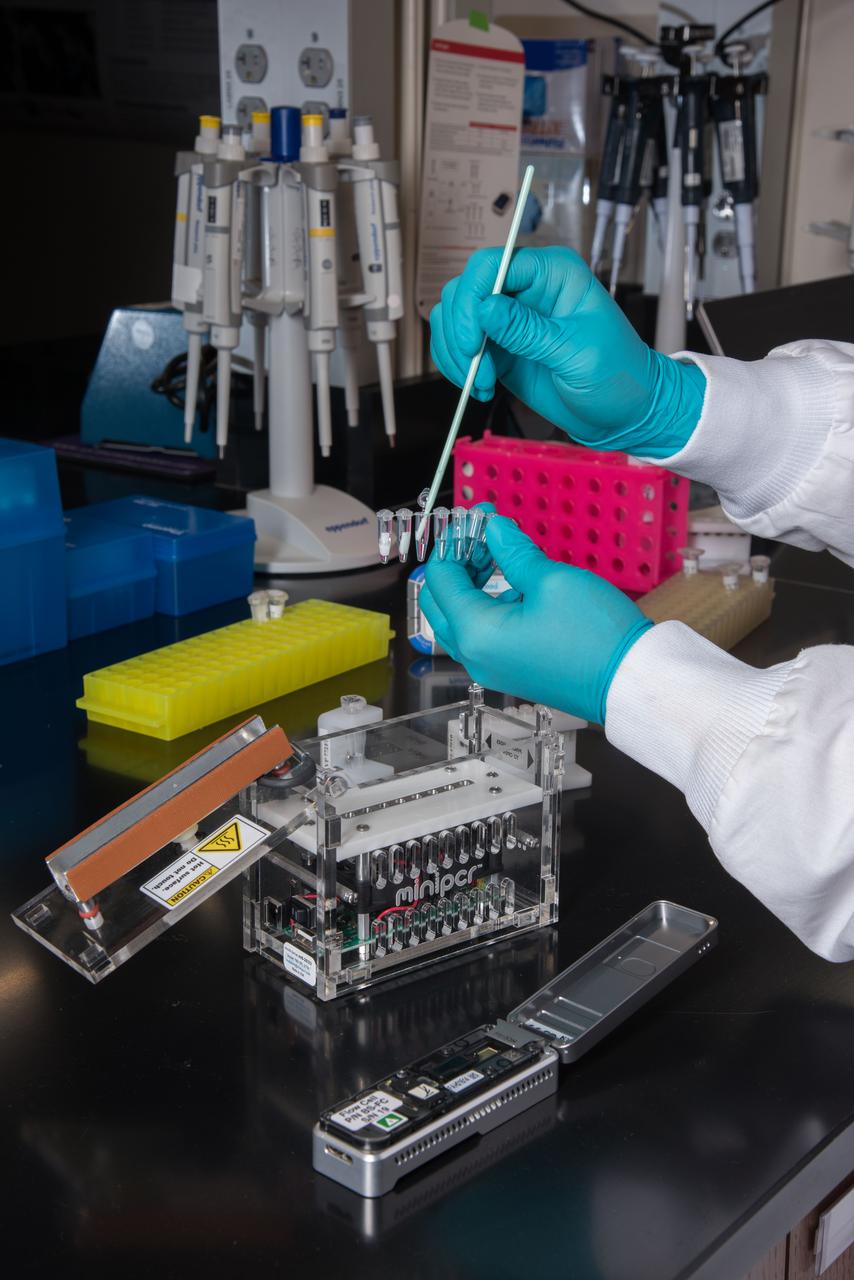
jsc2018e040453 (4/30/2018) --- A Researcher at NASA's Johnson Space Center perform DNA and RNA sequencing on microbes as part of the Biomolecule Extraction and Sequencing Technology (BEST) experiment. The same sequencing procedure is performed in orbit aboard the International Space Station (ISS) and the results are compared to those on the ground. This will provide better insight into the effects of the spaceflight environment on microbial life.
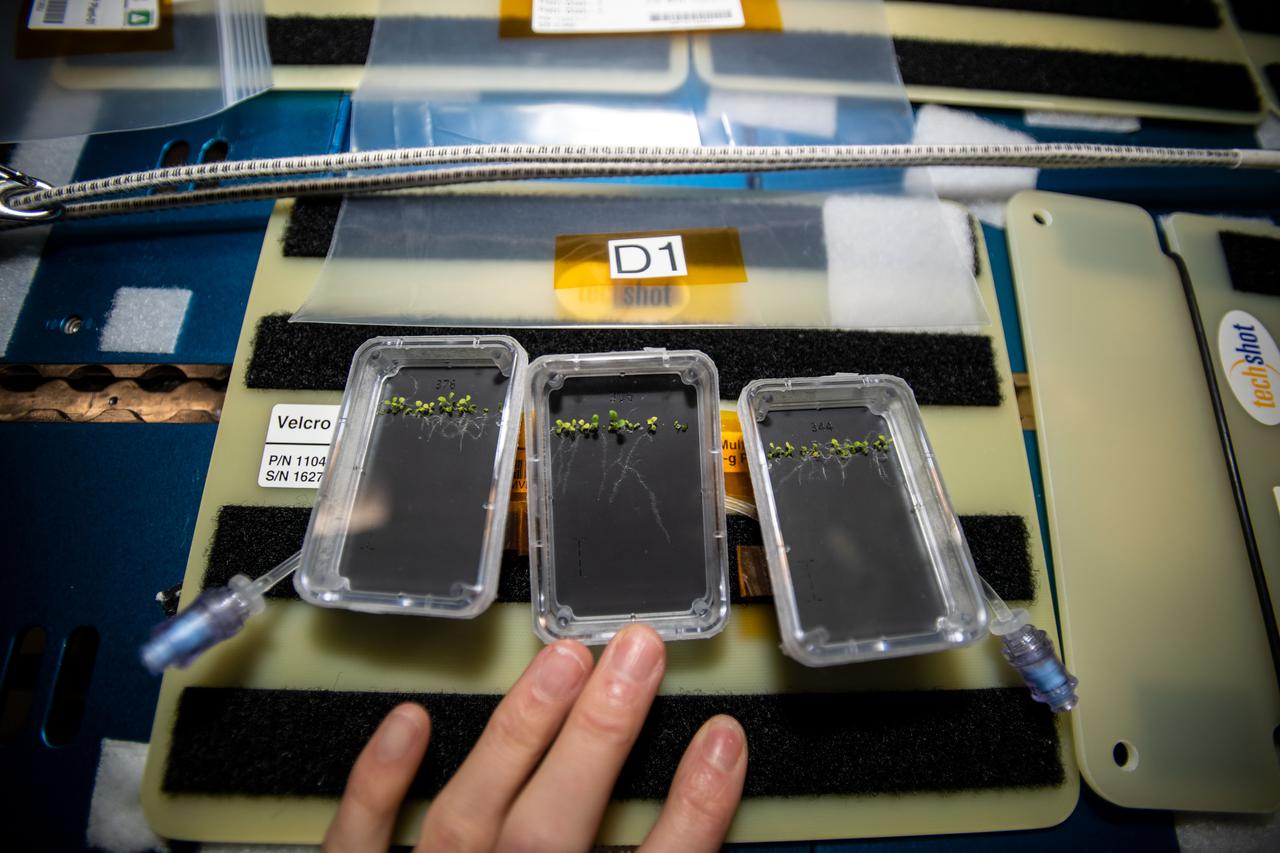
iss066e110861 (1/11/2022) --- A view of the MVP-Plant-01 Petri plates with seedlings. Plant RNA Regulation Redux in Multi-use Variable-gravity Platform (MVP-Plant-01) profiles and monitors shoot and root development in plants in microgravity, in order to understand the molecular mechanisms and regulatory networks behind how plants sense and adapt to changes in their environment
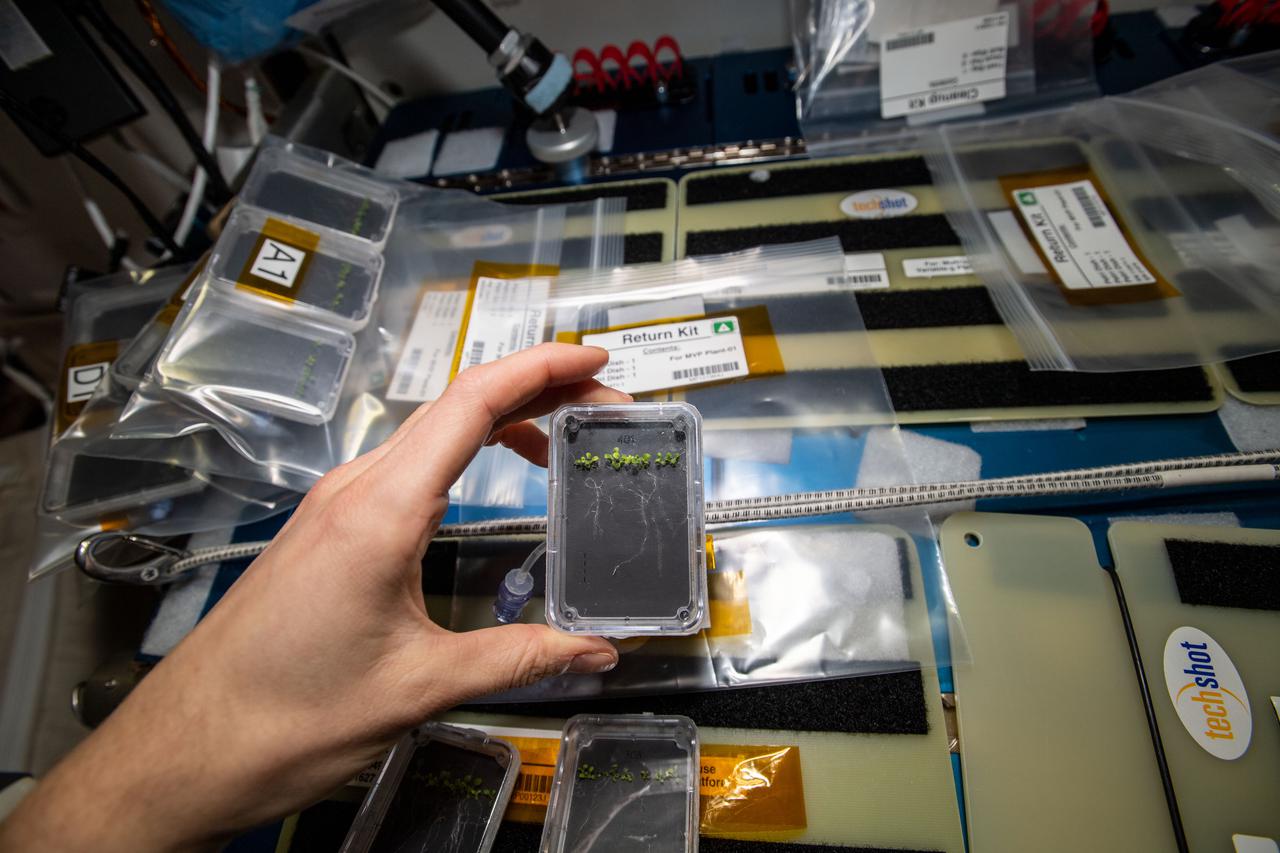
iss066e110893 (1/11/2022) --- A view of the MVP-Plant-01 Petri plates with seedlings. Plant RNA Regulation Redux in Multi-use Variable-gravity Platform (MVP-Plant-01) profiles and monitors shoot and root development in plants in microgravity, in order to understand the molecular mechanisms and regulatory networks behind how plants sense and adapt to changes in their environment
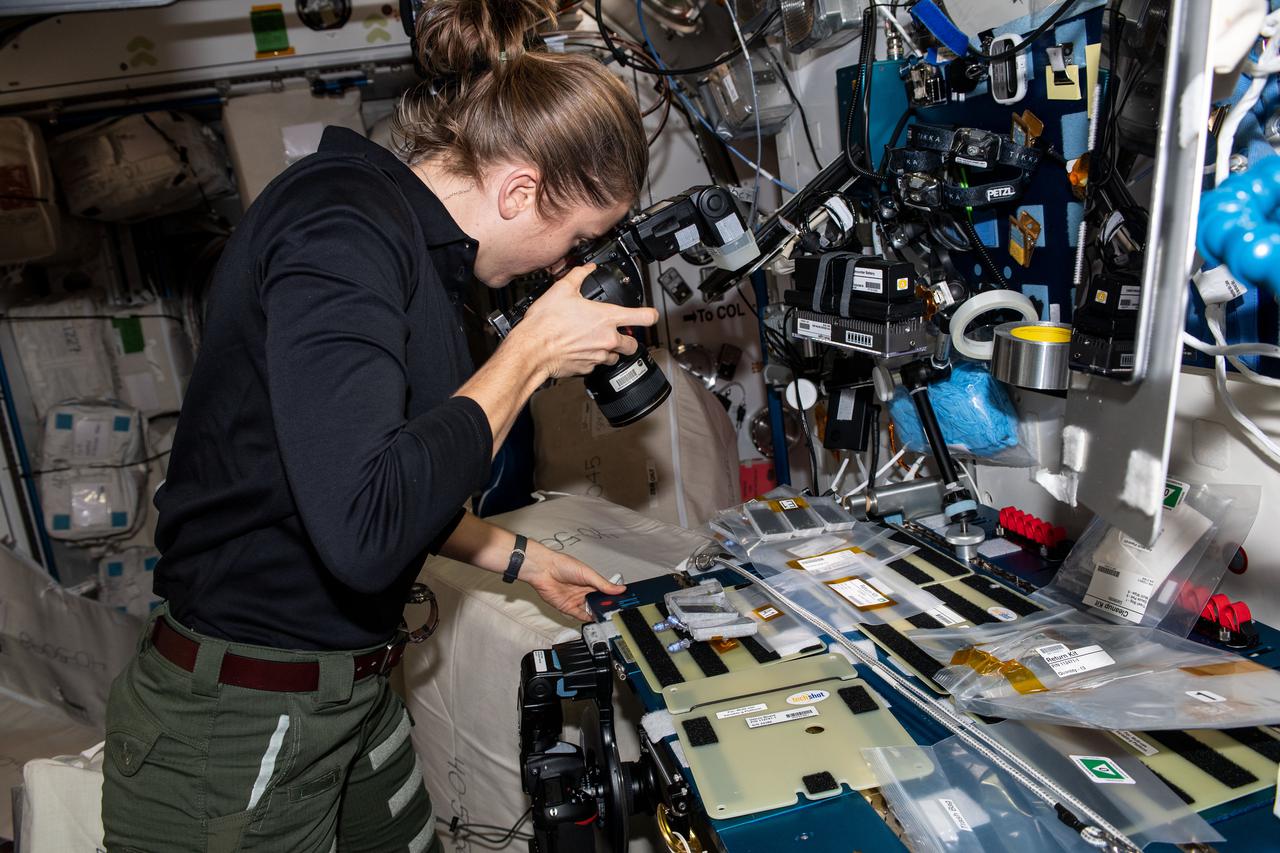
iss066e110800 (1/11/2022) --- NASA astronaut Kayla Barron conducts operations for the MVP-Plant-01 investigation aboard the International Space Station (ISS). Plant RNA Regulation Redux in Multi-use Variable-gravity Platform (MVP-Plant-01) profiles and monitors shoot and root development in plants in microgravity, in order to understand the molecular mechanisms and regulatory networks behind how plants sense and adapt to changes in their environment.
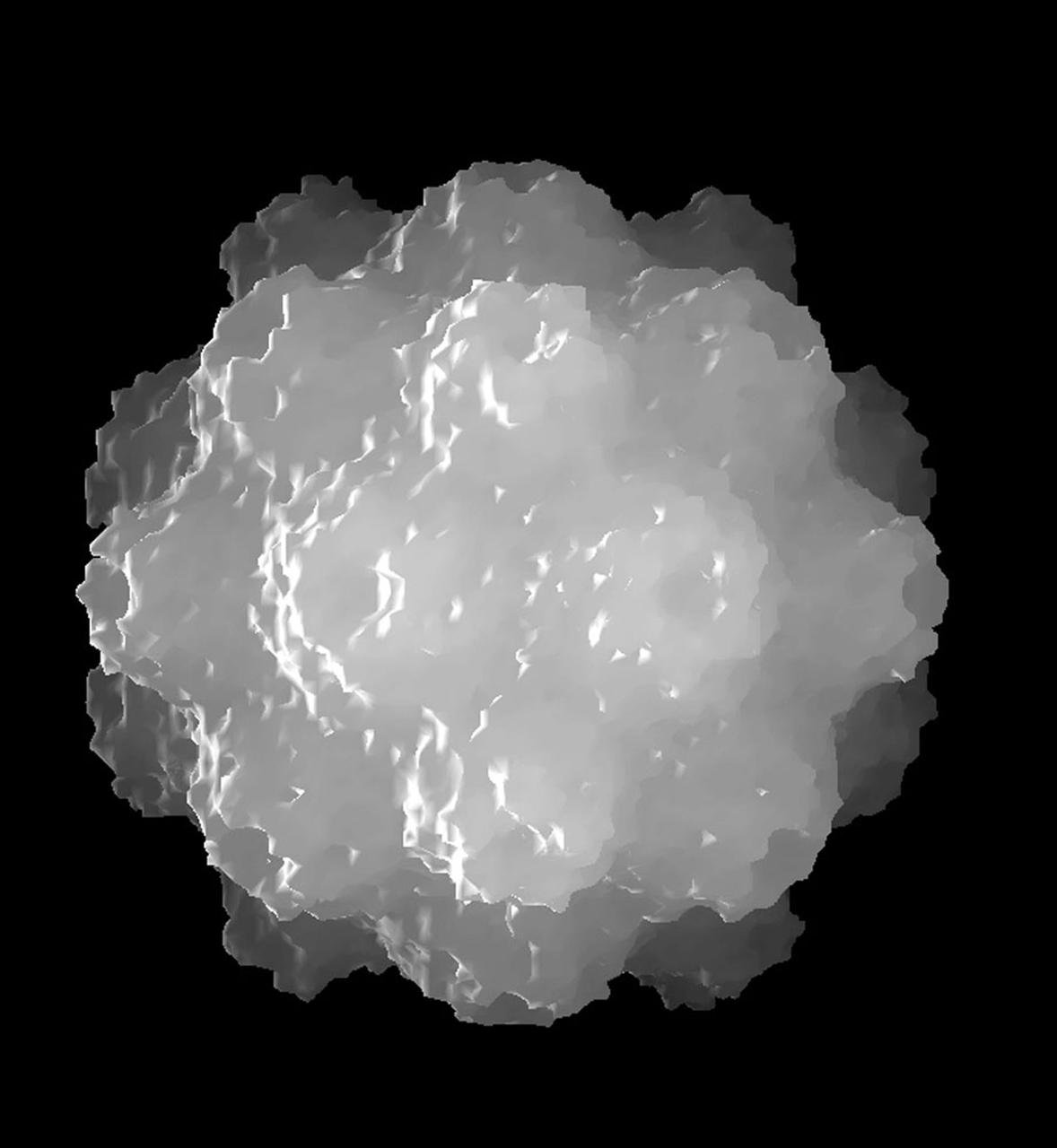
The bumpy exterior of the turnip yellow mosaic virus (TYMV) protein coat, or capsid, was defined in detail by Dr. Alexander McPherson of the University of California, Irvin using proteins crystallized in space for analysis on Earth. TYMV is an icosahedral virus constructed from 180 copies of the same protein arranged into 12 clusters of five proteins (pentamers), and 20 clusters of six proteins (hexamers). The final TYMV structure led to the unexpected hypothesis that the virus releases its RNA by essentially chemical-mechanical means. Most viruses have fairly flat coats, but in TYNV, the fold in each protein, called the jellyroll, is clustered at the points where the protein pentamers and hexamers join. The jellyrolls are almost standing on end, producing a bumpy surface with knobs at all of the pentamers and hexamers. At the inside surface of the pentamers is a void that is not present at the hexamers. The coating had been seen in early stuties of TYMV, but McPherson's atomic structure shows much more detail. The inside surface is strikingly, and unexpectedly, different than the outside. While the pentamers contain a central void on the inside, the hexameric units contain peptides linked to each other, forming a ring or, more accurately, rings to fill the void. Credit: Dr. Alexander McPherson, University of California, Irvine
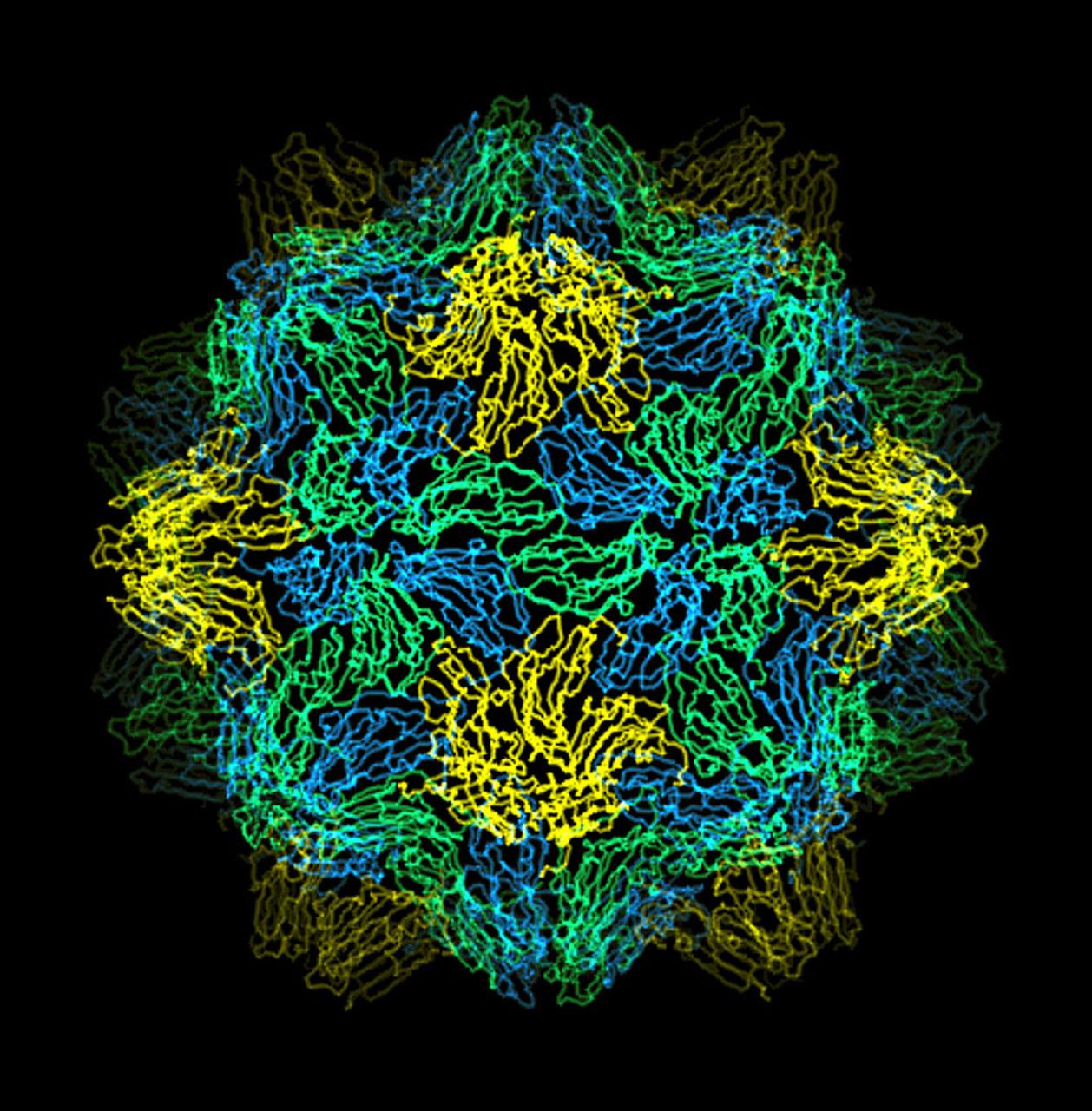
The bumpy exterior of the turnip yellow mosaic virus (TYMV) protein coat, or capsid, was defined in detail by Dr. Alexander McPherson of the University of California, Irvin using protein crystallized in space for analysis on Earth. TYMV is an icosahedral virus constructed from 180 copies of the same protein arranged into 12 clusters of five proteins (pentamers), and 20 clusters of six proteins (hexamers). The final TYMV structure led to the enexpected hypothesis that the virus release its RNA by essentially chemical-mechanical means. Most viruses have farly flat coats, but in TYMV, the fold in each protein, called the jellyroll, is clustered at the points where the protein pentamers and hexamers join. The jellyrolls are almost standing on end, producing a bumpy surface with knobs at all of the pentamers and hexamers. At the inside surface of the pentamers is a void that is not present at the hexamers. The coating had been seen in early studies of TYMV, but McPhereson's atomic structure shows much more detail. The inside surface is strikingly, and unexpectedly, different than the outside. While the pentamers contain a central viod on the inside, the hexameric units contain peptides liked to each other, forming a ring or, more accurately, rings to fill the voild. Credit: Dr. Alexander McPherson, University of California, Irvine.