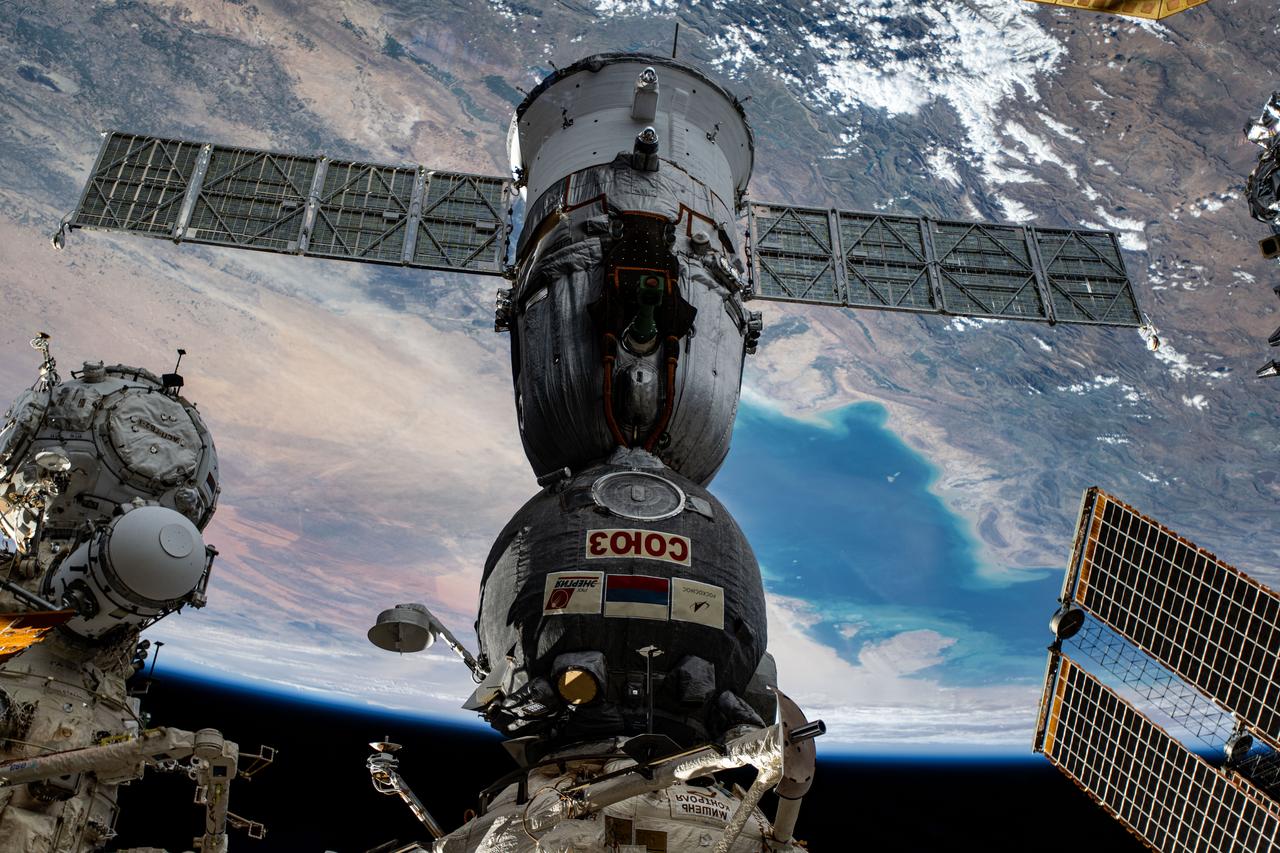
iss072e838101 (March 24, 2025) --- The Soyuz MS-26 spacecraft that launched NASA astronaut Don Pettit and Roscosmos cosmonauts Alexey Ovchinin and Ivan Vagner to the International Space Station is pictured docked to the Rassvet module. The orbiting lab was soaring 260 miles above Turkmenistan near the Caspian Sea.
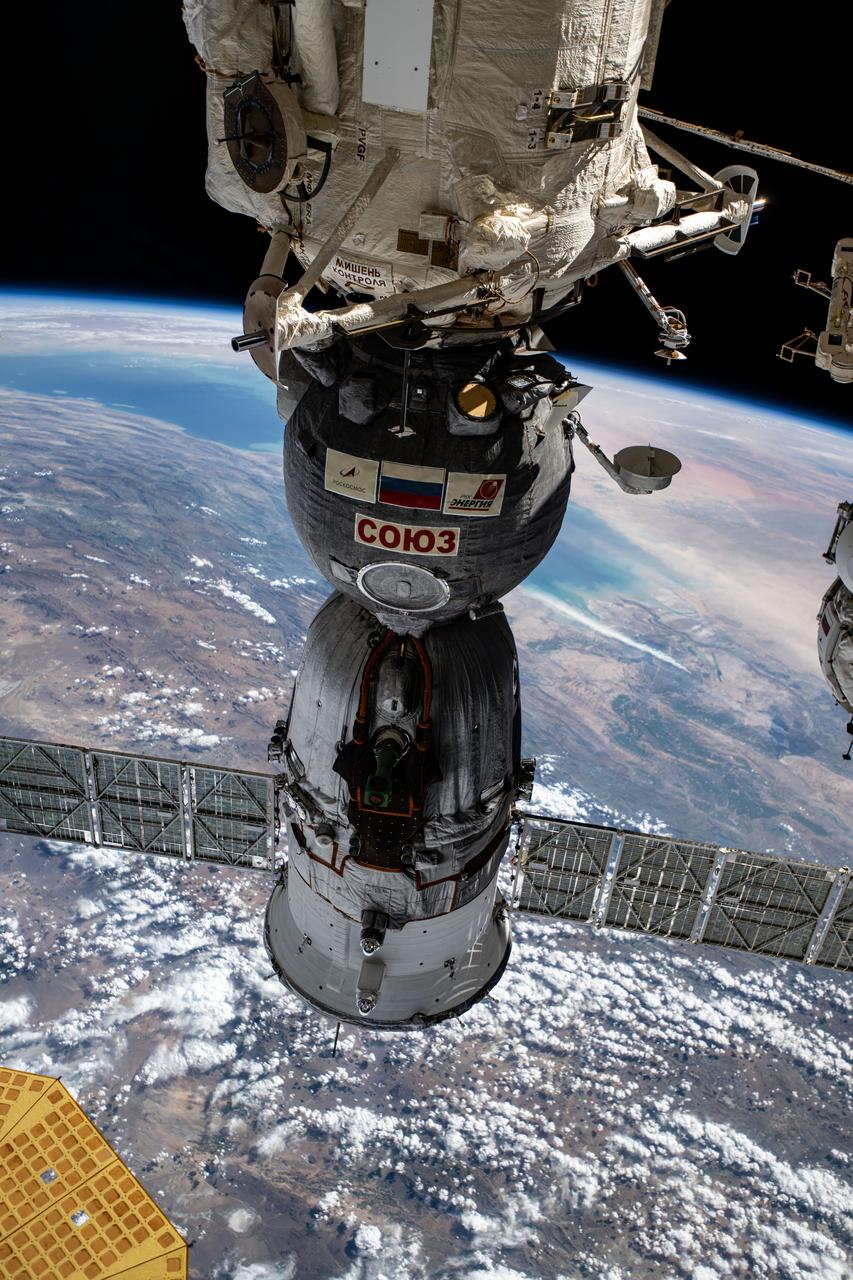
iss072e838106 (March 24, 2025) --- The Soyuz MS-26 spacecraft that launched NASA astronaut Don Pettit and Roscosmos cosmonauts Alexey Ovchinin and Ivan Vagner to the International Space Station is pictured docked to the Rassvet module. The orbiting lab was soaring 260 miles above Turkmenistan near the Caspian Sea.
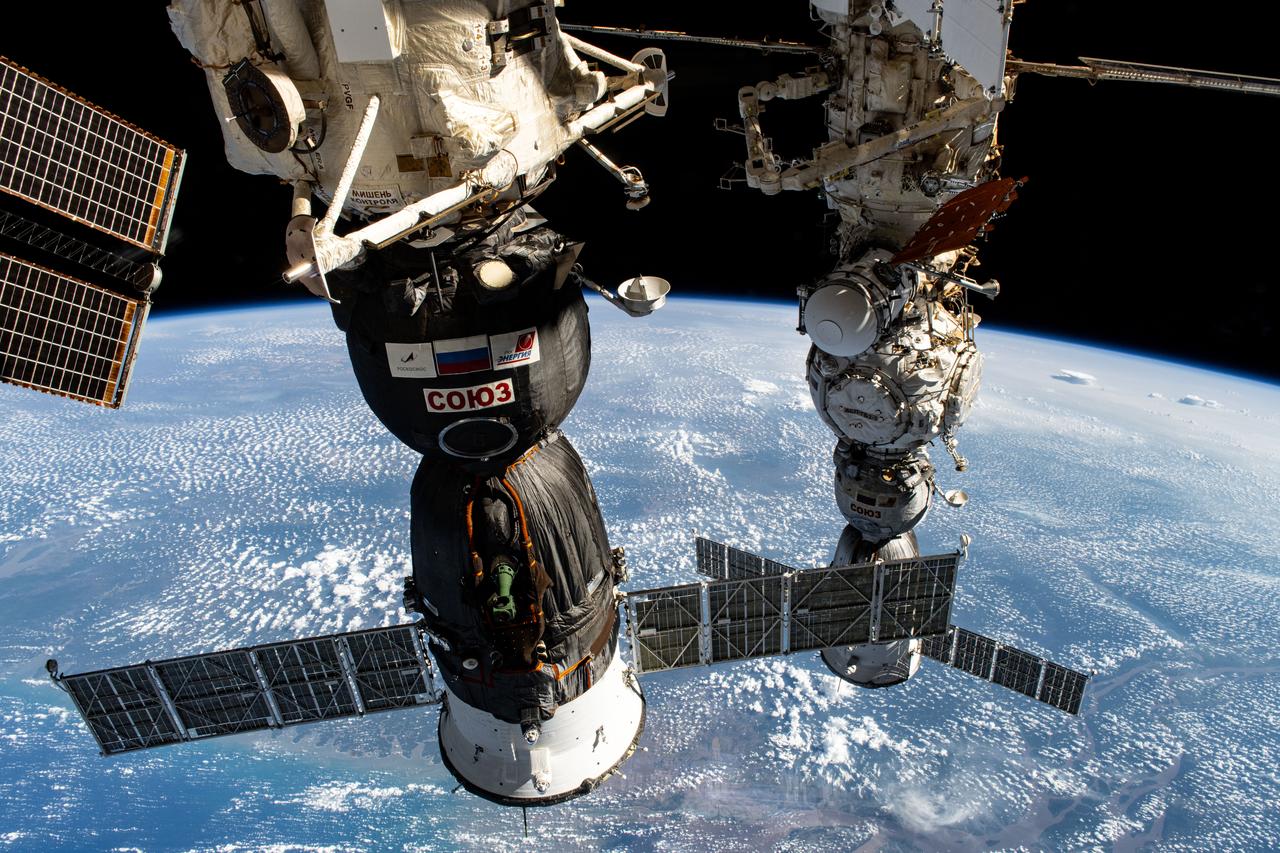
iss071e665075 (Sept. 16, 2024) --- Two Roscosmos crew ships, the Soyuz MS-26 docked to the Rassvet module (foreground) and the Soyuz MS-25 (background) docked to the Prichal docking module, are pictured parked at the International Space Station as it orbited 257 miles above the Atlantic Ocean near Brazil's Amazon Delta.
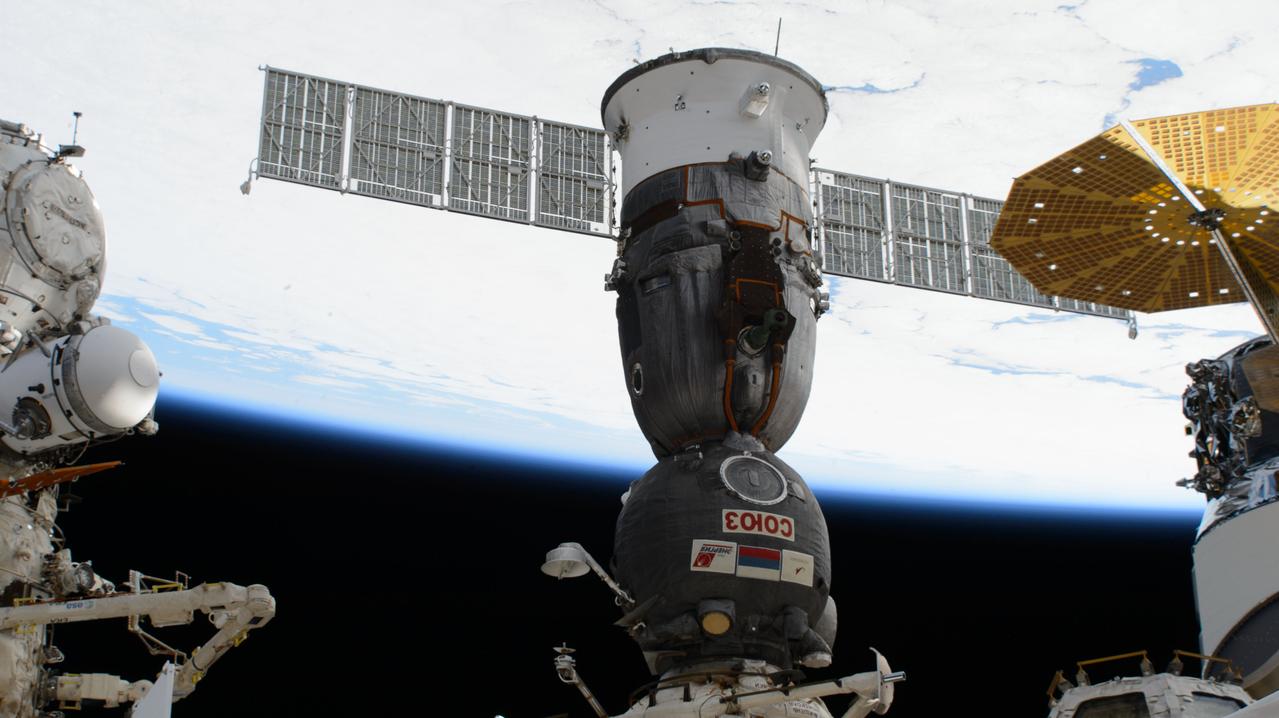
iss072e576564 (Feb. 2, 2025) --- The Soyuz MS-26 crew ship that launched NASA astronaut Don Pettit and Roscosmos cosmonauts Alexey Ovchinin and Ivan Vagner to the International Space Station is pictured docked to the Rassvet module. At right, is a portion of the Northrop Grumman Cygnus resupply ship. At left, is the partially obscured Pirs docking compartment.

iss072e571418 (Jan. 26, 2025) --- The Soyuz MS-26 crew ship that launched NASA astronaut Don Pettit and Roscosmos cosmonauts Alexey Ovchinin and Ivan Vagner to the International Space Station is pictured docked to the orbital outpost's Rassvet module.
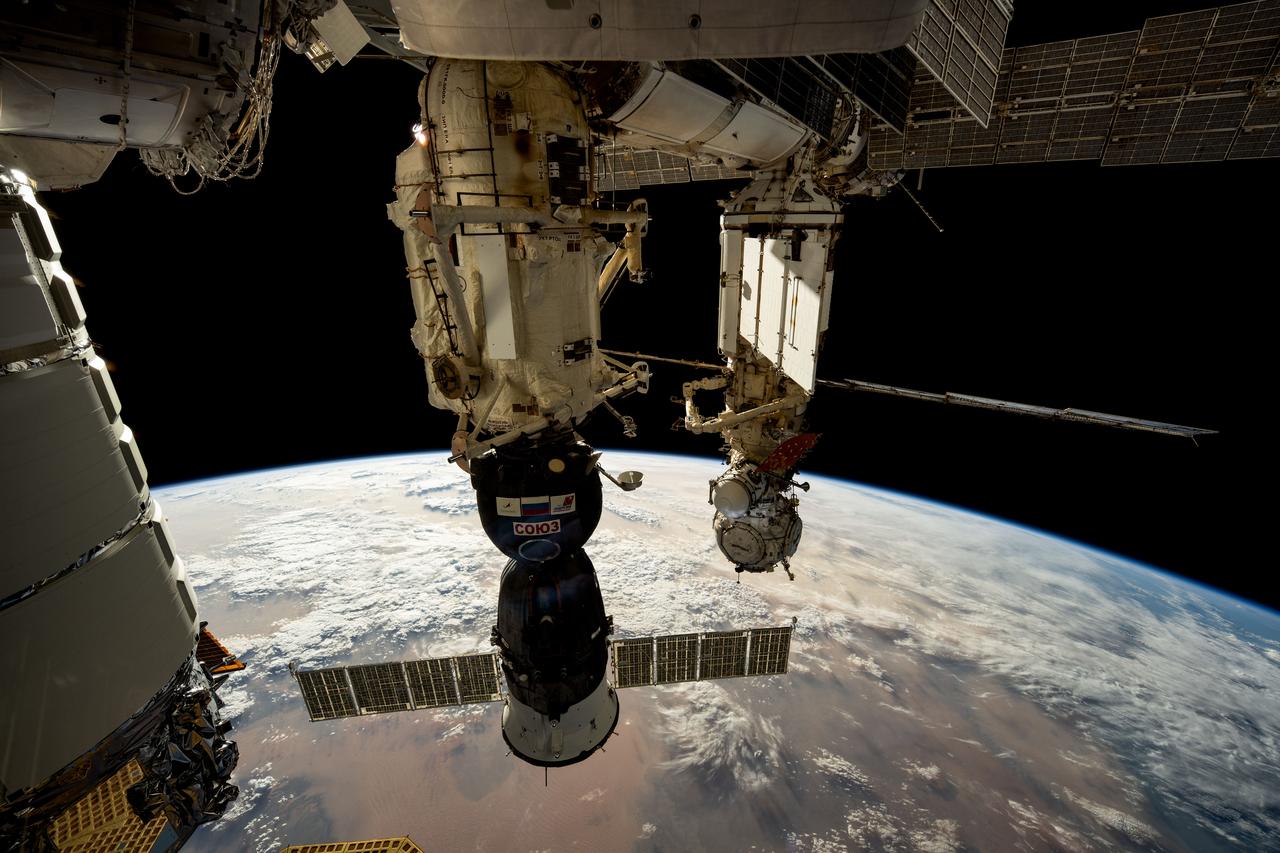
iss072e032692 (Oct. 8, 2024) --- The Soyuz MS-26 crew ship (foreground) from Roscosmos is pictured docked to the International Space Station's Rassvet module. In the background, the Prichal docking module is pictured attached to the Nauka science module with the European robotic arm connected to it. 261 miles below the orbiting laboratory is the African nation of Libya.
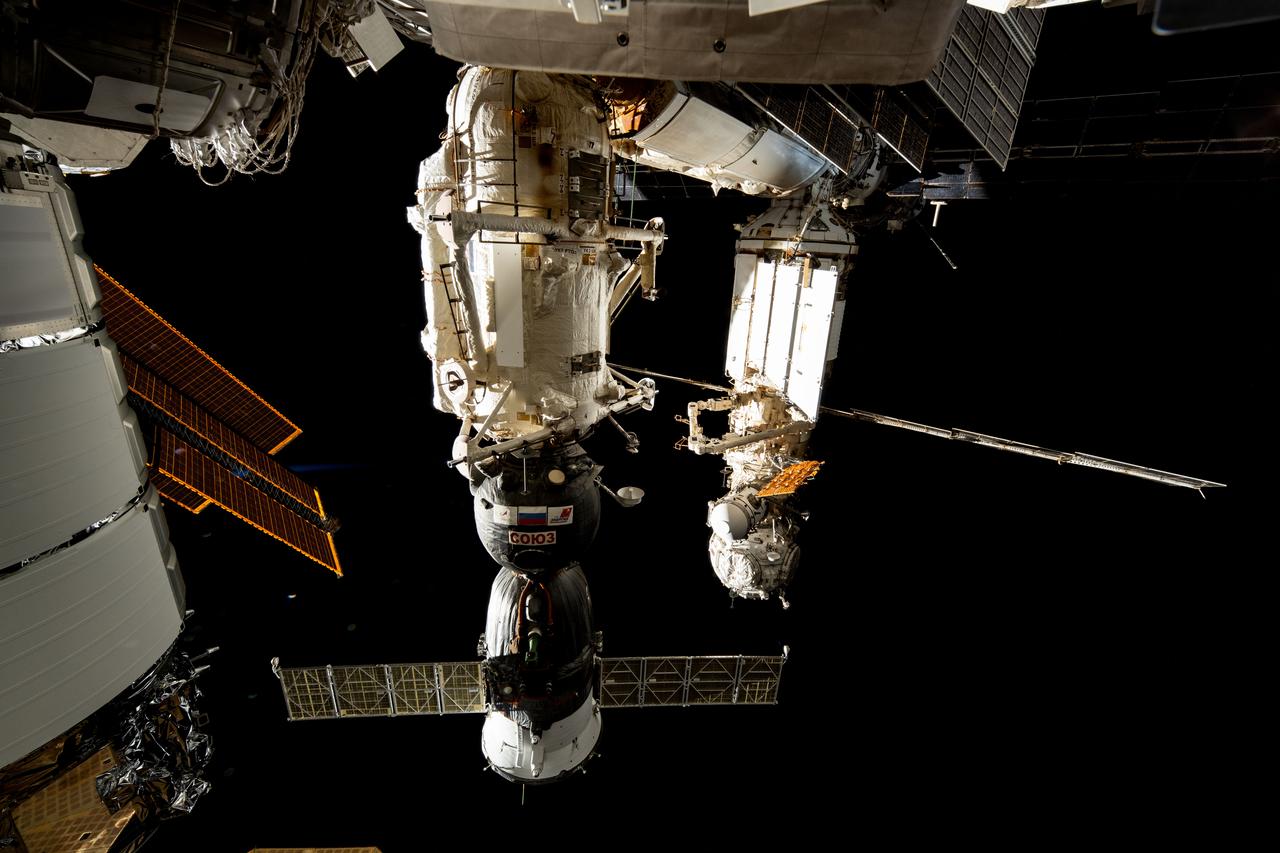
iss072e033083 (Oct. 8, 2024) --- The Soyuz MS-26 crew ship (foreground) from Roscosmos is pictured docked to the International Space Station's Rassvet module. In the background, the Prichal docking module is pictured attached to the Nauka science module with the European robotic arm connected to it.
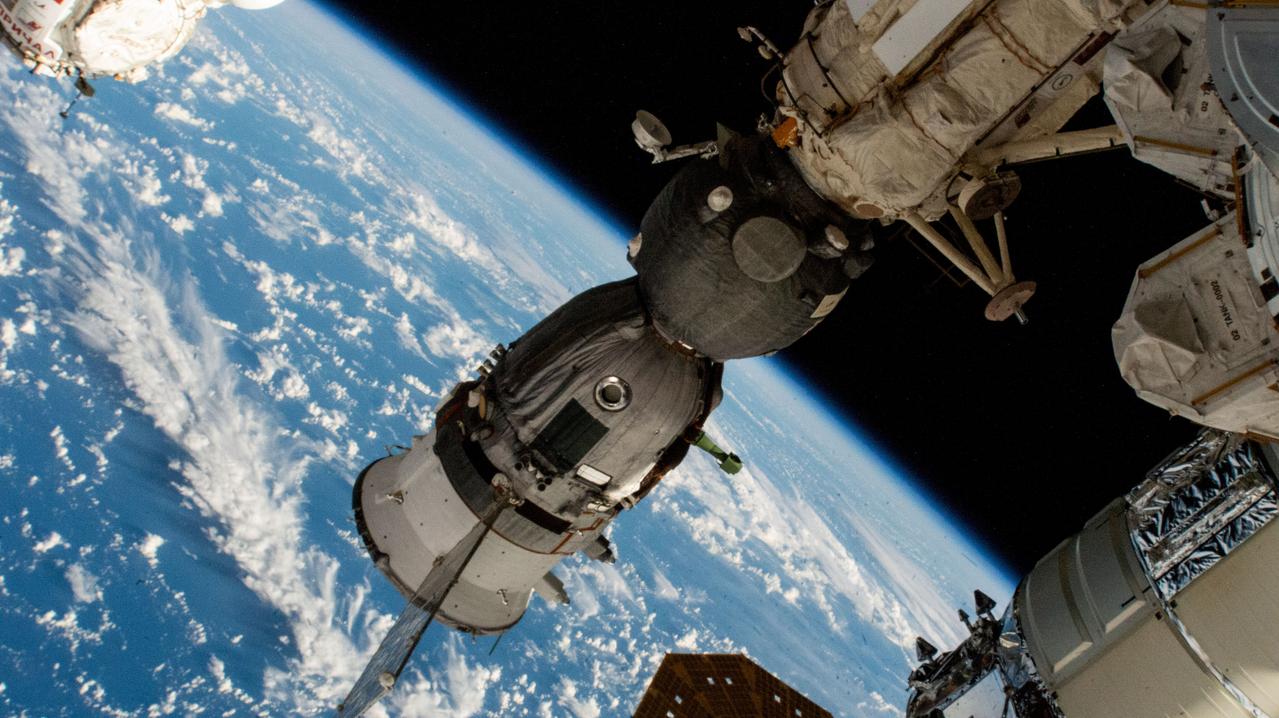
iss072e451610 (Jan. 8, 2025) --- The Soyuz MS-26 crew ship is pictured docked to the Rassvet module as the International Space Station orbited 264 miles above the Pacific Ocean northeast of New Zealand. The Soyuz spacecraft launched NASA astronaut Don Pettit and Roscosmos cosmonauts Alexey Ovchinin and Ivan Vagner to the orbital outpost on Sept. 11, 2024.
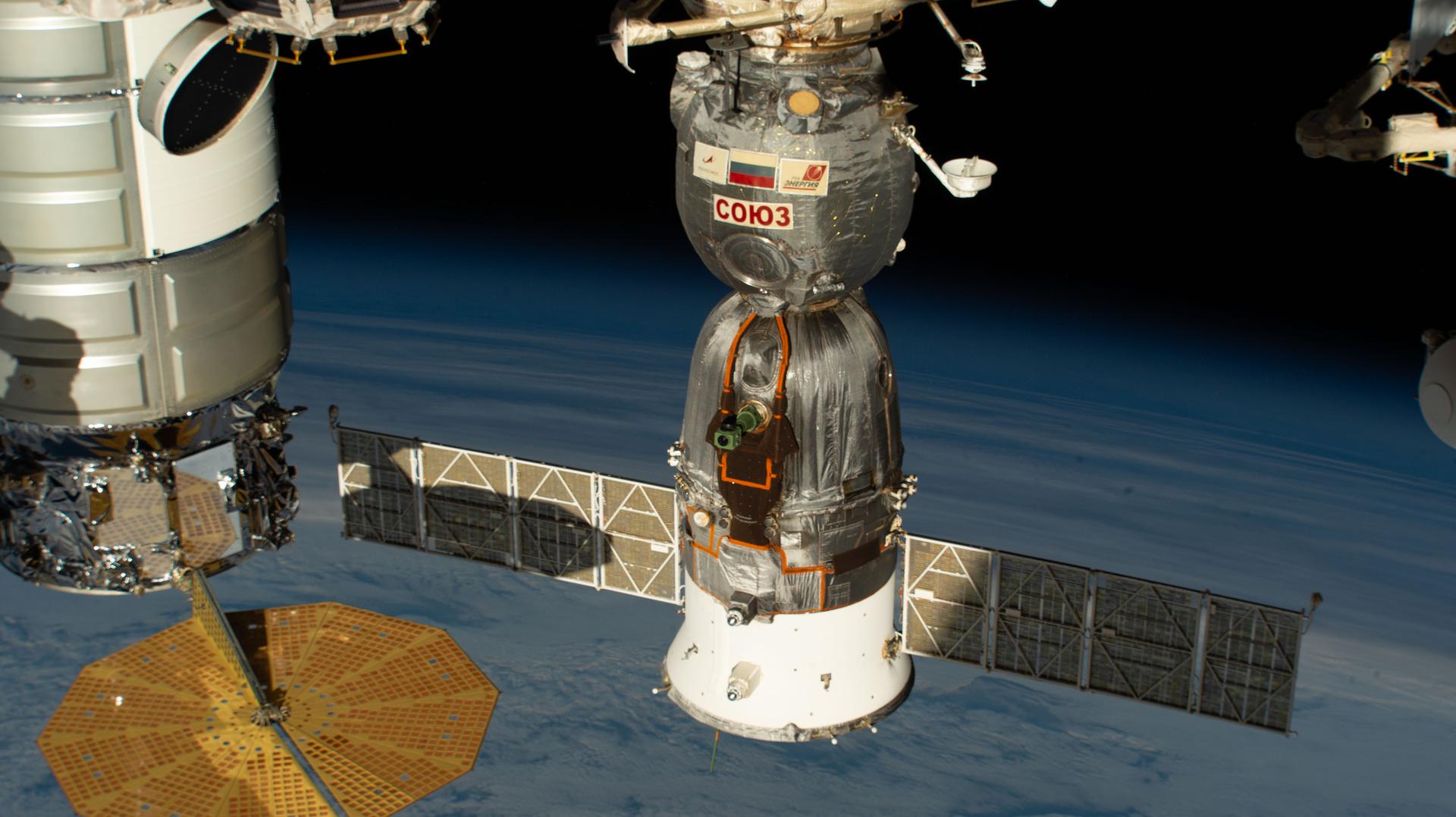
iss074e0812341 (July 13, 2026) --- The Soyuz MS‑28 crew spacecraft, which launched and docked to the International Space Station on Nov. 25, 2025, is pictured docked to the Rassvet module. The Soyuz MS‑28 will return NASA astronaut Chris Williams and Roscosmos cosmonauts Sergey Kud‑Sverchkov and Sergei Mikaev to Earth at the end of July, completing an eight‑month space research mission. Credit: NASA
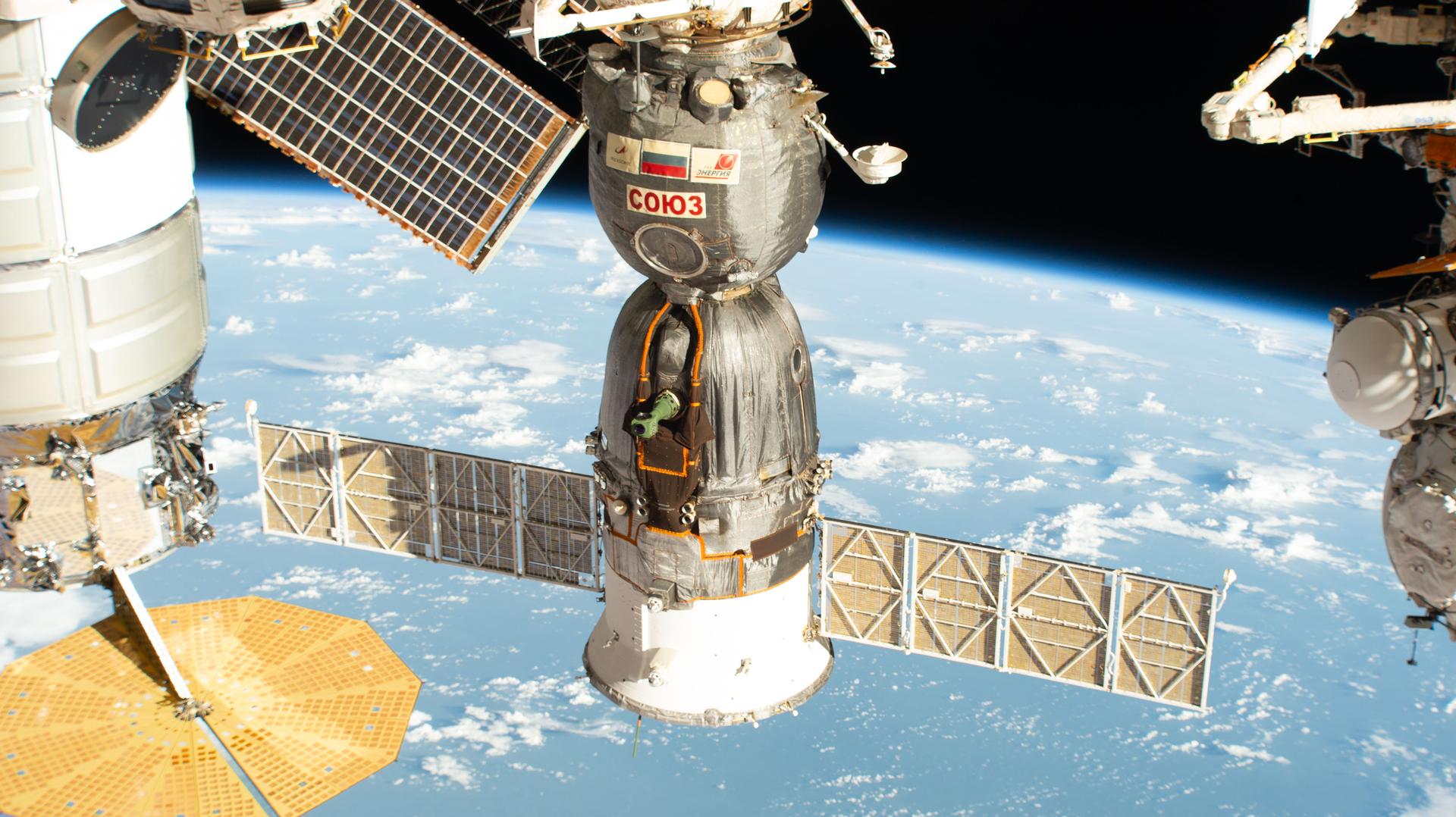
iss074e0812301 (July 13, 2026) --- The Soyuz MS‑28 crew spacecraft, which launched and docked to the International Space Station on Nov. 25, 2025, is pictured docked to the Rassvet module. The Soyuz MS‑28 will return NASA astronaut Chris Williams and Roscosmos cosmonauts Sergey Kud‑Sverchkov and Sergei Mikaev to Earth at the end of July, completing an eight‑month space research mission. Credit: NASA

GMT109_EHDC2 Files_1158
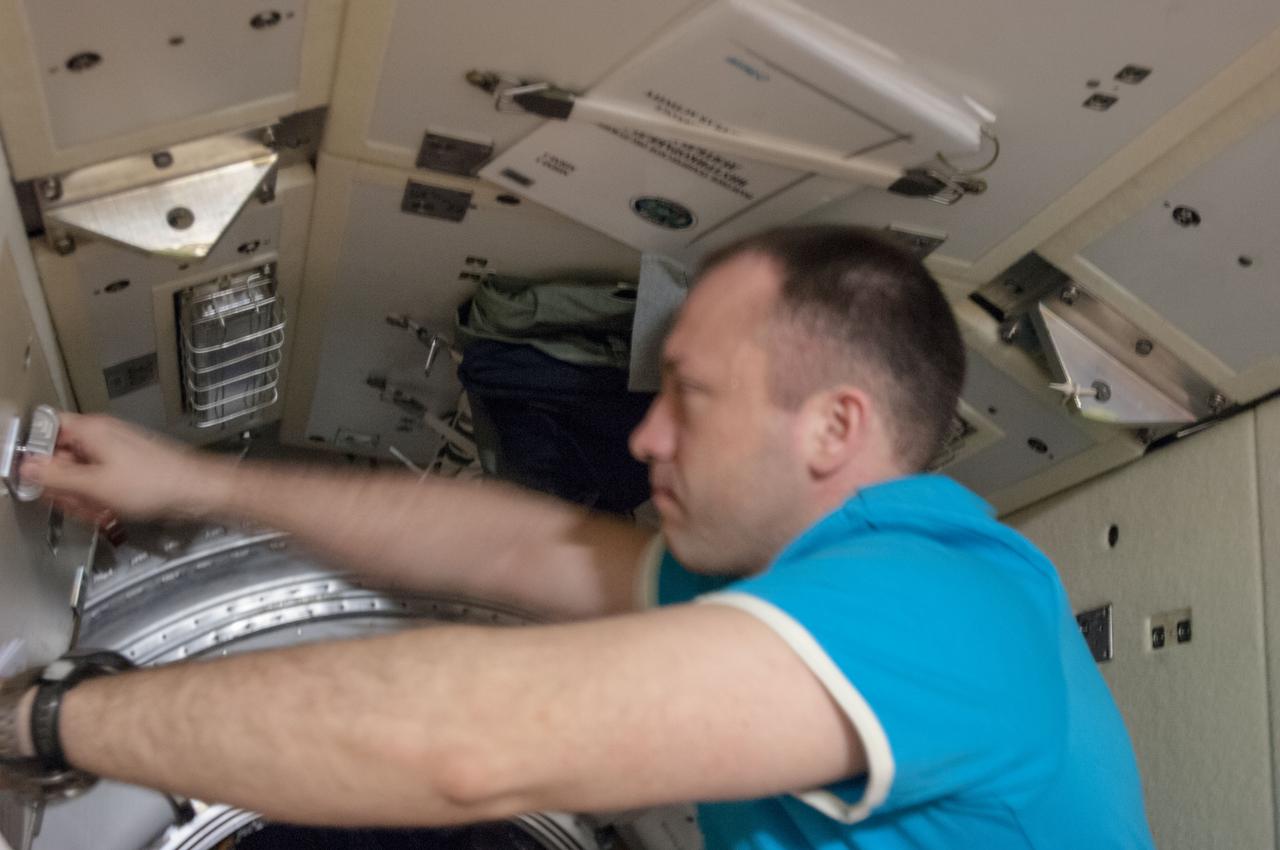
ISS035-E-016496 (3 April 2013) --- Russian cosmonaut Alexander Misurkin in Rassvet.
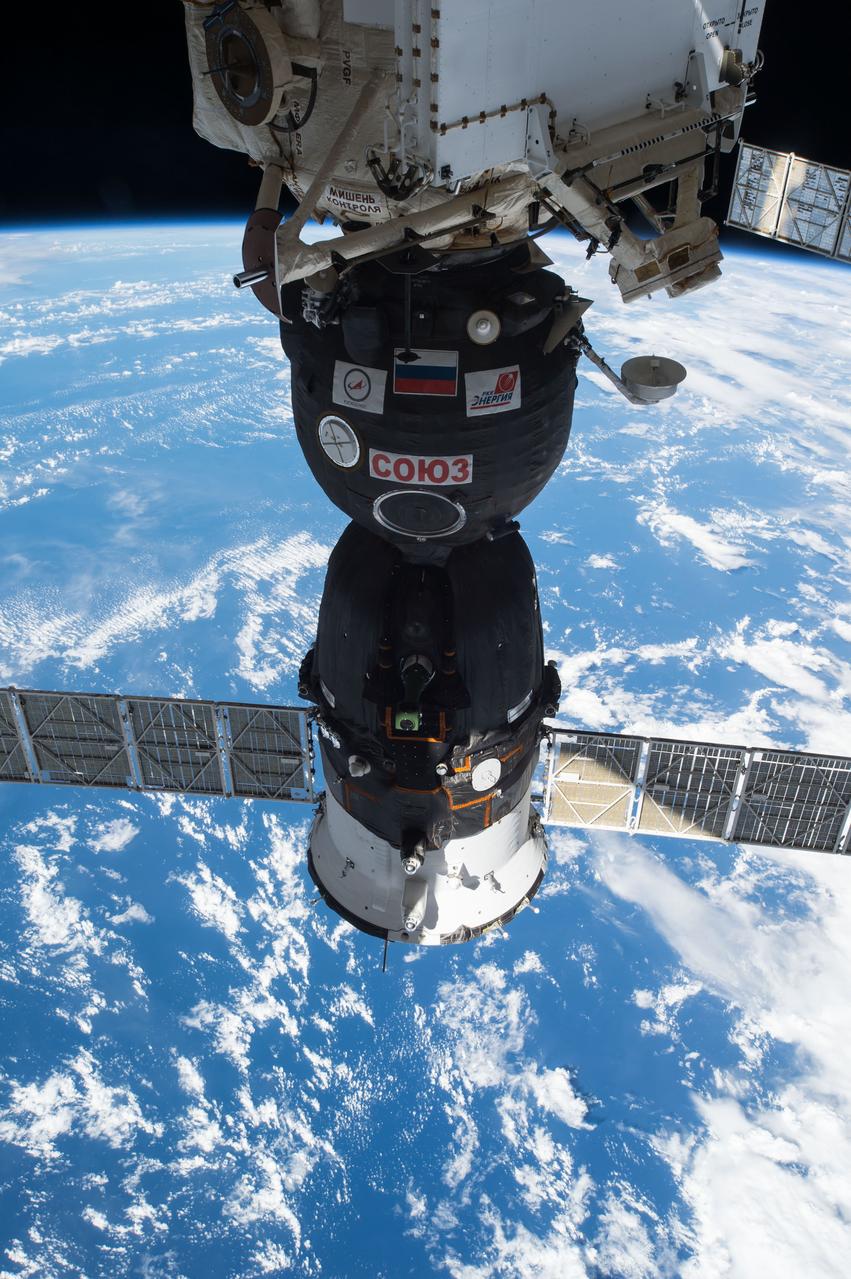
View of the Soyuz TMA-15M spacecraft docked to Rassvet Mini-Research Module 1 (MRM1) An Earth limb is in view.

iss042e006636 (11/18/2014) ---Aboard the International Space Station: this image is a Close-up view of hardware for a chemistry experiment and was taken in the Rassvet Mini-Research Module.
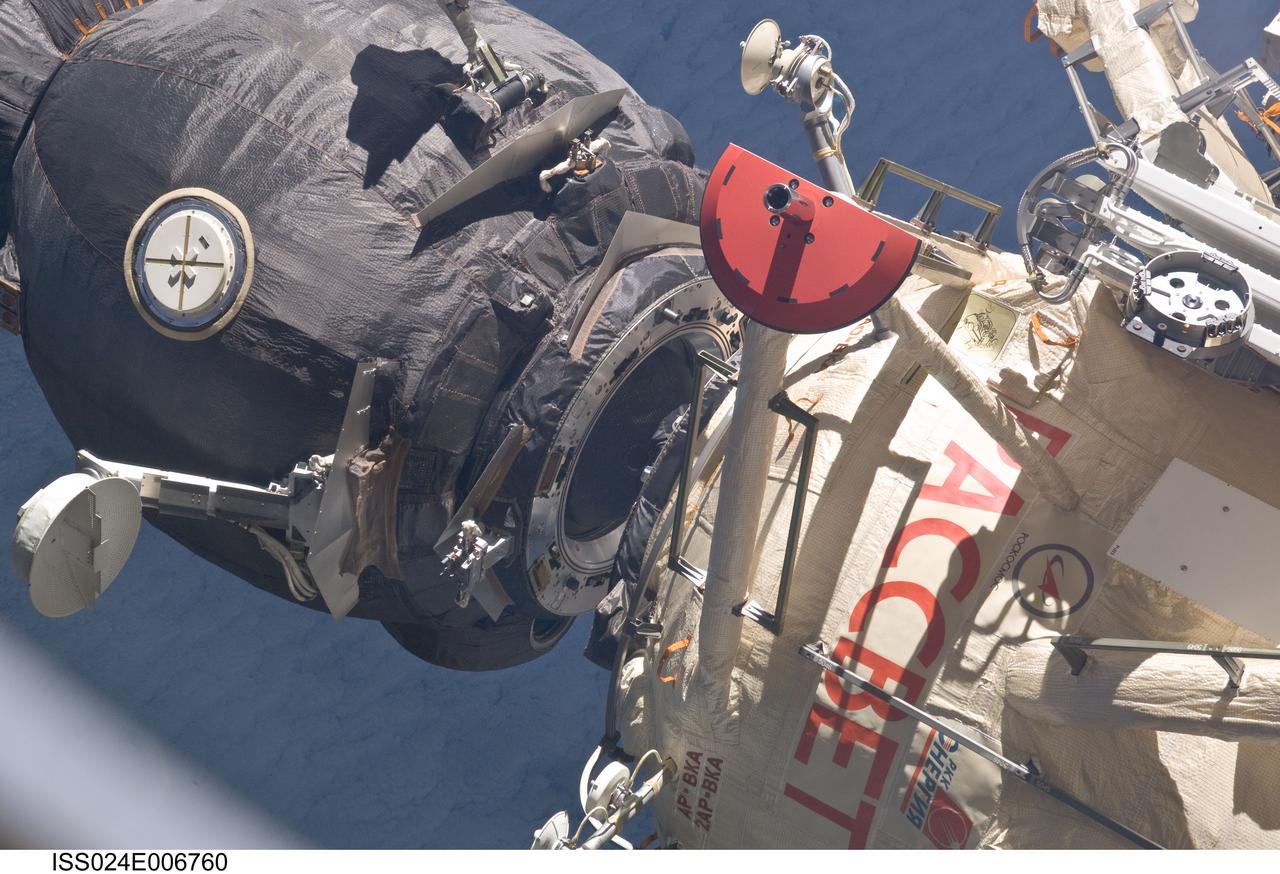
ISS024-E-006760 (28 June 2010) --- The Soyuz TMA-19 spacecraft docks to the Rassvet Mini-Research Module 1 (MRM1) of the International Space Station. Russian cosmonaut Fyodor Yurchikhin; along with NASA astronauts Doug Wheelock and Shannon Walker, all Expedition 24 flight engineers, undocked their Soyuz spacecraft from Zvezda Service Module's aft port at 3:13 pm. (EDT) on June 28, 2010, and docked it to its new location on the recently installed Rassvet module 25 minutes later.
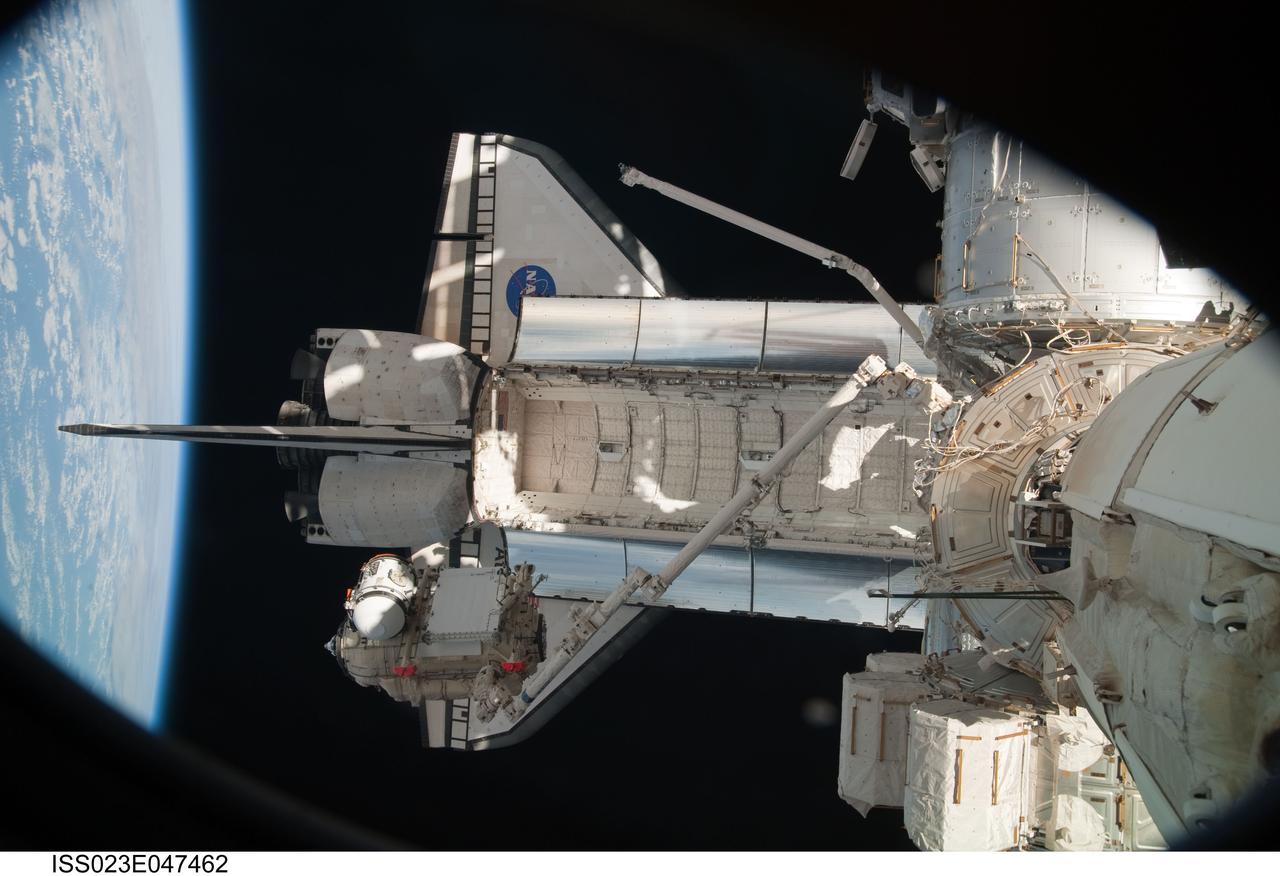
ISS023-E-047462 (18 May 2010) --- In the grasp of the station?s robotic Canadarm2, the Russian-built Mini-Research Module 1 (MRM-1) is moved to be permanently attached to the Earth-facing port of the Zarya Functional Cargo Block (FGB) of the International Space Station. Named Rassvet, Russian for "dawn," the module is the second in a series of new pressurized components for Russia. Rassvet will be used for cargo storage and will provide an additional docking port to the station.
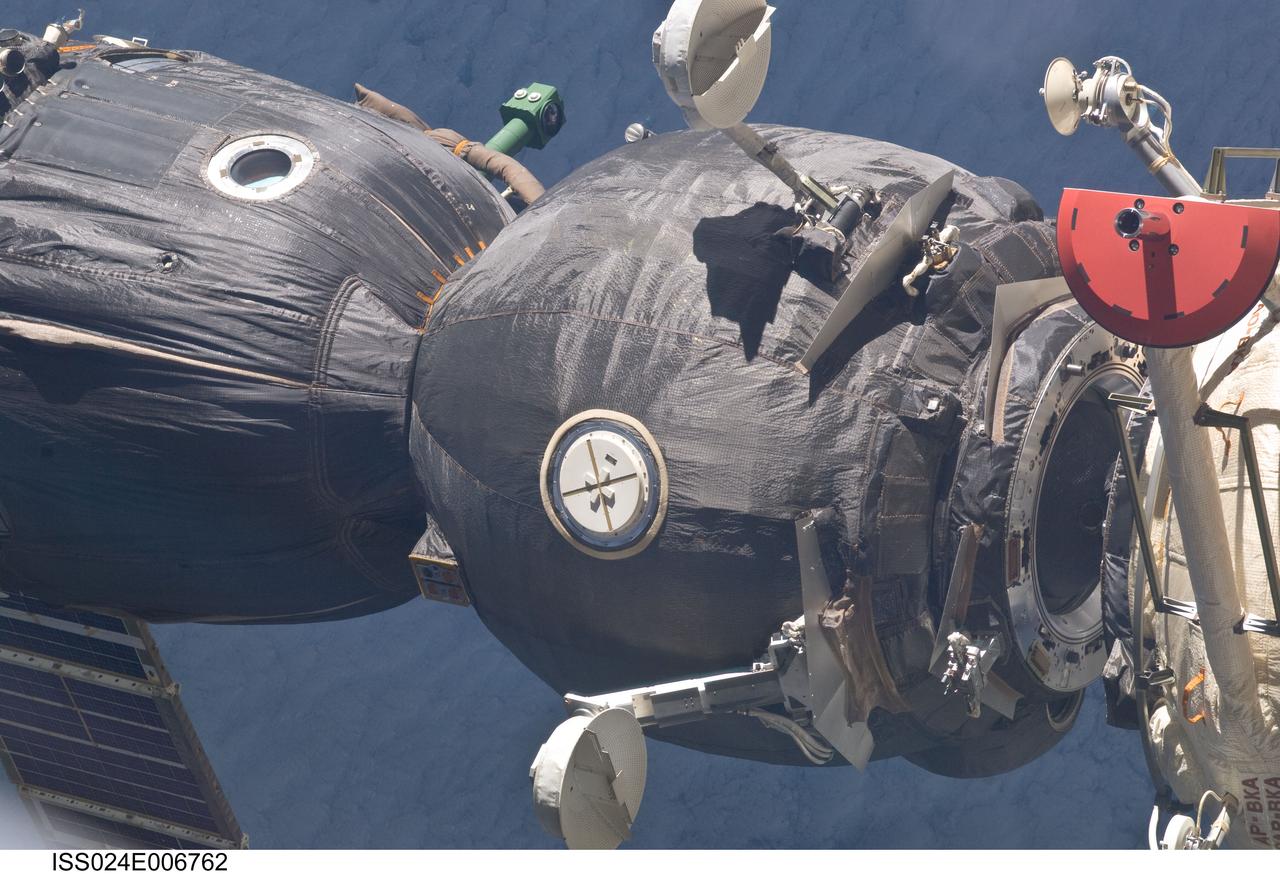
ISS024-E-006762 (28 June 2010) --- The Soyuz TMA-19 spacecraft docks to the Rassvet Mini-Research Module 1 (MRM1) of the International Space Station. Russian cosmonaut Fyodor Yurchikhin; along with NASA astronauts Doug Wheelock and Shannon Walker, all Expedition 24 flight engineers, undocked their Soyuz spacecraft from Zvezda Service Module's aft port at 3:13 pm. (EDT) on June 28, 2010, and docked it to its new location on the recently installed Rassvet module 25 minutes later.
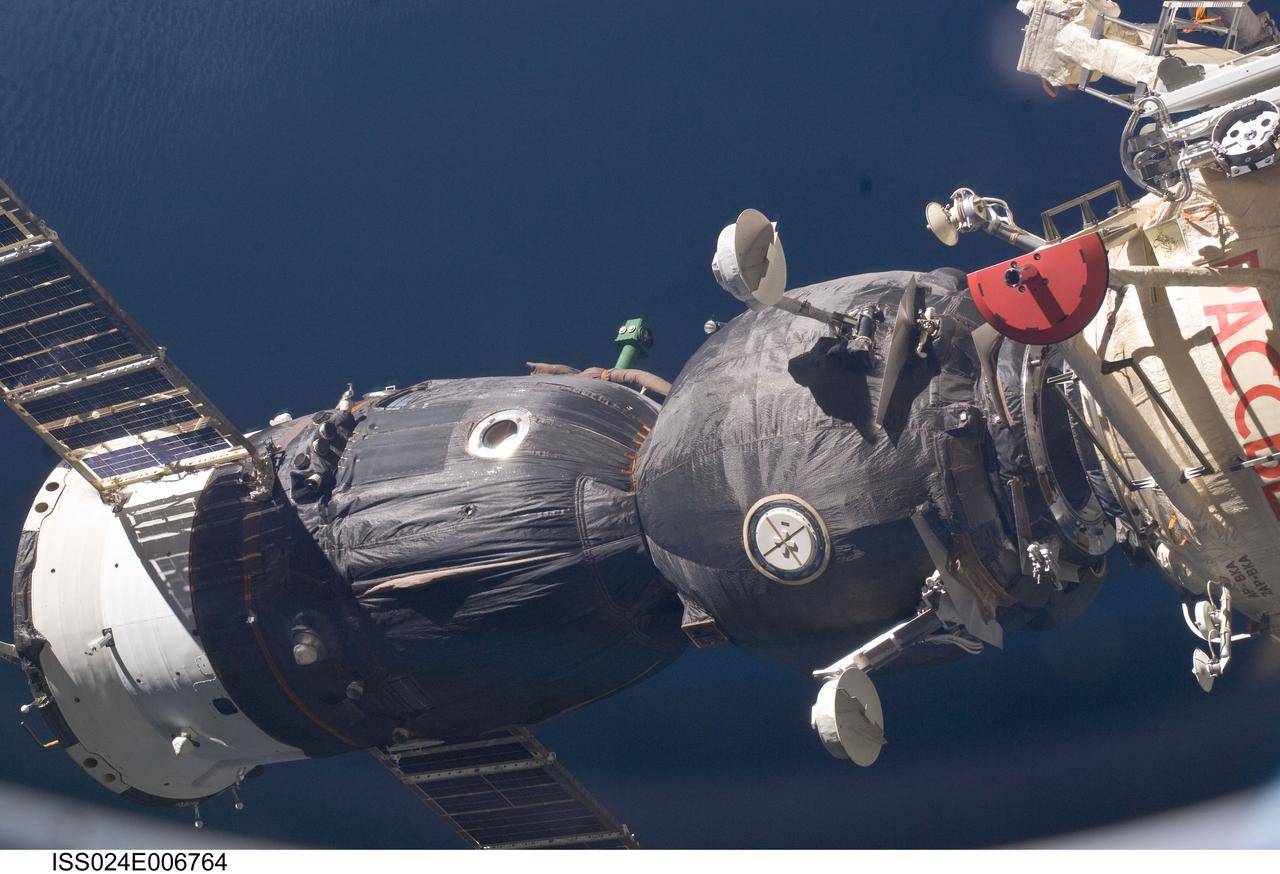
ISS024-E-006764 (28 June 2010) --- The Soyuz TMA-19 spacecraft docks to the Rassvet Mini-Research Module 1 (MRM1) of the International Space Station. Russian cosmonaut Fyodor Yurchikhin; along with NASA astronauts Doug Wheelock and Shannon Walker, all Expedition 24 flight engineers, undocked their Soyuz spacecraft from Zvezda Service Module's aft port at 3:13 pm. (EDT) on June 28, 2010, and docked it to its new location on the recently installed Rassvet module 25 minutes later.
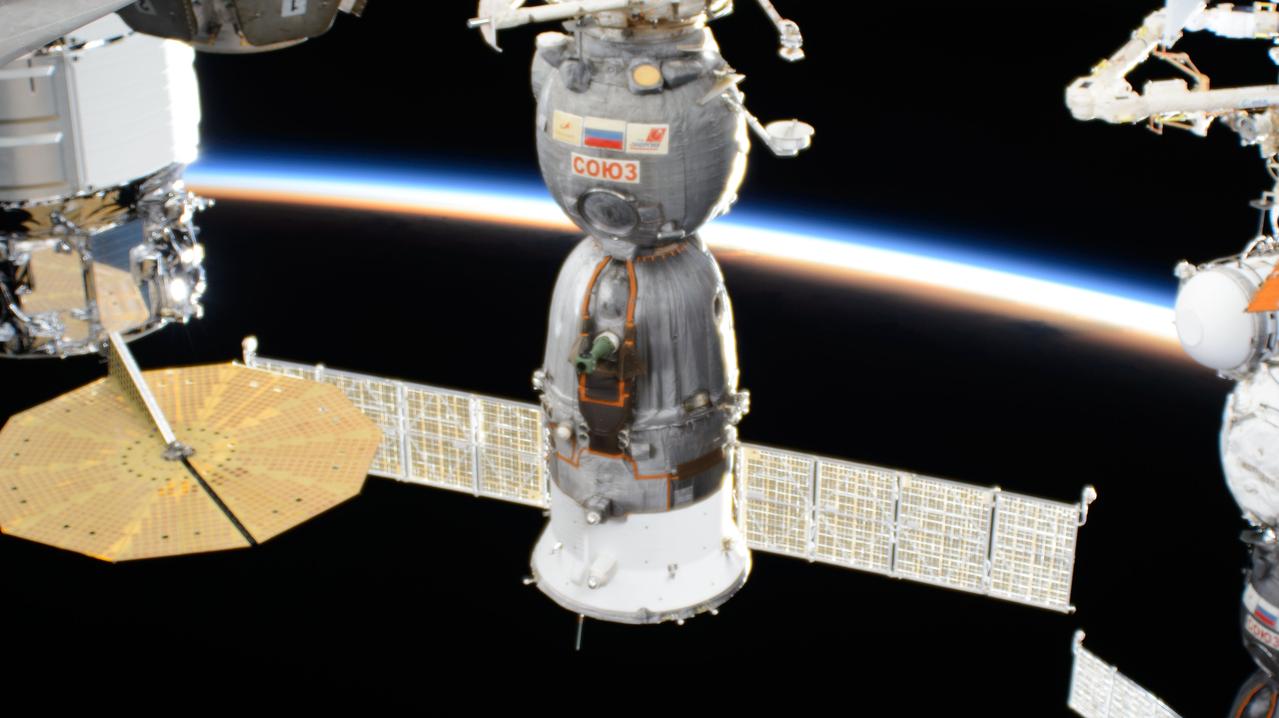
iss071e001341 (April 6, 2024) --- The Soyuz MS-24 spacecraft is pictured docked to the International Space Station's Rassvet module as it soared into an orbital sunset 260 miles above the Pacific Ocean off the coast of Costa Rica. Aboard the Soyuz crew ship and waiting to undock from Rassvet for the ride back to Earth were NASA astronaut Loral O'Hara, Roscosmos cosmonaut Oleg Novitskiy, and Belarus spaceflight participant Marina Vasilevskaya.
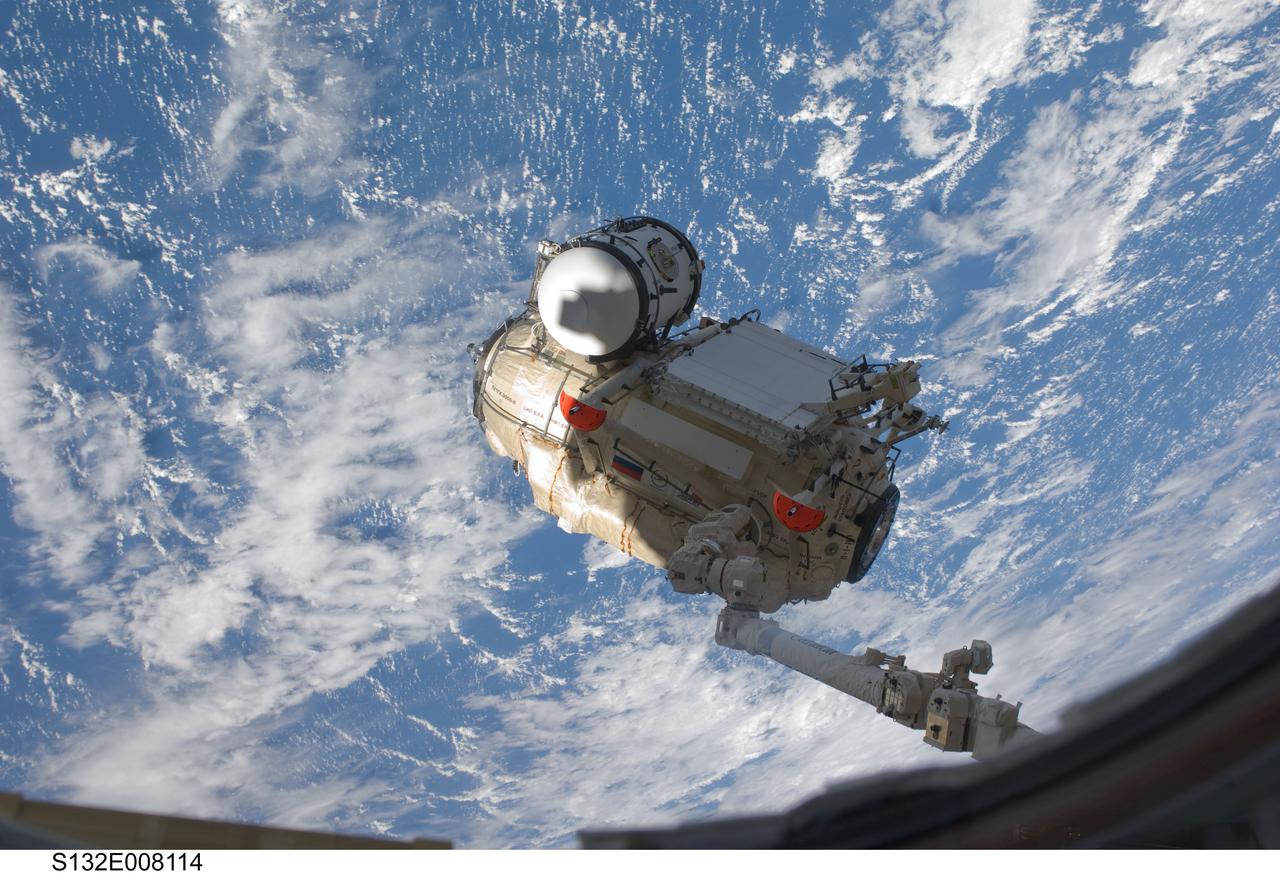
S132-E-008114 (18 May 2010) --- In the grasp of the Canadarm2, the Russian-built Mini-Research Module 1 (MRM-1) is transferred from space shuttle Atlantis’ payload bay to be permanently attached to the Earth-facing port of the Zarya Functional Cargo Block (FGB) of the International Space Station. Named Rassvet, Russian for "dawn," the module is the second in a series of new pressurized components for Russia. Rassvet will be used for cargo storage and will provide an additional docking port to the station.
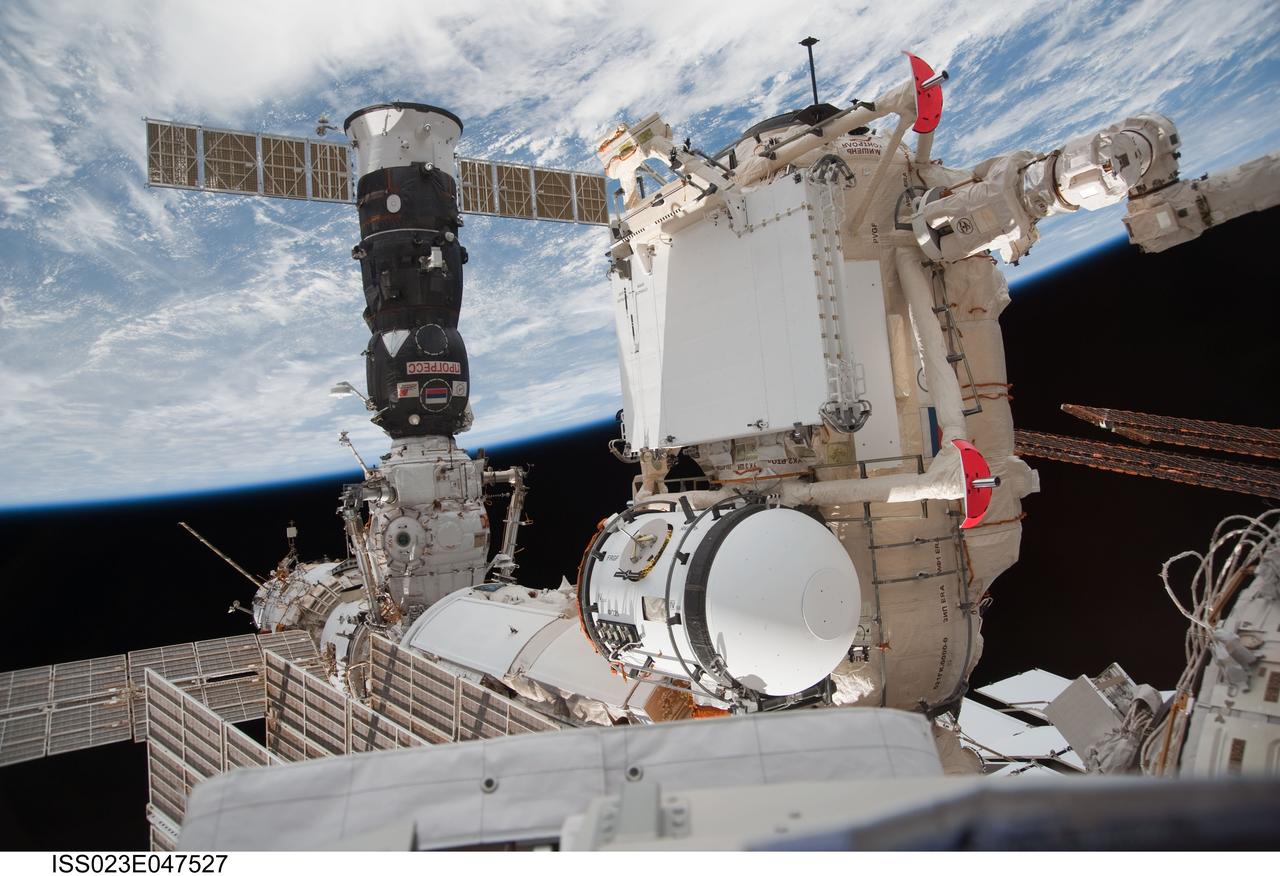
ISS023-E-047527 (18 May 2010) --- In the grasp of the station?s robotic Canadarm2, the Russian-built Mini-Research Module 1 (MRM-1) is attached to the Earth-facing port of the Zarya Functional Cargo Block (FGB) of the International Space Station. Named Rassvet, Russian for "dawn," the module is the second in a series of new pressurized components for Russia. Rassvet will be used for cargo storage and will provide an additional docking port to the station.

iss068e022721 (Nov. 17, 2022) --- Roscosmos cosmonauts Sergey Prokopyev and Dmitri Petelin conduct a six-hour and 25-minute spacewalk in their Orlan spacesuits to transfer a radiator from the Rassvet module to the Nauka multipurpose laboratory module for future installation. The duo is pictured tethered to the Rassvet module with the Soyuz MS-22 crew ship docked at top.
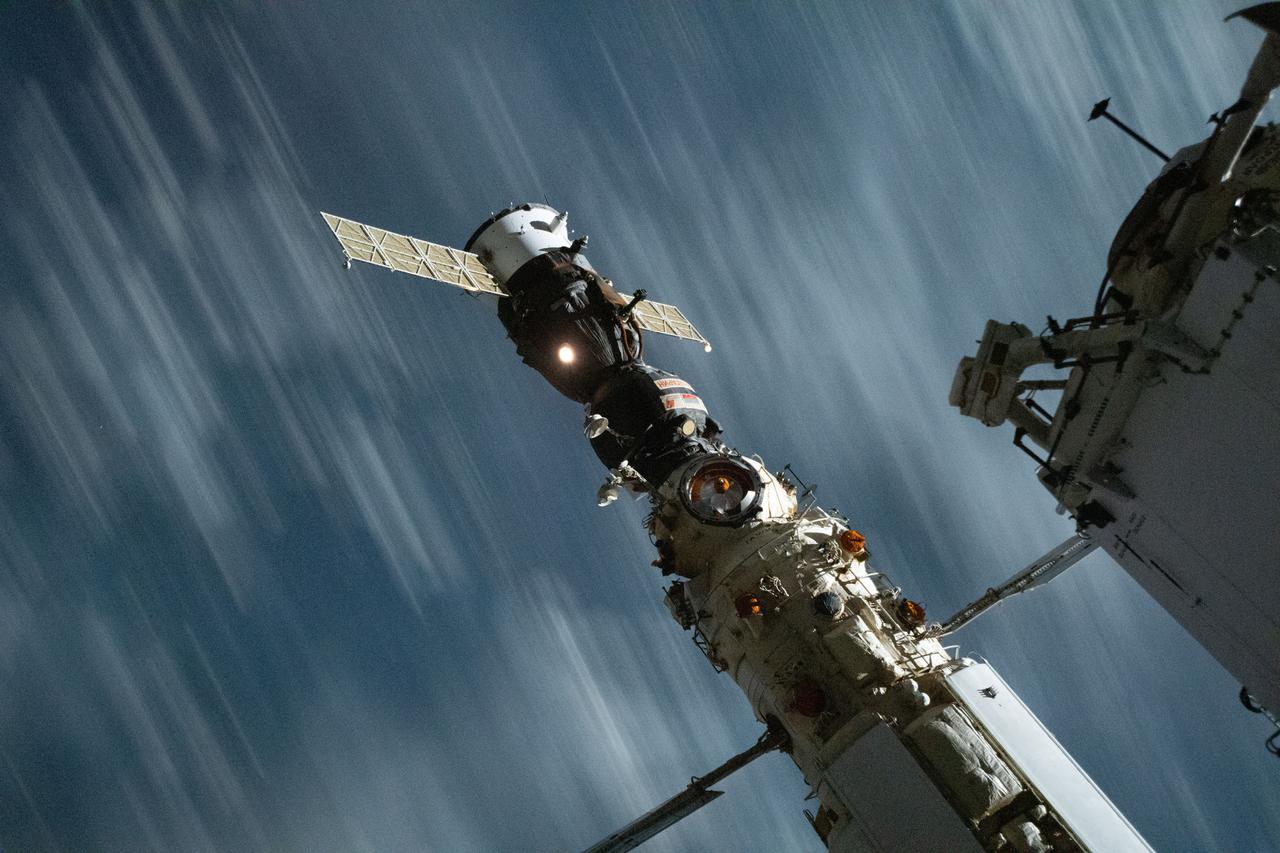
iss065e431610 (Sept. 28, 2021) --- The Soyuz MS-18 spacecraft carrying three Expedition 65 crewmates is pictured docked to the Nauka multipurpose laboratory module moments after completing its relocation maneuver from the Rassvet module.
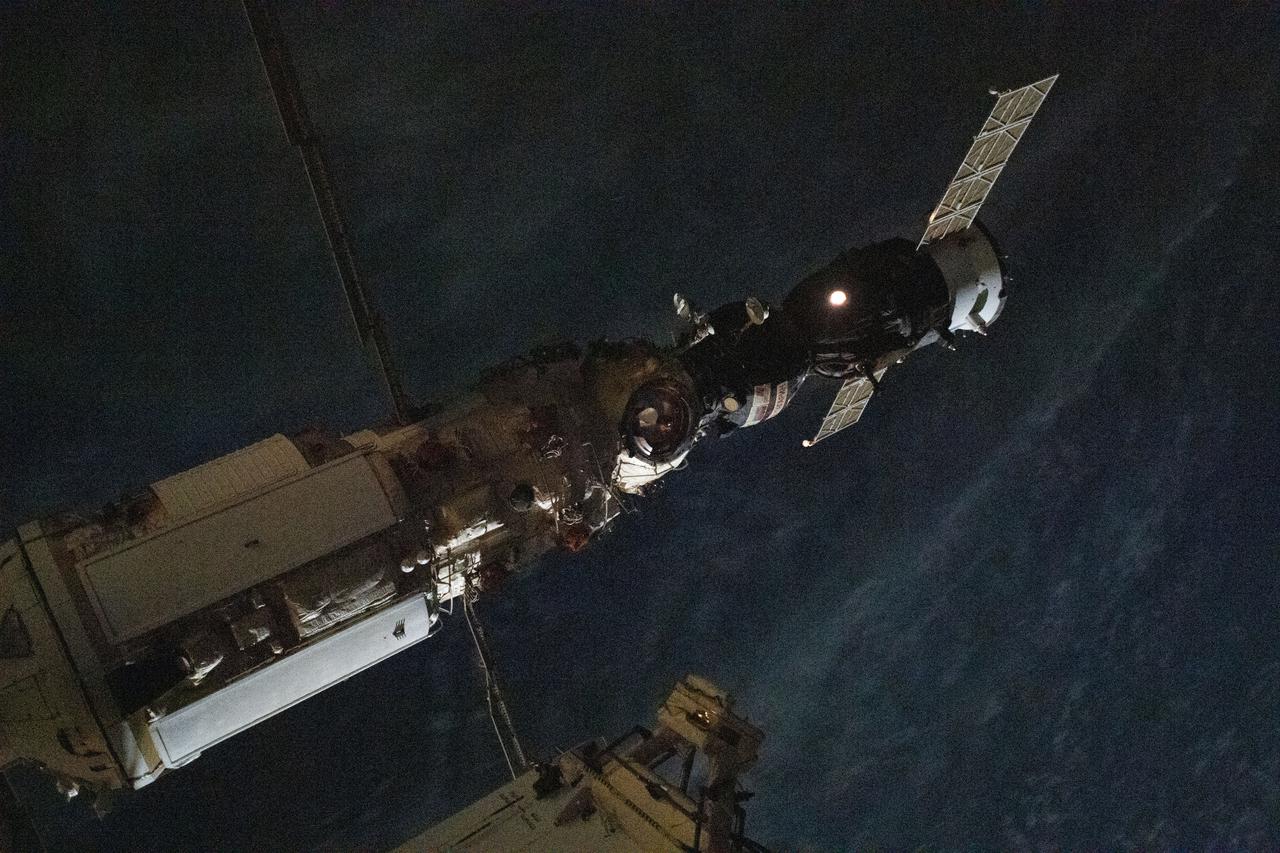
iss065e431591 (Sept. 28, 2021) --- The Soyuz MS-18 spacecraft carrying three Expedition 65 crewmates is pictured docked to the Nauka multipurpose laboratory module moments after completing its relocation maneuver from the Rassvet module.
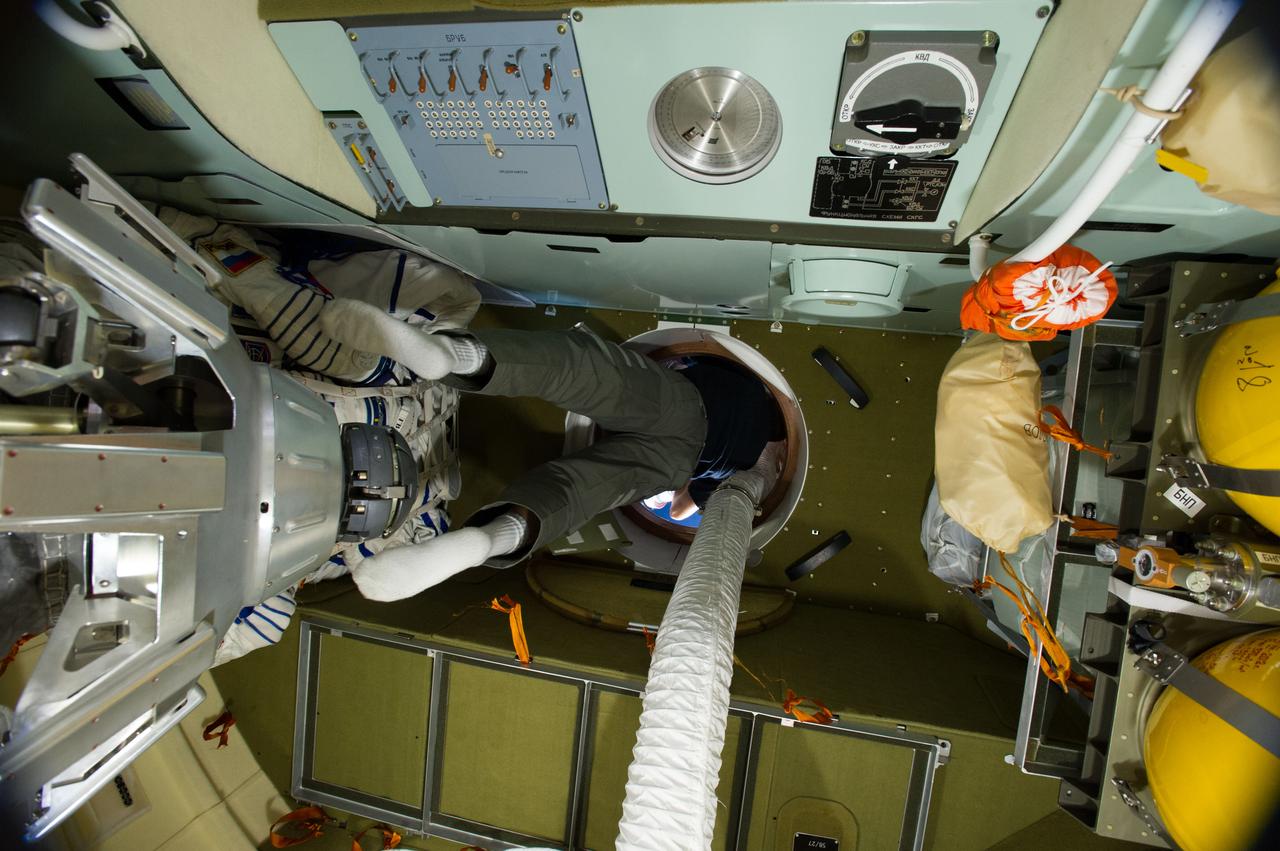
NASA Astronaut Reid Wiseman (back to camera),Expedition 40 flight engineer,is pictured in the Rassvet Mini-Research Module 1 (MRM-1) hatch of the International Space Station.
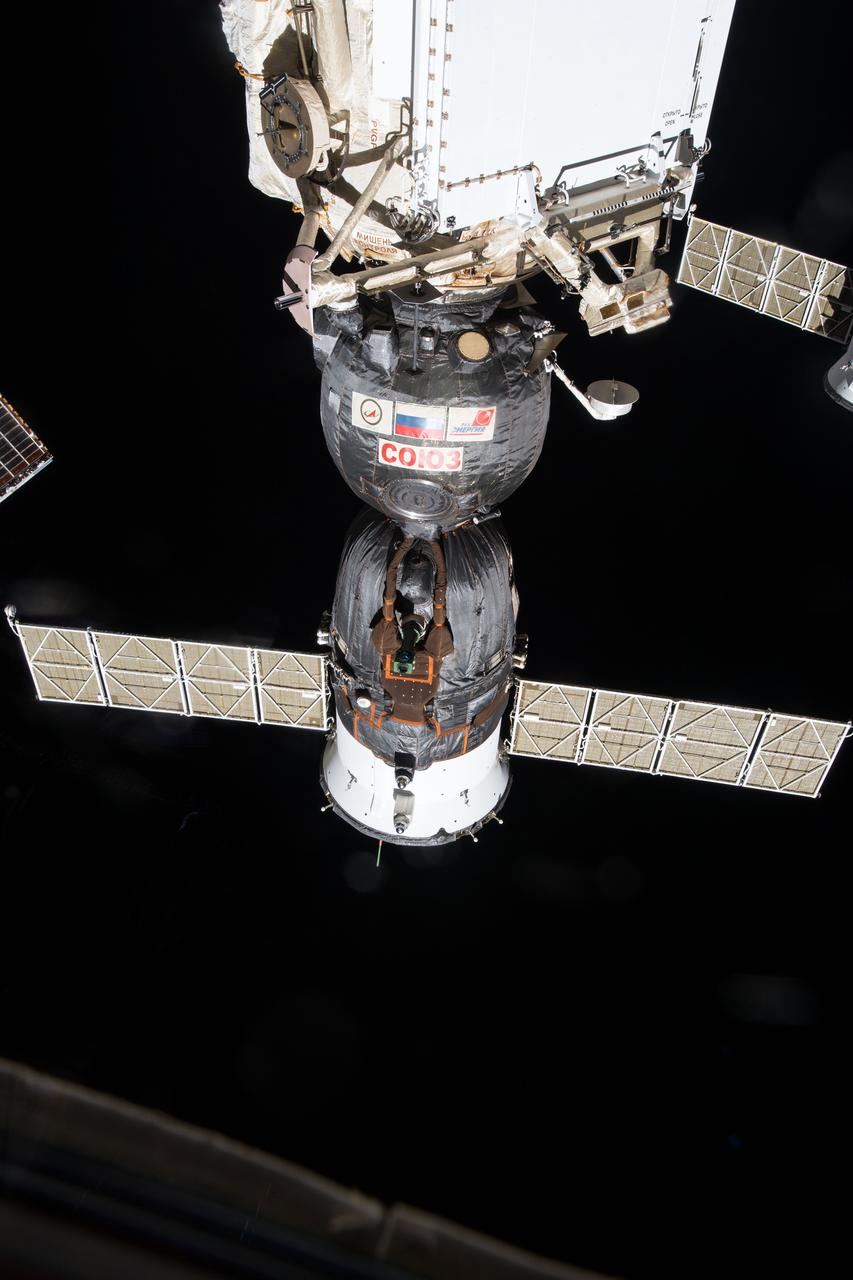
iss055e004979 (March 24, 2018) --- The Soyuz MS-07 spacecraft that launched three Expedition 54-55 crew members to the International Space Station on Dec. 17, 2017 is pictured docked to the Rassvet module.
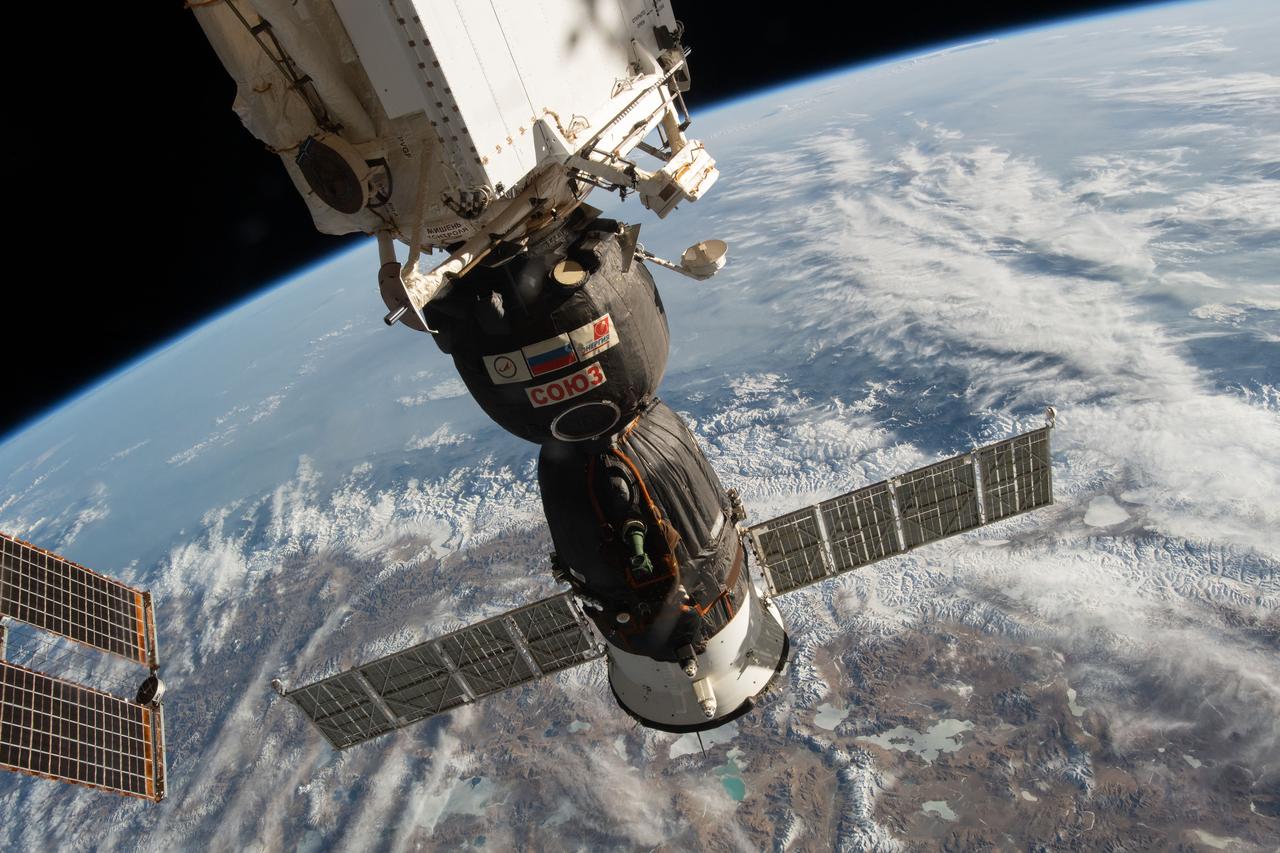
iss059e003532 (March 27, 2019) --- The Soyuz MS-12 crew ship is pictured docked to the Rassvet module as the International Space Station orbited 256 miles above India, Nepal and China.
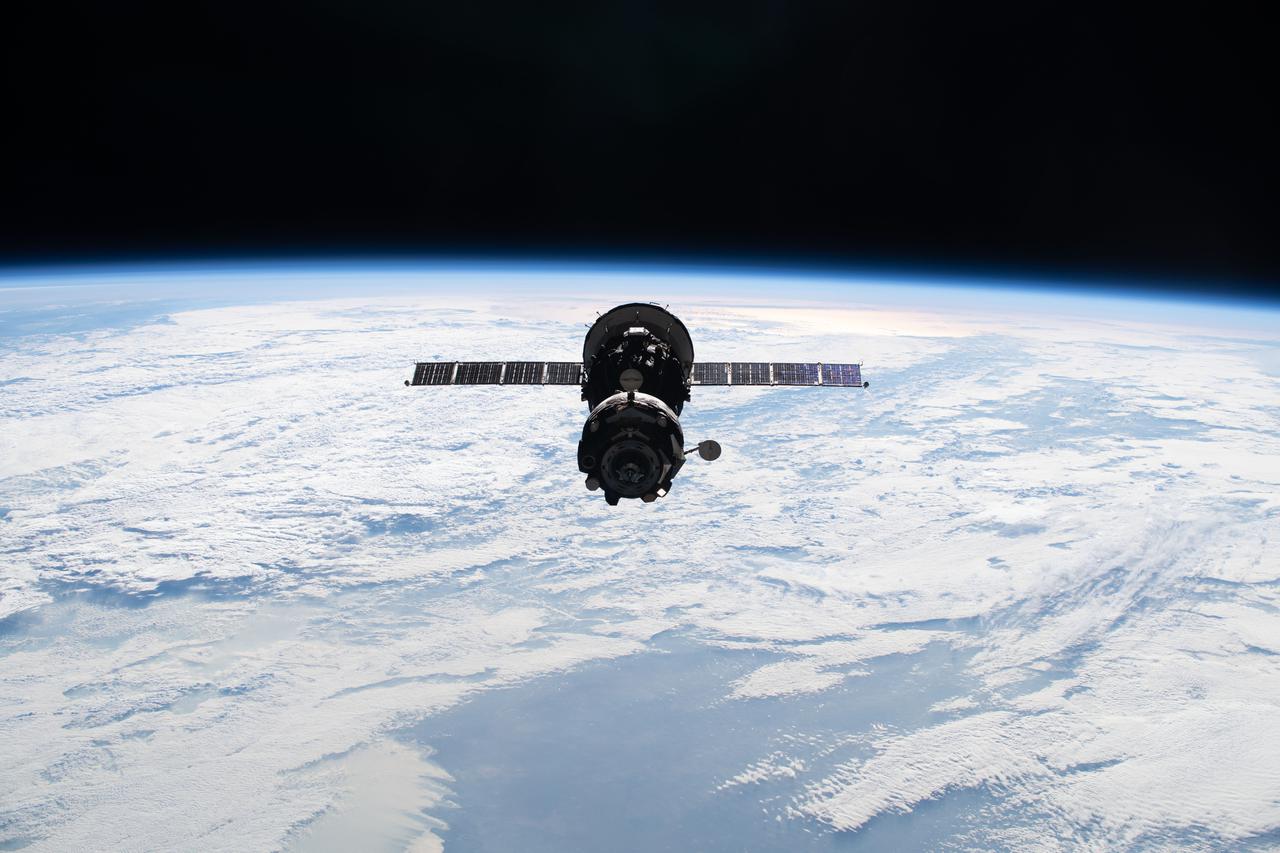
iss065e431621 (Sept. 28, 2021) --- The Soyuz MS-18 spacecraft carrying three Expedition 65 crewmates is pictured during its relocation maneuver from the Rassvet module to the Nauka multipurpose laboratory module.
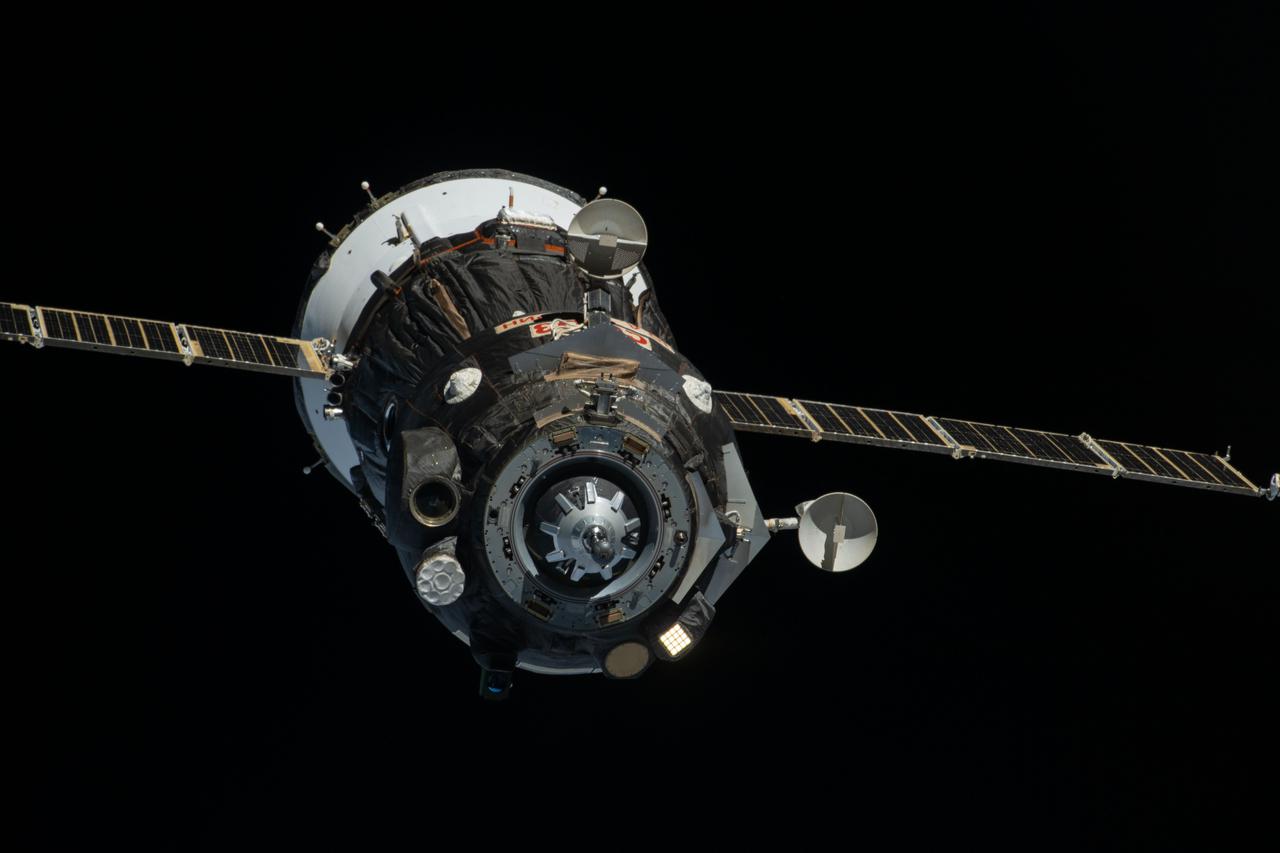
iss065e431136 (Sept. 28, 2021) --- The Soyuz MS-18 spacecraft carrying three Expedition 65 crewmates is pictured during its relocation maneuver from the Rassvet module to the Nauka multipurpose laboratory module.
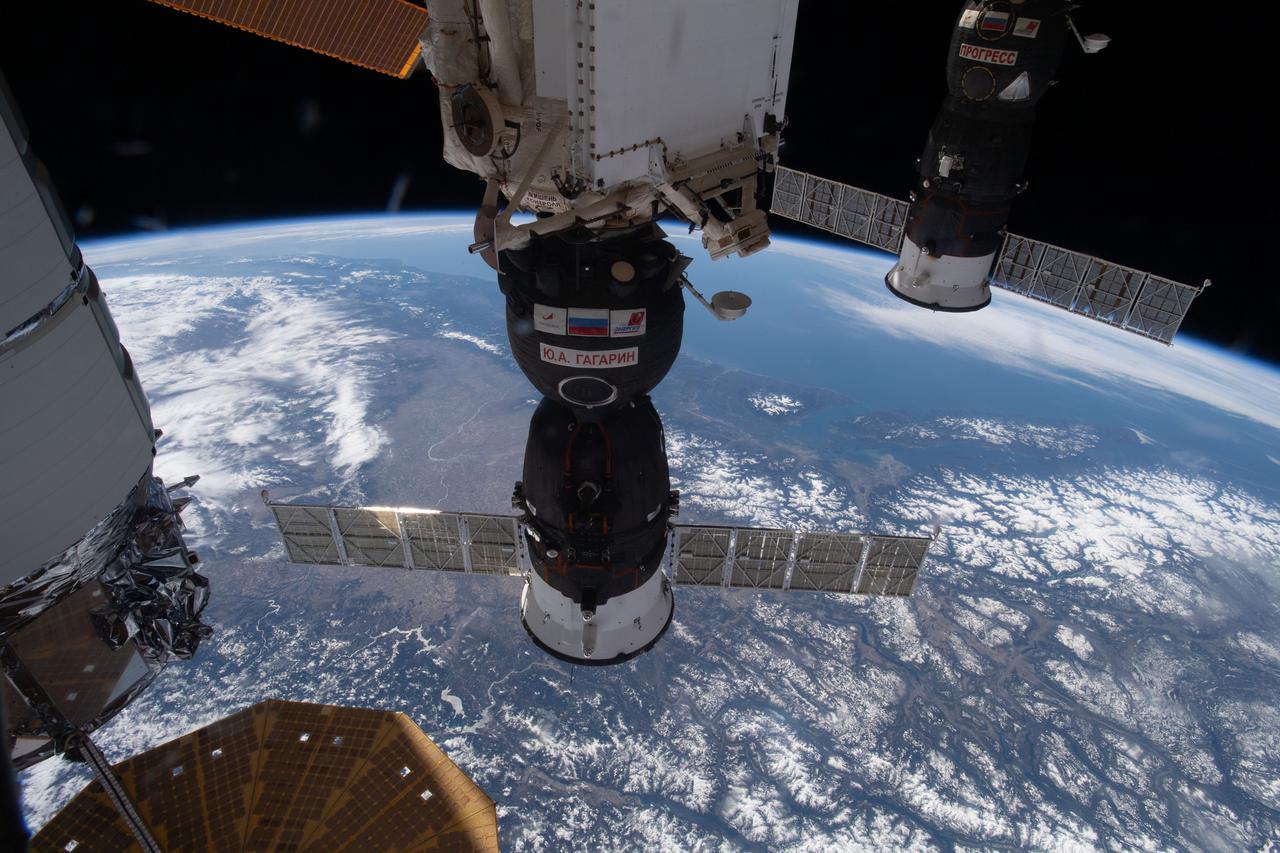
iss064e059550 (April 14, 2021) --- The Soyuz MS-18 crew ship is pictured docked to the International Space Station's Rassvet module as the orbital complex flew 265 miles above Canada near Calgary, Alberta.
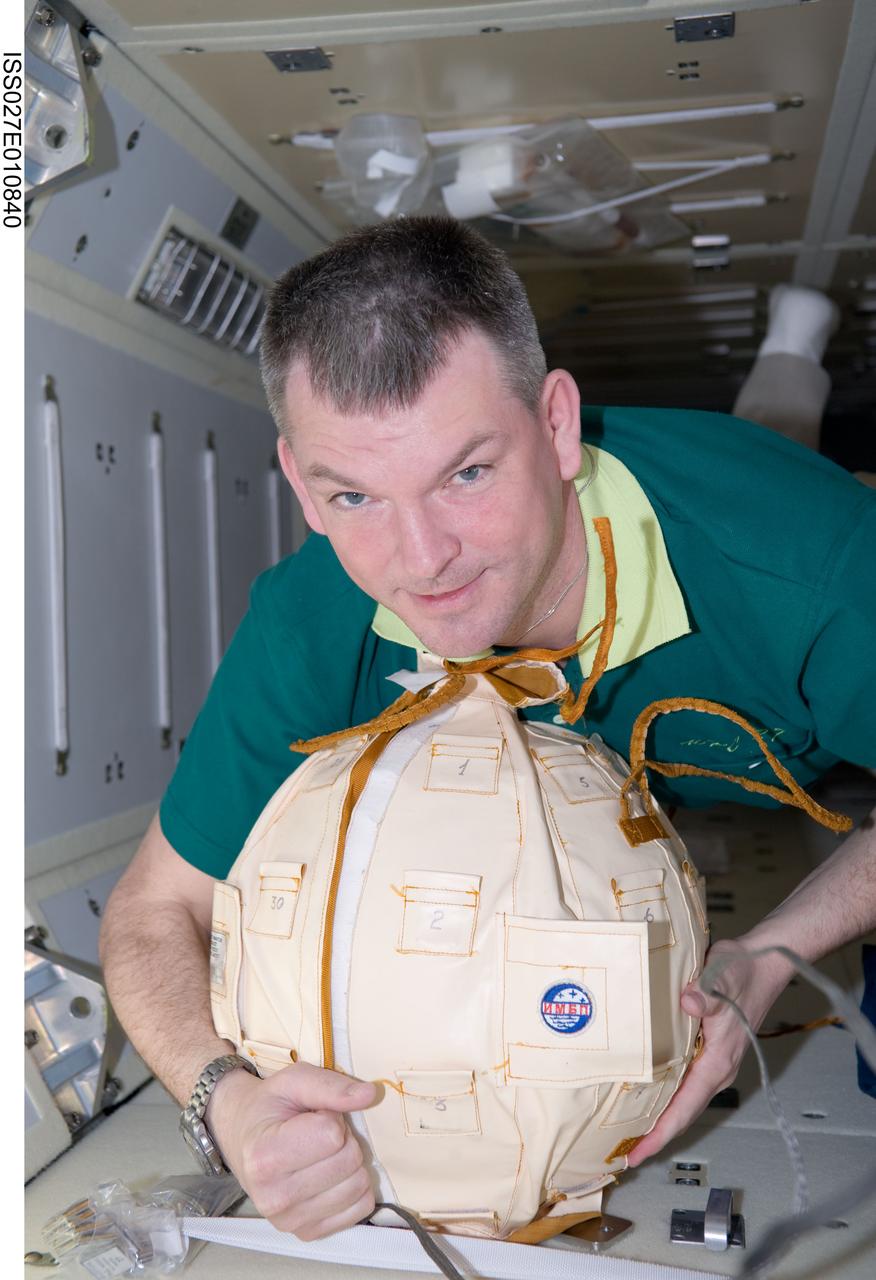
ISS027-E-010840 (8 April 2011) --- Russian cosmonaut Alexander Samokutyaev, Expedition 27 flight engineer, works with Matryoshka-R Phantom hardware in the Rassvet Mini-Research Module 1 (MRM1) of the International Space Station.
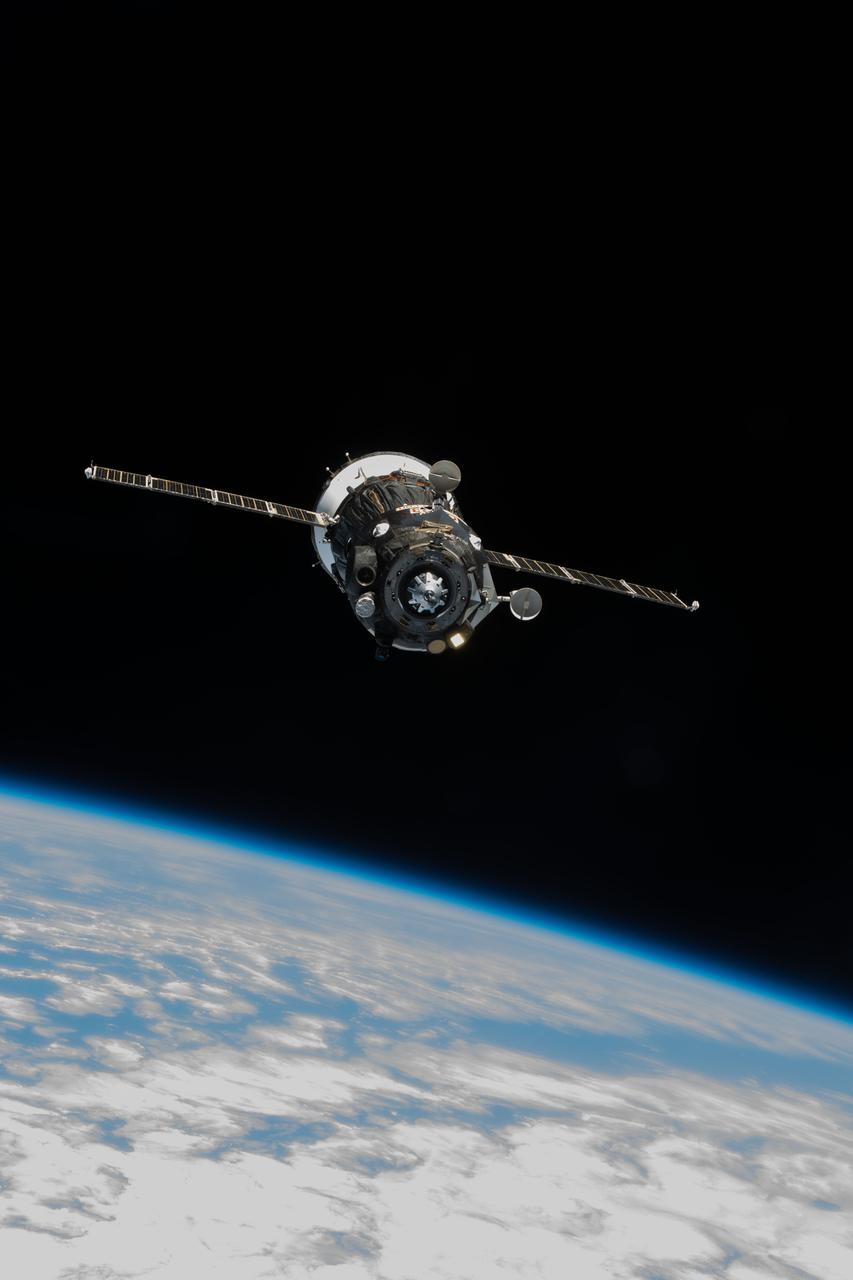
iss065e431179 (Sept. 28, 2021) --- The Soyuz MS-18 spacecraft carrying three Expedition 65 crewmates is pictured during its relocation maneuver from the Rassvet module to the Nauka multipurpose laboratory module.
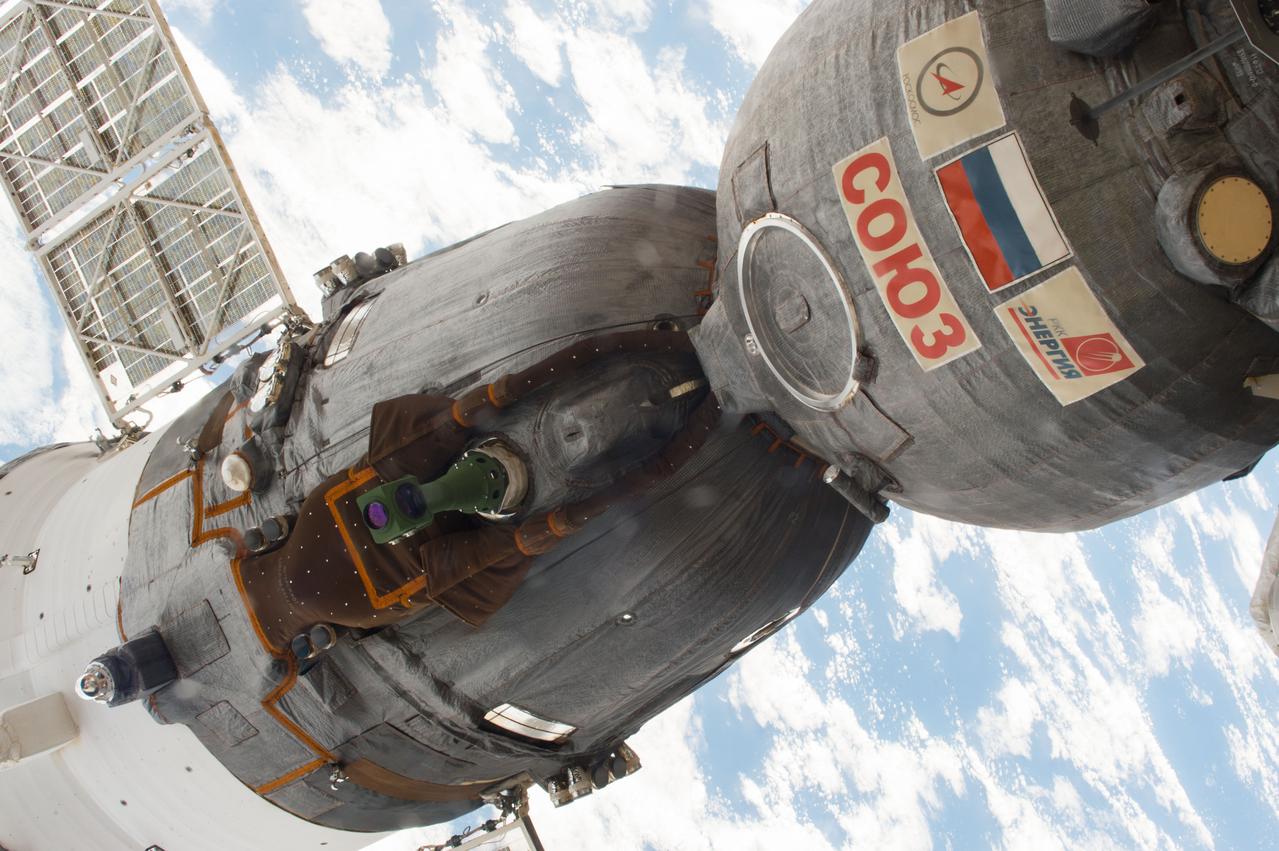
iss051e028535 (April 26, 2017) --- The Soyuz MS-03 spacecraft that carried Expedition 51 crew members Oleg Novitskiy, Thomas Pesquet and Peggy Whitson to space is pictured docked to the Rassvet module.
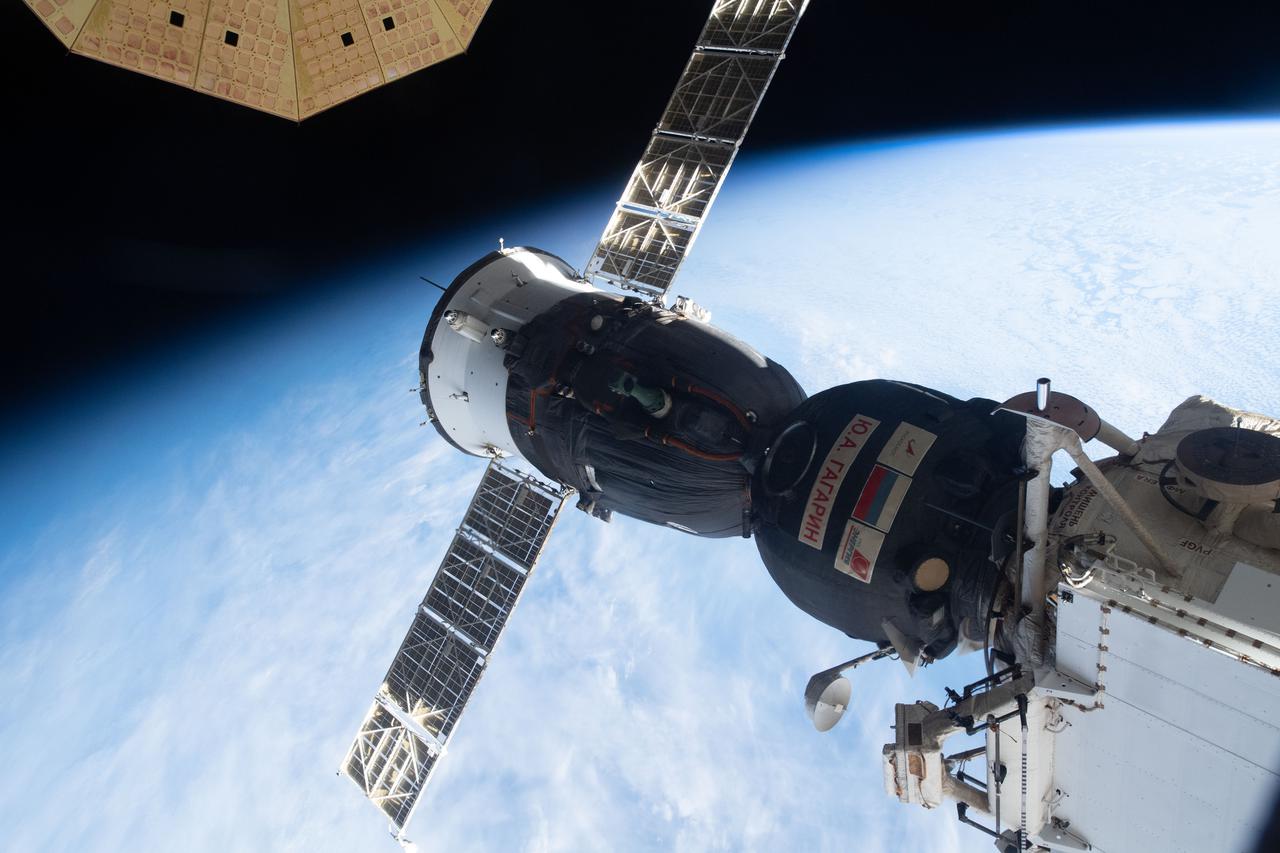
iss065e431289 (Sept. 28, 2021) --- The Soyuz MS-18 spacecraft carrying three Expedition 65 crewmates is pictured docked to the Rassvet module moments before beginning its relocation maneuver to the Nauka multipurpose laboratory module.
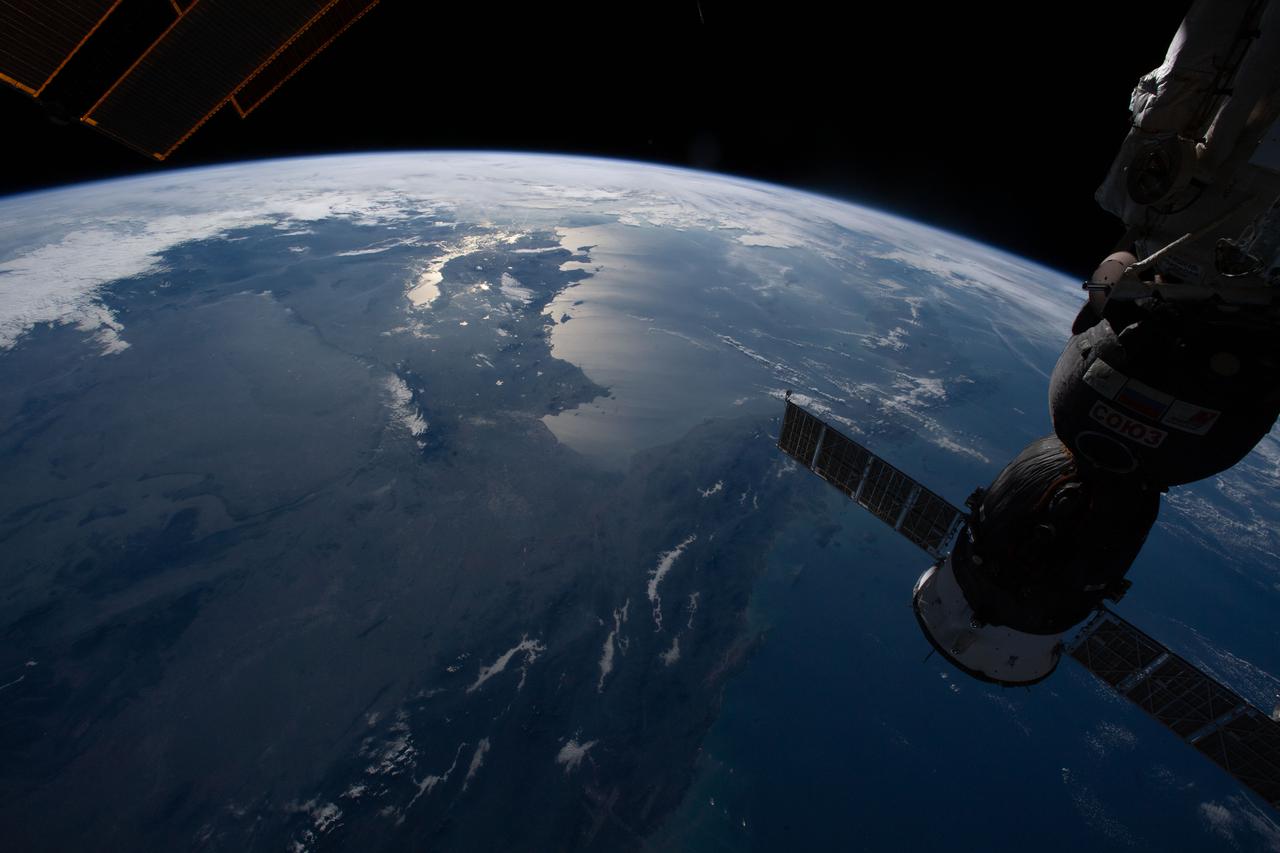
iss066e088446 (Dec. 12, 2021) --- The Soyuz MS-19 crew ship is pictured docked to the Rassvet module as the International Space Station orbited 260 miles above southeast Asia.
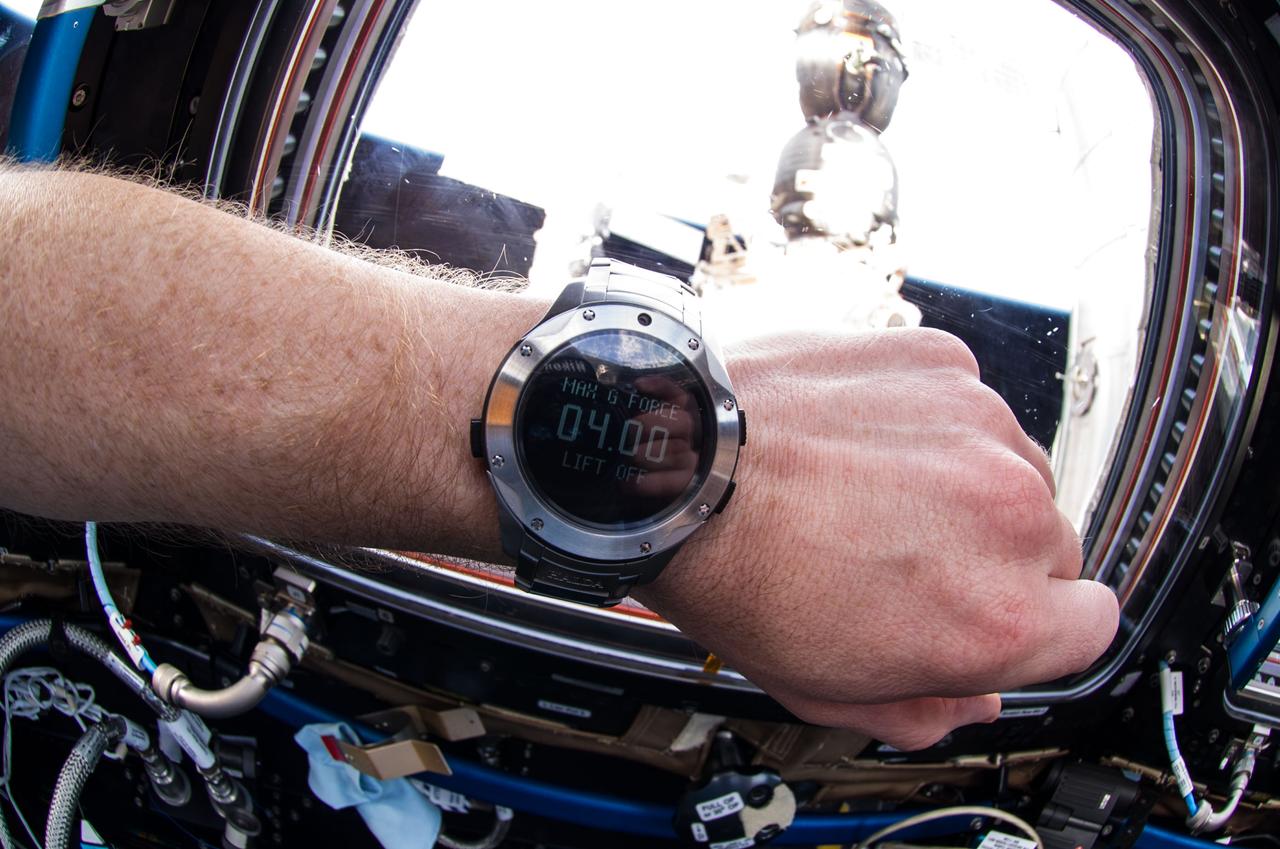
View of docked Soyuz 39 (TMA-13M) on Mini-Research Module 1 (MRM1) (Rassvet). A wrist watch is visible in the frame with the terms "Max 6 Force 04:00" on its face.

iss059e011769 (April 4, 2019) --- Russia's Soyuz MS-12 crew ship is pictured docked to the International Space Station's Rassvet module as the orbital complex flew 258 miles above the North Sea off the coast of the Netherlands.
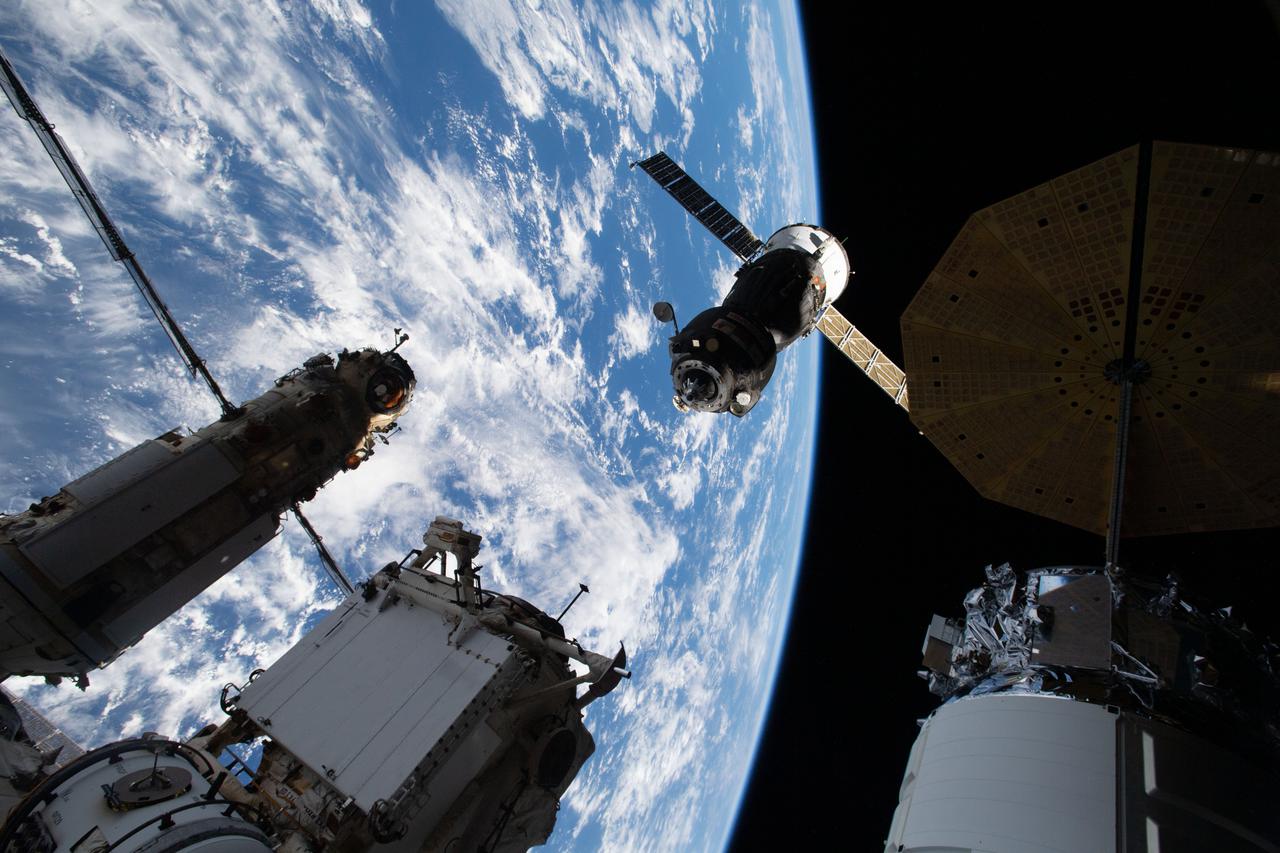
iss065e431430 (Sept. 28, 2021) --- The Soyuz MS-18 spacecraft carrying three Expedition 65 crewmates is pictured during its relocation maneuver from the Rassvet module to the Nauka multipurpose laboratory module.
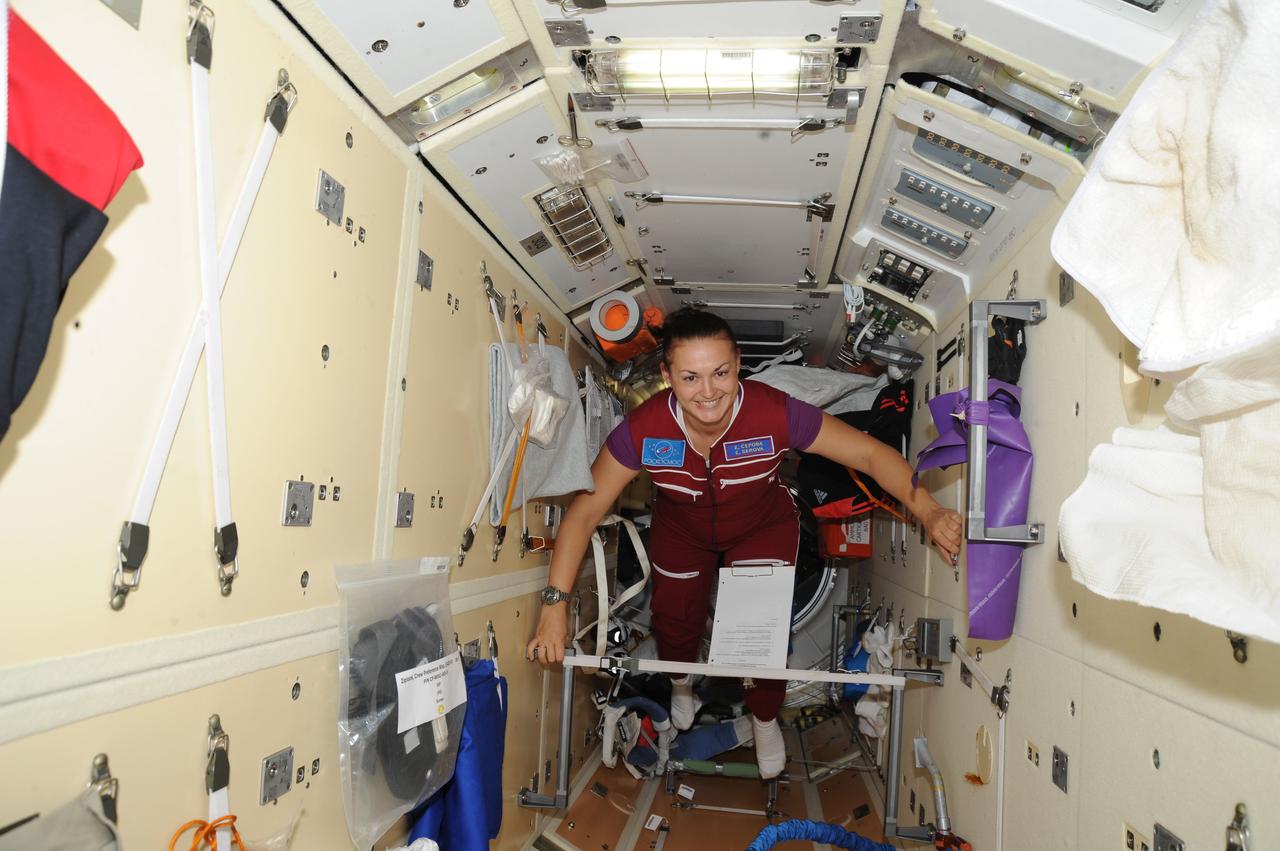
ISS041-E-037528 (27 Sept. 2014) --- Russian cosmonaut Elena Serova, Expedition 41 flight engineer, floats through the Rassvet Mini-Research Module 1 (MRM1) of the International Space Station.
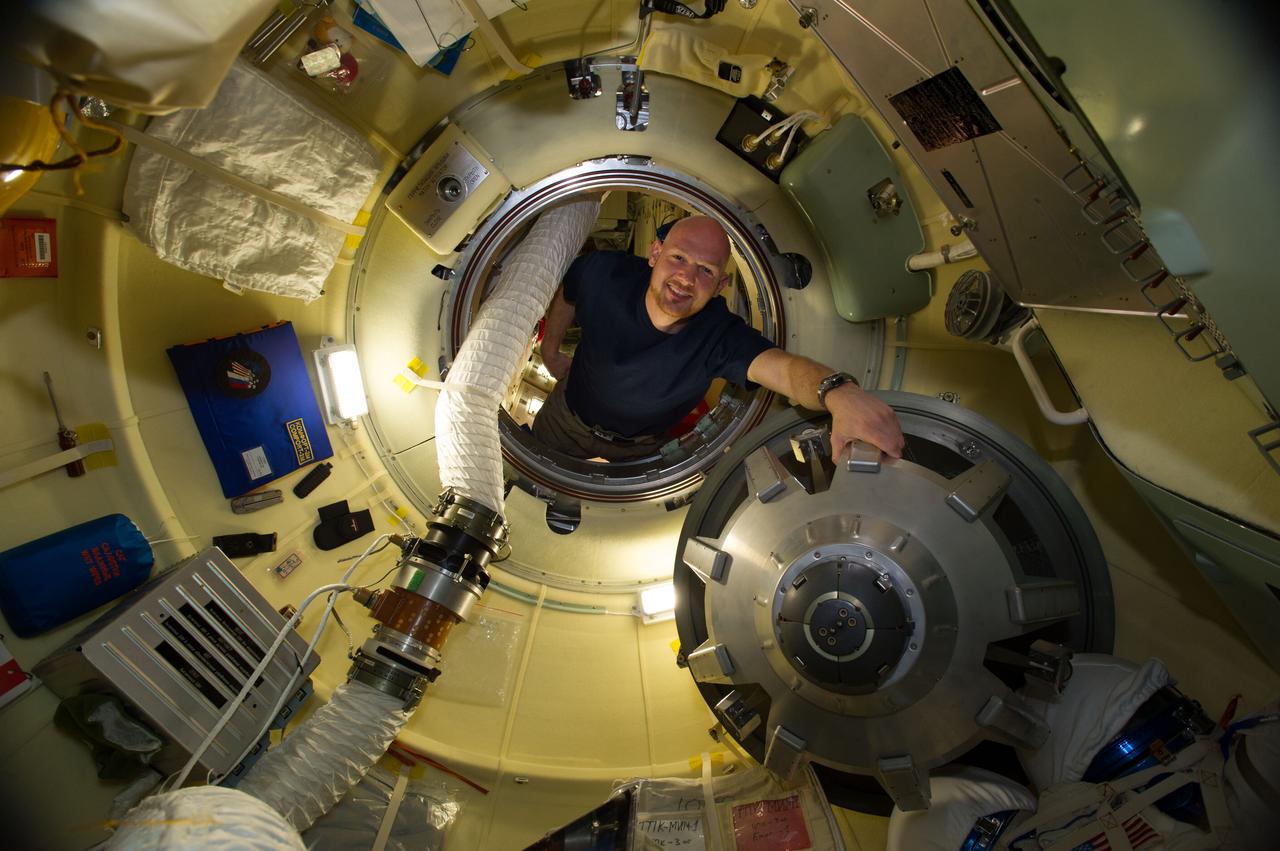
ISS040-E-008044 (6 June 2014) --- European Space Agency astronaut Alexander Gerst, Expedition 40 flight engineer, is pictured in the Rassvet Mini-Research Module 1 (MRM-1) hatch of the International Space Station.
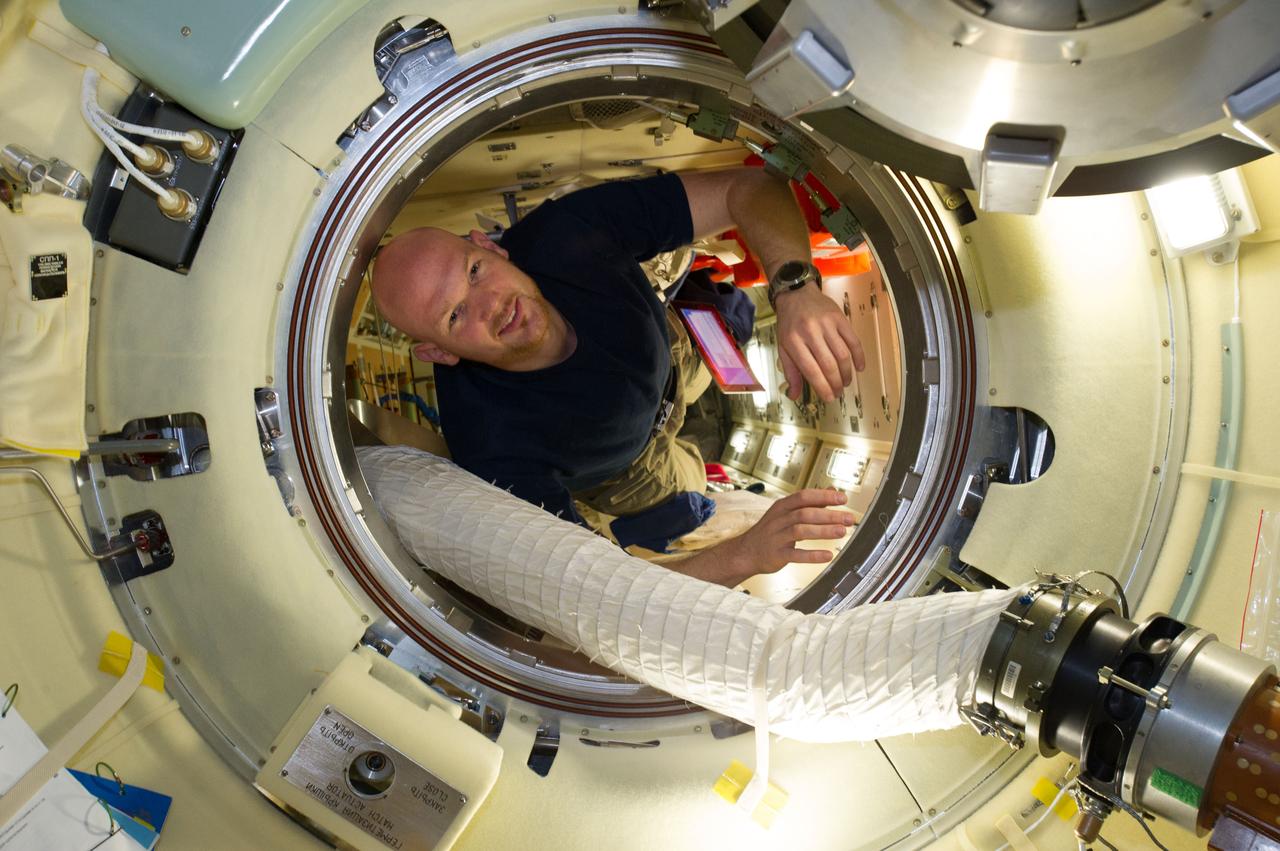
ISS040-E-008036 (6 June 2014) --- European Space Agency astronaut Alexander Gerst, Expedition 40 flight engineer, is pictured in the Rassvet Mini-Research Module 1 (MRM-1) hatch of the International Space Station.
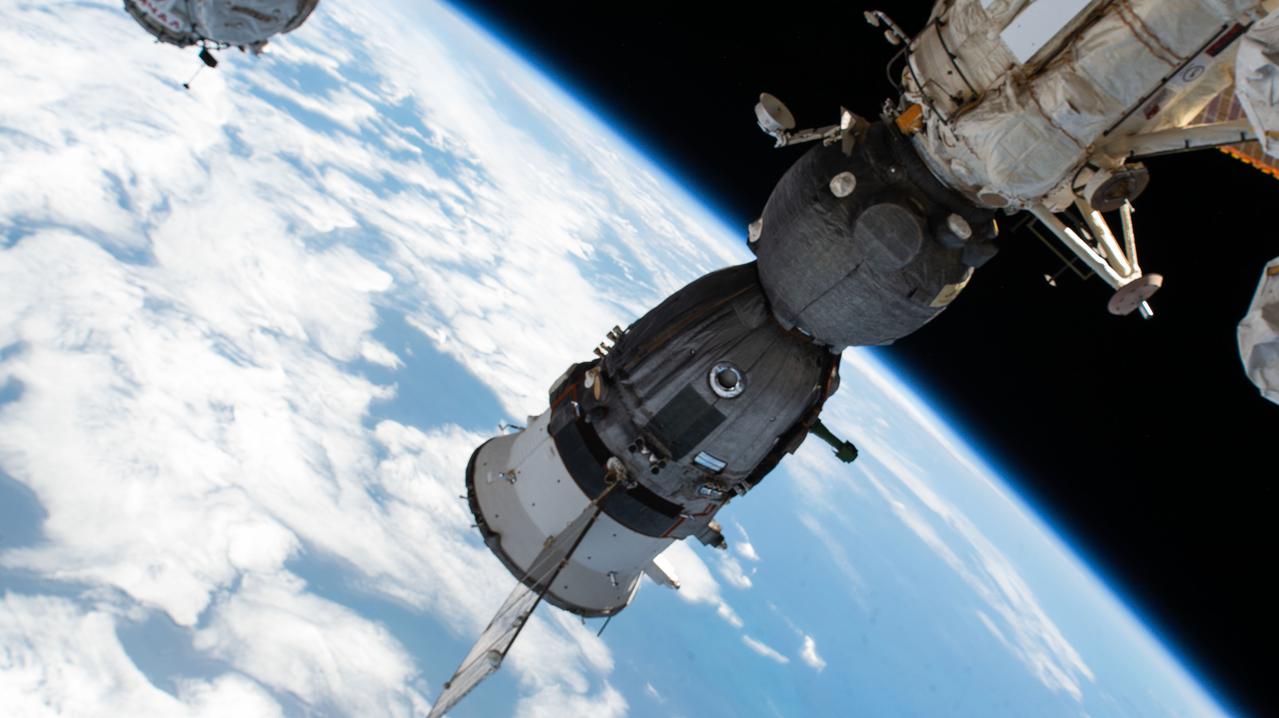
iss070e063067 (Jan. 11, 2024) --- The Soyuz MS-24 crew ship is pictured docked to the Rassvet module as the International Space Station orbited 268 miles above the Tasman Sea southeast of Australia's island state of Tasmania.
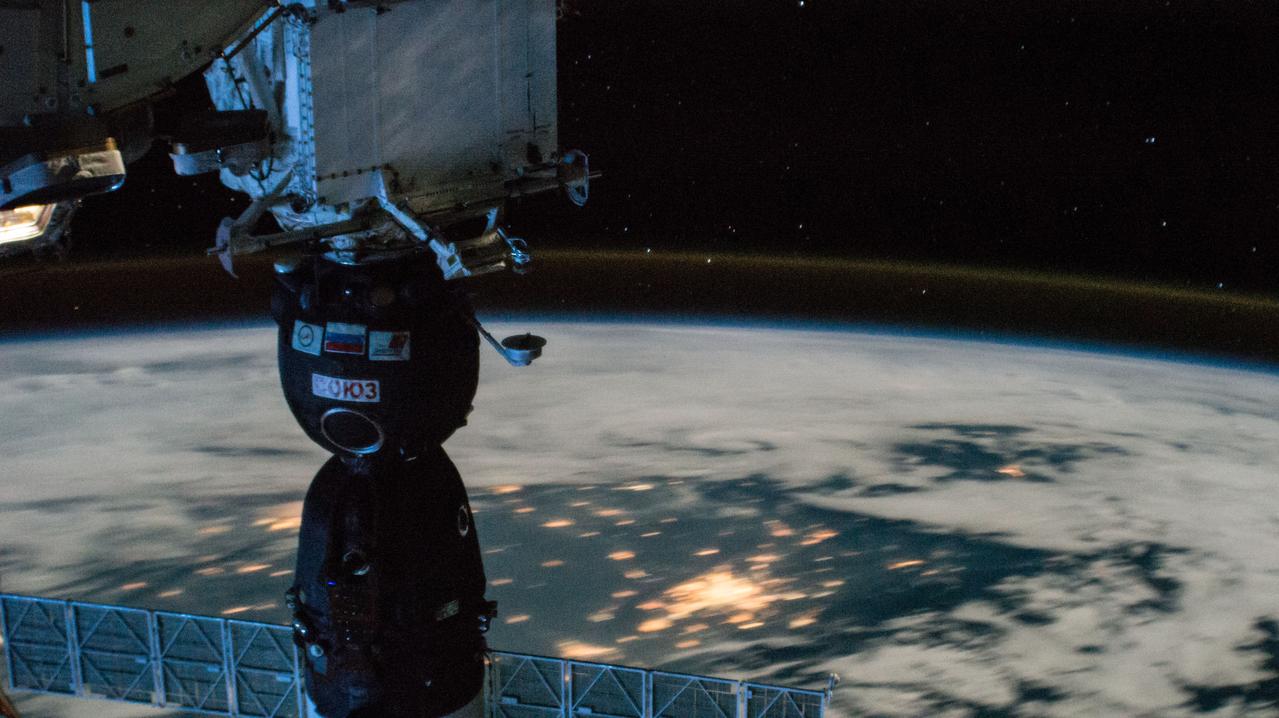
iss053e002946 (Sept. 6, 2017) --- The Soyuz MS-05 crew spacecraft is pictured docked to the Rassvet Mini-Research Module-1 as the International Space Station was orbiting above northern central China during a night pass.
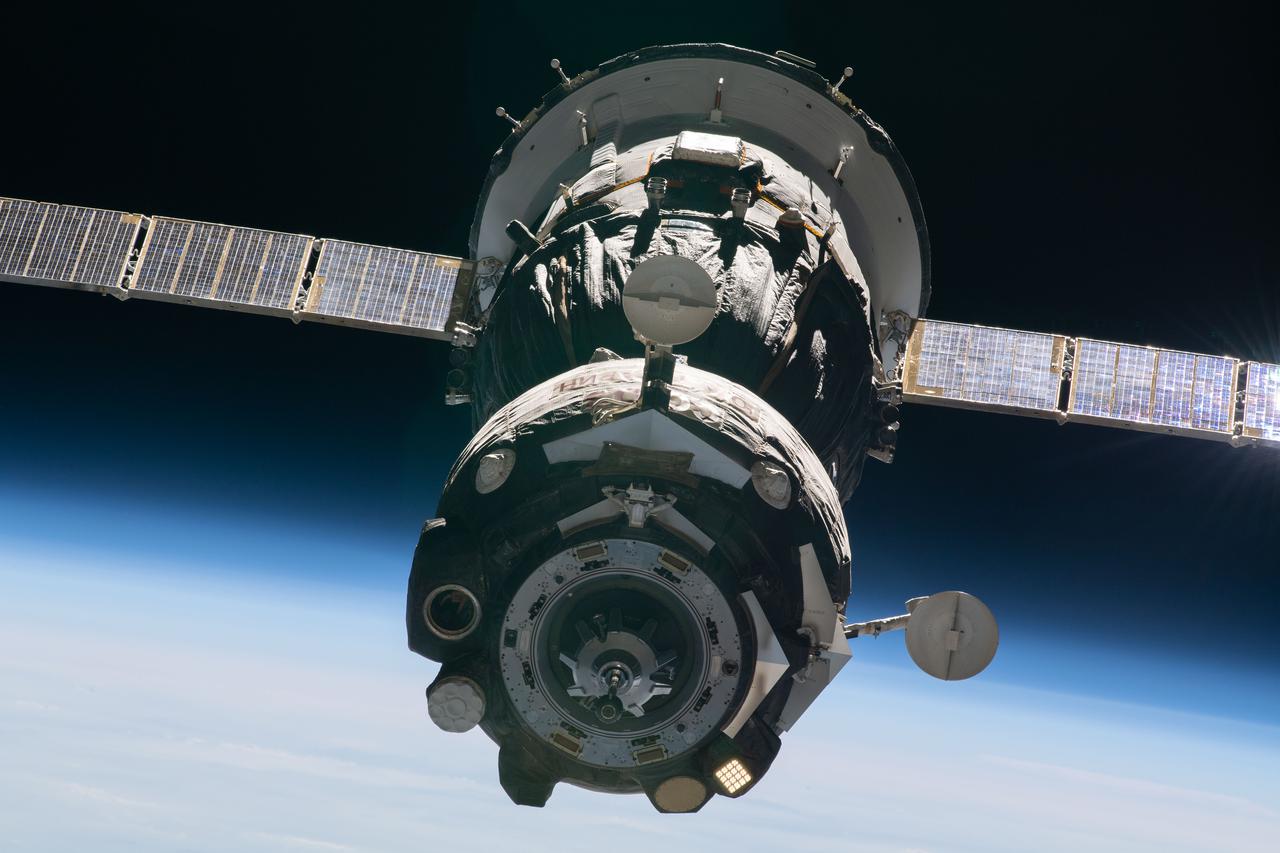
iss065e431662 (Sept. 28, 2021) --- The Soyuz MS-18 spacecraft carrying three Expedition 65 crewmates is pictured during its relocation maneuver from the Rassvet module to the Nauka multipurpose laboratory module.
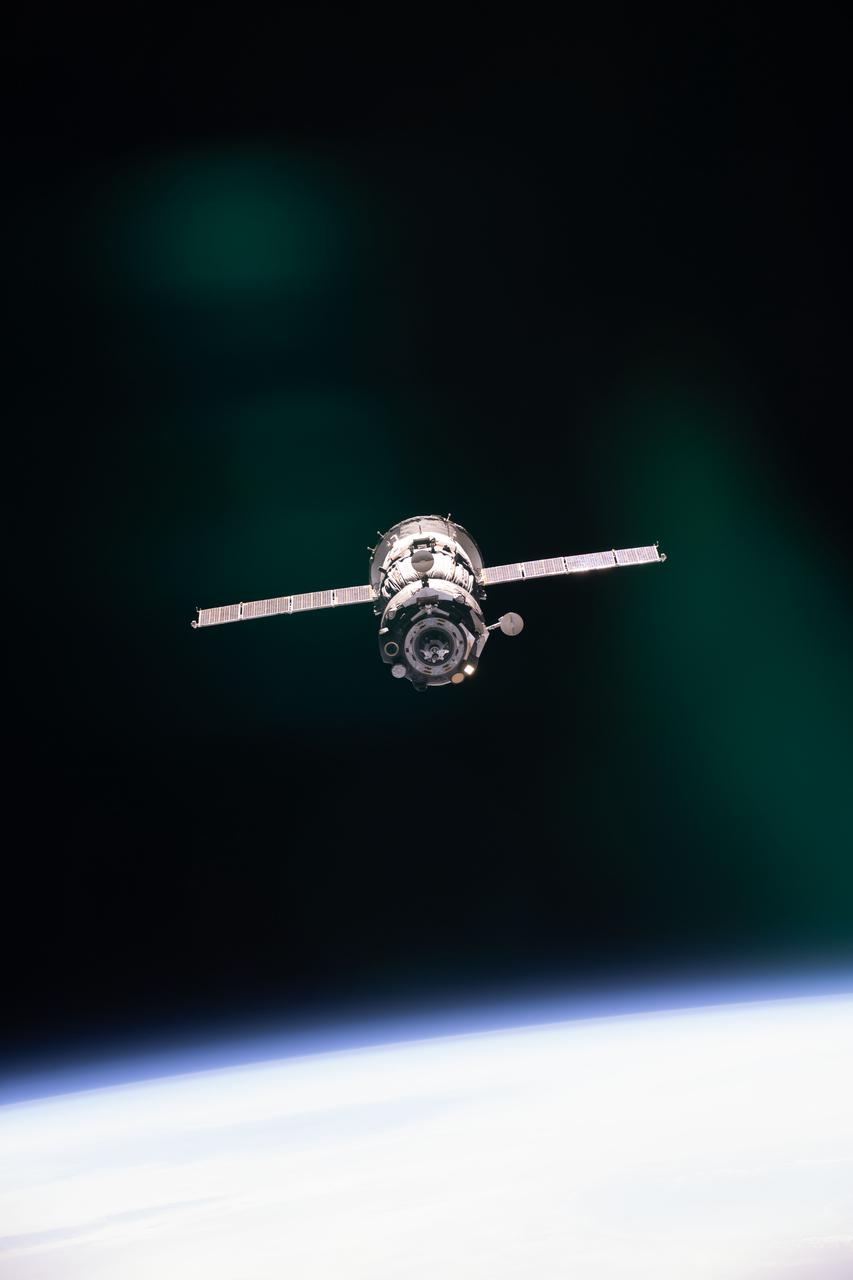
iss065e430927 (Sept. 28, 2021) --- The Soyuz MS-18 spacecraft carrying three Expedition 65 crewmates is pictured during its relocation maneuver from the Rassvet module to the Nauka multipurpose laboratory module.
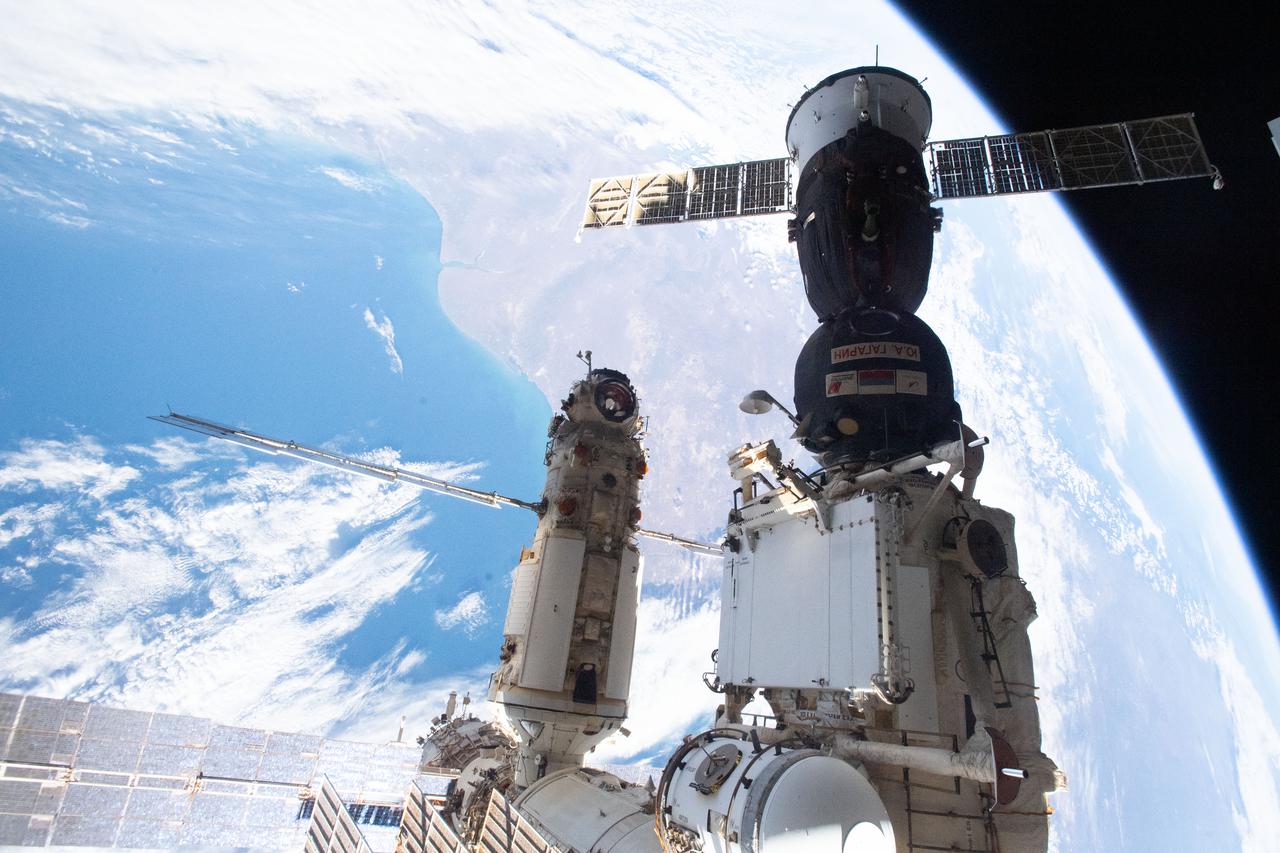
iss065e431311 (Sept. 28, 2021) --- The Soyuz MS-18 spacecraft carrying three Expedition 65 crewmates is pictured docked to the Rassvet module moments before beginning its relocation maneuver to the Nauka multipurpose laboratory module.
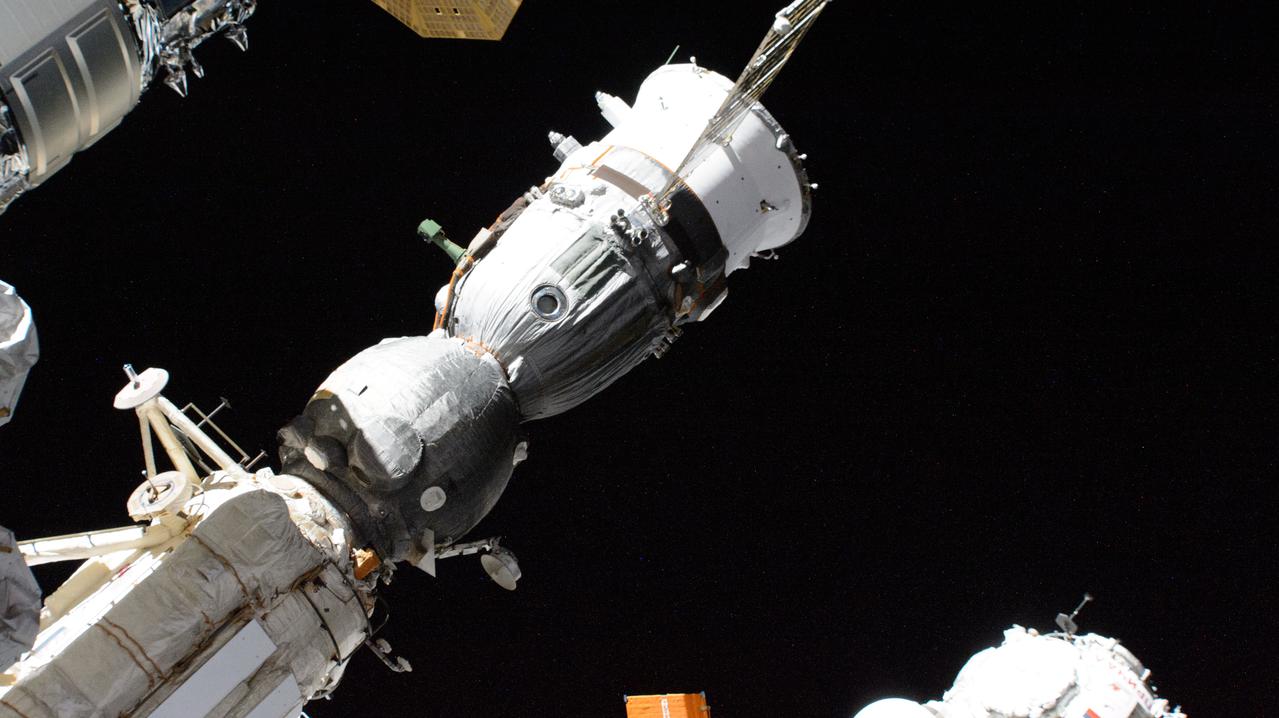
iss070e123731 (March 20, 2024) --- The Soyuz MS-24 crew ship that carried NASA astronaut Loral O'Hara and Roscosmos cosmonauts Oleg Kononenko and Nikolai Chub to the International Space Station is pictured docked to the Rassvet module.
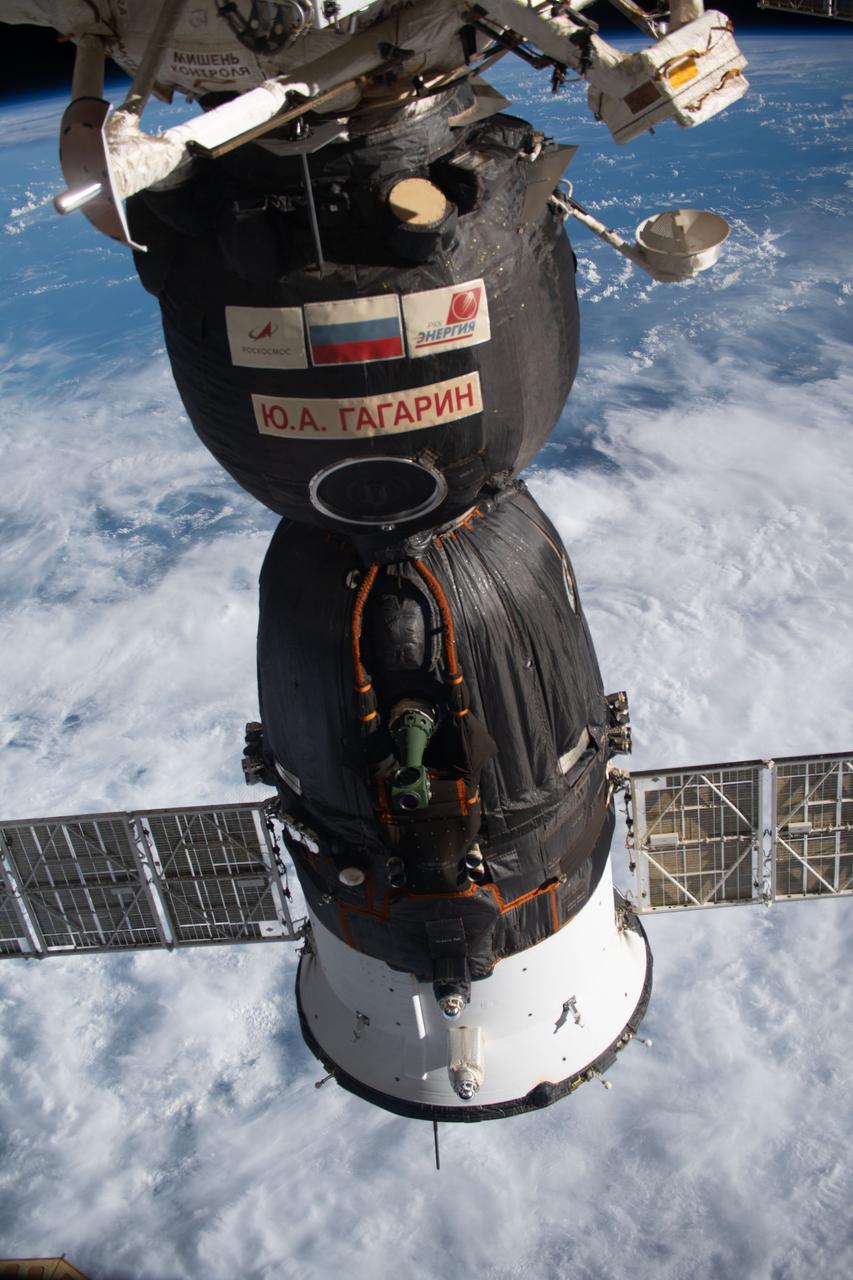
iss065e053334 (May 23, 2021) --- The Soyuz MS-18 crew ship is pictured docked to the Rassvet module as the International Space Station orbited 261 miles above eastern China near Shanghai.
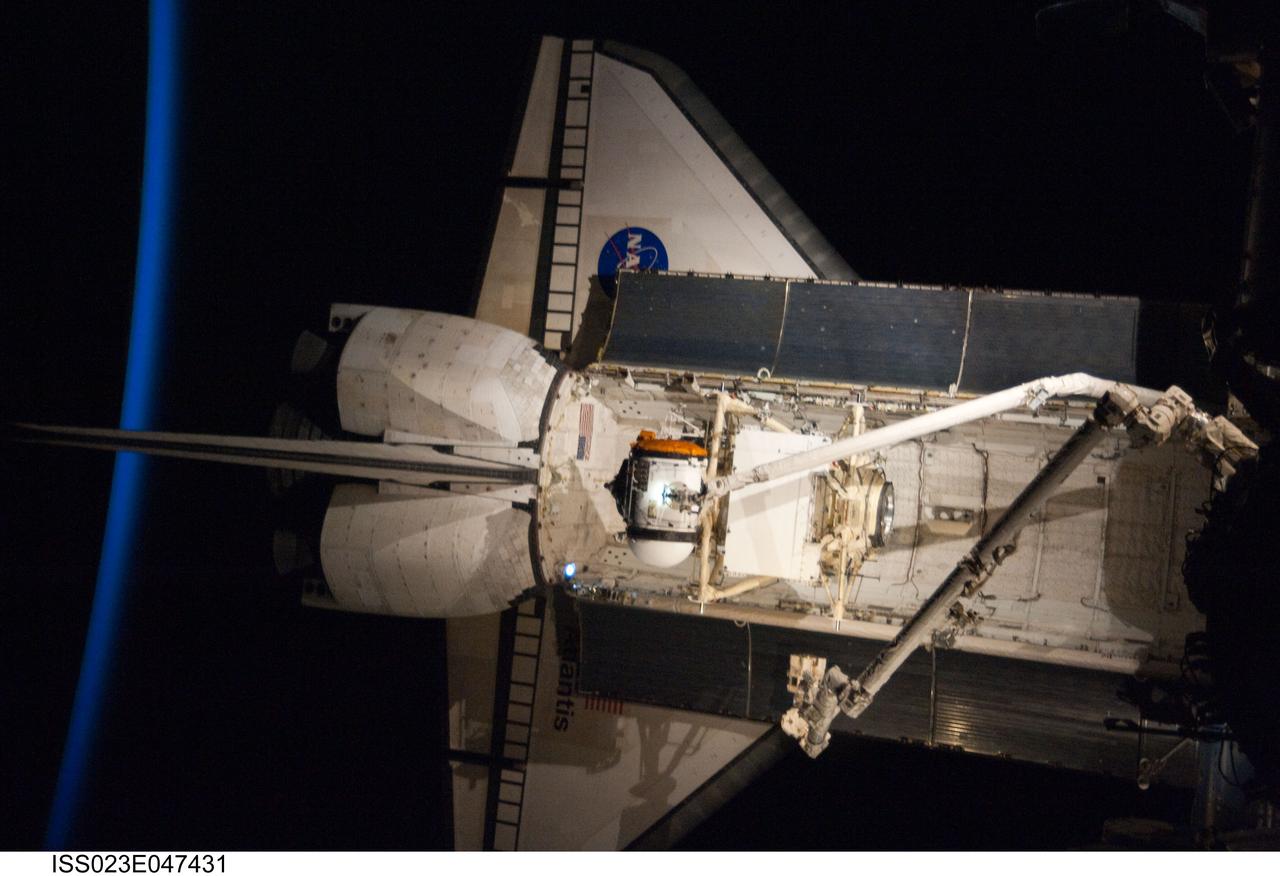
ISS023-E-047431 (18 May 2010) --- Intersecting the thin line of Earth's atmosphere, the docked space shuttle Atlantis is featured in this image photographed by an Expedition 23 crew member on the International Space Station. The Russian-built Mini-Research Module 1 (MRM-1) is visible in the payload bay as the shuttle robotic arm prepares to unberth the module from Atlantis and position it for handoff to the station robotic arm. Named Rassvet, Russian for "dawn," the module is the second in a series of new pressurized components for Russia and will be permanently attached to the Earth-facing port of the Zarya Functional Cargo Block (FGB). Rassvet will be used for cargo storage and will provide an additional docking port to the station.
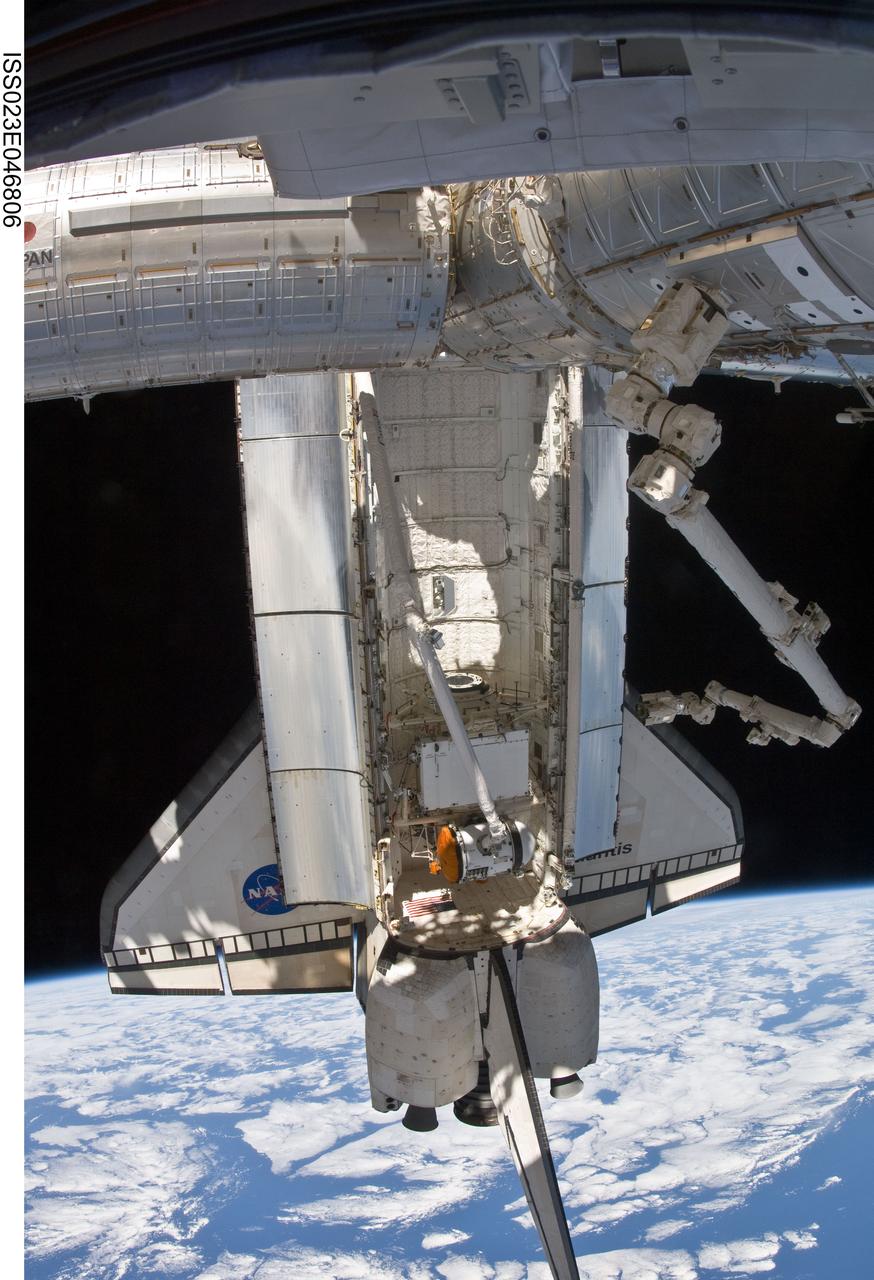
ISS023-E-046806 (18 May 2010) --- Backdropped by Earth?s horizon and the blackness of space, the docked space shuttle Atlantis is featured in this image photographed by an Expedition 23 crew member on the International Space Station. The Russian-built Mini-Research Module 1 (MRM-1) is visible in the payload bay as the shuttle robotic arm prepares to unberth the module from Atlantis and position it for handoff to the station robotic arm (visible at right). Named Rassvet, Russian for "dawn," the module is the second in a series of new pressurized components for Russia and will be permanently attached to the Earth-facing port of the Zarya Functional Cargo Block (FGB). Rassvet will be used for cargo storage and will provide an additional docking port to the station.
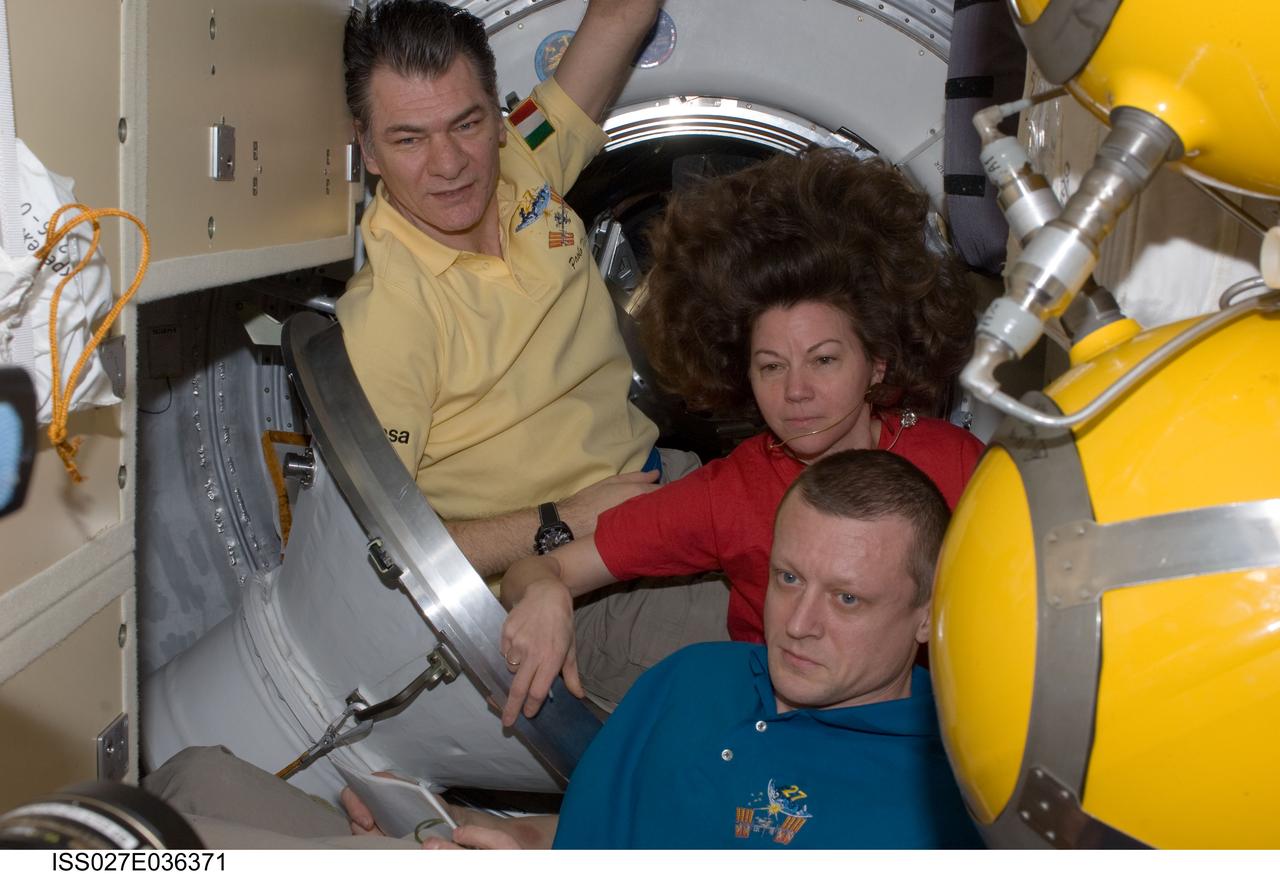
ISS027-E-036371 (23 May 2011) --- Russian cosmonaut Dmitry Kondratyev (bottom), Expedition 27 commander; NASA astronaut Cady Coleman and European Space Agency astronaut Paolo Nespoli, both flight engineers, are pictured in the Rassvet module as they make preparations to board the Soyuz TMA-20 spacecraft that will return them to Earth. The Soyuz undocked at 5:35 p.m. (EDT) from the International Space Station’s Rassvet module on May 23, 2011. The crew landed safely at 10:27 p.m. southeast of the town of Dzhezkazgan, Kazakhstan.
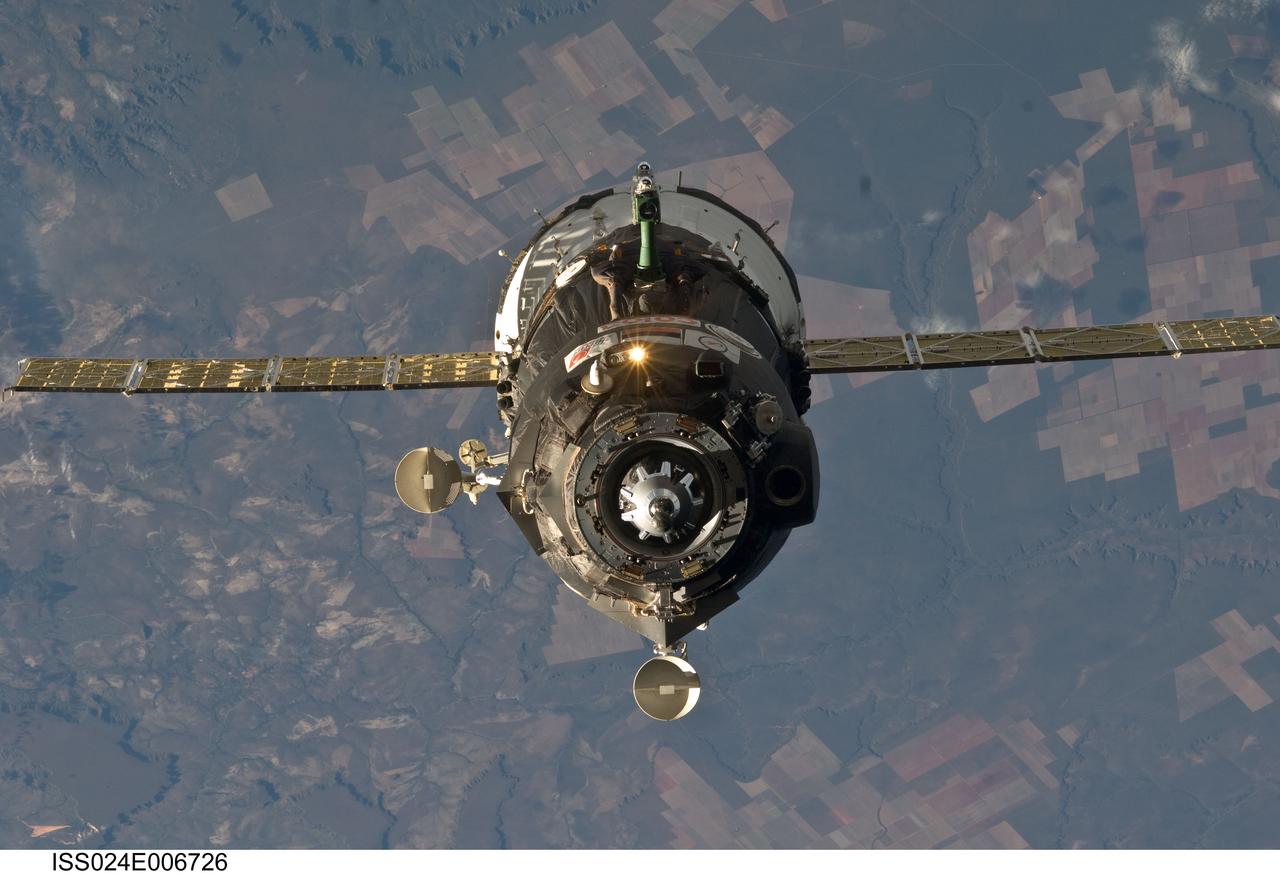
ISS024-E-006726 (28 June 2010) --- The Soyuz TMA-19 spacecraft relocates from the Zvezda Service Module's aft port to the Rassvet Mini-Research Module 1 (MRM1) of the International Space Station. Russian cosmonaut Fyodor Yurchikhin; along with NASA astronauts Doug Wheelock and Shannon Walker, all Expedition 24 flight engineers, undocked their Soyuz spacecraft from Zvezda’s aft end at 3:13 pm. (EDT) on June 28, 2010, and docked it to its new location on the recently installed Rassvet module 25 minutes later.
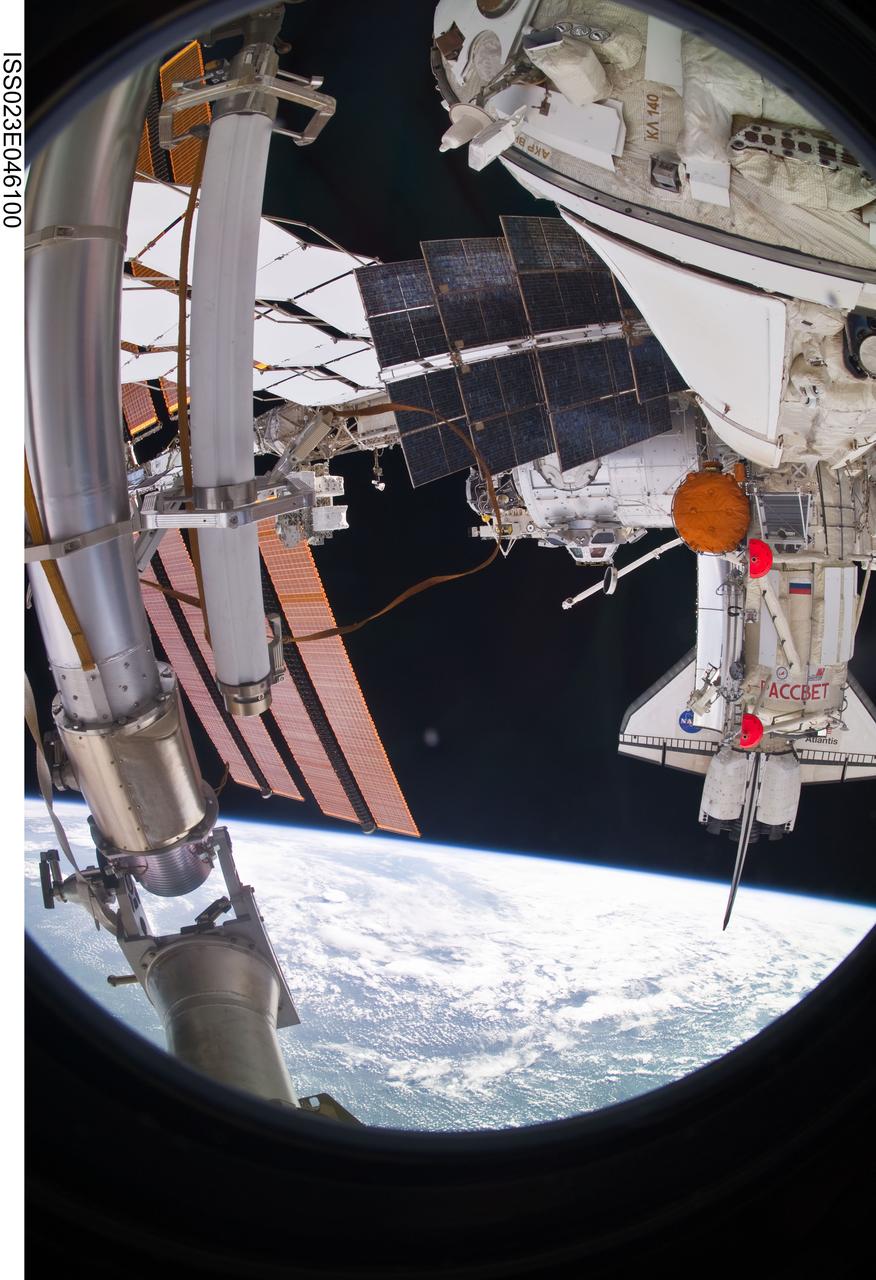
ISS023-E-046100 (18 May 2010) --- Rassvet (Russian for "dawn"), also known as the Mini-Research Module 1 (MRM1), was photographed by one of twelve astronauts and cosmonauts onboard the International Space Station following its deployment. Rassvet will be primarily used for cargo storage and as a docking port for visiting spacecraft. It flew to the ISS along with the STS-132 astronauts aboard space shuttle Atlantis (seen docked to the orbital outpost among this cluster of hardware) over the mid-May 2010 weekend. Cupola, a recent addition to the ISS, because of its distance from the camera, shows up as a tiny gray object at photo center.
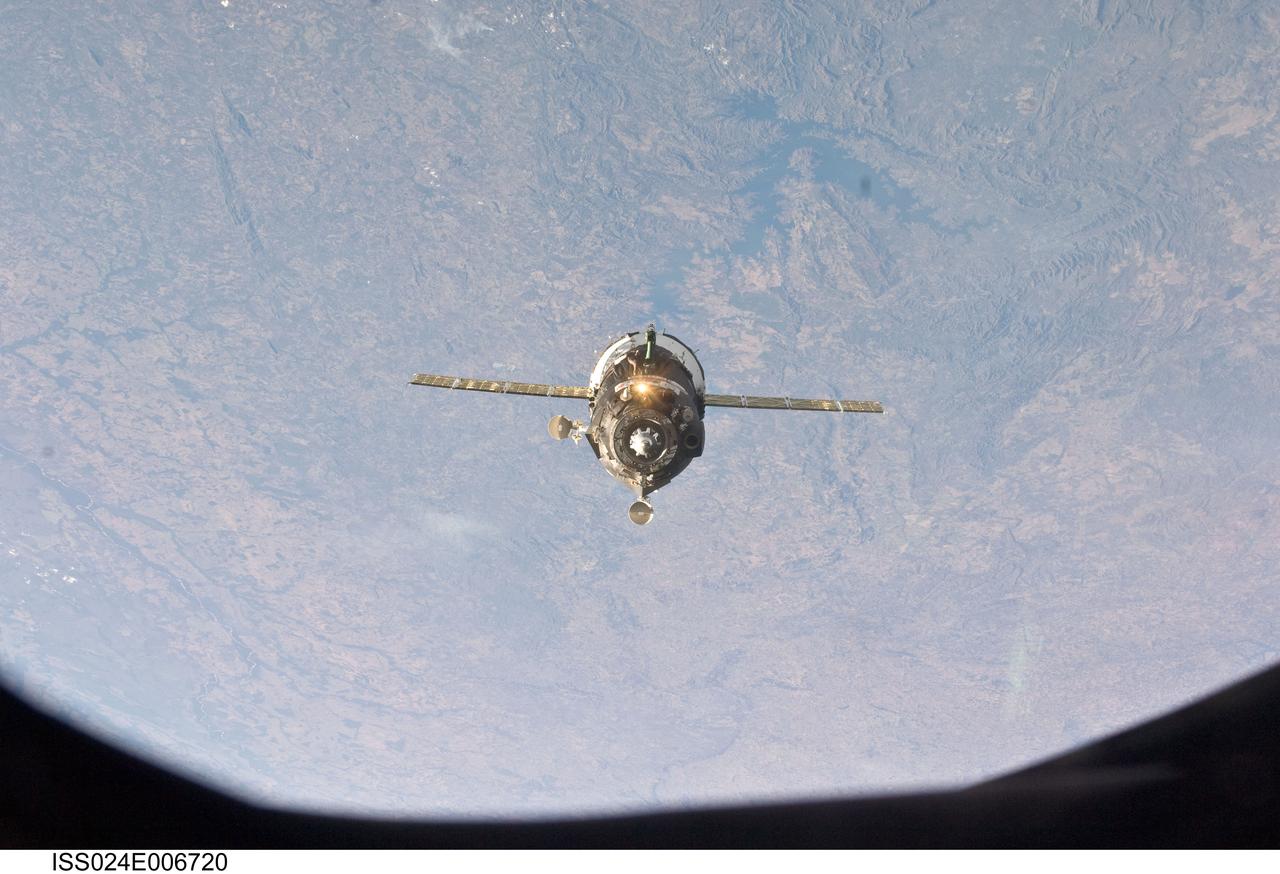
ISS024-E-006720 (28 June 2010) --- The Soyuz TMA-19 spacecraft relocates from the Zvezda Service Module's aft port to the Rassvet Mini-Research Module 1 (MRM1) of the International Space Station. Russian cosmonaut Fyodor Yurchikhin; along with NASA astronauts Doug Wheelock and Shannon Walker, all Expedition 24 flight engineers, undocked their Soyuz spacecraft from Zvezda’s aft end at 3:13 pm. (EDT) on June 28, 2010, and docked it to its new location on the recently installed Rassvet module 25 minutes later.
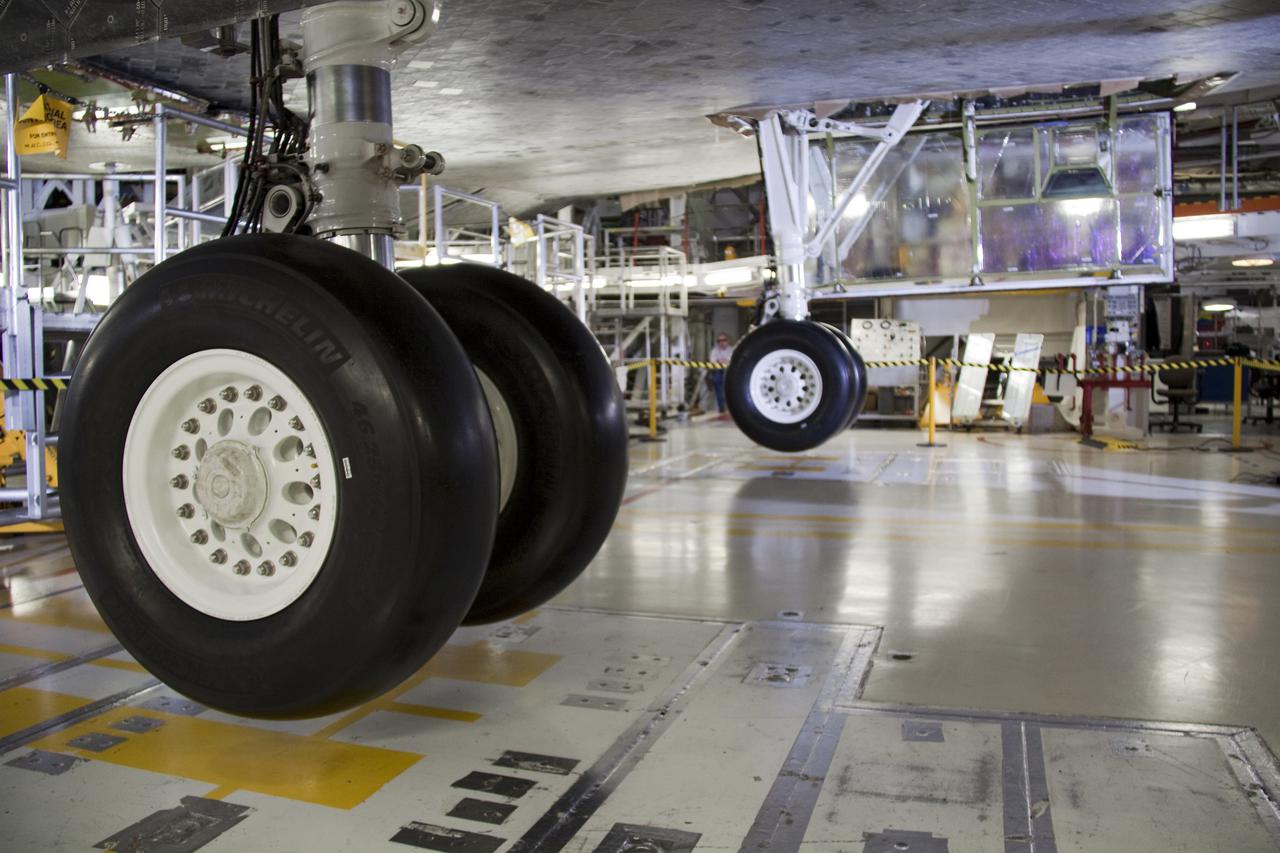
CAPE CANAVERAL, Fla. – In Orbiter Processing Facility-1 at NASA's Kennedy Space Center in Florida, space shuttle Atlantis' rear landing gears are extended and appear to hover over the clean room floor during processing of the shuttle. Changes to the thermal protection system tiles on the periphery of the landing gear doors necessitate that the gears be extended to ensure the doors open properly without obstruction. The practice is standard procedure between shuttle flights. The six-member crew of space shuttle Atlantis' STS-132 mission will deliver an Integrated Cargo Carrier and the Russian-built Mini-Research Module-1, known as Rassvet, to the International Space Station. The second in a series of new pressurized components for Russia, Rassvet will be permanently attached to the Earth-facing port of the Zarya control module. Rassvet, which translates to 'dawn,' will be used for cargo storage and provide an additional docking port to the station. STS-132 is the 34th mission to the station and the 132nd shuttle mission overall. Launch is targeted for May 14. For information on the STS-132 mission, visit http:__www.nasa.gov_mission_pages_shuttle_shuttlemissions_sts132_index.html. Photo credit: NASA_Gianni Woods
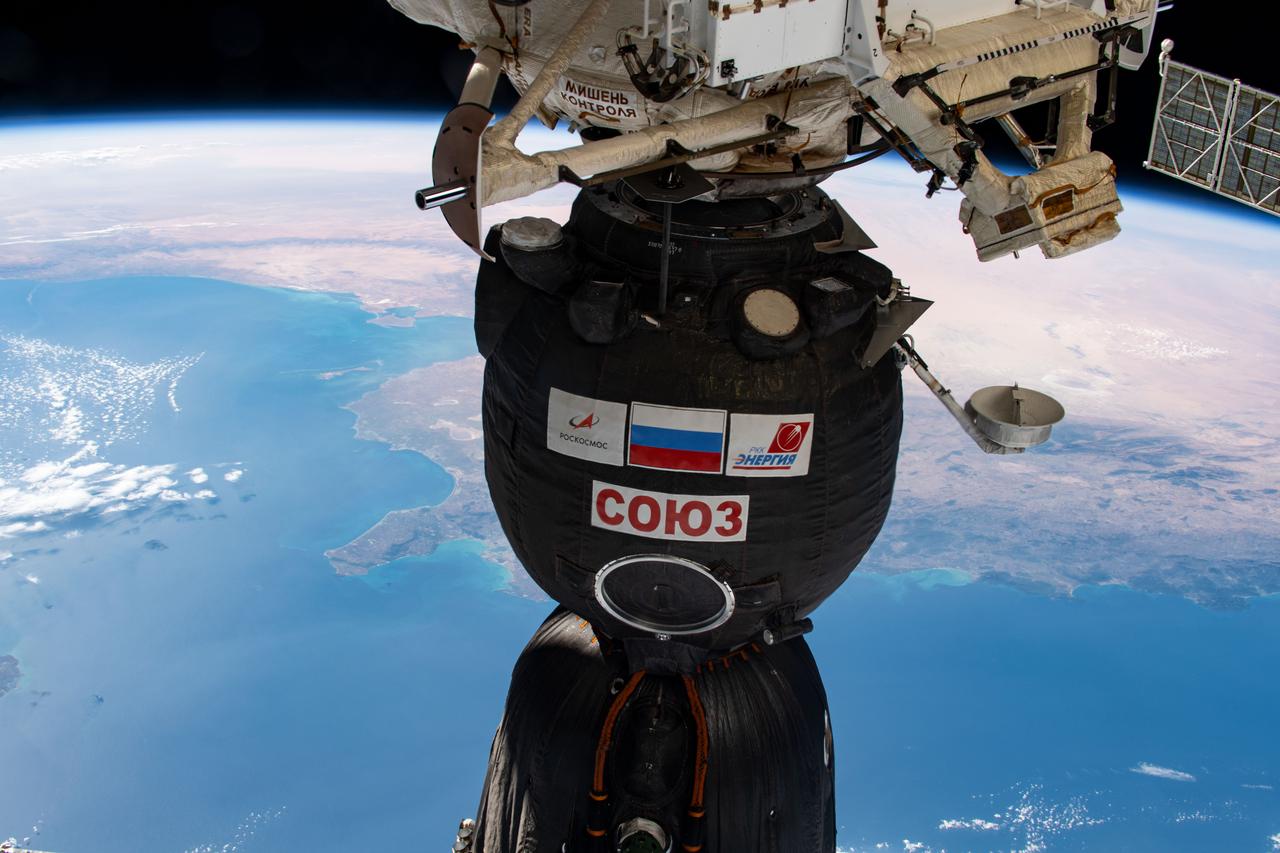
iss063e107419 (Oct. 14, 2020) --- The Soyuz MS-17 spacecraft, with Expedition 64 crew members Kate Rubins of NASA and Roscosmos cosmonauts Sergey Ryzhikov and Sergey Kud-Sverchkov, docked to the Rassvet module as the International Space Station was orbiting above the Mediterranean Sea.
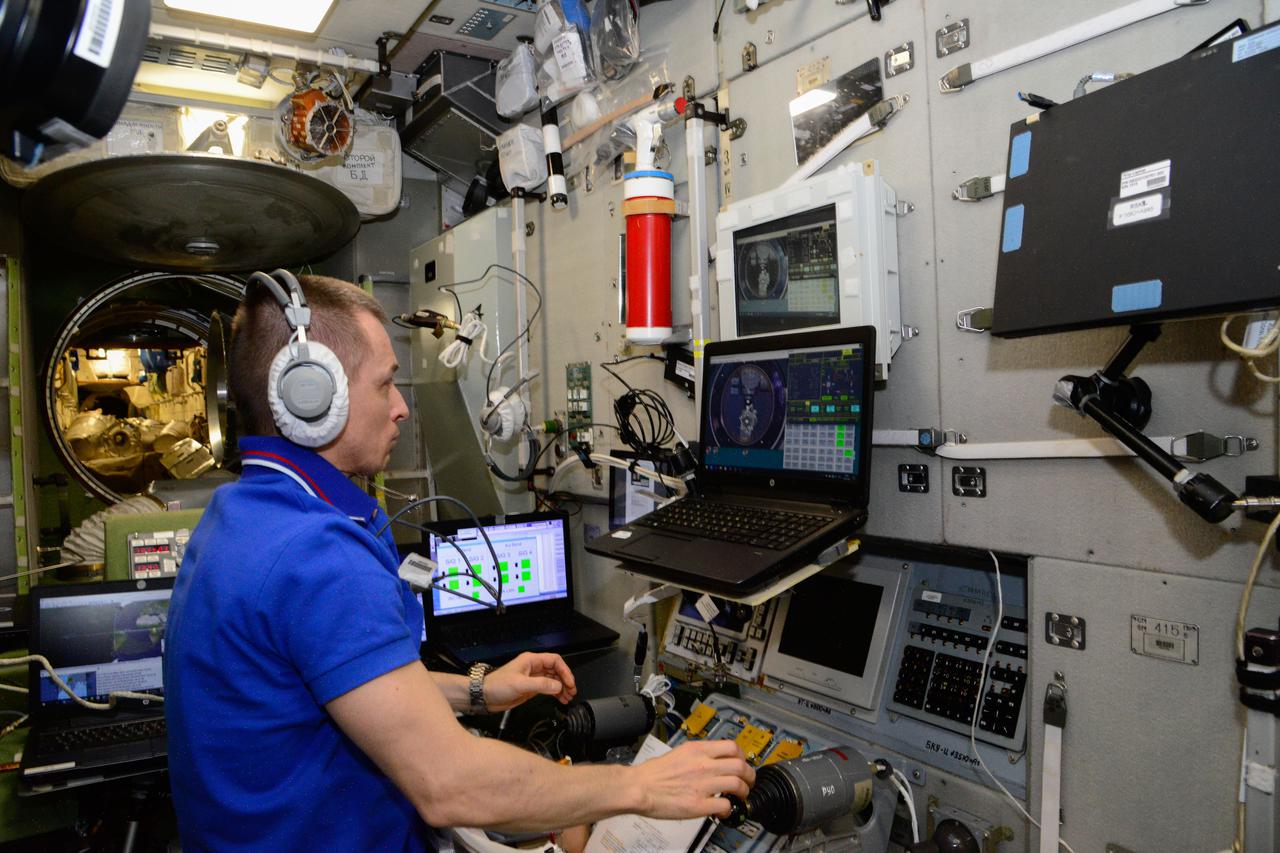
iss064e043769 (March 16, 2021) --- Roscosmos cosmonaut and Expedition 64 Commander Sergey Ryzhikov, from inside the Zvezda service module, practices on a computer the relocation of the Soyuz MS-17 crew ship from the Rassvet module to the Poisk module.
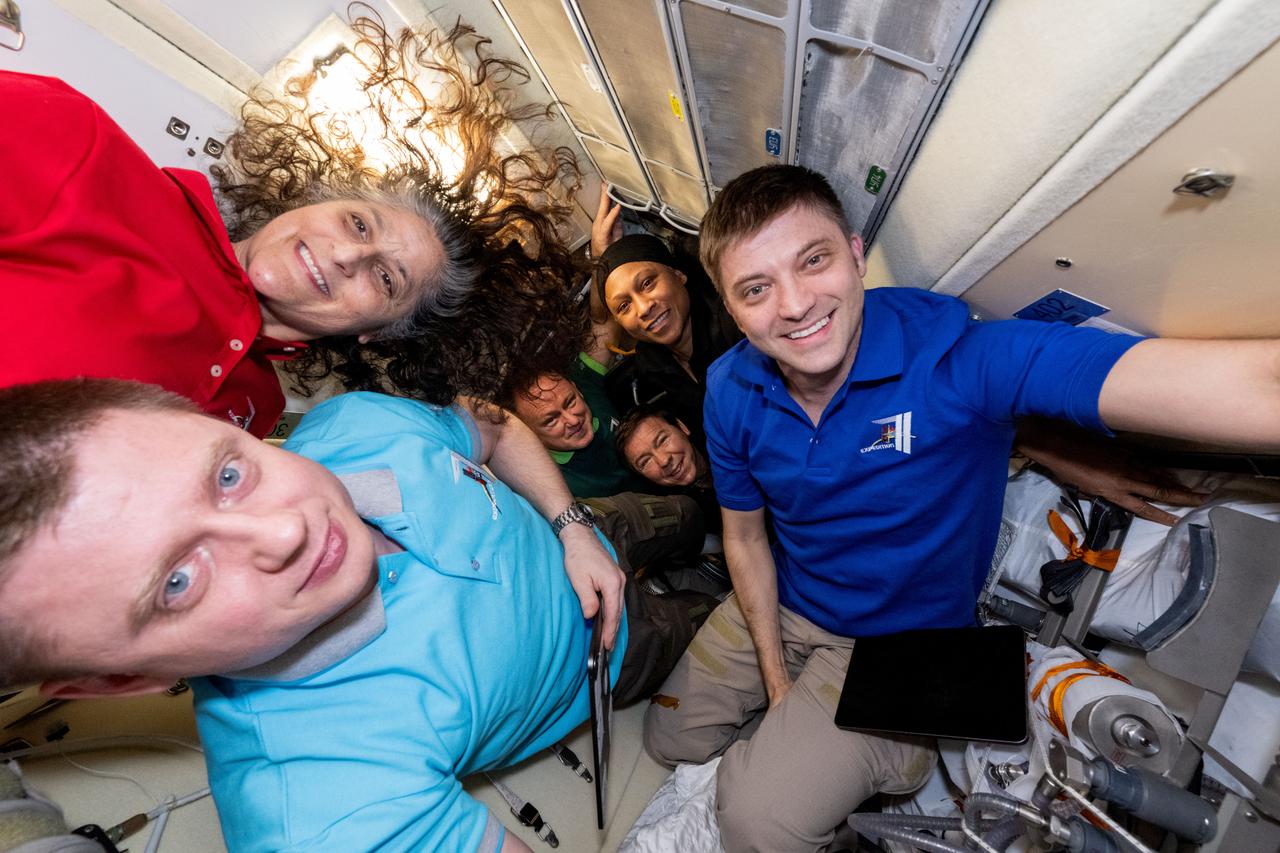
iss071e629760 (Sept. 11, 2024) --- Expedition 71 crew members (clockwise from bottom left) Alexander Grebenkin, from Roscosmos, and NASA astronauts Suni Williams, Jeanette Epps, Matthew Dominick, Mike Barratt, and Butch Wilmore, pose for a portrait inside the International Space Station's Rassvet module.
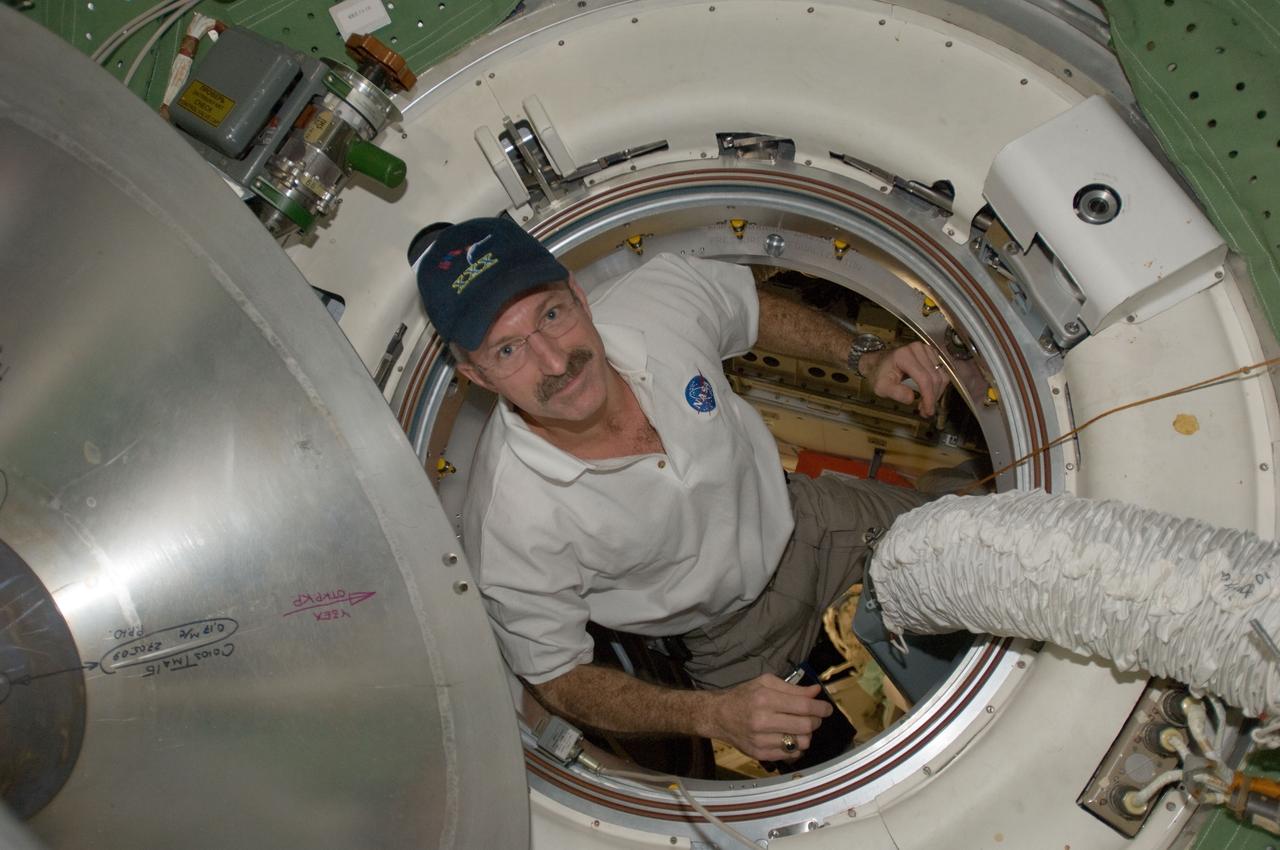
ISS030-E-050953 (27 Jan. 2012) --- NASA astronaut Dan Burbank, Expedition 30 commander, is pictured in a hatch as he exits the Rassvet Mini-Research Module 1 (MRM-1) into the Zarya Functional Cargo Block (FGB) transfer compartment of the International Space Station.
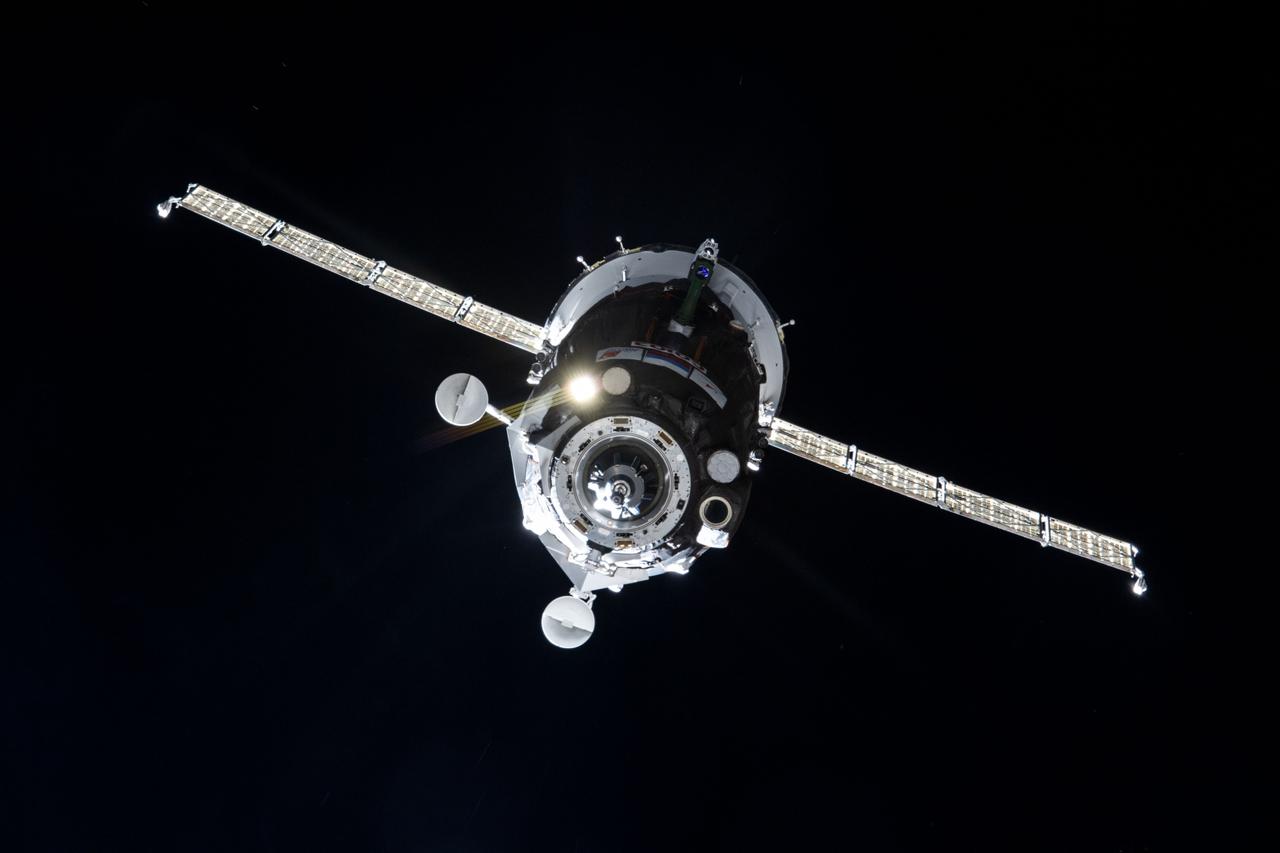
iss065e441975 (Oct. 5, 2021) --- The Soyuz MS-19 crew ship carrying three Russian crew members approaches the International Space Station for a docking to the Rassvet module. Aboard the spacecraft were Soyuz Commander and veteran cosmonaut Anton Shkaplerov, actress Yulia Peresild and producer Klim Shipenko.
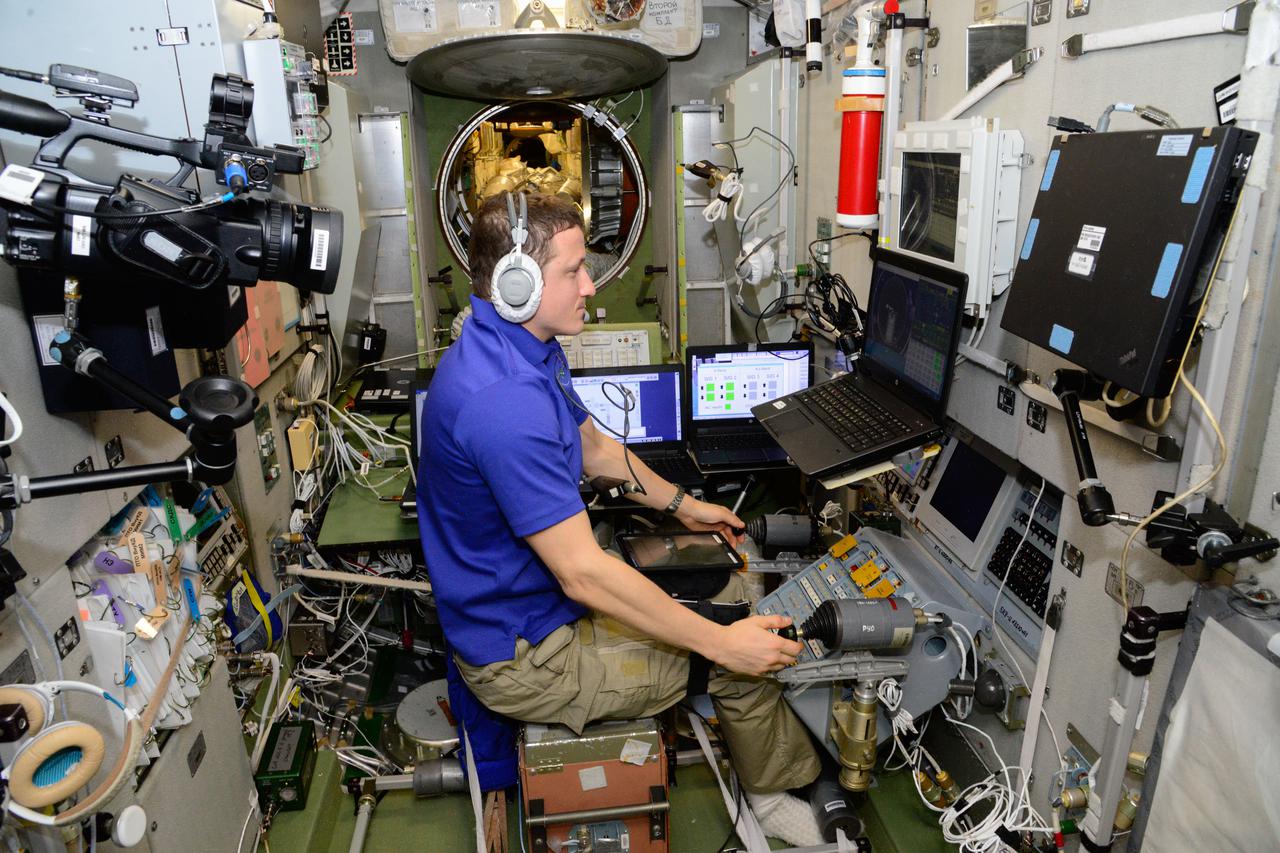
iss064e043771 (March 16, 2021) --- Roscosmos cosmonaut and Expedition 64 Flight Engineer Sergey Kud-Sverchkov, from inside the Zvezda service module, practices on a computer the relocation of the Soyuz MS-17 crew ship from the Rassvet module to the Poisk module.
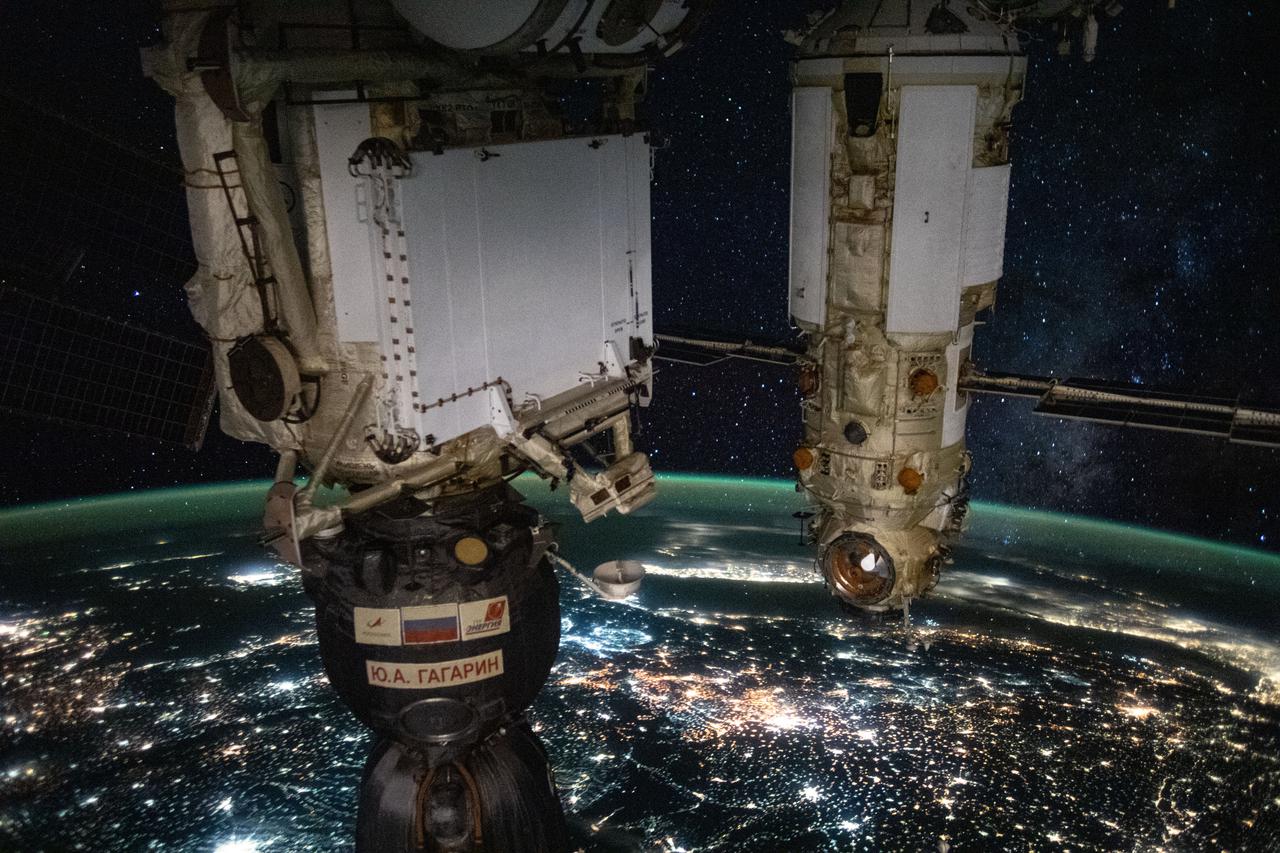
iss065e370839 (Sept. 10, 2021) --- From front to back, Russia's Soyuz MS-18 spacecraft docked to the Rassvet module and the Nauka multipurpose laboratory module attached to the Zvezda module. The International Space Station was orbiting 264 miles above eastern Europe in this night time photograph that also highlights the Earth's airglow and the Milky Way.
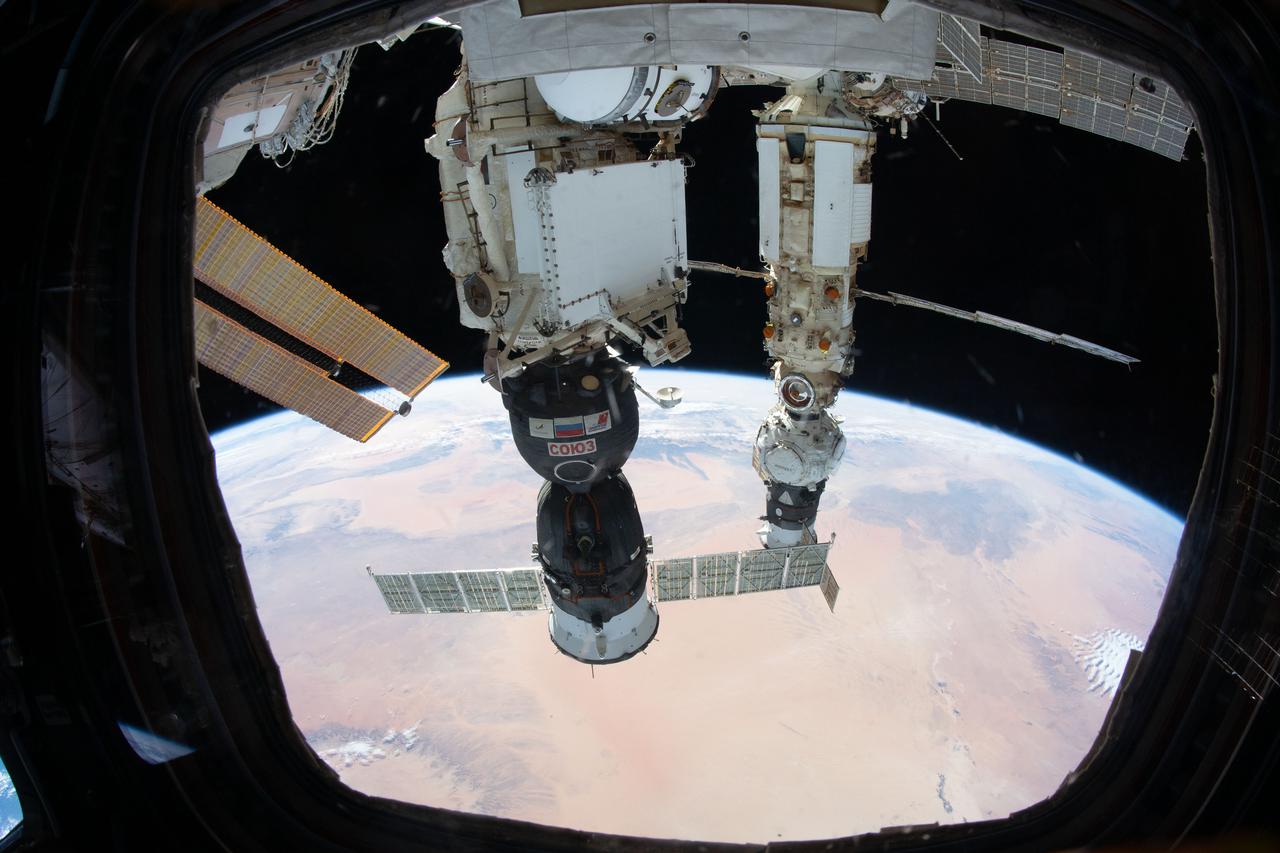
iss066e086723 (Dec. 6, 2021) --- Pictured as the International Space Station orbited 263 miles above the Algeria-Tunisia border are the Soyuz MS-19 crew ship docked to the Rassvet module and the Prichal module, still attached to the Progress delivery craft, docked to the Nauka multipurpose module.
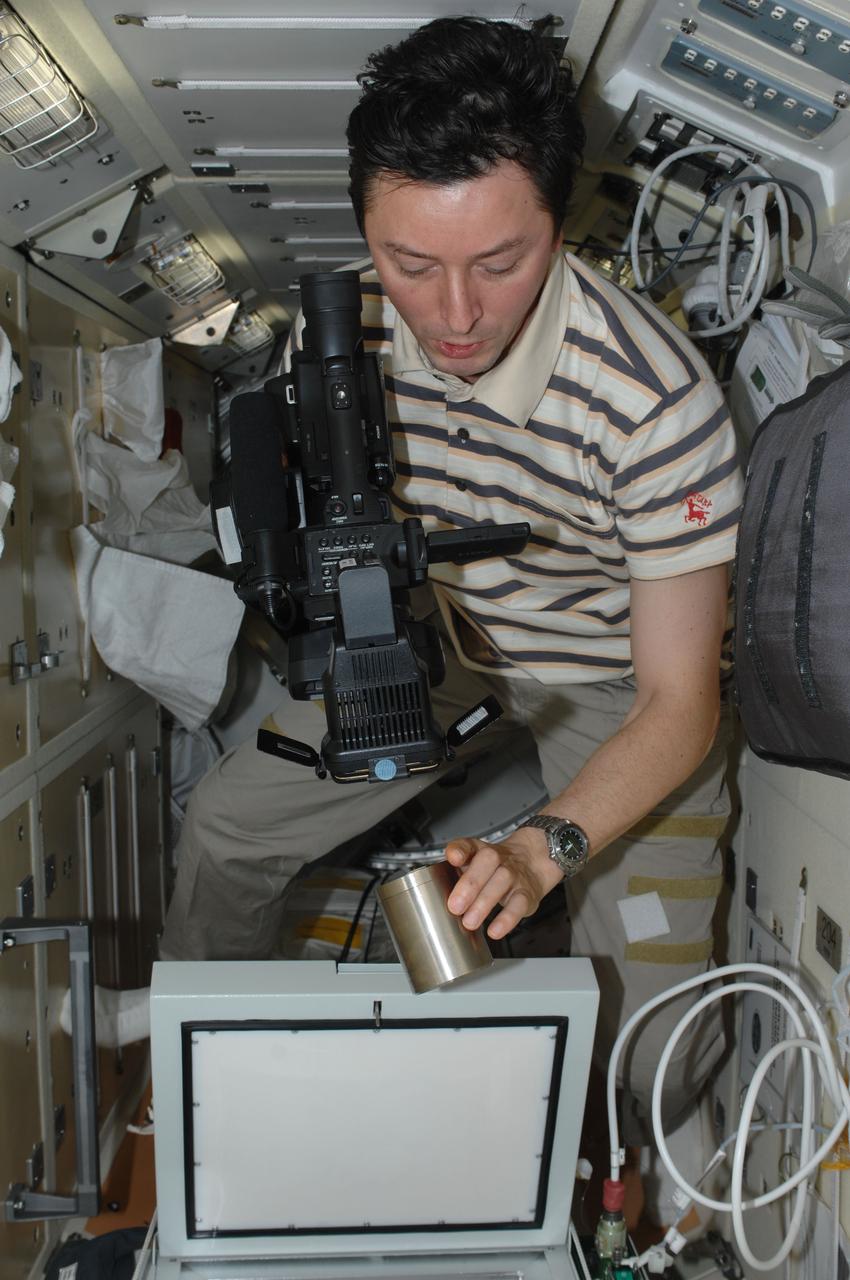
ISS031-E-140699 (23 June 2012) --- Russian cosmonaut Sergei Revin, Expedition 31 flight engineer, works on the BTKh-26 KASKAD (Cascade) experiment in the Rassvet Mini-Research Module 1 (MRM-1) of the International Space Station.
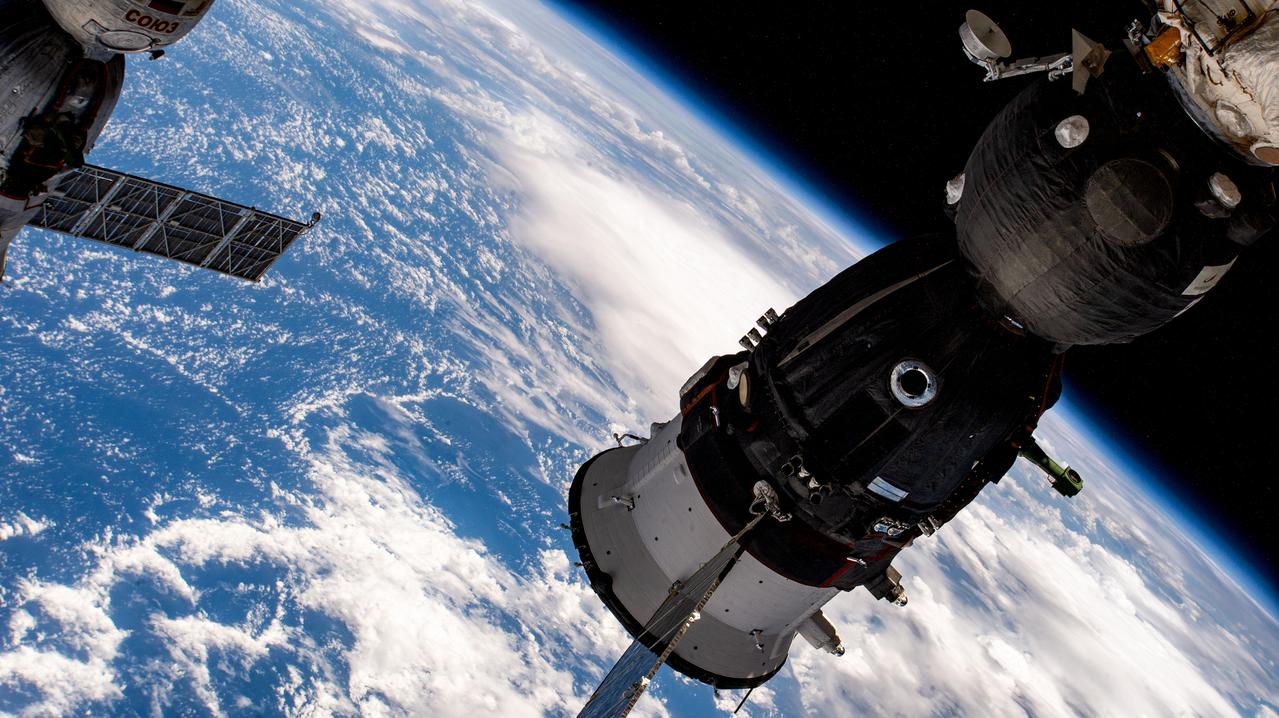
iss069e092254 (Sept. 25, 2023) --- The Soyuz MS-24 crew ship is pictured docked to the International Space Station's Rassvet module. The spacecraft launched three Expedition 69-70 crew members, NASA astronaut Loral O'Hara and Roscosmos cosmonauts Oleg Kononenko and Nikolai Chub, to the orbiting lab on Sept. 15, 2023.
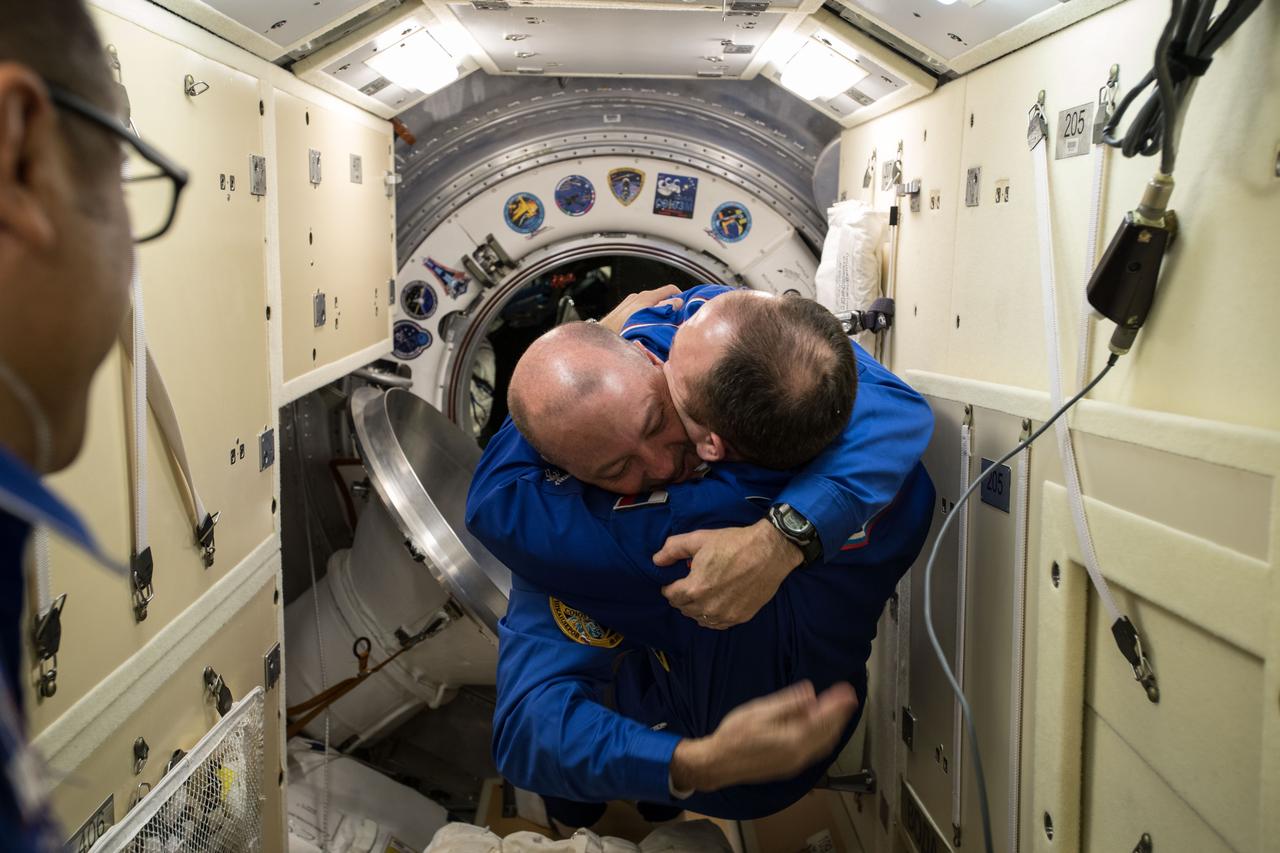
iss054e001407 (Dec. 19, 2017) --- International Space Station Commander Alexander Misurkin welcomes newly arrived Flight Engineer Scott Tingle in the Rassvet Mini-Research Module 1 following the hatch opening of the Soyuz MS-07 spacecraft.
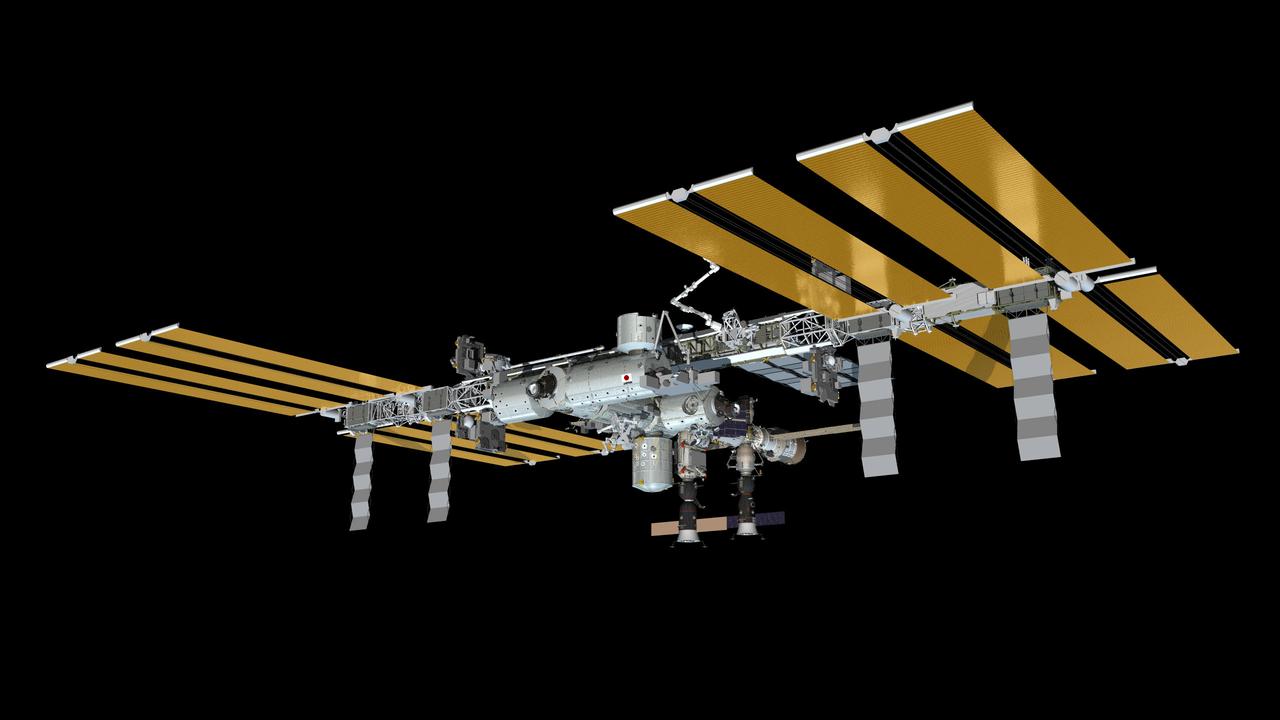
JSC2011-E-204147 (November 2011) --- Computer-generated artist?s rendering of the International Space Station as of Nov. 2, 2011. Progress 45 docks to the Pirs Docking Compartment. Soyuz 27 (TMA-02M) is attached to the Rassvet Mini-Research Module 1 (MRM1). Photo credit: NASA
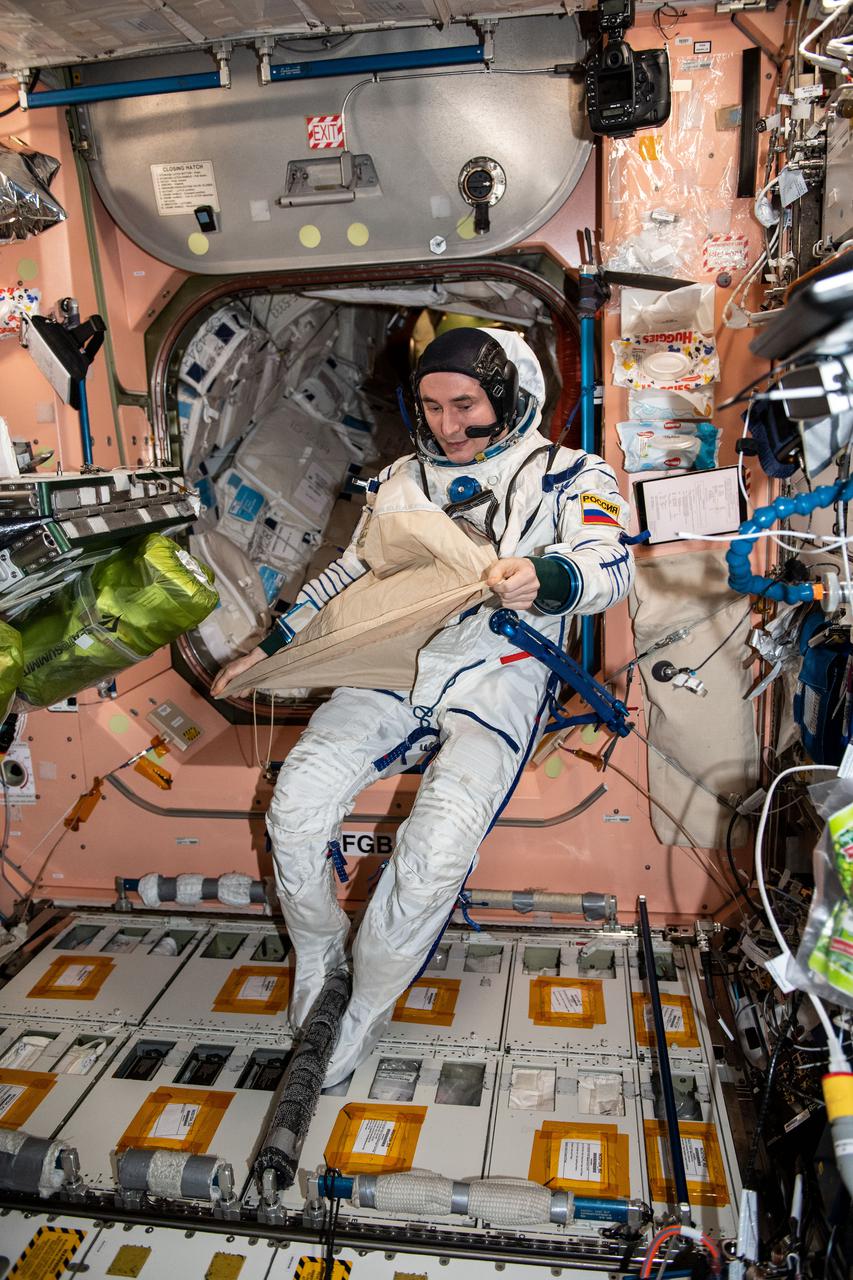
iss065e398695 (Sept. 21, 2021) --- Roscosmos cosmonaut and Expedition 65 Flight Engineer Pyotr Dubrov tries on and conducts leak checks on the Sokol launch and entry pressure suit he will wear inside the Soyuz MS-18 crew ship when it undocks from the Rassvet module and redocks to the Nauka multipurpose module.

ISS040-E-123166 (2 Sept. 2014) --- Various solar array panels, the Rassvet Mini-Research Module 1 (MRM1) (right) and the Tranquility node with the Cupola (center) are featured in this image photographed by an Expedition 40 crew member aboard the International Space Station. Earth’s horizon and the blackness of space provide the backdrop for the scene.
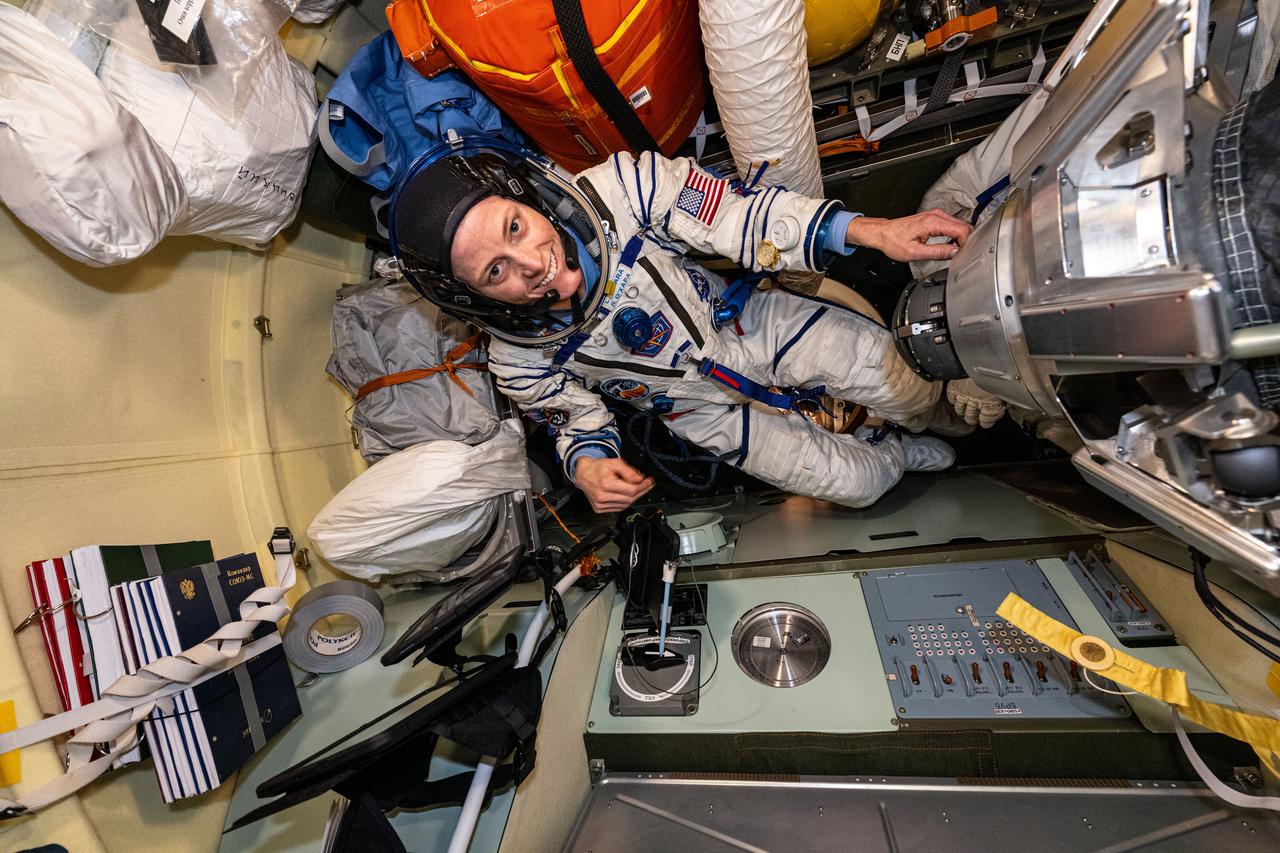
iss070e130299 (March 29, 2024) --- Expedition 70 Flight Engineer and NASA astronaut Loral O'Hara conducts leak checks and tries on the Sokol launch and entry suit she will wear when she returns to Earth aboard the Soyuz MS-24 crew ship docked to the International Space Station's Rassvet module.
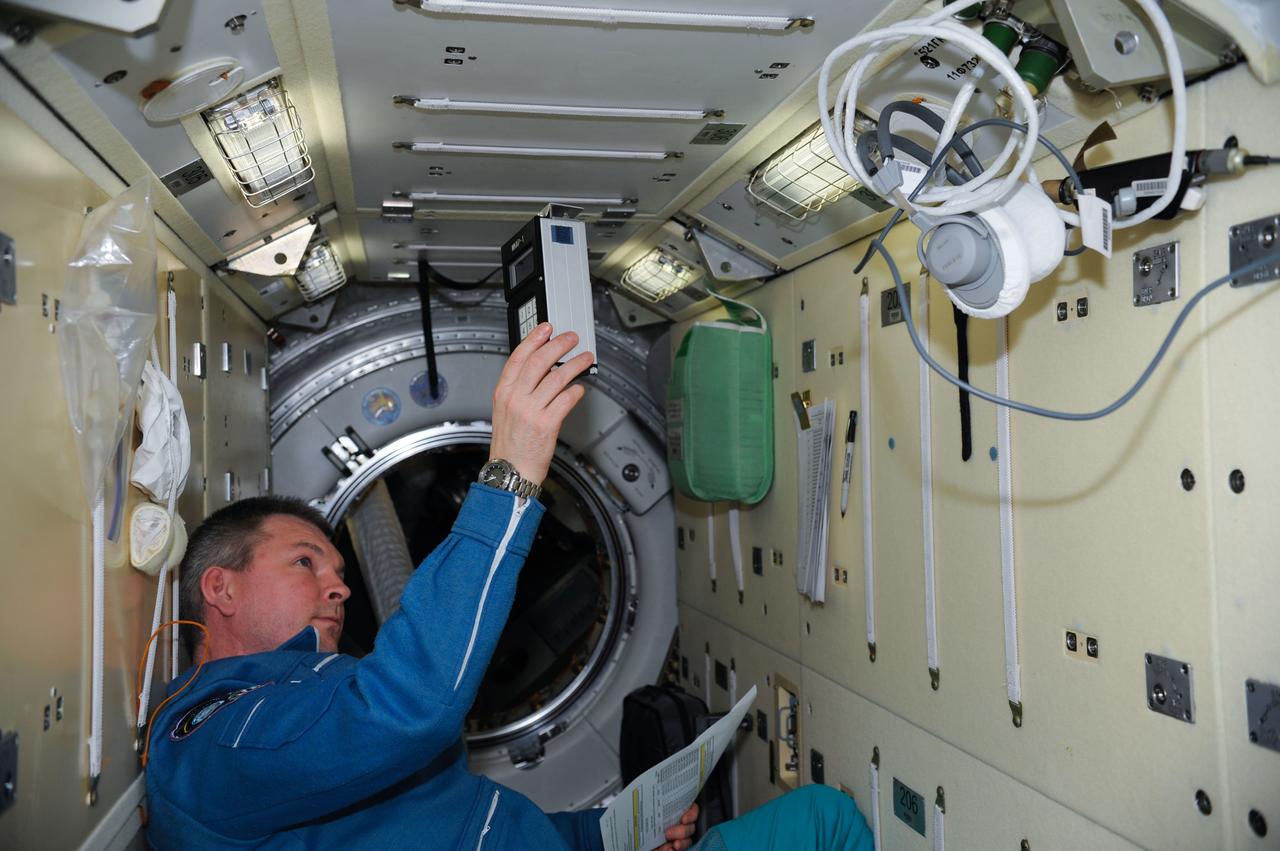
ISS028-E-041283 (7 Sept. 2011) --- Russian cosmonaut Alexander Samokutyaev, Expedition 28 flight engineer, uses the Russian Tekh-38 VETEROK ("Breeze") science hardware to take aero-ionic concentration measurements in the Rassvet Mini-Research Module 1 (MRM1) of the International Space Station.
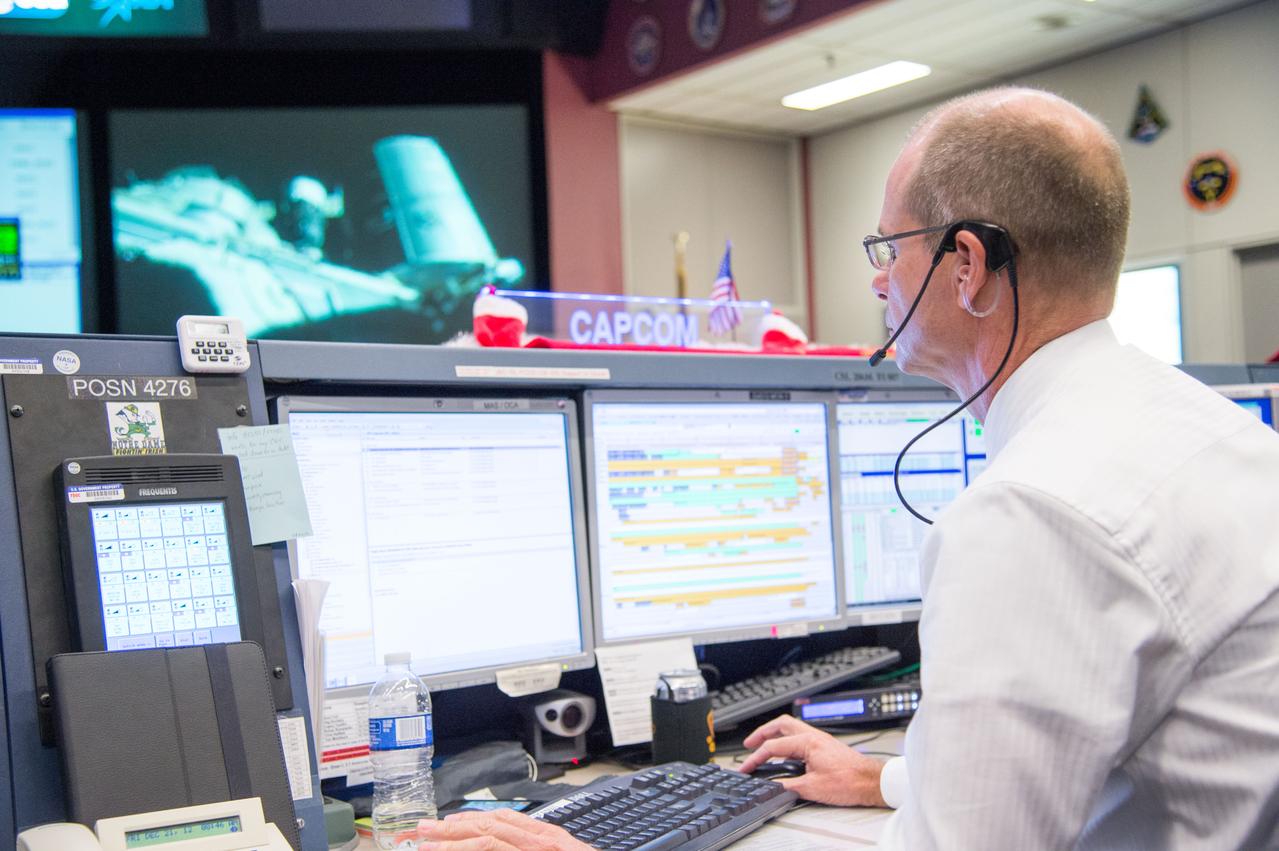
DATE: 12-21-12 LOCATION: Bldg. 30 - FCR-1 (30M/231) SUBJECT: flight controllers in FCR-1 during Expedition 34/35 crew (Romanenko, Hadfield, Marshburn) docking the Soyuz TMA-07M to the Rassvet module on ISS. PHOTOGRAPHER: Lauren Harnett
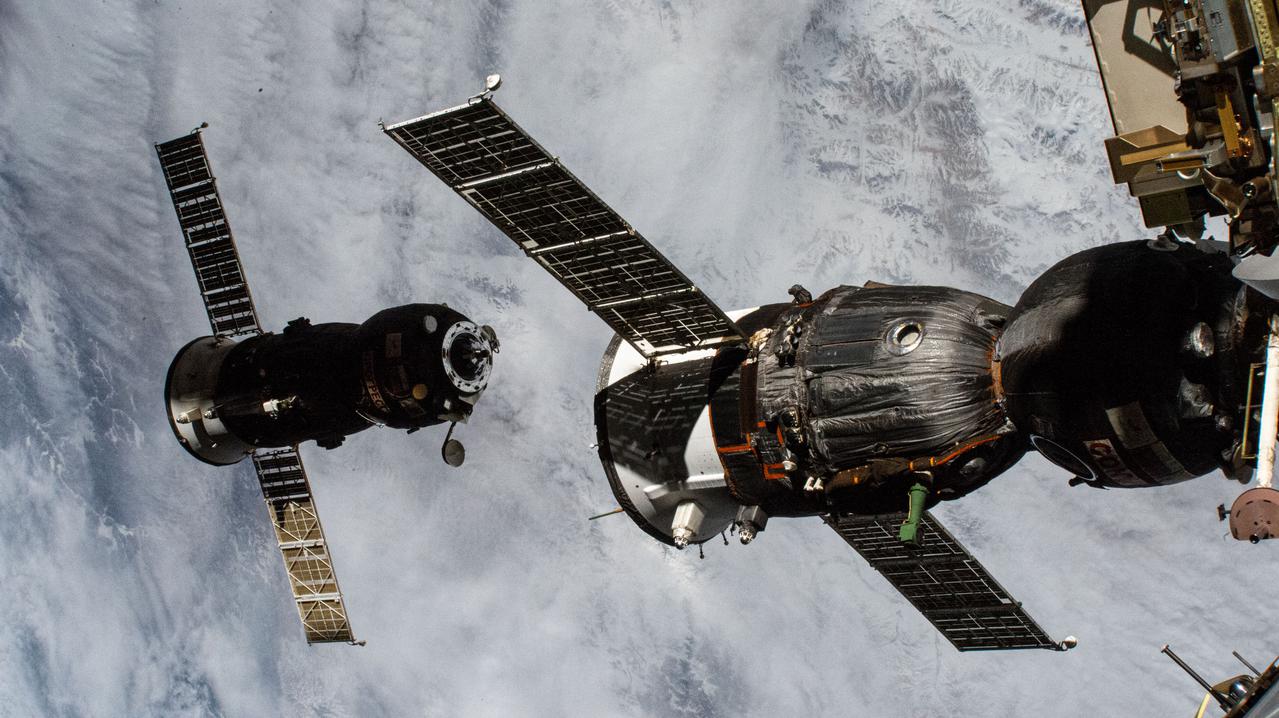
iss064e030164 (Feb. 9, 2021) --- An external high definition camera captured this image of the ISS Progress 76 resupply ship backing away from the International Space Station after it had undocked moments earlier from the Pirs docking compartment. In the foreground is the Soyuz MS-17 crew ship docked to the Rassvet module.
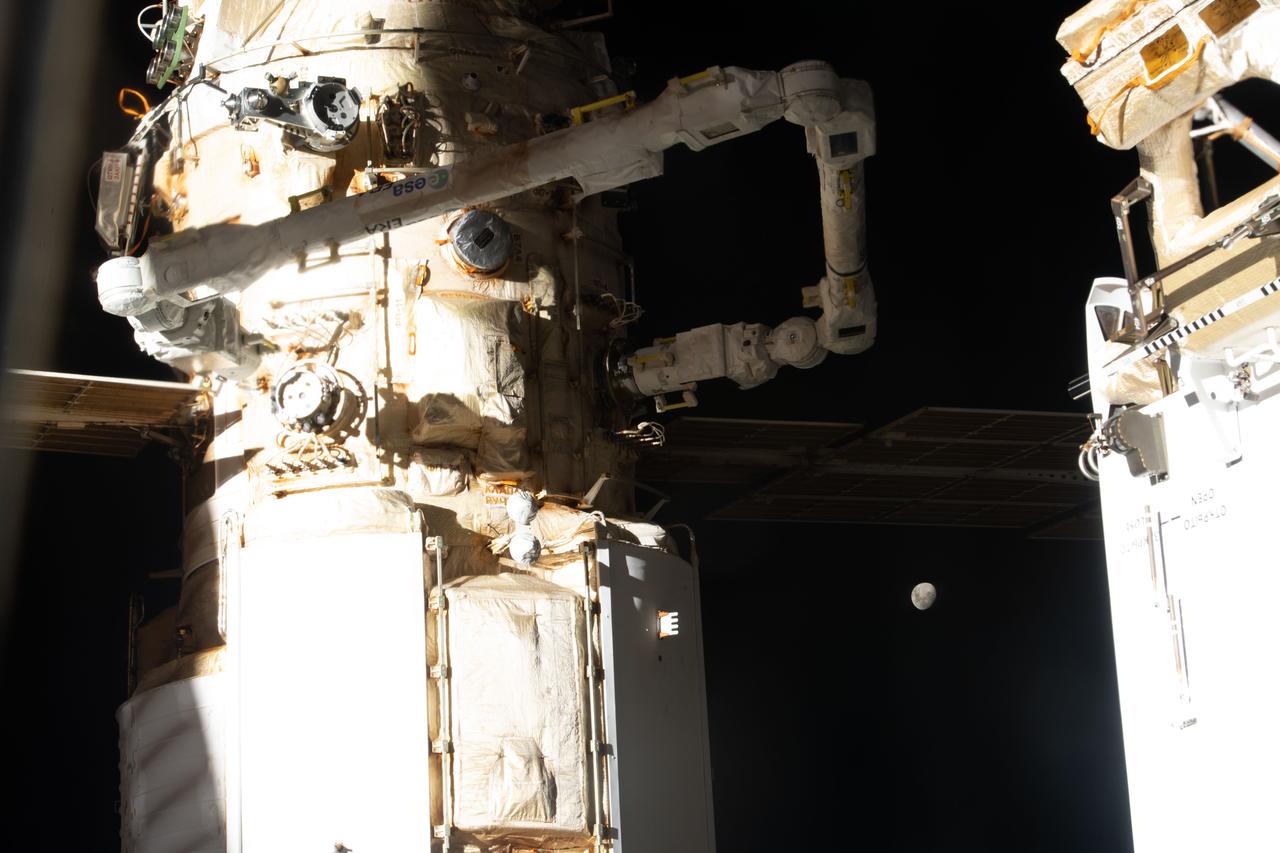
iss067e043927 (May 16, 2022) --- The Moon, with Earth's shadow draping across it during a lunar eclipse, is pictured in between the International Space Station's Nauka multipurpose laboratory module and the Rassvet module. Attached to Nauka, is the new European robotic arm that is continuing checkouts and mobility tests.
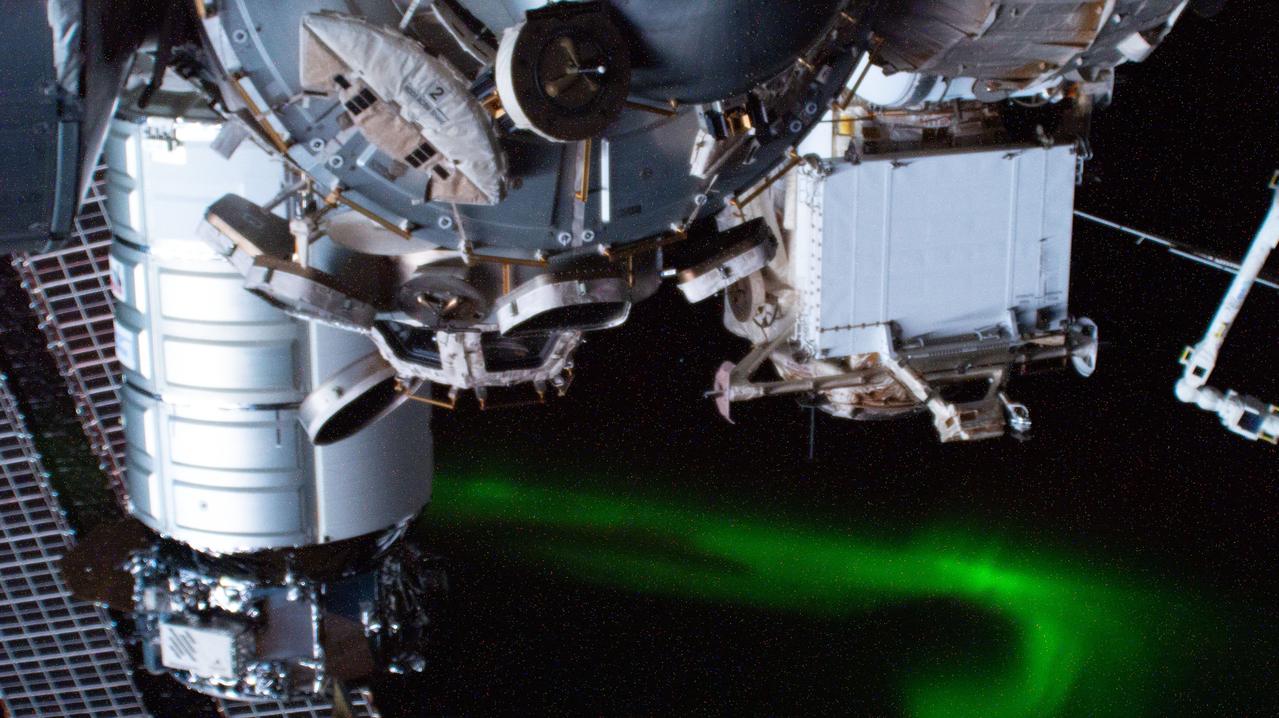
iss067e090349 (May 27, 2022) --- The International Space Station soars above an aurora as it orbits 270 miles above the Indian Ocean north of Antarctica. Prominent station components pictured include (from left) Northrop Grumman's Cygnus space freighter, the cupola, and the Rassvet module.

iss073e1197954 (Dec. 2, 2025) --- The Soyuz MS-28 crew spacecraft carrying NASA astronaut Chris Williams and Roscosmos cosmonauts Sergey Kud-Sverchkov and Sergei Mikaev is pictured shortly after docking to the International Space Station's Rassvet module.
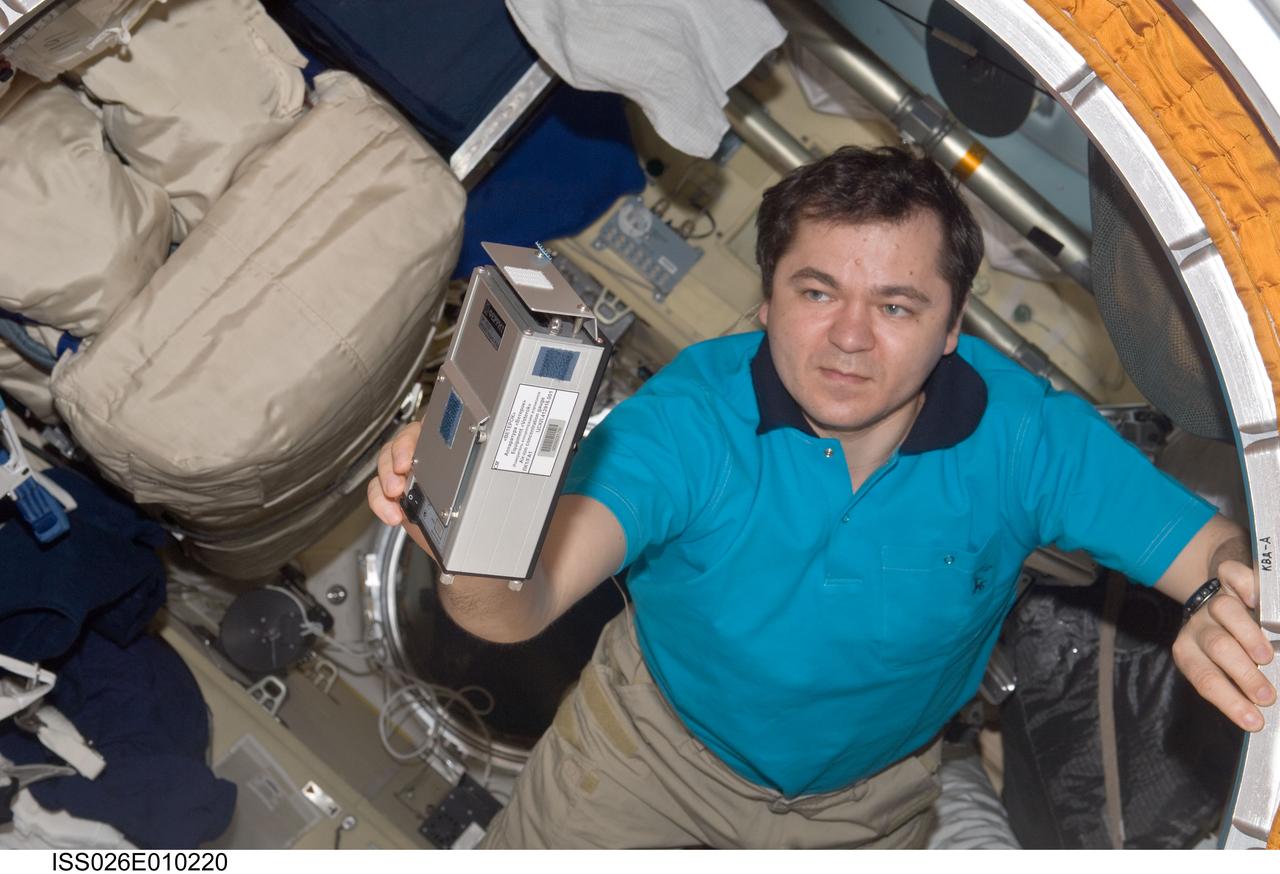
ISS026-E-010220 (14 Dec. 2010) --- Russian cosmonaut Oleg Skripochka, Expedition 26 flight engineer, uses the Russian Tekh-38 VETEROK (“Breeze”) science hardware to take aero-ionic concentration measurements in the Rassvet Mini-Research Module 1 (MRM1) of the International Space Station.
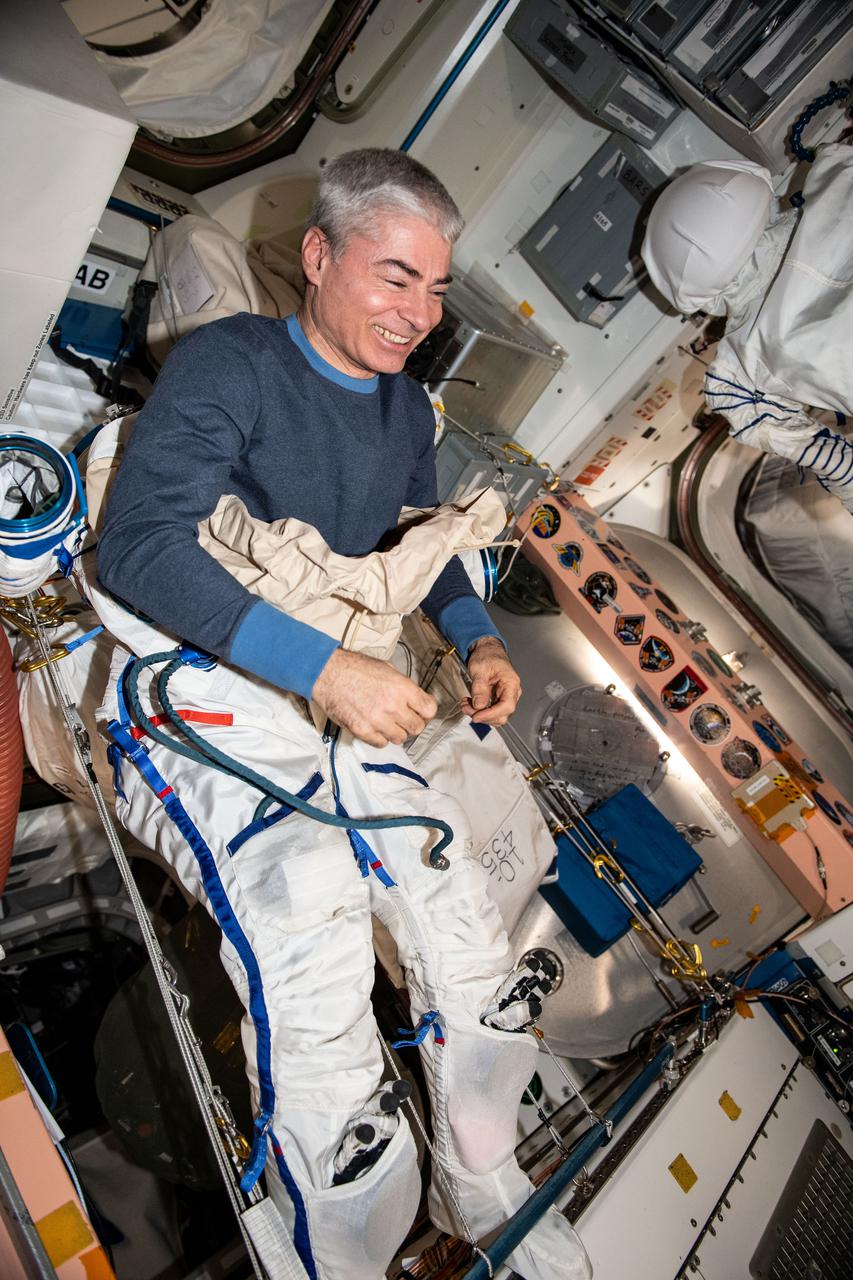
iss065e398685 (Sept. 21, 2021) --- NASA astronaut and Expedition 65 Flight Engineer Mark Vande Hei tries on the Sokol launch and entry suit he will wear inside the Soyuz MS-18 crew ship when it undocks from the Rassvet module and redocks to the Nauka multipurpose module.
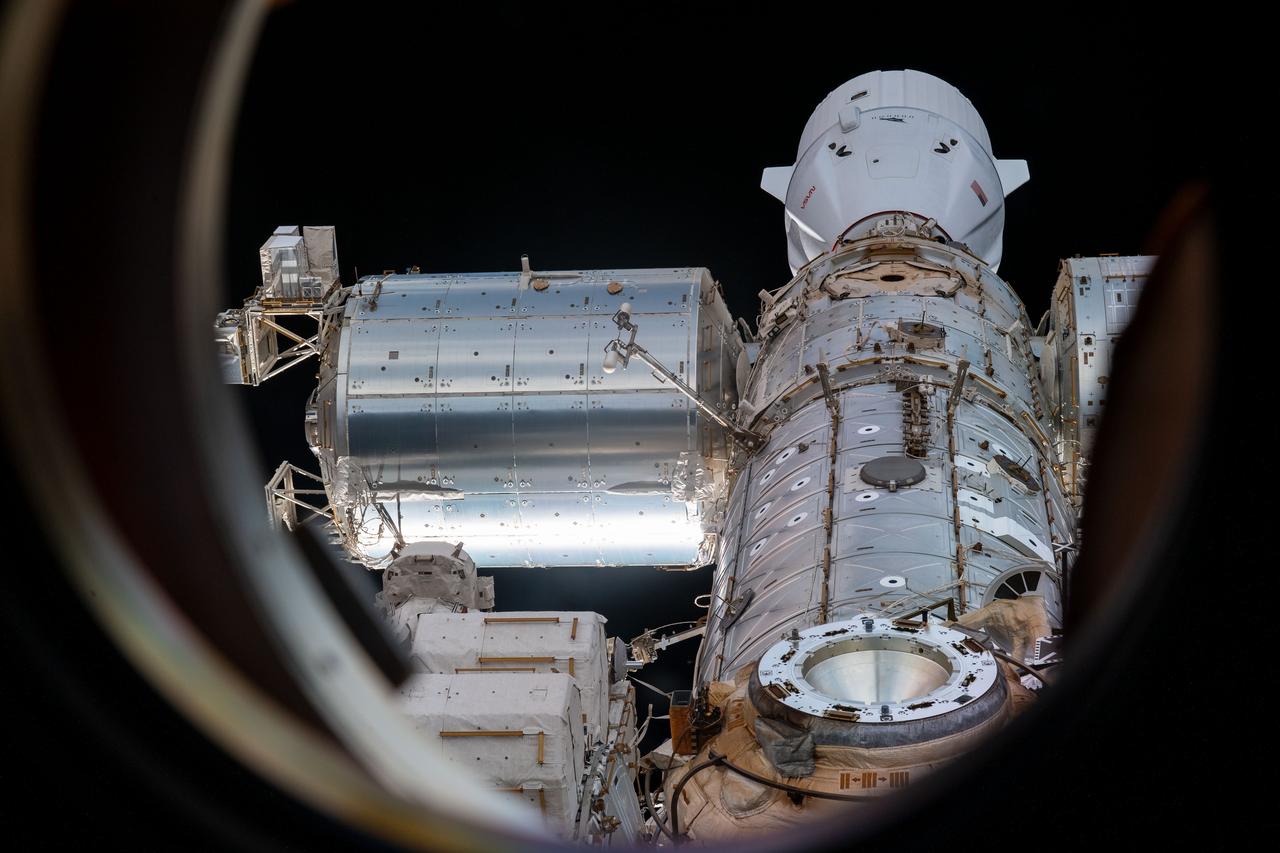
iss067e214074 (Aug. 2, 2022) --- This view of the International Space Station from a window on the orbiting lab's Russian segment shows portions of the Rassvet module's docking port, the U.S. Destiny laboratory module, the Harmony module, Columbus laboratory module, and the Kibo laboratory module. Docked to Harmony at top, is the SpaceX Dragon resupply ship.
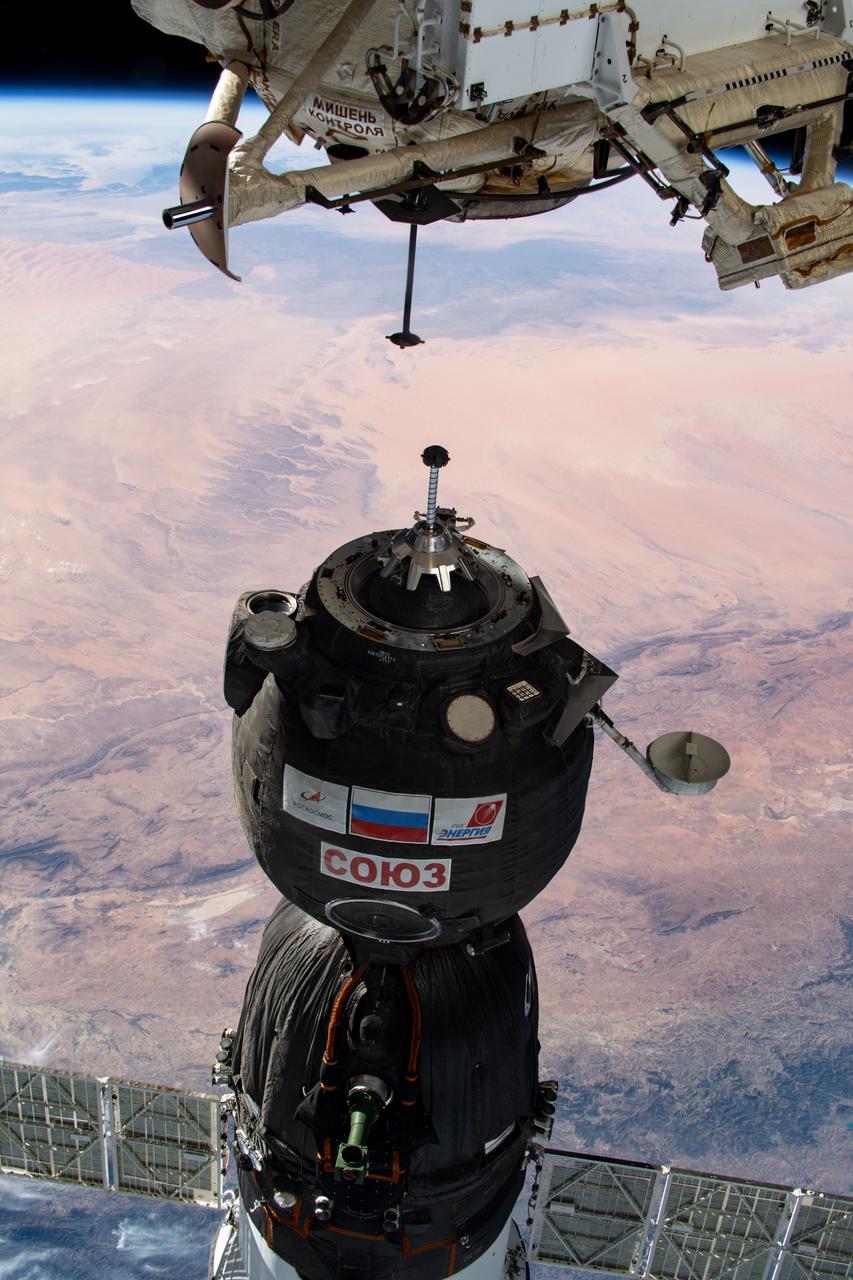
iss063e107308 (Oct. 14, 2020) --- The Soyuz MS-17 spacecraft, with Expedition 64 crew members Kate Rubins of NASA and Roscosmos cosmonauts Sergey Ryzhikov and Sergey Kud-Sverchkov, is just a few meters from docking to the Rassvet module. This photograph was taken as the International Space Station was orbiting above the Mediterranean Sea.
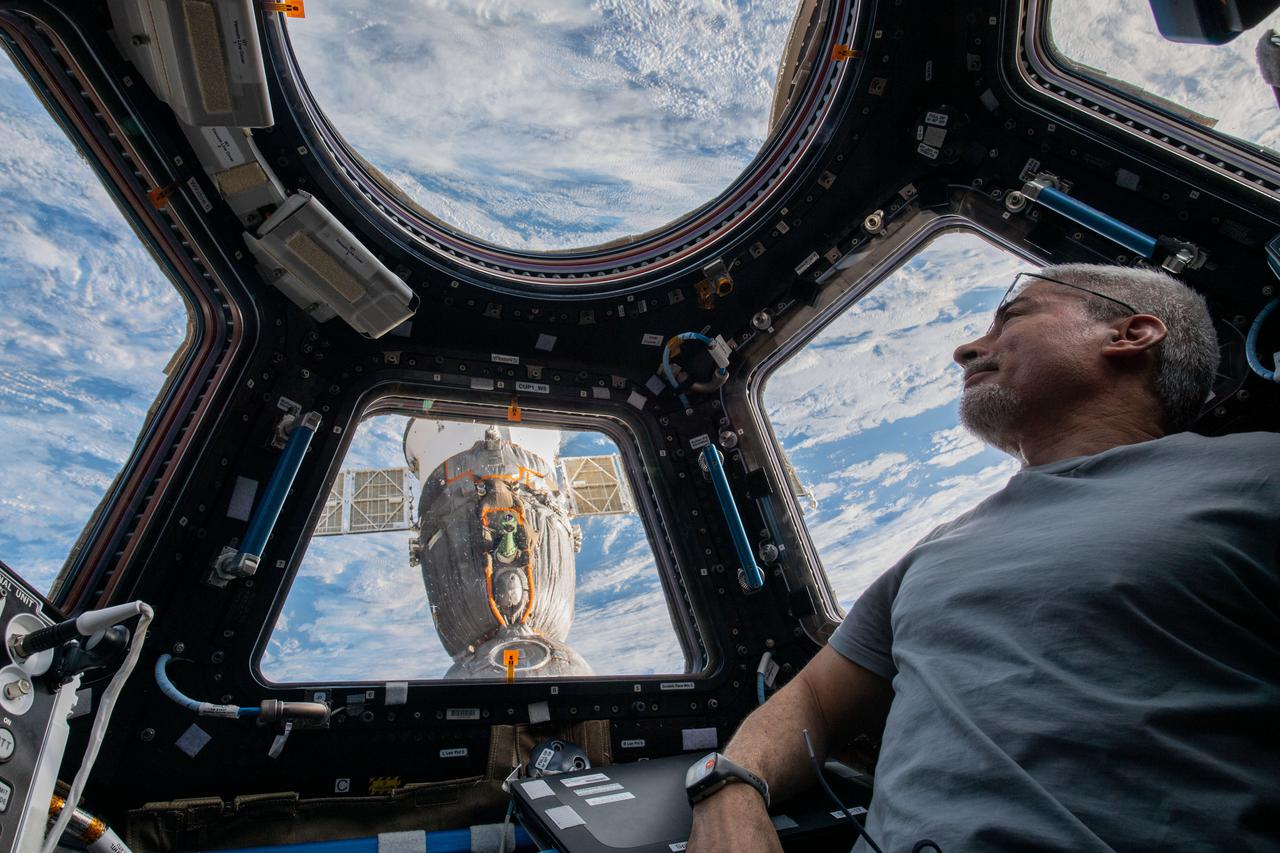
iss066e136051 (Feb. 4, 2022) --- NASA astronaut and Expedition 66 Flight Engineer Mark Vande Hei peers at the Earth below from inside the seven-windowed cupola, the International Space Station's window to the world. Just outside the cupola is the Soyuz MS-19 crew ship docked to the Rassvet module.
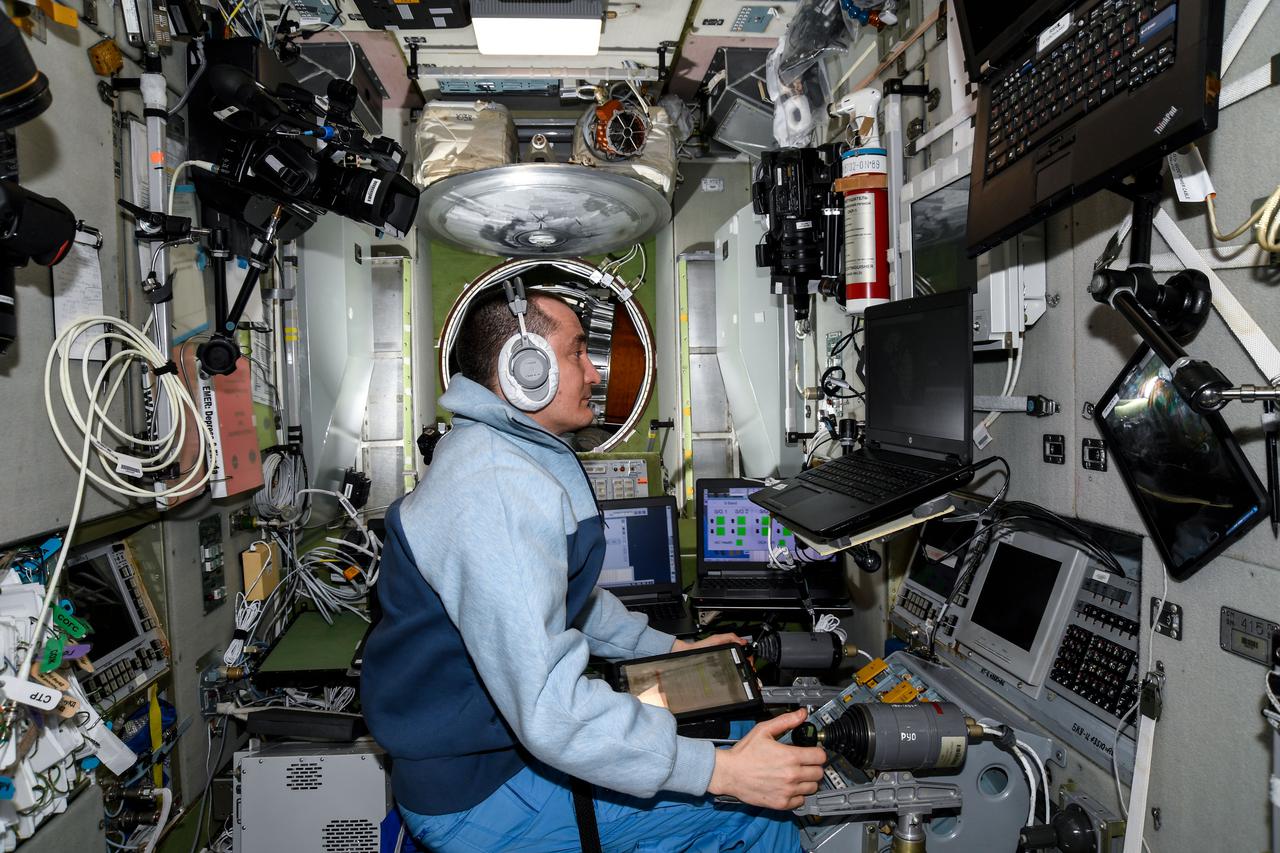
iss065e415942 (Sept. 24, 2021) --- Roscosmos cosmonaut and Expedition 65 Flight Engineer Pyotr Dubrov is inside the Zvezda service module training on a computer for the maneuvers he would use during the relocation of the Soyuz MS-18 crew ship from the Rassvet module to the Nauka multipurpose laboratory module several days later.

ISS035-E-016498 (3 April 2013) --- Russian cosmonaut Alexander Misurkin (right) and NASA astronaut Chris Cassidy, both Expedition 35 flight engineers, work in Rassvet (MRM1) on the Earth-orbiting International Space Station on April 3, 2013.
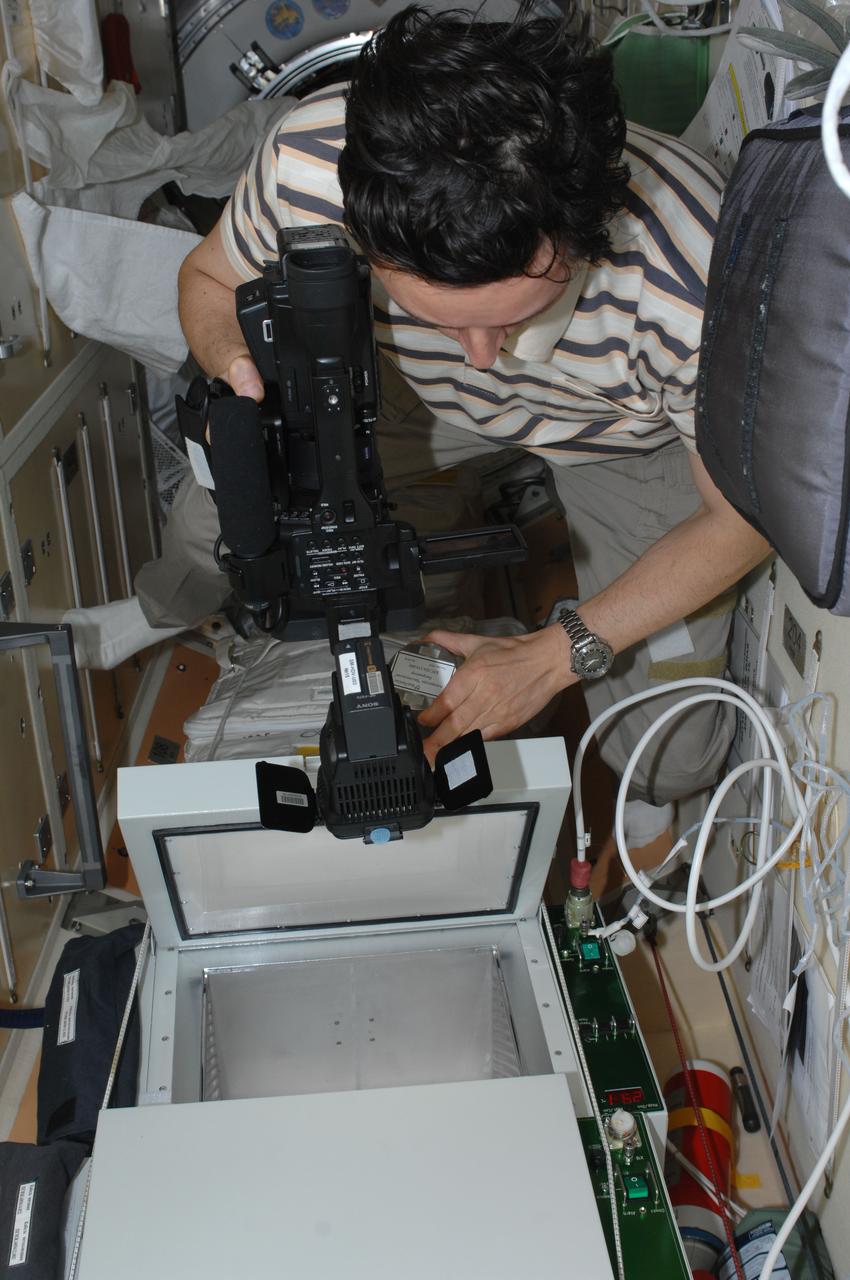
ISS031-E-140701 (23 June 2012) --- Russian cosmonaut Sergei Revin, Expedition 31 flight engineer, works on the BTKh-26 KASKAD (Cascade) experiment in the Rassvet Mini-Research Module 1 (MRM-1) of the International Space Station.
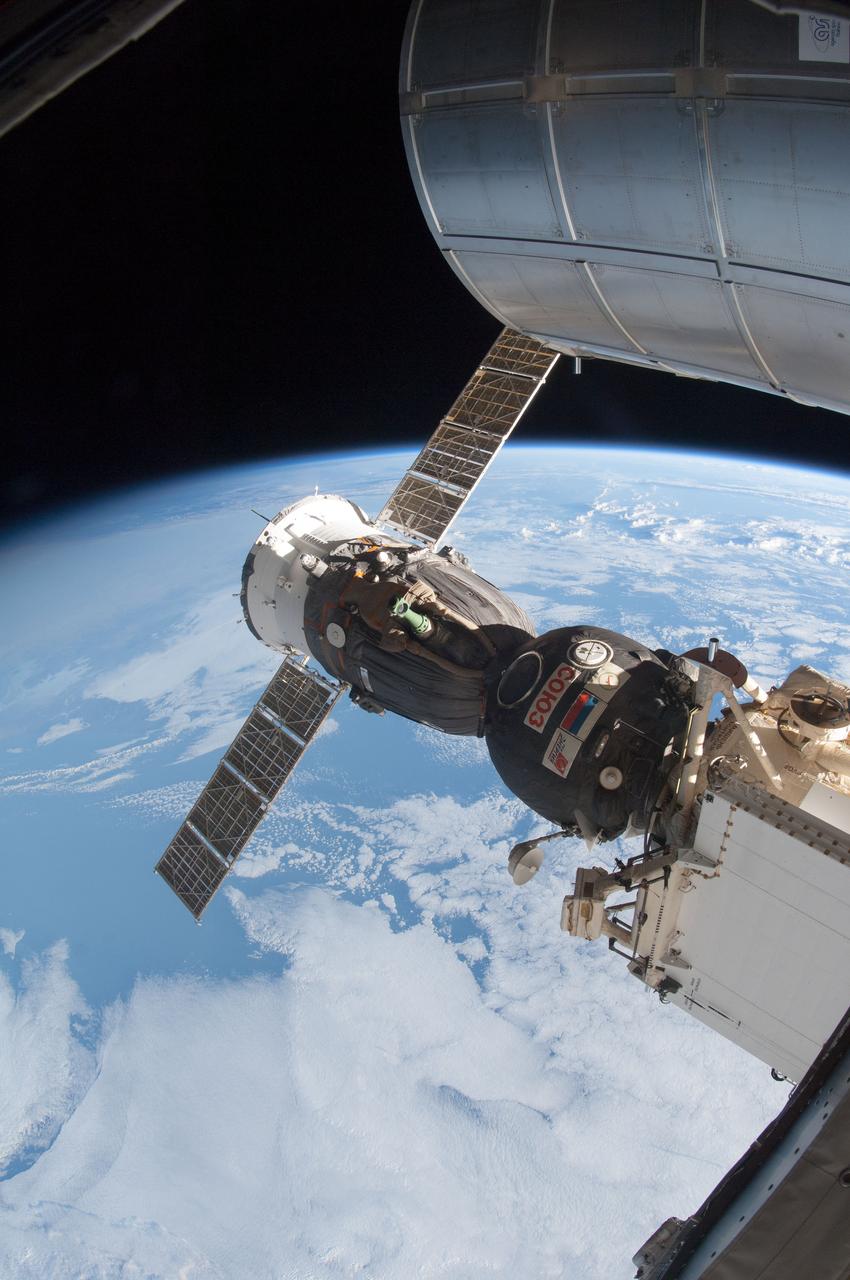
ISS034-E-045758 (11 Feb. 2013) --- Clouds form the backdrop for this scene photographed by one of the Expedition 34 crew members aboard the International Space Station, with the Soyuz 33 (TMA-07M) docked to the Rassvet Mini-Research Module 1 (MRM1). The Permanent Multipurpose Module (PMM) is visible top right.
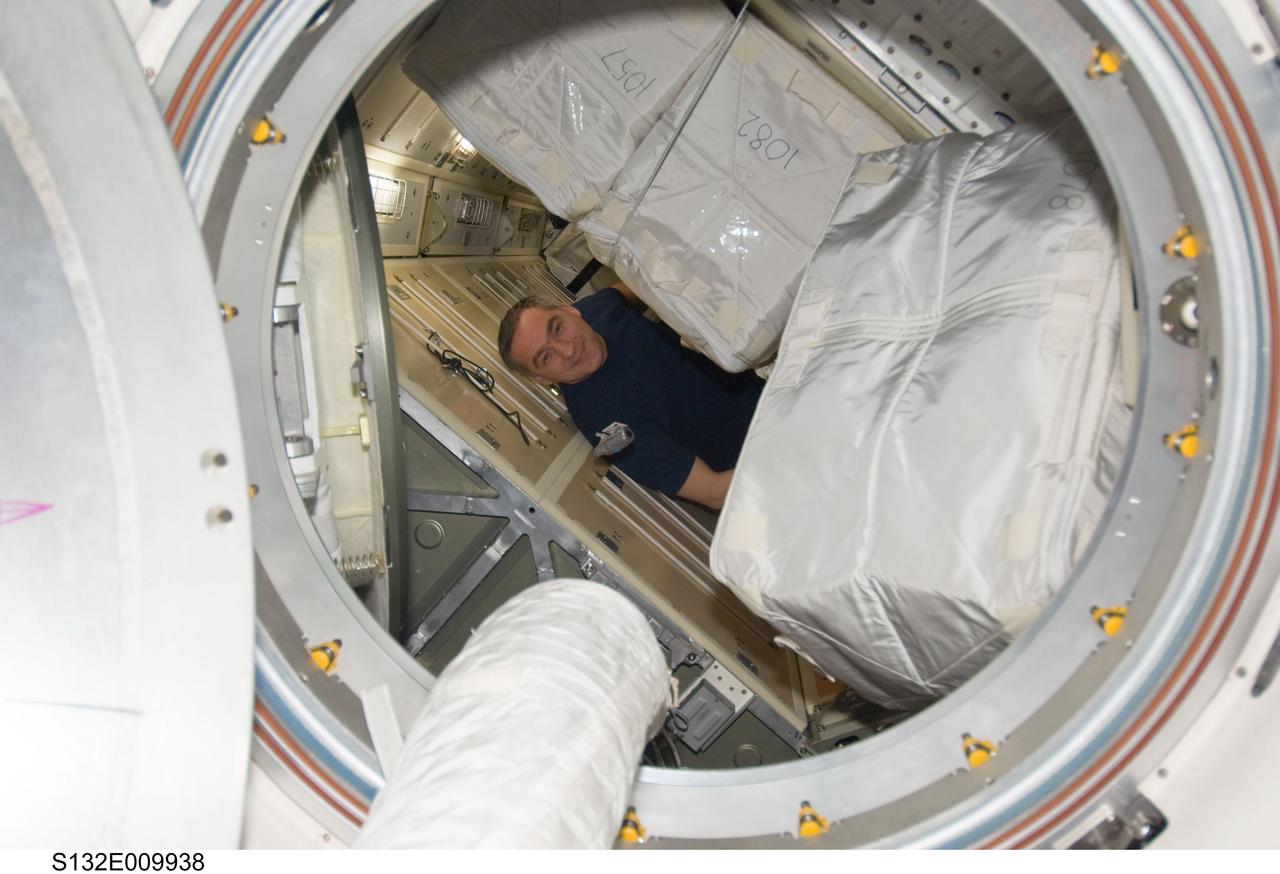
S132-E-009938 (22 May 2010) --- Russian cosmonaut Alexander Skvortsov, Expedition 23 flight engineer, works in the newly-attached Rassvet Mini-Research Module 1 (MRM-1) of the International Space Station while space shuttle Atlantis (STS-132) remains docked with the station.
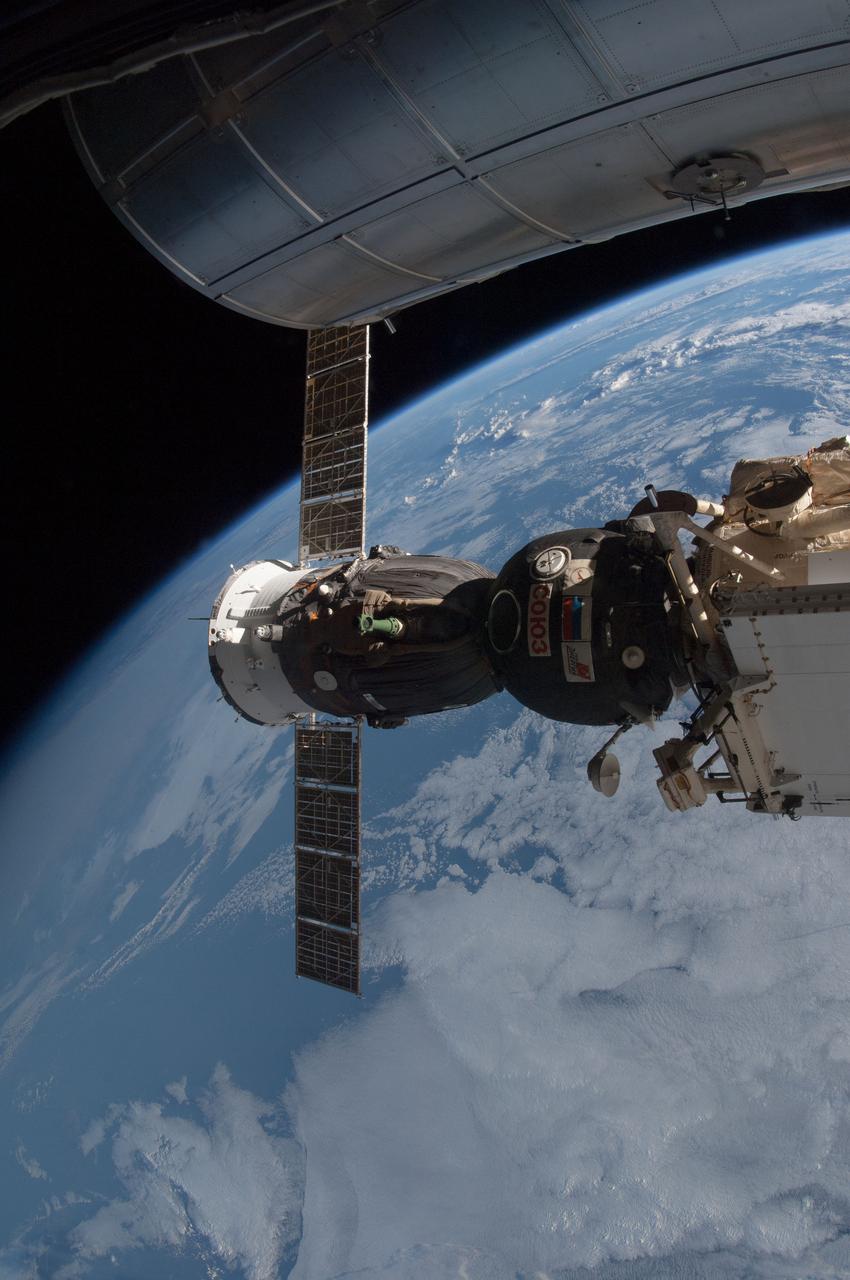
ISS034-E-045759 (11 Feb. 2013) --- Clouds form the backdrop for this scene photographed by one of the Expedition 34 crew members aboard the International Space Station, with the Soyuz 33 (TMA-07M) docked to the Rassvet Mini-Research Module 1 (MRM1). The Permanent Multipurpose Module (PMM) is visible at top.

iss072e977434 (April 9, 2025) --- The Soyuz MS-26 (foreground) and MS-27 crew ships are pictured docked to the International Space Station's Rassvet module and Prichal module, respectively. At right, is the 214 million-year-old Manicouagan crater located in Quebec as the orbital outpost soared 263 miles above far eastern Canada.

ISS036-E-026661 (31 July 2013) --- In the International Space Station?s Rassvet Mini-Research Module (MRM1), Russian cosmonaut Fyodor Yurchikhin, Expedition 36 flight engineer, works with the Aseptic experiment, which involves collecting air and surface samples in the Russian segment of the station for analysis.
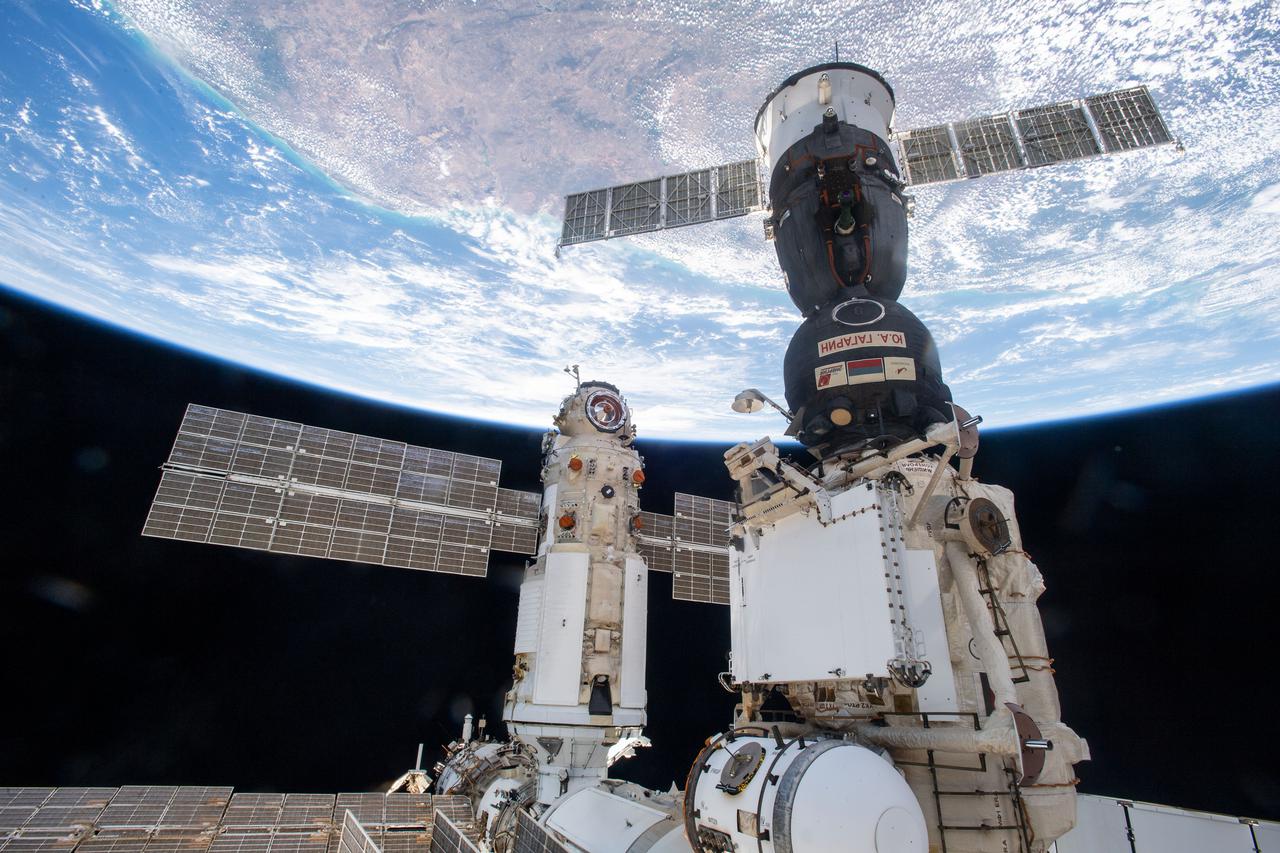
iss065e212164 (July 29, 2021) --- Russia's "Nauka" Multipurpose Laboratory Module is pictured shortly after docking to the Zvezda service module's Earth-facing port on the International Space Station with the Brazilian coast 263 miles below. In the foreground, is the Soyuz MS-18 crew ship docked to the Rassvet module.
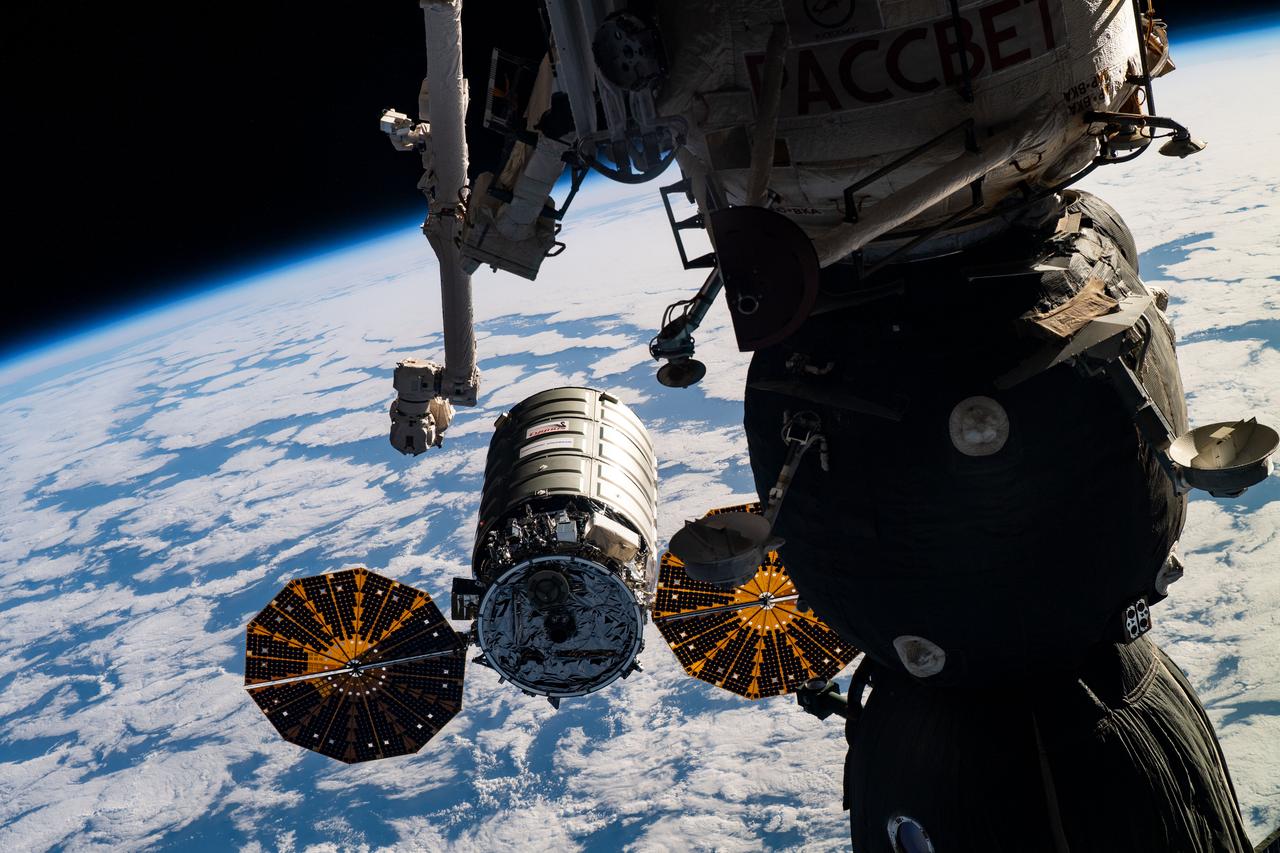
iss059e025269 (April 19, 2019) --- The Canadarm2 robotic arm is positioned to grapple the Northrop Grumman Cygnus cargo craft as it approaches its capture point with the International Space Station orbiting 255 miles above the Atlantic Ocean. Highlighting the foreground is the Soyuz MS-12 crew ship docked to the Rassvet module.
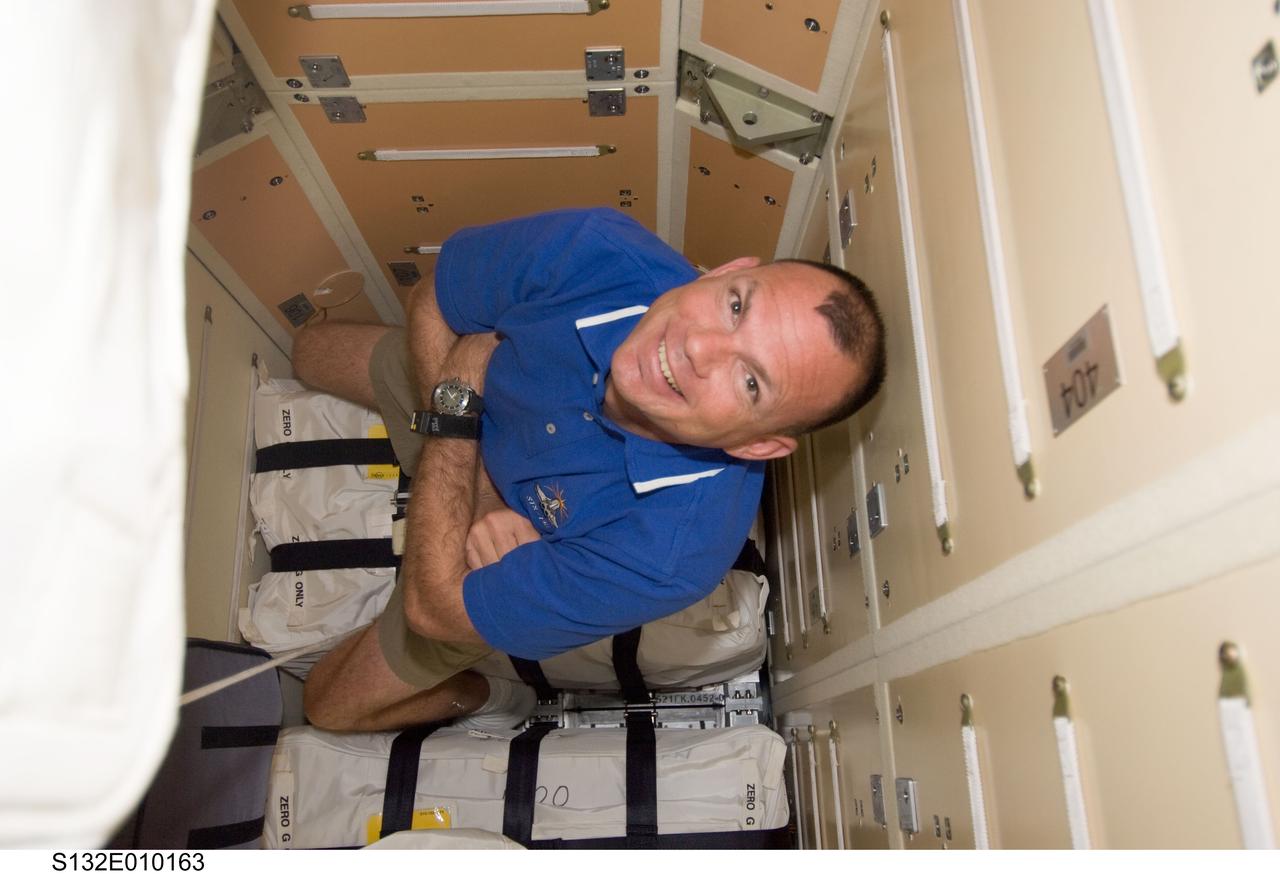
S132-E-010163 (23 May 2010) --- NASA astronaut Tony Antonelli, STS-132 pilot, is pictured in the newly-attached Rassvet Mini-Research Module 1 (MRM-1) of the International Space Station while space shuttle Atlantis remains docked with the station.
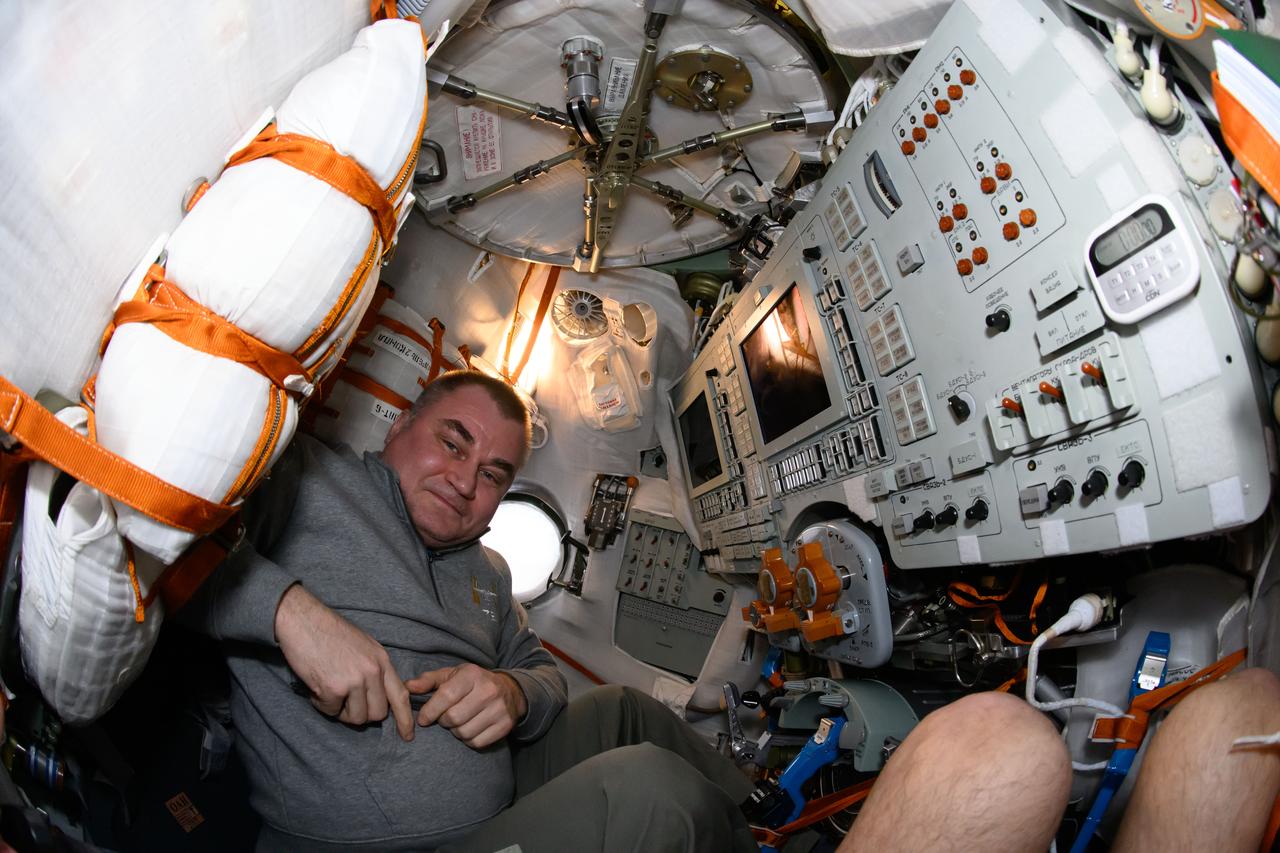
iss072e645859 (Feb. 21, 2025) --- Roscosmos cosmonaut and Expedition 72 Flight Engineer Alexey Ovchinin is pictured inside the Soyuz MS-26 spacecraft docked to the International Space Station's Rassvet module. Ovchinin was participating in a regularly scheduled seat fit check.
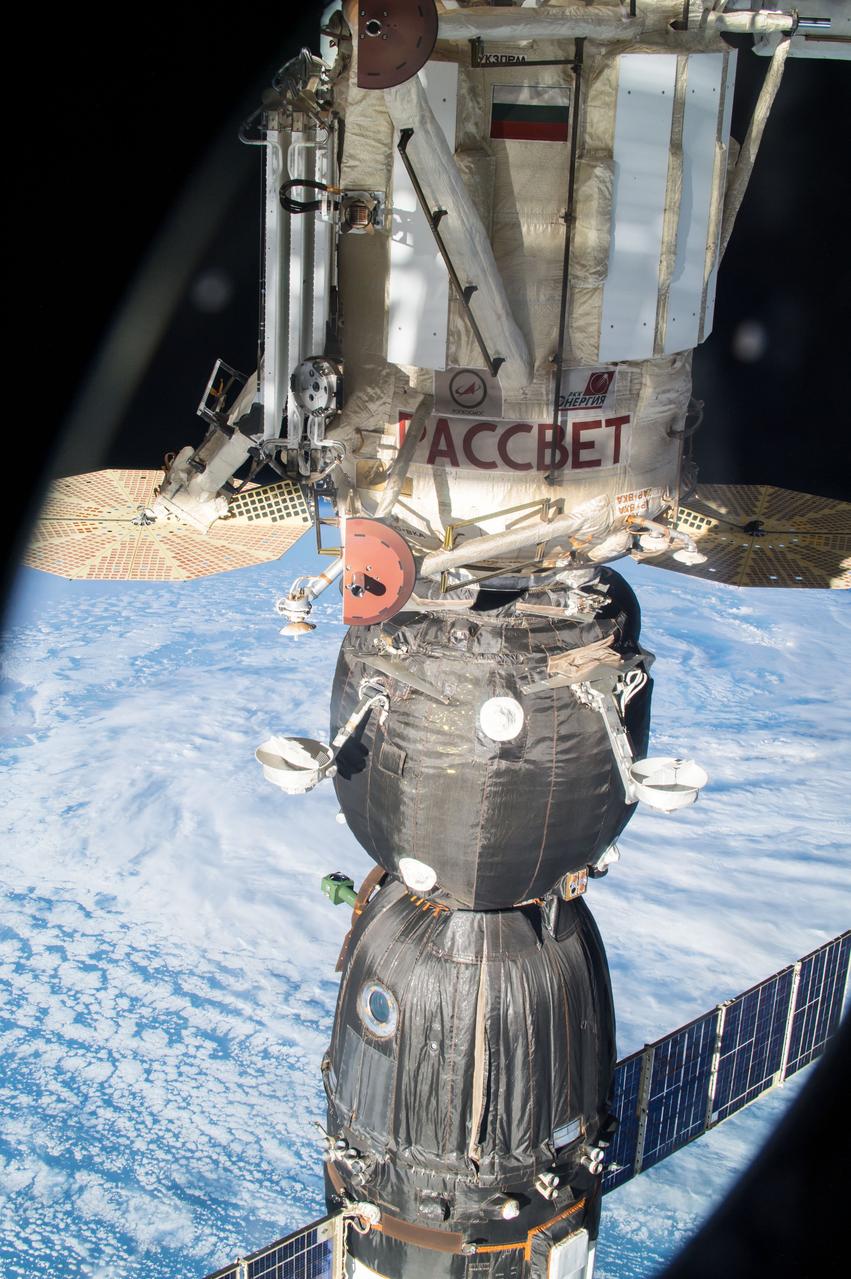
iss053e210873 (Nov. 16, 2017) --- The Soyuz MS-05 crew spacecraft is pictured docked to the Rassvet Mini-Research Module-1. Pictured behind the Soyuz spacecraft and its docking port are the dual cymbal-like UltraFlex solar arrays that power the Orbital ATK Cygnus resupply ship.
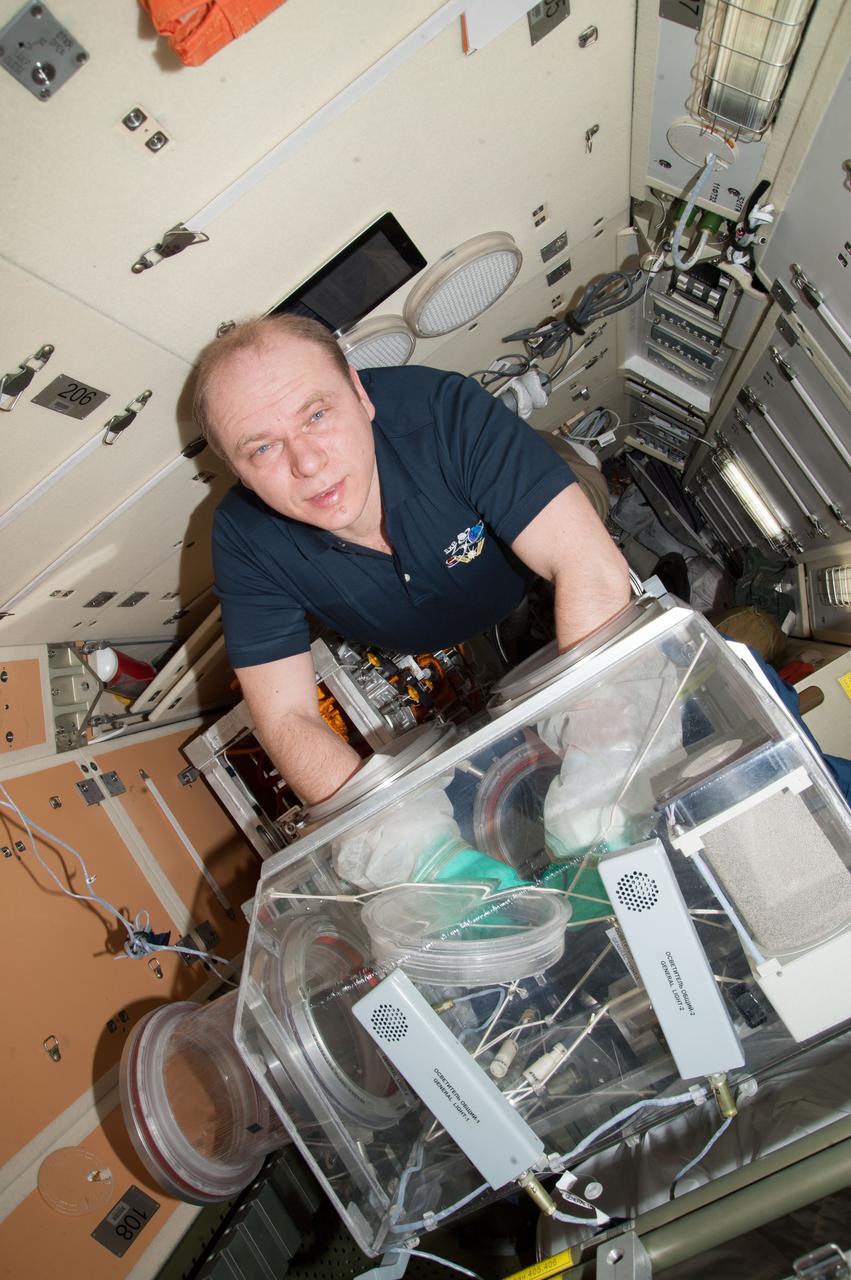
ISS038-E-066110 (7 Feb. 2014) --- In the Rassvet Mini-Research Module 1 (MRM1) of the Earth-orbiting International Space Station, Expedition 38 Commander Oleg Kotov of Russia's Federal Space Agency (Roscosmos) works with the bioscience experiment ASEPTIC in the Russian Glavboks (Glovebox).
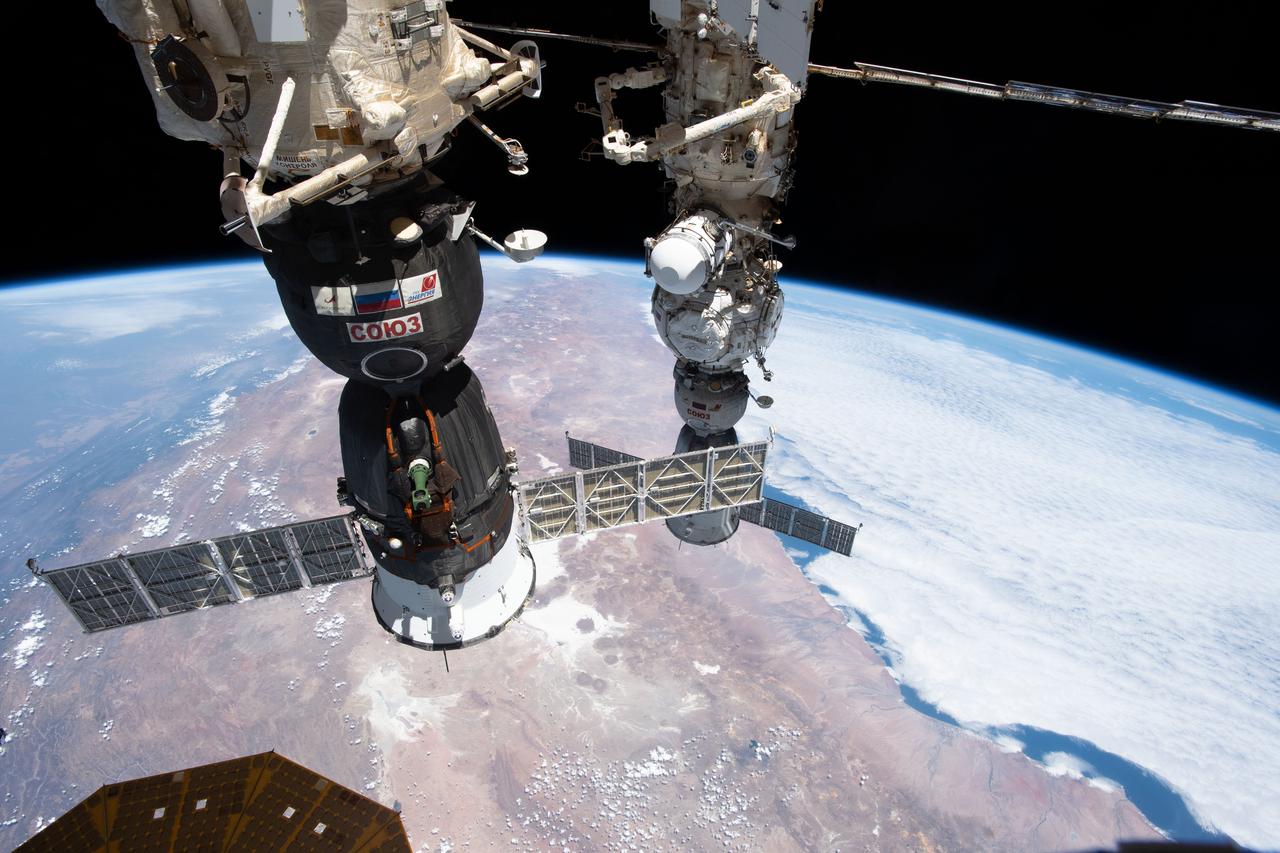
iss069e091770 (Sept. 23, 2023) --- Two Soyuz crew ships are pictured docked to the International Space Station as it orbited 262 miles above La Paz, Bolivia, on the South American continent. In the foreground, is the Soyuz MS-24 spacecraft docked to the Rassvet module. In the background is the Soyuz MS-23 spacecraft docked to the Prichal docking module.
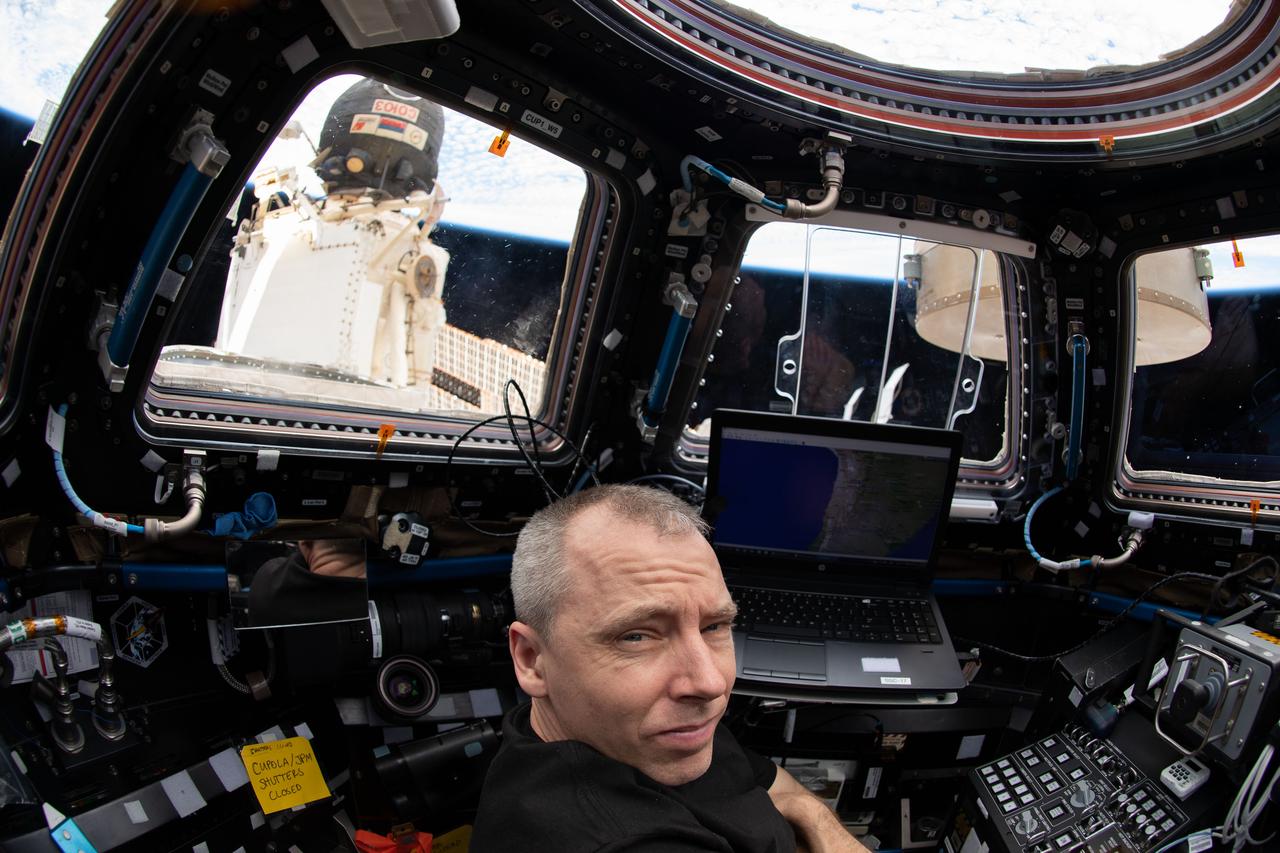
iss056e161464 (Sept. 6, 2018) --- Expedition 56 Commander Drew Feustel of NASA works inside the seven-windowed Cupola as the International Space Station was about to fly over the coast of Chile in South America. Just outside the Cupola and docked to the Rassvet module is the Soyuz MS-09 spacecraft.
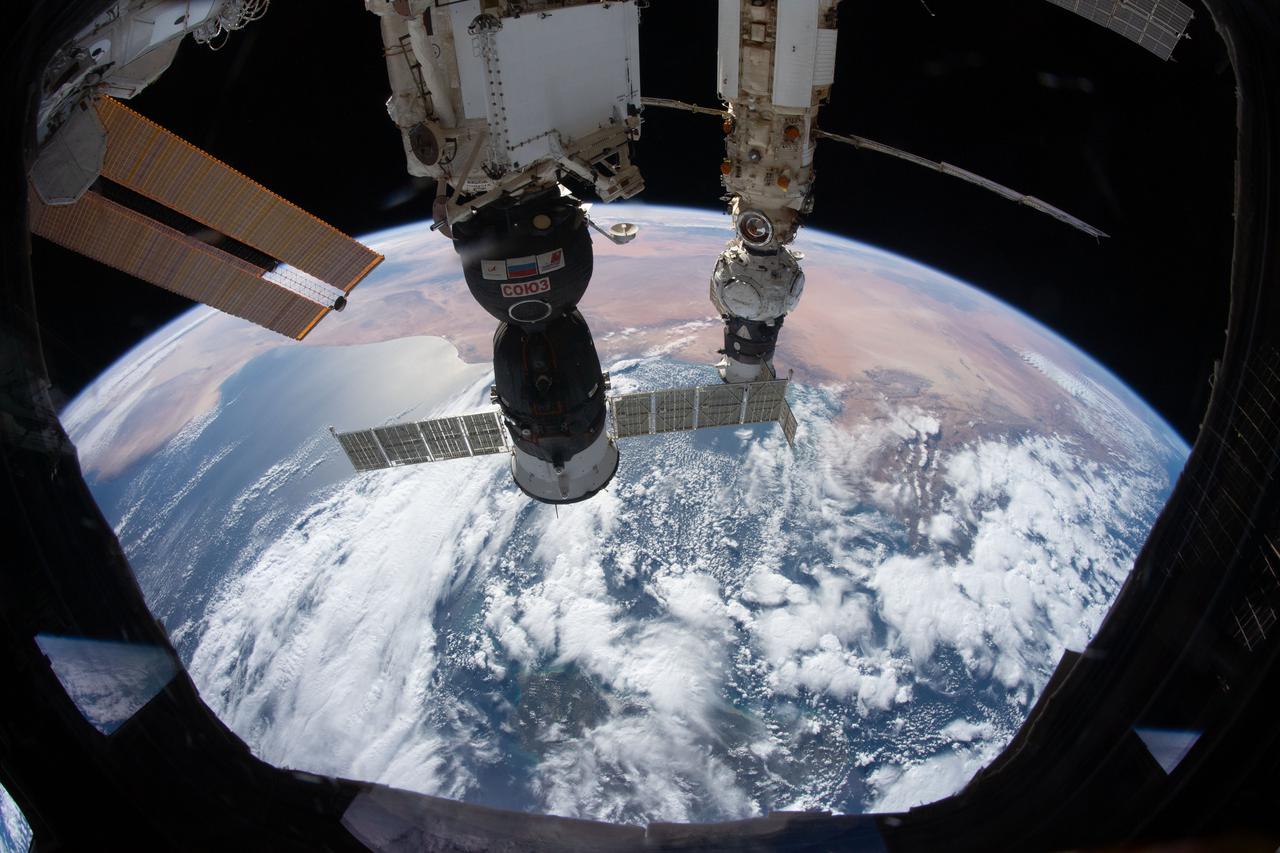
iss066e086732 (Dec. 6, 2021) --- Pictured as the International Space Station orbited 264 miles above the Mediterranean Sea are the Soyuz MS-19 crew ship docked to the Rassvet module and the Prichal module, still attached to the Progress delivery craft, docked to the Nauka multipurpose module.
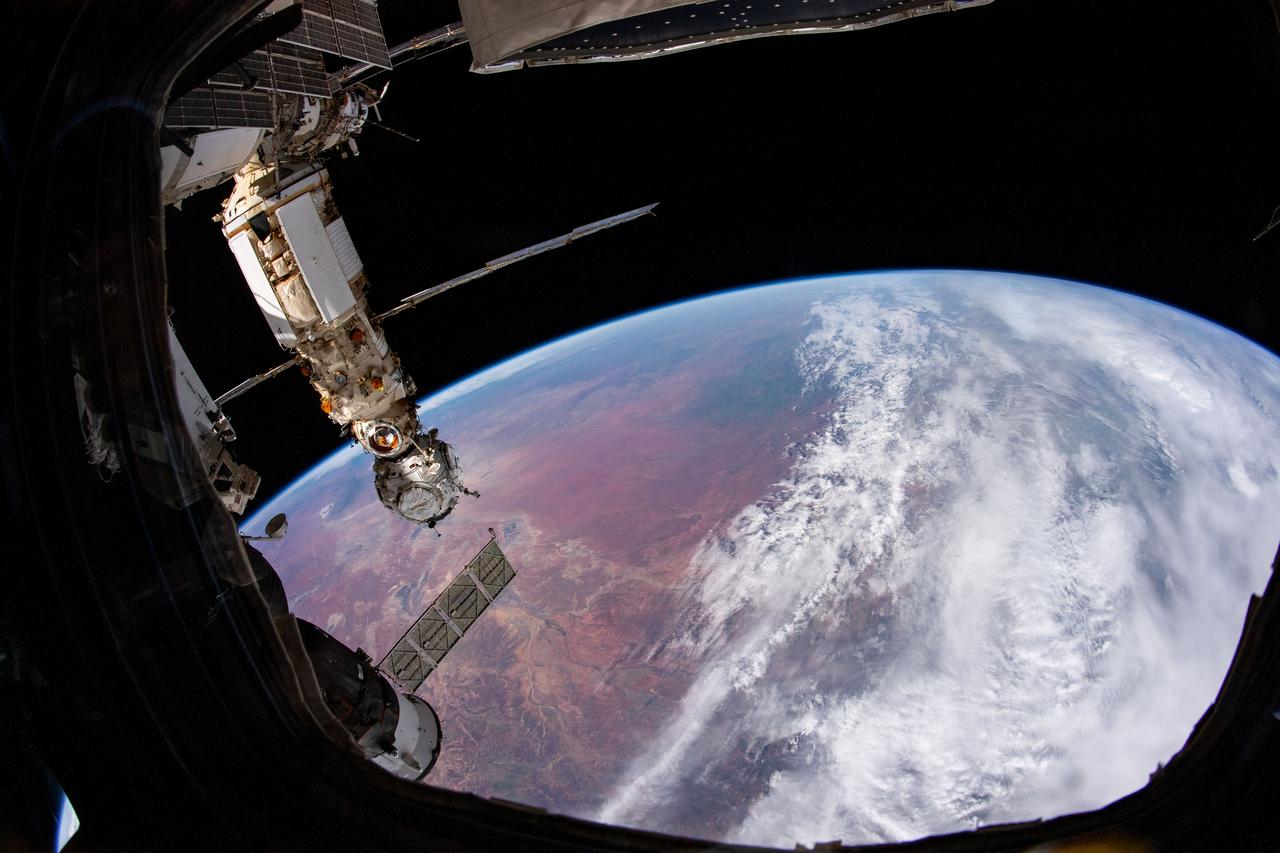
iss066e135344 (Feb. 3, 2022) --- The Nauka multipurpose laboratory module and the Prichal docking module are pictured as the International Space Station orbited 265 miles above central Australia. At lower left, is a portion of the Soyuz MS-19 crew ship docked to the Rassvet module.
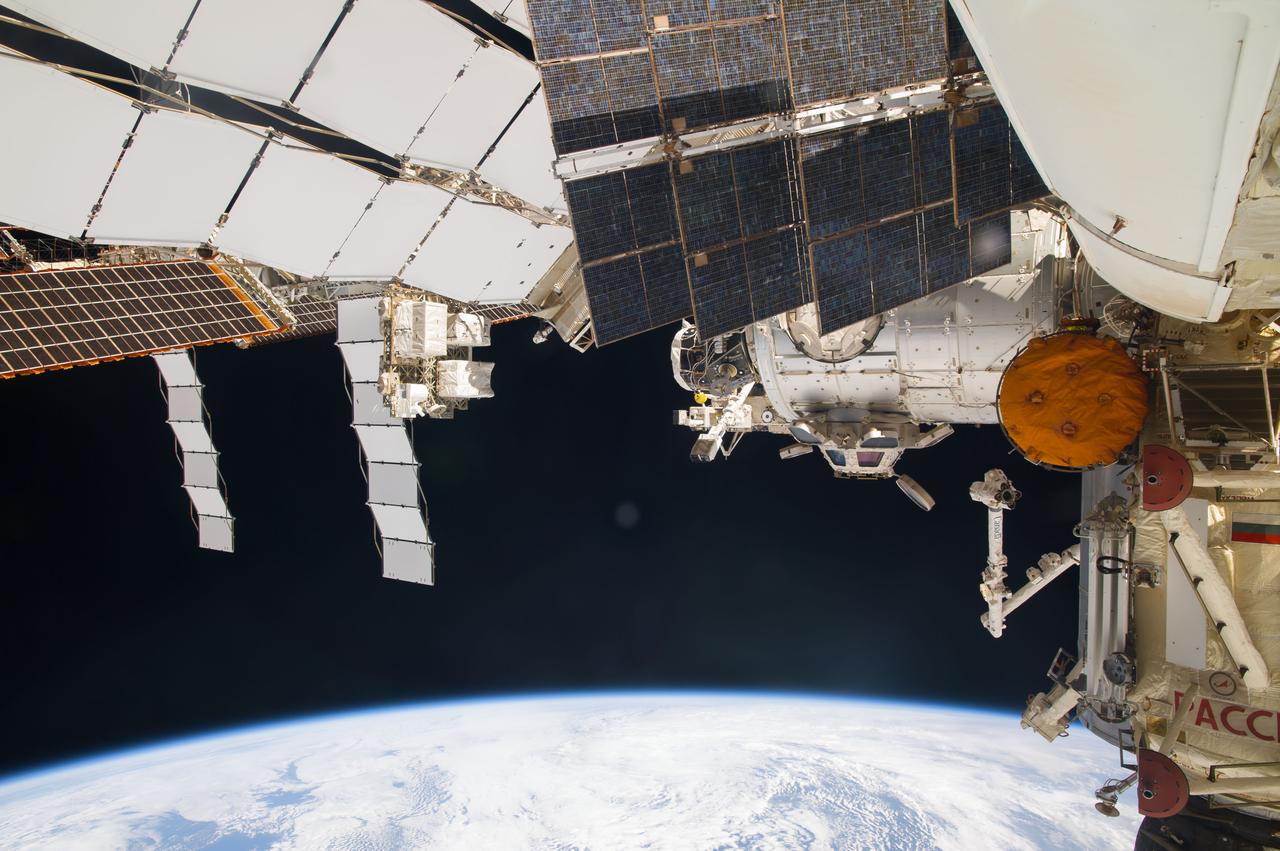
ISS040-E-123163 (2 Sept. 2014) --- Various solar array panels, the Rassvet Mini-Research Module 1 (MRM1) (right) and the Tranquility node with the Cupola (center) are featured in this image photographed by an Expedition 40 crew member aboard the International Space Station. Earth’s horizon and the blackness of space provide the backdrop for the scene.