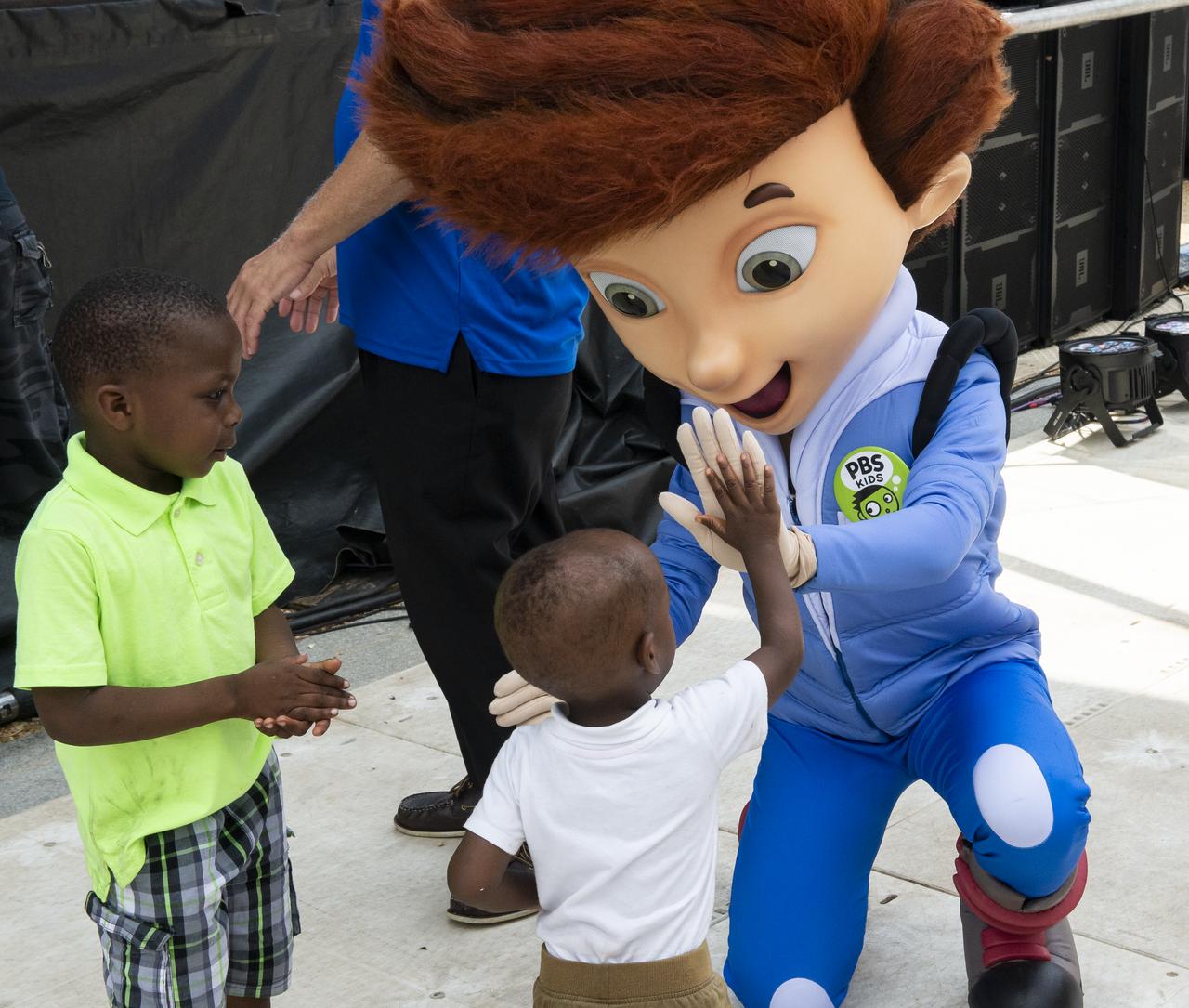
A visitor high fives Ready Jet Go's Jet Propulsion at the Apollo 11 50th Anniversary celebration on the National Mall, Thursday, July 18, 2019 in Washington. Apollo 11 was the first mission to land astronauts on the Moon and launched on July 16, 1969 with astronauts Neil Armstrong, Michael Collins, and Buzz Aldrin. Photo Credit: (NASA/Connie Moore)
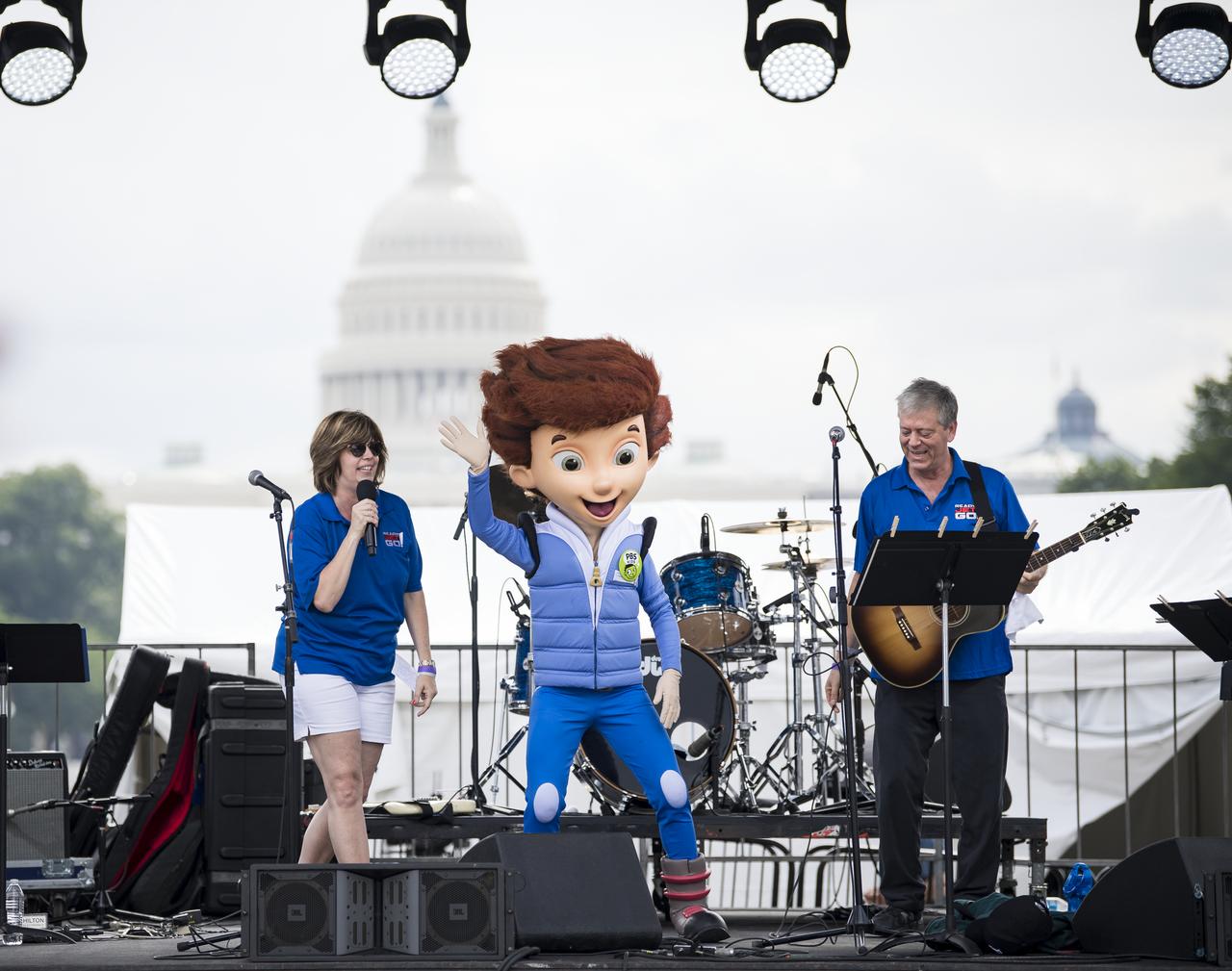
A Ready Jet Go performance is seen at the Apollo 11 50th Anniversary celebration on the National Mall, Thursday, July 18, 2019 in Washington. Apollo 11 was the first mission to land astronauts on the Moon and launched on July 16, 1969 with astronauts Neil Armstrong, Michael Collins, and Buzz Aldrin. Photo Credit: (NASA/Aubrey Gemignani)
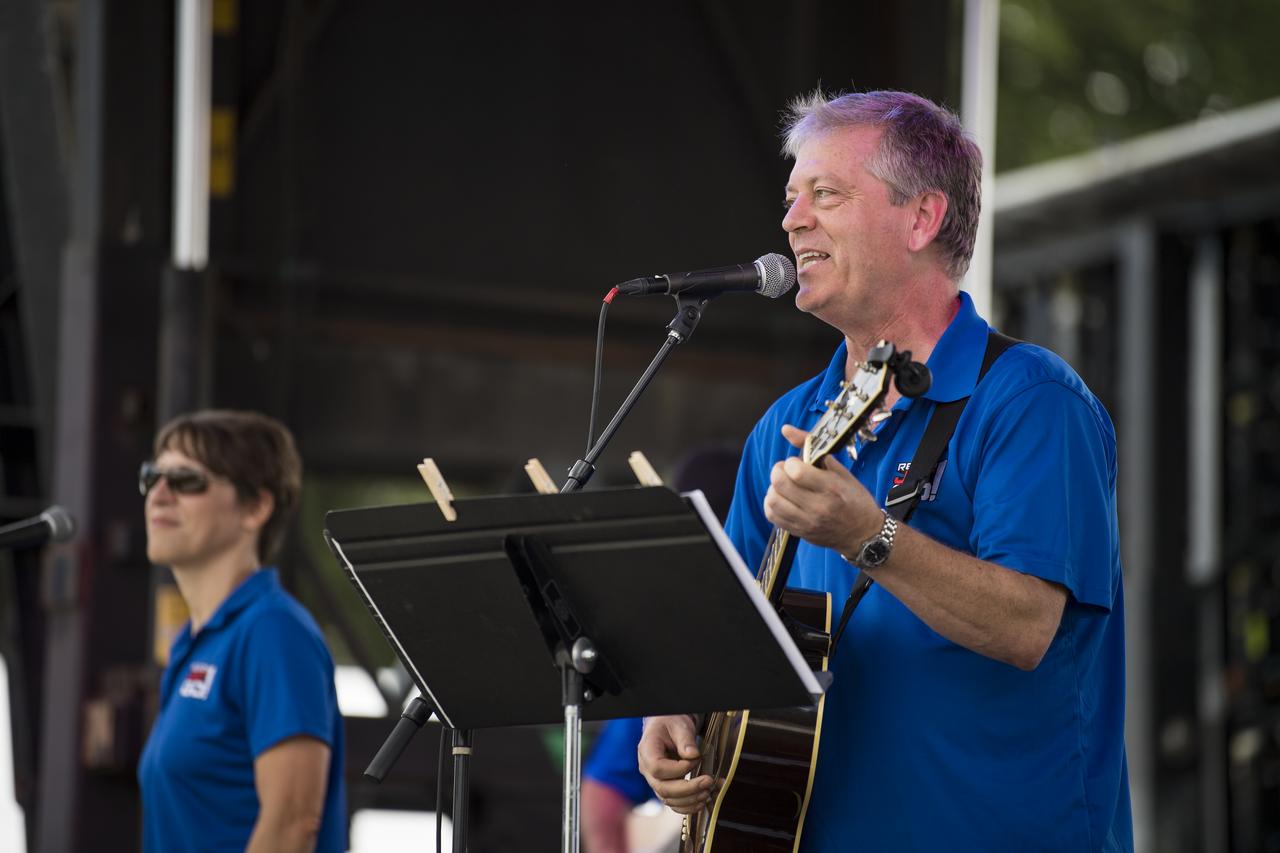
Musicians perform during the Ready Jet Go segment at the Apollo 11 50th Anniversary celebration on the National Mall, Thursday, July 18, 2019 in Washington. Apollo 11 was the first mission to land astronauts on the Moon and launched on July 16, 1969 with astronauts Neil Armstrong, Michael Collins, and Buzz Aldrin. Photo Credit: (NASA/Aubrey Gemignani)
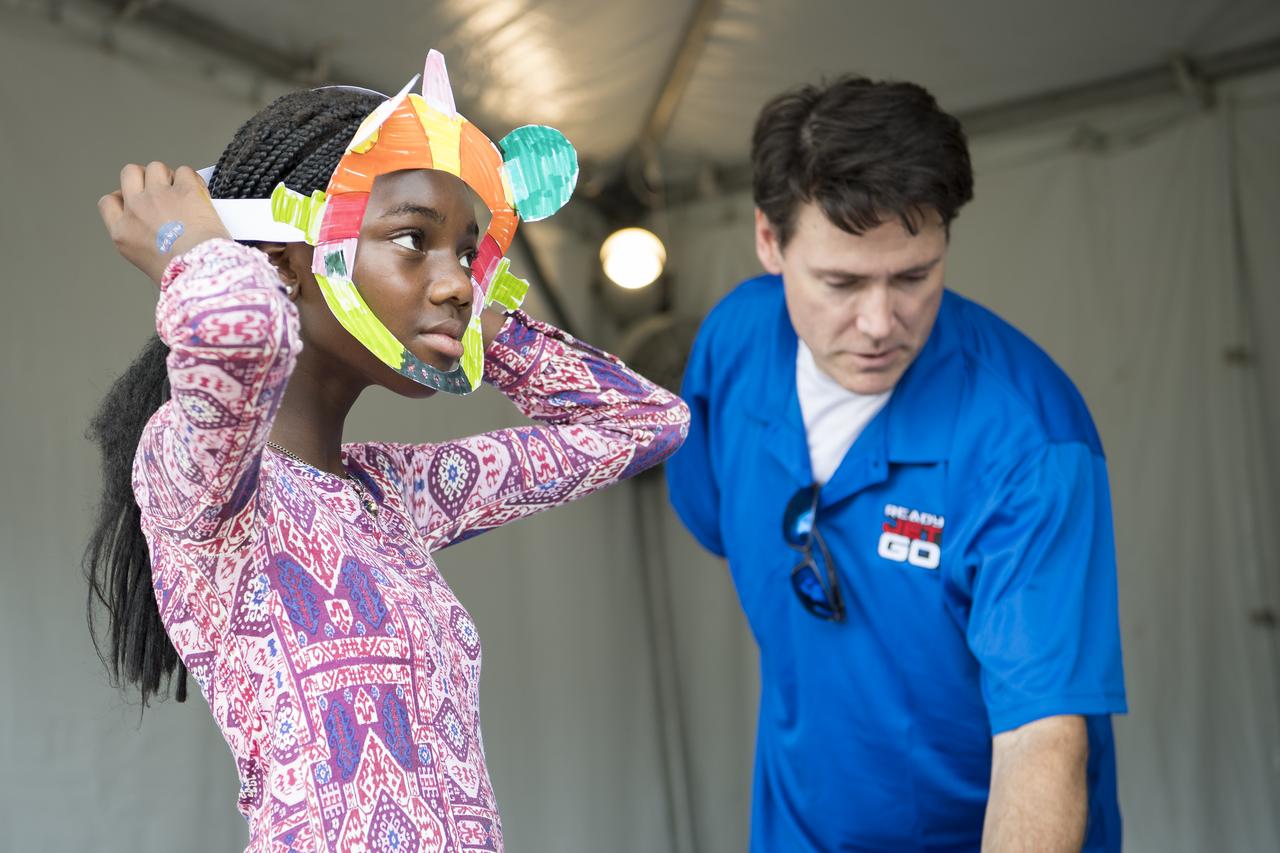
A visitor explores the Ready Jet Go exhibit at the Apollo 11 50th Anniversary celebration on the National Mall, Thursday, July 18, 2019 in Washington. Apollo 11 was the first mission to land astronauts on the Moon and launched on July 16, 1969 with astronauts Neil Armstrong, Michael Collins, and Buzz Aldrin. Photo Credit: (NASA/Aubrey Gemignani)
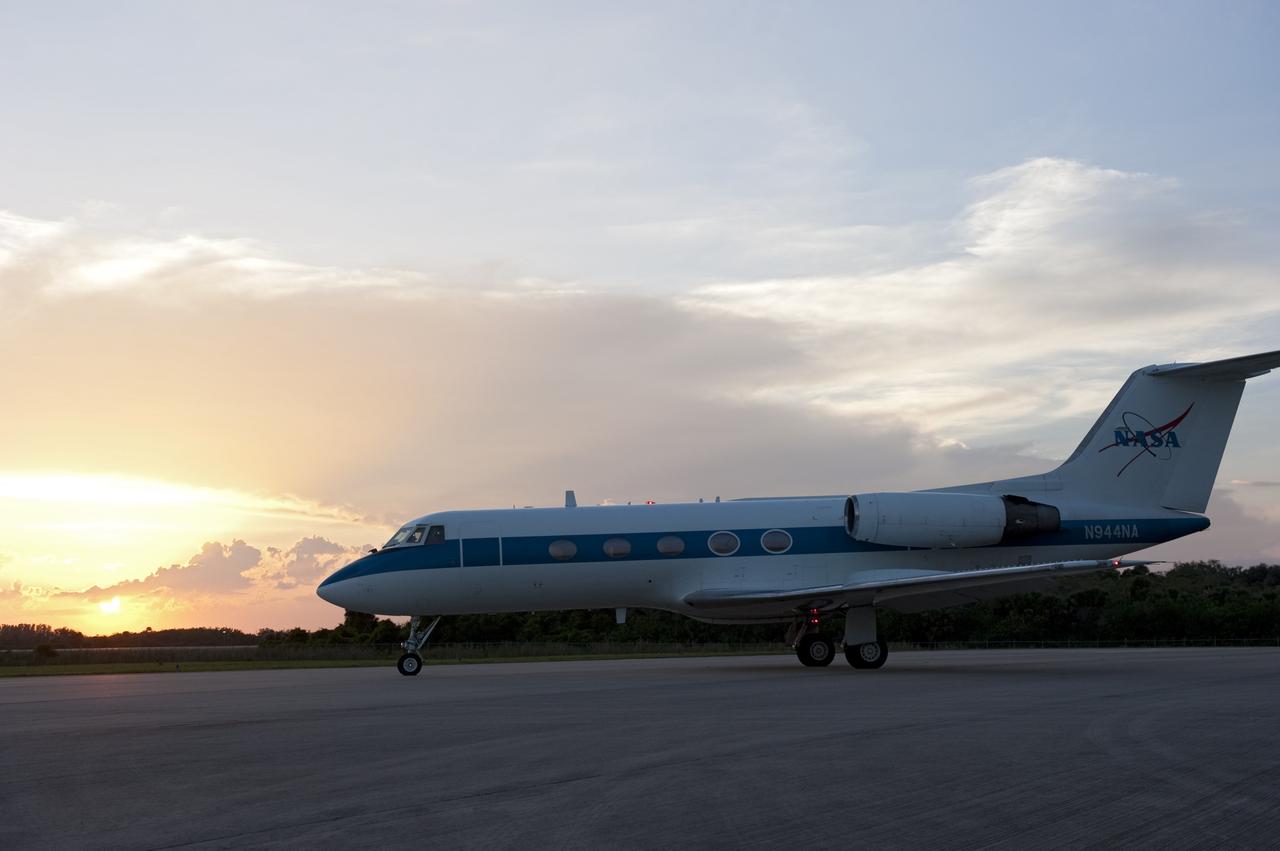
CAPE CANAVERAL, Fla. -- STS-134 Commander Mark Kelly and Pilot Greg H. Johnson are ready to take off and perform touch-and-go landings aboard a Shuttle Training Aircraft (STA) on the Shuttle Landing Facility runway at NASA's Kennedy Space Center in Florida. An STA is a Gulfstream II jet that is modified to mimic the shuttle's handling during the final phase of landing. Kelly and Johnson will practice landings as part of standard training before space shuttle Endeavour's launch to the International Space Station. Endeavour and its crew will deliver the Express Logistics Carrier-3, Alpha Magnetic Spectrometer-2 (AMS), a high-pressure gas tank and additional spare parts for the Dextre robotic helper to the station. This will be the final spaceflight for Endeavour. For more information visit, www.nasa.gov/mission_pages/shuttle/shuttlemissions/sts134/index.html. Photo credit: NASA/Kim Shiflett
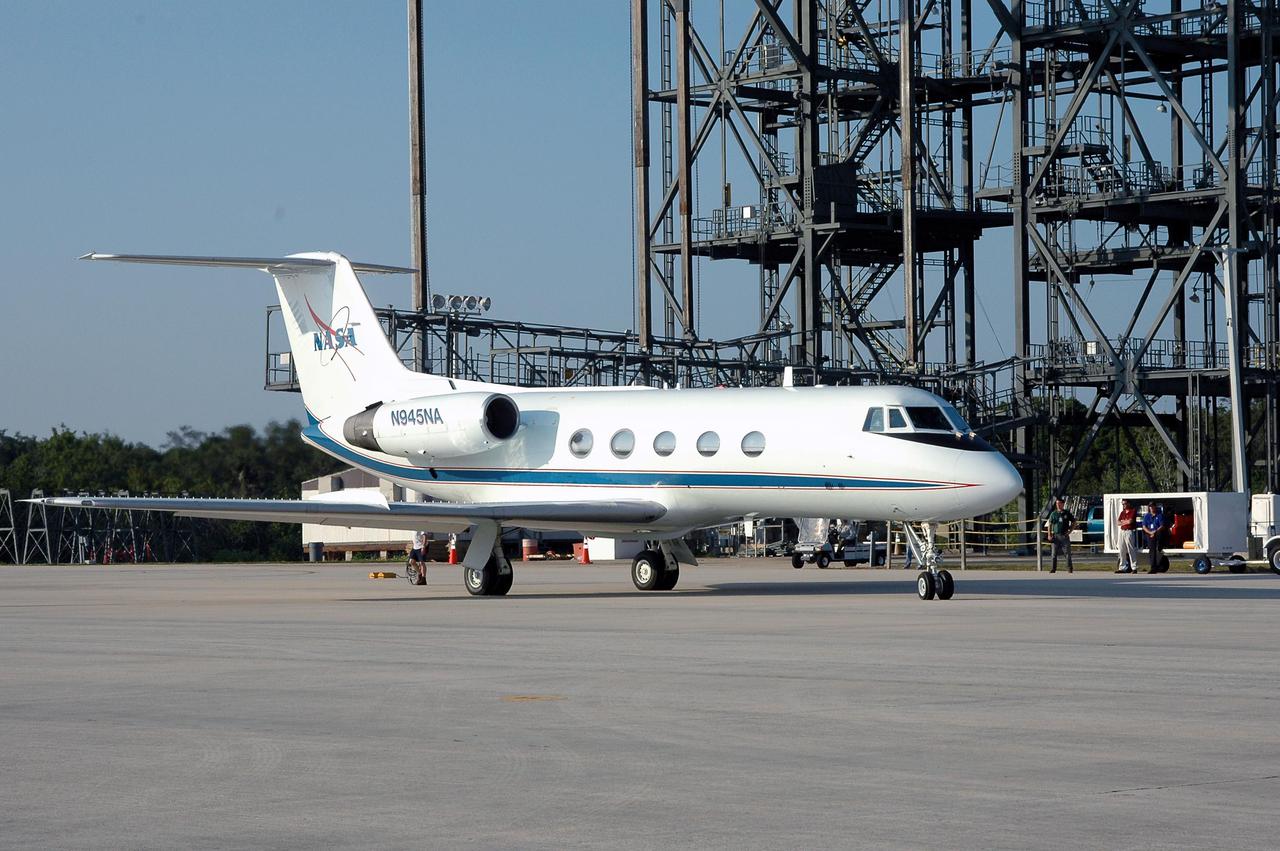
KENNEDY SPACE CENTER, FLA. - A Shuttle Training Aircraft (STA) is ready for STS-114 Commander Eileen Collins to begin practice landing the orbiter. The STA is a modified Grumman American Aviation-built Gulfstream II executive jet that was modified to simulate an orbiter’s cockpit, motion and visual cues, and handling qualities. In flight, the STA duplicates the orbiter’s atmospheric descent trajectory from approximately 35,000 feet altitude to landing on a runway. The orbiter differs in at least one major aspect from conventional aircraft; it is unpowered during re-entry and landing so its high-speed glide must be perfectly executed the first time. There is no go-around capability. The orbiter touchdown speed is 213 to 226 miles per hour. There are two STAs, based in Houston. STS-114 is the first Return to Flight mission, scheduled to launch July 13 in a window that extends through July 31.
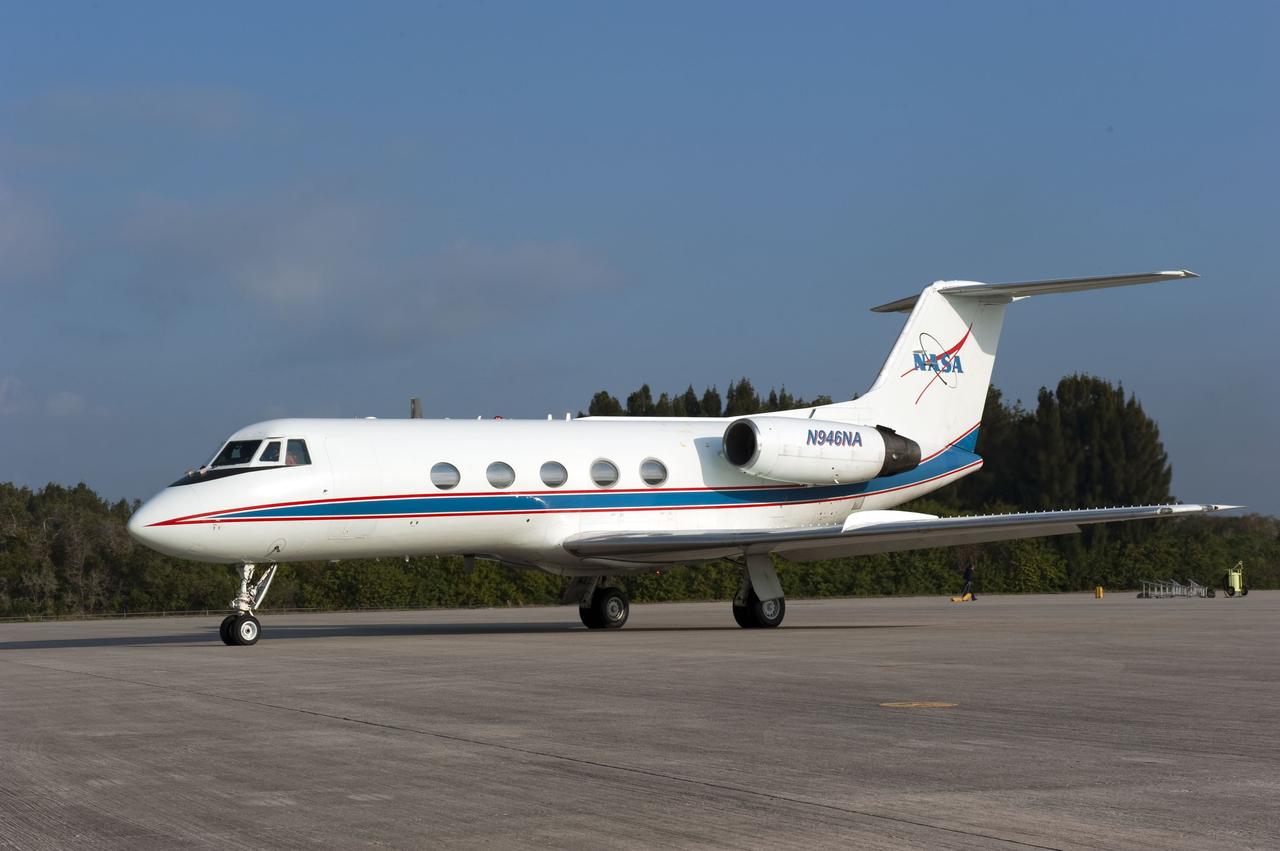
CAPE CANAVERAL, Fla. -- STS-133 Pilot Eric Boe is ready to take off and perform touch-and-go landings aboard a Shuttle Training Aircraft (STA) on the Shuttle Landing Facility runway at NASA's Kennedy Space Center in Florida. An STA is a Gulfstream II business jet that is modified to mimic the shuttle's handling during the final phase of landing. Boe and STS-133 Commander Steve Lindsey will practice landings as part of standard training before space shuttle Discovery's launch to the International Space Station. Scheduled to lift off Feb. 24 at 4:50 p.m. EST, Discovery and its six-member crew will deliver the Permanent Multipurpose Module, packed with supplies and critical spare parts, as well as Robonaut 2, the dexterous humanoid astronaut helper, to the orbiting outpost. For more information on the STS-133 mission, visit www.nasa.gov/mission_pages/shuttle/shuttlemissions/sts133/. Photo credit: NASA/Kim Shiflett
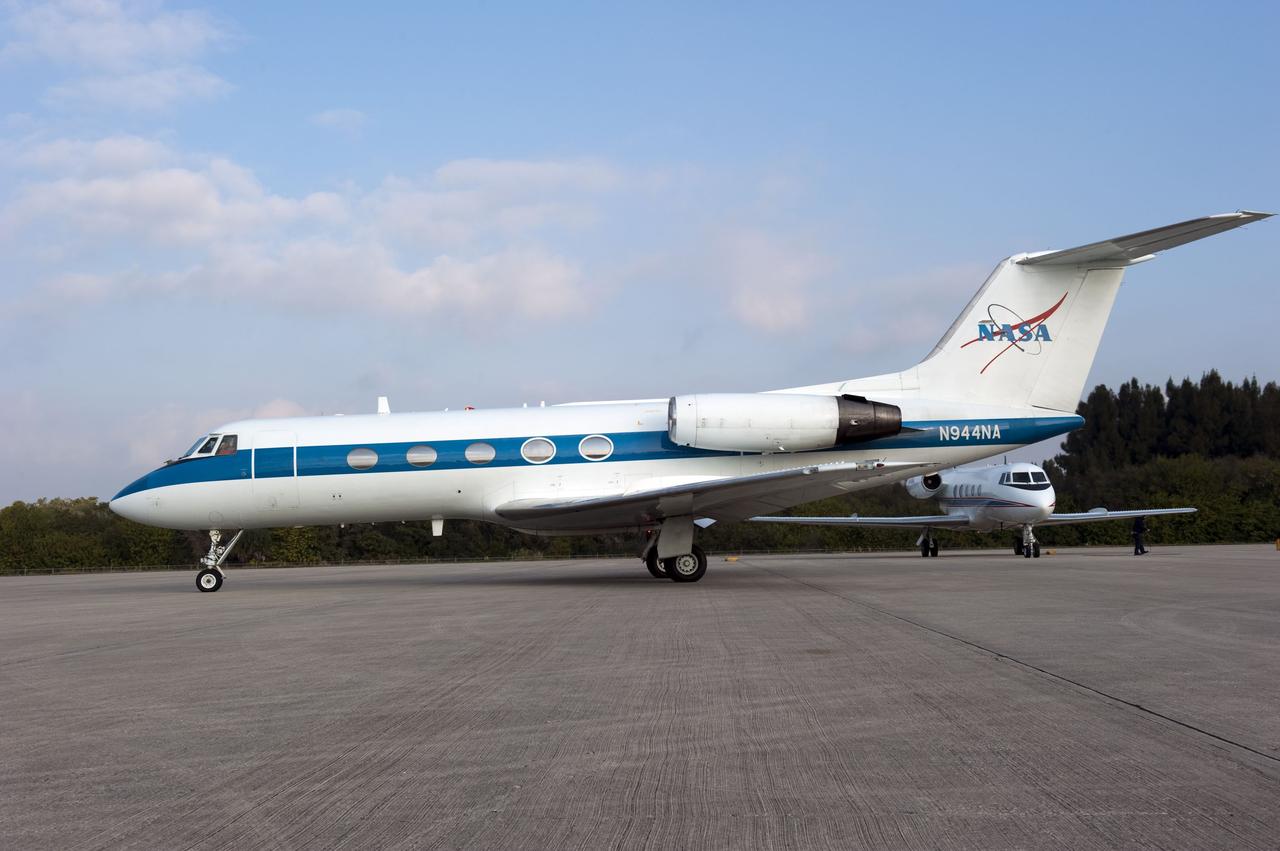
CAPE CANAVERAL, Fla. -- STS-133 Commander Steve Lindsey, foreground aircraft, and Pilot Eric Boe are ready to take off and perform touch-and-go landings aboard two Shuttle Training Aircraft (STA) on the Shuttle Landing Facility runway at NASA's Kennedy Space Center in Florida. STAs are Gulfstream II business jets that are modified to mimic the shuttle's handling during the final phase of landing. Practice landings are part of standard training before space shuttle Discovery's launch to the International Space Station. Scheduled to lift off Feb. 24 at 4:50 p.m. EST, Discovery and its six-member crew will deliver the Permanent Multipurpose Module, packed with supplies and critical spare parts, as well as Robonaut 2, the dexterous humanoid astronaut helper, to the orbiting outpost. For more information on the STS-133 mission, visit www.nasa.gov/mission_pages/shuttle/shuttlemissions/sts133/. Photo credit: NASA/Kim Shiflett

CAPE CANAVERAL, Fla. -- STS-134 Commander Mark Kelly and Pilot Greg H. Johnson are ready to take off and perform touch-and-go landings aboard a Shuttle Training Aircraft (STA) on the Shuttle Landing Facility runway at NASA's Kennedy Space Center in Florida. An STA is a Gulfstream II jet that is modified to mimic the shuttle's handling during the final phase of landing. Kelly and Johnson will practice landings as part of standard training before space shuttle Endeavour's launch to the International Space Station. Endeavour and its crew will deliver the Express Logistics Carrier-3, Alpha Magnetic Spectrometer-2 (AMS), a high-pressure gas tank and additional spare parts for the Dextre robotic helper to the station. This will be the final spaceflight for Endeavour. For more information visit, www.nasa.gov/mission_pages/shuttle/shuttlemissions/sts134/index.html. Photo credit: NASA/Kim Shiflett
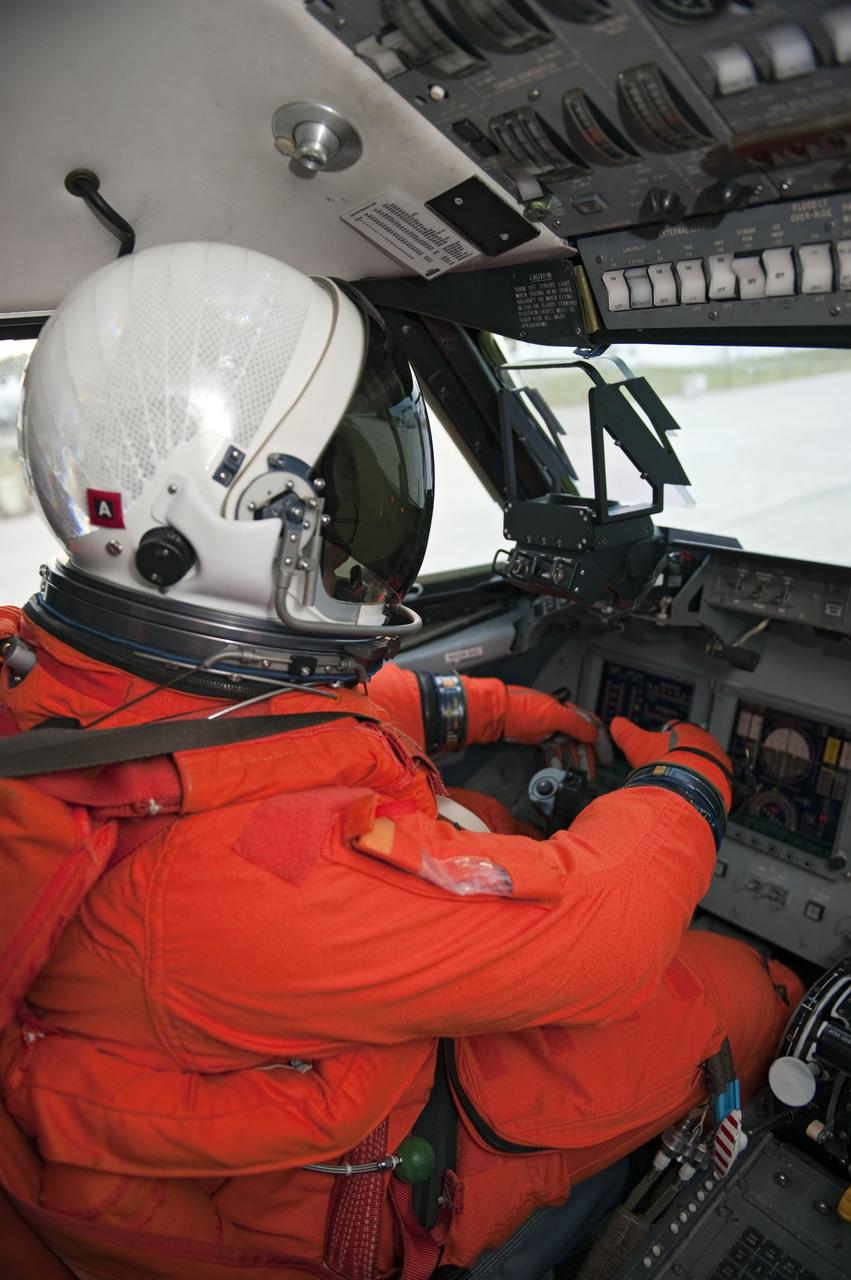
CANAVERAL, Fla. -- At NASA's Kennedy Space Center in Florida, STS-133 Commander Steve Lindsey is ready to fly touch-and-go landings in a Shuttle Training Aircraft (STA) over the Shuttle Landing Facility runway. The Gulfstream II business jet is modified to mimic the shuttle's handling during the final phase of landing. Space shuttle Discovery's crew members are at Kennedy for their upcoming launch to the International Space Station. In the days leading up to lift off, they will check the fit of their spacesuits, review launch-day procedures, receive weather briefings and remain medically quarantined to prevent sickness. STS-133 will deliver the Permanent Multipurpose Module, packed with supplies and critical spare parts, as well as Robonaut 2, the dexterous humanoid astronaut helper, to the orbiting outpost. For more information on the STS-133 mission, visit www.nasa.gov/mission_pages/shuttle/shuttlemissions/sts133/. Photo credit: NASA/Kim Shiflett
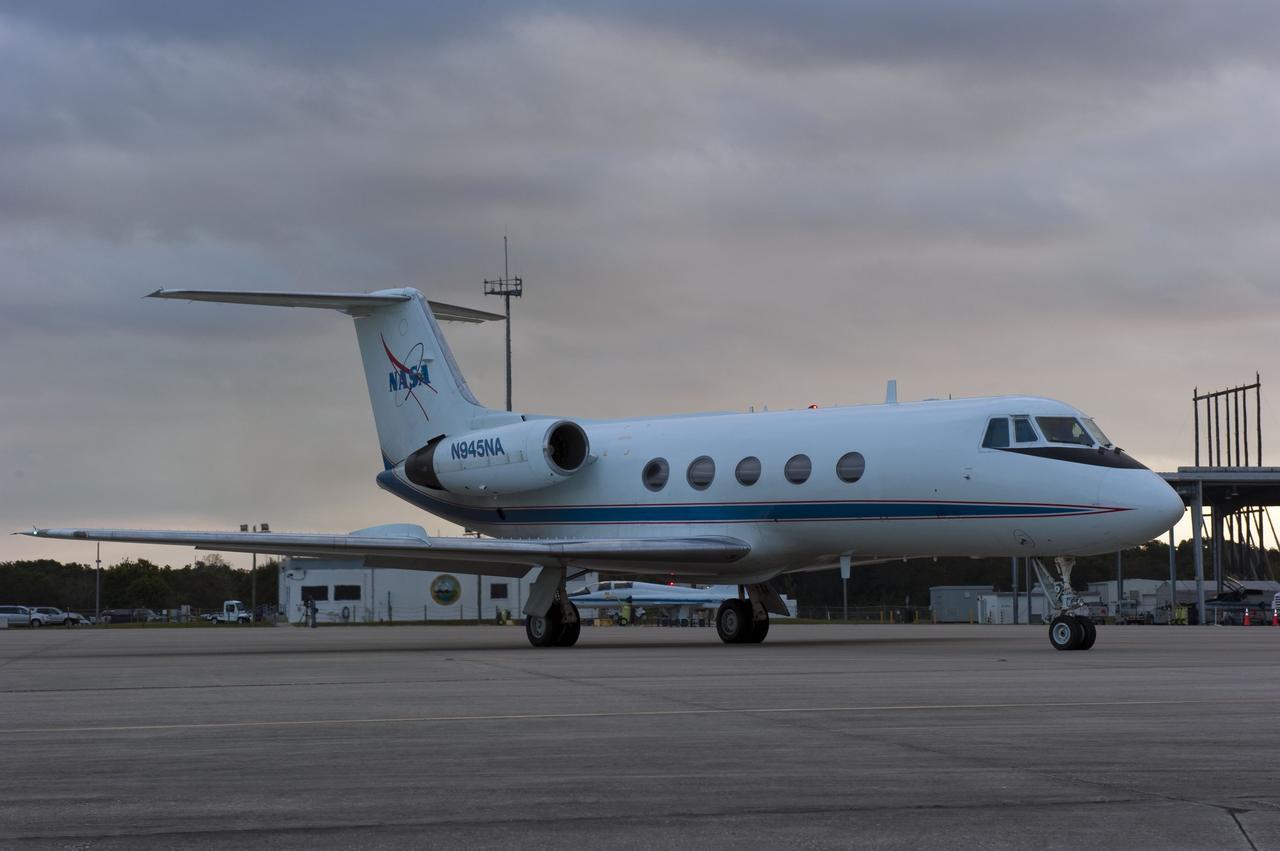
CANAVERAL, Fla. -- At NASA's Kennedy Space Center in Florida, STS-133 Commander Steve Lindsey is ready to take off from the Shuttle Landing Facility runway to fly touch-and-go landings in a Shuttle Training Aircraft (STA). The Gulfstream II business jet is modified to mimic the shuttle's handling during the final phase of landing. Space shuttle Discovery's crew members are at Kennedy for their upcoming launch to the International Space Station. In the days leading up to lift off, they will check the fit of their spacesuits, review launch-day procedures, receive weather briefings and remain medically quarantined to prevent sickness. STS-133 will deliver the Permanent Multipurpose Module, packed with supplies and critical spare parts, as well as Robonaut 2, the dexterous humanoid astronaut helper, to the orbiting outpost. For more information on the STS-133 mission, visit www.nasa.gov/mission_pages/shuttle/shuttlemissions/sts133/. Photo credit: NASA/Kim Shiflett
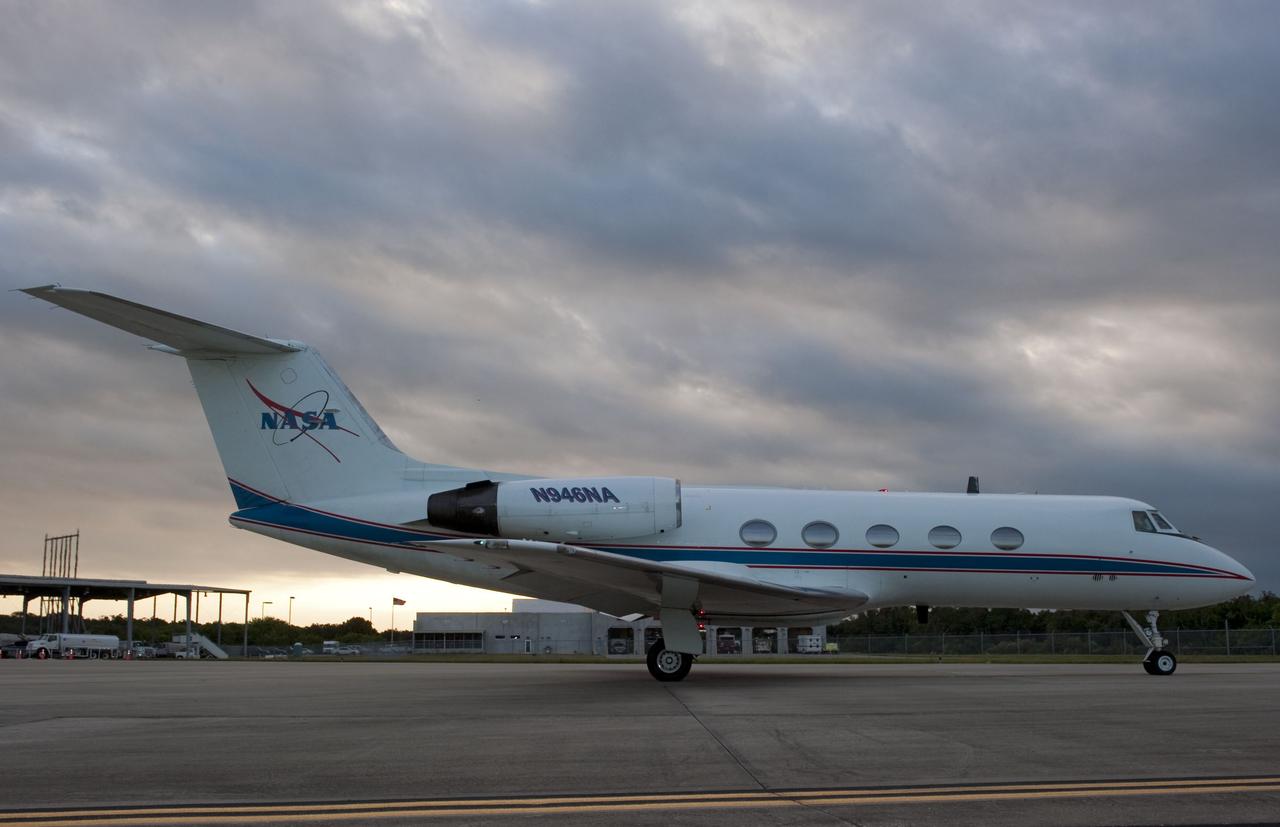
CANAVERAL, Fla. -- At NASA's Kennedy Space Center in Florida, STS-133 Pilot Eric Boe is ready to take off from the Shuttle Landing Facility runway to fly touch-and-go landings in a Shuttle Training Aircraft (STA). The Gulfstream II business jet is modified to mimic the shuttle's handling during the final phase of landing. Space shuttle Discovery's crew members are at Kennedy for their upcoming launch to the International Space Station. In the days leading up to lift off, they will check the fit of their spacesuits, review launch-day procedures, receive weather briefings and remain medically quarantined to prevent sickness. STS-133 will deliver the Permanent Multipurpose Module, packed with supplies and critical spare parts, as well as Robonaut 2, the dexterous humanoid astronaut helper, to the orbiting outpost. For more information on the STS-133 mission, visit www.nasa.gov/mission_pages/shuttle/shuttlemissions/sts133/. Photo credit: NASA/Kim Shiflett
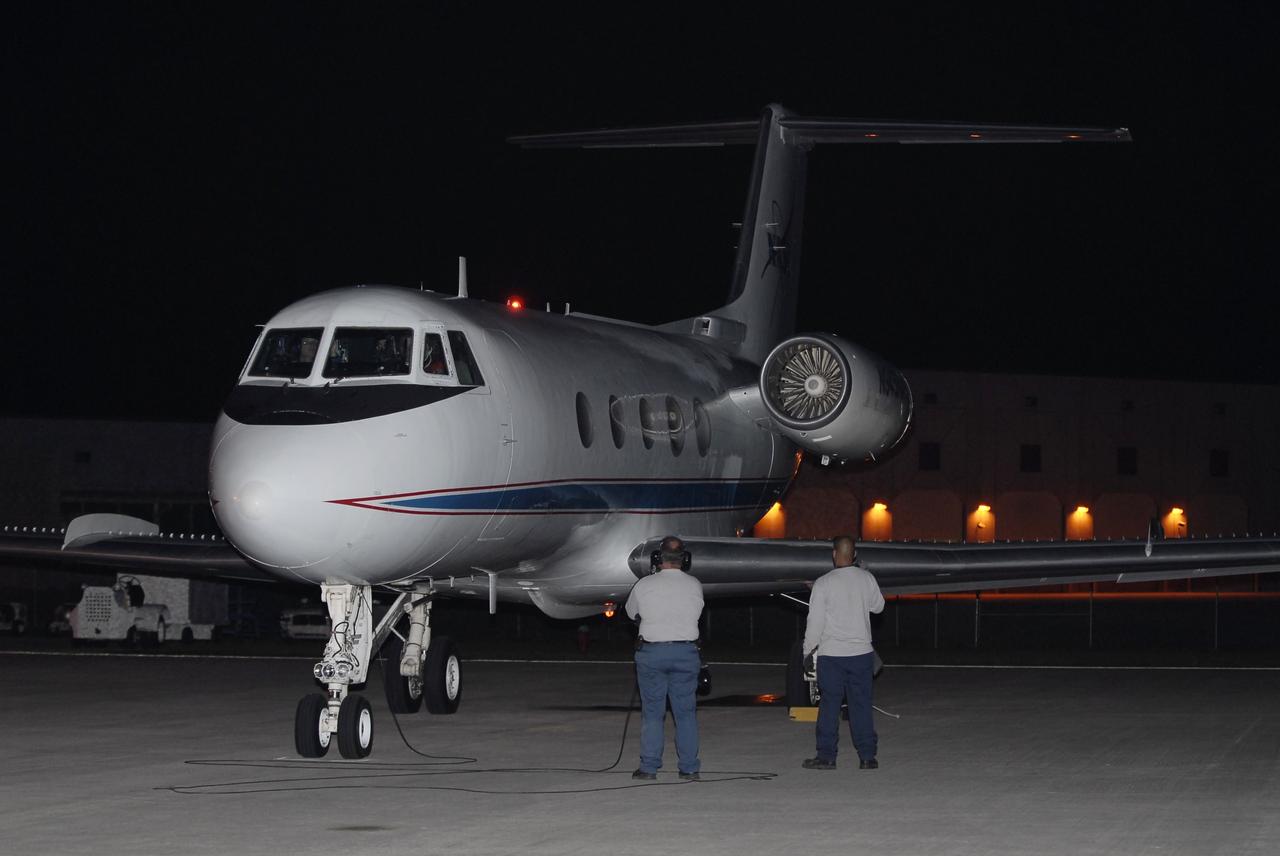
CAPE CANAVERAL, Fla. -- STS-134 Commander Mark Kelly and Pilot Greg H. Johnson are ready to take off and perform touch-and-go landings aboard a Shuttle Training Aircraft (STA) on the Shuttle Landing Facility runway at NASA's Kennedy Space Center in Florida. An STA is a Gulfstream II jet that is modified to mimic the shuttle's handling during the final phase of landing. Kelly and Johnson will practice landings as part of standard training before space shuttle Endeavour's launch to the International Space Station. Endeavour and its crew will deliver the Express Logistics Carrier-3, Alpha Magnetic Spectrometer-2 (AMS), a high-pressure gas tank and additional spare parts for the Dextre robotic helper to the station. This will be the final spaceflight for Endeavour. For more information visit, www.nasa.gov/mission_pages/shuttle/shuttlemissions/sts134/index.html. Photo credit: NASA/Kim Shiflett
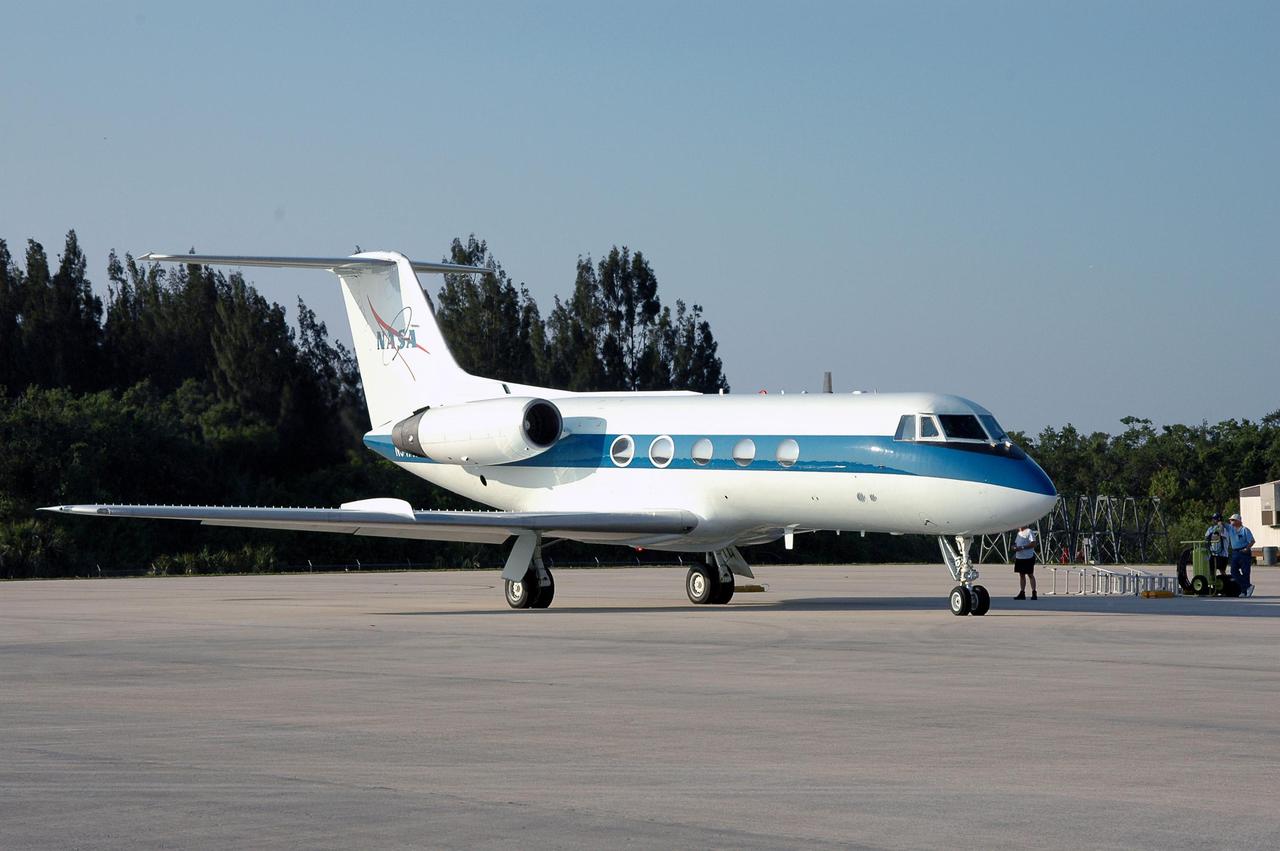
KENNEDY SPACE CENTER, FLA. - A Shuttle Training Aircraft (STA) is ready for STS-114 Pilot James Kelly to begin practice landing the orbiter. The STA is a modified Grumman American Aviation-built Gulfstream II executive jet that was modified to simulate an orbiter’s cockpit, motion and visual cues, and handling qualities. In flight, the STA duplicates the orbiter’s atmospheric descent trajectory from approximately 35,000 feet altitude to landing on a runway. The orbiter differs in at least one major aspect from conventional aircraft; it is unpowered during re-entry and landing so its high-speed glide must be perfectly executed the first time. There is no go-around capability. The orbiter touchdown speed is 213 to 226 miles per hour. There are two STAs, based in Houston. STS-114 is the first Return to Flight mission, scheduled to launch July 13 in a window that extends through July 31.

CAPE CANAVERAL, Fla. -- STS-133 Pilot Eric Boe is ready to take off and perform touch-and-go landings aboard a Shuttle Training Aircraft (STA) on the Shuttle Landing Facility runway at NASA's Kennedy Space Center in Florida. An STA is a Gulfstream II business jet that is modified to mimic the shuttle's handling during the final phase of landing. Boe and STS-133 Commander Steve Lindsey will practice landings as part of standard training before space shuttle Discovery's launch to the International Space Station. Scheduled to lift off Feb. 24 at 4:50 p.m. EST, Discovery and its six-member crew will deliver the Permanent Multipurpose Module, packed with supplies and critical spare parts, as well as Robonaut 2, the dexterous humanoid astronaut helper, to the orbiting outpost. For more information on the STS-133 mission, visit www.nasa.gov/mission_pages/shuttle/shuttlemissions/sts133/. Photo credit: NASA/Kim Shiflett
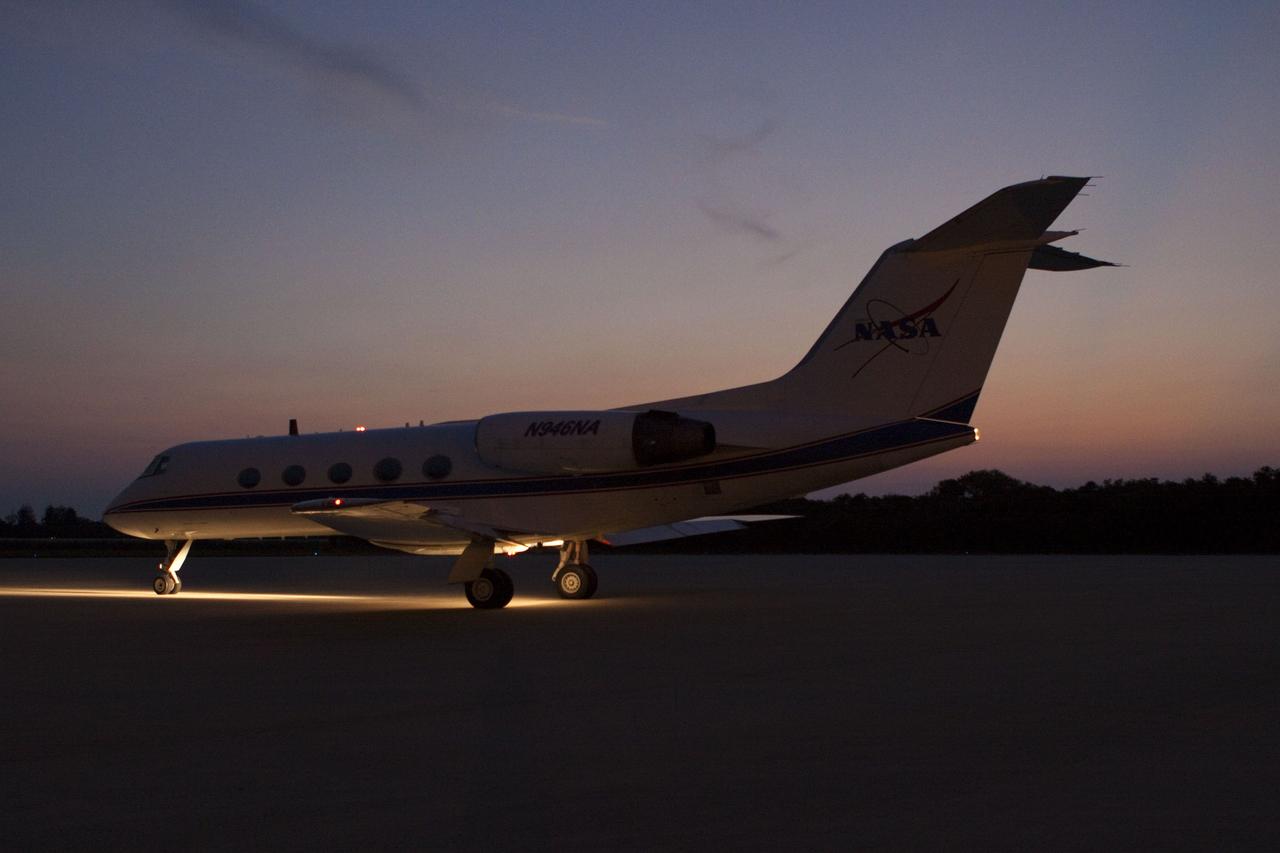
CAPE CANAVERAL, Fla. -- STS-135 Commander Chris Ferguson and Pilot Doug Hurley are ready to take off from the Shuttle Landing Facility runway at NASA's Kennedy Space Center in Florida to perform touch-and-go landings aboard their Shuttle Training Aircrafts (STA). An STA is a Gulfstream II jet that is modified to mimic the shuttle's handling during the final phase of landing. Ferguson and Hurley will practice landings as part of standard training before space shuttle Atlantis' launch to the International Space Station. Atlantis and its crew are targeted to lift off July 8, to deliver the Raffaello multi-purpose logistics module packed with supplies and spare parts to the station. The STS-135 mission also will fly a system to investigate the potential for robotically refueling existing satellites and return a failed ammonia pump module to help NASA better understand the failure mechanism and improve pump designs for future systems. STS-135 will be the 33rd flight of Atlantis, the 37th shuttle mission to the space station, and the 135th and final mission of NASA's Space Shuttle Program. For more information visit, www.nasa.gov/mission_pages/shuttle/shuttlemissions/sts135/index.html. Photo credit: NASA/Troy Cryder
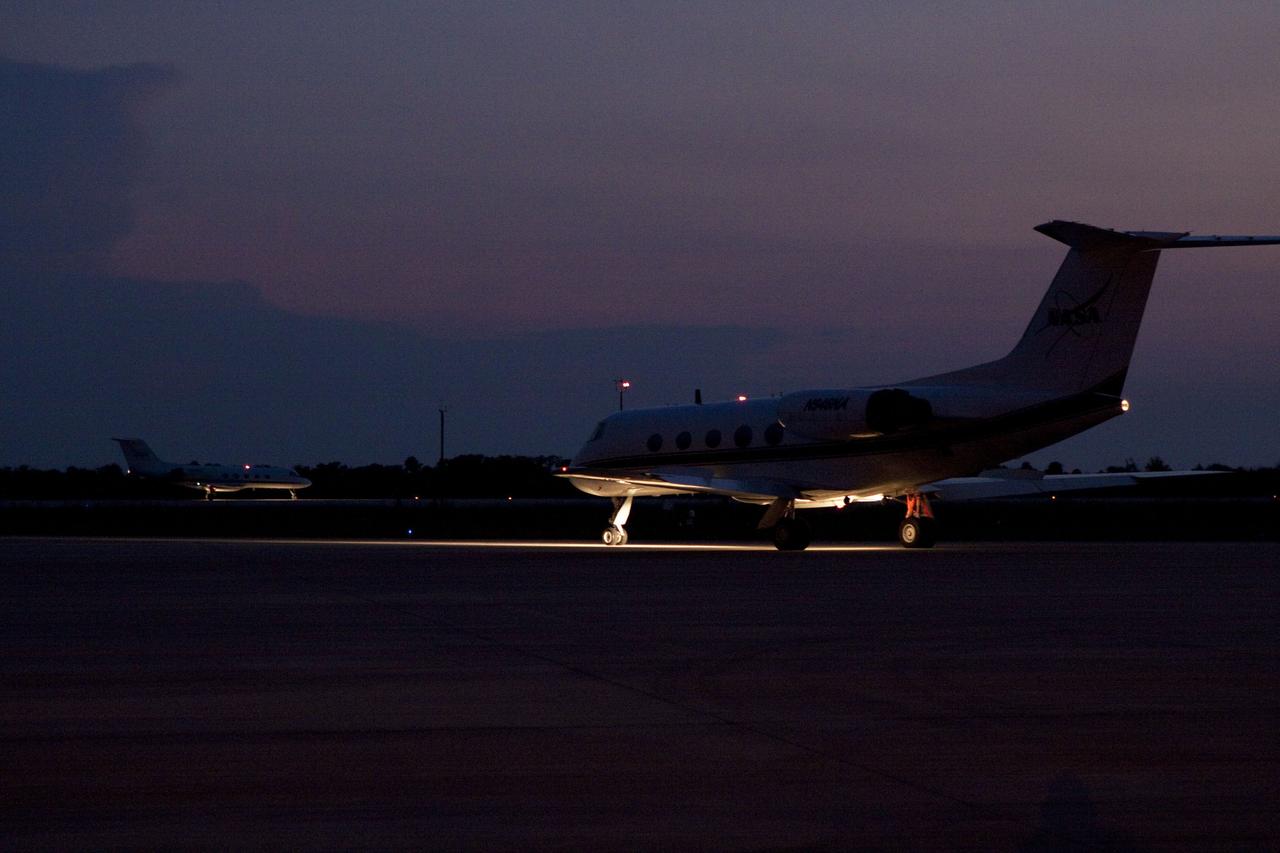
CAPE CANAVERAL, Fla. -- STS-135 Commander Chris Ferguson and Pilot Doug Hurley are ready to take off from the Shuttle Landing Facility runway at NASA's Kennedy Space Center in Florida to perform touch-and-go landings aboard their Shuttle Training Aircrafts (STA). An STA is a Gulfstream II jet that is modified to mimic the shuttle's handling during the final phase of landing. Ferguson and Hurley will practice landings as part of standard training before space shuttle Atlantis' launch to the International Space Station. Atlantis and its crew are targeted to lift off July 8, to deliver the Raffaello multi-purpose logistics module packed with supplies and spare parts to the station. The STS-135 mission also will fly a system to investigate the potential for robotically refueling existing satellites and return a failed ammonia pump module to help NASA better understand the failure mechanism and improve pump designs for future systems. STS-135 will be the 33rd flight of Atlantis, the 37th shuttle mission to the space station, and the 135th and final mission of NASA's Space Shuttle Program. For more information visit, www.nasa.gov/mission_pages/shuttle/shuttlemissions/sts135/index.html. Photo credit: NASA/Troy Cryder