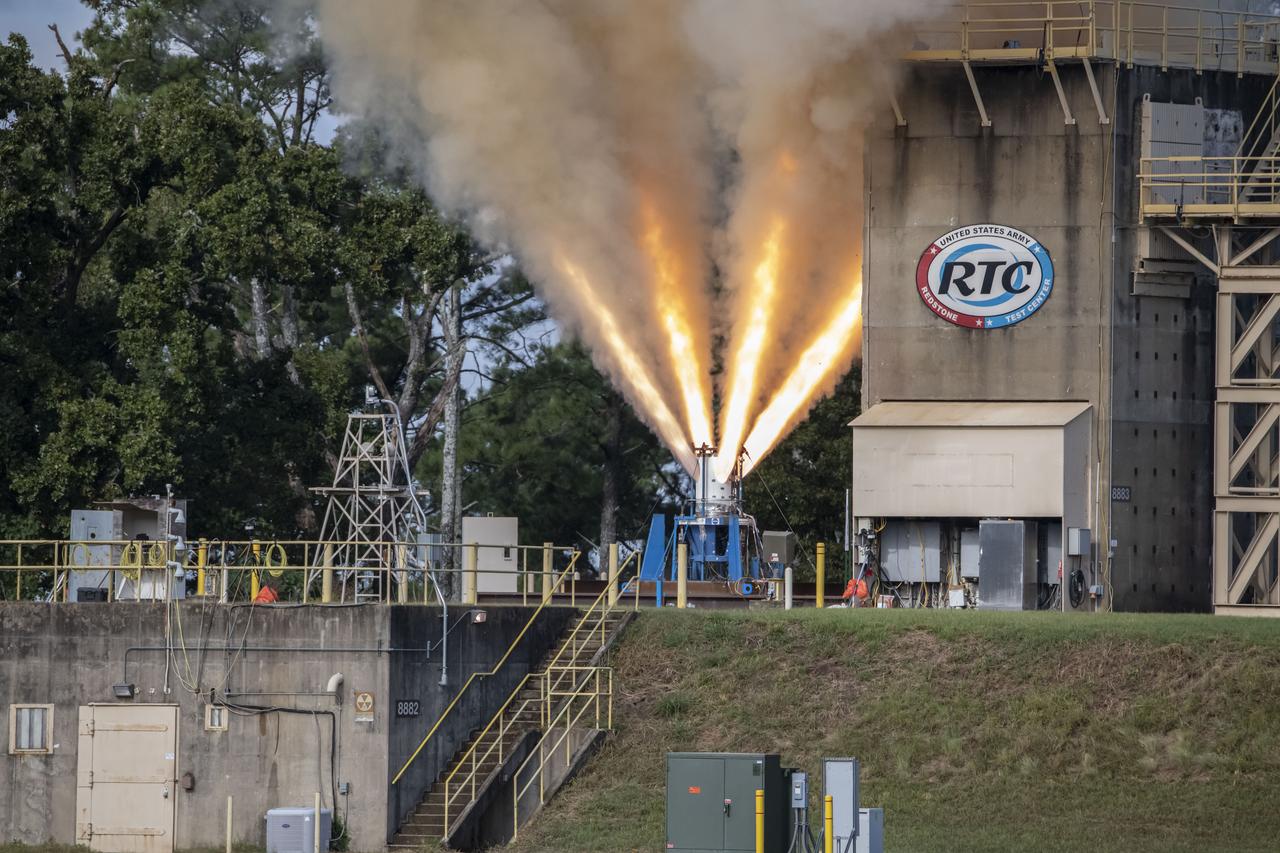
Redstone Test Center hosted the final hot fire test of the Aerojet Rocketdyne Orion Launch Abort System (LAS) at Redstone Arsenal’s test area 5.
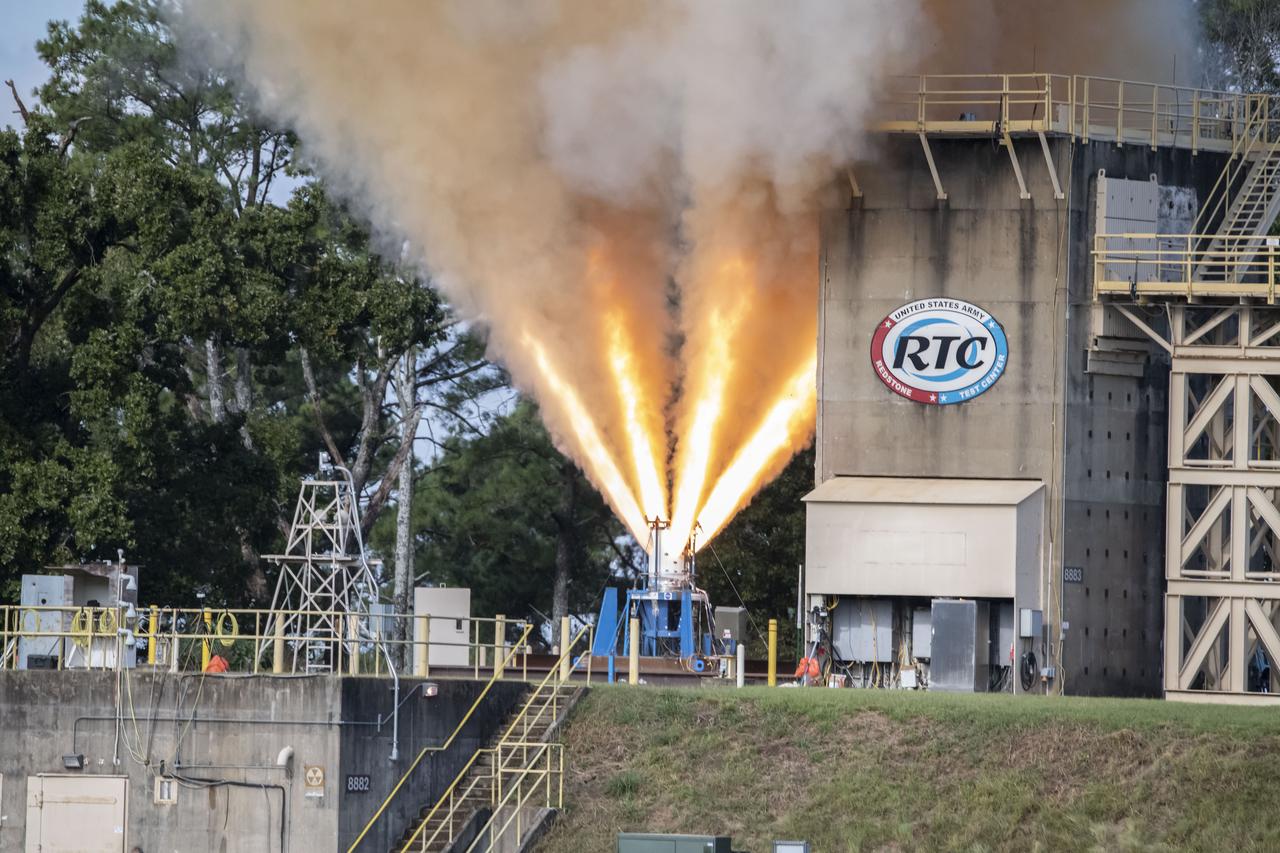
Redstone Test Center hosted the final hot fire test of the Aerojet Rocketdyne Orion Launch Abort System (LAS) at Redstone Arsenal’s test area 5.
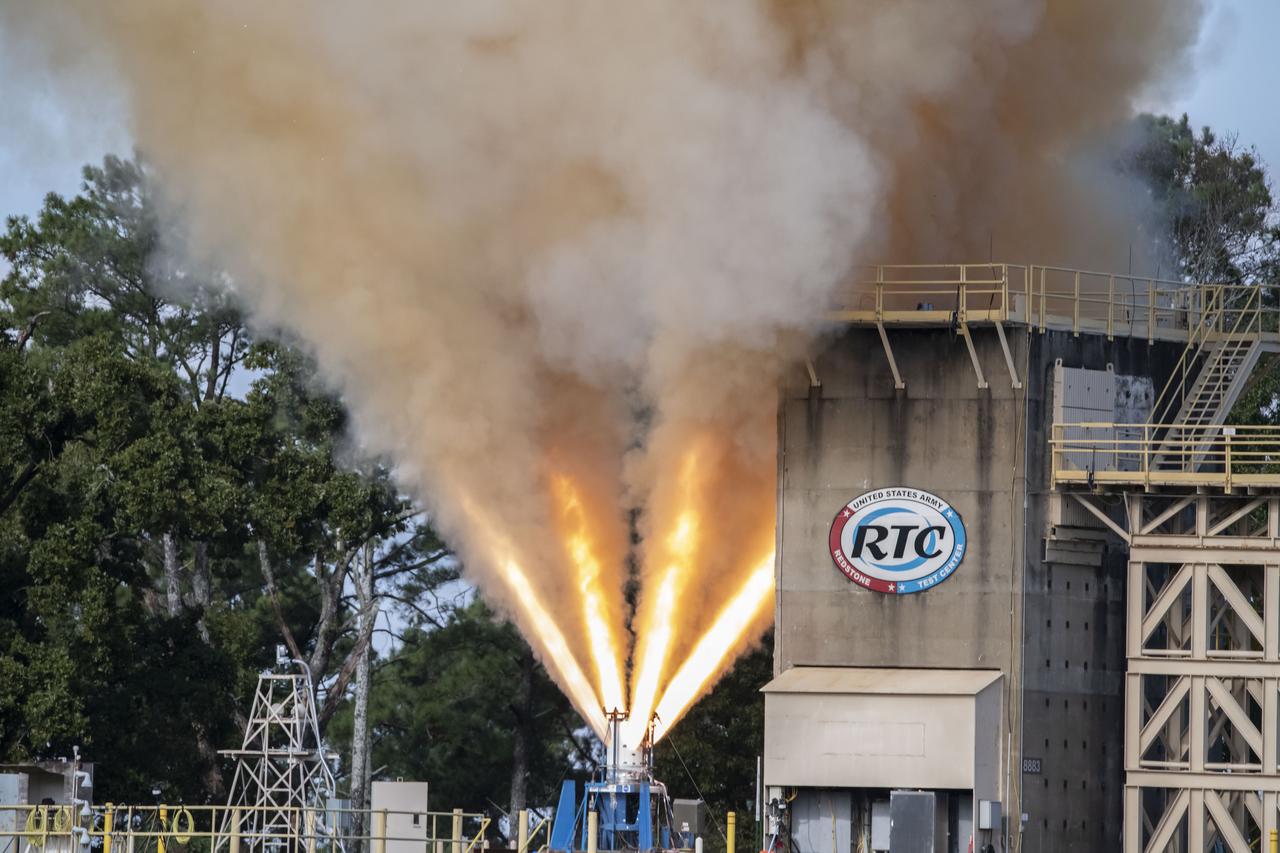
Redstone Test Center hosted the final hot fire test of the Aerojet Rocketdyne Orion Launch Abort System (LAS) at Redstone Arsenal’s test area 5.
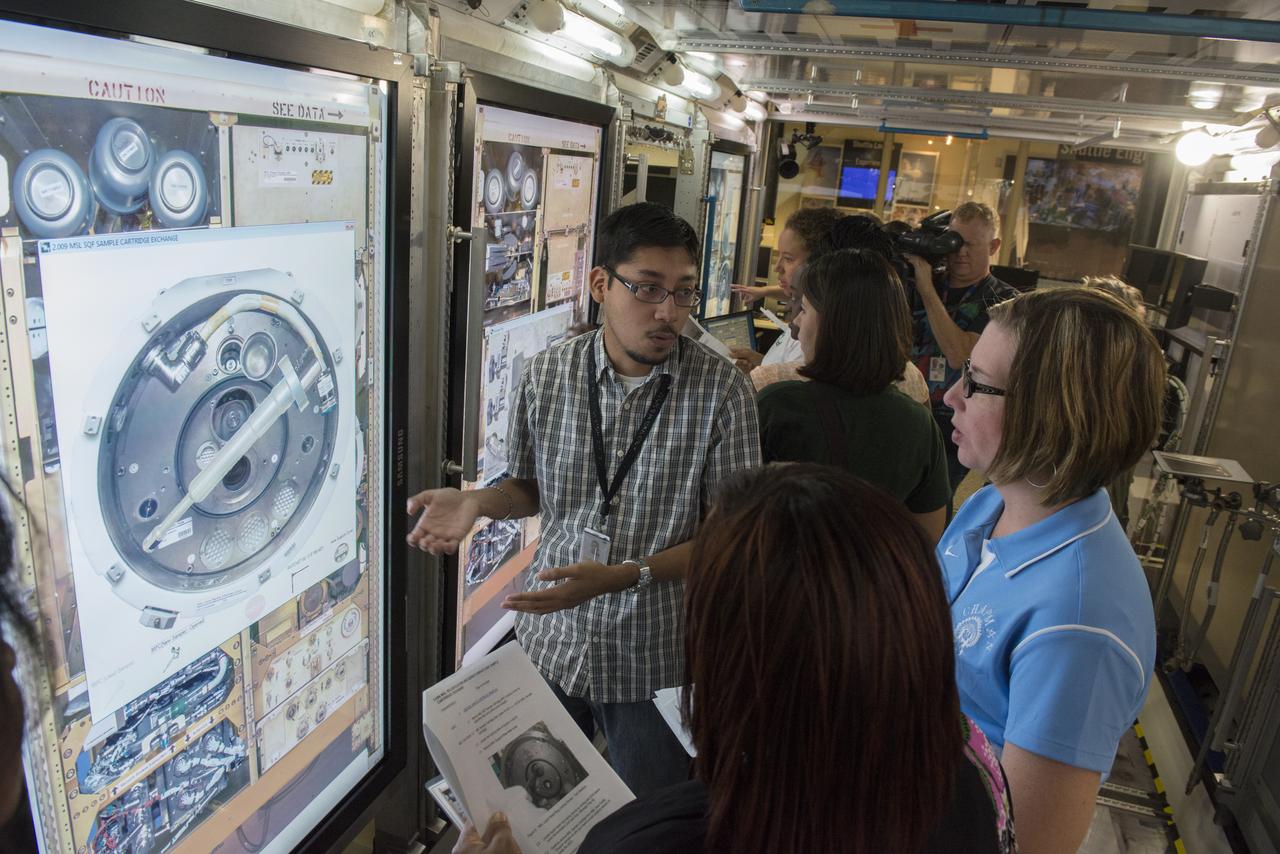
VINCENT VIDAURRI, CENTER, A TECHNICAL SPECIALIST WITH TELEDYNE BROWN ENGINEERING SUPPORTING MISSION OPERATIONS AT THE MARSHALL SPACE FLIGHT CENTER, PROVIDES DETAILS ABOUT A MOCK-UP OF THE INTERNATIONAL SPACE STATION SCIENCE LAB TO A GROUP OF AREA TEACHERS AS PART OF "BACK-2-SCHOOL DAY." TEAM REDSTONE -- WHICH INCLUDES THE MARSHALL SPACE FLIGHT CENTER AND U.S. ARMY ORGANIZATIONS ON REDSTONE ARSENAL -- INVITED 50 TEACHERS TO TOUR REDSTONE ARSENAL AUG. 15, GIVING THEM AN OPPORTUNITY TO LEARN OF AND SEE RESOURCES AVAILABLE TO THEM AND THEIR STUDENTS. THE TOUR FOCUSED ON SITES AVAILABLE FOR FIELD TRIPS FOR STUDENTS STUDYING MATH, SCIENCE, TECHNOLOGY AND ENGINEERING. STOPS INCLUDED MARSHALL'S PAYLOAD OPERATIONS INTEGRATION CENTER AND THE HIGH SCHOOLS UNITED WITH NASA TO CREATE HARDWARE LAB, OR HUNCH, BOTH LOCATED IN BUILDING 4663. THE PROGRAM GIVES HIGH SCHOOL STUDENTS THE CHANCE TO WORK WITH NASA ENGINEERS TO DESIGN AND BUILD HARDWARE FOR USE ON THE INTERNATIONAL SPACE STATION. THE TEACHERS ALSO VISITED THE ARMY AVIATION & MISSILE RESEARCH DEVELOPMENT & ENGINEERING CENTER AND THE REDSTONE TEST CENTER
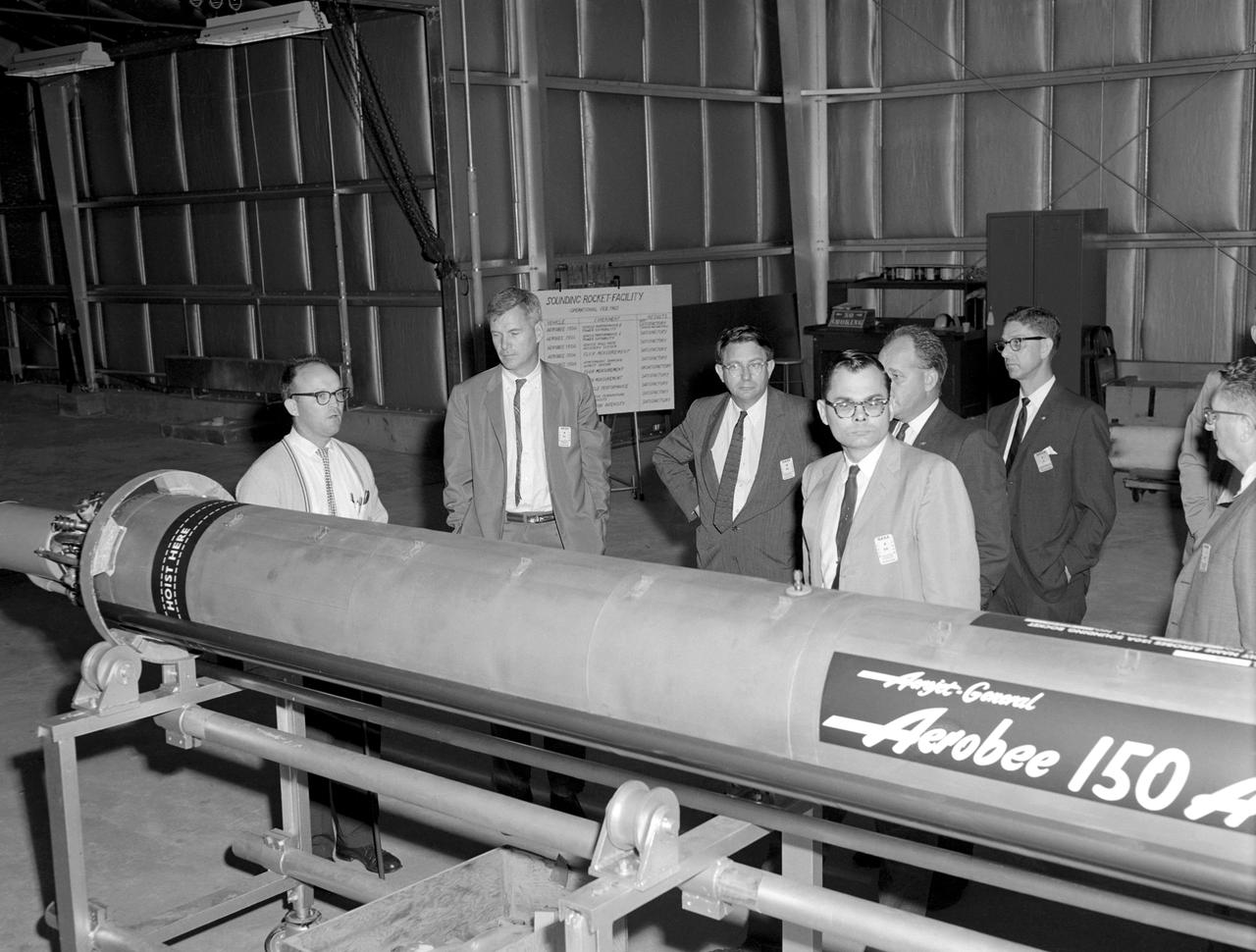
Photographed on 09/22/1960. -- An examination of the Aerojet-General "Aerobee 150A" propulsion system in February 1960. James Hansen described this as follows: "As for the technical definition of the rocket...the Langley engineers tried to keep developmental costs and time to a minimum by selecting components from off-the-shelf hardware. the majority of Scout's components were to come from an inventory of solid-fuel rockets produced for the military, although everyone involved understood that some improved motors would also have to be developed under contract. By early 1959, after intensive technical analysis and reviews, Langley settled on a design and finalized the selection of the major contractors. The rocket's 40-inch-diameter first stage was to be a new "Algol" motor, a combination of the Jupiter Senior and the navy Polaris produced by the Aerojet General Corporation, Sacramento, California. The 31-inch-diameter second stage, "Castor," was derived from the army's Sergeant and was to be manufactured by the Redstone Division of the Thiokol company in Huntsville, Alabama. the motor for the 30-inch-diameter third stage, "Antares," evolved under NASA contract from the ABL X248 design into a new version called the X254 (and subsequently into the X259); it was built under contract to NASA by ABL, a U.S. Navy Bureau of Ordnance facility operated by the Hercules Powder Company, Cumberland, Maryland. the final upper-stage propulsion unit, "Altair," which was 25.7 inches in diameter (34 inches at the heat shield), amounted to an improved edition of the X248 that was also manufactured by ABL." -- Published in James R. Hansen, Spaceflight Revolution: NASA Langley Research Center From Sputnik to Apollo, NASA SP-4308, pp.200-201.