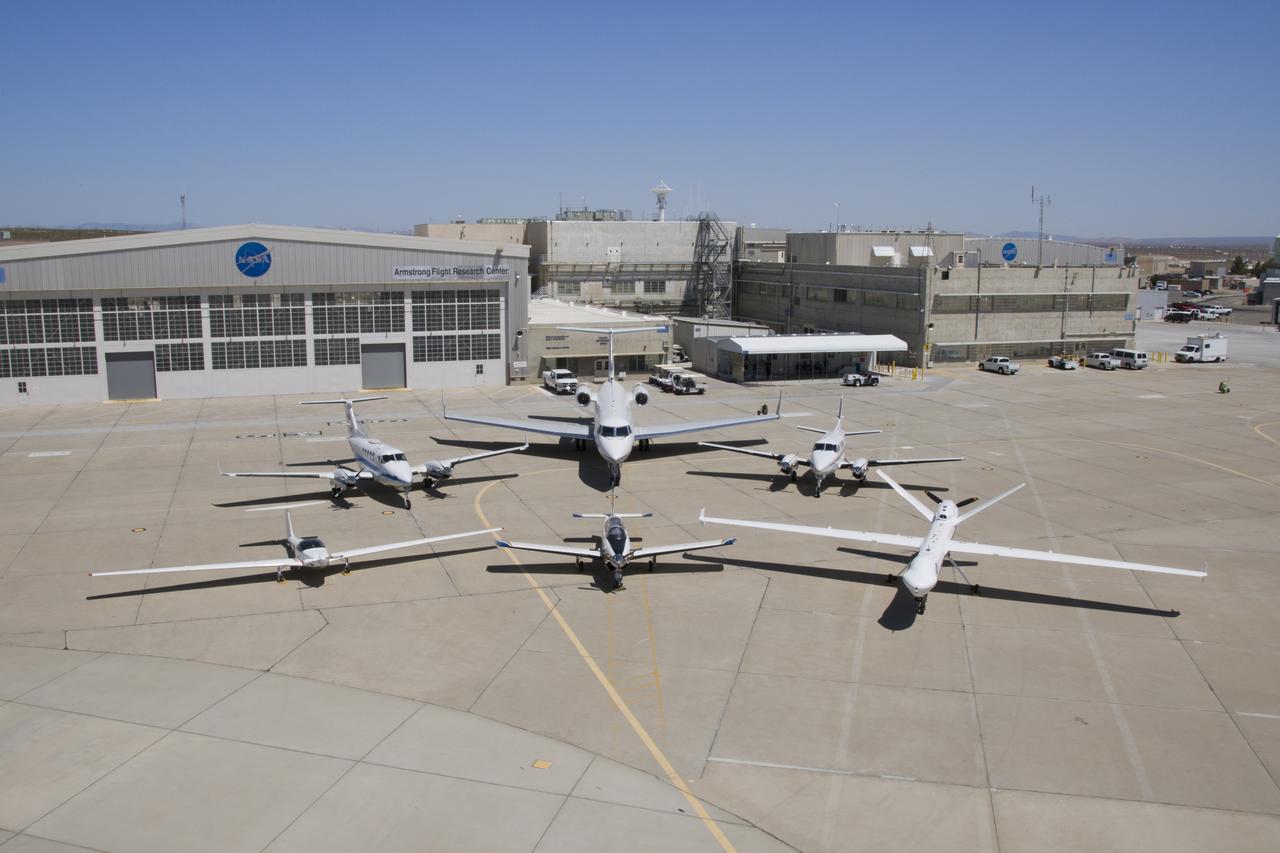
NASA’s Ikhana remotely piloted aircraft (front-right) is situated near NASA Armstrong Flight Research Center’s Hangar 4802 after an Unmanned Aircraft Systems Integration into the National Airspace System Flight Test Series 4 flight, along with five flight “intruders.” These intruders, which include NASA’s TG-14 (front-left), T-34C (front-center), B-200 King Air (back-left), Gulfstream-III (back-center) and a Honeywell C-90 King Air (back-right), fly within a pre-determined distance to Ikhana to test Detect-and-Avoid technology during research flights.
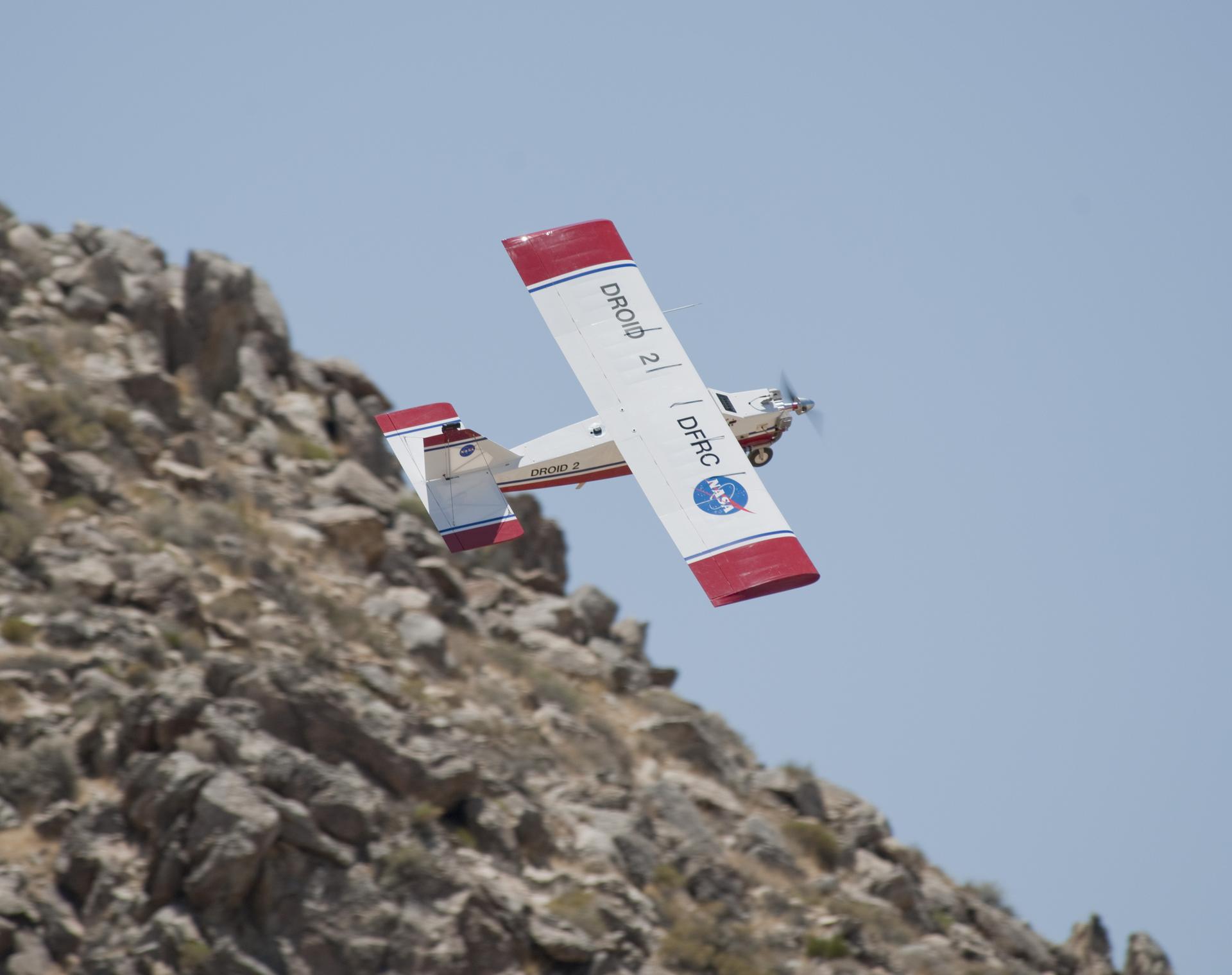
NASA’s Dryden Remotely Operated Integrated Drone (DROID), a small, remotely piloted research aircraft with a 10‑foot wingspan, makes a hard climbing right turn to avoid a steep rocky slope near NASA’s Armstrong Flight Research Center in Edwards, California, on Thursday, May 31, 2012. The flight tests demonstrated that a remotely piloted aircraft, equipped with a smartphone running collision-avoidance software connected to the aircraft’s autopilot, could automatically avoid terrain below.
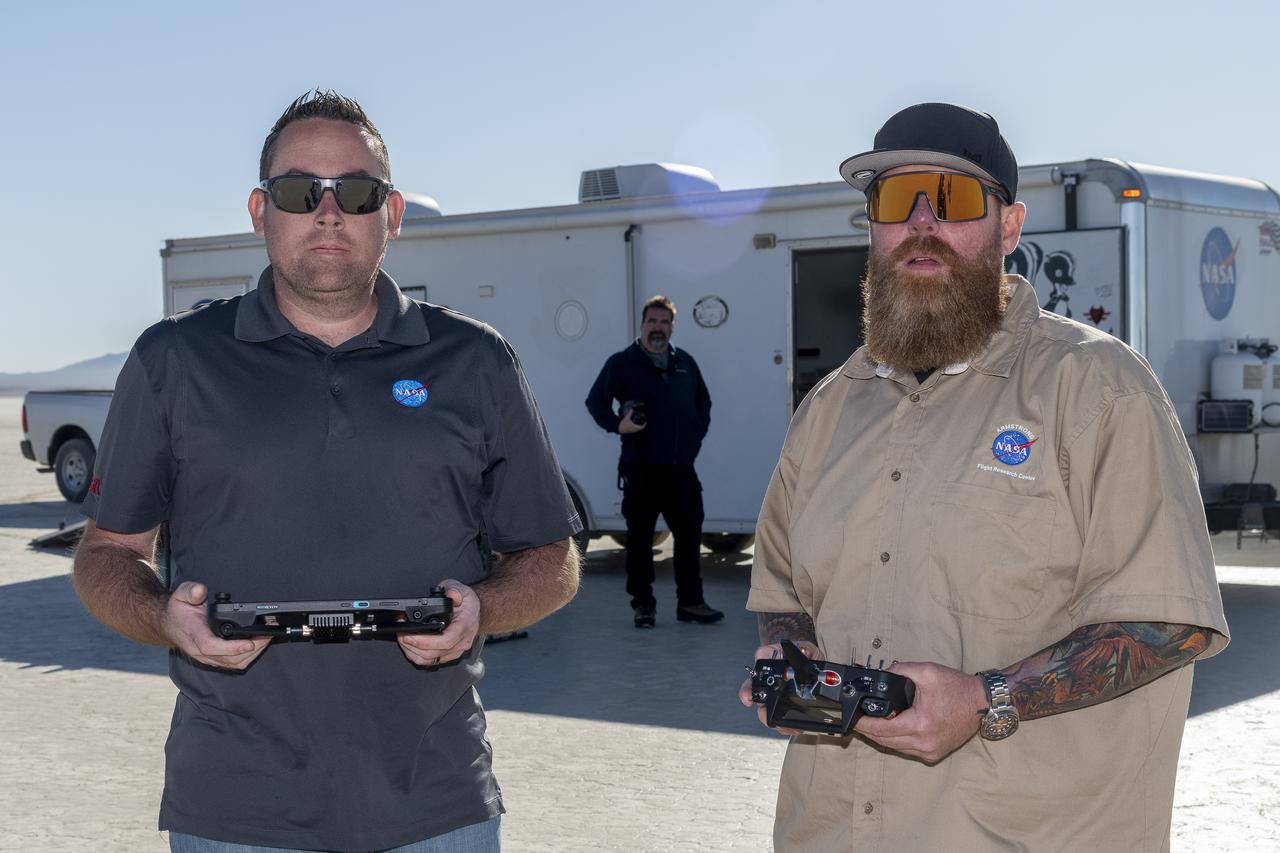
Justin Link, left, unmanned aircraft systems pilot, and Justin Hall, chief pilot for small unmanned aircraft systems, prepare to fly a quad rotor remotely piloted aircraft and an atmospheric probe model on Oct. 22, 2024. John Bodylski, probe principal investigator, watches the preparation for flight. The quad rotor aircraft released the probe above Rogers Dry Lake, a flight area adjacent NASA’s Armstrong Flight Research Center in Edwards, California. The probe was designed and built at the center.
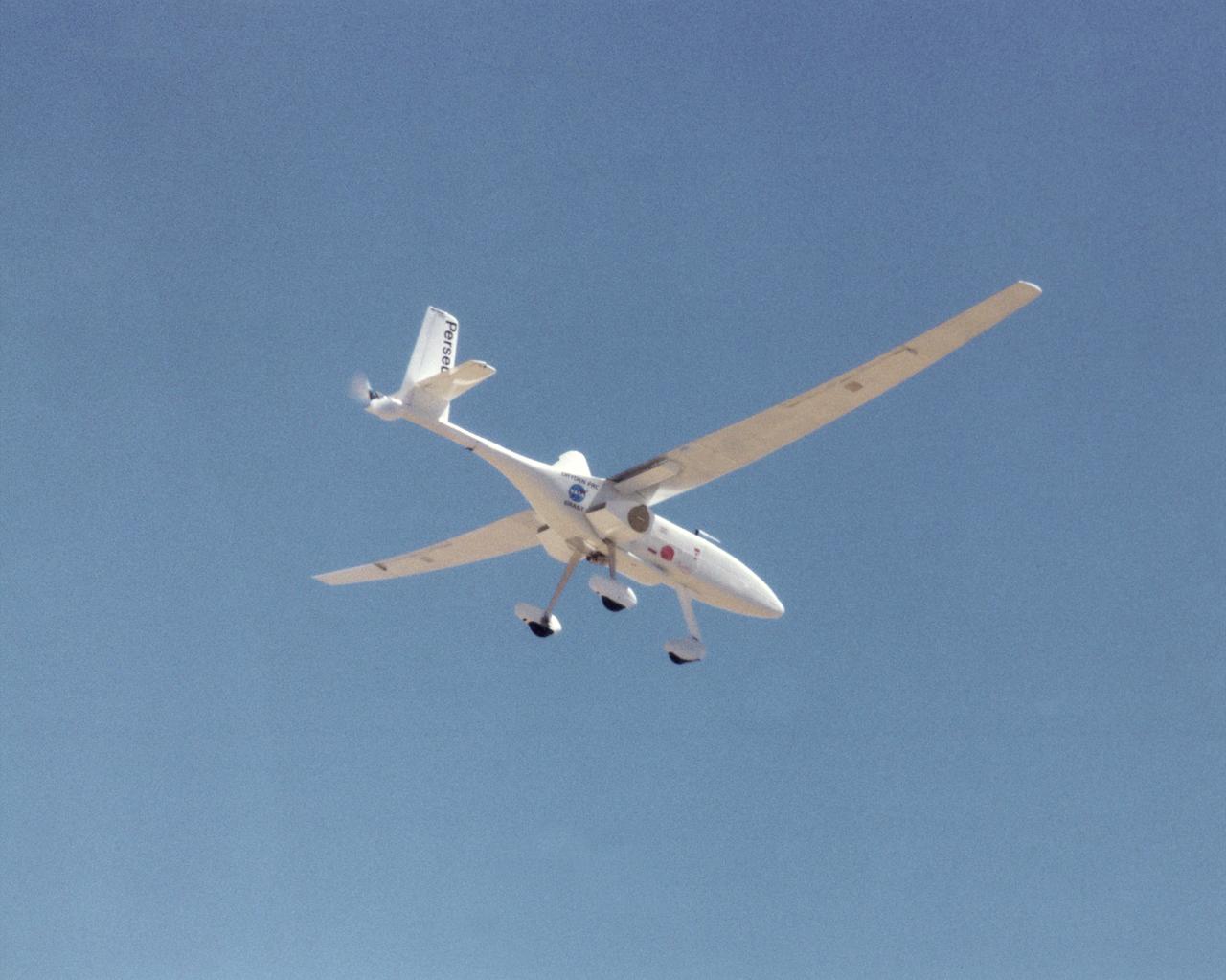
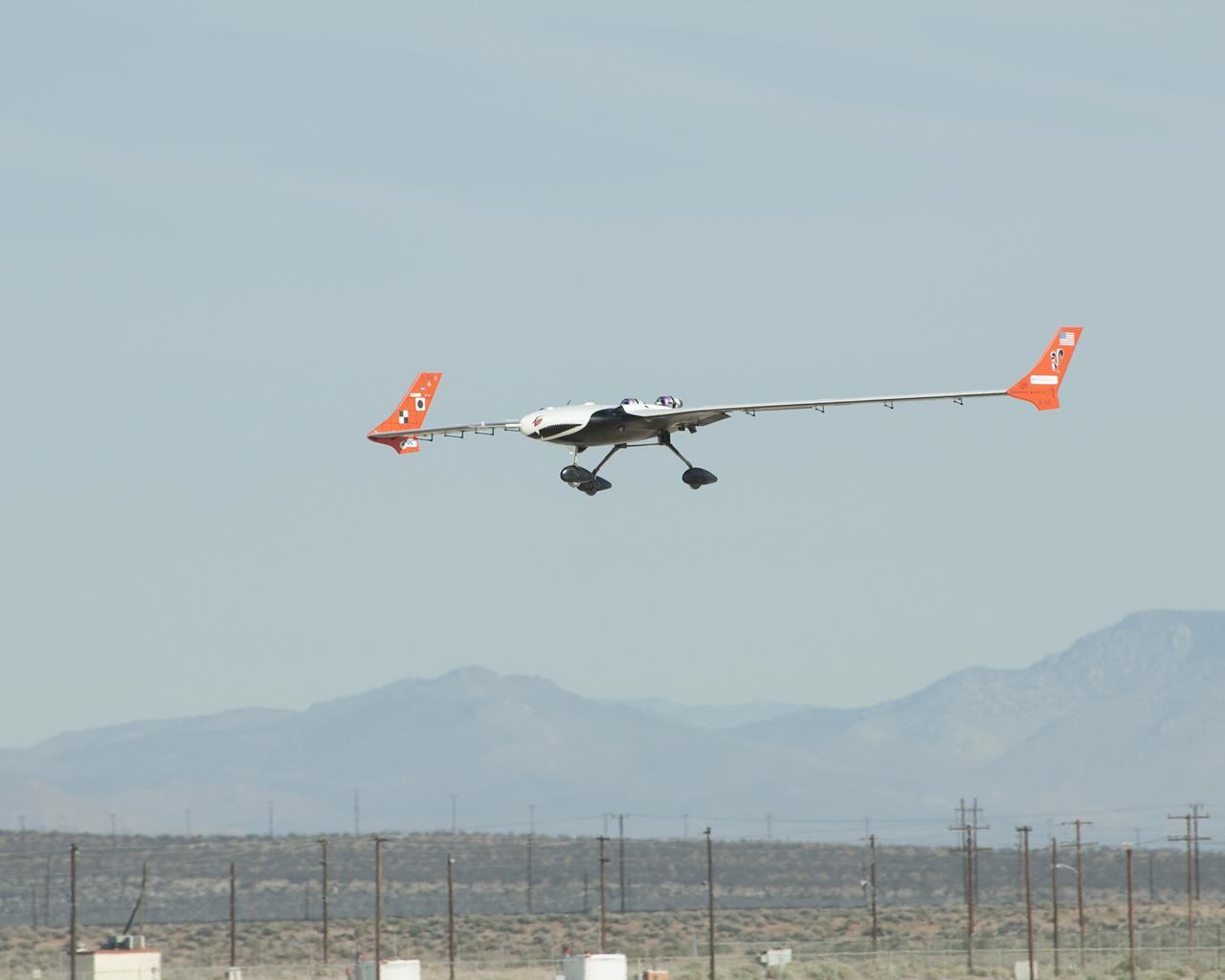
A long, slender wing and a pusher propeller at the rear characterize the Perseus B remotely piloted research aircraft, seen here during a test flight in June 1998.
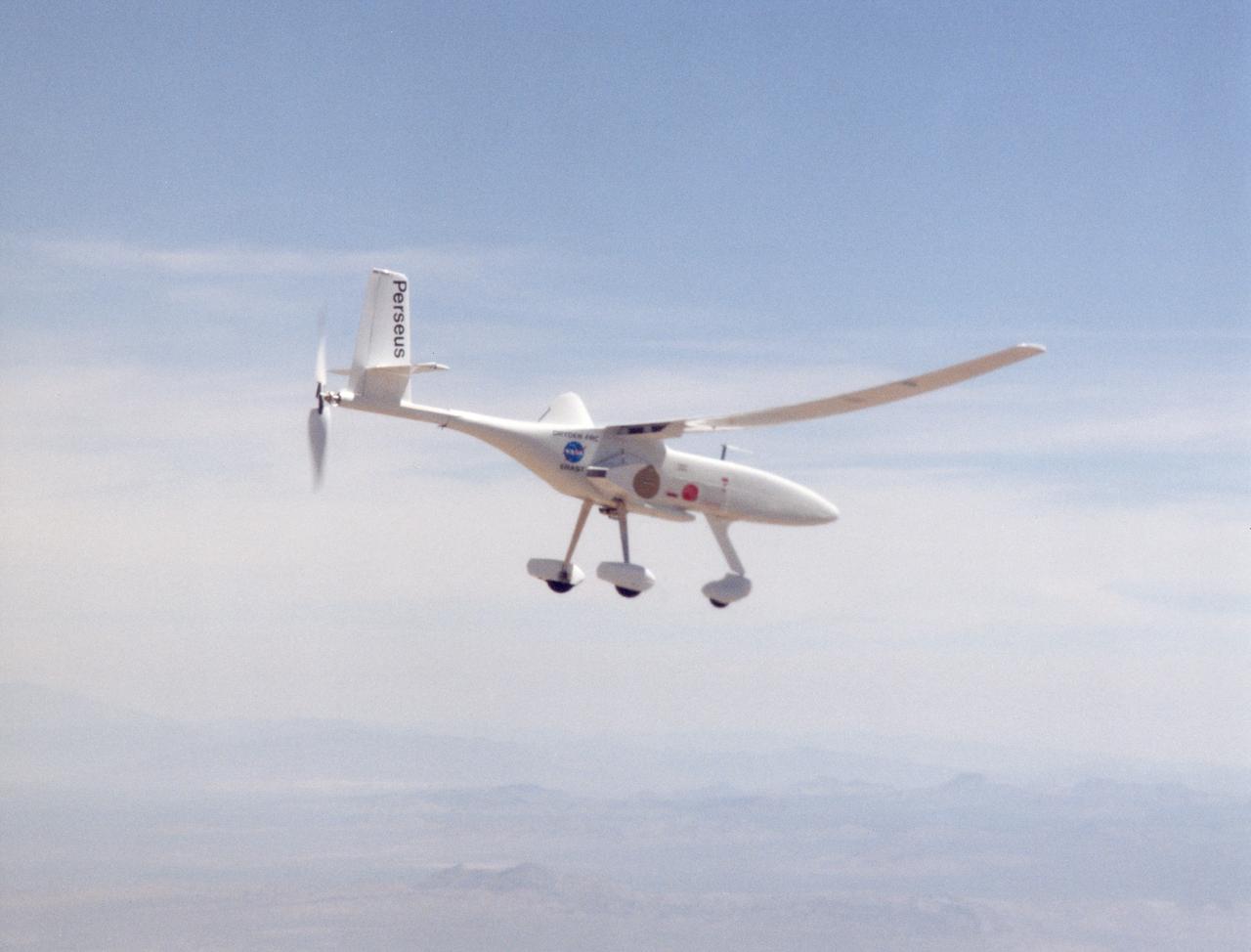
A long, slender wing and a pusher propeller at the rear characterize the Perseus B remotely piloted research aircraft, seen here during a test flight in June 1998.
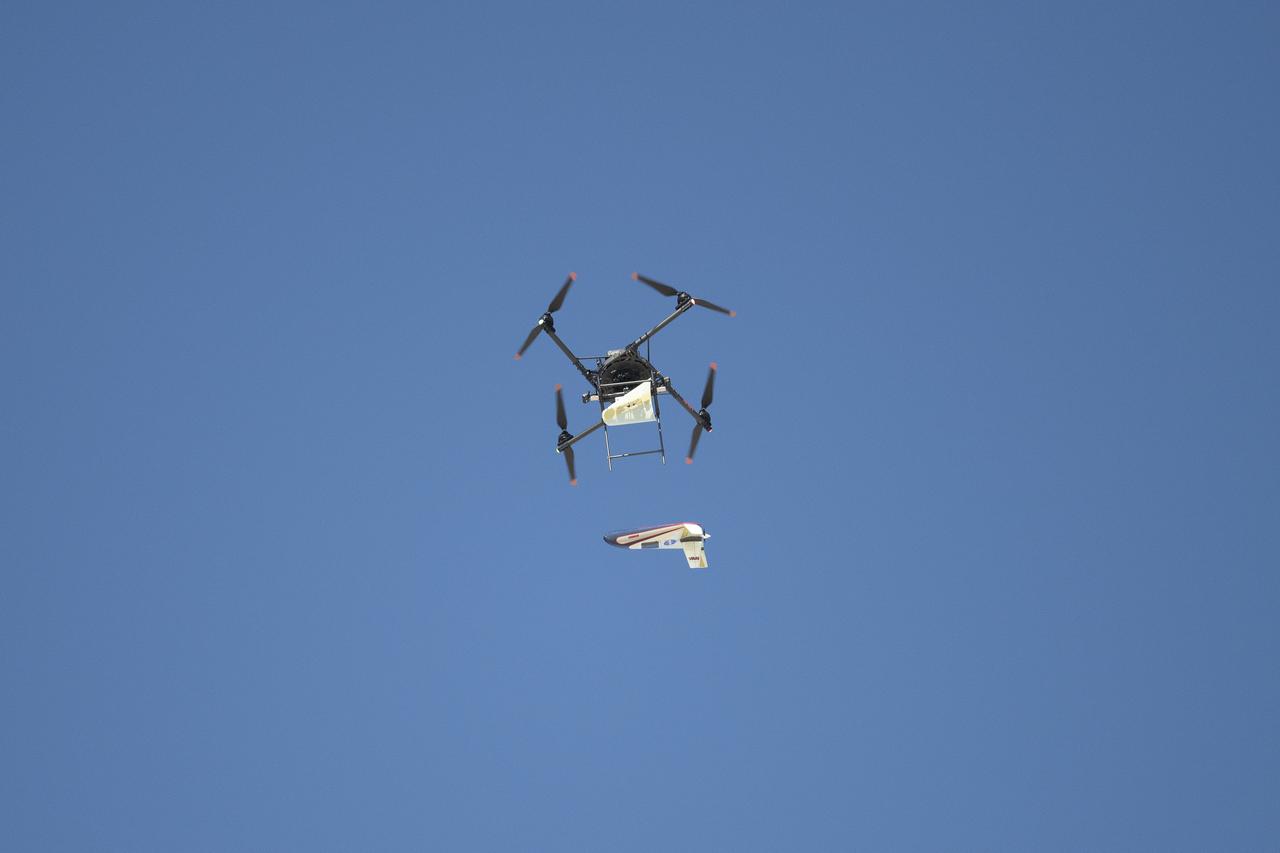
A quad rotor remotely piloted aircraft releases the atmospheric probe model above Rogers Dry Lake, a flight area adjacent NASA’s Armstrong Flight Research Center in Edwards, California, on Oct. 22, 2024. The probe was designed and built at the center.
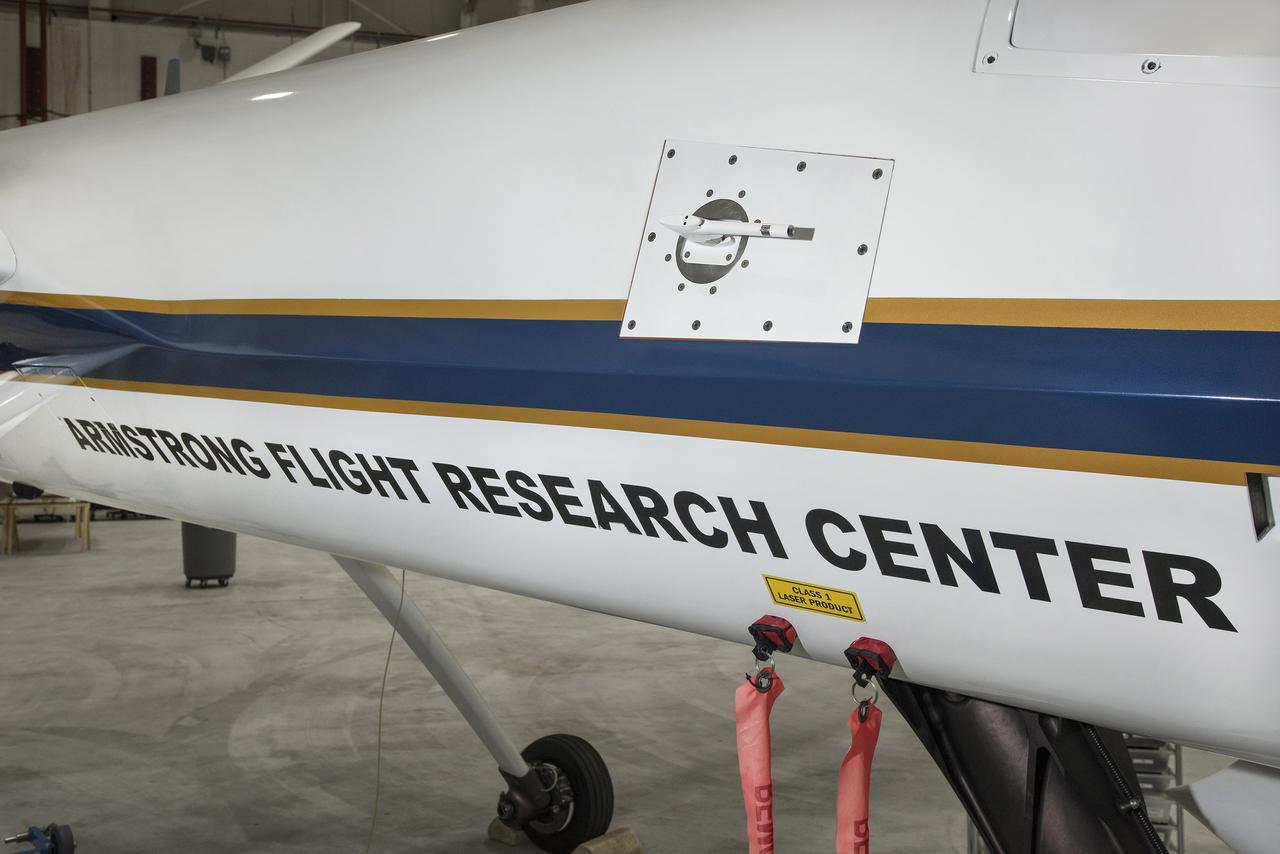
The TAMDAR Edge probe seen in the middle of the NASA Armstrong Ikhana is flying on a large remotely piloted aircraft for the first time.
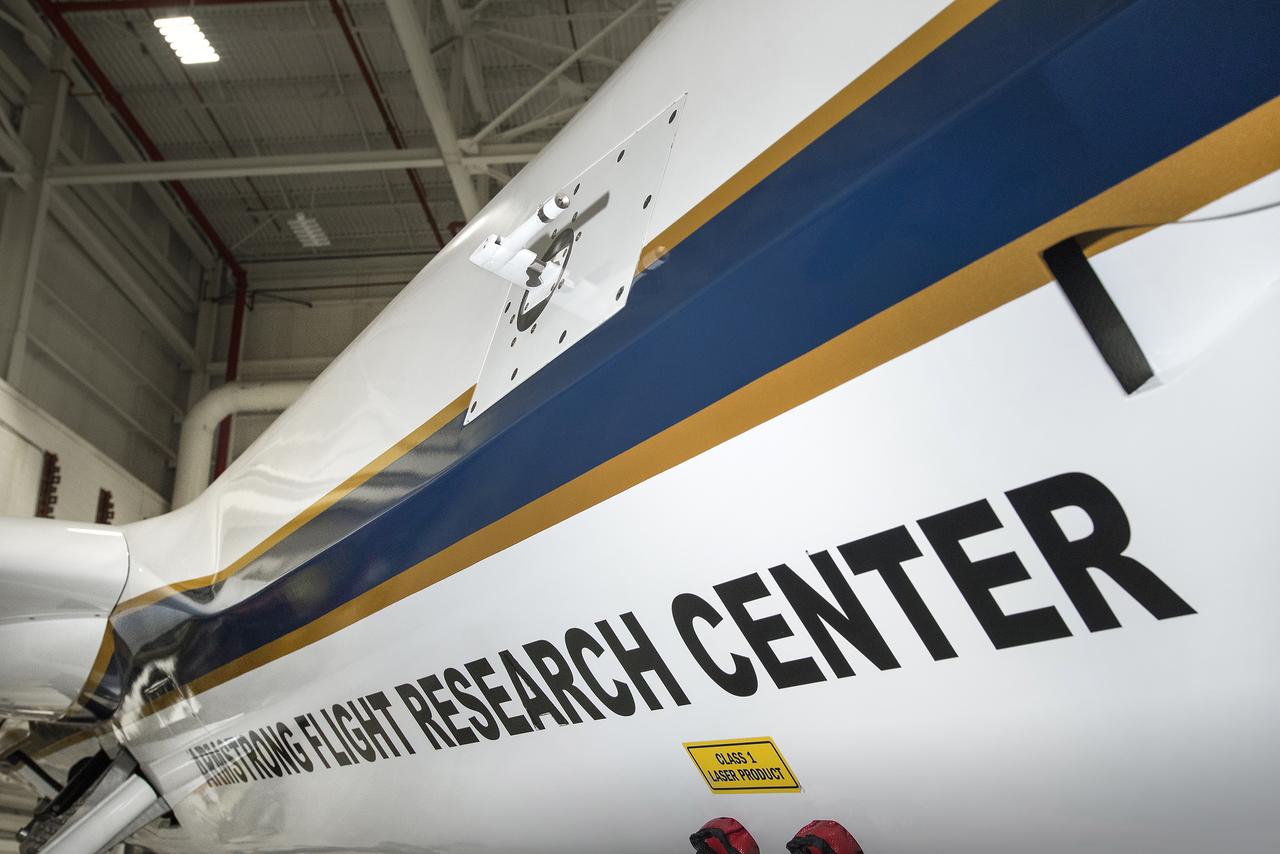
The TAMDAR Edge probe seen in the middle of the NASA Armstrong Ikhana is flying on a large remotely piloted aircraft for the first time.
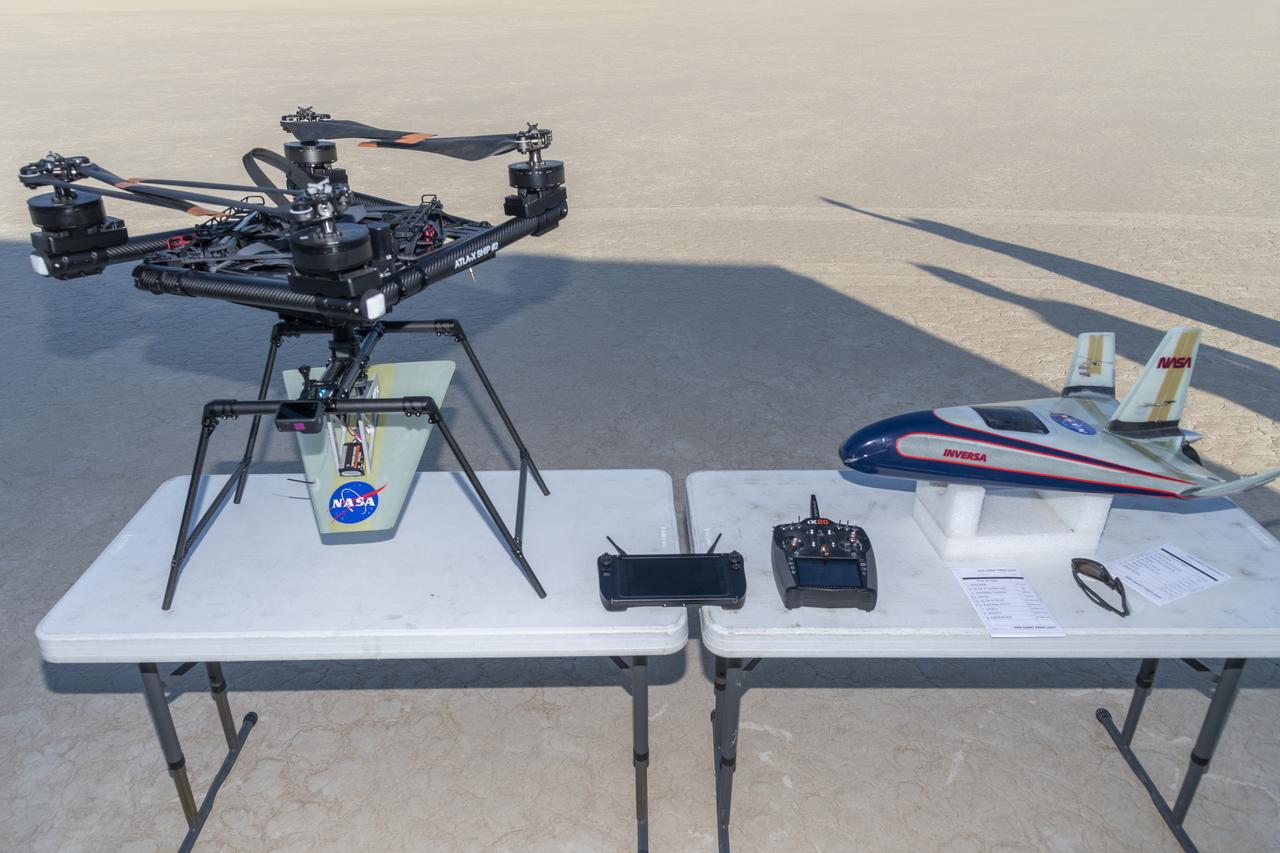
The atmospheric probe, right, flew after release from a quad rotor remotely piloted aircraft, left, on Oct. 22, 2024, above Rogers Dry Lake, a flight area adjacent to NASA’s Armstrong Flight Research Center in Edwards, California. The probe was designed and built at the center.
NASA researchers are using the X-56A, a low-cost, modular, remotely piloted aerial vehicle, to explore the behavior of lightweight, flexible aircraft structures.
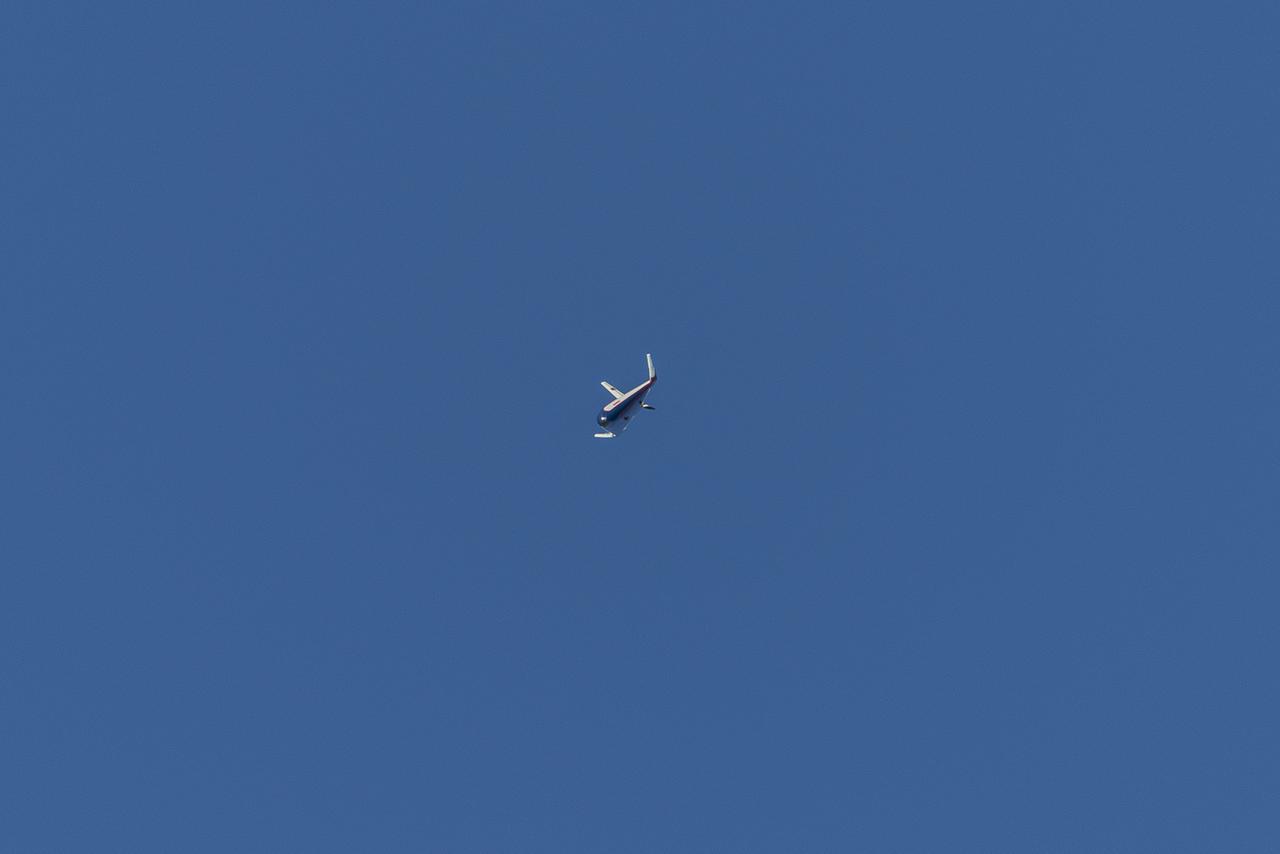
The atmospheric probe model flies free after release from a quad rotor remotely piloted aircraft above Rogers Dry Lake, a flight area adjacent NASA’s Armstrong Flight Research Center in Edwards, California, on Oct. 22, 2024. The probe was designed and built at the center.
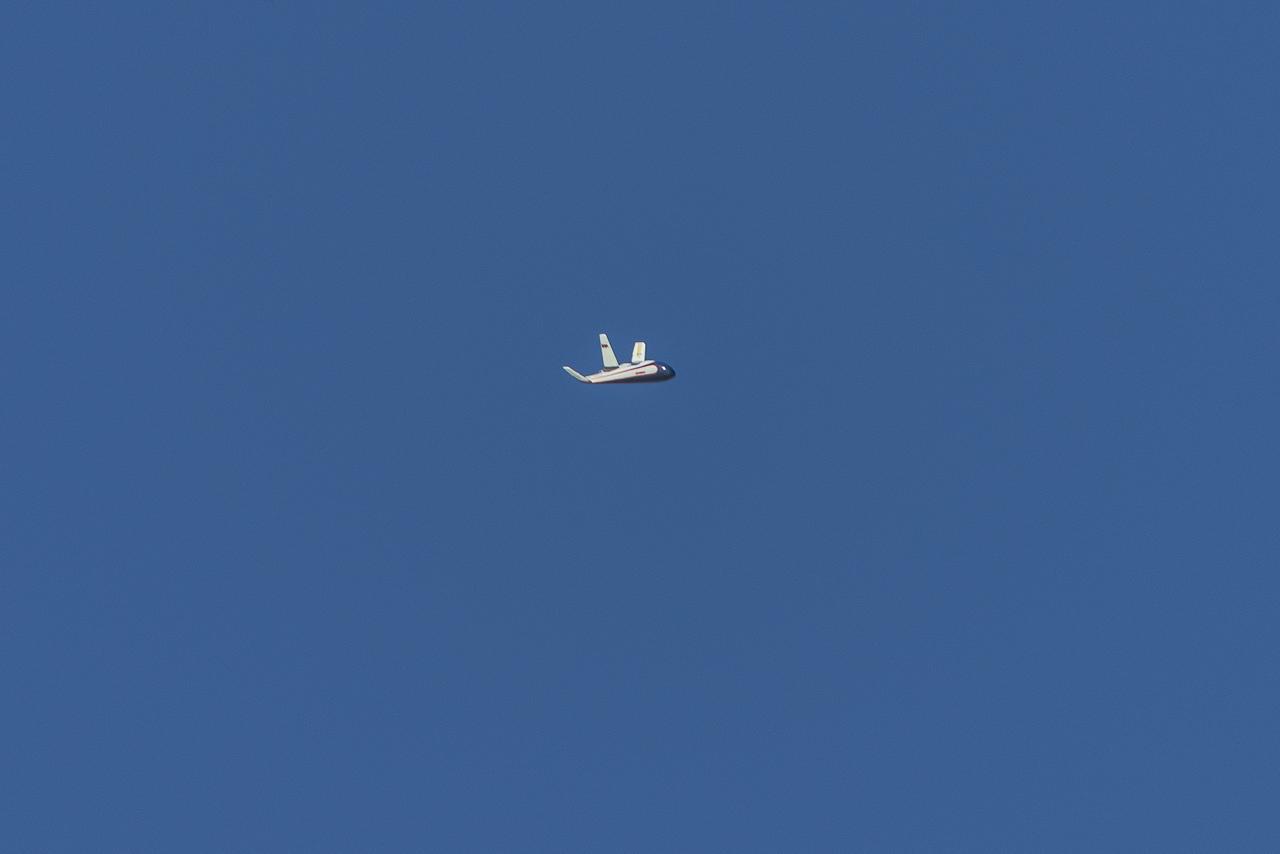
The atmospheric probe model flies free after release from a quad rotor remotely piloted aircraft above Rogers Dry Lake, a flight area adjacent NASA’s Armstrong Flight Research Center in Edwards, California, on Oct. 22, 2024. The probe was designed and built at the center.
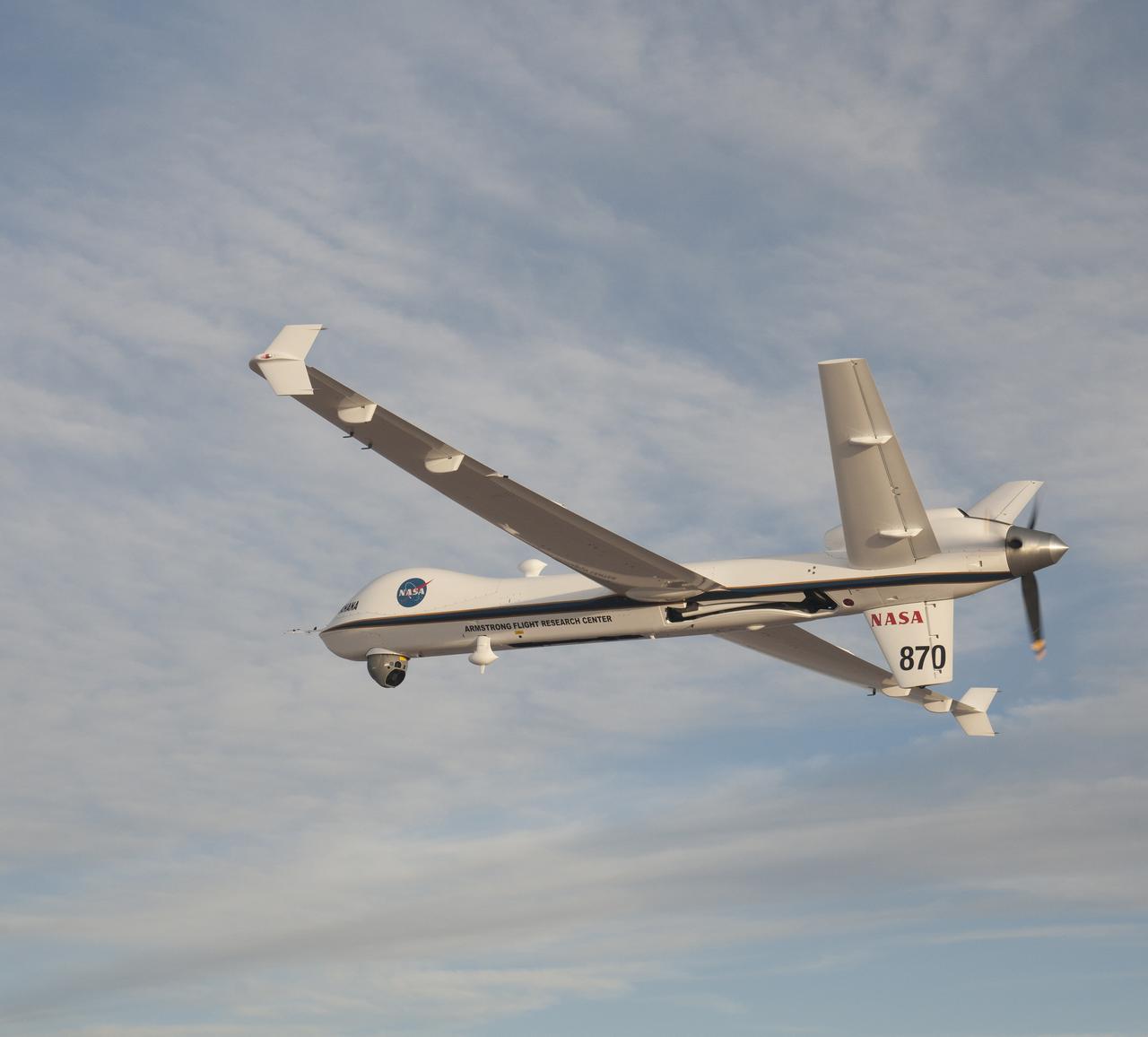
The Ikhana remotely piloted aircraft captured real-time video when the Orion Exploration Flight Test-1 mission concluded on Dec. 5, 2014. It is planned for the Ikhana to capture video again for the Orion and Space Launch System Exploration Mission-1 (EM-1) certification flight.
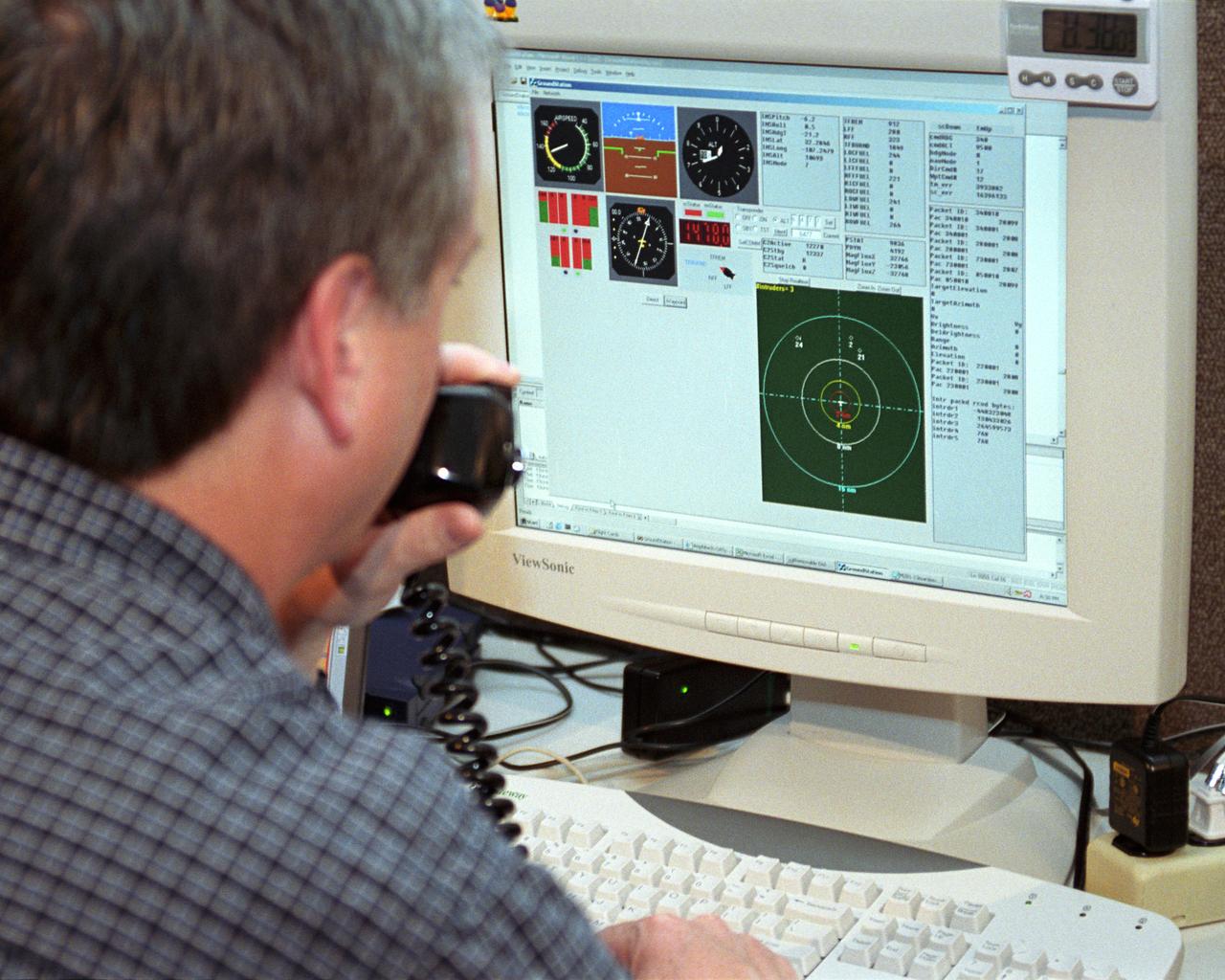
Scaled Composites' Doug Shane examines the screen of his ground control station during tests in New Mexico. Shane used this configuration as the ground control station to remotely pilot the Proteus aircraft during a NASA sponsored series of tests.

NASA’s Ikhana aircraft, based at the agency’s Armstrong Flight Research Center in Edwards, California, takes off for the agency’s first large-scale, remotely-piloted aircraft flight in the national airspace without a safety chase aircraft.

On June 12, 2018, NASA’s remotely-piloted Ikhana aircraft, lifted off from Edwards Air Force Base for its first mission in the National Airspace System without a safety chase aircraft. The June 12 flight successfully demonstrated the first remotely-piloted aircraft to use airborne detect and avoid technology to meet the intent of the FAA’s “see and avoid” rules.

On June 12, 2018, NASA’s remotely-piloted Ikhana aircraft, based at the agency’s Armstrong Flight Research Center in Edwards, California, lifted off for its first mission in the National Airspace System without a safety chase aircraft. The June 12 flight successfully demonstrated the first remotely-piloted aircraft to use airborne detect and avoid technology to meet the intent of the FAA’s “see and avoid” rules.
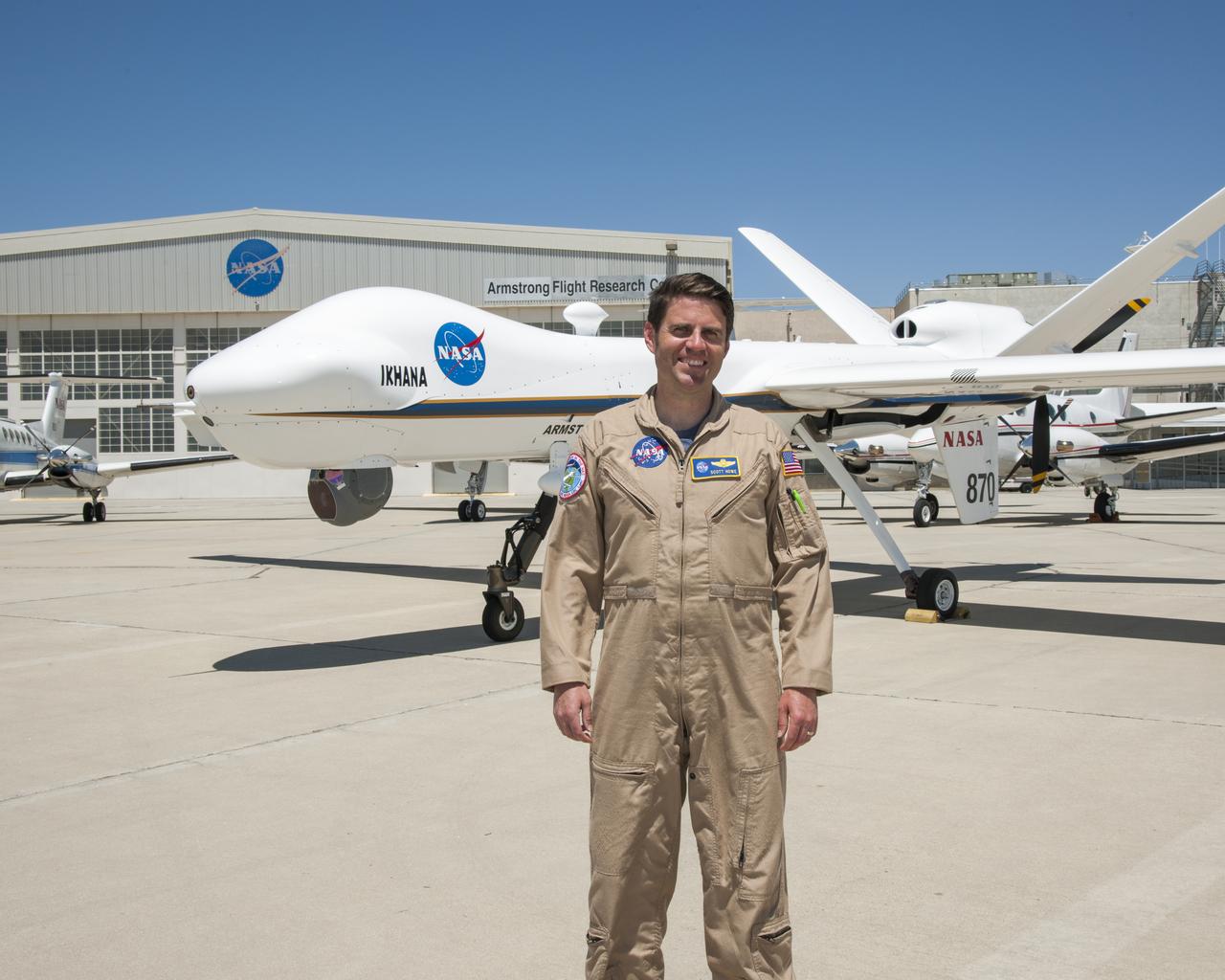
Scott Howe, a pilot at NASA's Armstrong Flight Research Center in California, assisted with monitoring California's wildfires by operating a MQ-9 remotely piloted aircraft during launches and recoveries for the California Air National Guard. The MQ-9 closely resembles the Ikhana aircraft, which Howe had piloted at Armstrong.
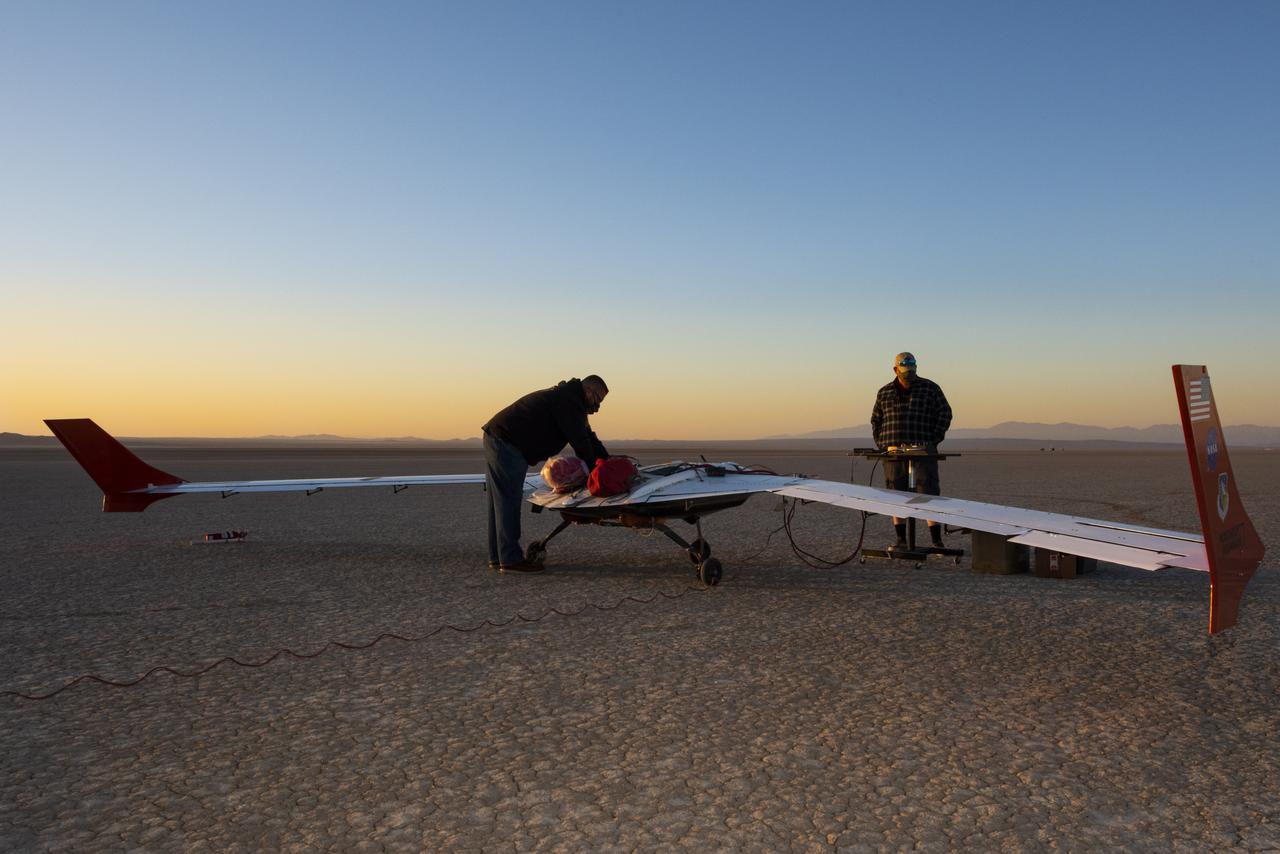
The X-56B remotely piloted aircraft ground crew prepares the aircraft to begin a new flight series. The flight was April 19 at NASA's Armstrong Flight Research Center in Edwards, California, with partner Northrop Grumman.
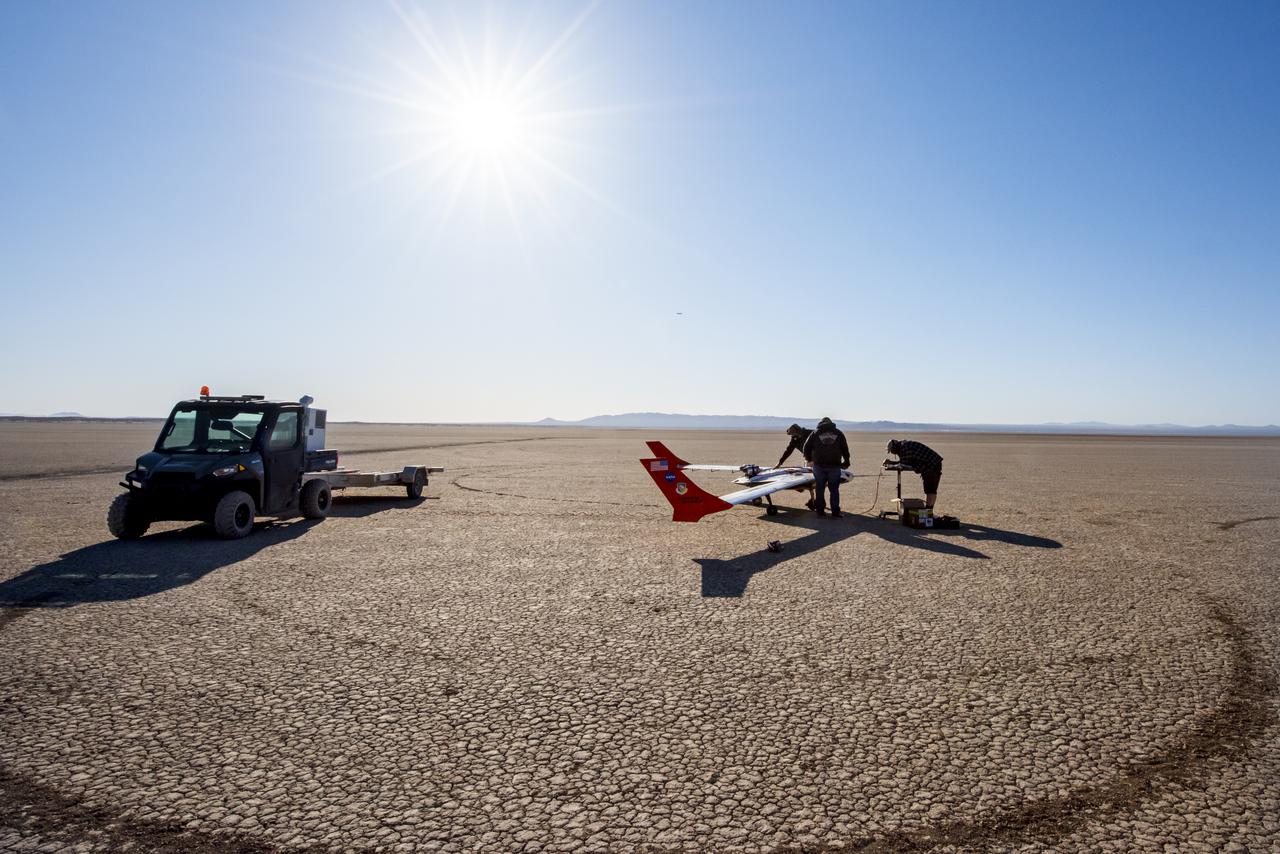
The X-56B remotely piloted aircraft ground crew prepares the aircraft to begin a new flight series. The flight was April 19 at NASA's Armstrong Flight Research Center in Edwards, California, with partner Northrop Grumman.
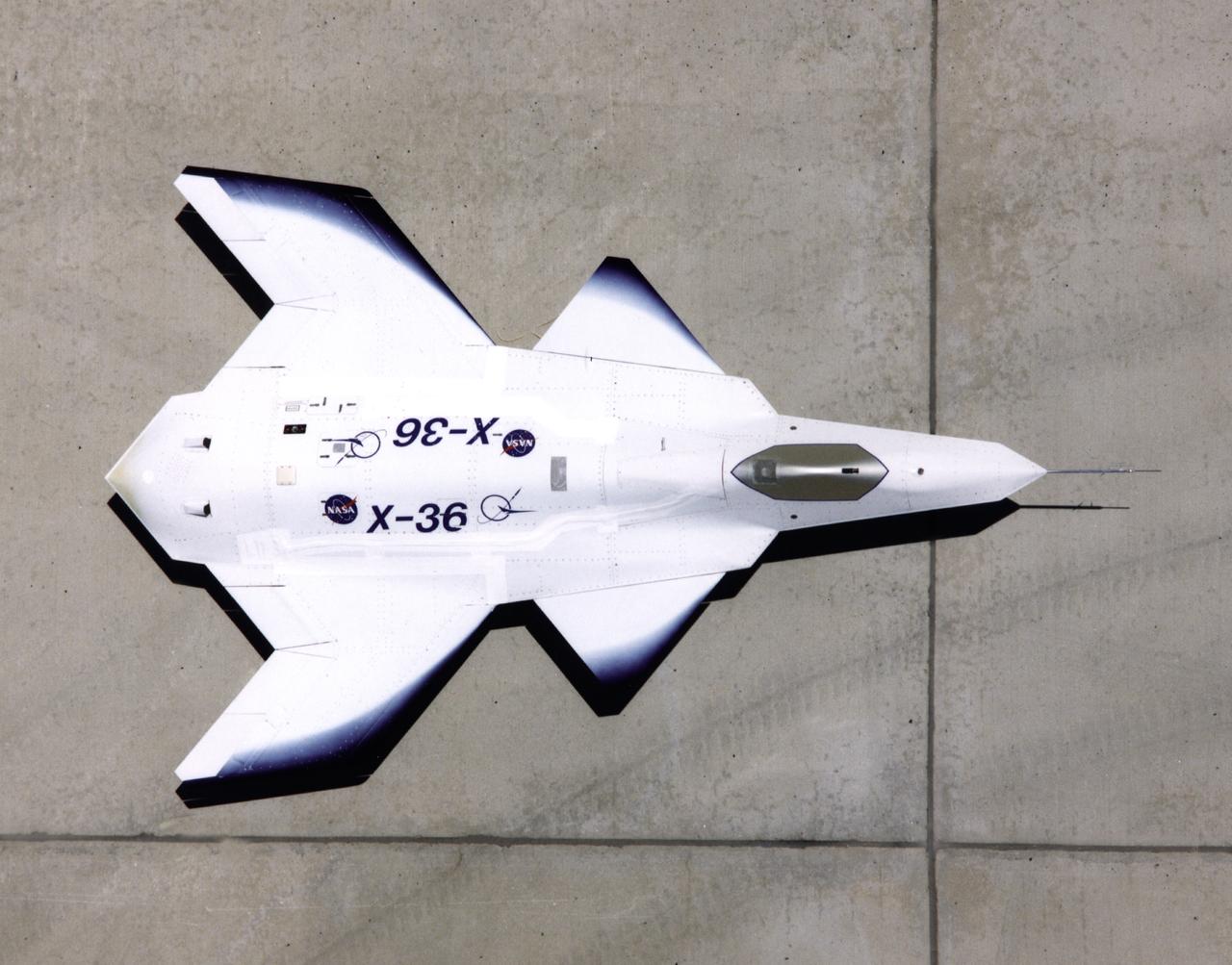
This look-down view of the X-36 Tailless Fighter Agility Research Aircraft on the ramp at NASA’s Dryden Flight Research Center, Edwards, California, clearly shows the unusual wing and canard design of the remotely-piloted aircraft.
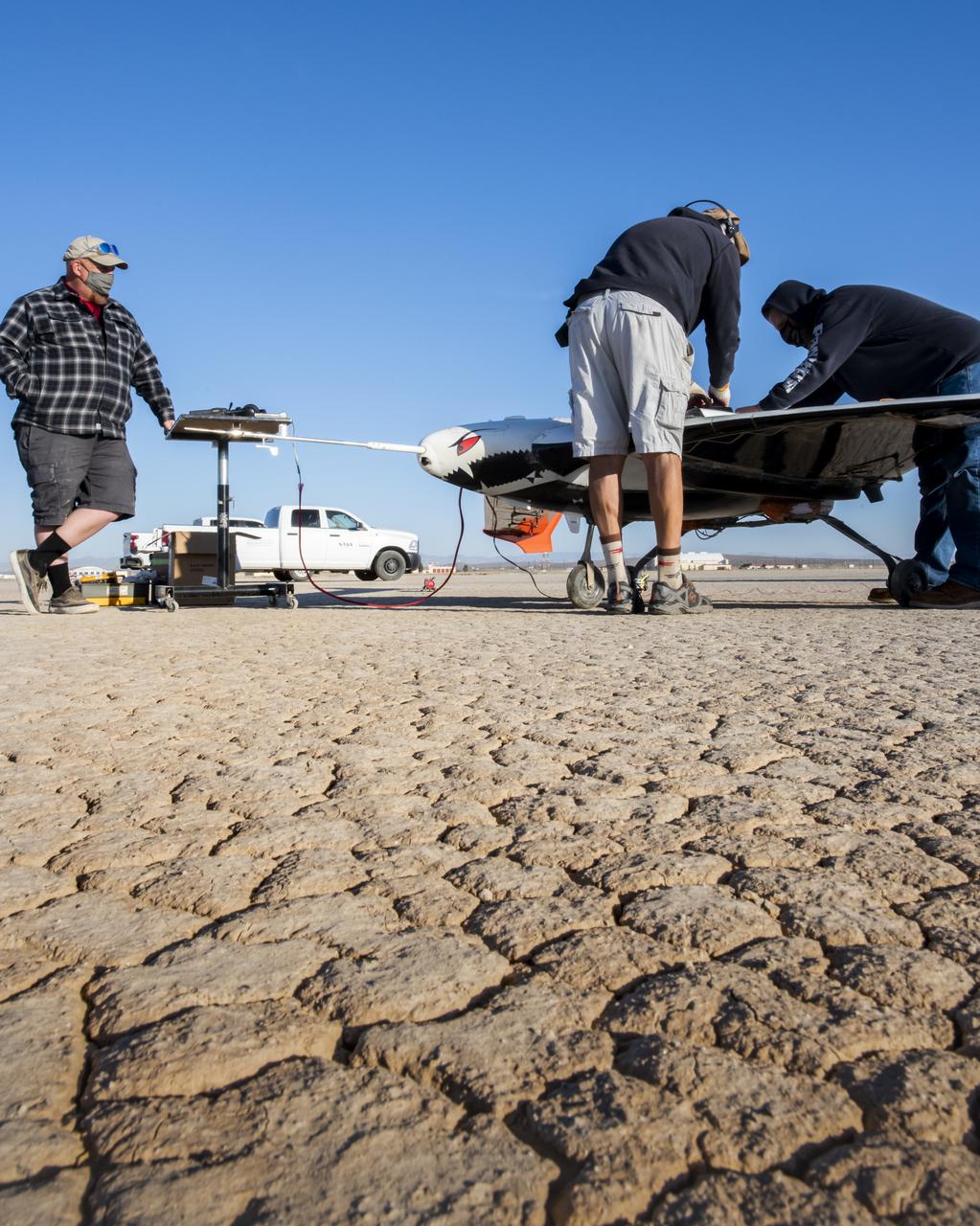
The X-56B remotely piloted aircraft ground crew prepares the aircraft to begin a new flight series. The flight was April 19 at NASA's Armstrong Flight Research Center in Edwards, California, with partner Northrop Grumman.
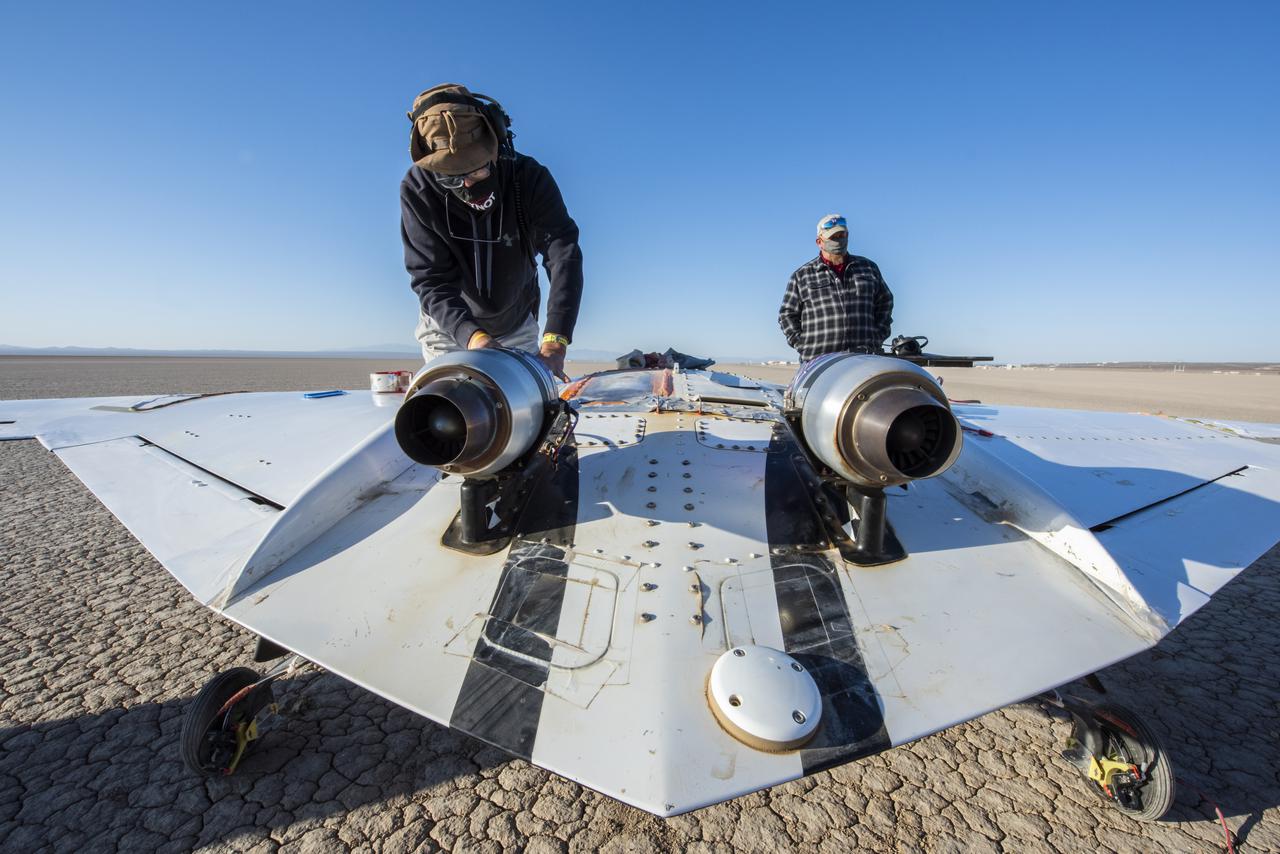
The X-56B remotely piloted aircraft ground crew prepares the aircraft to begin a new flight series. The flight was April 19 at NASA's Armstrong Flight Research Center in Edwards, California, with partner Northrop Grumman.

NASA’s remotely-piloted Ikhana aircraft, based at the agency’s Armstrong Flight Research Center in Edwards, California, is flown in preparation for its first mission in the National Airspace System without a safety chase aircraft.
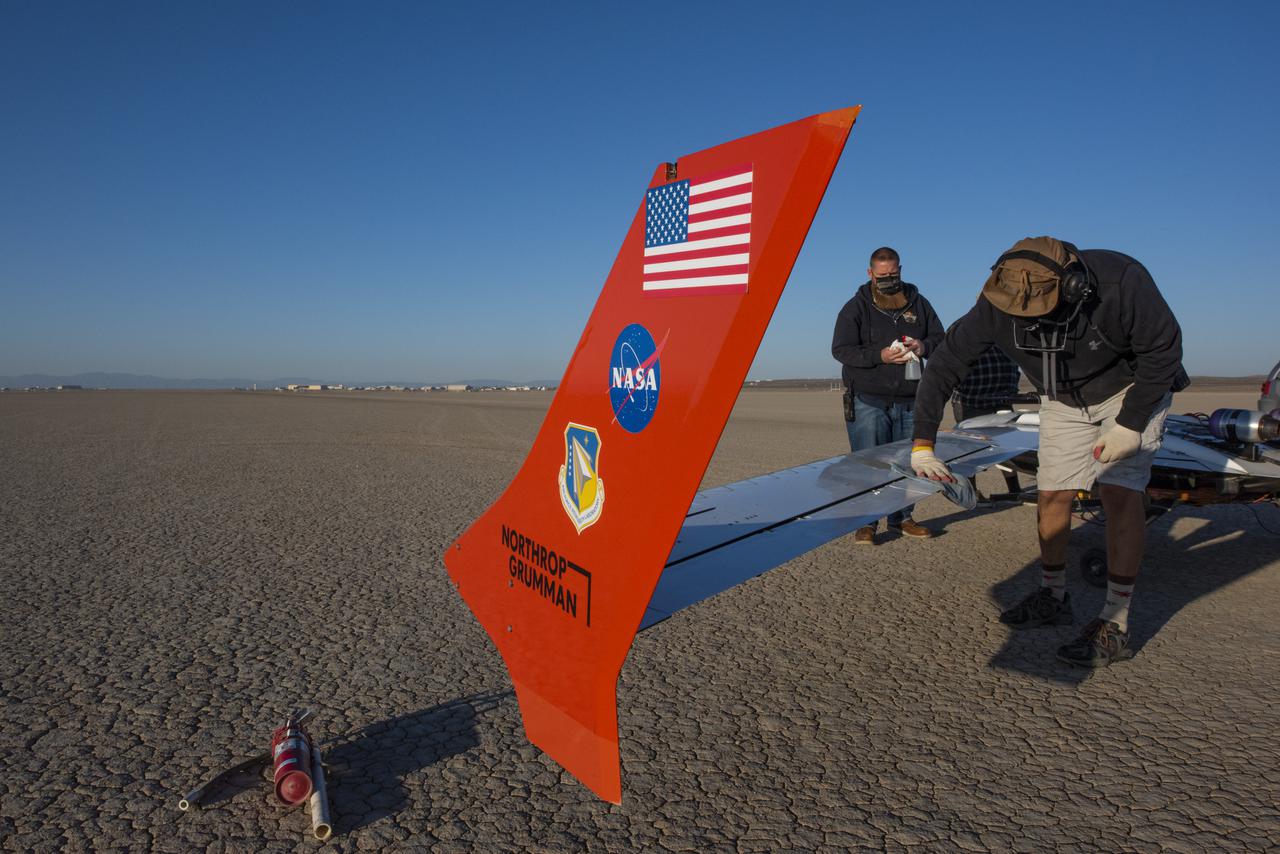
The X-56B remotely piloted aircraft ground crew prepares the aircraft to begin a new flight series. The flight was April 19 at NASA's Armstrong Flight Research Center in Edwards, California, with partner Northrop Grumman.
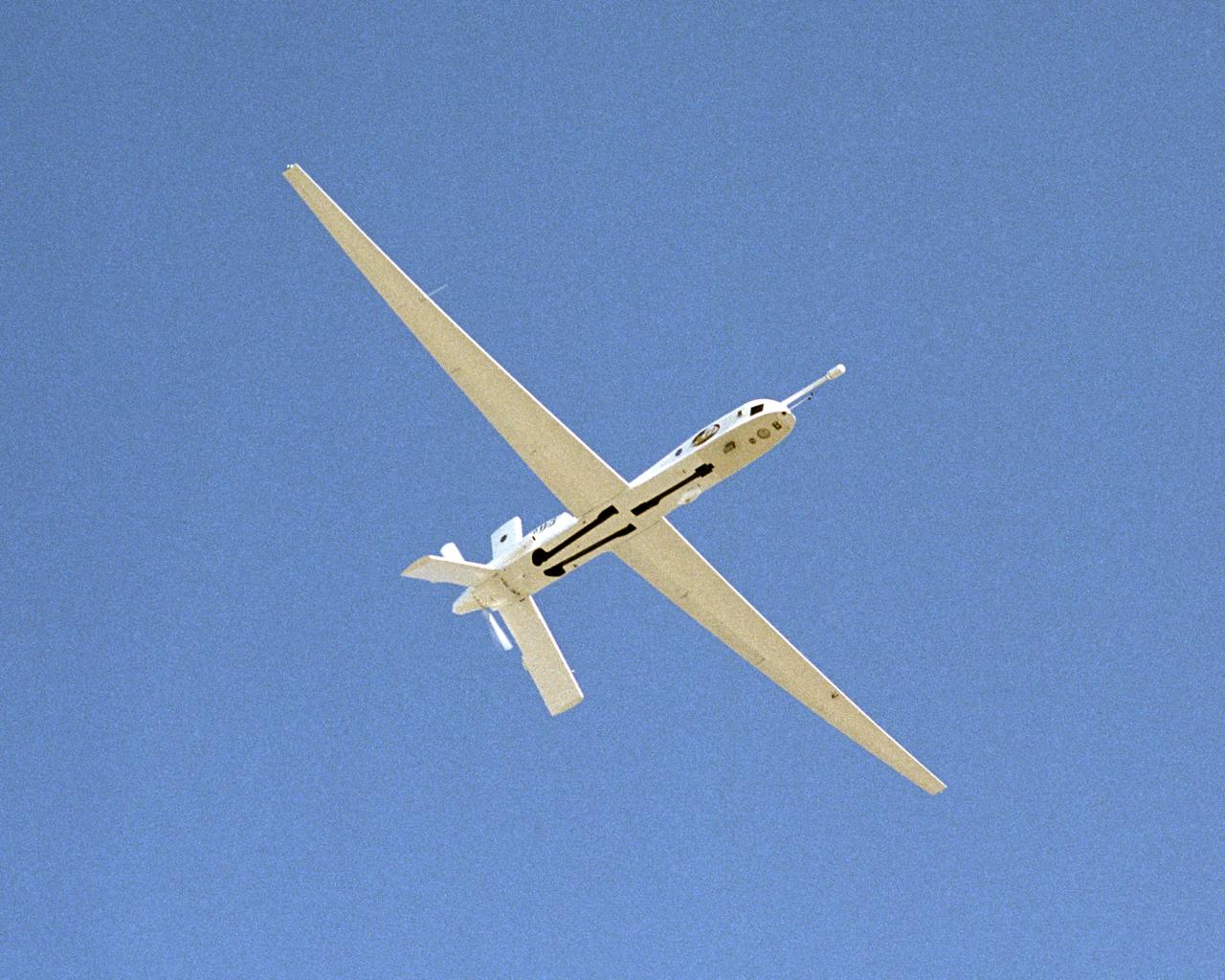
The Altus II remotely piloted aircraft carried a variety of specialized instruments and cameras during a lightning study over Florida during the summer of 2002.
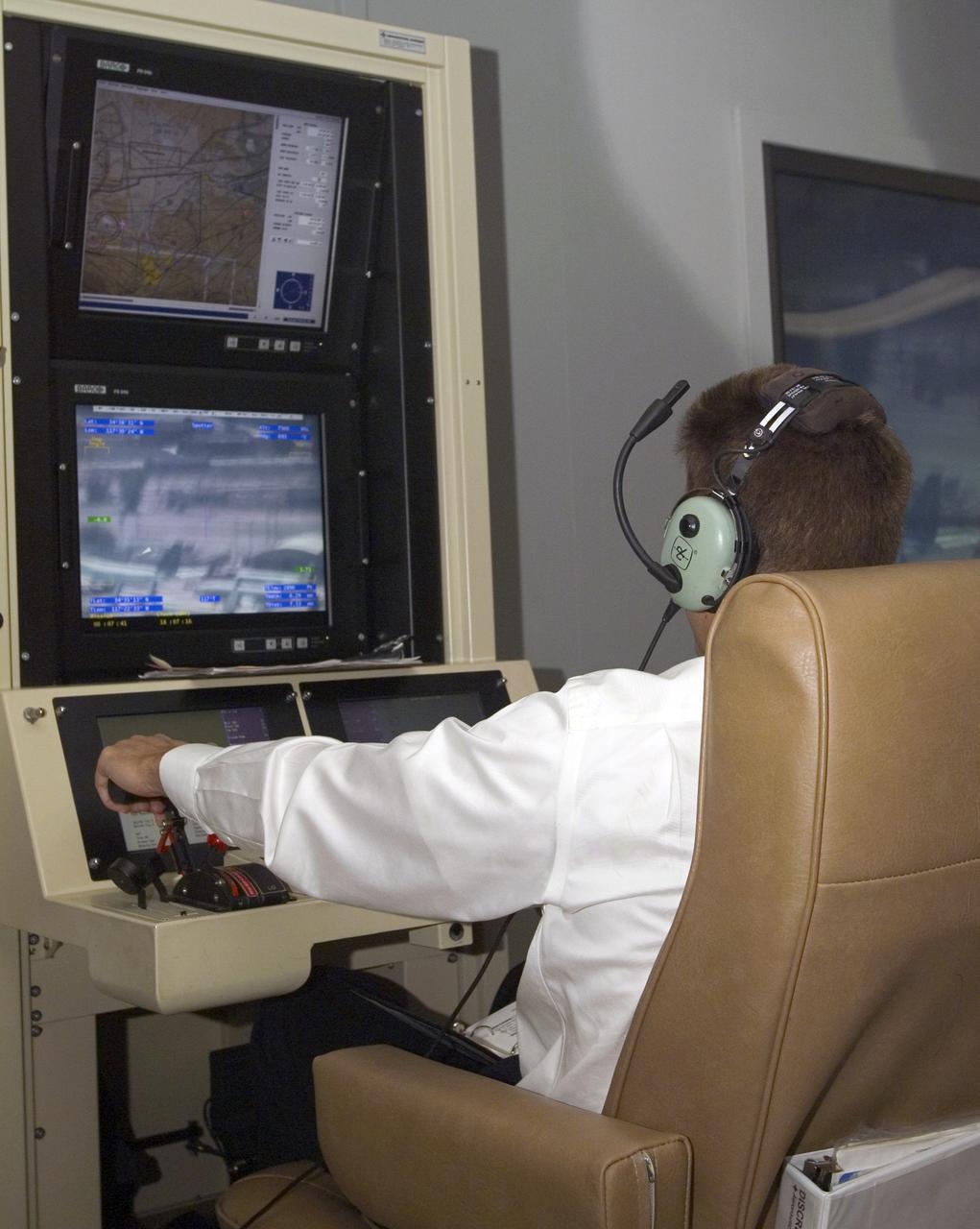
A pilot for General Atomics guides the Altair remotely operated aircraft from a ground control station using both visual and telemetered data.
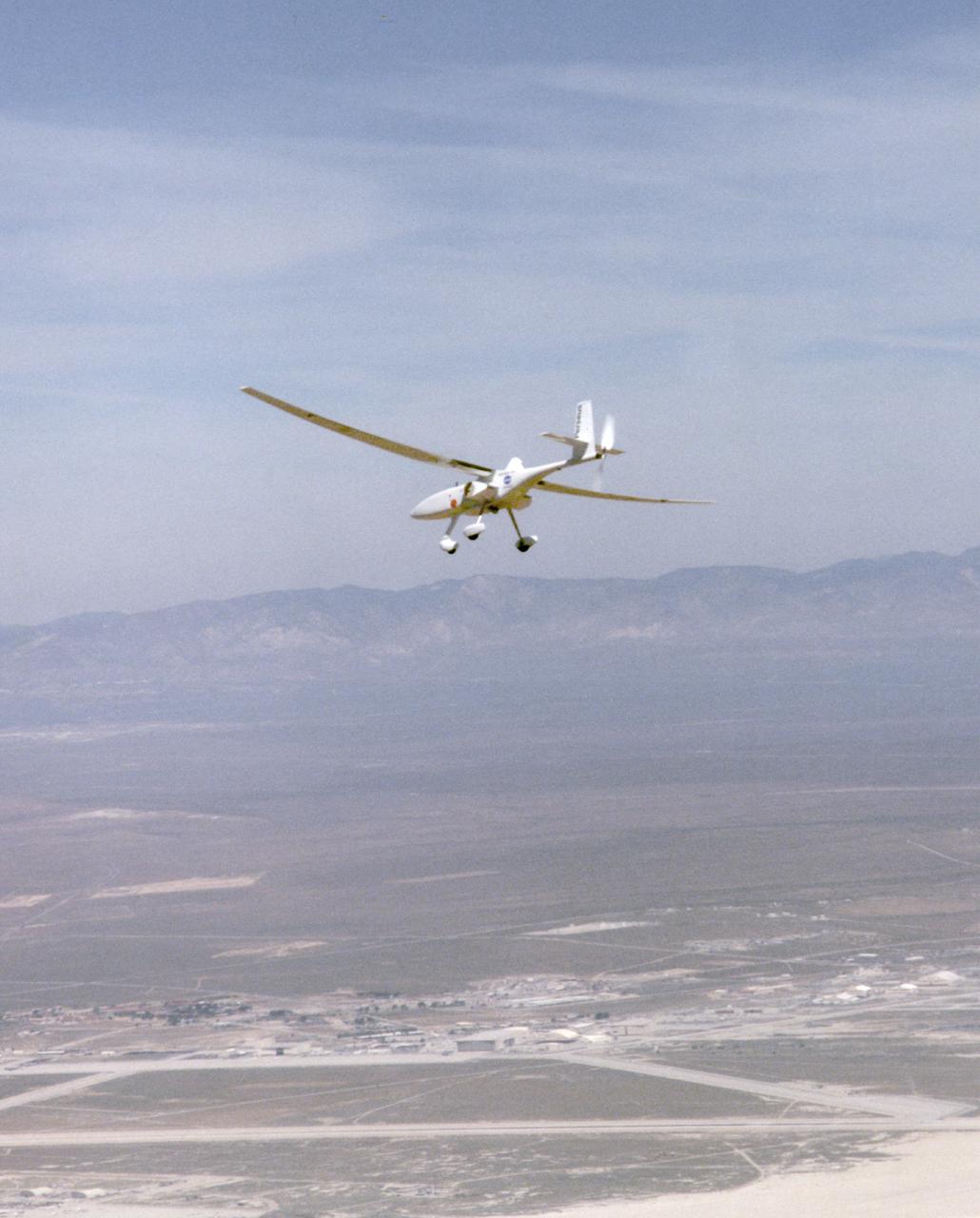
A long, slender wing and a pusher propeller at the rear characterize the Perseus B remotely-piloted research aircraft, seen here during a test flight in April1998.
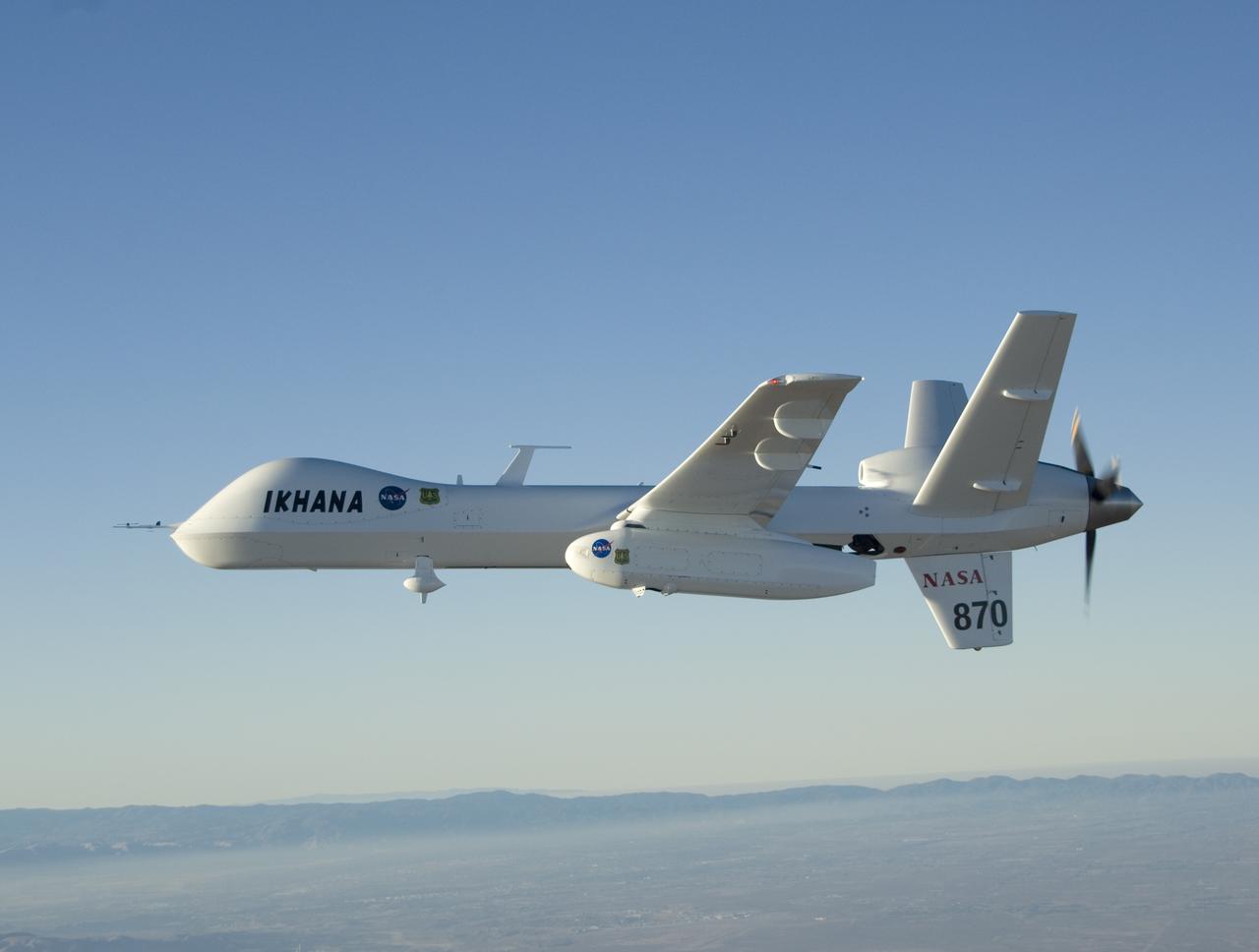
NASA's Ikhana remotely piloted aircraft soars over smoky terrain during a wildfire imaging demonstration mission in the late summer of 2007.
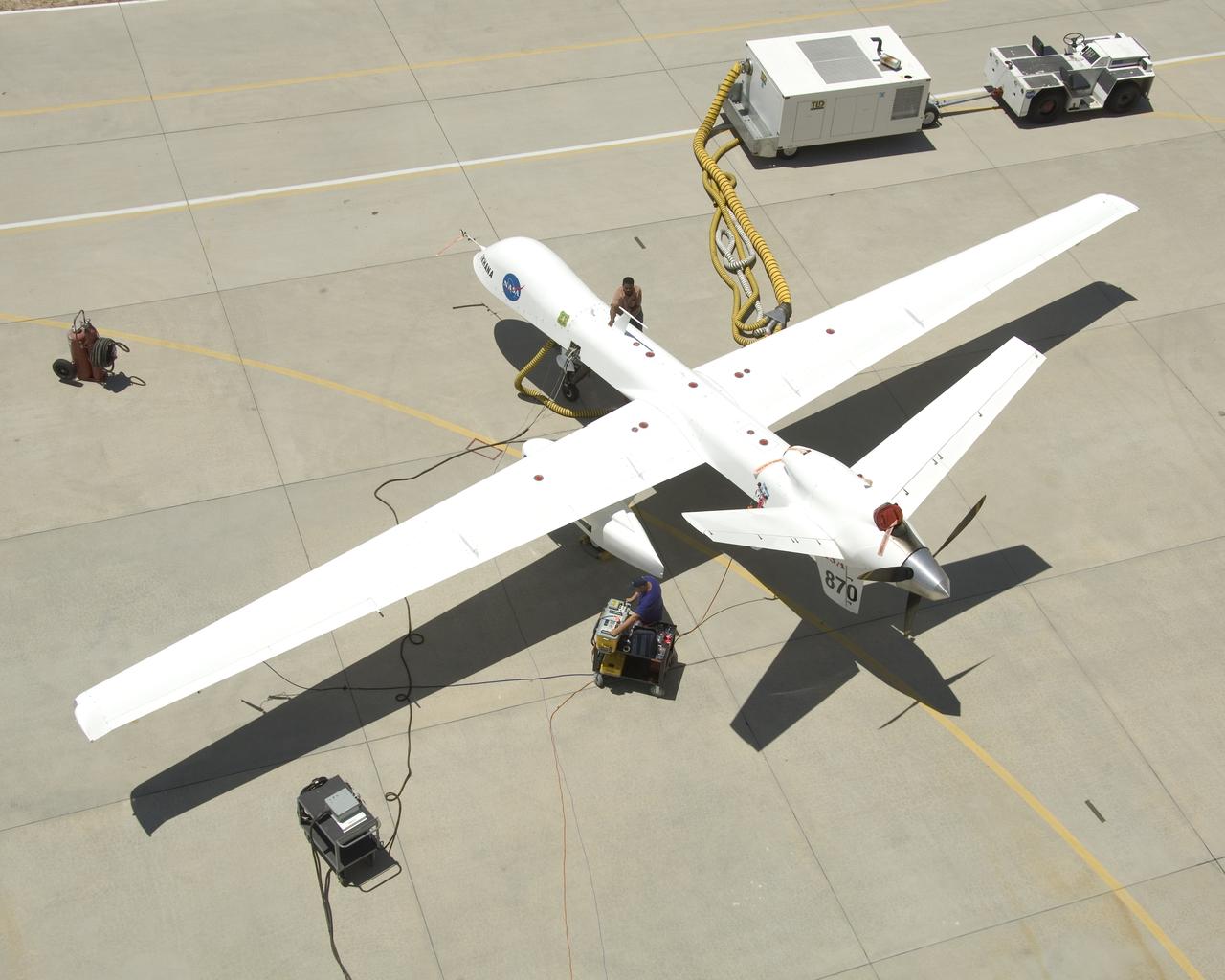
Ground crewmen prepare NASA's Ikhana remotely piloted research aircraft for another flight. Ikhana's infrared imaging sensor pod is visible under the left wing.
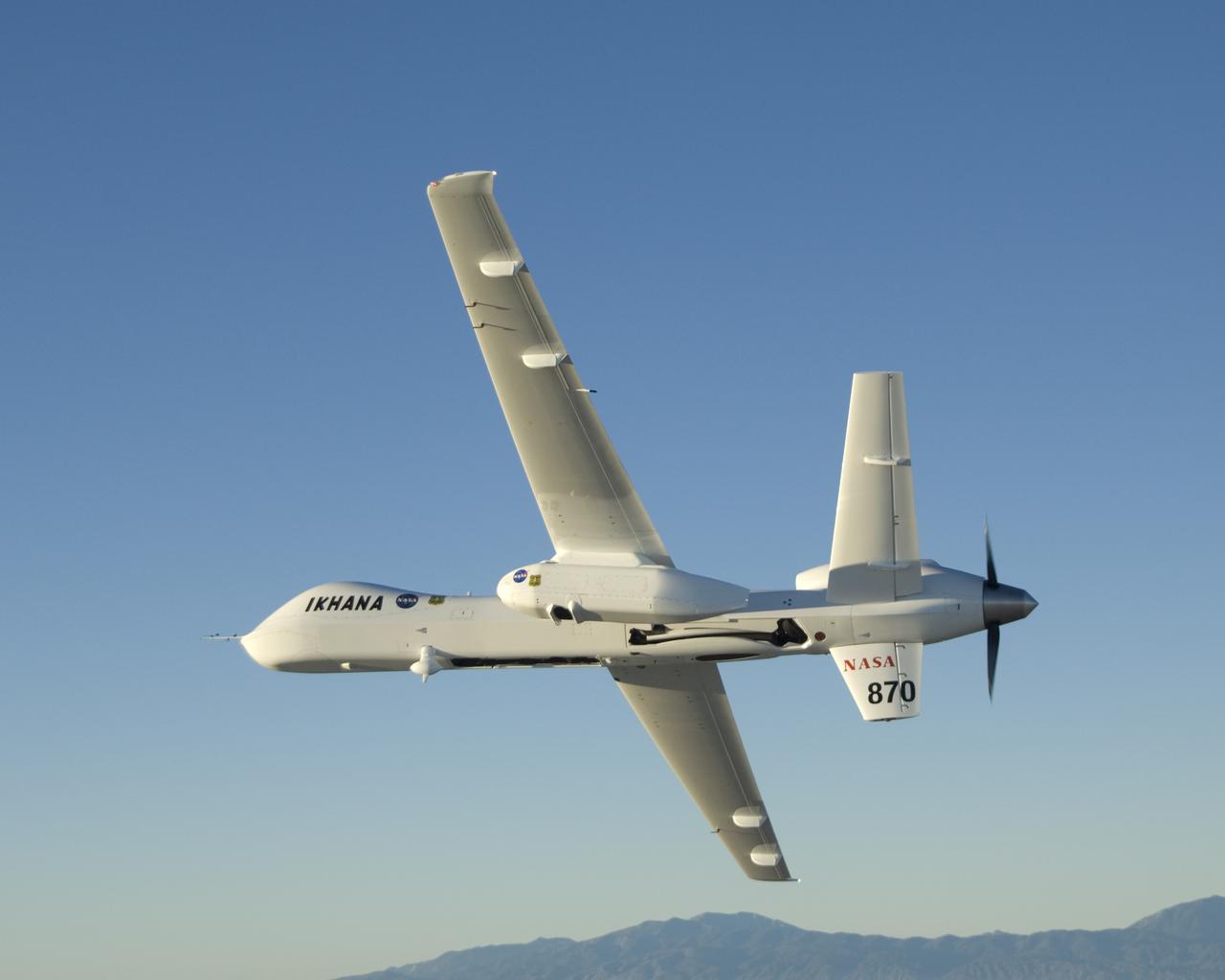
Carrying its sensor pod, NASA's remotely piloted Ikhana unmanned aircraft banks away during a checkout flight in the Western States Fire Mission.
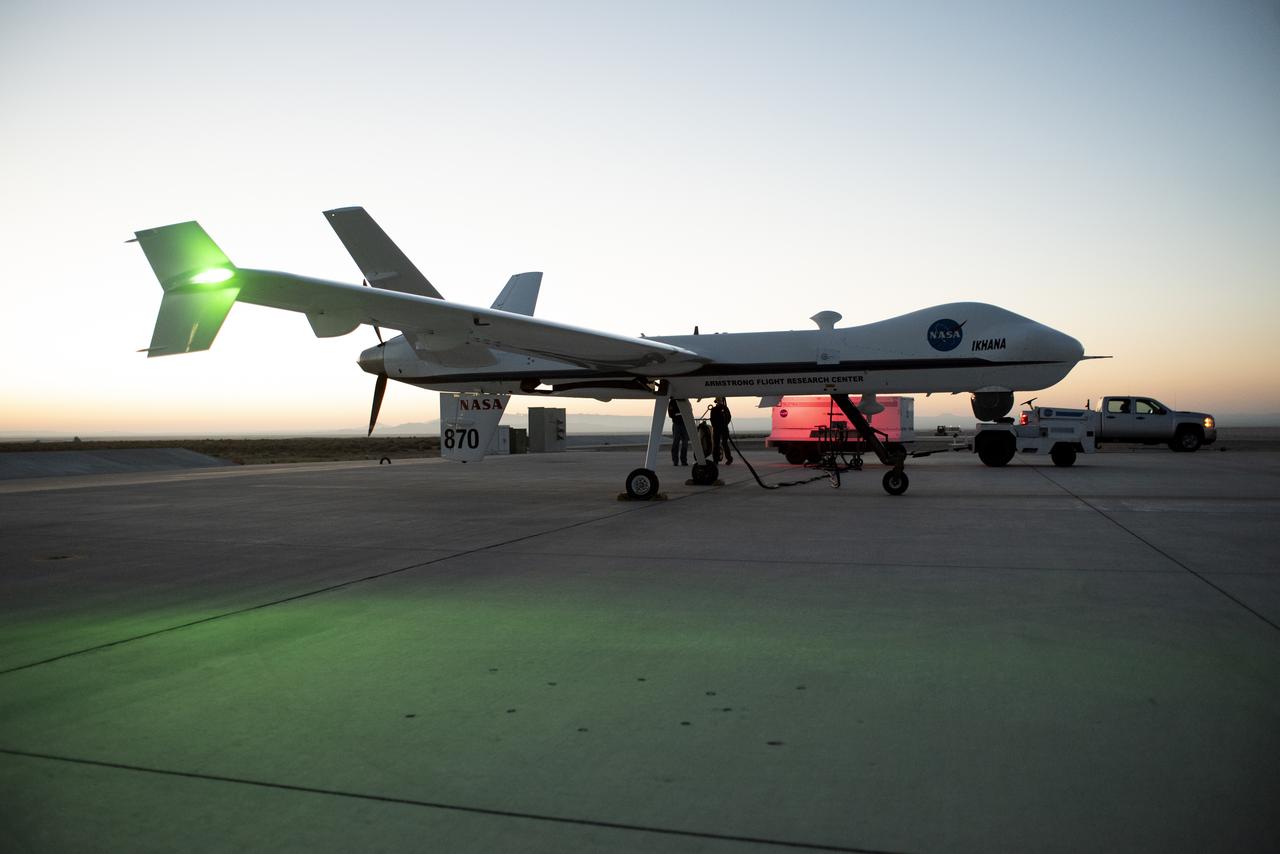
Aircraft maintenance crews at NASA‘s Armstrong Flight Research Center prepare the remotely-piloted Ikhana aircraft for a test flight of Ikhana. The test flight was performed to validate key technologies and operations necessary for FAA’s approval to fly the aircraft in the National Airspace System June 12, 2018, without a safety chase aircraft.

Aircraft maintenance crews at NASA‘s Armstrong Flight Research Center prepare the remotely-piloted Ikhana aircraft for a test flight. The test flight was performed to validate key technologies and operations necessary for FAA’s approval to fly the aircraft in the National Airspace System June 12, 2018, without a safety chase aircraft.
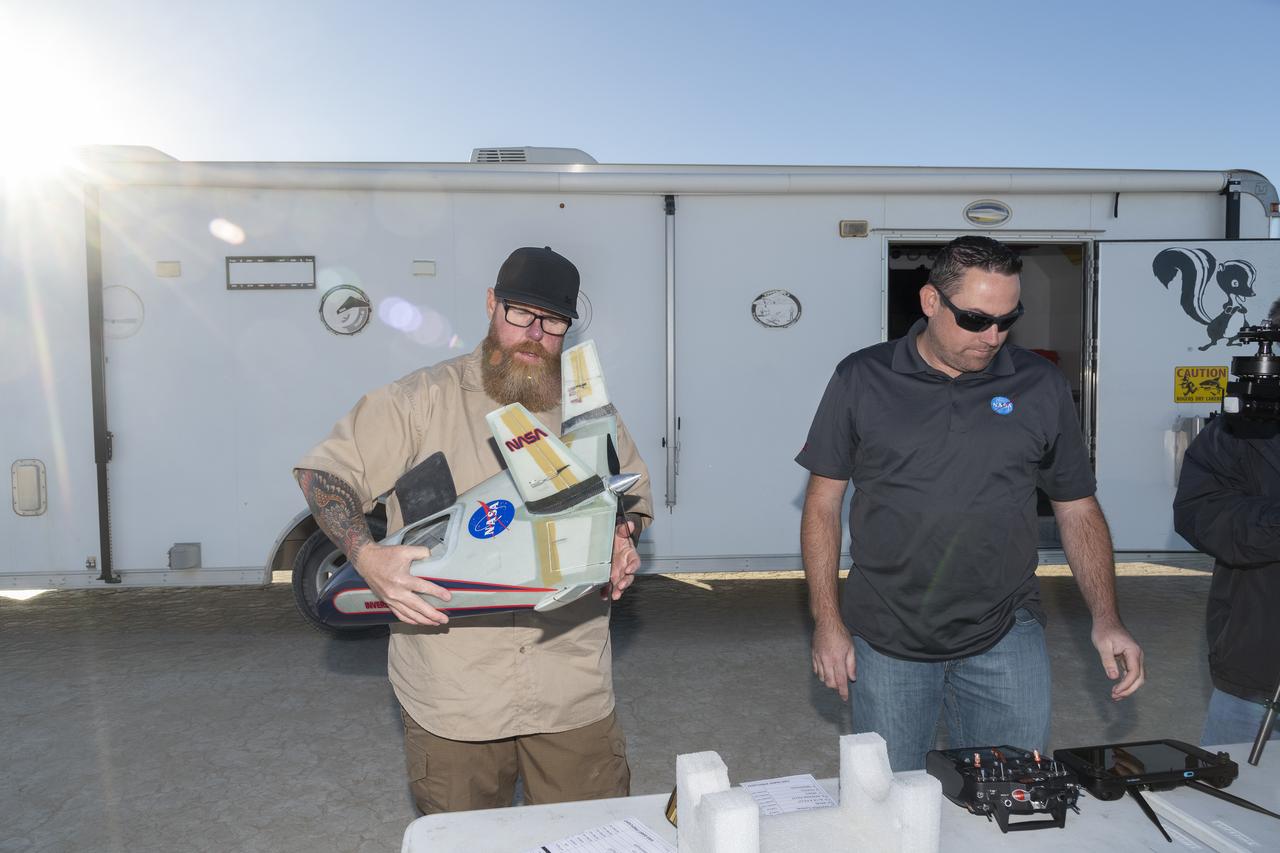
Justin Hall, left, chief pilot of small unmanned aircraft systems, carries the atmospheric probe at NASA’s Armstrong Flight Research Center in Edwards, California. The probe, which was designed and built at the center, flew after release from a quad rotor remotely piloted aircraft on Oct. 22, 2024, above Rogers Dry Lake, a flight area adjacent to the NASA center. At right, Justin Link, unmanned aircraft systems pilot, checks out the controllers for the two aircraft.
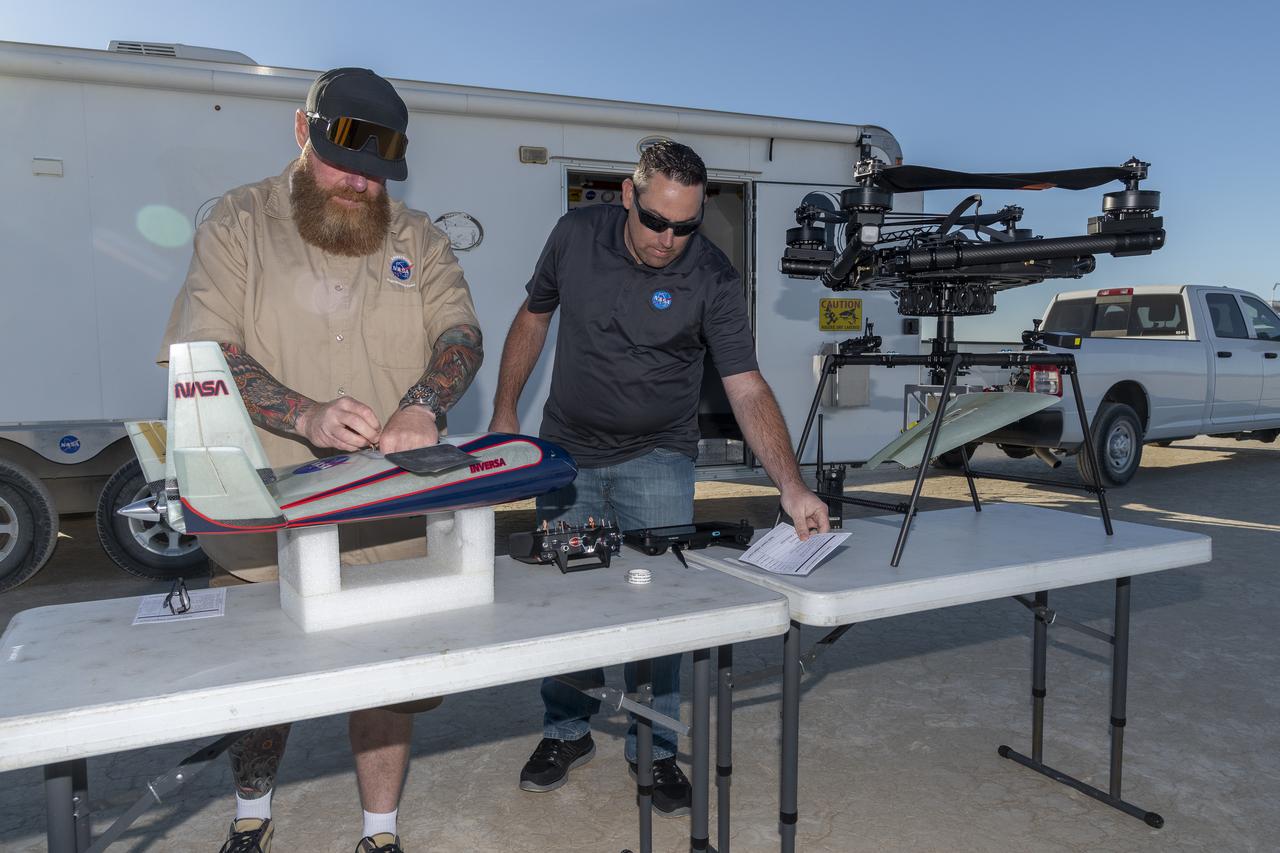
Justin Hall, chief pilot of small unmanned aircraft systems, prepares the atmospheric probe for flight above Rogers Dry Lake, a flight area adjacent NASA’s Armstrong Flight Research Center in Edwards, California. At right, Justin Link, small unmanned aircraft systems pilot, assists. The probe, designed and built at the center, flew after release from a quad rotor remotely piloted aircraft on Oct. 22, 2024.
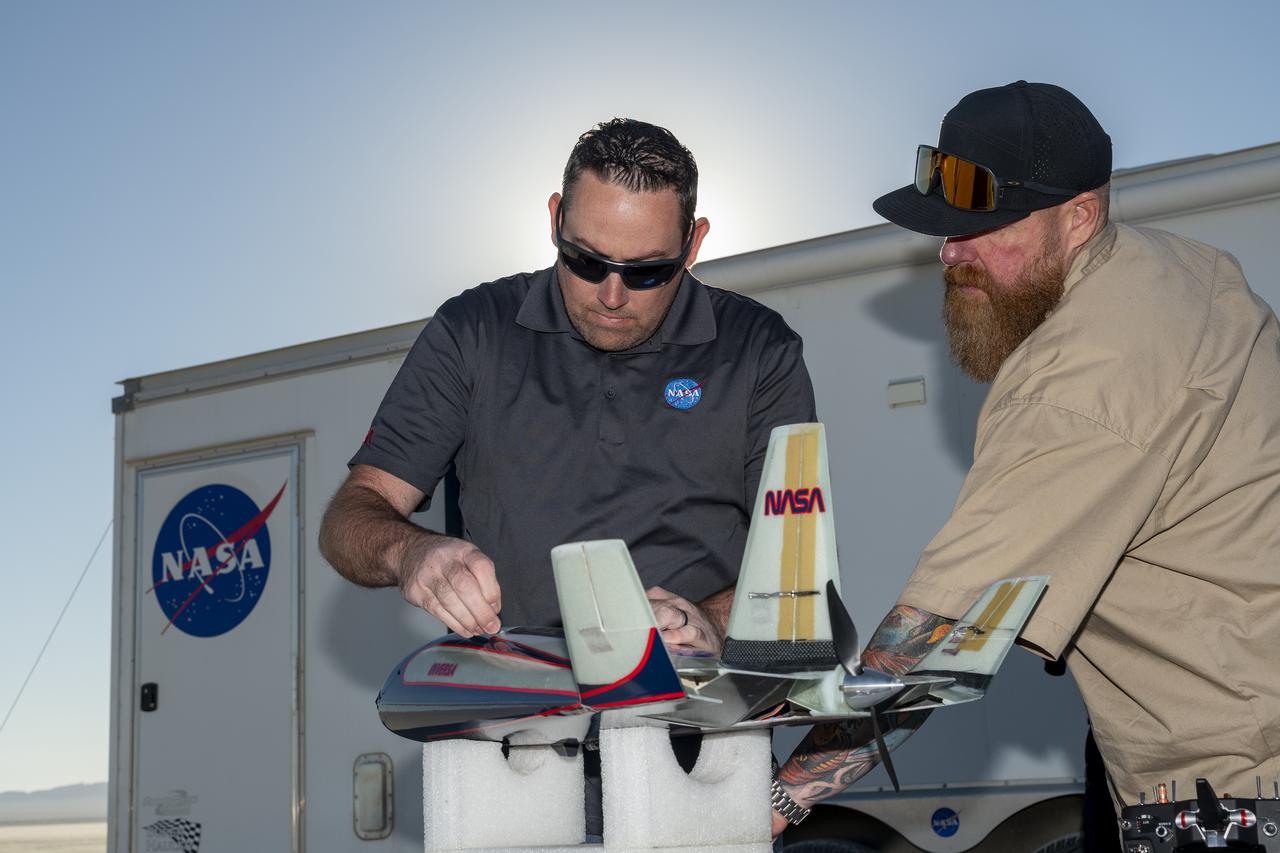
Justin Link, left, small unmanned aircraft systems pilot, and Justin Hall, chief pilot of small unmanned aircraft systems, prepare an atmospheric probe model for flight on Oct. 22, 2024. A quad rotor remotely piloted aircraft released the probe above Rogers Dry Lake, a flight area adjacent NASA’s Armstrong Flight Research Center in Edwards, California. The probe was designed and built at the center.
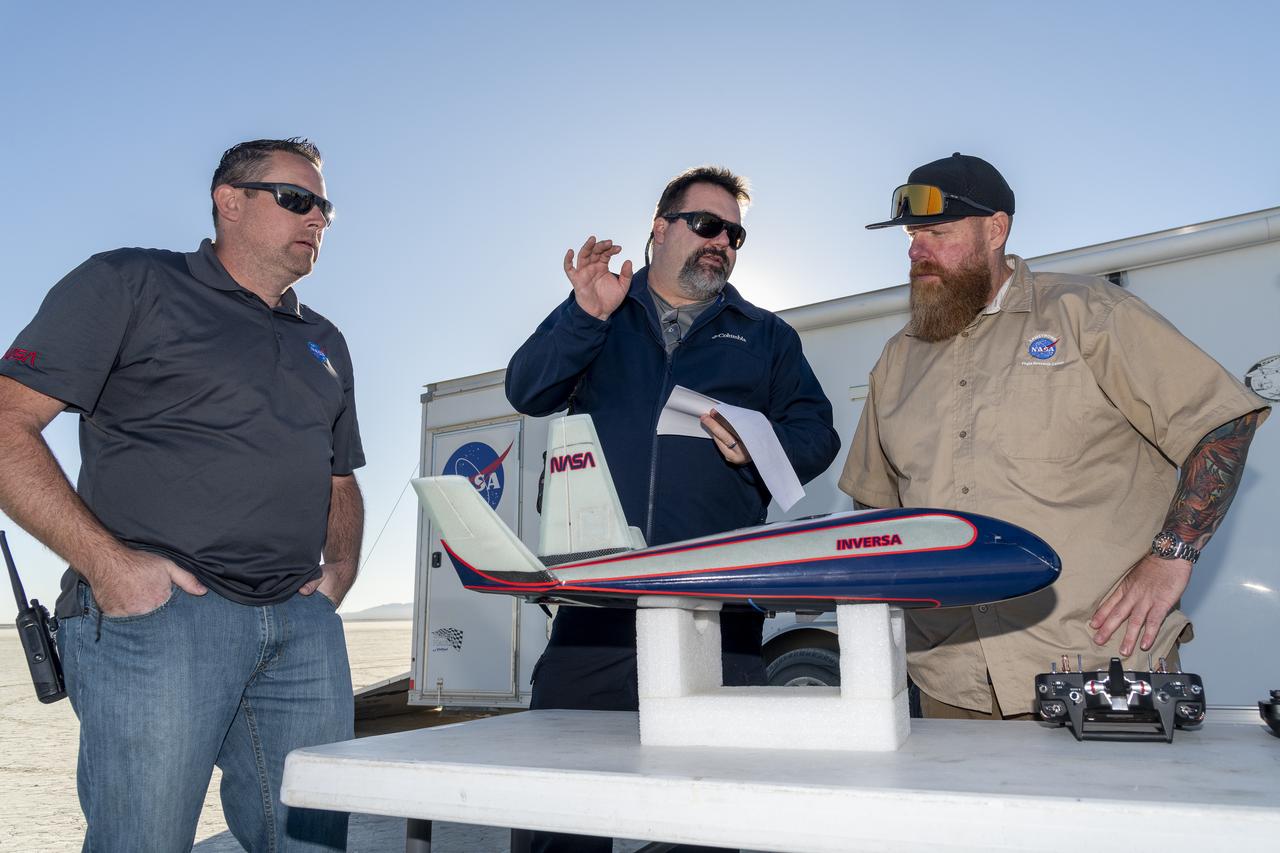
Justin Link, left, small unmanned aircraft systems pilot; John Bodylski, atmospheric probe principal investigator; and Justin Hall, chief pilot of small unmanned aircraft systems, discuss details of the atmospheric probe flight plan on Oct. 22, 2024. A quad rotor remotely piloted aircraft released the probe above Rogers Dry Lake, a flight area adjacent NASA’s Armstrong Flight Research Center in Edwards, California. The probe was designed and built at the center.
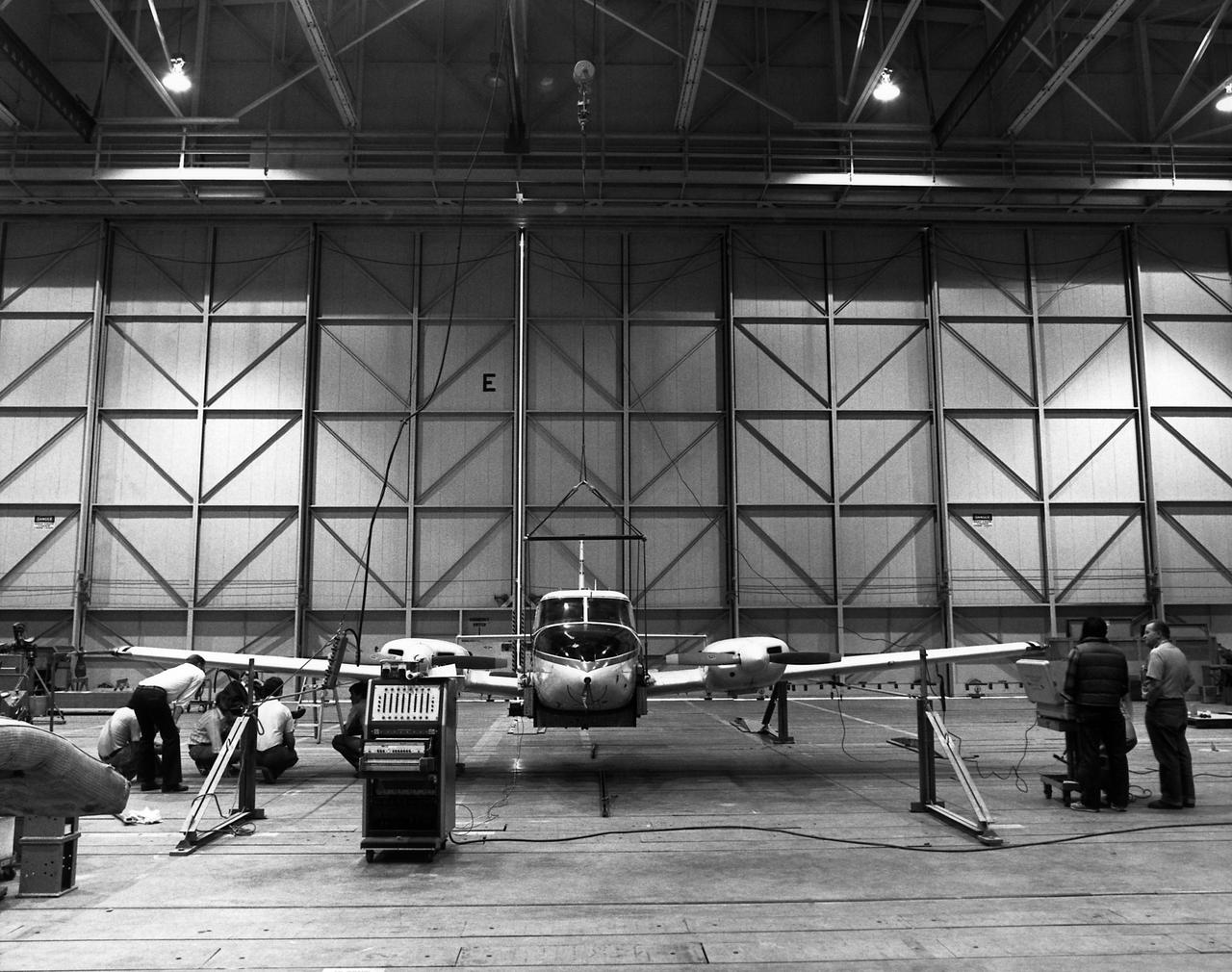
Technicians check instrumentation and systems on NASA 808, a PA-30 aircraft, prior to a research flight. The aircraft was used as the testbed in development of control systems for remotely piloted vehicles that were "flown" from the ground. The concept led to highly successful programs such as the HiMAT and the subscale F-15 remotely piloted vehicles. Over the years, NASA 808 has also been used for spin and stall research related to general aviation aircraft and also research to alleviate wake vortices behind large jetliners. This 1980 photograph taken inside a hangar shows technicians measuring moment of inertia.
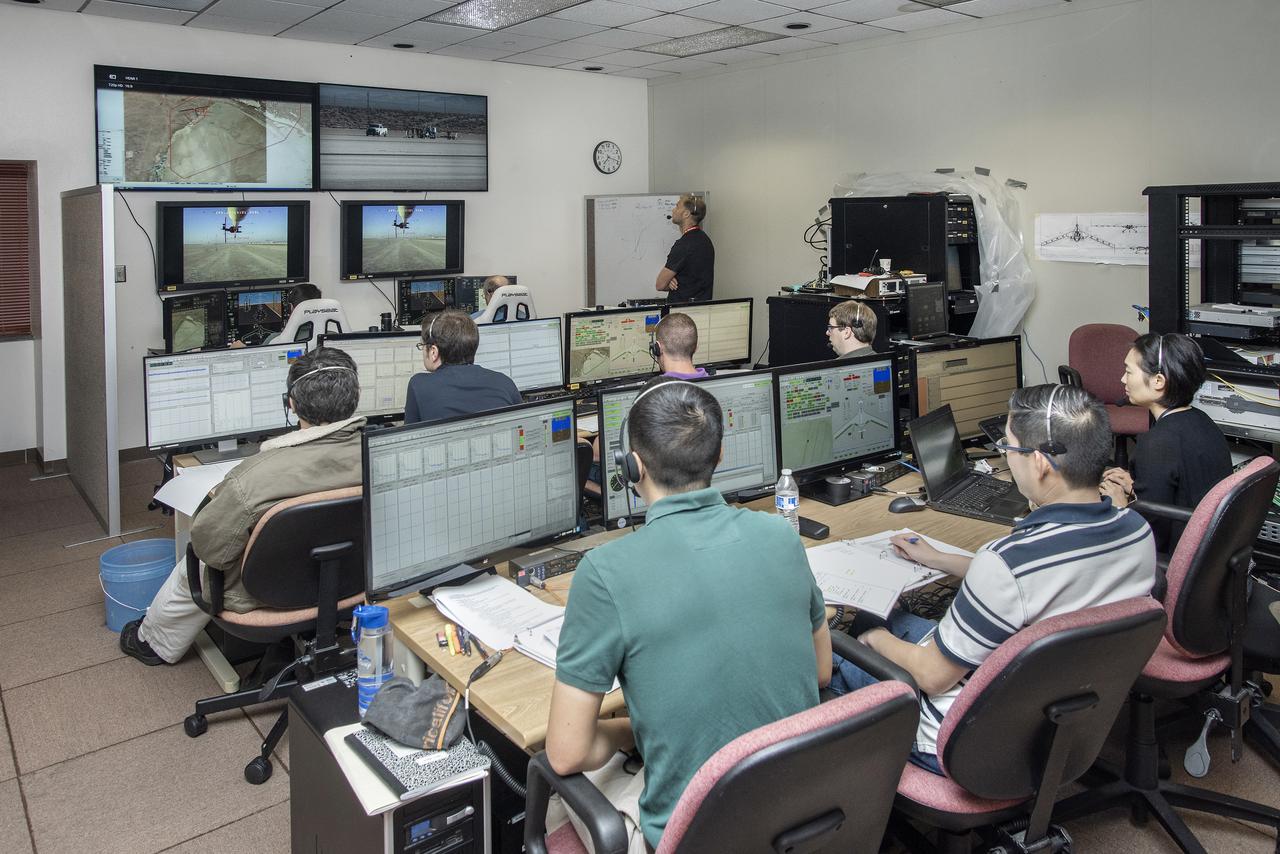
The control room for the remotely piloted X-56A has a feature that most do not – the pilot and co-pilot are in the front of the room, seen at left. The X-56A team has successfully suppressed flutter, which is a potentially destructive oscillation, with a classical and a modern controller. The controllers are essentially mathematical ways of directing the aircraft.
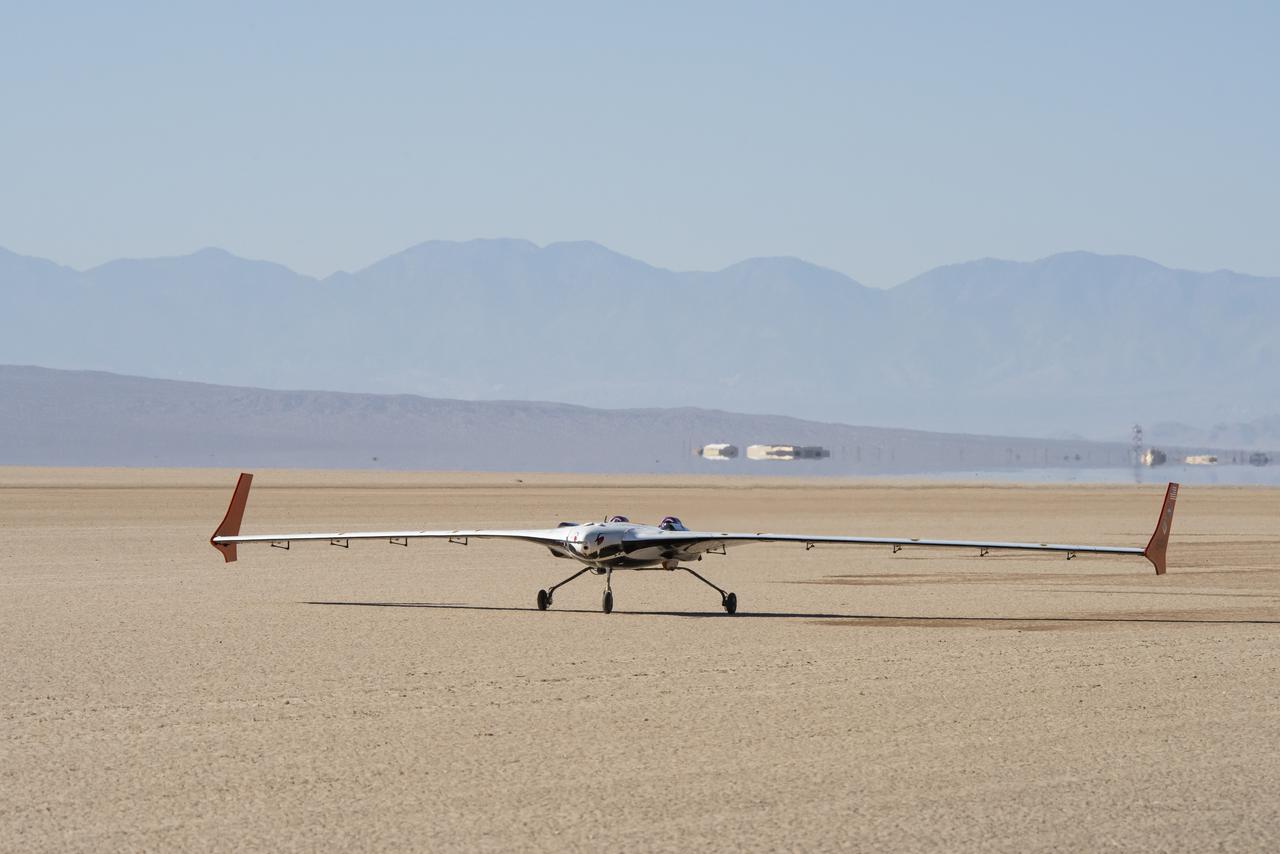
The X-56B remotely piloted aircraft lands following the first of a new flight series. The flight was April 19 at NASA's Armstrong Flight Research Center in Edwards, California, with partner Northrop Grumman.
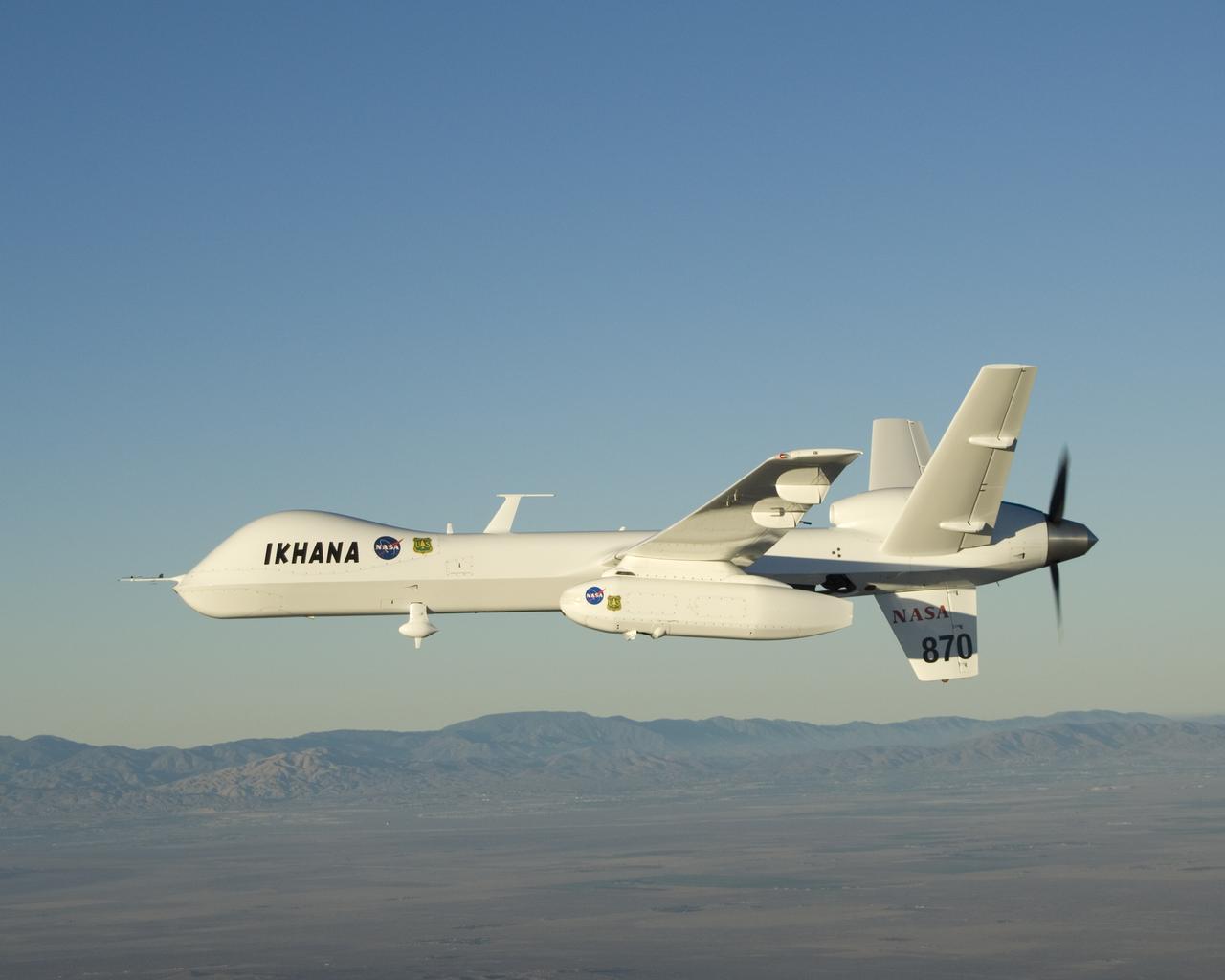
With its sensor pod under its left wing, NASA's remotely piloted Ikhana unmanned aircraft cruises over California during the Western States Fire Mission.
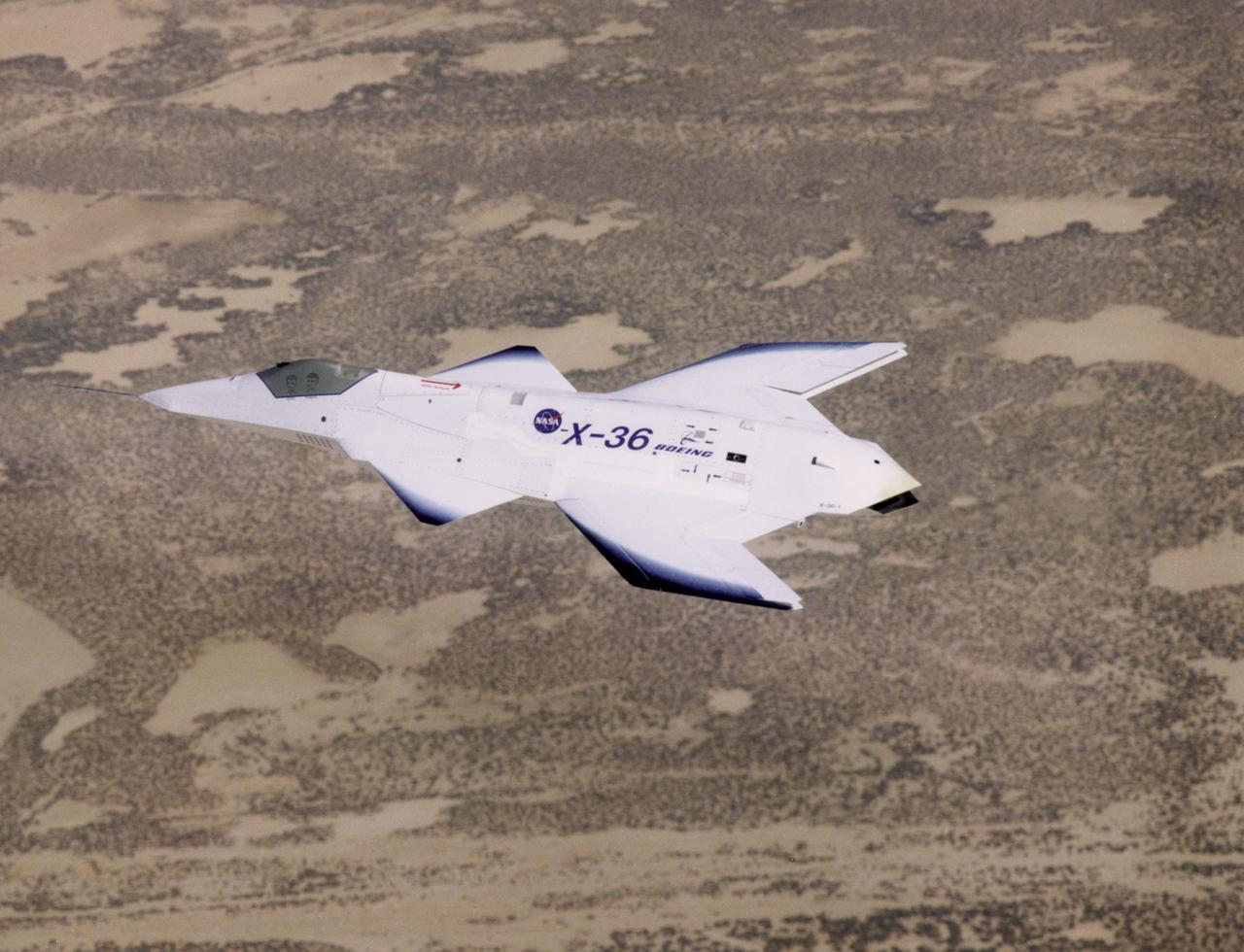
The unusual lines of the X-36 technology demonstrator contrast sharply with the desert floor as the remotely piloted aircraft scoots across the California desert at low altitude during a research flight on October 30, 1997.
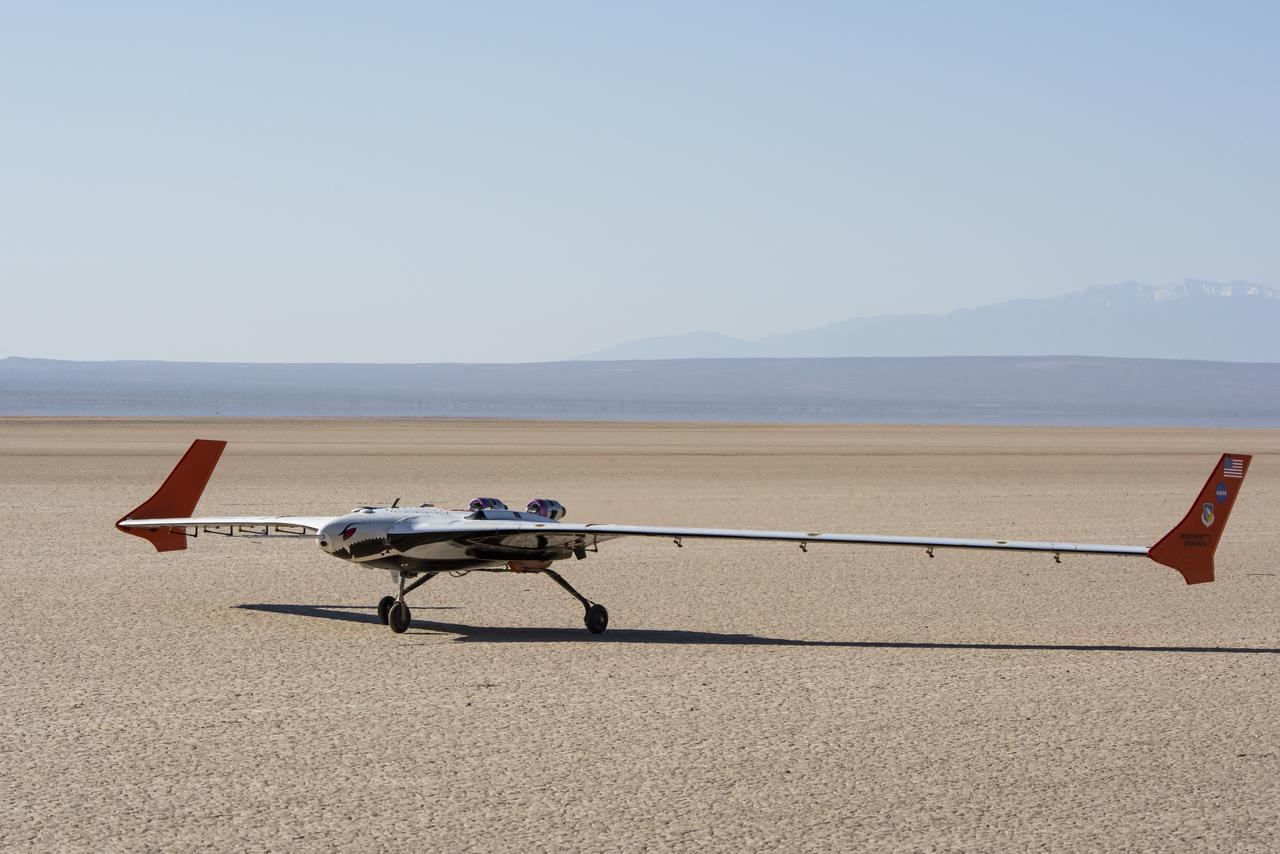
The X-56B remotely piloted aircraft lands following the first of a new flight series. The flight was April 19 at NASA's Armstrong Flight Research Center in Edwards, California, with partner Northrop Grumman.
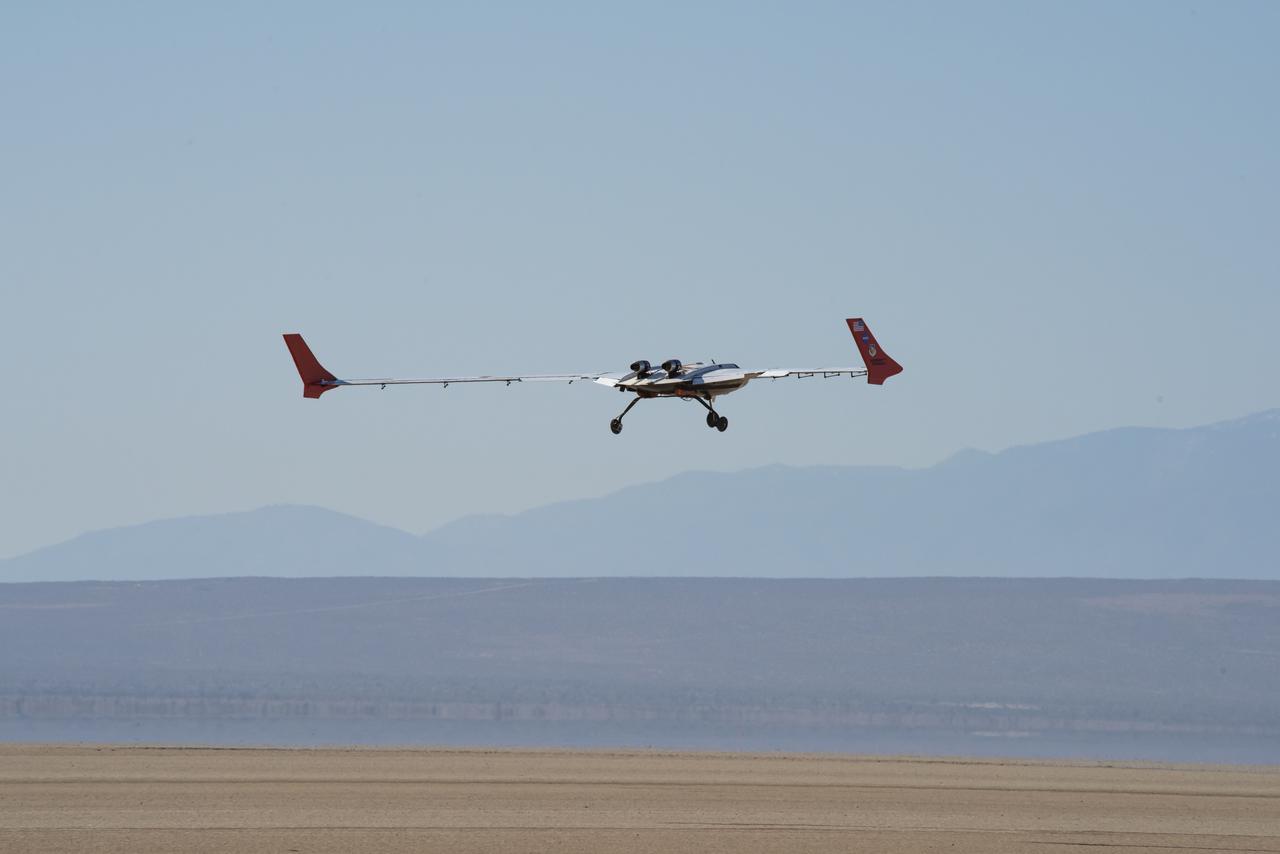
The X-56B remotely piloted aircraft takeoff marks the start of a new flight series. The flight was April 19 at NASA's Armstrong Flight Research Center in Edwards, California, with partner Northrop Grumman.
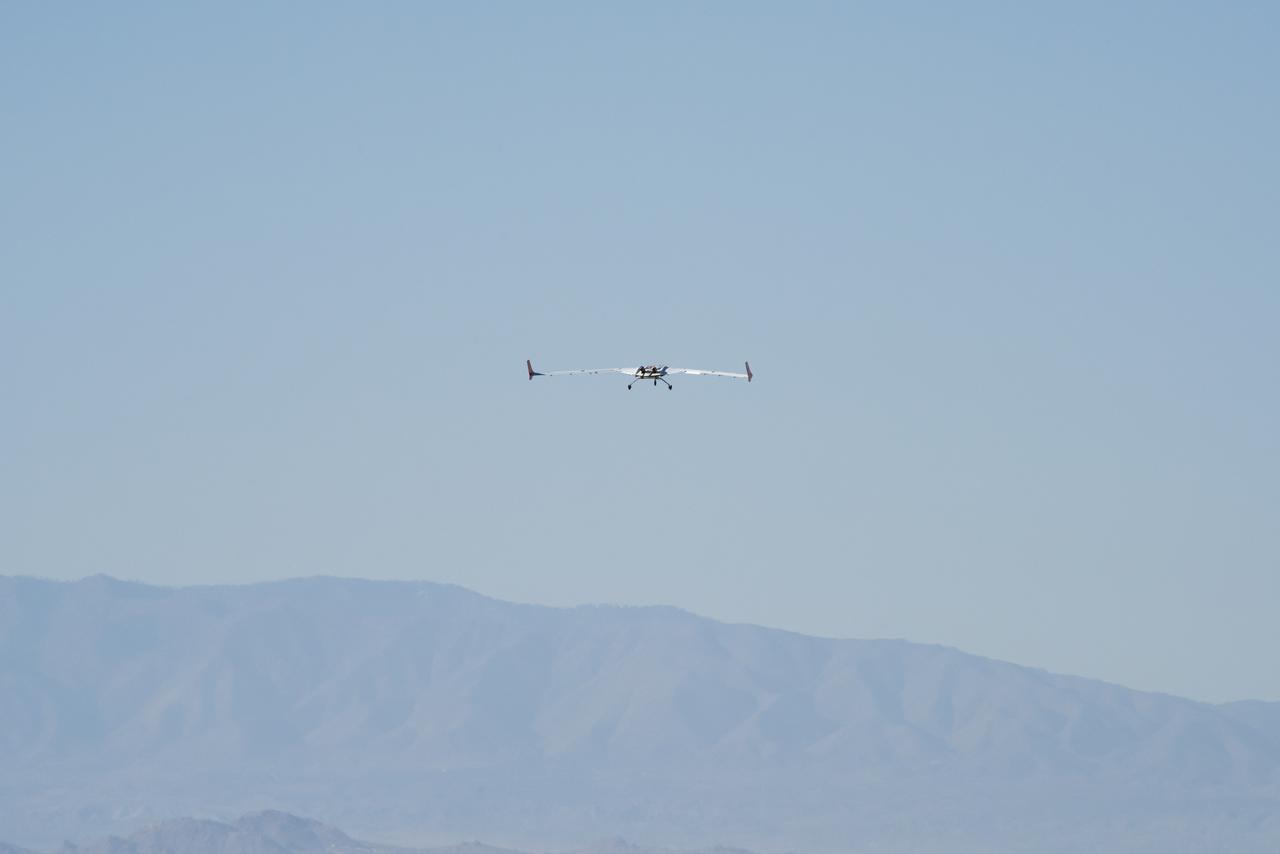
The X-56B remotely piloted aircraft prepares for a landing following the first of a new flight series. The flight was April 19 at NASA’s Armstrong Flight Research Center in Edwards, California, with partner Northrop Grumman.
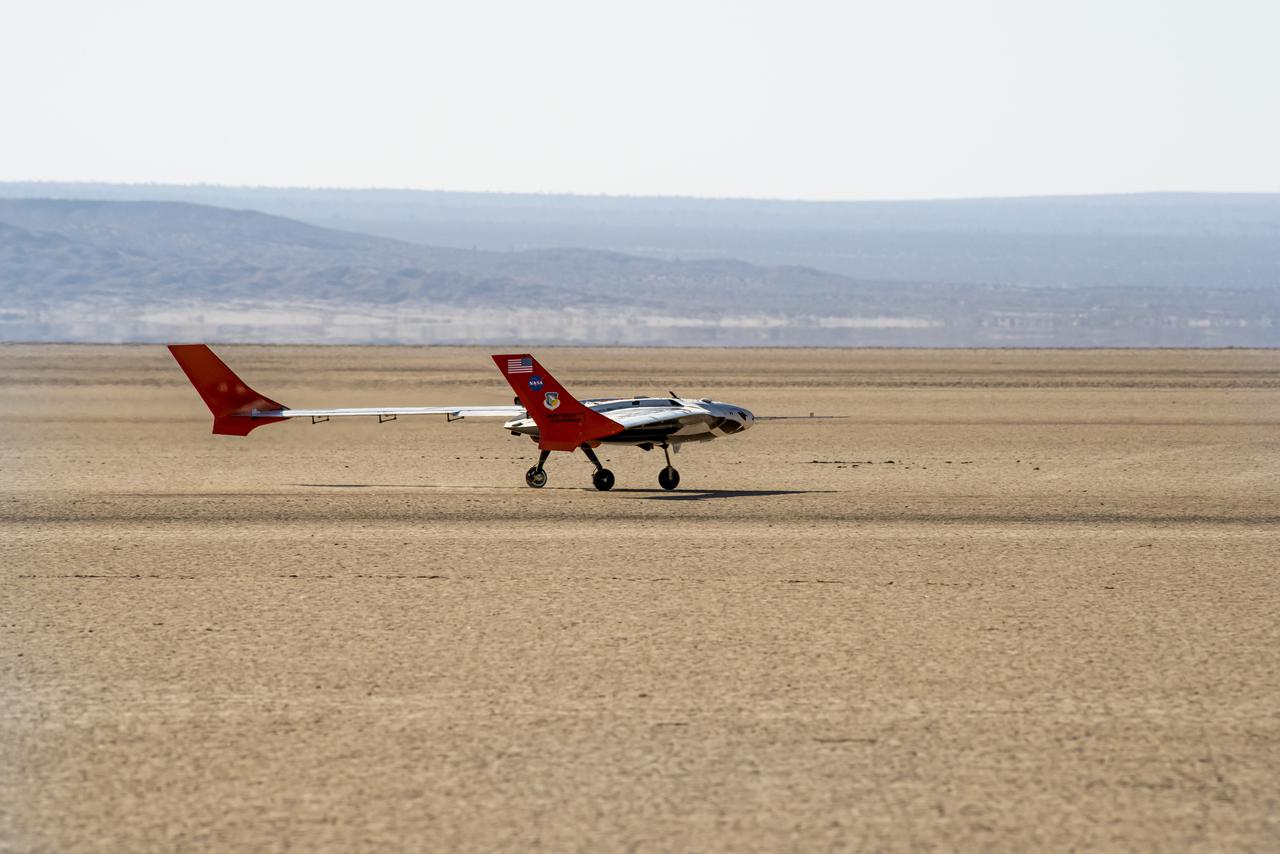
The X-56B remotely piloted aircraft prepares to takeoff to begin a new flight series. The flight was April 19 at NASA's Armstrong Flight Research Center in Edwards, California, with partner Northrop Grumman.
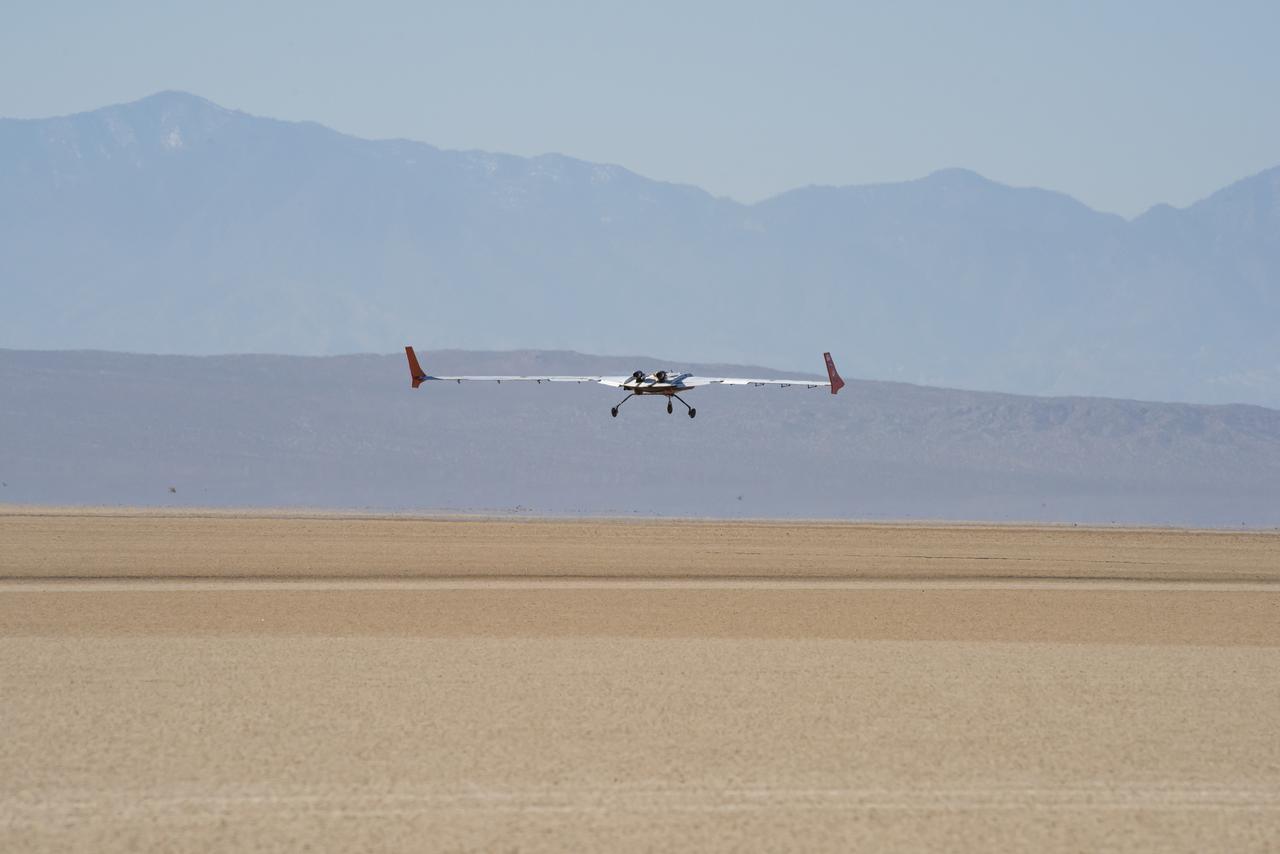
The X-56B remotely piloted aircraft prepares for a landing following the first of a new flight series. The flight was April 19 at NASA's Armstrong Flight Research Center in Edwards, California, with partner Northrop Grumman.
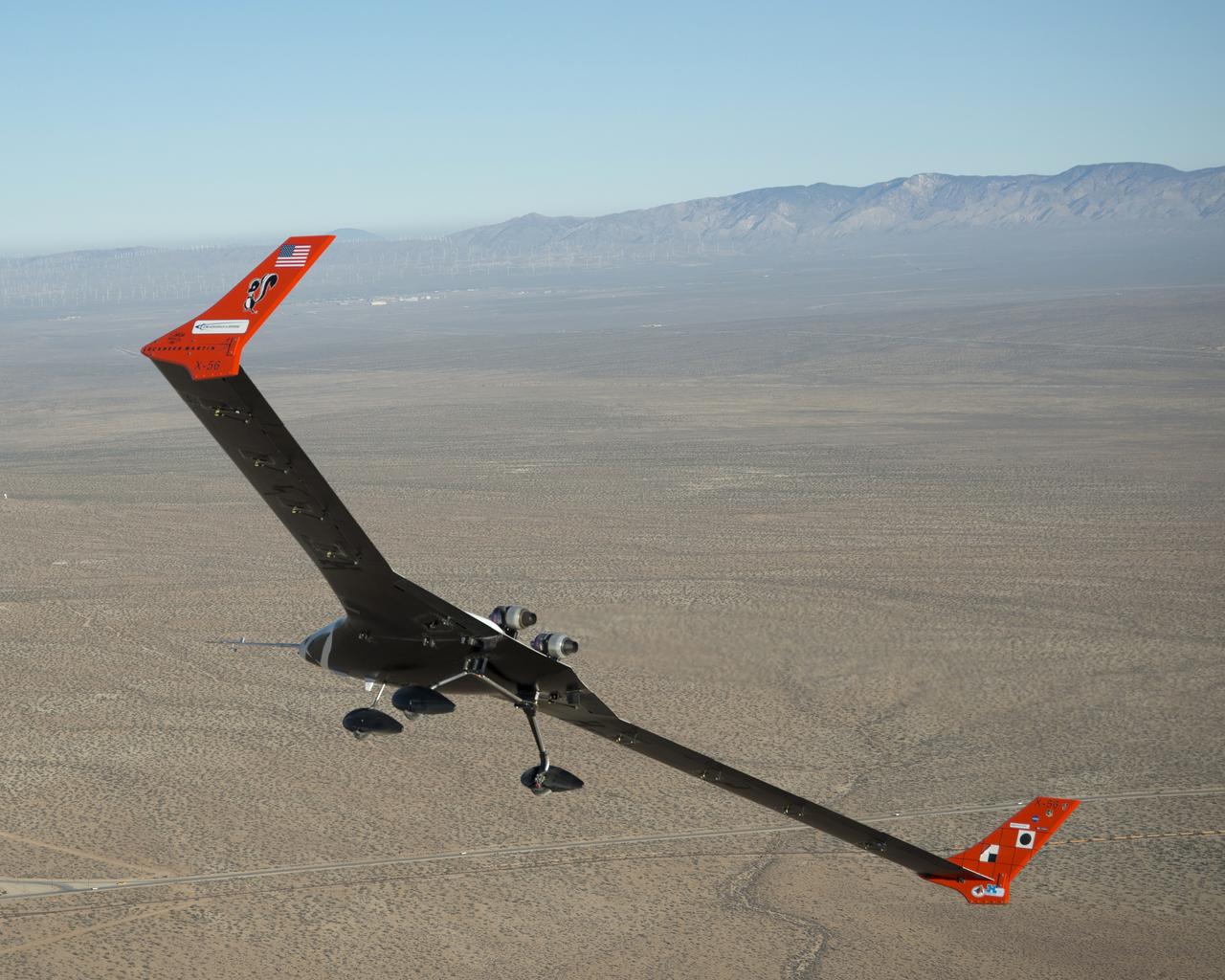
The X-56A flies over the desert near NASA Armstrong Flight Research Center, Edwards, California. NASA researchers are using the remotely piloted X-56A to explore the behavior of lightweight, flexible aircraft structures.
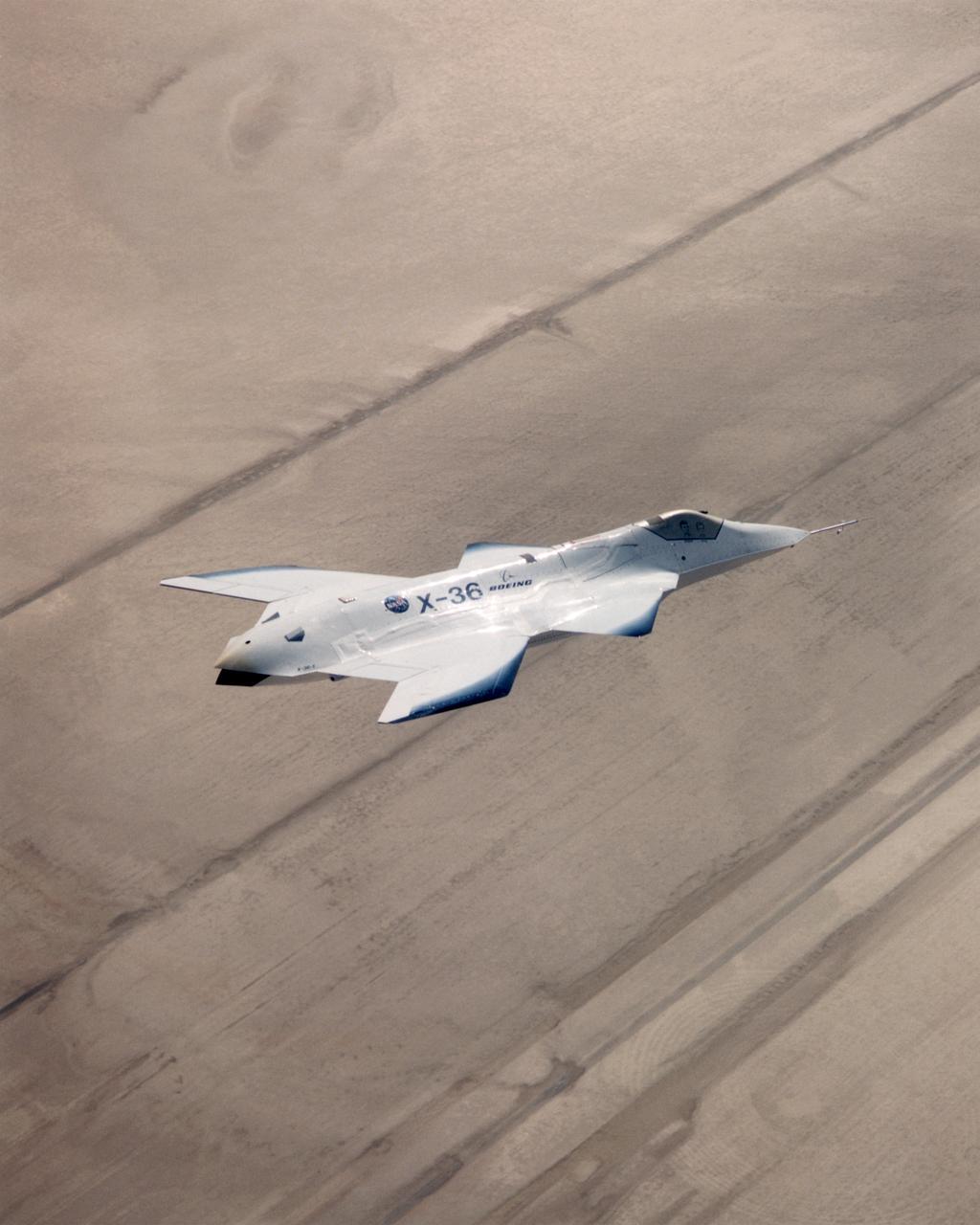
The X-36 technology demonstrator shows off its distinctive shape as the remotely piloted aircraft flies a research mission over the Southern California desert on October 30, 1997.
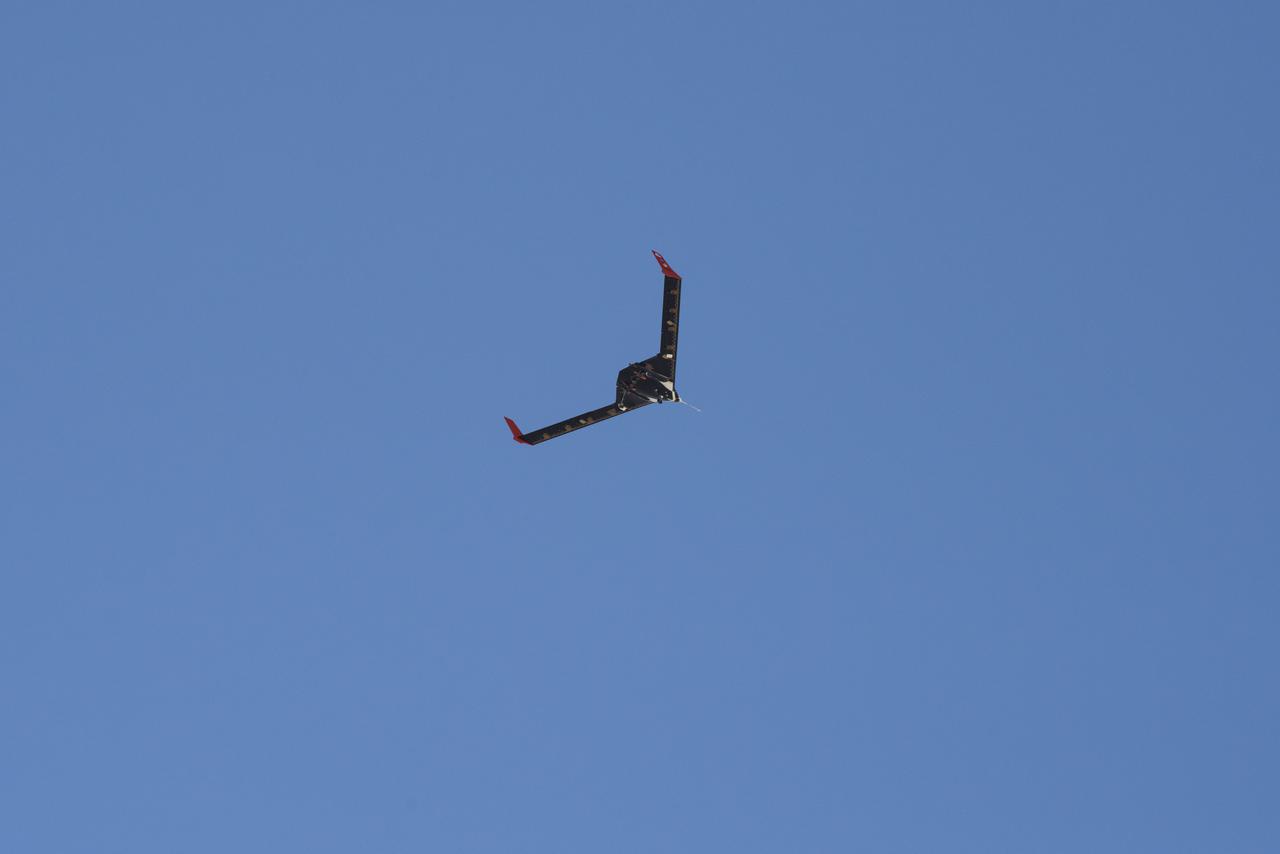
The X-56B remotely piloted aircraft began a new flight series April 19 at NASA's Armstrong Flight Research Center in Edwards, California, with partner Northrop Grumman.
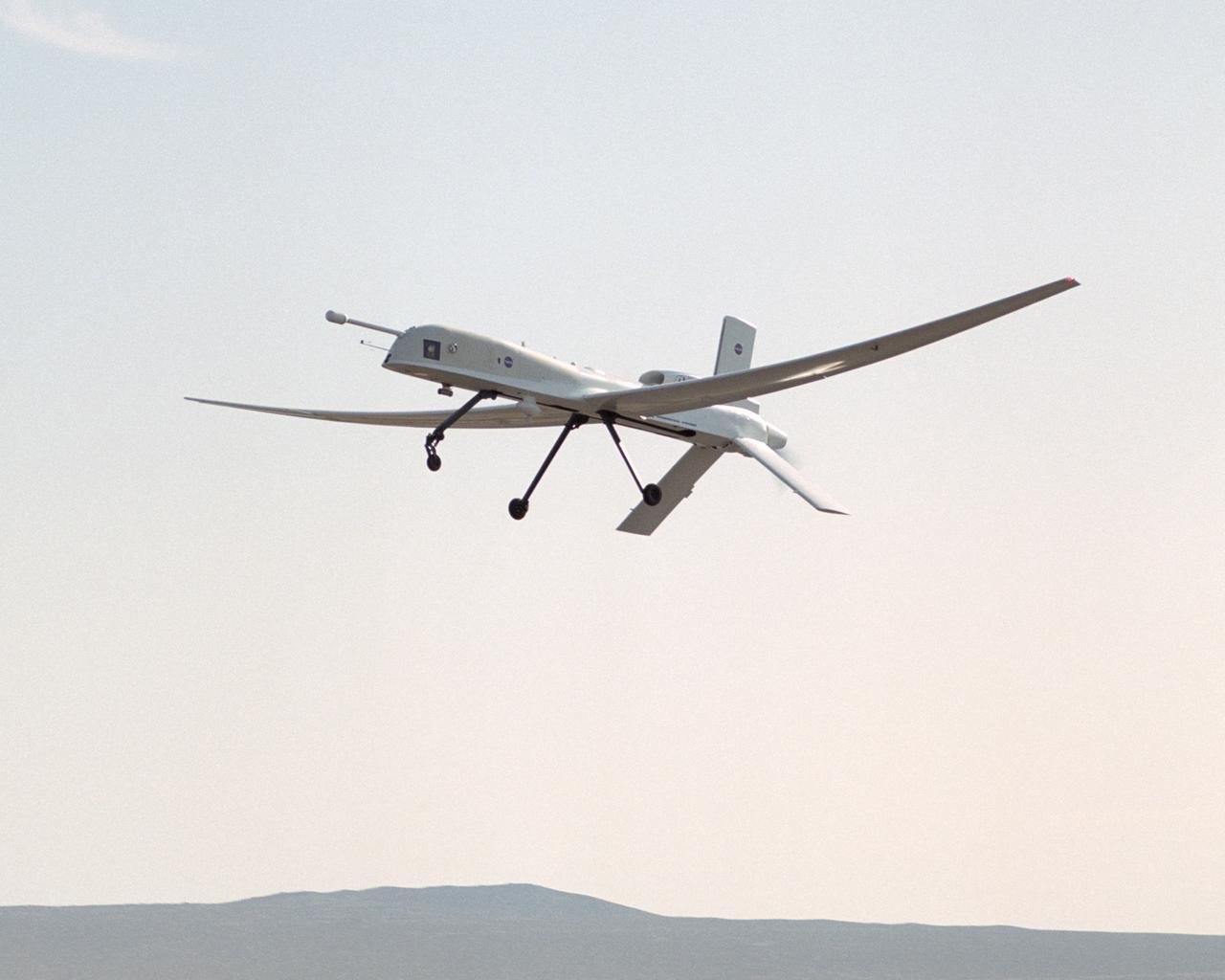
The remotely piloted Altus II aircraft probed lightning development with a variety of specialized instruments and cameras during a month-long study over Florida during the summer of 2002.
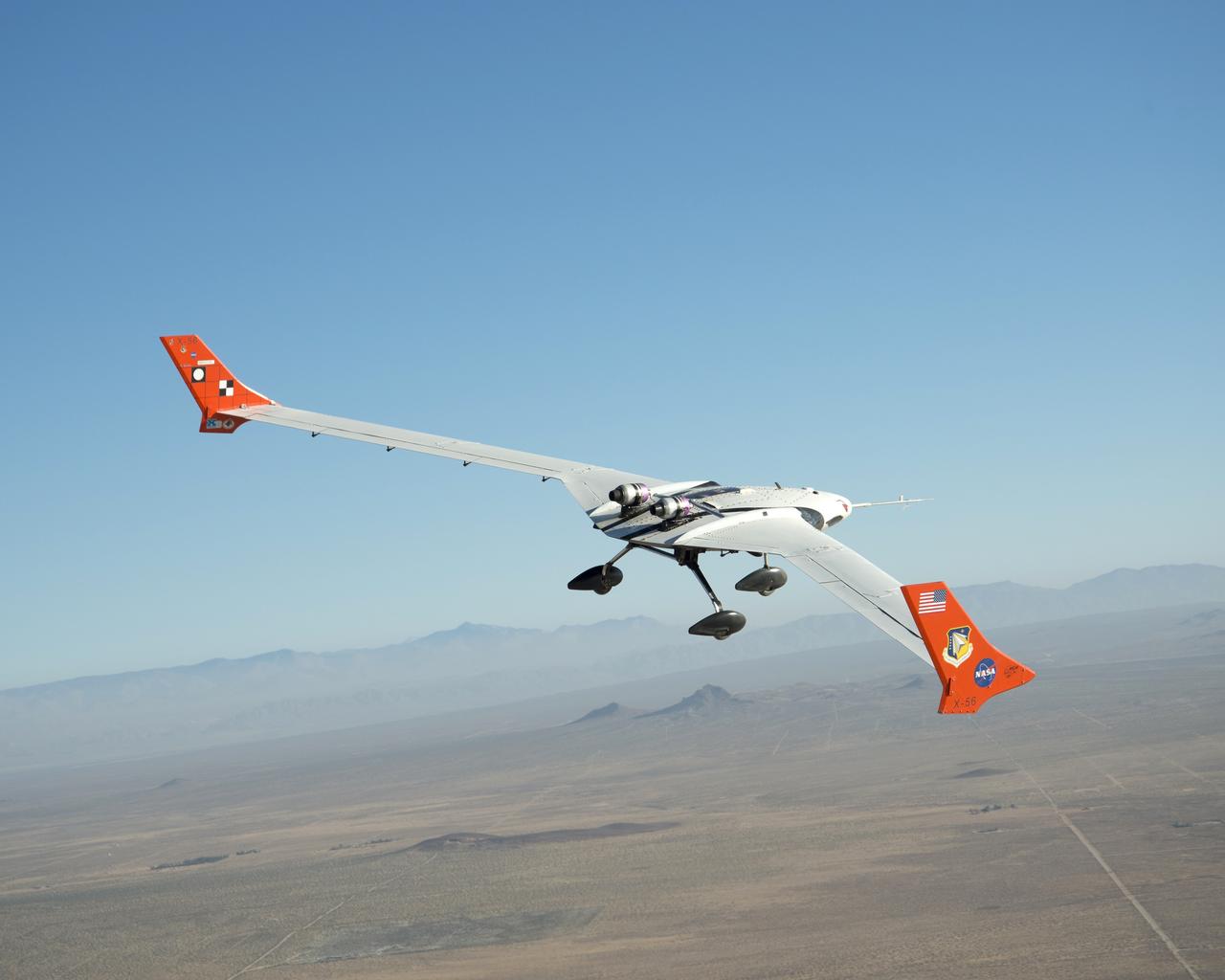
The X-56A flies over the desert near NASA Armstrong Flight Research Center, Edwards, California. NASA researchers are using the remotely piloted X-56A to explore the behavior of lightweight, flexible aircraft structures.
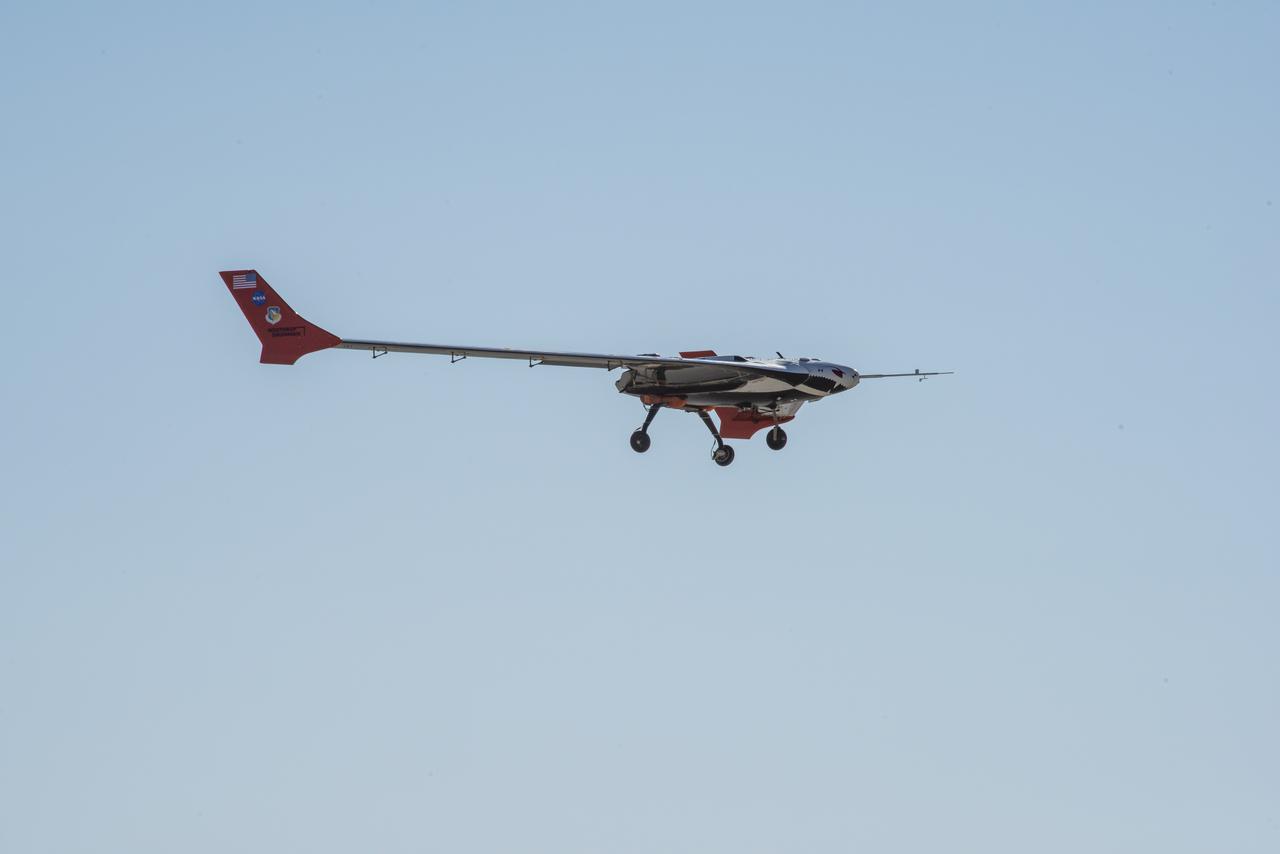
The X-56B remotely piloted aircraft flies the first of a new flight series. The flight was April 19 at NASA's Armstrong Flight Research Center in Edwards, California, with partner Northrop Grumman.
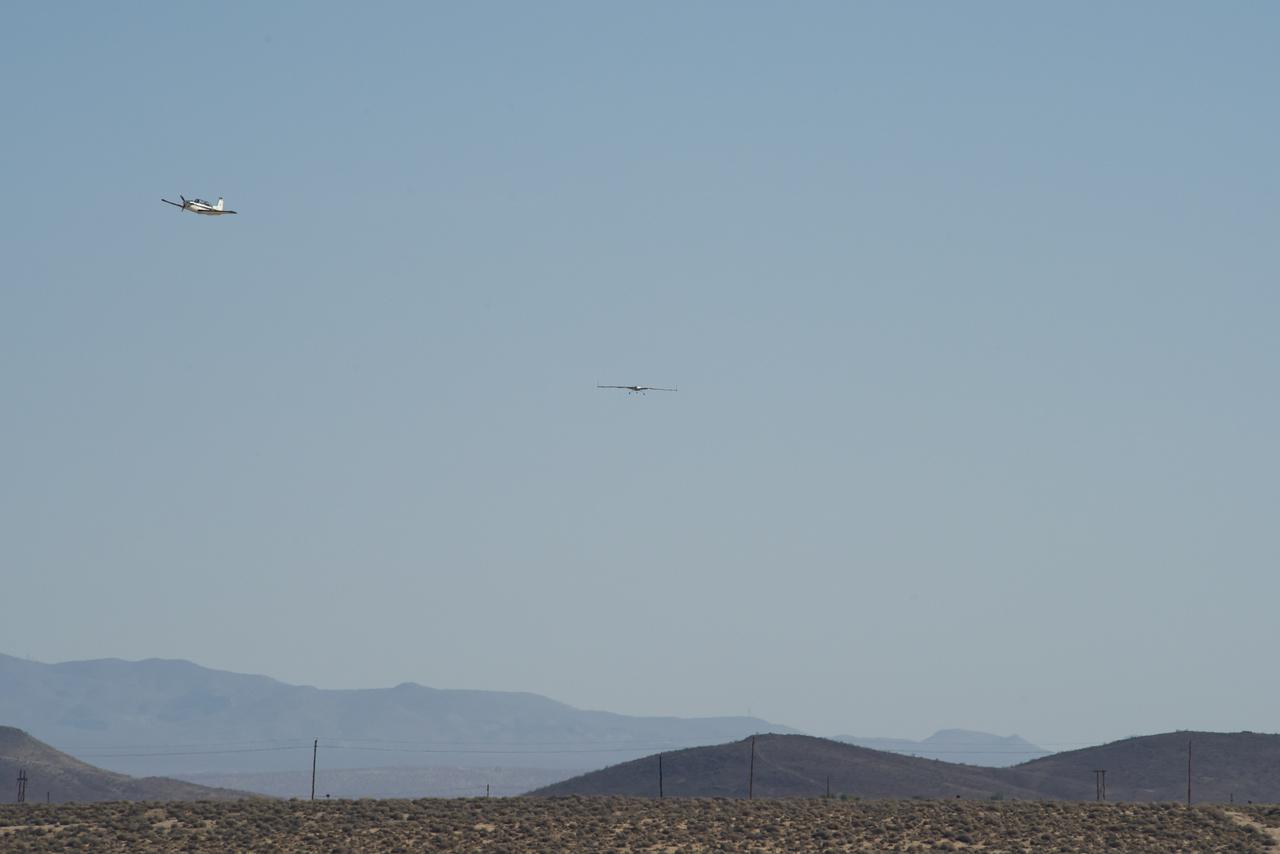
The X-56B remotely piloted aircraft flies the first of a new flight series, as a T-34 observes. The flight was April 19 at NASA's Armstrong Flight Research Center in Edwards, California, with partner Northrop Grumman.
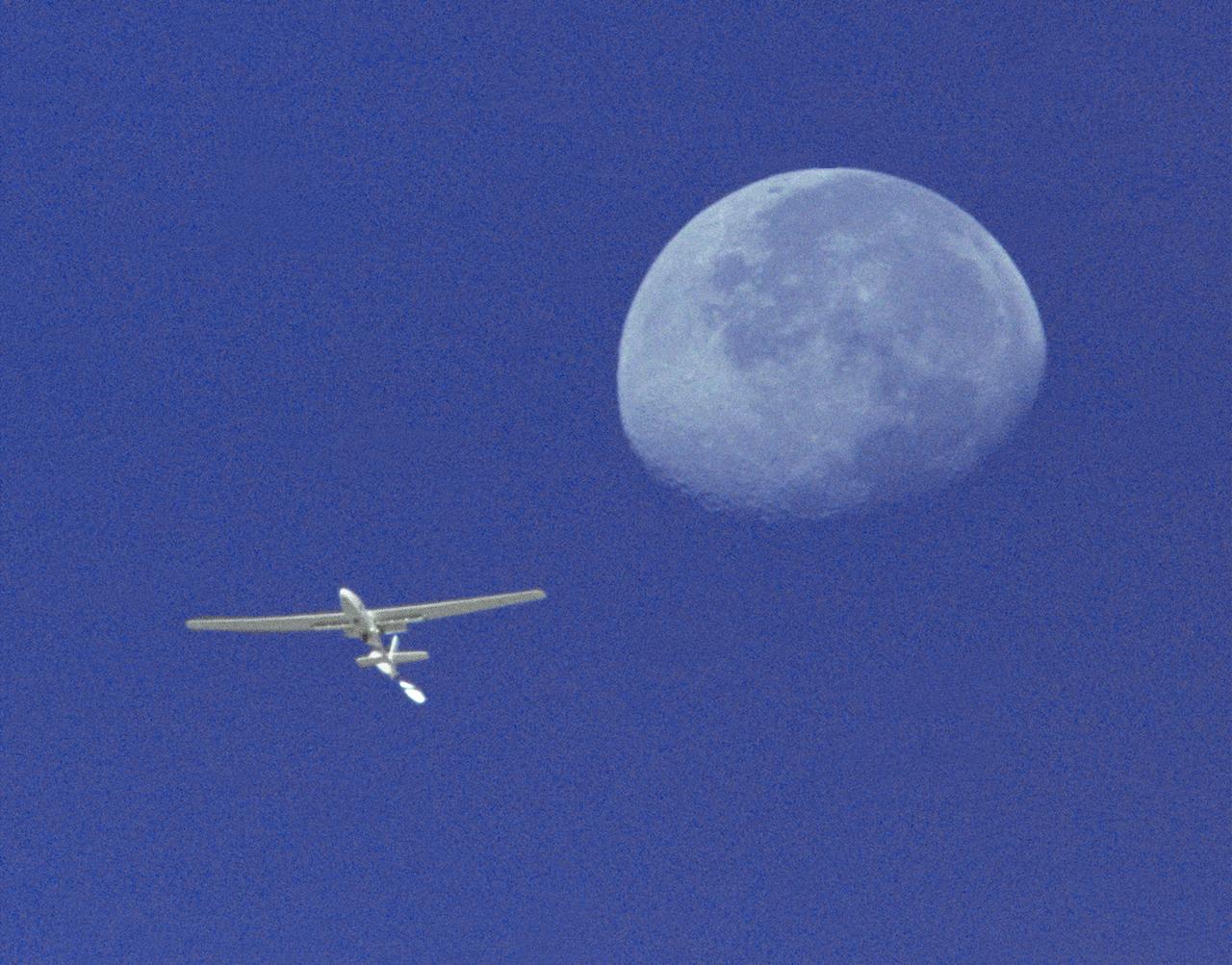
The Perseus A, a remotely-piloted, high-altitude research aircraft, is seen here framed against the moon and sky during a research mission at the Dryden Flight Research Center, Edwards, California in August 1994.
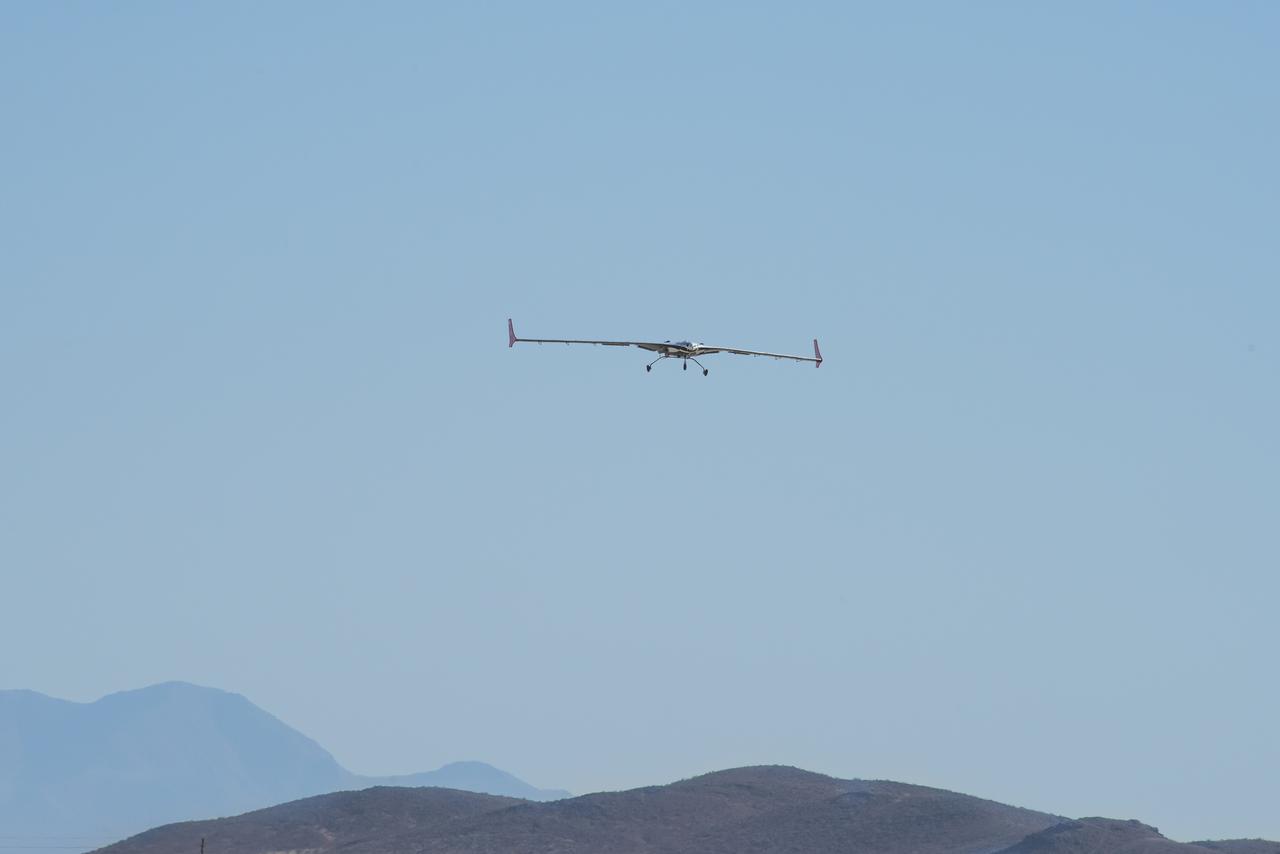
The X-56B remotely piloted aircraft began a new flight series April 19 at NASA's Armstrong Flight Research Center in Edwards, California, with partner Northrop Grumman.
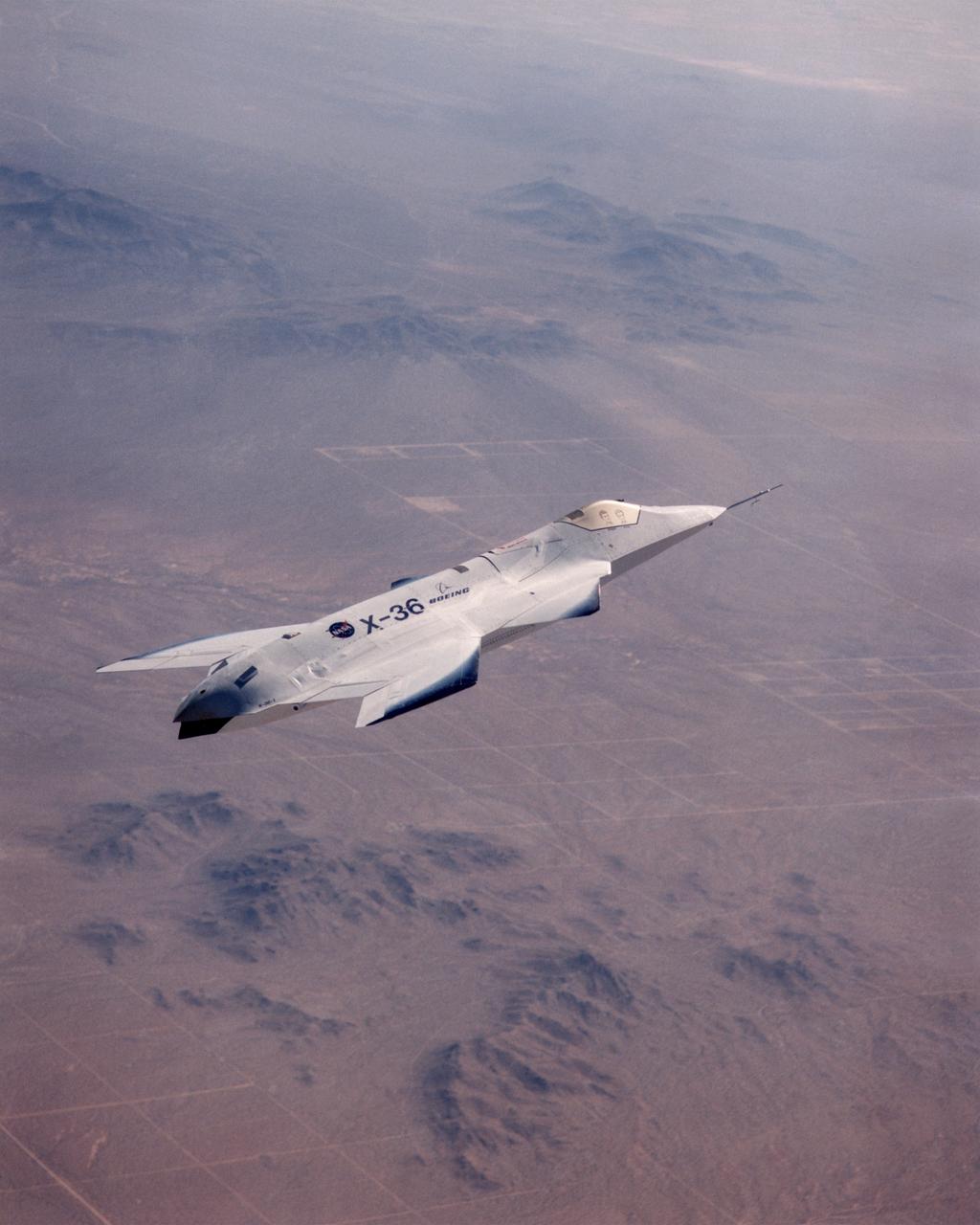
The X-36 technology demonstrator shows off its distinctive shape as the remotely piloted aircraft flies a research mission over the Southern California desert on October 30, 1997.
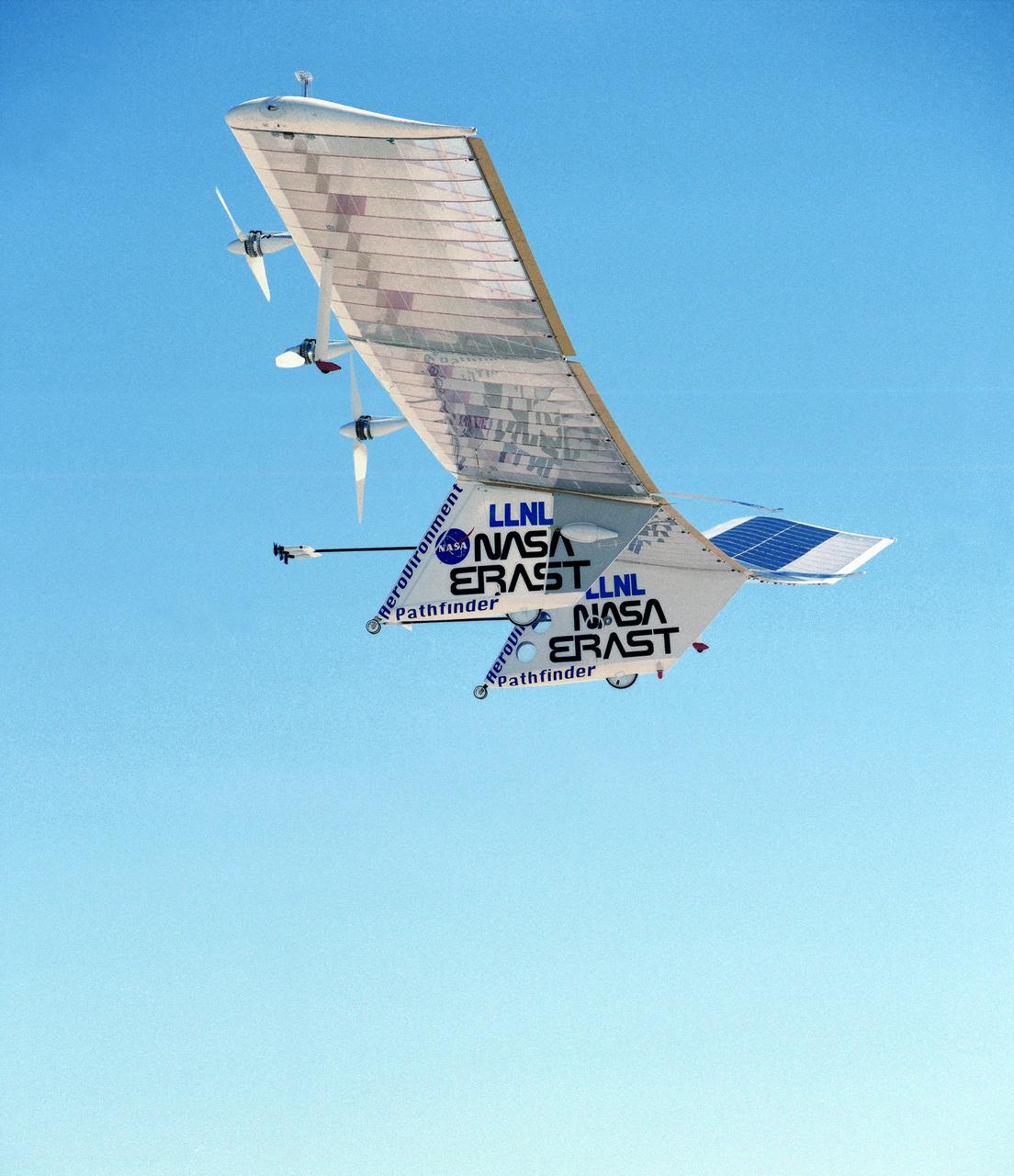
The Pathfinder solar-powered remotely piloted aircraft climbs to a record-setting altitude of 50,567 feet during a flight Sept. 11, 1995, at NASA's Dryden Flight Research Center, Edwards, California.
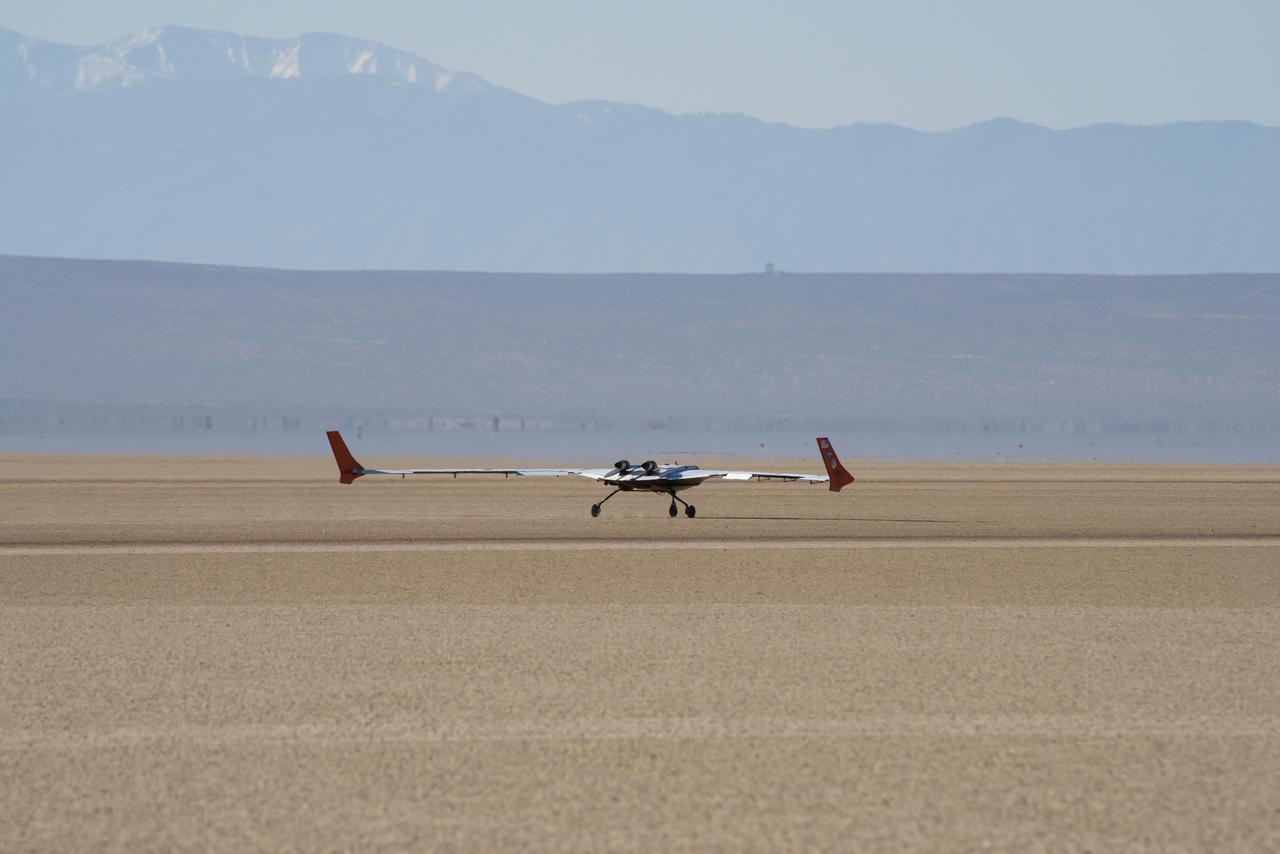
The X-56B remotely piloted aircraft prepares to takeoff to begin a new flight series. The flight was April 19 at NASA's Armstrong Flight Research Center in Edwards, California, with partner Northrop Grumman.
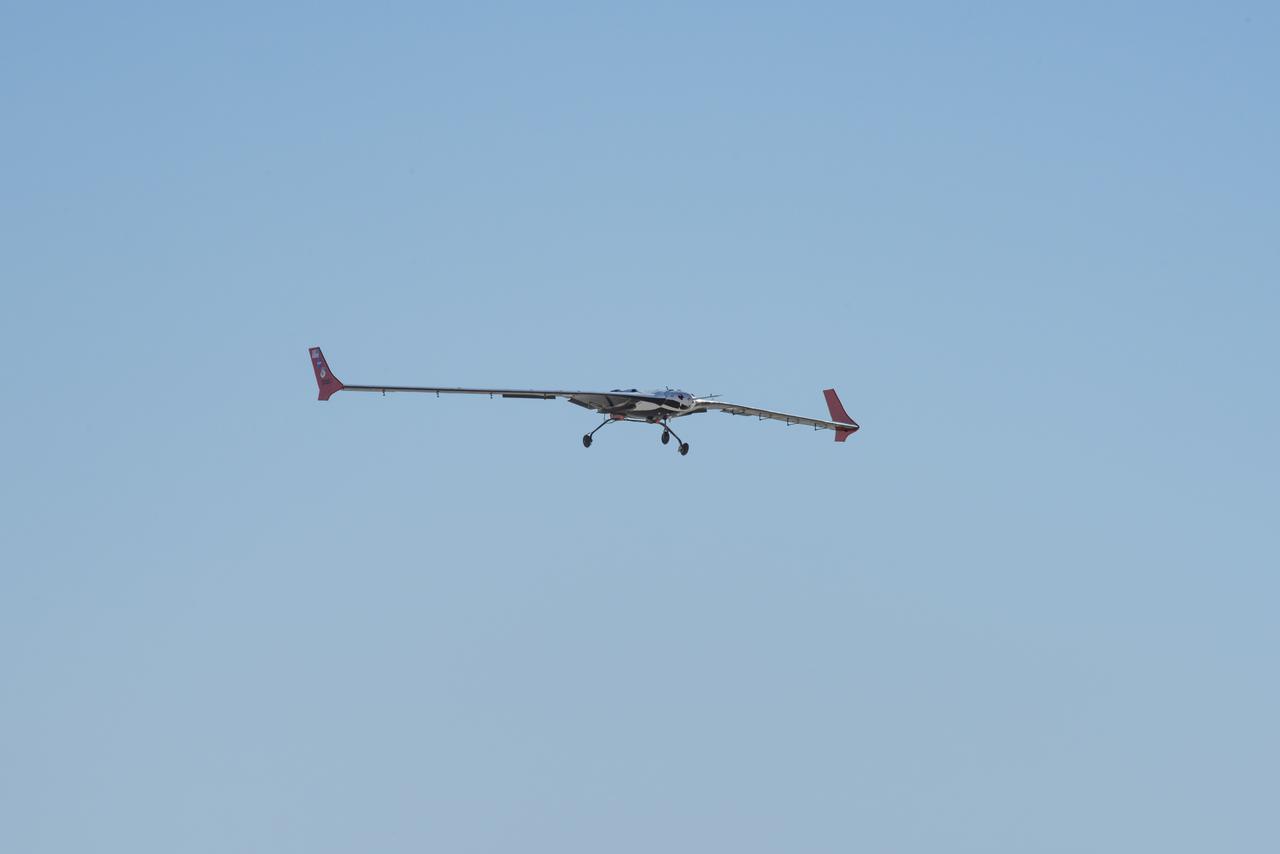
The X-56B remotely piloted aircraft flies the first of a new flight series. The flight was April 19 at NASA's Armstrong Flight Research Center in Edwards, California, with partner Northrop Grumman.
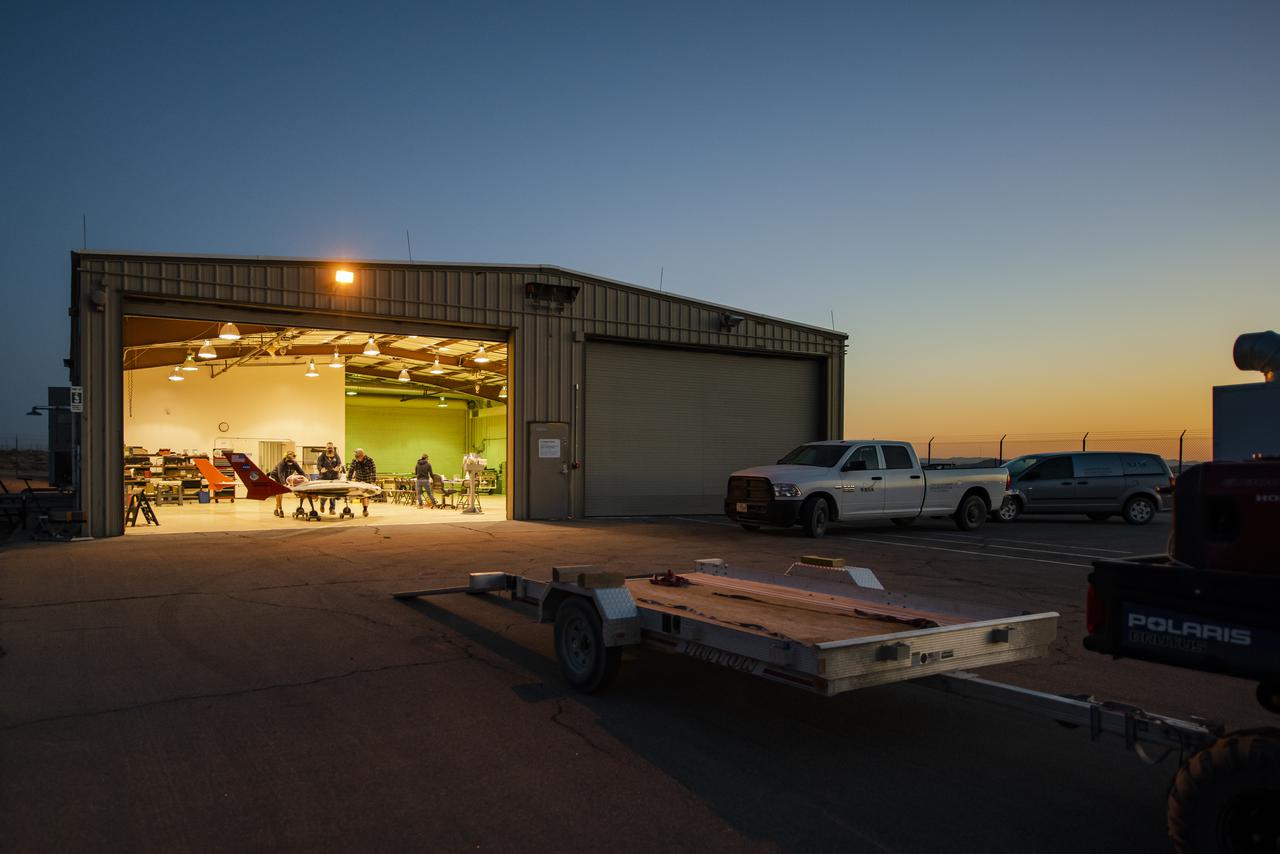
Preparations begin before dawn for the X-56B remotely piloted aircraft for a new flight series. The flight was April 19 at NASA's Armstrong Flight Research Center in Edwards, California, with partner Northrop Grumman.
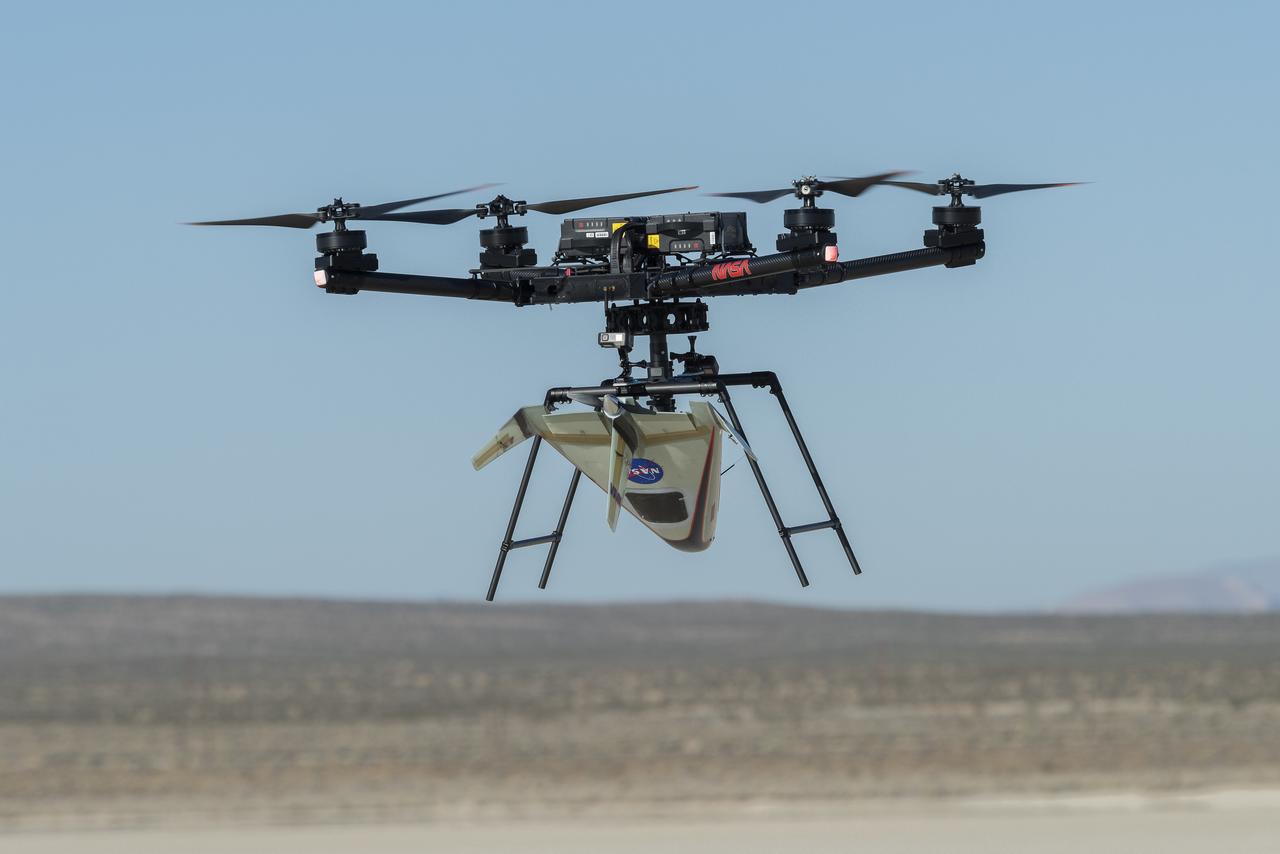
An atmospheric probe model attached upside down to a host quad rotor remotely piloted aircraft lifts off on Oct. 22, 2024. The quad rotor aircraft released the probe above Rogers Dry Lake, a flight area adjacent NASA’s Armstrong Flight Research Center in Edwards, California. The probe was designed and built at the center.
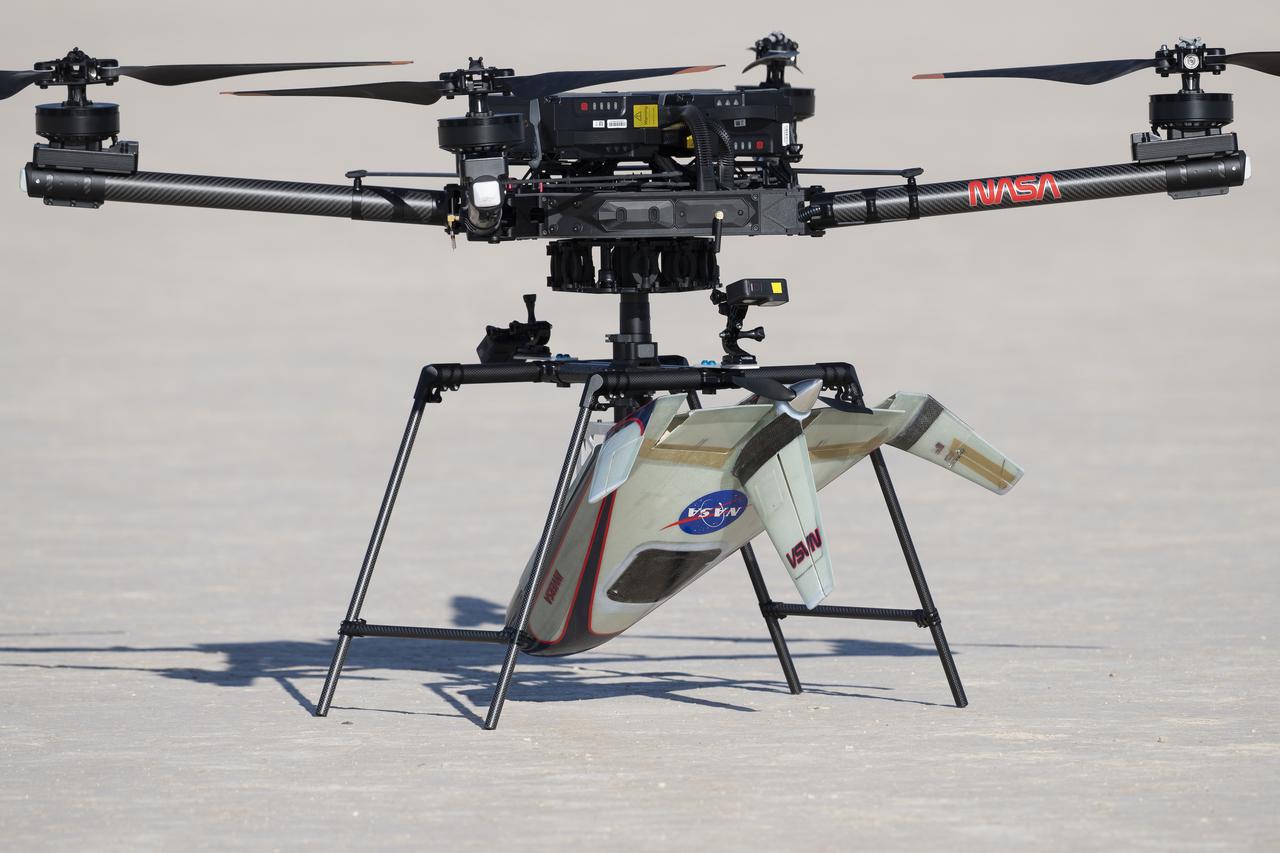
An atmospheric probe model is attached upside down to a quad rotor remotely piloted aircraft on Oct. 22, 2024. The quad rotor aircraft released the probe above Rogers Dry Lake, a flight area adjacent NASA’s Armstrong Flight Research Center in Edwards, California. The probe was designed and built at the center.
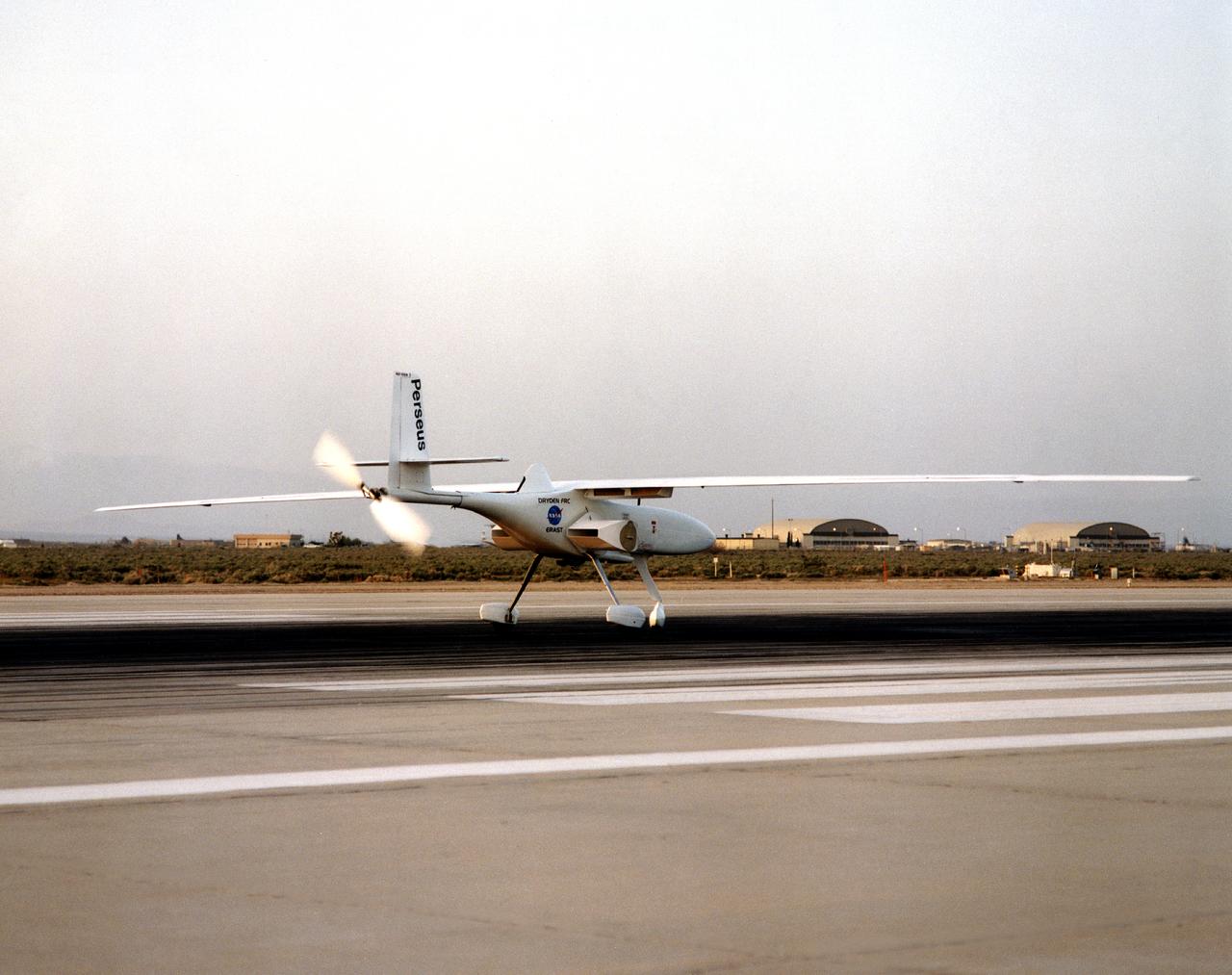
The Perseus B remotely piloted aircraft on the runway at Edwards Air Force Base, California at the conclusion of a development flight at NASA's Dryden flight Research Center. The Perseus B is the latest of three versions of the Perseus design developed by Aurora Flight Sciences under NASA's Environmental Research Aircraft and Sensor Technology (ERAST) program.
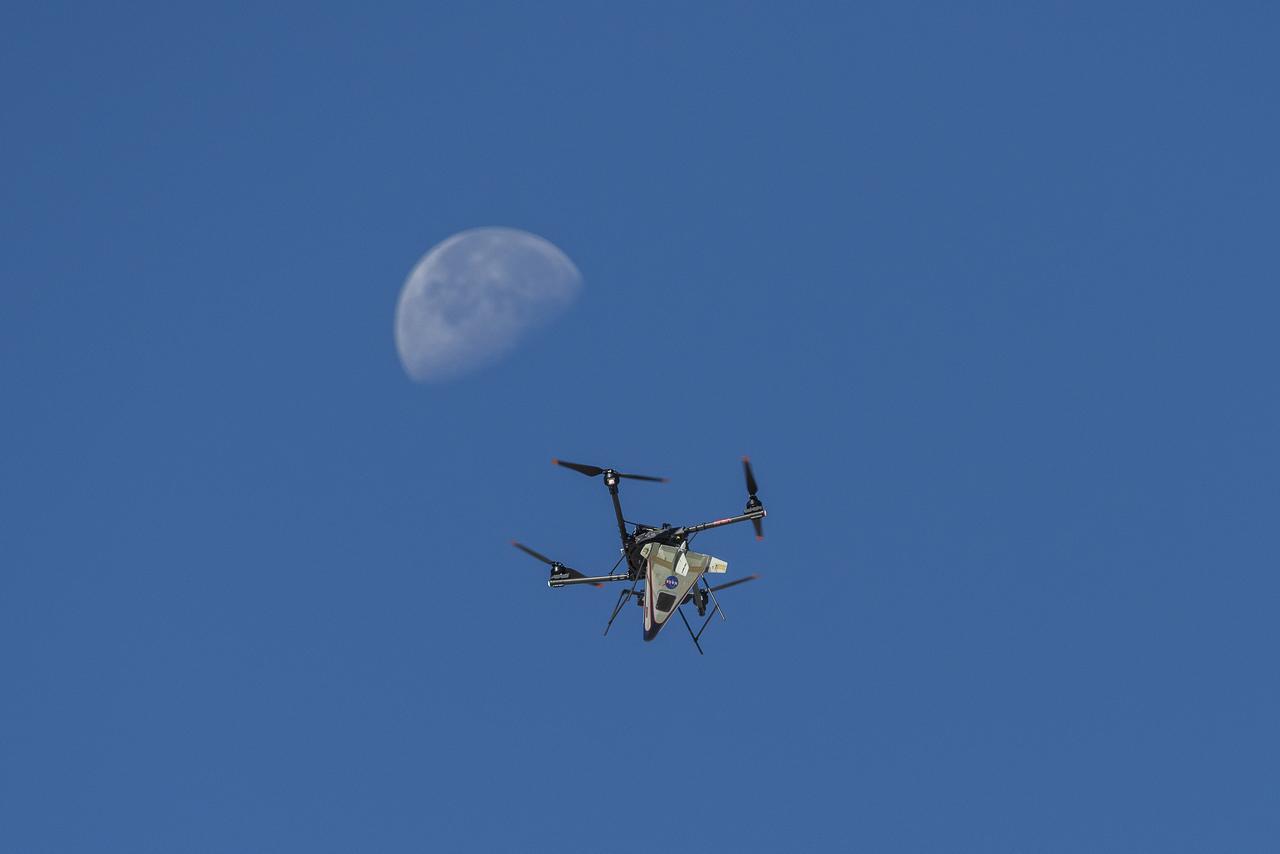
An atmospheric probe model attached upside down to a quad rotor remotely piloted aircraft ascends with the Moon visible on Oct. 22, 2024. The quad rotor aircraft released the probe above Rogers Dry Lake, a flight area adjacent NASA’s Armstrong Flight Research Center in Edwards, California. The probe was designed and built at the center.
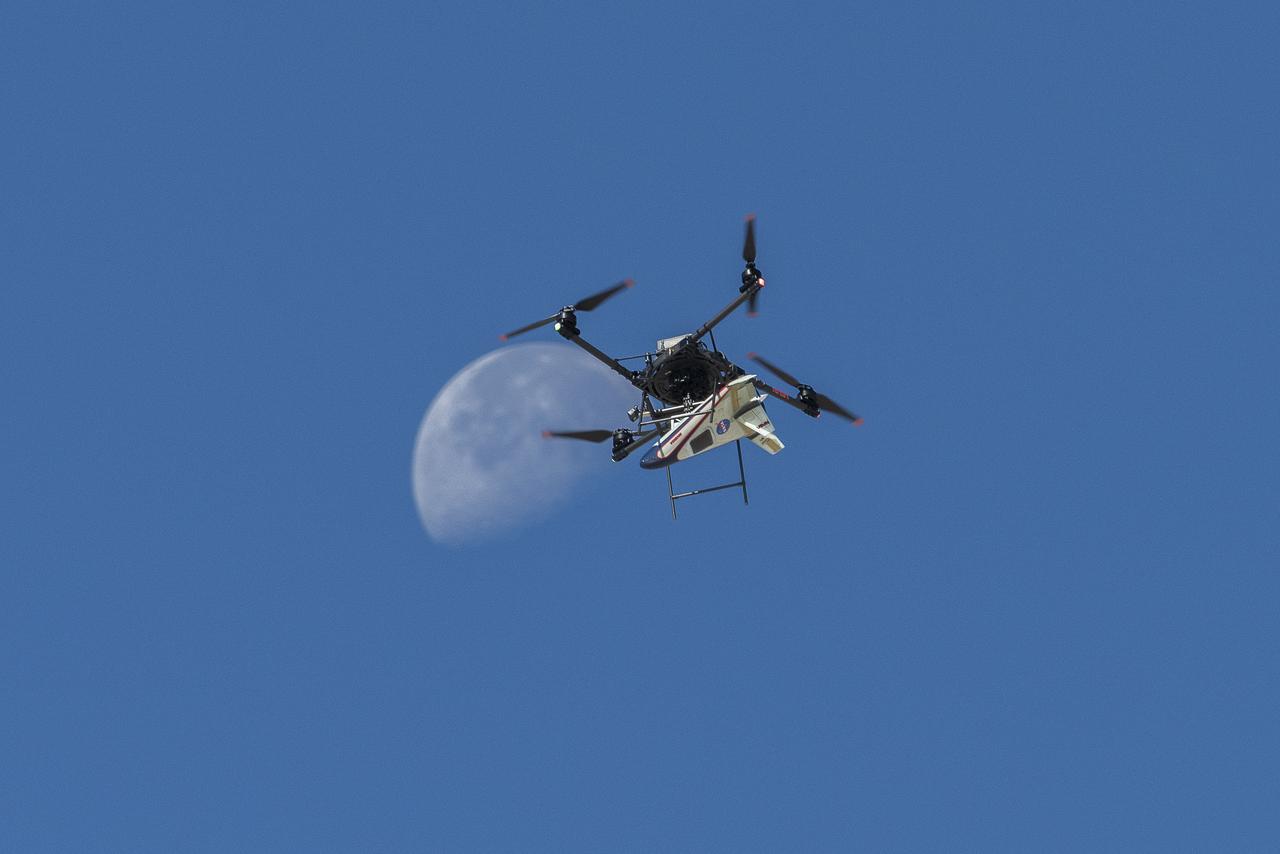
An atmospheric probe model attached upside down to a quad rotor remotely piloted aircraft ascends with the Moon visible on Oct. 22, 2024. The quad rotor aircraft released the probe above Rogers Dry Lake, a flight area adjacent NASA’s Armstrong Flight Research Center in Edwards, California. The probe was designed and built at the center.
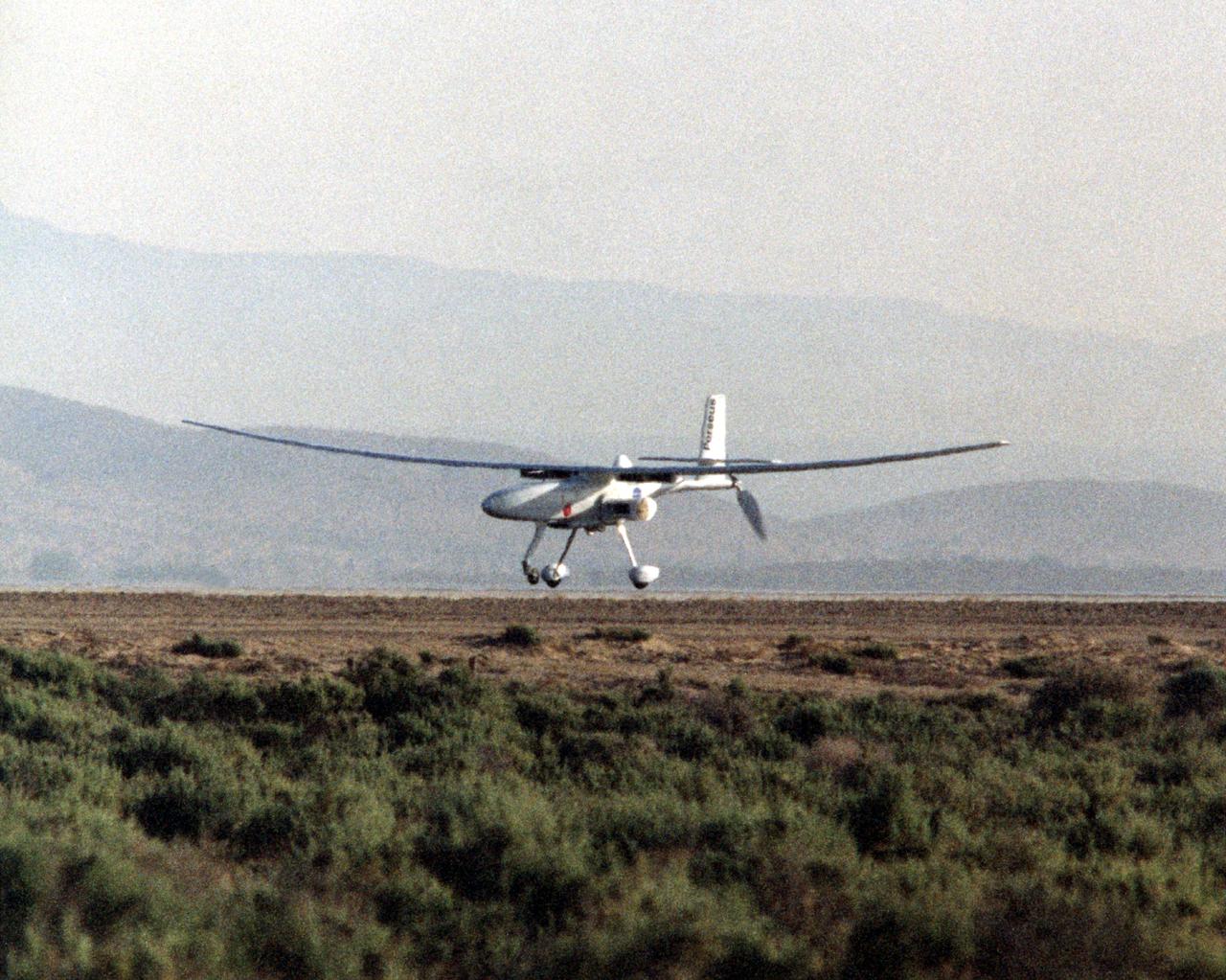
The Perseus B remotely piloted aircraft nears touchdown at Edwards Air Force Base, Calif. at the conclusion of a development flight at NASA's Dryden Flight Research Center. The Perseus B is the latest of three versions of the Perseus design developed by Aurora Flight Sciences under NASA's Environmental Research Aircraft and Sensor Technology (ERAST) program.
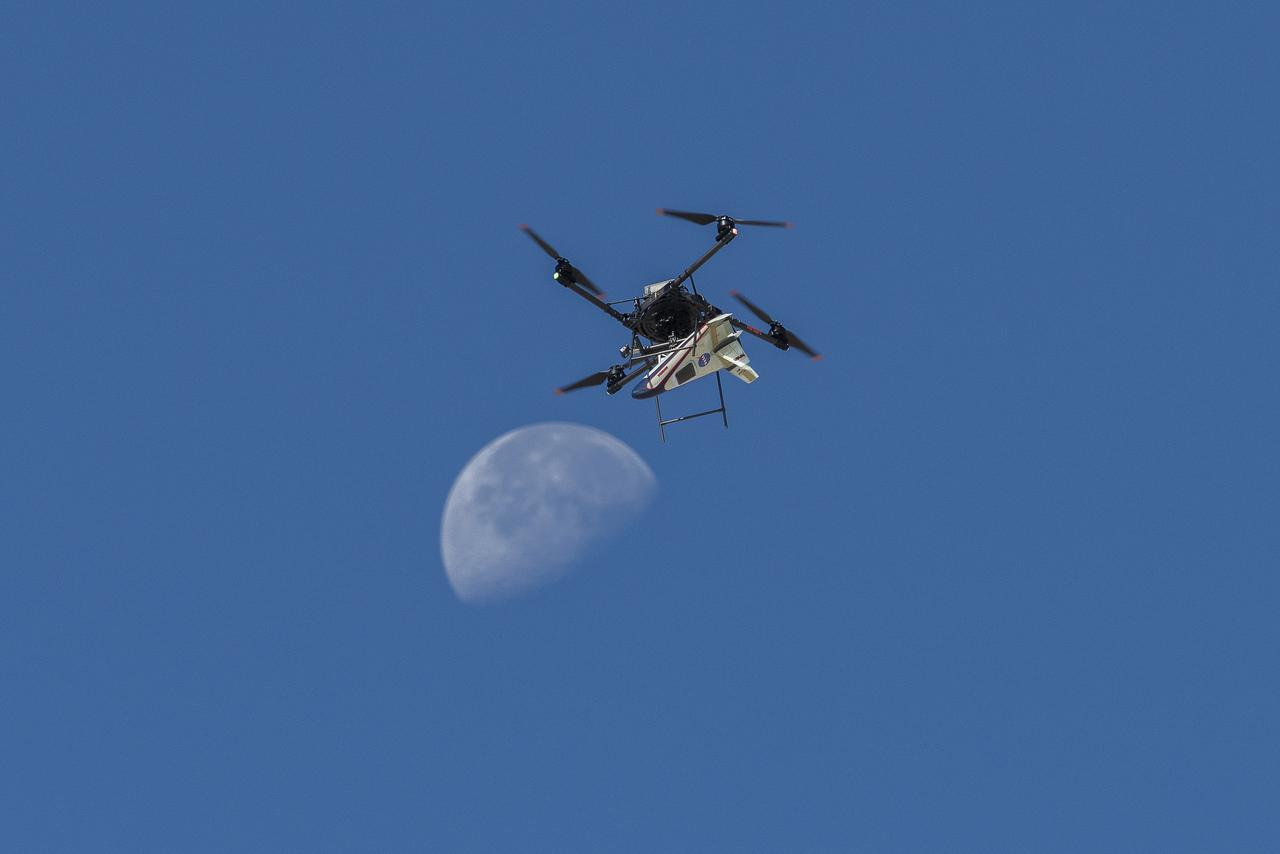
An atmospheric probe model attached upside down to a quad rotor remotely piloted aircraft ascends with the Moon visible on Oct. 22, 2024. The quad rotor aircraft released the probe above Rogers Dry Lake, a flight area adjacent NASA’s Armstrong Flight Research Center in Edwards, California. The probe was designed and built at the center.

An atmospheric probe model attached upside down to a quad rotor remotely piloted aircraft ascends with the Moon visible on Oct. 22, 2024. The quad rotor aircraft released the probe above Rogers Dry Lake, a flight area adjacent NASA’s Armstrong Flight Research Center in Edwards, California. The probe was designed and built at the center.
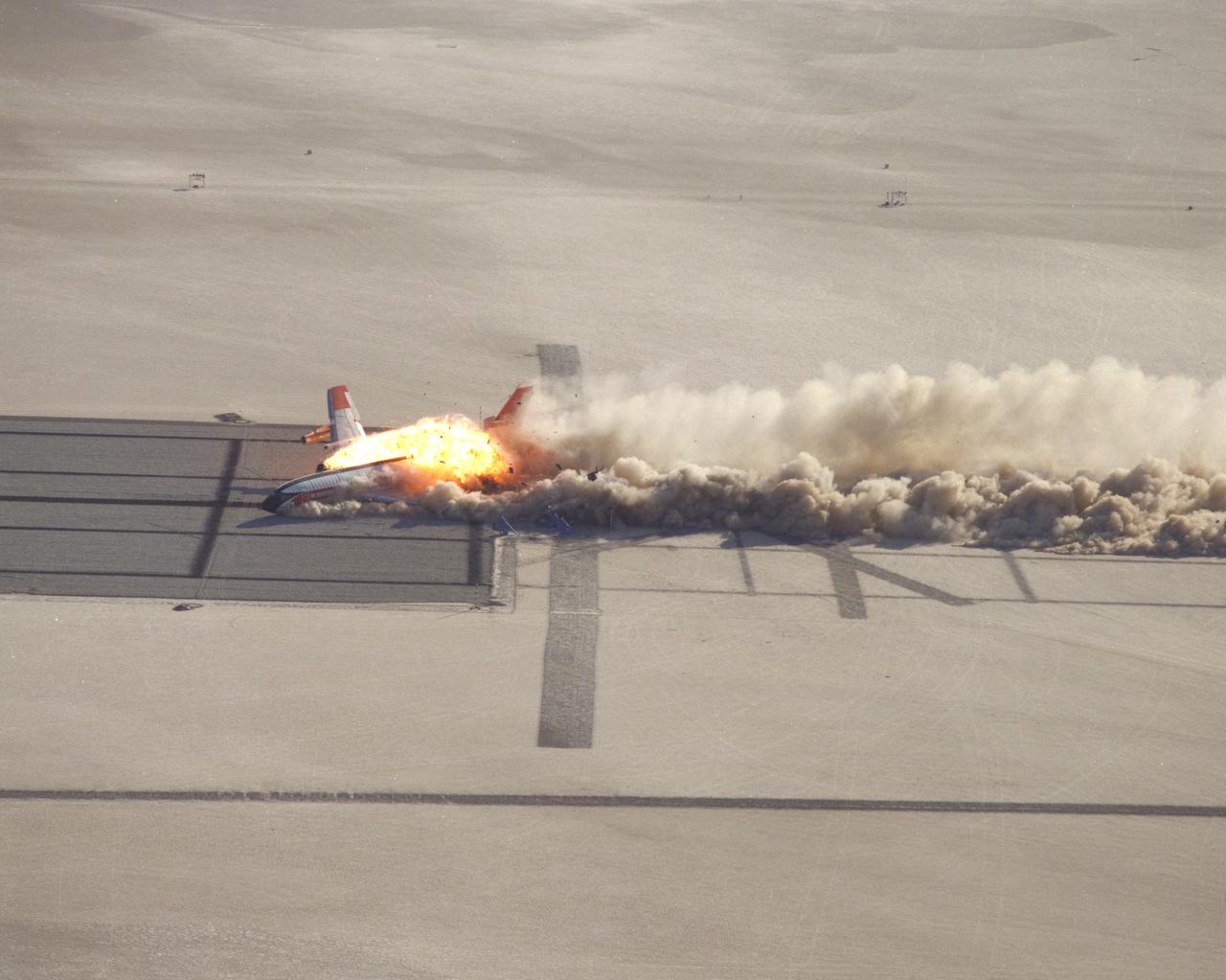
CID (Controlled Imact Demonstrator) Aircraft skid after wing cutter impact.
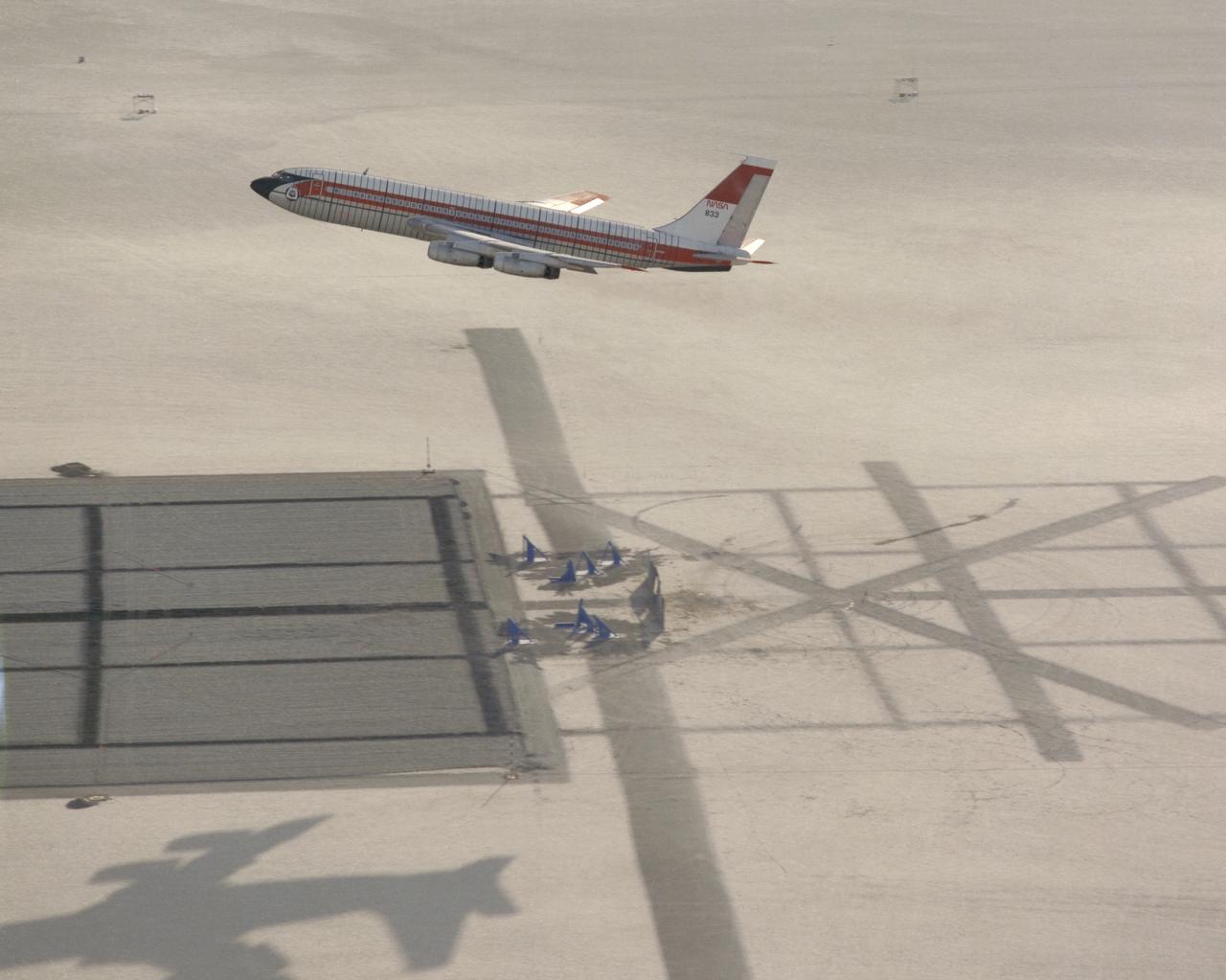
CID (Controlled Imact Demonstrator) Aircraft in practice flight above target impact site with wing cutters.
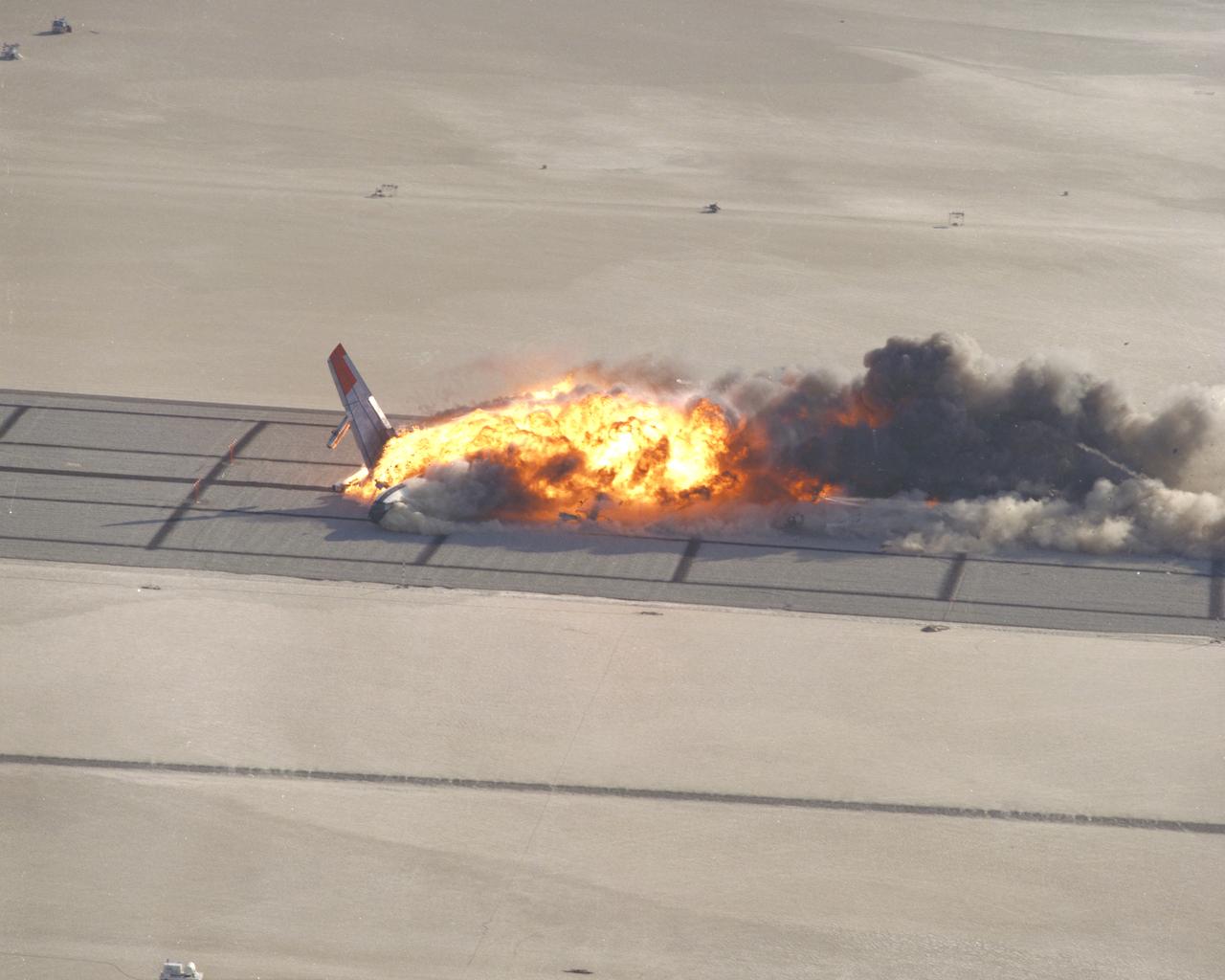
CID (Controlled Imact Demonstrator) Aircraft fireball after wing cutter impact.
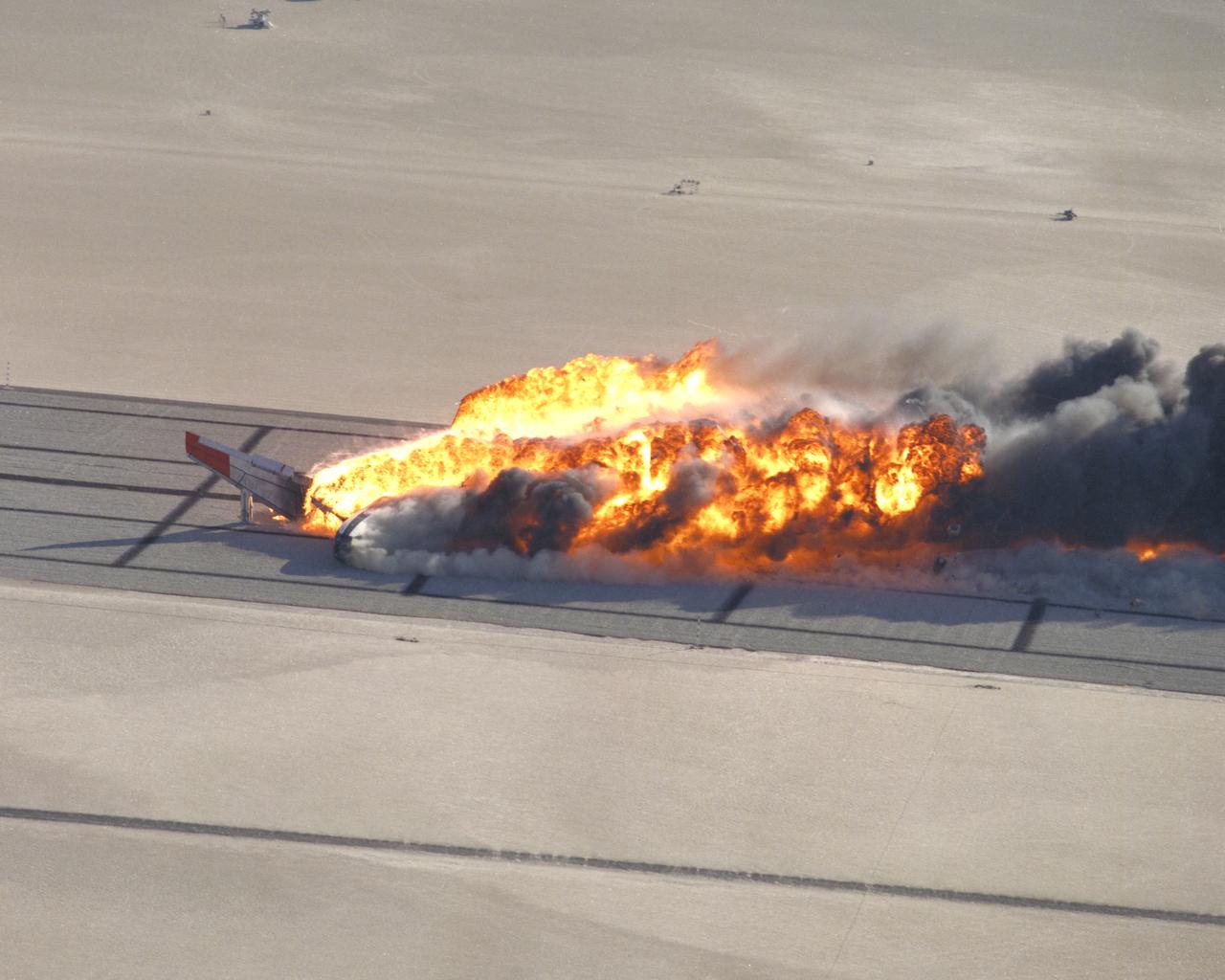
CID (Controlled Imact Demonstrator) Aircraft fireball after wing cutter impact.
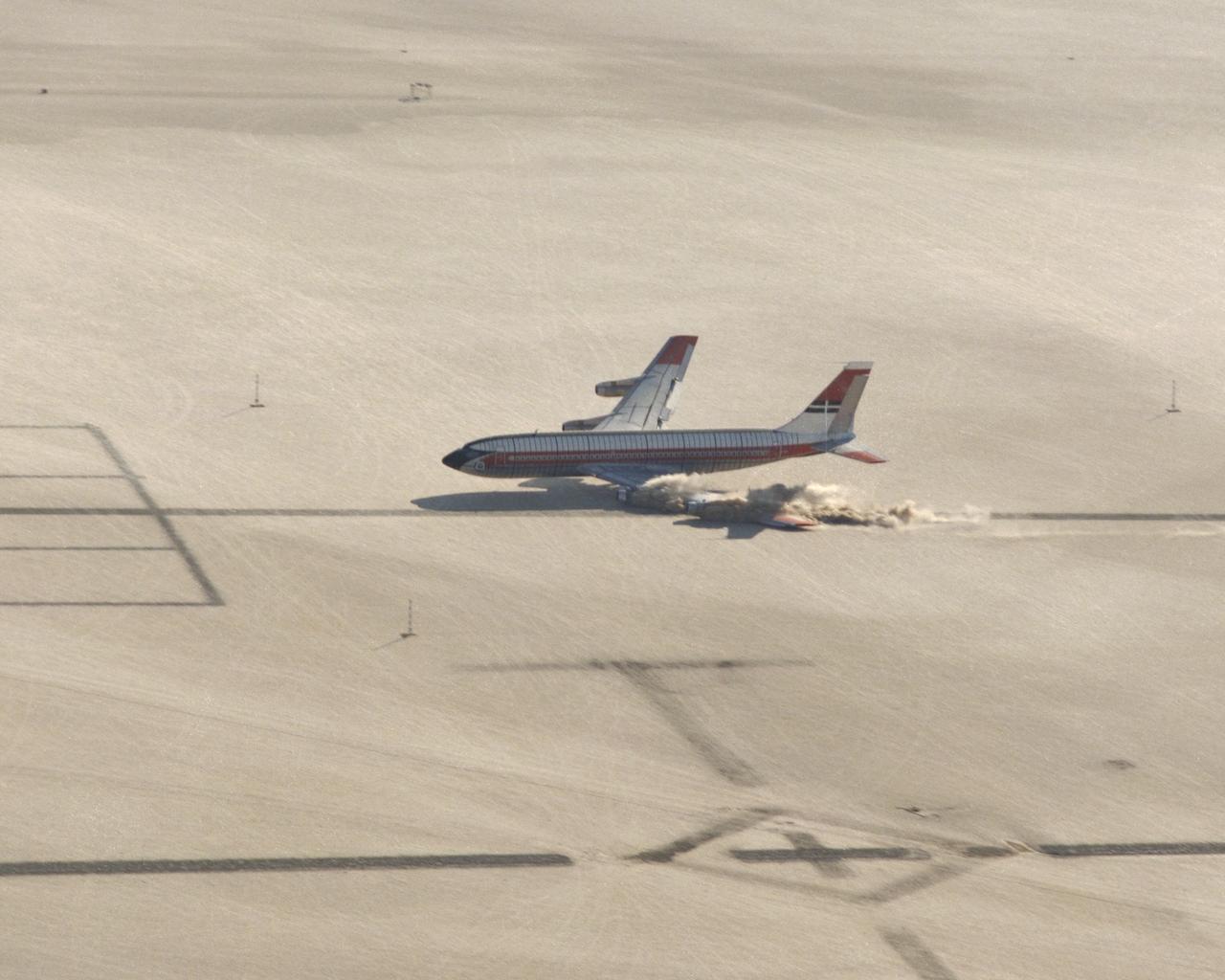
CID (Controlled Imact Demonstrator) Aircraft lakebed skid.
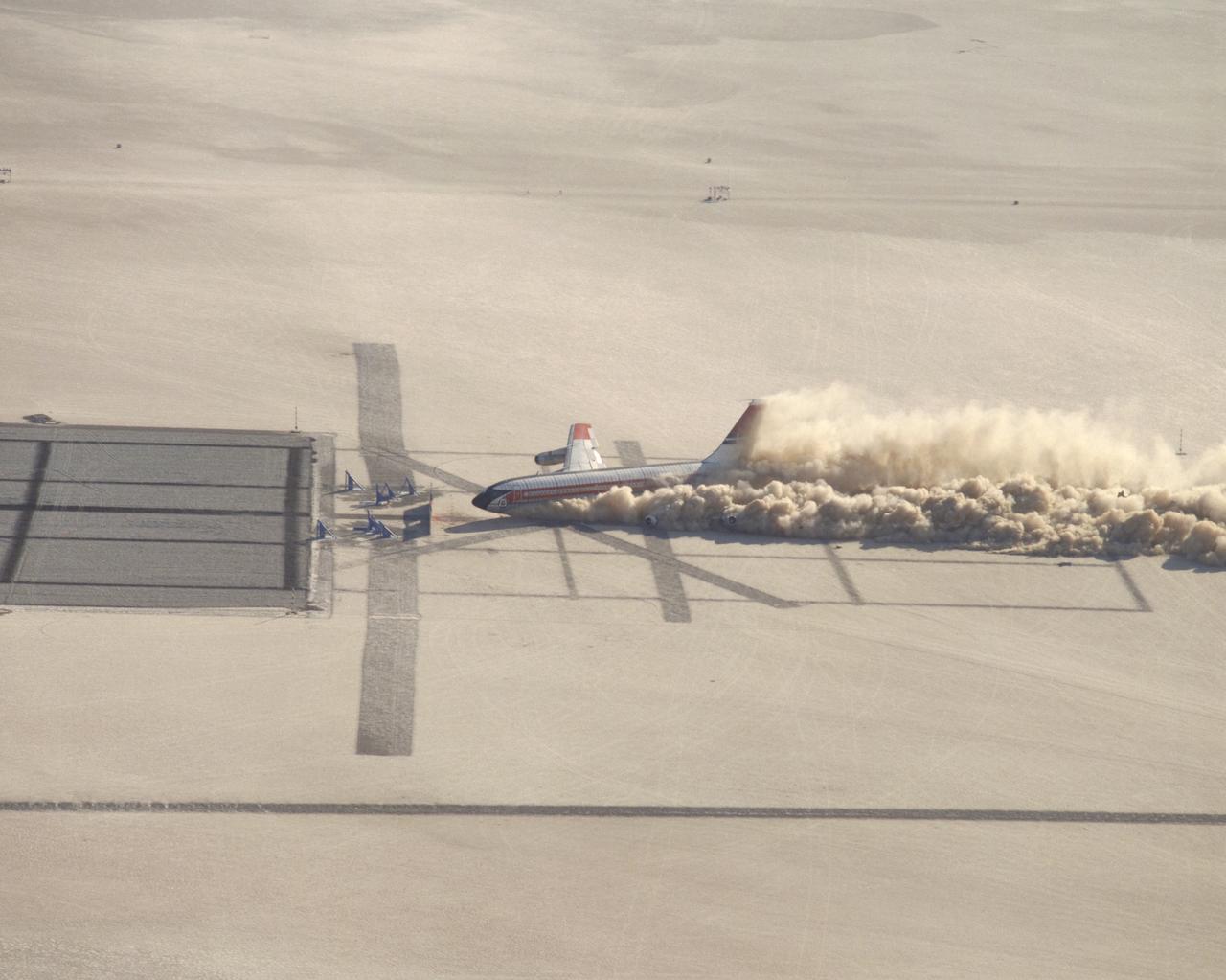
CID (Controlled Imact Demonstrator) Aircraft prior to wing cutter impact during lakebed skid.

NASA pilot Ed Lewis with the T-34C aircraft on the Dryden Flight Research Center Ramp. The aircraft was previously used at the Lewis Research Center in propulsion experiments involving turboprop engines, and was used as a chase aircraft at Dryden for smaller and slower research projects. Chase aircraft accompany research flights for photography and video purposes, and also as support for safety and research. At Dryden, the T-34 is used mainly for smaller remotely piloted vehicles which fly slower than NASA's F-18's, used for larger scale projects. This aircraft was returned to the U.S. Navy in May of 2002.
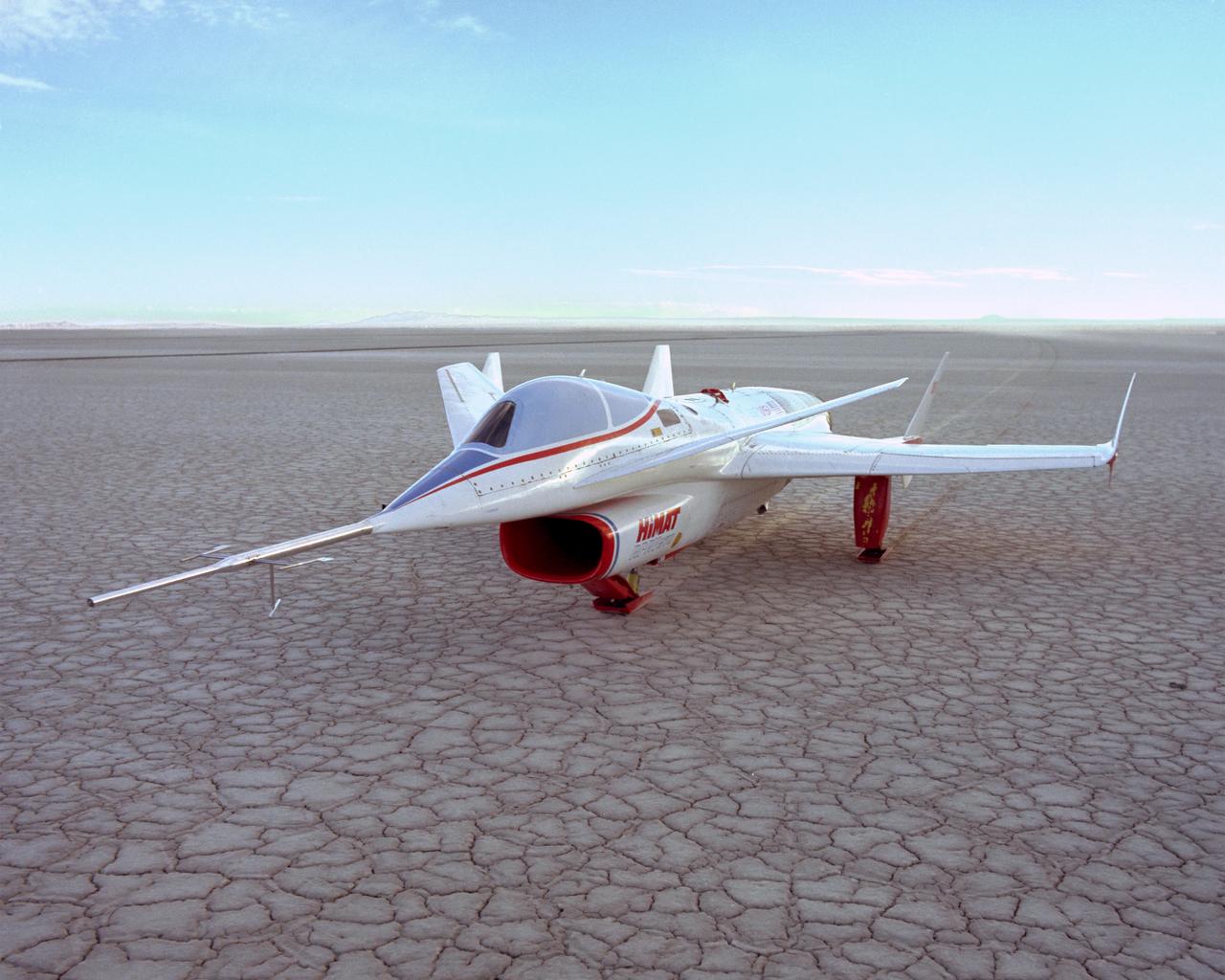
The HiMAT (Highly Maneuverable Aircraft Technology) subscale research vehicle, seen here after landing to conclude a research flight, was flown by the NASA Dryden Flight Research Center, Edwards, California, from mid 1979 to January 1983. The aircraft demonstrated advanced fighter technologies that have been used in the development of many modern high performance military aircraft.
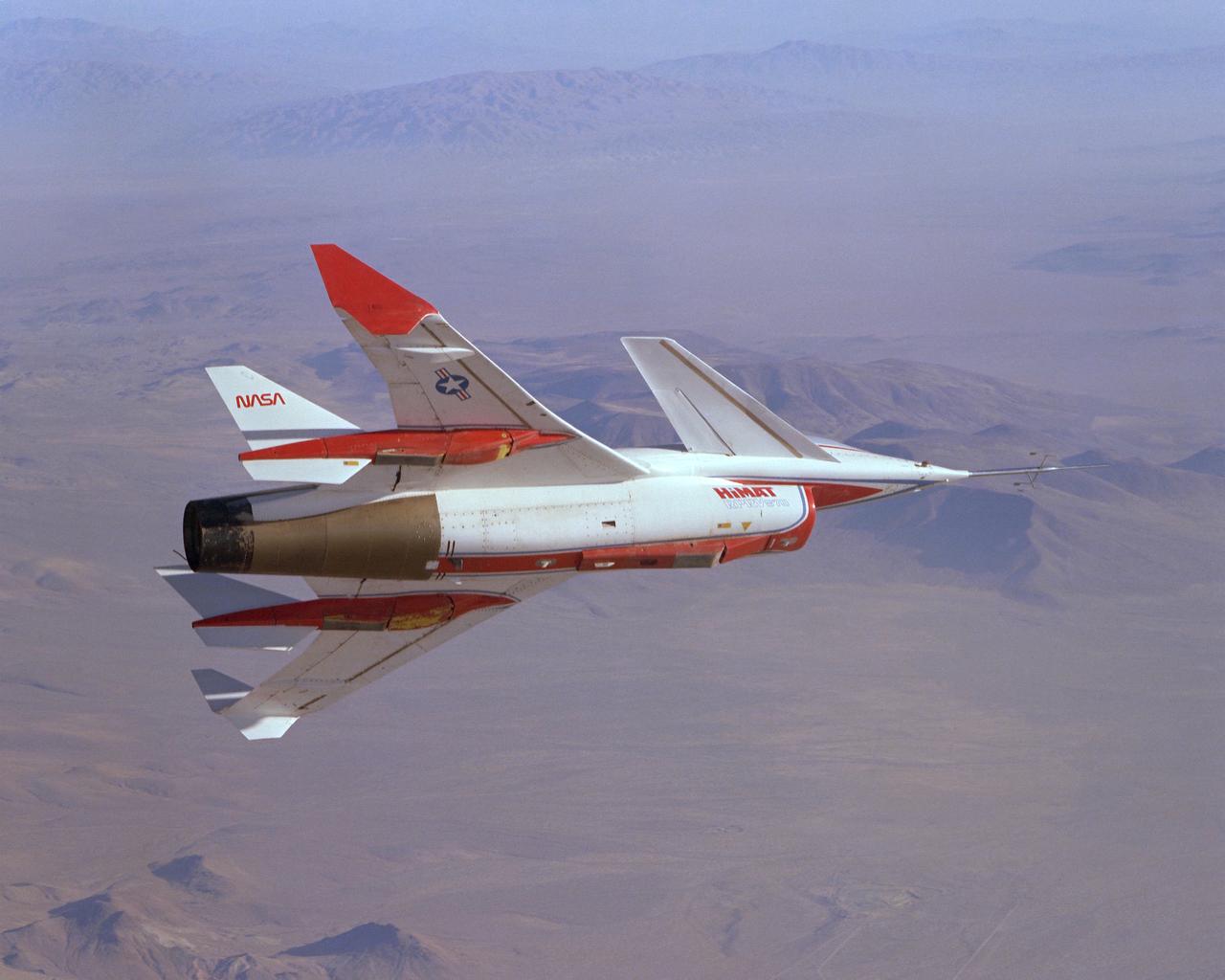
The HiMAT (Highly Maneuverable Aircraft Technology) subscale research vehicle, seen here during a research flight, was flown by the NASA Dryden Flight Research Center, Edwards, California, from mid 1979 to January 1983. The aircraft demonstrated advanced fighter technologies that have been used in the development of many modern high performance military aircraft.
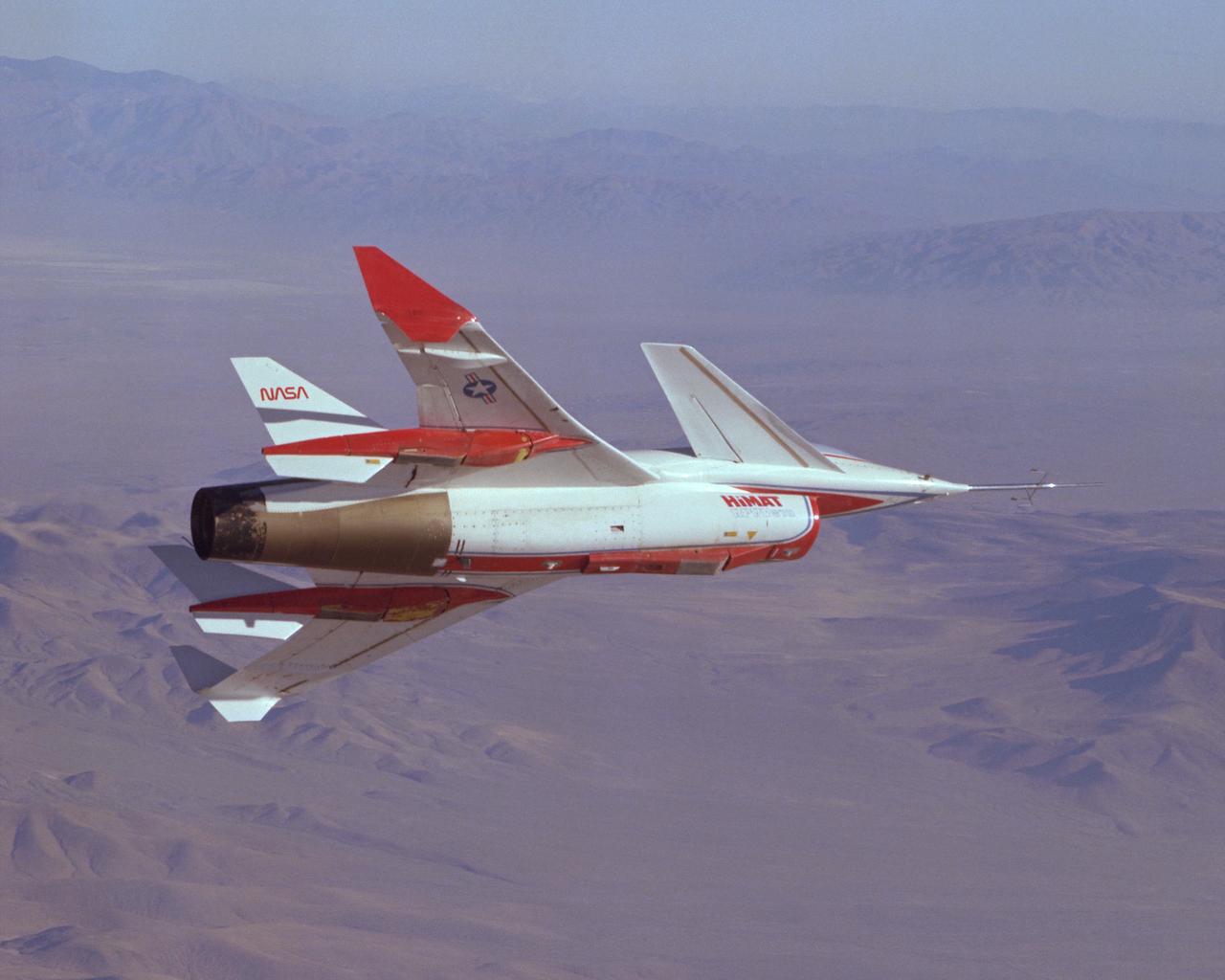
The HiMAT (Highly Maneuverable Aircraft Technology) subscale research vehicle, seen here during a research flight, was flown by the NASA Dryden Flight Research Center, Edwards, California, from mid 1979 to January 1983. The aircraft demonstrated advanced fighter technologies that have been used in the development of many modern high performance military aircraft.

The HiMAT (Highly Maneuverable Aircraft Technology) subscale research vehicle, seen here during a research flight, was flown by the NASA Dryden Flight Research Center, Edwards, California, from mid 1979 to January 1983. The aircraft demonstrated advanced fighter technologies that have been used in the development of many modern high performance military aircraft.
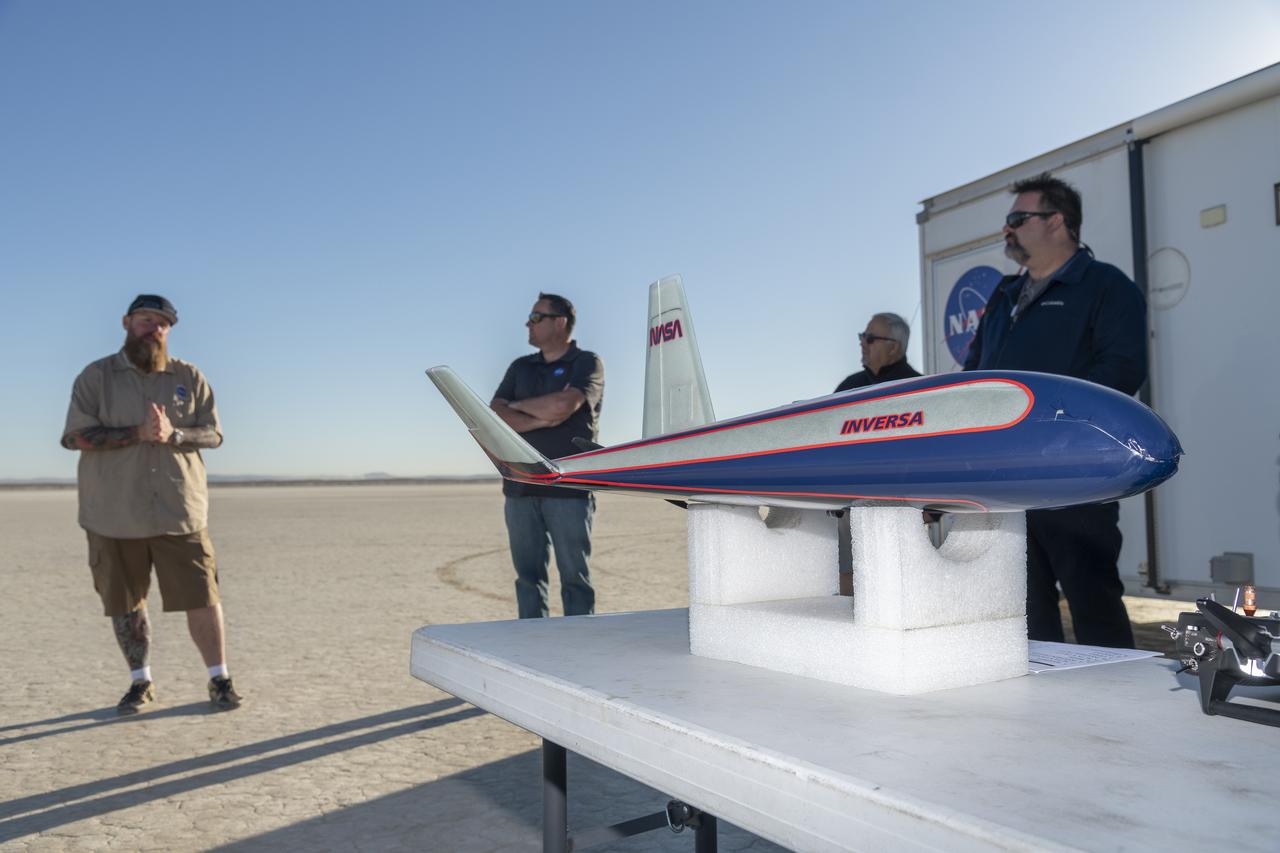
The atmospheric probe model on a stand is prepped for flight and release from a quad rotor remotely piloted aircraft. The probe successfully flew on Oct. 22, 2024, above Rogers Dry Lake, a flight area adjacent to NASA’s Armstrong Flight Research Center in Edwards, California. The probe was designed and built at the center. In the background from left are Justin Hall, chief pilot of small, unmanned aircraft systems; Justin Link, small unmanned aircraft systems pilot; communications writer Jay Levine; and John Bodylski, atmospheric probe principal investigator.
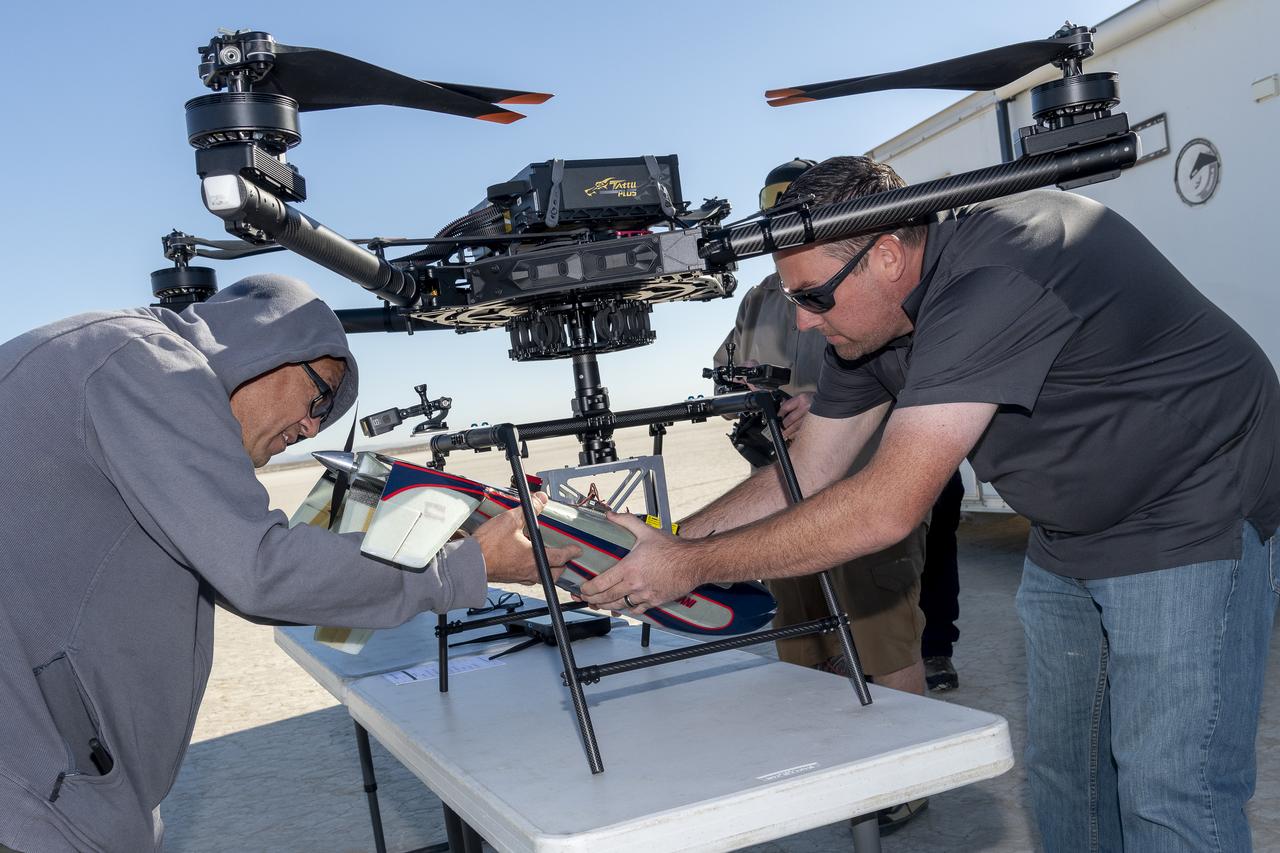
Derek Abramson, left, chief engineer for the Dale Reed Subscale Flight Research Laboratory, and Justin Link, small unmanned aircraft systems pilot, prepare an atmospheric probe model for flight on Oct. 22, 2024. A quad rotor remotely piloted aircraft released the probe above Rogers Dry Lake, a flight area adjacent to NASA’s Armstrong Flight Research Center in Edwards, California. The probe was designed and built at the center.
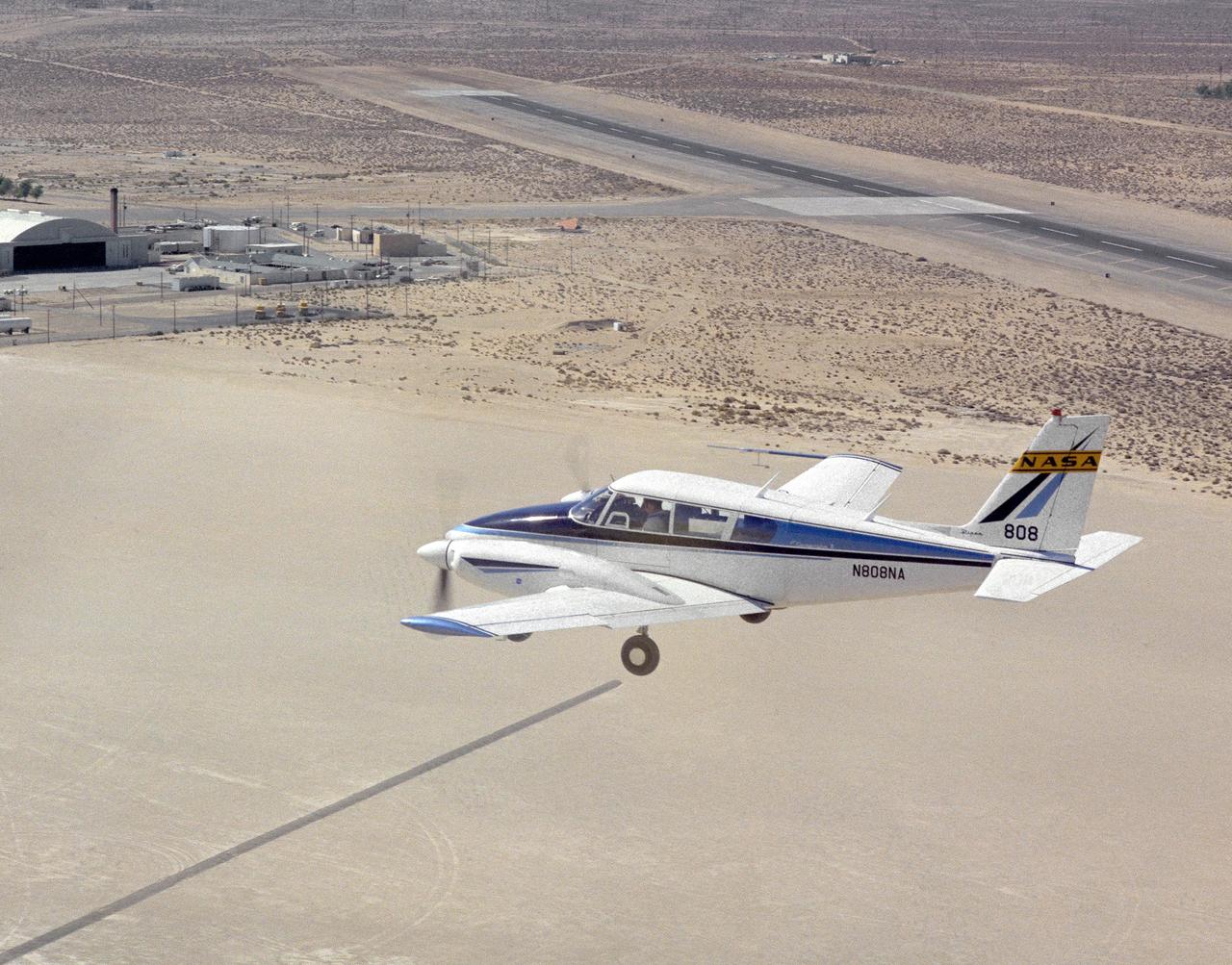
Dryden Flight Research Center's Piper PA-30 Twin Commanche, which helped validate the RPRV concept, descends to a remotely controlled landing on Rogers Dry Lake, unassisted by the onboard pilot. A Piper PA-30 Twin Commanche, known as NASA 808, was used at the NASA Dryden Flight Research Center as a rugged workhorse in a variety of research projects associated with both general aviation and military projects. In the early 1970s, the PA-30, serial number 301498, was used to test a flight technique used to fly Remotely Piloted Research Vehicles (RPRV's). The technique was first tested with the cockpit windows of the light aircraft blacked out while the pilot flew the aircraft utilizing a television monitor which gave him a "pilot's eye" view ahead of the aircraft. Later pilots flew the aircraft from a ground cockpit, a procedure used with all RPRV's. TV and two-way telemetry allow the pilot to be in constant control of the aircraft. The apparatus mounted over the cockpit is a special fish eye lens camera, used to obtain images that are transmitted to the ground based cockpit. This project paved the way for sophisticated, highly successful research programs involving high risk spin, stall, and flight control conditions, such as the HiMAT and the subscale F-15 remotely piloted vehicles. Over the years, NASA 808 has also been used for spin and stall research related to general aviation aircraft and also research to alleviate wake vortices behind large jetliners.
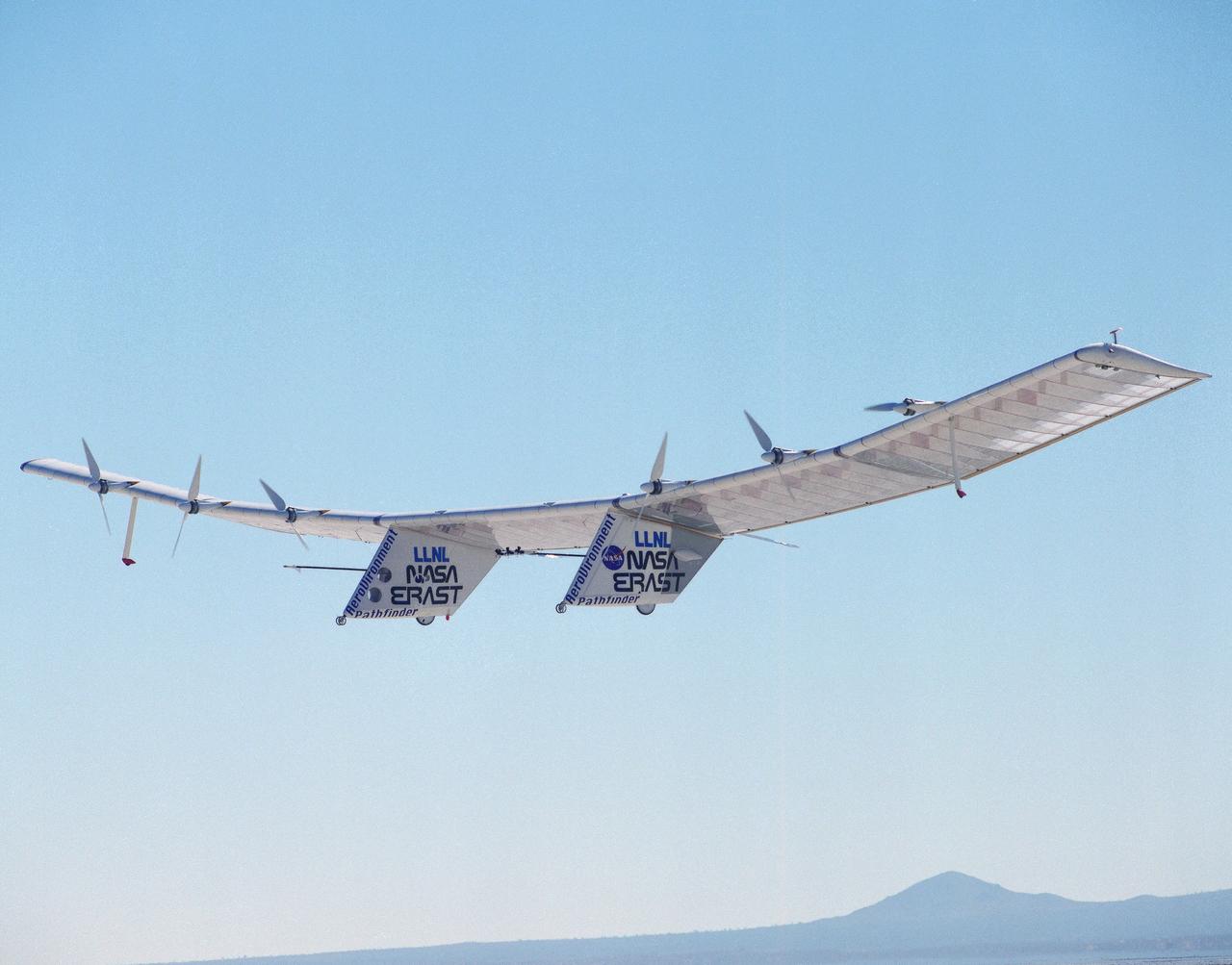
The Pathfinder solar-powered remotely piloted aircraft climbs to a record-setting altitude of 50,567 feet during a flight Sept. 11, 1995, at NASA's Dryden Flight Research Center, Edwards, California. The flight was part of the NASA ERAST (Environmental Research Aircraft and Sensor Technology) program. The Pathfinder was designed and built by AeroVironment Inc., Monrovia, California. Solar arrays cover nearly all of the upper wing surface and produce electricity to power the aircraft's six motors.

Engineers at NASA‘s Armstrong Flight Research Center sit in a control room to monitor the remotely-piloted Ikhana aircraft during a test flight. The test flight was used to validate key technologies and operations necessary to receive approval from the FAA’s to fly the aircraft in the National Airspace System June 12, 2018, without a safety chase aircraft.
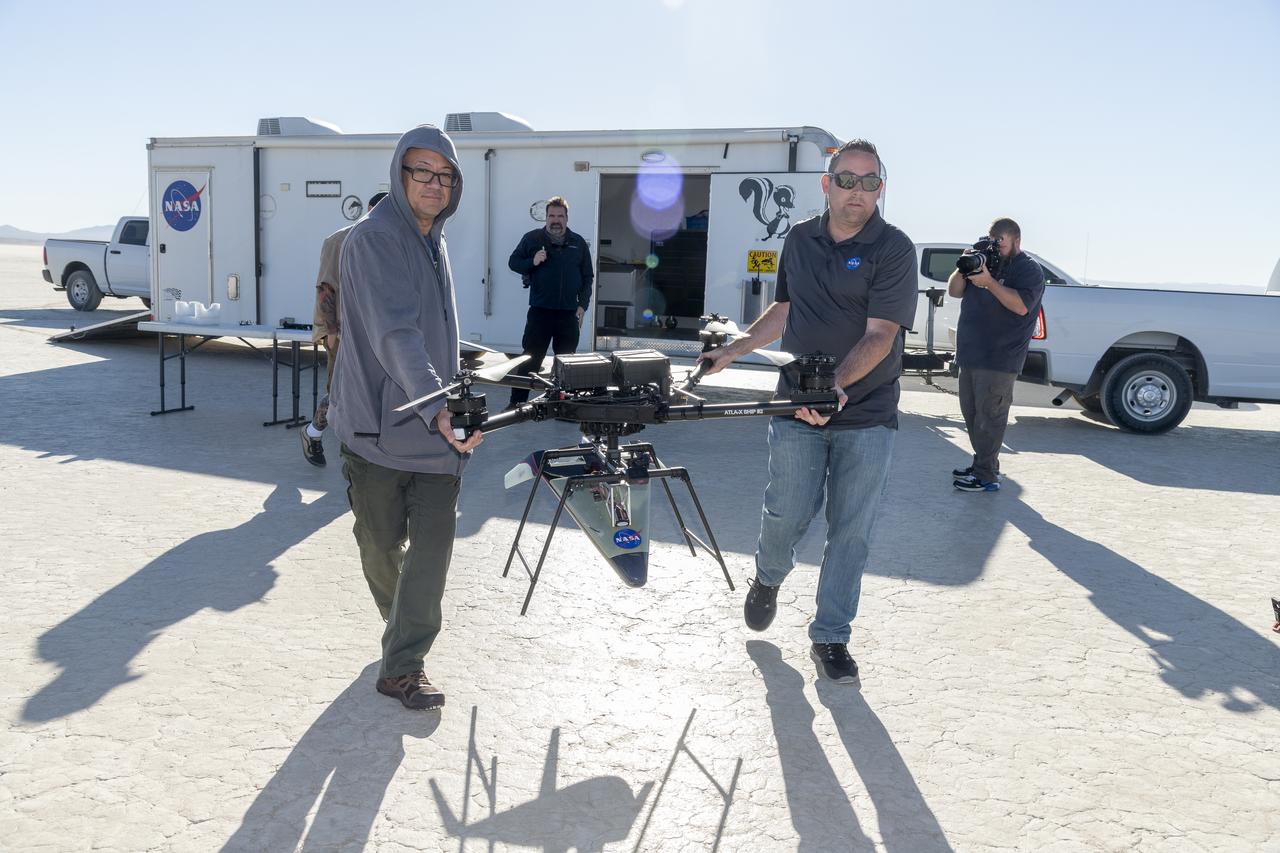
Derek Abramson, left, chief engineer for the Dale Reed Subscale Flight Research Laboratory, and Justin Link, small unmanned aircraft system pilot, carry the atmospheric probe model and a quad rotor remotely piloted aircraft to position it for flight on Oct. 24, 2024. John Bodylski, probe principal investigator, right, and videographer Jacob Shaw watch the preparations. Once at altitude, the quad rotor aircraft released the probe above Rogers Dry Lake, a flight area adjacent to NASA’s Armstrong Flight Research Center in Edwards, California. The probe was designed and built at the center.
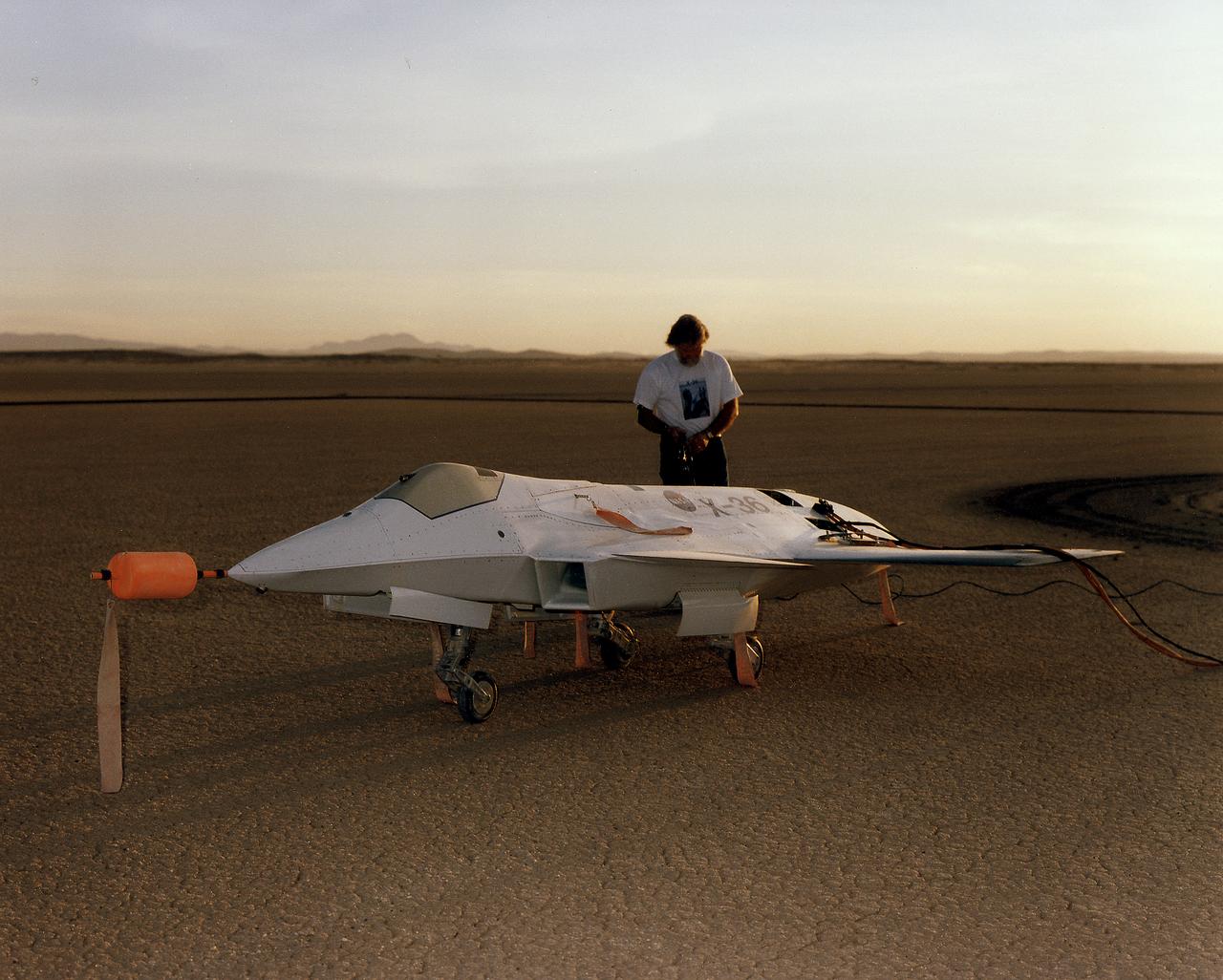
Lit by the rays of the morning sunrise on Rogers Dry Lake, adjacent to NASA's Dryden Flight Research Center, Edwards, California, a technician prepares the remotely-piloted X-36 Tailless Fighter Agility Research Aircraft for its first flight on May 17, 1997.
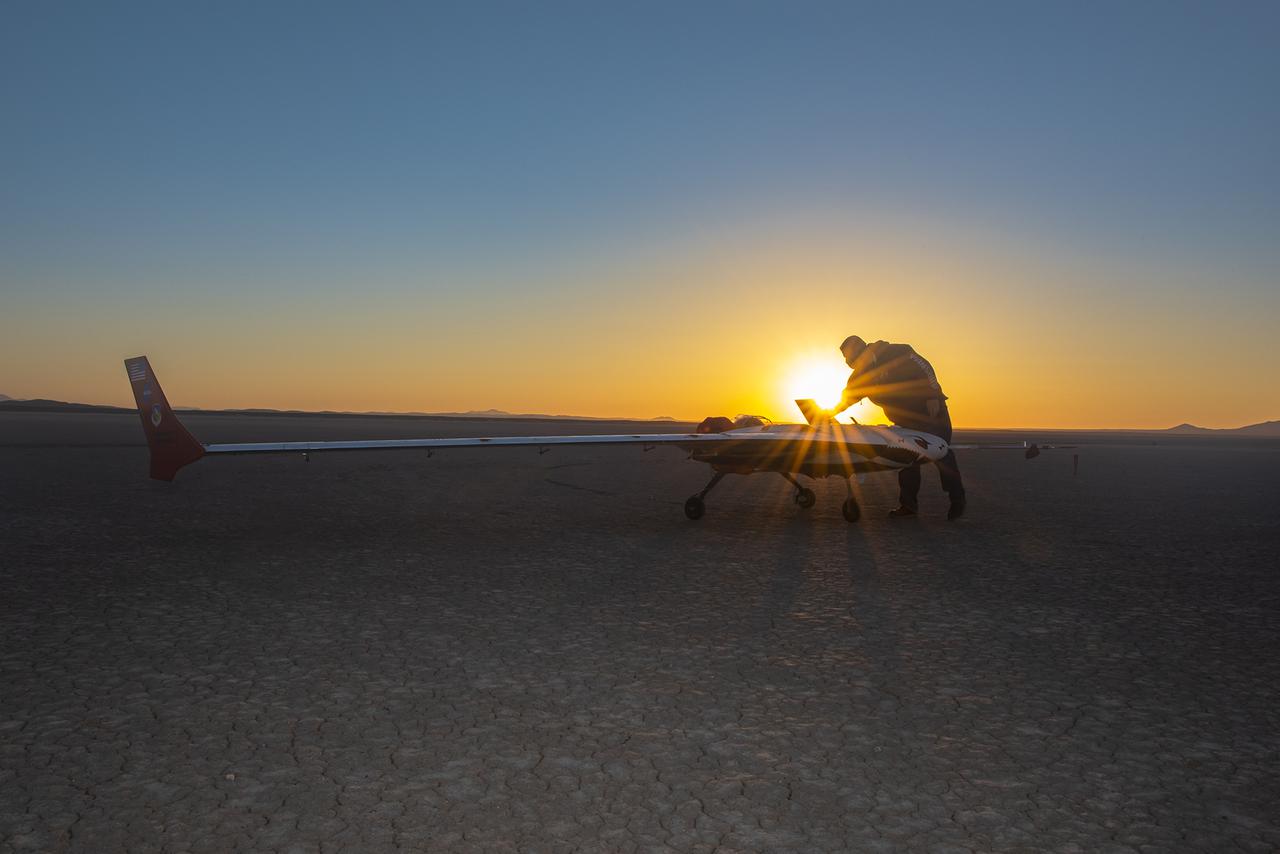
Preparations for the X-56B remotely piloted aircraft to begin a new flight series continue as the sun rises on Rogers Dry Lake. The flight was April 19 at NASA's Armstrong Flight Research Center in Edwards, California, with partner Northrop Grumman.
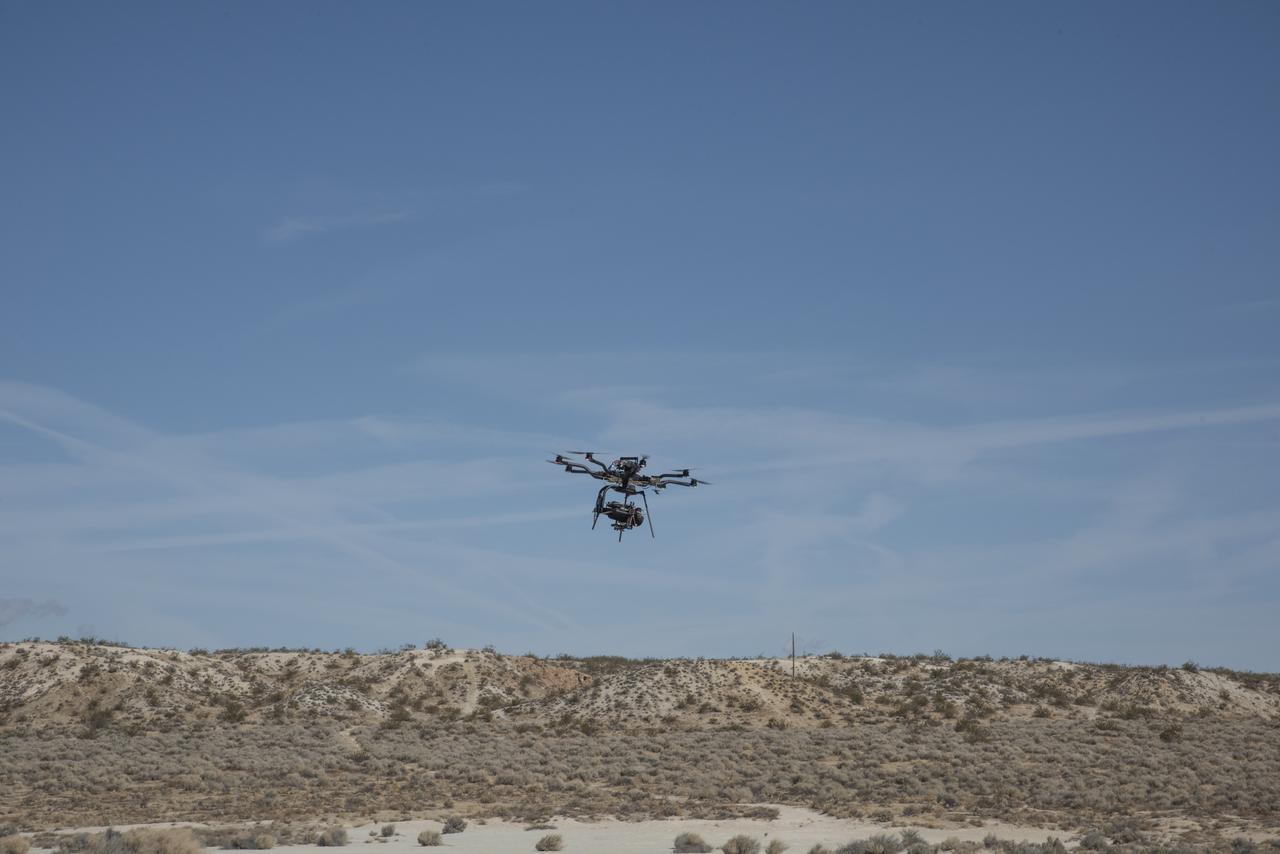
The Alta 8 remotely piloted aircraft flies above Rosamond North Lakebed at NASA's Armstrong Flight Research Center in Edwards, California. The Resilient Autonomy project used these flights to collect data with the Nav Module hardware and software developed by NASA's Jet Propulsion Laboratory in Pasadena, California.
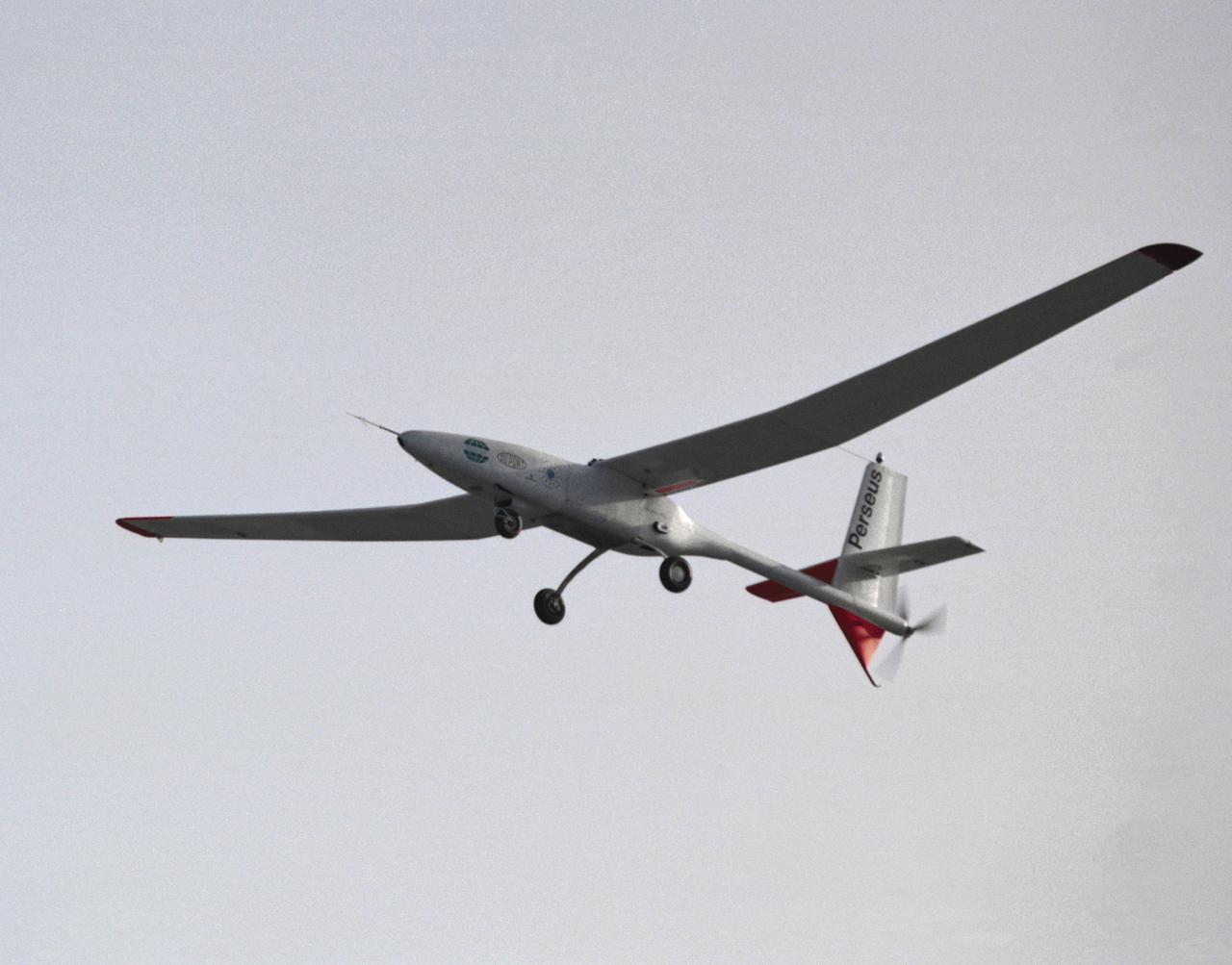
The Perseus proof-of-concept vehicle in flight at the Dryden Flight Research Center, Edwards, California in 1991. Perseus is one of several remotely-piloted aircraft designed for high-altitude, long-endurance scientific sampling missions being evaluated under the ERAST program.
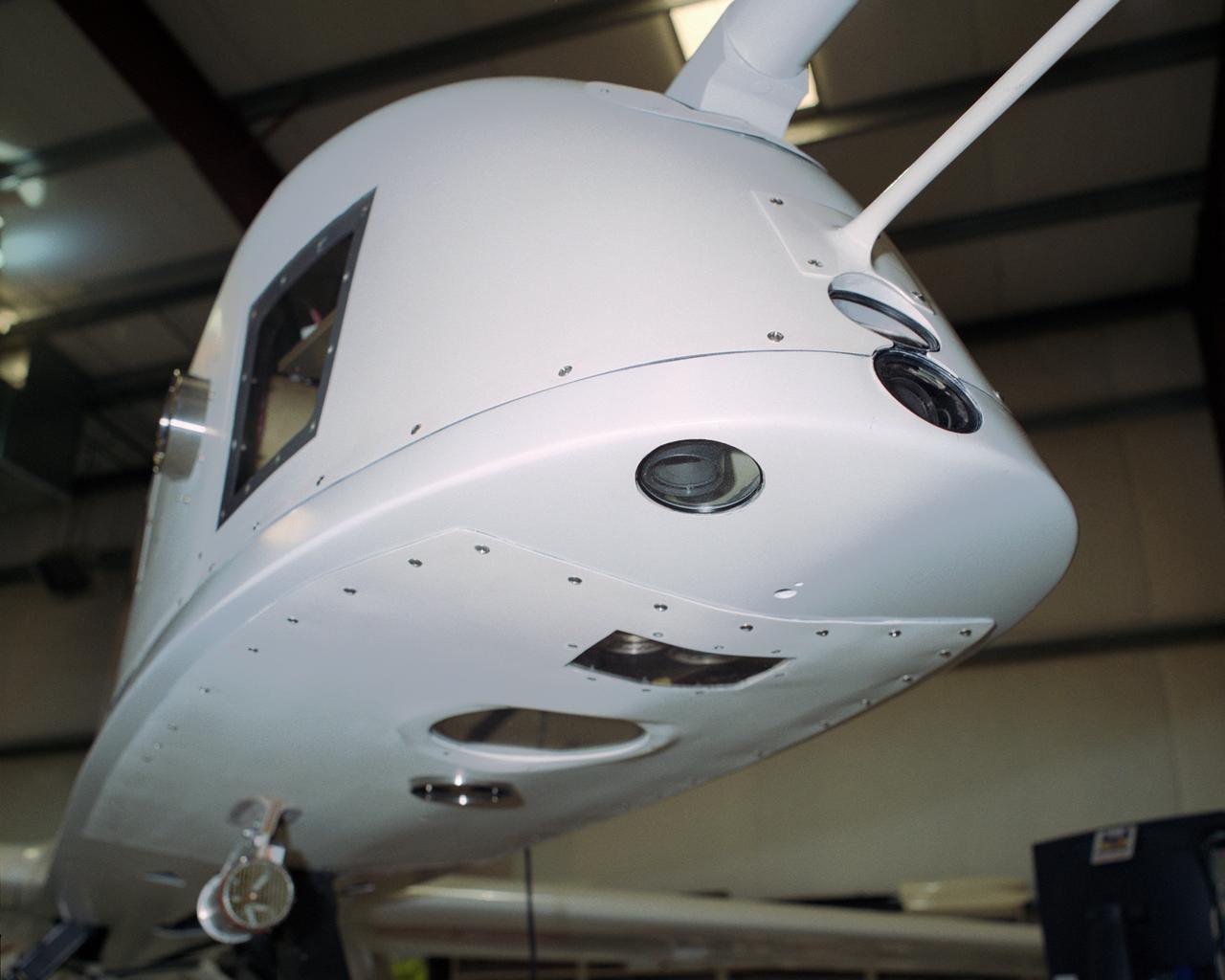
Looking ever so much like an alien spacecraft, the Altus II remotely piloted aircraft shows off some of the instruments and camera lenses mounted in its nose for a lightning study over Florida flown during the summer of 2002.
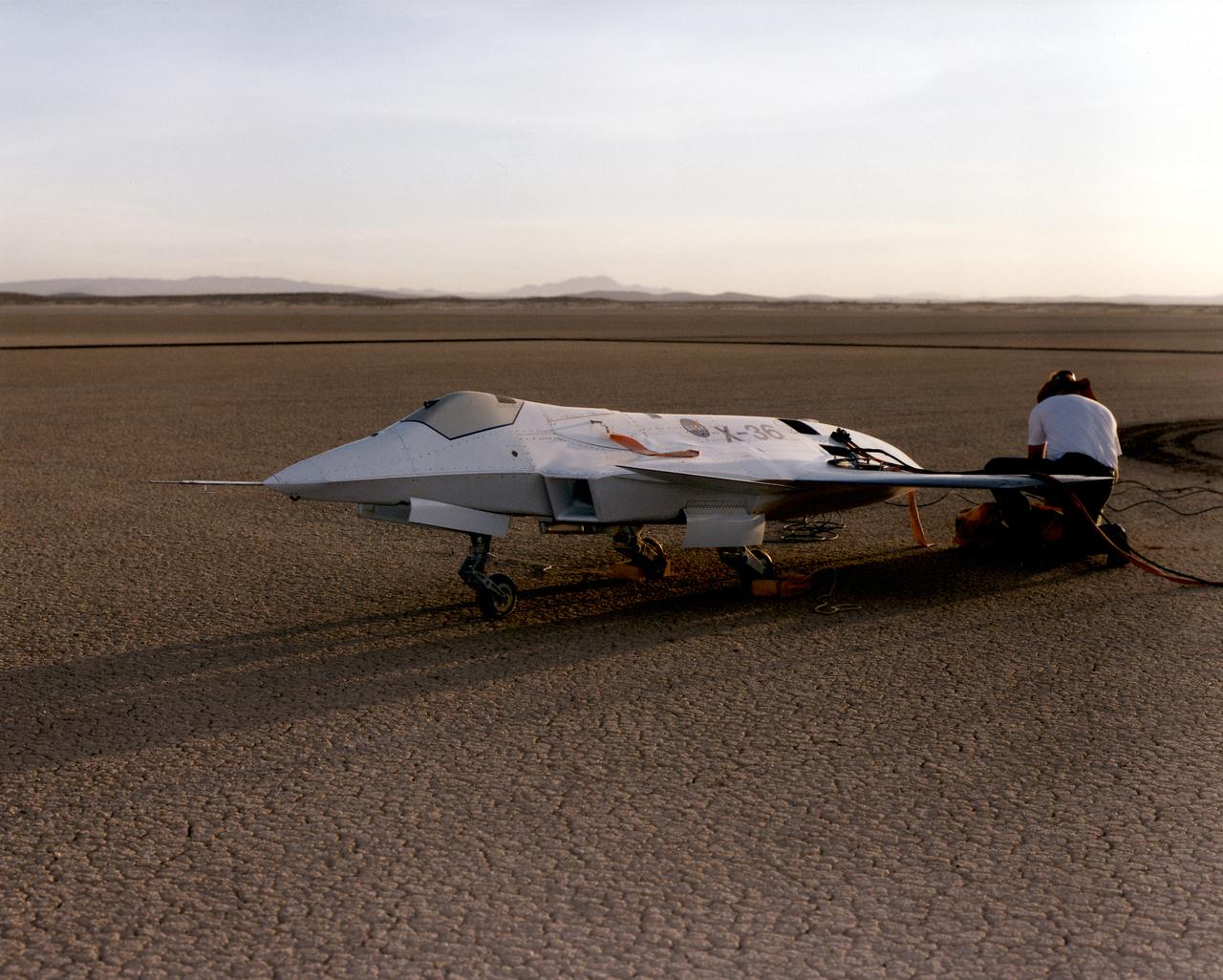
Lit by the rays of the morning sunrise on Rogers Dry Lake, adjacent to NASA's Dryden Flight Research Center, Edwards, California, technicians prepare the remotely-piloted X-36 Tailless Fighter Agility Research Aircraft for its first flight in May 1997.
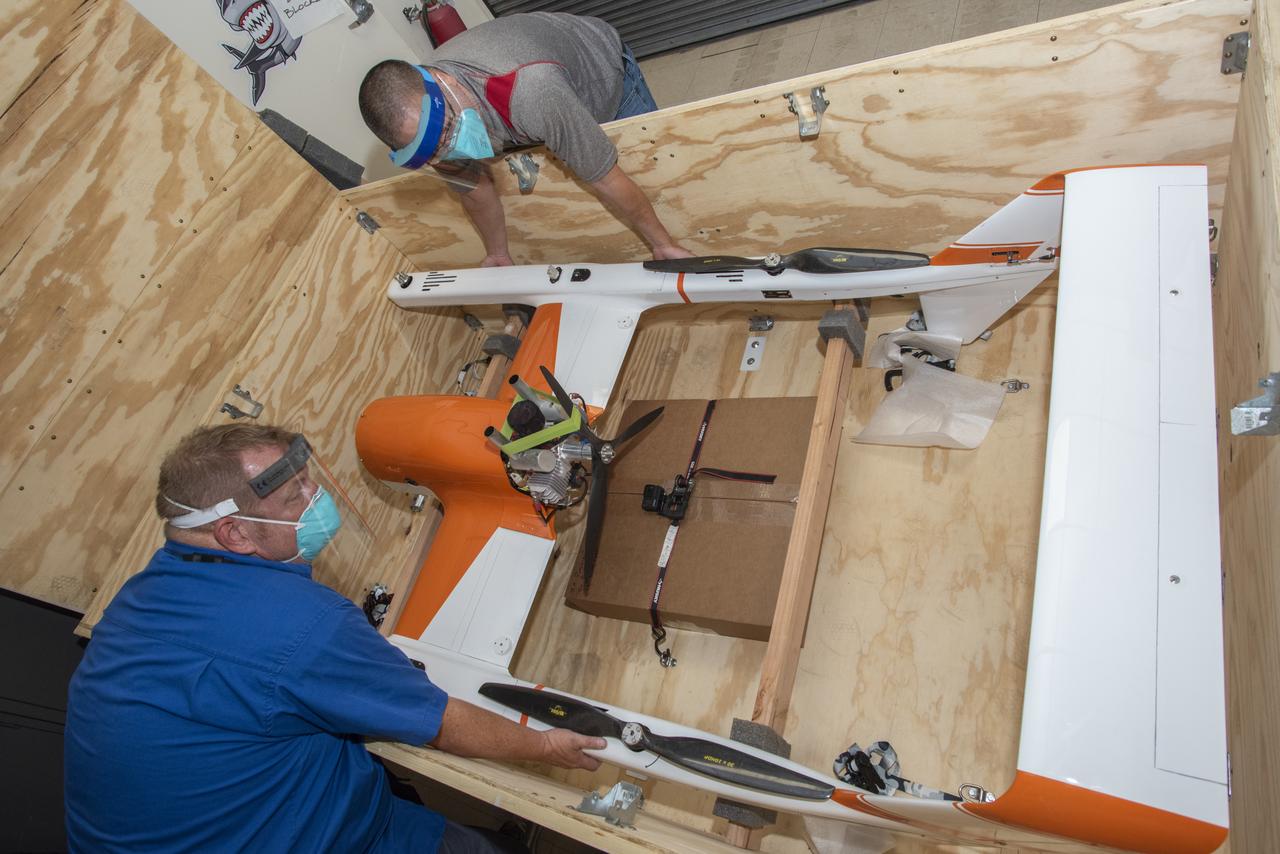
Derek Abramson and Robert Jensen unload the Hybrid Quadrotor 90C (HQ-90) at NASA Armstrong Flight Research Center’s Dale Reed Subscale Flight Research Lab in California on Oct. 1, 2020. The Resilient Autonomy project will use the vertical lift and transition remotely piloted aircraft for software testing at NASA Armstrong.
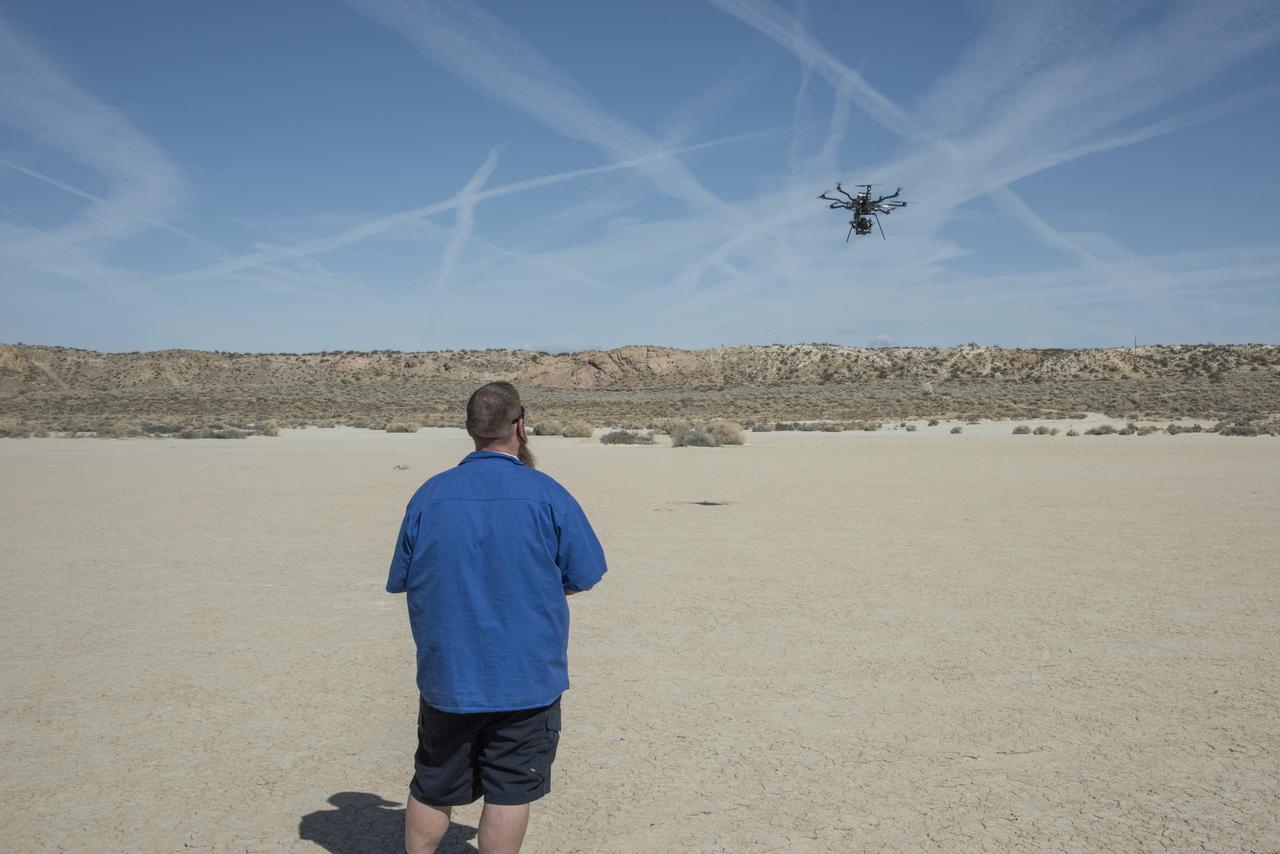
Justin Hall flies the Alta 8 remotely piloted aircraft in March 2021 at Rosamond North Lakebed at NASA’s Armstrong Flight Research Center in Edwards, California. The Resilient Autonomy project used these flights to collect data with the Nav Module hardware and software developed by NASA’s Jet Propulsion Laboratory in Pasadena, California.
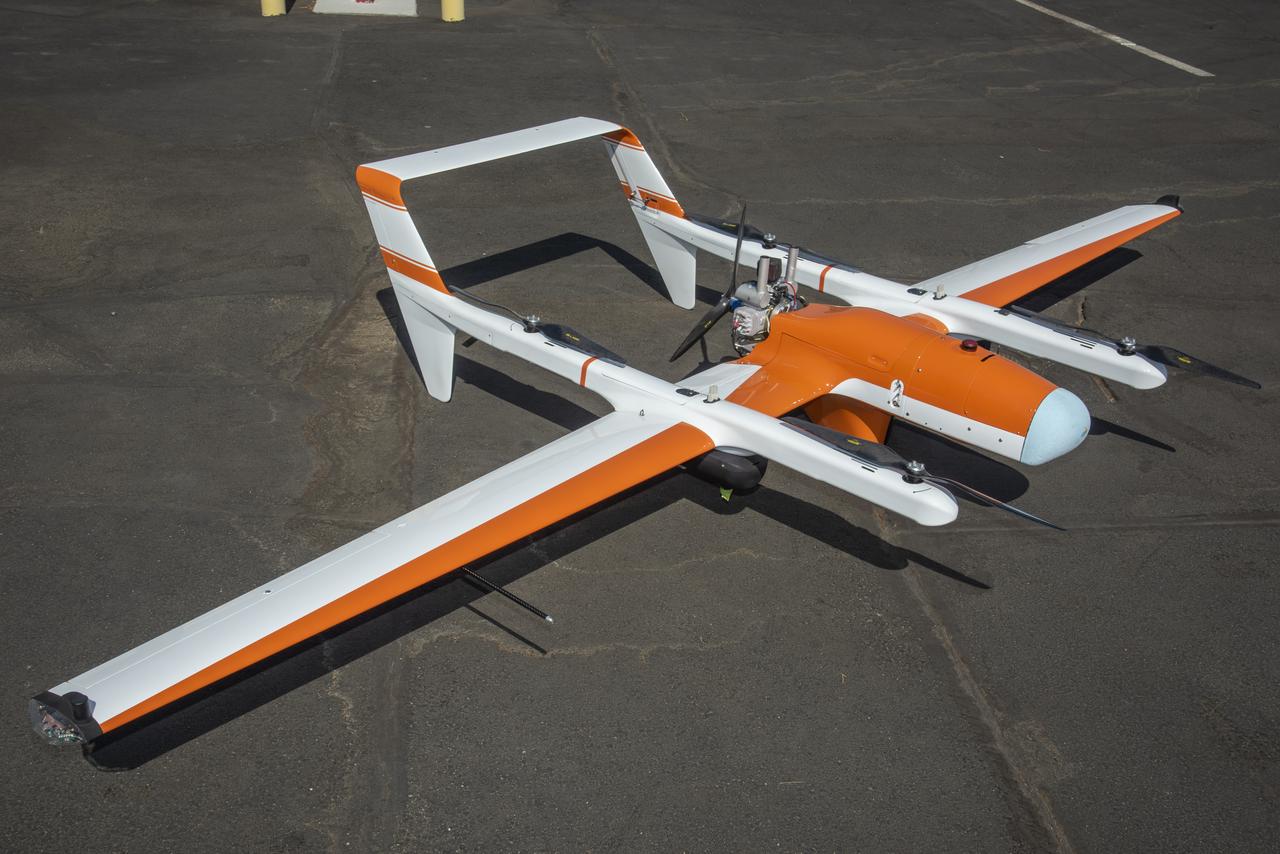
The Hybrid Quadrotor 90C (HQ-90) is displayed outside the NASA Armstrong Flight Research Center’s Dale Reed Subscale Flight Research Lab in California on Oct. 1, 2020. The Resilient Autonomy project will use this vertical lift and transition remotely piloted aircraft for software testing.
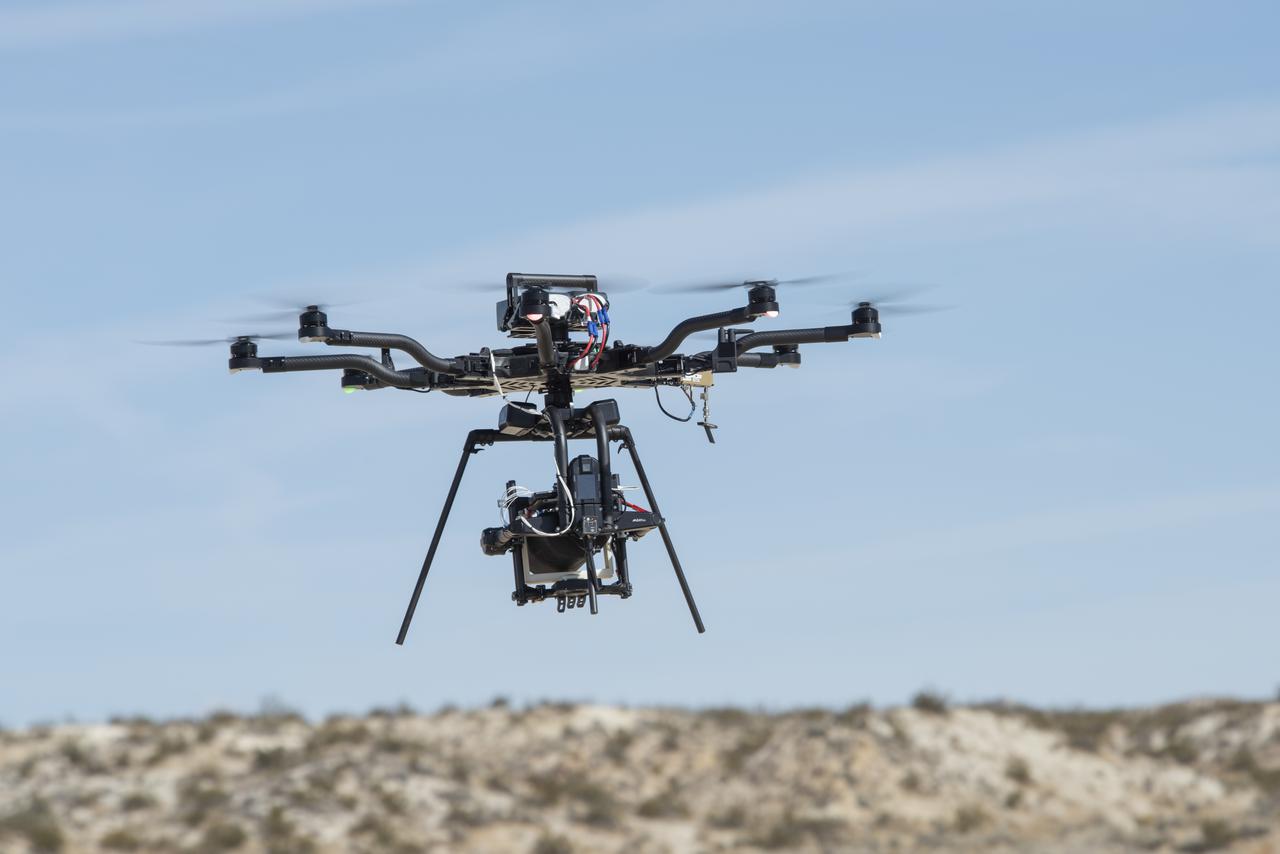
The Alta 8 remotely piloted aircraft hovers above Rosamond North Lakebed in March 2021 at NASA's Armstrong Flight Research Center in Edwards, California. The Resilient Autonomy project used these flights to collect data with the Nav Module hardware and software developed by NASA's Jet Propulsion Laboratory in Pasadena, California.
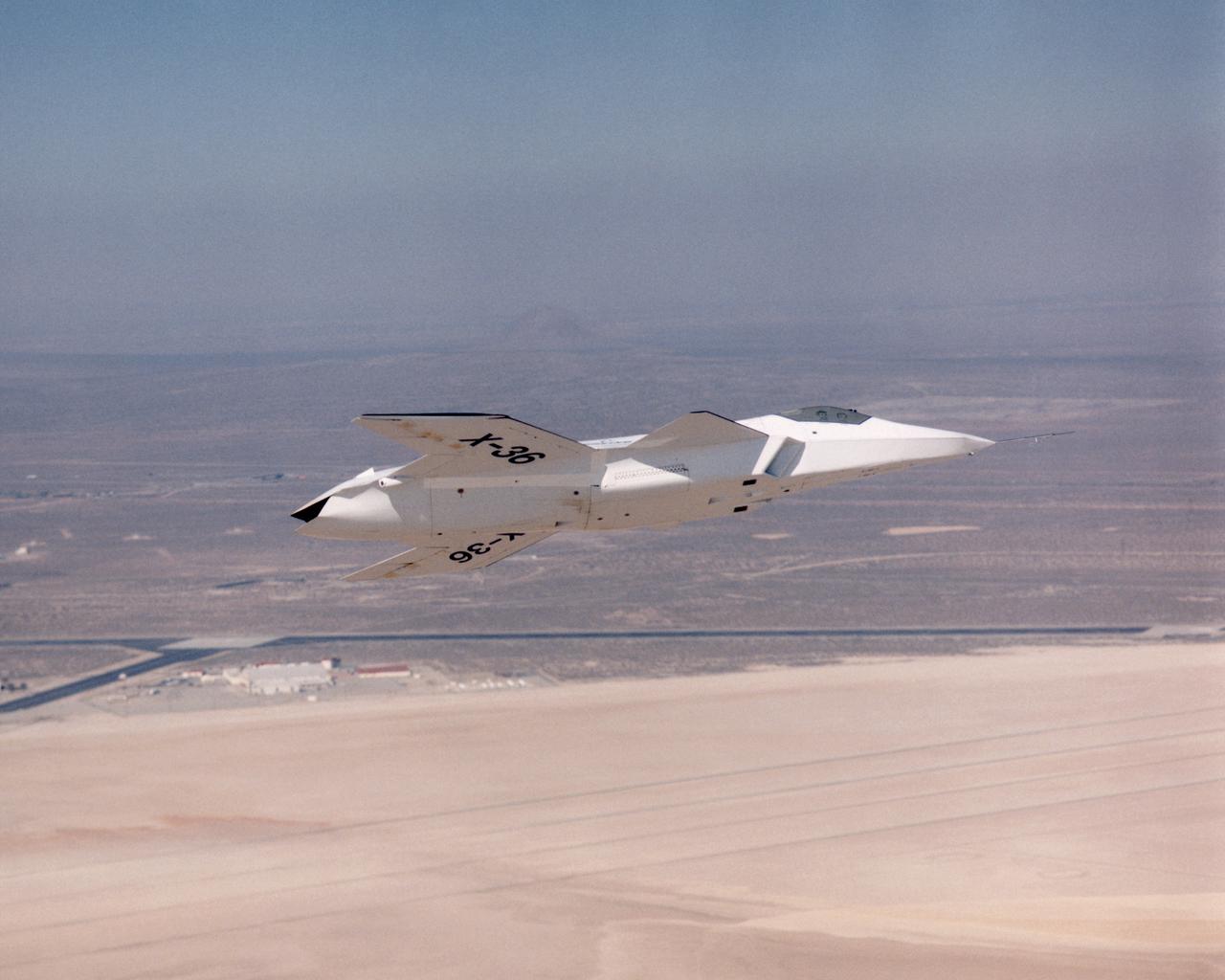
The lack of a vertical tail on the X-36 technology demonstrator is evident as the remotely piloted aircraft flies a low-altitude research flight above Rogers Dry Lake at Edwards Air Force Base in the California desert on October 30, 1997.
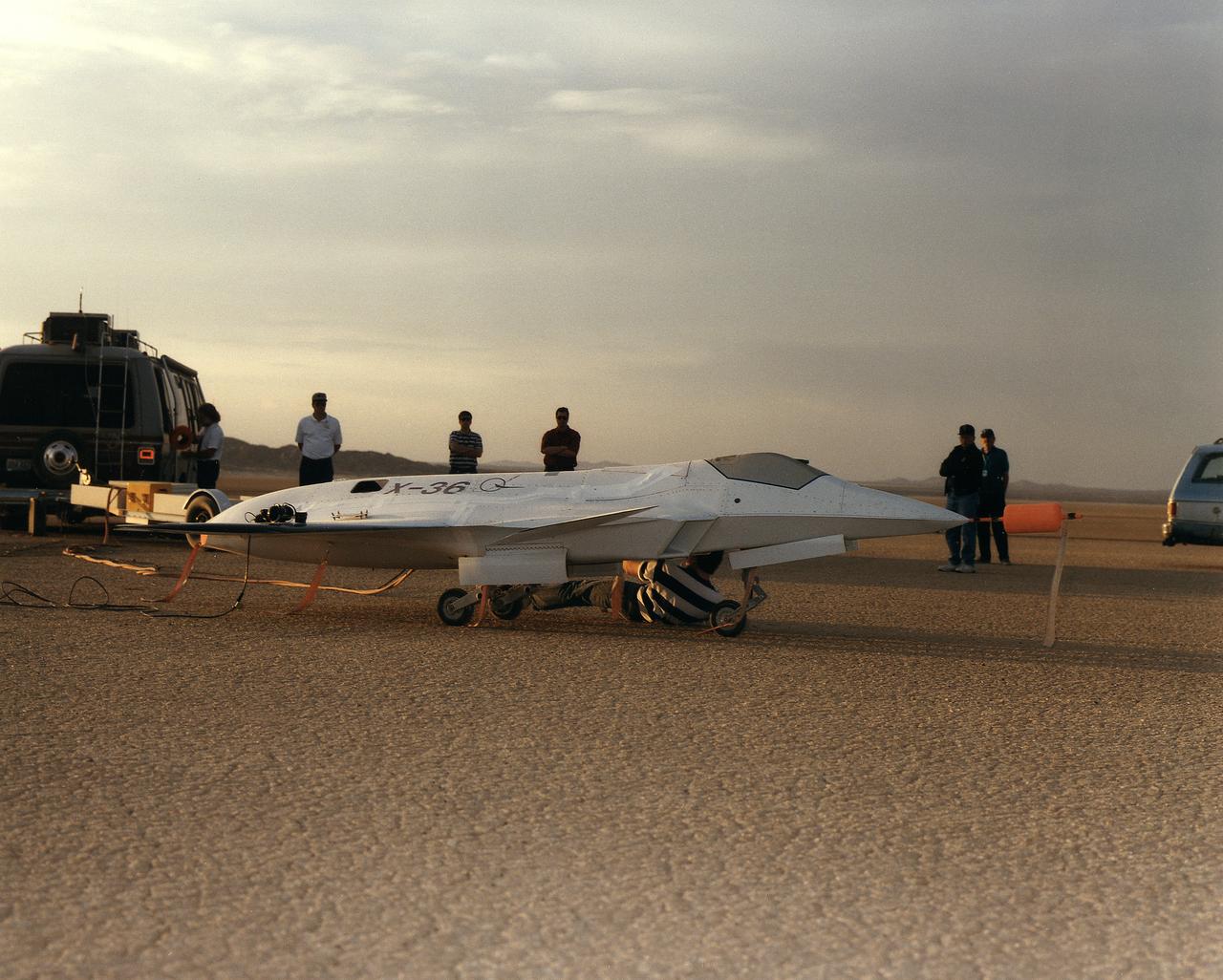
Lit by the rays of the morning sunrise on Rogers Dry Lake, adjacent to NASA's Dryden Flight Research Center, Edwards, California, technicians prepares the remotely-piloted X-36 Tailless Fighter Agility Research Aircraft for its first flight on May 17, 1997.
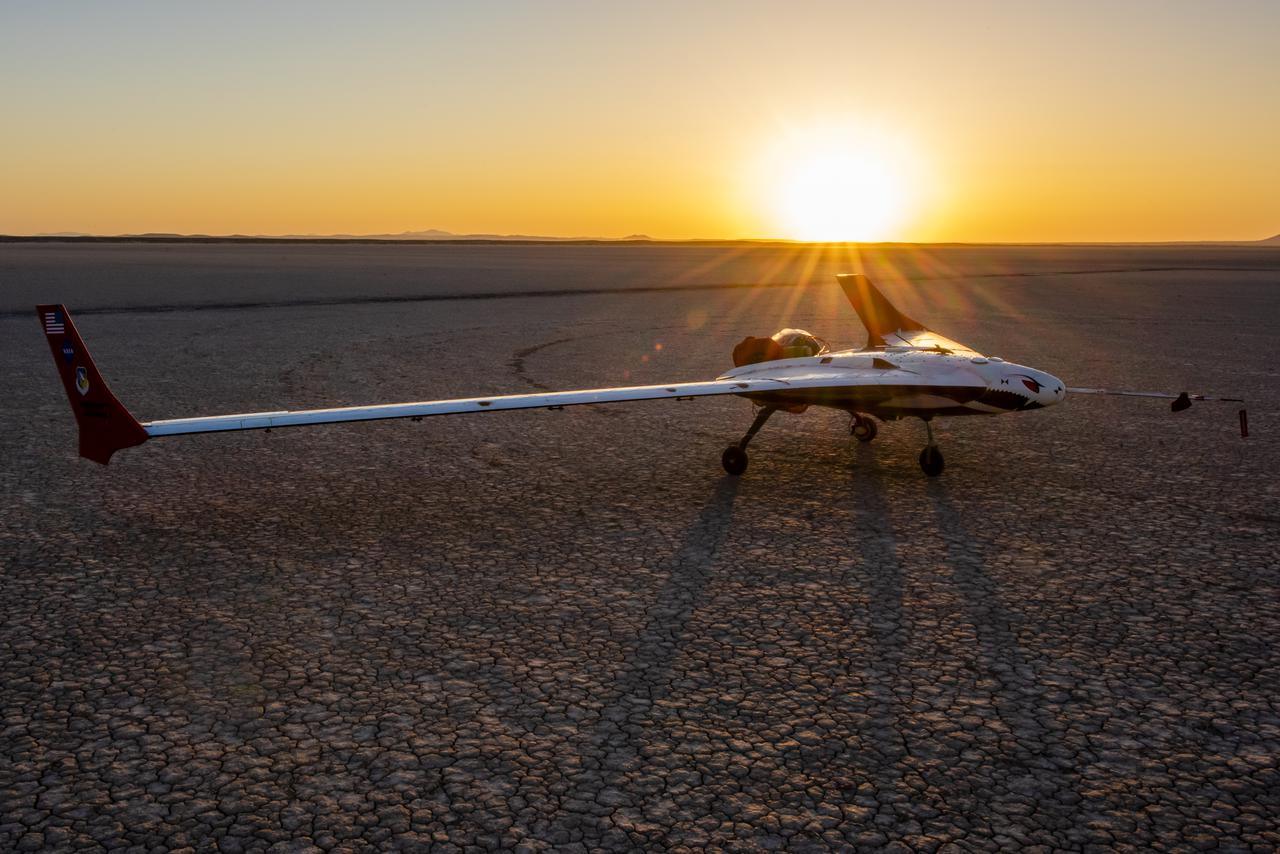
Preparations for the X-56B remotely piloted aircraft to begin a new flight series continue as the sun rises on Rogers Dry Lake. The flight was April 19 at NASA's Armstrong Flight Research Center in Edwards, California, with partner Northrop Grumman.
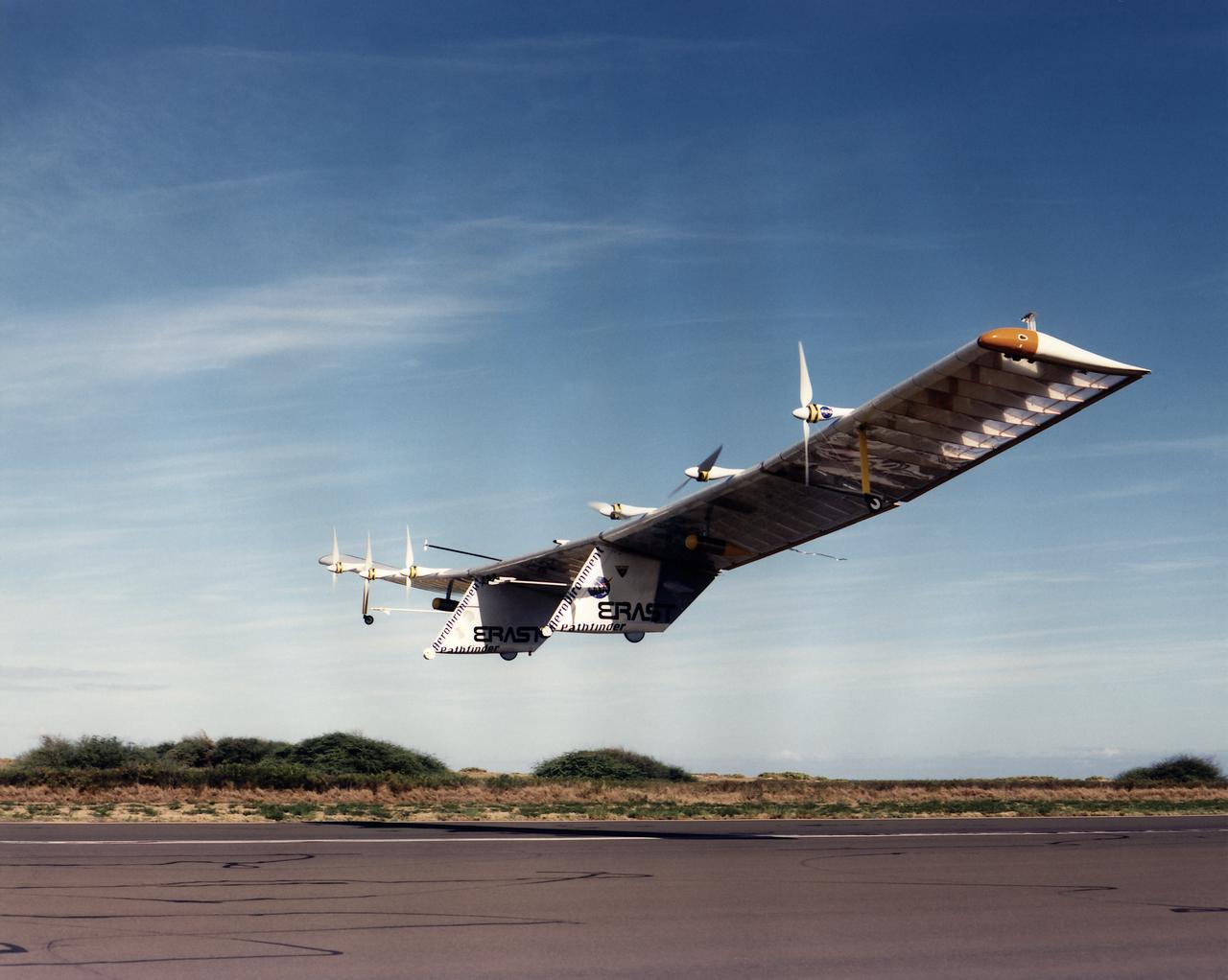
Pathfinder, NASA's solar-powered, remotely-piloted aircraft is shown while it was conducting a series of science flights to highlight the aircraft's science capabilities while collecting imagery of forest and coastal zone ecosystems on Kauai, Hawaii. The flights also tested two new scientific instruments, a high-spectral-resolution Digital Array Scanned Interferometer (DASI) and a high-spatial-resolution Airborne Real-Time Imaging System (ARTIS). The remote sensor payloads were designed by NASA's Ames Research Center, Moffett Field, California, to support NASA's Mission to Planet Earth science programs.