
art001e002128 Dec. 5, 2022 A portion of the Moon looms large just beyond the Orion spacecraft in this image taken on the 20th day of the Artemis I mission by a camera on the tip of one of Orion’s solar arrays. The return powered flyby burn committed Orion to a return to Earth trajectory ahead of a splashdown off the coast of California on Dec. 11. At its closest point, Orion flew within 80 miles of the lunar surface.

art001e002129 Dec. 5, 2022 A portion of the Moon looms large just beyond the Orion spacecraft in this image taken on the 20th day of the Artemis I mission by a camera on the tip of one of Orion’s solar arrays. The return powered flyby burn committed Orion to a return to Earth trajectory ahead of a splashdown off the coast of California on Dec. 11. At its closest point, Orion flew within 80 miles of the lunar surface.

art001e002132 Dec. 5, 2022 A portion of the Moon looms large just beyond the Orion spacecraft in this image taken on the 20th day of the Artemis I mission by a camera on the tip of one of Orion’s solar arrays. The return powered flyby burn committed Orion to a return to Earth trajectory ahead of a splashdown off the coast of California on Dec. 11. At its closest point, Orion flew within 80 miles of the lunar surface.
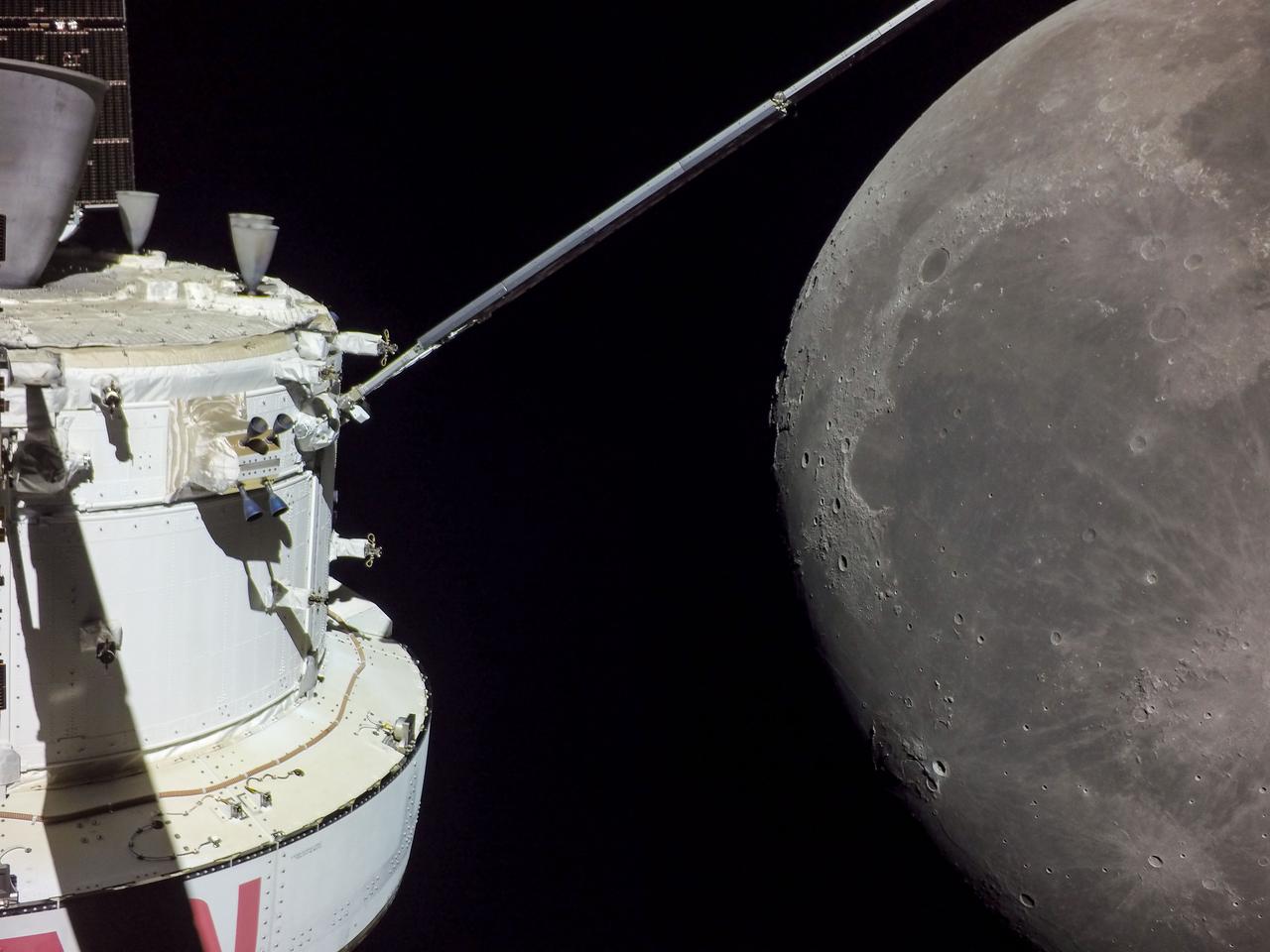
art001e002130 Dec. 5, 2022 A portion of the Moon looms large just beyond the Orion spacecraft in this image taken on the 20th day of the Artemis I mission by a camera on the tip of one of Orion’s solar arrays. The return powered flyby burn committed Orion to a return to Earth trajectory ahead of a splashdown off the coast of California on Dec. 11. At its closest point, Orion flew within 80 miles of the lunar surface.
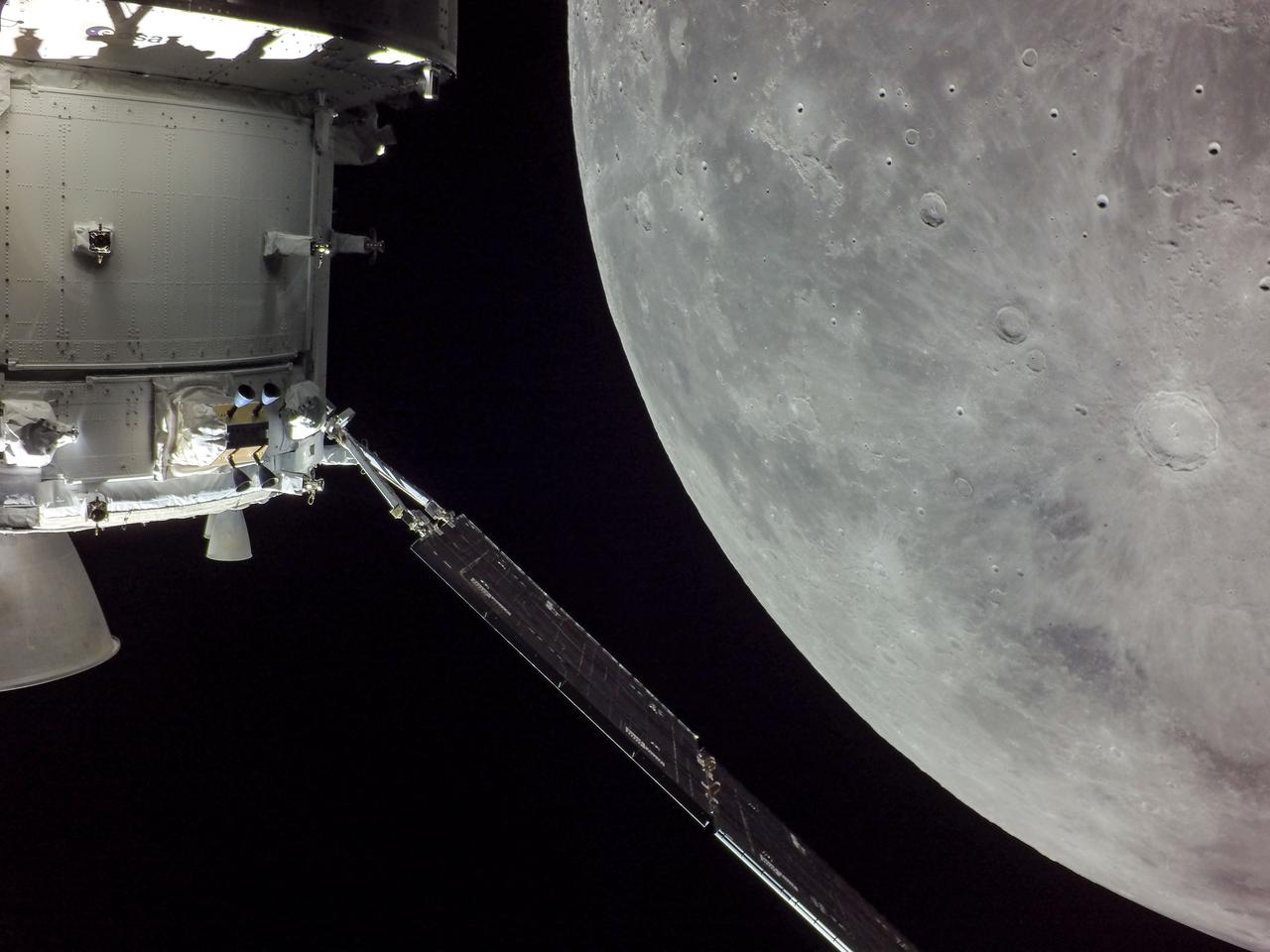
art001e002131 (Dec. 5, 2022) A portion of the Moon looms large just beyond the Orion spacecraft in this image taken on the 20th day of the Artemis I mission by a camera on the tip of one of Orion’s solar arrays. The return powered flyby burn committed Orion to a return to Earth trajectory ahead of a splashdown off the coast of California on Dec. 11. At its closest point, Orion flew within 80 miles of the lunar surface.
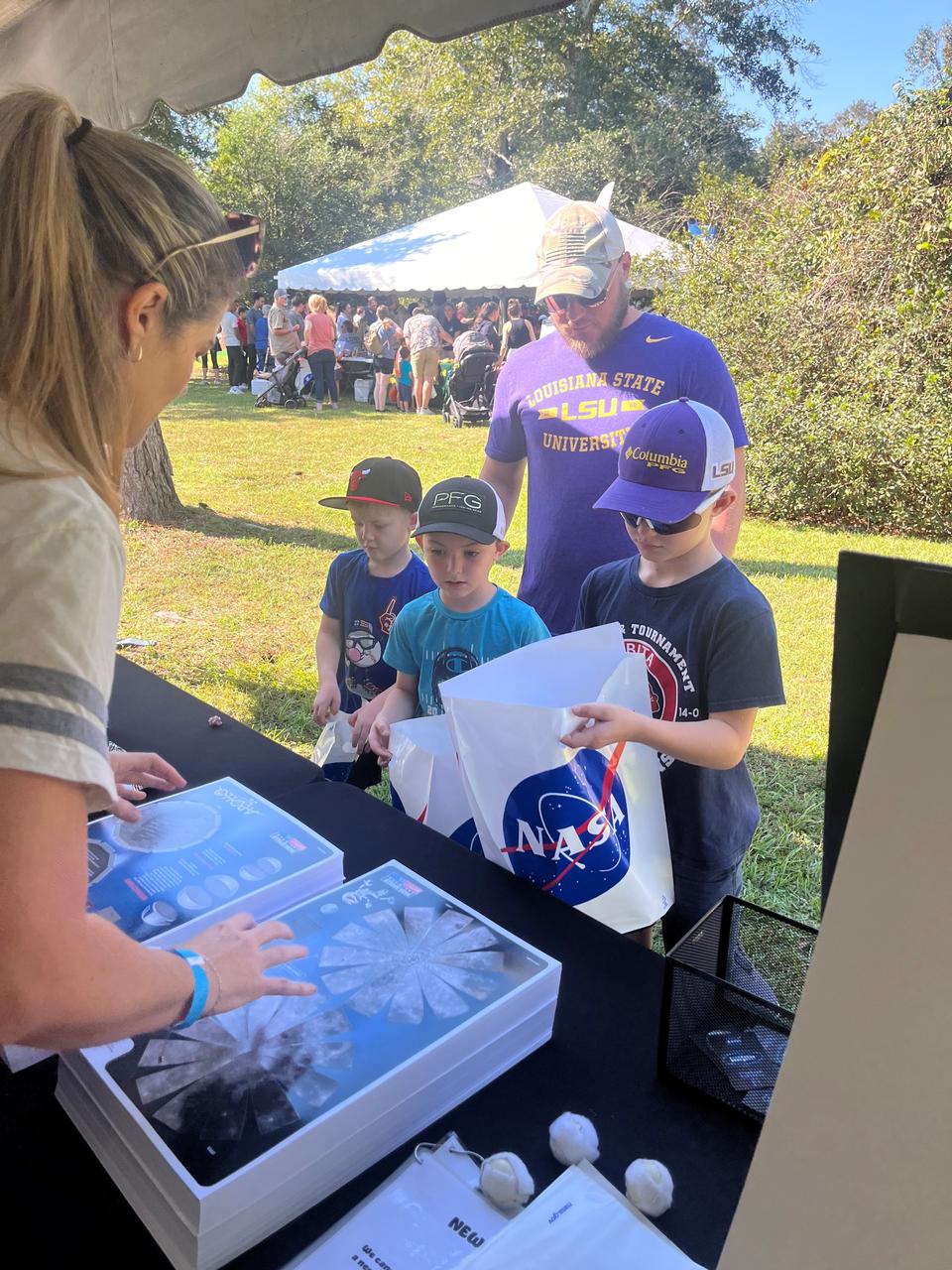
NASA Stennis representatives inspire the Artemis Generation Oct. 12 at the Wild Things event celebrating National Wildlife Refuge Week in Lacombe, Louisiana. Participants played a game to identify different phases of the Moon and learned more about NASA’s return to the Moon. The event was hosted by Friends of Louisiana Wildlife Refuges, Inc. and Southeast Louisiana National Wildlife Refuges Complex at Bayou Lacombe Center, headquarters for the nine National Wildlife Refuges in southeast Louisiana.
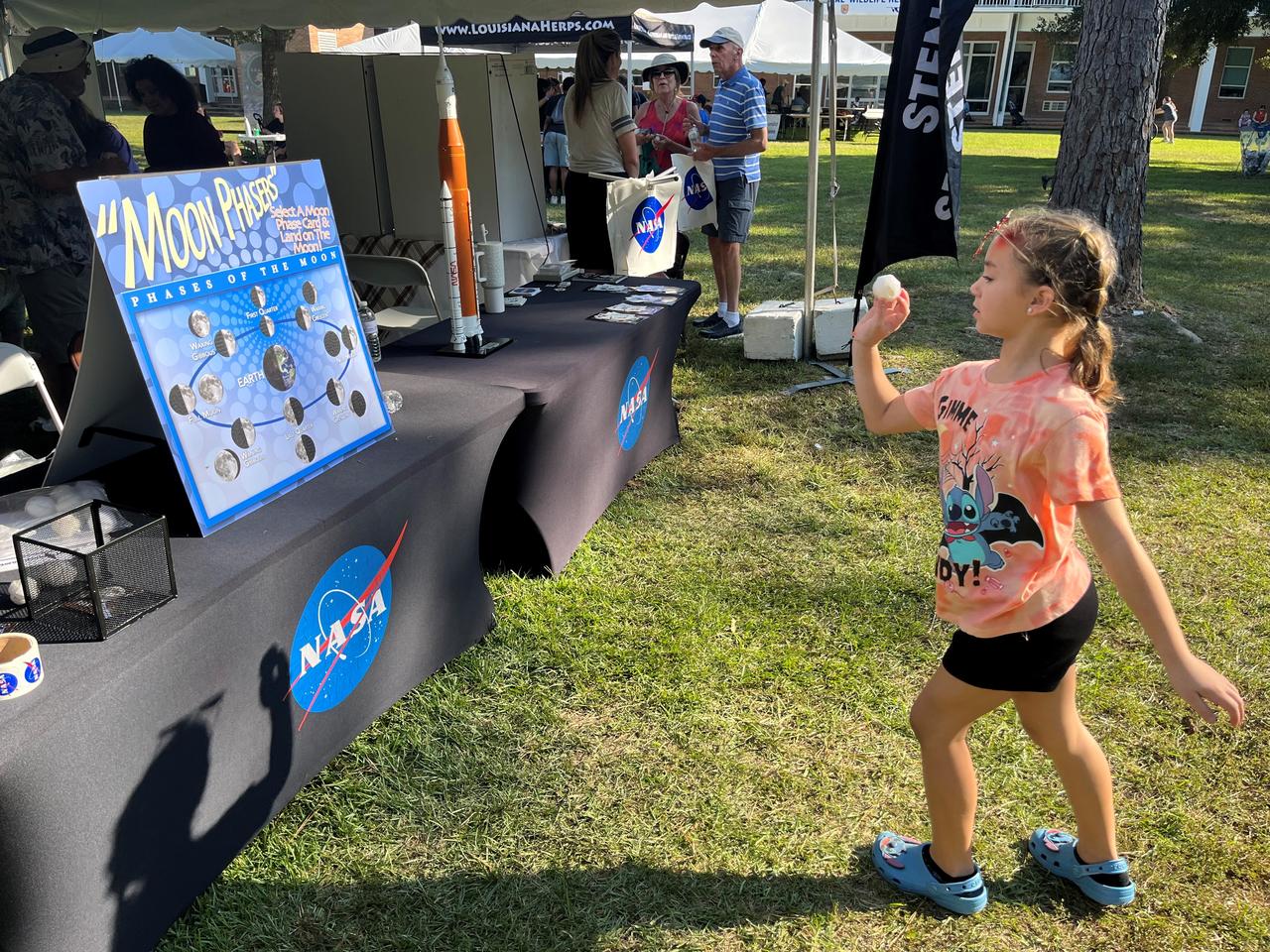
NASA Stennis representatives inspire the Artemis Generation Oct. 12 at the Wild Things event celebrating National Wildlife Refuge Week in Lacombe, Louisiana. Participants played a game to identify different phases of the Moon and learned more about NASA’s return to the Moon. The event was hosted by Friends of Louisiana Wildlife Refuges, Inc. and Southeast Louisiana National Wildlife Refuges Complex at Bayou Lacombe Center, headquarters for the nine National Wildlife Refuges in southeast Louisiana.
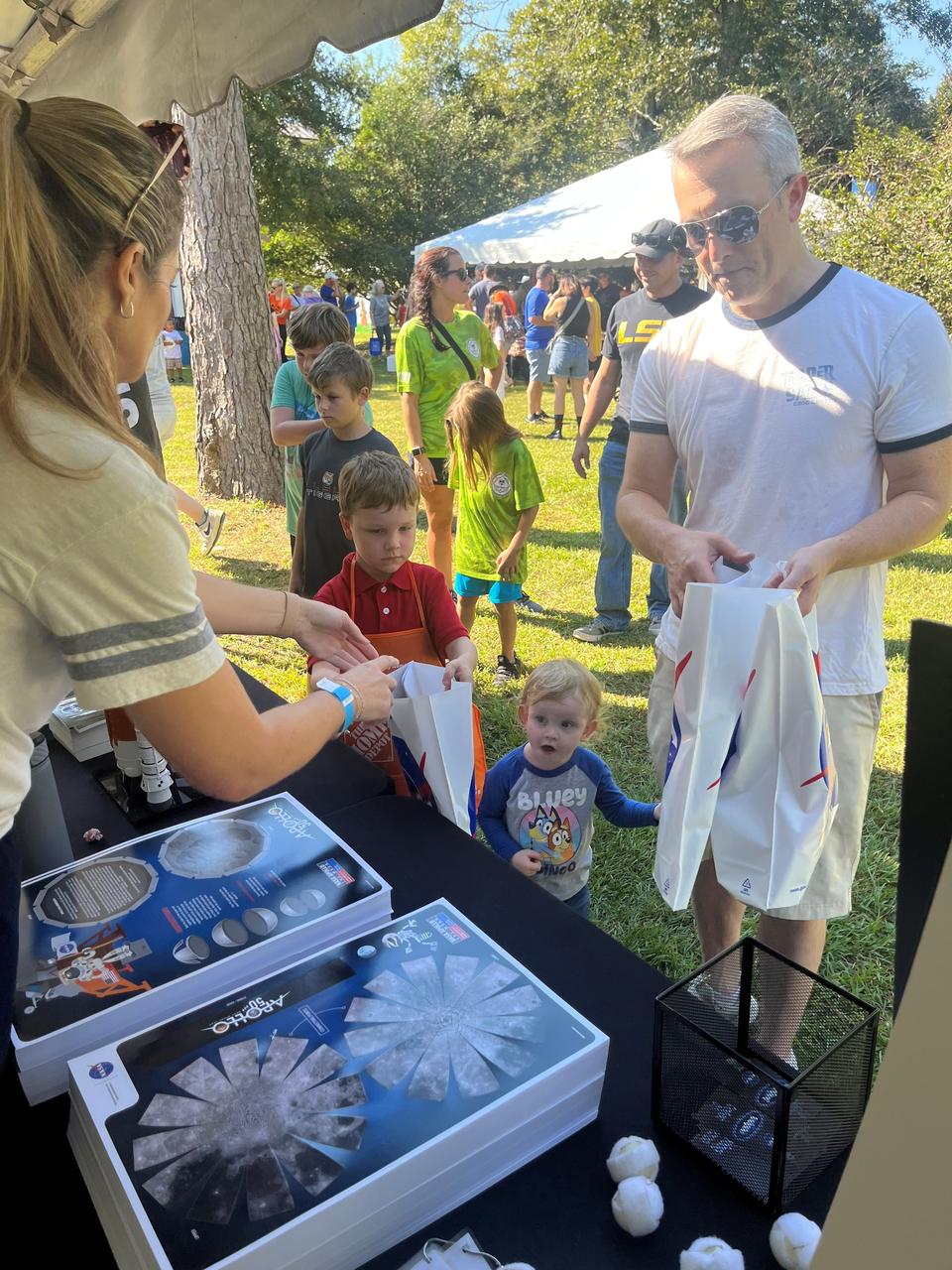
NASA Stennis representatives inspire the Artemis Generation Oct. 12 at the Wild Things event celebrating National Wildlife Refuge Week in Lacombe, Louisiana. Participants played a game to identify different phases of the Moon and learned more about NASA’s return to the Moon. The event was hosted by Friends of Louisiana Wildlife Refuges, Inc. and Southeast Louisiana National Wildlife Refuges Complex at Bayou Lacombe Center, headquarters for the nine National Wildlife Refuges in southeast Louisiana.
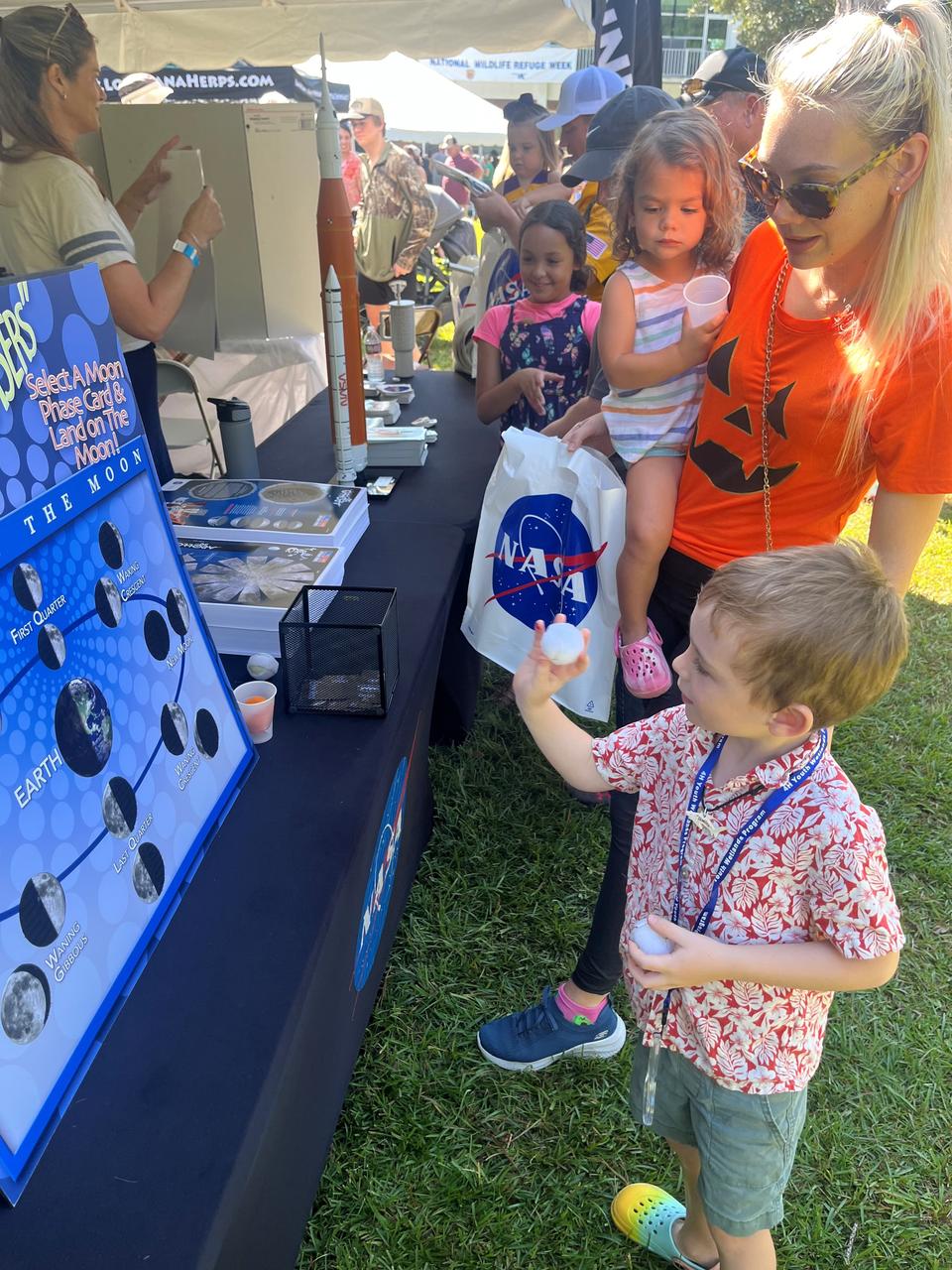
NASA Stennis representatives inspire the Artemis Generation Oct. 12 at the Wild Things event celebrating National Wildlife Refuge Week in Lacombe, Louisiana. Participants played a game to identify different phases of the Moon and learned more about NASA’s return to the Moon. The event was hosted by Friends of Louisiana Wildlife Refuges, Inc. and Southeast Louisiana National Wildlife Refuges Complex at Bayou Lacombe Center, headquarters for the nine National Wildlife Refuges in southeast Louisiana.

NASA Stennis representatives inspire the Artemis Generation Oct. 12 at the Wild Things event celebrating National Wildlife Refuge Week in Lacombe, Louisiana. Participants played a game to identify different phases of the Moon and learned more about NASA’s return to the Moon. The event was hosted by Friends of Louisiana Wildlife Refuges, Inc. and Southeast Louisiana National Wildlife Refuges Complex at Bayou Lacombe Center, headquarters for the nine National Wildlife Refuges in southeast Louisiana.
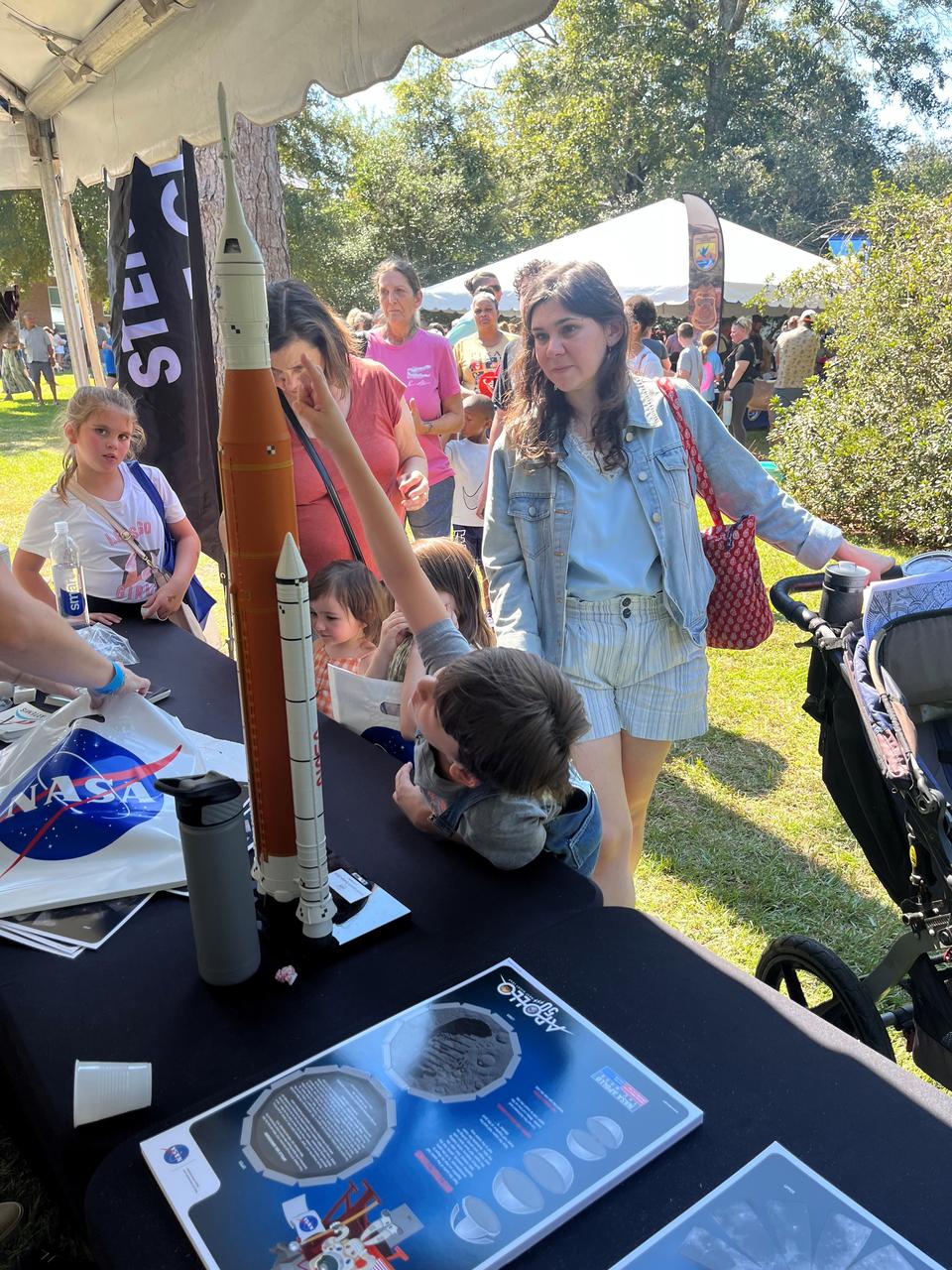
NASA Stennis representatives inspire the Artemis Generation Oct. 12 at the Wild Things event celebrating National Wildlife Refuge Week in Lacombe, Louisiana. Participants played a game to identify different phases of the Moon and learned more about NASA’s return to the Moon. The event was hosted by Friends of Louisiana Wildlife Refuges, Inc. and Southeast Louisiana National Wildlife Refuges Complex at Bayou Lacombe Center, headquarters for the nine National Wildlife Refuges in southeast Louisiana.

Maestro Piotr Gajewski conducts the National Philharmonic in the performance of Henry Dehlinger’s “Return to the Moon: Fanfare to Artemis,” Thursday, May 11, 2023, at Capital One Hall in Tysons, Va. “Cosmic Cycles: A Space Symphony” is a collaboration between composer Henry Dehlinger, NASA’s Goddard Space Flight Center, and the National Philharmonic that features a fusion of music and video in seven multimedia works on the Sun, Earth, Moon, Planets, and Cosmos. Photo Credit: (NASA/Joel Kowsky)

During its flight, NASA’s Galileo spacecraft returned images of the Earth and Moon. Separate images of the Earth and Moon were combined to generate this view. http://photojournal.jpl.nasa.gov/catalog/PIA00342

AS8-15-2561 (21-27 Dec. 1968) --- View of Earth as photographed by the Apollo 8 astronauts on their return trip from the moon. Note that the terminator is straighter than on the outbound pictures. The terminator crosses Australia. India is visible. The sun reflection is within the Indian Ocean.
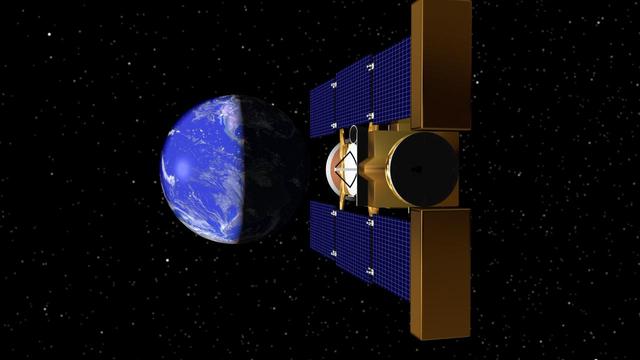
Artist rendering of NASA’s Stardust returning to Earth. Stardust is the first U.S. space mission dedicated to the exploration of a comet, and the first robotic mission designed to return extraterrestrial material from outside the orbit of the Moon.
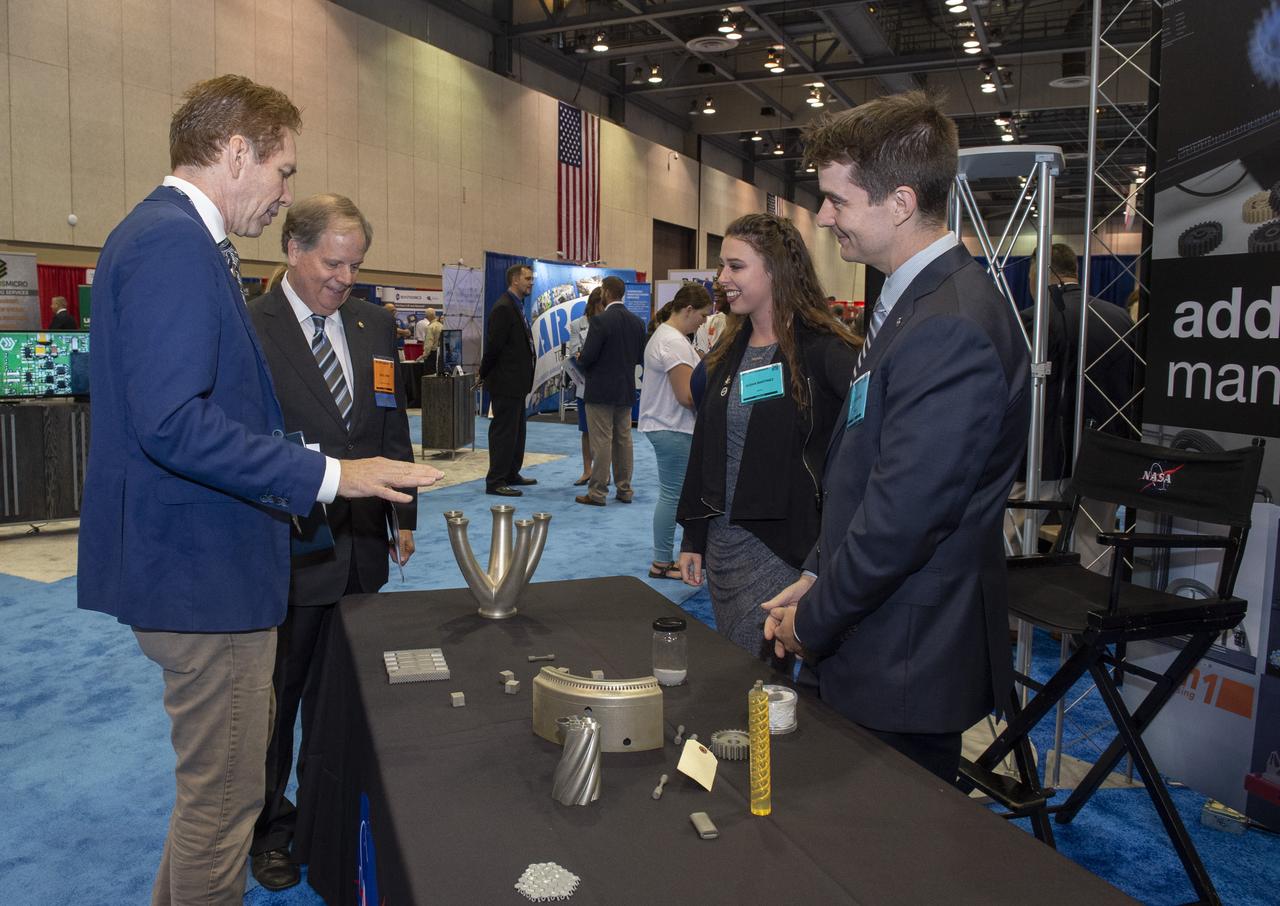
Marshall Space Flight Center Deputy Director Paul McConnaughey, left, discusses advanced manufacturing capabilities with Sen. Doug Jones of Alabama, second from left, Aug. 7 at the annual Space & Missile Defense Symposium in Huntsville, Alabama. The NASA exhibit, staffed by materials engineers Susan Barber, center, and Zack Jones, right, showcased some of the technologies, missions and hardware that will help enable humans to return to the Moon through the agency’s Artemis program.
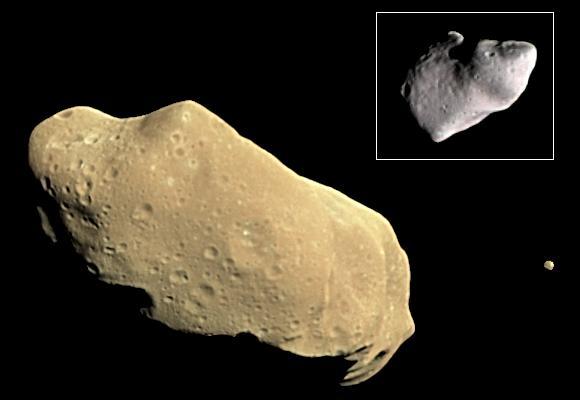
During its examination of the asteroid Ida, NASA Galileo spacecraft returned images of a second object, Dactyl--the first confirmed satellite or moon of an asteroid; the much smaller moon is visible to the right of Ida. http://photojournal.jpl.nasa.gov/catalog/PIA00333

During its flight and lunar orbit, NASA’s Clementine spacecraft returned images of the planet Earth and the Moon. This collection of UVVIS camera Clementine images shows the Earth from the Moon and 3 images of the Earth. The image on the left shows the Earth as seen across the lunar north pole; the large crater in the foreground is Plaskett. The Earth actually appeared about twice as far above the lunar horizon as shown. The top right image shows the Earth as viewed by the UVVIS camera while Clementine was in transit to the Moon; swirling white cloud patterns indicate storms. The two views of southeastern Africa were acquired by the UVVIS camera while Clementine was in low Earth orbit early in the mission. http://photojournal.jpl.nasa.gov/catalog/PIA00432
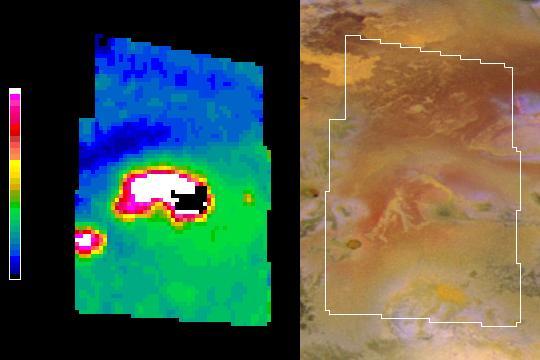
In August 2001, NASA Galileo spacecraft has returned imagery of a hot spot on Jupiter moon Io that was the source of a towering plume indicating a sulfur-dioxide concentration that may have been fallout from the plume.
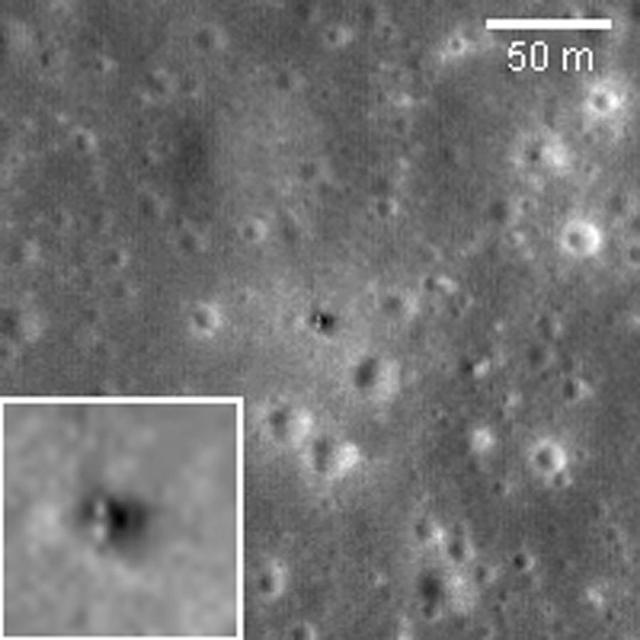
Luna 16 was the first robotic mission to land on the Moon on basaltic plains of Mare Fecunditatis and return a sample to the Earth. It was launched by the Soviet Union on 12 September 1970. This image was taken by NASA Lunar Reconnaissance Orbiter.
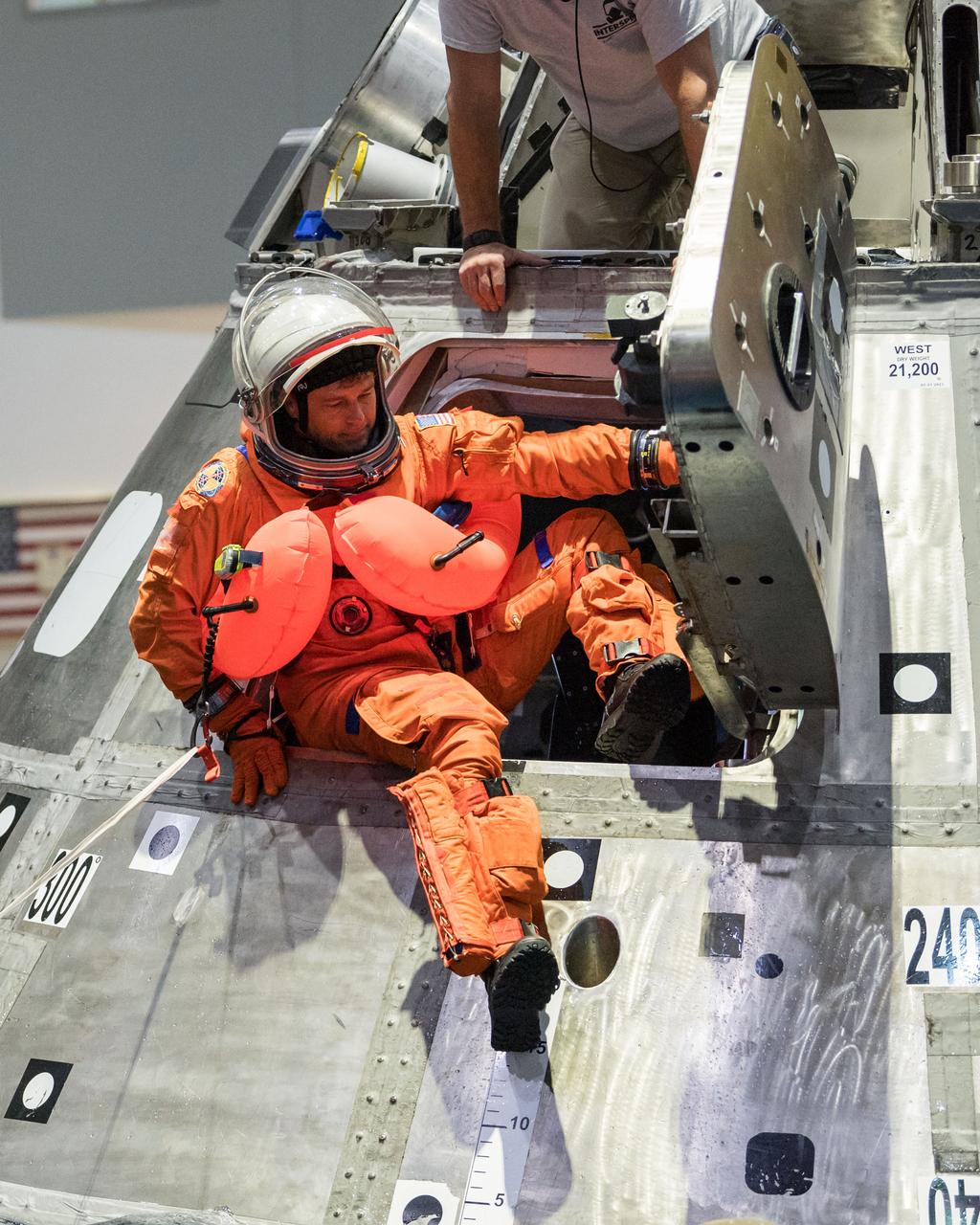
NASA astronaut and Artemis II commander Reid Wiseman exits the side of a mockup of the Orion spacecraft during a training exercise in the Neutral Buoyancy Lab at NASA’s Johnson Space Center in Houston on Jan. 23. As part of training for their mission around the Moon next year, the first crewed flight under NASA’s Artemis campaign, the crew of four astronauts practiced the recovery procedures they will use when the splash down in the Pacific Ocean. jsc2024e009648.
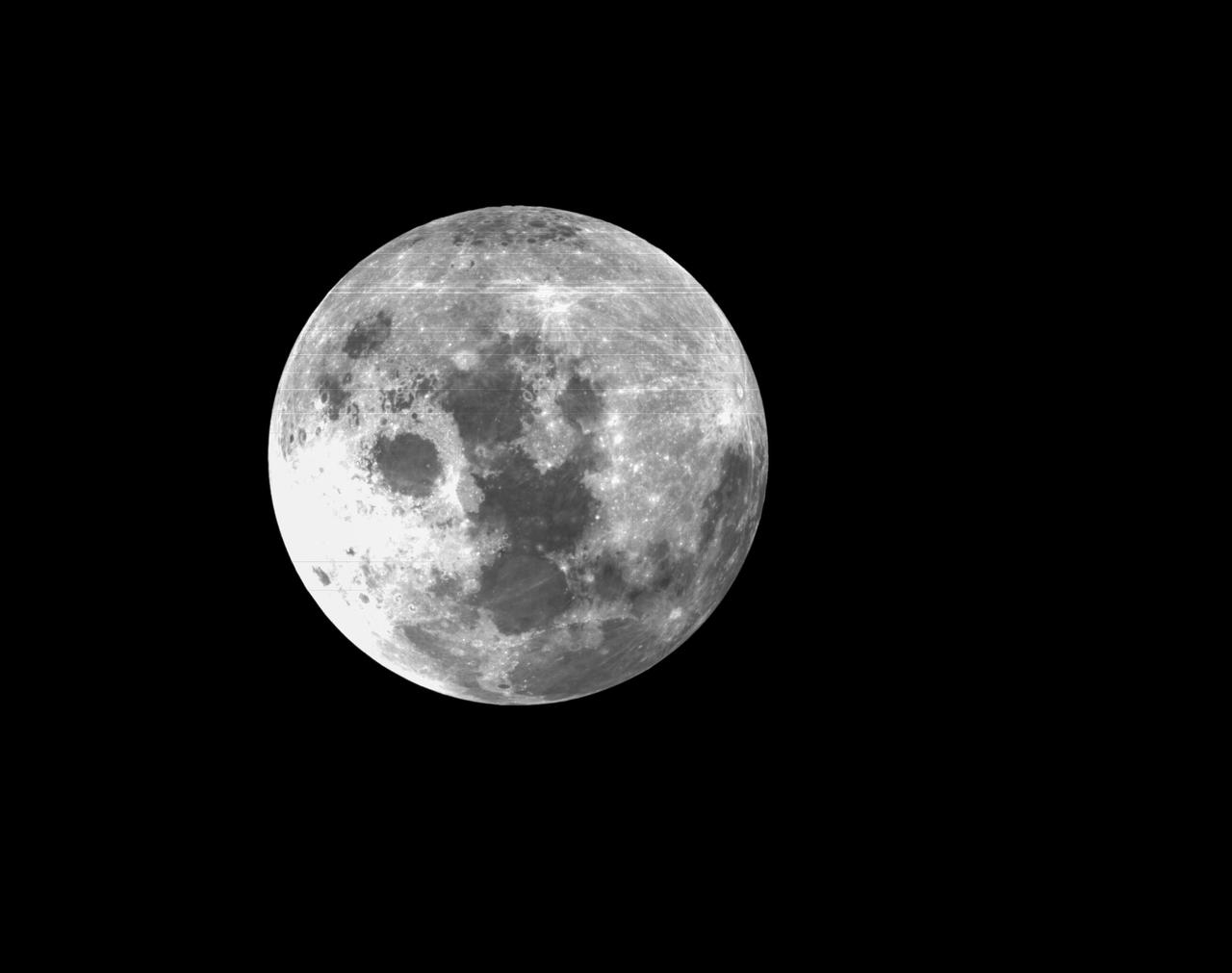
art001e002194 (Dec. 5, 2022) On flight day 20 of NASA’s Artemis I mission, Orion’s optical navigation camera looked back at the Moon as the spacecraft began its journey home. Orion uses the optical navigation camera to capture imagery of the Earth and the Moon at different phases and distances, providing an enhanced body of data to certify its effectiveness under different lighting conditions as a way to help orient the spacecraft on future missions with crew.

NASA Galileo spacecraft, now in orbit around Jupiter, returned this optical navigation image June 3, 1996, showing that the spacecraft is accurately targeted for its first flyby of the giant moon Ganymede on June 27. http://photojournal.jpl.nasa.gov/catalog/PIA00273

On June 27, 1996, during Galileo first orbit around Jupiter, a newly discovered impact crater could be seen just right of the center of this image of Jupiter moon Europa returned by NASA Galileo spacecraft camera. http://photojournal.jpl.nasa.gov/catalog/PIA00294
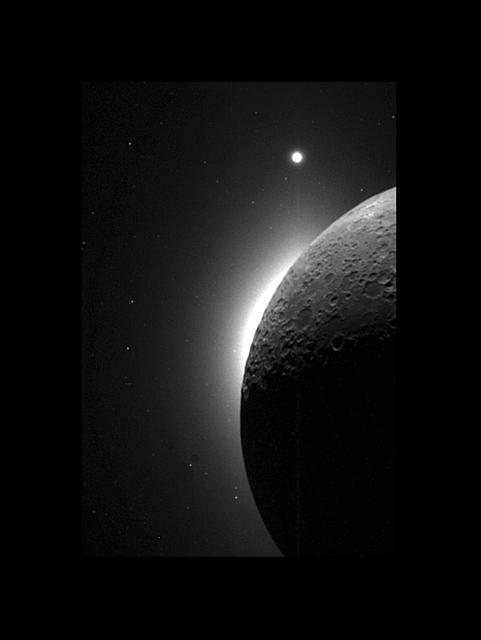
In 1994, during its flight, NASA's Clementine spacecraft returned images of the Moon. In addition to the geologic mapping cameras, the Clementine spacecraft also carried two Star Tracker cameras for navigation. These lightweight (0.3 kg) cameras kept the spacecraft on track by constantly observing the positions of stars, reminiscent of the age-old seafaring tradition of sextant/star navigation. These navigation cameras were also to take some spectacular wide angle images of the Moon. In this picture the Moon is seen illuminated solely by light reflected from the Earth--Earthshine! The bright glow on the lunar horizon is caused by light from the solar corona; the sun is just behind the lunar limb. Caught in this image is the planet Venus at the top of the frame. http://photojournal.jpl.nasa.gov/catalog/PIA00434
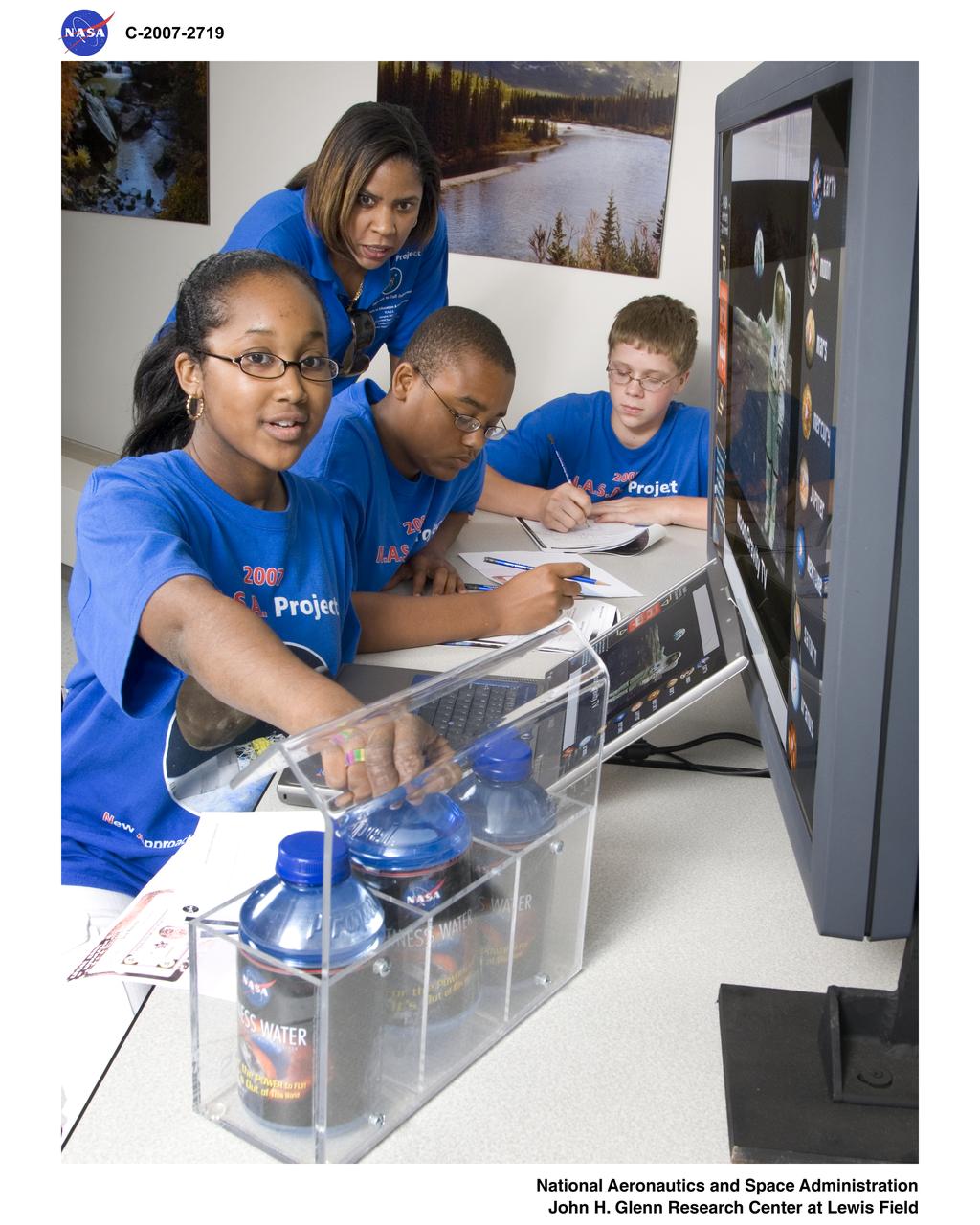
New Approach to Self Achievement (N.A.S.A.) Project Students work together at the Aerospace Education Center Return to the Moon Discovery Path Moon Gravity Module
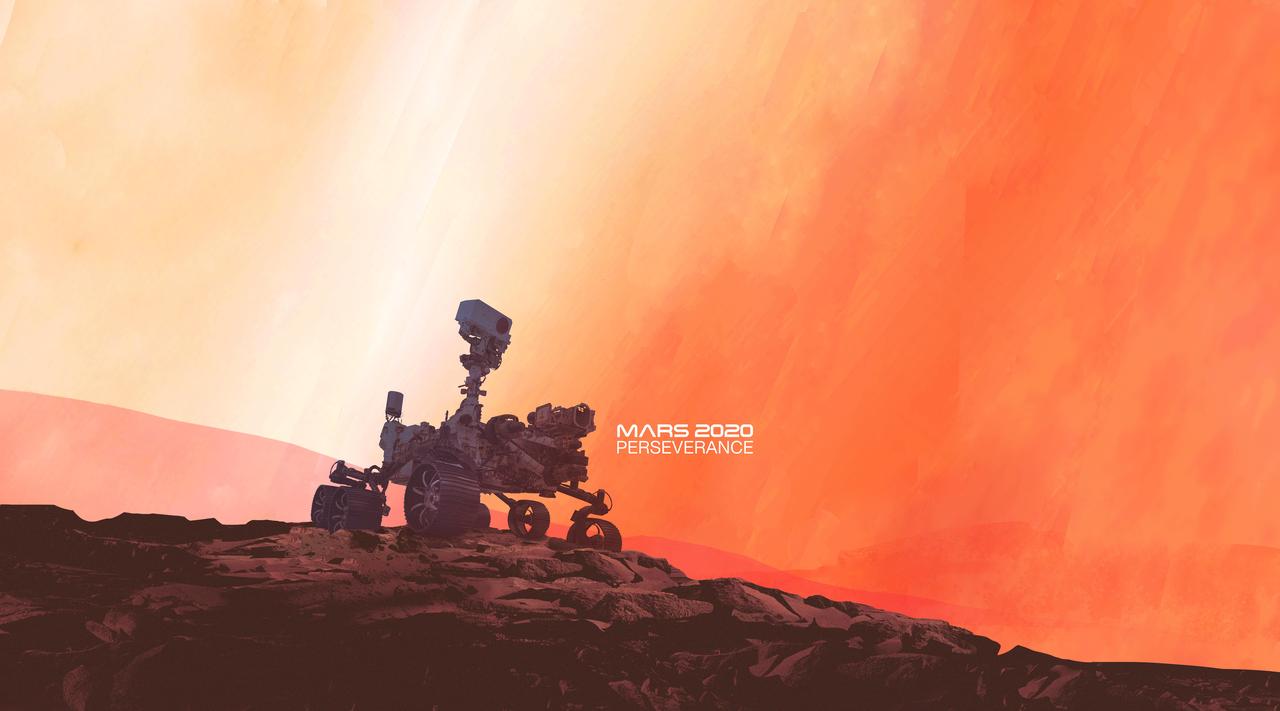
The Mars 2020 Perseverance rover's astrobiology mission will search for signs of ancient microbial life. It will also characterize the planet's climate and geology, collect samples for future return to Earth and pave the way for human exploration of the Red Planet. The mission is part of a larger program that includes missions to the Moon as a way to prepare for human exploration of the Red Planet. Charged with returning astronauts to the Moon by 2024, NASA will establish a sustained human presence on and around the Moon by 2028 through NASA's Artemis lunar exploration plans. https://photojournal.jpl.nasa.gov/catalog/PIA23920
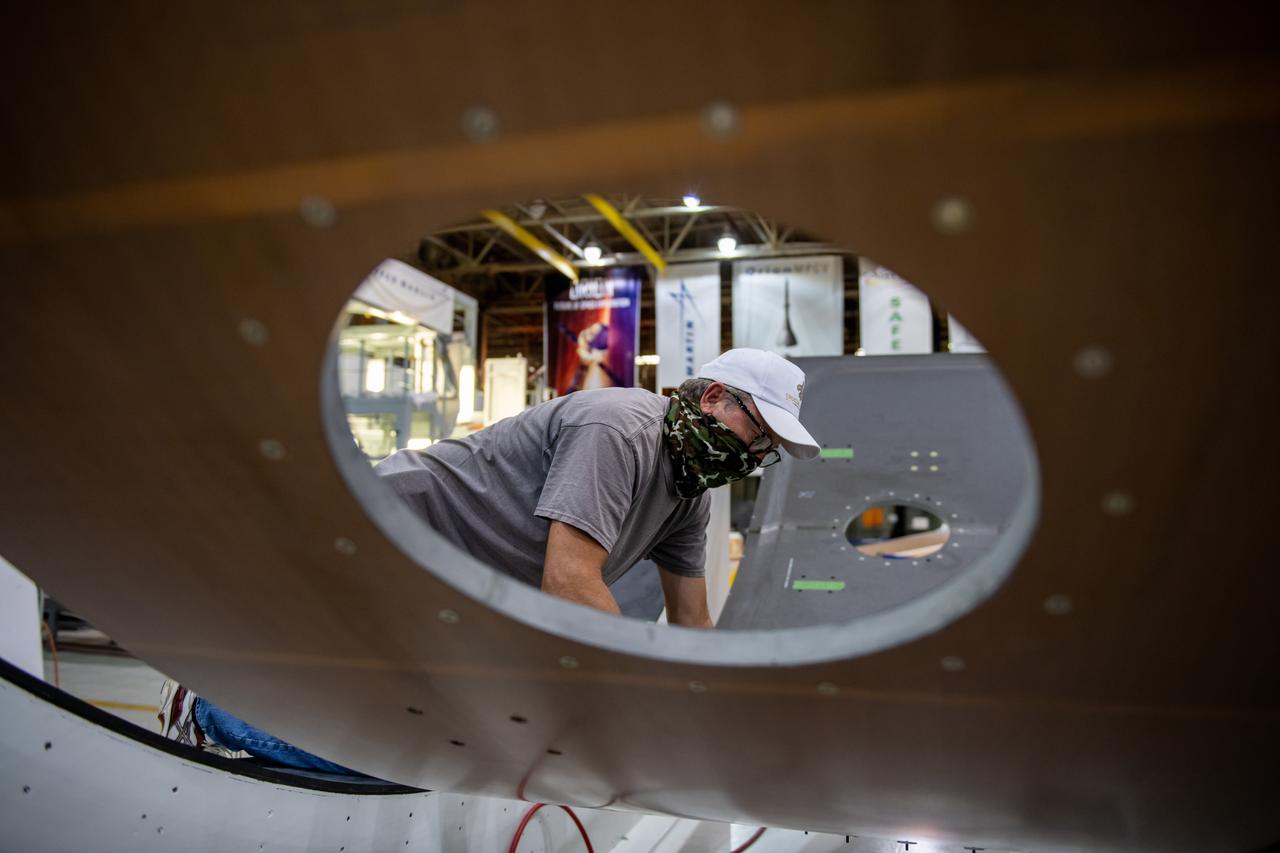
This week, NASA is taking preliminary steps to resume @NASA_SLS core stage production. Limited crews will return to #NASAMichoud to perform critical work essential to the agency's #Artemis program and our return to the Moon.
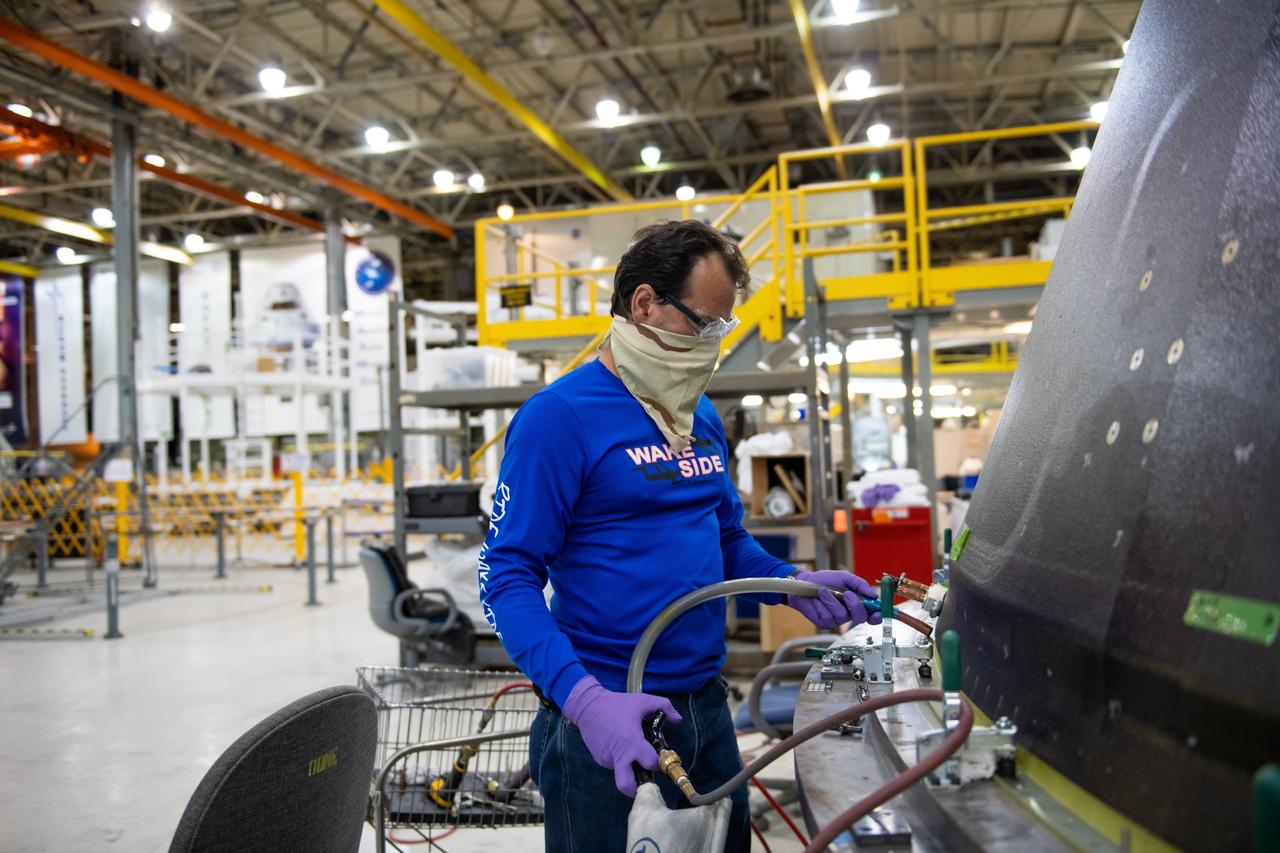
This week, NASA is taking preliminary steps to resume @NASA_SLS core stage production. Limited crews will return to #NASAMichoud to perform critical work essential to the agency's #Artemis program and our return to the Moon.
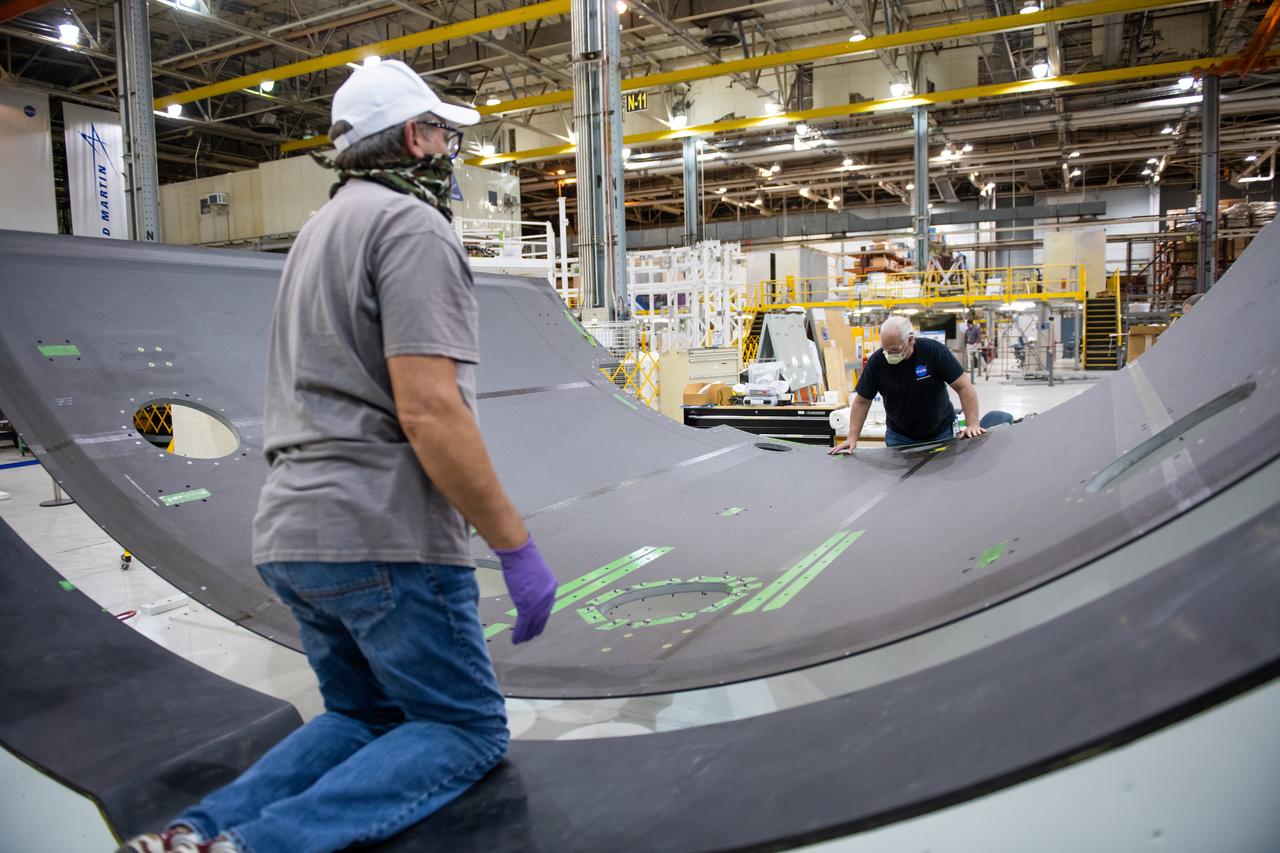
This week, NASA is taking preliminary steps to resume @NASA_SLS core stage production. Limited crews will return to #NASAMichoud to perform critical work essential to the agency's #Artemis program and our return to the Moon.
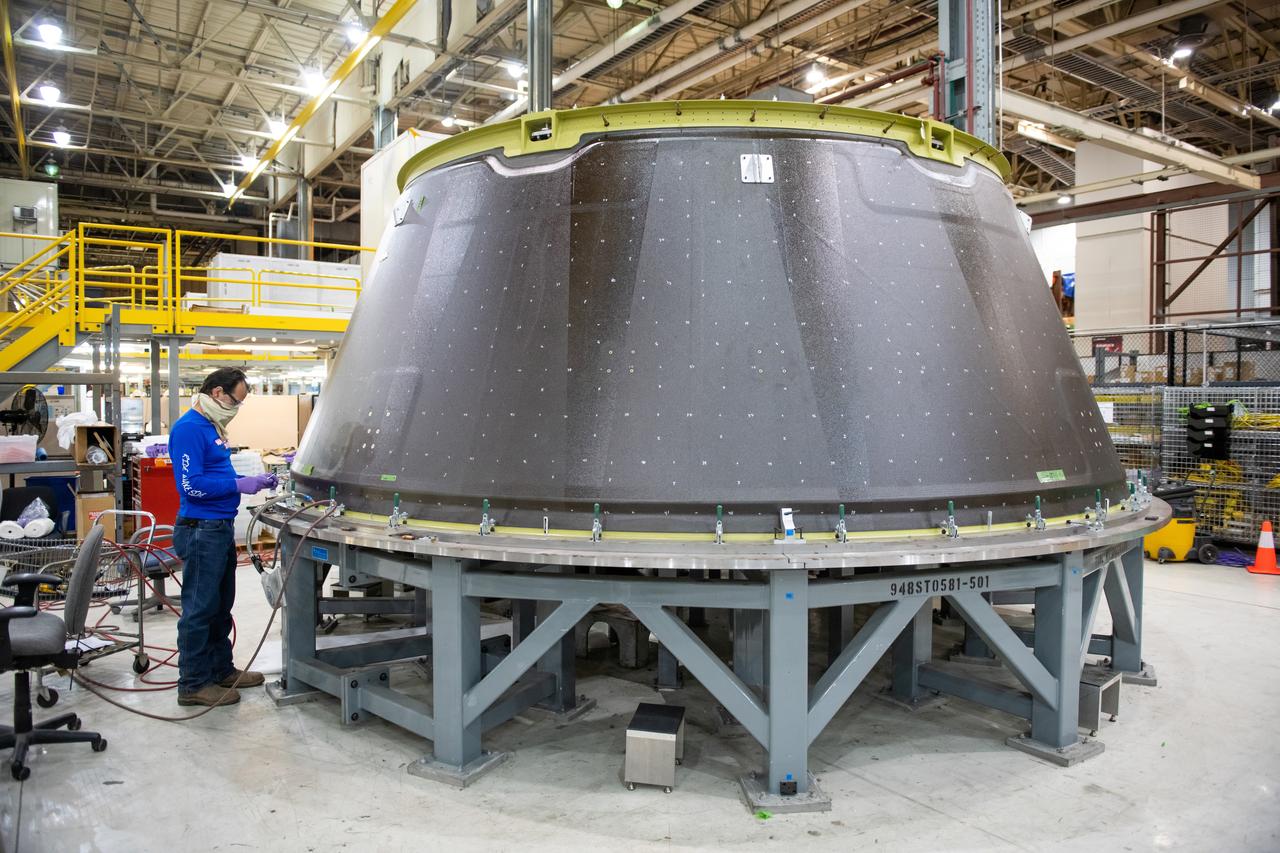
This week, NASA is taking preliminary steps to resume @NASA_SLS core stage production. Limited crews will return to #NASAMichoud to perform critical work essential to the agency's #Artemis program and our return to the Moon.
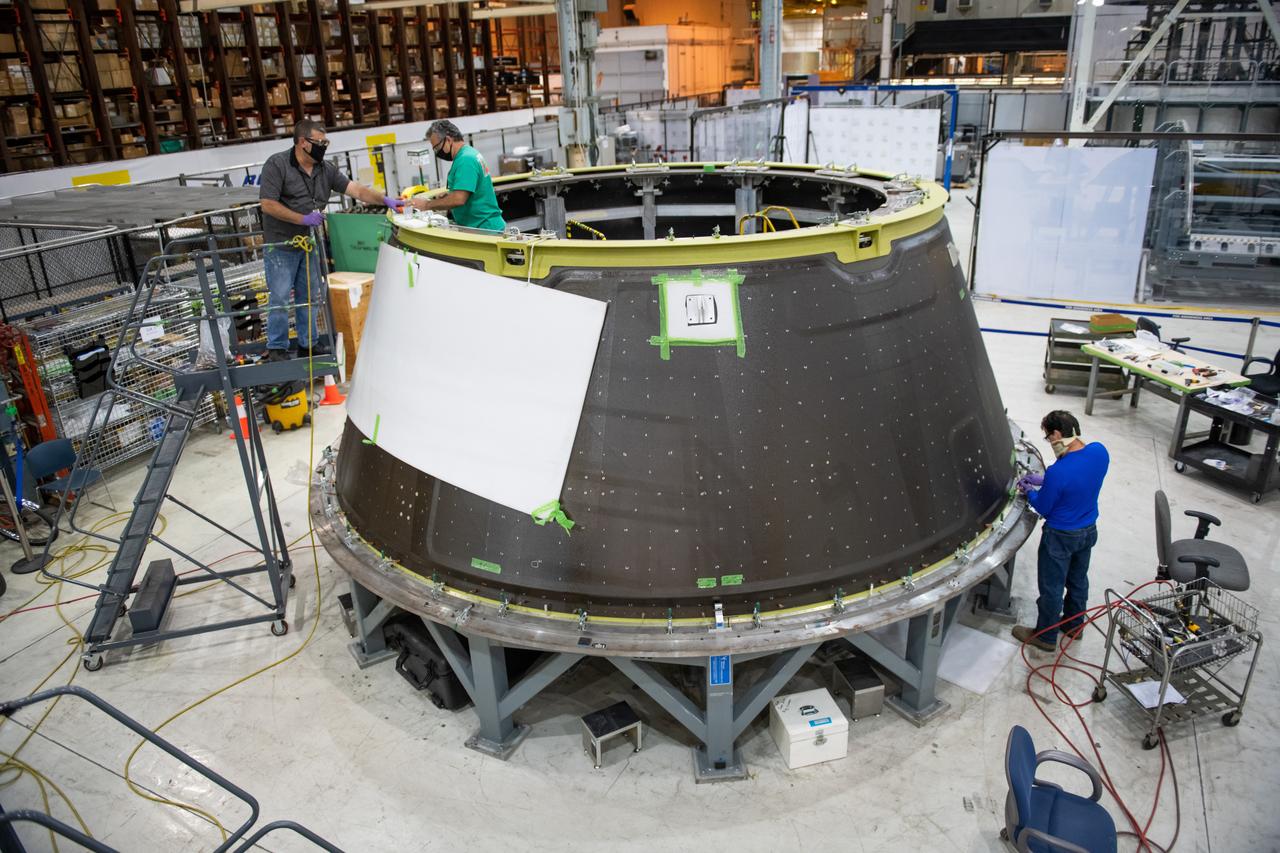
This week, NASA is taking preliminary steps to resume @NASA_SLS core stage production. Limited crews will return to #NASAMichoud to perform critical work essential to the agency's #Artemis program and our return to the Moon.
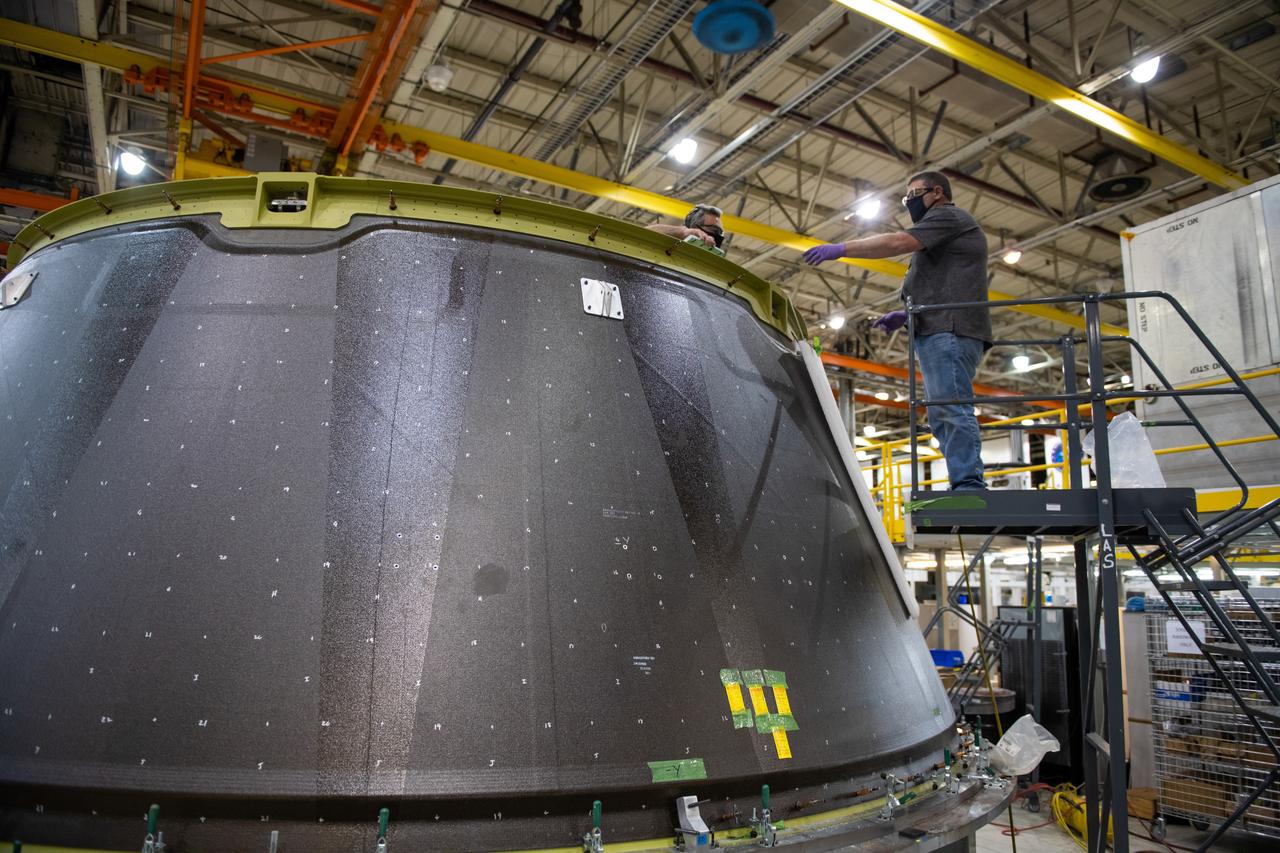
This week, NASA is taking preliminary steps to resume @NASA_SLS core stage production. Limited crews will return to #NASAMichoud to perform critical work essential to the agency's #Artemis program and our return to the Moon.
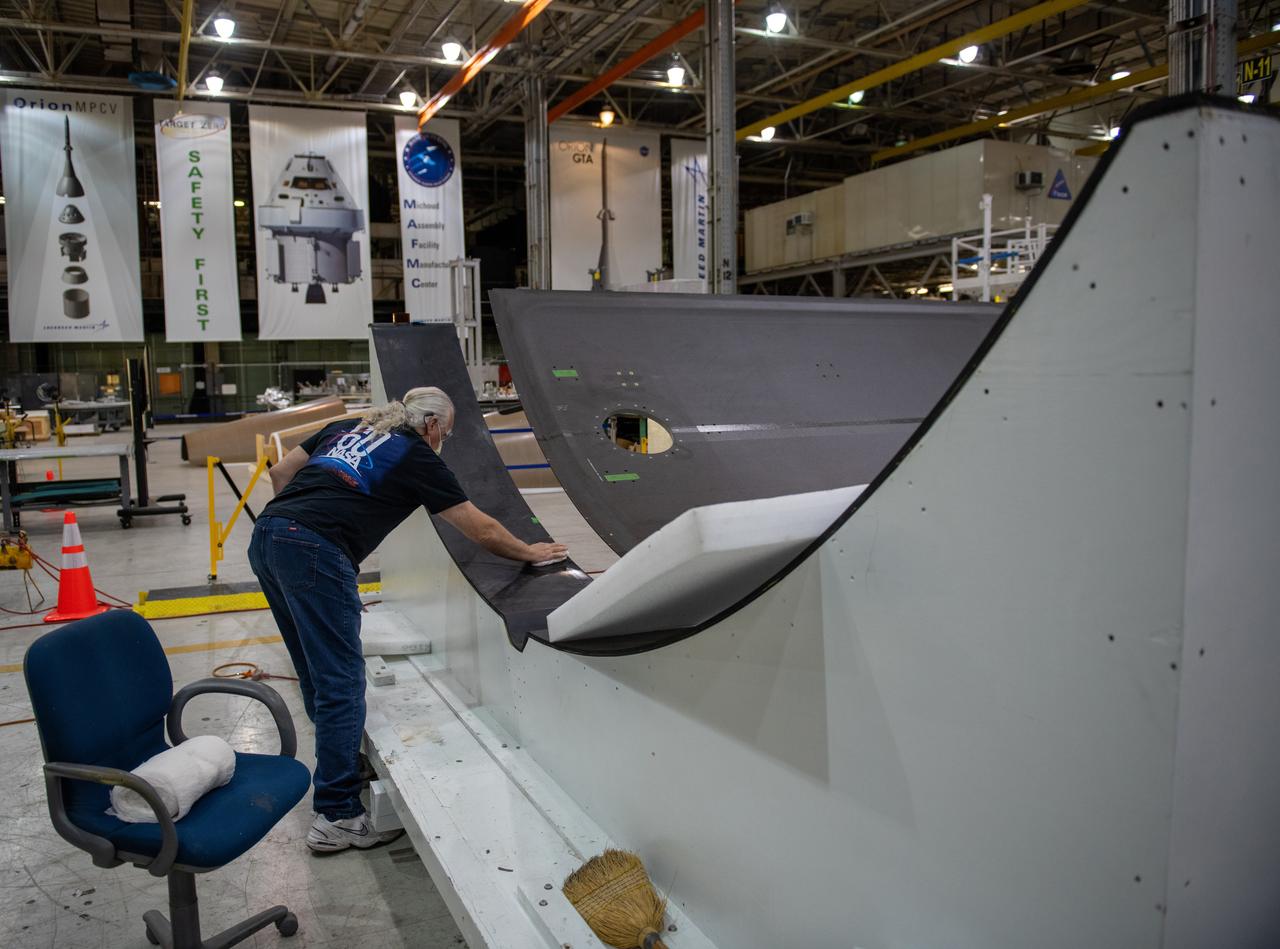
This week, NASA is taking preliminary steps to resume @NASA_SLS core stage production. Limited crews will return to #NASAMichoud to perform critical work essential to the agency's #Artemis program and our return to the Moon.
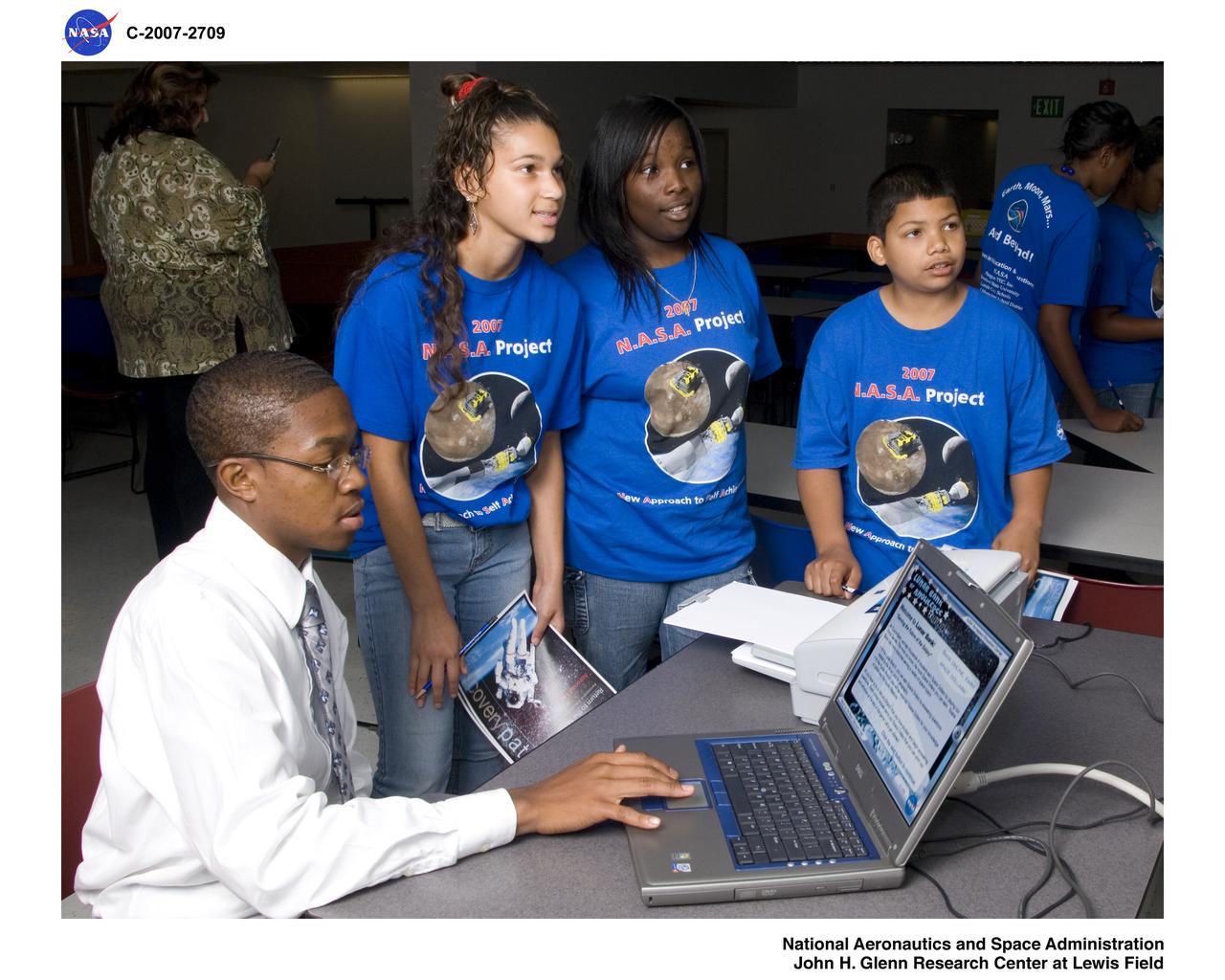
New Approach to Self Achievement (N.A.S.A.) Project Students test their knowledge of Moon Facts at the Aerospace Education Center Return to the Moon Discovery Path Lunar Bank of Knowledge
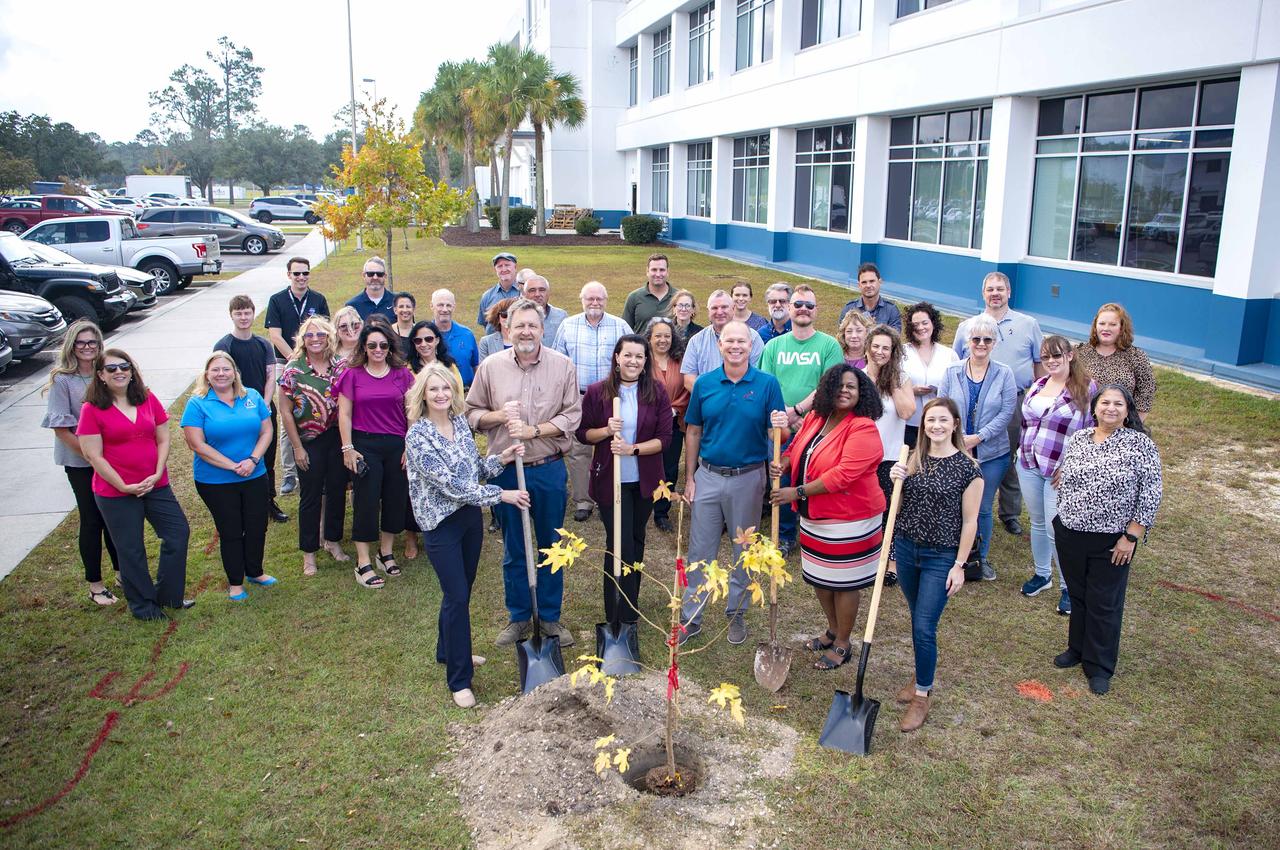
NASA employees plant an Artemis Moon Tree at NASA’s Stennis Space Center on Oct. 29 to celebrate NASA’s successful Artemis I mission as the agency prepares for a return around the Moon with astronauts on Artemis II.
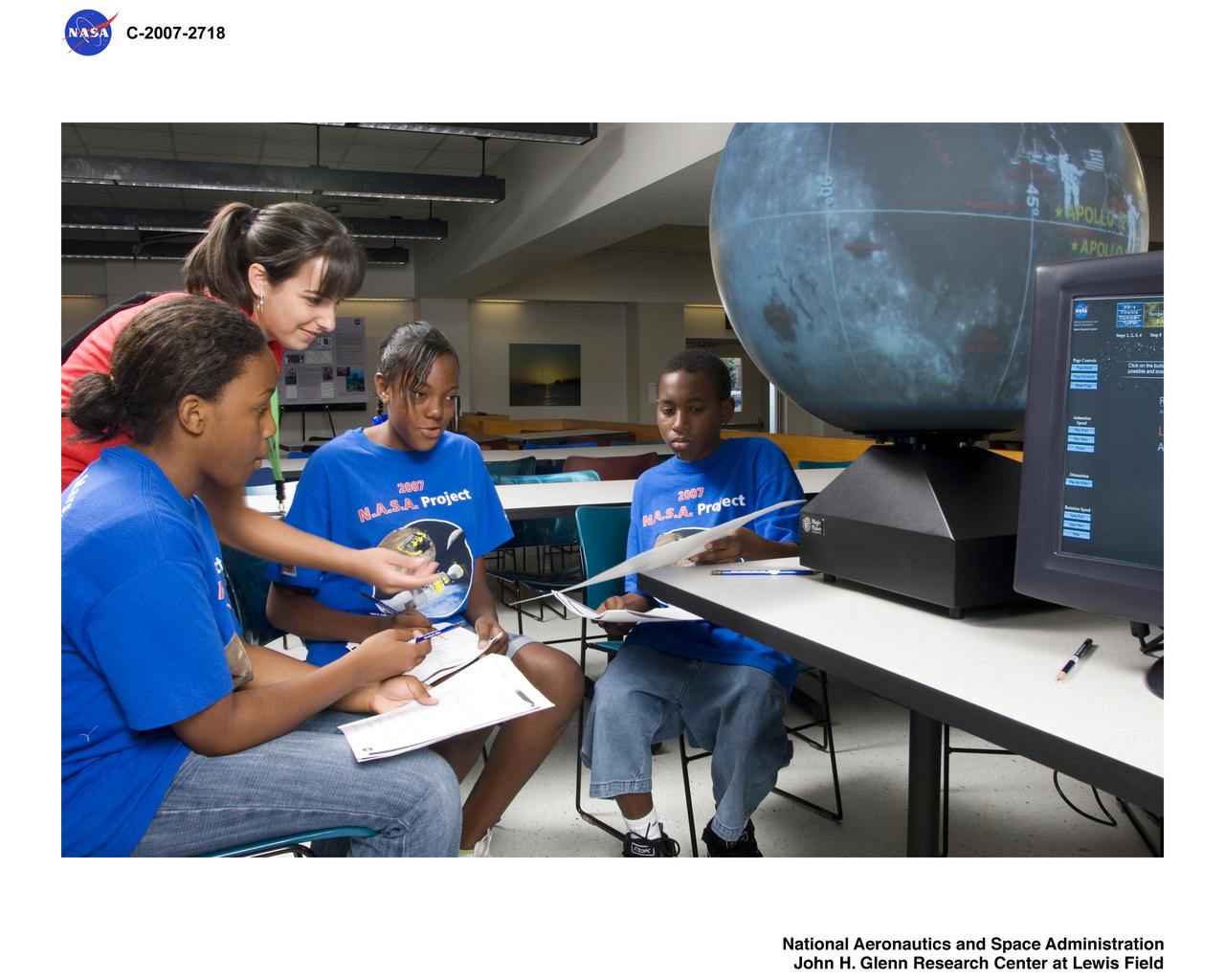
New Approach to Self Achievement (N.A.S.A.) Project Students learn about the geology of the Moon at the Aerospace Education Center Return to the Moon Discovery Path Lunar Locations Module
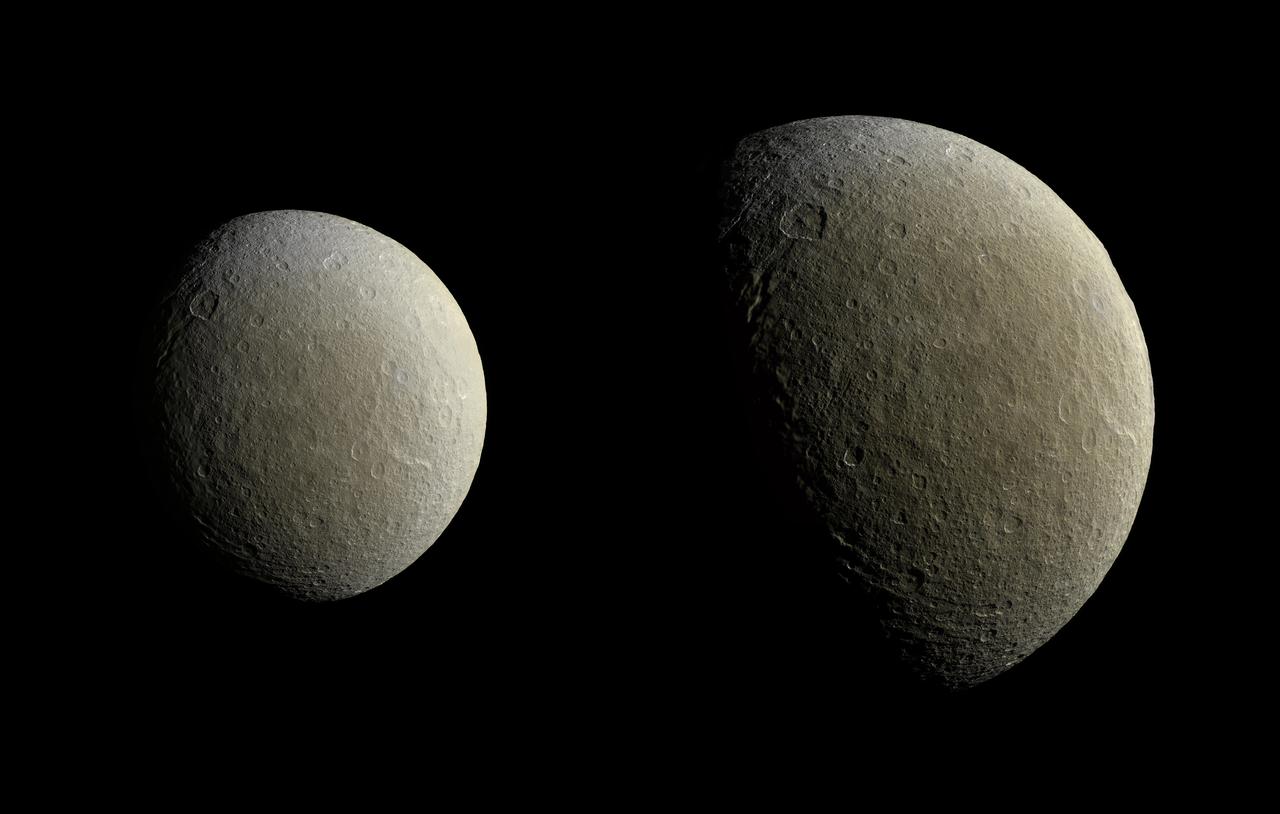
After a couple of years in high-inclination orbits that limited its ability to encounter Saturn's moons, NASA's Cassini spacecraft returned to Saturn's equatorial plane in March 2015. As a prelude to its return to the realm of the icy satellites, the spacecraft had its first relatively close flyby of an icy moon (apart from Titan) in almost two years on Feb. 9. During this encounter Cassini's cameras captured images of the icy moon Rhea, as shown in these in two image mosaics. The views were taken about an hour and a half apart as Cassini drew closer to Rhea. Images taken using clear, green, infrared and ultraviolet spectral filters were combined to create these enhanced color views, which offer an expanded range of the colors visible to human eyes in order to highlight subtle color differences across Rhea's surface. The moon's surface is fairly uniform in natural color. The image at right represents one of the highest resolution color views of Rhea released to date. A larger, monochrome mosaic is available in PIA07763. Both views are orthographic projections facing toward terrain on the trailing hemisphere of Rhea. An orthographic view is most like the view seen by a distant observer looking through a telescope. The views have been rotated so that north on Rhea is up. The smaller view at left is centered at 21 degrees north latitude, 229 degrees west longitude. Resolution in this mosaic is 450 meters (1,476 feet) per pixel. The images were acquired at a distance that ranged from about 51,200 to 46,600 miles (82,100 to 74,600 kilometers) from Rhea. The larger view at right is centered at 9 degrees north latitude, 254 degrees west longitude. Resolution in this mosaic is 300 meters (984 feet) per pixel. The images were acquired at a distance that ranged from about 36,000 to 32,100 miles (57,900 to 51,700 kilometers) from Rhea. The mosaics each consist of multiple narrow-angle camera (NAC) images with data from the wide-angle camera used to fill in areas where NAC data was not available. The image was produced by Heike Rosenberg and Tilmann Denk at Freie Universität in Berlin, Germany. http://photojournal.jpl.nasa.gov/catalog/PIA19057
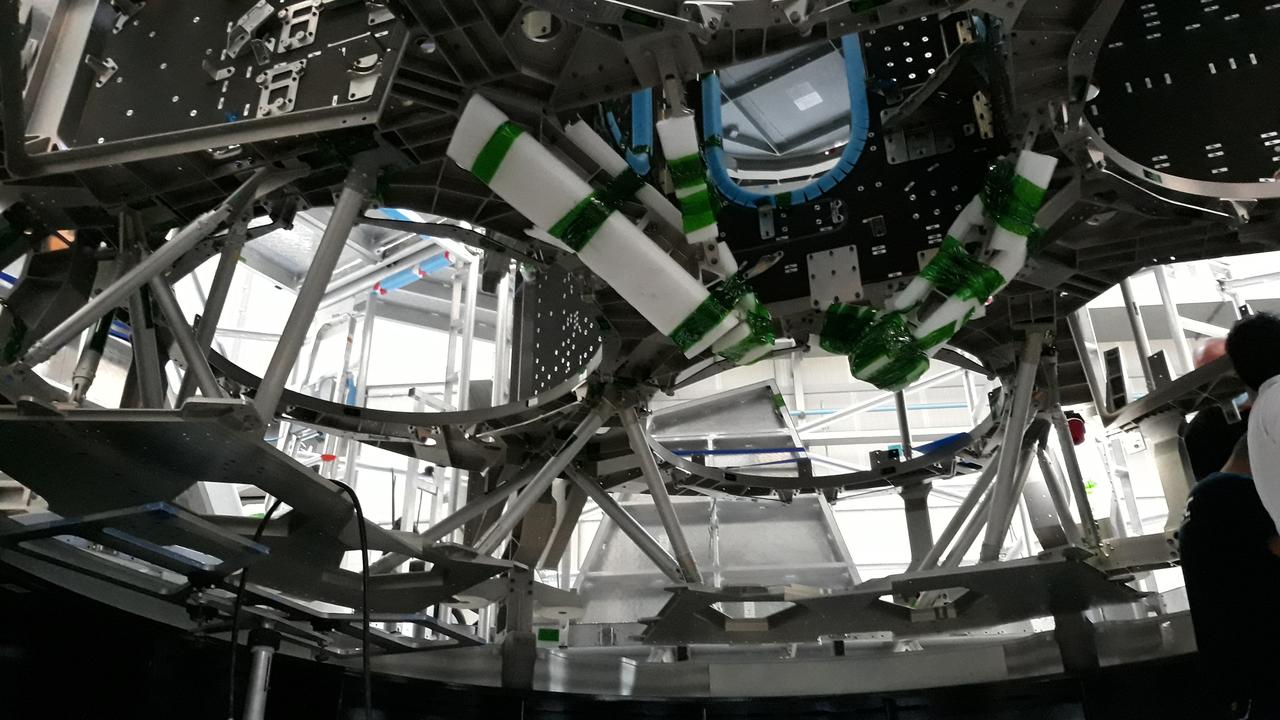
This structure, shown on Aug. 27, 2020, is the frame and base for the European Service Module, part of NASA’s Orion spacecraft that will return humans to the Moon...Built in Turin, Italy, at Thales Alenia Space, this is the third such structure to roll out of production. However, this one is extra special, as it will fly the first woman and next man to land on the Moon and return on the Artemis III mission.

This structure. shown on Sept. 3, 2020, is the frame and base for the European Service Module, part of NASA’s Orion spacecraft that will return humans to the Moon...Built in Turin, Italy, at Thales Alenia Space, this is the third such structure to roll out of production. However, this one is extra special, as it will fly the first woman and next man to land on the Moon and return on the Artemis III mission.
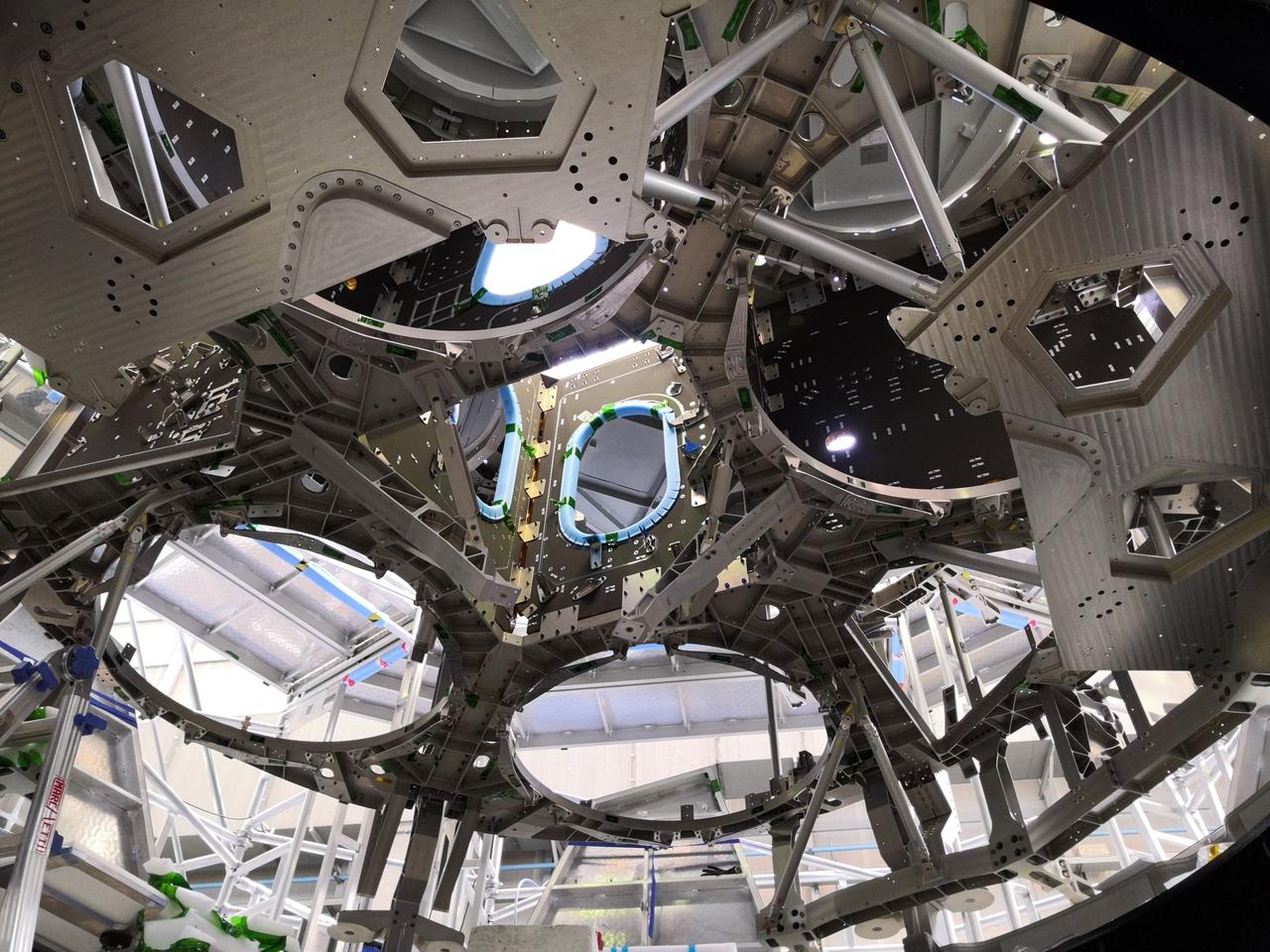
This structure. shown on Sept. 3, 2020, is the frame and base for the European Service Module, part of NASA’s Orion spacecraft that will return humans to the Moon...Built in Turin, Italy, at Thales Alenia Space, this is the third such structure to roll out of production. However, this one is extra special, as it will fly the first woman and next man to land on the Moon and return on the Artemis III mission.
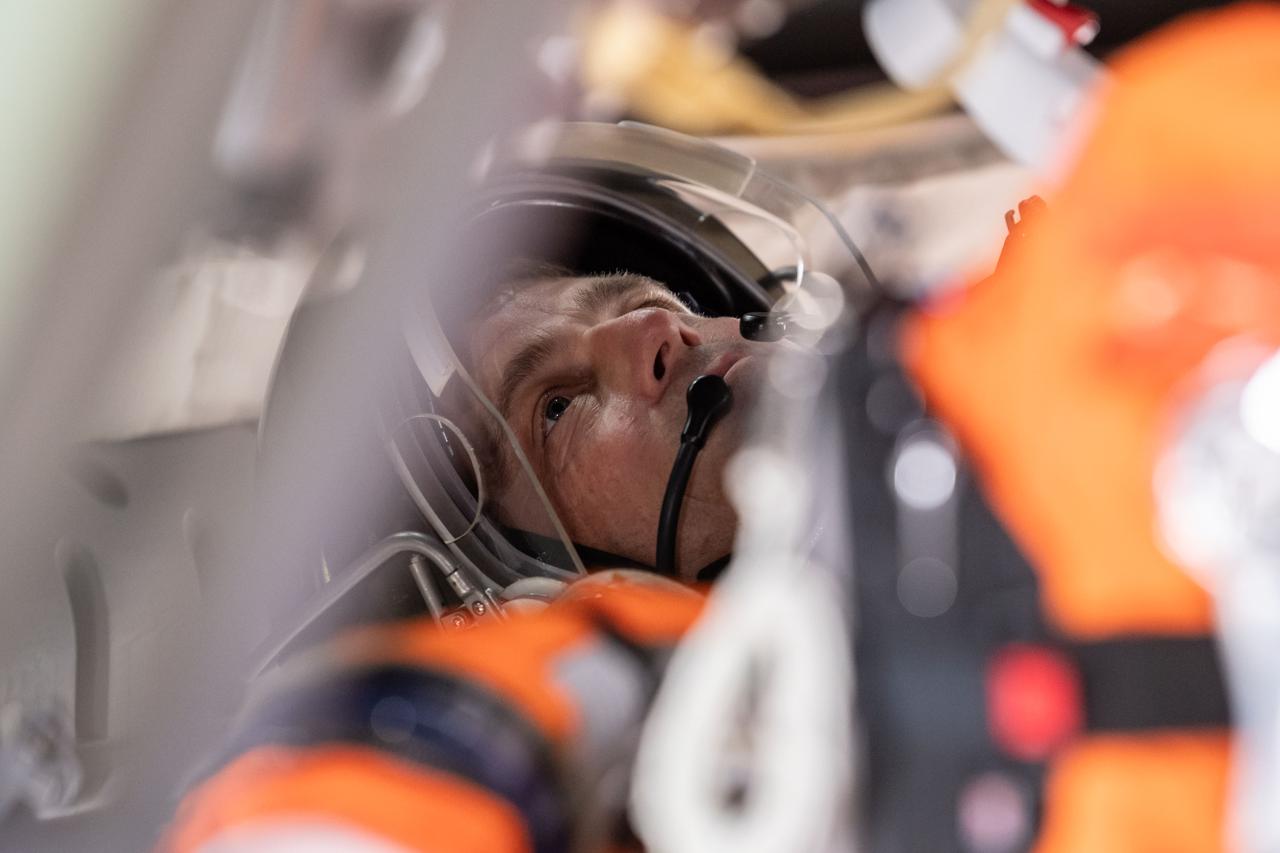
jsc2025e004079 (Jan. 30, 2025) --- NASA astronaut and Artemis II commander Reid Wiseman during Post Insertion and Deorbit Preparation training at the Space Vehicle Mockup Facility in Houston, Texas. The crew practiced getting the Orion spacecraft configured once in orbit, how to make it habitable, and suited up in their entry pressure suits to prepare for their return from the Moon. Credit: NASA/Mark Sowa
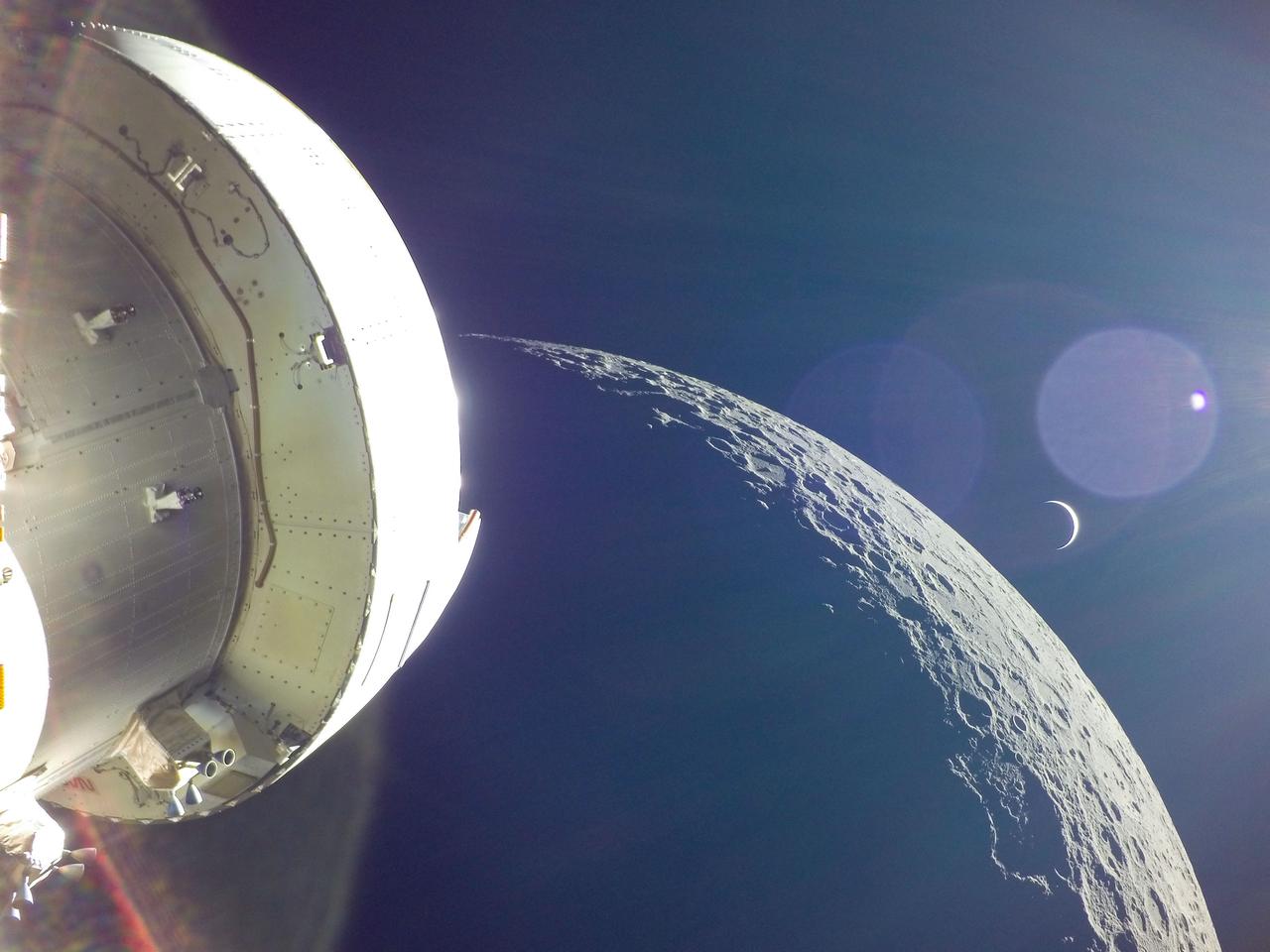
art0001e002083 (Dec. 5, 2022) On the 20th day of the Artemis I mission, Orion captured the Earth rising behind the Moon following the return powered flyby. The 3 minute, 27 second, return powered flyby burn, committed the spacecraft to a Dec. 11 splashdown in the Pacific Ocean.
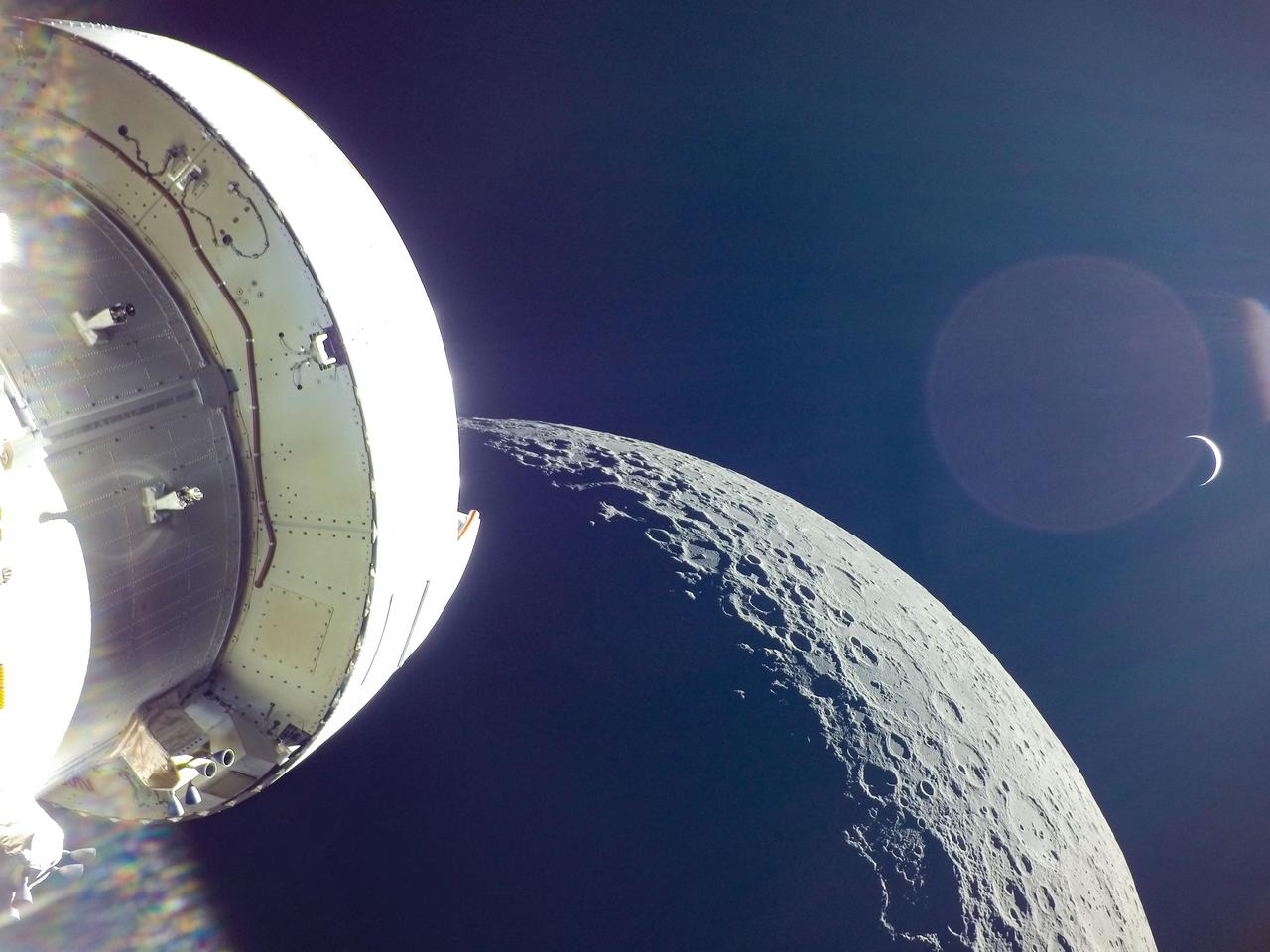
art0001e002092 (Dec. 5, 2022) On the 20th day of the Artemis I mission, Orion captured the Earth rising behind the Moon following the return powered flyby. The 3 minute, 27 second, return powered flyby burn, committed the spacecraft to a Dec. 11 splashdown in the Pacific Ocean.
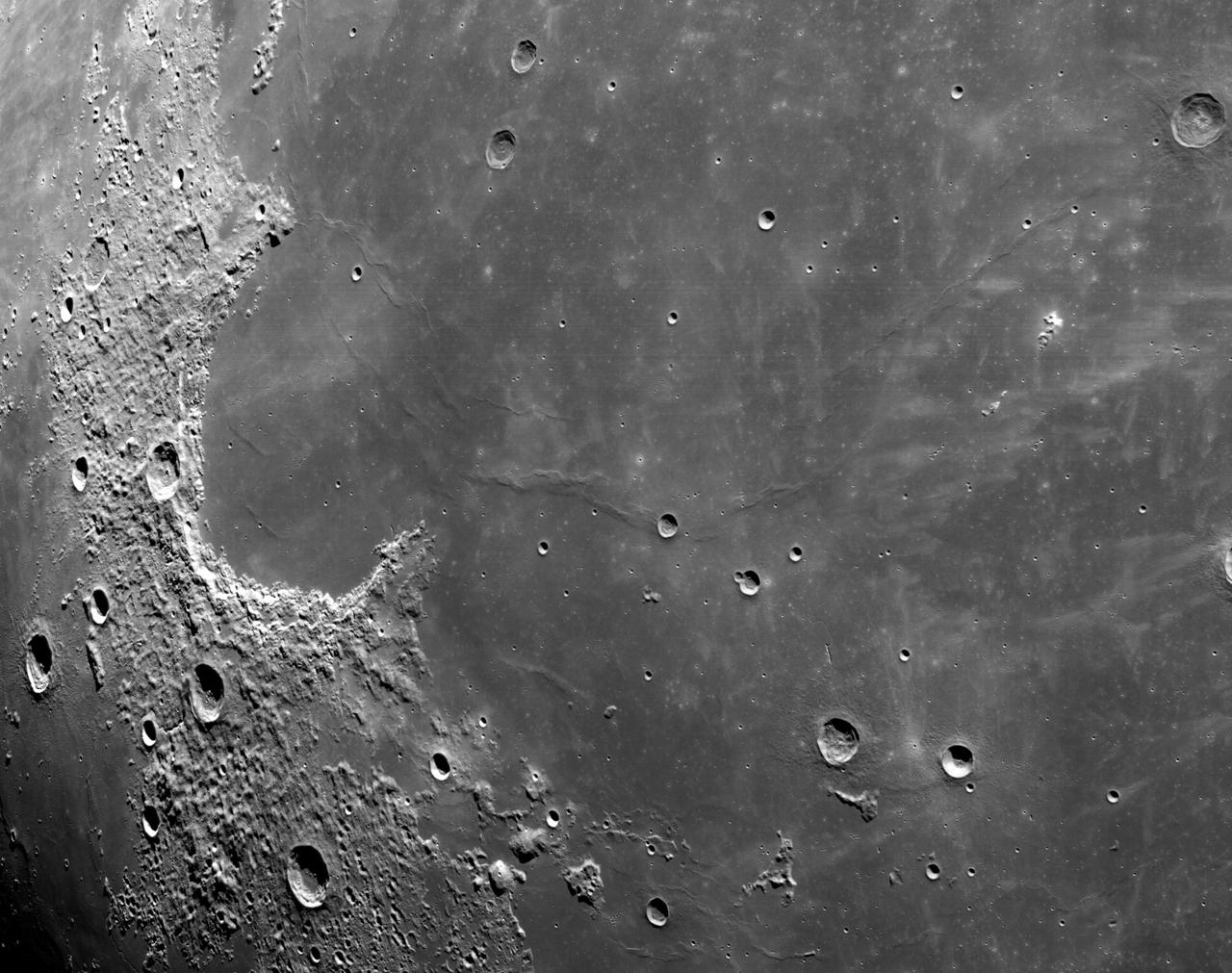
art001e002164 (Dec. 5, 2022): Cameras mounted on the crew module of the Orion spacecraft captured these views of the Moon’s surface. On flight day 20 of the Artemis I mission, the spacecraft made its second and final close approach to the Moon before its returned powered flyby burn.
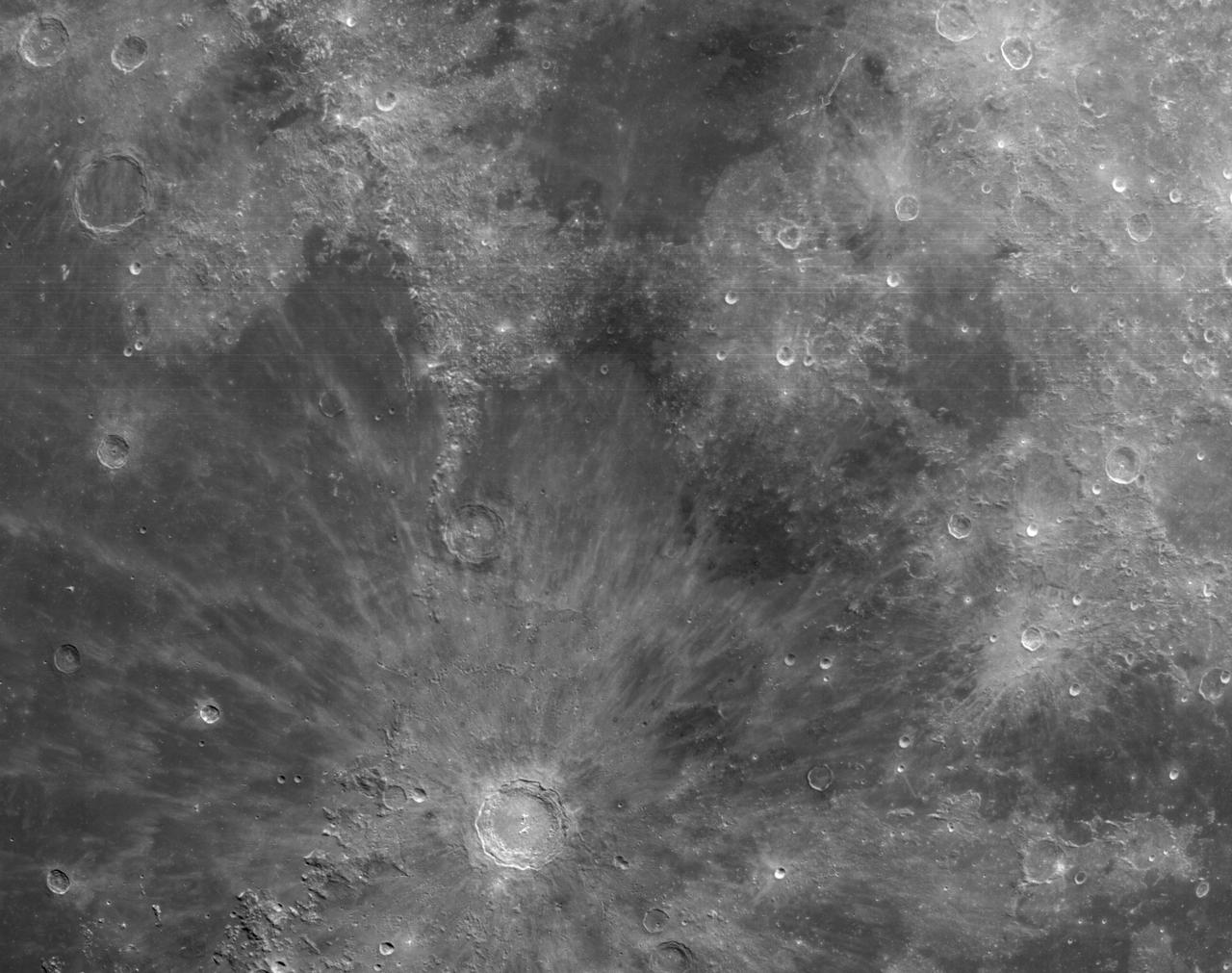
art001e002164 (Dec. 5, 2022): Cameras mounted on the crew module of the Orion spacecraft captured these views of the Moon’s surface. On flight day 20 of the Artemis I mission, the spacecraft made its second and final close approach to the Moon before its returned powered flyby burn.
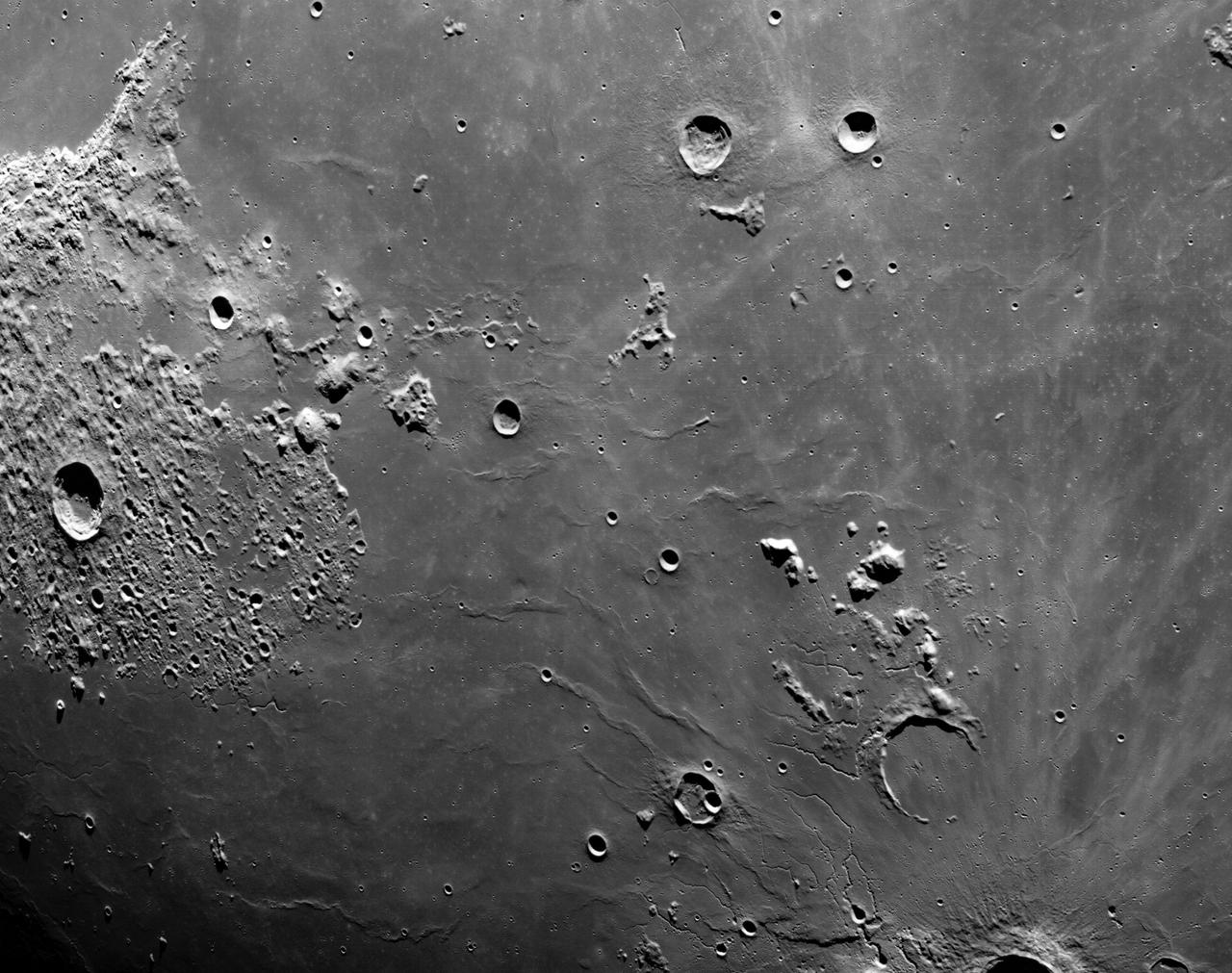
art001e002164 (Dec. 5, 2022): Cameras mounted on the crew module of the Orion spacecraft captured these views of the Moon’s surface. On flight day 20 of the Artemis I mission, the spacecraft made its second and final close approach to the Moon before its returned powered flyby burn.
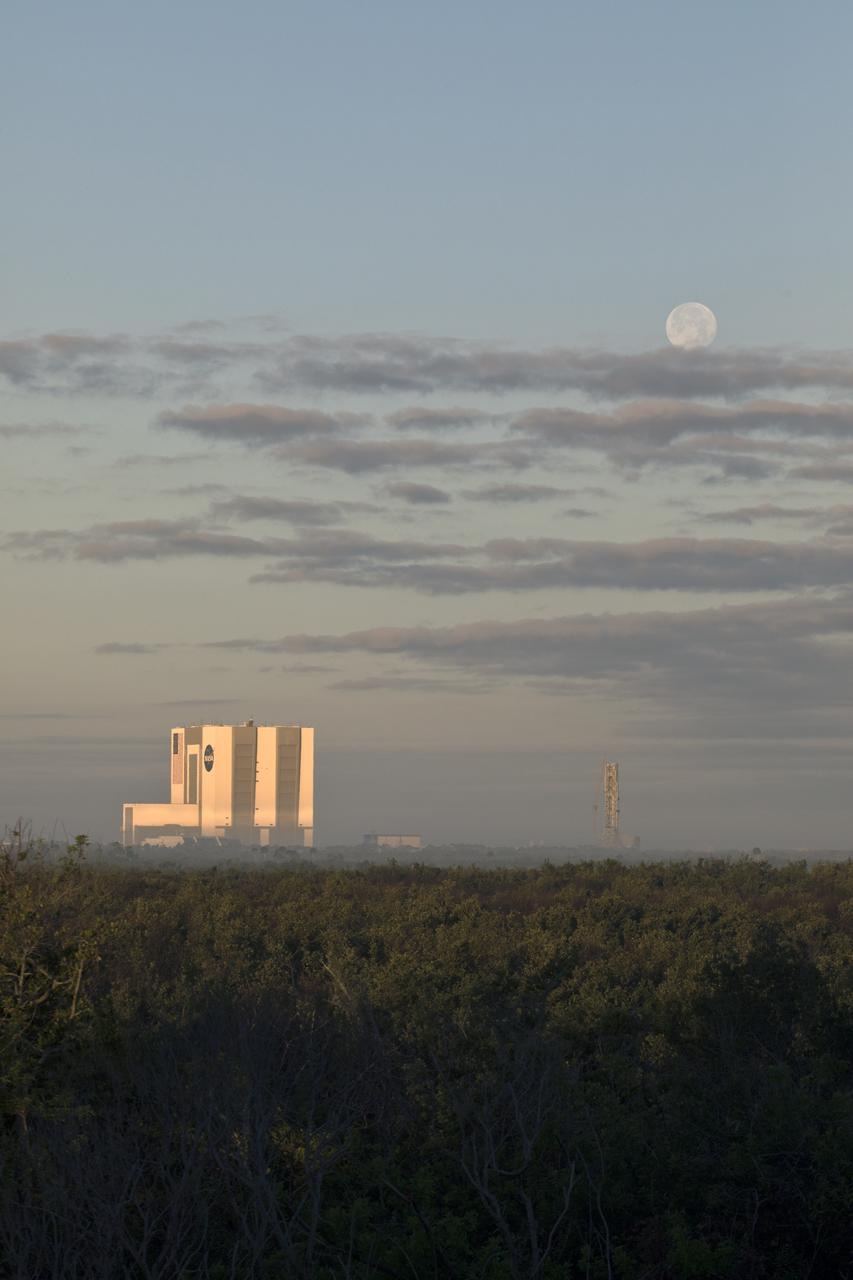
A full Moon sets behind the Vehicle Assembly Building and Mobile Launcher at NASA’s Kennedy Space Center in Florida. At the nation’s premier multi-user spaceport, NASA and its commercial and international partners are looking to return humans to the Moon and beyond utilizing a variety of rockets and capabilities.
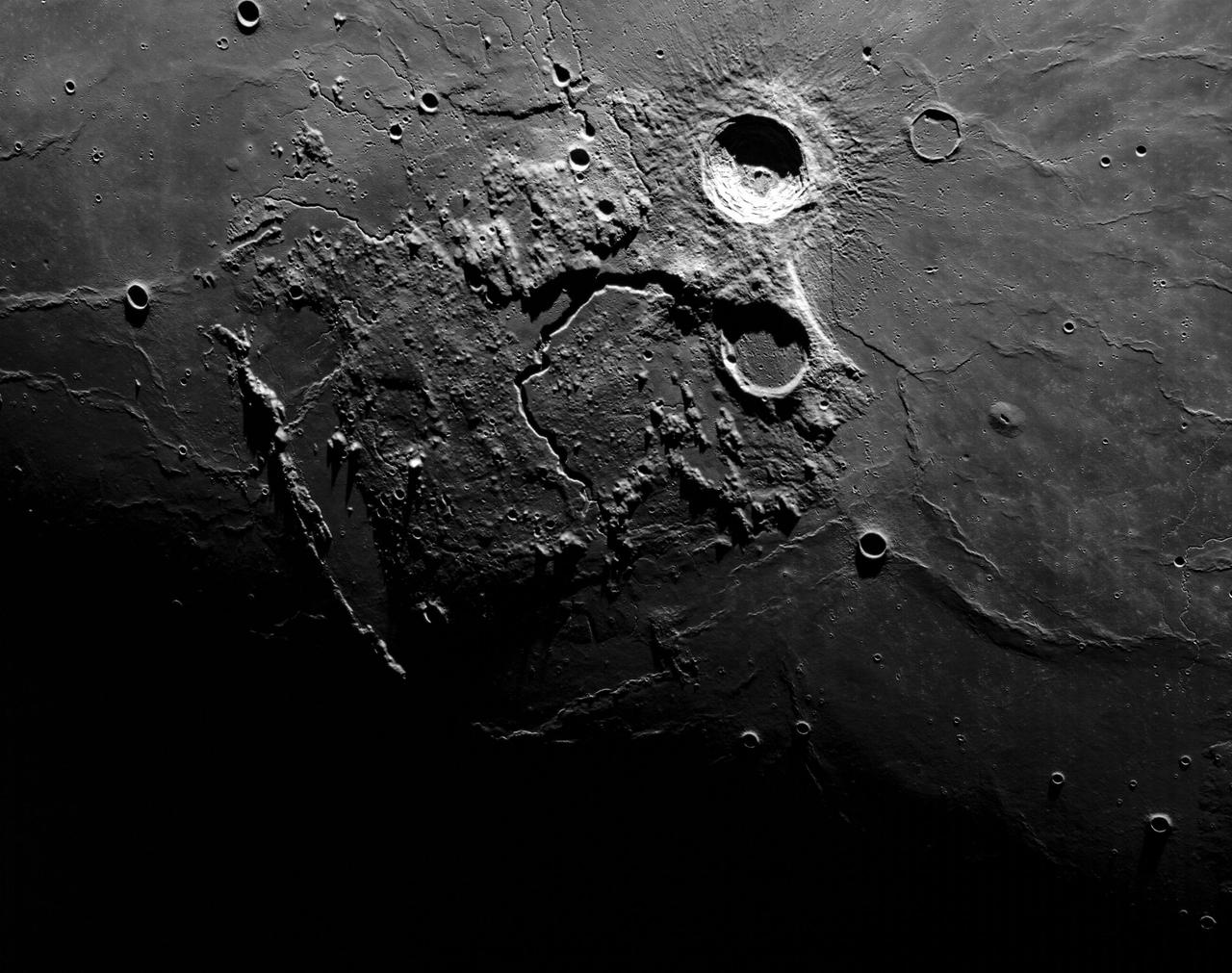
art001e002164 (Dec. 5, 2022): Cameras mounted on the crew module of the Orion spacecraft captured these views of the Moon’s surface. On flight day 20 of the Artemis I mission, the spacecraft made its second and final close approach to the Moon before its returned powered flyby burn.
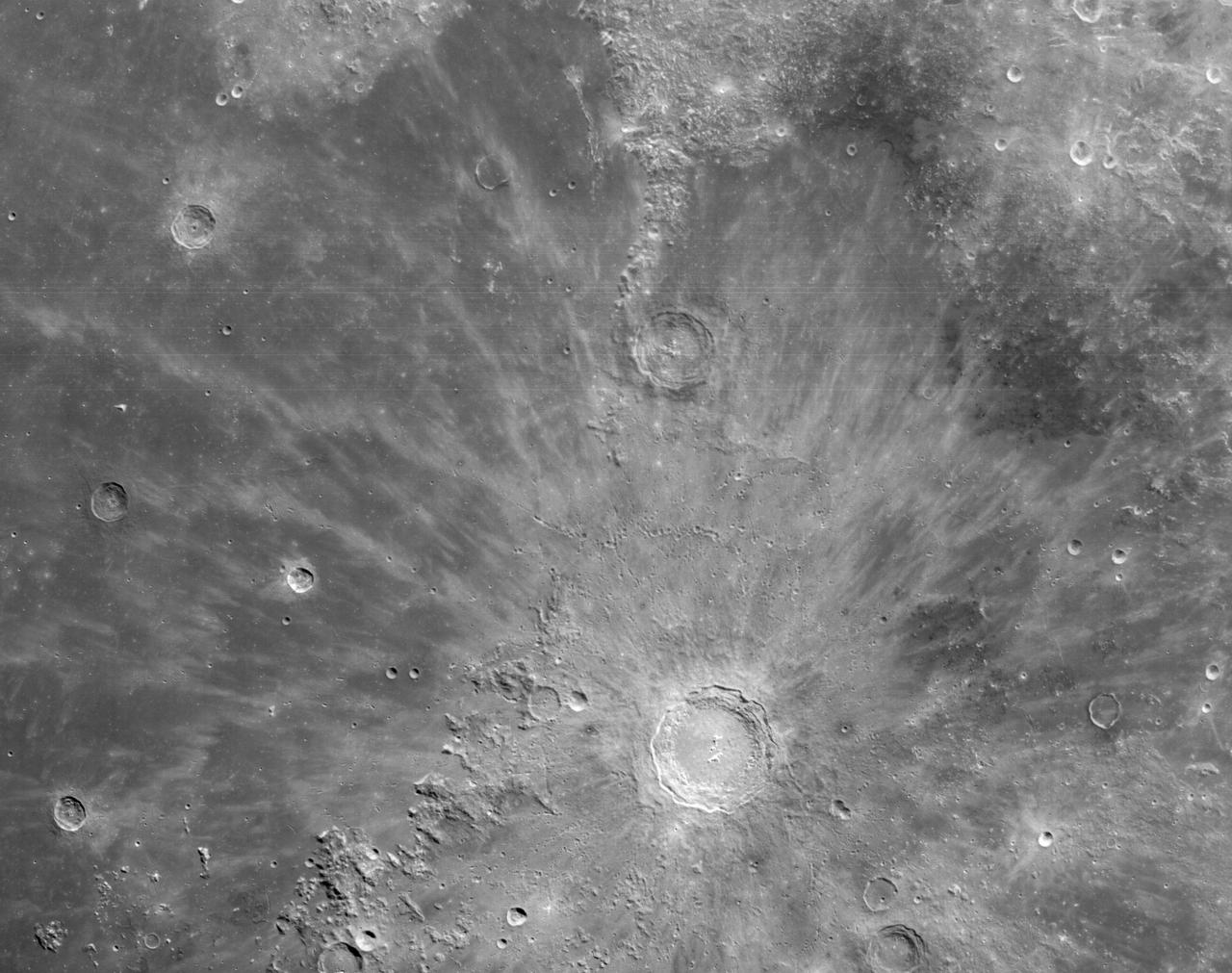
art001e002164 (Dec. 5, 2022): Cameras mounted on the crew module of the Orion spacecraft captured these views of the Moon’s surface. On flight day 20 of the Artemis I mission, the spacecraft made its second and final close approach to the Moon before its returned powered flyby burn.
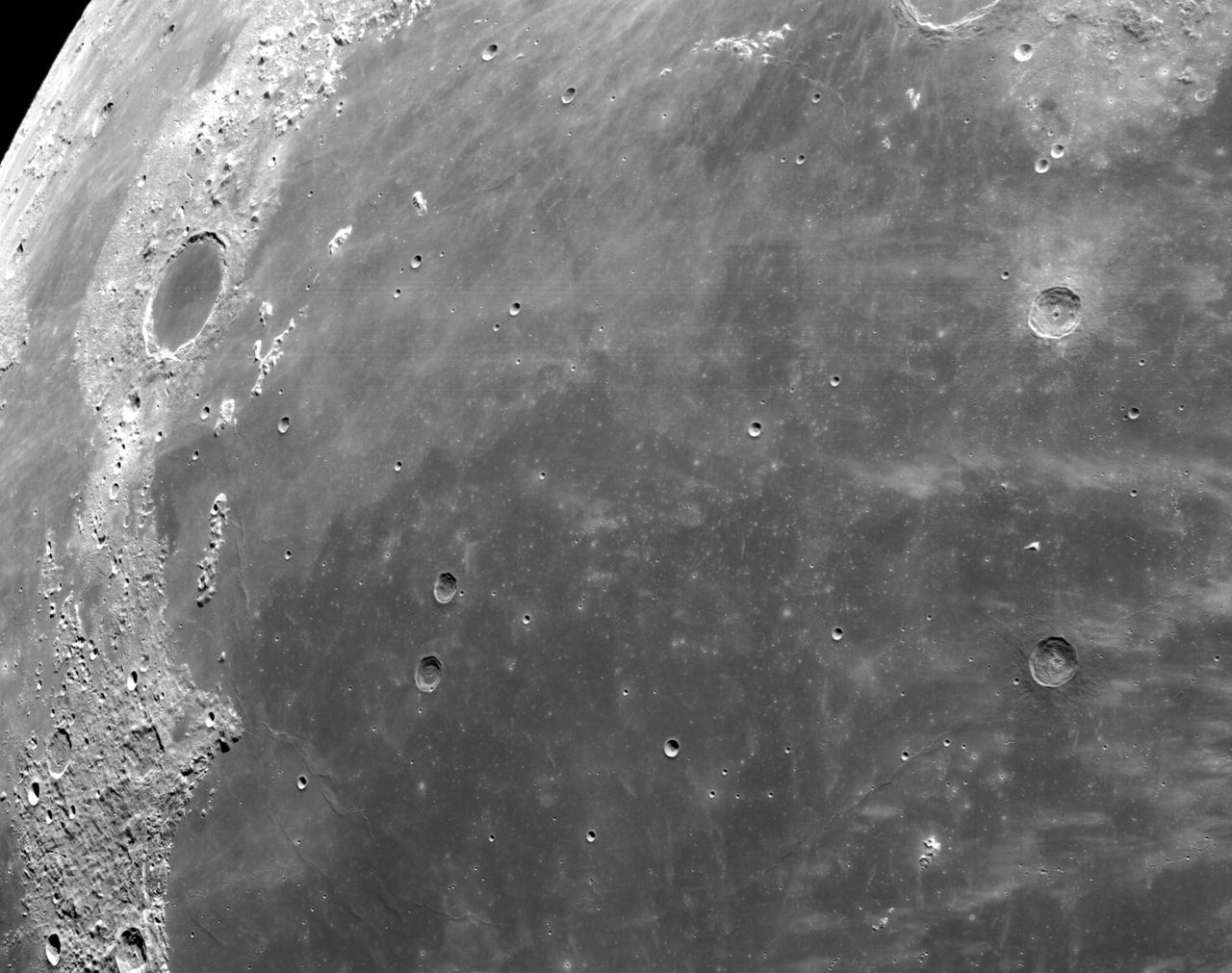
art001e002164 (Dec. 5, 2022): Cameras mounted on the crew module of the Orion spacecraft captured these views of the Moon’s surface. On flight day 20 of the Artemis I mission, the spacecraft made its second and final close approach to the Moon before its returned powered flyby burn.

On July 16, 2019, the 50th anniversary of the Apollo 11 launch to the Moon, Artemis 1 Launch Director Charlie Blackwell-Thompson talks to NASA’s Derrol Nail at the agency’s Kennedy Space Center in Florida about our plans to return to the Moon.
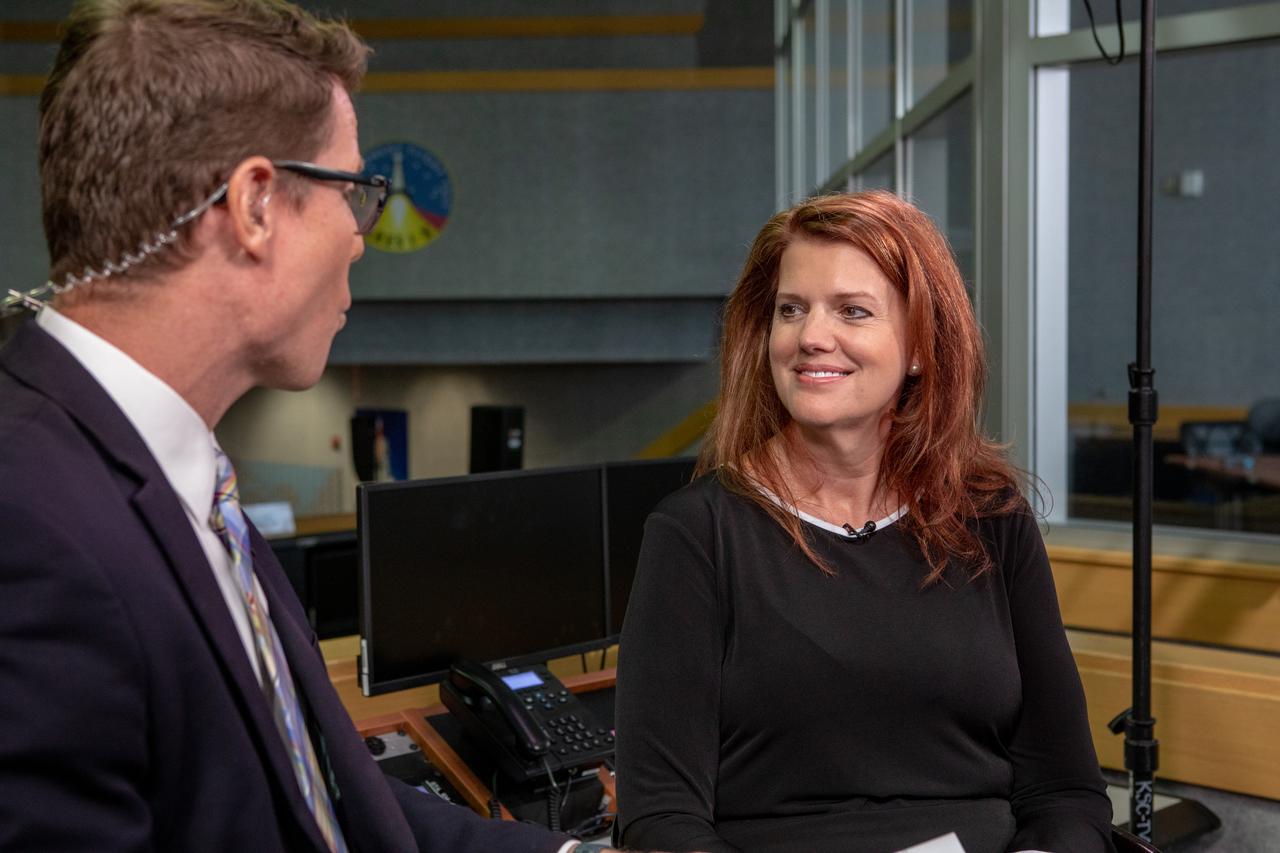
On July 16, 2019, the 50th anniversary of the Apollo 11 launch to the Moon, Artemis 1 Launch Director Charlie Blackwell-Thompson, right, talks to NASA’s Derrol Nail at the agency’s Kennedy Space Center in Florida about our plans to return to the Moon.
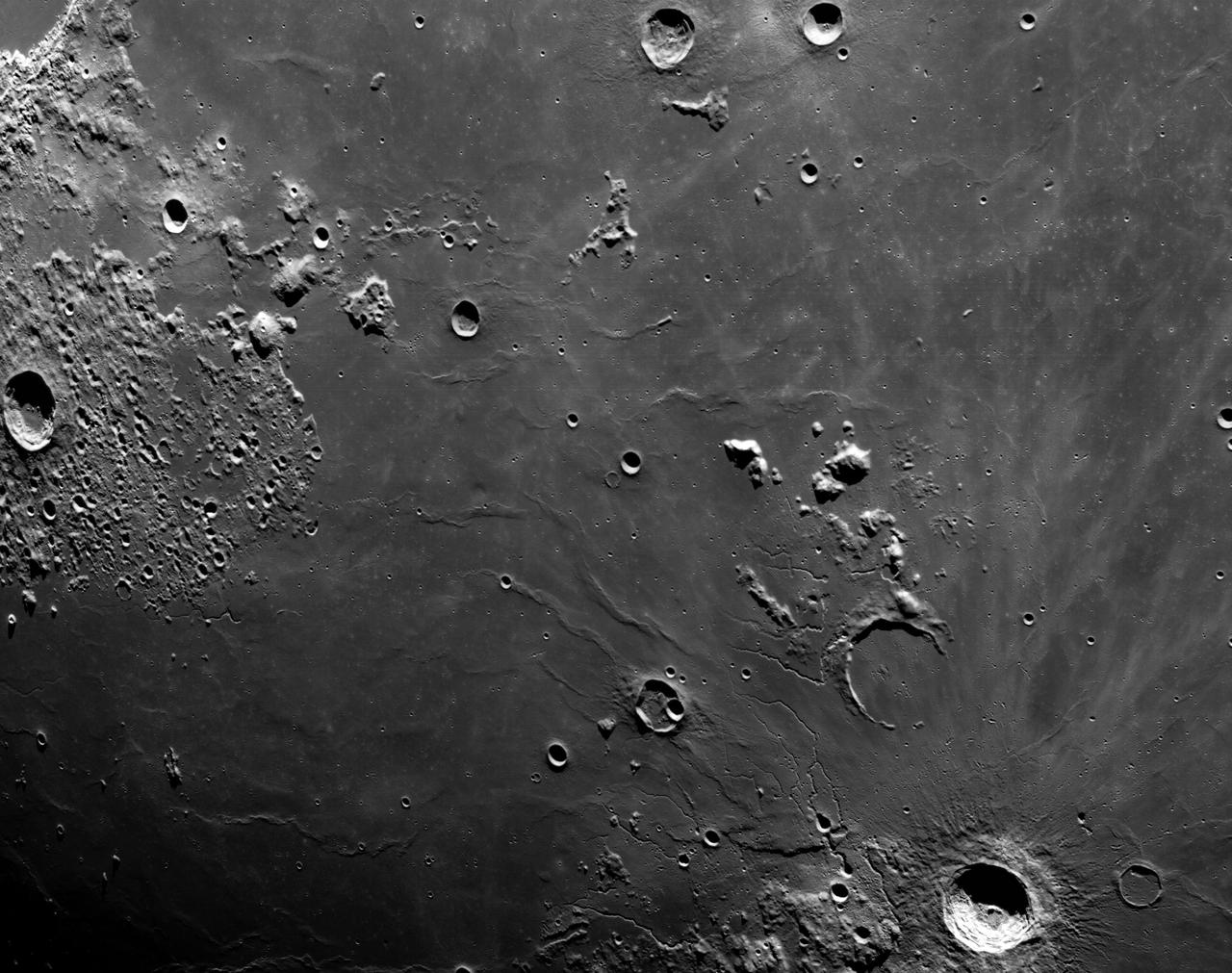
art001e002164 (Dec. 5, 2022): Cameras mounted on the crew module of the Orion spacecraft captured these views of the Moon’s surface. On flight day 20 of the Artemis I mission, the spacecraft made its second and final close approach to the Moon before its returned powered flyby burn.
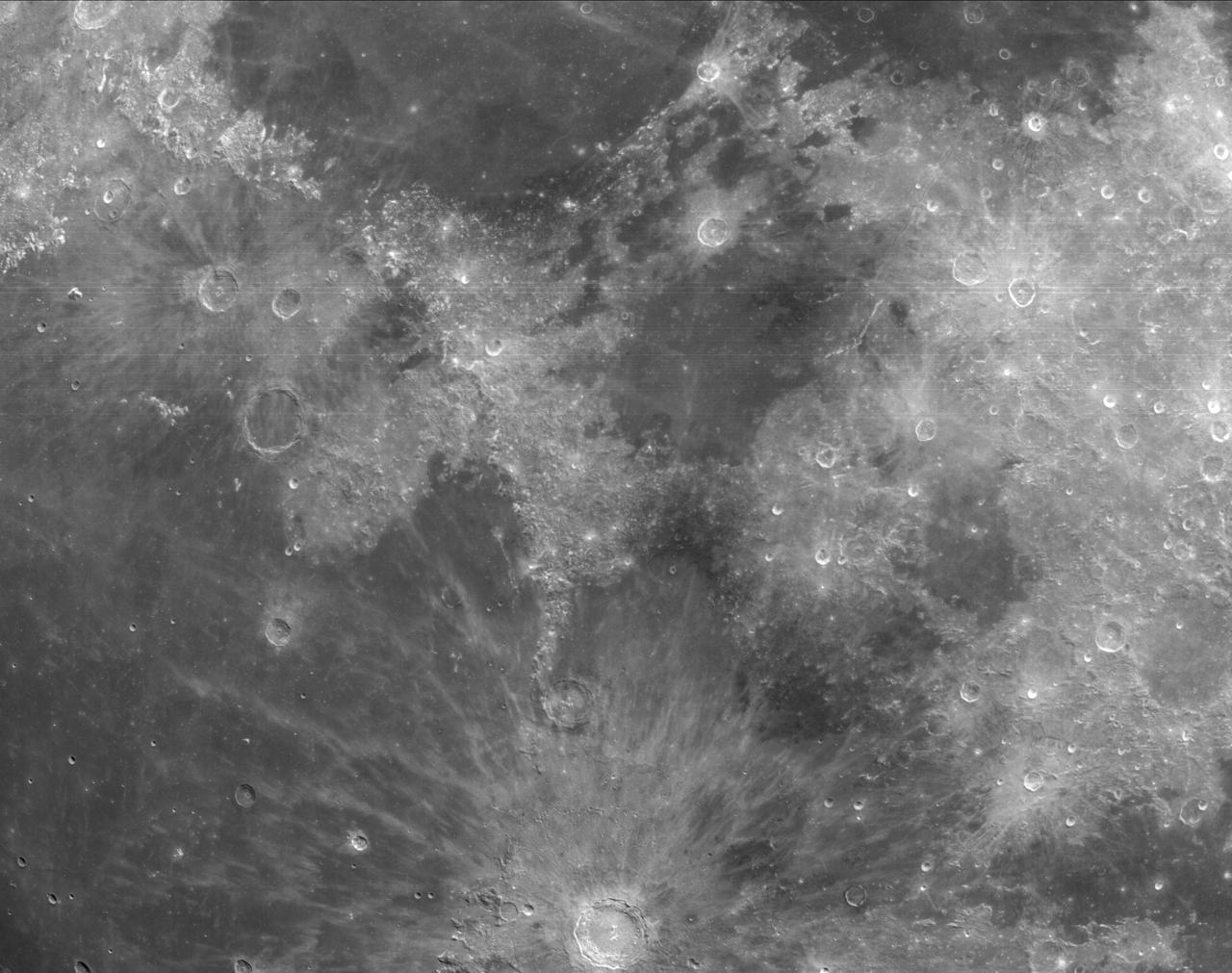
art001e002164 (Dec. 5, 2022): Cameras mounted on the crew module of the Orion spacecraft captured these views of the Moon’s surface. On flight day 20 of the Artemis I mission, the spacecraft made its second and final close approach to the Moon before its returned powered flyby burn.

Apollo 11 astronauts, (left to right) Edwin E. Aldrin Jr., Lunar Module pilot; Michael Collins, Command Module pilot; and Neil A. Armstrong, commander, are showing a two-pound Moon rock to Frank Taylor, director of the Smithsonian Institute in Washington D.C. The rock was picked up from the Moon’s surface during the Extra Vehicular Activity (EVA) of Aldrin and Armstrong following man’s first Moon landing and was was presented to the Institute for display in the Art and Industries Building. The Apollo 11 mission, launched from the Kennedy Space Center, Florida via the Marshall Space Flight Center (MSFC) developed Saturn V launch vehicle on July 16, 1969 and safely returned to Earth on July 24, 1969. With the success of Apollo 11, the national objective to land men on the Moon and return them safely to Earth had been accomplished.
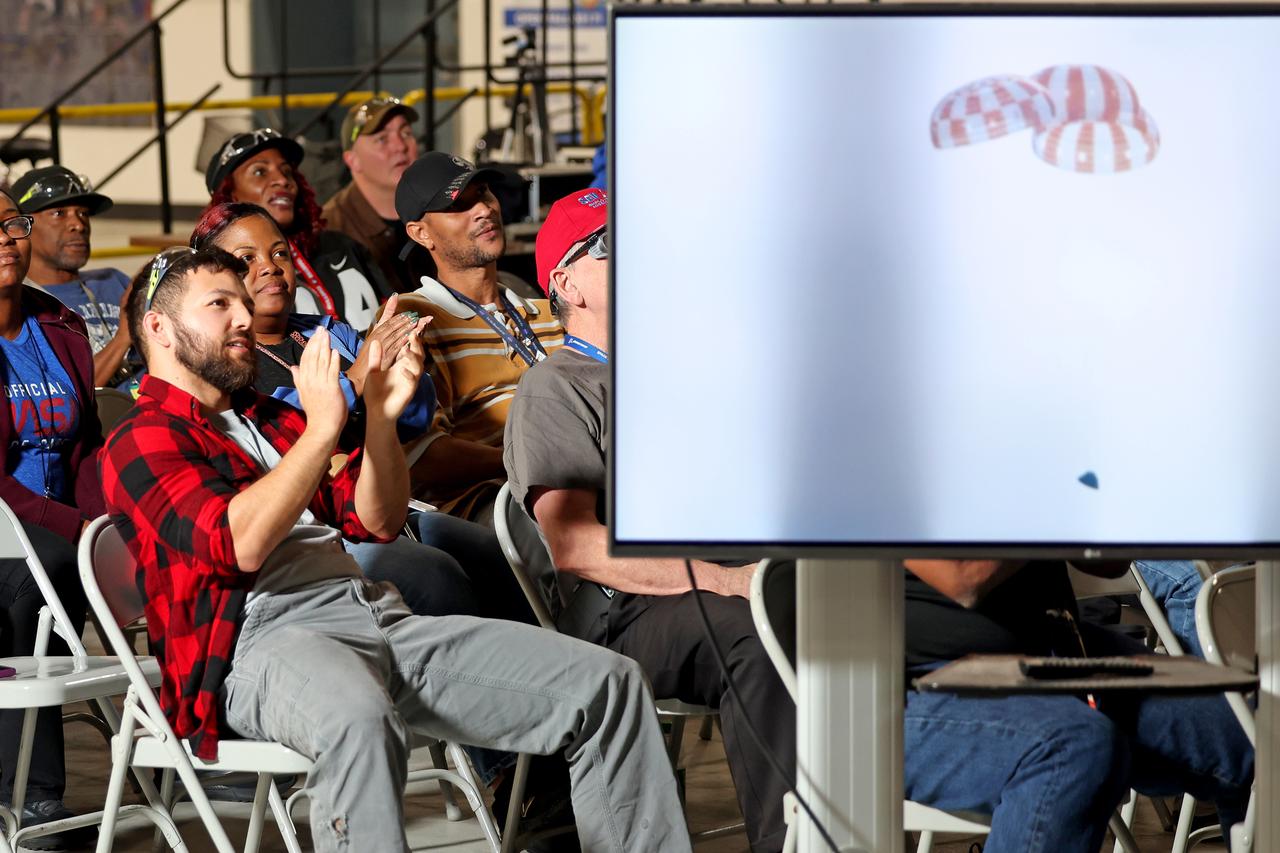
Employees at NASA’s Michoud Assembly Facility in New Orleans gather to watch the completion of NASA’s Artemis I mission with the splashdown of the Orion spacecraft on Dec. 11. The team cheered as the capsule safely returned to Earth following its 25.5-day mission, which brought it further into deep space than any human-rated spacecraft has ever flown before. The Orion crew capsule as well as parts for the launch abort system and the core stage of the Space Launch System rocket were built at the Michoud Assembly Facility. Artemis I is the first in a series of increasingly complex missions to the Moon. With the Artemis missions, NASA will land the first woman and the first person of color on the Moon. No other rocket is capable of carrying astronauts in Orion around the Moon in a single mission. Image credit: NASA/Michael DeMocker

Employees at NASA’s Michoud Assembly Facility in New Orleans gather to watch the completion of NASA’s Artemis I mission with the splashdown of the Orion spacecraft on Dec. 11. The team cheered as the capsule safely returned to Earth following its 25.5-day mission, which brought it further into deep space than any human-rated spacecraft has ever flown before. The Orion crew capsule as well as parts for the launch abort system and the core stage of the Space Launch System rocket were built at the Michoud Assembly Facility. Artemis I is the first in a series of increasingly complex missions to the Moon. With the Artemis missions, NASA will land the first woman and the first person of color on the Moon. No other rocket is capable of carrying astronauts in Orion around the Moon in a single mission. Image credit: NASA/Michael DeMocker

Employees at NASA’s Michoud Assembly Facility in New Orleans gather to watch the completion of NASA’s Artemis I mission with the splashdown of the Orion spacecraft on Dec. 11. The team cheered as the capsule safely returned to Earth following its 25.5-day mission, which brought it further into deep space than any human-rated spacecraft has ever flown before. The Orion crew capsule as well as parts for the launch abort system and the core stage of the Space Launch System rocket were built at the Michoud Assembly Facility. Artemis I is the first in a series of increasingly complex missions to the Moon. With the Artemis missions, NASA will land the first woman and the first person of color on the Moon. No other rocket is capable of carrying astronauts in Orion around the Moon in a single mission. Image credit: NASA/Michael DeMocker
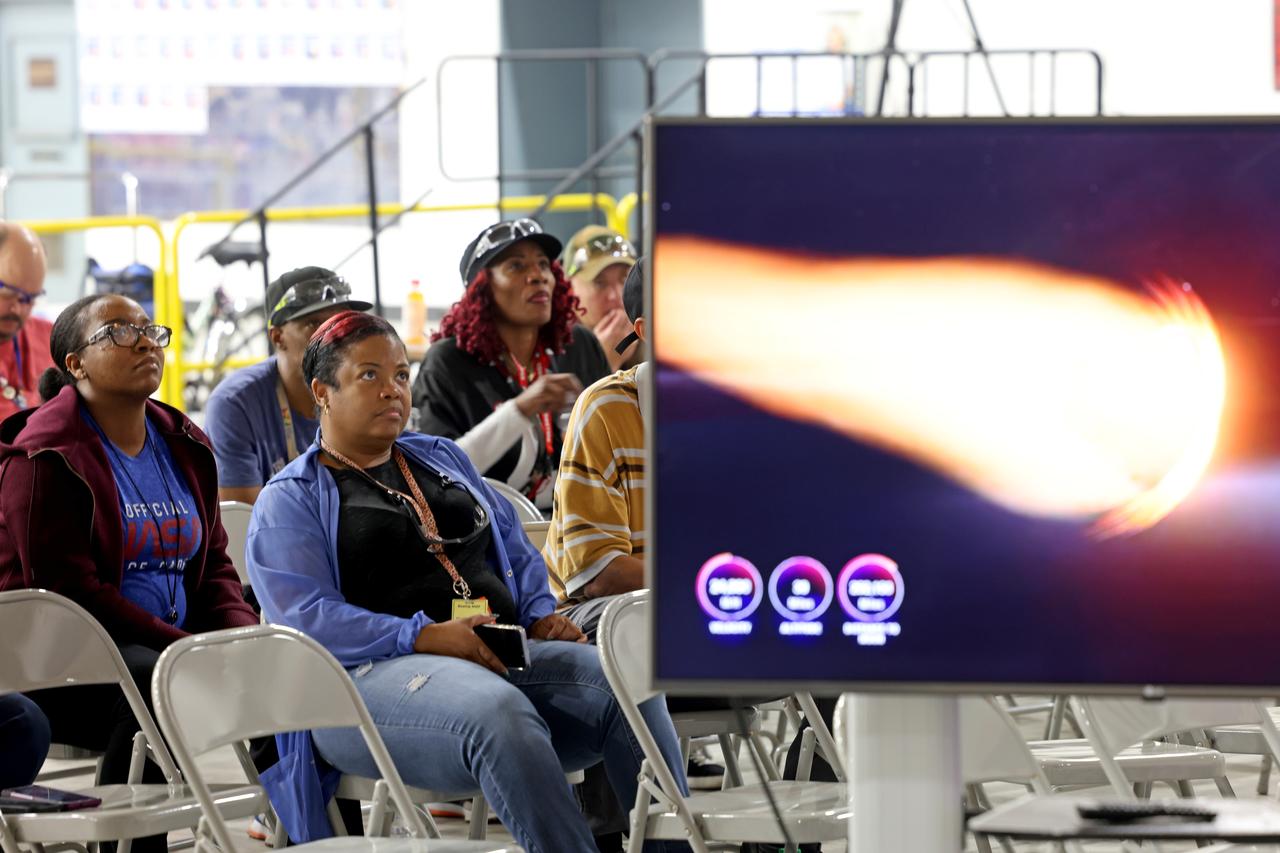
Employees at NASA’s Michoud Assembly Facility in New Orleans gather to watch the completion of NASA’s Artemis I mission with the splashdown of the Orion spacecraft on Dec. 11. The team cheered as the capsule safely returned to Earth following its 25.5-day mission, which brought it further into deep space than any human-rated spacecraft has ever flown before. The Orion crew capsule as well as parts for the launch abort system and the core stage of the Space Launch System rocket were built at the Michoud Assembly Facility. Artemis I is the first in a series of increasingly complex missions to the Moon. With the Artemis missions, NASA will land the first woman and the first person of color on the Moon. No other rocket is capable of carrying astronauts in Orion around the Moon in a single mission. Image credit: NASA/Michael DeMocker
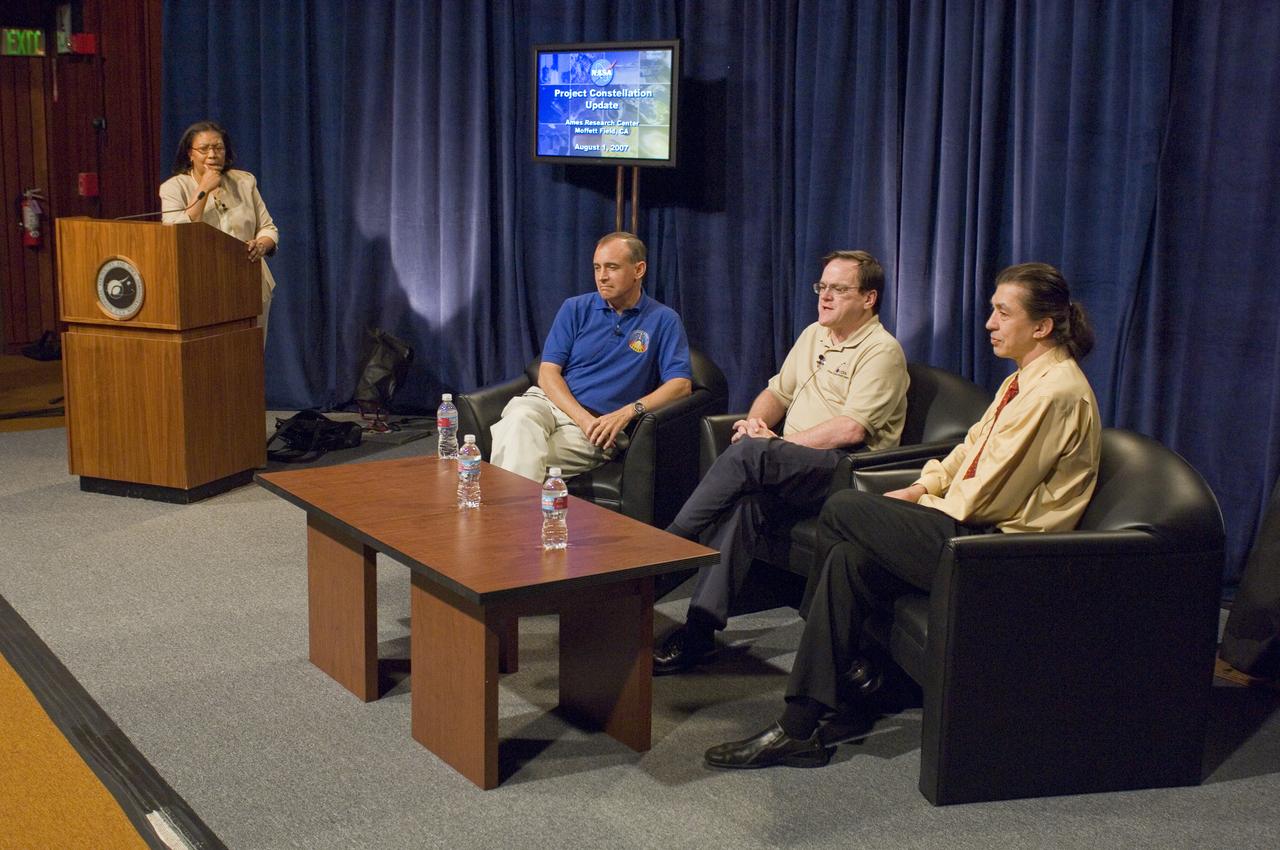
NASA Officials gather at Ames Research Center to discuss Spaceship development progress. Constellation is developing the Orion spacecraft and Ares rockets to support an American return to the moon by 2020.

The inaugural Glenn Symposium focused on advancements in aerospace technology including power and propulsion, autonomy and communications, low boom supersonics, hypersonics, and more. Discussion also encompassed humans returning to the moon, including challenges associated with the 2024 mission.
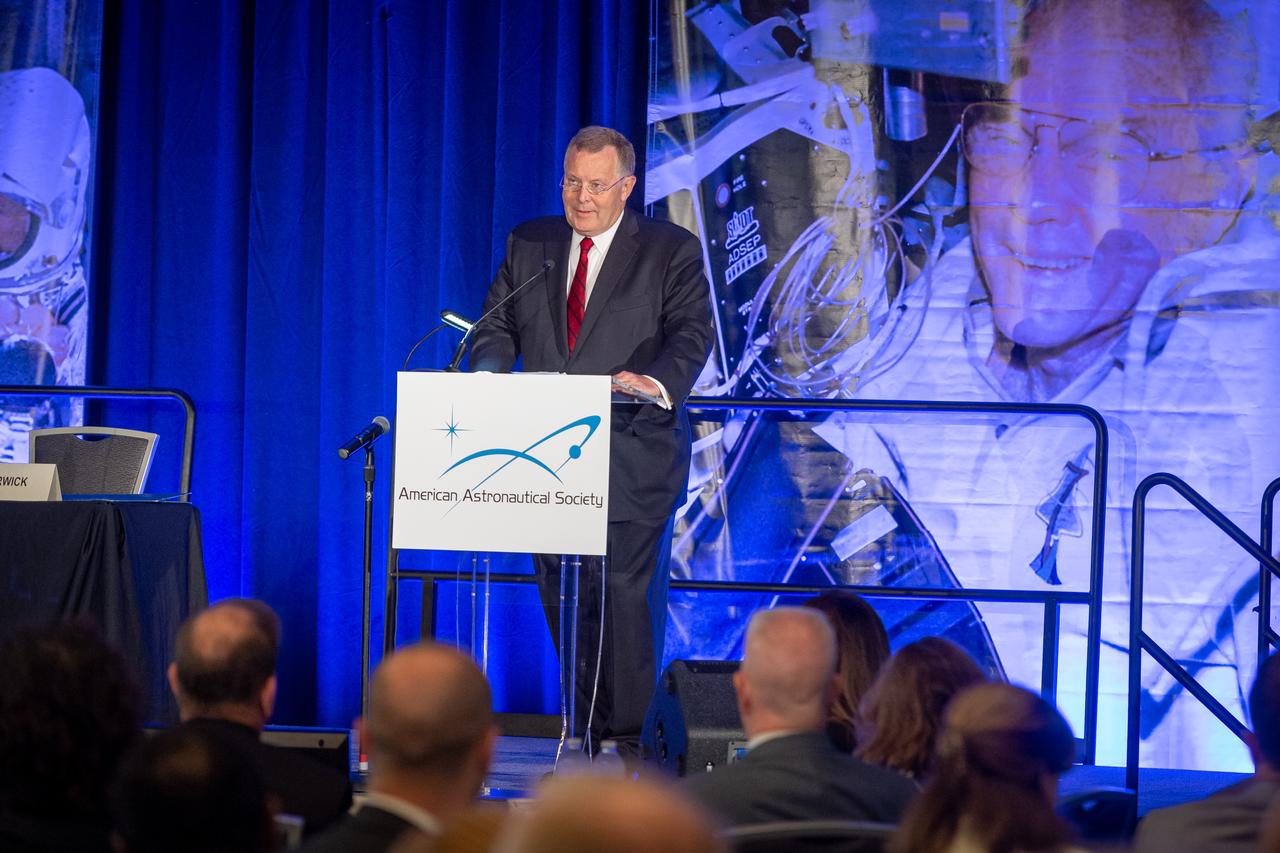
The inaugural Glenn Symposium focused on advancements in aerospace technology including power and propulsion, autonomy and communications, low boom supersonics, hypersonics, and more. Discussion also encompassed humans returning to the moon, including challenges associated with the 2024 mission.
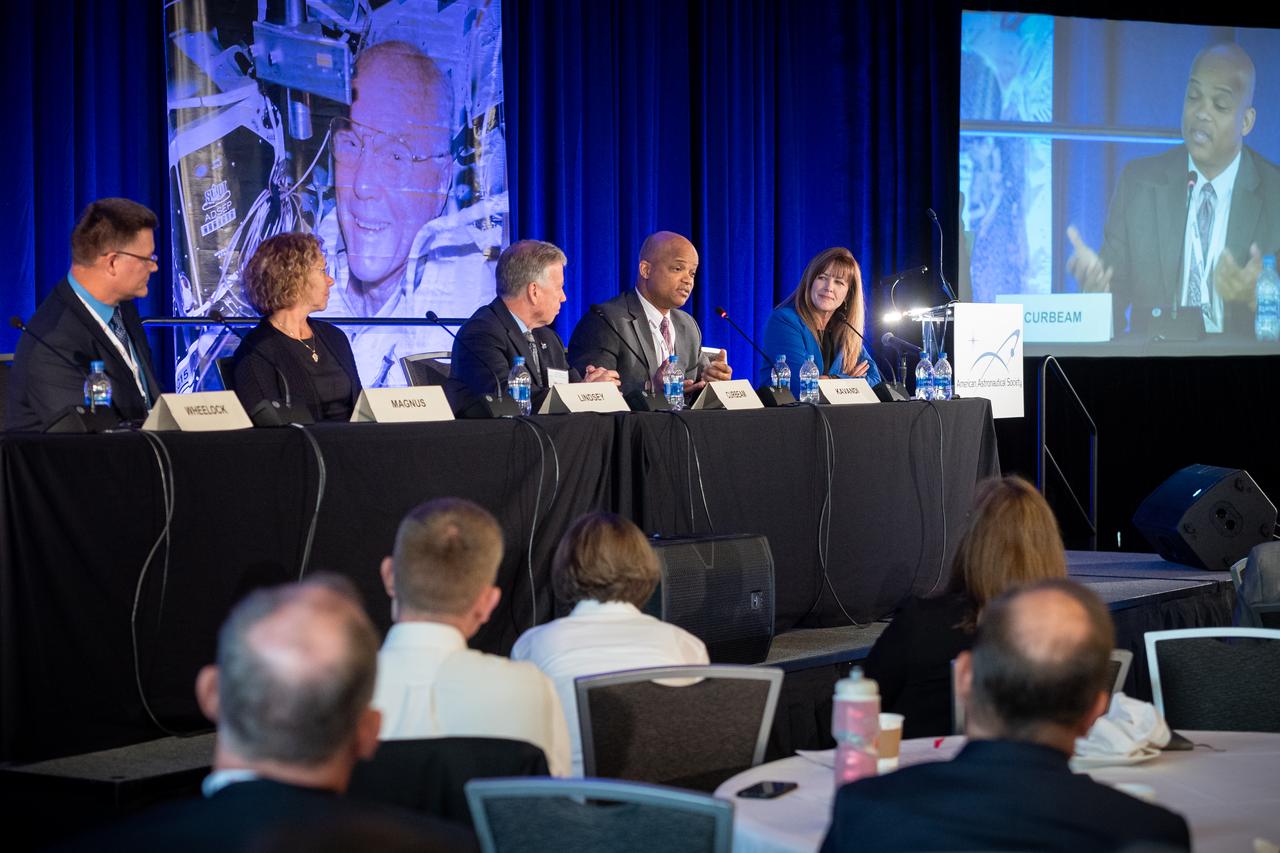
The inaugural Glenn Symposium focused on advancements in aerospace technology including power and propulsion, autonomy and communications, low boom supersonics, hypersonics, and more. Discussion also encompassed humans returning to the moon, including challenges associated with the 2024 mission.
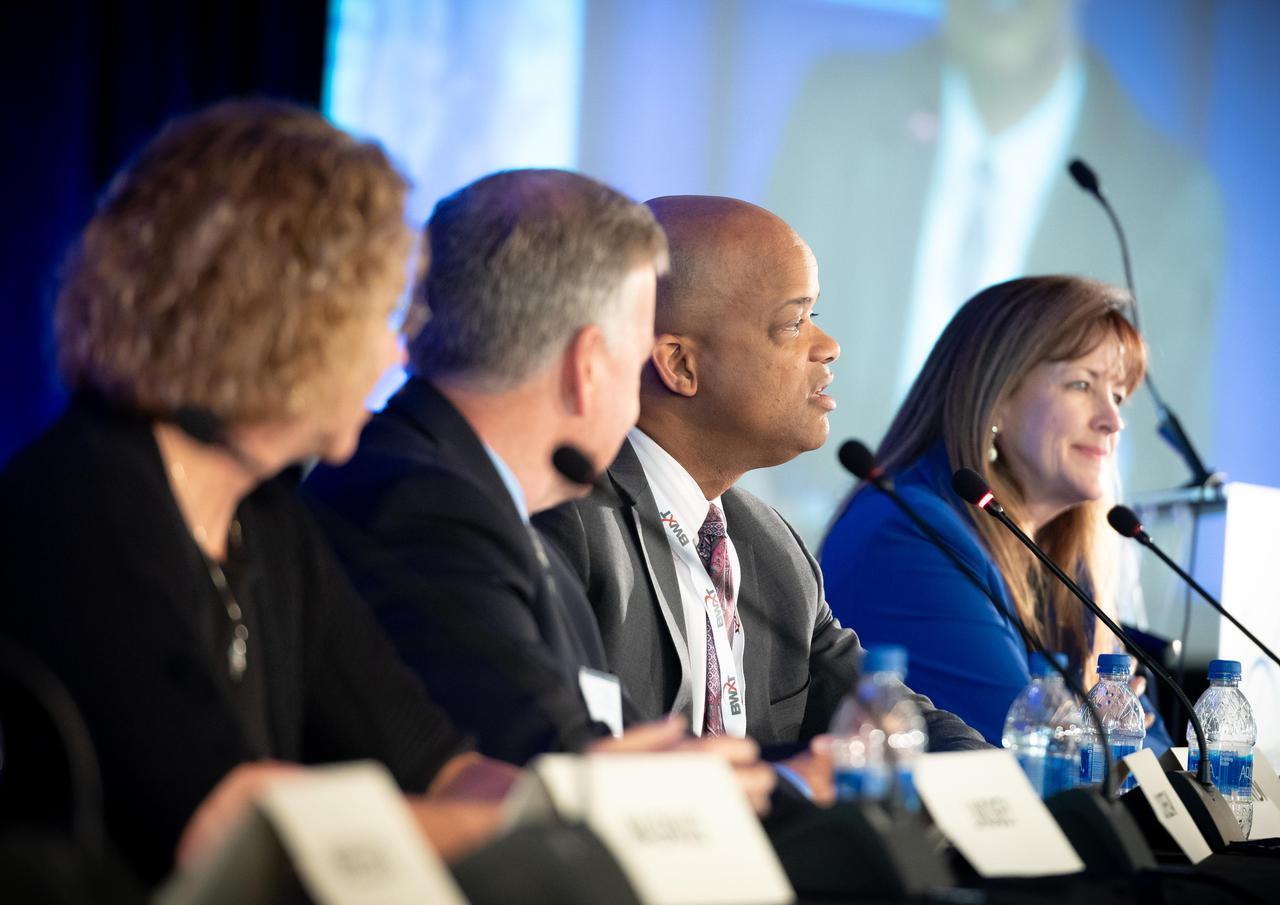
The inaugural Glenn Symposium focused on advancements in aerospace technology including power and propulsion, autonomy and communications, low boom supersonics, hypersonics, and more. Discussion also encompassed humans returning to the moon, including challenges associated with the 2024 mission.

The inaugural Glenn Symposium focused on advancements in aerospace technology including power and propulsion, autonomy and communications, low boom supersonics, hypersonics, and more. Discussion also encompassed humans returning to the moon, including challenges associated with the 2024 mission.
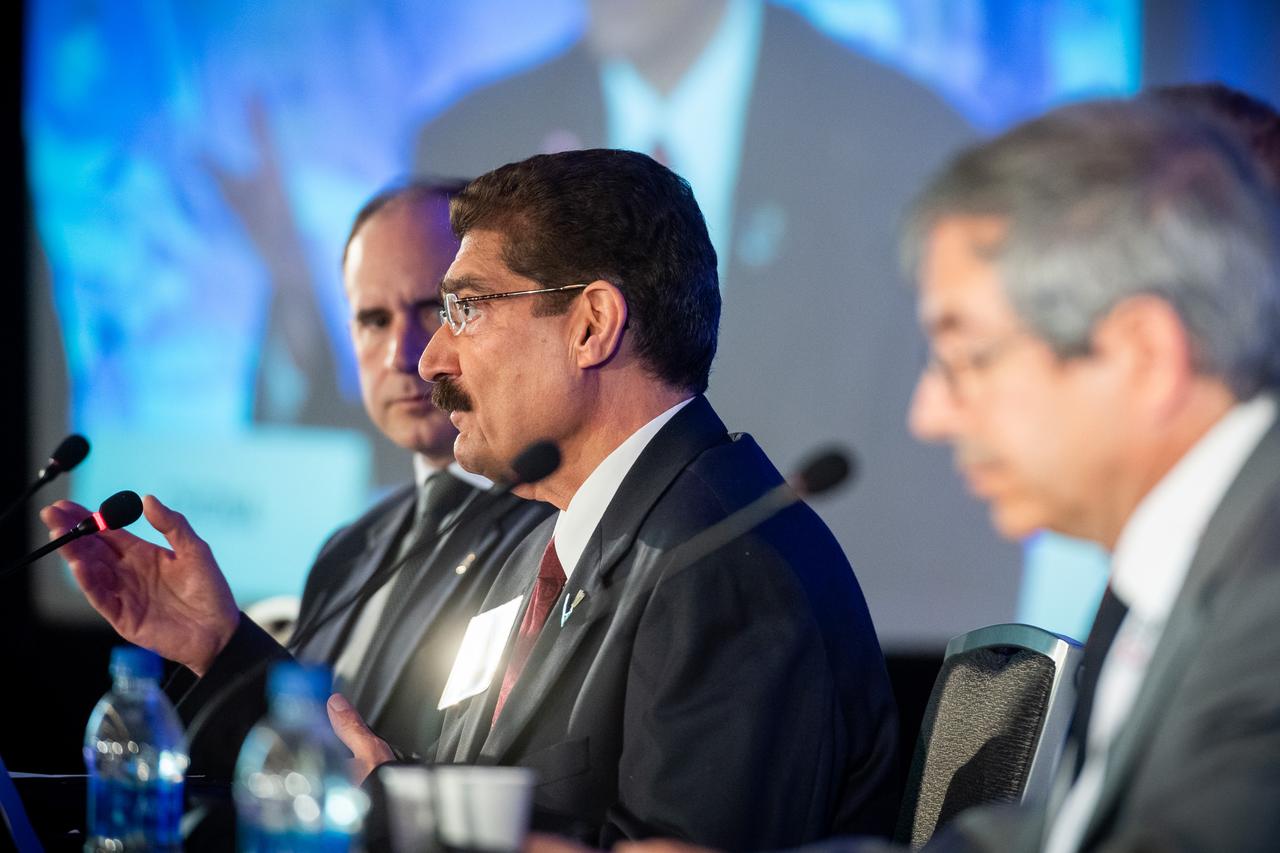
The inaugural Glenn Symposium focused on advancements in aerospace technology including power and propulsion, autonomy and communications, low boom supersonics, hypersonics, and more. Discussion also encompassed humans returning to the moon, including challenges associated with the 2024 mission.
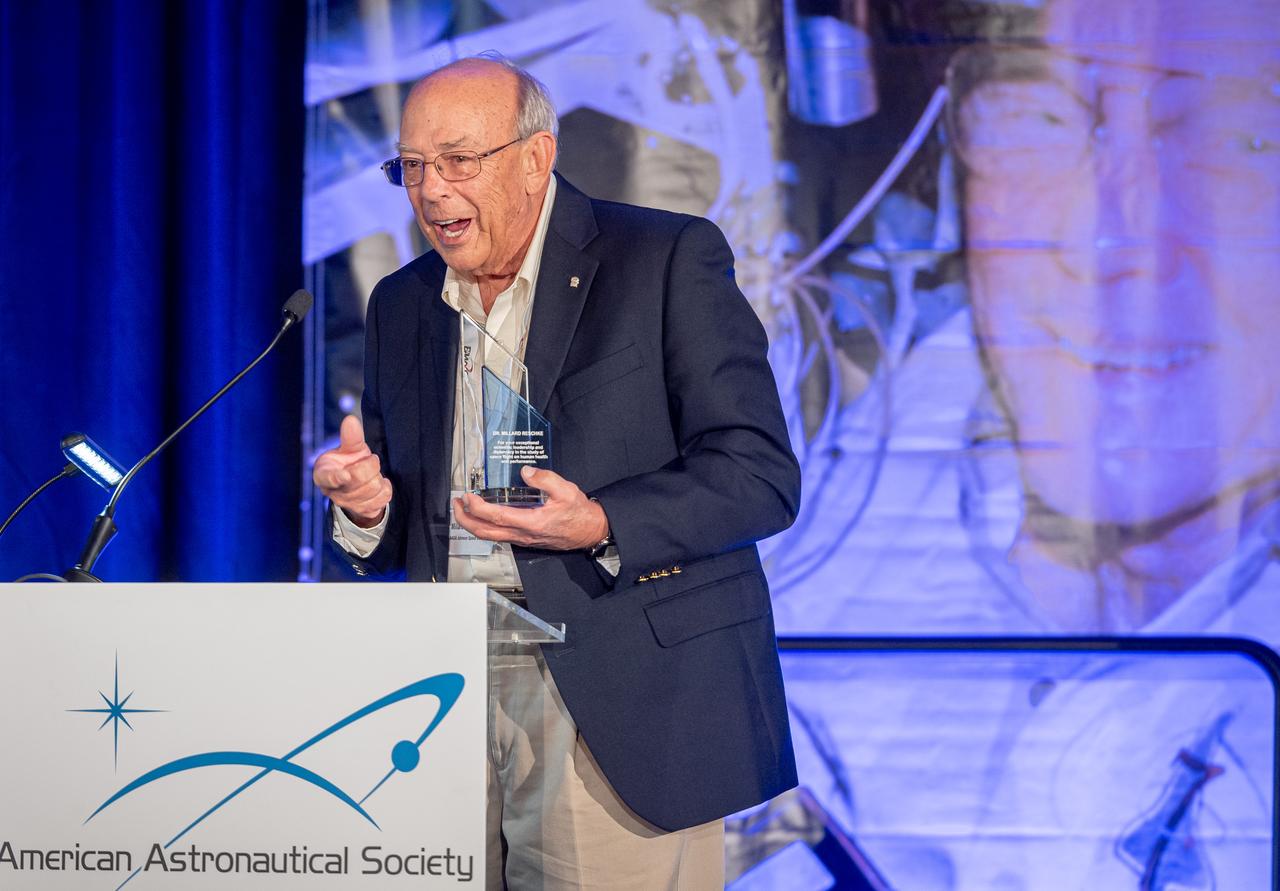
The inaugural Glenn Symposium focused on advancements in aerospace technology including power and propulsion, autonomy and communications, low boom supersonics, hypersonics, and more. Discussion also encompassed humans returning to the moon, including challenges associated with the 2024 mission.
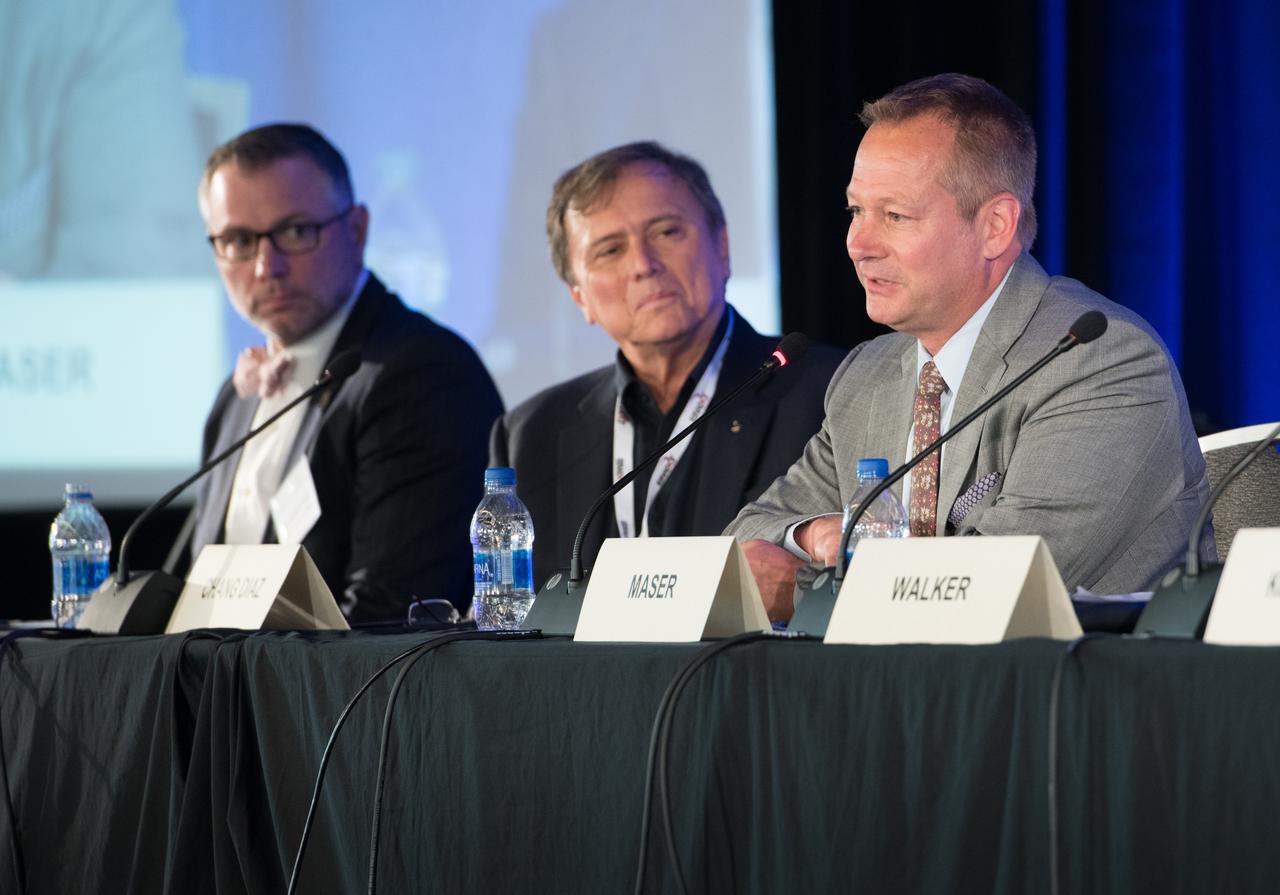
The inaugural Glenn Symposium focused on advancements in aerospace technology including power and propulsion, autonomy and communications, low boom supersonics, hypersonics, and more. Discussion also encompassed humans returning to the moon, including challenges associated with the 2024 mission.

The inaugural Glenn Symposium focused on advancements in aerospace technology including power and propulsion, autonomy and communications, low boom supersonics, hypersonics, and more. Discussion also encompassed humans returning to the moon, including challenges associated with the 2024 mission.
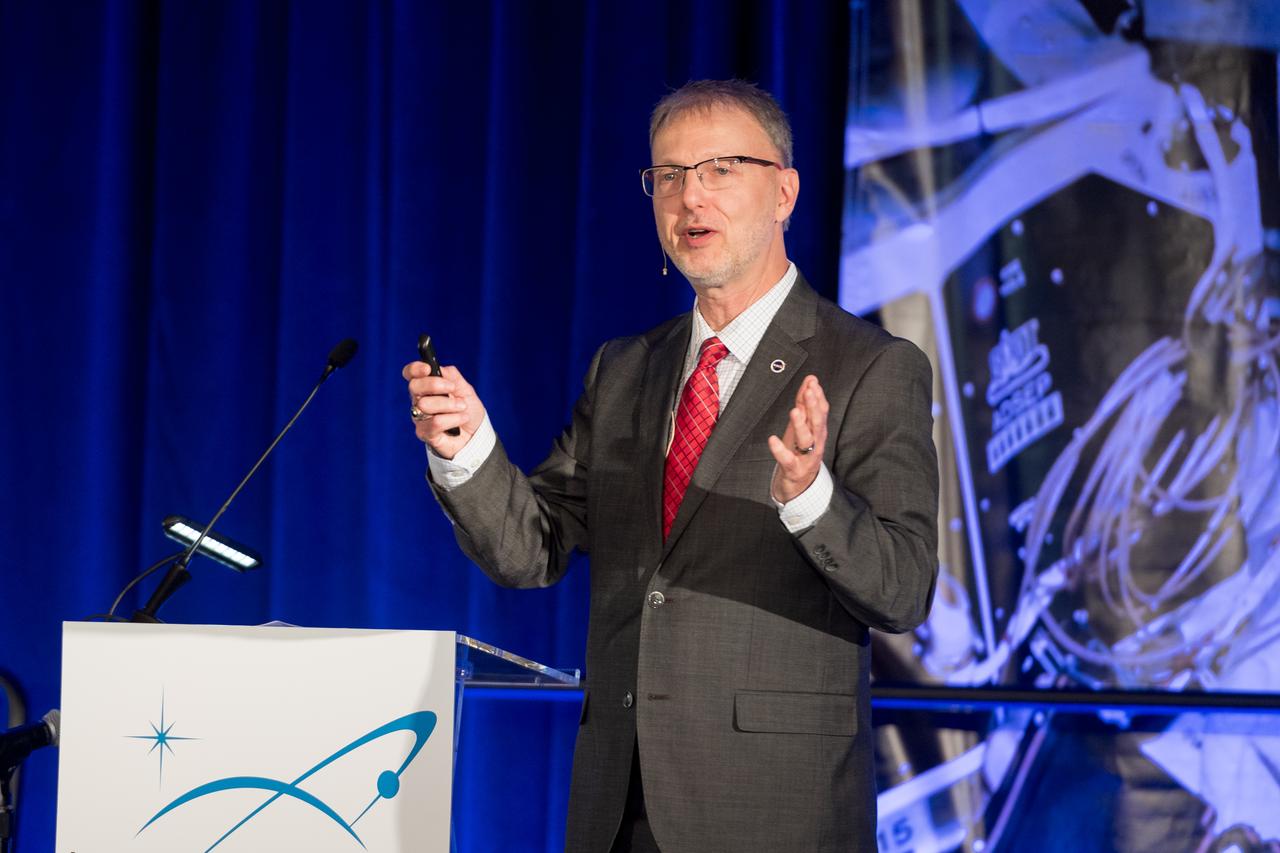
The inaugural Glenn Symposium focused on advancements in aerospace technology including power and propulsion, autonomy and communications, low boom supersonics, hypersonics, and more. Discussion also encompassed humans returning to the moon, including challenges associated with the 2024 mission.
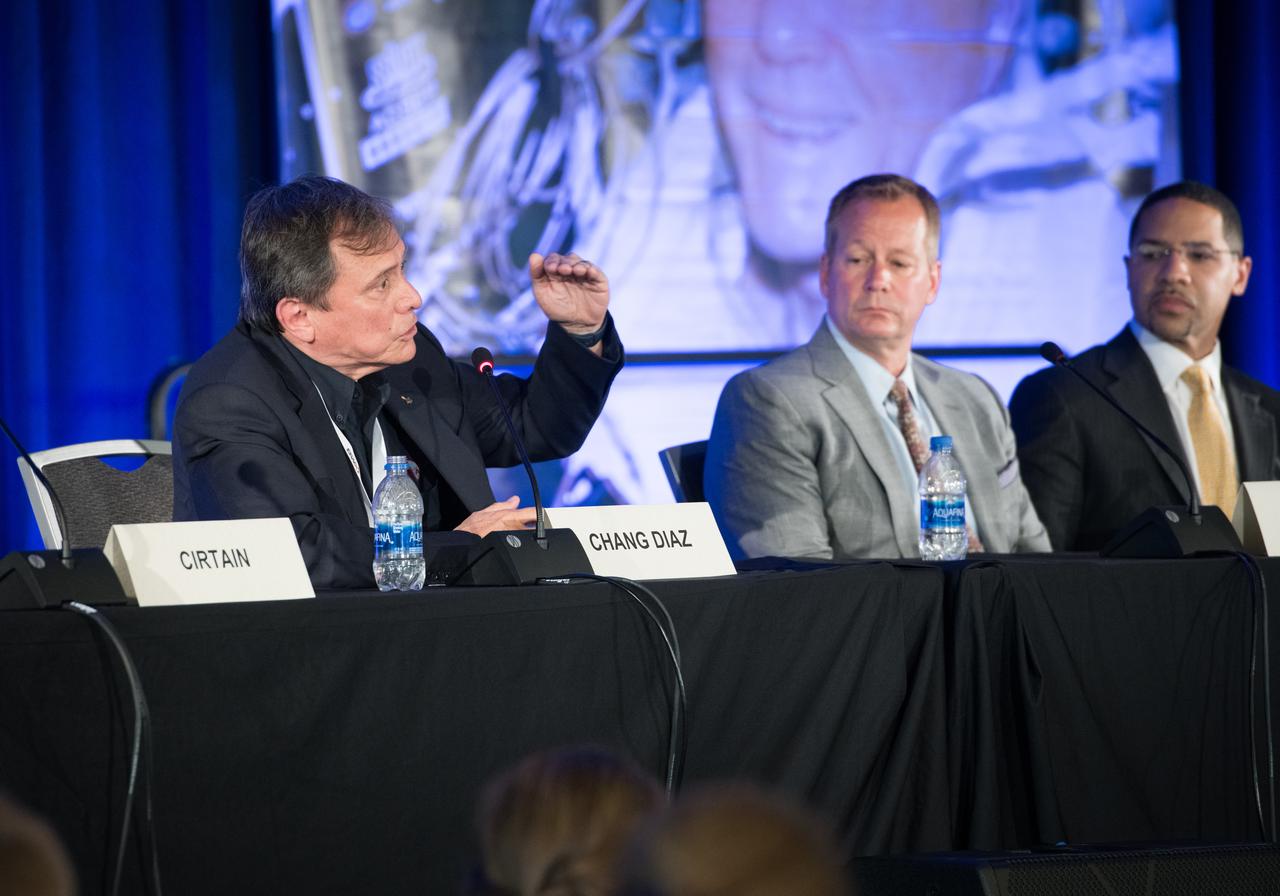
The inaugural Glenn Symposium focused on advancements in aerospace technology including power and propulsion, autonomy and communications, low boom supersonics, hypersonics, and more. Discussion also encompassed humans returning to the moon, including challenges associated with the 2024 mission.
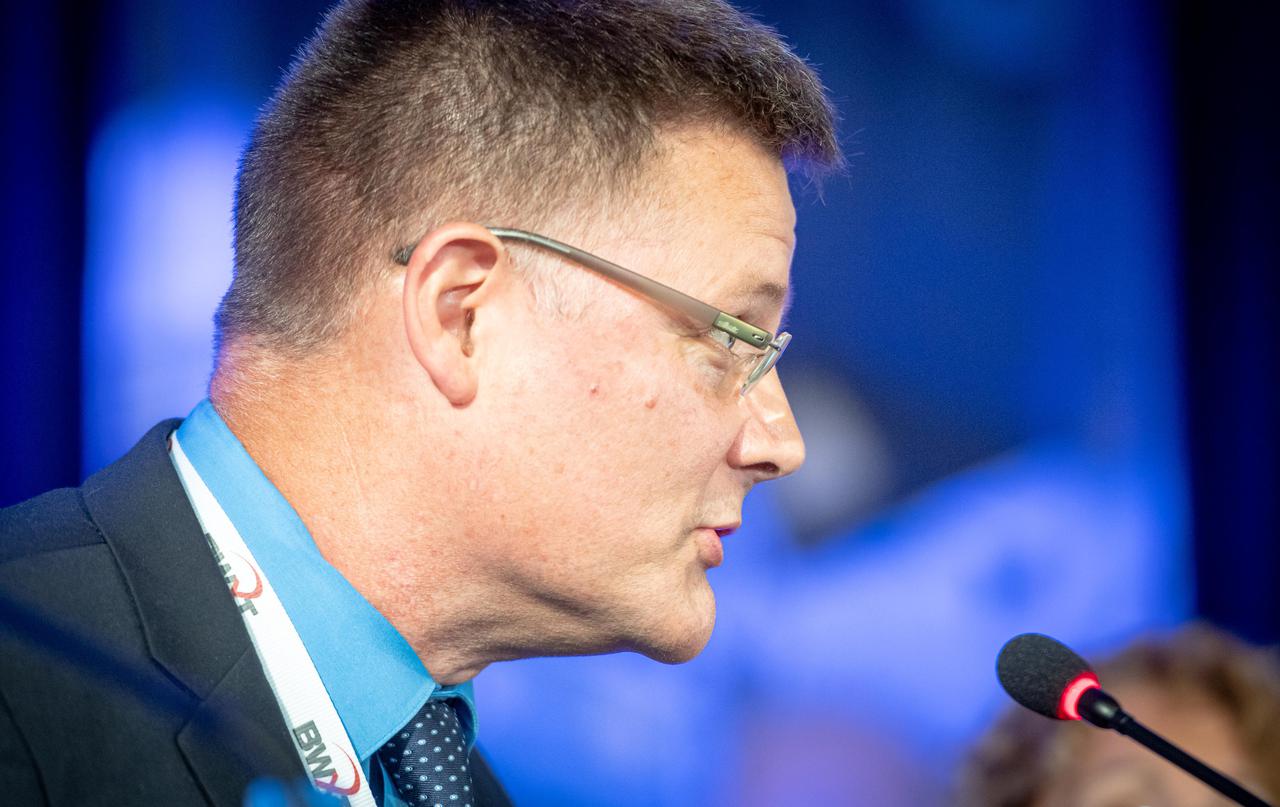
The inaugural Glenn Symposium focused on advancements in aerospace technology including power and propulsion, autonomy and communications, low boom supersonics, hypersonics, and more. Discussion also encompassed humans returning to the moon, including challenges associated with the 2024 mission.

NASA Officials gather at Ames Research Center to discuss Spaceship development progress. Constellation is developing the Orion spacecraft and Ares rockets to support an American return to the moon by 2020.
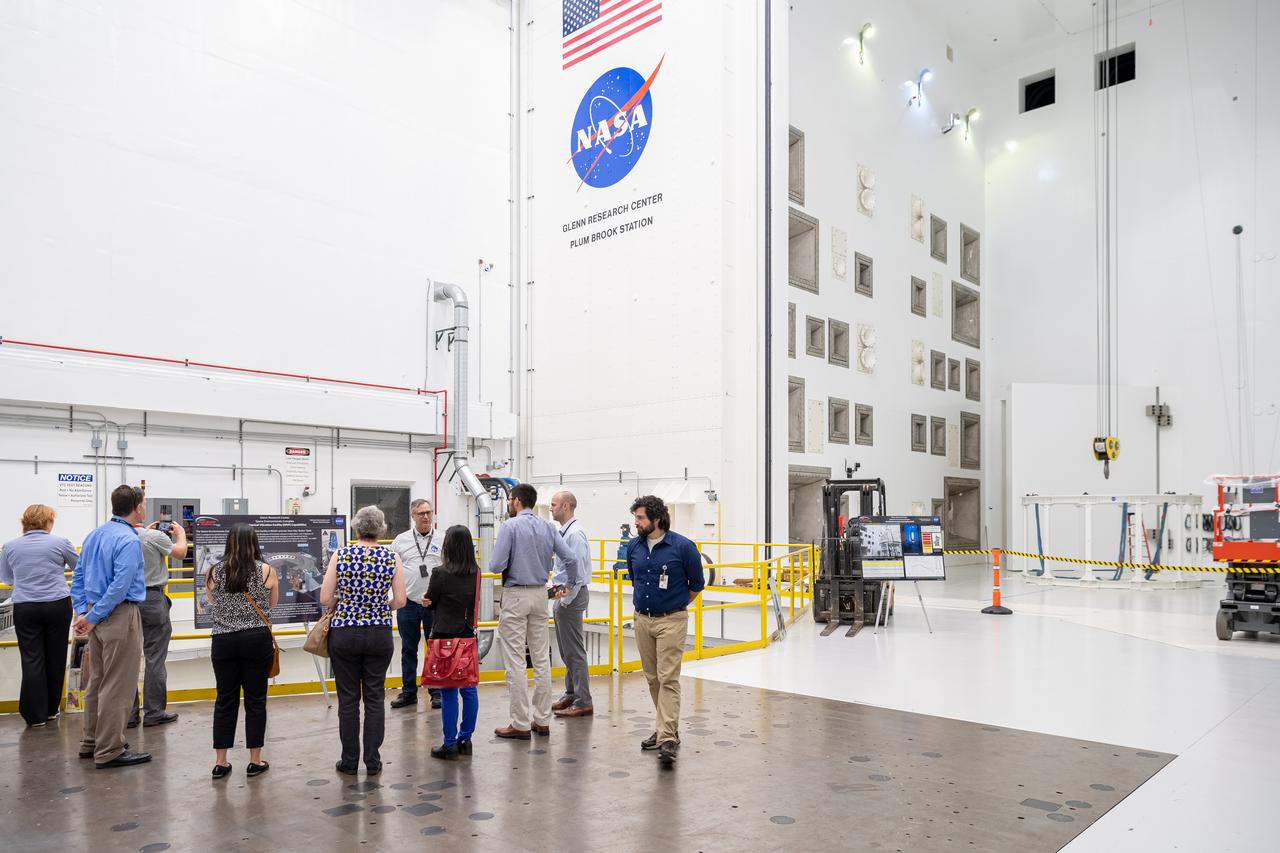
The inaugural Glenn Symposium focused on advancements in aerospace technology including power and propulsion, autonomy and communications, low boom supersonics, hypersonics, and more. Discussion also encompassed humans returning to the moon, including challenges associated with the 2024 mission.
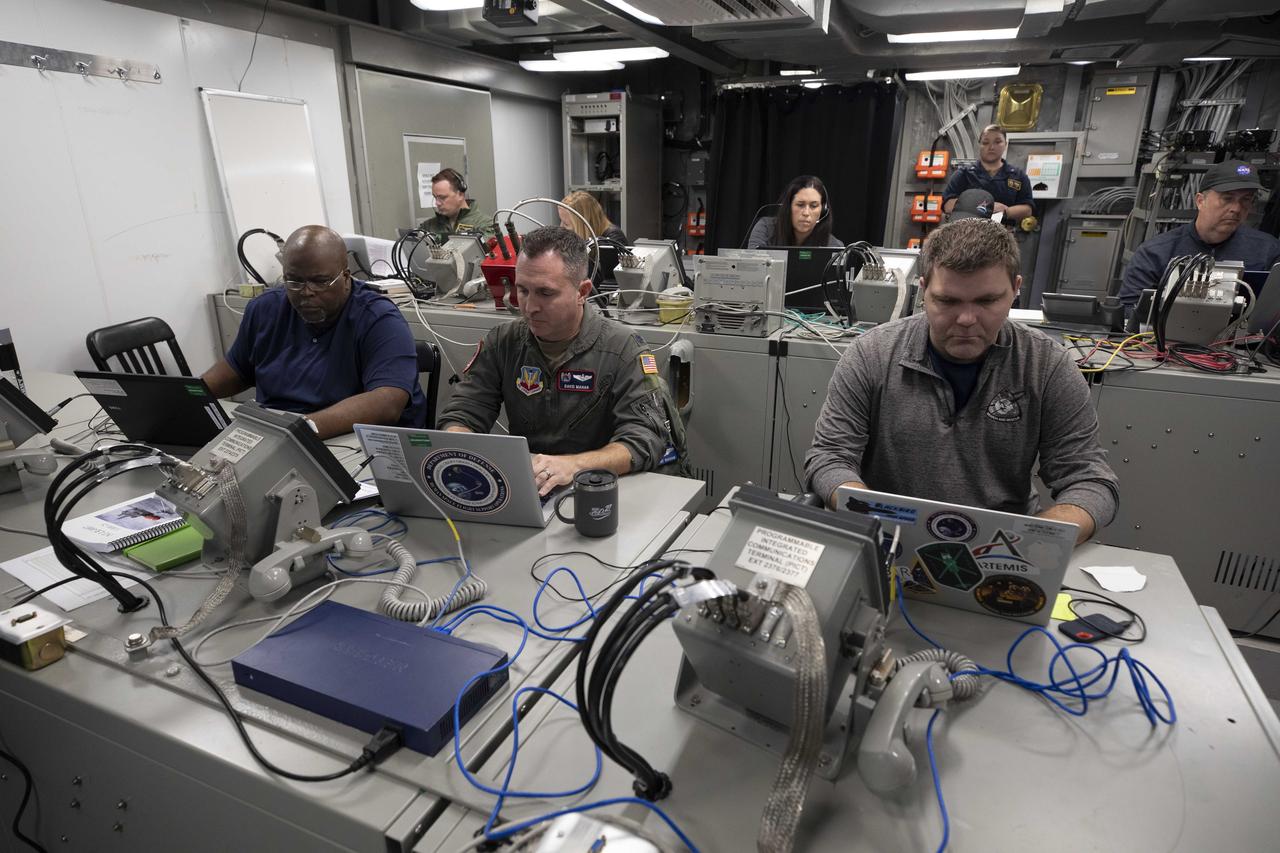
Inside a control room aboard USS Portland, members and leaders of NASA’s Landing and Recovery team run through preparations and procedures ahead of the Orion Spacecraft’s return from the Moon on Dec. 11 as part of the Artemis I mission.
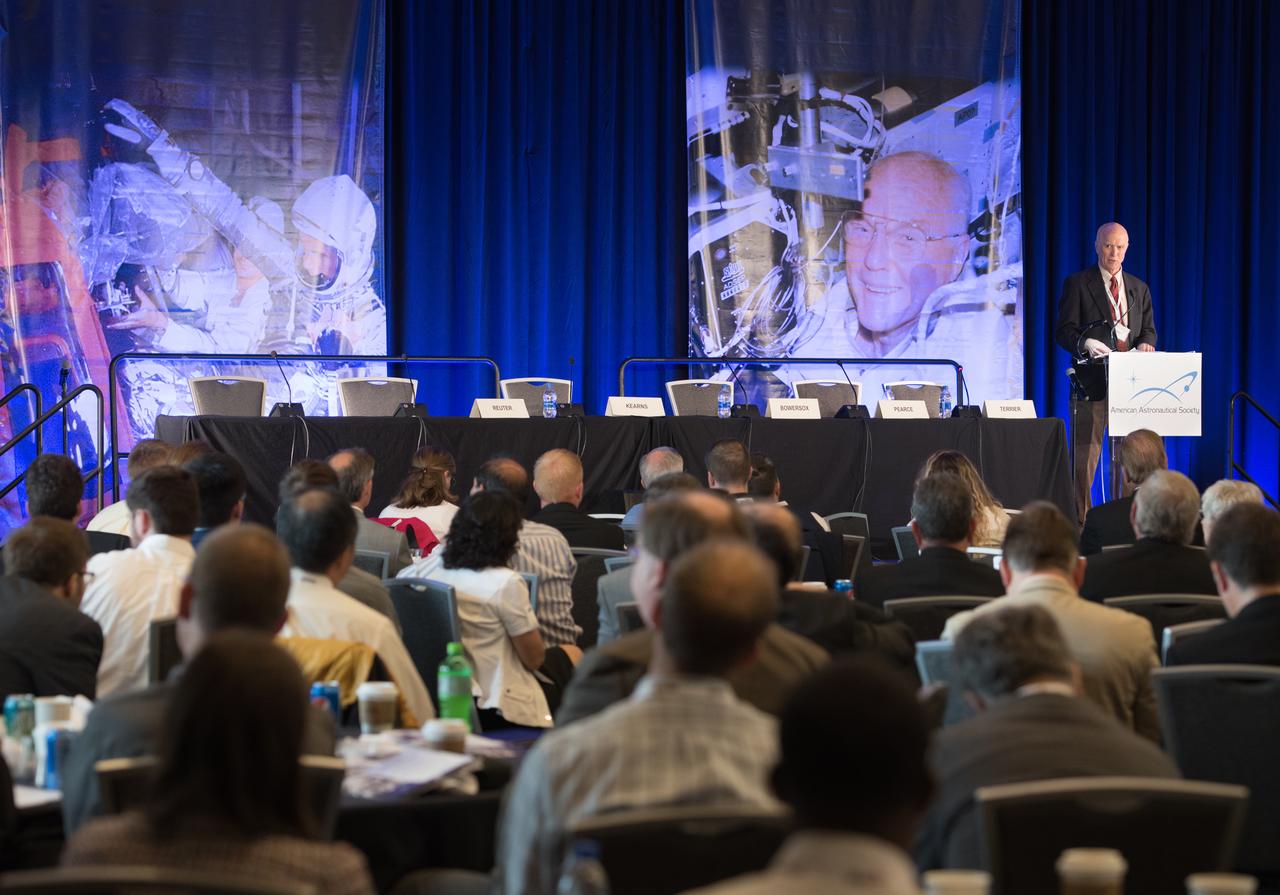
The inaugural Glenn Symposium focused on advancements in aerospace technology including power and propulsion, autonomy and communications, low boom supersonics, hypersonics, and more. Discussion also encompassed humans returning to the moon, including challenges associated with the 2024 mission.
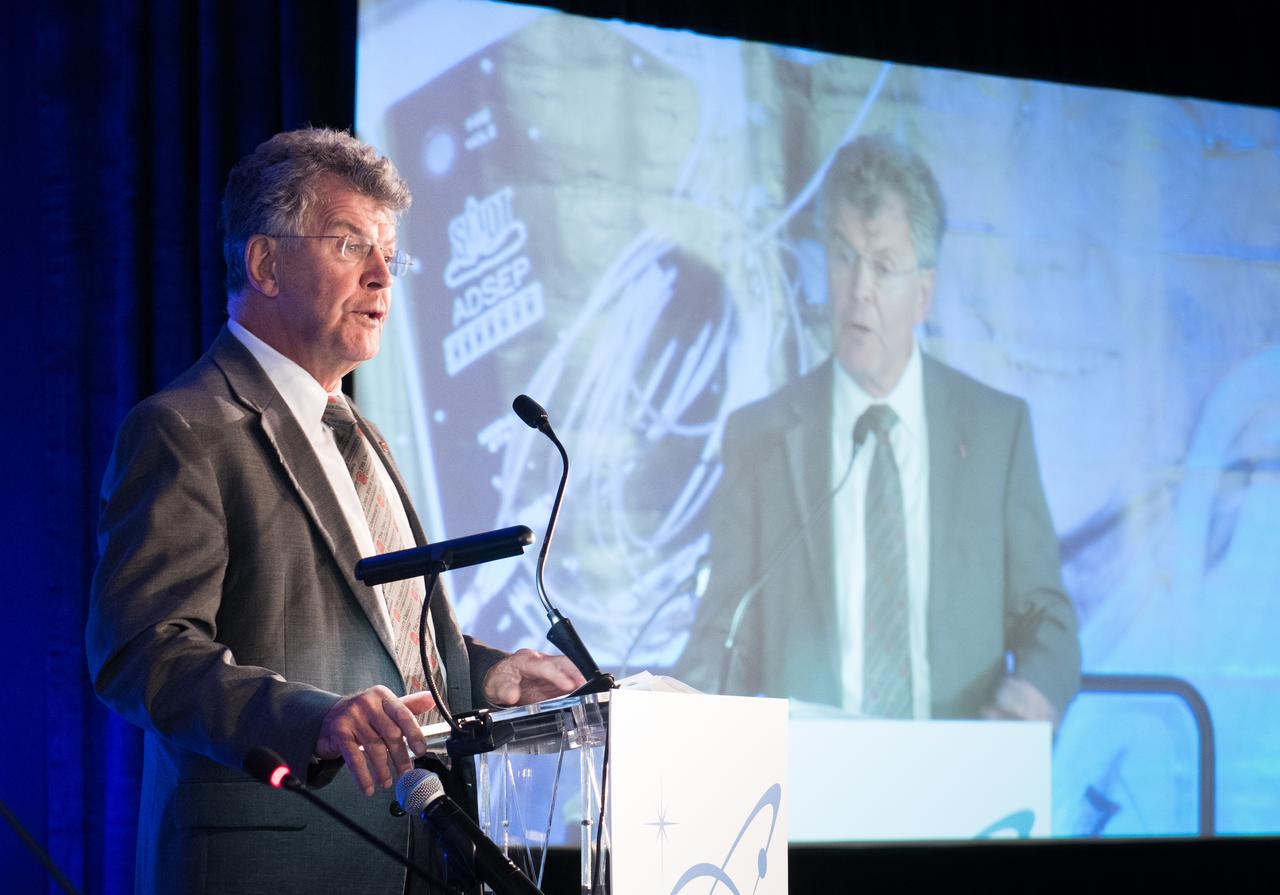
The inaugural Glenn Symposium focused on advancements in aerospace technology including power and propulsion, autonomy and communications, low boom supersonics, hypersonics, and more. Discussion also encompassed humans returning to the moon, including challenges associated with the 2024 mission.

The inaugural Glenn Symposium focused on advancements in aerospace technology including power and propulsion, autonomy and communications, low boom supersonics, hypersonics, and more. Discussion also encompassed humans returning to the moon, including challenges associated with the 2024 mission.
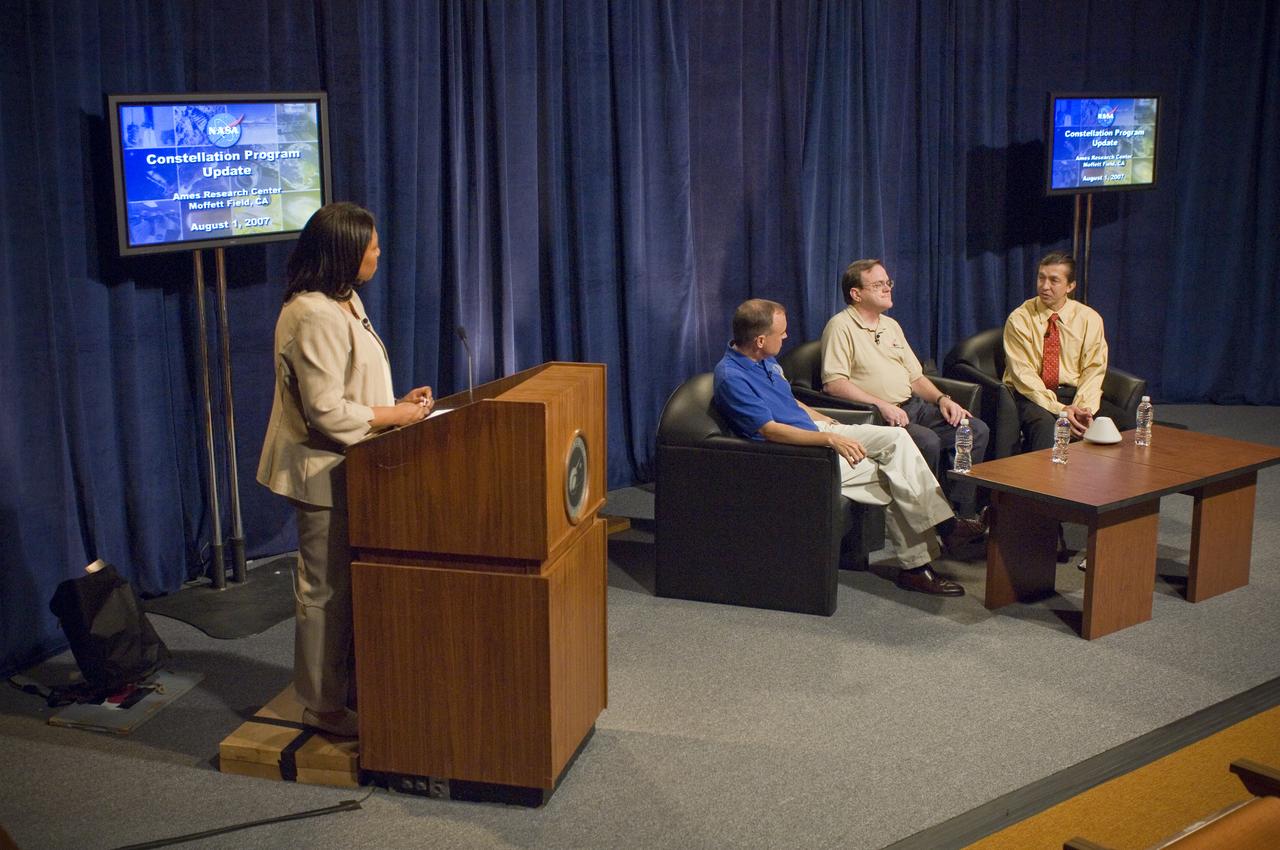
NASA Officials gather at Ames Research Center to discuss Spaceship development progress. Constellation is developing the Orion spacecraft and Ares rockets to support an American return to the moon by 2020.
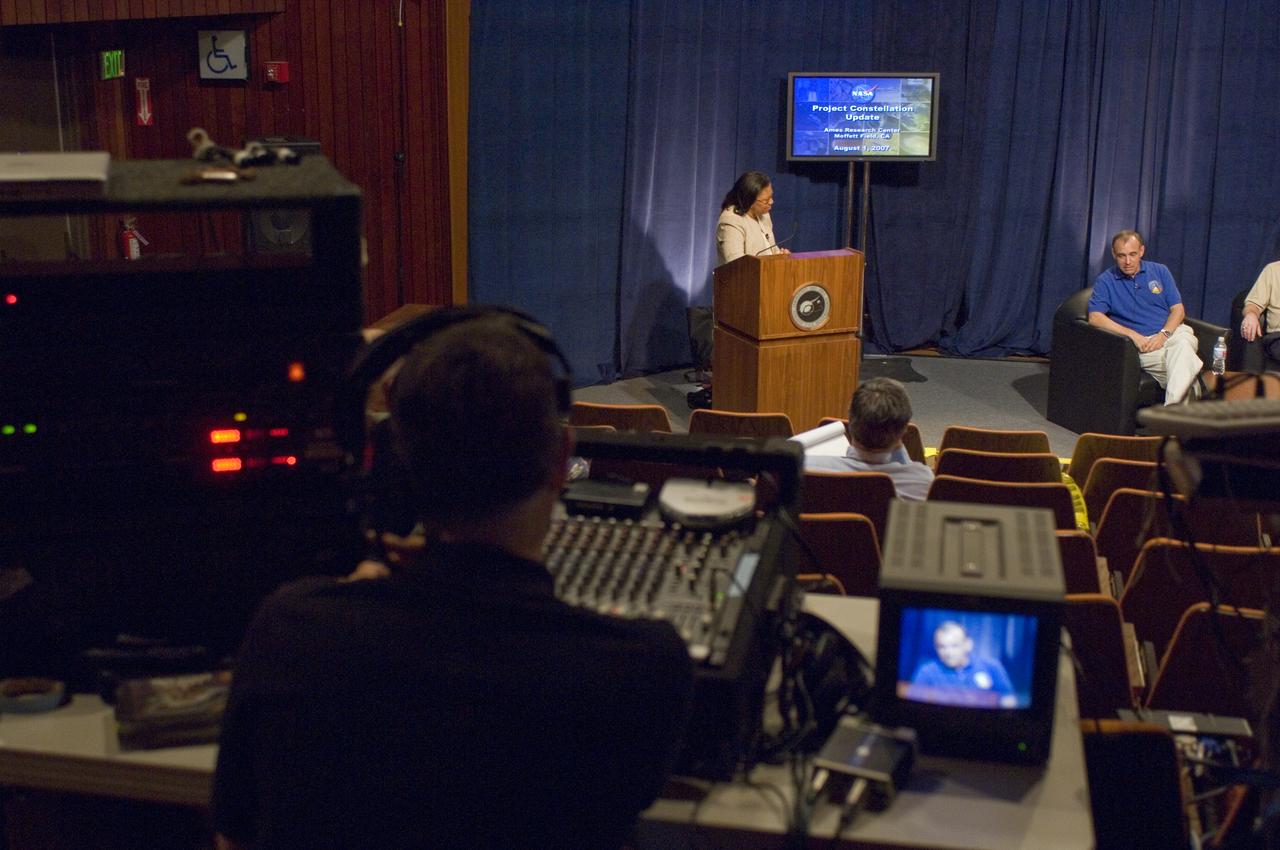
NASA Officials gather at Ames Research Center to discuss Spaceship development progress. Constellation is developing the Orion spacecraft and Ares rockets to support an American return to the moon by 2020.
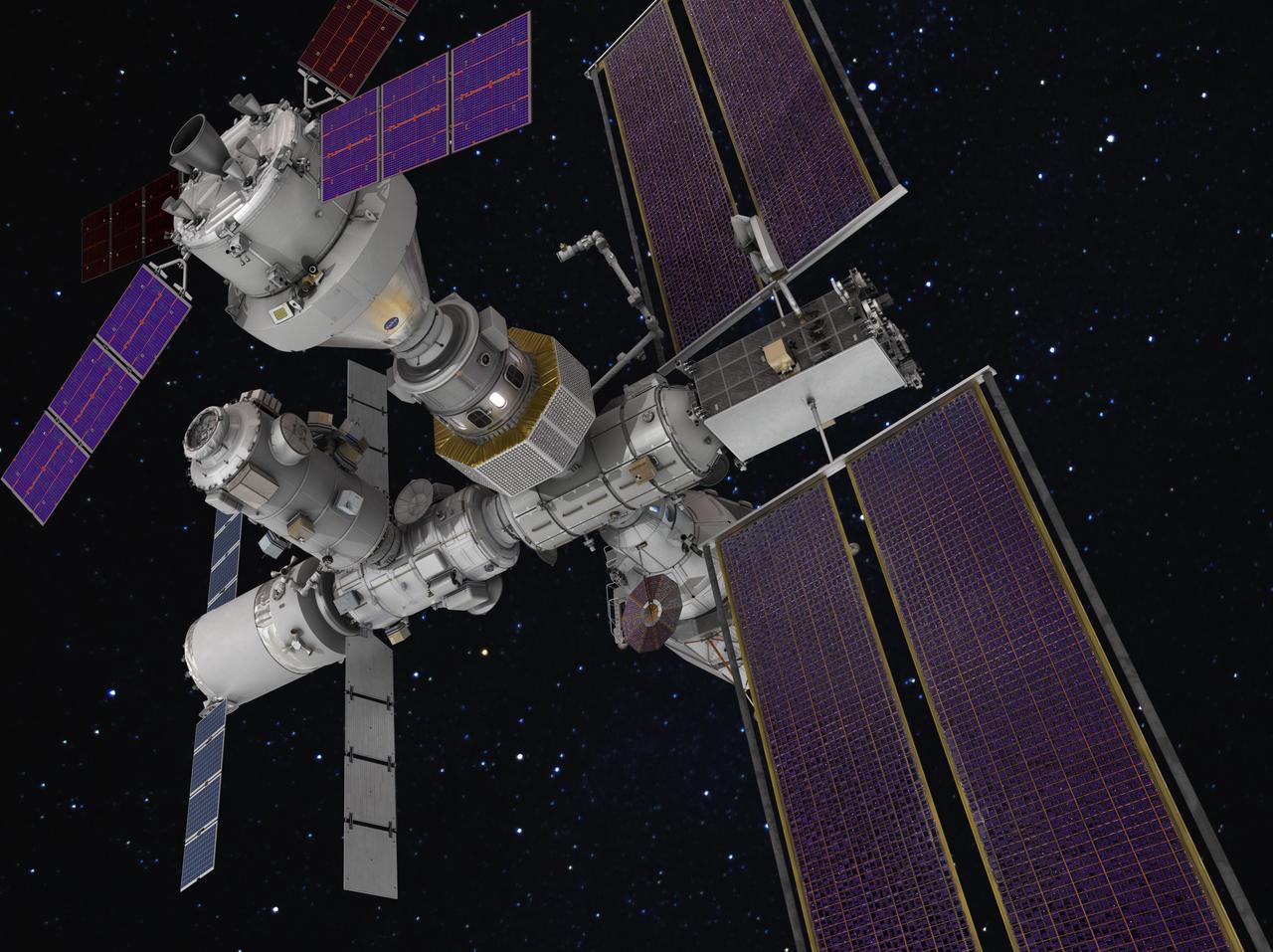
The Gateway space station will be humanity's first space station in lunar orbit as a vital component of the Artemis missions to return humans to the Moon for scientific discovery and chart a path for humans to Mars.
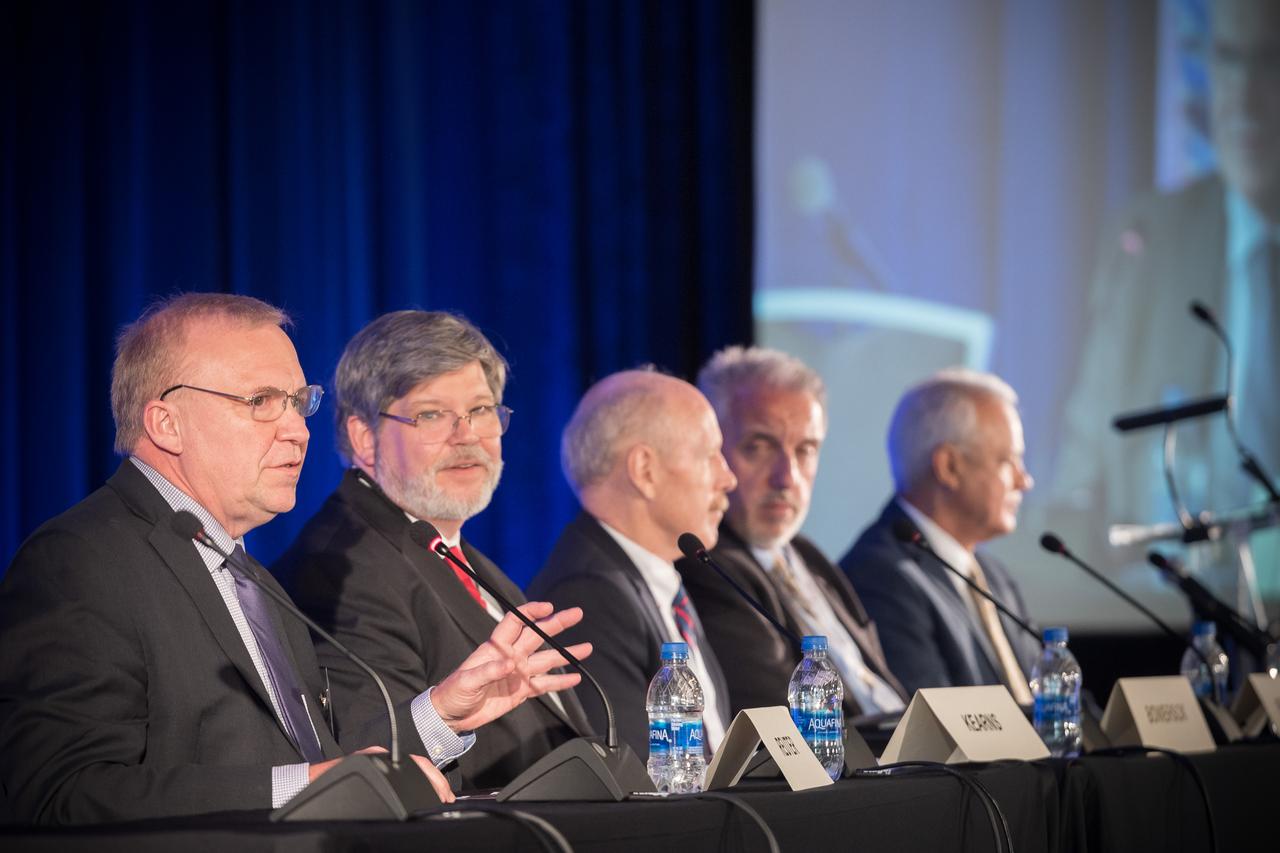
The inaugural Glenn Symposium focused on advancements in aerospace technology including power and propulsion, autonomy and communications, low boom supersonics, hypersonics, and more. Discussion also encompassed humans returning to the moon, including challenges associated with the 2024 mission.

The inaugural Glenn Symposium focused on advancements in aerospace technology including power and propulsion, autonomy and communications, low boom supersonics, hypersonics, and more. Discussion also encompassed humans returning to the moon, including challenges associated with the 2024 mission.
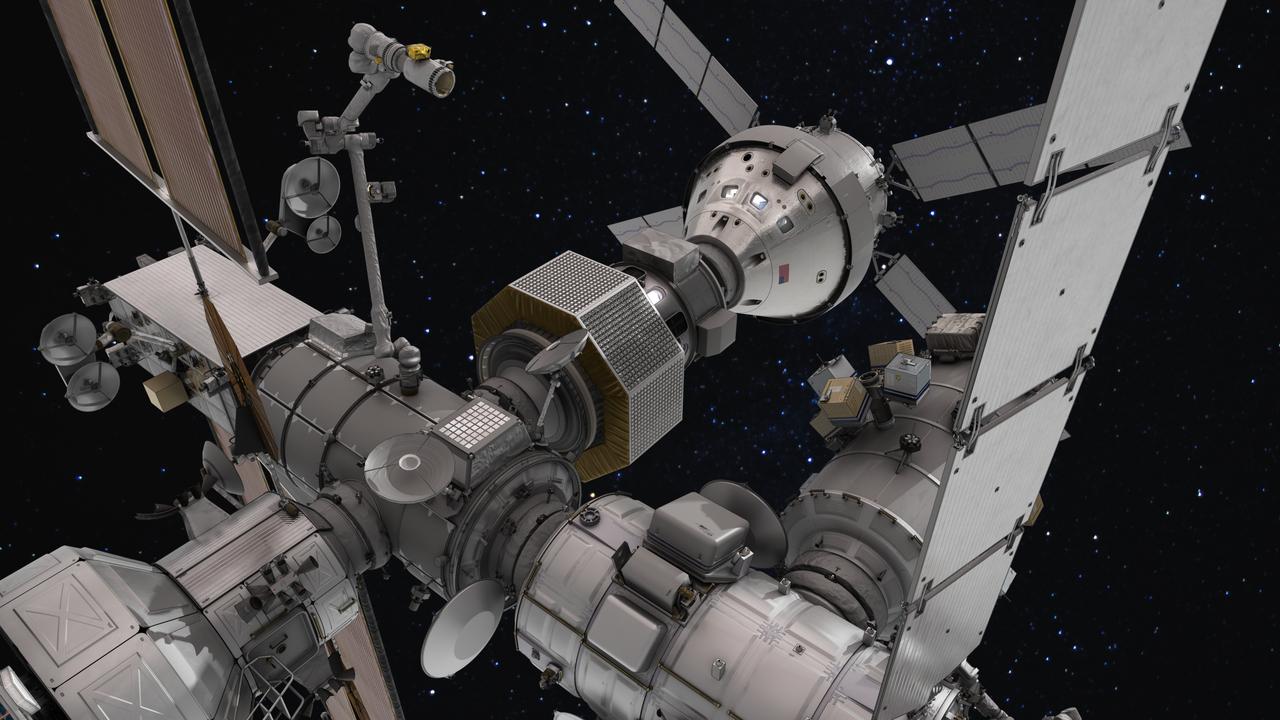
The Gateway space station will be humanity's first space station in lunar orbit as a vital component of the Artemis missions to return humans to the Moon for scientific discovery and chart a path for humans to Mars.
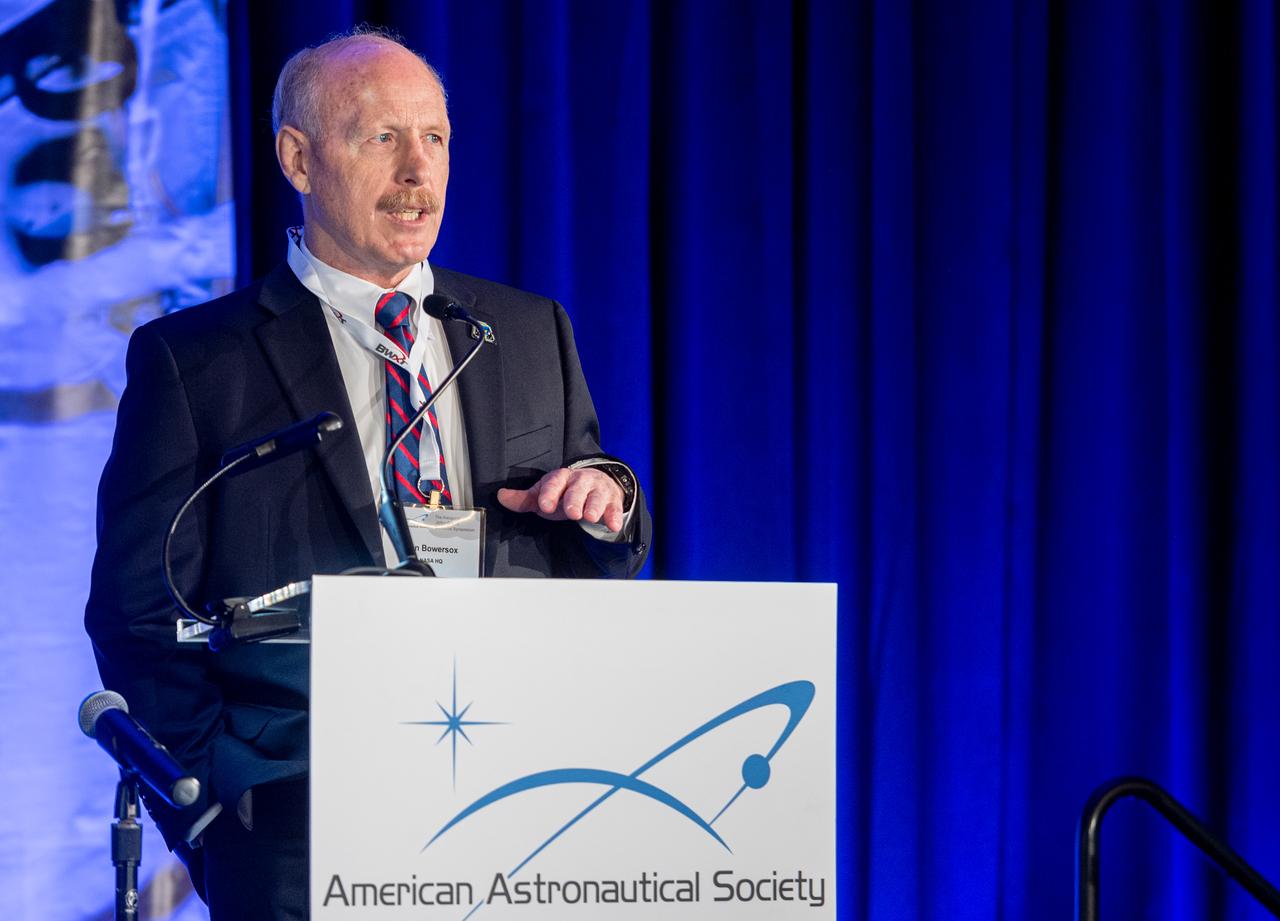
The inaugural Glenn Symposium focused on advancements in aerospace technology including power and propulsion, autonomy and communications, low boom supersonics, hypersonics, and more. Discussion also encompassed humans returning to the moon, including challenges associated with the 2024 mission.

The inaugural Glenn Symposium focused on advancements in aerospace technology including power and propulsion, autonomy and communications, low boom supersonics, hypersonics, and more. Discussion also encompassed humans returning to the moon, including challenges associated with the 2024 mission.
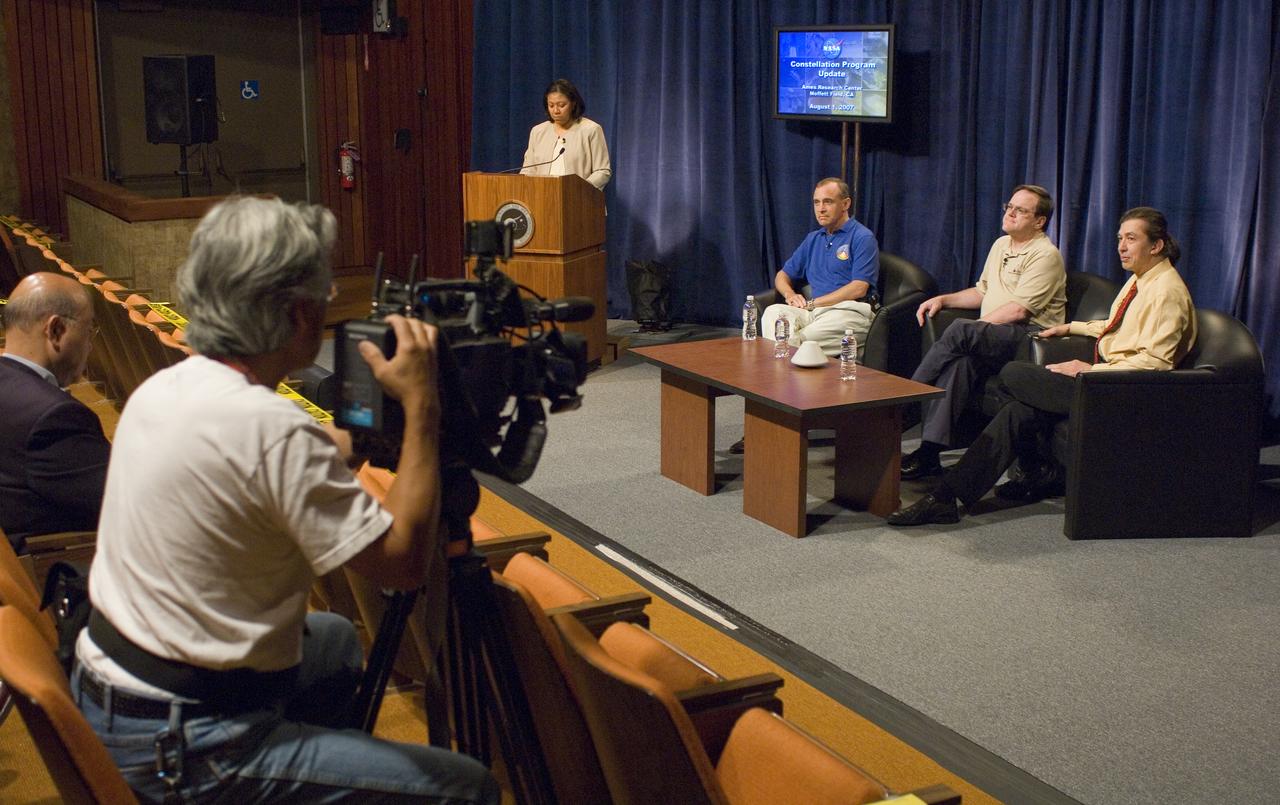
NASA Officials gather at Ames Research Center to discuss Spaceship development progress. Constellation is developing the Orion spacecraft and Ares rockets to support an American return to the moon by 2020.
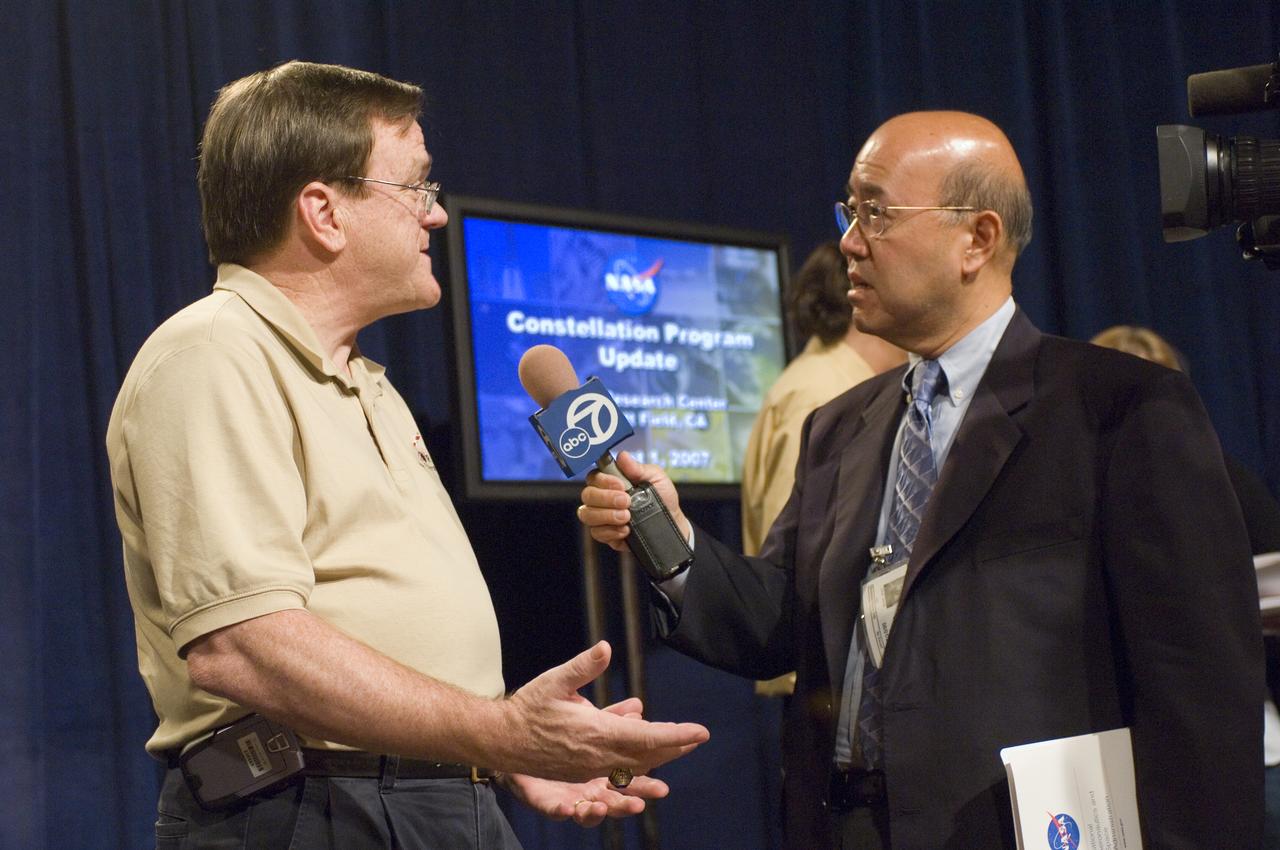
NASA Officials gather at Ames Research Center to discuss Spaceship development progress. Constellation is developing the Orion spacecraft and Ares rockets to support an American return to the moon by 2020. Speaker; Skip Hatfield, JSC Orion Project Manager
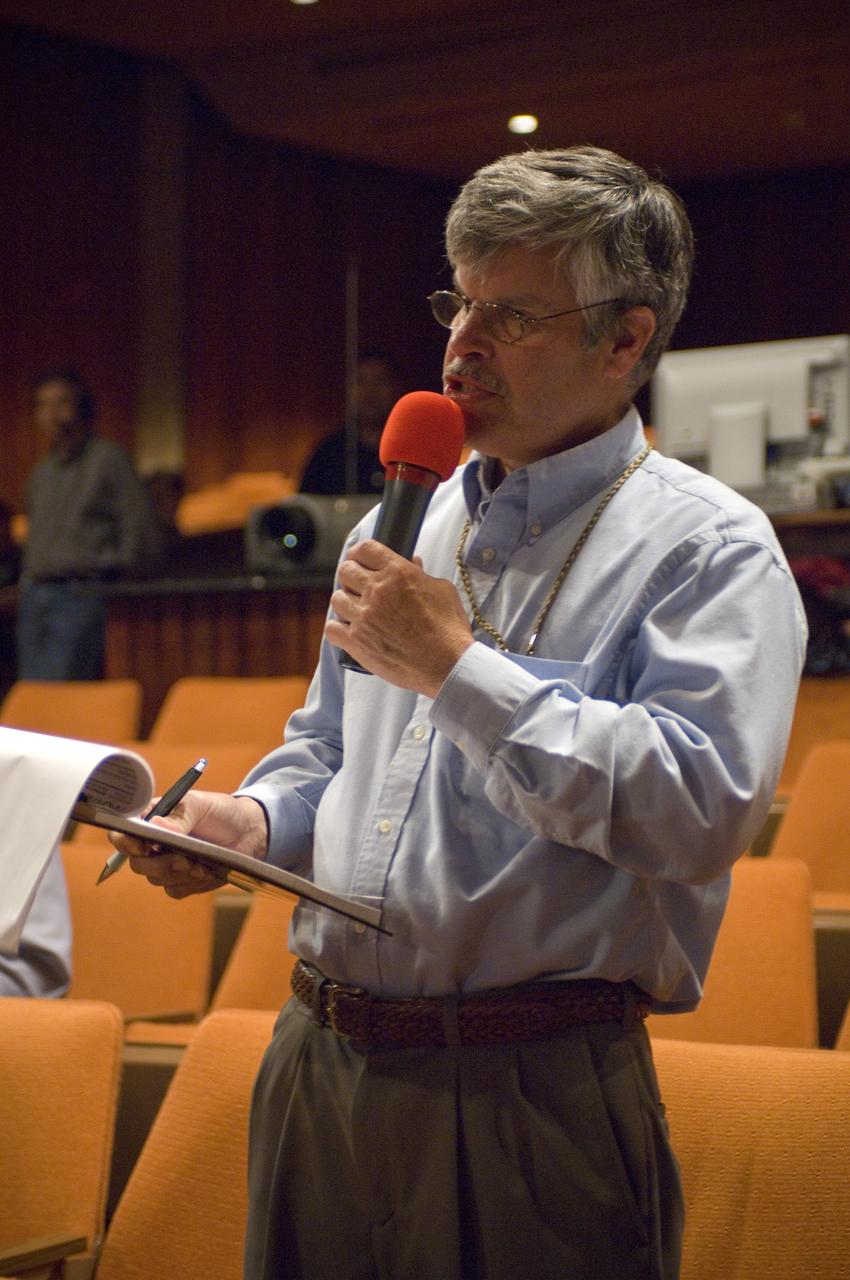
NASA Officials gather at Ames Research Center to discuss Spaceship development progress. Constellation is developing the Orion spacecraft and Ares rockets to support an American return to the moon by 2020. (with Mike Mewhinney, Ames PAO (news chief) Officer)

NASA Officials gather at Ames Research Center to discuss Spaceship development progress. Constellation is developing the Orion spacecraft and Ares rockets to support an American return to the moon by 2020.
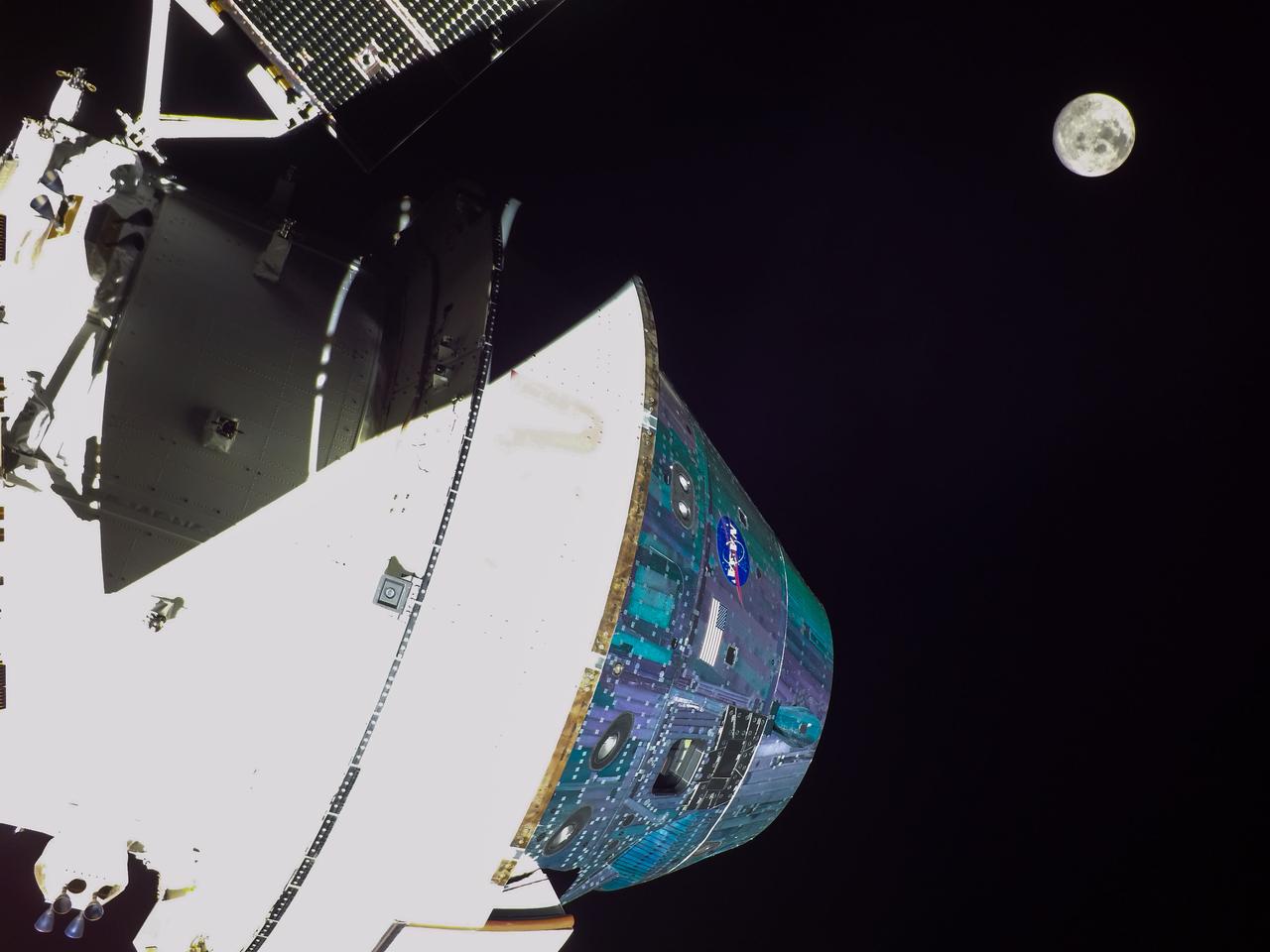
art001e002000 (Dec. 4, 2022) On the 19th day of the Artemis I mission, the Moon grows larger in frame as Orion prepares for the return powered flyby on Dec. 5, when it will pass approximately 79 miles above the lunar surface.
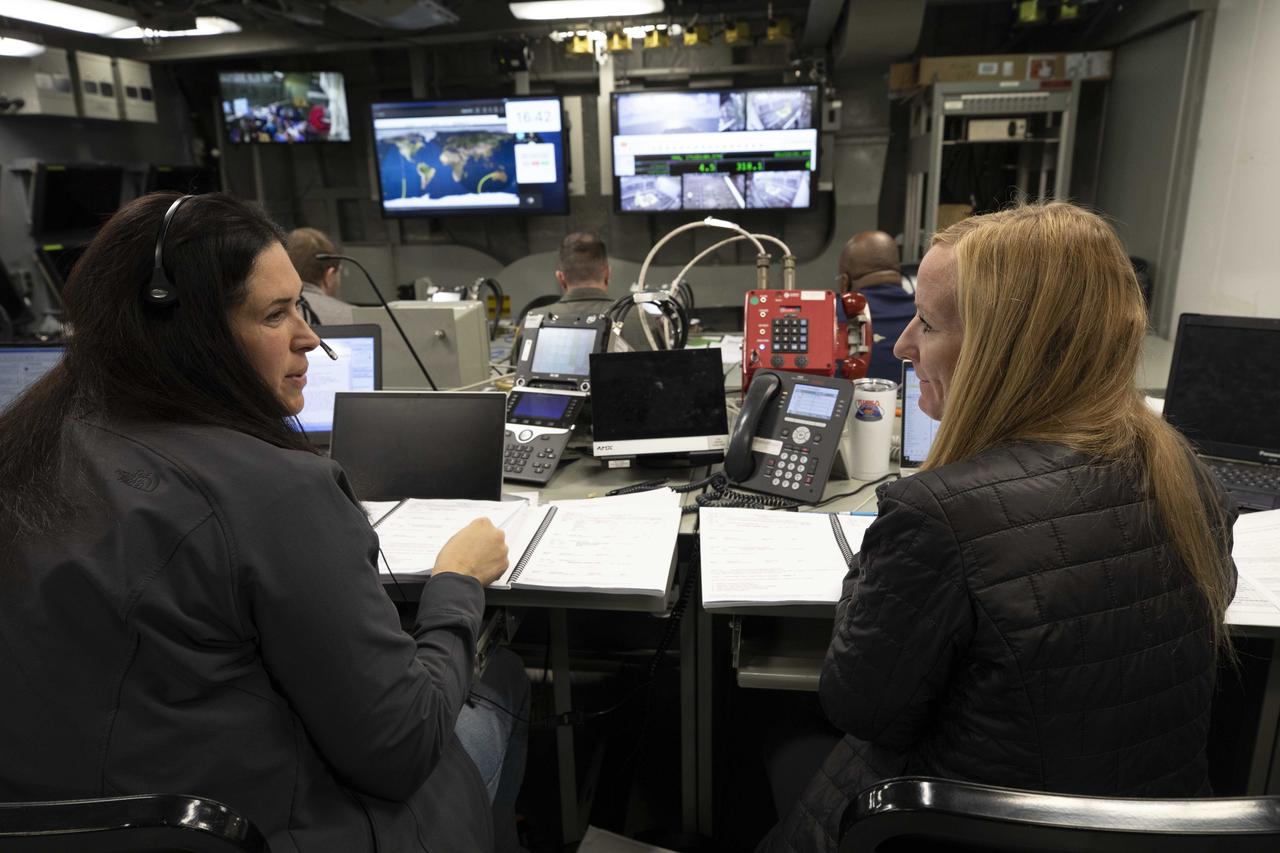
Inside a control room aboard USS Portland, members and leaders of NASA’s Landing and Recovery team run through preparations and procedures ahead of the Orion Spacecraft’s return from the Moon on Dec. 11 as part of the Artemis I mission.
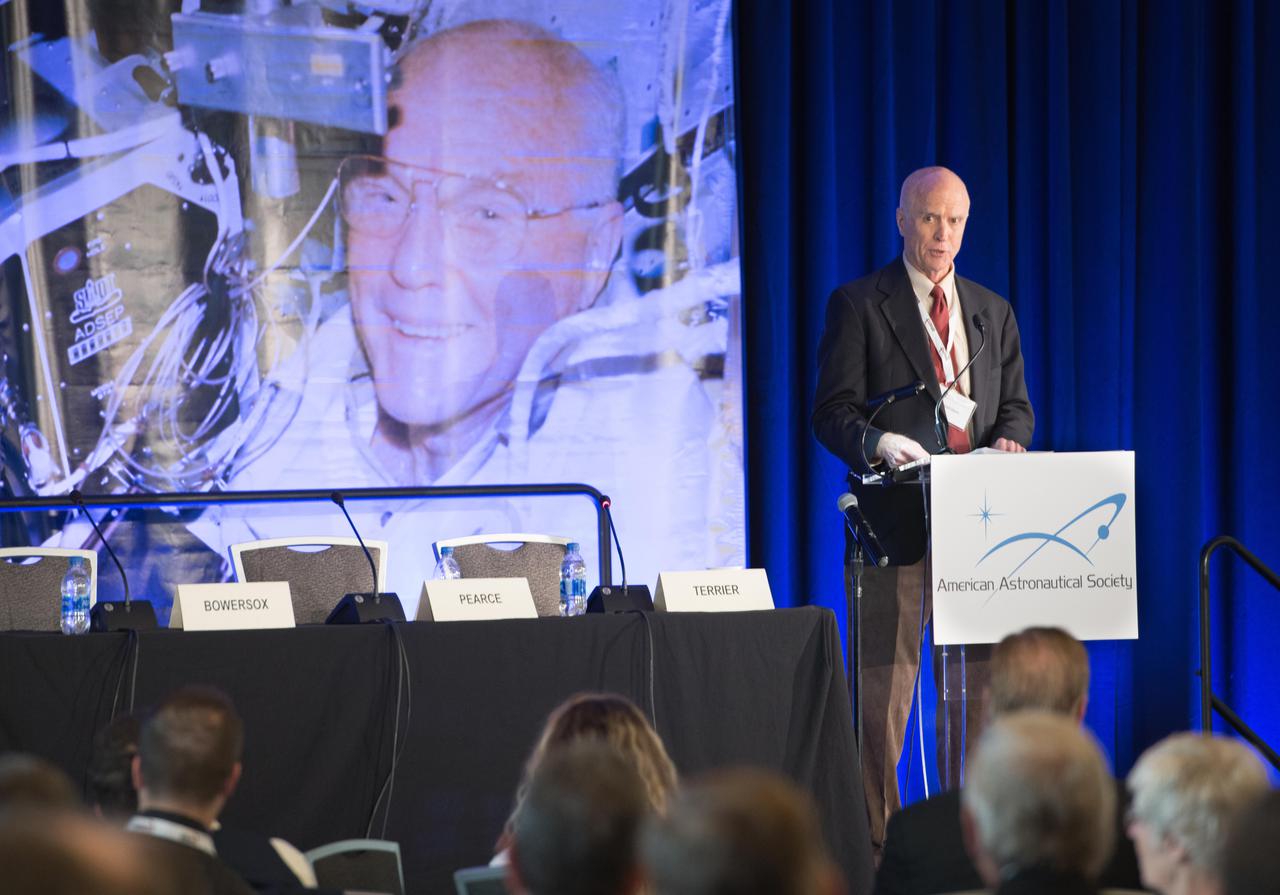
The inaugural Glenn Symposium focused on advancements in aerospace technology including power and propulsion, autonomy and communications, low boom supersonics, hypersonics, and more. Discussion also encompassed humans returning to the moon, including challenges associated with the 2024 mission.
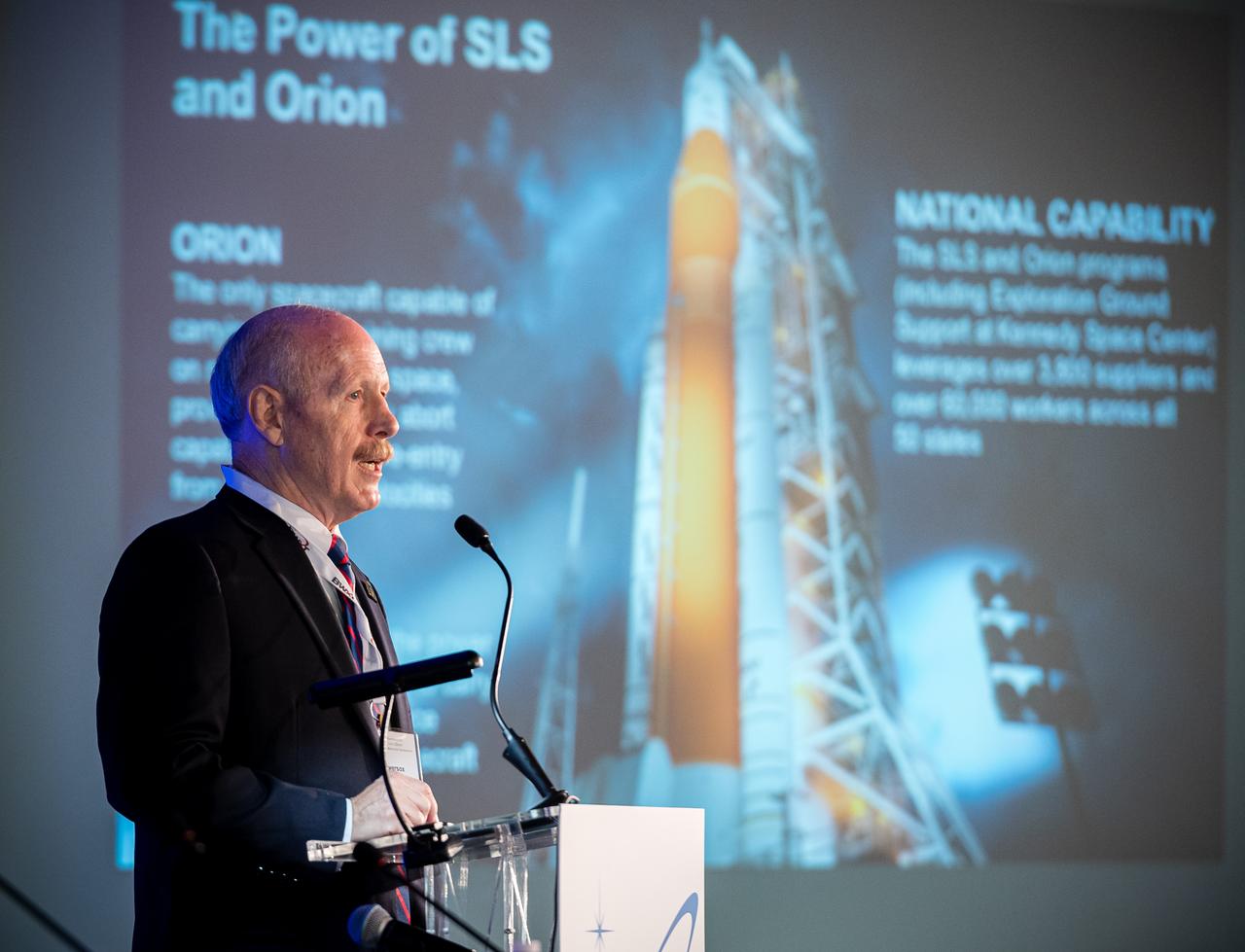
The inaugural Glenn Symposium focused on advancements in aerospace technology including power and propulsion, autonomy and communications, low boom supersonics, hypersonics, and more. Discussion also encompassed humans returning to the moon, including challenges associated with the 2024 mission.
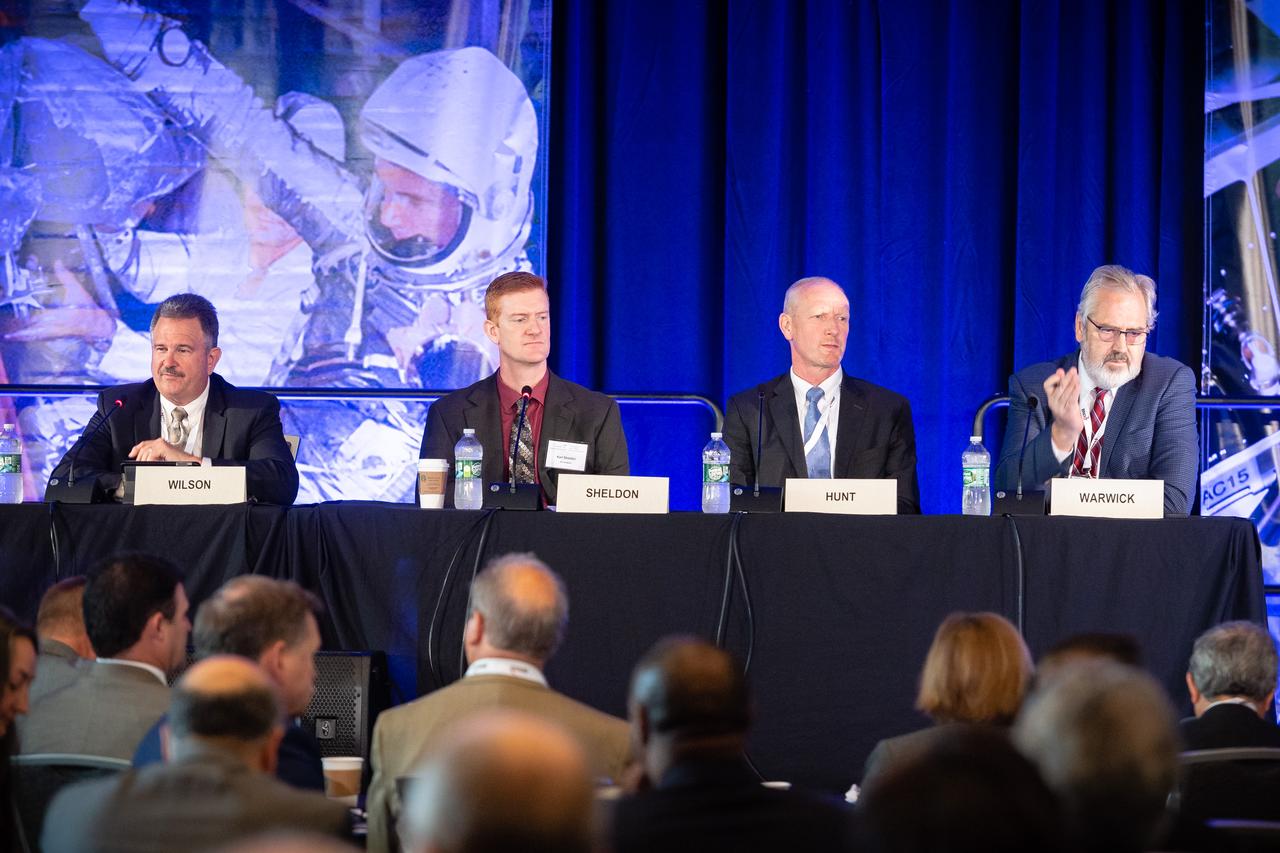
The inaugural Glenn Symposium focused on advancements in aerospace technology including power and propulsion, autonomy and communications, low boom supersonics, hypersonics, and more. Discussion also encompassed humans returning to the moon, including challenges associated with the 2024 mission.
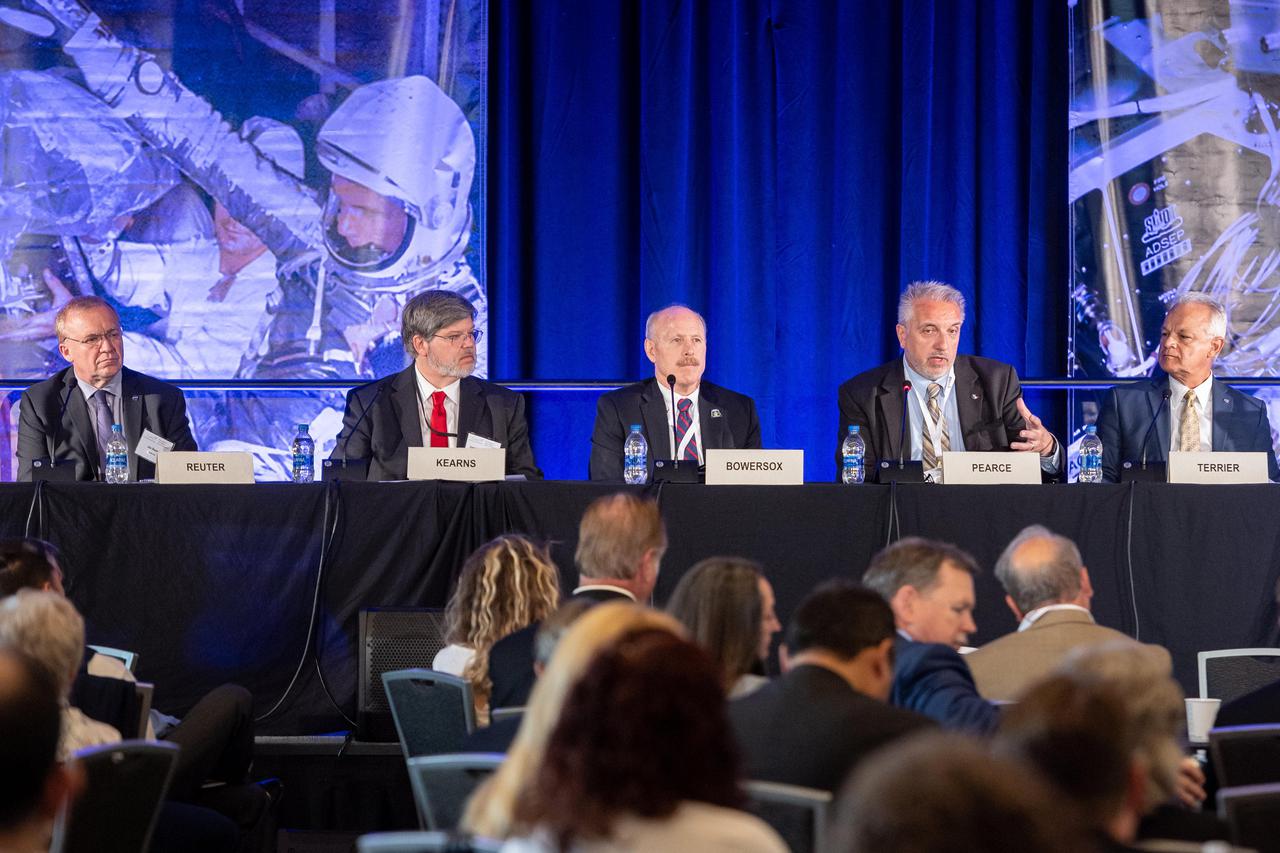
The inaugural Glenn Symposium focused on advancements in aerospace technology including power and propulsion, autonomy and communications, low boom supersonics, hypersonics, and more. Discussion also encompassed humans returning to the moon, including challenges associated with the 2024 mission.
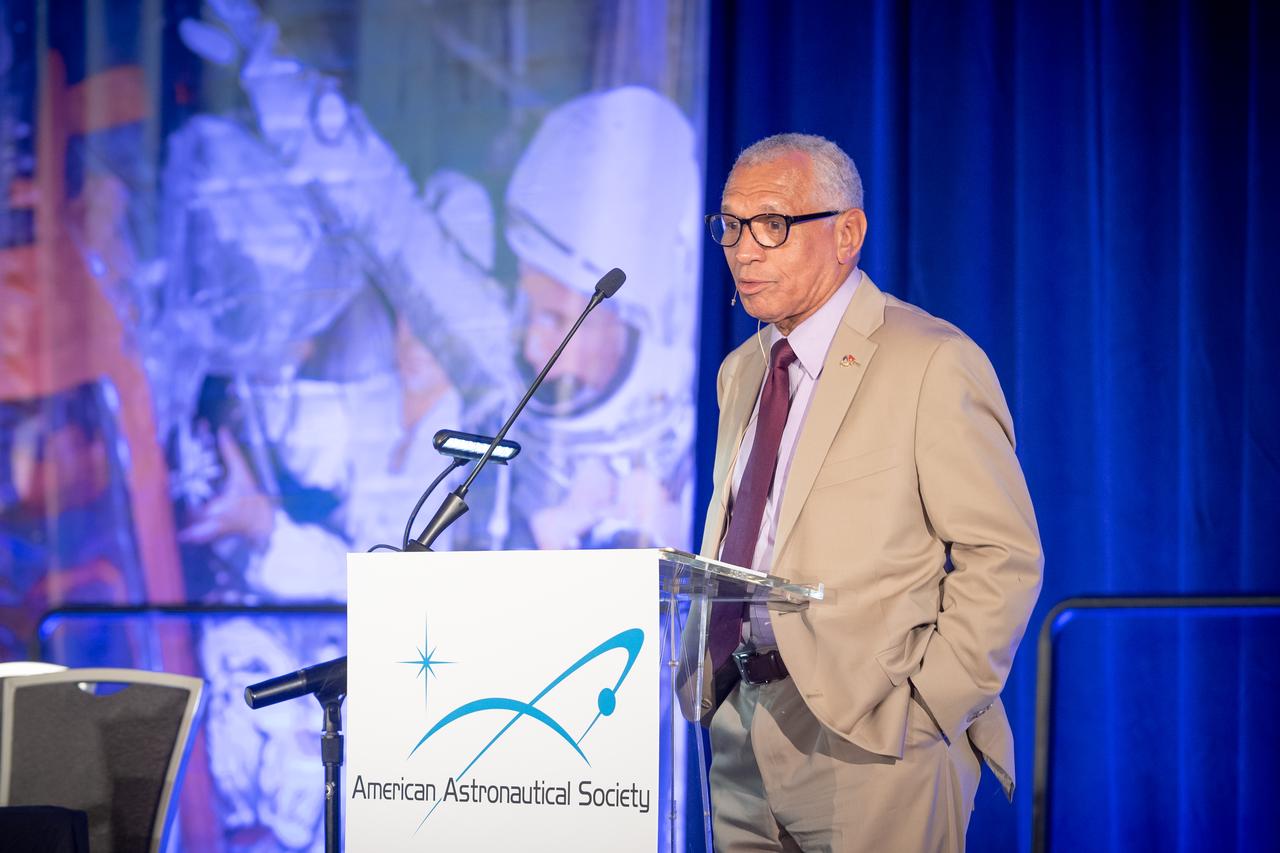
The inaugural Glenn Symposium focused on advancements in aerospace technology including power and propulsion, autonomy and communications, low boom supersonics, hypersonics, and more. Discussion also encompassed humans returning to the moon, including challenges associated with the 2024 mission.
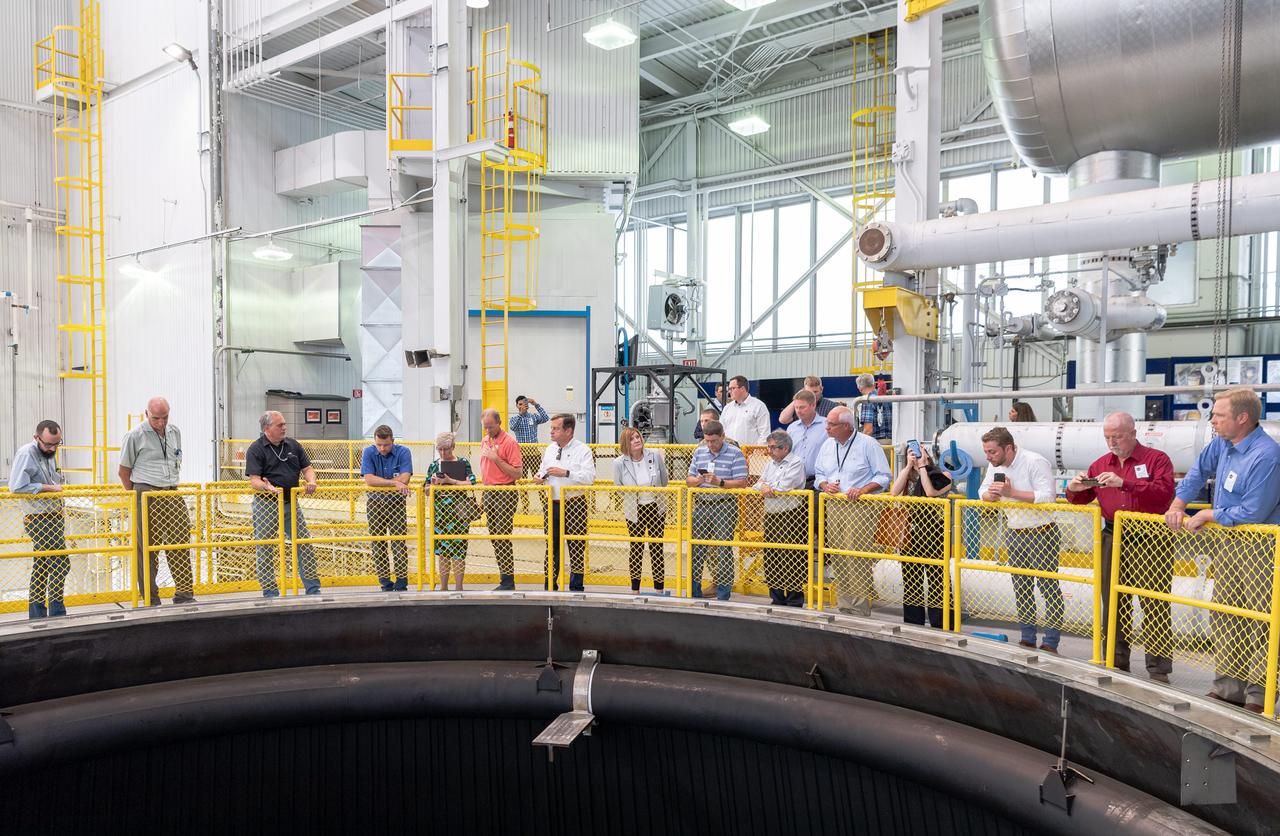
The inaugural Glenn Symposium focused on advancements in aerospace technology including power and propulsion, autonomy and communications, low boom supersonics, hypersonics, and more. Discussion also encompassed humans returning to the moon, including challenges associated with the 2024 mission.
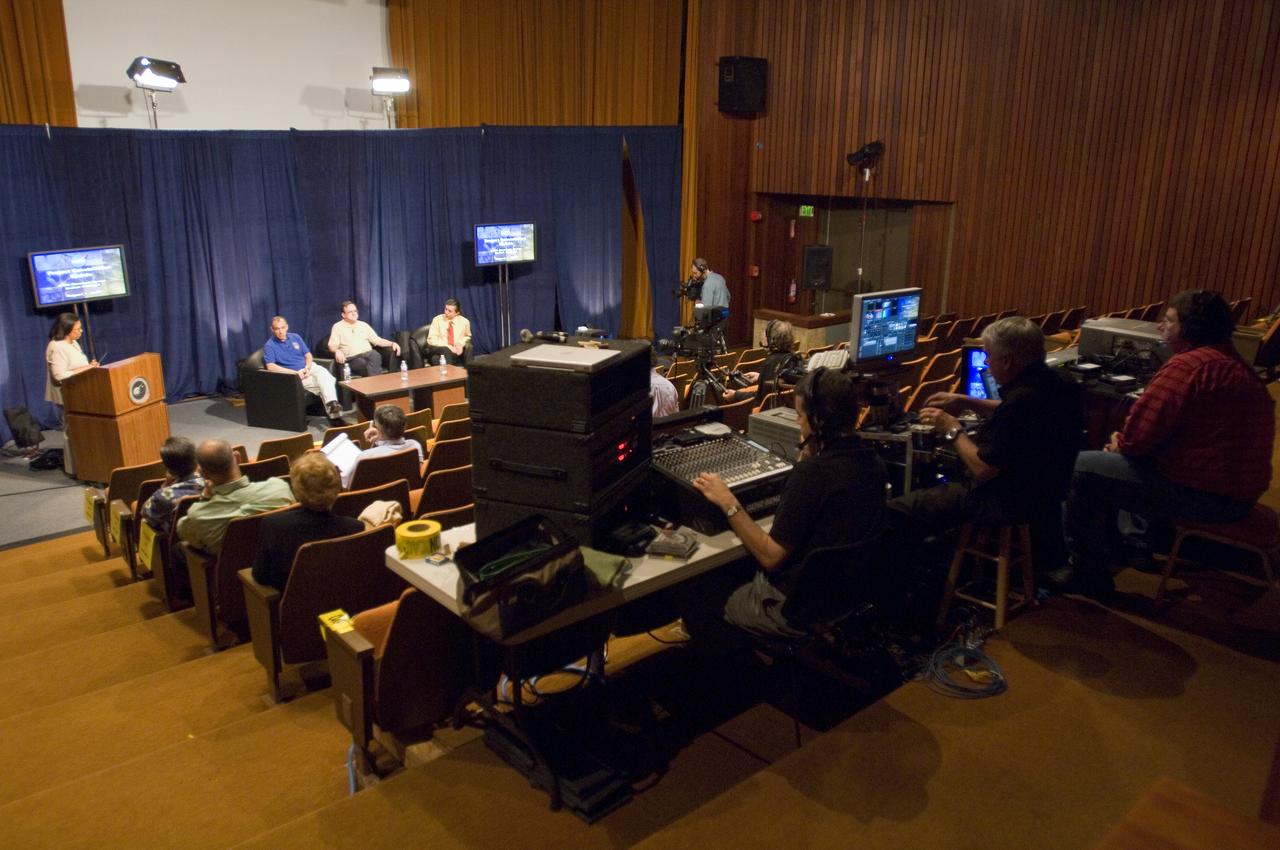
NASA Officials gather at Ames Research Center to discuss Spaceship development progress. Constellation is developing the Orion spacecraft and Ares rockets to support an American return to the moon by 2020.