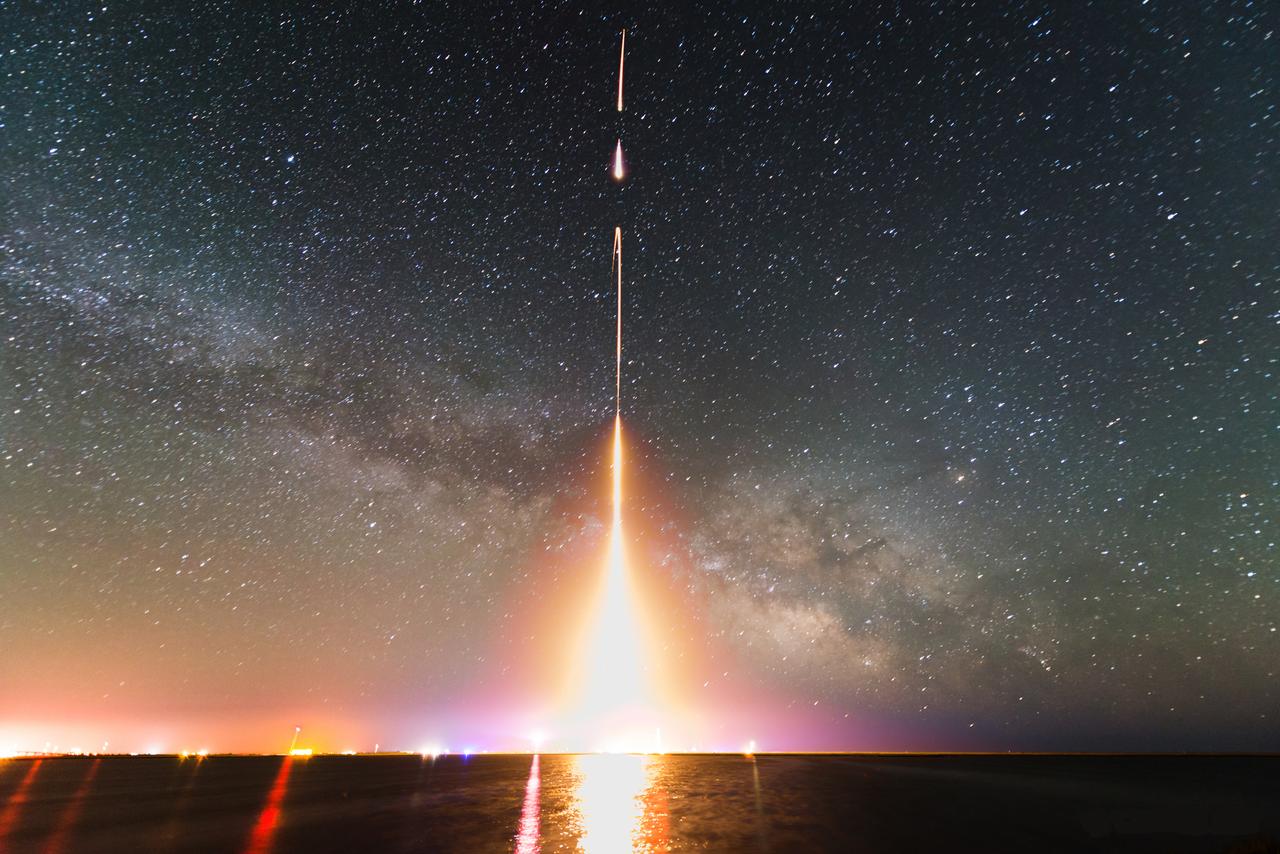
A NASA sounding rocket experiment has detected a surprising surplus of infrared light in the dark space between galaxies, a diffuse cosmic glow as bright as all known galaxies combined. The glow is thought to be from orphaned stars flung out of galaxies. The findings redefine what scientists think of as galaxies. Galaxies may not have a set boundary of stars, but instead stretch out to great distances, forming a vast, interconnected sea of stars. Observations from the Cosmic Infrared Background Experiment, or CIBER, are helping settle a debate on whether this background infrared light in the universe, previously detected by NASA’s Spitzer Space Telescope, comes from these streams of stripped stars too distant to be seen individually, or alternatively from the first galaxies to form in the universe. This is a time-lapse photograph of the Cosmic Infrared Background Experiment (CIBER) rocket launch, taken from NASA's Wallops Flight Facility in Virginia in 2013. The image is from the last of four launches. Read more: <a href="http://www.nasa.gov/press/2014/november/nasa-rocket-experiment-finds-the-universe-brighter-than-we-thought/index.html#.VFveFd6FxgM" rel="nofollow">www.nasa.gov/press/2014/november/nasa-rocket-experiment-f...</a> Image Credit: T. Arai/University of Tokyo <b><a href="http://www.nasa.gov/audience/formedia/features/MP_Photo_Guidelines.html" rel="nofollow">NASA image use policy.</a></b> <b><a href="http://www.nasa.gov/centers/goddard/home/index.html" rel="nofollow">NASA Goddard Space Flight Center</a></b> enables NASA’s mission through four scientific endeavors: Earth Science, Heliophysics, Solar System Exploration, and Astrophysics. Goddard plays a leading role in NASA’s accomplishments by contributing compelling scientific knowledge to advance the Agency’s mission. <b>Follow us on <a href="http://twitter.com/NASAGoddardPix" rel="nofollow">Twitter</a></b> <b>Like us on <a href="http://www.facebook.com/pages/Greenbelt-MD/NASA-Goddard/395013845897?ref=tsd" rel="nofollow">Facebook</a></b> <b>Find us on <a href="http://instagram.com/nasagoddard?vm=grid" rel="nofollow">Instagram</a></b>
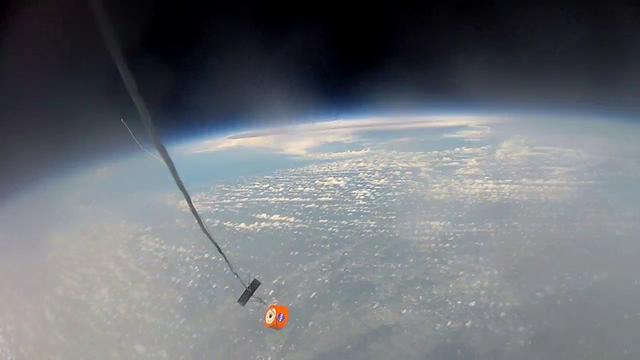
CAPE CANAVERAL, Fla. – An instrument-laden capsule begins its descent from 105,000 feet above Earth during a flight hosted by Rocket University participants. After the high-altitude balloon carrying it burst, the capsule free-fell to 50,000 feet and then deployed a parachute to land safely on the ground. The test flight was used to evaluate the stability of the capsule as it fell to Earth before its parachute opened. Rocket University is a program of courses, workshops, labs and projects offered to engineering and research pros of all stripes to keep their skills fresh and broaden their experiences. Photo credit: Courtesy of Rocket University The work is part of Transition and Retirement of the remaining space shuttles, Atlantis and Endeavour. Atlantis is being prepared for public display at Kennedy's Visitor Complex. Over the course of its 26-year career, Atlantis spent 293 days in space during 33 missions. For more information, visit http://www.nasa.gov/transition Photo credit: NASA/Kim Shiflett
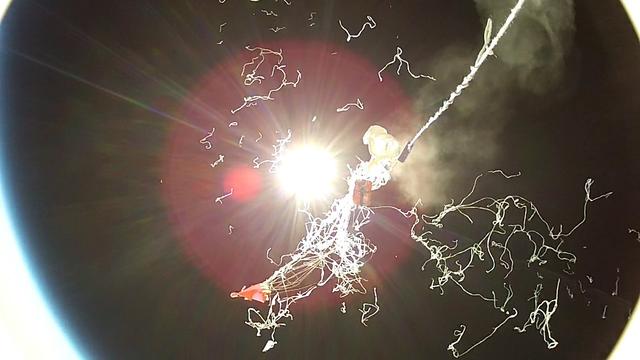
CAPE CANAVERAL, Fla. – The high-altitude balloon that carried an instrument-laden capsule bursts 105,000 feet above Earth during a flight hosted by Rocket University participants. The bursting of the balloon allowed the capsule to free-fall to 50,000 feet and then deploy a parachute to land safely on the ground. The test flight was used to evaluate the stability of an instrumented capsule as it fell to Earth before its parachute opened. Rocket University is a program of courses, workshops, labs and projects offered to engineering and research pros of all stripes to keep their skills fresh and broaden their experiences. Photo credit: Courtesy of Rocket University The work is part of Transition and Retirement of the remaining space shuttles, Atlantis and Endeavour. Atlantis is being prepared for public display at Kennedy's Visitor Complex. Over the course of its 26-year career, Atlantis spent 293 days in space during 33 missions. For more information, visit http://www.nasa.gov/transition Photo credit: NASA/Kim Shiflett
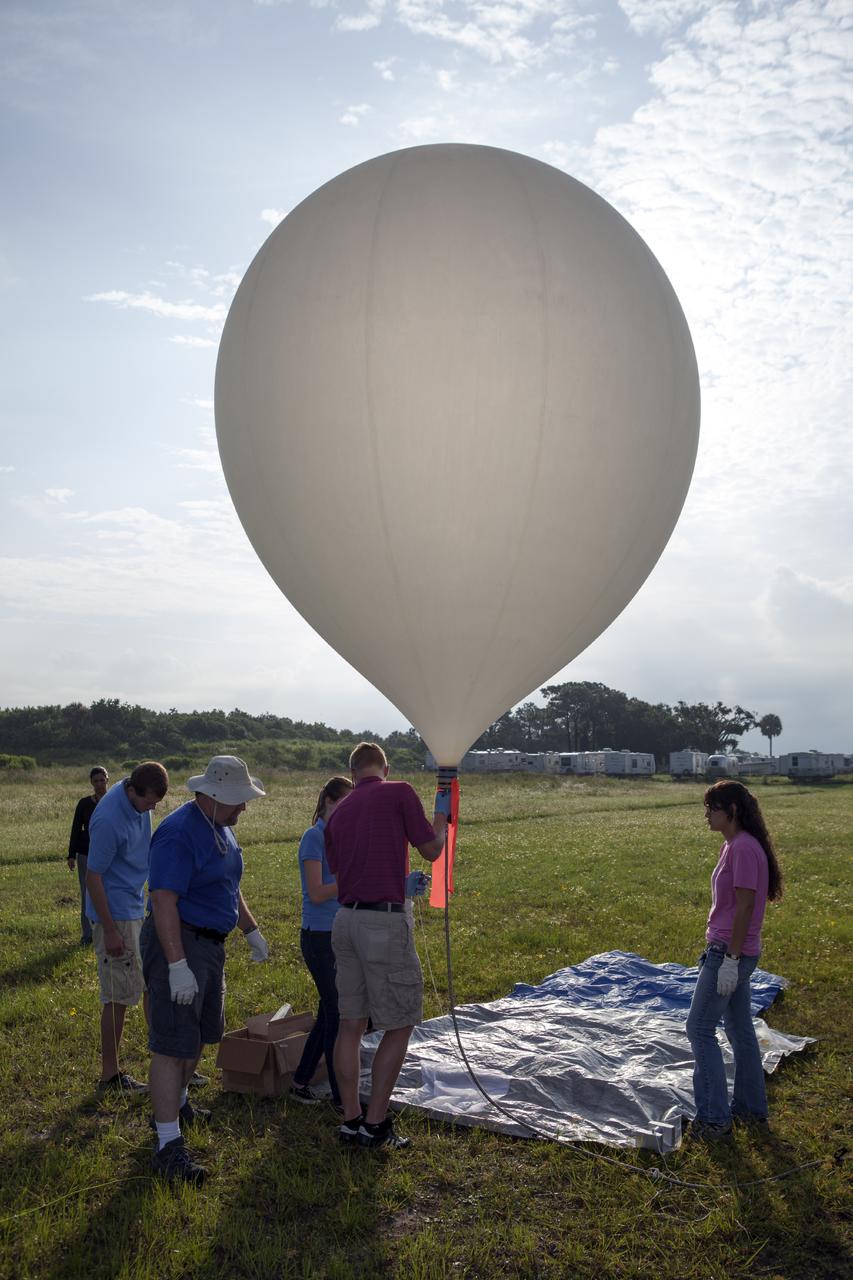
Rocket University - Balloon Launch at KARS 1
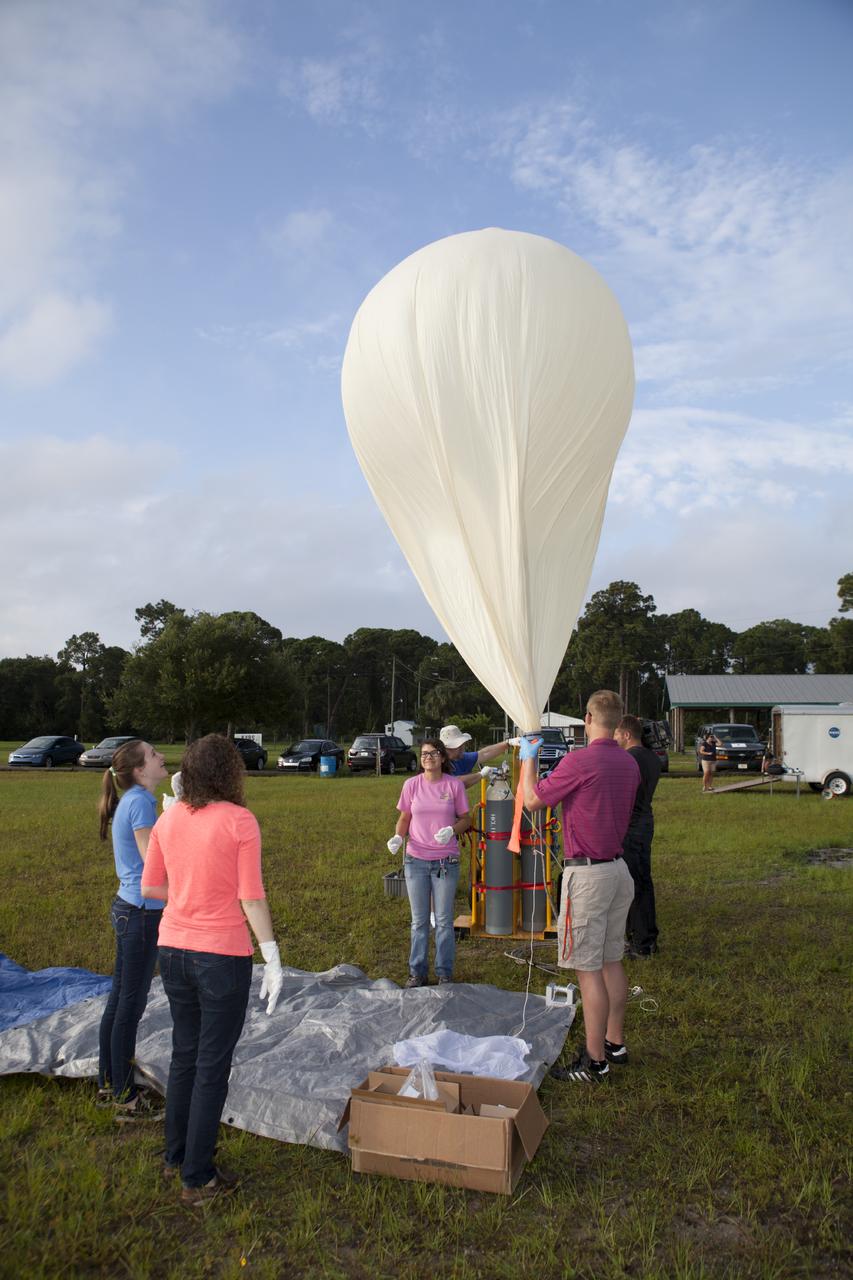
Rocket University - Balloon Launch at KARS 1

Rocket University - Balloon Launch at KARS 1

Rocket University - Balloon Launch at KARS 1
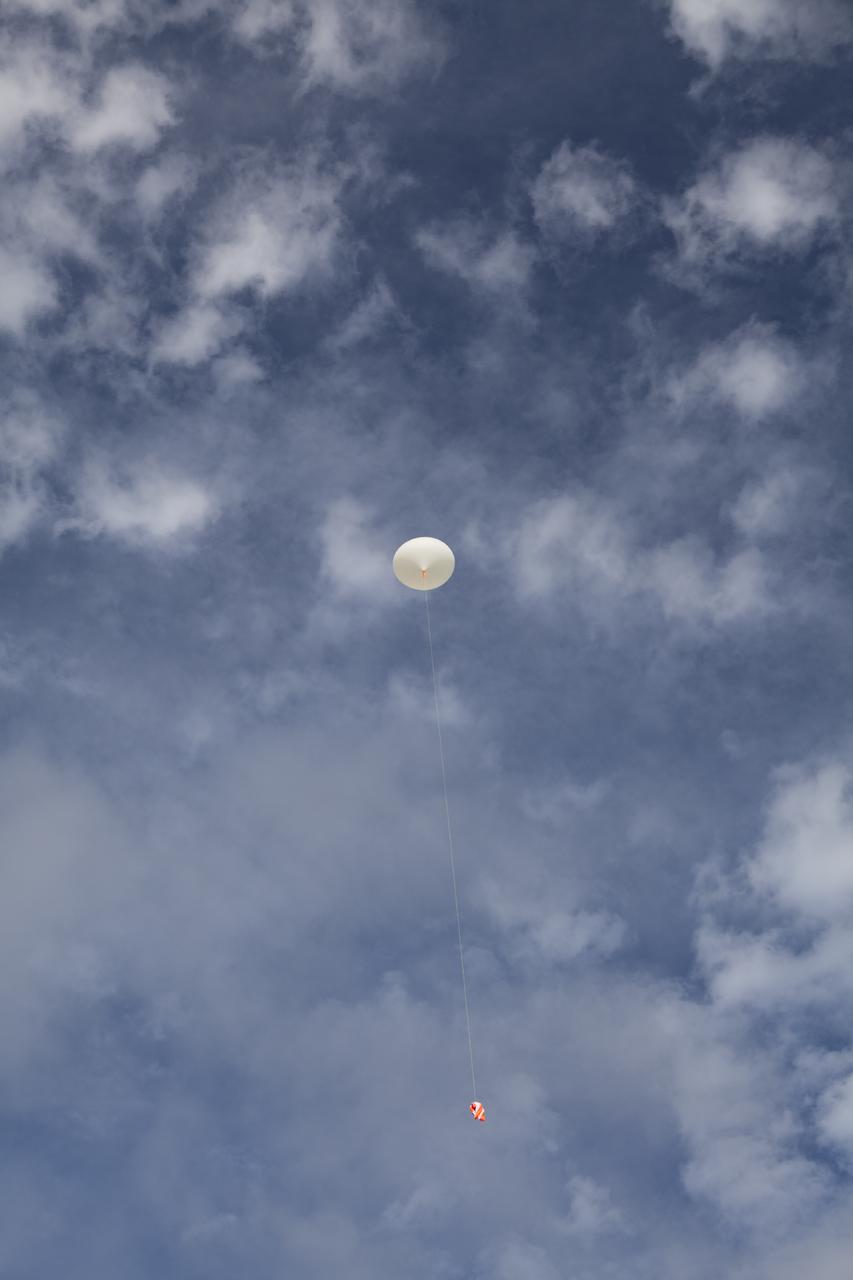
Rocket University - Balloon Launch at KARS 1
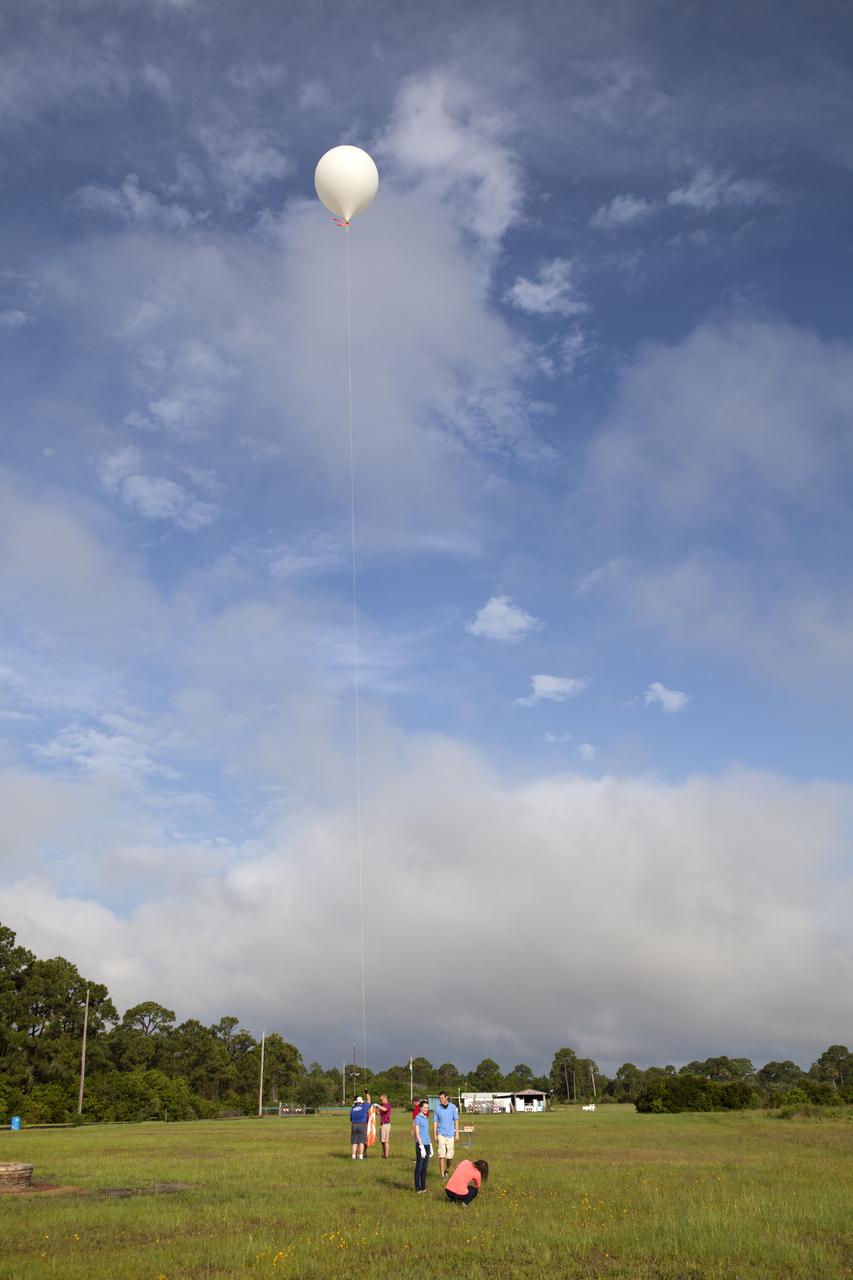
Rocket University - Balloon Launch at KARS 1
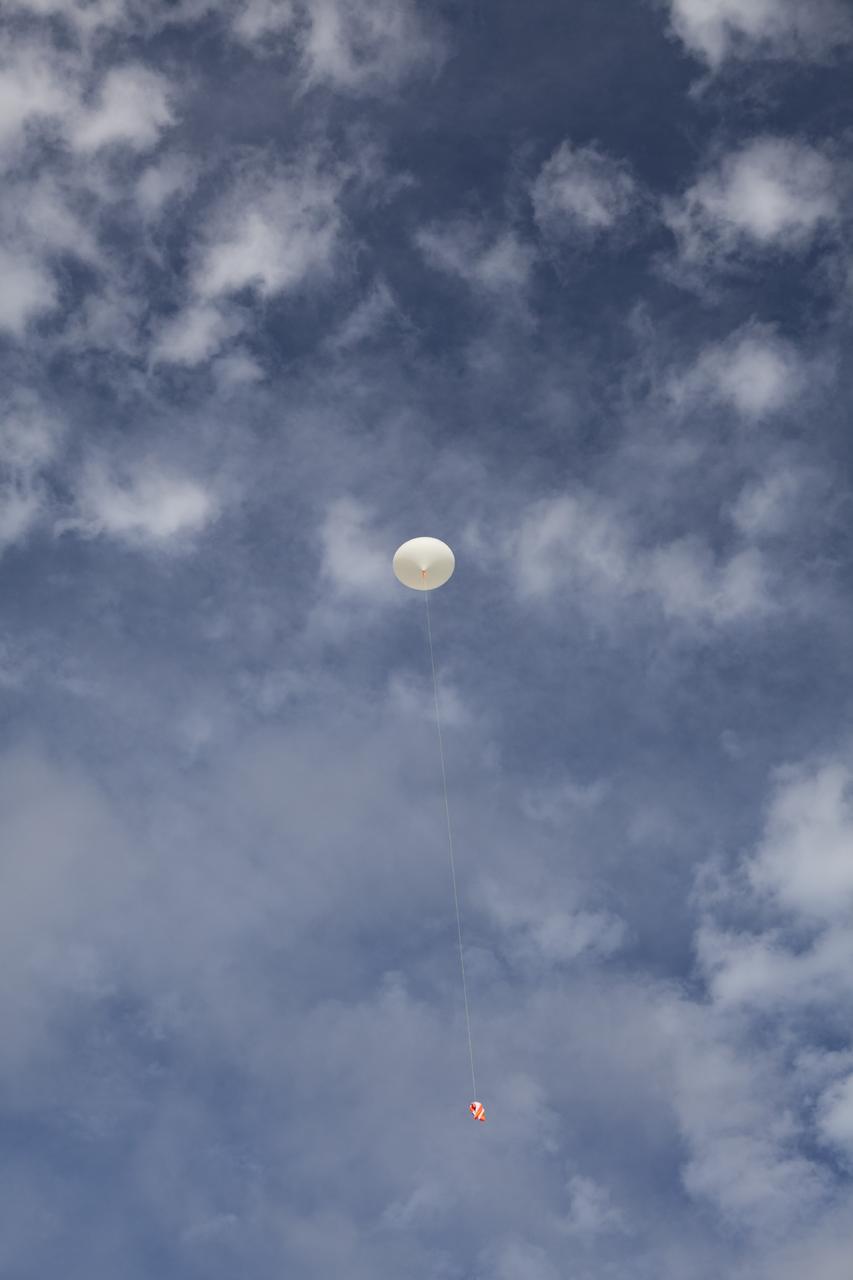
CAPE CANAVERAL, Fla. – Rocket University participants release a high-altitude balloon to carry an instrument package as part of an aerial experiment by the program. The balloon was released at Kennedy Space Center and its instrument package was recovered to the southeast as planned. Photo credit: NASA/Dmitri Gerondidakis
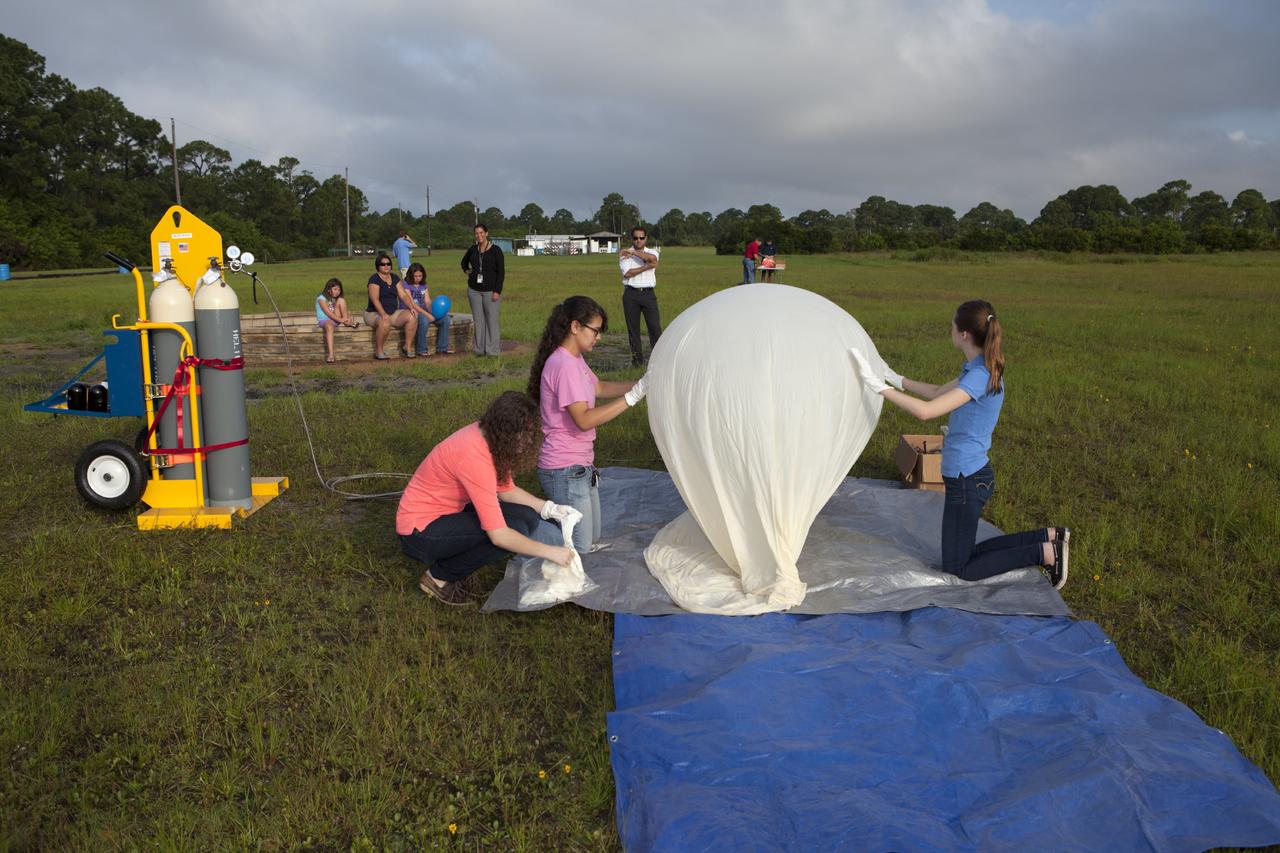
CAPE CANAVERAL, Fla. – Rocket University participants fill a high-altitude balloon before releasing it to carry an instrument package as part of an aerial experiment by the program. The balloon was released at Kennedy Space Center and its instrument package was recovered to the southeast as planned. Photo credit: NASA/Dmitri Gerondidakis
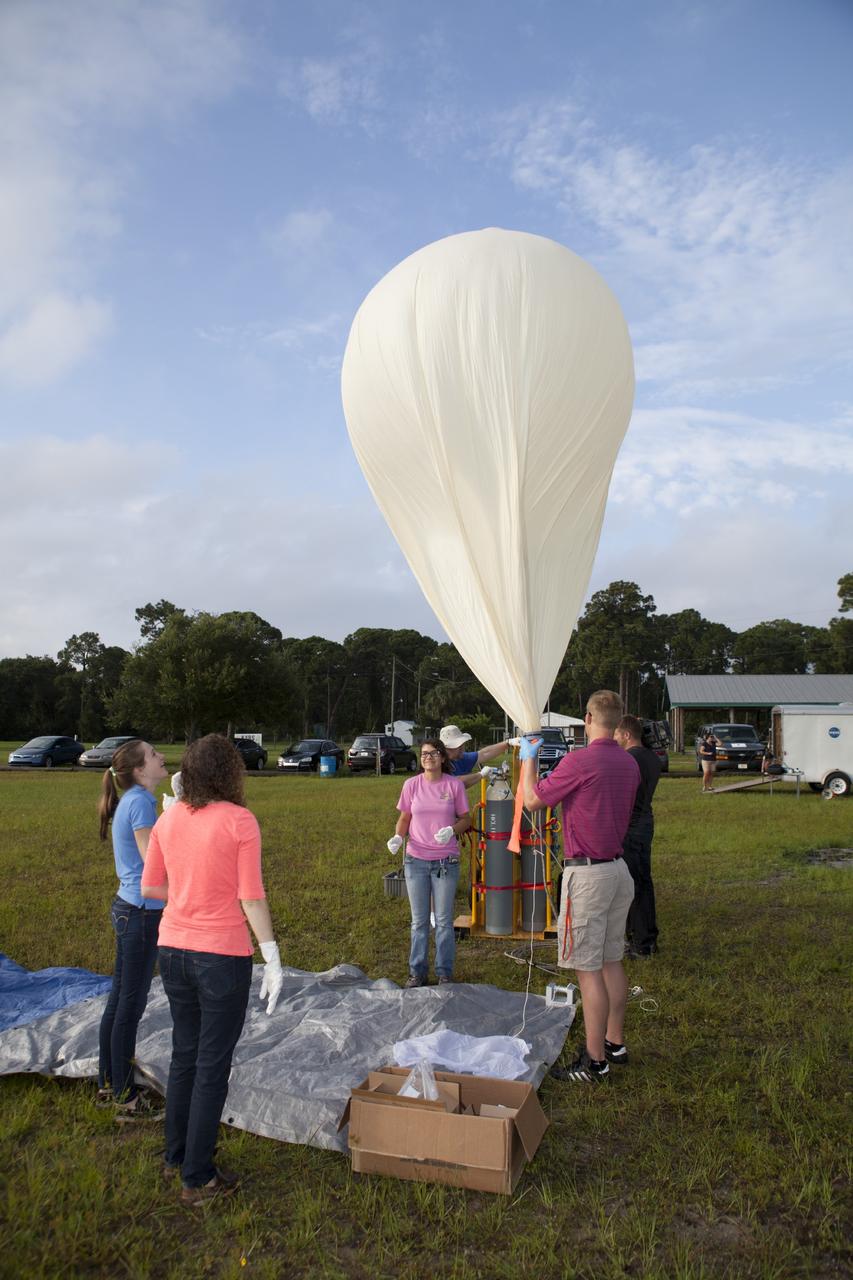
CAPE CANAVERAL, Fla. – Rocket University participants fill a high-altitude balloon before releasing it to carry an instrument package as part of an aerial experiment by the program. The balloon was released at Kennedy Space Center and its instrument package was recovered to the southeast as planned. Photo credit: NASA/Dmitri Gerondidakis

CAPE CANAVERAL, Fla. – Rocket University participants prepare to release a high-altitude balloon to carry an instrument package as part of an aerial experiment by the program. The balloon was released at Kennedy Space Center and its instrument package was recovered to the southeast as planned. Photo credit: NASA/Dmitri Gerondidakis
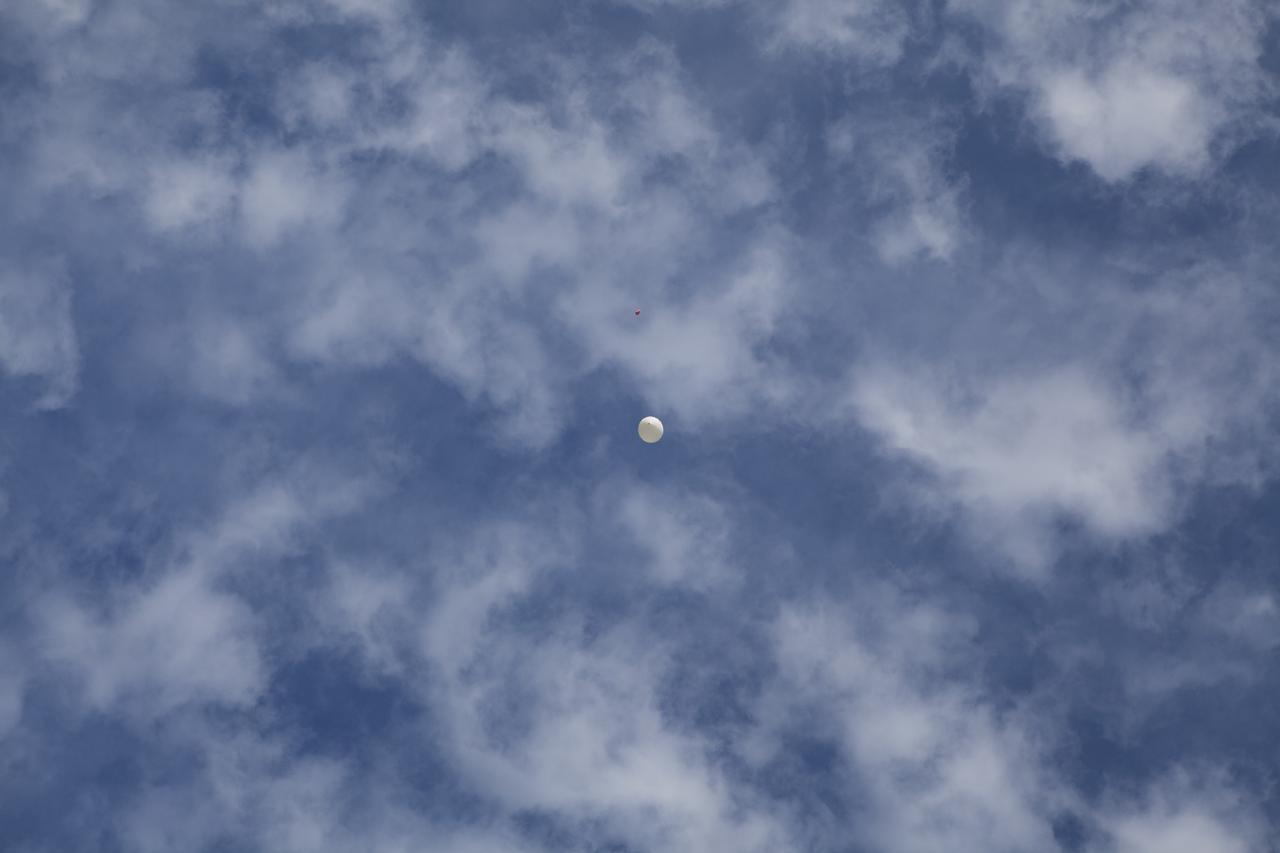
CAPE CANAVERAL, Fla. – A high-altitude balloon floats into the sky carrying an instrument package as part of an aerial experiment by the Rocket University program. The balloon was released at Kennedy Space Center and its instrument package was recovered to the southeast as planned. Photo credit: NASA/Dmitri Gerondidakis
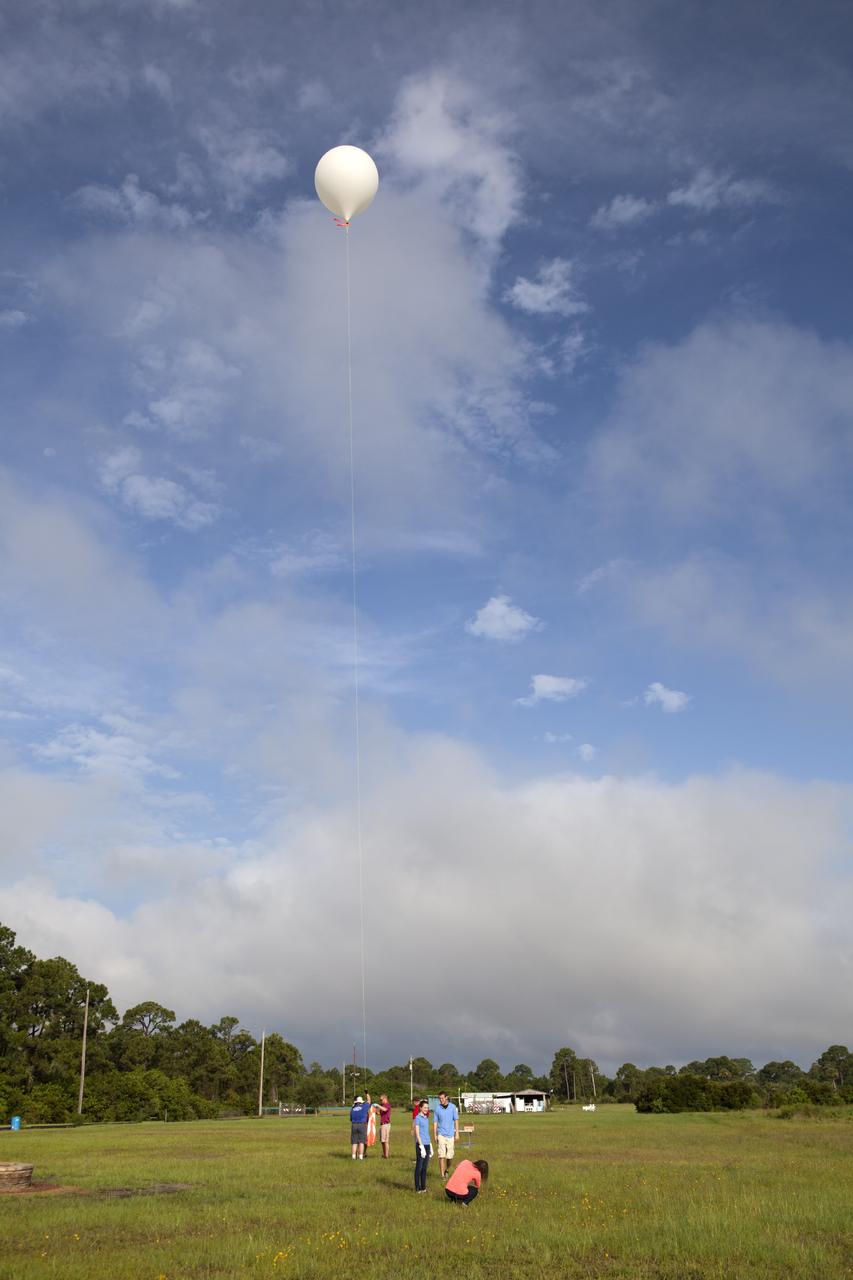
CAPE CANAVERAL, Fla. – Rocket University participants release a high-altitude balloon to carry an instrument package as part of an aerial experiment by the program. The balloon was released at Kennedy Space Center and its instrument package was recovered to the southeast as planned. Photo credit: NASA/Dmitri Gerondidakis
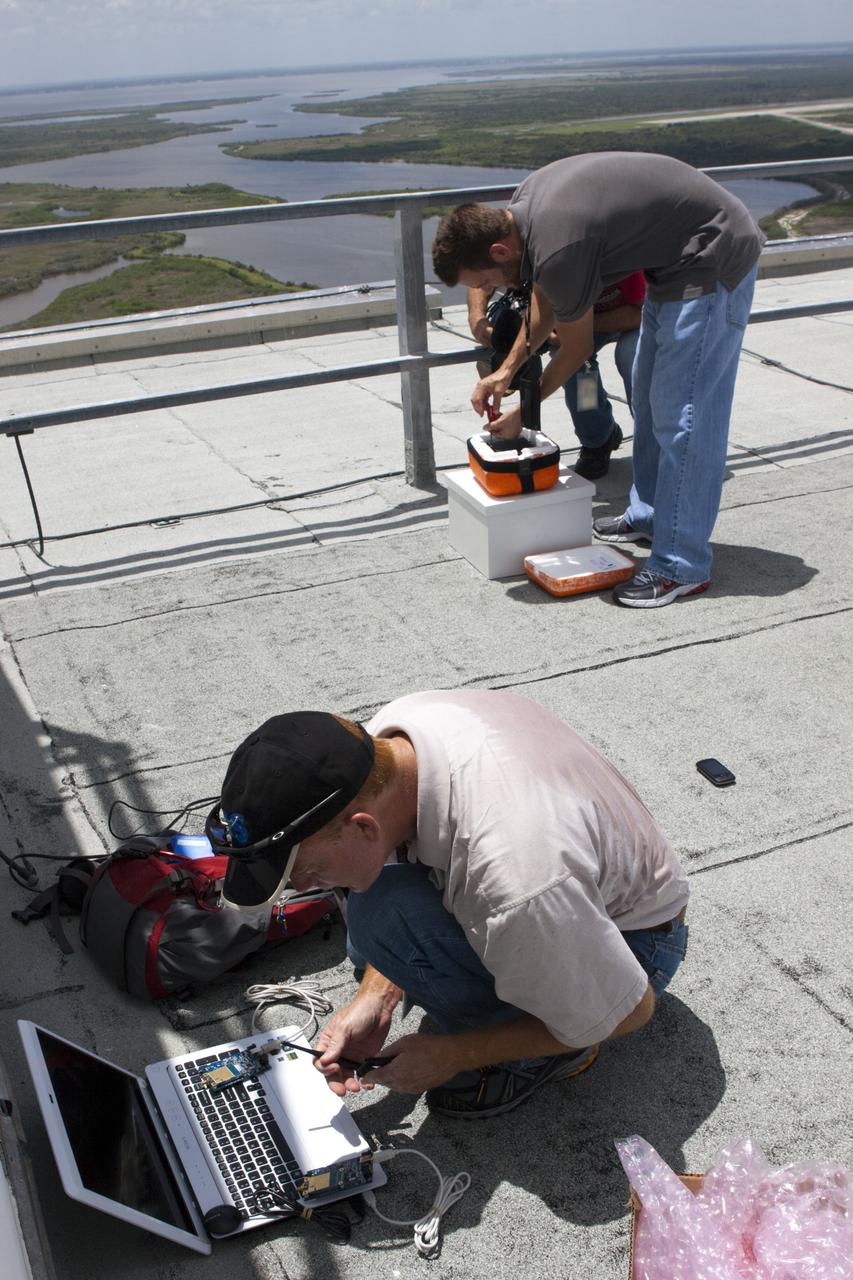
CAPE CANAVERAL, Fla. – Karl Stolleis, left and Nick Pack prepare an instrument package for testing as part of a high-altitude balloon flight for the Rocket University program. The test flight was used to evaluate the stability of an instrumented capsule as it fell to Earth before its parachute opened. Rocket University is a program of courses, workshops, labs and projects offered to engineering and research pros of all stripes to keep their skills fresh and broaden their experiences. Photo credit: NASA/Jim Grossmann
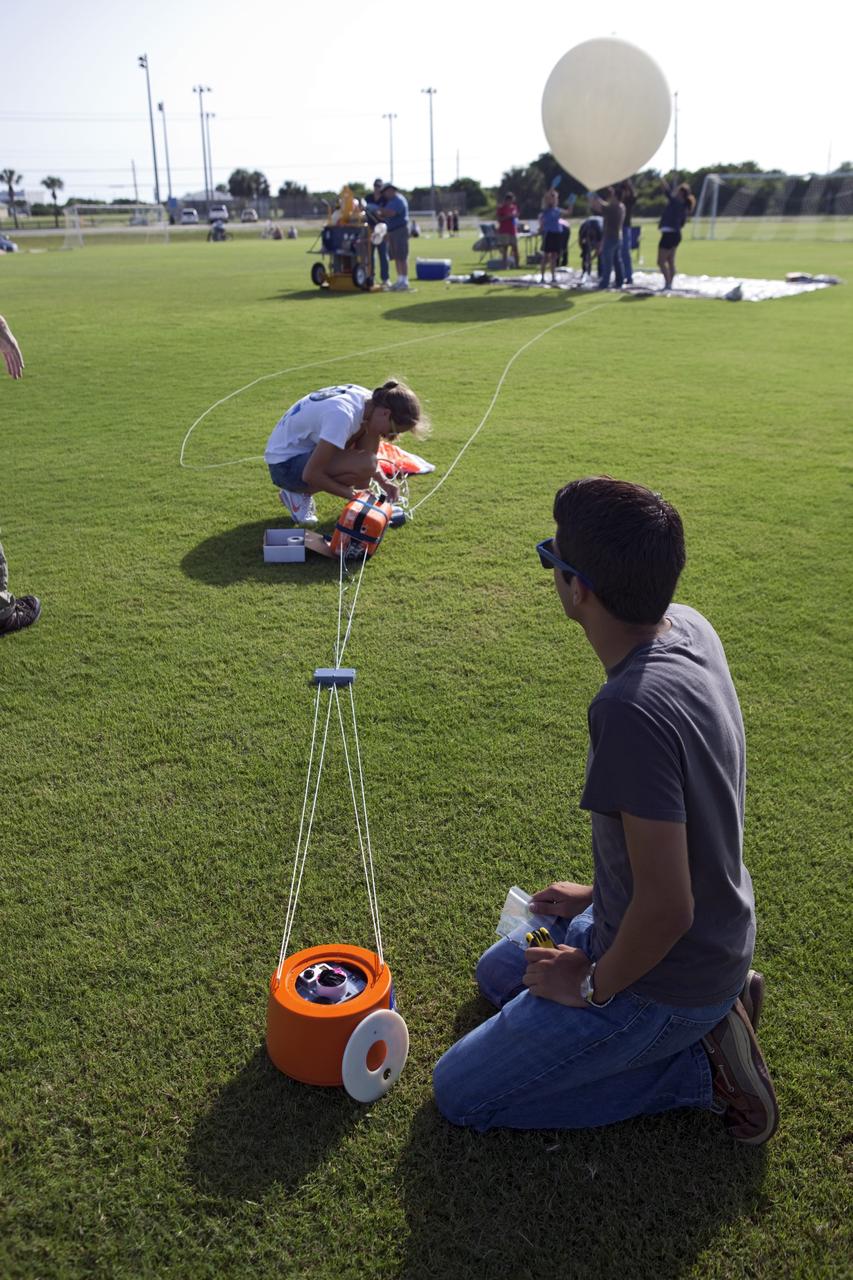
CAPE CANAVERAL, Fla. – Alejandro Azocar, foreground, and Page Attany, Rocket University participants, prepare an instrument package to launch on a high-altitude balloon flight. The test flight was used to evaluate the stability of an instrumented capsule as it fell to Earth before its parachute opened. Rocket University is a program of courses, workshops, labs and projects offered to engineering and research pros of all stripes to keep their skills fresh and broaden their experiences. Photo credit: NASA/Jim Grossmann
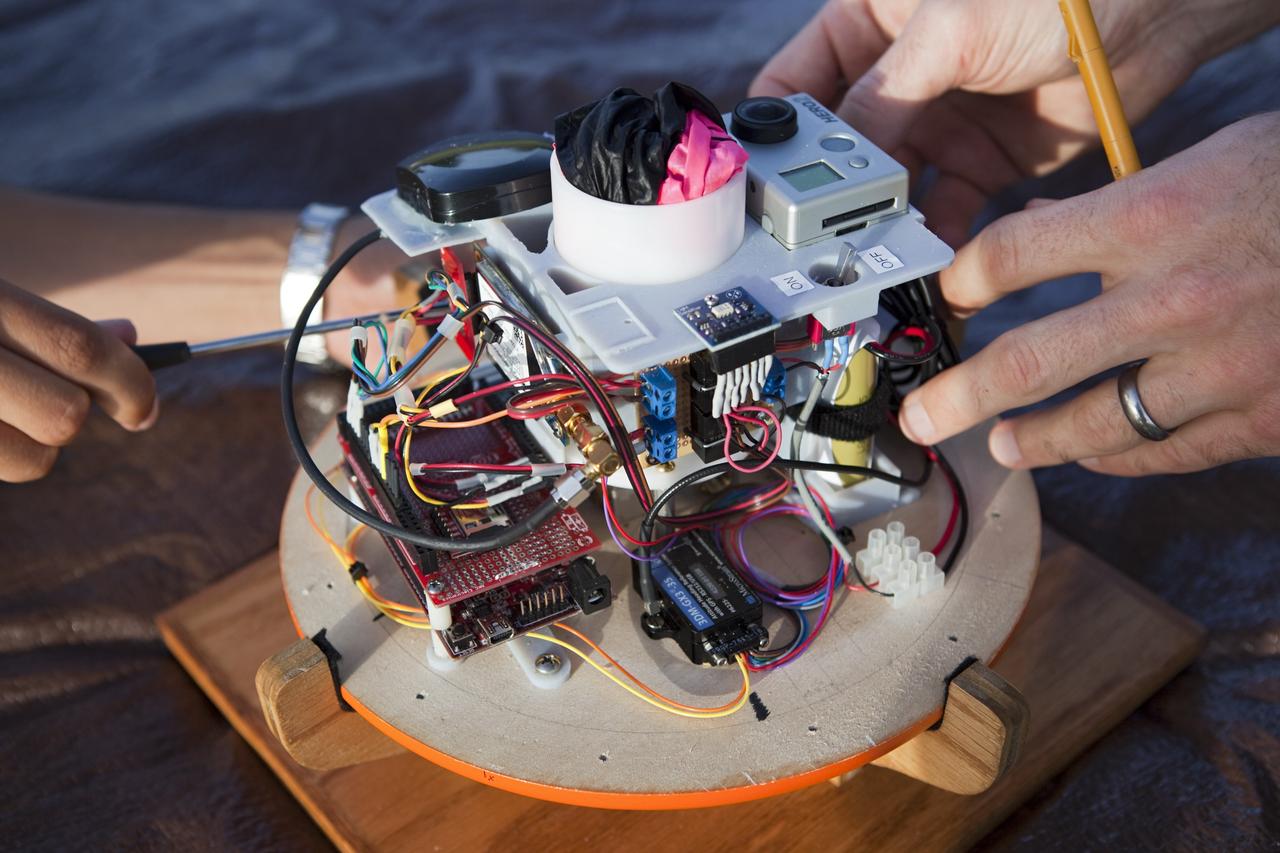
CAPE CANAVERAL, Fla. – The instrument package built by Rocket University participants for a high-altitude balloon flight. The test flight was used to evaluate the stability of an instrumented capsule as it fell to Earth before its parachute opened. Rocket University is a program of courses, workshops, labs and projects offered to engineering and research pros of all stripes to keep their skills fresh and broaden their experiences. Photo credit: NASA/Jim Grossmann
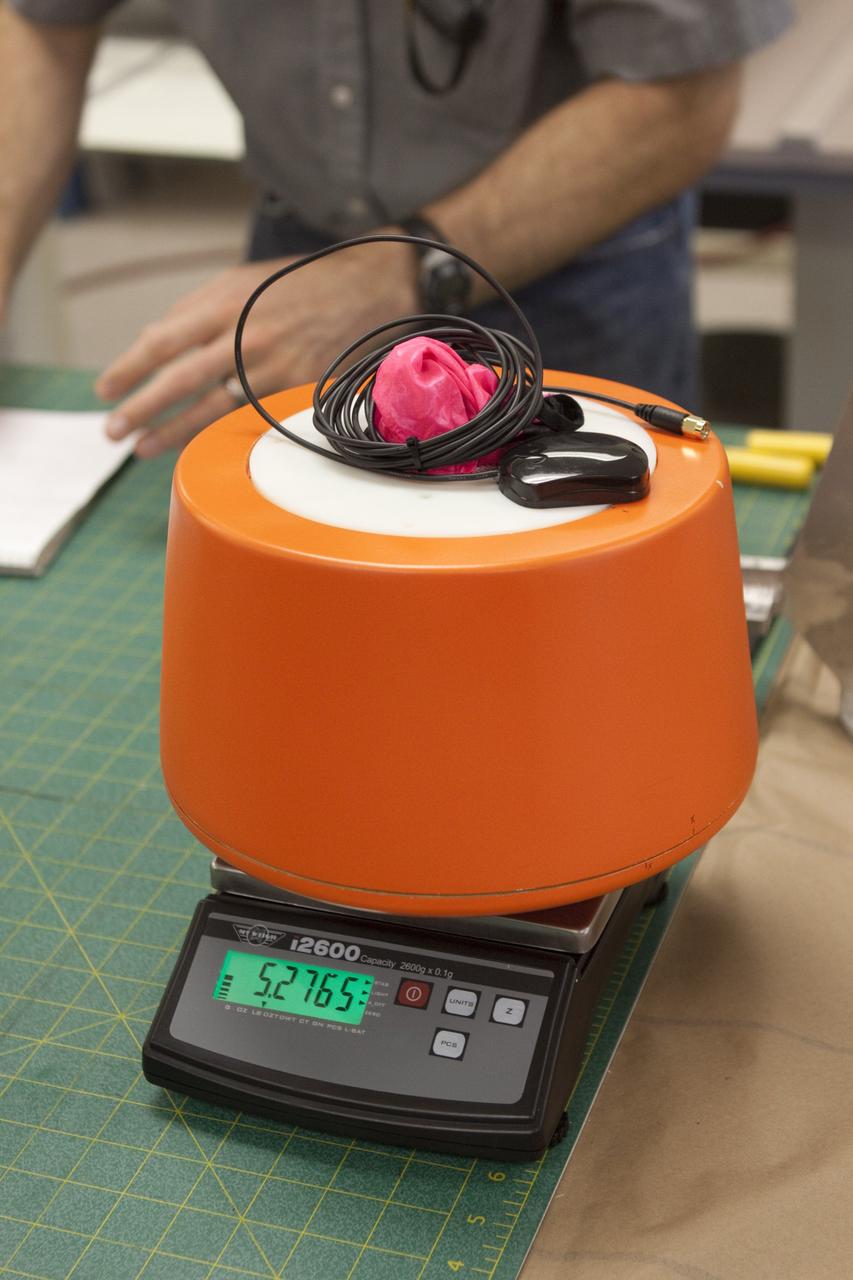
CAPE CANAVERAL, Fla. – The instrument package and capsule built by Rocket University participants for a high-altitude balloon flight. The test flight was used to evaluate the stability of an instrumented capsule as it fell to Earth before its parachute opened. Rocket University is a program of courses, workshops, labs and projects offered to engineering and research pros of all stripes to keep their skills fresh and broaden their experiences. Photo credit: NASA/Jim Grossmann

CAPE CANAVERAL, Fla. – Karl Stolleis prepares an instrument package for testing as part of a high-altitude balloon flight for the Rocket University program. The test flight was used to evaluate the stability of an instrumented capsule as it fell to Earth before its parachute opened. Rocket University is a program of courses, workshops, labs and projects offered to engineering and research pros of all stripes to keep their skills fresh and broaden their experiences. Photo credit: NASA/Jim Grossmann
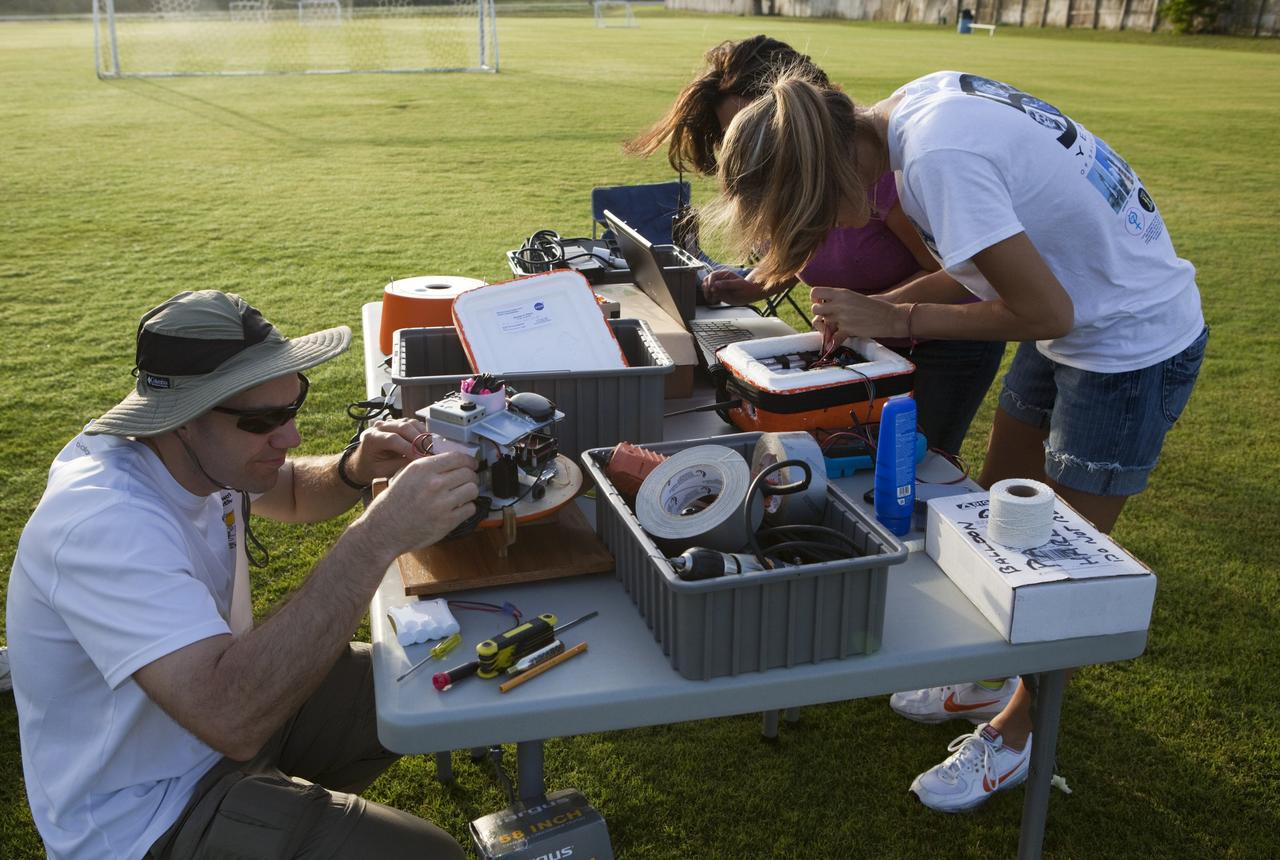
CAPE CANAVERAL, Fla. – Ron Sterick, left to right, Nicole Otermat and Page Attany, participants in the Rocket University program, prepare an instrument package to launch on a high-altitude balloon flight. The test flight was used to evaluate the stability of an instrumented capsule as it fell to Earth before its parachute opened. Rocket University is a program of courses, workshops, labs and projects offered to engineering and research pros of all stripes to keep their skills fresh and broaden their experiences. Photo credit: NASA/Jim Grossmann
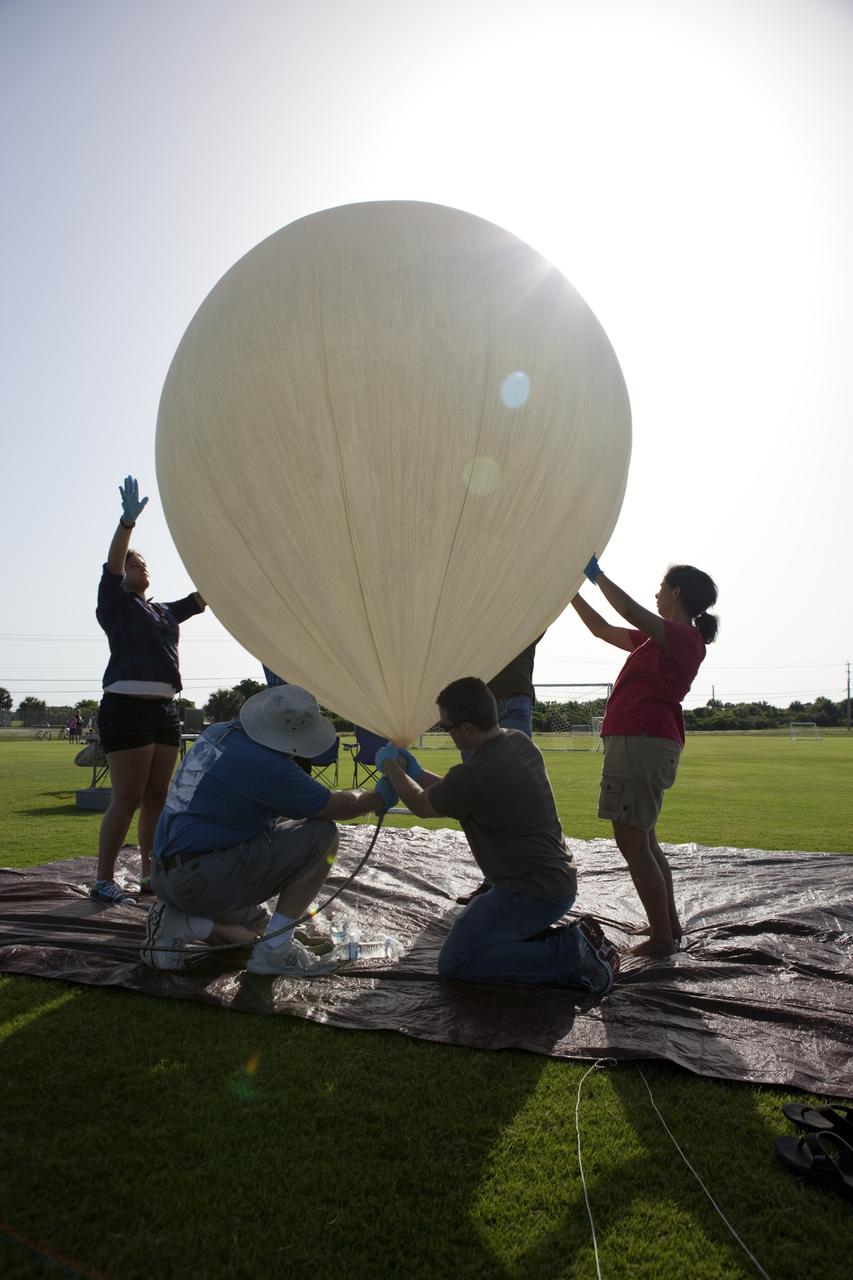
CAPE CANAVERAL, Fla. – Rocket University participants prepare to launch a high-altitude balloon flight and instrument package. The test flight was used to evaluate the stability of an instrumented capsule as it fell to Earth before its parachute opened. Rocket University is a program of courses, workshops, labs and projects offered to engineering and research pros of all stripes to keep their skills fresh and broaden their experiences. Photo credit: NASA/Jim Grossmann
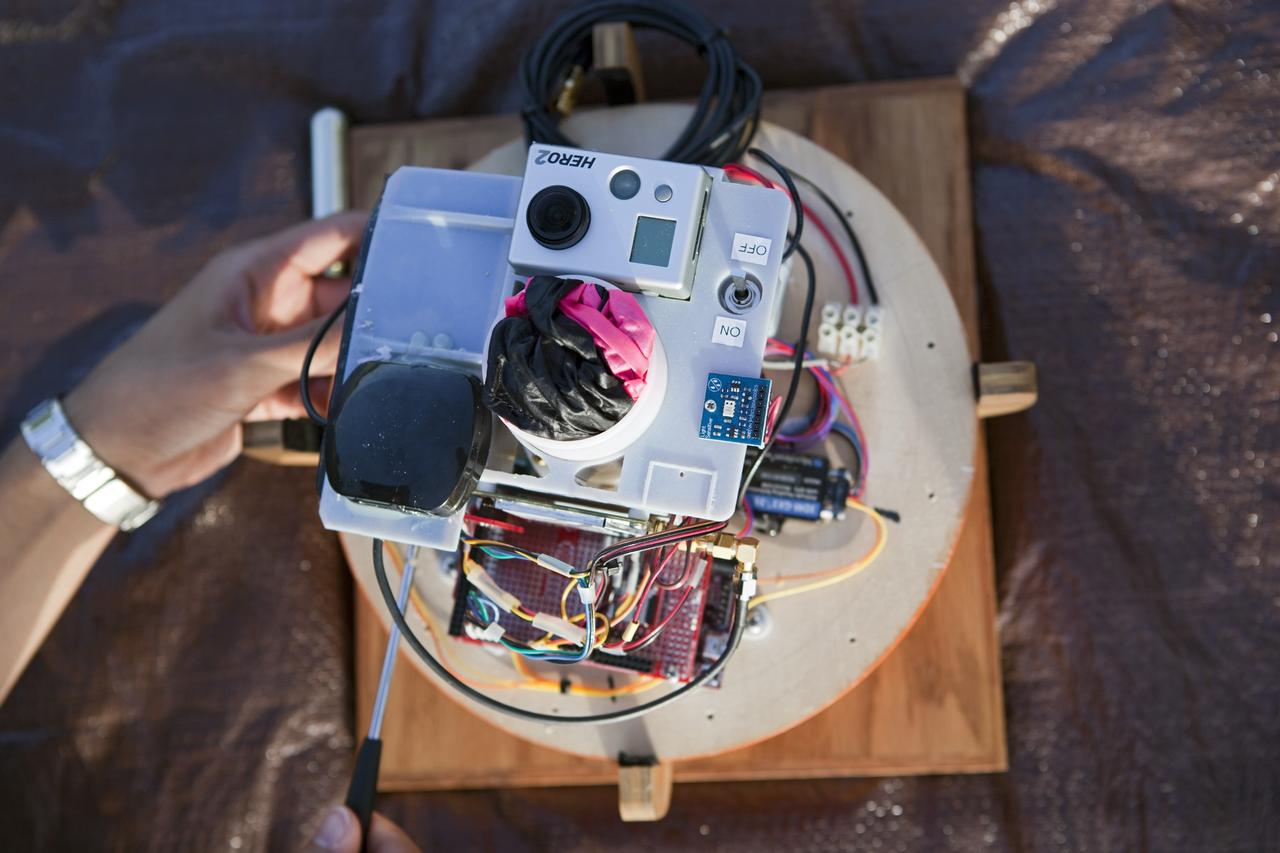
CAPE CANAVERAL, Fla. – The instrument package built by Rocket University participants for a high-altitude balloon flight. The test flight was used to evaluate the stability of an instrumented capsule as it fell to Earth before its parachute opened. Rocket University is a program of courses, workshops, labs and projects offered to engineering and research pros of all stripes to keep their skills fresh and broaden their experiences. Photo credit: NASA/Jim Grossmann
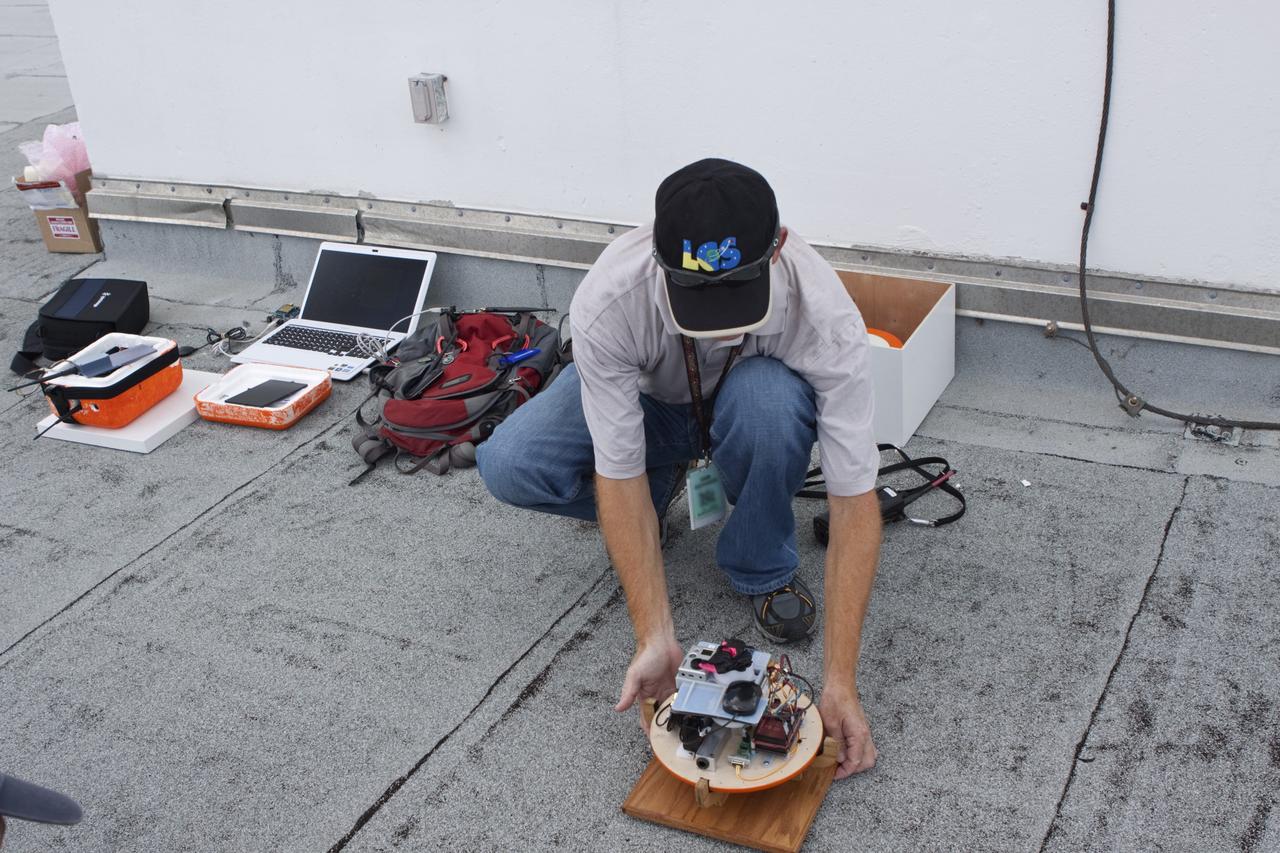
CAPE CANAVERAL, Fla. – Karl Stolleis prepares an instrument package for testing as part of a high-altitude balloon flight for the Rocket University program. The test flight was used to evaluate the stability of an instrumented capsule as it fell to Earth before its parachute opened. Rocket University is a program of courses, workshops, labs and projects offered to engineering and research pros of all stripes to keep their skills fresh and broaden their experiences. Photo credit: NASA/Jim Grossmann
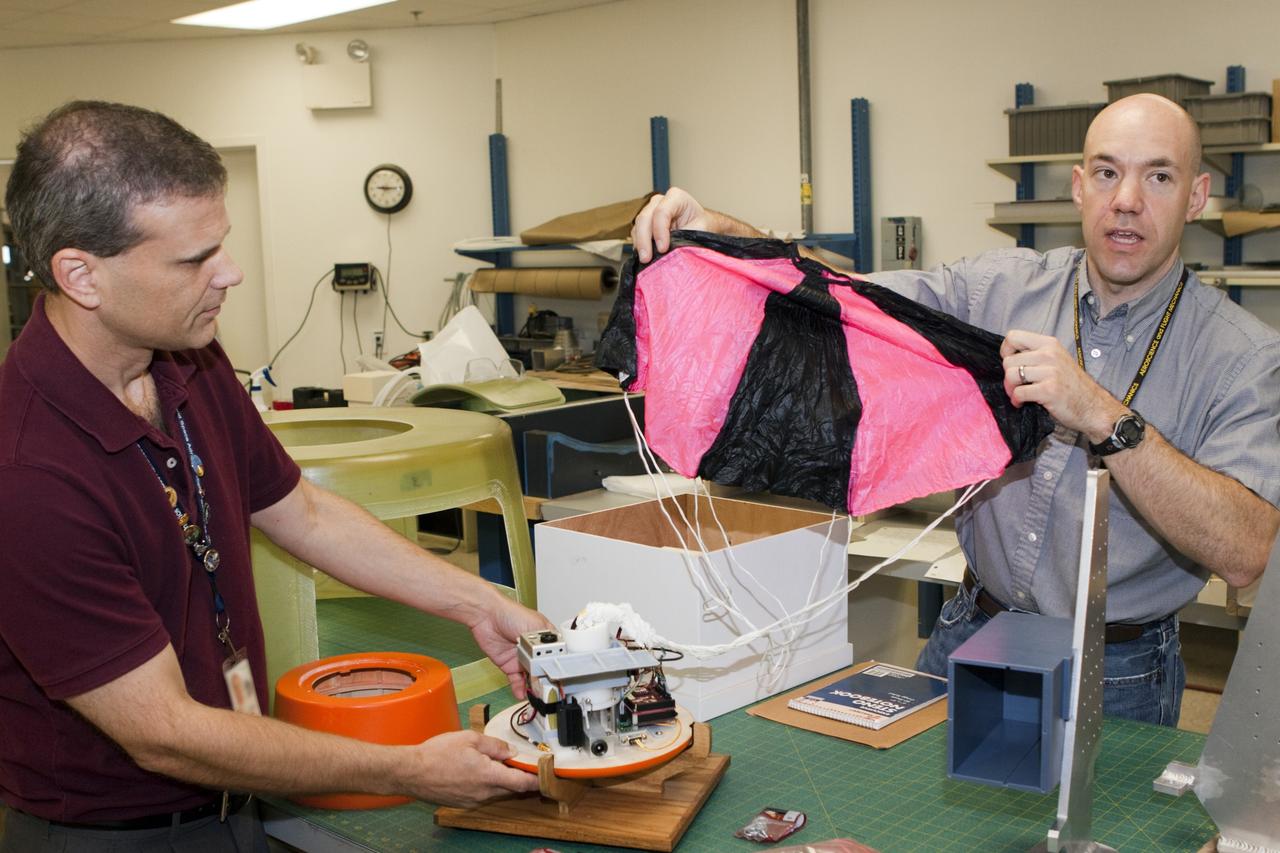
CAPE CANAVERAL, Fla. – Paul Paulick, left, and Ron Sterick, both participants in the Rocket University program, inspect a capsule and parachute that are being prepared for a high-altitude balloon flight. The test flight was used to evaluate the stability of an instrumented capsule as it fell to Earth before its parachute opened. Rocket University is a program of courses, workshops, labs and projects offered to engineering and research pros of all stripes to keep their skills fresh and broaden their experiences. Photo credit: NASA/Jim Grossmann
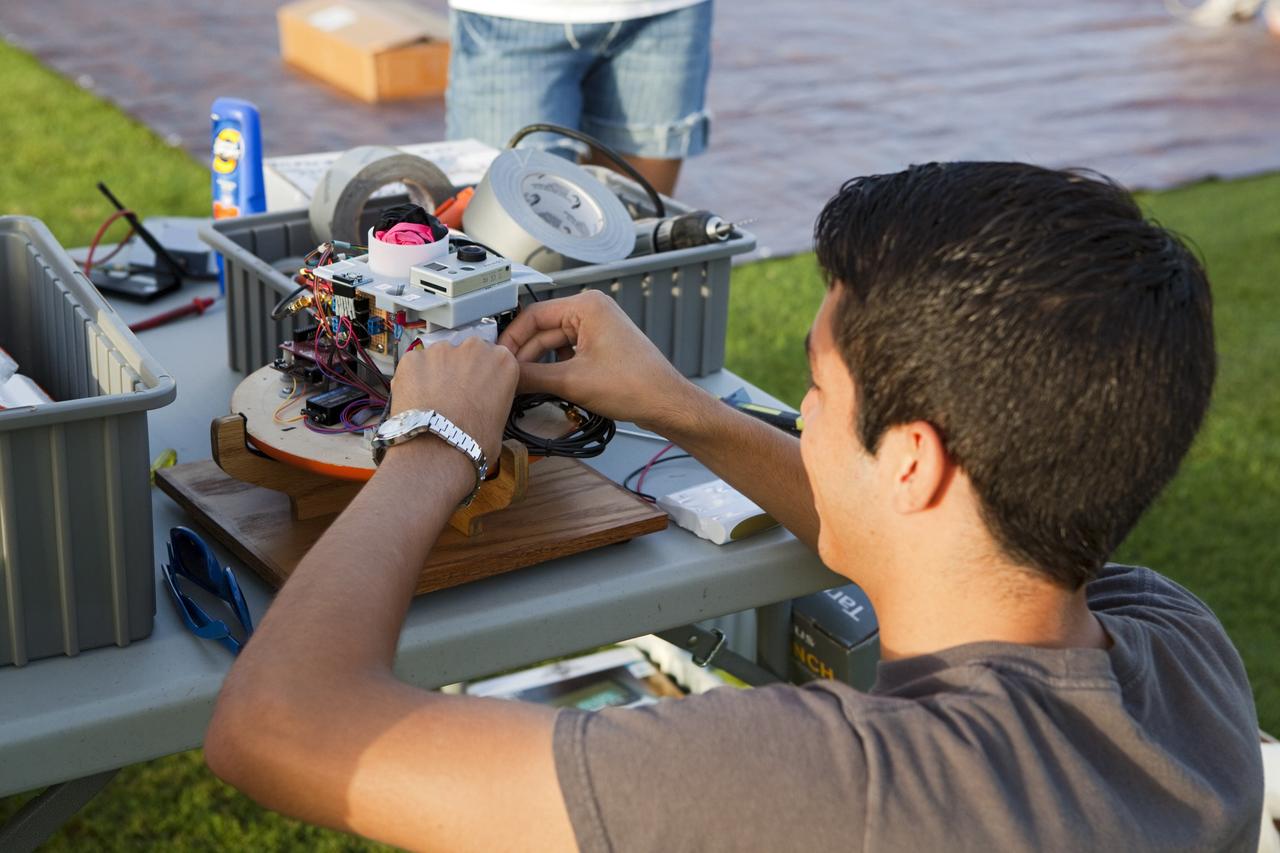
CAPE CANAVERAL, Fla. – Alejandro Azocar, a Rocket University participant, prepares an instrument package to launch on a high-altitude balloon flight. The test flight was used to evaluate the stability of an instrumented capsule as it fell to Earth before its parachute opened. Rocket University is a program of courses, workshops, labs and projects offered to engineering and research pros of all stripes to keep their skills fresh and broaden their experiences. Photo credit: NASA/Jim Grossmann
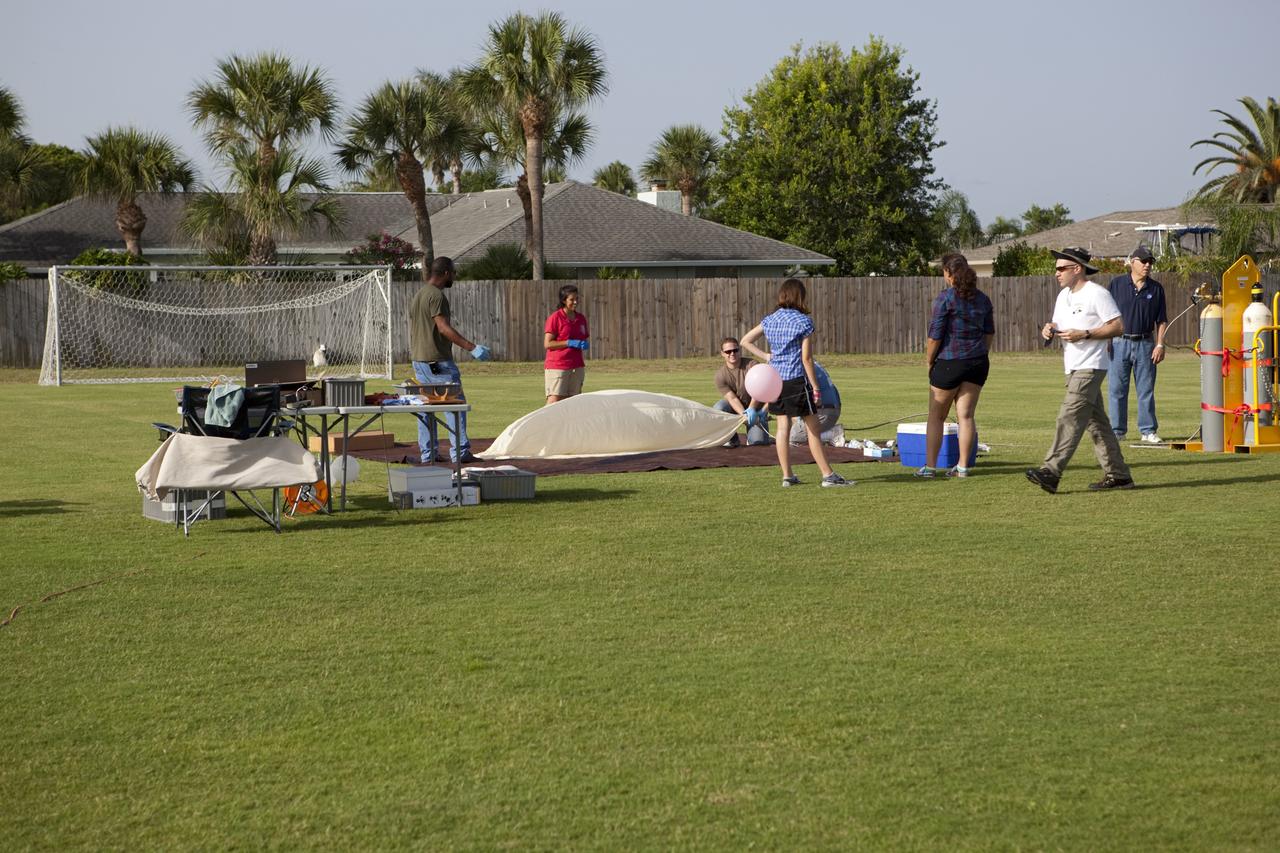
CAPE CANAVERAL, Fla. – Rocket University participants prepare to launch a high-altitude balloon flight and instrument package. The test flight was used to evaluate the stability of an instrumented capsule as it fell to Earth before its parachute opened. Rocket University is a program of courses, workshops, labs and projects offered to engineering and research pros of all stripes to keep their skills fresh and broaden their experiences. Photo credit: NASA/Jim Grossmann
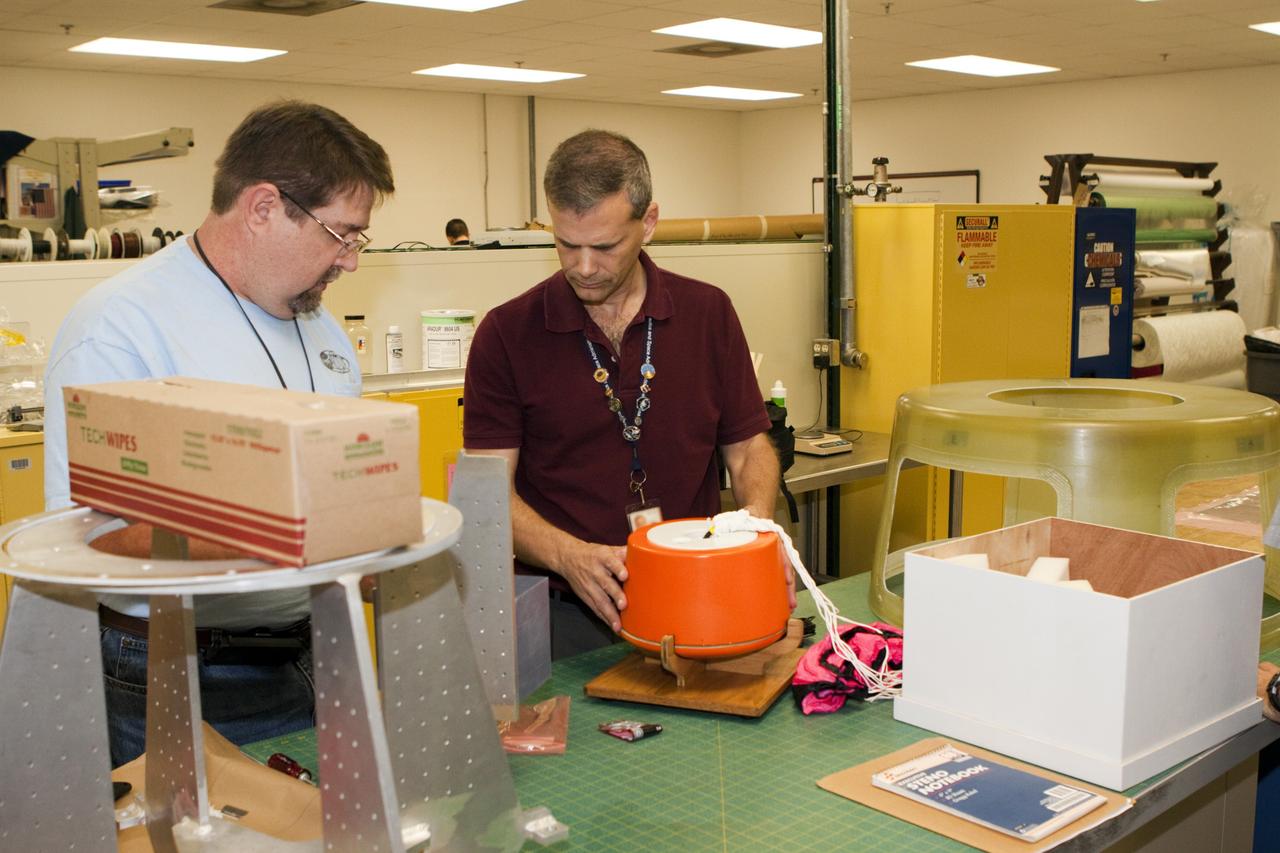
CAPE CANAVERAL, Fla. – Mike Lane, left, and Paul Paulick, both participants in the Rocket University program, inspect a capsule that is being prepared for a high-altitude balloon flight. The test flight was used to evaluate the stability of an instrumented capsule as it fell to Earth before its parachute opened. Rocket University is a program of courses, workshops, labs and projects offered to engineering and research pros of all stripes to keep their skills fresh and broaden their experiences. Photo credit: NASA/Jim Grossmann
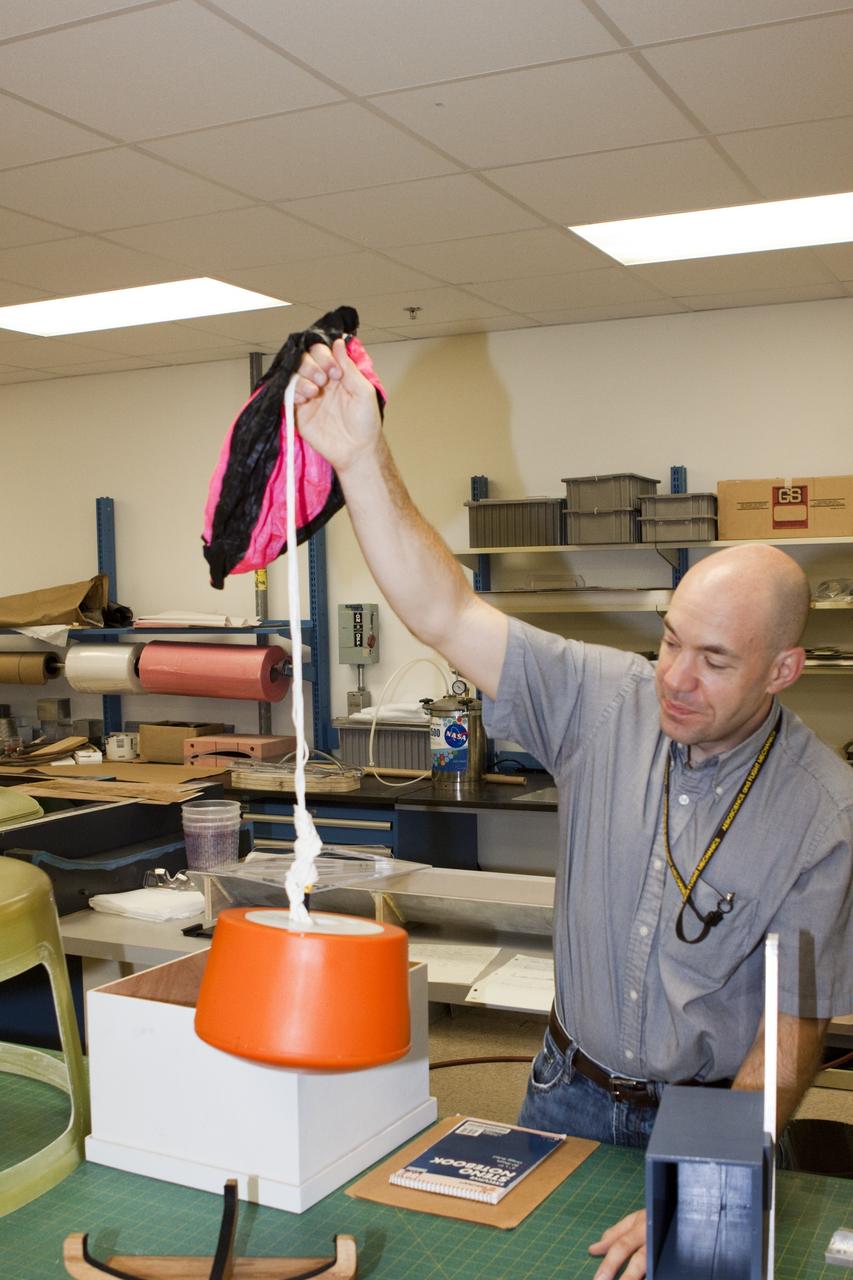
CAPE CANAVERAL, Fla. – Ron Sterick, a participant in the Rocket University program, inspects a capsule and parachute that are being prepared for a high-altitude balloon flight. The test flight was used to evaluate the stability of an instrumented capsule as it fell to Earth before its parachute opened. Rocket University is a program of courses, workshops, labs and projects offered to engineering and research pros of all stripes to keep their skills fresh and broaden their experiences. Photo credit: NASA/Jim Grossmann
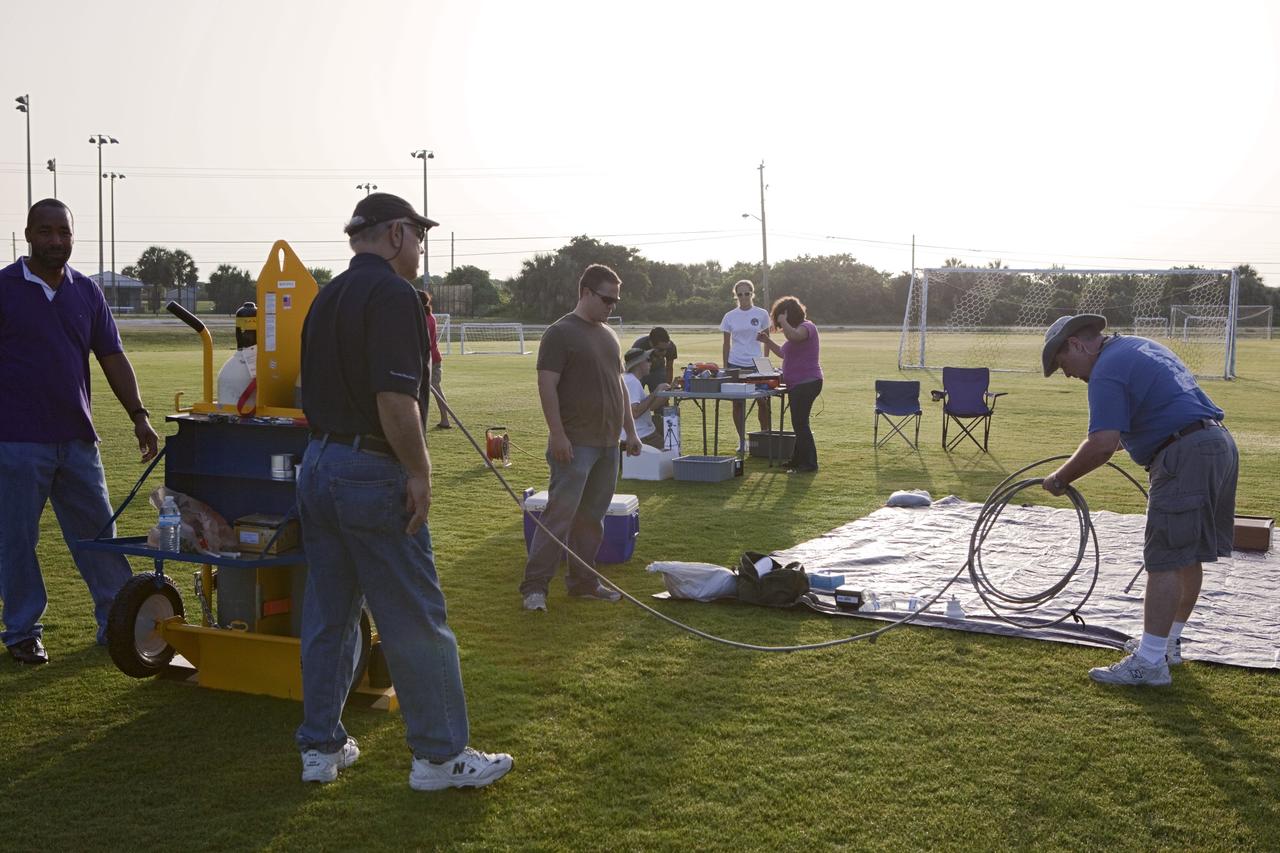
CAPE CANAVERAL, Fla. – Rocket University participants prepare to launch a high-altitude balloon flight and instrument package. The test flight was used to evaluate the stability of an instrumented capsule as it fell to Earth before its parachute opened. Rocket University is a program of courses, workshops, labs and projects offered to engineering and research pros of all stripes to keep their skills fresh and broaden their experiences. Photo credit: NASA/Jim Grossmann
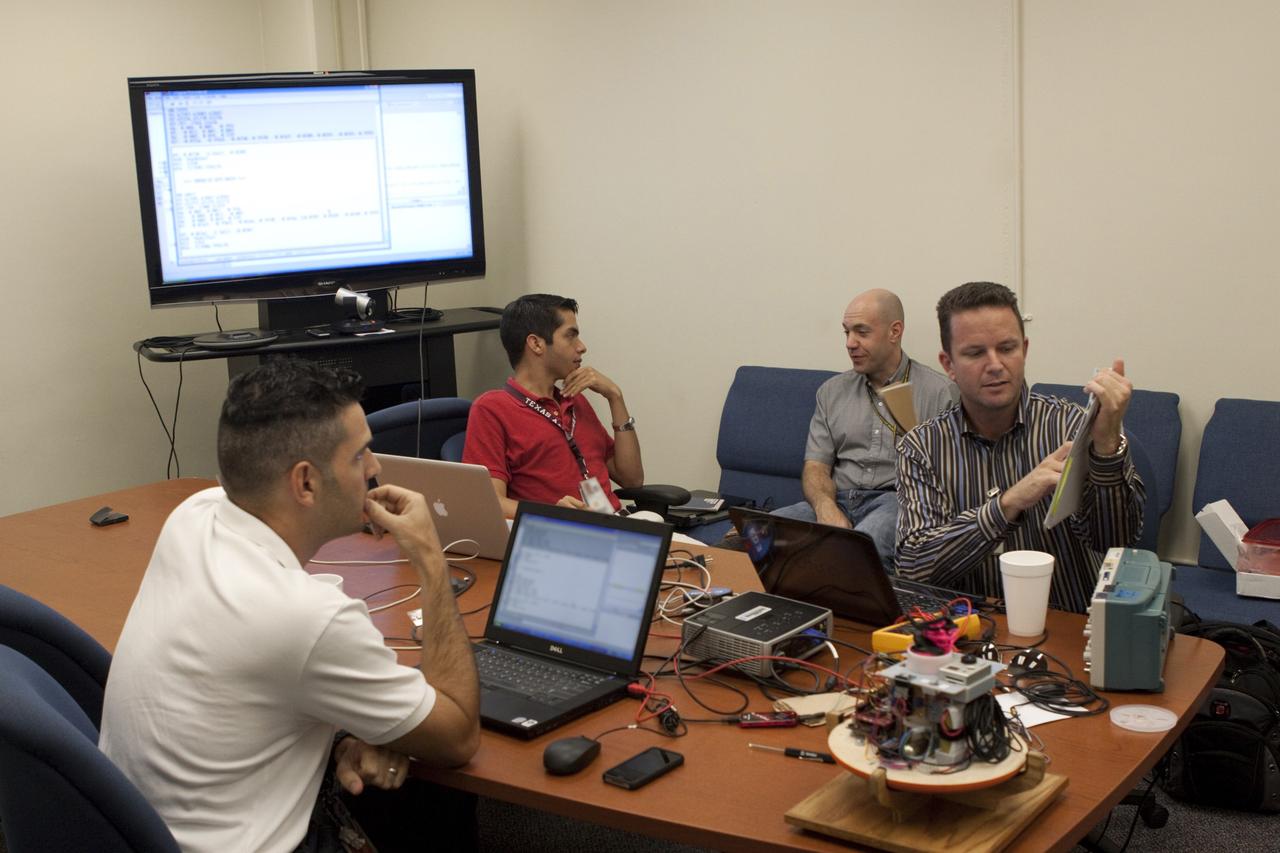
CAPE CANAVERAL, Fla. – Leandro James, left to right, Alejandro Azocar, Ron Sterick and Chris Iannello discuss a high-altitude balloon flight for the Rocket University program. The test flight was used to evaluate the stability of an instrumented capsule as it fell to Earth before its parachute opened. Rocket University is a program of courses, workshops, labs and projects offered to engineering and research pros of all stripes to keep their skills fresh and broaden their experiences. Photo credit: NASA/Jim Grossmann
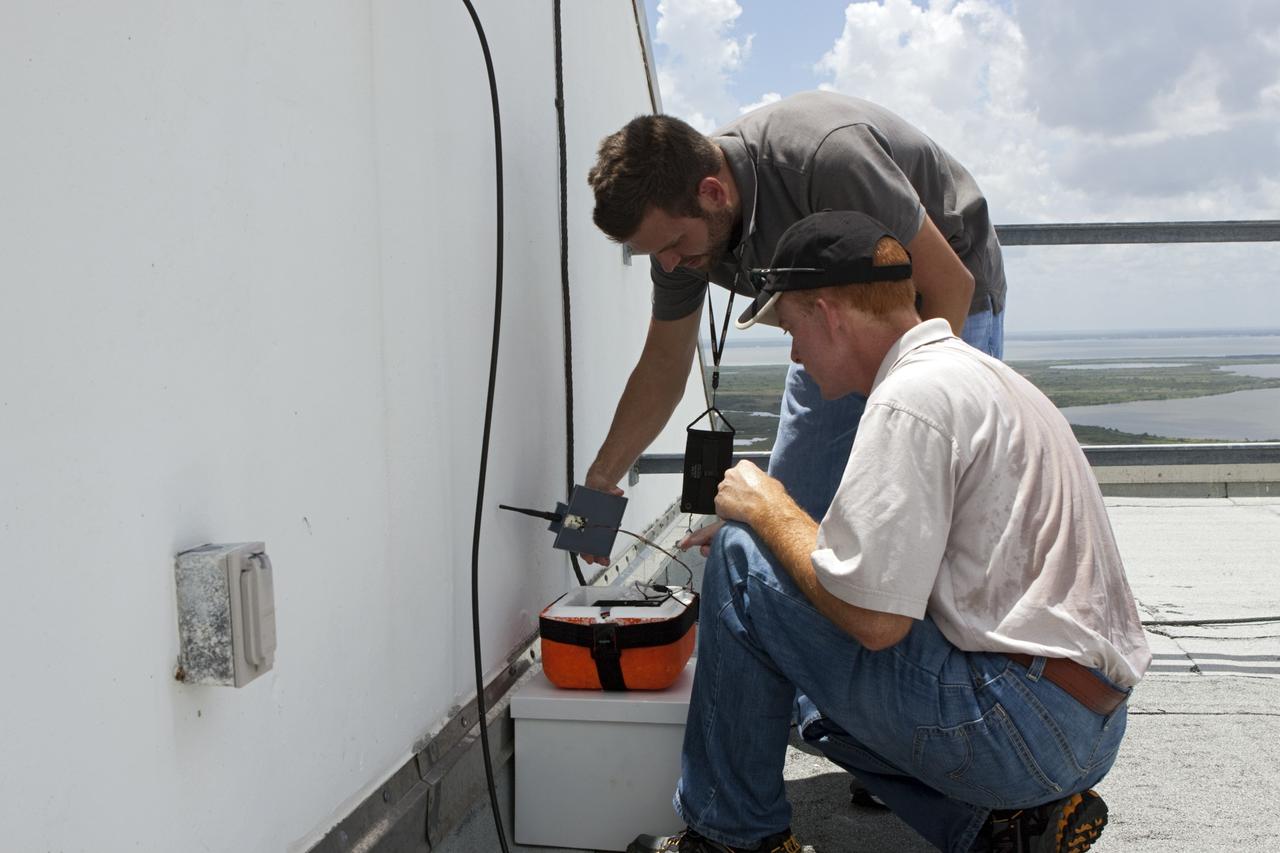
CAPE CANAVERAL, Fla. – Karl Stolleis, kneeling, and Nick Pack prepare an instrument package for testing as part of a high-altitude balloon flight for the Rocket University program. The test flight was used to evaluate the stability of an instrumented capsule as it fell to Earth before its parachute opened. Rocket University is a program of courses, workshops, labs and projects offered to engineering and research pros of all stripes to keep their skills fresh and broaden their experiences. Photo credit: NASA/Jim Grossmann
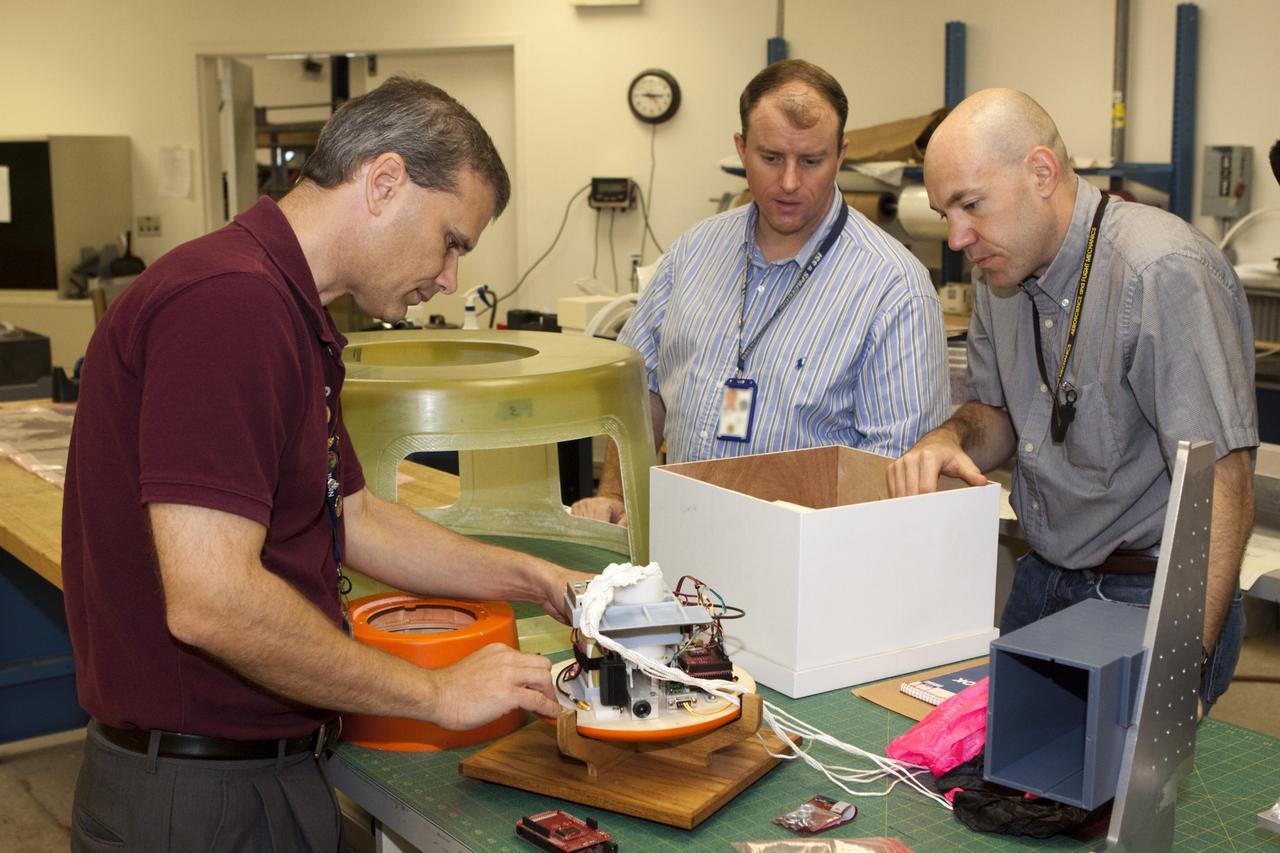
CAPE CANAVERAL, Fla. – Rocket University participants inspect a capsule that is being prepared for a high-altitude balloon flight. The test flight was used to evaluate the stability of an instrumented capsule as it fell to Earth before its parachute opened. Rocket University is a program of courses, workshops, labs and projects offered to engineering and research pros of all stripes to keep their skills fresh and broaden their experiences. Photo credit: NASA/Jim Grossmann
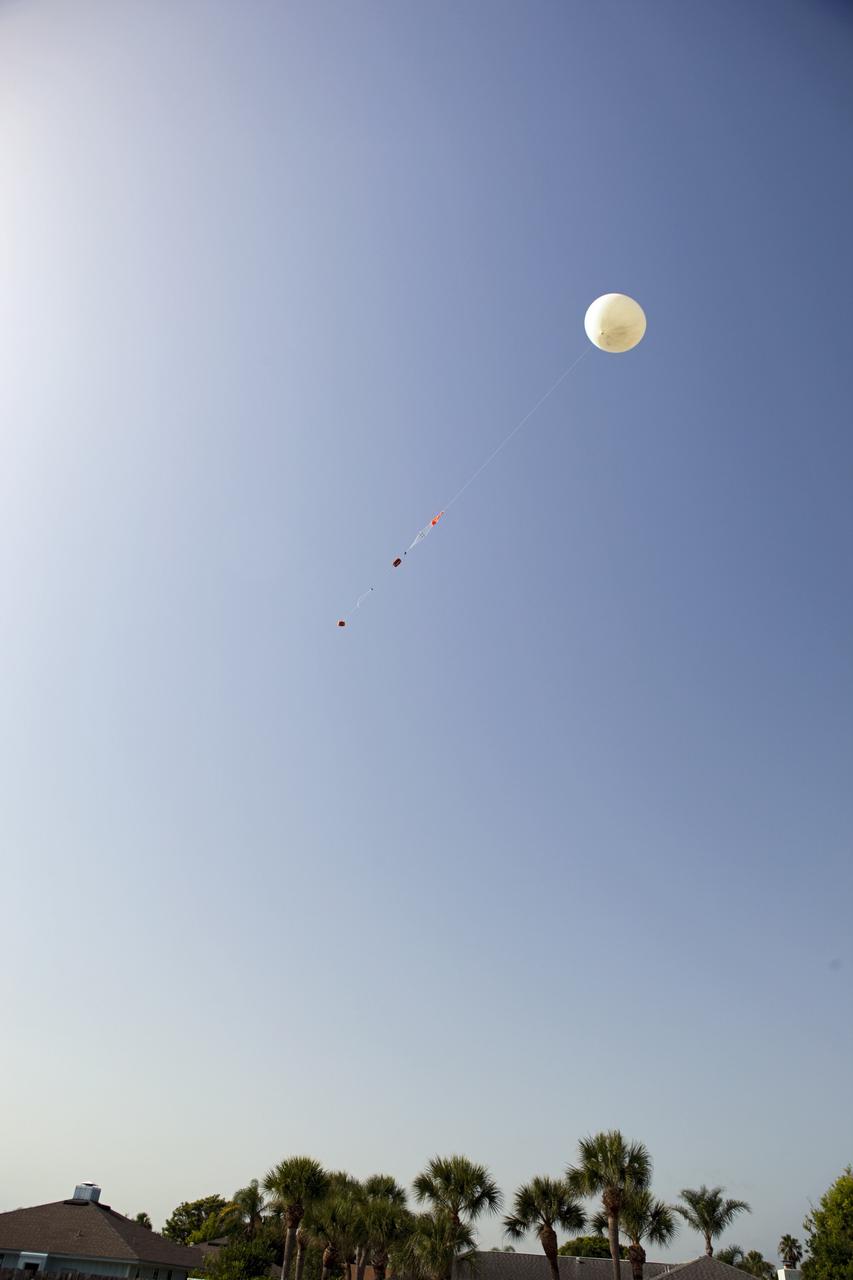
CAPE CANAVERAL, Fla. – Rocket University participants launch a high-altitude balloon flight and instrument package. The test flight was used to evaluate the stability of an instrumented capsule as it fell to Earth before its parachute opened. Rocket University is a program of courses, workshops, labs and projects offered to engineering and research pros of all stripes to keep their skills fresh and broaden their experiences. Photo credit: NASA/Jim Grossmann
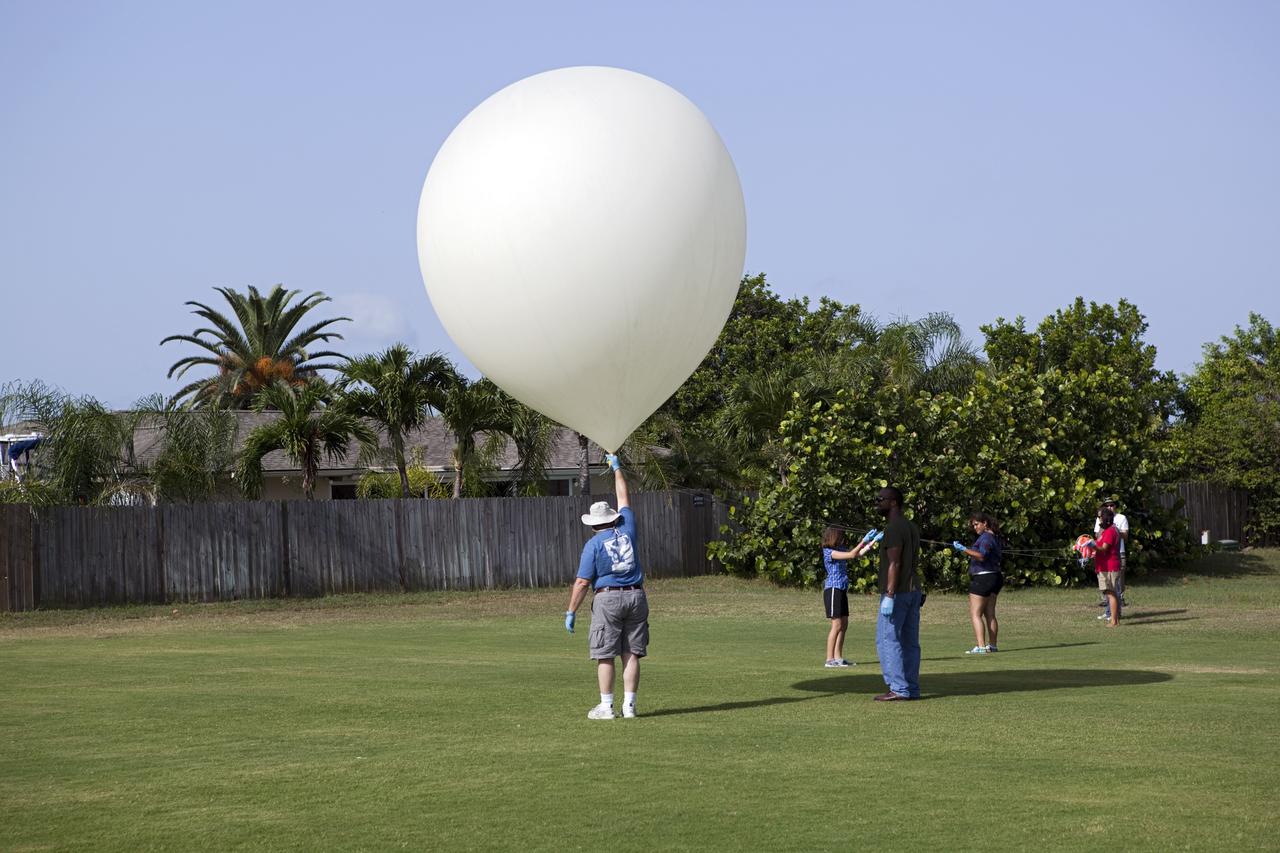
CAPE CANAVERAL, Fla. – Rocket University participants prepare to launch a high-altitude balloon flight and instrument package. The test flight was used to evaluate the stability of an instrumented capsule as it fell to Earth before its parachute opened. Rocket University is a program of courses, workshops, labs and projects offered to engineering and research pros of all stripes to keep their skills fresh and broaden their experiences. Photo credit: NASA/Jim Grossmann
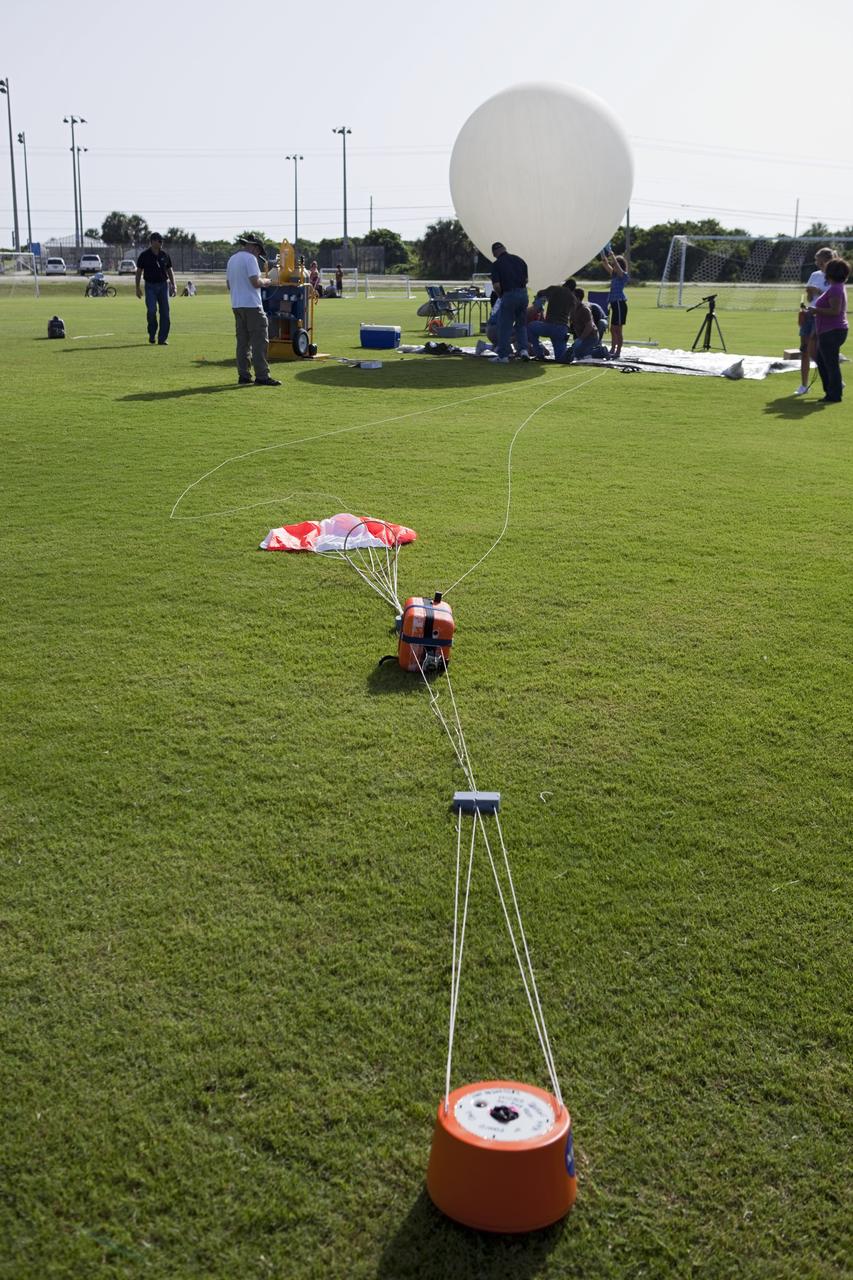
CAPE CANAVERAL, Fla. – The instrument package built by Rocket University participants for a high-altitude balloon flight sits on the ground moments before launch. The test flight was used to evaluate the stability of an instrumented capsule as it fell to Earth before its parachute opened. Rocket University is a program of courses, workshops, labs and projects offered to engineering and research pros of all stripes to keep their skills fresh and broaden their experiences. Photo credit: NASA/Jim Grossmann
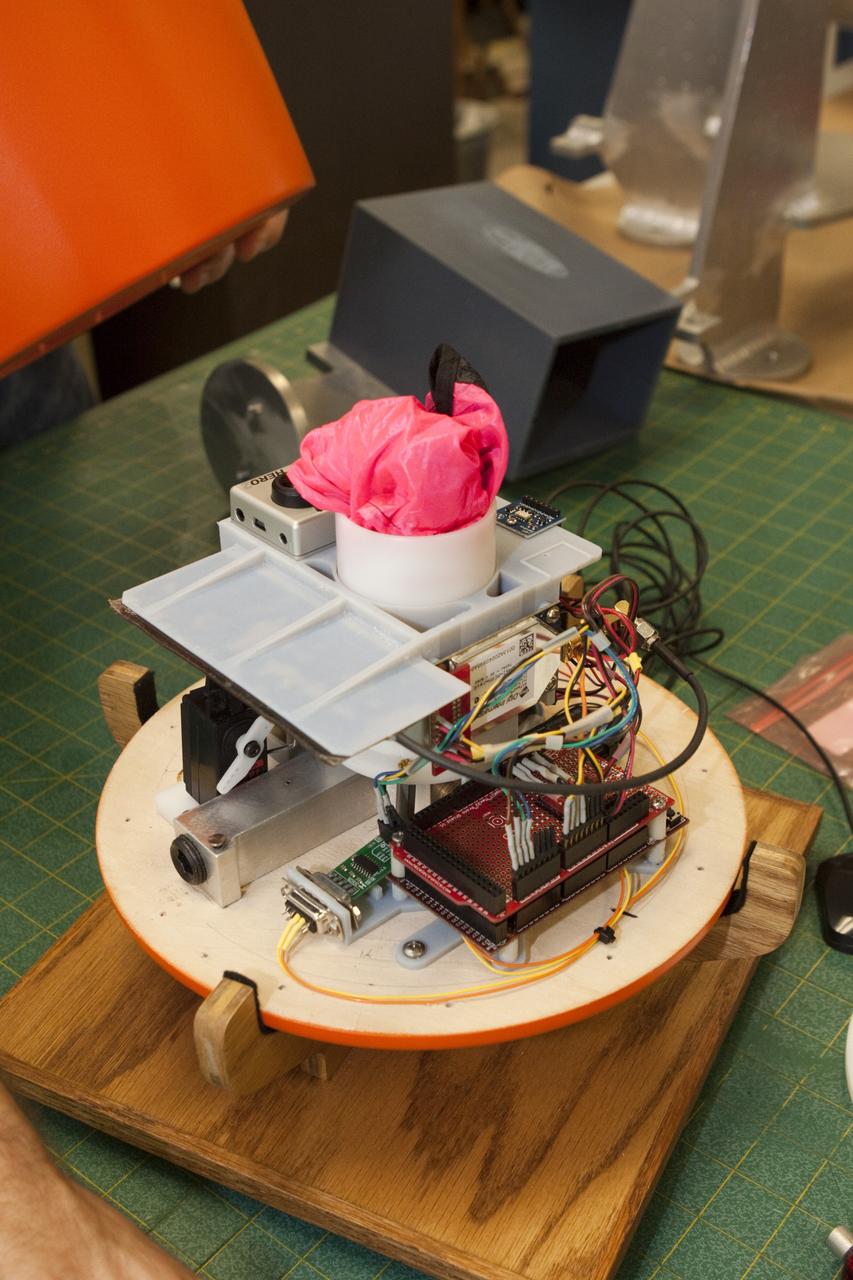
CAPE CANAVERAL, Fla. – The instrument package built by Rocket University participants for a high-altitude balloon flight. The test flight was used to evaluate the stability of an instrumented capsule as it fell to Earth before its parachute opened. Rocket University is a program of courses, workshops, labs and projects offered to engineering and research pros of all stripes to keep their skills fresh and broaden their experiences. Photo credit: NASA/Jim Grossmann

L59-3802 Nike-Cajun sounding rocket with University of Iowa payload on launcher at Wallops for flight test, May 20, 1959. Photograph published in A New Dimension Wallops Island Flight Test Range: The First Fifteen Years by Joseph Shortal. A NASA publication. Page 698.

L59-3802 Nike-Cajun sounding rocket with University of Iowa payload on launcher at Wallops for flight test, May 20, 1959. Photograph published in A New Dimension Wallops Island Flight Test Range: The First Fifteen Years by Joseph Shortal. A NASA publication. Page 698.
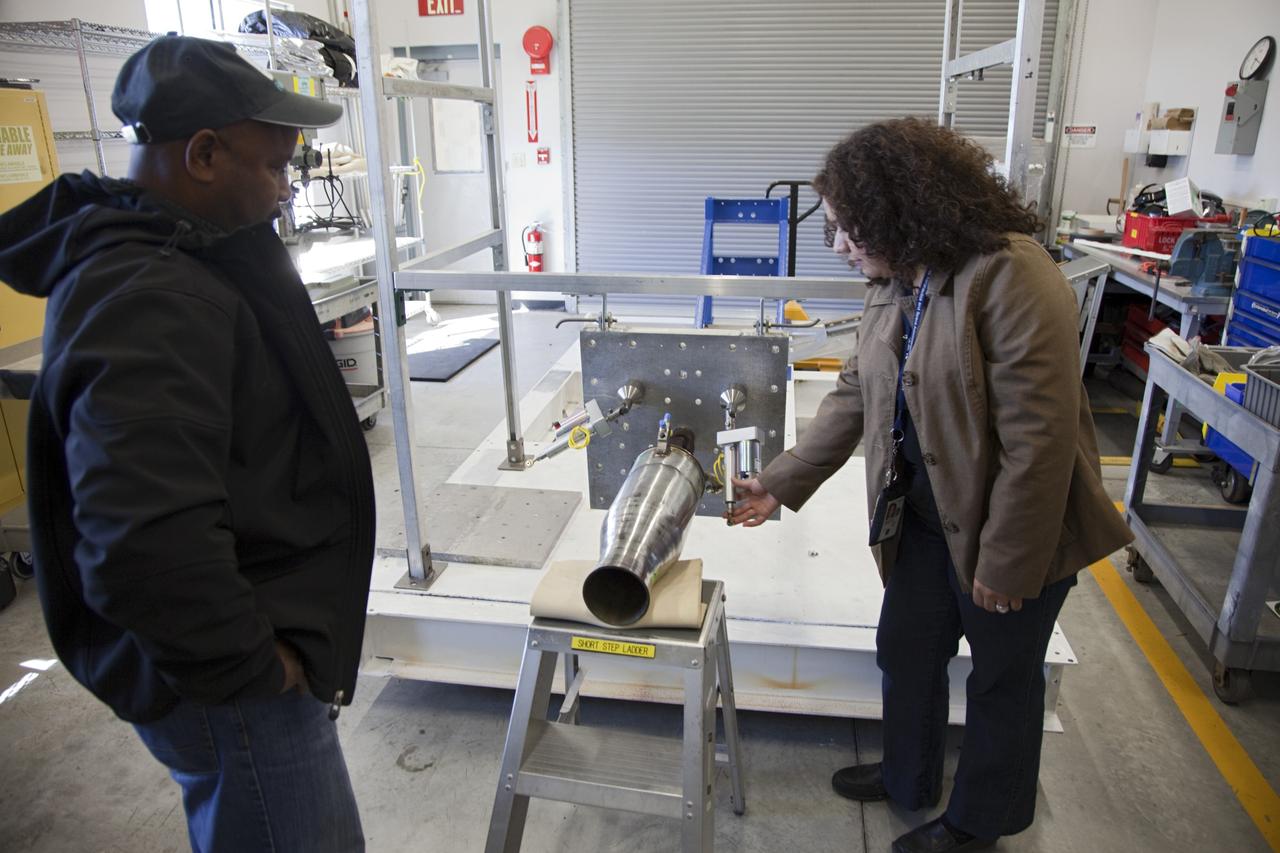
CAPE CANAVERAL, Fla. -- At the Neo Liquid Propellant Testbed inside a facility near Kennedy Space Center’s Shuttle Landing Facility in Florida, engineers and Rocket University project leads Kyle Dixon, left, and Evelyn Orozco-Smith check the buildup of the Neo test fixture and an Injector 71 engine that uses super-cooled propellants. NASA engineers are working on the design and assembly of the Neo Liquid Propellant Testbed as part of the Engineering Directorate’s Rocket University training program. Photo credit: NASA/Frankie Martin
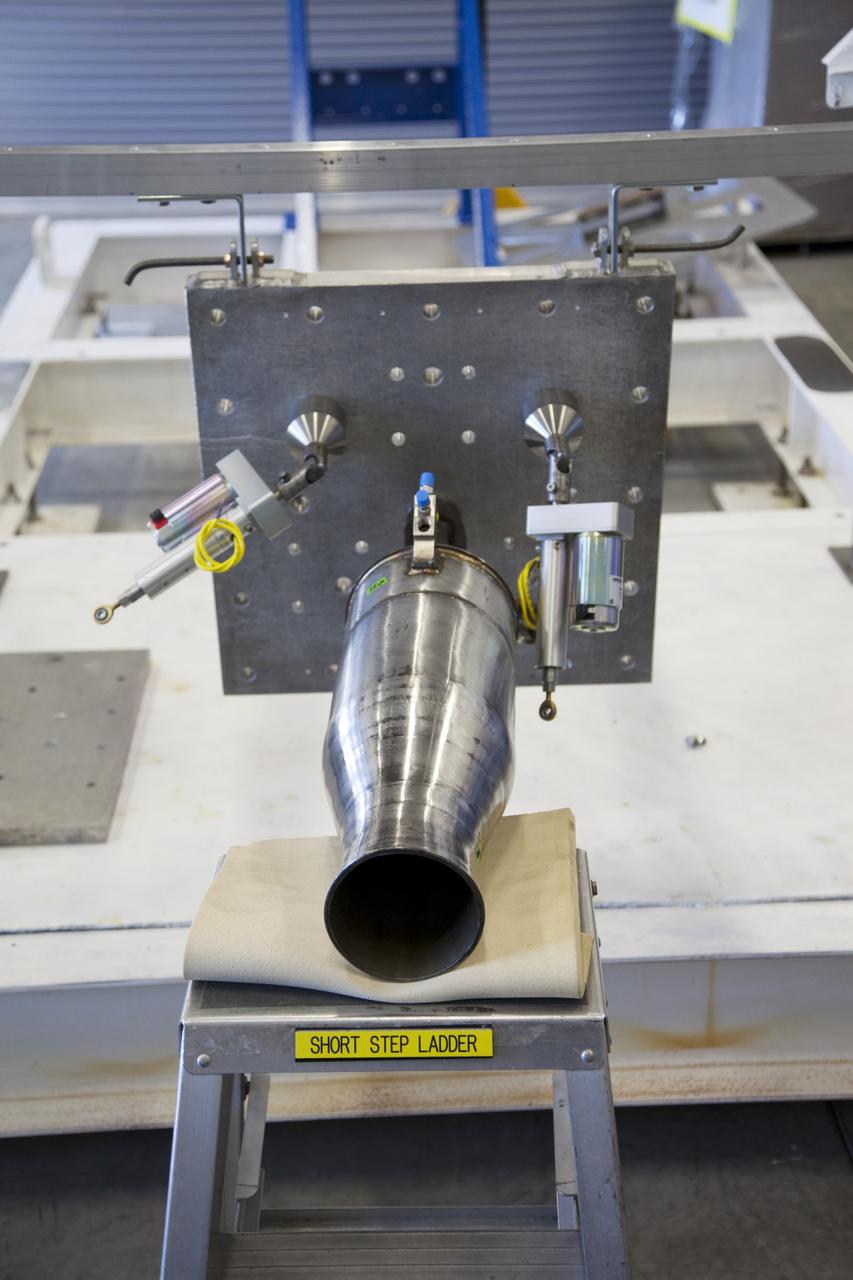
CAPE CANAVERAL, Fla. -- At the Neo Liquid Propellant Testbed inside a facility near Kennedy Space Center’s Shuttle Landing Facility in Florida, engineers are working on the buildup of the Neo test fixture and an Injector 71 engine that uses super-cooled propellants. NASA engineers are working on the design and assembly of the Neo Liquid Propellant Testbed as part of the Engineering Directorate’s Rocket University training program. Photo credit: NASA/Frankie Martin
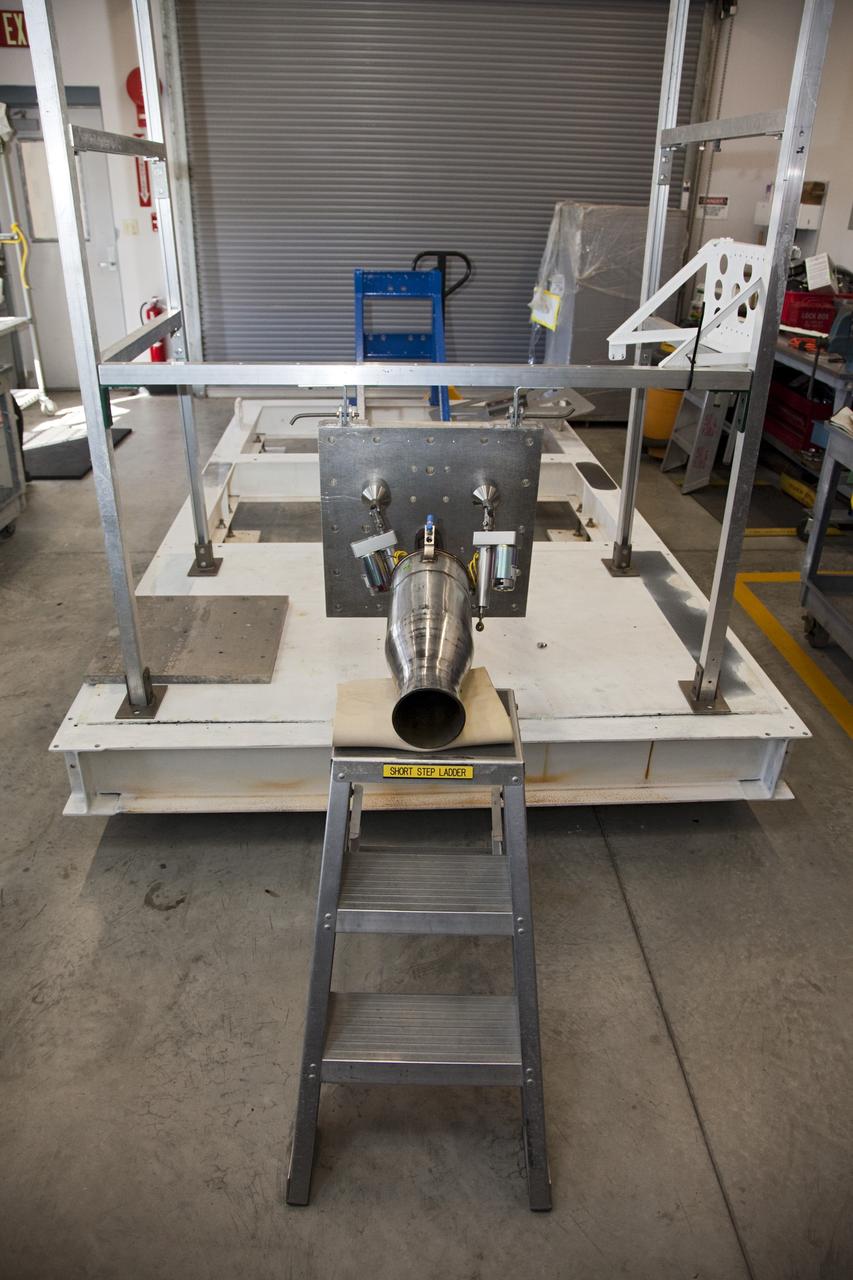
CAPE CANAVERAL, Fla. -- At the Neo Liquid Propellant Testbed inside a facility near Kennedy Space Center’s Shuttle Landing Facility in Florida, engineers are working on the buildup of the Neo test fixture and an Injector 71 engine that uses super-cooled propellants. NASA engineers are working on the design and assembly of the Neo Liquid Propellant Testbed as part of the Engineering Directorate’s Rocket University training program. Photo credit: NASA/Frankie Martin

L59-7932 First University of Michigan Strongarm sounding rocket on launcher at Wallops for test, November 10, 1959. Photograph published in A New Dimension Wallops Island Flight Test Range: The First Fifteen Years by Joseph Shortal. A NASA publication. Page 701.E5-188 Shop and Launcher Pictures

L59-7932 First University of Michigan Strongarm sounding rocket on launcher at Wallops for test, November 10, 1959. Photograph published in A New Dimension Wallops Island Flight Test Range: The First Fifteen Years by Joseph Shortal. A NASA publication. Page 701.E5-188 Shop and Launcher Pictures

L59-7932 First University of Michigan Strongarm sounding rocket on launcher at Wallops for test, November 10, 1959. Photograph published in A New Dimension Wallops Island Flight Test Range: The First Fifteen Years by Joseph Shortal. A NASA publication. Page 701.E5-188 Shop and Launcher Pictures

L59-7932 First University of Michigan Strongarm sounding rocket on launcher at Wallops for test, November 10, 1959. Photograph published in A New Dimension Wallops Island Flight Test Range: The First Fifteen Years by Joseph Shortal. A NASA publication. Page 701.E5-188 Shop and Launcher Pictures
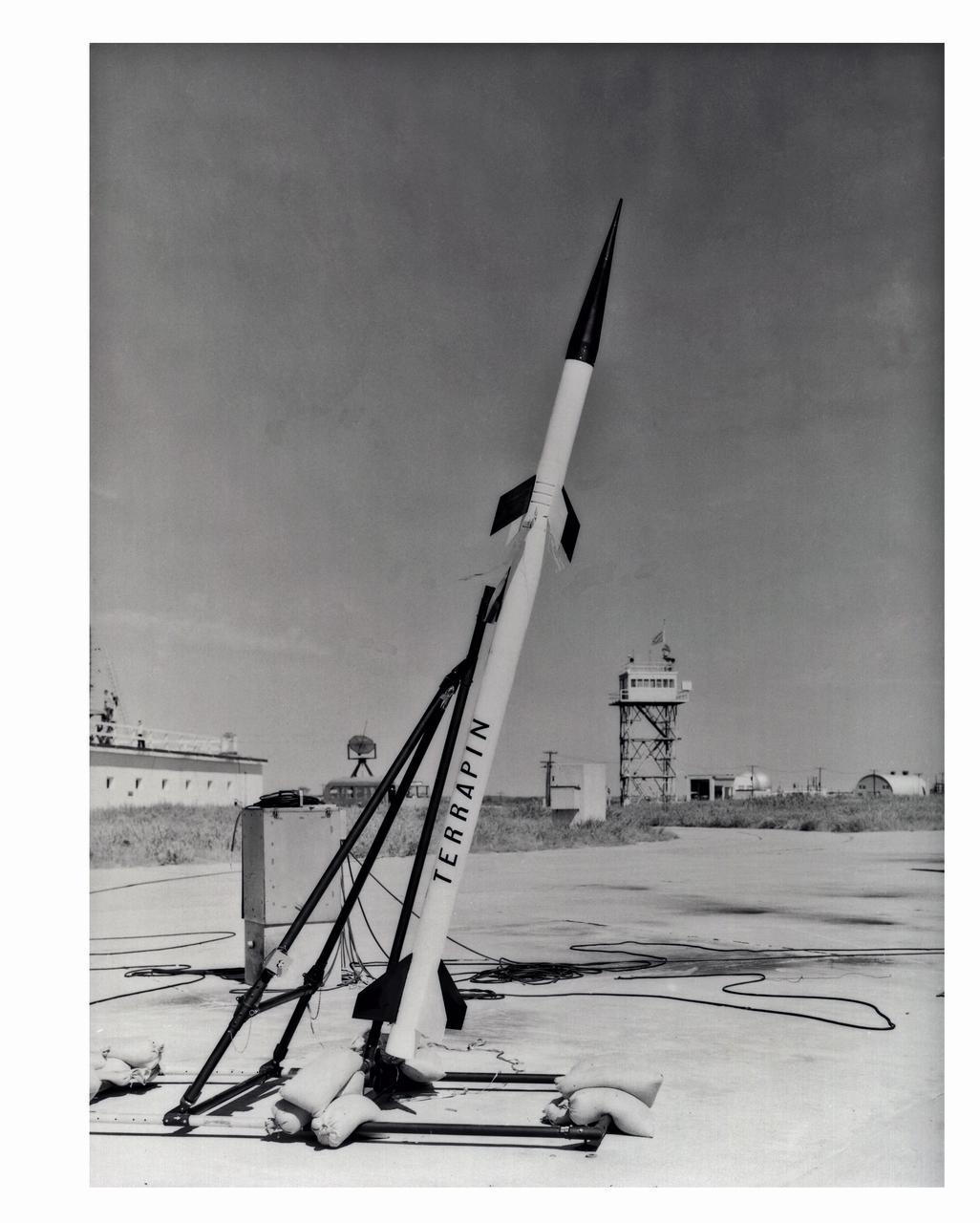
LAL 95,647 University of Maryland-Republic Terrapin sounding rocket mounted on special launcher, September 21, 1956. Photograph published in A New Dimension Wallops Island Flight Test Range: The First Fifteen Years by Joseph Shortal. A NASA publication. Page 506.

L59-7932 First University of Michigan Strongarm sounding rocket on launcher at Wallops for test, November 10, 1959. Photograph published in A New Dimension Wallops Island Flight Test Range: The First Fifteen Years by Joseph Shortal. A NASA publication. Page 701.E5-188 Shop and Launcher Pictures

L59-7932 First University of Michigan Strongarm sounding rocket on launcher at Wallops for test, November 10, 1959. Photograph published in A New Dimension Wallops Island Flight Test Range: The First Fifteen Years by Joseph Shortal. A NASA publication. Page 701.E5-188 Shop and Launcher Pictures

These photos and videos show how crews guided a test version of the universal stage adapter for NASA’s more powerful version of its SLS (Space Launch System) rocket to Building 4619 at the agency’s Marshall Space Flight Center in Huntsville, Alabama, Feb. 22. Built by Leidos, the lead contractor for the universal stage adapter, crews transported the hardware from a Leidos facility in Decatur, Alabama, the same day. The universal stage adapter will connect the SLS rocket’s upgraded in-space propulsion stage, called the exploration upper stage, to NASA’s Orion spacecraft as part of the evolved Block 1B configuration of the SLS rocket. It will also serve as a compartment capable of accommodating large payloads, such as modules or other exploration spacecraft. In Building 4619’s Load Test Annex High Bay at Marshall, the development test article will first undergo modal testing that will shake the hardware to validate dynamic models. Later, during ultimate load testing, force will be applied vertically and to the sides of the hardware. Unlike the flight hardware, the development test article has flaws intentionally included in its design, which will help engineers verity that the flight adapter can withstand the extreme forces it will face during launch and flight.
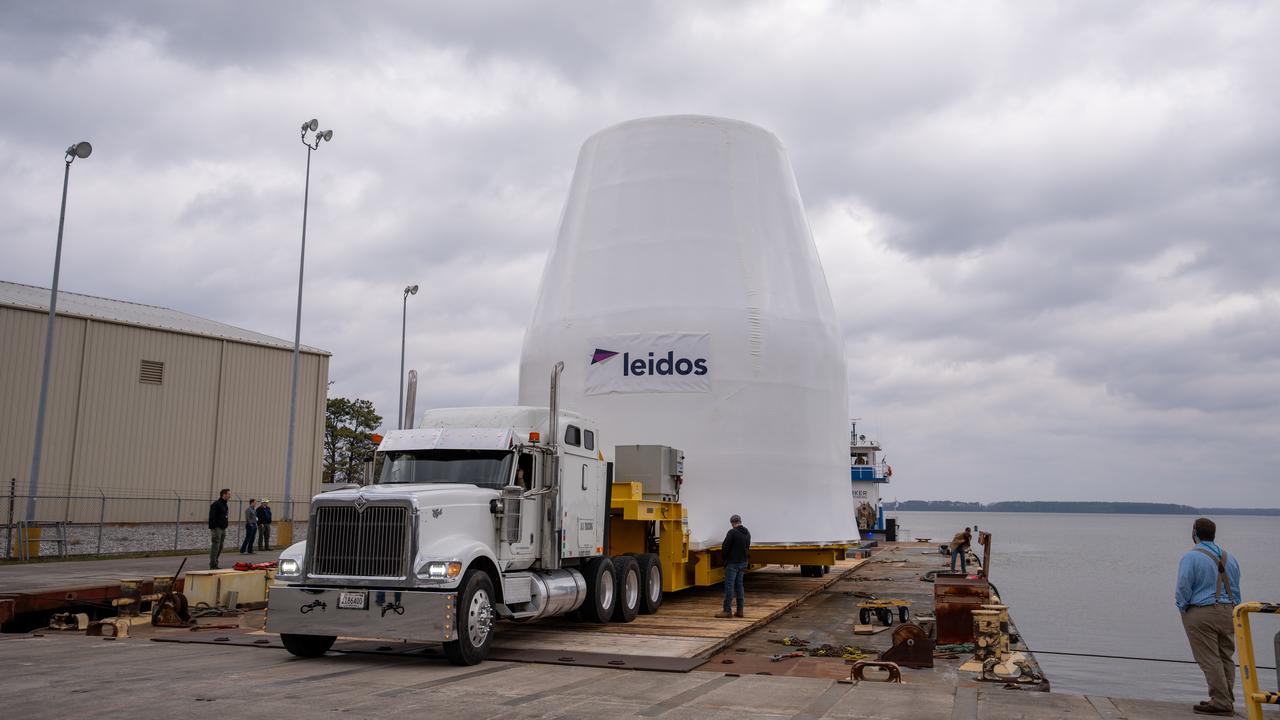
These photos and videos show how crews guided a test version of the universal stage adapter for NASA’s more powerful version of its SLS (Space Launch System) rocket to Building 4619 at the agency’s Marshall Space Flight Center in Huntsville, Alabama, Feb. 22. Built by Leidos, the lead contractor for the universal stage adapter, crews transported the hardware from a Leidos facility in Decatur, Alabama, the same day. The universal stage adapter will connect the SLS rocket’s upgraded in-space propulsion stage, called the exploration upper stage, to NASA’s Orion spacecraft as part of the evolved Block 1B configuration of the SLS rocket. It will also serve as a compartment capable of accommodating large payloads, such as modules or other exploration spacecraft. In Building 4619’s Load Test Annex High Bay at Marshall, the development test article will first undergo modal testing that will shake the hardware to validate dynamic models. Later, during ultimate load testing, force will be applied vertically and to the sides of the hardware. Unlike the flight hardware, the development test article has flaws intentionally included in its design, which will help engineers verity that the flight adapter can withstand the extreme forces it will face during launch and flight.
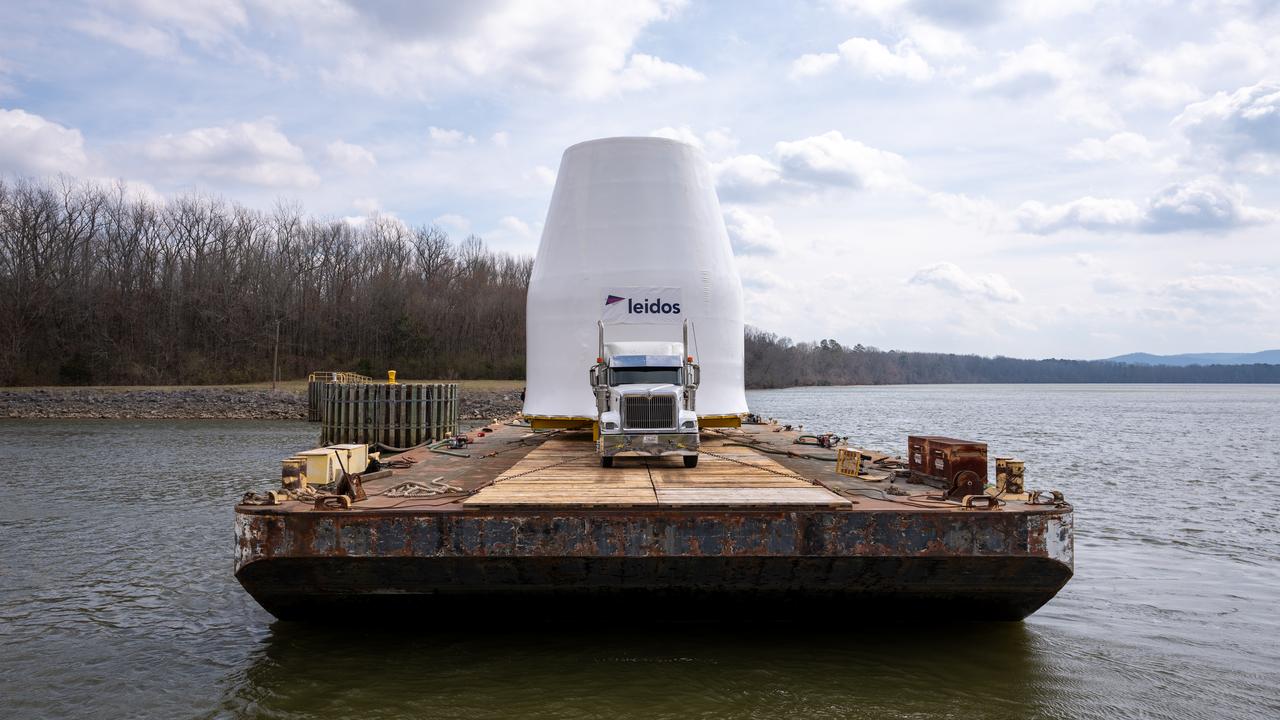
These photos and videos show how crews guided a test version of the universal stage adapter for NASA’s more powerful version of its SLS (Space Launch System) rocket to Building 4619 at the agency’s Marshall Space Flight Center in Huntsville, Alabama, Feb. 22. Built by Leidos, the lead contractor for the universal stage adapter, crews transported the hardware from a Leidos facility in Decatur, Alabama, the same day. The universal stage adapter will connect the SLS rocket’s upgraded in-space propulsion stage, called the exploration upper stage, to NASA’s Orion spacecraft as part of the evolved Block 1B configuration of the SLS rocket. It will also serve as a compartment capable of accommodating large payloads, such as modules or other exploration spacecraft. In Building 4619’s Load Test Annex High Bay at Marshall, the development test article will first undergo modal testing that will shake the hardware to validate dynamic models. Later, during ultimate load testing, force will be applied vertically and to the sides of the hardware. Unlike the flight hardware, the development test article has flaws intentionally included in its design, which will help engineers verity that the flight adapter can withstand the extreme forces it will face during launch and flight.
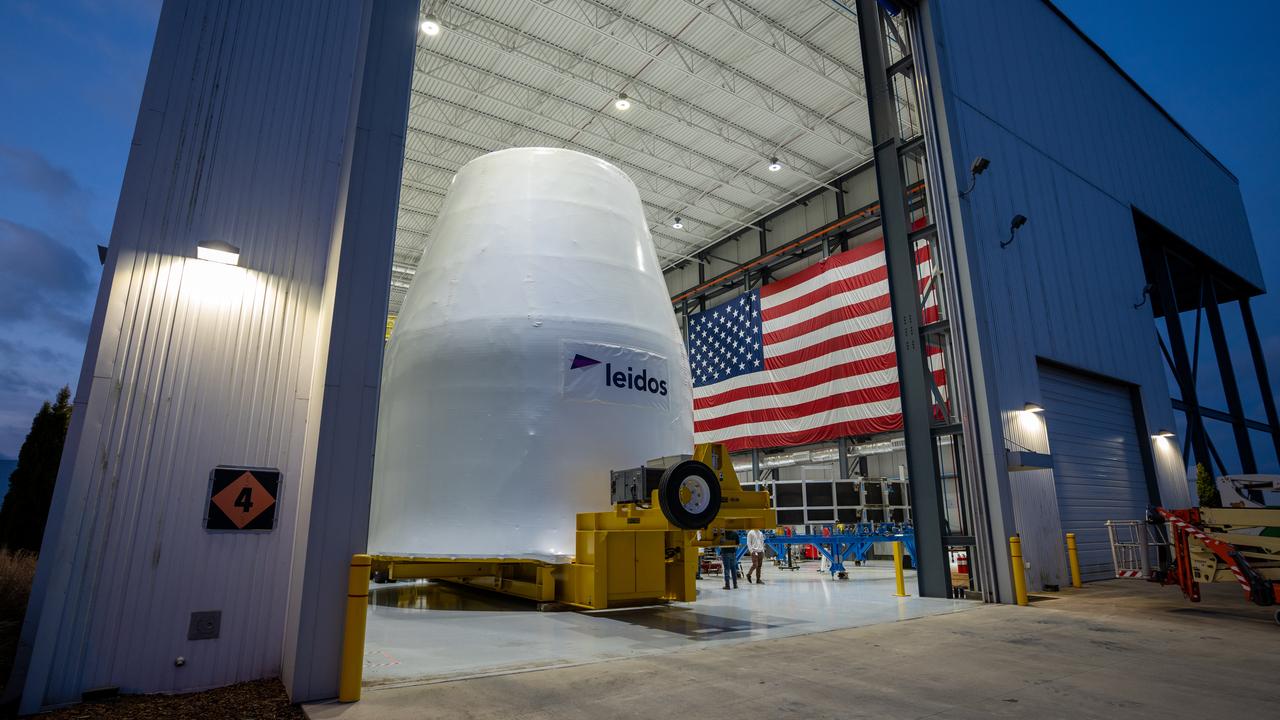
These photos and videos show how crews guided a test version of the universal stage adapter for NASA’s more powerful version of its SLS (Space Launch System) rocket to Building 4619 at the agency’s Marshall Space Flight Center in Huntsville, Alabama, Feb. 22. Built by Leidos, the lead contractor for the universal stage adapter, crews transported the hardware from a Leidos facility in Decatur, Alabama, the same day. The universal stage adapter will connect the SLS rocket’s upgraded in-space propulsion stage, called the exploration upper stage, to NASA’s Orion spacecraft as part of the evolved Block 1B configuration of the SLS rocket. It will also serve as a compartment capable of accommodating large payloads, such as modules or other exploration spacecraft. In Building 4619’s Load Test Annex High Bay at Marshall, the development test article will first undergo modal testing that will shake the hardware to validate dynamic models. Later, during ultimate load testing, force will be applied vertically and to the sides of the hardware. Unlike the flight hardware, the development test article has flaws intentionally included in its design, which will help engineers verity that the flight adapter can withstand the extreme forces it will face during launch and flight.
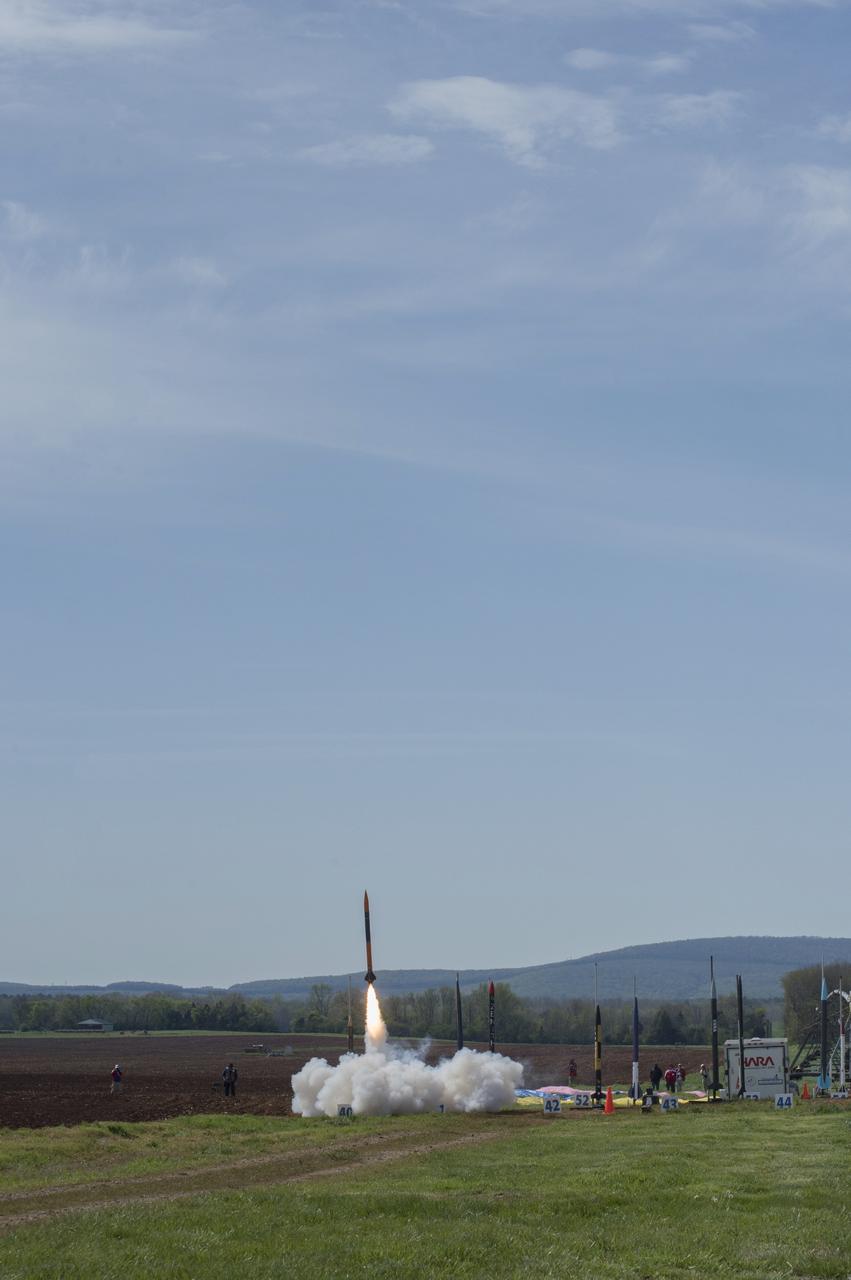
After eight months of designing, building and testing, the middle school, high school and college and university teams launched their rockets as part of NASA Student Launch on Sunday, April 8. The rockets and their payloads are designed to fly to 1-mile in altitude before deploying recovery systems that brings them safely to the ground.
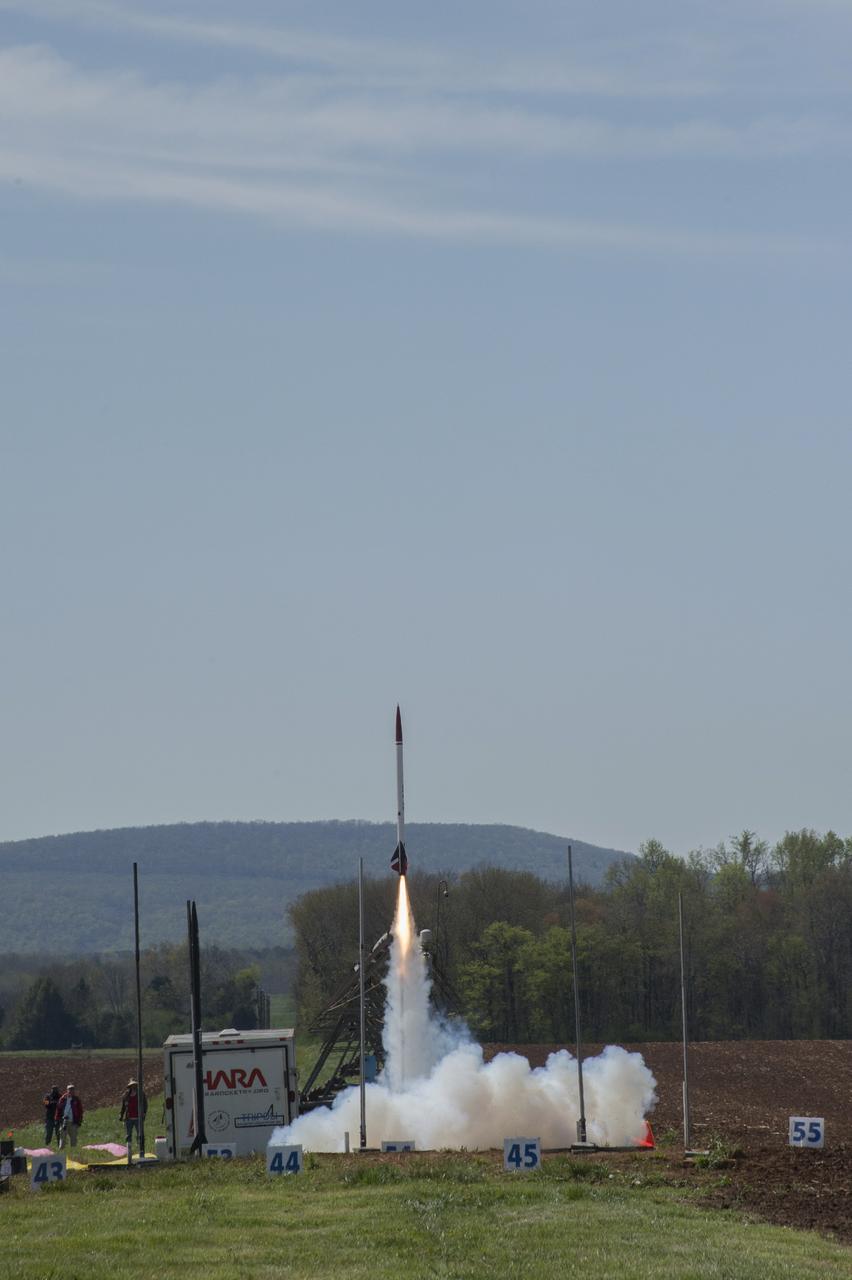
After eight months of designing, building and testing, the middle school, high school and college and university teams launched their rockets as part of NASA Student Launch on Sunday, April 8. The rockets and their payloads are designed to fly to 1-mile in altitude before deploying recovery systems that brings them safely to the ground.
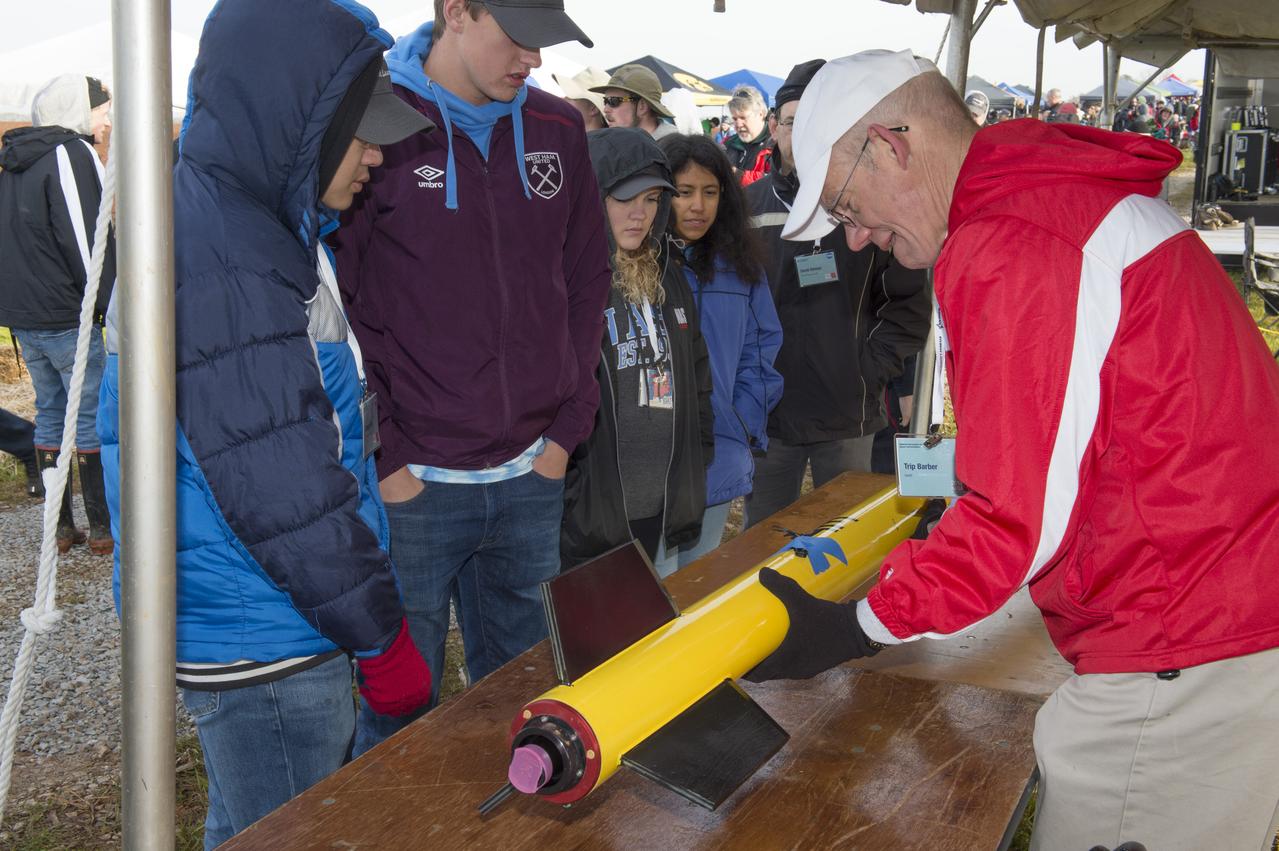
After eight months of designing, building and testing, the middle school, high school and college and university teams launched their rockets as part of NASA Student Launch on Sunday, April 8. The rockets and their payloads are designed to fly to 1-mile in altitude before deploying recovery systems that brings them safely to the ground.
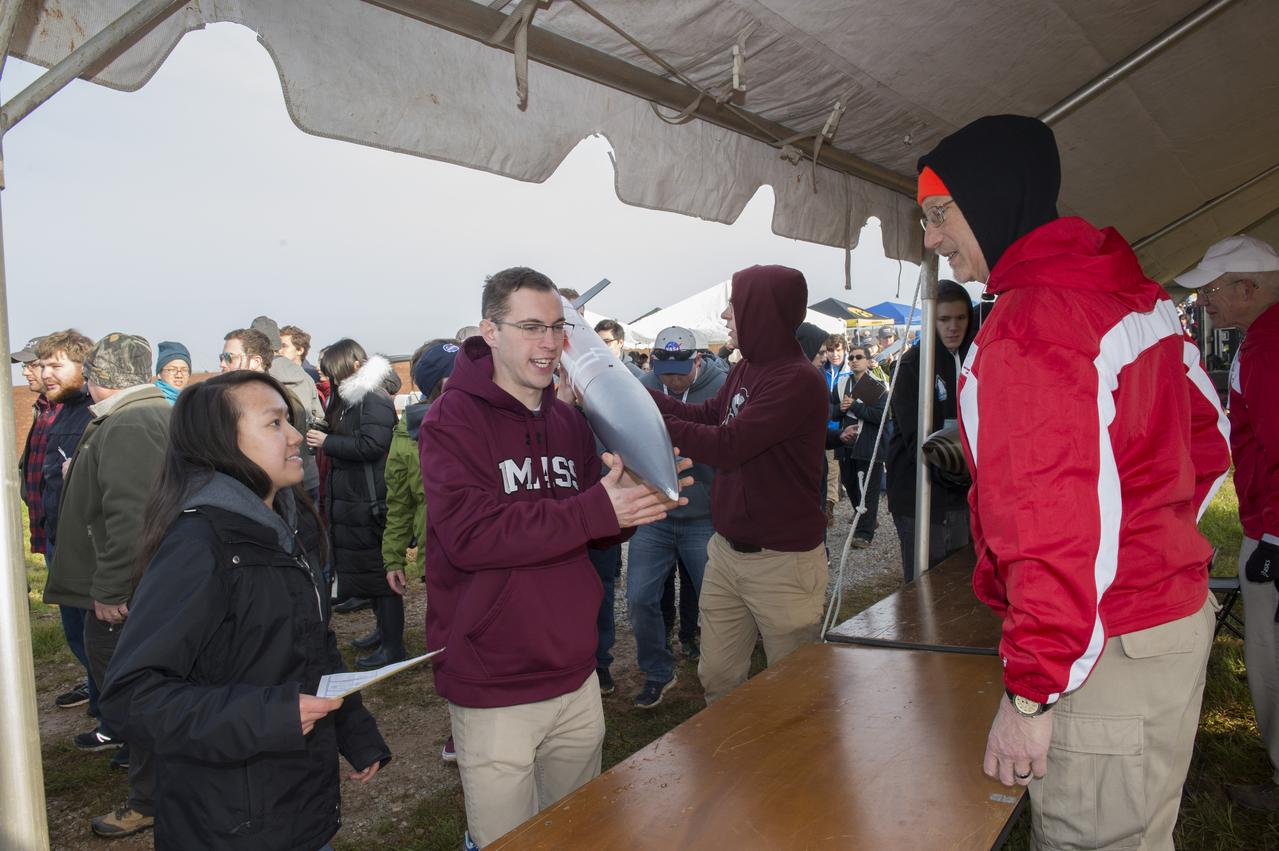
After eight months of designing, building and testing, the middle school, high school and college and university teams launched their rockets as part of NASA Student Launch on Sunday, April 8. The rockets and their payloads are designed to fly to 1-mile in altitude before deploying recovery systems that brings them safely to the ground.
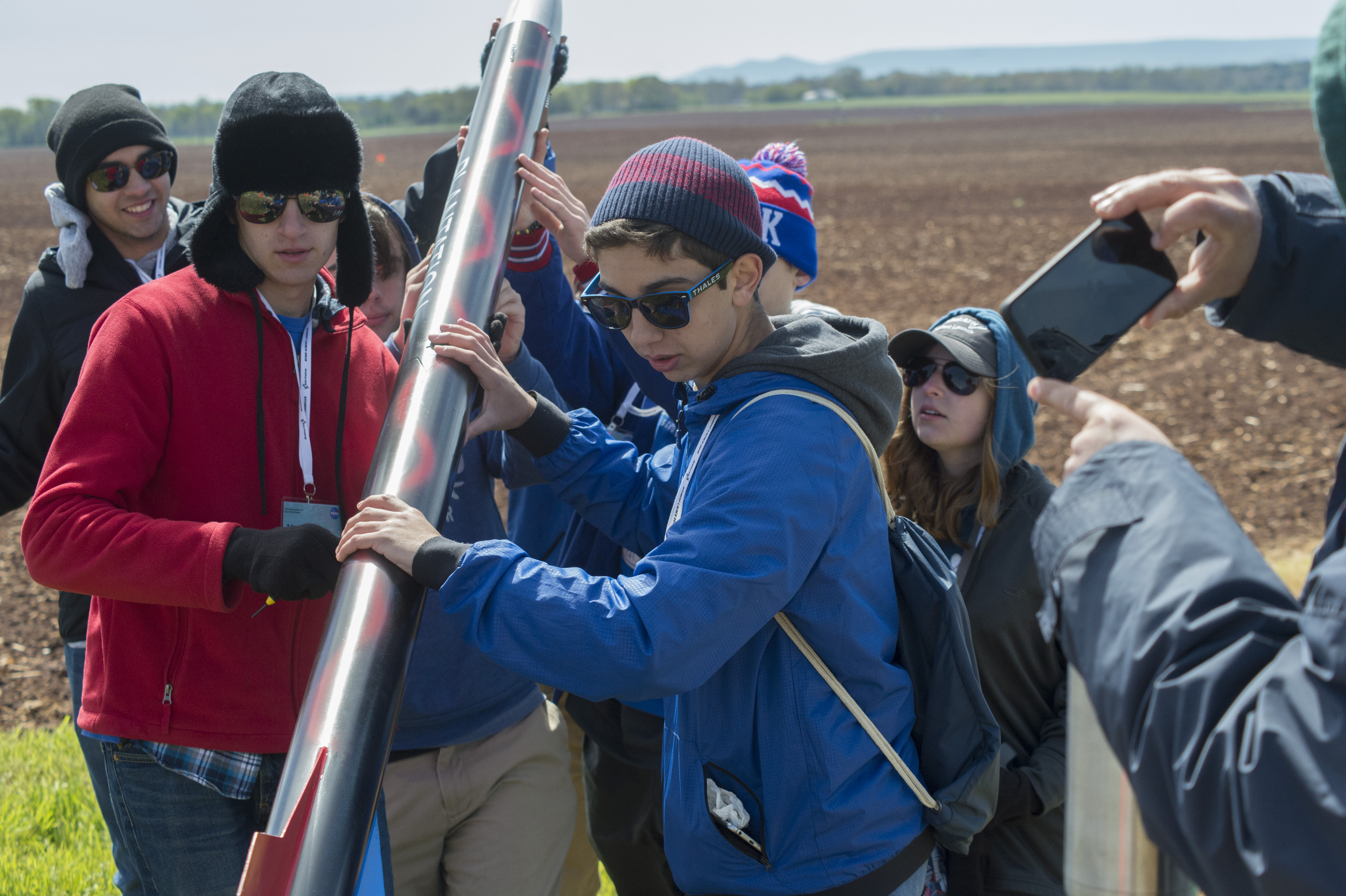
After eight months of designing, building and testing, the middle school, high school and college and university teams launched their rockets as part of NASA Student Launch on Sunday, April 8. The rockets and their payloads are designed to fly to 1-mile in altitude before deploying recovery systems that brings them safely to the ground.
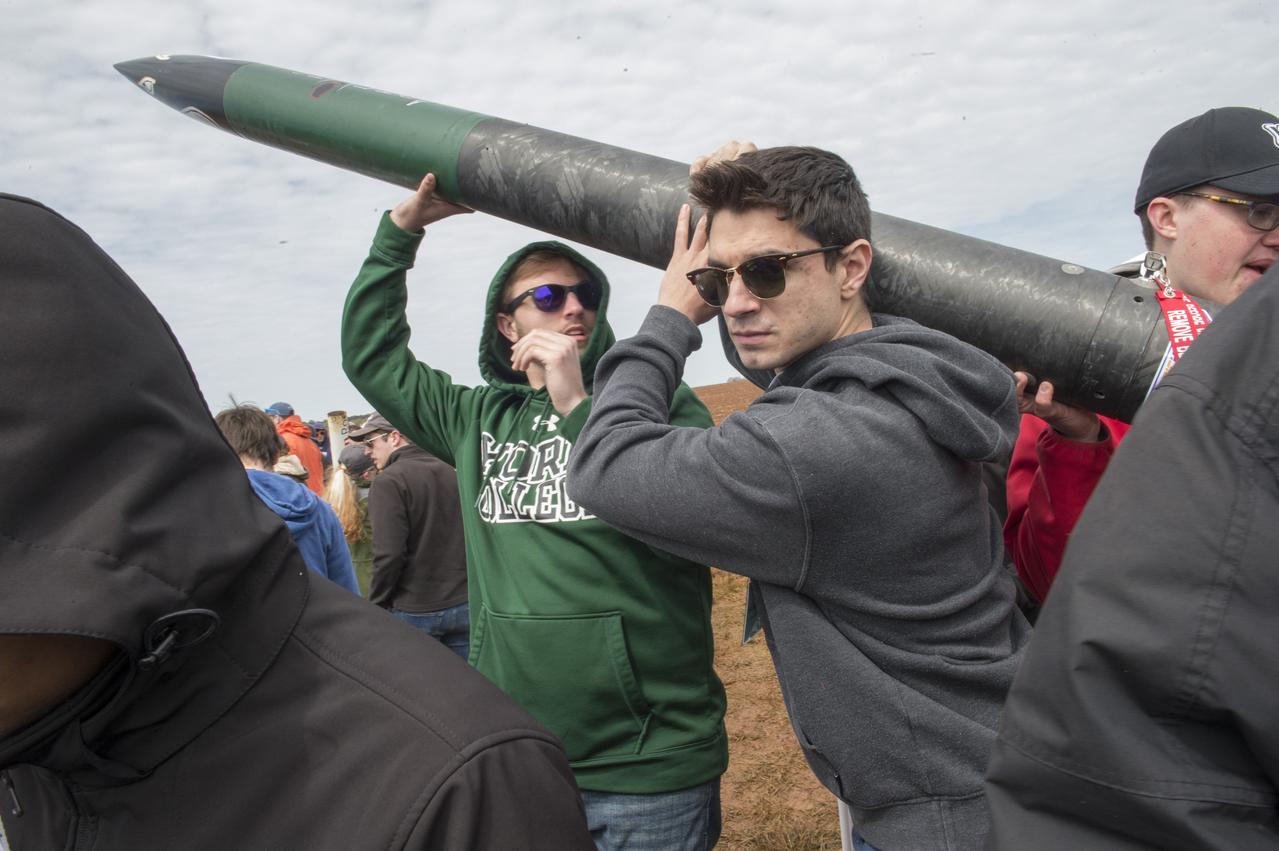
After eight months of designing, building and testing, the middle school, high school and college and university teams launched their rockets as part of NASA Student Launch on Sunday, April 8. The rockets and their payloads are designed to fly to 1-mile in altitude before deploying recovery systems that brings them safely to the ground.
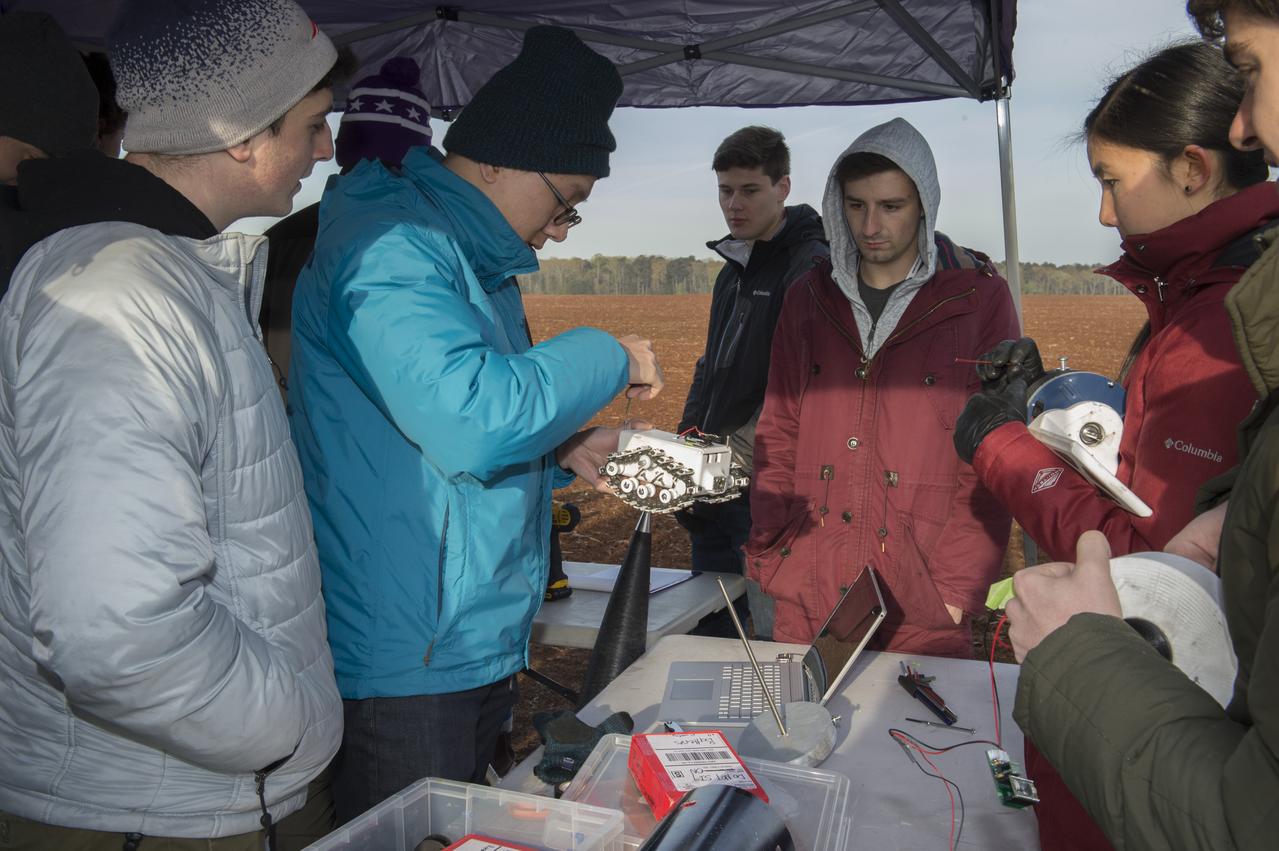
After eight months of designing, building and testing, the middle school, high school and college and university teams launched their rockets as part of NASA Student Launch on Sunday, April 8. The rockets and their payloads are designed to fly to 1-mile in altitude before deploying recovery systems that brings them safely to the ground.
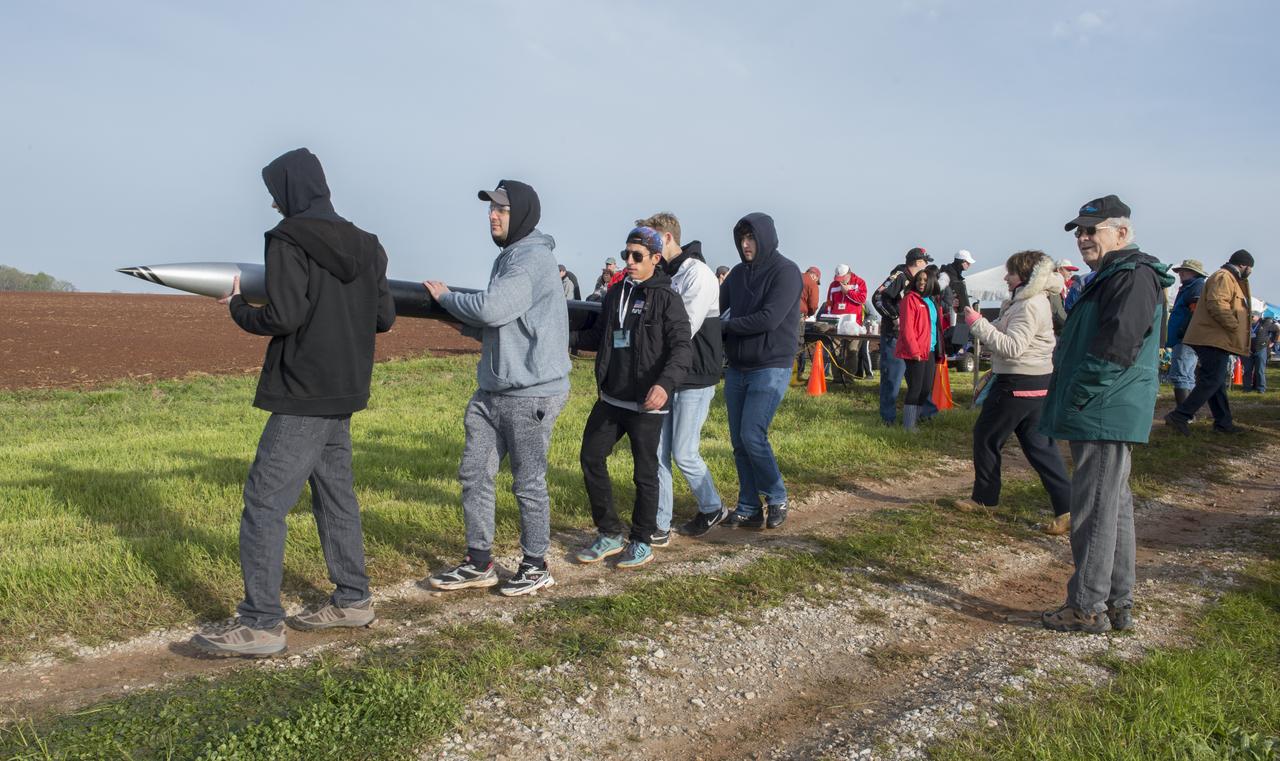
After eight months of designing, building and testing, the middle school, high school and college and university teams launched their rockets as part of NASA Student Launch on Sunday, April 8. The rockets and their payloads are designed to fly to 1-mile in altitude before deploying recovery systems that brings them safely to the ground.
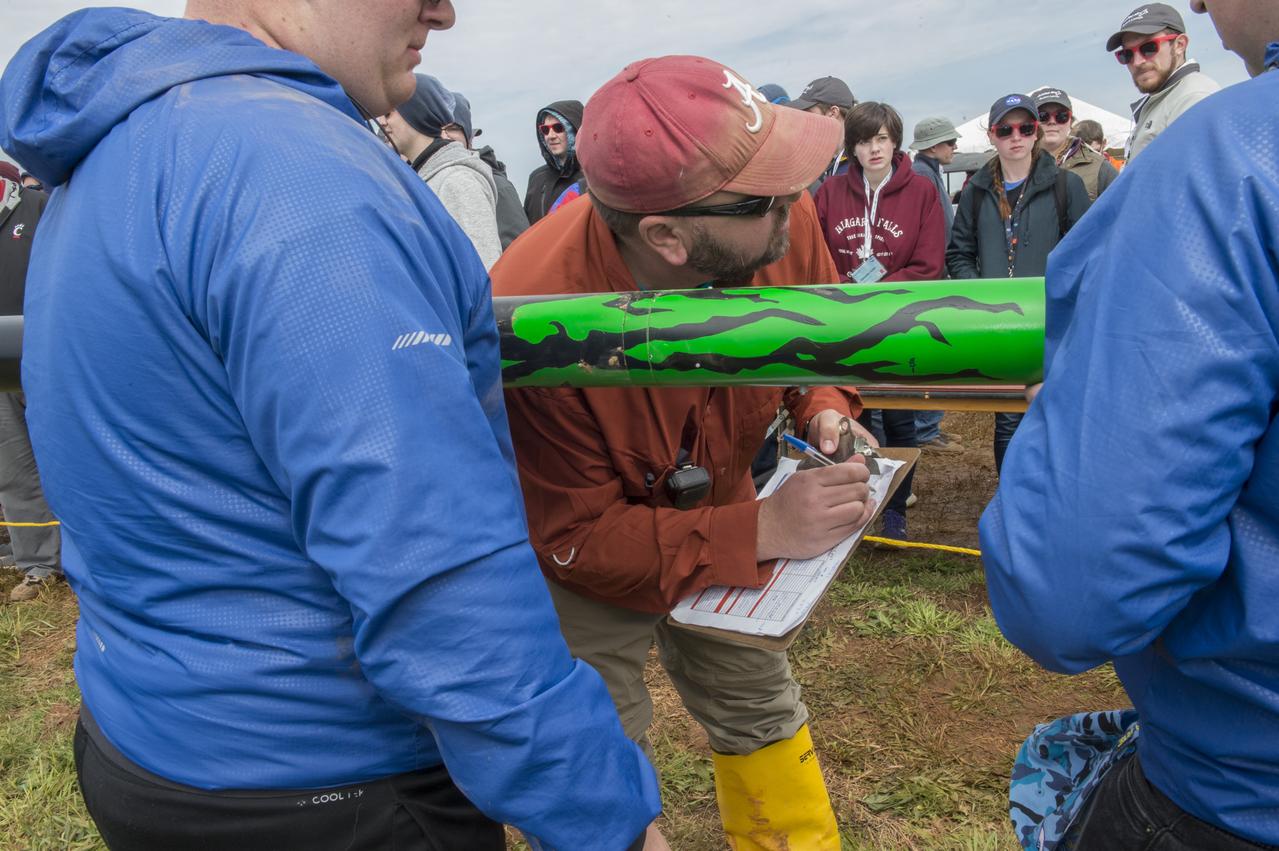
After eight months of designing, building and testing, the middle school, high school and college and university teams launched their rockets as part of NASA Student Launch on Sunday, April 8. The rockets and their payloads are designed to fly to 1-mile in altitude before deploying recovery systems that brings them safely to the ground.
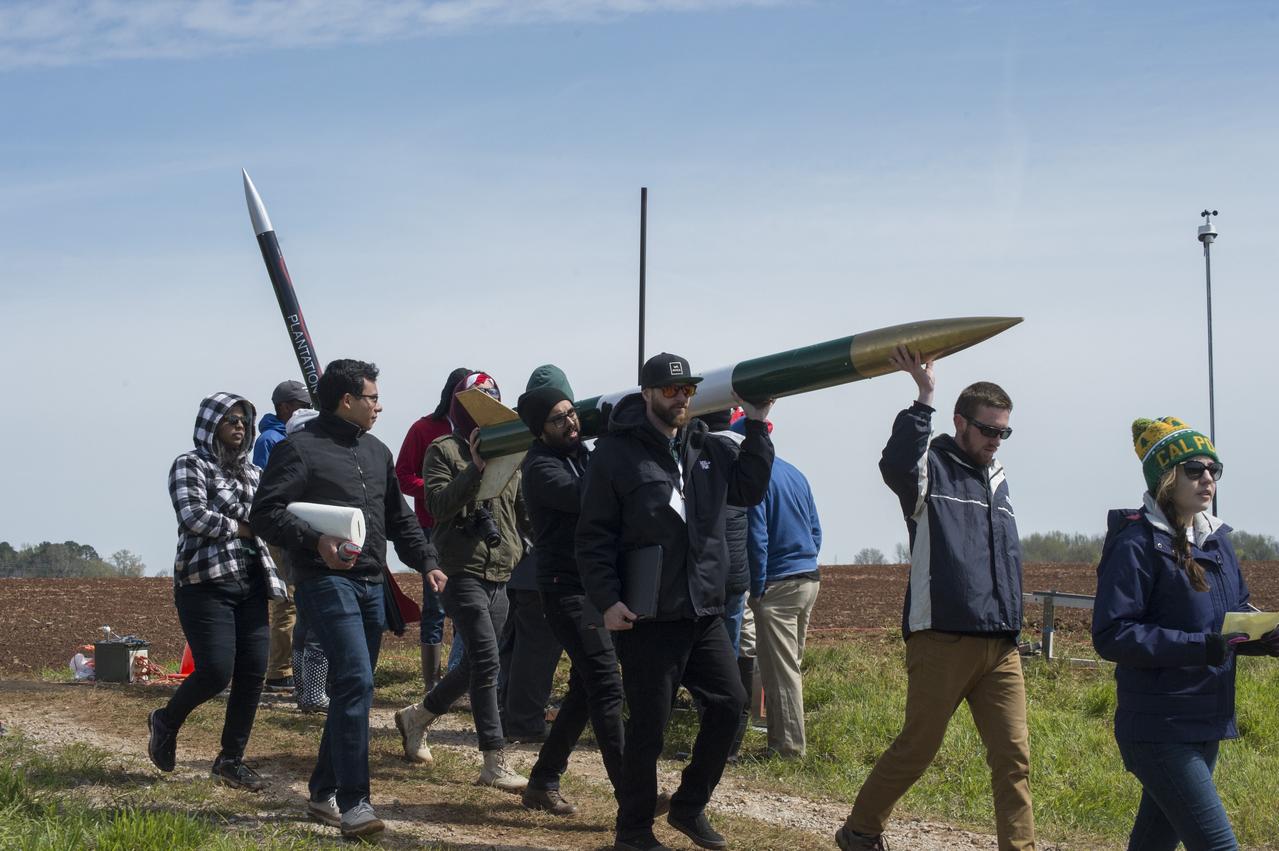
After eight months of designing, building and testing, the middle school, high school and college and university teams launched their rockets as part of NASA Student Launch on Sunday, April 8. The rockets and their payloads are designed to fly to 1-mile in altitude before deploying recovery systems that brings them safely to the ground.
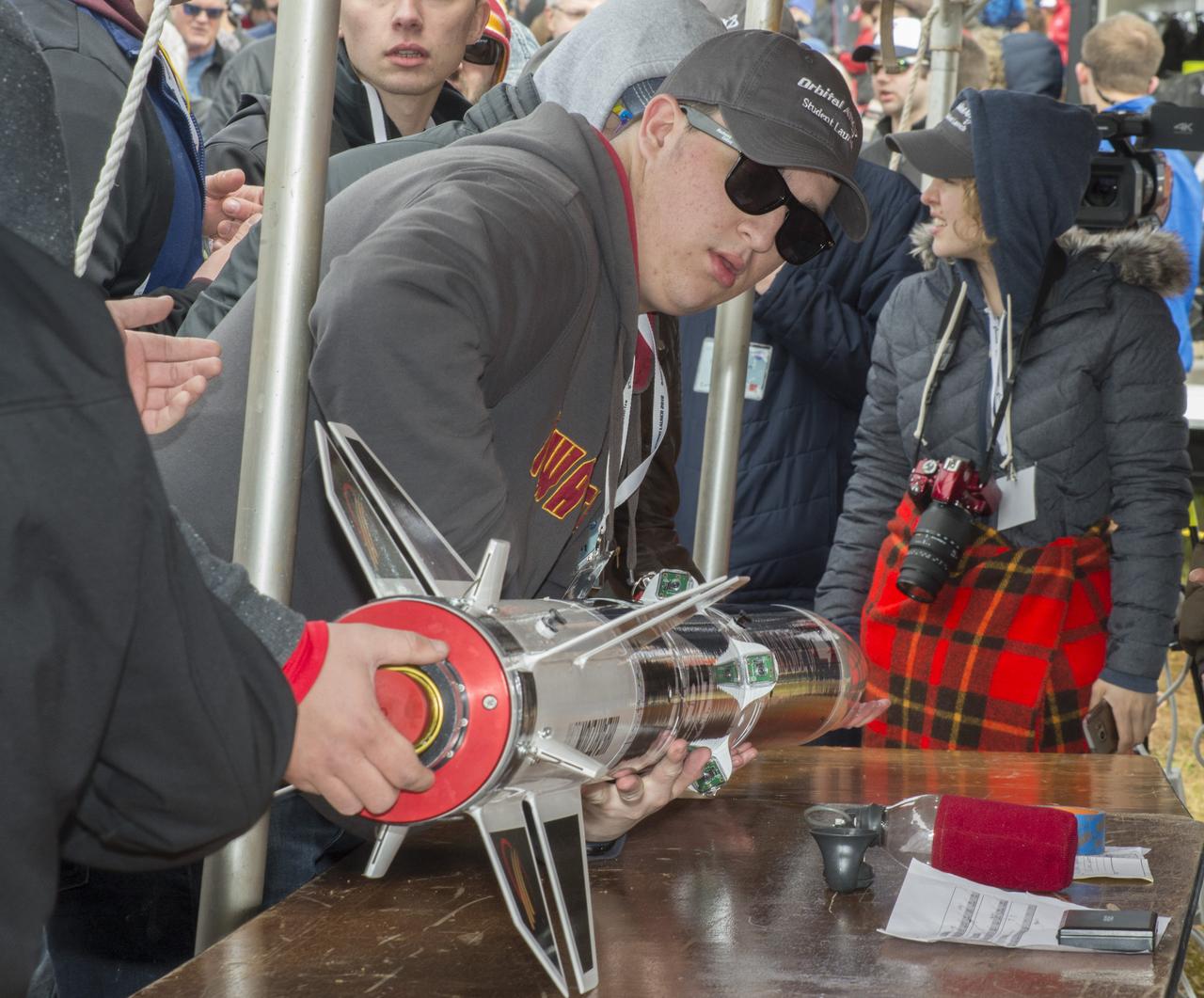
After eight months of designing, building and testing, the middle school, high school and college and university teams launched their rockets as part of NASA Student Launch on Sunday, April 8. The rockets and their payloads are designed to fly to 1-mile in altitude before deploying recovery systems that brings them safely to the ground.
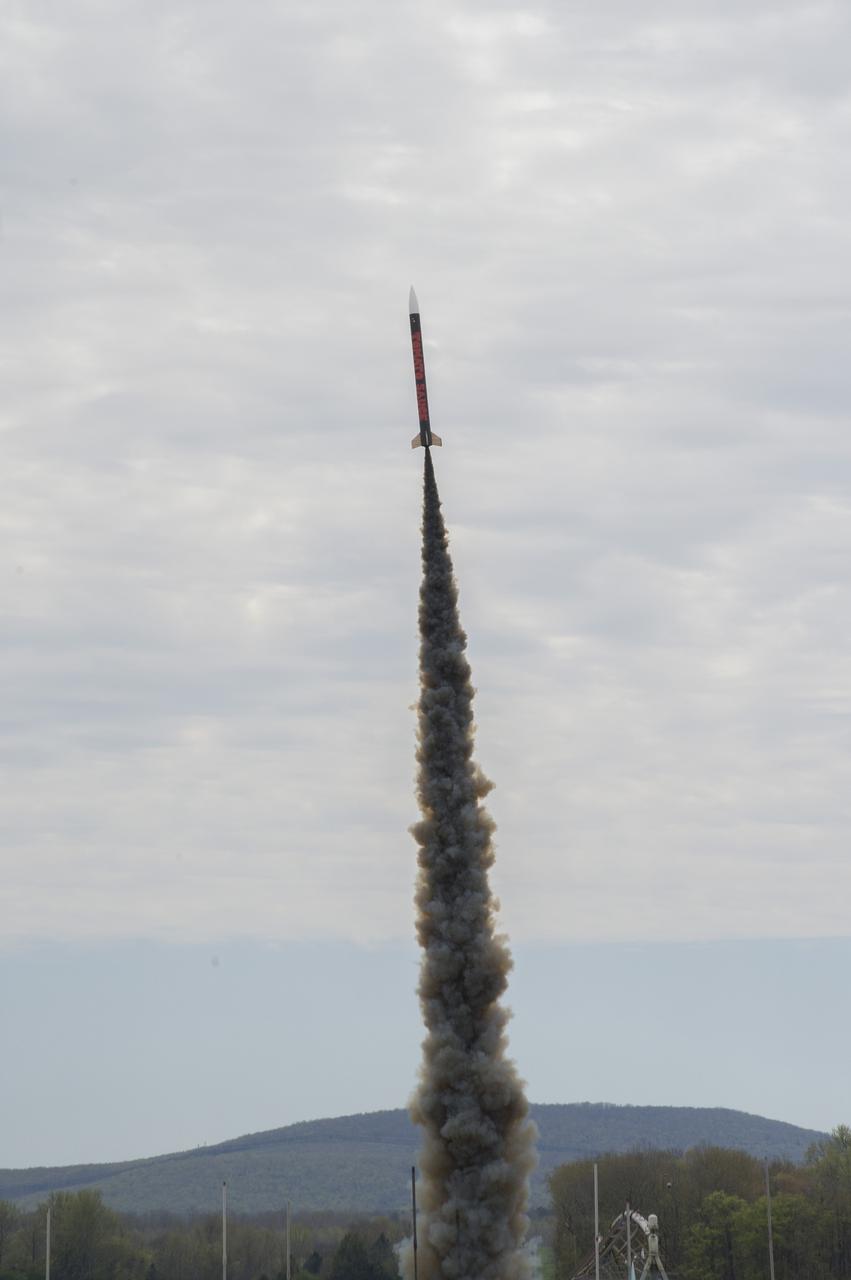
After eight months of designing, building and testing, the middle school, high school and college and university teams launched their rockets as part of NASA Student Launch on Sunday, April 8. The rockets and their payloads are designed to fly to 1-mile in altitude before deploying recovery systems that brings them safely to the ground.
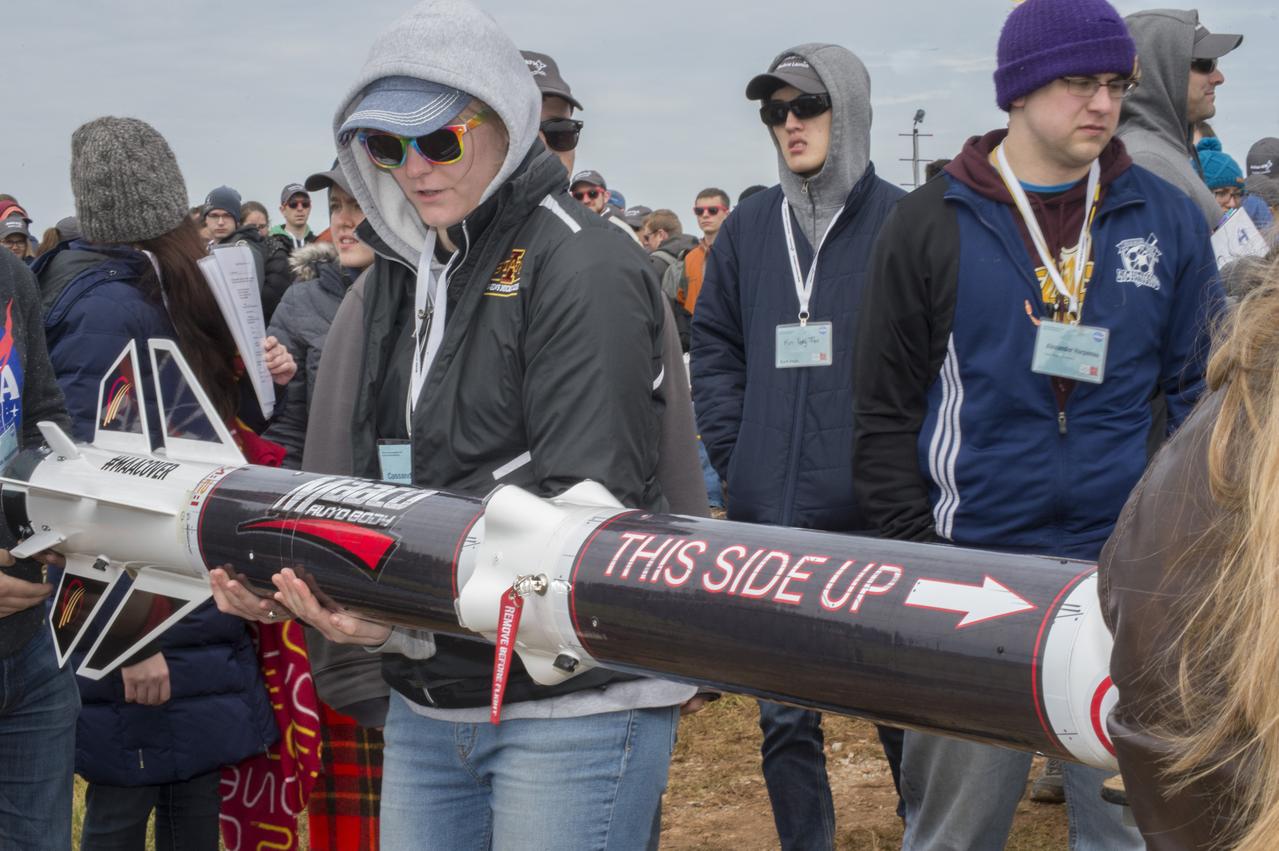
After eight months of designing, building and testing, the middle school, high school and college and university teams launched their rockets as part of NASA Student Launch on Sunday, April 8. The rockets and their payloads are designed to fly to 1-mile in altitude before deploying recovery systems that brings them safely to the ground.
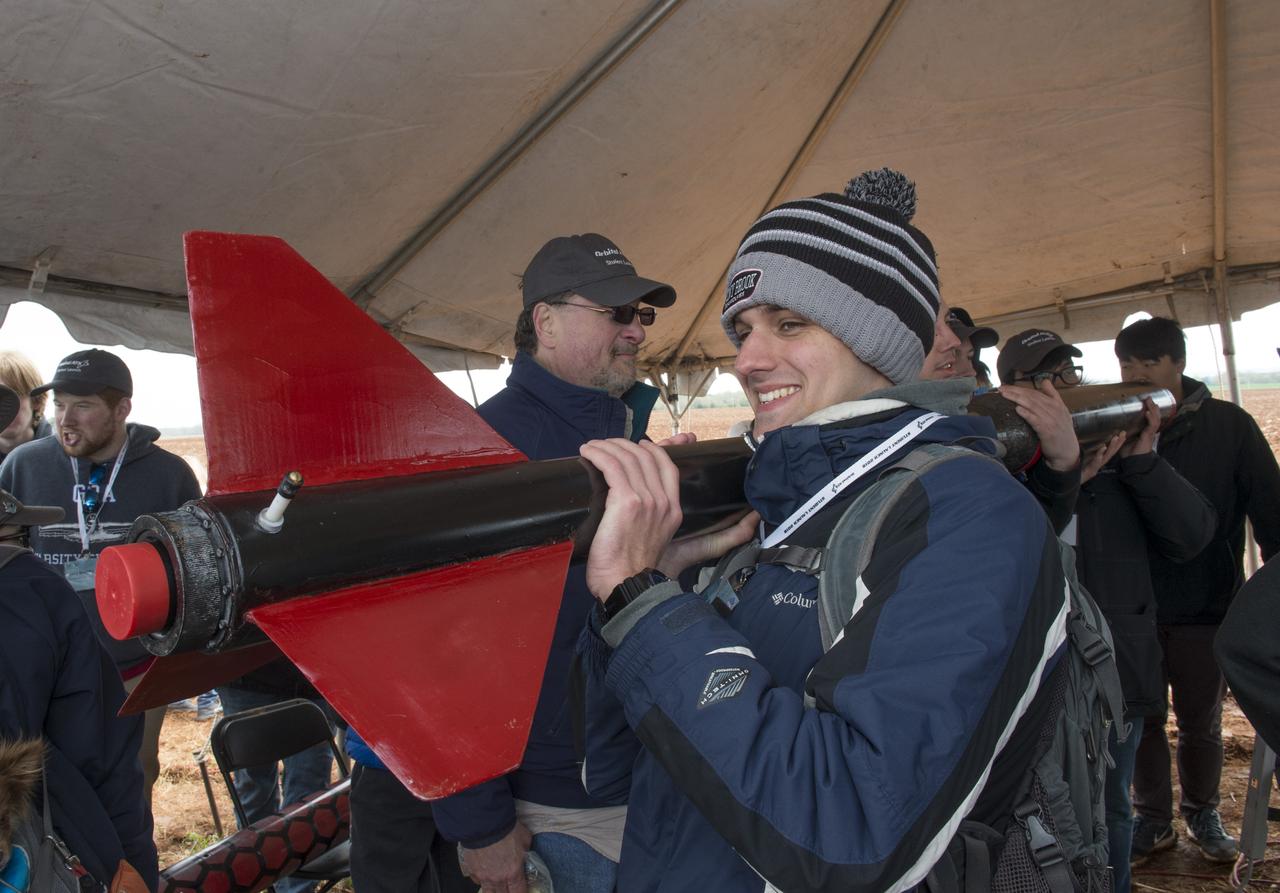
After eight months of designing, building and testing, the middle school, high school and college and university teams launched their rockets as part of NASA Student Launch on Sunday, April 8. The rockets and their payloads are designed to fly to 1-mile in altitude before deploying recovery systems that brings them safely to the ground.
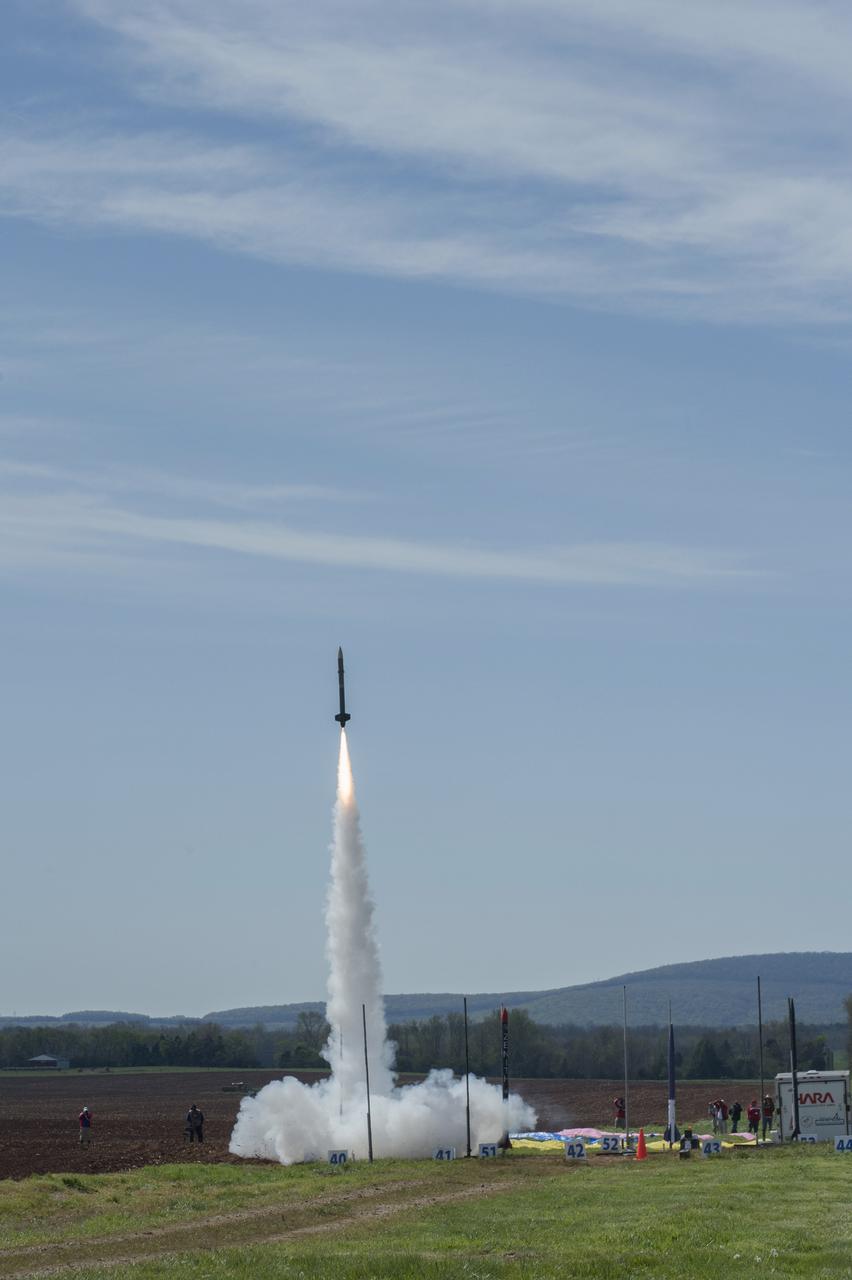
After eight months of designing, building and testing, the middle school, high school and college and university teams launched their rockets as part of NASA Student Launch on Sunday, April 8. The rockets and their payloads are designed to fly to 1-mile in altitude before deploying recovery systems that brings them safely to the ground.
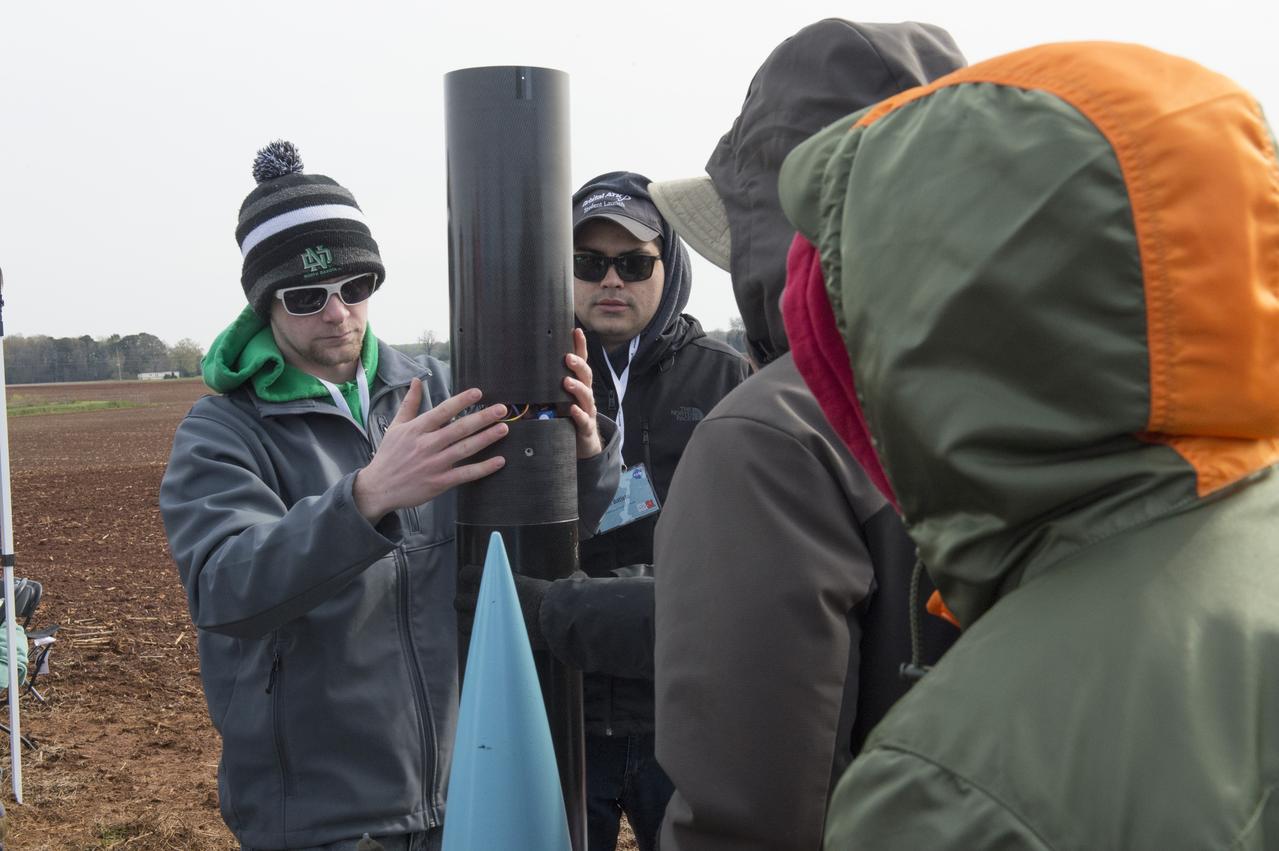
After eight months of designing, building and testing, the middle school, high school and college and university teams launched their rockets as part of NASA Student Launch on Sunday, April 8. The rockets and their payloads are designed to fly to 1-mile in altitude before deploying recovery systems that brings them safely to the ground.
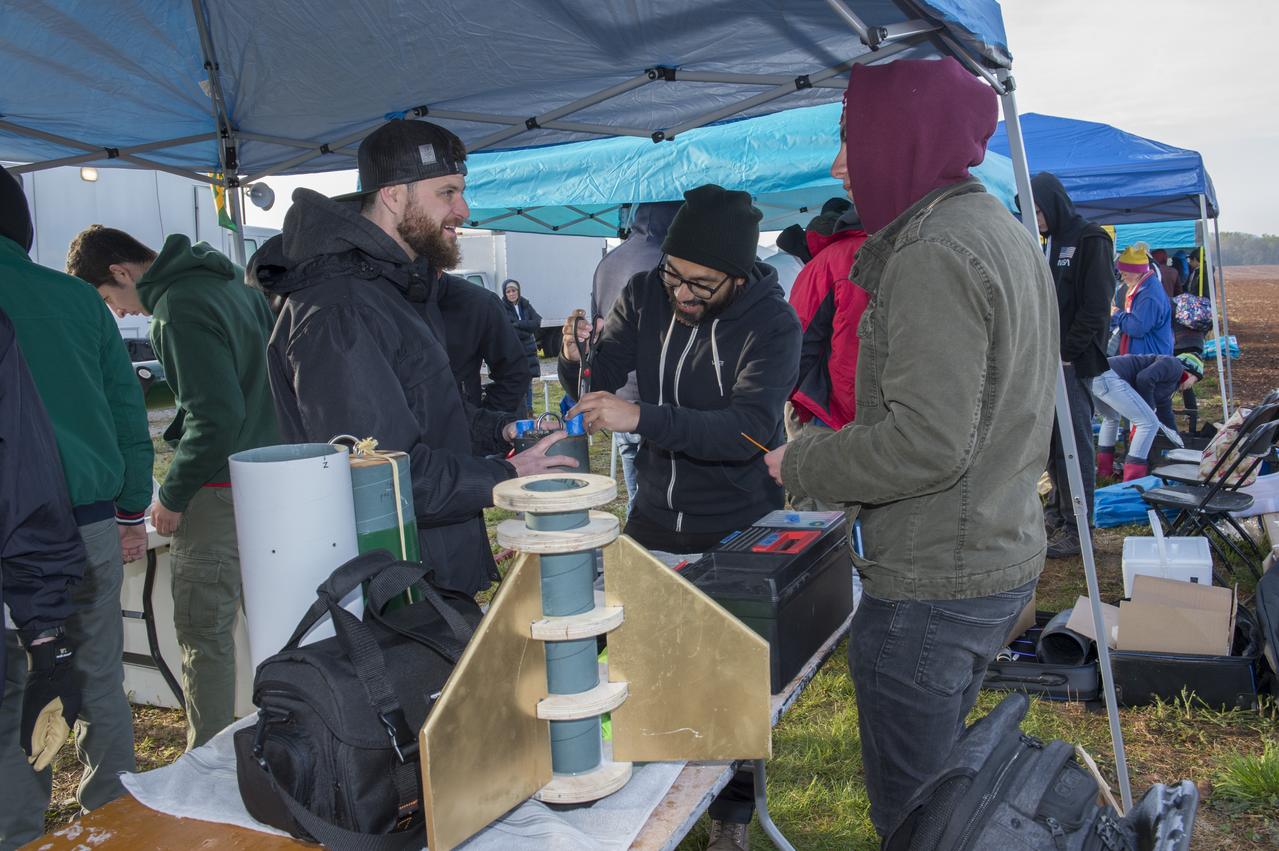
After eight months of designing, building and testing, the middle school, high school and college and university teams launched their rockets as part of NASA Student Launch on Sunday, April 8. The rockets and their payloads are designed to fly to 1-mile in altitude before deploying recovery systems that brings them safely to the ground.
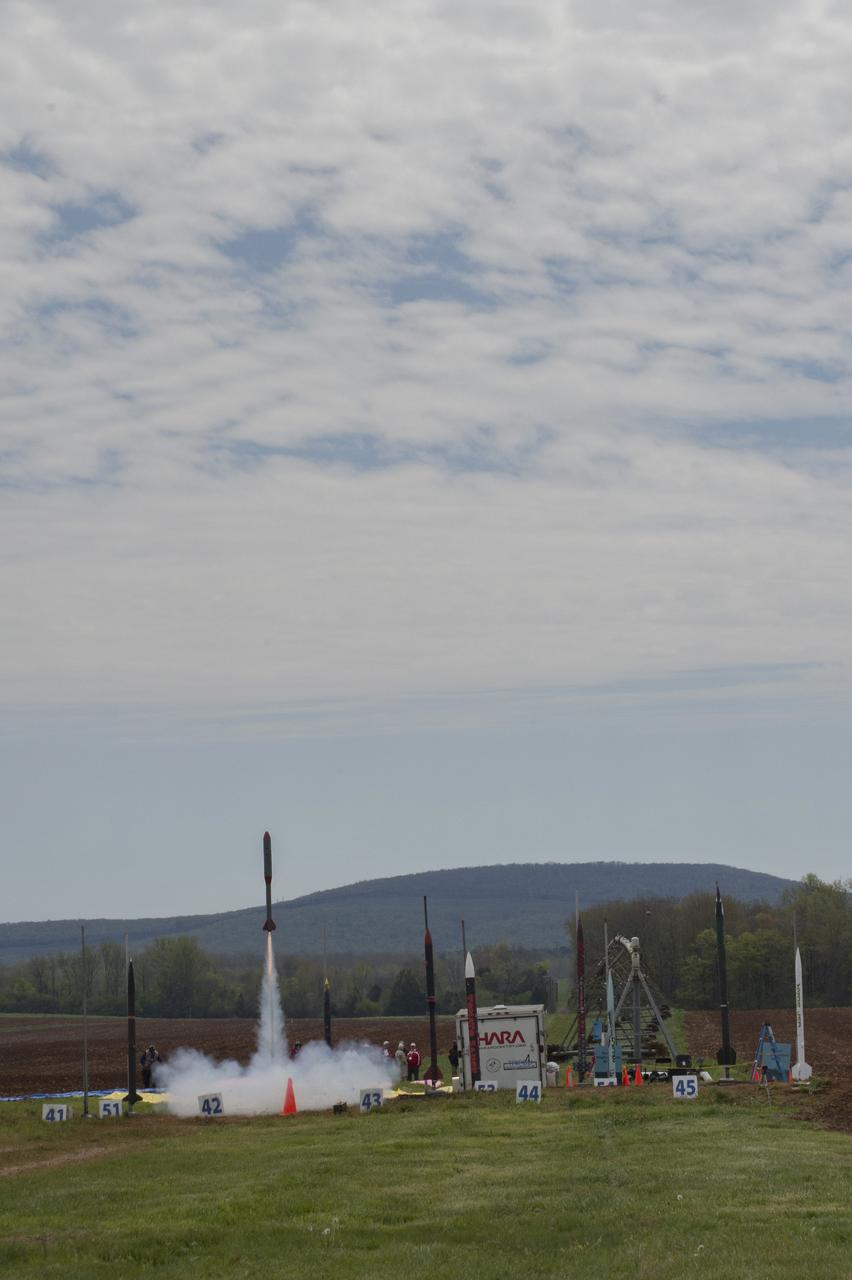
After eight months of designing, building and testing, the middle school, high school and college and university teams launched their rockets as part of NASA Student Launch on Sunday, April 8. The rockets and their payloads are designed to fly to 1-mile in altitude before deploying recovery systems that brings them safely to the ground.
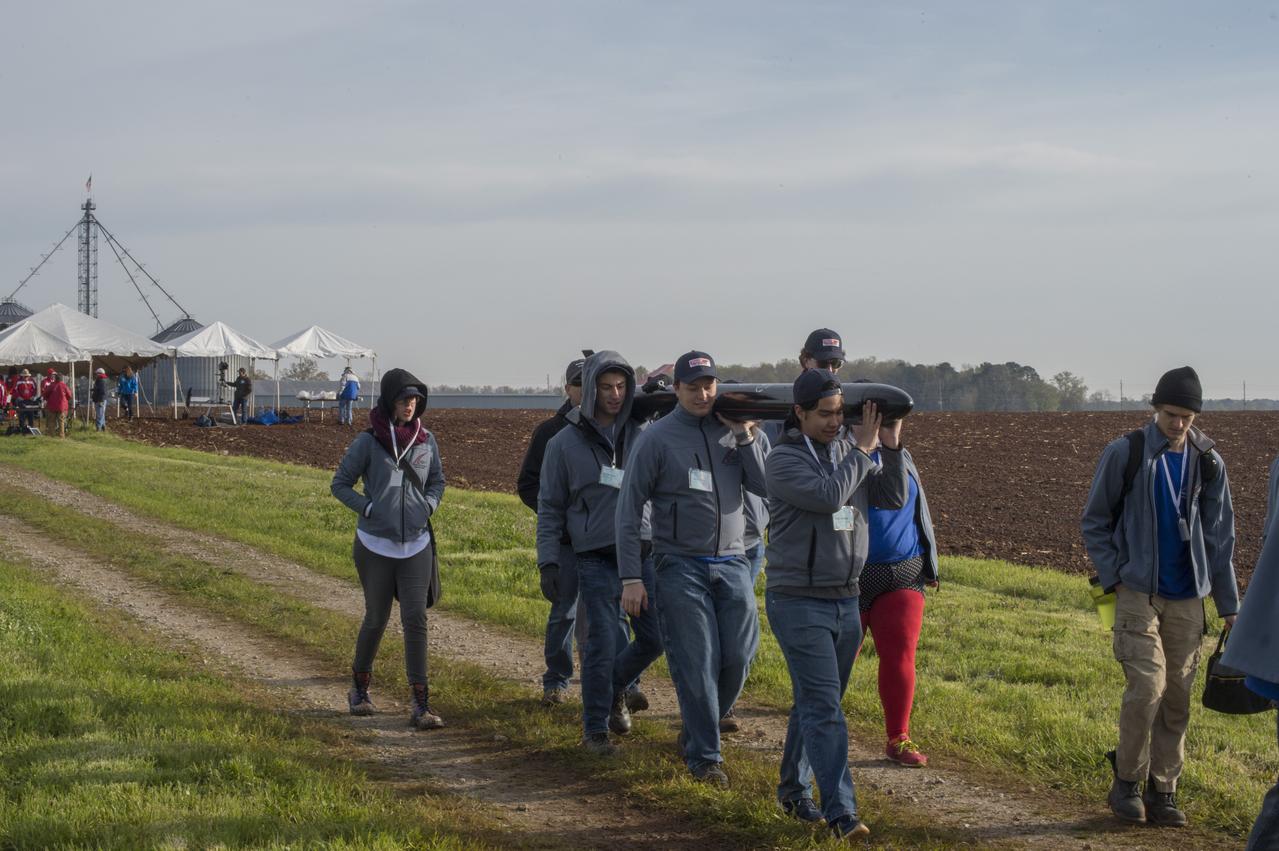
After eight months of designing, building and testing, the middle school, high school and college and university teams launched their rockets as part of NASA Student Launch on Sunday, April 8. The rockets and their payloads are designed to fly to 1-mile in altitude before deploying recovery systems that brings them safely to the ground.
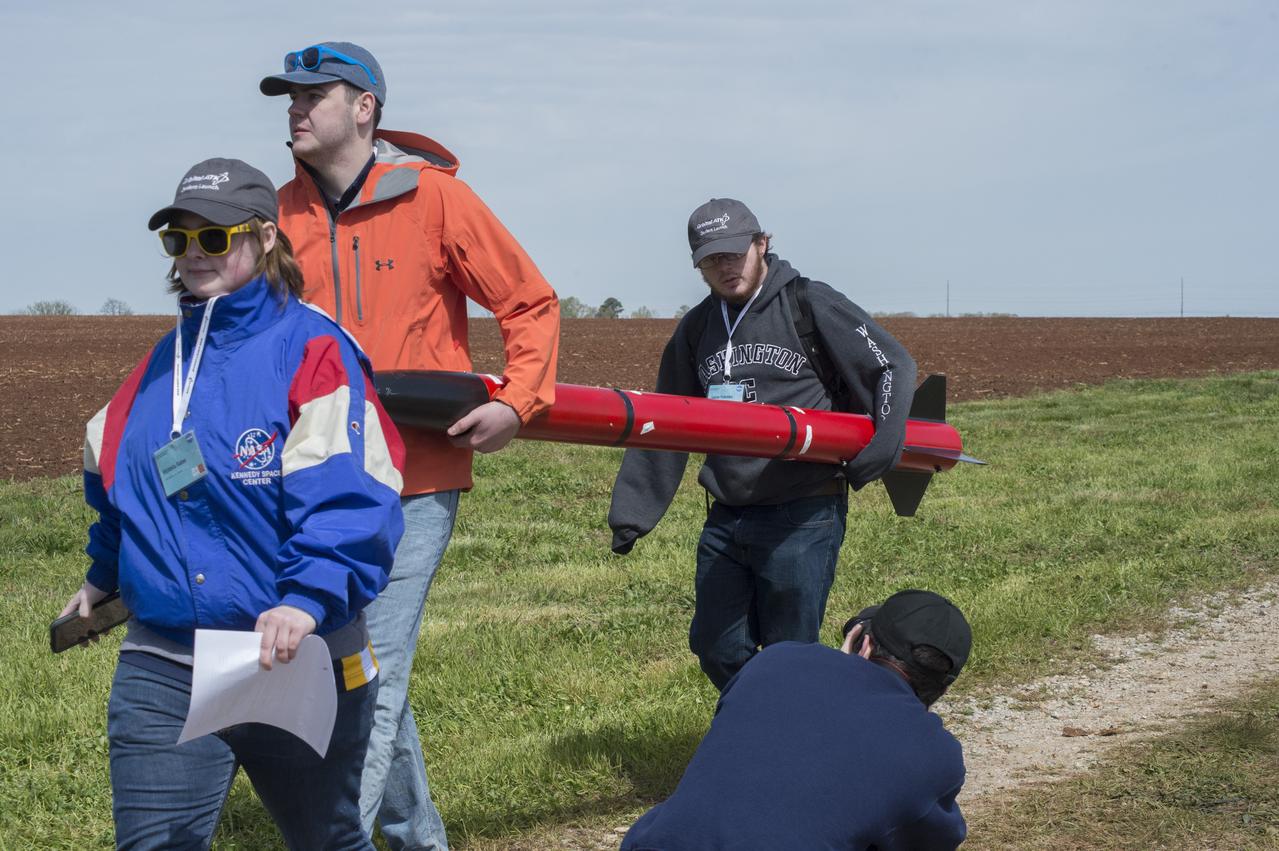
After eight months of designing, building and testing, the middle school, high school and college and university teams launched their rockets as part of NASA Student Launch on Sunday, April 8. The rockets and their payloads are designed to fly to 1-mile in altitude before deploying recovery systems that brings them safely to the ground.
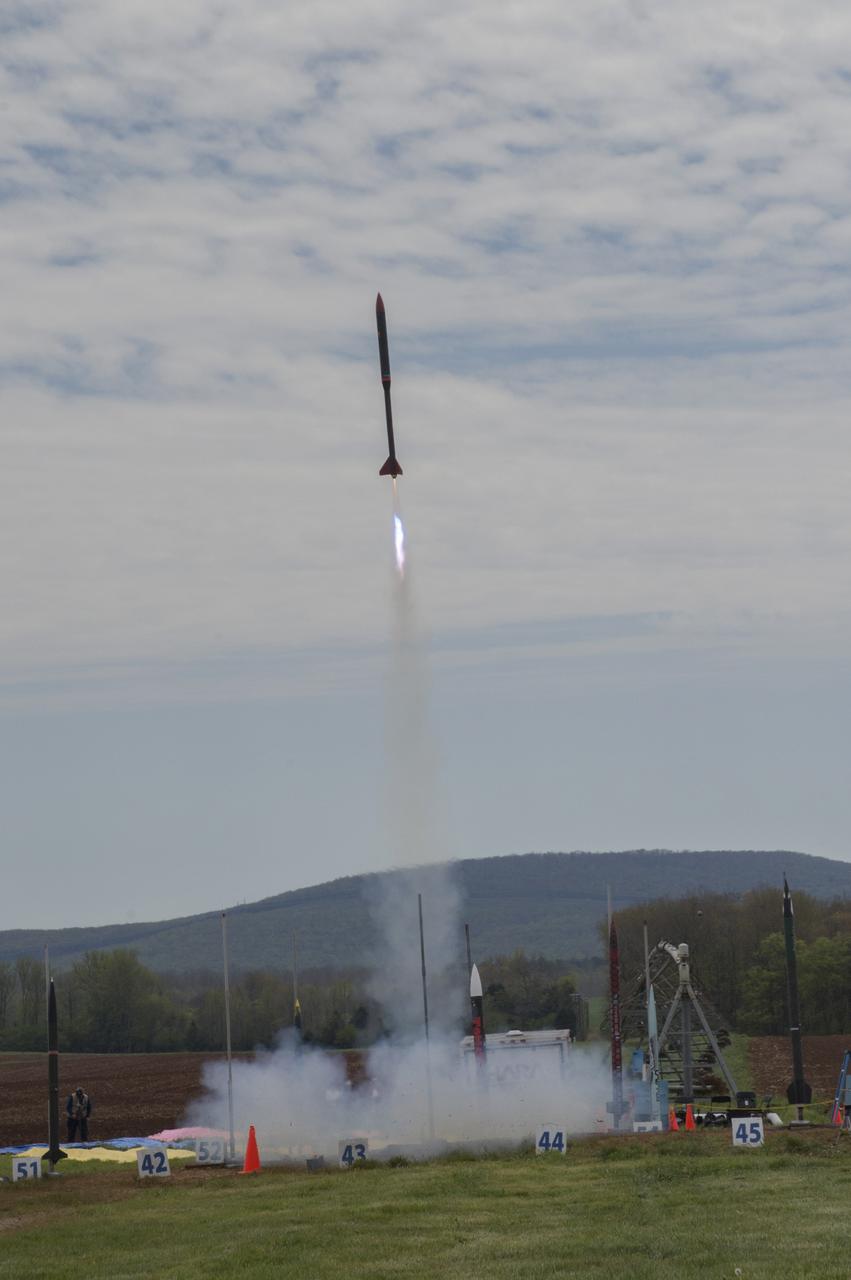
After eight months of designing, building and testing, the middle school, high school and college and university teams launched their rockets as part of NASA Student Launch on Sunday, April 8. The rockets and their payloads are designed to fly to 1-mile in altitude before deploying recovery systems that brings them safely to the ground.
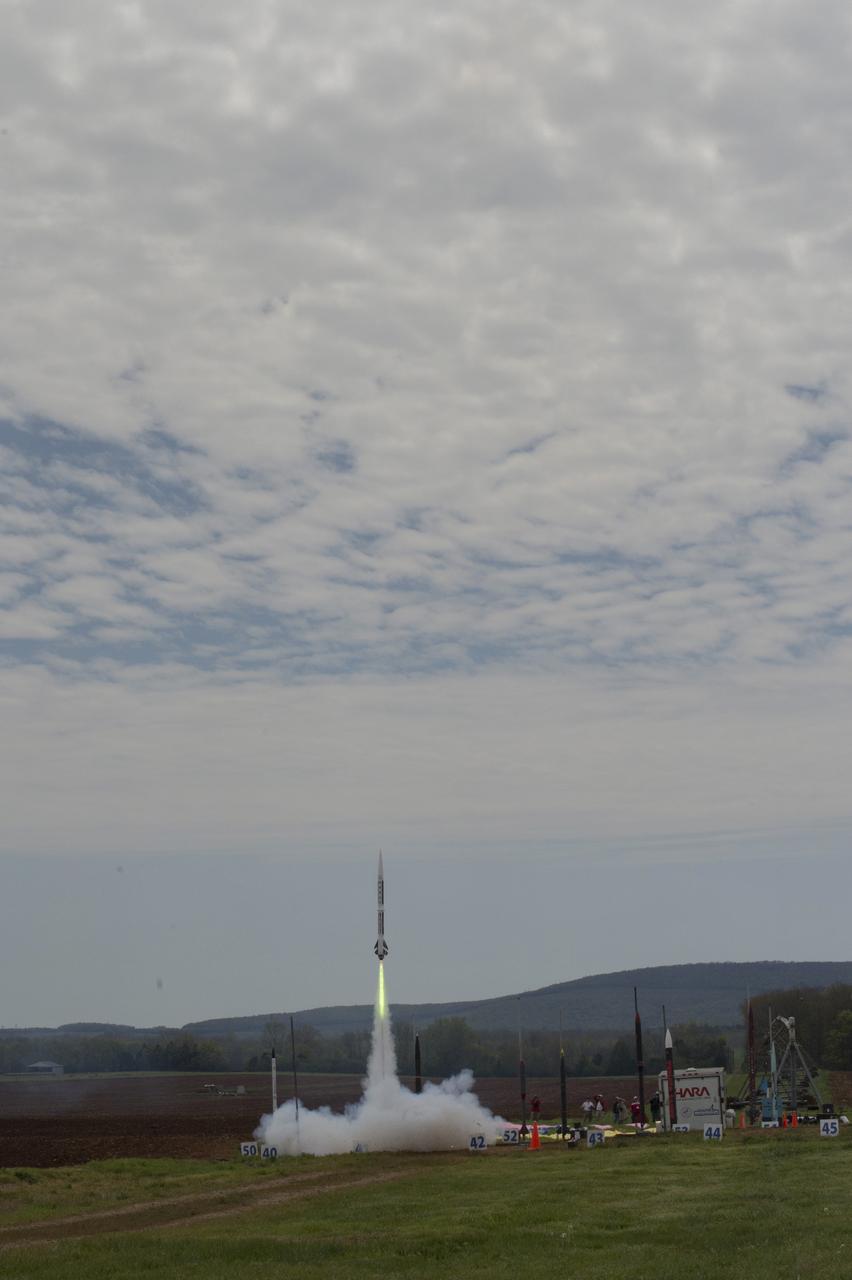
After eight months of designing, building and testing, the middle school, high school and college and university teams launched their rockets as part of NASA Student Launch on Sunday, April 8. The rockets and their payloads are designed to fly to 1-mile in altitude before deploying recovery systems that brings them safely to the ground.
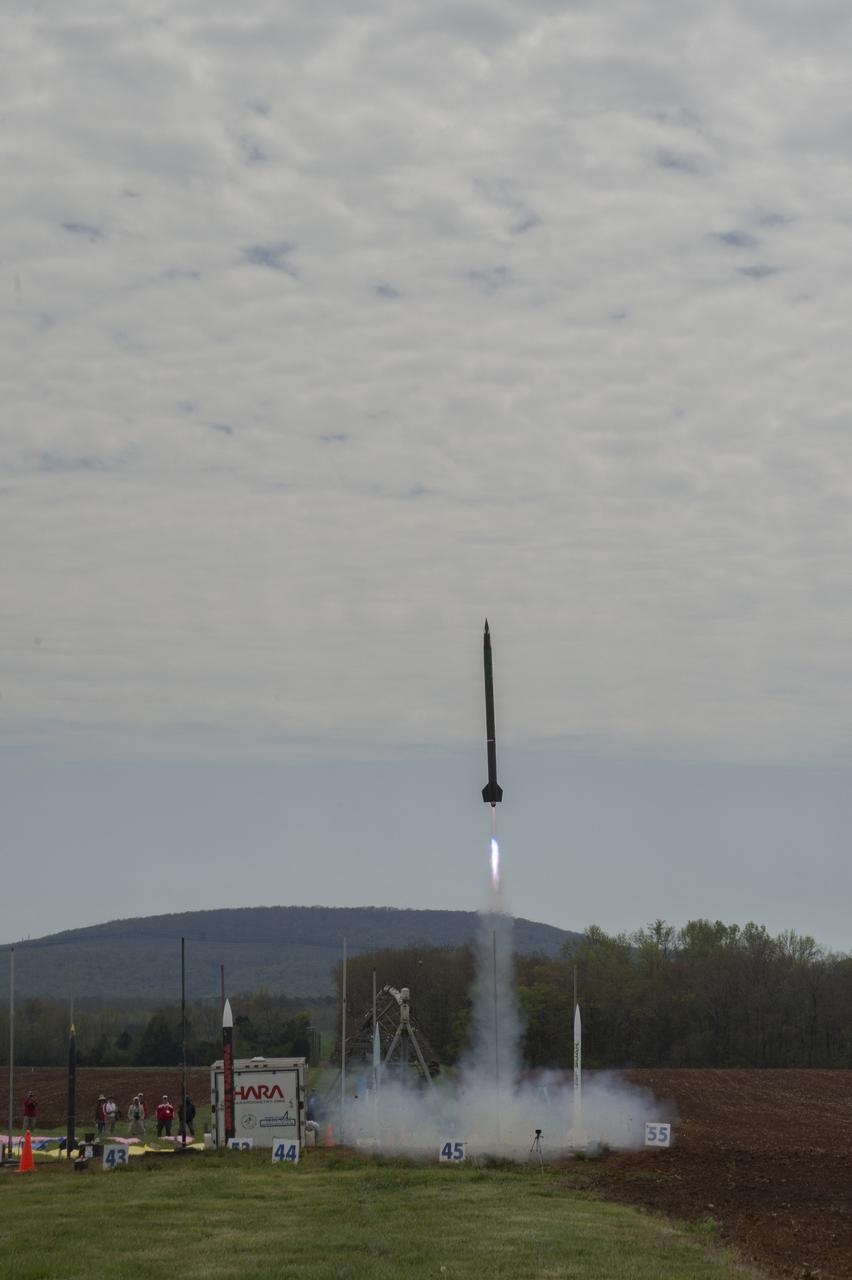
After eight months of designing, building and testing, the middle school, high school and college and university teams launched their rockets as part of NASA Student Launch on Sunday, April 8. The rockets and their payloads are designed to fly to 1-mile in altitude before deploying recovery systems that brings them safely to the ground.
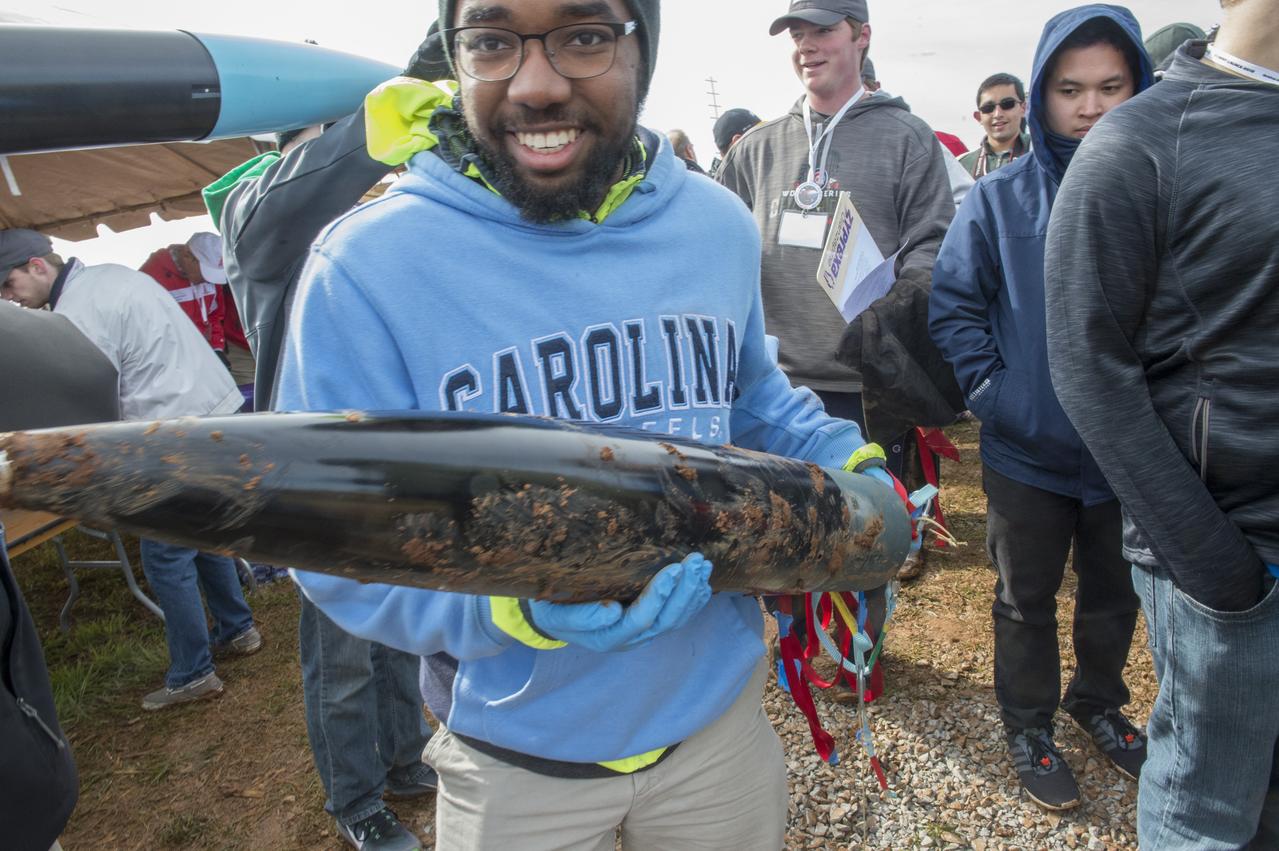
After eight months of designing, building and testing, the middle school, high school and college and university teams launched their rockets as part of NASA Student Launch on Sunday, April 8. The rockets and their payloads are designed to fly to 1-mile in altitude before deploying recovery systems that brings them safely to the ground.
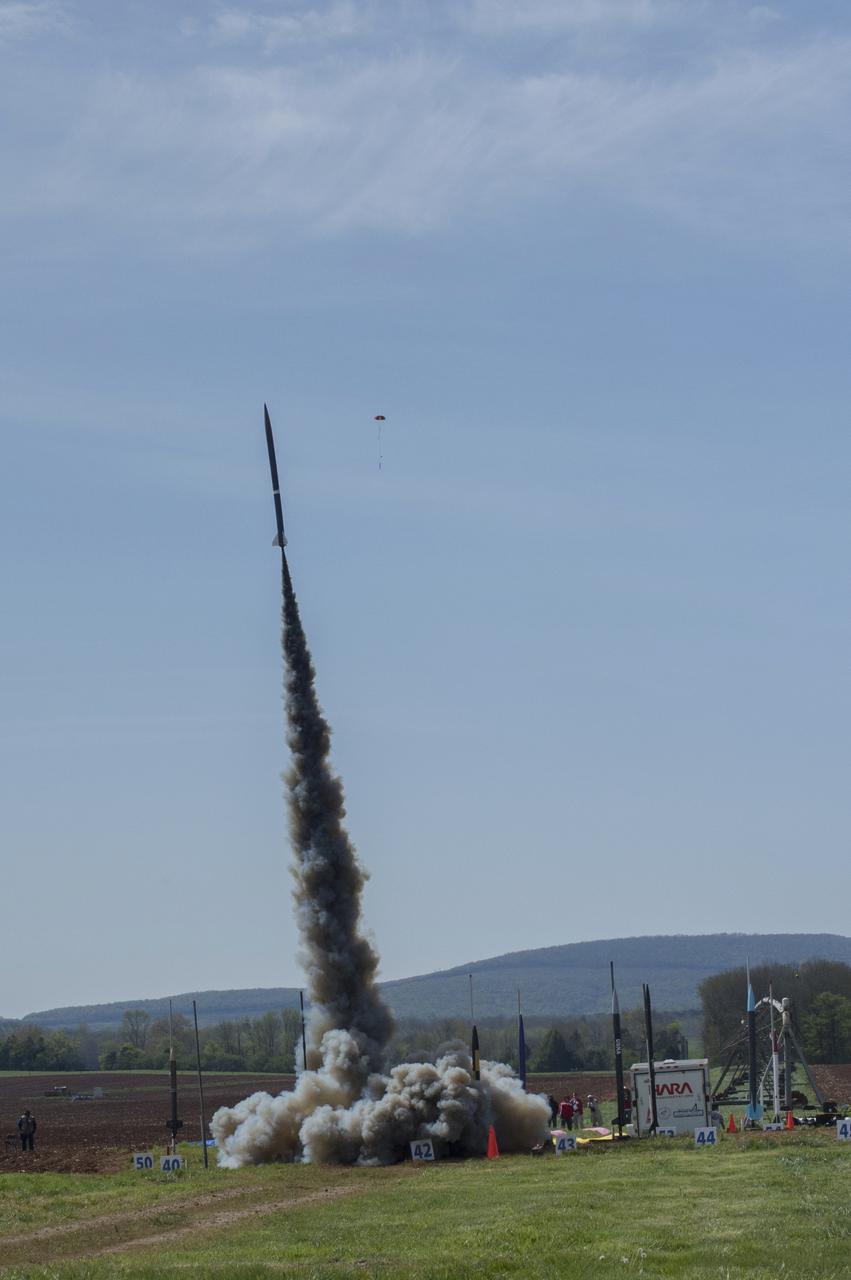
After eight months of designing, building and testing, the middle school, high school and college and university teams launched their rockets as part of NASA Student Launch on Sunday, April 8. The rockets and their payloads are designed to fly to 1-mile in altitude before deploying recovery systems that brings them safely to the ground.
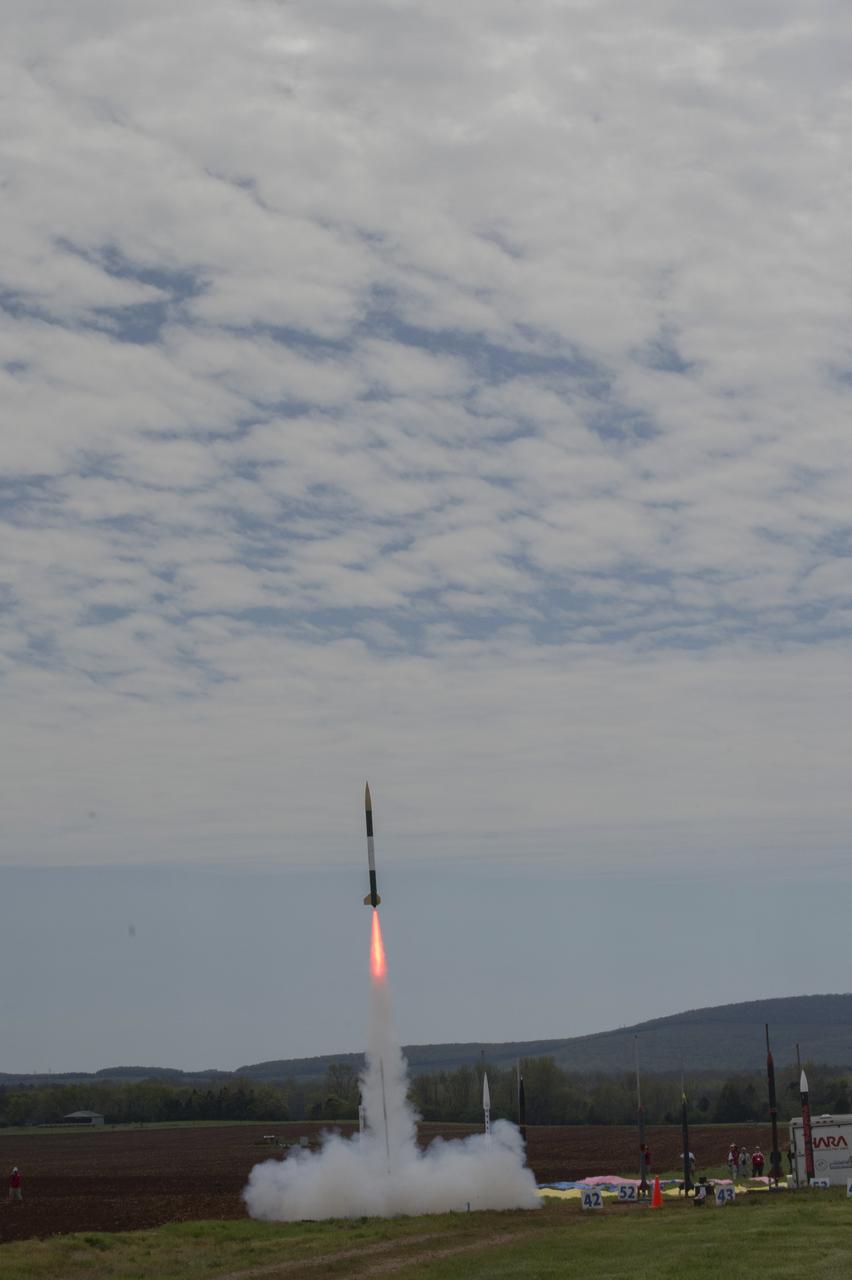
After eight months of designing, building and testing, the middle school, high school and college and university teams launched their rockets as part of NASA Student Launch on Sunday, April 8. The rockets and their payloads are designed to fly to 1-mile in altitude before deploying recovery systems that brings them safely to the ground.
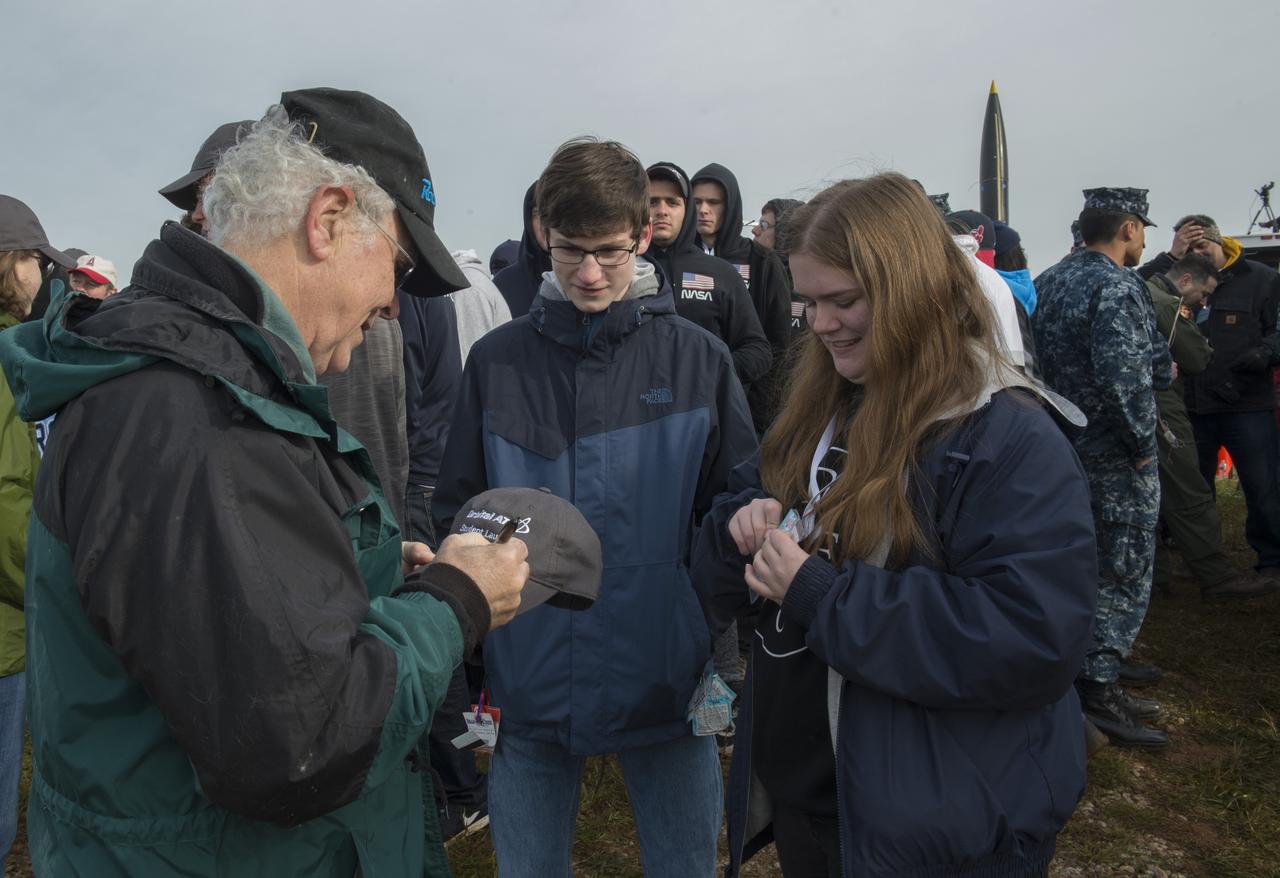
After eight months of designing, building and testing, the middle school, high school and college and university teams launched their rockets as part of NASA Student Launch on Sunday, April 8. The rockets and their payloads are designed to fly to 1-mile in altitude before deploying recovery systems that brings them safely to the ground.
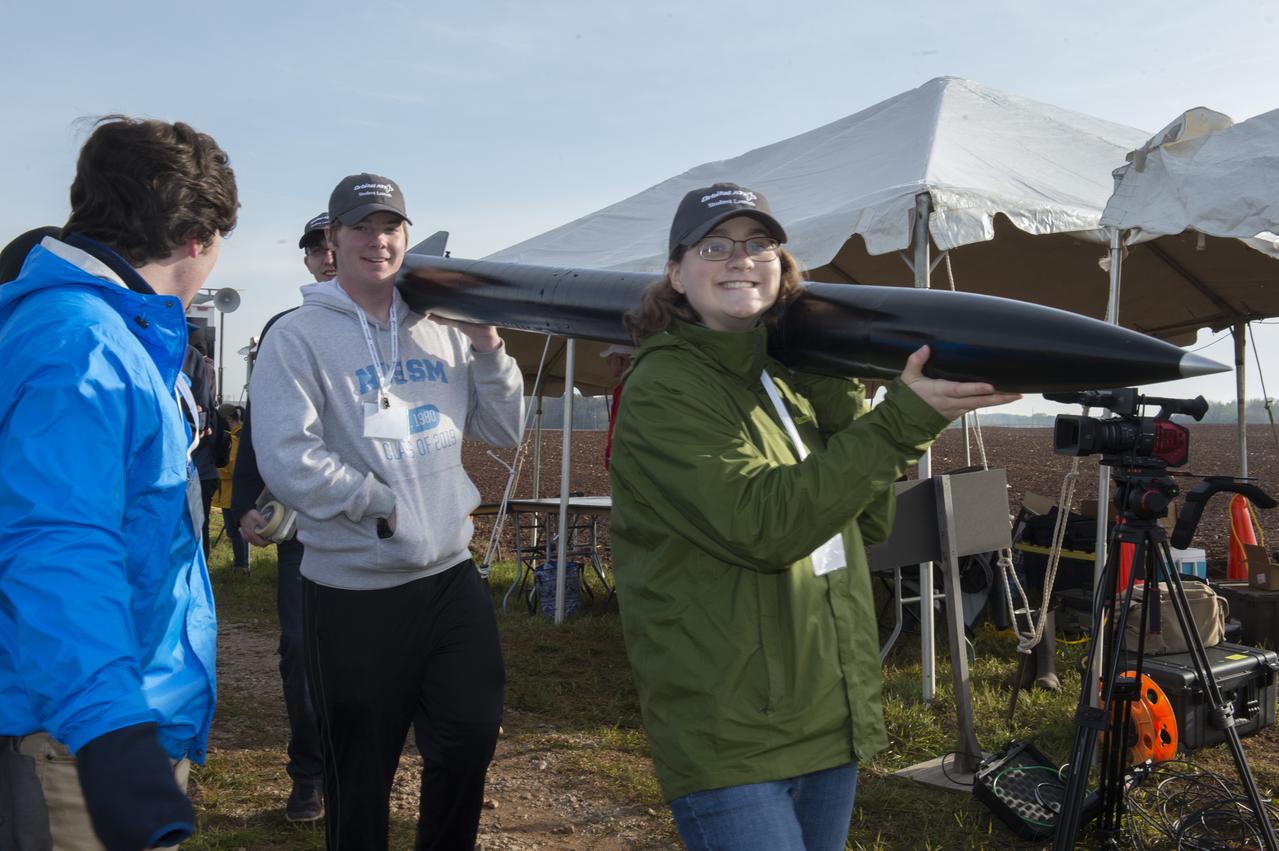
After eight months of designing, building and testing, the middle school, high school and college and university teams launched their rockets as part of NASA Student Launch on Sunday, April 8. The rockets and their payloads are designed to fly to 1-mile in altitude before deploying recovery systems that brings them safely to the ground.

After eight months of designing, building and testing, the middle school, high school and college and university teams launched their rockets as part of NASA Student Launch on Sunday, April 8. The rockets and their payloads are designed to fly to 1-mile in altitude before deploying recovery systems that brings them safely to the ground.
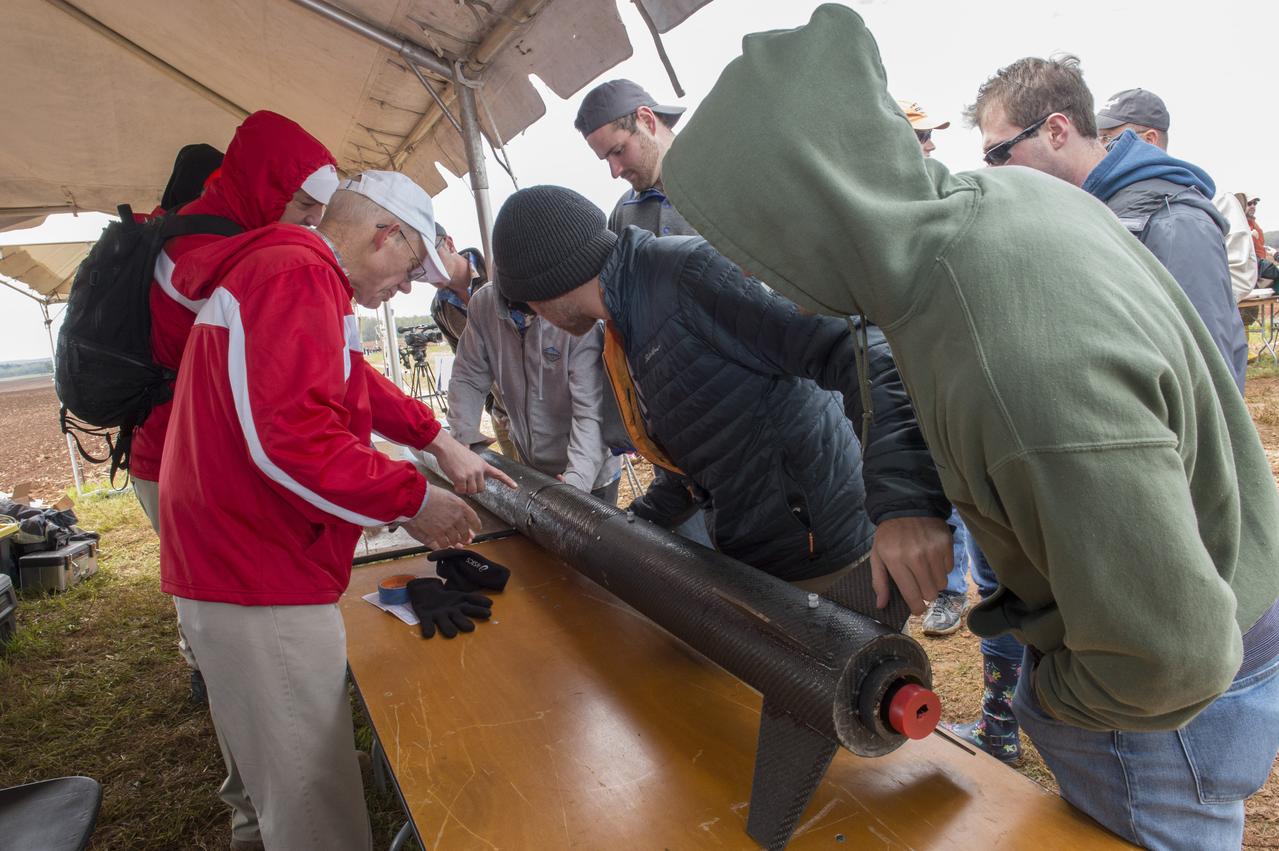
After eight months of designing, building and testing, the middle school, high school and college and university teams launched their rockets as part of NASA Student Launch on Sunday, April 8. The rockets and their payloads are designed to fly to 1-mile in altitude before deploying recovery systems that brings them safely to the ground.
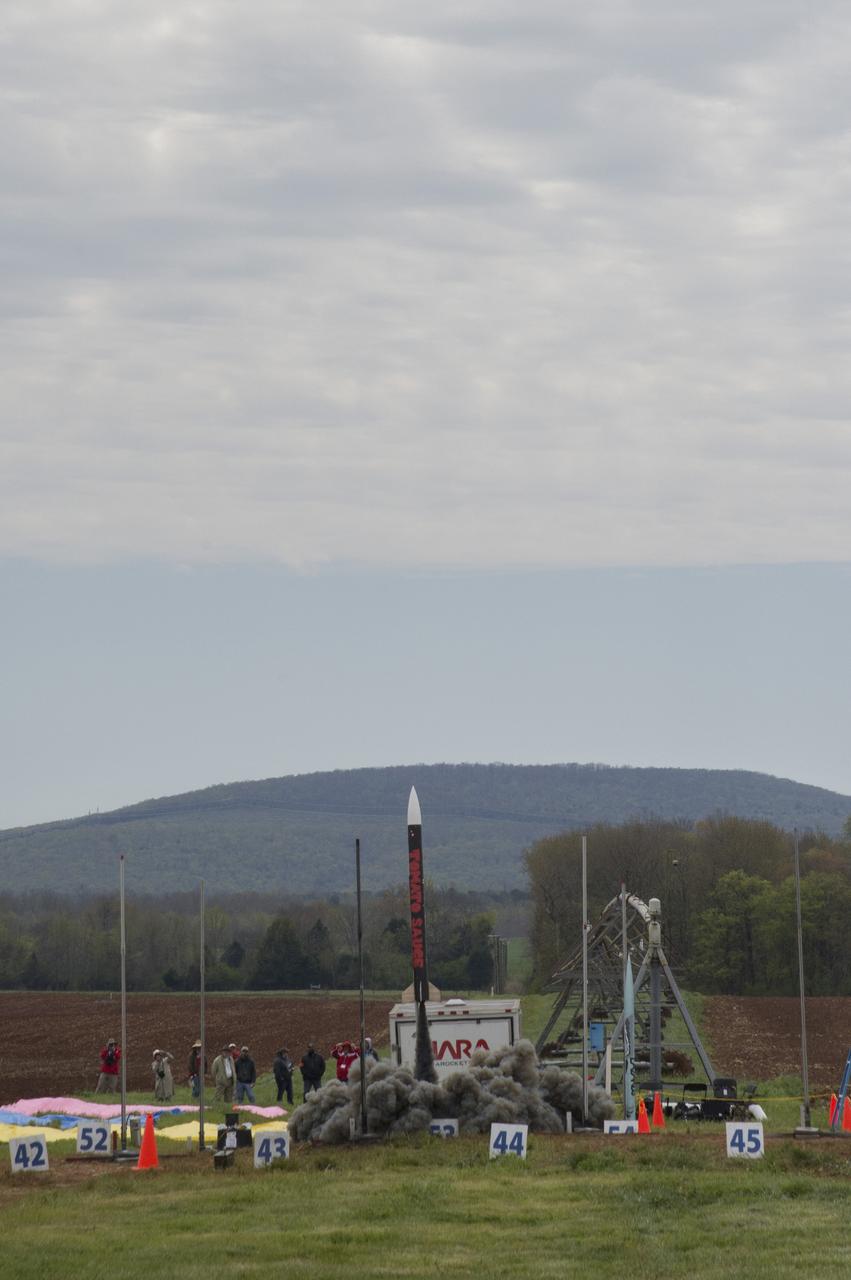
After eight months of designing, building and testing, the middle school, high school and college and university teams launched their rockets as part of NASA Student Launch on Sunday, April 8. The rockets and their payloads are designed to fly to 1-mile in altitude before deploying recovery systems that brings them safely to the ground.
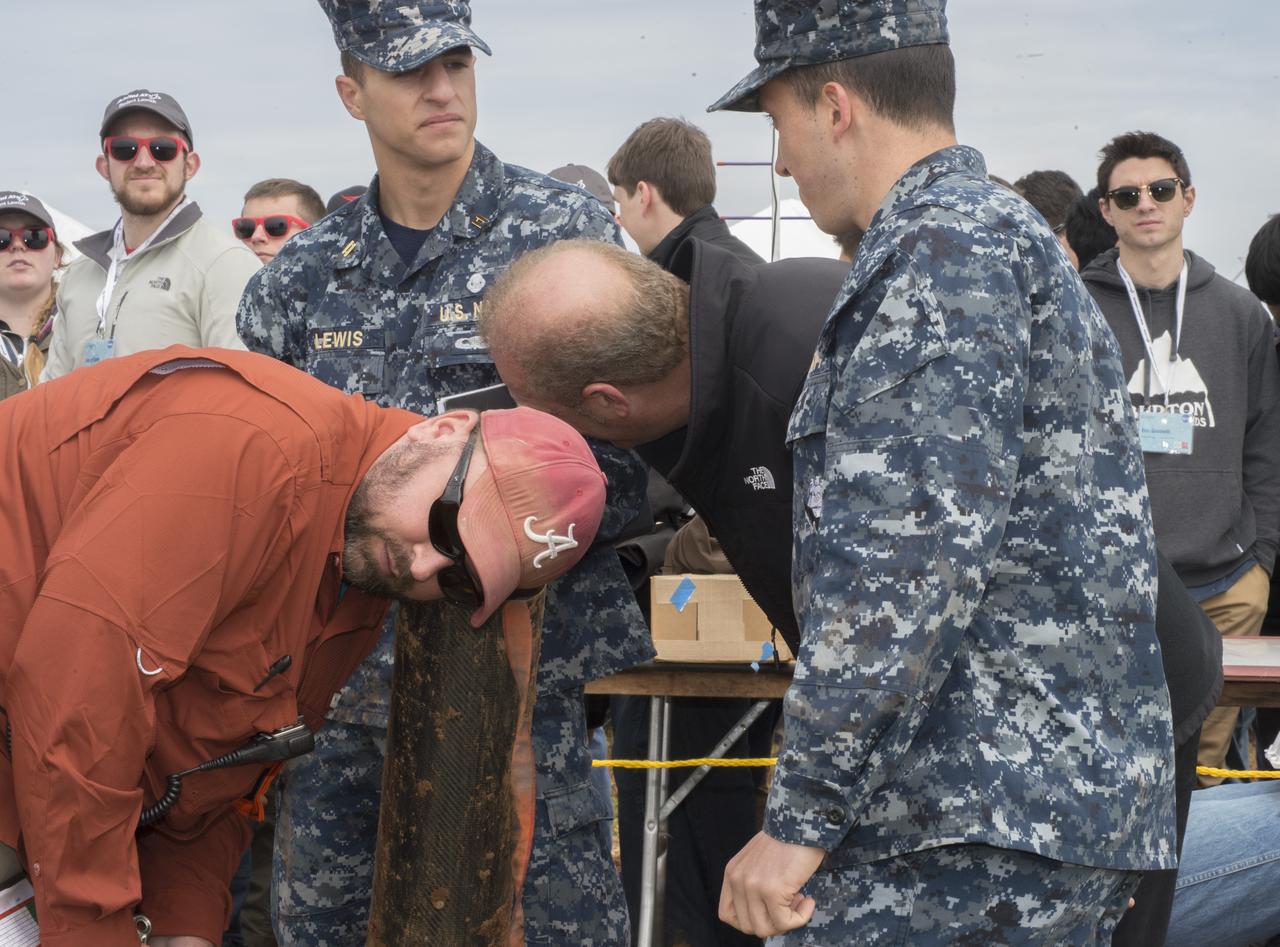
After eight months of designing, building and testing, the middle school, high school and college and university teams launched their rockets as part of NASA Student Launch on Sunday, April 8. The rockets and their payloads are designed to fly to 1-mile in altitude before deploying recovery systems that brings them safely to the ground.
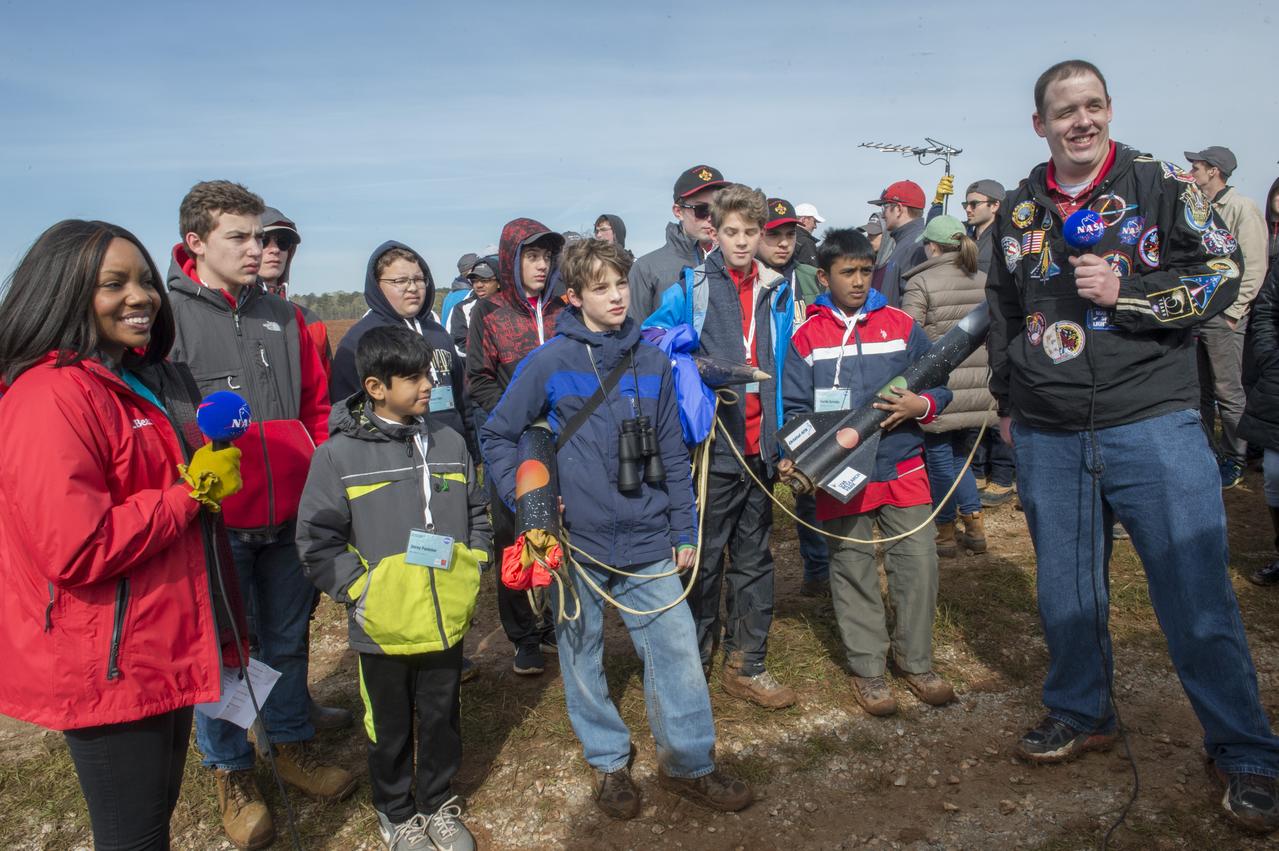
After eight months of designing, building and testing, the middle school, high school and college and university teams launched their rockets as part of NASA Student Launch on Sunday, April 8. The rockets and their payloads are designed to fly to 1-mile in altitude before deploying recovery systems that brings them safely to the ground.
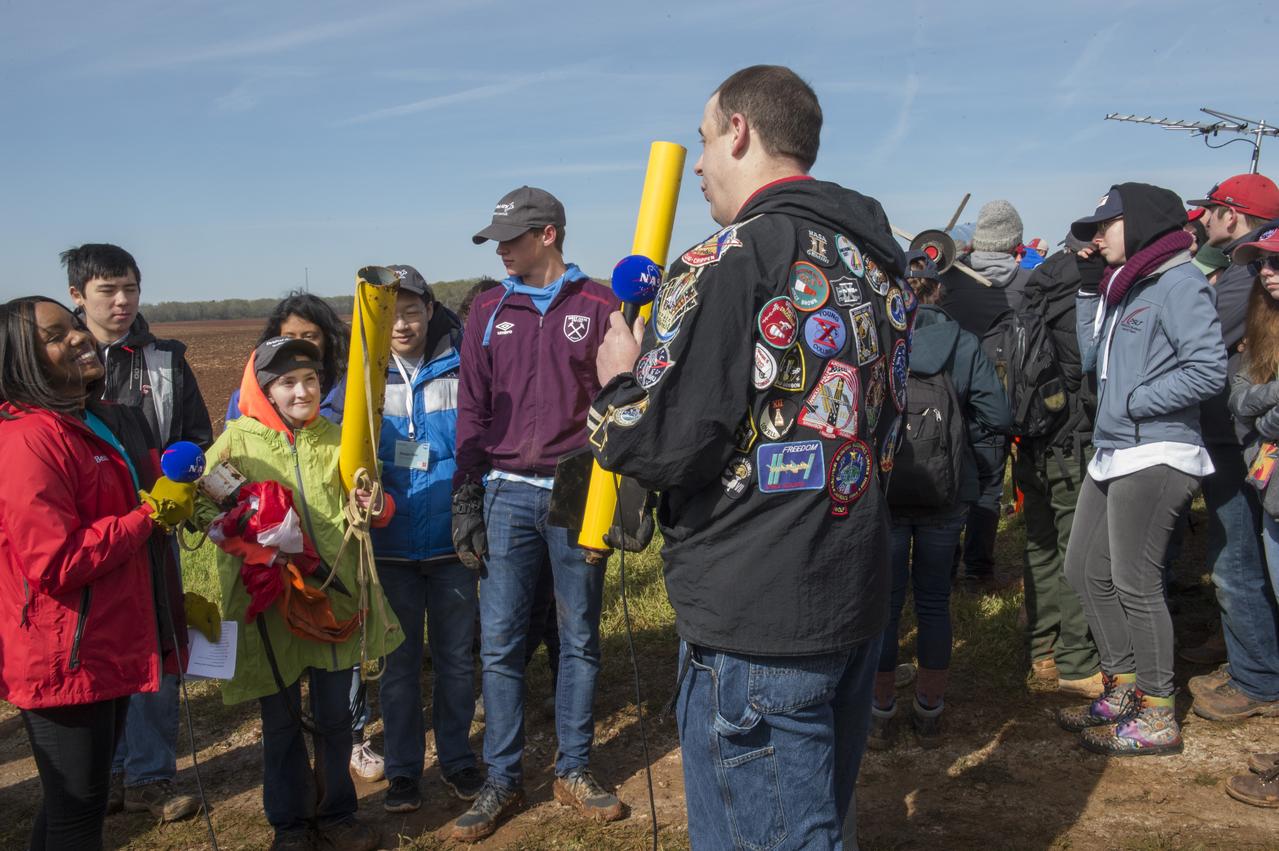
After eight months of designing, building and testing, the middle school, high school and college and university teams launched their rockets as part of NASA Student Launch on Sunday, April 8. The rockets and their payloads are designed to fly to 1-mile in altitude before deploying recovery systems that brings them safely to the ground.
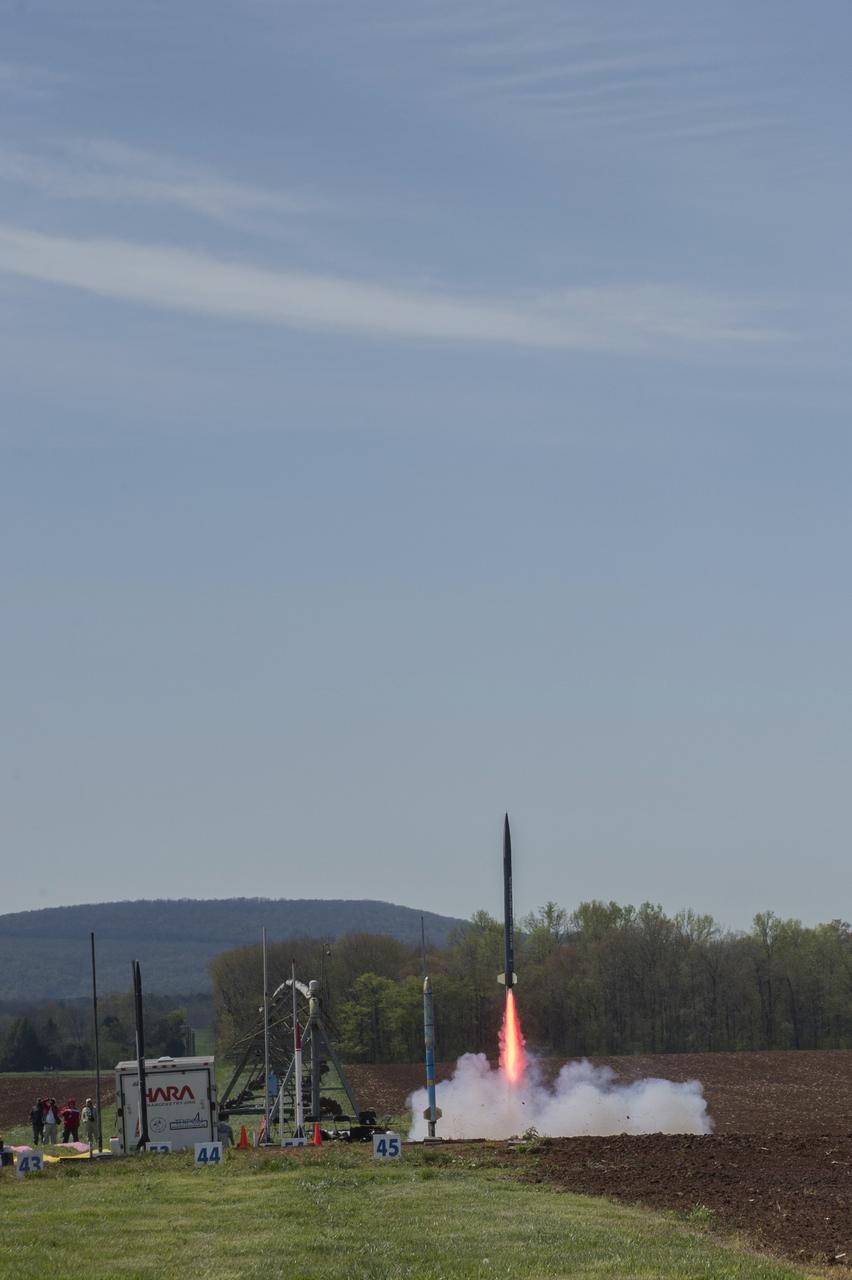
After eight months of designing, building and testing, the middle school, high school and college and university teams launched their rockets as part of NASA Student Launch on Sunday, April 8. The rockets and their payloads are designed to fly to 1-mile in altitude before deploying recovery systems that brings them safely to the ground.
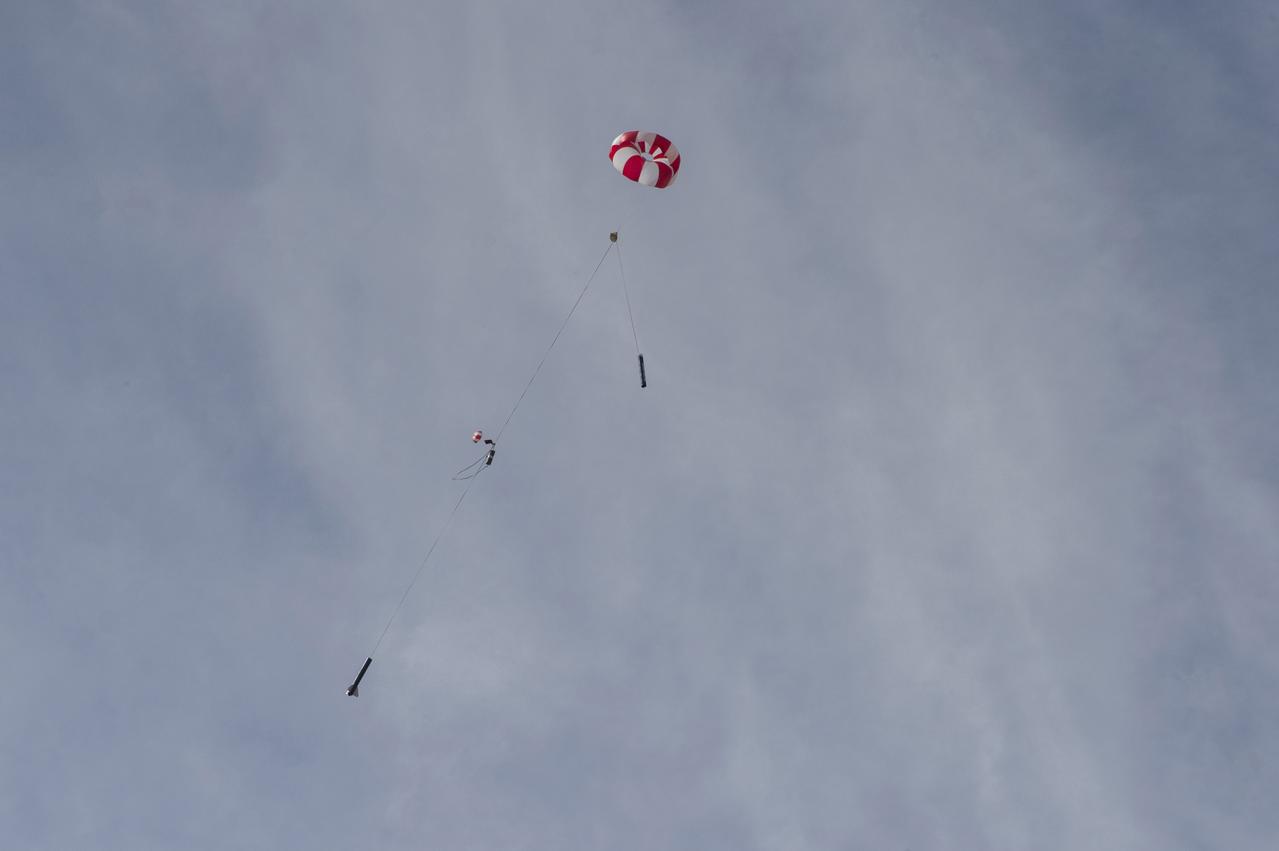
After eight months of designing, building and testing, the middle school, high school and college and university teams launched their rockets as part of NASA Student Launch on Sunday, April 8. The rockets and their payloads are designed to fly to 1-mile in altitude before deploying recovery systems that brings them safely to the ground.
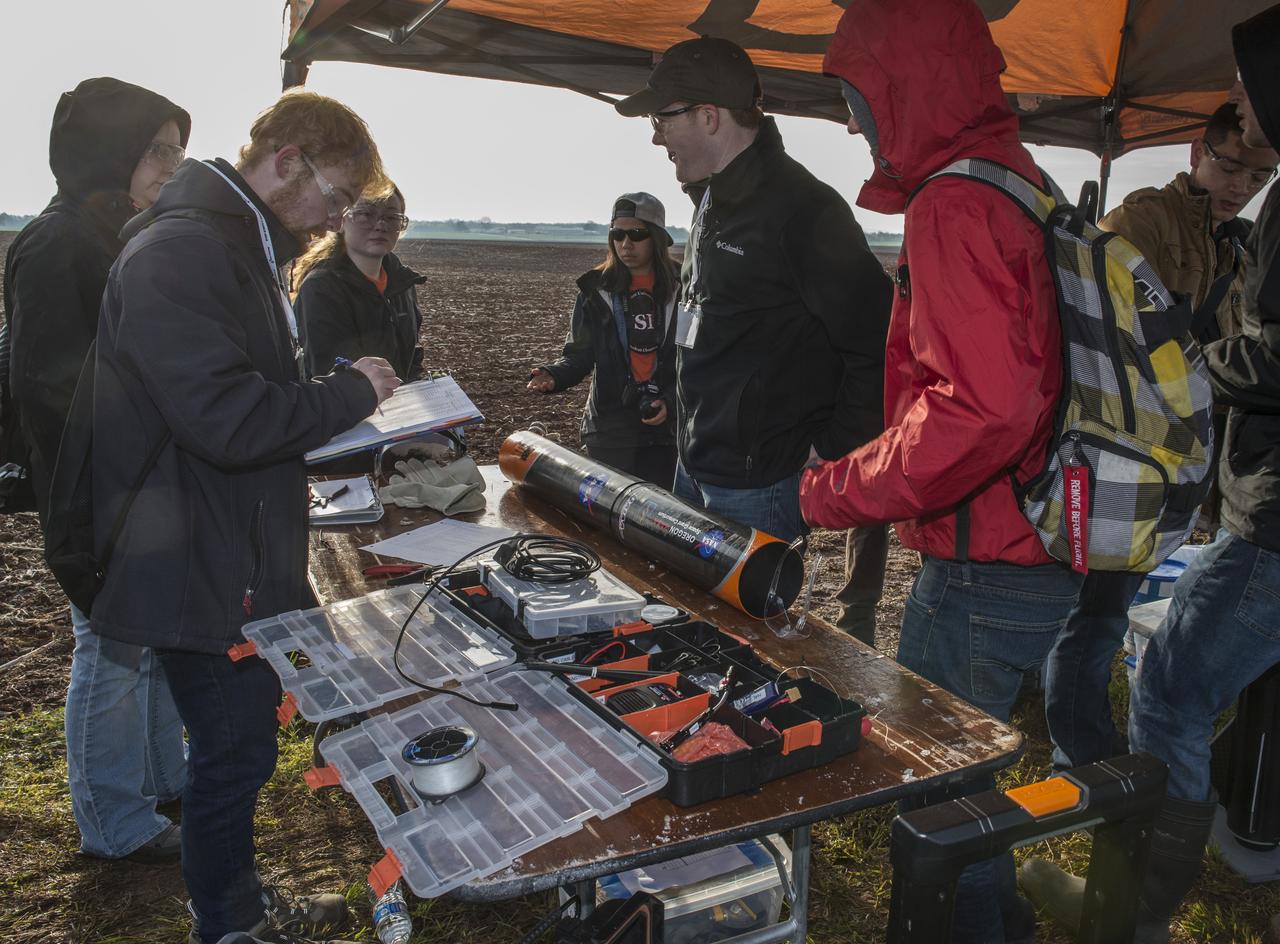
After eight months of designing, building and testing, the middle school, high school and college and university teams launched their rockets as part of NASA Student Launch on Sunday, April 8. The rockets and their payloads are designed to fly to 1-mile in altitude before deploying recovery systems that brings them safely to the ground.
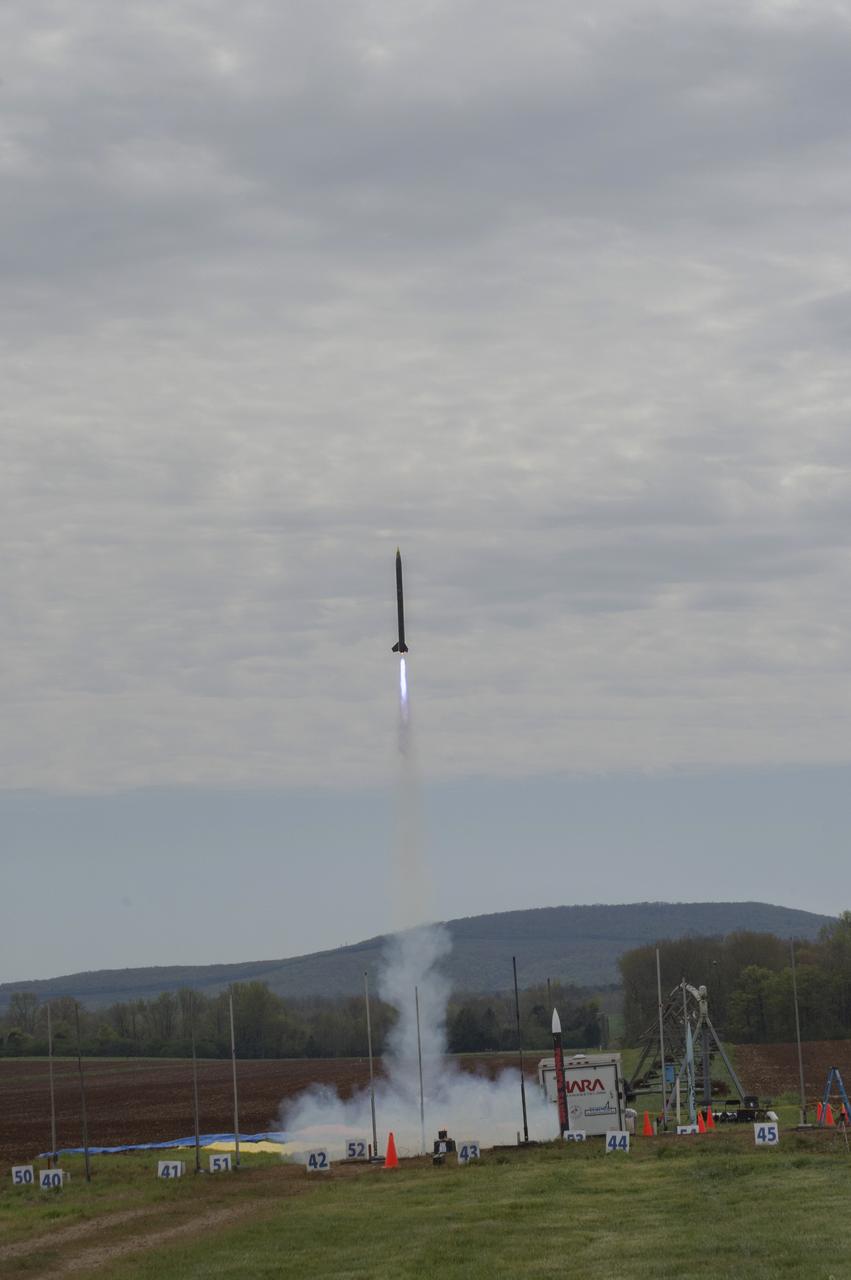
After eight months of designing, building and testing, the middle school, high school and college and university teams launched their rockets as part of NASA Student Launch on Sunday, April 8. The rockets and their payloads are designed to fly to 1-mile in altitude before deploying recovery systems that brings them safely to the ground.
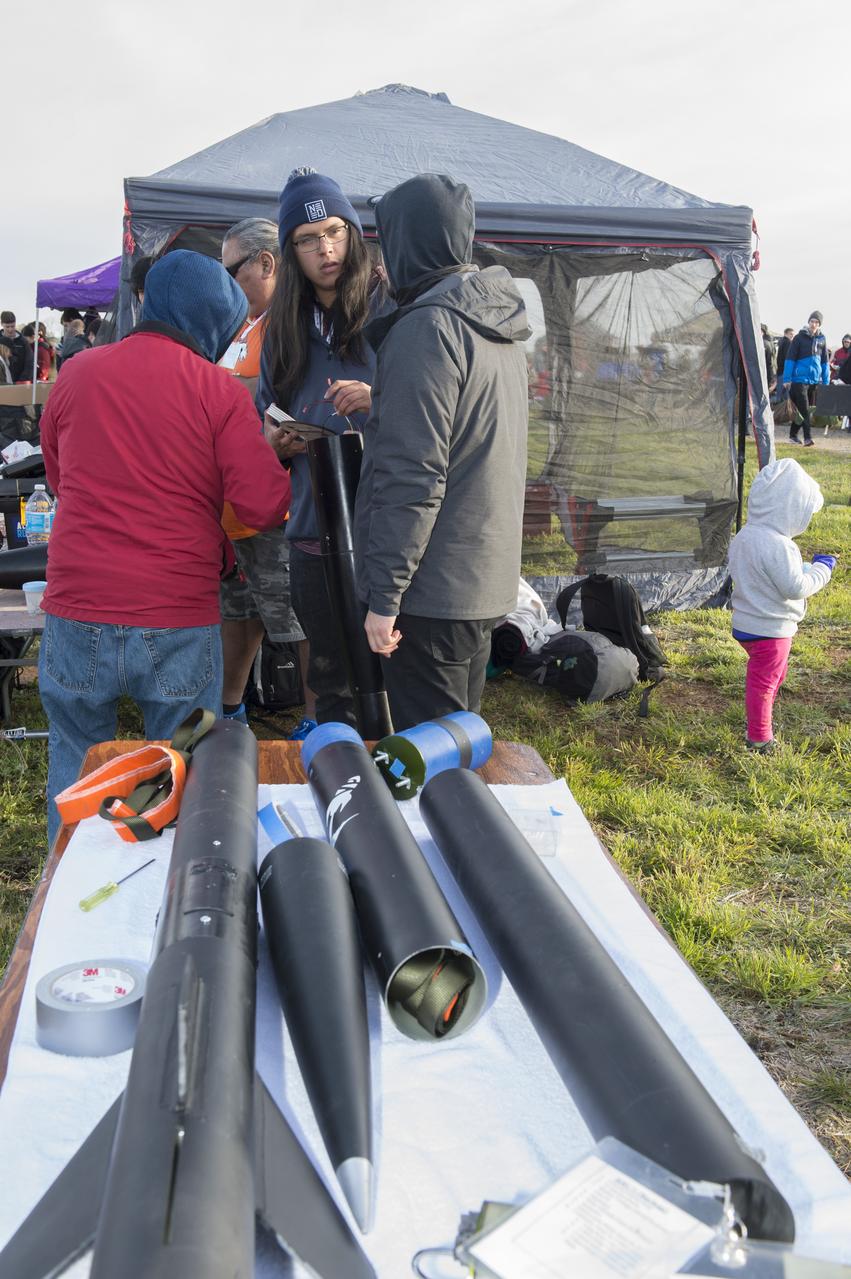
After eight months of designing, building and testing, the middle school, high school and college and university teams launched their rockets as part of NASA Student Launch on Sunday, April 8. The rockets and their payloads are designed to fly to 1-mile in altitude before deploying recovery systems that brings them safely to the ground.
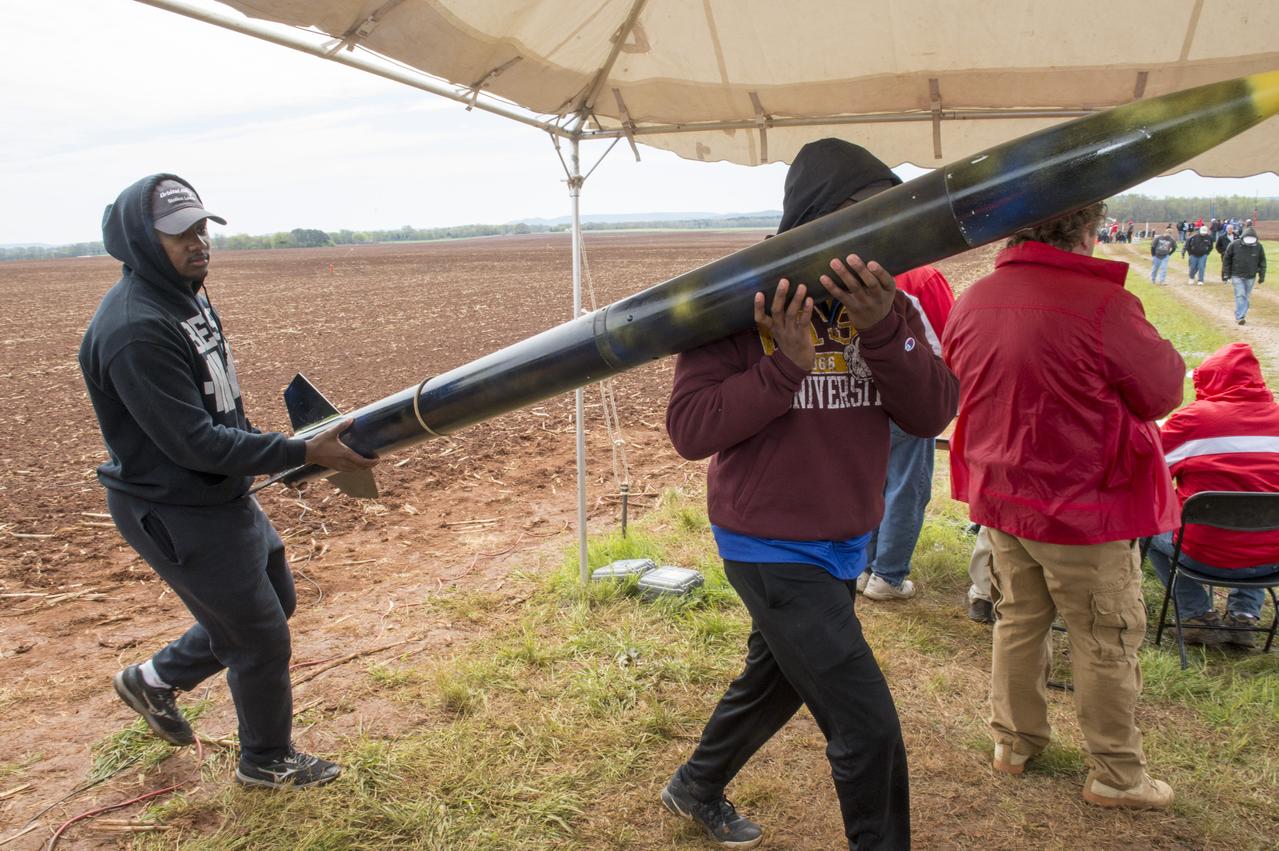
After eight months of designing, building and testing, the middle school, high school and college and university teams launched their rockets as part of NASA Student Launch on Sunday, April 8. The rockets and their payloads are designed to fly to 1-mile in altitude before deploying recovery systems that brings them safely to the ground.
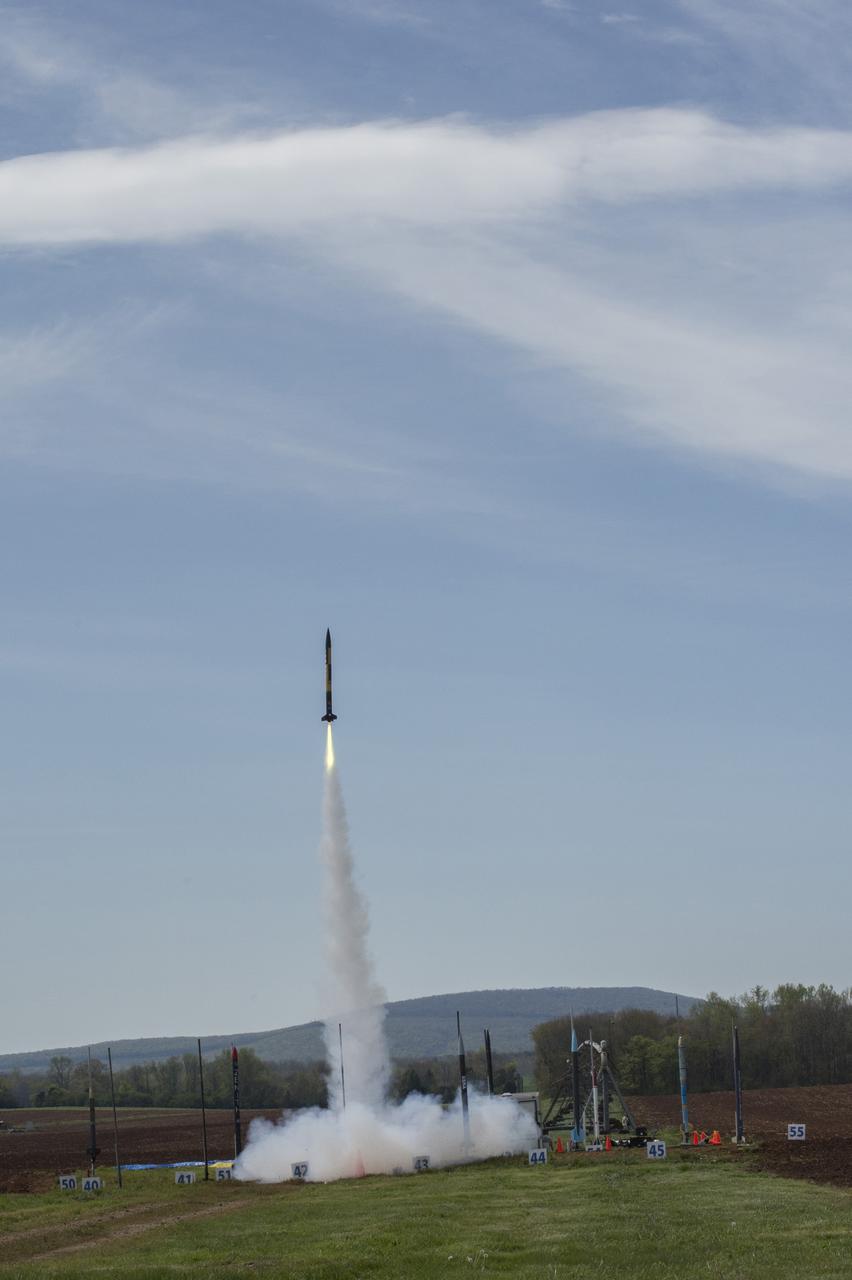
After eight months of designing, building and testing, the middle school, high school and college and university teams launched their rockets as part of NASA Student Launch on Sunday, April 8. The rockets and their payloads are designed to fly to 1-mile in altitude before deploying recovery systems that brings them safely to the ground.
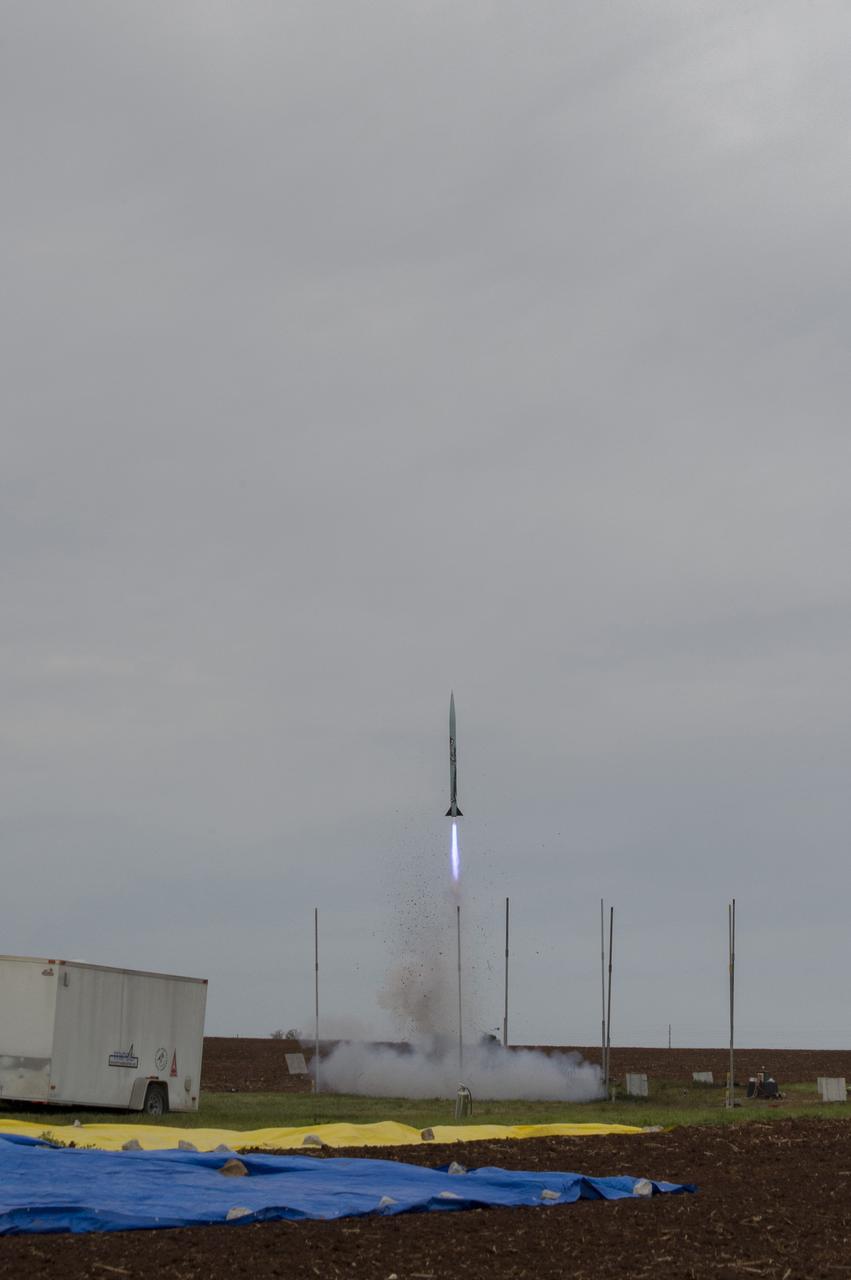
After eight months of designing, building and testing, the middle school, high school and college and university teams launched their rockets as part of NASA Student Launch on Sunday, April 8. The rockets and their payloads are designed to fly to 1-mile in altitude before deploying recovery systems that brings them safely to the ground.
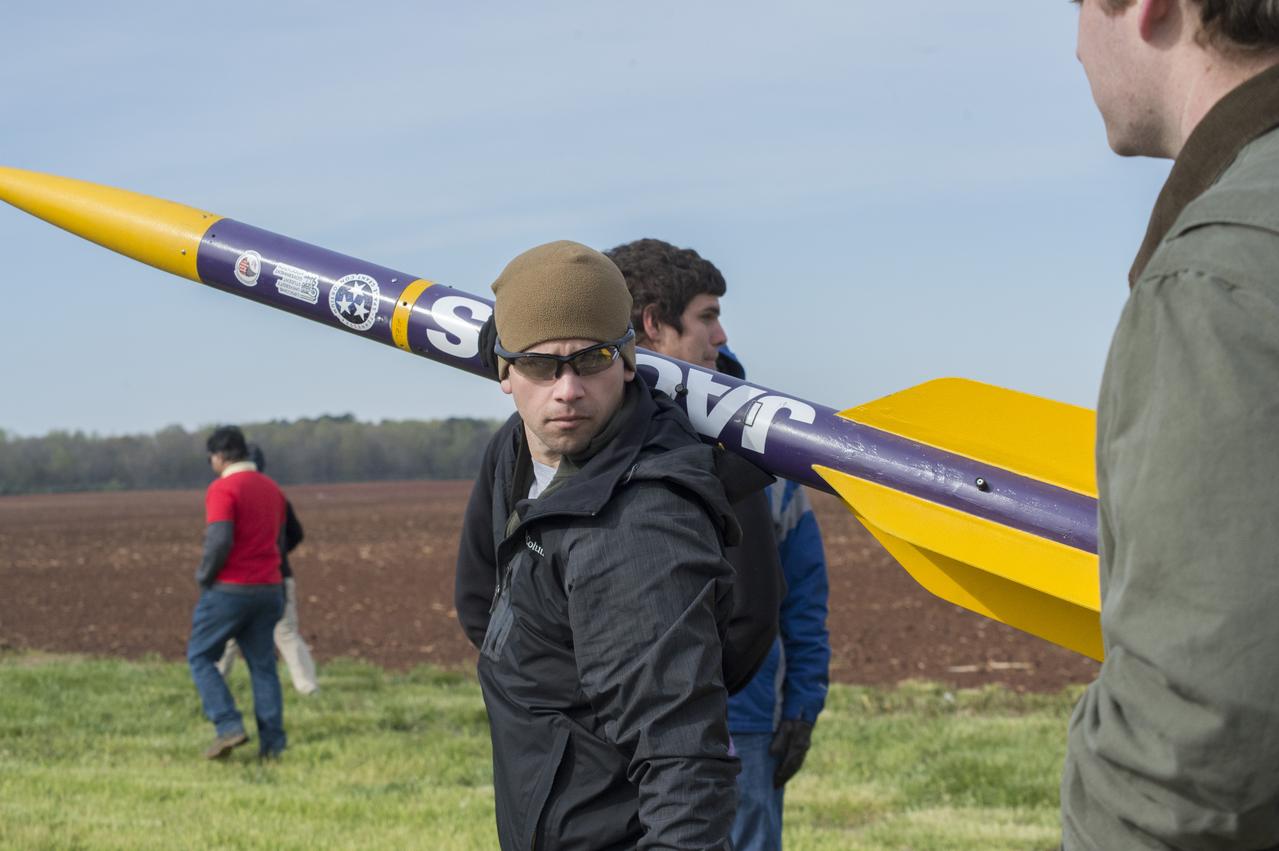
After eight months of designing, building and testing, the middle school, high school and college and university teams launched their rockets as part of NASA Student Launch on Sunday, April 8. The rockets and their payloads are designed to fly to 1-mile in altitude before deploying recovery systems that brings them safely to the ground.
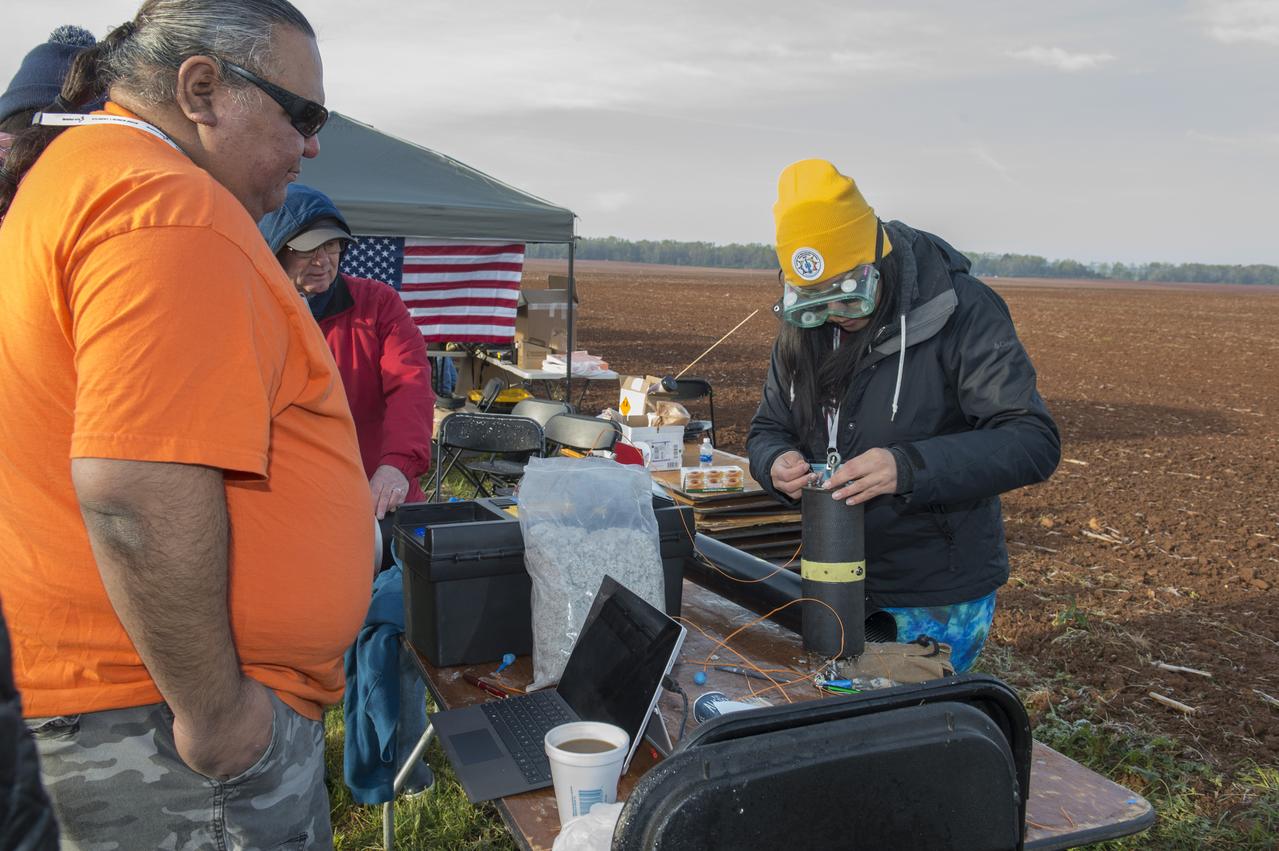
After eight months of designing, building and testing, the middle school, high school and college and university teams launched their rockets as part of NASA Student Launch on Sunday, April 8. The rockets and their payloads are designed to fly to 1-mile in altitude before deploying recovery systems that brings them safely to the ground.
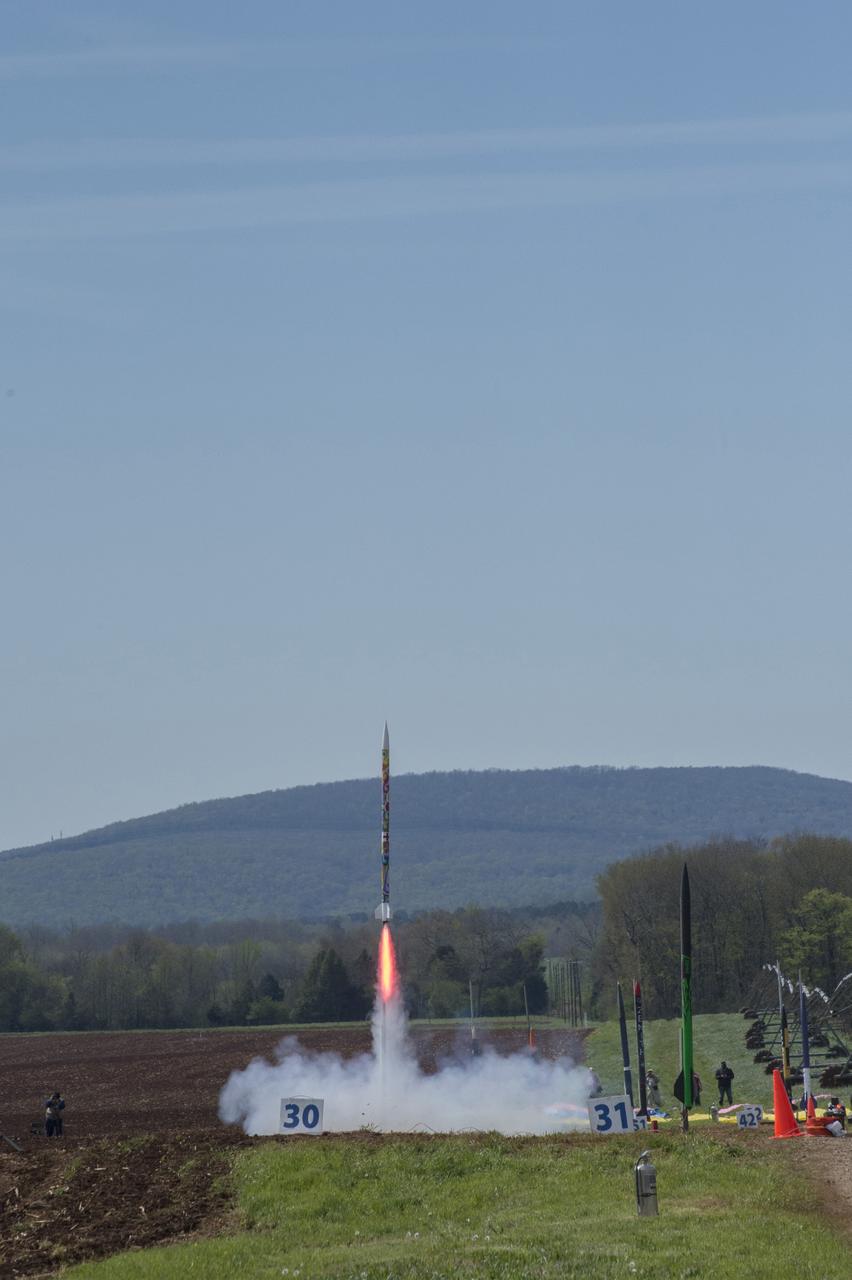
After eight months of designing, building and testing, the middle school, high school and college and university teams launched their rockets as part of NASA Student Launch on Sunday, April 8. The rockets and their payloads are designed to fly to 1-mile in altitude before deploying recovery systems that brings them safely to the ground.
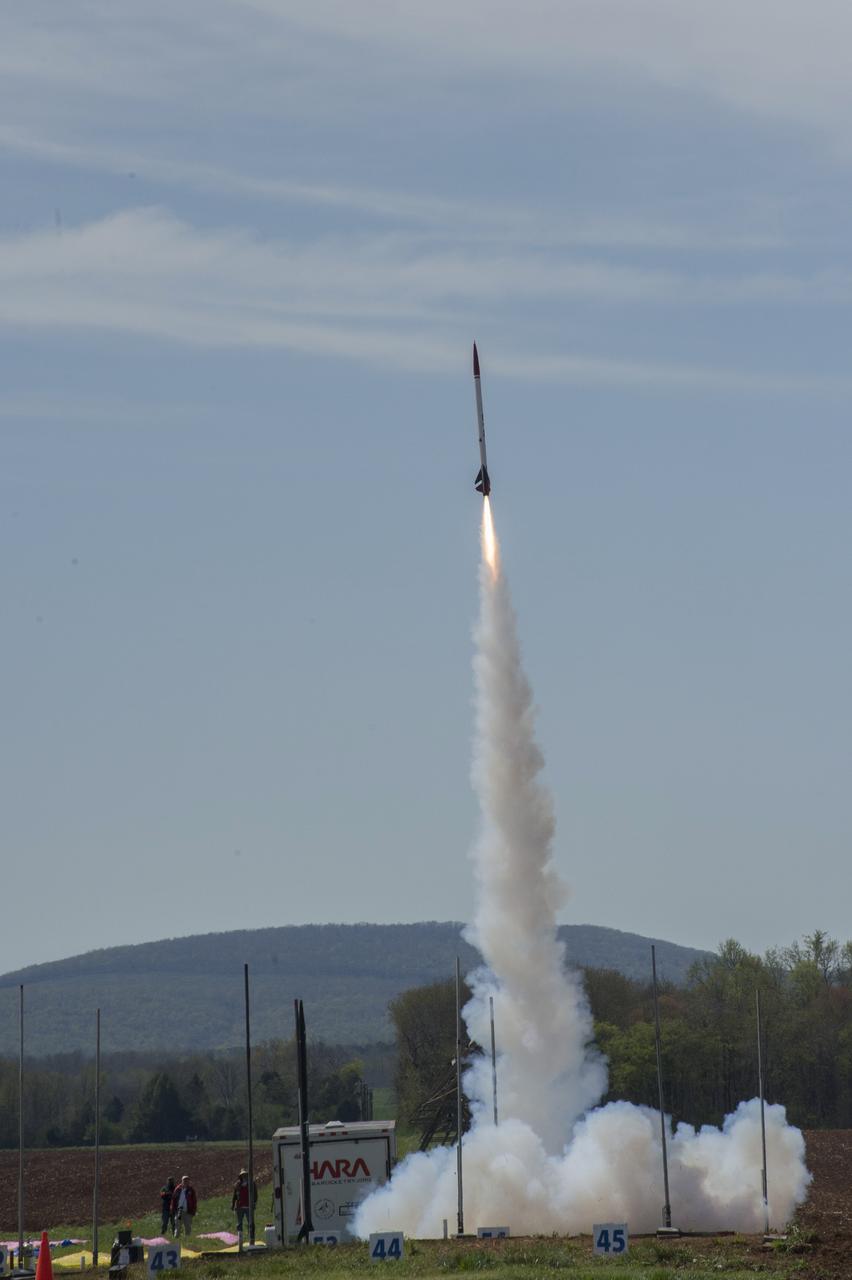
After eight months of designing, building and testing, the middle school, high school and college and university teams launched their rockets as part of NASA Student Launch on Sunday, April 8. The rockets and their payloads are designed to fly to 1-mile in altitude before deploying recovery systems that brings them safely to the ground.
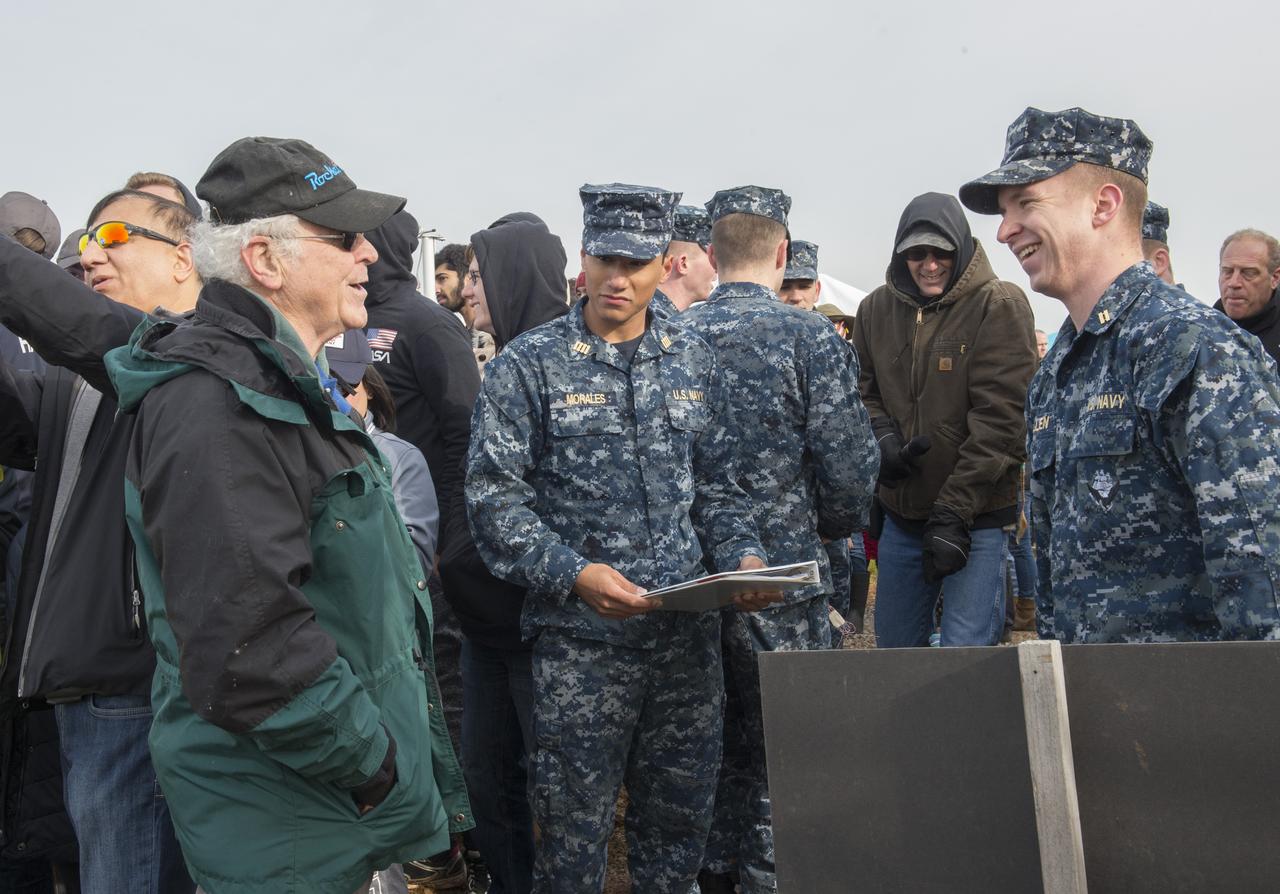
After eight months of designing, building and testing, the middle school, high school and college and university teams launched their rockets as part of NASA Student Launch on Sunday, April 8. The rockets and their payloads are designed to fly to 1-mile in altitude before deploying recovery systems that brings them safely to the ground.