
This image from NASA Spitzer Space Telescope is of the Rosette nebula, a turbulent star-forming region located 5,000 light-years away in the constellation Monoceros.

NASA Spitzer Space Telescope surveyed the danger zones around five O-stars in the Rosette nebula. This artist animation illustrates how this process works.

This image from ESA Herschel Space Observatory shows of a portion of the Rosette nebula, a stellar nursery about 5,000 light-years from Earth in the Monoceros, or Unicorn, constellation.

This infrared image from NASA Spitzer Space Telescope shows the Rosette nebula, a pretty star-forming region more than 5,000 light-years away in the constellation Monoceros.

Artist impression of Herschel is set against an image captured by the observatory, showing baby stars forming in the Rosette nebula. The bright spots are dusty cocoons containing massive forming stars, each one up to ten times the mass of our own sun.
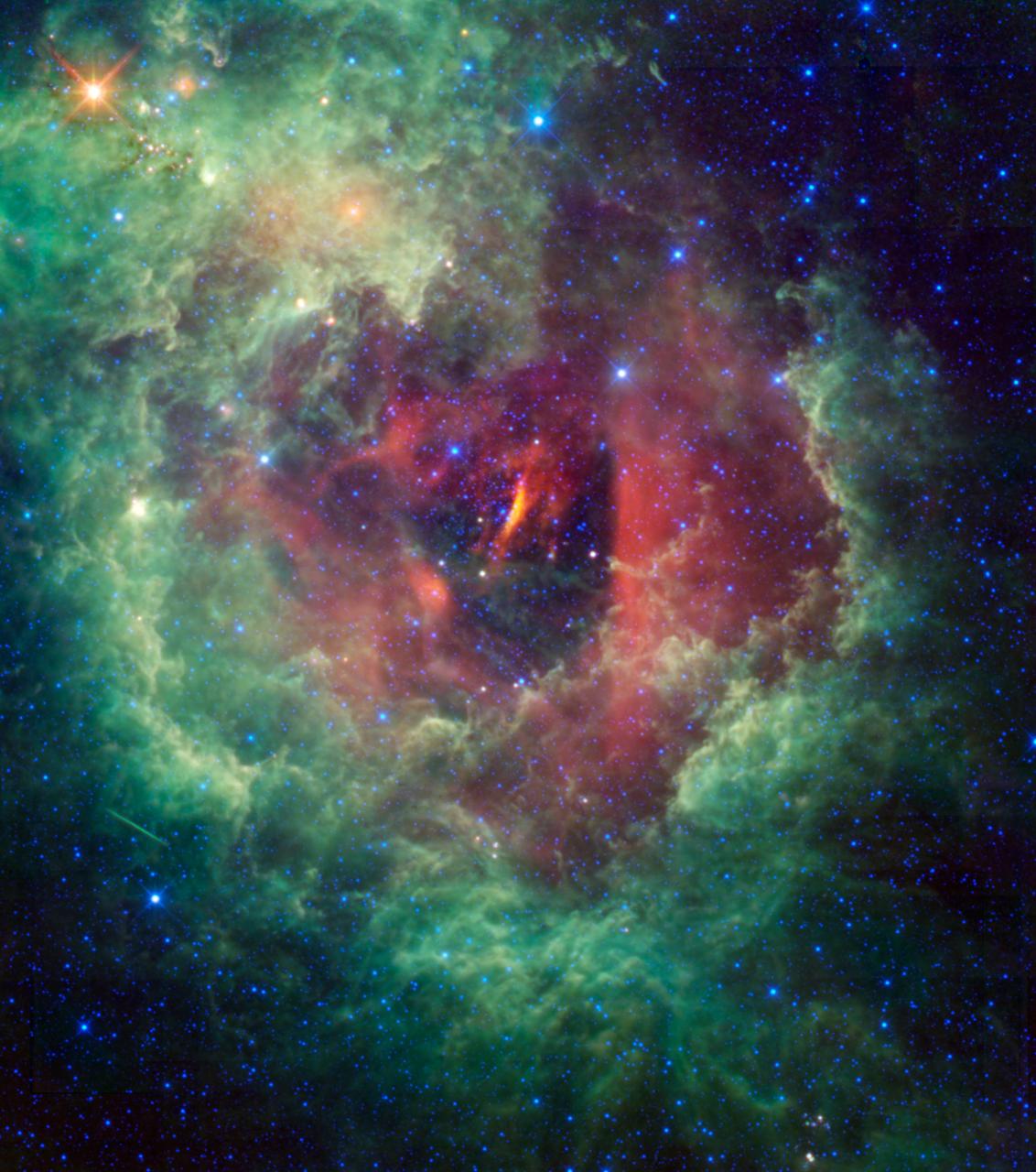
Unicorns and roses are usually the stuff of fairy tales, but a new cosmic image taken by NASA WISE mission shows the Rosette nebula in the constellation Monoceros, or the Unicorn.
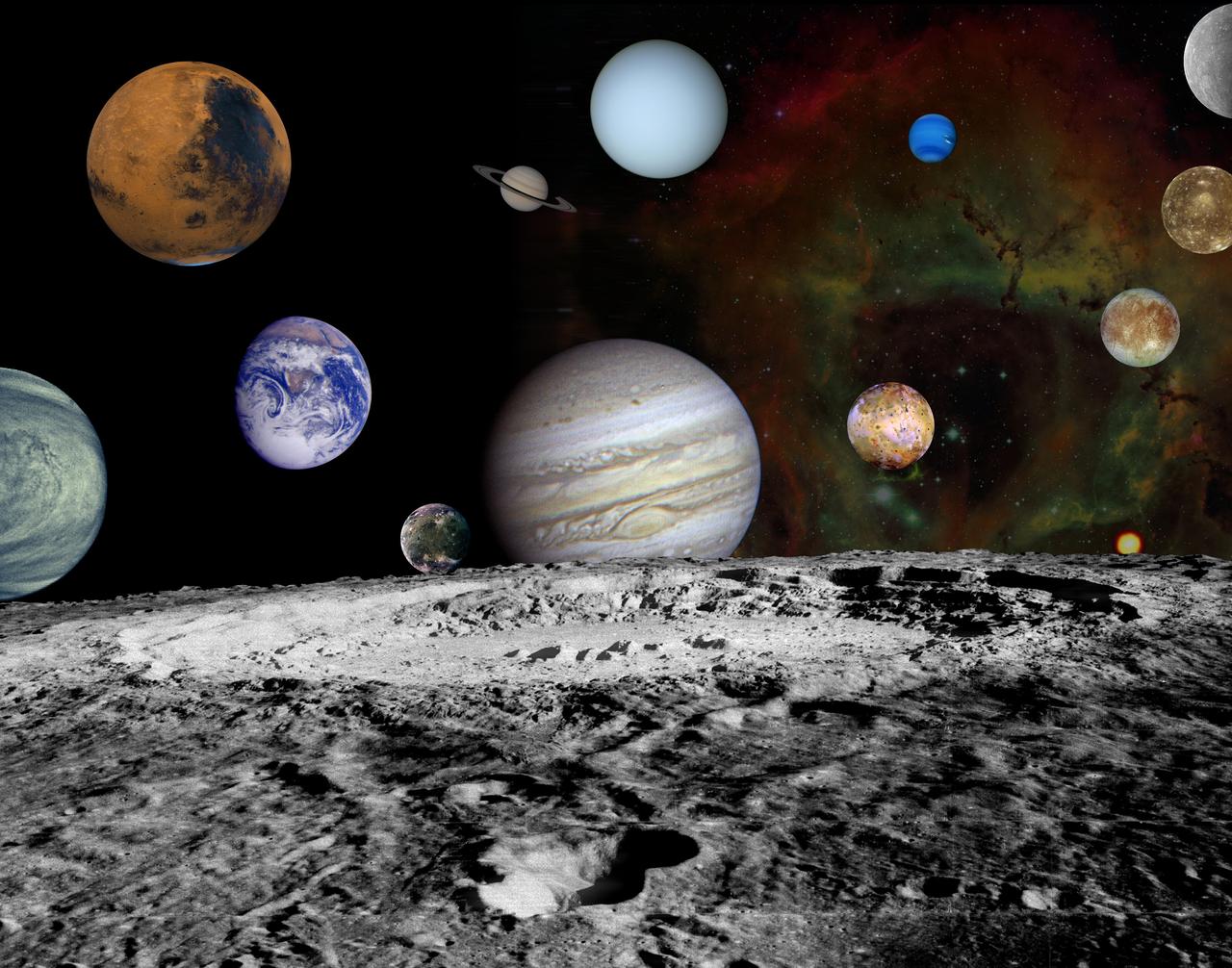
This solar system montage of the nine planets and four large moons of Jupiter in our solar system are set against a false-color view of the Rosette Nebula.