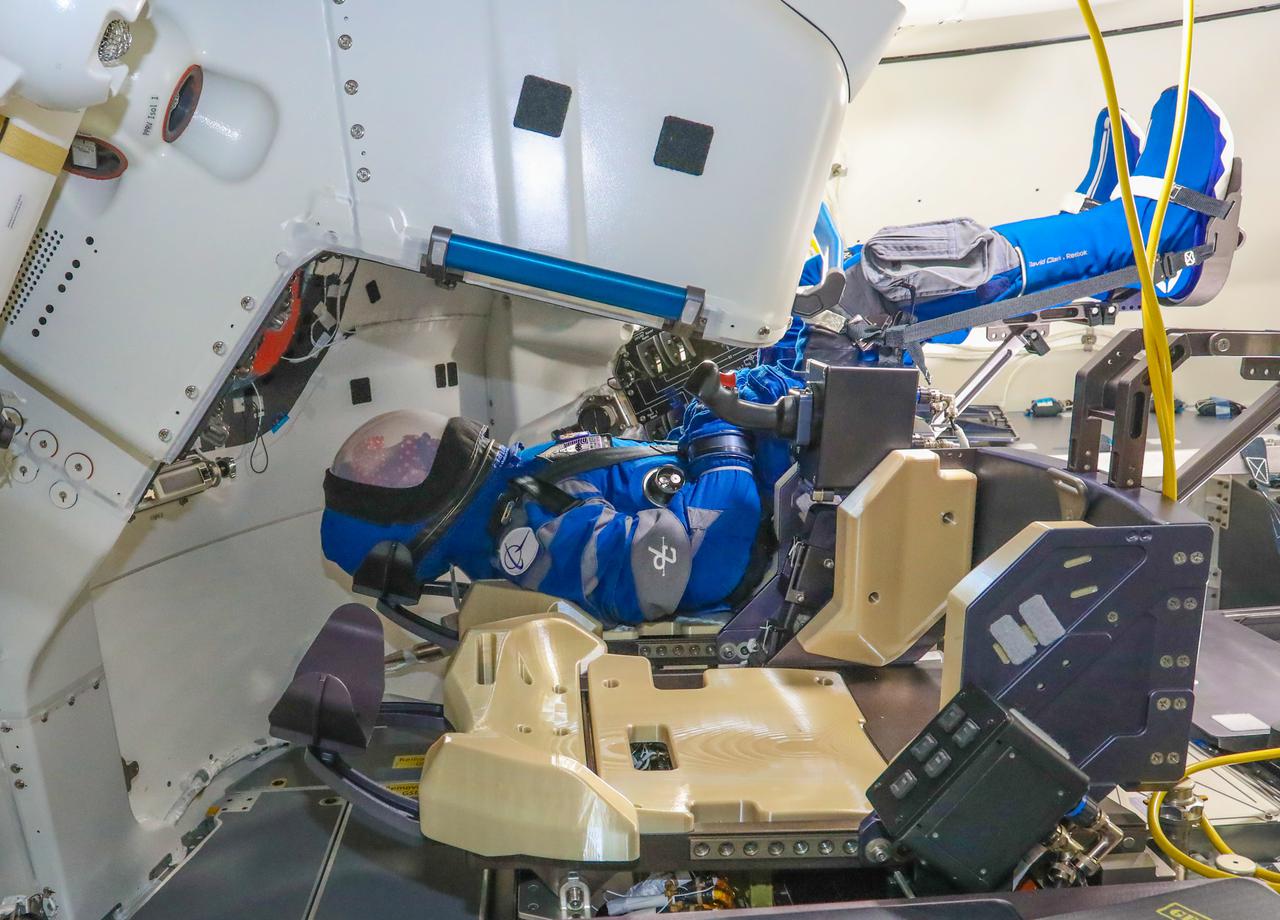
Rosie the Rocketeer, Boeing’s anthropometric test device, claimed her spot once again in the commander’s seat inside the company’s CST-100 Starliner spacecraft for its second uncrewed Orbital Flight Test (OFT-2) for NASA’s Commercial Crew Program. Rosie’s first flight, OFT, provided hundreds of data points about what astronauts will experience during flight. For OFT-2, she will help maintain Starliner’s center of gravity during ascent, docking, undocking and landing. OFT-2 is scheduled to lift off at 2:53 p.m. ET Friday, July 30, from Space Launch Complex 41 at Cape Canaveral Space Force Station in Florida bound for the International Space Station.

“Rosie the Rocketeer”, an anthropomorphic test device weighing 180 pounds, and cargo from the International Space Station, are seen inside Boeing’s CST-100 Starliner spacecraft after it landed at White Sands Missile Range’s Space Harbor, Wednesday, May 25, 2022, in New Mexico. Boeing’s Orbital Flight Test-2 (OFT-2) is Starliner’s second uncrewed flight test to the International Space Station as part of NASA's Commercial Crew Program. OFT-2 serves as an end-to-end test of the system's capabilities. Photo Credit: (NASA/Bill Ingalls)
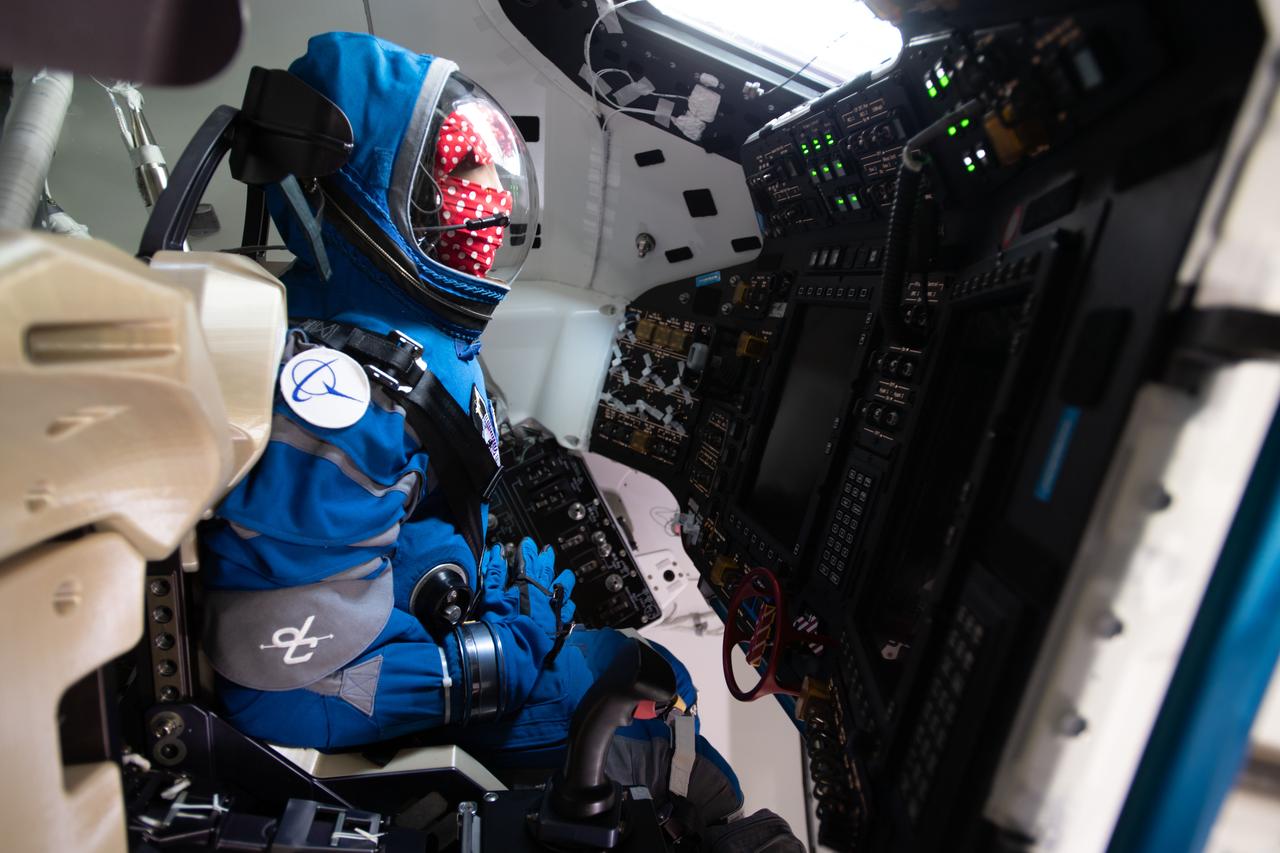
iss067e066358 (May 21, 2022) --- Rosie the Rocketeer, Boeing's anthropometric test device, is pictured in the commander's seat of the company's CST-100 Starliner crew ship for the Orbital Flight Test-2 mission at the International Space Station.
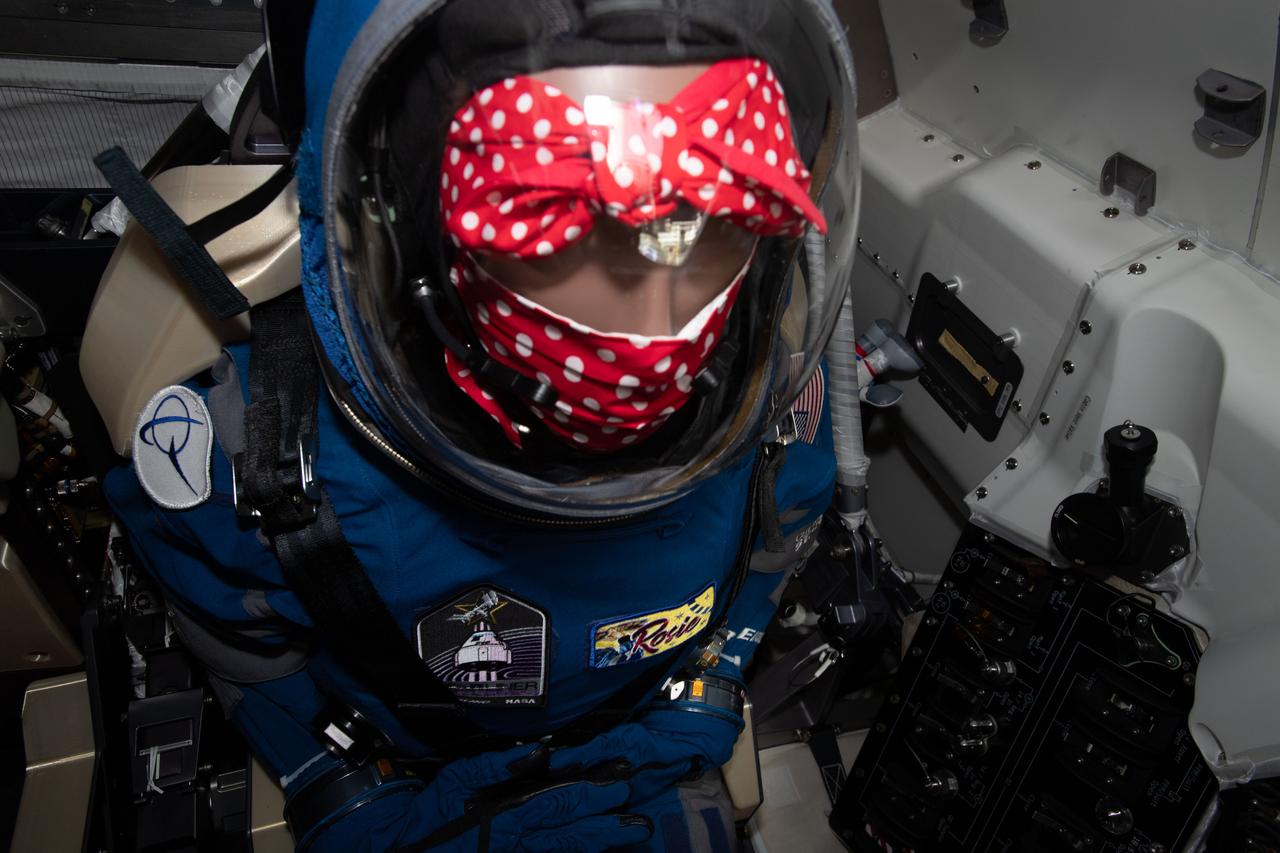
iss067e066341 (May 21, 2022) --- Rosie the Rocketeer, Boeing's anthropometric test device, is pictured in the commander's seat of the company's CST-100 Starliner crew ship for the Orbital Flight Test-2 mission at the International Space Station.
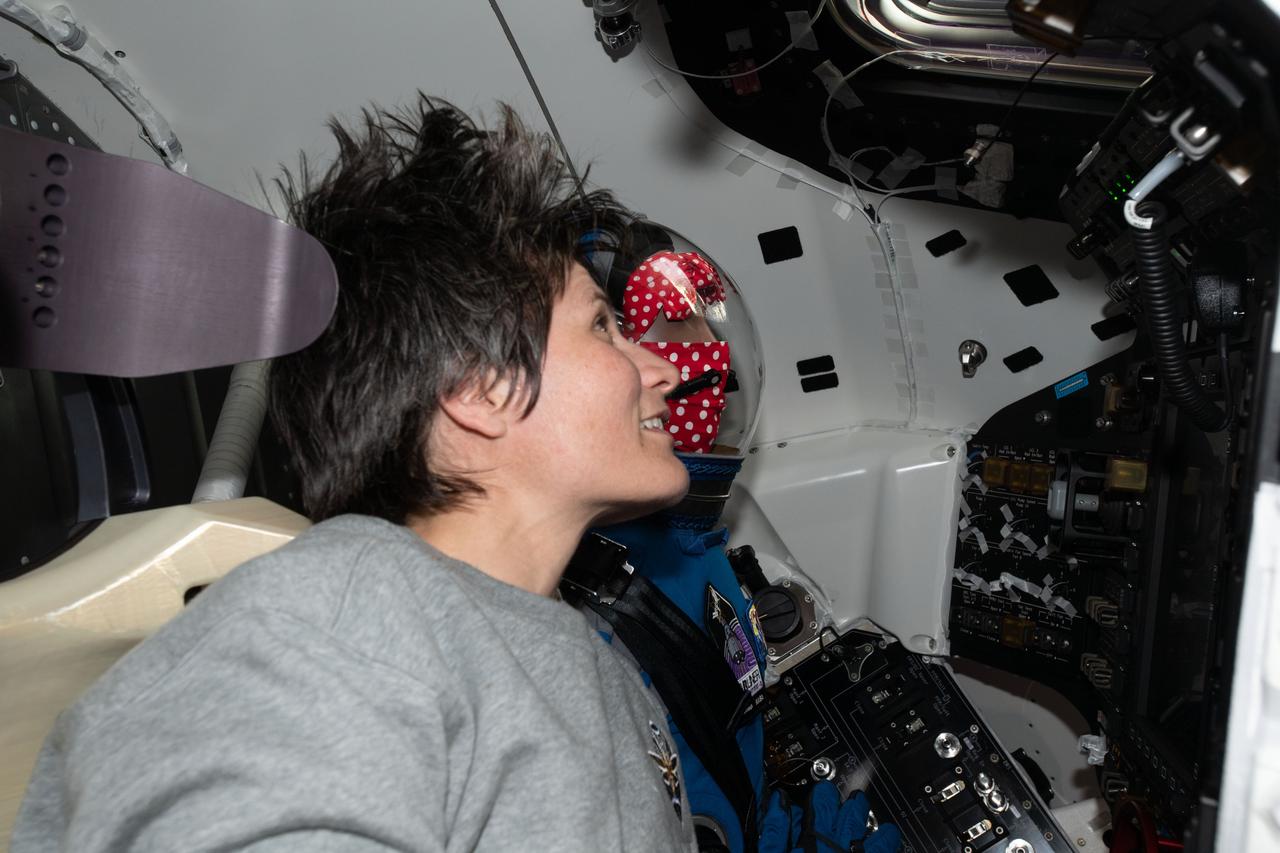
iss067e065447 (May 21, 2022) --- ESA (European Space Agency) astronaut Samantha Cristoforetti is seated next to "Rosie the Rocketeer" inside Boeing's CST-100 Starliner spacecraft the day after it had docked to the International Space Station's Harmony module on the company's Orbital Flight Test-2 mission.
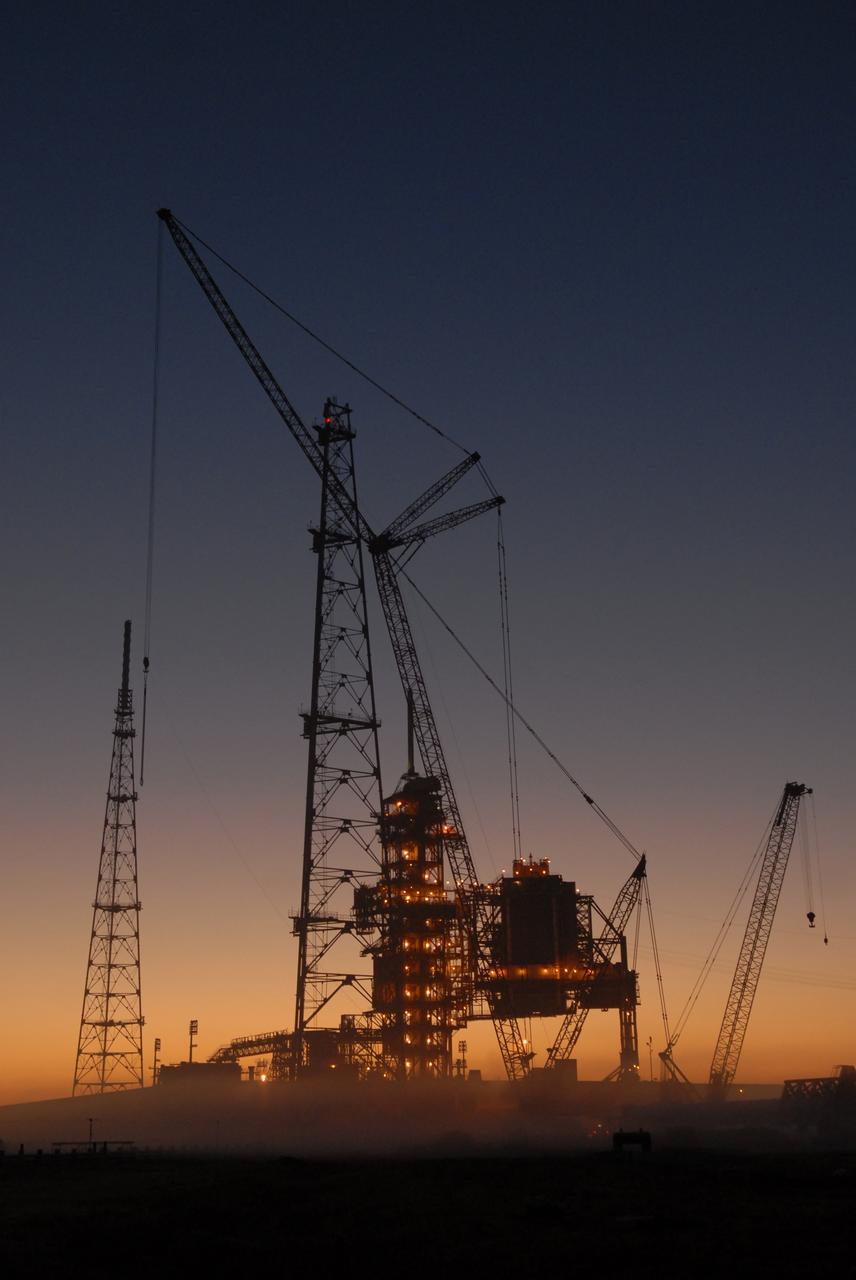
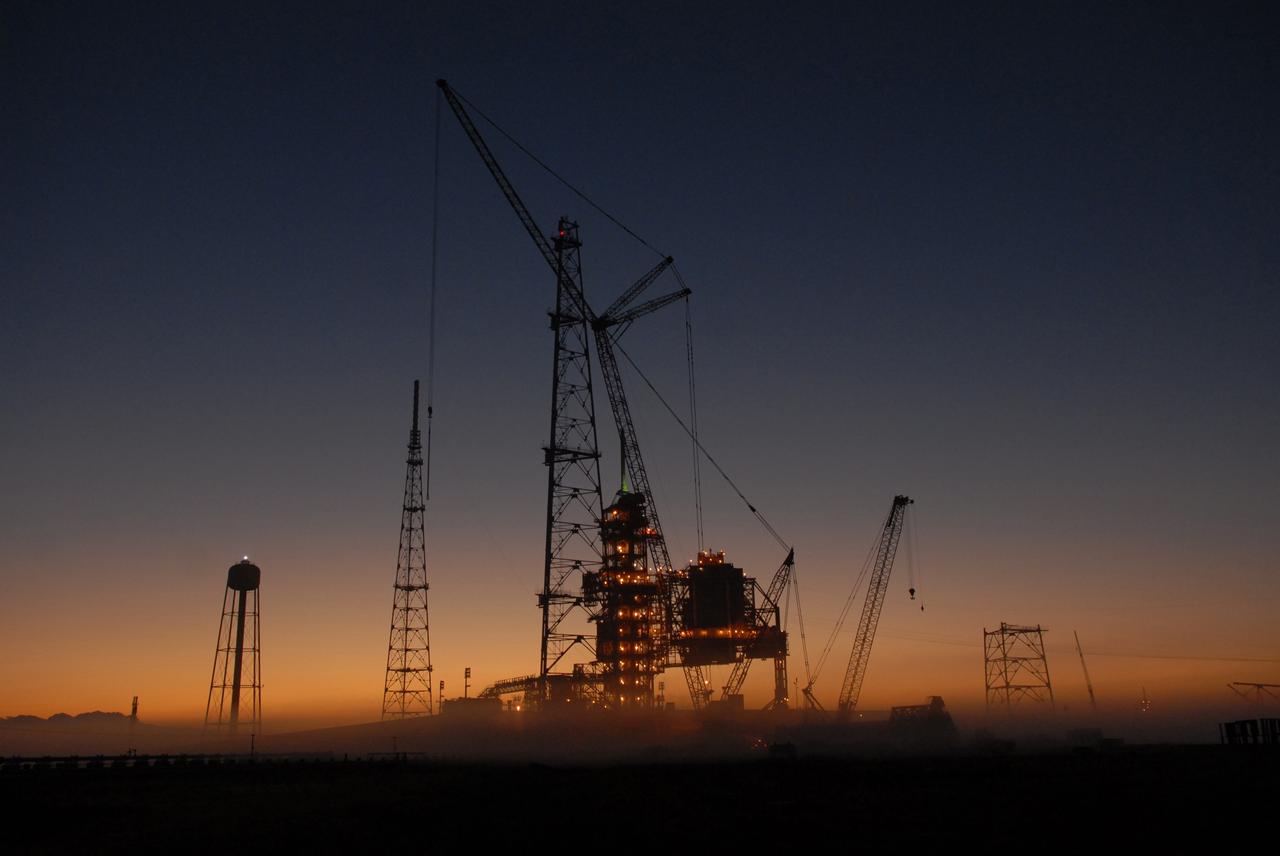
CAPE CANAVERAL, Fla. – In the rosy dawn light, construction of the towers on Launch Pad 39B at NASA's Kennedy Space Center in Florida continues on the new lightning protection system for the Constellation Program and Ares/Orion launches. Each of the three new lightning towers will be 500 feet tall with an additional 100-foot fiberglass mast atop supporting a wire catenary system. This improved lightning protection system allows for the taller height of the Ares I rocket compared to the space shuttle. Pad 39B will be the site of the first Ares vehicle launch, including the Ares I-X test flight that is targeted for July 2009.
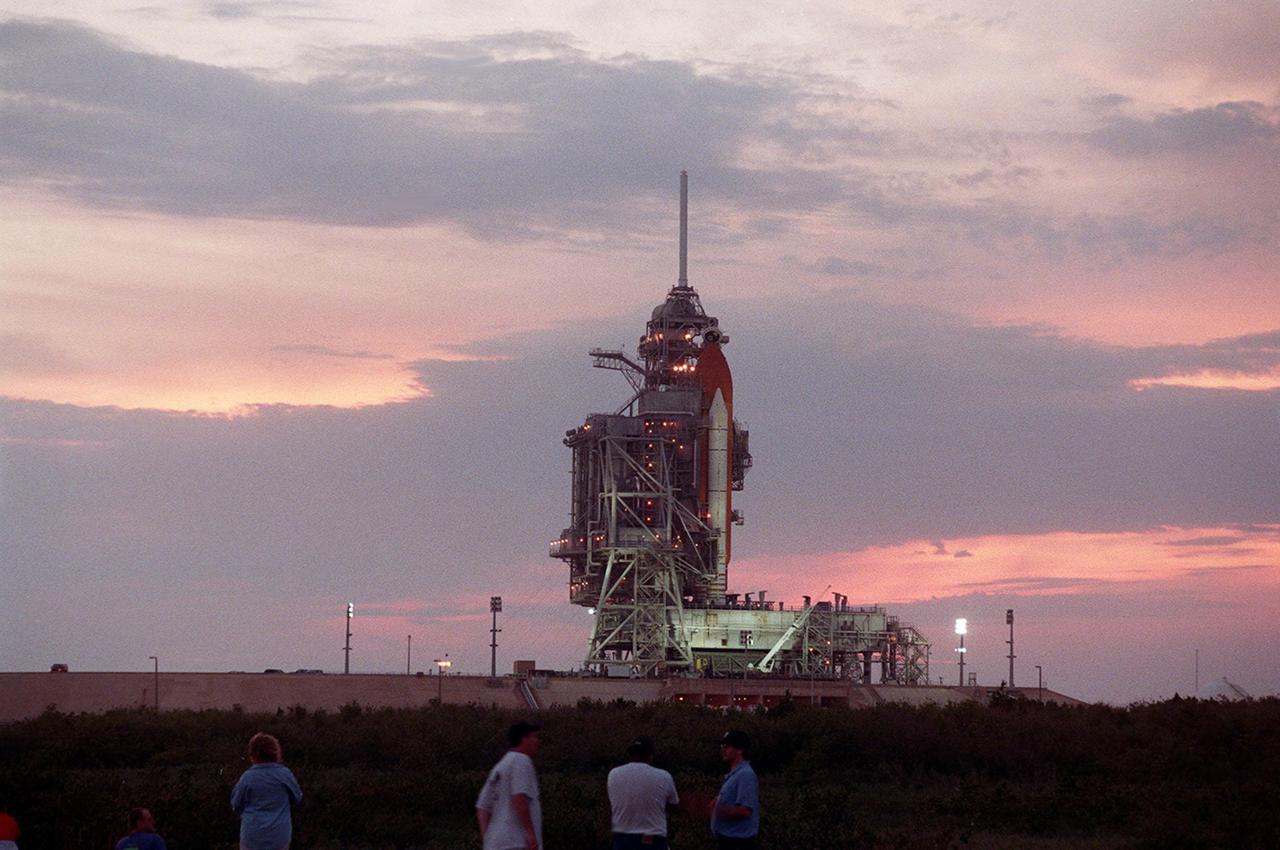
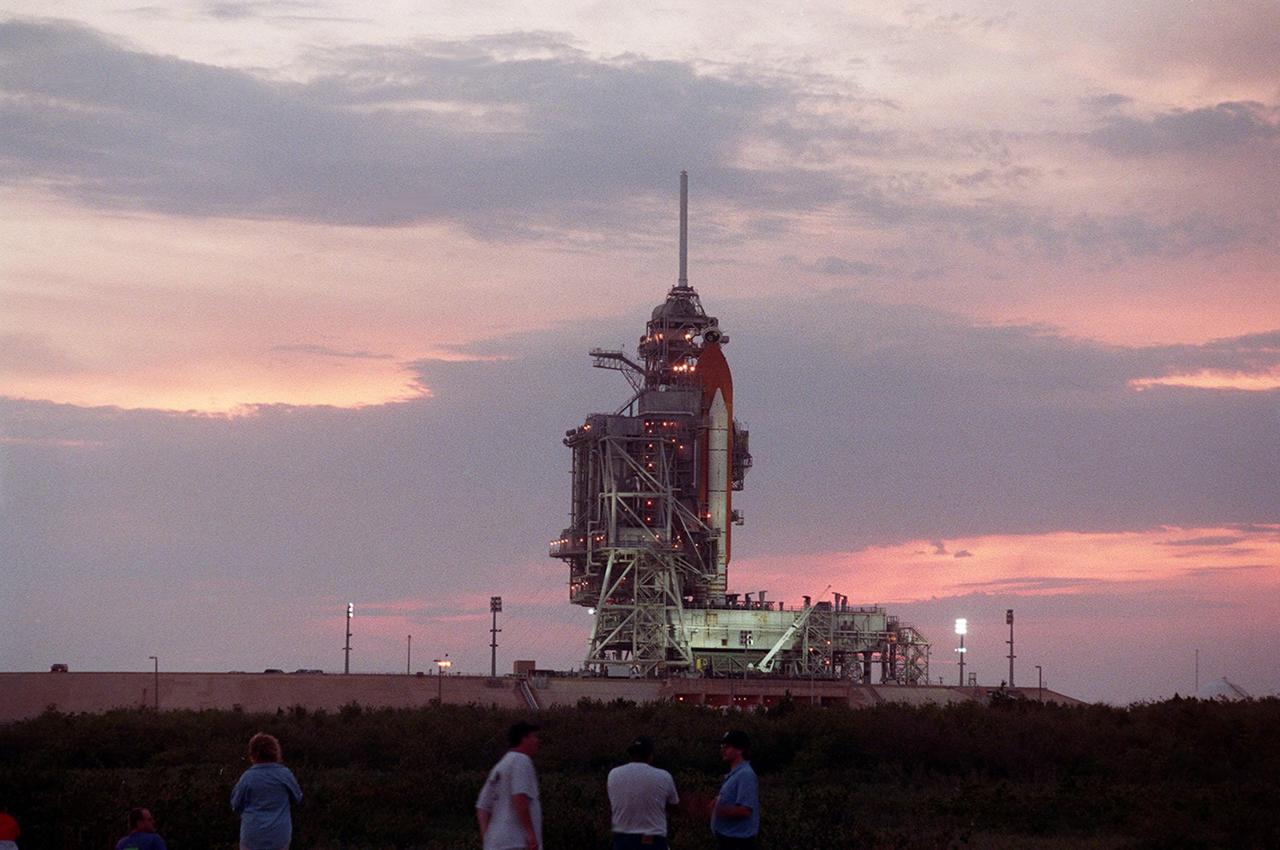
KENNEDY SPACE CENTER, Fla. -- The rosy-streaked clouds from a setting sun provide a dramatic backdrop for Space Shuttle Atlantis on Launch Pad 39A. Spectators (bottom) wait for the rollback of the Rotating Service Structure that covers the orbiter. In the photo only the orange external tank and white solid rocket booster are visible. Atlantis is targeted for liftoff at 4:15 p.m. EDT April 24 on mission STS-101. The mission will take the crew to the International Space Station to deliver logistics and supplies and prepare the Station for the arrival of the Zvezda Service Module, expected to be launched by Russia in July 2000. Also, the crew will conduct one space walk. This will be the third assembly flight to the Space Station
KENNEDY SPACE CENTER, Fla. -- The rosy-streaked clouds from a setting sun provide a dramatic backdrop for Space Shuttle Atlantis on Launch Pad 39A. Spectators (bottom) wait for the rollback of the Rotating Service Structure that covers the orbiter. In the photo only the orange external tank and white solid rocket booster are visible. Atlantis is targeted for liftoff at 4:15 p.m. EDT April 24 on mission STS-101. The mission will take the crew to the International Space Station to deliver logistics and supplies and prepare the Station for the arrival of the Zvezda Service Module, expected to be launched by Russia in July 2000. Also, the crew will conduct one space walk. This will be the third assembly flight to the Space Station
CAPE CANAVERAL, Fla. – In the rosy dawn light, construction of the towers on Launch Pad 39B at NASA's Kennedy Space Center in Florida continues on the new lightning protection system for the Constellation Program and Ares/Orion launches. Each of the three new lightning towers will be 500 feet tall with an additional 100-foot fiberglass mast atop supporting a wire catenary system. This improved lightning protection system allows for the taller height of the Ares I rocket compared to the space shuttle. Pad 39B will be the site of the first Ares vehicle launch, including the Ares I-X test flight that is targeted for July 2009.
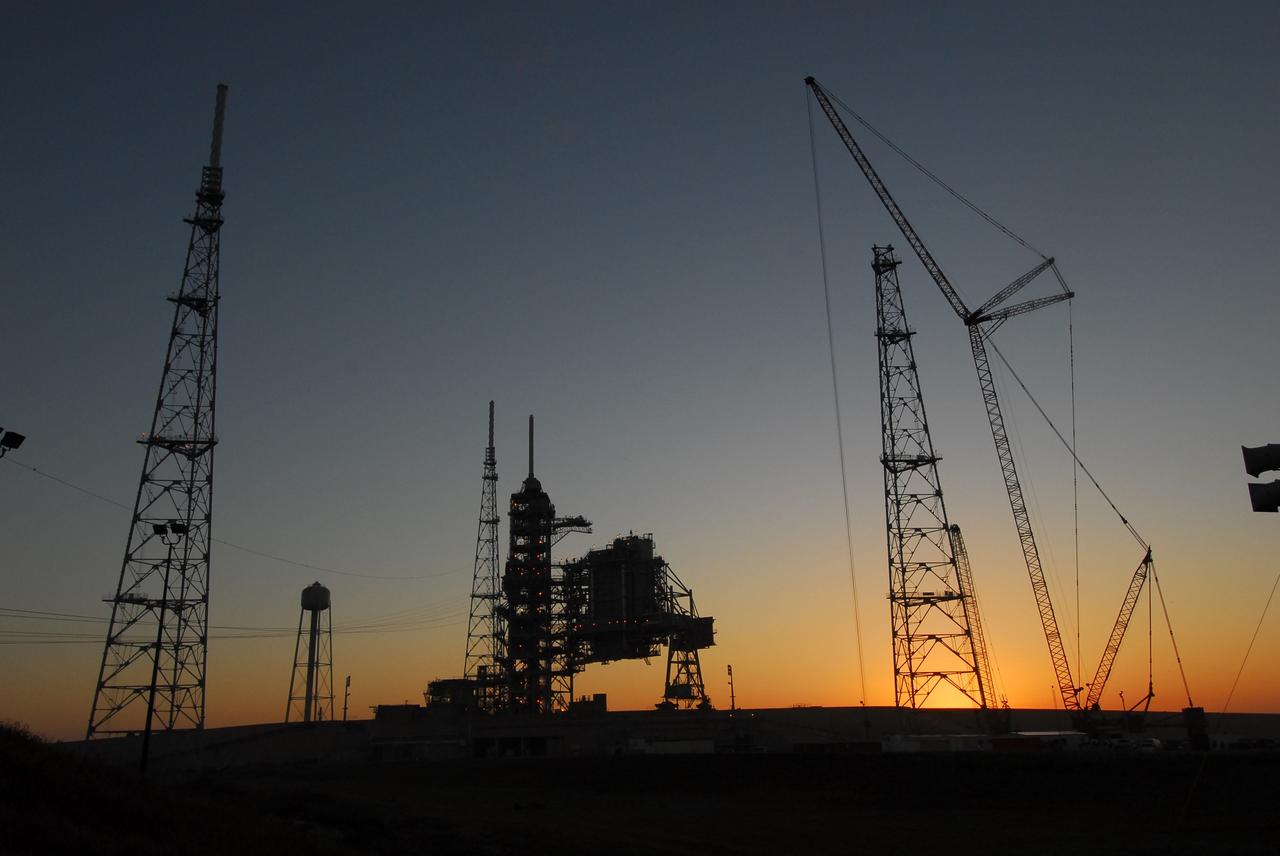
CAPE CANAVERAL, Fla. – The rosy dawn sky over NASA's Kennedy Space Center reveals the newly erected lightning towers on Launch Pad 39B. The two towers at left contain the lightning mast on top; the one at right does not. At center are the fixed and rotating service structures that have served the Space Shuttle Program. The new lightning protection system is being built for the Constellation Program and Ares/Orion launches. Each of the towers is 500 feet tall with an additional 100-foot fiberglass mast atop supporting a wire catenary system. This improved lightning protection system allows for the taller height of the Ares I rocket compared to the space shuttle. Pad 39B will be the site of the first Ares vehicle launch, including the Ares I-X test flight that is targeted for July 2009. Photo credit: NASA/Tim Jacobs
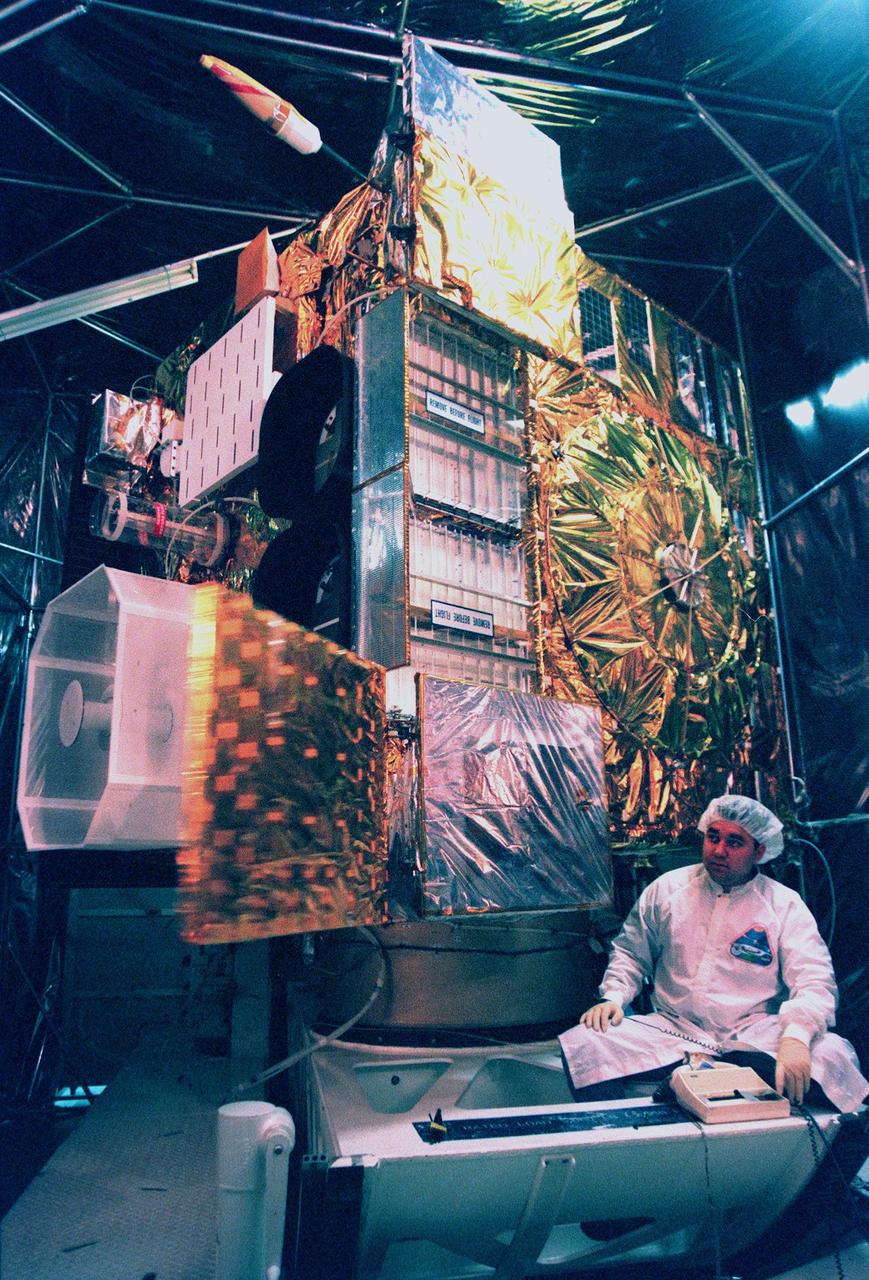
With the light casting a rosy glow in a specially built clean room at Astrotech, Titusville, Fla., Loral technician Roberto Caballero tests the deployment of the sounder instrument's cooler cover door on the <a href="http://www-pao.ksc.nasa.gov/kscpao/captions/subjects/goes-l.htm">GOES-L</a> weather satellite. The sounder, one of two meteorological instruments on the satellite, measures temperature and moisture in a vertical column of air from the satellite to Earth. Its findings will help forecast weather. GOES-L, which is to be launched from Cape Canaveral Air Station aboard an Atlas II rocket in late March, is the fourth of a new advanced series of geostationary weather satellites for the National Oceanic and Atmospheric Administration. It is a three-axis inertially stabilized spacecraft that will provide pictures as well as perform the atmospheric sounding. Once launched, the satellite, to be designated GOES-11, will undergo checkout and provide backup capabilities for the existing, aging GOES East weather satellite
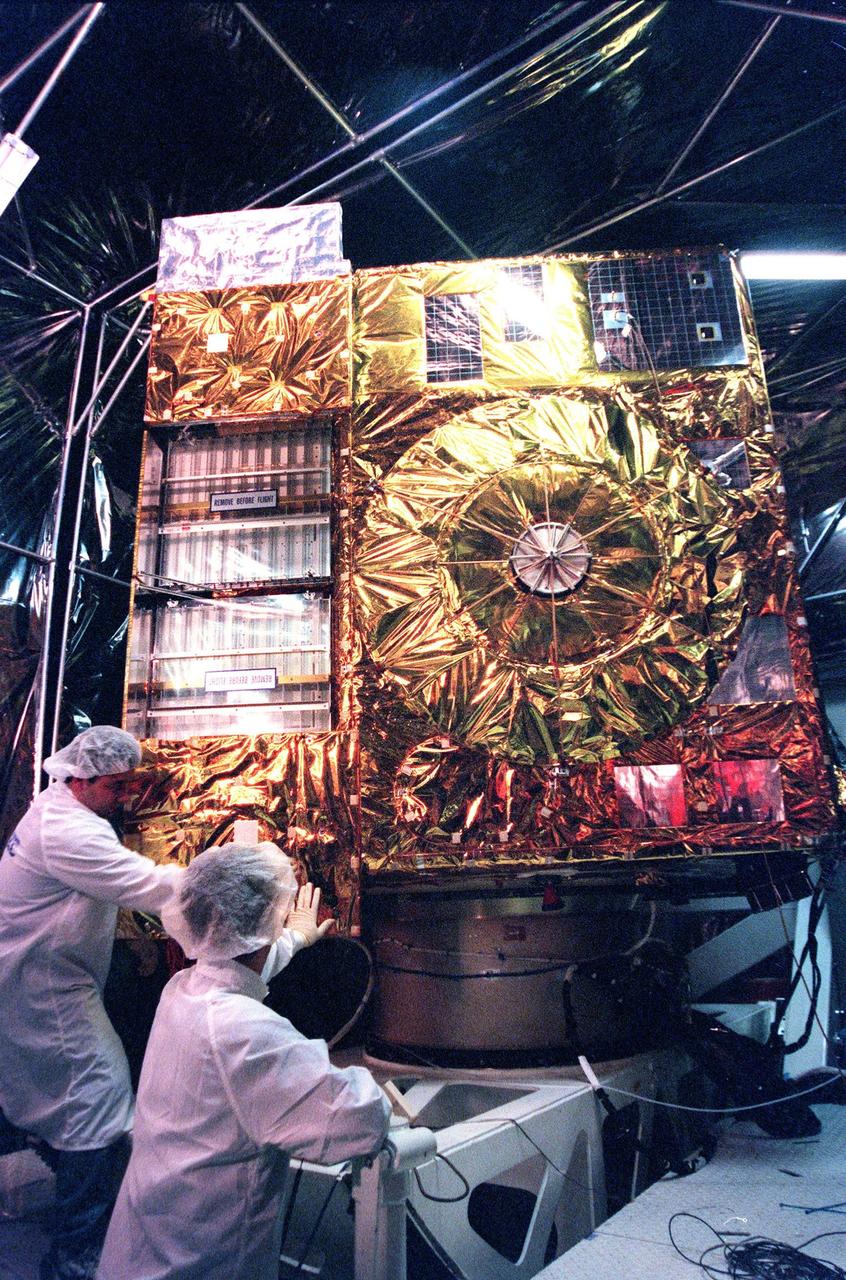
With the light casting a rosy glow in a specially built clean room at Astrotech, Titusville, Fla., Loral technicians Roberto Caballero (left) and Paul Giordano (right) maneuver the <a href="http://www-pao.ksc.nasa.gov/kscpao/captions/subjects/goes-l.htm">GOES-L</a> weather satellite into position for testing the deployment of the sounder instrument's cooler cover door. The sounder, one of two meteorological instruments on the satellite, measures temperature and moisture in a vertical column of air from the satellite to Earth. Its findings will help forecast weather. GOES-L, which is to be launched from Cape Canaveral Air Station aboard an Atlas II rocket in late March, is the fourth of a new advanced series of geostationary weather satellites for the National Oceanic and Atmospheric Administration. It is a three-axis inertially stabilized spacecraft that will provide pictures as well as perform the atmospheric sounding. Once launched, the satellite, to be designated GOES-11, will undergo checkout and provide backup capabilities for the existing, aging GOES East weather satellite