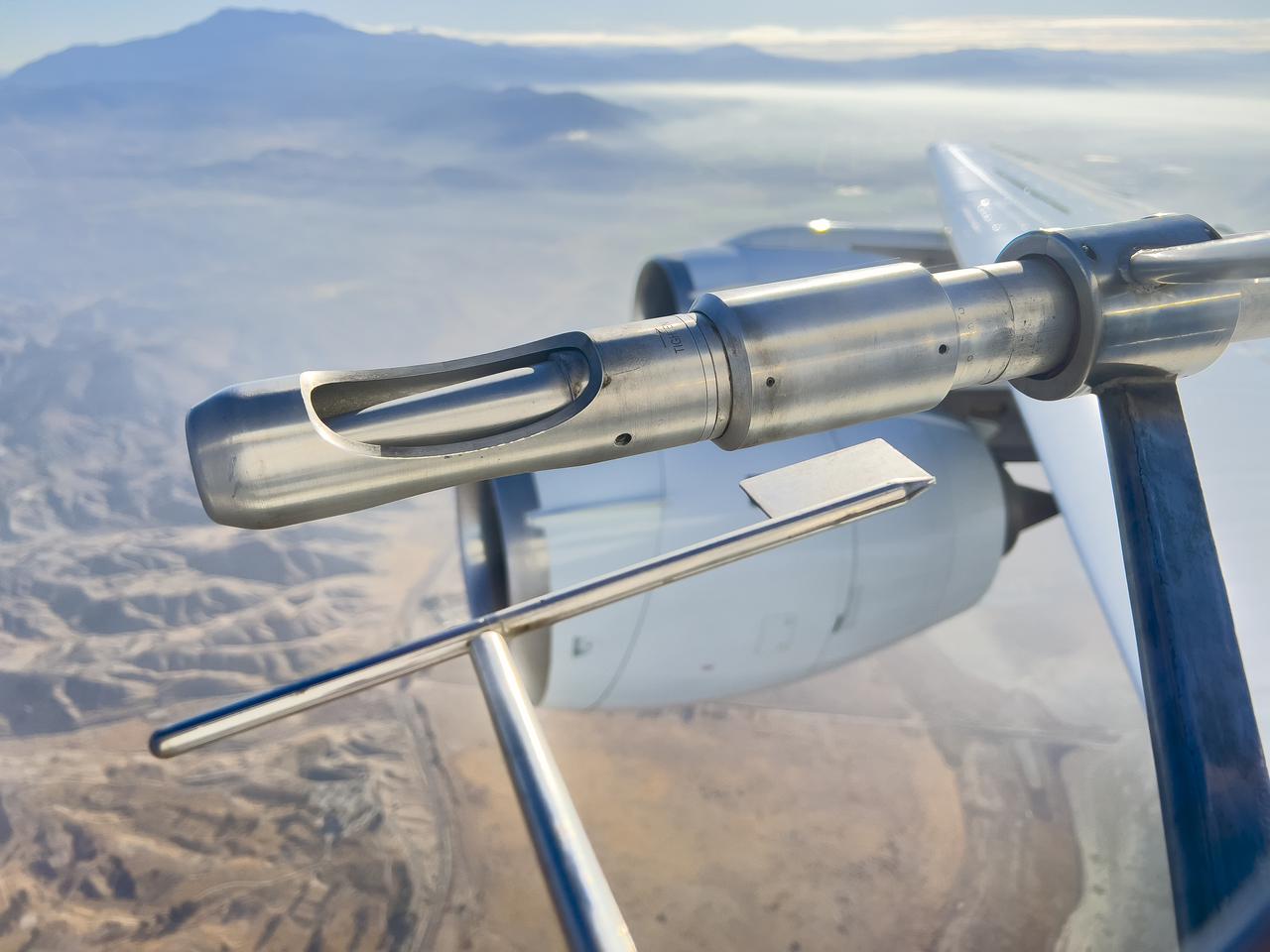
NASA's DC-8 in flight for the NASA Student Airborne Research Project (SARP) to measure aerosols with the Langley Aerosol Research Group Experiment (LARGE) instrument with the Cavity Attenuated Phase Shift (CAPS) PMex Monitor (Particle Optical Extinction).
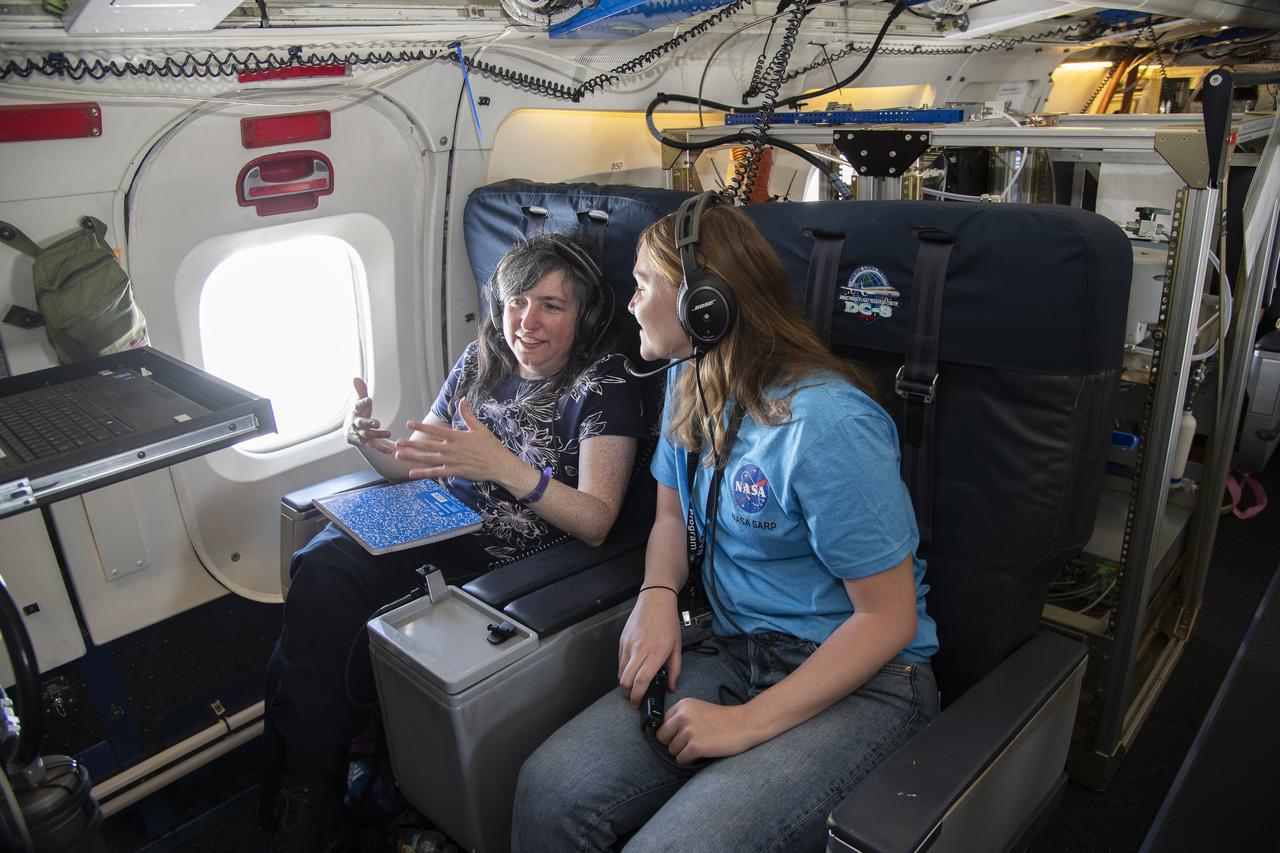
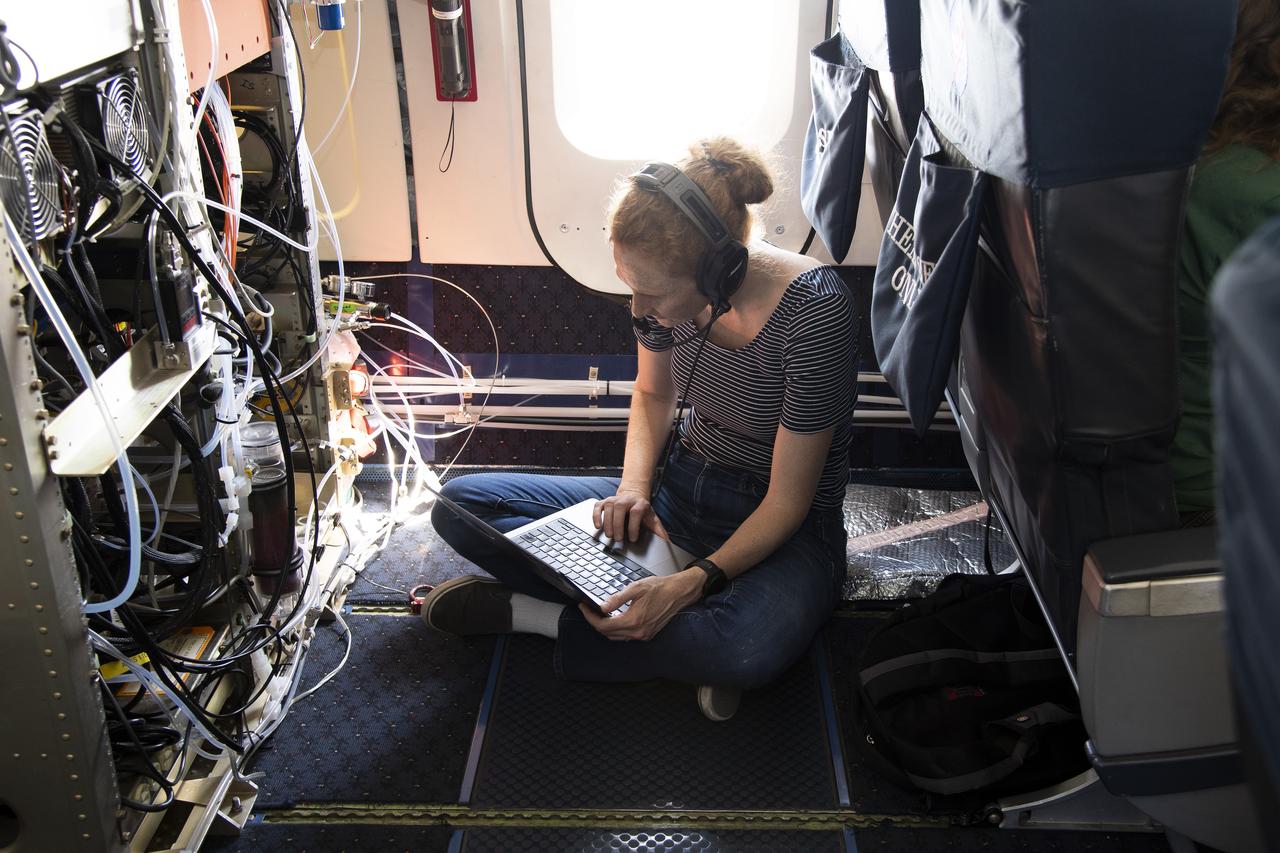
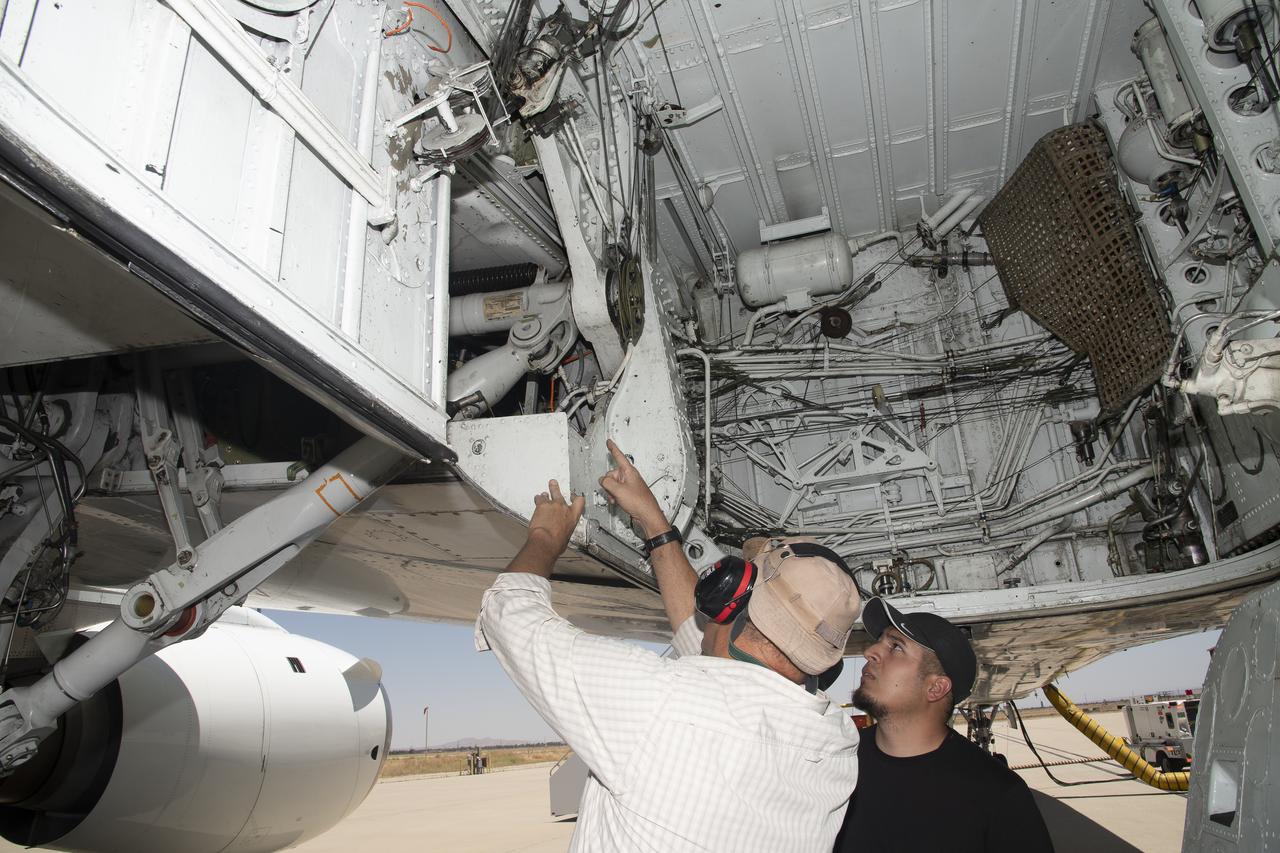
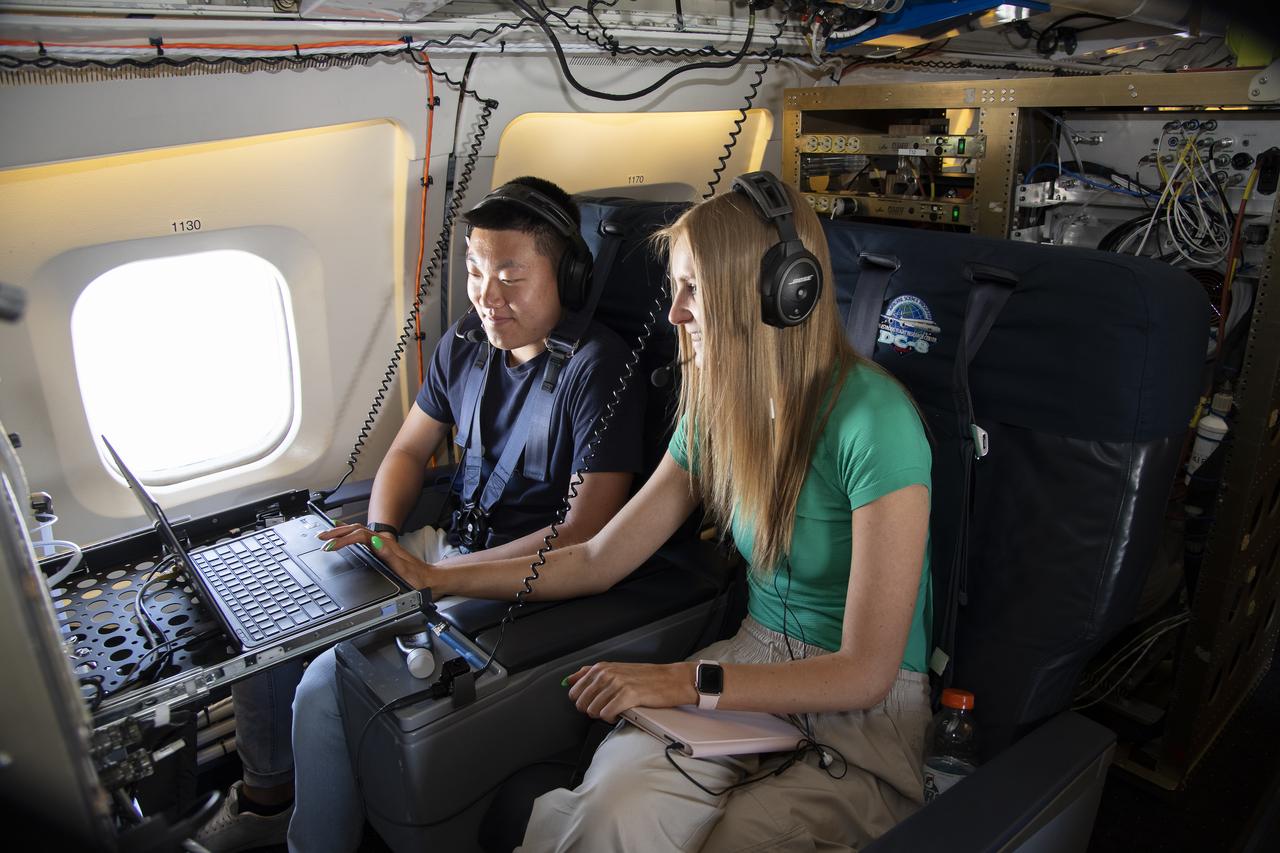
NASA Armstrong’s Student Airborne Research Program celebrates 15 years of success in 2023. An eight-week summer internship program, SARP offers upper-level undergraduate students the opportunity to acquire hands-on research experience as part of a scientific campaign using NASA Airborne Science Program flying science laboratories—aircraft outfitted specifically for research projects. Students onboard NASA’s DC-8 aircraft, the largest flying science laboratory in the world, help scientists from NOAA, the National Oceanic and Atmospheric Administration with a science project investigating air quality and non-vehicular pollution sources called AEROMMA, which measures Atmospheric Emissions and Reactions Observed from Megacities to Marine Areas. In 2023, NASA also introduced a sister program, SARP East to complement the West Coast program.
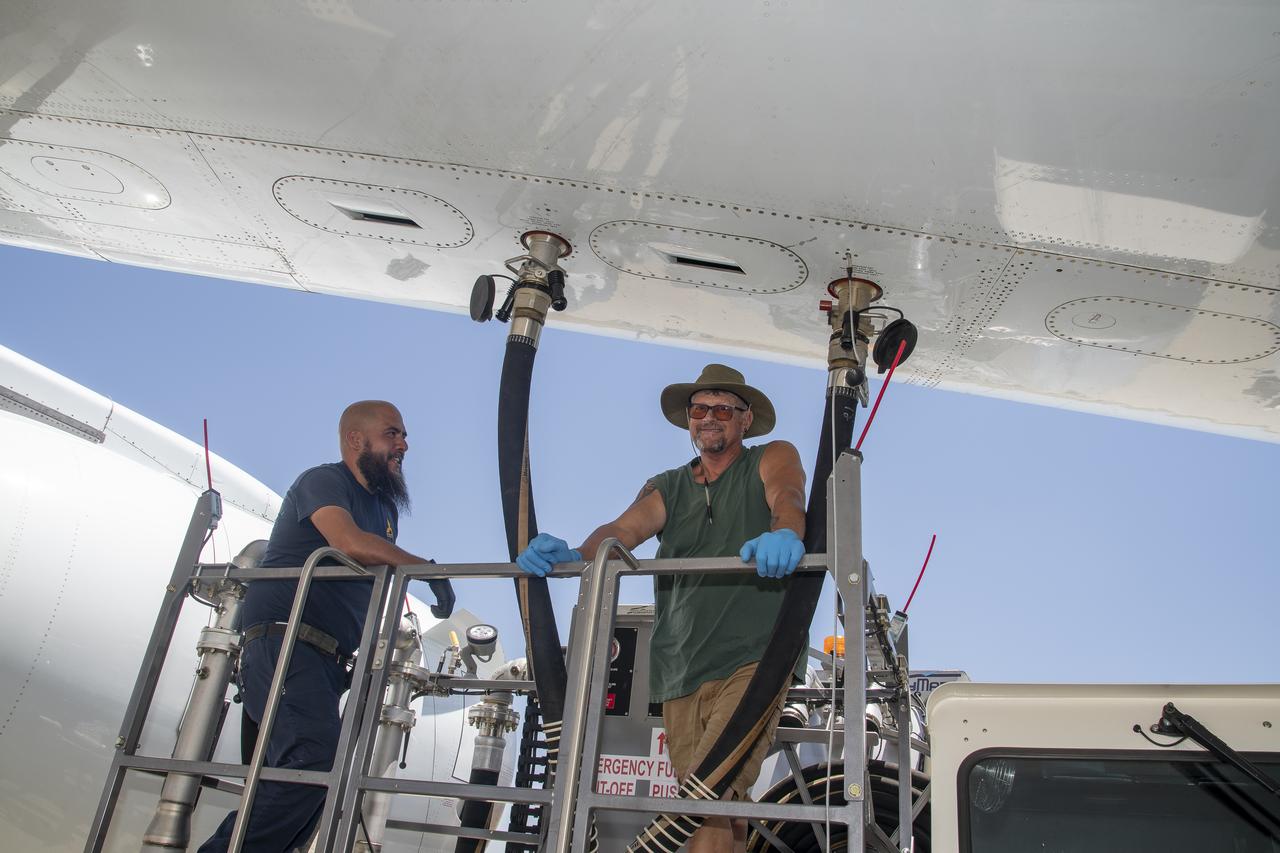
NASA Armstrong’s Student Airborne Research Program celebrates 15 years of success in 2023. An eight-week summer internship program, SARP offers upper-level undergraduate students the opportunity to acquire hands-on research experience as part of a scientific campaign using NASA Airborne Science Program flying science laboratories—aircraft outfitted specifically for research projects. Students onboard NASA’s DC-8 aircraft, the largest flying science laboratory in the world, help scientists from NOAA, the National Oceanic and Atmospheric Administration with a science project investigating air quality and non-vehicular pollution sources called AEROMMA, which measures Atmospheric Emissions and Reactions Observed from Megacities to Marine Areas. In 2023, NASA also introduced a sister program, SARP East to complement the West Coast program.
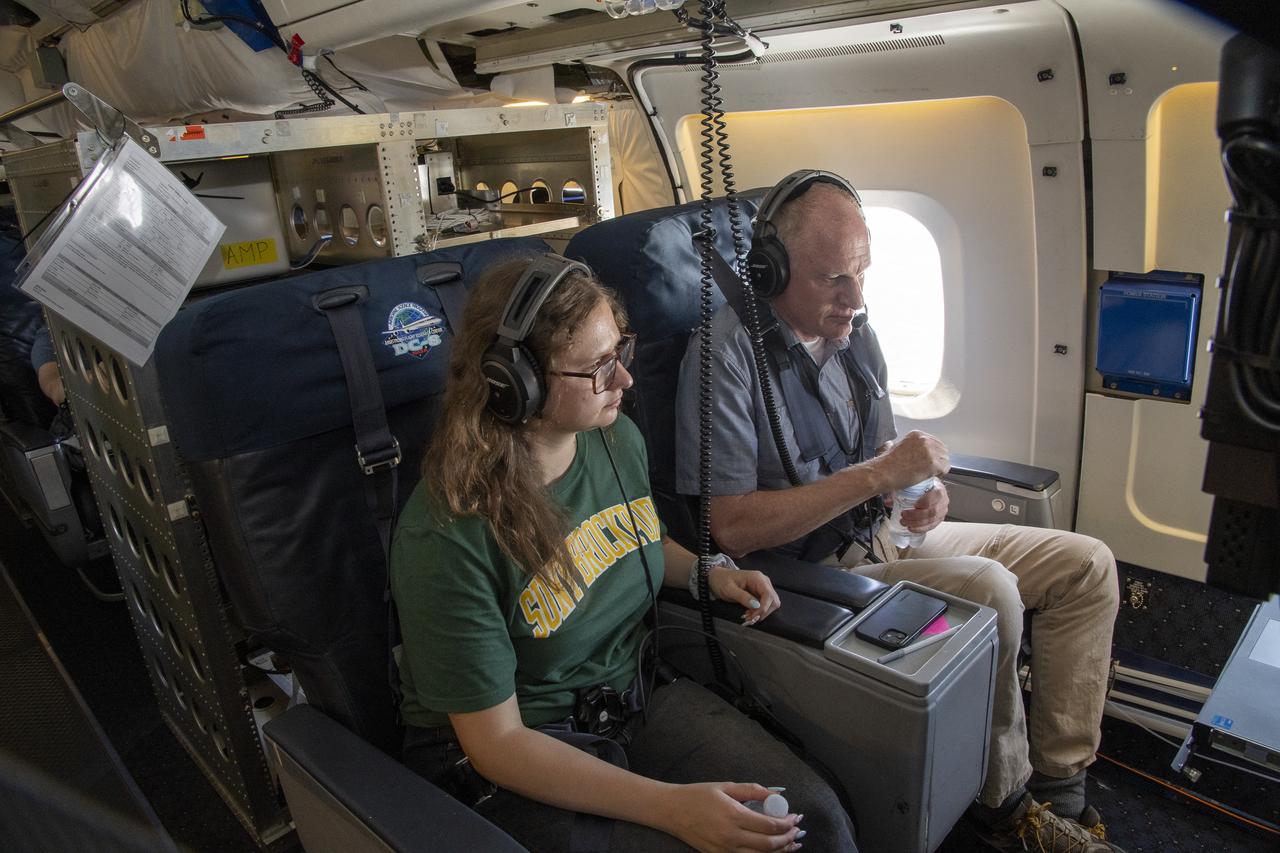
NASA Armstrong’s Student Airborne Research Program celebrates 15 years of success in 2023. An eight-week summer internship program, SARP offers upper-level undergraduate students the opportunity to acquire hands-on research experience as part of a scientific campaign using NASA Airborne Science Program flying science laboratories—aircraft outfitted specifically for research projects. Students onboard NASA’s DC-8 aircraft, the largest flying science laboratory in the world, help scientists from NOAA, the National Oceanic and Atmospheric Administration with a science project investigating air quality and non-vehicular pollution sources called AEROMMA, which measures Atmospheric Emissions and Reactions Observed from Megacities to Marine Areas. In 2023, NASA also introduced a sister program, SARP East to complement the West Coast program.
NASA Armstrong’s Student Airborne Research Program celebrates 15 years of success in 2023. An eight-week summer internship program, SARP offers upper-level undergraduate students the opportunity to acquire hands-on research experience as part of a scientific campaign using NASA Airborne Science Program flying science laboratories—aircraft outfitted specifically for research projects. Students onboard NASA’s DC-8 aircraft, the largest flying science laboratory in the world, help scientists from NOAA, the National Oceanic and Atmospheric Administration with a science project investigating air quality and non-vehicular pollution sources called AEROMMA, which measures Atmospheric Emissions and Reactions Observed from Megacities to Marine Areas. In 2023, NASA also introduced a sister program, SARP East to complement the West Coast program.

NASA Armstrong’s Student Airborne Research Program celebrates 15 years of success in 2023. An eight-week summer internship program, SARP offers upper-level undergraduate students the opportunity to acquire hands-on research experience as part of a scientific campaign using NASA Airborne Science Program flying science laboratories—aircraft outfitted specifically for research projects. Students onboard NASA’s DC-8 aircraft, the largest flying science laboratory in the world, help scientists from NOAA, the National Oceanic and Atmospheric Administration with a science project investigating air quality and non-vehicular pollution sources called AEROMMA, which measures Atmospheric Emissions and Reactions Observed from Megacities to Marine Areas. In 2023, NASA also introduced a sister program, SARP East to complement the West Coast program.
NASA Armstrong’s Student Airborne Research Program celebrates 15 years of success in 2023. An eight-week summer internship program, SARP offers upper-level undergraduate students the opportunity to acquire hands-on research experience as part of a scientific campaign using NASA Airborne Science Program flying science laboratories—aircraft outfitted specifically for research projects. Students onboard NASA’s DC-8 aircraft, the largest flying science laboratory in the world, help scientists from NOAA, the National Oceanic and Atmospheric Administration with a science project investigating air quality and non-vehicular pollution sources called AEROMMA, which measures Atmospheric Emissions and Reactions Observed from Megacities to Marine Areas. In 2023, NASA also introduced a sister program, SARP East to complement the West Coast program.
NASA Armstrong’s Student Airborne Research Program celebrates 15 years of success in 2023. An eight-week summer internship program, SARP offers upper-level undergraduate students the opportunity to acquire hands-on research experience as part of a scientific campaign using NASA Airborne Science Program flying science laboratories—aircraft outfitted specifically for research projects. Students onboard NASA’s DC-8 aircraft, the largest flying science laboratory in the world, help scientists from NOAA, the National Oceanic and Atmospheric Administration with a science project investigating air quality and non-vehicular pollution sources called AEROMMA, which measures Atmospheric Emissions and Reactions Observed from Megacities to Marine Areas. In 2023, NASA also introduced a sister program, SARP East to complement the West Coast program.
NASA Armstrong’s Student Airborne Research Program celebrates 15 years of success in 2023. An eight-week summer internship program, SARP offers upper-level undergraduate students the opportunity to acquire hands-on research experience as part of a scientific campaign using NASA Airborne Science Program flying science laboratories—aircraft outfitted specifically for research projects. Students onboard NASA’s DC-8 aircraft, the largest flying science laboratory in the world, help scientists from NOAA, the National Oceanic and Atmospheric Administration with a science project investigating air quality and non-vehicular pollution sources called AEROMMA, which measures Atmospheric Emissions and Reactions Observed from Megacities to Marine Areas. In 2023, NASA also introduced a sister program, SARP East to complement the West Coast program.
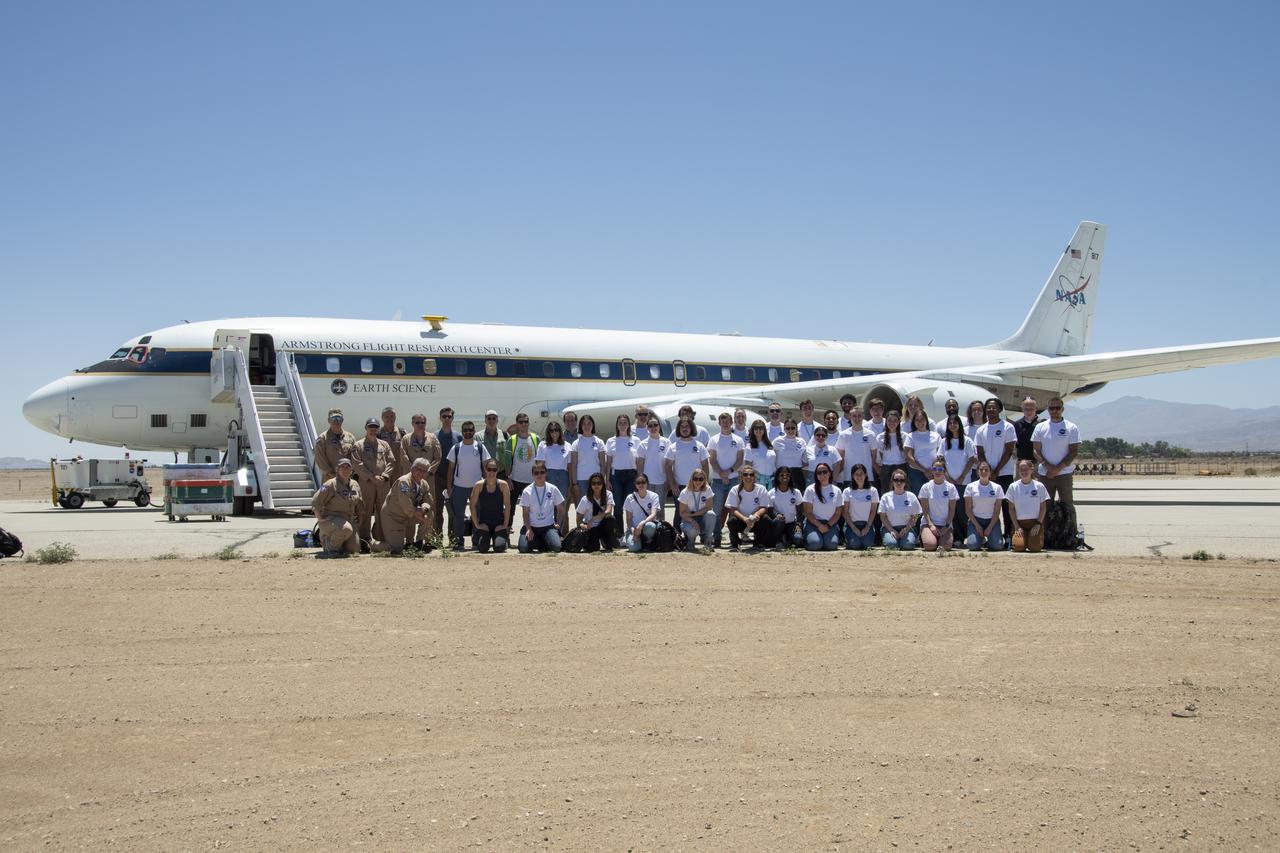
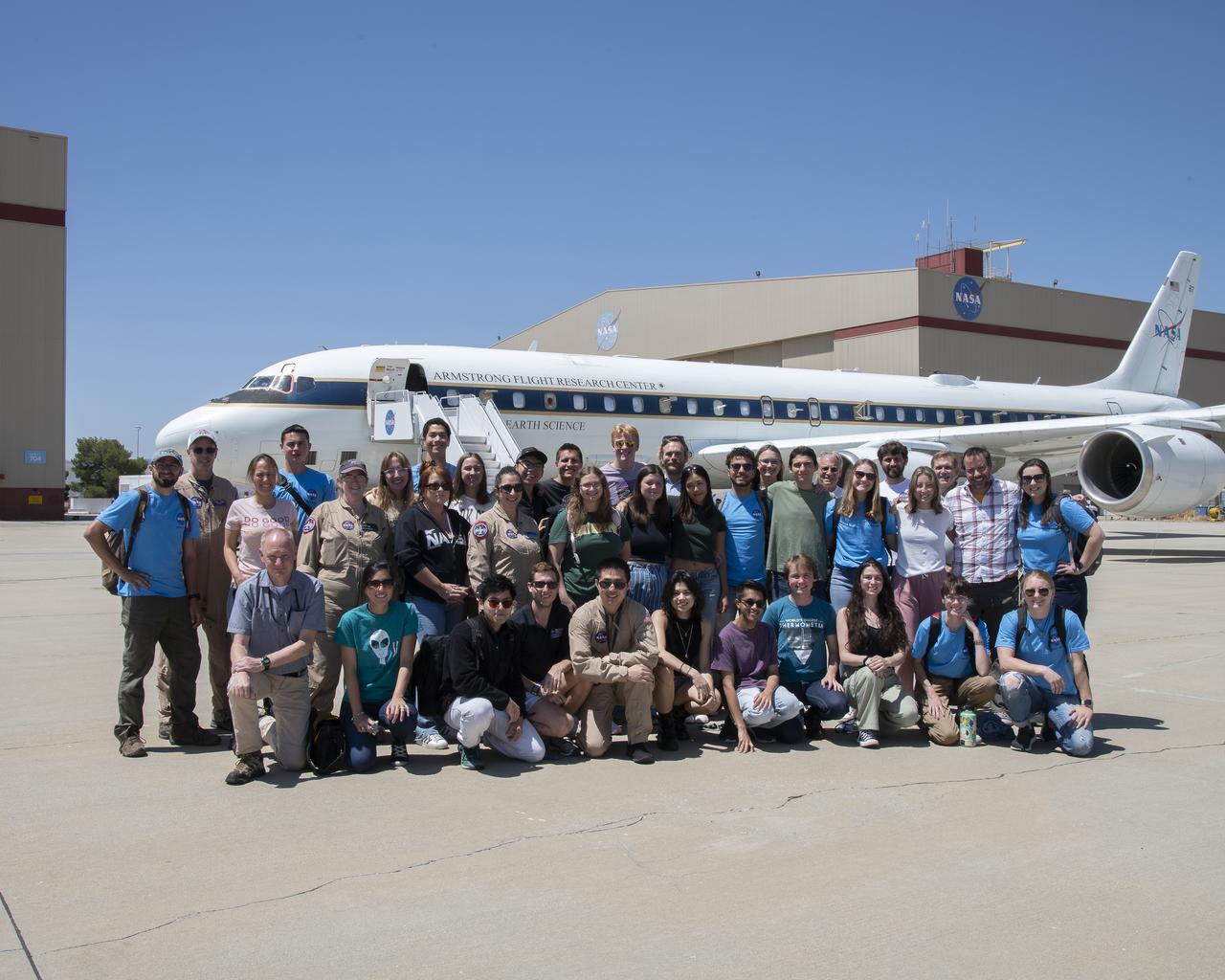
A group of university students and mentors flew aboard NASA Armstrong Flight Research Center’s DC-8 aircraft to study air quality as part of NASA’s Student Airborne Research Program (SARP). Based at NASA’s Armstrong Building 703 in Palmdale, California, the DC-8 flew over the Central Valley to measure pollution and monitor air quality on Tuesday, June 21, 2022.
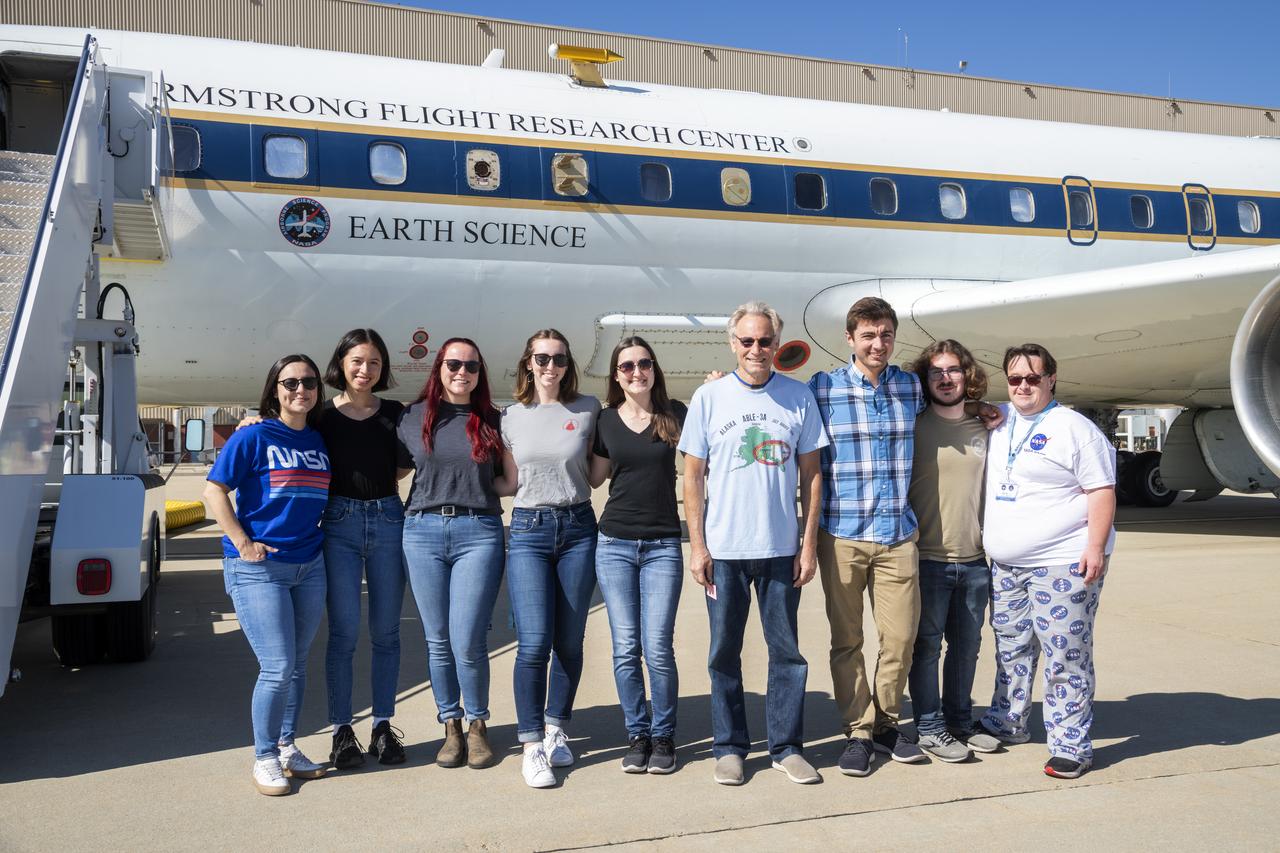
NASA Student Airborne Research Program participants pose in front of the DC-8 before their flight on Jun 23, 2022. The students are joined by mentors and professors to study air quality over the Central Valley in California.
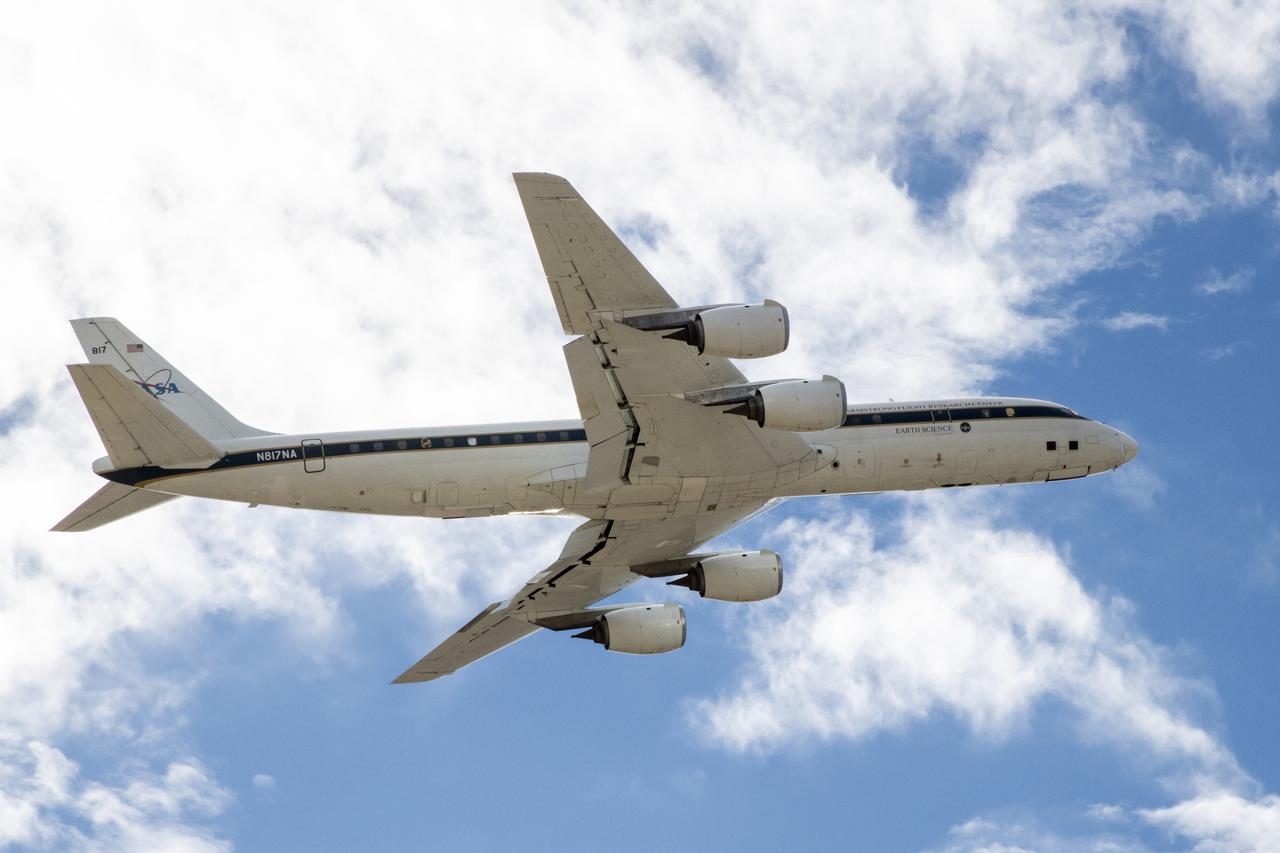
NASA’s Armstrong Flight Research Center DC-8 taking off from Building 703 in Palmdale, CA for the Student Airborne Research Program flights on December 7, 2021.
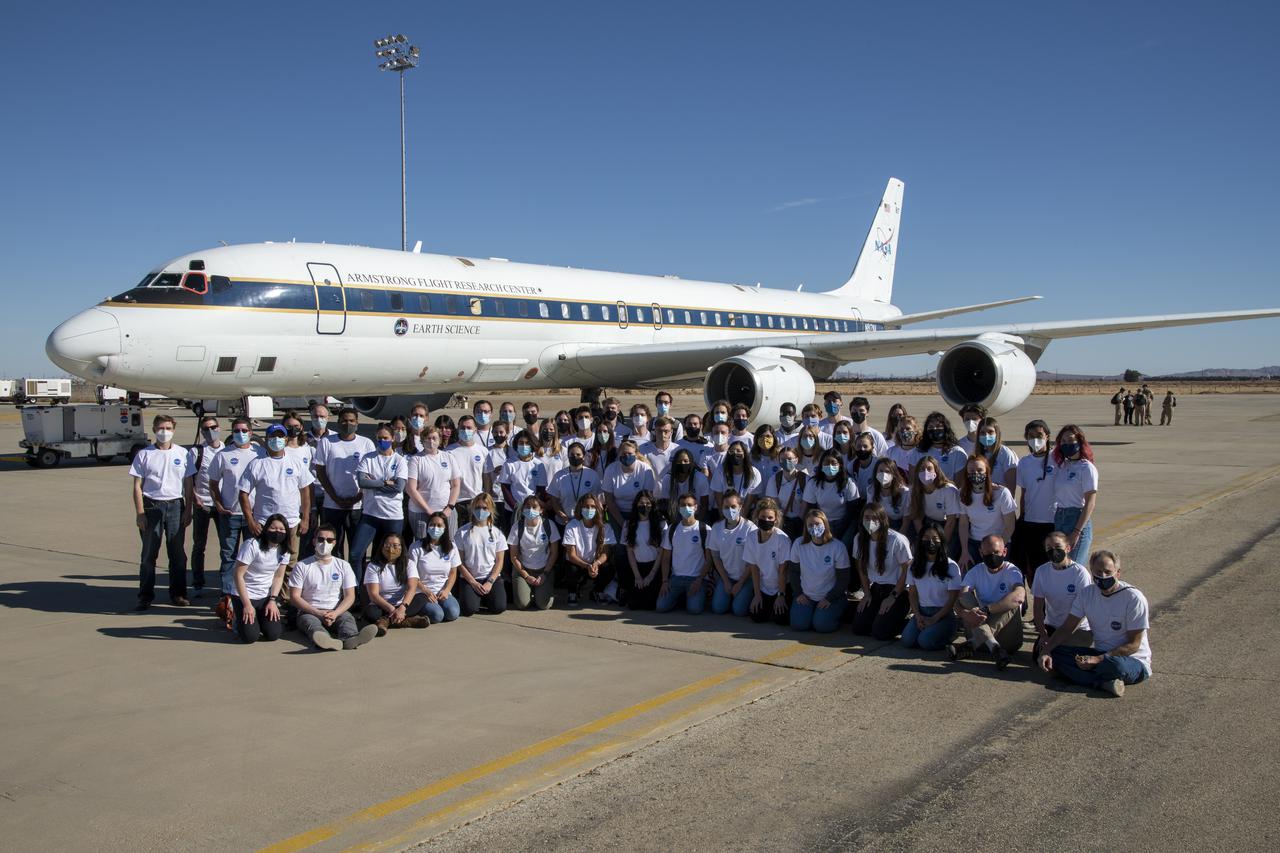
NASA Student Airborne Research Program students, mentors and faculty pose in front of NASA's DC-8 on December 7, 2021 at Armstrong Flight Research Center Building 703.
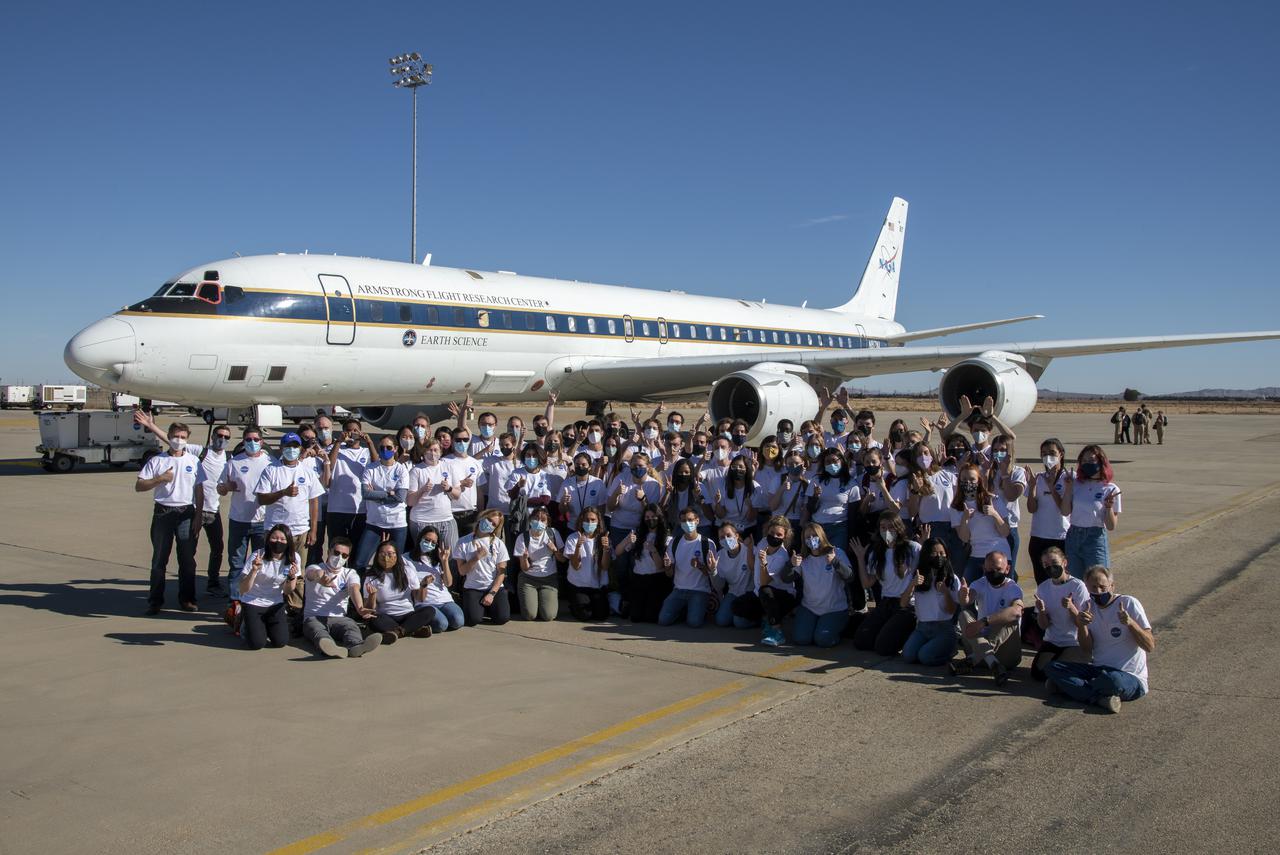
NASA Student Airborne Research Program students, mentors and faculty pose in front of NASA’s DC-8 on December 7, 2021 at Armstrong Flight Research Center Building 703.
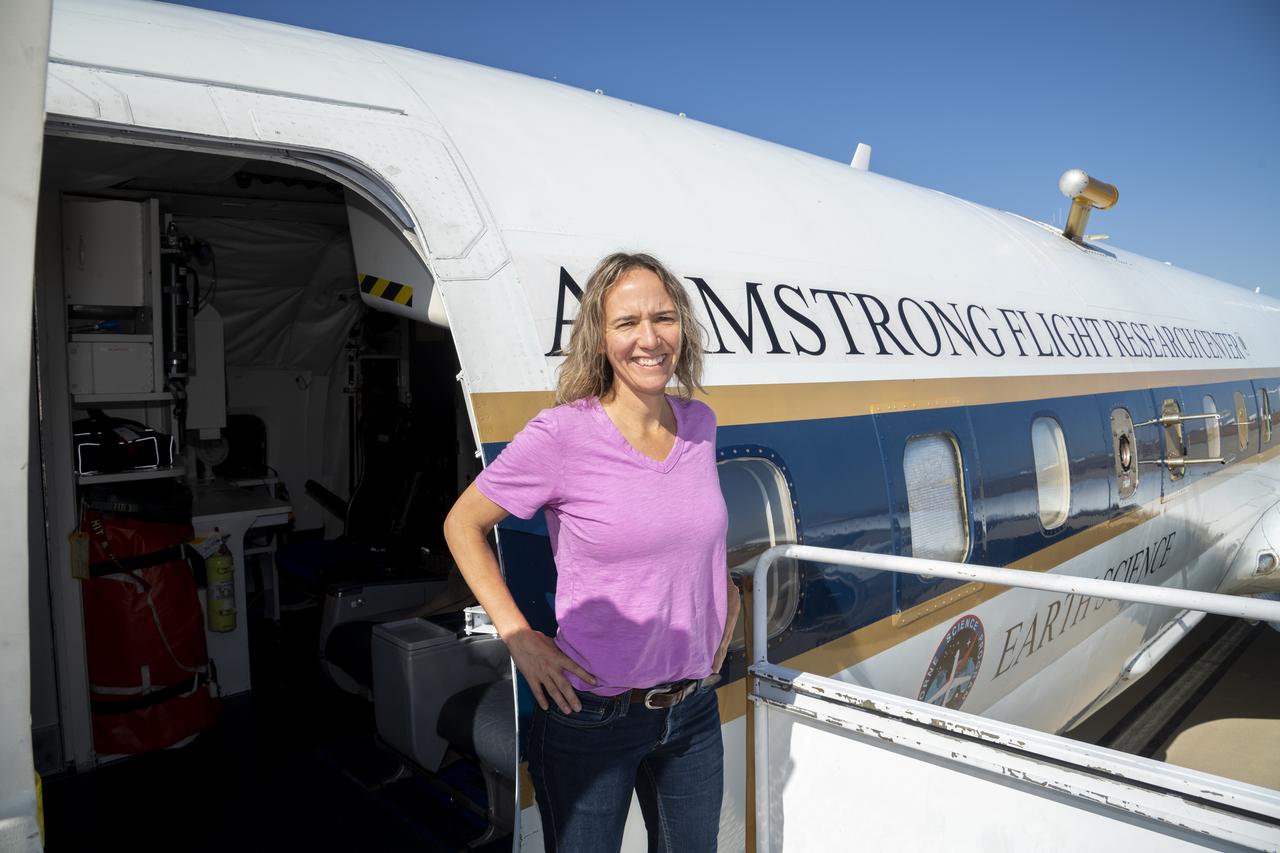
NASA’s Student Airborne Research Program invites Dr. Ann Marie Carlton, Professor of Chemistry at the University of California, Irvine and White House Office of Science and Technology Policy fellow, to fly aboard the DC-8 to measure air quality on June 23, 2022.
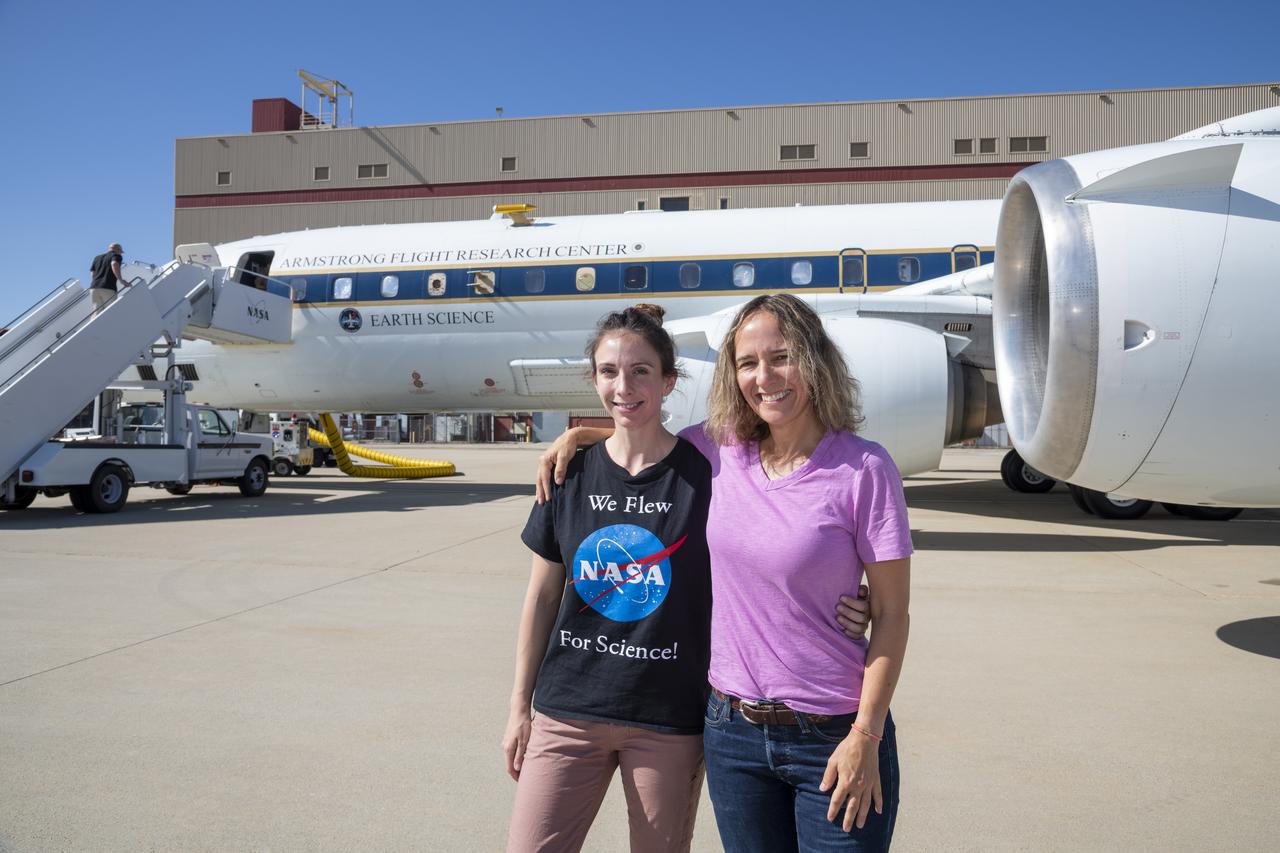
NASA Student Airborne Research Program Manager, Dr. Brenna Biggs and Professor of Chemistry at the University of California, Irvine and White House Office of Science and Technology Policy fellow, Dr. Ann Marie Carlton pose in front of the DC-8 on June 23, 2022.
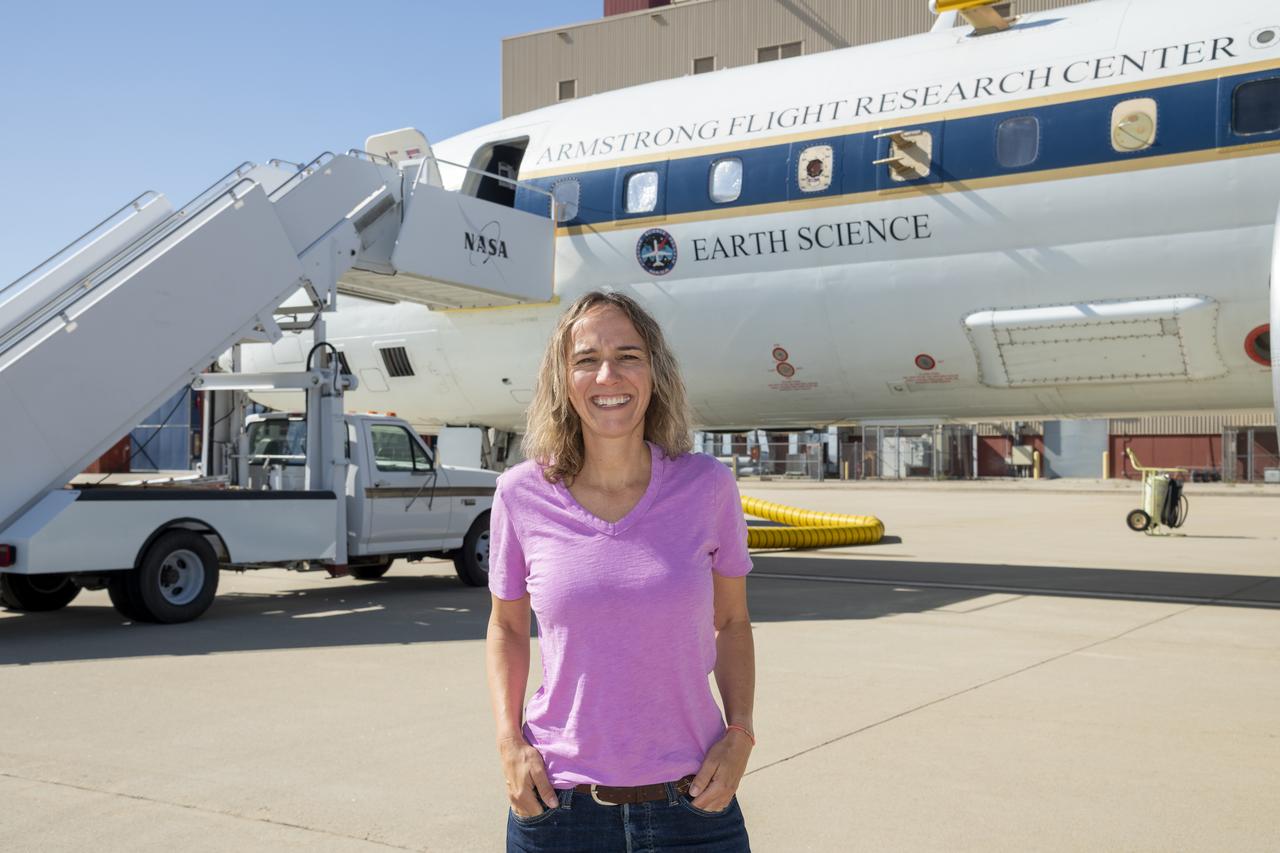
NASA’s Student Airborne Research Program invites Dr. Ann Marie Carlton, Professor of Chemistry at the University of California, Irvine and White House Office of Science and Technology Policy fellow, to fly aboard the DC-8 to measure air quality on June 23, 2022.
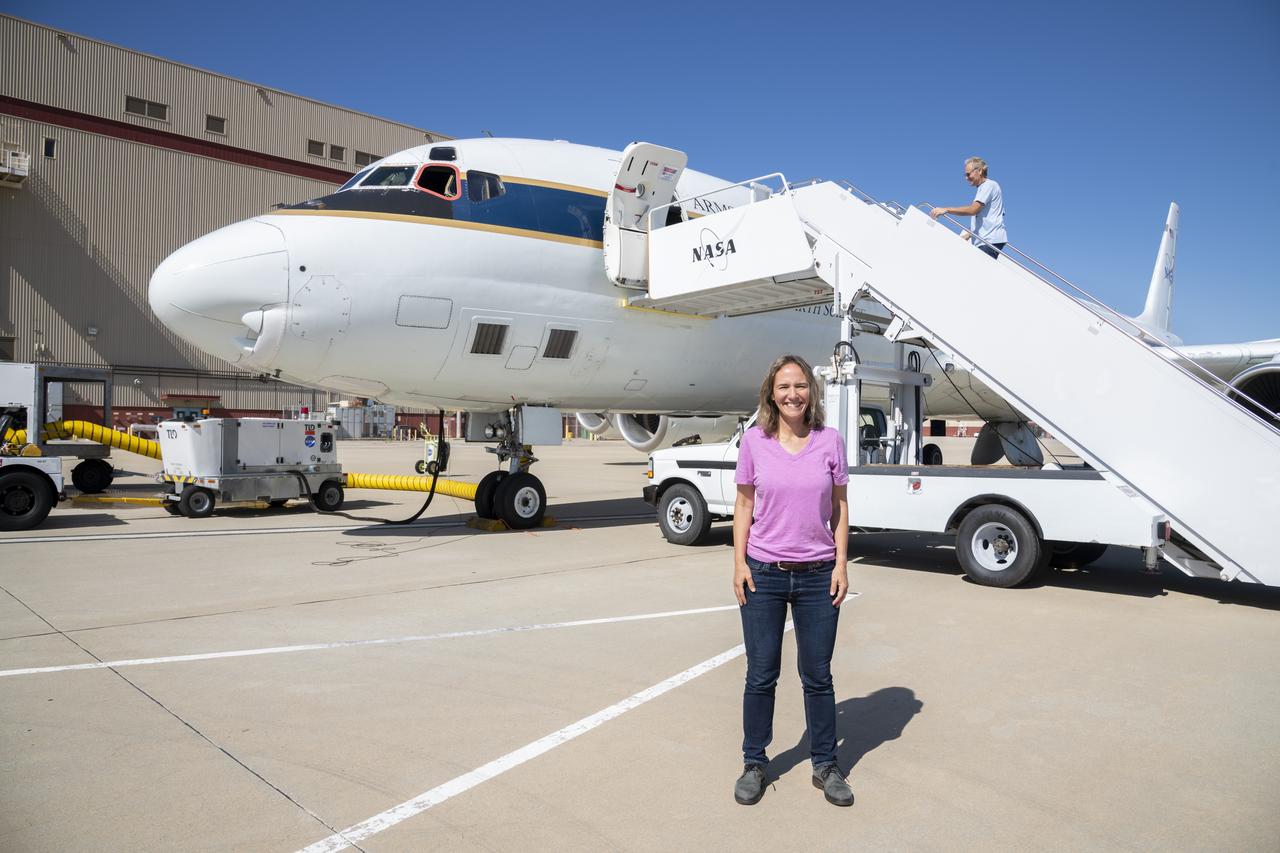
NASA’s Student Airborne Research Program invites Dr. Ann Marie Carlton, Professor of Chemistry at the University of California, Irvine and White House Office of Science and Technology Policy fellow, to fly aboard the DC-8 to measure air quality on June 23, 2022.
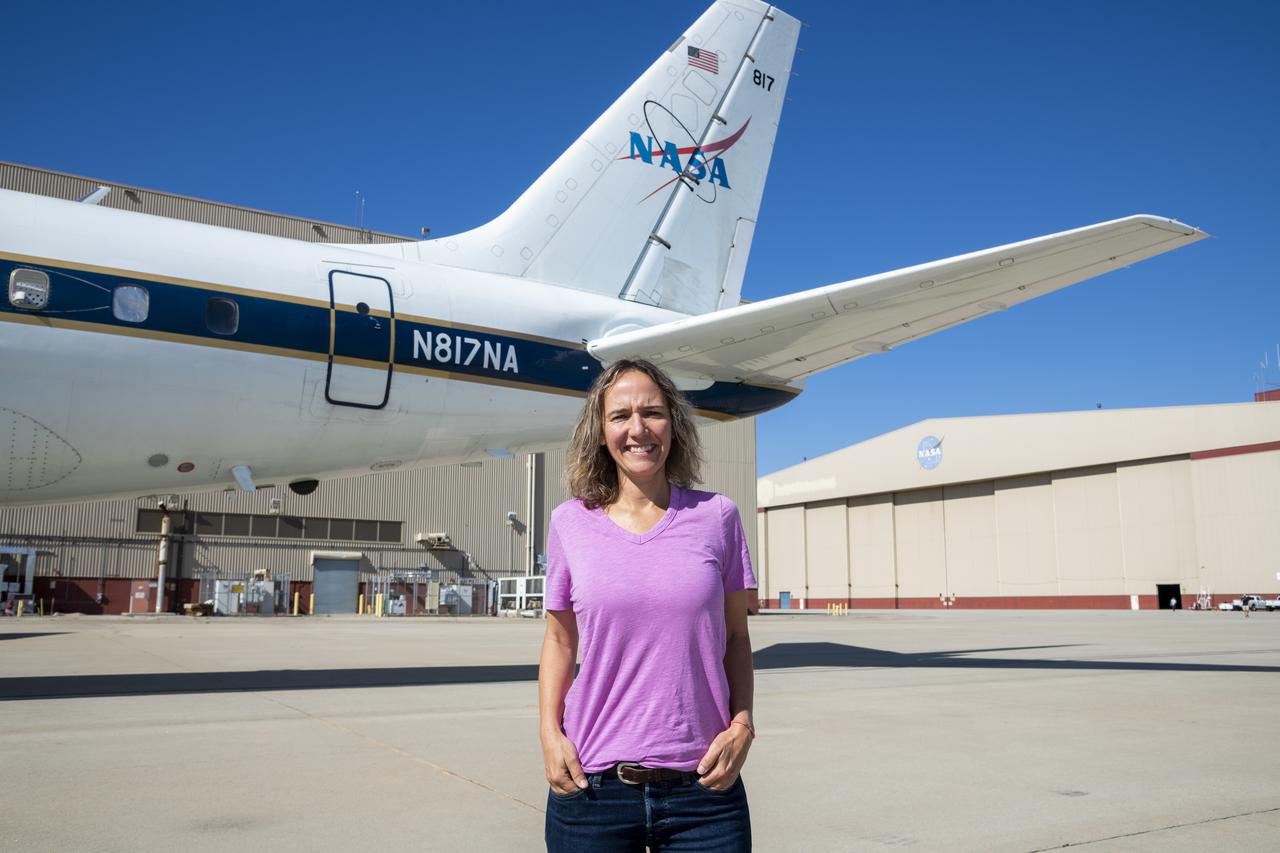
NASA’s Student Airborne Research Program invites Dr. Ann Marie Carlton, Professor of Chemistry at the University of California, Irvine and White House Office of Science and Technology Policy fellow, to fly aboard the DC-8 to measure air quality on June 23, 2022.
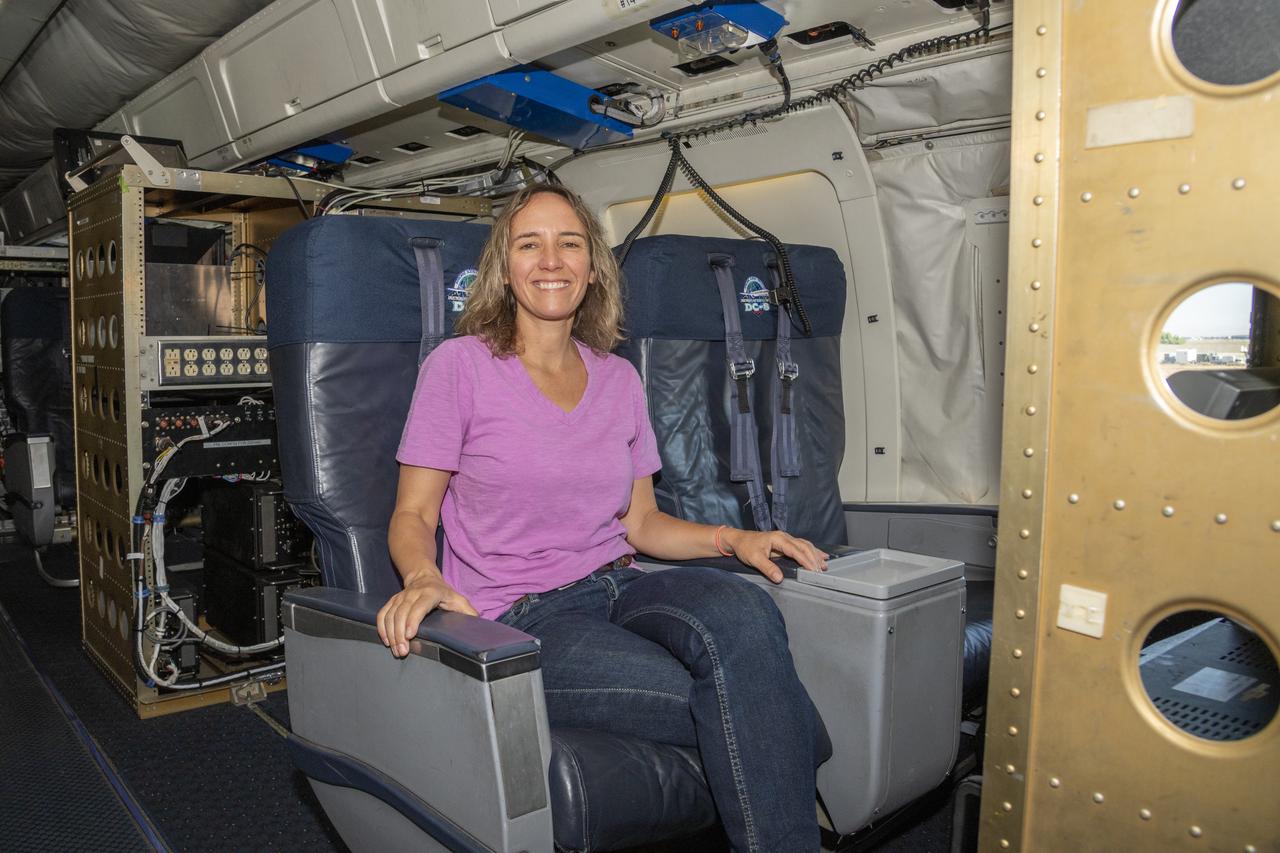
NASA’s Student Airborne Research Program invites Dr. Ann Marie Carlton, Professor of Chemistry at the University of California, Irvine and White House Office of Science and Technology Policy fellow, to fly aboard the DC-8 to measure air quality on June 23, 2022.
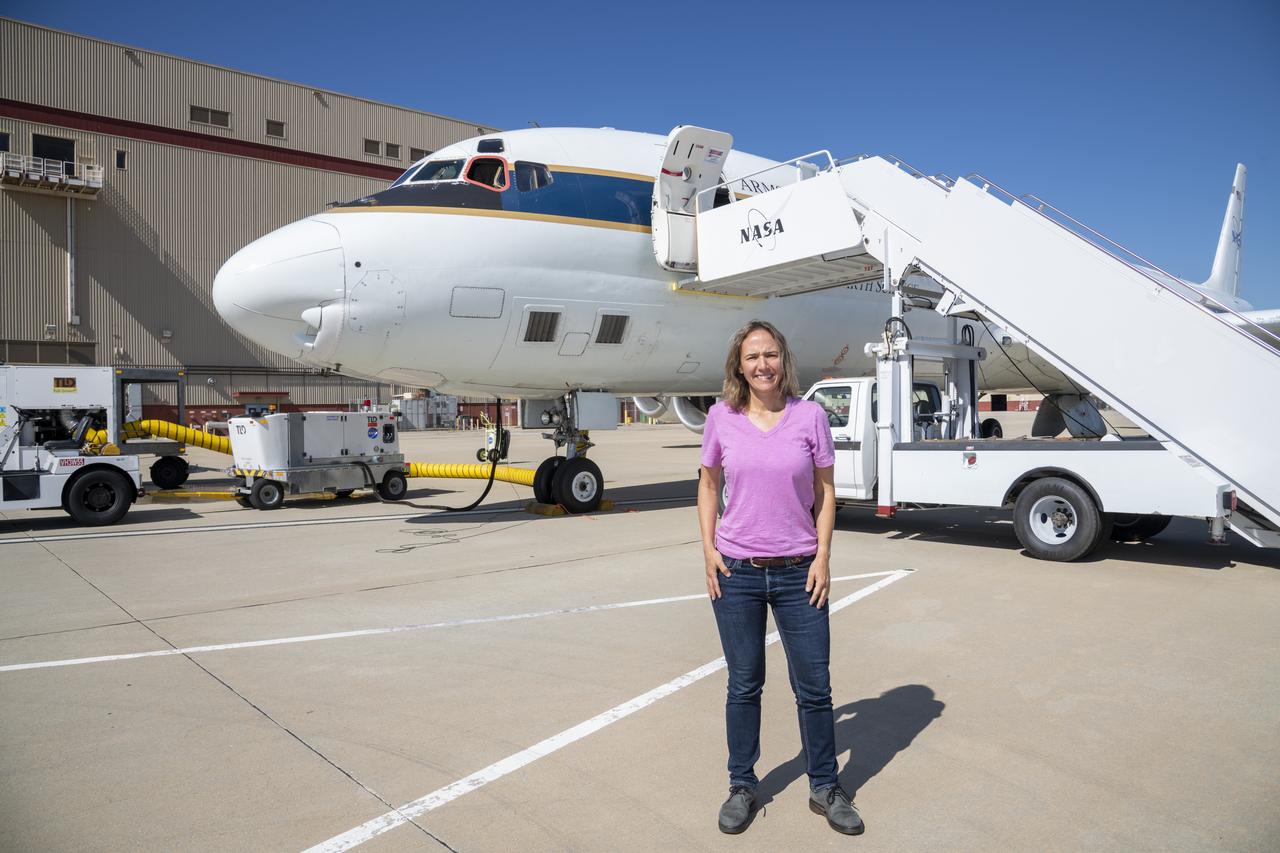
NASA’s Student Airborne Research Program invites Dr. Ann Marie Carlton, Professor of Chemistry at the University of California, Irvine and White House Office of Science and Technology Policy fellow, to fly aboard the DC-8 to measure air quality on June 23, 2022.
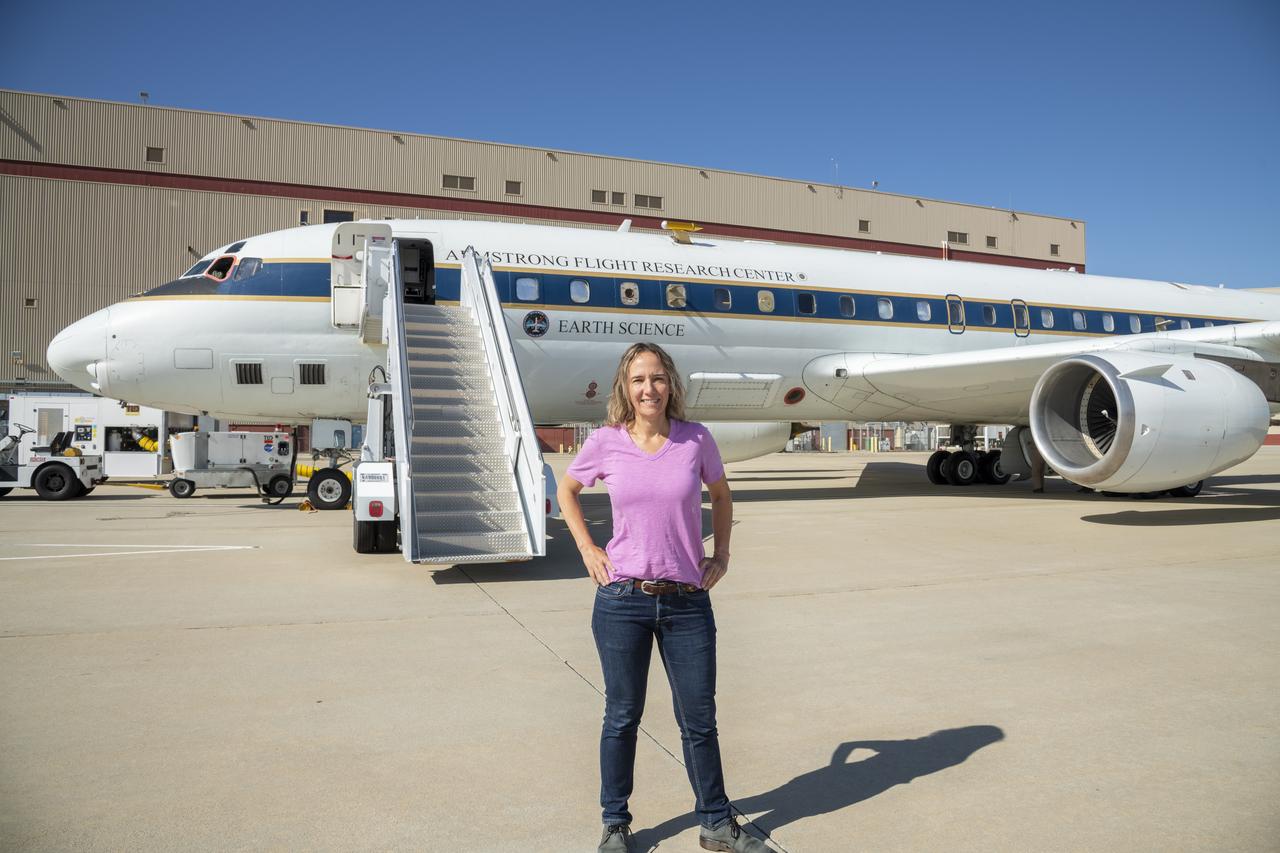
NASA’s Student Airborne Research Program invites Dr. Ann Marie Carlton, Professor of Chemistry at the University of California, Irvine and White House Office of Science and Technology Policy fellow, to fly aboard the DC-8 to measure air quality on June 23, 2022.
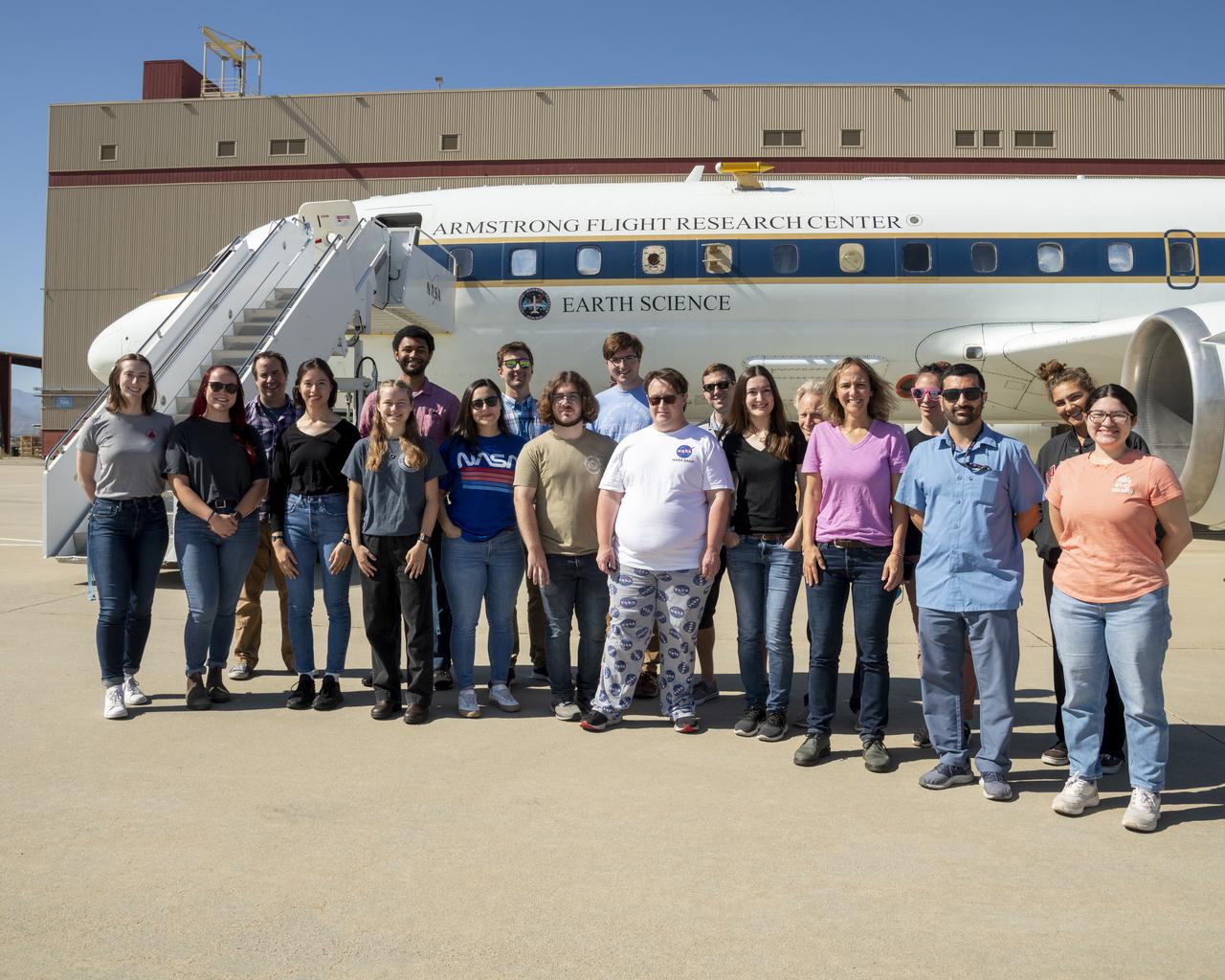
NASA’s Student Airborne Research Program invites Dr. Ann Marie Carlton, Professor of Chemistry at the University of California, Irvine and White House Office of Science and Technology Policy fellow, to fly aboard the DC-8 to measure air quality on June 23, 2022.
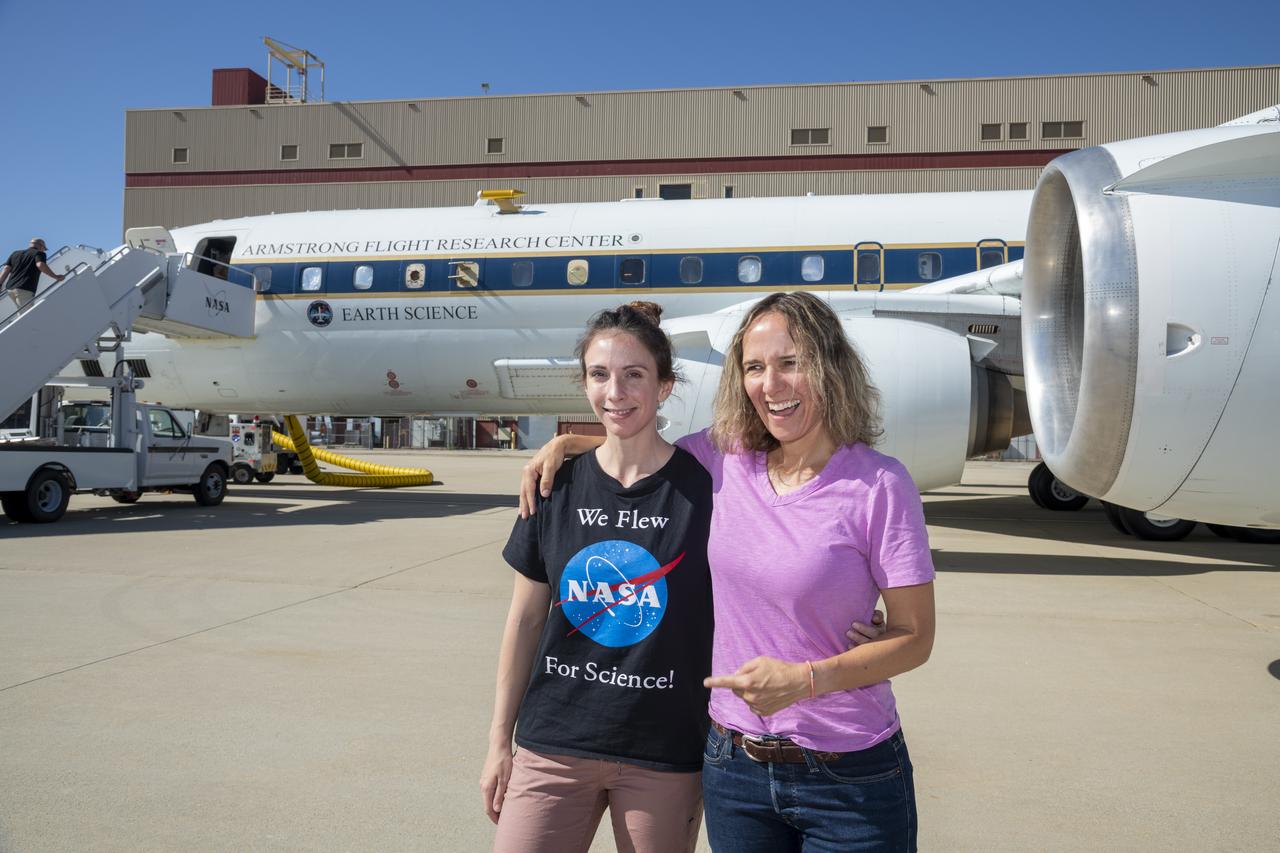
NASA Student Airborne Research Program Manager, Dr. Brenna Biggs and Professor of Chemistry at the University of California, Irvine and White House Office of Science and Technology Policy fellow, Dr. Ann Marie Carlton pose in front of the DC-8 on June 23, 2022.
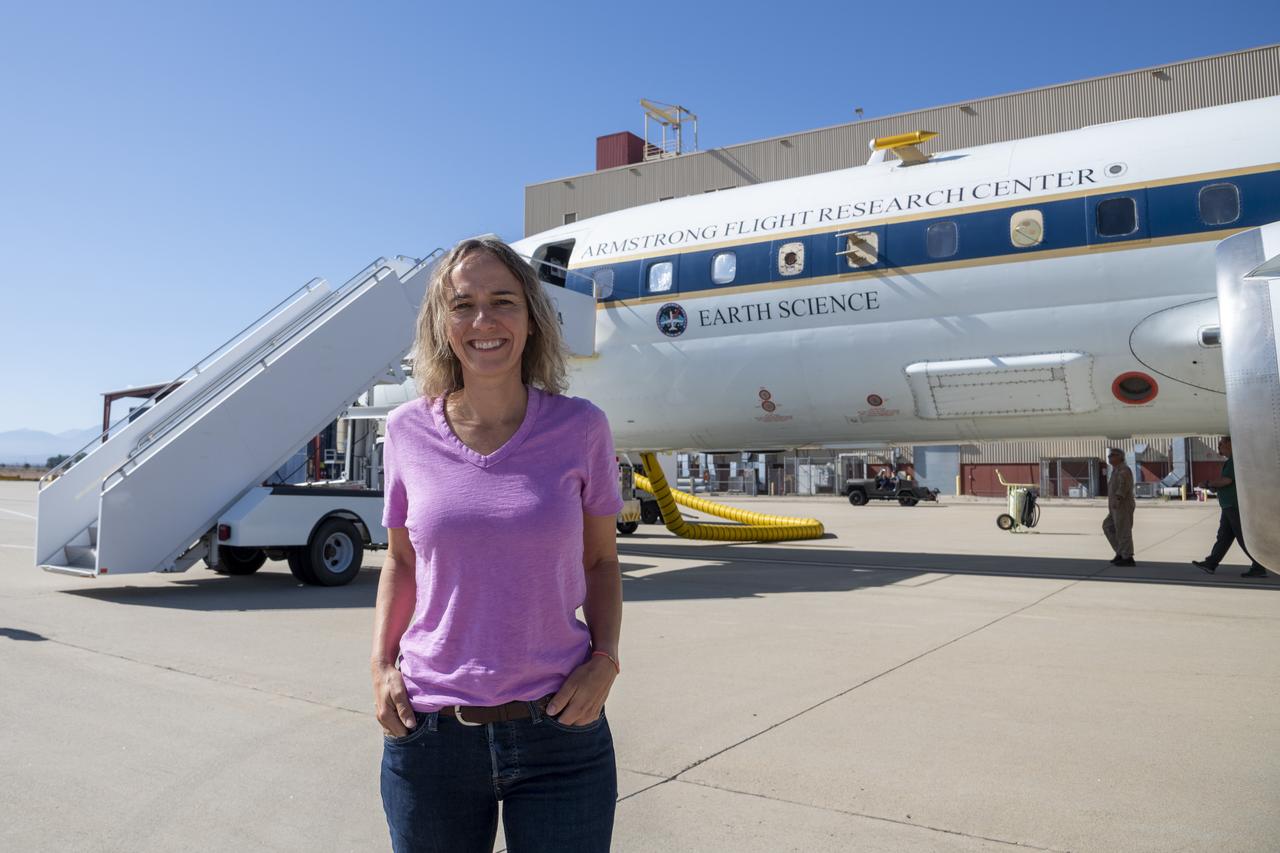
NASA’s Student Airborne Research Program invites Dr. Ann Marie Carlton, Professor of Chemistry at the University of California, Irvine and White House Office of Science and Technology Policy fellow, to fly aboard the DC-8 to measure air quality on June 23, 2022.
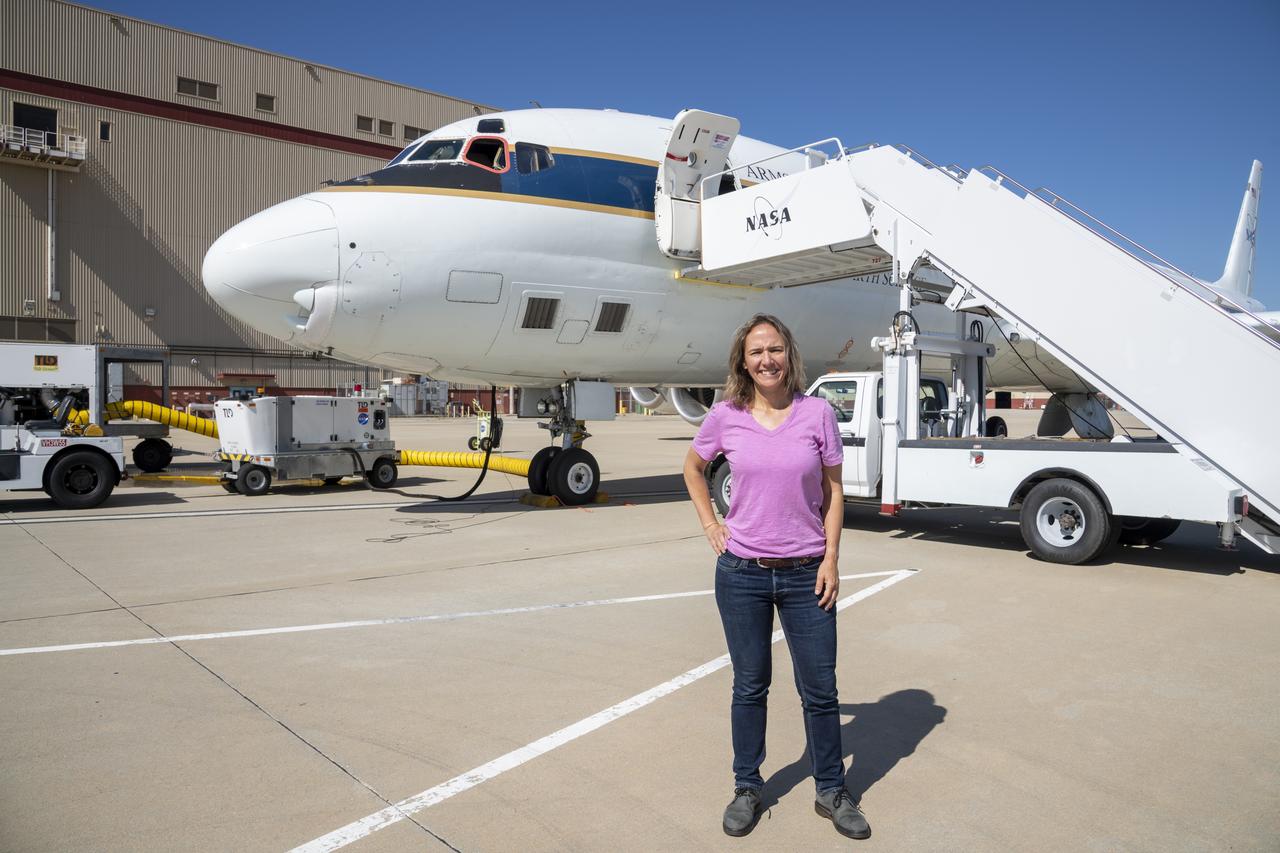
NASA’s Student Airborne Research Program invites Dr. Ann Marie Carlton, Professor of Chemistry at the University of California, Irvine and White House Office of Science and Technology Policy fellow, to fly aboard the DC-8 to measure air quality on June 23, 2022.