
Phase SB Propeller installed on F88B
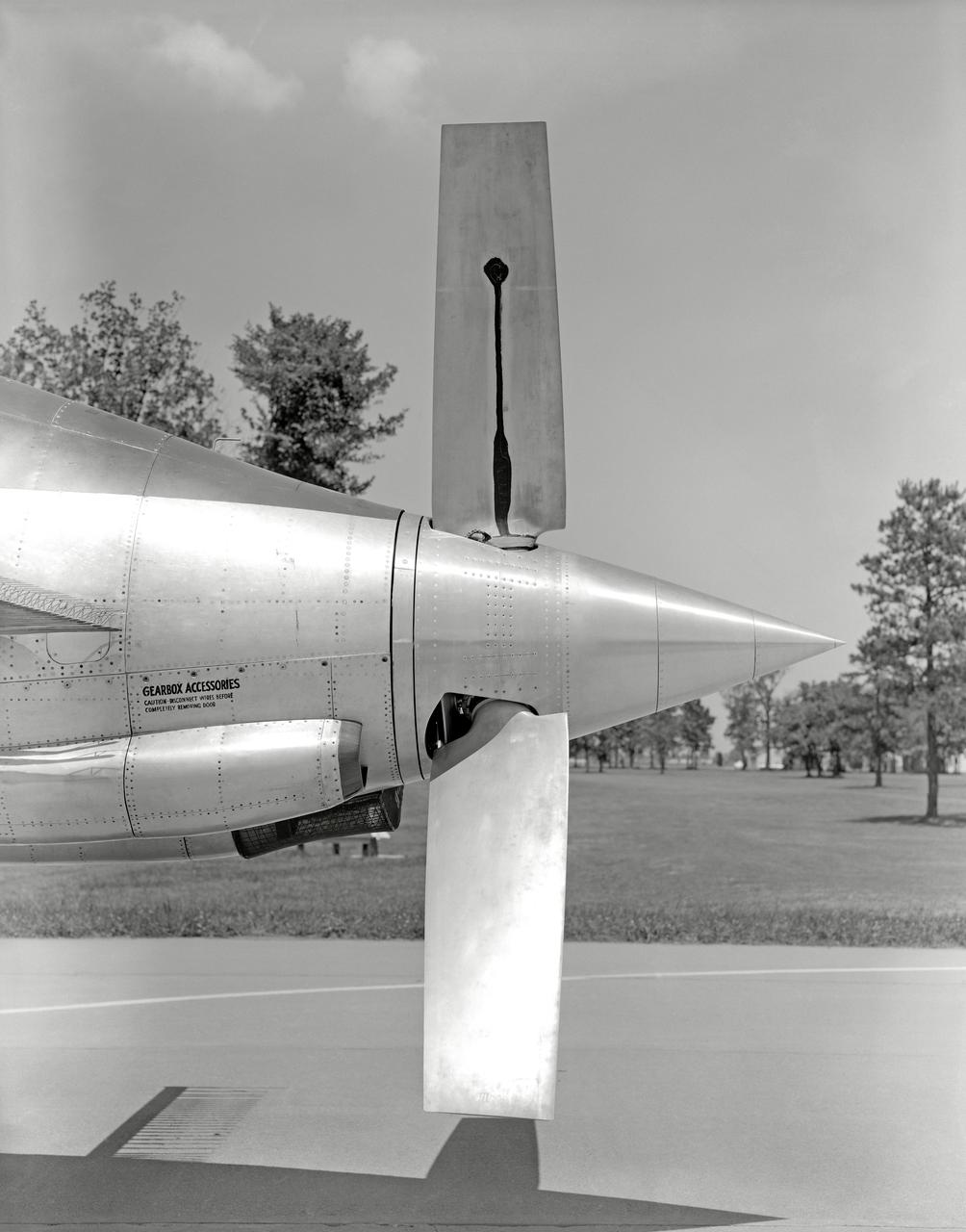
Phase SB Propeller installed on F88B
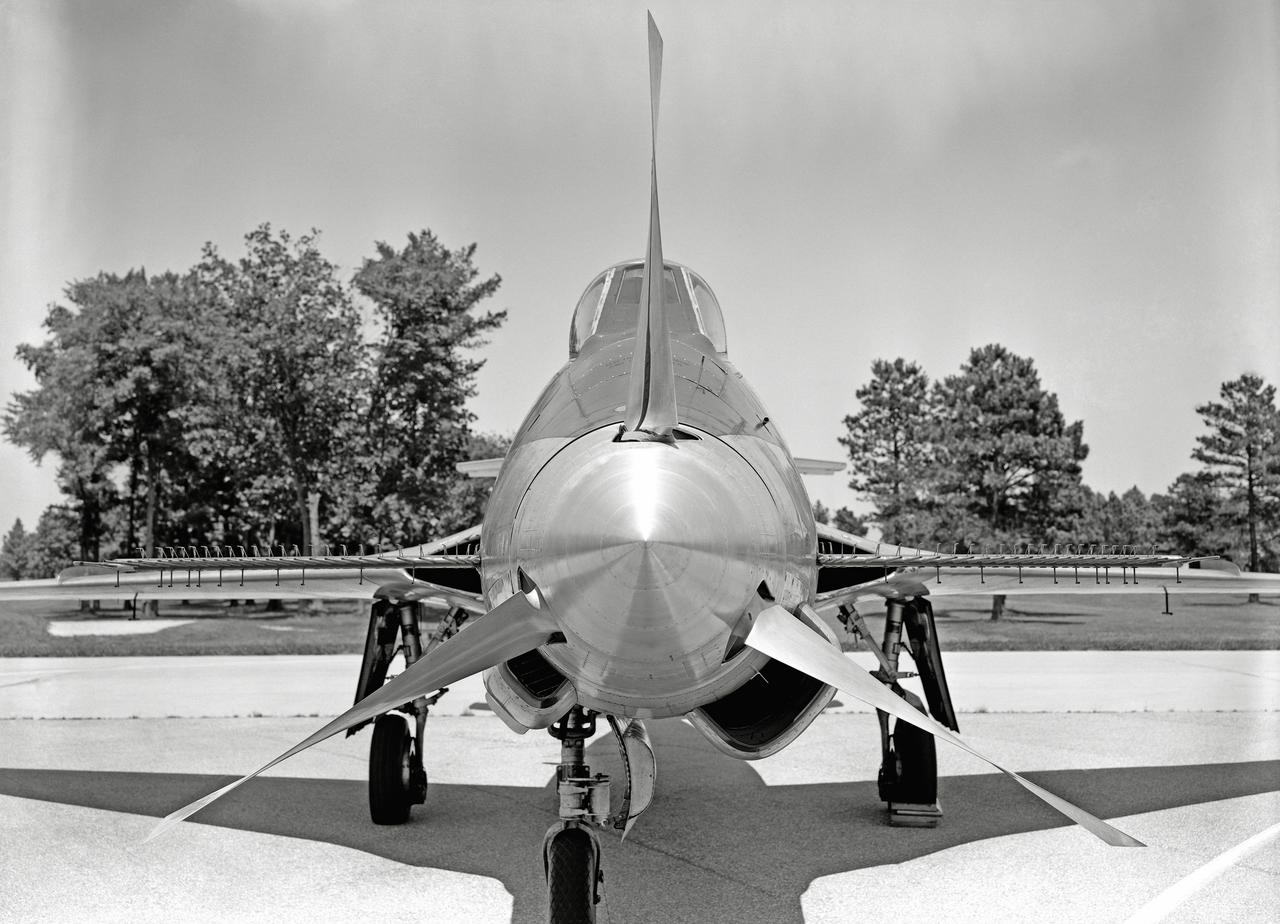
Phase SB Propeller installed on F88B
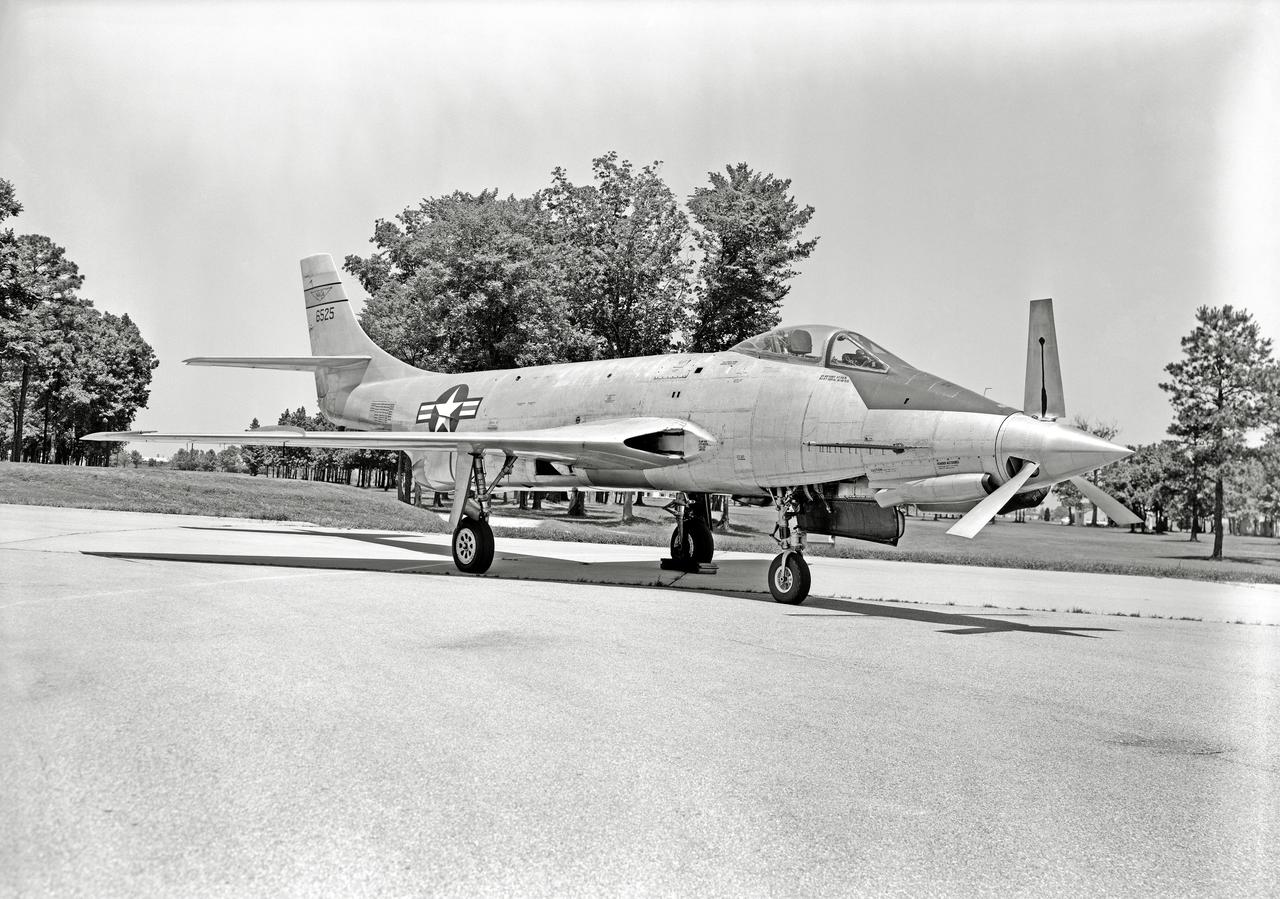
Phase SB Propeller installed on F88B
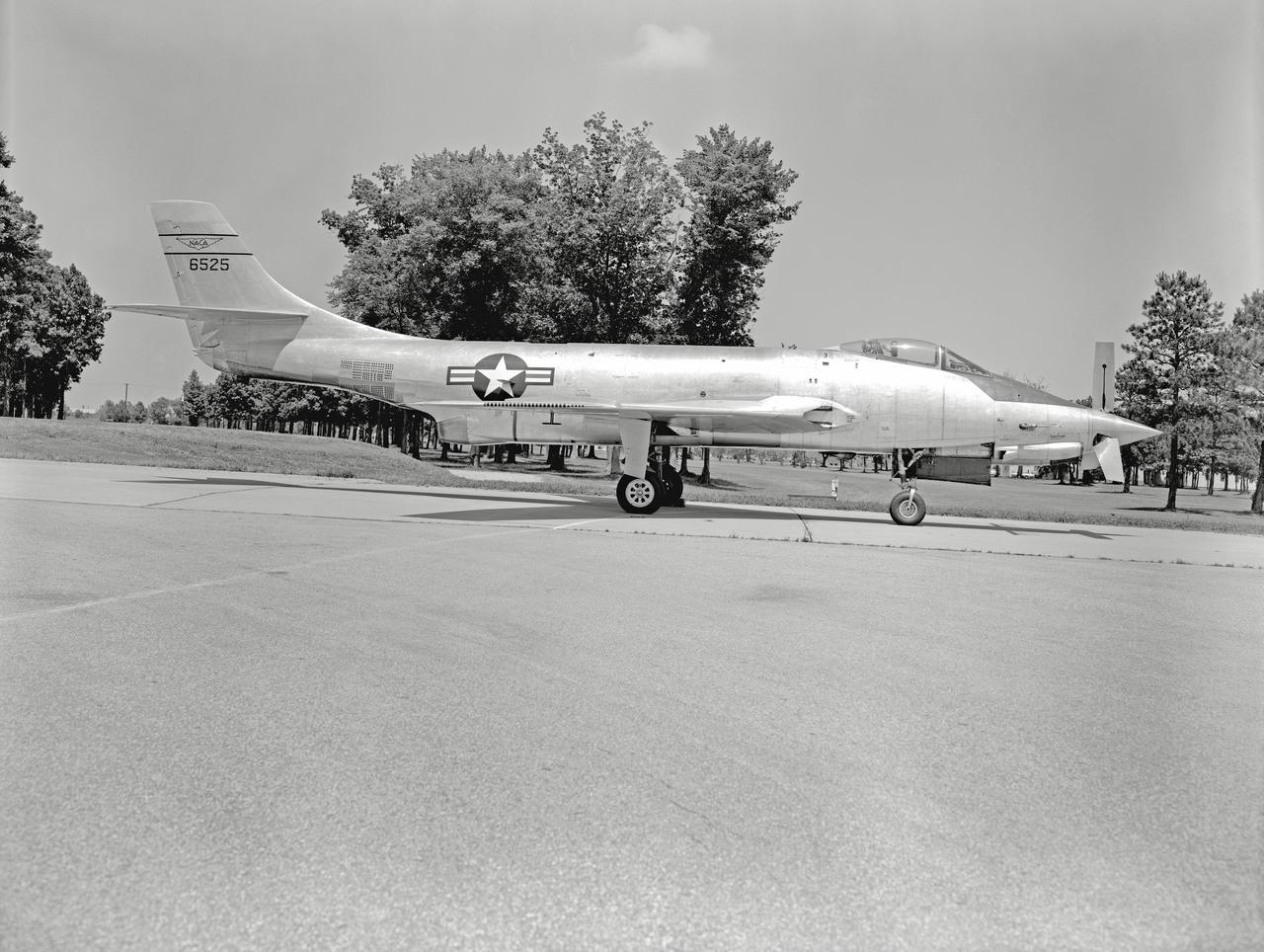
Phase SB Propeller installed on F88B
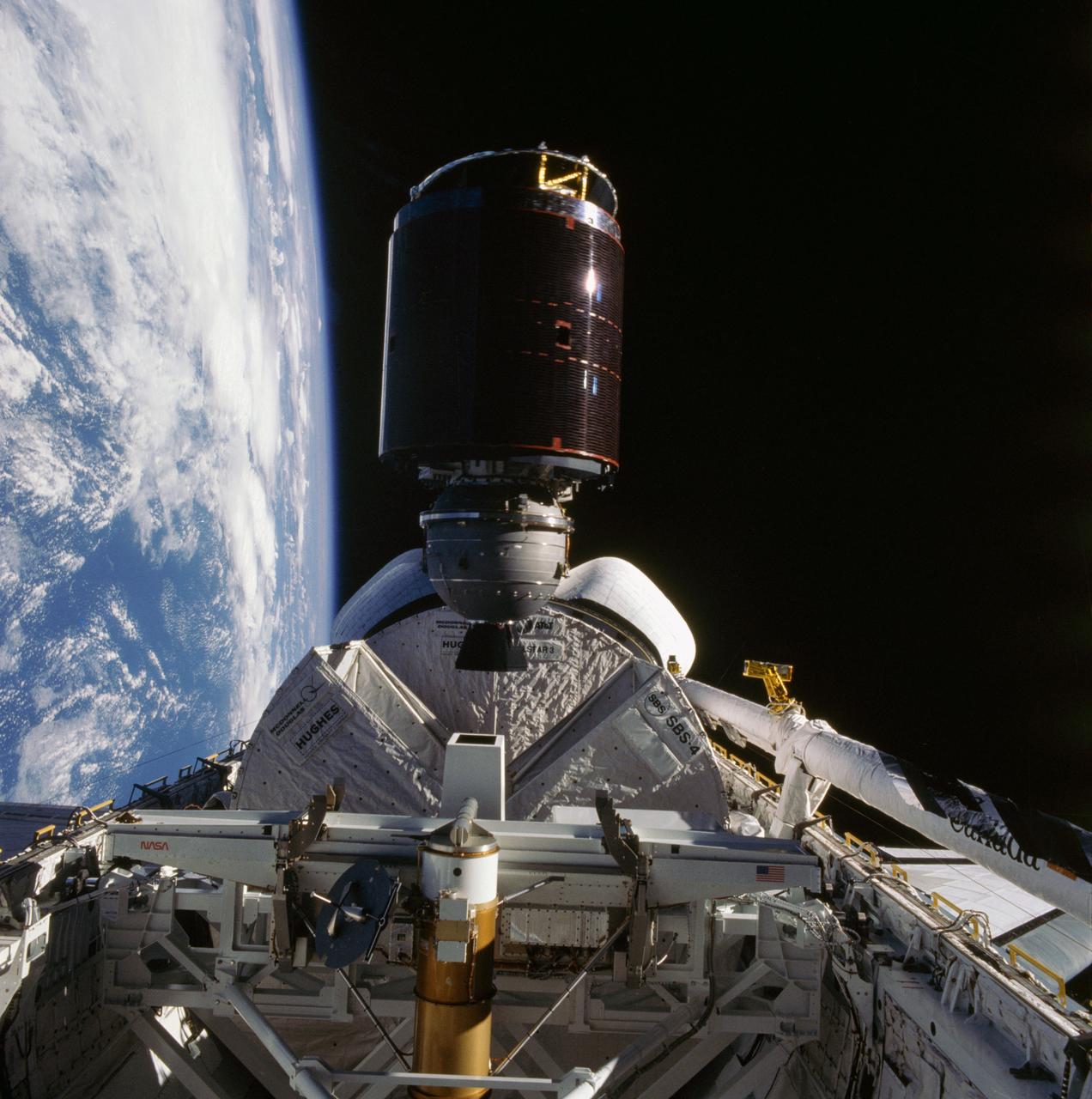
41D-36-034 (30 Aug 1984) --- Less than nine hours after the first launch of the Discovery, its astronaut crewmembers photographed deployment of the SBS-4 communications satellite. The cylindrical spacecraft spins and rises from its cradle-like protective shield to begin life in space. A number of maneuvers will place it in its desired orbit. A 70mm camera, aimed through the spacecraft’s aft flight deck windows, was used to expose the frame.
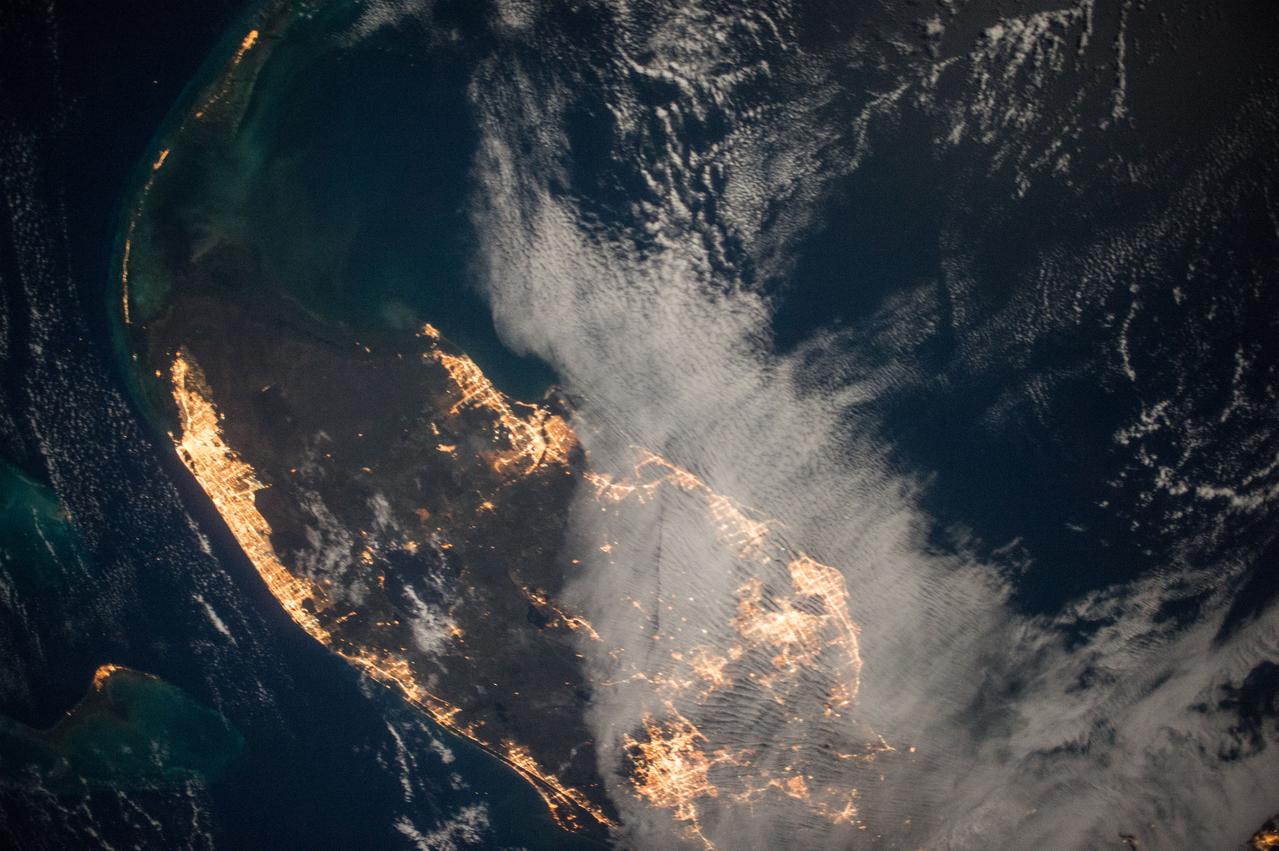
GMT341_11_37_Barry Wilmore_Night Across U.S - Aurora - Great Lakes to Florida and Bahamas - For DM SB

Canister open in VPF. Payload for STS-5, SBS-3, & Anik C-3, being loaded into the canister

GMT341_11_37_Barry Wilmore_Night Across U.S - Aurora - Great Lakes to Florida and Bahamas - For DM SB
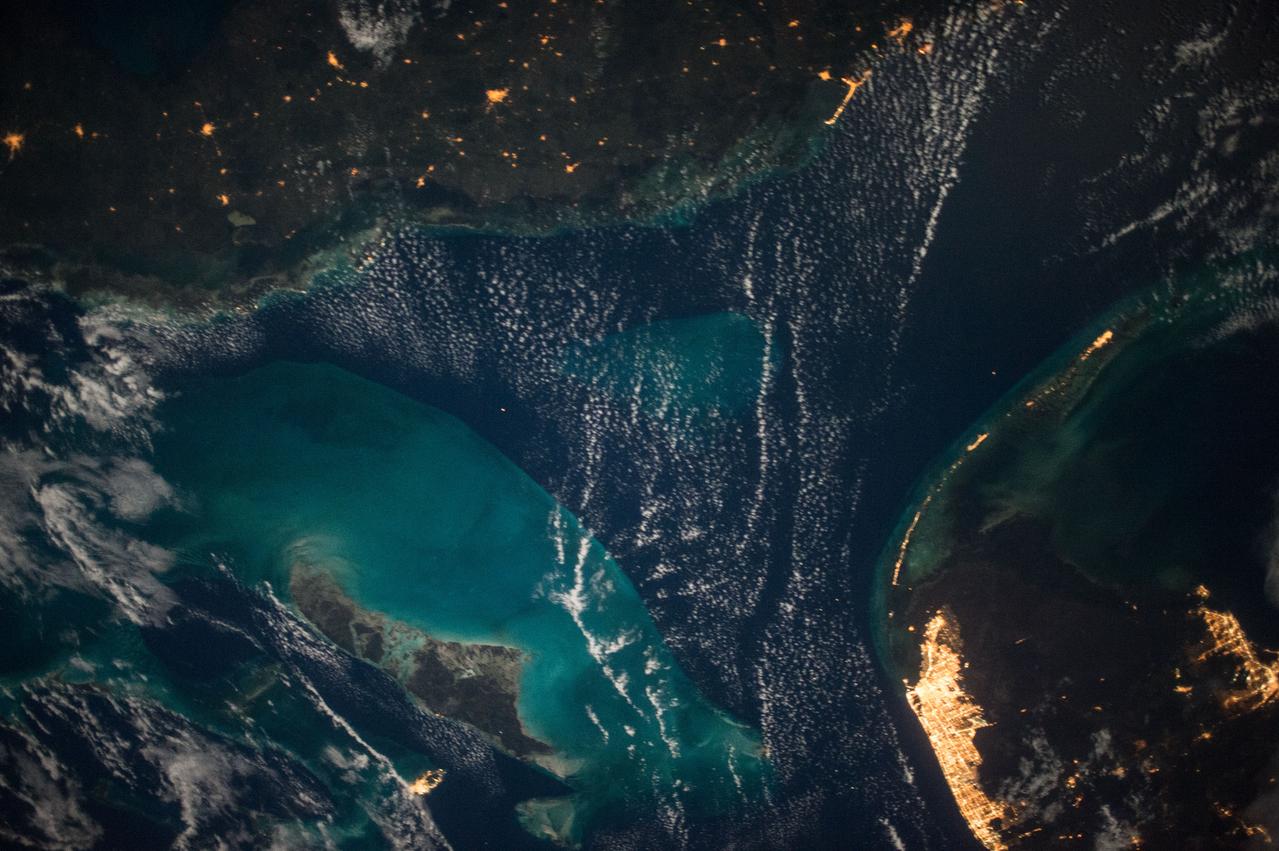
GMT341_11_37_Barry Wilmore_Night Across U.S - Aurora - Great Lakes to Florida and Bahamas - For DM SB
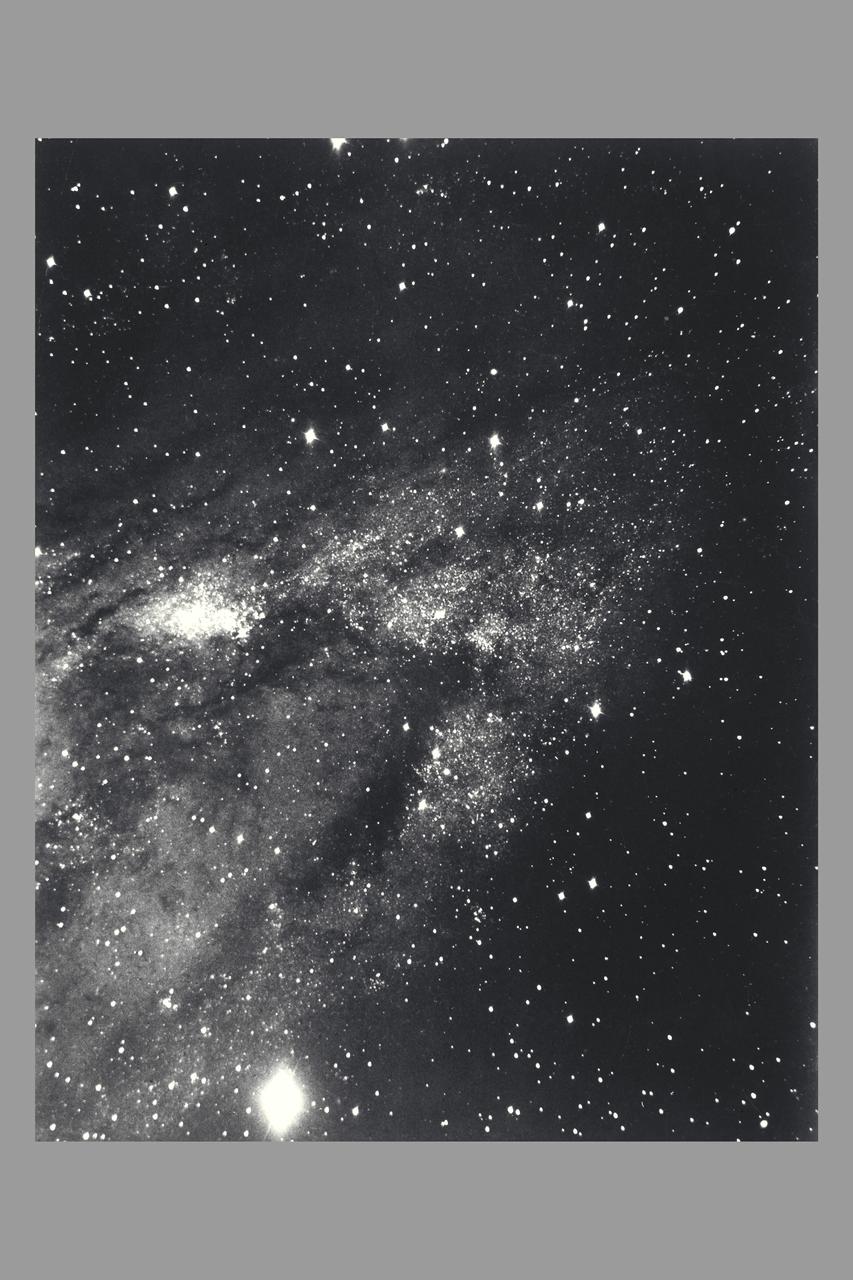
Credit: Mt Wilson/Palomar Observatories - NGC 224 The Great Galaxy, in Andromeda, type Sb. Shows south preceding region resolved inot stars 100-inch
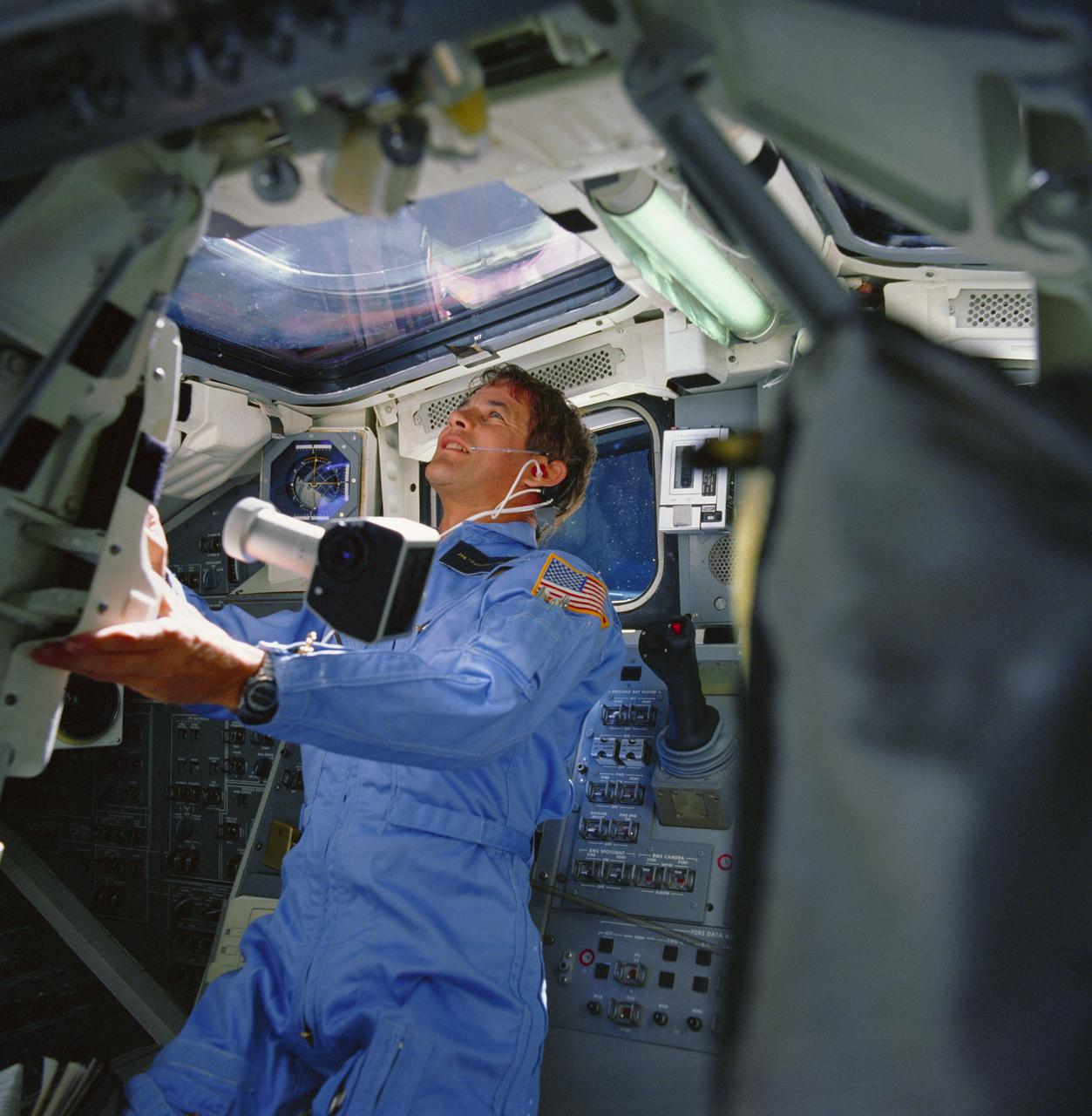
S82-39790 (11-15 Nov. 1982) --- Astronaut Joseph P. Allen IV, STS-5 mission specialist, lets a spot-meter float freely for a moment during a period devoted to out-the-window photographs of Earth from orbiting space shuttle Columbia. Dr. Allen is on the flight deck of the reusable space vehicle and positioned behind the pilot?s station. Also onboard for NASA?s first operational Space Transportation System (STS) flight are astronauts Vance D. Brand, commander; Robert F. Overmyer, pilot; and William B. Lenoir, mission specialist. Photo credit: NASA
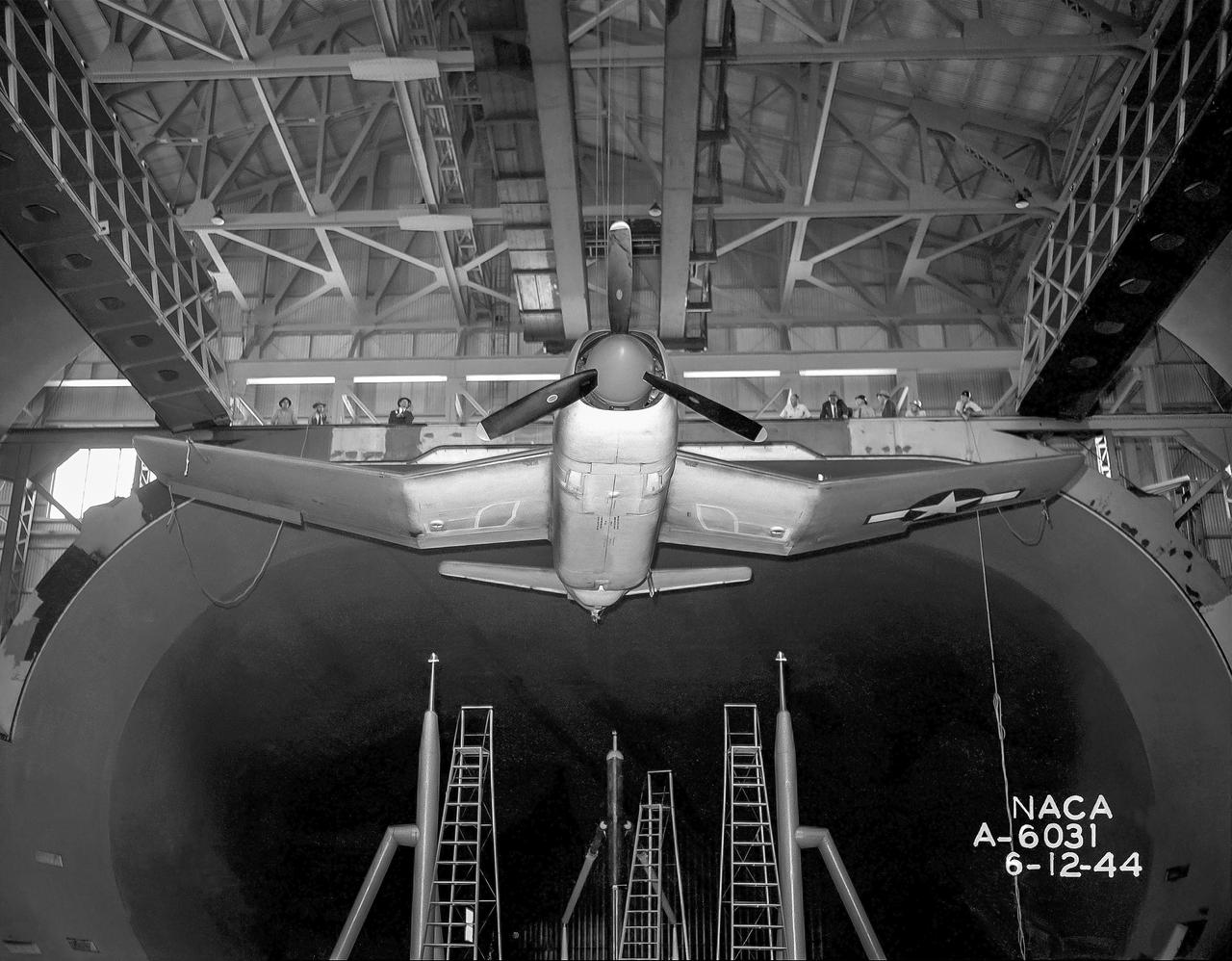
XSB2D-1 First test (no number) Aerodynamic test to forecast the take off distance. George Cooper was the A1:H73 pilot. Orchard ladders were used to access the ball socket attachments on the struts.
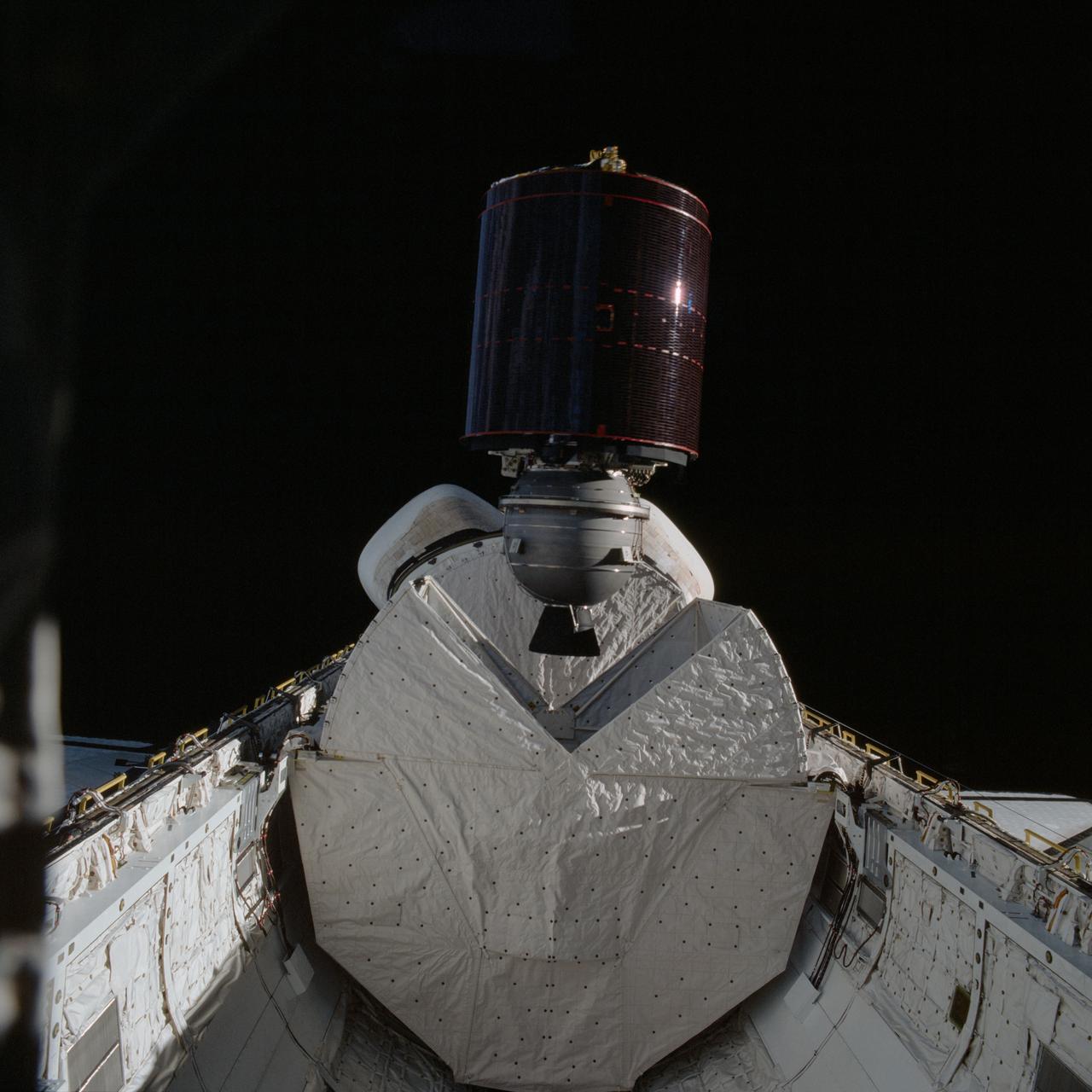
STS005-38-943 (17 Nov. 1982) --- The Satellite Business Systems (SBS-3) satellte is deployed from its protective cradle in the cargo bay of the space shuttle Columbia. Part of Columbia's wings can be seen on both the port and starboard sides. Part of both orbital maneuvering system (OMS) pods are seen at center. The vertical stabilizer is obscured by the satellite. Photo credit: NASA

The bright streak of glowing gas and stars in this NASA/ESA Hubble Space Telescope image is known as PGC 51017, or SBSG 1415+437. It is type of galaxy known as a blue compact dwarf. This particular dwarf is well studied and has an interesting star formation history. Astronomers initially thought that SBS 1415+437 was a very young galaxy currently undergoing its very first burst of star formation, but more recent studies have suggested that the galaxy is in fact a little older, containing stars over 1.3 billion years old. Starbursts are an area of ongoing research for astronomers — short-lived and intense periods of star formation, during which huge amounts of gas within a galaxy are hungrily used up to form newborn stars. They have been seen in gas-rich disc galaxies, and in some lower-mass dwarfs. However, it is still unclear whether all dwarf galaxies experience starbursts as part of their evolution. It is possible that dwarf galaxies undergo a star formation cycle, with bursts occurring repeatedly over time. SBS 1415+437 is an interesting target for another reason. Dwarf galaxies like this are thought to have formed early in the Universe, producing some of the very first stars before merging together to create more massive galaxies. Dwarf galaxies which contain very few of the heavier elements formed from having several generations of stars, like SBS 1415+437, remain some of the best places to study star-forming processes similar to those thought to occur in the early Universe. However, it seems that our nearby patch of the Universe may not contain any galaxies that are currently undergoing their first burst of star formation. A version of this image was entered into the Hubble’s Hidden Treasures image processing competition by contestant Nick Rose.
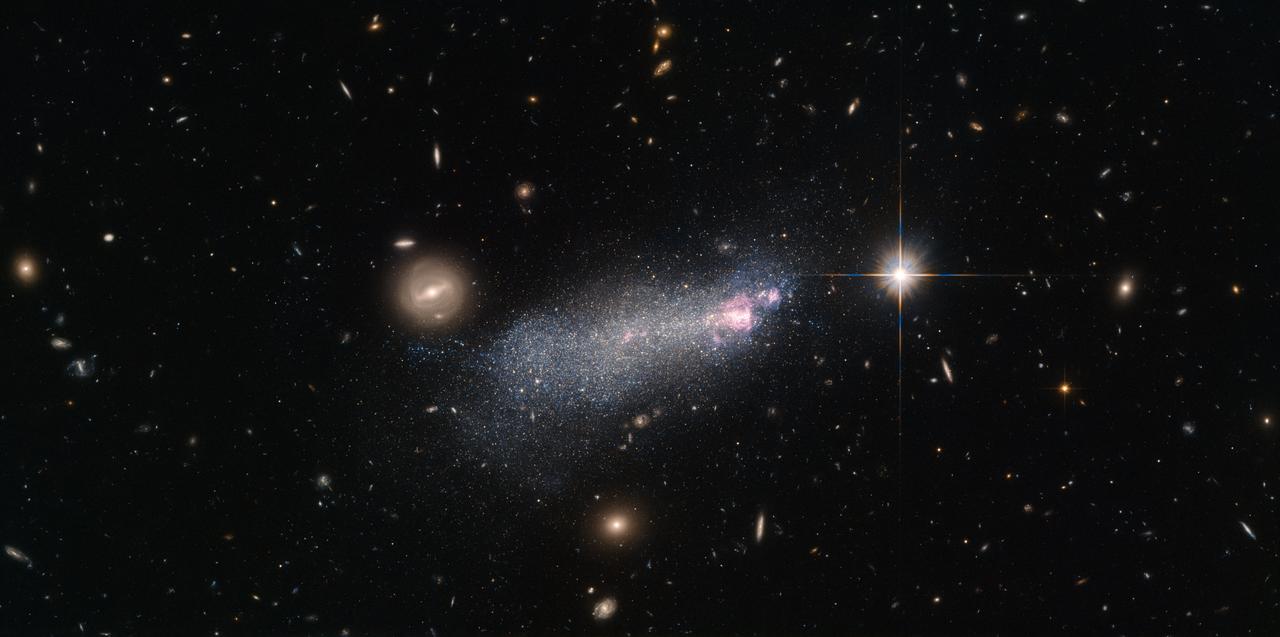
This NASA/ESA Hubble Space Telescope picture shows a galaxy named SBS 1415+437 or SDSS CGB 12067.1, located about 45 million light-years from Earth. SBS 1415+437 is a Wolf–Rayet galaxy, a type of starbursting galaxy with an unusually high number of extremely hot and massive stars known as Wolf–Rayet stars. These stars can be around 20 times as massive as the Sun, but seem to be on a mission to shed surplus mass as quickly as possible — they blast substantial winds of particles out into space, causing them to dwindle at a rapid rate. A typical star of this type can lose a mass equal to that of our Sun in just 100 000 years! These massive stars are also incredibly hot, with surface temperatures some 10 to 40 times that of the Sun, and very luminous, glowing at tens of thousands to several million times the brightness of the Sun. Many of the brightest and most massive stars in the Milky Way are Wolf–Rayet stars. Because these stars are so intense they do not last very long, burning up their fuel and blasting their bulk out into the cosmos on very short timescale ‒ only a few hundred thousand years. Because of this it is unusual to find more than a few of these stars per galaxy — except in Wolf–Rayet galaxies, like the one in this image.
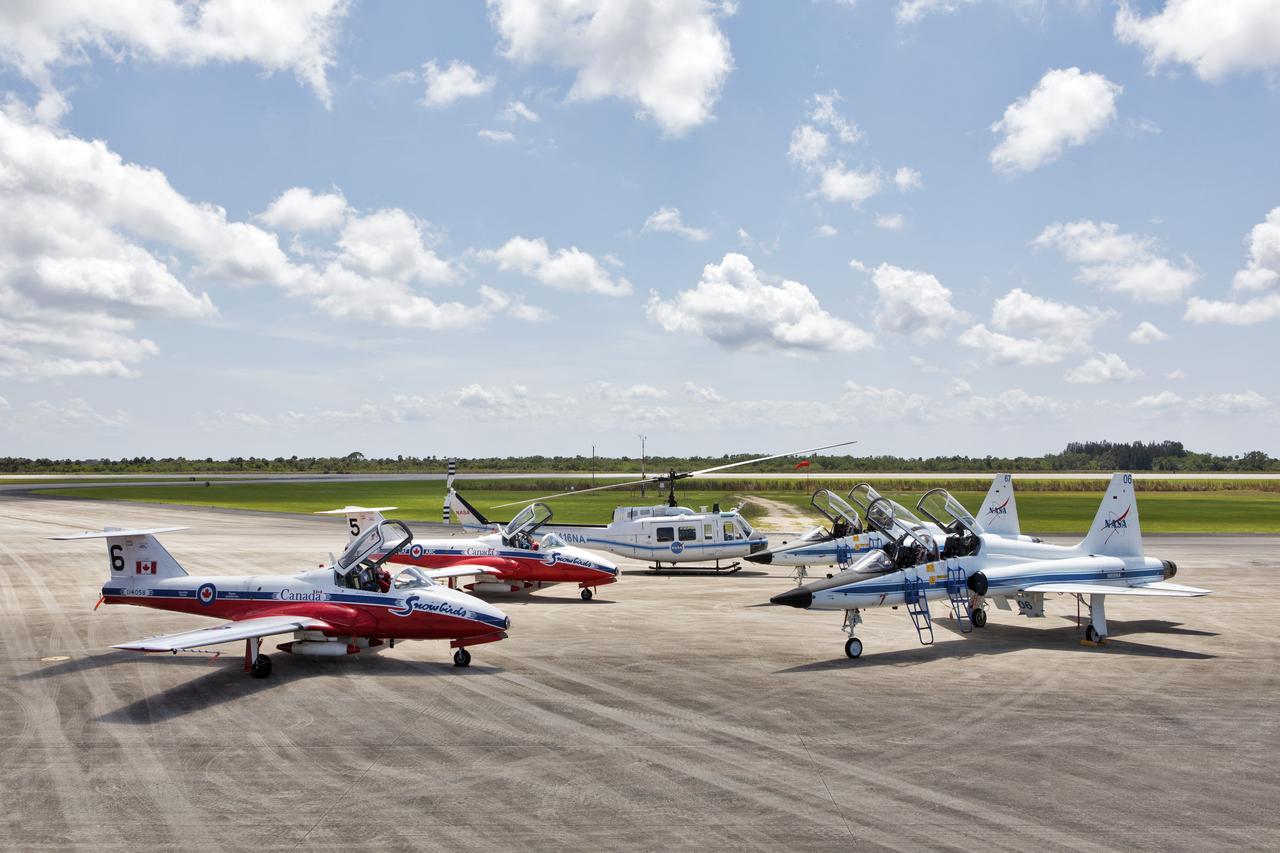
Several types of aircraft are on the tarmac at the Shuttle Landing Facility (SLF) at NASA's Kennedy Space in Florida. From left, are two Canadian Forces Snowbird CF-18 jets, a NASA Huey helicopter, and two NASA T-38 trainer aircraft. The Canadian Forces Snowbirds performed aerial maneuvers over Kennedy and Cape Canaveral Air Force Station during a practice flight on May 9, 2018, between their scheduled air shows.
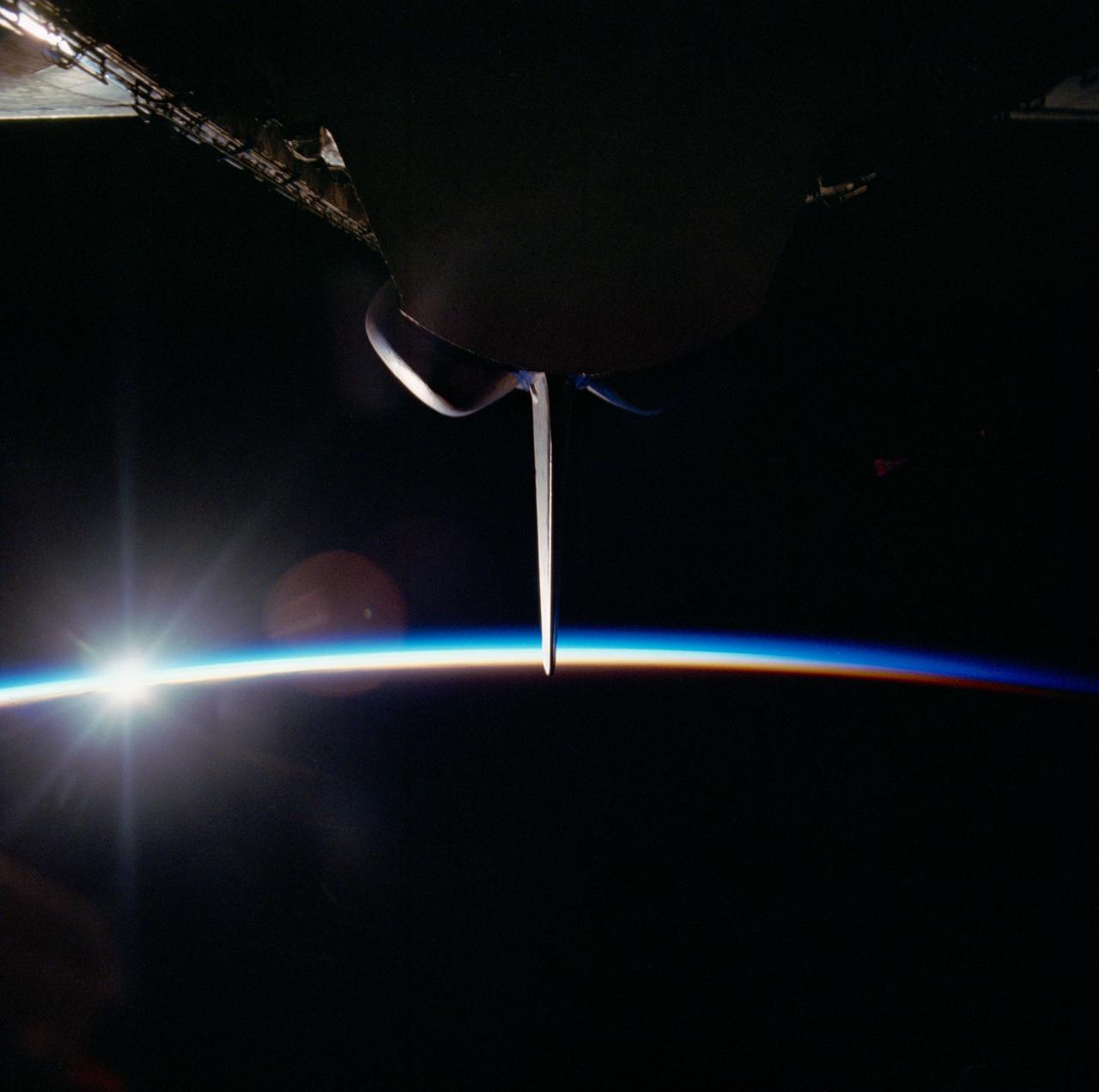
S82-39796 (11-16 Nov. 1982) --- A ?night? scene of the STS-5 space shuttle Columbia in orbit over Earth?s glowing horizon was captured by an astronaut crew member aiming a 70mm handheld camera through the aft windows of the flight deck. The aft section of the cargo bay contains two closed protective shields for satellites which were deployed on the flight. The nearest ?cradle? or shield houses the Satellite Business System?s (SBS-3) spacecraft and is visible in this frame while the Telesta Canada ANIK C-3 shield is out of view. The vertical stabilizer, illuminated by the sun, is flanked by two orbital maneuvering system (OMS) pods. Photo credit: NASA
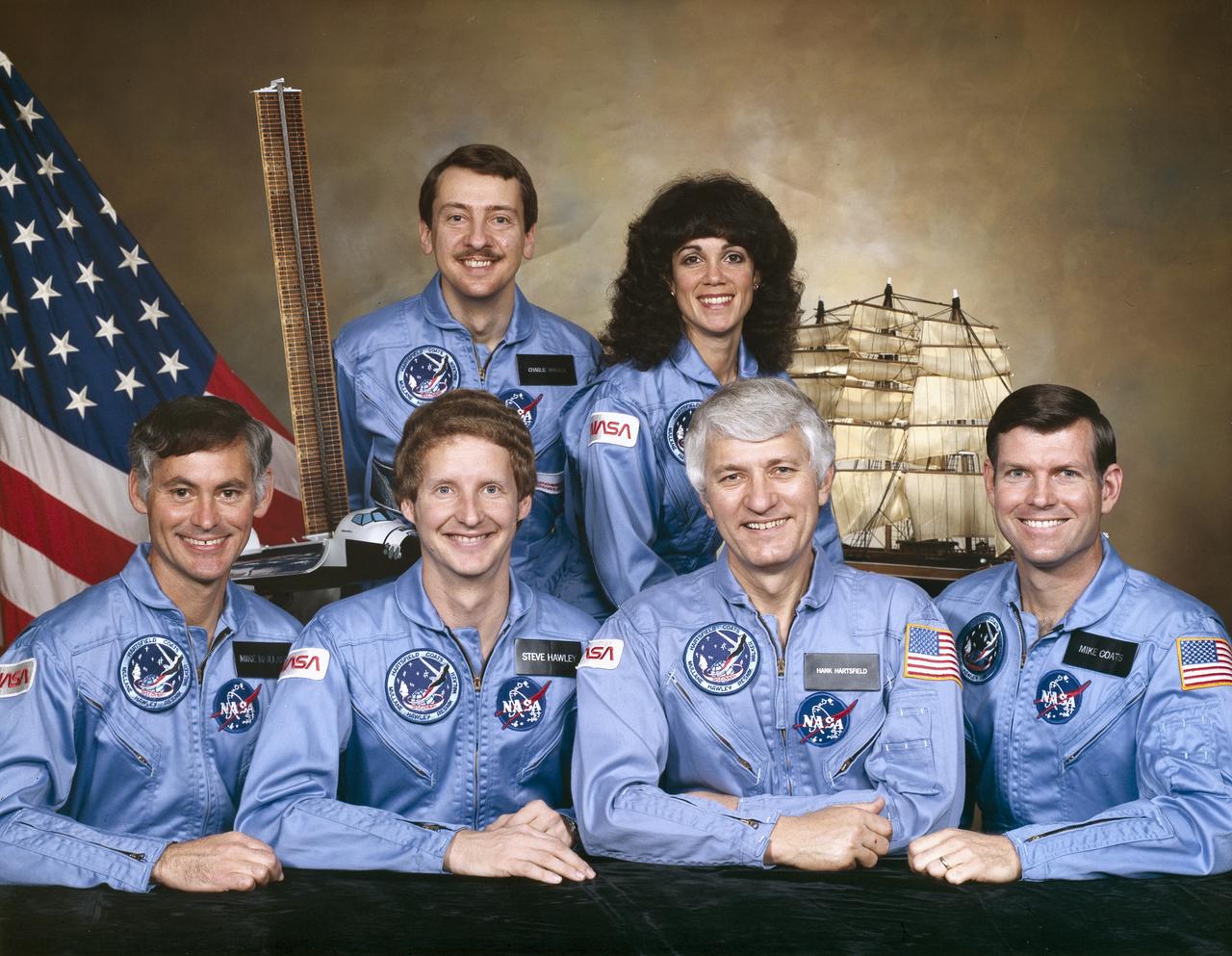
The crew assigned to the STS-41D mission included (seated left to right) Richard M. (Mike) Mullane, mission specialist; Steven A. Hawley, mission specialist; Henry W. Hartsfield, commander; and Michael L. (Mike) Coats, pilot. Standing in the rear are Charles D. Walker, payload specialist; and Judith A. (Judy) Resnik, mission specialist. Launched aboard the Space Shuttle Discovery August 30, 1984 at 8:41:50 am (EDT), the STS-41D mission deployed three satellites: the Satellite Business System SBS-D; the SYCOM IV-2 (also known as LEASAT-2); and the TELSTAR.
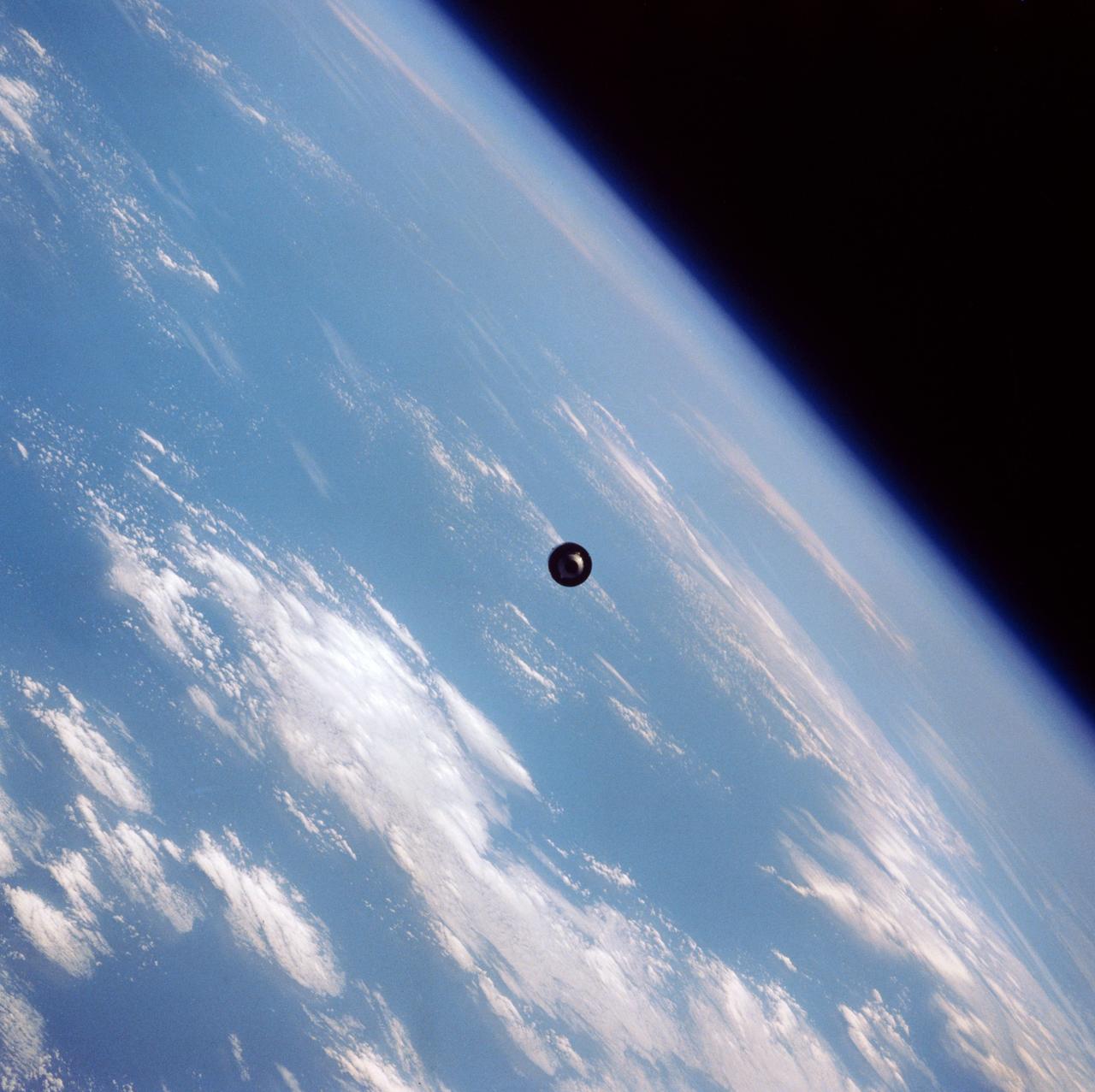
41D-39-068 (1 Sept 1984) --- Quickly moving away from the Space Shuttle Discovery is the Telstar 3 communications satellite, deployed September 1, 1984. The 41-D crew successfully completed three satellite placements, of which this was the last. Telstar was the second 41-D deployed satellite to be equipped with a payload assist module (PAM-D). The frame was exposed with a 70mm camera.
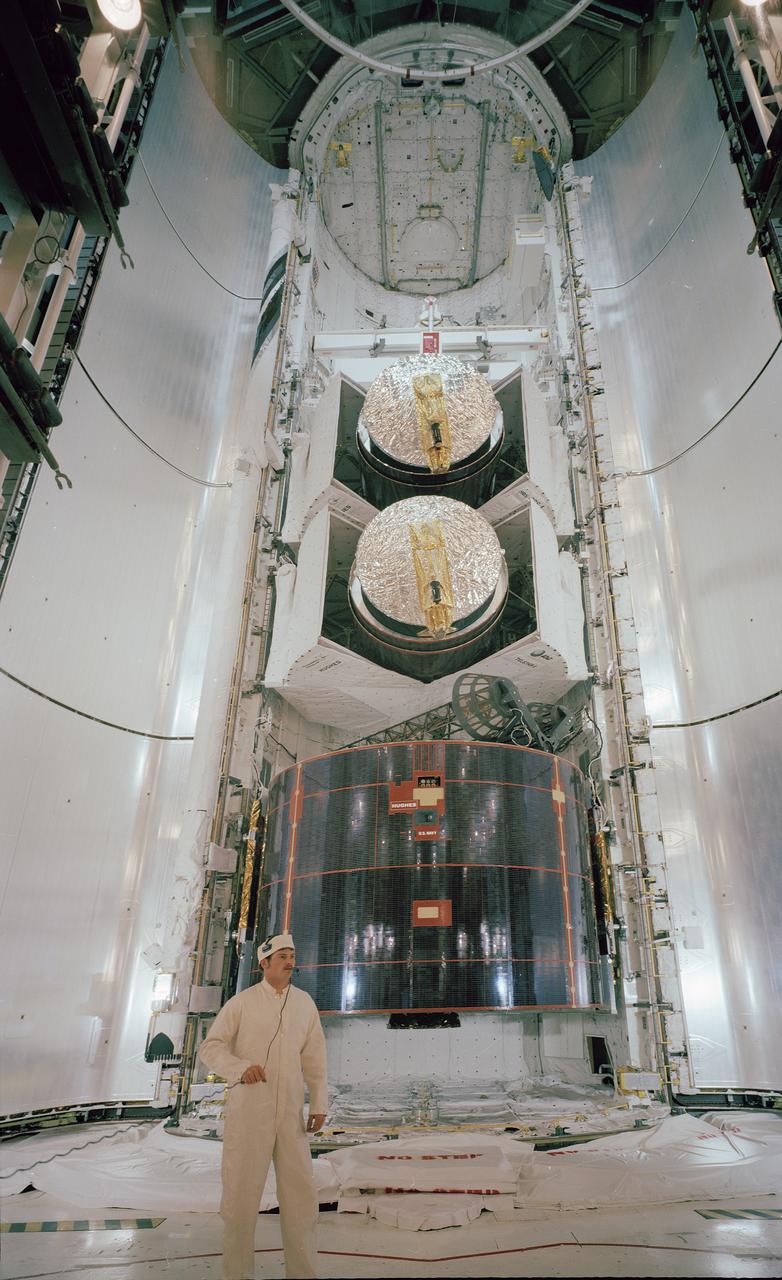
CAPE CANAVERAL, Fla. -- At the Kennedy Space Center in Florida, the payloads for the STS-41D space shuttle flight are shown loaded in Discovery’s cargo bay. With the orbiter in the vertical position at Launch Pad 39A, the payloads are, from top to bottom, OAST-1 a 102-foot-tall, 13-foot-wide Office of Application and Space Technology solar panel), the Satellite Business System SBS-D , Telstar 3-C, and Syncom IV-2. The six day mission is scheduled for launch on Aug. 29, 1984. The six crew members are Commander Henry W. Hartsfield Jr., Pilot Michael L. Coats, Mission Specialists Judith A. Resnik, Steven A. Hawley, Richard M. Mullane, and Payload Specialist Charles D. Walker. Photo Credit: NASA
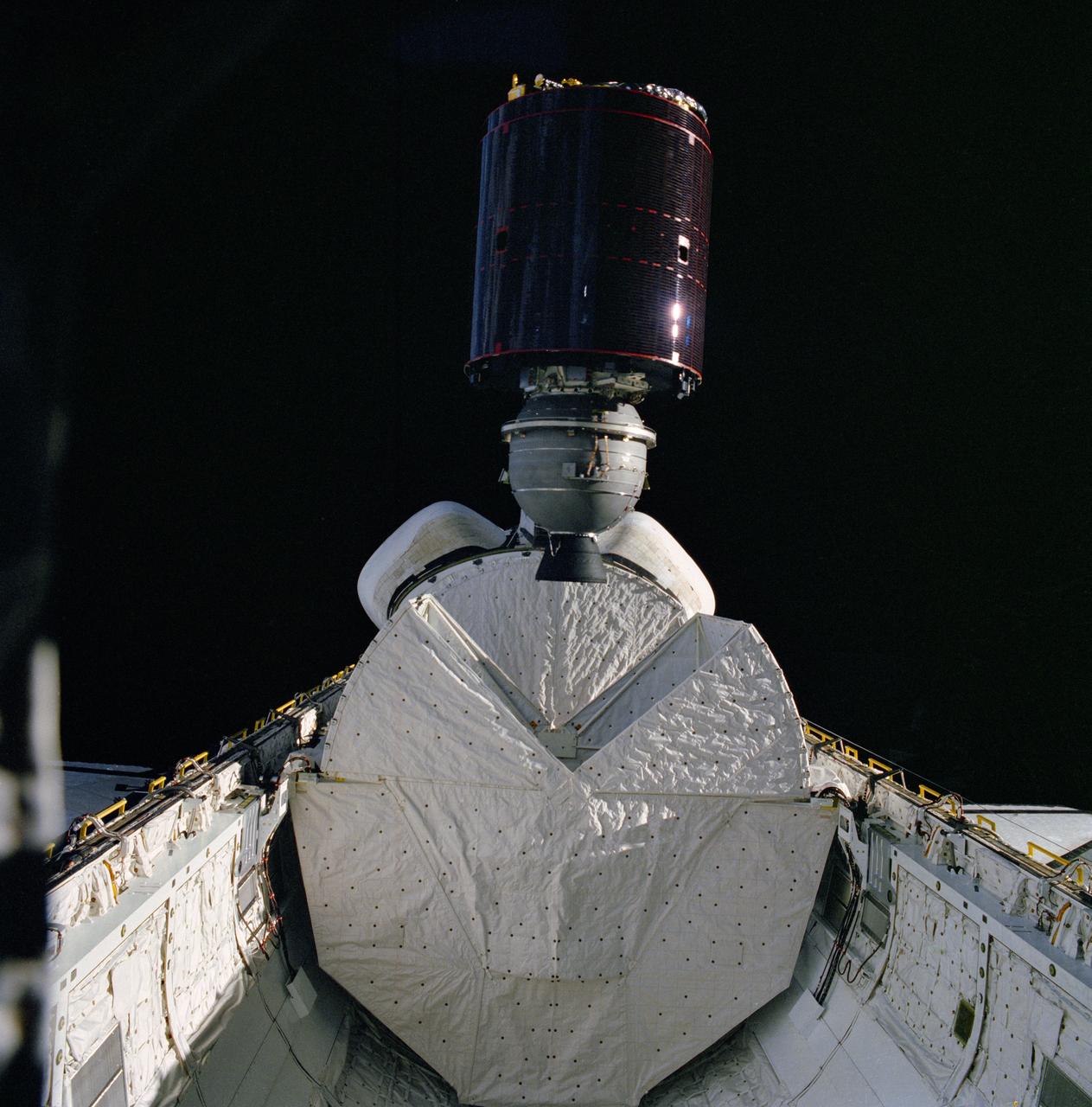
S82-39793 (11 Nov. 1982) --- The Satellite Business Systems (SBS-3) spacecraft springs from its protective ?cradle? in the cargo bay of the Earth-orbiting space shuttle Columbia and head toward a series of maneuvers that will eventually place it in a geosynchronous orbit. This moment marks a milestone for the Space Transportation System (STS) program, as the placement of the communications satellites represents the first deployment of a commercial satellite from an orbiting space vehicle. Part of Columbia?s wings can be seen on both the port and starboard sides. Also both orbital maneuvering system (OMS) pods are seen at center. The vertical stabilizer is obscured by the satellite. The closed protective cradle device shielding Telesat Canada?s ANIK C-3 spacecraft is seen between the other shield and the OMS pod. ANIK is to be launched on the mission?s second day. This photograph was exposed through the aft windows of the flight deck. Photo credit: NASA
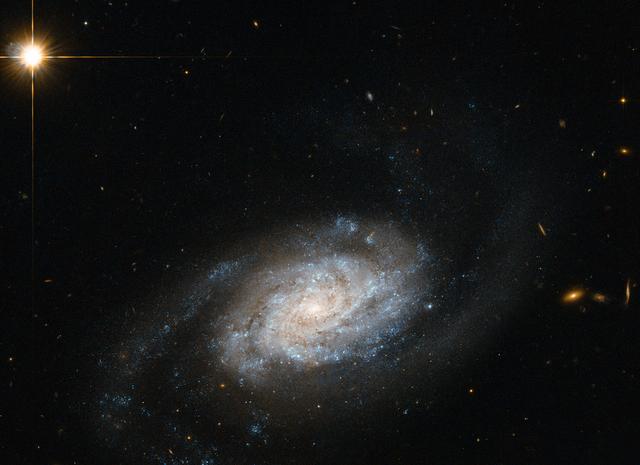
Shown here is a spiral galaxy known as NGC 3455, which lies some 65 million light-years away from us in the constellation of Leo (the Lion). Galaxies are classified into different types according to their structure and appearance. This classification system is known as the Hubble Sequence, named after its creator Edwin Hubble. In this image released 14, April, 2014, NGC 3455 is known as a type SB galaxy — a barred spiral. Barred spiral galaxies account for approximately two thirds of all spirals. Galaxies of this type appear to have a bar of stars slicing through the bulge of stars at their center. The SB classification is further sub-divided by the appearance of a galaxy's pinwheeling spiral arms; SBa types have more tightly wound arms, whereas SBc types have looser ones. SBb types, such as NGC 3455, lie in between. NGC 3455 is part of a pair of galaxies — its partner, NGC 3454, lies out of frame. This cosmic duo belong to a group known as the NGC 3370 group, which is in turn one of the Leo II groups, a large collection of galaxies scattered some 30 million light-years to the right of the Virgo cluster. This image is from Hubble's Advanced Camera for Surveys. Credit: ESA/Hubble & NASA, Acknowledgement: Nick Rose <b><a href="http://www.nasa.gov/audience/formedia/features/MP_Photo_Guidelines.html" rel="nofollow">NASA image use policy.</a></b> <b><a href="http://www.nasa.gov/centers/goddard/home/index.html" rel="nofollow">NASA Goddard Space Flight Center</a></b> enables NASA’s mission through four scientific endeavors: Earth Science, Heliophysics, Solar System Exploration, and Astrophysics. Goddard plays a leading role in NASA’s accomplishments by contributing compelling scientific knowledge to advance the Agency’s mission. <b>Follow us on <a href="http://twitter.com/NASAGoddardPix" rel="nofollow">Twitter</a></b> <b>Like us on <a href="http://www.facebook.com/pages/Greenbelt-MD/NASA-Goddard/395013845897?ref=tsd" rel="nofollow">Facebook</a></b> <b>Find us on <a href="http://instagram.com/nasagoddard?vm=grid" rel="nofollow">Instagram</a></b>
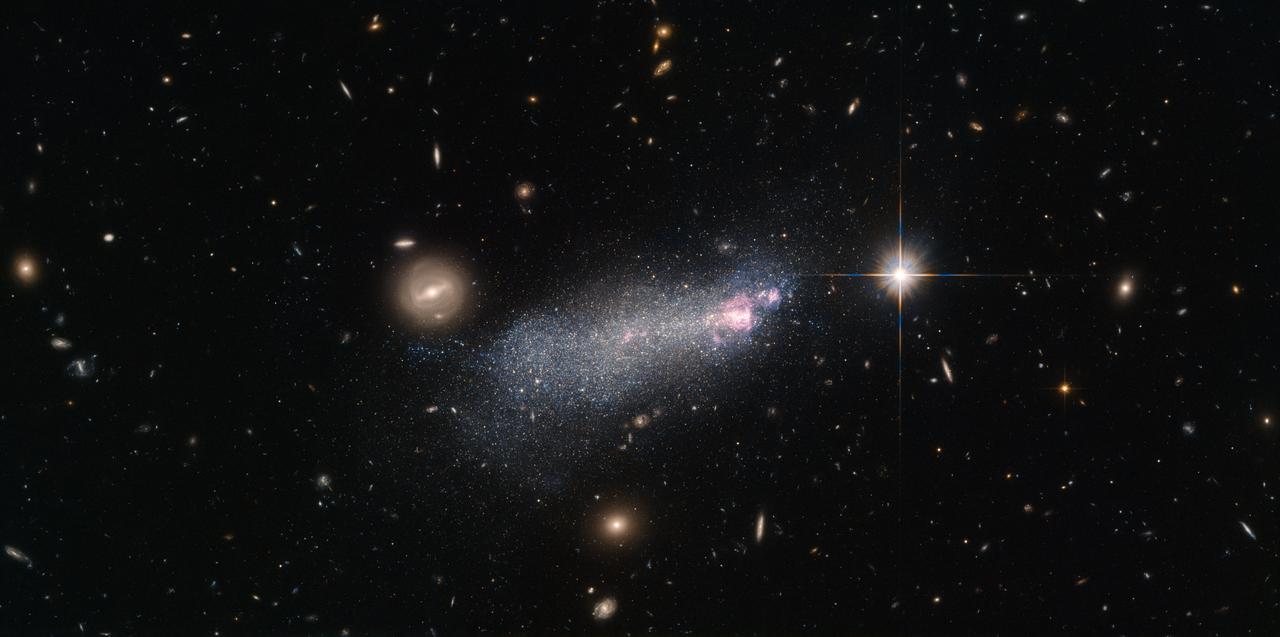
This NASA/European Space Agency (ESA) Hubble Space Telescope picture shows a galaxy named SBS 1415+437 (also called SDSS CGB 12067.1), located about 45 million light-years from Earth. SBS 1415+437 is a Wolf-Rayet galaxy, a type of star-bursting galaxy with an unusually high number of extremely hot and massive stars known as Wolf-Rayet stars. These stars can be around 20 times as massive as the sun, but seem to be on a mission to shed surplus mass as quickly as possible — they blast substantial winds of particles out into space, causing them to dwindle at a rapid rate. A typical star of this type can lose a mass equal to that of our sun in just 100,000 years! These massive stars are also incredibly hot, with surface temperatures some 10 to 40 times that of the sun, and very luminous, glowing at tens of thousands to several million times the brightness of the sun. Many of the brightest and most massive stars in the Milky Way are Wolf-Rayet stars. Because these stars are so intense they do not last very long, burning up their fuel and blasting their bulk out into the cosmos on very short timescale — only a few hundred thousand years. Because of this it is unusual to find more than a few of these stars per galaxy — except in Wolf-Rayet galaxies, like the one in this image. Credit: ESA/Hubble & NASA <b><a href="http://www.nasa.gov/audience/formedia/features/MP_Photo_Guidelines.html" rel="nofollow">NASA image use policy.</a></b> <b><a href="http://www.nasa.gov/centers/goddard/home/index.html" rel="nofollow">NASA Goddard Space Flight Center</a></b> enables NASA’s mission through four scientific endeavors: Earth Science, Heliophysics, Solar System Exploration, and Astrophysics. Goddard plays a leading role in NASA’s accomplishments by contributing compelling scientific knowledge to advance the Agency’s mission. <b>Follow us on <a href="http://twitter.com/NASAGoddardPix" rel="nofollow">Twitter</a></b> <b>Like us on <a href="http://www.facebook.com/pages/Greenbelt-MD/NASA-Goddard/395013845897?ref=tsd" rel="nofollow">Facebook</a></b> <b>Find us on <a href="http://instagrid.me/nasagoddard/?vm=grid" rel="nofollow">Instagram</a></b> <b><a href="http://goes.gsfc.nasa.gov/" rel="nofollow">Credit: NOAA/NASA GOES Project</a></b>
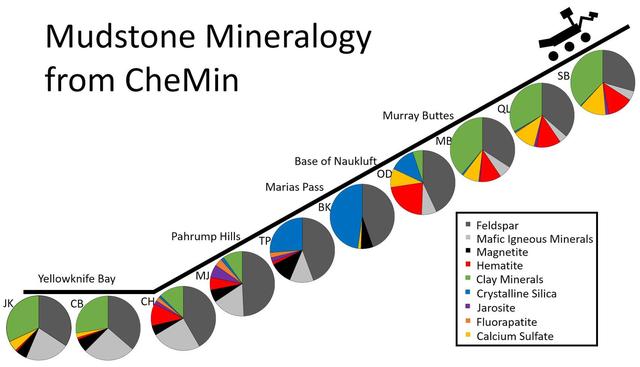
This series of pie charts shows similarities and differences in the mineral compositions of mudstones at 10 sites where NASA's Curiosity Mars rover collected rock-powder samples and analyzed them with the rover's Chemistry and Mineralogy (CheMin) instrument. The charts are arrayed in chronological order, with an indication of relative elevation as the rover first sampled two sites on the floor of Gale Crater in 2013 and later began climbing the crater's central mound, Mount Sharp. The pie chart farthest to the right and uphill shows composition at the "Sebina" target, sampled in October 2016. Five non-mudstone rock targets that the rover drilled and analyzed within this time frame are not included. The mineralogical variations in these mudstones may be due to differences in any or all of these factors: the source materials deposited by water that entered lakes, the processes of sedimentation and rock forming, and how the rocks were later altered. One trend that stands out is that the mineral jarosite -- shown in purple -- was more prominent in the "Pahrump Hills" area of lower Mount Sharp than at sites examined either earlier or later. Jarosite is an indicator of acidic water. Mudstone layers uphill from Pahrump Hills have barely detectable amounts of jarosite, indicating a shift away from acidic conditions in these overlying -- thus younger -- layers. Clay minerals, shown as green, declined in abundance at sites midway through this series, then came back as the rover climbed higher. Each drilled-and-analyzed target is identified with a two-letter abbreviation: JK for "John Klein," CB for "Cumberland." CH for "Confidence Hills," MJ for "Mojave," TP for "Telegraph Peak," BK for "Buckskin," OD for "Oudam," MB for "Marimba," QL for "Quela," and SB for Sebina. http://photojournal.jpl.nasa.gov/catalog/PIA21146
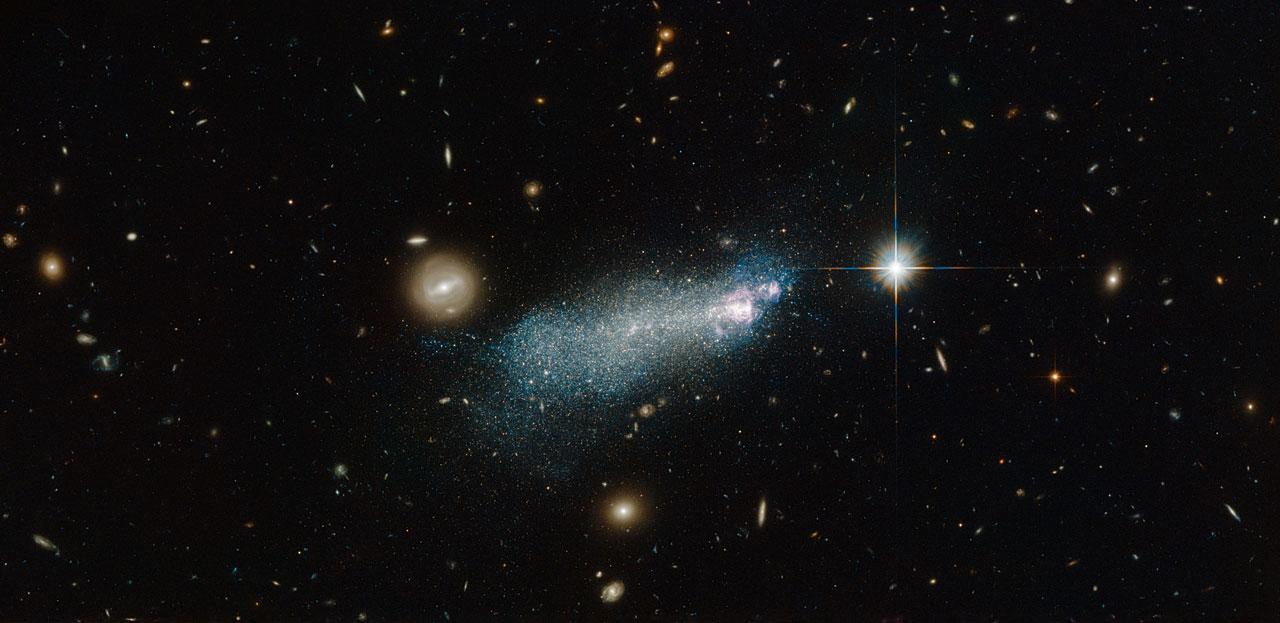
The bright streak of glowing gas and stars in this NASA/ESA Hubble Space Telescope image is known as PGC 51017, or SBSG 1415+437. It is a type of galaxy known as a blue compact dwarf. This particular dwarf is well studied and has an interesting star formation history. Astronomers initially thought that SBS 1415+437 was a very young galaxy currently undergoing its very first burst of star formation, but more recent studies have suggested that the galaxy is in fact a little older, containing stars over 1.3 billion years old. Starbursts are an area of ongoing research for astronomers — short-lived and intense periods of star formation, during which huge amounts of gas within a galaxy are hungrily used up to form newborn stars. Read more: <a href="http://1.usa.gov/1ExsNx0" rel="nofollow">1.usa.gov/1ExsNx0</a> Credit: ESA/Hubble and NASA Acknowledgement: Alessandra Aloisi (STScI) and Nick Rose <b><a href="http://www.nasa.gov/audience/formedia/features/MP_Photo_Guidelines.html" rel="nofollow">NASA image use policy.</a></b> <b><a href="http://www.nasa.gov/centers/goddard/home/index.html" rel="nofollow">NASA Goddard Space Flight Center</a></b> enables NASA’s mission through four scientific endeavors: Earth Science, Heliophysics, Solar System Exploration, and Astrophysics. Goddard plays a leading role in NASA’s accomplishments by contributing compelling scientific knowledge to advance the Agency’s mission. <b>Follow us on <a href="http://twitter.com/NASAGoddardPix" rel="nofollow">Twitter</a></b> <b>Like us on <a href="http://www.facebook.com/pages/Greenbelt-MD/NASA-Goddard/395013845897?ref=tsd" rel="nofollow">Facebook</a></b> <b>Find us on <a href="http://instagrid.me/nasagoddard/?vm=grid" rel="nofollow">Instagram</a></b>