
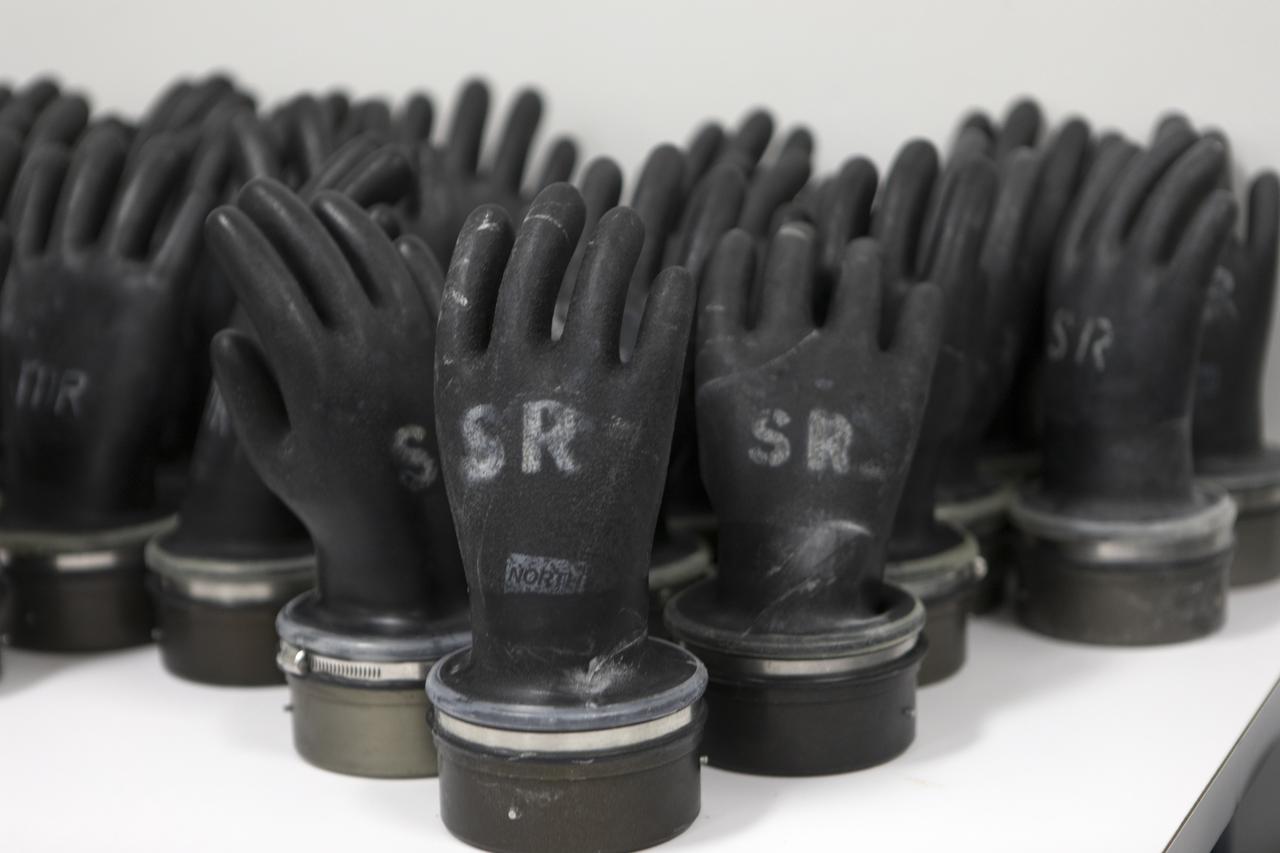
Inside the Multi-Operations Support Building near the Multi-Payload Processing Facility (MPPF) at NASA’s Kennedy Space Center in Florida on Aug. 16, 2019, rows of gloves that are part of Self-Contained Atmospheric Protective Ensemble (SCAPE) suits are in view inside a changing room. SCAPE technicians will practice putting on SCAPE suits for a test simulation of loading propellants into a replicated test tank for Orion. Exploration Ground Systems is preparing for Artemis 1 with a series of hazardous hyper test events at the MPPF. After donning their suits, the technicians will complete a tanking to test the system before Orion arrives for processing. During preparations for launch, these teams will be responsible for loading the Orion vehicle with propellants prior to transportation to the Vehicle Assembly Building, where it will be secured atop the Space Launch System rocket. SCAPE suits are used in operations involving toxic propellants and are supplied with air either through a hardline or through a self-contained environmental control unit.
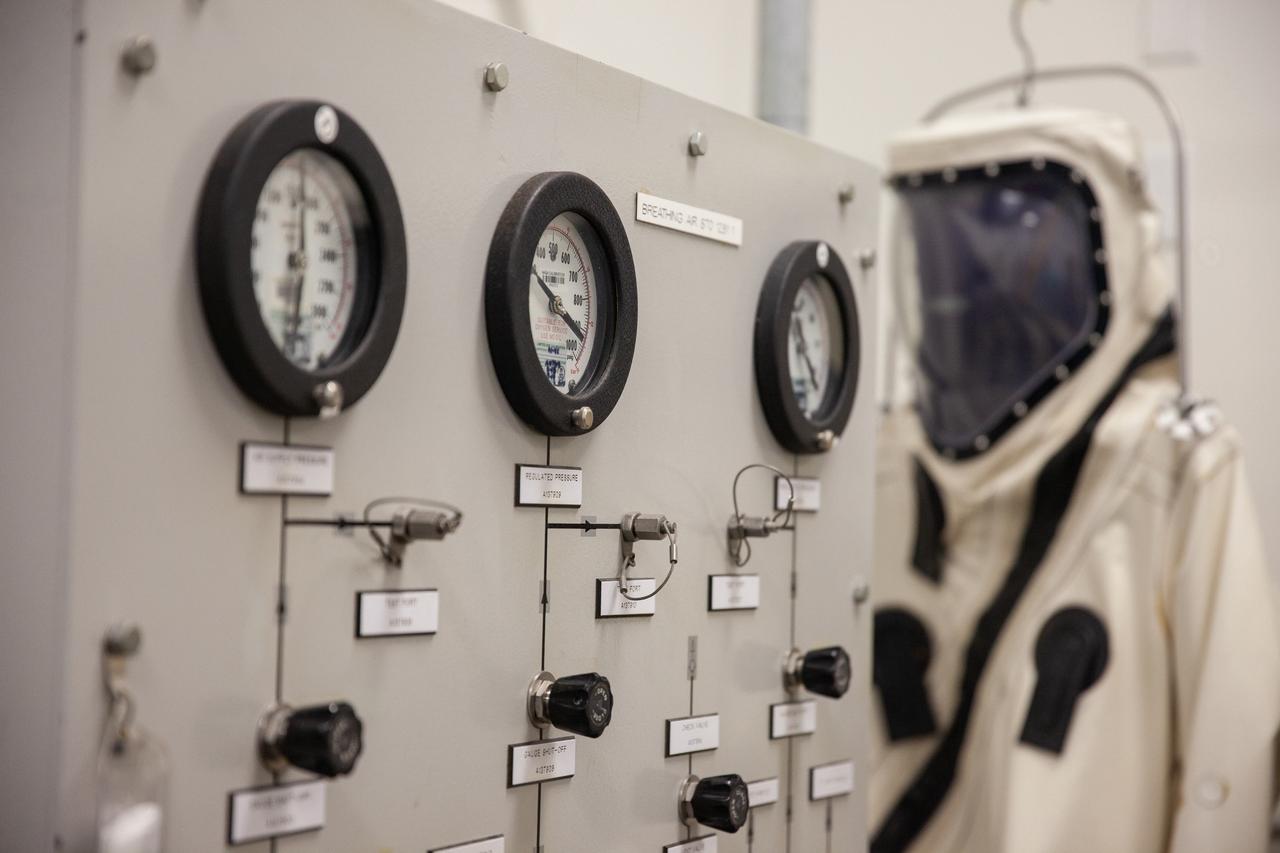
Inside the Multi-Operations Support Building near the Multi-Payload Processing Facility (MPPF) at NASA’s Kennedy Space Center in Florida on Aug. 16, 2019, a Self-Contained Atmospheric Protective Ensemble (SCAPE) suit is in view inside a changing room. SCAPE technicians are practicing putting on SCAPE suits and preparing for a test simulation of loading propellants into a replicated test tank for Orion. Exploration Ground Systems is preparing for Artemis 1 with a series of hazardous hyper test events at the MPPF. After donning their suits, the technicians will complete a tanking to test the system before Orion arrives for processing. During preparations for launch, these teams will be responsible for loading the Orion vehicle with propellants prior to transportation to the Vehicle Assembly Building, where it will be secured atop the Space Launch System rocket. SCAPE suits are used in operations involving toxic propellants and are supplied with air either through a hardline or through a self-contained environmental control unit.
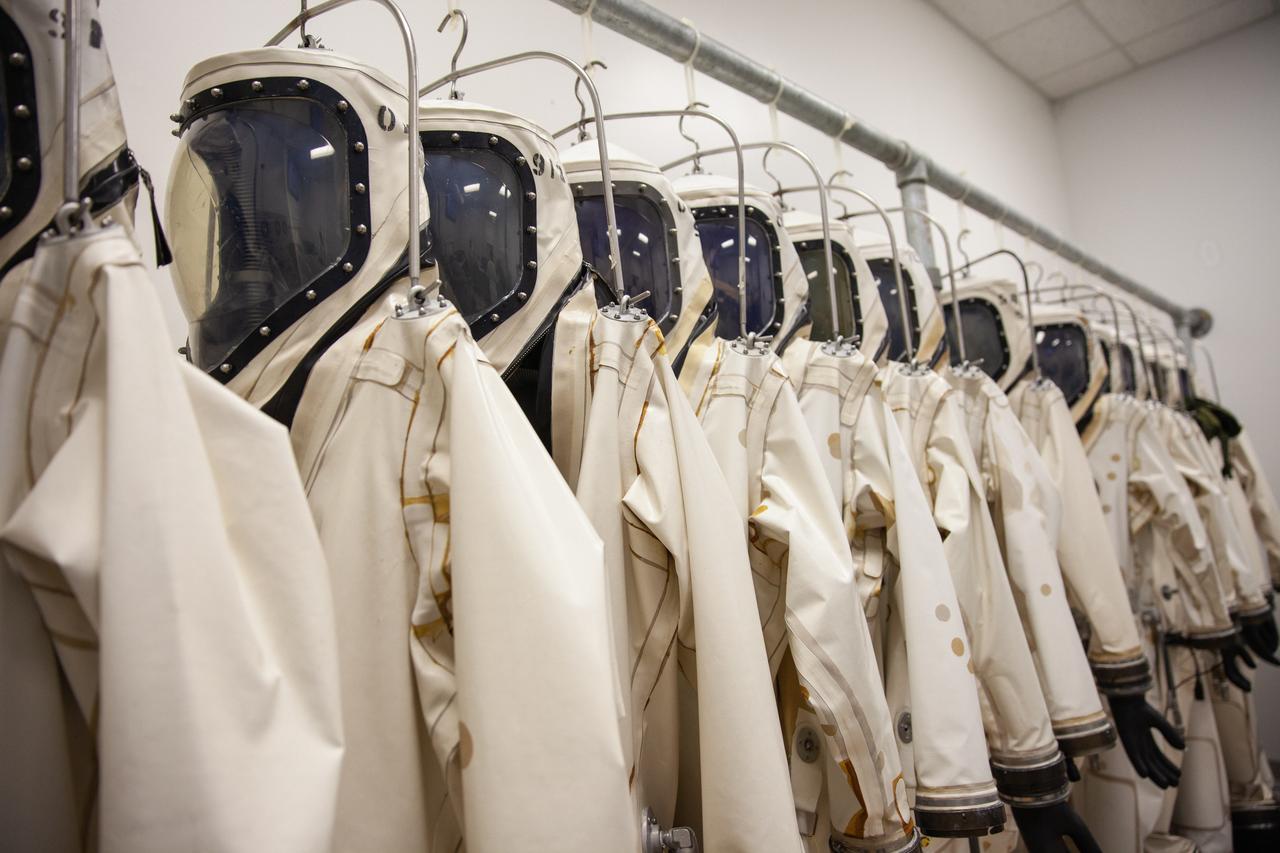
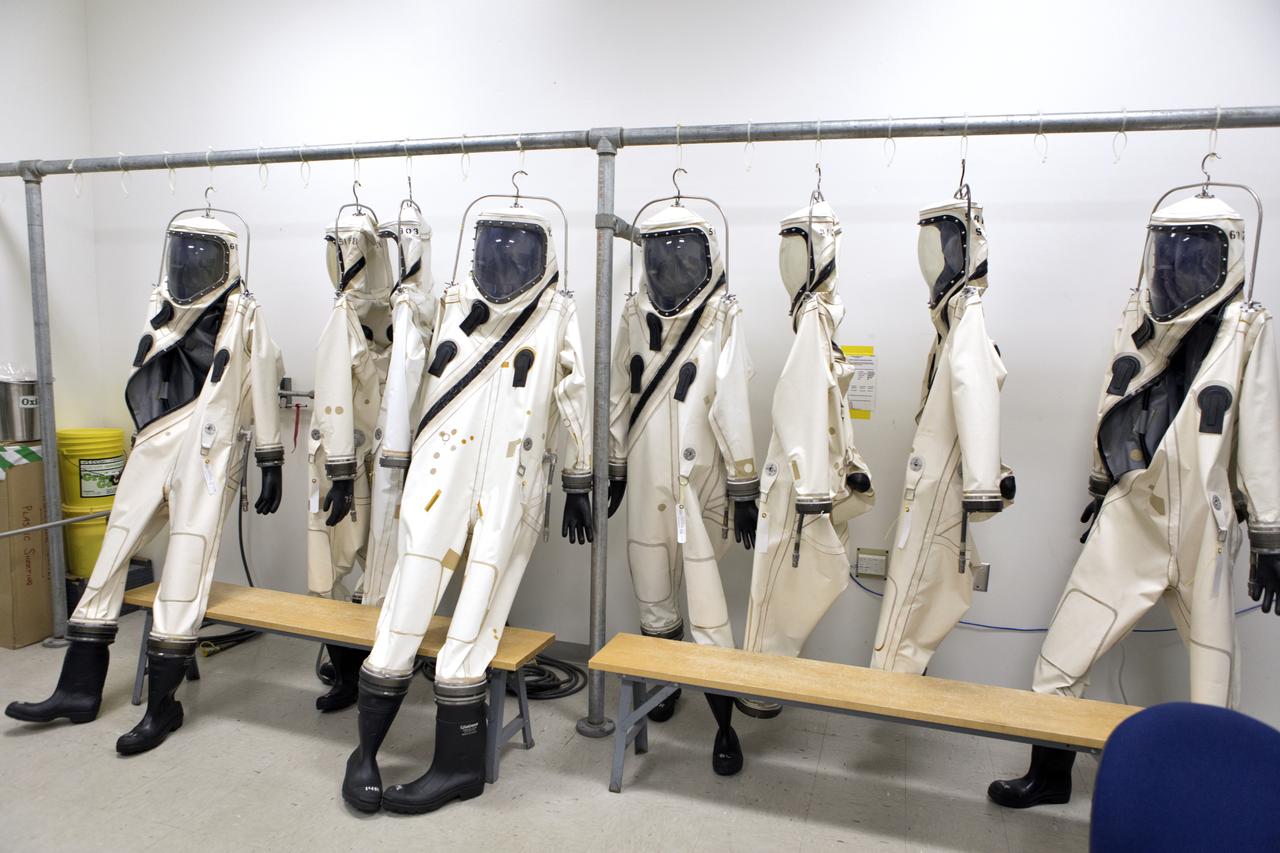
Inside the Multi-Operations Support Building near the Multi-Payload Processing Facility (MPPF) at NASA’s Kennedy Space Center in Florida on Aug. 16, 2019, a row of Self-Contained Atmospheric Protective Ensemble (SCAPE) suits are hanging inside a changing room. SCAPE technicians are practicing putting on the suits for a test simulation of loading propellants into a replicated test tank for Orion. Exploration Ground Systems is preparing for Artemis 1 with a series of hazardous hyper test events at the MPPF. After donning their suits, the technicians will complete a tanking to test the system before Orion arrives for processing. During preparations for launch, these teams will be responsible for loading the Orion vehicle with propellants prior to transportation to the Vehicle Assembly Building, where it will be secured atop the Space Launch System rocket. SCAPE suits are used in operations involving toxic propellants and are supplied with air either through a hardline or through a self-contained environmental control unit.
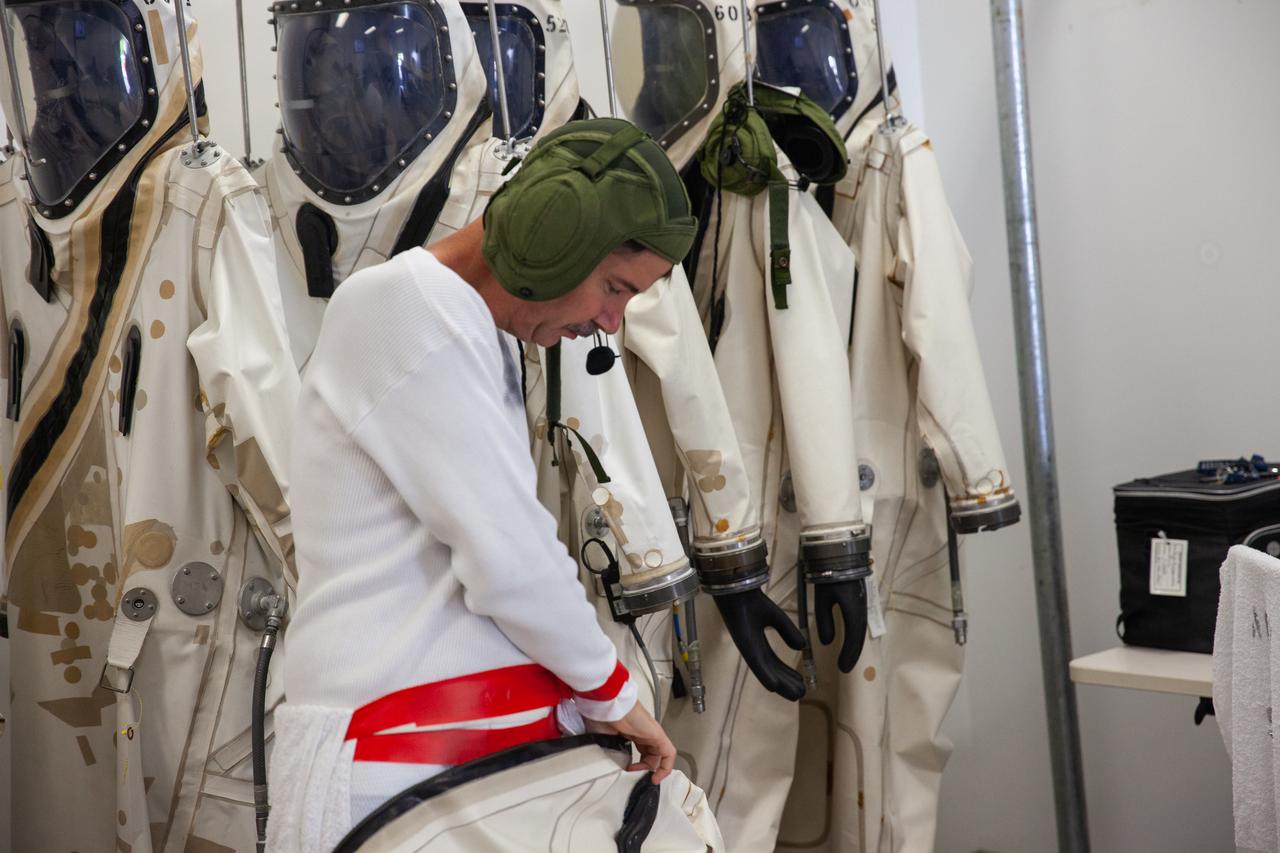
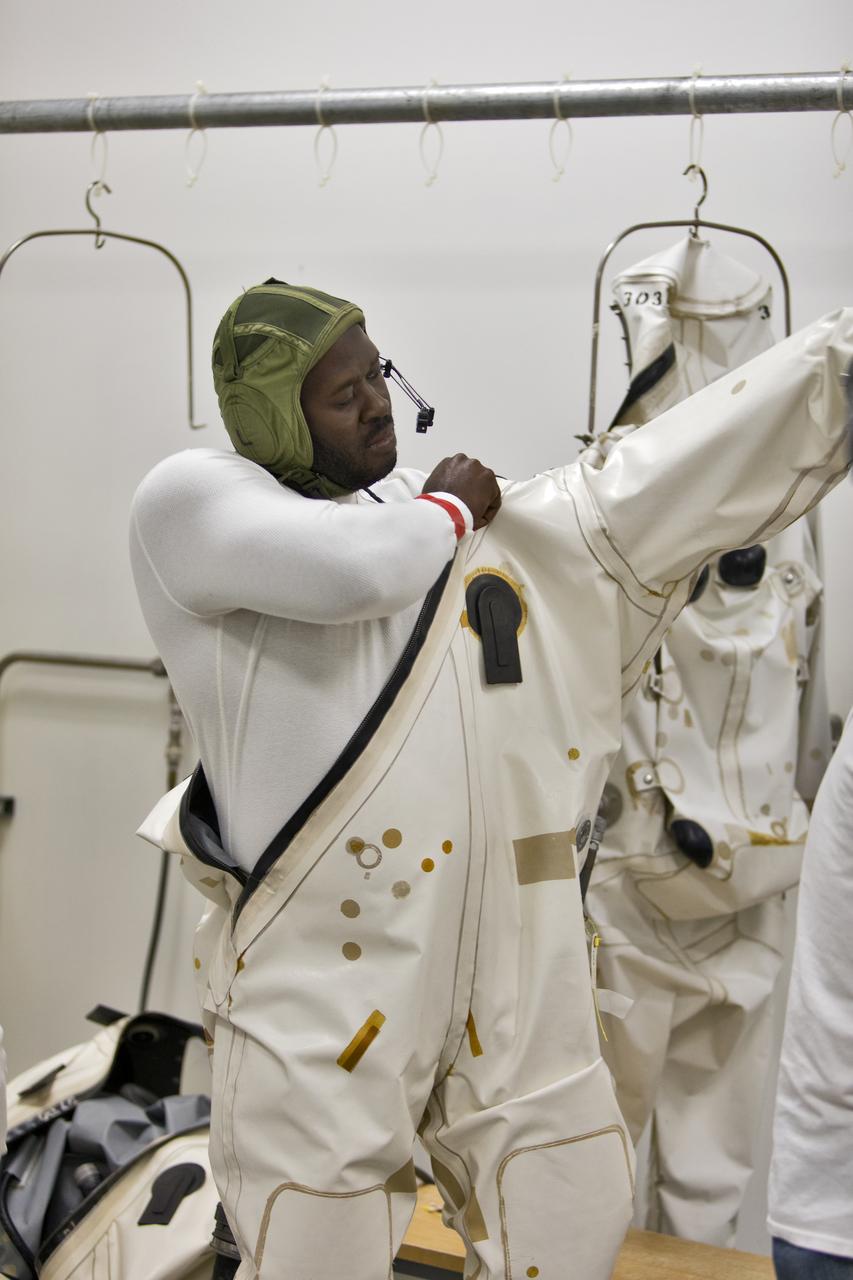
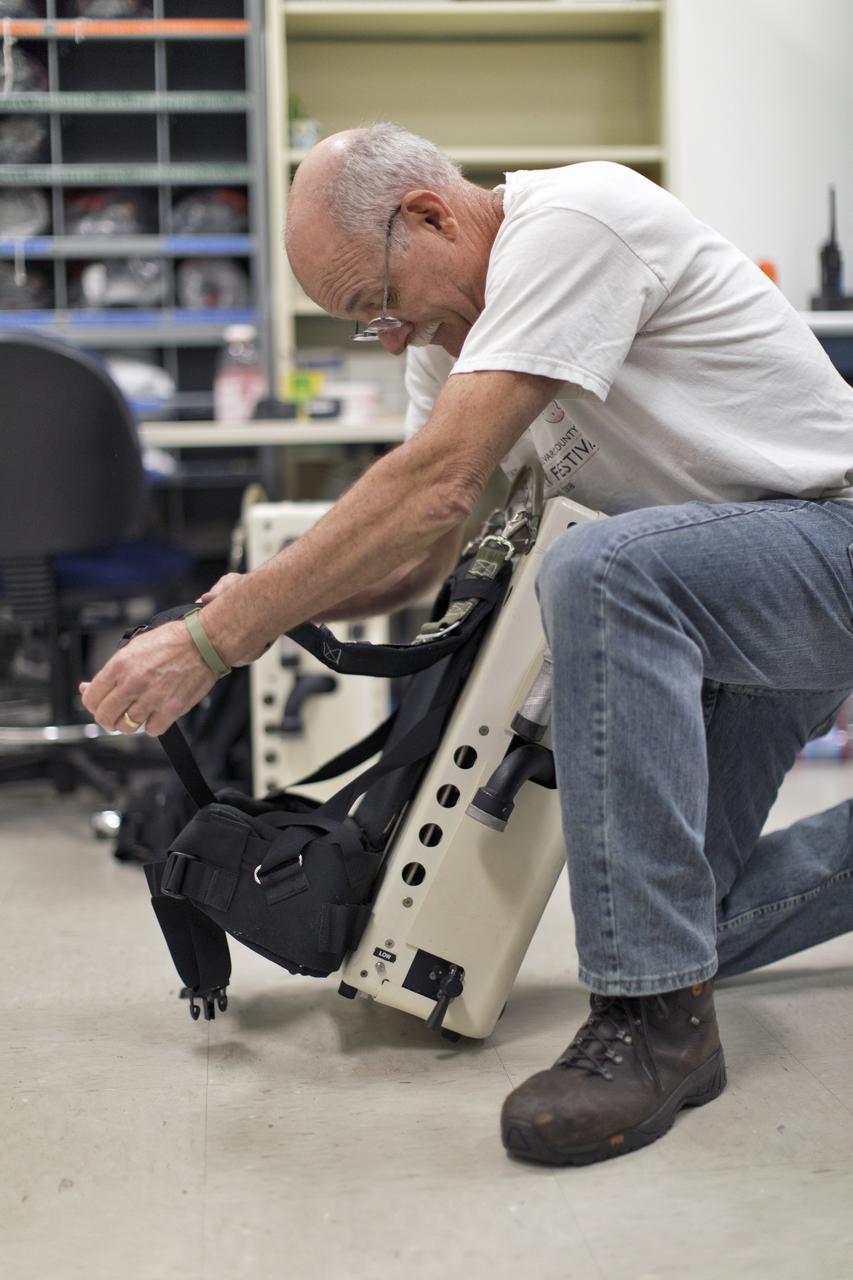
Inside the Multi-Operations Support Building near the Multi-Payload Processing Facility (MPPF) at NASA’s Kennedy Space Center in Florida, a technician prepares to put on a Self-Contained Atmospheric Protective Ensemble (SCAPE) suit inside a changing room on Aug. 16, 2019. SCAPE technicians are practicing putting on the suits for a test simulation of loading propellants into a replicated test tank for Orion. Exploration Ground Systems is preparing for Artemis 1 with a series of hazardous hyper test events at the MPPF. After donning their suits, the technicians will complete a tanking to test the system before Orion arrives for processing. During preparations for launch, these teams will be responsible for loading the Orion vehicle with propellants prior to transportation to the Vehicle Assembly Building, where it will be secured atop the Space Launch System rocket. SCAPE suits are used in operations involving toxic propellants and are supplied with air either through a hardline or through a self-contained environmental control unit.
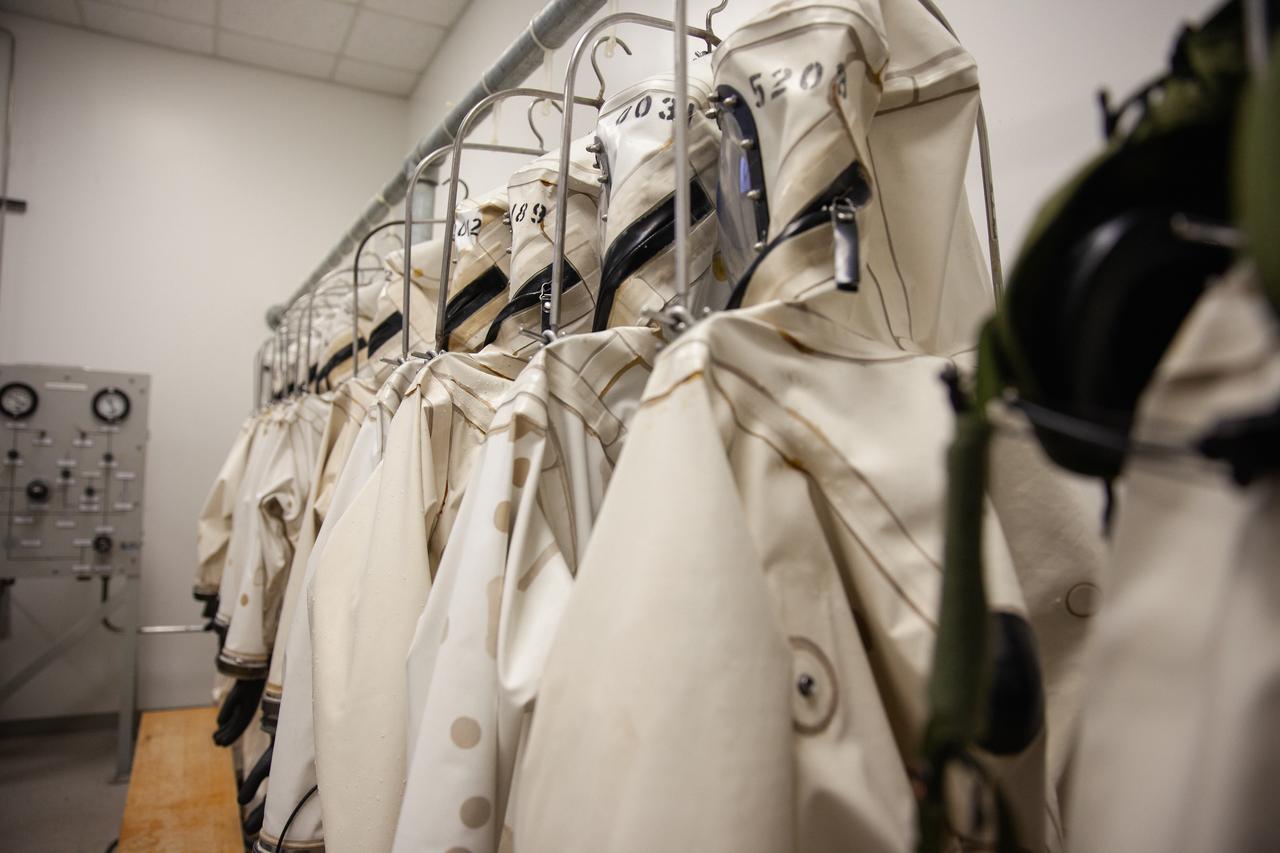
Inside the Multi-Operations Support Building near the Multi-Payload Processing Facility (MPPF) at NASA’s Kennedy Space Center in Florida on Aug. 16, 2019, a row of Self-Contained Atmospheric Protective Ensemble (SCAPE) suits are hanging inside a changing room. SCAPE technicians are practicing putting on their suits for a test simulation of loading propellants into a replicated test tank for Orion. Exploration Ground Systems is preparing for Artemis 1 with a series of hazardous hyper test events at the MPPF. After donning their suits, the technicians will complete a tanking to test the system before Orion arrives for processing. During preparations for launch, these teams will be responsible for loading the Orion vehicle with propellants prior to transportation to the Vehicle Assembly Building, where it will be secured atop the Space Launch System rocket. SCAPE suits are used in operations involving toxic propellants and are supplied with air either through a hardline or through a self-contained environmental control unit.
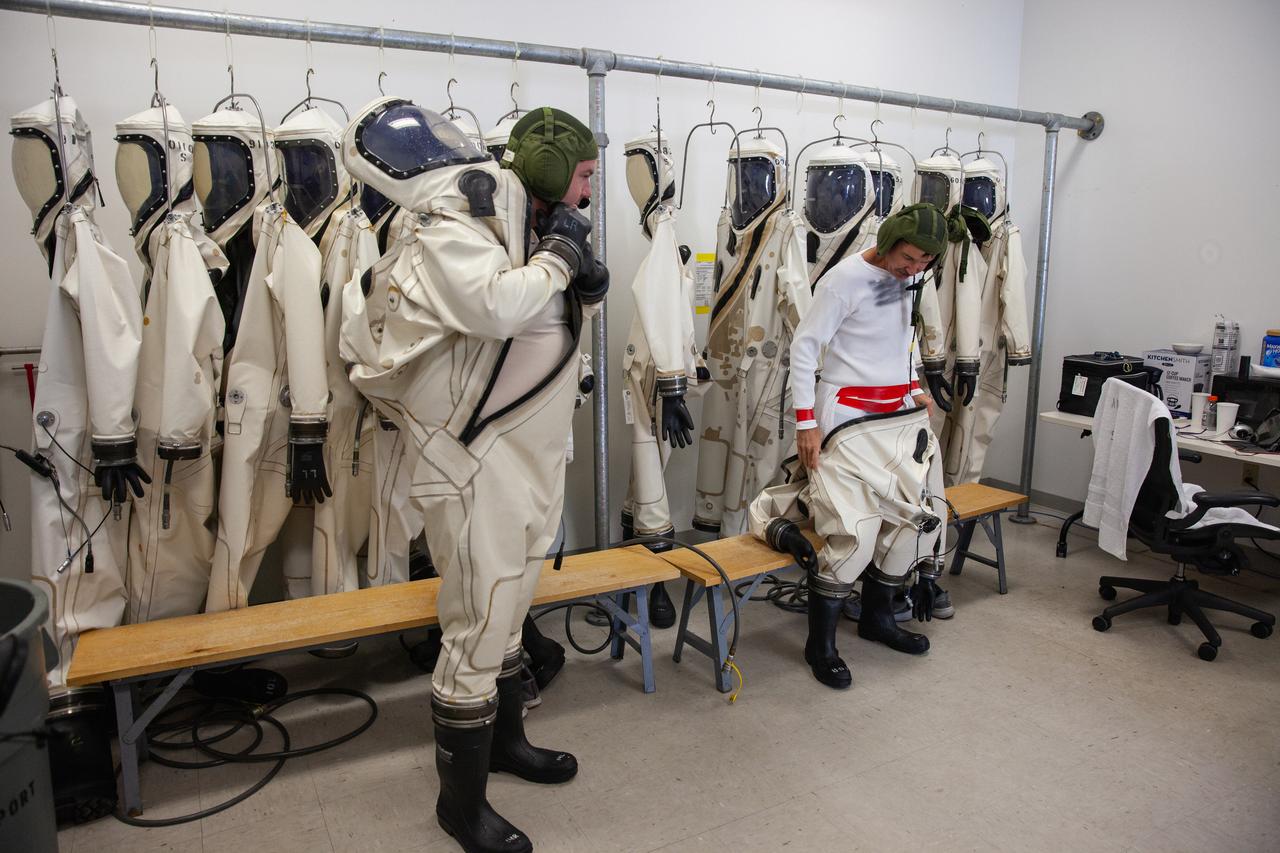
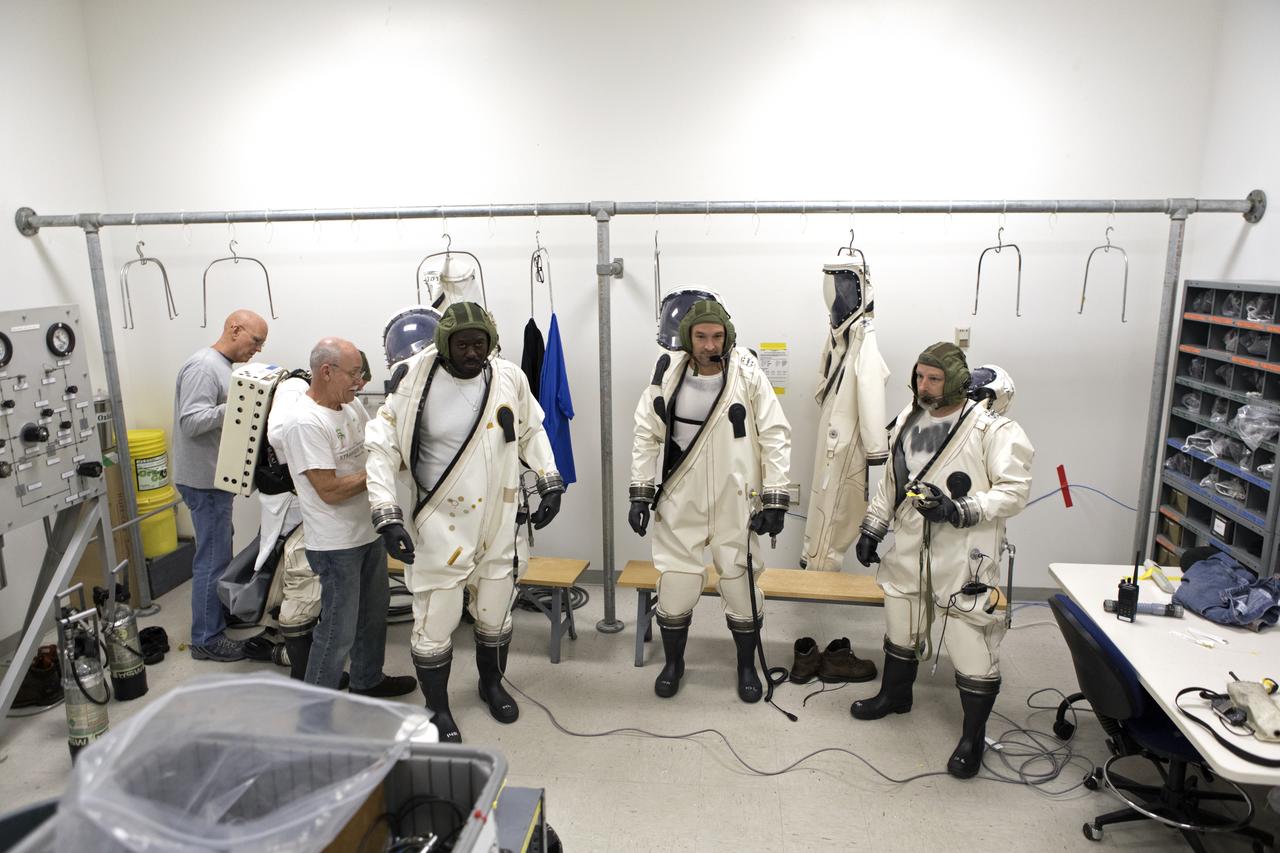
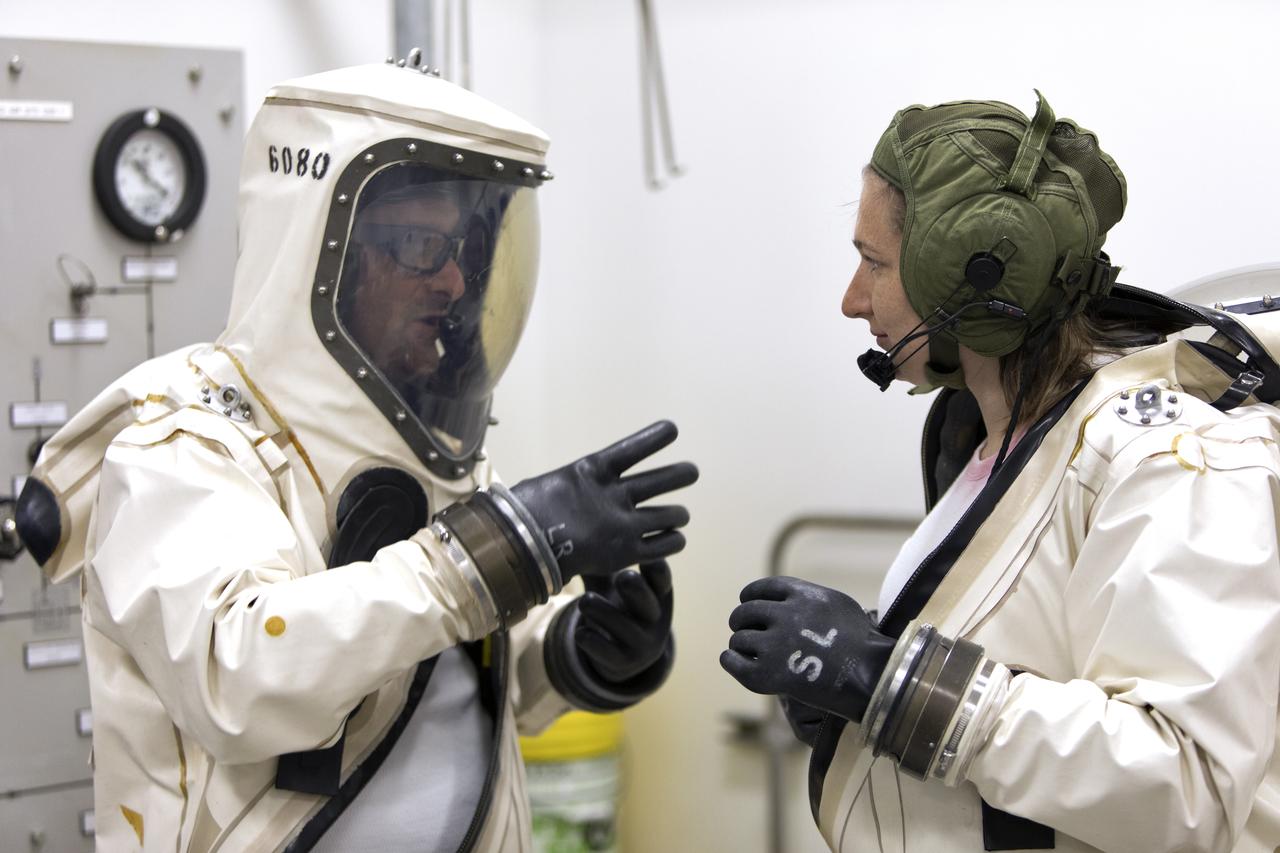
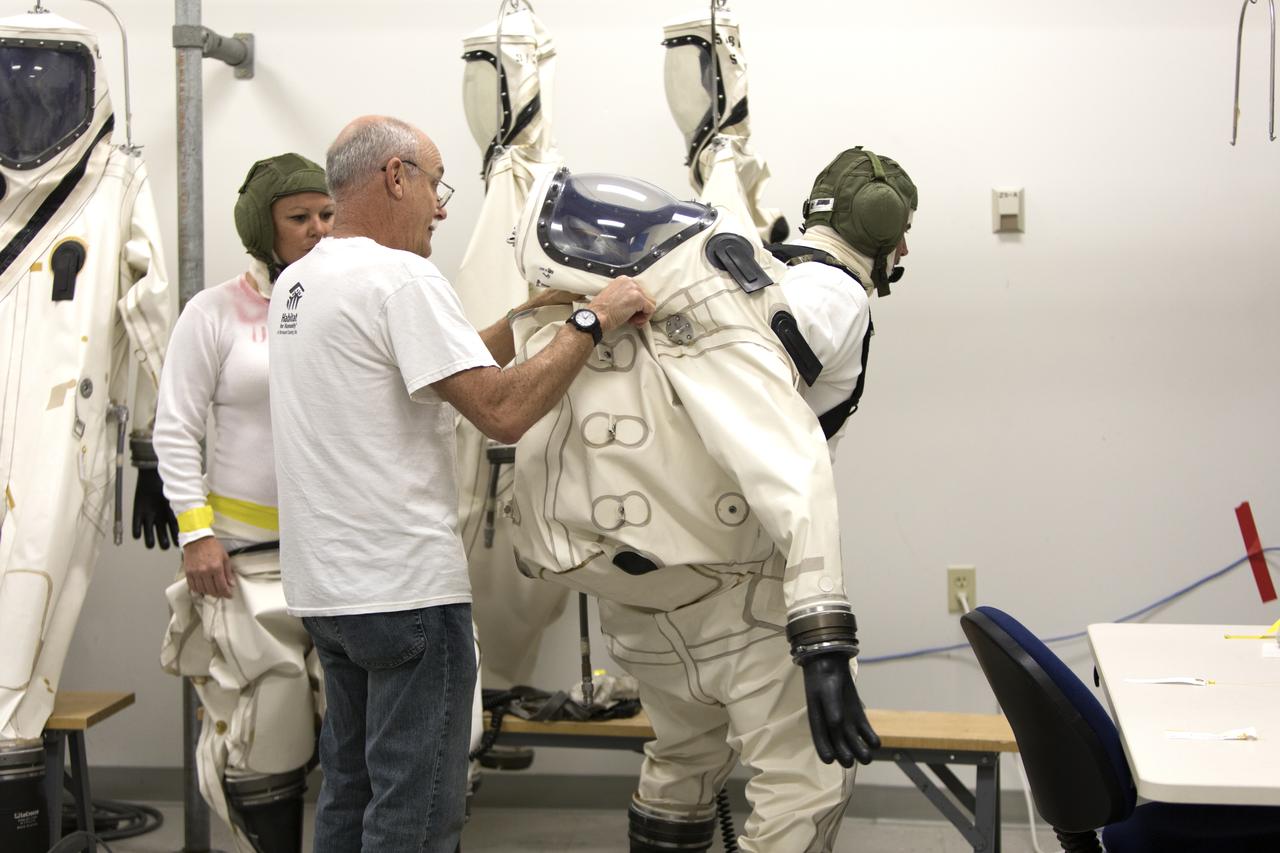
Inside the Multi-Operations Support Building near the Multi-Payload Processing Facility (MPPF) at NASA’s Kennedy Space Center in Florida, technicians put on Self-Contained Atmospheric Protective Ensemble (SCAPE) suits inside a changing room on Aug. 16, 2019. SCAPE technicians are practicing putting on the suits for a test simulation of loading propellants into a replicated test tank for Orion. Exploration Ground Systems is preparing for Artemis 1 with a series of hazardous hyper test events at the MPPF. After donning their suits, the technicians will complete a tanking to test the system before Orion arrives for processing. During preparations for launch, these teams will be responsible for loading the Orion vehicle with propellants prior to transportation to the Vehicle Assembly Building, where it will be secured atop the Space Launch System rocket. SCAPE suits are used in operations involving toxic propellants and are supplied with air either through a hardline or through a self-contained environmental control unit.
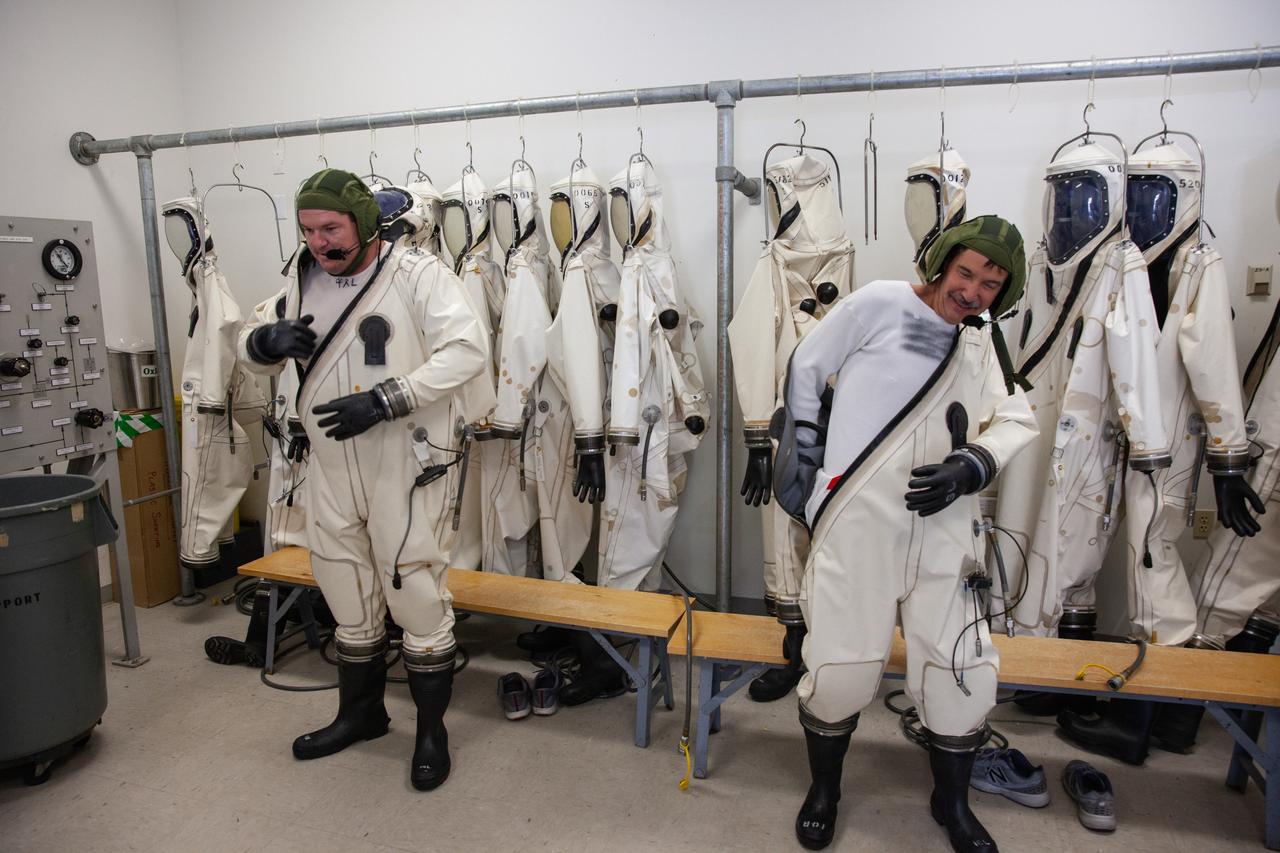
Inside the Multi-Operations Support Building near the Multi-Payload Processing Facility (MPPF) at NASA’s Kennedy Space Center in Florida, technicians put on Self-Contained Atmospheric Protective Ensemble (SCAPE) suits inside a changing room on Aug. 16, 2019. SCAPE technicians are practicing putting on the suits for a test simulation of loading propellants into a replicated test tank for Orion. Exploration Ground Systems is preparing for Artemis 1 with a series of hazardous hyper test events at the MPPF. After donning their suits, the technicians will complete a tanking to test the system before Orion arrives for processing. During preparations for launch, these teams will be responsible for loading the Orion vehicle with propellants prior to transportation to the Vehicle Assembly Building, where it will be secured atop the Space Launch System rocket. SCAPE suits are used in operations involving toxic propellants and are supplied with air either through a hardline or through a self-contained environmental control unit.
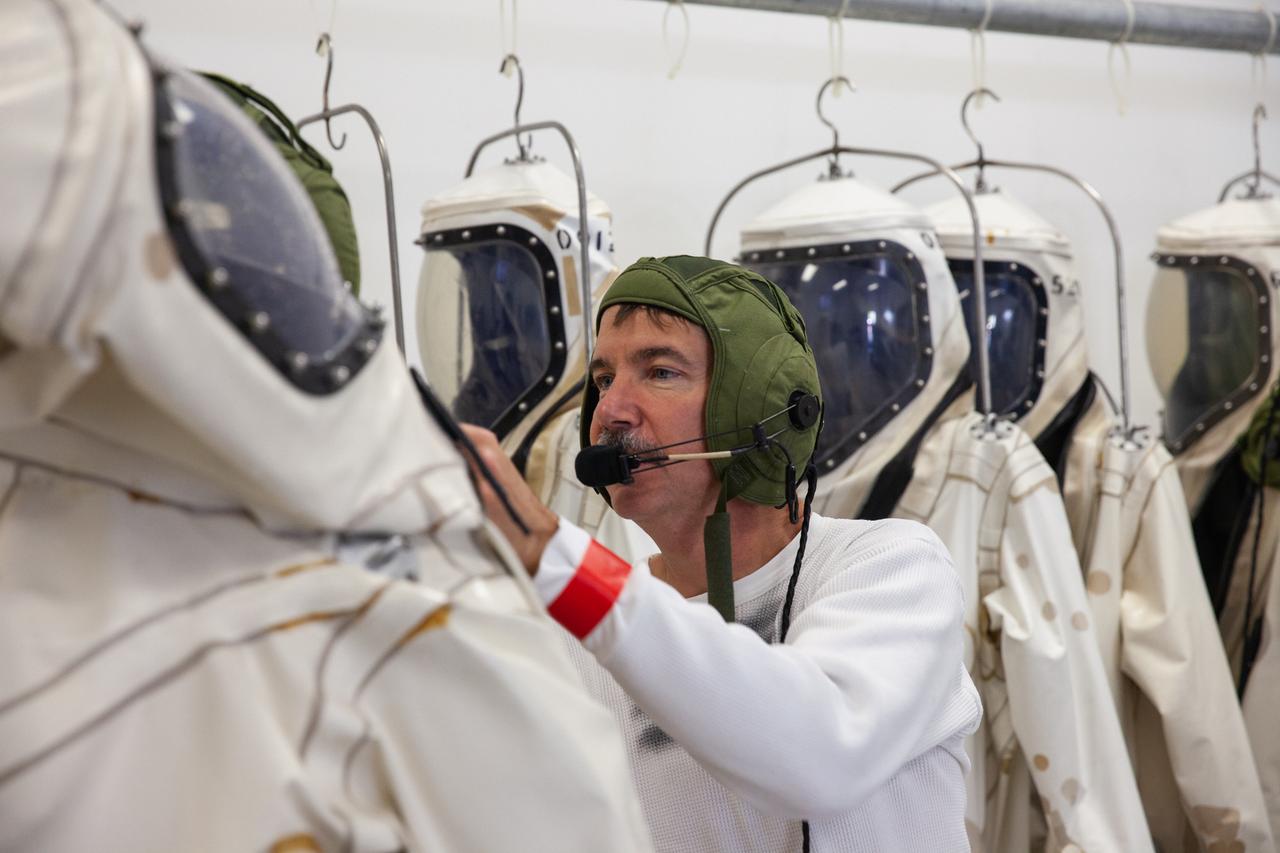
Inside the Multi-Operations Support Building near the Multi-Payload Processing Facility (MPPF) at NASA’s Kennedy Space Center in Florida, a technician prepares to put on a Self-Contained Atmospheric Protective Ensemble (SCAPE) suit inside a changing room on Aug. 16, 2019. SCAPE technicians are practicing putting on their suits for a test simulation of loading propellants into a replicated test tank for Orion. Exploration Ground Systems is preparing for Artemis 1 with a series of hazardous hyper test events at the MPPF. After donning their suits, the technicians will complete a tanking to test the system before Orion arrives for processing. During preparations for launch, these teams will be responsible for loading the Orion vehicle with propellants prior to transportation to the Vehicle Assembly Building, where it will be secured atop the Space Launch System rocket. SCAPE suits are used in operations involving toxic propellants and are supplied with air either through a hardline or through a self-contained environmental control unit.
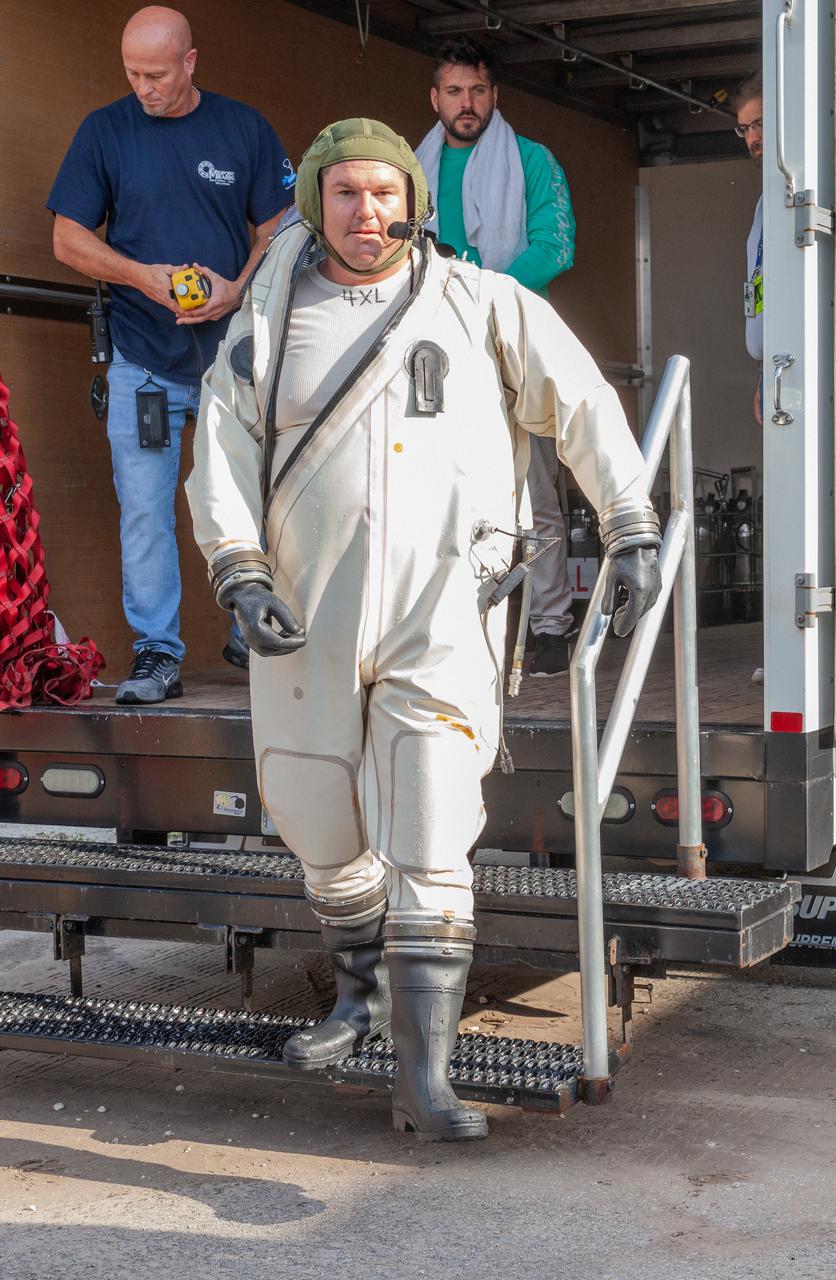
A technician in a Self-Contained Atmospheric Protective Ensemble (SCAPE) suit exits a truck near the Multi-Payload Processing Facility (MPPF) at NASA’s Kennedy Space Center in Florida on Aug. 16, 2019. SCAPE technicians are practicing by putting on the suits for a test simulation of loading propellants into a replicated test tank for Orion. Exploration Ground Systems is preparing for Artemis 1 with a series of hazardous hyper test events at the MPPF. After donning their suits, the technicians will complete a tanking to test the system before Orion arrives for processing. During preparations for launch, these teams will be responsible for loading the Orion vehicle with propellants prior to transportation to the Vehicle Assembly Building, where it will be secured atop the Space Launch System rocket. SCAPE suits are used in operations involving toxic propellants and are supplied with air either through a hardline or through a self-contained environmental control unit.
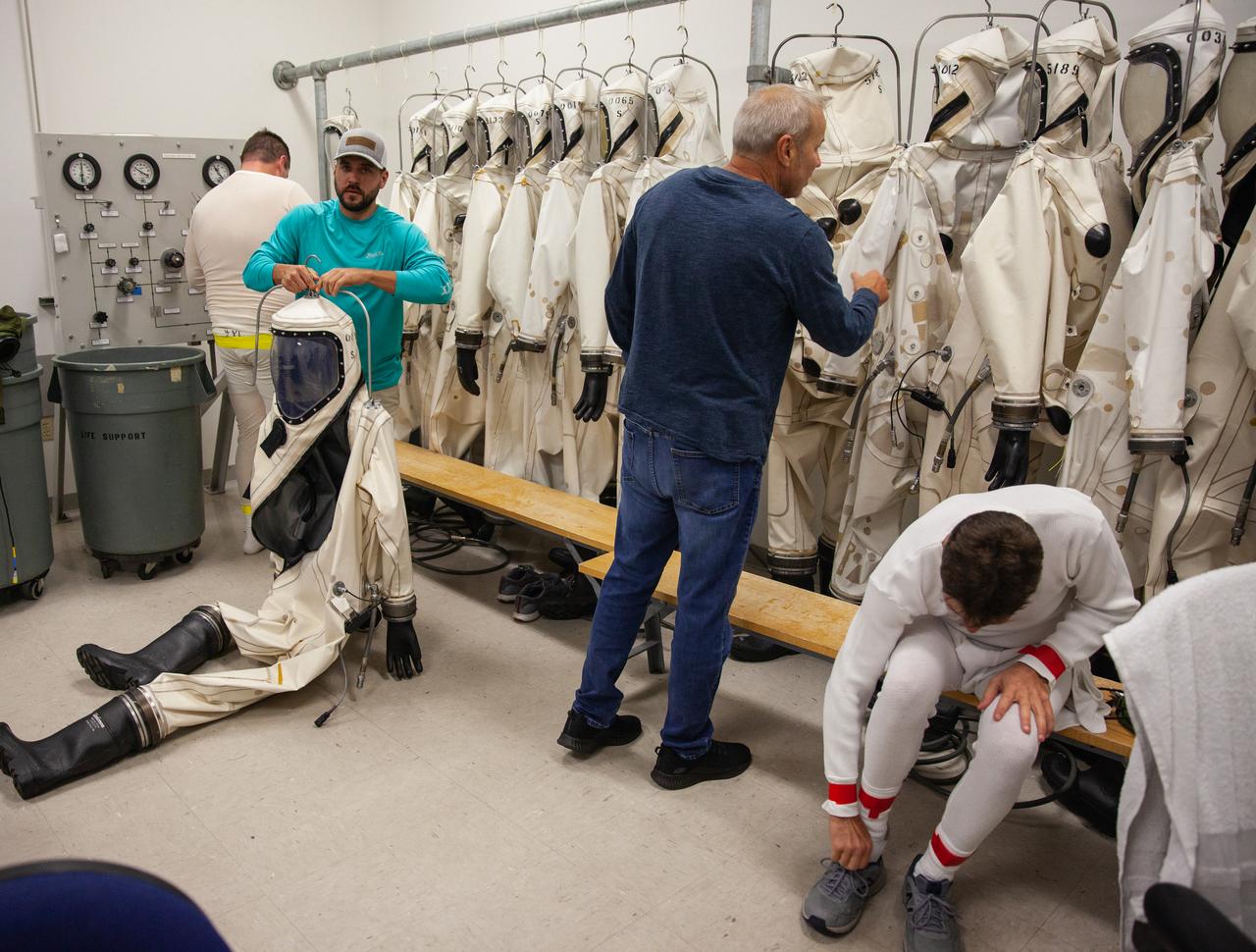
Inside the Multi-Operations Support Building near the Multi-Payload Processing Facility (MPPF) at NASA’s Kennedy Space Center in Florida, technicians are putting on Self-Contained Atmospheric Protective Ensemble (SCAPE) suits inside a changing room on Aug. 16, 2019. SCAPE technicians are practicing by putting on the suits for a test simulation of loading propellants into a replicated test tank for Orion. Exploration Ground Systems is preparing for Artemis 1 with a series of hazardous hyper test events at the MPPF. After donning their suits, the technicians will complete a tanking to test the system before Orion arrives for processing. During preparations for launch, these teams will be responsible for loading the Orion vehicle with propellants prior to transportation to the Vehicle Assembly Building, where it will be secured atop the Space Launch System rocket. SCAPE suits are used in operations involving toxic propellants and are supplied with air either through a hardline or through a self-contained environmental control unit.
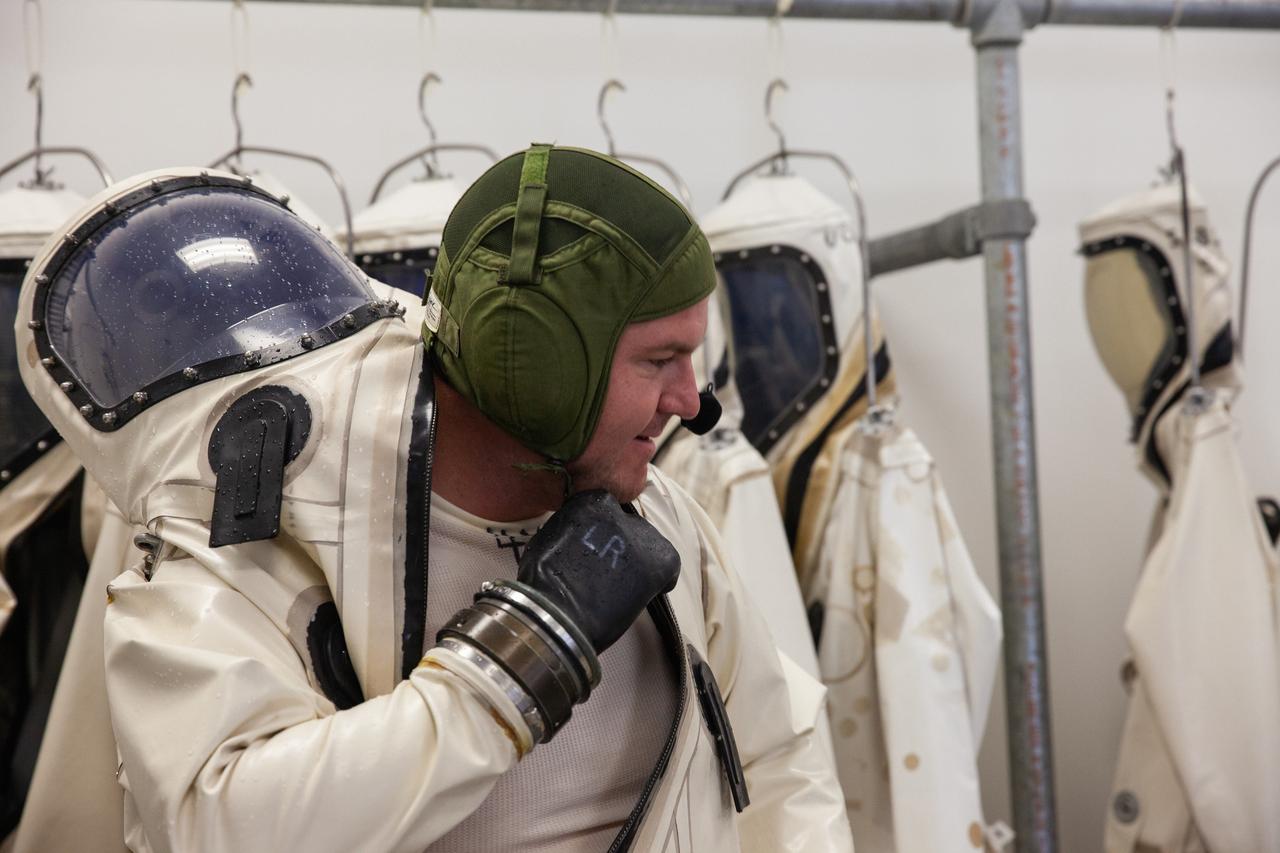
Inside the Multi-Operations Support Building near the Multi-Payload Processing Facility (MPPF) at NASA’s Kennedy Space Center in Florida, a technician puts on a Self-Contained Atmospheric Protective Ensemble (SCAPE) suit inside a changing room on Aug. 16, 2019. SCAPE technicians are practicing putting on the suits for a test simulation of loading propellants into a replicated test tank for Orion. Exploration Ground Systems is preparing for Artemis 1 with a series of hazardous hyper test events at the MPPF. After donning their suits, the technicians will complete a tanking to test the system before Orion arrives for processing. During preparations for launch, these teams will be responsible for loading the Orion vehicle with propellants prior to transportation to the Vehicle Assembly Building, where it will be secured atop the Space Launch System rocket. SCAPE suits are used in operations involving toxic propellants and are supplied with air either through a hardline or through a self-contained environmental control unit.
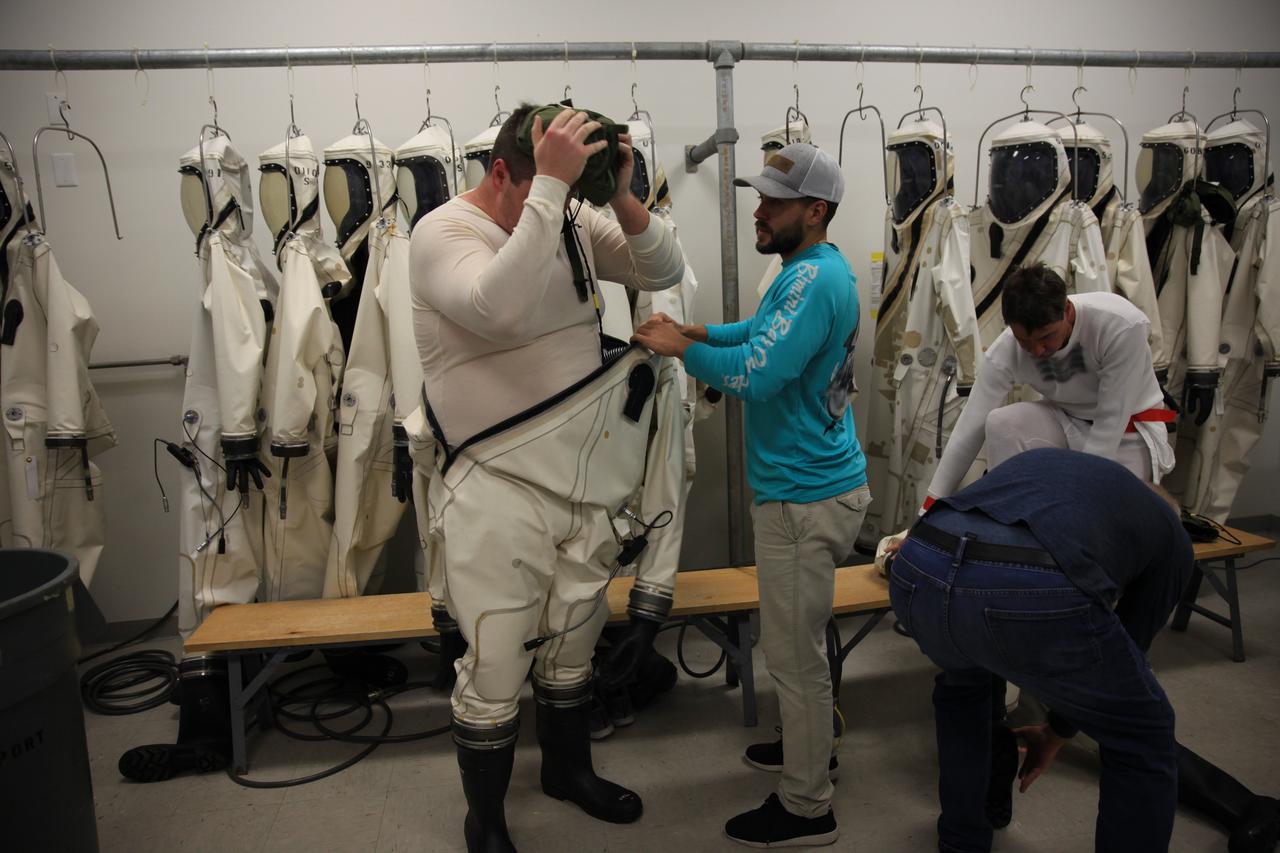
Inside the Multi-Operations Support Building near the Multi-Payload Processing Facility (MPPF) at NASA’s Kennedy Space Center in Florida, technicians put on Self-Contained Atmospheric Protective Ensemble (SCAPE) suits inside a changing room on Aug. 16, 2019. SCAPE technicians are practicing by putting on the suits for a test simulation of loading propellants into a replicated test tank for Orion. Exploration Ground Systems is preparing for Artemis 1 with a series of hazardous hyper test events at the MPPF. After donning their suits, the technicians will complete a tanking to test the system before Orion arrives for processing. During preparations for launch, these teams will be responsible for loading the Orion vehicle with propellants prior to transportation to the Vehicle Assembly Building, where it will be secured atop the Space Launch System rocket. SCAPE suits are used in operations involving toxic propellants and are supplied with air either through a hardline or through a self-contained environmental control unit.
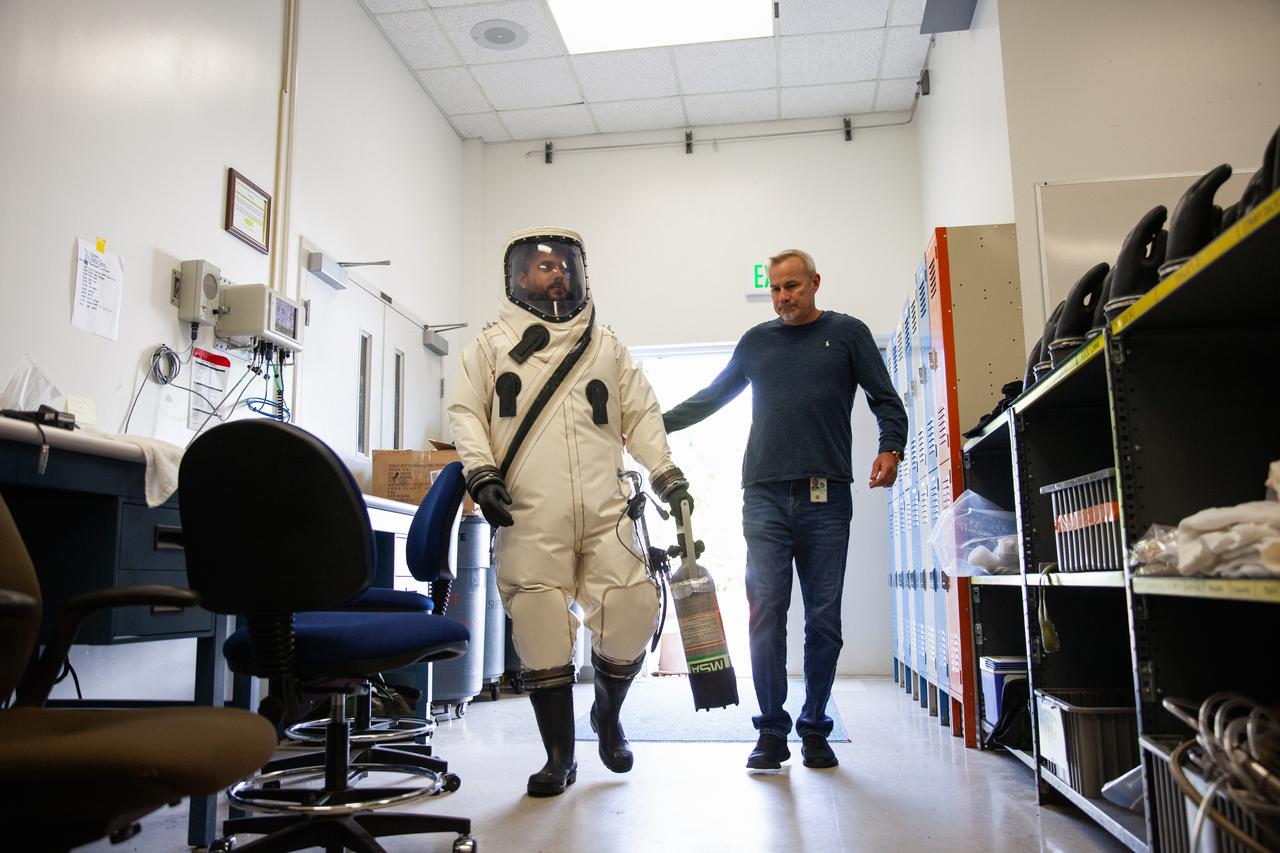
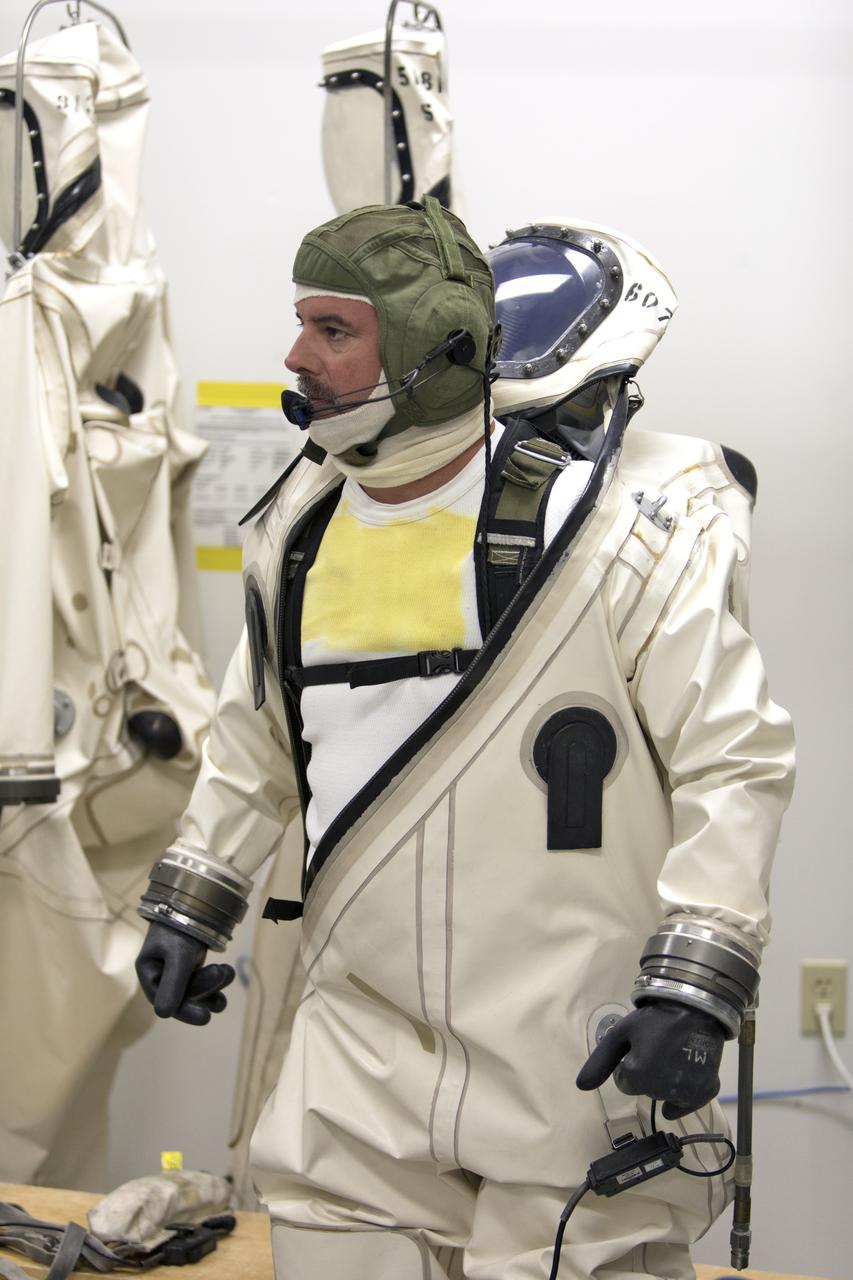
Inside the Multi-Operations Support Building near the Multi-Payload Processing Facility (MPPF) at NASA’s Kennedy Space Center in Florida, a technician is wearing a Self-Contained Atmospheric Protective Ensemble (SCAPE) suit to prepare for a test simulation of loading propellants into a replicated test tank for Orion, on Aug. 16, 2019. Exploration Ground Systems is preparing for Artemis 1 with a series of hazardous hyper test events at the MPPF. After donning their suits, the technicians will complete tanking to test the system before Orion arrives for processing. During preparations for launch, these teams will be responsible for loading the Orion vehicle with propellants prior to transportation to the Vehicle Assembly Building, where it will be secured atop the Space Launch System rocket. SCAPE suits are used in operations involving toxic propellants and are supplied with air either through a hardline or through a self-contained environmental control unit.
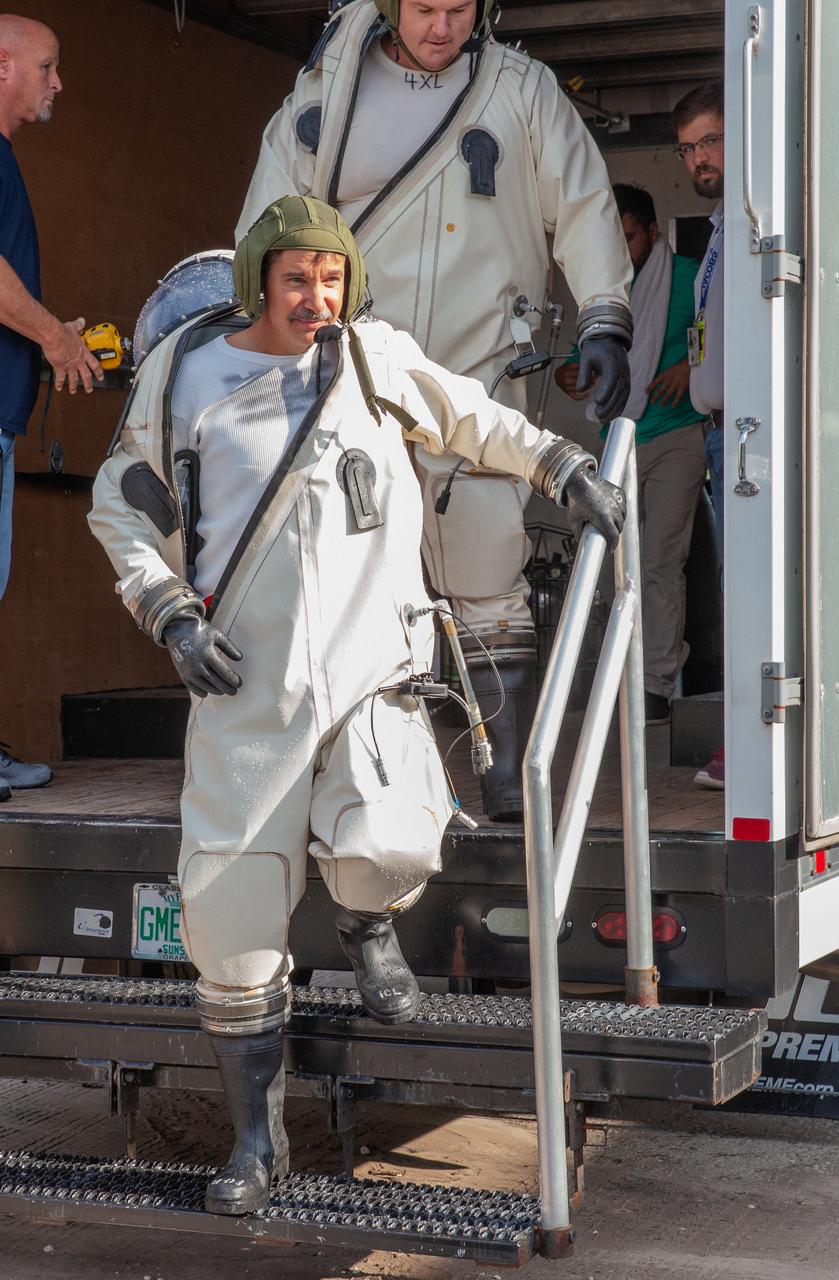
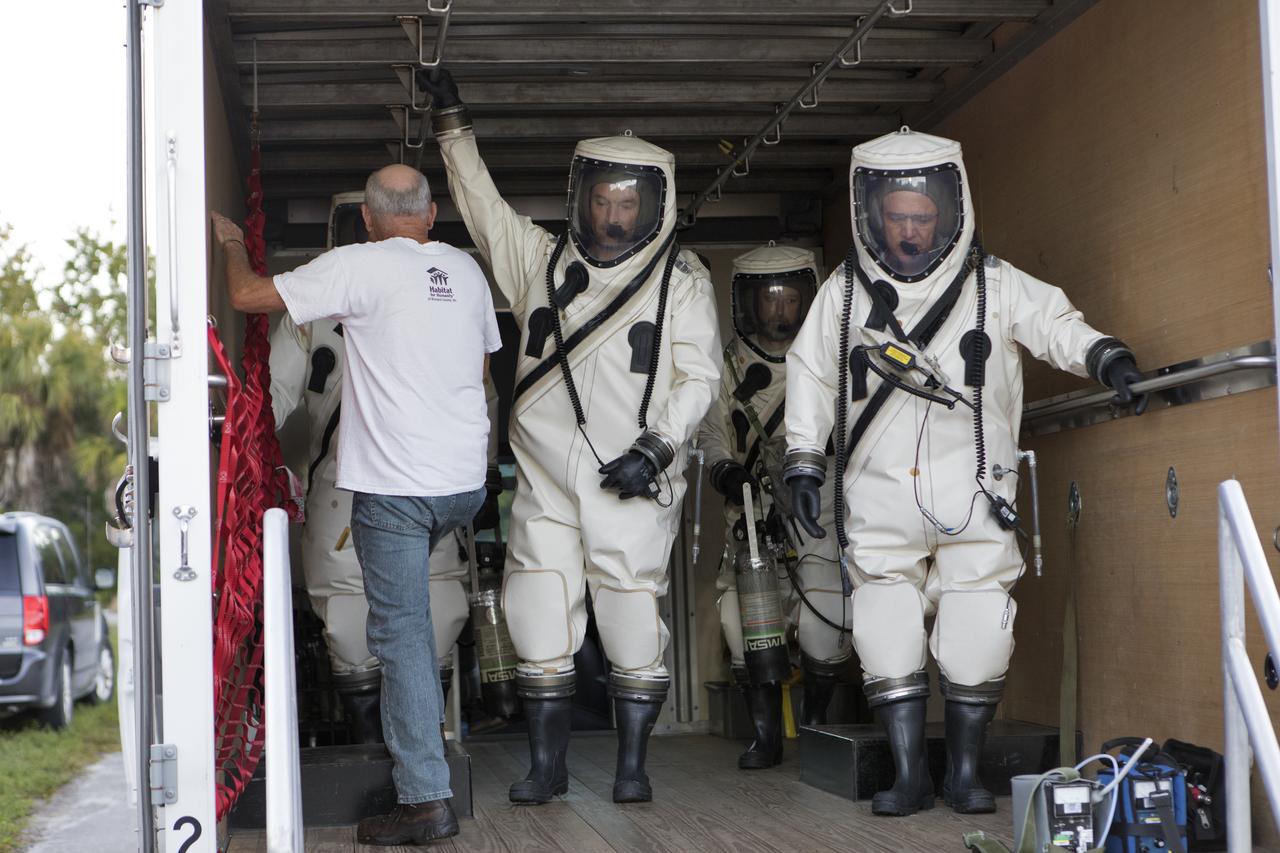
Technicians in Self-Contained Atmospheric Protective Ensemble (SCAPE) suits exit a truck near the Multi-Payload Processing Facility (MPPF) at NASA’s Kennedy Space Center in Florida, for a test simulation of loading propellants into a replicated test tank for Orion on Aug. 16, 2019. Exploration Ground Systems is preparing for Artemis 1 with a series of hazardous hyper test events at the MPPF. The technicians will complete a tanking to test the system before Orion arrives for processing. During preparations for launch, these teams will be responsible for loading the Orion vehicle with propellants prior to transportation to the Vehicle Assembly Building, where it will be secured atop the Space Launch System rocket. SCAPE suits are used in operations involving toxic propellants and are supplied with air either through a hardline or through a self-contained environmental control unit.
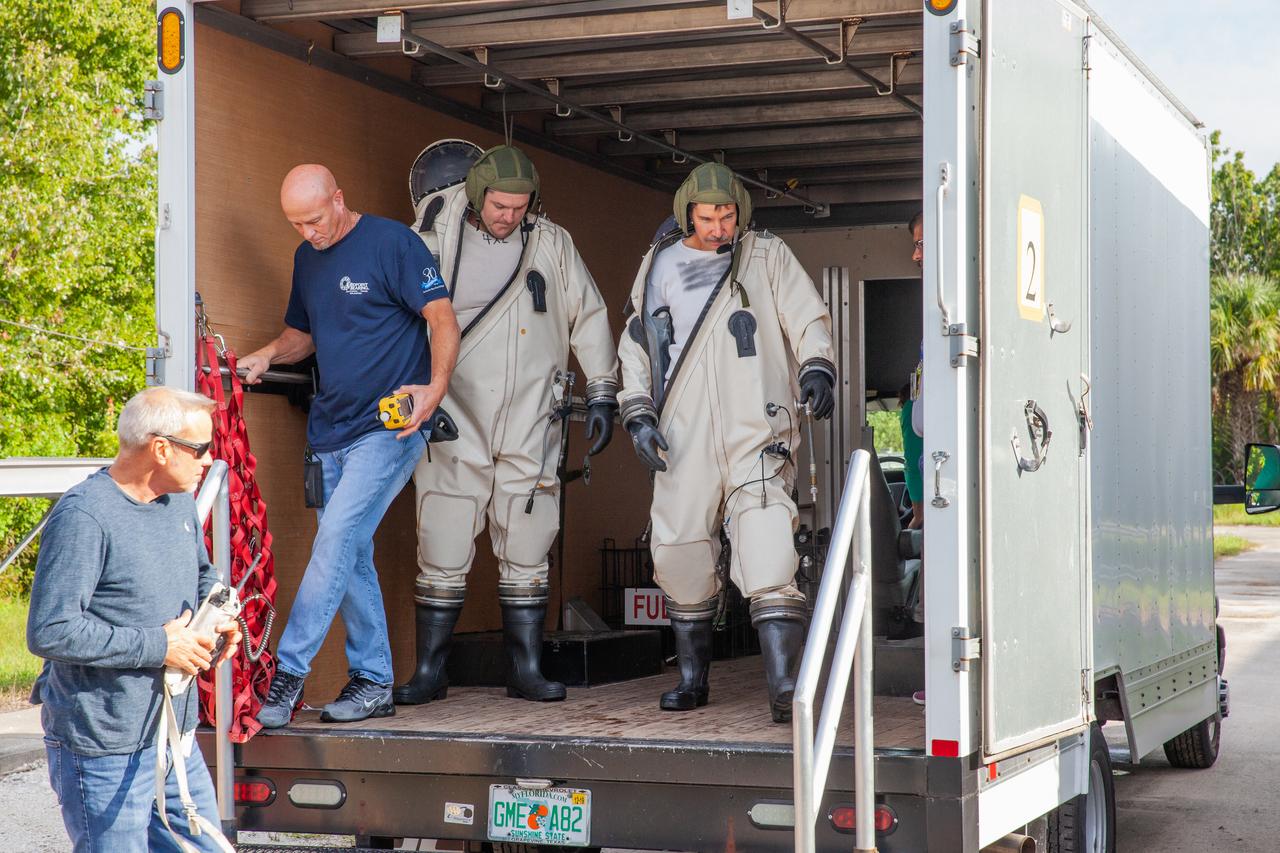
Technicians in Self-Contained Atmospheric Protective Ensemble (SCAPE) suits exit a truck near the Multi-Payload Processing Facility (MPPF) at NASA’s Kennedy Space Center in Florida, for a test simulation of loading propellants into a replicated test tank for Orion on Aug. 16, 2019. Exploration Ground Systems is preparing for Artemis 1 with a series of hazardous hyper test events at the MPPF. The technicians will complete a tanking to test the system before Orion arrives for processing. During preparations for launch, these teams will be responsible for loading the Orion vehicle with propellants prior to transportation to the Vehicle Assembly Building, where it will be secured atop the Space Launch System rocket. SCAPE suits are used in operations involving toxic propellants and are supplied with air either through a hardline or through a self-contained environmental control unit.
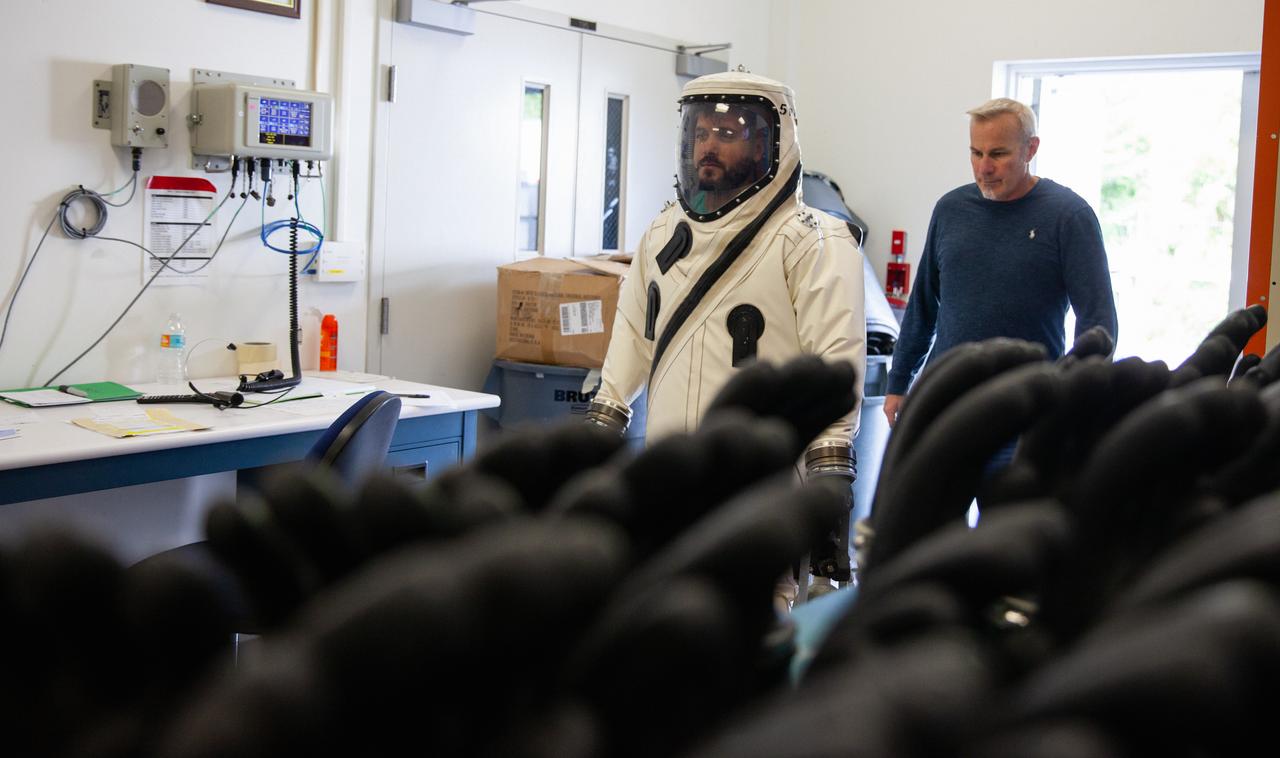
Inside the Multi-Operations Support Building near the Multi-Payload Processing Facility (MPPF) at NASA’s Kennedy Space Center in Florida, a technician is wearing a Self-Contained Atmospheric Protective Ensemble (SCAPE) suit to prepare for a test simulation of loading propellants into a replicated test tank for Orion, on Aug. 16, 2019. Exploration Ground Systems is preparing for Artemis 1 with a series of hazardous hyper test events at the MPPF. After donning their suits, the technicians will complete a tanking to test the system before Orion arrives for processing. During preparations for launch, these teams will be responsible for loading the Orion vehicle with propellants prior to transportation to the Vehicle Assembly Building, where it will be secured atop the Space Launch System rocket. SCAPE suits are used in operations involving toxic propellants and are supplied with air either through a hardline or through a self-contained environmental control unit.
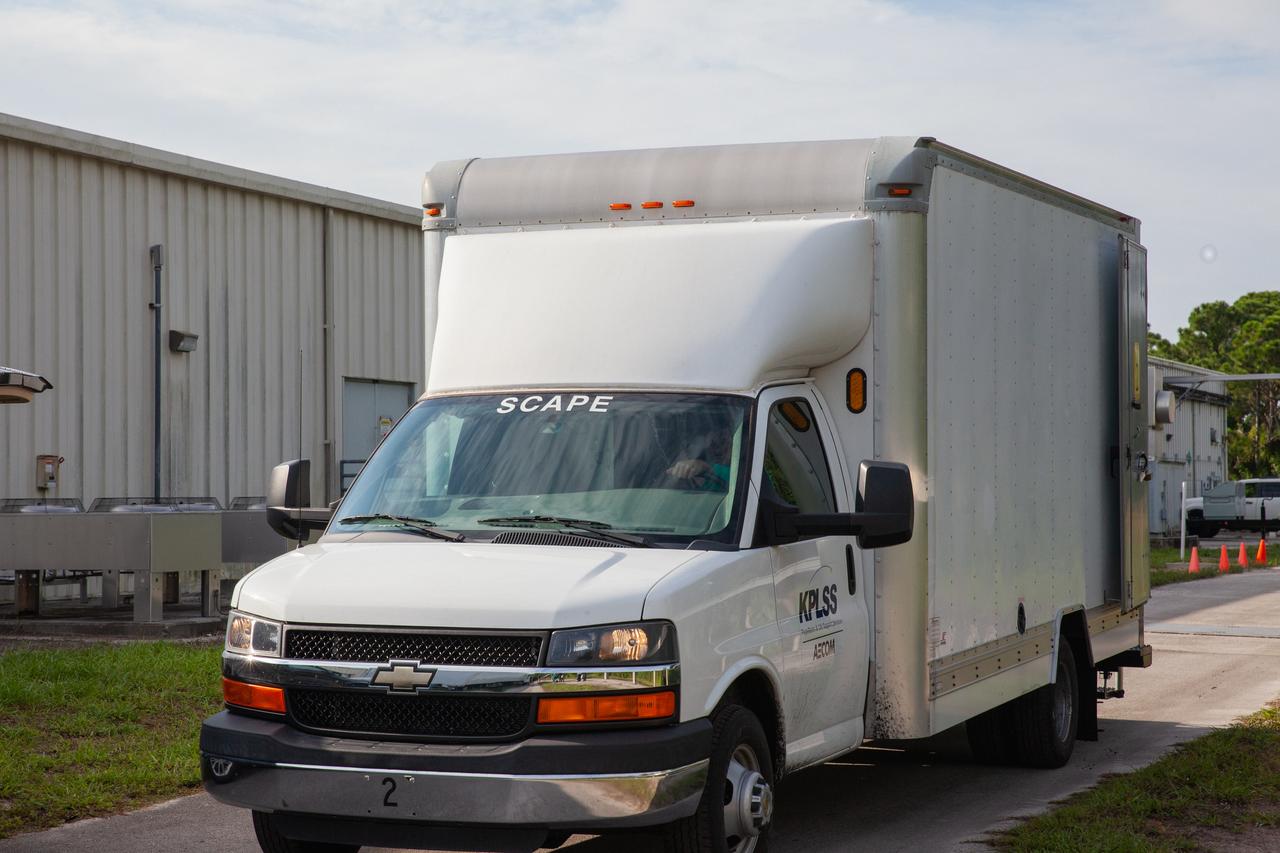
A truck transports technicians wearing Self-Contained Atmospheric Protective Ensemble (SCAPE) suits and operations support personnel to the Multi-Payload Processing Facility (MPPF) at NASA’s Kennedy Space Center in Florida, for a test simulation of loading propellants into a replicated test tank for Orion on Aug. 16, 2019. Exploration Ground Systems is preparing for Artemis 1 with a series of hazardous hyper test events at the MPPF. The technicians will complete a tanking to test the system before Orion arrives for processing. During preparations for launch, these teams will be responsible for loading the Orion vehicle with propellants prior to transportation to the Vehicle Assembly Building, where it will be secured atop the Space Launch System rocket. SCAPE suits are used in operations involving toxic propellants and are supplied with air either through a hardline or through a self-contained environmental control unit.
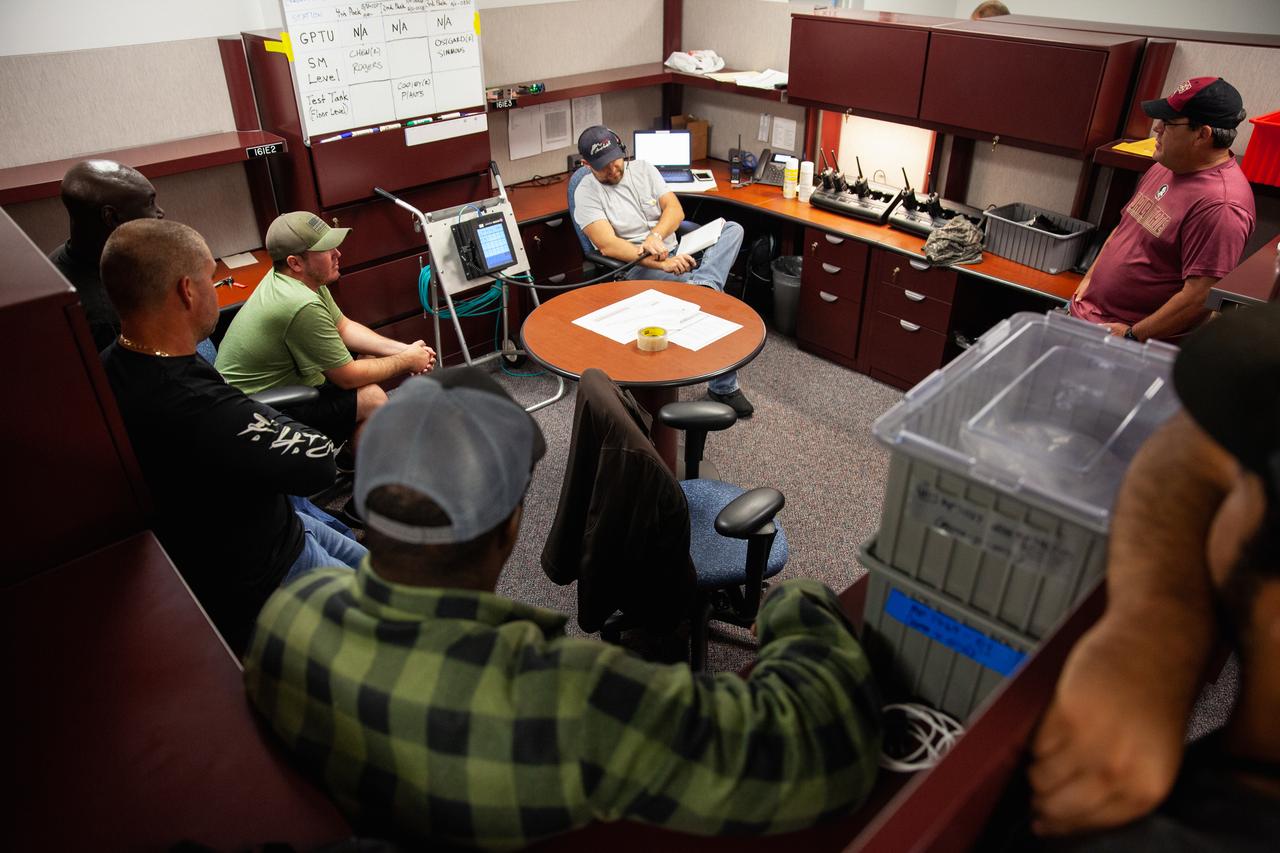
Inside the Multi-Operations Support Building near the Multi-Payload Processing Facility (MPPF) at NASA’s Kennedy Space Center in Florida, technicians and operations personnel review procedures for a test simulation of loading propellants into a replicated test tank for Orion, on Aug. 16, 2019. Exploration Ground Systems is preparing for Artemis 1 with a series of hazardous hyper test events at the MPPF. Technicians will practice putting on Self-Contained Atmospheric Protective Ensemble (SCAPE) suits and then complete tanking to test the system before Orion arrives for processing. During preparations for launch, these teams will be responsible for loading the Orion vehicle with propellants prior to transportation to the Vehicle Assembly Building, where it will be secured atop the Space Launch System rocket. SCAPE suits are used in operations involving toxic propellants and are supplied with air either through a hardline or through a self-contained environmental control unit.
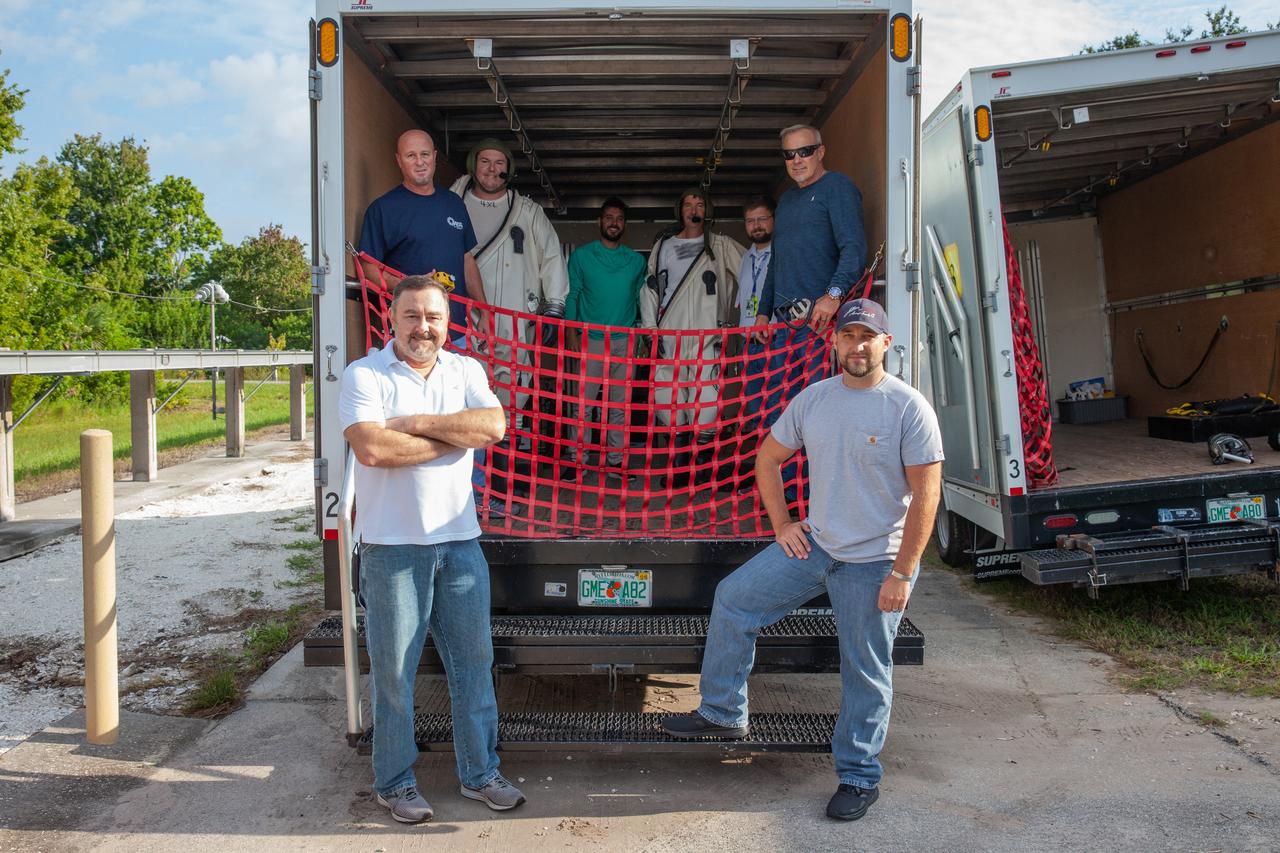
Technicians wearing Self-Contained Atmospheric Protective Ensemble (SCAPE) suits and operations support personnel prepare for a test simulation of loading propellants into a replicated test tank for Orion on Aug. 16, 2019, at NASA’s Kennedy Space Center in Florida. They are in a transport truck at the Multi-Operations Support Building near the Multi-Payload Processing Facility (MPPF). Exploration Ground Systems is preparing for Artemis 1 with a series of hazardous hyper test events at the MPPF. The technicians will complete a tanking to test the system before Orion arrives for processing. During preparations for launch, these teams will be responsible for loading the Orion vehicle with propellants prior to transportation to the Vehicle Assembly Building, where it will be secured atop the Space Launch System rocket. SCAPE suits are used in operations involving toxic propellants and are supplied with air either through a hardline or through a self-contained environmental control unit.
Technicans inside Kennedy's Multi-Payload Processing Facility do testing in SCAPE (Self-Contained Atmospheric Protective Ensemble) suits.
Technicans inside Kennedy's Multi-Payload Processing Facility do testing in SCAPE (Self-Contained Atmospheric Protective Ensemble) suits.
Technicans inside Kennedy's Multi-Payload Processing Facility do testing in SCAPE (Self-Contained Atmospheric Protective Ensemble) suits.
Technicans inside Kennedy's Multi-Payload Processing Facility do testing in SCAPE (Self-Contained Atmospheric Protective Ensemble) suits.
Technicans inside Kennedy's Multi-Payload Processing Facility do testing in SCAPE (Self-Contained Atmospheric Protective Ensemble) suits.
Technicans inside Kennedy's Multi-Payload Processing Facility do testing in SCAPE (Self-Contained Atmospheric Protective Ensemble) suits.
Technicans inside Kennedy's Multi-Payload Processing Facility do testing in SCAPE (Self-Contained Atmospheric Protective Ensemble) suits.
Technicans inside Kennedy's Multi-Payload Processing Facility do testing in SCAPE (Self-Contained Atmospheric Protective Ensemble) suits.
Technicans inside Kennedy's Multi-Payload Processing Facility do testing in SCAPE (Self-Contained Atmospheric Protective Ensemble) suits.
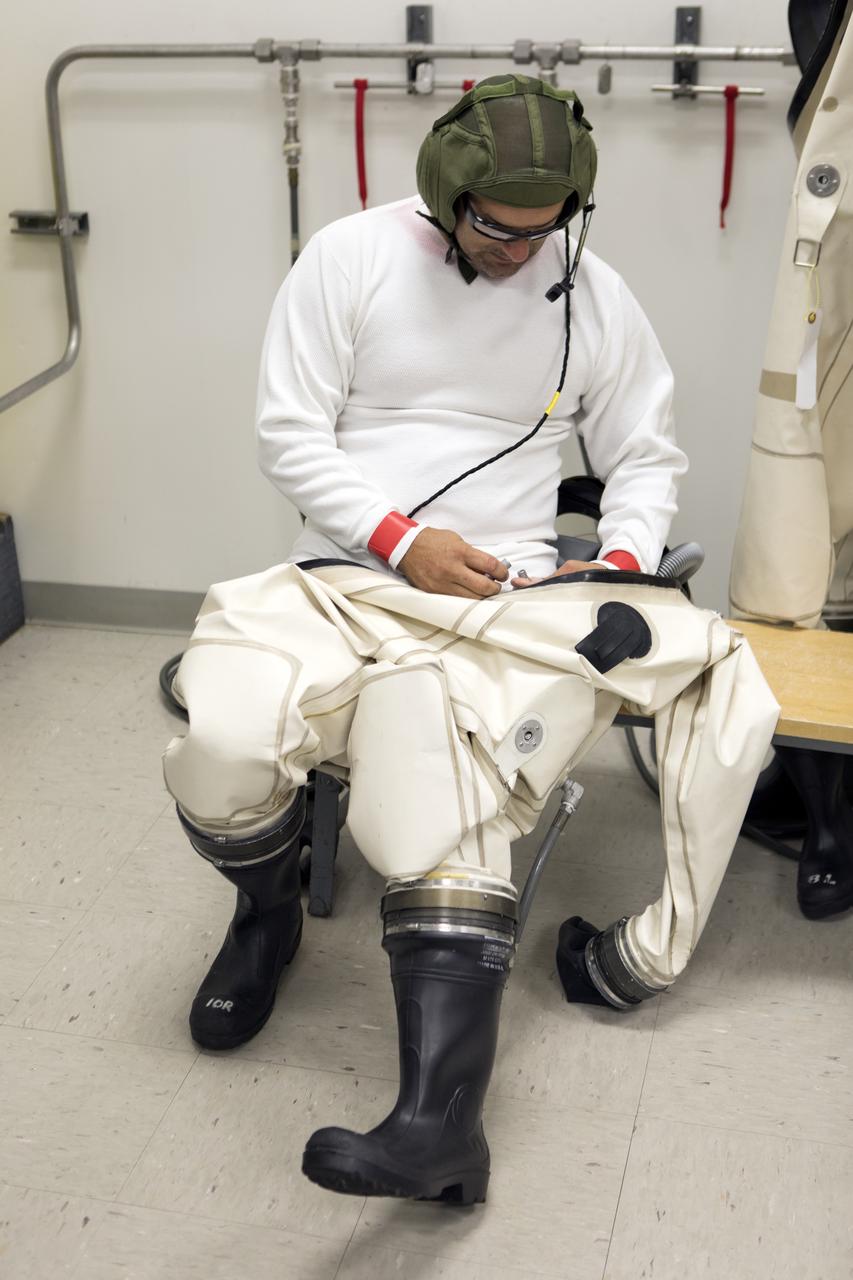
An operator dons a Self-Contained Atmospheric Protective Ensemble (SCAPE) suit inside a room in the Multi-Payload Processing Facility (MPPF) at NASA's Kennedy Space Center in Florida on Oct. 31, 2018. SCAPE operators, wearing the suits, will participate in a hypergolic systems hot flow test at the MPPF. The test will serve as operational validation of the hypergol subsystem and demonstrate that the hypergols subsystem can service the Orion spacecraft, flow fuel at the required rates, drain and de-service the system, and meet the intended timeline. SCAPE suite are used in operations involving toxic propellants and are supplied with air either through a hardline or through a self-contained environmental control unit.
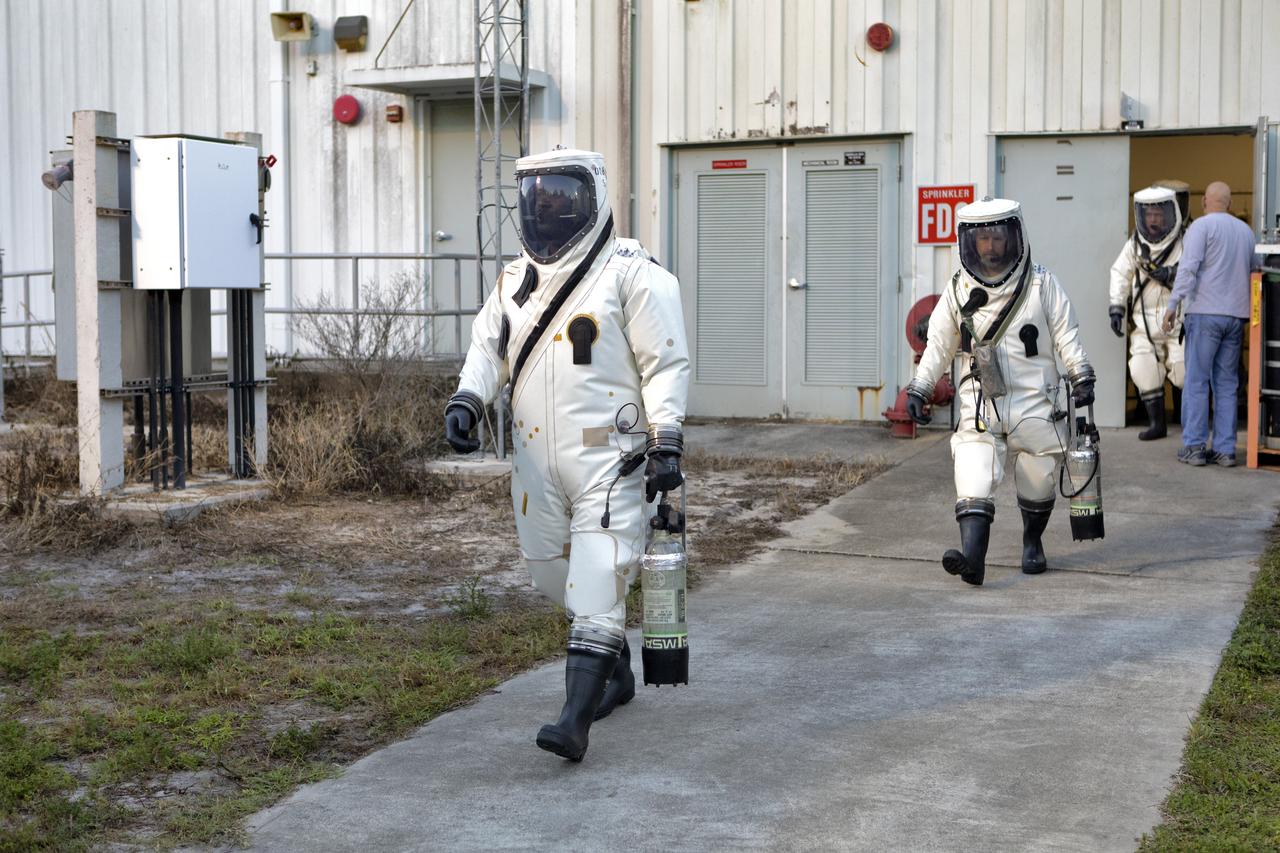
Operators wearing Self-Contained Atmospheric Protective Ensemble (SCAPE) suits depart the suit-up room at the Multi-Payload Processing Facility (MPPF) at NASA's Kennedy Space Center in Florida on Oct. 31, 2018. SCAPE operators are preparing to participate in a hypergolic systems hot flow test at the MPPF. The test will serve as operational validation of the hypergol subsystem and demonstrate that the hypergols subsystem can service the Orion spacecraft, flow fuel at the required rates, drain and de-service the system, and meet the intended timeline. SCAPE suite are used in operations involving toxic propellants and are supplied with air either through a hardline or through a self-contained environmental control unit.
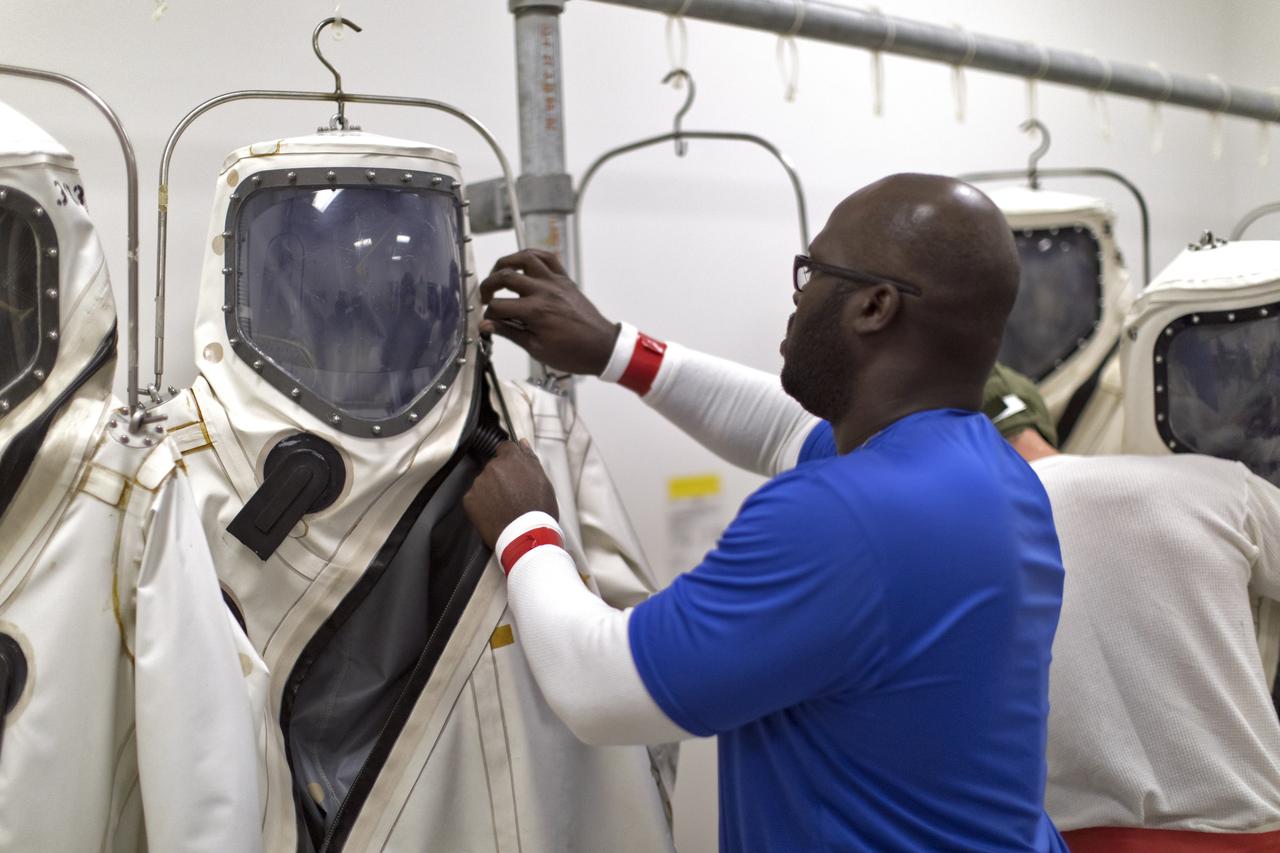
An operator prepares to don a Self-Contained Atmospheric Protective Ensemble (SCAPE) suit inside a room in the Multi-Payload Processing Facility (MPPF) at NASA's Kennedy Space Center in Florida on Oct. 31, 2018. SCAPE operators, wearing the suits, will participate in a hypergolic systems hot flow test at the MPPF. The test will serve as operational validation of the hypergol subsystem and demonstrate that the hypergols subsystem can service the Orion spacecraft, flow fuel at the required rates, drain and de-service the system, and meet the intended timeline. SCAPE suite are used in operations involving toxic propellants and are supplied with air either through a hardline or through a self-contained environmental control unit.
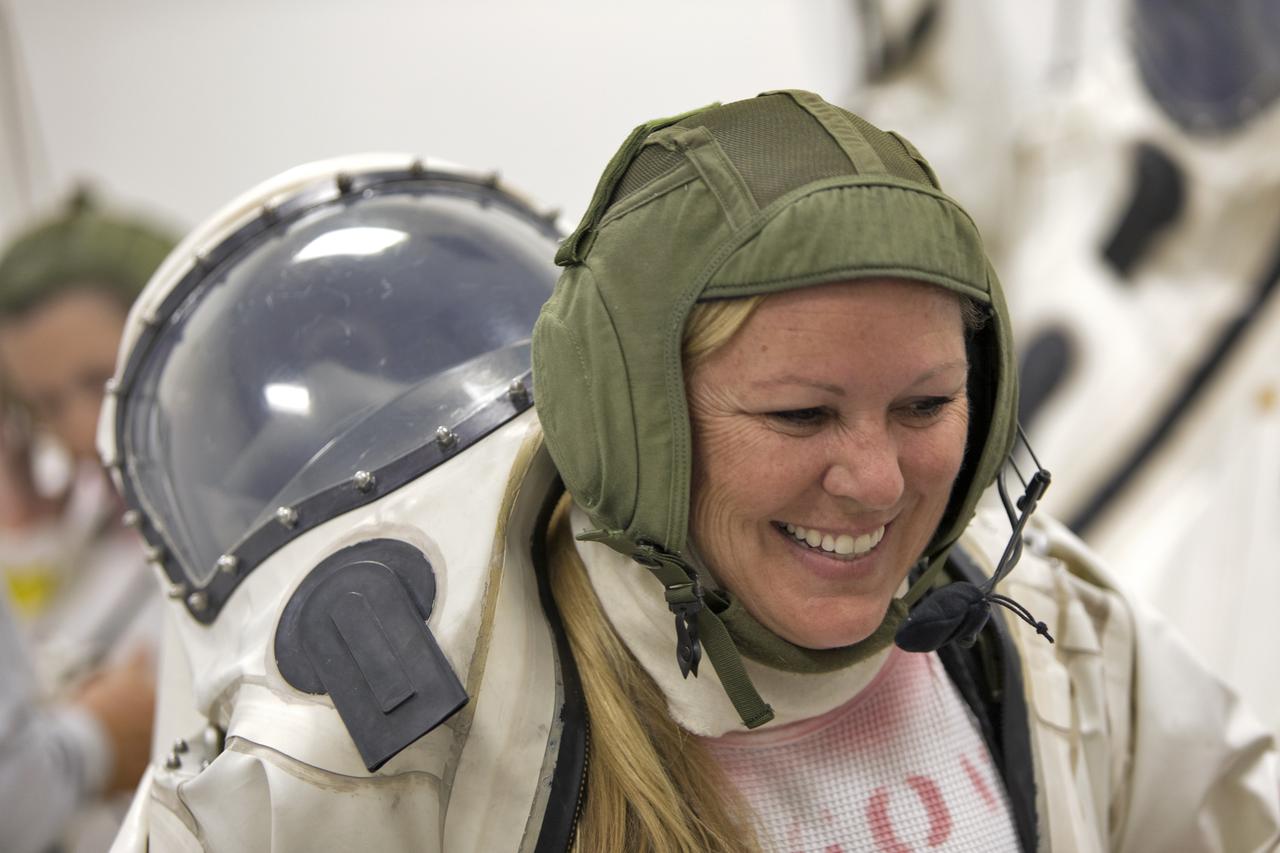
An operator dons a Self-Contained Atmospheric Protective Ensemble (SCAPE) suit inside a room in the Multi-Payload Processing Facility (MPPF) at NASA's Kennedy Space Center in Florida on Oct. 31, 2018. SCAPE operators, wearing the suits, will participate in a hypergolic systems hot flow test at the MPPF. The test will serve as operational validation of the hypergol subsystem and demonstrate that the hypergols subsystem can service the Orion spacecraft, flow fuel at the required rates, drain and de-service the system, and meet the intended timeline. SCAPE suite are used in operations involving toxic propellants and are supplied with air either through a hardline or through a self-contained environmental control unit.
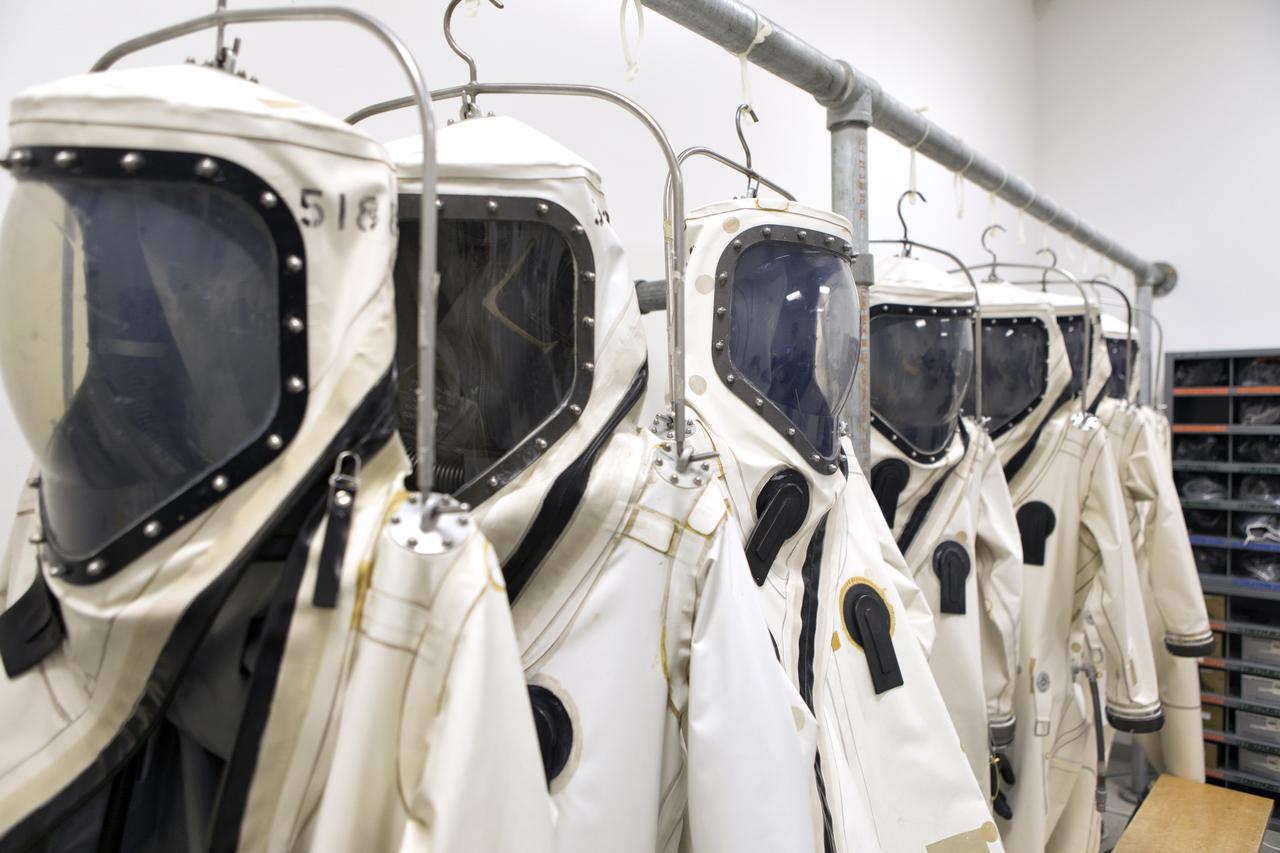
Self-Contained Atmospheric Protective Ensemble (SCAPE) suits are hanging in a row inside the Multi-Payload Processing Facility (MPPF) at NASA's Kennedy Space Center in Florida on Oct. 31, 2018. SCAPE operators will don the suits and then participate in a hypergolic systems hot flow test at the MPPF. The test will serve as operational validation of the hypergol subsystem and demonstrate that the hypergols subsystem can service the Orion spacecraft, flow fuel at the required rates, drain and de-service the system, and meet the intended timeline. SCAPE suite are used in operations involving toxic propellants and are supplied with air either through a hardline or through a self-contained environmental control unit.
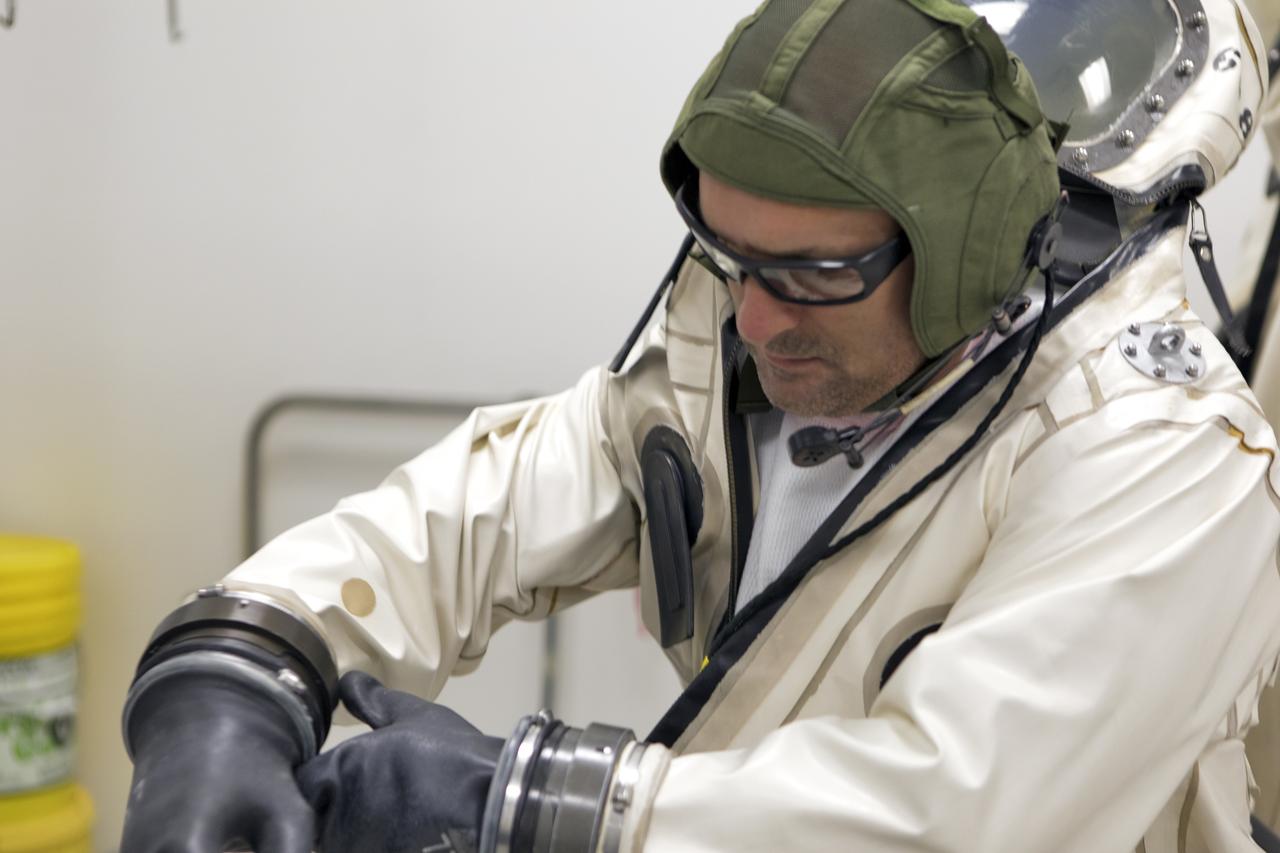
An operator dons a Self-Contained Atmospheric Protective Ensemble (SCAPE) suit inside a room in the Multi-Payload Processing Facility (MPPF) at NASA's Kennedy Space Center in Florida on Oct. 31, 2018. SCAPE operators, wearing the suits, will participate in a hypergolic systems hot flow test at the MPPF. The test will serve as operational validation of the hypergol subsystem and demonstrate that the hypergols subsystem can service the Orion spacecraft, flow fuel at the required rates, drain and de-service the system, and meet the intended timeline. SCAPE suite are used in operations involving toxic propellants and are supplied with air either through a hardline or through a self-contained environmental control unit.
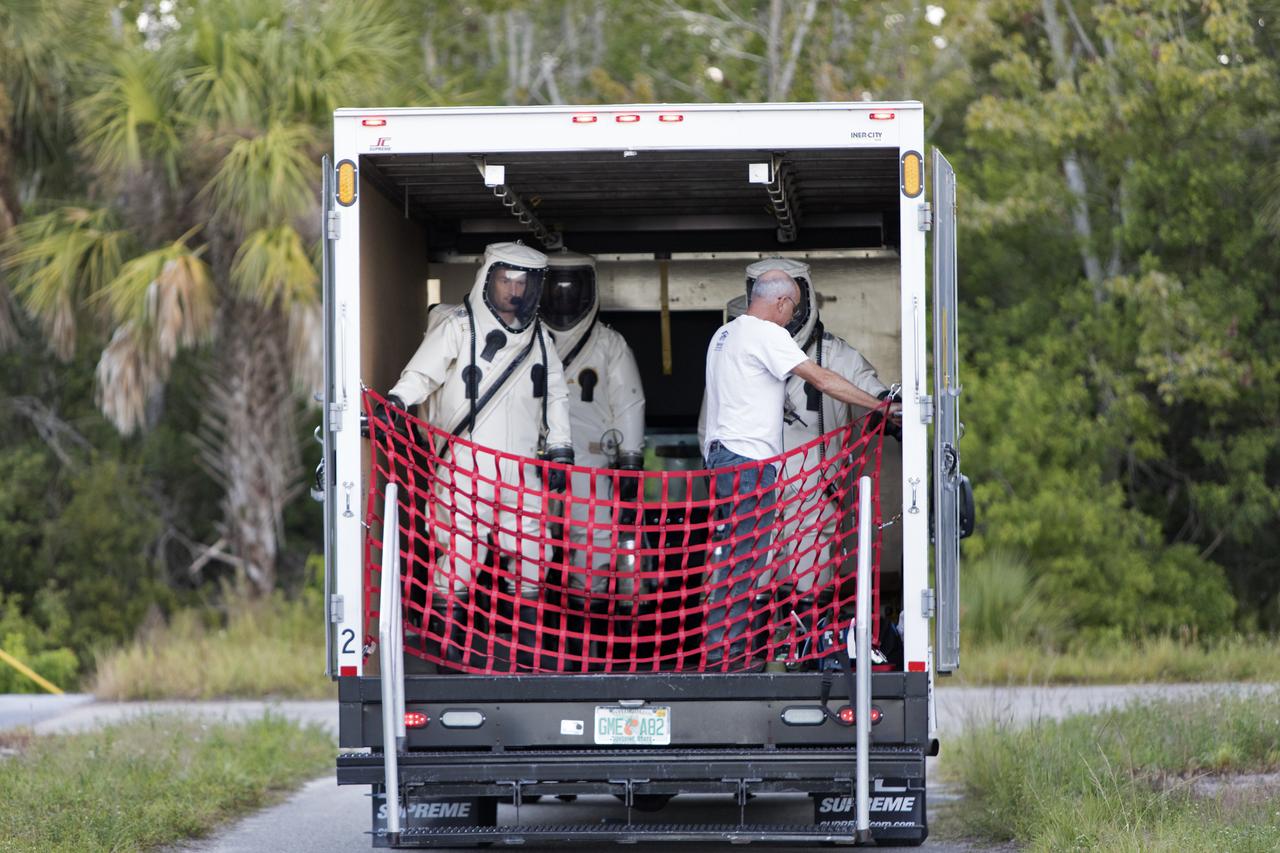
Operators wearing Self-Contained Atmospheric Protective Ensemble (SCAPE) suits are inside a transport vehicle near the Multi-Payload Processing Facility (MPPF) at NASA's Kennedy Space Center in Florida on Oct. 31, 2018. SCAPE operators, wearing the suits, will participate in a hypergolic systems hot flow test at the MPPF. The test will serve as operational validation of the hypergol subsystem and demonstrate that the hypergols subsystem can service the Orion spacecraft, flow fuel at the required rates, drain and de-service the system, and meet the intended timeline. SCAPE suite are used in operations involving toxic propellants and are supplied with air either through a hardline or through a self-contained environmental control unit.
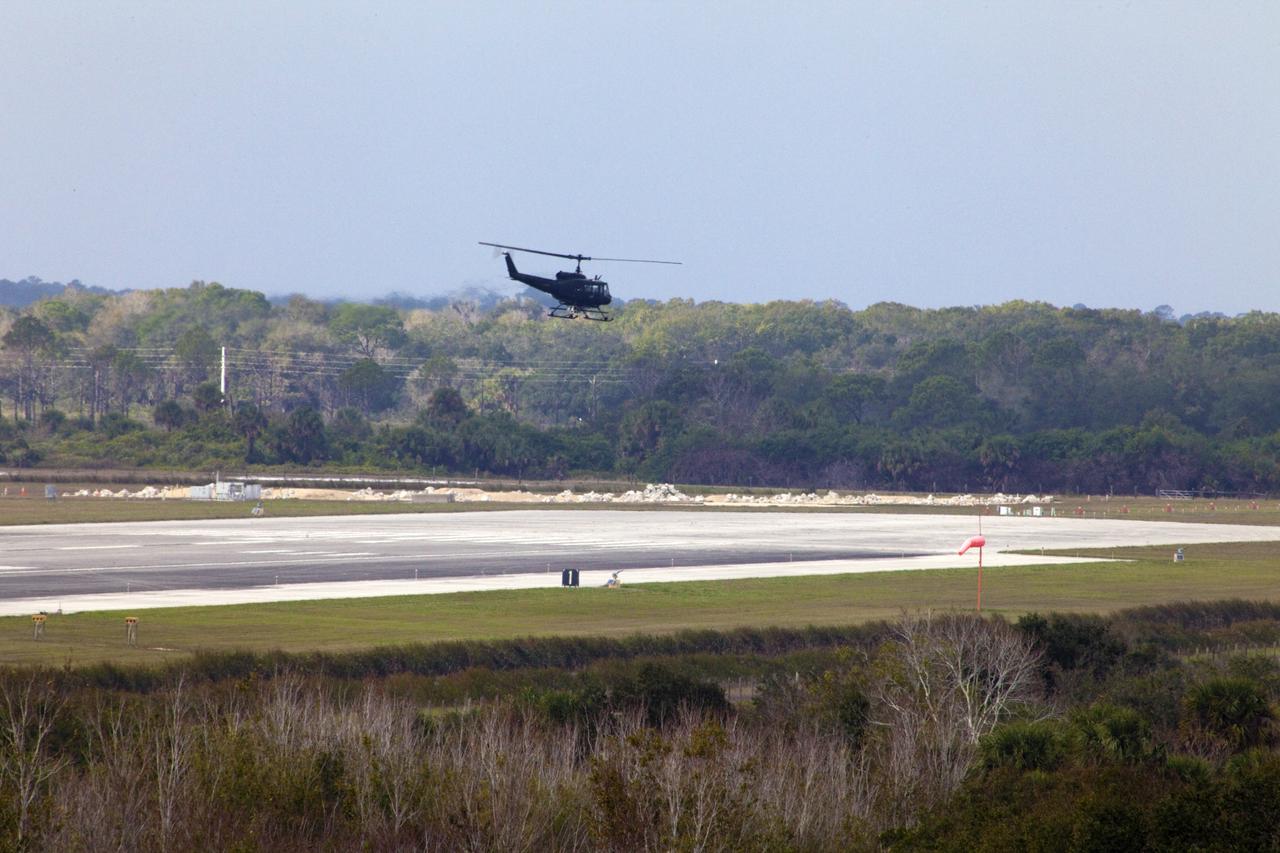
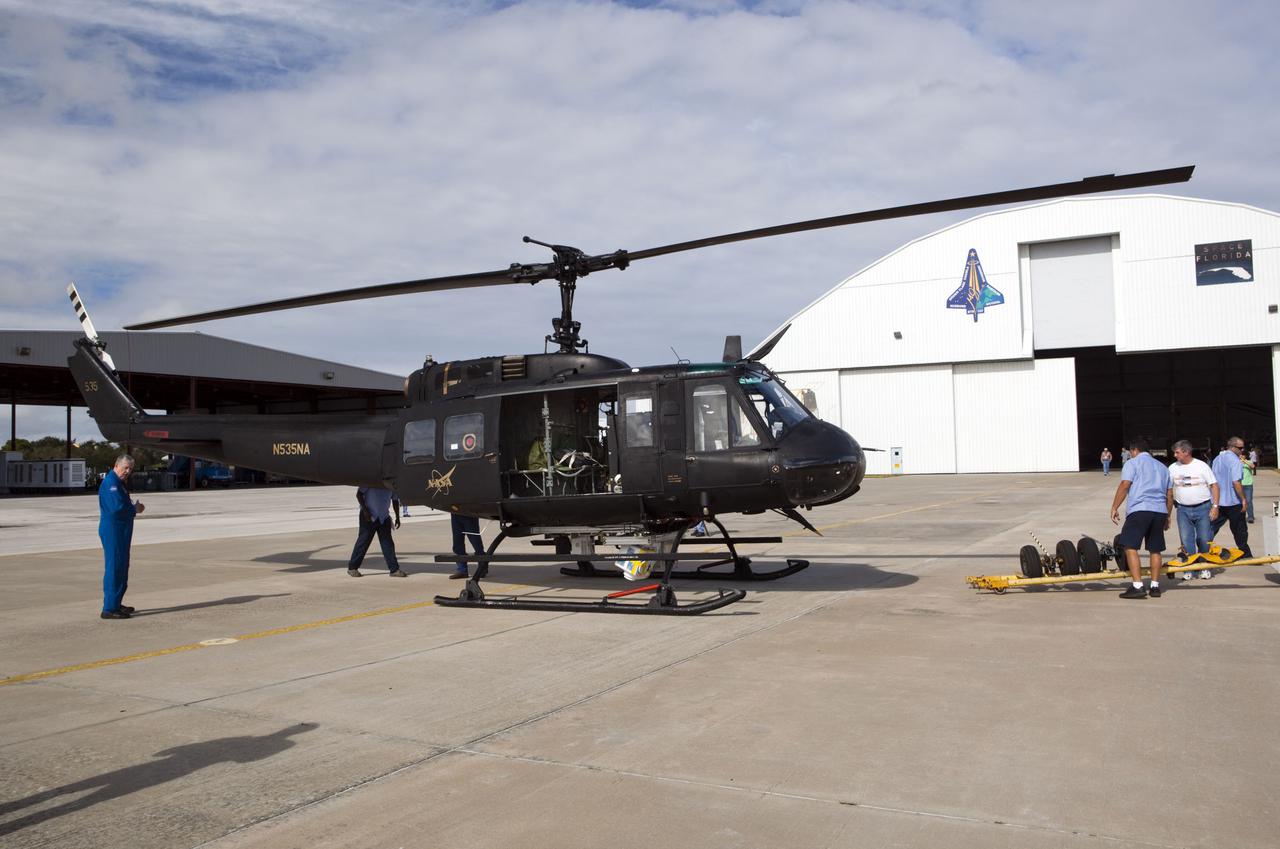
CAPE CANAVERAL, Fla. – A Huey helicopter tests hazard avoidance instrumentation at the Shuttle Landing Facility at NASA's Kennedy Space Center in Florida. Just north of Kennedy's Shuttle Landing Facility runway, a rock- and crater-filled planetary scape has been built so engineers can test the ability to negotiate away from risks using the instrument. Led by the Johnson Space Center and supported by Jet Propulsion Laboratory and Langley Research Center, the Autonomous Landing Hazard Avoidance Technology, or ALHAT, laser system provides a planetary lander the ability to precisely land safely on a surface while detecting any dangerous obstacles such as rocks, holes and slopes. Photo credit: NASA/Jim Grossmann
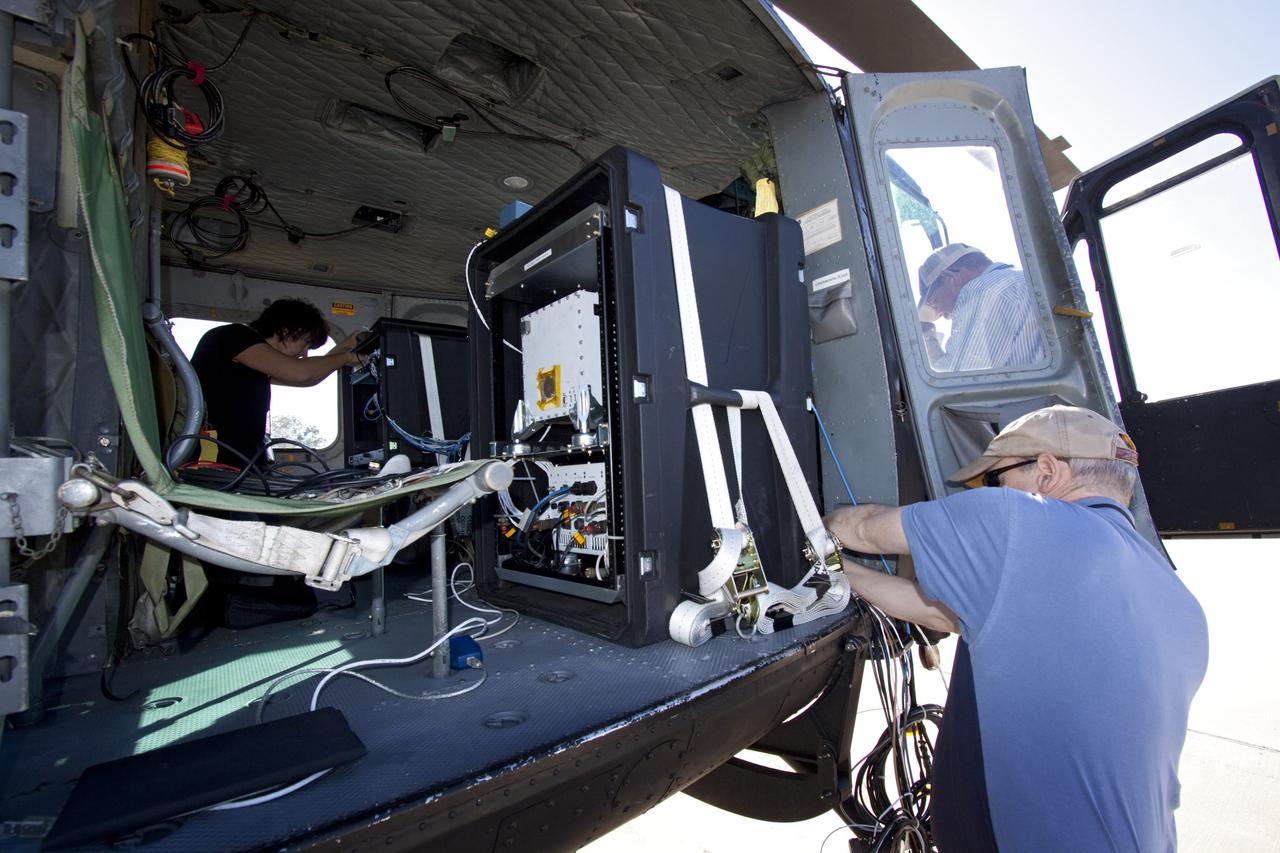
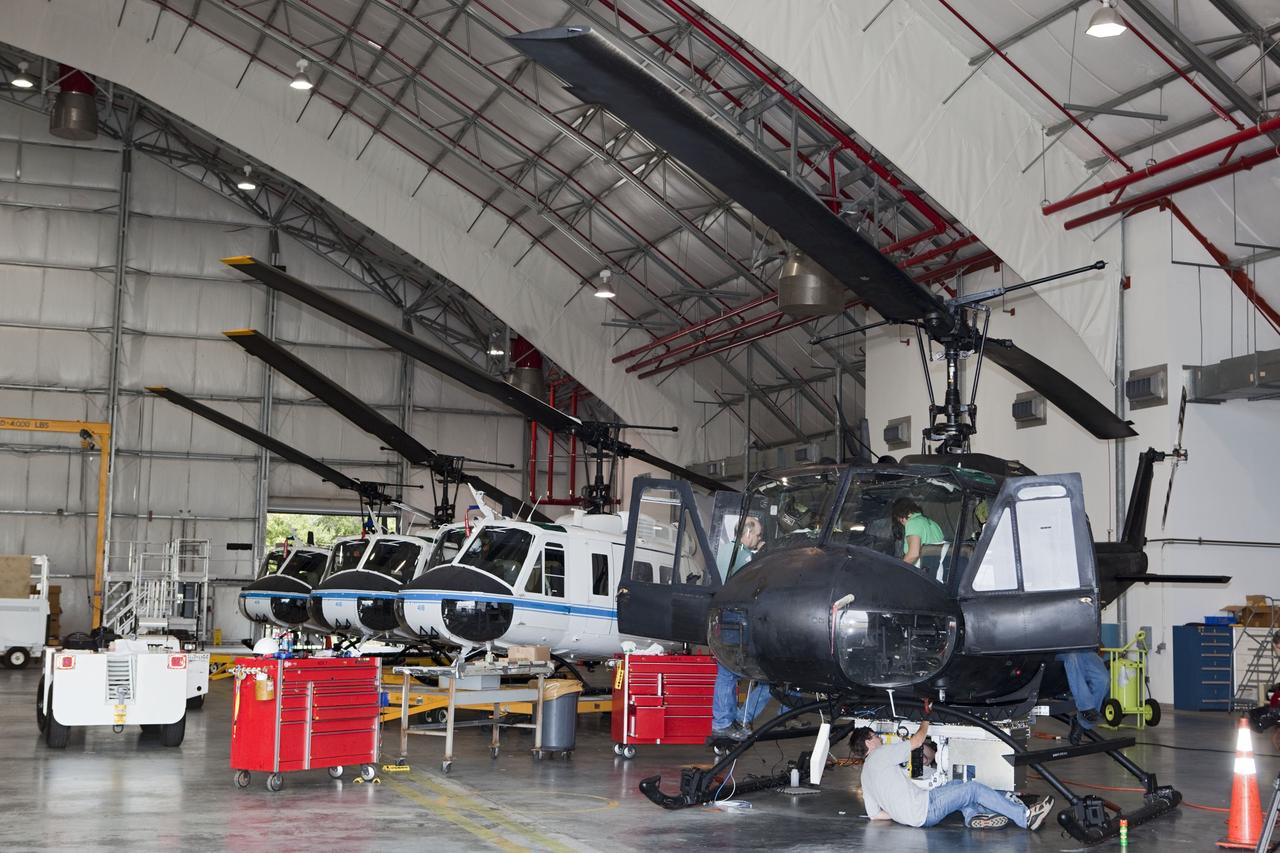
CAPE CANAVERAL, Fla. – Near the Shuttle Landing Facility at NASA's Kennedy Space Center in Florida, a technician installs hazard avoidance instrumentation on a Huey helicopter. Led by the Johnson Space Center and supported by Jet Propulsion Laboratory and Langley Research Center, the Autonomous Landing Hazard Avoidance Technology, or ALHAT, laser system provides a planetary lander the ability to precisely land safely on a surface while detecting any dangerous obstacles such as rocks, holes and slopes. Just north of Kennedy's Shuttle Landing Facility runway, a rock- and crater-filled planetary scape has been built so engineers can test the ability to negotiate away from risks. Photo credit: NASA/Jim Grossmann
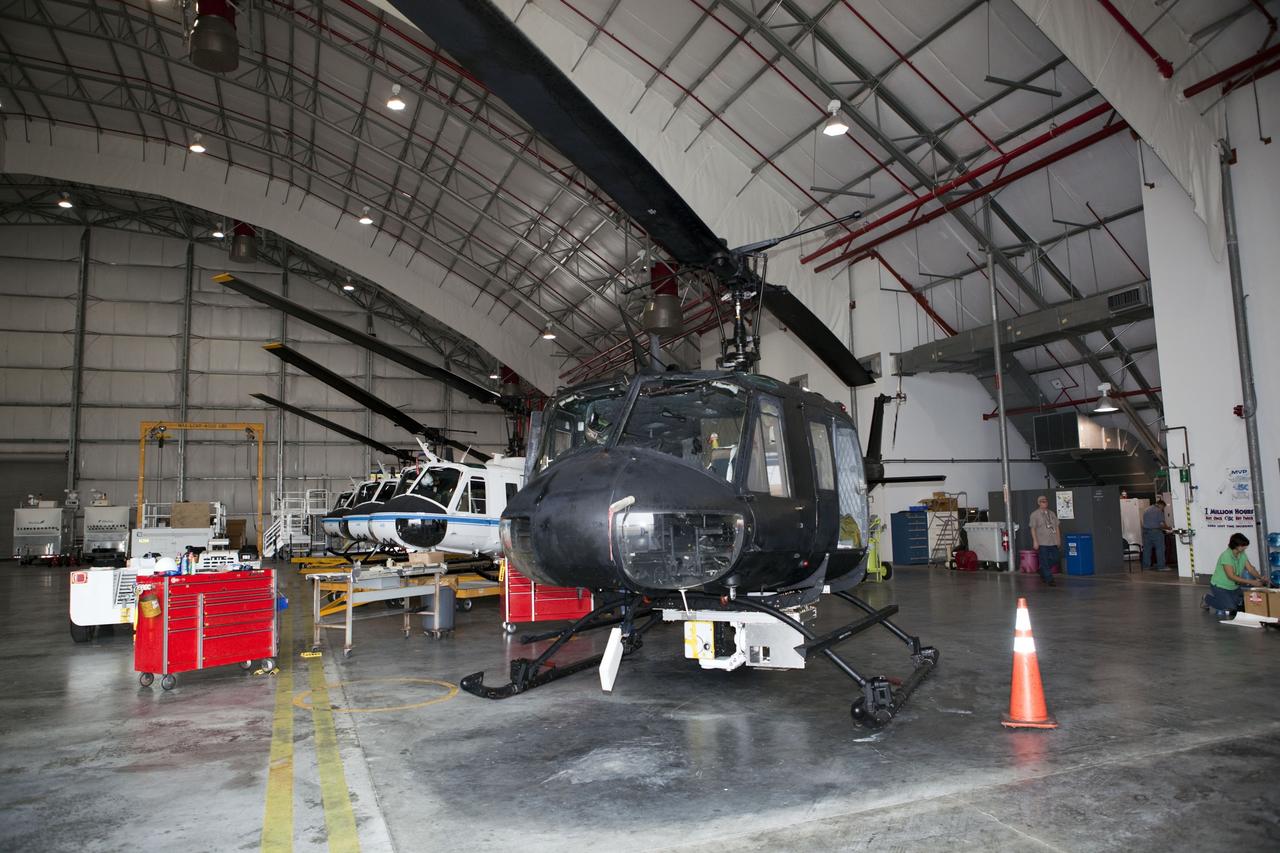
CAPE CANAVERAL, Fla. – Near the Shuttle Landing Facility at NASA's Kennedy Space Center in Florida, a space agency team installed and tested hazard avoidance instrumentation on a Huey helicopter. Led by the Johnson Space Center and supported by Jet Propulsion Laboratory and Langley Research Center, the Autonomous Landing Hazard Avoidance Technology, or ALHAT, laser system provides a planetary lander the ability to precisely land safely on a surface while detecting any dangerous obstacles such as rocks, holes and slopes. Just north of Kennedy's Shuttle Landing Facility runway, a rock- and crater-filled planetary scape has been built so engineers can test the ability to negotiate away from risks. Photo credit: NASA_Dmitri Gerondidakis
CAPE CANAVERAL, Fla. – Near the Shuttle Landing Facility at NASA's Kennedy Space Center in Florida, a space agency team installed and tested hazard avoidance instrumentation on a Huey helicopter. Led by the Johnson Space Center and supported by Jet Propulsion Laboratory and Langley Research Center, the Autonomous Landing Hazard Avoidance Technology, or ALHAT, laser system provides a planetary lander the ability to precisely land safely on a surface while detecting any dangerous obstacles such as rocks, holes and slopes. Just north of Kennedy's Shuttle Landing Facility runway, a rock- and crater-filled planetary scape has been built so engineers can test the ability to negotiate away from risks. Photo credit: NASA/Dmitri Gerondidakis
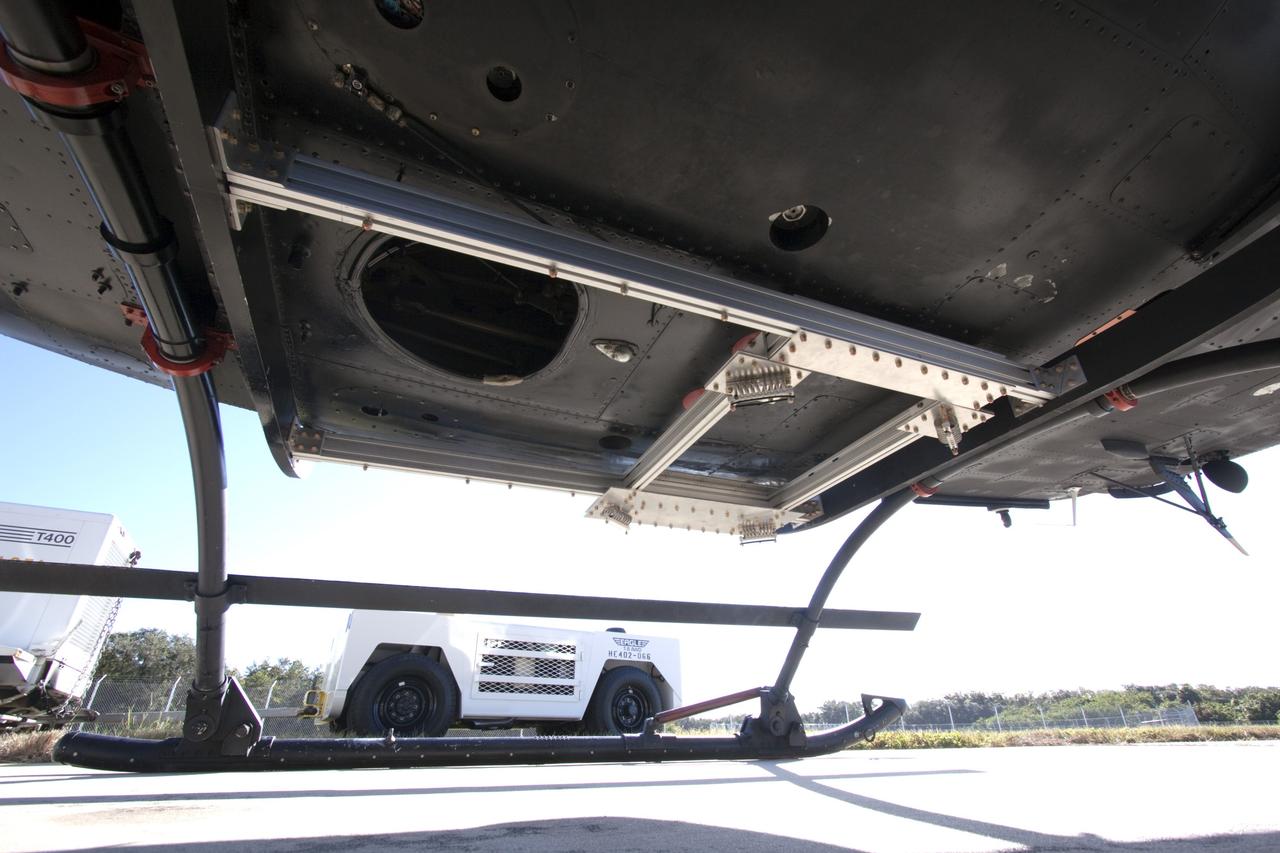
CAPE CANAVERAL, Fla. – Near the Shuttle Landing Facility at NASA's Kennedy Space Center in Florida, a space agency team installed and tested hazard avoidance instrumentation on a Huey helicopter. Led by the Johnson Space Center and supported by Jet Propulsion Laboratory and Langley Research Center, the Autonomous Landing Hazard Avoidance Technology, or ALHAT, laser system provides a planetary lander the ability to precisely land safely on a surface while detecting any dangerous obstacles such as rocks, holes and slopes. Just north of Kennedy's Shuttle Landing Facility runway, a rock- and crater-filled planetary scape has been built so engineers can test the ability to negotiate away from risks. Photo credit: NASA/Dmitri Gerondidakis
CAPE CANAVERAL, Fla. – Near the Shuttle Landing Facility at NASA's Kennedy Space Center in Florida, a space agency team installed and tested hazard avoidance instrumentation on a Huey helicopter. Led by the Johnson Space Center and supported by Jet Propulsion Laboratory and Langley Research Center, the Autonomous Landing Hazard Avoidance Technology, or ALHAT, laser system provides a planetary lander the ability to precisely land safely on a surface while detecting any dangerous obstacles such as rocks, holes and slopes. Just north of Kennedy's Shuttle Landing Facility runway, a rock- and crater-filled planetary scape has been built so engineers can test the ability to negotiate away from risks. Photo credit: NASA/Jim Grossmann
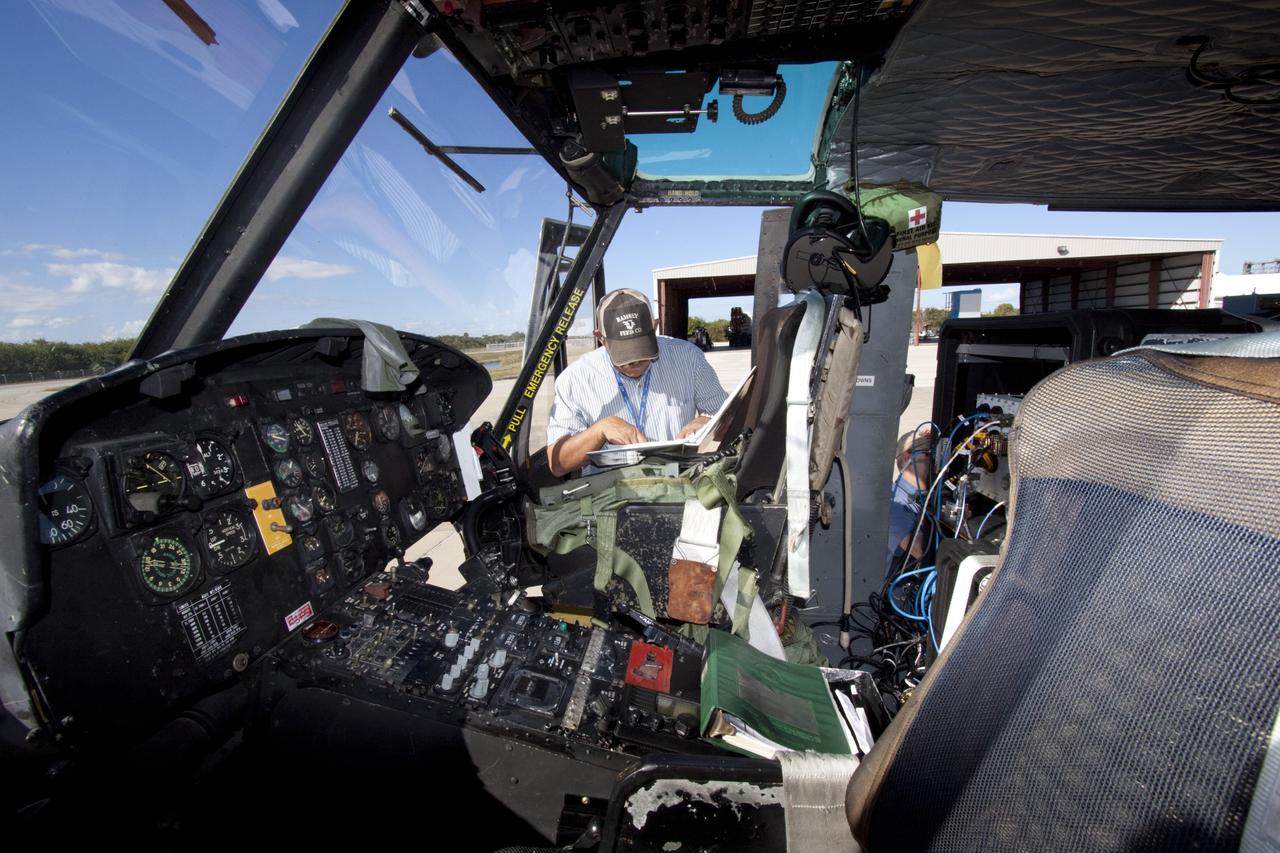
CAPE CANAVERAL, Fla. – Near the Shuttle Landing Facility at NASA's Kennedy Space Center in Florida, a technician tests hazard avoidance instrumentation recently installed on a Huey helicopter. Led by the Johnson Space Center and supported by Jet Propulsion Laboratory and Langley Research Center, the Autonomous Landing Hazard Avoidance Technology, or ALHAT, laser system provides a planetary lander the ability to precisely land safely on a surface while detecting any dangerous obstacles such as rocks, holes and slopes. Just north of Kennedy's Shuttle Landing Facility runway, a rock- and crater-filled planetary scape has been built so engineers can test the ability to negotiate away from risks. Photo credit: NASA/Jim Grossmann
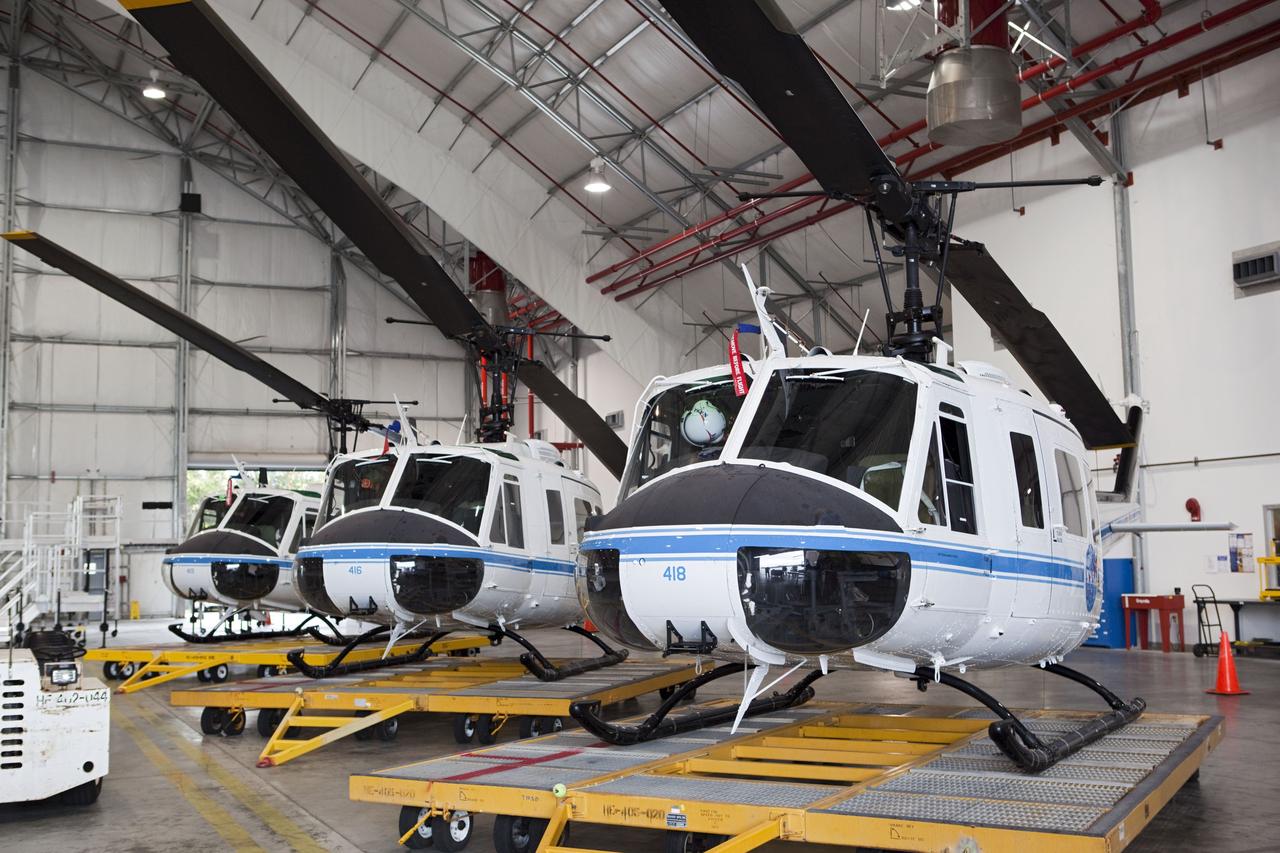
CAPE CANAVERAL, Fla. – Near the Shuttle Landing Facility at NASA's Kennedy Space Center in Florida, a space agency team installed and tested hazard avoidance instrumentation on a Huey helicopter. Led by the Johnson Space Center and supported by Jet Propulsion Laboratory and Langley Research Center, the Autonomous Landing Hazard Avoidance Technology, or ALHAT, laser system provides a planetary lander the ability to precisely land safely on a surface while detecting any dangerous obstacles such as rocks, holes and slopes. Just north of Kennedy's Shuttle Landing Facility runway, a rock- and crater-filled planetary scape has been built so engineers can test the ability to negotiate away from risks. Photo credit: NASA/Dmitri Gerondidakis
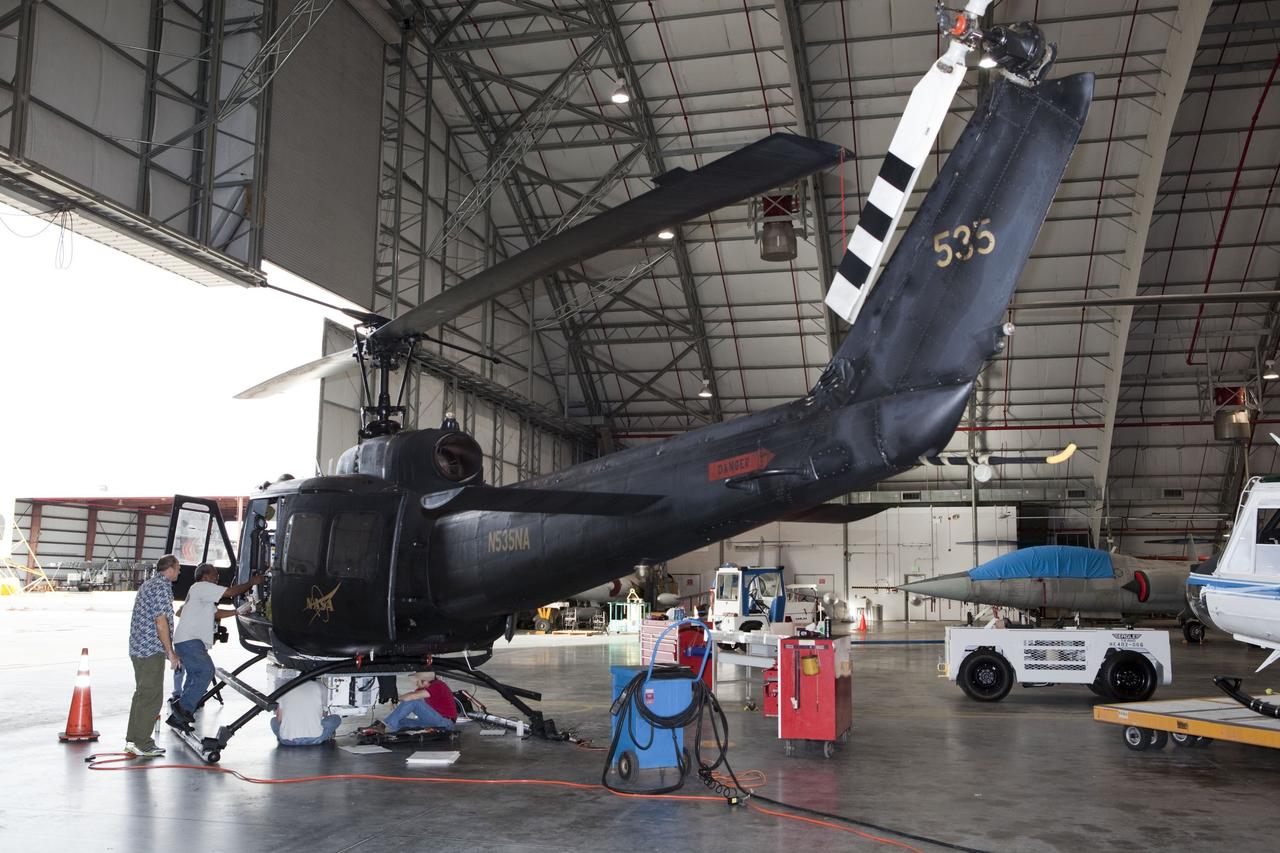
CAPE CANAVERAL, Fla. – Near the Shuttle Landing Facility at NASA's Kennedy Space Center in Florida, a space agency team installed and tested hazard avoidance instrumentation on a Huey helicopter. Led by the Johnson Space Center and supported by Jet Propulsion Laboratory and Langley Research Center, the Autonomous Landing Hazard Avoidance Technology, or ALHAT, laser system provides a planetary lander the ability to precisely land safely on a surface while detecting any dangerous obstacles such as rocks, holes and slopes. Just north of Kennedy's Shuttle Landing Facility runway, a rock- and crater-filled planetary scape has been built so engineers can test the ability to negotiate away from risks. Photo credit: NASA/Dmitri Gerondidakis
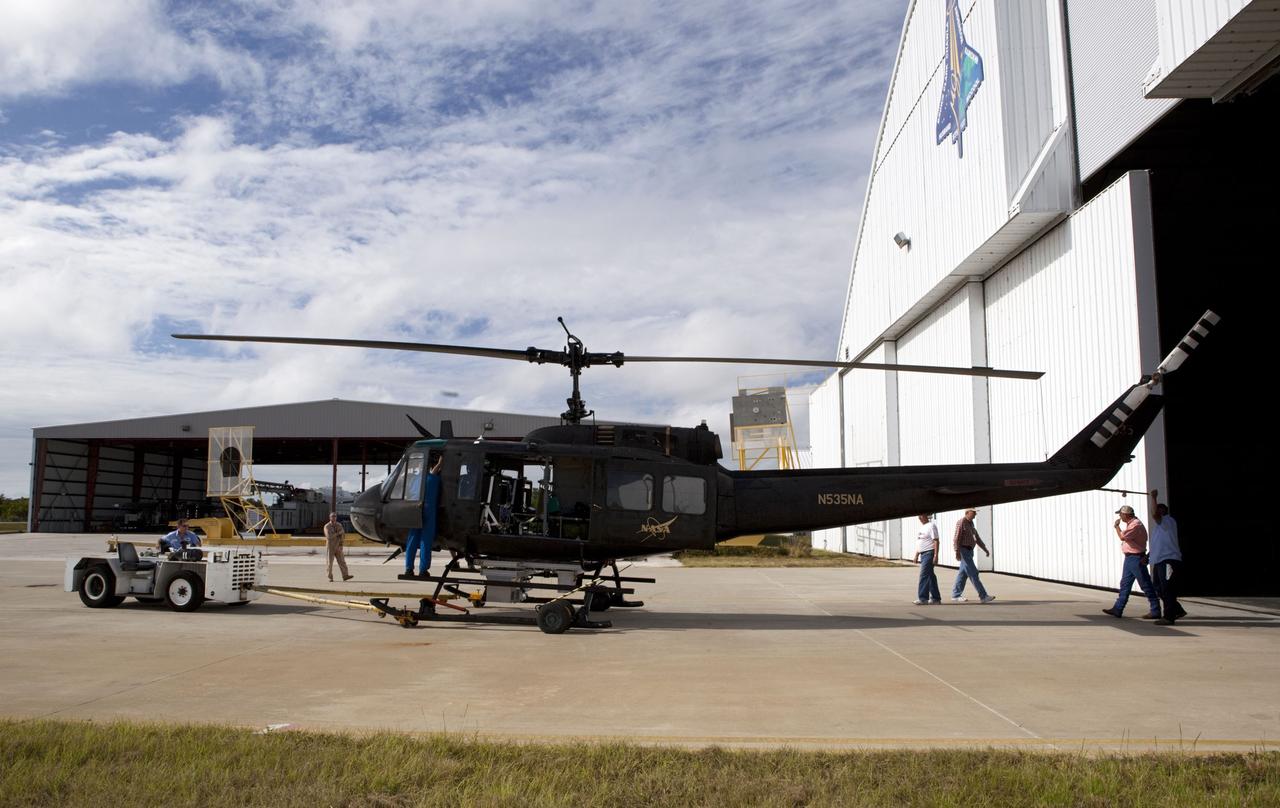
CAPE CANAVERAL, Fla. – Near the Shuttle Landing Facility at NASA's Kennedy Space Center in Florida, a space agency team installed and tested hazard avoidance instrumentation on a Huey helicopter. Led by the Johnson Space Center and supported by Jet Propulsion Laboratory and Langley Research Center, the Autonomous Landing Hazard Avoidance Technology, or ALHAT, laser system provides a planetary lander the ability to precisely land safely on a surface while detecting any dangerous obstacles such as rocks, holes and slopes. Just north of Kennedy's Shuttle Landing Facility runway, a rock- and crater-filled planetary scape has been built so engineers can test the ability to negotiate away from risks. Photo credit: NASA/Dmitri Gerondidakis
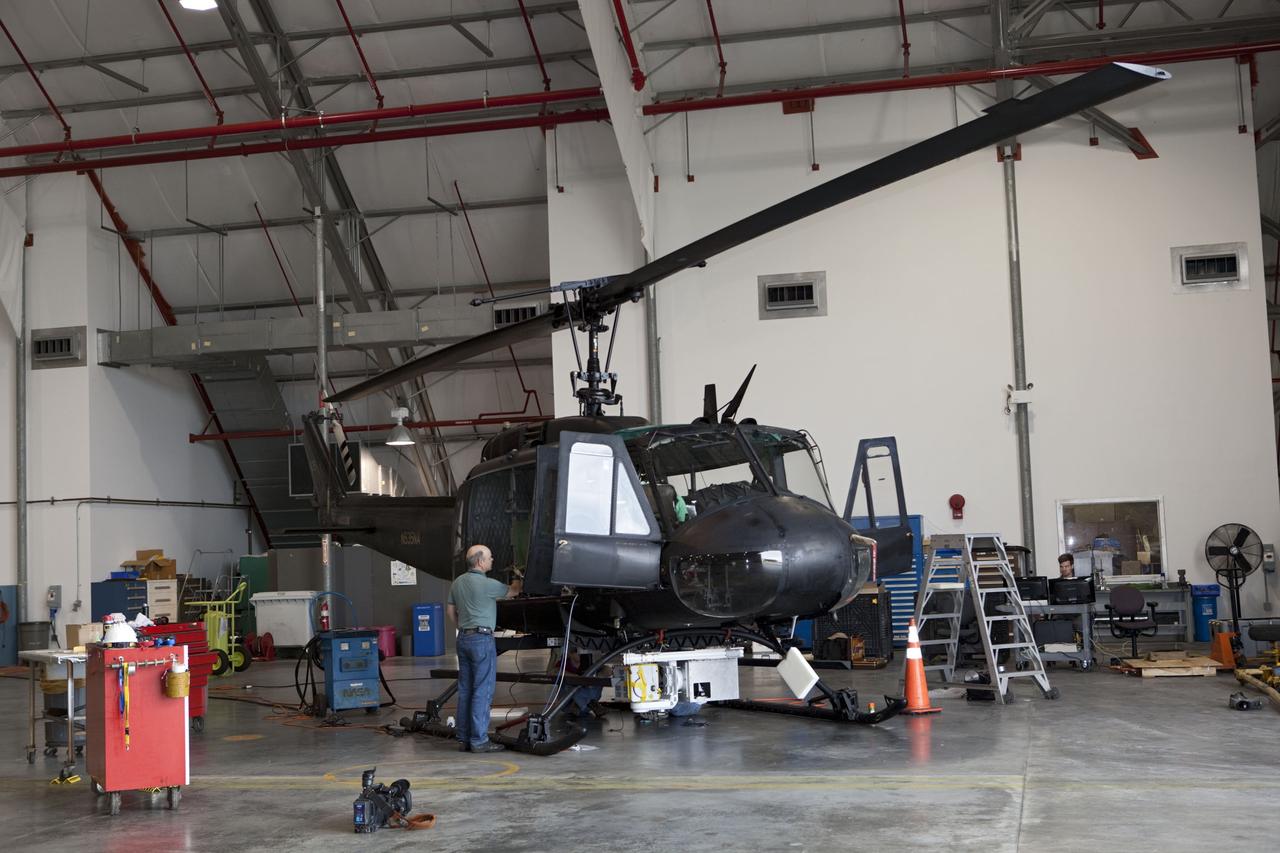
CAPE CANAVERAL, Fla. – Near the Shuttle Landing Facility at NASA's Kennedy Space Center in Florida, a space agency team installed and tested hazard avoidance instrumentation on a Huey helicopter. Led by the Johnson Space Center and supported by Jet Propulsion Laboratory and Langley Research Center, the Autonomous Landing Hazard Avoidance Technology, or ALHAT, laser system provides a planetary lander the ability to precisely land safely on a surface while detecting any dangerous obstacles such as rocks, holes and slopes. Just north of Kennedy's Shuttle Landing Facility runway, a rock- and crater-filled planetary scape has been built so engineers can test the ability to negotiate away from risks. Photo credit: NASA/Dmitri Gerondidakis
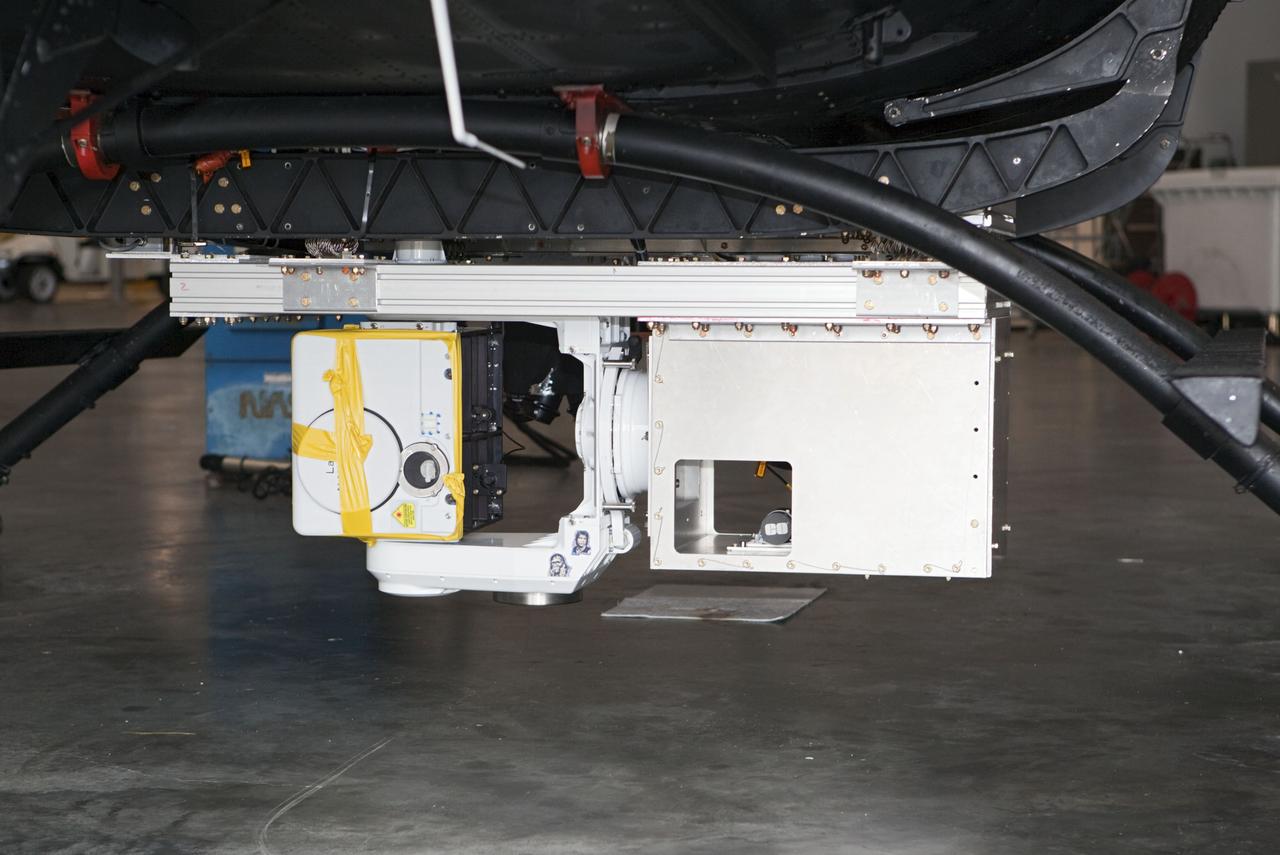
CAPE CANAVERAL, Fla. – Near the Shuttle Landing Facility at NASA's Kennedy Space Center in Florida, a space agency team installed and tested hazard avoidance instrumentation on a Huey helicopter. Led by the Johnson Space Center and supported by Jet Propulsion Laboratory and Langley Research Center, the Autonomous Landing Hazard Avoidance Technology, or ALHAT, laser system provides a planetary lander the ability to precisely land safely on a surface while detecting any dangerous obstacles such as rocks, holes and slopes. Just north of Kennedy's Shuttle Landing Facility runway, a rock- and crater-filled planetary scape has been built so engineers can test the ability to negotiate away from risks. Photo credit: NASA/Dmitri Gerondidakis
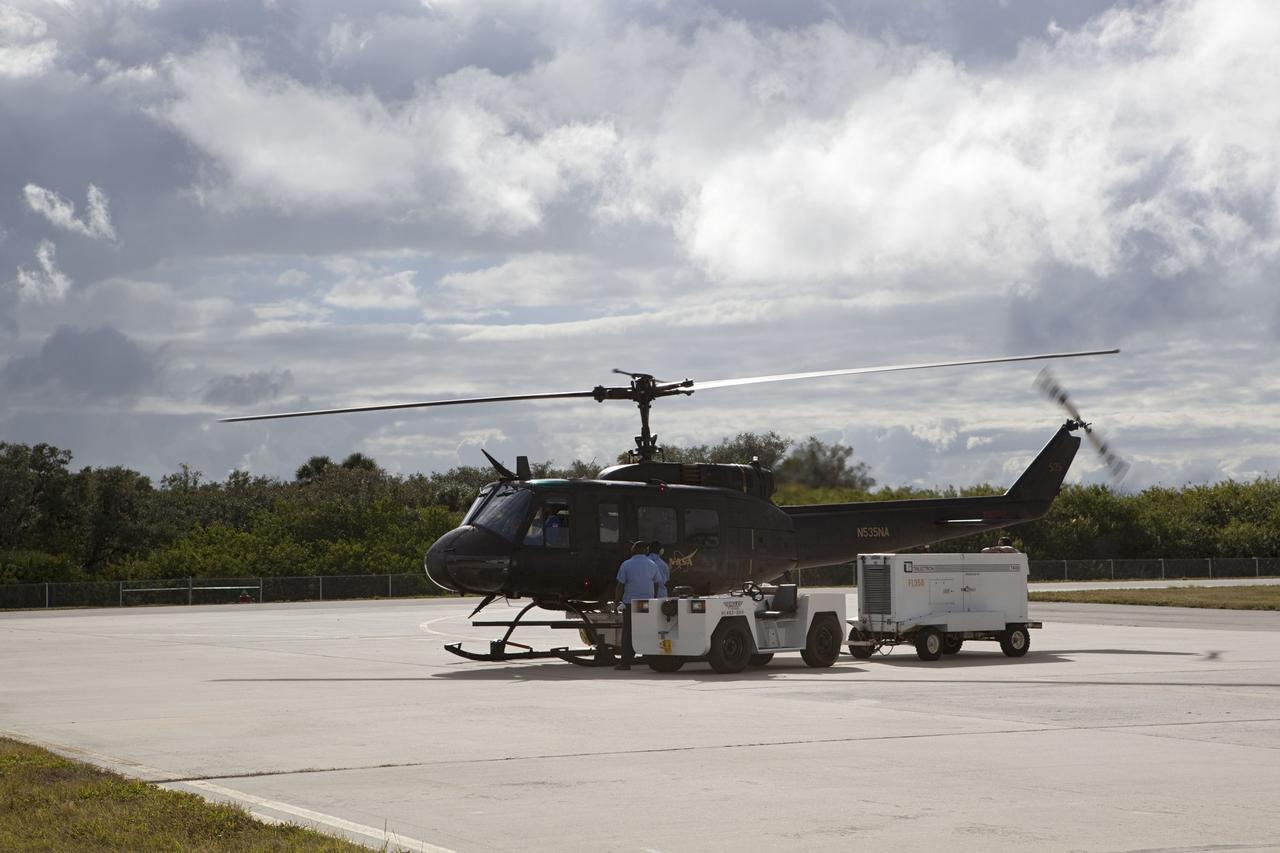
CAPE CANAVERAL, Fla. – Near the Shuttle Landing Facility at NASA's Kennedy Space Center in Florida, a space agency team installed and tested hazard avoidance instrumentation on a Huey helicopter. Led by the Johnson Space Center and supported by Jet Propulsion Laboratory and Langley Research Center, the Autonomous Landing Hazard Avoidance Technology, or ALHAT, laser system provides a planetary lander the ability to precisely land safely on a surface while detecting any dangerous obstacles such as rocks, holes and slopes. Just north of Kennedy's Shuttle Landing Facility runway, a rock- and crater-filled planetary scape has been built so engineers can test the ability to negotiate away from risks. Photo credit: NASA/Dmitri Gerondidakis
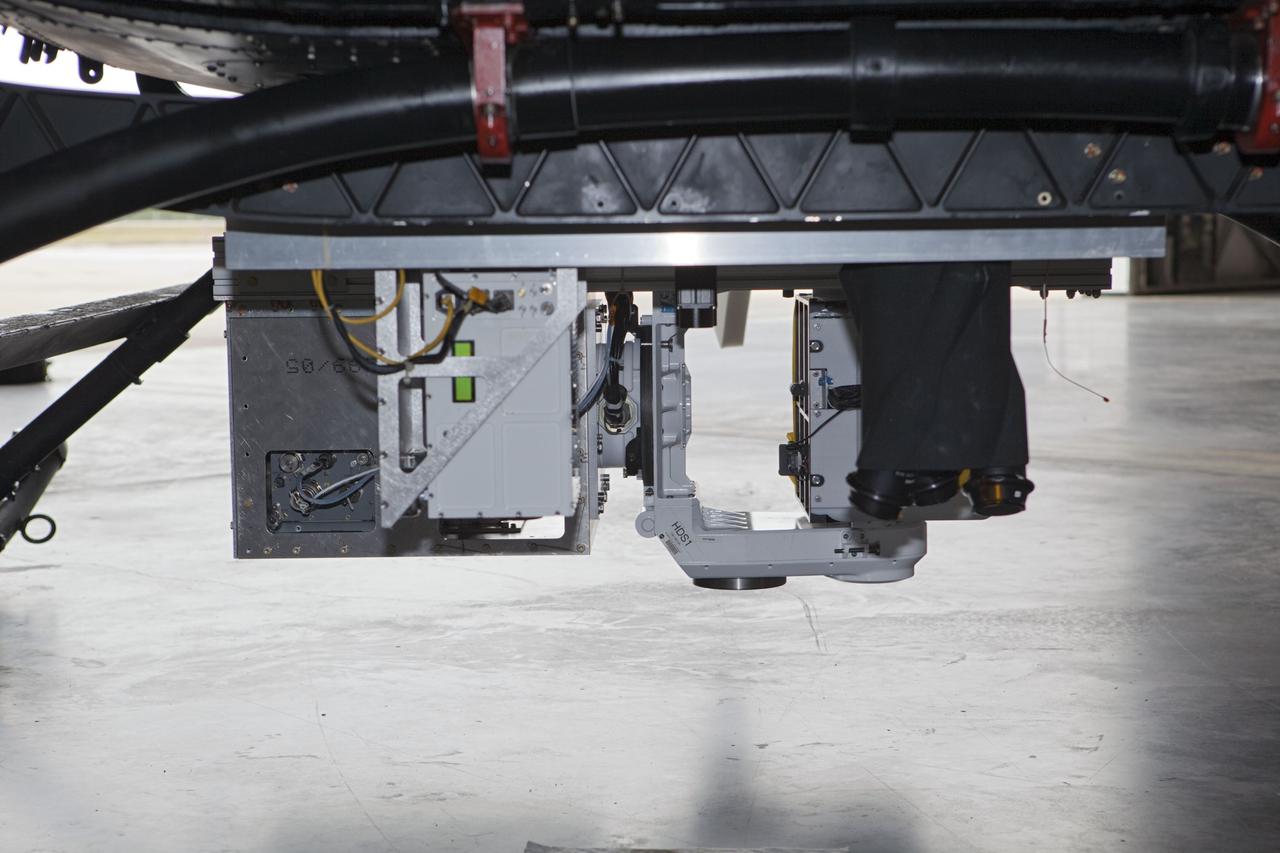
CAPE CANAVERAL, Fla. – Near the Shuttle Landing Facility at NASA's Kennedy Space Center in Florida, a space agency team installed and tested hazard avoidance instrumentation on a Huey helicopter. Led by the Johnson Space Center and supported by Jet Propulsion Laboratory and Langley Research Center, the Autonomous Landing Hazard Avoidance Technology, or ALHAT, laser system provides a planetary lander the ability to precisely land safely on a surface while detecting any dangerous obstacles such as rocks, holes and slopes. Just north of Kennedy's Shuttle Landing Facility runway, a rock- and crater-filled planetary scape has been built so engineers can test the ability to negotiate away from risks. Photo credit: NASA/Dmitri Gerondidakis
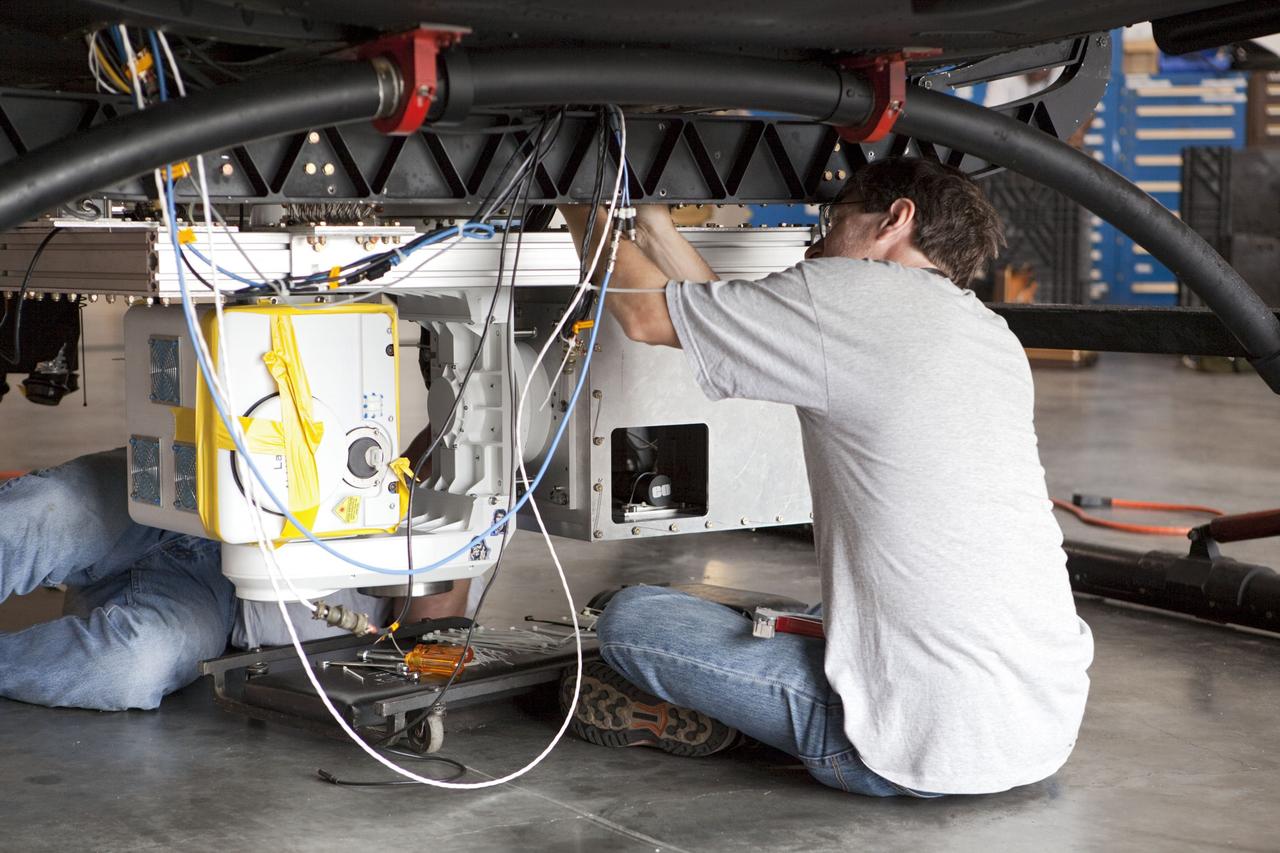
CAPE CANAVERAL, Fla. – Near the Shuttle Landing Facility at NASA's Kennedy Space Center in Florida, a space agency team installed and tested hazard avoidance instrumentation on a Huey helicopter. Led by the Johnson Space Center and supported by Jet Propulsion Laboratory and Langley Research Center, the Autonomous Landing Hazard Avoidance Technology, or ALHAT, laser system provides a planetary lander the ability to precisely land safely on a surface while detecting any dangerous obstacles such as rocks, holes and slopes. Just north of Kennedy's Shuttle Landing Facility runway, a rock- and crater-filled planetary scape has been built so engineers can test the ability to negotiate away from risks. Photo credit: NASA/Dmitri Gerondidakis
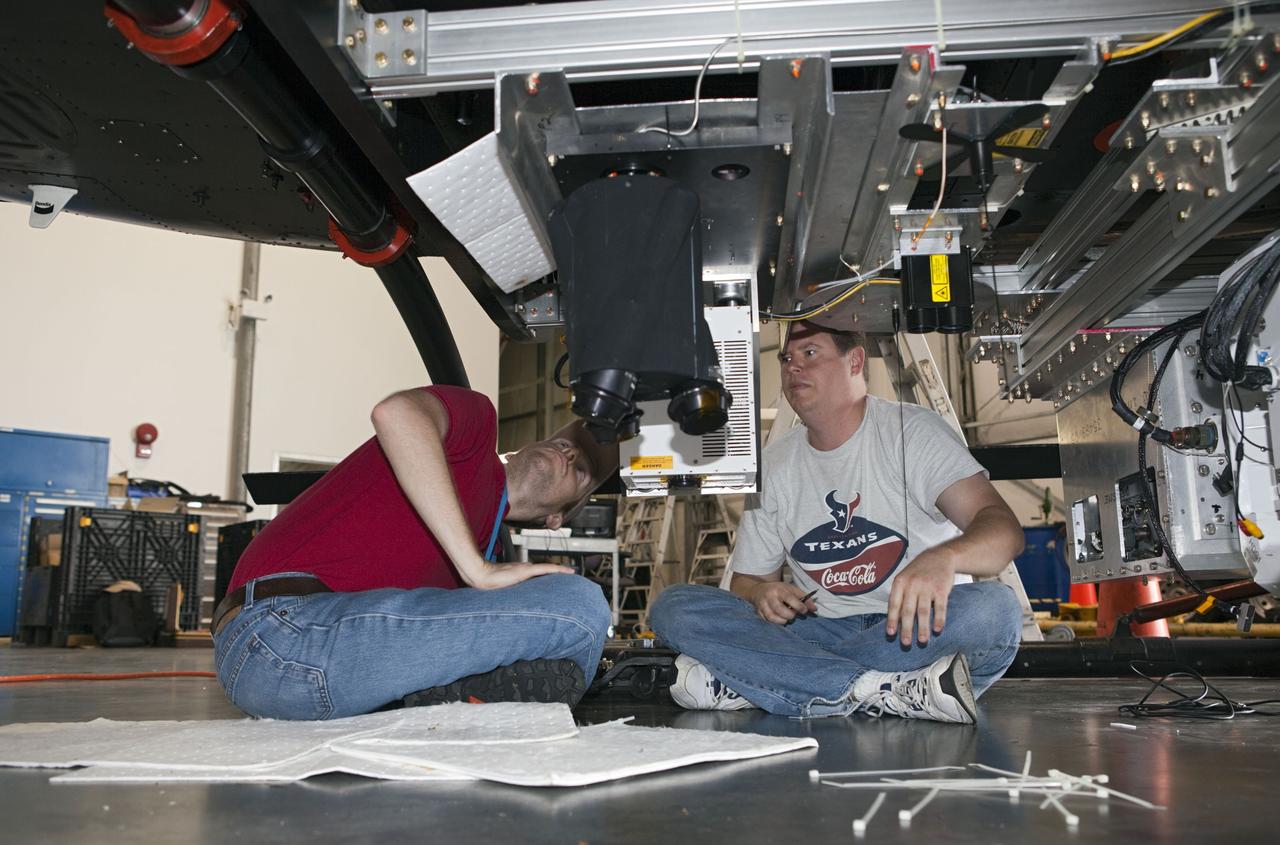
CAPE CANAVERAL, Fla. – Near the Shuttle Landing Facility at NASA's Kennedy Space Center in Florida, a space agency team installed and tested hazard avoidance instrumentation on a Huey helicopter. Led by the Johnson Space Center and supported by Jet Propulsion Laboratory and Langley Research Center, the Autonomous Landing Hazard Avoidance Technology, or ALHAT, laser system provides a planetary lander the ability to precisely land safely on a surface while detecting any dangerous obstacles such as rocks, holes and slopes. Just north of Kennedy's Shuttle Landing Facility runway, a rock- and crater-filled planetary scape has been built so engineers can test the ability to negotiate away from risks. Photo credit: NASA/Dmitri Gerondidakis
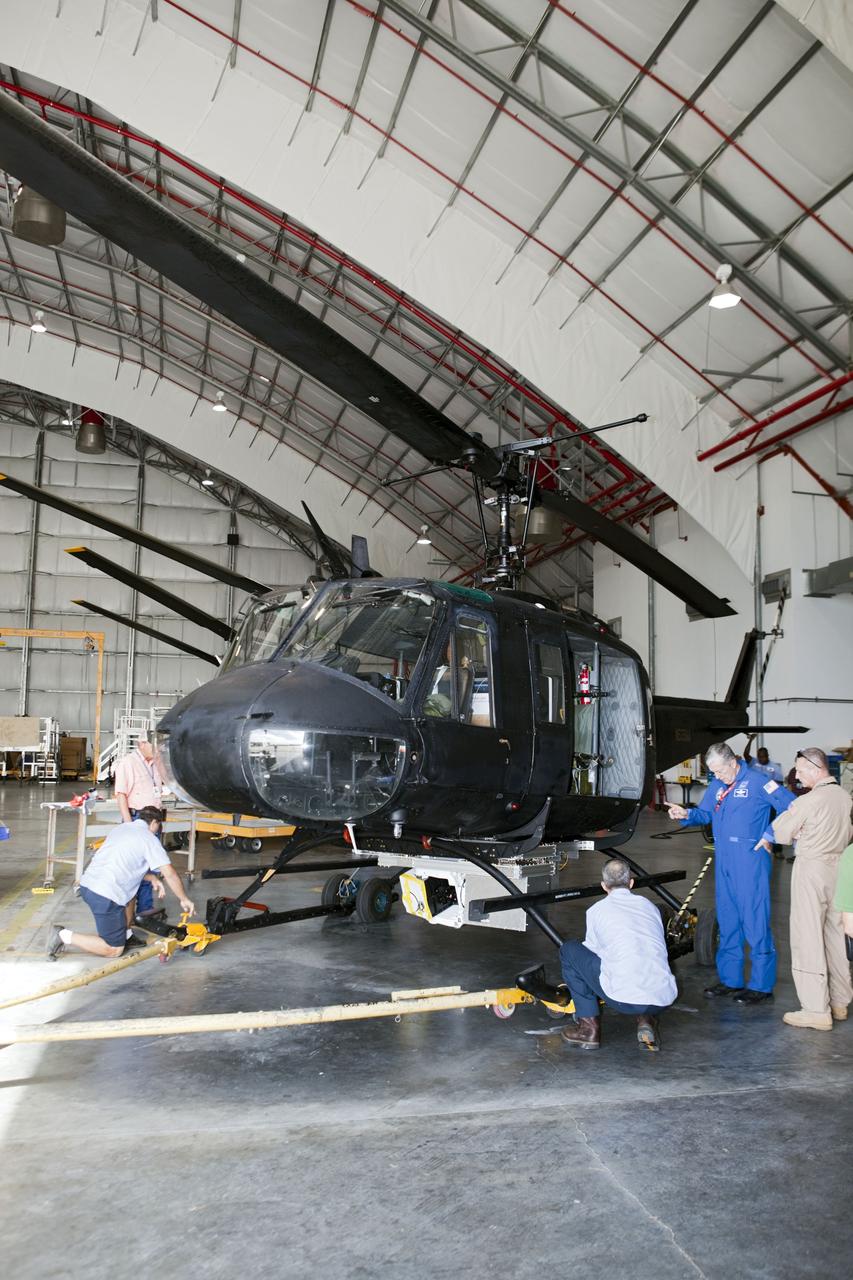
CAPE CANAVERAL, Fla. – Near the Shuttle Landing Facility at NASA's Kennedy Space Center in Florida, a space agency team installed and tested hazard avoidance instrumentation on a Huey helicopter. Led by the Johnson Space Center and supported by Jet Propulsion Laboratory and Langley Research Center, the Autonomous Landing Hazard Avoidance Technology, or ALHAT, laser system provides a planetary lander the ability to precisely land safely on a surface while detecting any dangerous obstacles such as rocks, holes and slopes. Just north of Kennedy's Shuttle Landing Facility runway, a rock- and crater-filled planetary scape has been built so engineers can test the ability to negotiate away from risks. Photo credit: NASA/Dmitri Gerondidakis
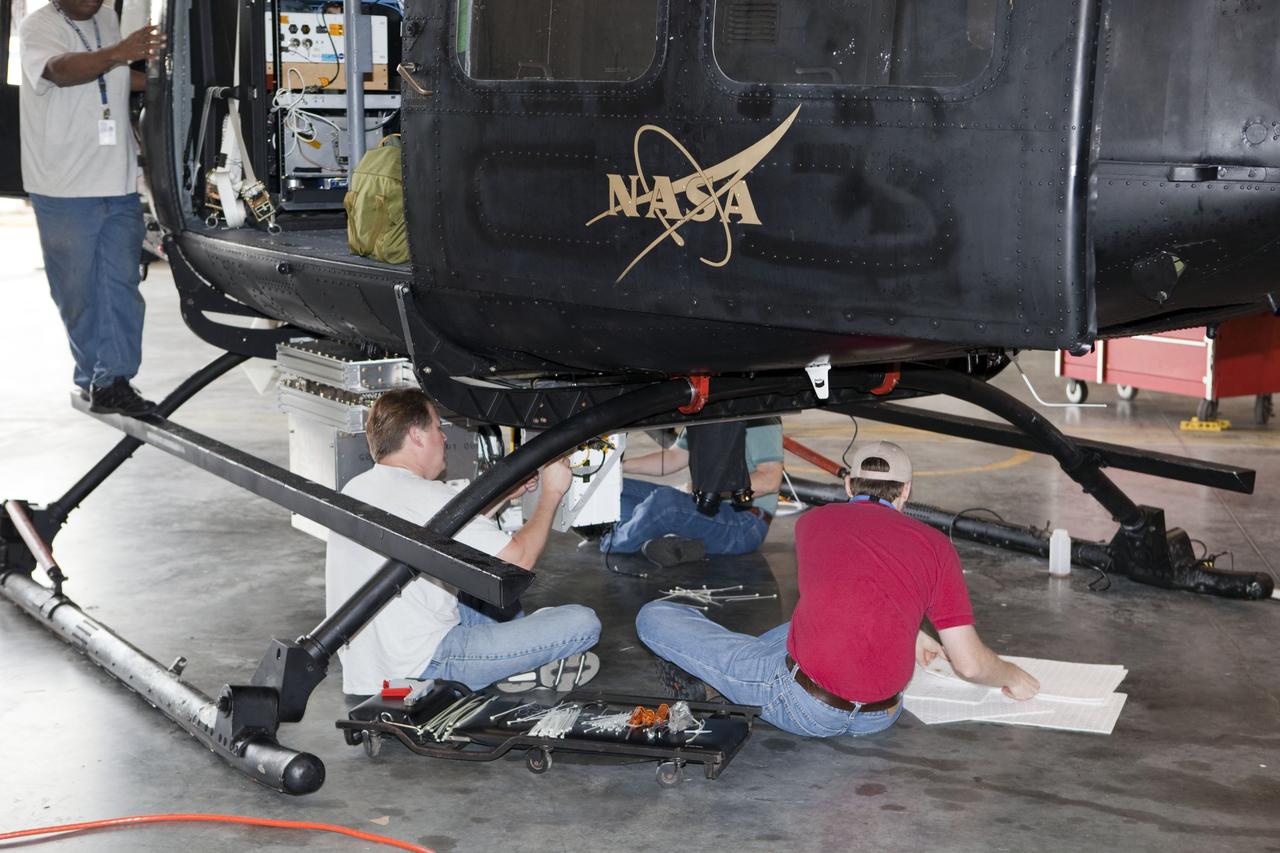
CAPE CANAVERAL, Fla. – Near the Shuttle Landing Facility at NASA's Kennedy Space Center in Florida, a space agency team installed and tested hazard avoidance instrumentation on a Huey helicopter. Led by the Johnson Space Center and supported by Jet Propulsion Laboratory and Langley Research Center, the Autonomous Landing Hazard Avoidance Technology, or ALHAT, laser system provides a planetary lander the ability to precisely land safely on a surface while detecting any dangerous obstacles such as rocks, holes and slopes. Just north of Kennedy's Shuttle Landing Facility runway, a rock- and crater-filled planetary scape has been built so engineers can test the ability to negotiate away from risks. Photo credit: NASA/Dmitri Gerondidakis
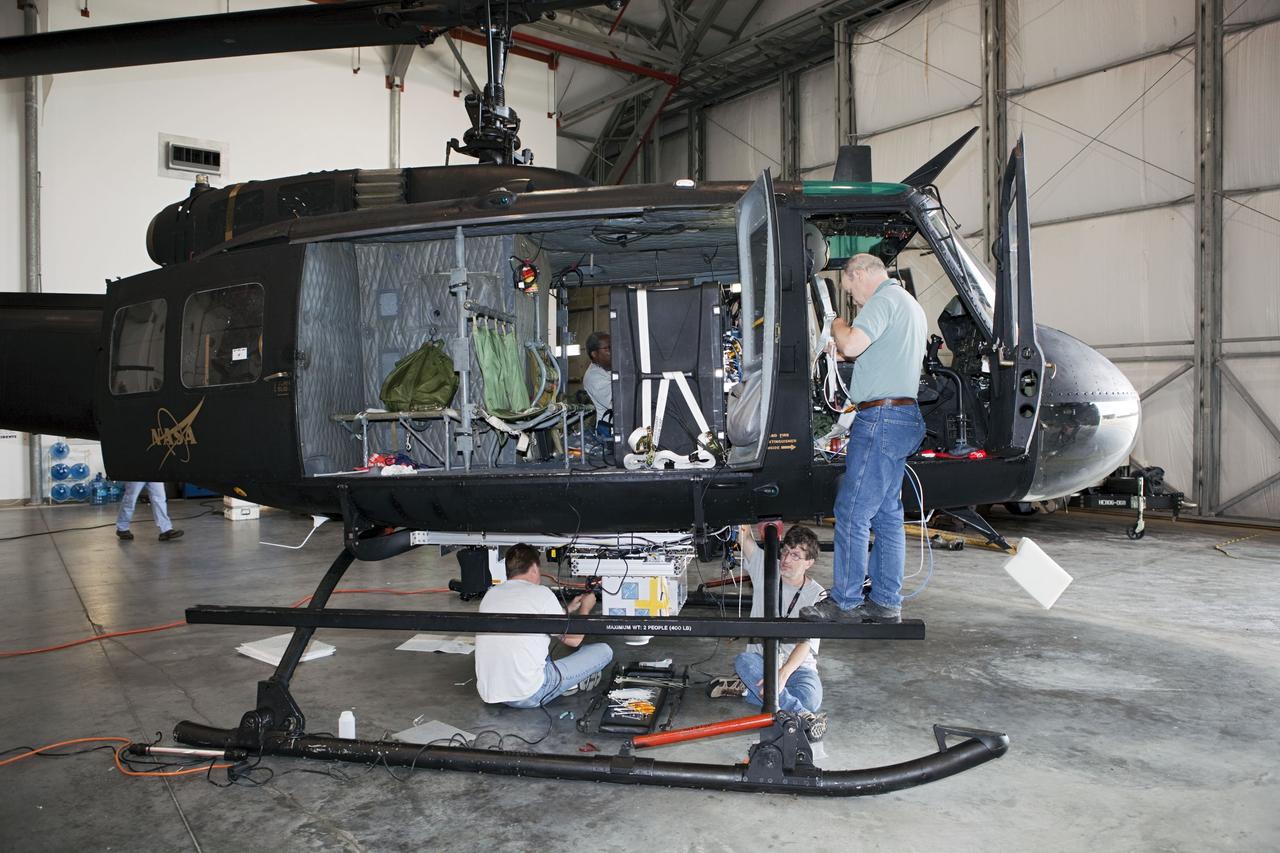
CAPE CANAVERAL, Fla. – Near the Shuttle Landing Facility at NASA's Kennedy Space Center in Florida, a space agency team installed and tested hazard avoidance instrumentation on a Huey helicopter. Led by the Johnson Space Center and supported by Jet Propulsion Laboratory and Langley Research Center, the Autonomous Landing Hazard Avoidance Technology, or ALHAT, laser system provides a planetary lander the ability to precisely land safely on a surface while detecting any dangerous obstacles such as rocks, holes and slopes. Just north of Kennedy's Shuttle Landing Facility runway, a rock- and crater-filled planetary scape has been built so engineers can test the ability to negotiate away from risks. Photo credit: NASA/Dmitri Gerondidakis
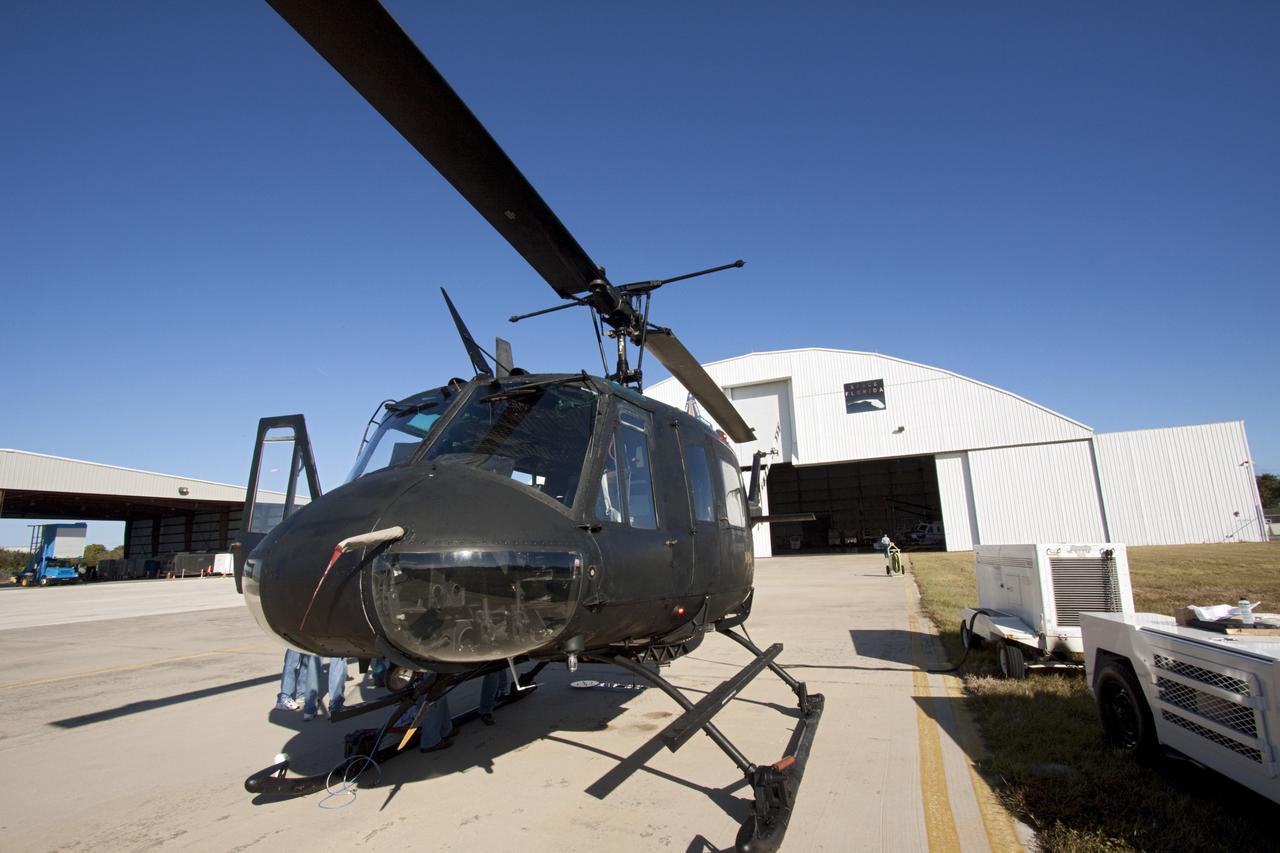
CAPE CANAVERAL, Fla. – Near the Shuttle Landing Facility at NASA's Kennedy Space Center in Florida, a space agency team installed and tested hazard avoidance instrumentation on a Huey helicopter. Led by the Johnson Space Center and supported by Jet Propulsion Laboratory and Langley Research Center, the Autonomous Landing Hazard Avoidance Technology, or ALHAT, laser system provides a planetary lander the ability to precisely land safely on a surface while detecting any dangerous obstacles such as rocks, holes and slopes. Just north of Kennedy's Shuttle Landing Facility runway, a rock- and crater-filled planetary scape has been built so engineers can test the ability to negotiate away from risks. Photo credit: NASA/Jim Grossmann
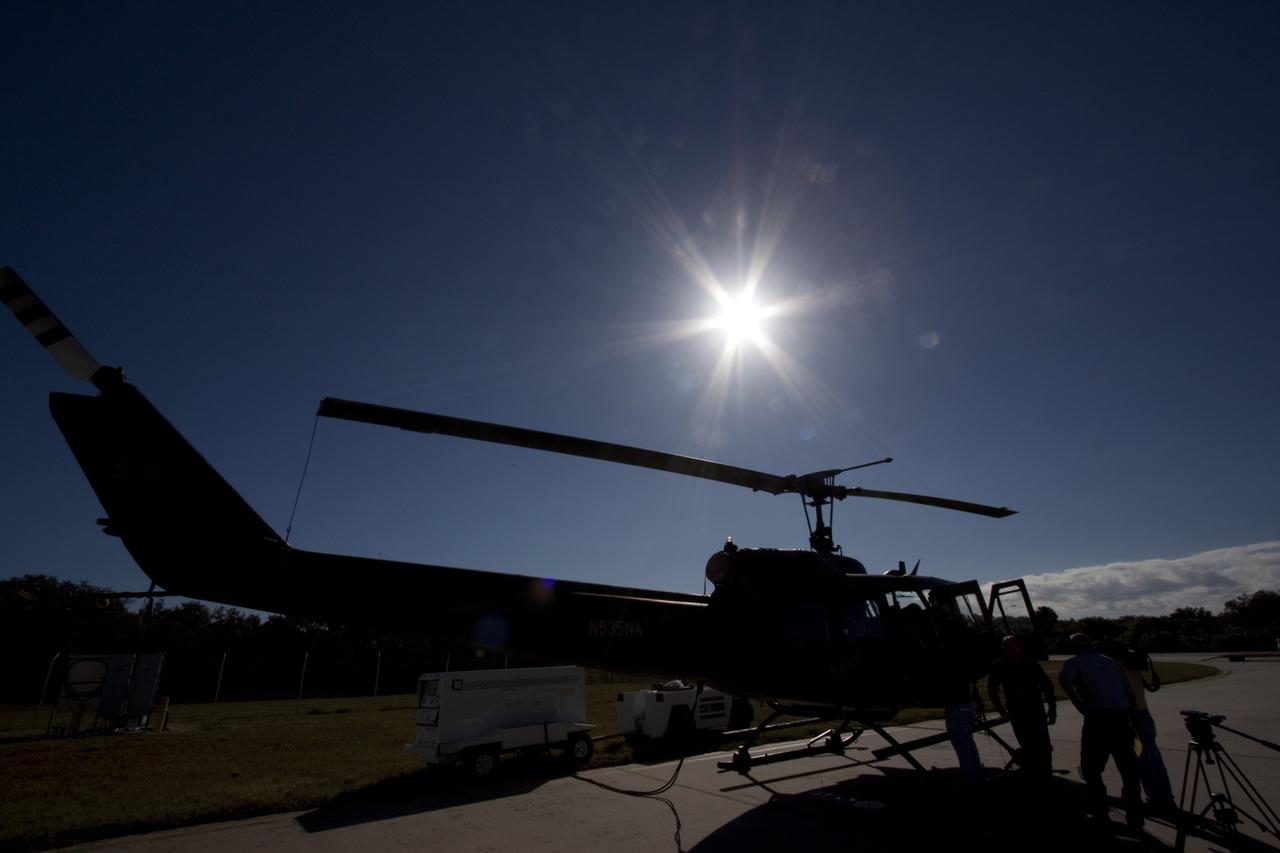
CAPE CANAVERAL, Fla. – Near the Shuttle Landing Facility at NASA's Kennedy Space Center in Florida, a space agency team installed and tested hazard avoidance instrumentation on a Huey helicopter. Led by the Johnson Space Center and supported by Jet Propulsion Laboratory and Langley Research Center, the Autonomous Landing Hazard Avoidance Technology, or ALHAT, laser system provides a planetary lander the ability to precisely land safely on a surface while detecting any dangerous obstacles such as rocks, holes and slopes. Just north of Kennedy's Shuttle Landing Facility runway, a rock- and crater-filled planetary scape has been built so engineers can test the ability to negotiate away from risks. Photo credit: NASA/Jim Grossmann
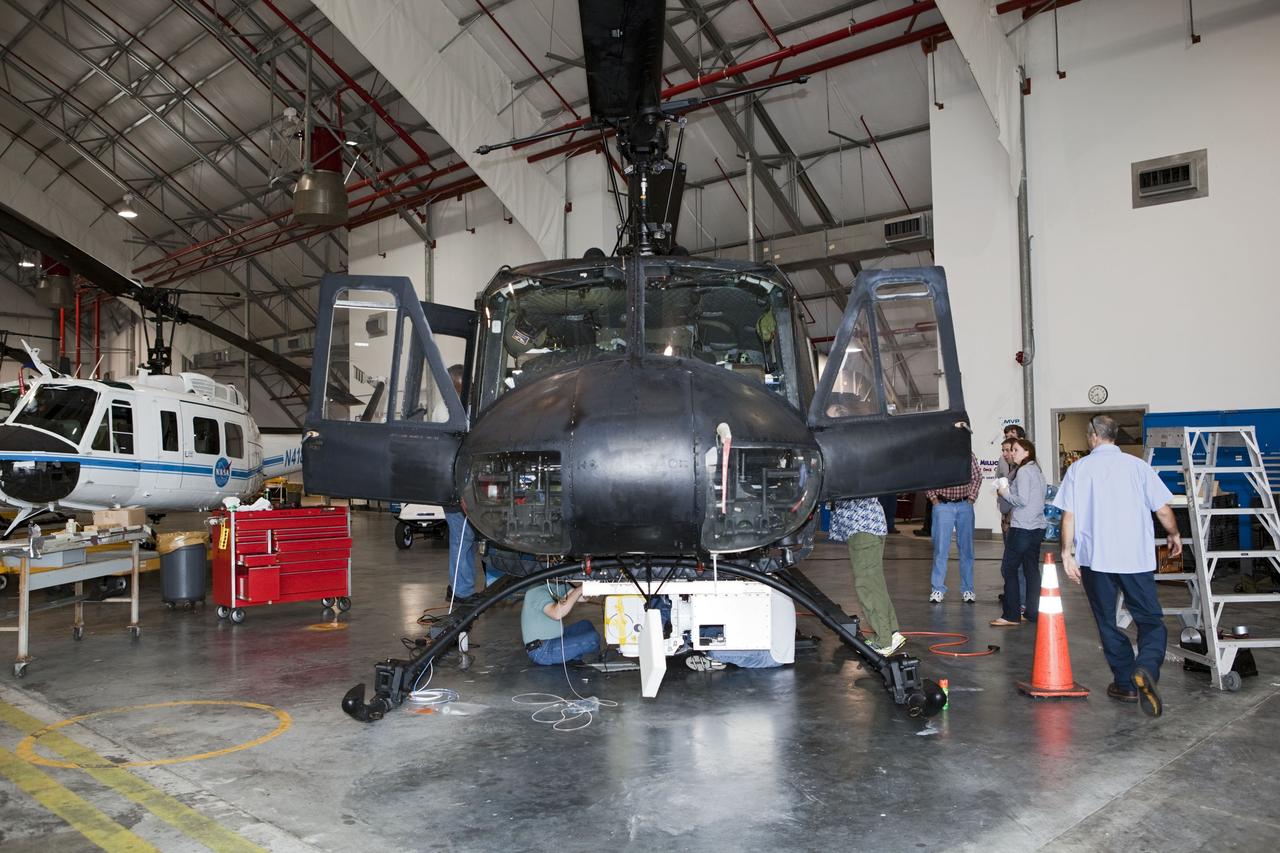
CAPE CANAVERAL, Fla. – Near the Shuttle Landing Facility at NASA's Kennedy Space Center in Florida, a space agency team installed and tested hazard avoidance instrumentation on a Huey helicopter. Led by the Johnson Space Center and supported by Jet Propulsion Laboratory and Langley Research Center, the Autonomous Landing Hazard Avoidance Technology, or ALHAT, laser system provides a planetary lander the ability to precisely land safely on a surface while detecting any dangerous obstacles such as rocks, holes and slopes. Just north of Kennedy's Shuttle Landing Facility runway, a rock- and crater-filled planetary scape has been built so engineers can test the ability to negotiate away from risks. Photo credit: NASA/Dmitri Gerondidakis
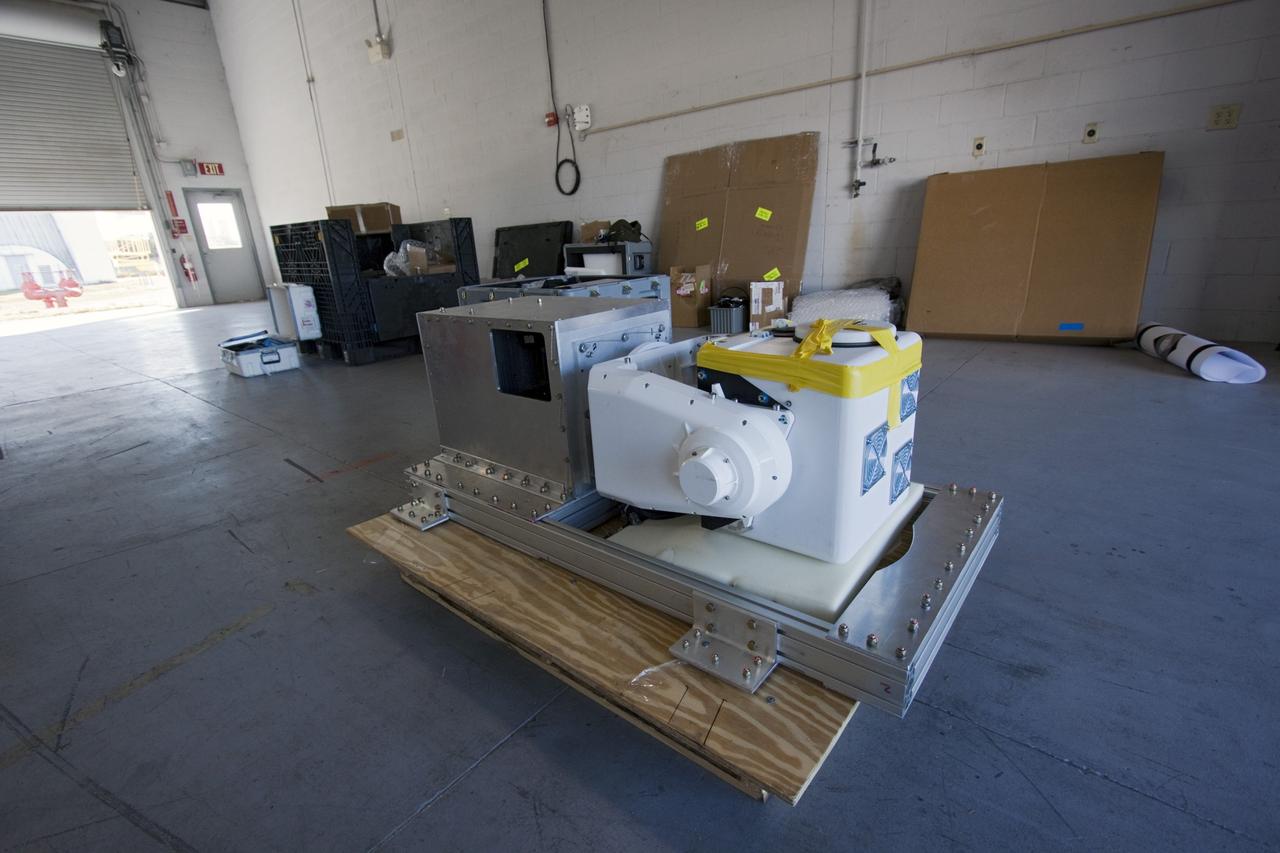
CAPE CANAVERAL, Fla. – Near the Shuttle Landing Facility at NASA's Kennedy Space Center in Florida, hazard avoidance instrumentation it being prepared for installation on a Huey helicopter. Led by the Johnson Space Center and supported by Jet Propulsion Laboratory and Langley Research Center, the Autonomous Landing Hazard Avoidance Technology, or ALHAT, laser system provides a planetary lander the ability to precisely land safely on a surface while detecting any dangerous obstacles such as rocks, holes and slopes. Just north of Kennedy's Shuttle Landing Facility runway, a rock- and crater-filled planetary scape has been built so engineers can test the ability to negotiate away from risks. Photo credit: NASA/Jim Grossmann
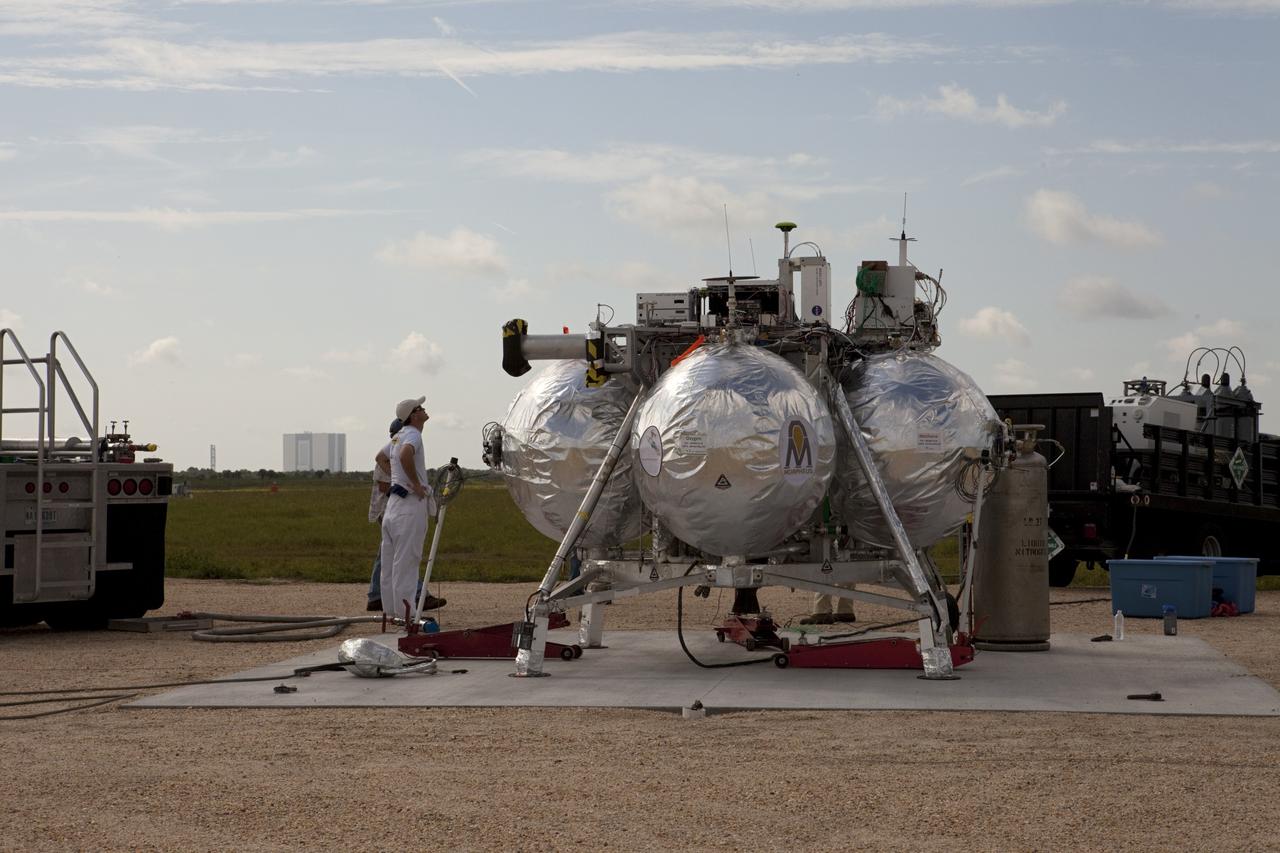
CAPE CANAVERAL, Fla. - At the north end of the Shuttle Landing Facility, or SLF, at the Kennedy Space Center in Florida, technicians check out NASA's Morpheus lander, a vertical test bed vehicle. A rock and crater-filled planetary scape, has been built so engineers can test the Autonomous Landing and Hazard Avoidance Technology, or ALHAT, system on the Project Morpheus lander. Checkout of the prototype lander has been ongoing at NASA’s Johnson Space Center in Houston in preparation for its first free flight. The SLF site will provide the lander with the kind of field necessary for realistic testing. Project Morpheus is one of 20 small projects comprising the Advanced Exploration Systems, or AES, program in NASA’s Human Exploration and Operations Mission Directorate. AES projects pioneer new approaches for rapidly developing prototype systems, demonstrating key capabilities and validating operational concepts for future human missions beyond Earth orbit. For more information on Project Morpheus, visit http://www.nasa.gov/centers/johnson/exploration/morpheus/index.html Photo credit: NASA/Kim Shiflett
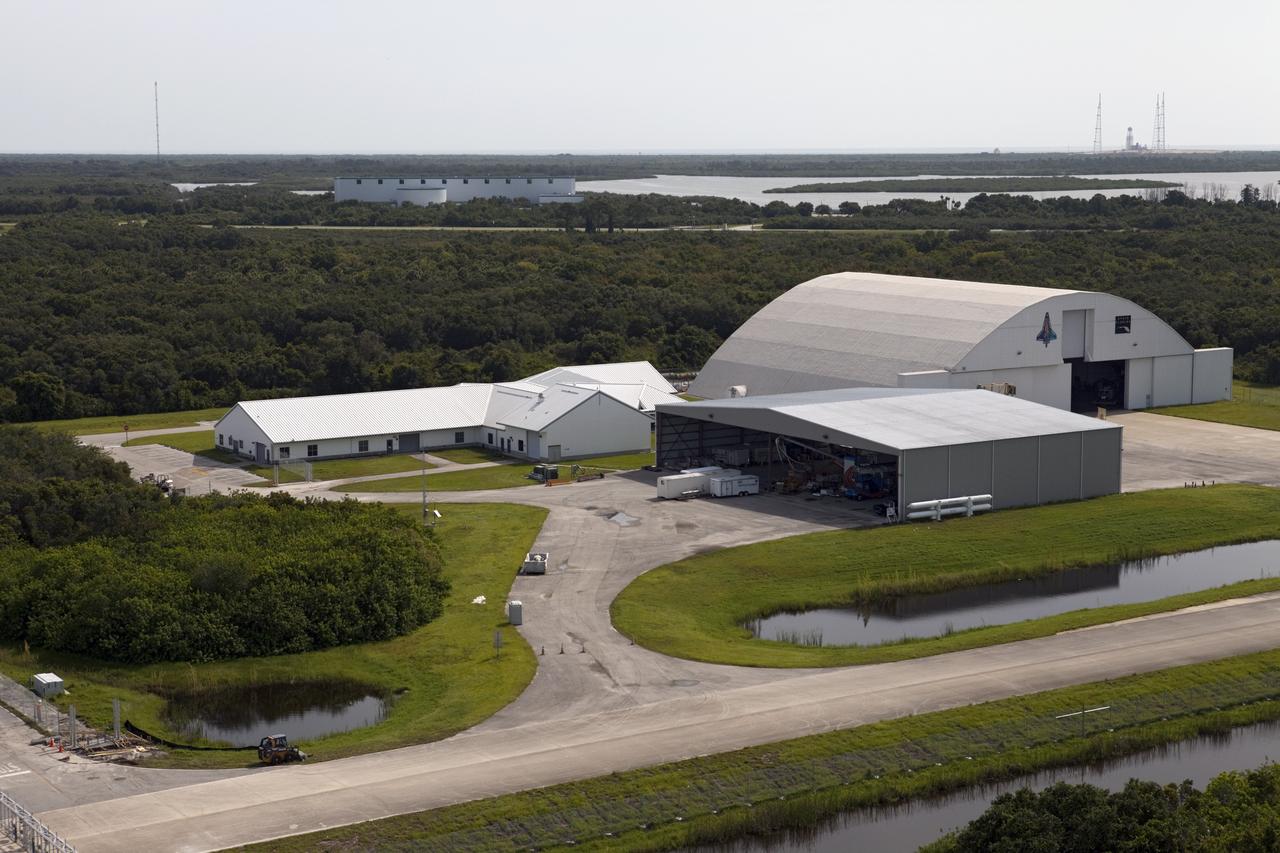
CAPE CANAVERAL, Fla. – This aerial view shows a 50,000-square-foot hangar located on the Shuttle Landing Facility at the Kennedy Space Center, Fla., providing shelter and storage for NASA and non-NASA aircraft and maintenance operations. Adjacent to the hangar is an operations building housing personnel who support operations at the 15,000-foot long concrete runway. At the north end of the runway, a rock and crater-filled planetary scape has been built so engineers can test the Autonomous Landing and Hazard Avoidance Technology, or ALHAT system on the Project Morpheus lander. Testing will demonstrate ALHAT’s ability to provide required navigation data negotiating the Morpheus lander away from risks during descent. Checkout of the prototype lander has been ongoing at NASA’s Johnson Space Center in Houston in preparation for its first free flight. The SLF site will provide the lander with the kind of field necessary for realistic testing. Project Morpheus is one of 20 small projects comprising the Advanced Exploration Systems, or AES, program in NASA’s Human Exploration and Operations Mission Directorate. AES projects pioneer new approaches for rapidly developing prototype systems, demonstrating key capabilities and validating operational concepts for future human missions beyond Earth orbit. For more information on Project Morpheus, visit http://www.nasa.gov/centers/johnson/exploration/morpheus/index.html Photo credit: NASA/Kim Shiflett
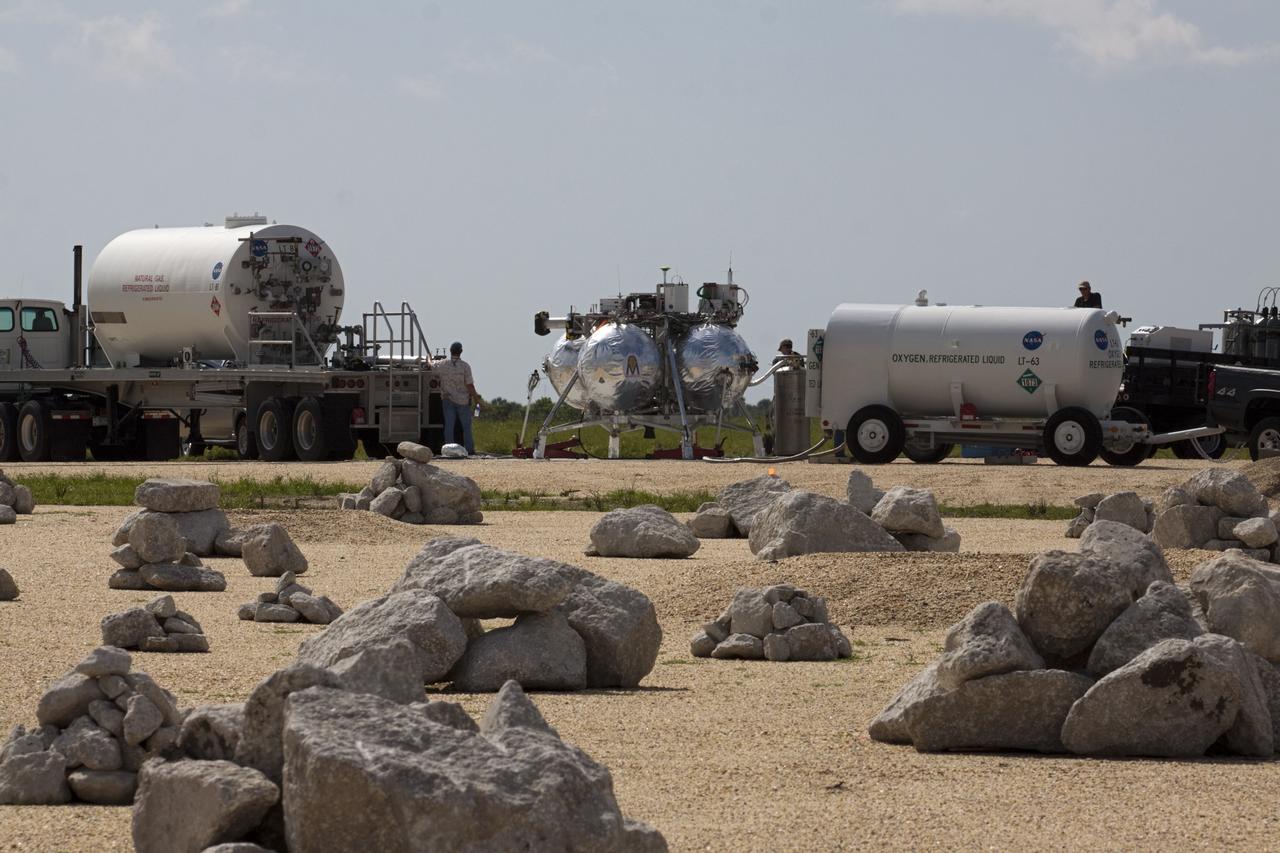
CAPE CANAVERAL, Fla. - At the north end of the Shuttle Landing Facility, or SLF, at the Kennedy Space Center in Florida, NASA's Morpheus lander, a vertical test bed vehicle, is being fueled. A rock and crater-filled planetary scape, seen in the foreground, has been built so engineers can test the Autonomous Landing and Hazard Avoidance Technology, or ALHAT, system on the Project Morpheus lander. Checkout of the prototype lander has been ongoing at NASA’s Johnson Space Center in Houston in preparation for its first free flight. The SLF site will provide the lander with the kind of field necessary for realistic testing. Project Morpheus is one of 20 small projects comprising the Advanced Exploration Systems, or AES, program in NASA’s Human Exploration and Operations Mission Directorate. AES projects pioneer new approaches for rapidly developing prototype systems, demonstrating key capabilities and validating operational concepts for future human missions beyond Earth orbit. For more information on Project Morpheus, visit http://www.nasa.gov/centers/johnson/exploration/morpheus/index.html Photo credit: NASA/Kim Shiflett
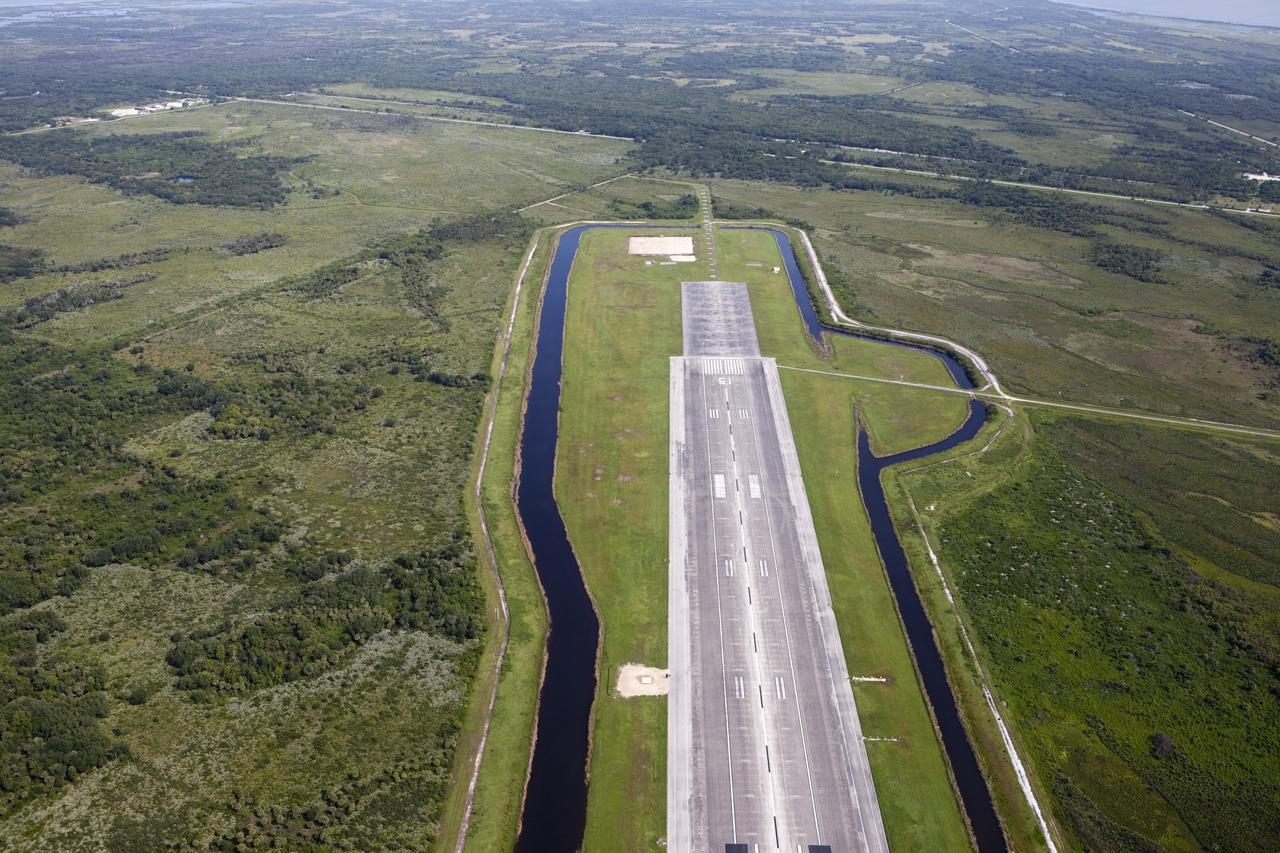
CAPE CANAVERAL, Fla. – This aerial view shows the north end of the Kennedy Space Center’s Shuttle Landing Facility. At the end of the runway is a rock and crater-filled planetary scape has been built so engineers can test the Autonomous Landing and Hazard Avoidance Technology, or ALHAT system on the Project Morpheus lander. Testing will demonstrate ALHAT’s ability to provide required navigation data negotiating the Morpheus lander away from risks during descent. Checkout of the prototype lander has been ongoing at NASA’s Johnson Space Center in Houston in preparation for its first free flight. The SLF site will provide the lander with the kind of field necessary for realistic testing. Project Morpheus is one of 20 small projects comprising the Advanced Exploration Systems, or AES, program in NASA’s Human Exploration and Operations Mission Directorate. AES projects pioneer new approaches for rapidly developing prototype systems, demonstrating key capabilities and validating operational concepts for future human missions beyond Earth orbit. For more information on Project Morpheus, visit http://www.nasa.gov/centers/johnson/exploration/morpheus/index.html Photo credit: NASA/Kim Shiflett
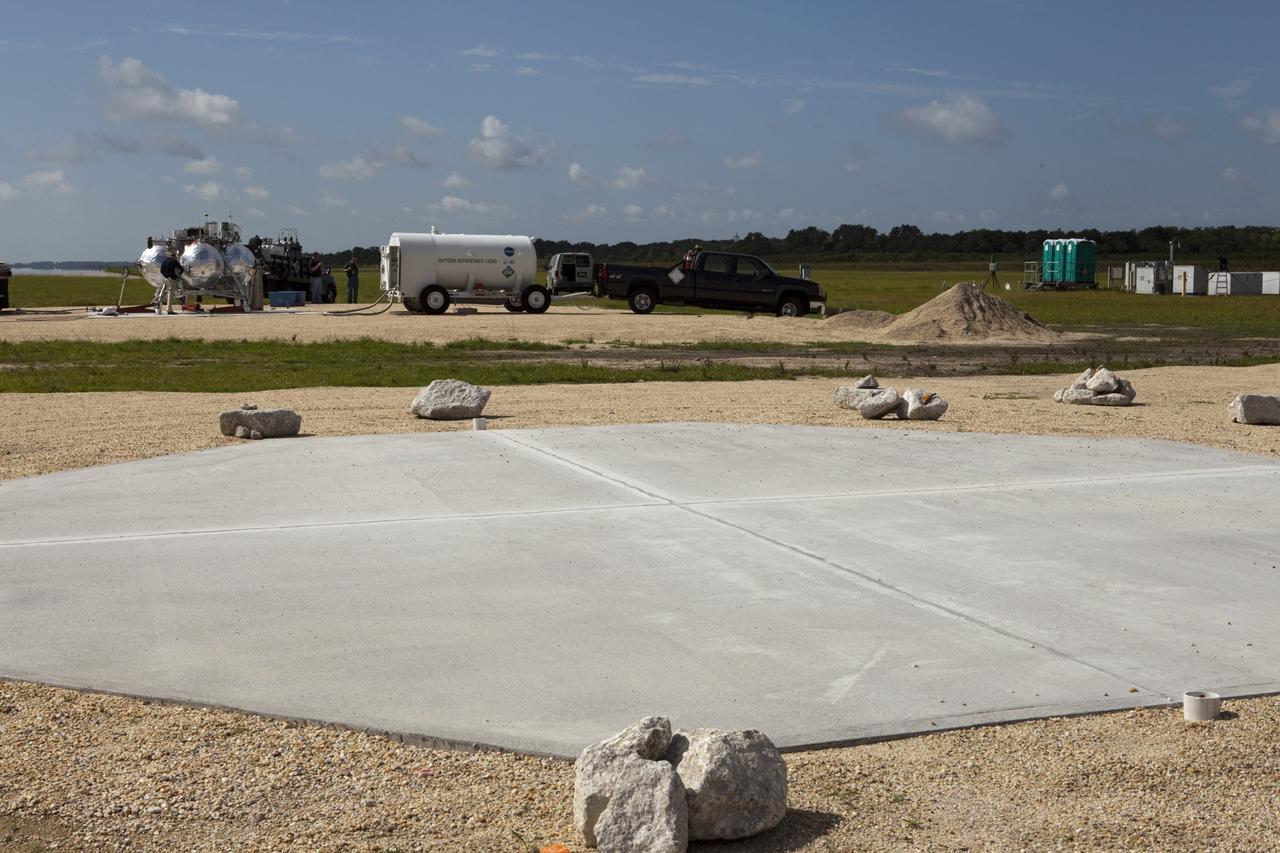
CAPE CANAVERAL, Fla. - At the north end of the Shuttle Landing Facility, or SLF, at the Kennedy Space Center in Florida, NASA's Morpheus lander, a vertical test bed vehicle, is being prepared for further assessment. A rock and crater-filled planetary scape, seen in the foreground, has been built so engineers can test the Autonomous Landing and Hazard Avoidance Technology, or ALHAT, system on the Project Morpheus lander. Checkout of the prototype lander has been ongoing at NASA’s Johnson Space Center in Houston in preparation for its first free flight. The SLF site will provide the lander with the kind of field necessary for realistic testing. Project Morpheus is one of 20 small projects comprising the Advanced Exploration Systems, or AES, program in NASA’s Human Exploration and Operations Mission Directorate. AES projects pioneer new approaches for rapidly developing prototype systems, demonstrating key capabilities and validating operational concepts for future human missions beyond Earth orbit. For more information on Project Morpheus, visit http://www.nasa.gov/centers/johnson/exploration/morpheus/index.html Photo credit: NASA/Kim Shiflett
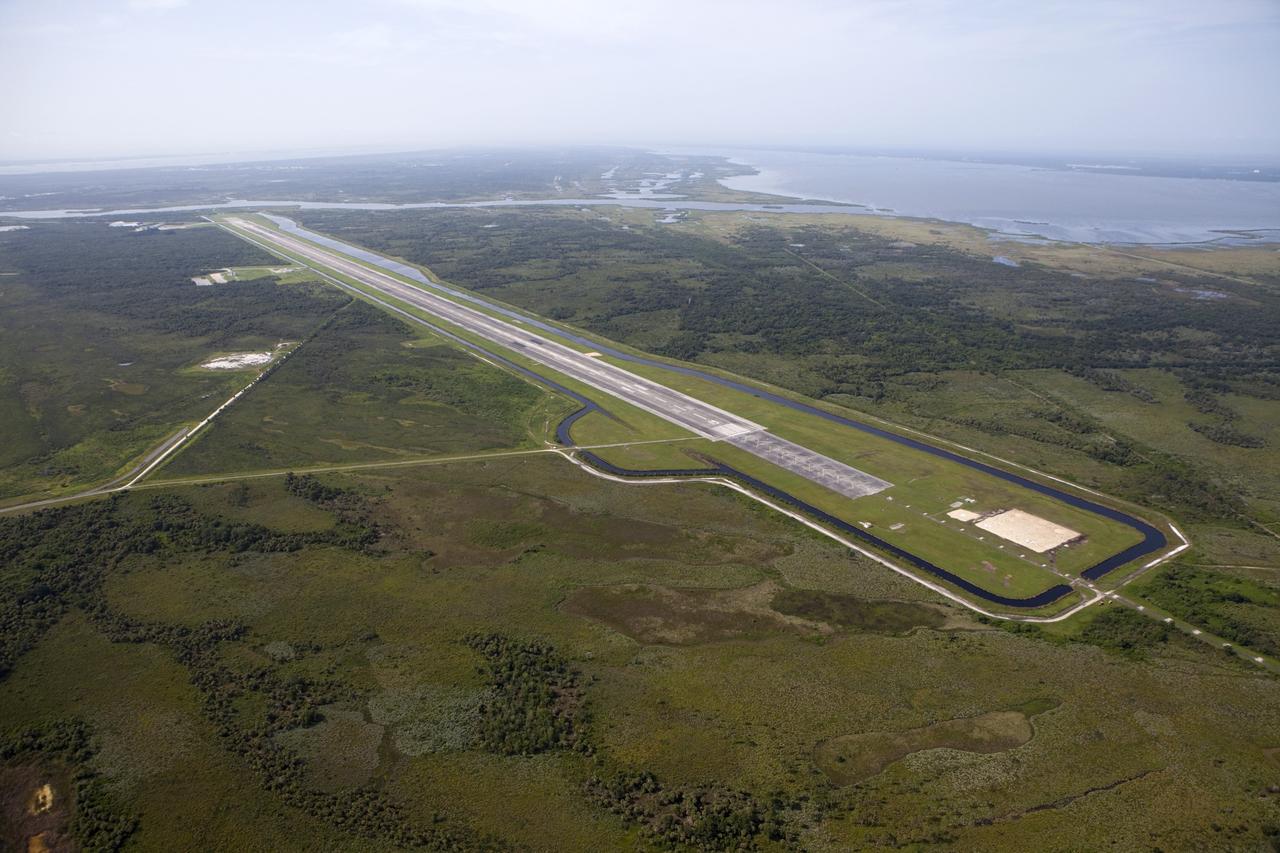
CAPE CANAVERAL, Fla. – This aerial view shows the 15,000-foot long Shuttle Landing Facility at the Kennedy Space Center, Fla. At the north end of the runway, to the right, is a rock and crater-filled planetary scape has been built so engineers can test the Autonomous Landing and Hazard Avoidance Technology, or ALHAT system on the Project Morpheus lander. Testing will demonstrate ALHAT’s ability to provide required navigation data negotiating the Morpheus lander away from risks during descent. Checkout of the prototype lander has been ongoing at NASA’s Johnson Space Center in Houston in preparation for its first free flight. The SLF site will provide the lander with the kind of field necessary for realistic testing. Project Morpheus is one of 20 small projects comprising the Advanced Exploration Systems, or AES, program in NASA’s Human Exploration and Operations Mission Directorate. AES projects pioneer new approaches for rapidly developing prototype systems, demonstrating key capabilities and validating operational concepts for future human missions beyond Earth orbit. For more information on Project Morpheus, visit http://www.nasa.gov/centers/johnson/exploration/morpheus/index.html Photo credit: NASA/Kim Shiflett
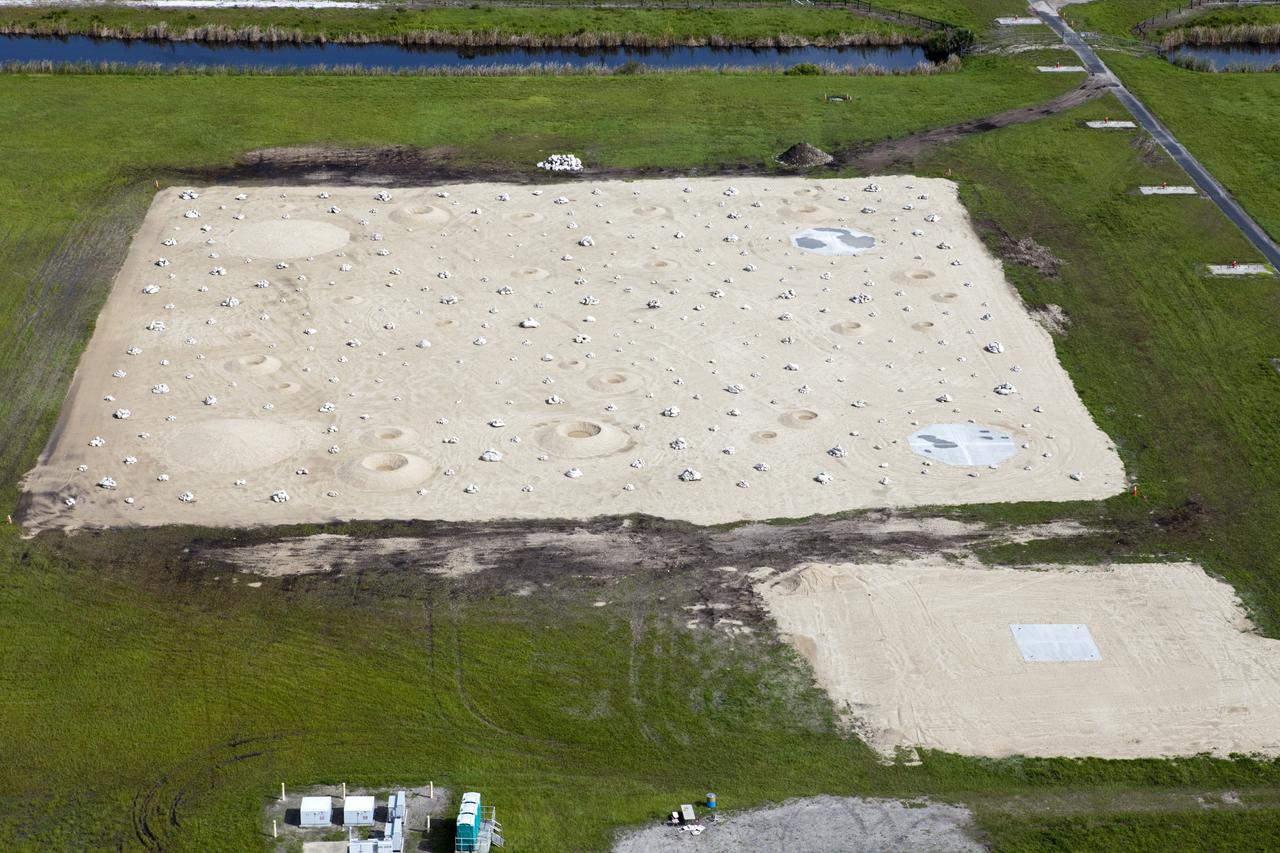
CAPE CANAVERAL, Fla. – This aerial view shows a rock and crater-filled planetary scape that has been built at the north end of the Kennedy Space Center’s Shuttle Landing Facility. The site will allow engineers to test the Autonomous Landing and Hazard Avoidance Technology, or ALHAT system on the Project Morpheus lander. Testing will demonstrate ALHAT’s ability to provide required navigation data negotiating the Morpheus lander away from risks during descent. Checkout of the prototype lander has been ongoing at NASA’s Johnson Space Center in Houston in preparation for its first free flight. The SLF site will provide the lander with the kind of field necessary for realistic testing. Project Morpheus is one of 20 small projects comprising the Advanced Exploration Systems, or AES, program in NASA’s Human Exploration and Operations Mission Directorate. AES projects pioneer new approaches for rapidly developing prototype systems, demonstrating key capabilities and validating operational concepts for future human missions beyond Earth orbit. For more information on Project Morpheus, visit http://www.nasa.gov/centers/johnson/exploration/morpheus/index.html Photo credit: NASA/Kim Shiflett
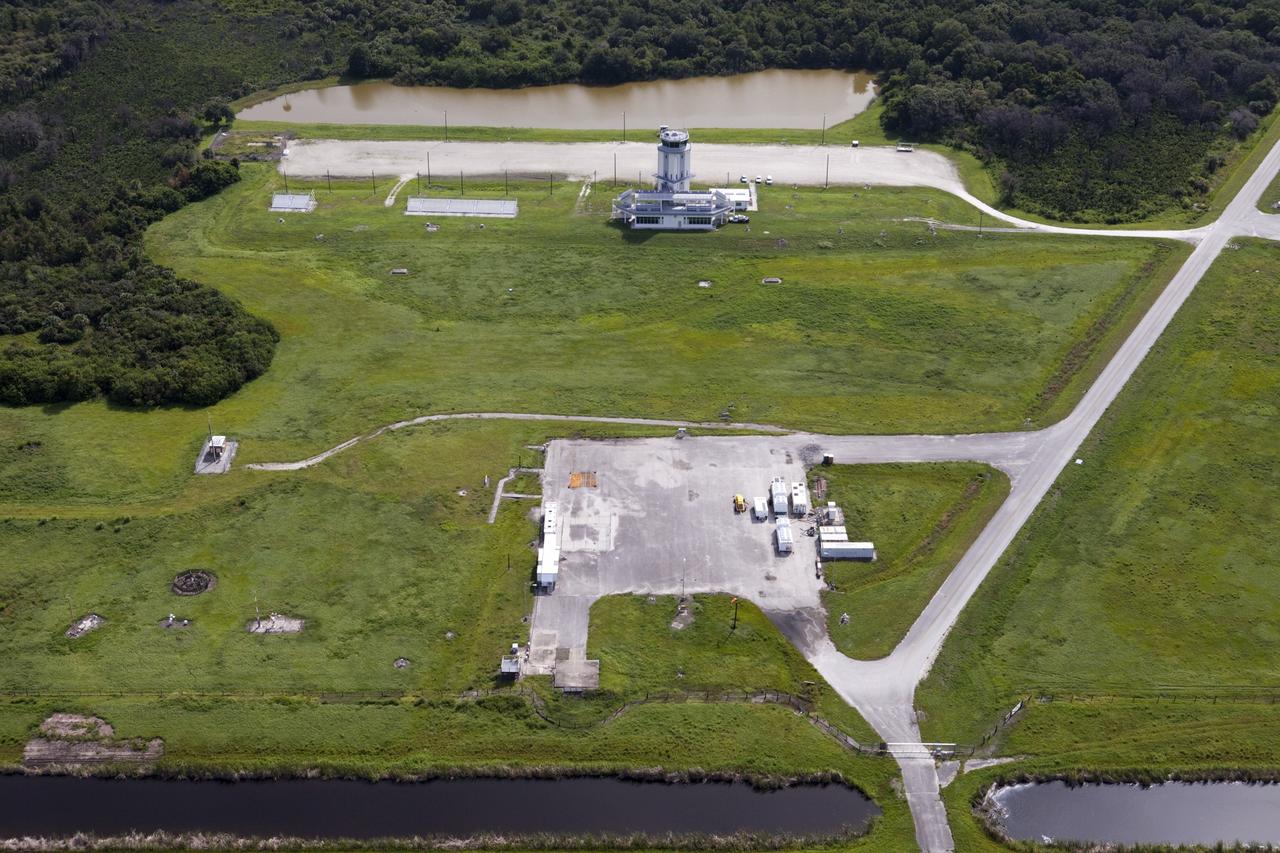
CAPE CANAVERAL, Fla. – This aerial view shows the Shuttle Landing Facility’s air traffic control tower at the Kennedy Space Center in Florida. Just below the tower is the mid-field park site used for runway support vehicles. At the north end of the runway, a rock and crater-filled planetary scape has been built so engineers can test the Autonomous Landing and Hazard Avoidance Technology, or ALHAT system on the Project Morpheus lander. Testing will demonstrate ALHAT’s ability to provide required navigation data negotiating the Morpheus lander away from risks during descent. Checkout of the prototype lander has been ongoing at NASA’s Johnson Space Center in Houston in preparation for its first free flight. The SLF site will provide the lander with the kind of field necessary for realistic testing. Project Morpheus is one of 20 small projects comprising the Advanced Exploration Systems, or AES, program in NASA’s Human Exploration and Operations Mission Directorate. AES projects pioneer new approaches for rapidly developing prototype systems, demonstrating key capabilities and validating operational concepts for future human missions beyond Earth orbit. For more information on Project Morpheus, visit http://www.nasa.gov/centers/johnson/exploration/morpheus/index.html Photo credit: NASA/Kim Shiflett

CAPE CANAVERAL, Fla. –This panoramic view shows a rock and crater-filled planetary scape has been built so engineers can test the Autonomous Landing and Hazard Avoidance Technology, or ALHAT system on the Project Morpheus lander. Testing will demonstrate ALHAT’s ability to provide required navigation data negotiating the Morpheus lander away from risks during descent. Checkout of the prot otype lander has been ongoing at NASA’s Johnson Space Center in Houston in preparation for its first free flight. The SLF site will provide the lander with the kind of field necessary for realistic testing. Project Morpheus is one of 20 small projects comprising the Advanced Exploration Systems, or AES, program in NASA’s Human Exploration and Operations Mission Directorate. AES projects pioneer new approaches for rapidly developing prototype systems, demonstrating key capabilities and validating operational concepts for future human missions beyond Earth orbit. For more information on Project Morpheus, visit http://www.nasa.gov/centers/johnson/exploration/morpheus/index.html Photo credit: NASA/Kim Shiflett

CAPE CANAVERAL, Fla. - At the north end of the Shuttle Landing Facility, or SLF, at the Kennedy Space Center in Florida, NASA's Morpheus lander, a vertical test bed vehicle, is being fueled. A rock and crater-filled planetary scape, seen in the foreground, has been built so engineers can test the Autonomous Landing and Hazard Avoidance Technology, or ALHAT, system on the Project Morpheus lander. Checkout of the prototype lander has been ongoing at NASA’s Johnson Space Center in Houston in preparation for its first free flight. The SLF site will provide the lander with the kind of field necessary for realistic testing. Project Morpheus is one of 20 small projects comprising the Advanced Exploration Systems, or AES, program in NASA’s Human Exploration and Operations Mission Directorate. AES projects pioneer new approaches for rapidly developing prototype systems, demonstrating key capabilities and validating operational concepts for future human missions beyond Earth orbit. For more information on Project Morpheus, visit http://www.nasa.gov/centers/johnson/exploration/morpheus/index.html Photo credit: NASA/Kim Shiflett
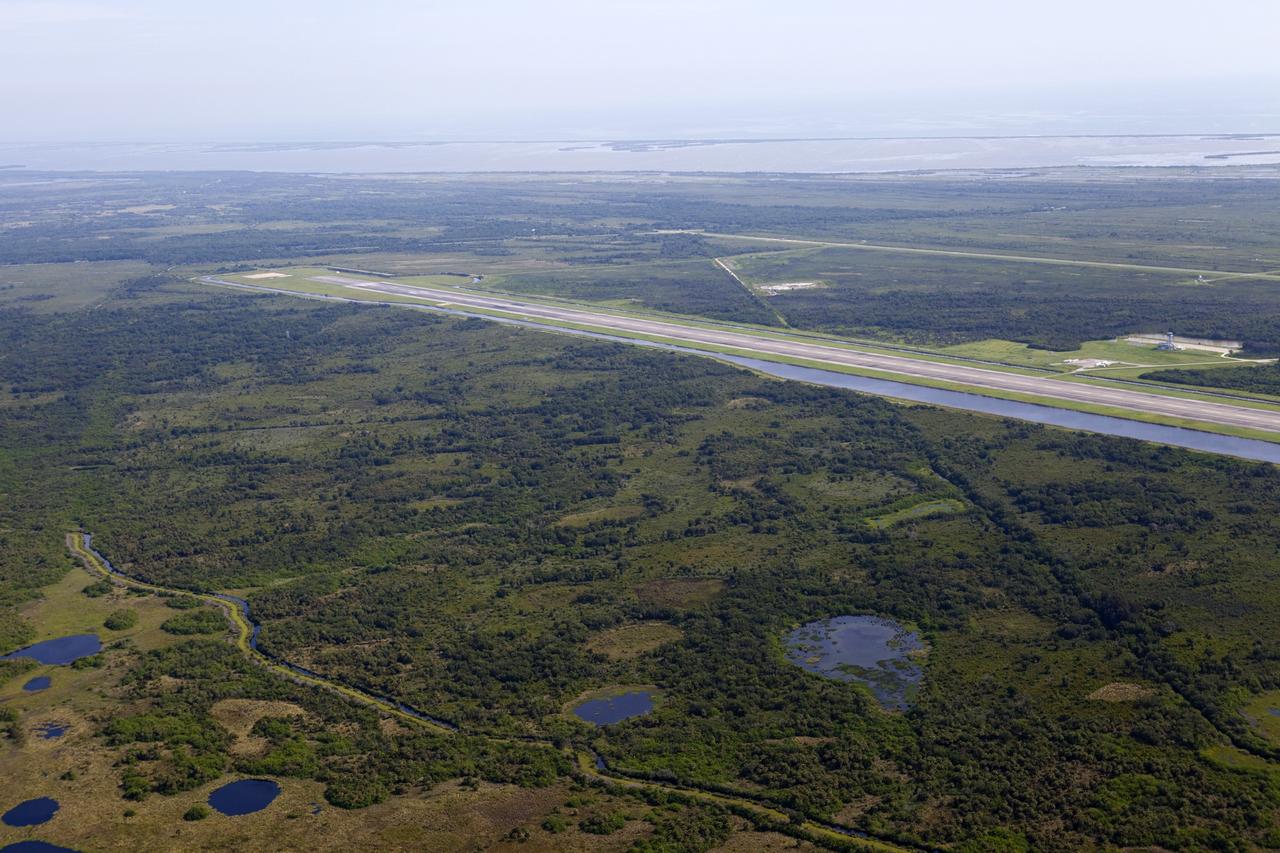
CAPE CANAVERAL, Fla. – This aerial view shows the north end of the Kennedy Space Center’s 15,000-foot long Shuttle Landing Facility. On the far left at the end of the runway, a rock and crater-filled planetary scape has been built so engineers can test the Autonomous Landing and Hazard Avoidance Technology, or ALHAT system on the Project Morpheus lander. Testing will demonstrate ALHAT’s ability to provide required navigation data negotiating the Morpheus lander away from risks during descent. Checkout of the prototype lander has been ongoing at NASA’s Johnson Space Center in Houston in preparation for its first free flight. The SLF site will provide the lander with the kind of field necessary for realistic testing. Project Morpheus is one of 20 small projects comprising the Advanced Exploration Systems, or AES, program in NASA’s Human Exploration and Operations Mission Directorate. AES projects pioneer new approaches for rapidly developing prototype systems, demonstrating key capabilities and validating operational concepts for future human missions beyond Earth orbit. For more information on Project Morpheus, visit http://www.nasa.gov/centers/johnson/exploration/morpheus/index.html Photo credit: NASA/Kim Shiflett
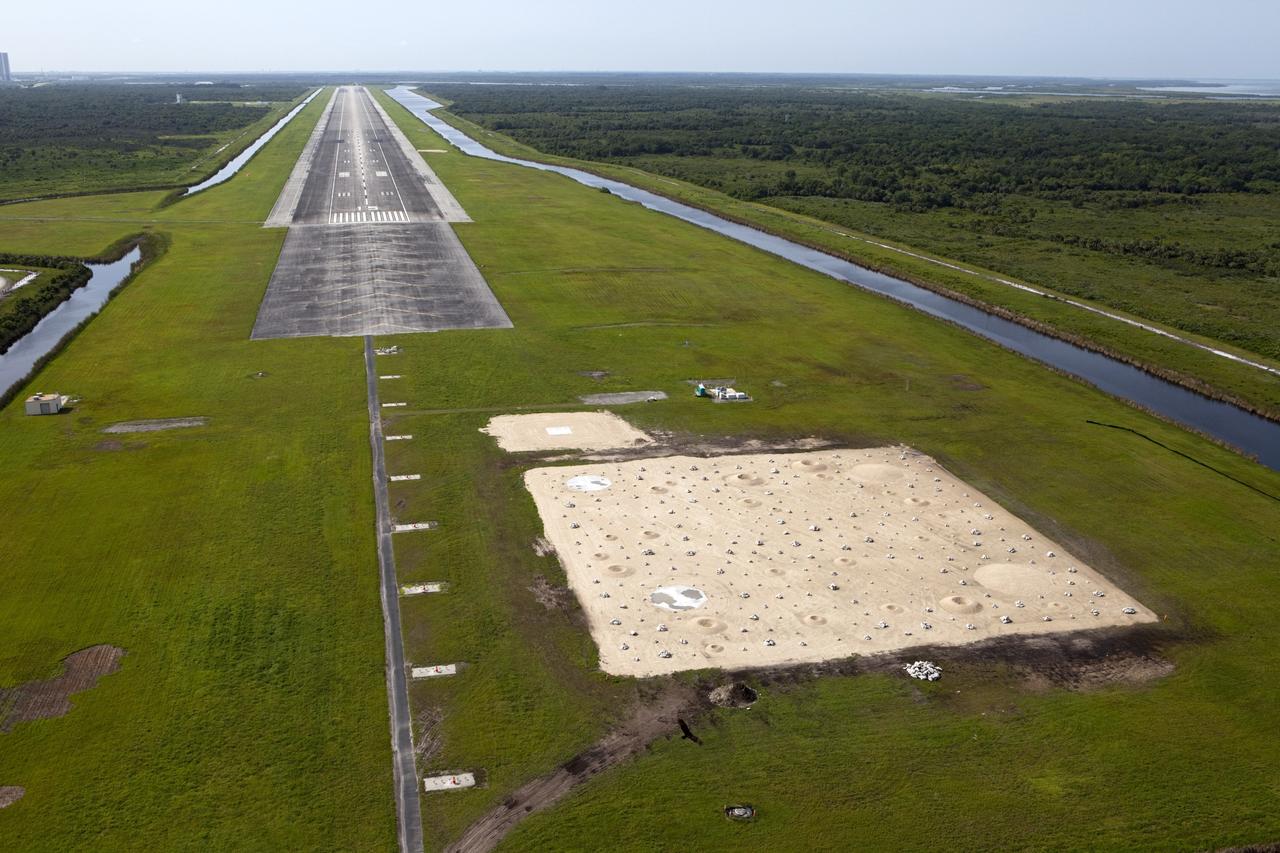
CAPE CANAVERAL, Fla. – This aerial view shows the north end of the Kennedy Space Center’s Shuttle Landing Facility. At the end of the runway is a rock and crater-filled planetary scape has been built so engineers can test the Autonomous Landing and Hazard Avoidance Technology, or ALHAT system on the Project Morpheus lander. Testing will demonstrate ALHAT’s ability to provide required navigation data negotiating the Morpheus lander away from risks during descent. Checkout of the prototype lander has been ongoing at NASA’s Johnson Space Center in Houston in preparation for its first free flight. The SLF site will provide the lander with the kind of field necessary for realistic testing. Project Morpheus is one of 20 small projects comprising the Advanced Exploration Systems, or AES, program in NASA’s Human Exploration and Operations Mission Directorate. AES projects pioneer new approaches for rapidly developing prototype systems, demonstrating key capabilities and validating operational concepts for future human missions beyond Earth orbit. For more information on Project Morpheus, visit http://www.nasa.gov/centers/johnson/exploration/morpheus/index.html Photo credit: NASA/Kim Shiflett
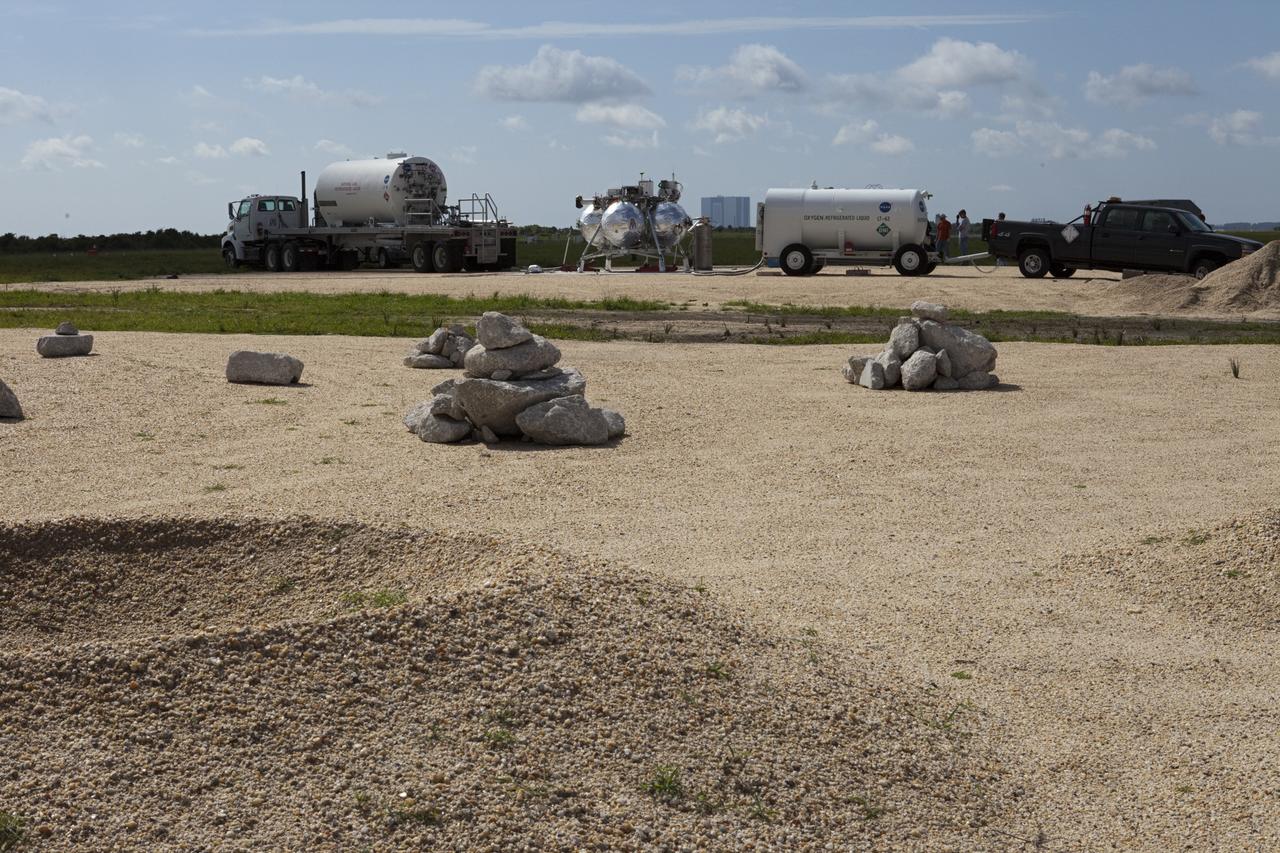
CAPE CANAVERAL, Fla. - At the north end of the Shuttle Landing Facility, or SLF, at the Kennedy Space Center in Florida, NASA's Morpheus lander, a vertical test bed vehicle, is being prepared for further assessment. A rock and crater-filled planetary scape, seen in the foreground, has been built so engineers can test the Autonomous Landing and Hazard Avoidance Technology, or ALHAT, system on the Project Morpheus lander. Checkout of the prototype lander has been ongoing at NASA’s Johnson Space Center in Houston in preparation for its first free flight. The SLF site will provide the lander with the kind of field necessary for realistic testing. Project Morpheus is one of 20 small projects comprising the Advanced Exploration Systems, or AES, program in NASA’s Human Exploration and Operations Mission Directorate. AES projects pioneer new approaches for rapidly developing prototype systems, demonstrating key capabilities and validating operational concepts for future human missions beyond Earth orbit. For more information on Project Morpheus, visit http://www.nasa.gov/centers/johnson/exploration/morpheus/index.html Photo credit: NASA/Kim Shiflett

CAPE CANAVERAL, Fla. – This aerial view shows the north end of the Kennedy Space Center’s Shuttle Landing Facility. At the end of the runway, to the right, is a rock and crater-filled planetary scape has been built so engineers can test the Autonomous Landing and Hazard Avoidance Technology, or ALHAT system on the Project Morpheus lander. Testing will demonstrate ALHAT’s ability to provide required navigation data negotiating the Morpheus lander away from risks during descent. Checkout of the prototype lander has been ongoing at NASA’s Johnson Space Center in Houston in preparation for its first free flight. The SLF site will provide the lander with the kind of field necessary for realistic testing. Project Morpheus is one of 20 small projects comprising the Advanced Exploration Systems, or AES, program in NASA’s Human Exploration and Operations Mission Directorate. AES projects pioneer new approaches for rapidly developing prototype systems, demonstrating key capabilities and validating operational concepts for future human missions beyond Earth orbit. For more information on Project Morpheus, visit http://www.nasa.gov/centers/johnson/exploration/morpheus/index.html Photo credit: NASA/Kim Shiflett
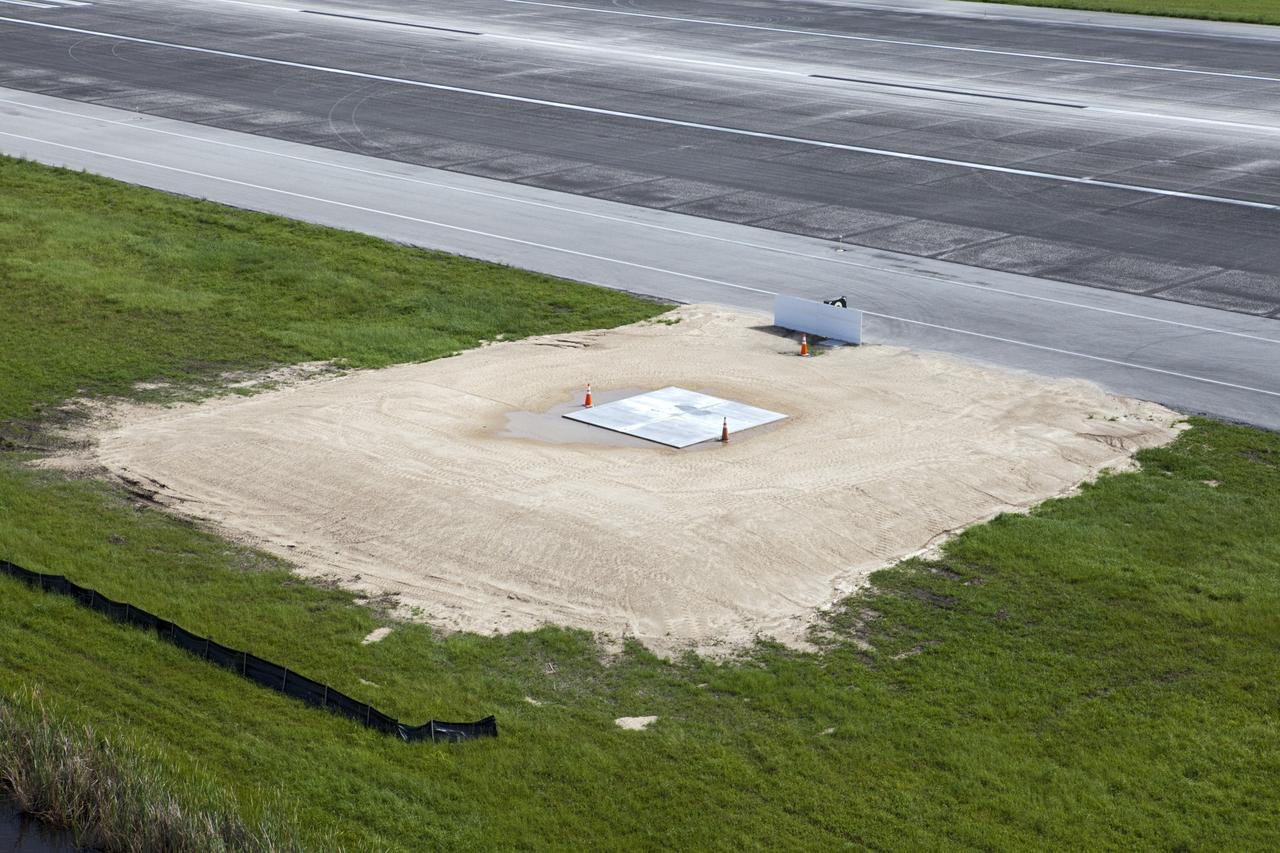
CAPE CANAVERAL, Fla. – This aerial view shows the launch platform for the Project Morpheus lander at the midfield point of the Shuttle Landing Facility, or SLF, at NASA’s Kennedy Space Center in Florida. At the north end of the runway is a rock and crater-filled planetary scape built so engineers can test the Autonomous Landing and Hazard Avoidance Technology, or ALHAT system on the Morpheus lander. Testing will demonstrate ALHAT’s ability to provide required navigation data negotiating the Morpheus lander away from risks during descent. Checkout of the prototype lander has been ongoing at NASA’s Johnson Space Center in Houston in preparation for its first free flight. The SLF site will provide the lander with the kind of field necessary for realistic testing. Project Morpheus is one of 20 small projects comprising the Advanced Exploration Systems, or AES, program in NASA’s Human Exploration and Operations Mission Directorate. AES projects pioneer new approaches for rapidly developing prototype systems, demonstrating key capabilities and validating operational concepts for future human missions beyond Earth orbit. For more information on Project Morpheus, visit http://www.nasa.gov/centers/johnson/exploration/morpheus/index.html Photo credit: NASA/Kim Shiflett

CAPE CANAVERAL, Fla. - Just north of the Kennedy Space Center’s Shuttle Landing Facility runway, a rock and crater-filled planetary scape has been built so engineers can test the Autonomous Landing and Hazard Avoidance Technology, or ALHAT system on the Project Morpheus lander. Testing will demonstrate ALHAT’s ability to provide required navigation data negotiating the Morpheus lander away from risks during descent. Checkout of the prototype lander has been ongoing at NASA’s Johnson Space Center in Houston in preparation for its first free flight. The SLF site will provide the lander with the kind of field necessary for realistic testing. Project Morpheus is one of 20 small projects comprising the Advanced Exploration Systems, or AES, program in NASA’s Human Exploration and Operations Mission Directorate. AES projects pioneer new approaches for rapidly developing prototype systems, demonstrating key capabilities and validating operational concepts for future human missions beyond Earth orbit. For more information on Project Morpheus, visit http://www.nasa.gov/centers/johnson/exploration/morpheus/index.html Photo credit: NASA/Kim Shiflett
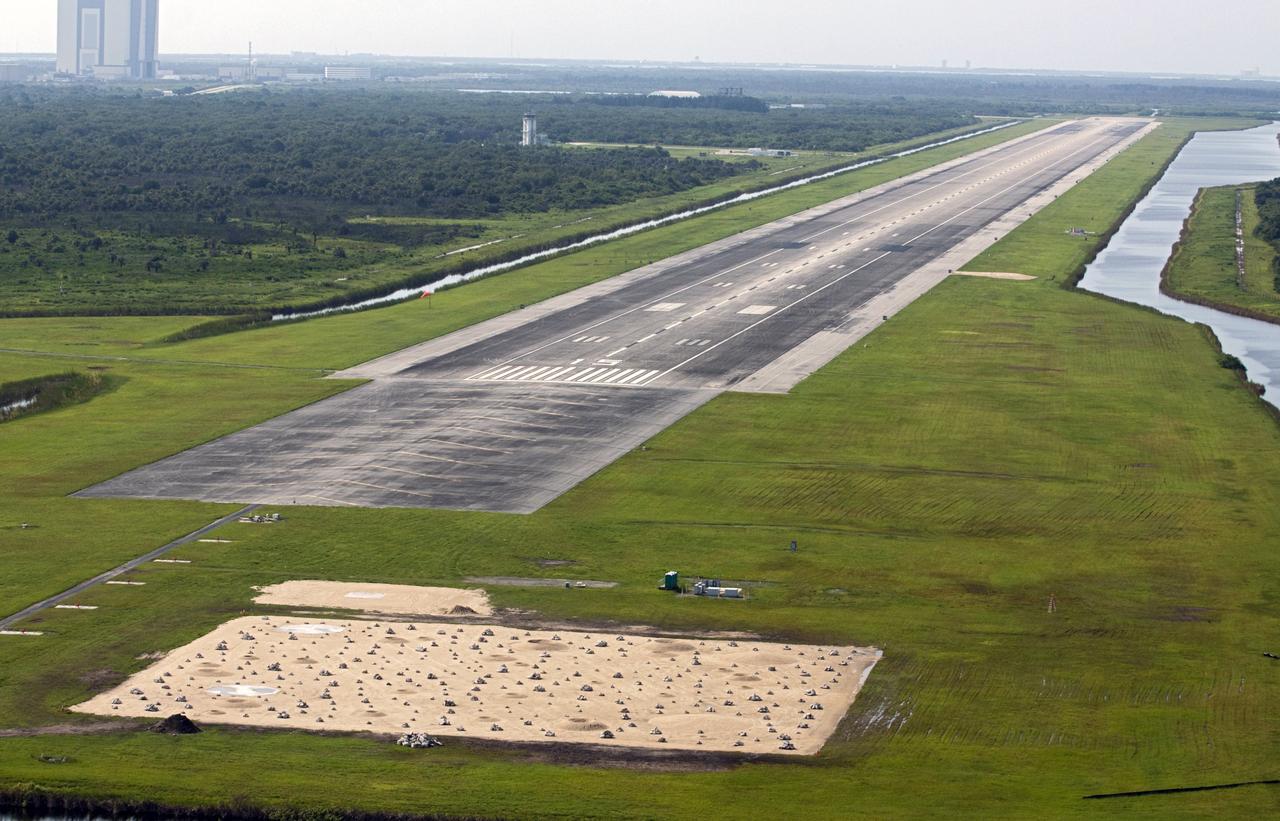
CAPE CANAVERAL, Fla. - Just north of the Kennedy Space Center’s Shuttle Landing Facility, or SLF, a rock and crater-filled planetary scape has been built so engineers can test the Autonomous Landing and Hazard Avoidance Technology, or ALHAT, system on the Project Morpheus lander. Testing will demonstrate ALHAT’s ability to provide required navigation data negotiating the Morpheus lander away from risks during descent. Checkout of the prototype lander has been ongoing at NASA’s Johnson Space Center in Houston in preparation for its first free flight. The SLF site will provide the lander with the kind of field necessary for realistic testing. Project Morpheus is one of 20 small projects comprising the Advanced Exploration Systems, or AES, program in NASA’s Human Exploration and Operations Mission Directorate. AES projects pioneer new approaches for rapidly developing prototype systems, demonstrating key capabilities and validating operational concepts for future human missions beyond Earth orbit. For more information on Project Morpheus, visit http://www.nasa.gov/centers/johnson/exploration/morpheus/index.html Photo credit: NASA/Kim Shiflett
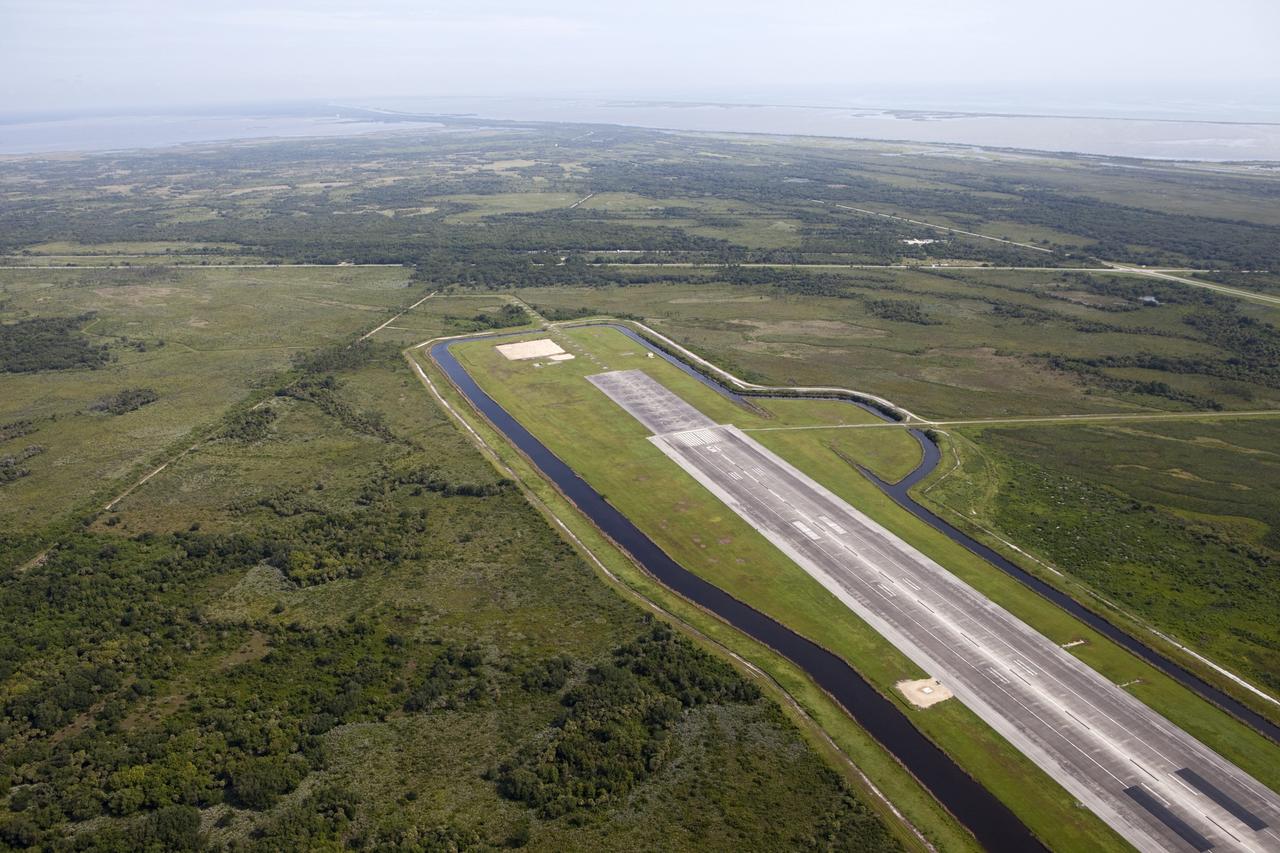
CAPE CANAVERAL, Fla. – This aerial view shows the north end of the Kennedy Space Center’s Shuttle Landing Facility. At the end of the runway is a rock and crater-filled planetary scape has been built so engineers can test the Autonomous Landing and Hazard Avoidance Technology, or ALHAT system on the Project Morpheus lander. Testing will demonstrate ALHAT’s ability to provide required navigation data negotiating the Morpheus lander away from risks during descent. Checkout of the prototype lander has been ongoing at NASA’s Johnson Space Center in Houston in preparation for its first free flight. The SLF site will provide the lander with the kind of field necessary for realistic testing. Project Morpheus is one of 20 small projects comprising the Advanced Exploration Systems, or AES, program in NASA’s Human Exploration and Operations Mission Directorate. AES projects pioneer new approaches for rapidly developing prototype systems, demonstrating key capabilities and validating operational concepts for future human missions beyond Earth orbit. For more information on Project Morpheus, visit http://www.nasa.gov/centers/johnson/exploration/morpheus/index.html Photo credit: NASA/Kim Shiflett
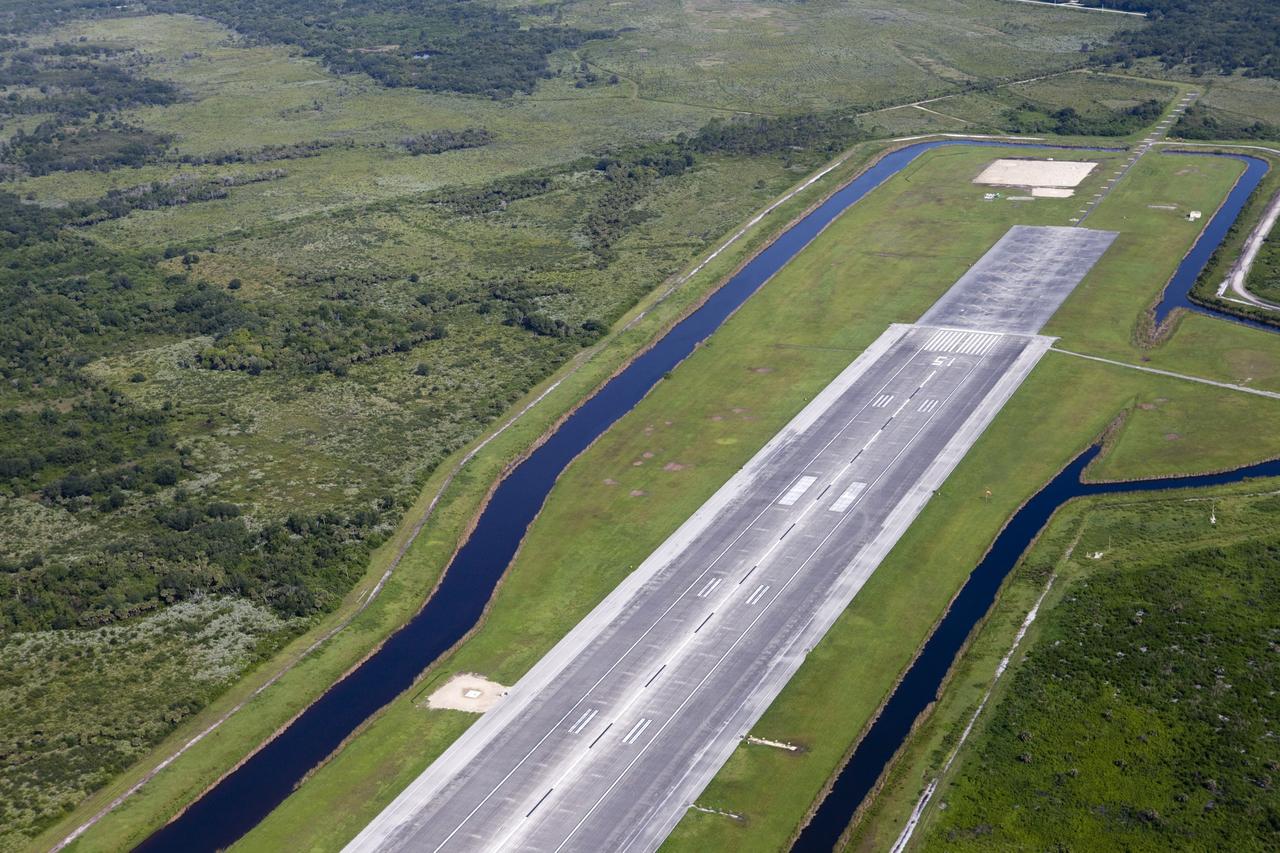
CAPE CANAVERAL, Fla. – This aerial view shows the north end of the Kennedy Space Center’s Shuttle Landing Facility. At the end of the runway, in the upper right, a rock and crater-filled planetary scape has been built so engineers can test the Autonomous Landing and Hazard Avoidance Technology, or ALHAT system on the Project Morpheus lander. Testing will demonstrate ALHAT’s ability to provide required navigation data negotiating the Morpheus lander away from risks during descent. Checkout of the prototype lander has been ongoing at NASA’s Johnson Space Center in Houston in preparation for its first free flight. The SLF site will provide the lander with the kind of field necessary for realistic testing. Project Morpheus is one of 20 small projects comprising the Advanced Exploration Systems, or AES, program in NASA’s Human Exploration and Operations Mission Directorate. AES projects pioneer new approaches for rapidly developing prototype systems, demonstrating key capabilities and validating operational concepts for future human missions beyond Earth orbit. For more information on Project Morpheus, visit http://www.nasa.gov/centers/johnson/exploration/morpheus/index.html Photo credit: NASA/Kim Shiflett
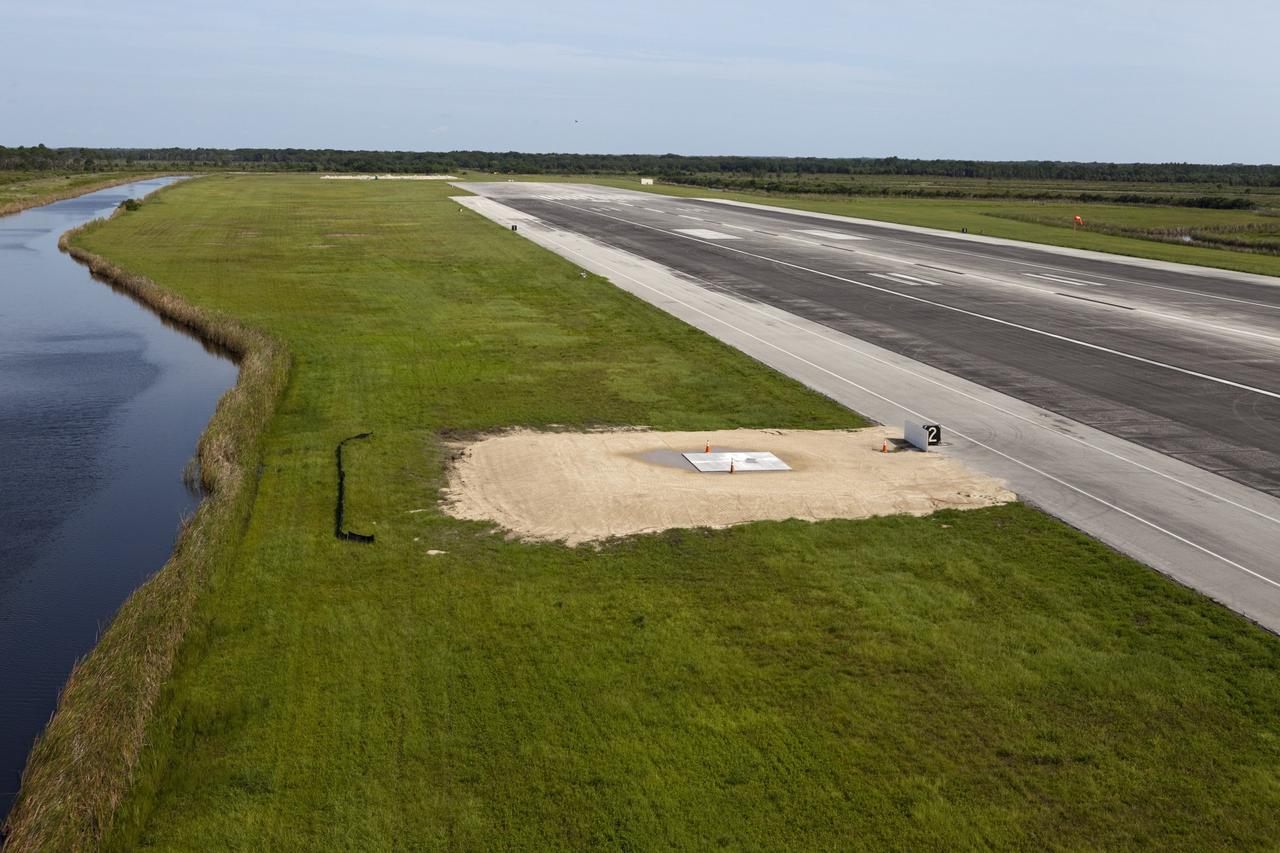
CAPE CANAVERAL, Fla. – This aerial view shows the launch platform for the Project Morpheus lander at the midfield point of the Shuttle Landing Facility, or SLF, at NASA’s Kennedy Space Center in Florida. At the north end of the runway is a rock and crater-filled planetary scape built so engineers can test the Autonomous Landing and Hazard Avoidance Technology, or ALHAT system on the Morpheus lander. Testing will demonstrate ALHAT’s ability to provide required navigation data negotiating the Morpheus lander away from risks during descent. Checkout of the prototype lander has been ongoing at NASA’s Johnson Space Center in Houston in preparation for its first free flight. The SLF site will provide the lander with the kind of field necessary for realistic testing. Project Morpheus is one of 20 small projects comprising the Advanced Exploration Systems, or AES, program in NASA’s Human Exploration and Operations Mission Directorate. AES projects pioneer new approaches for rapidly developing prototype systems, demonstrating key capabilities and validating operational concepts for future human missions beyond Earth orbit. For more information on Project Morpheus, visit http://www.nasa.gov/centers/johnson/exploration/morpheus/index.html Photo credit: NASA/Kim Shiflett

CAPE CANAVERAL, Fla. – This aerial view shows the 15,000-foot long Shuttle Landing Facility at the Kennedy Space Center, Fla. At the north end of the runway, to the bottom, is a rock and crater-filled planetary scape has been built so engineers can test the Autonomous Landing and Hazard Avoidance Technology, or ALHAT system on the Project Morpheus lander. Testing will demonstrate ALHAT’s ability to provide required navigation data negotiating the Morpheus lander away from risks during descent. Checkout of the prototype lander has been ongoing at NASA’s Johnson Space Center in Houston in preparation for its first free flight. The SLF site will provide the lander with the kind of field necessary for realistic testing. Project Morpheus is one of 20 small projects comprising the Advanced Exploration Systems, or AES, program in NASA’s Human Exploration and Operations Mission Directorate. AES projects pioneer new approaches for rapidly developing prototype systems, demonstrating key capabilities and validating operational concepts for future human missions beyond Earth orbit. For more information on Project Morpheus, visit http://www.nasa.gov/centers/johnson/exploration/morpheus/index.html Photo credit: NASA/Kim Shiflett
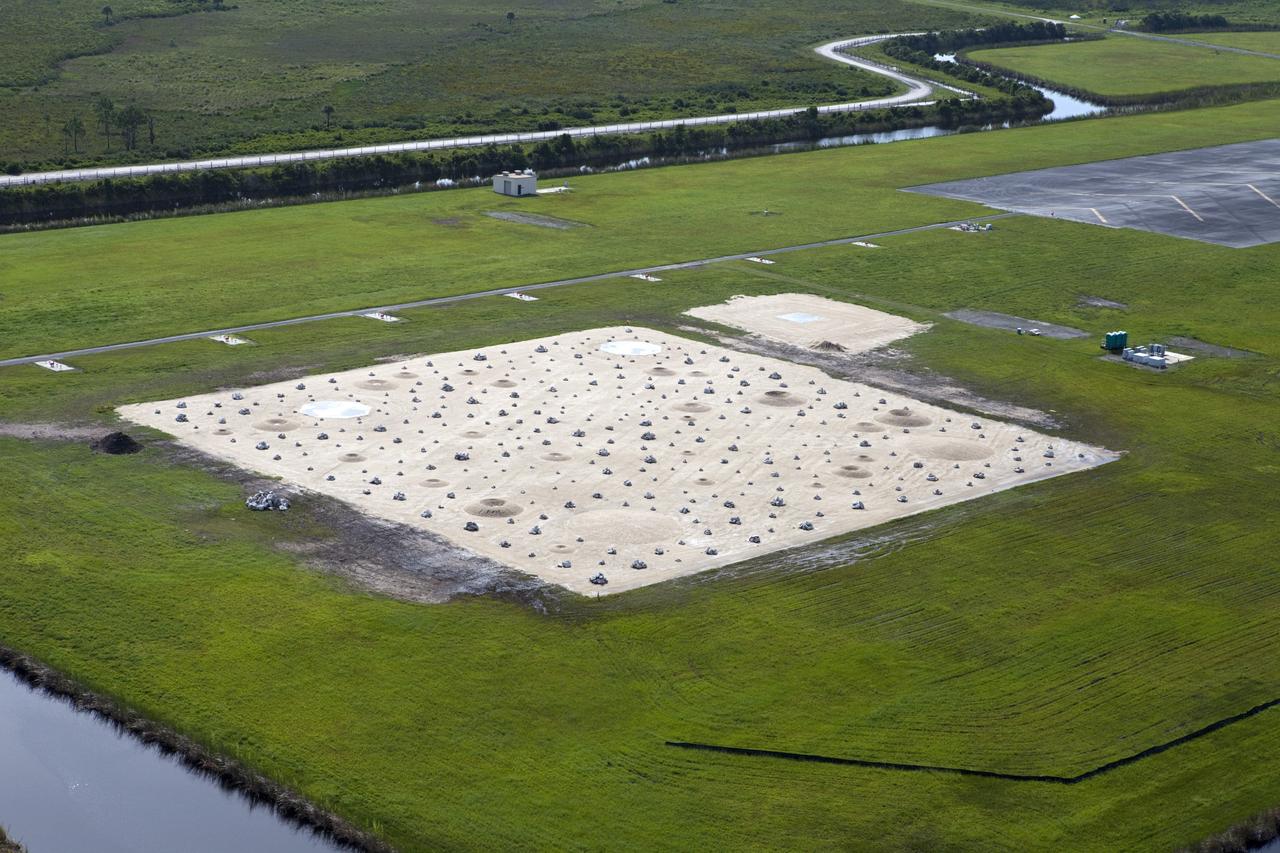
CAPE CANAVERAL, Fla. –This aerial view shows a rock and crater-filled planetary scape that has been built at the north end of the Kennedy Space Center’s Shuttle Landing Facility. The site will allow engineers to test the Autonomous Landing and Hazard Avoidance Technology, or ALHAT system on the Project Morpheus lander. Testing will demonstrate ALHAT’s ability to provide required navigation data negotiating the Morpheus lander away from risks during descent. Checkout of the prototype lander has been ongoing at NASA’s Johnson Space Center in Houston in preparation for its first free flight. The SLF site will provide the lander with the kind of field necessary for realistic testing. Project Morpheus is one of 20 small projects comprising the Advanced Exploration Systems, or AES, program in NASA’s Human Exploration and Operations Mission Directorate. AES projects pioneer new approaches for rapidly developing prototype systems, demonstrating key capabilities and validating operational concepts for future human missions beyond Earth orbit. For more information on Project Morpheus, visit http://www.nasa.gov/centers/johnson/exploration/morpheus/index.html Photo credit: NASA/Kim Shiflett
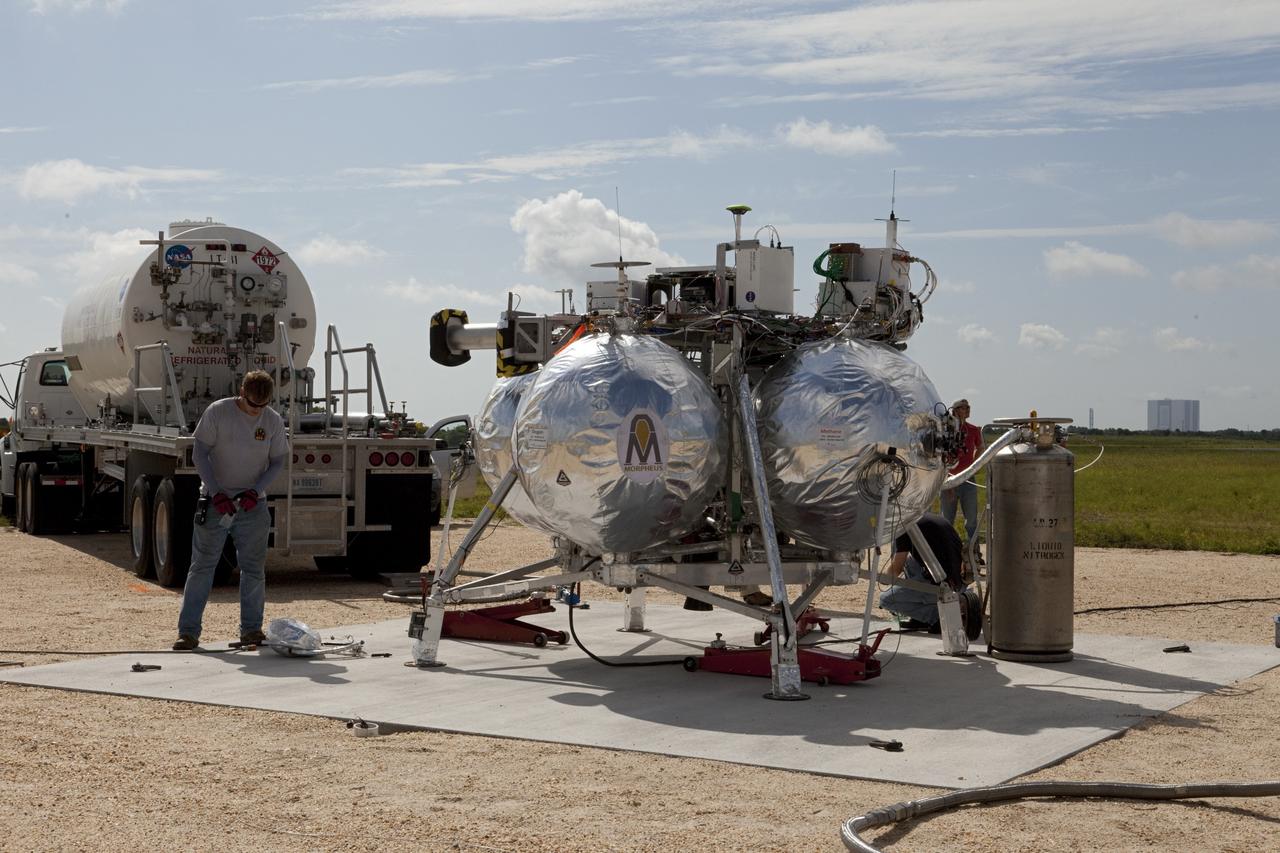
CAPE CANAVERAL, Fla. - At the north end of the Shuttle Landing Facility, or SLF, at the Kennedy Space Center in Florida, NASA's Morpheus lander, a vertical test bed vehicle is being checked out. A rock and crater-filled planetary scape, has been built so engineers can test the Autonomous Landing and Hazard Avoidance Technology, or ALHAT, system on the Project Morpheus lander. Checkout of the prototype lander has been ongoing at NASA’s Johnson Space Center in Houston in preparation for its first free flight. The SLF site will provide the lander with the kind of field necessary for realistic testing. Project Morpheus is one of 20 small projects comprising the Advanced Exploration Systems, or AES, program in NASA’s Human Exploration and Operations Mission Directorate. AES projects pioneer new approaches for rapidly developing prototype systems, demonstrating key capabilities and validating operational concepts for future human missions beyond Earth orbit. For more information on Project Morpheus, visit http://www.nasa.gov/centers/johnson/exploration/morpheus/index.html Photo credit: NASA/Kim Shiflett

CAPE CANAVERAL, Fla. – In the control room at the Astrotech Space Operations facility in Titusville, Fla., test conductors from ASTROTECH and Kennedy Space Center monitor data received from the clean room as technicians sample the monomethylhydrazine propellant that will be loaded aboard the Solar Dynamics Observatory, or SDO. The hydrazine fuel is being sampled for purity before it is loaded aboard the spacecraft. The technicians are dressed in self-contained atmospheric protective ensemble suits, or SCAPE suits, as a safety precaution in the unlikely event that any of the highly toxic chemical should escape from the storage tank. The nitrogen tetroxide oxidizer was loaded earlier in the week which is customarily followed by loading of the fuel. Propellant loading is one of the final processing milestones before the spacecraft is encapsulated in its fairing for launch. SDO is the first mission in NASA's Living With a Star Program and is designed to study the causes of solar variability and its impacts on Earth. The spacecraft's long-term measurements will give solar scientists in-depth information to help characterize the interior of the Sun, the Sun's magnetic field, the hot plasma of the solar corona, and the density of radiation that creates the ionosphere of the planets. The information will be used to create better forecasts of space weather needed to protect the aircraft, satellites and astronauts living and working in space. Liftoff aboard an Atlas V rocket is targeted for Feb. 9 from Launch Complex 41 on Cape Canaveral Air Force Station. For information on SDO, visit http://www.nasa.gov/sdo. Photo credit: NASA/Jack Pfaller