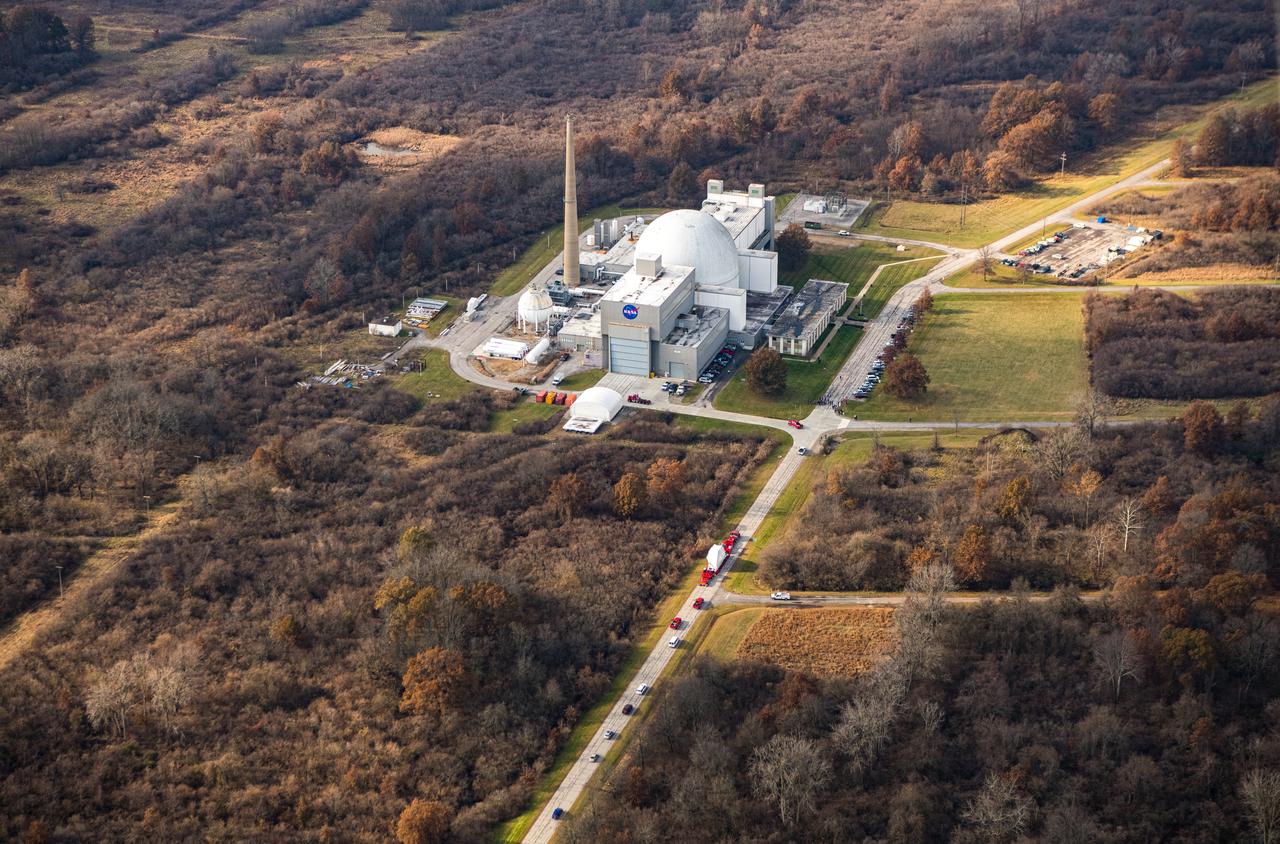
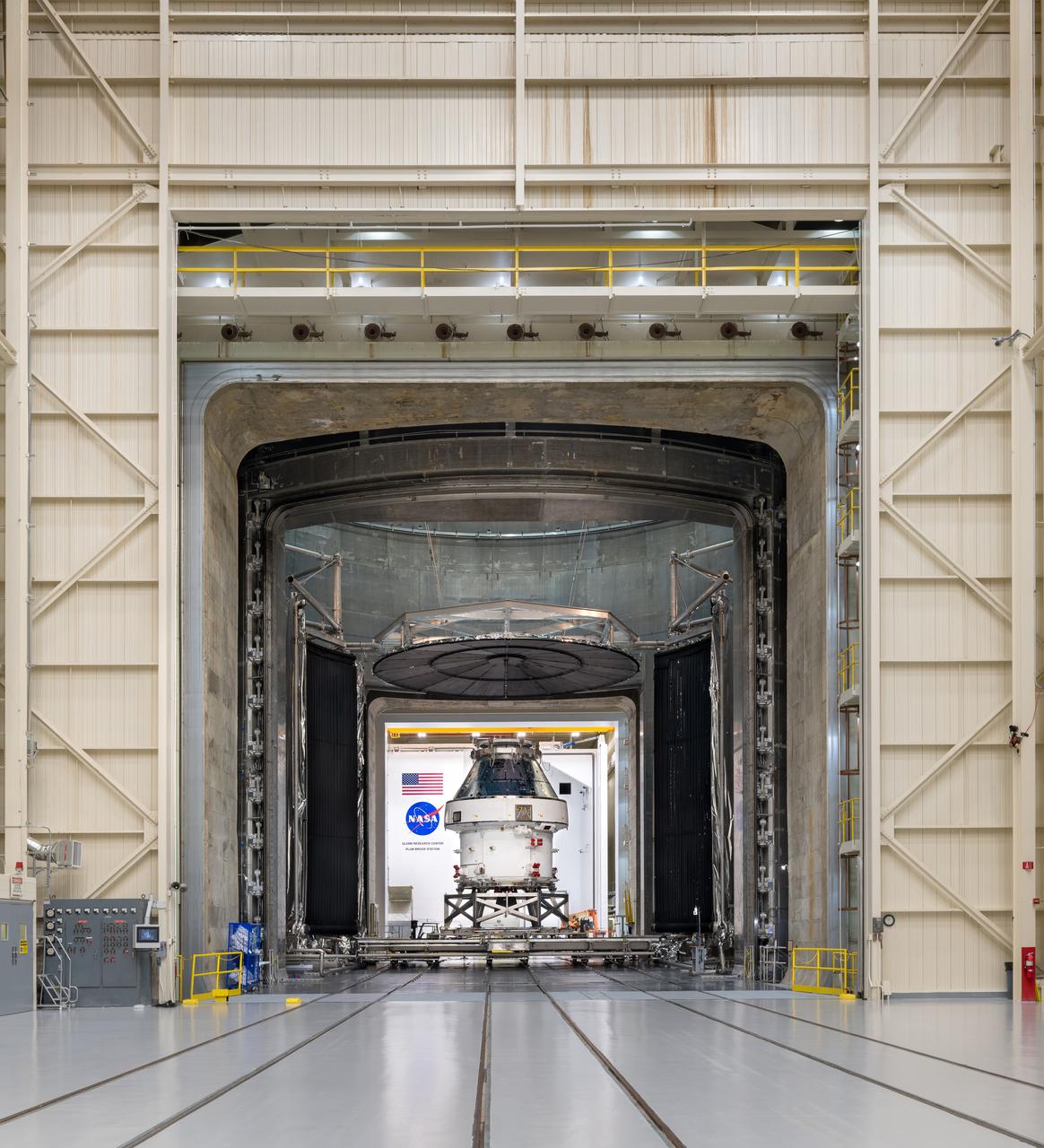
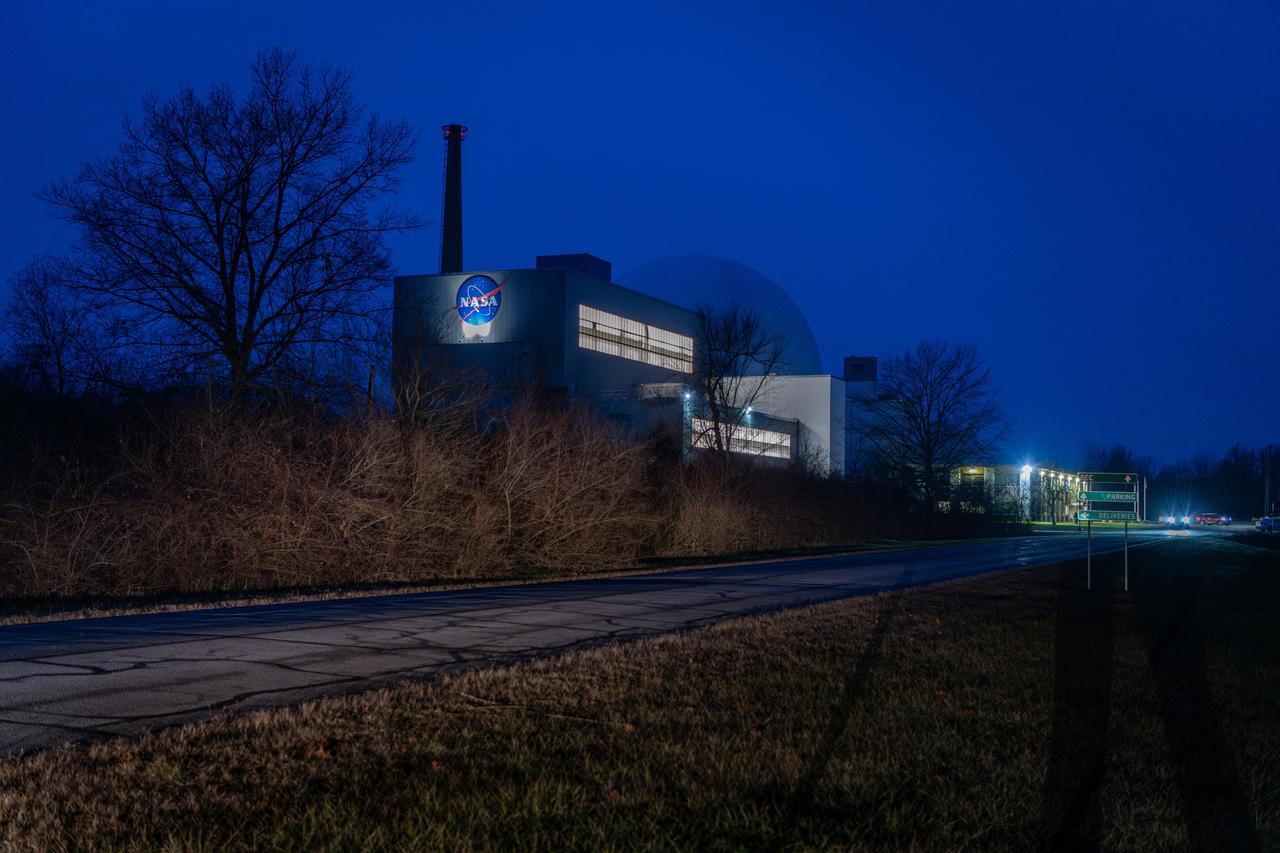
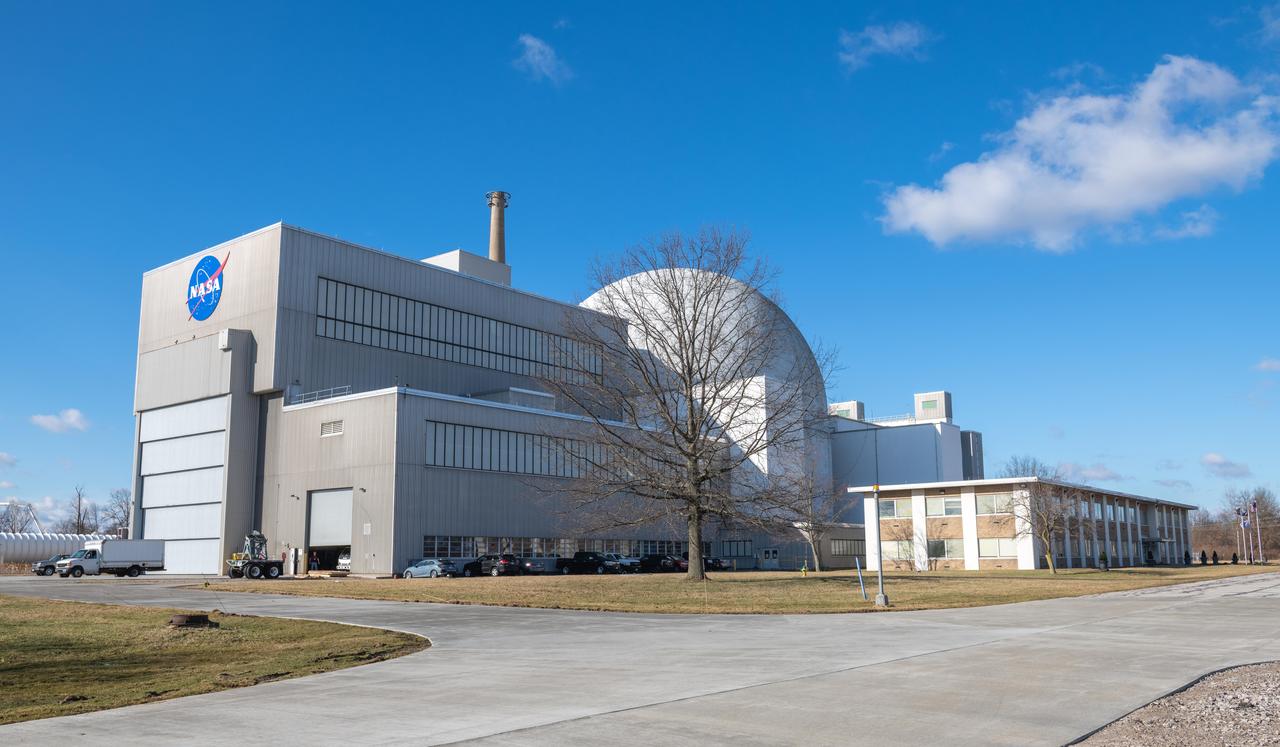
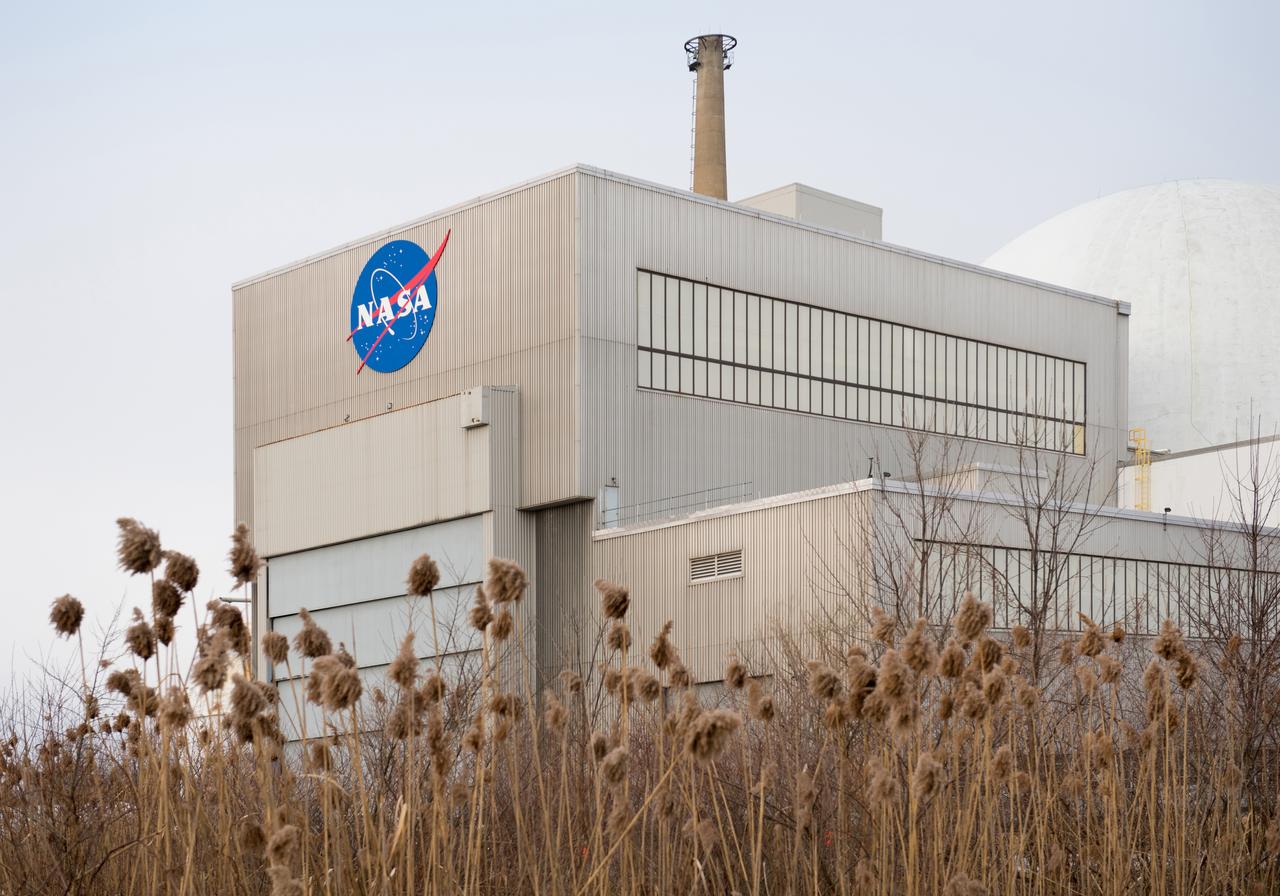
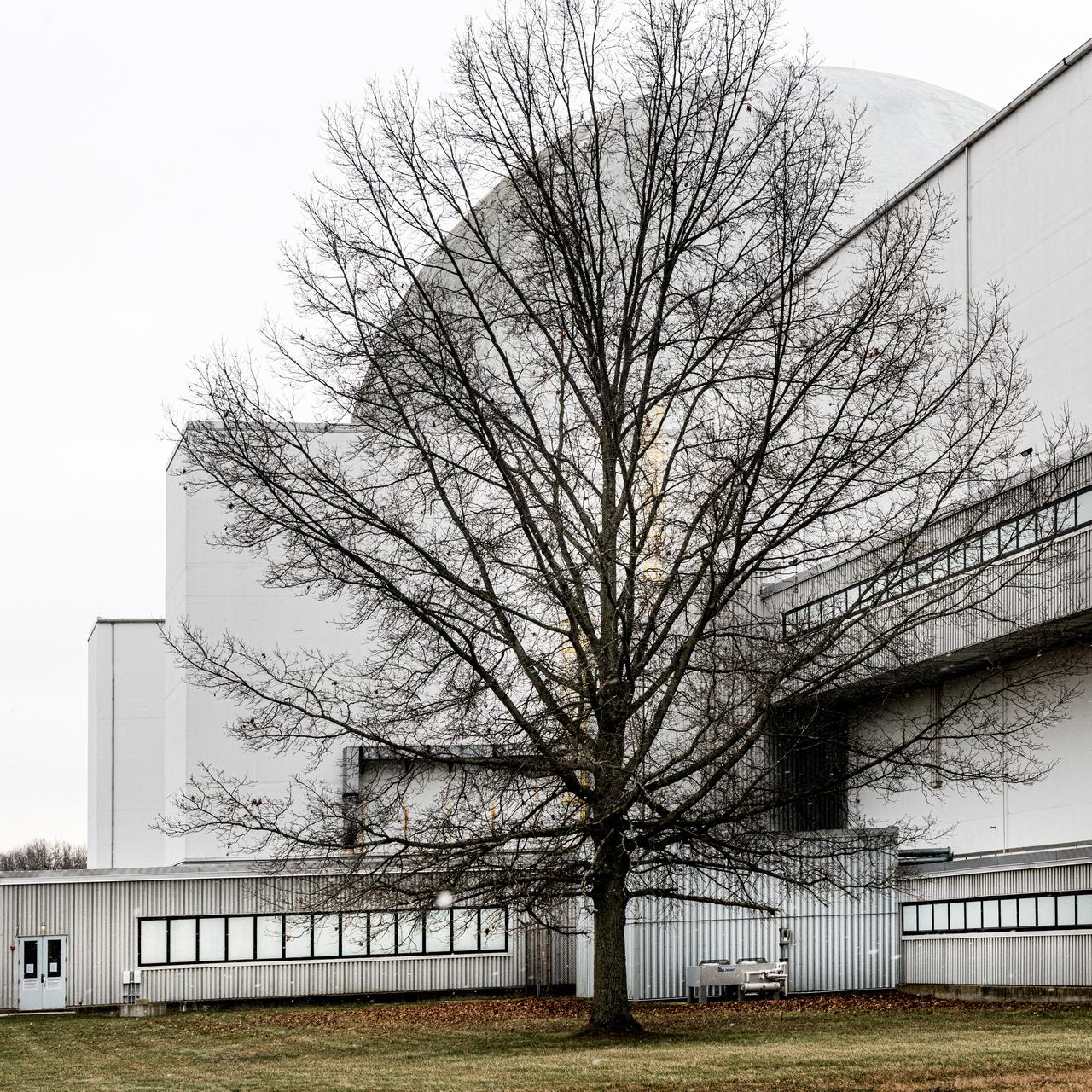
Exterior of the Space Environments Complex, SEC at the Glenn Research Center, Neil A Armstrong Test Facility
Exterior of the Space Environments Complex, SEC at the Glenn Research Center
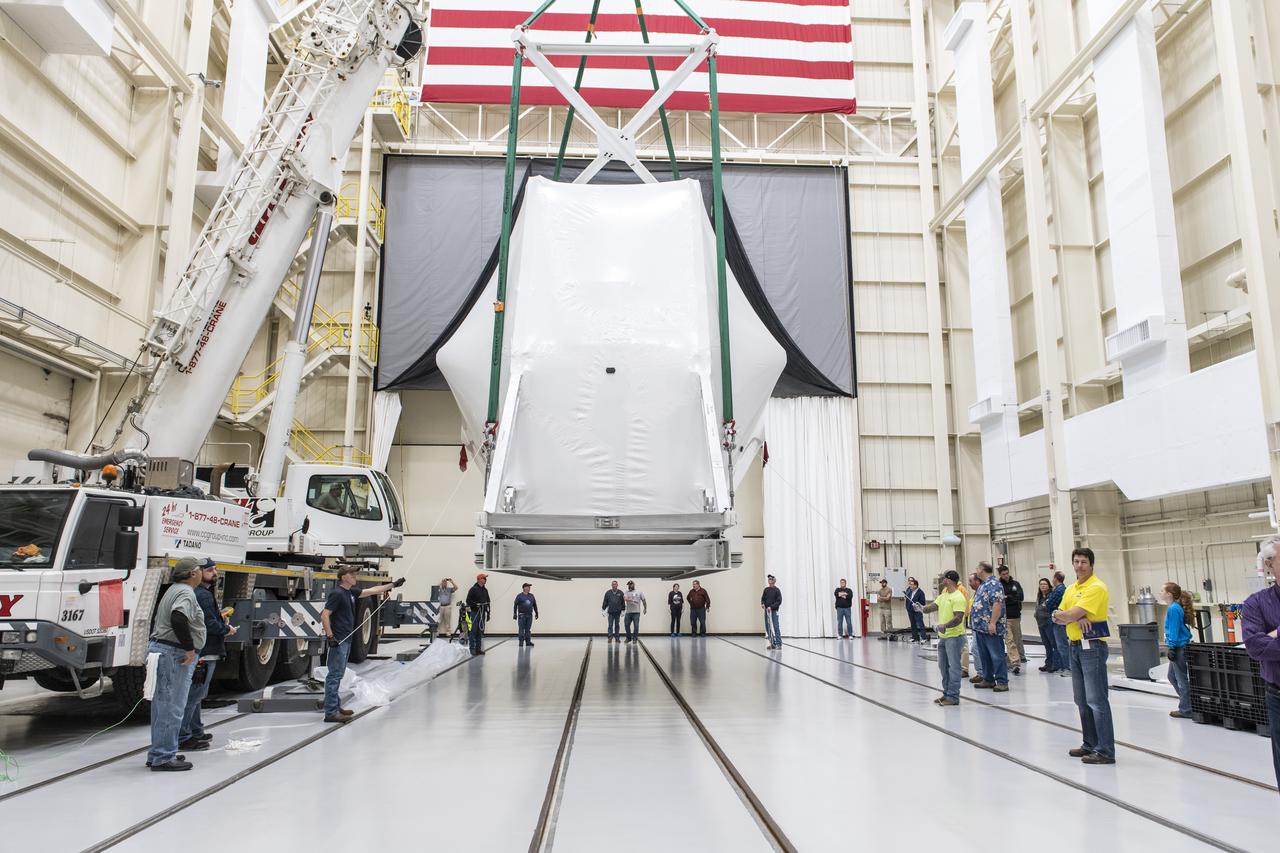
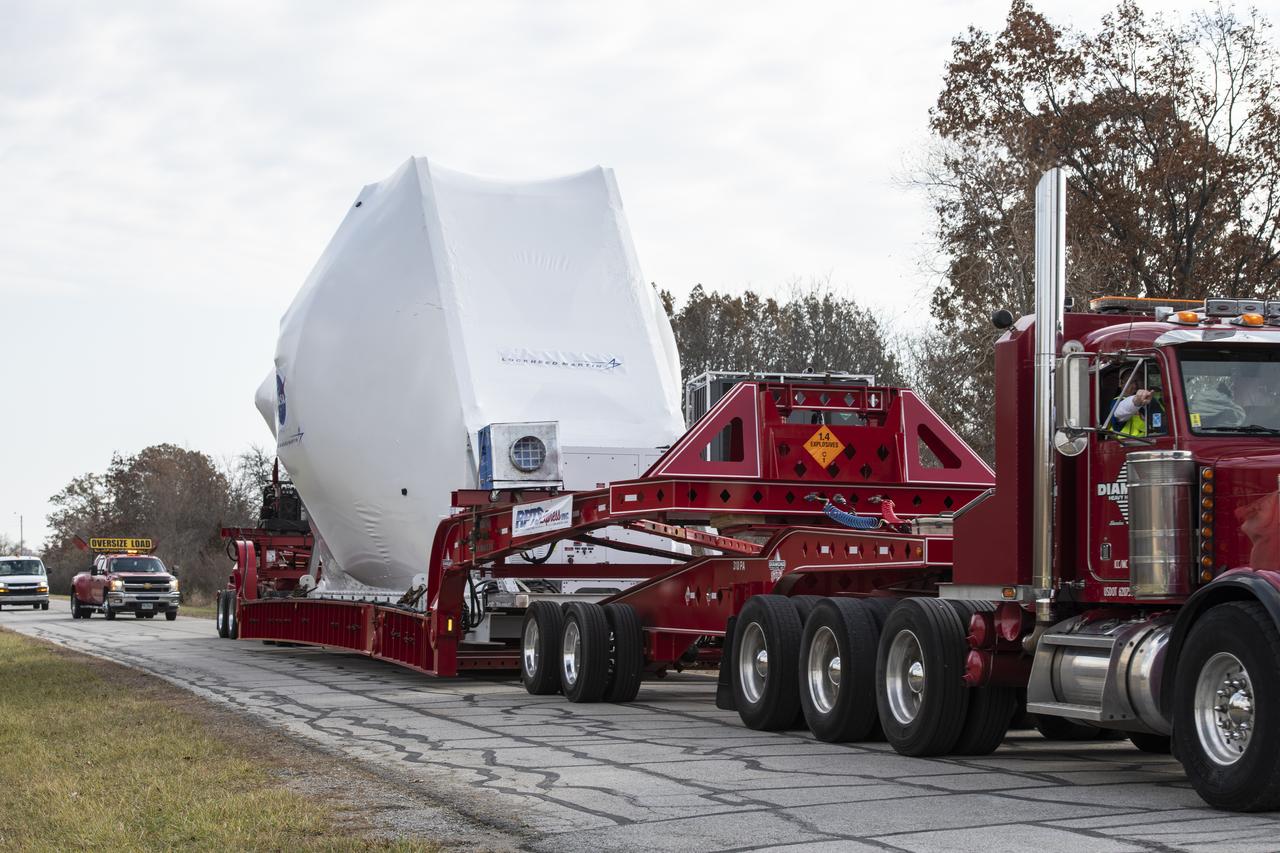
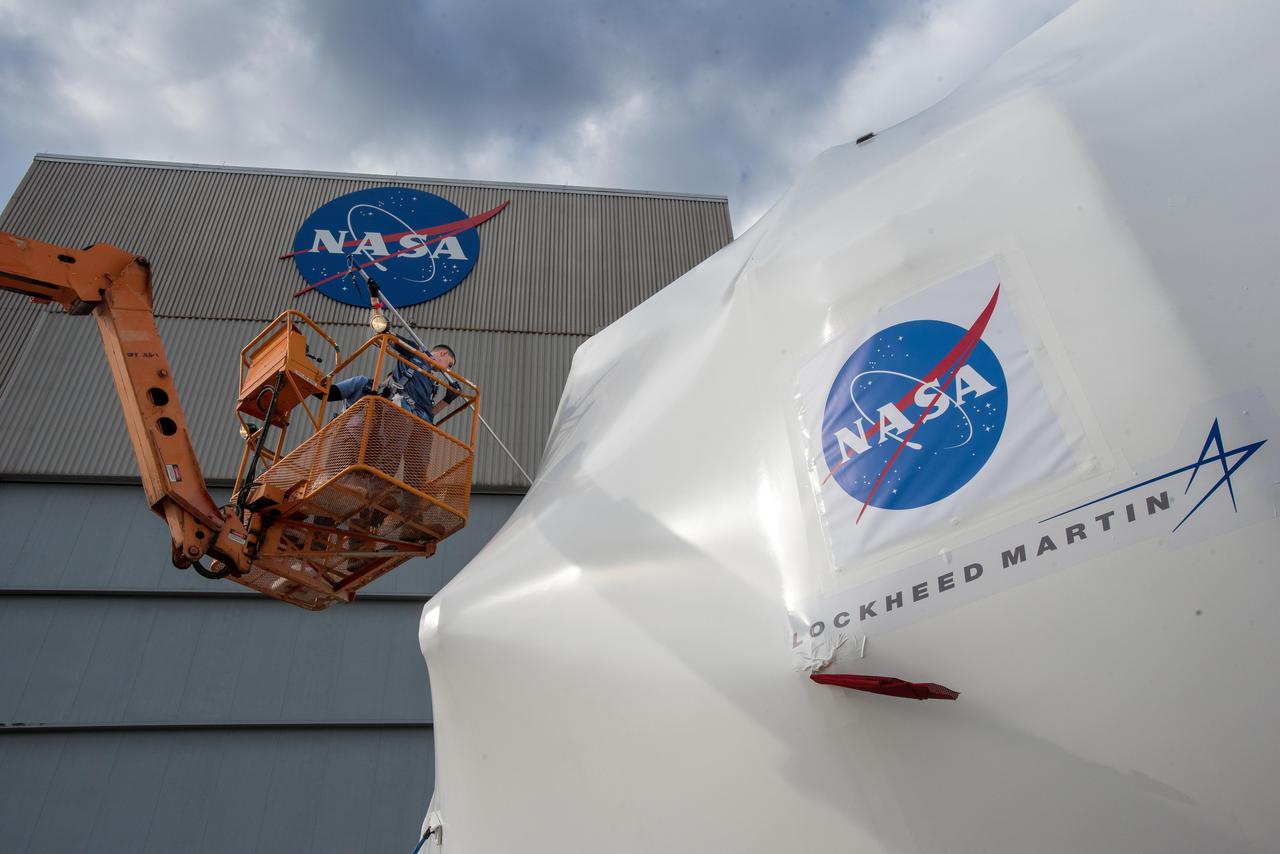
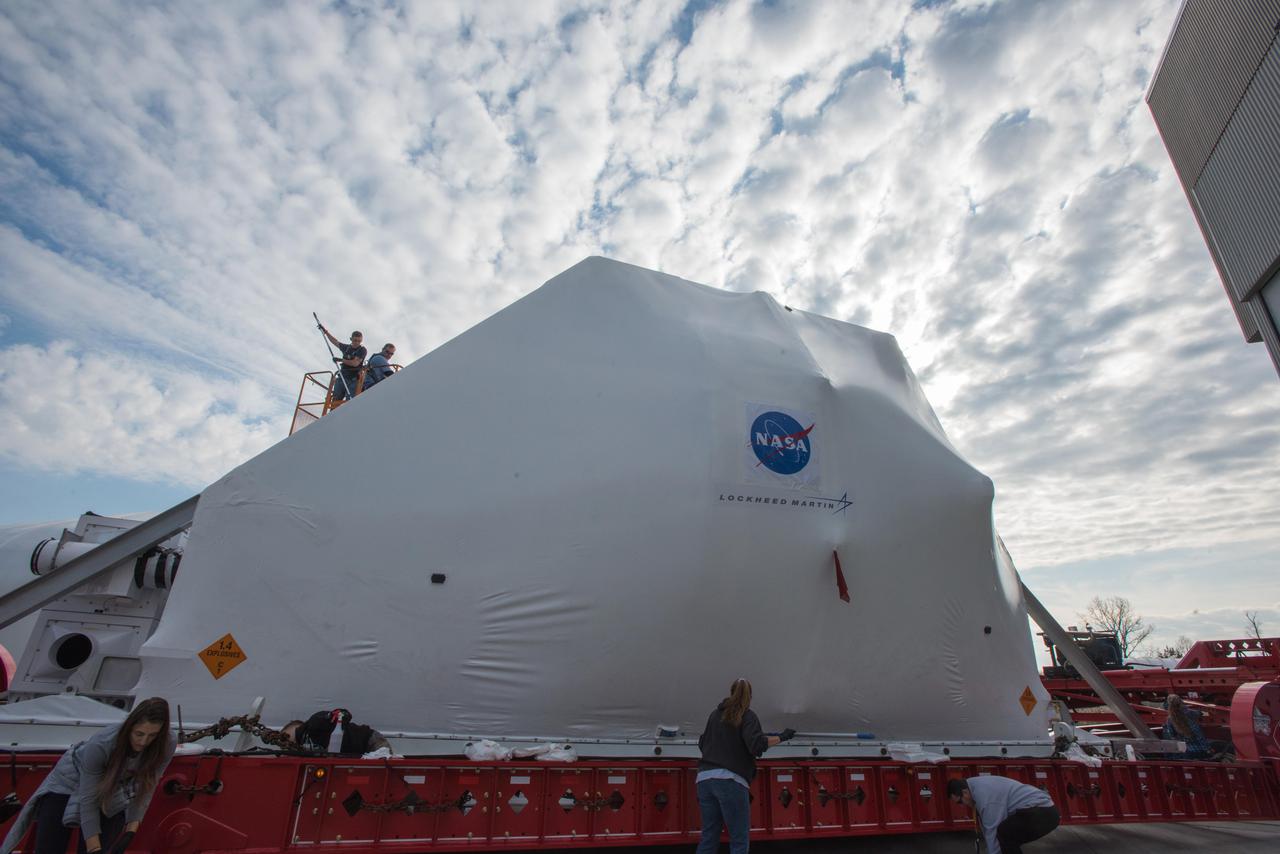
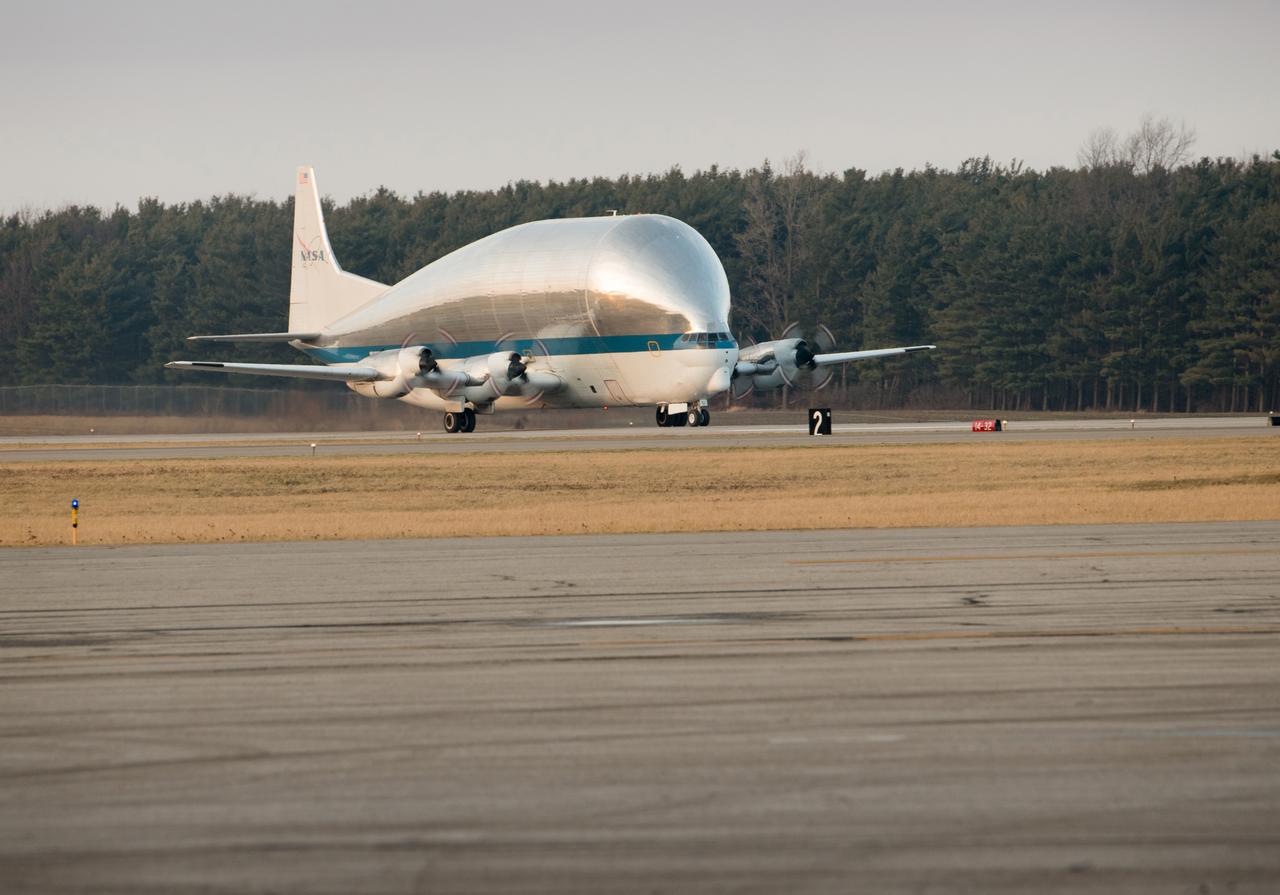
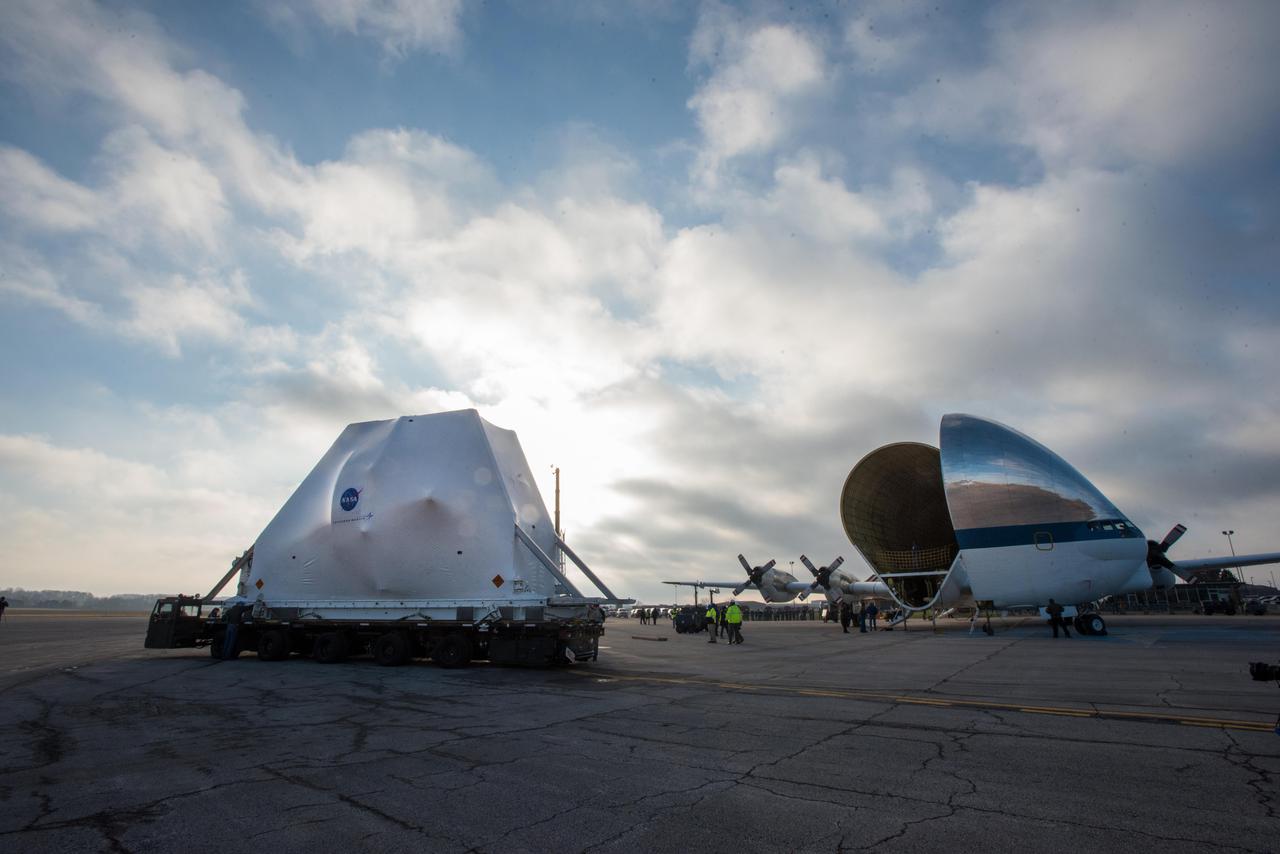
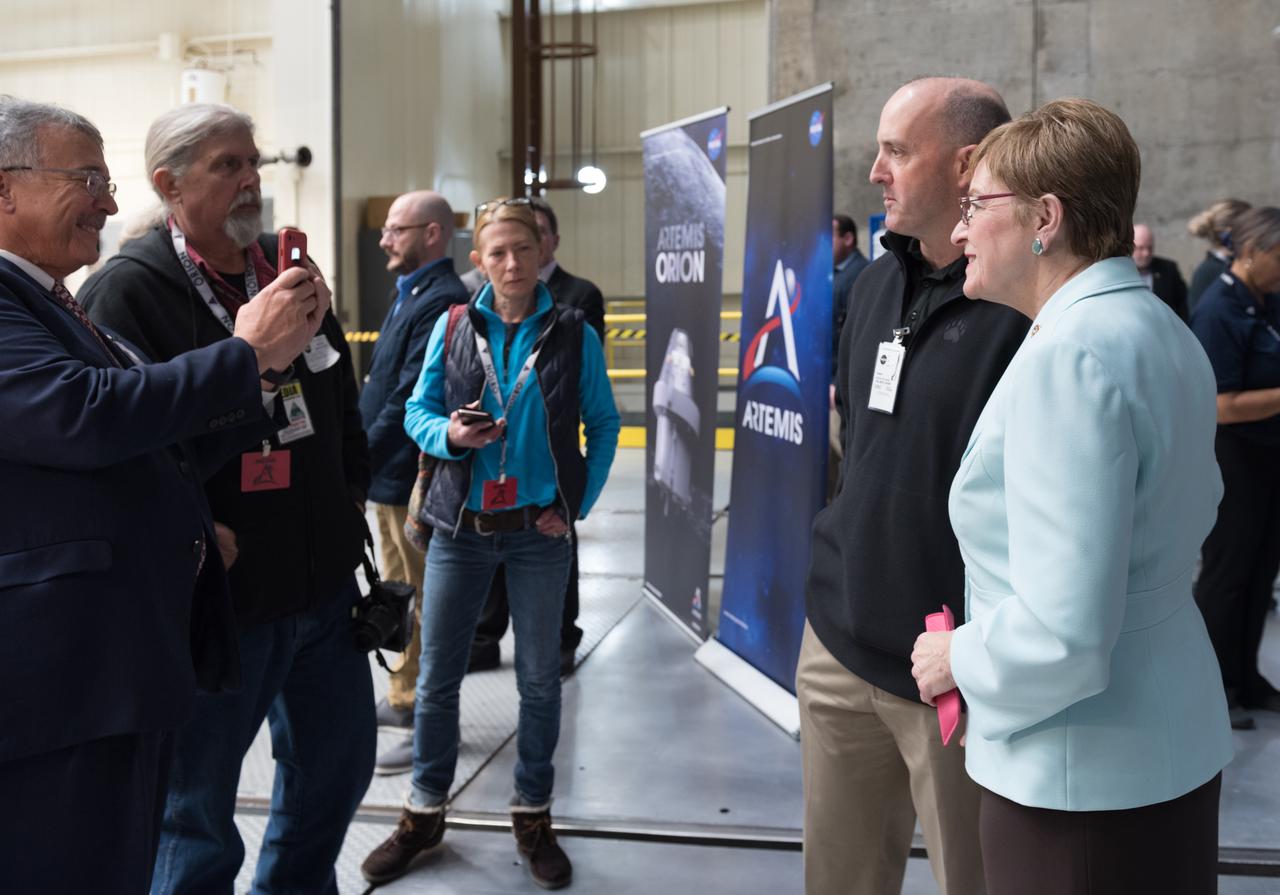
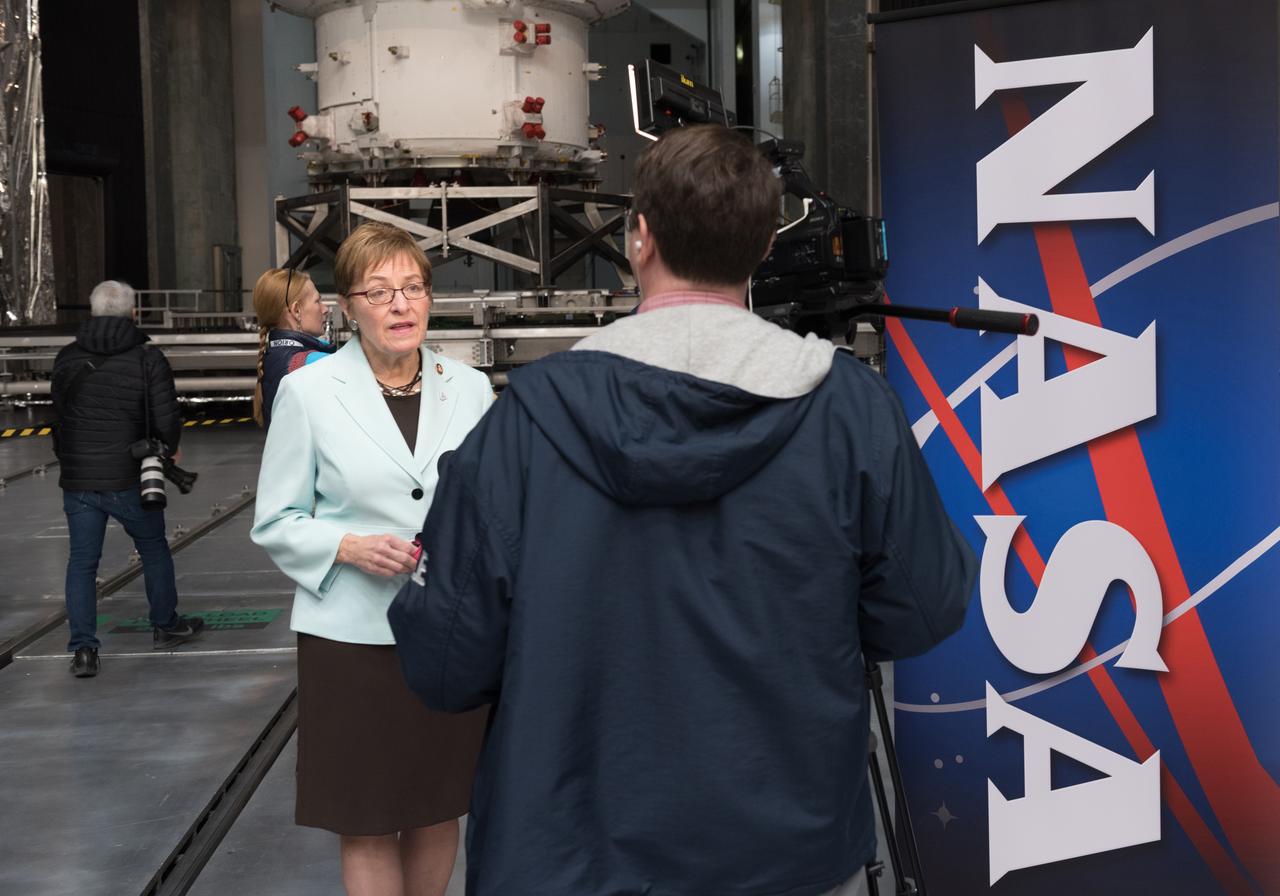
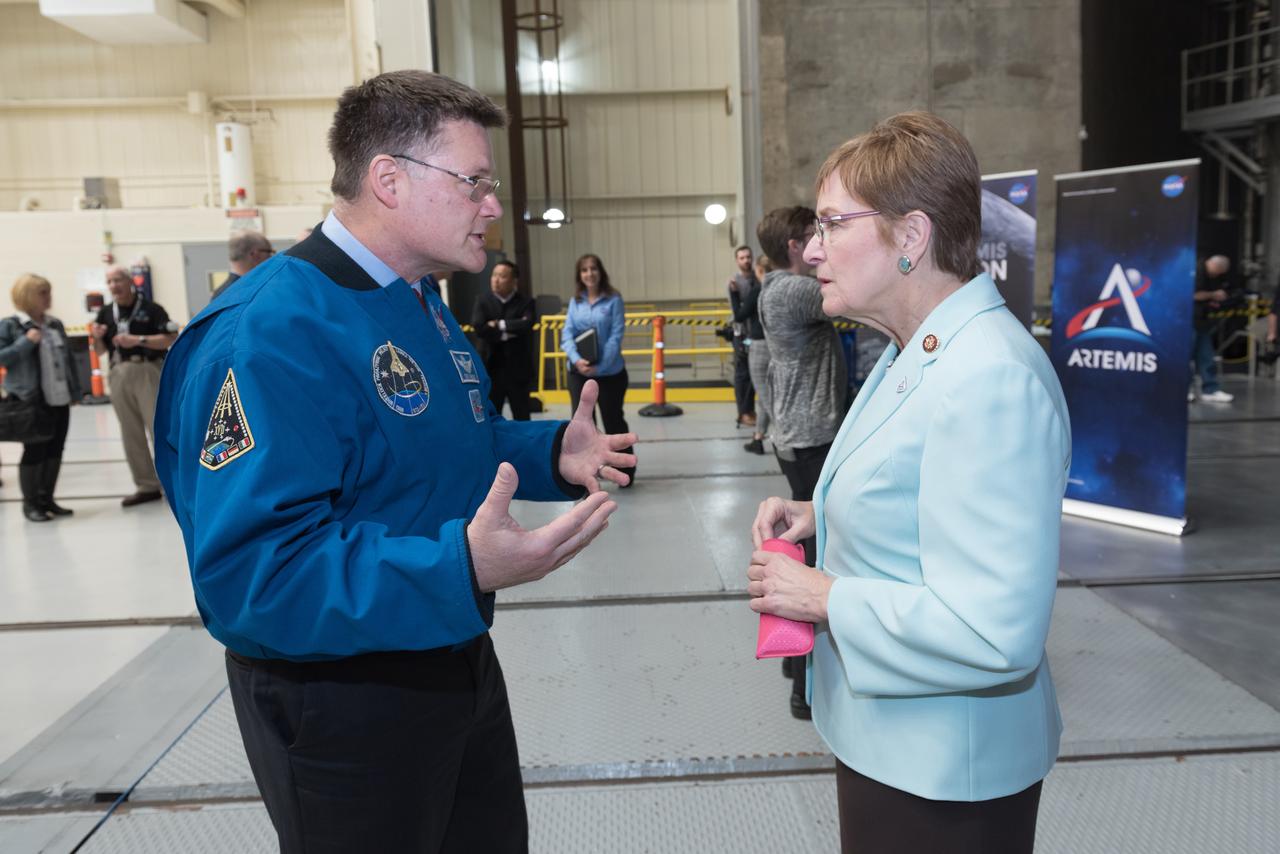
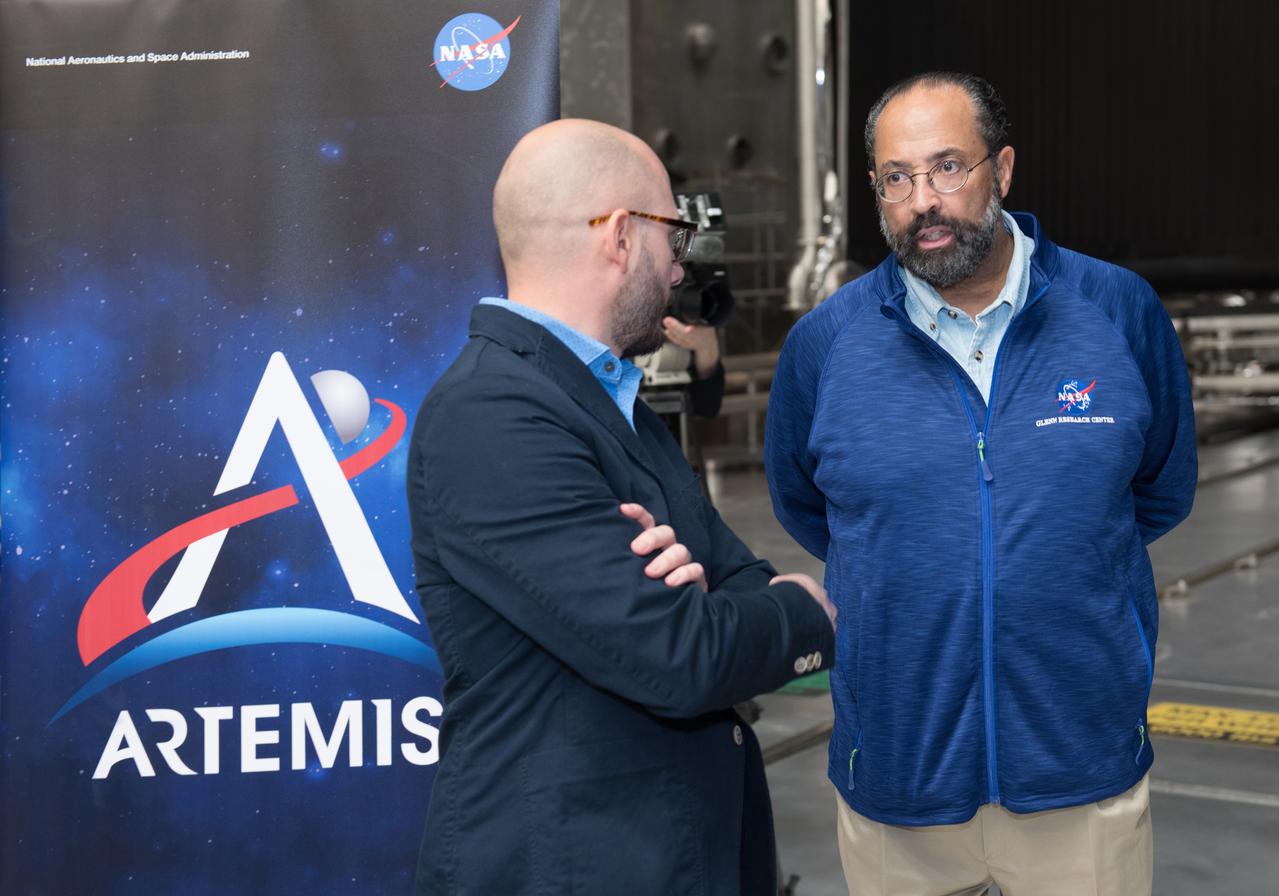
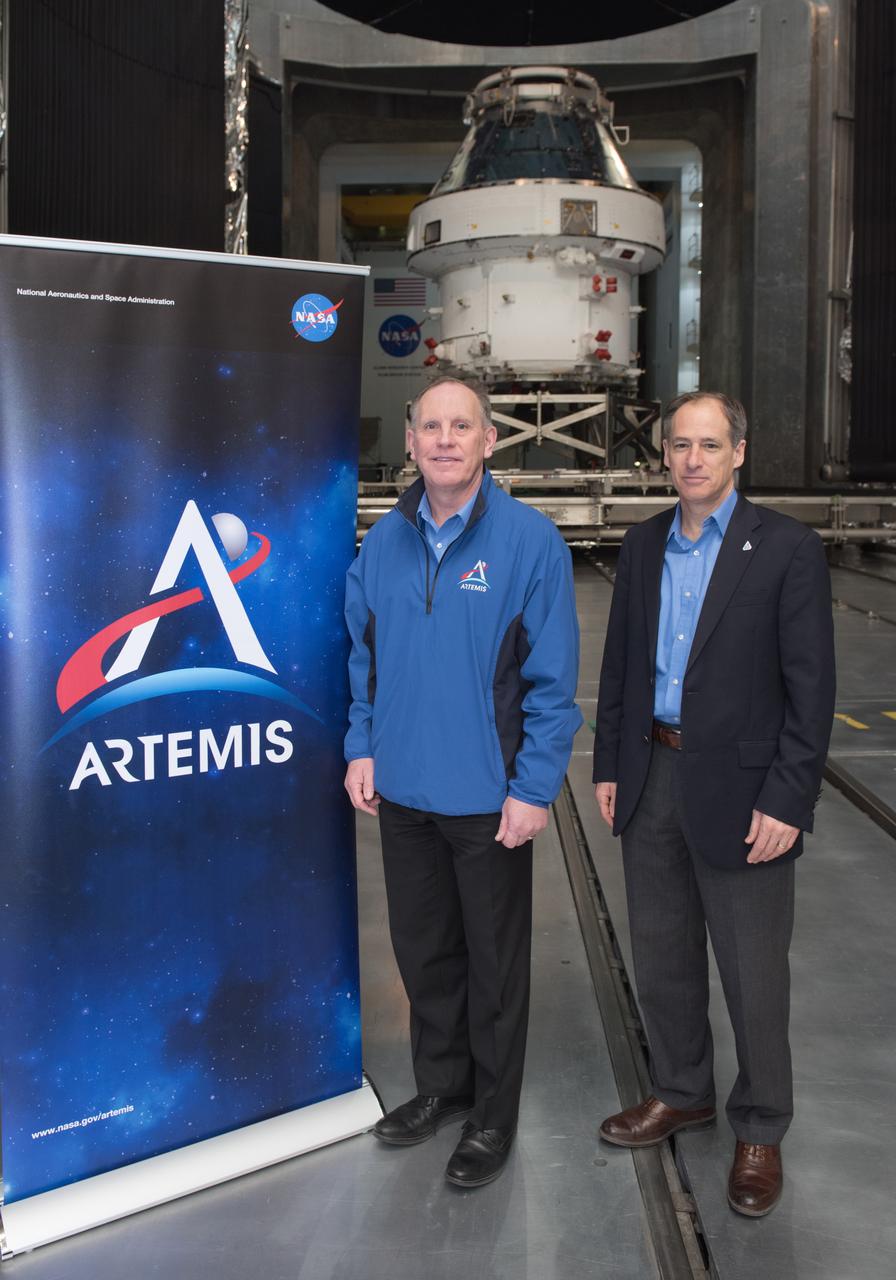
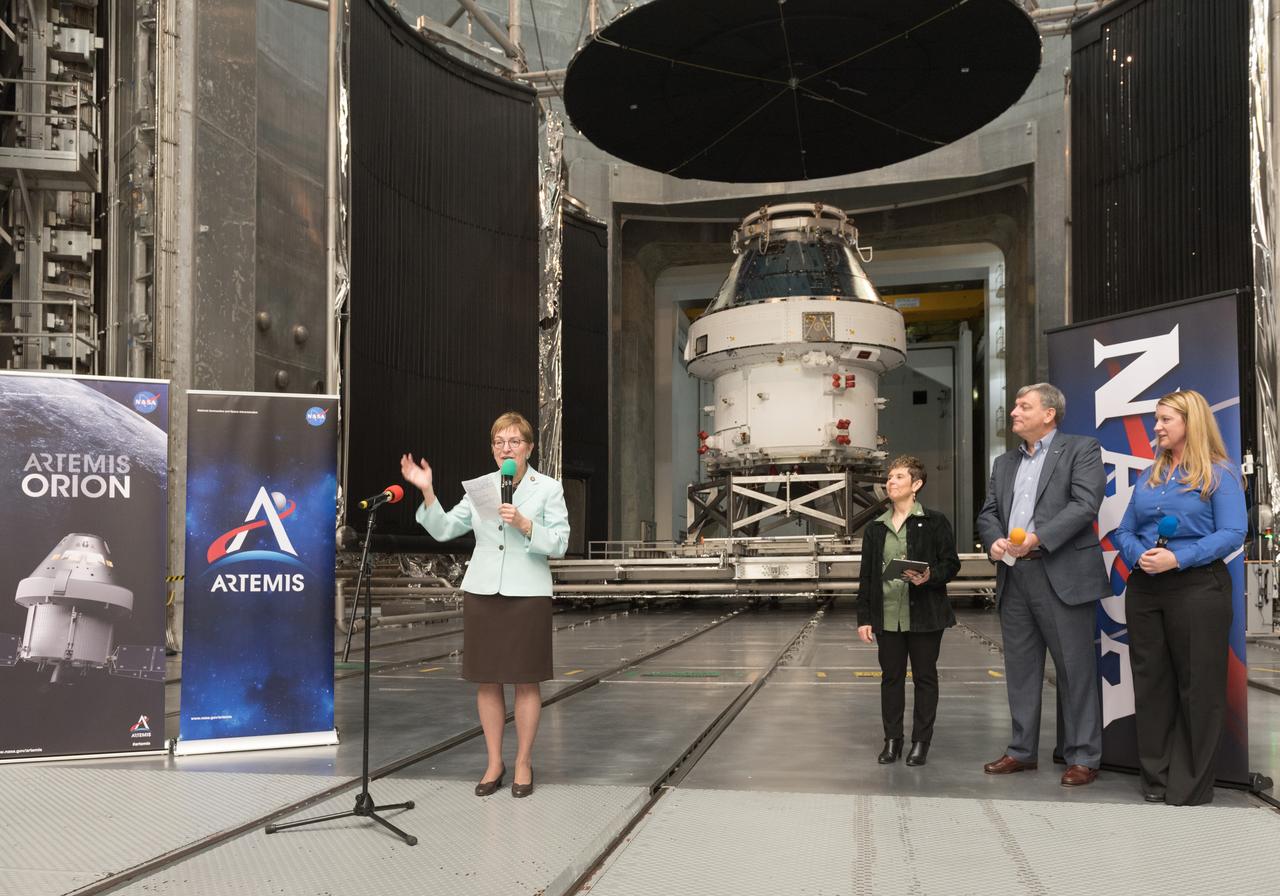
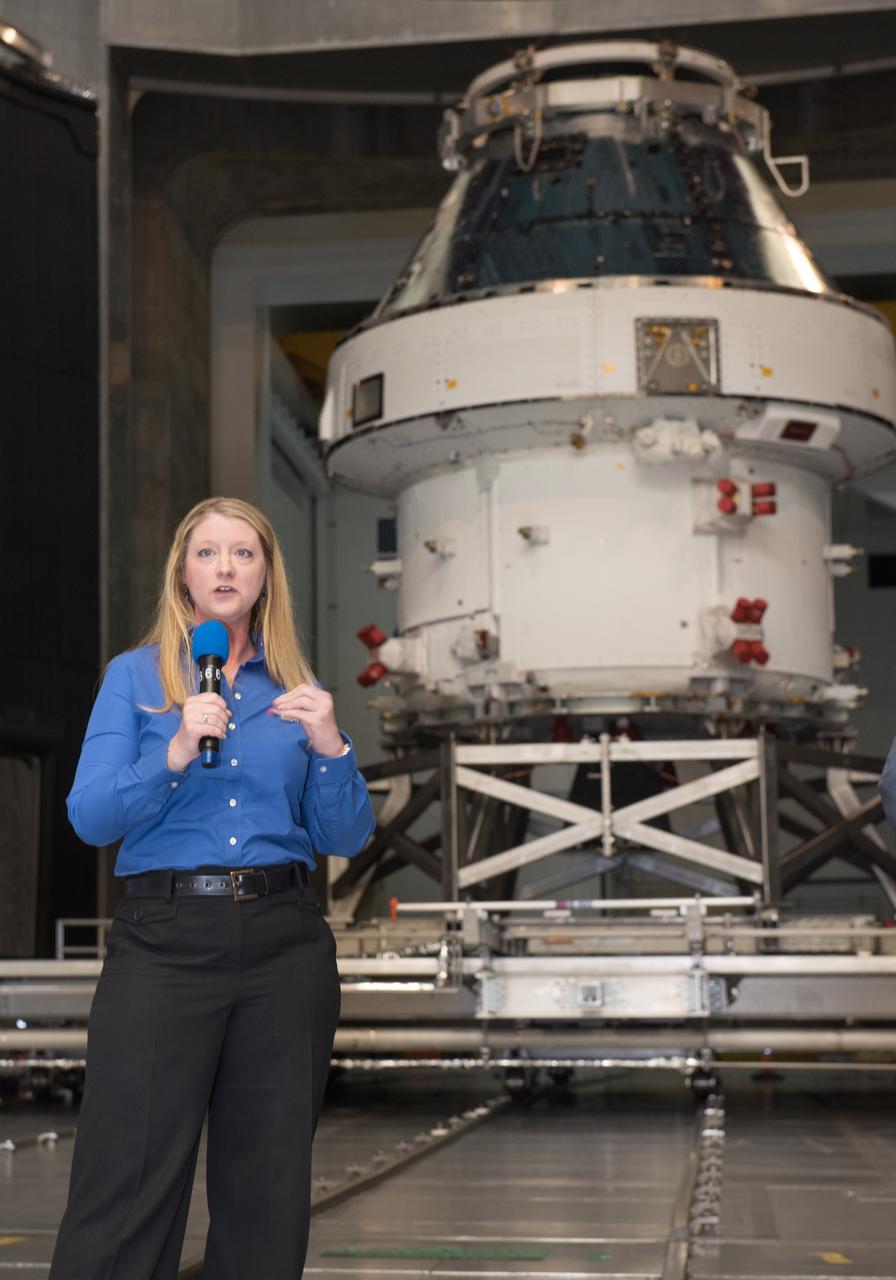
Orion - EM-1 - Artemis Spacecraft Departure at the Space Environments Complex, SEC Thermal Vacuum Chamber at the Neil A. Armstrong Test Facility, Transportation to Mansfield Lahm Airport
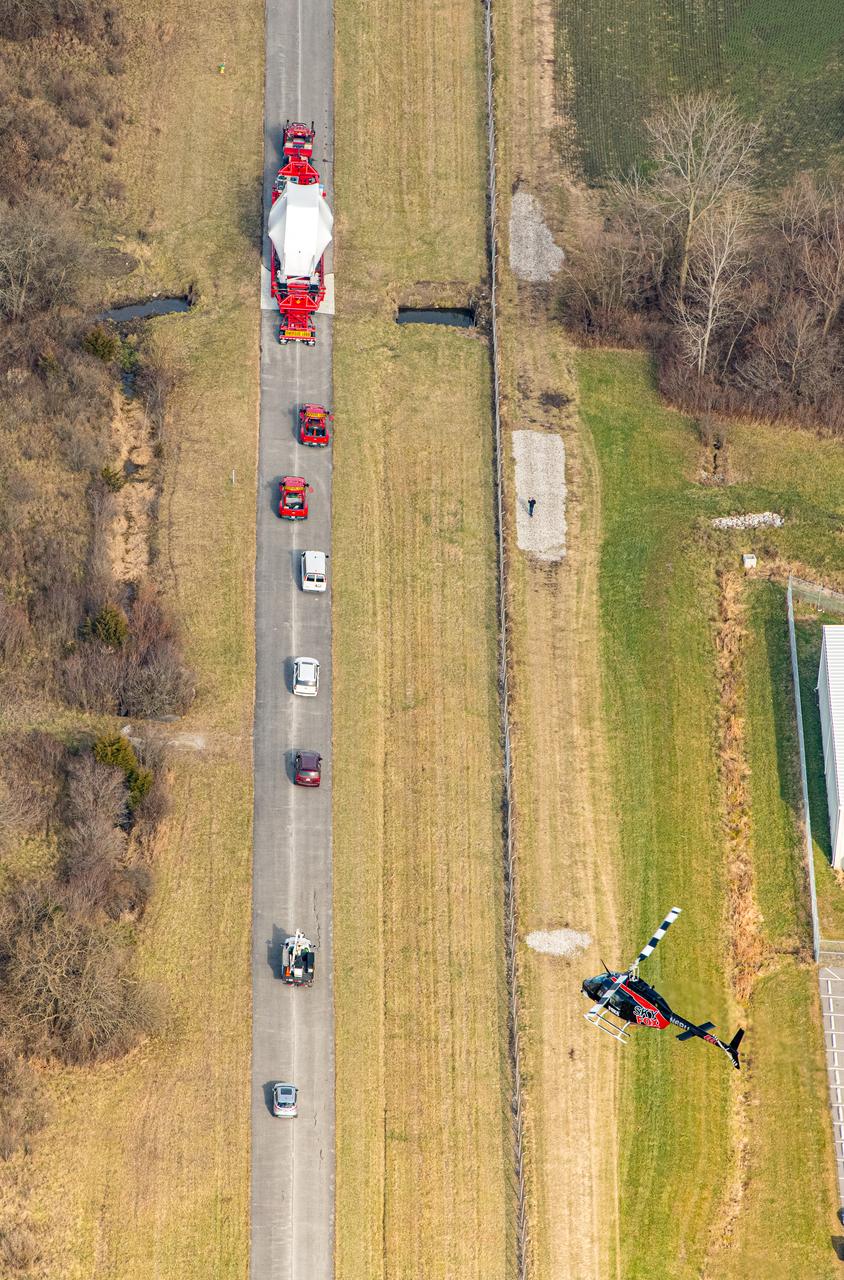
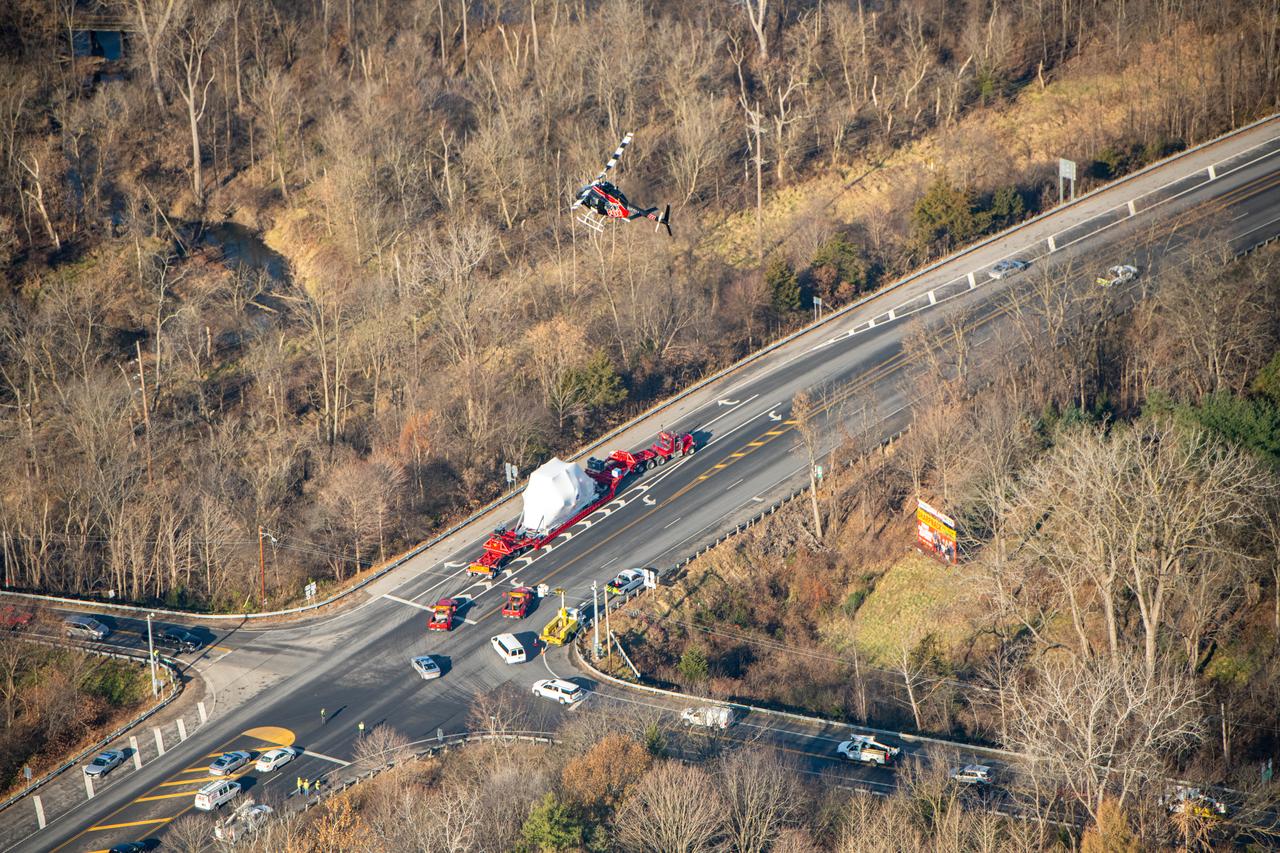
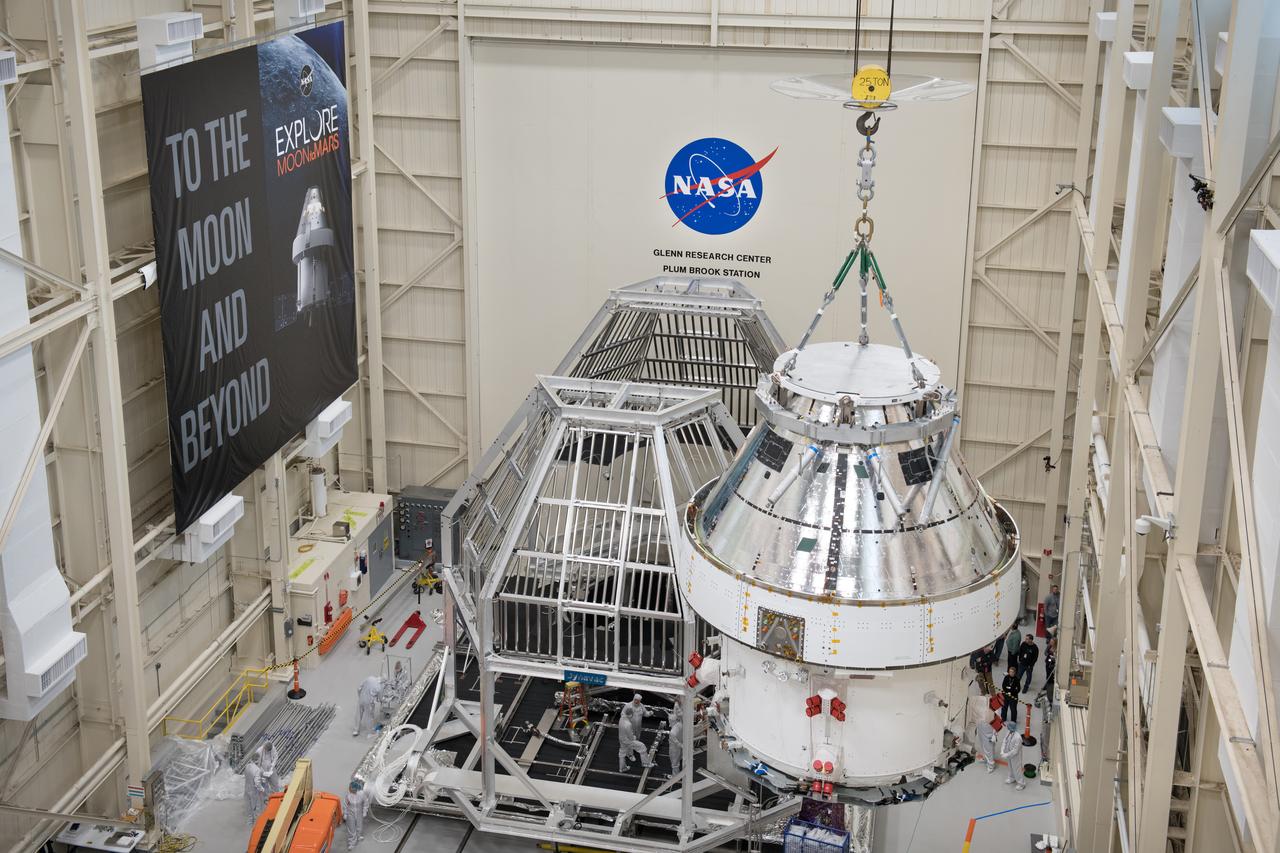
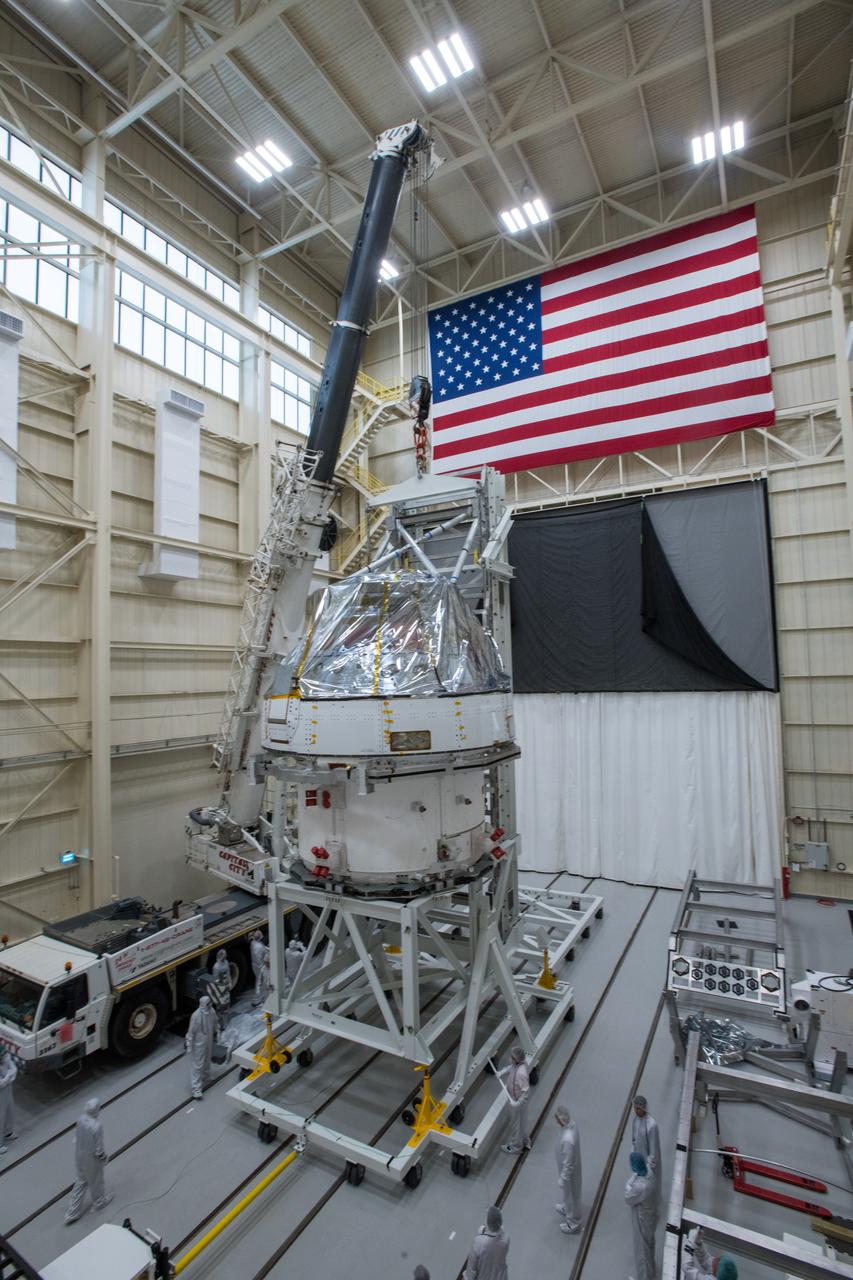
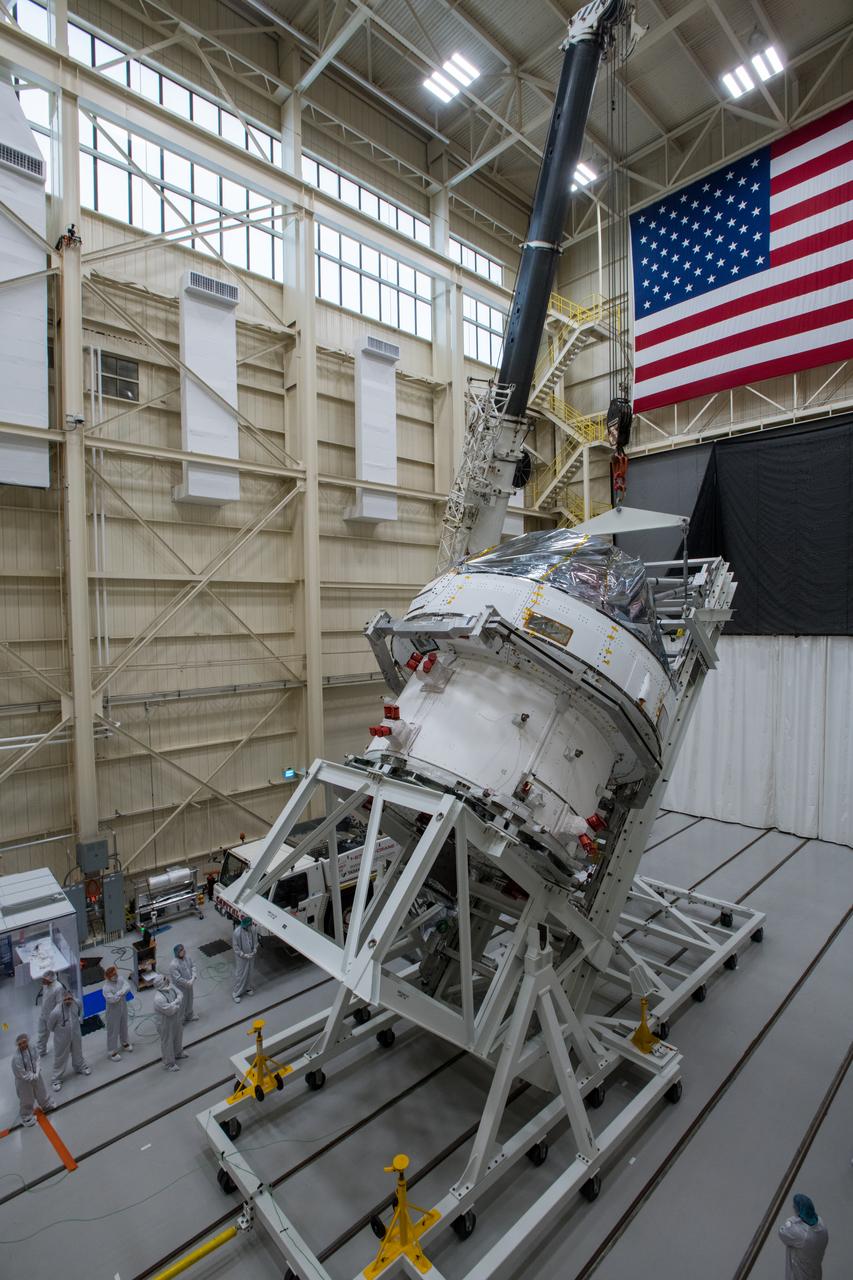
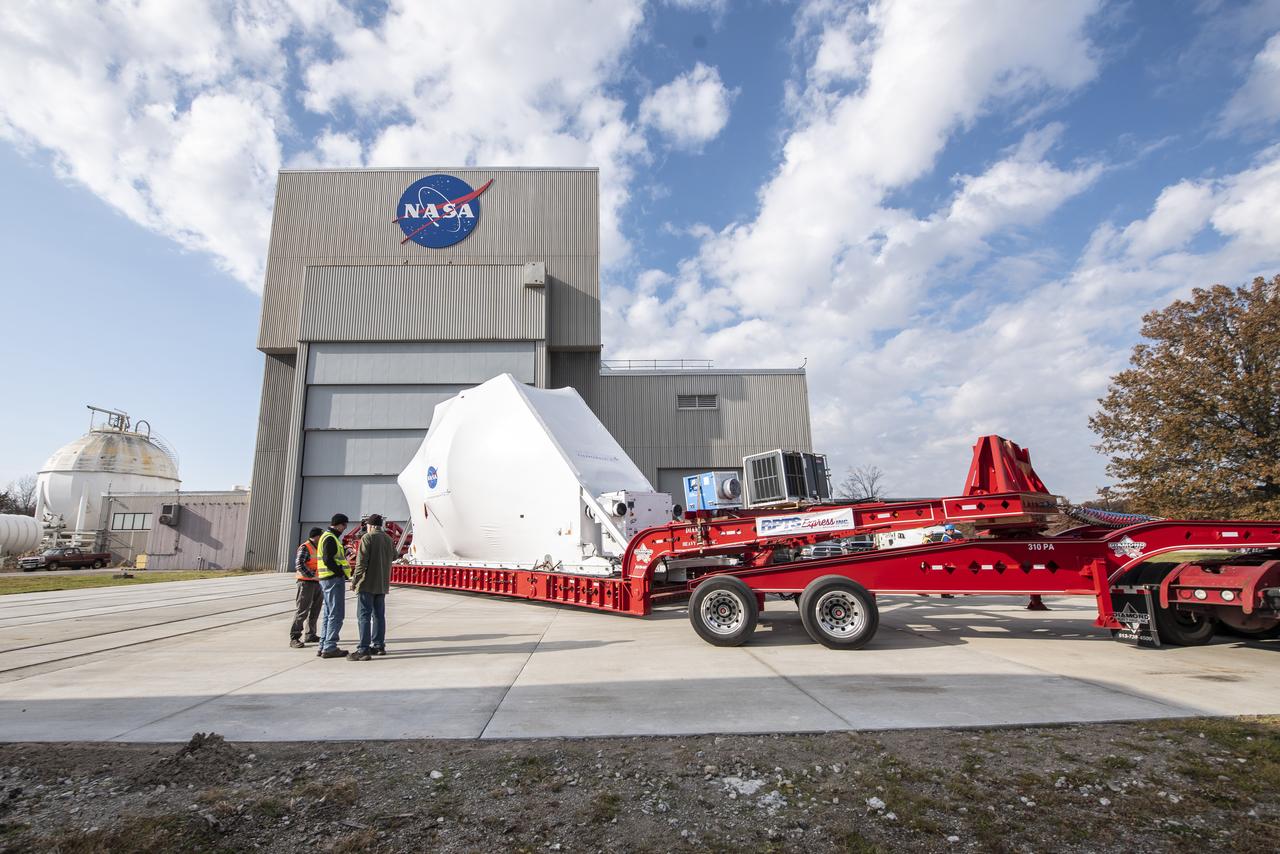
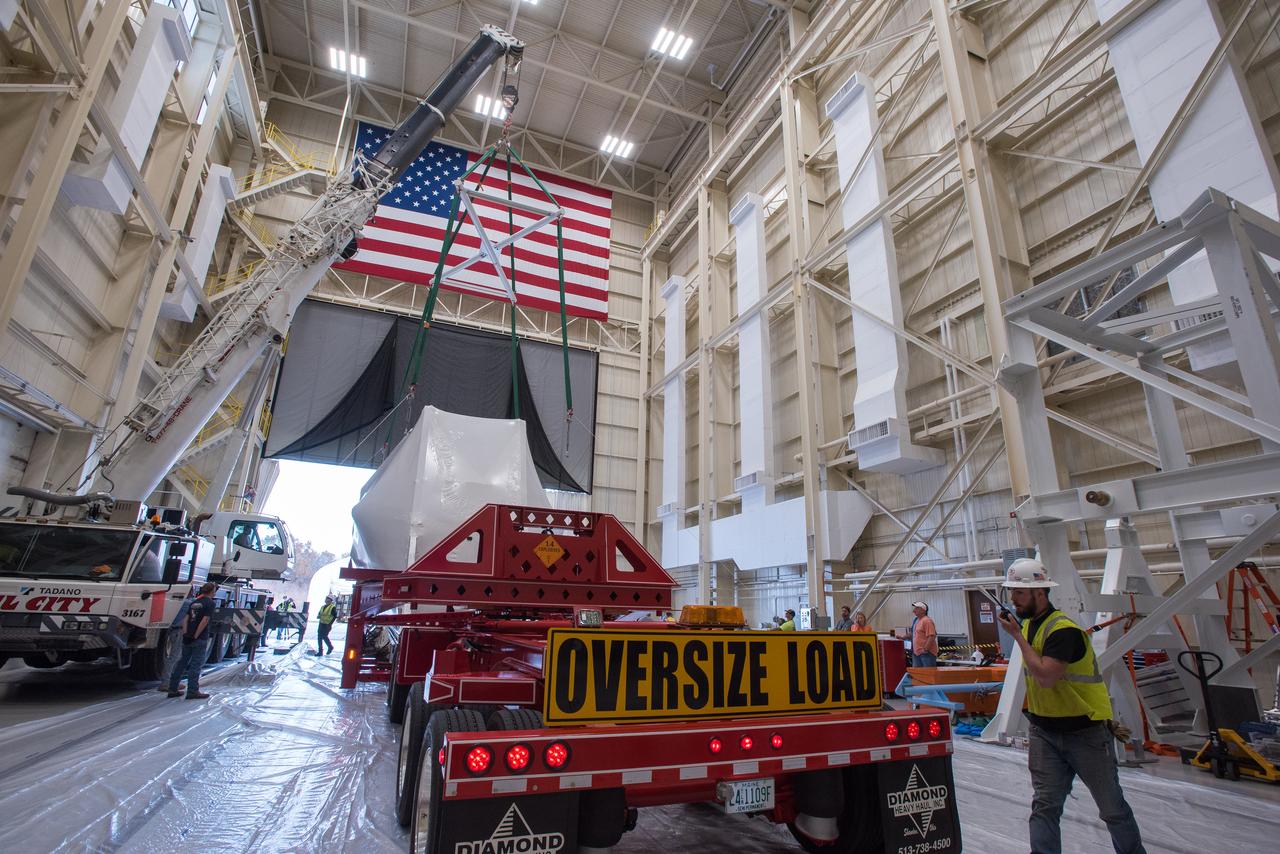
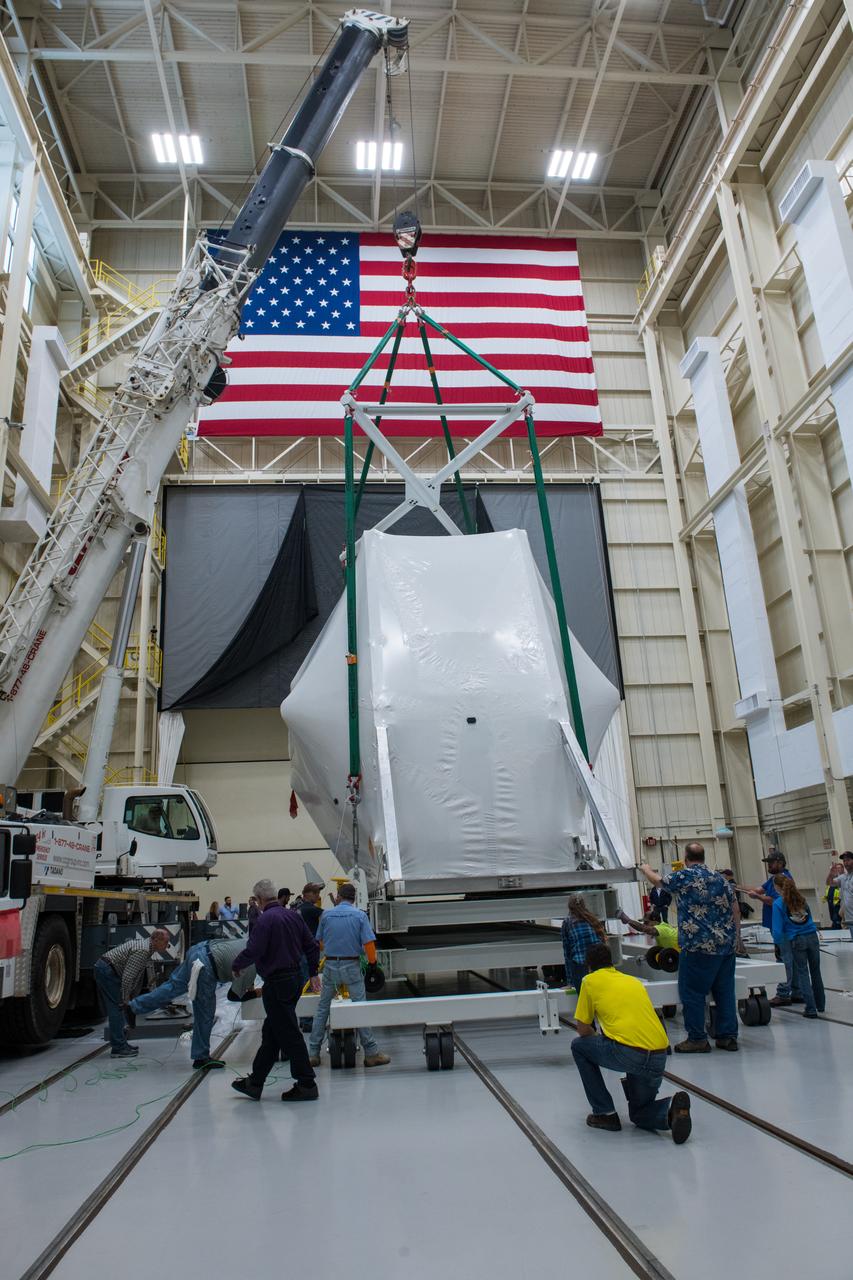
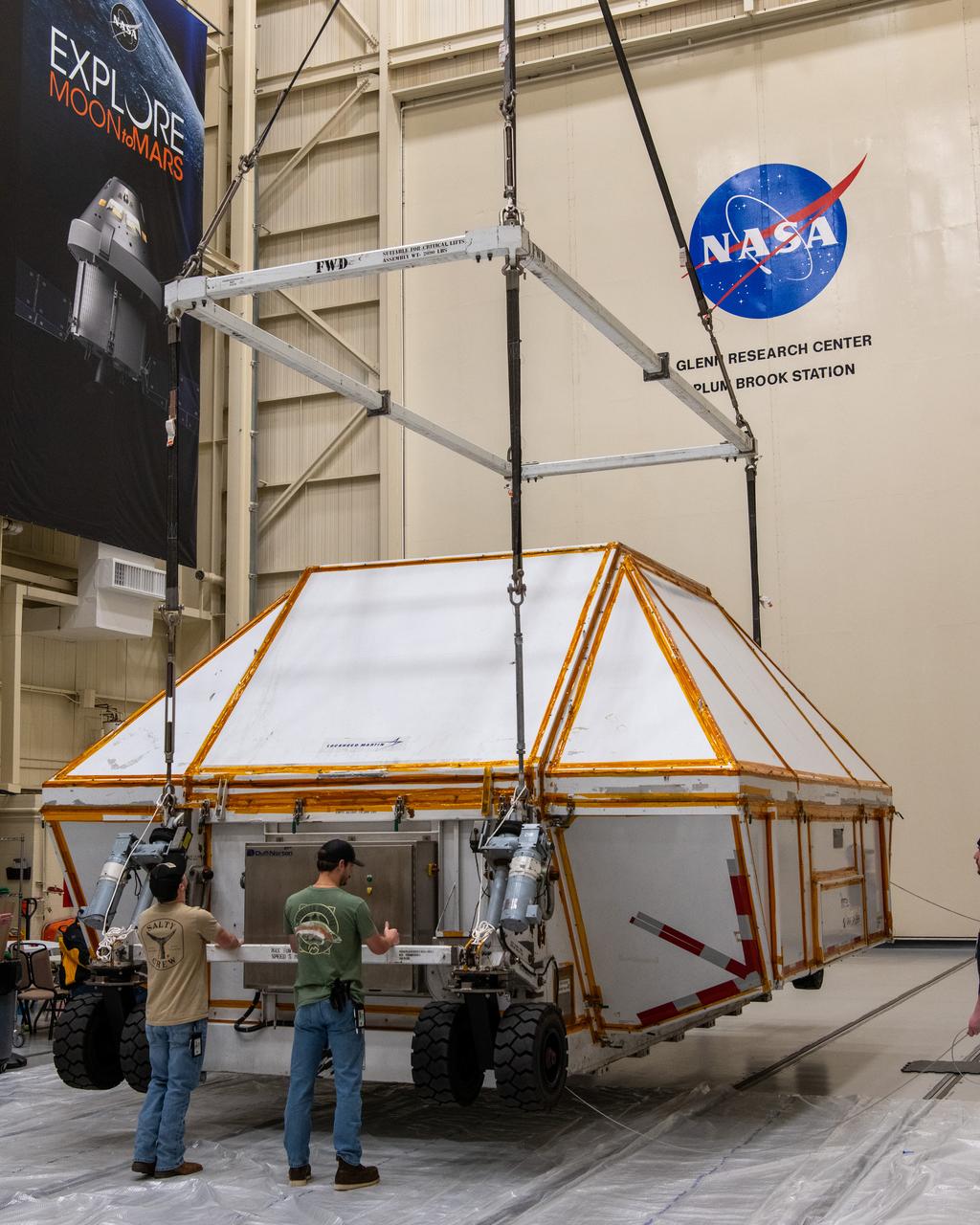
Orion Spaceraft transport to Plum Brook Station for testing in the SEC facility
GRC-2019-C-12340
Orion Spaceraft transport to Plum Brook Station for testing in the SEC facility
GRC-2019-C-12356
Orion Spaceraft transport to Plum Brook Station for testing in the SEC facility
GRC-2019-C-12352
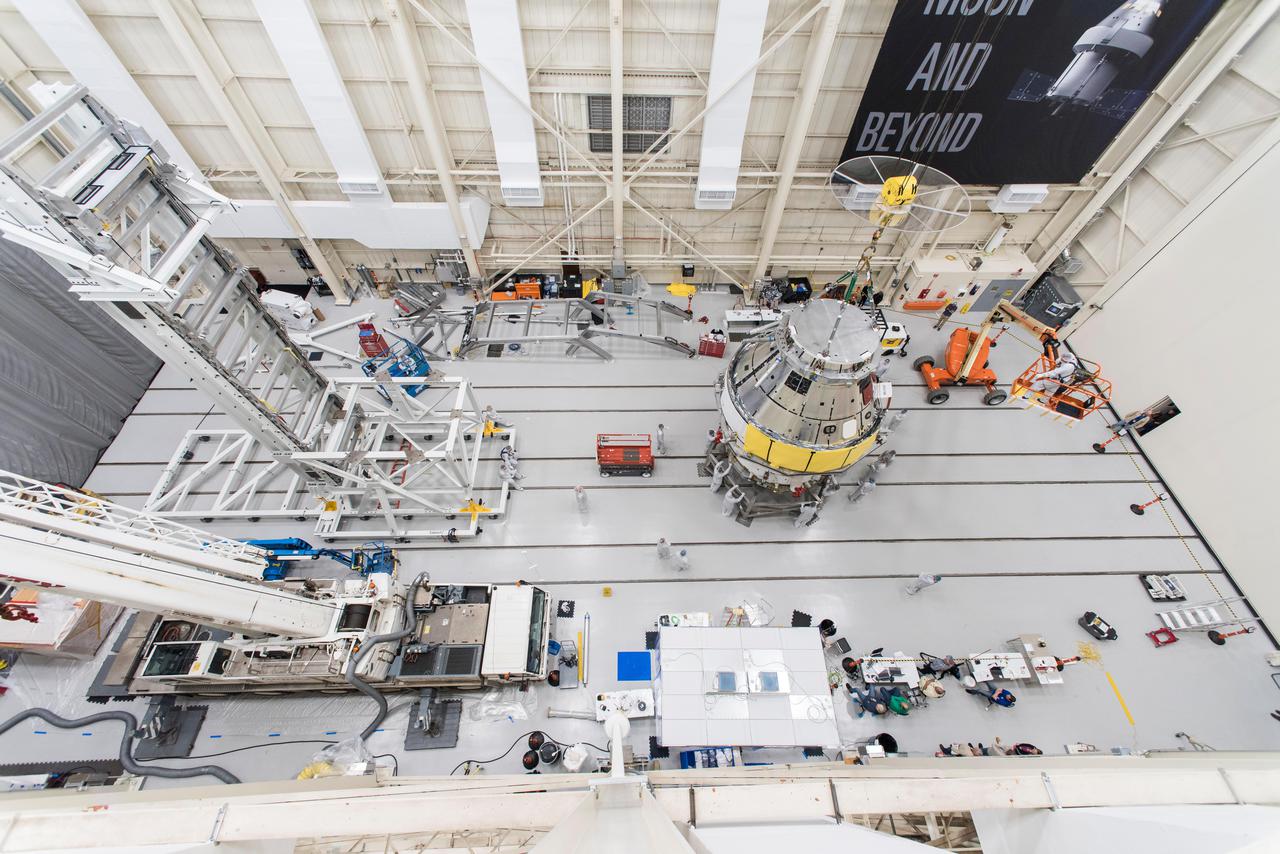
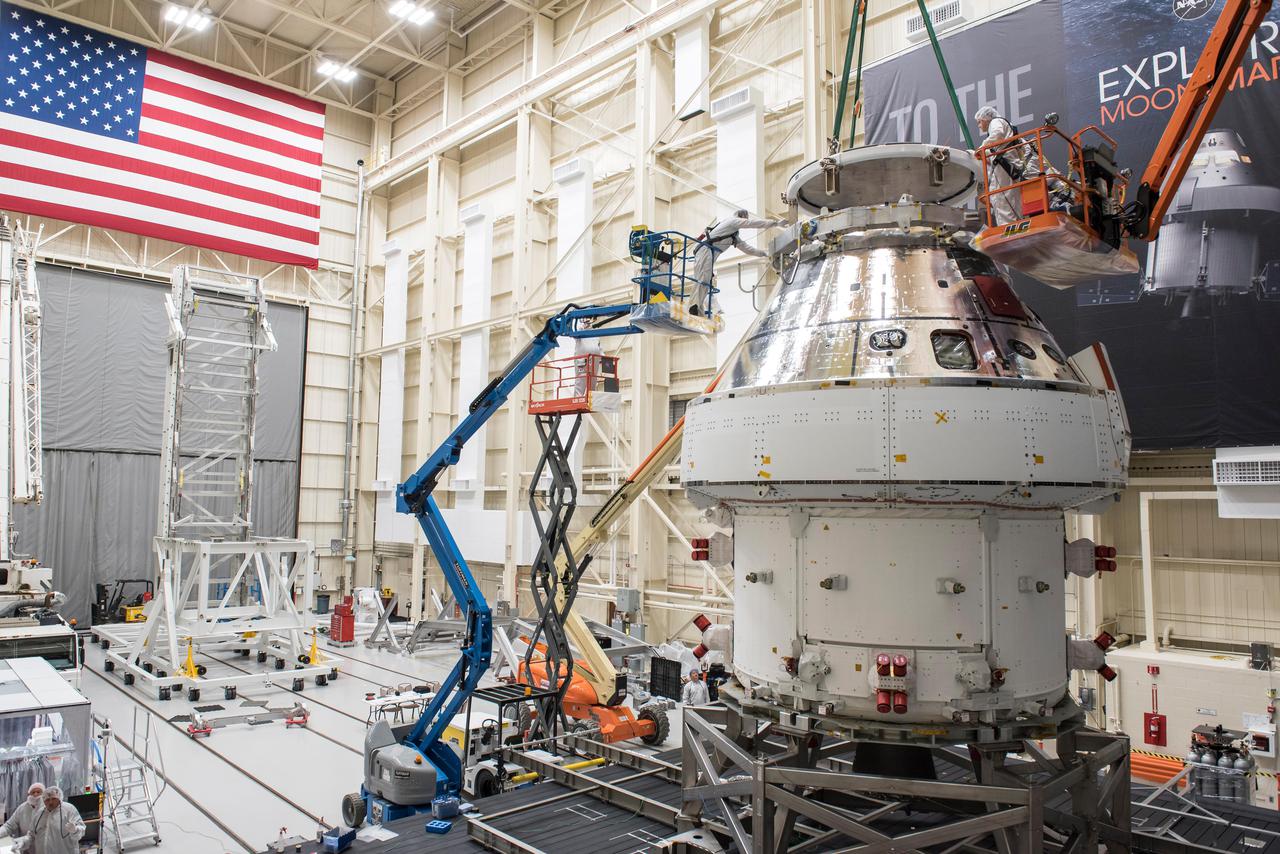
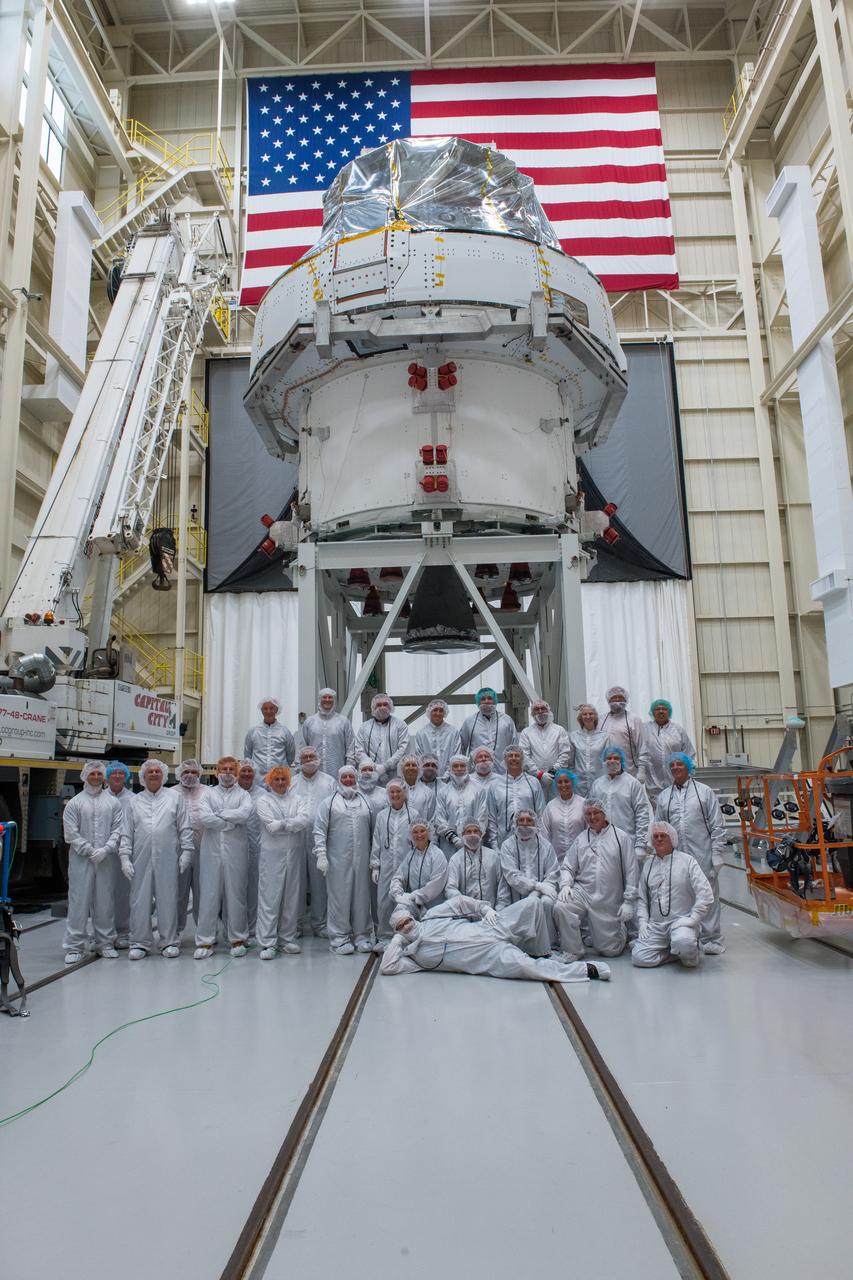
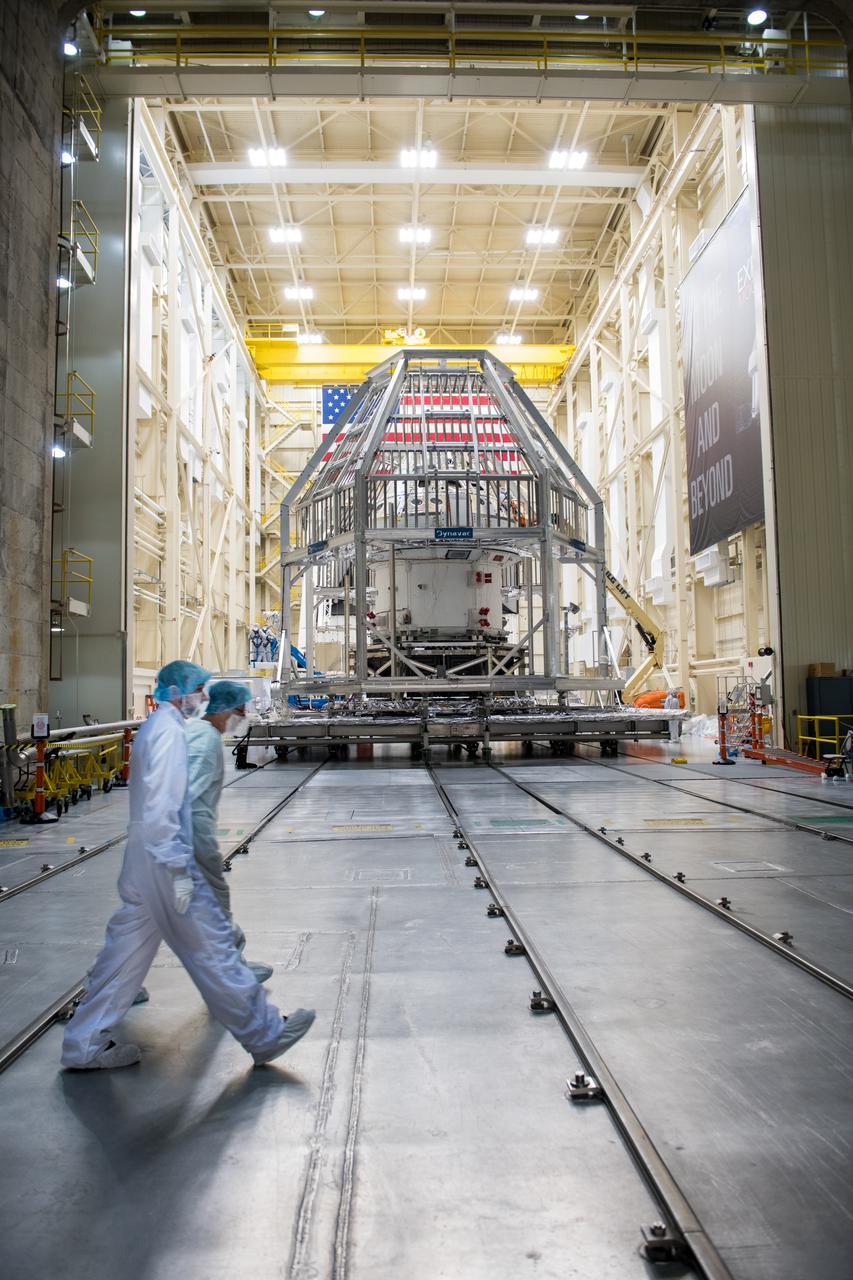
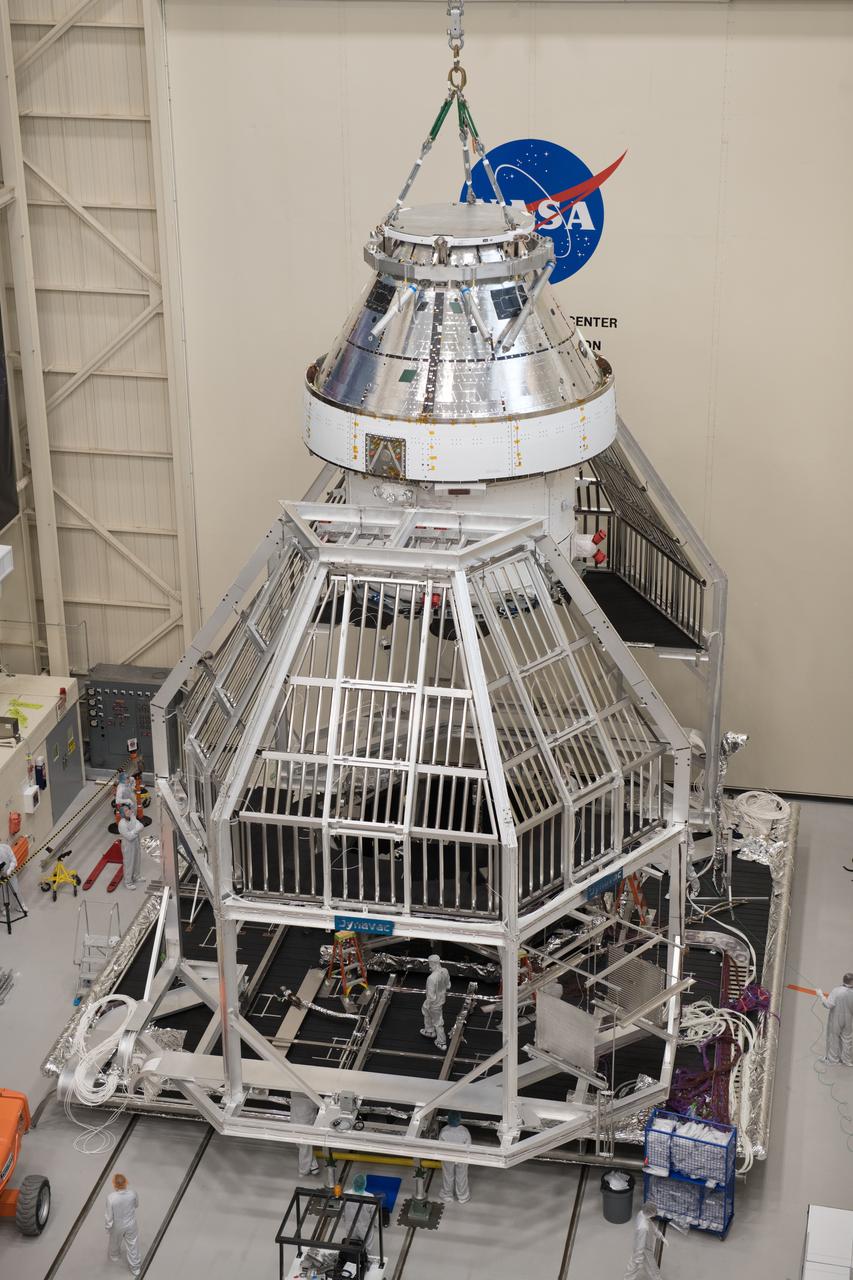
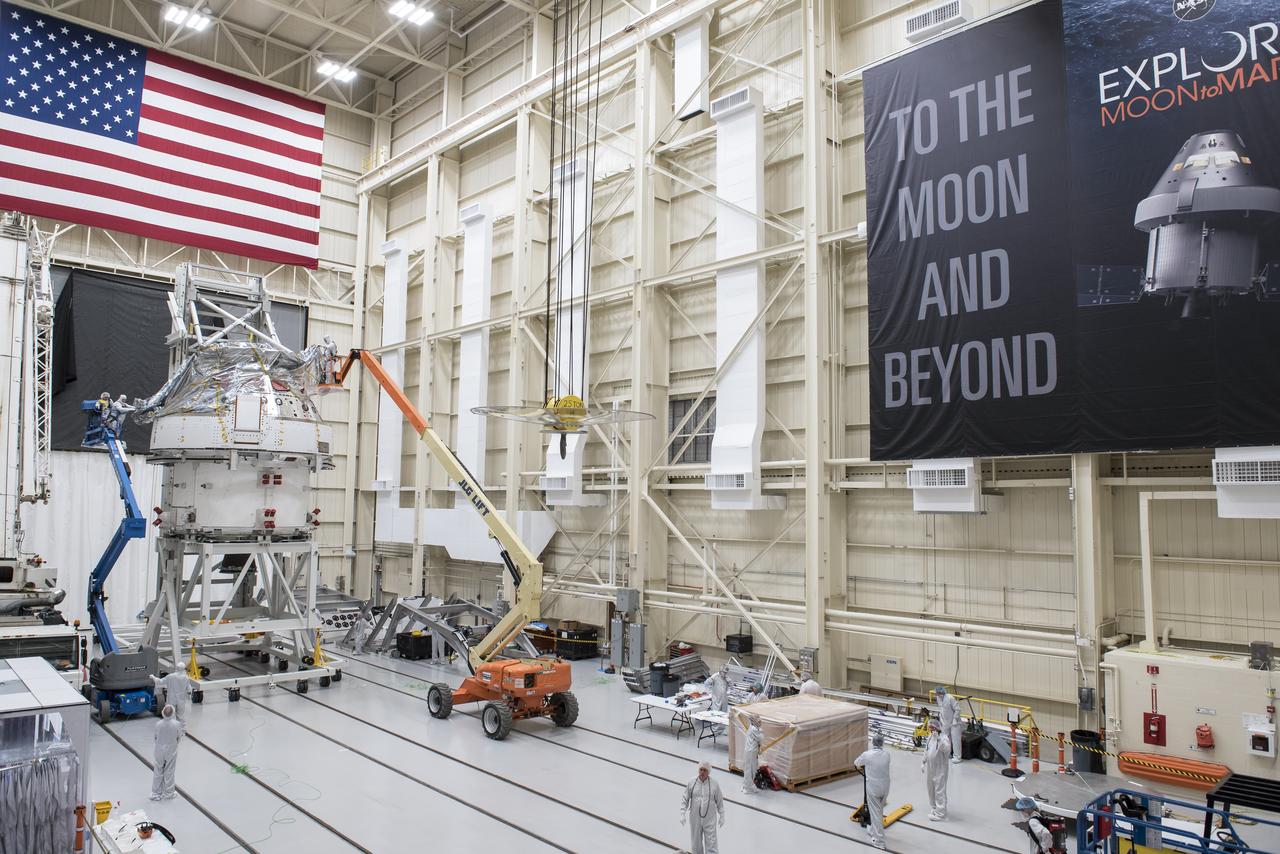
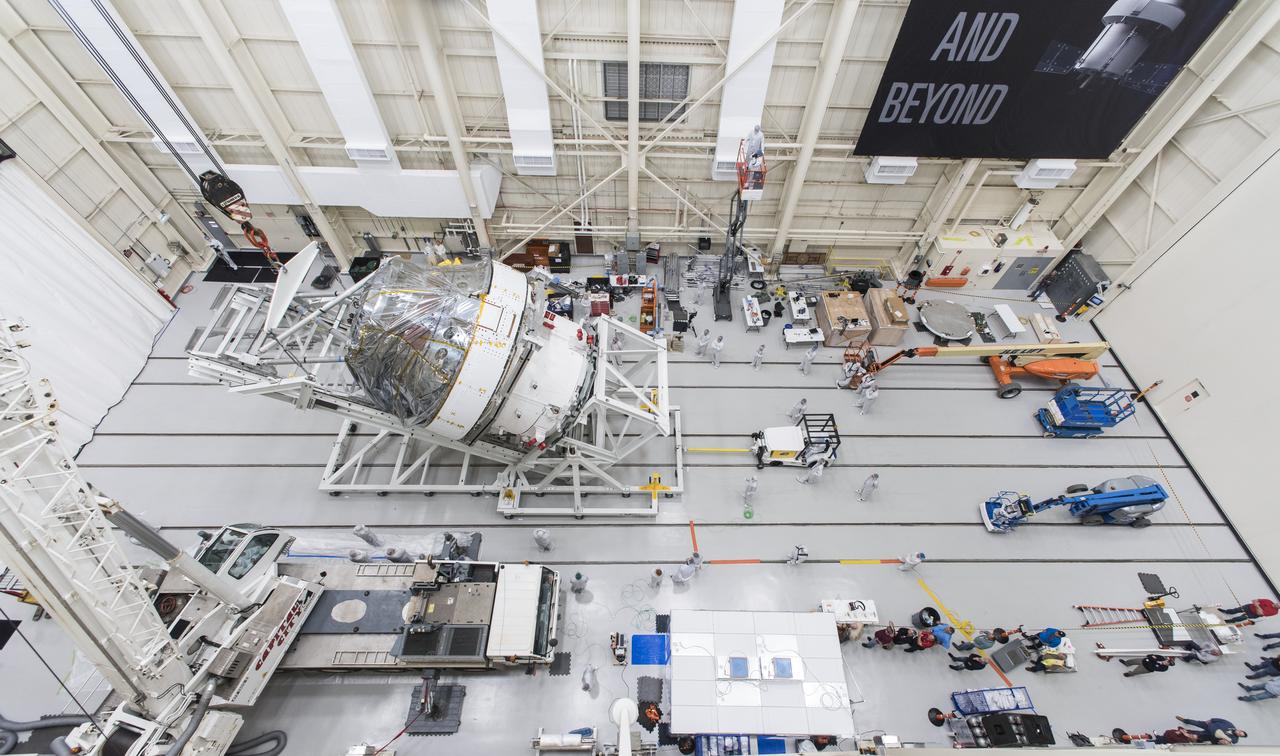
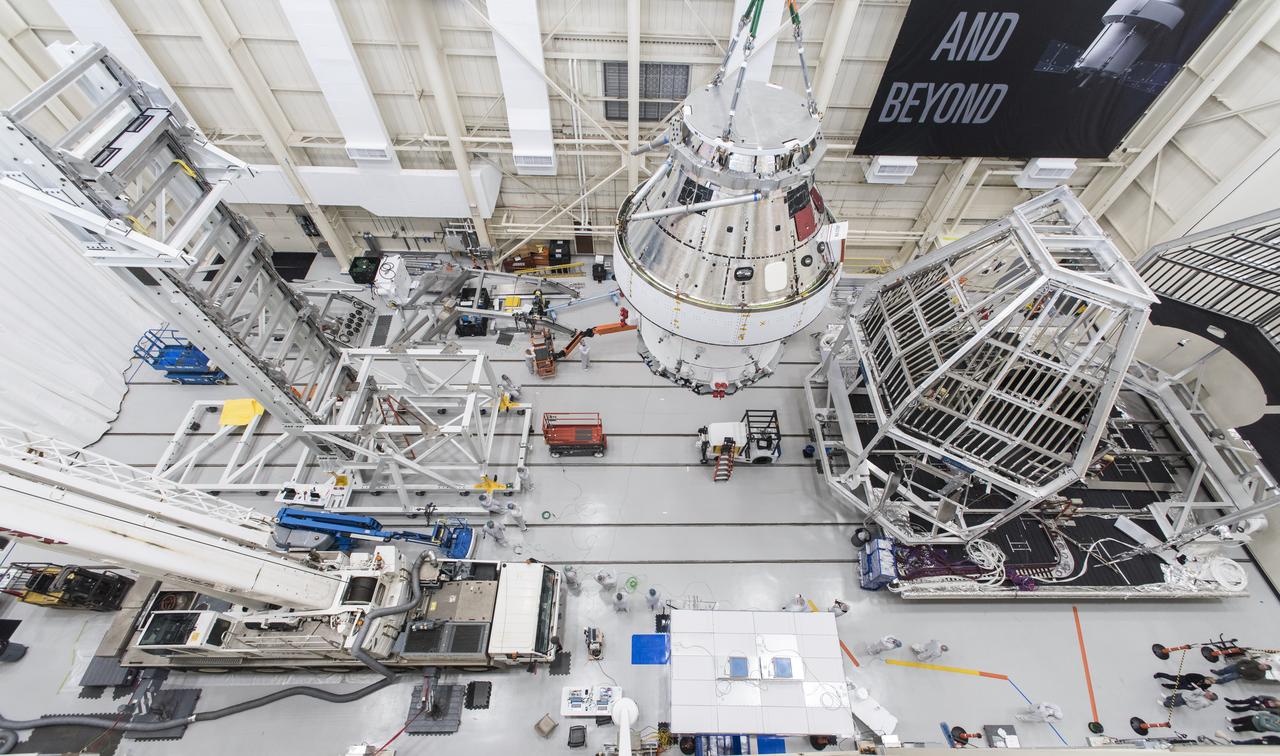
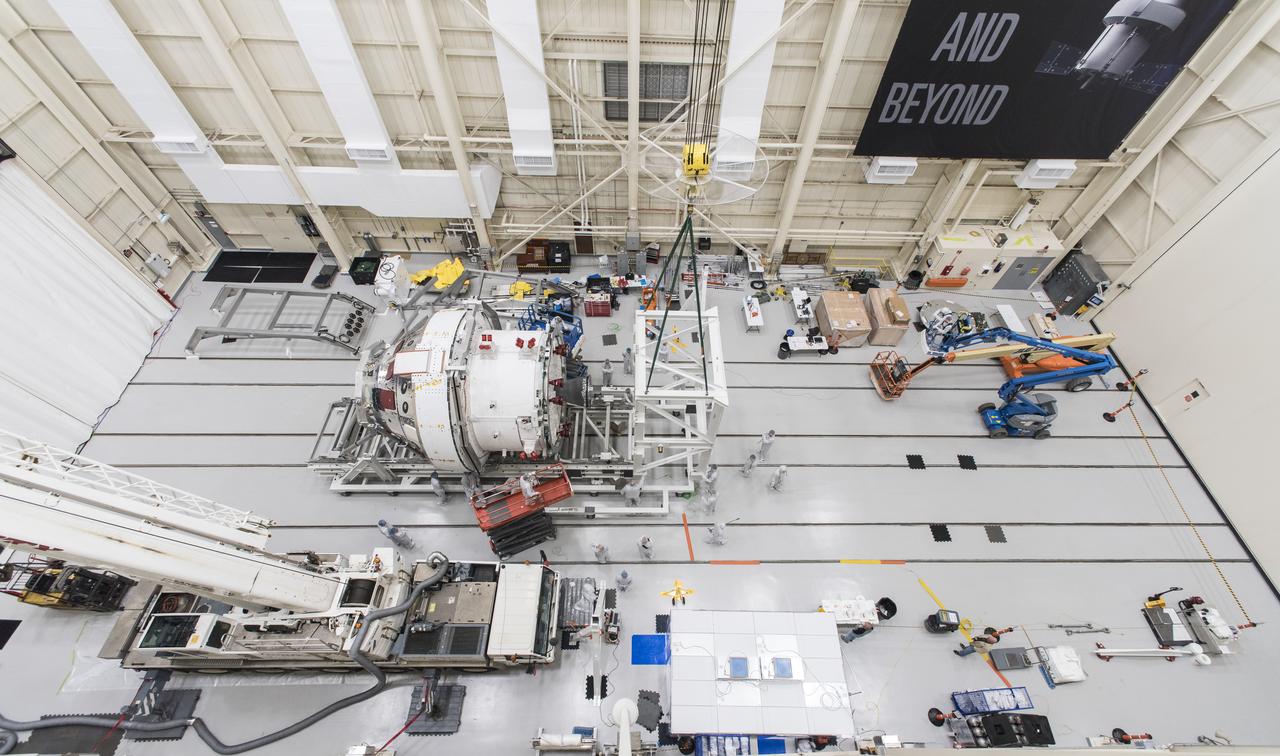
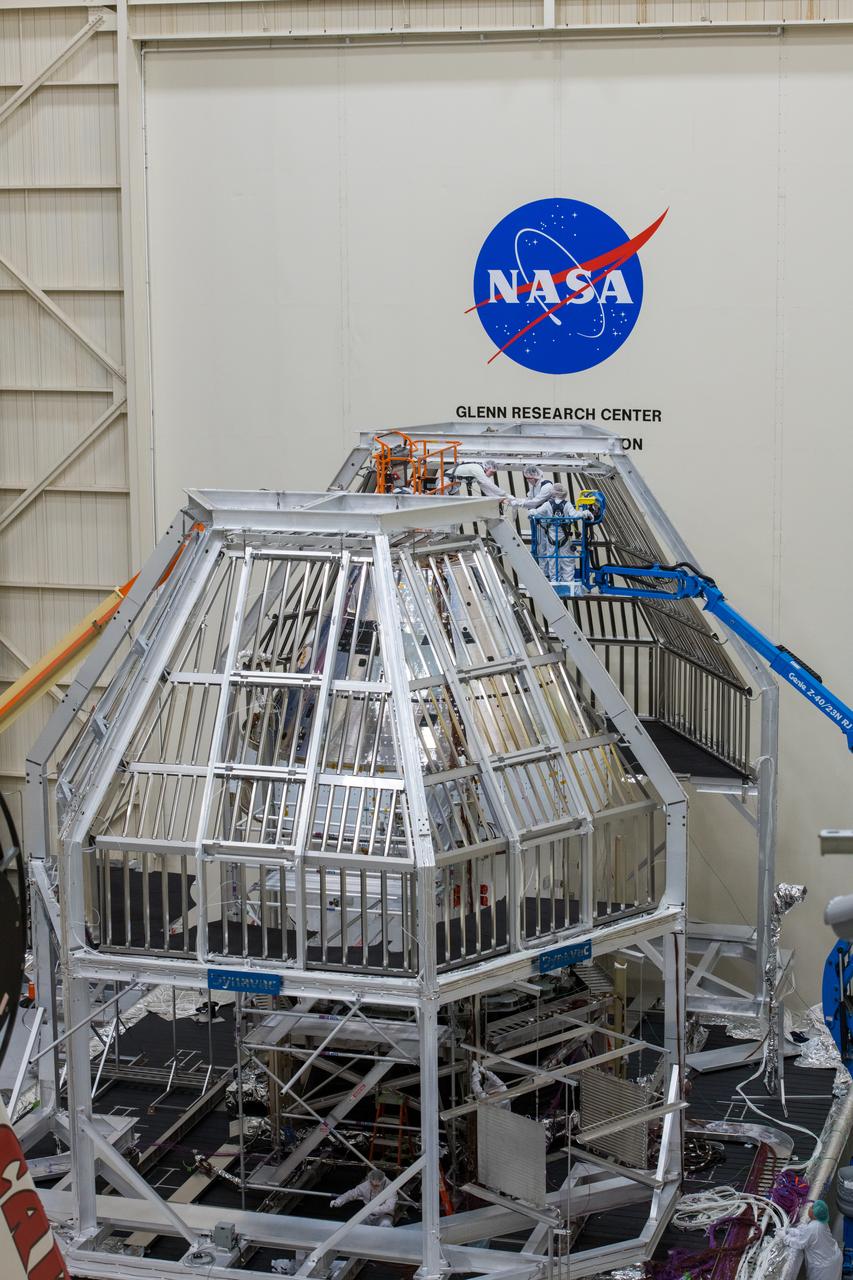
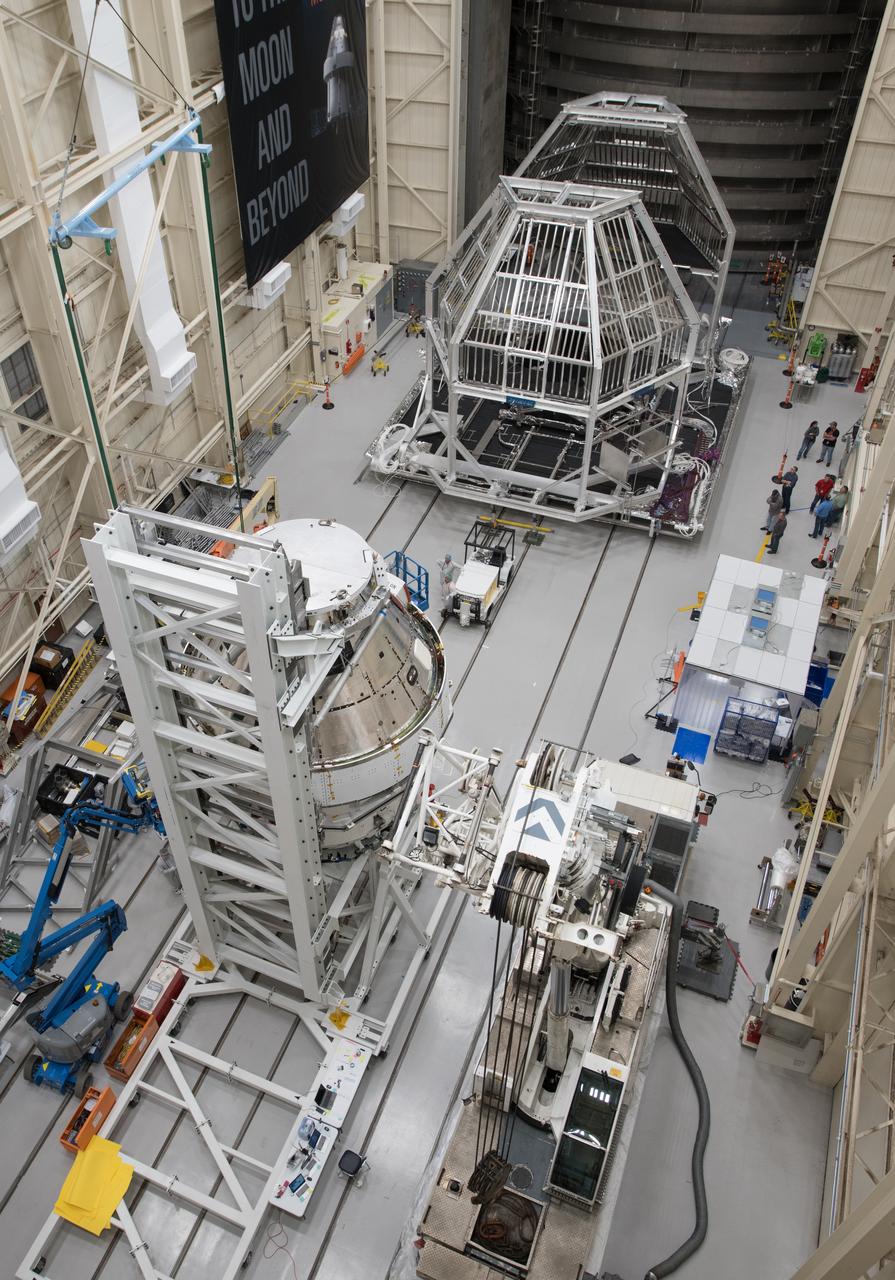
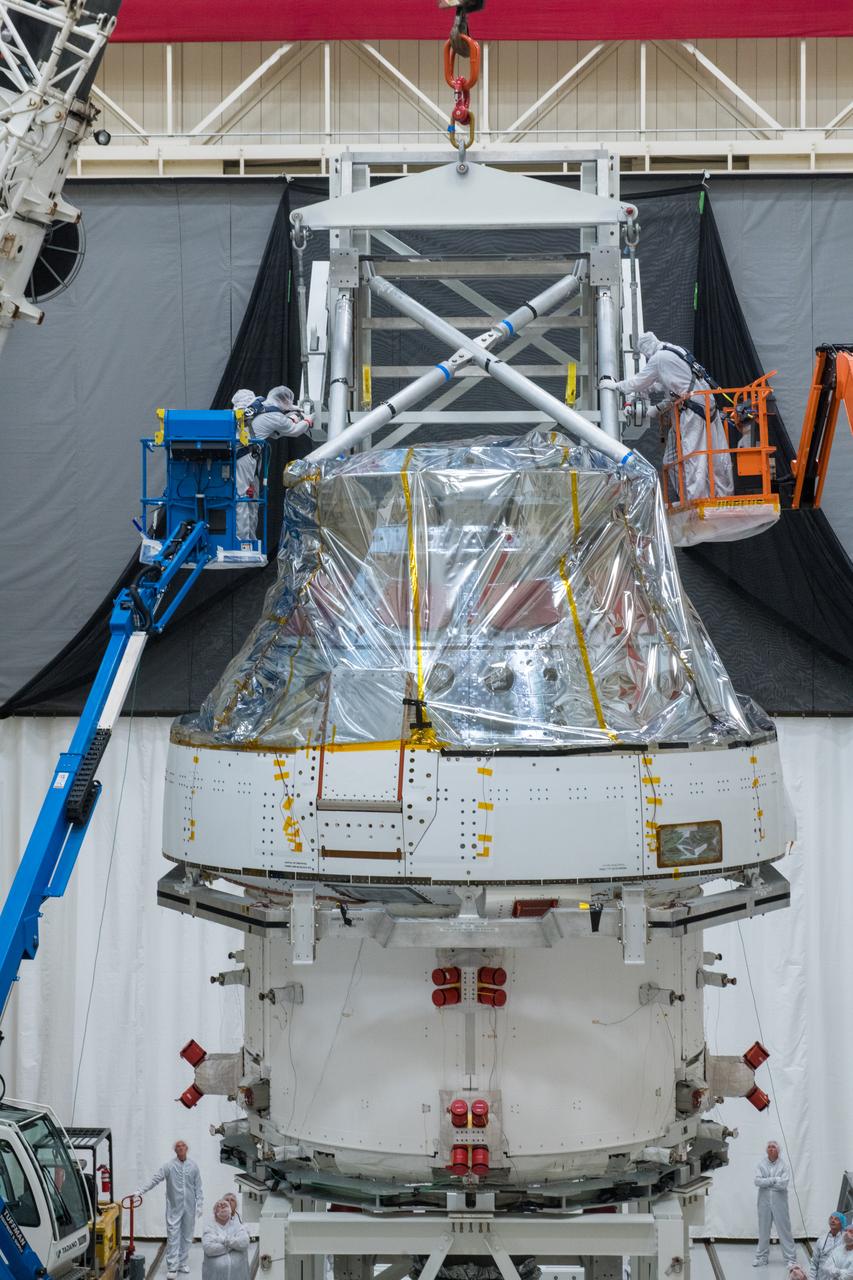
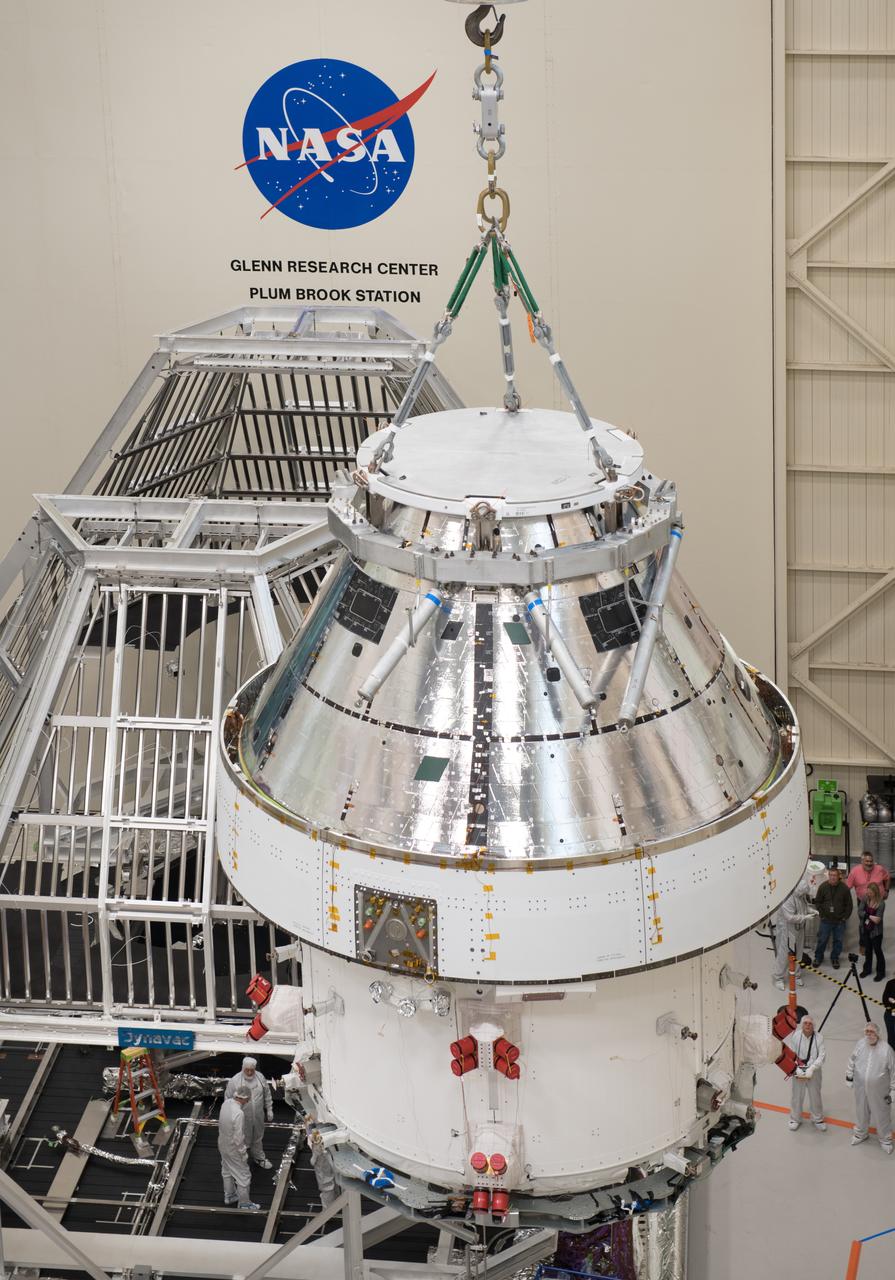
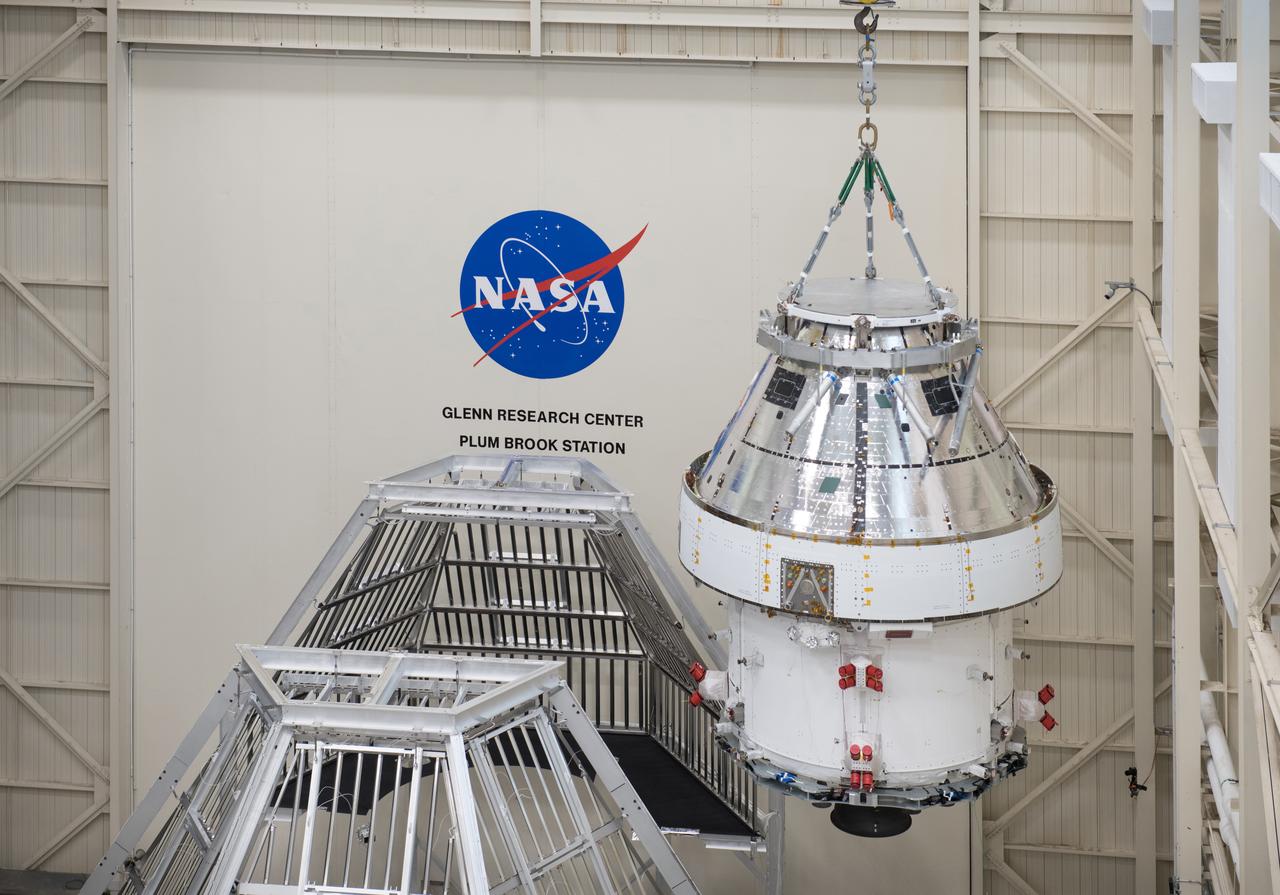
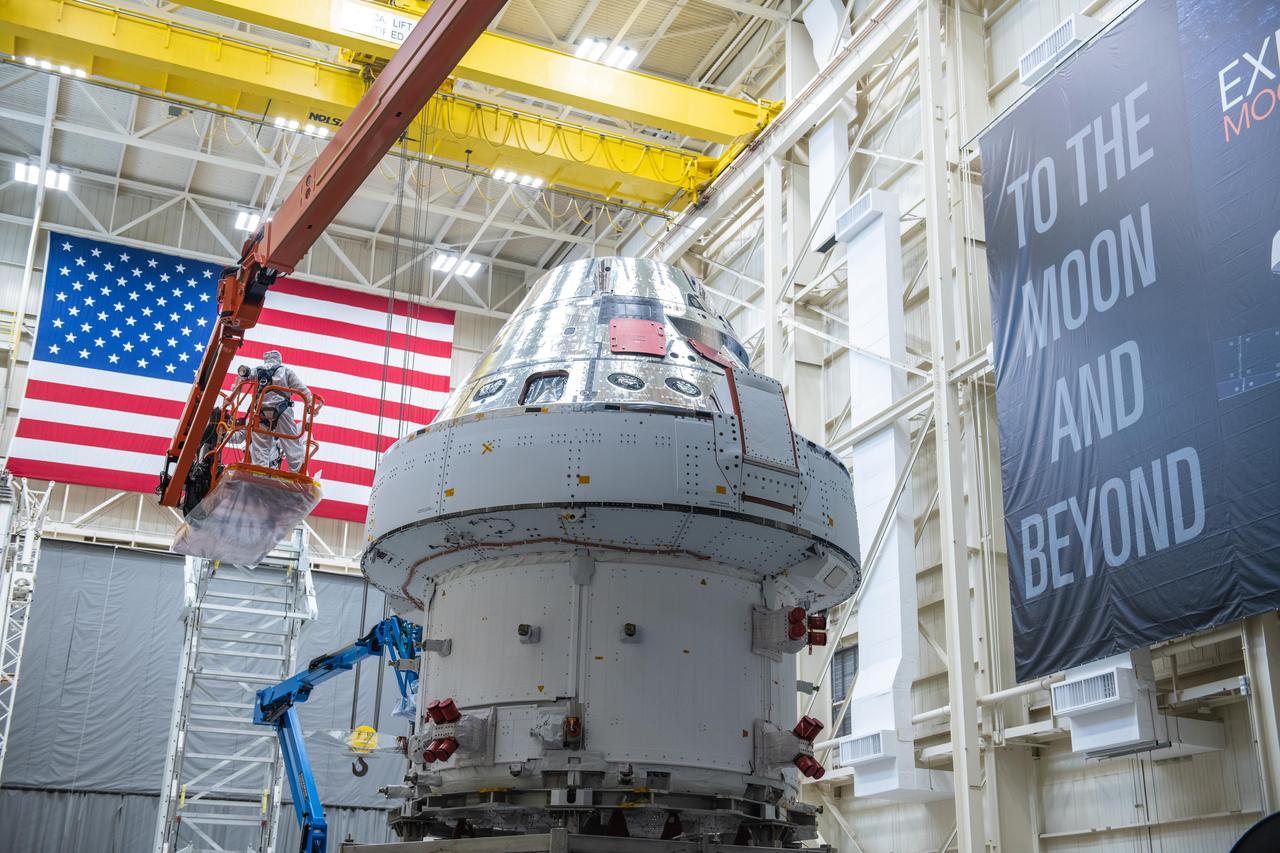
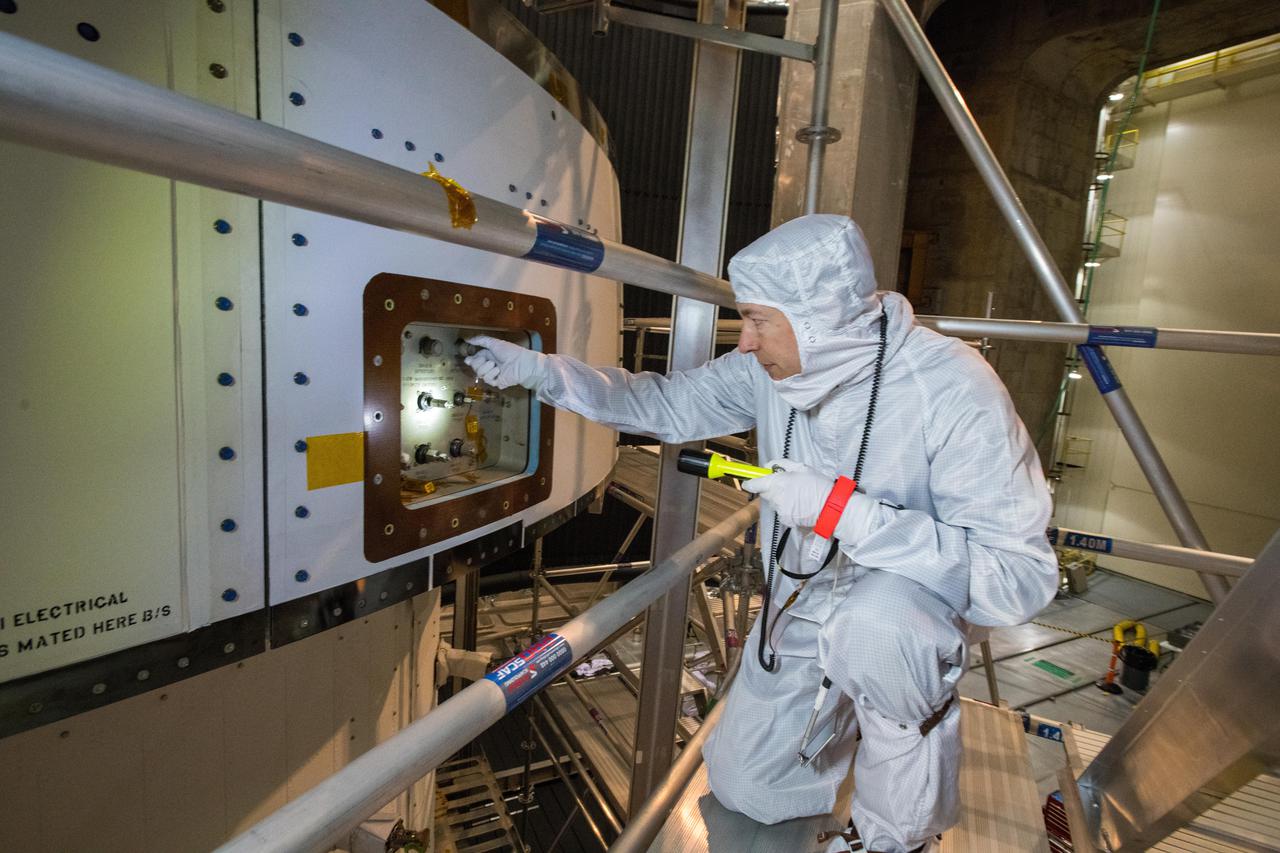
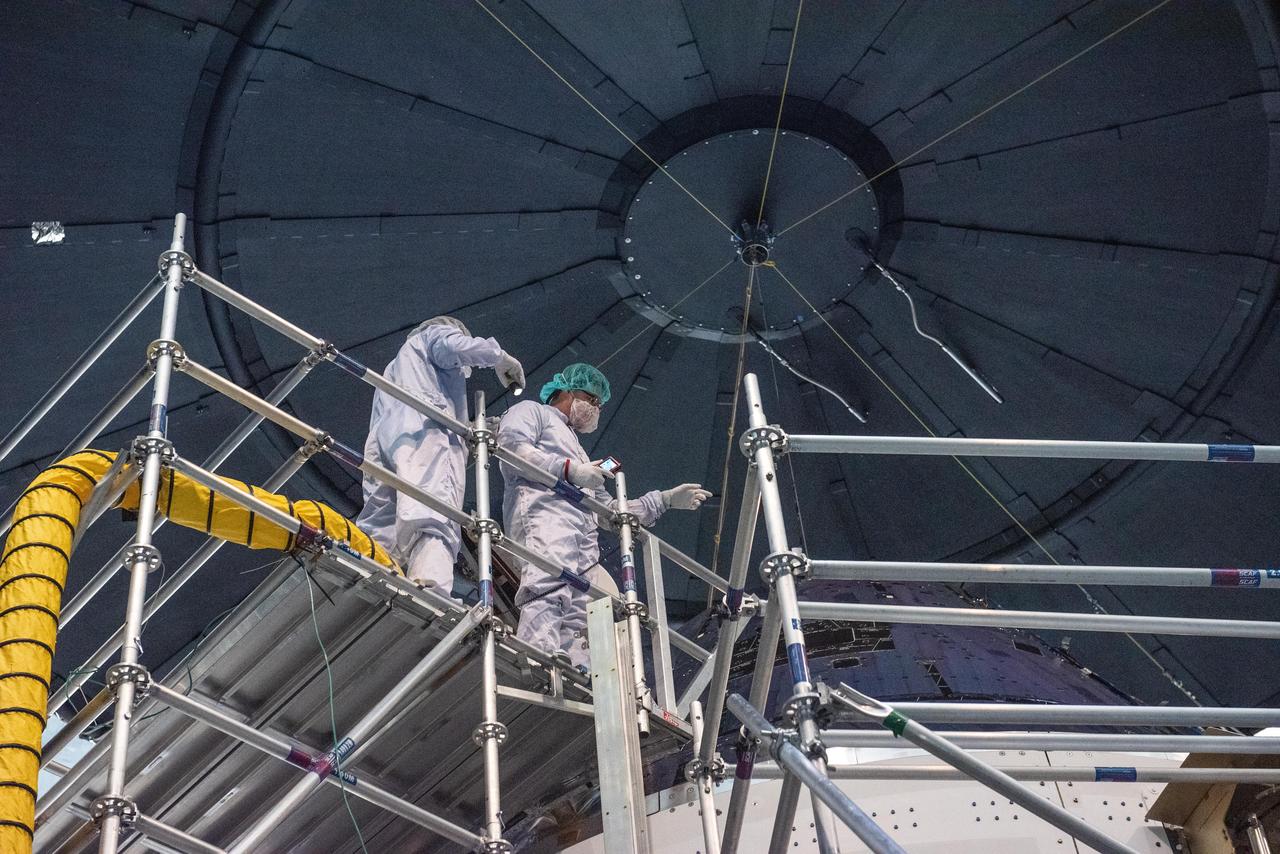
Orion Spacecraft is prepared for Space Environment Testing at the Glenn Research Center, GRC Plum Brook Station, Space Environments Complex, SEC
Orion Spacecraft is prepared for Space Environment Testing at th
Orion Spacecraft is prepared for Space Environment Testing at the Glenn Research Center, GRC Plum Brook Station, Space Environments Complex, SEC
Orion Spacecraft is prepared for Space Environment Testing at th
Orion Spacecraft Arrives at the Glenn Research Center, GRC Plum Brook Station, Space Environments Complex, SEC for Space Environment Testing
Orion Spacecraft Arrives at the Glenn Research Center, GRC Plum
Orion Spacecraft is prepared for Space Environment Testing at the Glenn Research Center, GRC Plum Brook Station, Space Environments Complex, SEC
Orion Spacecraft is prepared for Space Environment Testing at th
Orion Spacecraft is prepared for Space Environment Testing at the Glenn Research Center, GRC Plum Brook Station, Space Environments Complex, SEC
Orion Spacecraft is prepared for Space Environment Testing at th
Orion Spacecraft is prepared for Space Environment Testing at the Glenn Research Center, GRC Plum Brook Station, Space Environments Complex, SEC
Orion Spacecraft is prepared for Space Environment Testing at th
Orion Spacecraft is prepared for Space Environment Testing at the Glenn Research Center, GRC Plum Brook Station, Space Environments Complex, SEC
Orion Spacecraft is prepared for Space Environment Testing at th
Orion Spacecraft Arrives at the Glenn Research Center, GRC Plum Brook Station, Space Environments Complex, SEC for Space Environment Testing
Orion Spacecraft Arrives at the Glenn Research Center, GRC Plum
Orion Spacecraft Arrives at the Glenn Research Center, GRC Plum Brook Station, Space Environments Complex, SEC for Space Environment Testing
Orion Spacecraft Arrives at the Glenn Research Center, GRC Plum
Orion Spacecraft is prepared for Space Environment Testing at the Glenn Research Center, GRC Plum Brook Station, Space Environments Complex, SEC
Orion Spacecraft is prepared for Space Environment Testing at th
Orion Spacecraft is prepared for Space Environment Testing at the Glenn Research Center, GRC Plum Brook Station, Space Environments Complex, SEC
Orion Spacecraft is prepared for Space Environment Testing at th
Orion Spacecraft Arrives at the Glenn Research Center, GRC Plum Brook Station, Space Environments Complex, SEC for Space Environment Testing
Orion Spacecraft Arrives at the Glenn Research Center, GRC Plum
Orion Spacecraft is prepared for Space Environment Testing at the Glenn Research Center, GRC Plum Brook Station, Space Environments Complex, SEC
Orion Spacecraft is prepared for Space Environment Testing at th
Orion Spacecraft Arrives at the Glenn Research Center, GRC Plum Brook Station, Space Environments Complex, SEC for Space Environment Testing
Orion Spacecraft Arrives at the Glenn Research Center, GRC Plum
Orion Spacecraft is prepared for Space Environment Testing at the Glenn Research Center, GRC Plum Brook Station, Space Environments Complex, SEC
Orion Spacecraft is prepared for Space Environment Testing at th
Orion Spacecraft is prepared for Space Environment Testing at the Glenn Research Center, GRC Plum Brook Station, Space Environments Complex, SEC
Orion Spacecraft is prepared for Space Environment Testing at th
Orion Spacecraft is prepared for Space Environment Testing at the Glenn Research Center, GRC Plum Brook Station, Space Environments Complex, SEC
Orion Spacecraft is prepared for Space Environment Testing at th
Orion Spacecraft is prepared for Space Environment Testing at the Glenn Research Center, GRC Plum Brook Station, Space Environments Complex, SEC
Orion Spacecraft is prepared for Space Environment Testing at th
Orion Spacecraft is prepared for Space Environment Testing at the Glenn Research Center, GRC Plum Brook Station, Space Environments Complex, SEC
Orion Spacecraft is prepared for Space Environment Testing at th
Orion Spacecraft is prepared for Space Environment Testing at the Glenn Research Center, GRC Plum Brook Station, Space Environments Complex, SEC
Orion Spacecraft is prepared for Space Environment Testing at th
Orion Spacecraft is prepared for Space Environment Testing at the Glenn Research Center, GRC Plum Brook Station, Space Environments Complex, SEC
Orion Spacecraft is prepared for Space Environment Testing at th
Orion Spacecraft Arrives at the Glenn Research Center, GRC Plum Brook Station, Space Environments Complex, SEC for Space Environment Testing
Orion Spacecraft Arrives at the Glenn Research Center, GRC Plum
Orion Spacecraft is prepared for Space Environment Testing at the Glenn Research Center, GRC Plum Brook Station, Space Environments Complex, SEC
Orion Spacecraft is prepared for Space Environment Testing at th
Orion Spacecraft is prepared for Space Environment Testing at the Glenn Research Center, GRC Plum Brook Station, Space Environments Complex, SEC
Orion Spacecraft is prepared for Space Environment Testing at th
Orion Spacecraft Arrives at the Glenn Research Center, GRC Plum Brook Station, Space Environments Complex, SEC for Space Environment Testing
Orion Spacecraft Arrives at the Glenn Research Center, GRC Plum
Orion Spacecraft is prepared for Space Environment Testing at the Glenn Research Center, GRC Plum Brook Station, Space Environments Complex, SEC
Orion Spacecraft is prepared for Space Environment Testing at th
Artemis Hardware Arrival at the NASA Glenn Research Center, Plum Brook Station for testing at the Space Environments Complex, SEC
Artemis Hardware Arrival at the NASA Glenn Research Center, Plum
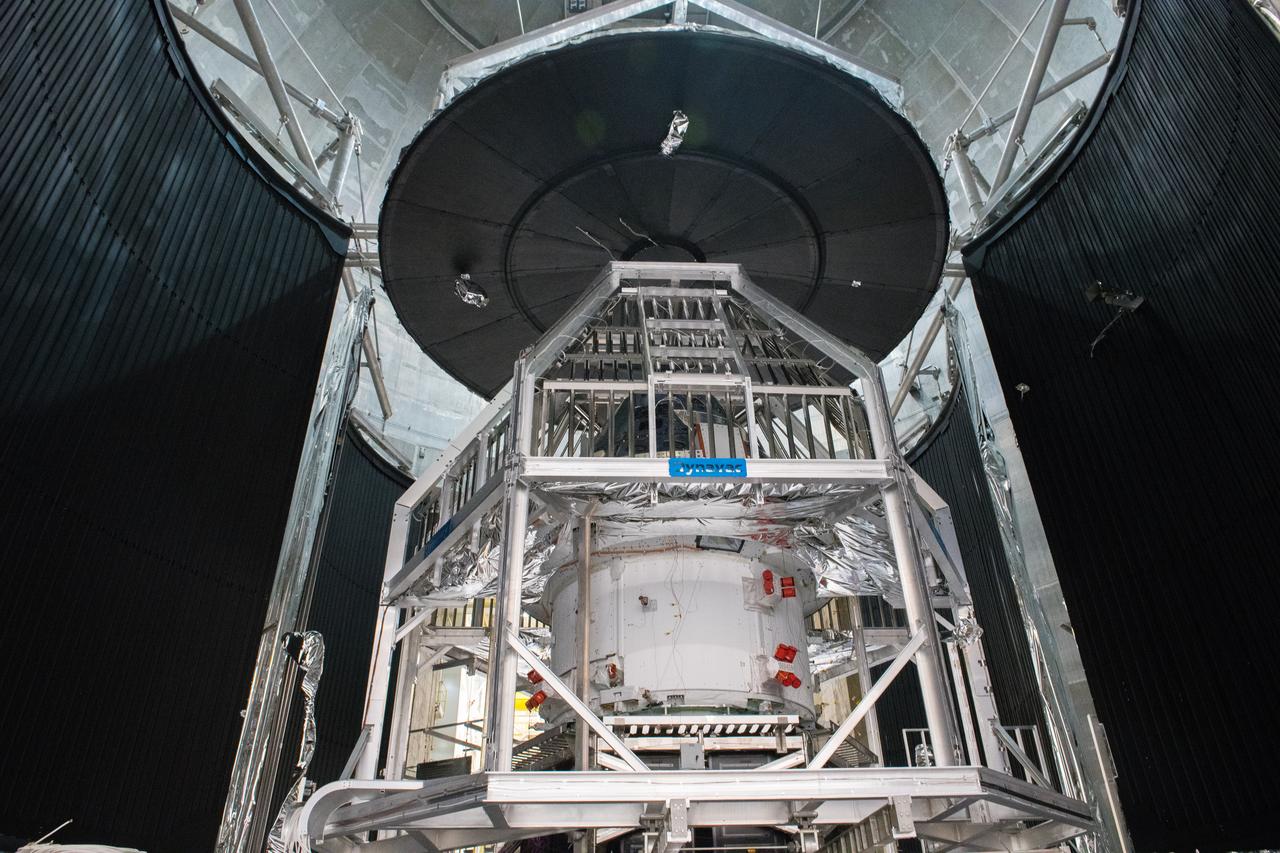
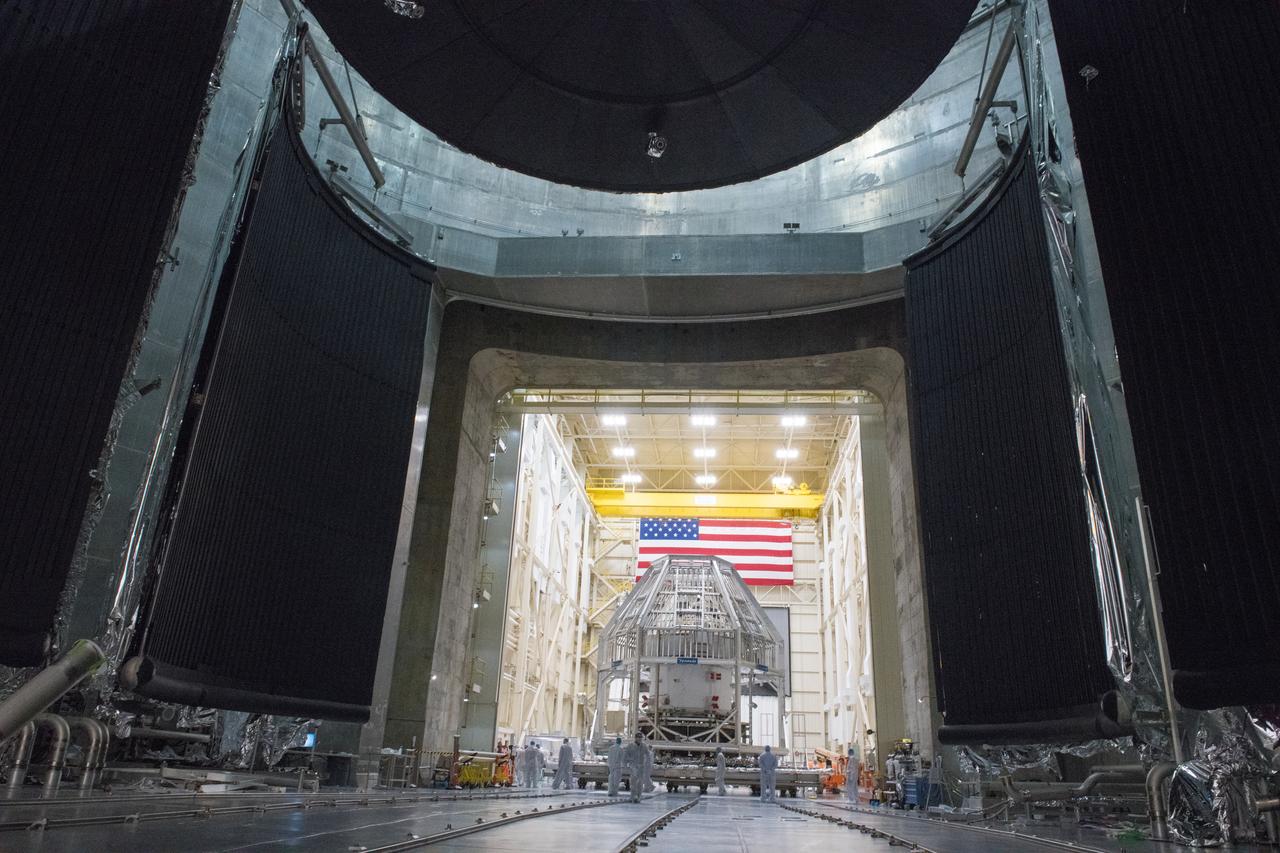
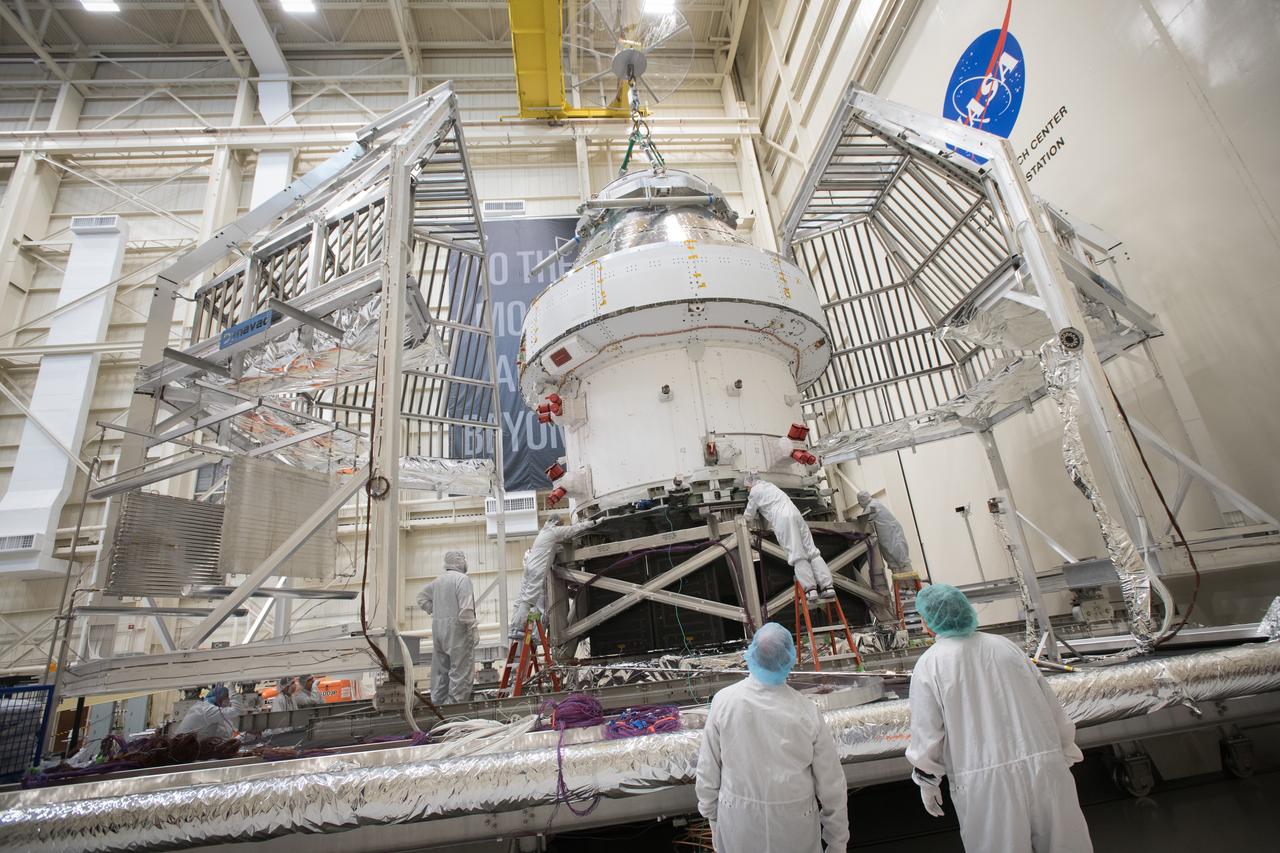
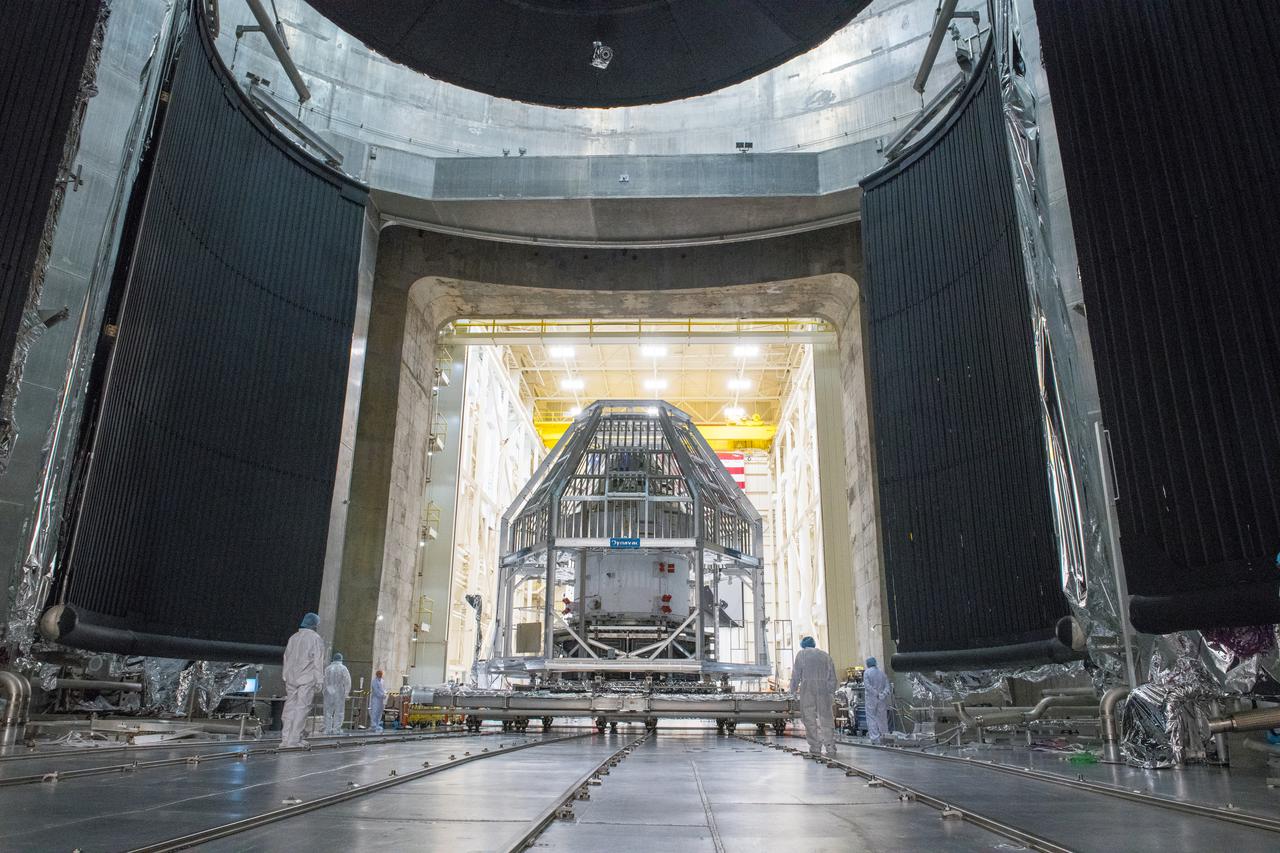
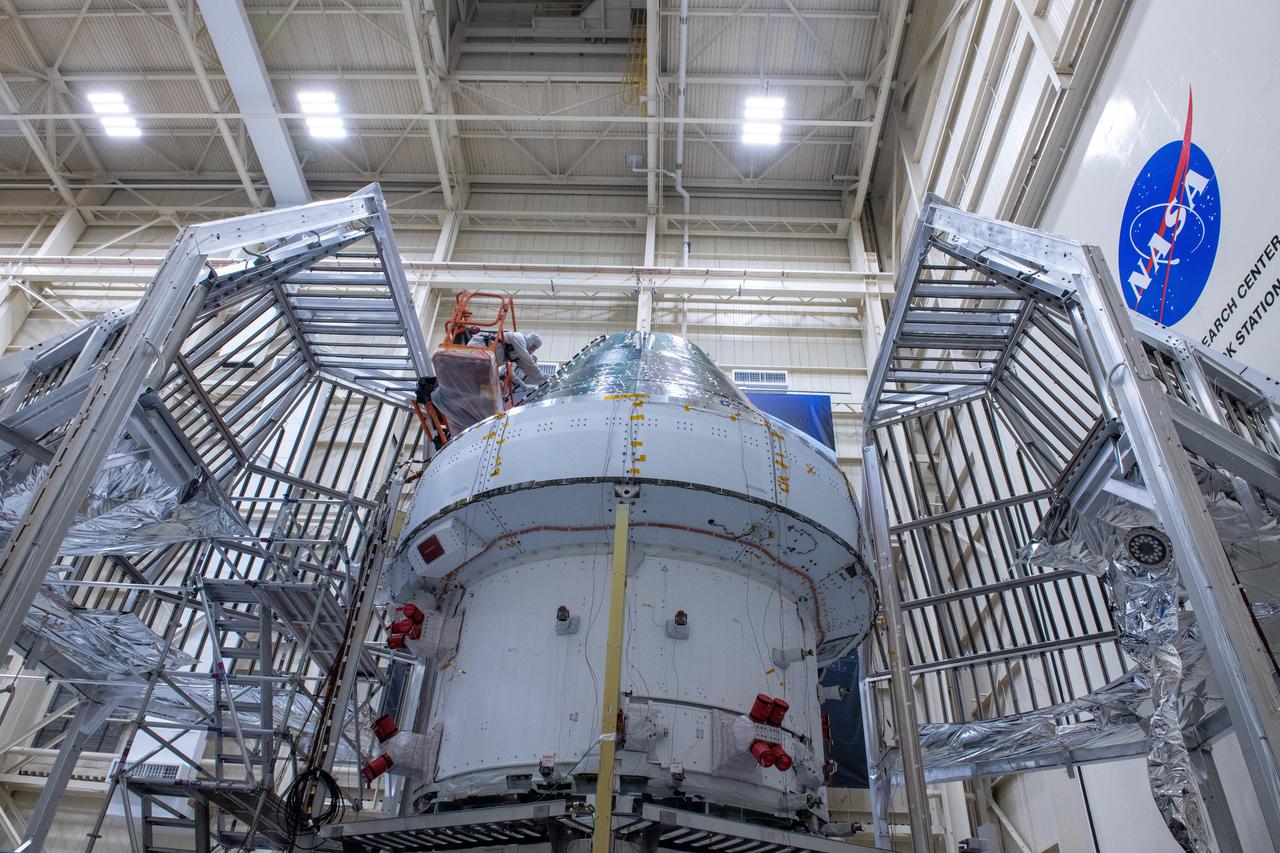
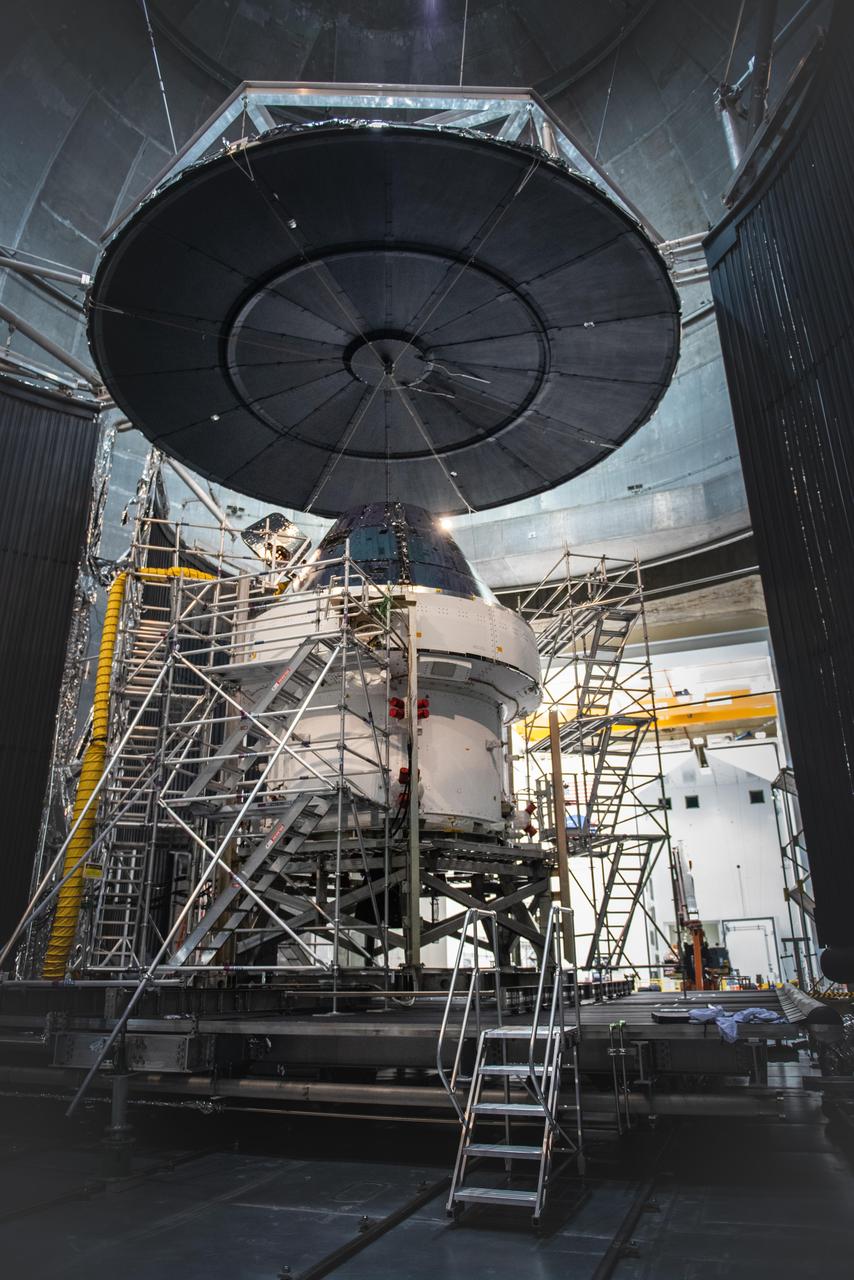
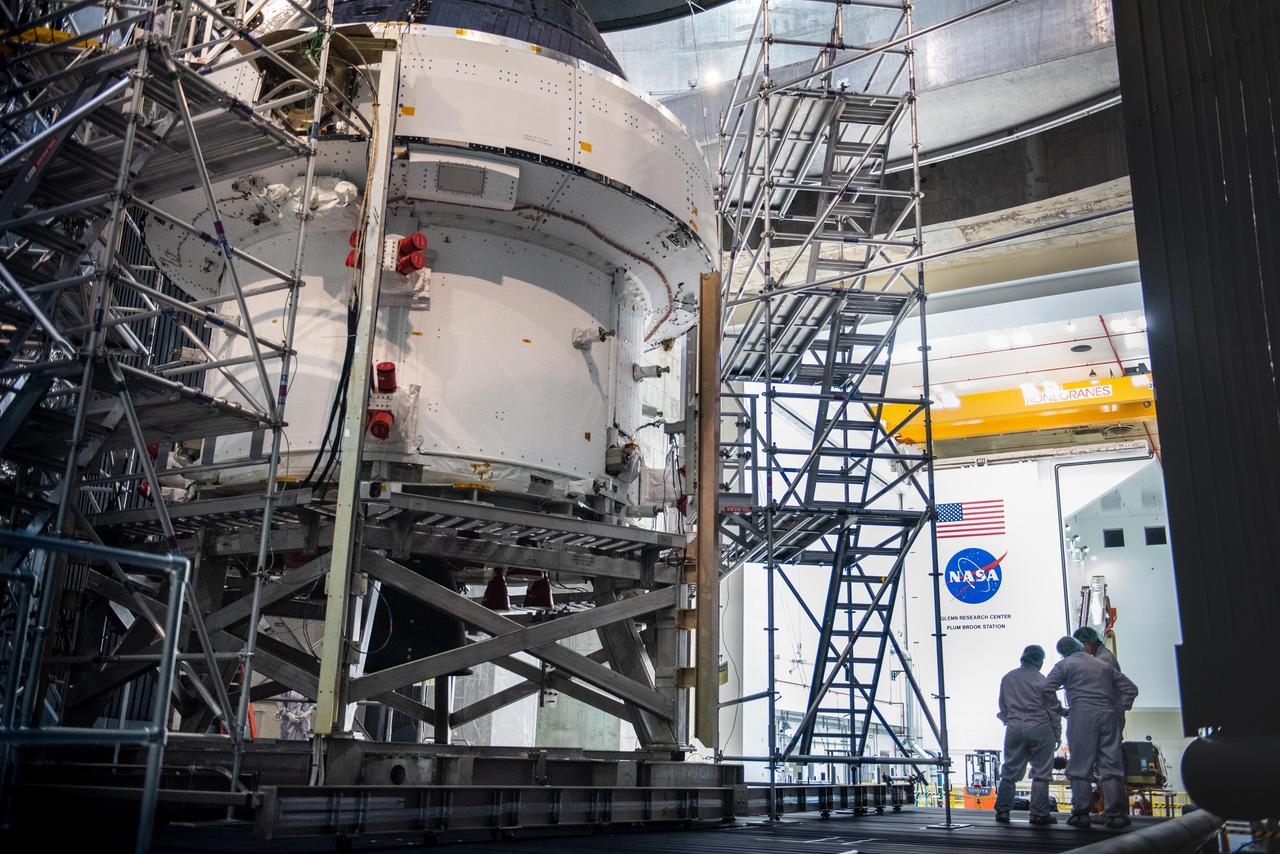
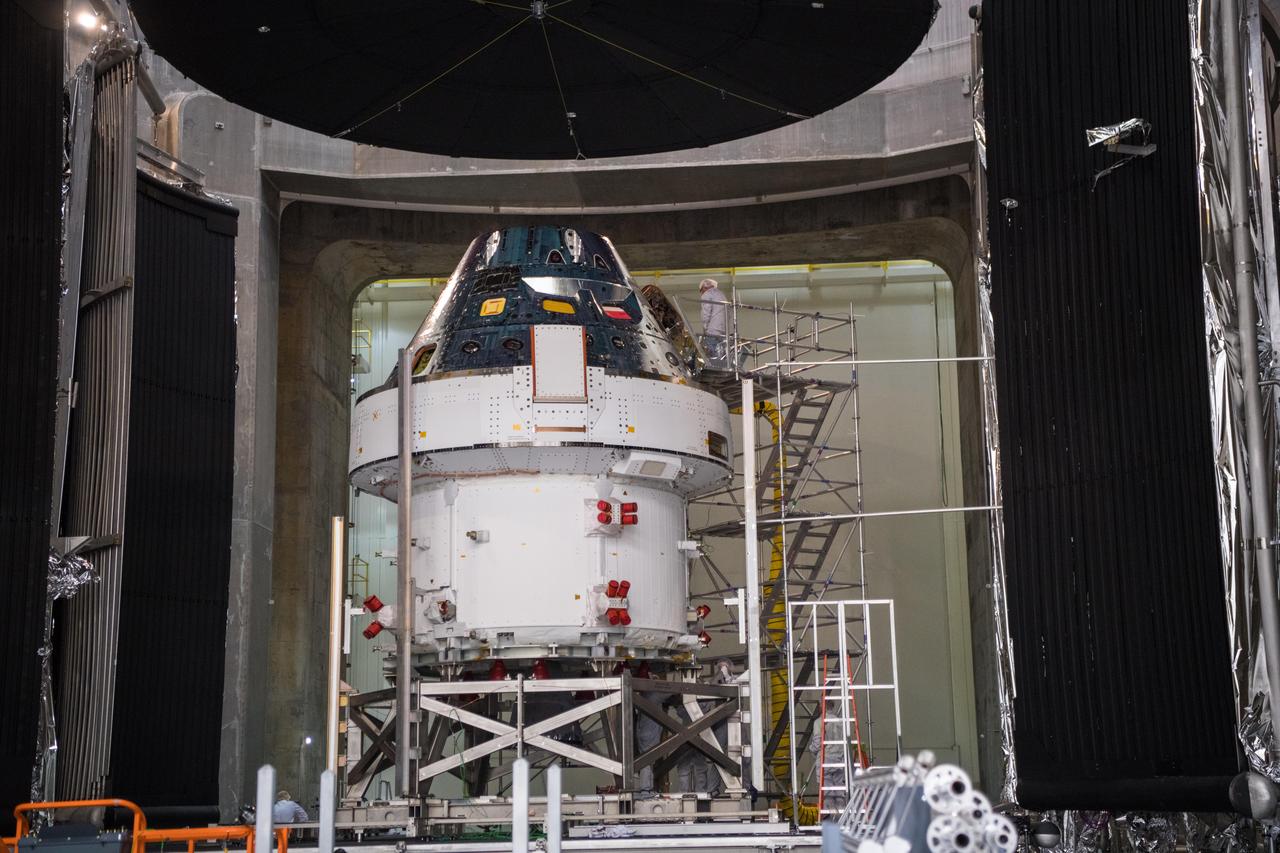
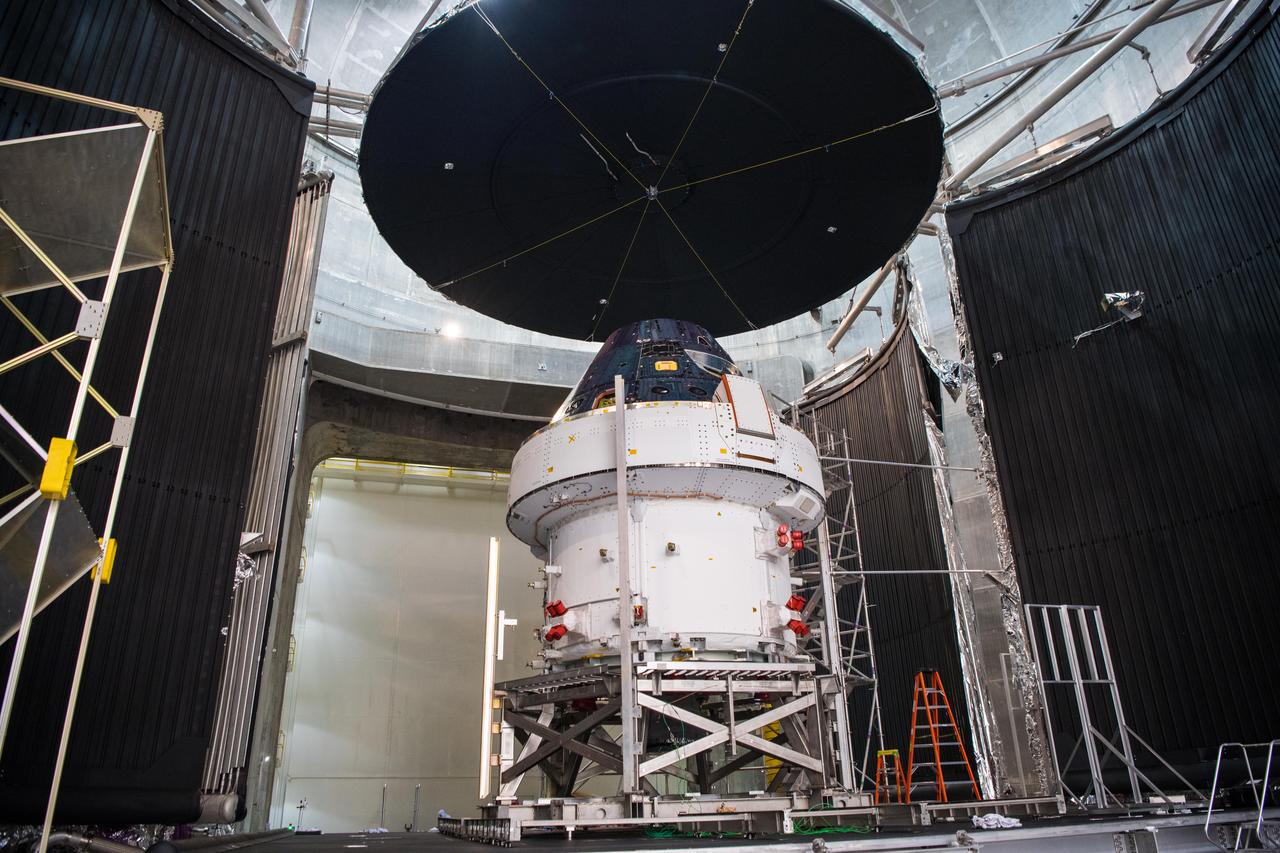
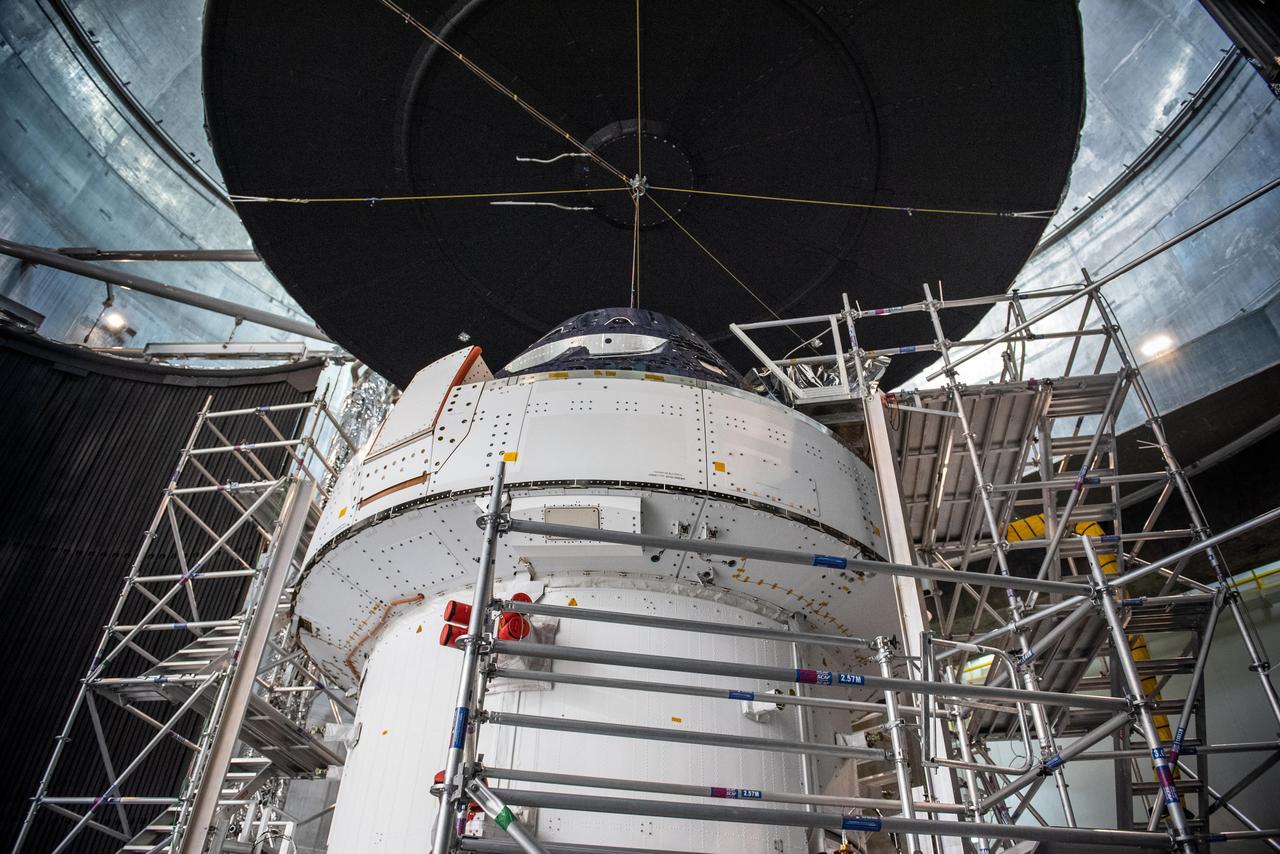
The Orion spacecraft for the Artemis I Mission, consisting of the crew module and European-built service module, sits in the NASA Glenn Research Center, Plum Brook Station, Space Environments Complex, SEC, Thermal Vacuum Chamber after more than three months of testing where it was subjected to the extreme temperatures and electromagnetic environment it will experience in the vacuum of space during Artemis missions.    Orion is a key component of Artemis I, an uncrewed test flight around the Moon that will land the first woman and next man on the lunar surface by 2024.
Orion spacecraft for the Artemis I Mission, consisting of the crew module and European-built service module, sits in the NASA Glenn Research Center, Plum Brook Station, Space Environments Complex, SEC, Thermal Vacuum Chamber
Orion - EM-1 - Artemis Spacecraft Installation in the Space Environment Complex, SEC Thermal Vacuum Chamber
Orion - EM-1 - Artemis Spacecraft is prepared for testing in the Space Expirements Complex, NASA Glenn Research Center, Plum Brook Station
Orion - EM-1 - Artemis Spacecraft Arrival at Mansfield Lahm Airport, Transportation to Plum Brook Station and Installation in the Space Environment Complex, SEC Thermal Vacuum Chamber
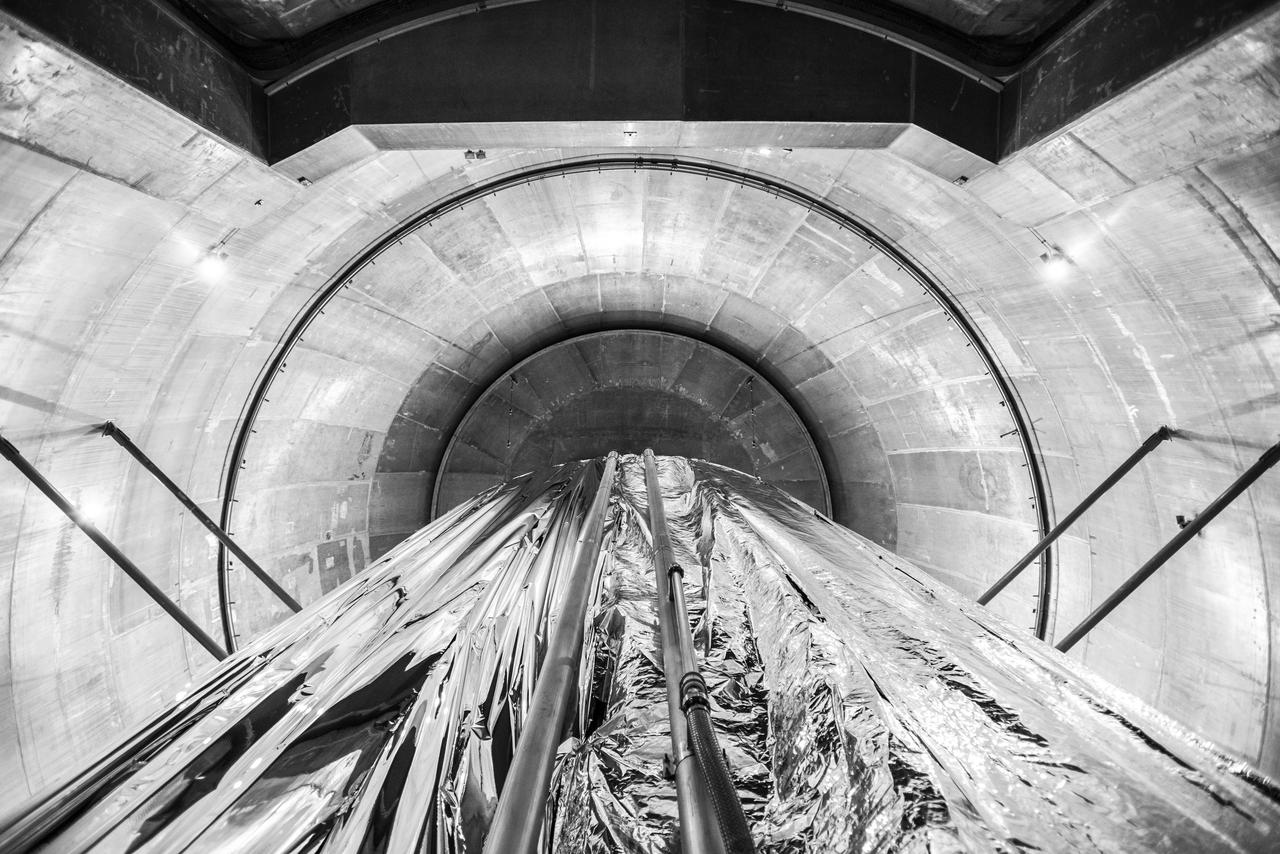
Space Environments Complex Vacuum Chamber. Cryoshroud, used to provide the thermal cold sink for Orion Vehicle testing. This view is looking at the west side of the Cryoshroud where the northwest and southwest walls intersect in the closed position.  The view is from the Space Environments Complex, SEC Vacuum Chamber floor, directly up towards the vacuum chamber dome.
GRC-2019-C-13298
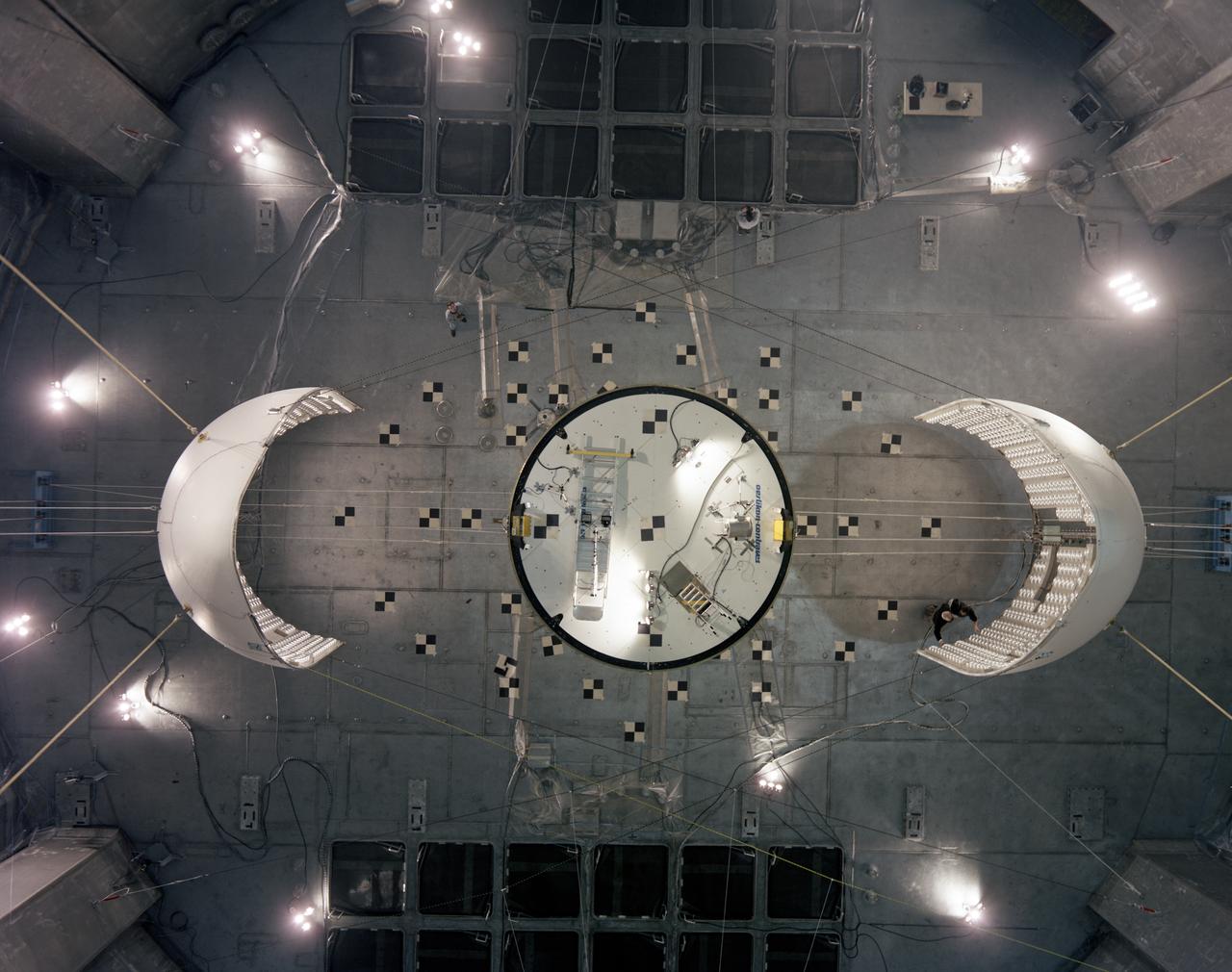
Top down photograph showing separation of the Ariane V fairing after testing in the vacuum chamber at SEC
GRC-1994-C-05154
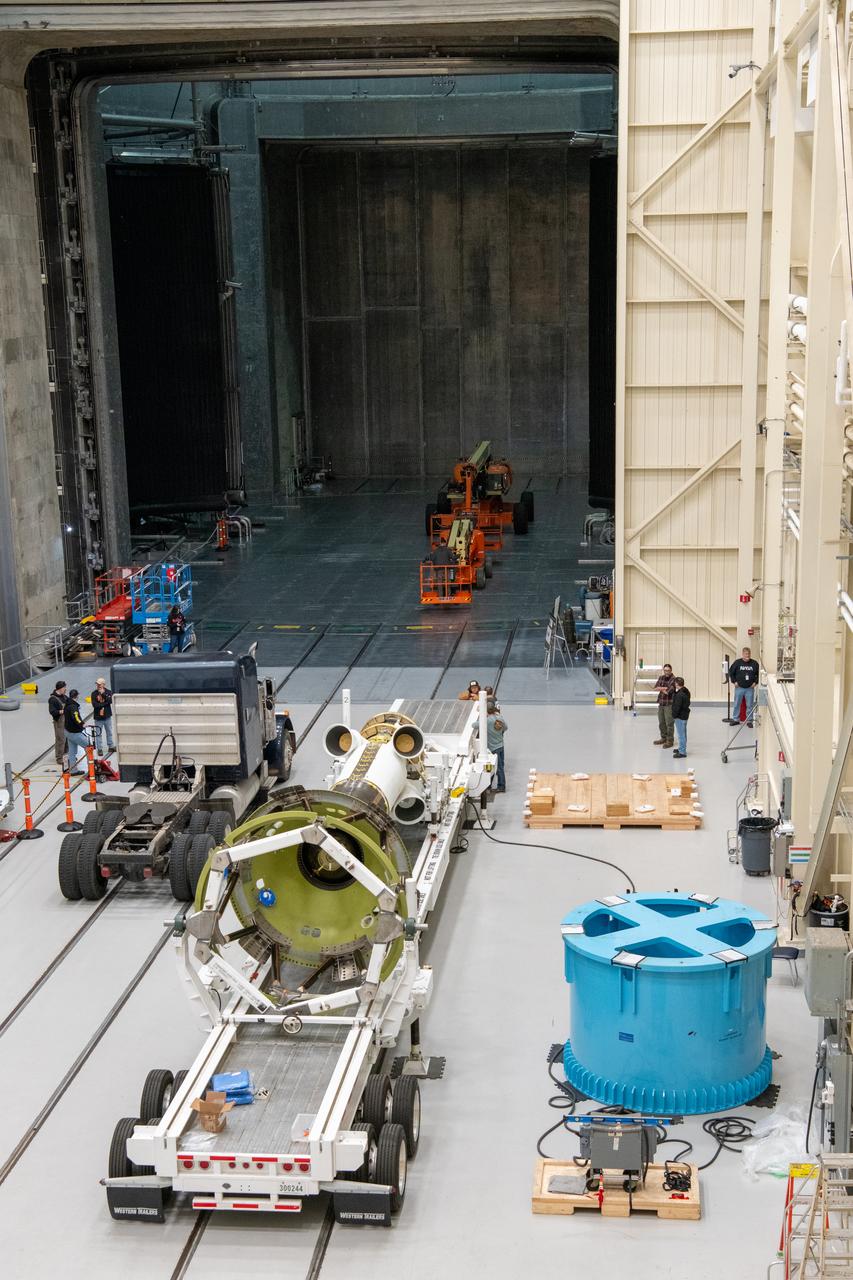
Test hardware for Orion crew capsule from the Artemis 1 flight arrives in the SEC (Space Experiments Complex) at ATF (Armstrong Test Facility), The LAS (Launch Abort System) arrived in four separate shipments from locations in Florida and Colorado.  It is now being integrated with the Orion CM (crew module) for critical testing before the flight of Artemis II.
Orion ETA Hardware, Launch Abort System and Crew Module Documentation Photographs
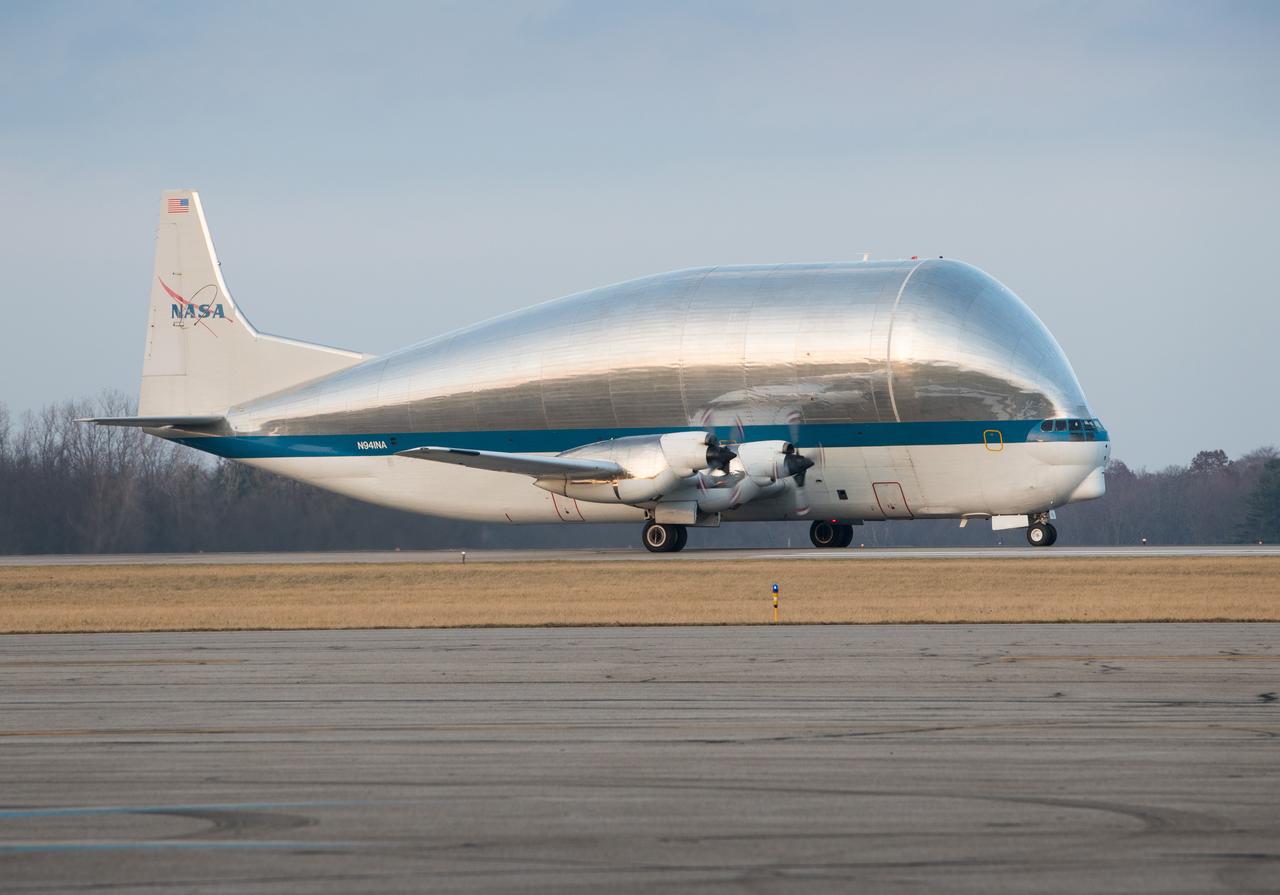
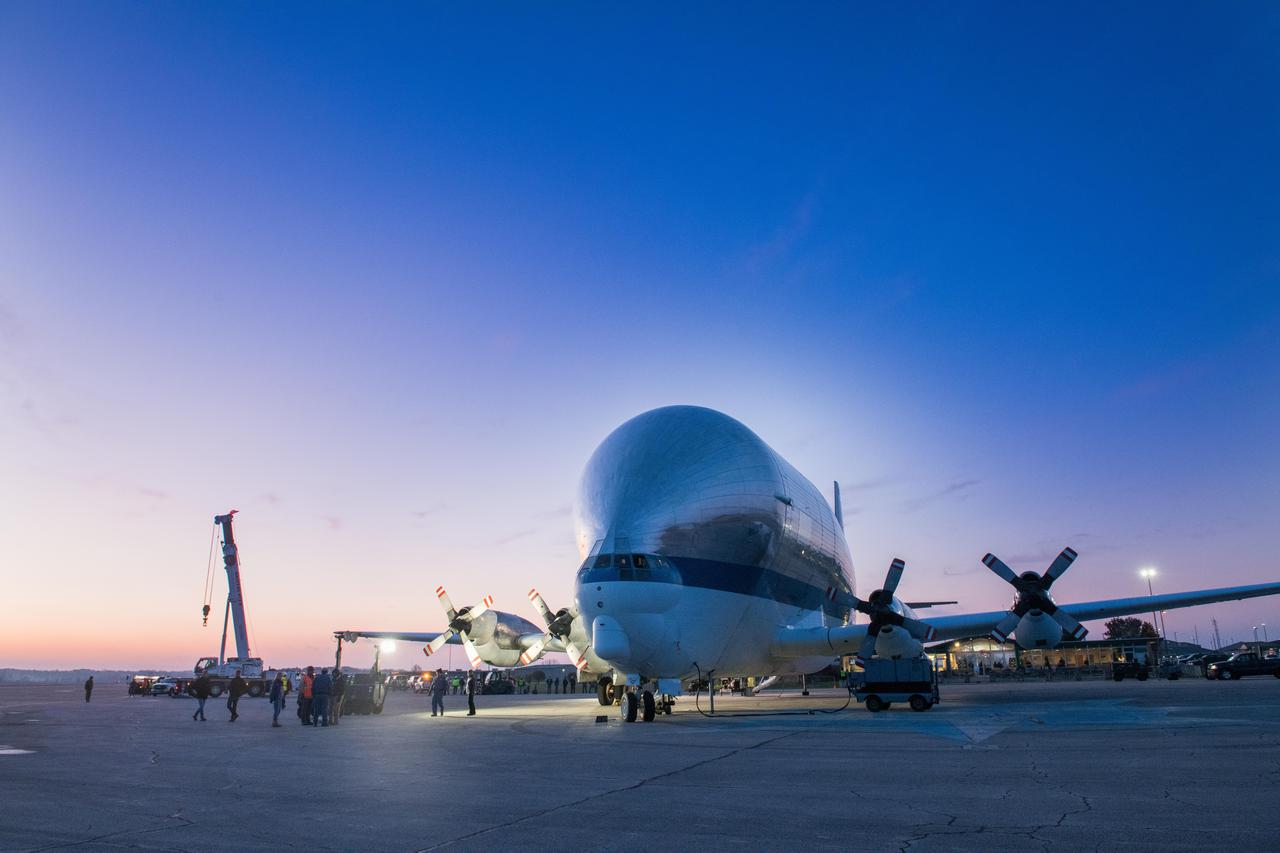
Orion - EM-1 - Artemis Spacecraft Arrival at Mansfield Lahm Airport on Board the Super Guppy Aircraft, Transportation to Plum Brook Station and Installation in the Space Environment Complex, SEC Thermal Vacuum Chamber
Orion - EM-1 - Artemis Spacecraft Arrival at Mansfield Lahm A...
Orion - EM-1 - Artemis Spacecraft Arrival at Mansfield Lahm Airport, Transportation to Plum Brook Station and Installation in the Space Environment Complex, SEC Thermal Vacuum Chamber
Orion - EM-1 - Artemis Spacecraft Arrival at Mansfield Lahm A...
The Space Environments Complex (SEC) at the Armstrong Testing Facility stores Orion’s Launch Abort System, which will later be tested for support of Artemis II. Photo Credit: (NASA/Jordan Salkin)
Orion Environmental Test Article (ETA) Arrival to the Space Environments Complex at NASA’s Glenn Research Center
Orion - EM-1 - Artemis Spacecraft Arrival at Mansfield Lahm Airport on board the Super Guppy Aircraft, Transportation to Plum Brook Station and Installation in the Space Environment Complex, SEC Thermal Vacuum Chamber
Orion - EM-1 - Artemis Spacecraft Arrival at Mansfield Lahm A...
Orion - EM-1 - Artemis Spacecraft Arrival at Mansfield Lahm Airport, Transportation to Plum Brook Station and Installation in the Space Environment Complex, SEC Thermal Vacuum Chamber
Orion - EM-1 - Artemis Spacecraft Arrival at Mansfield Lahm A...
Orion - EM-1 - Artemis Spacecraft Arrival at Mansfield Lahm Airport, Transportation to Plum Brook Station and Installation in the Space Environment Complex, SEC Thermal Vacuum Chamber
Orion - EM-1 - Artemis Spacecraft Arrival at Mansfield Lahm A...
Orion - EM-1 - Artemis Spacecraft Arrival at Mansfield Lahm Airport, Transportation to Plum Brook Station and Installation in the Space Environment Complex, SEC Thermal Vacuum Chamber
Orion - EM-1 - Artemis Spacecraft Arrival at Mansfield Lahm A...
The Space Environments Complex (SEC) at the Armstrong Testing Facility stores Orion’s Launch Abort System, which will later be tested for support of Artemis II. Photo Credit: (NASA/Jordan Salkin)
Orion ETA Hardware, Launch Abort System and Crew Module Documentation Photographs
Orion - EM-1 - Artemis Spacecraft Arrival at Mansfield Lahm Airport, Transportation to Plum Brook Station and Installation in the Space Environment Complex, SEC Thermal Vacuum Chamber
Orion - EM-1 - Artemis Spacecraft Arrival at Mansfield Lahm A...
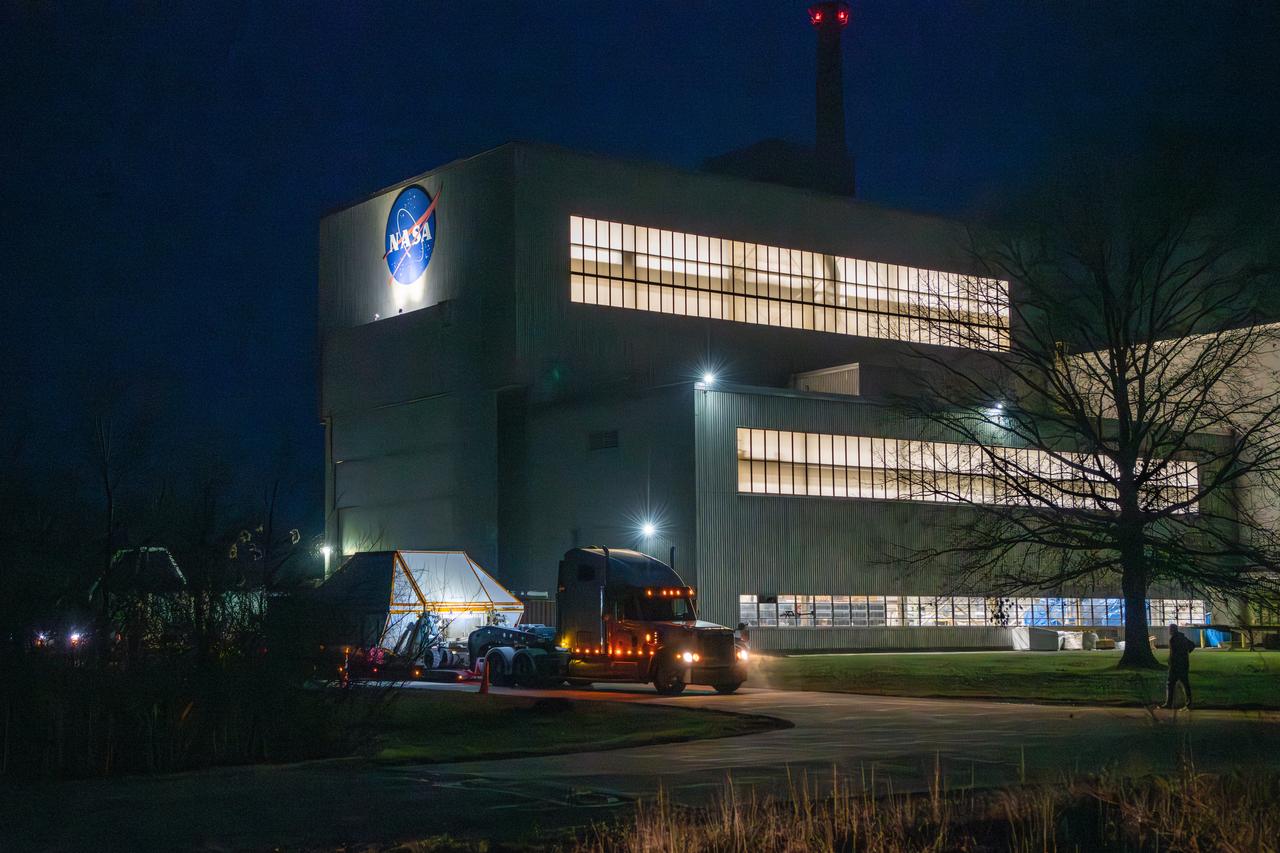
Evening photo of the Space Experiments Complex in the evening of the arrival of the Orion ETA (Environmental Test Article) having been shipped from Florida by truck. The Orion ETA flew on Artemis I and will undergo testing of the docking module jettison and the forward by cover jettison in preparation of the Artemis II launch.
Evening photo of the Space Experiments Complex (SEC) at Armstron
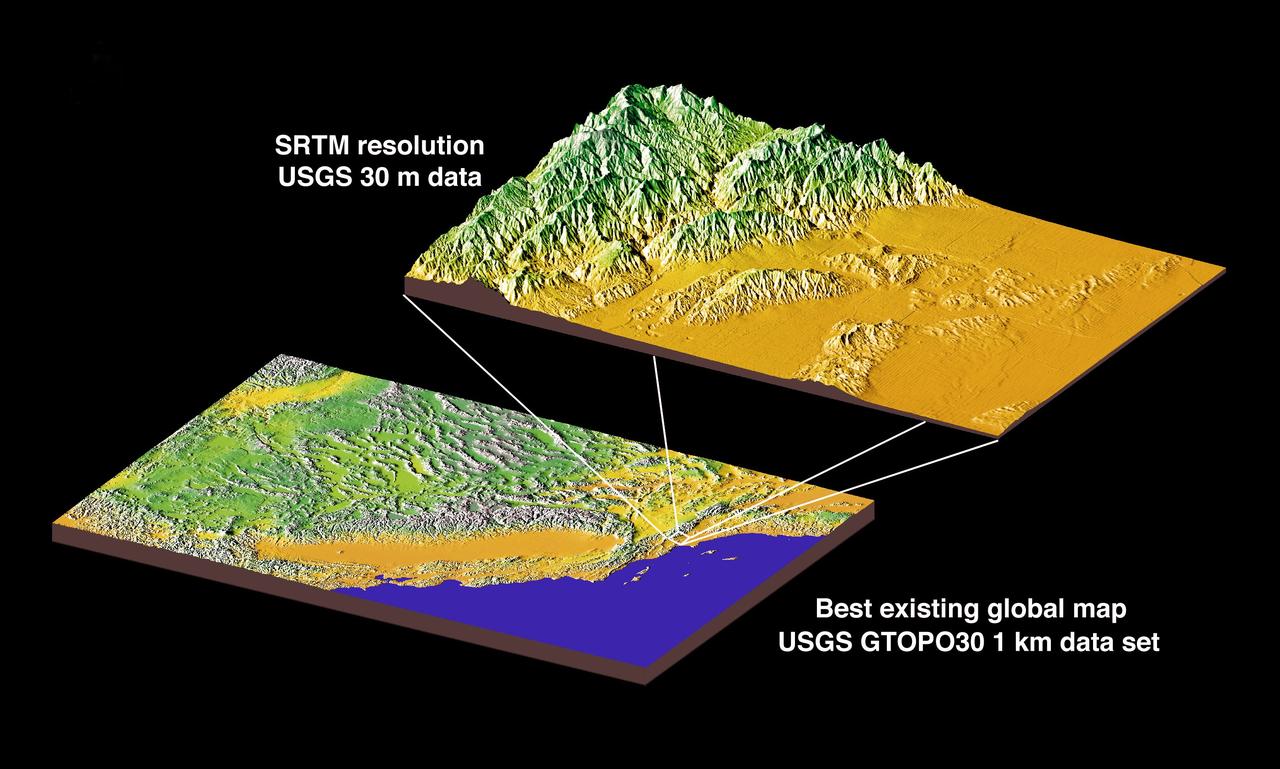
JSC2000E01552 (January 2000) --- This chart compares currently available global map data with the data which will be provided by SRTM during STS-99. The  area depicted is the California coast. The SRTM mission will have approximately 1,000 scheduled data takes (every time Endeavour is over land). Data acquisition will be conducted in excess of  80 hours.  The recording rate for data will be 180 Mbits/sec for C-band, 90 Mbits/sec for X-band.   Total raw radar data will be approximately  9.8 terabytes (15,000 CDs). The mission will utilize some 300 high-density tapes  (each tape records 30 min. of C-band, or 60 min. of X-band data).
Comparison of current map data with data from STS-99 SRTM
After the evening arrival of the Orion ETA (Environmental Test Article) having been shipped from Florida by truck, is shown being lowered to the floor of the Space Experiments Complex (SEC), Glenn Research Center, Armstrong Test Facility. The Orion ETA will undergo testing of the docking module jettison and the forward by cover jettison in preparation of the Artemis II launch.
The Crated Orion I Crew Module is lowered in the Space Experimen
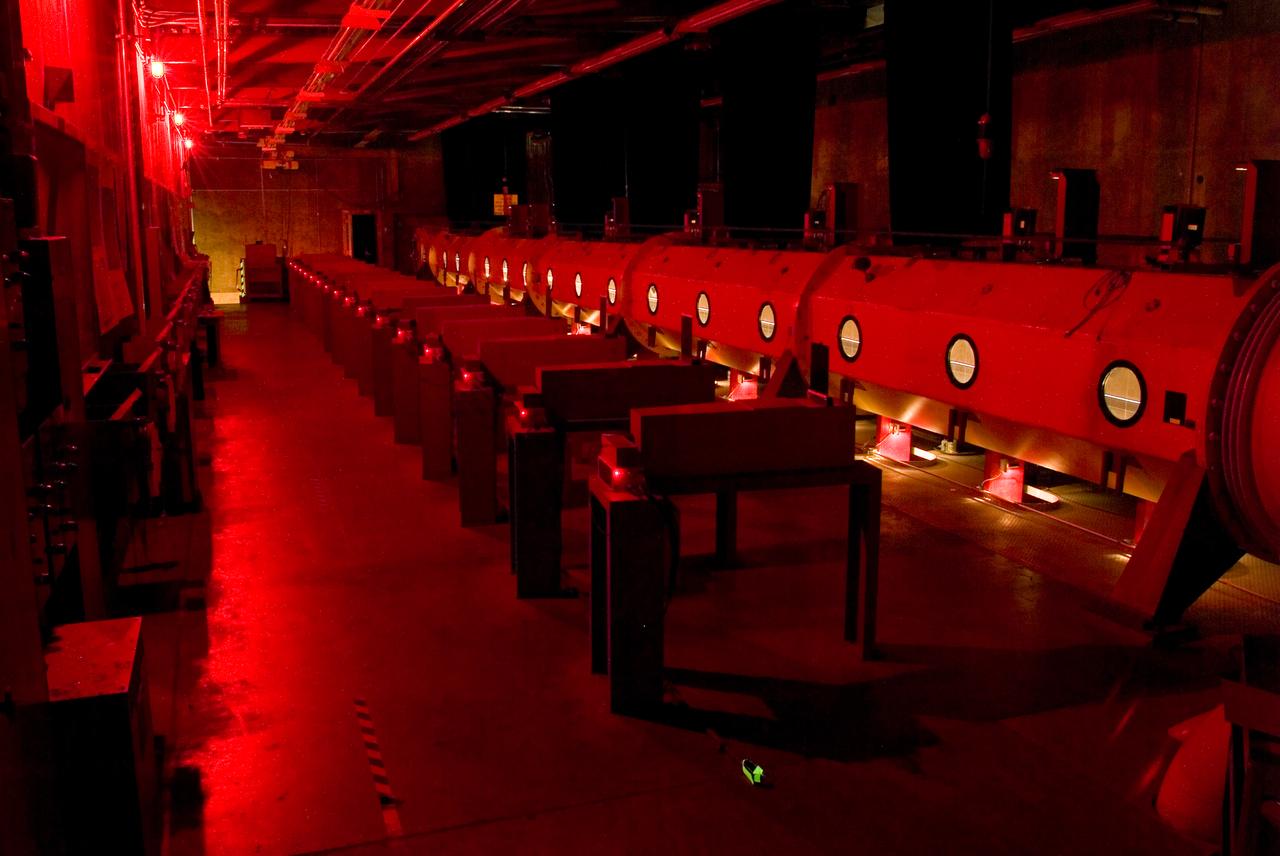
Ames Hypersonic Free Flight Aerodynamic Facility is used for research on gas dynamic problems of atmospheric entry. High relative speeds are achieved by launching models (in sabots if necessary) from high-speed guns into a countercurrent hypersonic air stream (14,000 ft/sec) driven by combustion-powered shock tube.
ARC-2006-ACD06-0177-011
Evening photo of the Space Experiments Complex in the evening of the arrival of the Orion ETA (Environmental Test Article) having been shipped from Florida by truck. The Orion ETA flew on Artemis I and will undergo testing of the docking module jettison and the forward by cover jettison in preparation of the Artemis II launch.
Evening photo of the Space Experiments Complex (SEC) at Glenn Re
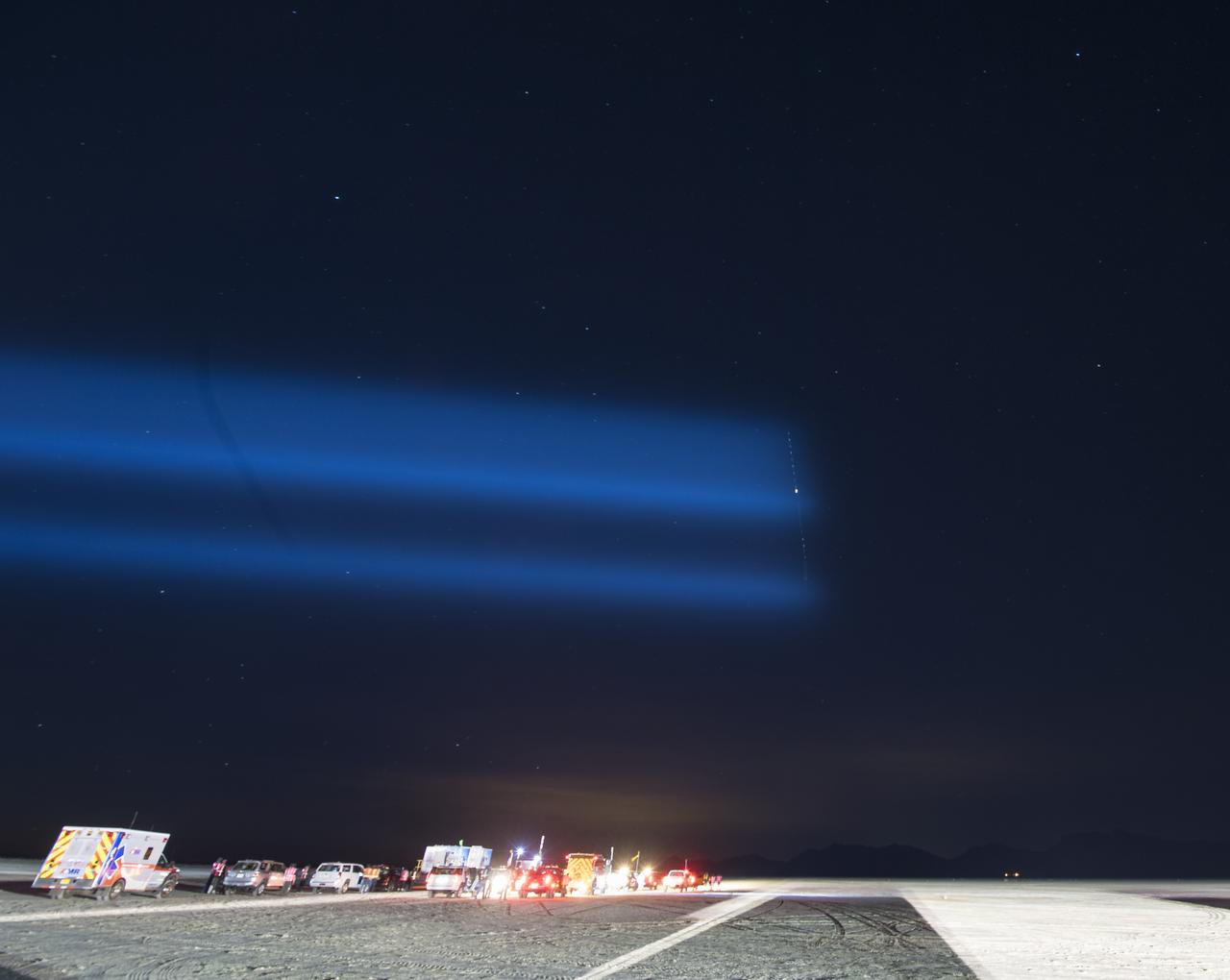
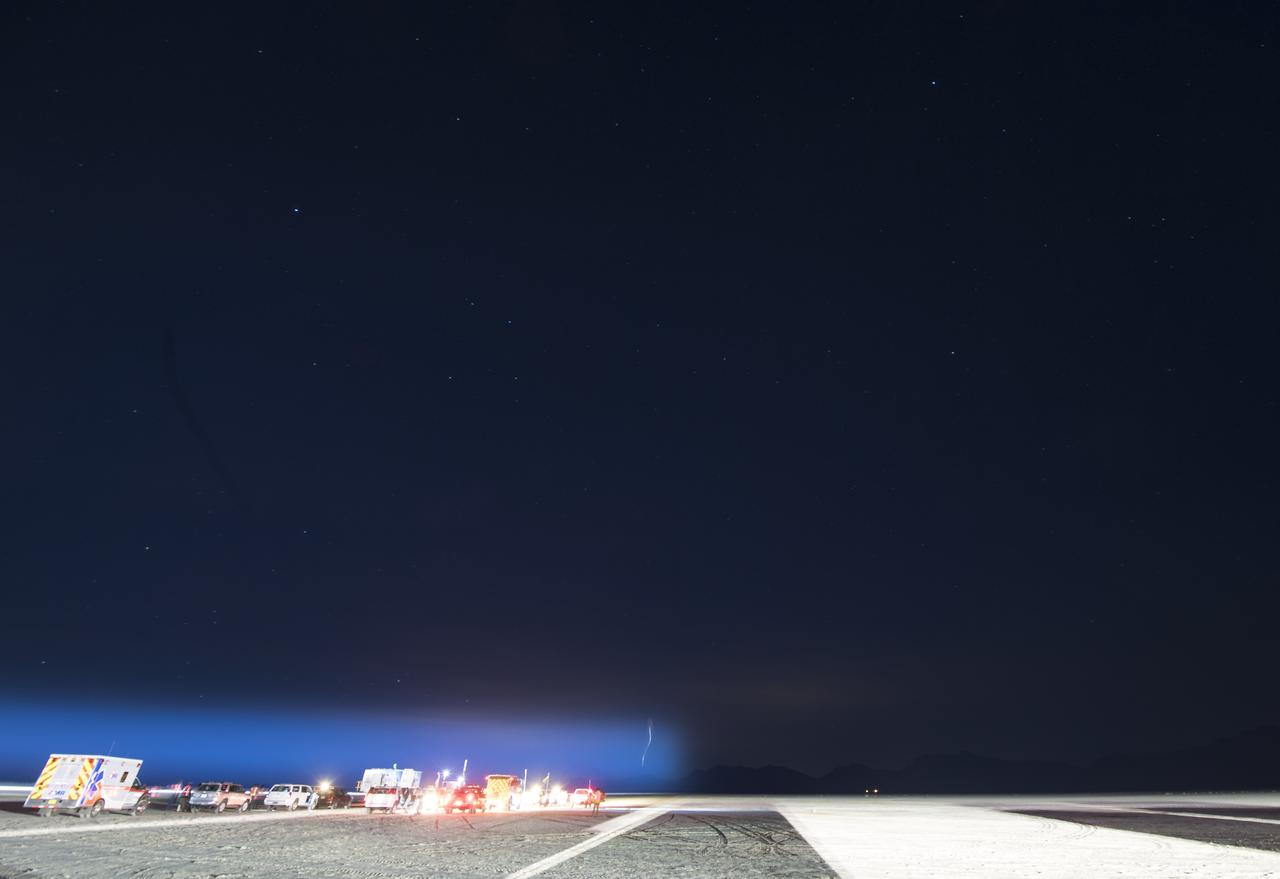
The Boeing CST-100 Starliner spacecraft is seen landing in this 30 sec. exposure in White Sands, New Mexico, Sunday, Dec. 22, 2019. The landing completes an abbreviated Orbital Flight Test for the company that still meets several mission objectives for NASA’s Commercial Crew program. The Starliner spacecraft launched on a United Launch Alliance Atlas V rocket at 6:36 a.m. Friday, Dec. 20 from Space Launch Complex 41 at Cape Canaveral Air Force Station in Florida. Photo Credit: (NASA/Aubrey Gemignani)
Boeing CST-100 Starliner Landing
The Boeing CST-100 Starliner spacecraft is seen landing in this 30 sec. exposure in White Sands, New Mexico, Sunday, Dec. 22, 2019. The landing completes an abbreviated Orbital Flight Test for the company that still meets several mission objectives for NASA’s Commercial Crew program. The Starliner spacecraft launched on a United Launch Alliance Atlas V rocket at 6:36 a.m. Friday, Dec. 20 from Space Launch Complex 41 at Cape Canaveral Air Force Station in Florida. Photo Credit: (NASA/Aubrey Gemignani)
Boeing CST-100 Starliner Landing
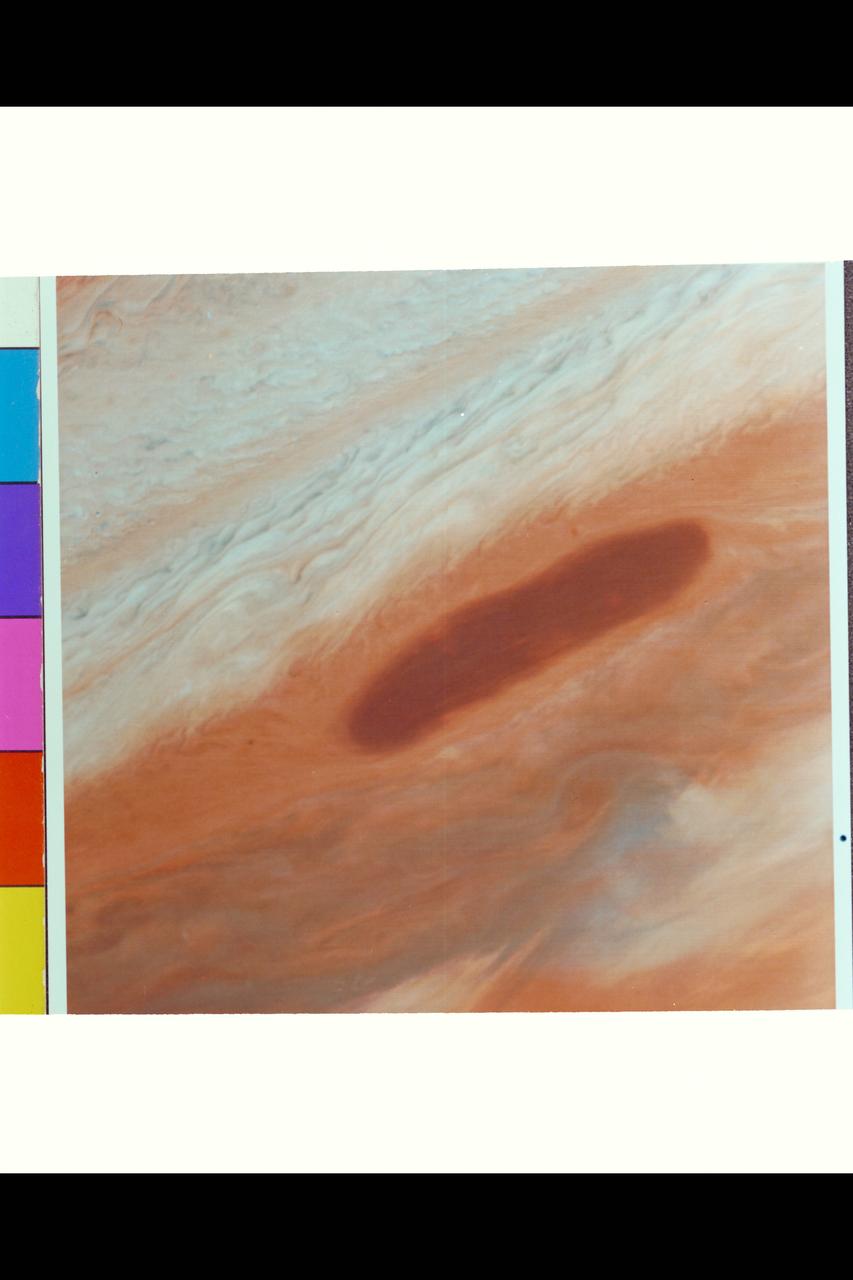
Range :  4.0 million km. ( 2.5 million miles ) This brown oval, located between Jupiter's 13 and 18 degree N latitude, may be an opening in the upper cloud deck. It was a selected target to be photographed by Voyager I on its closest approach to Jupiter because, if observed at high resolution, could provide information on deeper, warmer cloud levels.  Above the oval, is the pale orange North Temperate Belt, bounded on the south by the North Temperate Current, with winds of 120 meters/sec. ( 260 Mi./hr ). The smallest resolvable features from this photograph is 75 km ( 45 miles ) wide.
ARC-1979-AC79-7005
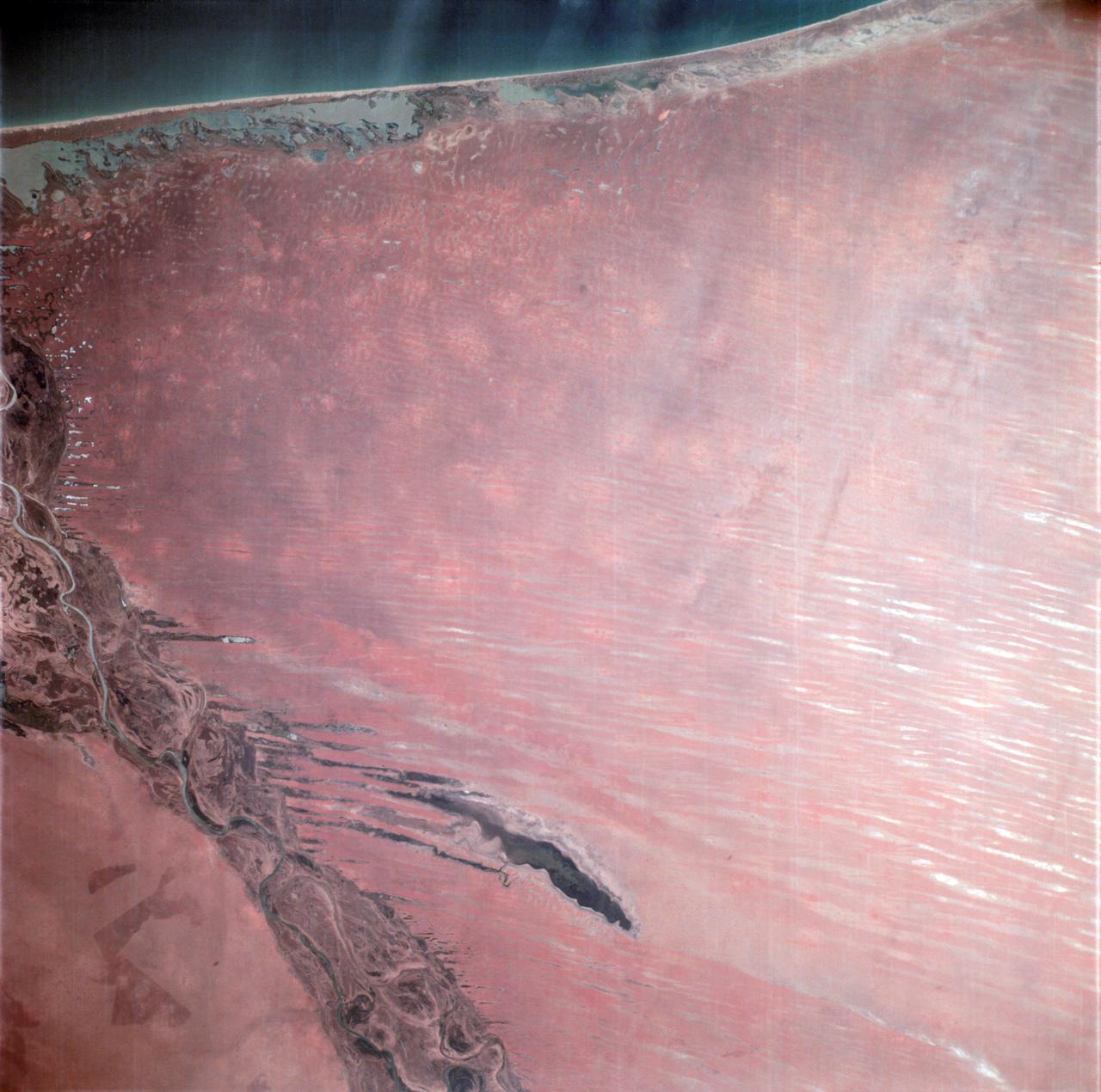
AS06-02-938 (6 April 1968) --- During the second revolution of the National Aeronautics and Space Administration's Apollo 6 spacecraft, this photograph of Senegal and Mauritania was taken at an altitude of 125 nautical miles. The predominant feature is the valley of the Senegal River (flowing to lower right). Lake Rkiz is to the left of the river in Mauritania. The Trarza Scrub Hills, a large area of elongated, fixed dunes, is in the lower left of the print. The land area seen in this photo is approximately 10,000 square miles or about the size of the state of Maryland. The photo was made one hour and fifty minutes after liftoff using a J.A. Maurer model 220G camera with Eastman Kodak SO-121 high resolution aerial Ektachrome film (exposure setting of f: 5.6 at 1/500 sec.).
Senegal and Mauritania as seen from the Apollo 6 unmanned spacecraft
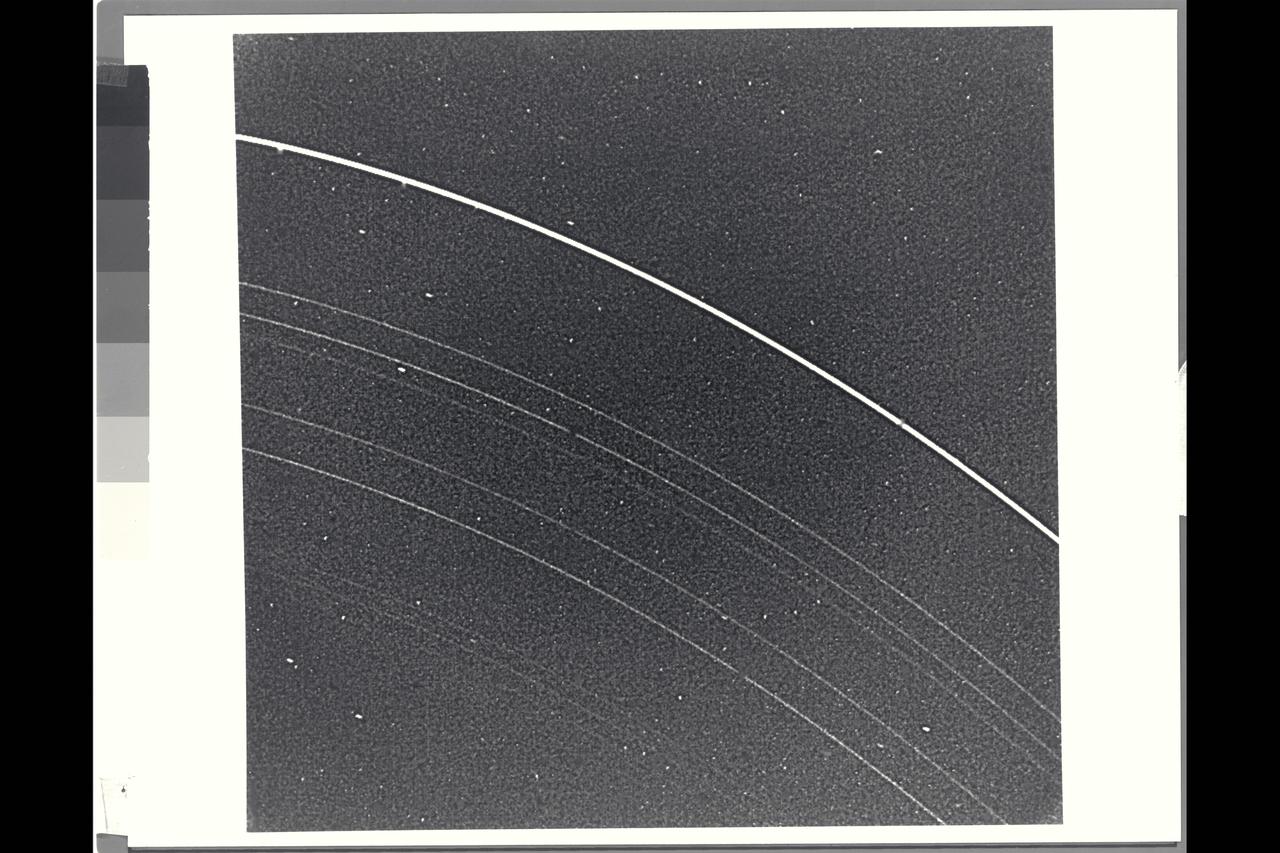
Range : 2.52 million miles (1.56 million miles) P-29481B/W Voyager 2 returned this photograph with all nine known Uranus rings visible from a 15 sec. exposure through the narrow angle camera. The rings are quite dark and very narrow. The most prominent and outermost of the nine, Epsilon, is seen at top. The next three in toward Uranus, called Delta, Gamma, and Eta, are much fainter and more narrow than Epsilon ring. Then come Beta and Alpha rings, and finally, the innermost grouping, known simply as the 4,5, & 6 rings. The last three are very faint and are at the limit of detection for the Voyager camera. Uranus' rings range in width from about 100 km. (60 mi.) at the widest part of the Epsilon ring, to only a few kilometers for most of the others. this iamge was processed to enhance narrow features; the bright dots are imperfections on the camera detector. The resolution scale is about 50 km. (30 mi.)
ARC-1986-A86-7011
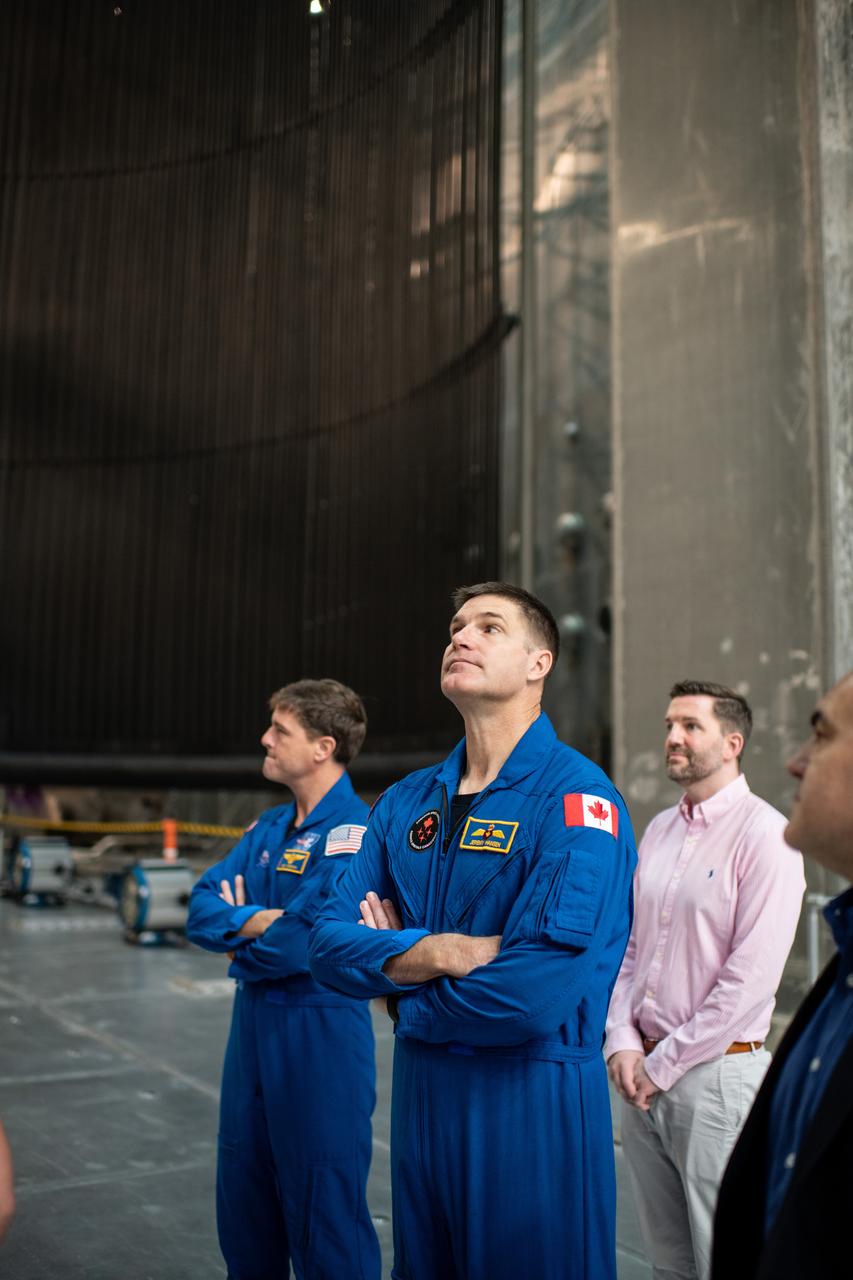
Pictured is Commander Reid Wiseman, Mission Specialist Jeremy Hansen, Jan-Henrik Horstmann and Carlos Garcia-Galan as they are given a tour of the Space Environment Complex (SEC) in Sandusky, OH at Neil Armstrong Test Facility on September 11, 2024.  Employees meet three of the four astronauts who will venture around the Moon on Artemis II, the first crewed flight paving the way for future lunar surface missions. Commander Reid Wiseman and Mission Specialists Christina Koch and Jeremy Hansen will be on hand to discuss their upcoming mission and participate in a Question and Answer session with employees afterward. Hansen is an astronaut with the Canadian Space Agency. Victor Glover, the pilot and fourth crew member, will not be present. Photo Credit: (NASA/Sara Lowthian-Hanna)
Orion Technical Visit and Artemis II All Hands
P-34675 Range :  5.9 million km. ( 3.6 million miles ) Orbital Speed :  40,000 km/hr. or 25,000 mi/hr. The most recently discovered satellites of Neptune, 1989N5 and 1989N6, are shown in this Voyager 2 image. Their high orbital speed, in combination with the a 15 sec. exposure, has caused faint streaks. 1989N3 was discovered in early August, 1989. 1989N6 is distinguished by an orbit that is inclined 4.5 degrees to Neptune's equatorial plane, the only new satellite in the Neptune system to have noticably inclined orbit. 1989N5 cicles Neptune every 7.5 hours at a ditance of 25,000 km. or 15,500 miles above the cloud tops. 1989N6 orbits Neptune 23,00 km. or 14,000 miles from cloud tops every 7.1 hours
ARC-1989-A89-7023
The largest solar flare ever recorded occurred at 4:51 p.m. EDT, on Monday, April 2, 2001. as Observed by the Solar and Heliospheric Observatory (SOHO) satellite. Solar flares, among the solar systems mightiest eruptions, are tremendous explosions in the atmosphere of the Sun capable of releasing as much energy as a billion megatons of TNT. Caused by the sudden release of magnetic energy, in just a few seconds, solar flares can accelerate solar particles to very high velocities, almost to the speed of light, and heat solar material to tens of millions of degrees. The recent explosion from the active region near the sun's northwest limb hurled a coronal mass ejection into space at a whopping speed of roughly 7.2 million kilometers per hour. Luckily, the flare was not aimed directly towards Earth. Second to the most severe R5 classification of radio blackout, this flare produced an R4 blackout as rated by the NOAA SEC. This classification measures the disruption in radio communications. Launched December 2, 1995 atop an ATLAS-IIAS expendable launch vehicle, the SOHO is a cooperative effort involving NASA and the European Space Agency (ESA). (Image courtesy NASA Goddard SOHO Project office)
Space Science
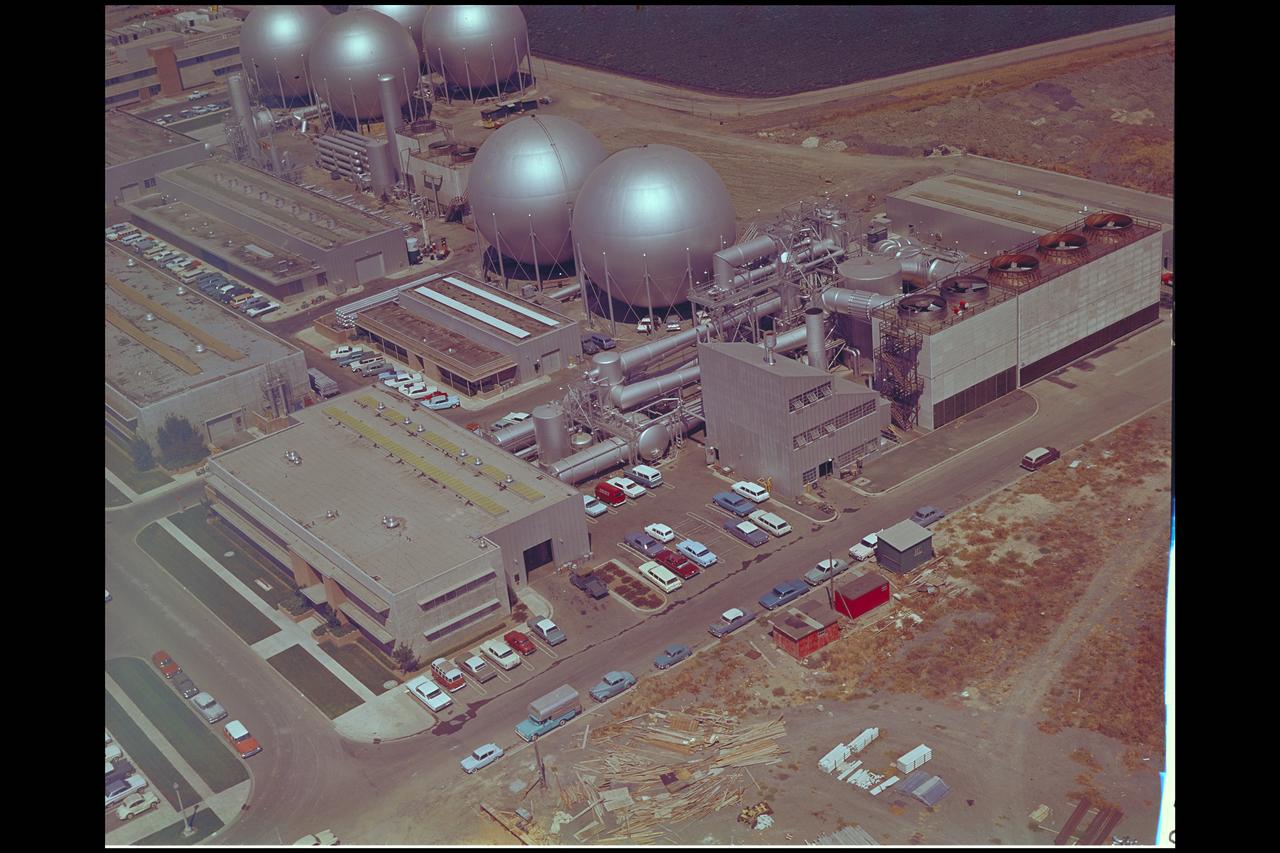
Aerial view of Gasdynamics facility in 1964 and the 20 inch helium tunnel Part of the Thermal Protection Laboratory used to research materials for heat shield applications and for aerodynamic heating and materials studies of vehicles in planetary atmospheres.  This laboratory is comprised of five separate facilities: an Aerodynamic Heating Tunnel,  a Heat Transfer Tunnel, two Supersonic Turbulent Ducts, and a High-Power CO2 Gasdynamic Laser. All these facilities are driven by arc-heaters, with the exception of the large, combustion-type laser.  The arc-heated facilities are powered by a 20 Megawatt DC power supply. Their effluent gas stream (test gases; Air, N2, He, CO2 and mixtures; flow rates from 0.05 to 5.0 lbs/sec) discharges into a five-stage stream-ejector-driven vacuum system. The vacuum system and power supply are common to the test faciities in building N-238. All of the facilities have high pressure water available at flow rates up to 4, 000 gals/min. The data obtained from these facilities are recorded on magnetic tape or oscillographs. All forms of data can be handled whether from thermo-couples, pressure cells, pyrometers, or radiometers, etc. in addition, closed circuit T. V. monitors and various film cameras are available. (operational since 1962)
ARC-1964-A-33038-22
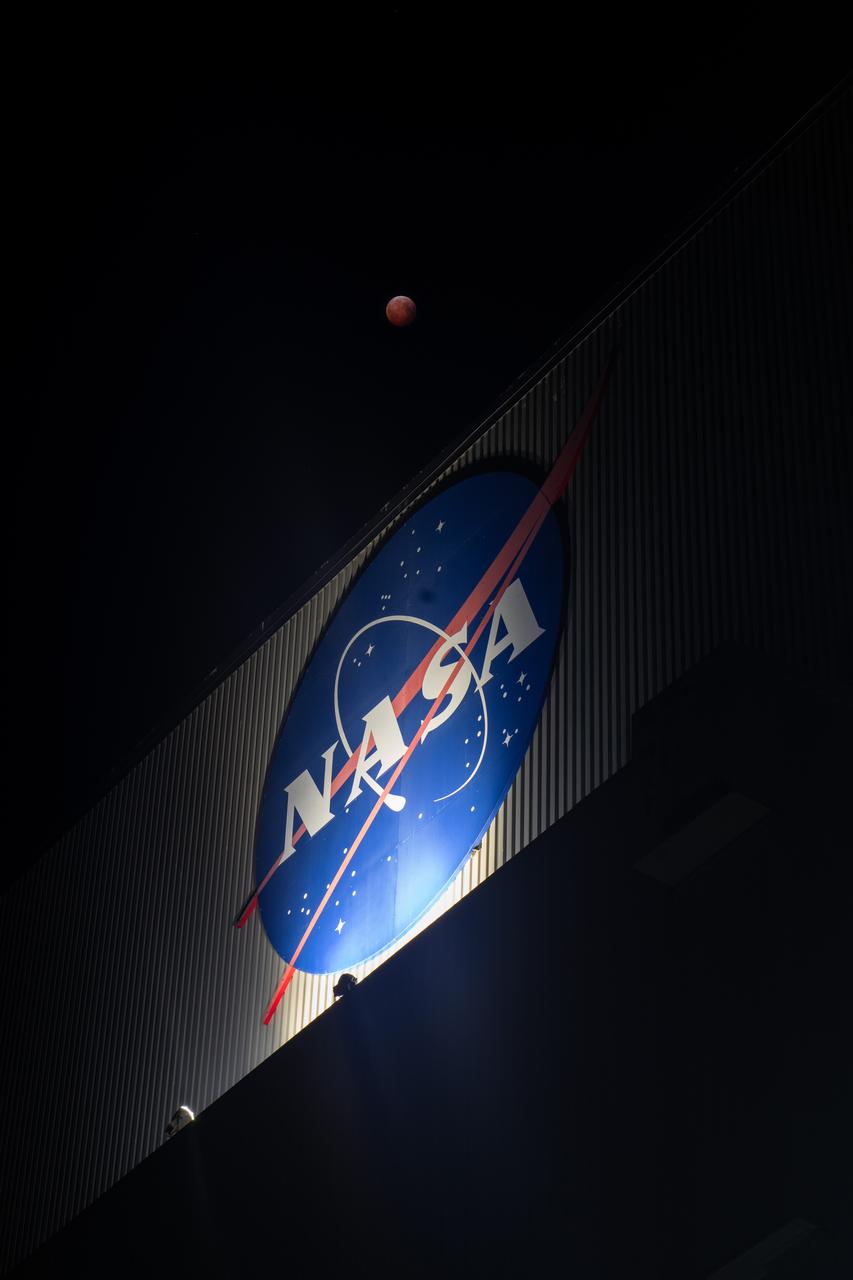
Blood Moon on March 14, 2025 at Armstrong Test Facility in Sandusky, OH. Photo Credit: (NASA/Sara Lowthian-Hanna)
Lunar Eclipse and Blood Moon
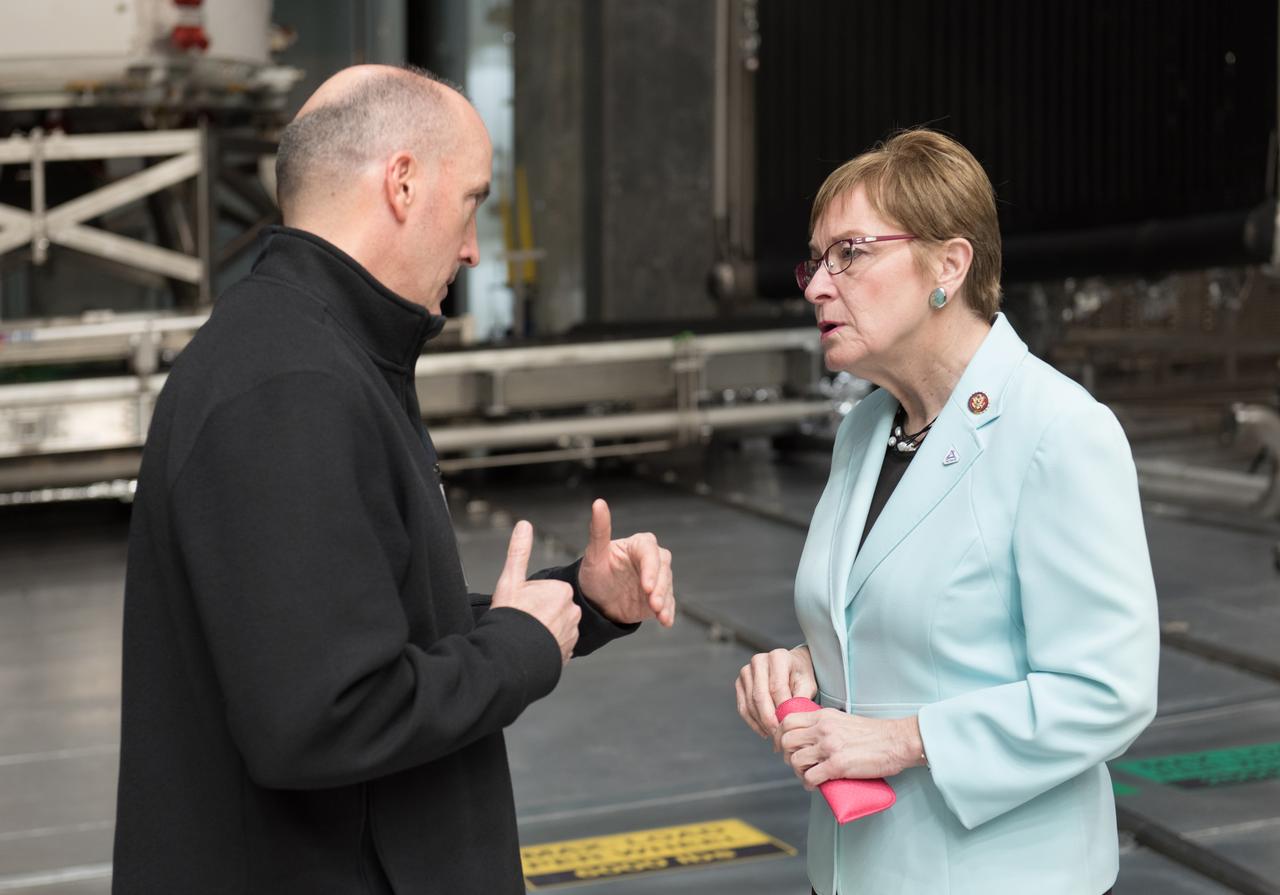
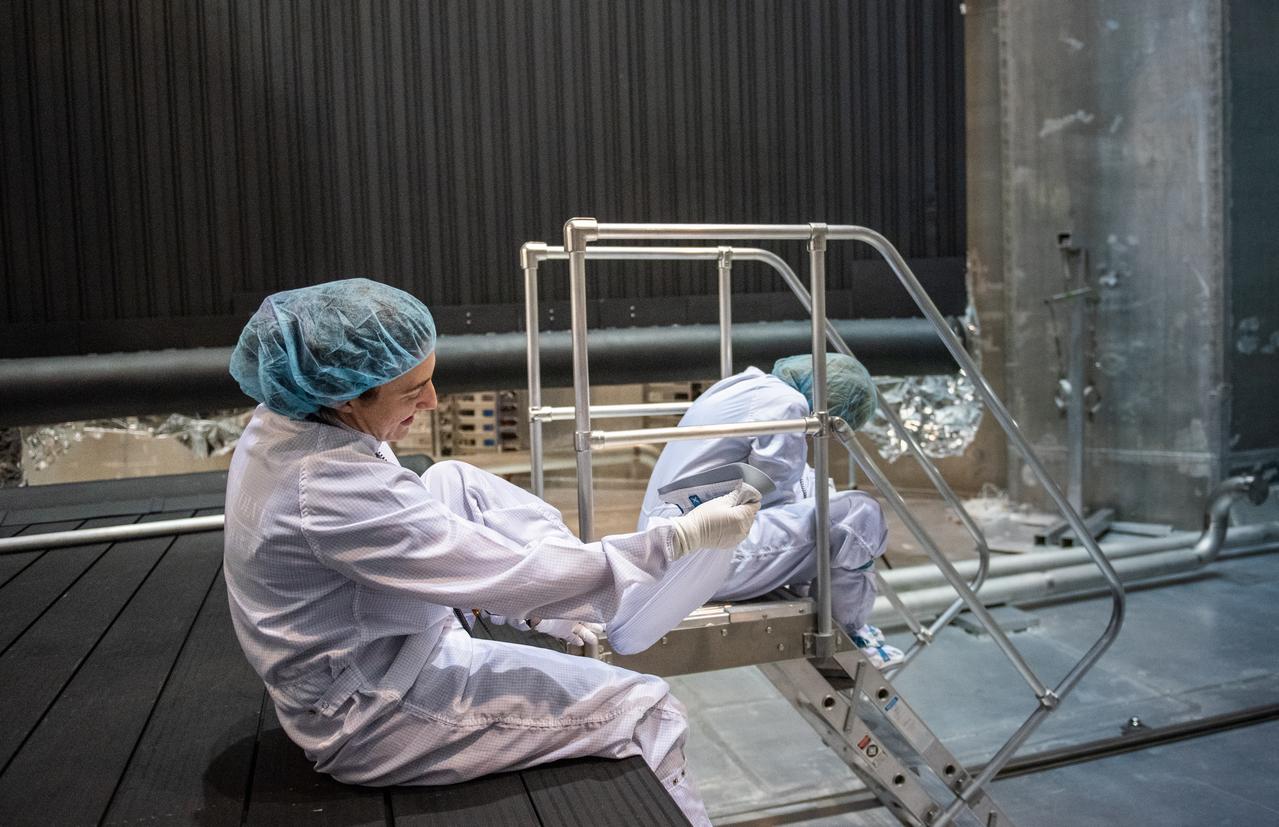
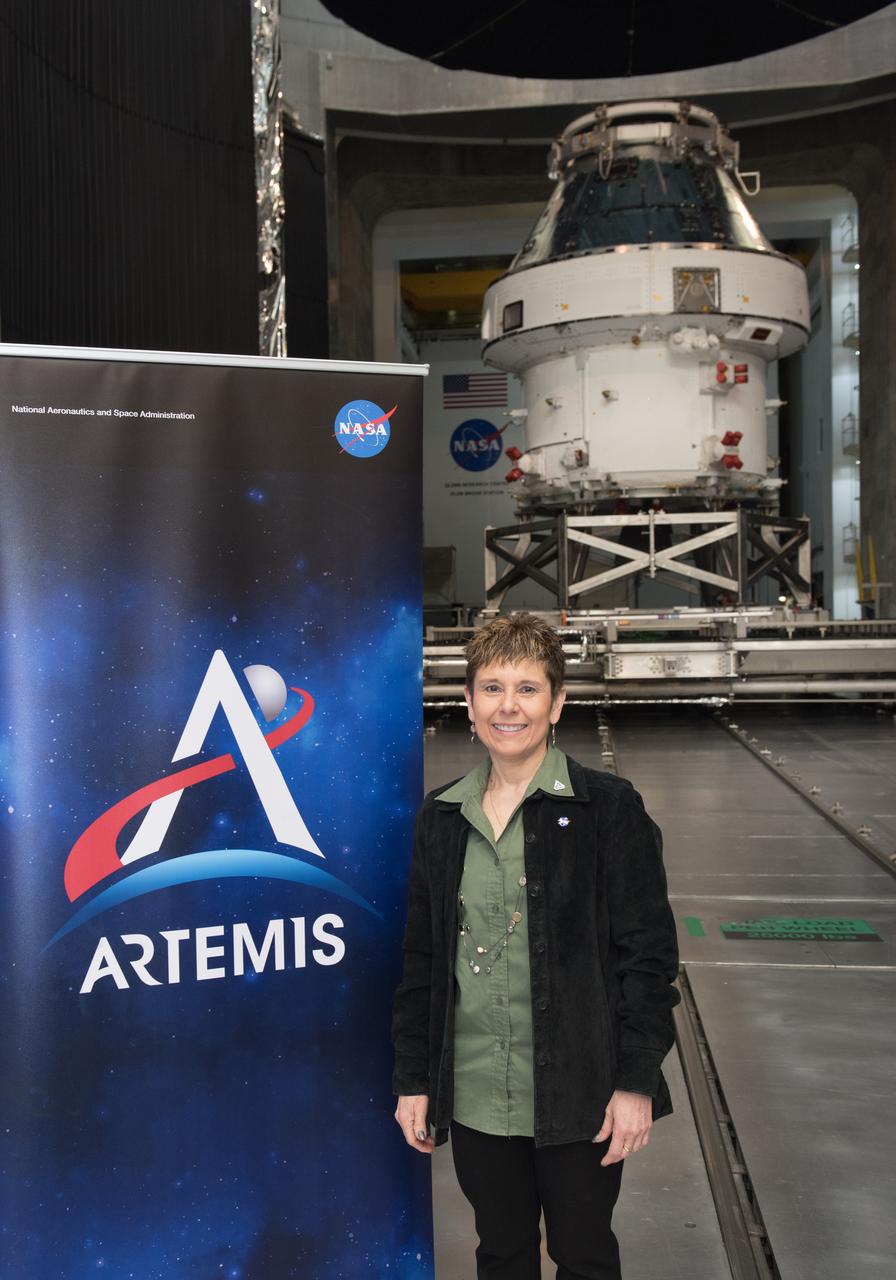
Day In The Life of Artemis Employees
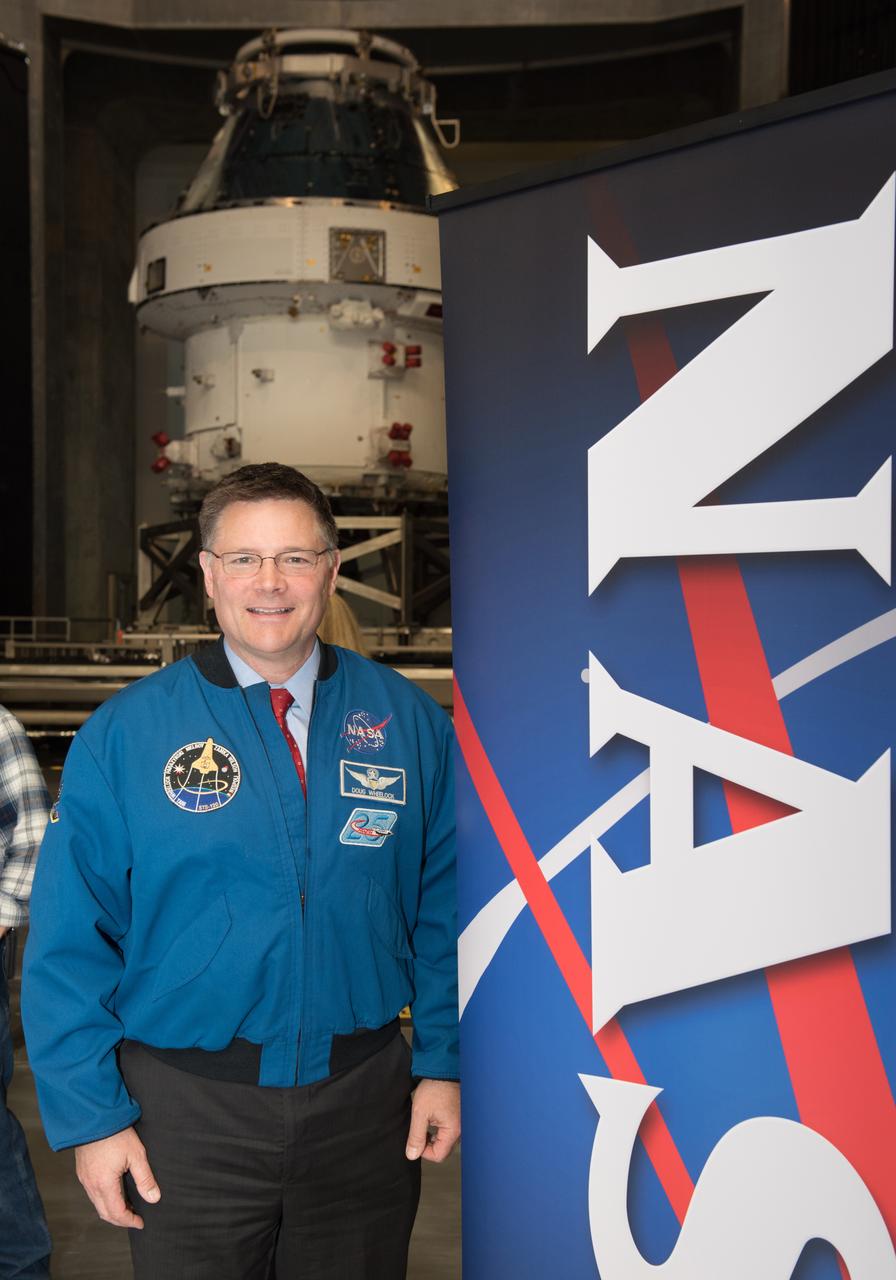
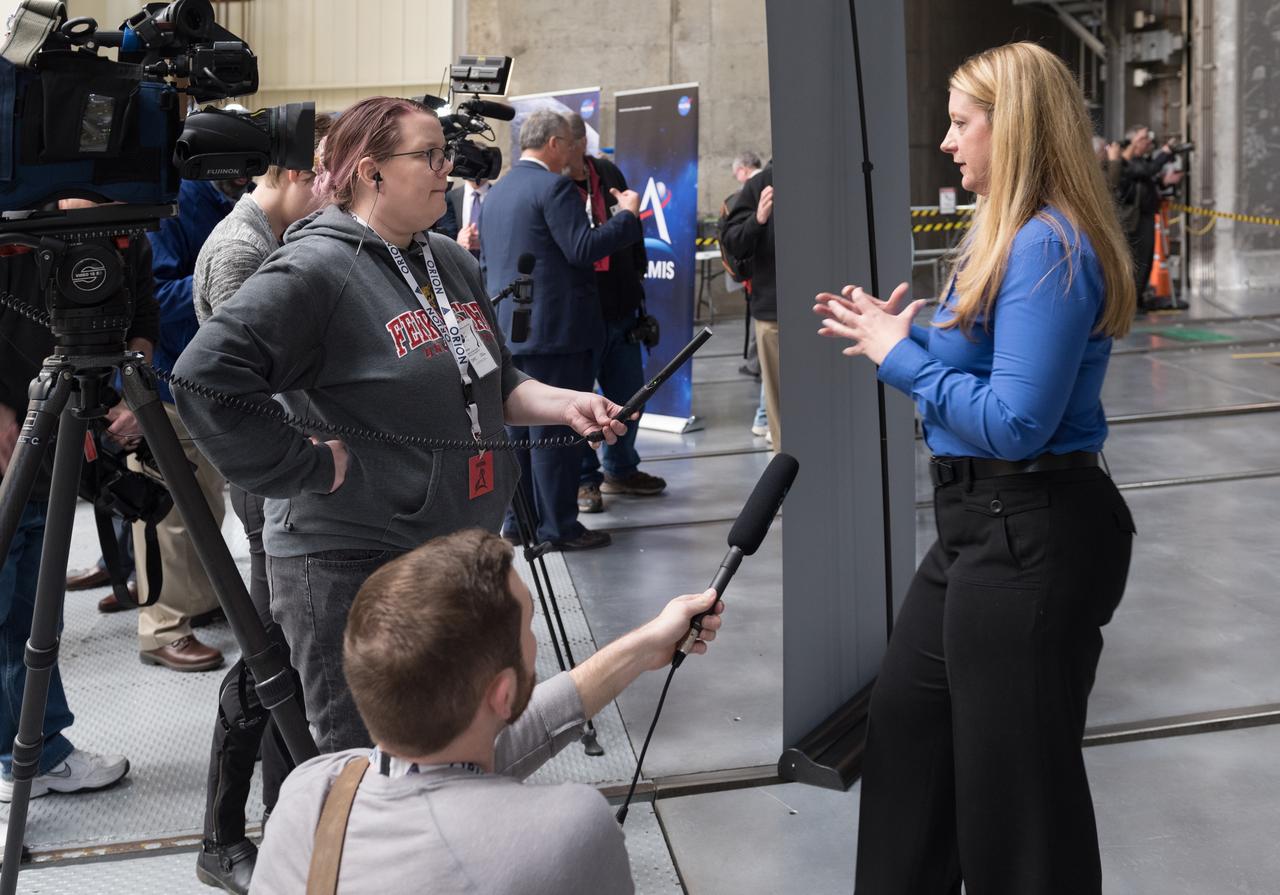
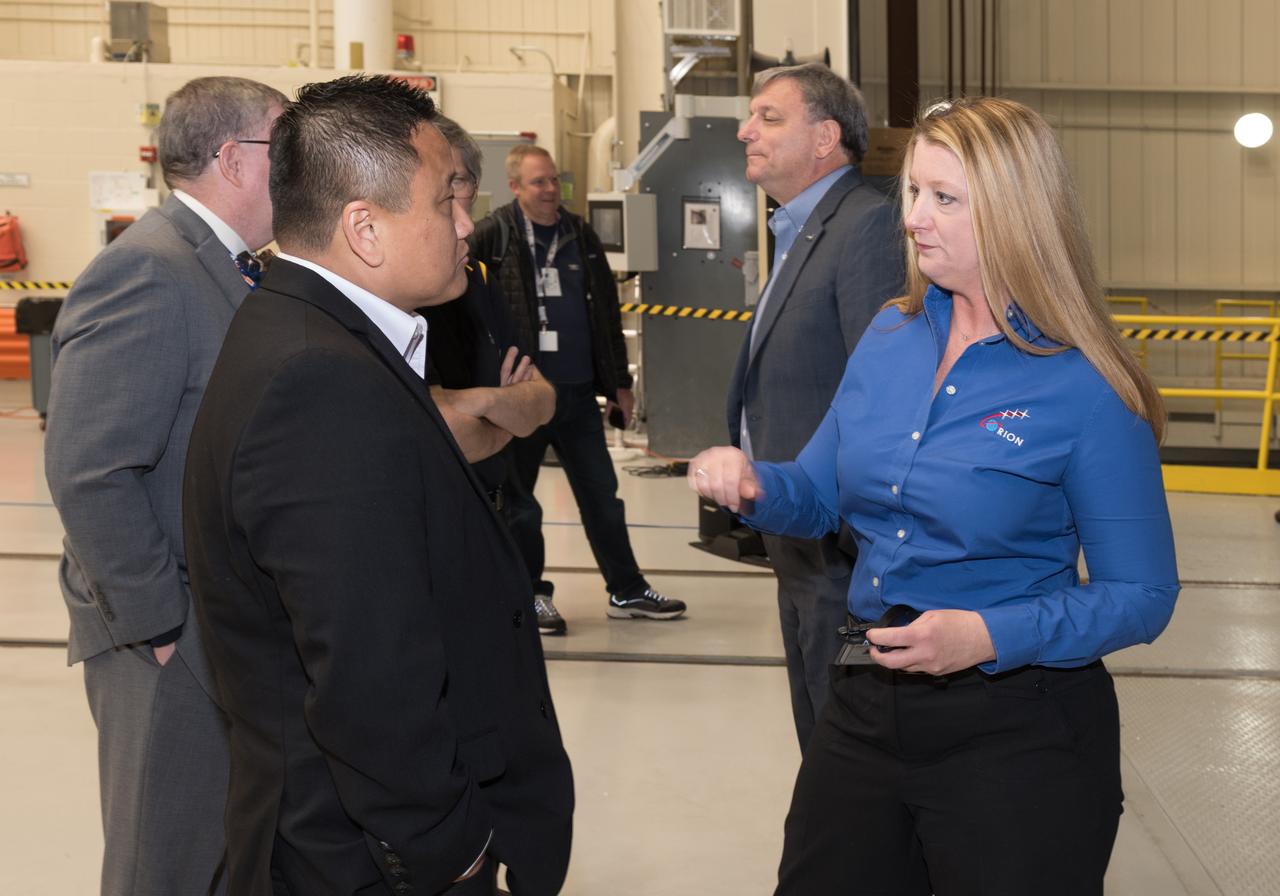
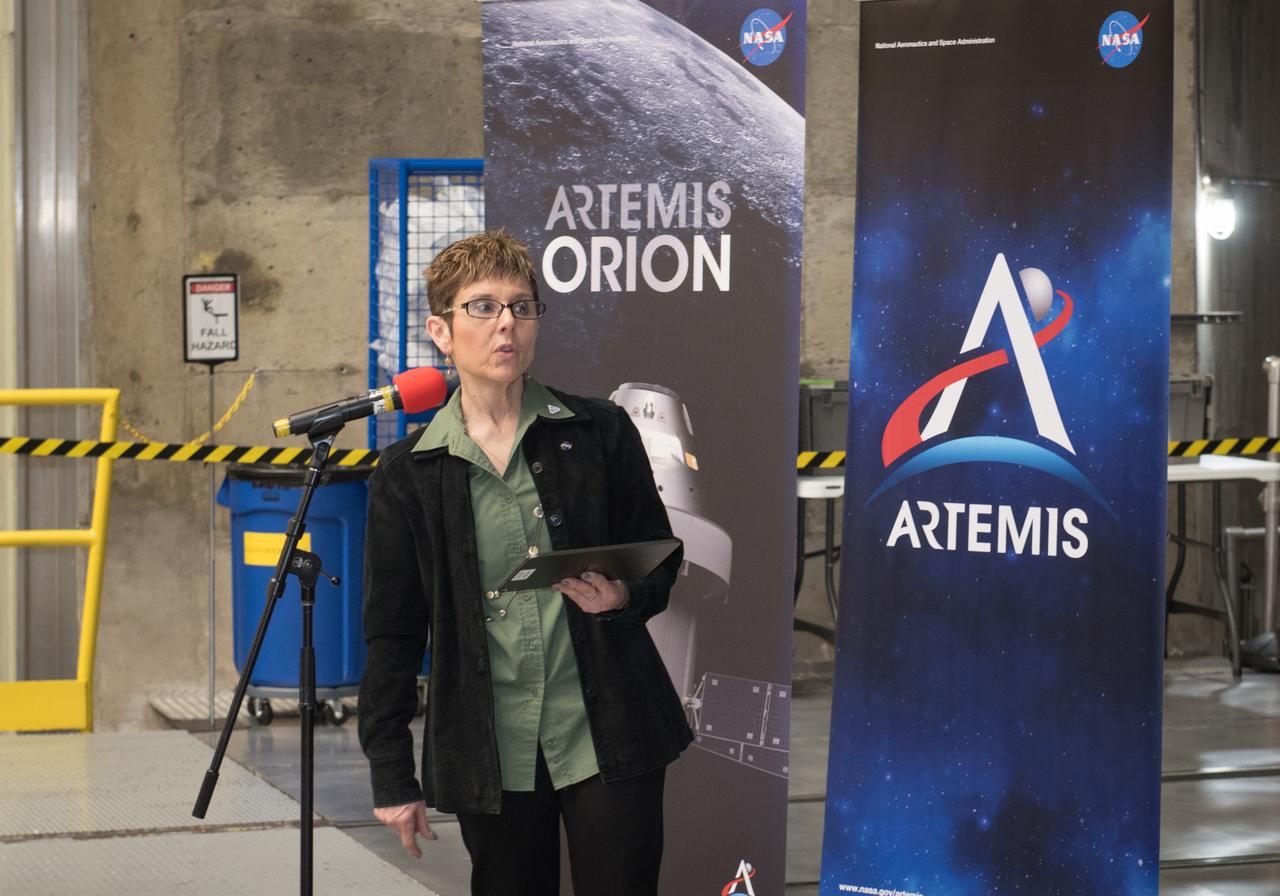
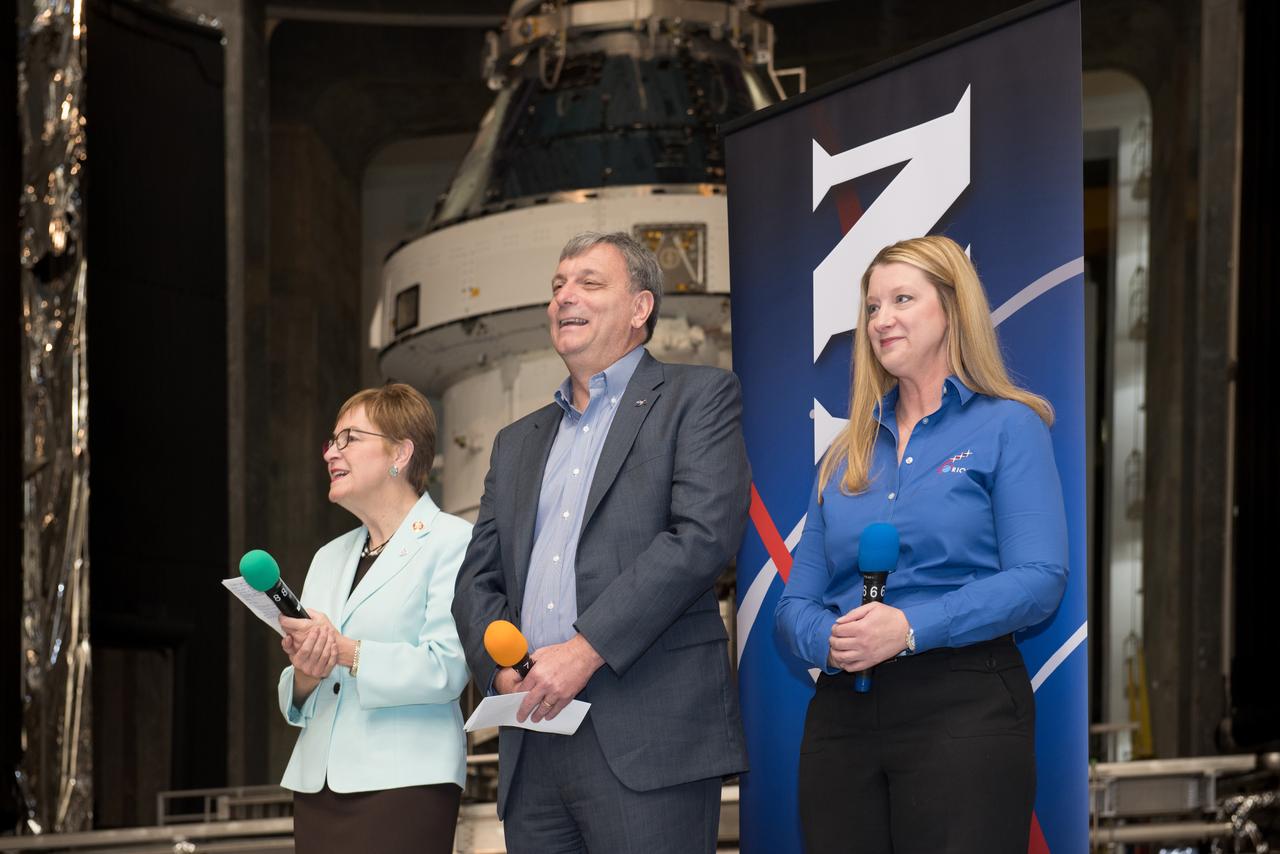
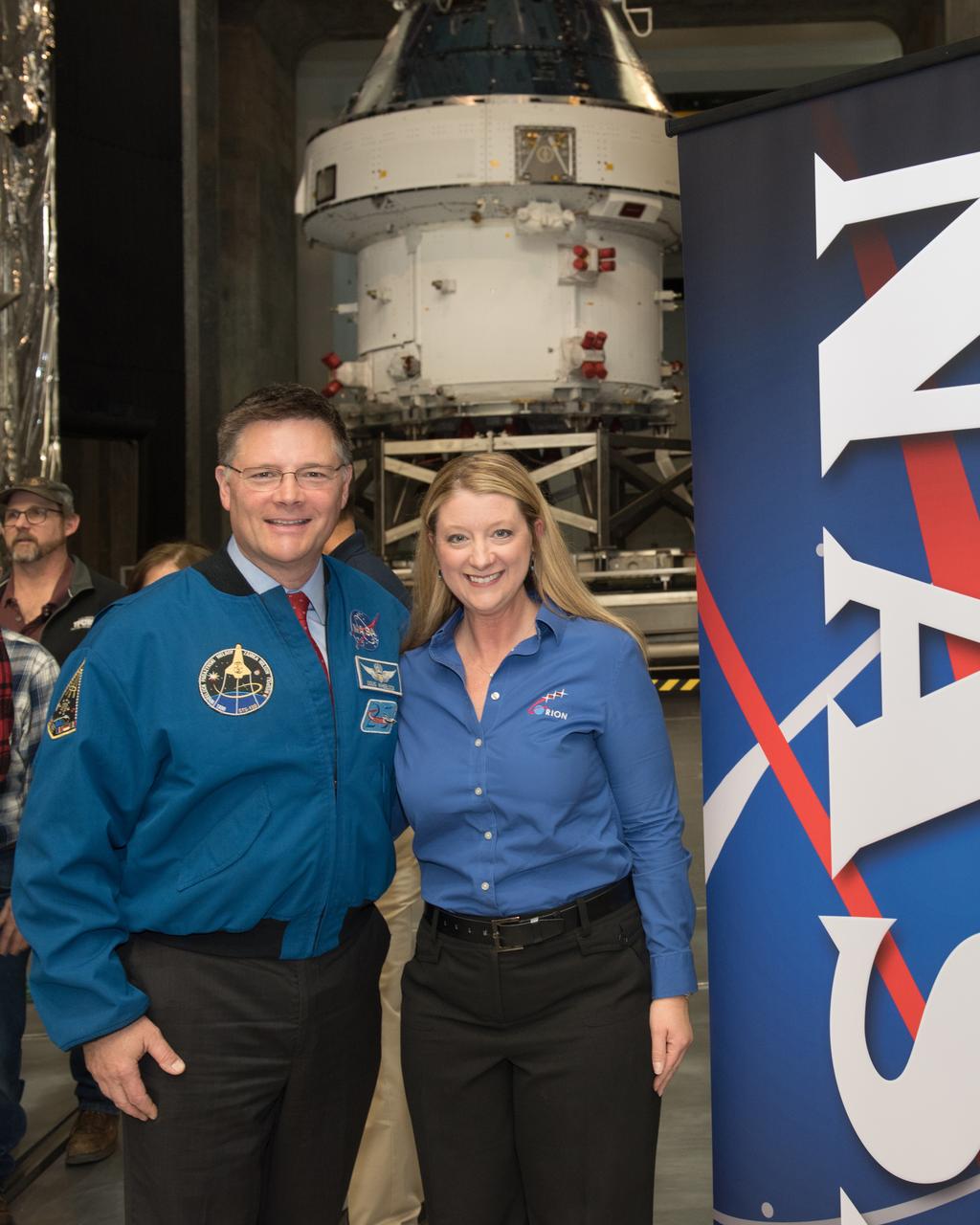
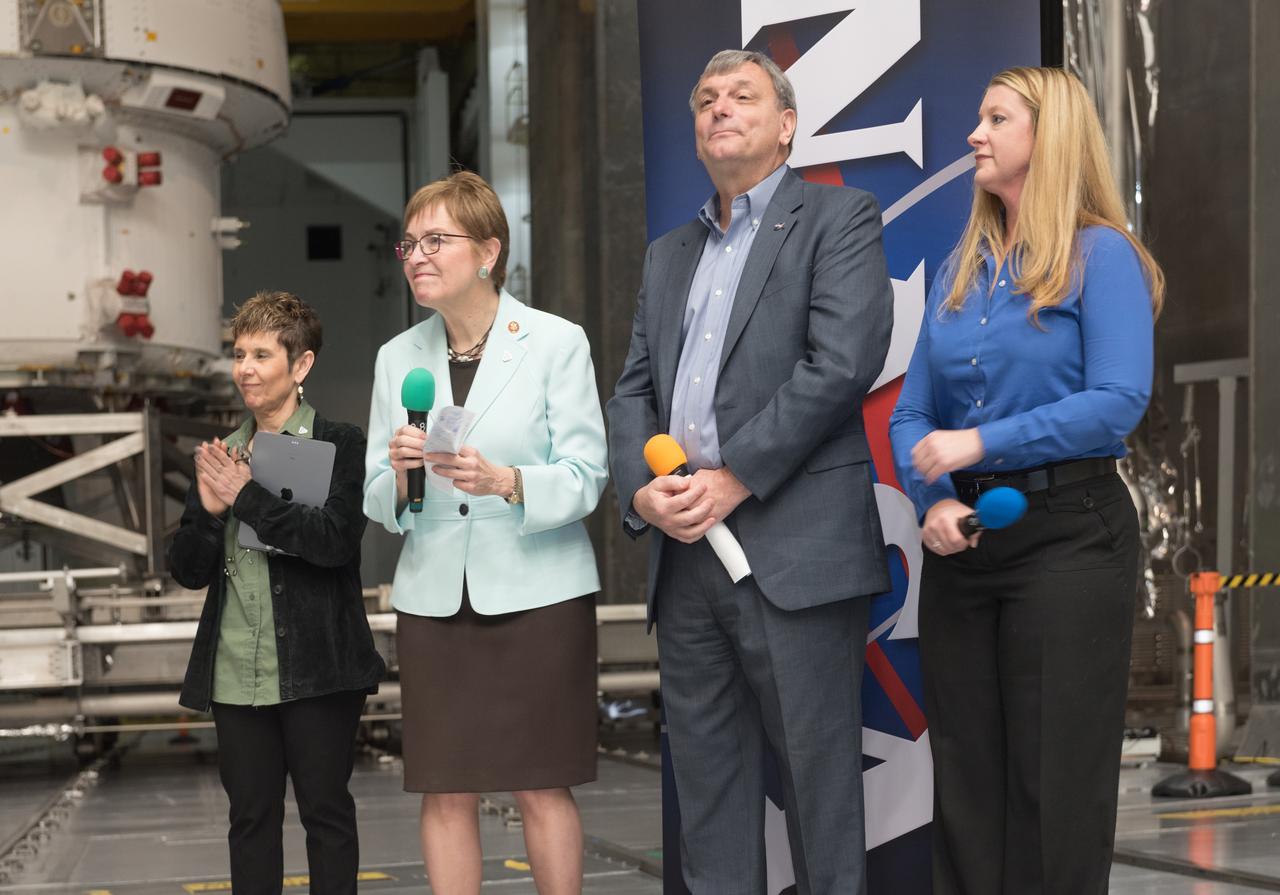
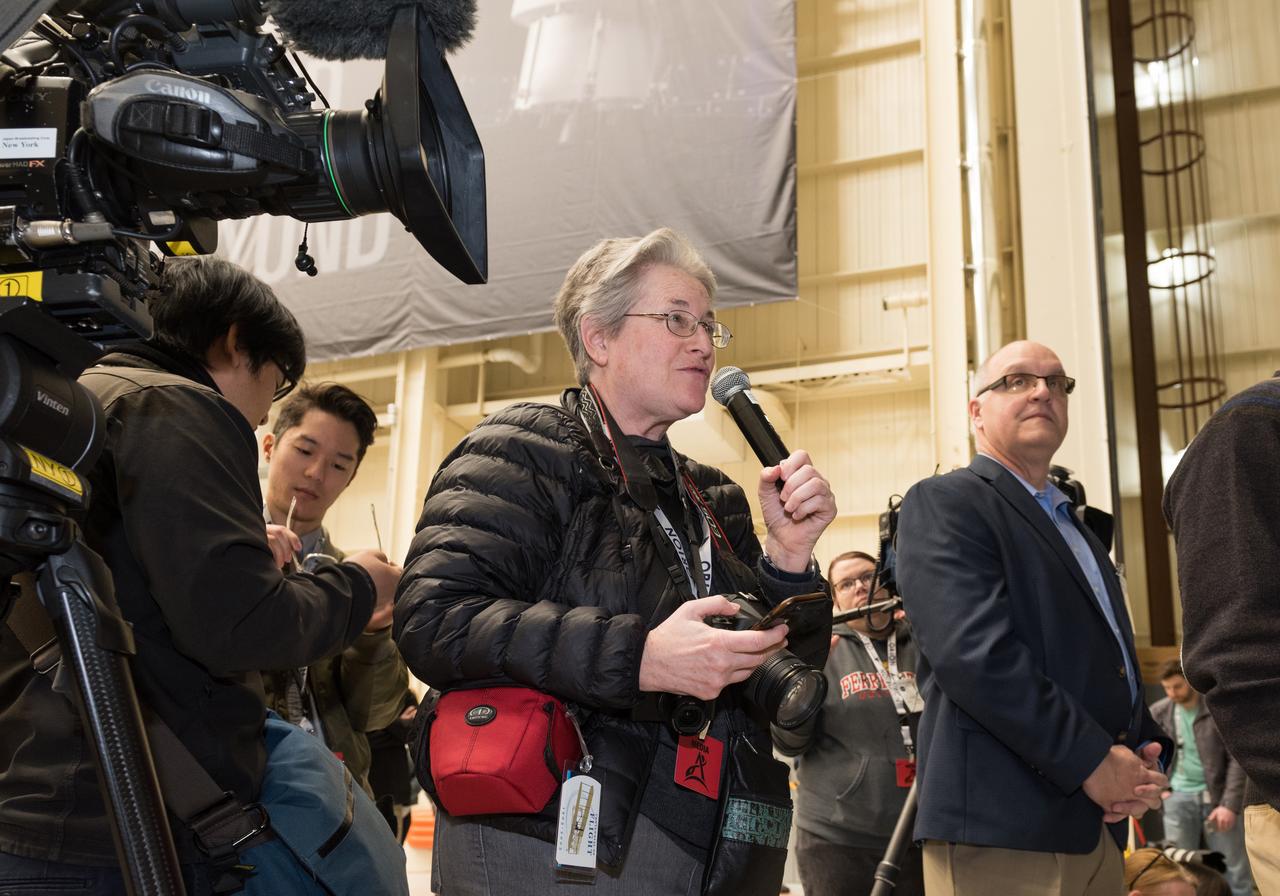
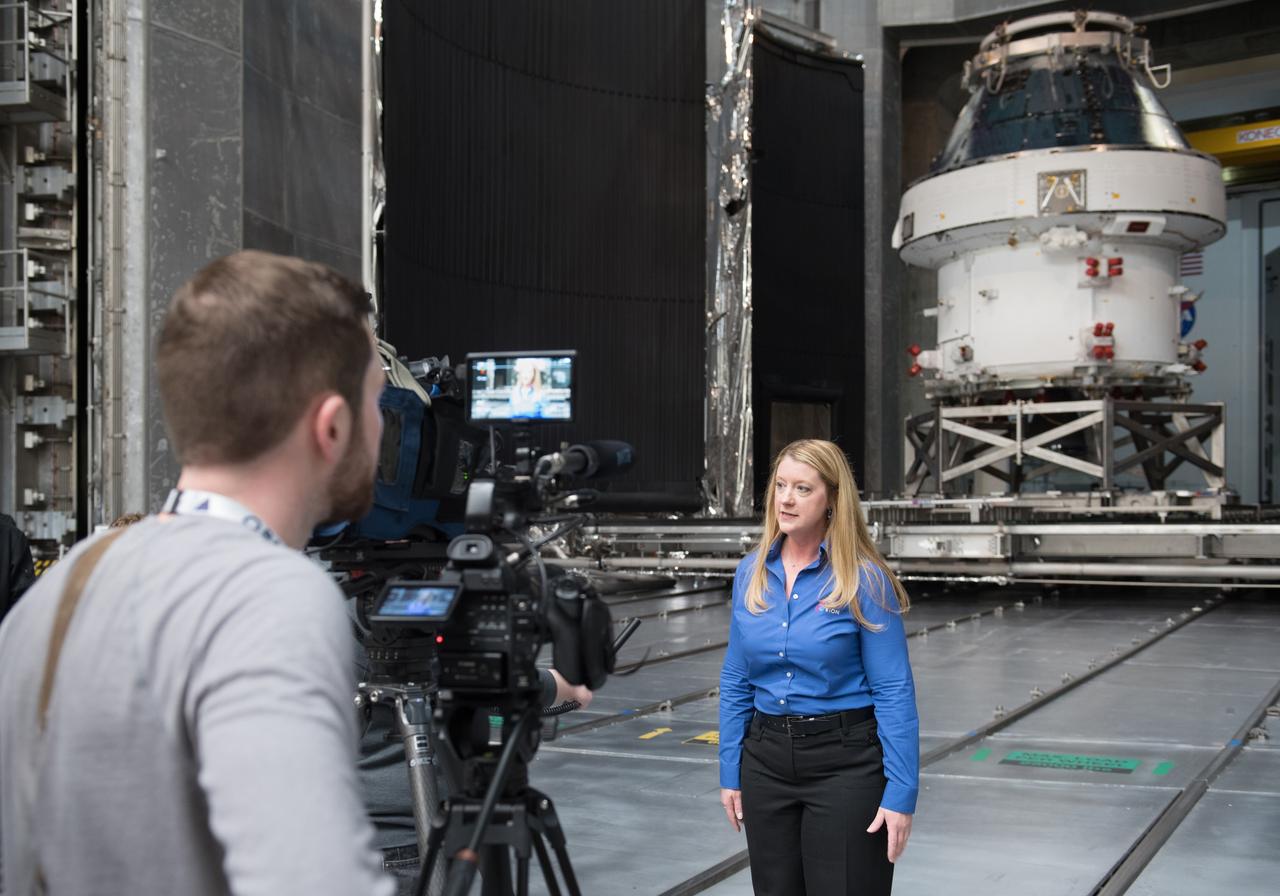
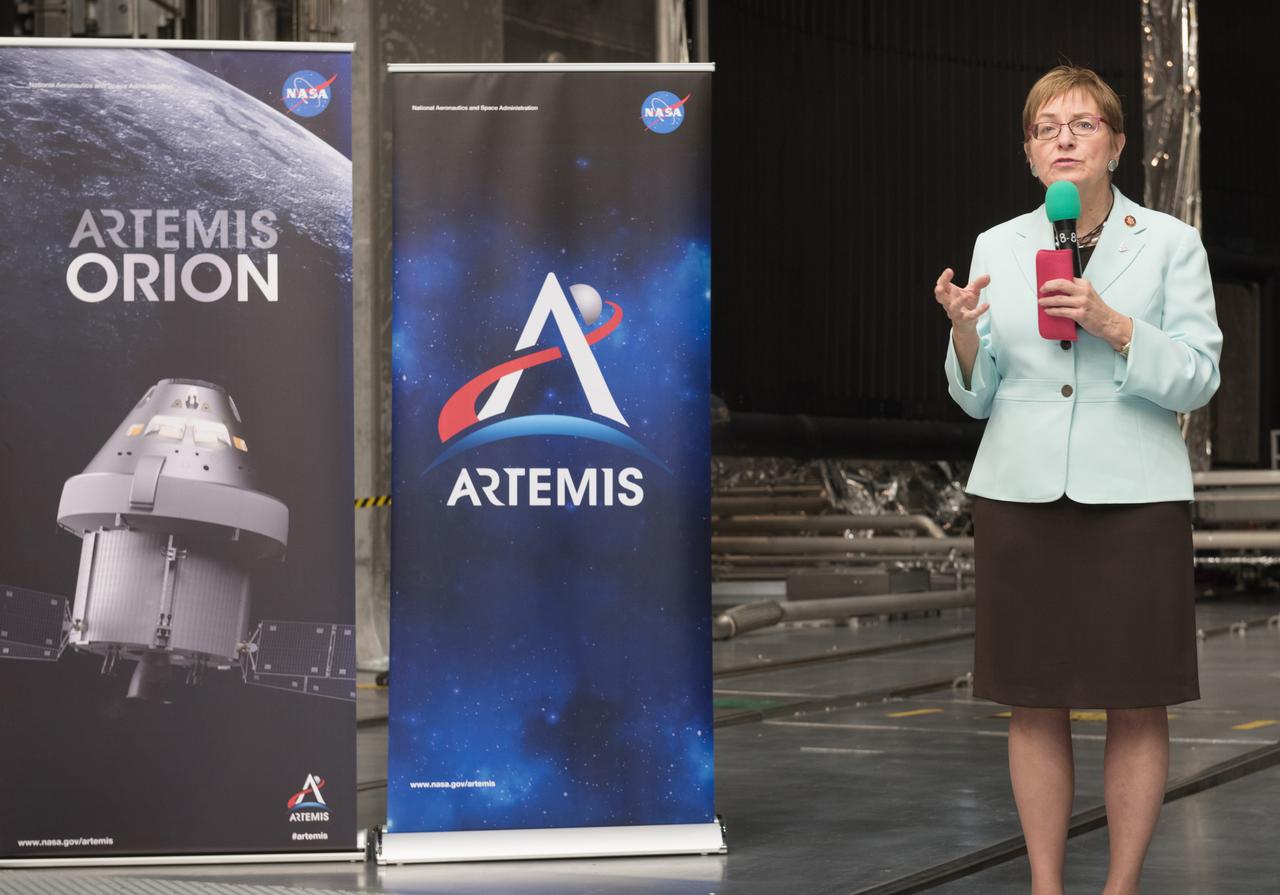
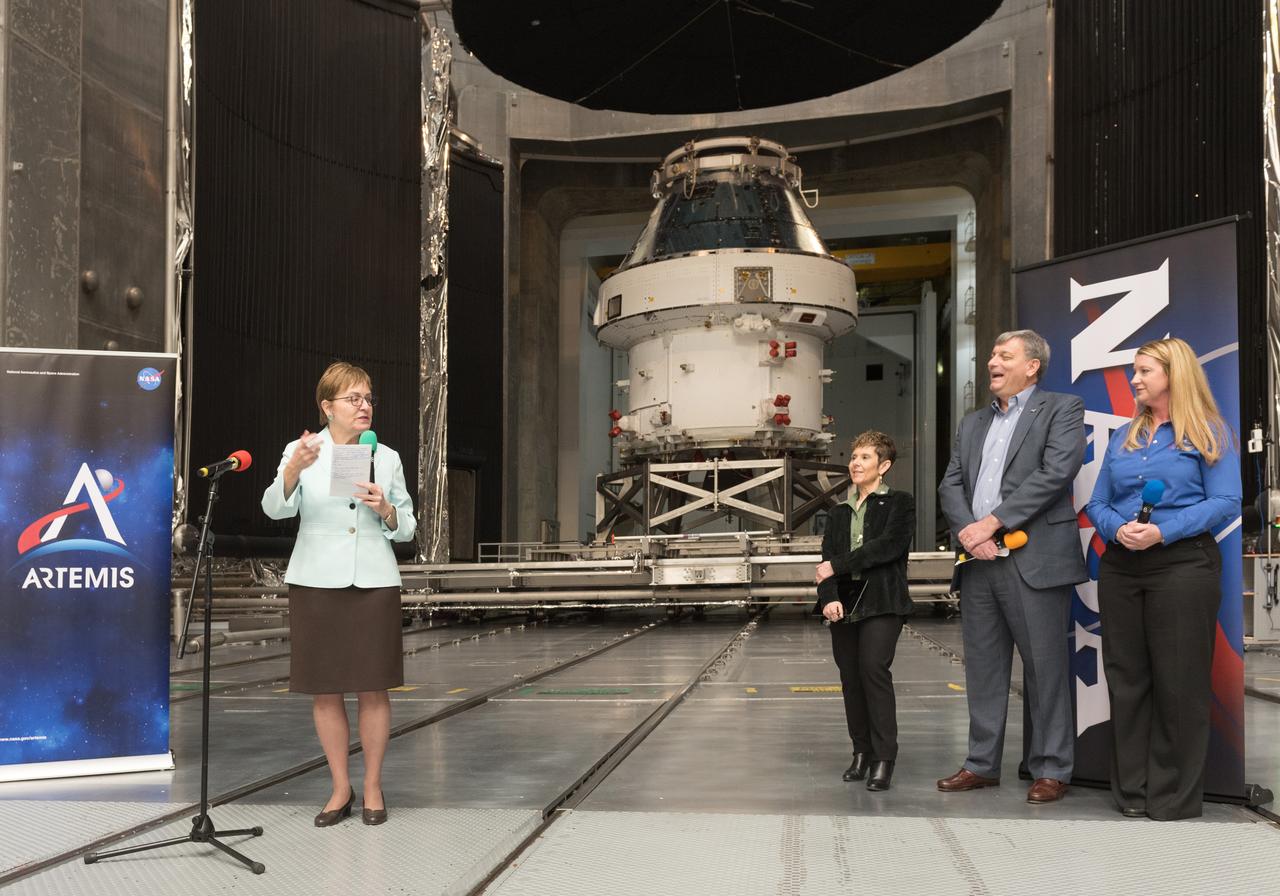
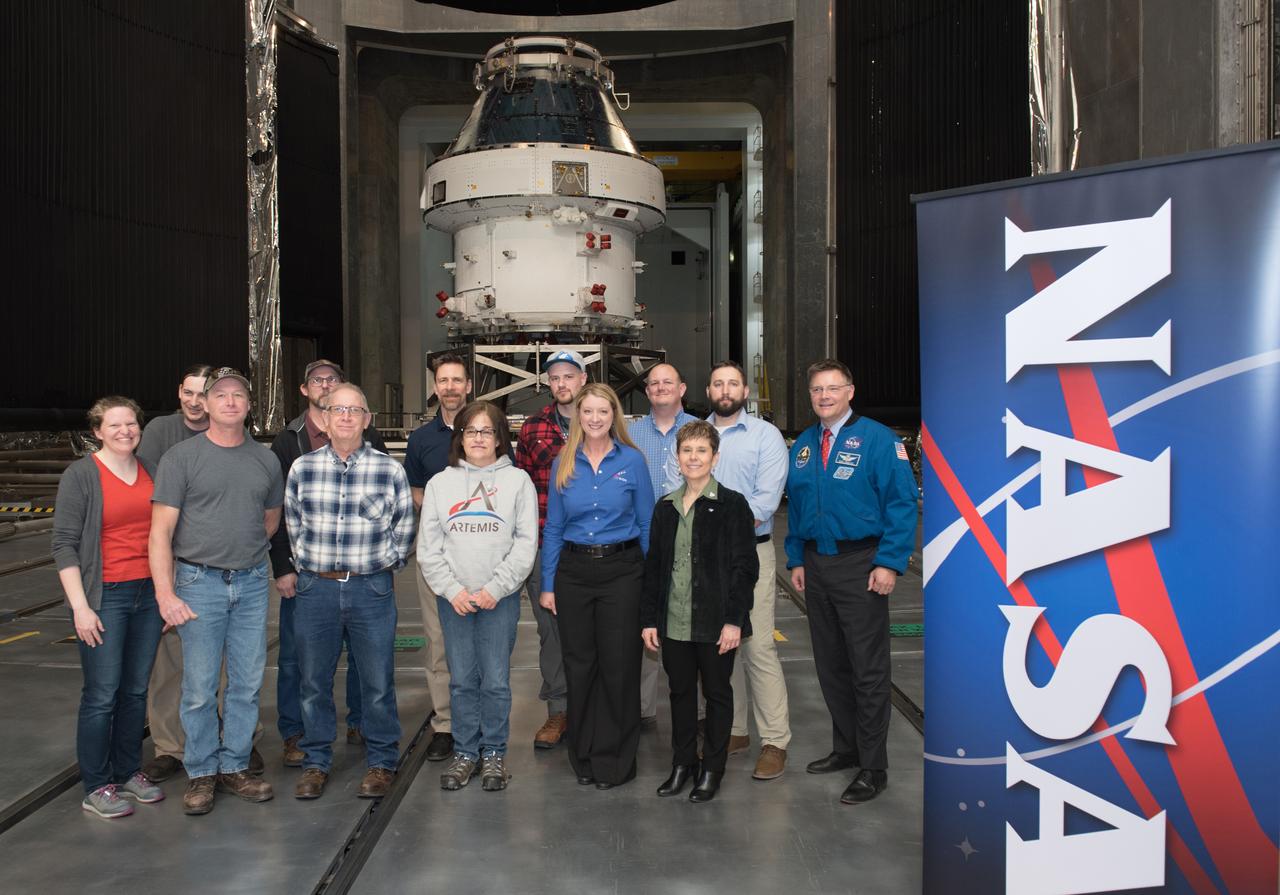
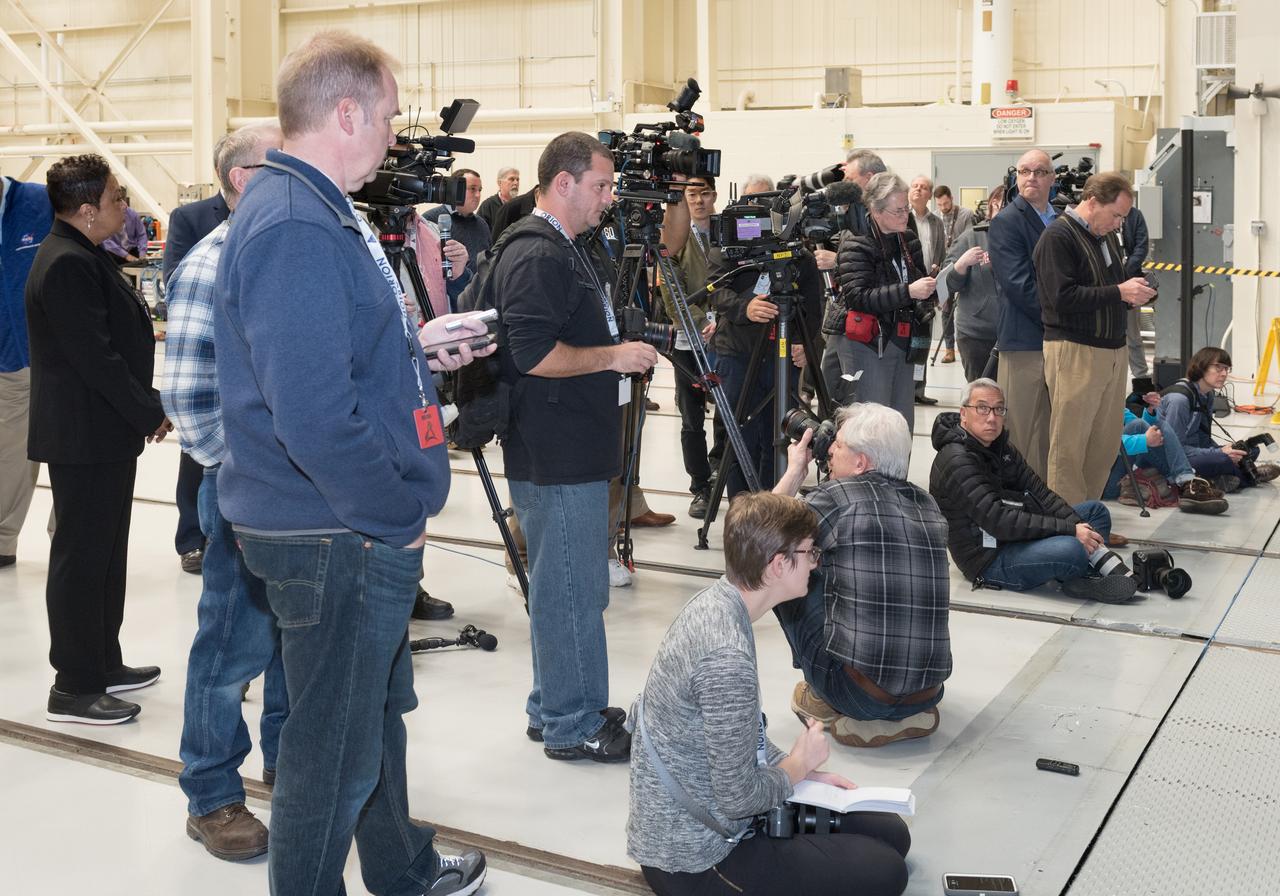
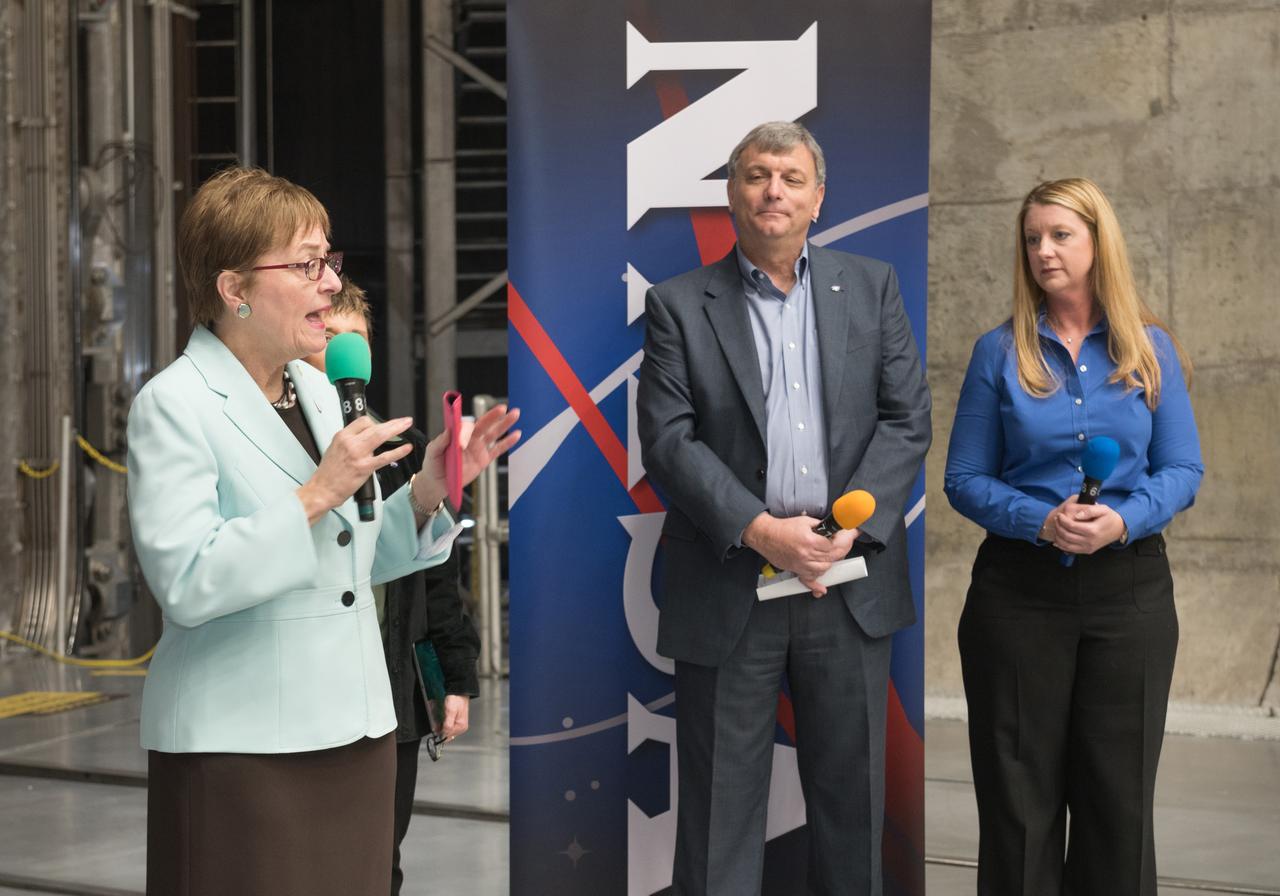
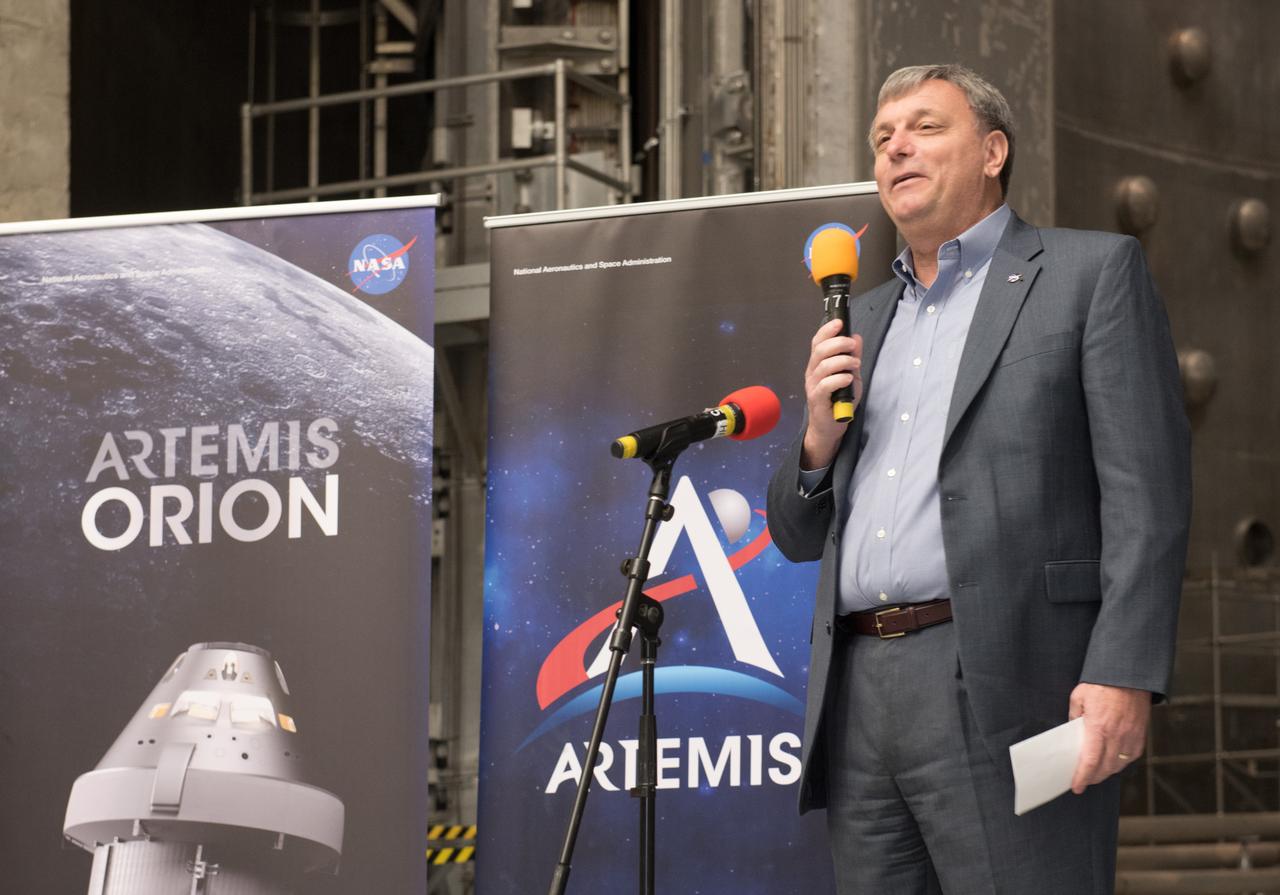
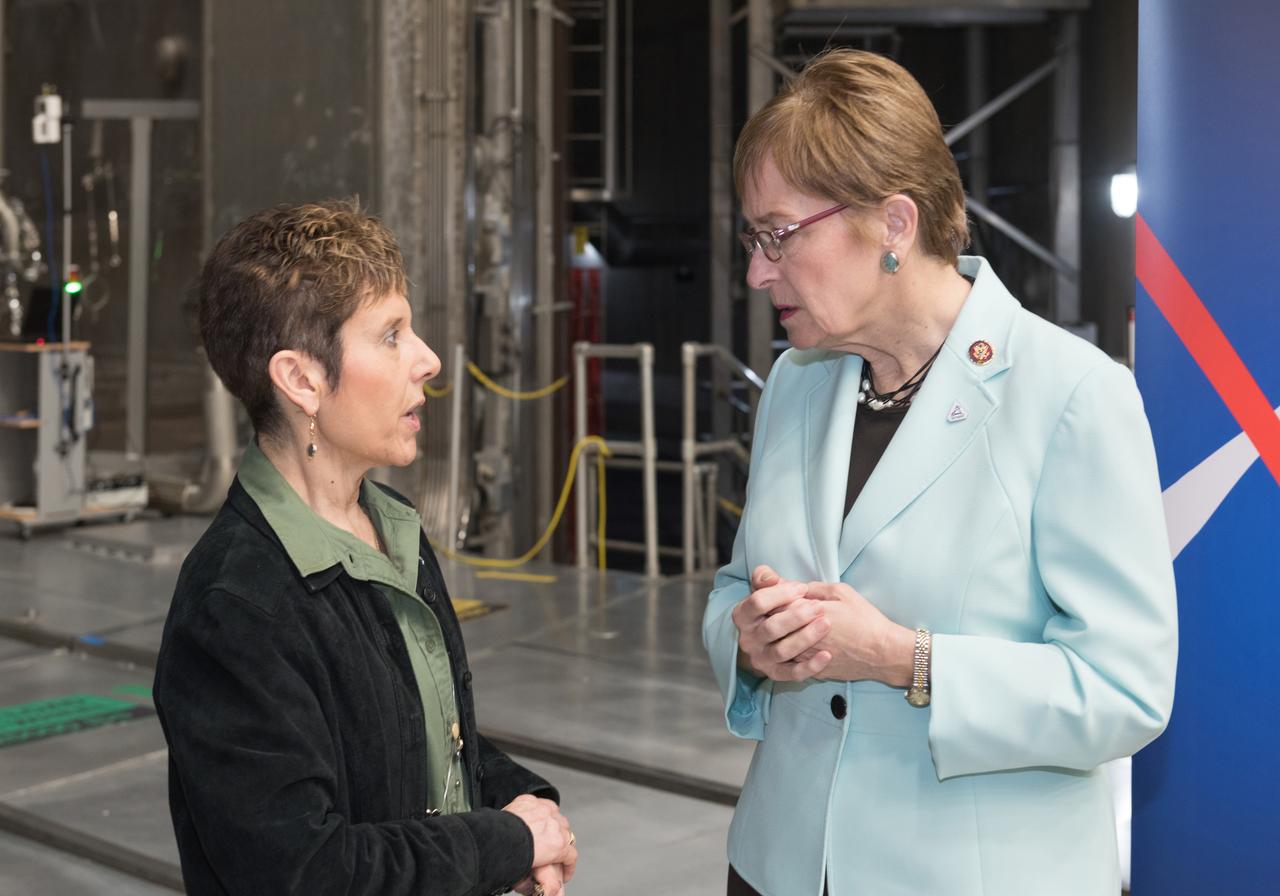
Artemis Departure Media Event
Day In The Life of Artemis Employees
Artemis Departure Media Event
Day In The Life of Artemis Employees
Space Environments Complex at Plum Brook Station
Day In The Life of Artemis Employees
Artemis Departure Media Event
Day In The Life of Artemis Employees
Artemis Departure Media Event
Day In The Life of Artemis Employees
Artemis Departure Media Event
Day In The Life of Artemis Employees
Artemis Departure Media Event
Day In The Life of Artemis Employees
Artemis Departure Media Event
Space Environments Complex at Plum Brook Station
Artemis Departure Media Event
Day In The Life of Artemis Employees
Artemis Departure Media Event
Day In The Life of Artemis Employees
Artemis Departure Media Event