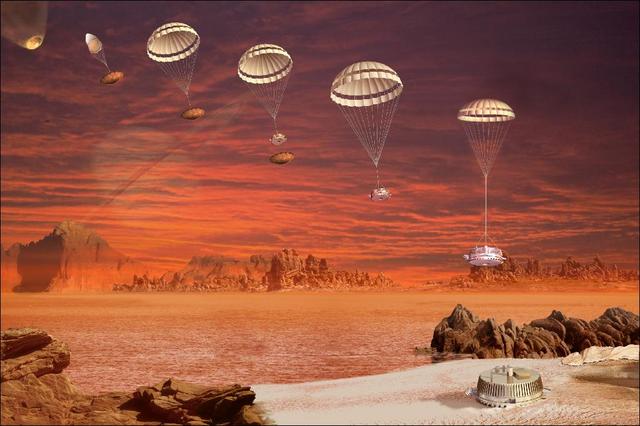
Huygens Descent Sequence Artist Concept
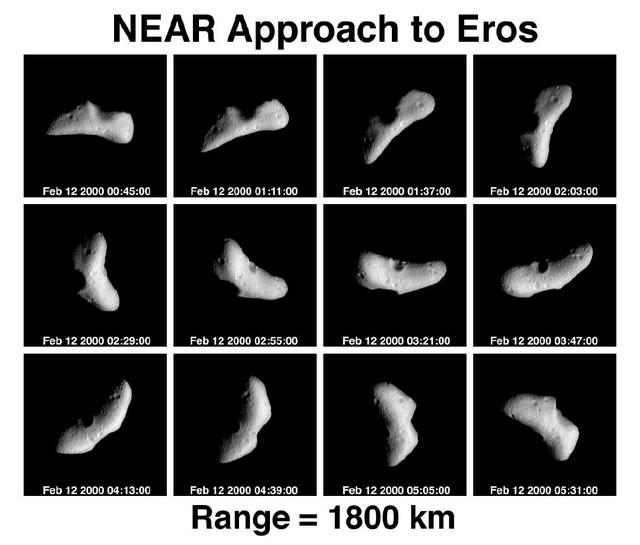
NEAR Approach to Eros - 12 Panel Rotation Sequence
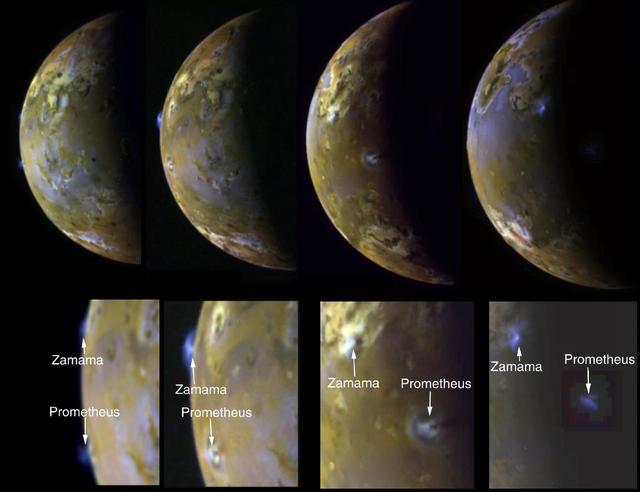
Sequence Showing Active Volcanic Plumes on Io
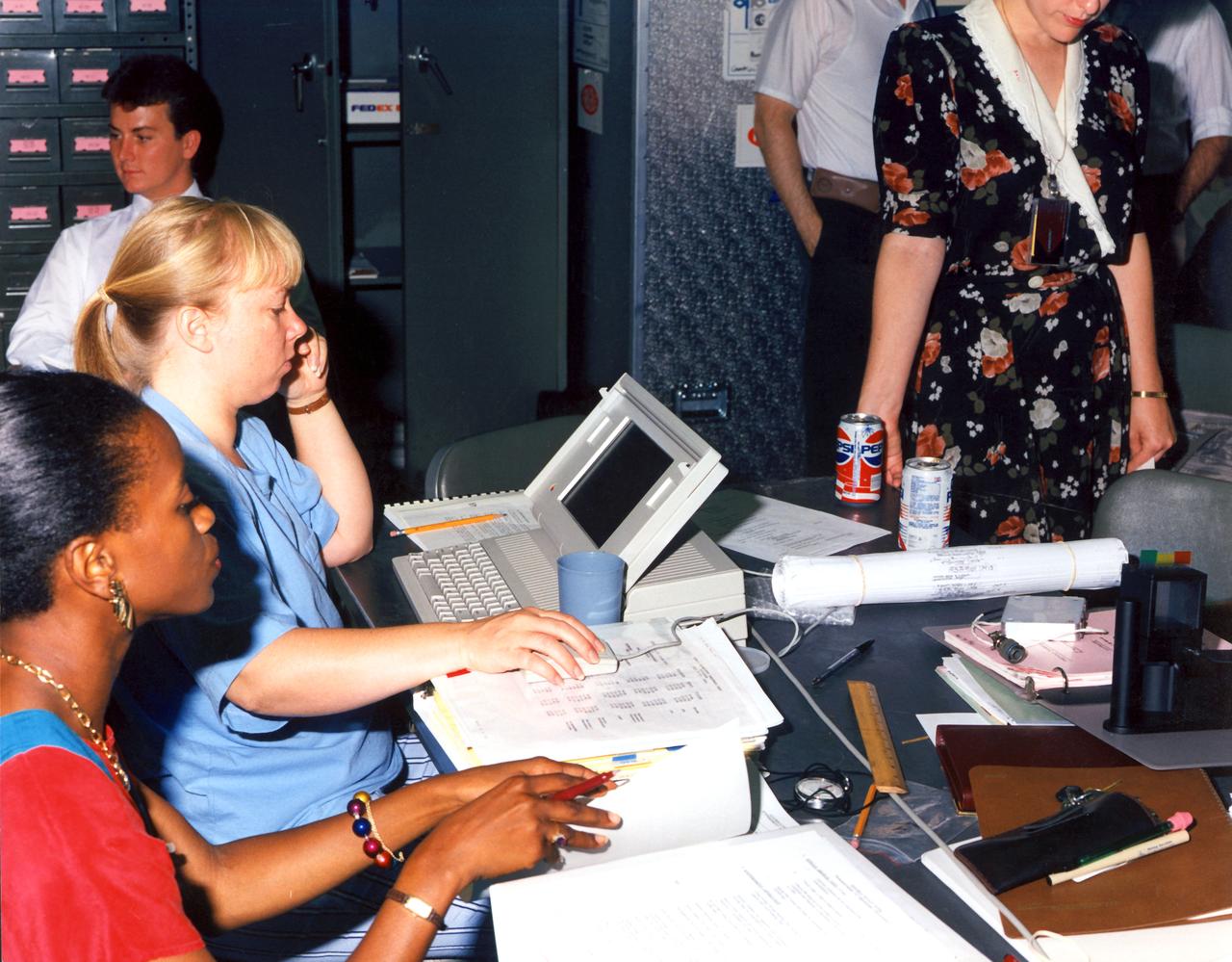
Experiment sequence test on USML-1 Glovebox equipment and test investigator group.
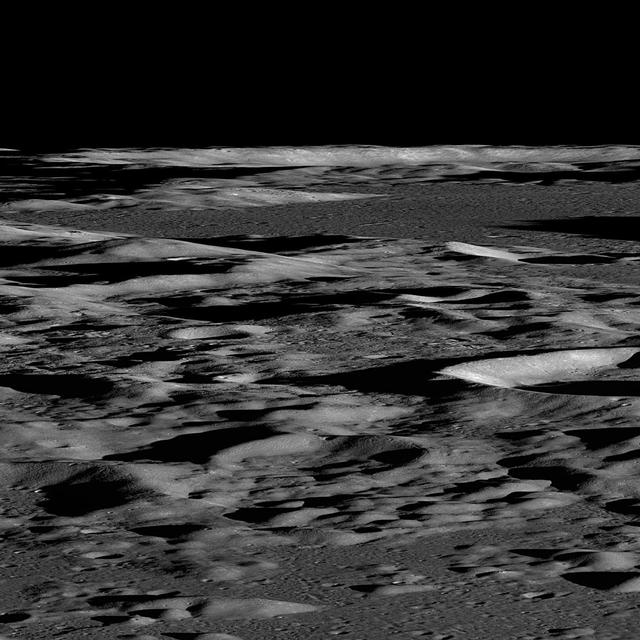
Several sequences were acquired by NASA Lunar Reconnaissance Orbiter looking across the illuminated limb to quantify scattered light.
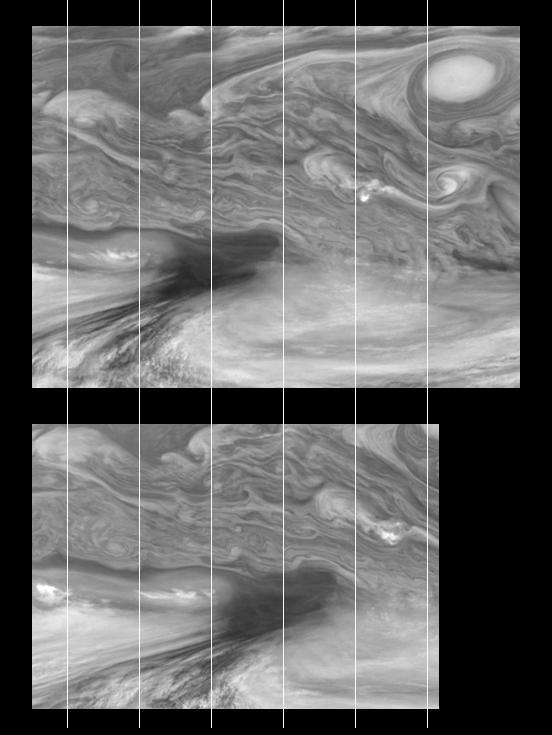
Time Sequence of Jupiter Equatorial Region Time Sets 2 & 4
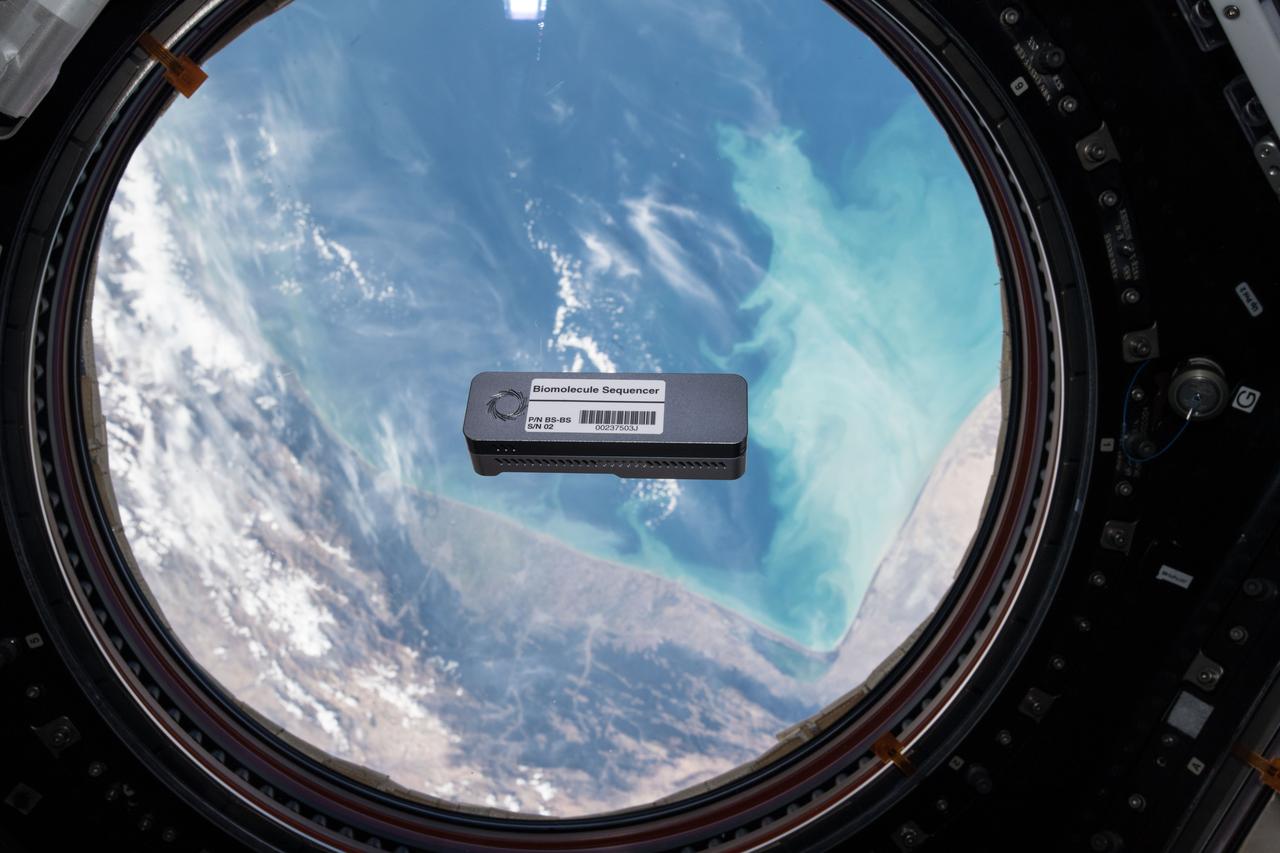
iss057e000180 (10/8/2018) - Biomolecule Sequencer for the BEST experiment floating in front of Window 7 in the Cupola module. Earth is in the background. The Biomolecule Sequencer seeks to demonstrate, for the first time, that DNA sequencing is feasible in an orbiting spacecraft. A space-based DNA sequencer could identify microbes, diagnose diseases and understand crew member health, and potentially help detect DNA-based life elsewhere in the solar system.
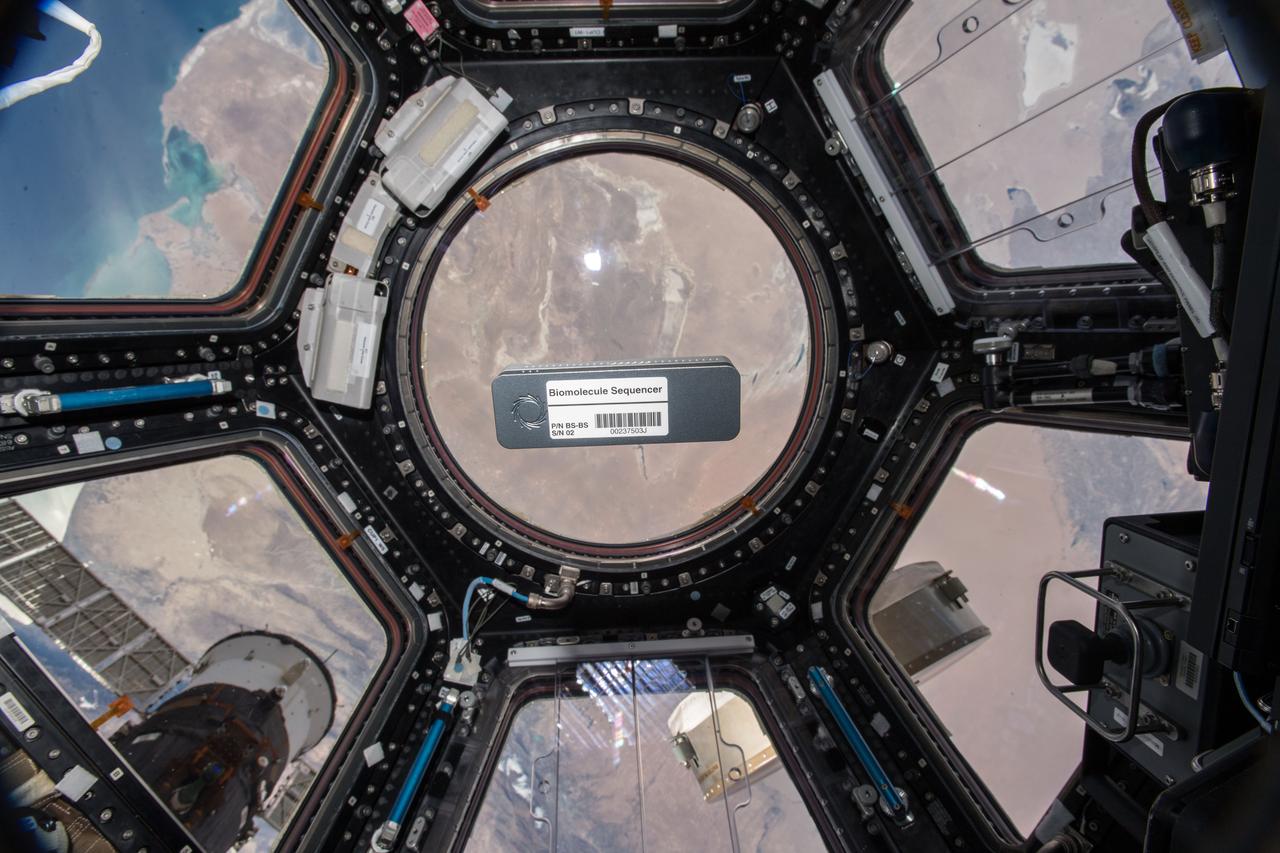
iss057e000185 (10/8/2018) - Biomolecule Sequencer for the BEST experiment floating in front of Window 7 in the Cupola module. Earth is in the background. The Biomolecule Sequencer seeks to demonstrate, for the first time, that DNA sequencing is feasible in an orbiting spacecraft. A space-based DNA sequencer could identify microbes, diagnose diseases and understand crew member health, and potentially help detect DNA-based life elsewhere in the solar system.
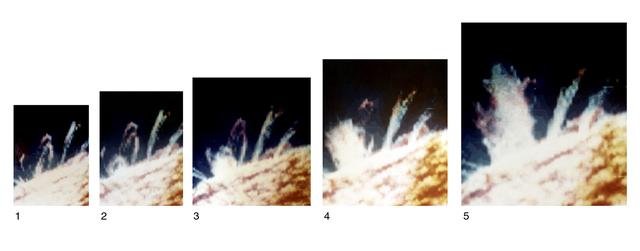
Breaking the grip of the closed magnetic loops that constrain other gases around it, a spray of chromospheric material surges upward, free of the Sun. Views 1 through 5 were recorded about 5 minutes apart by Skylab and comprise a composite of separate images made in chromospheric (red), transition region (green), and coronal (blue) temperatures of an ultraviolet sequence that depicts a solar eruption. Eruption begins (view 2) as material in or near a small, compact loop develops enough energy to overcome the Sun's magnetic bonds.
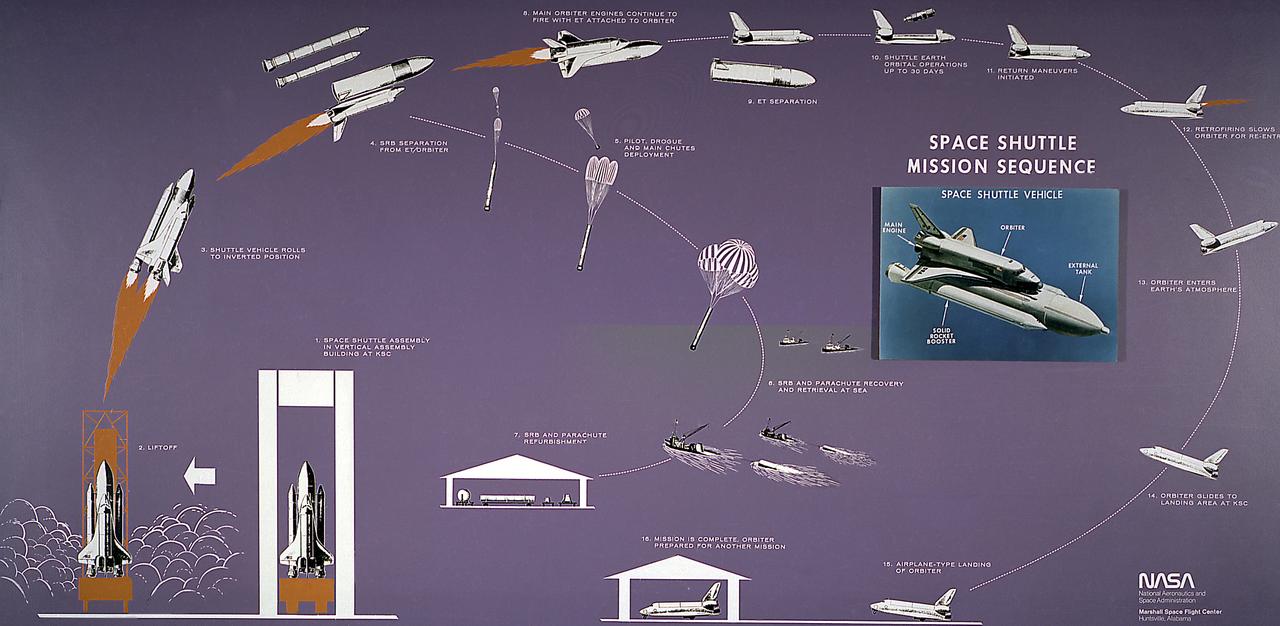
This diagram illustrates the Space Shuttle mission sequence. The Space Shuttle was approved as a national program in 1972 and developed through the 1970s. Part spacecraft and part aircraft, the Space Shuttle orbiter, the brain and the heart of the Space Transportation System (STS), required several technological advances, including thousands of insulating tiles able to stand the heat of reentry over the course of many missions, as well as sophisticated engines that could be used again and again without being thrown away. The airplane-like orbiter has three main engines, that burn liquid hydrogen and oxygen stored in the large external tank, the single largest structure in the Shuttle. Attached to the tank are two solid rocket boosters that provide the vehecile with most of the thrust needed for liftoff. Two minutes into the flight, the spent solids drop into the ocean to be recovered and refurbished for reuse, while the orbiter engines continue burning until approximately 8 minutes into the flight. After the mission is completed, the orbiter lands on a runway like an airplane.
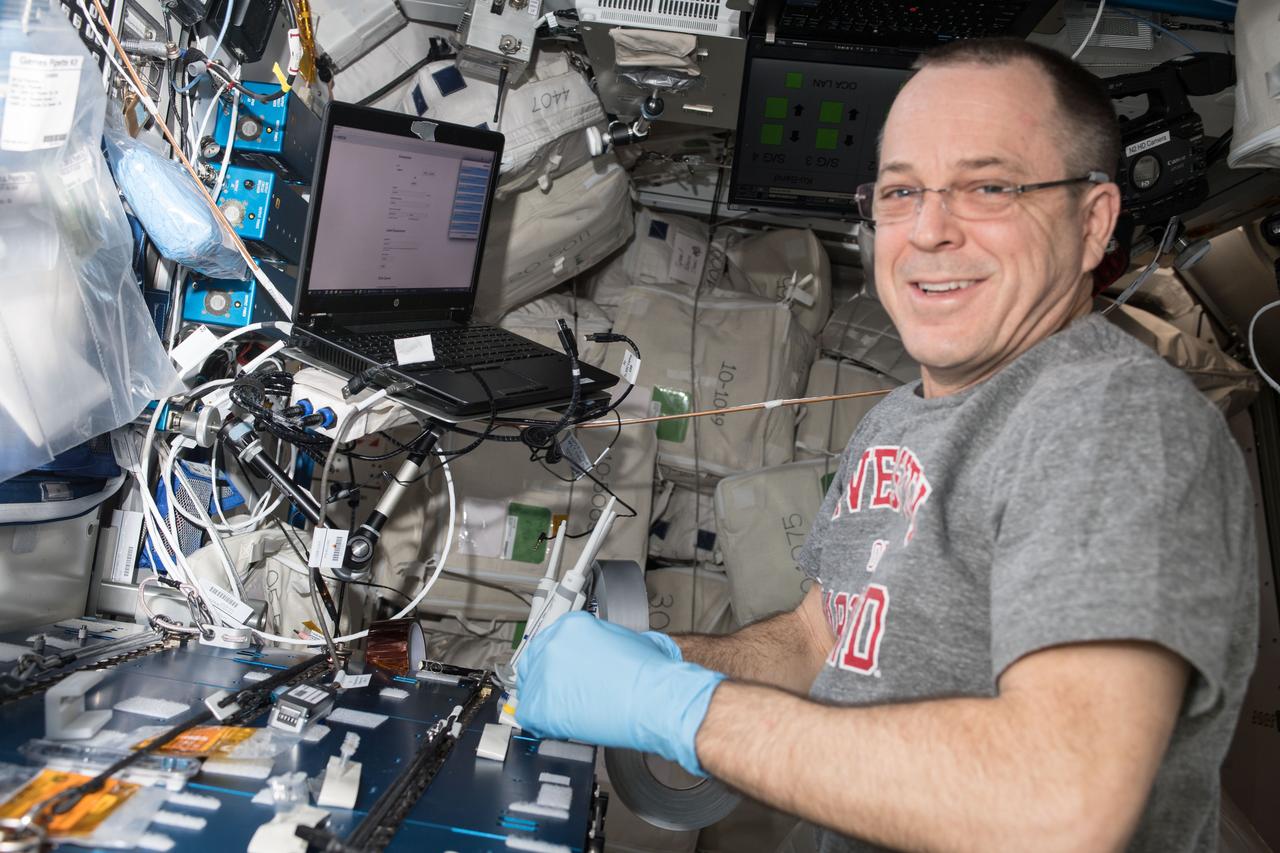
iss056e097518 (July 20, 2018) --- Expedition 56 Flight Engineer Ricky Arnold prepares amplified DNA collected from microbes living aboard the International Space Station for sequencing using the Biomolecule Sequencer. The Biomolecule Extraction and Sequencing Technology (BEST) investigation studies the use of DNA sequencing for the identification of unknown microbial organisms living on the station and to understand how humans, plants and microbes adapt to living in space.
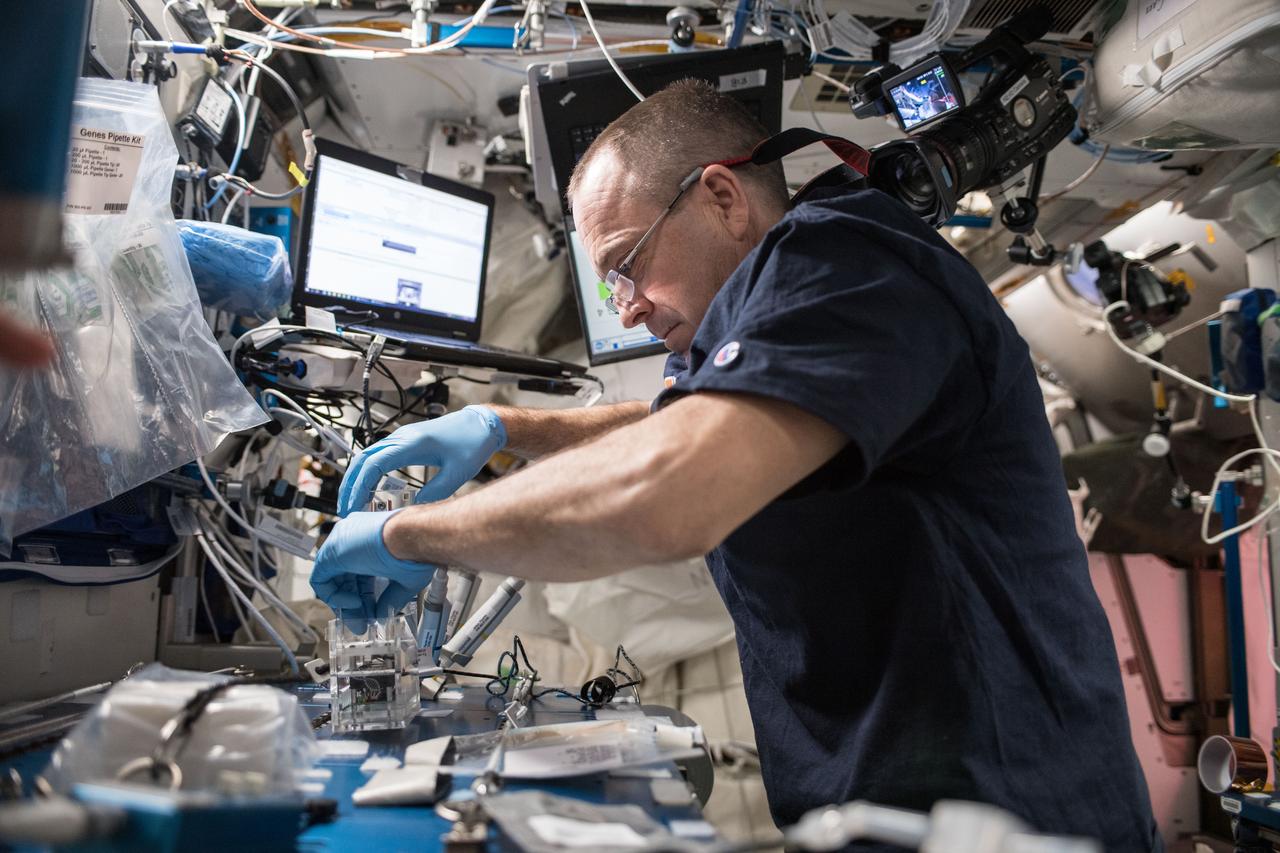
iss056e097438 (July 19, 2018) --- NASA astronaut Ricky Arnold swabbed surfaces in the International Space Station to collect microbe samples. He then processed the microbial DNA using the Biomolecule Sequencer, a device that enables DNA sequencing in microgravity, to identify microbes able to survive in microgravity.
iss056e097421 (July 19, 2018) --- NASA astronaut Ricky Arnold swabbed surfaces in the International Space Station to collect microbe samples. He then processed the microbial DNA using the Biomolecule Sequencer, a device that enables DNA sequencing in microgravity, to identify microbes able to survive in microgravity.
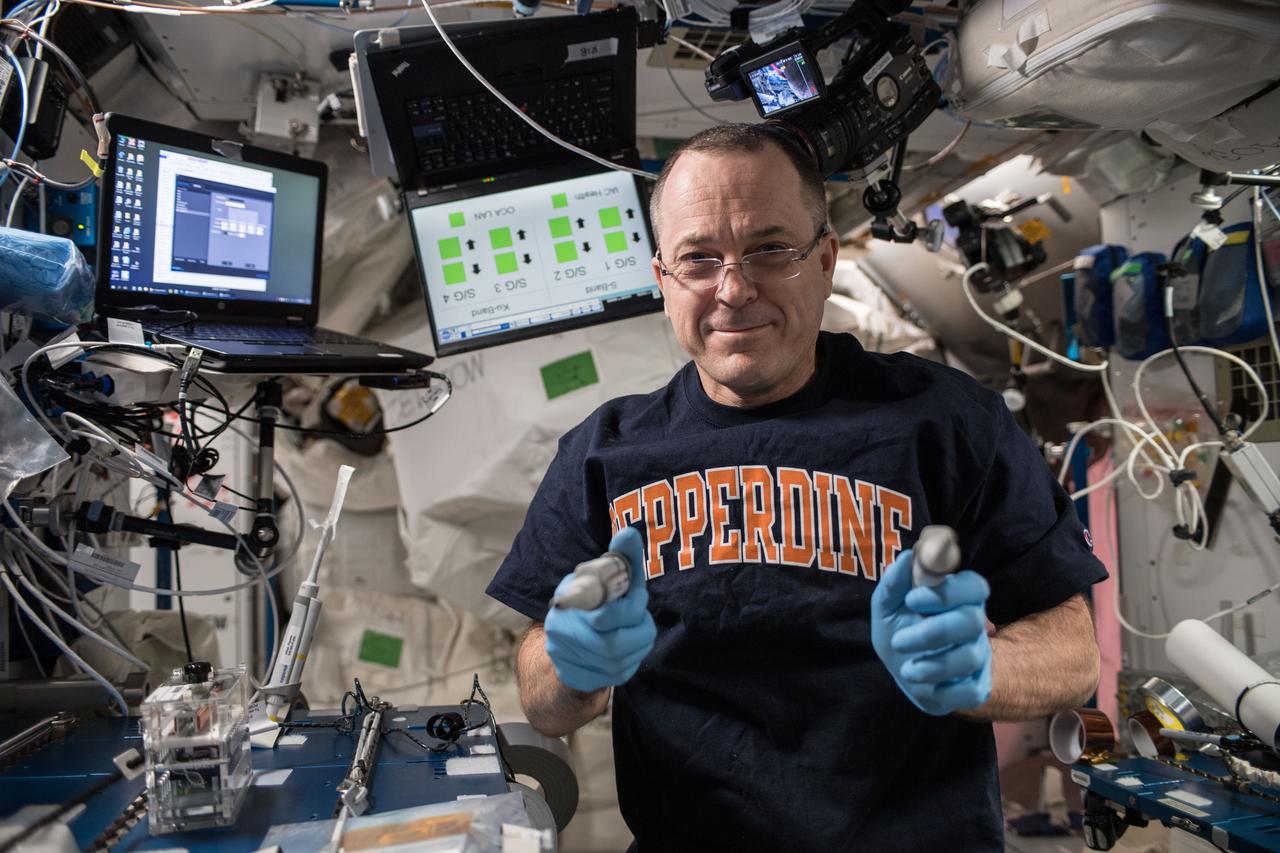
iss056e097429 (July 19, 2018) --- NASA astronaut Ricky Arnold swabbed surfaces in the International Space Station to collect microbe samples. He then processed the microbial DNA using the Biomolecule Sequencer, a device that enables DNA sequencing in microgravity, to identify microbes able to survive in microgravity.
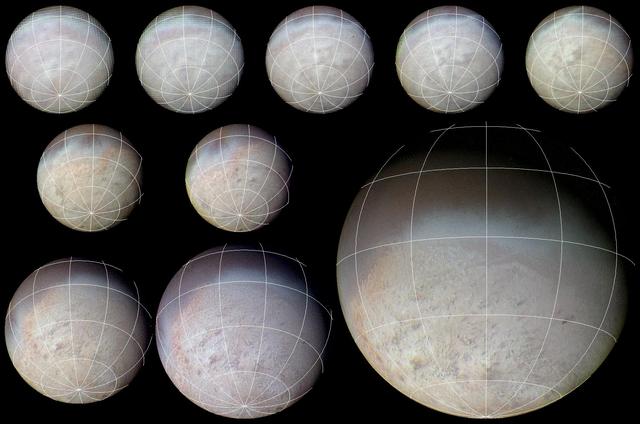
This color image from NASA Voyager 2 was reconstructed by making a computer composite of three black and white images taken through red, green, and blue filters. Details on Triton surface unfold dramatically in this sequence of approach images. http://photojournal.jpl.nasa.gov/catalog/PIA00329
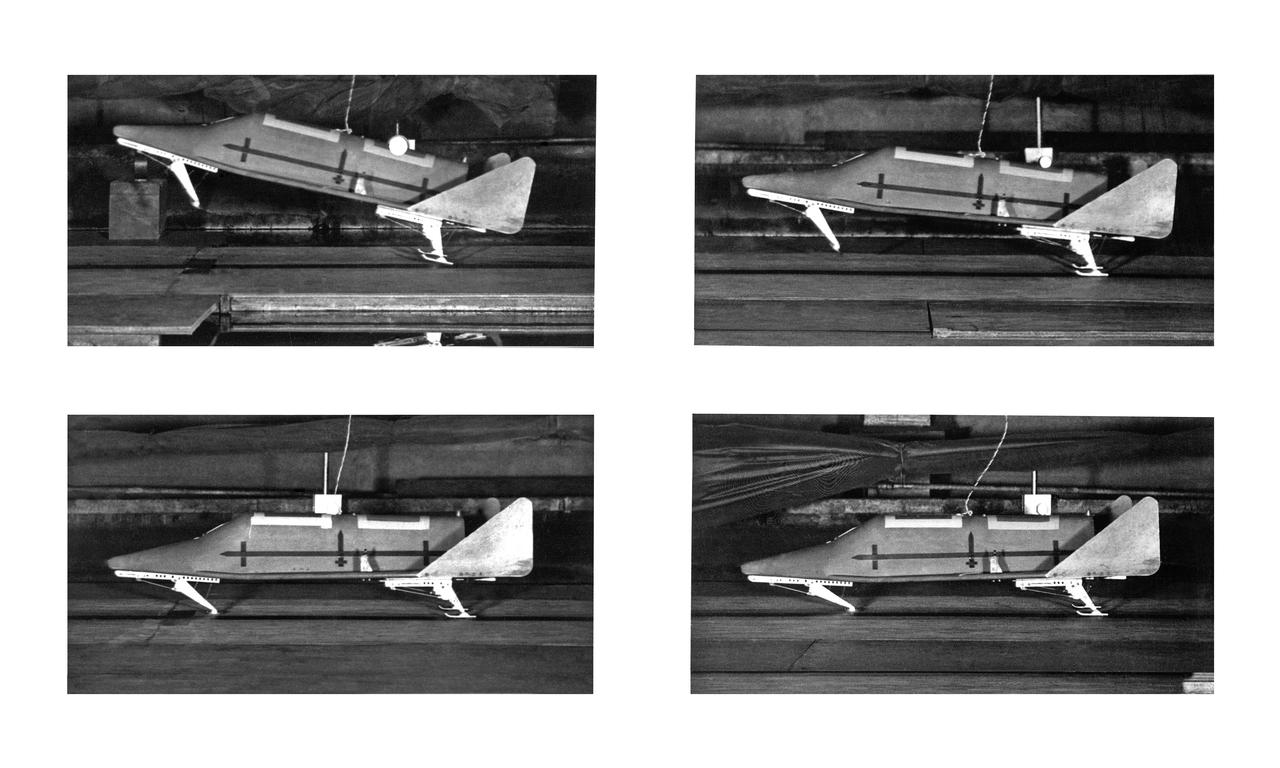
Copy Negative of Sequence Photo Shuttle Model
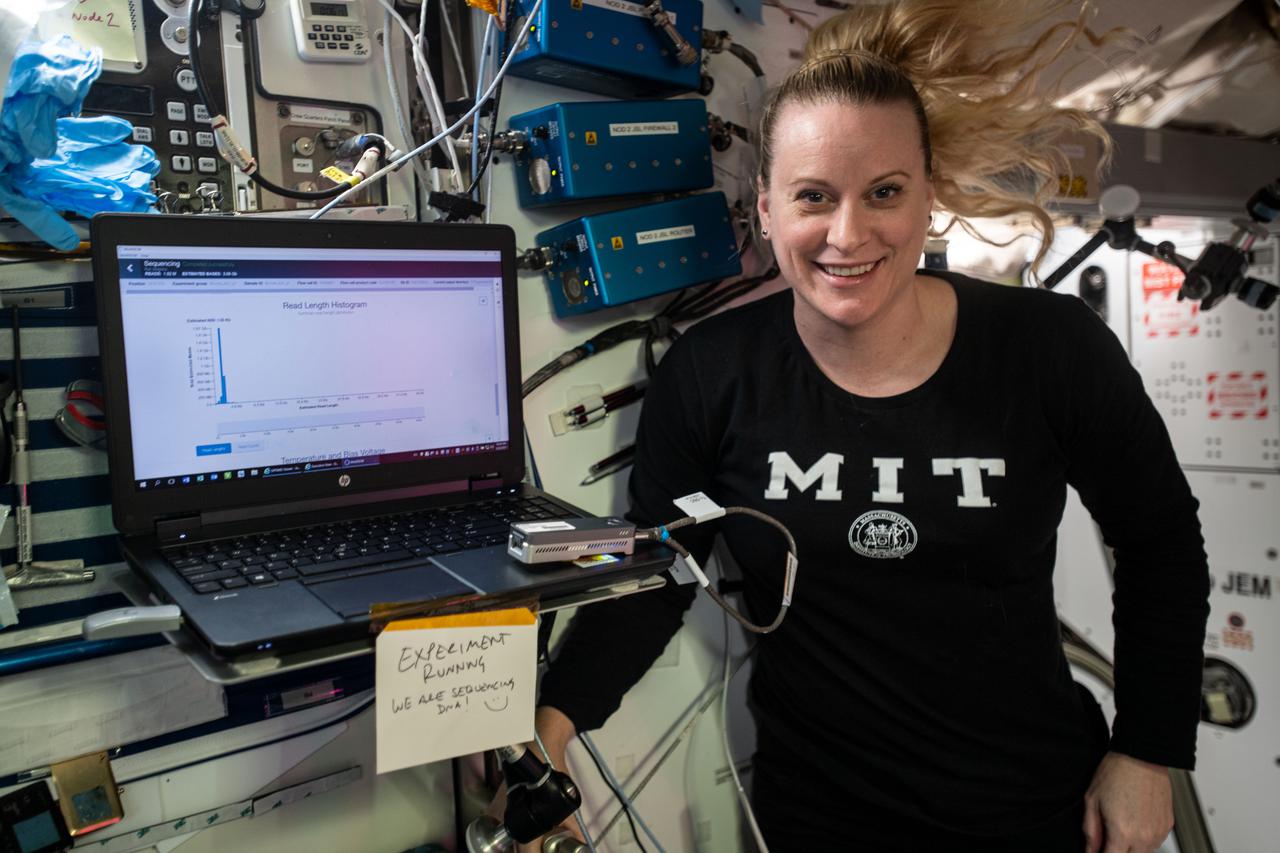
iss064e025418 (Jan. 21, 2021) --- NASA astronaut and Expedition 64 Flight Engineer Kate Rubins sequences DNA aboard the International Space Station for an experiment that seeks to diagnose medical conditions and identify microbes. Learn more about the first sequencing of DNA in space: https://go.nasa.gov/2VPsQFJ
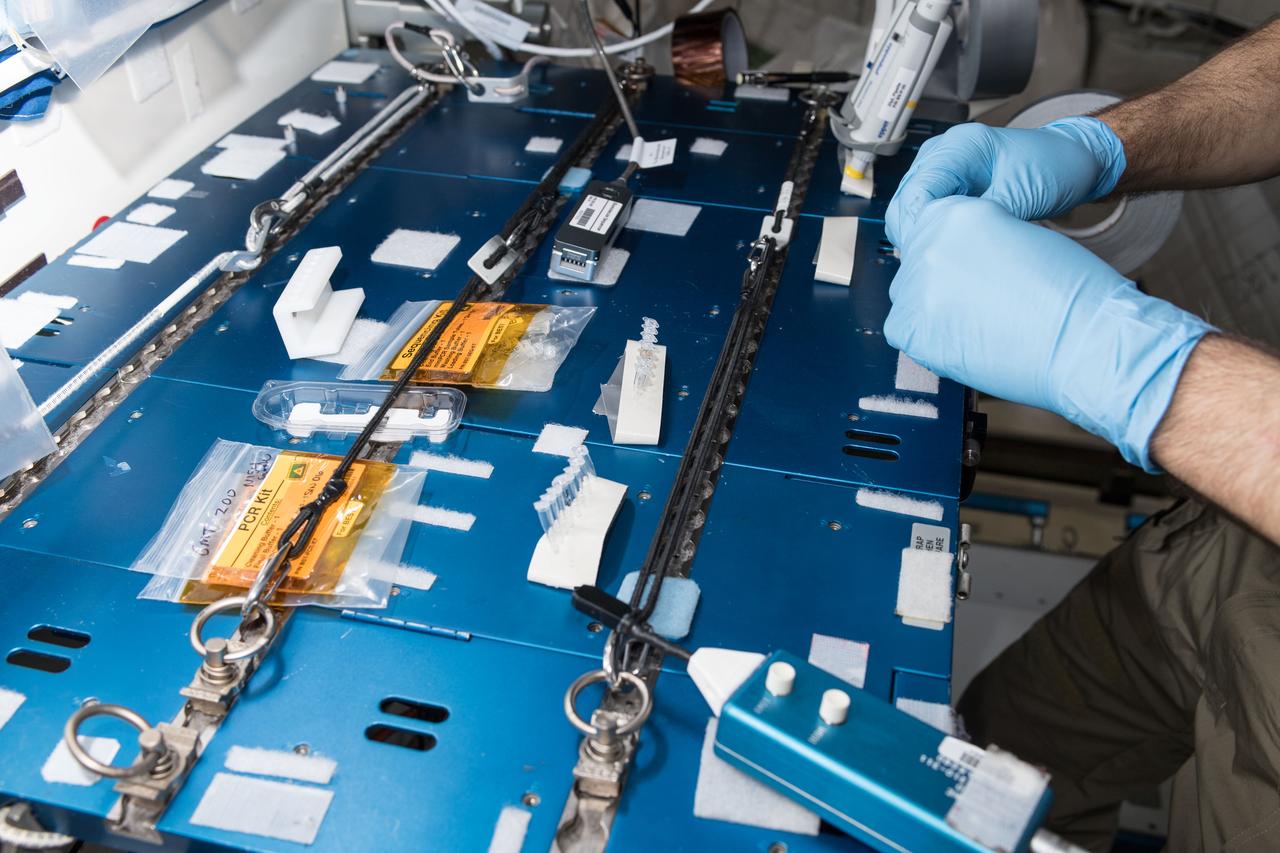
iss056e097517 (July 20, 2018) --- NASA astronaut Ricky Arnold swabbed surfaces in the International Space Station to collect microbe samples. He then processed the microbial DNA using the Biomolecule Sequencer, a device that enables DNA sequencing in microgravity, to identify microbes able to survive in microgravity.
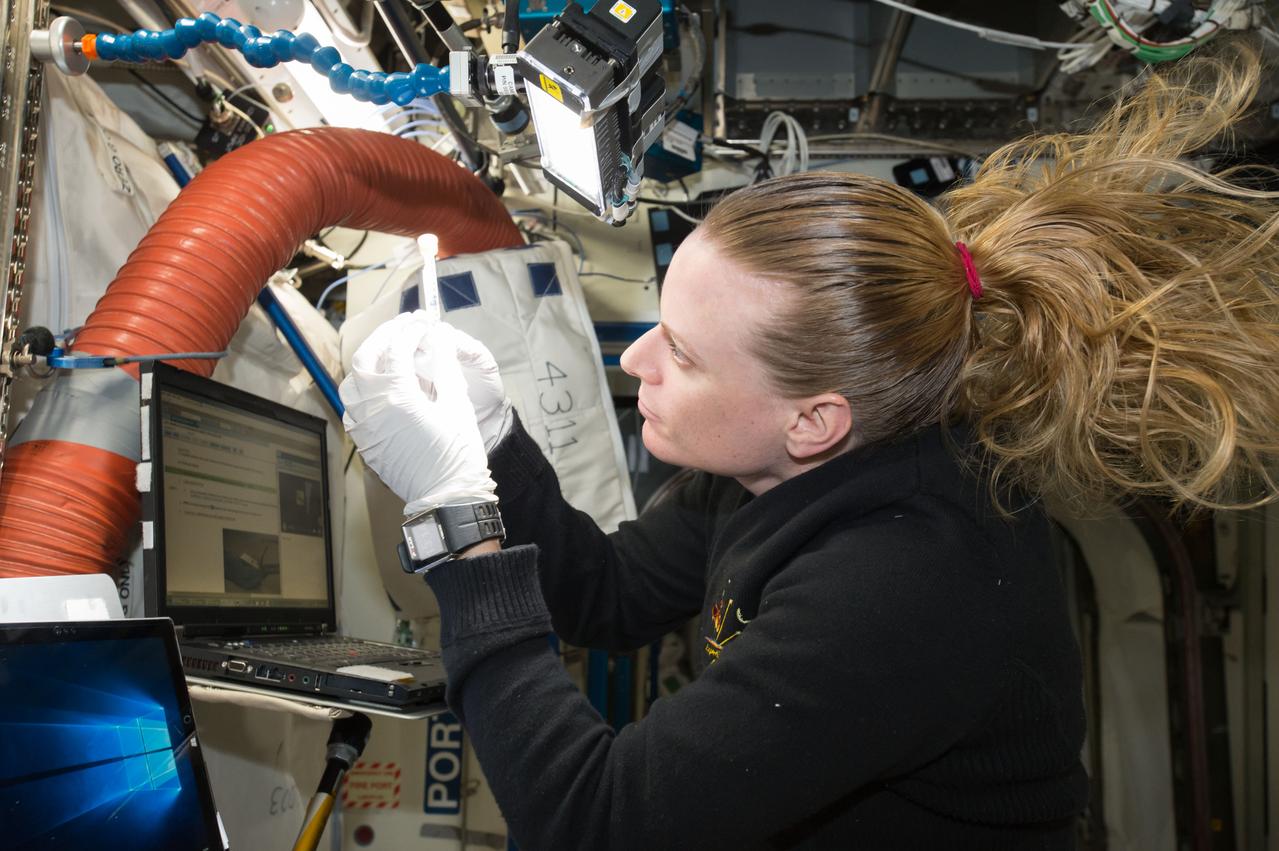
iss048e069880 (9/3/2016) --- NASA Astronaut Kate Rubins makes preparations for the Run 2 sample initialization of the Biomolecule Sequencer experiment. The Biomolecule Sequencer seeks to demonstrate, for the first time, that DNA sequencing is feasible in an orbiting spacecraft. A space-based DNA sequencer could identify microbes, diagnose diseases and understand crew member health, and potentially help detect DNA-based life elsewhere in the solar system.
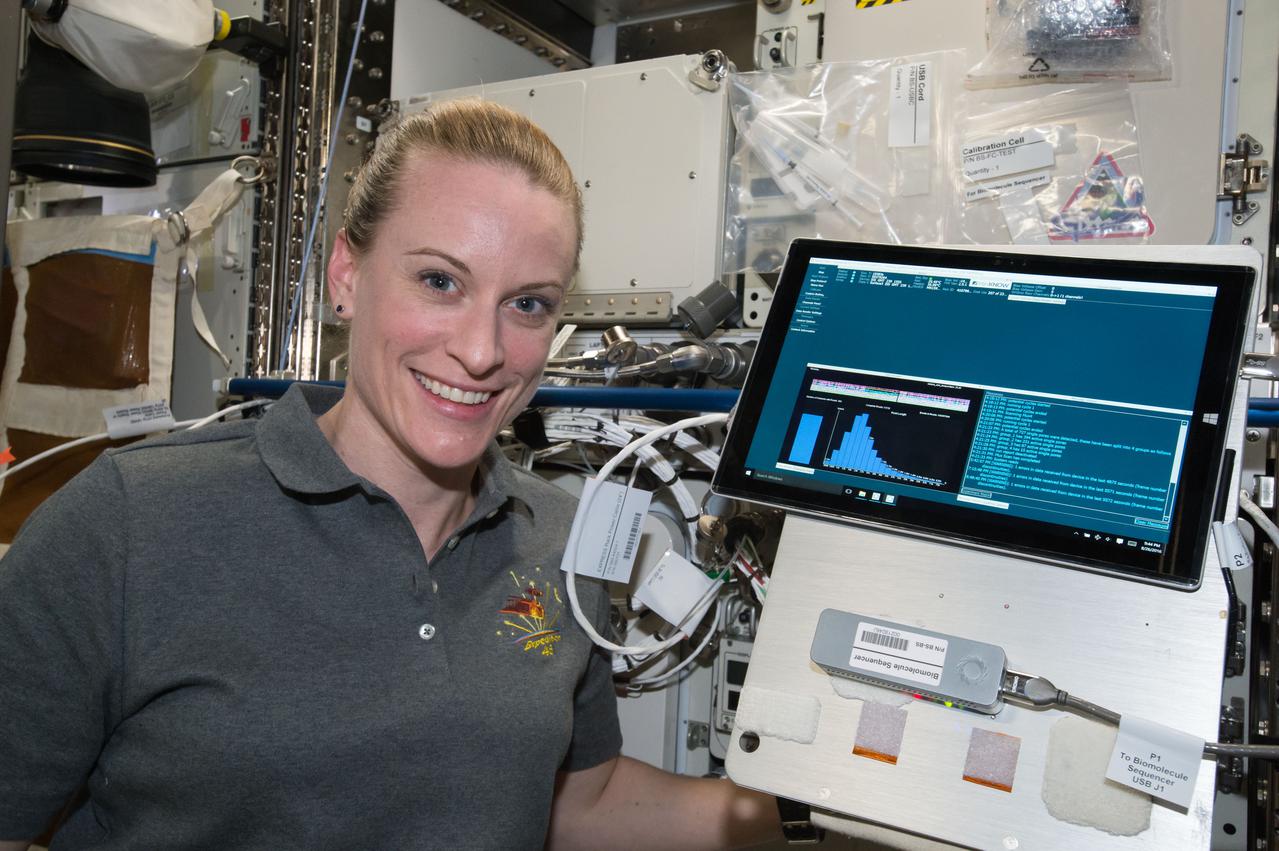
iss048e066523 (8/26/2016) --- NASA astronaut Kate Rubins poses for a photo with Biomolecule Sequencer experiment hardware (Surface Pro 3 tablet and MinION) during the first sample initialization run. The image was taken in the Destiny U.S. Laboratory aboard the International Space Station (ISS).
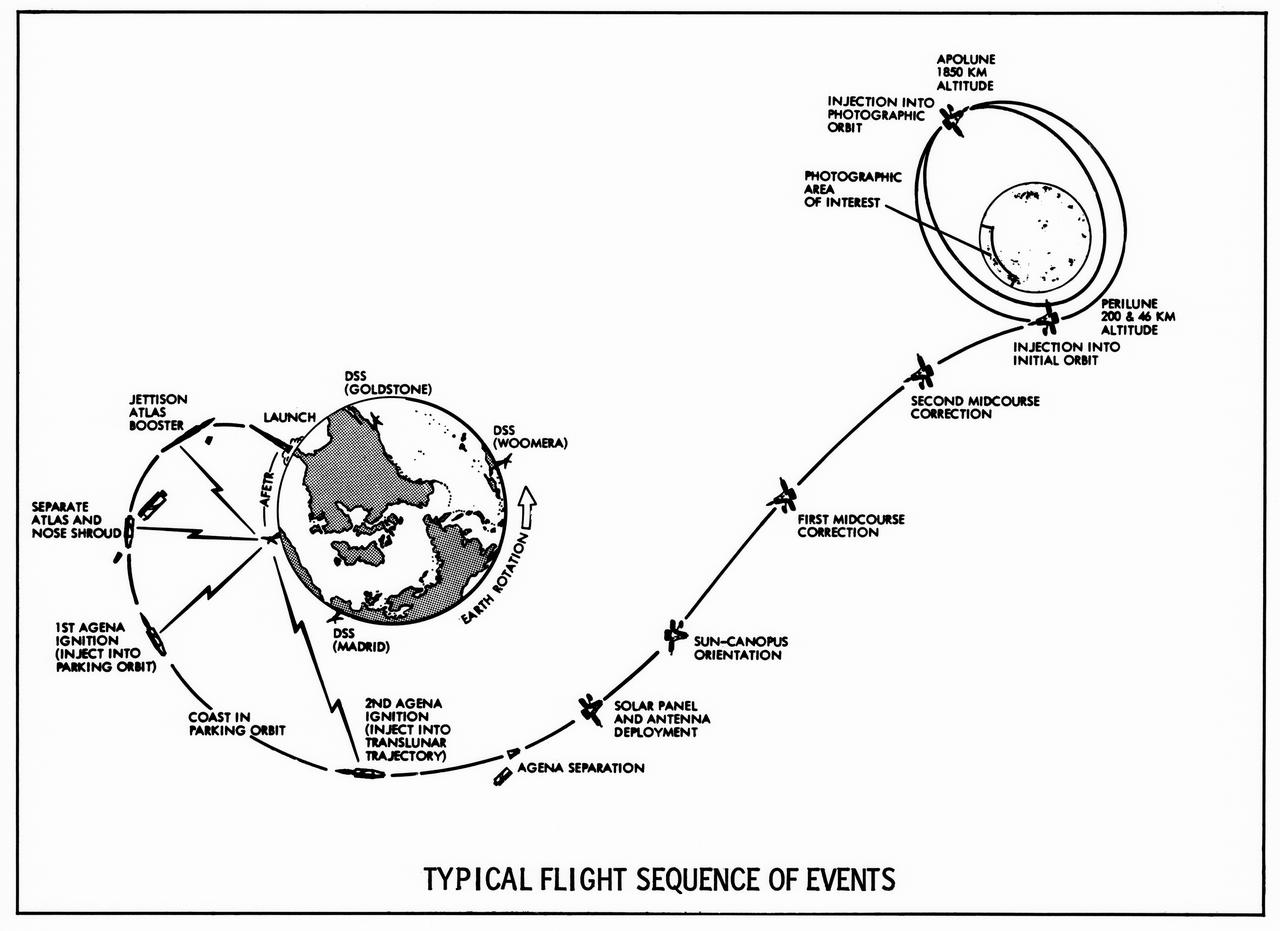
Lunar Orbiter's "Typical Flight sequence of Events" turned out to be quite typical indeed, as all five spacecraft performed exactly as planned. -- Published in James R. Hansen, Spaceflight Revolution: NASA Langley Research Center From Sputnik to Apollo, (Washington: NASA, 1995), p. 340.
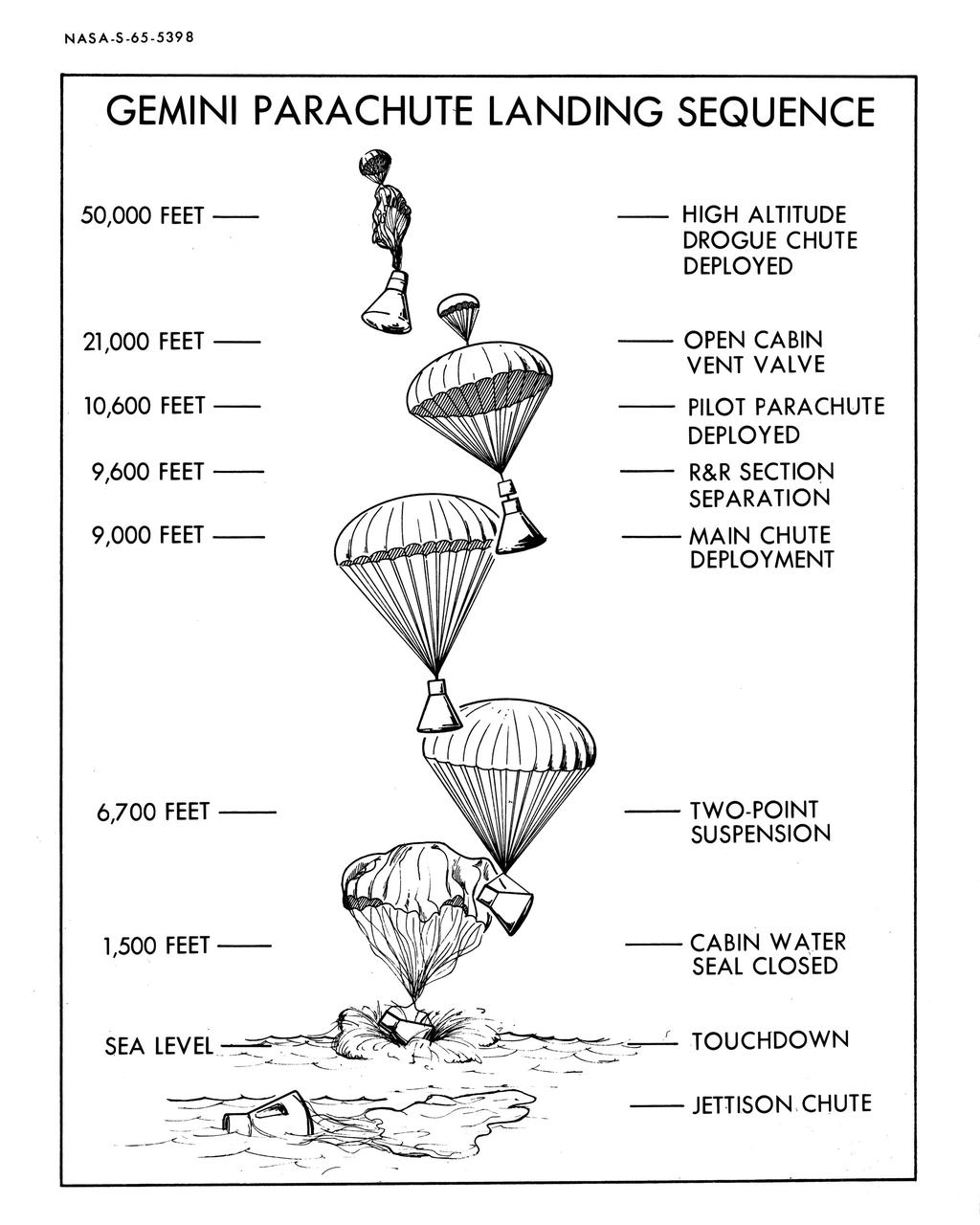
S65-05398 (1965) --- Artist concept of Gemini parachute landing sequence from high altitude drogue chute deployed to jettison of chute.
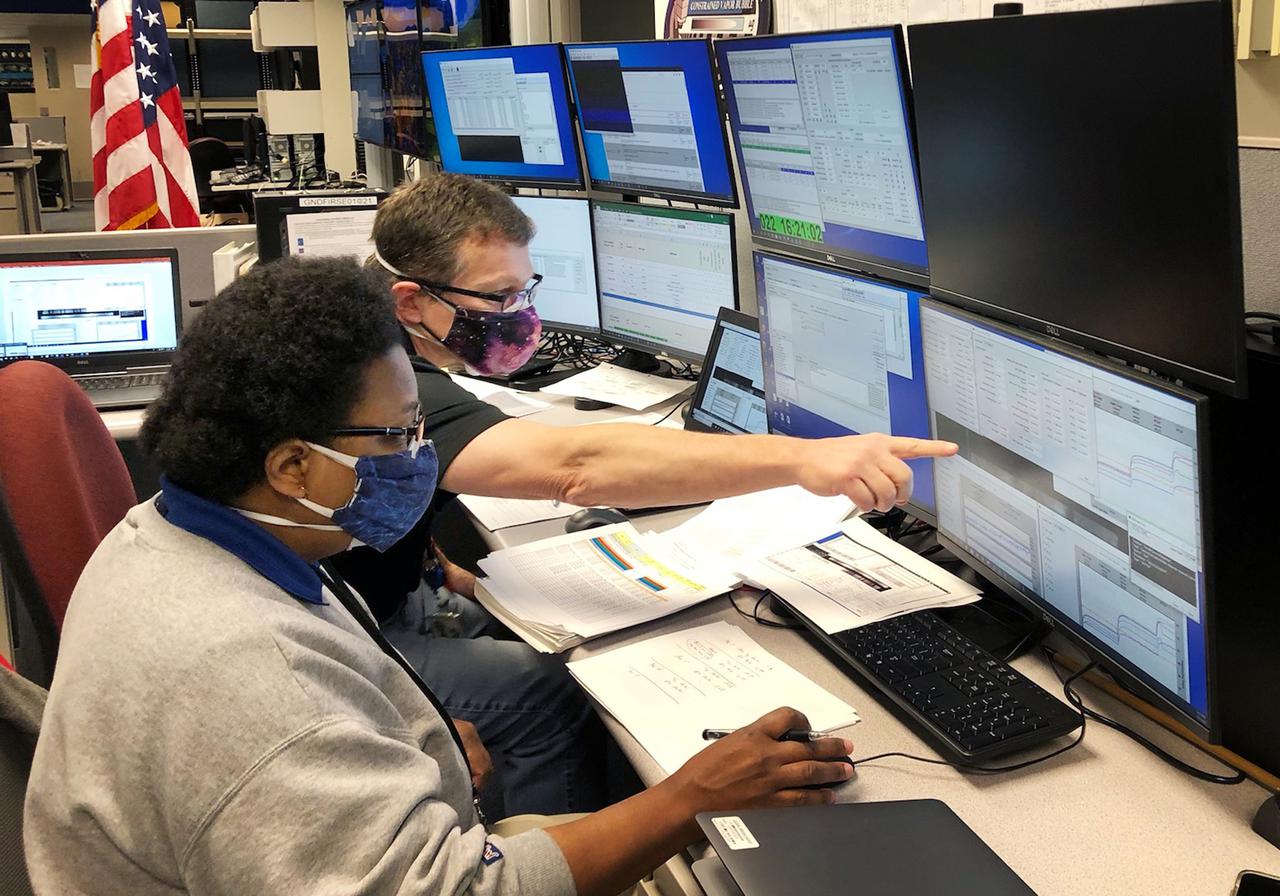
Fuel Boiling Convection Experiment, FBCE Mission Sequence Test
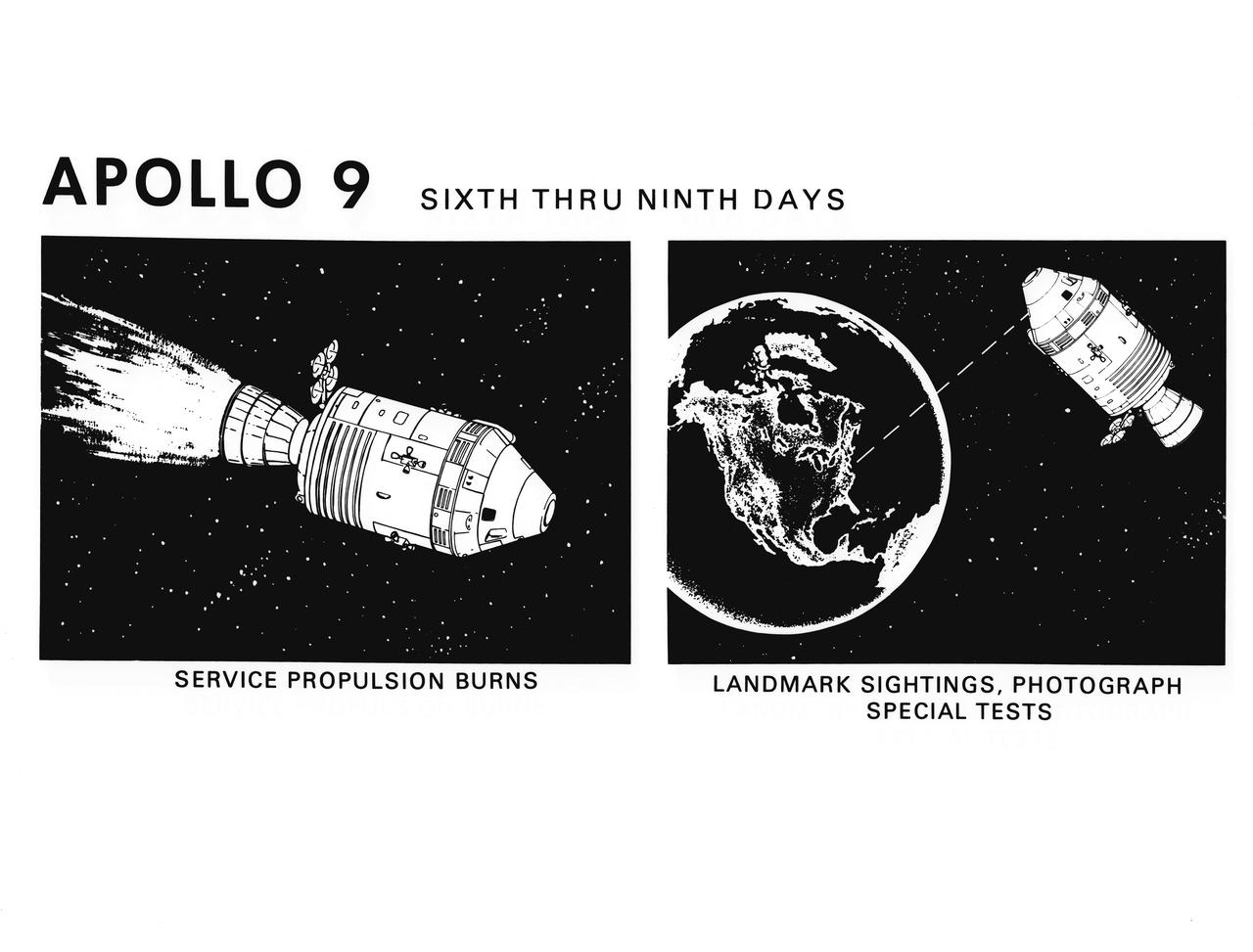
S69-19797 (February 1969) --- Composite of two artist's concepts illustrating key events, tasks and activities from the sixth through the ninth day of the Apollo 9 mission, including service propulsion system burns, and landmark sightings, photograph special tests. The Apollo 9 mission will evaluate spacecraft lunar module systems performance during manned Earth-orbital flight.
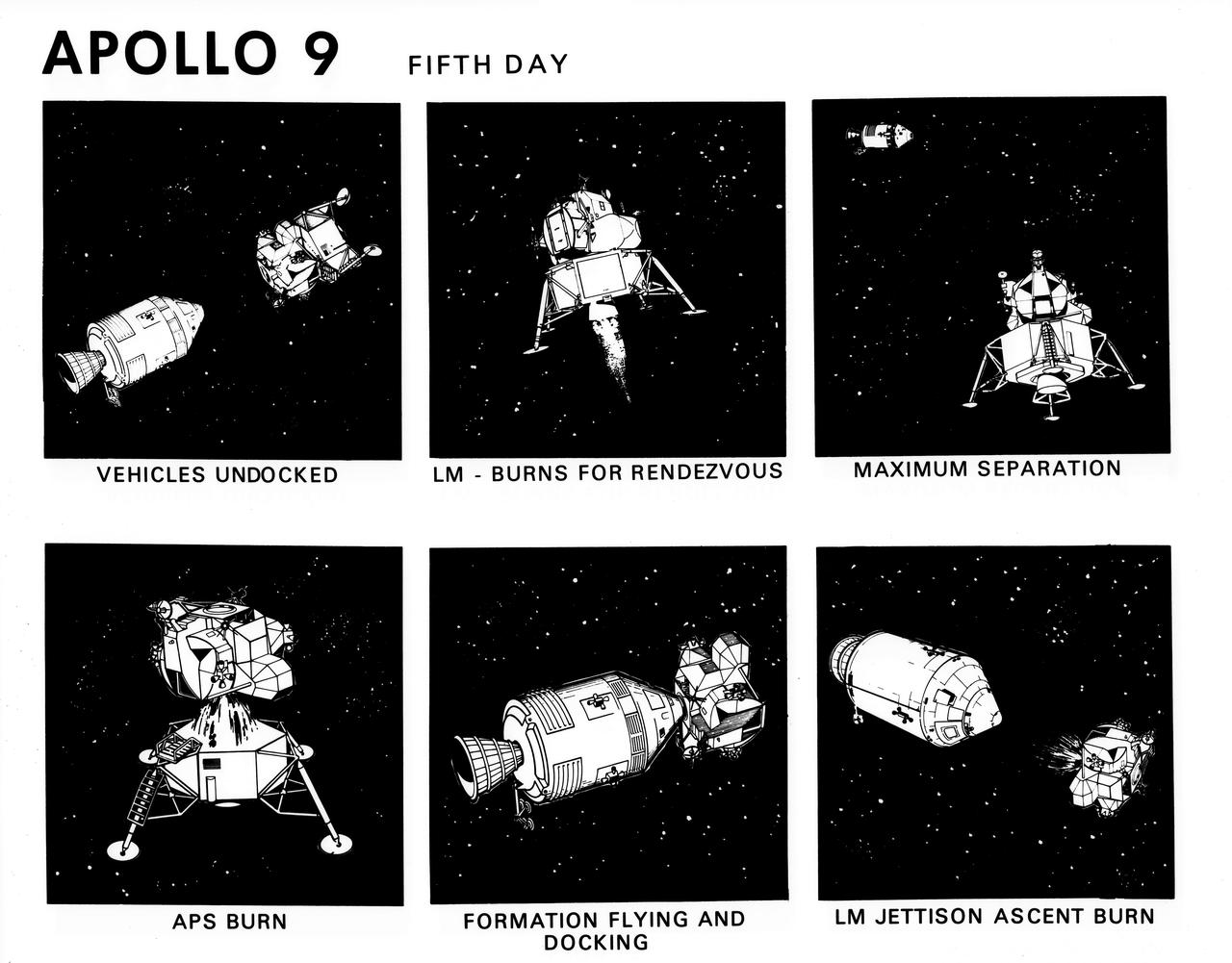
S69-19796 (February 1969) --- Composite of six artist's concepts illustrating key events, tasks and activities on the fifth day of the Apollo 9 mission, including vehicles undocked, Lunar Module burns for rendezvous, maximum separation, ascent propulsion system burn, formation flying and docking, and Lunar Module jettison ascent burn. The Apollo 9 mission will evaluate spacecraft lunar module systems performance during manned Earth-orbital flight.

S69-19794 (February 1969) --- Composite of two artist's concepts illustrating key events, tasks and activities on the third day of the Apollo 9 mission, including crew transfer and Lunar Module system evaluation. The Apollo 9 mission will evaluate spacecraft lunar module systems performance during manned Earth-orbital flight.
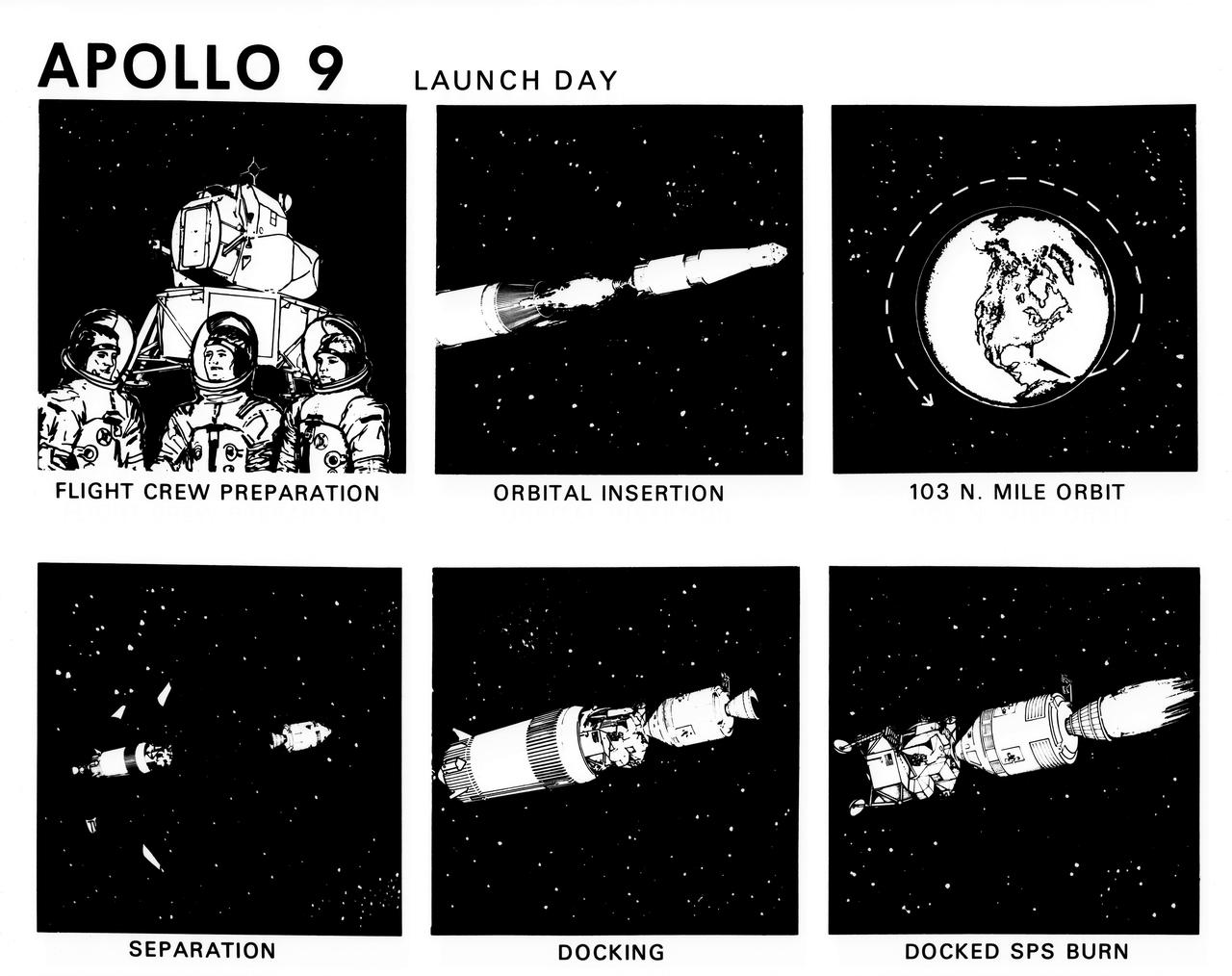
S69-19793 (February 1969) --- Composite of six artist's concepts illustrating key events, tasks and activities on the first day of the Apollo 9 mission, including flight crew preparation, orbital insertion, 103 nautical mile orbit, separation, docking, and docked Service Propulsion System burn. The Apollo 9 mission will evaluate spacecraft lunar module systems performance during manned Earth-orbital flight.
S69-19792 (February 1969) --- Composite of six artist's concepts illustrating key events, tasks and activities on the first day of the Apollo 9 mission, including flight crew preparation, orbital insertion, 103 nautical mile orbit, separation, docking, and docked Service Propulsion System burn. The Apollo 9 mission will evaluate spacecraft lunar module systems performance during manned Earth-orbital flight.
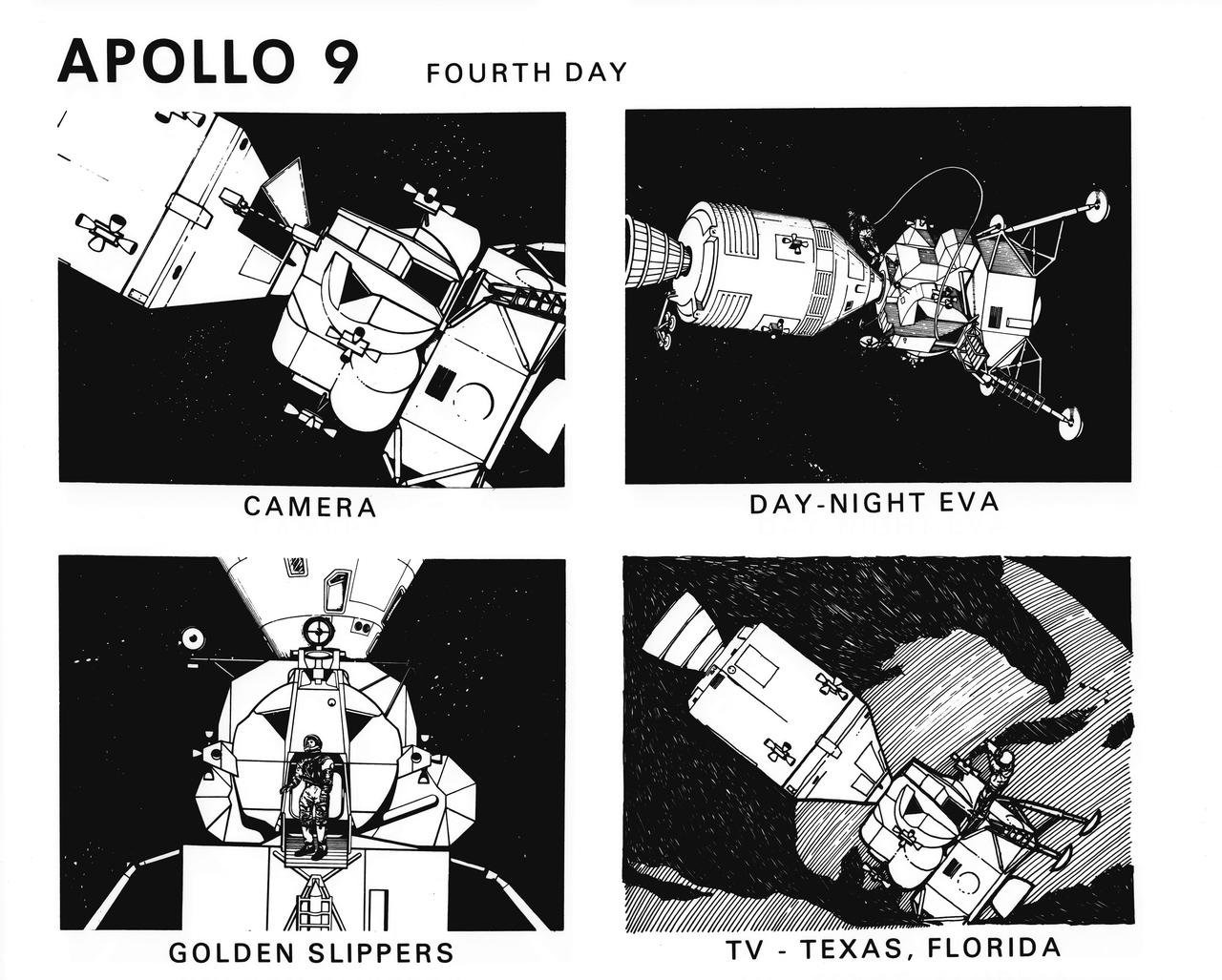
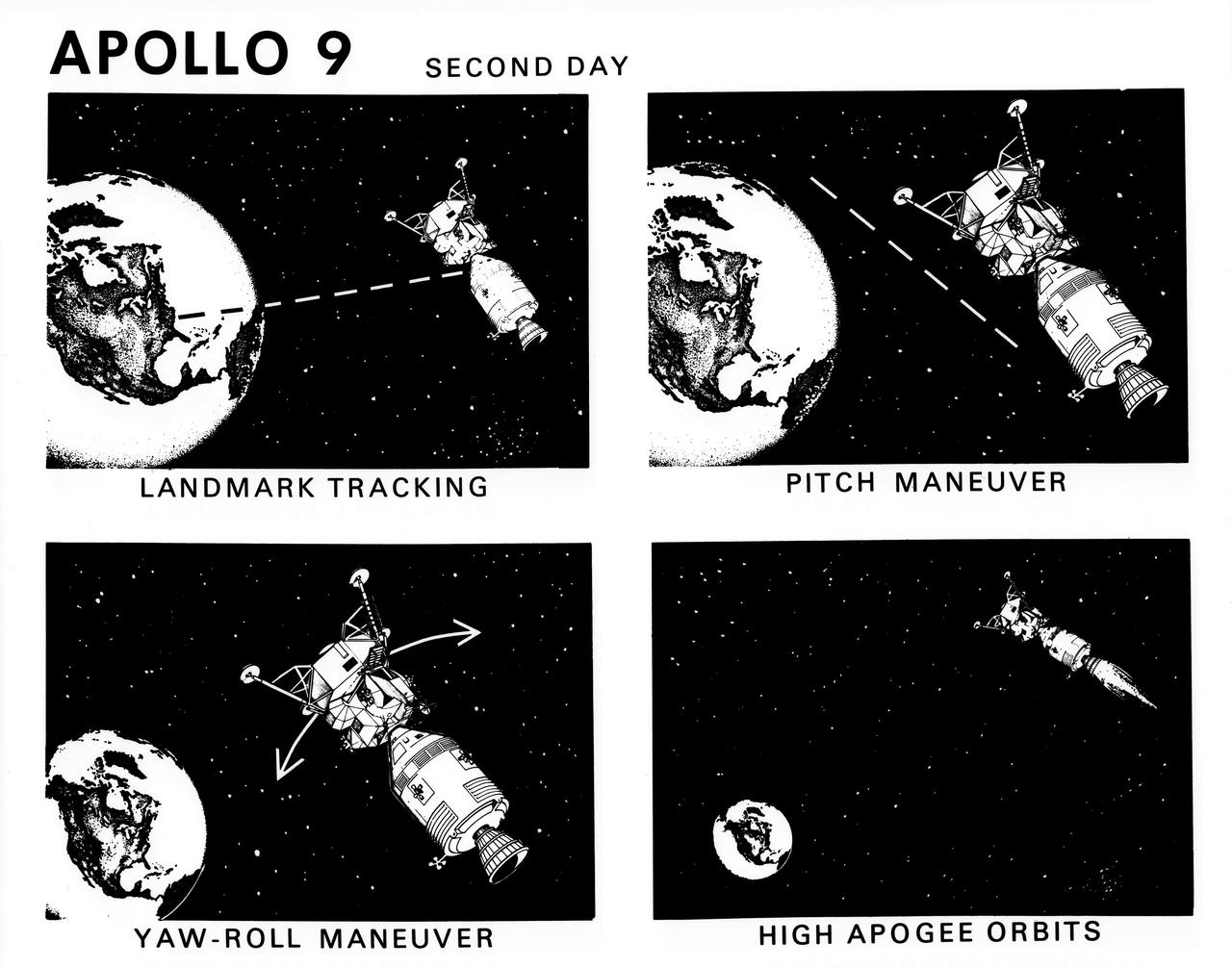
S69-19795 (February 1969) --- Composite of four artist's concepts illustrating key events, tasks and activities on the fourth day of the Apollo 9 mission, including use of camera, day-night extravehicular activity, use of golden slippers, and television over Texas and Florida. The Apollo 9 mission will evaluate spacecraft lunar module systems performance during manned Earth-orbital flight.

S69-19798 (February 1969) --- Composite of three artist's concepts illustrating key events, tasks and activities on the tenth day of the Apollo 9 mission, including Command Module and Service Modules separation, re-entry, and Atlantic splashdown. The Apollo 9 mission will evaluate spacecraft lunar module systems performance during manned Earth-orbital flight.
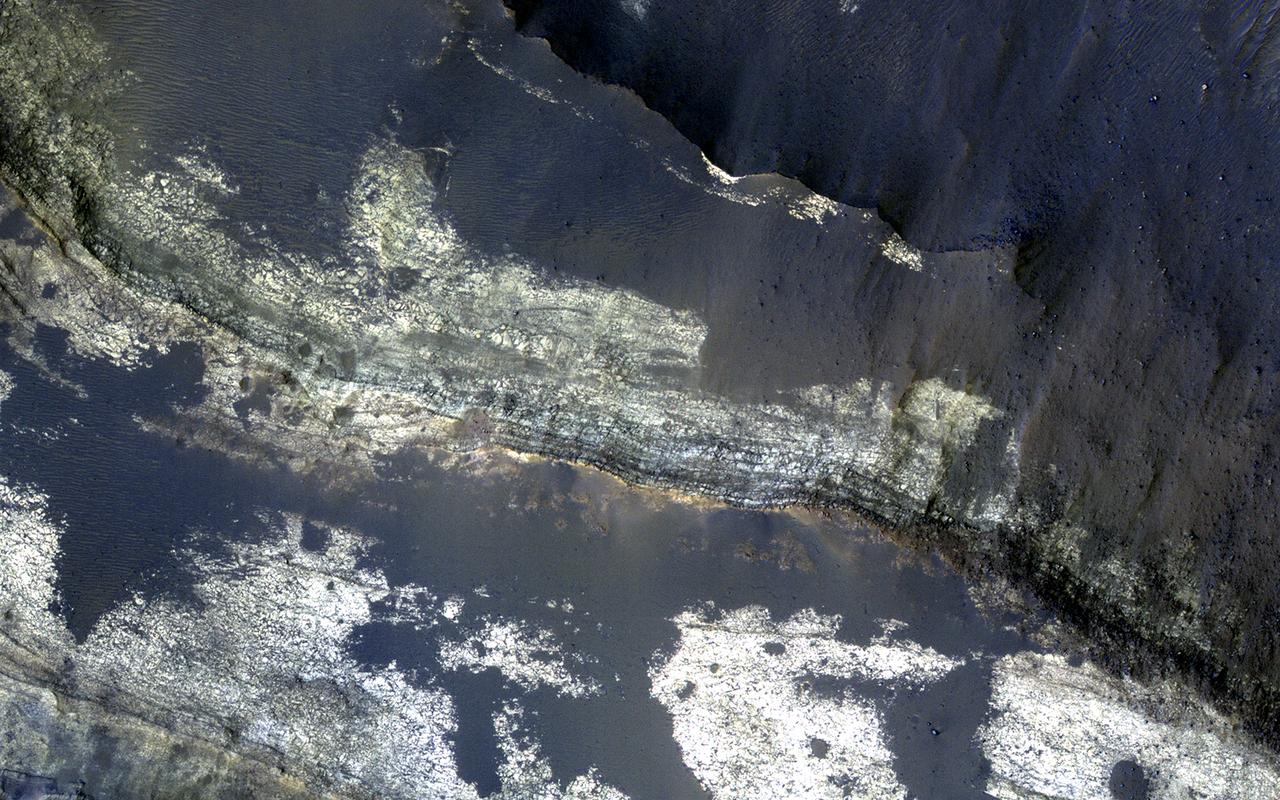
This image from NASA's Mars Reconnaissance Orbiter shows the north-facing wall of a moat-like depression in the middle of Terby Crater, exposing a beautiful 400 meter-high sequence of light-toned, repetitive sedimentary layers. These deposits are often obscured by darker-toned patches of material as well as ripples and dunes. The deposits in Terby, located on the northern rim of Hellas Planitia, are consistent with deposition in a standing body of water. The layers have been proposed as science targets for future landed missions. https://photojournal.jpl.nasa.gov/catalog/PIA21952
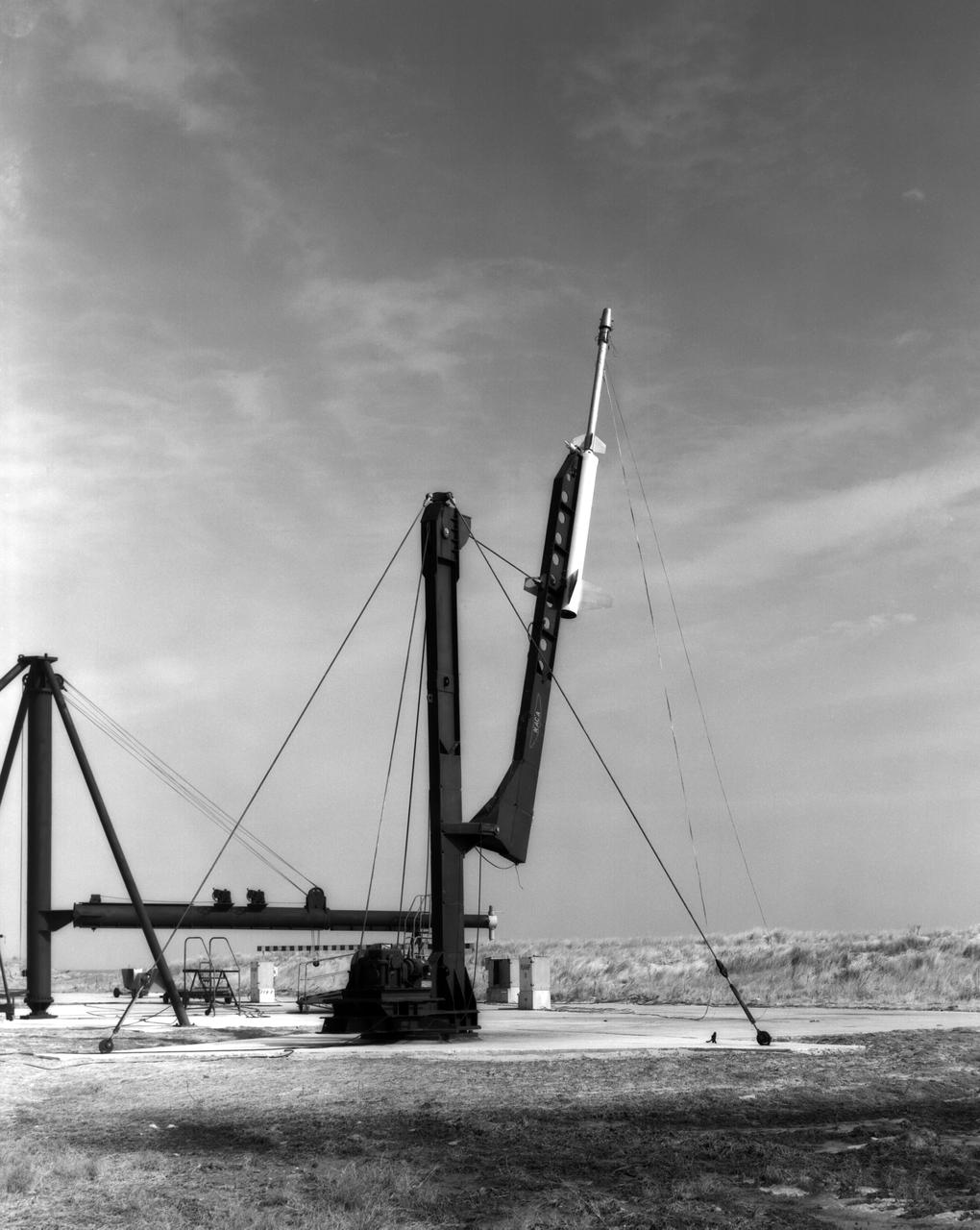
Photographed on: 12 16 58. -- L58-1083a caption: Sequenced pictures showing events from release of boilerplate Mercury capsule from C-130 airplane to opening of recovery parachute, December 1958. Photograph published in A New Dimension Wallops Island Flight Test Range: The First Fifteen Years by Joseph Shortal. A NASA publication, page 644.
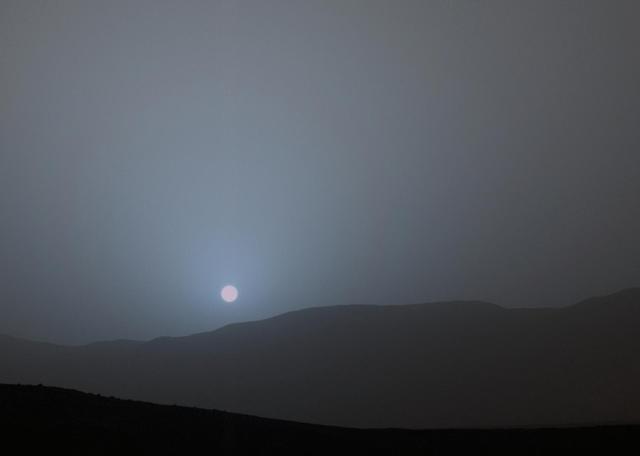
NASA's Curiosity Mars rover recorded this sequence of views of the sun setting at the close of the mission's 956th Martian day, or sol (April 15, 2015), from the rover's location in Gale Crater. The four images shown in sequence here were taken over a span of 6 minutes, 51 seconds. This was the first sunset observed in color by Curiosity. The images come from the left-eye camera of the rover's Mast Camera (Mastcam). The color has been calibrated and white-balanced to remove camera artifacts. Mastcam sees color very similarly to what human eyes see, although it is actually a little less sensitive to blue than people are. Dust in the Martian atmosphere has fine particles that permit blue light to penetrate the atmosphere more efficiently than longer-wavelength colors. That causes the blue colors in the mixed light coming from the sun to stay closer to sun's part of the sky, compared to the wider scattering of yellow and red colors. The effect is most pronounced near sunset, when light from the sun passes through a longer path in the atmosphere than it does at mid-day. Malin Space Science Systems, San Diego, built and operates the rover's Mastcam. NASA's Jet Propulsion Laboratory, a division of the California Institute of Technology, Pasadena, manages the Mars Science Laboratory Project for NASA's Science Mission Directorate, Washington. JPL designed and built the project's Curiosity rover. http://photojournal.jpl.nasa.gov/catalog/PIA19401
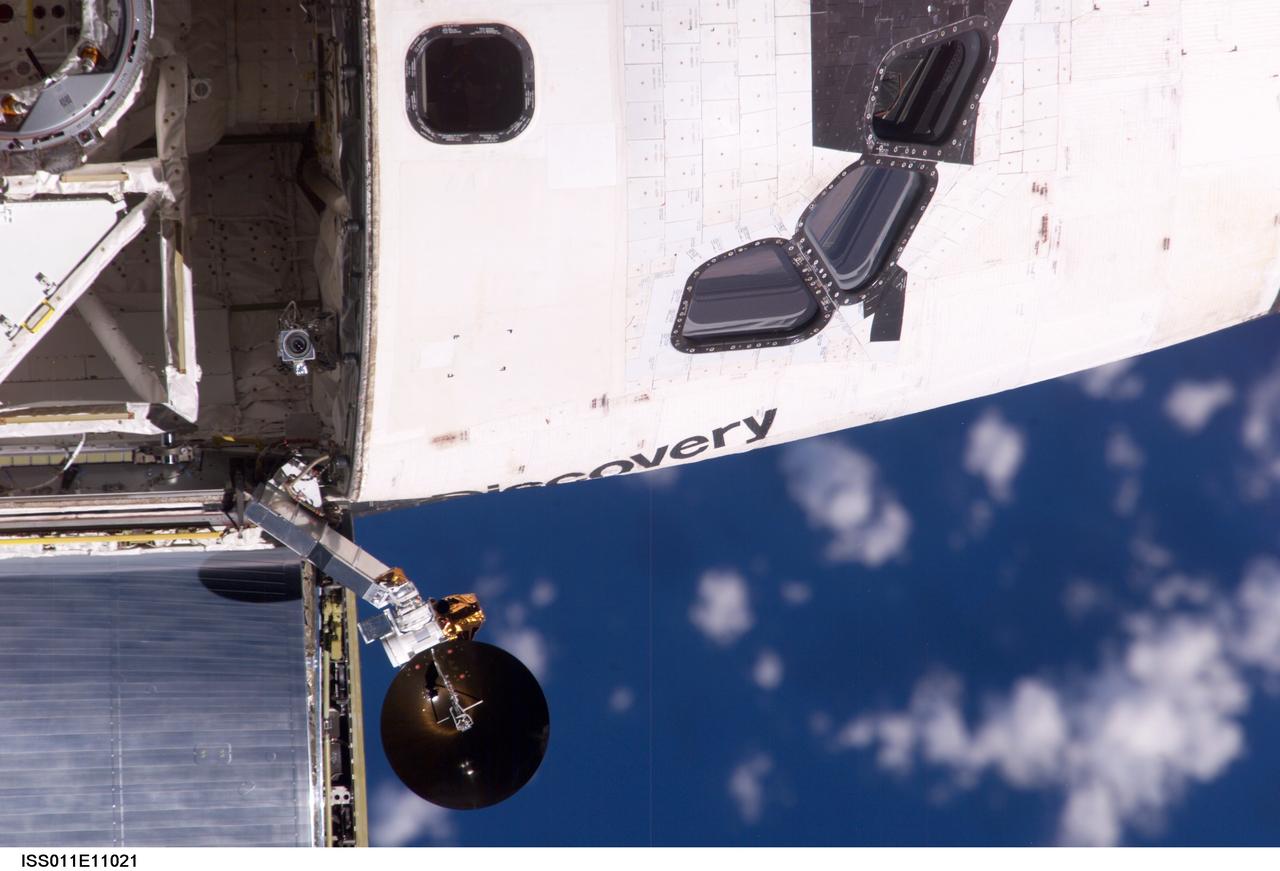
ISS011-E-11021 (28 July 2005) --- View of the Space Shuttle Discovery's crew cabin and Ku-band antenna photographed during the mapping sequence by the Expedition 11 crew on the International Space Station during the STS-114 R-Bar Pitch Maneuver on Flight Day 3.
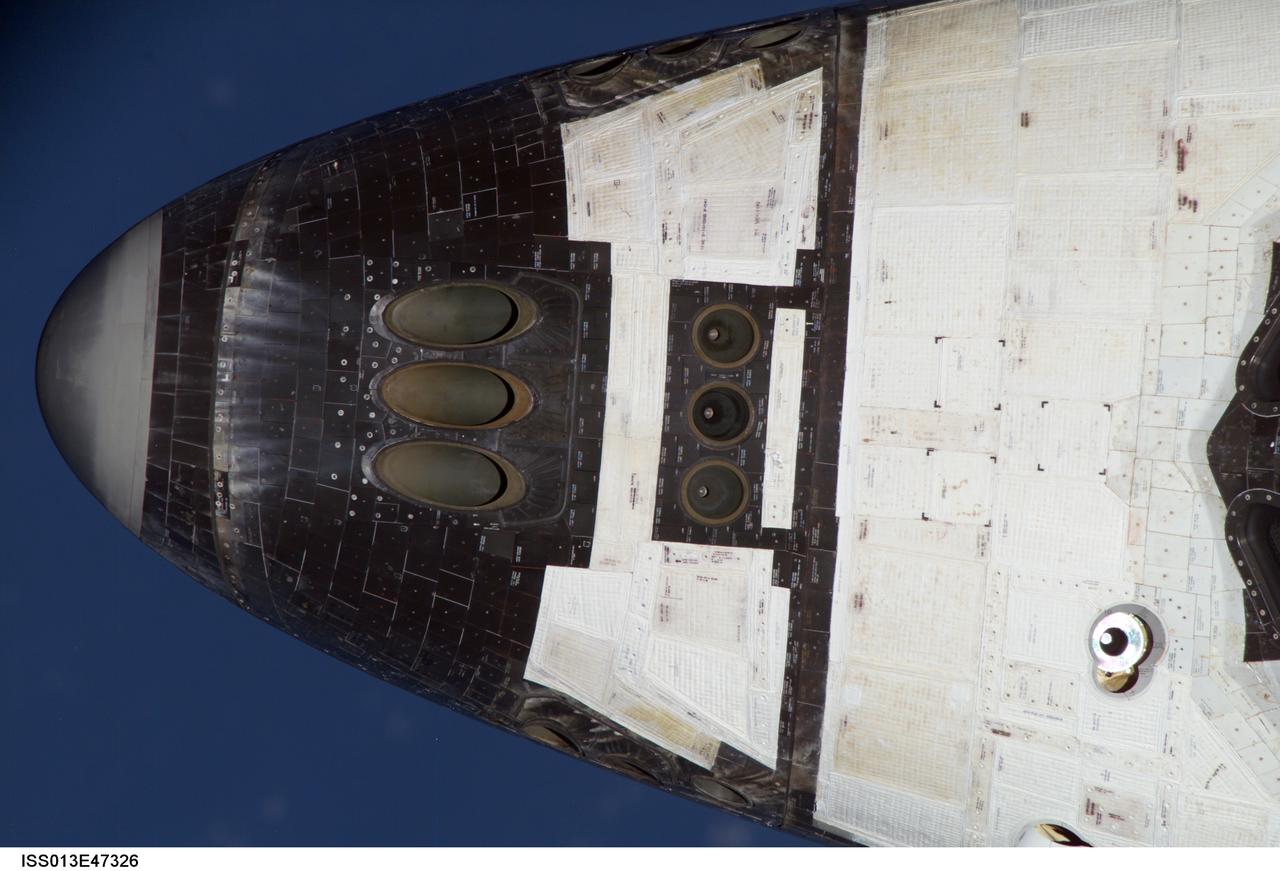
ISS013E47326 (06 July 2006) -- View of the Orbiter Discovery nosecap as imaged during the mapping sequence performed by Expedition 13 NASA Space Station crew during STS-121 R-Bar Pitch Maneuver on Flight Day 3. This image was taken with the 800mm lens prior to rendezvous and docking operations.
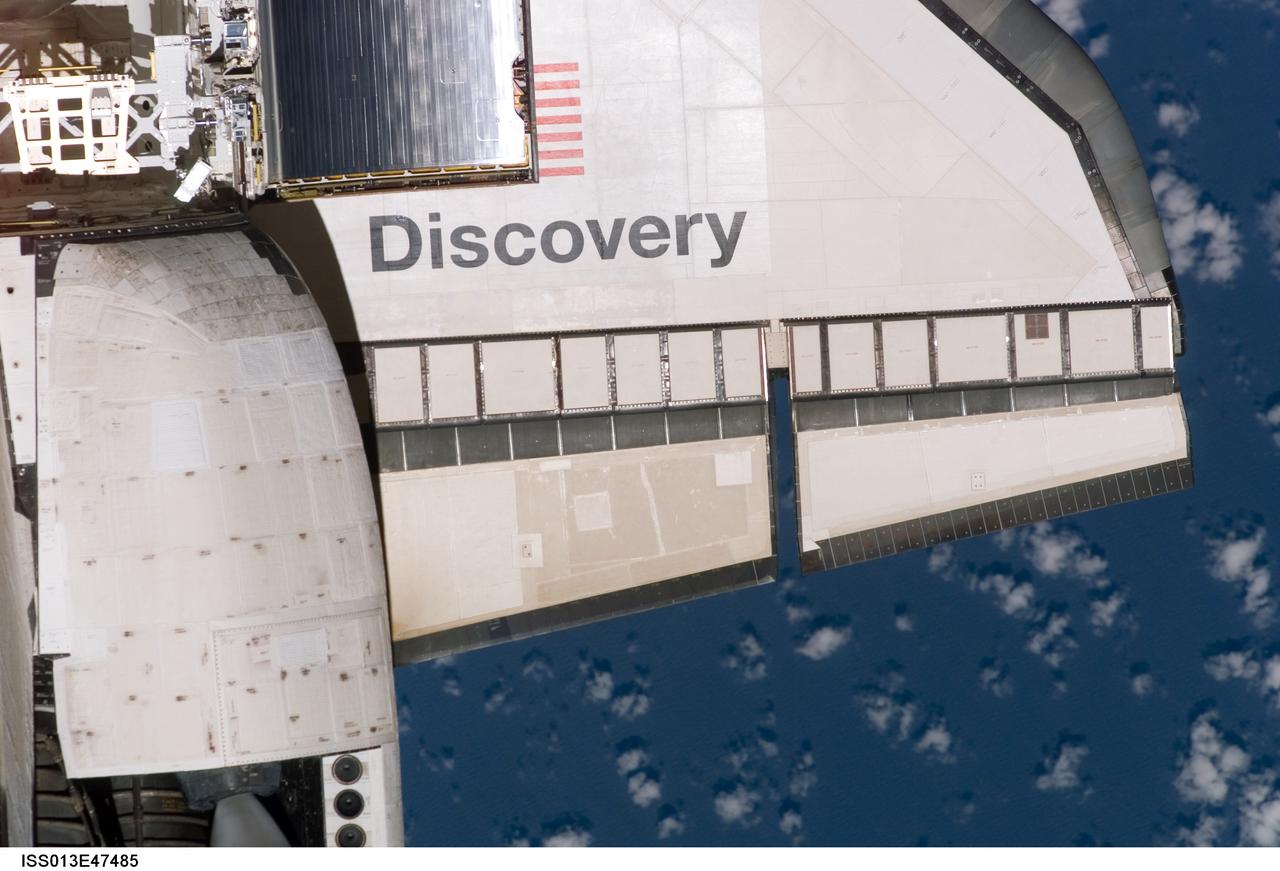
ISS013-E-47485 (6 July 2006) --- The starboard wing of the Space Shuttle Discovery was one small section of the orbiter that was photographed by the Expedition 13 crew aboard the International Space Station during the July 6 RPM survey sequence.
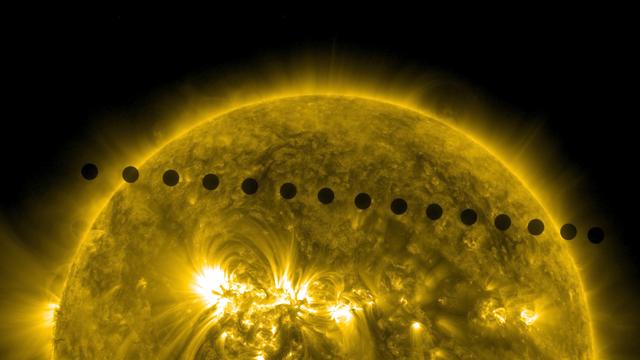
NASA image captured June 5-6, 2012. On June 5-6 2012, SDO is collecting images of one of the rarest predictable solar events: the transit of Venus across the face of the sun. This event happens in pairs eight years apart that are separated from each other by 105 or 121 years. The last transit was in 2004 and the next will not happen until 2117. <i>Credit: NASA/SDO, AIA</i> <b>To read more about the 2012 Venus Transit go to: <a href="http://sunearthday.nasa.gov/transitofvenus" rel="nofollow">sunearthday.nasa.gov/transitofvenus</a> </b> <b>Add your photos of the Transit of Venus to our Flickr Group here: <a href="http://www.flickr.com/groups/venustransit/">www.flickr.com/groups/venustransit/</a> </b> <b><a href="http://www.nasa.gov/audience/formedia/features/MP_Photo_Guidelines.html" rel="nofollow">NASA image use policy.</a></b> <b><a href="http://www.nasa.gov/centers/goddard/home/index.html" rel="nofollow">NASA Goddard Space Flight Center</a></b> enables NASA’s mission through four scientific endeavors: Earth Science, Heliophysics, Solar System Exploration, and Astrophysics. Goddard plays a leading role in NASA’s accomplishments by contributing compelling scientific knowledge to advance the Agency’s mission. <b>Follow us on <a href="http://twitter.com/NASA_GoddardPix" rel="nofollow">Twitter</a></b> <b>Like us on <a href="http://www.facebook.com/pages/Greenbelt-MD/NASA-Goddard/395013845897?ref=tsd" rel="nofollow">Facebook</a></b> <b>Find us on <a href="http://instagrid.me/nasagoddard/?vm=grid" rel="nofollow">Instagram</a></b>
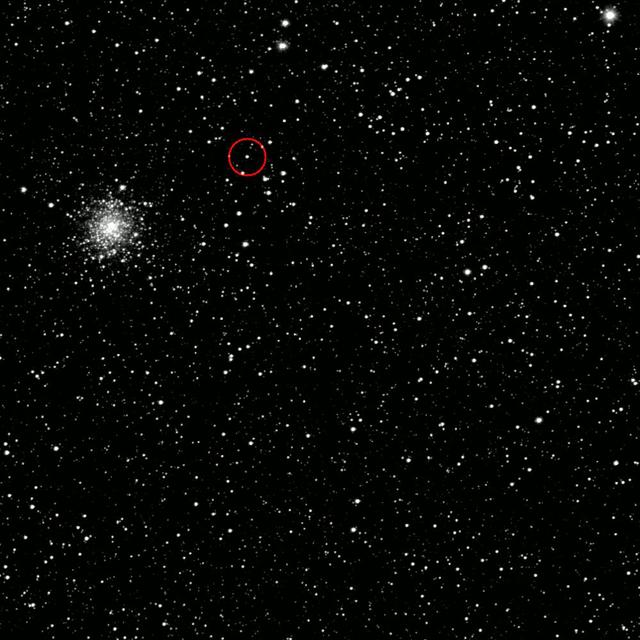
This still from a sequence of images shows comet 67P/Churyumov-Gerasimenko moving against the background star field.
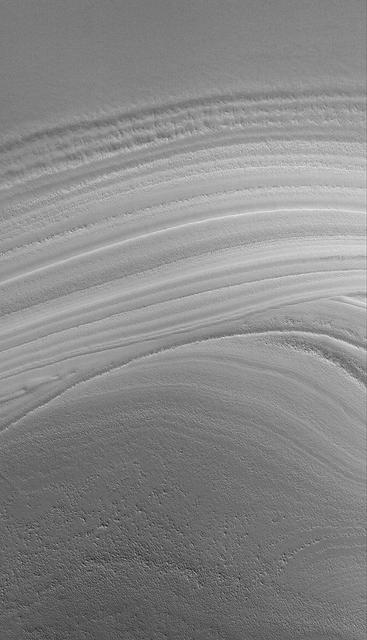
This MOC image shows an unconformity in a sequence of layered material in the martian north polar region created by erosion
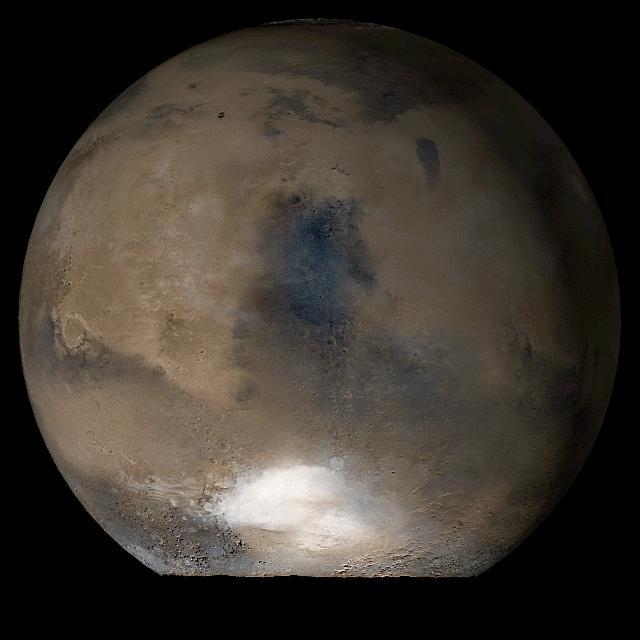
This MOC image shows an unconformity in a sequence of layered material in the martian north polar region created by erosion
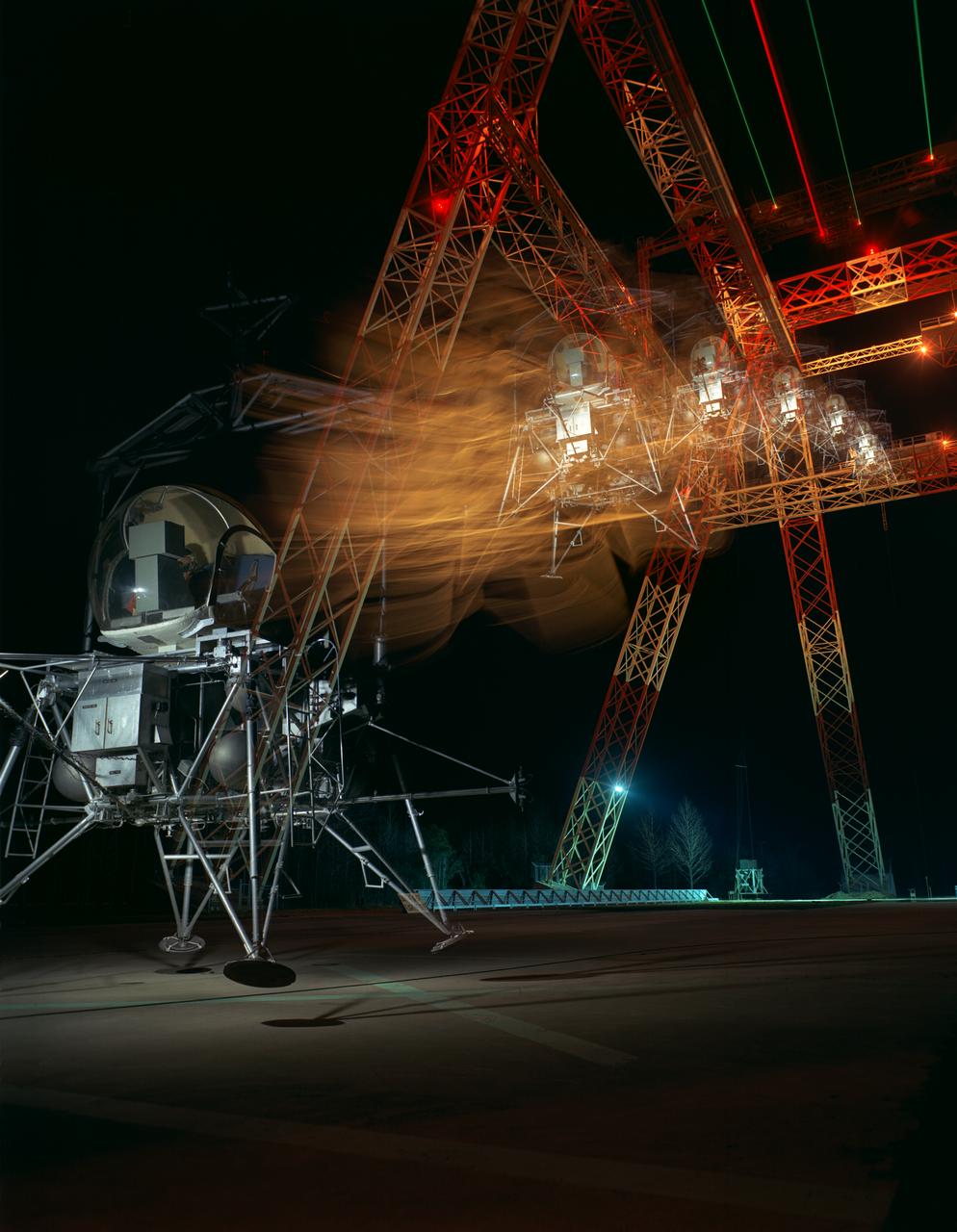
During a nighttime training session, a multiple exposure captures the movement of the Lunar Excursion Module Simulator (LEMS). The LEMS was a manned vehicle used to familiarize the Apollo astronauts with the handling characteristics of lunar-landing type vehicle. The Apollo Program is best known for the astronaut Neal Armstrong s first step on the Moon July 20, 1969. In its earliest test period, the LEMS featured a helicopter crew cabin atop the lunar landing module. Later, the helicopter crew cabin was replaced with a stand-up rectangular cabin which was more efficient for controlling maneuvers and for better viewing by the pilot. The vehicle was designed at Langley Research Center in Hampton, VA. This multiple exposure shows a simulated Moon landing of the (LEMS) trainer at Langley s Lunar Landing Research Facility. -- Photograph published in Winds of Change, 75th Anniversary NASA publication (page 70), by James Shultz. Also published in " A Century at Langley" by Joseph Chambers, pg. 93.
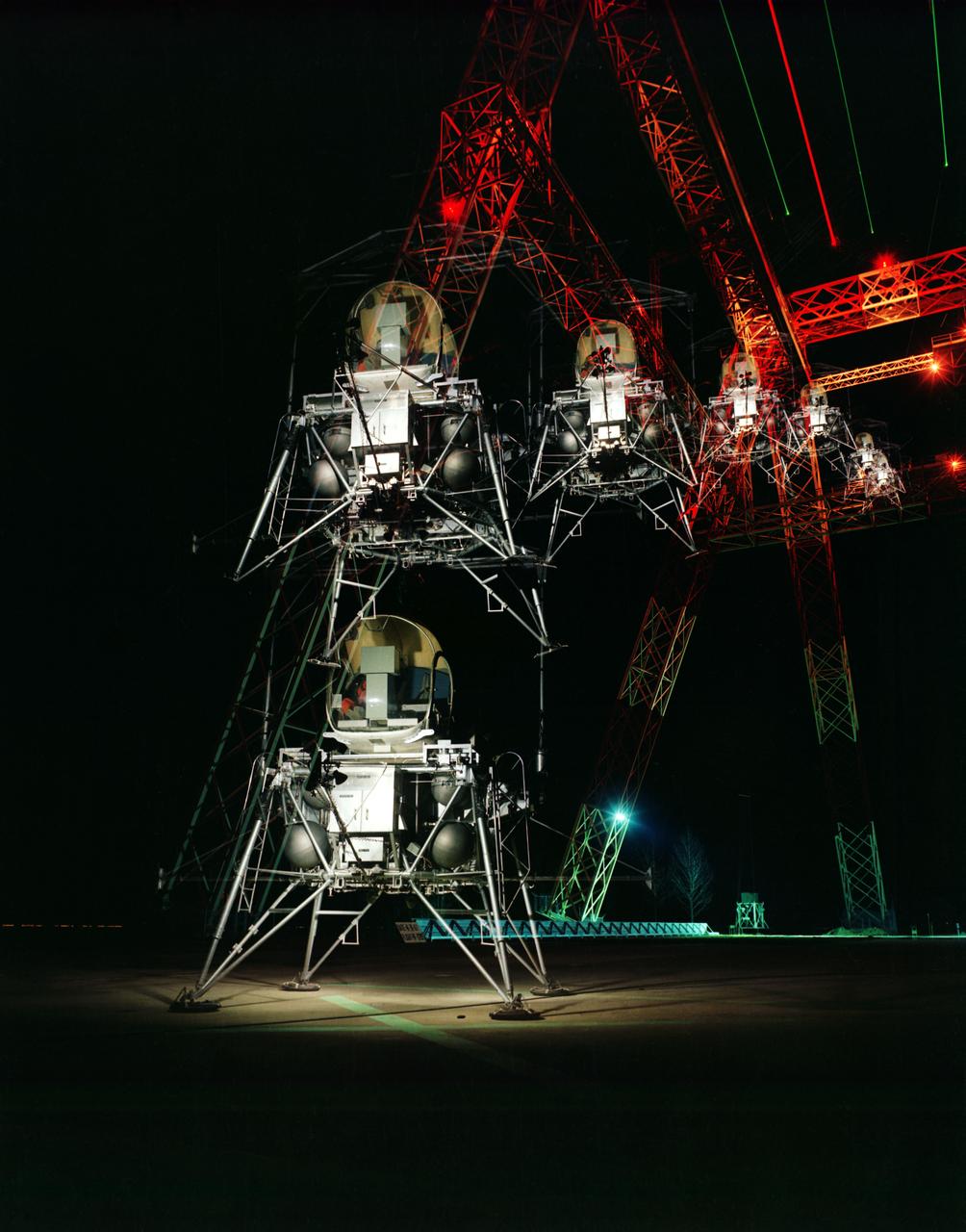
During a nighttime training session, a multiple exposure captures the movement of the Lunar Excursion Module Simulator (LEMS). The LEMS was a manned vehicle used to familiarize the Apollo astronauts with the handling characteristics of lunar-landing type vehicle. The Apollo Program is best known for the astronaut Neal Armstrong s first step on the Moon July 20, 1969. In its earliest test period, the LEMS featured a helicopter crew cabin atop the lunar landing module. Later, the helicopter crew cabin was replaced with a stand-up rectangular cabin which was more efficient for controlling maneuvers and for better viewing by the pilot. The vehicle was designed at Langley Research Center in Hampton, VA. This multiple exposure shows a simulated Moon landing of the (LEMS) trainer at Langley s Lunar Landing Research Facility. -- Photograph published in Winds of Change, 75th Anniversary NASA publication (page 70), by James Shultz. Also published in " A Century at Langley" by Joseph Chambers, pg. 93.
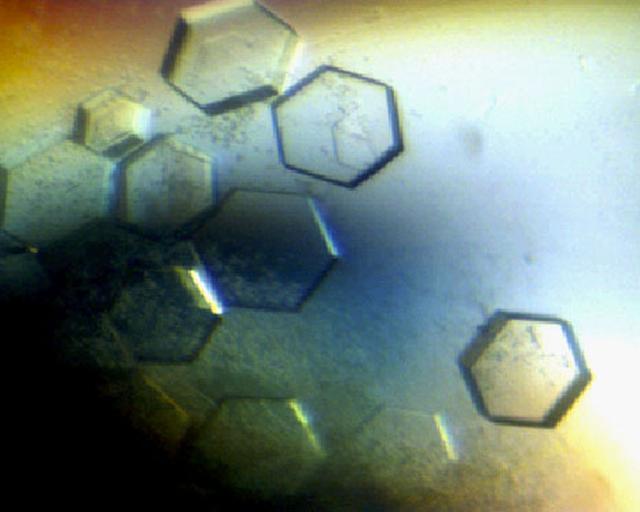
Type II restriction enzymes, such as Eco R1 endonulease, present a unique advantage for the study of sequence-specific recognition because they leave a record of where they have been in the form of the cleaved ends of the DNA sites where they were bound. The differential behavior of a sequence -specific protein at sites of differing base sequence is the essence of the sequence-specificity; the core question is how do these proteins discriminate between different DNA sequences especially when the two sequences are very similar. Principal Investigator: Dan Carter/New Century Pharmaceuticals
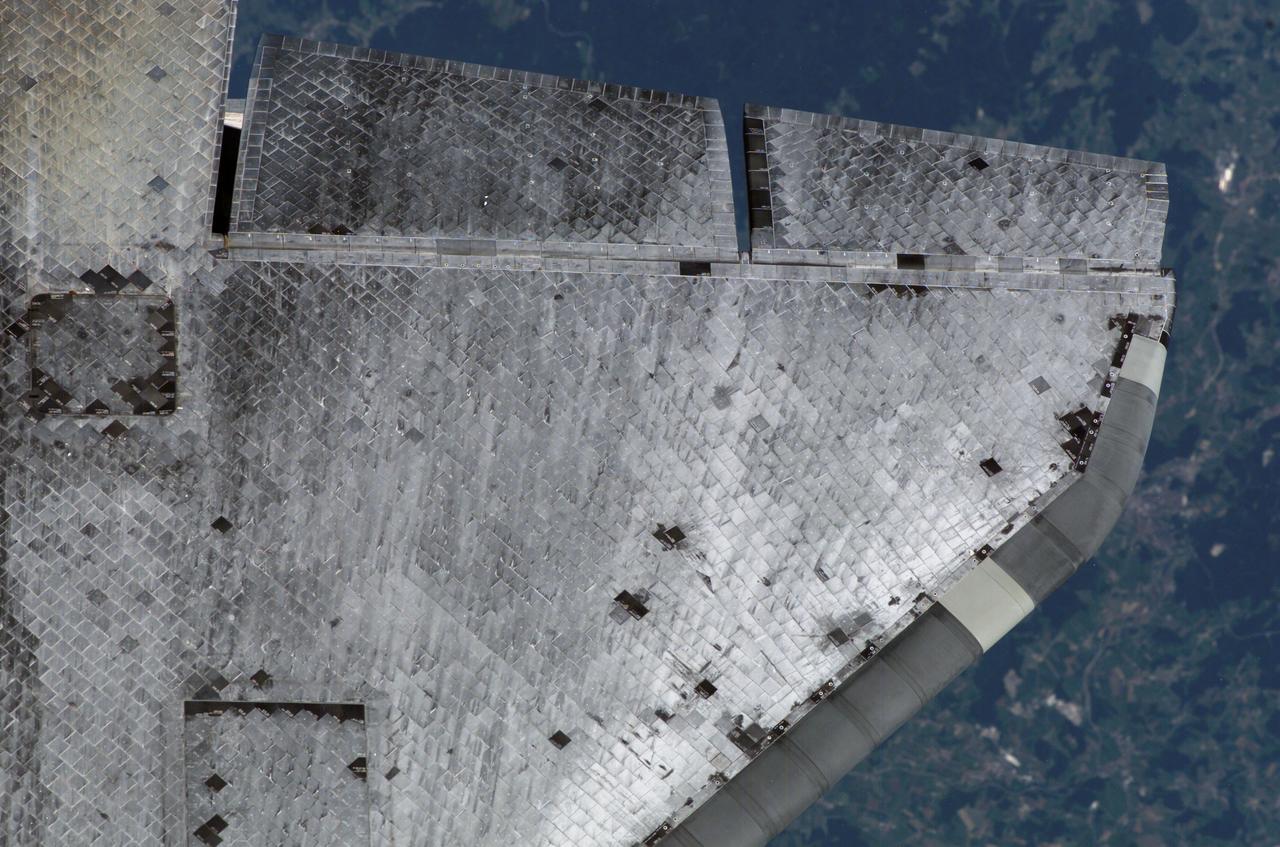
ISS011-E-11078 (28 July 2005) --- View of the Space Shuttle Discovery’s underside starboard wing and Thermal Protection System tiles photographed during the survey sequence performed by the Expedition 11 crew on the international space station during the STS-114 R-Bar Pitch Maneuver during rendezvous and docking operations. Discovery docked with the station at 6:18 a.m. (CDT) on Thursday July 28, 2005.
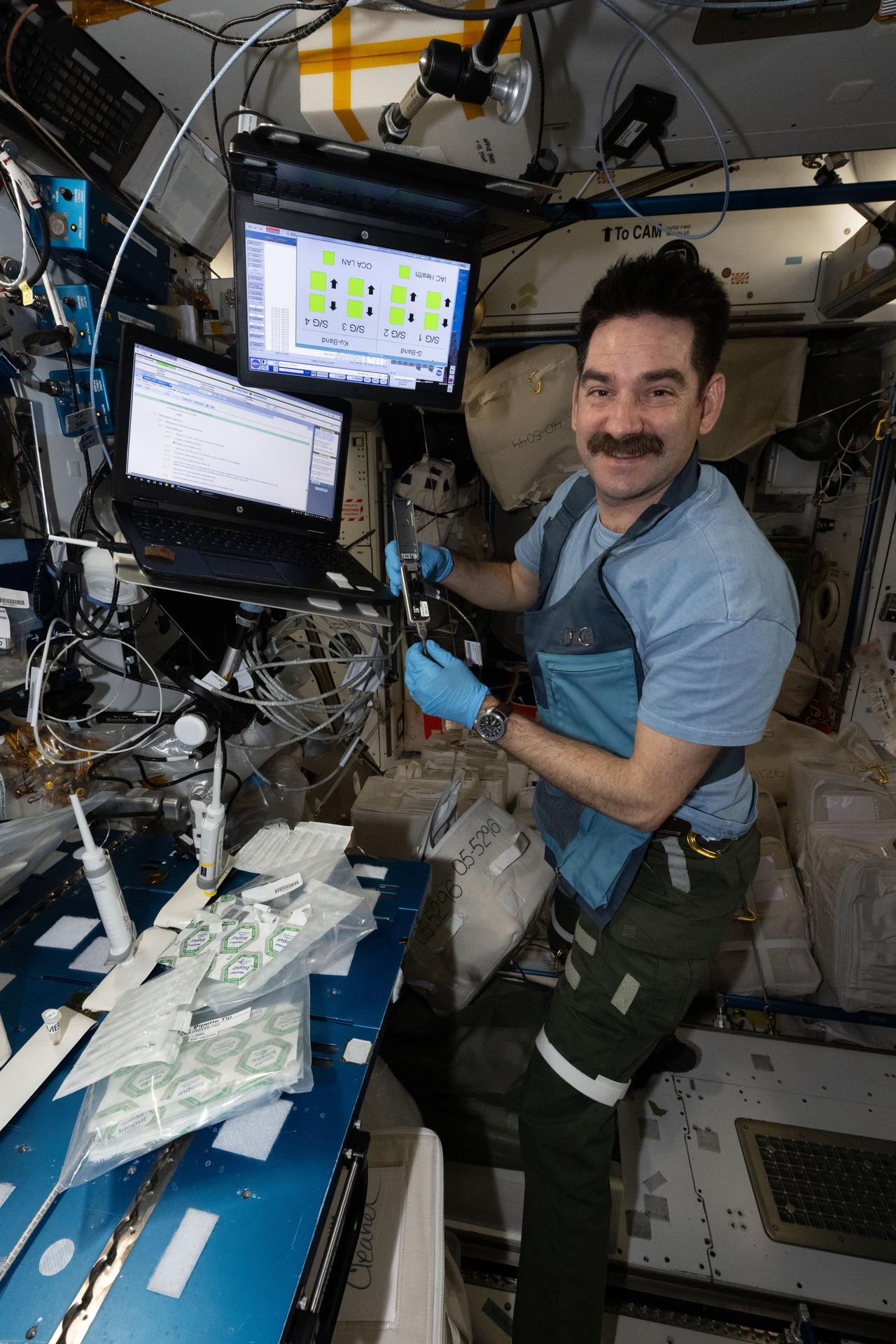
iss074e0722461 (June 17, 2026) --- NASA astronaut and Expedition 74 flight engineer Jack Hathaway loads bacterial samples into a portable DNA sequencer to read their genetic code inside the International Space Station’s Harmony module. The GEARS biotechnology investigation may help scientists understand how bacteria become resistant to antibiotics in the space environment, which could affect an astronaut’s ability to fight infections. Credit: NASA/Jessica Meir
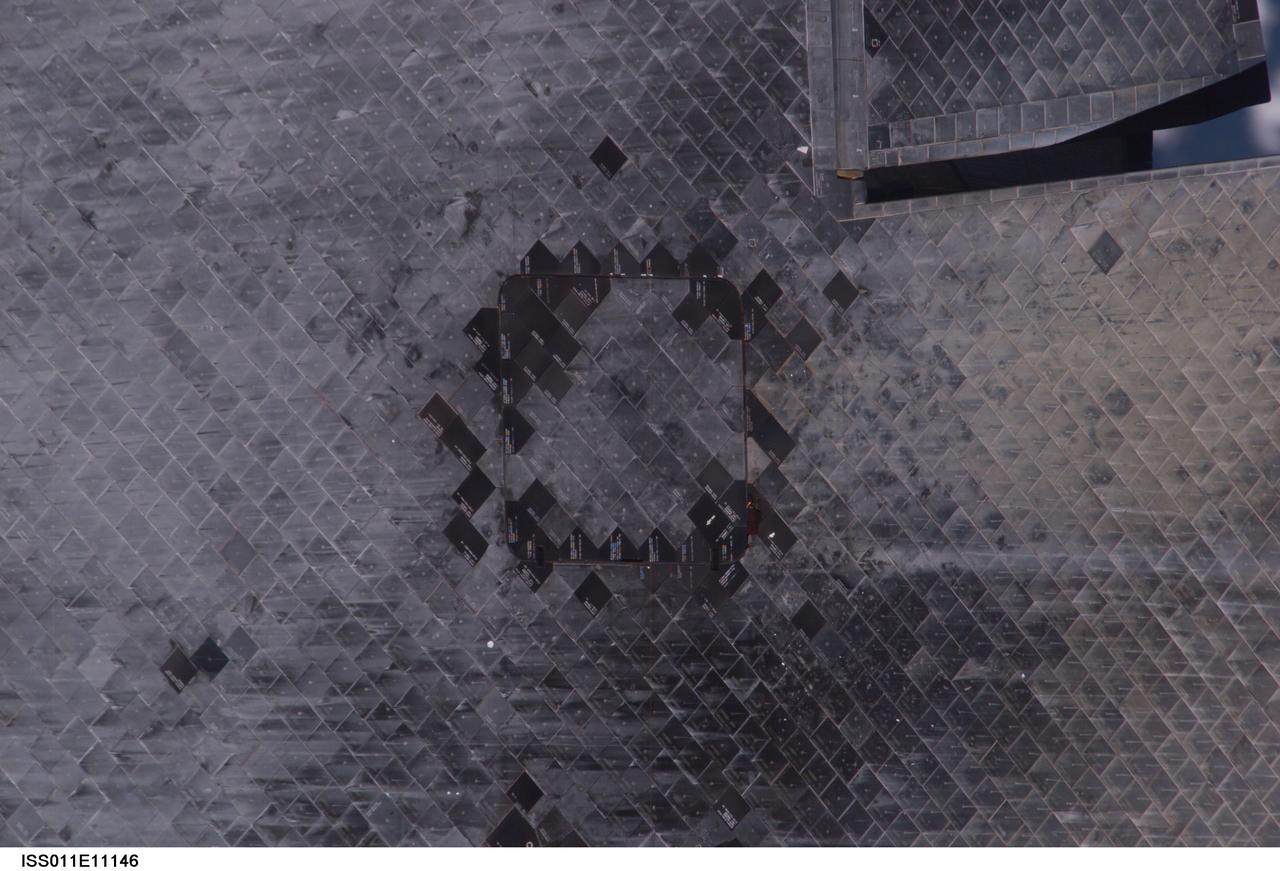
ISS011-E-11146 (28 July 2005) --- View of the Space Shuttle Discovery's underside (near Orbital Maneuvering System pod), photographed as part of the survey sequence performed by the Expedition 11 crew during the STS-114 R-Bar Pitch Maneuver on Flight Day 3. This picture was used by Steve M. Poulos, Jr. Manager, Space Shuttle Vehicle Engineering Office, as one of his visual aids in a July 28, 2005 press conference in the Teague Auditorium at the Johnson Space Center.
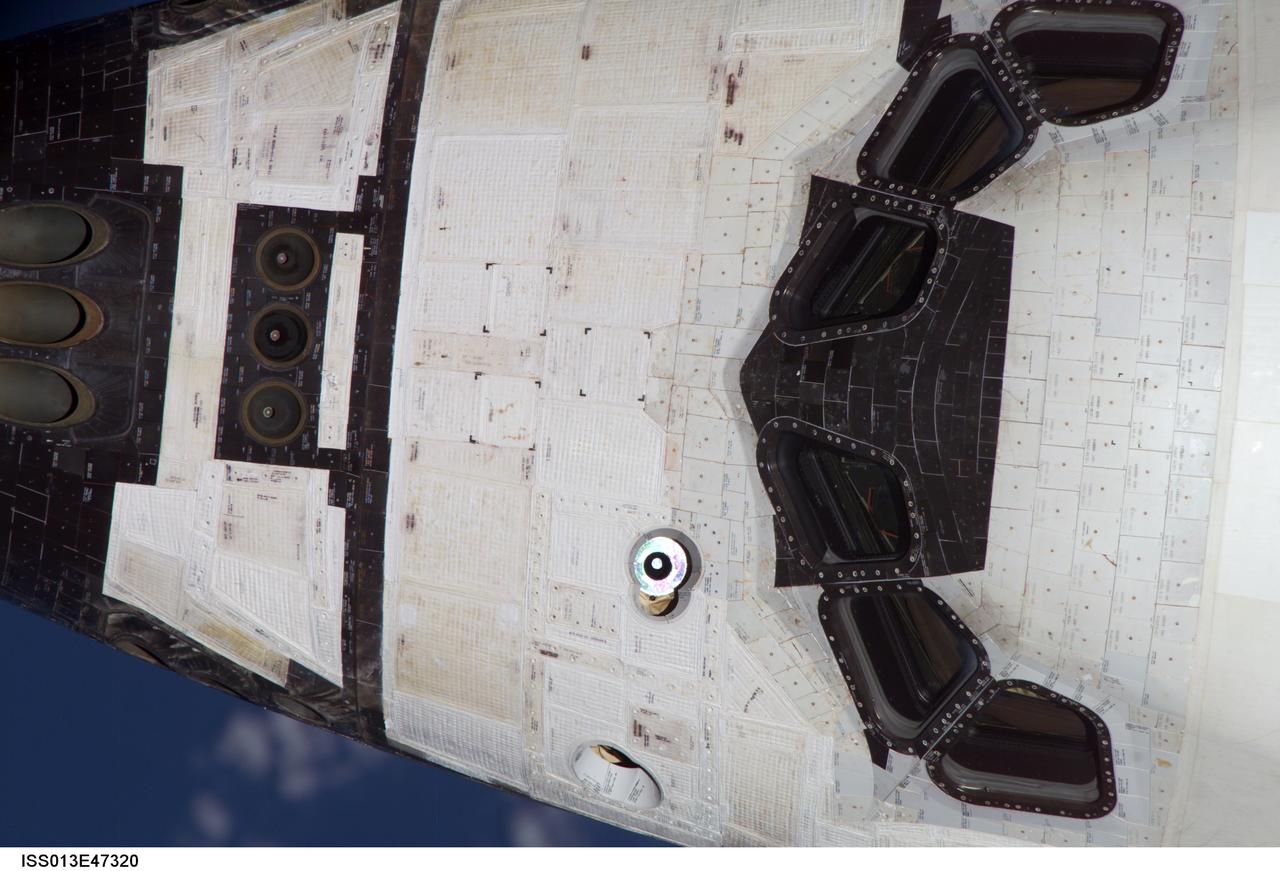
ISS013E47320 (06 July 2006) -- View of the Orbiter Discovery topside of the forward (FWD) flight deck as imaged during the mapping sequence performed by Expedition 13 NASA Space Station crew during STS-121 R-Bar Pitch Maneuver on Flight Day 3. This image was taken with the 800mm lens prior to rendezvous and docking operations.

ISS011-E-11185 (28 July 2005) --- View of the Space Shuttle Discovery's underside starboard side wing and elevon, photographed as part of the survey sequence performed by the Expedition 11 crew during the STS-114 R-Bar Pitch Maneuver on Flight Day 3. This picture was used by Steve M. Poulos, Jr. Manager, Space Shuttle Vehicle Engineering Office, as one of his visual aids in a July 28, 2005 press conference in the Teague Auditorium at the Johnson Space Center.
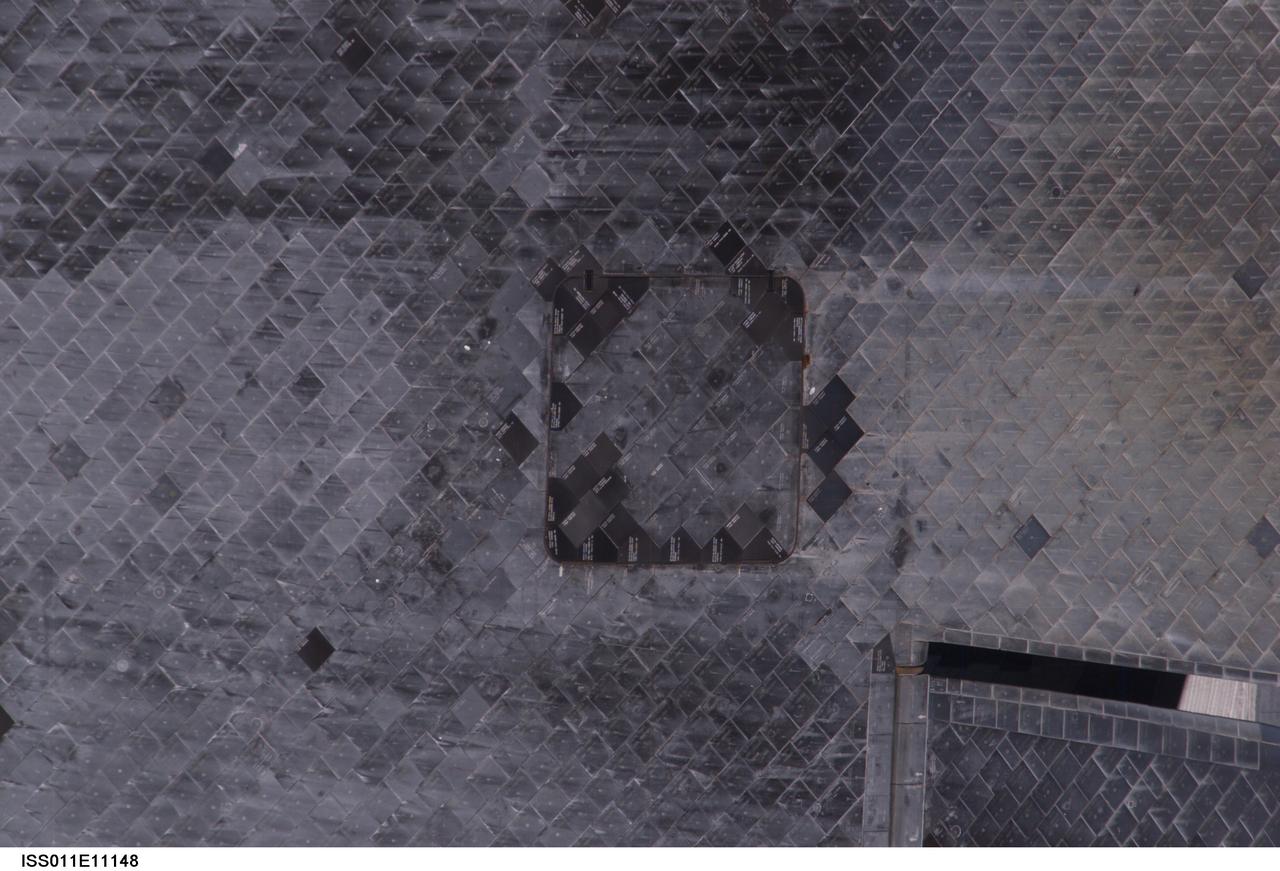
ISS011-E-11148 (28 July 2005) --- View of the Space Shuttle Discovery's underside (near the Orbital Maneuvering System pod), photographed as part of the survey sequence performed by the Expedition 11 crew during the STS-114 R-Bar Pitch Maneuver on Flight Day 3. This picture was used by Steve M. Poulos, Jr. Manager, Space Shuttle Vehicle Engineering Office, as one of his visual aids in a July 28, 2005 press conference in the Teague Auditorium at the Johnson Space Center.
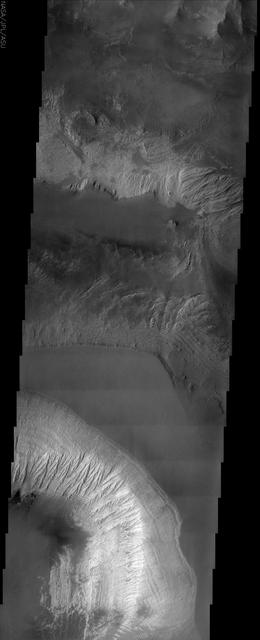
This NASA Mars Odyssey image shows the effects of erosion on a beautiful sequence of dramatically layered rocks within Candor Chasma, which is part of the Valles Marineris.
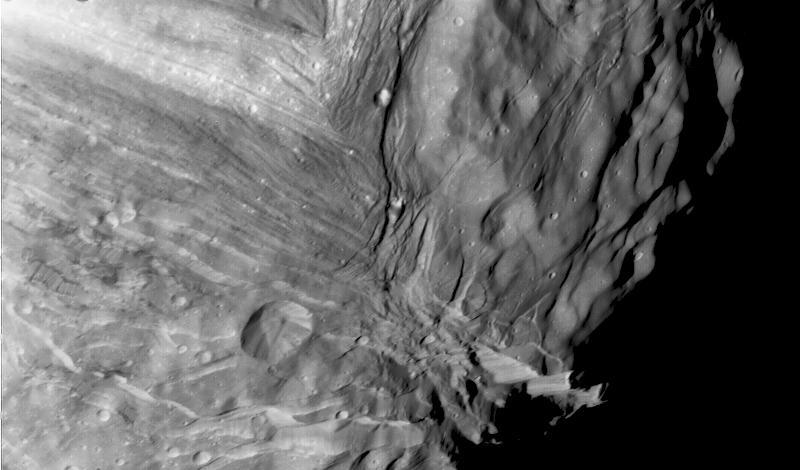
Miranda, innermost of Uranus large satellites, is seen at close range in this Voyager 2 image, taken Jan. 24, 1986, as part of a high-resolution mosaicing sequence.

This image of Ceres is part of a sequence taken by NASA Dawn spacecraft on April 29, 2015, from a distance of 8,400 miles 13,600 kilometers.
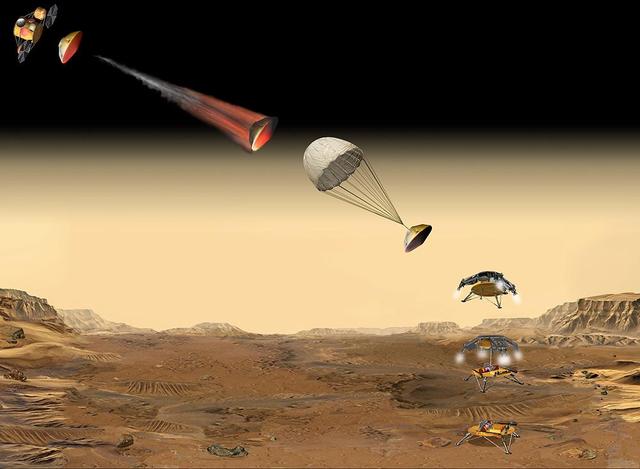
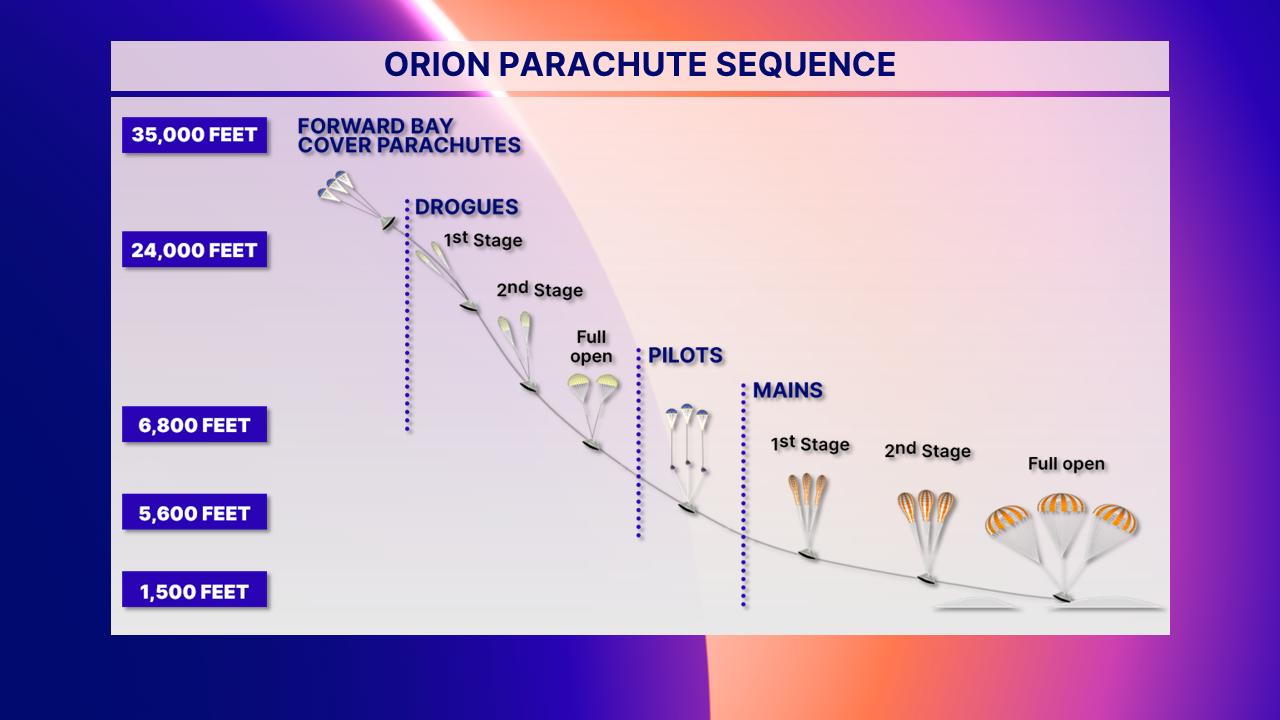
This artist concept of the proposed NASA Mars Sample Return mission shows the entry, descent and landing sequence the lander would undergo on its way to Mars.
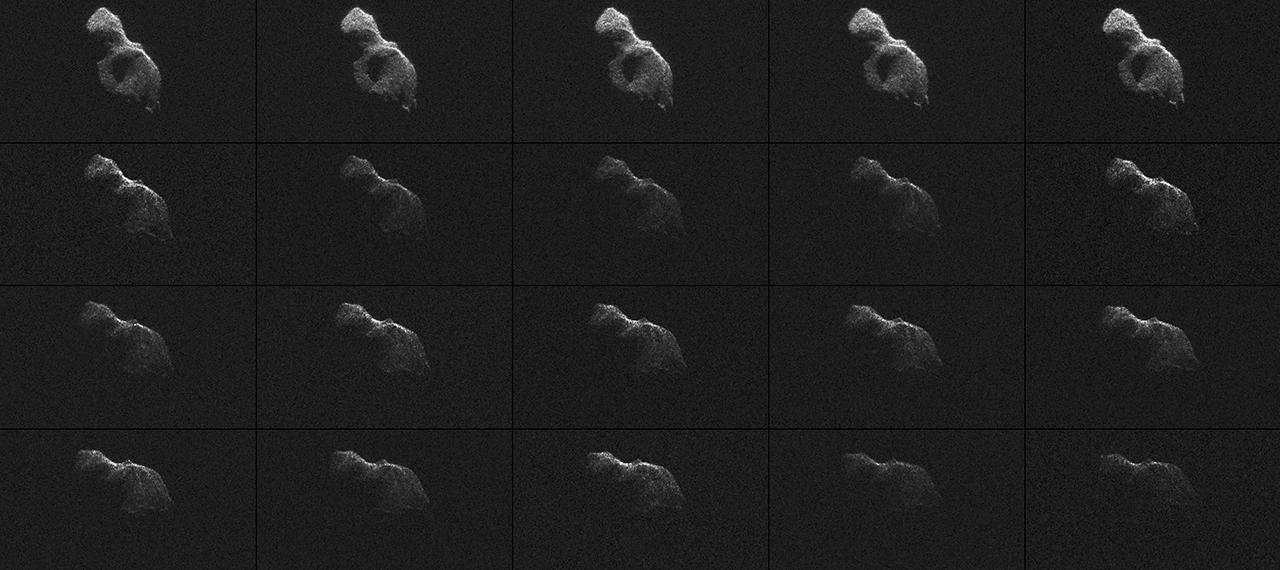
NASA scientists used Earth-based radar to produce these sharp views -- an image montage and a movie sequence -- of the asteroid designated 2014 HQ124 on June 8, 2014.
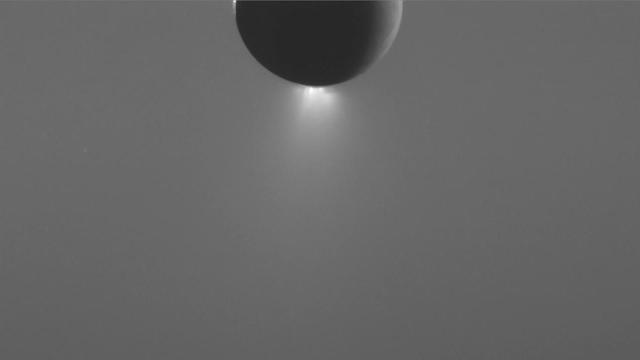
This frame from a sequence of images, captured by NASA Cassini spacecraft, shows changes in the brightness of the Enceladus plume during a 6.5-hour observation.
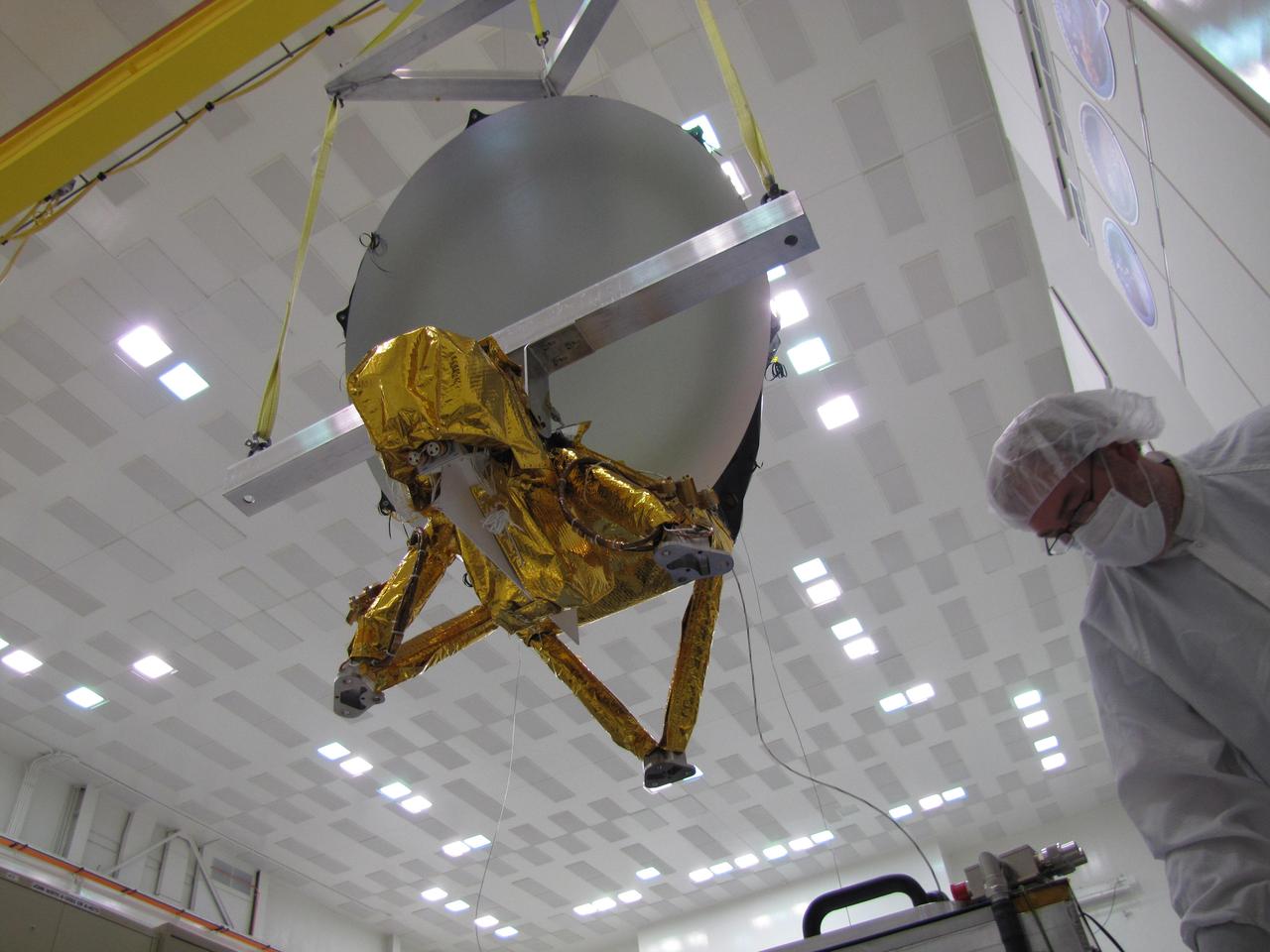
JPL technicians perform a practice run of the mechanical integration sequence that will be used to mate the Jason-3 spacecraft Advanced Microwave Radiometer instrument to the Jason-3 satellite.
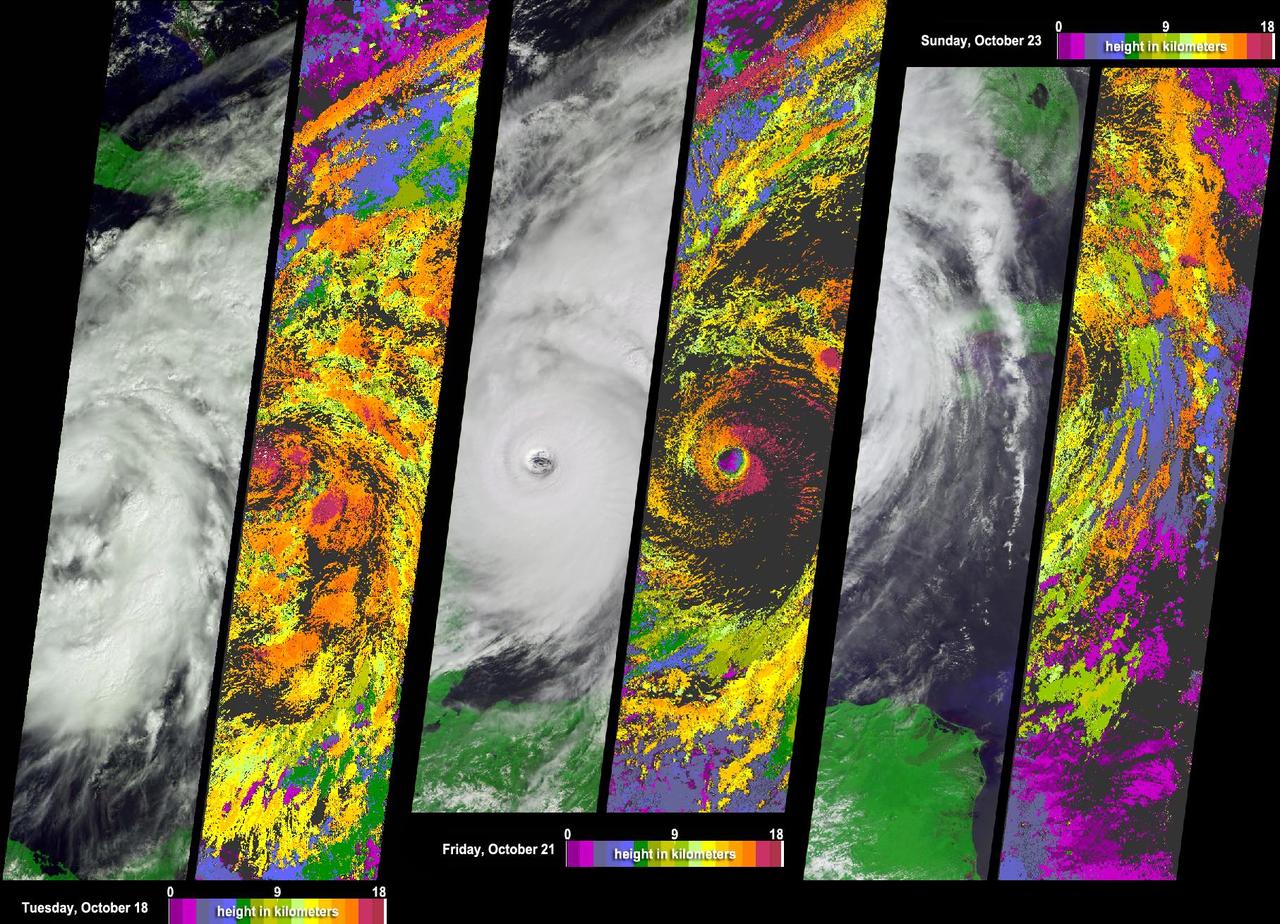
NASA Terra spacecraft acquired this sequence of images and cloud-top height observations for Hurricane Wilma as it progressed across the Caribbean in October 2005.
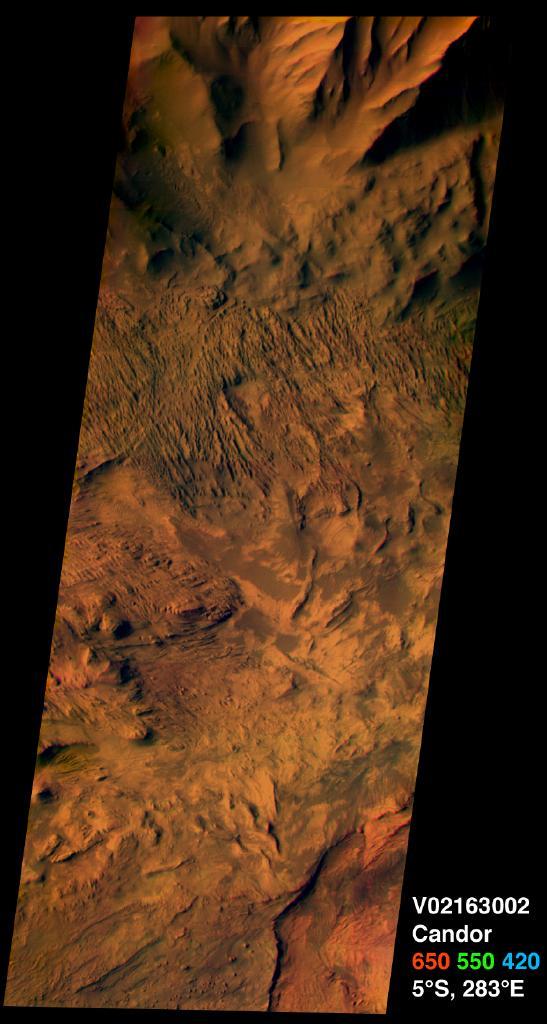
This image from NASA Mars Odyssey was acquired of Candor Chasma within Valles Marineris and shows the effects of erosion on a sequence of dramatically layered rocks.
This image from NASA Mars Odyssey spacecraft was acquired of Candor Chasma within Valles Marineris and shows the effects of erosion on a sequence of dramatically layered rocks.
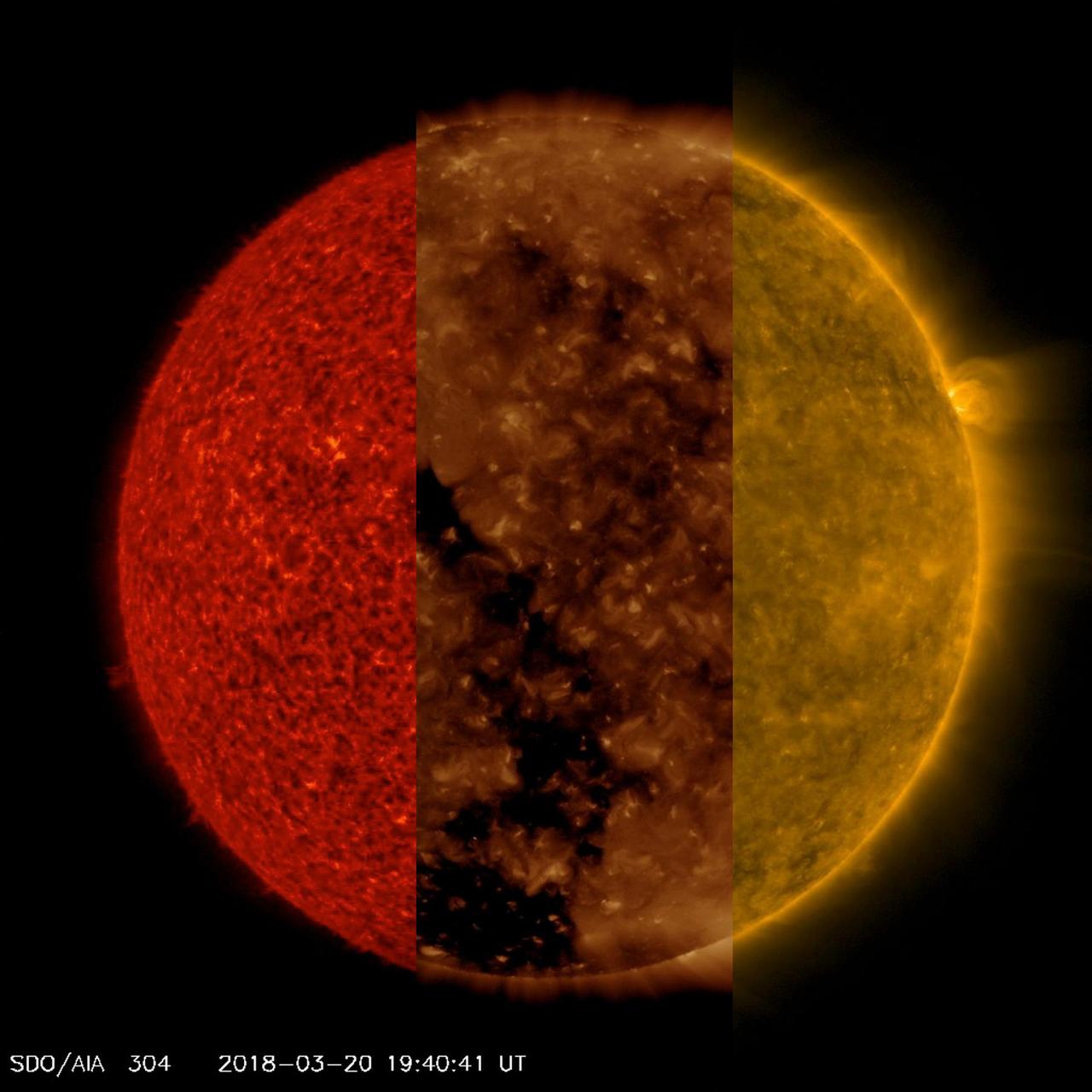
NASA's Solar Dynamics Observatory ran together three sequences of the sun taken in three different extreme ultraviolet wavelengths to better illustrate how different features that appear in one sequence are difficult if not impossible to see in the others (Mar. 20-21, 2018). In the red sequence (304 Angstroms), we can see very small spicules and some small prominences at the sun's edge, which are not easy to see in the other two sequences. In the second clip (193 Angstroms), we can readily observe the large and dark coronal hole, though it is difficult to make out in the others. In the third clip (171 wavelengths), we can see strands of plasma waving above the surface, especially above the one small, but bright, active region near the right edge. And these are just three of the 10 extreme ultraviolet wavelengths in which SDO images the sun every 12 seconds every day. That's a lot of data and a lot of science. Movies are available at https://photojournal.jpl.nasa.gov/catalog/PIA22360

This sequence of color-enhanced images shows how quickly the viewing geometry changes for NASA's Juno spacecraft as it swoops by Jupiter. The images were obtained by JunoCam. Once every 53 days, Juno swings close to Jupiter, speeding over its clouds. In just two hours, the spacecraft travels from a perch over Jupiter's north pole through its closest approach (perijove), then passes over the south pole on its way back out. This sequence shows 11 color-enhanced images from Perijove 8 (Sept. 1, 2017) with the south pole on the left (11th image in the sequence) and the north pole on the right (first image in the sequence). The first image on the right shows a half-lit globe of Jupiter, with the north pole approximately at the upper center of the image close to the terminator -- the dividing line between night and day. As the spacecraft gets closer to Jupiter, the horizon moves in and the range of visible latitudes shrinks. The second and third images in this sequence show the north polar region rotating away from the spacecraft's field of view while the first of Jupiter's lighter-colored bands comes into view. The fourth through the eighth images display a blue-colored vortex in the mid-southern latitudes near Points of Interest "Collision of Colours," "Sharp Edge," "Caltech, by Halka," and "Structure01." The Points of Interest are locations in Jupiter's atmosphere that were identified and named by members of the general public. Additionally, a darker, dynamic band can be seen just south of the vortex. In the ninth and tenth images, the south polar region rotates into view. The final image on the left displays Jupiter's south pole in the center. From the start of this sequence of images to the end, roughly 1 hour and 35 minutes elapsed. https://photojournal.jpl.nasa.gov/catalog/PIA21967 . - Enhanced image by Kevin M. Gill (CC-BY) based on images provided courtesy of NASA/JPL-Caltech/SwRI/MSSS
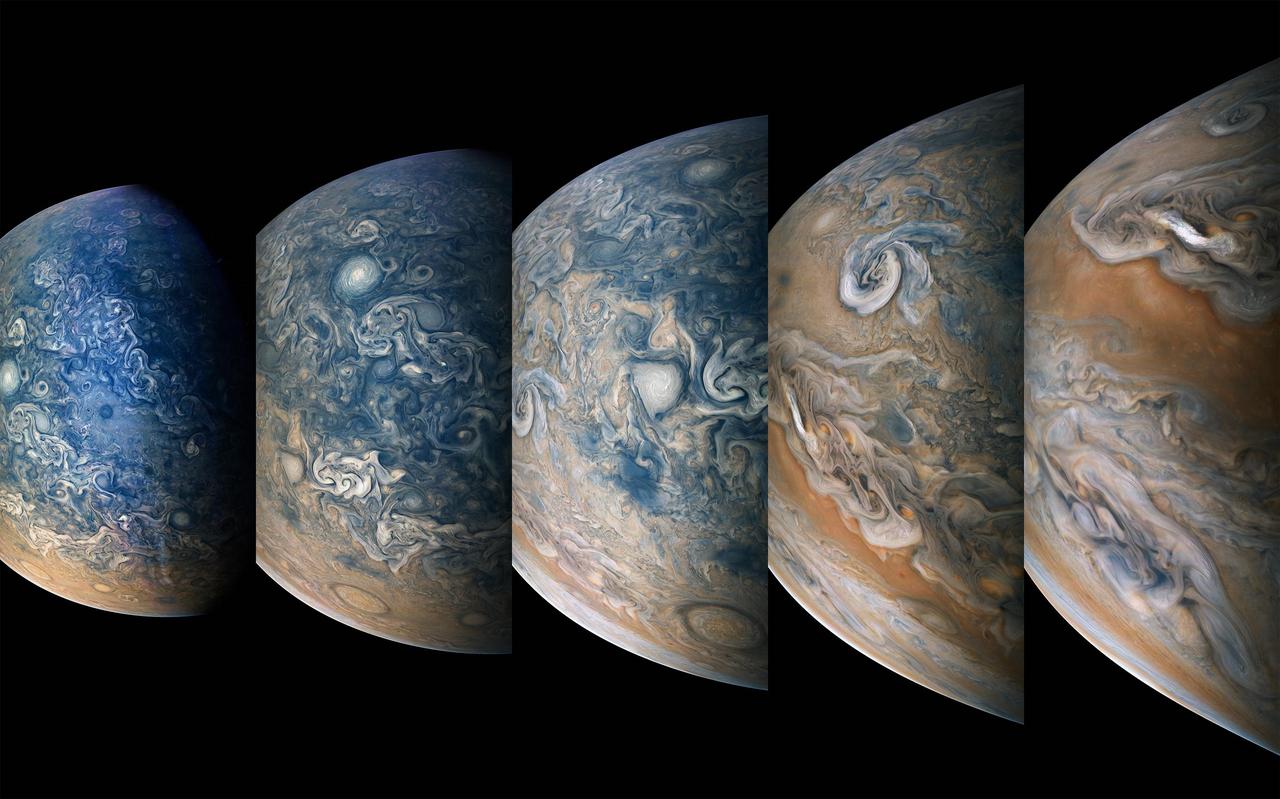
Striking atmospheric features in Jupiter's northern hemisphere are captured in this series of color-enhanced images from NASA's Juno spacecraft. An anticyclonic white oval, called N5-AWO, can be seen at center left of the first image (at far left) and appears slightly higher in the second and third images. A tempest known as the Little Red Spot is visible near the bottom of the second and third images. The reddish-orange band that is prominently displayed in the fourth and fifth images is the North North Temperate Belt. From left to right, this sequence of images was taken between 9:54 p.m. and 10:11 p.m. PDT on July 15 (12:54 a.m. and 1:11 a.m. EDT on July 16), as the spacecraft performed its 14th close flyby of Jupiter. At the time, Juno's altitude ranged from about 15,700 to 3,900 miles (25,300 to 6,200 kilometers) from the planet's cloud tops, above a latitude of approximately 69 to 36 degrees. Citizen scientists Gerald Eichstädt and Seán Doran created this image using data from the spacecraft's JunoCam imager. https://photojournal.jpl.nasa.gov/catalog/PIA22686
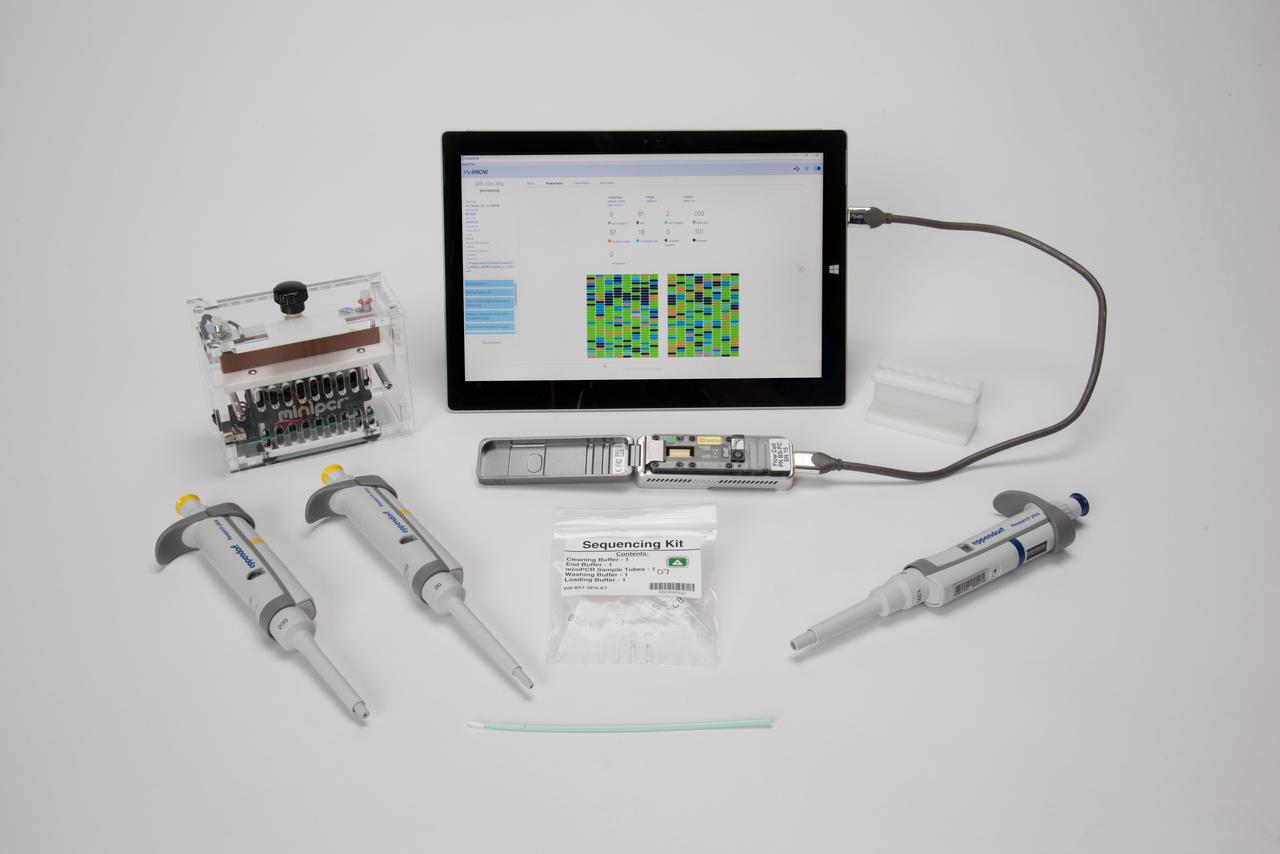
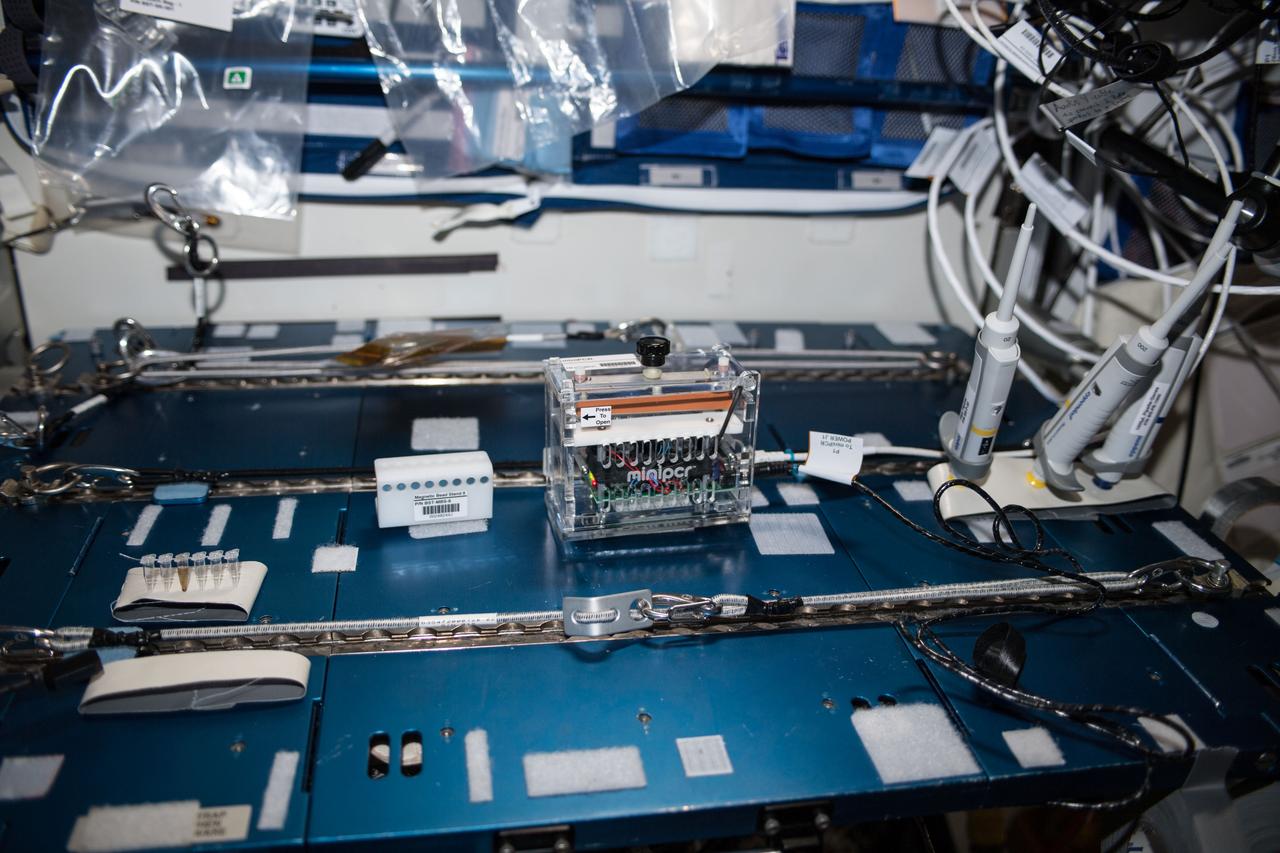
jsc2018e059572_alt (5/29/2018) --- The miniPCR platform, used for the amplification of nucleic acids, from the Genes in Space investigations combined with the MinION, nucleic acid sequencer, from the Biomolecule Sequencer experiment makes up the Biomolecule Extraction and Sequencing Technology (BEST) payload. With this hardware, including the pipettes, astronauts have demonstrated a complete sample-to-answer process for DNA and RNA sequencing on board the ISS.
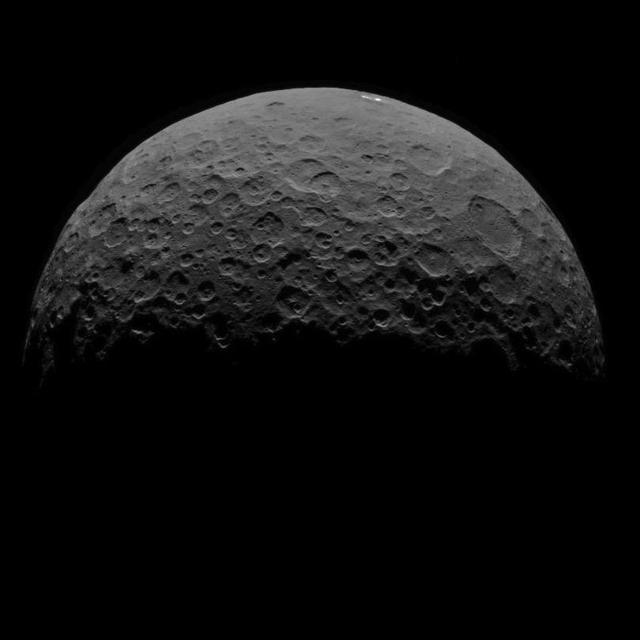
This image of Ceres is part of a sequence taken by NASA Dawn spacecraft on May 1, 2015, from a distance of 8,400 miles 13,600 kilometers. http://photojournal.jpl.nasa.gov/catalog/PIA19551
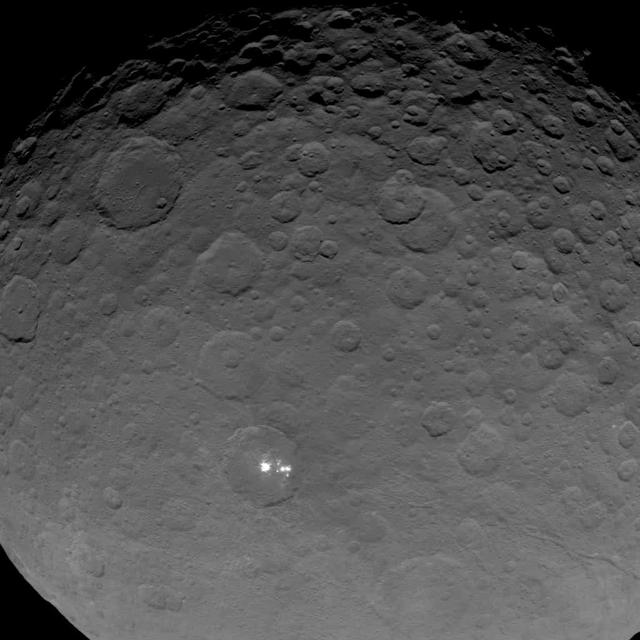
This image of Ceres is part of a sequence taken by NASA Dawn spacecraft on May 16, 2015, from a distance of 4,500 miles 7,200 kilometers. http://photojournal.jpl.nasa.gov/catalog/PIA19559
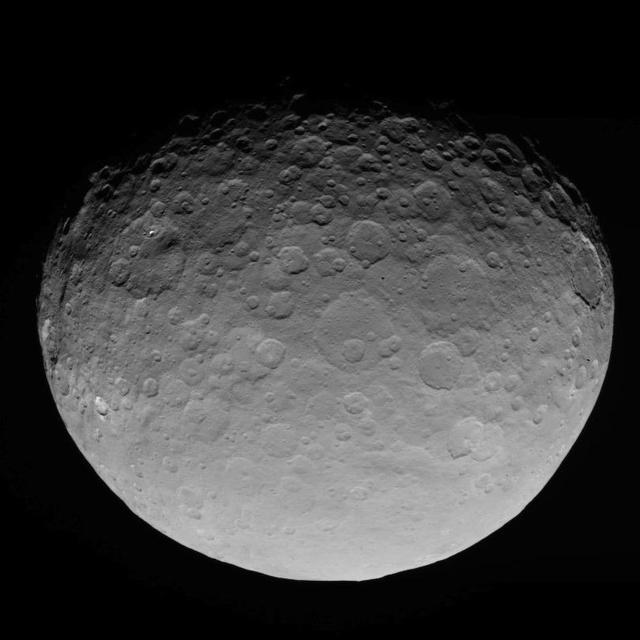
This image of Ceres is part of a sequence taken by NASA Dawn spacecraft on May 4, 2015, from a distance of 8,400 miles 13,600 kilometers. http://photojournal.jpl.nasa.gov/catalog/PIA19542
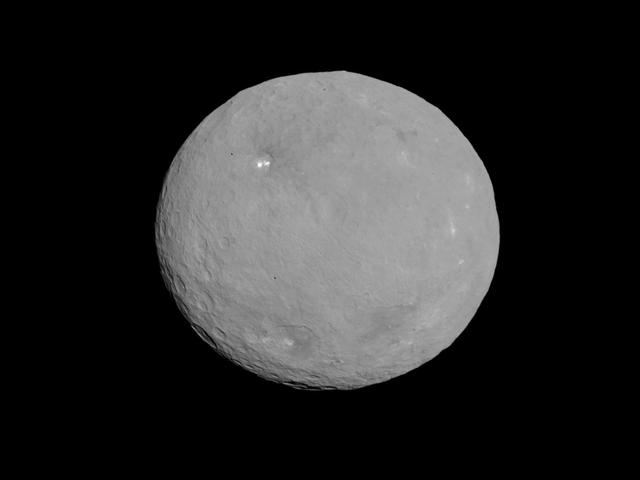
This image of Ceres is part of a sequence taken by NASA Dawn spacecraft on May 5 and 6, 2015, from a distance of 8,400 miles 13,600 kilometers. http://photojournal.jpl.nasa.gov/catalog/PIA19562
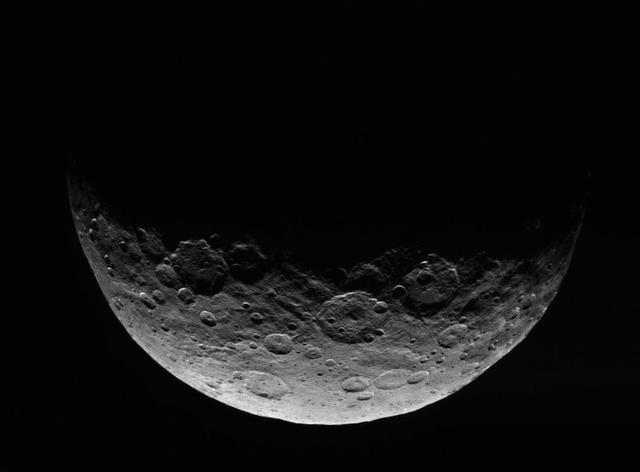
This image of Ceres is part of a sequence taken by NASA Dawn spacecraft April 24 to 26, 2015, from a distance of 8,500 miles 13,500 kilometers. http://photojournal.jpl.nasa.gov/catalog/PIA19322
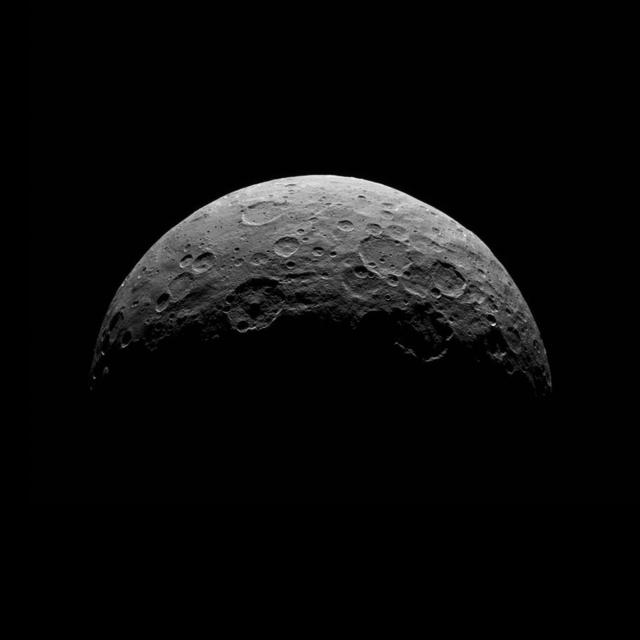
This image of Ceres is part of a sequence taken by NASA Dawn spacecraft April 24 to 26, 2015, from a distance of 8,500 miles 13,500 kilometers. http://photojournal.jpl.nasa.gov/catalog/PIA19536
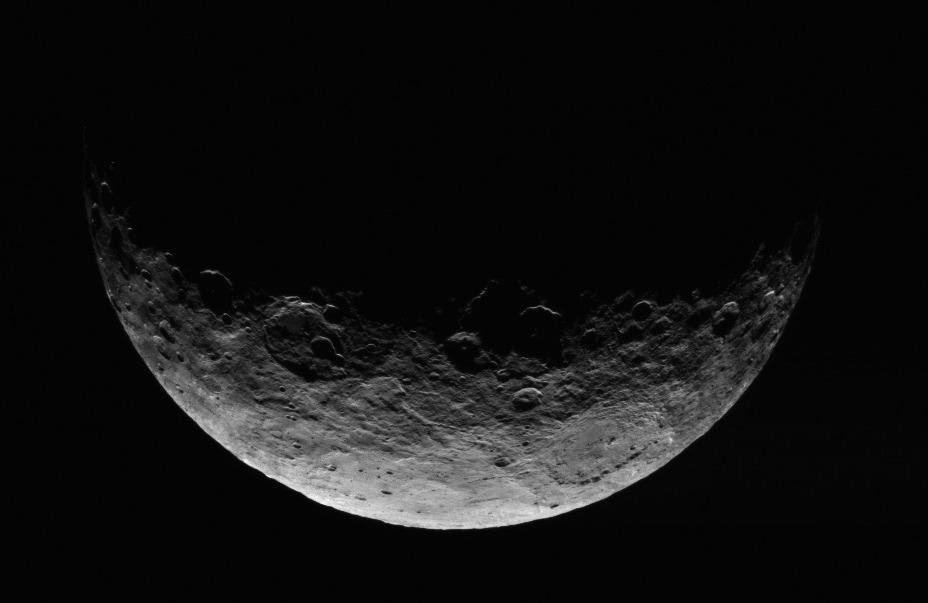
This image of Ceres is part of a sequence taken by NASA Dawn spacecraft April 24 to 26, 2015, from a distance of 8,500 miles 13,500 kilometers. http://photojournal.jpl.nasa.gov/catalog/PIA19323
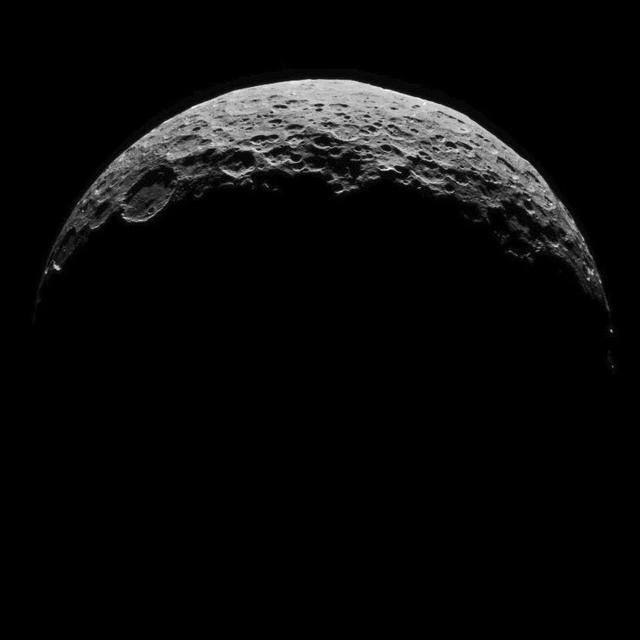
This image of Ceres is part of a sequence taken by NASA Dawn spacecraft on April 29, 2015, from a distance of 8,400 miles 13,600 kilometers. http://photojournal.jpl.nasa.gov/catalog/PIA19550
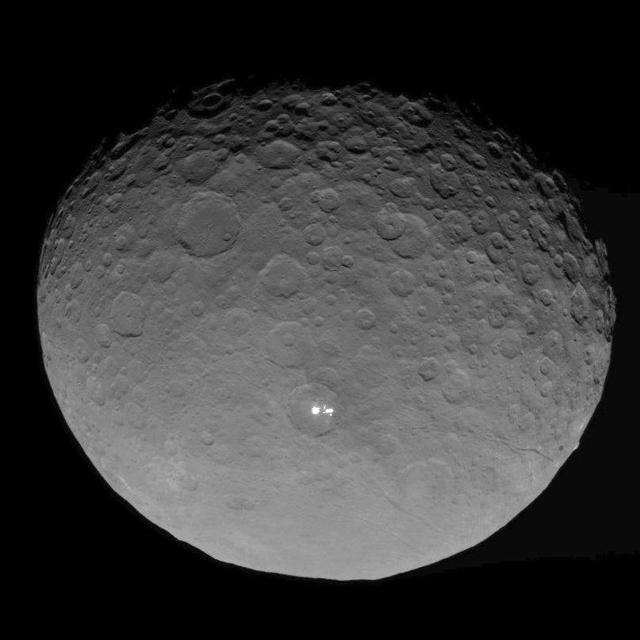
This image of Ceres is part of a sequence taken by NASA Dawn spacecraft on May 4, 2015, from a distance of 8,400 miles 13,600 kilometers. http://photojournal.jpl.nasa.gov/catalog/PIA19546
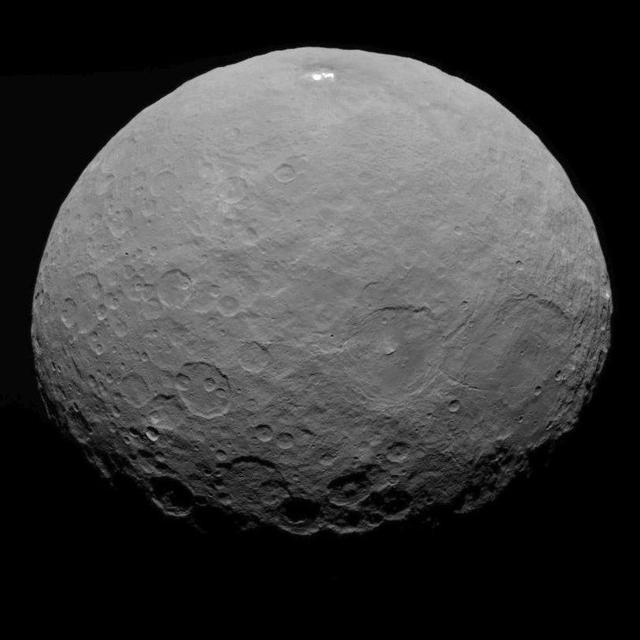
This image of Ceres is part of a sequence taken by NASA Dawn spacecraft on May 7, 2015, from a distance of 8,400 miles 13,600 kilometers. http://photojournal.jpl.nasa.gov/catalog/PIA19557
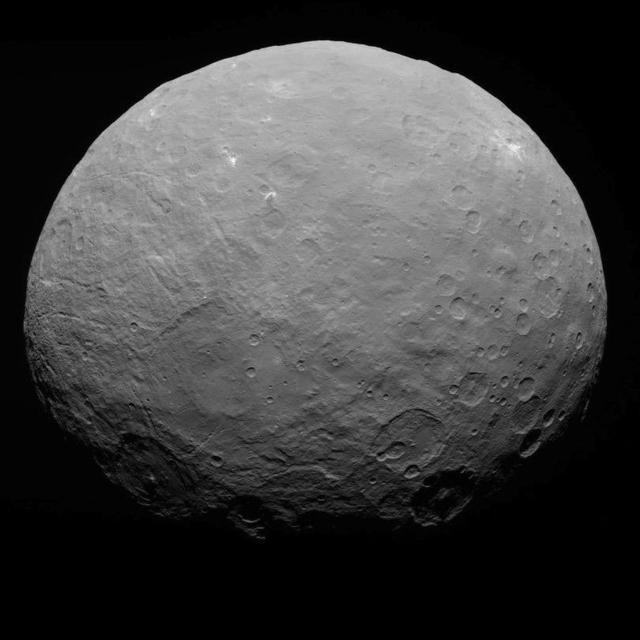
This image of Ceres is part of a sequence taken by NASA Dawn spacecraft on May 7, 2015, from a distance of 8,400 miles 13,600 kilometers. http://photojournal.jpl.nasa.gov/catalog/PIA19556
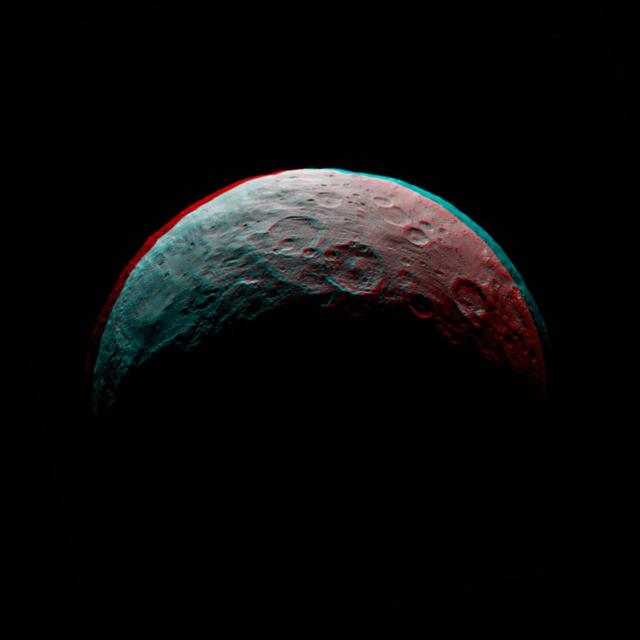
This anaglyph of Ceres is part of a sequence taken by NASA Dawn spacecraft April 24 to 26, 2015, from a distance of 8,500 miles 13,500 kilometers. http://photojournal.jpl.nasa.gov/catalog/PIA19539
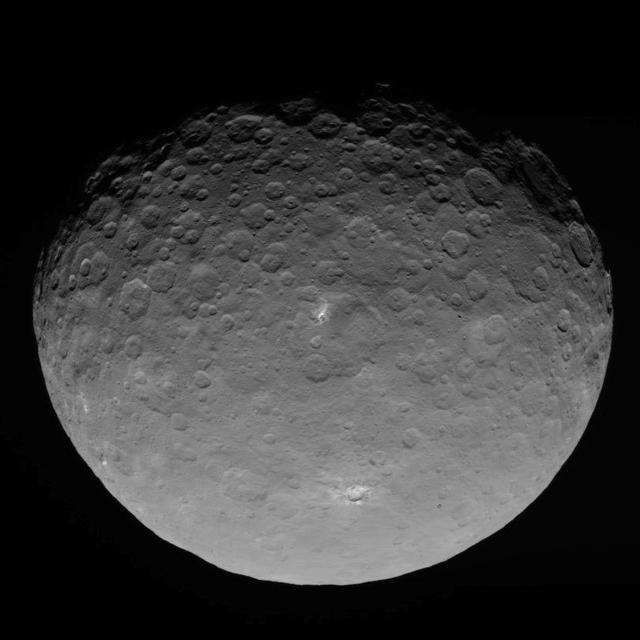
This image of Ceres is part of a sequence taken by NASA Dawn spacecraft on May 4, 2015, from a distance of 8,400 miles 13,600 kilometers. http://photojournal.jpl.nasa.gov/catalog/PIA19553
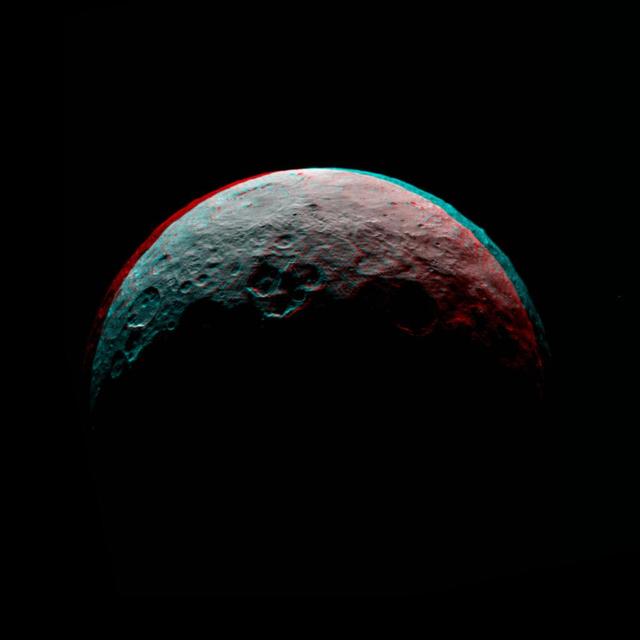
This anaglyph of Ceres is part of a sequence of images taken by NASA Dawn spacecraft April 24 to 26, 2015, from a distance of 8,500 miles 13,500 kilometers. http://photojournal.jpl.nasa.gov/catalog/PIA19540
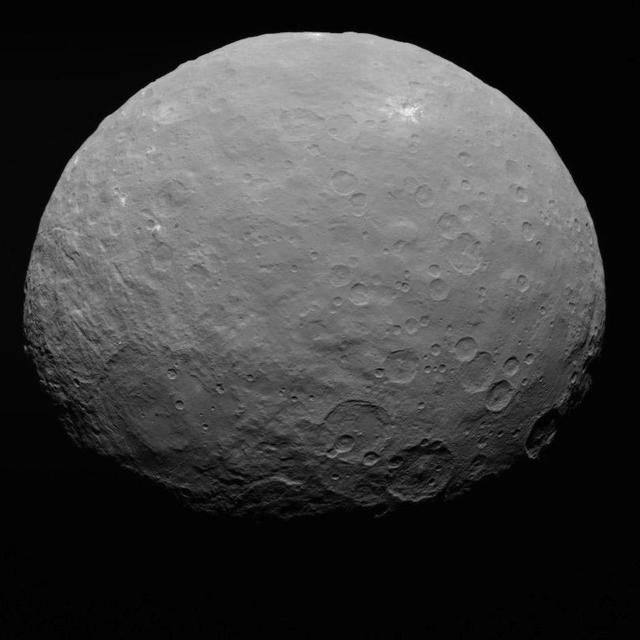
This image of Ceres is part of a sequence taken by NASA Dawn spacecraft on May 7, 2015, from a distance of 8,400 miles 13,600 kilometers. http://photojournal.jpl.nasa.gov/catalog/PIA19555
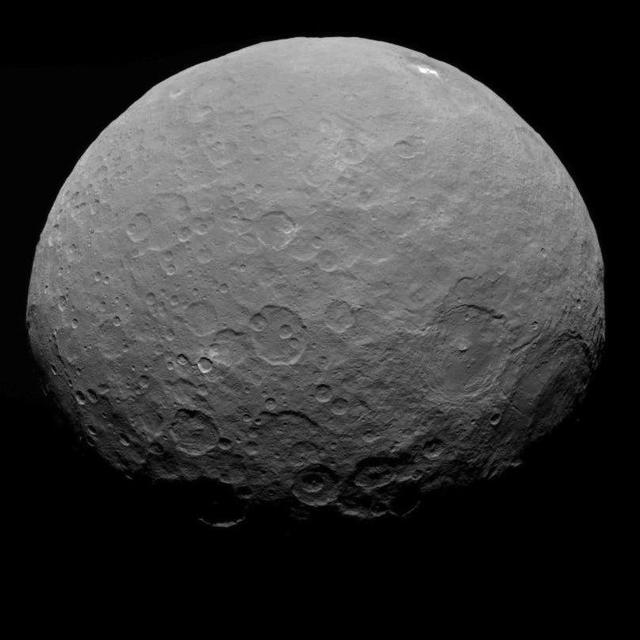
This image of Ceres is part of a sequence taken by NASA Dawn spacecraft on May 7, 2015, from a distance of 8,400 miles 13,600 kilometers. http://photojournal.jpl.nasa.gov/catalog/PIA19558
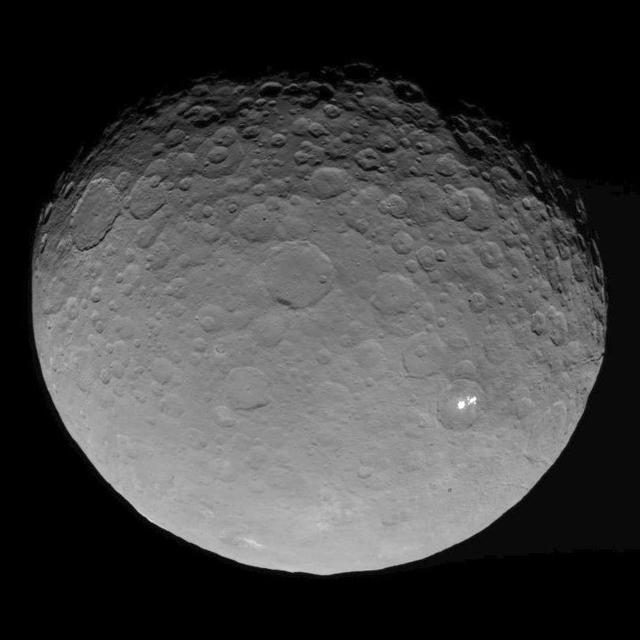
This image of Ceres is part of a sequence taken by NASA Dawn spacecraft on May 4, 2015, from a distance of 8,400 miles 13,600 kilometers. http://photojournal.jpl.nasa.gov/catalog/PIA19545
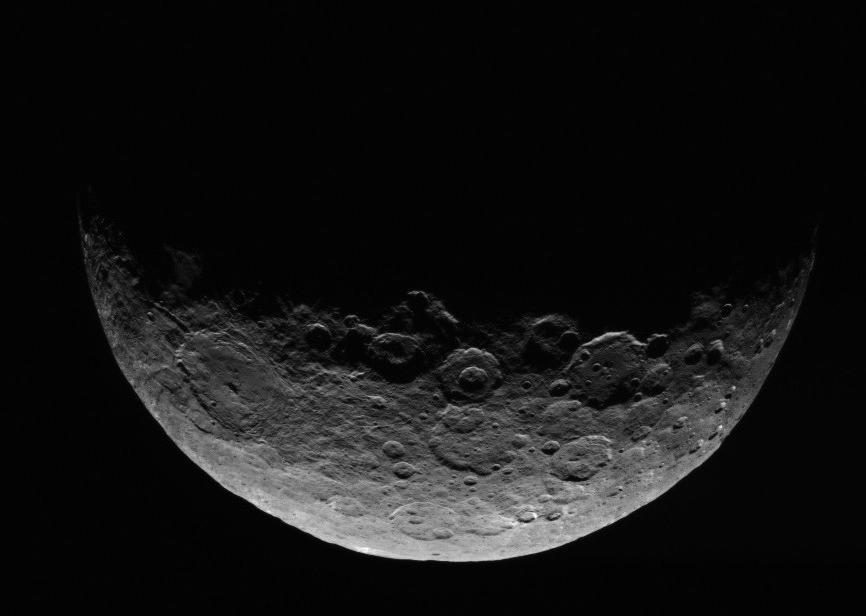
This image of Ceres is part of a sequence taken by NASA Dawn spacecraft April 24 to 26, 2015, from a distance of 8,500 miles 13,500 kilometers. http://photojournal.jpl.nasa.gov/catalog/PIA19319
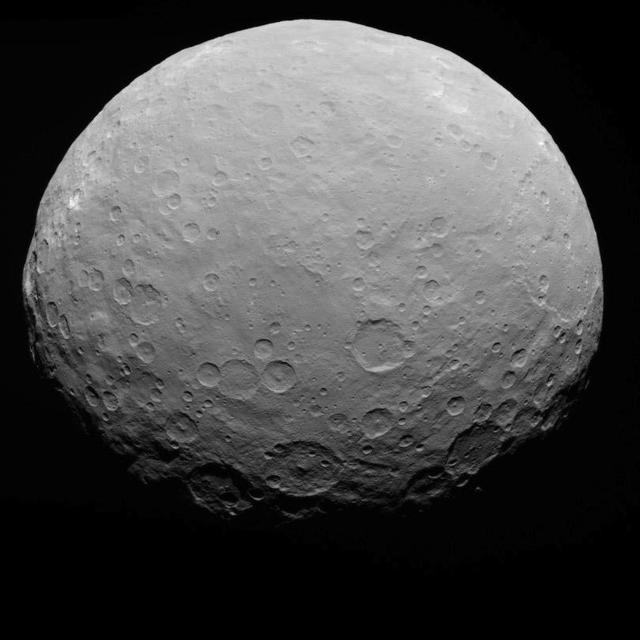
This image of Ceres is part of a sequence taken by NASA Dawn spacecraft on May 7, 2015, from a distance of 8,400 miles 13,600 kilometers. http://photojournal.jpl.nasa.gov/catalog/PIA19554
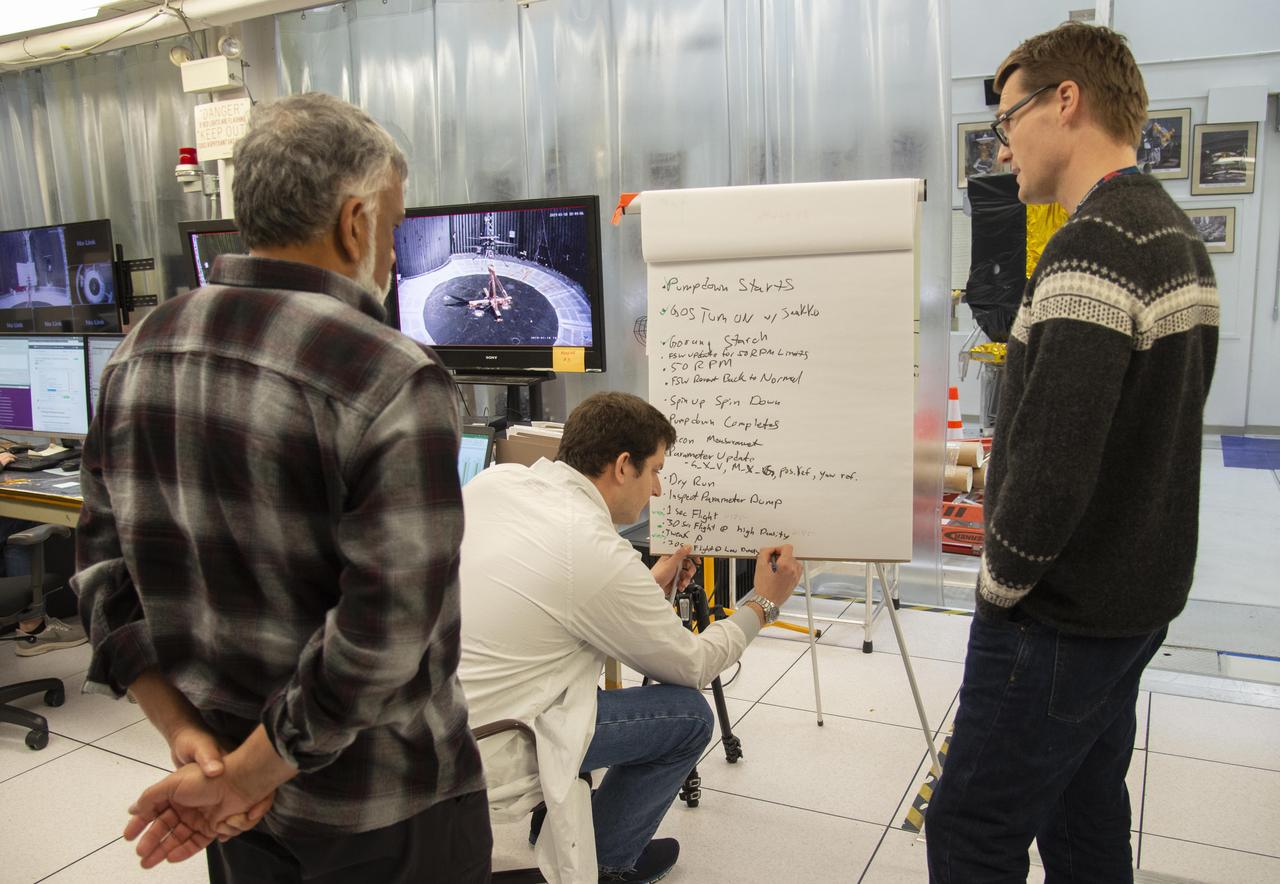
Bob Balaram, Teddy Tzanetos and Havard Grip from the NASA Mars Helicopter project discuss the sequence of events for the day's flight testing. The image was taken Jan. 18, 2019. https://photojournal.jpl.nasa.gov/catalog/PIA23162
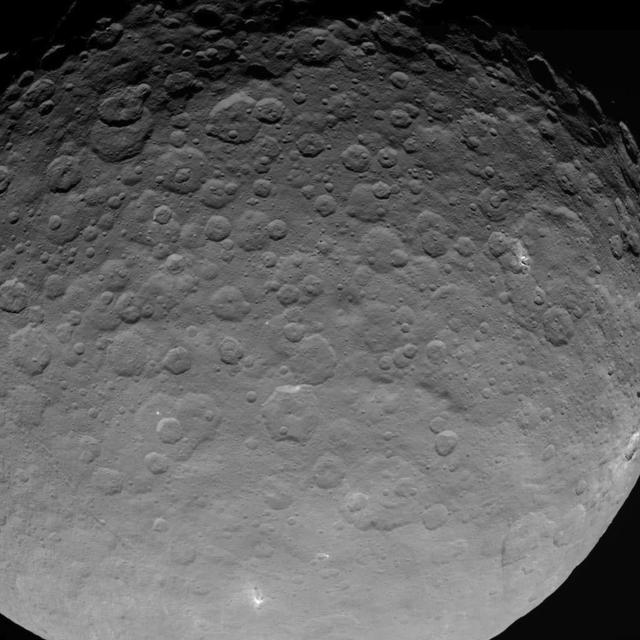
This image of Ceres is part of a sequence taken by NASA Dawn spacecraft on May 16, 2015, from a distance of 4,500 miles 7,200 kilometers. http://photojournal.jpl.nasa.gov/catalog/PIA19561
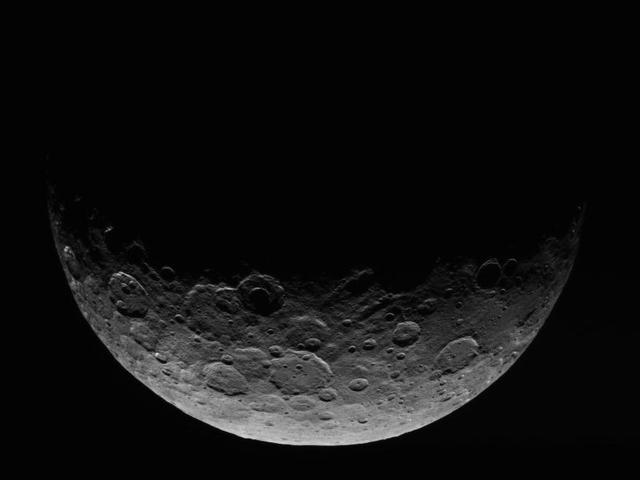
This image of Ceres is part of a sequence taken by NASA Dawn spacecraft April 24 to 26, 2015, from a distance of 8,500 miles 13,500 kilometers. http://photojournal.jpl.nasa.gov/catalog/PIA19321
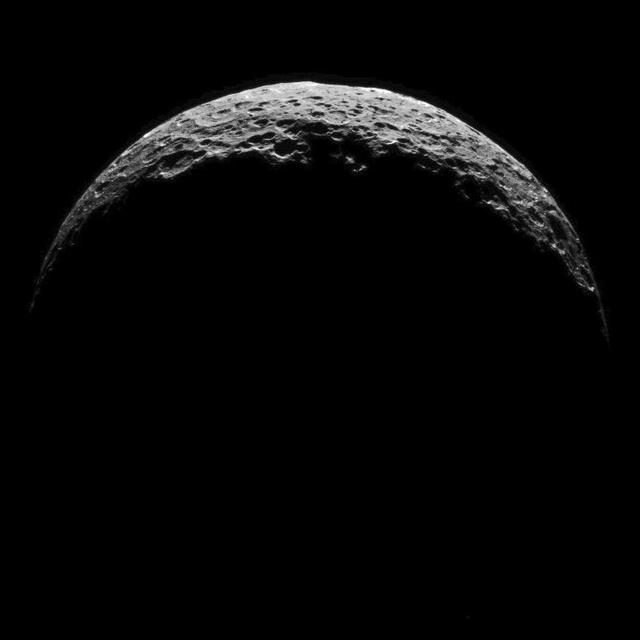
This image of Ceres is part of a sequence taken by NASA Dawn spacecraft on April 29, 2015, from a distance of 8,400 miles 13,600 kilometers. http://photojournal.jpl.nasa.gov/catalog/PIA19549
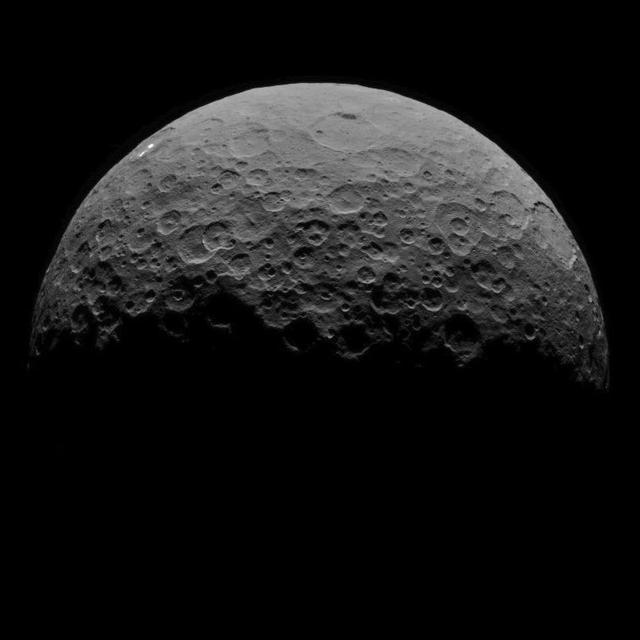
This image of Ceres is part of a sequence taken by NASA Dawn spacecraft on April 29, 2015, from a distance of 8,400 miles 13,600 kilometers. http://photojournal.jpl.nasa.gov/catalog/PIA19552
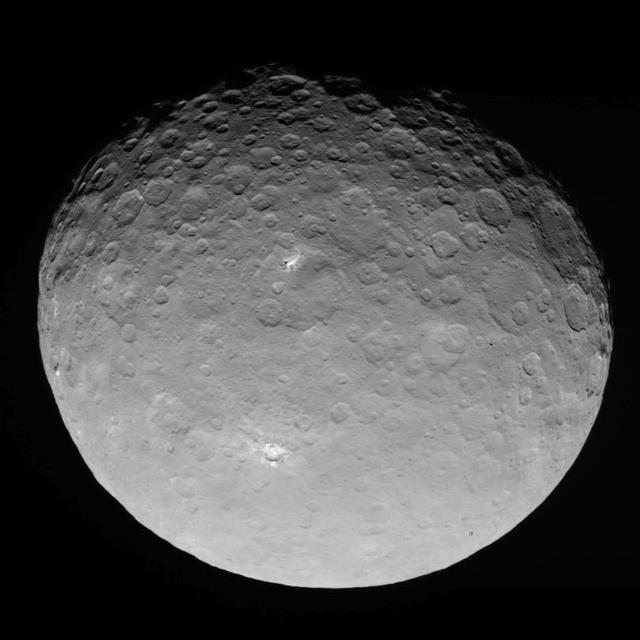
This image of Ceres is part of a sequence taken by NASA Dawn spacecraft on May 4, 2015, from a distance of 8,400 miles 13,600 kilometers. http://photojournal.jpl.nasa.gov/catalog/PIA19543
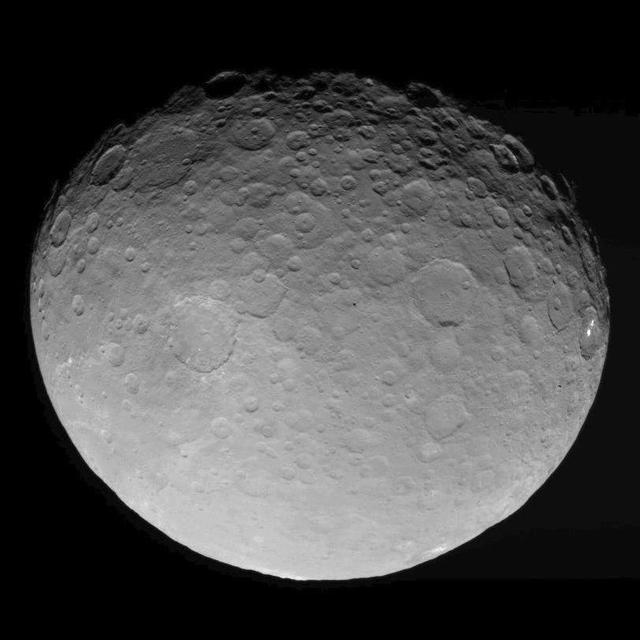
This image of Ceres is part of a sequence taken by NASA Dawn spacecraft on May 4, 2015, from a distance of 8,400 miles 13,600 kilometers. http://photojournal.jpl.nasa.gov/catalog/PIA19544
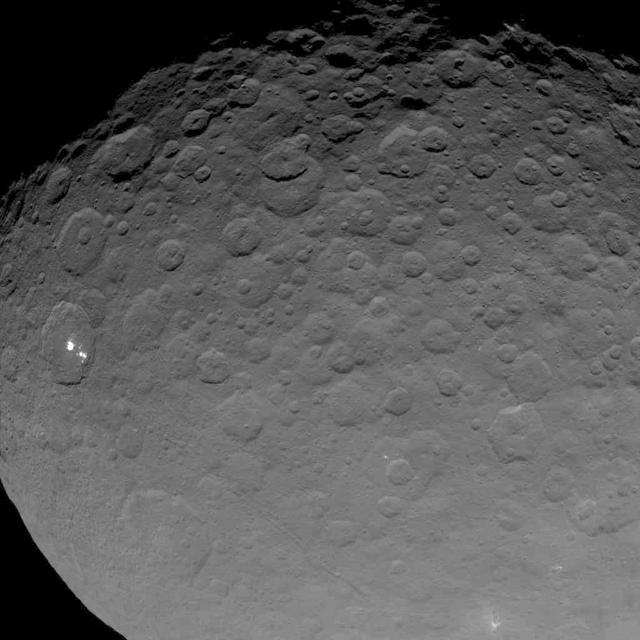
This image of Ceres is part of a sequence taken by NASA Dawn spacecraft on May 16, 2015, from a distance of 4,500 miles 7,200 kilometers. http://photojournal.jpl.nasa.gov/catalog/PIA19560
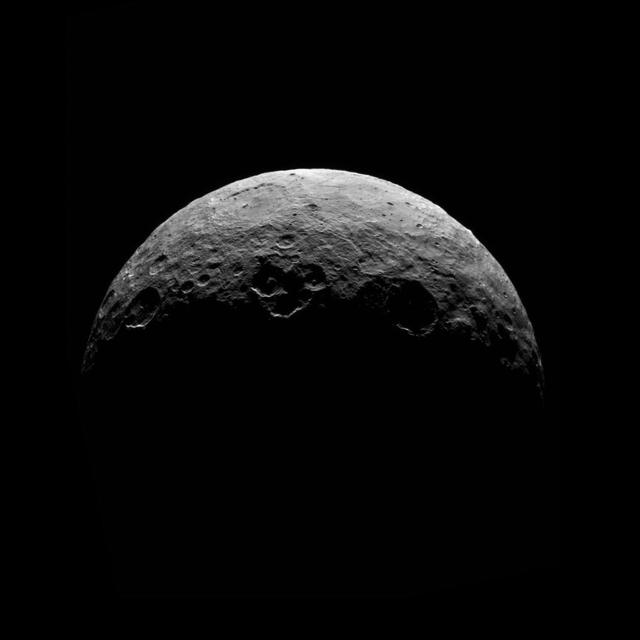
This image of Ceres is part of a sequence taken by NASA Dawn spacecraft April 24 to 26, 2015, from a distance of 8,500 miles 13,500 kilometers. http://photojournal.jpl.nasa.gov/catalog/PIA19540
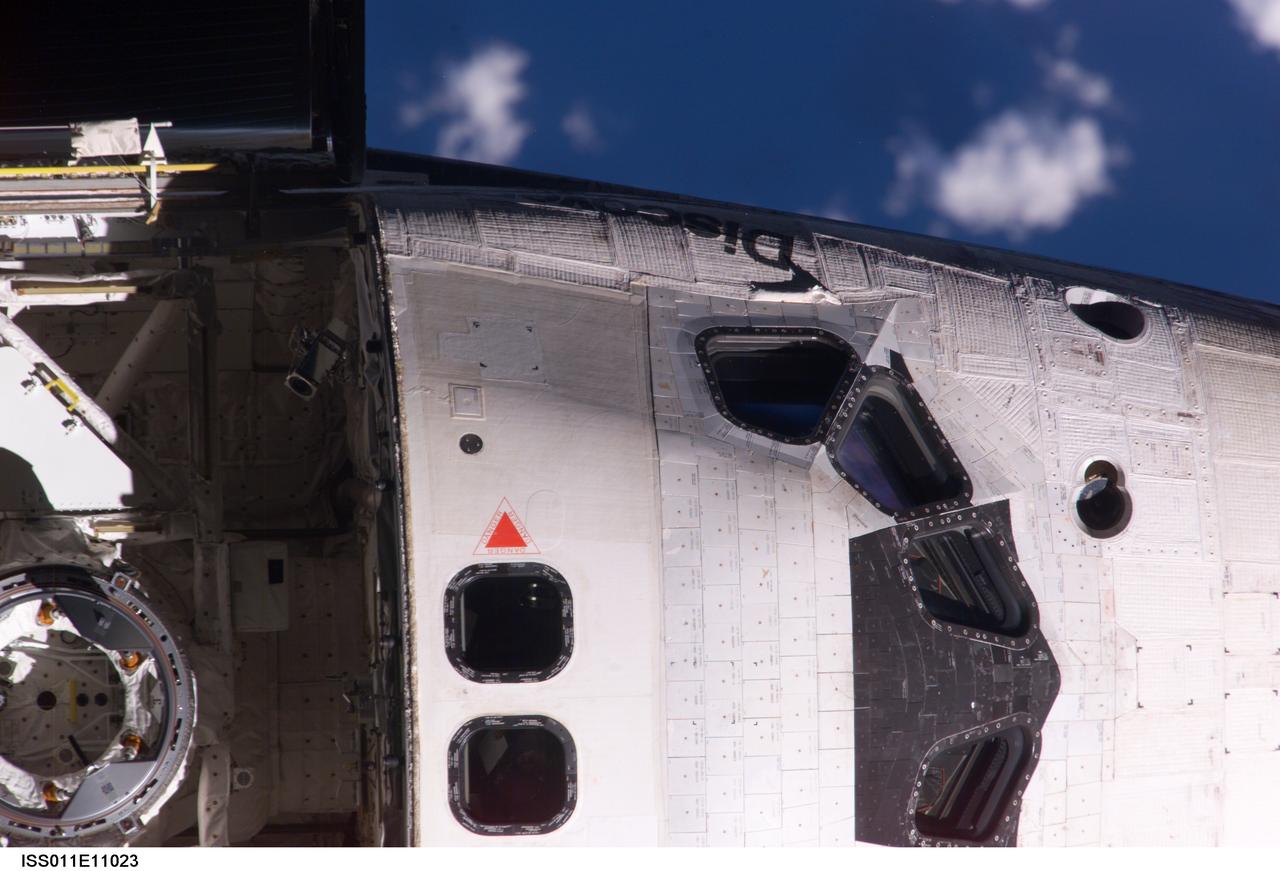
ISS011-E-11023 (28 July 2005) --- View of the Space Shuttle Discovery's crew cabin and the Orbiter Docking System (ODS), photographed as part of the survey sequence performed by the Expedition 11 crew during the STS-114 R-Bar Pitch Maneuver on Flight Day 3. This picture was used by Steve M. Poulos, Jr. Manager, Space Shuttle Vehicle Engineering Office, as one of his visual aids in a July 28, 2005 press conference in the Teague Auditorium at the Johnson Space Center. Poulos pointed out a raised area of thermal blanket material just below a window on the commander's (port) side of the cabin.
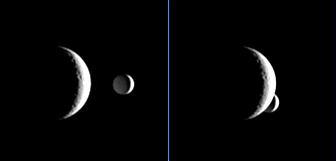
Enceladus briefly passes behind the crescent of Rhea in these images, which are part of a "mutual event" sequence taken by Cassini. These sequences help scientists refine our understanding of the orbits of Saturn's moons. The images were taken one minute apart as smaller Enceladus (505 kilometers, or 314 miles across) darted behind Rhea (1,528 kilometers, or 949 miles across) as seen from the Cassini spacecraft's point of view. The images were taken in visible light with the Cassini spacecraft narrow-angle camera on April 14, 2006, at a distance of approximately 3.4 million kilometers (2.1 million miles) from Rhea and 4.1 million kilometers (2.5 million miles) from Enceladus. The image scale is 20 kilometers (13 miles) per pixel on Rhea and 24 kilometers (15 miles) per pixel on Enceladus. http://photojournal.jpl.nasa.gov/catalog/PIA08180
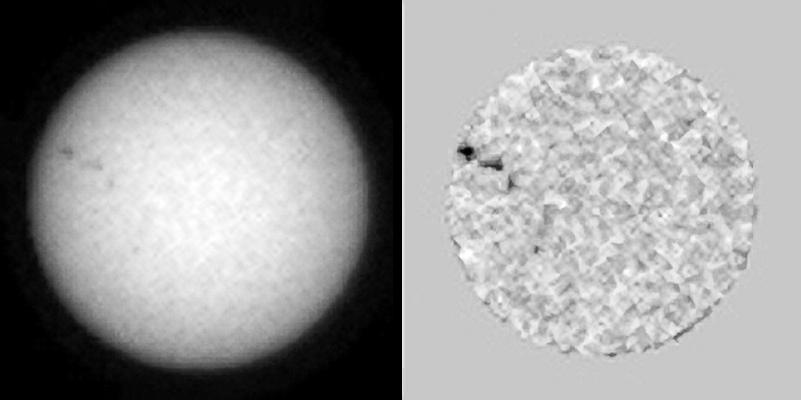
This single frame from a sequence of six images of an animation shows sunspots as viewed by NASA Curiosity Mars rover from April 4 to April 15, 2015. From Mars, the rover was in position to see the opposite side of the sun. The images were taken by the right-eye camera of Curiosity's Mast Camera (Mastcam), which has a 100-millimeter telephoto lens. The view on the left of each pair in this sequence has little processing other than calibration and putting north toward the top of each frame. The view on the right of each pair has been enhanced to make sunspots more visible. The apparent granularity throughout these enhanced images is an artifact of this processing. These sunspots seen in this sequence eventually produced two solar eruptions, one of which affected Earth. http://photojournal.jpl.nasa.gov/catalog/PIA19802
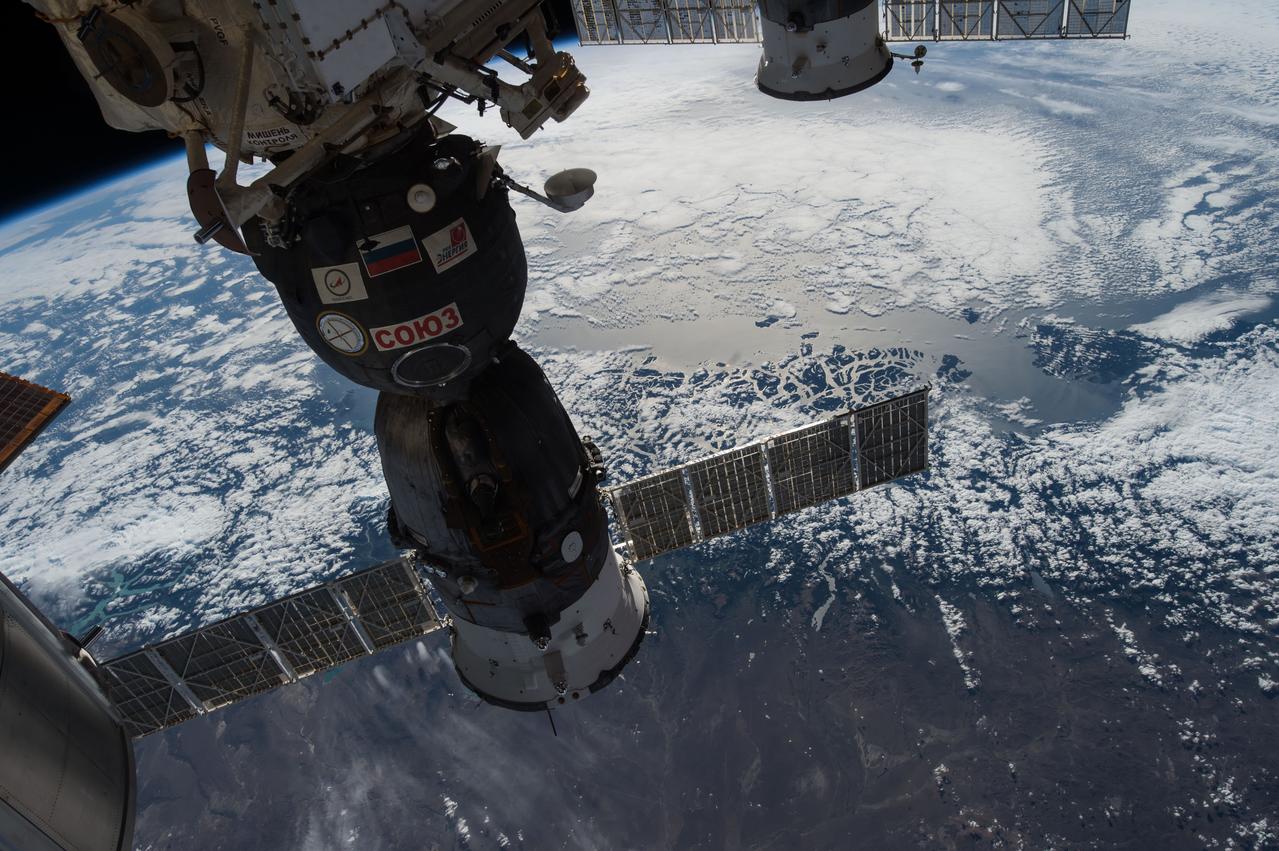
GMT013_21_40_Terry Virts_patagonia sequence nice soyuz_130B
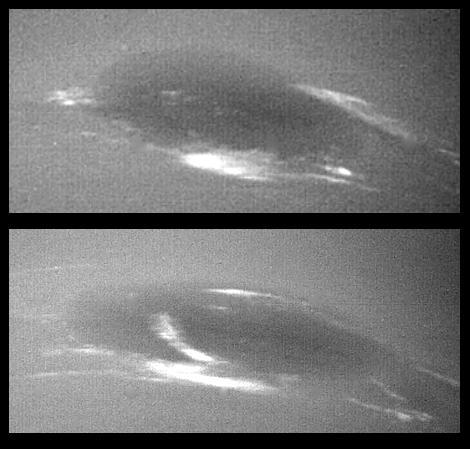
The bright cirrus-like clouds of Neptune change rapidly, often forming and dissipating over periods of several to tens of hours. In this sequence NASA Voyager 2 observed cloud evolution in the region around the Great Dark Spot GDS.
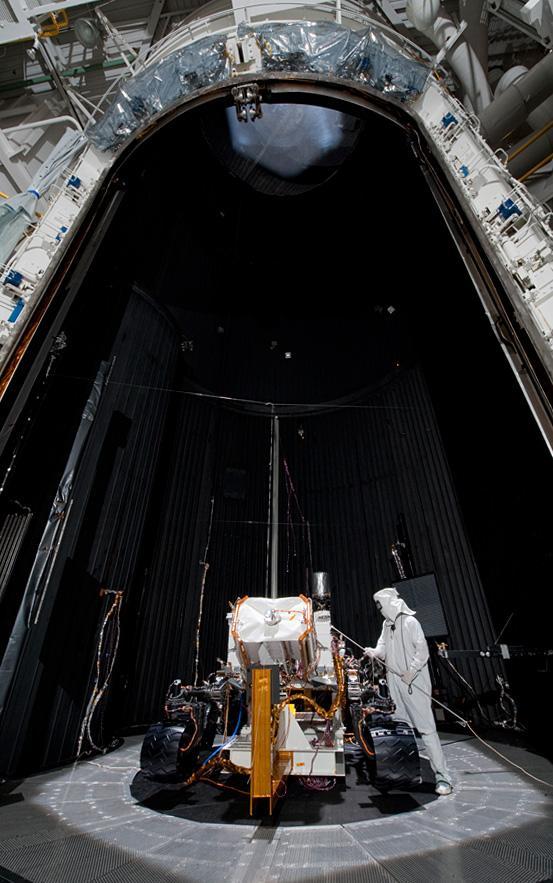
This image shows preparation for March 2011 testing of the Mars Science Laboratory rover, Curiosity, in a space-simulation chamber; the rover will go through operational sequences in environmental conditions similar to what it will experience on Mars.
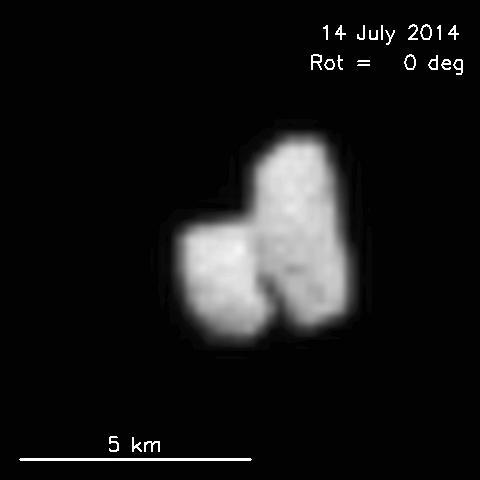
This frame from an animated sequence combined 36 interpolated images of comet 67P/Churyumov-Gerasimenko, each separated by 20 minutes. This comet is the destination for the European Space Agency Rosetta mission in 2014.
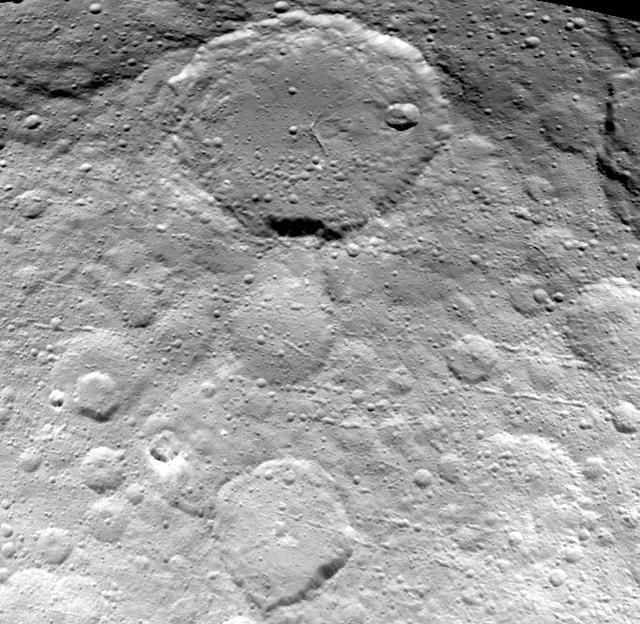
This image of Ceres is part of a sequence taken by NASA Dawn spacecraft on May 23, 2015, from a distance of 3,169 miles 5,100 kilometers. Resolution in the image is about 1,565 feet 477 meters per pixel.