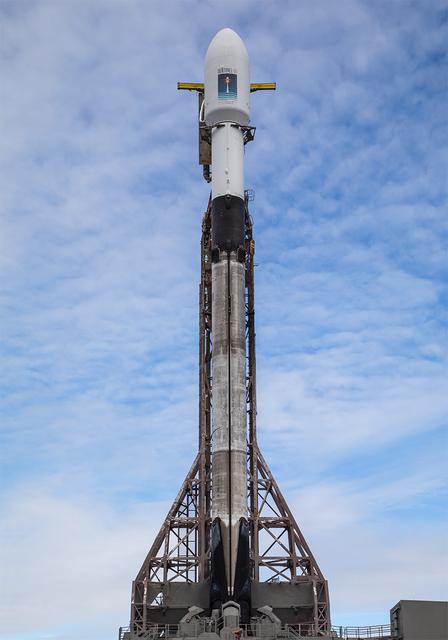
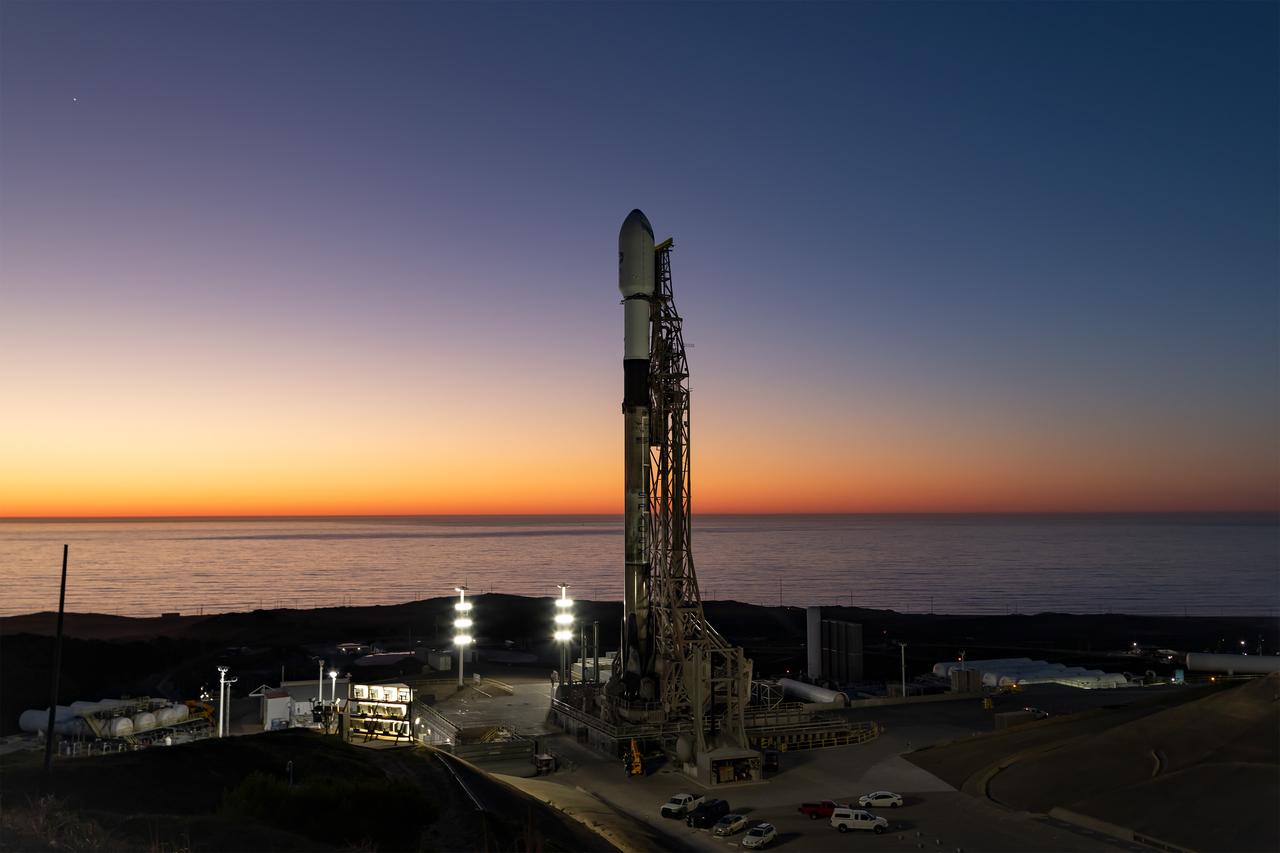
A SpaceX rocket carrying the Sentinel-6B satellite stands vertical on the launch pad at Space Launch Complex 4 East at Vandenberg Space Force Base in California on Sunday, Nov. 16, 2025, ahead of launch targeted for no earlier than 9:21 p.m. PST. A collaboration between NASA, ESA (European Space Agency), EUMETSAT (European Organisation for the Exploitation of Meteorological Satellites), and the National Oceanic and Atmospheric Administration (NOAA), Sentinel-6B is designed to measure sea levels down to roughly an inch for about 90% of the world’s oceans.
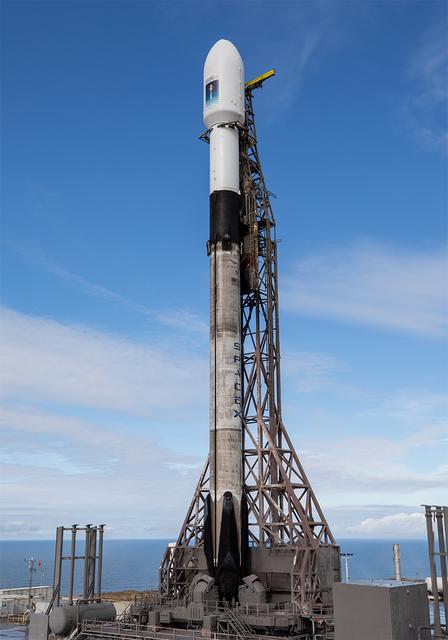
A SpaceX rocket carrying the Sentinel-6B satellite stands vertical on the launch pad at Space Launch Complex 4 East at Vandenberg Space Force Base in California on Sunday, Nov. 16, 2025, ahead of launch targeted for no earlier than 9:21 p.m. PST. A collaboration between NASA, ESA (European Space Agency), EUMETSAT (European Organisation for the Exploitation of Meteorological Satellites), and the National Oceanic and Atmospheric Administration (NOAA), Sentinel-6B is designed to measure sea levels down to roughly an inch for about 90% of the world’s oceans.
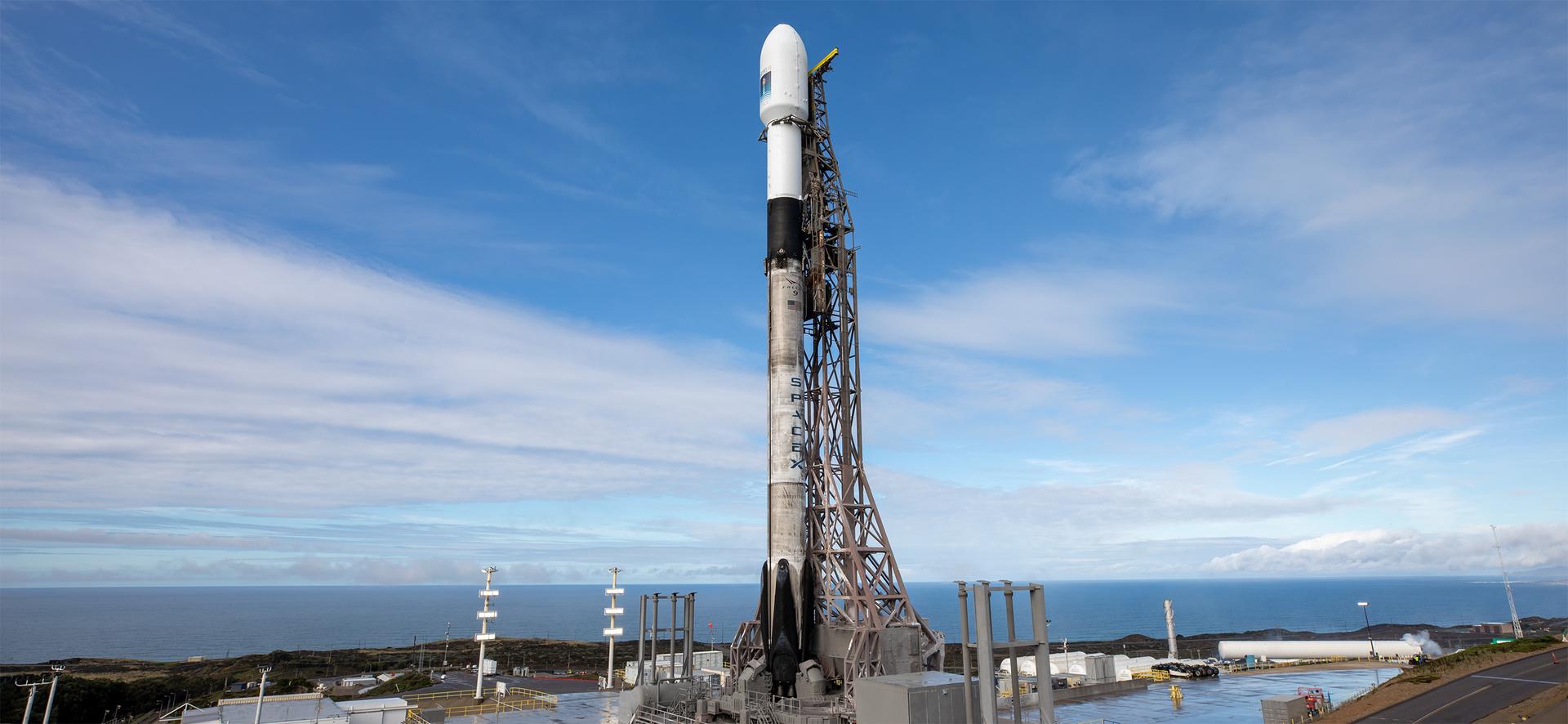
A SpaceX rocket carrying the Sentinel-6B satellite stands vertical on the launch pad at Space Launch Complex 4 East at Vandenberg Space Force Base in California on Sunday, Nov. 16, 2025, ahead of launch targeted for no earlier than 9:21 p.m. PST. A collaboration between NASA, ESA (European Space Agency), EUMETSAT (European Organisation for the Exploitation of Meteorological Satellites), and the National Oceanic and Atmospheric Administration (NOAA), Sentinel-6B is designed to measure sea levels down to roughly an inch for about 90% of the world’s oceans.
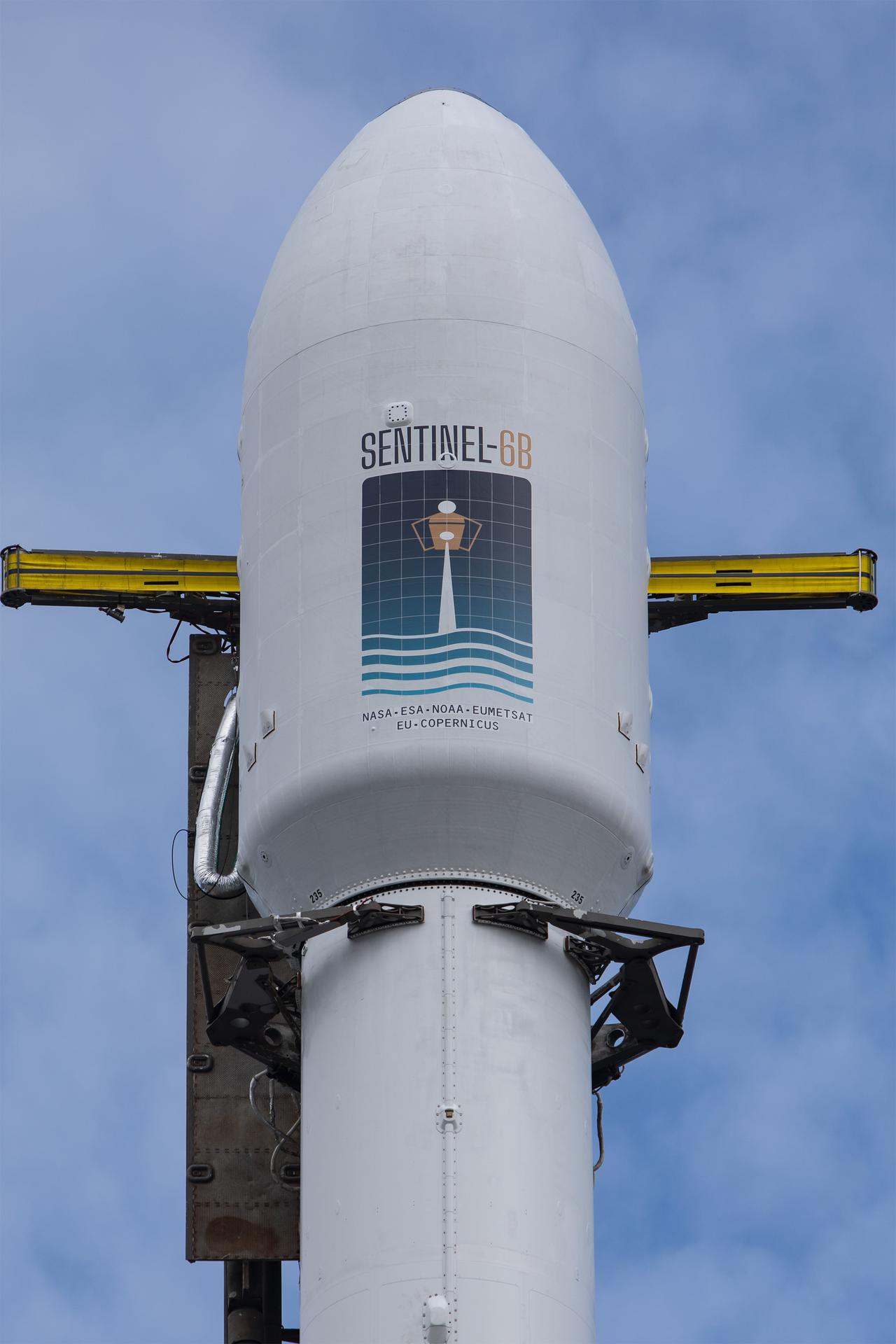
A SpaceX rocket carrying the Sentinel-6B satellite stands vertical on the launch pad at Space Launch Complex 4 East at Vandenberg Space Force Base in California on Sunday, Nov. 16, 2025, ahead of launch targeted for no earlier than 9:21 p.m. PST. A collaboration between NASA, ESA (European Space Agency), EUMETSAT (European Organisation for the Exploitation of Meteorological Satellites), and the National Oceanic and Atmospheric Administration (NOAA), Sentinel-6B is designed to measure sea levels down to roughly an inch for about 90% of the world’s oceans.
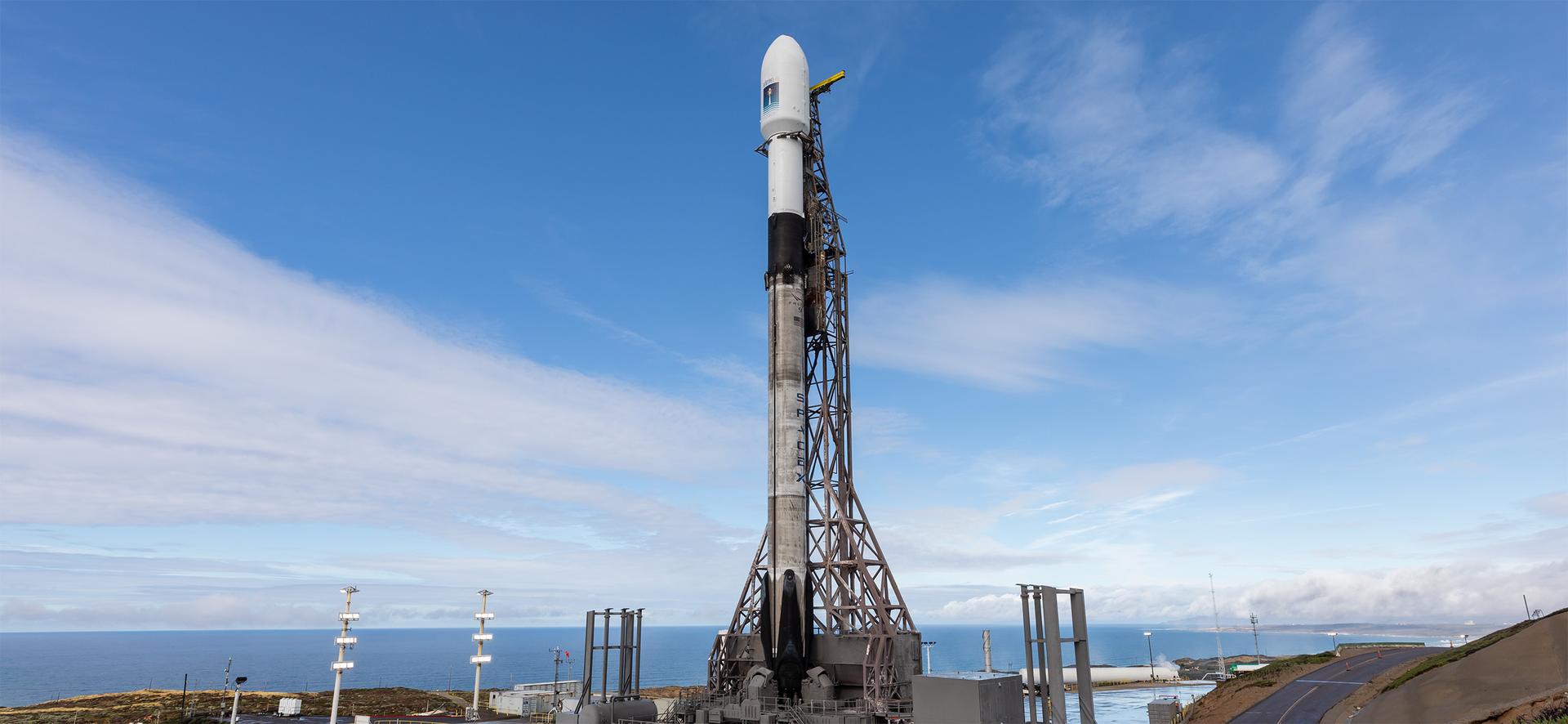
A SpaceX rocket carrying the Sentinel-6B satellite stands vertical on the launch pad at Space Launch Complex 4 East at Vandenberg Space Force Base in California on Sunday, Nov. 16, 2025, ahead of launch targeted for no earlier than 9:21 p.m. PST. A collaboration between NASA, ESA (European Space Agency), EUMETSAT (European Organisation for the Exploitation of Meteorological Satellites), and the National Oceanic and Atmospheric Administration (NOAA), Sentinel-6B is designed to measure sea levels down to roughly an inch for about 90% of the world’s oceans.
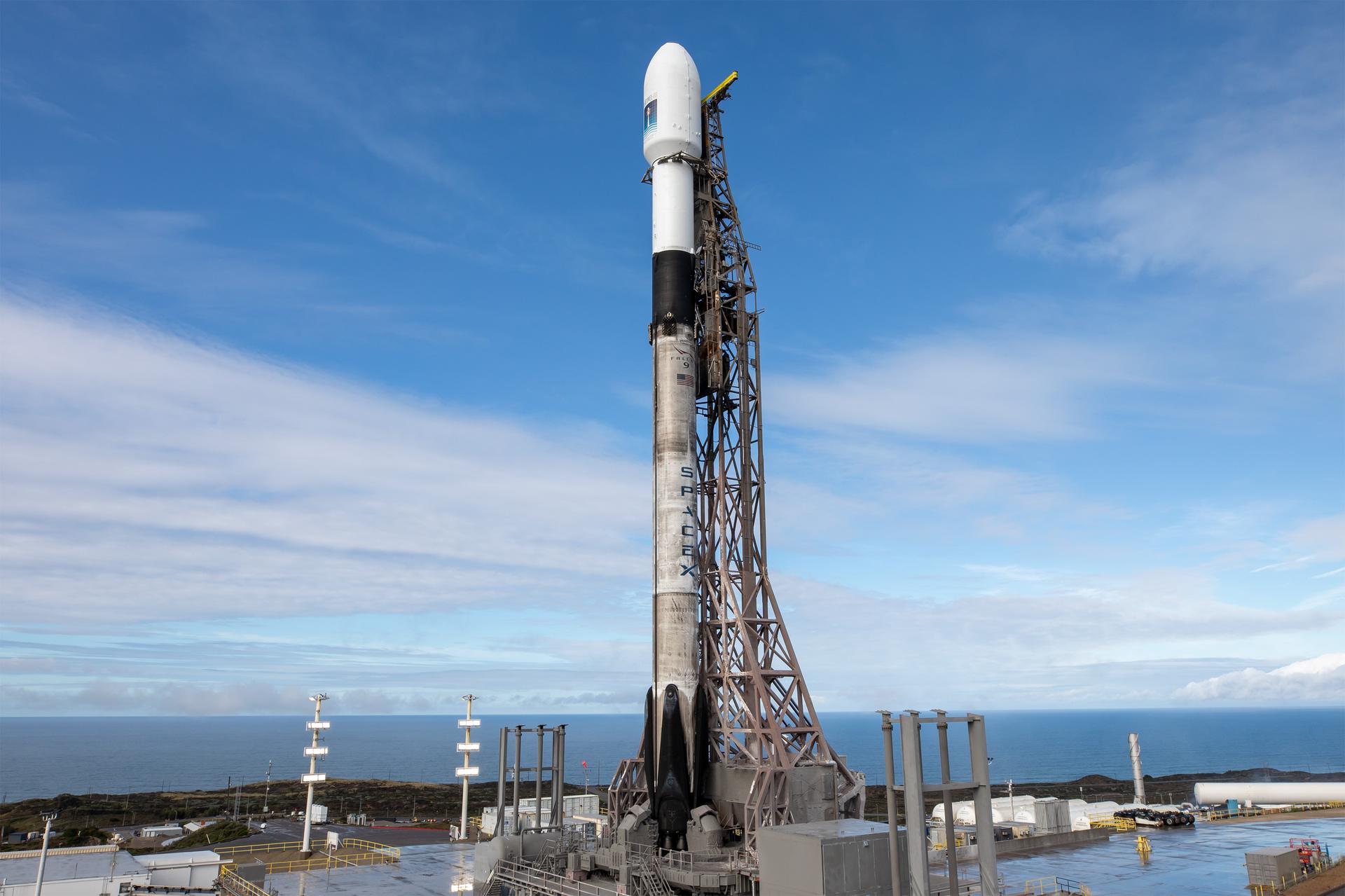
A SpaceX rocket carrying the Sentinel-6B satellite stands vertical on the launch pad at Space Launch Complex 4 East at Vandenberg Space Force Base in California on Sunday, Nov. 16, 2025, ahead of launch targeted for no earlier than 9:21 p.m. PST. A collaboration between NASA, ESA (European Space Agency), EUMETSAT (European Organisation for the Exploitation of Meteorological Satellites), and the National Oceanic and Atmospheric Administration (NOAA), Sentinel-6B is designed to measure sea levels down to roughly an inch for about 90% of the world’s oceans.
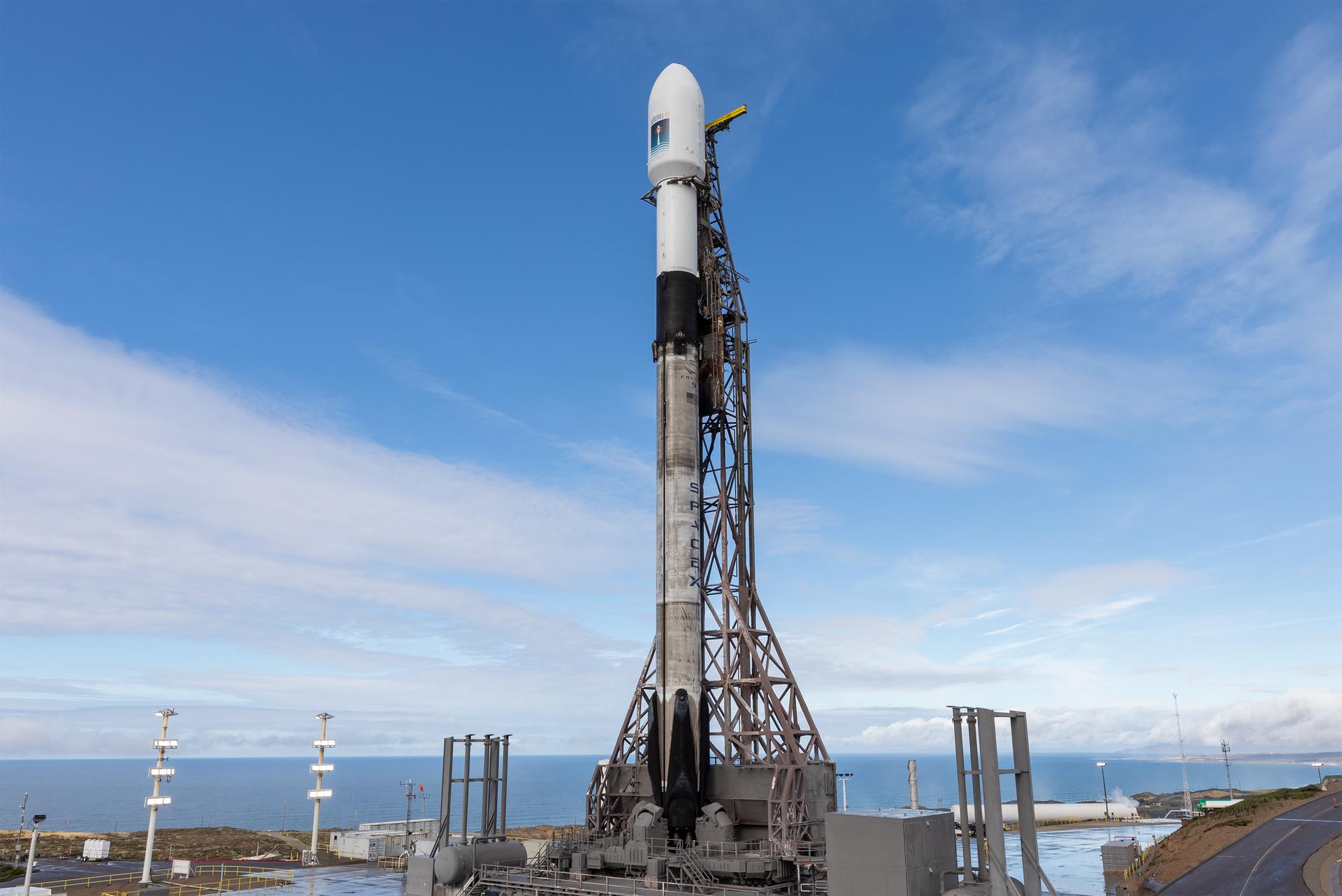
A SpaceX rocket carrying the Sentinel-6B satellite stands vertical on the launch pad at Space Launch Complex 4 East at Vandenberg Space Force Base in California on Sunday, Nov. 16, 2025, ahead of launch targeted for no earlier than 9:21 p.m. PST. A collaboration between NASA, ESA (European Space Agency), EUMETSAT (European Organisation for the Exploitation of Meteorological Satellites), and the National Oceanic and Atmospheric Administration (NOAA), Sentinel-6B is designed to measure sea levels down to roughly an inch for about 90% of the world’s oceans.
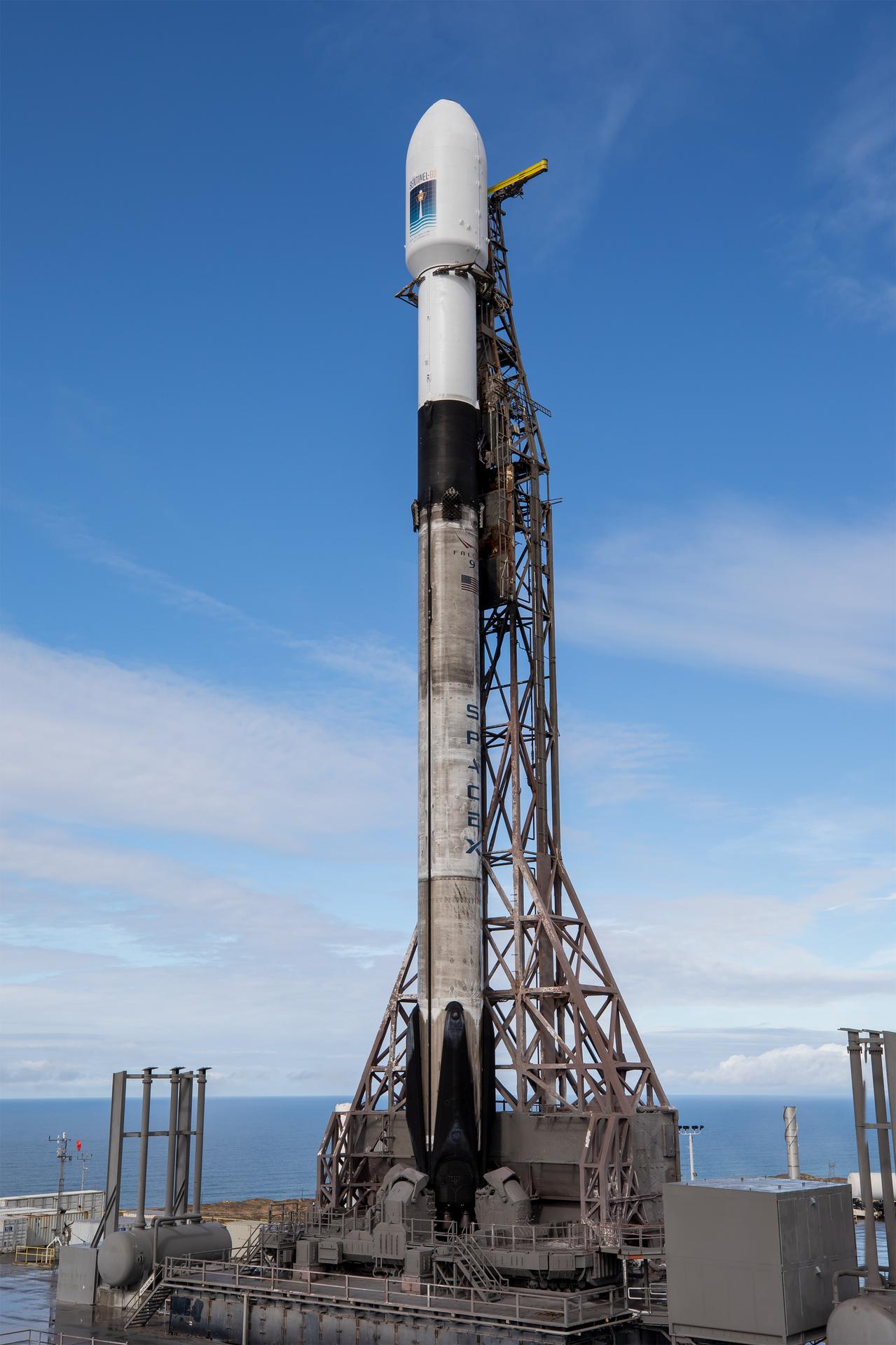
A SpaceX rocket carrying the Sentinel-6B satellite stands vertical on the launch pad at Space Launch Complex 4 East at Vandenberg Space Force Base in California on Sunday, Nov. 16, 2025, ahead of launch targeted for no earlier than 9:21 p.m. PST. A collaboration between NASA, ESA (European Space Agency), EUMETSAT (European Organisation for the Exploitation of Meteorological Satellites), and the National Oceanic and Atmospheric Administration (NOAA), Sentinel-6B is designed to measure sea levels down to roughly an inch for about 90% of the world’s oceans.
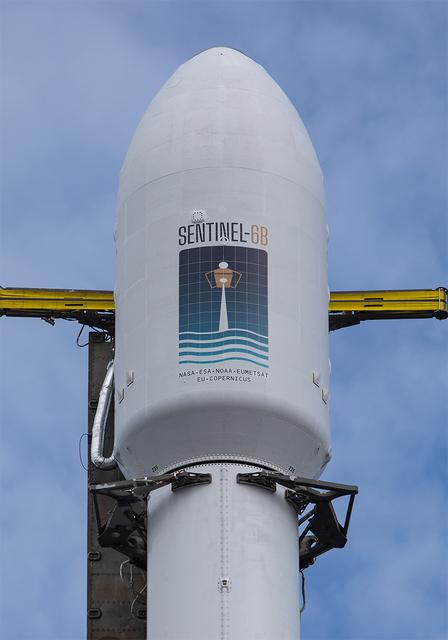
A SpaceX rocket carrying the Sentinel-6B satellite stands vertical on the launch pad at Space Launch Complex 4 East at Vandenberg Space Force Base in California on Sunday, Nov. 16, 2025, ahead of launch targeted for no earlier than 9:21 p.m. PST. A collaboration between NASA, ESA (European Space Agency), EUMETSAT (European Organisation for the Exploitation of Meteorological Satellites), and the National Oceanic and Atmospheric Administration (NOAA), Sentinel-6B is designed to measure sea levels down to roughly an inch for about 90% of the world’s oceans.
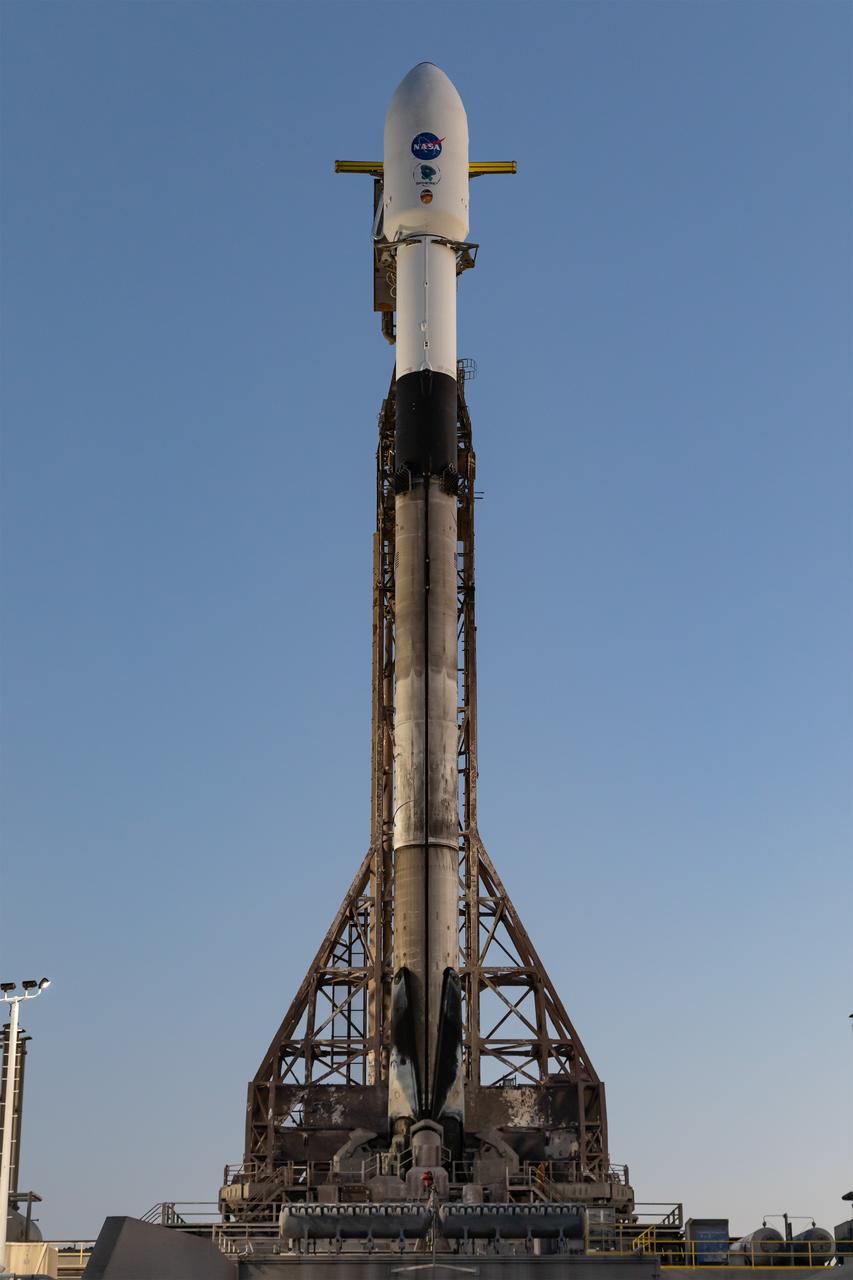
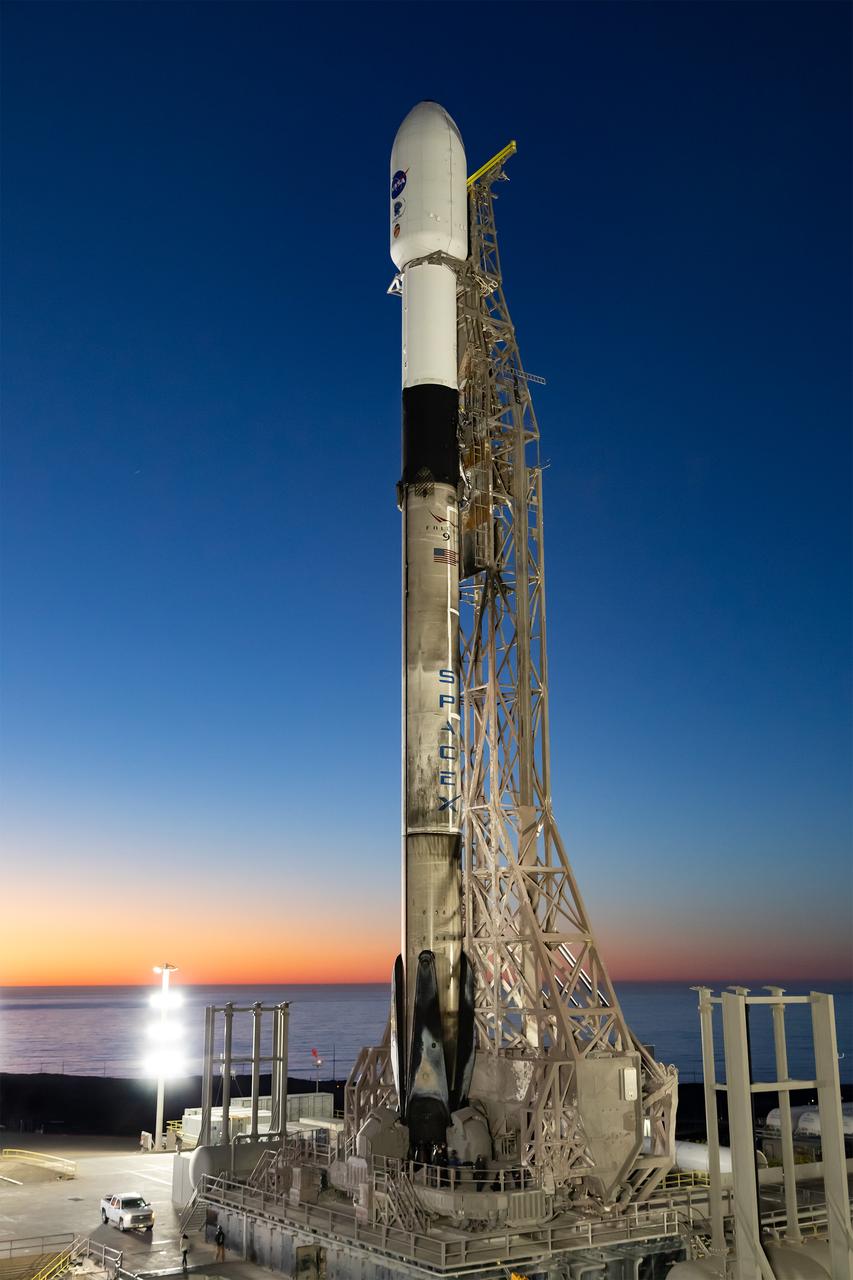
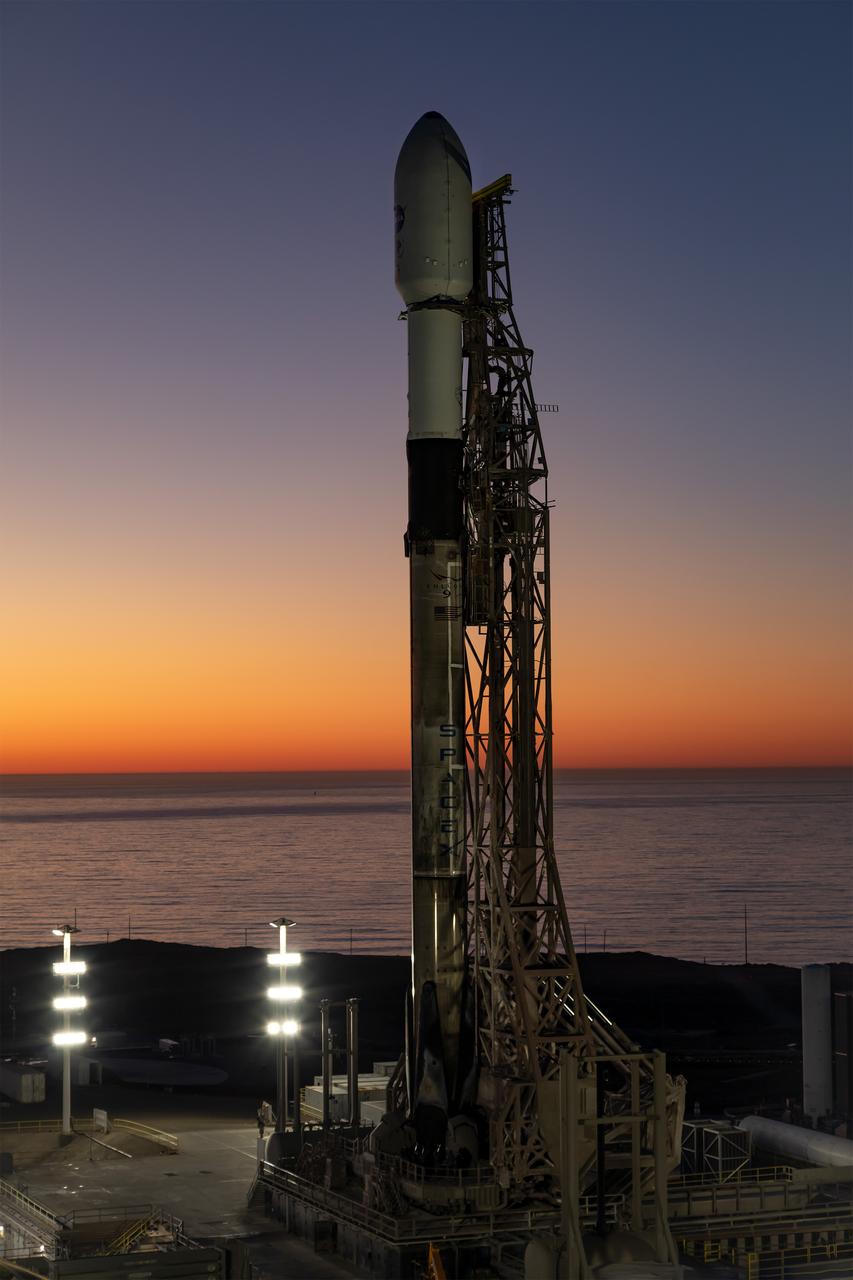
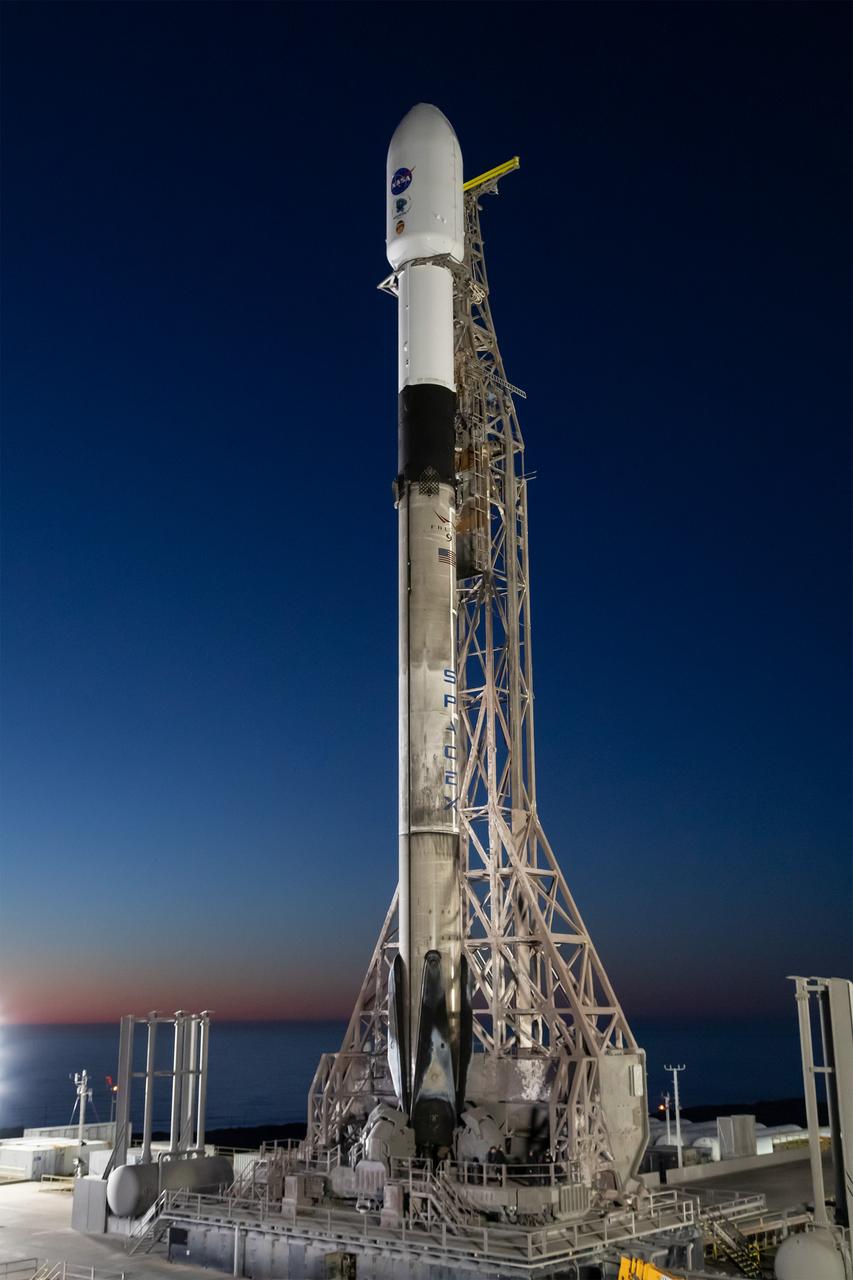
A SpaceX Falcon 9 rocket, carrying NASA’s SPHEREx (Spectro-Photometer for the History of the Universe, Epoch of Reionization and Ices Explorer) observatory and PUNCH (Polarimeter to Unify the Corona and Heliosphere) satellites, is vertical at Space Launch Complex 4 East from Vandenberg Space Force Base in California on Saturday March 8, 2025. SPHEREx will use its telescope to provide an all-sky spectral survey, creating a 3D map of the entire sky to help scientists investigate the origins of our universe. PUNCH will study origins of the Sun’s outflow of material, or the solar wind, capturing continuous 3D images of the Sun’s corona and the solar wind’s journey into the solar system.
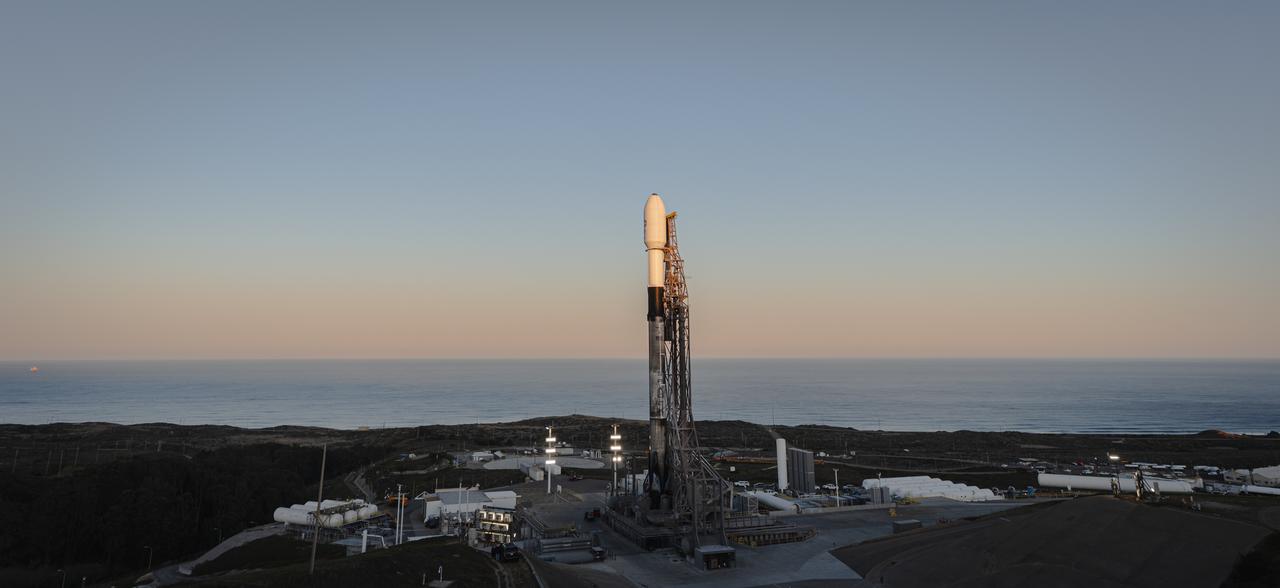
A SpaceX Falcon 9 rocket, carrying NASA’s SPHEREx (Spectro-Photometer for the History of the Universe, Epoch of Reionization and Ices Explorer) observatory and PUNCH (Polarimeter to Unify the Corona and Heliosphere) satellites, is vertical at Space Launch Complex 4 East from Vandenberg Space Force Base in California on Saturday March 8, 2025. SPHEREx will use its telescope to provide an all-sky spectral survey, creating a 3D map of the entire sky to help scientists investigate the origins of our universe. PUNCH will study origins of the Sun’s outflow of material, or the solar wind, capturing continuous 3D images of the Sun’s corona and the solar wind’s journey into the solar system.
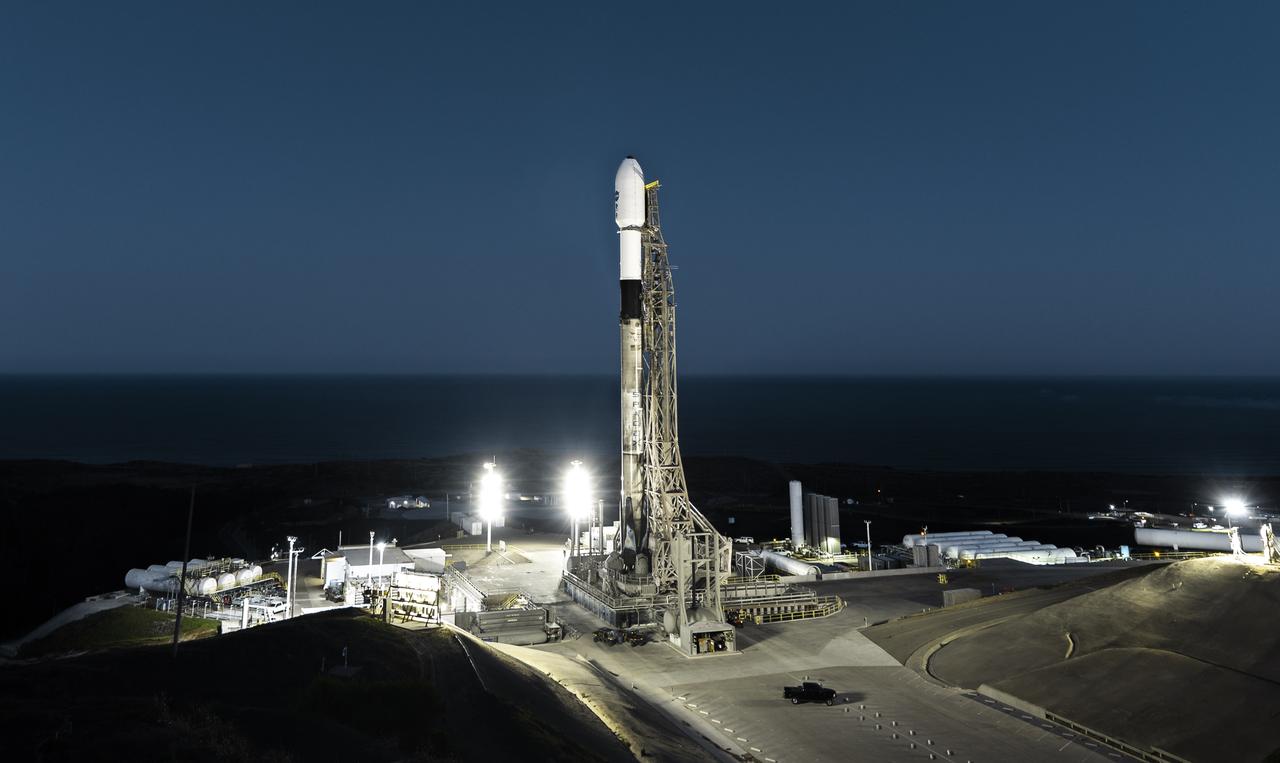
A SpaceX Falcon 9 rocket, carrying NASA’s SPHEREx (Spectro-Photometer for the History of the Universe, Epoch of Reionization and Ices Explorer) observatory and PUNCH (Polarimeter to Unify the Corona and Heliosphere) satellites, is vertical at Space Launch Complex 4 East from Vandenberg Space Force Base in California on Saturday March 8, 2025. SPHEREx will use its telescope to provide an all-sky spectral survey, creating a 3D map of the entire sky to help scientists investigate the origins of our universe. PUNCH will study origins of the Sun’s outflow of material, or the solar wind, capturing continuous 3D images of the Sun’s corona and the solar wind’s journey into the solar system.
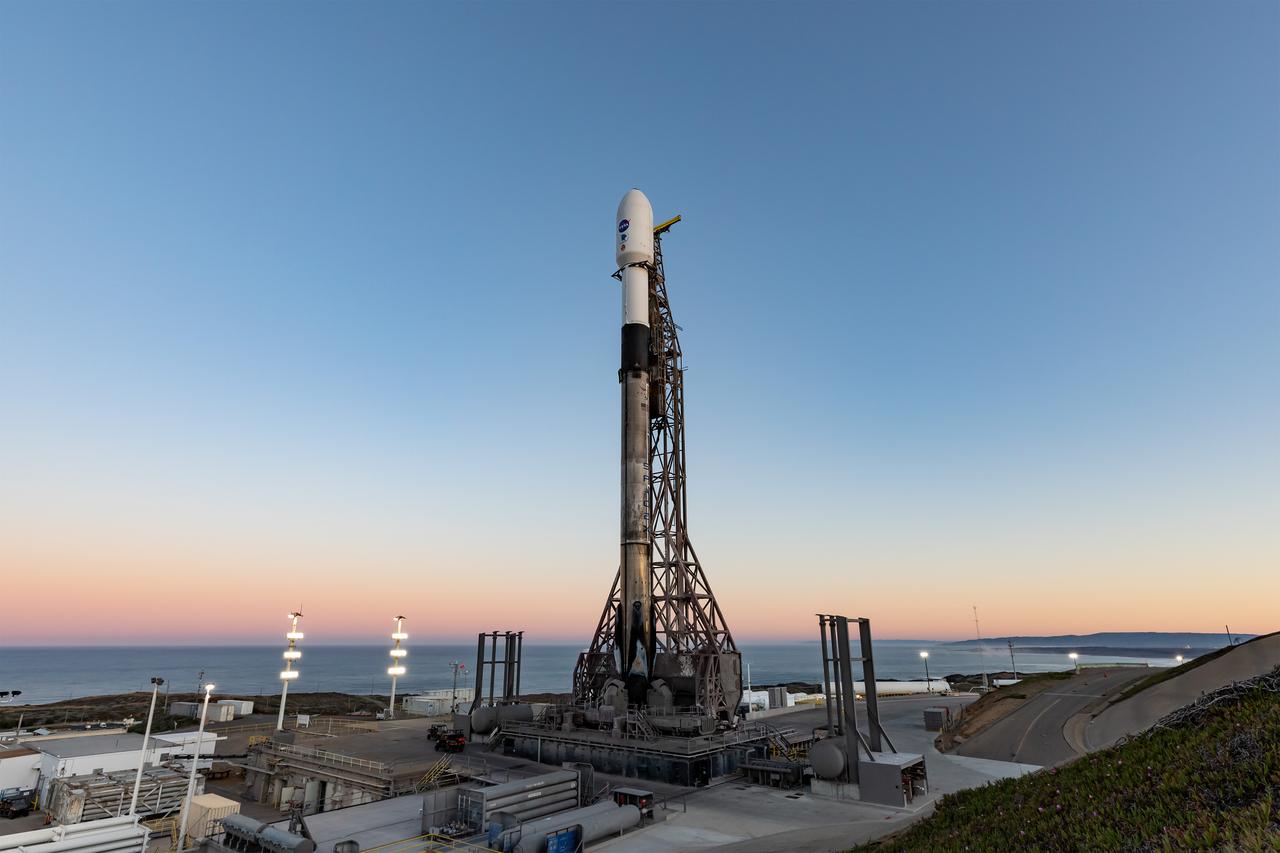
A SpaceX Falcon 9 rocket, carrying NASA’s SPHEREx (Spectro-Photometer for the History of the Universe, Epoch of Reionization and Ices Explorer) observatory and PUNCH (Polarimeter to Unify the Corona and Heliosphere) satellites, is vertical at Space Launch Complex 4 East from Vandenberg Space Force Base in California on Saturday March 8, 2025. SPHEREx will use its telescope to provide an all-sky spectral survey, creating a 3D map of the entire sky to help scientists investigate the origins of our universe. PUNCH will study origins of the Sun’s outflow of material, or the solar wind, capturing continuous 3D images of the Sun’s corona and the solar wind’s journey into the solar system.
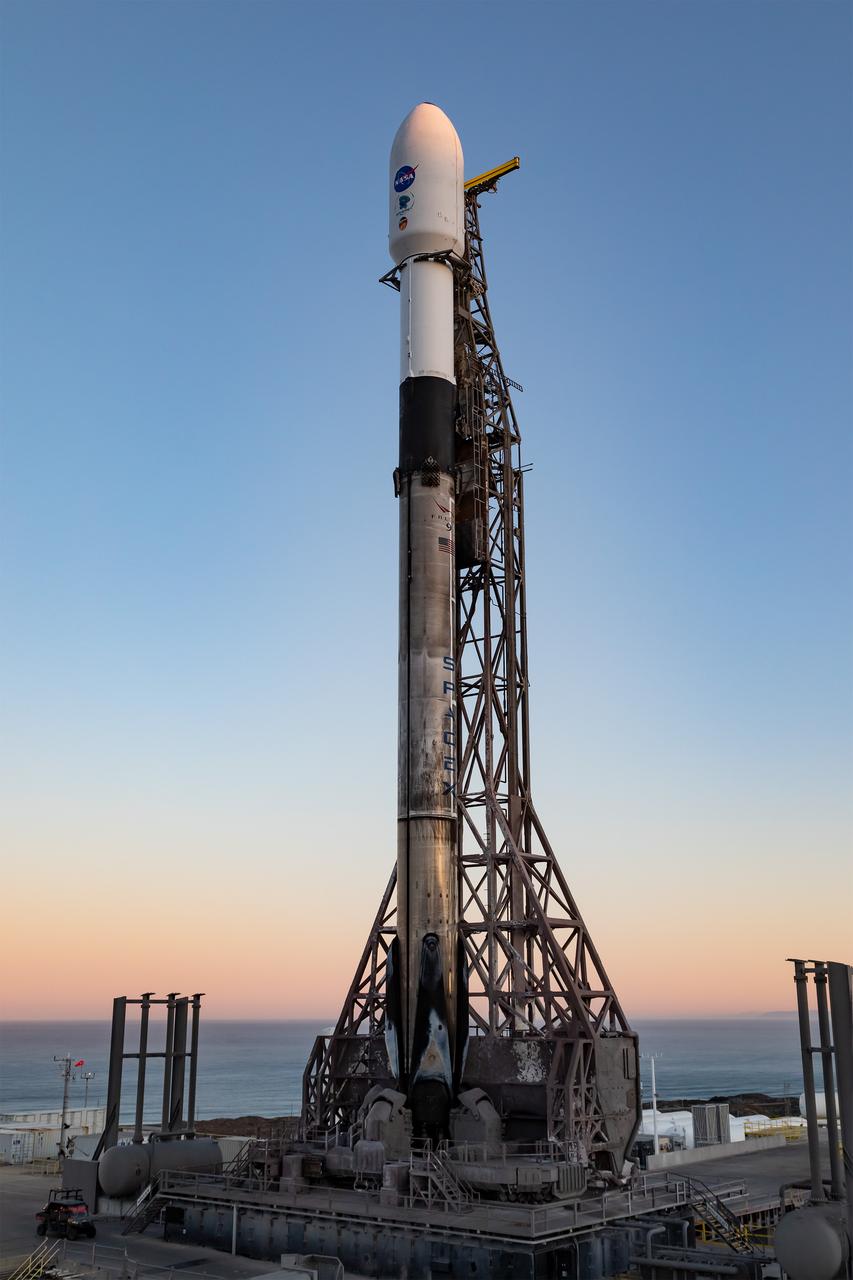
A SpaceX Falcon 9 rocket, carrying NASA’s SPHEREx (Spectro-Photometer for the History of the Universe, Epoch of Reionization and Ices Explorer) observatory and PUNCH (Polarimeter to Unify the Corona and Heliosphere) satellites, is vertical at Space Launch Complex 4 East from Vandenberg Space Force Base in California on Saturday March 8, 2025. SPHEREx will use its telescope to provide an all-sky spectral survey, creating a 3D map of the entire sky to help scientists investigate the origins of our universe. PUNCH will study origins of the Sun’s outflow of material, or the solar wind, capturing continuous 3D images of the Sun’s corona and the solar wind’s journey into the solar system.
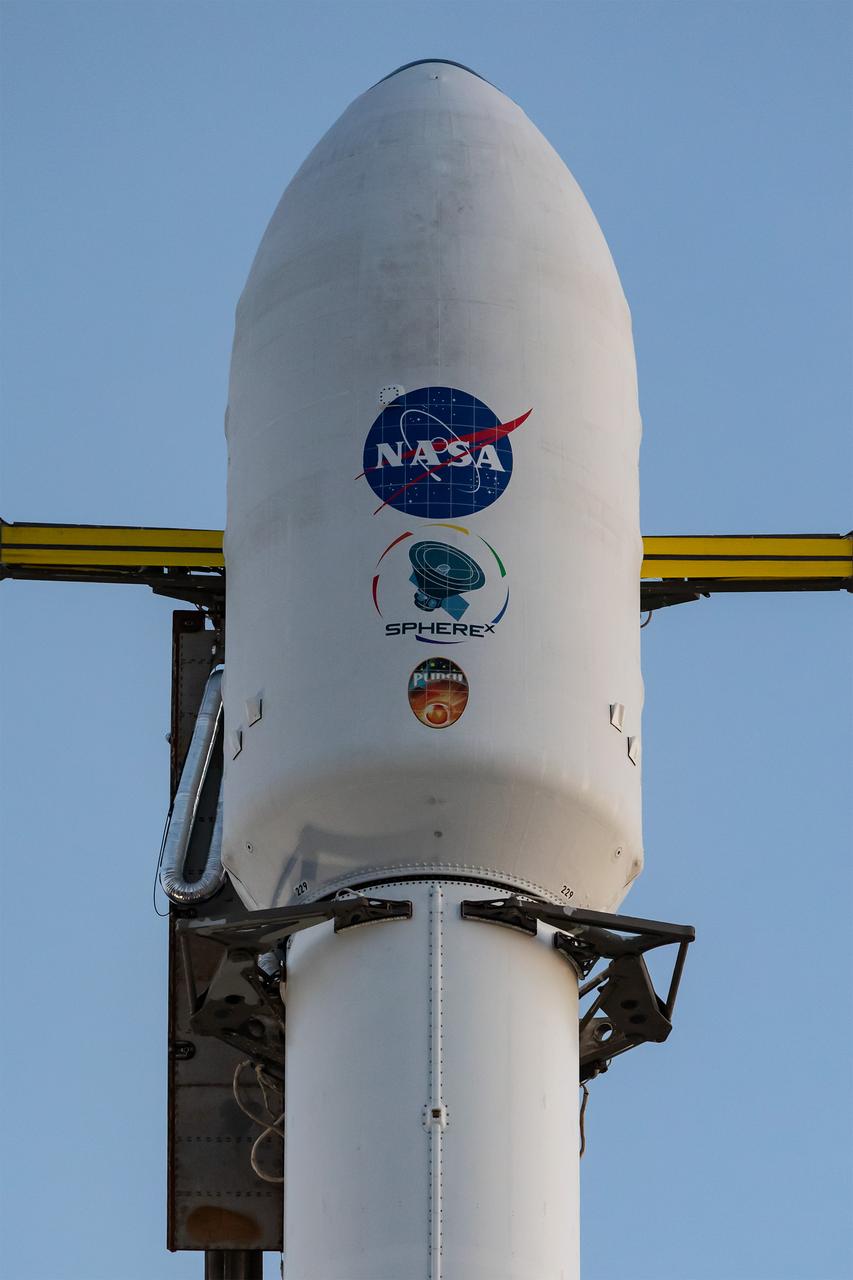
A SpaceX Falcon 9 rocket, carrying NASA’s SPHEREx (Spectro-Photometer for the History of the Universe, Epoch of Reionization and Ices Explorer) observatory and PUNCH (Polarimeter to Unify the Corona and Heliosphere) satellites, is vertical at Space Launch Complex 4 East from Vandenberg Space Force Base in California on Saturday March 8, 2025. SPHEREx will use its telescope to provide an all-sky spectral survey, creating a 3D map of the entire sky to help scientists investigate the origins of our universe. PUNCH will study origins of the Sun’s outflow of material, or the solar wind, capturing continuous 3D images of the Sun’s corona and the solar wind’s journey into the solar system.
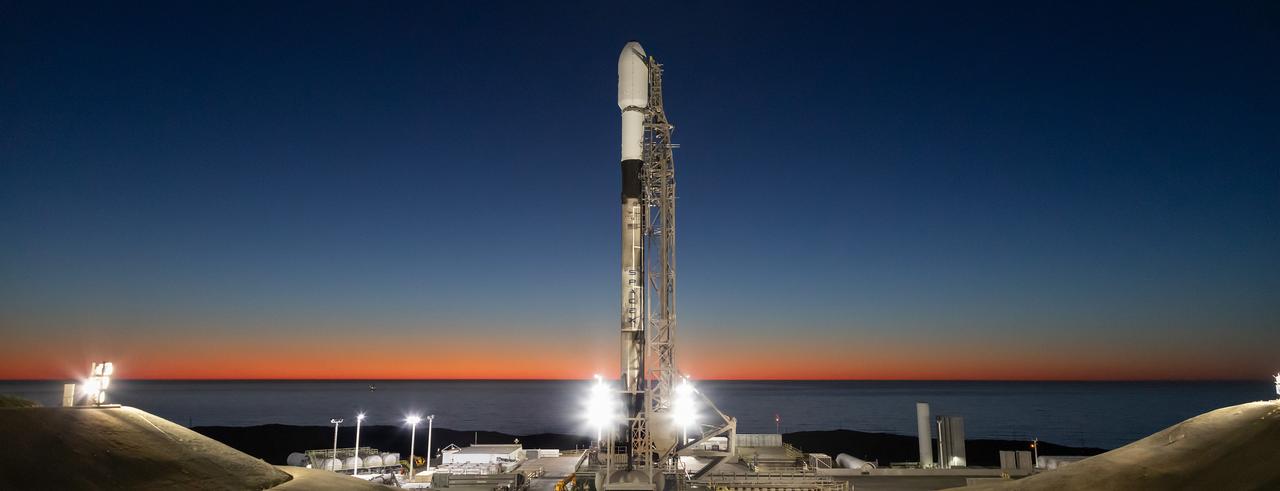
A SpaceX Falcon 9 rocket, carrying NASA’s SPHEREx (Spectro-Photometer for the History of the Universe, Epoch of Reionization and Ices Explorer) observatory and PUNCH (Polarimeter to Unify the Corona and Heliosphere) satellites, is vertical at Space Launch Complex 4 East from Vandenberg Space Force Base in California on Saturday, March 8, 2025. SPHEREx will use its telescope to provide an all-sky spectral survey, creating a 3D map of the entire sky to help scientists investigate the origins of our universe. PUNCH will study origins of the Sun’s outflow of material, or the solar wind, capturing continuous 3D images of the Sun’s corona and the solar wind’s journey into the solar system.
A SpaceX Falcon 9 rocket, carrying NASA’s SPHEREx (Spectro-Photometer for the History of the Universe, Epoch of Reionization and Ices Explorer) observatory and PUNCH (Polarimeter to Unify the Corona and Heliosphere) satellites, is vertical at Space Launch Complex 4 East from Vandenberg Space Force Base in California on Saturday, March 8, 2025. SPHEREx will use its telescope to provide an all-sky spectral survey, creating a 3D map of the entire sky to help scientists investigate the origins of our universe. PUNCH will study origins of the Sun’s outflow of material, or the solar wind, capturing continuous 3D images of the Sun’s corona and the solar wind’s journey into the solar system.
A SpaceX Falcon 9 rocket, carrying NASA’s SPHEREx (Spectro-Photometer for the History of the Universe, Epoch of Reionization and Ices Explorer) observatory and PUNCH (Polarimeter to Unify the Corona and Heliosphere) satellites, is vertical at Space Launch Complex 4 East from Vandenberg Space Force Base in California on Saturday, March 8, 2025. SPHEREx will use its telescope to provide an all-sky spectral survey, creating a 3D map of the entire sky to help scientists investigate the origins of our universe. PUNCH will study origins of the Sun’s outflow of material, or the solar wind, capturing continuous 3D images of the Sun’s corona and the solar wind’s journey into the solar system.
A SpaceX Falcon 9 rocket, carrying NASA’s SPHEREx (Spectro-Photometer for the History of the Universe, Epoch of Reionization and Ices Explorer) observatory and PUNCH (Polarimeter to Unify the Corona and Heliosphere) satellites, is vertical at Space Launch Complex 4 East from Vandenberg Space Force Base in California on Saturday, March 8, 2025. SPHEREx will use its telescope to provide an all-sky spectral survey, creating a 3D map of the entire sky to help scientists investigate the origins of our universe. PUNCH will study origins of the Sun’s outflow of material, or the solar wind, capturing continuous 3D images of the Sun’s corona and the solar wind’s journey into the solar system.
A SpaceX Falcon 9 rocket, carrying NASA’s SPHEREx (Spectro-Photometer for the History of the Universe, Epoch of Reionization and Ices Explorer) observatory and PUNCH (Polarimeter to Unify the Corona and Heliosphere) satellites, is vertical at Space Launch Complex 4 East from Vandenberg Space Force Base in California on Saturday, March 8, 2025. SPHEREx will use its telescope to provide an all-sky spectral survey, creating a 3D map of the entire sky to help scientists investigate the origins of our universe. PUNCH will study origins of the Sun’s outflow of material, or the solar wind, capturing continuous 3D images of the Sun’s corona and the solar wind’s journey into the solar system.
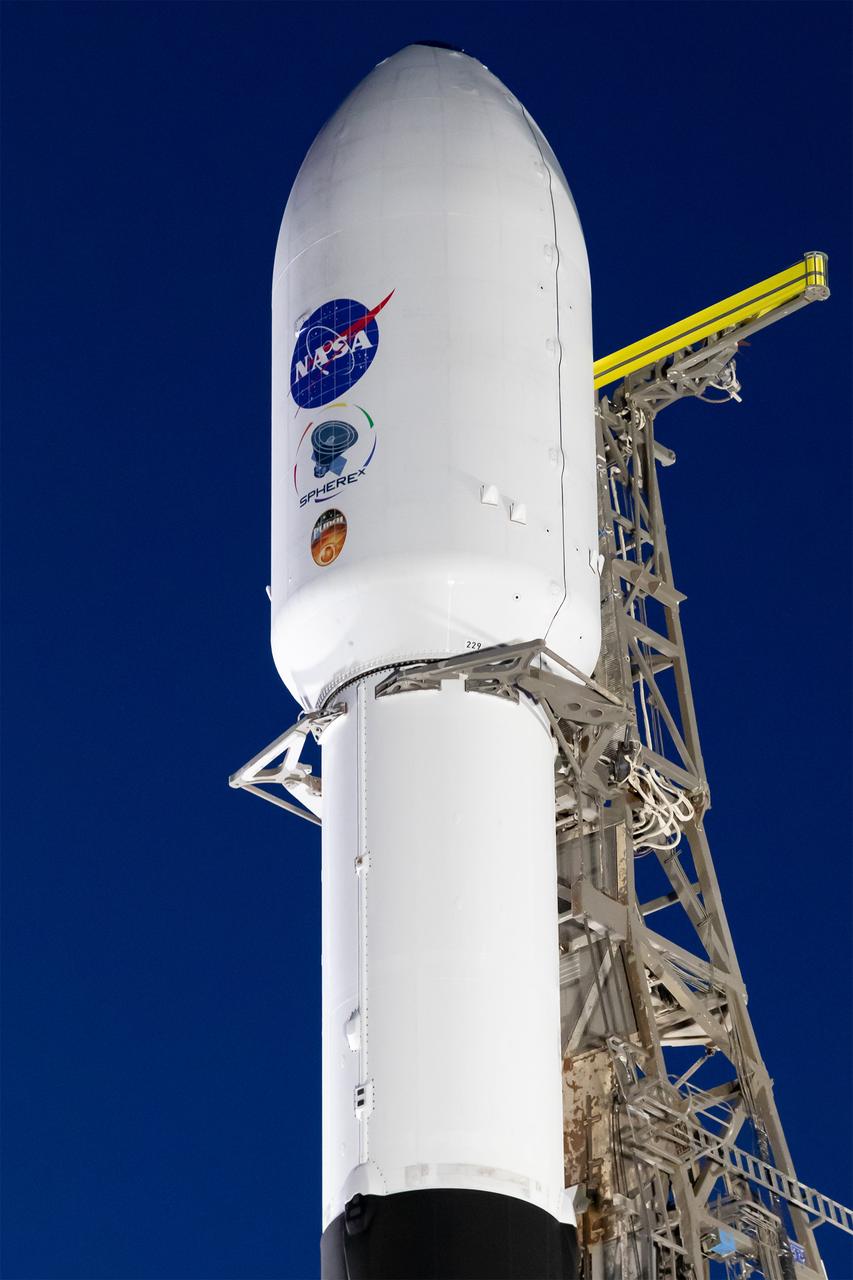
A SpaceX Falcon 9 rocket, carrying NASA’s SPHEREx (Spectro-Photometer for the History of the Universe, Epoch of Reionization and Ices Explorer) observatory and PUNCH (Polarimeter to Unify the Corona and Heliosphere) satellites, is vertical at Space Launch Complex 4 East from Vandenberg Space Force Base in California on Saturday, March 8, 2025. SPHEREx will use its telescope to provide an all-sky spectral survey, creating a 3D map of the entire sky to help scientists investigate the origins of our universe. PUNCH will study origins of the Sun’s outflow of material, or the solar wind, capturing continuous 3D images of the Sun’s corona and the solar wind’s journey into the solar system.
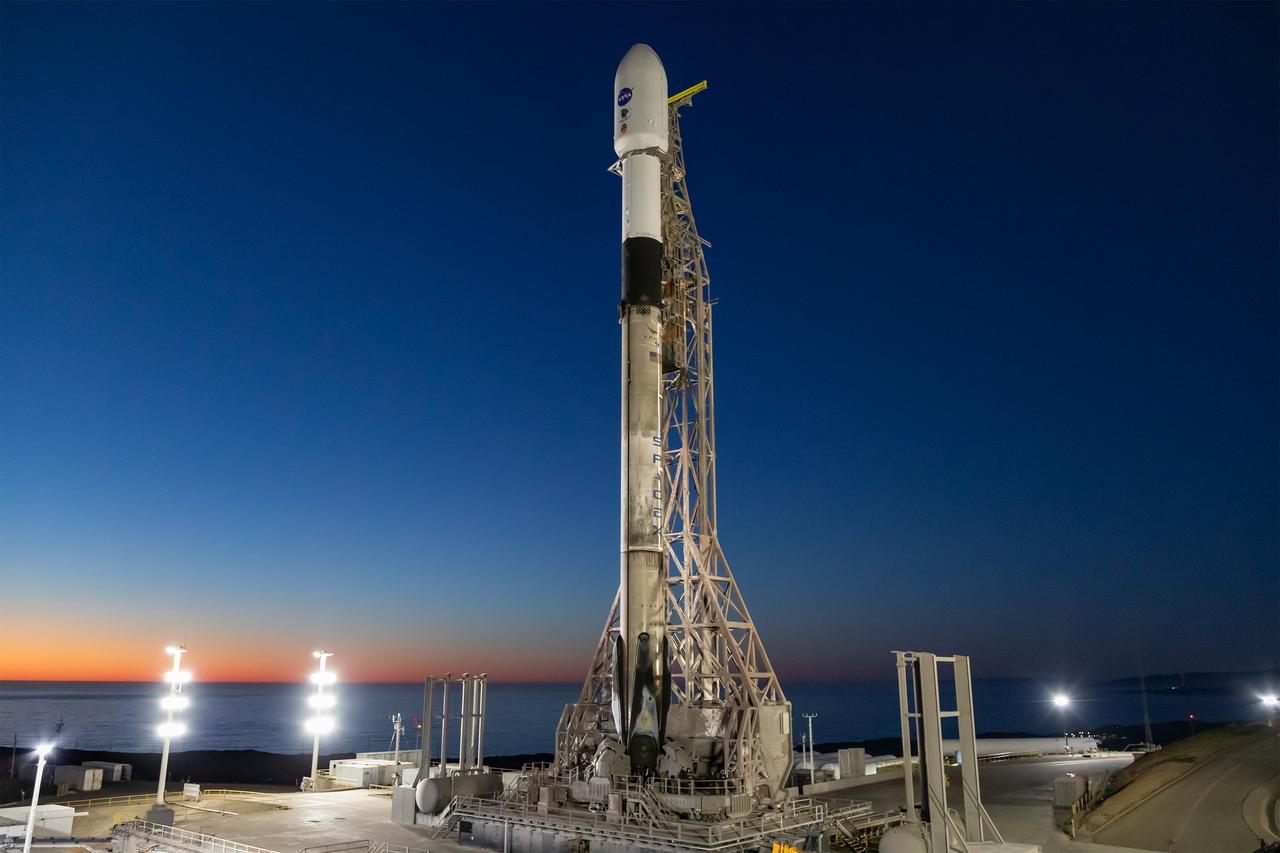
A SpaceX Falcon 9 rocket, carrying NASA’s SPHEREx (Spectro-Photometer for the History of the Universe, Epoch of Reionization and Ices Explorer) observatory and PUNCH (Polarimeter to Unify the Corona and Heliosphere) satellites, is vertical at Space Launch Complex 4 East from Vandenberg Space Force Base in California on Saturday, March 8, 2025. SPHEREx will use its telescope to provide an all-sky spectral survey, creating a 3D map of the entire sky to help scientists investigate the origins of our universe. PUNCH will study origins of the Sun’s outflow of material, or the solar wind, capturing continuous 3D images of the Sun’s corona and the solar wind’s journey into the solar system.
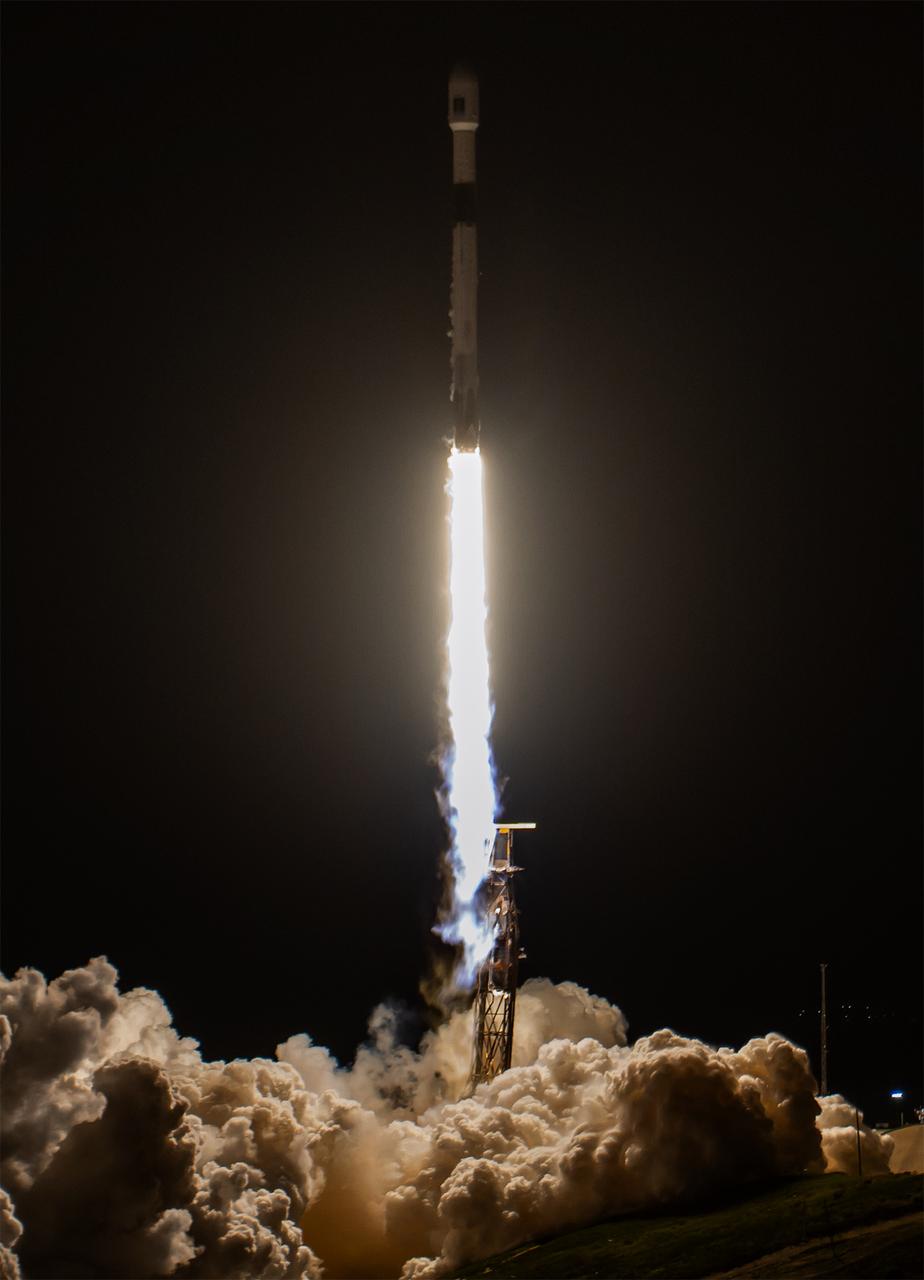
A SpaceX Falcon 9 rocket carrying the international Sentinel-6B spacecraft lifts off from Space Launch Complex 4 East at Vandenberg Space Force Base in California at 9:21 p.m. PST Sunday, Nov. 16, 2025. A collaboration between NASA, ESA (European Space Agency), EUMETSAT (European Organisation for the Exploitation of Meteorological Satellites), and the National Oceanic and Atmospheric Administration (NOAA), Sentinel-6B is designed to measure sea levels down to roughly an inch for about 90% of the world’s oceans.
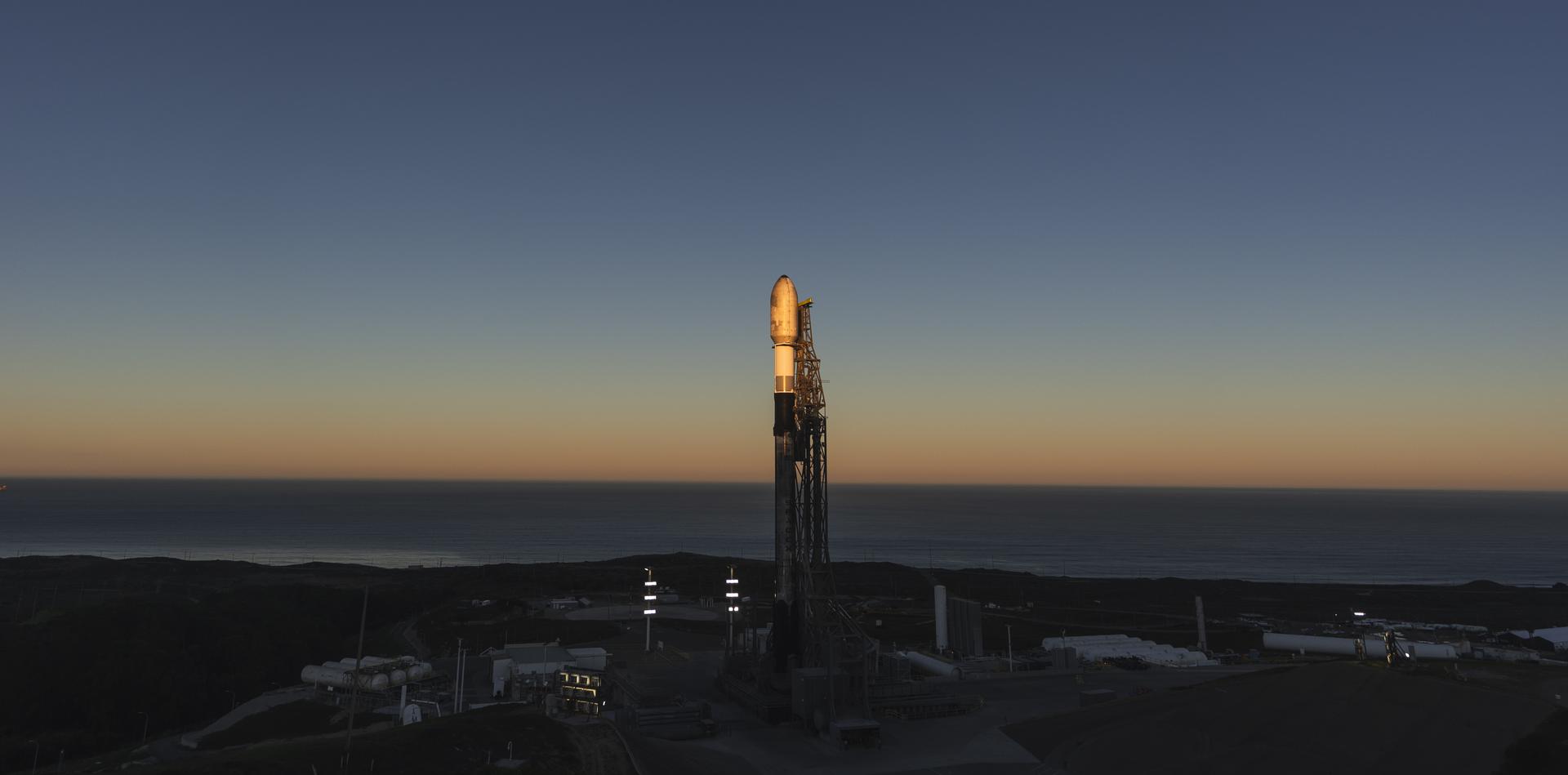
A SpaceX Falcon 9 rocket carrying NASA’s R5-S7 (Realizing Rapid, Reduced-cost high-Risk Research project Spacecraft 7) CubeSat along with several other satellites as part of the company’s Transporter-15 mission stands vertical on the launch pad of Space Launch Complex 4 East at Vandenberg Space Force Base in California on Wednesday, Nov. 26, 2025. The latest in a series of spacecraft, R5-S7 will explore ways to get multiple technology prototypes into low Earth orbit rapidly and at a low cost, accelerating the demonstration of these technologies in orbit and allowing engineers and scientists to more quickly prove them and make them available to NASA missions and other users.
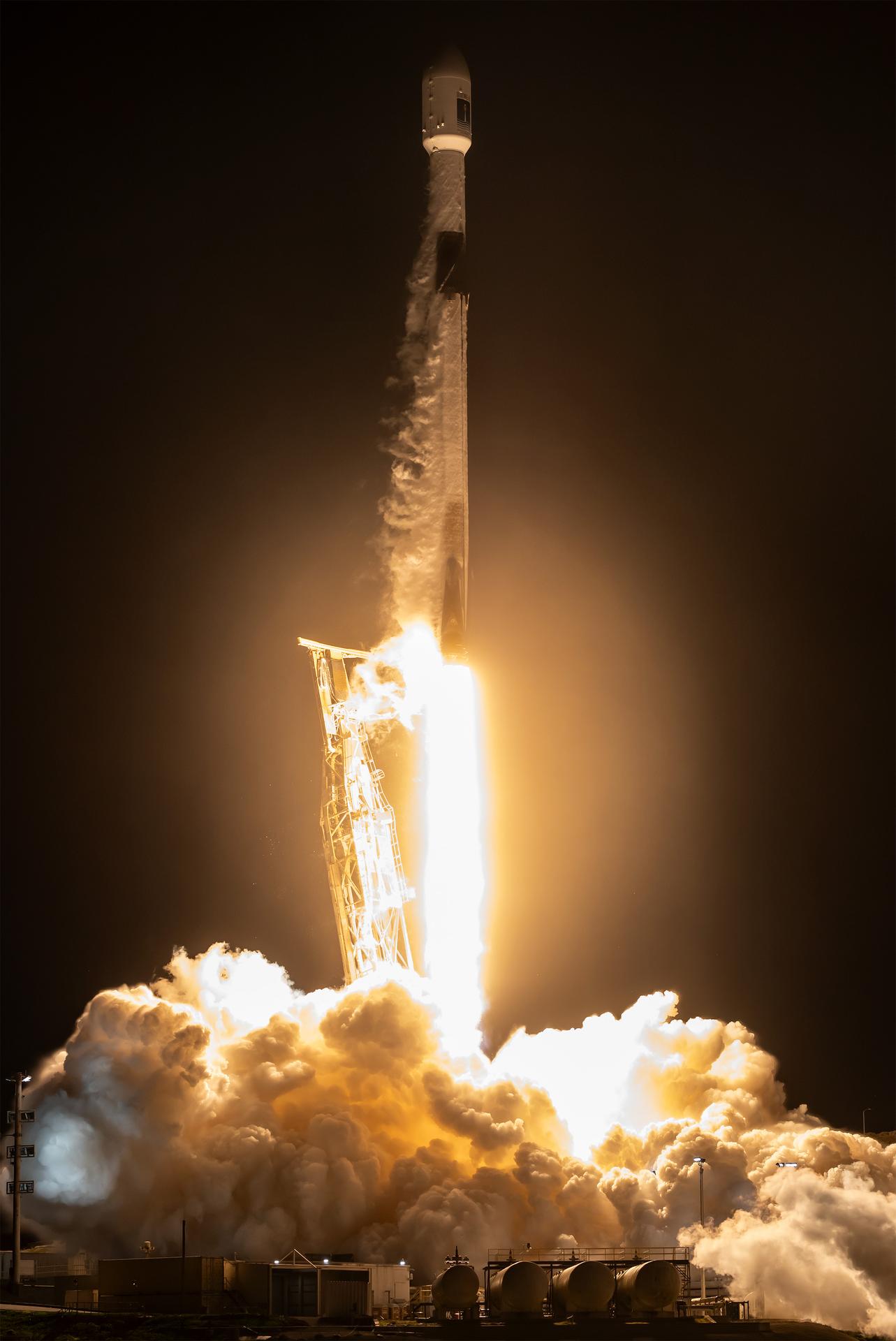
A SpaceX Falcon 9 rocket carrying the international Sentinel-6B spacecraft lifts off from Space Launch Complex 4 East at Vandenberg Space Force Base in California at 9:21 p.m. PST Sunday, Nov. 16, 2025. A collaboration between NASA, ESA (European Space Agency), EUMETSAT (European Organisation for the Exploitation of Meteorological Satellites), and the National Oceanic and Atmospheric Administration (NOAA), Sentinel-6B is designed to measure sea levels down to roughly an inch for about 90% of the world’s oceans.
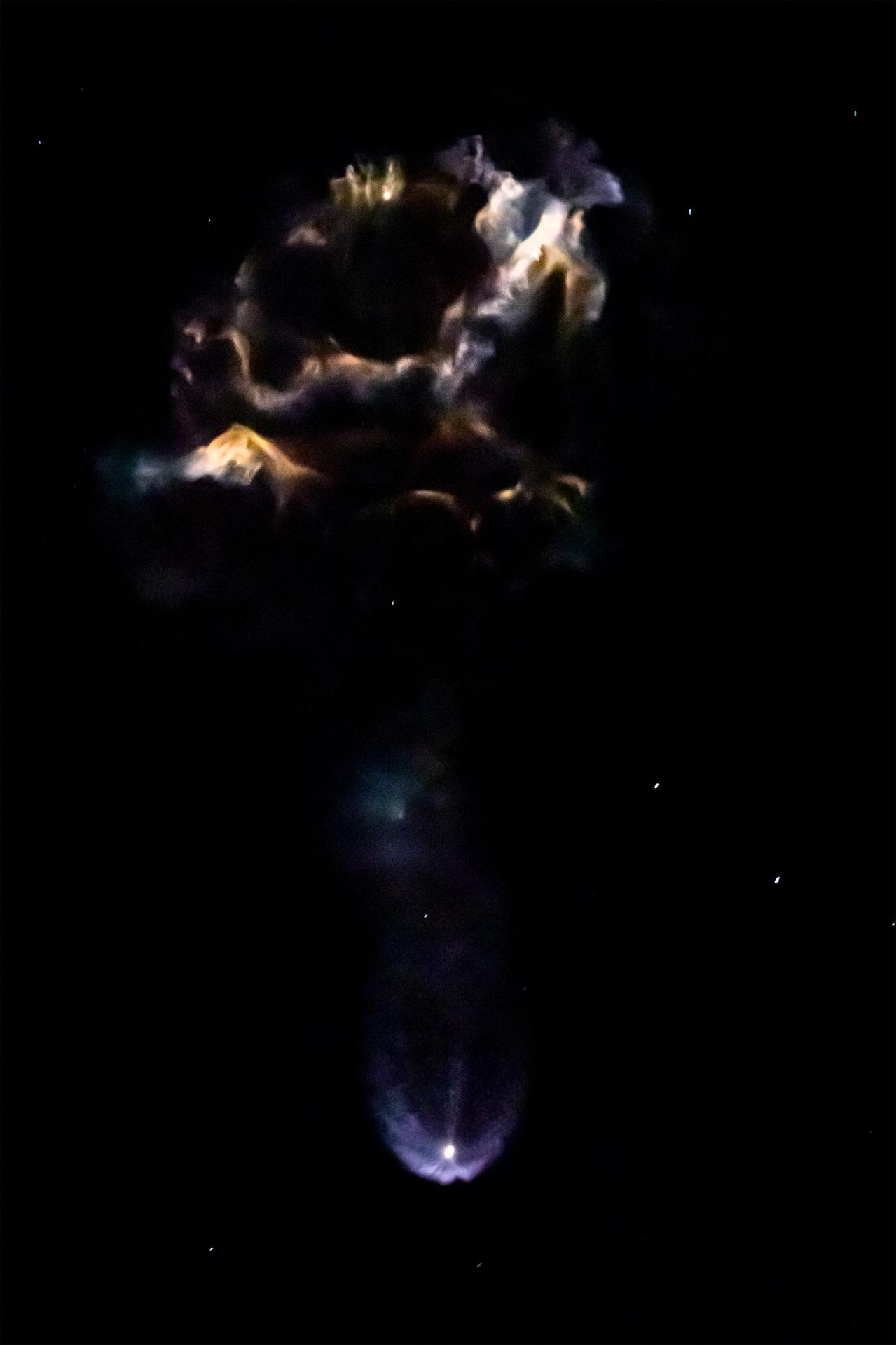
A SpaceX booster returns for landing following the launch of NASA’s Pandora small satellite, the Star-Planet Activity Research CubeSat (SPARCS), and Black Hole Coded Aperture Telescope (BlackCAT) CubeSat from Space Launch Complex 4 East at Vandenberg Space Force Base in California on Sunday, Jan. 11, 2026, as part of the company’s Twilight mission. Pandora will provide an in-depth study of at least 20 known planets orbiting distant stars to determine the composition of their atmospheres — especially the presence of hazes, clouds, and water.
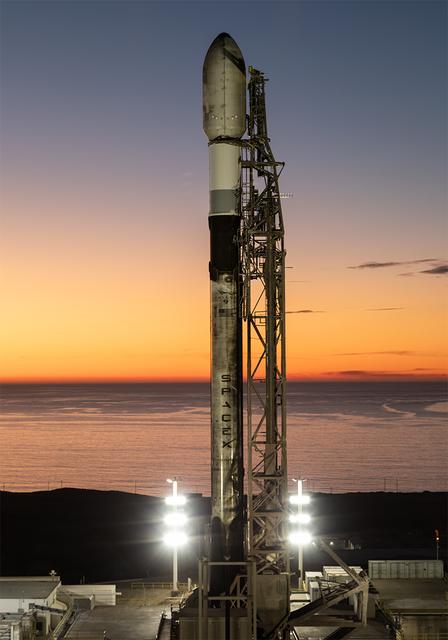
A SpaceX Falcon 9 rocket carrying NASA’s R5-S7 (Realizing Rapid, Reduced-cost high-Risk Research project Spacecraft 7) CubeSat along with several other satellites as part of the company’s Transporter-15 mission stands vertical on the launch pad of Space Launch Complex 4 East at Vandenberg Space Force Base in California on Thursday, Nov. 27, 2025. The latest in a series of spacecraft, R5-S7 will explore ways to get multiple technology prototypes into low Earth orbit rapidly and at a low cost, accelerating the demonstration of these technologies in orbit and allowing engineers and scientists to more quickly prove them and make them available to NASA missions and other users.

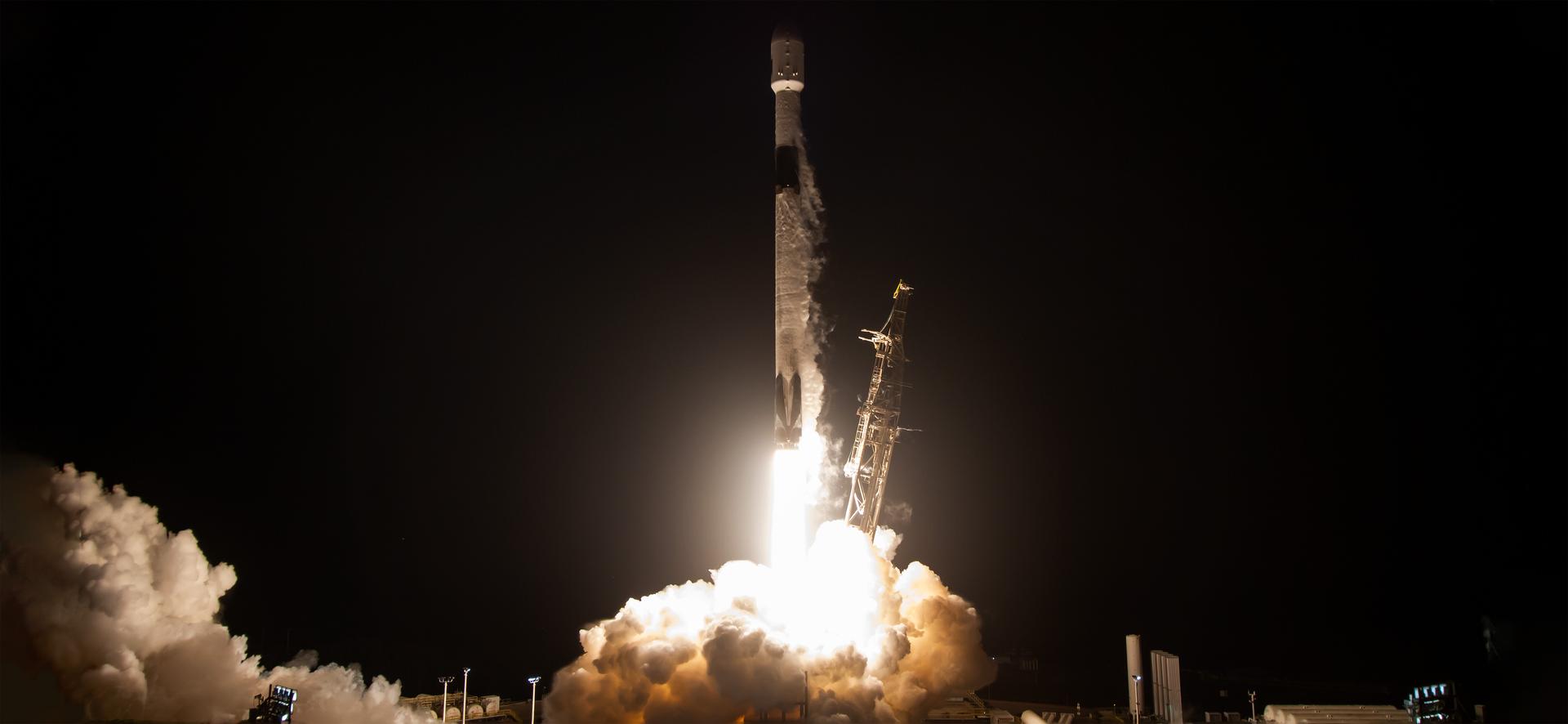
A SpaceX Falcon 9 rocket carrying NASA’s R5-S7 (Realizing Rapid, Reduced-cost high-Risk Research project Spacecraft 7) CubeSat along with several other satellites as part of the company’s Transporter-15 mission lifts off from Space Launch Complex 4 East at Vandenberg Space Force Base in California at 10:44 a.m. PST Friday, Nov. 28, 2025. The latest in a series of spacecraft, R5-S7 will explore ways to get multiple technology prototypes into low Earth orbit rapidly and at a low cost, accelerating the demonstration of these technologies in orbit and allowing engineers and scientists to more quickly prove them and make them available to NASA missions and other users.
A SpaceX Falcon 9 rocket carrying the international Sentinel-6B spacecraft lifts off from Space Launch Complex 4 East at Vandenberg Space Force Base in California at 9:21 p.m. PST Sunday, Nov. 16, 2025. A collaboration between NASA, ESA (European Space Agency), EUMETSAT (European Organisation for the Exploitation of Meteorological Satellites), and the National Oceanic and Atmospheric Administration (NOAA), Sentinel-6B is designed to measure sea levels down to roughly an inch for about 90% of the world’s oceans.
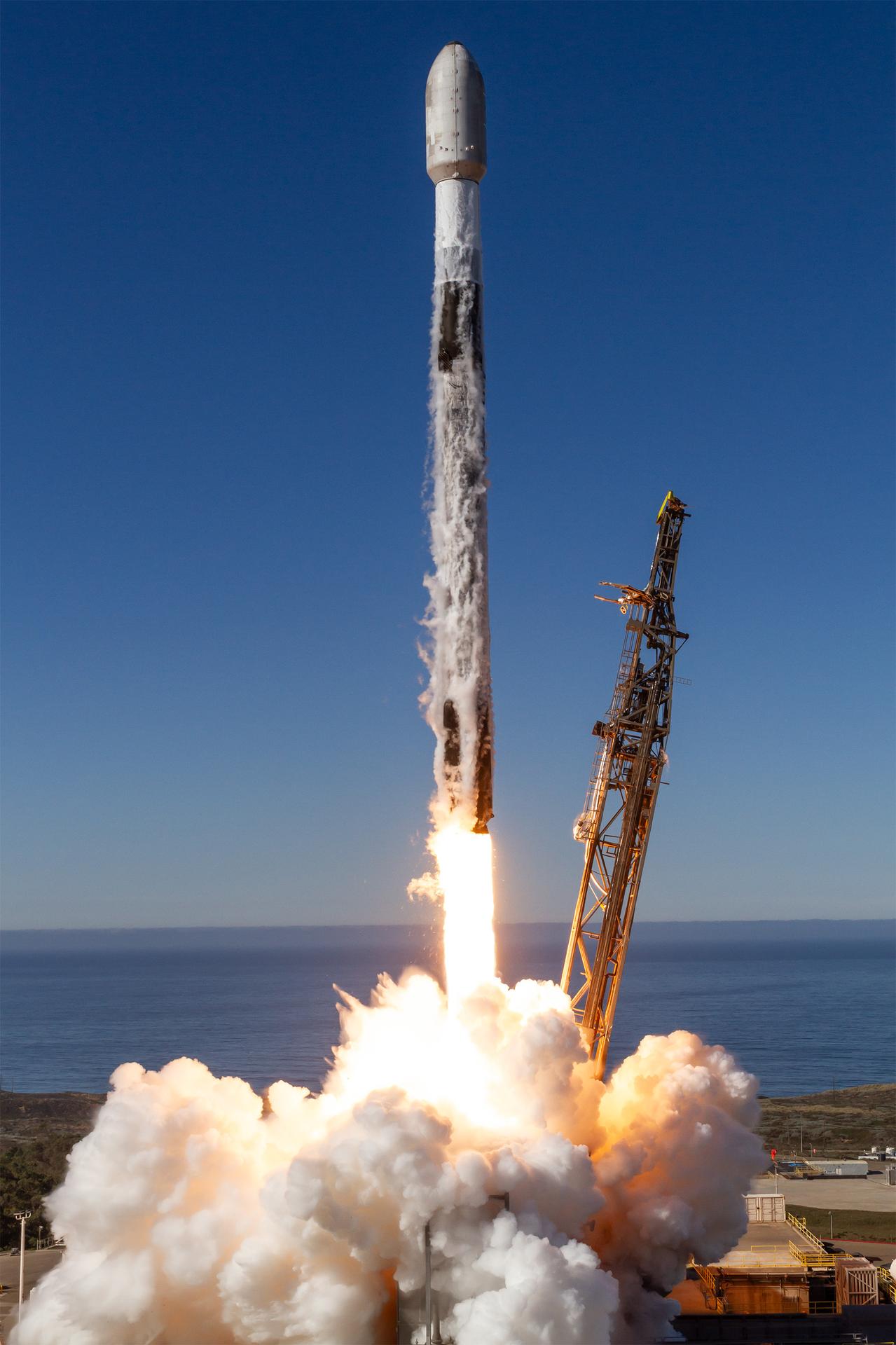
A SpaceX Falcon 9 rocket carrying NASA’s R5-S7 (Realizing Rapid, Reduced-cost high-Risk Research project Spacecraft 7) CubeSat along with several other satellites as part of the company’s Transporter-15 mission lifts off from Space Launch Complex 4 East at Vandenberg Space Force Base in California at 10:44 a.m. PST Friday, Nov. 28, 2025. The latest in a series of spacecraft, R5-S7 will explore ways to get multiple technology prototypes into low Earth orbit rapidly and at a low cost, accelerating the demonstration of these technologies in orbit and allowing engineers and scientists to more quickly prove them and make them available to NASA missions and other users.

A SpaceX Falcon 9 rocket carrying NASA’s R5-S7 (Realizing Rapid, Reduced-cost high-Risk Research project Spacecraft 7) CubeSat along with several other satellites as part of the company’s Transporter-15 mission lifts off from Space Launch Complex 4 East at Vandenberg Space Force Base in California at 10:44 a.m. PST Friday, Nov. 28, 2025. The latest in a series of spacecraft, R5-S7 will explore ways to get multiple technology prototypes into low Earth orbit rapidly and at a low cost, accelerating the demonstration of these technologies in orbit and allowing engineers and scientists to more quickly prove them and make them available to NASA missions and other users.
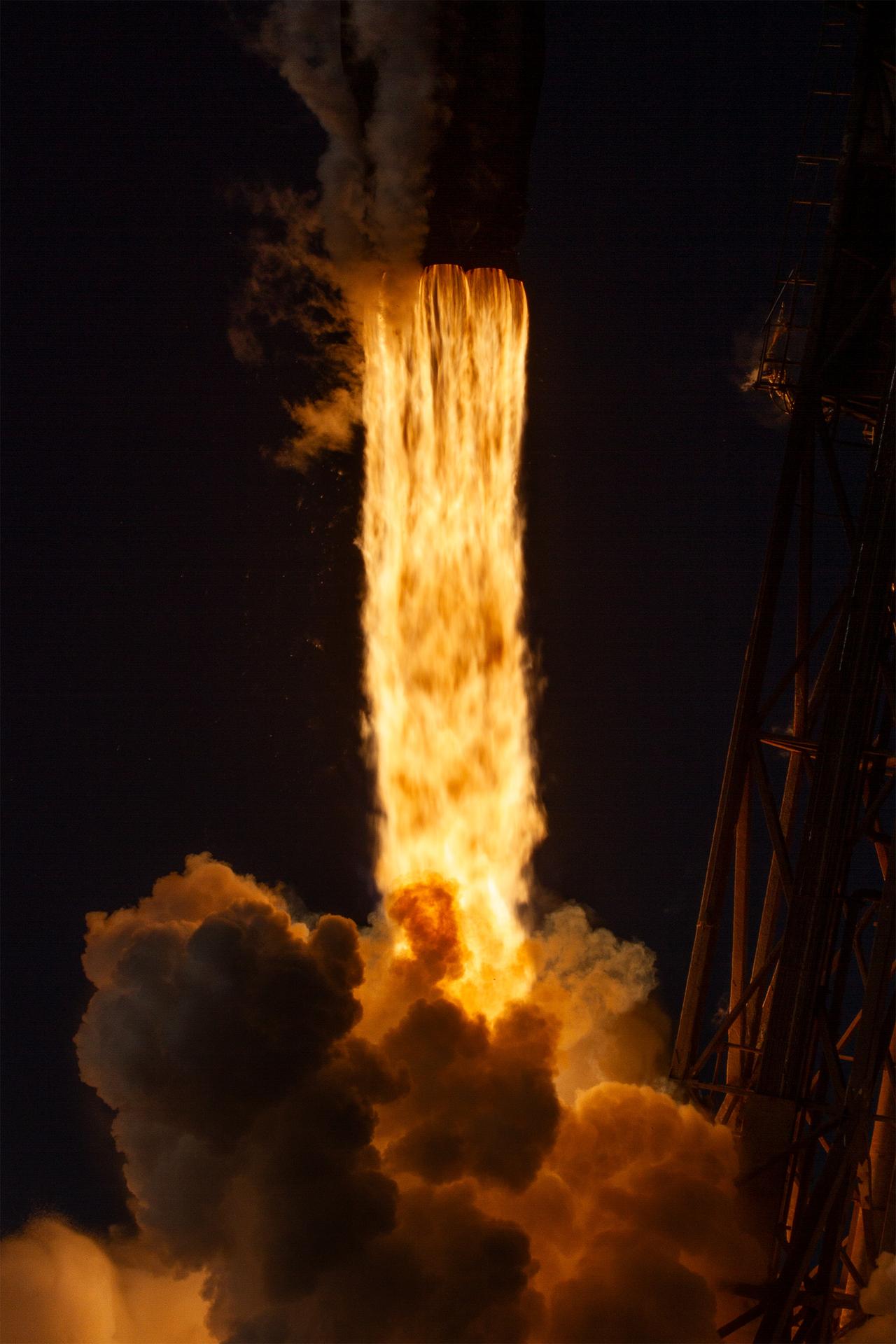
A SpaceX Falcon 9 rocket carrying NASA’s R5-S7 (Realizing Rapid, Reduced-cost high-Risk Research project Spacecraft 7) CubeSat along with several other satellites as part of the company’s Transporter-15 mission lifts off from Space Launch Complex 4 East at Vandenberg Space Force Base in California at 10:44 a.m. PST Friday, Nov. 28, 2025. The latest in a series of spacecraft, R5-S7 will explore ways to get multiple technology prototypes into low Earth orbit rapidly and at a low cost, accelerating the demonstration of these technologies in orbit and allowing engineers and scientists to more quickly prove them and make them available to NASA missions and other users.
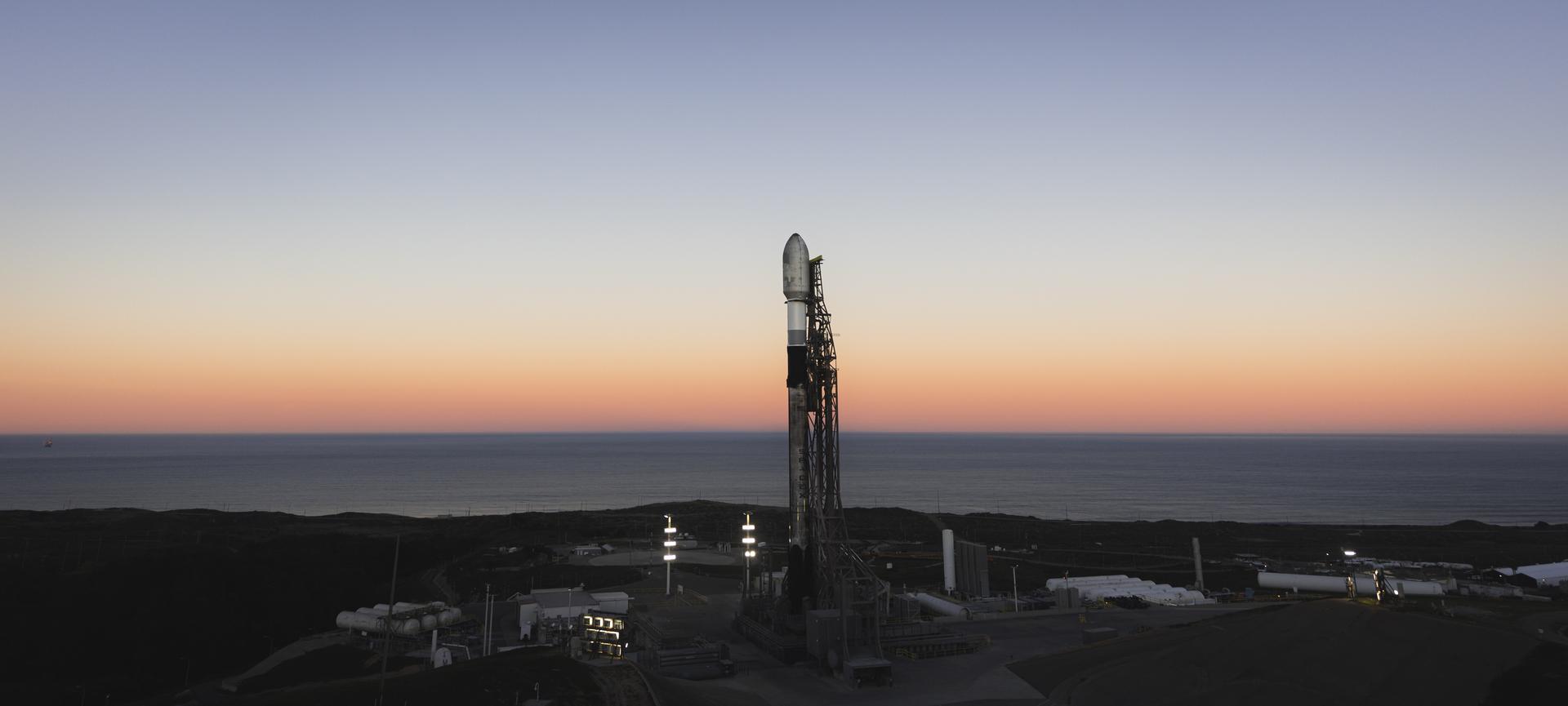
A SpaceX Falcon 9 rocket carrying NASA’s R5-S7 (Realizing Rapid, Reduced-cost high-Risk Research project Spacecraft 7) CubeSat along with several other satellites as part of the company’s Transporter-15 mission stands vertical on the launch pad of Space Launch Complex 4 East at Vandenberg Space Force Base in California on Wednesday, Nov. 26, 2025. The latest in a series of spacecraft, R5-S7 will explore ways to get multiple technology prototypes into low Earth orbit rapidly and at a low cost, accelerating the demonstration of these technologies in orbit and allowing engineers and scientists to more quickly prove them and make them available to NASA missions and other users.
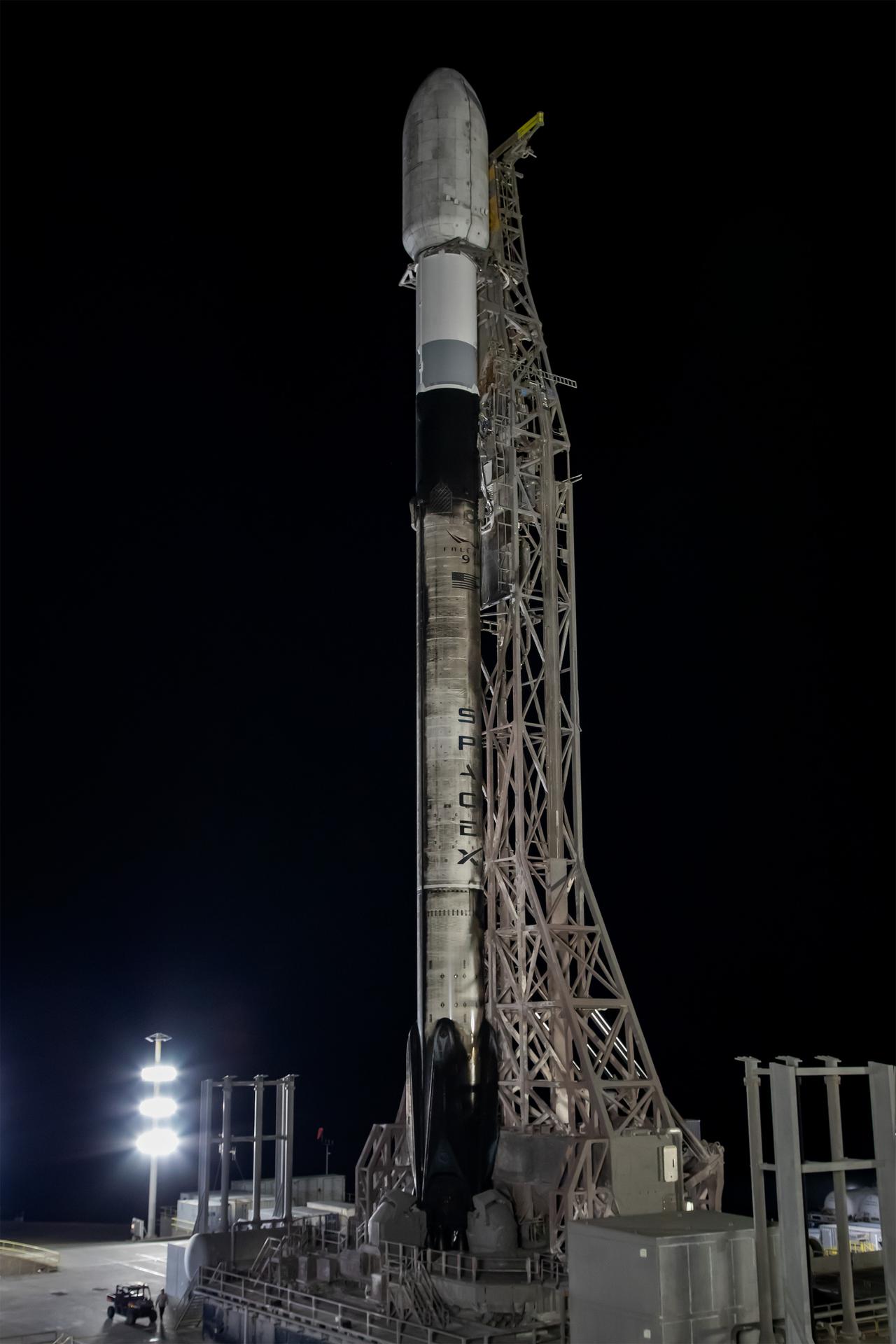
A SpaceX Falcon 9 rocket carrying several NASA small satellites and instruments stands vertical on the pad at Space Launch Complex 4 East at Vandenberg Space Force Base in California on Monday, March 30, 2026, as part of the company’s Transporter-16 mission. The demonstrations will test thermal protection systems, advance in-space communications, deepen our understanding of Earth's atmosphere, and more to foster capabilities for NASA’s exploration and research goals.
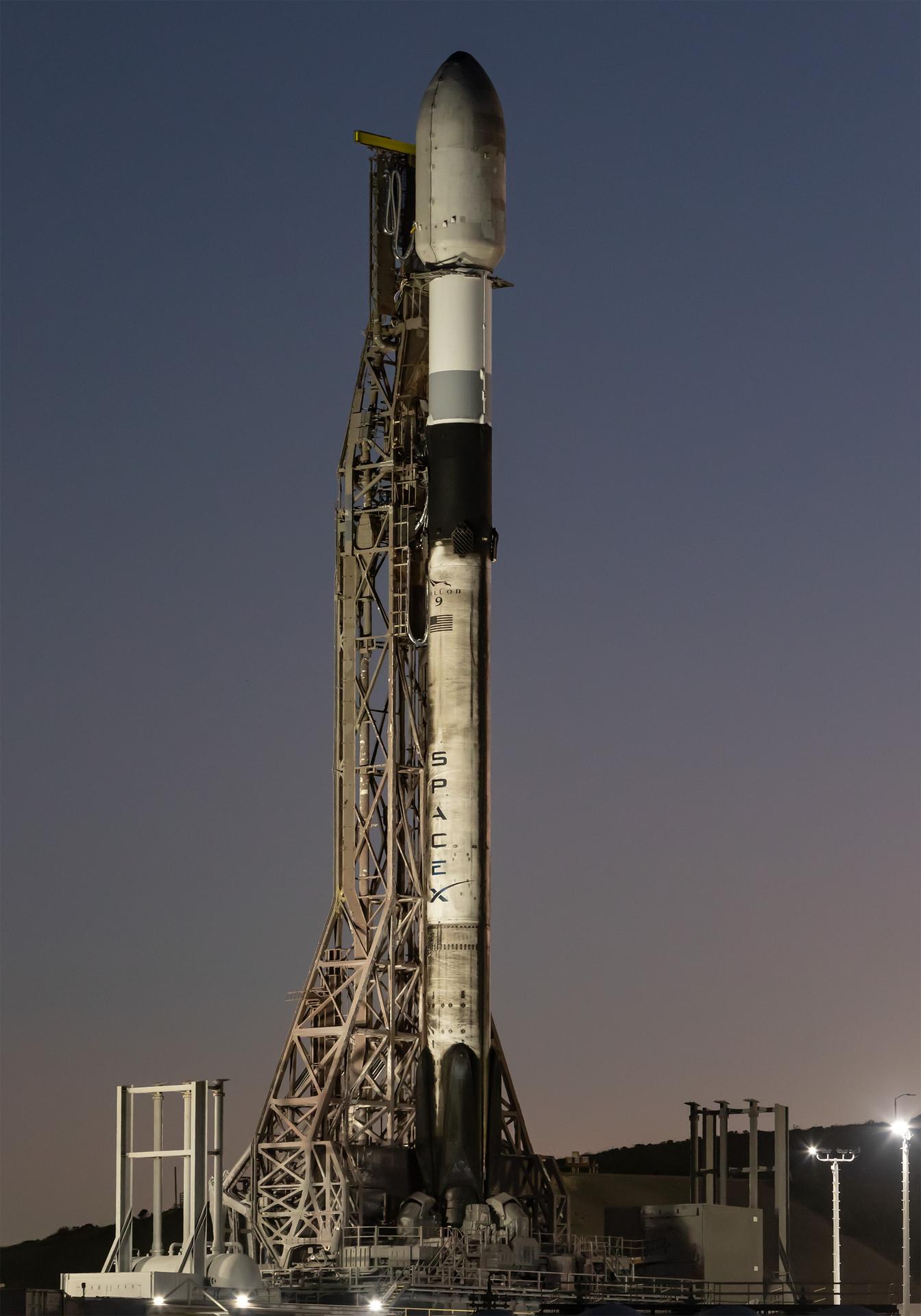
A SpaceX Falcon 9 rocket carrying NASA’s R5-S7 (Realizing Rapid, Reduced-cost high-Risk Research project Spacecraft 7) CubeSat along with several other satellites as part of the company’s Transporter-15 mission stands vertical on the launch pad of Space Launch Complex 4 East at Vandenberg Space Force Base in California on Wednesday, Nov. 26, 2025. The latest in a series of spacecraft, R5-S7 will explore ways to get multiple technology prototypes into low Earth orbit rapidly and at a low cost, accelerating the demonstration of these technologies in orbit and allowing engineers and scientists to more quickly prove them and make them available to NASA missions and other users.
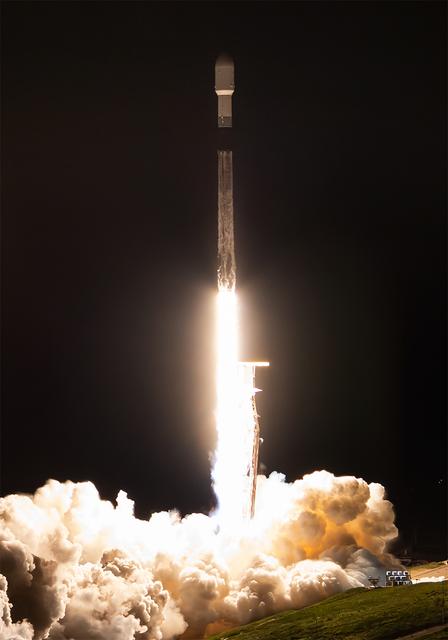
A SpaceX Falcon 9 rocket carrying NASA’s Pandora small satellite, the Star-Planet Activity Research CubeSat (SPARCS), and Black Hole Coded Aperture Telescope (BlackCAT) CubeSat lifts off from Space Launch Complex 4 East at Vandenberg Space Force Base in California on Sunday, Jan. 11, 2026. Pandora will provide an in-depth study of at least 20 known planets orbiting distant stars to determine the composition of their atmospheres — especially the presence of hazes, clouds, and water.
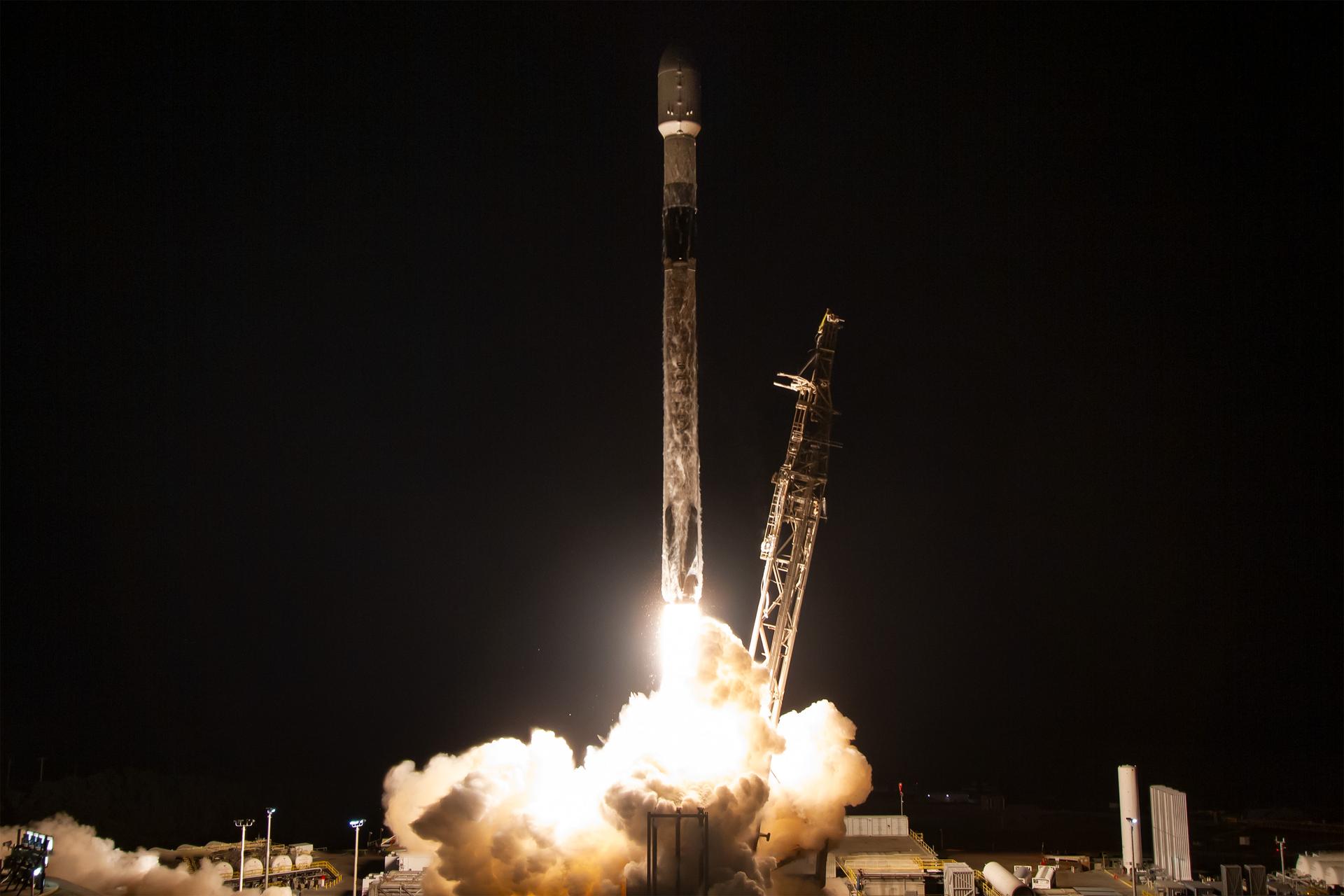
A SpaceX Falcon 9 rocket carrying NASA’s Pandora small satellite, the Star-Planet Activity Research CubeSat (SPARCS), and Black Hole Coded Aperture Telescope (BlackCAT) CubeSat lifts off from Space Launch Complex 4 East at Vandenberg Space Force Base in California on Sunday, Jan. 11, 2026. Pandora will provide an in-depth study of at least 20 known planets orbiting distant stars to determine the composition of their atmospheres — especially the presence of hazes, clouds, and water.
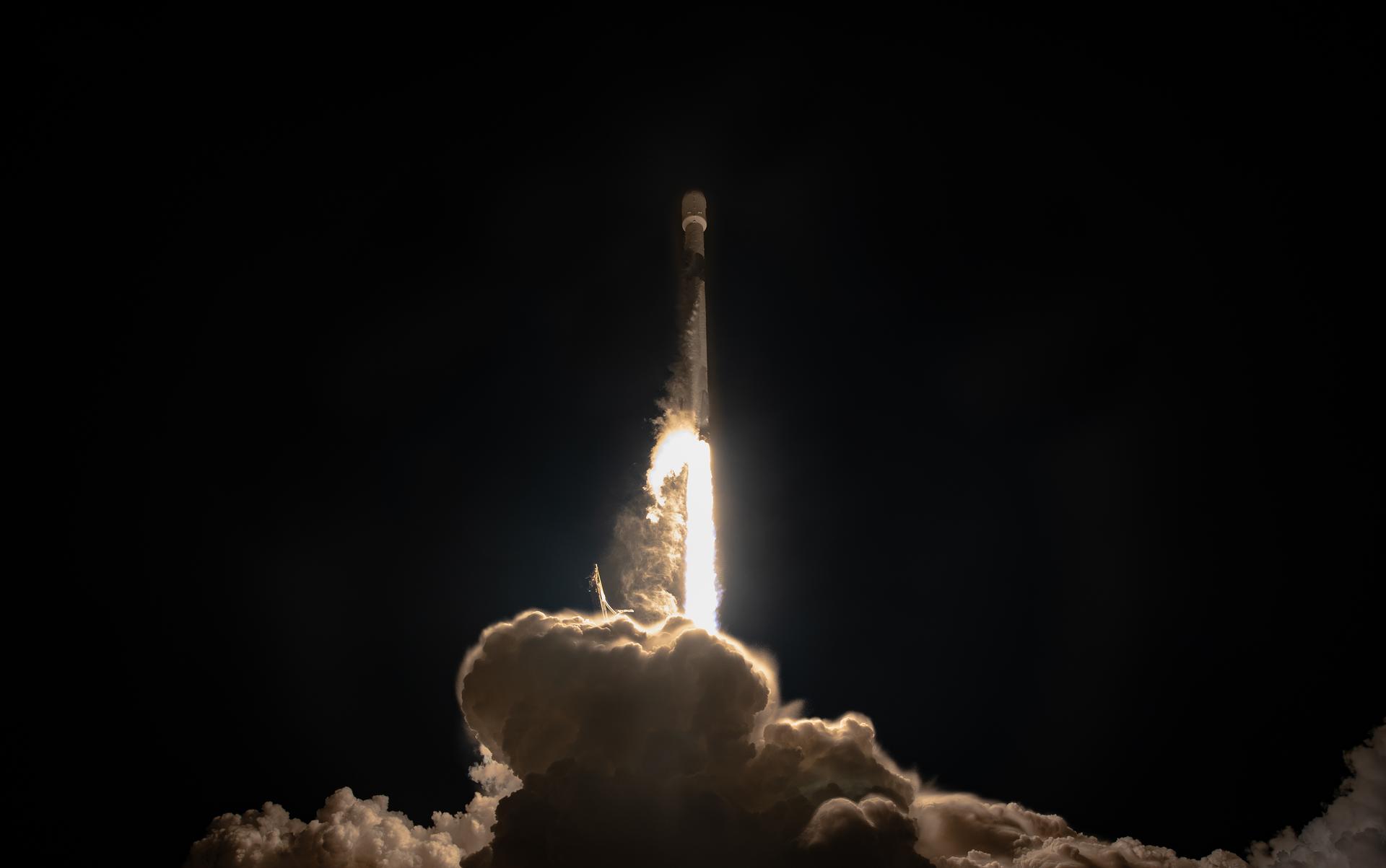
A SpaceX Falcon 9 rocket carrying the international Sentinel-6B spacecraft lifts off from Space Launch Complex 4 East at Vandenberg Space Force Base in California at 9:21 p.m. PST Sunday, Nov. 16, 2025. A collaboration between NASA, ESA (European Space Agency), EUMETSAT (European Organisation for the Exploitation of Meteorological Satellites), and the National Oceanic and Atmospheric Administration (NOAA), Sentinel-6B is designed to measure sea levels down to roughly an inch for about 90% of the world’s oceans.
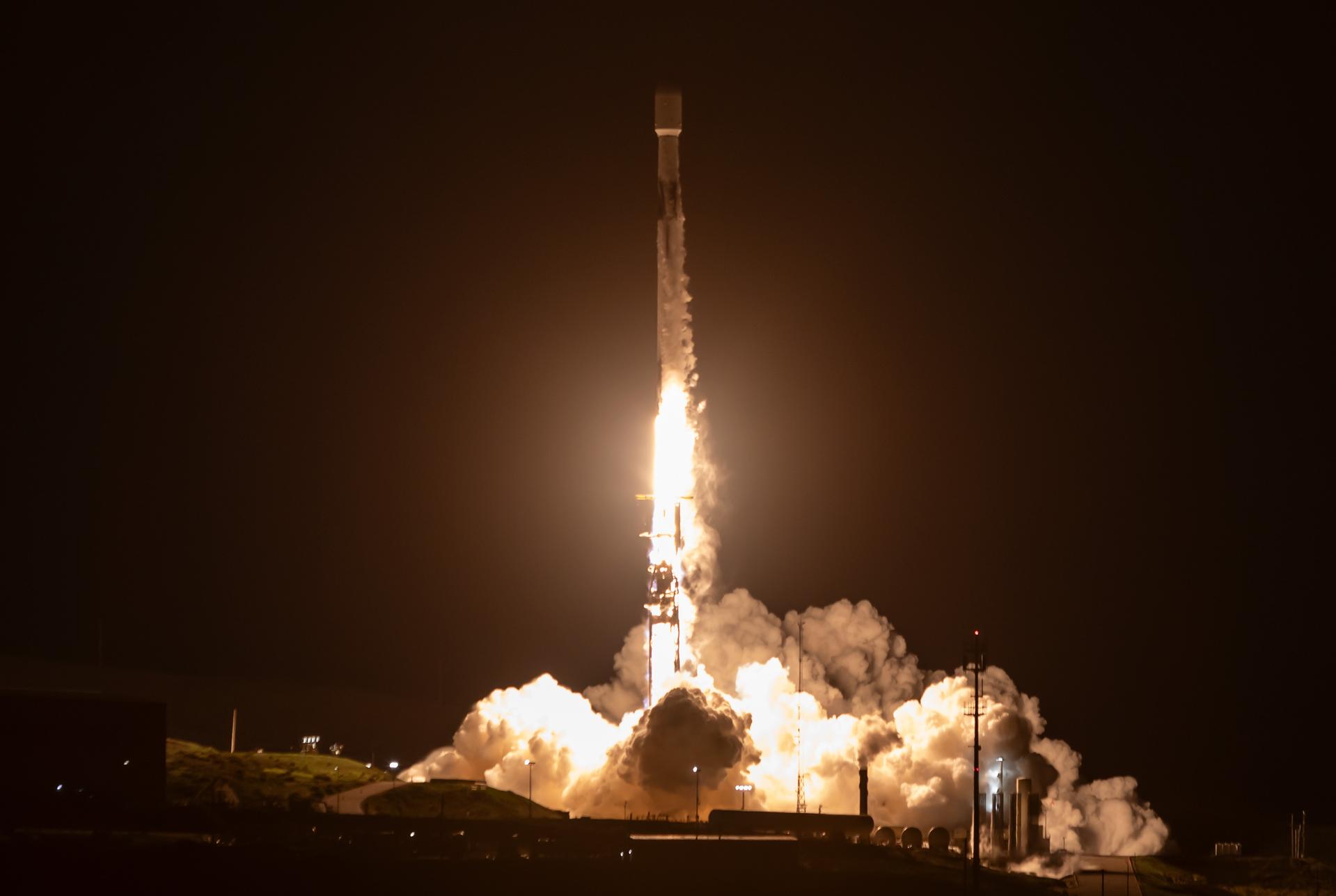
A SpaceX Falcon 9 rocket carrying the international Sentinel-6B spacecraft lifts off from Space Launch Complex 4 East at Vandenberg Space Force Base in California at 9:21 p.m. PST Sunday, Nov. 16, 2025. A collaboration between NASA, ESA (European Space Agency), EUMETSAT (European Organisation for the Exploitation of Meteorological Satellites), and the National Oceanic and Atmospheric Administration (NOAA), Sentinel-6B is designed to measure sea levels down to roughly an inch for about 90% of the world’s oceans.
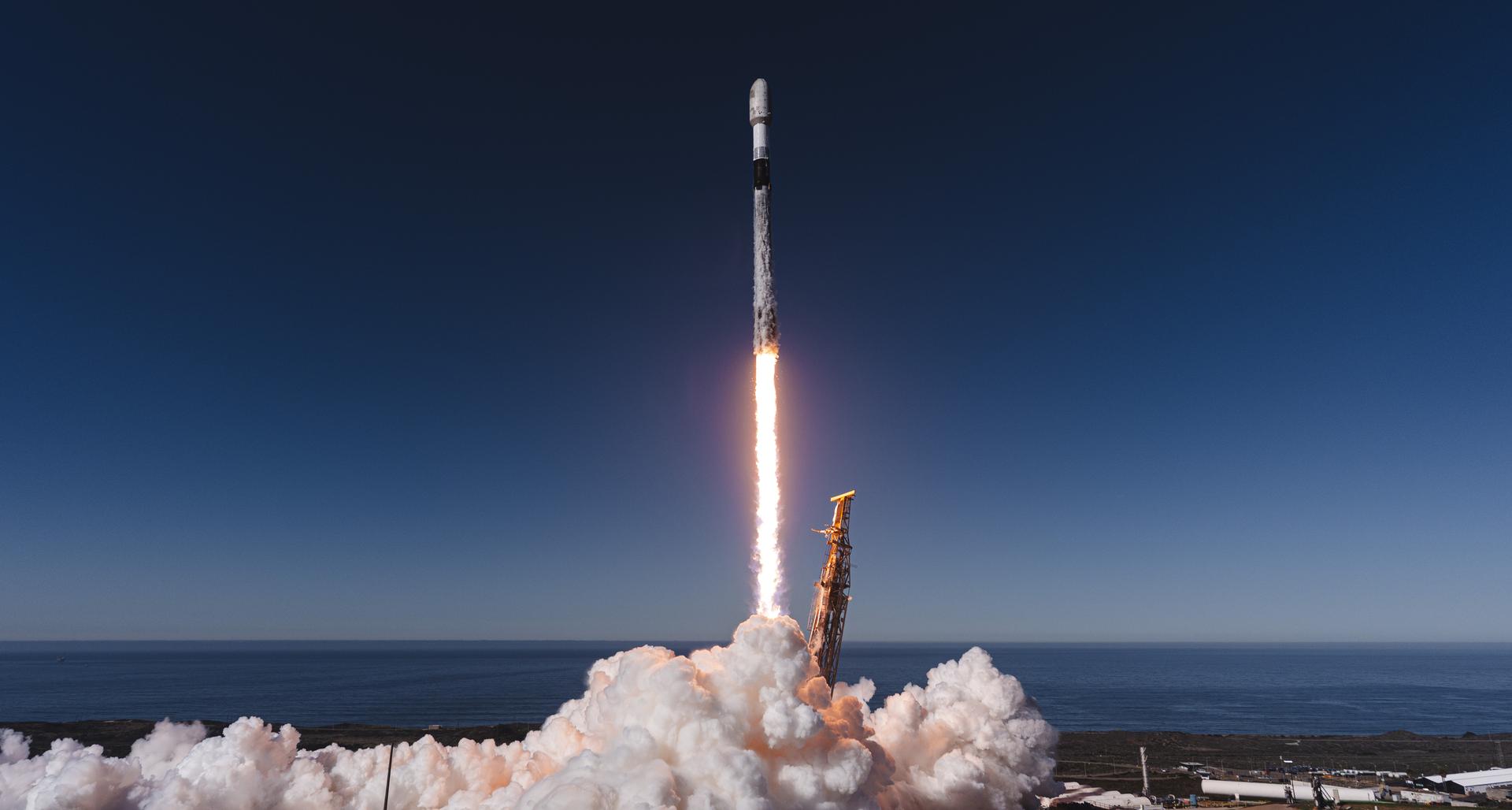
A SpaceX Falcon 9 rocket carrying NASA’s R5-S7 (Realizing Rapid, Reduced-cost high-Risk Research project Spacecraft 7) CubeSat along with several other satellites as part of the company’s Transporter-15 mission lifts off from Space Launch Complex 4 East at Vandenberg Space Force Base in California at 10:44 a.m. PST Friday, Nov. 28, 2025. The latest in a series of spacecraft, R5-S7 will explore ways to get multiple technology prototypes into low Earth orbit rapidly and at a low cost, accelerating the demonstration of these technologies in orbit and allowing engineers and scientists to more quickly prove them and make them available to NASA missions and other users.
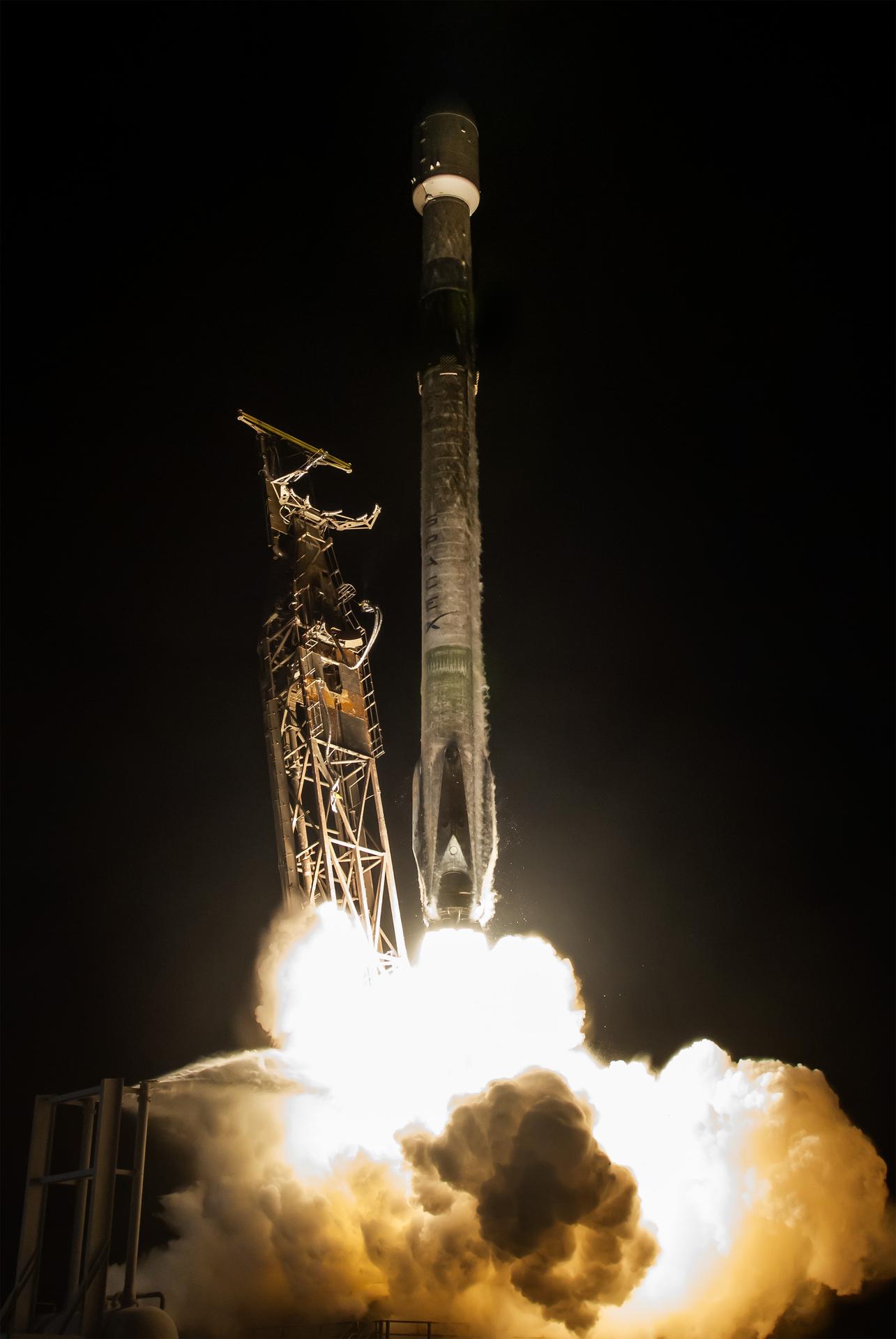
A SpaceX Falcon 9 rocket carrying NASA’s Pandora small satellite, the Star-Planet Activity Research CubeSat (SPARCS), and Black Hole Coded Aperture Telescope (BlackCAT) CubeSat lifts off from Space Launch Complex 4 East at Vandenberg Space Force Base in California on Sunday, Jan. 11, 2026. Pandora will provide an in-depth study of at least 20 known planets orbiting distant stars to determine the composition of their atmospheres — especially the presence of hazes, clouds, and water.
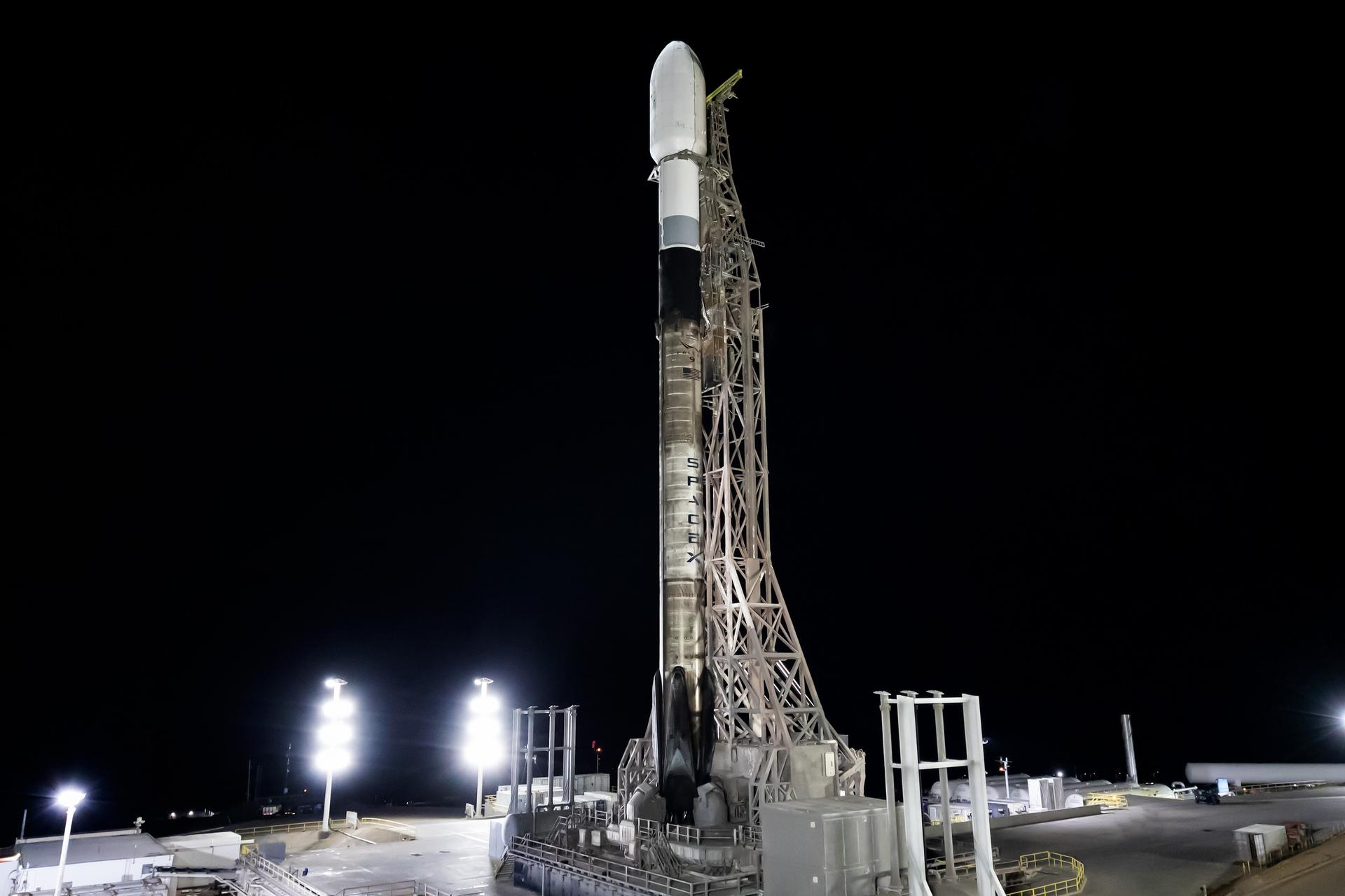
A SpaceX Falcon 9 rocket carrying NASA’s Pandora small satellite, the Star-Planet Activity Research CubeSat (SPARCS), Black Hole Coded Aperture Telescope (BlackCAT) CubeSat, and several other payloads stands vertical on the pad at Space Launch Complex 4 East at Vandenberg Space Force Base in California on Sunday, Jan. 11, 2026, as part of the company’s Twilight mission. Pandora will provide an in-depth study of at least 20 known planets orbiting distant stars to determine the composition of their atmospheres — especially the presence of hazes, clouds, and water. Launch of SpaceX’s Twilight mission is scheduled for 5:44 a.m. PST Jan. 11, from Vandenberg’s Space Launch Complex 4 East.
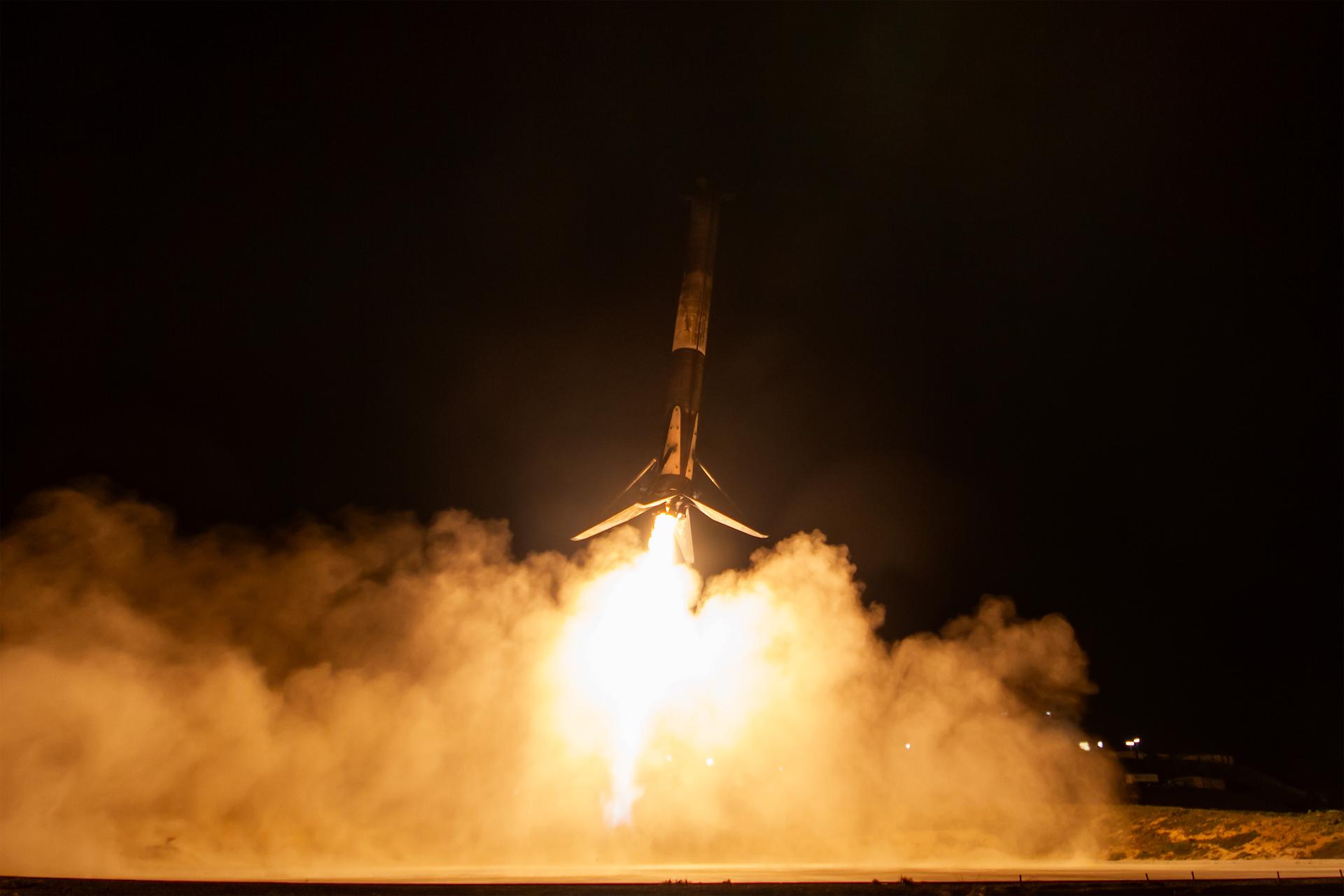
A SpaceX booster prepares for landing following the launch of NASA’s Pandora small satellite, the Star-Planet Activity Research CubeSat (SPARCS), and Black Hole Coded Aperture Telescope (BlackCAT) CubeSat from Space Launch Complex 4 East at Vandenberg Space Force Base in California on Sunday, Jan. 11, 2026, as part of the company’s Twilight mission. Pandora will provide an in-depth study of at least 20 known planets orbiting distant stars to determine the composition of their atmospheres — especially the presence of hazes, clouds, and water.
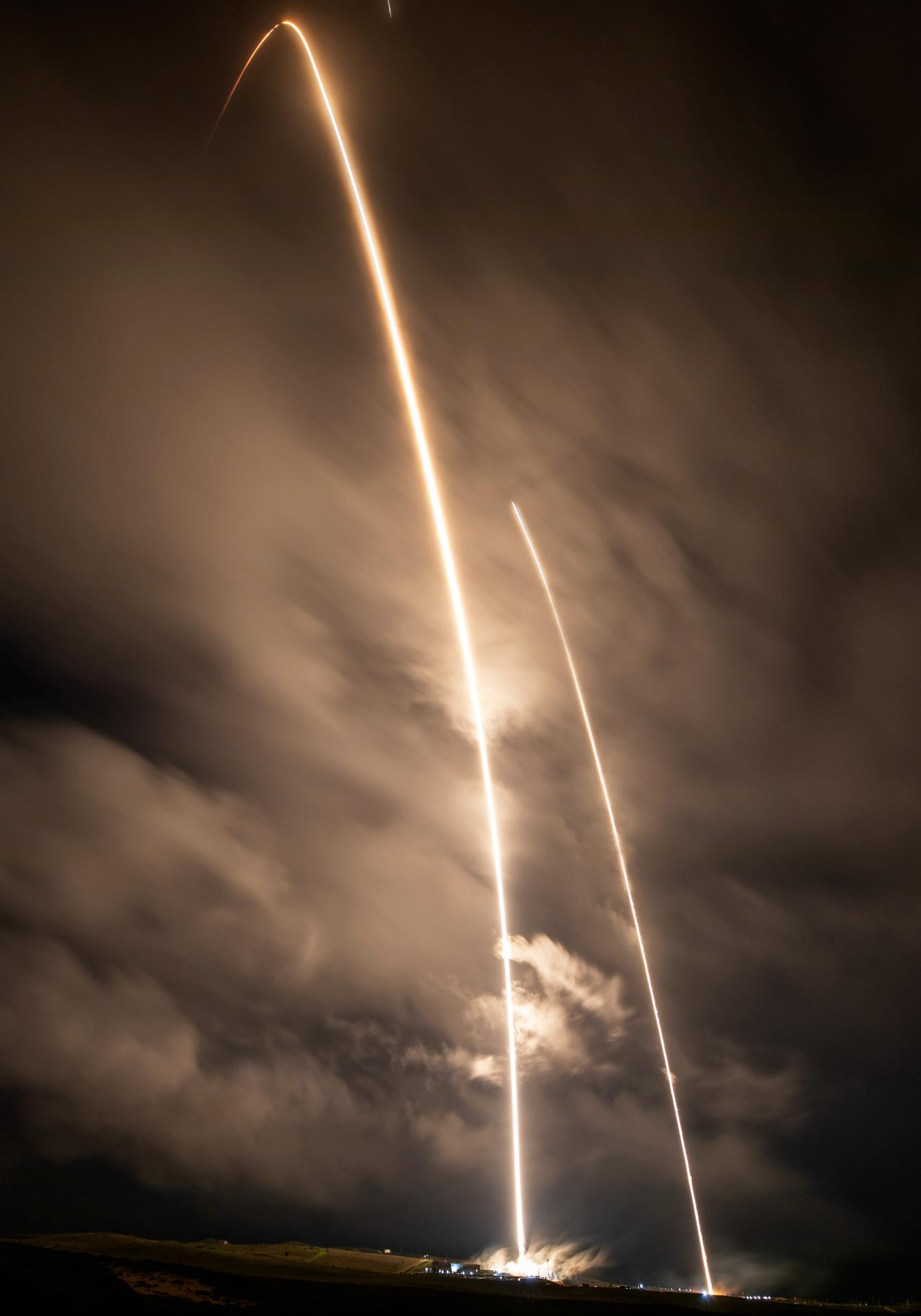
A long exposure photo shows two streaks – the SpaceX Falcon 9 rocket carrying the international Sentinel-6B spacecraft lifting off from Space Launch Complex 4 East at Vandenberg Space Force Base in California at 9:21 p.m. PST Sunday, Nov. 16, 2025, and the rocket’s first stage returning minutes later to land at Vandenberg’s Landing Zone 4 East. A collaboration between NASA, ESA (European Space Agency), EUMETSAT (European Organisation for the Exploitation of Meteorological Satellites), and the National Oceanic and Atmospheric Administration (NOAA), Sentinel-6B is designed to measure sea levels down to roughly an inch for about 90% of the world’s oceans.
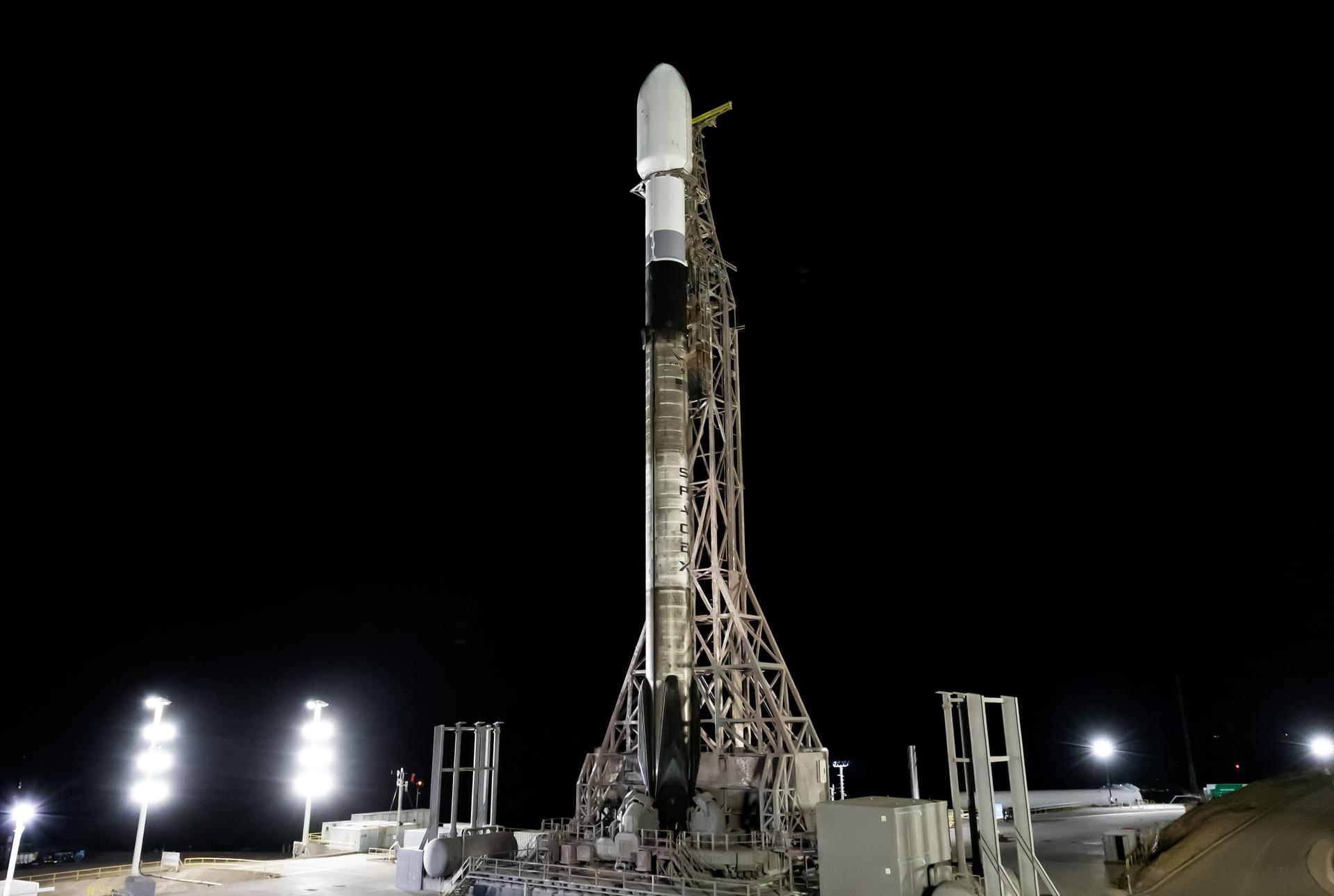
A SpaceX Falcon 9 rocket carrying NASA’s Pandora small satellite, the Star-Planet Activity Research CubeSat (SPARCS), Black Hole Coded Aperture Telescope (BlackCAT) CubeSat, and several other payloads stands vertical on the pad at Space Launch Complex 4 East at Vandenberg Space Force Base in California on Sunday, Jan. 11, 2026, as part of the company’s Twilight mission. Pandora will provide an in-depth study of at least 20 known planets orbiting distant stars to determine the composition of their atmospheres — especially the presence of hazes, clouds, and water. Launch of SpaceX’s Twilight mission is scheduled for 5:44 a.m. PST Jan. 11, from Vandenberg’s Space Launch Complex 4 East.
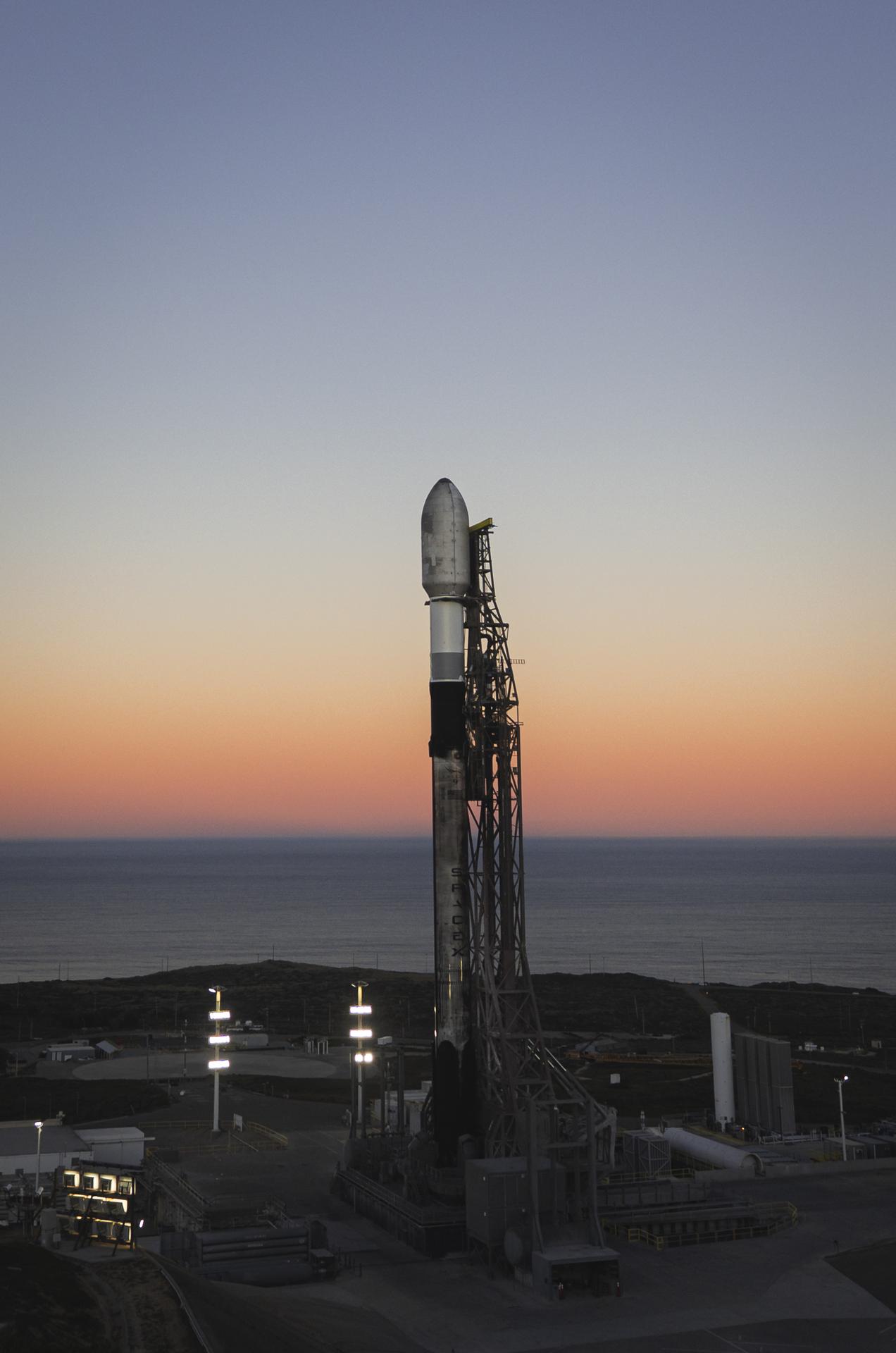
A SpaceX Falcon 9 rocket carrying NASA’s R5-S7 (Realizing Rapid, Reduced-cost high-Risk Research project Spacecraft 7) CubeSat along with several other satellites as part of the company’s Transporter-15 mission stands vertical on the launch pad of Space Launch Complex 4 East at Vandenberg Space Force Base in California on Wednesday, Nov. 26, 2025. The latest in a series of spacecraft, R5-S7 will explore ways to get multiple technology prototypes into low Earth orbit rapidly and at a low cost, accelerating the demonstration of these technologies in orbit and allowing engineers and scientists to more quickly prove them and make them available to NASA missions and other users.
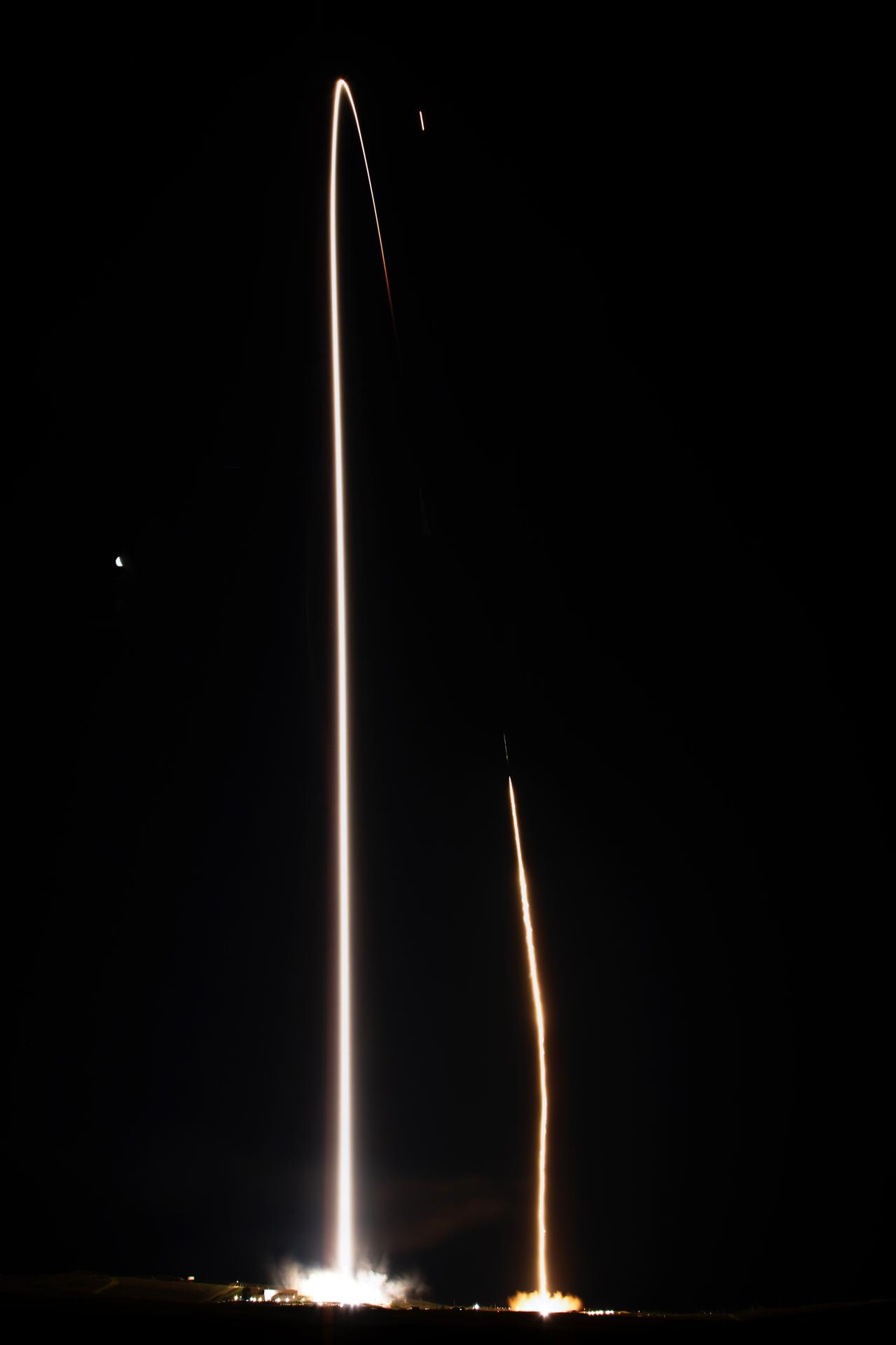
A photo captures the liftoff and landing of a SpaceX Falcon 9 rocket carrying NASA’s Pandora small satellite, the Star-Planet Activity Research CubeSat (SPARCS), and Black Hole Coded Aperture Telescope (BlackCAT) CubeSat from Space Launch Complex 4 East at Vandenberg Space Force Base in California on Sunday, Jan. 11, 2026, as part of the company’s Twilight mission. Pandora will provide an in-depth study of at least 20 known planets orbiting distant stars to determine the composition of their atmospheres — especially the presence of hazes, clouds, and water.
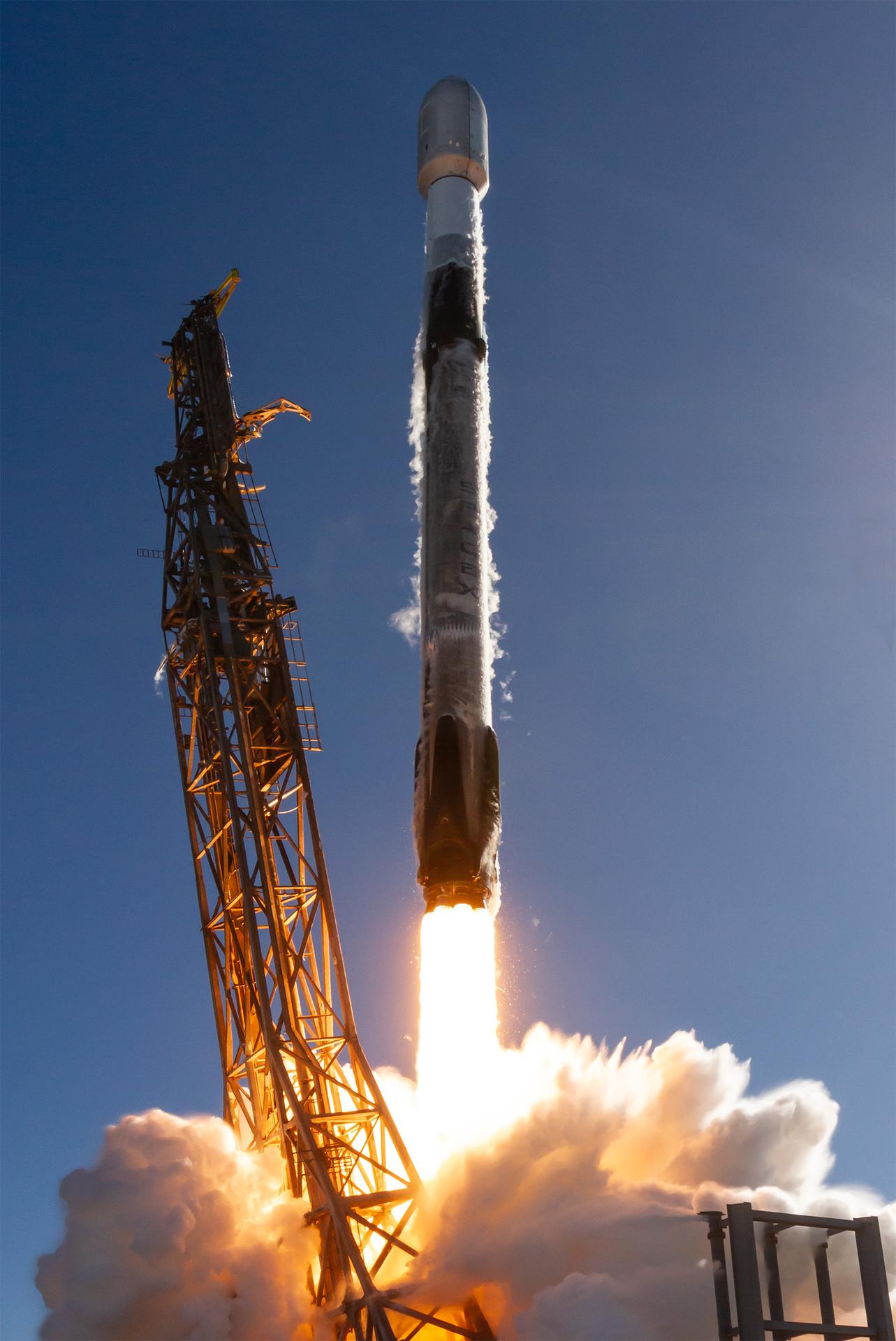
A SpaceX Falcon 9 rocket carrying NASA’s R5-S7 (Realizing Rapid, Reduced-cost high-Risk Research project Spacecraft 7) CubeSat along with several other satellites as part of the company’s Transporter-15 mission lifts off from Space Launch Complex 4 East at Vandenberg Space Force Base in California at 10:44 a.m. PST Friday, Nov. 28, 2025. The latest in a series of spacecraft, R5-S7 will explore ways to get multiple technology prototypes into low Earth orbit rapidly and at a low cost, accelerating the demonstration of these technologies in orbit and allowing engineers and scientists to more quickly prove them and make them available to NASA missions and other users.
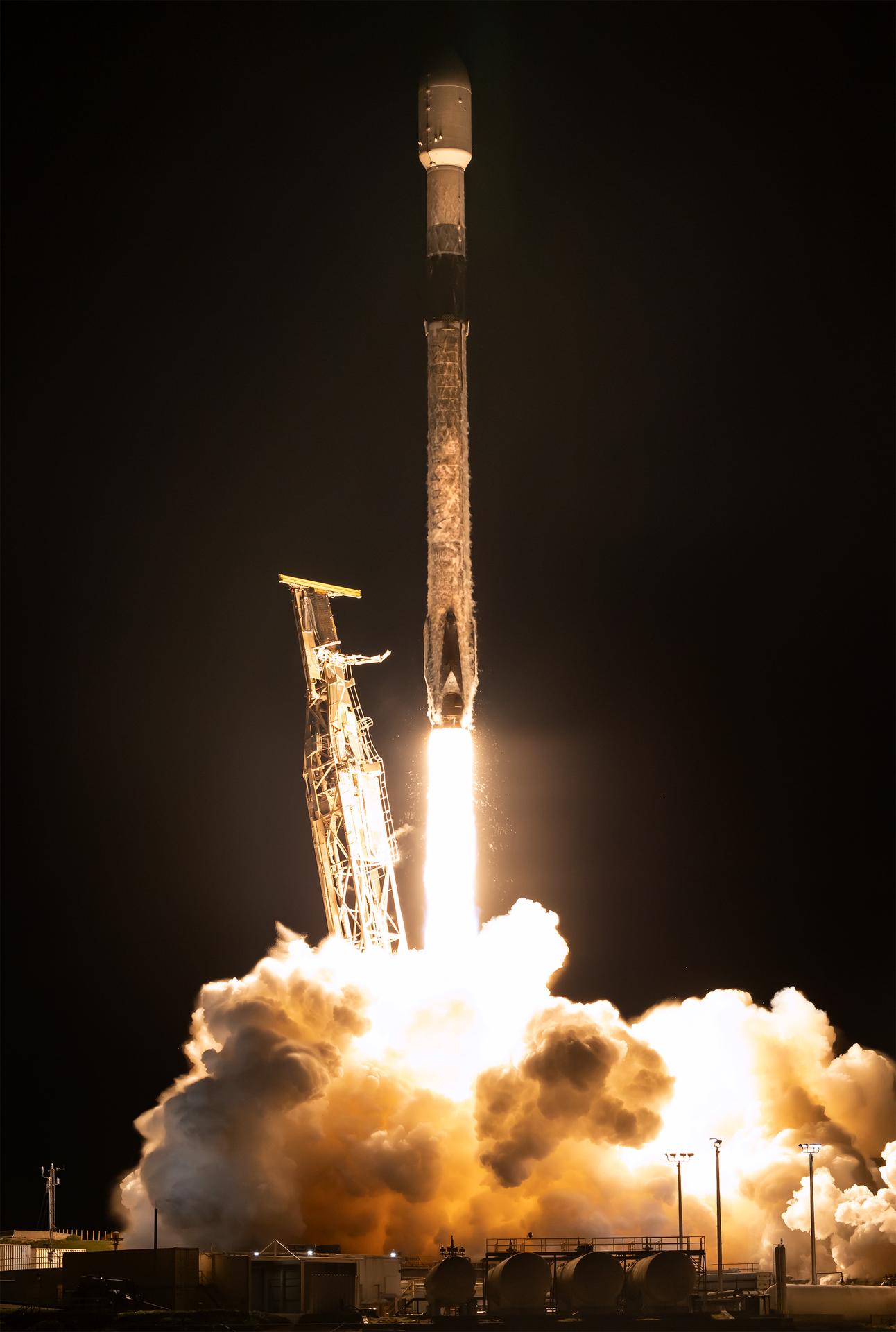
A SpaceX Falcon 9 rocket carrying NASA’s Pandora small satellite, the Star-Planet Activity Research CubeSat (SPARCS), and Black Hole Coded Aperture Telescope (BlackCAT) CubeSat lifts off from Space Launch Complex 4 East at Vandenberg Space Force Base in California on Sunday, Jan. 11, 2026. Pandora will provide an in-depth study of at least 20 known planets orbiting distant stars to determine the composition of their atmospheres — especially the presence of hazes, clouds, and water.
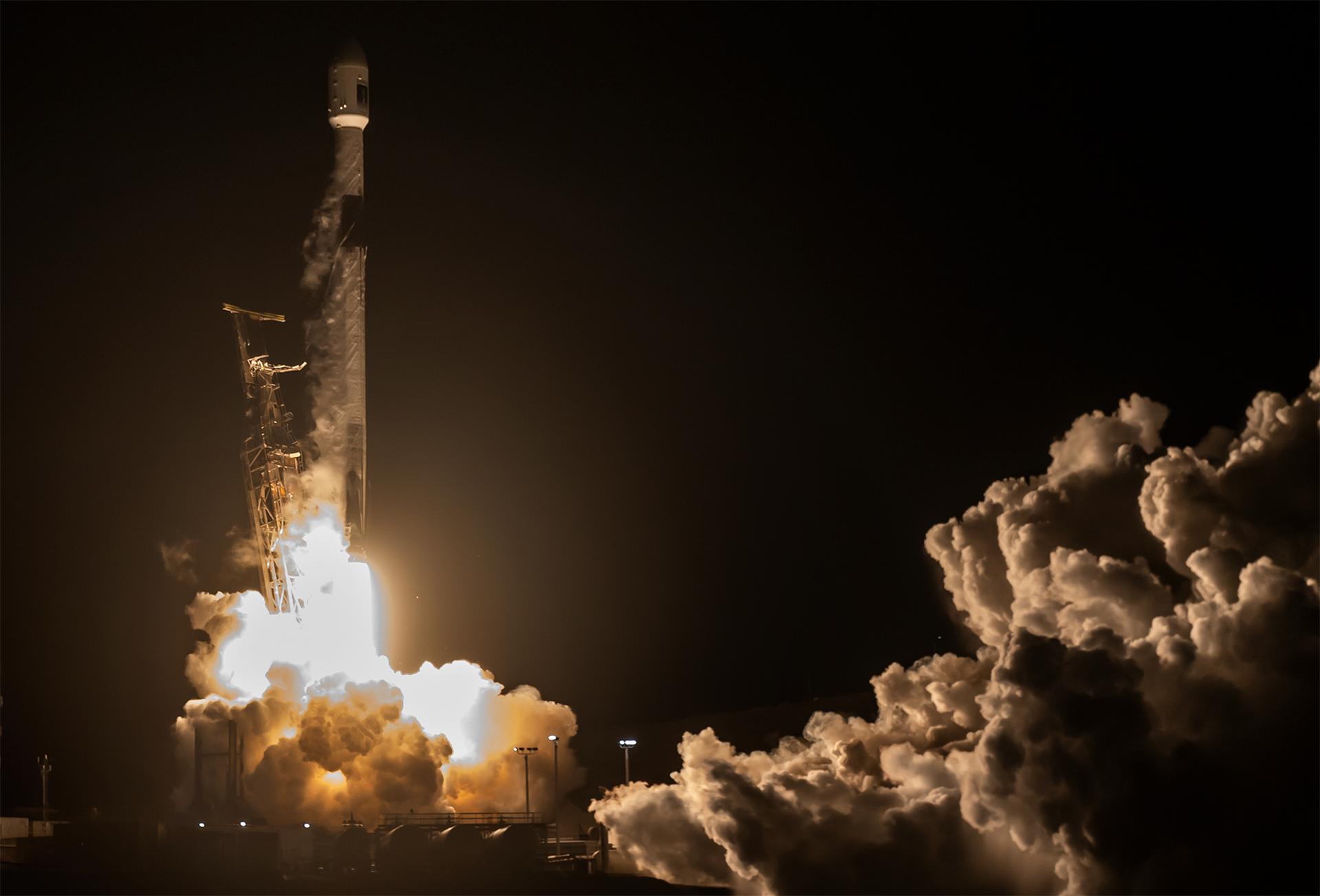
A SpaceX Falcon 9 rocket carrying the international Sentinel-6B spacecraft lifts off from Space Launch Complex 4 East at Vandenberg Space Force Base in California at 9:21 p.m. PST Sunday, Nov. 16, 2025. A collaboration between NASA, ESA (European Space Agency), EUMETSAT (European Organisation for the Exploitation of Meteorological Satellites), and the National Oceanic and Atmospheric Administration (NOAA), Sentinel-6B is designed to measure sea levels down to roughly an inch for about 90% of the world’s oceans.
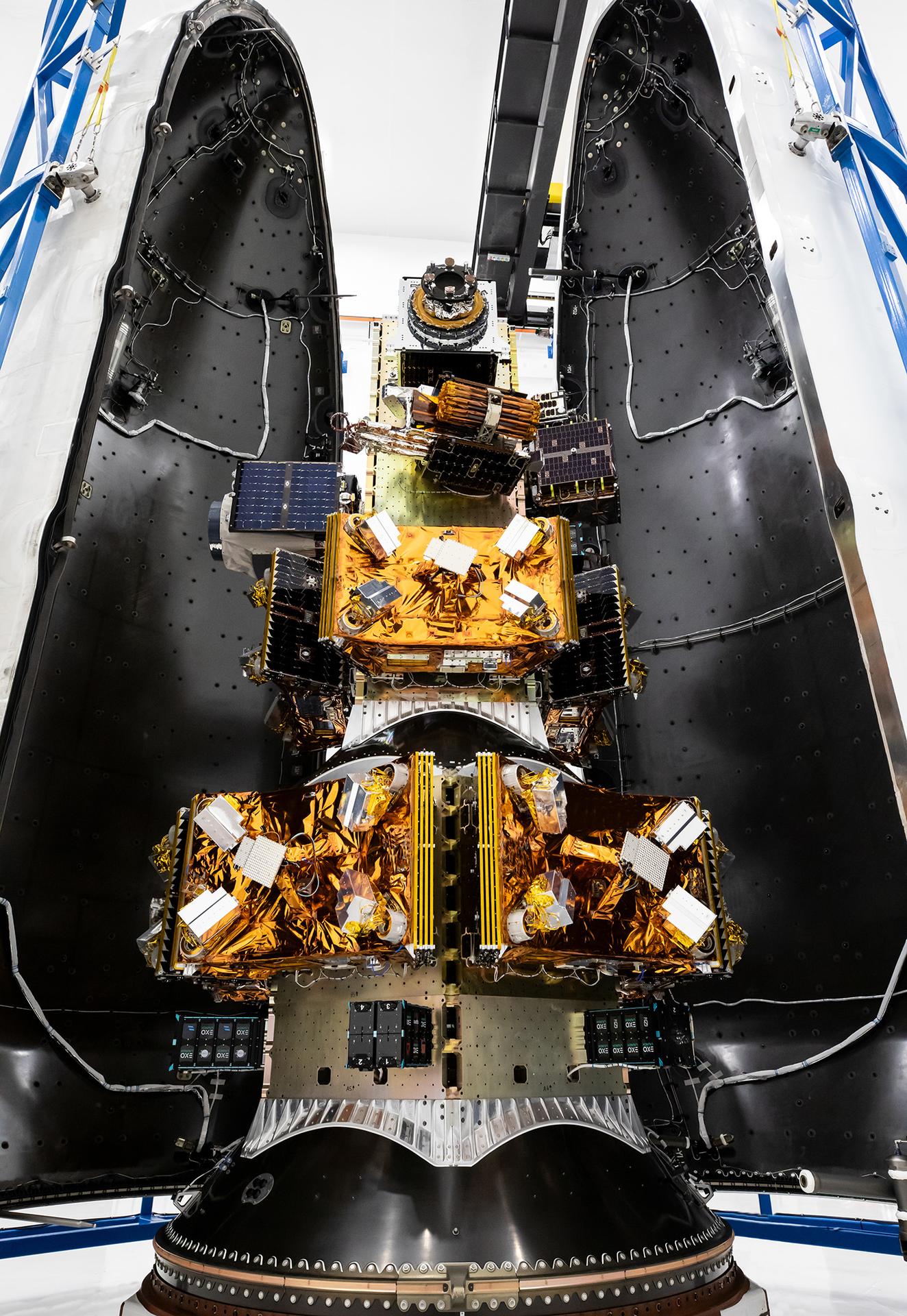
Teams prepare to encapsulate in early January 2026 NASA’s Pandora small satellite, and NASA-sponsored Star-Planet Activity Research CubeSat (SPARCS), and Black Hole Coded Aperture Telescope (BlackCAT) CubeSat, inside a SpaceX Falcon 9 payload fairing along with several other satellites at Vandenberg Space Force Base in California, as part of the company’s Twilight mission. Pandora will provide an in-depth study of at least 20 known planets orbiting distant stars to determine the composition of their atmospheres — especially the presence of hazes, clouds, and water.
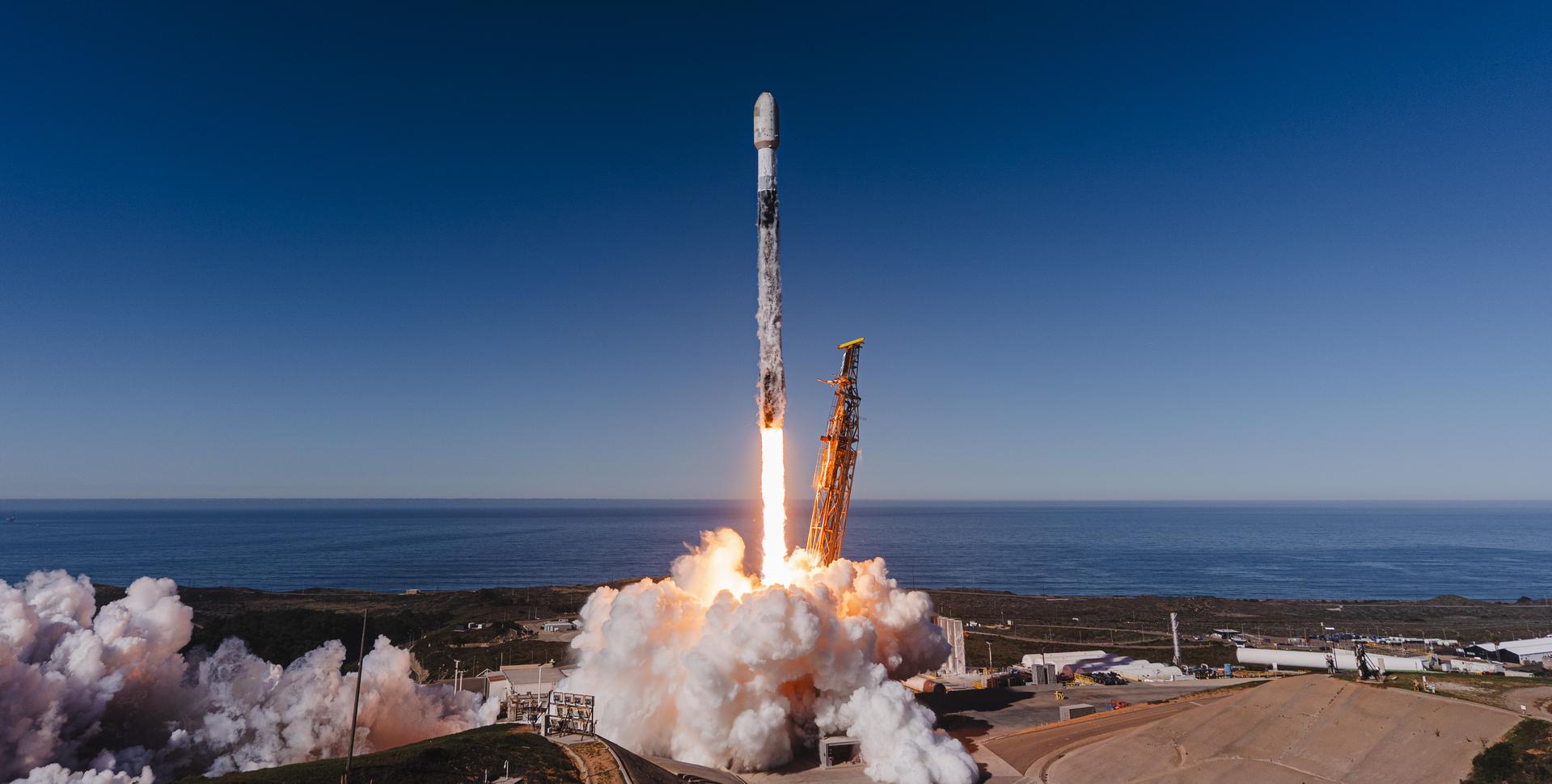
A SpaceX Falcon 9 rocket carrying NASA’s R5-S7 (Realizing Rapid, Reduced-cost high-Risk Research project Spacecraft 7) CubeSat along with several other satellites as part of the company’s Transporter-15 mission lifts off from Space Launch Complex 4 East at Vandenberg Space Force Base in California at 10:44 a.m. PST Friday, Nov. 28, 2025. The latest in a series of spacecraft, R5-S7 will explore ways to get multiple technology prototypes into low Earth orbit rapidly and at a low cost, accelerating the demonstration of these technologies in orbit and allowing engineers and scientists to more quickly prove them and make them available to NASA missions and other users.
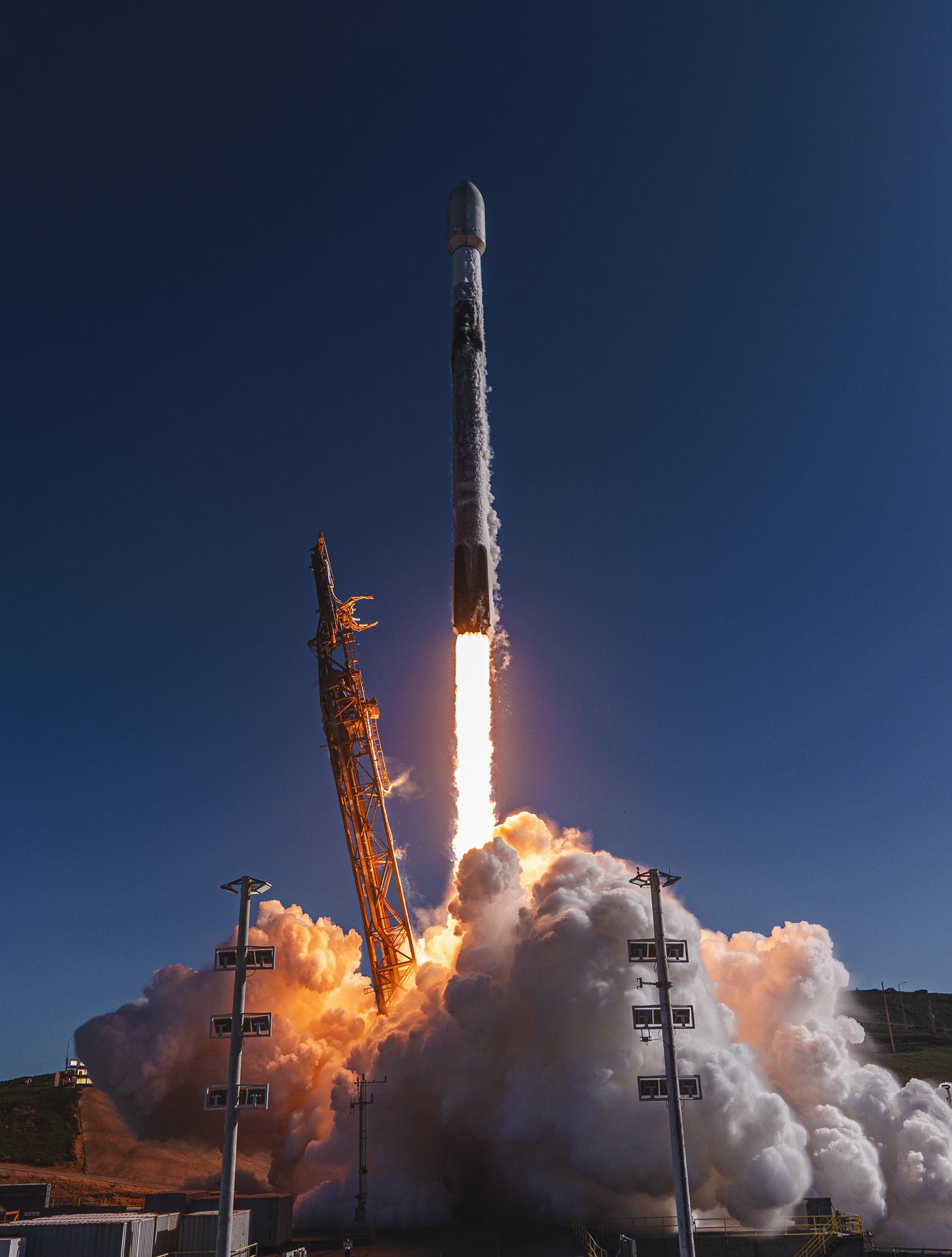
A SpaceX Falcon 9 rocket carrying NASA’s R5-S7 (Realizing Rapid, Reduced-cost high-Risk Research project Spacecraft 7) CubeSat along with several other satellites as part of the company’s Transporter-15 mission lifts off from Space Launch Complex 4 East at Vandenberg Space Force Base in California at 10:44 a.m. PST Friday, Nov. 28, 2025. The latest in a series of spacecraft, R5-S7 will explore ways to get multiple technology prototypes into low Earth orbit rapidly and at a low cost, accelerating the demonstration of these technologies in orbit and allowing engineers and scientists to more quickly prove them and make them available to NASA missions and other users.
![Teams encapsulate NASA’s R5-S7 (Realizing Rapid, Reduced-cost high-Risk Research project Spacecraft 7) CubeSat inside a SpaceX Falcon 9 payload fairing along with several other satellites at Vandenberg Space Force Base in California at [TIME, DAY, DATE], as part of the company’s Transporter-15 mission. The latest in a series of spacecraft, R5-S7 will explore ways to get multiple technology prototypes into low Earth orbit rapidly and at a low cost, accelerating the demonstration of these technologies in orbit and allowing engineers and scientists to more quickly prove them and make them available to NASA missions and other users. Launch of SpaceX’s Transporter-15 mission, carrying R5-S7, is scheduled for 10:18 a.m. PST Wednesday, Nov. 26, 2025, from Vandenberg’s Space Launch Complex 4 East.](https://images-assets.nasa.gov/image/KSC-20251126-PH-SPX01_0001/KSC-20251126-PH-SPX01_0001~large.jpg)
Teams encapsulate NASA’s R5-S7 (Realizing Rapid, Reduced-cost high-Risk Research project Spacecraft 7) CubeSat inside a SpaceX Falcon 9 payload fairing along with several other satellites at Vandenberg Space Force Base in California at [TIME, DAY, DATE], as part of the company’s Transporter-15 mission. The latest in a series of spacecraft, R5-S7 will explore ways to get multiple technology prototypes into low Earth orbit rapidly and at a low cost, accelerating the demonstration of these technologies in orbit and allowing engineers and scientists to more quickly prove them and make them available to NASA missions and other users. Launch of SpaceX’s Transporter-15 mission, carrying R5-S7, is scheduled for 10:18 a.m. PST Wednesday, Nov. 26, 2025, from Vandenberg’s Space Launch Complex 4 East.
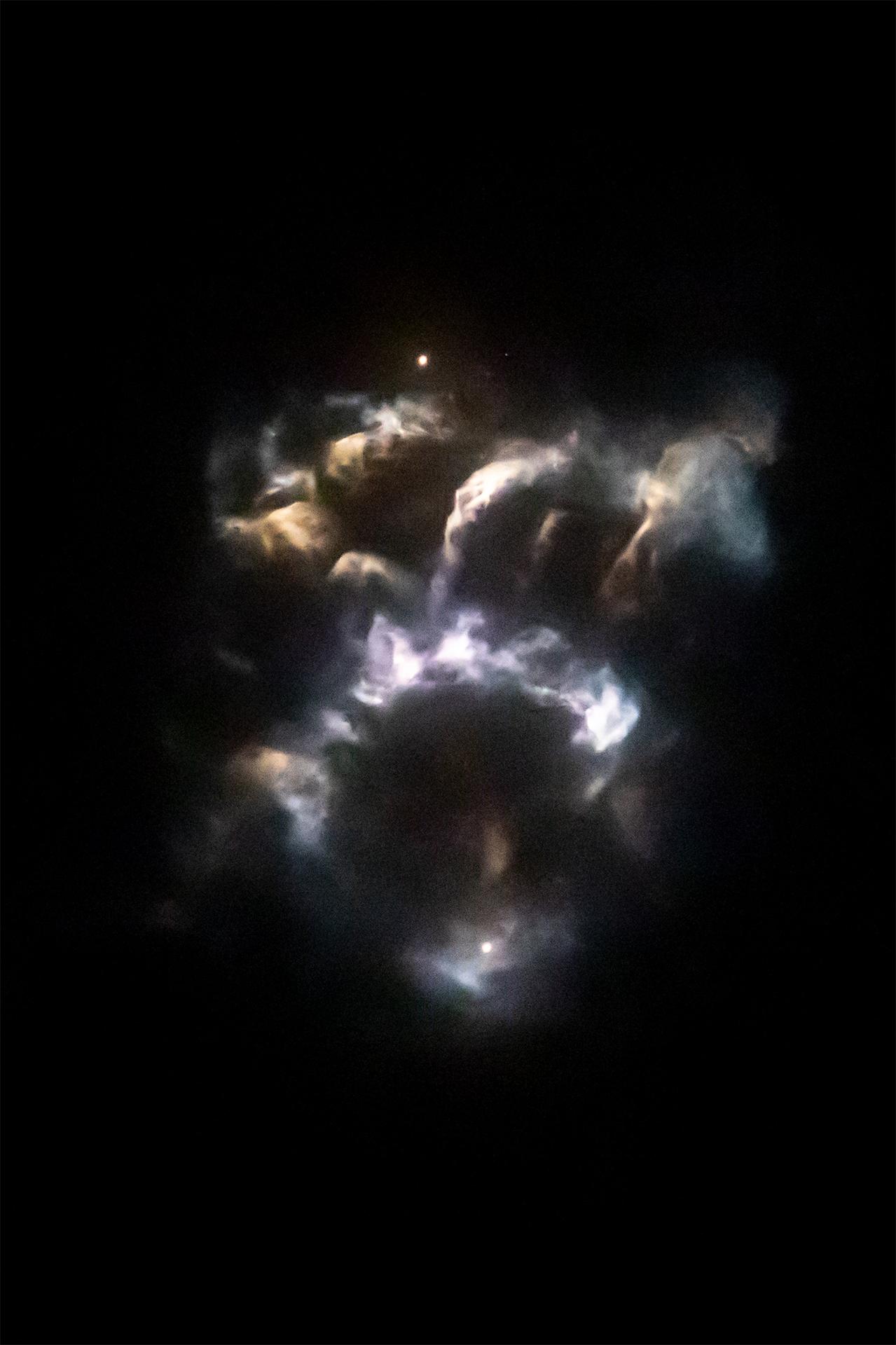
A SpaceX Falcon 9 rocket carrying the international Sentinel-6B spacecraft lifts off from Space Launch Complex 4 East at Vandenberg Space Force Base in California at 9:21 p.m. PST Sunday, Nov. 16, 2025. A collaboration between NASA, ESA (European Space Agency), EUMETSAT (European Organisation for the Exploitation of Meteorological Satellites), and the National Oceanic and Atmospheric Administration (NOAA), Sentinel-6B is designed to measure sea levels down to roughly an inch for about 90% of the world’s oceans.
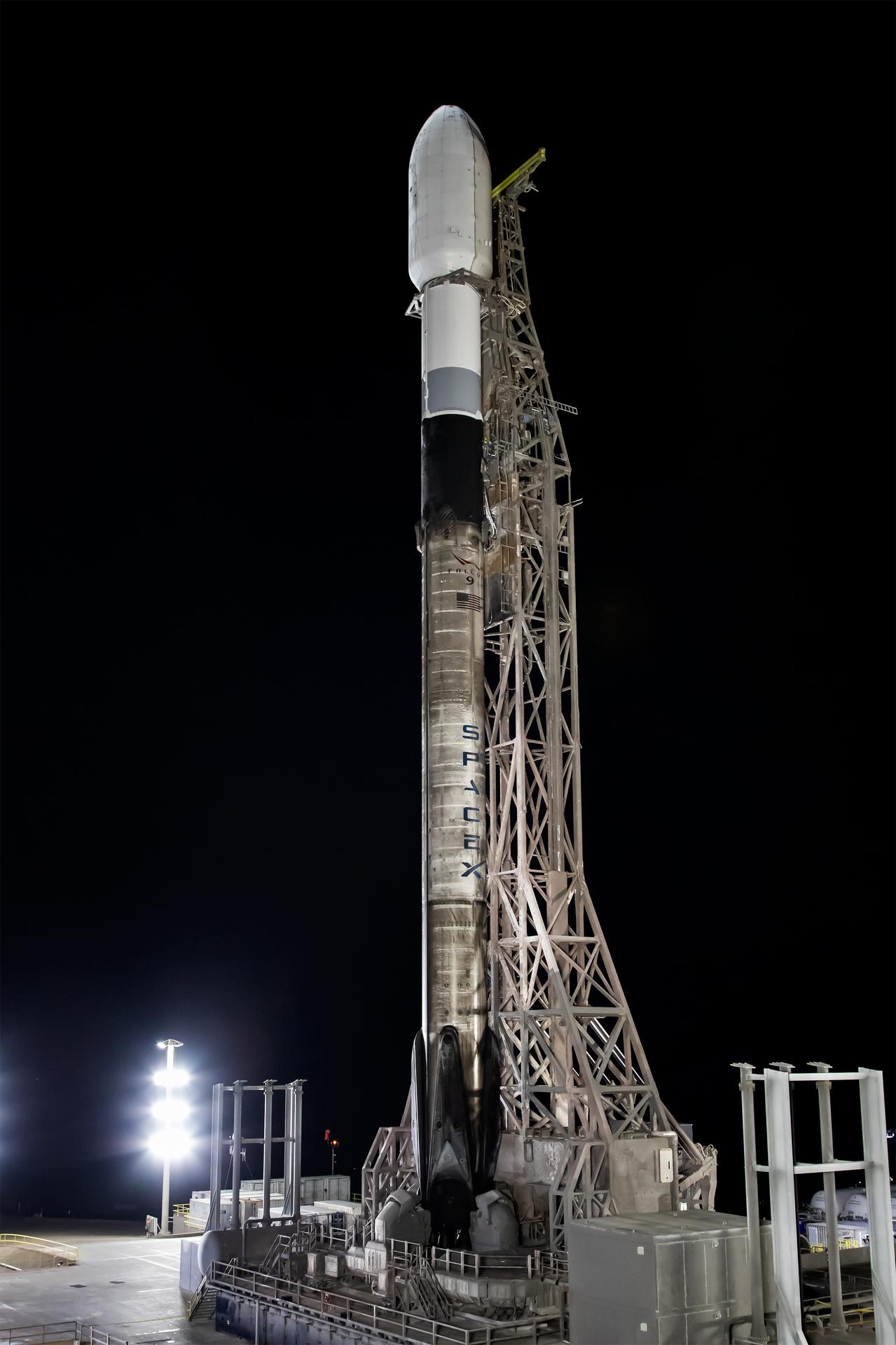
A SpaceX Falcon 9 rocket carrying NASA’s Pandora small satellite, the Star-Planet Activity Research CubeSat (SPARCS), Black Hole Coded Aperture Telescope (BlackCAT) CubeSat, and several other payloads stands vertical on the pad at Space Launch Complex 4 East at Vandenberg Space Force Base in California on Sunday, Jan. 11, 2026, as part of the company’s Twilight mission. Pandora will provide an in-depth study of at least 20 known planets orbiting distant stars to determine the composition of their atmospheres — especially the presence of hazes, clouds, and water. Launch of SpaceX’s Twilight mission is scheduled for 5:44 a.m. PST Jan. 11, from Vandenberg’s Space Launch Complex 4 East.
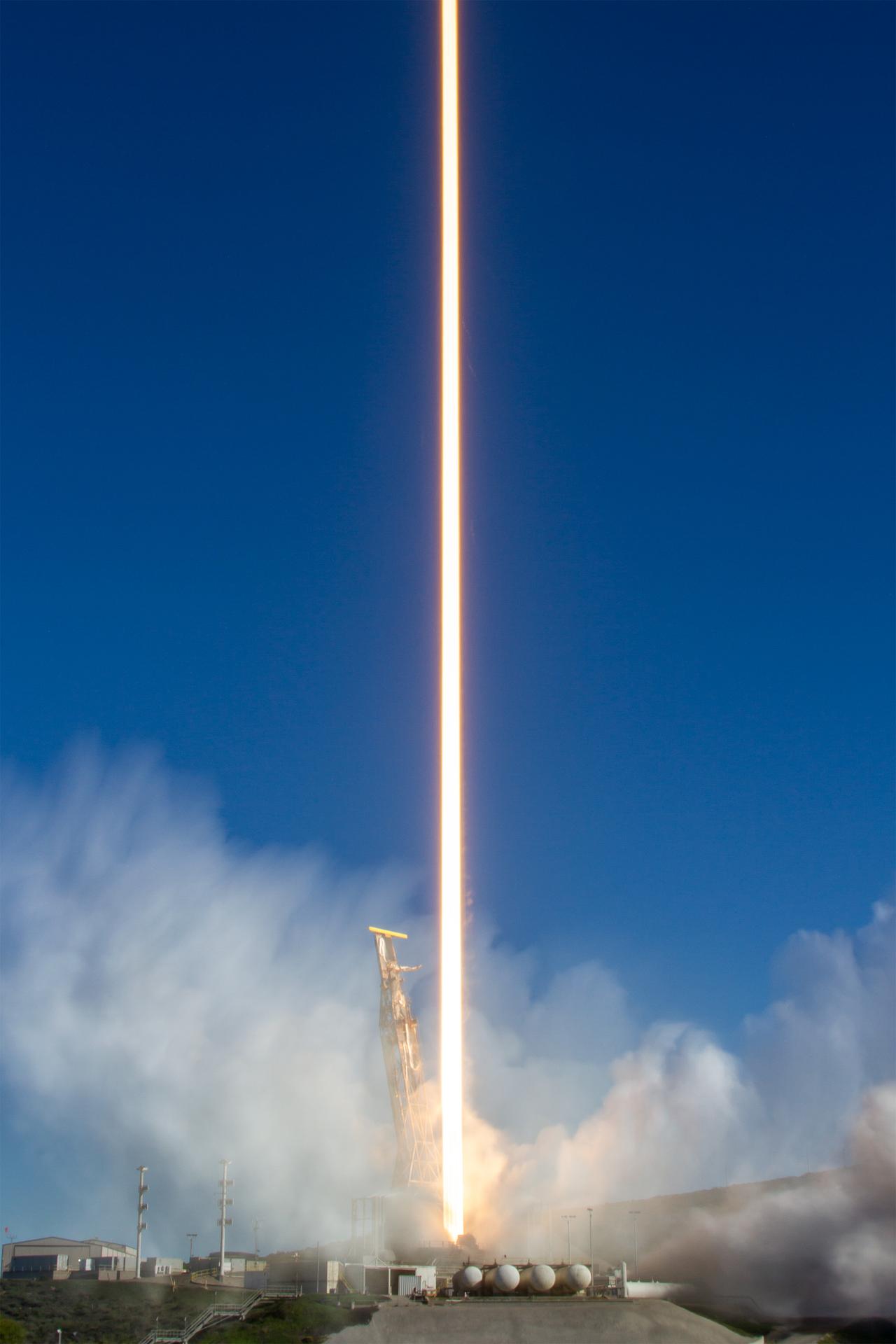
A SpaceX Falcon 9 rocket carrying NASA’s R5-S7 (Realizing Rapid, Reduced-cost high-Risk Research project Spacecraft 7) CubeSat along with several other satellites as part of the company’s Transporter-15 mission lifts off from Space Launch Complex 4 East at Vandenberg Space Force Base in California at 10:44 a.m. PST Friday, Nov. 28, 2025. The latest in a series of spacecraft, R5-S7 will explore ways to get multiple technology prototypes into low Earth orbit rapidly and at a low cost, accelerating the demonstration of these technologies in orbit and allowing engineers and scientists to more quickly prove them and make them available to NASA missions and other users.
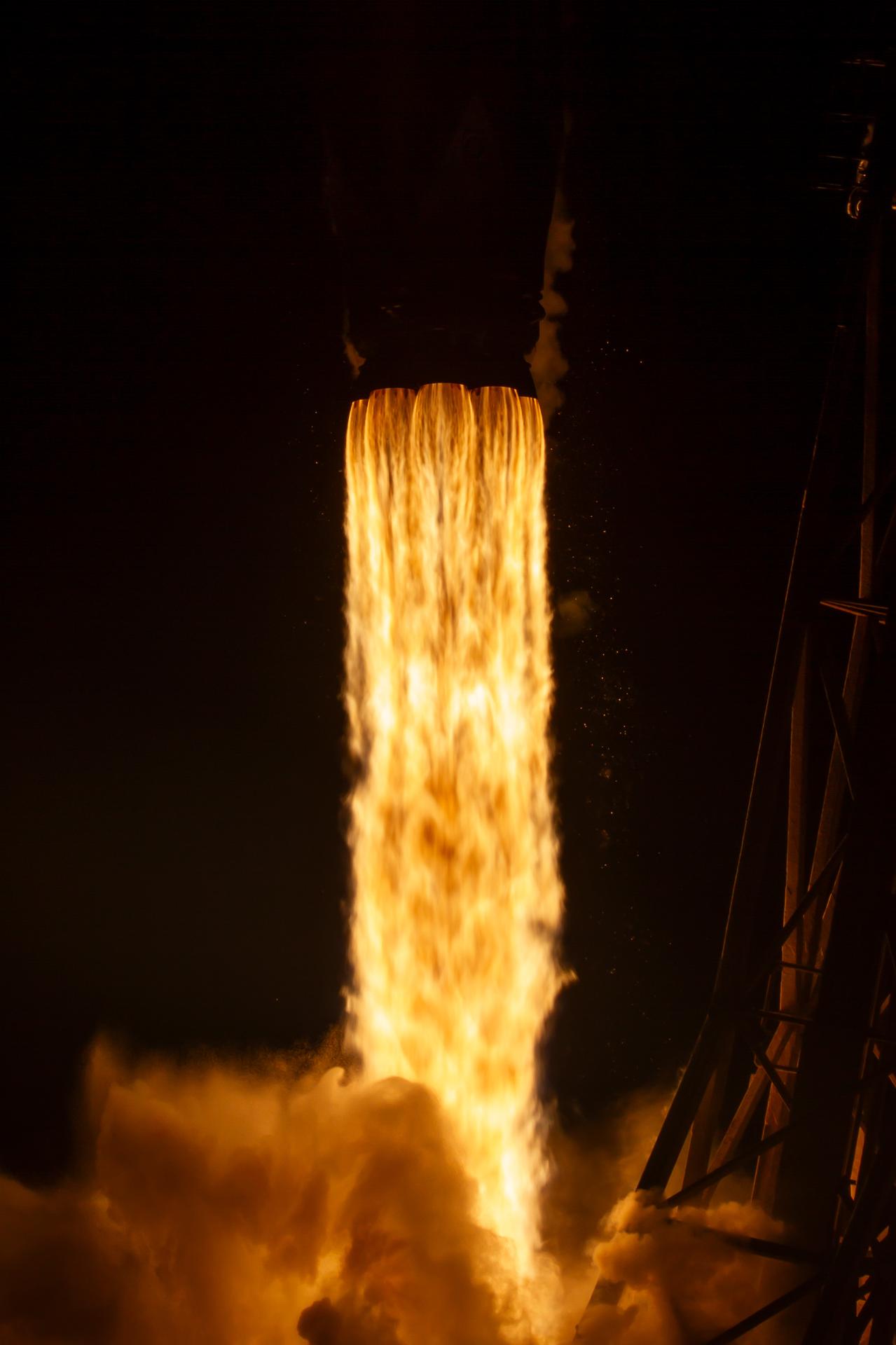
A SpaceX Falcon 9 rocket carrying several NASA small satellites and instruments lifts off from Space Launch Complex 4 East at Vandenberg Space Force Base in California on Monday, March 30, 2026, as part of the company’s Transporter-16 mission. The demonstrations will test thermal protection systems, advance in-space communications, deepen our understanding of Earth's atmosphere, and more to foster capabilities for NASA’s exploration and research goals.
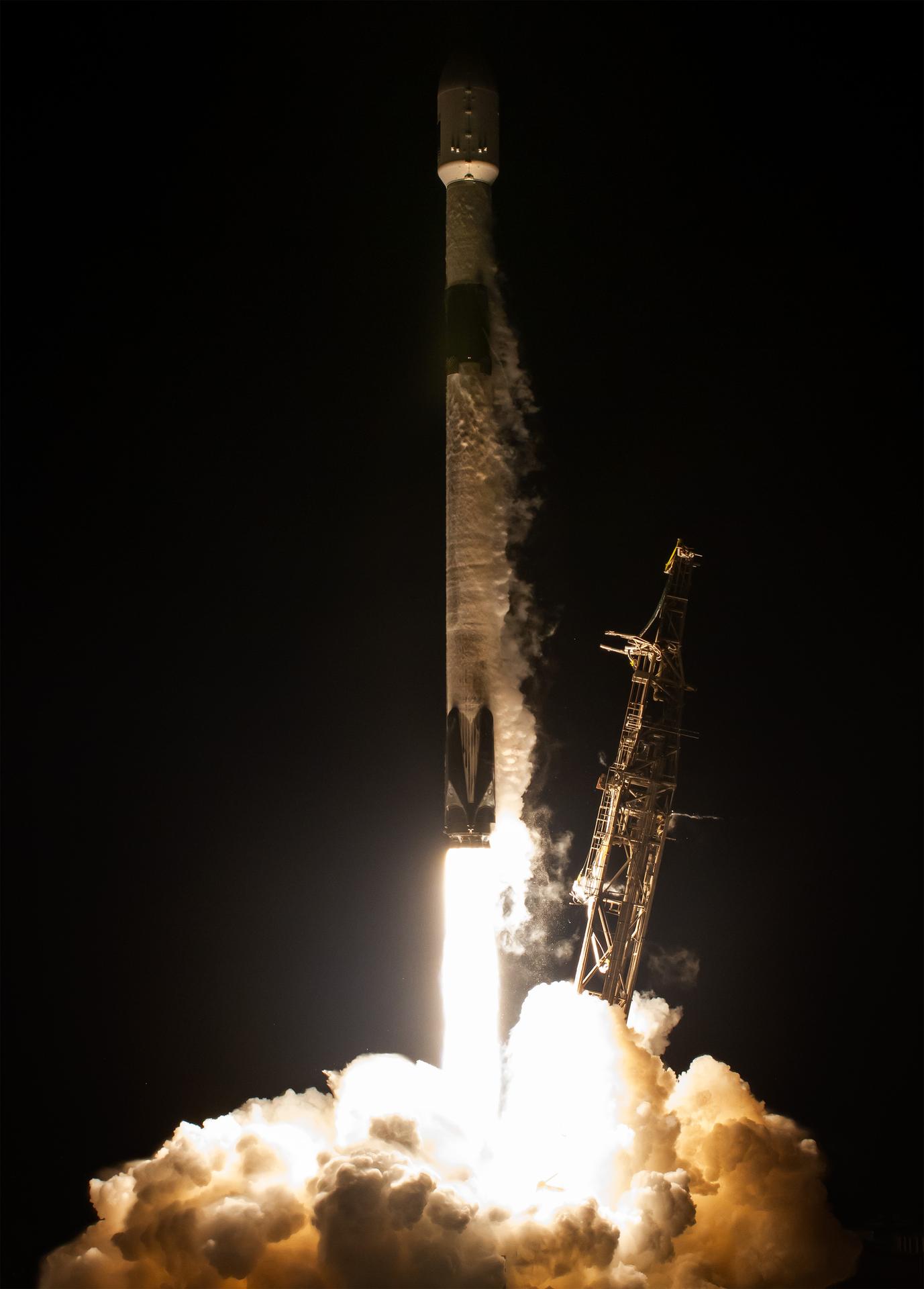
A SpaceX Falcon 9 rocket carrying the international Sentinel-6B spacecraft lifts off from Space Launch Complex 4 East at Vandenberg Space Force Base in California at 9:21 p.m. PST Sunday, Nov. 16, 2025. A collaboration between NASA, ESA (European Space Agency), EUMETSAT (European Organisation for the Exploitation of Meteorological Satellites), and the National Oceanic and Atmospheric Administration (NOAA), Sentinel-6B is designed to measure sea levels down to roughly an inch for about 90% of the world’s oceans.
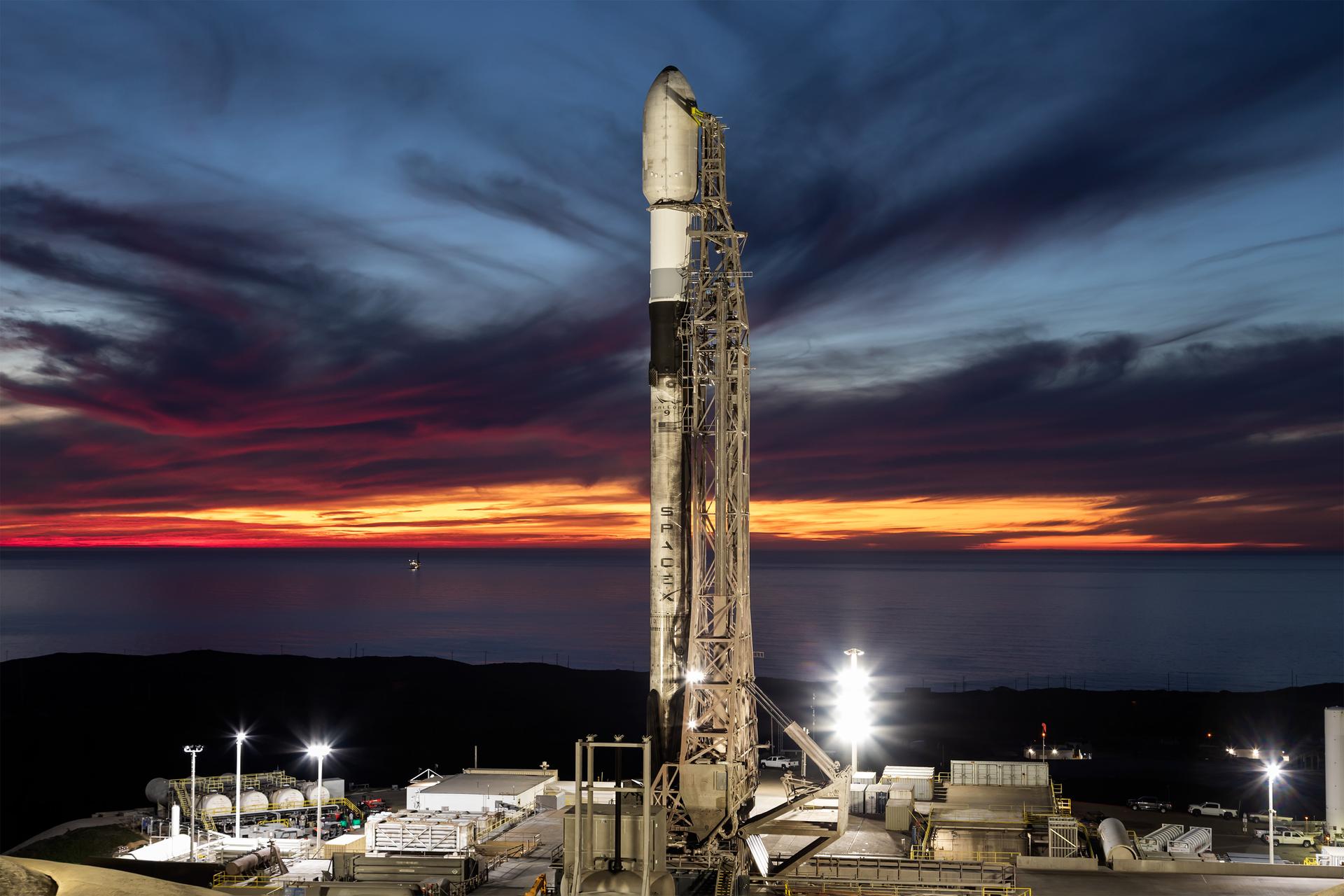
A SpaceX Falcon 9 rocket carrying NASA’s R5-S7 (Realizing Rapid, Reduced-cost high-Risk Research project Spacecraft 7) CubeSat along with several other satellites as part of the company’s Transporter-15 mission stands vertical on the launch pad of Space Launch Complex 4 East at Vandenberg Space Force Base in California on Thursday, Nov. 27, 2025. The latest in a series of spacecraft, R5-S7 will explore ways to get multiple technology prototypes into low Earth orbit rapidly and at a low cost, accelerating the demonstration of these technologies in orbit and allowing engineers and scientists to more quickly prove them and make them available to NASA missions and other users.
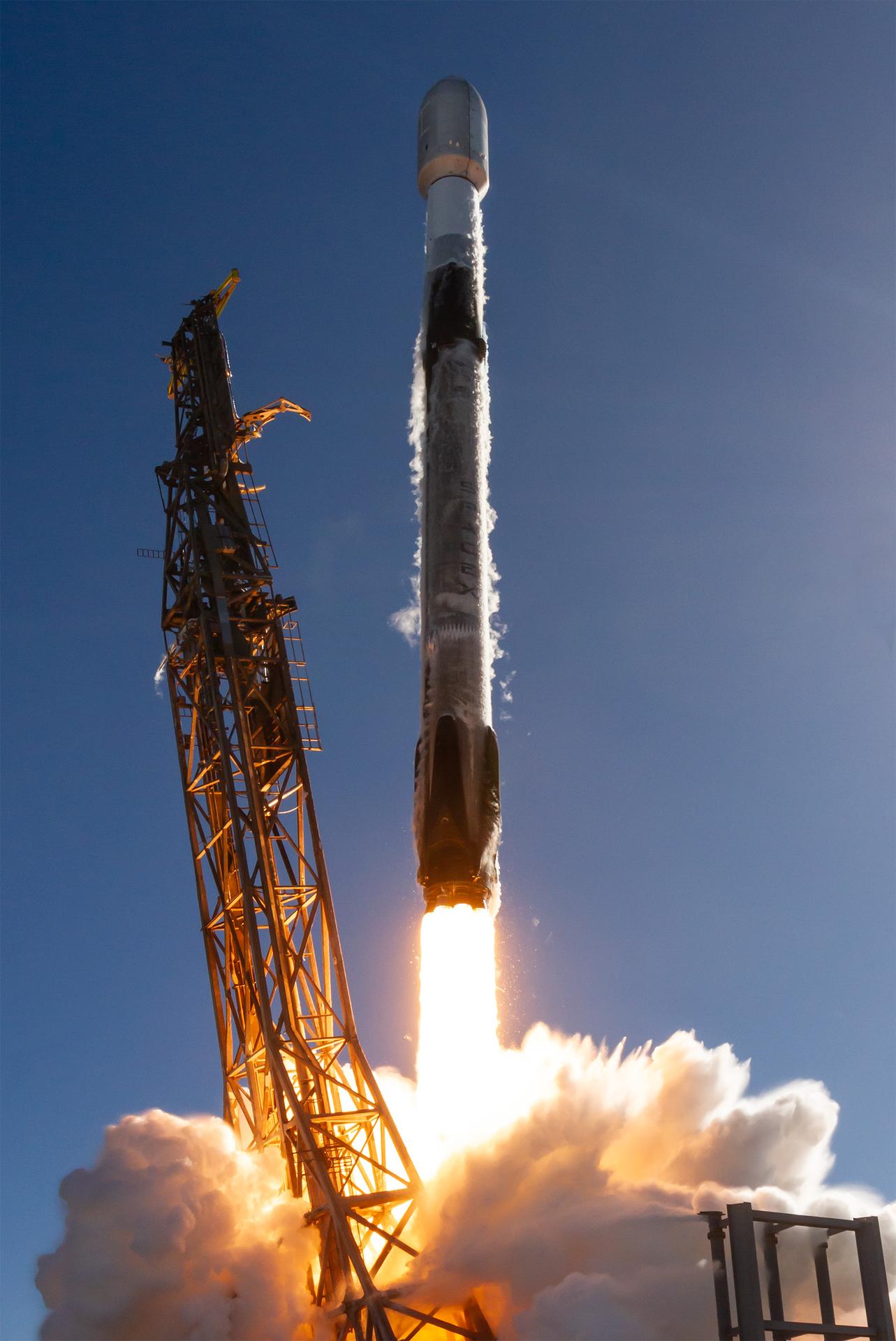
A SpaceX Falcon 9 rocket carrying NASA’s R5-S7 (Realizing Rapid, Reduced-cost high-Risk Research project Spacecraft 7) CubeSat along with several other satellites as part of the company’s Transporter-15 mission lifts off from Space Launch Complex 4 East at Vandenberg Space Force Base in California at 10:44 a.m. PST Friday, Nov. 28, 2025. The latest in a series of spacecraft, R5-S7 will explore ways to get multiple technology prototypes into low Earth orbit rapidly and at a low cost, accelerating the demonstration of these technologies in orbit and allowing engineers and scientists to more quickly prove them and make them available to NASA missions and other users.
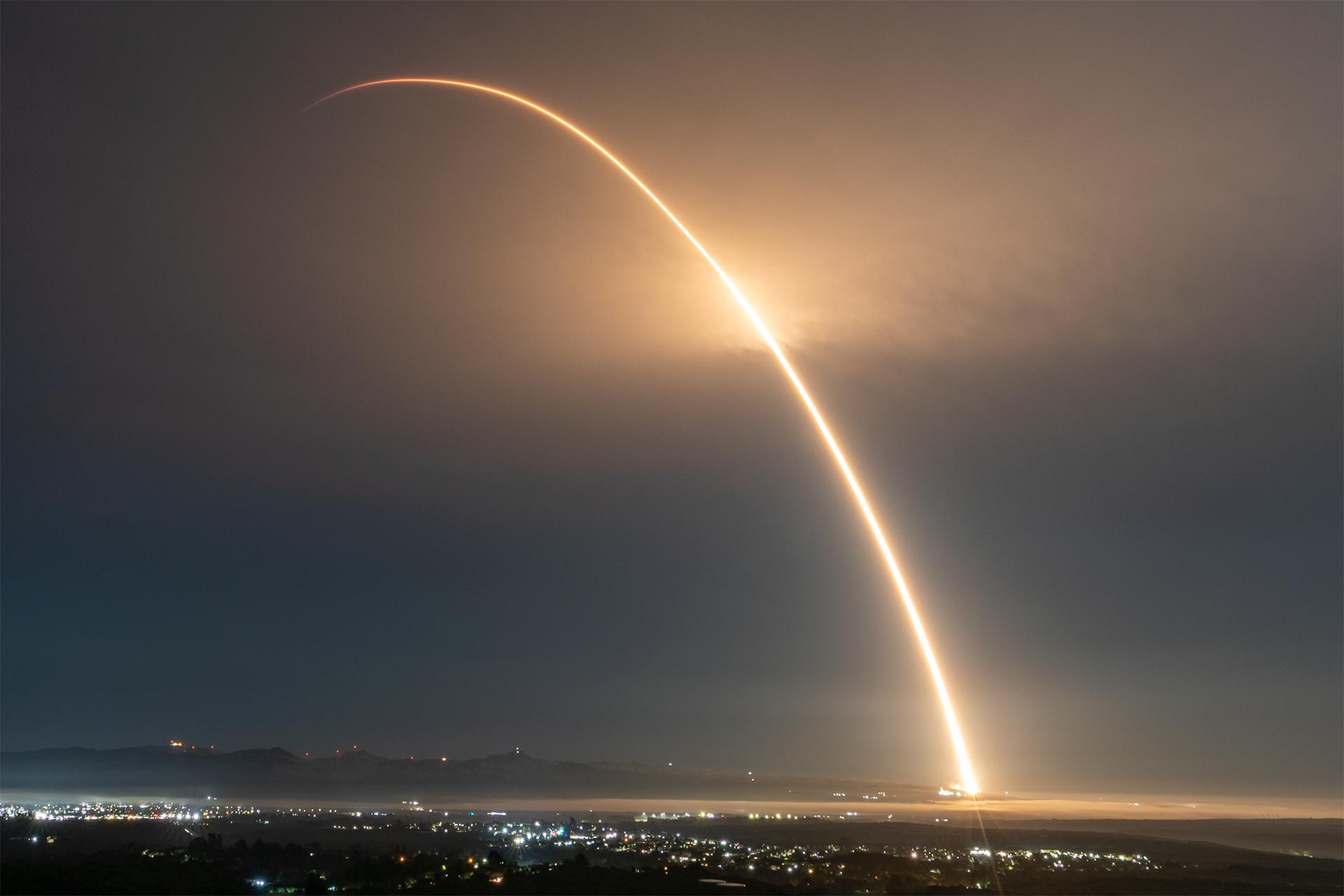
A launch streak captures the liftoff of a SpaceX Falcon 9 rocket carrying several NASA small satellites and instruments from Space Launch Complex 4 East at Vandenberg Space Force Base in California on Monday, March 30, 2026, as part of the company’s Transporter-16 mission. The demonstrations will test thermal protection systems, advance in-space communications, deepen our understanding of Earth's atmosphere, and more to foster capabilities for NASA’s exploration and research goals.
A SpaceX Falcon 9 rocket carrying NASA’s R5-S7 (Realizing Rapid, Reduced-cost high-Risk Research project Spacecraft 7) CubeSat along with several other satellites as part of the company’s Transporter-15 mission stands vertical on the launch pad of Space Launch Complex 4 East at Vandenberg Space Force Base in California on Thursday, Nov. 27, 2025. The latest in a series of spacecraft, R5-S7 will explore ways to get multiple technology prototypes into low Earth orbit rapidly and at a low cost, accelerating the demonstration of these technologies in orbit and allowing engineers and scientists to more quickly prove them and make them available to NASA missions and other users.
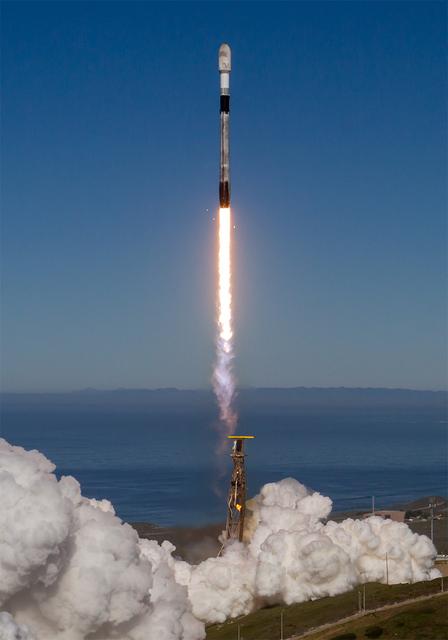
A SpaceX Falcon 9 rocket carrying NASA’s R5-S7 (Realizing Rapid, Reduced-cost high-Risk Research project Spacecraft 7) CubeSat along with several other satellites as part of the company’s Transporter-15 mission lifts off from Space Launch Complex 4 East at Vandenberg Space Force Base in California at 10:44 a.m. PST Friday, Nov. 28, 2025. The latest in a series of spacecraft, R5-S7 will explore ways to get multiple technology prototypes into low Earth orbit rapidly and at a low cost, accelerating the demonstration of these technologies in orbit and allowing engineers and scientists to more quickly prove them and make them available to NASA missions and other users.
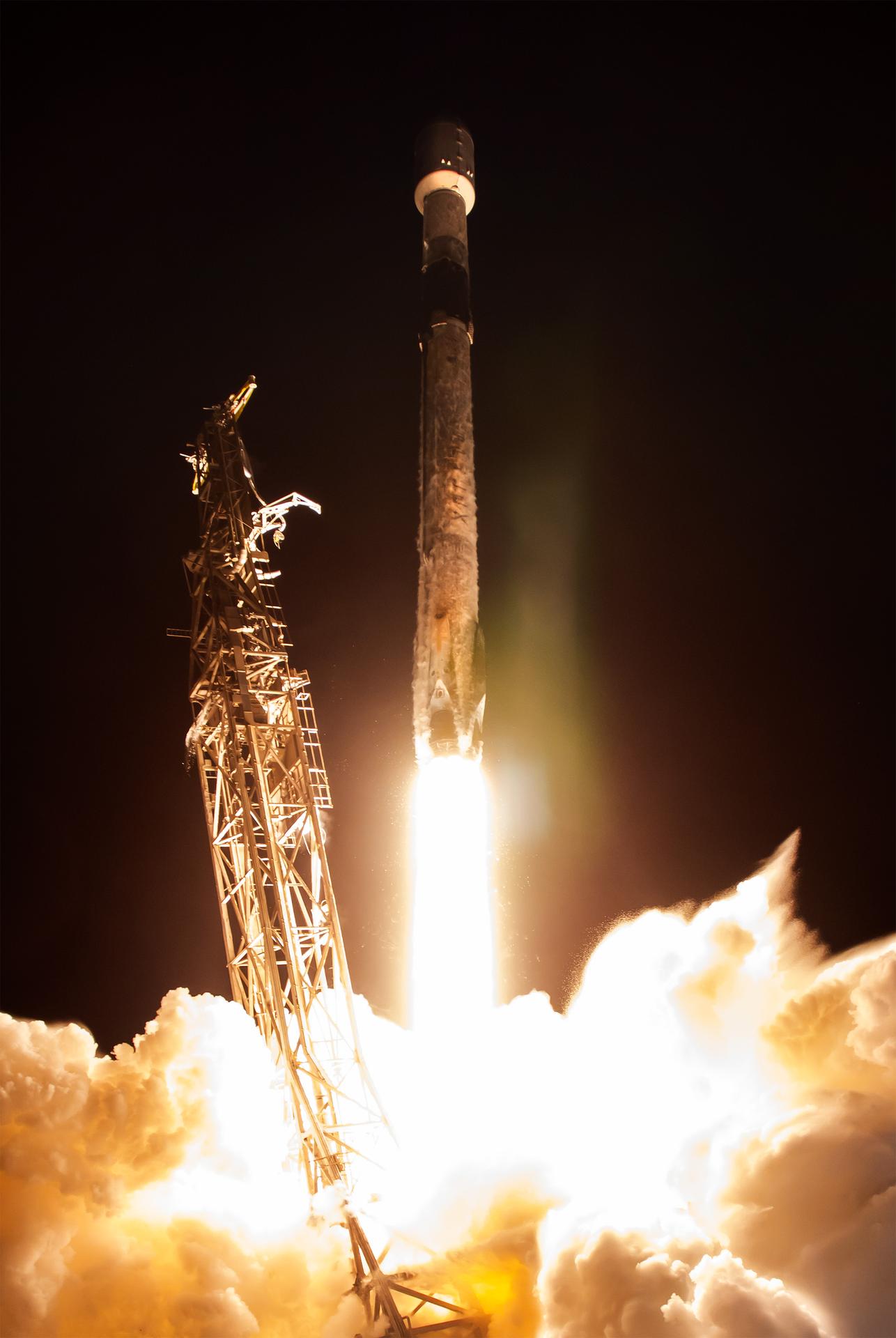
A SpaceX Falcon 9 rocket carrying NASA’s Pandora small satellite, the Star-Planet Activity Research CubeSat (SPARCS), and Black Hole Coded Aperture Telescope (BlackCAT) CubeSat lifts off from Space Launch Complex 4 East at Vandenberg Space Force Base in California on Sunday, Jan. 11, 2026. Pandora will provide an in-depth study of at least 20 known planets orbiting distant stars to determine the composition of their atmospheres — especially the presence of hazes, clouds, and water.
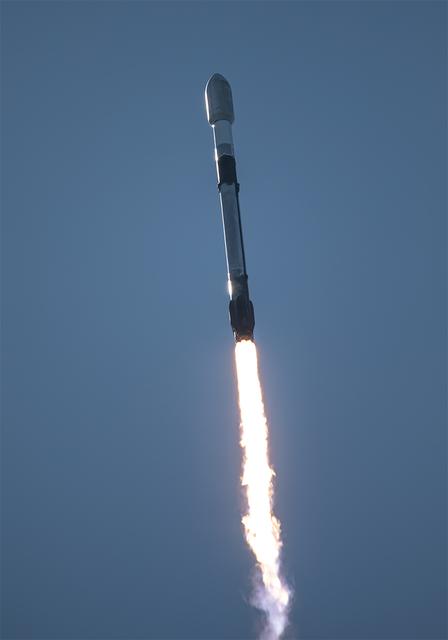
A SpaceX Falcon 9 rocket carrying NASA’s R5-S7 (Realizing Rapid, Reduced-cost high-Risk Research project Spacecraft 7) CubeSat along with several other satellites as part of the company’s Transporter-15 mission lifts off from Space Launch Complex 4 East at Vandenberg Space Force Base in California at 10:44 a.m. PST Friday, Nov. 28, 2025. The latest in a series of spacecraft, R5-S7 will explore ways to get multiple technology prototypes into low Earth orbit rapidly and at a low cost, accelerating the demonstration of these technologies in orbit and allowing engineers and scientists to more quickly prove them and make them available to NASA missions and other users.
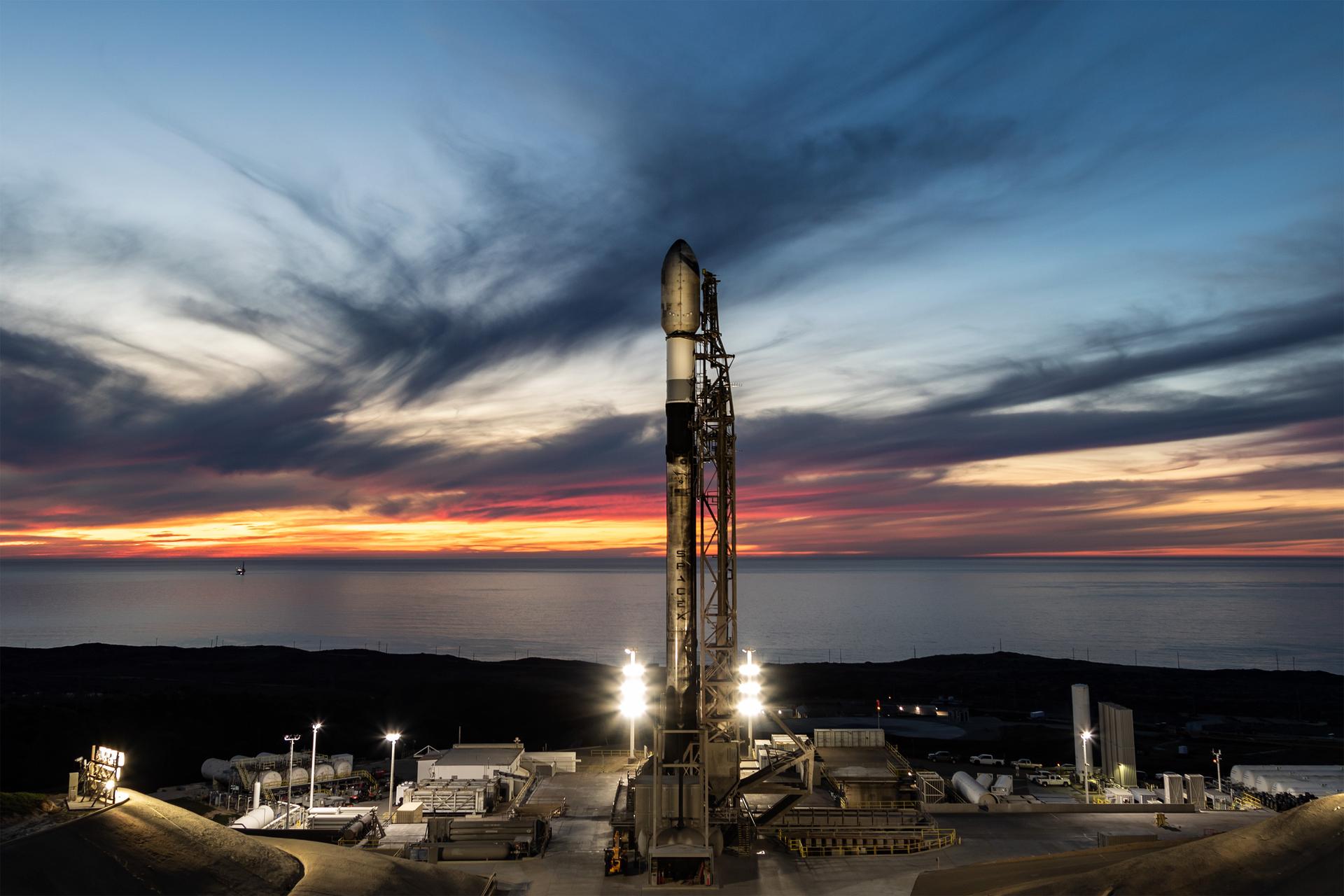
A SpaceX Falcon 9 rocket carrying NASA’s R5-S7 (Realizing Rapid, Reduced-cost high-Risk Research project Spacecraft 7) CubeSat along with several other satellites as part of the company’s Transporter-15 mission stands vertical on the launch pad of Space Launch Complex 4 East at Vandenberg Space Force Base in California on Thursday, Nov. 27, 2025. The latest in a series of spacecraft, R5-S7 will explore ways to get multiple technology prototypes into low Earth orbit rapidly and at a low cost, accelerating the demonstration of these technologies in orbit and allowing engineers and scientists to more quickly prove them and make them available to NASA missions and other users.
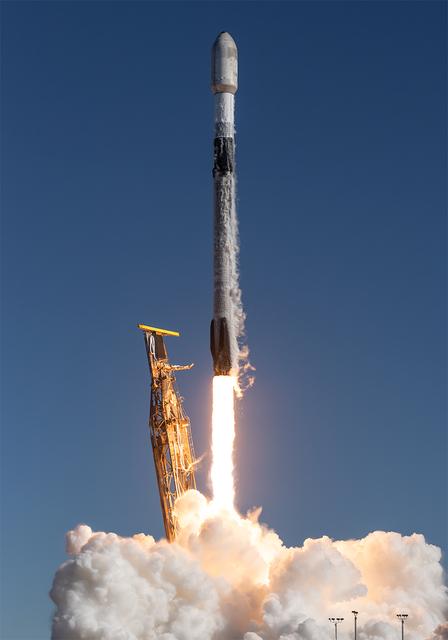
A SpaceX Falcon 9 rocket carrying NASA’s R5-S7 (Realizing Rapid, Reduced-cost high-Risk Research project Spacecraft 7) CubeSat along with several other satellites as part of the company’s Transporter-15 mission lifts off from Space Launch Complex 4 East at Vandenberg Space Force Base in California at 10:44 a.m. PST Friday, Nov. 28, 2025. The latest in a series of spacecraft, R5-S7 will explore ways to get multiple technology prototypes into low Earth orbit rapidly and at a low cost, accelerating the demonstration of these technologies in orbit and allowing engineers and scientists to more quickly prove them and make them available to NASA missions and other users.
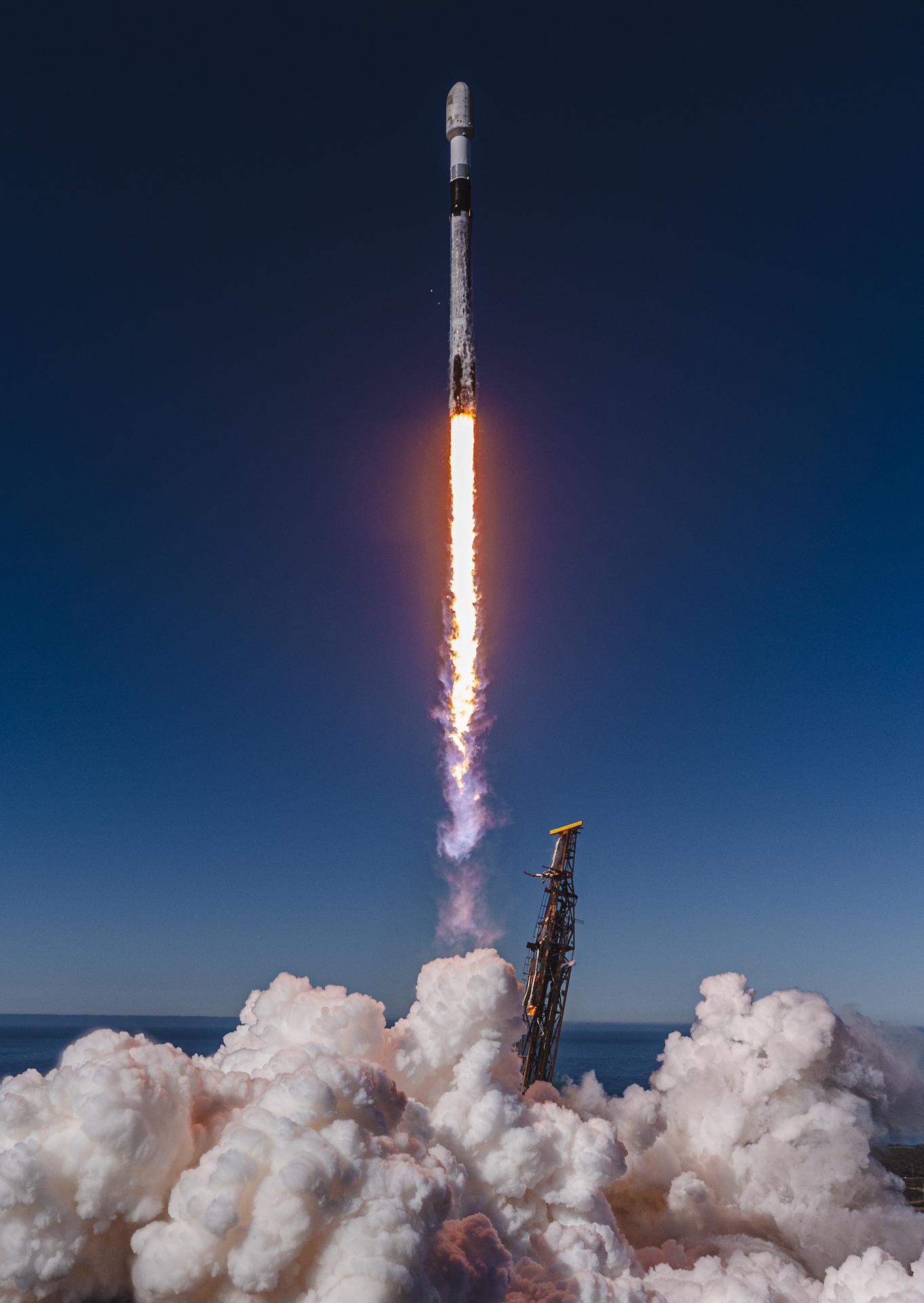
A SpaceX Falcon 9 rocket carrying NASA’s R5-S7 (Realizing Rapid, Reduced-cost high-Risk Research project Spacecraft 7) CubeSat along with several other satellites as part of the company’s Transporter-15 mission lifts off from Space Launch Complex 4 East at Vandenberg Space Force Base in California at 10:44 a.m. PST Friday, Nov. 28, 2025. The latest in a series of spacecraft, R5-S7 will explore ways to get multiple technology prototypes into low Earth orbit rapidly and at a low cost, accelerating the demonstration of these technologies in orbit and allowing engineers and scientists to more quickly prove them and make them available to NASA missions and other users.
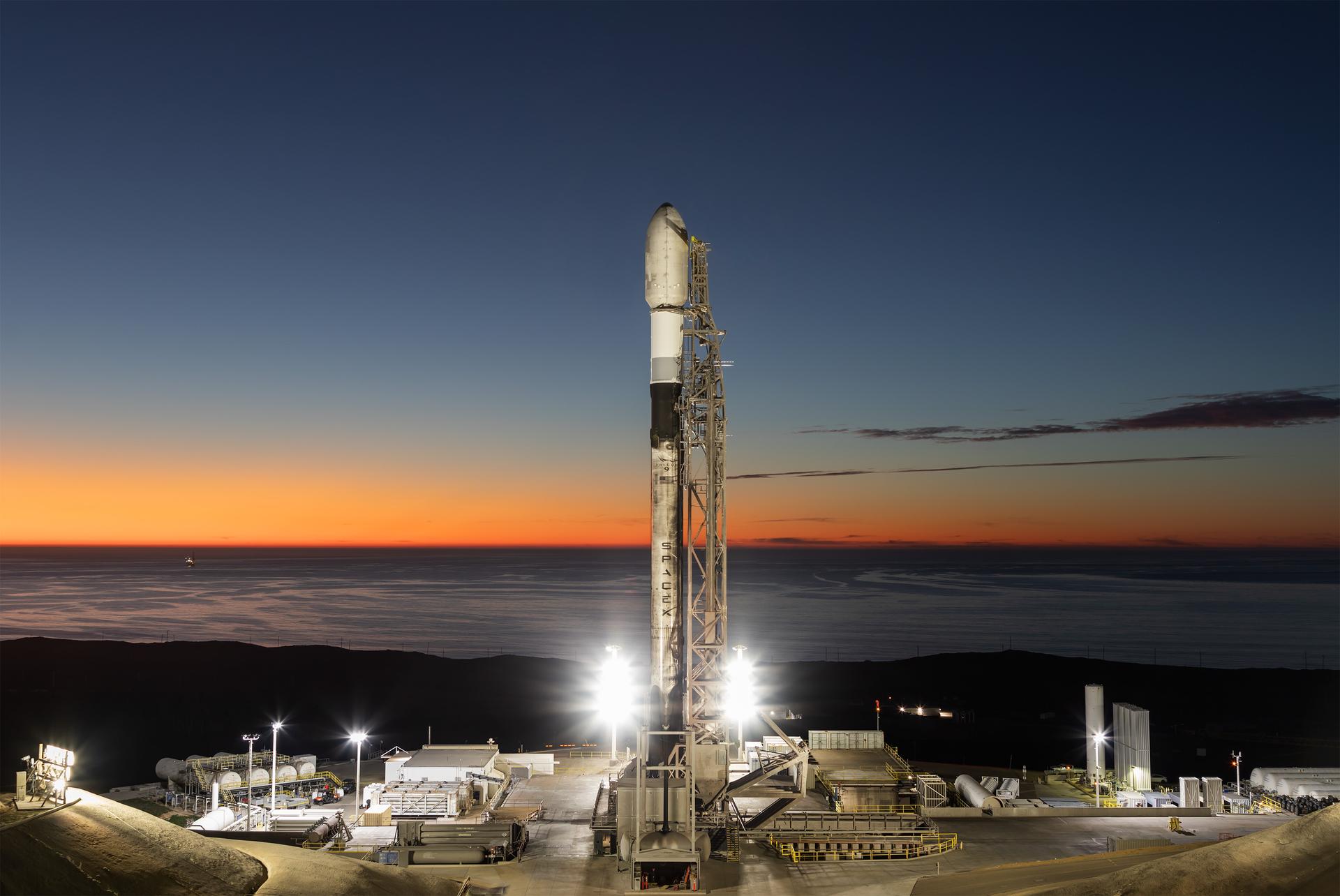
A SpaceX Falcon 9 rocket carrying NASA’s R5-S7 (Realizing Rapid, Reduced-cost high-Risk Research project Spacecraft 7) CubeSat along with several other satellites as part of the company’s Transporter-15 mission stands vertical on the launch pad of Space Launch Complex 4 East at Vandenberg Space Force Base in California on Thursday, Nov. 27, 2025. The latest in a series of spacecraft, R5-S7 will explore ways to get multiple technology prototypes into low Earth orbit rapidly and at a low cost, accelerating the demonstration of these technologies in orbit and allowing engineers and scientists to more quickly prove them and make them available to NASA missions and other users.
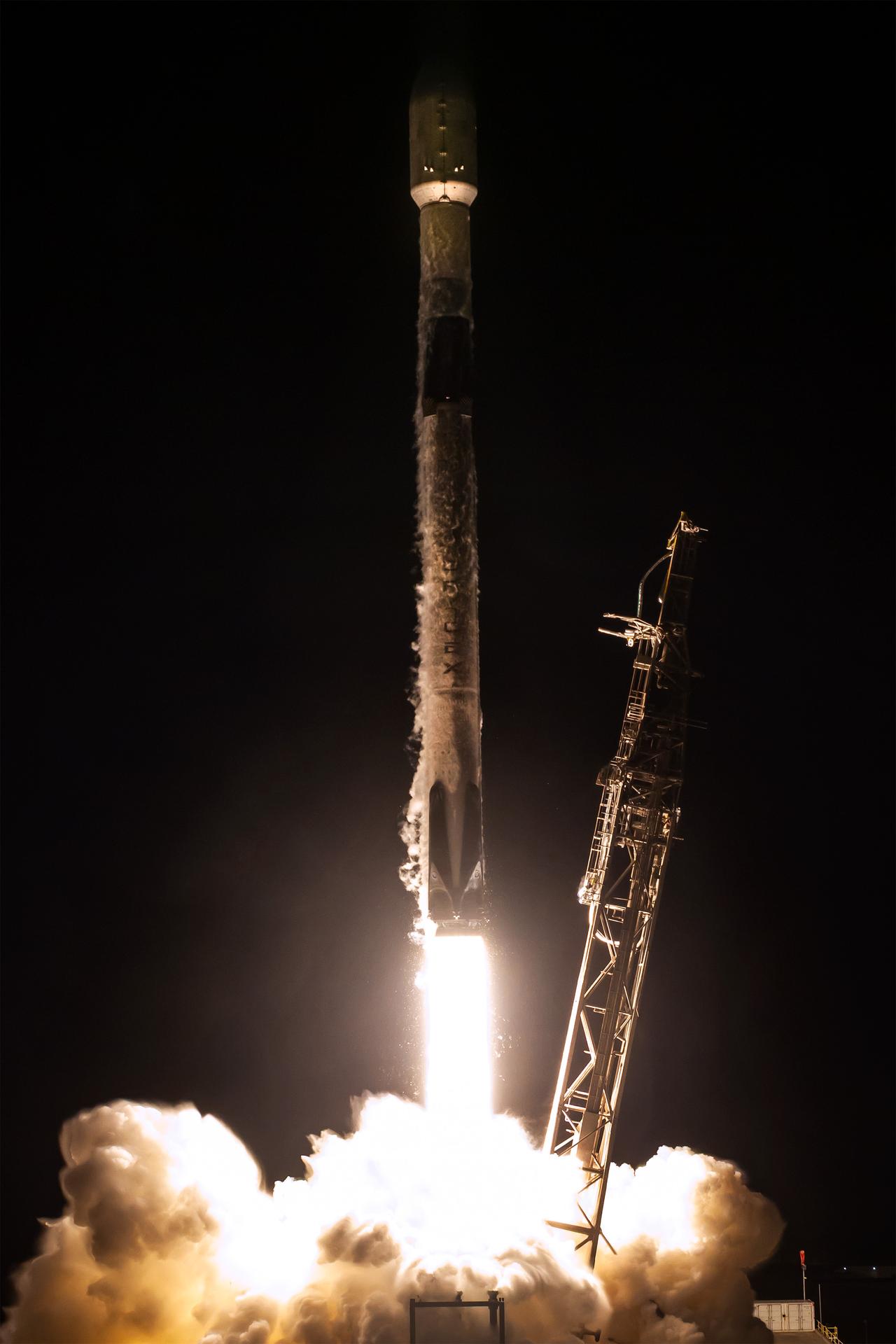
A SpaceX Falcon 9 rocket carrying several NASA small satellites and instruments lifts off from Space Launch Complex 4 East at Vandenberg Space Force Base in California on Monday, March 30, 2026, as part of the company’s Transporter-16 mission. The demonstrations will test thermal protection systems, advance in-space communications, deepen our understanding of Earth's atmosphere, and more to foster capabilities for NASA’s exploration and research goals.
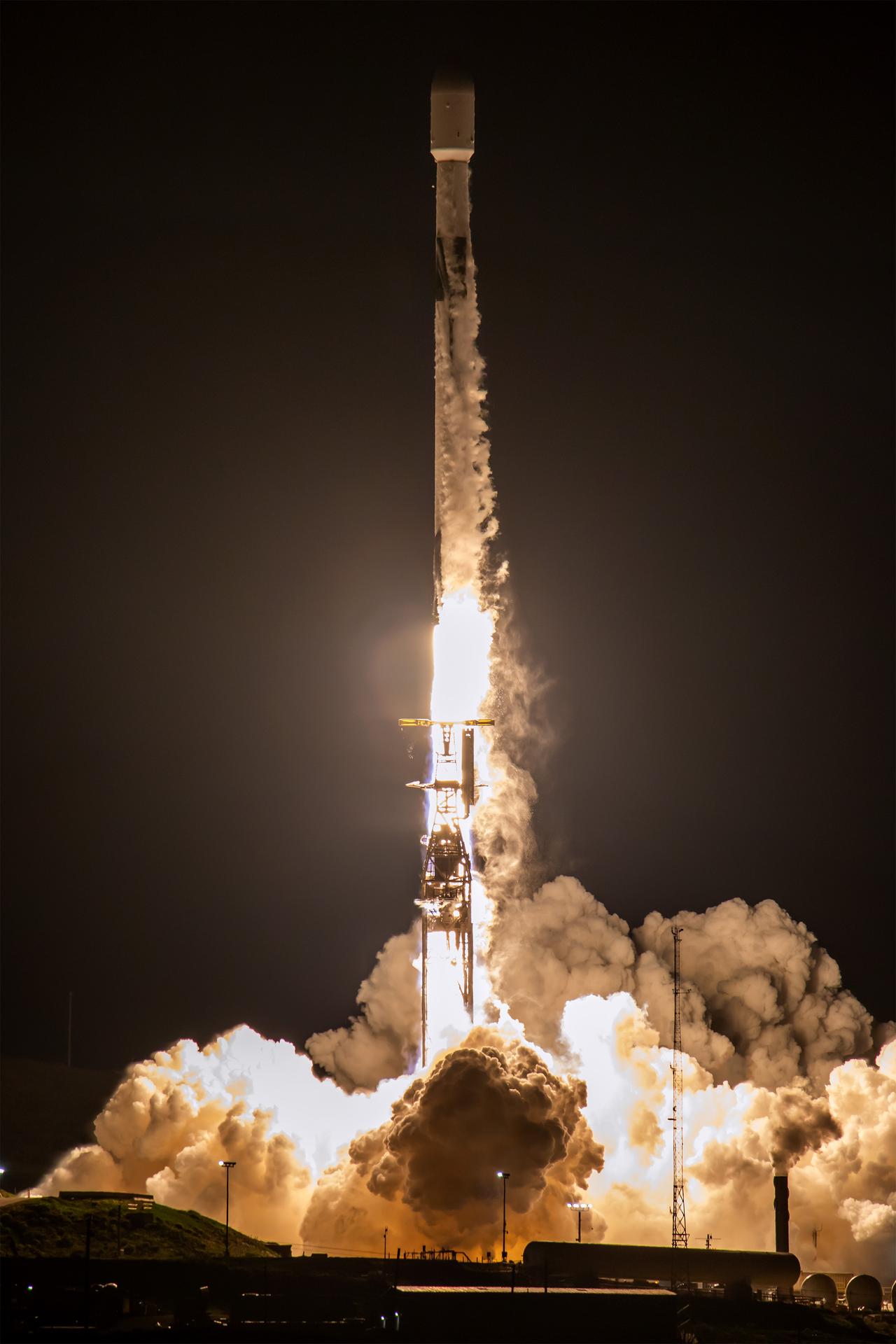
A SpaceX Falcon 9 rocket carrying the international Sentinel-6B spacecraft lifts off from Space Launch Complex 4 East at Vandenberg Space Force Base in California at 9:21 p.m. PST Sunday, Nov. 16, 2025. A collaboration between NASA, ESA (European Space Agency), EUMETSAT (European Organisation for the Exploitation of Meteorological Satellites), and the National Oceanic and Atmospheric Administration (NOAA), Sentinel-6B is designed to measure sea levels down to roughly an inch for about 90% of the world’s oceans.
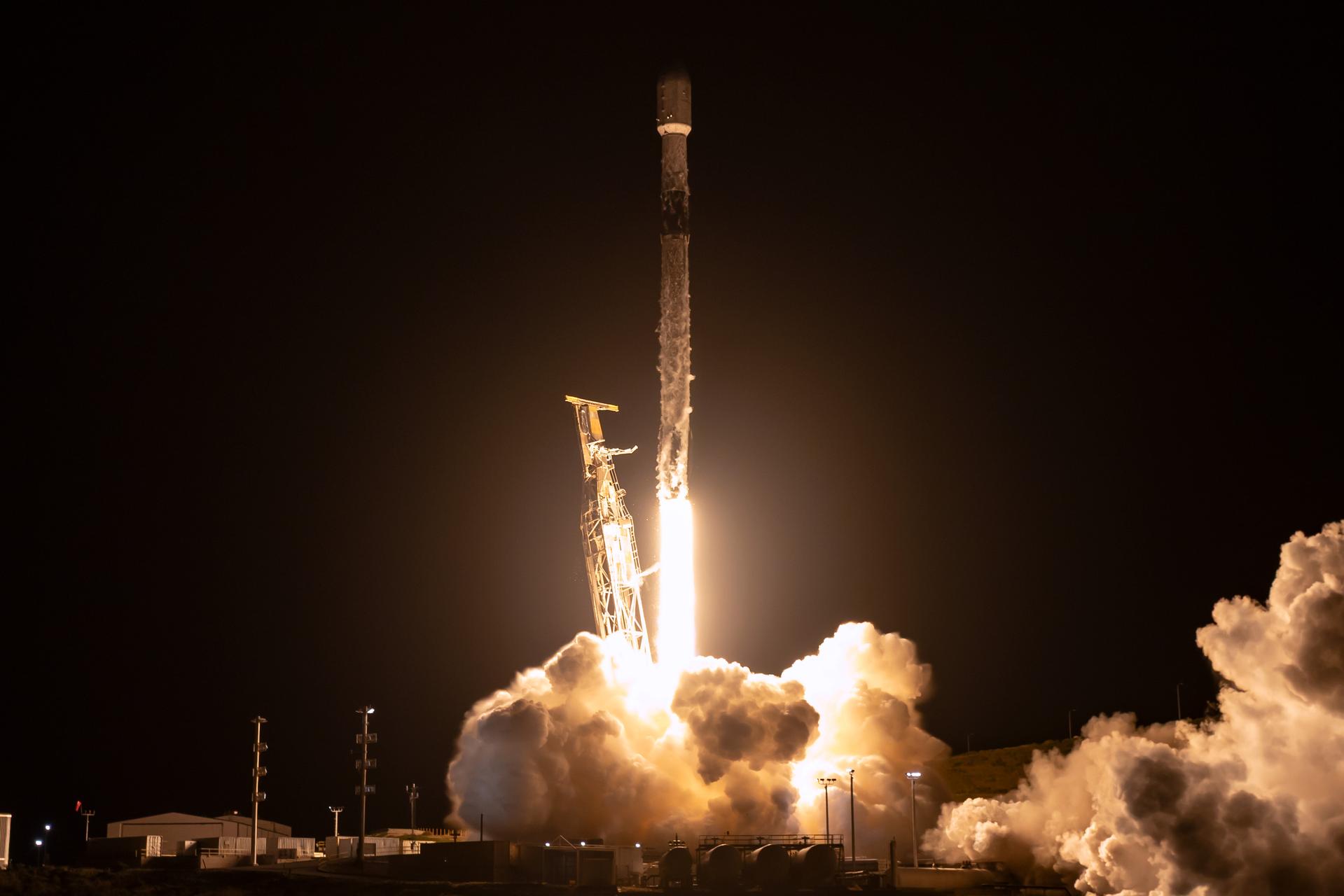
A SpaceX Falcon 9 rocket carrying several NASA small satellites and instruments lifts off from Space Launch Complex 4 East at Vandenberg Space Force Base in California on Monday, March 30, 2026, as part of the company’s Transporter-16 mission. The demonstrations will test thermal protection systems, advance in-space communications, deepen our understanding of Earth's atmosphere, and more to foster capabilities for NASA’s exploration and research goals.
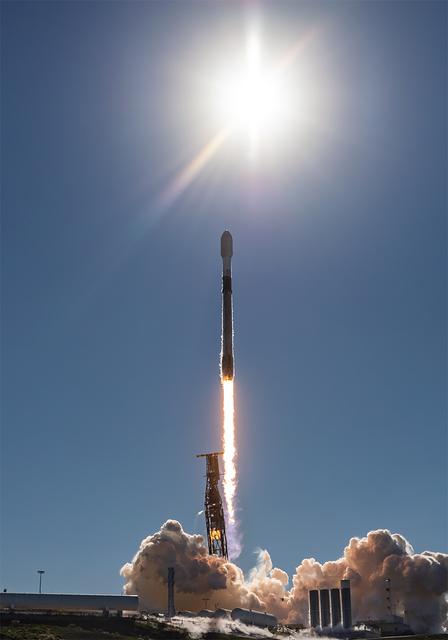
A SpaceX Falcon 9 rocket carrying NASA’s R5-S7 (Realizing Rapid, Reduced-cost high-Risk Research project Spacecraft 7) CubeSat along with several other satellites as part of the company’s Transporter-15 mission lifts off from Space Launch Complex 4 East at Vandenberg Space Force Base in California at 10:44 a.m. PST Friday, Nov. 28, 2025. The latest in a series of spacecraft, R5-S7 will explore ways to get multiple technology prototypes into low Earth orbit rapidly and at a low cost, accelerating the demonstration of these technologies in orbit and allowing engineers and scientists to more quickly prove them and make them available to NASA missions and other users.
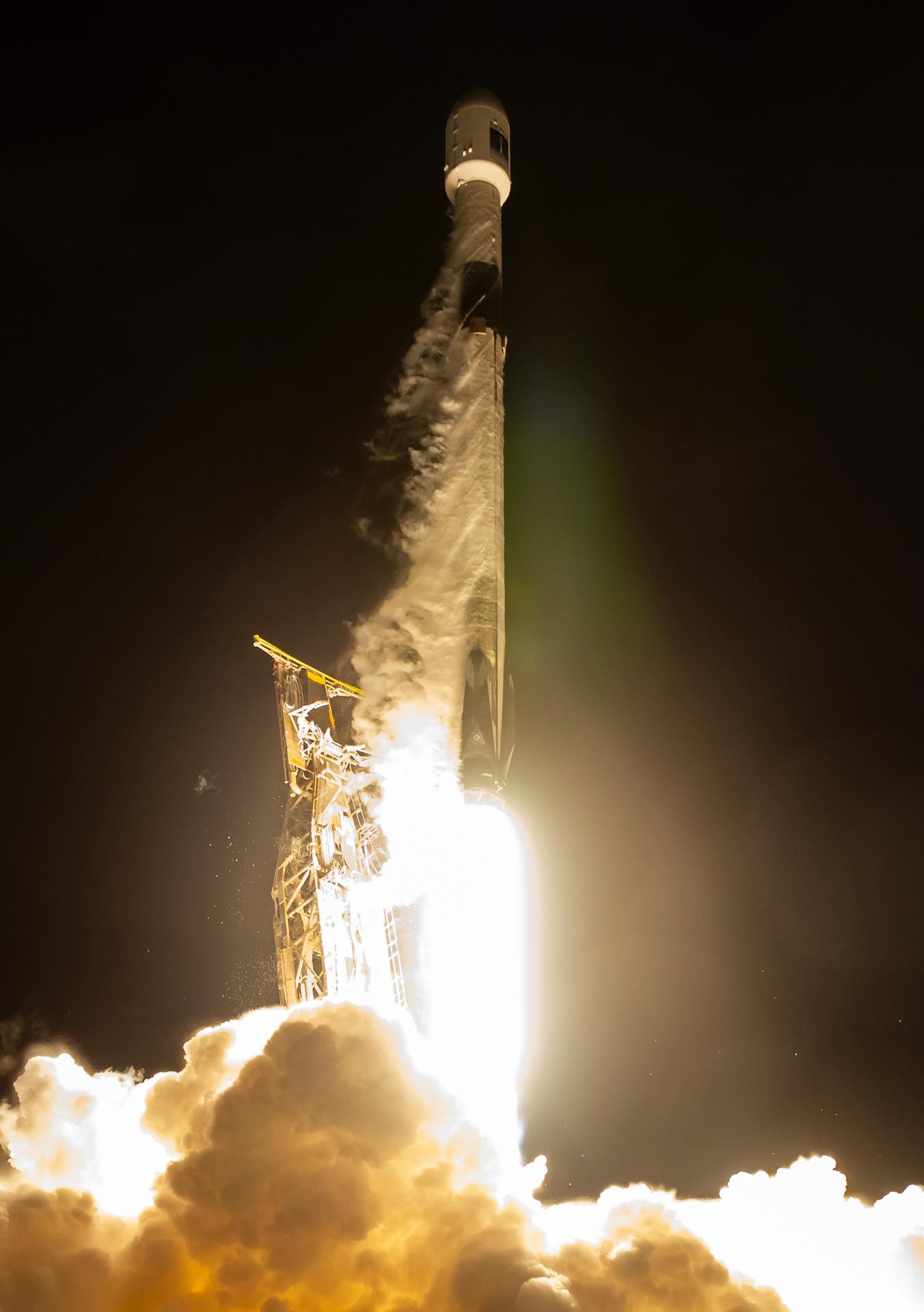
A SpaceX Falcon 9 rocket carrying the international Sentinel-6B spacecraft lifts off from Space Launch Complex 4 East at Vandenberg Space Force Base in California at 9:21 p.m. PST Sunday, Nov. 16, 2025. A collaboration between NASA, ESA (European Space Agency), EUMETSAT (European Organisation for the Exploitation of Meteorological Satellites), and the National Oceanic and Atmospheric Administration (NOAA), Sentinel-6B is designed to measure sea levels down to roughly an inch for about 90% of the world’s oceans.
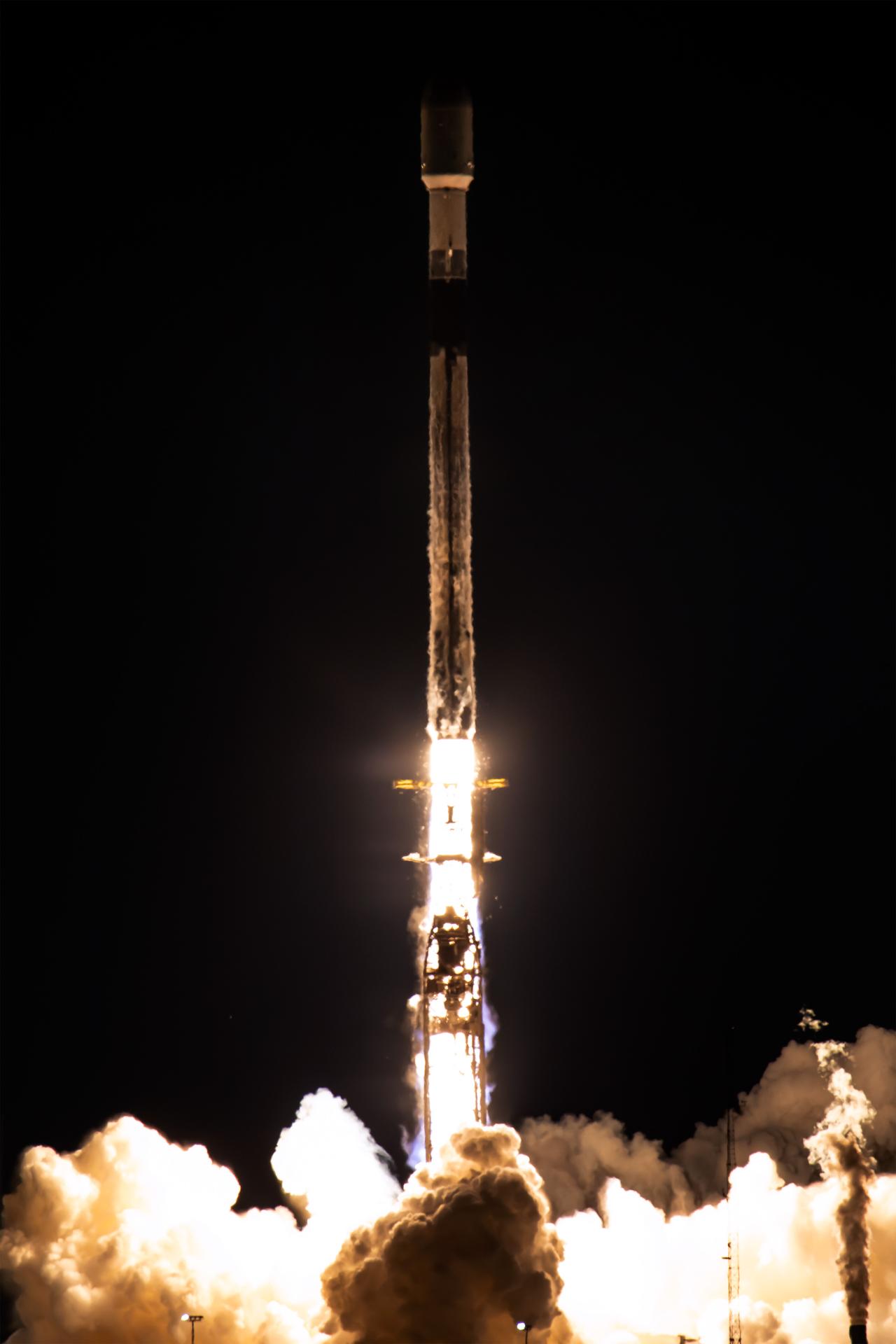
A SpaceX Falcon 9 rocket carrying NASA’s Pandora small satellite, the Star-Planet Activity Research CubeSat (SPARCS), and Black Hole Coded Aperture Telescope (BlackCAT) CubeSat lifts off from Space Launch Complex 4 East at Vandenberg Space Force Base in California on Sunday, Jan. 11, 2026. Pandora will provide an in-depth study of at least 20 known planets orbiting distant stars to determine the composition of their atmospheres — especially the presence of hazes, clouds, and water.
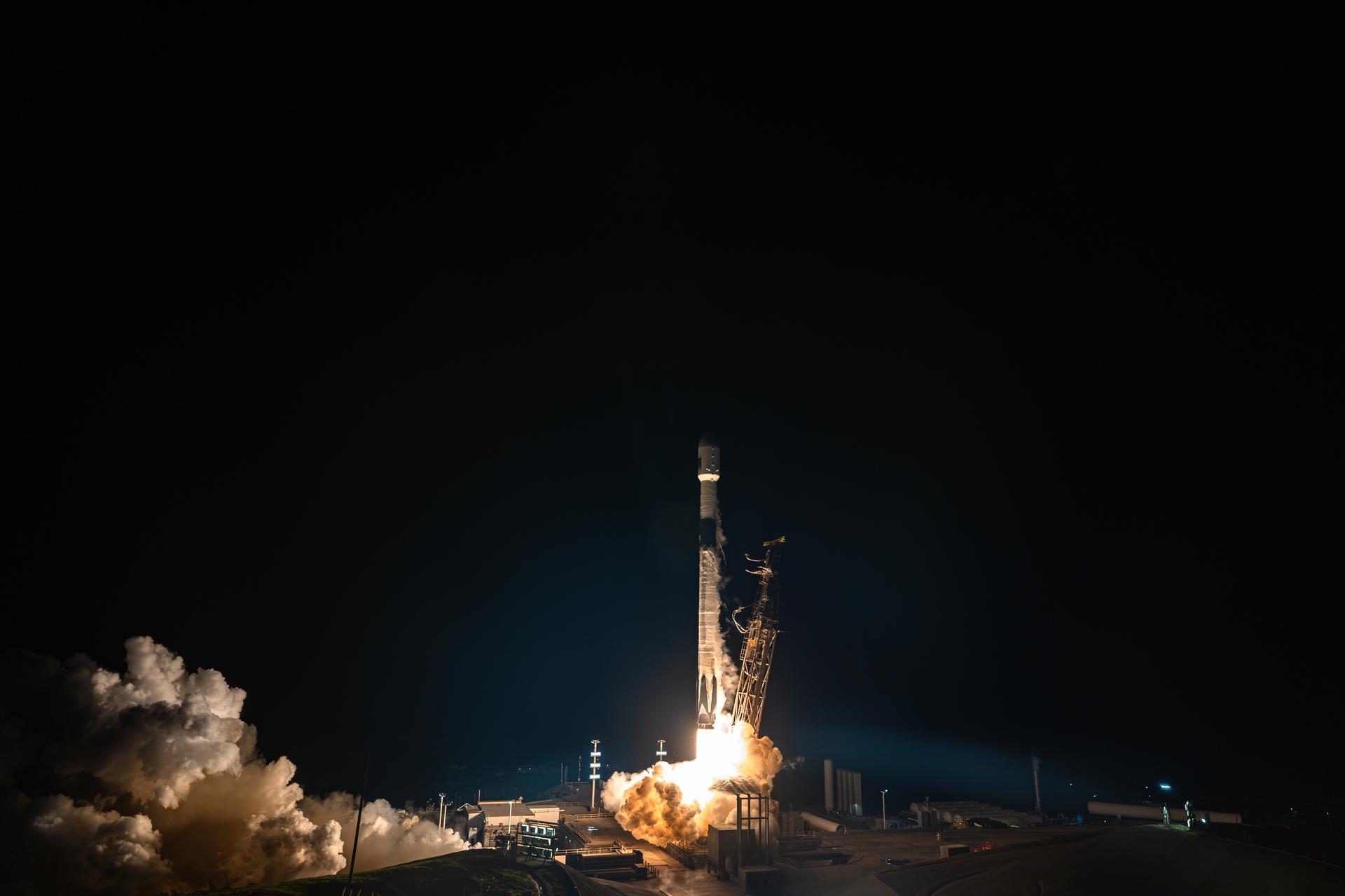
A SpaceX Falcon 9 rocket carrying the international Sentinel-6B spacecraft lifts off from Space Launch Complex 4 East at Vandenberg Space Force Base in California at 9:21 p.m. PST Sunday, Nov. 16, 2025. A collaboration between NASA, ESA (European Space Agency), EUMETSAT (European Organisation for the Exploitation of Meteorological Satellites), and the National Oceanic and Atmospheric Administration (NOAA), Sentinel-6B is designed to measure sea levels down to roughly an inch for about 90% of the world’s oceans.
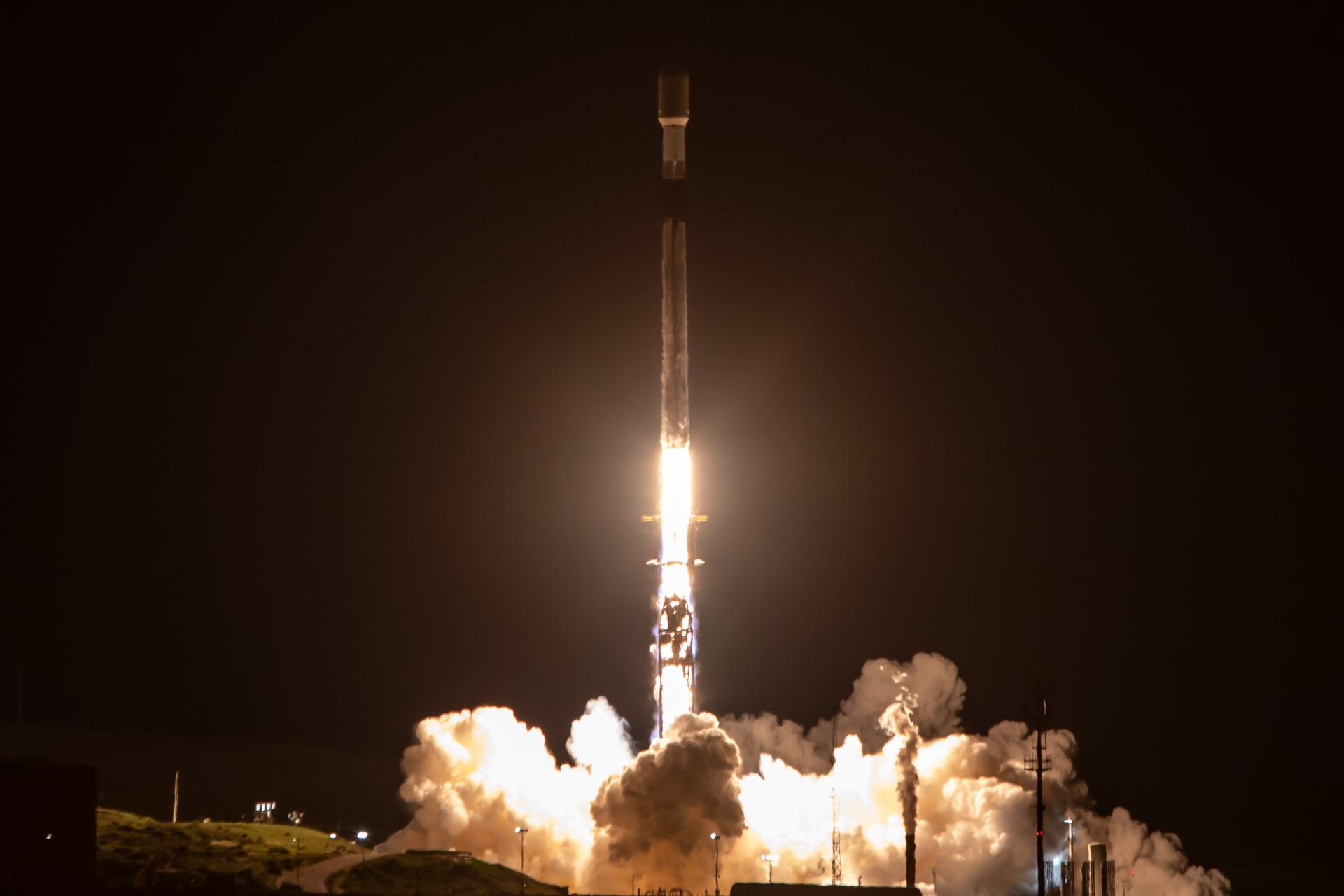
A SpaceX Falcon 9 rocket carrying NASA’s Pandora small satellite, the Star-Planet Activity Research CubeSat (SPARCS), and Black Hole Coded Aperture Telescope (BlackCAT) CubeSat lifts off from Space Launch Complex 4 East at Vandenberg Space Force Base in California on Sunday, Jan. 11, 2026. Pandora will provide an in-depth study of at least 20 known planets orbiting distant stars to determine the composition of their atmospheres — especially the presence of hazes, clouds, and water.
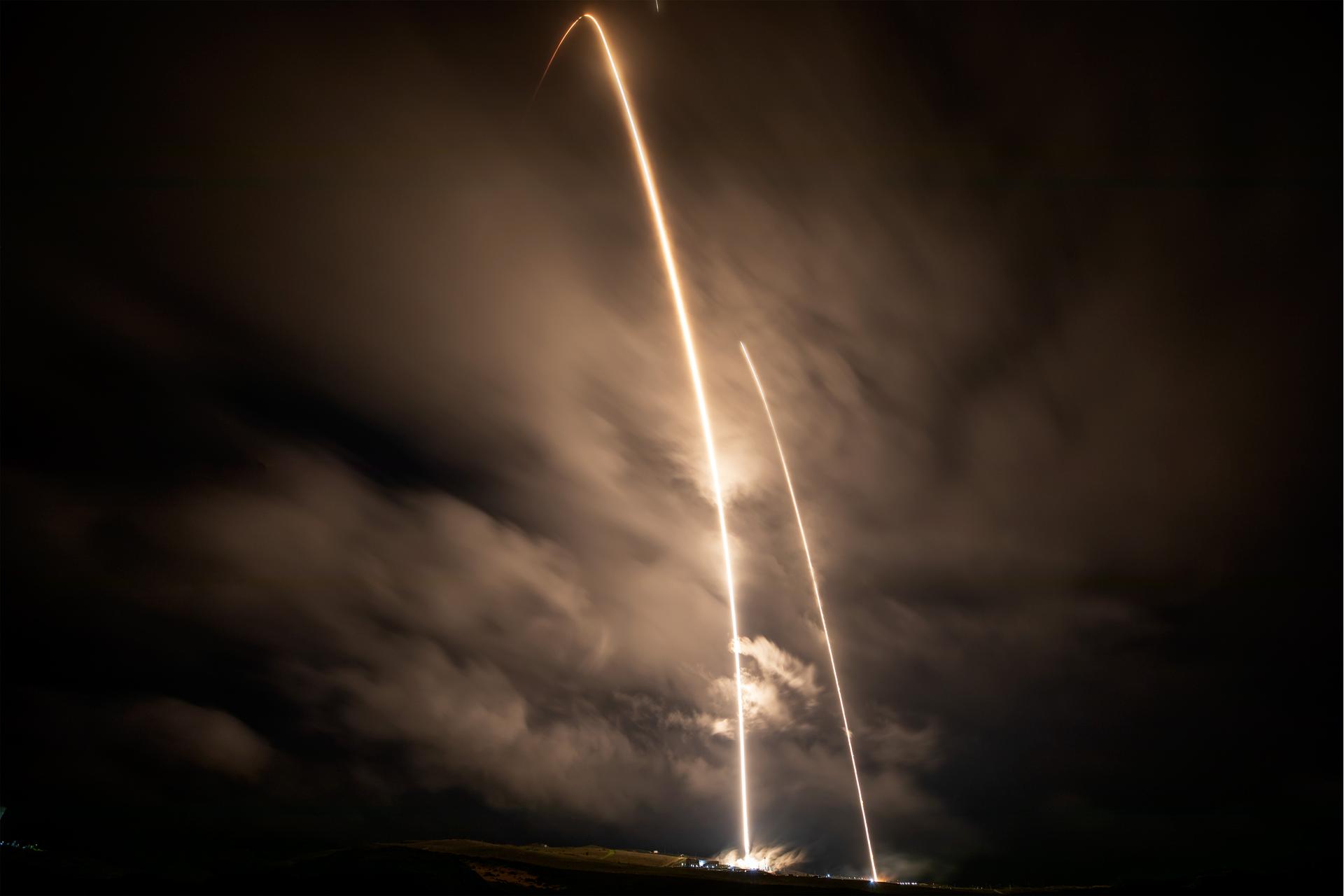
A long exposure photo shows two streaks – the SpaceX Falcon 9 rocket carrying the international Sentinel-6B spacecraft lifting off from Space Launch Complex 4 East at Vandenberg Space Force Base in California at 9:21 p.m. PST Sunday, Nov. 16, 2025, and the rocket’s first stage returning minutes later to land at Vandenberg’s Landing Zone 4 East. A collaboration between NASA, ESA (European Space Agency), EUMETSAT (European Organisation for the Exploitation of Meteorological Satellites), and the National Oceanic and Atmospheric Administration (NOAA), Sentinel-6B is designed to measure sea levels down to roughly an inch for about 90% of the world’s oceans.
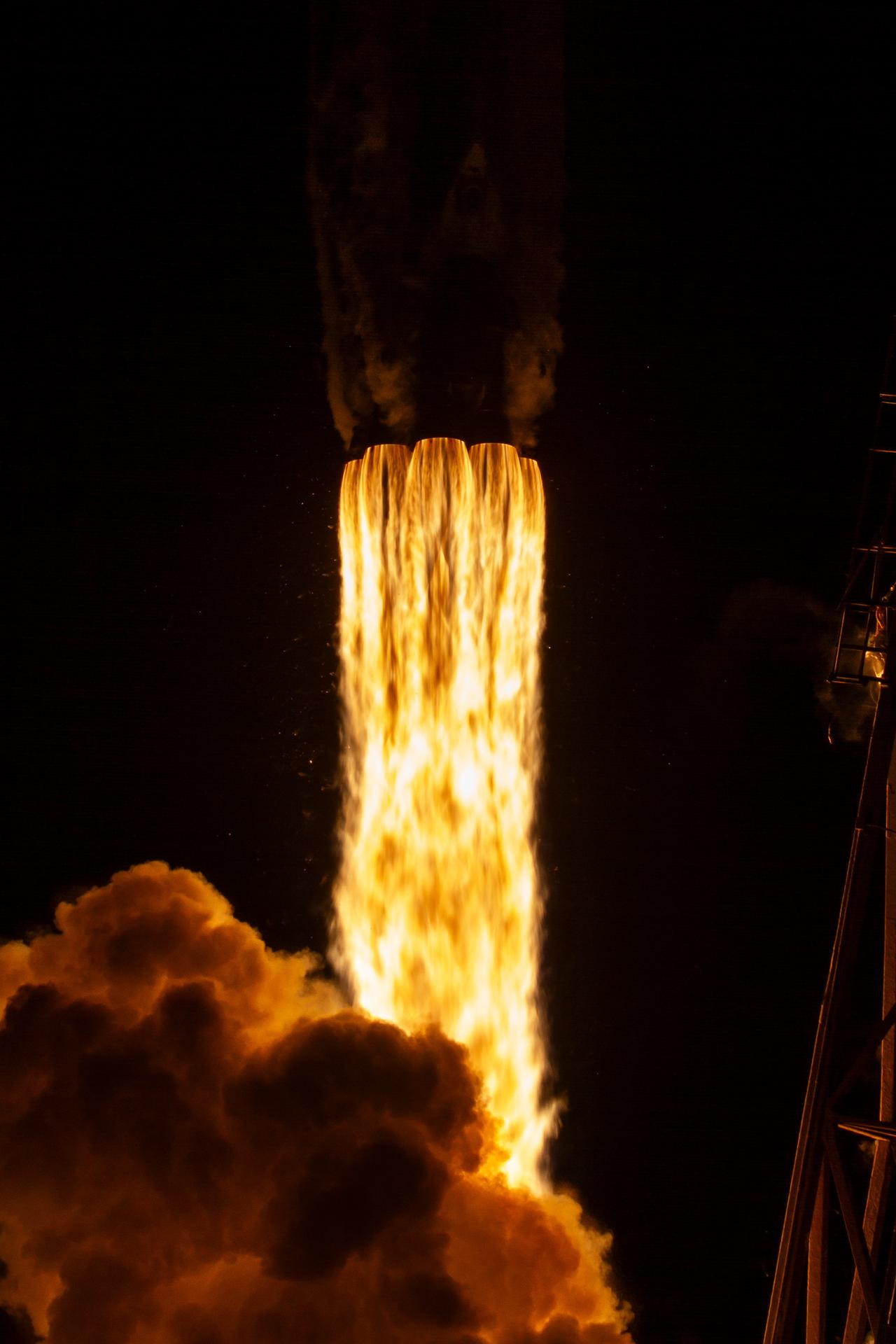
A SpaceX Falcon 9 rocket carrying NASA’s Pandora small satellite, the Star-Planet Activity Research CubeSat (SPARCS), and Black Hole Coded Aperture Telescope (BlackCAT) CubeSat lifts off from Space Launch Complex 4 East at Vandenberg Space Force Base in California on Sunday, Jan. 11, 2026. Pandora will provide an in-depth study of at least 20 known planets orbiting distant stars to determine the composition of their atmospheres — especially the presence of hazes, clouds, and water.
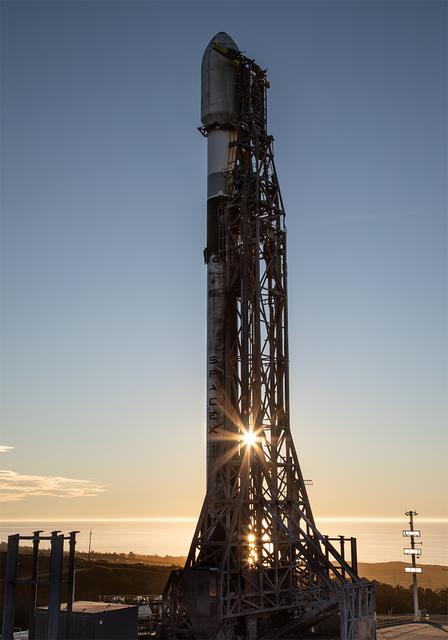
A SpaceX Falcon 9 rocket carrying NASA’s R5-S7 (Realizing Rapid, Reduced-cost high-Risk Research project Spacecraft 7) CubeSat along with several other satellites as part of the company’s Transporter-15 mission stands vertical on the launch pad of Space Launch Complex 4 East at Vandenberg Space Force Base in California on Thursday, Nov. 27, 2025. The latest in a series of spacecraft, R5-S7 will explore ways to get multiple technology prototypes into low Earth orbit rapidly and at a low cost, accelerating the demonstration of these technologies in orbit and allowing engineers and scientists to more quickly prove them and make them available to NASA missions and other users.
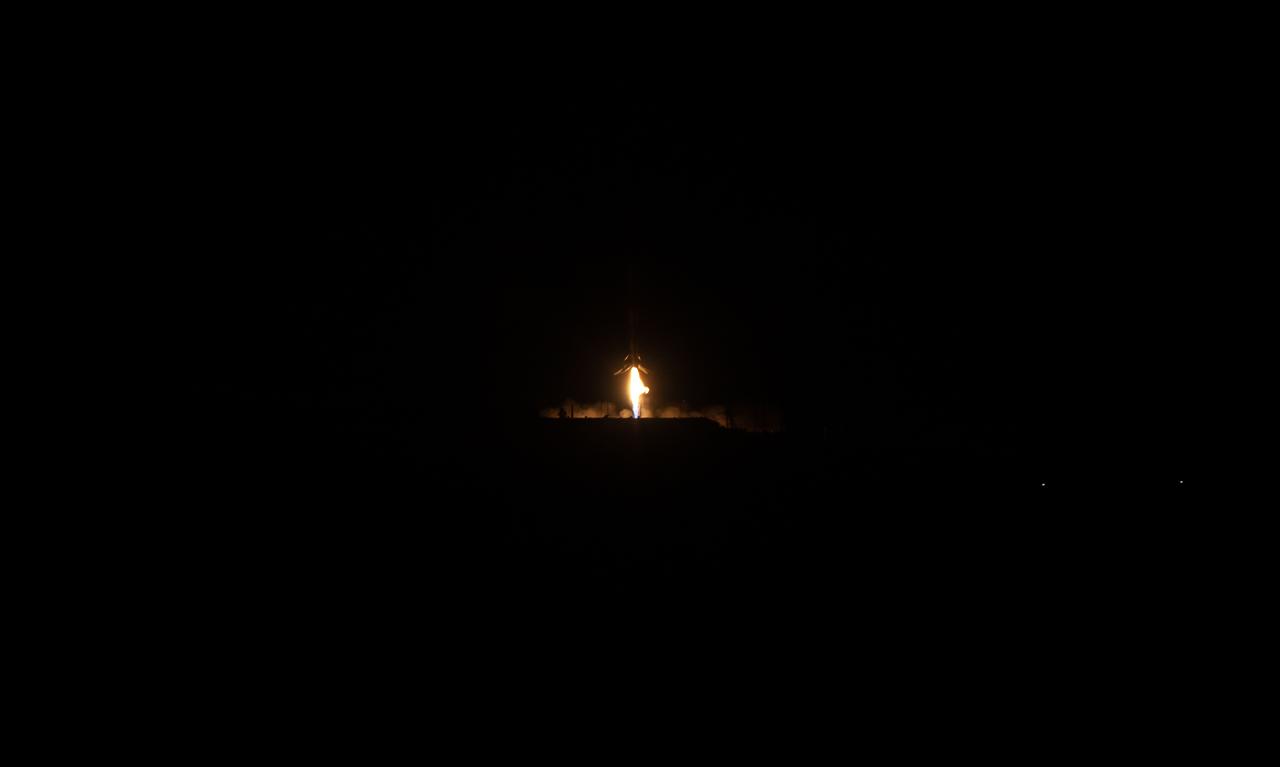
The first stage of the SpaceX Falcon 9 rocket lands at Vandenberg Space Force Base's landing zone 4 following the successful launch of the Surface Water and Ocean Topography (SWOT) satellite on Dec. 16, 2022. A collaboration between NASA and the French space agency Centre National d’Études Spatiales (CNES), with contributions from the Canadian Space Agency and the UK Space Agency, SWOT will be the first satellite to survey nearly all water on Earth’s surface. The satellite will help researchers understand how much water flows in and out of Earth’s freshwater bodies and will provide insight into the ocean’s role in climate change. The instruments onboard will measure the height of water in lakes, rivers, reservoirs, and the ocean, and will observe ocean features in higher definition than ever before. NASA’s Launch Services Program, based at the agency’s Kennedy Space Center in Florida, is managing the launch service.

NASA’s TRACERS (Tandem Reconnection and Cusp Electrodynamics Reconnaissance Satellites) mission launches at 11:13 a.m. PDT (2:13 p.m. EDT) on Wednesday, July 23, 2025, atop a SpaceX Falcon 9 rocket at Space Launch Complex 4 East at Vandenberg Space Force Base in California. The TRACERS mission will study magnetic reconnection around Earth — a process in which electrically charged plasmas exchange energy in the atmosphere — to understand how the Sun’s solar wind interacts with the magnetosphere, Earth’s protective magnetic shield.
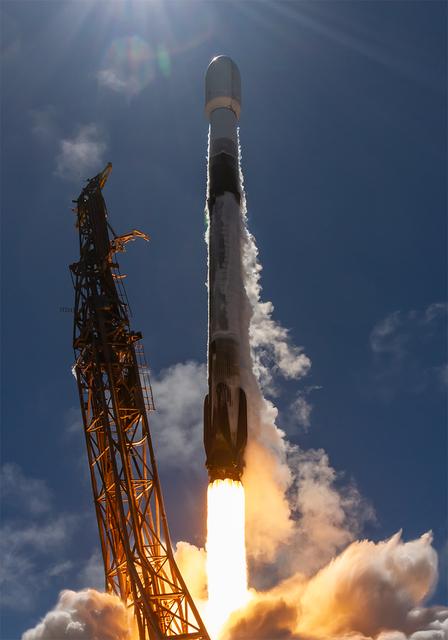
NASA’s TRACERS (Tandem Reconnection and Cusp Electrodynamics Reconnaissance Satellites) mission launches at 11:13 a.m. PDT (2:13 p.m. EDT) on Wednesday, July 23, 2025, atop a SpaceX Falcon 9 rocket at Space Launch Complex 4 East at Vandenberg Space Force Base in California. The TRACERS mission will study magnetic reconnection around Earth — a process in which electrically charged plasmas exchange energy in the atmosphere — to understand how the Sun’s solar wind interacts with the magnetosphere, Earth’s protective magnetic shield.
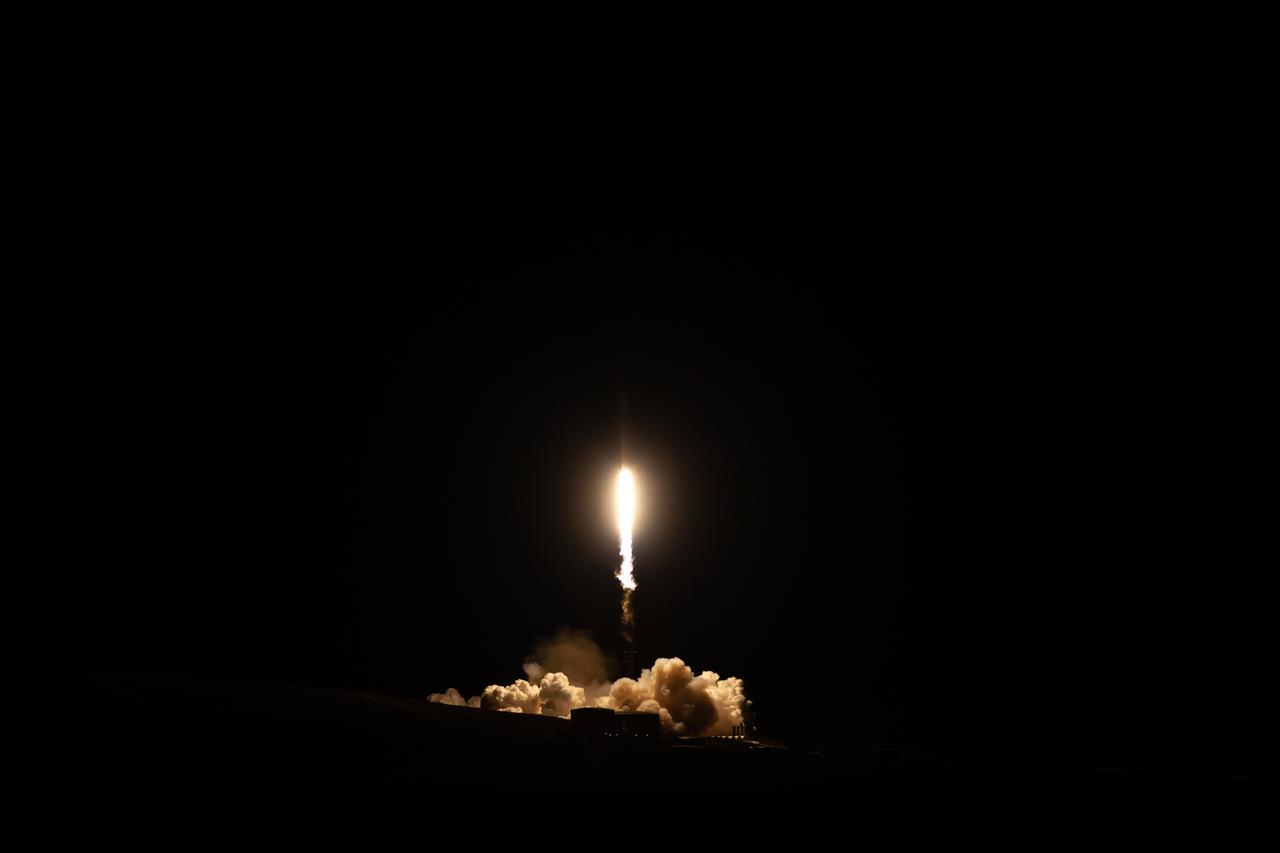
The SpaceX Falcon 9 rocket, carrying the Surface Water and Ocean Topography (SWOT) satellite, lifts off from Space Launch Complex-4 East at Vandenberg Space Force Base in California on Dec. 16, 2022, at 3:46 a.m. PST. A collaboration between NASA and the French space agency Centre National d’Études Spatiales (CNES), with contributions from the Canadian Space Agency and the UK Space Agency, SWOT will be the first satellite to survey nearly all water on Earth’s surface. The satellite will help researchers understand how much water flows in and out of Earth’s freshwater bodies and will provide insight into the ocean’s role in climate change. The instruments onboard will measure the height of water in lakes, rivers, reservoirs, and the ocean, and will observe ocean features in higher definition than ever before. NASA’s Launch Services Program, based at the agency’s Kennedy Space Center in Florida, is managing the launch service.
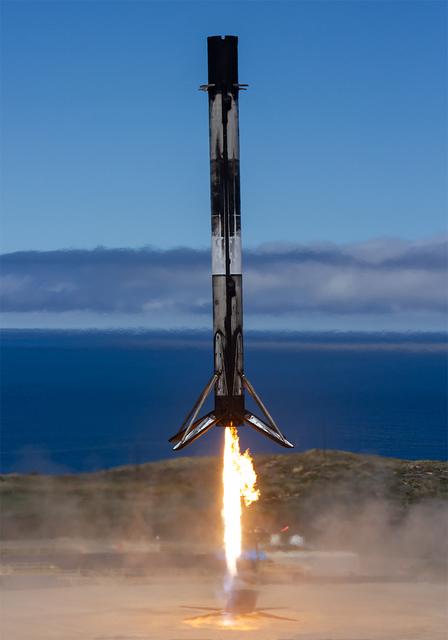
A SpaceX Falcon 9 first stage booster lands on Landing Zone 4 following liftoff of NASA’s TRACERS (Tandem Reconnection and Cusp Electrodynamics Reconnaissance Satellites) mission at Space Launch Complex 4 East at Vandenberg Space Force Base in California on Wednesday, July 23, 2025. This was the 16th flight for the first stage booster, which has previously launched these NASA missions - PACE (Plankton, Aerosol, Cloud, ocean Ecosystem, NASA’s SpaceX Crew-7, and Commercial Resupply Services-29. The TRACERS mission will study magnetic reconnection around Earth — a process in which electrically charged plasmas exchange energy in the atmosphere — to understand how the Sun’s solar wind interacts with the magnetosphere, Earth’s protective magnetic shield.
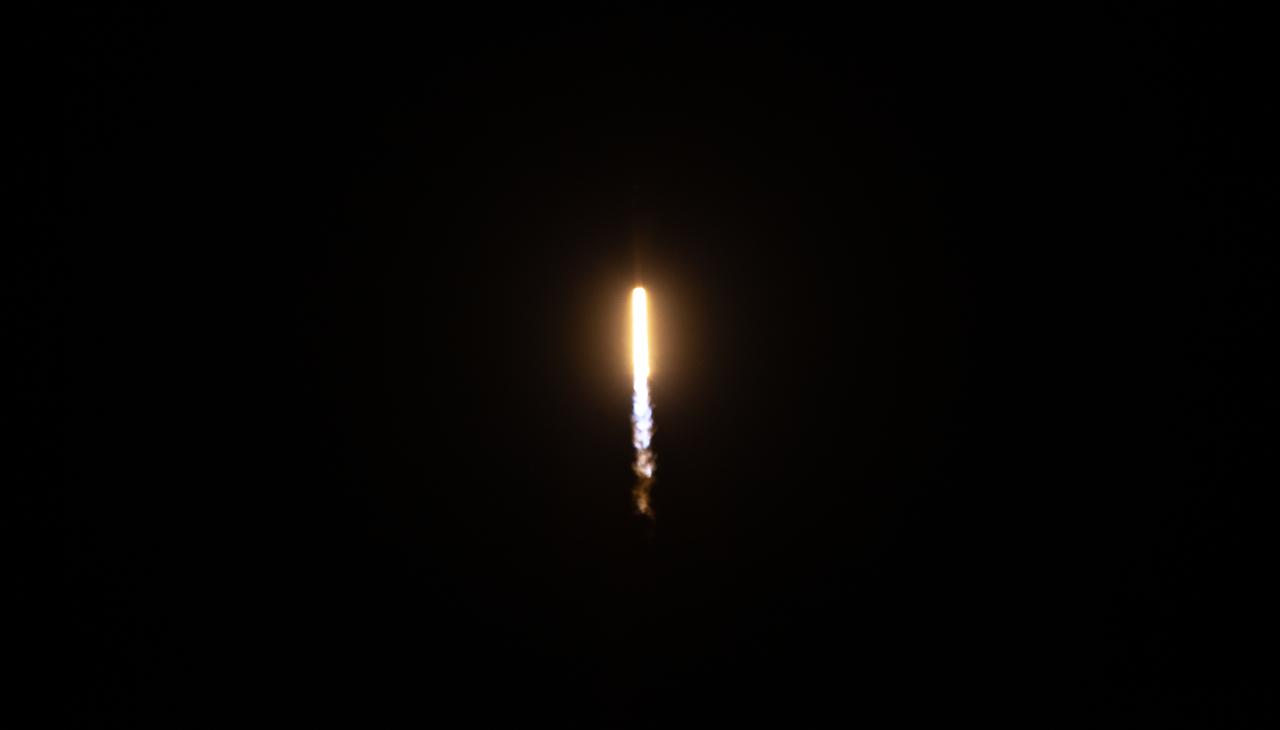
The SpaceX Falcon 9 rocket, carrying the Surface Water and Ocean Topography (SWOT) satellite, soars upward after lifting off from Space Launch Complex-4 East at Vandenberg Space Force Base in California on Dec. 16, 2022, at 3:46 a.m. PST. A collaboration between NASA and the French space agency Centre National d’Études Spatiales (CNES), with contributions from the Canadian Space Agency and the UK Space Agency, SWOT will be the first satellite to survey nearly all water on Earth’s surface. The satellite will help researchers understand how much water flows in and out of Earth’s freshwater bodies and will provide insight into the ocean’s role in climate change. The instruments onboard will measure the height of water in lakes, rivers, reservoirs, and the ocean, and will observe ocean features in higher definition than ever before. NASA’s Launch Services Program, based at the agency’s Kennedy Space Center in Florida, is managing the launch service.
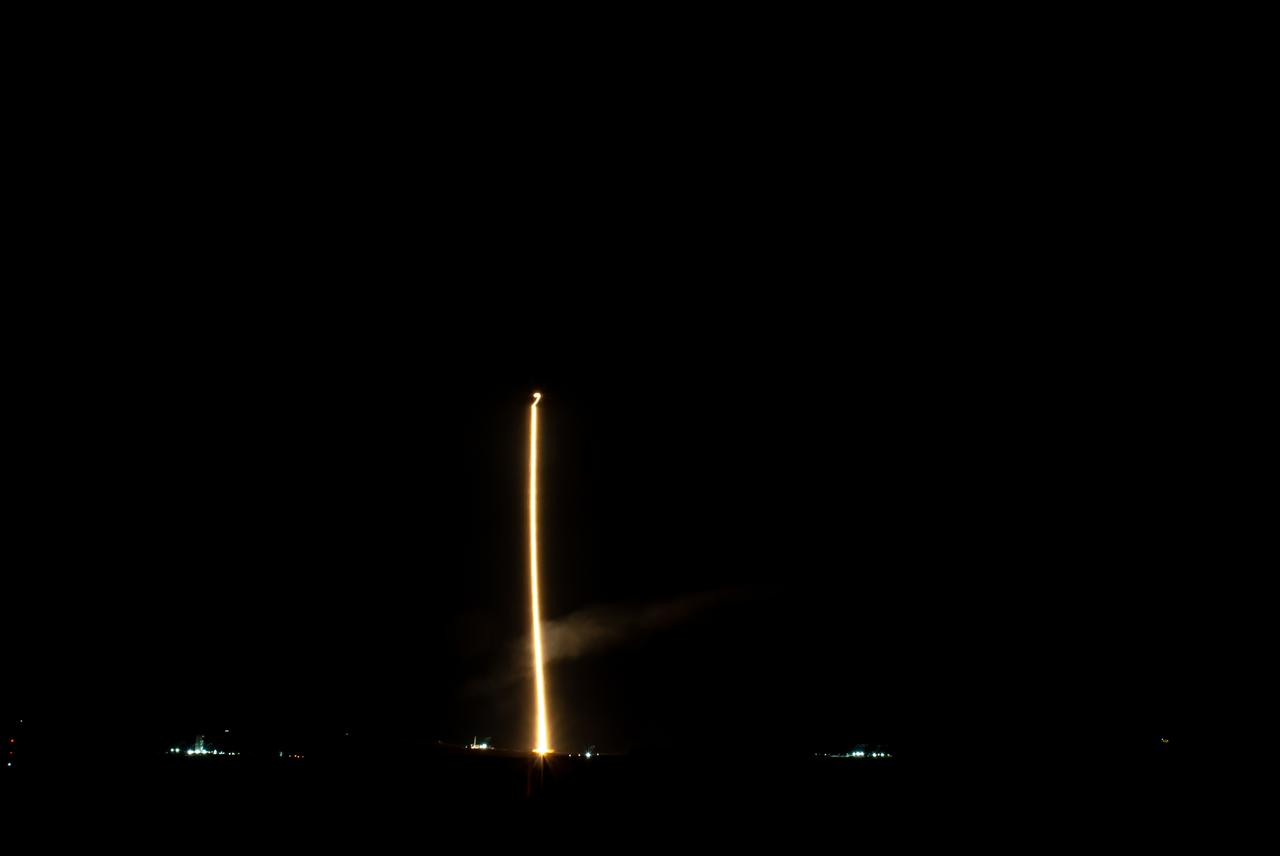
The SpaceX Falcon 9 rocket, carrying the Surface Water and Ocean Topography (SWOT) satellite, lifts off from Space Launch Complex-4 East at Vandenberg Space Force Base in California on Dec. 16, 2022, at 3:46 a.m. PST. A collaboration between NASA and the French space agency Centre National d’Études Spatiales (CNES), with contributions from the Canadian Space Agency and the UK Space Agency, SWOT will be the first satellite to survey nearly all water on Earth’s surface. The satellite will help researchers understand how much water flows in and out of Earth’s freshwater bodies and will provide insight into the ocean’s role in climate change. The instruments onboard will measure the height of water in lakes, rivers, reservoirs, and the ocean, and will observe ocean features in higher definition than ever before. NASA’s Launch Services Program, based at the agency’s Kennedy Space Center in Florida, is managing the launch service.
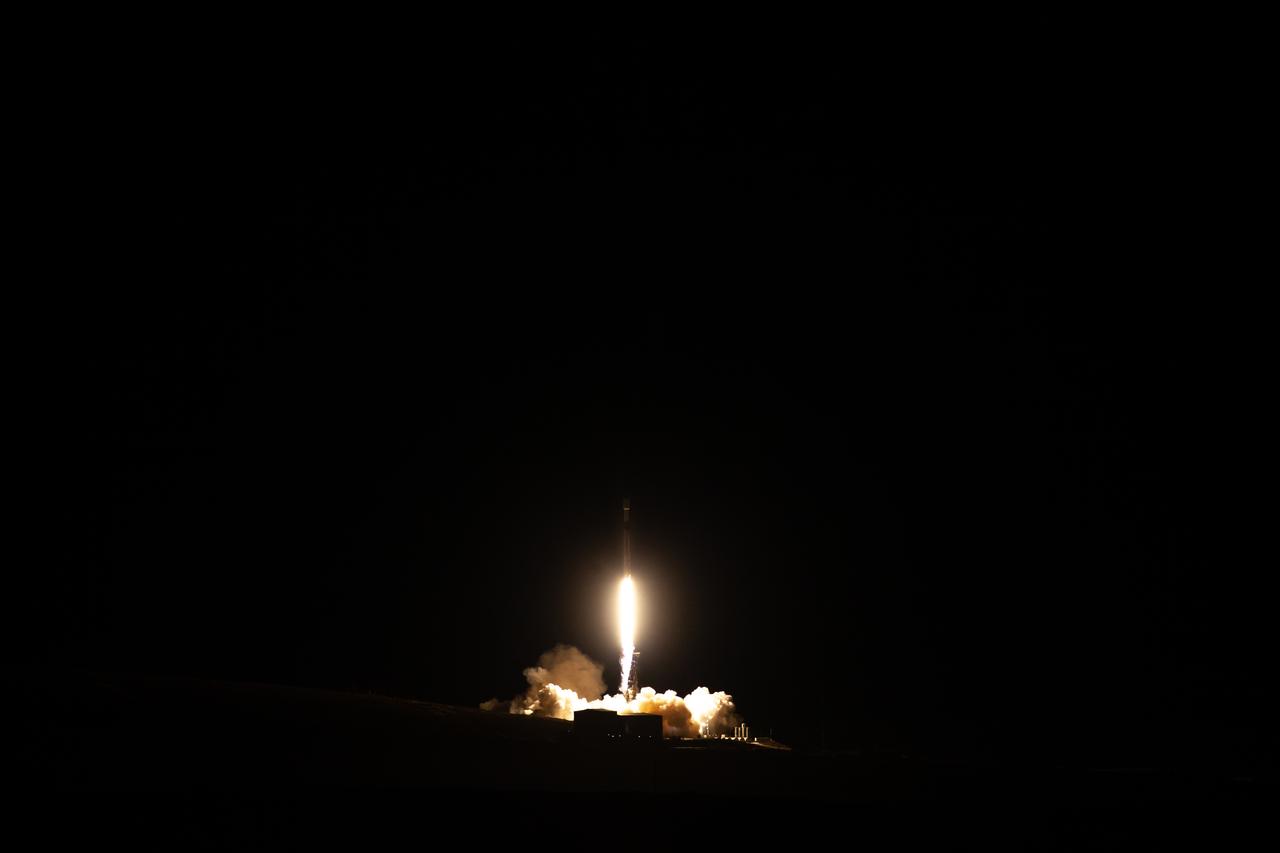
The SpaceX Falcon 9 rocket, carrying the Surface Water and Ocean Topography (SWOT) satellite, lifts off from Space Launch Complex-4 East at Vandenberg Space Force Base in California on Dec. 16, 2022, at 3:46 a.m. PST. A collaboration between NASA and the French space agency Centre National d’Études Spatiales (CNES), with contributions from the Canadian Space Agency and the UK Space Agency, SWOT will be the first satellite to survey nearly all water on Earth’s surface. The satellite will help researchers understand how much water flows in and out of Earth’s freshwater bodies and will provide insight into the ocean’s role in climate change. The instruments onboard will measure the height of water in lakes, rivers, reservoirs, and the ocean, and will observe ocean features in higher definition than ever before. NASA’s Launch Services Program, based at the agency’s Kennedy Space Center in Florida, is managing the launch service.
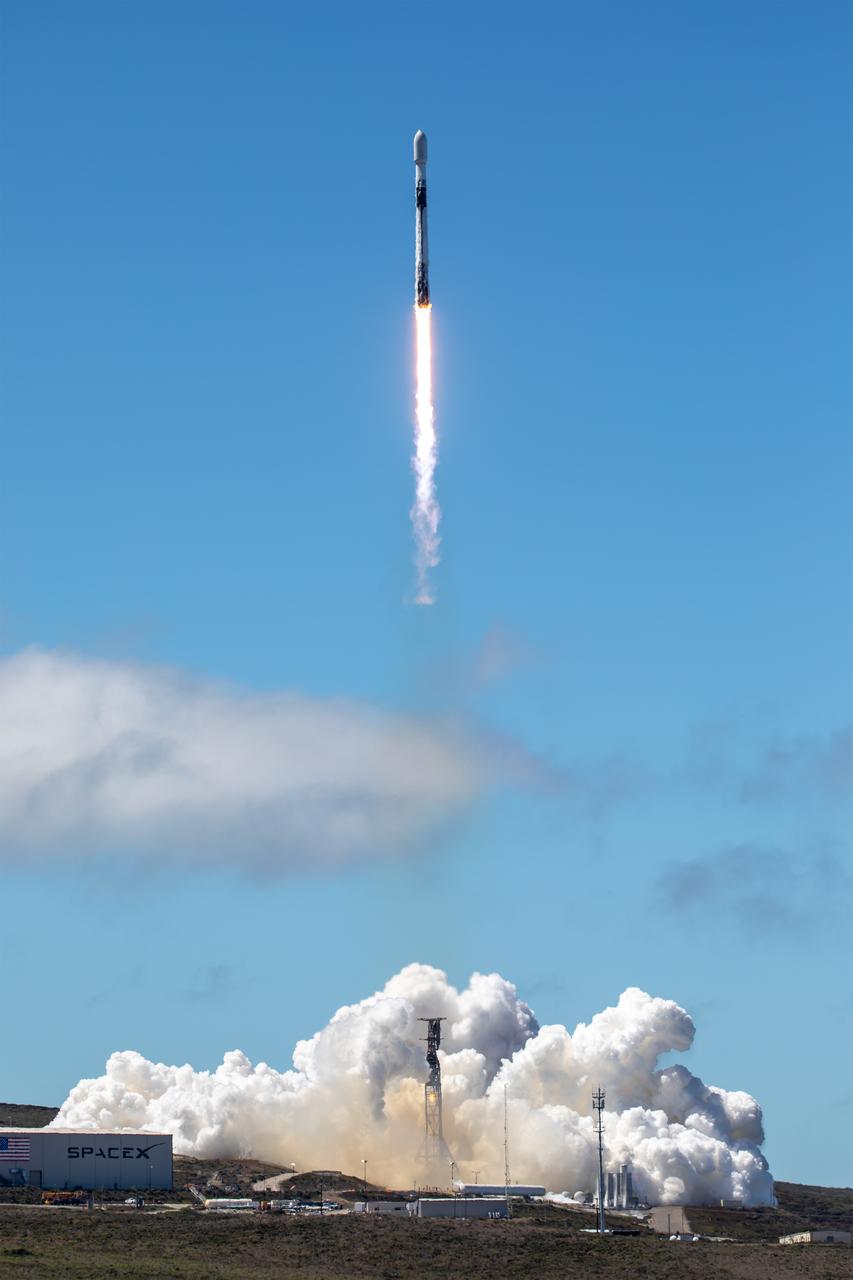
NASA’s TRACERS (Tandem Reconnection and Cusp Electrodynamics Reconnaissance Satellites) mission launches at 11:13 a.m. PDT (2:13 p.m. EDT) on Wednesday, July 23, 2025, atop a SpaceX Falcon 9 rocket at Space Launch Complex 4 East at Vandenberg Space Force Base in California. The TRACERS mission will study magnetic reconnection around Earth — a process in which electrically charged plasmas exchange energy in the atmosphere — to understand how the Sun’s solar wind interacts with the magnetosphere, Earth’s protective magnetic shield.
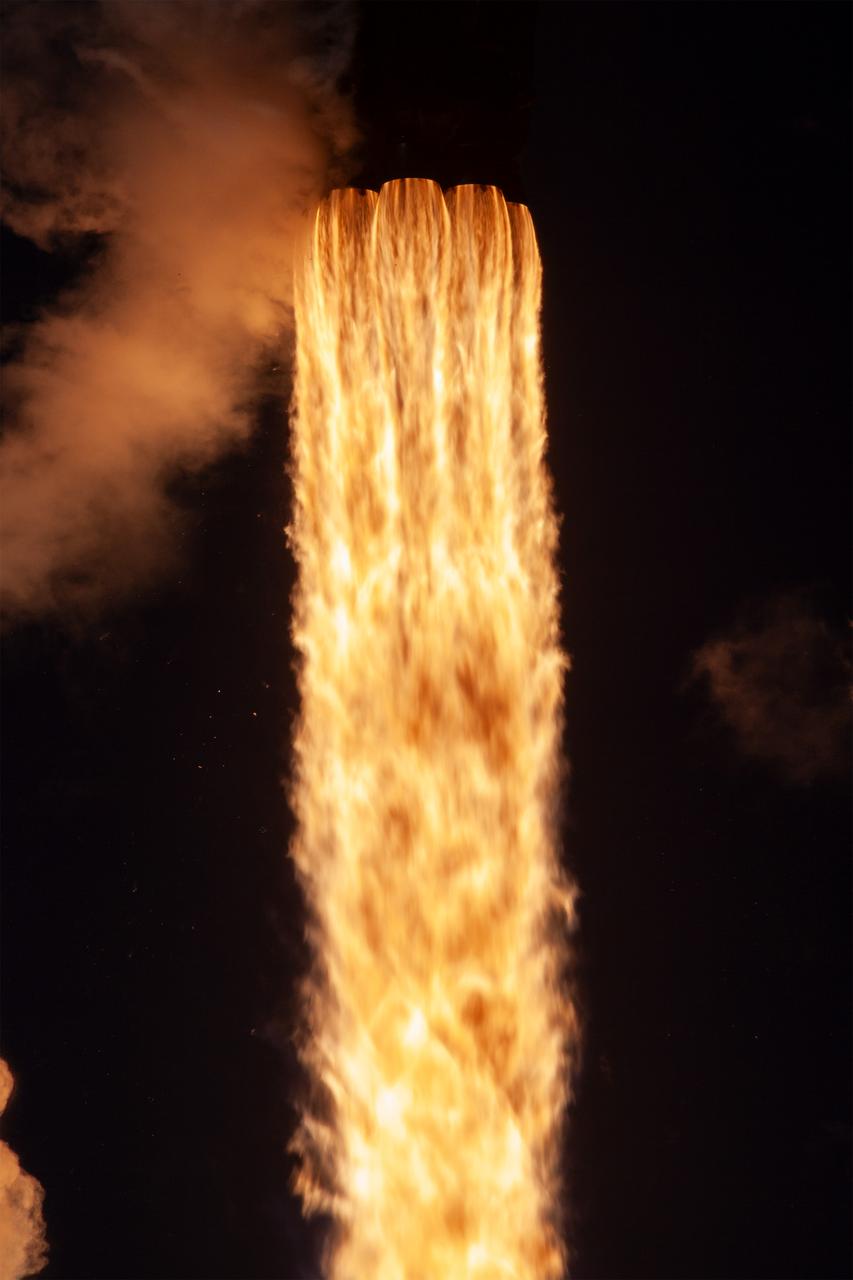
NASA’s TRACERS (Tandem Reconnection and Cusp Electrodynamics Reconnaissance Satellites) mission launches at 11:13 a.m. PDT (2:13 p.m. EDT) on Wednesday, July 23, 2025, atop a SpaceX Falcon 9 rocket at Space Launch Complex 4 East at Vandenberg Space Force Base in California. The TRACERS mission will study magnetic reconnection around Earth — a process in which electrically charged plasmas exchange energy in the atmosphere — to understand how the Sun’s solar wind interacts with the magnetosphere, Earth’s protective magnetic shield.
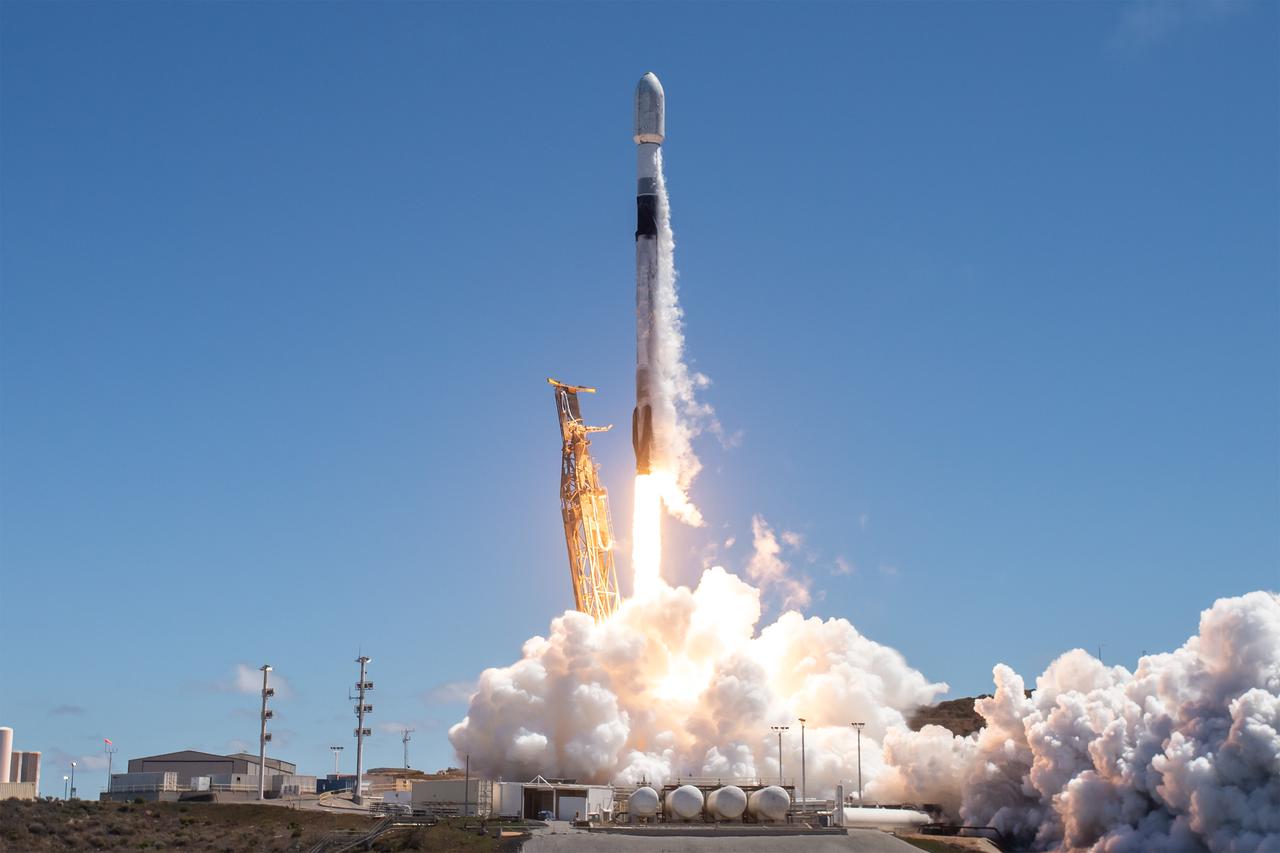
NASA’s TRACERS (Tandem Reconnection and Cusp Electrodynamics Reconnaissance Satellites) mission launches at 11:13 a.m. PDT (2:13 p.m. EDT) on Wednesday, July 23, 2025, atop a SpaceX Falcon 9 rocket at Space Launch Complex 4 East at Vandenberg Space Force Base in California. The TRACERS mission will study magnetic reconnection around Earth — a process in which electrically charged plasmas exchange energy in the atmosphere — to understand how the Sun’s solar wind interacts with the magnetosphere, Earth’s protective magnetic shield.
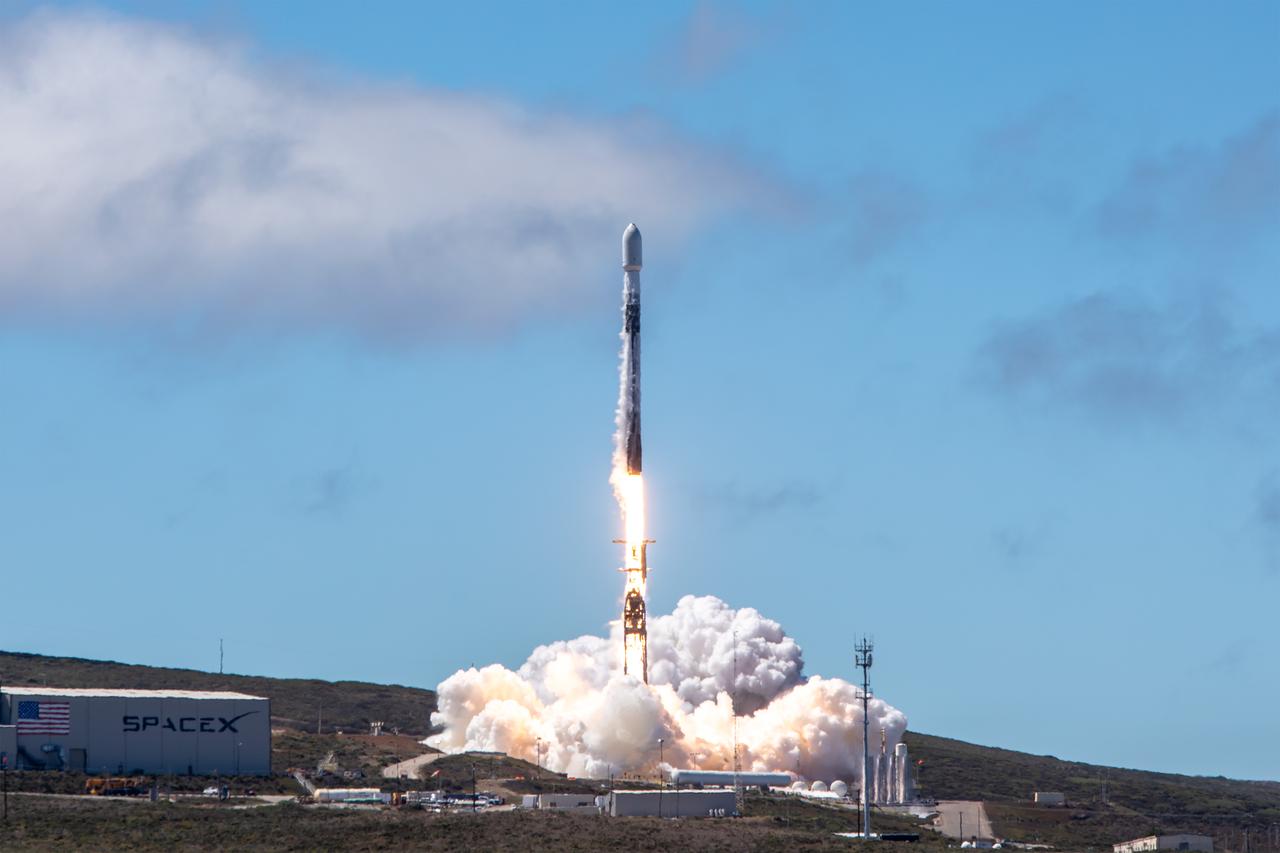
NASA’s TRACERS (Tandem Reconnection and Cusp Electrodynamics Reconnaissance Satellites) mission launches at 11:13 a.m. PDT (2:13 p.m. EDT) on Wednesday, July 23, 2025, atop a SpaceX Falcon 9 rocket at Space Launch Complex 4 East at Vandenberg Space Force Base in California. The TRACERS mission will study magnetic reconnection around Earth — a process in which electrically charged plasmas exchange energy in the atmosphere — to understand how the Sun’s solar wind interacts with the magnetosphere, Earth’s protective magnetic shield.
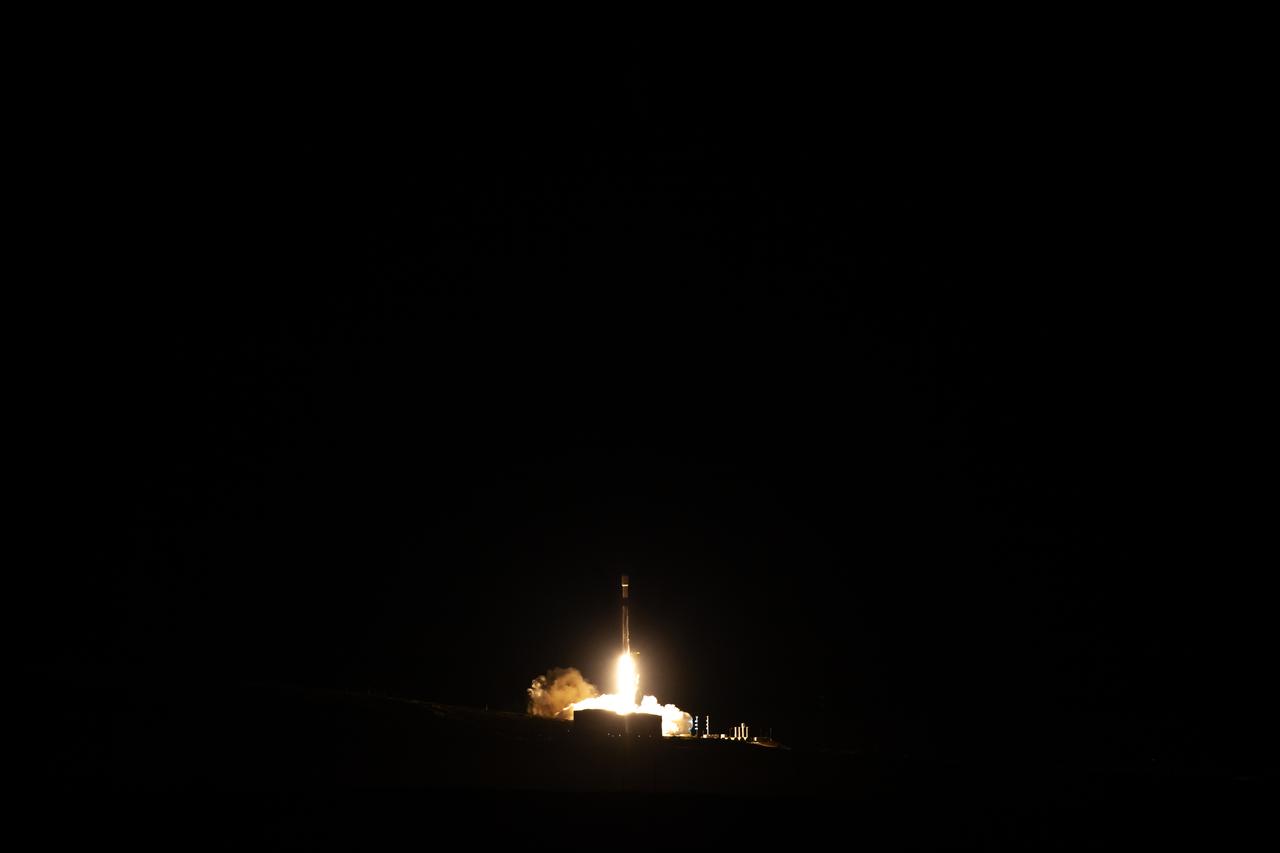
The SpaceX Falcon 9 rocket, carrying the Surface Water and Ocean Topography (SWOT) satellite, lifts off from Space Launch Complex-4 East at Vandenberg Space Force Base in California on Dec. 16, 2022, at 3:46 a.m. PST. A collaboration between NASA and the French space agency Centre National d’Études Spatiales (CNES), with contributions from the Canadian Space Agency and the UK Space Agency, SWOT will be the first satellite to survey nearly all water on Earth’s surface. The satellite will help researchers understand how much water flows in and out of Earth’s freshwater bodies and will provide insight into the ocean’s role in climate change. The instruments onboard will measure the height of water in lakes, rivers, reservoirs, and the ocean, and will observe ocean features in higher definition than ever before. NASA’s Launch Services Program, based at the agency’s Kennedy Space Center in Florida, is managing the launch service.
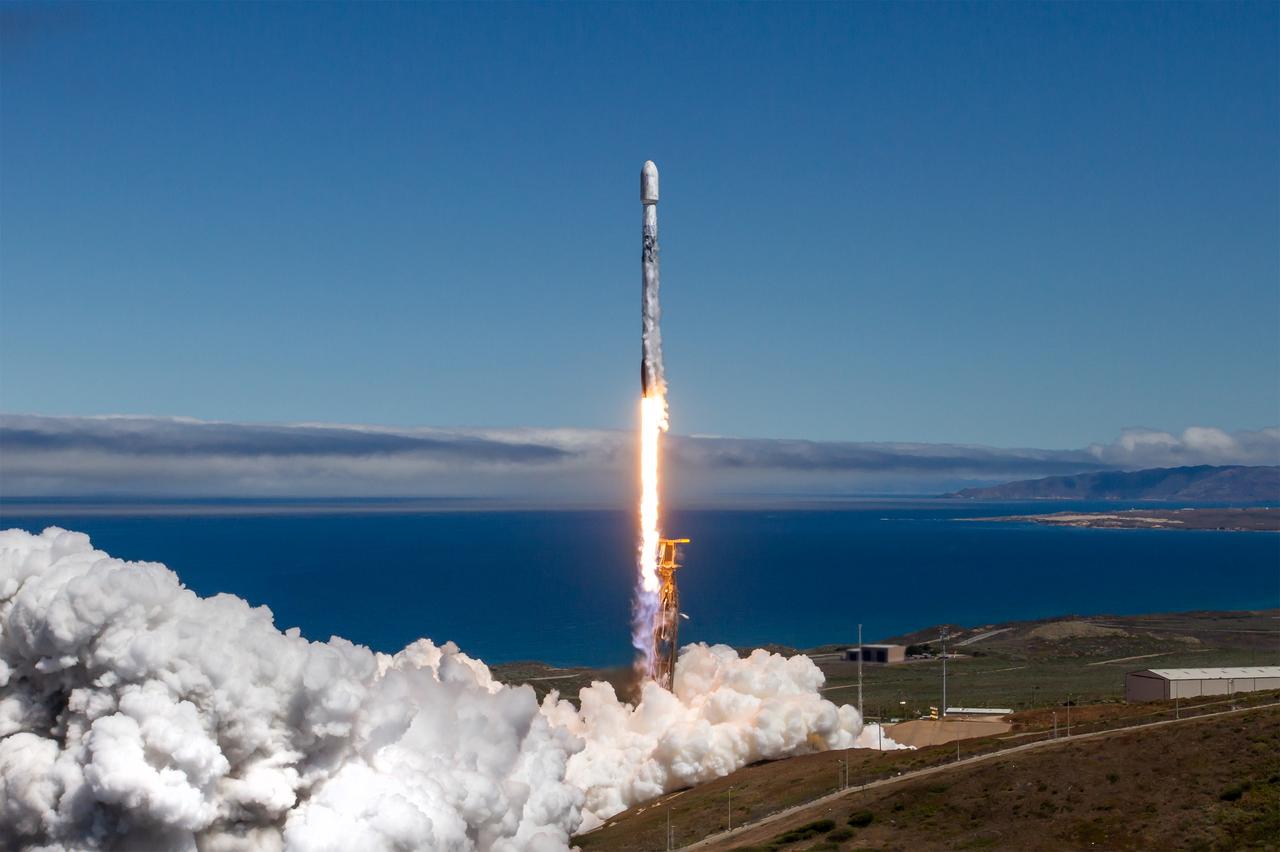
NASA’s TRACERS (Tandem Reconnection and Cusp Electrodynamics Reconnaissance Satellites) mission launches at 11:13 a.m. PDT (2:13 p.m. EDT) on Wednesday, July 23, 2025, atop a SpaceX Falcon 9 rocket at Space Launch Complex 4 East at Vandenberg Space Force Base in California. The TRACERS mission will study magnetic reconnection around Earth — a process in which electrically charged plasmas exchange energy in the atmosphere — to understand how the Sun’s solar wind interacts with the magnetosphere, Earth’s protective magnetic shield.
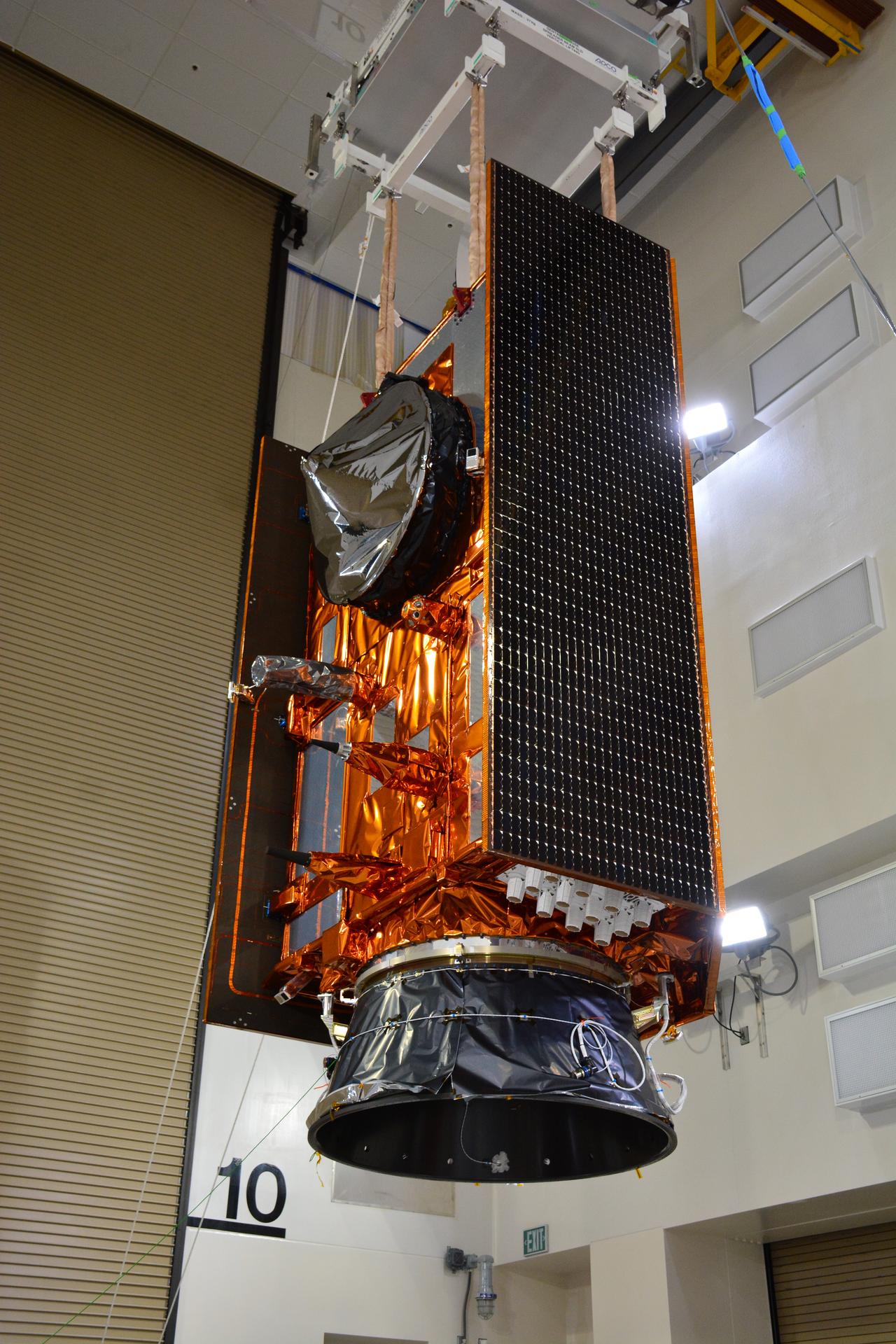
Technicians integrate the Sentinel-6B spacecraft to the payload attach fitting inside the Astrotech Space Operations payload processing facility at Vandenberg Space Force Base in California on Wednesday, Nov. 5, 2025. The payload attach fitting is part of the system that connects Sentinel-6B to the second stage of the SpaceX Falcon 9 rocket that will carry it to orbit. A collaboration between NASA, ESA (European Space Agency), EUMETSAT (European Organisation for the Exploitation of Meteorological Satellites), and the National Oceanic and Atmospheric Administration (NOAA), Sentinel-6B is designed to measure sea levels down to roughly an inch for about 90% of the world’s oceans. NASA is targeting launch no earlier than Sunday, Nov. 16, on a SpaceX Falcon 9 rocket from Space Launch Complex 4 East at Vandenberg.
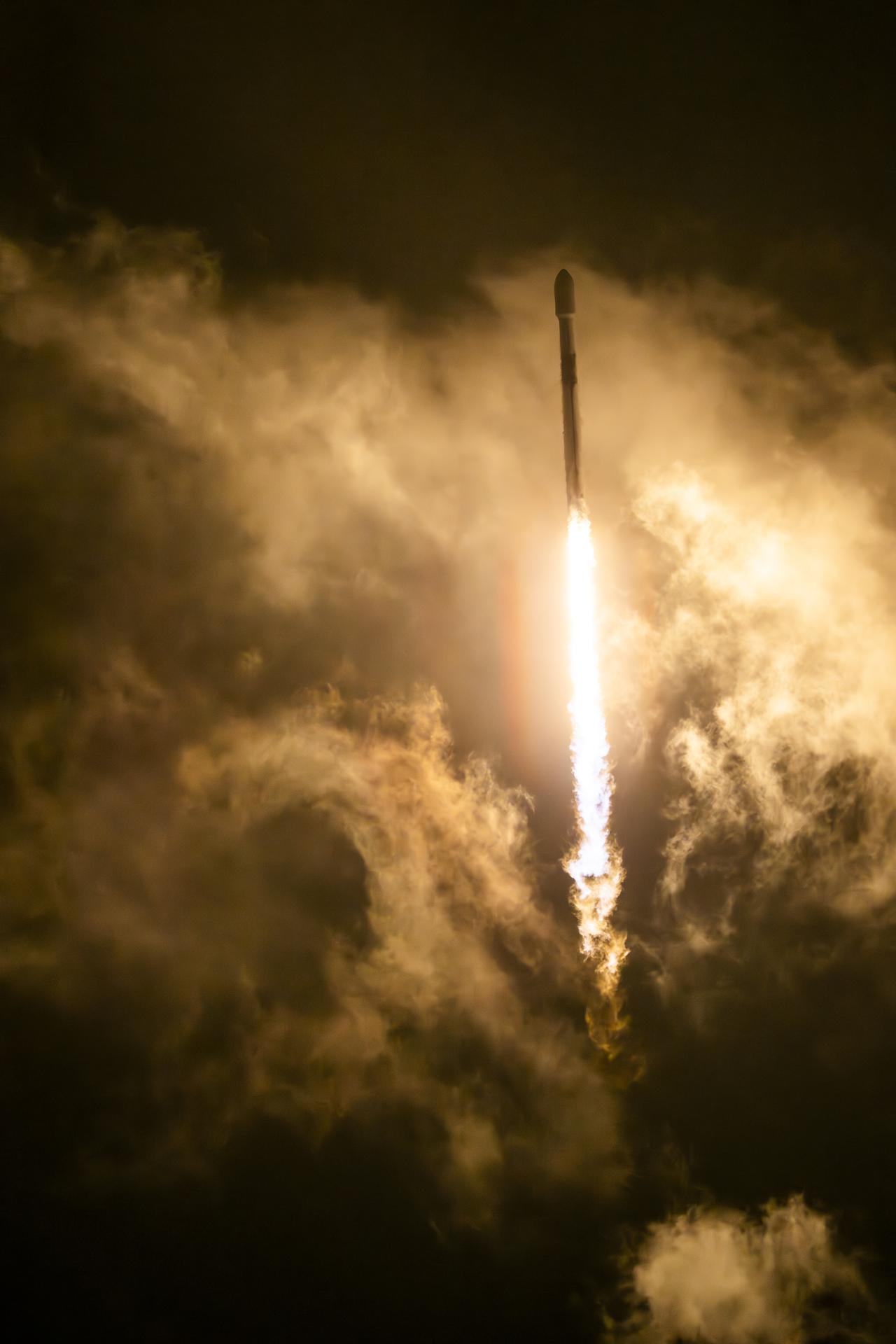
A SpaceX Falcon 9 rocket carrying the international Sentinel-6B spacecraft lifts off from Space Launch Complex 4 East at Vandenberg Space Force Base in California on Sunday, Nov. 16, 2025. A collaboration between NASA, ESA (European Space Agency), EUMETSAT (European Organisation for the Exploitation of Meteorological Satellites), and the National Oceanic and Atmospheric Administration (NOAA), Sentinel-6B is designed to measure sea levels down to roughly an inch for about 90% of the world’s oceans.
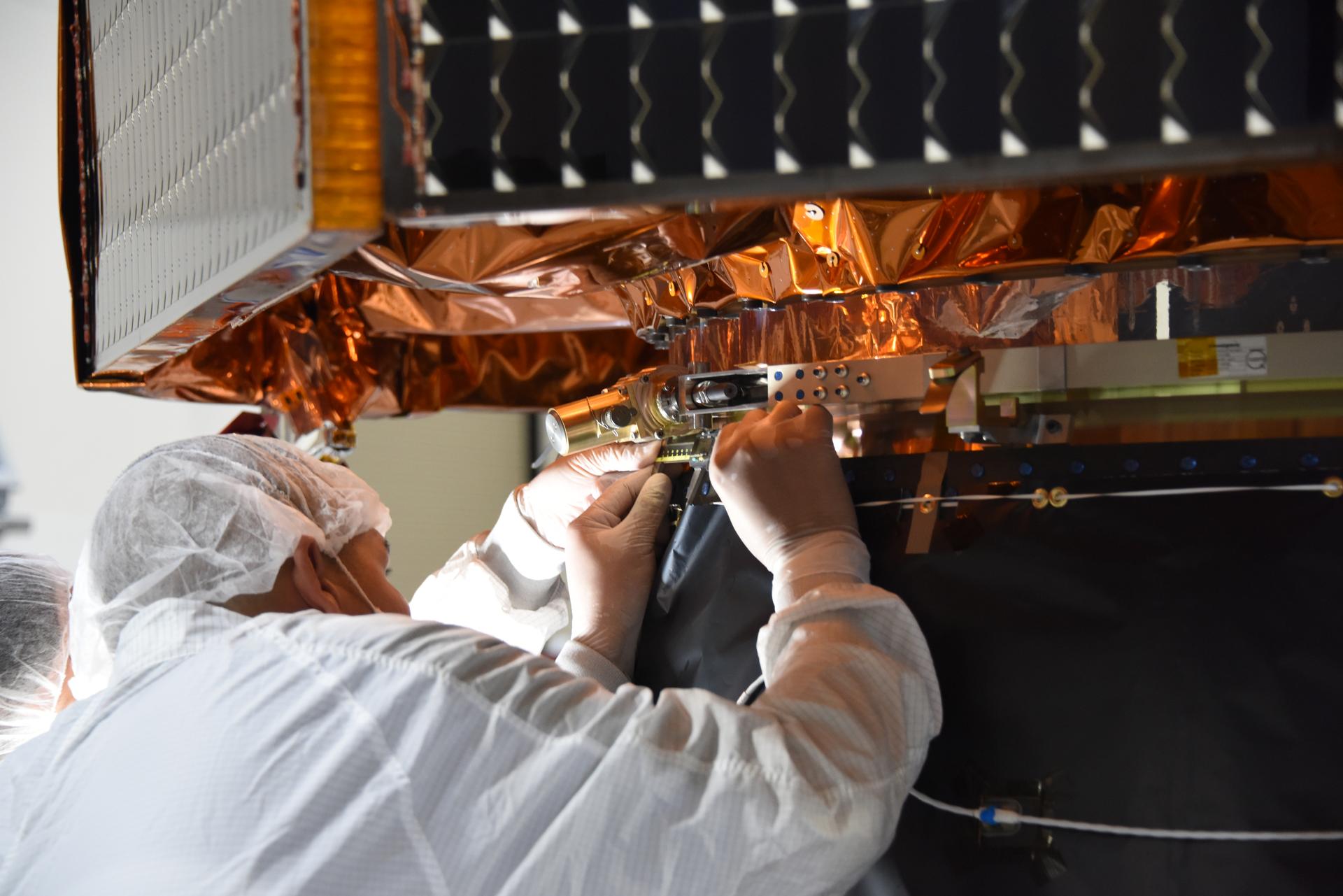
Technicians integrate the Sentinel-6B spacecraft to the payload adapter inside the Astrotech Space Operations payload processing facility at Vandenberg Space Force Base in California on Tuesday, Nov. 4, 2025. The payload adapter is part of the system that connects Sentinel-6B to the second stage of the SpaceX Falcon 9 rocket that will carry it to orbit. A collaboration between NASA, ESA (European Space Agency), EUMETSAT (European Organisation for the Exploitation of Meteorological Satellites), and the National Oceanic and Atmospheric Administration (NOAA), Sentinel-6B is designed to measure sea levels down to roughly an inch for about 90% of the world’s oceans. NASA is targeting launch no earlier than Sunday, Nov. 16, on a SpaceX Falcon 9 rocket from Space Launch Complex 4 East at Vandenberg.
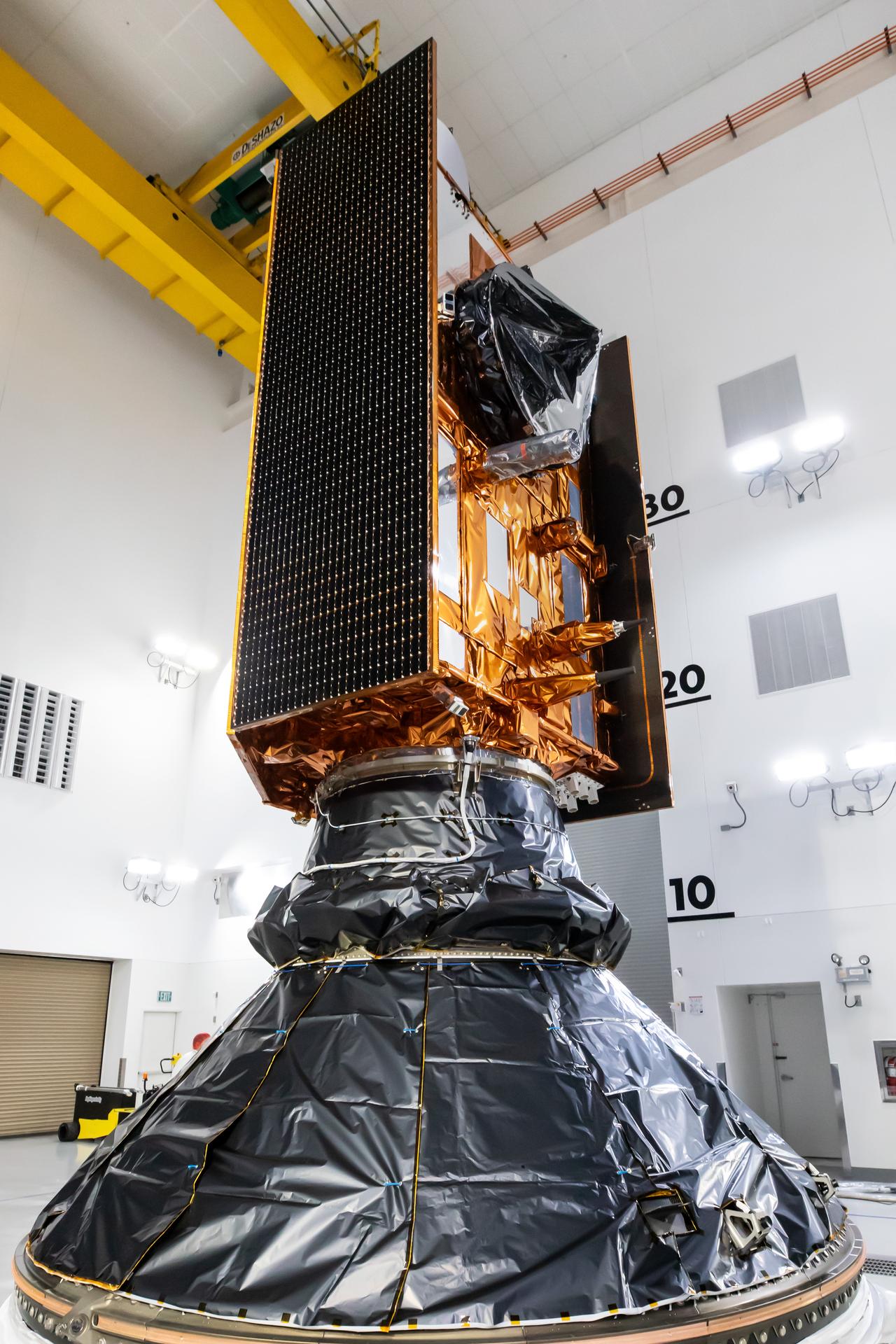
Technicians and engineers encapsulate the Sentinel-6B spacecraft within a protective payload fairing inside the Astrotech Space Operations facility at Vandenberg Space Force Base in California, on Monday, Nov. 10, 2025. A collaboration between NASA, ESA (European Space Agency), EUMETSAT (European Organisation for the Exploitation of Meteorological Satellites), and the National Oceanic and Atmospheric Administration (NOAA), Sentinel-6B is designed to measure sea levels down to roughly an inch for about 90% of the world’s oceans. NASA is targeting launch no earlier than Sunday, Nov. 16, on a SpaceX Falcon 9 rocket from Space Launch Complex 4 East at Vandenberg.
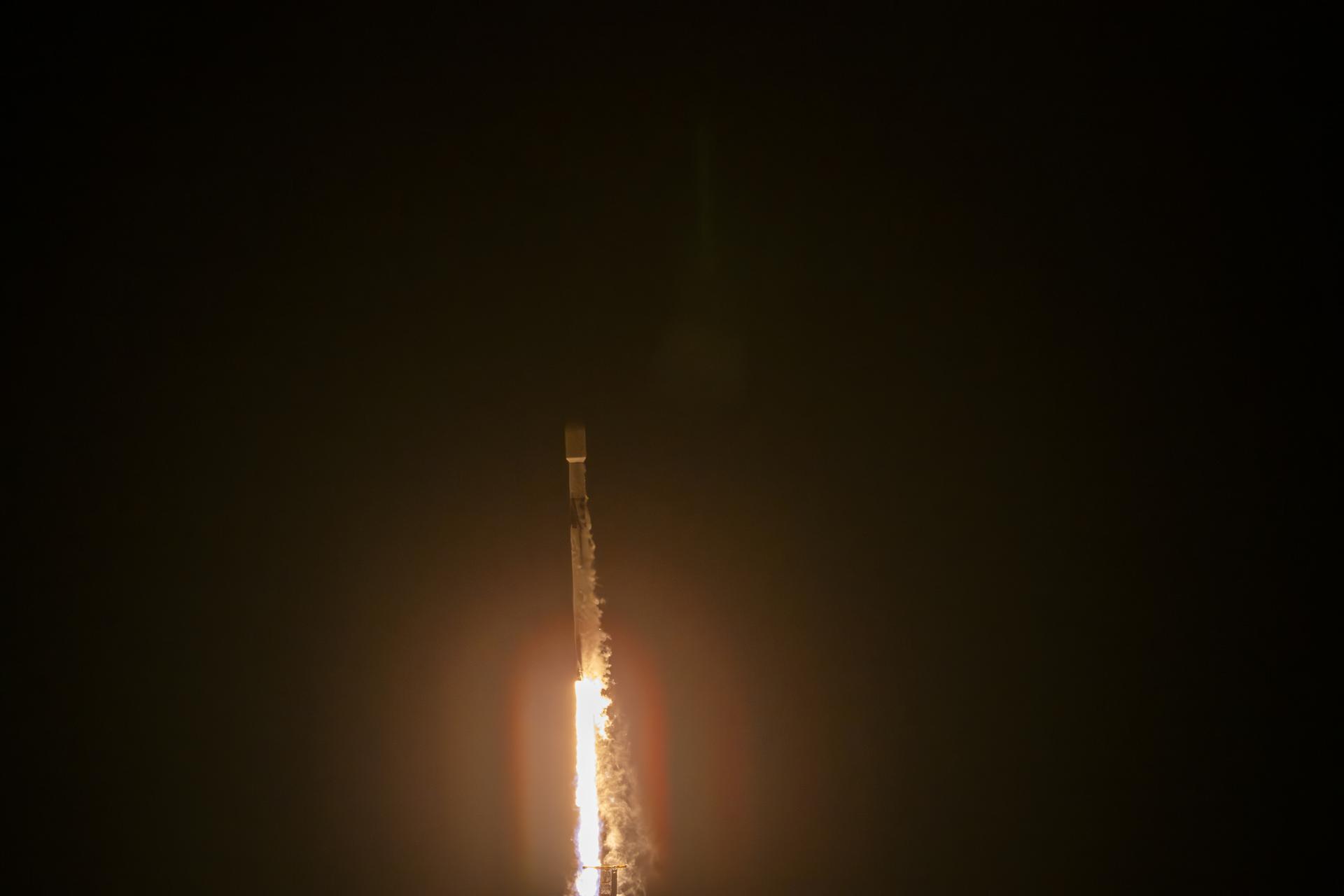
A SpaceX Falcon 9 rocket carrying the international Sentinel-6B spacecraft lifts off from Space Launch Complex 4 East at Vandenberg Space Force Base in California on Sunday, Nov. 16, 2025. A collaboration between NASA, ESA (European Space Agency), EUMETSAT (European Organisation for the Exploitation of Meteorological Satellites), and the National Oceanic and Atmospheric Administration (NOAA), Sentinel-6B is designed to measure sea levels down to roughly an inch for about 90% of the world’s oceans.