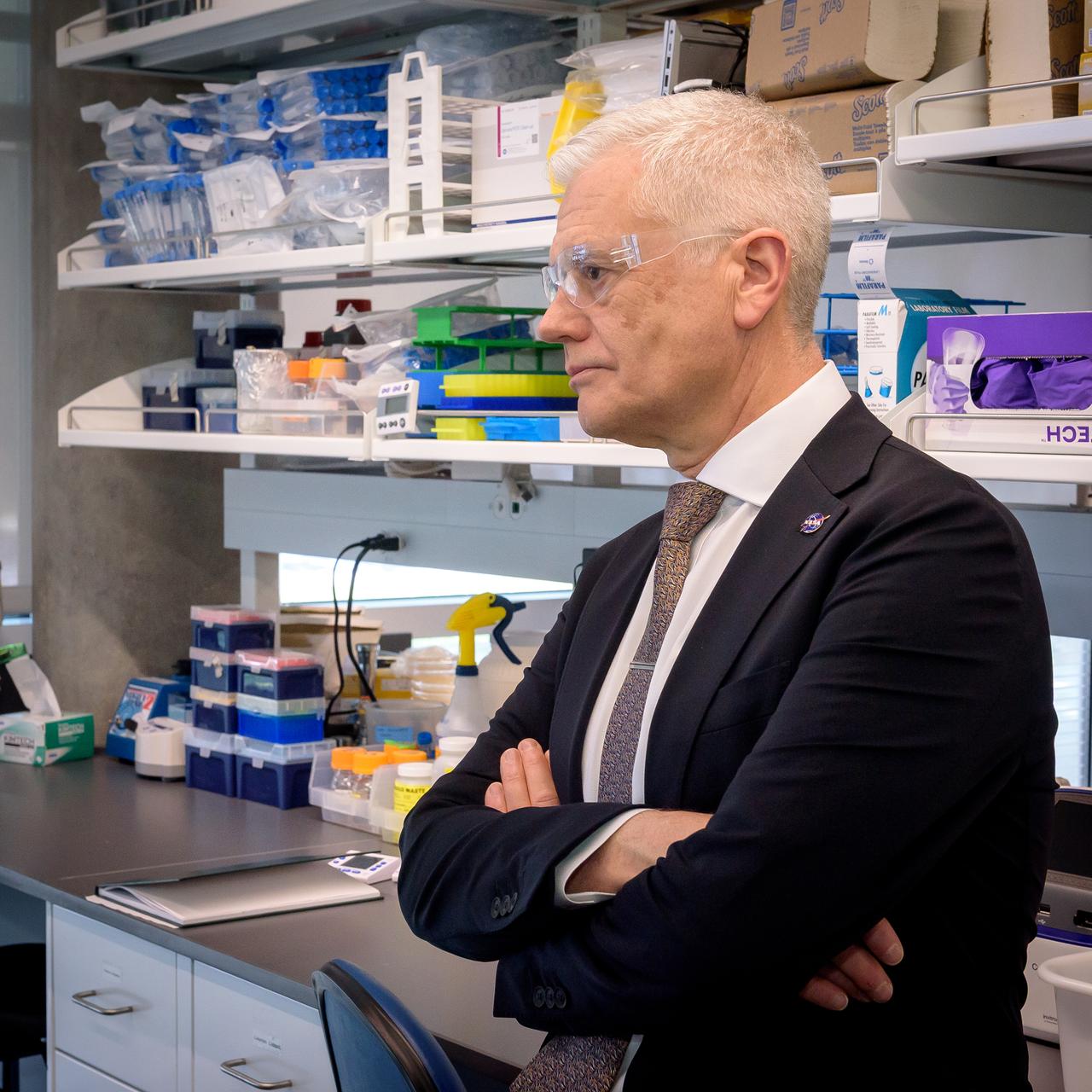
Acting Deputy Associate Administrator (DAA) for the Science Mission Directorate (SMD) Mark Clampin learns about the Lunar Explorer Instrument for space biology Applications (LEIA) the Bioscience Collaborative Laboratory, N288.
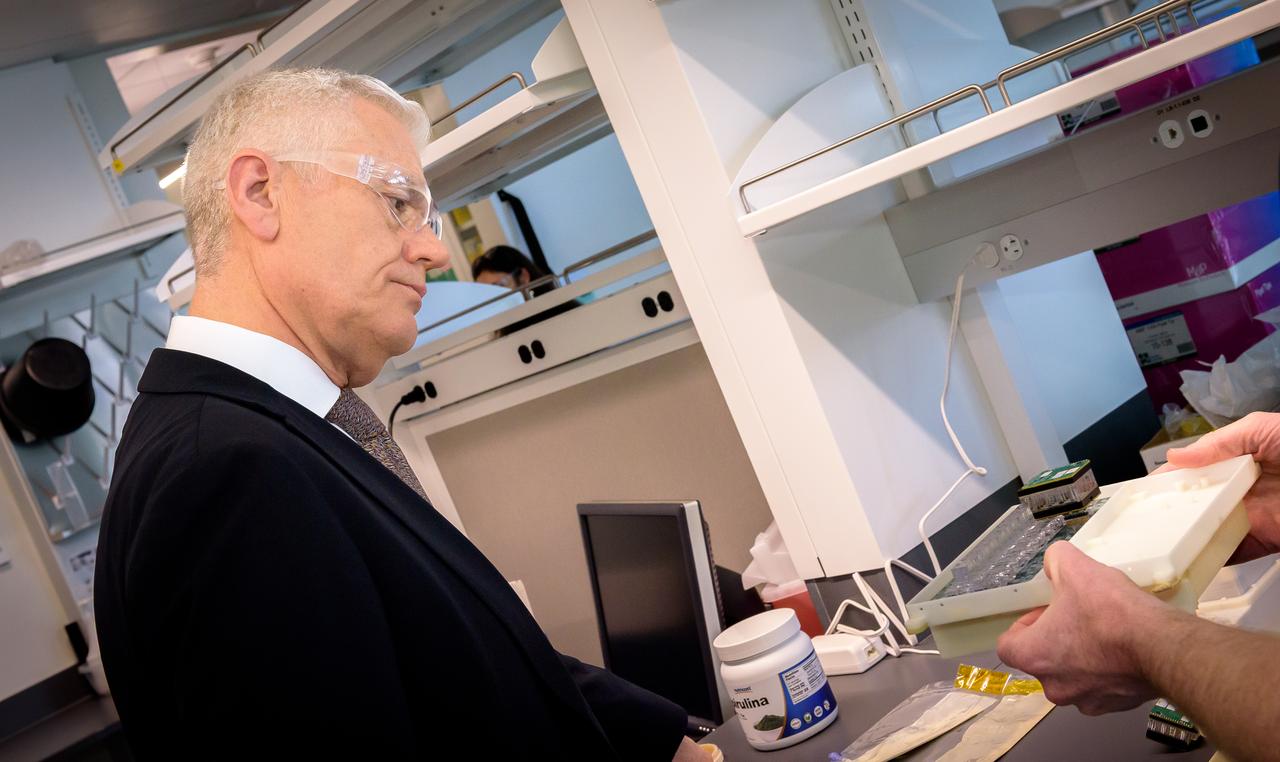
Acting Deputy Associate Administrator (DAA) for the Science Mission Directorate (SMD) Mark Clampin learns about the Lunar Explorer Instrument for space biology Applications (LEIA) the Bioscience Collaborative Laboratory, N288.
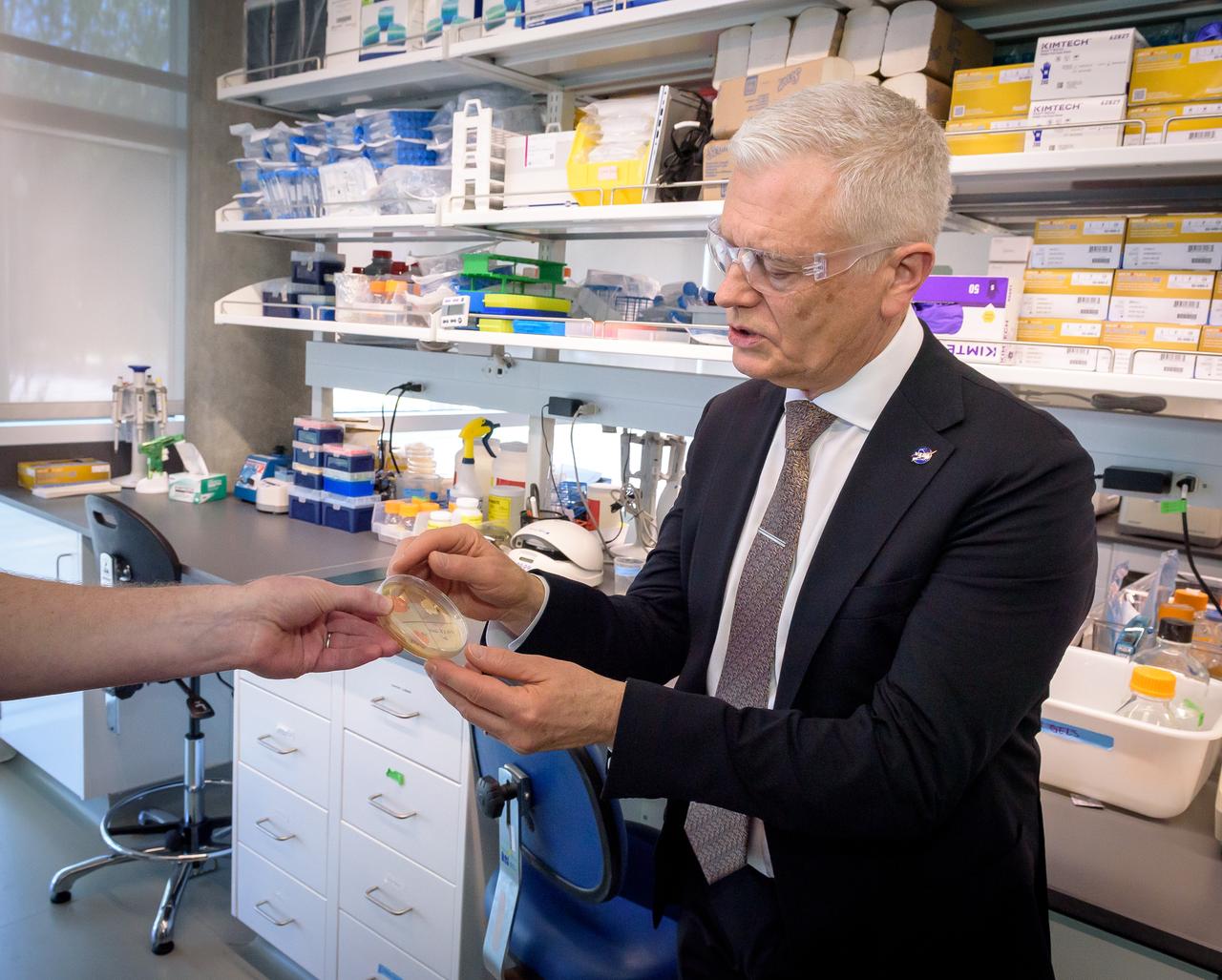
Acting Deputy Associate Administrator (DAA) for the Science Mission Directorate (SMD) Mark Clampin learns about the Lunar Explorer Instrument for space biology Applications (LEIA) the Bioscience Collaborative Laboratory, N288.
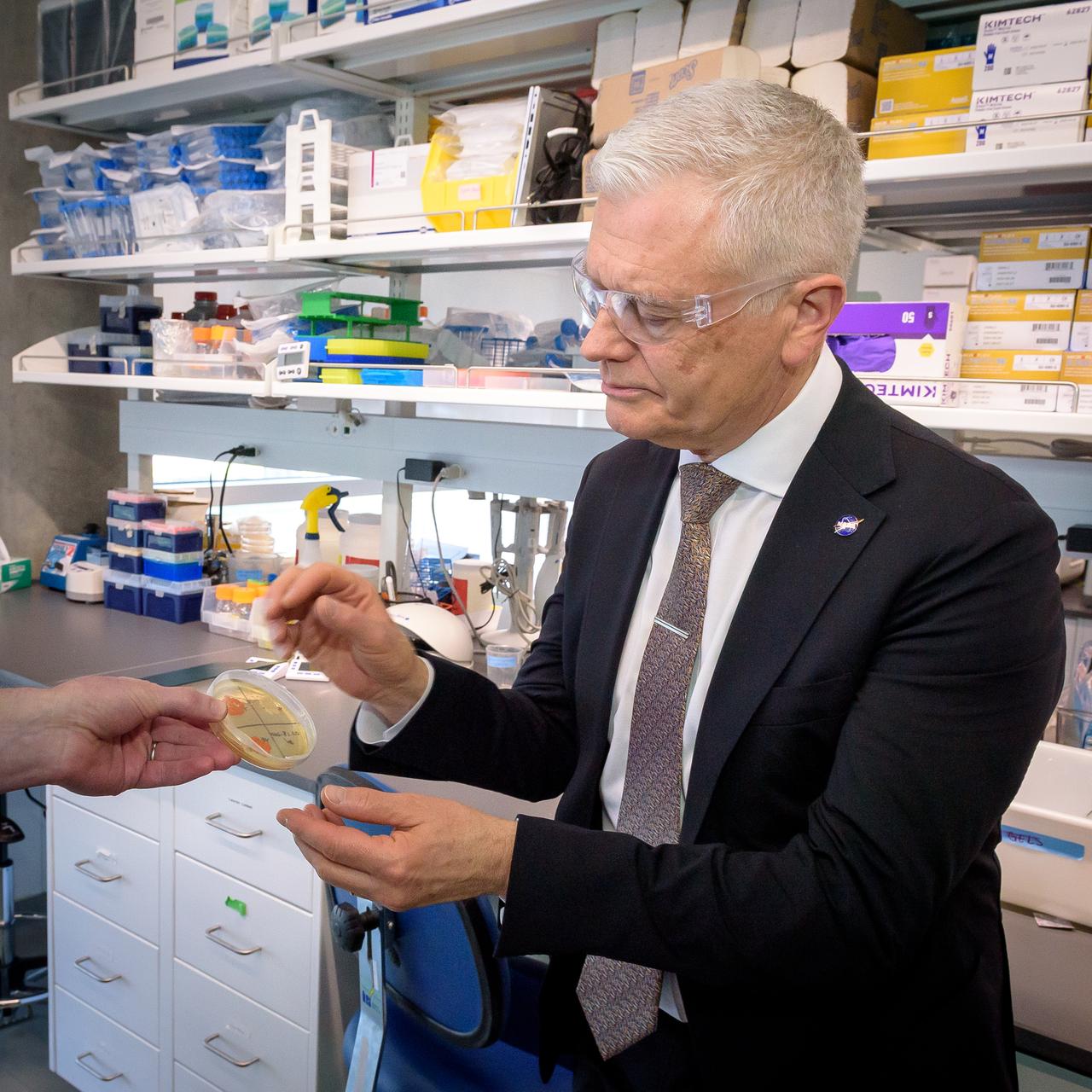
Acting Deputy Associate Administrator (DAA) for the Science Mission Directorate (SMD) Mark Clampin learns about the Lunar Explorer Instrument for space biology Applications (LEIA) the Bioscience Collaborative Laboratory, N288.
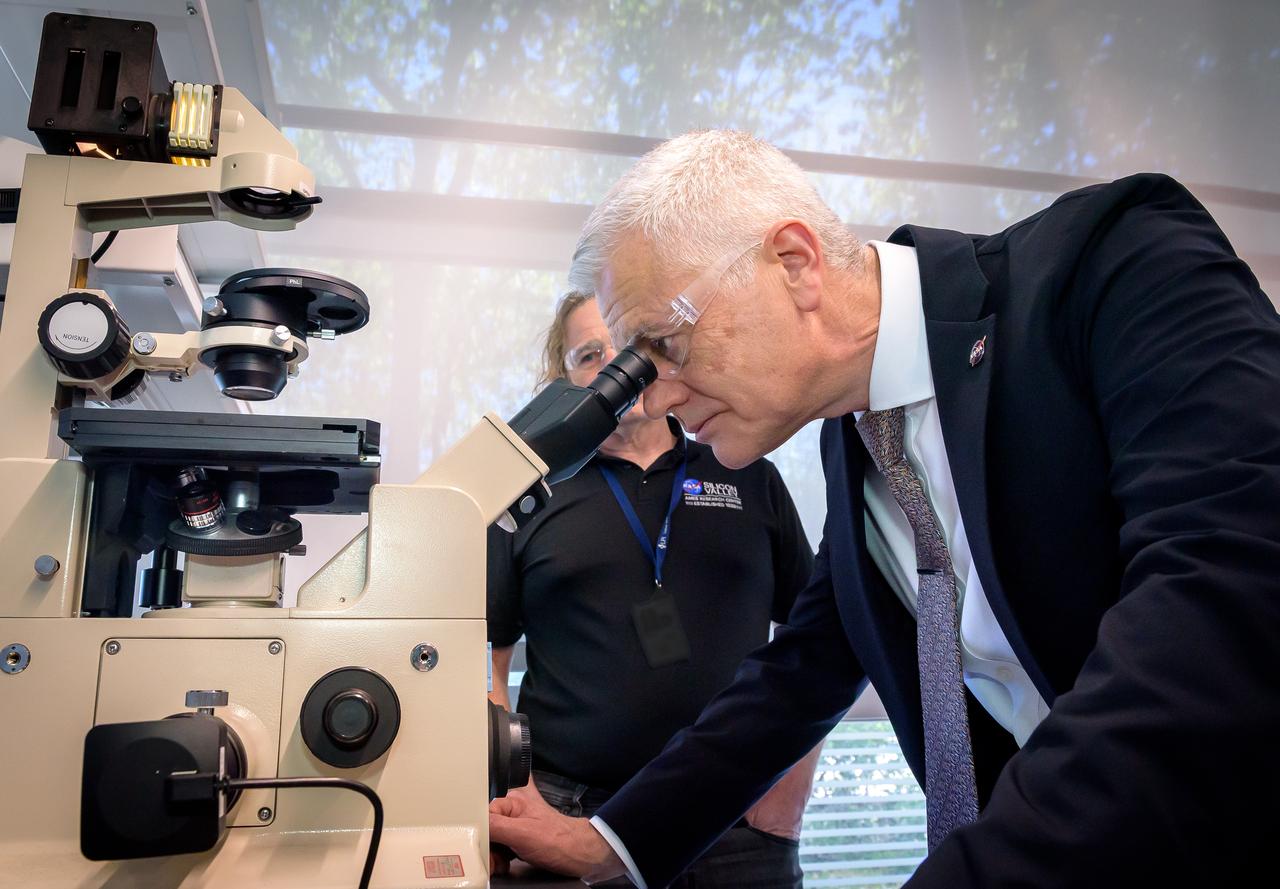
Acting Deputy Associate Administrator (DAA) for the Science Mission Directorate (SMD) Mark Clampin learns about the Lunar Explorer Instrument for space biology Applications (LEIA) the Bioscience Collaborative Laboratory, N288.
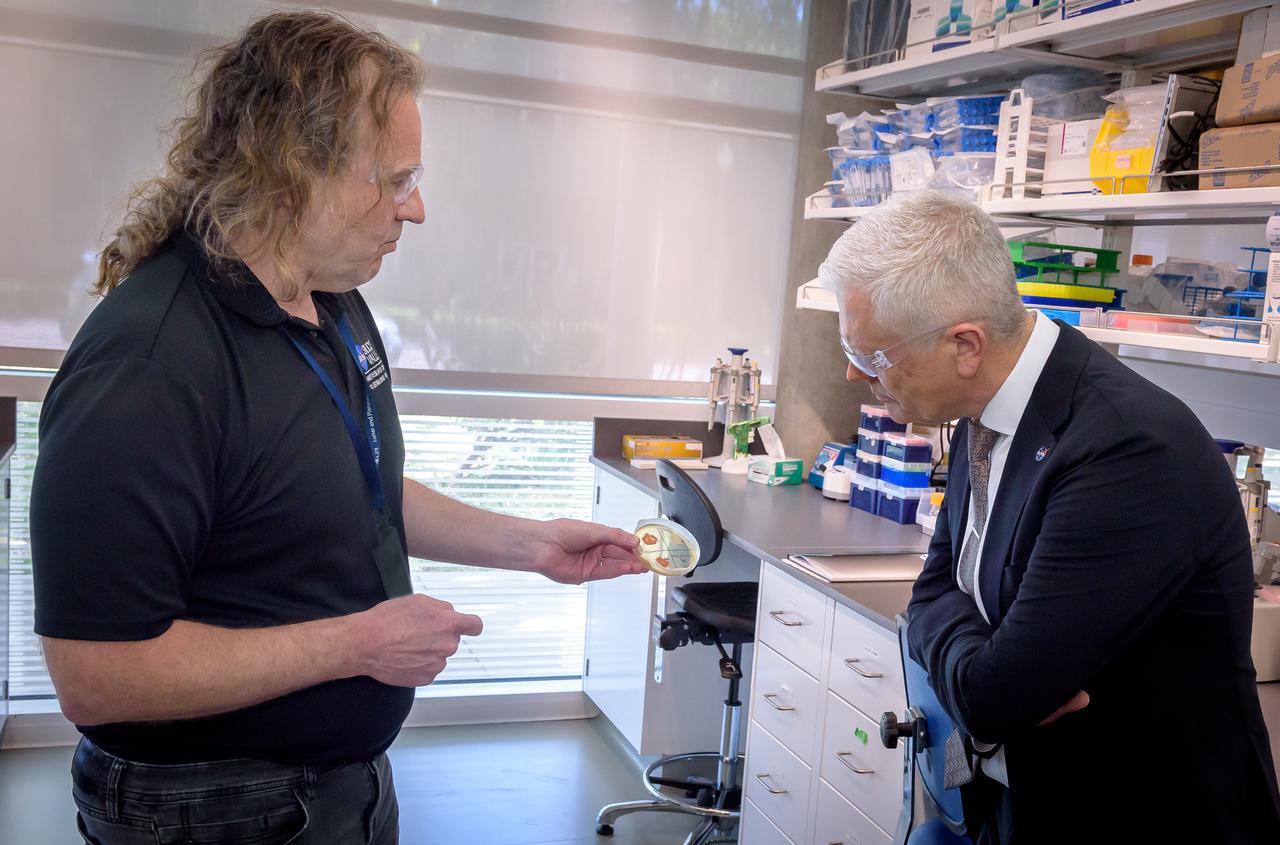
Director of Science Michael Hesse, left, presents an overview of Lunar Explorer Instrument for space biology Applications (LEIA) to Acting Deputy Associate Administrator (DAA) for the Science Mission Directorate (SMD) Mark Clampin in the Bioscience Collaborative Laboratory, N288.
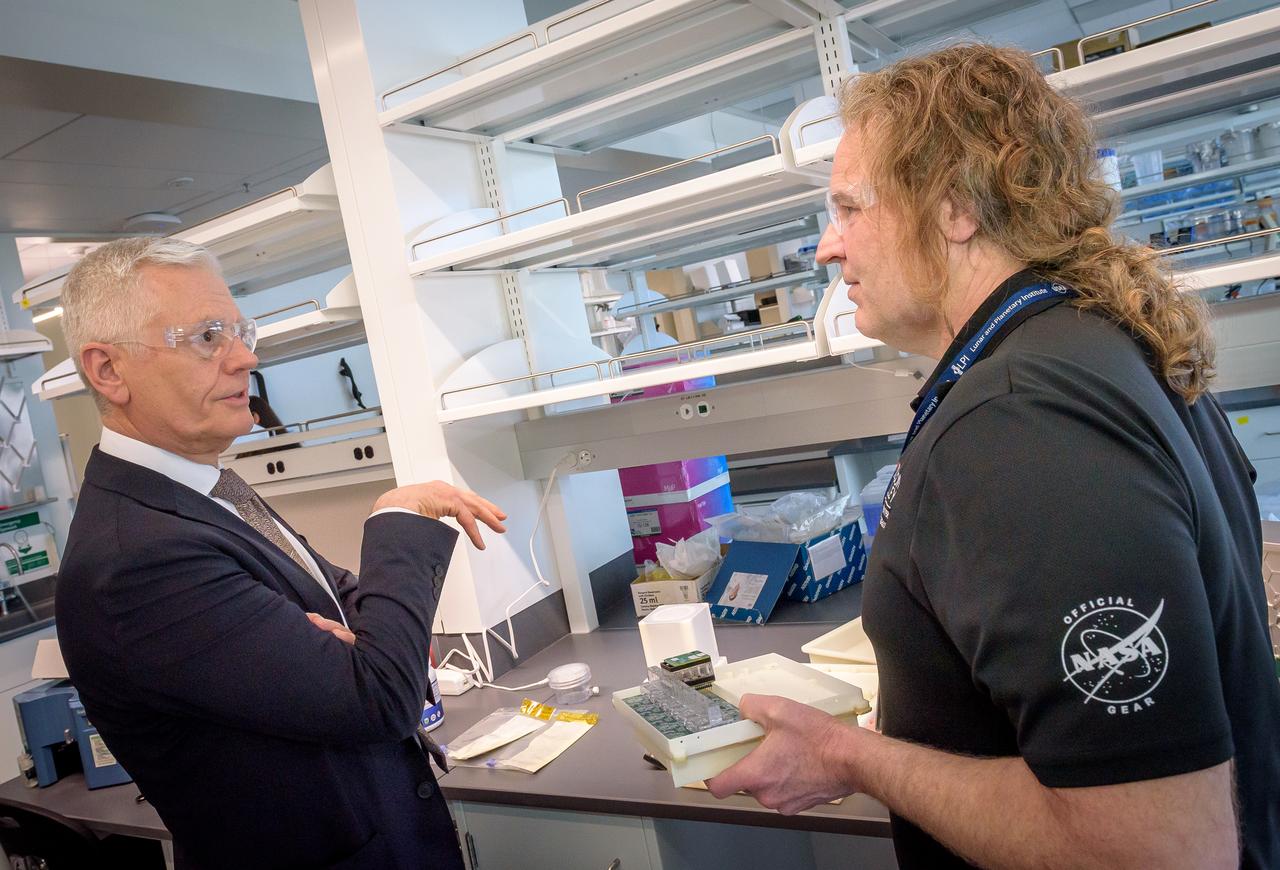
Director of Science Michael Hesse, right, presents an overview of Lunar Explorer Instrument for space biology Applications (LEIA) to Acting Deputy Associate Administrator (DAA) for the Science Mission Directorate (SMD) Mark Clampin in the Bioscience Collaborative Laboratory, N288.
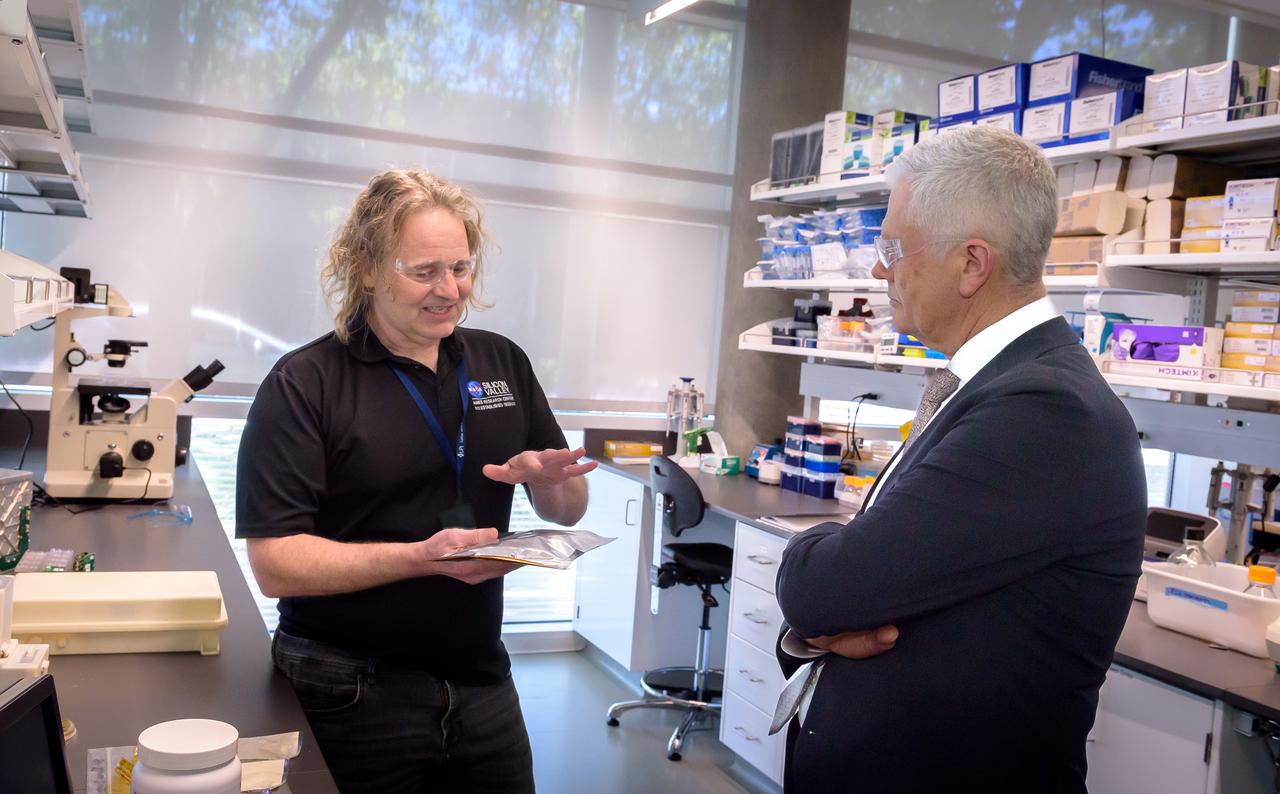
Director of Science Michael Hesse, left, presents an overview of Lunar Explorer Instrument for space biology Applications (LEIA) to Acting Deputy Associate Administrator (DAA) for the Science Mission Directorate (SMD) Mark Clampin in the Bioscience Collaborative Laboratory, N288.
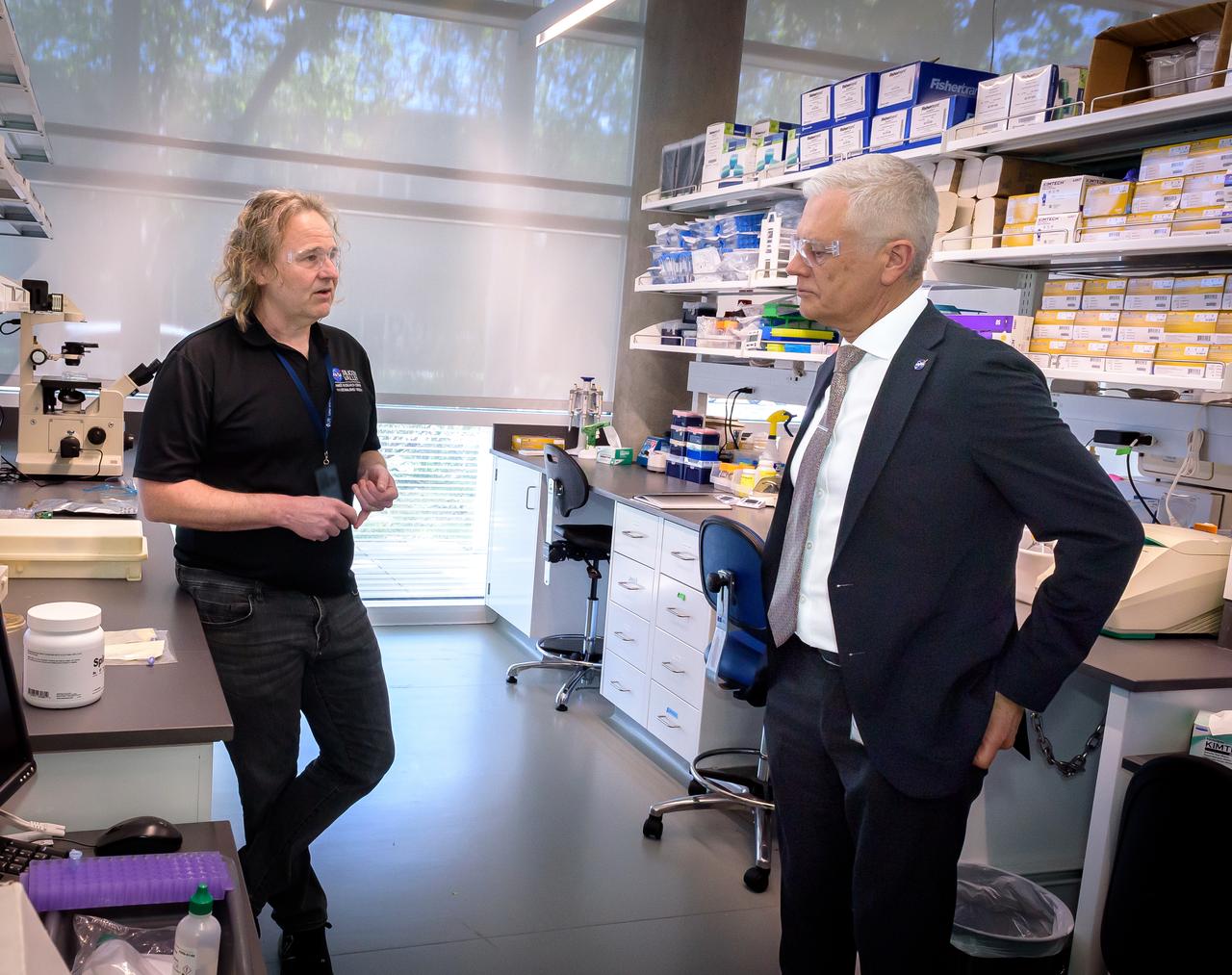
Director of Science Michael Hesse, left, presents an overview of Lunar Explorer Instrument for space biology Applications (LEIA) to Acting Deputy Associate Administrator (DAA) for the Science Mission Directorate (SMD) Mark Clampin in the Bioscience Collaborative Laboratory, N288.
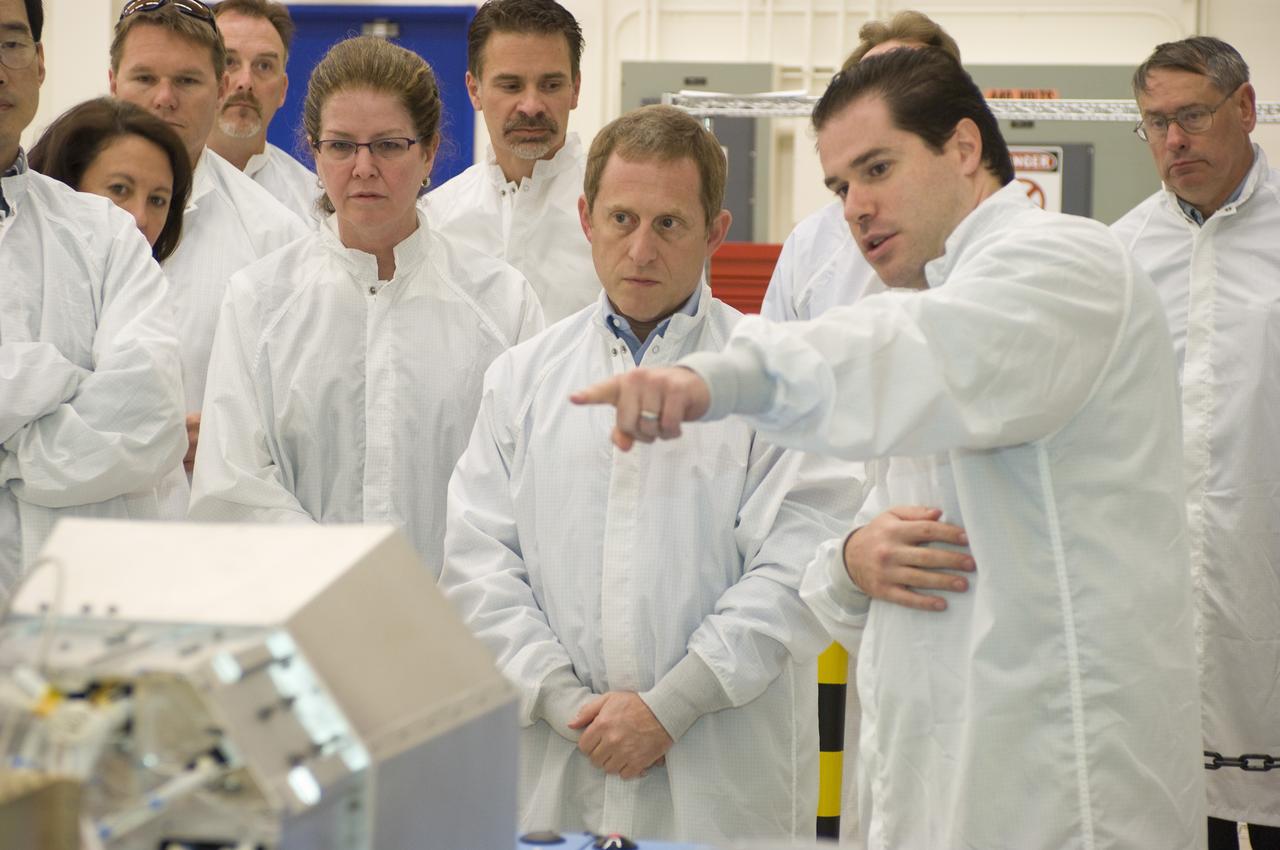
LCROSS flight hardware in clean room at Ames N-240: Tony Colaprete NASA Ames P.I. explains the progress of the LCROSS project to Alan Stern, NASA Associate Administrator of the Science Mission Directorate (SMD) as he tours the Lab during his visit to Ames to meet with and talk to the Ames scientists and employees.
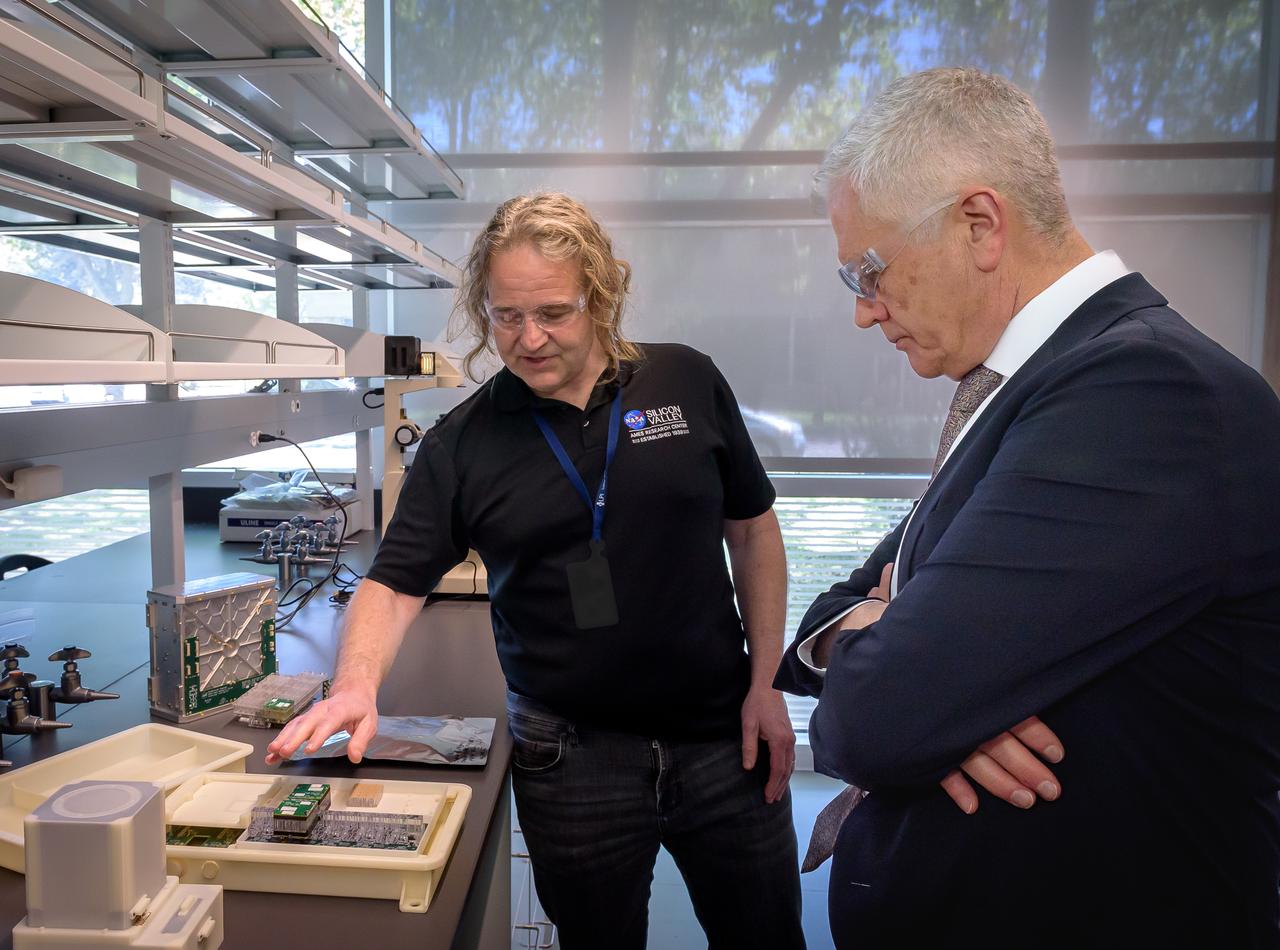
Director of Science Michael Hesse, left, presents an overview of Lunar Explorer Instrument for space biology Applications (LEIA) to Acting Deputy Associate Administrator (DAA) for the Science Mission Directorate (SMD) Mark Clampin in the Bioscience Collaborative Laboratory, N288.
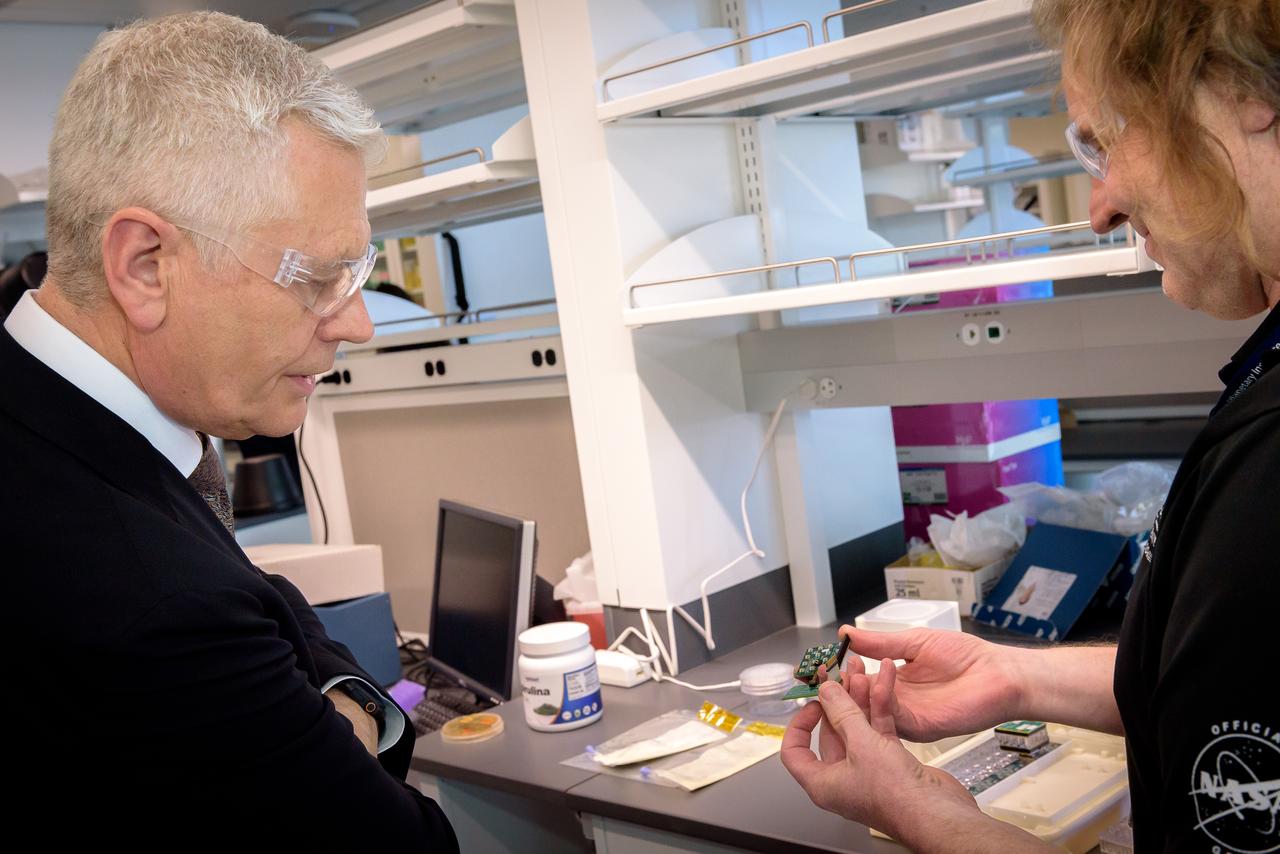
Director of Science Michael Hesse, right, presents an overview of Lunar Explorer Instrument for space biology Applications (LEIA) to Acting Deputy Associate Administrator (DAA) for the Science Mission Directorate (SMD) Mark Clampin in the Bioscience Collaborative Laboratory, N288.
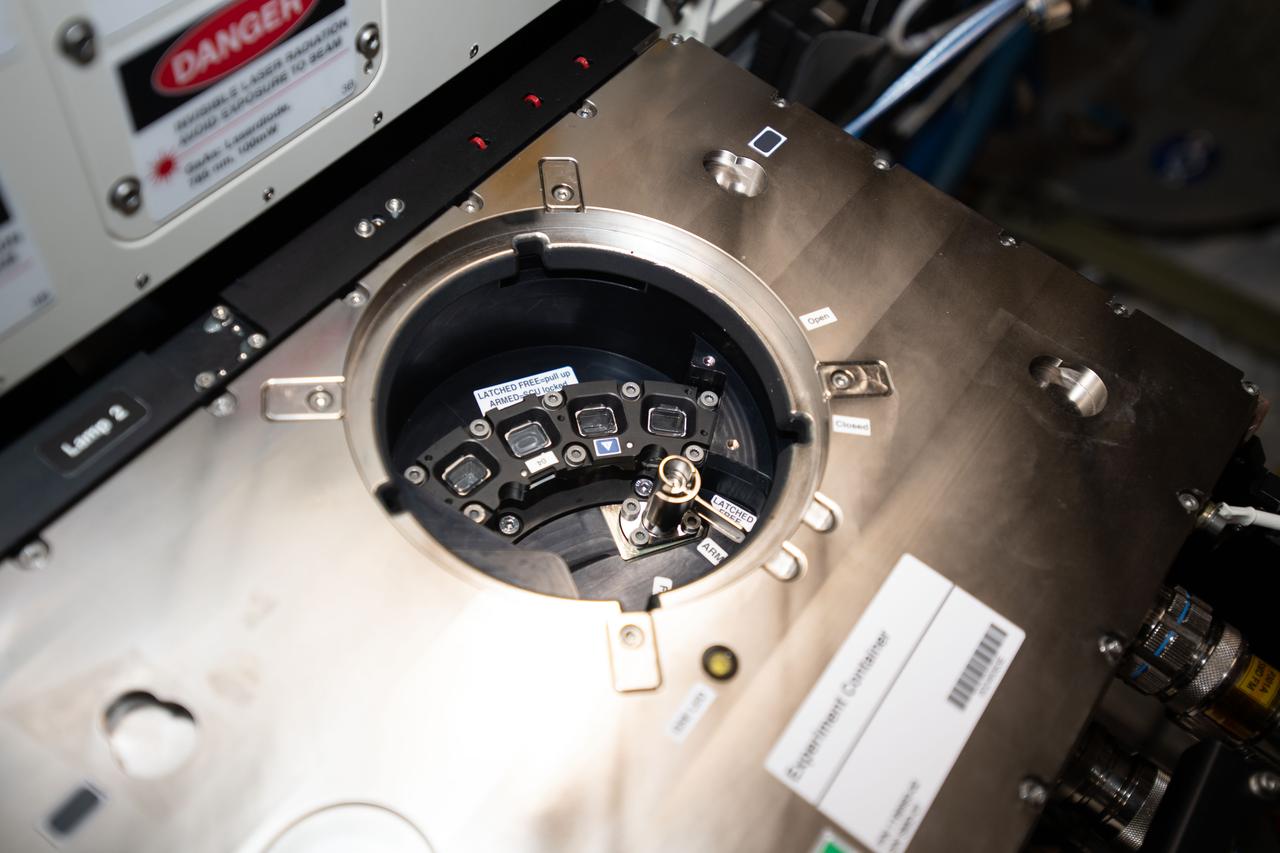
iss062e141221 (4/11/2020) --- A view of the sample cell inside the Soft Matter Dynamics (SMD) Experiment Container of the Fluid Science Laboratory (FSL) in the Columbus module aboard the International Space Station (ISS). FSL Soft Matter Dynamics - Hydrodynamics of Wet Foams (Foam Coarsening) aims to study aqueous and non-aqueous foams in the microgravity environment of the ISS.
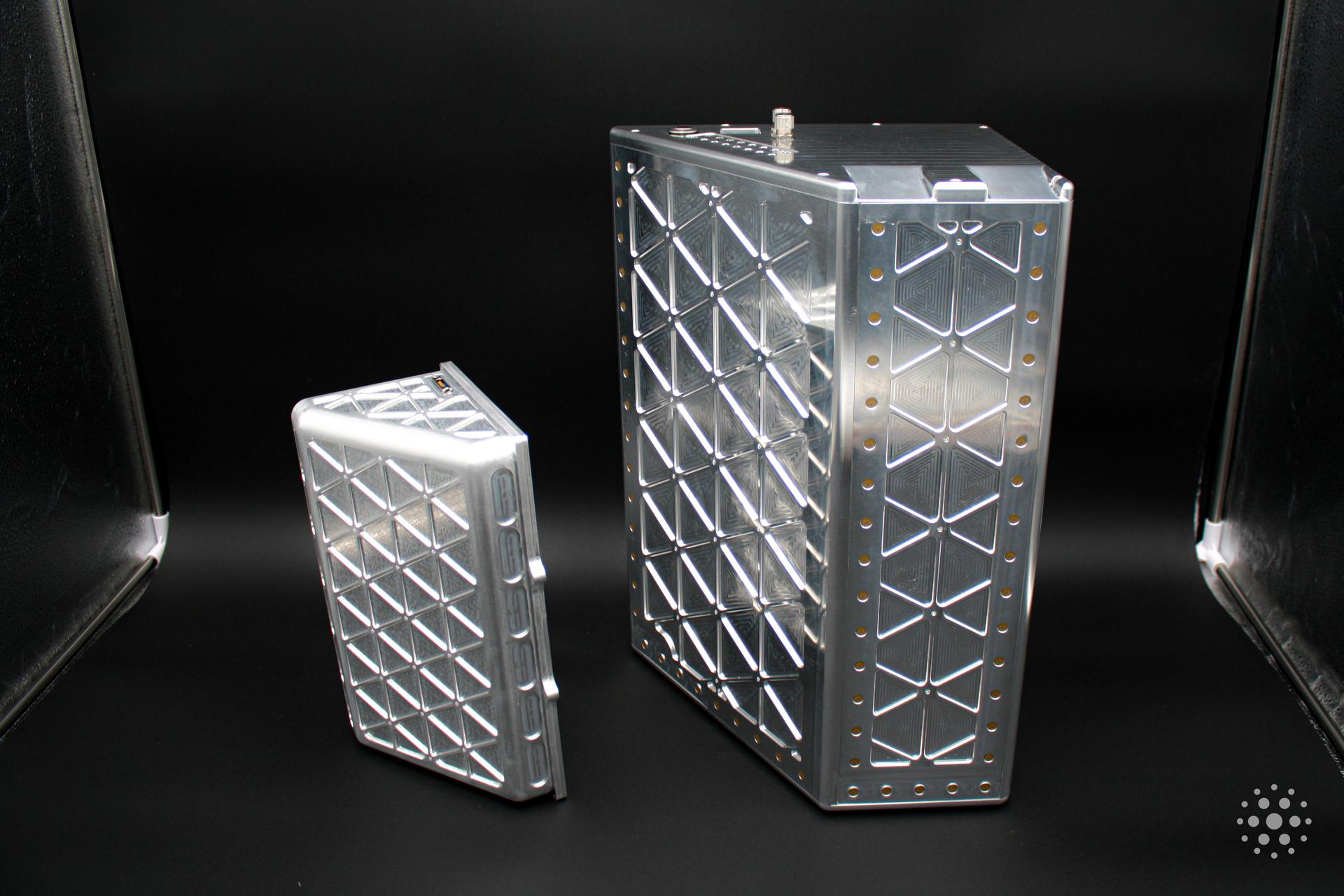
This is the hardware that will contain the AVATAR chips during the Artemis II flight. The AVATAR (A Virtual Astronaut Tissue Analog Response) investigation will use organ-on-a-chip devices, or organ chips, to study a effects of increased radiation and microgravity on human health. Artemis II AVATAR is a small experiment flying aboard Artemis II that could lead to big impacts in healthcare, both for astronauts in space and citizens on Earth. For more information on AVATAR: go.nasa.gov/4m5dGH9
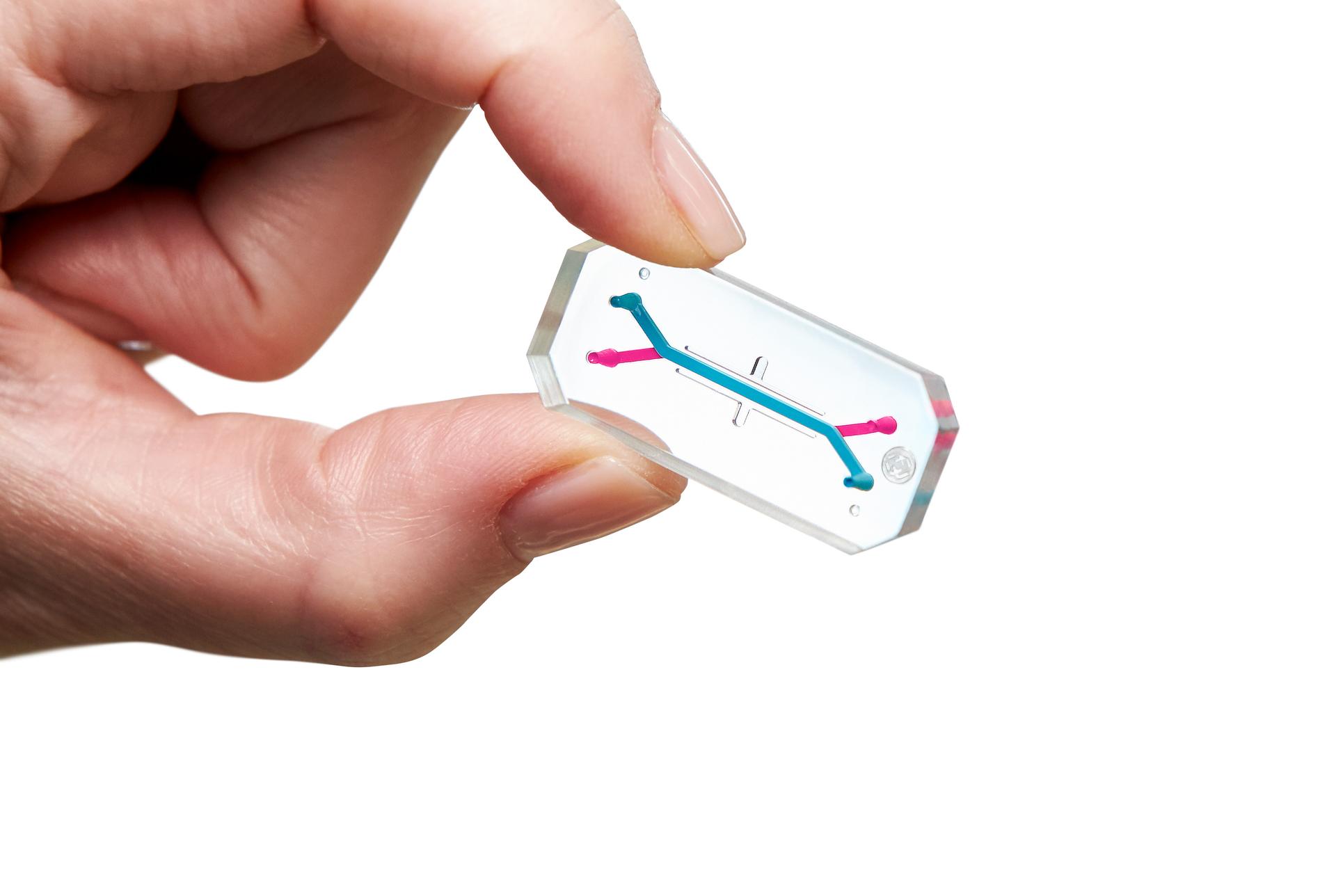
The AVATAR (A Virtual Astronaut Tissue Analog Response) investigation will use organ-on-a-chip devices, or organ chips, to study a effects of increased radiation and microgravity on human health. Artemis II AVATAR is a small experiment flying aboard Artemis II that could lead to big impacts in healthcare, both for astronauts in space and citizens on Earth. For more information on AVATAR: go.nasa.gov/4m5dGH9
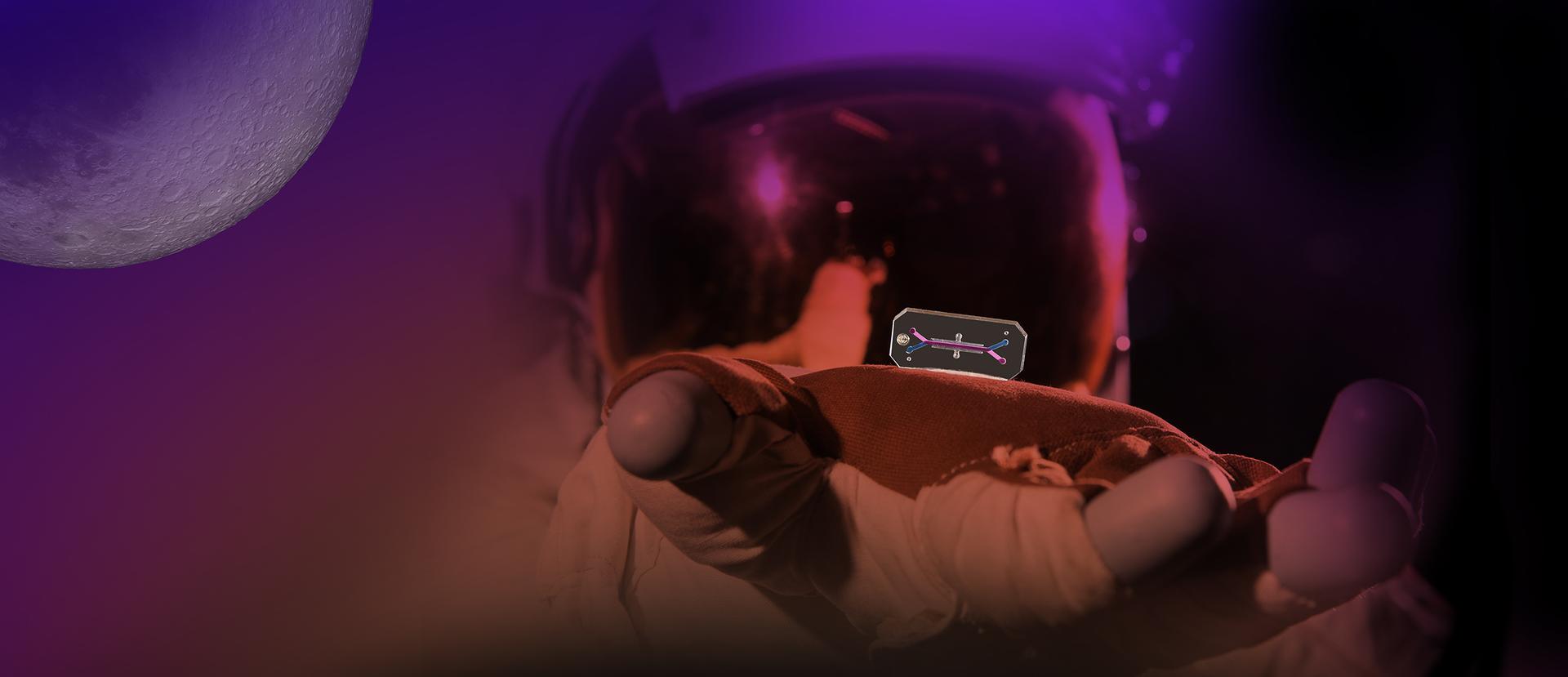
The AVATAR (A Virtual Astronaut Tissue Analog Response) investigation will use organ-on-a-chip devices, or organ chips, to study a effects of increased radiation and microgravity on human health. Artemis II AVATAR is a small experiment flying aboard Artemis II that could lead to big impacts in healthcare, both for astronauts in space and citizens on Earth. For more information on AVATAR: go.nasa.gov/4m5dGH9
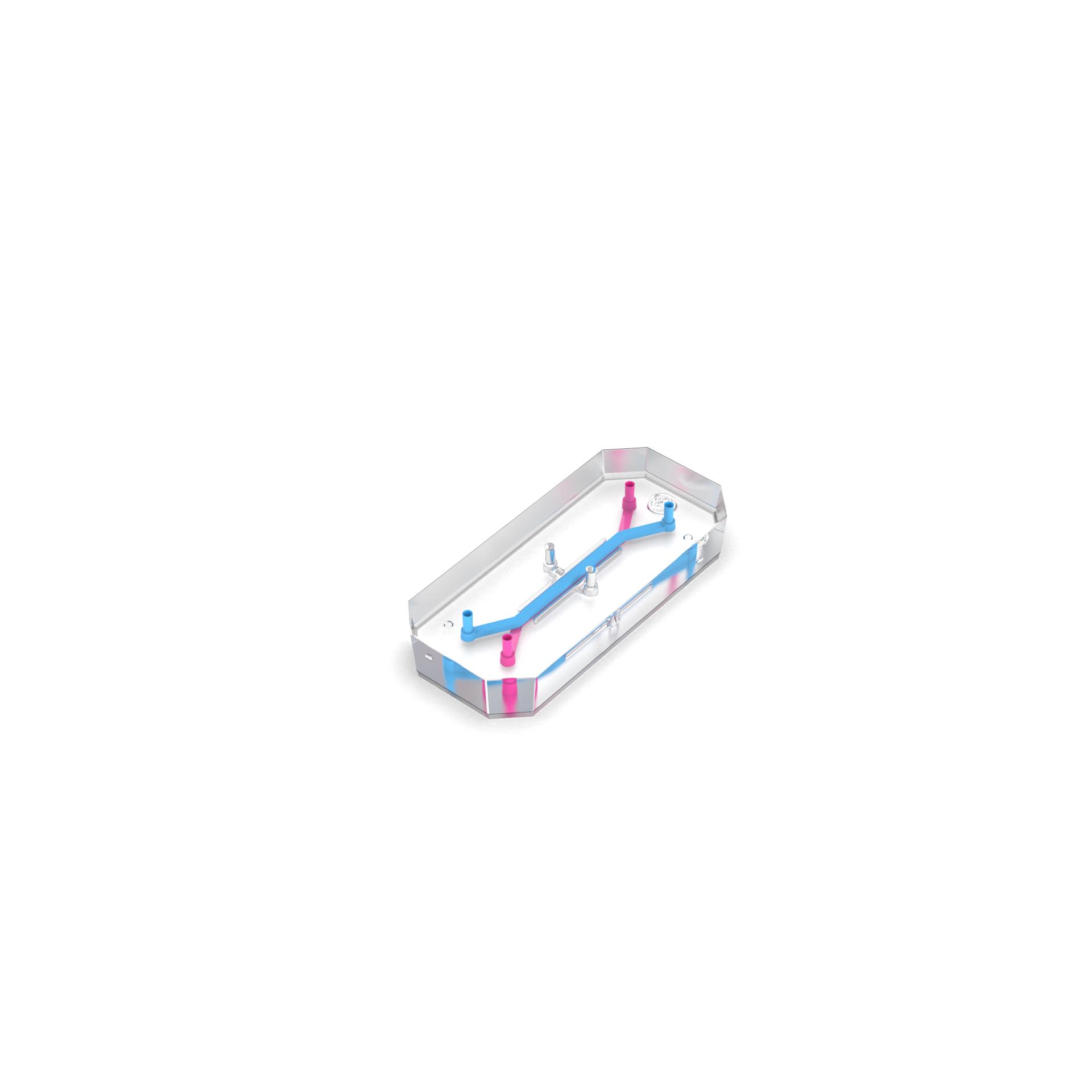
Organ chips are roughly the size of a USB drive and could be used to predict how an individual might respond to a variety of stressors, such as radiation or medical treatments, including pharmaceuticals. Made with human cells, the chips mimic how tissues, such as the brain, heart, liver, or dozens of other organs, work. NASA research will focus on validating and leveraging these models to assess the impacts of deep space stressors on astronauts’ health.
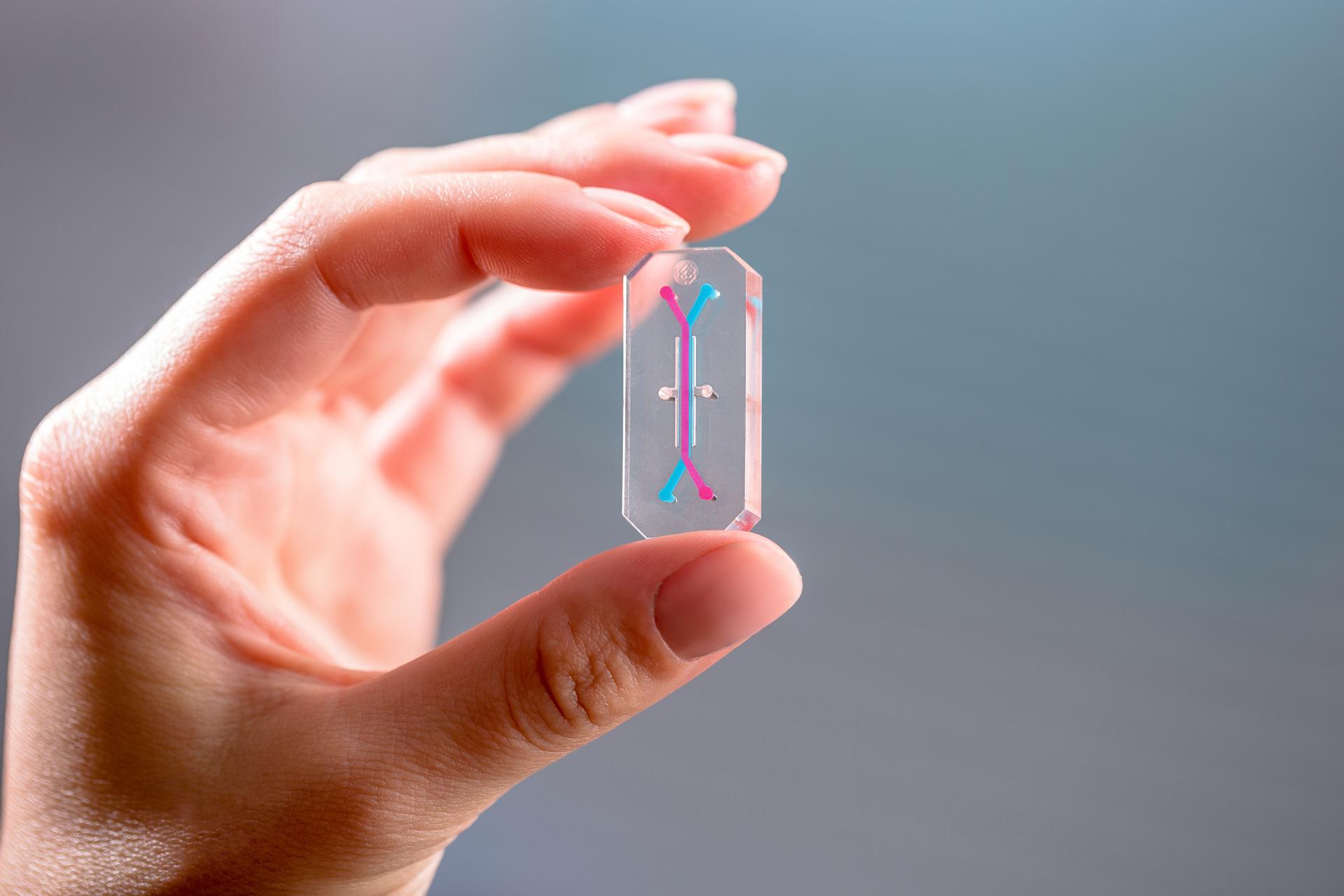
The AVATAR (A Virtual Astronaut Tissue Analog Response) investigation will use organ-on-a-chip devices, or organ chips, to study a effects of increased radiation and microgravity on human health. Artemis II AVATAR is a small experiment flying aboard Artemis II that could lead to big impacts in healthcare, both for astronauts in space and citizens on Earth. For more information on AVATAR: go.nasa.gov/4m5dGH9
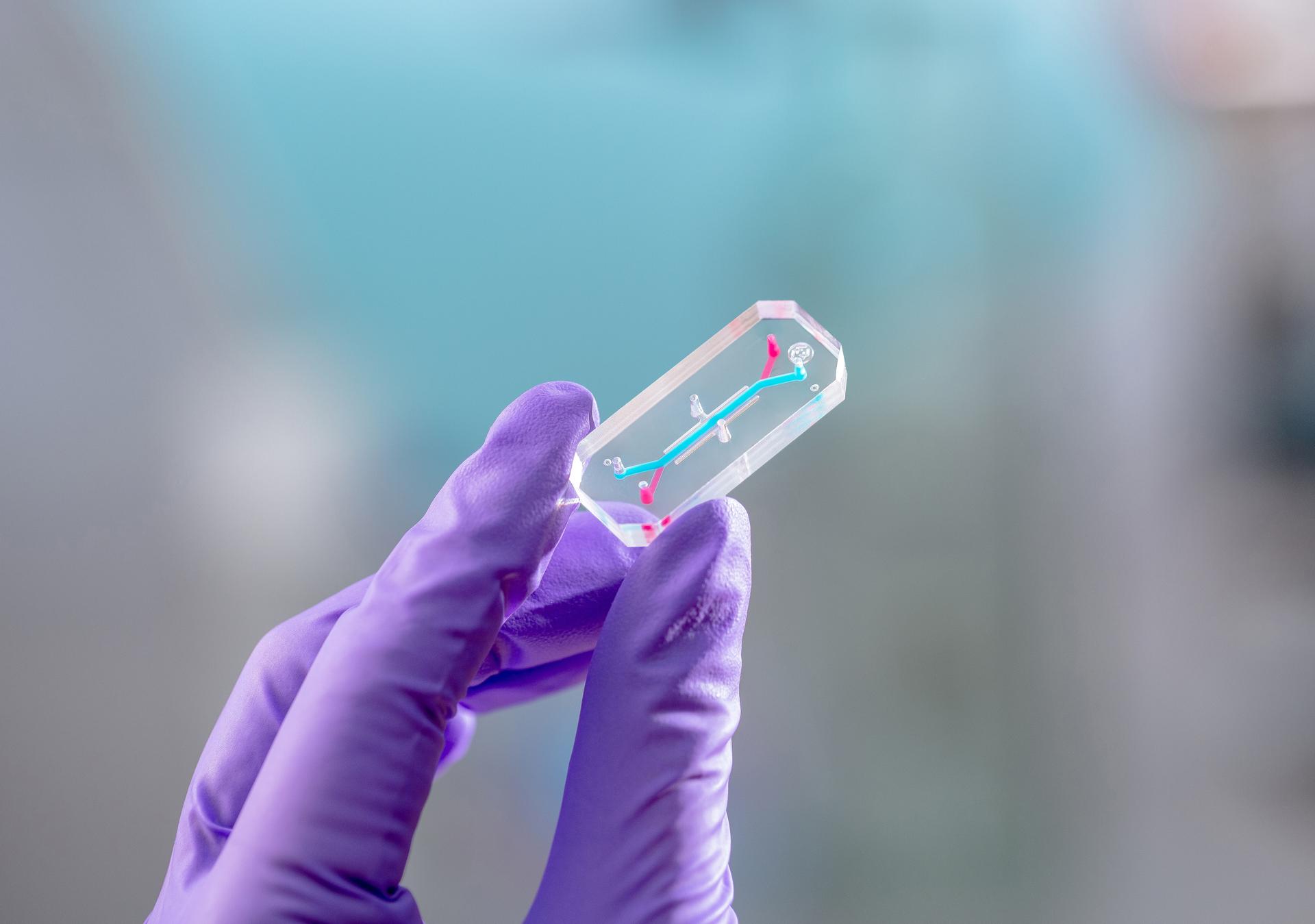
The AVATAR (A Virtual Astronaut Tissue Analog Response) investigation will use organ-on-a-chip devices, or organ chips, to study a effects of increased radiation and microgravity on human health. Artemis II AVATAR is a small experiment flying aboard Artemis II that could lead to big impacts in healthcare, both for astronauts in space and citizens on Earth. For more information on AVATAR: go.nasa.gov/4m5dGH9
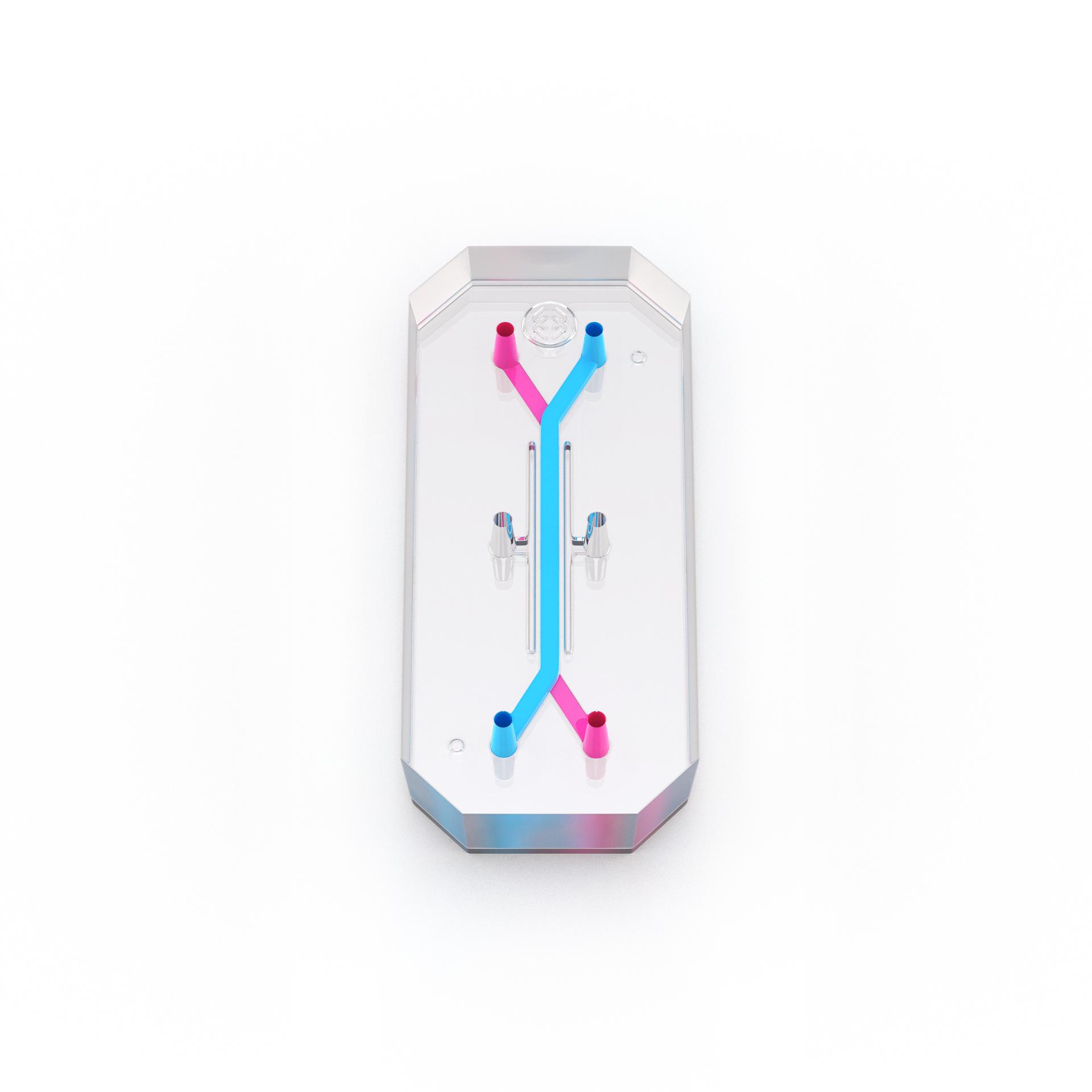
The AVATAR (A Virtual Astronaut Tissue Analog Response) investigation will use organ-on-a-chip devices, or organ chips, to study a effects of increased radiation and microgravity on human health. Artemis II AVATAR is a small experiment flying aboard Artemis II that could lead to big impacts in healthcare, both for astronauts in space and citizens on Earth. For more information on AVATAR: go.nasa.gov/4m5dGH9
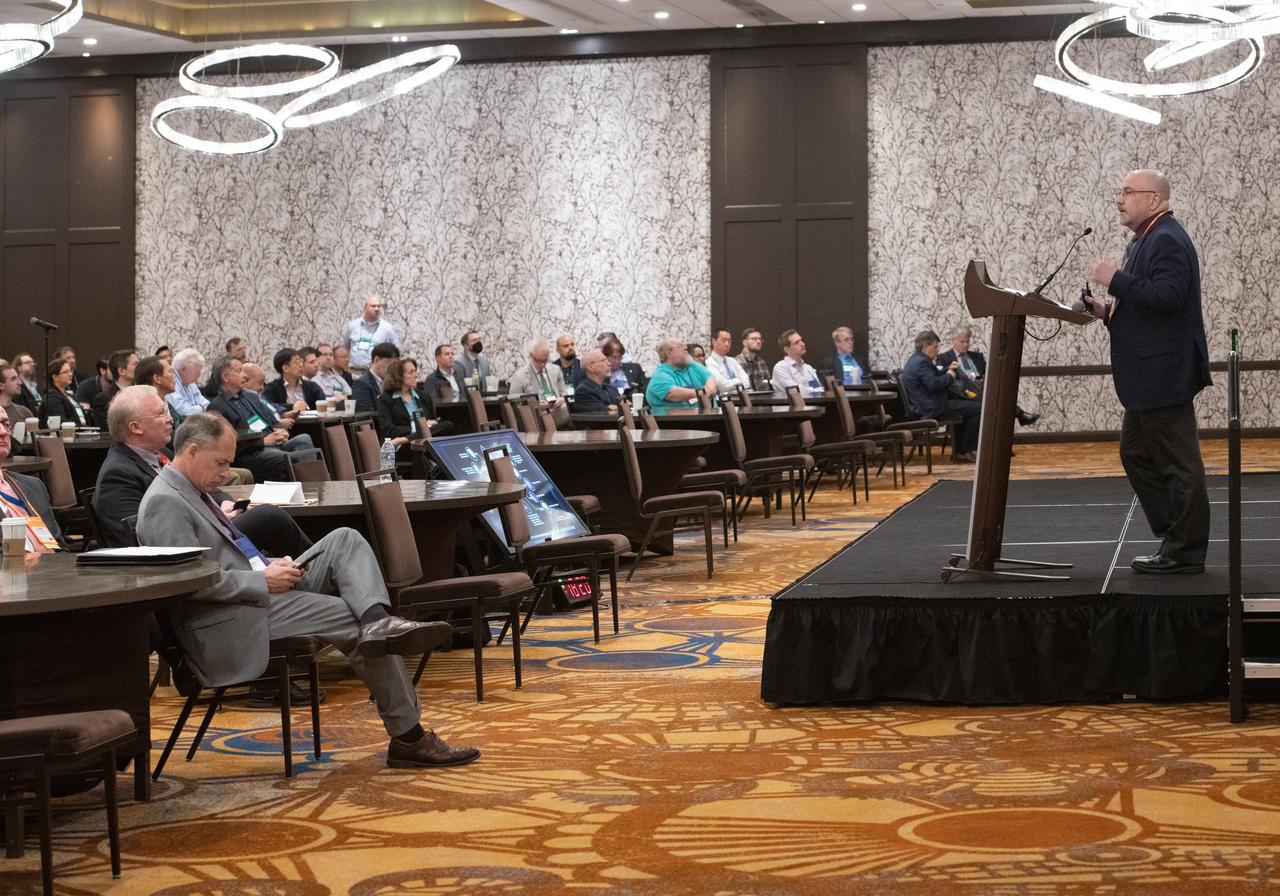
Nuclear Emerging Technologies for Space, NETS 2022 Conference
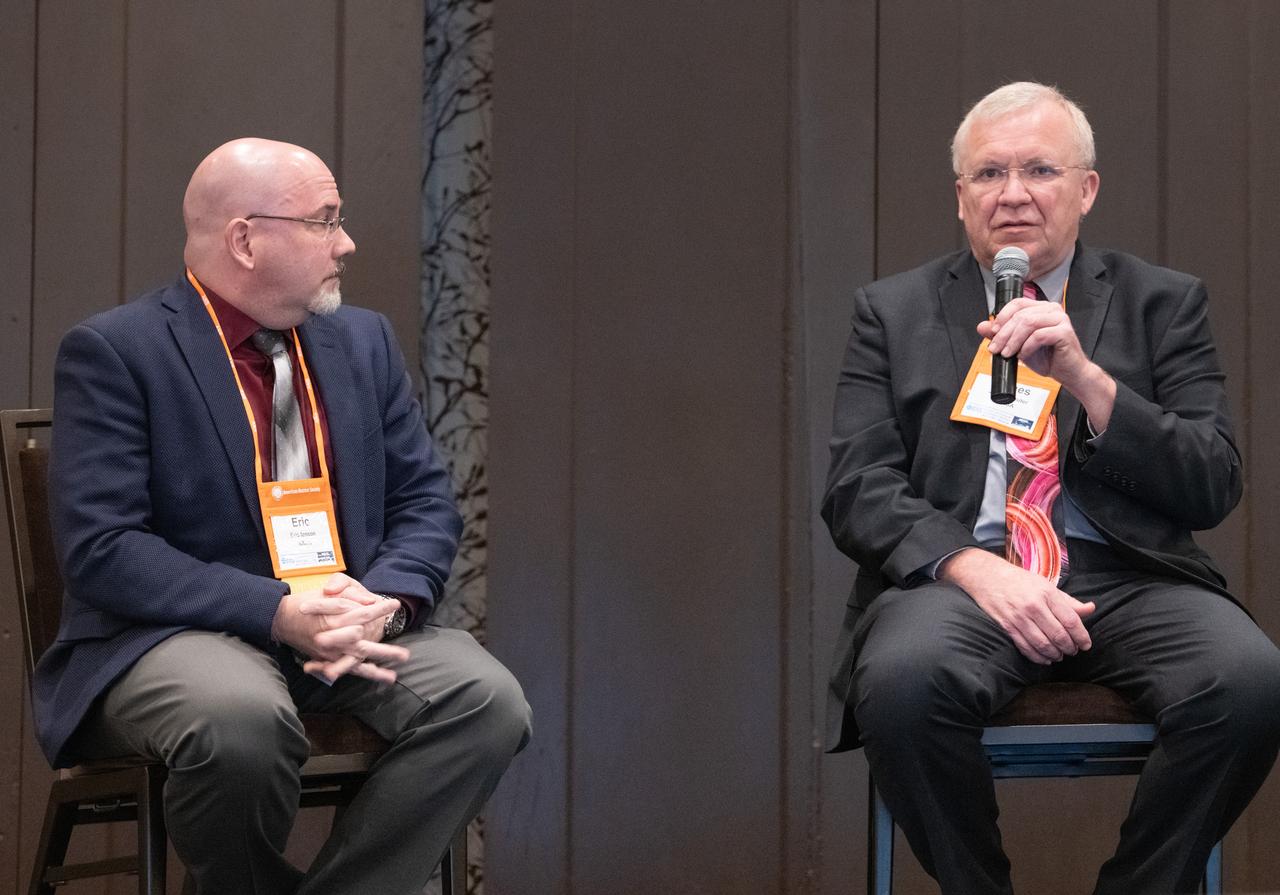
Nuclear Emerging Technologies for Space, NETS 2022 Conference
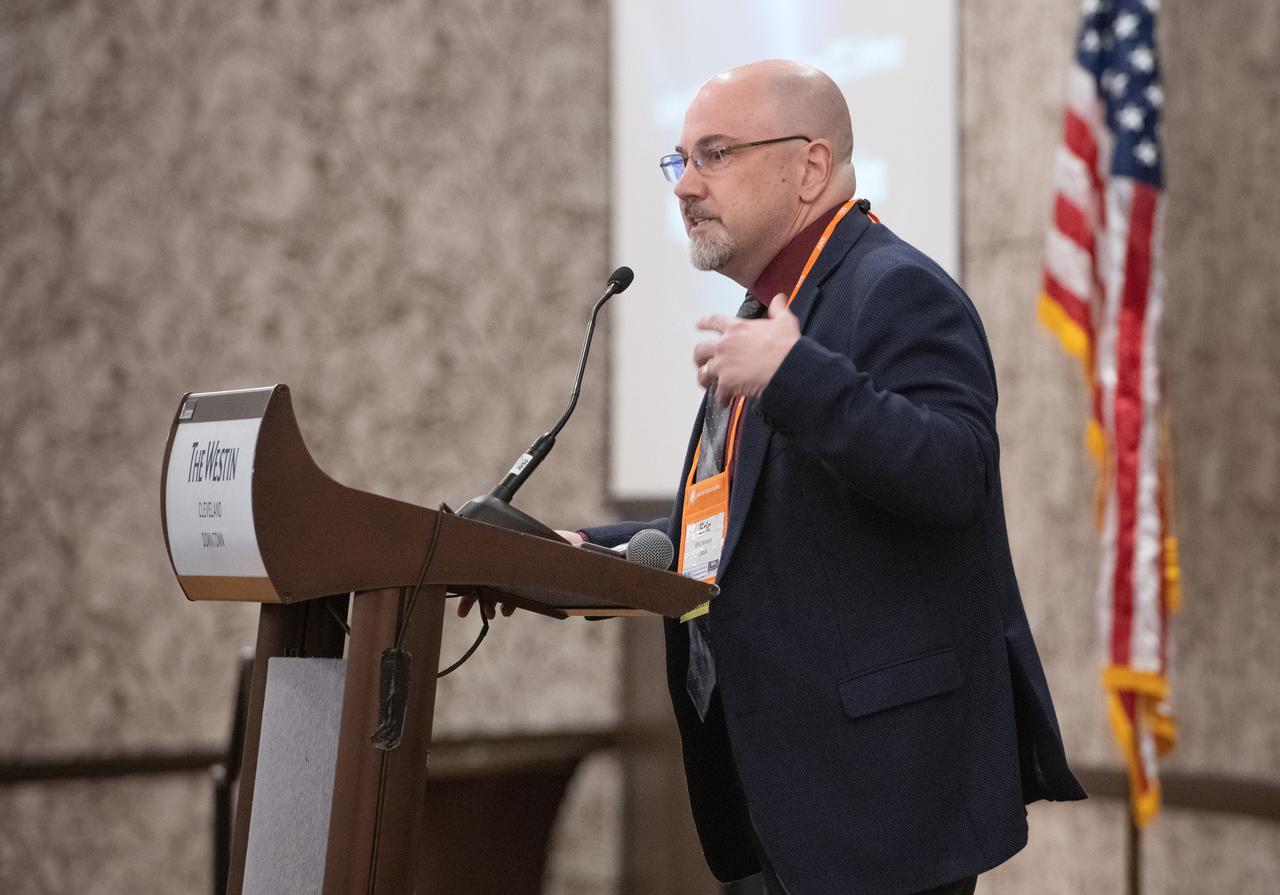
Nuclear Emerging Technologies for Space, NETS 2022 Conference
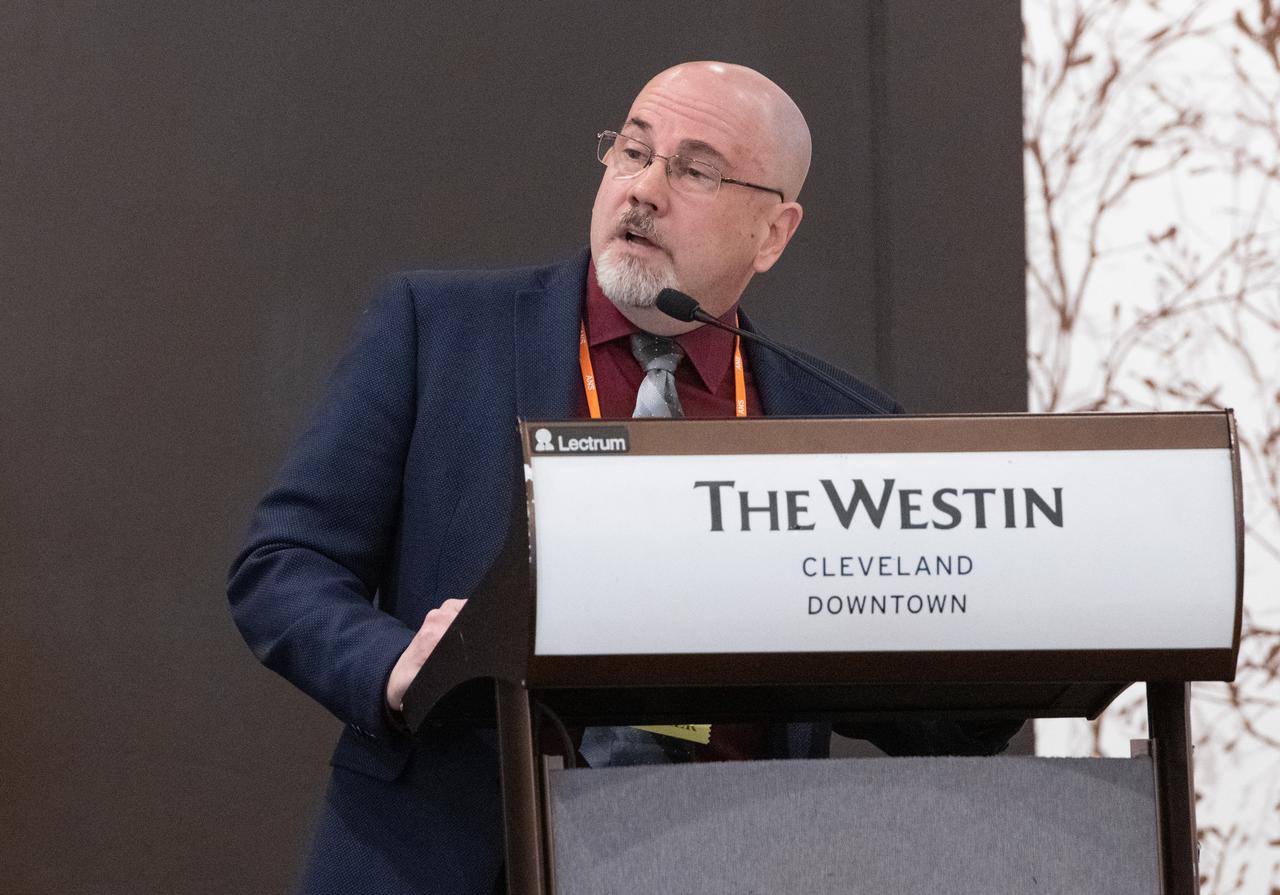
Nuclear Emerging Technologies for Space, NETS 2022 Conference
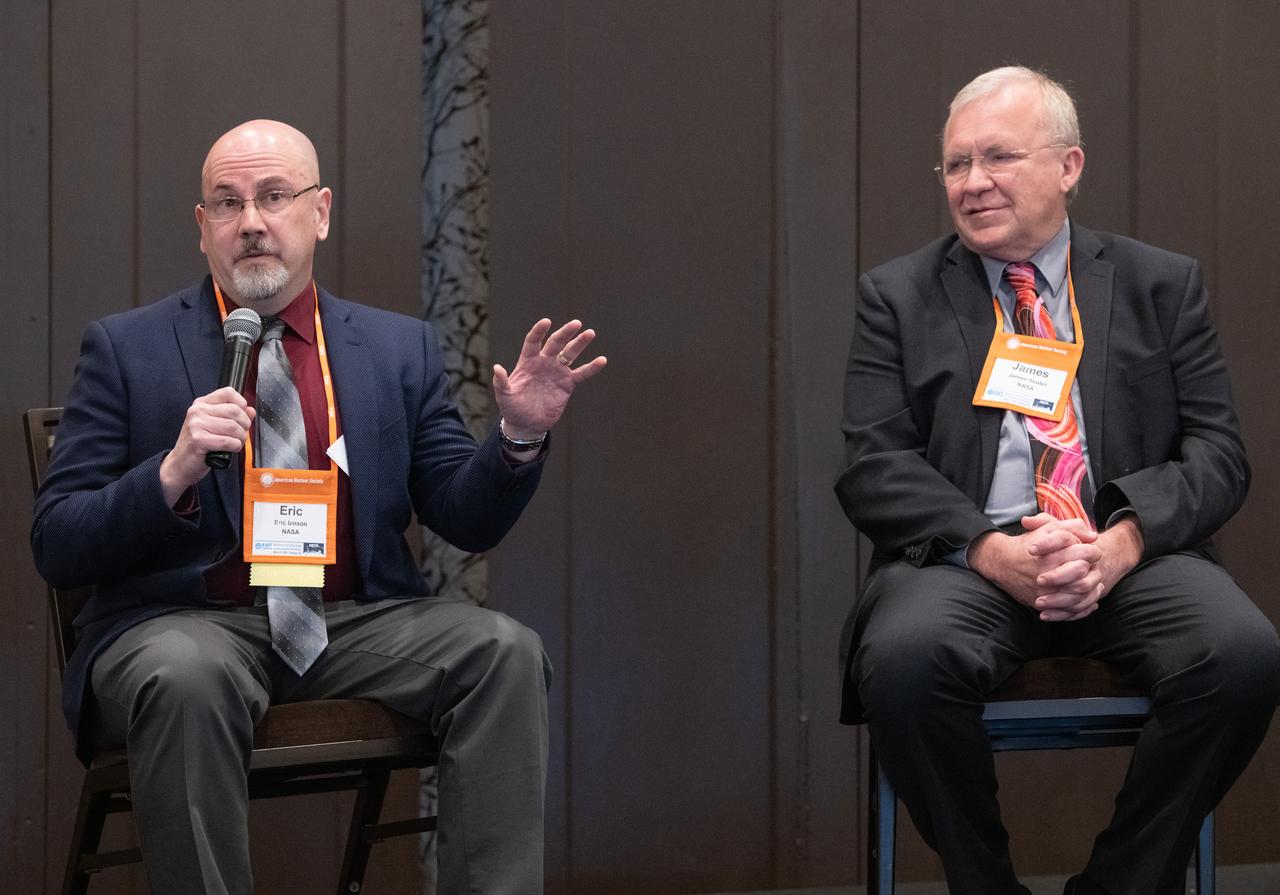
Nuclear Emerging Technologies for Space, NETS 2022 Conference
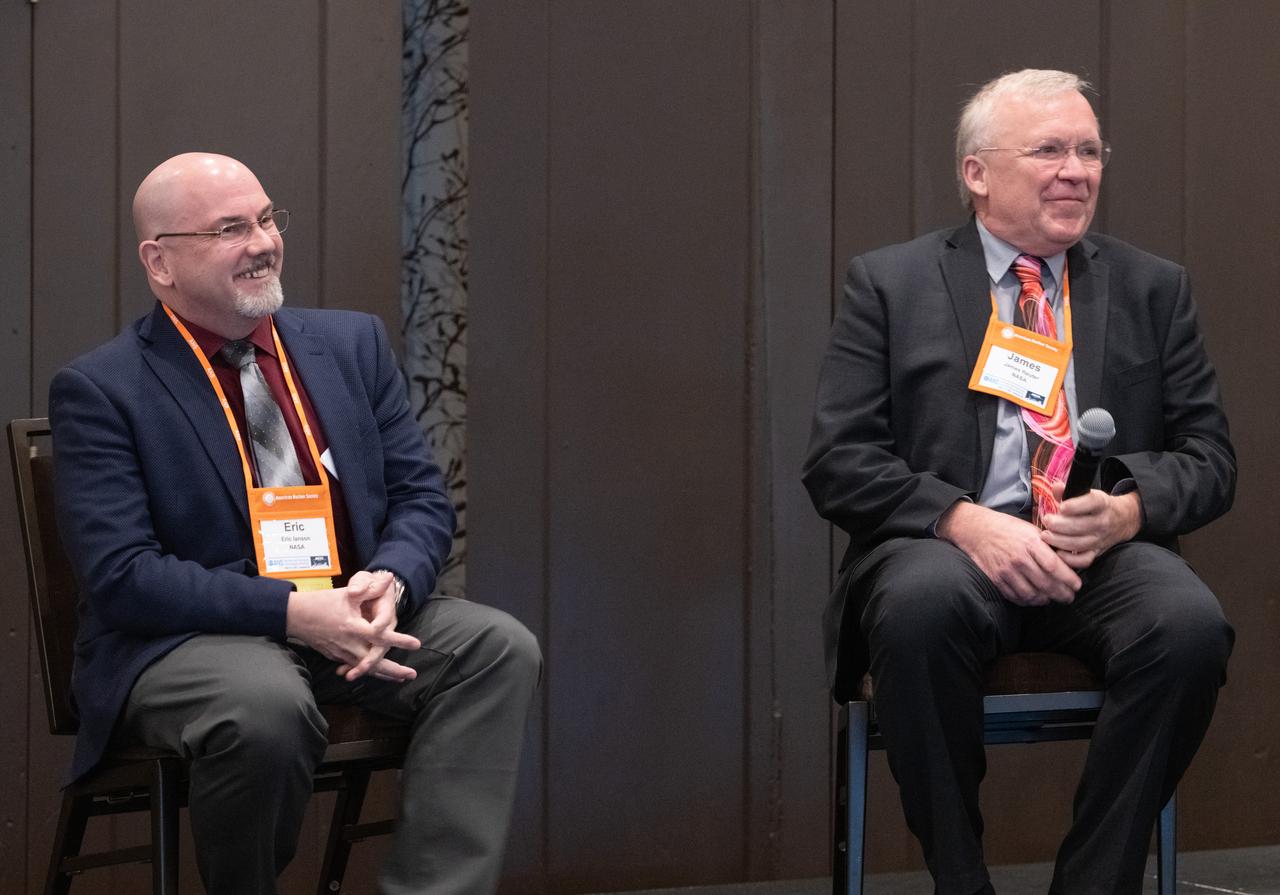
Nuclear Emerging Technologies for Space, NETS 2022 Conference
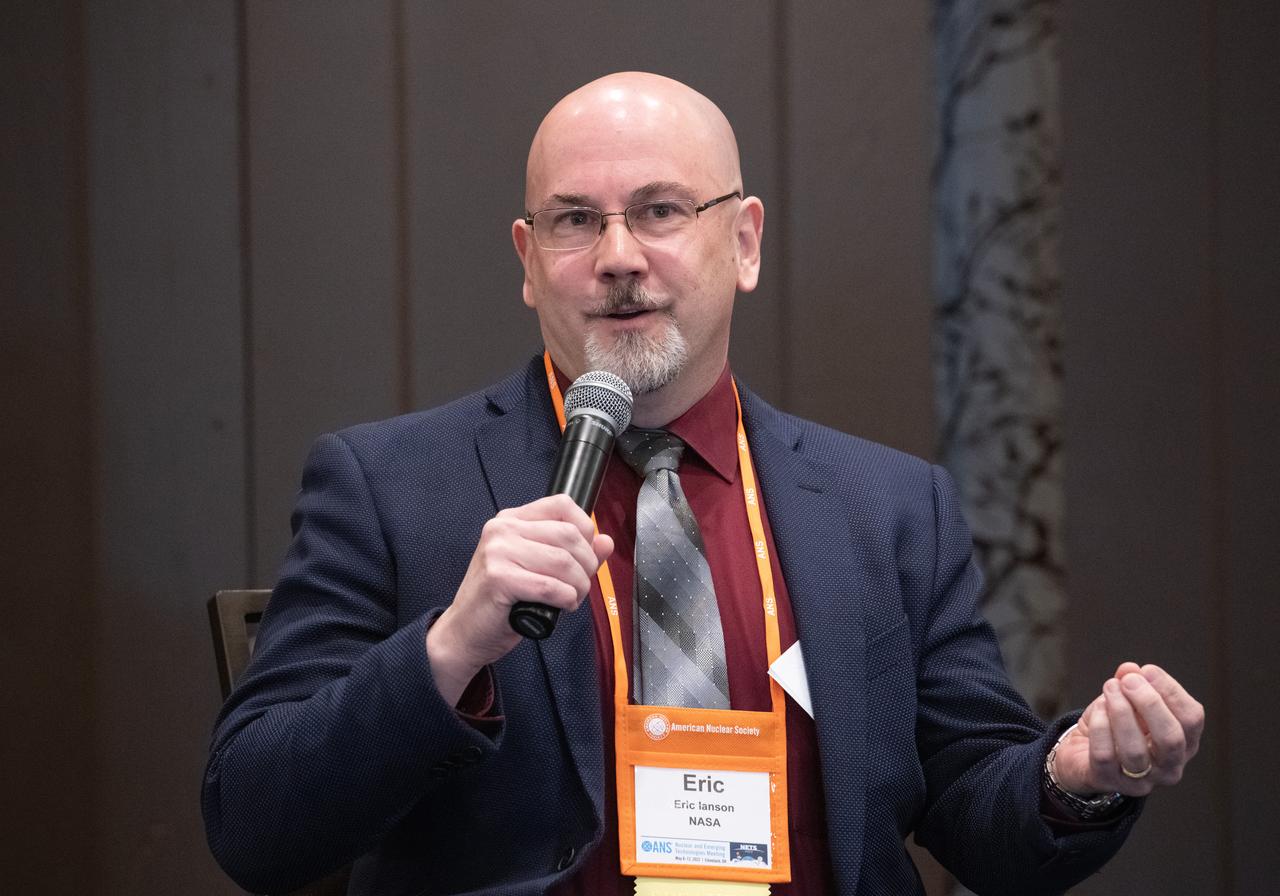
Nuclear Emerging Technologies for Space, NETS 2022 Conference