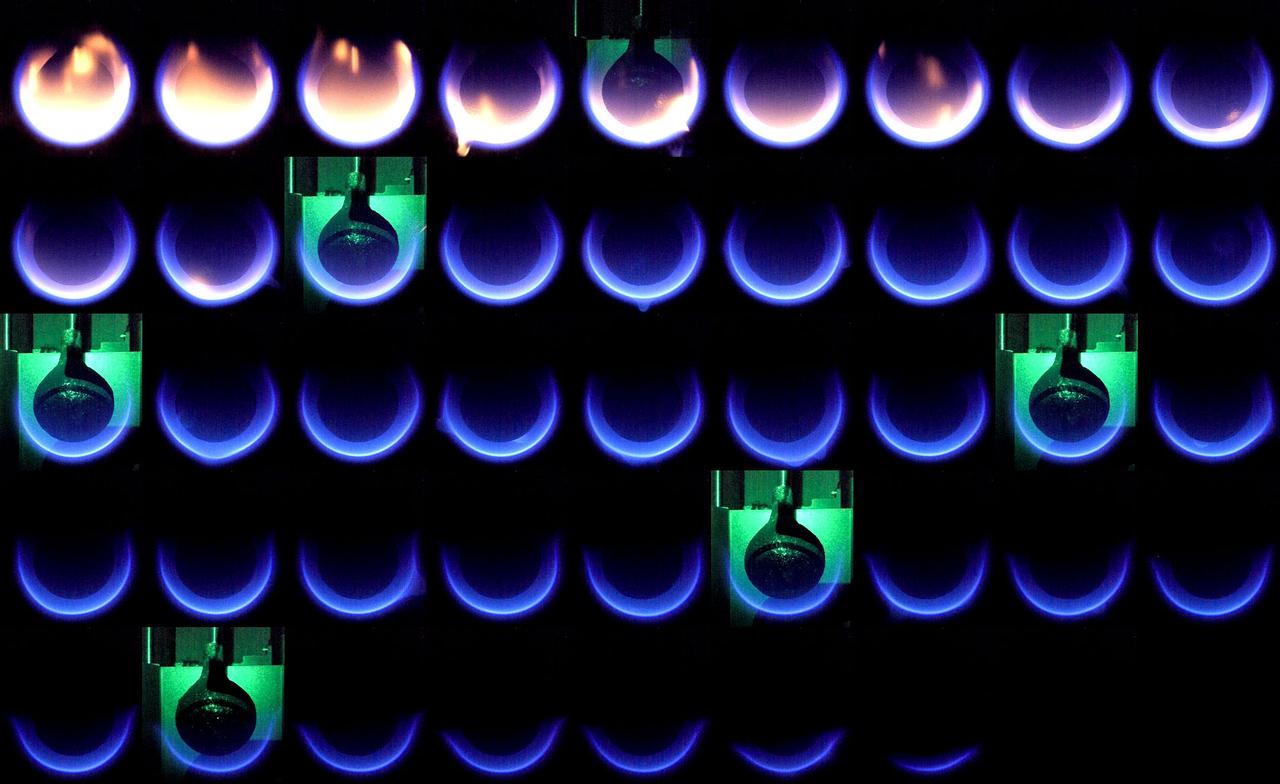
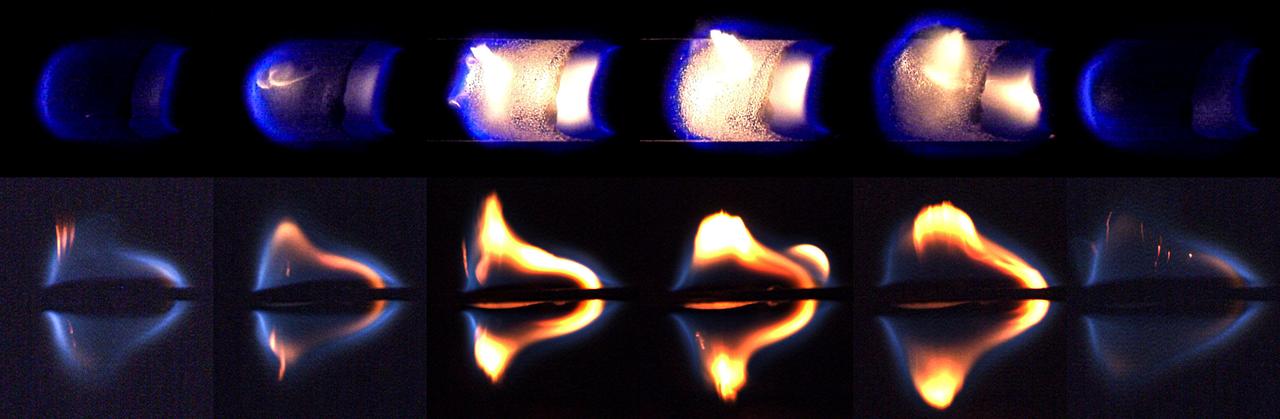
jsc2025e000001 (1/2/2025) --- This image sequence taken real-time aboard the International Space Station for the Residence Time Driven Flame Spread (SoFIE-RTDFS) investigation shows a sheet of clear acrylic plastic burning at higher oxygen levels and half the standard pressure of Earth’s atmosphere. From left to right the images show individual samples 1 mm thick about 1 second apart. As the fuel and the oxygen slowly diffuse into the flame, it develops a unique shape and character. The flame is mostly blue but becomes yellow when it strengthens before fading again to blue. The SoFIE-RTDFS investigation examines how fuel thickness and ambient pressure predict the spread of flames in microgravity. Resulting data could help expand modeling capabilities and contribute to crew safety on future missions.
SoFIE-RTDFS
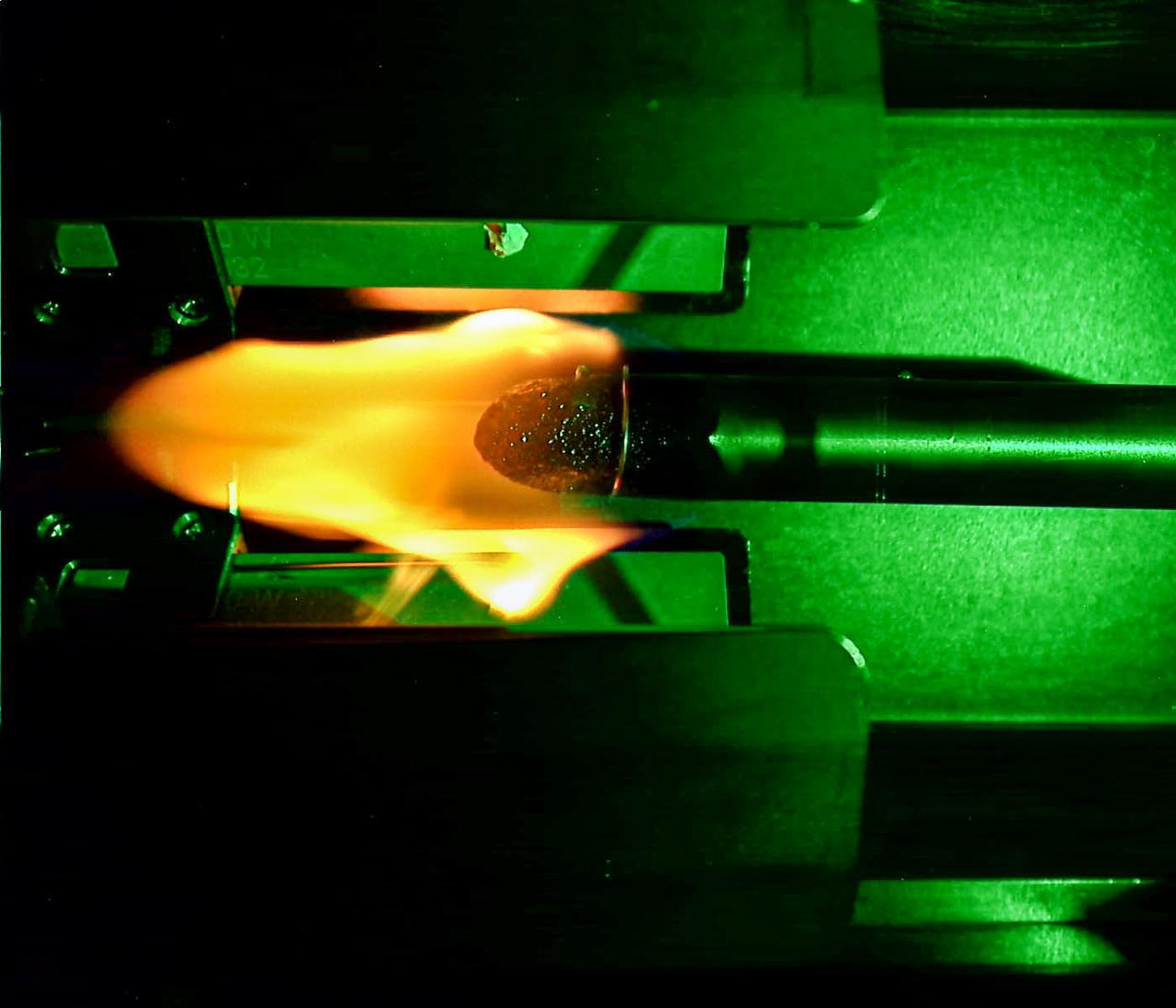
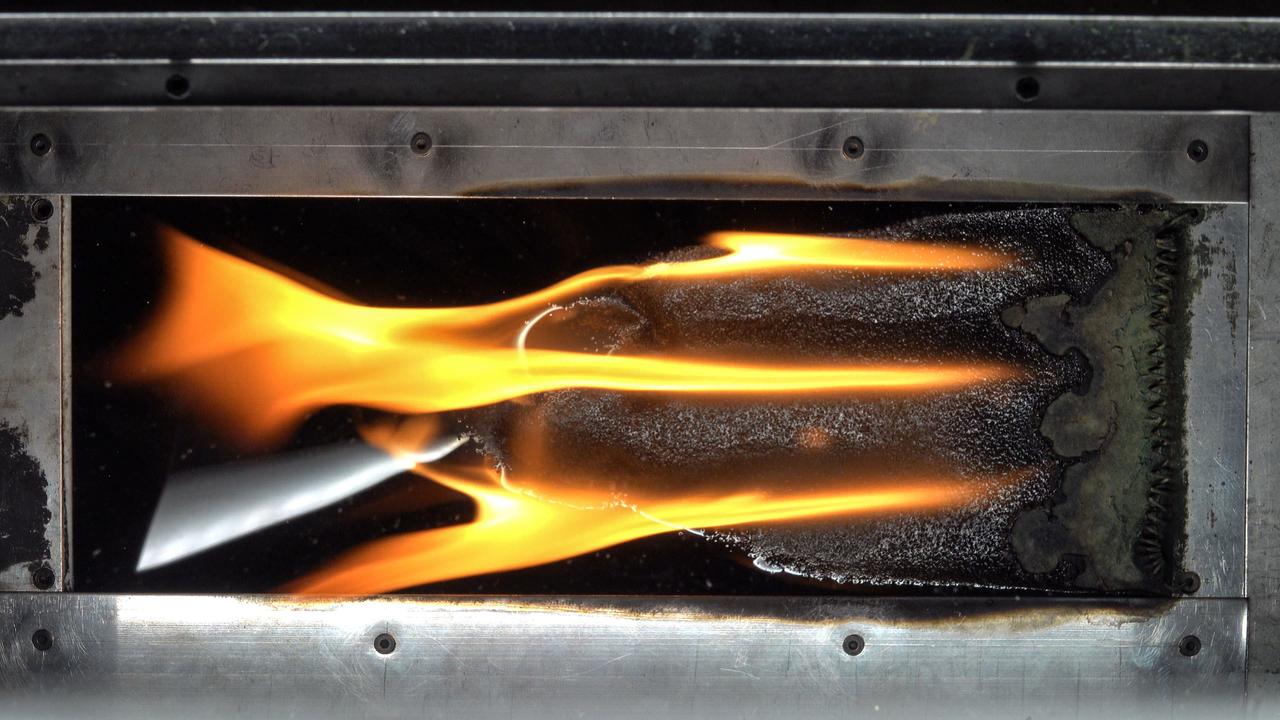
jsc2024e053517 (8/8/2024) --- A plexiglass rod burns in microgravity for the Solid Fuel Ignition and Extinction - Material Ignition and Suppression Test (SoFIE-MIST) investigation. Once each rod is ignited, the flame spreads upstream from the ignition end of the rod. As tests progress, the flame spreads along the rod, consuming oxygen. Once the oxygen concentration drops low enough, the flame extinguishes due to natural oxygen depletion. Data to measure the oxygen concentration, flow rate, and heat loss is obtained at the three test pressures. SoFIE-MIST aims to improve understanding of early fire growth behavior and validate models for material flammability, helping to inform the selection of safer materials for future space facilities and determine the best methods for extinguishing fires in space. .
SoFIE-MIST Imagery
jsc2024e053516 (8/8/2024) --- A plexiglass rod burns in microgravity for the Solid Fuel Ignition and Extinction - Material Ignition and Suppression Test (SoFIE-MIST) investigation. Once each rod is ignited, the flame spreads upstream from the ignition end of the rod. As tests progress, the flame spreads along the rod, consuming oxygen. Once the oxygen concentration drops low enough, the flame extinguishes due to natural oxygen depletion. Data to measure the oxygen concentration, flow rate, and heat loss is obtained at the three test pressures. SoFIE-MIST aims to improve understanding of early fire growth behavior and validate models for material flammability, helping to inform the selection of safer materials for future space facilities and determine the best methods for extinguishing fires in space.
SoFIE-MIST Imagery
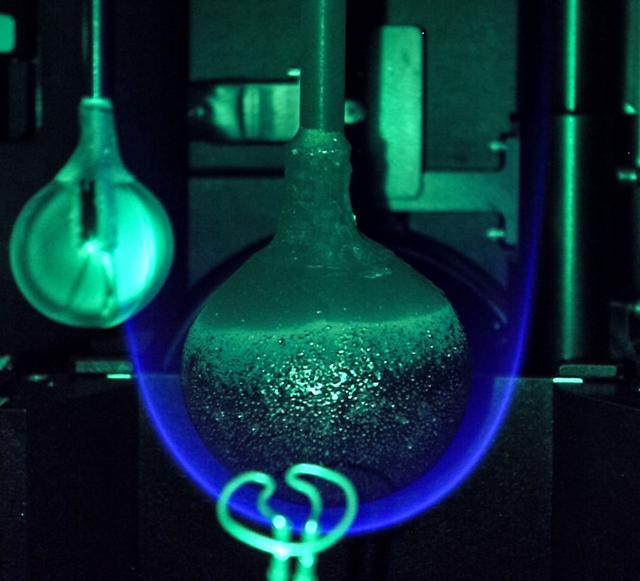
jsc2024e021222 (3/21/2024) --- Solid Fuel Ignition and Extinction (SoFIE) insert supports the Growth and Extinction Limit (GEL) investigation test image taken in the Combustion Integrated Rack (CIR). This image was taken just prior to flame extinction while the green LED was flashing on. The LED allows the fuel surface to be seen during the burn, so that several important parameters can be evaluated, such as how far the flame is from the fuel and how much the fuel is heating up. The igniter wire appears in the camera view, but it is in the foreground and not near the flame. In the background on the left, an unburned acrylic sphere waits for its turn to be tested on another day.
jsc 2024e021222
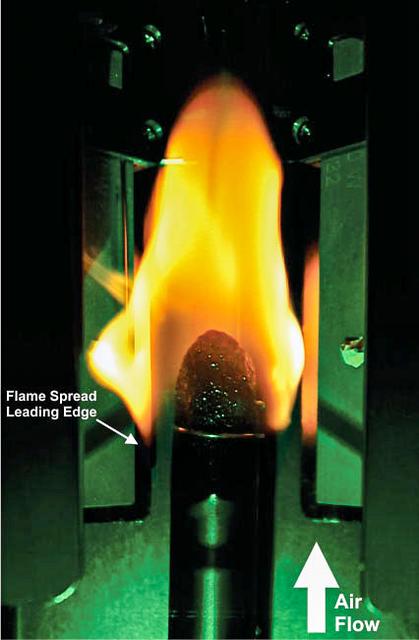
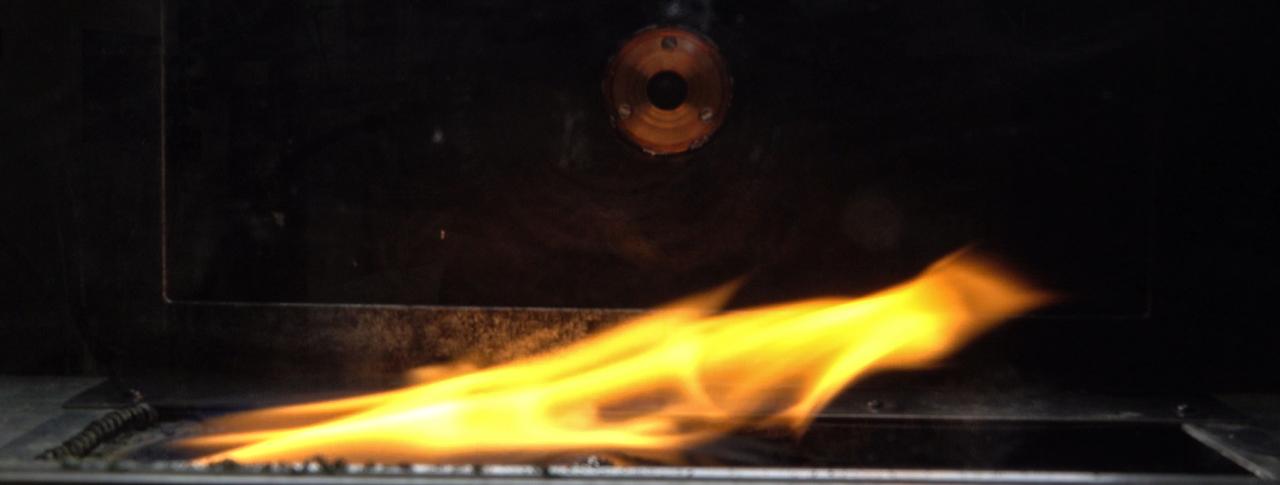
jsc2024e044215 (7/10/2024) --- Side view of spread flame in ground-based test for the Solid Fuel Ignition and Extinction - Oscillatory Flow on Flame Spread (SoFIE-OFFS) investigation. SoFIE-OFFS examines how intermittent or non-steady flame behavior impacts fire spread on Earth. Image courtesy of Worcester Polytechnic Institute.
jsc2024e044215
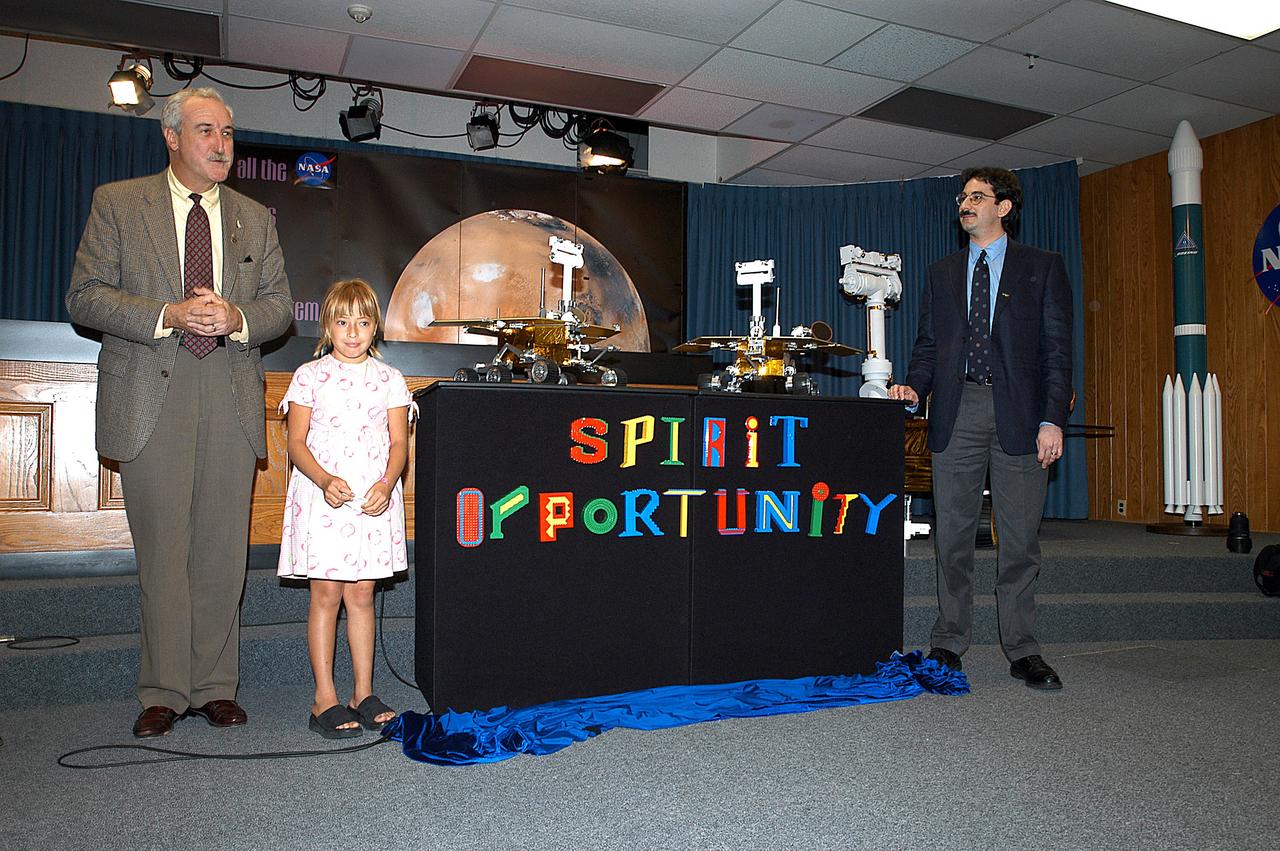
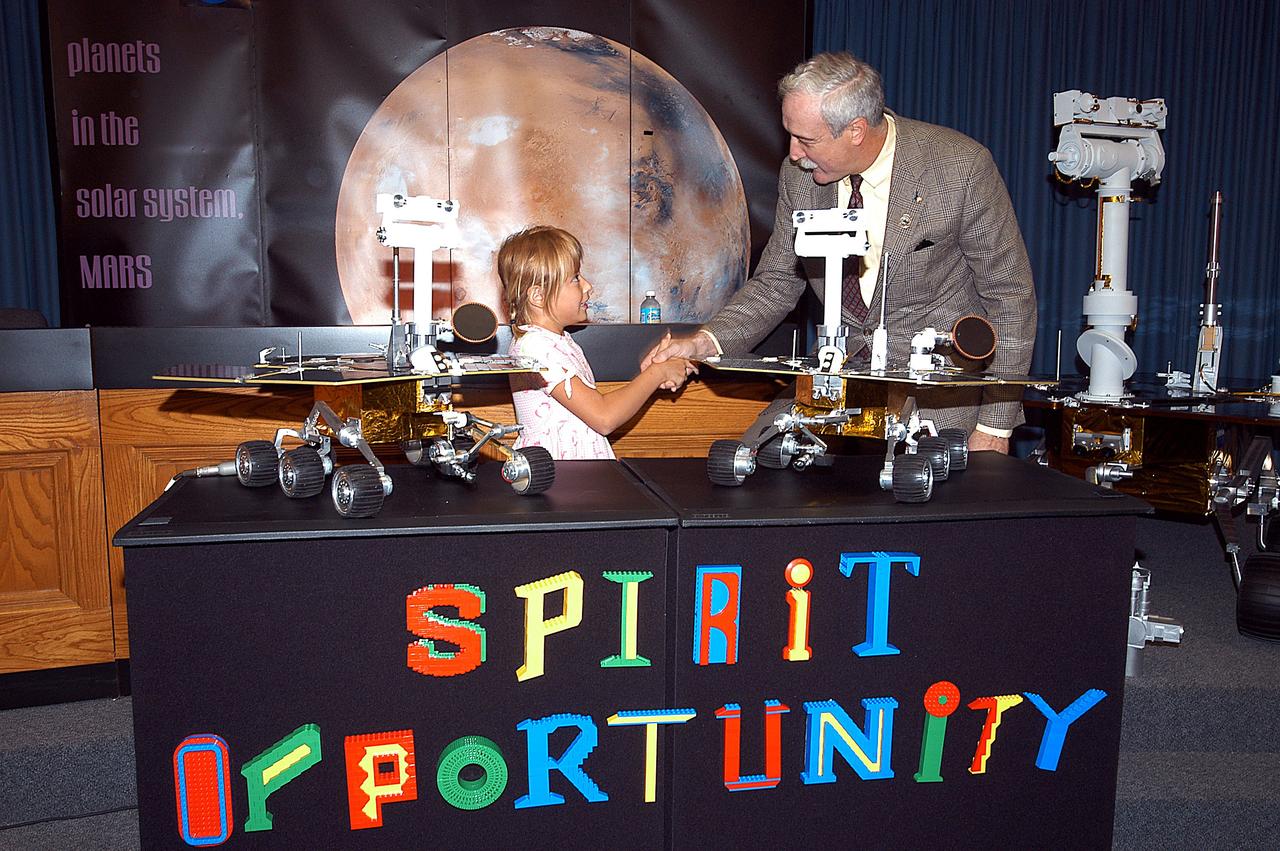
KENNEDY SPACE CENTER, FLA. -  Nine-year-old Sofi Collis unveils the names of the Mars Exploration Rovers  -- "Spirit" and "Opportunity" --  during a press conference.  Participating in the press conference are, from left, Dr. John Marburger, science advisor to the President and director of the Office of Science and Technology Policy; NASA Administrator Sean O'Keefe; Sofi Collis, a third grade student from Arizona; and Brad Justus, LEGO Co. senior vice president.  The names Sofi suggested were selected from more than 10,000 student entries in an essay contest managed for NASA by the LEGO Company.   NASA's twin Mars Exploration Rovers are designed to study the history of water on Mars. These robotic geologists are equipped with a robotic arm, a drilling tool, three spectrometers, and four pairs of cameras that allow them to have a human-like, 3D view of the terrain. Each rover could travel as far as 100 meters in one day to act as Mars scientists' eyes and hands, exploring an environment where humans are not yet able to go. MER-A, with the rover Spirit aboard, is scheduled to launch on June 8 at 2:06 p.m. EDT, with two launch opportunities each day during a launch period that closes on June 24.
KENNEDY SPACE CENTER, FLA. - Nine-year-old Sofi Collis unveils the names of the Mars Exploration Rovers -- "Spirit" and "Opportunity" -- during a press conference. Participating in the press conference are, from left, Dr. John Marburger, science advisor to the President and director of the Office of Science and Technology Policy; NASA Administrator Sean O'Keefe; Sofi Collis, a third grade student from Arizona; and Brad Justus, LEGO Co. senior vice president. The names Sofi suggested were selected from more than 10,000 student entries in an essay contest managed for NASA by the LEGO Company. NASA's twin Mars Exploration Rovers are designed to study the history of water on Mars. These robotic geologists are equipped with a robotic arm, a drilling tool, three spectrometers, and four pairs of cameras that allow them to have a human-like, 3D view of the terrain. Each rover could travel as far as 100 meters in one day to act as Mars scientists' eyes and hands, exploring an environment where humans are not yet able to go. MER-A, with the rover Spirit aboard, is scheduled to launch on June 8 at 2:06 p.m. EDT, with two launch opportunities each day during a launch period that closes on June 24.
KENNEDY SPACE CENTER, FLA. -  Nine-year-old Sofi Collis poses proudly with a banner displaying the names she selected for the Mars Exploration Rovers -- "Spirit" and "Opportunity" -- during a press conference. Participating in the press conference are, from left, Brad Justus, LEGO Co. senior vice president; Sofi Collis, third grade student from Arizona; Dr. John Marburger, science advisor to the President and director of the Office of Science and Technology Policy; and NASA Administrator Sean O'Keefe. The names Sofi suggested were selected from more than 10,000 student entries in an essay contest managed for NASA by the LEGO Company. NASA's twin Mars Exploration Rovers are designed to study the history of water on Mars. These robotic geologists are equipped with a robotic arm, a drilling tool, three spectrometers, and four pairs of cameras that allow them to have a human-like, 3D view of the terrain. Each rover could travel as far as 100 meters in one day to act as Mars scientists' eyes and hands, exploring an environment where humans are not yet able to go. MER-A, with the rover Spirit aboard, is scheduled to launch on June 8 at 2:06 p.m. EDT, with two launch opportunities each day during a launch period that closes on June 24.
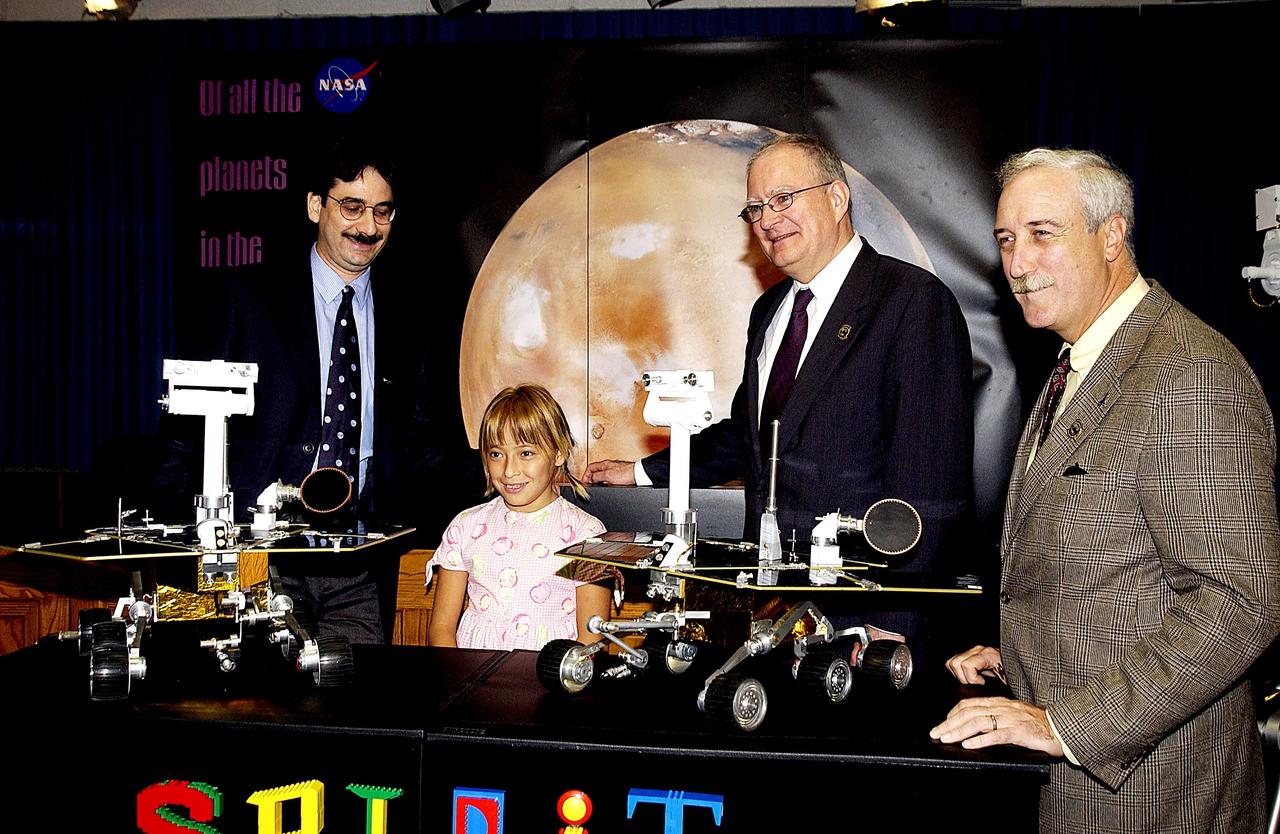
KENNEDY SPACE CENTER, FLA. - Nine-year-old Sofi Collis poses proudly with a banner displaying the names she selected for the Mars Exploration Rovers -- "Spirit" and "Opportunity" -- during a press conference. Participating in the press conference are, from left, Brad Justus, LEGO Co. senior vice president; Sofi Collis, third grade student from Arizona; Dr. John Marburger, science advisor to the President and director of the Office of Science and Technology Policy; and NASA Administrator Sean O'Keefe. The names Sofi suggested were selected from more than 10,000 student entries in an essay contest managed for NASA by the LEGO Company. NASA's twin Mars Exploration Rovers are designed to study the history of water on Mars. These robotic geologists are equipped with a robotic arm, a drilling tool, three spectrometers, and four pairs of cameras that allow them to have a human-like, 3D view of the terrain. Each rover could travel as far as 100 meters in one day to act as Mars scientists' eyes and hands, exploring an environment where humans are not yet able to go. MER-A, with the rover Spirit aboard, is scheduled to launch on June 8 at 2:06 p.m. EDT, with two launch opportunities each day during a launch period that closes on June 24.
KENNEDY SPACE CENTER, FLA. -  Nine-year-old Sofi Collis poses proudly with a banner displaying the names she selected for the Mars Exploration Rovers -- "Spirit" and "Opportunity" -- during a press conference. Participating in the press conference are, from left, Brad Justus, LEGO Co. senior vice president; Sofi Collis, a third grade student from Arizona; Dr. John Marburger, science advisor to the President and director of the Office of Science and Technology Policy; and NASA Administrator Sean O'Keefe. The names Sofi suggested were selected from more than 10,000 student entries in an essay contest managed for NASA by the LEGO Company. NASA's twin Mars Exploration Rovers are designed to study the history of water on Mars. These robotic geologists are equipped with a robotic arm, a drilling tool, three spectrometers, and four pairs of cameras that allow them to have a human-like, 3D view of the terrain. Each rover could travel as far as 100 meters in one day to act as Mars scientists' eyes and hands, exploring an environment where humans are not yet able to go. MER-A, with the rover Spirit aboard, is scheduled to launch on June 8 at 2:06 p.m. EDT, with two launch opportunities each day during a launch period that closes on June 24.
KENNEDY SPACE CENTER, FLA. - Nine-year-old Sofi Collis poses proudly with a banner displaying the names she selected for the Mars Exploration Rovers -- "Spirit" and "Opportunity" -- during a press conference. Participating in the press conference are, from left, Brad Justus, LEGO Co. senior vice president; Sofi Collis, a third grade student from Arizona; Dr. John Marburger, science advisor to the President and director of the Office of Science and Technology Policy; and NASA Administrator Sean O'Keefe. The names Sofi suggested were selected from more than 10,000 student entries in an essay contest managed for NASA by the LEGO Company. NASA's twin Mars Exploration Rovers are designed to study the history of water on Mars. These robotic geologists are equipped with a robotic arm, a drilling tool, three spectrometers, and four pairs of cameras that allow them to have a human-like, 3D view of the terrain. Each rover could travel as far as 100 meters in one day to act as Mars scientists' eyes and hands, exploring an environment where humans are not yet able to go. MER-A, with the rover Spirit aboard, is scheduled to launch on June 8 at 2:06 p.m. EDT, with two launch opportunities each day during a launch period that closes on June 24.
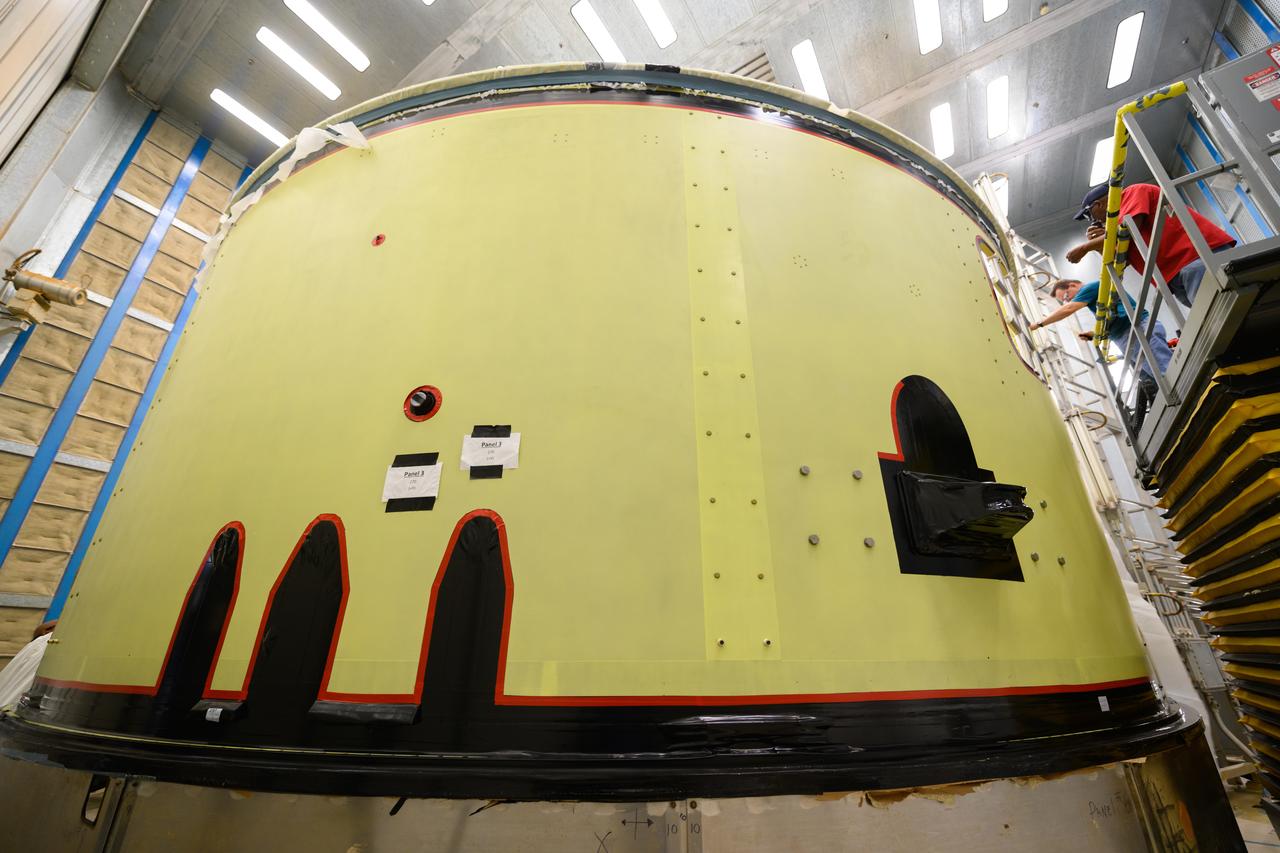
Space Launch System Corestage-2 Forward Skirt is prepped to receive spray-on foam insulation(SOFI) at NASA's Michoud Assembly Facility.
MAF_20190530_CS2update-FS_0172
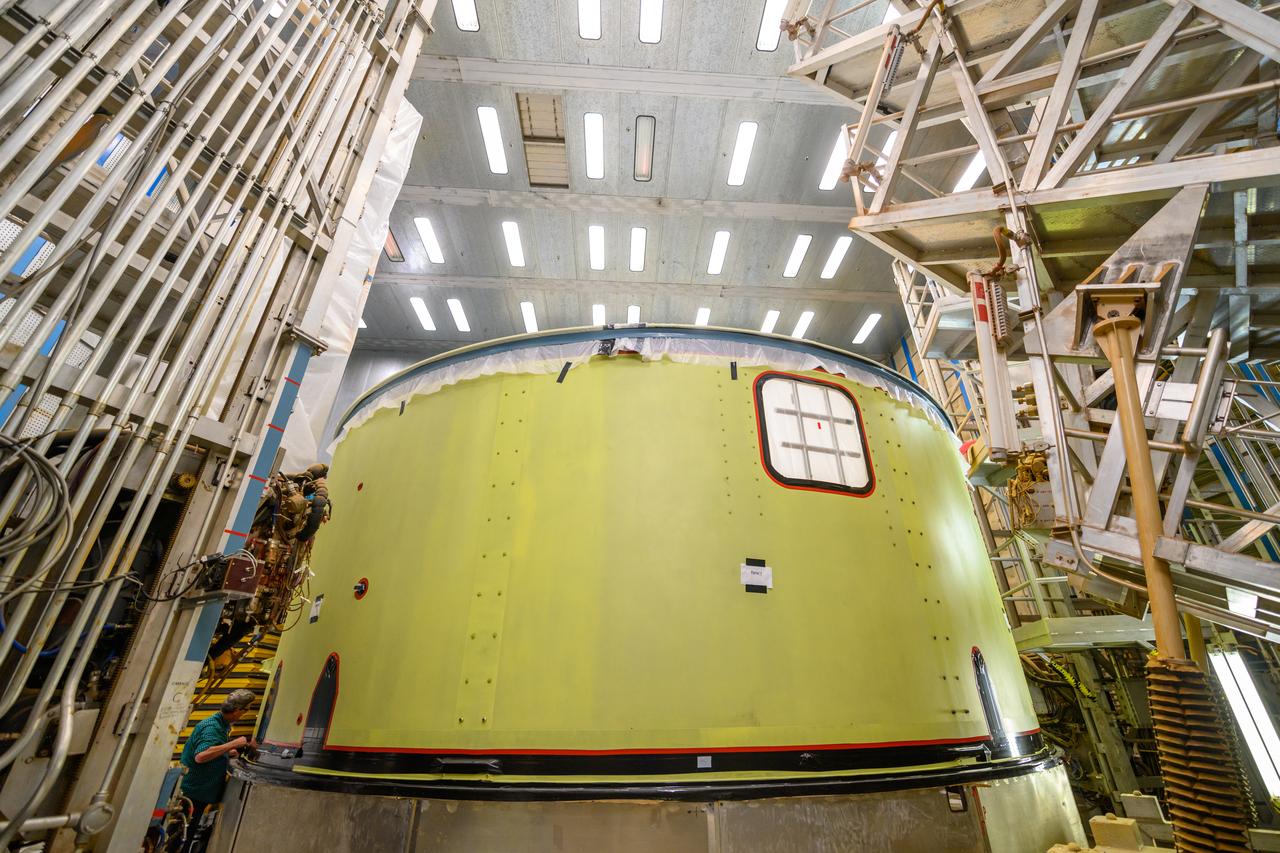
Space Launch System Corestage-2 Forward Skirt is prepped to receive spray-on foam insulation(SOFI) at NASA's Michoud Assembly Facility.
MAF_20190530_CS2update-FS_0173
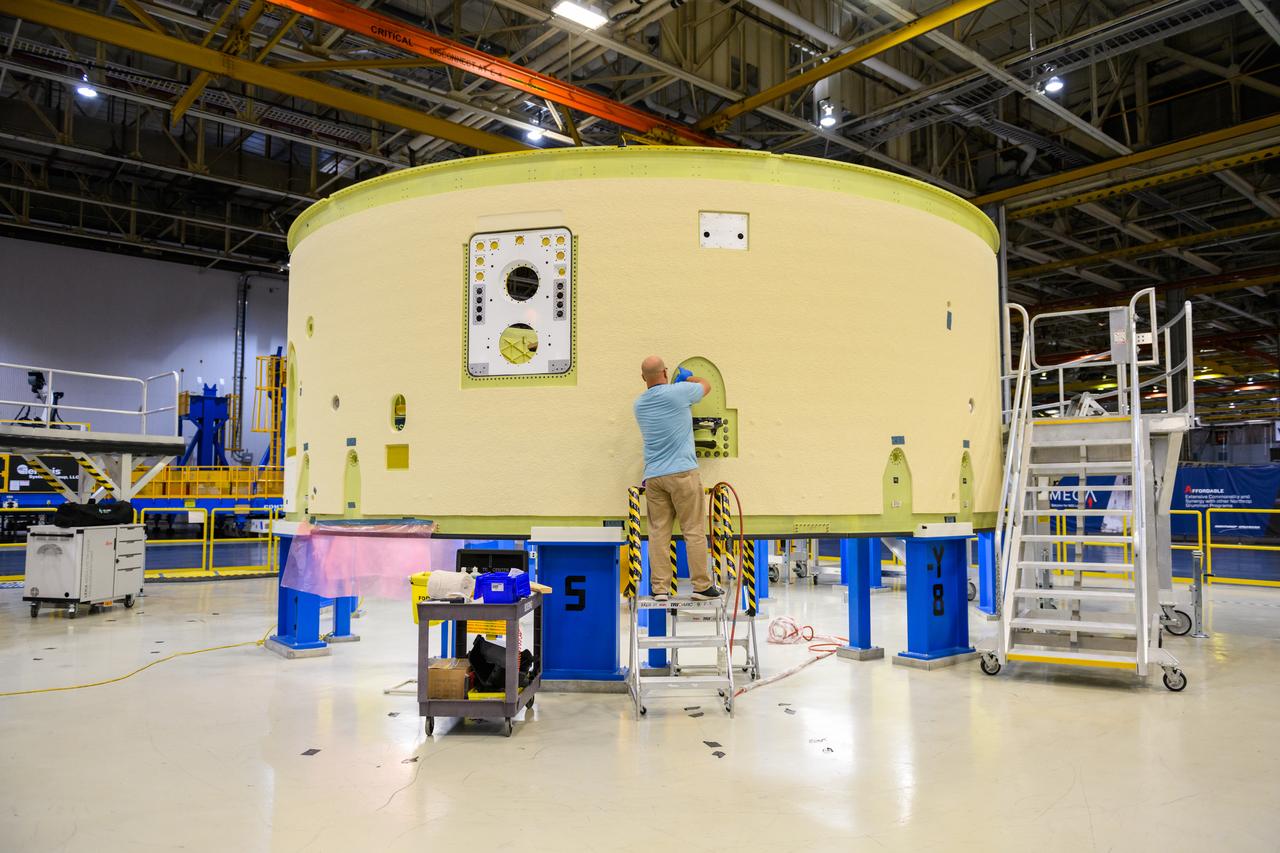
Space Launch System Corestage-2 (Artemis-2) Forward Skirt after recieiving spray-on foam insulation(SOFI) at NASA's Michoud Assembly Facility.
CoreStage-2 Hardware Update 7-18-19
Space Launch System Corestage-2 (Artemis-2) Forward Skirt after recieiving spray-on foam insulation(SOFI) at NASA's Michoud Assembly Facility.
CoreStage-2 Hardware Update 7-18-19
Space Launch System Corestage-2 (Artemis-2) Forward Skirt after recieiving spray-on foam insulation(SOFI) at NASA's Michoud Assembly Facility.
CoreStage-2 Hardware Update 7-18-19
Space Launch System Corestage-2 Forward Skirt is prepped to recieve spray-on foam insulation(SOFI) at NASA's Michoud Assembly Facility.
MAF_20190530_CS2update-FS_0180
jsc2024e044216 (7/10/2024) --- Top view of spreading flame in ground-based test for the Solid Fuel Ignition and Extinction - Oscillatory Flow on Flame Spread (SoFIE-OFFS) investigation. SoFIE-OFFS examines how intermittent or non-steady flame s behavior impacts fire spread on Earth. Image courtesy of Worcester Polytechnic Institute.
jsc2024e044216
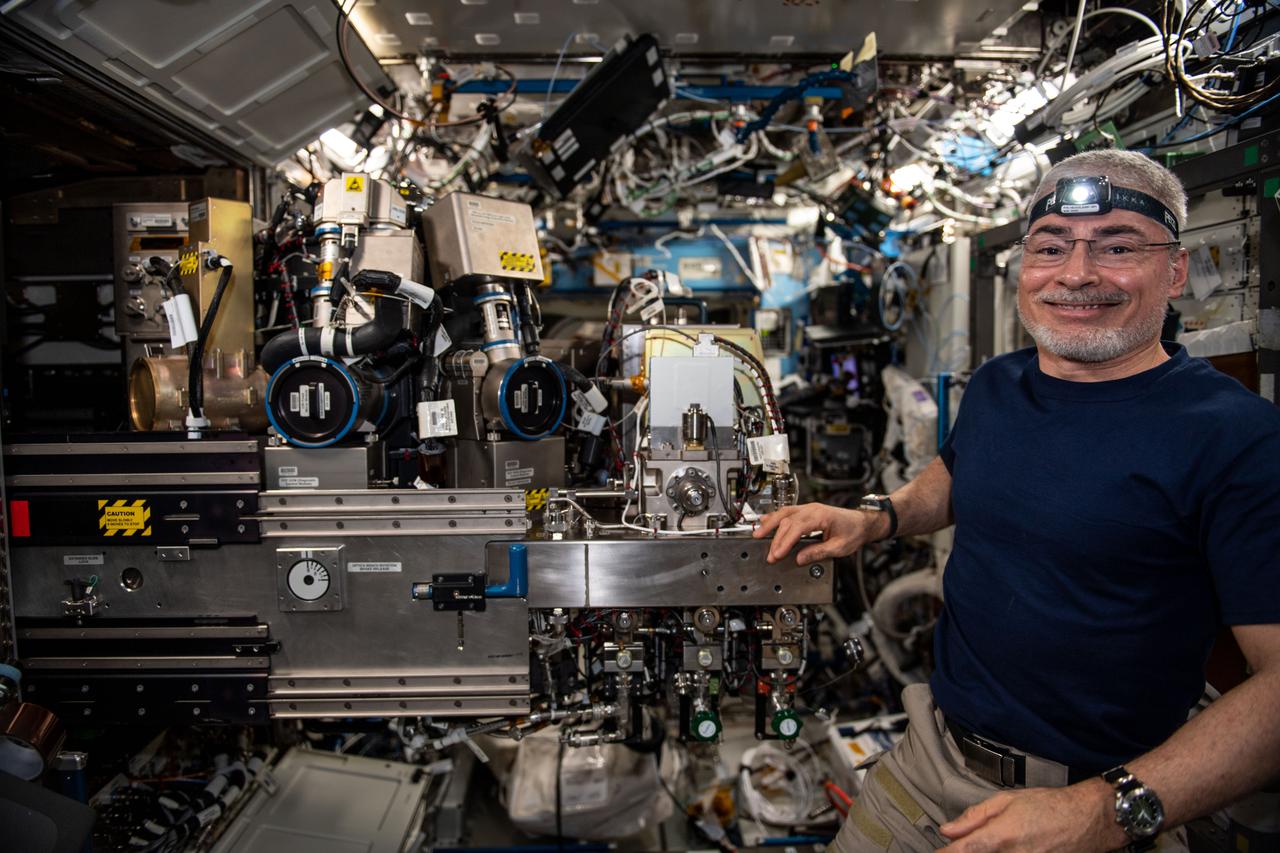
iss066e139638 (Feb. 10, 2022) --- NASA astronaut and Expedition 66 Flight Engineer Mark Vande Hei configures the Combustion Integrated Rack in the U.S. Destiny laboratory module to support a pair of fire safety experiments known as SoFIE, or Solid Fuel Ignition and Extinction.
iss066e139638
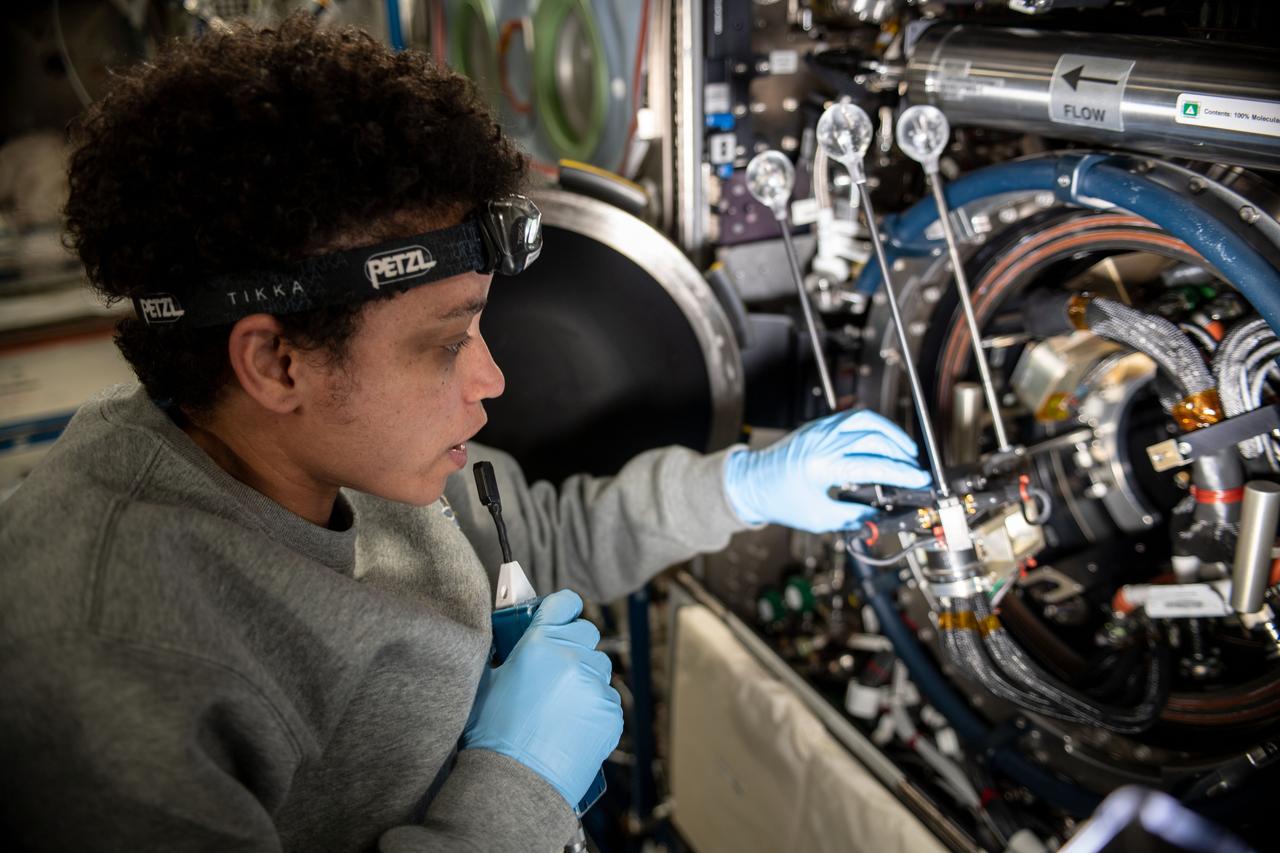
iss067e170237 (June 24, 2022) --- Expedition 67 Flight Engineer and NASA astronaut Jessica Watkins services components that support the Solid Fuel Ignition and Extinction (SOFIE) fire safety experiment inside the International Space Station's Combustion Integrated Rack.
iss067e170237
KENNEDY SPACE CENTER, FLA. -  Nine-year-old Sofi Collis (left) is congratulated by NASA Administrator Sean O'Keefe for selecting the names of the Mars Exploration Rovers  -- "Spirit" and "Opportunity" --  during a press conference.  The names Sofi suggested were chosen from more than 10,000 student entries in an essay contest managed for NASA by the LEGO Company.   NASA's twin Mars Exploration Rovers are designed to study the history of water on Mars. These robotic geologists are equipped with a robotic arm, a drilling tool, three spectrometers, and four pairs of cameras that allow them to have a human-like, 3D view of the terrain. Each rover could travel as far as 100 meters in one day to act as Mars scientists' eyes and hands, exploring an environment where humans are not yet able to go. MER-A, with the rover Spirit aboard, is scheduled to launch on June 8 at 2:06 p.m. EDT, with two launch opportunities each day during a launch period that closes on June 24.
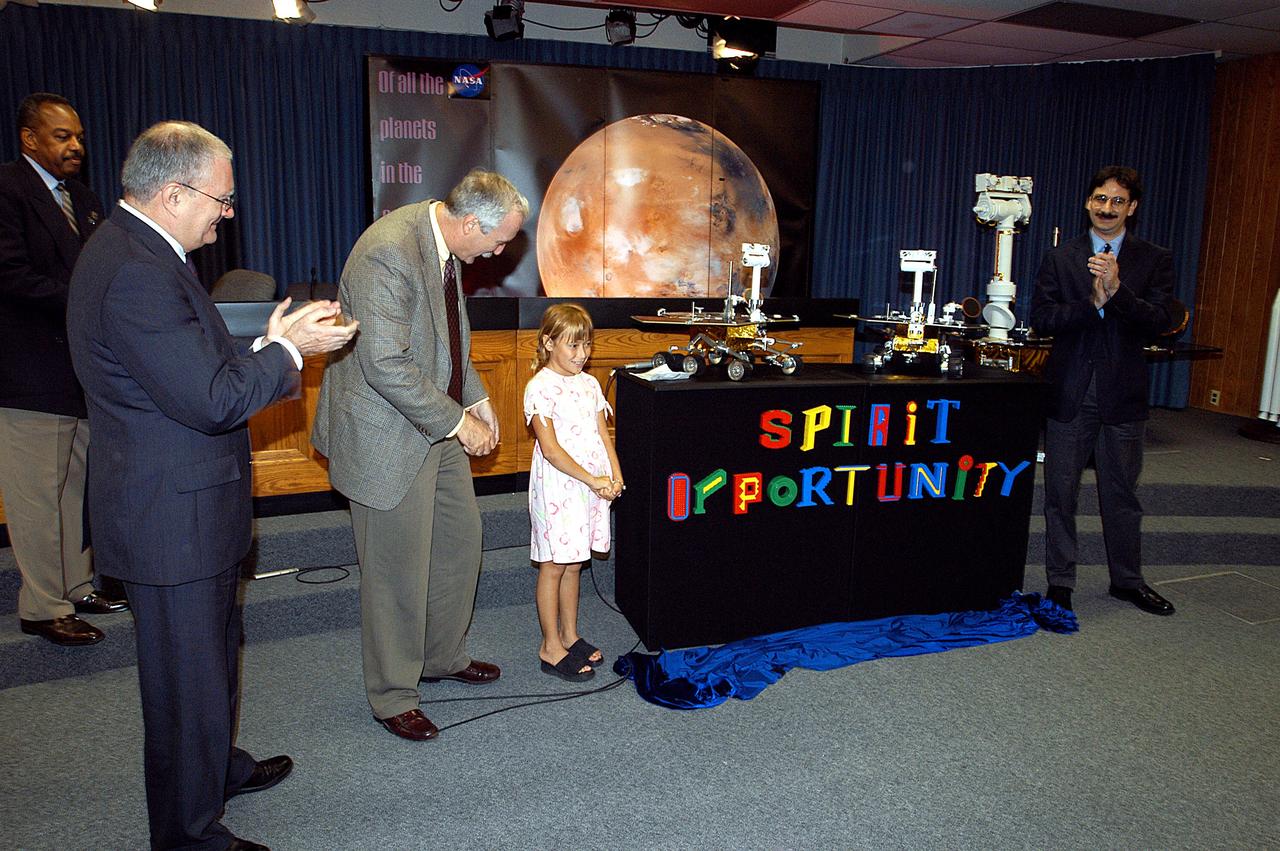
KENNEDY SPACE CENTER, FLA. - Nine-year-old Sofi Collis (left) is congratulated by NASA Administrator Sean O'Keefe for selecting the names of the Mars Exploration Rovers -- "Spirit" and "Opportunity" -- during a press conference. The names Sofi suggested were chosen from more than 10,000 student entries in an essay contest managed for NASA by the LEGO Company. NASA's twin Mars Exploration Rovers are designed to study the history of water on Mars. These robotic geologists are equipped with a robotic arm, a drilling tool, three spectrometers, and four pairs of cameras that allow them to have a human-like, 3D view of the terrain. Each rover could travel as far as 100 meters in one day to act as Mars scientists' eyes and hands, exploring an environment where humans are not yet able to go. MER-A, with the rover Spirit aboard, is scheduled to launch on June 8 at 2:06 p.m. EDT, with two launch opportunities each day during a launch period that closes on June 24.
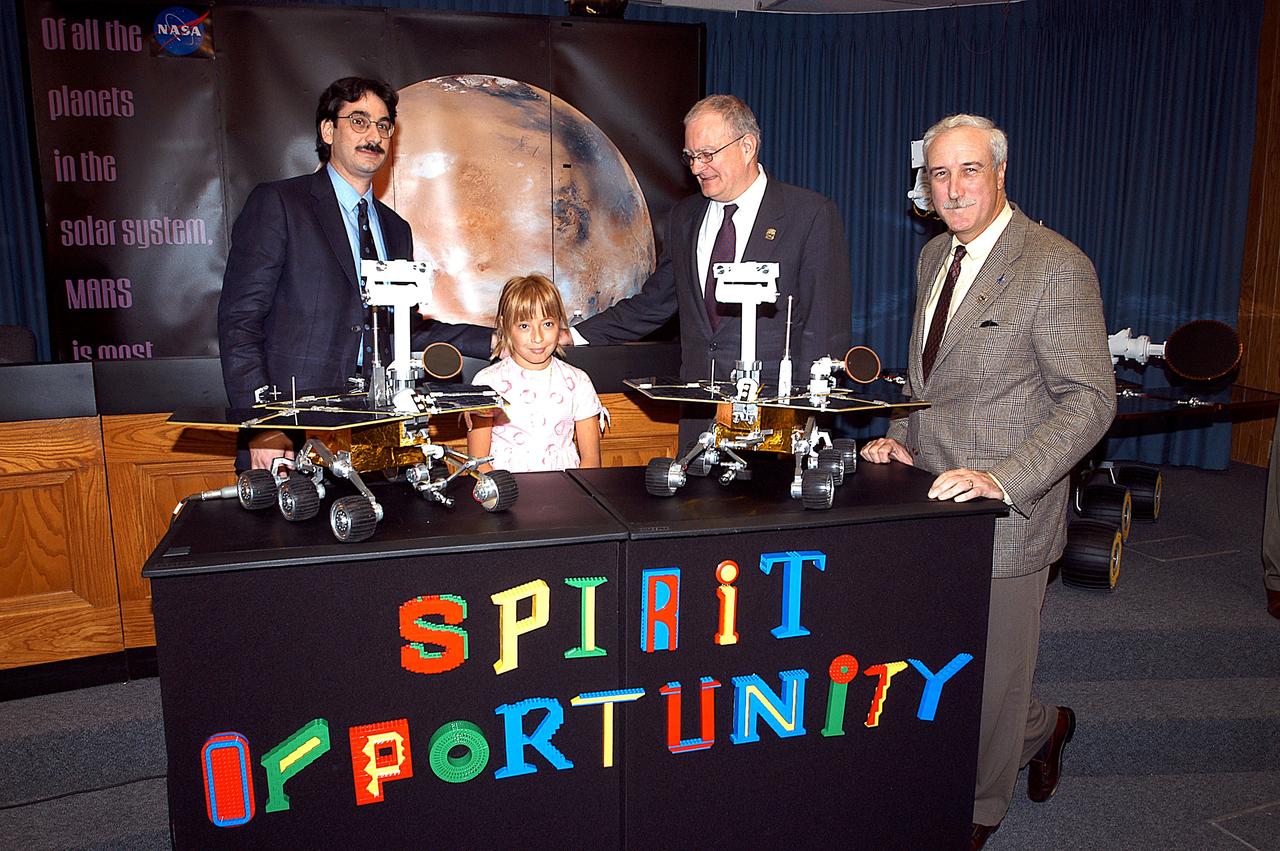
KENNEDY SPACE CENTER, FLA. -  Nine-year-old Sofi Collis proudly presents the names she selected for the Mars Exploration Rovers  -- "Spirit" and "Opportunity" --  during a press conference.  Also participating in the press conference are NASA Administrator Sean O'Keefe (left) and Brad Justus, LEGO Co. senior vice president (right).  The names Sofi suggested were selected from more than 10,000 student entries in an essay contest managed for NASA by the LEGO Company.   NASA's twin Mars Exploration Rovers are designed to study the history of water on Mars. These robotic geologists are equipped with a robotic arm, a drilling tool, three spectrometers, and four pairs of cameras that allow them to have a human-like, 3D view of the terrain. Each rover could travel as far as 100 meters in one day to act as Mars scientists' eyes and hands, exploring an environment where humans are not yet able to go. MER-A, with the rover Spirit aboard, is scheduled to launch on June 8 at 2:06 p.m. EDT, with two launch opportunities each day during a launch period that closes on June 24.
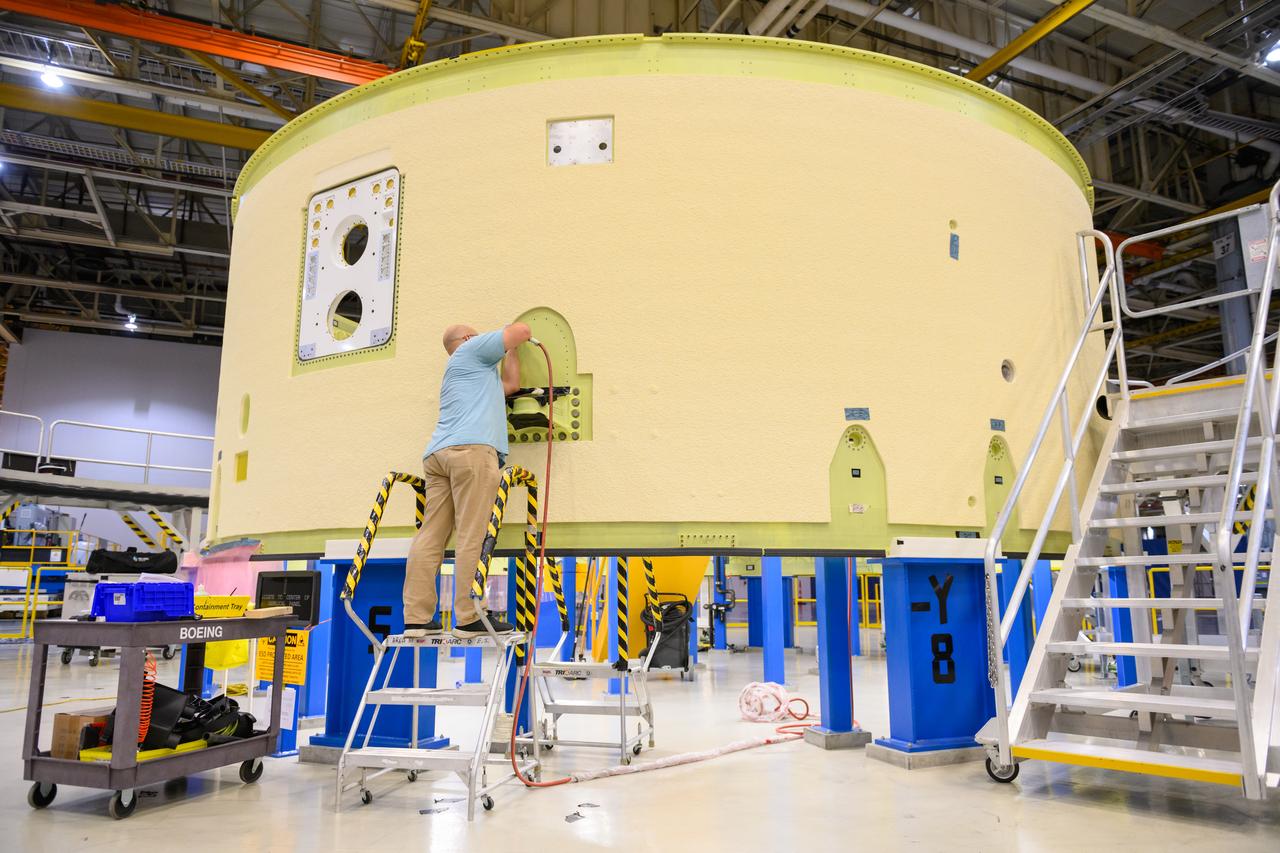
KENNEDY SPACE CENTER, FLA. - Nine-year-old Sofi Collis proudly presents the names she selected for the Mars Exploration Rovers -- "Spirit" and "Opportunity" -- during a press conference. Also participating in the press conference are NASA Administrator Sean O'Keefe (left) and Brad Justus, LEGO Co. senior vice president (right). The names Sofi suggested were selected from more than 10,000 student entries in an essay contest managed for NASA by the LEGO Company. NASA's twin Mars Exploration Rovers are designed to study the history of water on Mars. These robotic geologists are equipped with a robotic arm, a drilling tool, three spectrometers, and four pairs of cameras that allow them to have a human-like, 3D view of the terrain. Each rover could travel as far as 100 meters in one day to act as Mars scientists' eyes and hands, exploring an environment where humans are not yet able to go. MER-A, with the rover Spirit aboard, is scheduled to launch on June 8 at 2:06 p.m. EDT, with two launch opportunities each day during a launch period that closes on June 24.
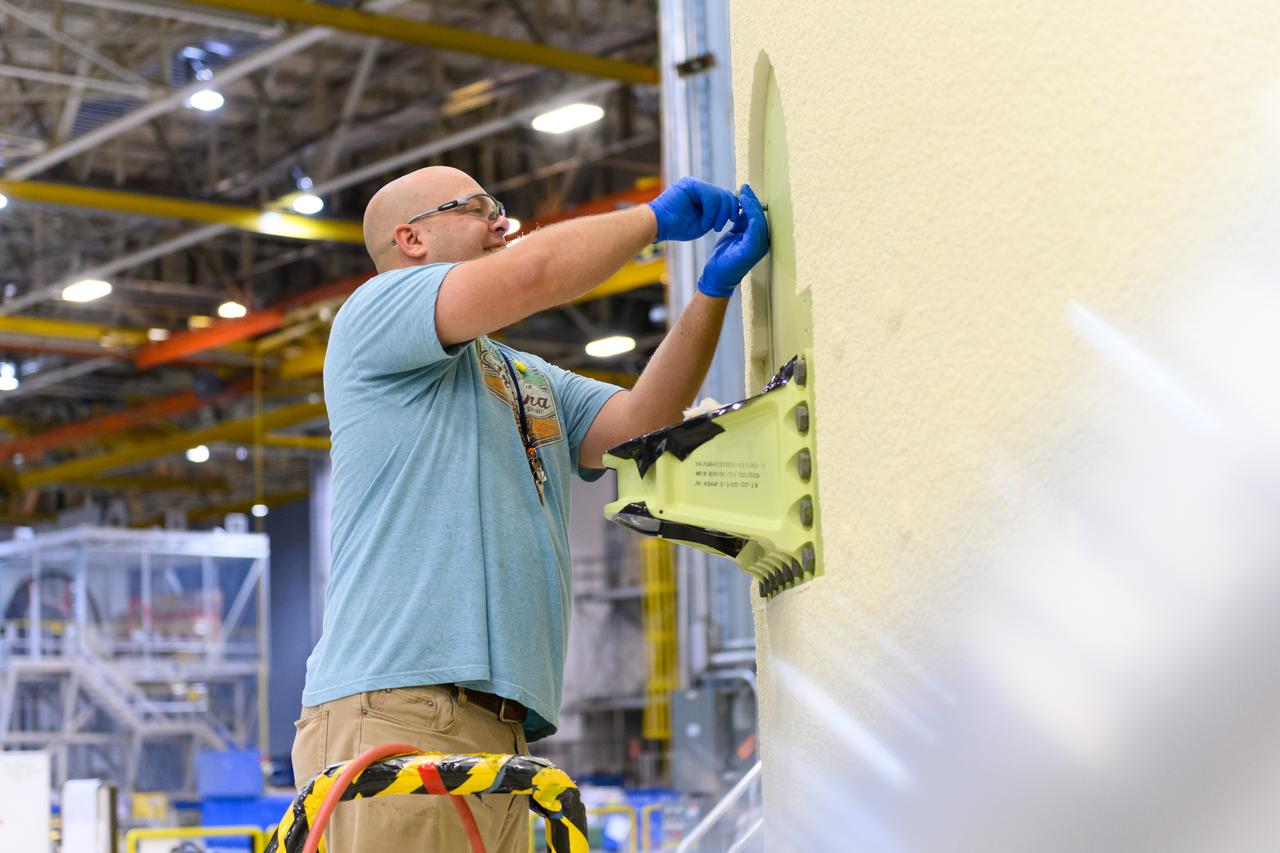
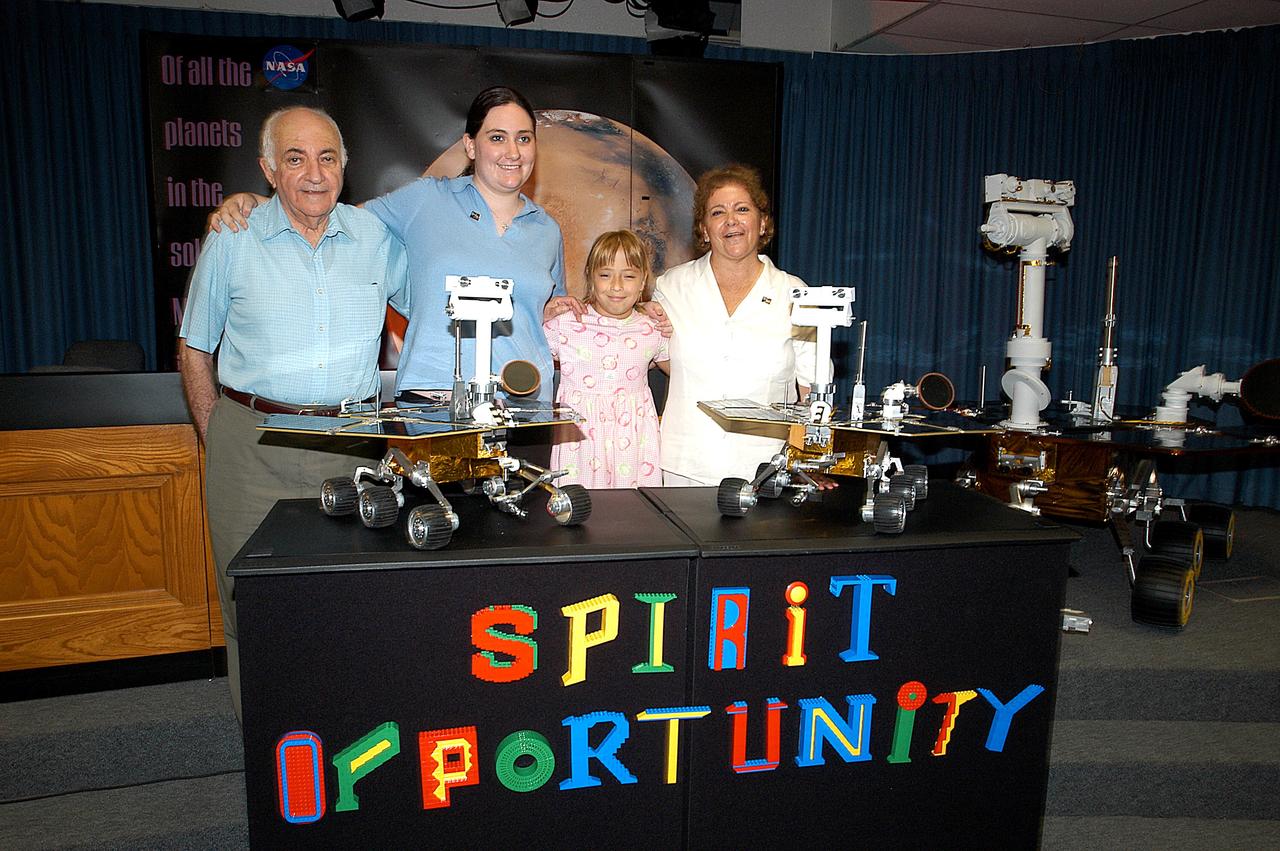
KENNEDY SPACE CENTER, FLA. -  Nine-year-old Sofi Collis (third from left) and her family pose proudly with a banner displaying the names she selected for the Mars Exploration Rovers -- "Spirit" and "Opportunity" -- following a press conference announcing the names. The names Sofi suggested were chosen from more than 10,000 student entries in an essay contest managed for NASA by the LEGO Company. NASA's twin Mars Exploration Rovers are designed to study the history of water on Mars. These robotic geologists are equipped with a robotic arm, a drilling tool, three spectrometers, and four pairs of cameras that allow them to have a human-like, 3D view of the terrain. Each rover could travel as far as 100 meters in one day to act as Mars scientists' eyes and hands, exploring an environment where humans are not yet able to go. MER-A, with the rover Spirit aboard, is scheduled to launch on June 8 at 2:06 p.m. EDT, with two launch opportunities each day during a launch period that closes on June 24.
KENNEDY SPACE CENTER, FLA. - Nine-year-old Sofi Collis (third from left) and her family pose proudly with a banner displaying the names she selected for the Mars Exploration Rovers -- "Spirit" and "Opportunity" -- following a press conference announcing the names. The names Sofi suggested were chosen from more than 10,000 student entries in an essay contest managed for NASA by the LEGO Company. NASA's twin Mars Exploration Rovers are designed to study the history of water on Mars. These robotic geologists are equipped with a robotic arm, a drilling tool, three spectrometers, and four pairs of cameras that allow them to have a human-like, 3D view of the terrain. Each rover could travel as far as 100 meters in one day to act as Mars scientists' eyes and hands, exploring an environment where humans are not yet able to go. MER-A, with the rover Spirit aboard, is scheduled to launch on June 8 at 2:06 p.m. EDT, with two launch opportunities each day during a launch period that closes on June 24.
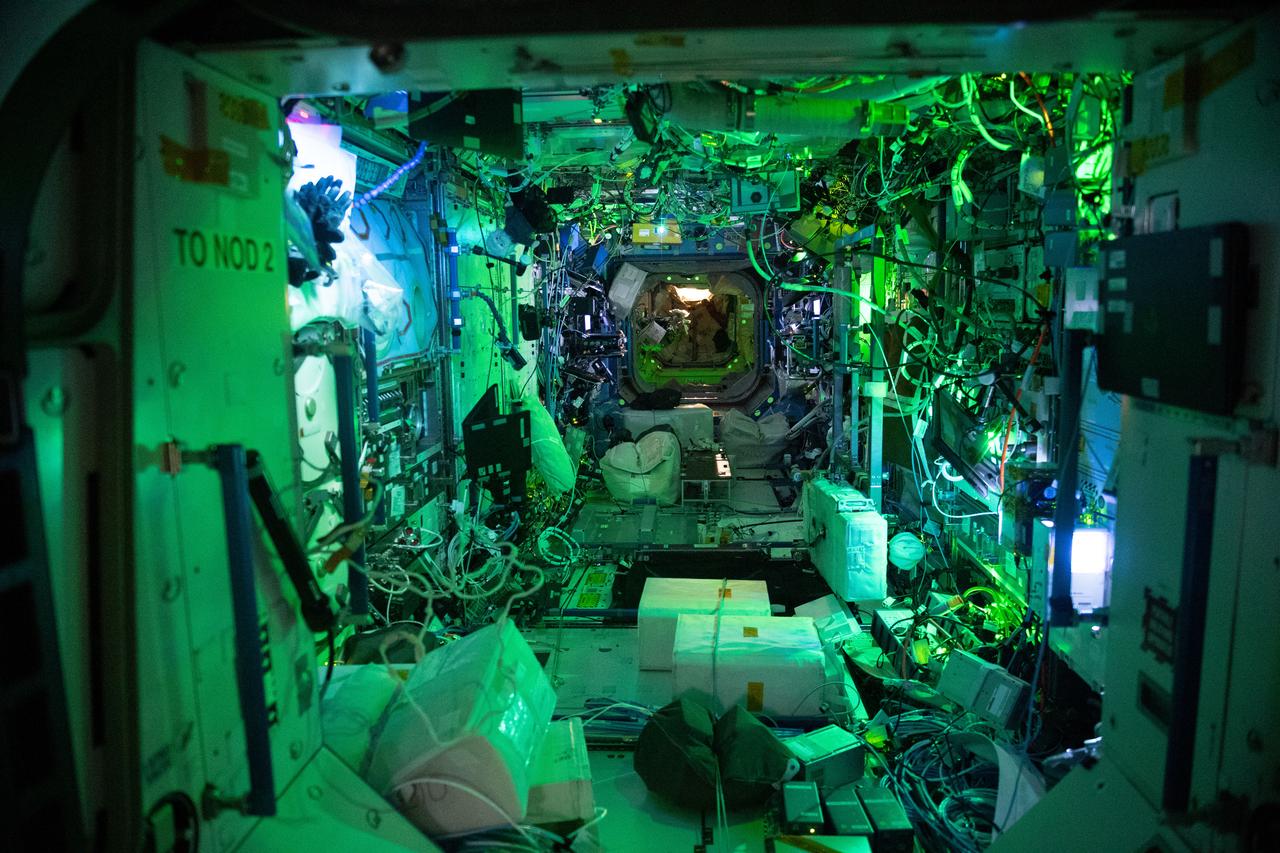
iss068e022293 (Nov. 14, 2022) --- An interior view of the Destiny U.S. Laboratory at night under ambient light with the main lights turned off. The Destiny module supports a variety of life and physical sciences, technology demonstrations, and educational events. In 2022, hardware for the Solid Fuel Ignition and Extinction (SOFIE) facility was installed inside Destiny's Combustion Integrated Rack opening opportunities for new combustion studies.
iss068e022293
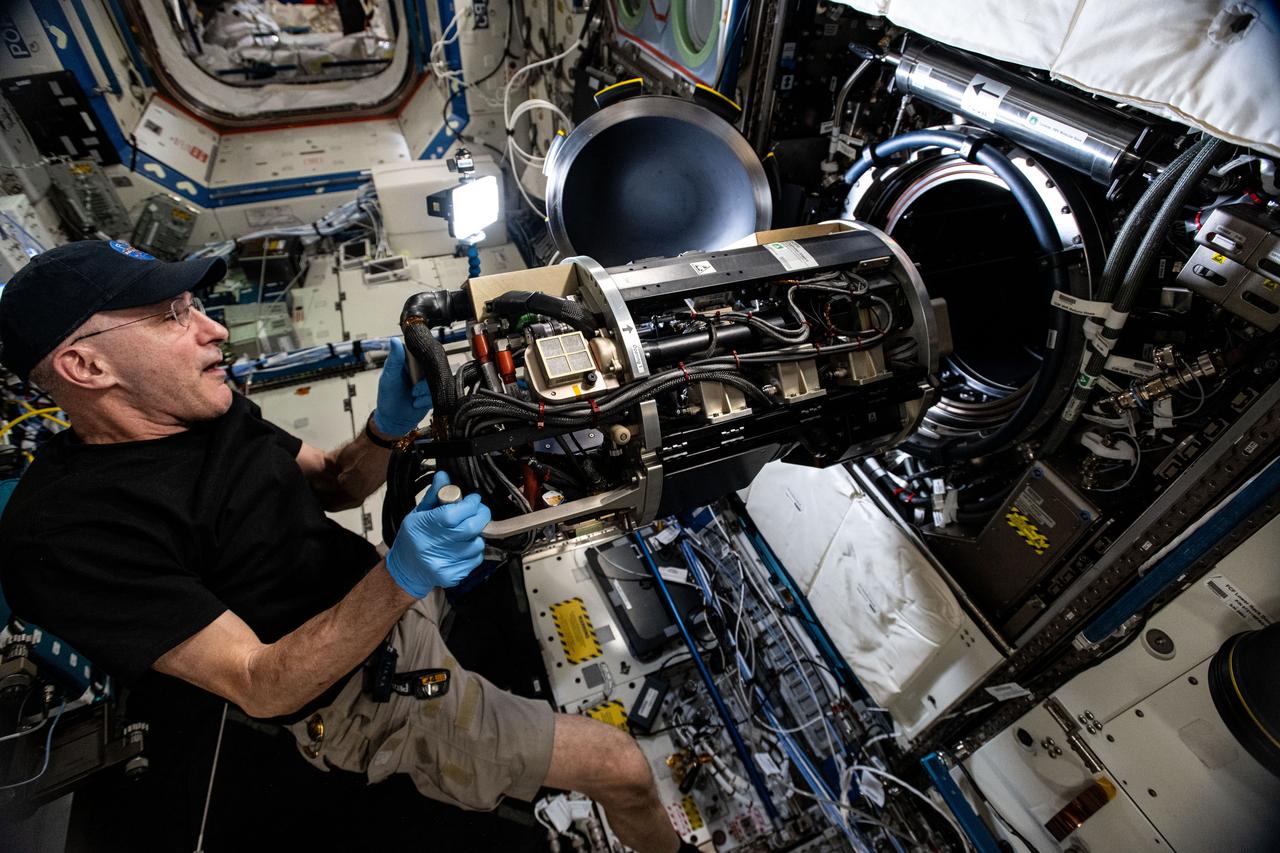
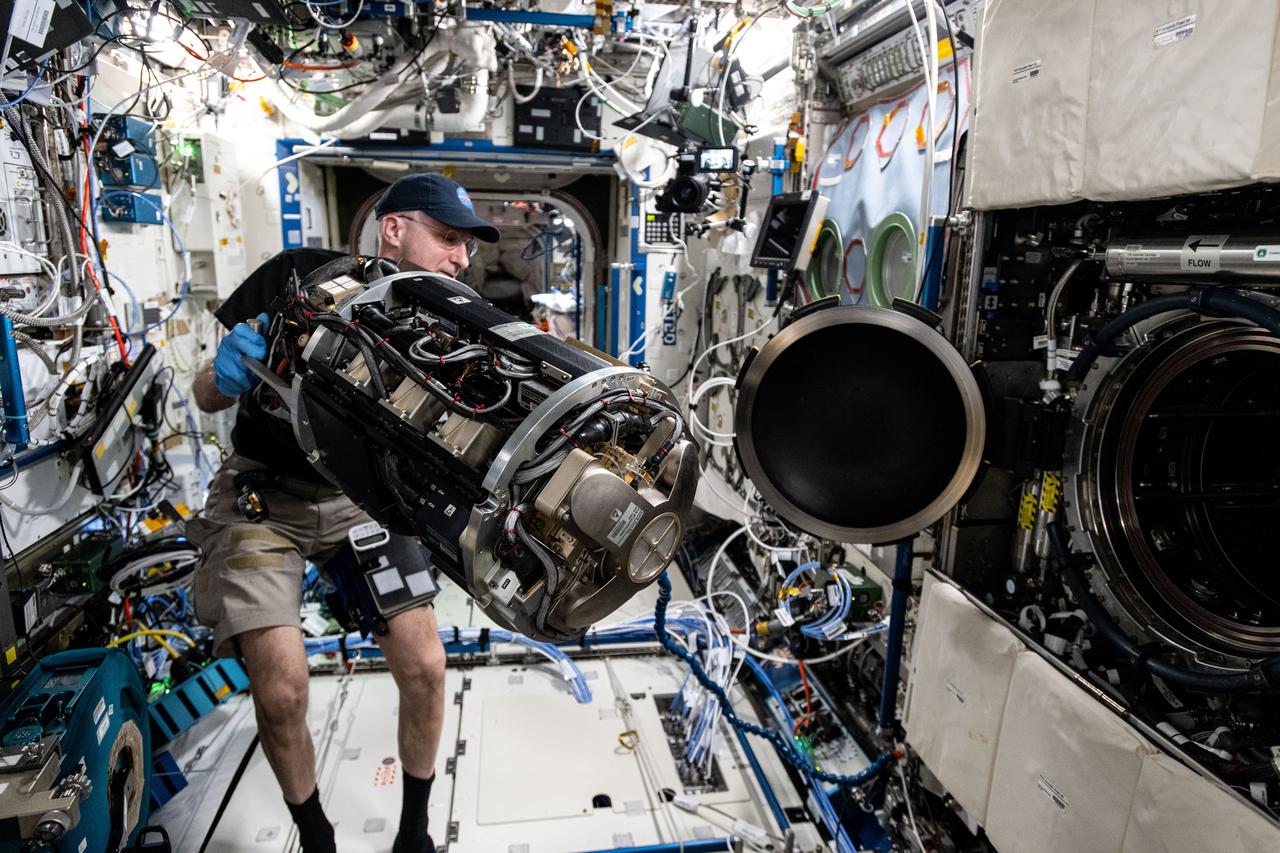
iss072e747148 (March 18, 2025) --- NASA astronaut and Expedition 72 Flight Engineer Don Pettit inserts research hardware into the Combustion Integrated Rack located inside the International Space Station's Destiny laboratory module. Pettit was configuring the SoFIE-MIST, or the Solid Fuel Ignition and Extinction - Material Ignition and Suppression Test, investigation that is exploring the flammability of materials in microgravity to improve spacecraft fire safety.
Astronaut Don Pettit inserts research hardware into the Combustion Integrated Rack
iss072e747154 (March 18, 2025) --- NASA astronaut and Expedition 72 Flight Engineer Don Pettit inserts research hardware into the Combustion Integrated Rack located inside the International Space Station's Destiny laboratory module. Pettit was configuring the SoFIE-MIST, or the Solid Fuel Ignition and Extinction - Material Ignition and Suppression Test, investigation that is exploring the flammability of materials in microgravity to improve spacecraft fire safety.
Astronaut Don Pettit inserts research hardware into the Combustion Integrated Rack
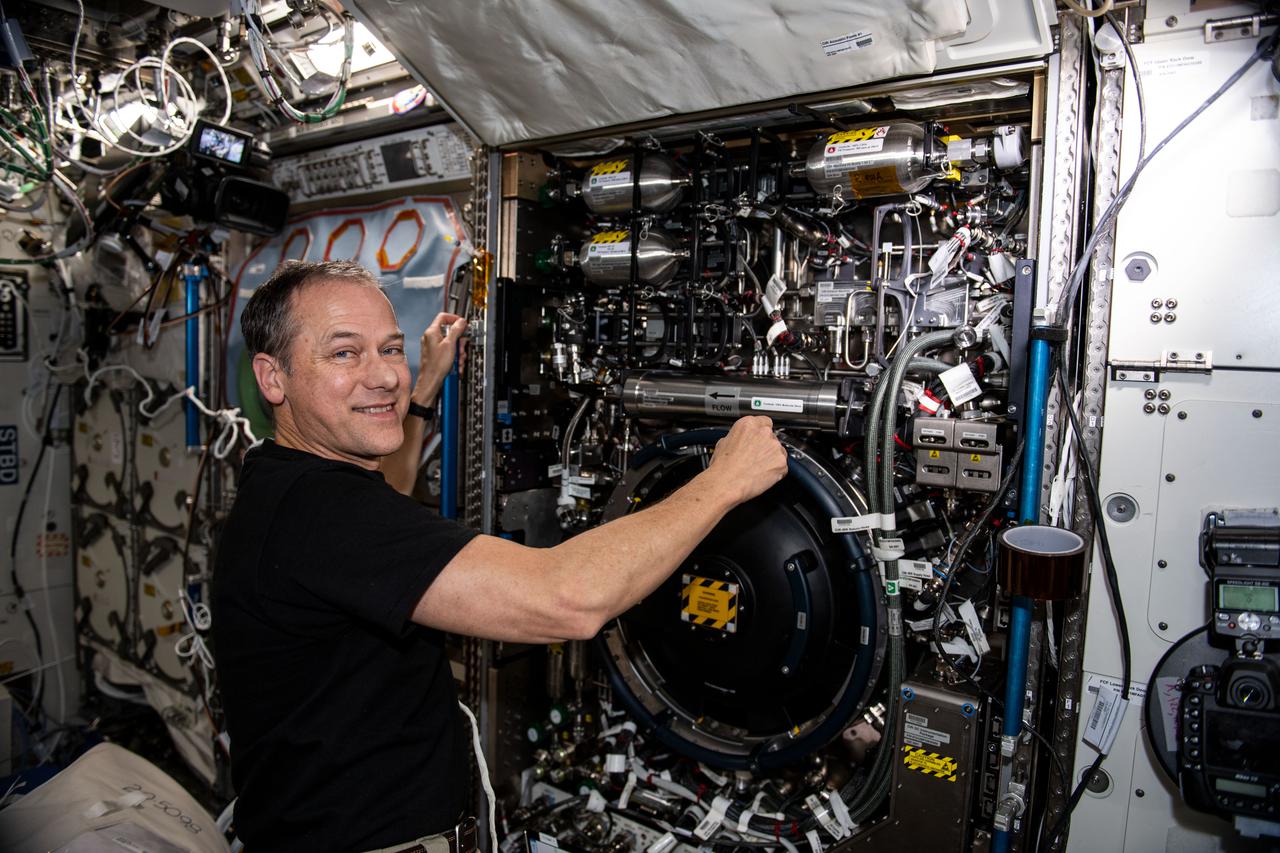
iss066e137090 (Feb. 8, 2022) --- NASA astronaut and Expedition 66 Flight Engineer Thomas Marshburn configures the Combustion Integrated Rack to begin operations for a pair of studies exploring fire growth in microgravity. The two SoFIE, or Solid Fuel Ignition and Extinction, studies explore safer, less flammable spacecraft materials as well as fire extinguishing and suppresion techniques in microgravity.
iss066e137090
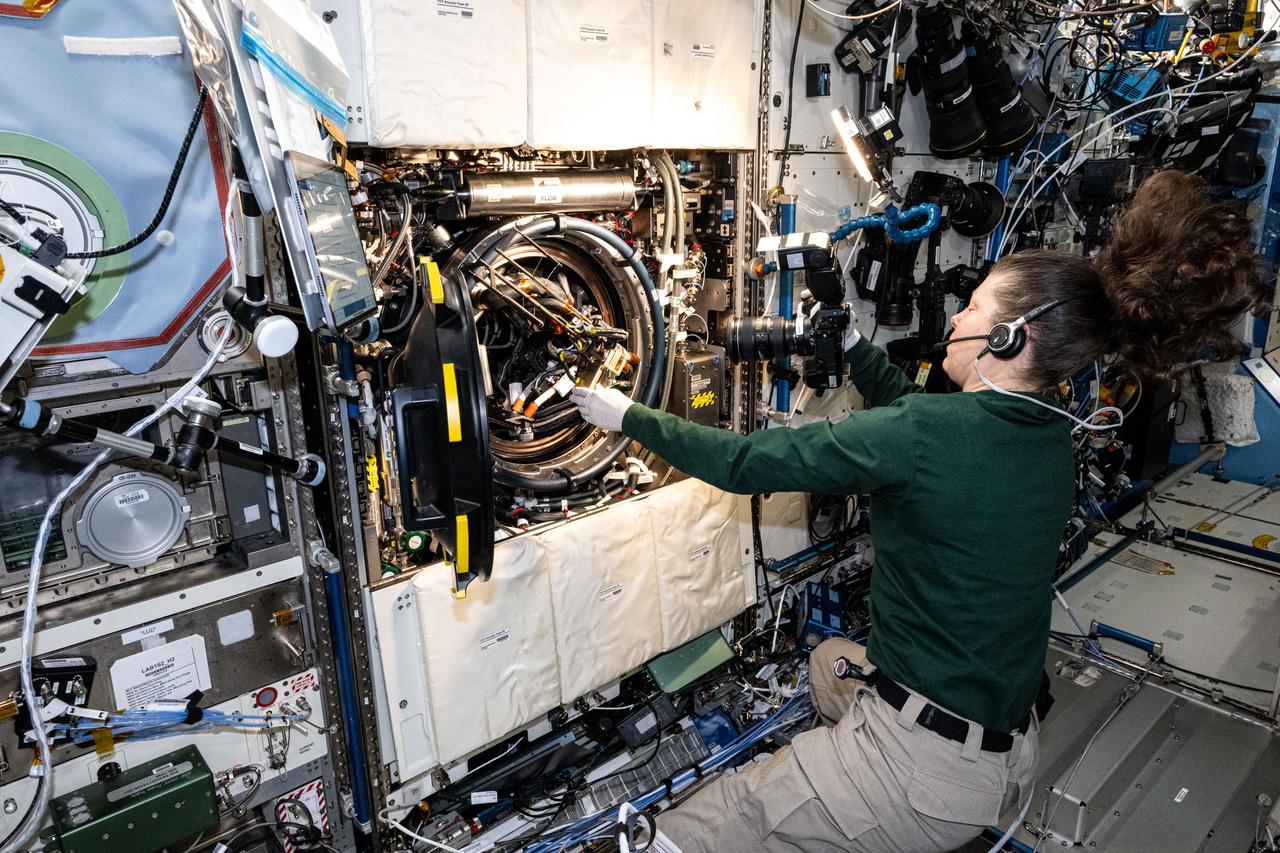
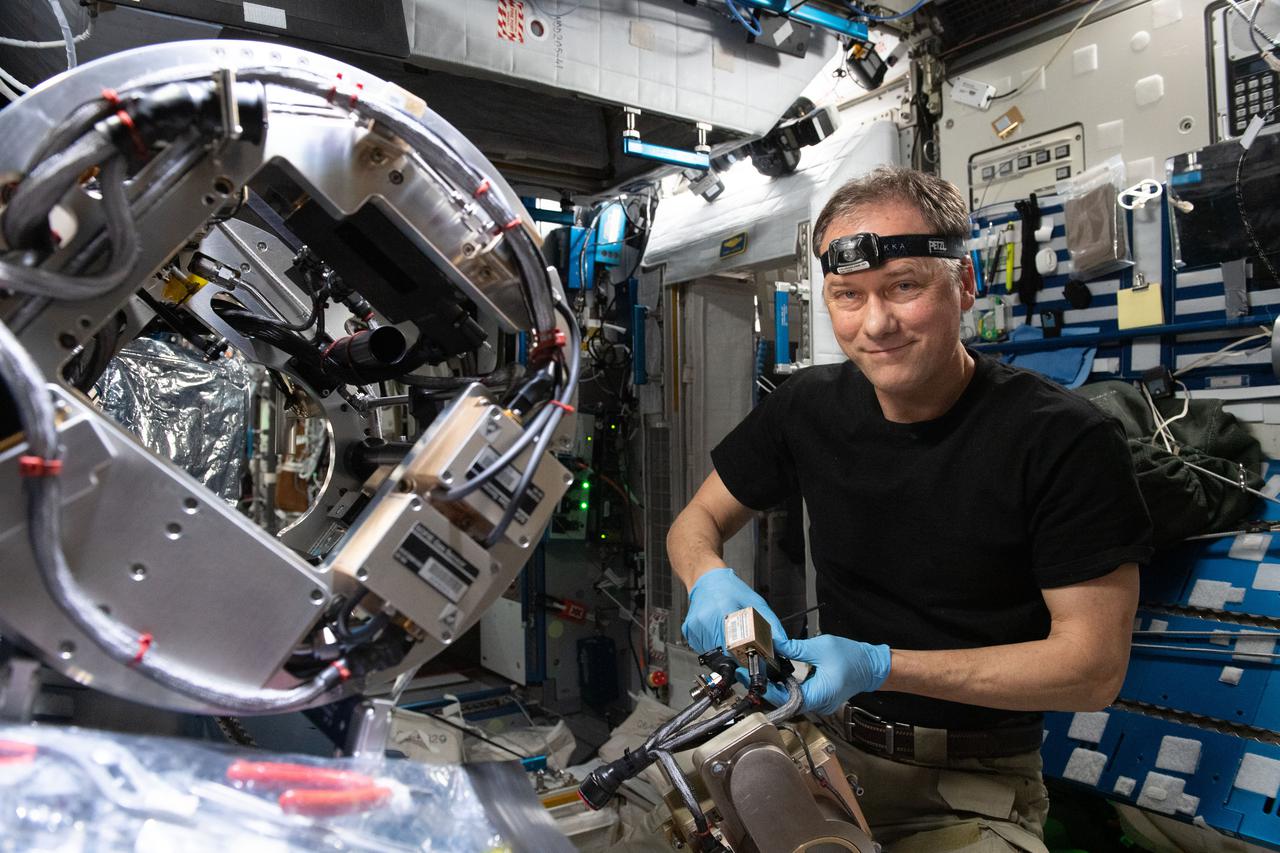
iss071e549501 (Aug. 26, 2024) --- NASA astronaut and Expedition 71 Flight Engineer Tracy C. Dyson replaces experiment hardware in the Combustion Integrated Rack located aboard the International Space Station's Destiny laboratory module. The hardware replacement work was for the SoFIE-MIST investigation that is exploring ways to design safer materials for future space facilities and determine the best methods for extinguishing fires in space.
iss071e549501
iss067e003895 (April 6, 2022) --- NASA astronaut and Expedition 67 Commander Thomas Marshburn configures the Combustion Integrated Rack's combustion chamber for the Solid Fuel Ignition and Extinction study to investigate material flammability and ways to improve fire safety in space.
SoFIE Chamber Insert Configuration, Part 2
jsc2023e013681 (3/9/2023) --- The Solid Fuel Ignition and Extinction (SoFIE) Growth and Extinction Limits (GEL) experiment aboard the International Space Station (ISS) studies flame growth and extinction in an effort to improve fire safety in space. This image shows a sequence of snapshots taken about 3 seconds apart. During this test point, the ambient oxygen concentration starts relatively high (28%). Initially, the flame is seen as yellow and sooty. As the ambient pressure is reduced, the flame becomes bluer and continues to shrink until fully extinguished. This gives researchers pressure limit data points for flame extinction that could help improve crew and spacecraft safety for future exploration missions.
jsc2023e013681
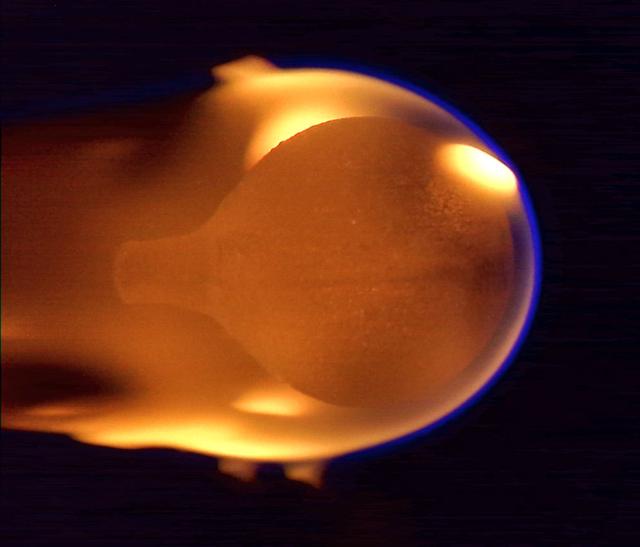
jsc2023e002281 (1/13/2023) --- The Solid Fuel Ignition and Extinction (SoFIE) Growth and Extinction Limits (GEL) experiment successfully conducted its first test in the Combustion Integrated Rack (CIR) aboard the International Space Station (ISS) on January 13th. This image shows a 4-cm diameter sphere of acrylic burning in microgravity.  The atmosphere started at 17.5% oxygen in nitrogen and air flow is from right to left at 20 cm/s.  The flame appears near the end of the burn, having engulfed the entire sphere after growing from a small ignition point on the right side. Image courtesy of NASA.
jsc2023e002281
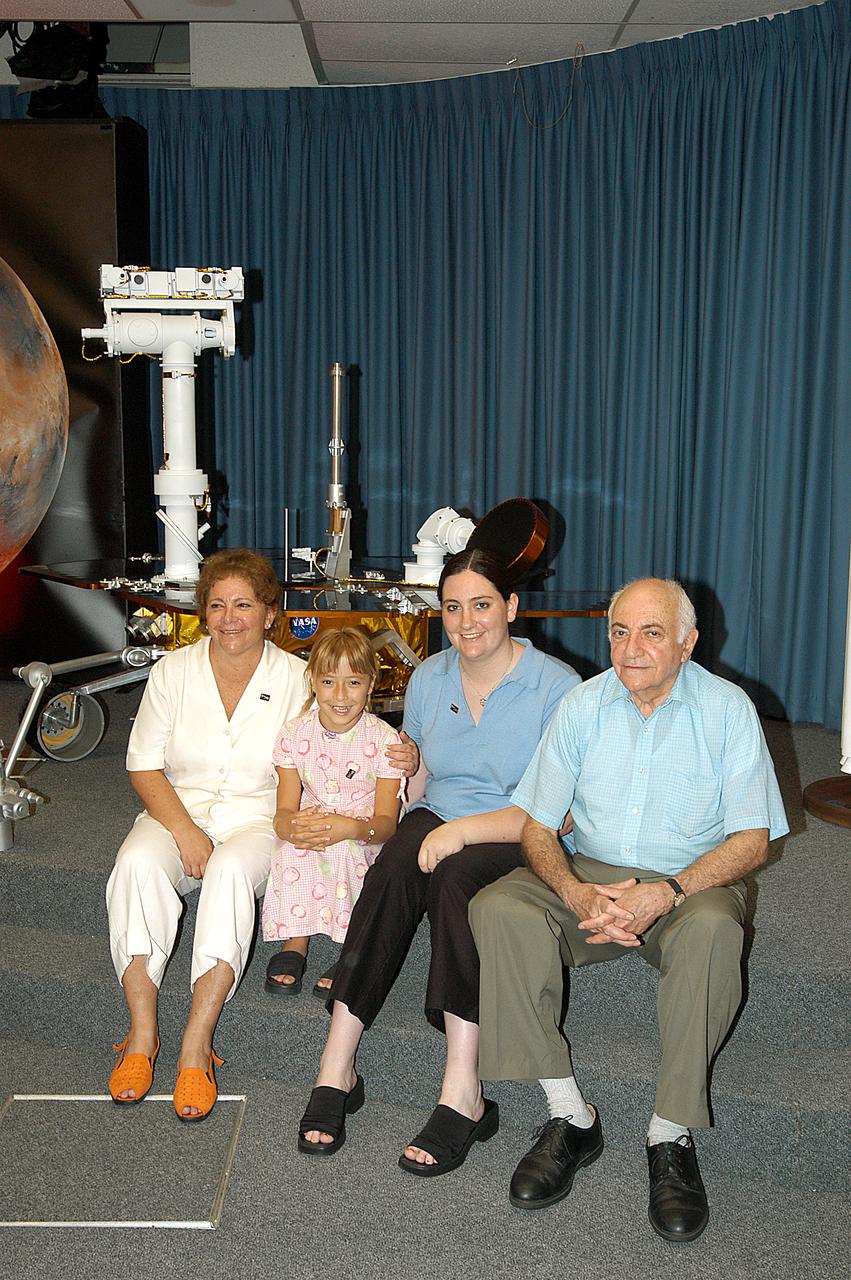
Siberian-born Sofi Collis (second from left), the third grade student winner of the "Name the Rovers" contest, poses with her adopted American family. The names she proposed -- Spirit and Opportunity -- were announced today in a press conference held by NASA Administrator Sean O'Keefe. NASA's twin Mars Exploration Rovers are designed to study the history of water on Mars. These robotic geologists are equipped with a robotic arm, a drilling tool, three spectrometers, and four pairs of cameras that allow them to have a human-like, 3D view of the terrain. Each rover could travel as far as 100 meters in one day to act as Mars scientists' eyes and hands, exploring an environment where humans are not yet able to go. MER-A, with the rover Spirit aboard, is scheduled to launch on June 8 at 2:06 p.m. EDT, with two launch opportunities each day during a launch period that closes on June 24.
"Name the Rovers" contest
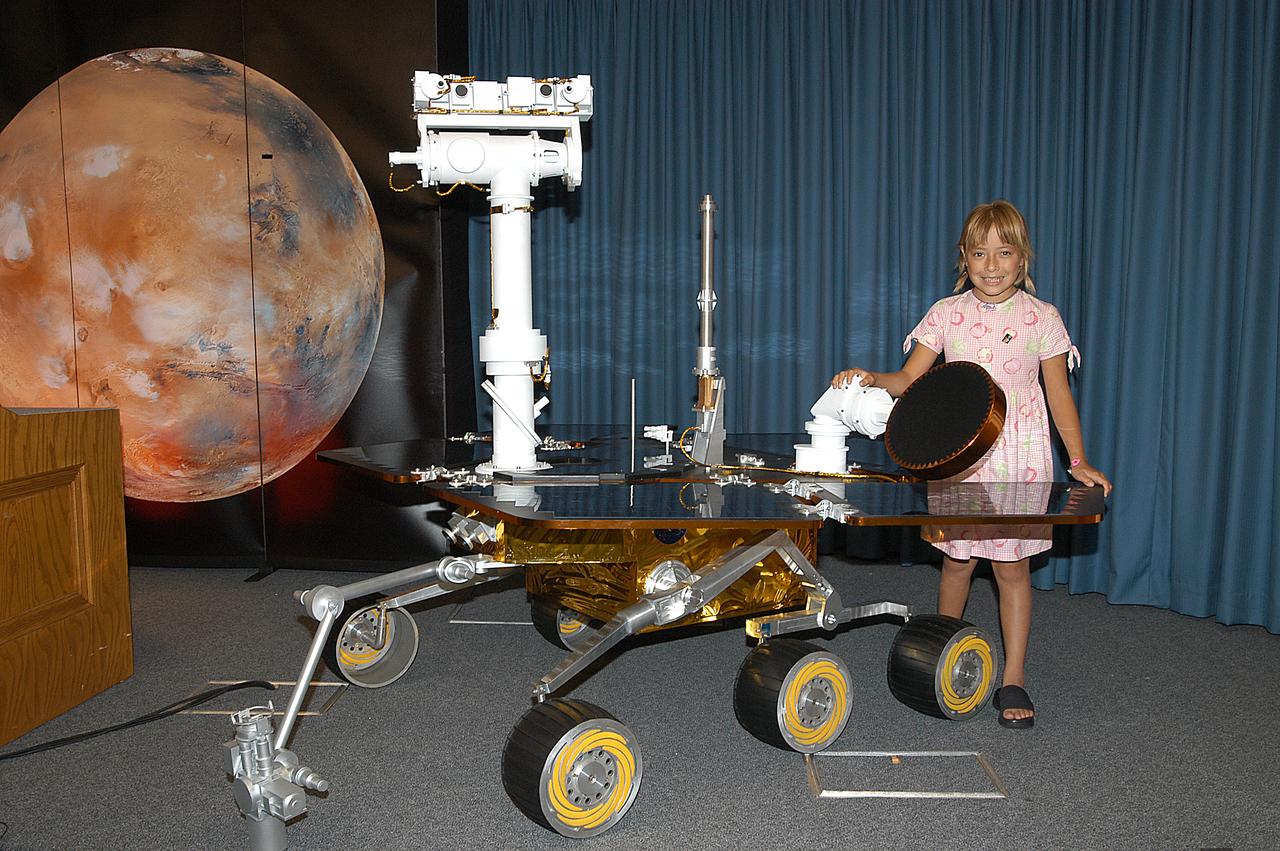
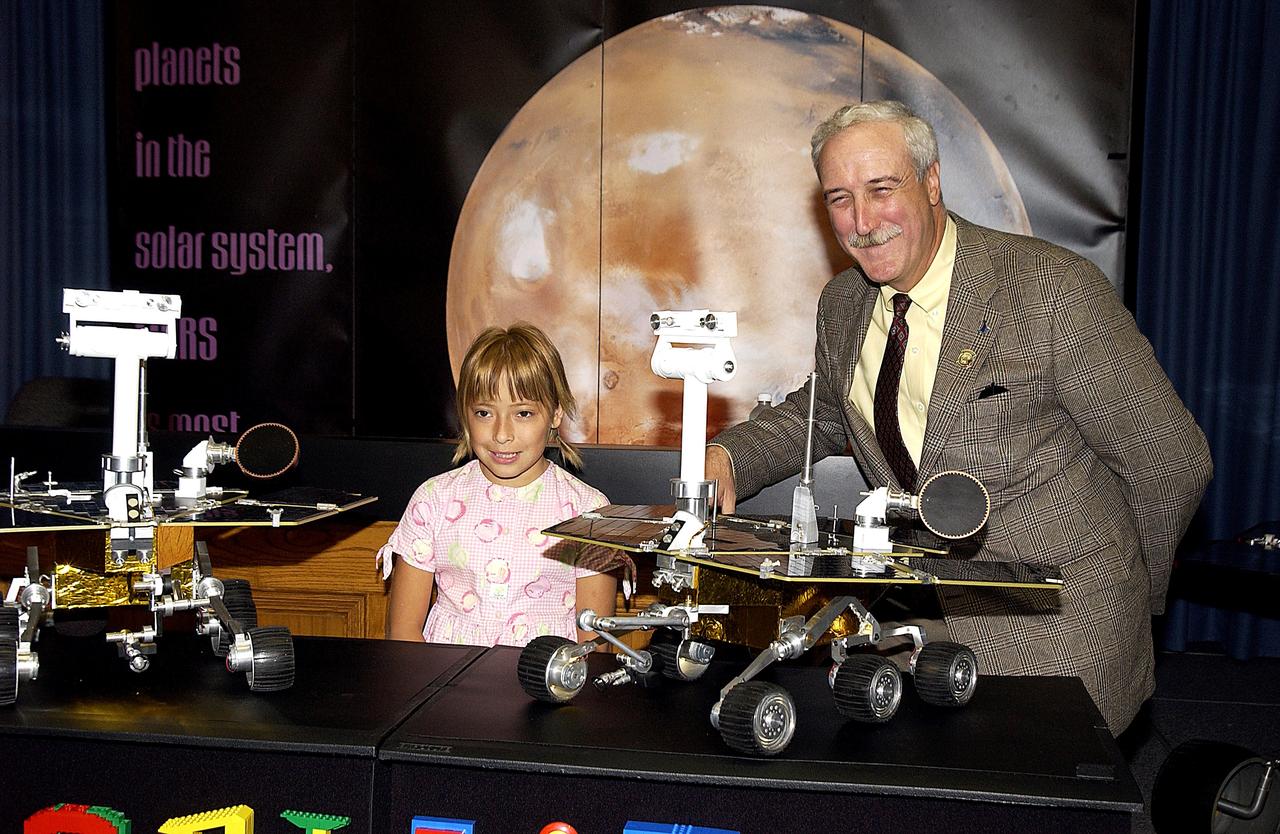
Sofi Collis, the third grade student winner of the "Name the Rovers" contest, poses with a model of a rover. The names she proposed -- Spirit and Opportunity -- were announced today in a press conference held by NASA Administrator Sean O'Keefe. NASA's twin Mars Exploration Rovers are designed to study the history of water on Mars. These robotic geologists are equipped with a robotic arm, a drilling tool, three spectrometers, and four pairs of cameras that allow them to have a human-like, 3D view of the terrain. Each rover could travel as far as 100 meters in one day to act as Mars scientists' eyes and hands, exploring an environment where humans are not yet able to go. MER-A, with the rover Spirit aboard, is scheduled to launch on June 8 at 2:06 p.m. EDT, with two launch opportunities each day during a launch period that closes on June 24.
"Name the Rovers" contest
KENNEDY SPACE CENTER, FLA. -  Nine-year-old Sofi Collis (left) is introduced to the media by NASA Administrator Sean O'Keefe at a press conference.   The Siberian-born Arizona resident wrote the winning entry in the Name the Rovers Contest sponsored by NASA and the Lego Co., a Denmark-based toymaker, with collaboration from the Planetary Society, Pasadena, Calif.  The names she selected for the Mars Exploration Rovers are "Spirit" and "Opportunity." The third grader's essay was chosen from more than 10,000 American student entries.  NASA's twin Mars Exploration Rovers are designed to study the history of water on Mars. These robotic geologists are equipped with a robotic arm, a drilling tool, three spectrometers, and four pairs of cameras that allow them to have a human-like, 3D view of the terrain. Each rover could travel as far as 100 meters in one day to act as Mars scientists' eyes and hands, exploring an environment where humans are not yet able to go. MER-A, with the rover Spirit aboard, is scheduled to launch on June 8 at 2:06 p.m. EDT, with two launch opportunities each day during a launch period that closes on June 24.
KENNEDY SPACE CENTER, FLA. - Nine-year-old Sofi Collis (left) is introduced to the media by NASA Administrator Sean O'Keefe at a press conference. The Siberian-born Arizona resident wrote the winning entry in the Name the Rovers Contest sponsored by NASA and the Lego Co., a Denmark-based toymaker, with collaboration from the Planetary Society, Pasadena, Calif. The names she selected for the Mars Exploration Rovers are "Spirit" and "Opportunity." The third grader's essay was chosen from more than 10,000 American student entries. NASA's twin Mars Exploration Rovers are designed to study the history of water on Mars. These robotic geologists are equipped with a robotic arm, a drilling tool, three spectrometers, and four pairs of cameras that allow them to have a human-like, 3D view of the terrain. Each rover could travel as far as 100 meters in one day to act as Mars scientists' eyes and hands, exploring an environment where humans are not yet able to go. MER-A, with the rover Spirit aboard, is scheduled to launch on June 8 at 2:06 p.m. EDT, with two launch opportunities each day during a launch period that closes on June 24.
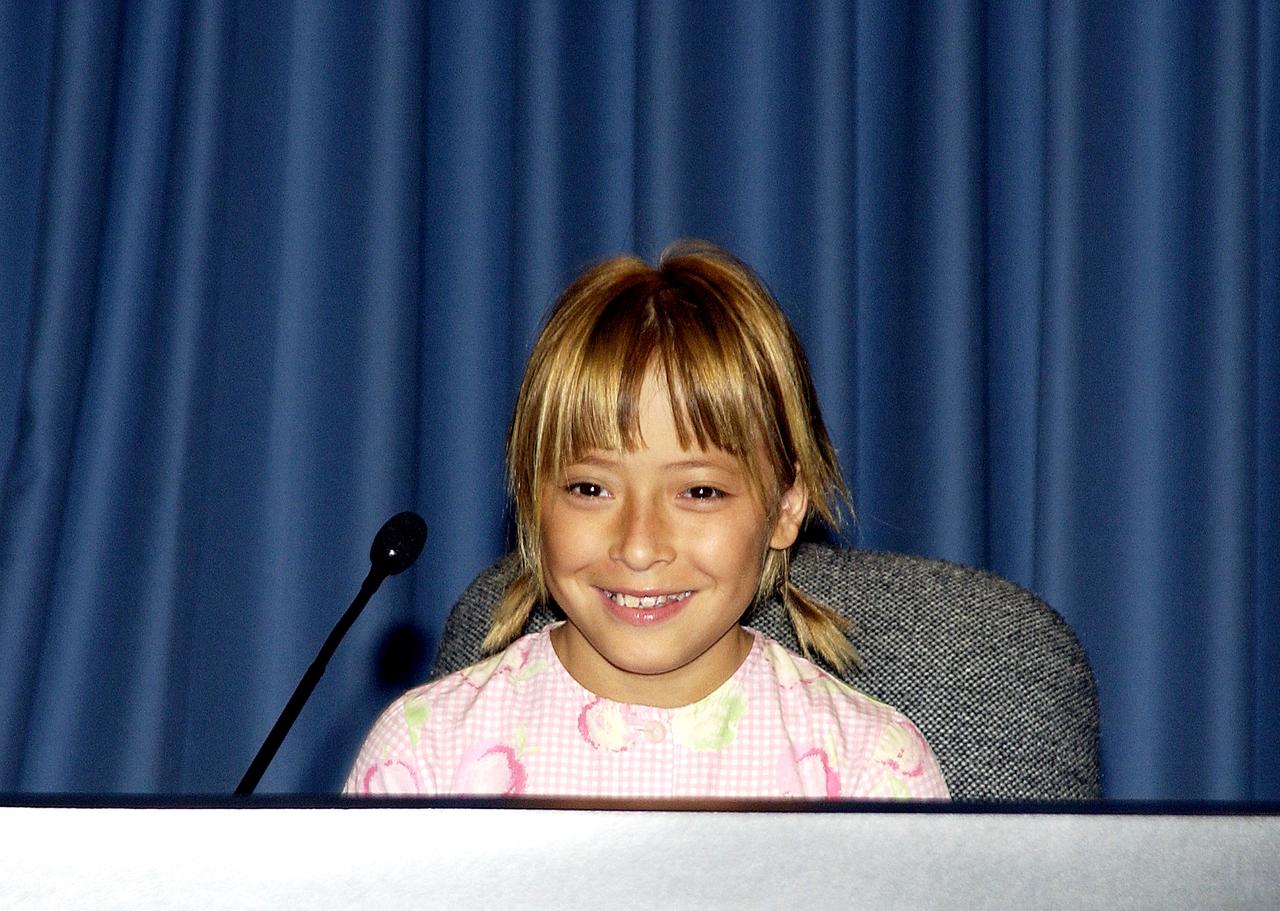
KENNEDY SPACE CENTER, FLA. -  Nine-year-old Sofi Collis is introduced to the media at a press conference.   The Siberian-born Arizona resident wrote the winning entry in the Name the Rovers Contest sponsored by NASA and the Lego Co., a Denmark-based toymaker, with collaboration from the Planetary Society, Pasadena, Calif.  The names she selected for the Mars Exploration Rovers are "Spirit" and "Opportunity." The third grader's essay was chosen from more than 10,000 American student entries.  NASA's twin Mars Exploration Rovers are designed to study the history of water on Mars. These robotic geologists are equipped with a robotic arm, a drilling tool, three spectrometers, and four pairs of cameras that allow them to have a human-like, 3D view of the terrain. Each rover could travel as far as 100 meters in one day to act as Mars scientists' eyes and hands, exploring an environment where humans are not yet able to go. MER-A, with the rover Spirit aboard, is scheduled to launch on June 8 at 2:06 p.m. EDT, with two launch opportunities each day during a launch period that closes on June 24.
KENNEDY SPACE CENTER, FLA. - Nine-year-old Sofi Collis is introduced to the media at a press conference. The Siberian-born Arizona resident wrote the winning entry in the Name the Rovers Contest sponsored by NASA and the Lego Co., a Denmark-based toymaker, with collaboration from the Planetary Society, Pasadena, Calif. The names she selected for the Mars Exploration Rovers are "Spirit" and "Opportunity." The third grader's essay was chosen from more than 10,000 American student entries. NASA's twin Mars Exploration Rovers are designed to study the history of water on Mars. These robotic geologists are equipped with a robotic arm, a drilling tool, three spectrometers, and four pairs of cameras that allow them to have a human-like, 3D view of the terrain. Each rover could travel as far as 100 meters in one day to act as Mars scientists' eyes and hands, exploring an environment where humans are not yet able to go. MER-A, with the rover Spirit aboard, is scheduled to launch on June 8 at 2:06 p.m. EDT, with two launch opportunities each day during a launch period that closes on June 24.
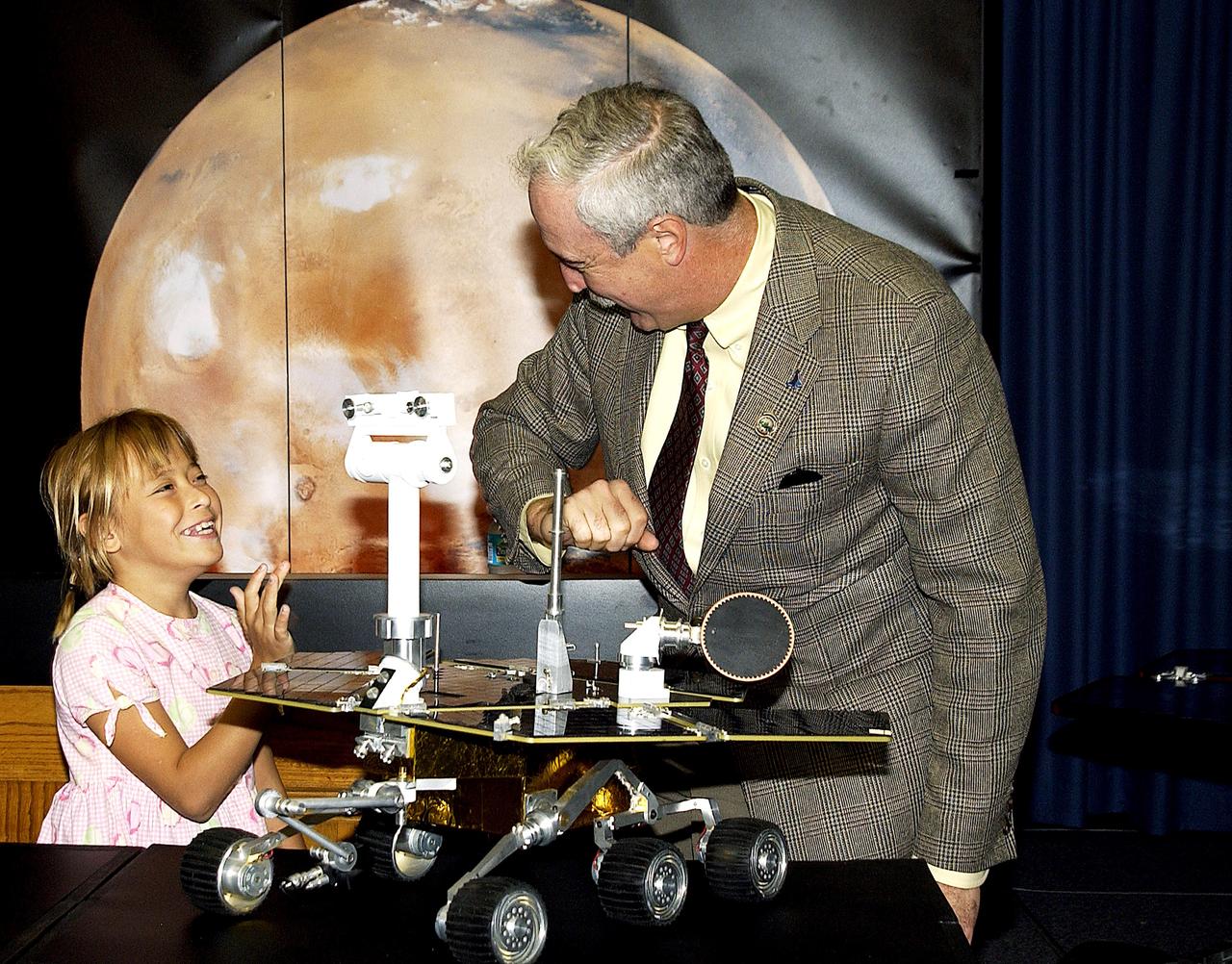
KENNEDY SPACE CENTER, FLA. -  Nine-year-old Sofi Collis (left) shares a light moment with NASA Administrator Sean O'Keefe at a press conference.   The Siberian-born Arizona resident wrote the winning entry in the Name the Rovers Contest sponsored by NASA and the Lego Co., a Denmark-based toymaker, with collaboration from the Planetary Society, Pasadena, Calif.  The names she selected for the Mars Exploration Rovers are "Spirit" and "Opportunity." The third grader's essay was chosen from more than 10,000 American student entries.  NASA's twin Mars Exploration Rovers are designed to study the history of water on Mars. These robotic geologists are equipped with a robotic arm, a drilling tool, three spectrometers, and four pairs of cameras that allow them to have a human-like, 3D view of the terrain. Each rover could travel as far as 100 meters in one day to act as Mars scientists' eyes and hands, exploring an environment where humans are not yet able to go. MER-A, with the rover Spirit aboard, is scheduled to launch on June 8 at 2:06 p.m. EDT, with two launch opportunities each day during a launch period that closes on June 24.
KENNEDY SPACE CENTER, FLA. - Nine-year-old Sofi Collis (left) shares a light moment with NASA Administrator Sean O'Keefe at a press conference. The Siberian-born Arizona resident wrote the winning entry in the Name the Rovers Contest sponsored by NASA and the Lego Co., a Denmark-based toymaker, with collaboration from the Planetary Society, Pasadena, Calif. The names she selected for the Mars Exploration Rovers are "Spirit" and "Opportunity." The third grader's essay was chosen from more than 10,000 American student entries. NASA's twin Mars Exploration Rovers are designed to study the history of water on Mars. These robotic geologists are equipped with a robotic arm, a drilling tool, three spectrometers, and four pairs of cameras that allow them to have a human-like, 3D view of the terrain. Each rover could travel as far as 100 meters in one day to act as Mars scientists' eyes and hands, exploring an environment where humans are not yet able to go. MER-A, with the rover Spirit aboard, is scheduled to launch on June 8 at 2:06 p.m. EDT, with two launch opportunities each day during a launch period that closes on June 24.
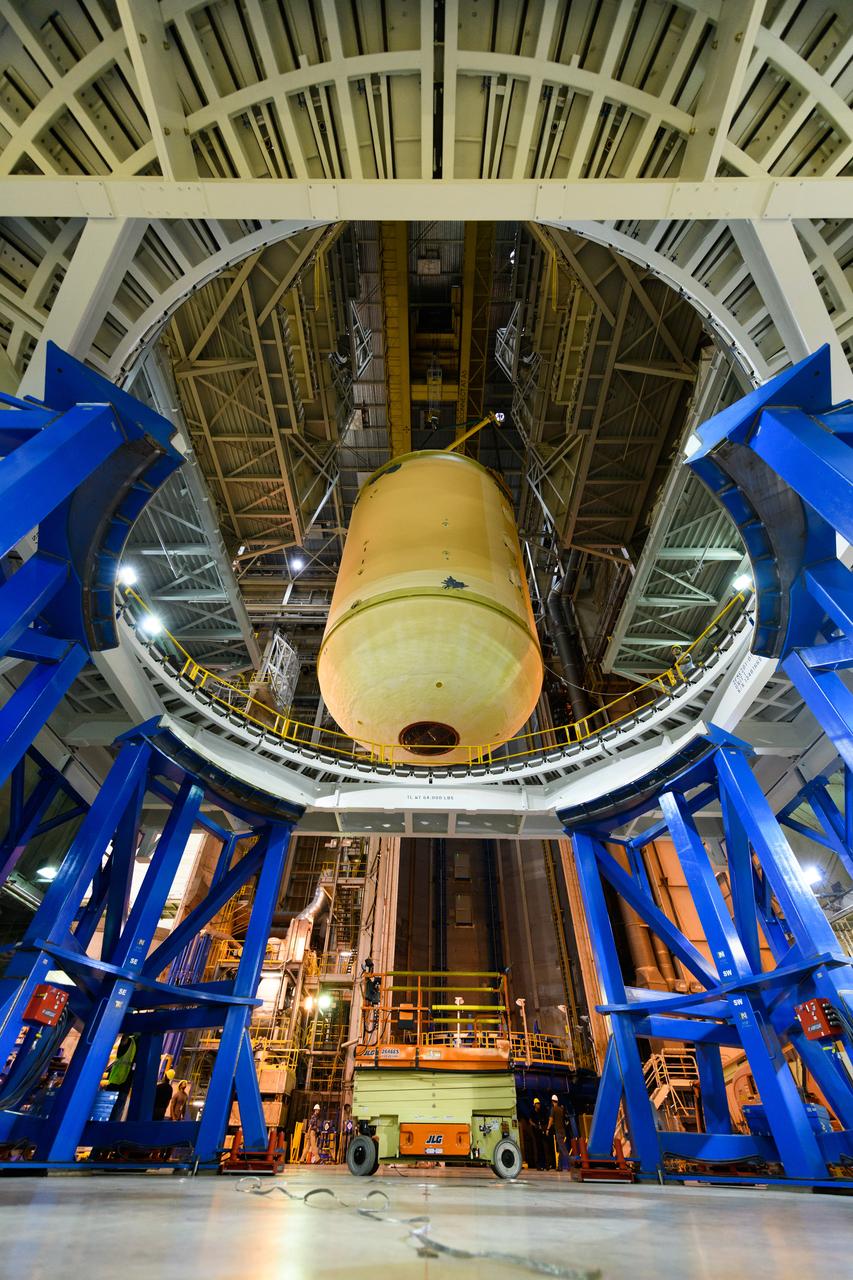
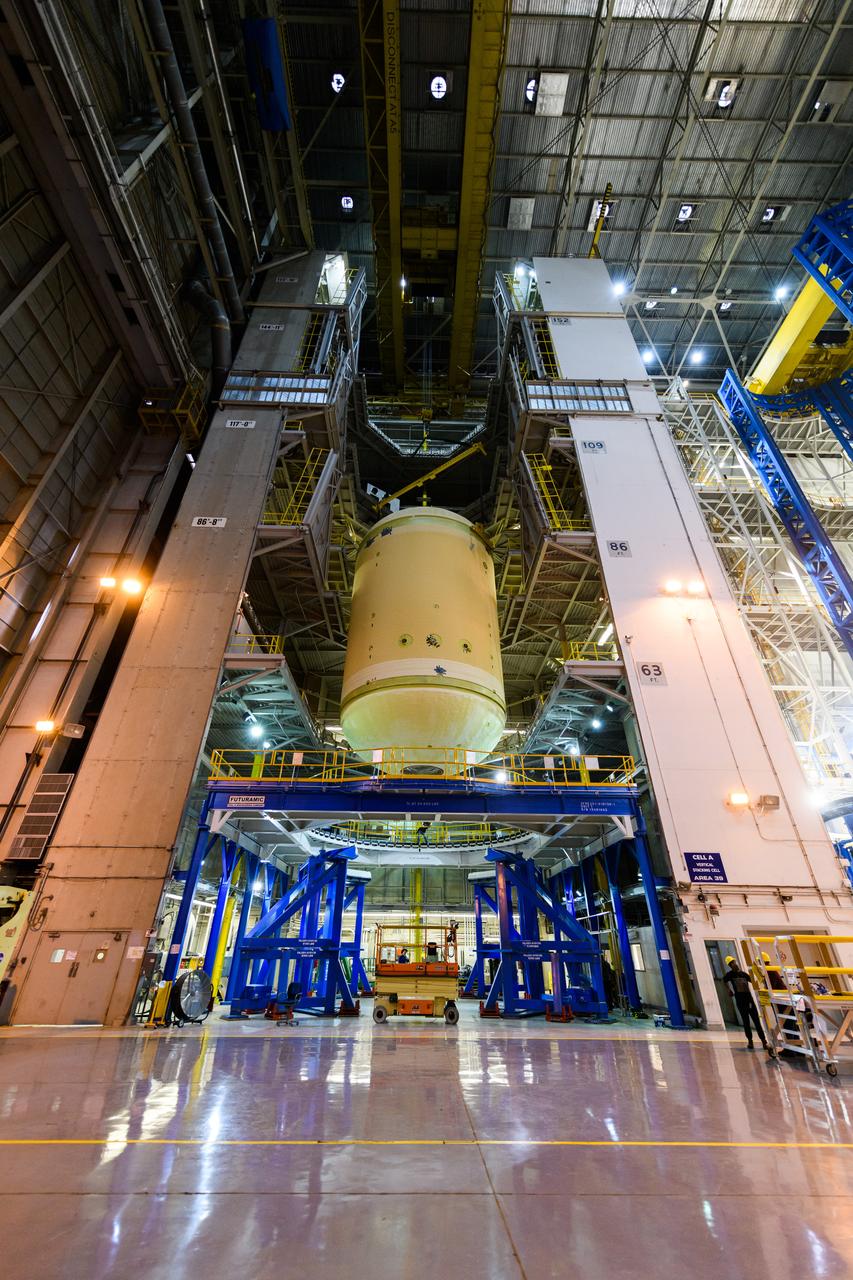
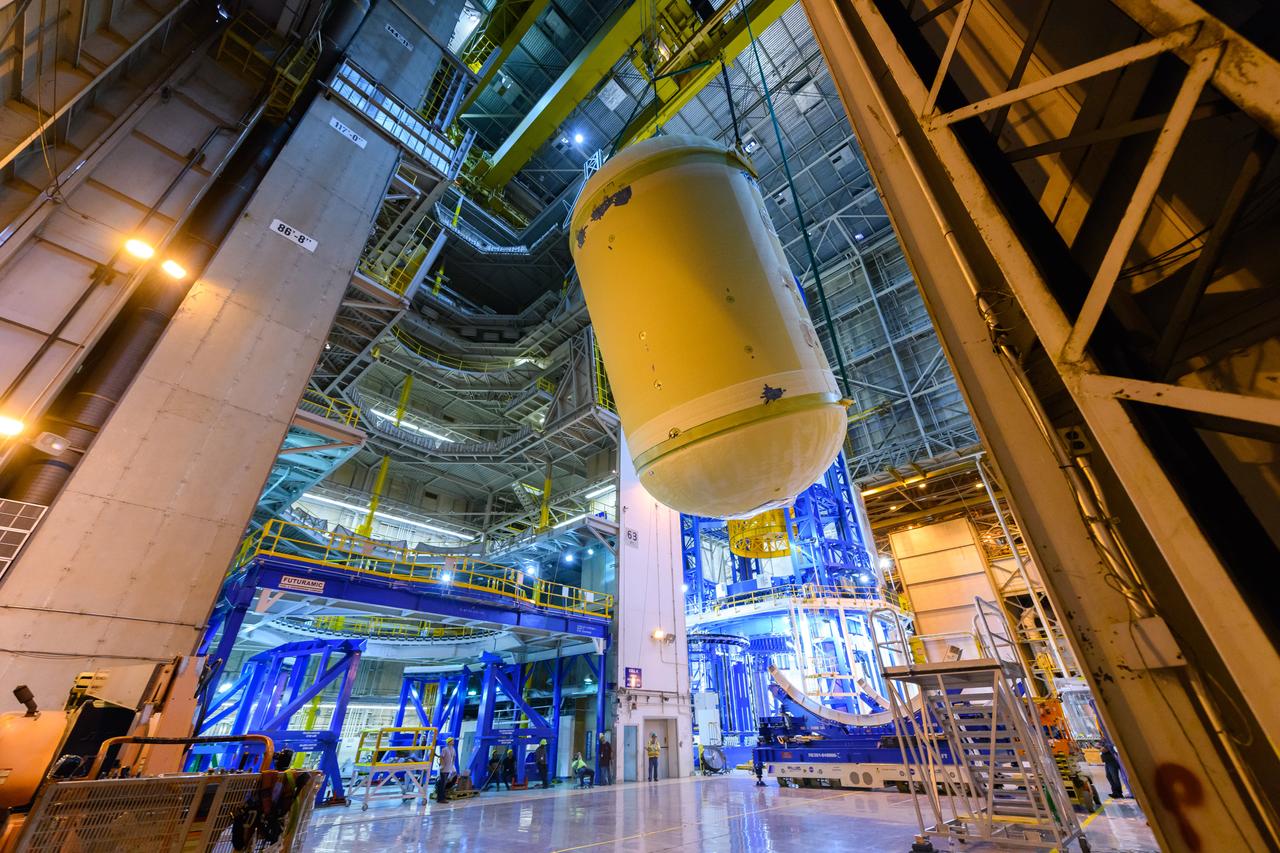
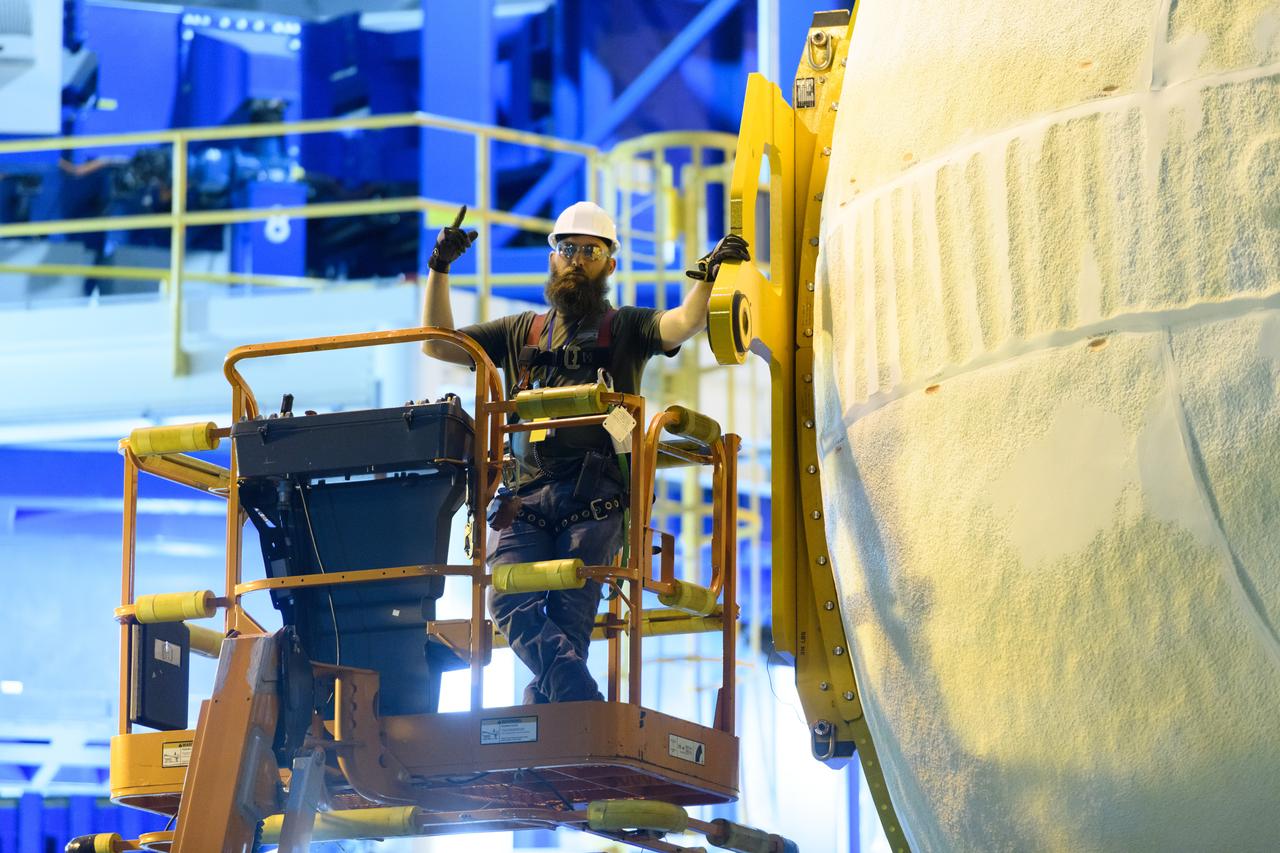
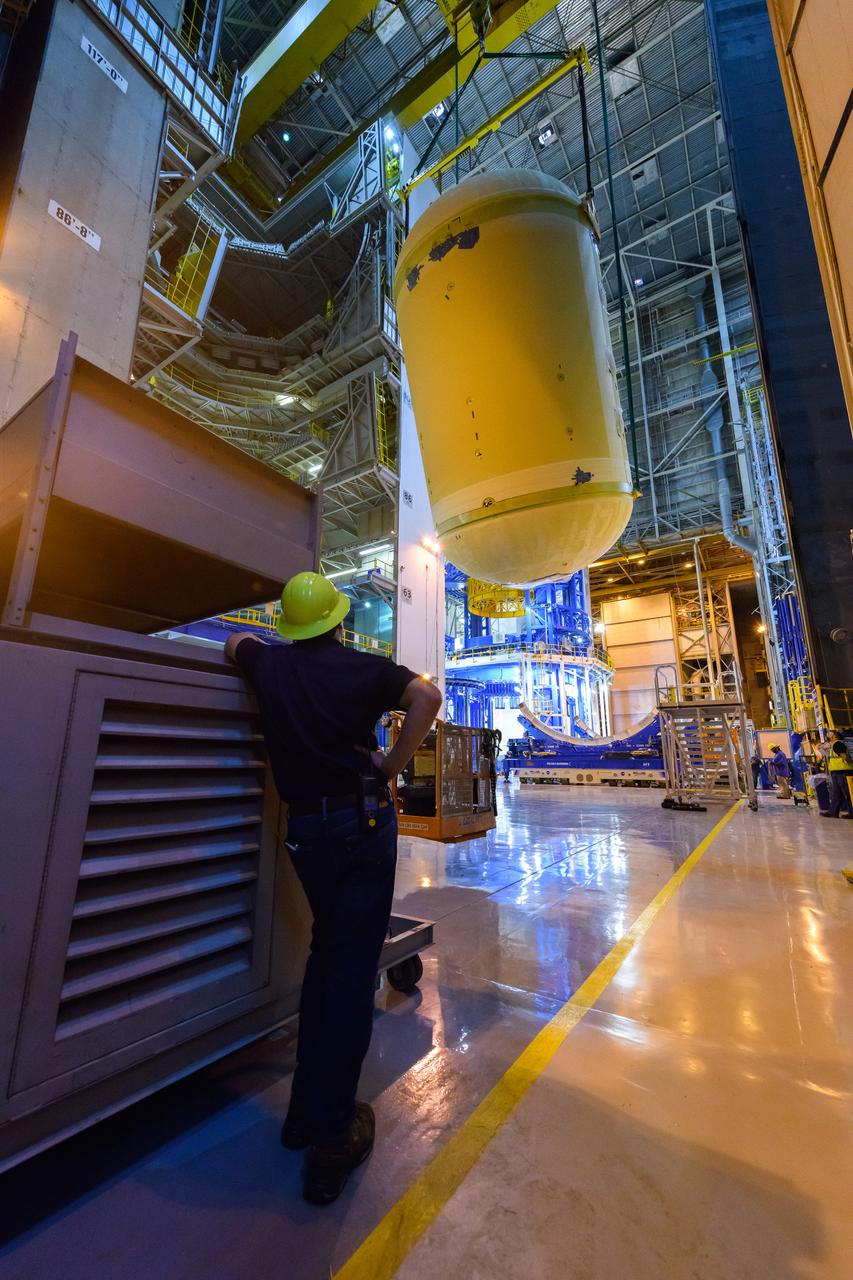
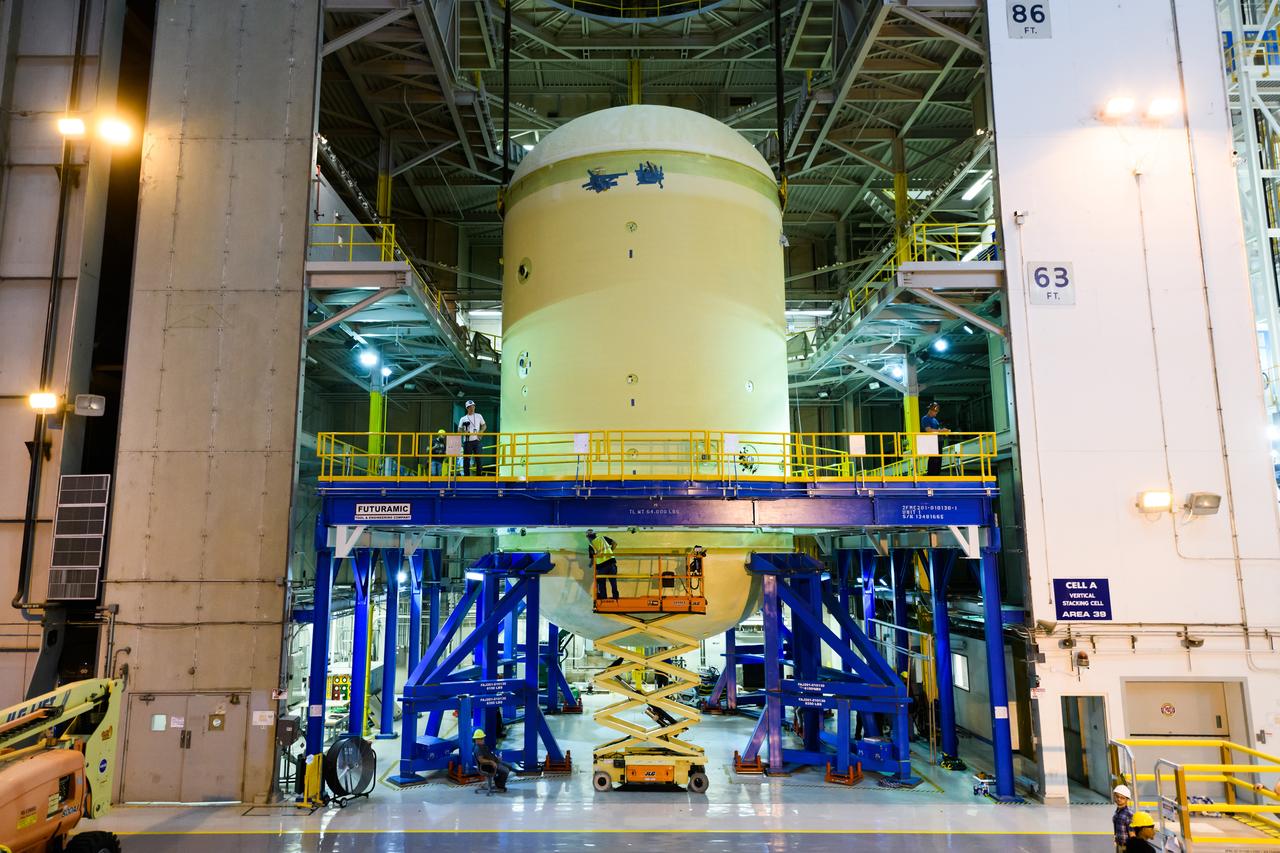
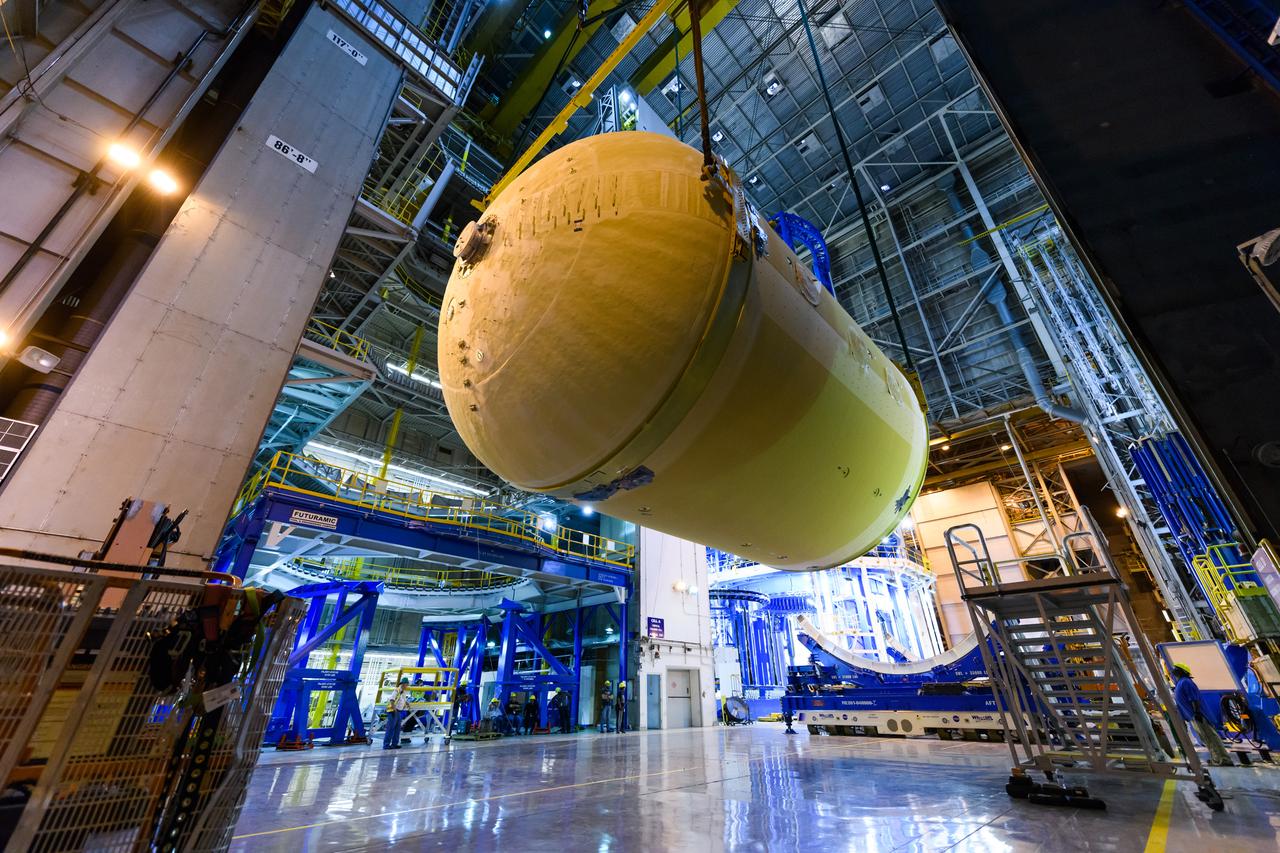
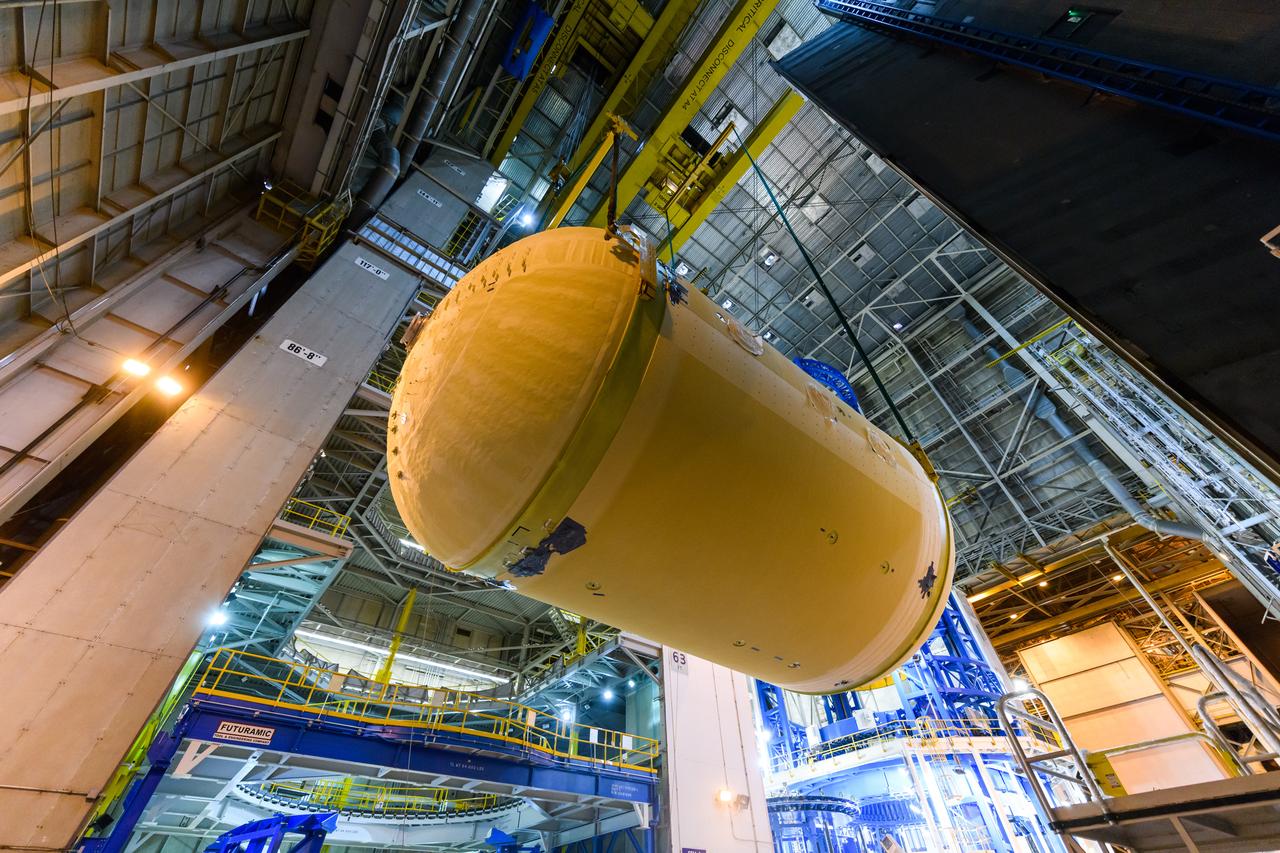
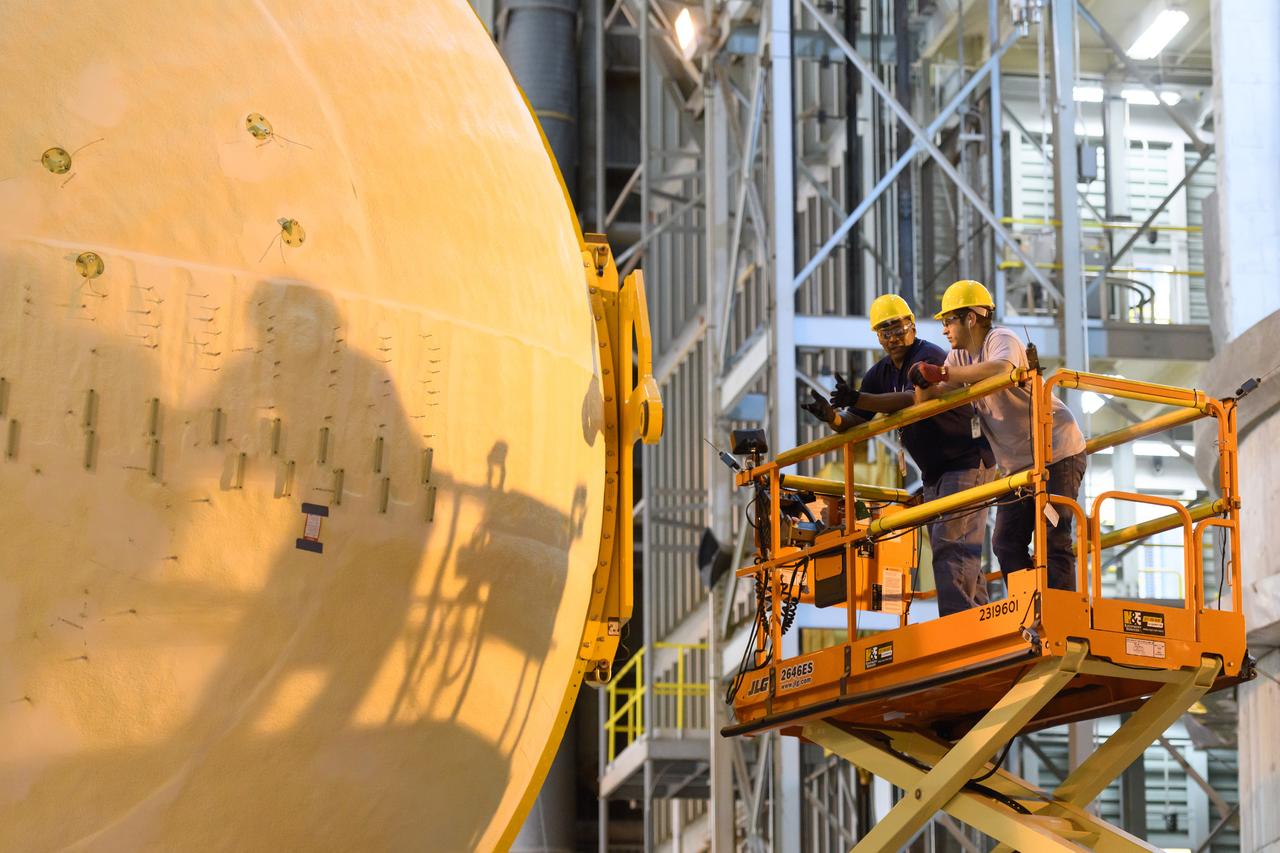
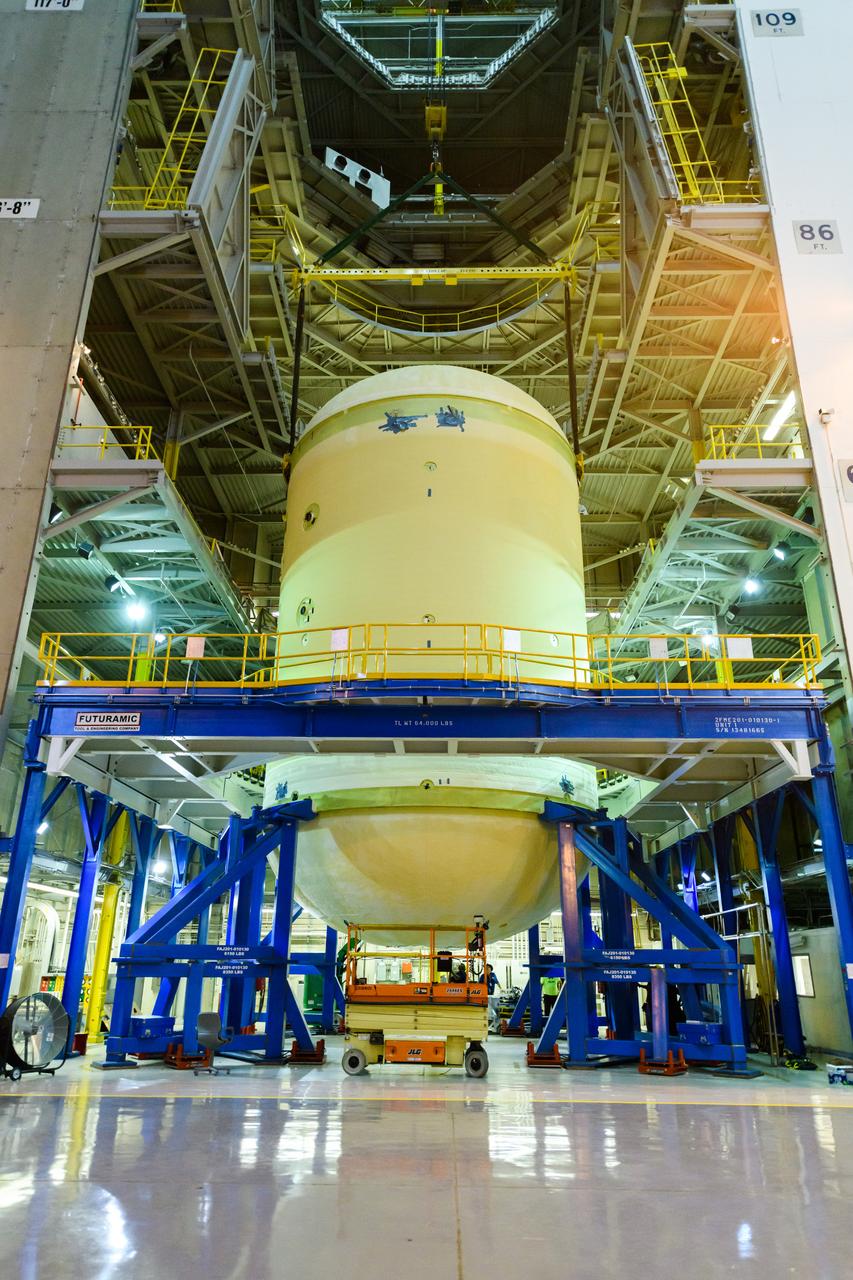
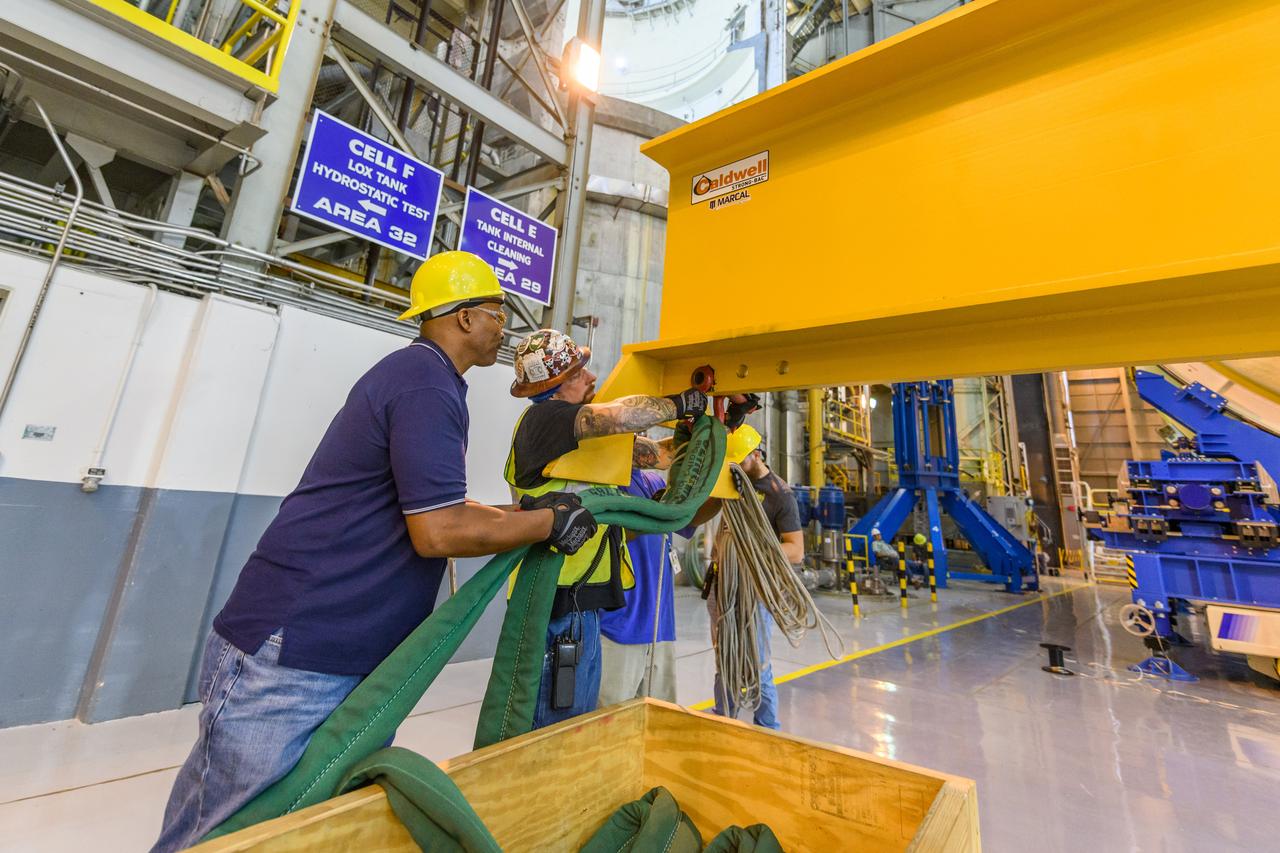
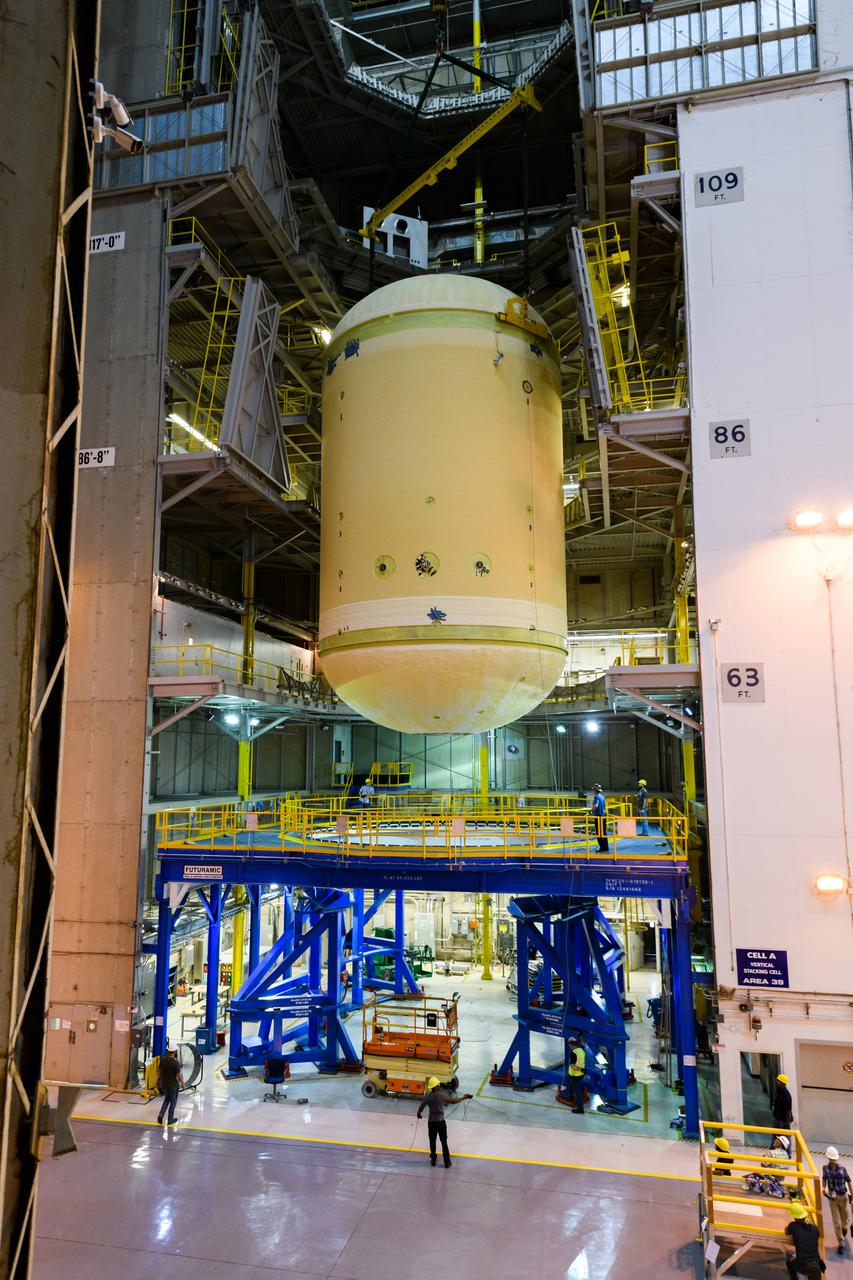
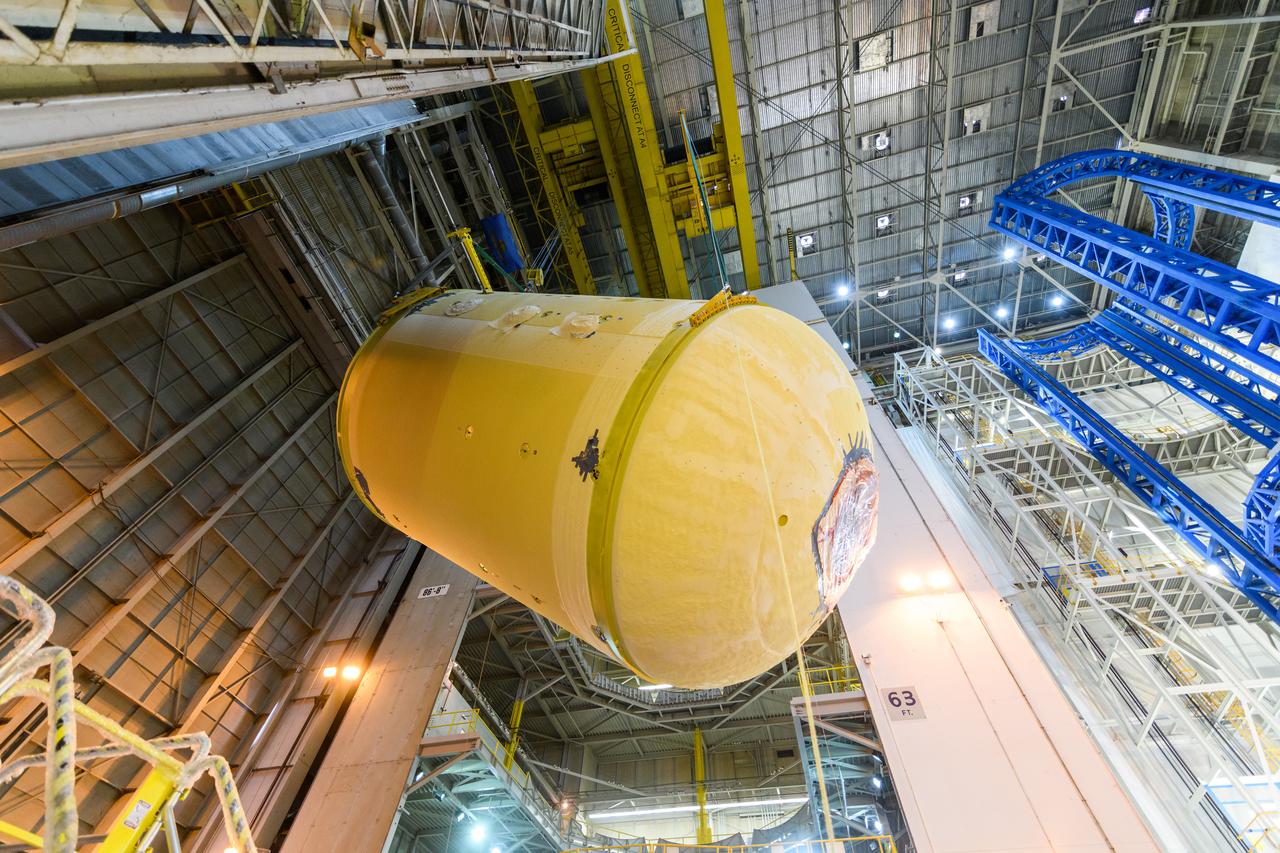
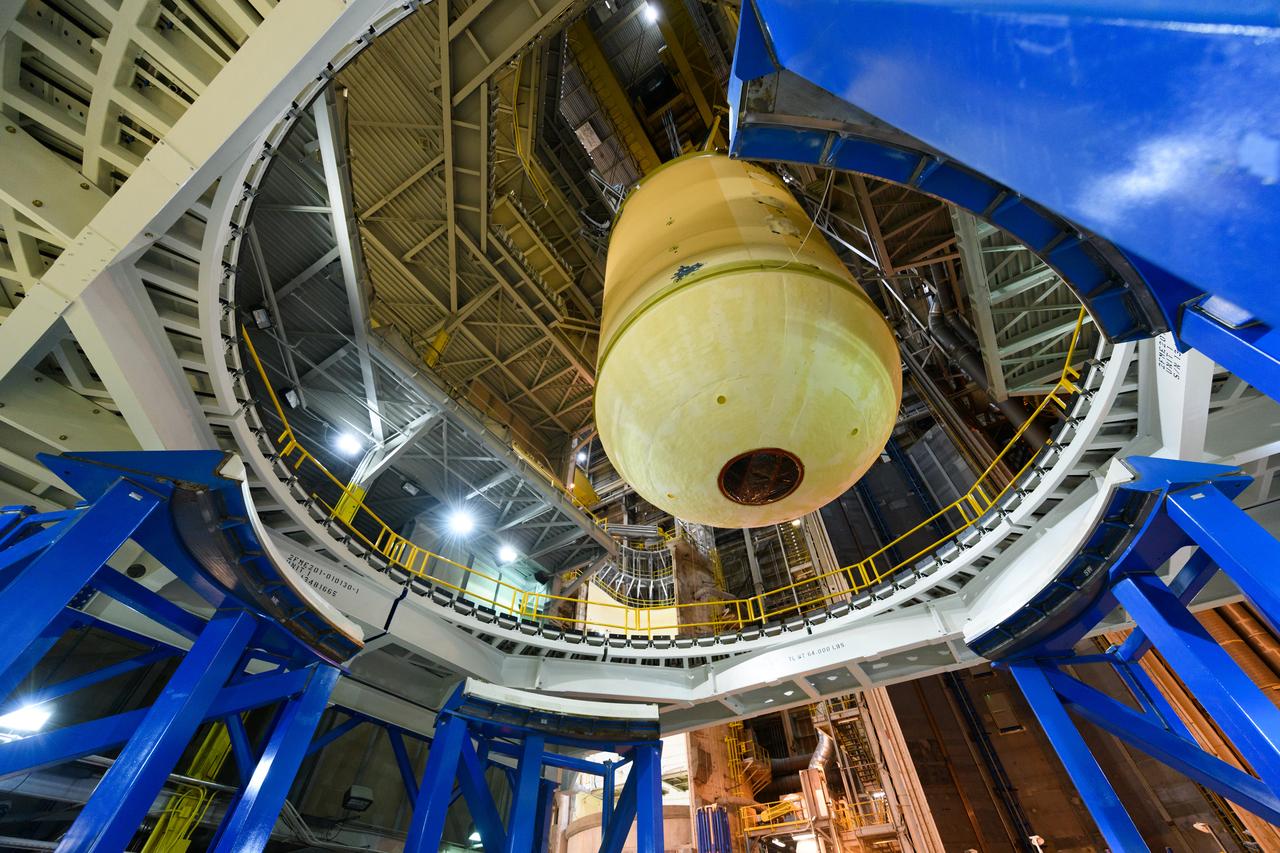
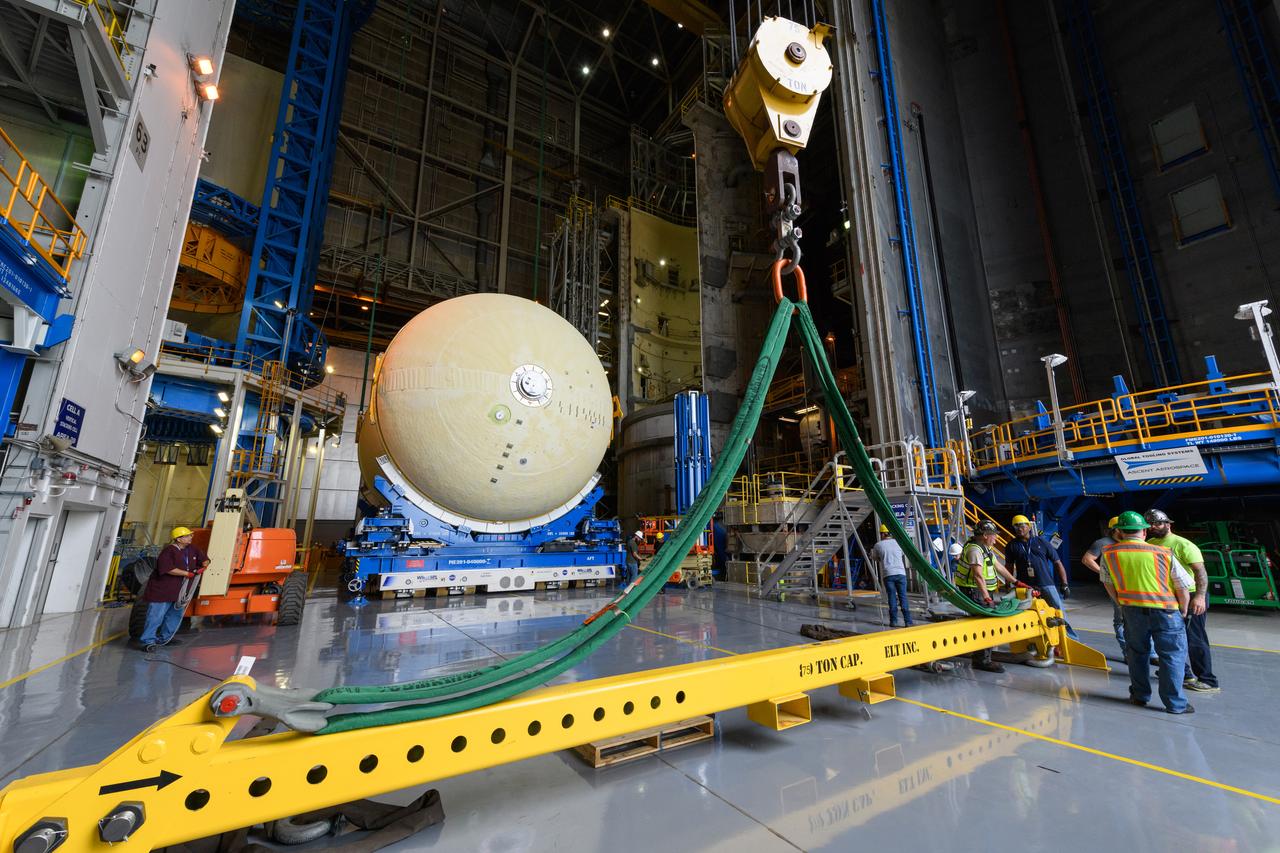
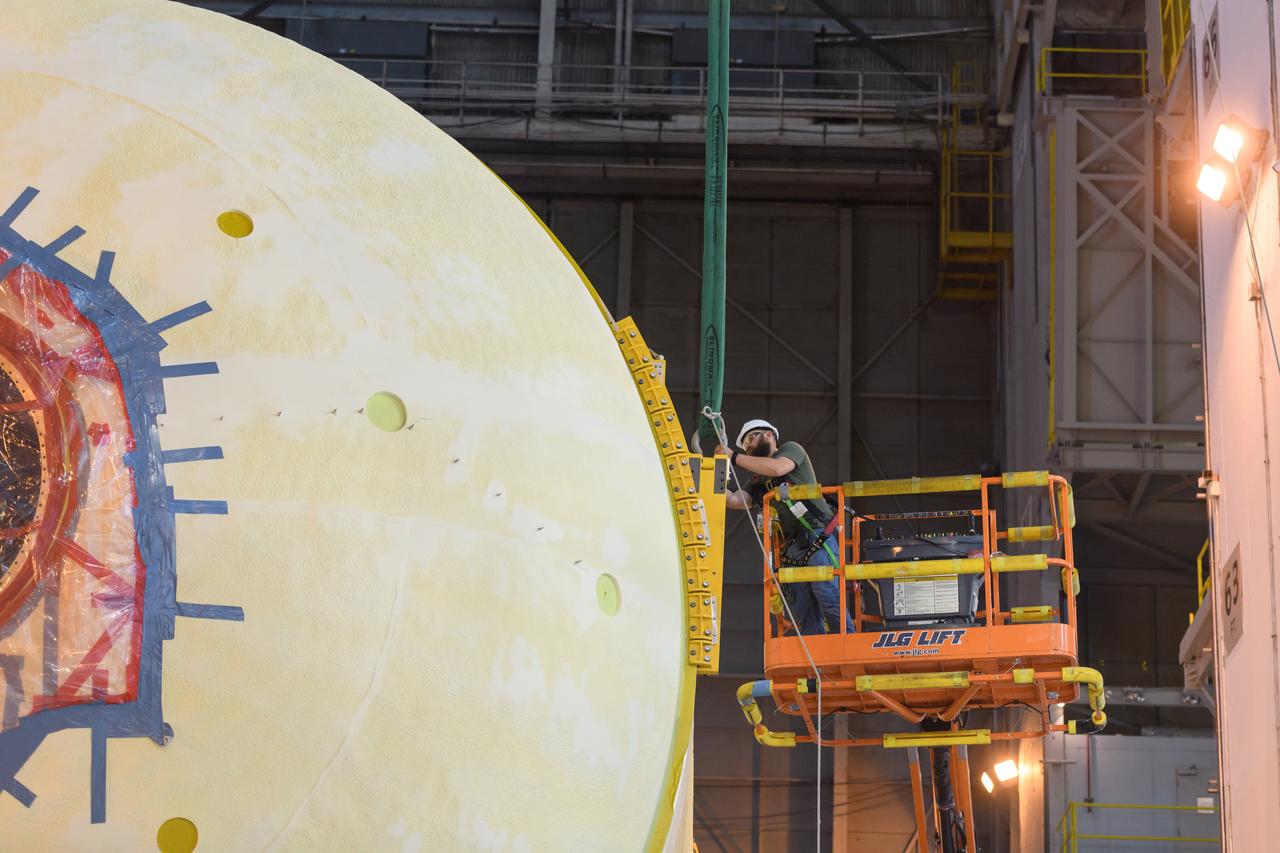
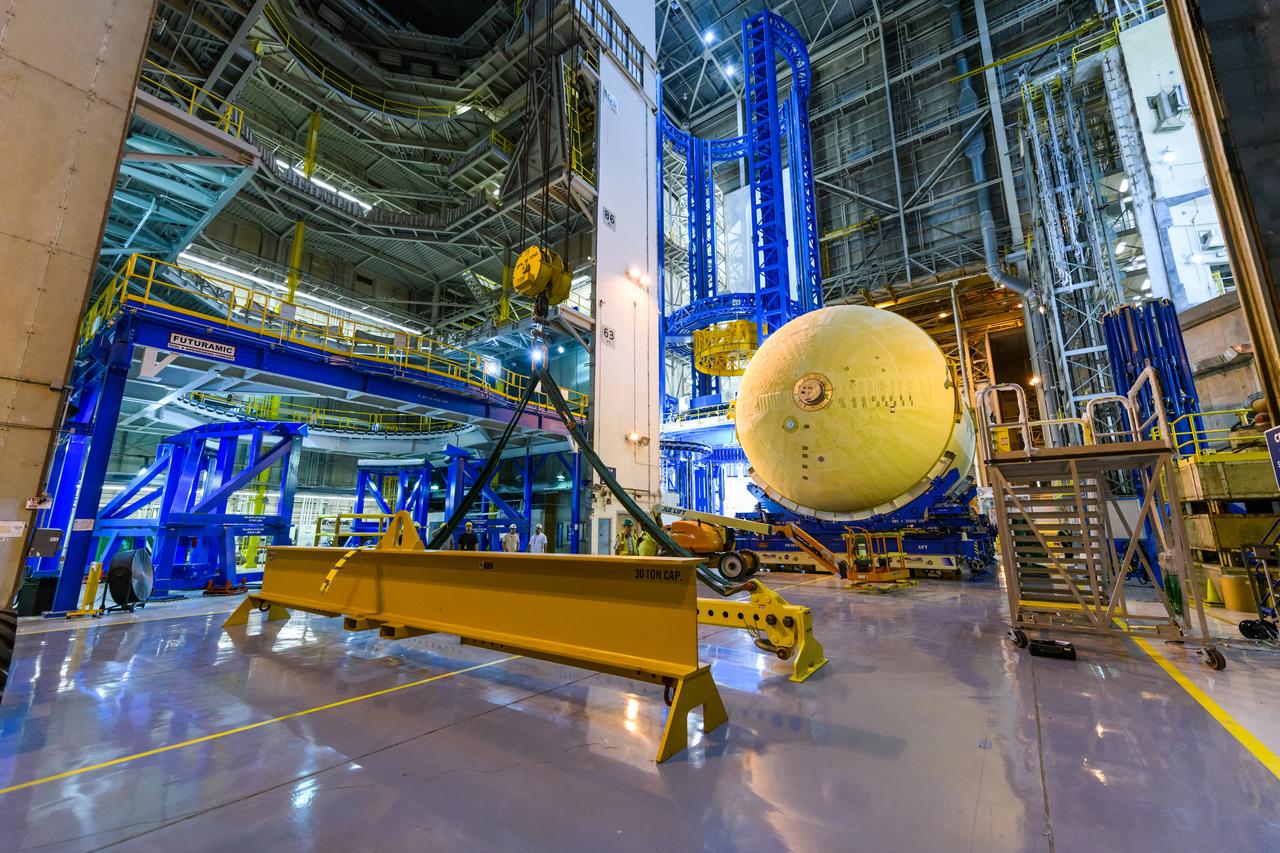
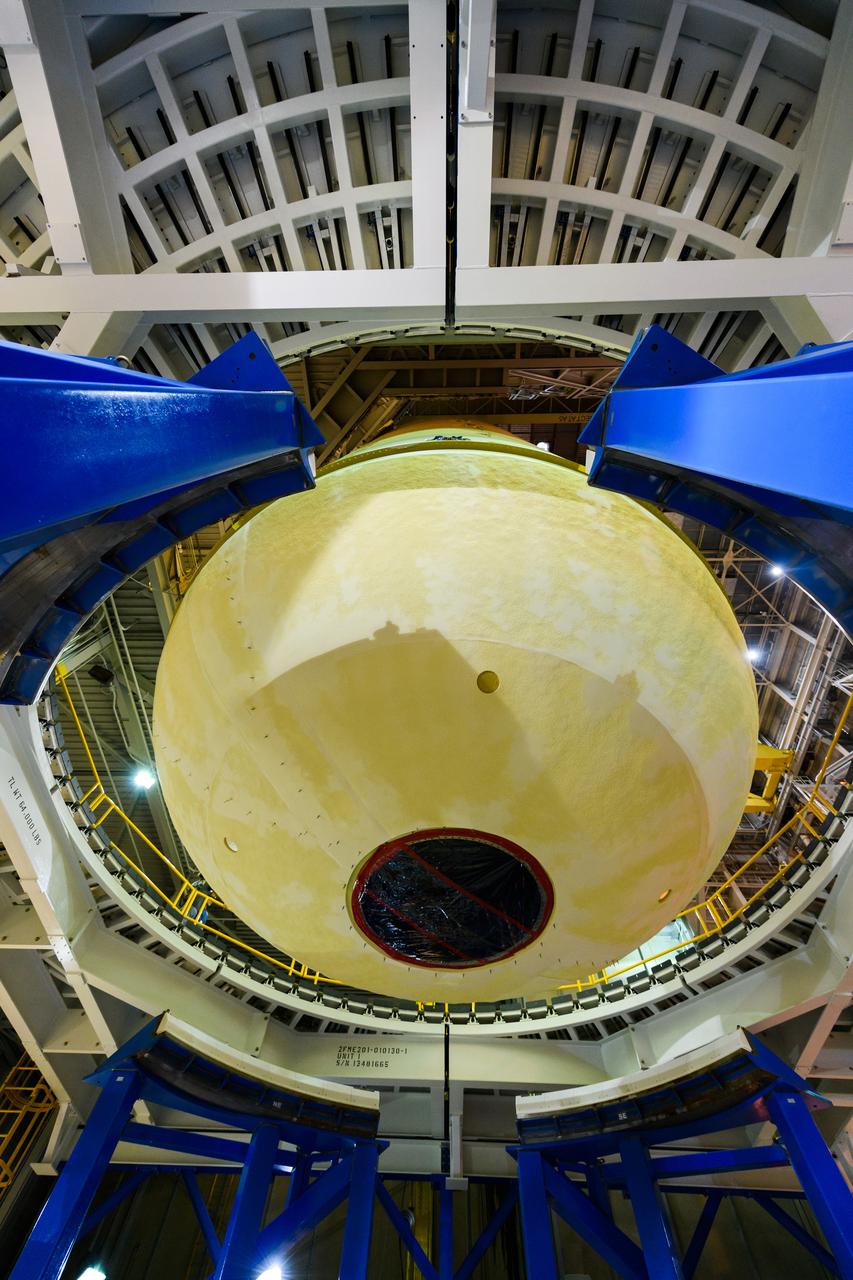
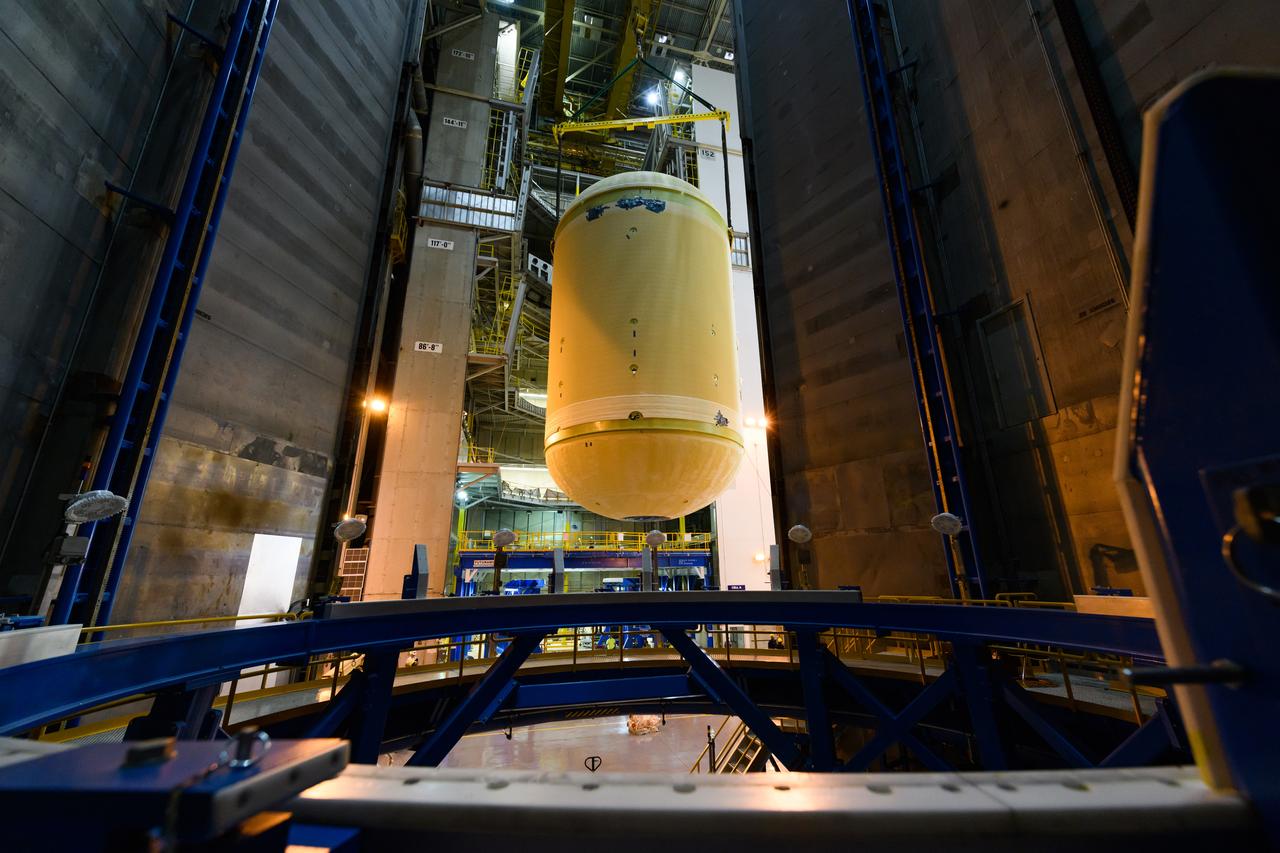
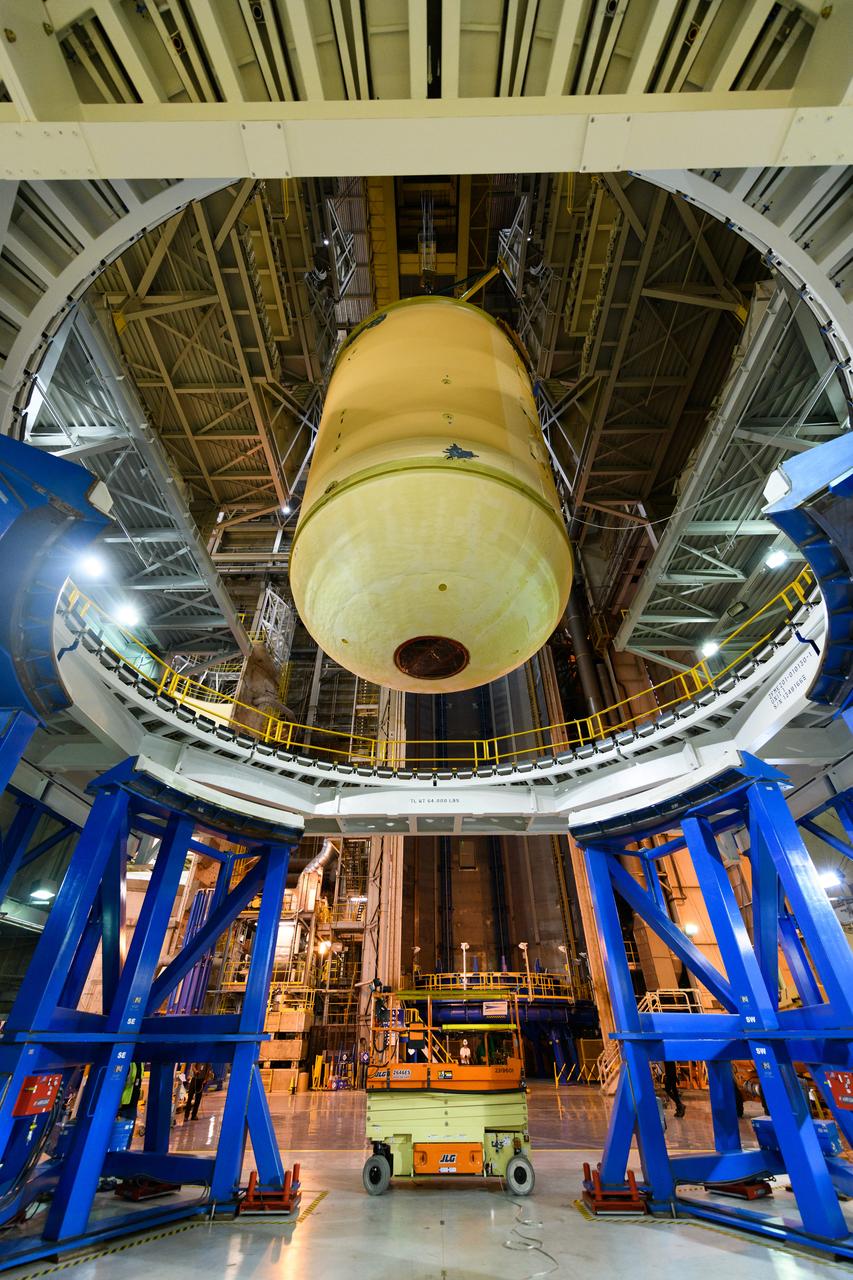
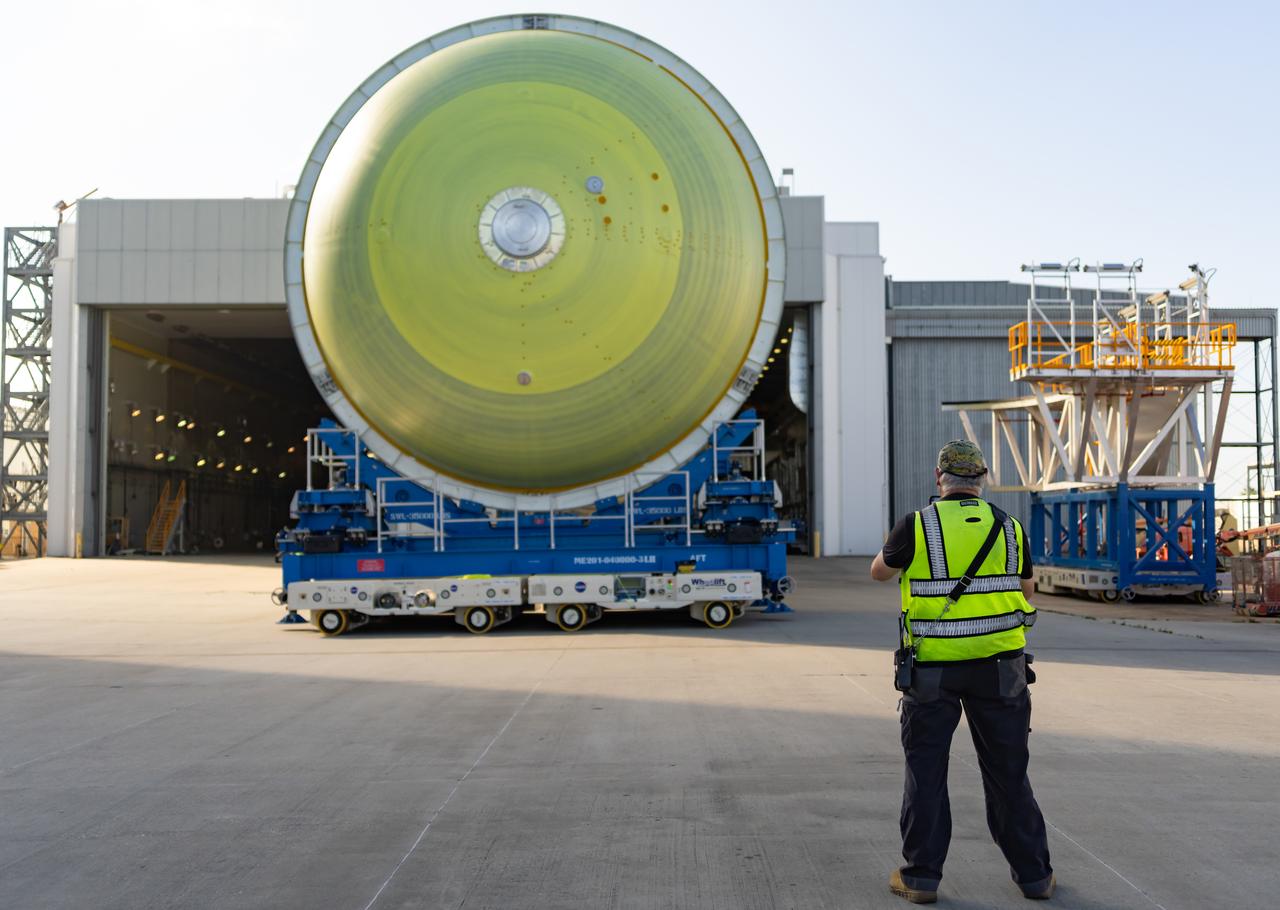
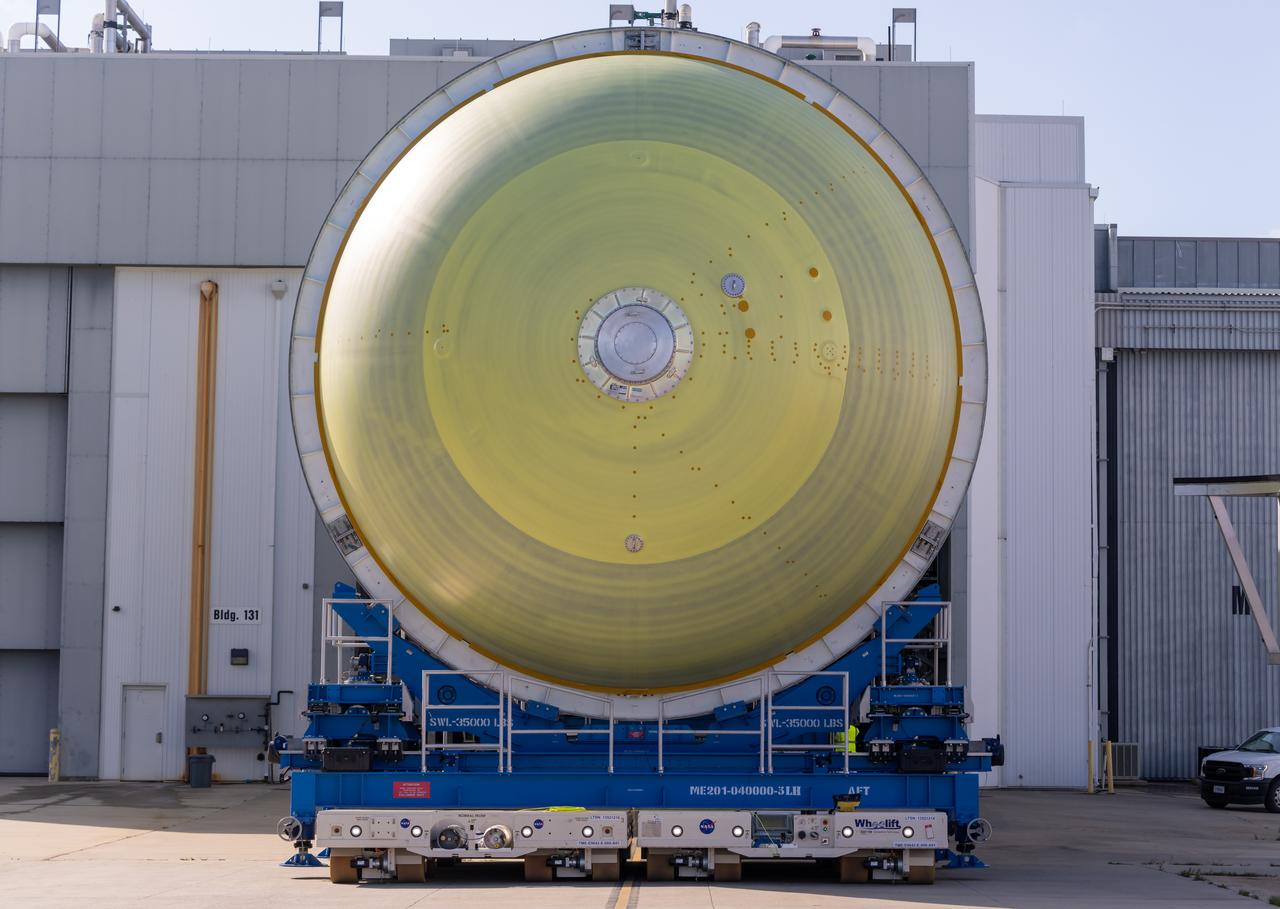
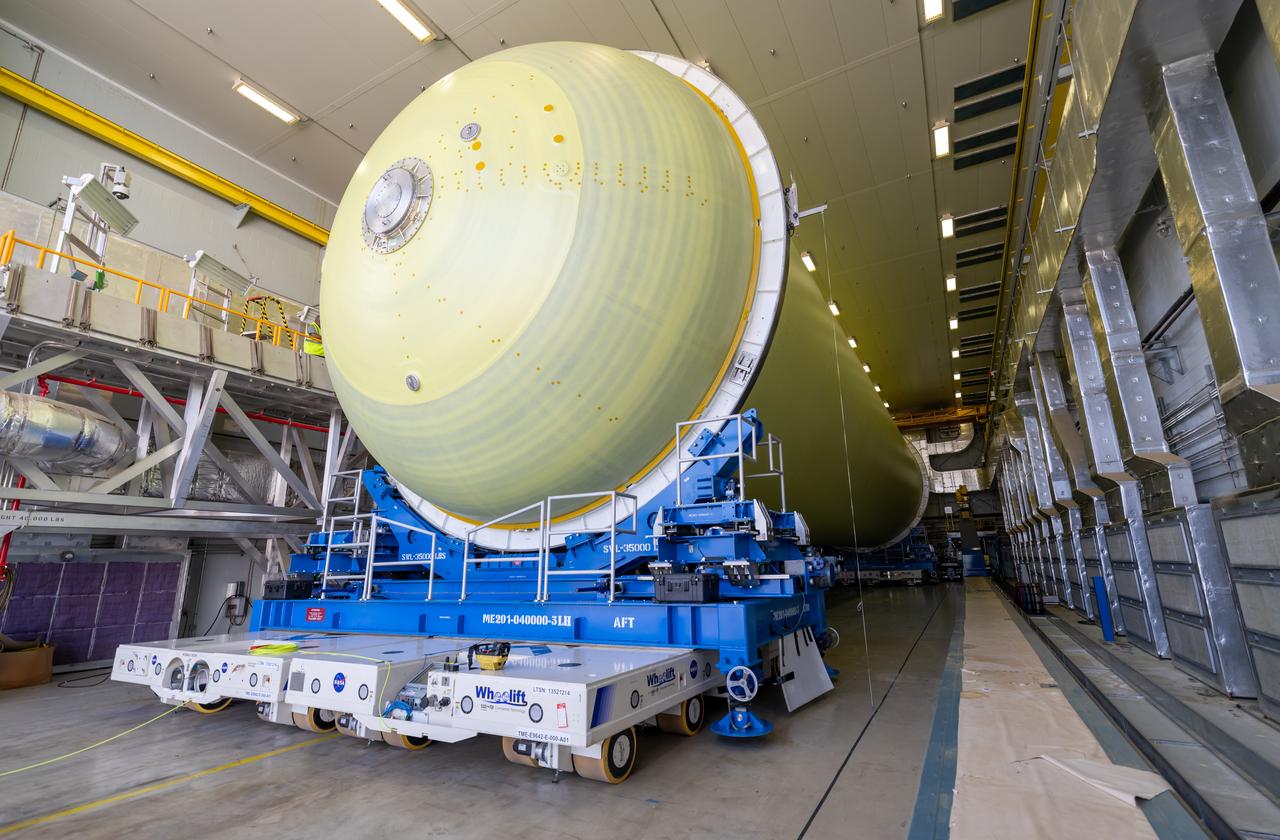
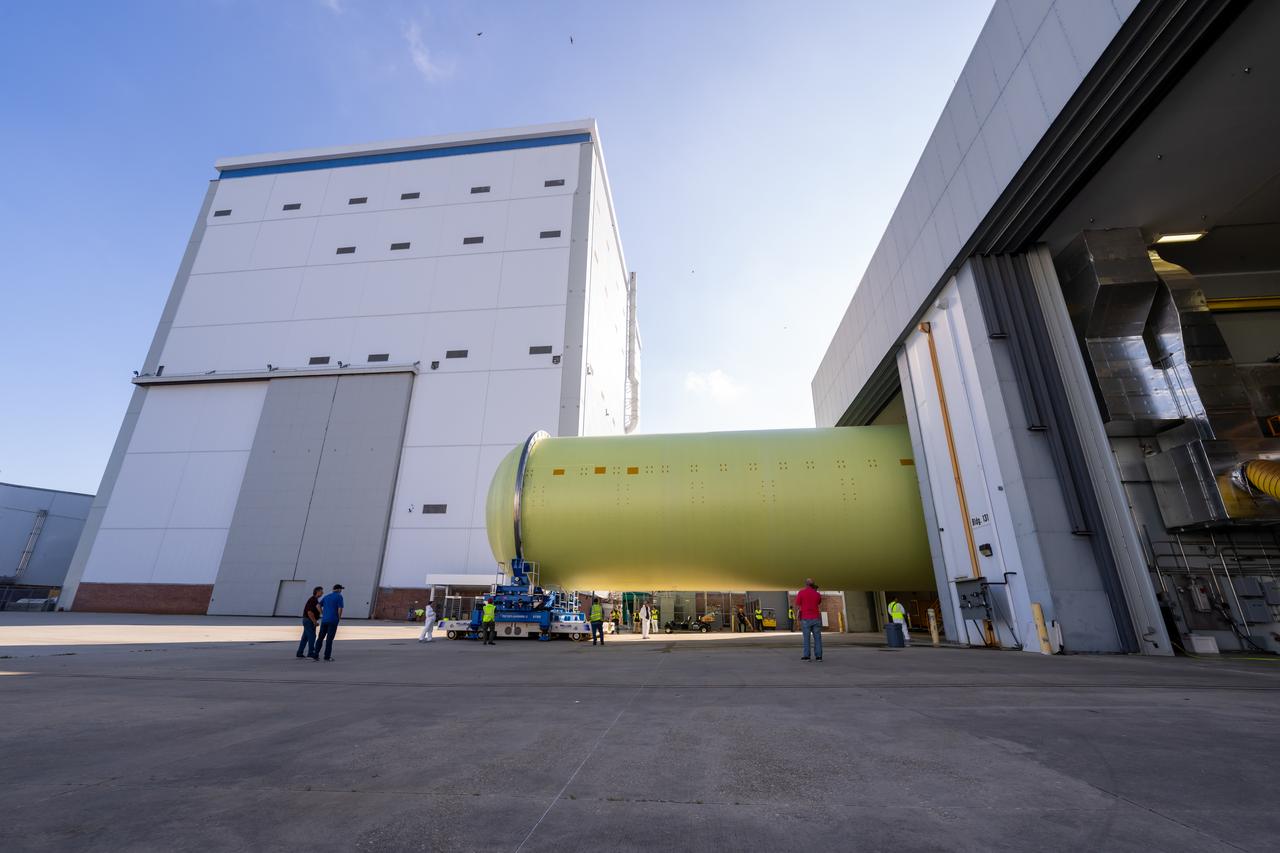
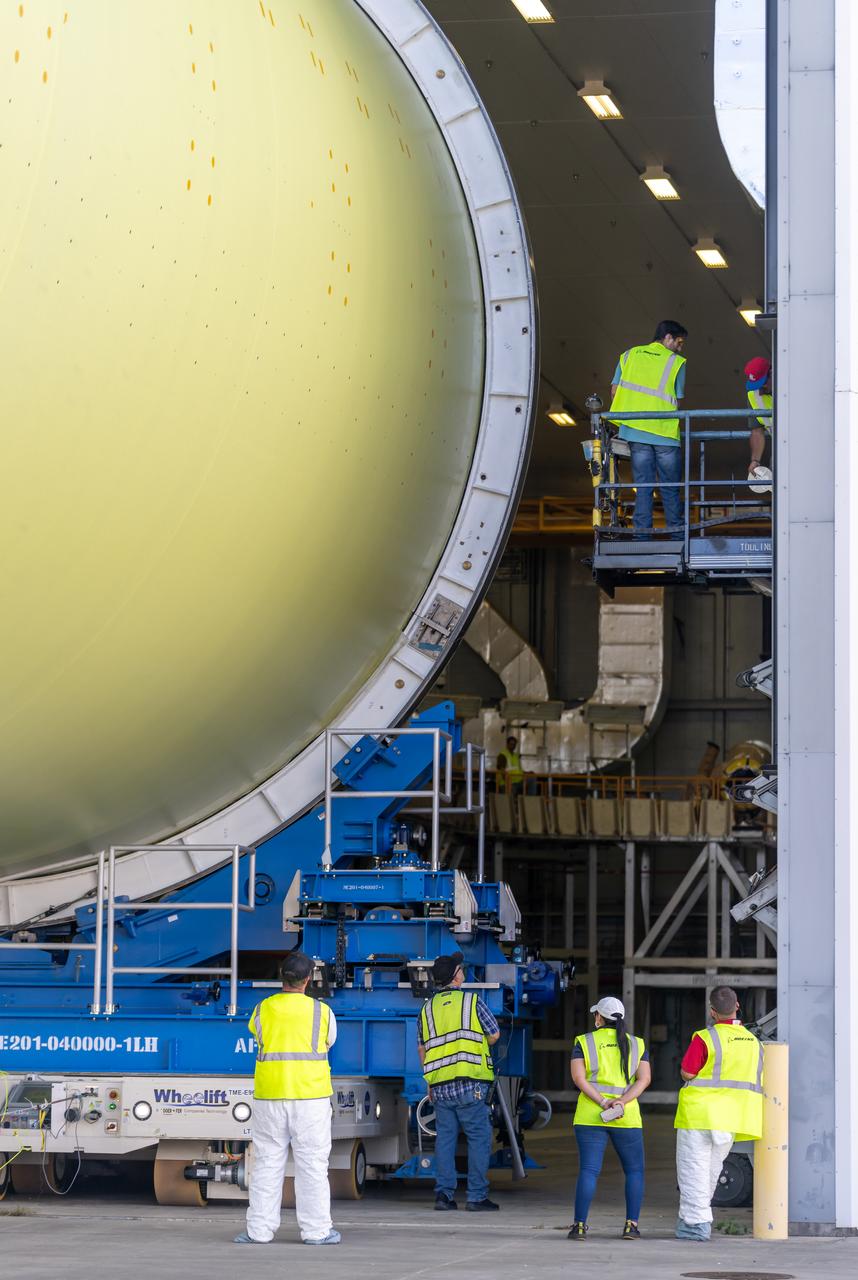
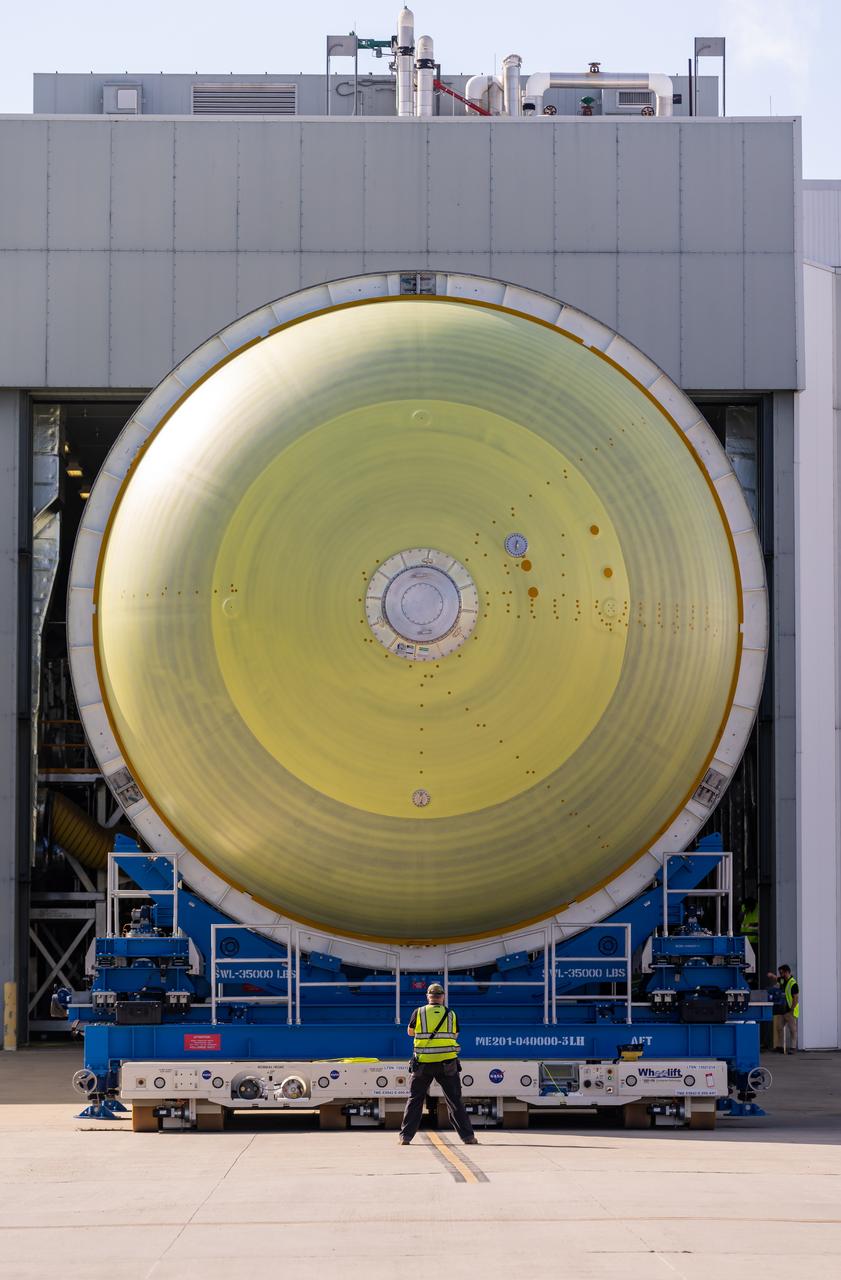
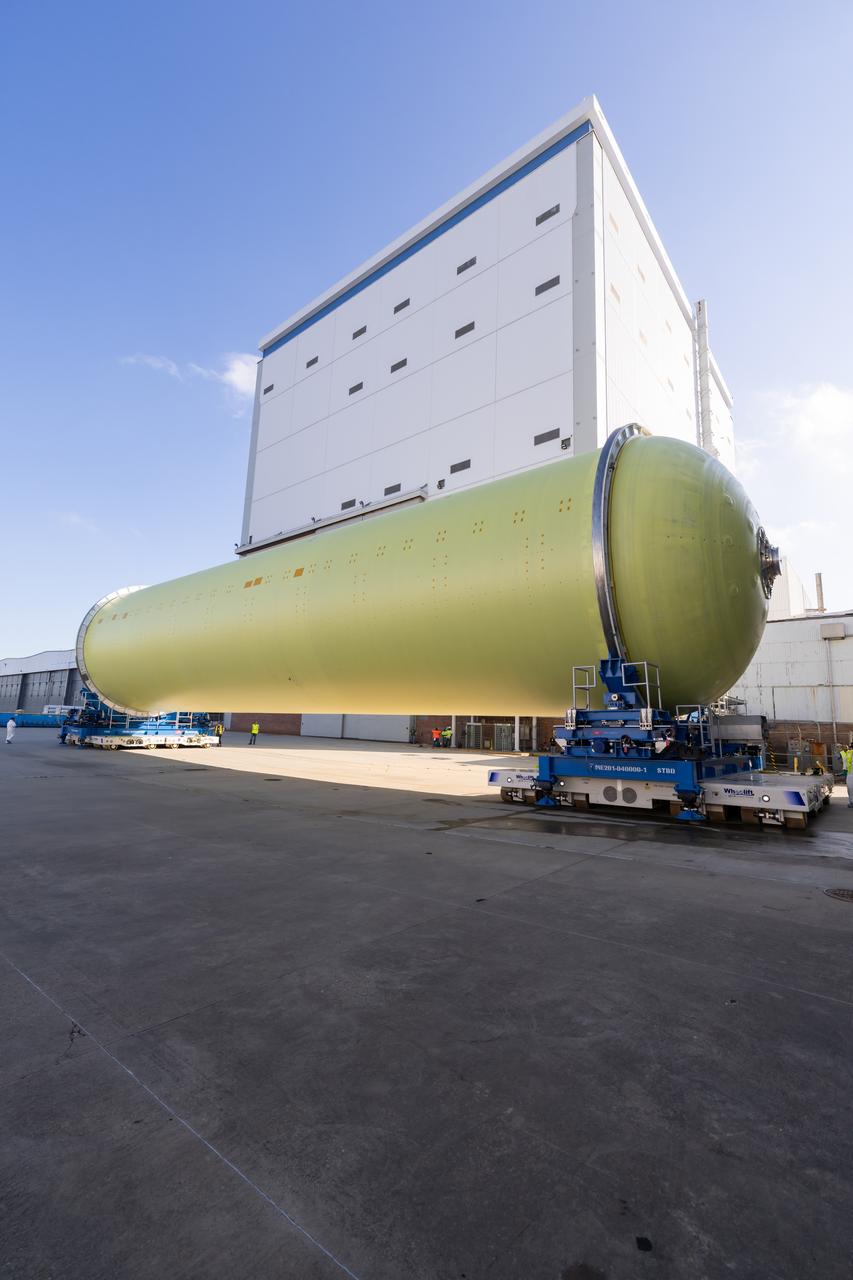
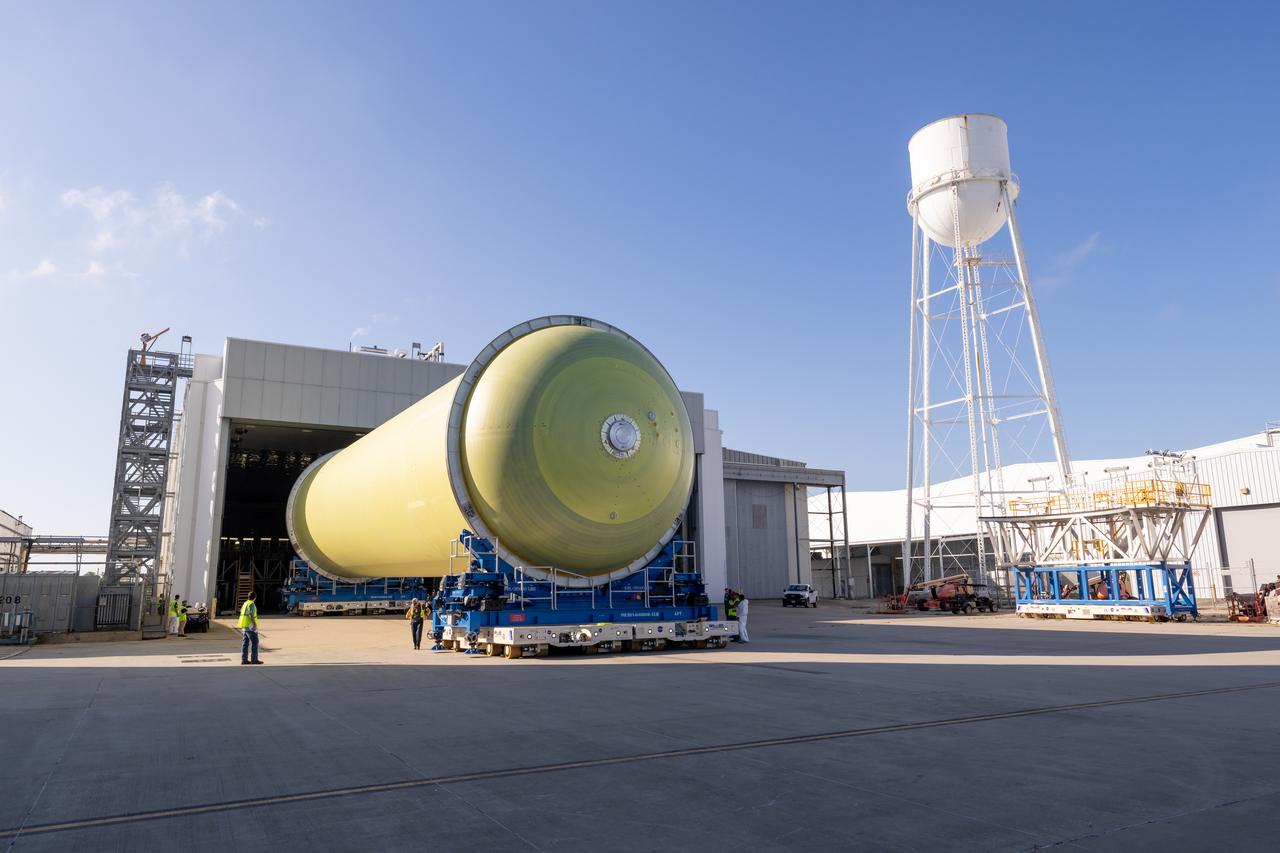
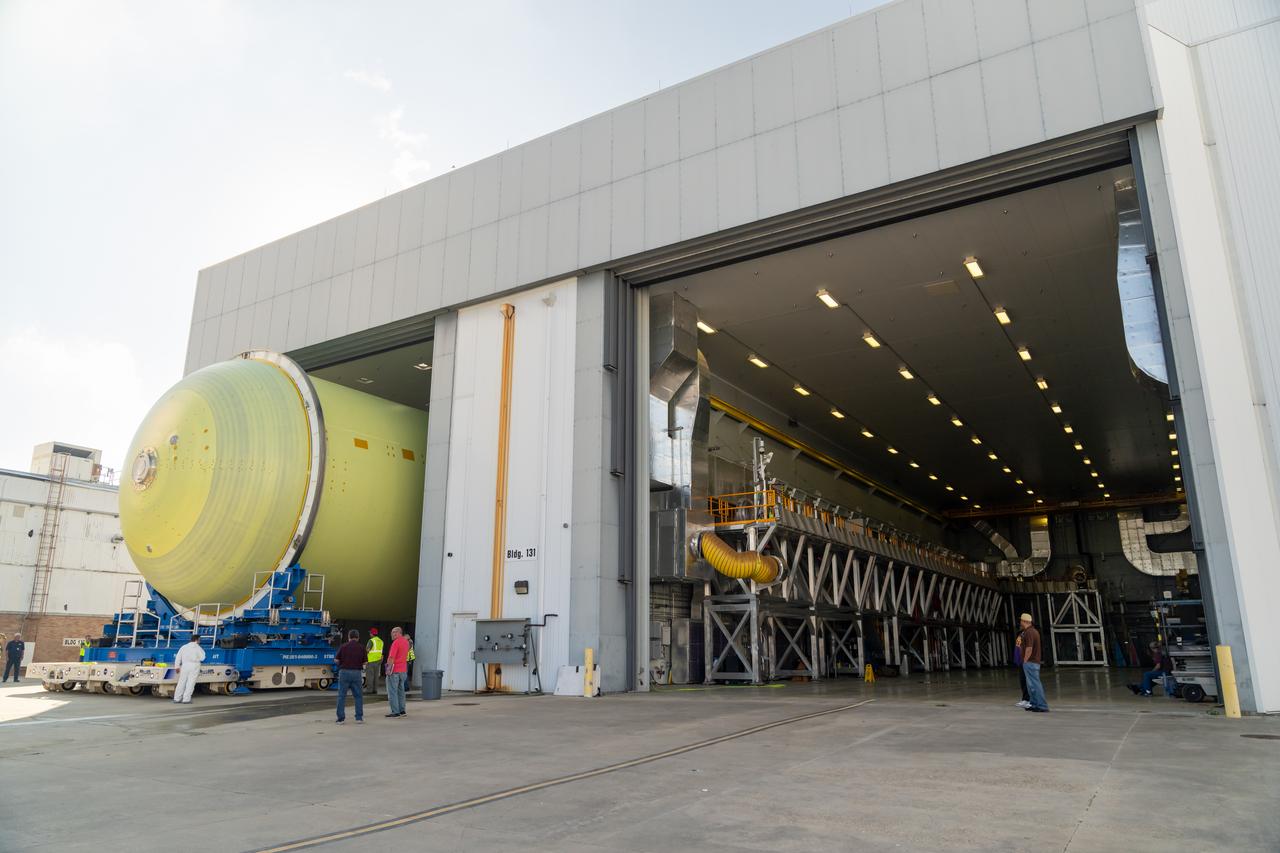
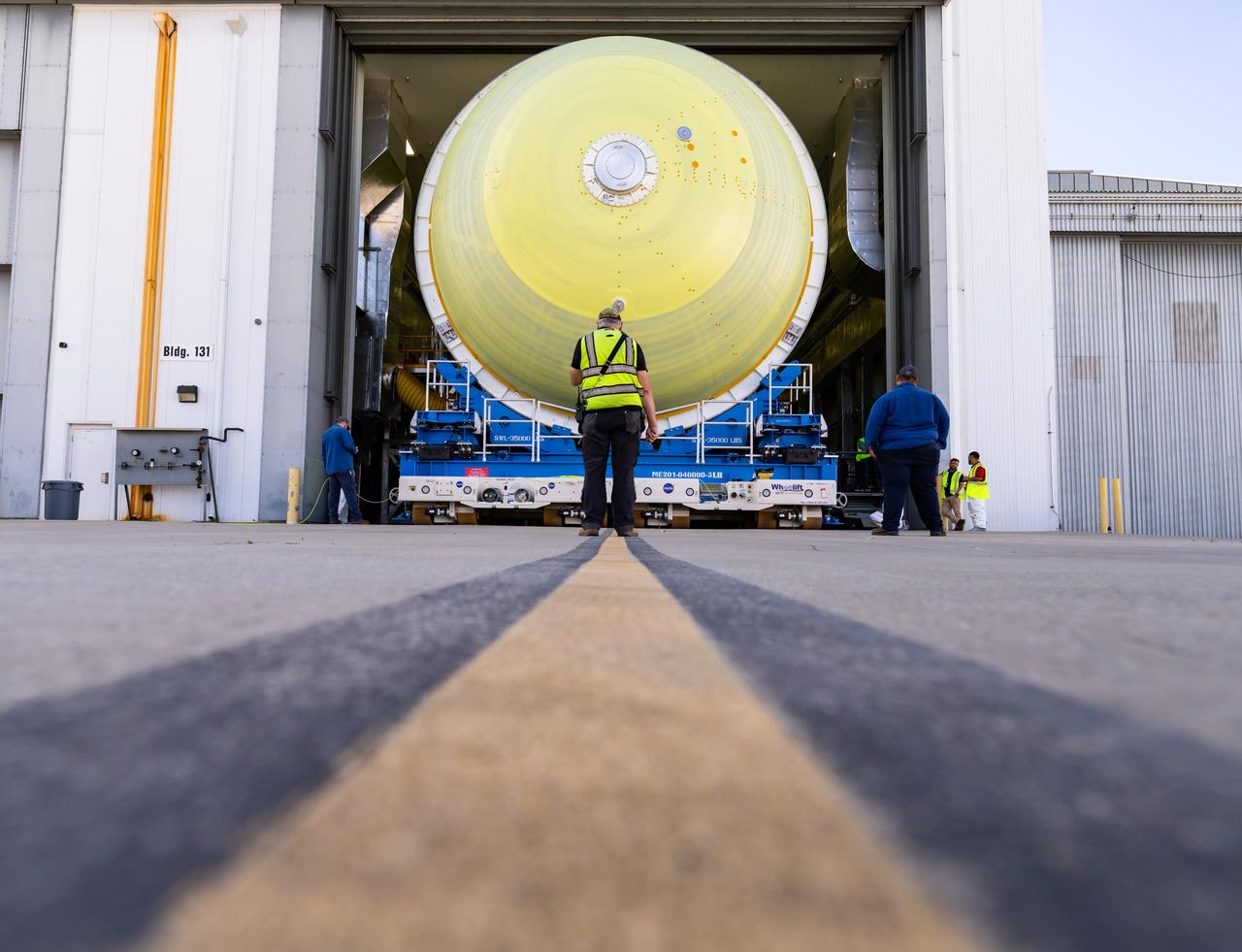
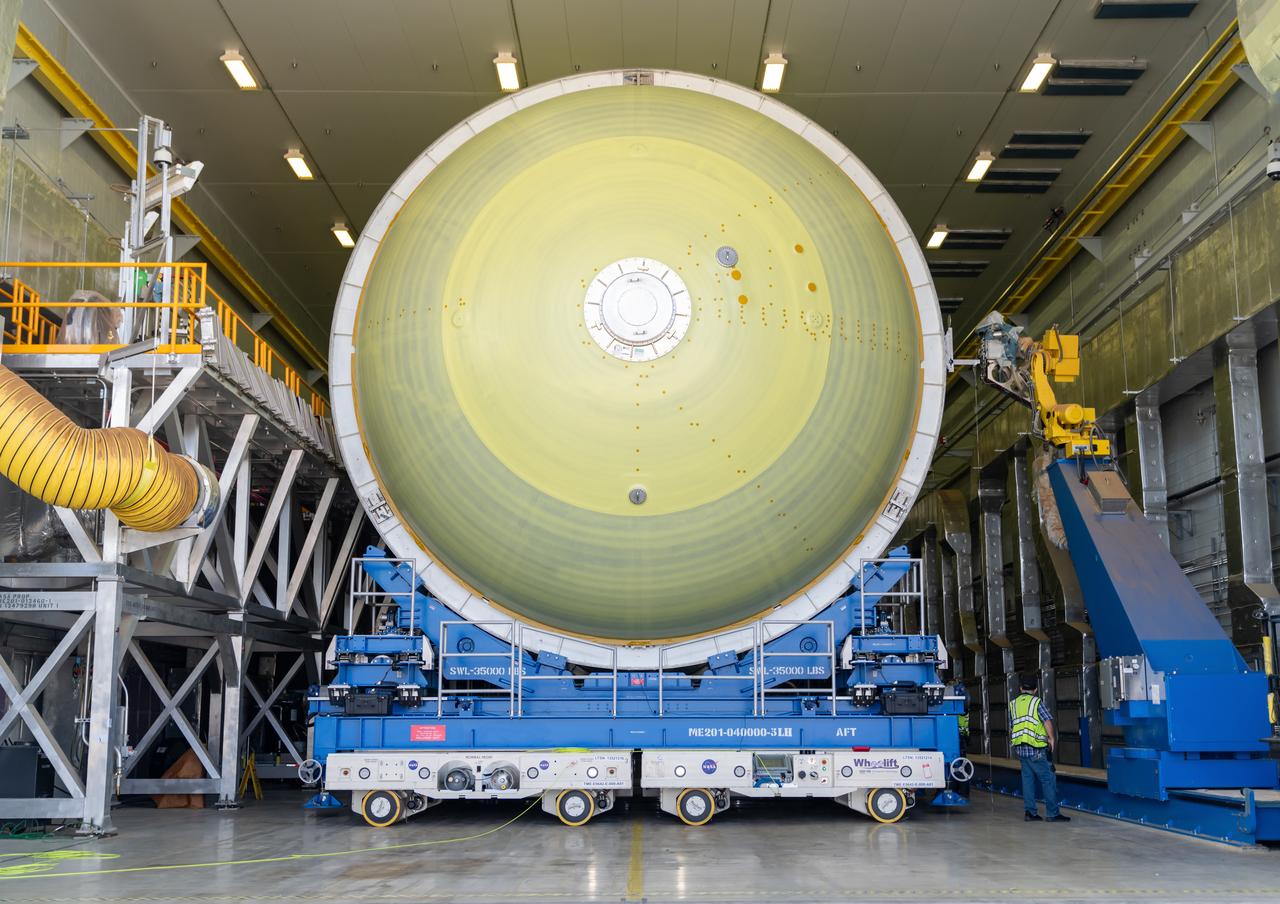
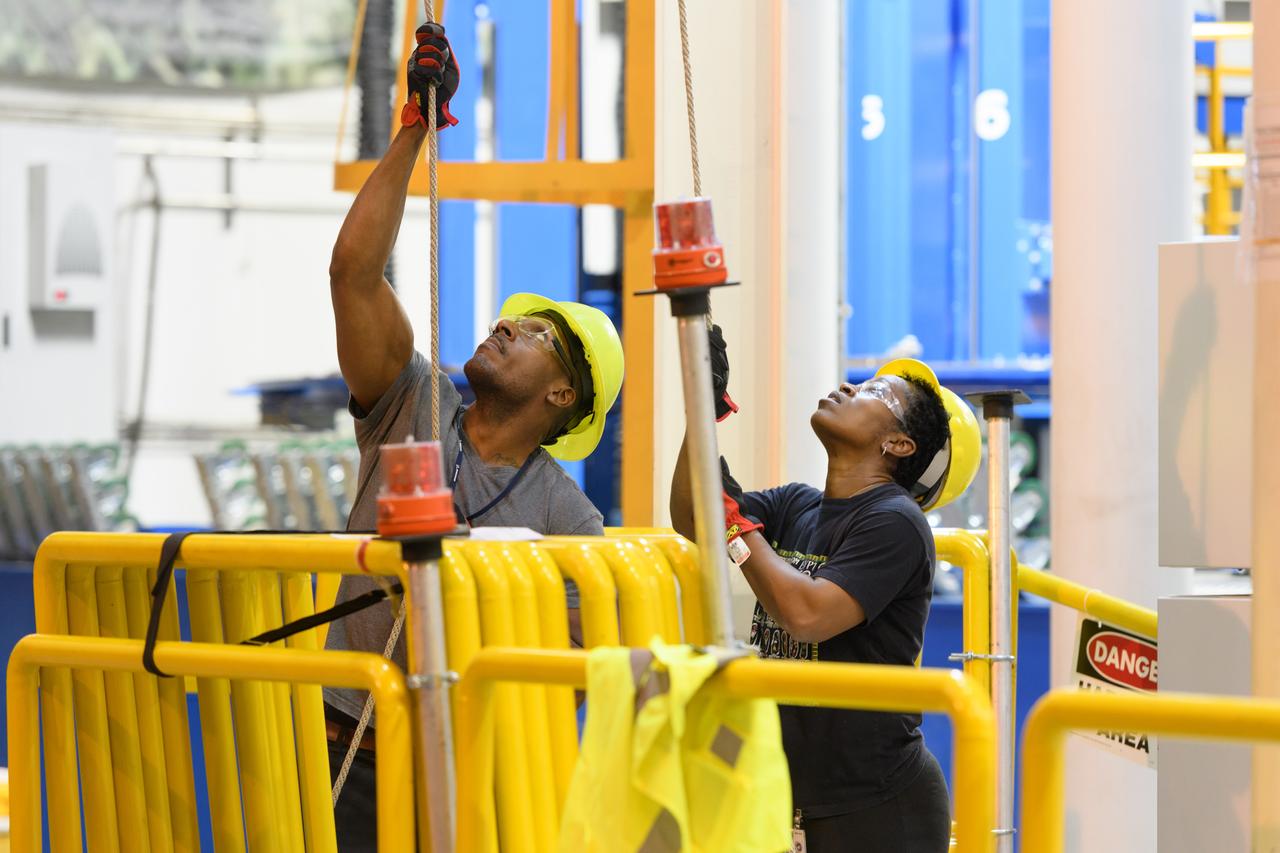
Teams move a liquid hydrogen tank for NASA’s SLS (Space Launch System) rocket out of a priming cell and into an adjacent cell on May 20 at the agency’s Michoud Assembly Facility in New Orleans. Inside the cell, the tank, which will be used on the core stage of NASA’s Artemis III mission, will receive its thermal protection system.  The thermal protection system, or spray-on foam insulation, provides protection to the core stage during launch. It is flexible enough to move with the rocket yet can withstand the aerodynamic pressures as the SLS accelerates from 0 to 17,500 mph and soars to more than 100 miles above the Earth. This third-generation insulation is more environmentally friendly and keeps the cryogenic propellant, which powers the rocket’s four RS-25 engines, extremely cold (the liquid hydrogen must remain at minus 423 degrees Fahrenheit/253 degrees Celsius) to remain in its liquid state. When applied the thermal protection system is a light-yellow color, which “tans” once exposed to the Sun’s ultraviolet rays, giving the SLS core stage its signature orange color.
Artemis III Liquid Hydrogen Tank Prepares for Thermal Protection System Application
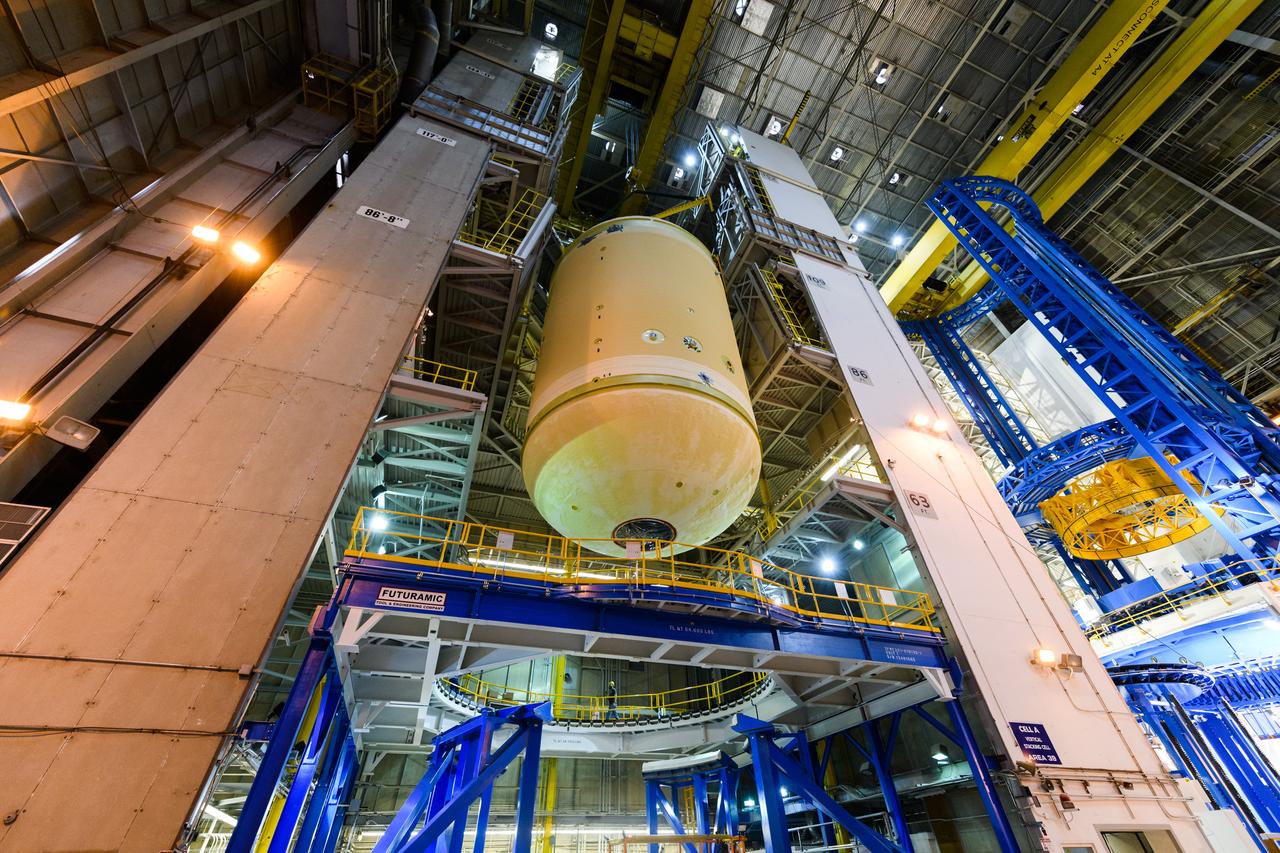
Teams move a liquid hydrogen tank for NASA’s SLS (Space Launch System) rocket out of a priming cell and into an adjacent cell on May 20 at the agency’s Michoud Assembly Facility in New Orleans. Inside the cell, the tank, which will be used on the core stage of NASA’s Artemis III mission, will receive its thermal protection system.  The thermal protection system, or spray-on foam insulation, provides protection to the core stage during launch. It is flexible enough to move with the rocket yet can withstand the aerodynamic pressures as the SLS accelerates from 0 to 17,500 mph and soars to more than 100 miles above the Earth. This third-generation insulation is more environmentally friendly and keeps the cryogenic propellant, which powers the rocket’s four RS-25 engines, extremely cold (the liquid hydrogen must remain at minus 423 degrees Fahrenheit/253 degrees Celsius) to remain in its liquid state. When applied the thermal protection system is a light-yellow color, which “tans” once exposed to the Sun’s ultraviolet rays, giving the SLS core stage its signature orange color.
Artemis III Liquid Hydrogen Tank Prepares for Thermal Protection System Application
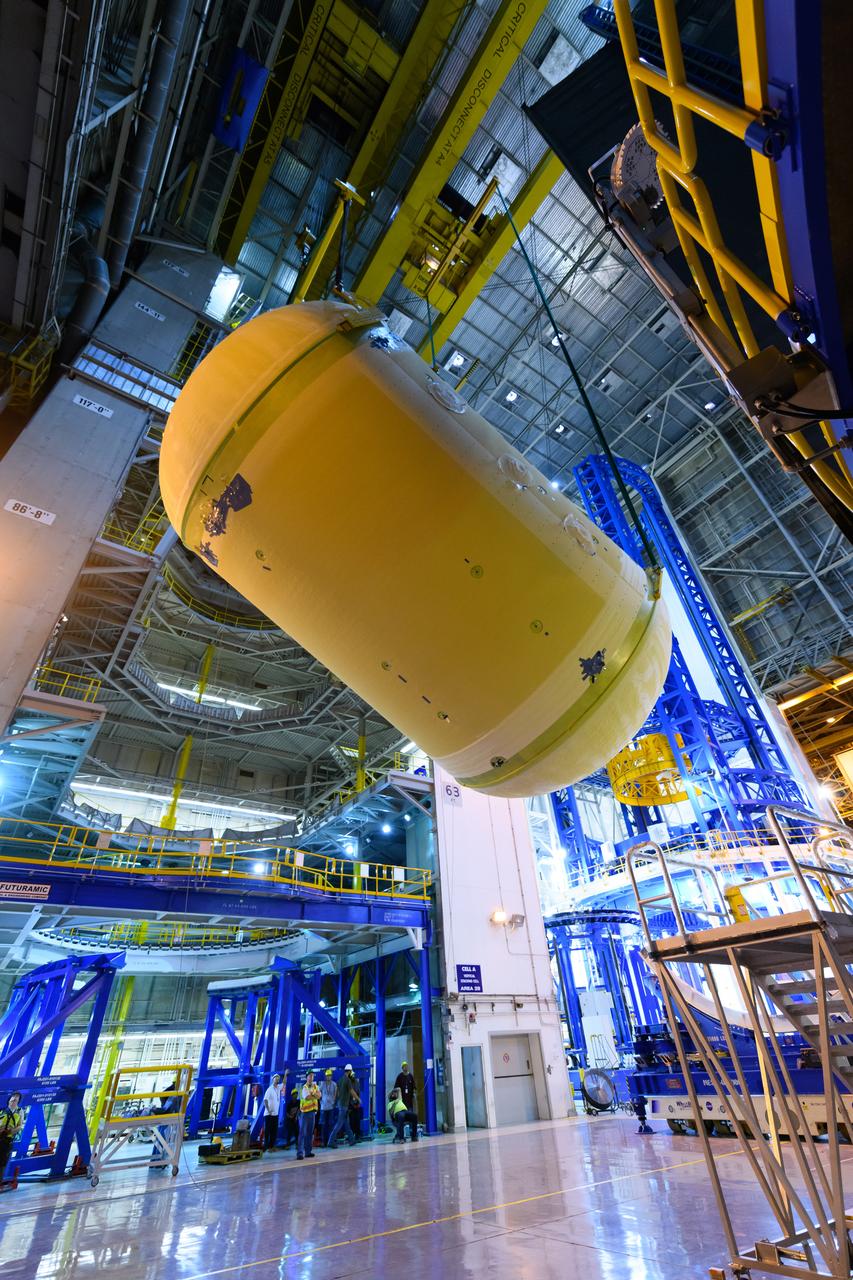
Teams move a liquid hydrogen tank for NASA’s SLS (Space Launch System) rocket out of a priming cell and into an adjacent cell on May 20 at the agency’s Michoud Assembly Facility in New Orleans. Inside the cell, the tank, which will be used on the core stage of NASA’s Artemis III mission, will receive its thermal protection system.  The thermal protection system, or spray-on foam insulation, provides protection to the core stage during launch. It is flexible enough to move with the rocket yet can withstand the aerodynamic pressures as the SLS accelerates from 0 to 17,500 mph and soars to more than 100 miles above the Earth. This third-generation insulation is more environmentally friendly and keeps the cryogenic propellant, which powers the rocket’s four RS-25 engines, extremely cold (the liquid hydrogen must remain at minus 423 degrees Fahrenheit/253 degrees Celsius) to remain in its liquid state. When applied the thermal protection system is a light-yellow color, which “tans” once exposed to the Sun’s ultraviolet rays, giving the SLS core stage its signature orange color.
Artemis III Liquid Hydrogen Tank Prepares for Thermal Protection System Application
Teams move a liquid hydrogen tank for NASA’s SLS (Space Launch System) rocket out of a priming cell and into an adjacent cell on May 20 at the agency’s Michoud Assembly Facility in New Orleans. Inside the cell, the tank, which will be used on the core stage of NASA’s Artemis III mission, will receive its thermal protection system.  The thermal protection system, or spray-on foam insulation, provides protection to the core stage during launch. It is flexible enough to move with the rocket yet can withstand the aerodynamic pressures as the SLS accelerates from 0 to 17,500 mph and soars to more than 100 miles above the Earth. This third-generation insulation is more environmentally friendly and keeps the cryogenic propellant, which powers the rocket’s four RS-25 engines, extremely cold (the liquid hydrogen must remain at minus 423 degrees Fahrenheit/253 degrees Celsius) to remain in its liquid state. When applied the thermal protection system is a light-yellow color, which “tans” once exposed to the Sun’s ultraviolet rays, giving the SLS core stage its signature orange color.
Artemis III Liquid Hydrogen Tank Prepares for Thermal Protection System Application
Teams move a liquid hydrogen tank for NASA’s SLS (Space Launch System) rocket out of a priming cell and into an adjacent cell on May 20 at the agency’s Michoud Assembly Facility in New Orleans. Inside the cell, the tank, which will be used on the core stage of NASA’s Artemis III mission, will receive its thermal protection system.  The thermal protection system, or spray-on foam insulation, provides protection to the core stage during launch. It is flexible enough to move with the rocket yet can withstand the aerodynamic pressures as the SLS accelerates from 0 to 17,500 mph and soars to more than 100 miles above the Earth. This third-generation insulation is more environmentally friendly and keeps the cryogenic propellant, which powers the rocket’s four RS-25 engines, extremely cold (the liquid hydrogen must remain at minus 423 degrees Fahrenheit/253 degrees Celsius) to remain in its liquid state. When applied the thermal protection system is a light-yellow color, which “tans” once exposed to the Sun’s ultraviolet rays, giving the SLS core stage its signature orange color.
Artemis III Liquid Hydrogen Tank Prepares for Thermal Protection System Application
Teams move a liquid hydrogen tank for NASA’s SLS (Space Launch System) rocket out of a priming cell and into an adjacent cell on May 20 at the agency’s Michoud Assembly Facility in New Orleans. Inside the cell, the tank, which will be used on the core stage of NASA’s Artemis III mission, will receive its thermal protection system.  The thermal protection system, or spray-on foam insulation, provides protection to the core stage during launch. It is flexible enough to move with the rocket yet can withstand the aerodynamic pressures as the SLS accelerates from 0 to 17,500 mph and soars to more than 100 miles above the Earth. This third-generation insulation is more environmentally friendly and keeps the cryogenic propellant, which powers the rocket’s four RS-25 engines, extremely cold (the liquid hydrogen must remain at minus 423 degrees Fahrenheit/253 degrees Celsius) to remain in its liquid state. When applied the thermal protection system is a light-yellow color, which “tans” once exposed to the Sun’s ultraviolet rays, giving the SLS core stage its signature orange color.
Artemis III Liquid Hydrogen Tank Prepares for Thermal Protection System Application
Teams move a liquid hydrogen tank for NASA’s SLS (Space Launch System) rocket out of a priming cell and into an adjacent cell on May 20 at the agency’s Michoud Assembly Facility in New Orleans. Inside the cell, the tank, which will be used on the core stage of NASA’s Artemis III mission, will receive its thermal protection system.  The thermal protection system, or spray-on foam insulation, provides protection to the core stage during launch. It is flexible enough to move with the rocket yet can withstand the aerodynamic pressures as the SLS accelerates from 0 to 17,500 mph and soars to more than 100 miles above the Earth. This third-generation insulation is more environmentally friendly and keeps the cryogenic propellant, which powers the rocket’s four RS-25 engines, extremely cold (the liquid hydrogen must remain at minus 423 degrees Fahrenheit/253 degrees Celsius) to remain in its liquid state. When applied the thermal protection system is a light-yellow color, which “tans” once exposed to the Sun’s ultraviolet rays, giving the SLS core stage its signature orange color.
Artemis III Liquid Hydrogen Tank Prepares for Thermal Protection System Application
Teams move a liquid hydrogen tank for NASA’s SLS (Space Launch System) rocket out of a priming cell and into an adjacent cell on May 20 at the agency’s Michoud Assembly Facility in New Orleans. Inside the cell, the tank, which will be used on the core stage of NASA’s Artemis III mission, will receive its thermal protection system.  The thermal protection system, or spray-on foam insulation, provides protection to the core stage during launch. It is flexible enough to move with the rocket yet can withstand the aerodynamic pressures as the SLS accelerates from 0 to 17,500 mph and soars to more than 100 miles above the Earth. This third-generation insulation is more environmentally friendly and keeps the cryogenic propellant, which powers the rocket’s four RS-25 engines, extremely cold (the liquid hydrogen must remain at minus 423 degrees Fahrenheit/253 degrees Celsius) to remain in its liquid state. When applied the thermal protection system is a light-yellow color, which “tans” once exposed to the Sun’s ultraviolet rays, giving the SLS core stage its signature orange color.
Artemis III Liquid Hydrogen Tank Prepares for Thermal Protection System Application
Teams move a liquid hydrogen tank for NASA’s SLS (Space Launch System) rocket out of a priming cell and into an adjacent cell on May 20 at the agency’s Michoud Assembly Facility in New Orleans. Inside the cell, the tank, which will be used on the core stage of NASA’s Artemis III mission, will receive its thermal protection system.  The thermal protection system, or spray-on foam insulation, provides protection to the core stage during launch. It is flexible enough to move with the rocket yet can withstand the aerodynamic pressures as the SLS accelerates from 0 to 17,500 mph and soars to more than 100 miles above the Earth. This third-generation insulation is more environmentally friendly and keeps the cryogenic propellant, which powers the rocket’s four RS-25 engines, extremely cold (the liquid hydrogen must remain at minus 423 degrees Fahrenheit/253 degrees Celsius) to remain in its liquid state. When applied the thermal protection system is a light-yellow color, which “tans” once exposed to the Sun’s ultraviolet rays, giving the SLS core stage its signature orange color.
Artemis III Liquid Hydrogen Tank Prepares for Thermal Protection System Application
Teams move a liquid hydrogen tank for NASA’s SLS (Space Launch System) rocket out of a priming cell and into an adjacent cell on May 20 at the agency’s Michoud Assembly Facility in New Orleans. Inside the cell, the tank, which will be used on the core stage of NASA’s Artemis III mission, will receive its thermal protection system.  The thermal protection system, or spray-on foam insulation, provides protection to the core stage during launch. It is flexible enough to move with the rocket yet can withstand the aerodynamic pressures as the SLS accelerates from 0 to 17,500 mph and soars to more than 100 miles above the Earth. This third-generation insulation is more environmentally friendly and keeps the cryogenic propellant, which powers the rocket’s four RS-25 engines, extremely cold (the liquid hydrogen must remain at minus 423 degrees Fahrenheit/253 degrees Celsius) to remain in its liquid state. When applied the thermal protection system is a light-yellow color, which “tans” once exposed to the Sun’s ultraviolet rays, giving the SLS core stage its signature orange color.
Artemis III Liquid Hydrogen Tank Prepares for Thermal Protection System Application
Teams move a liquid hydrogen tank for NASA’s SLS (Space Launch System) rocket out of a priming cell and into an adjacent cell on May 20 at the agency’s Michoud Assembly Facility in New Orleans. Inside the cell, the tank, which will be used on the core stage of NASA’s Artemis III mission, will receive its thermal protection system.  The thermal protection system, or spray-on foam insulation, provides protection to the core stage during launch. It is flexible enough to move with the rocket yet can withstand the aerodynamic pressures as the SLS accelerates from 0 to 17,500 mph and soars to more than 100 miles above the Earth. This third-generation insulation is more environmentally friendly and keeps the cryogenic propellant, which powers the rocket’s four RS-25 engines, extremely cold (the liquid hydrogen must remain at minus 423 degrees Fahrenheit/253 degrees Celsius) to remain in its liquid state. When applied the thermal protection system is a light-yellow color, which “tans” once exposed to the Sun’s ultraviolet rays, giving the SLS core stage its signature orange color.
Artemis III Liquid Hydrogen Tank Prepares for Thermal Protection System Application