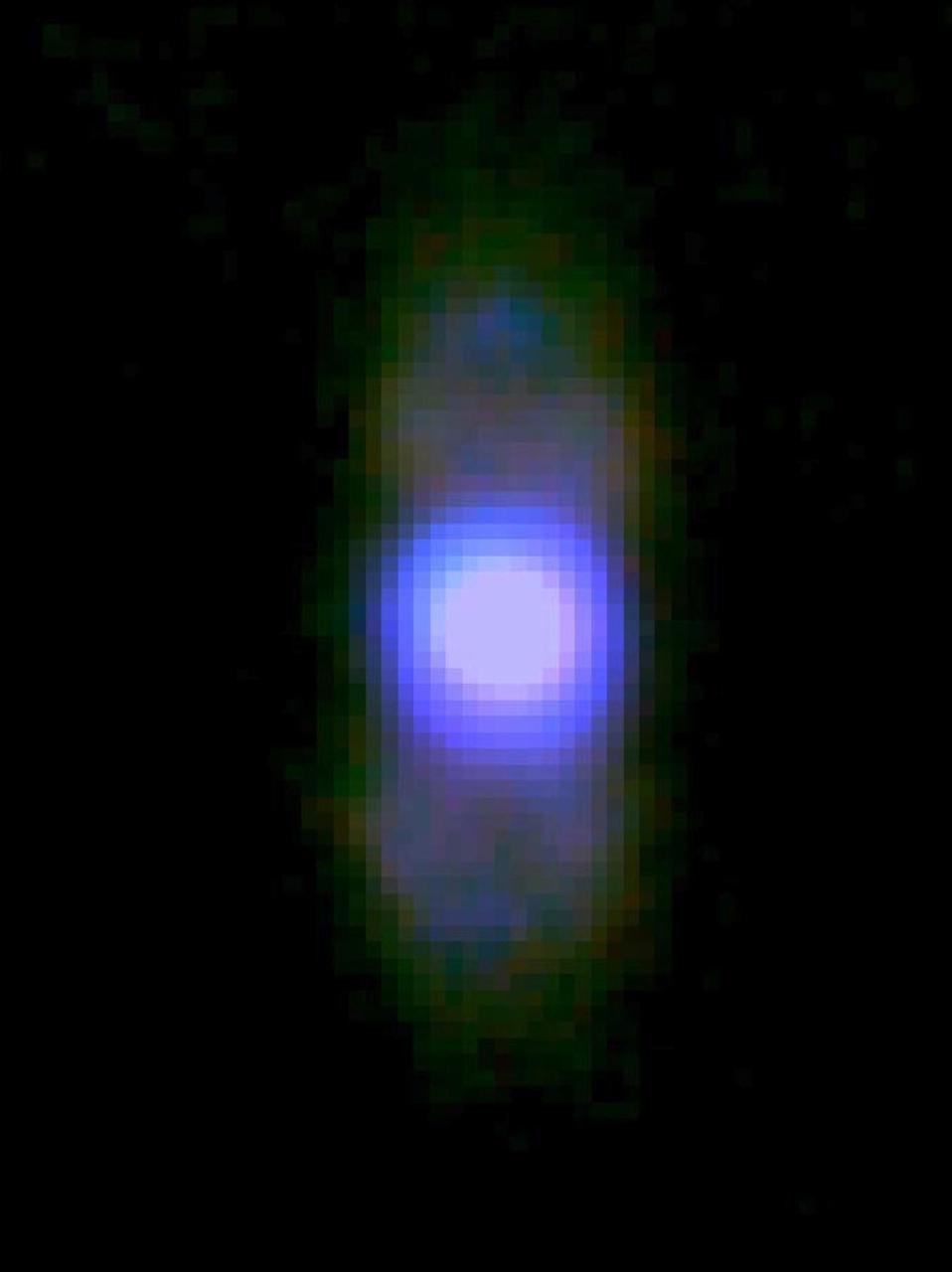
SCI2012_0003: SOFIA mid-infrared image of the planetary nebula Minkowski 2-9 (M2-9), also known as the Butterfly Nebula, compared with a visual-wavelength Hubble Space Telescope image at the same scale and orientation. The nebula is composed of two lobes of gas & dust expelled from a dying star with about the mass of our Sun that is seen at the center of the lobes. The HST image shows mostly ionized gas in the lobes whereas the SOFIA image shows mostly solid grains condensing in the gas. The SOFIA data were obtained during SOFIA's Early Science program in 2011 by a Guest Investigator team led by Michael Werner of Caltech/JPL using the FORCAST camera (P.I.Terry Herter, Cornell University). Credit: SOFIA image, RGB = 37, 24, 20 microns; NASA/DLR/USRA/DSI/FORCAST team/M. Werner et al./A. Helton,  J. Rho; HST image: NASA/ESA/NSF/AURA/Hubble Heritage Team/STScI/B. Balick, V. Icke, G. Mellema
SOFIA Science Imagery
SCI2016_0001: SOFIA/GREAT [O I] spectrum at 4.7 THz (63 μm) superimposed on a picture of Mars. Absorption line depth is approximately 10% of the continuum. The abundance of atomic oxygen computed from the data is less than expected from the Forget et al. 1999 global circulation & photochemical model. Credit: SOFIA/GREAT spectrum: NASA/DLR/USRA/DSI/MPIfR/GREAT Consortium/MPIfS/Rezac et al. 2015; Mars image: NASA
SOFIA Science Imagery
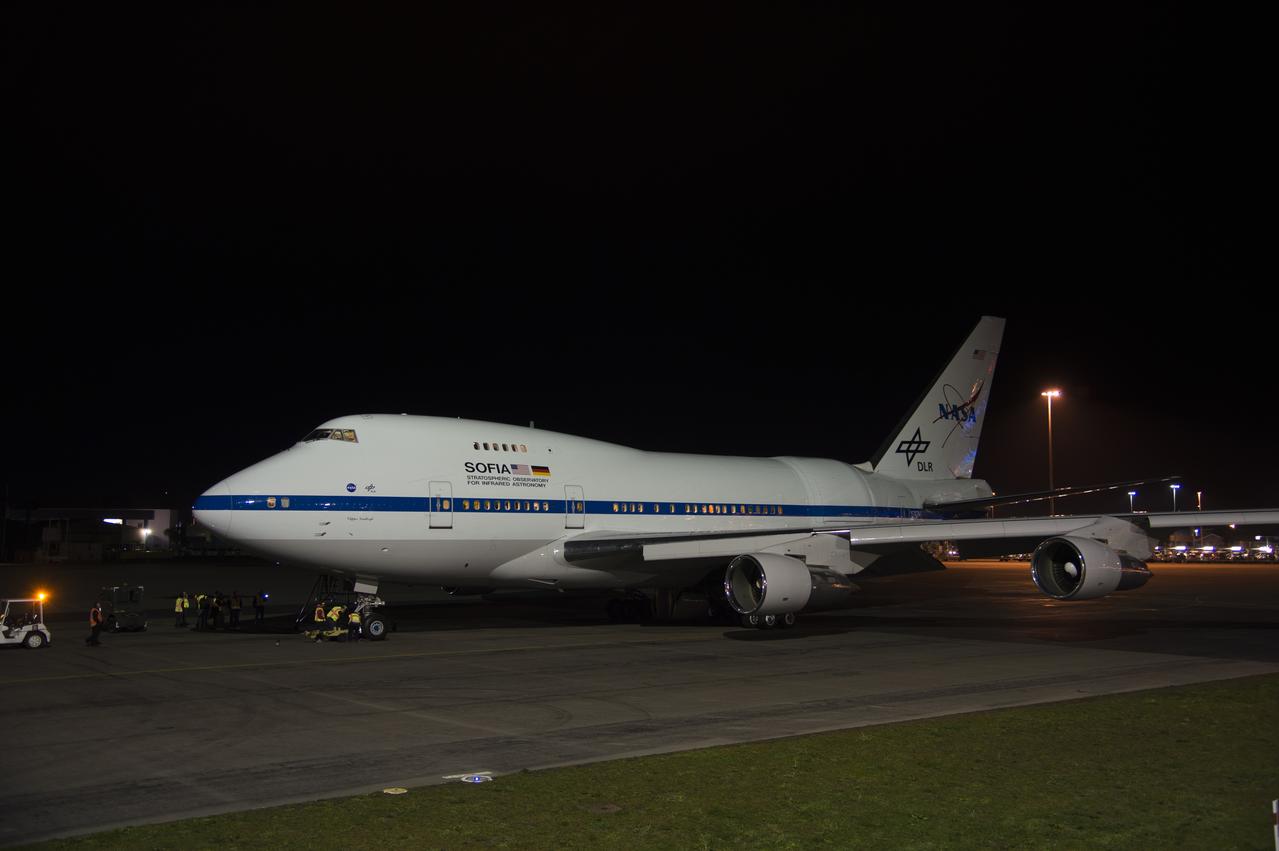
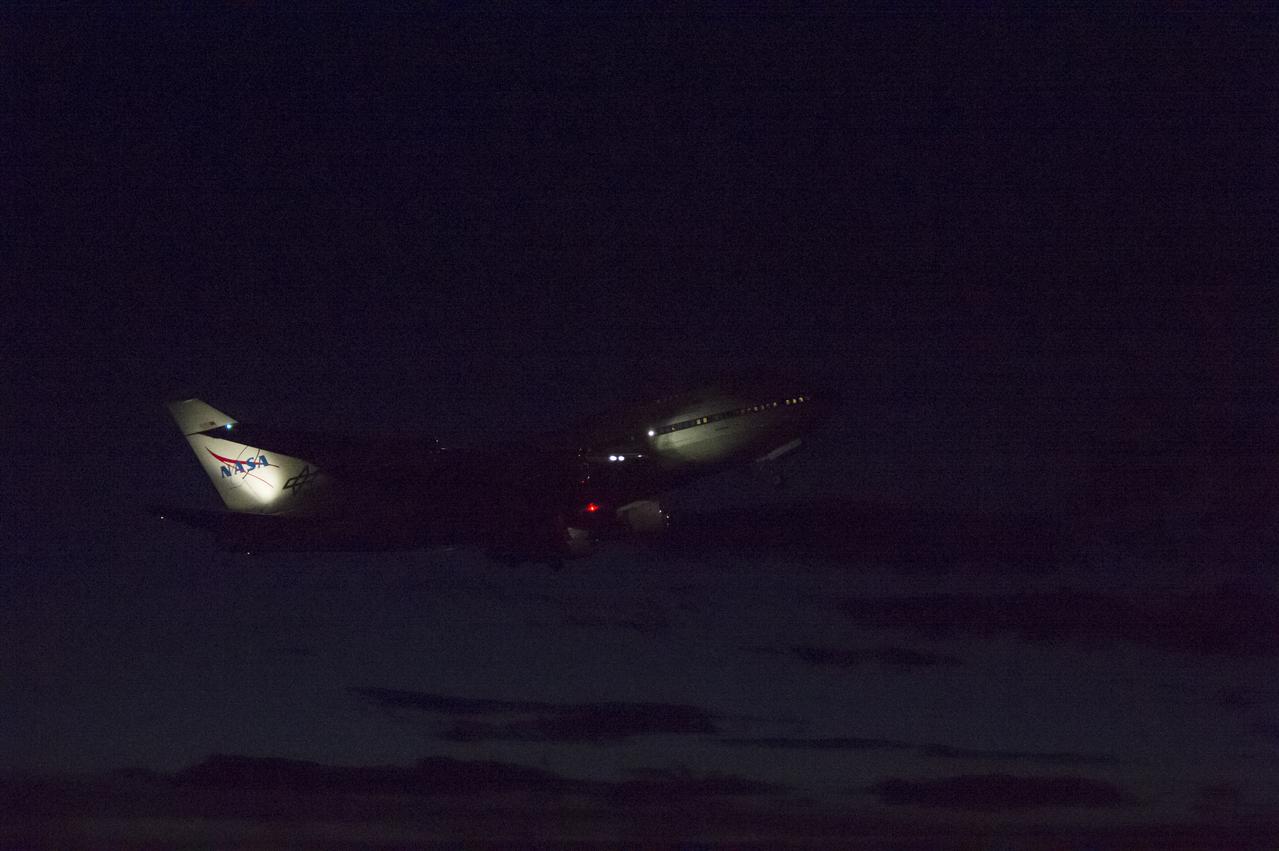
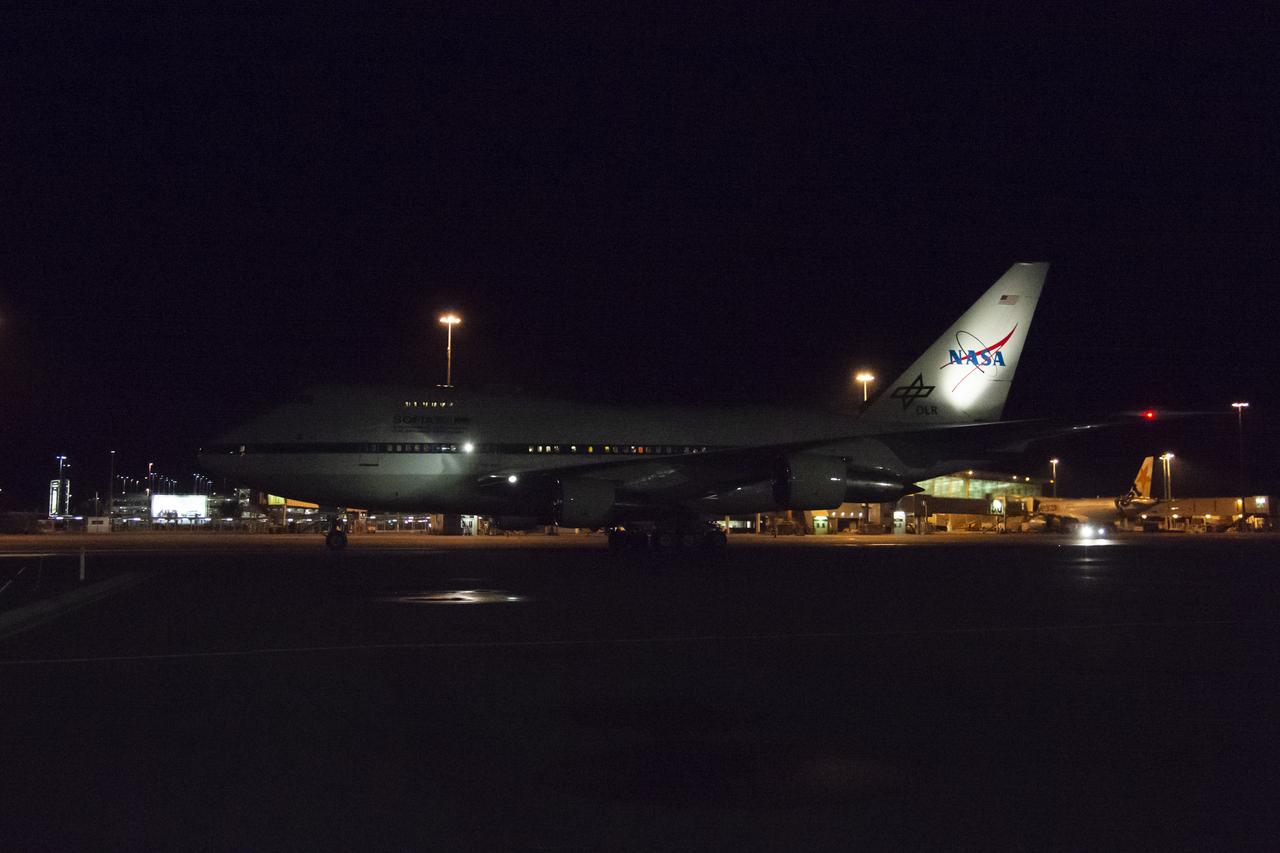
SOFIA at nighttime in New Zealand.
SOFIA at Nighttime
SOFIA at nighttime in New Zealand.
SOFIA at Nighttime
SOFIA at nighttime in New Zealand.
SOFIA at Nighttime
In this composite image of the Omega Nebula, SOFIA detected the blue areas (20 microns) near the center, revealing gas as it's heated by massive stars located at the center, near the bend, and the green areas (37 microns) that trace dust as it's warmed both by massive stars and nearby newborn stars. The nine never-before-seen protostars were found primarily in the southern areas. The red areas near the edge represent cold dust that was detected by the Herschel Space Telescope (70 microns), while the white star field was detected by the Spitzer Space Telescope (3.6 microns). The space telescopes could not observe the blue and green regions in such detail because the detectors were saturated. SOFIA's view reveals evidence that parts of the nebula formed separately to create the swan-like shape seen today.  https://photojournal.jpl.nasa.gov/catalog/PIA23409
SOFIA Reveals How the Swan Nebula Hatched
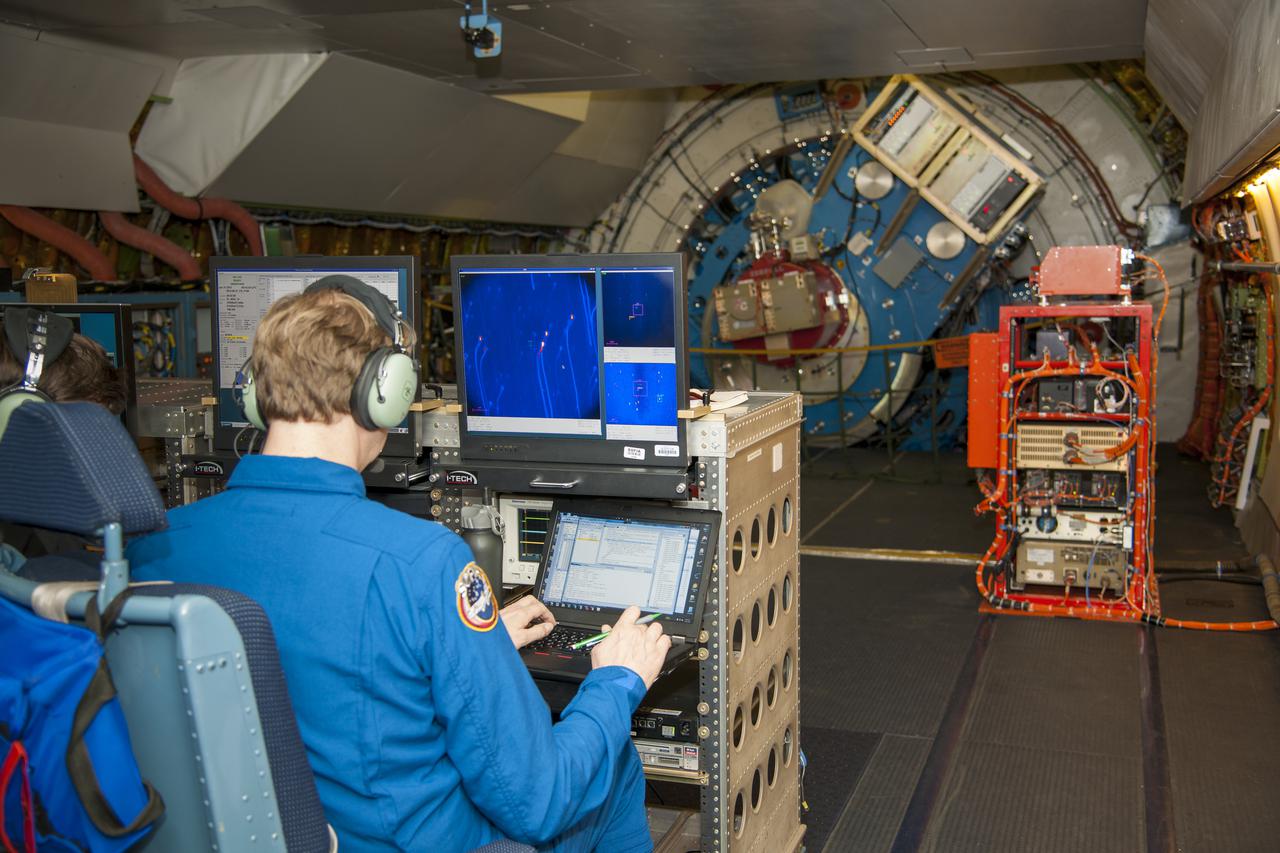
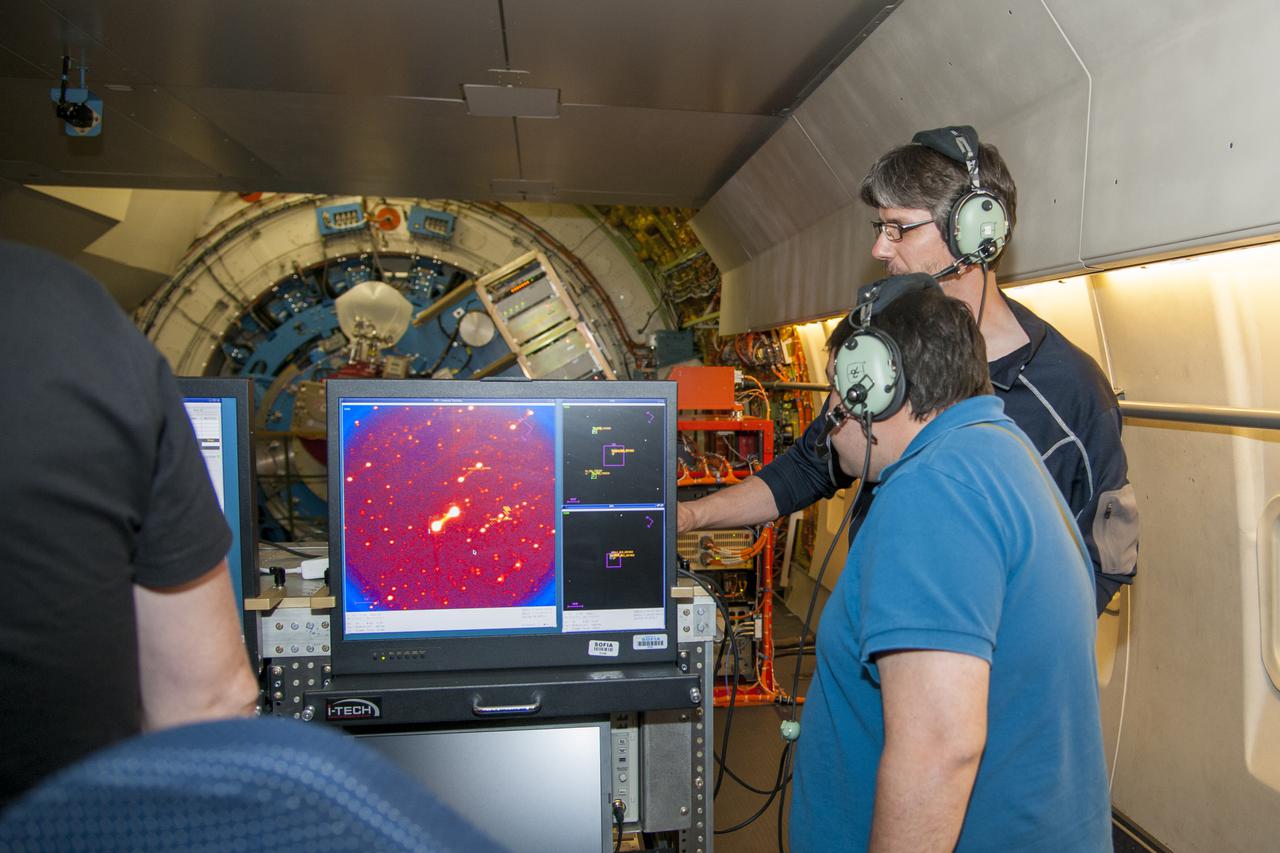
James De Buizer, Senior Scientist at SOFIA Science Center, conducting observations onboard SOFIA facing the telescope’s Naysmith foci “eyepiece.”
Studying on SOFIA
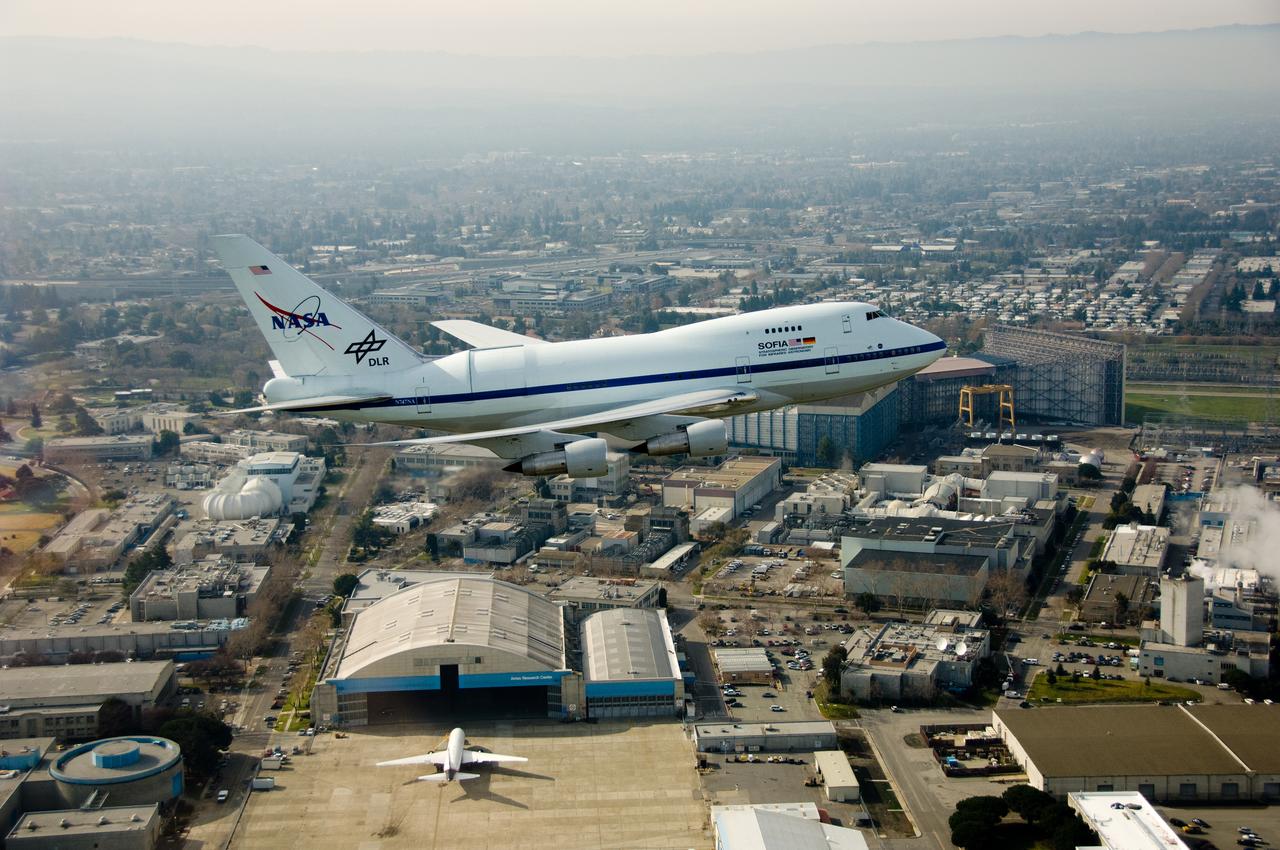
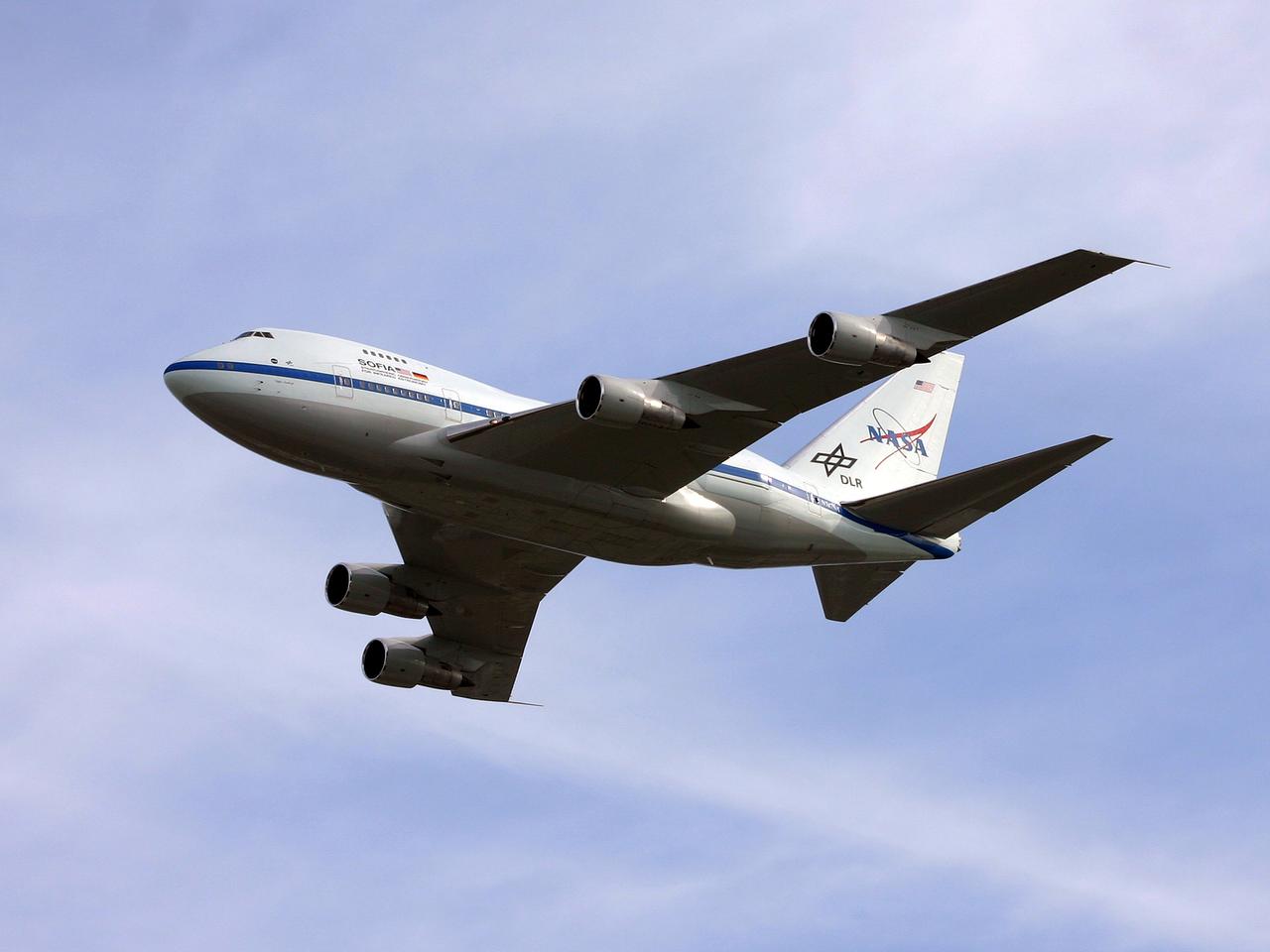
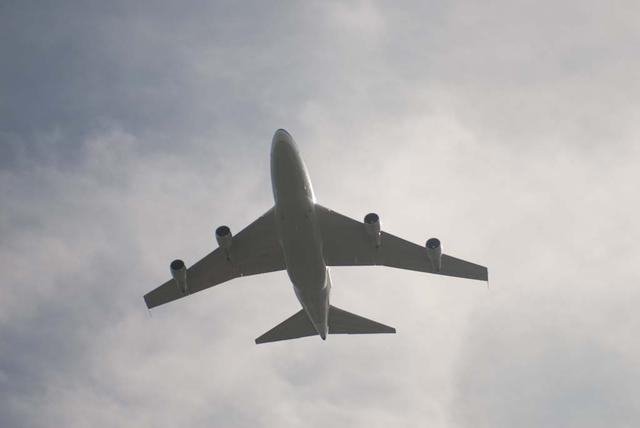
Air to air view of the Stratospheric Observatory for Infrared Astronomy or SOFIA aircraft fly-by on a visit to Ames Research Center
ACD08-0005-117
Researchers using NASA Stratospheric Observatory for Infrared Astronomy SOFIA have captured infrared images of the last exhalations of a dying sun-like star. This image is of the planetary Nebula M2-9.
NASA SOFIA Captures Images of the Planetary Nebula M2-9
Astronomers smile while looking at data from SOFIA’s telescope.
Astronomers Smile at SOFIA’s Data
SCI2016_0006: Map of Cepheus E emphasizing the jets of material flowing to the upper left and lower right from the protostar. The protostar itself is the central yellow-red 'blob" in the colored background map of hydrogen emission made at a wavelength of 4.5 microns by the Spitzer infrared space telescope. The contour curves show the strength of emission from cool carbon monoxide gas measured by the Plateau de Bure radio telescope located in the French Alps. Lefloch et al. used GREAT on SOFIA to measure the amount and velocity of hot carbon monoxide gas at multiple positions along both "wings" of the outflow jet. Credit: Lefloch et al. 2015 Figure 1
SOFIA Science Imagery
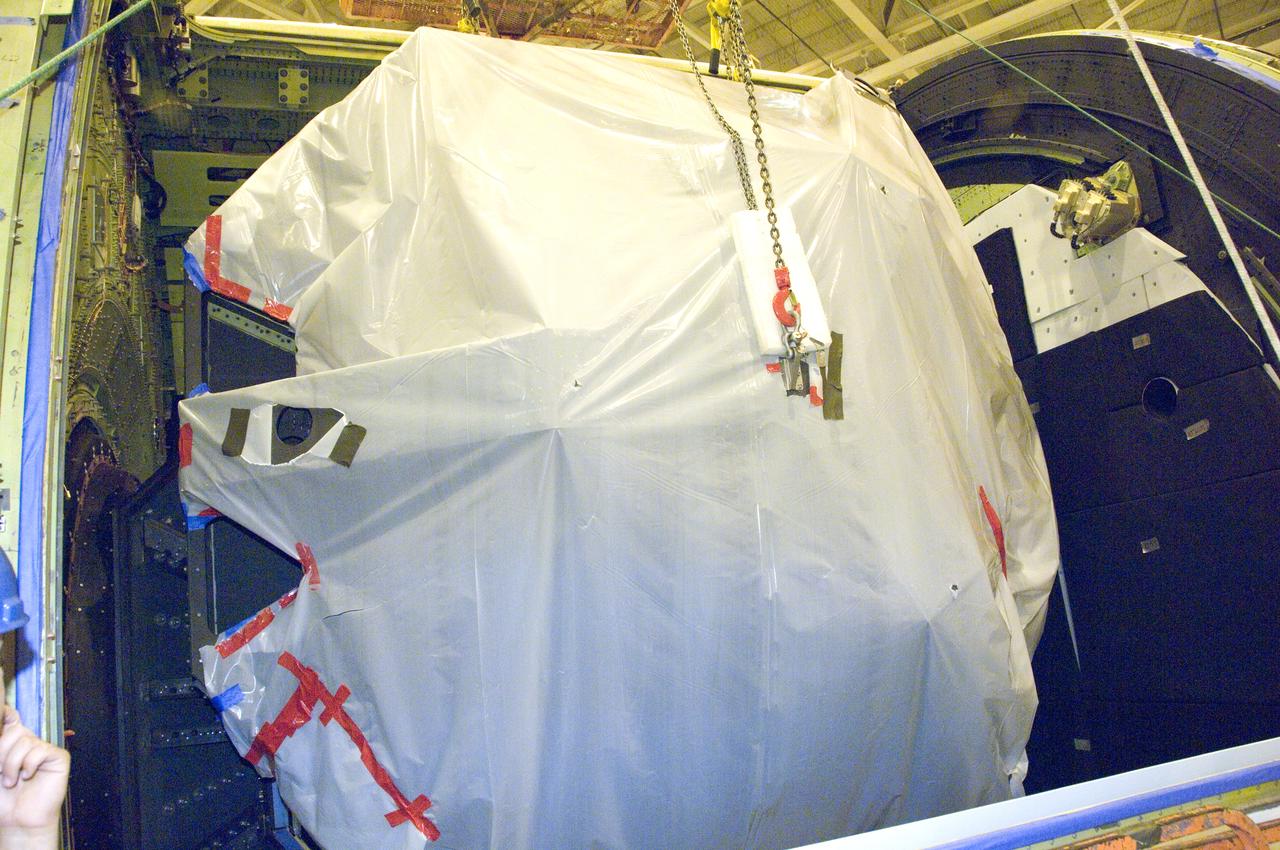
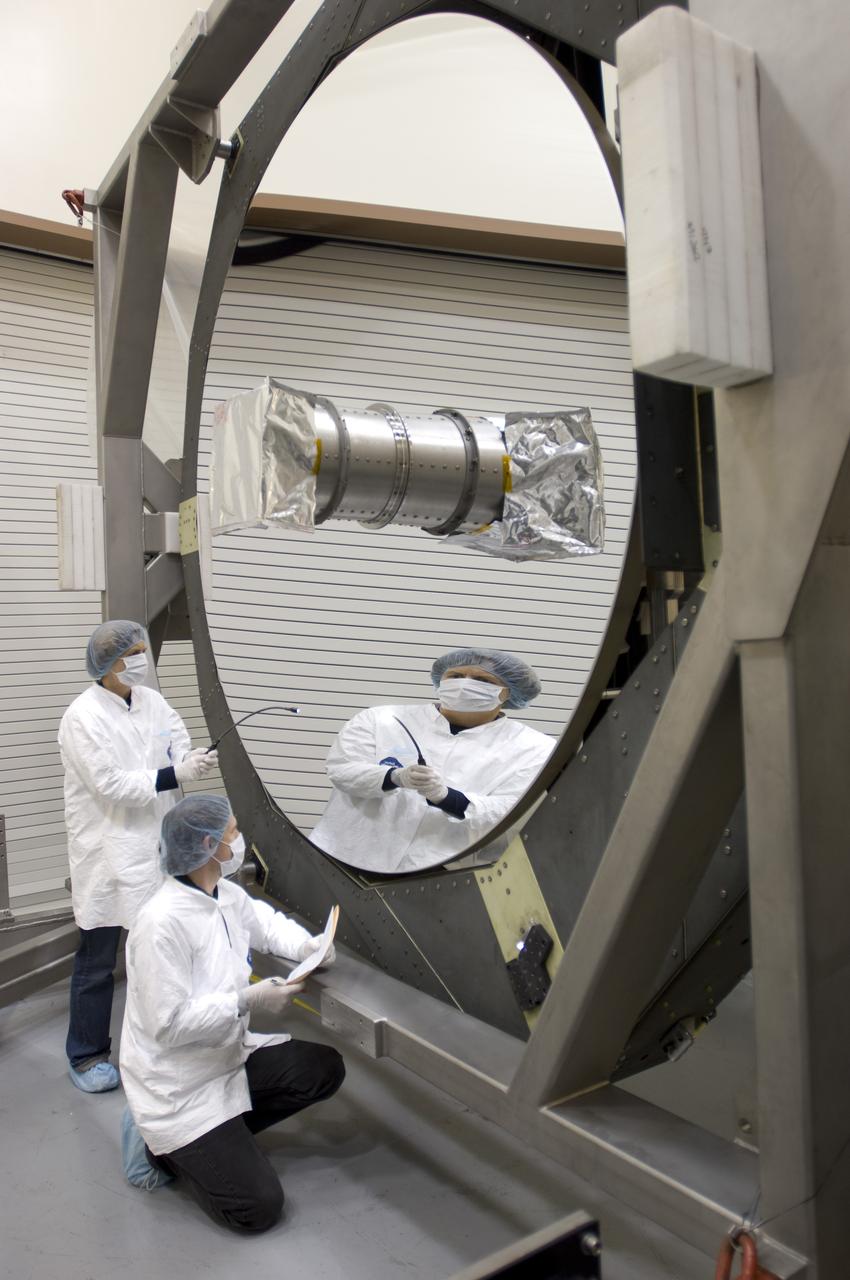
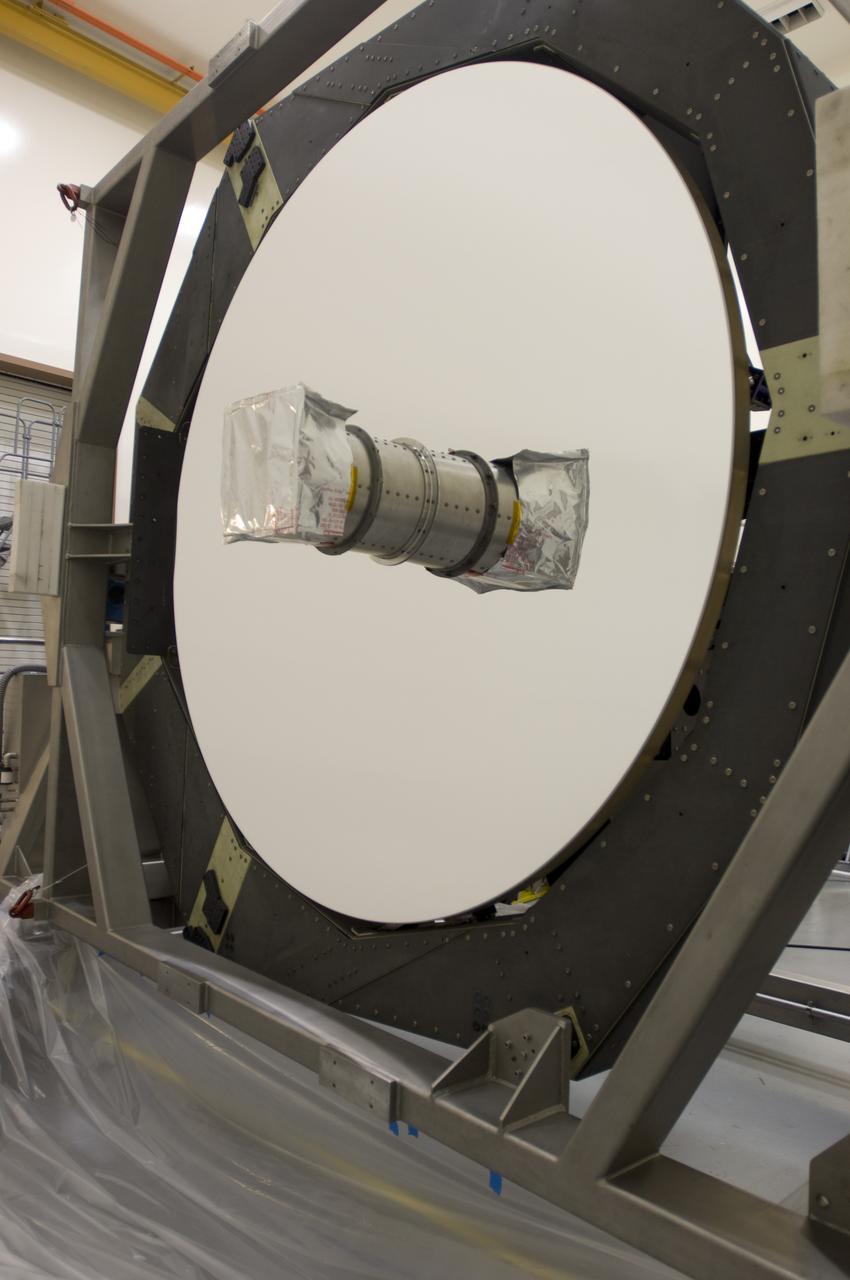
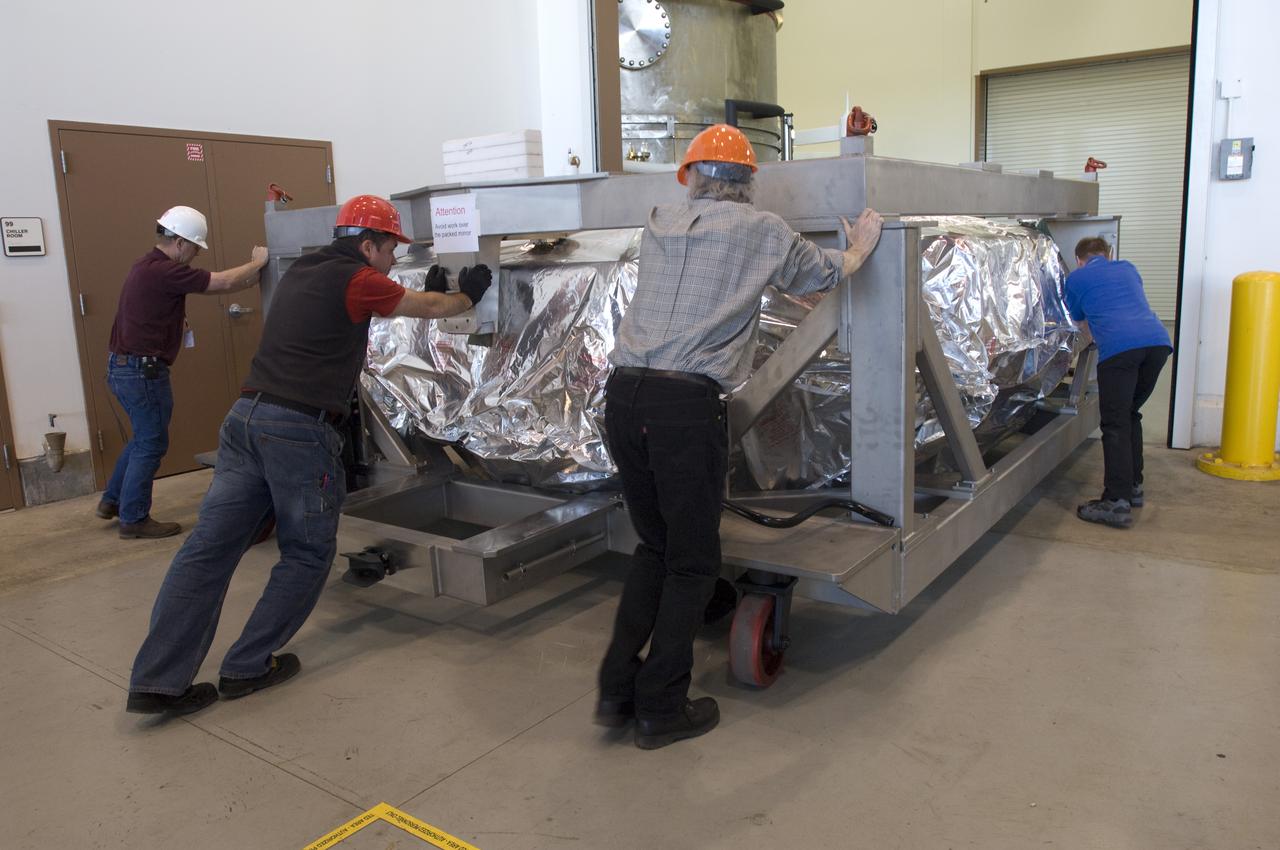
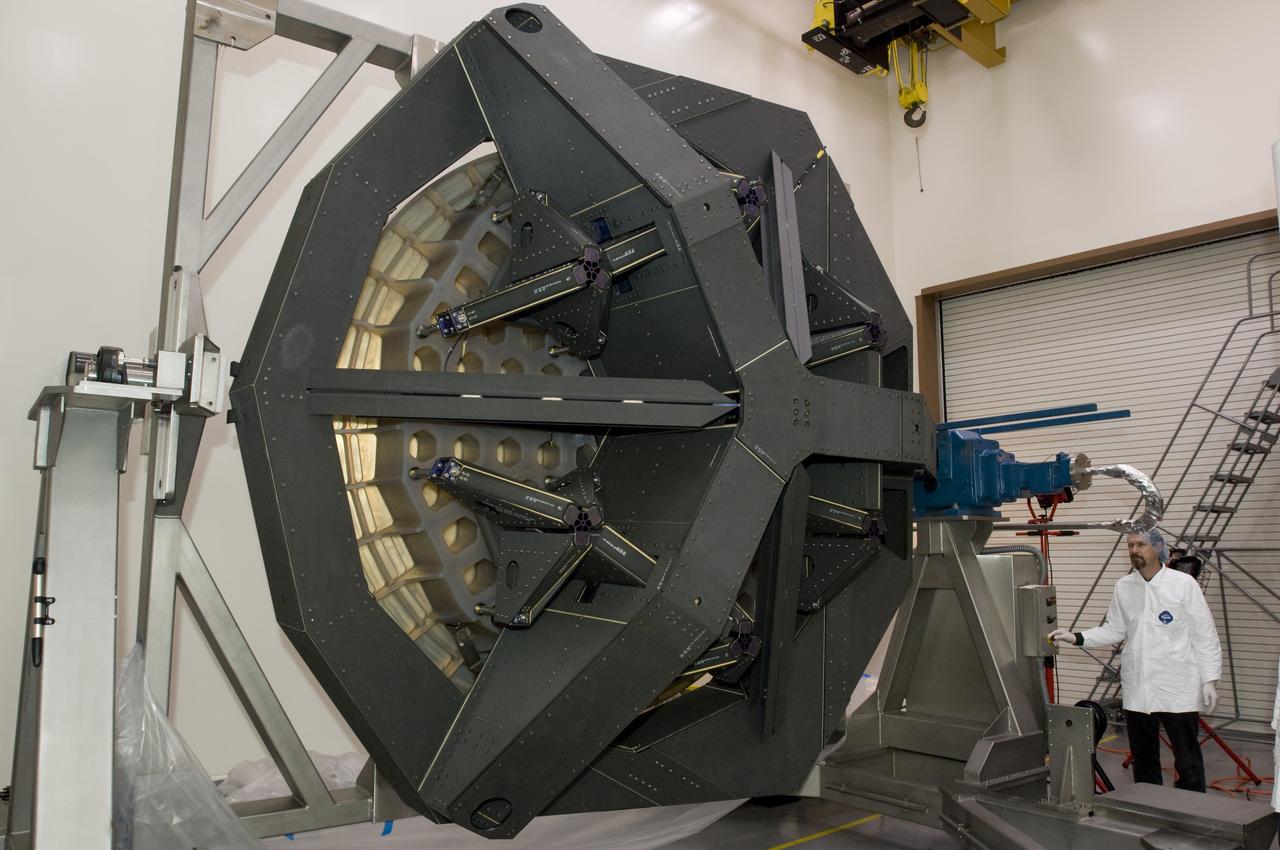
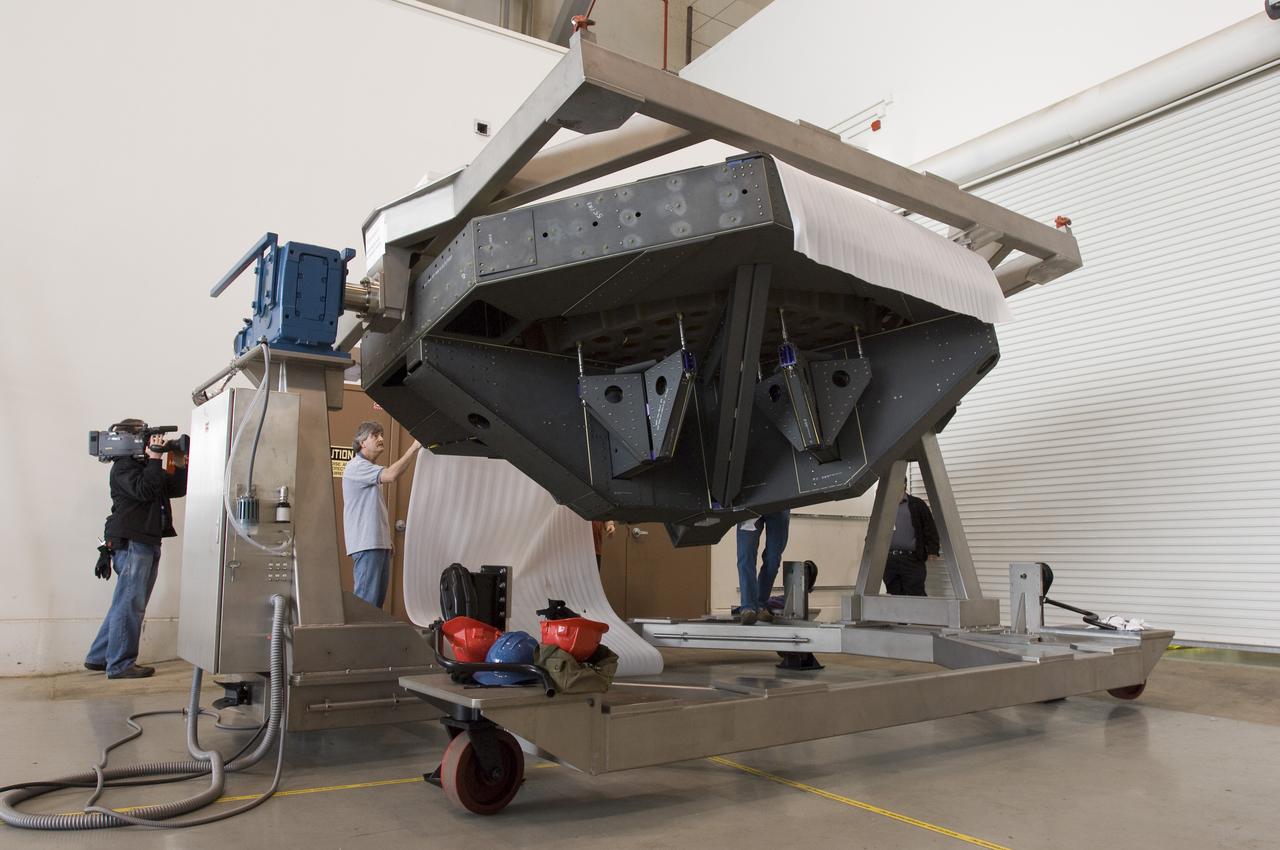
SOFIA's primary mirror is placed in the telescope cavity for reinstallation prior to telescope adjustments preparing SOFIA for first science.
SOFIA's primary mirror is placed in the telescope cavity for reinstallation prior to telescope adjustments preparing SOFIA for first science
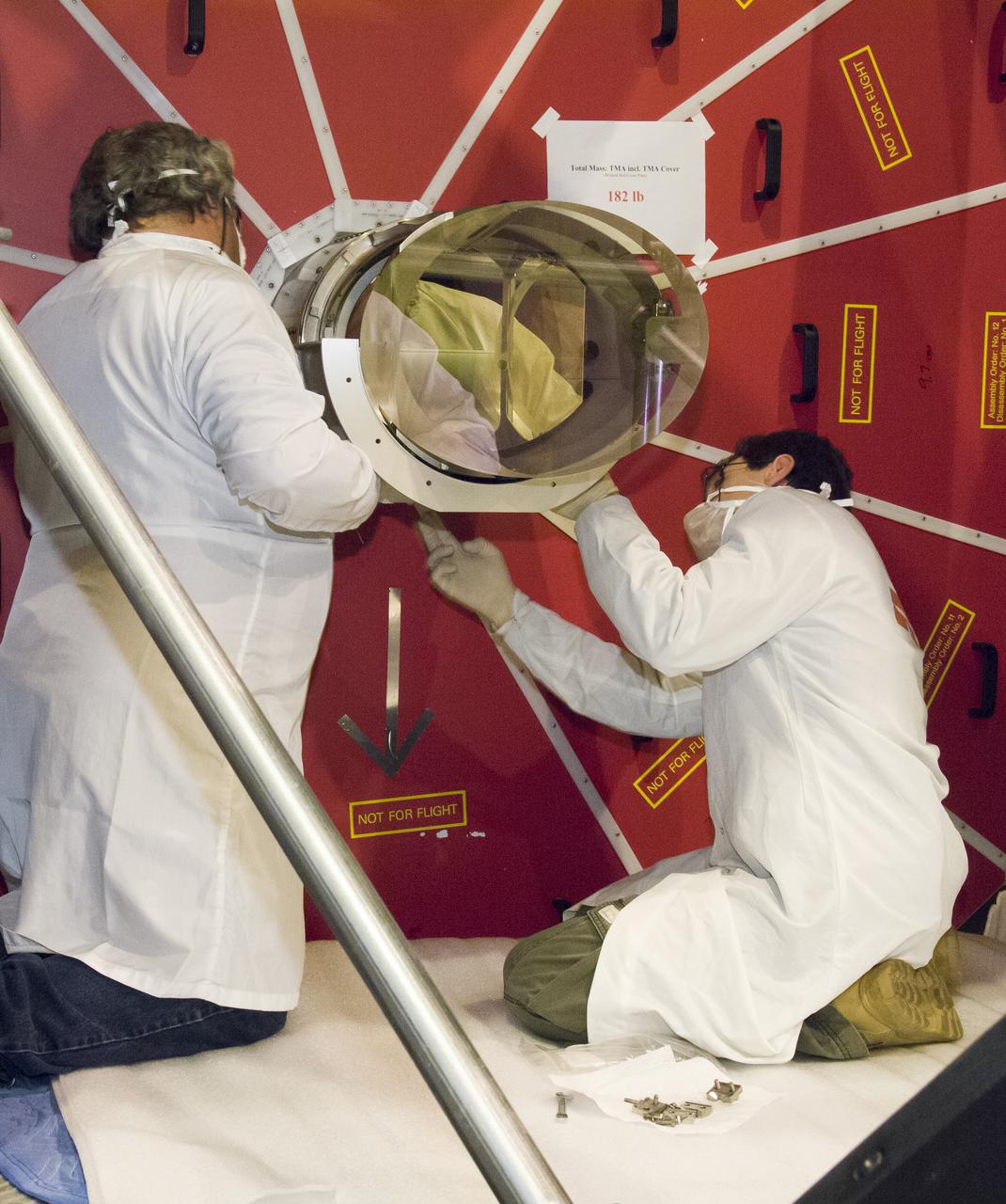
Technicians installing the tertiary mirror onto the SOFIA telescope.
Piecing Together SOFIA’s Telescope
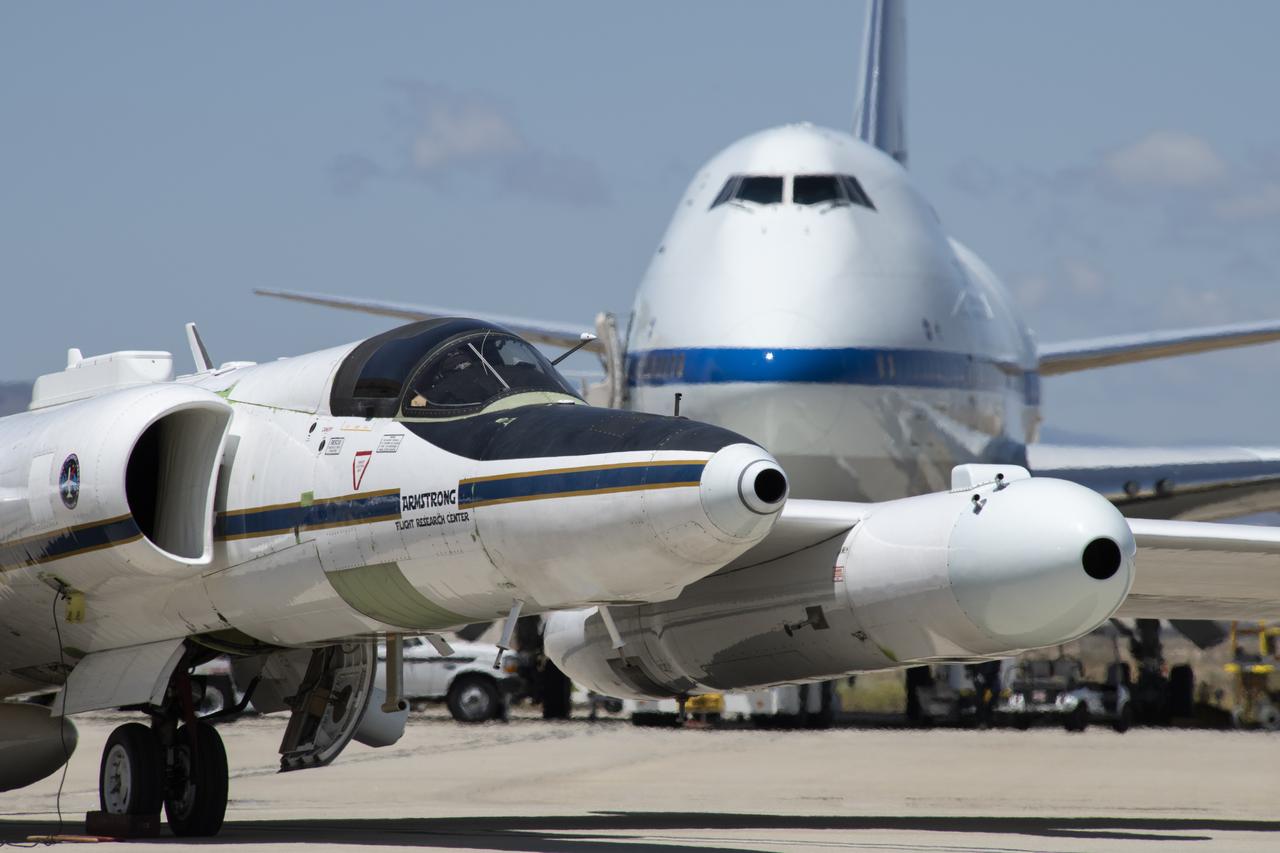
NASA's ER-2 and SOFIA at Armstrong Flight Research Center Building 703 in Palmdale, California.
NASA's ER-2 and SOFIA
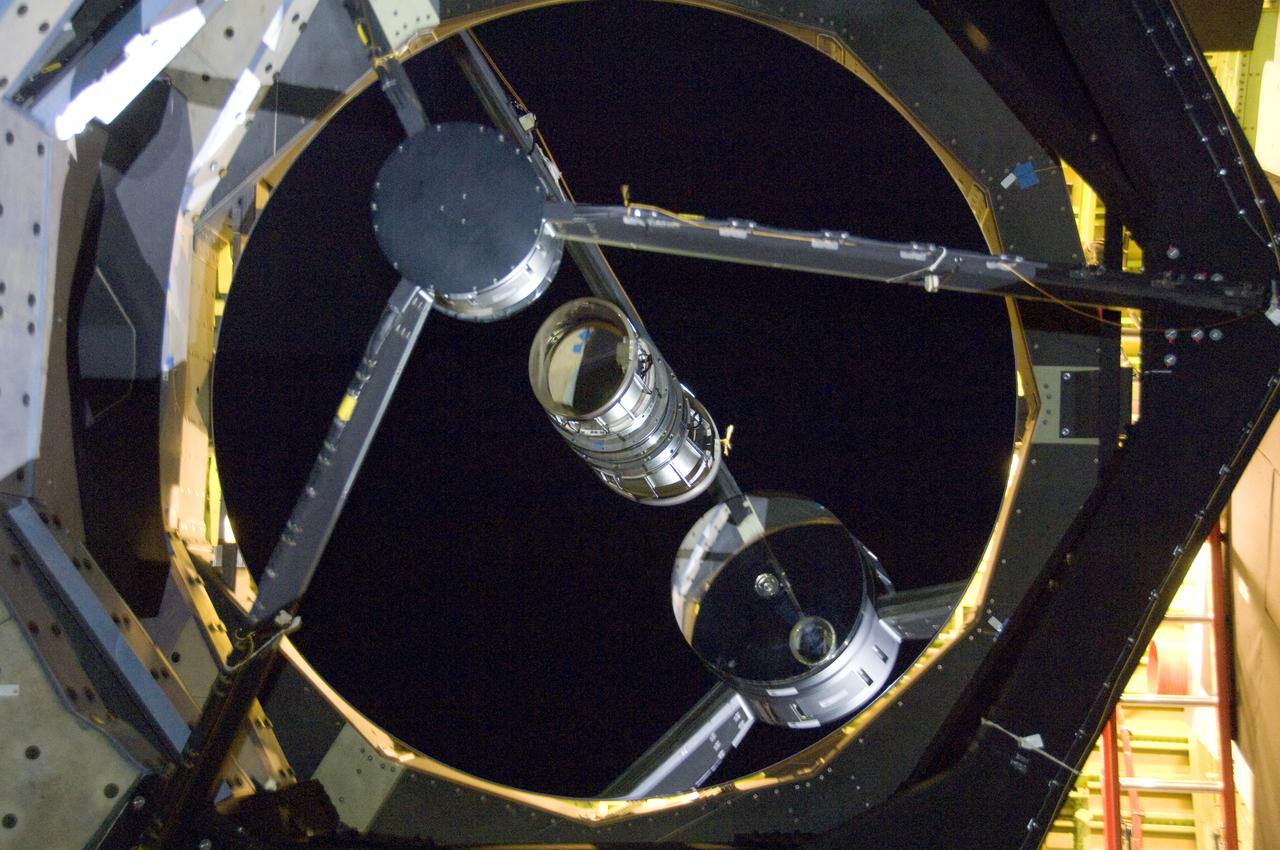
SOFIA’s telescope mirror is seen as it appears during a science mission.
Through the Eyes of SOFIA
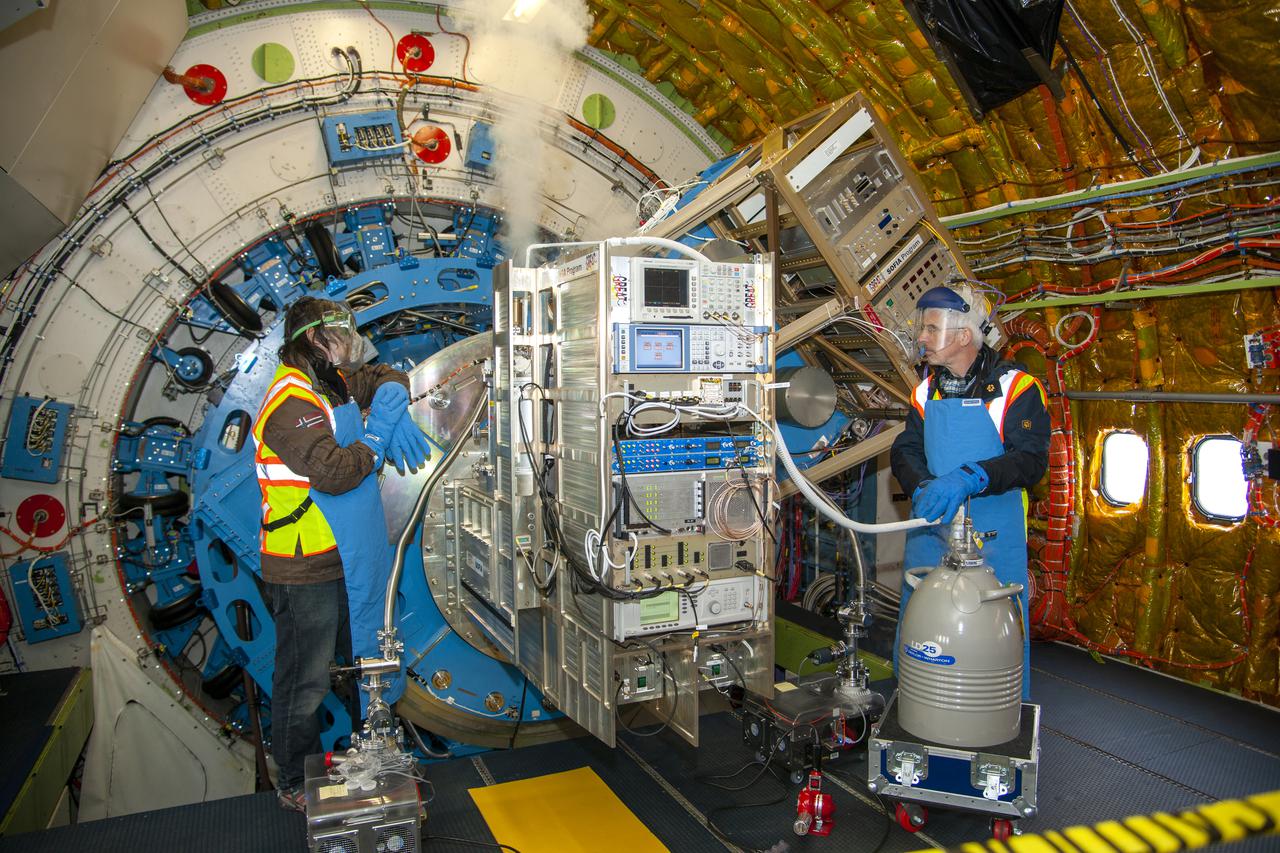
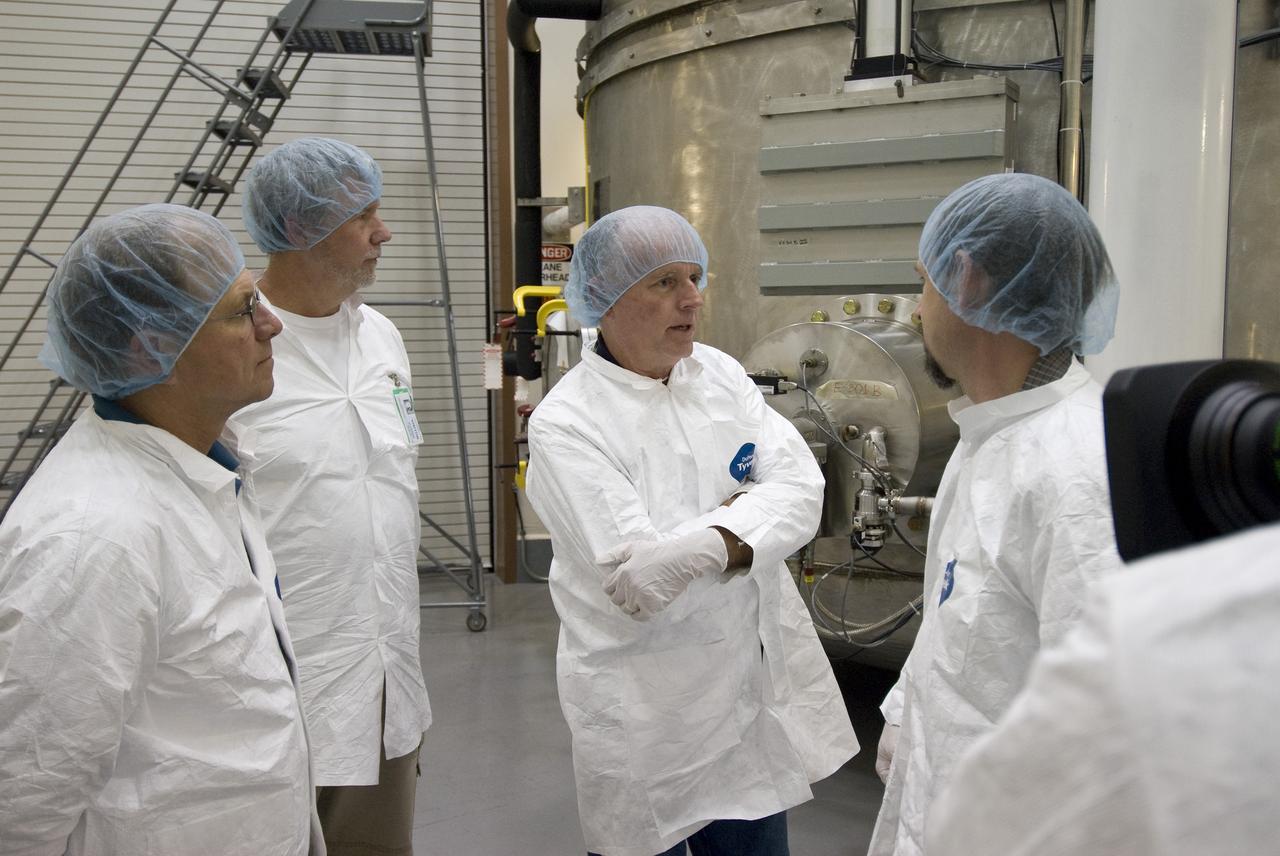
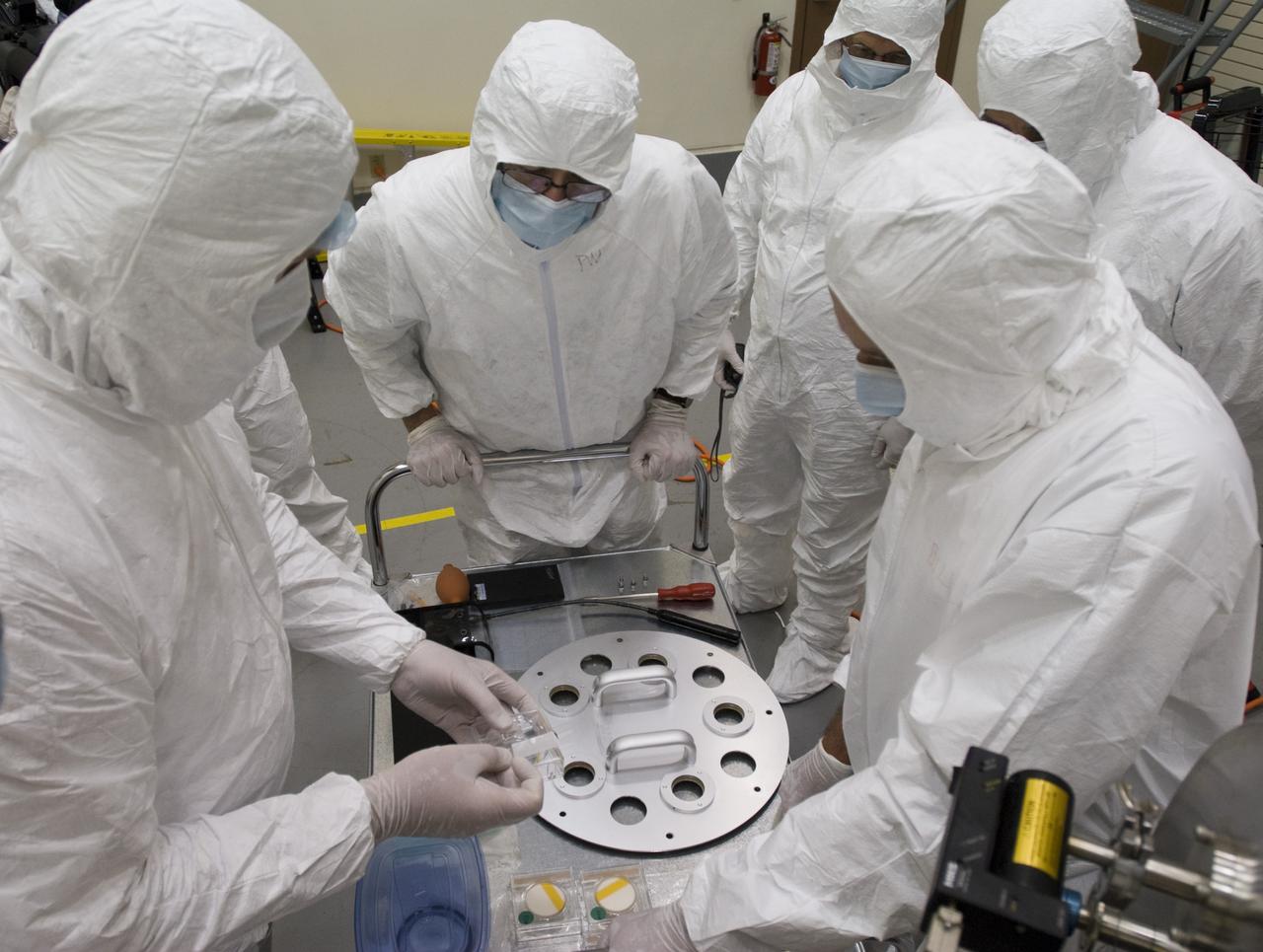
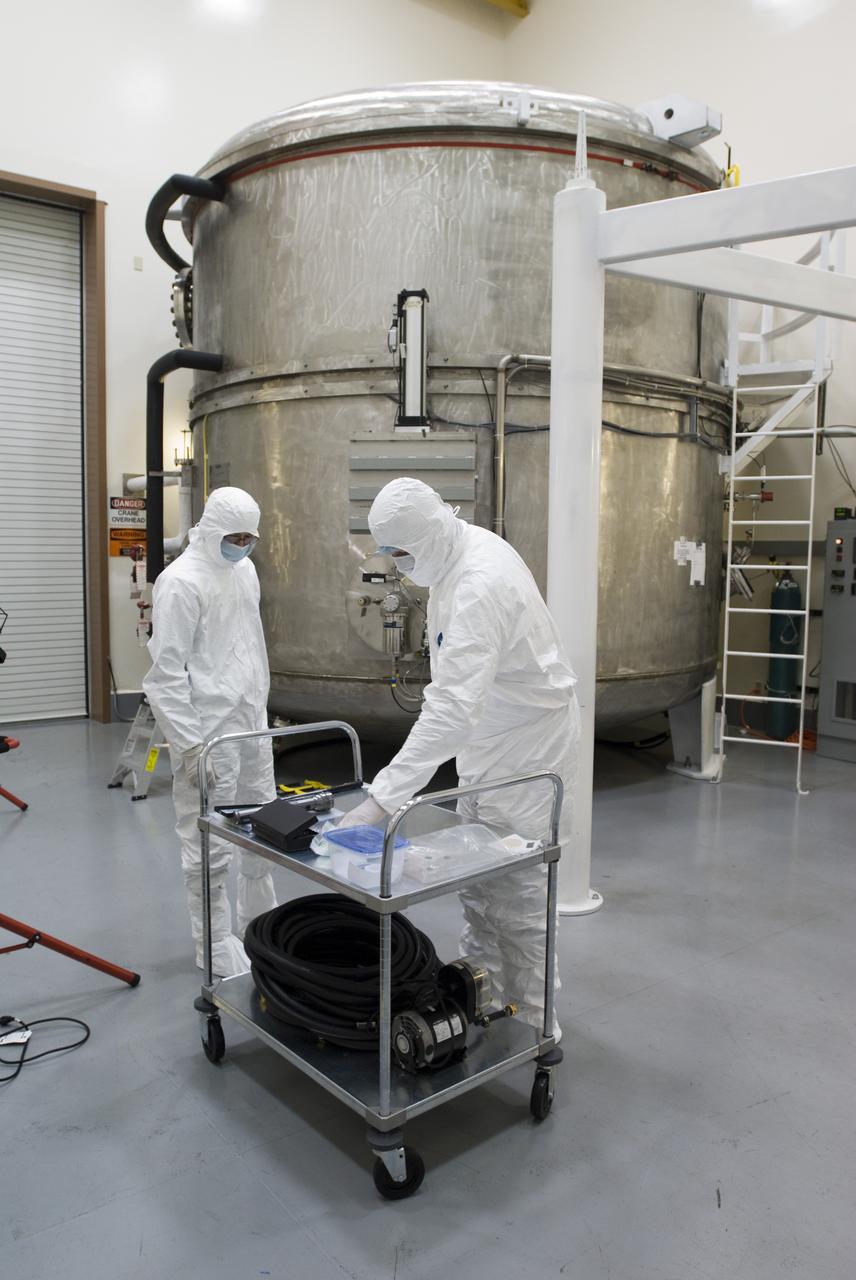
Technicians introduce liquid nitrogen to an instrument linked to SOFIA’s telescope. Detection of infrared wavelengths is greatly enhanced by removing as much heat from the telescope as possible.
Cooling Off SOFIA’S Telescope
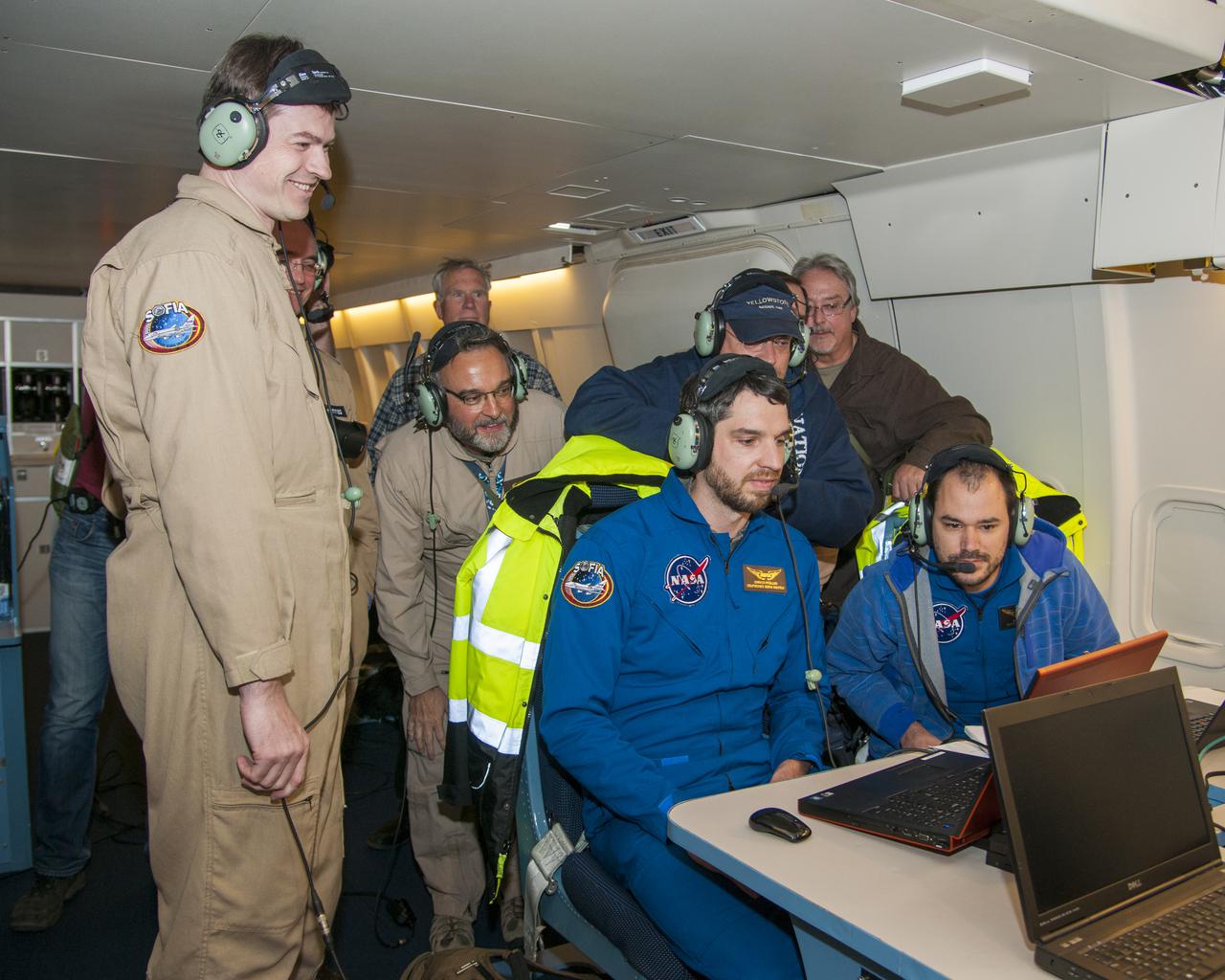
Scientists onboard SOFIA watch data come in from Pluto’s atmosphere as SOFIA flies into the shadow the dwarf planet cast on Earth’s surface during an eclipse-like event called an occultation. (Left to right standing): Holger Jakob, Thomas Roellig, (unknown who is hunched over), Jürgen Wolf, Nicholas Veronico (Left to right seated): Enrico Pfüller, Manuel Wiedemann
SOFIA Studies Pluto’s Atmosphere
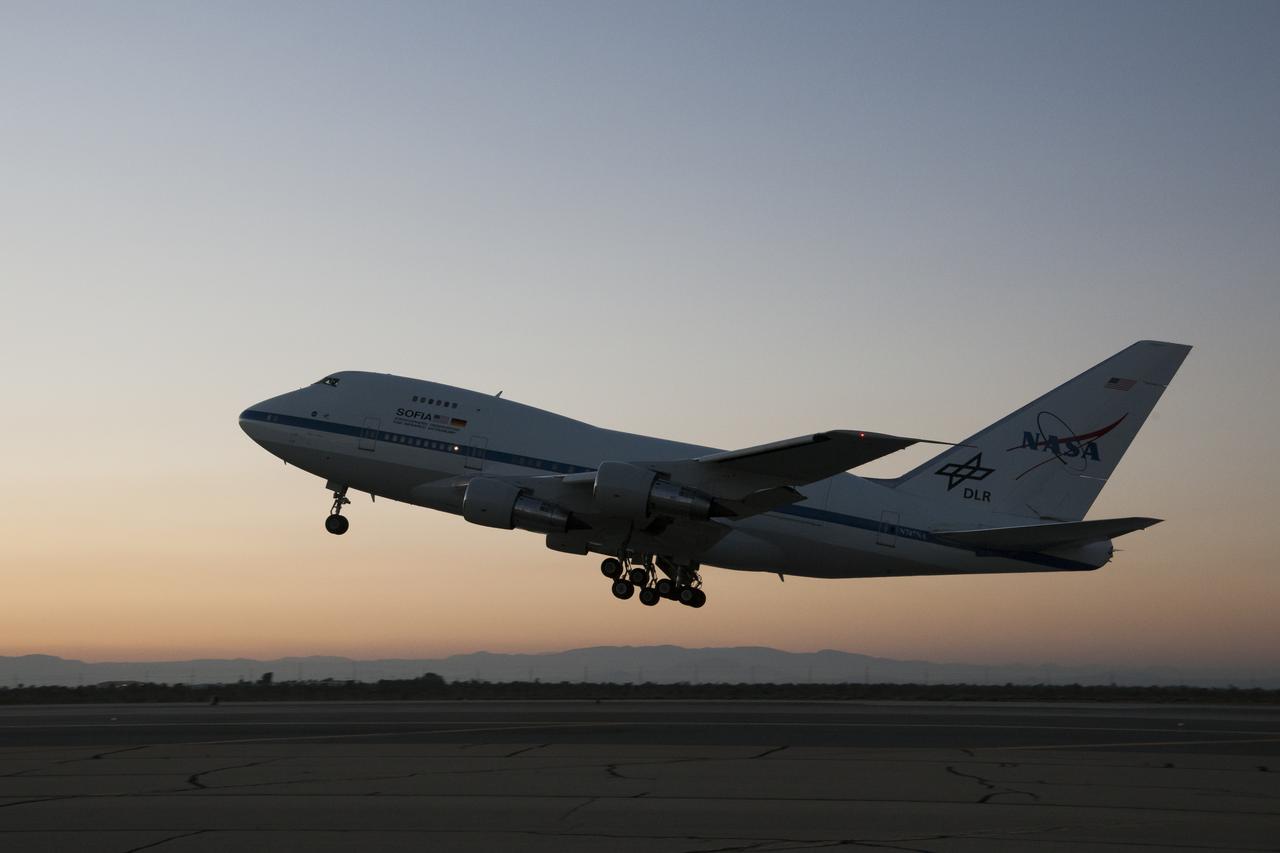
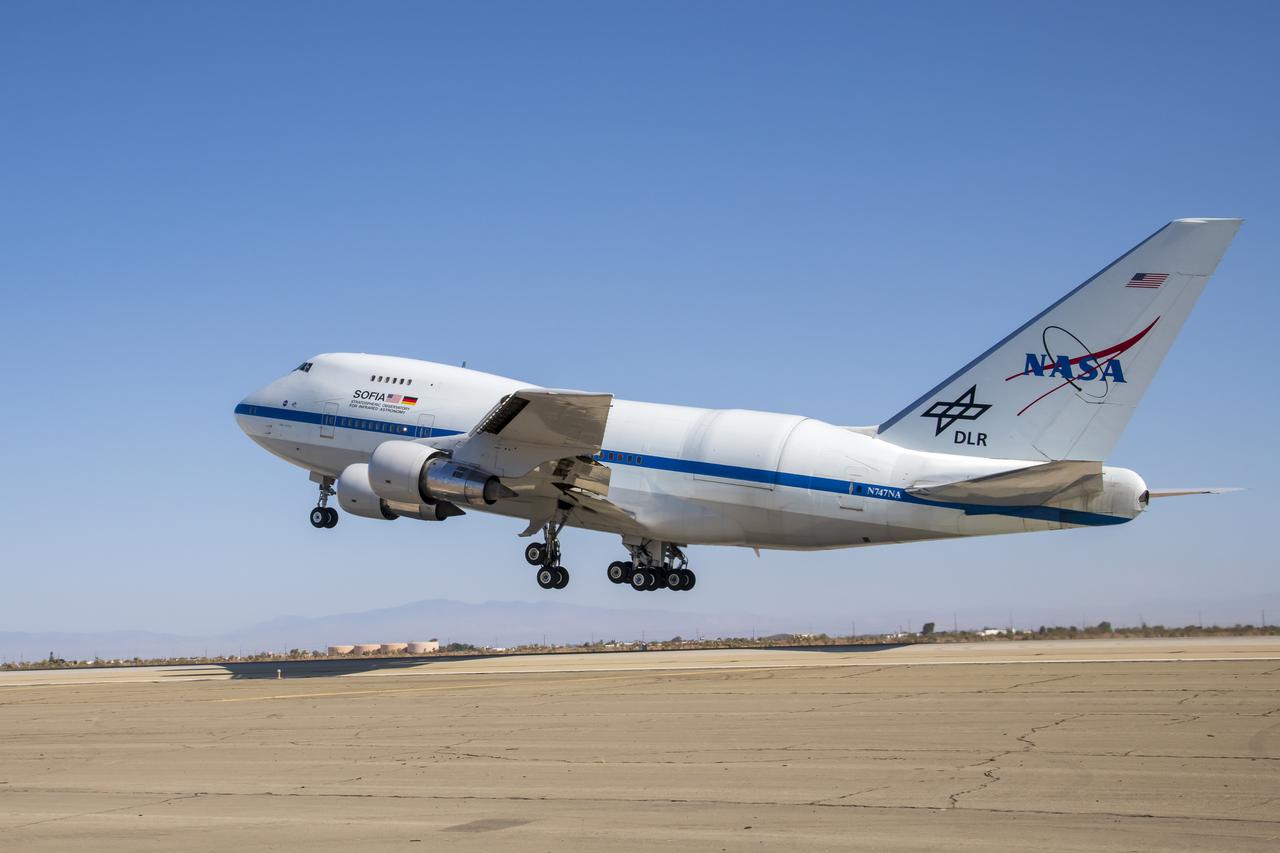
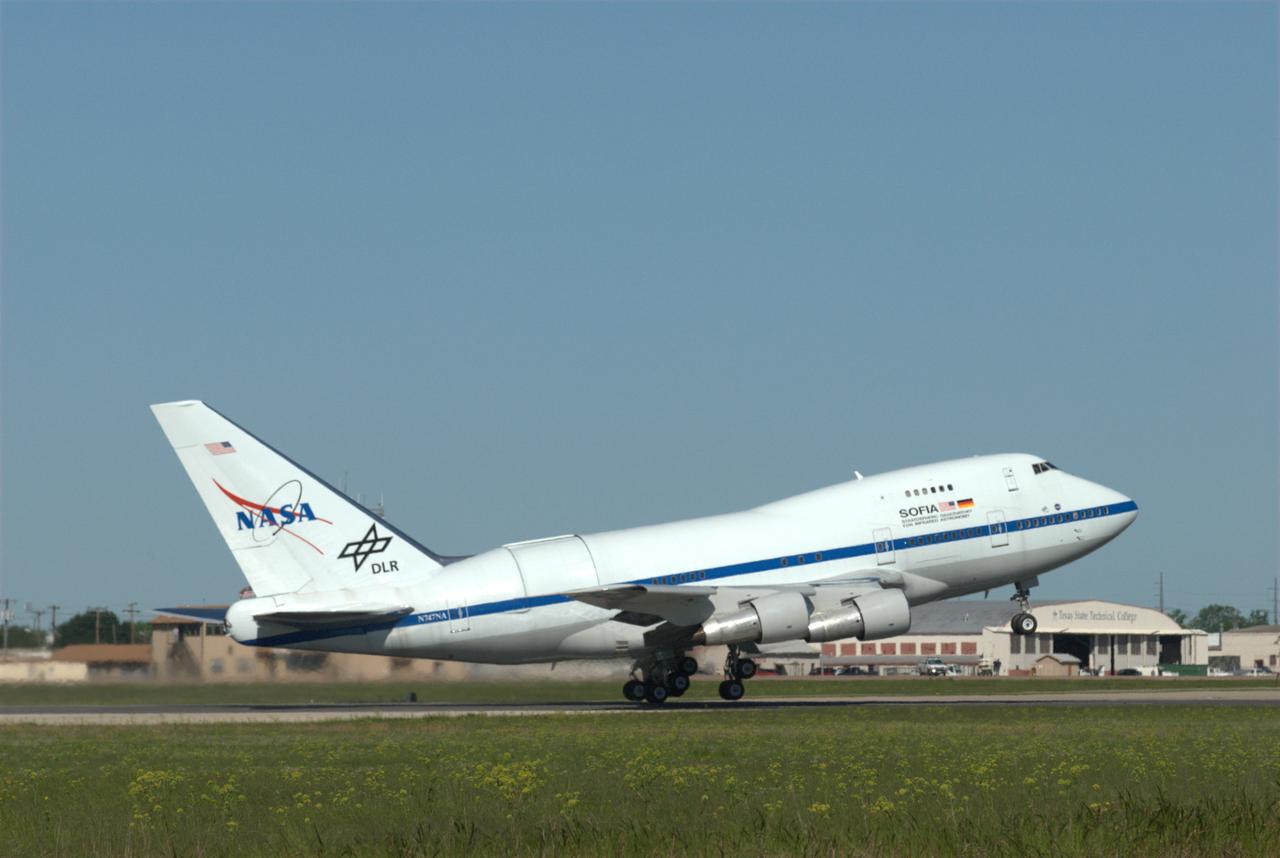
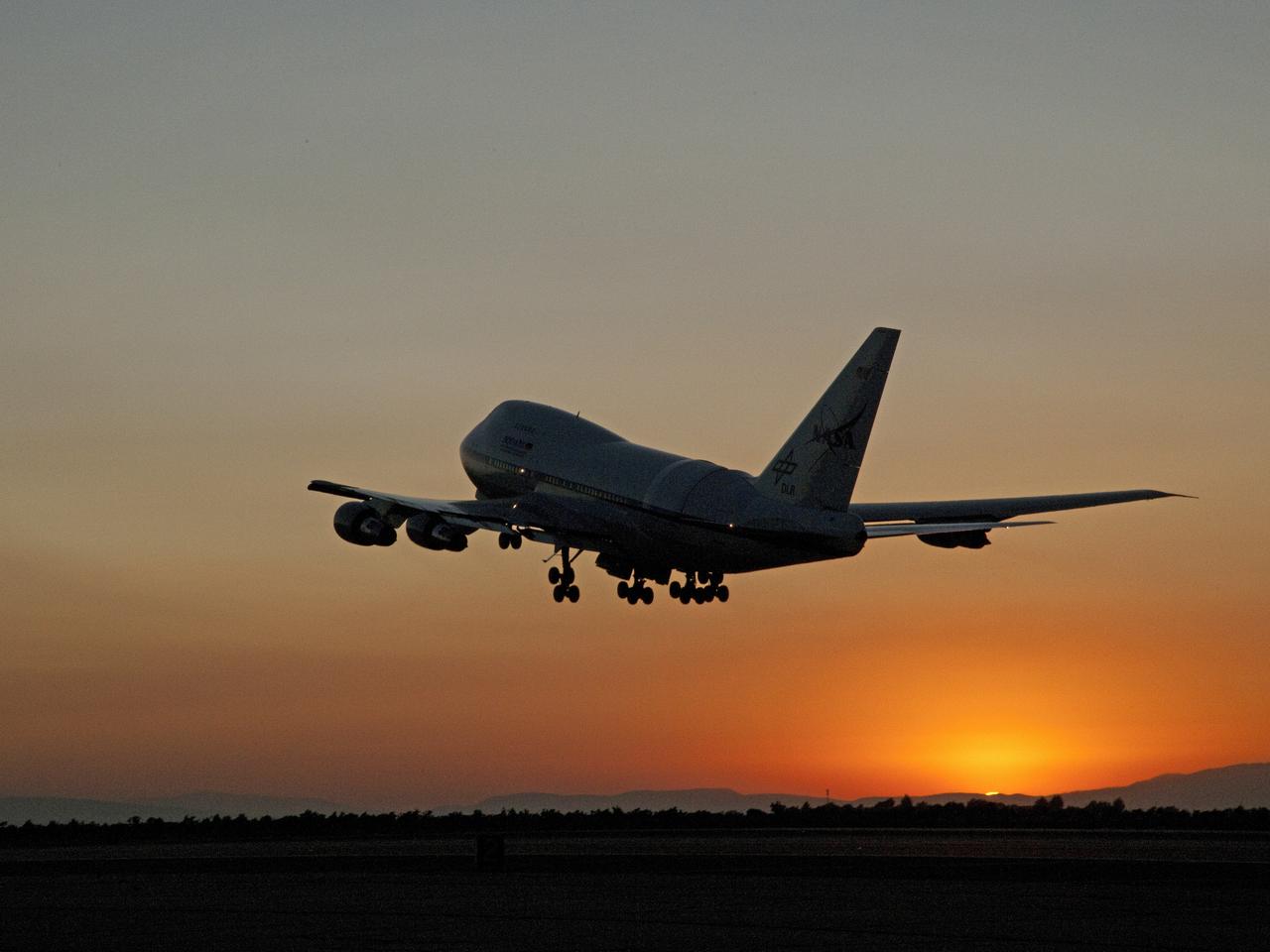
SOFIA lifts off from Air Force Plant 42 in Palmdale, Calif., at sunset.
SOFIA Sunset Lift Off
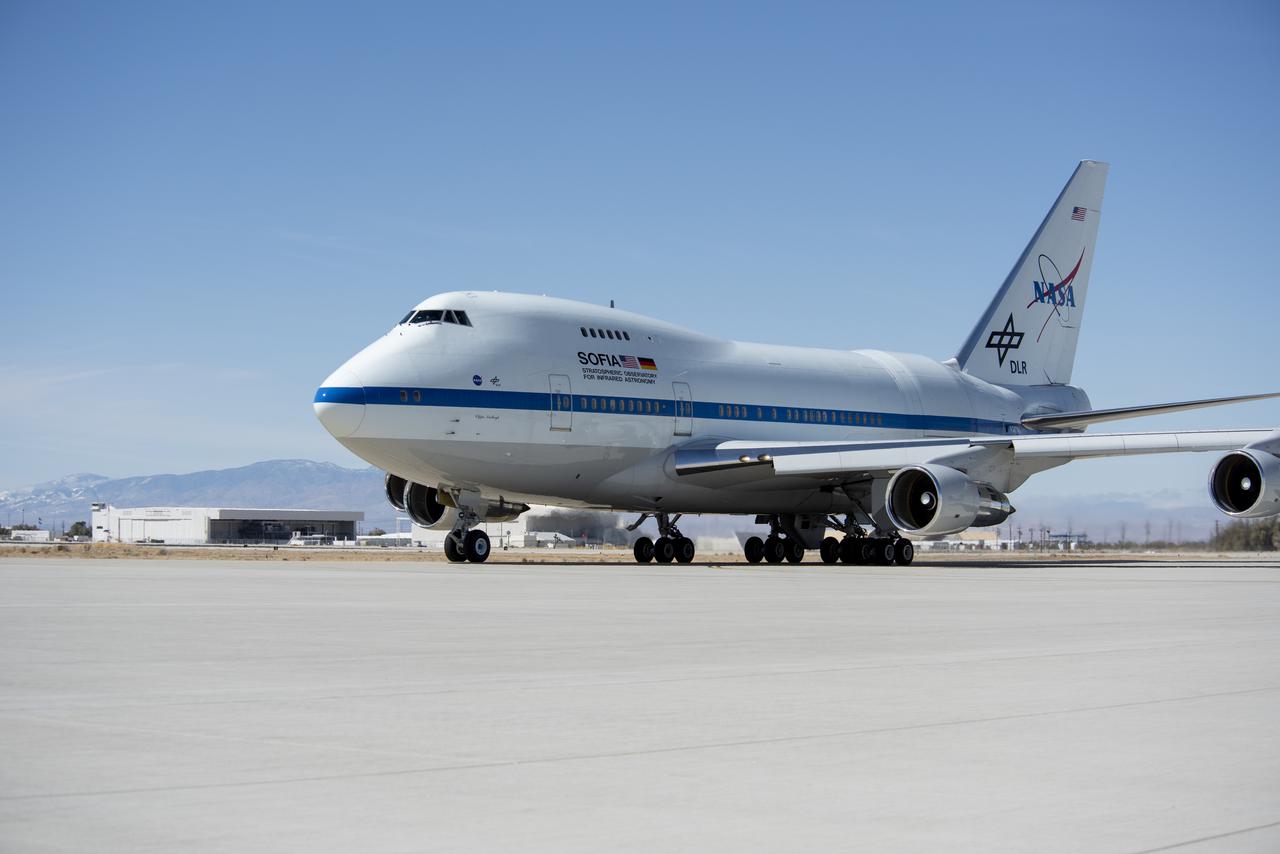
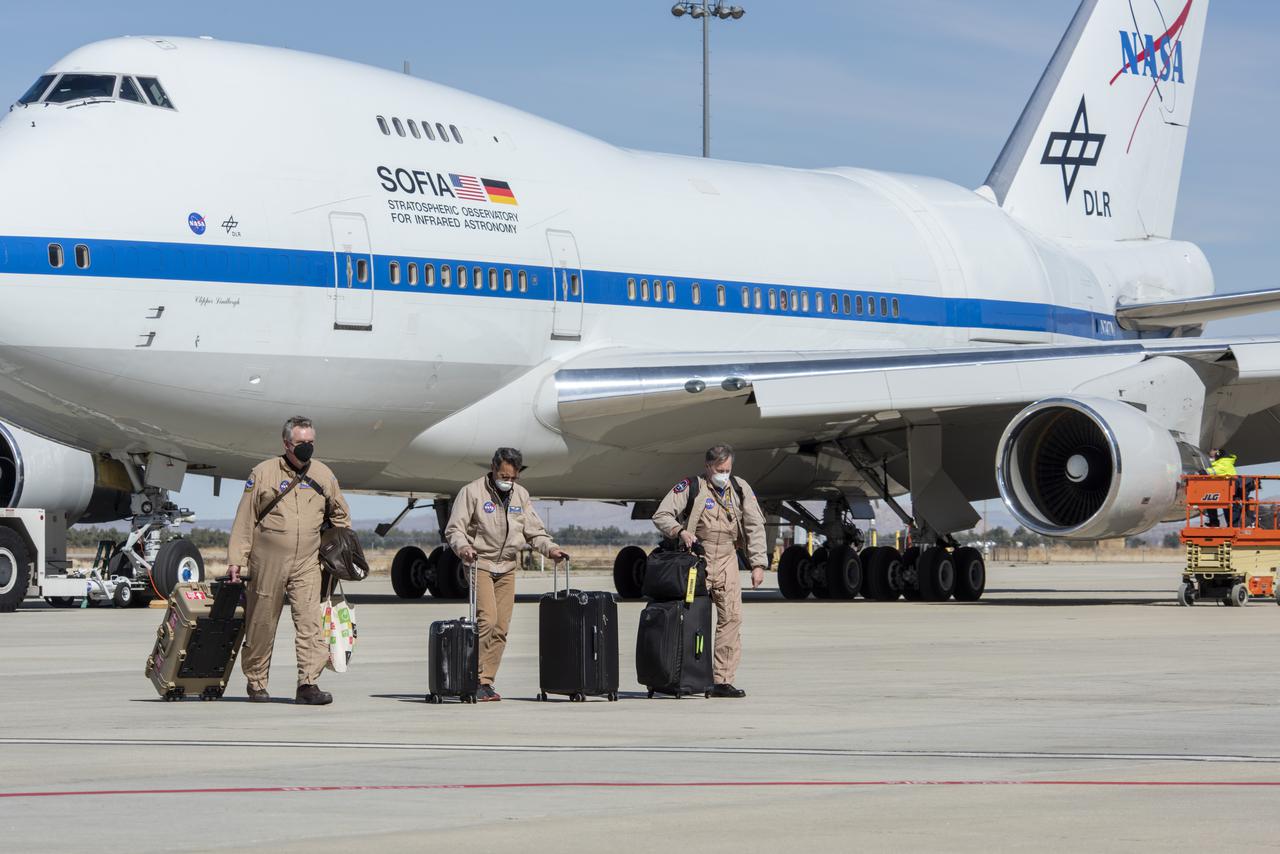
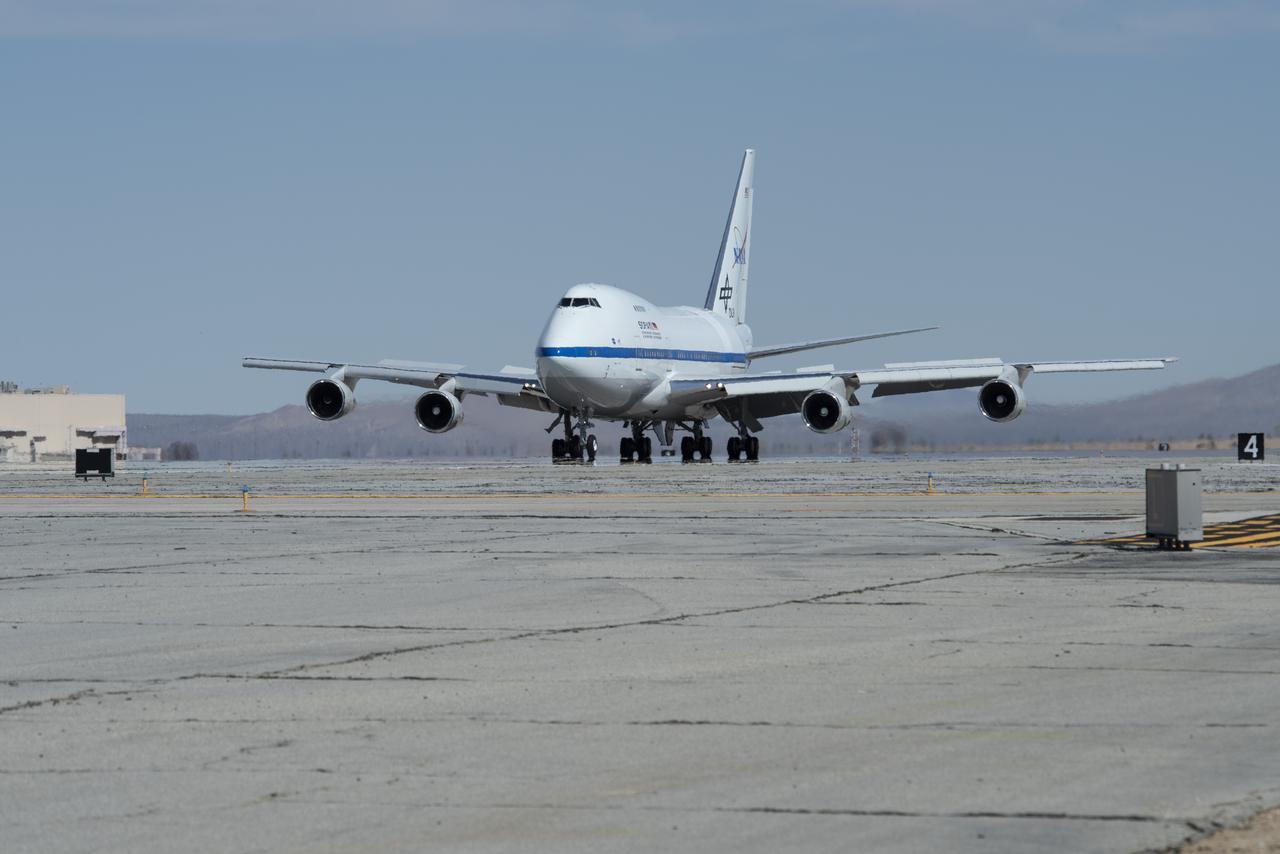
SOFIA Returns to NASA's Armstrong Flight Research Center Building 703 Caption: SOFIA returns to NASA's Armstrong Flight Research Center building 703 in Palmdale, California on March 16, 2021 after spending six months in Germany conducting science observations.
SOFIA Returns to NASA's Armstrong Flight Research Center Building 703
SOFIA Returns to NASA's Armstrong Flight Research Center Building 703 Caption: SOFIA returns to NASA's Armstrong Flight Research Center Building 703 in Palmdale, California on March 16, 2021 after spending six months in Germany conducting science observations.
SOFIA Returns to NASA's Armstrong Flight Research Center Building 703
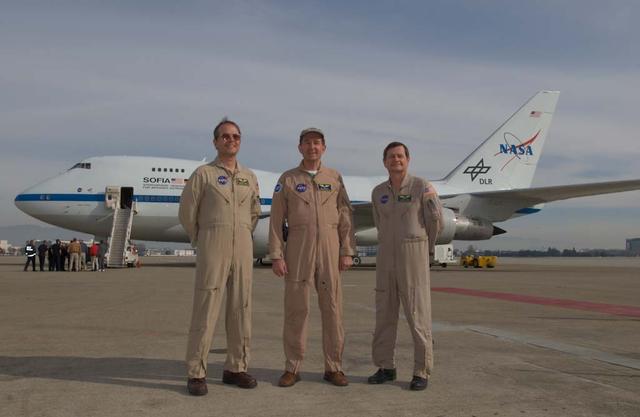
SOFIA Returns to NASA’s Armstrong Flight Research Center Building 703 Caption: SOFIA pilots are welcomed home to NASA’s Armstrong Flight Research Center Building 703 in Palmdale, California on March 16, 2021. From left to right: Tracy Phelps, Jeff Borton and Wayne Ringelberg
SOFIA Returns to NASA’s Armstrong Flight Research Center Building 703
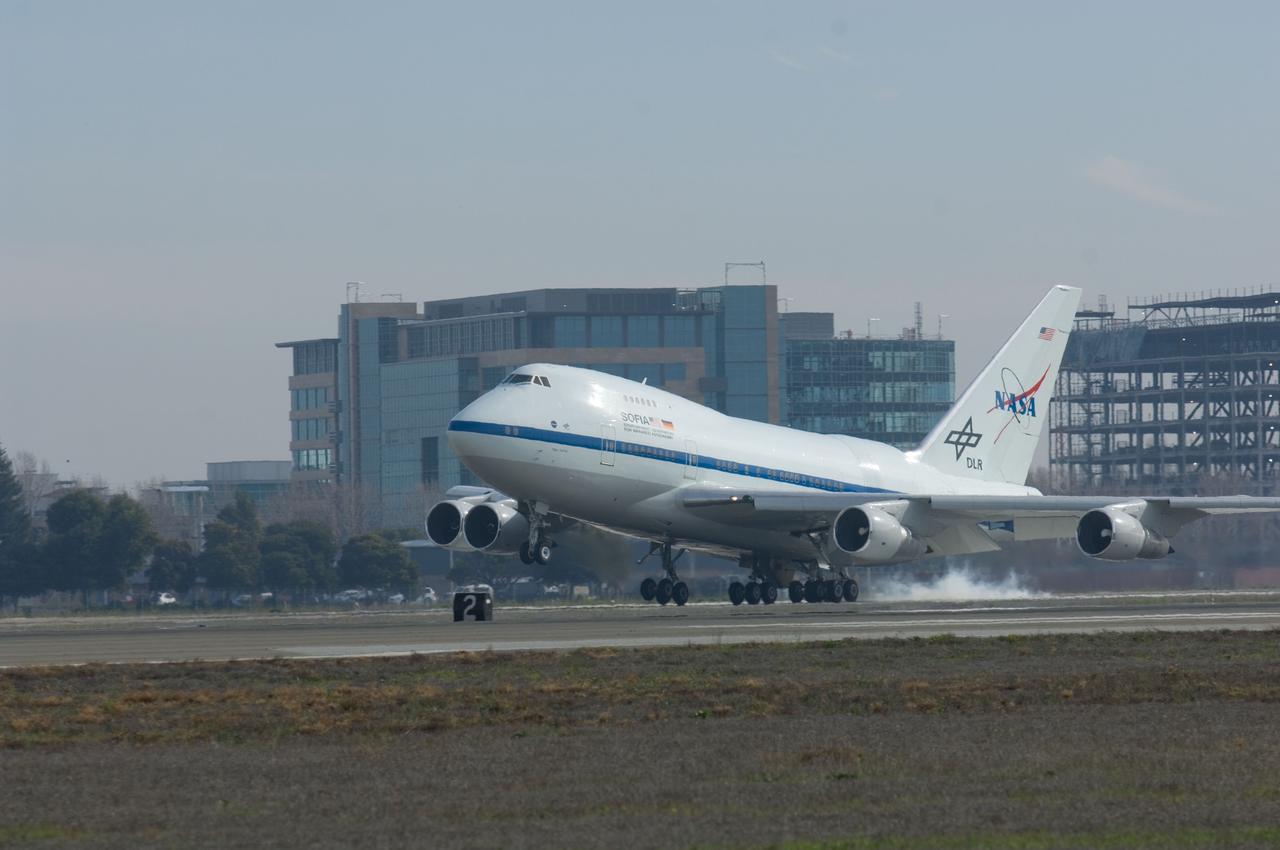
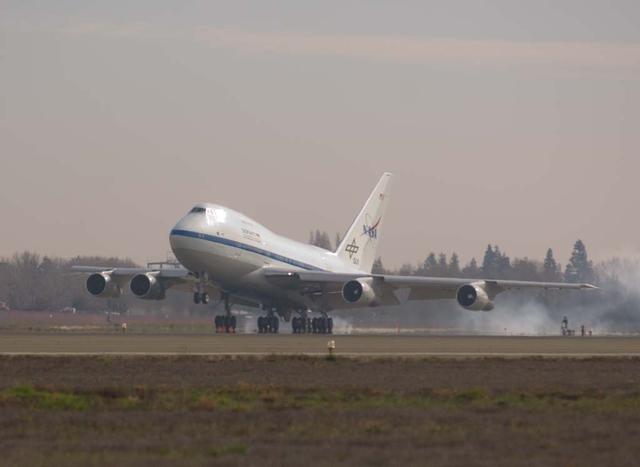
SOFIA visit to Ames: landing
ARC-2008-ACD08-0005-001
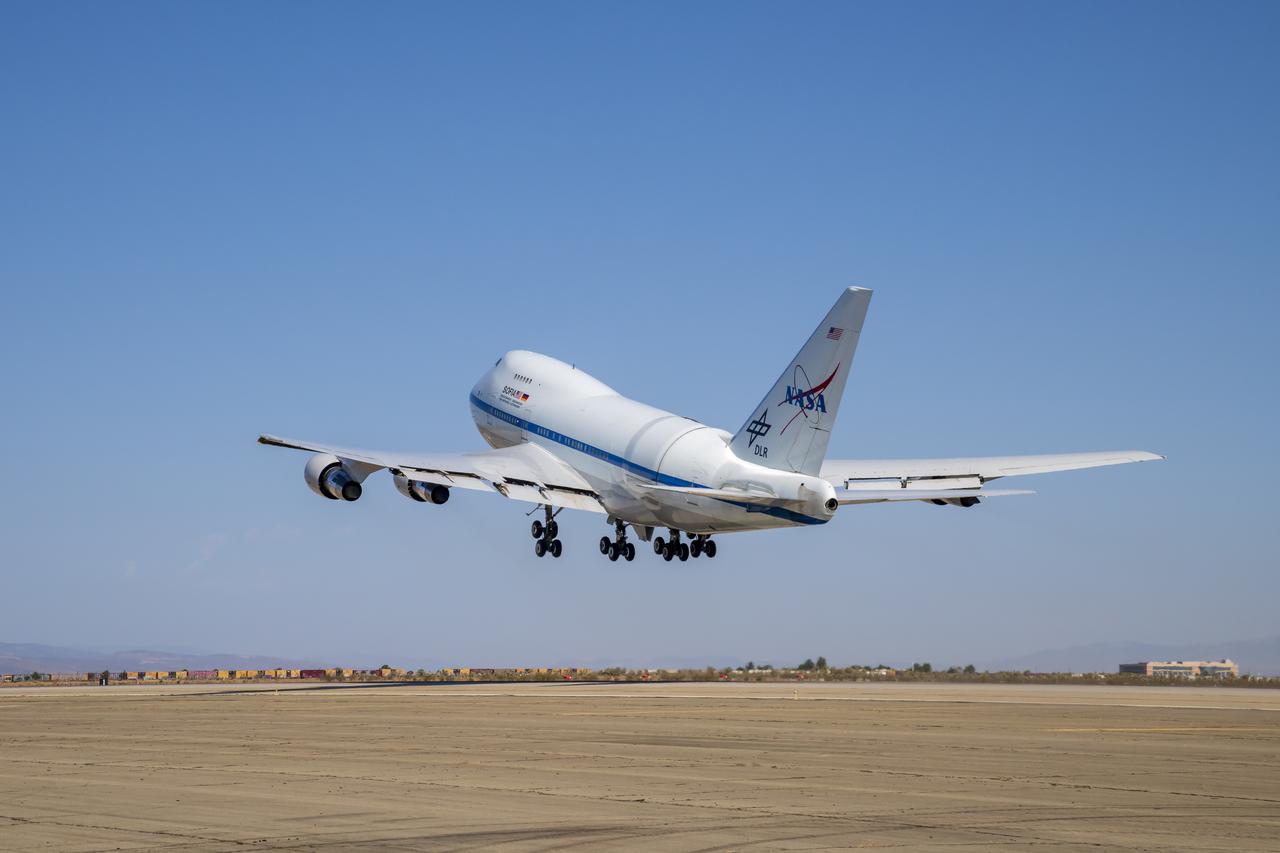
NASA’s Stratospheric Observatory for Infrared Astronomy, SOFIA, takes off from its base of operations at NASA’s Armstrong Flight Research Center’s Building 703 in Palmdale, California. The aircraft is on its way to Fa’a’ā, French Polynesia where it will be on a mission from July 19 to Sept. 12 to observe parts of the sky that are not visible from the Northern Hemisphere. NASA’s Stratospheric Observatory for Infrared Astronomy, SOFIA, takes off from its base of operations at NASA’s Armstrong Flight Research Center’s Building 703 in Palmdale, California. The aircraft is on its way to Fa’a’ā, French Polynesia where it will be on a mission from July 19 to Sept. 12 to observe parts of the sky that are not visible from the Northern Hemisphere.
SOFIA deployment to French Polynesia
NASA’s Stratospheric Observatory for Infrared Astronomy, SOFIA, takes off from its base of operations at NASA’s Armstrong Flight Research Center’s Building 703 in Palmdale, California. The aircraft is on its way to Fa’a’ā, French Polynesia where it will be on a mission from July 19 to Sept. 12 to observe parts of the sky that are not visible from the Northern Hemisphere. NASA’s Stratospheric Observatory for Infrared Astronomy, SOFIA, takes off from its base of operations at NASA’s Armstrong Flight Research Center’s Building 703 in Palmdale, California. The aircraft is on its way to Fa’a’ā, French Polynesia where it will be on a mission from July 19 to Sept. 12 to observe parts of the sky that are not visible from the Northern Hemisphere.
SOFIA deployment to French Polynesia
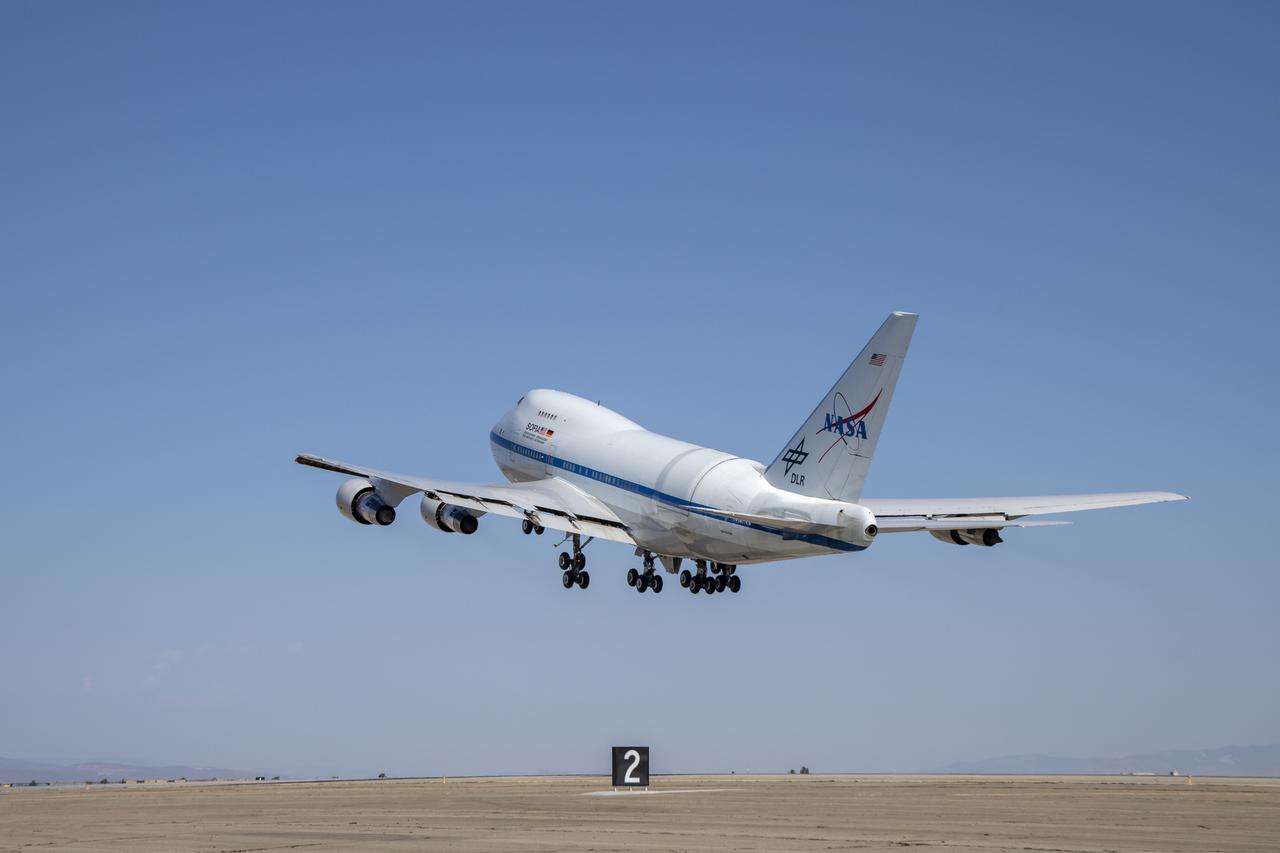
NASA’s Stratospheric Observatory for Infrared Astronomy, SOFIA, takes off from its base of operations at NASA’s Armstrong Flight Research Center’s Building 703 in Palmdale, California. The aircraft is on its way to Fa’a’ā, French Polynesia where it will be on a mission from July 19 to Sept. 12 to observe parts of the sky that are not visible from the Northern Hemisphere. NASA’s Stratospheric Observatory for Infrared Astronomy, SOFIA, takes off from its base of operations at NASA’s Armstrong Flight Research Center’s Building 703 in Palmdale, California. The aircraft is on its way to Fa’a’ā, French Polynesia where it will be on a mission from July 19 to Sept. 12 to observe parts of the sky that are not visible from the Northern Hemisphere.
SOFIA deployment to French Polynesia
NASA’s Stratospheric Observatory for Infrared Astronomy, SOFIA, takes off from its base of operations at NASA’s Armstrong Flight Research Center’s Building 703 in Palmdale, California. The aircraft is on its way to Fa’a’ā, French Polynesia where it will be on a mission from July 19 to Sept. 12 to observe parts of the sky that are not visible from the Northern Hemisphere. NASA’s Stratospheric Observatory for Infrared Astronomy, SOFIA, takes off from its base of operations at NASA’s Armstrong Flight Research Center’s Building 703 in Palmdale, California. The aircraft is on its way to Fa’a’ā, French Polynesia where it will be on a mission from July 19 to Sept. 12 to observe parts of the sky that are not visible from the Northern Hemisphere.
SOFIA deployment to French Polynesia
NASA’s Stratospheric Observatory for Infrared Astronomy, SOFIA, takes off from its base of operations at NASA’s Armstrong Flight Research Center’s Building 703 in Palmdale, California. The aircraft is on its way to Fa’a’ā, French Polynesia where it will be on a mission from July 19 to Sept. 12 to observe parts of the sky that are not visible from the Northern Hemisphere. NASA’s Stratospheric Observatory for Infrared Astronomy, SOFIA, takes off from its base of operations at NASA’s Armstrong Flight Research Center’s Building 703 in Palmdale, California. The aircraft is on its way to Fa’a’ā, French Polynesia where it will be on a mission from July 19 to Sept. 12 to observe parts of the sky that are not visible from the Northern Hemisphere.
SOFIA deployment to French Polynesia
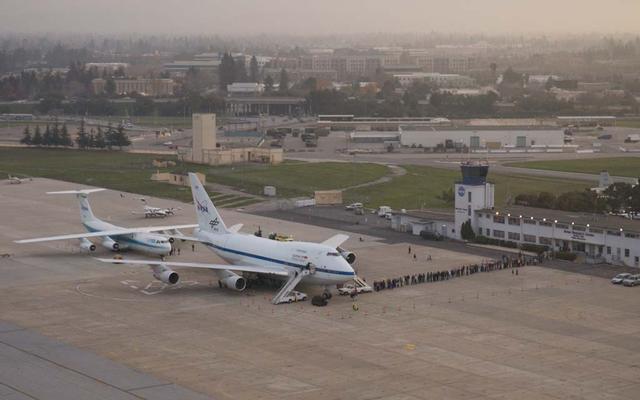
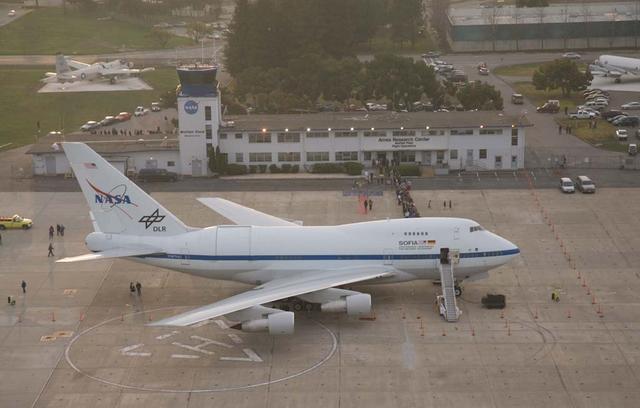
SOFIA visit to Ames: overheads of event
ARC-2008-ACD08-0005-067
SOFIA visit to Ames: overheads of event
ARC-2008-ACD08-0005-066
SOFIA visit to Ames: overheads of event
ARC-2008-ACD08-0005-068
SOFIA visit to Ames: overheads of event
ARC-2008-ACD08-0005-065
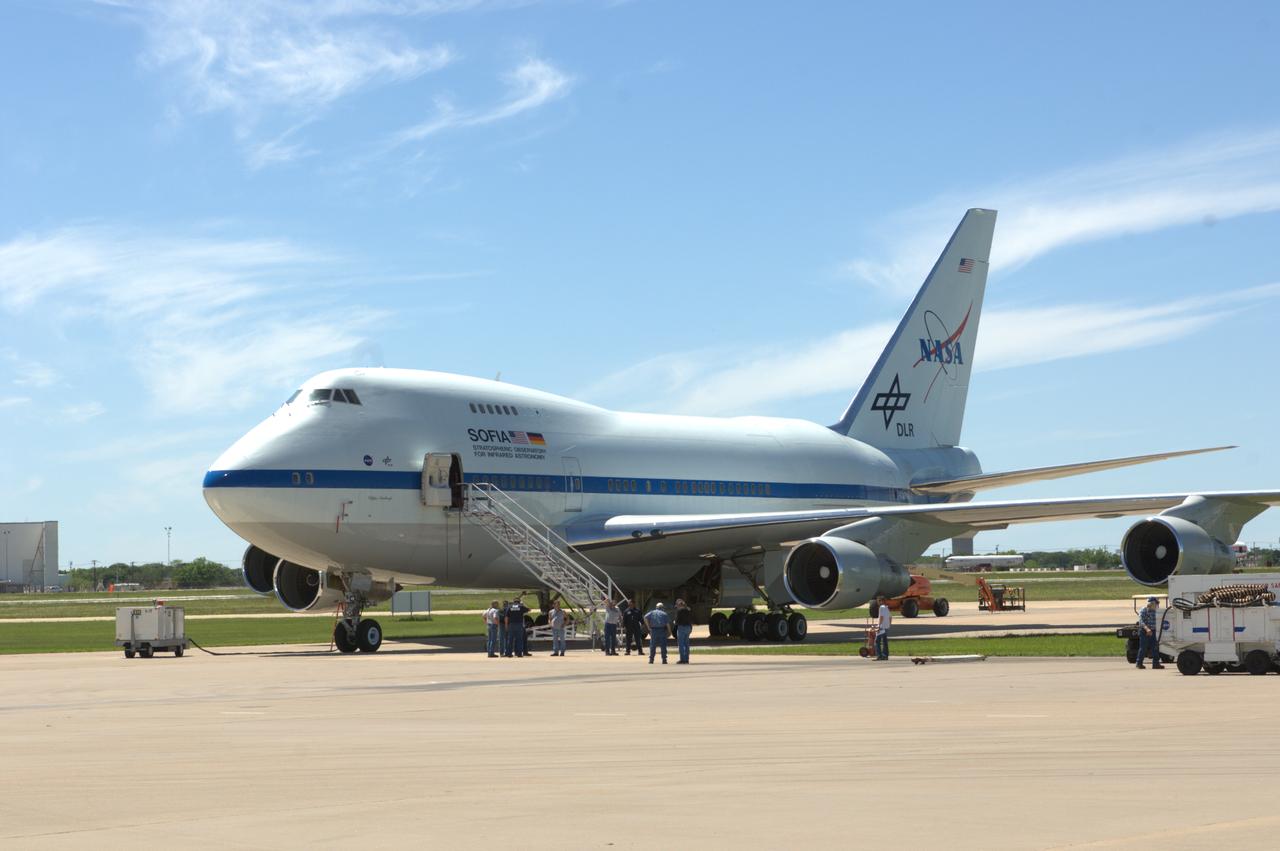
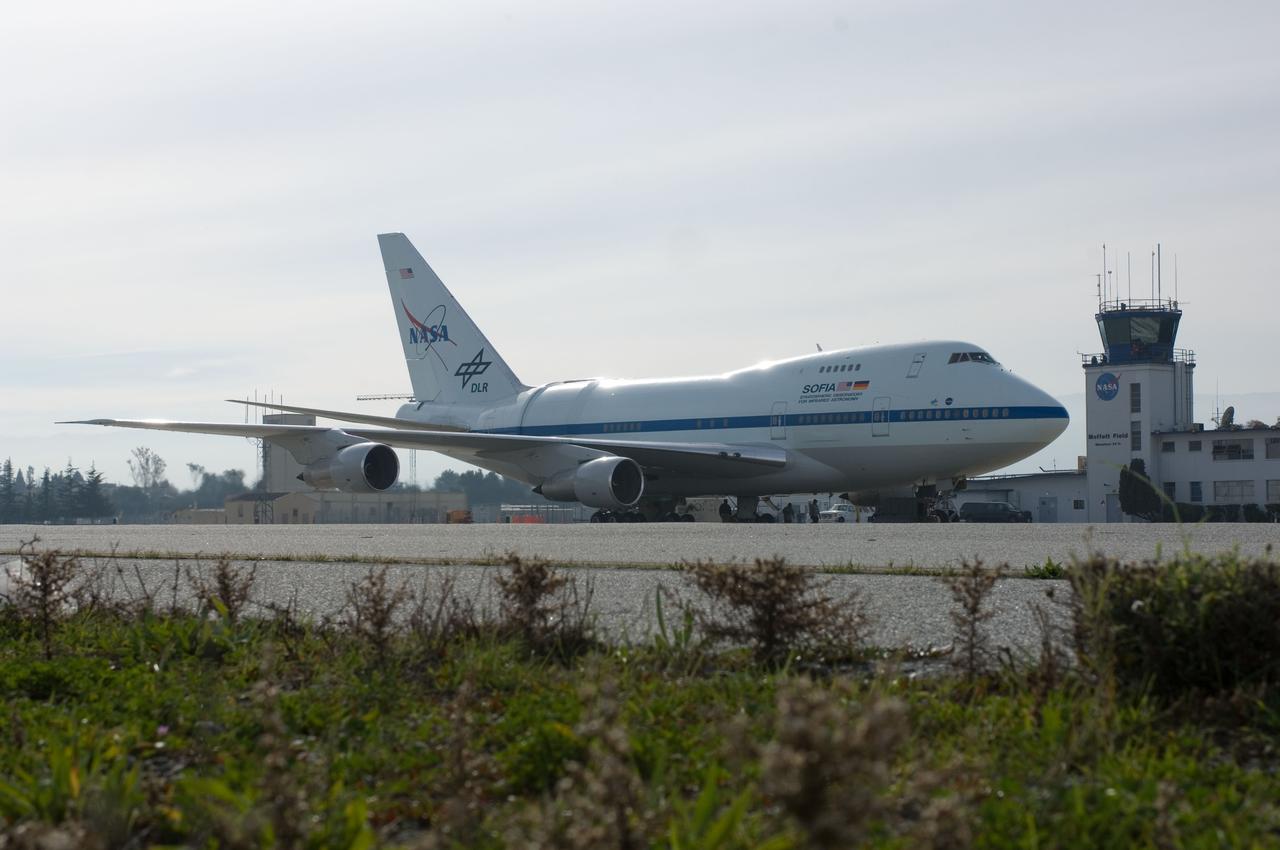
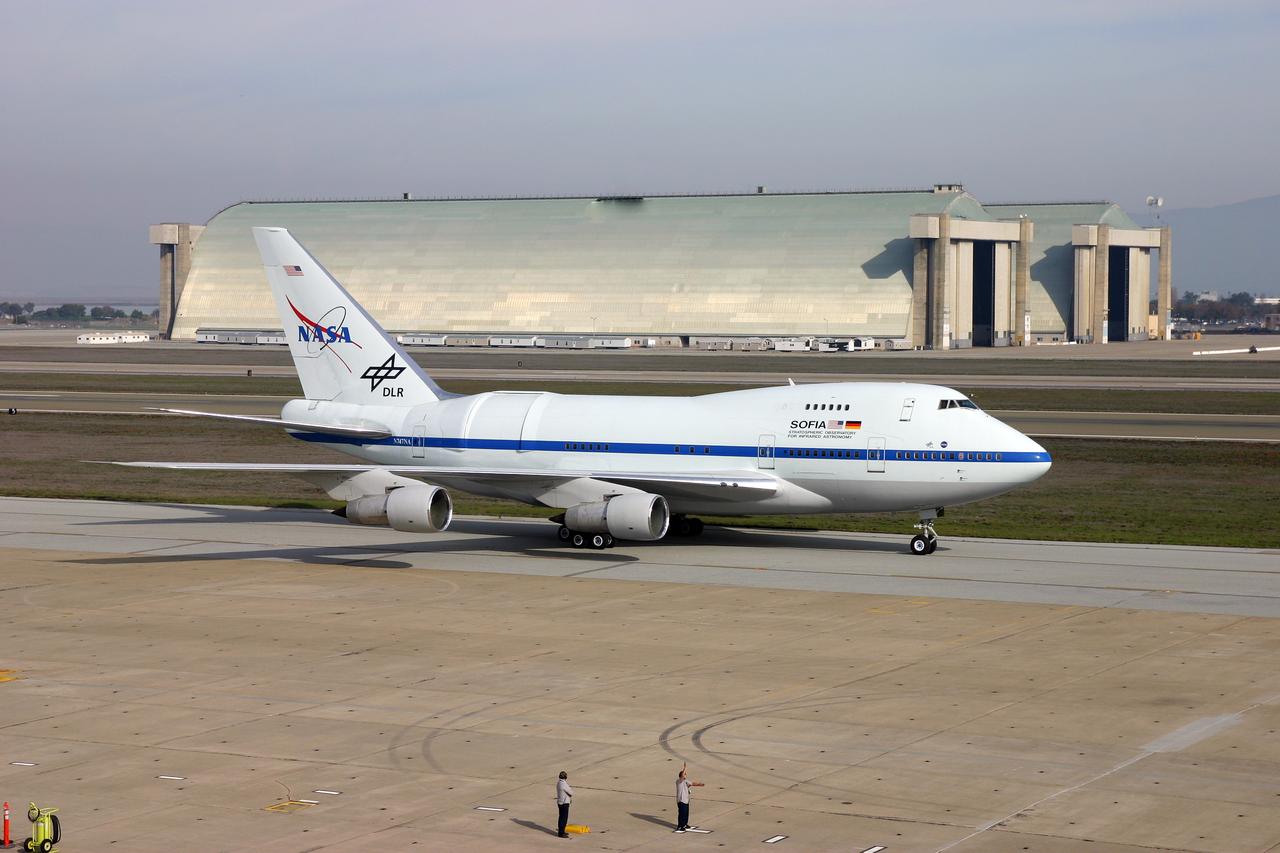
SOFIA visit to Ames: Landing and taxi to tower
ARC-2008-ACD08-0005-027
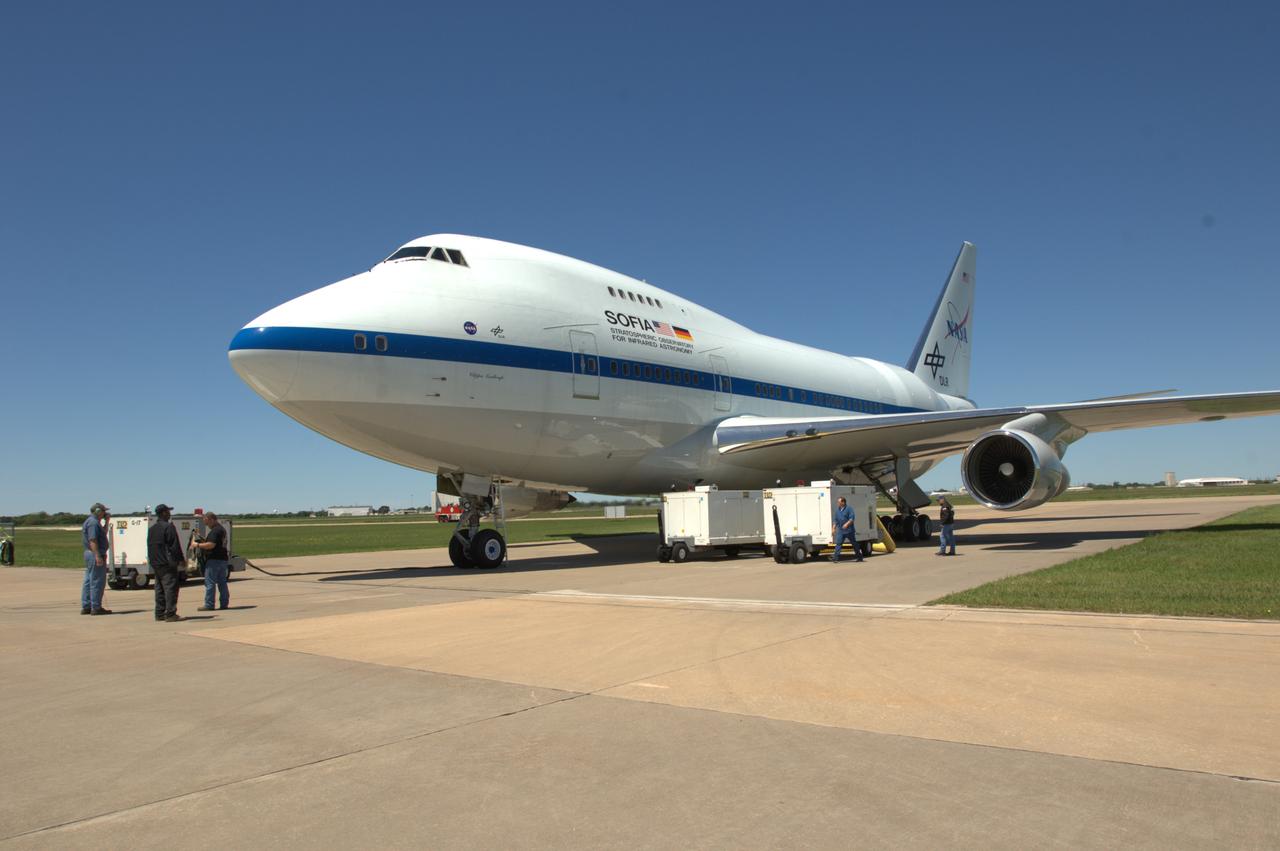
SOFIA: 1st shakedown flight out of WACO, TX
ARC-2007-ACD07-0078-002
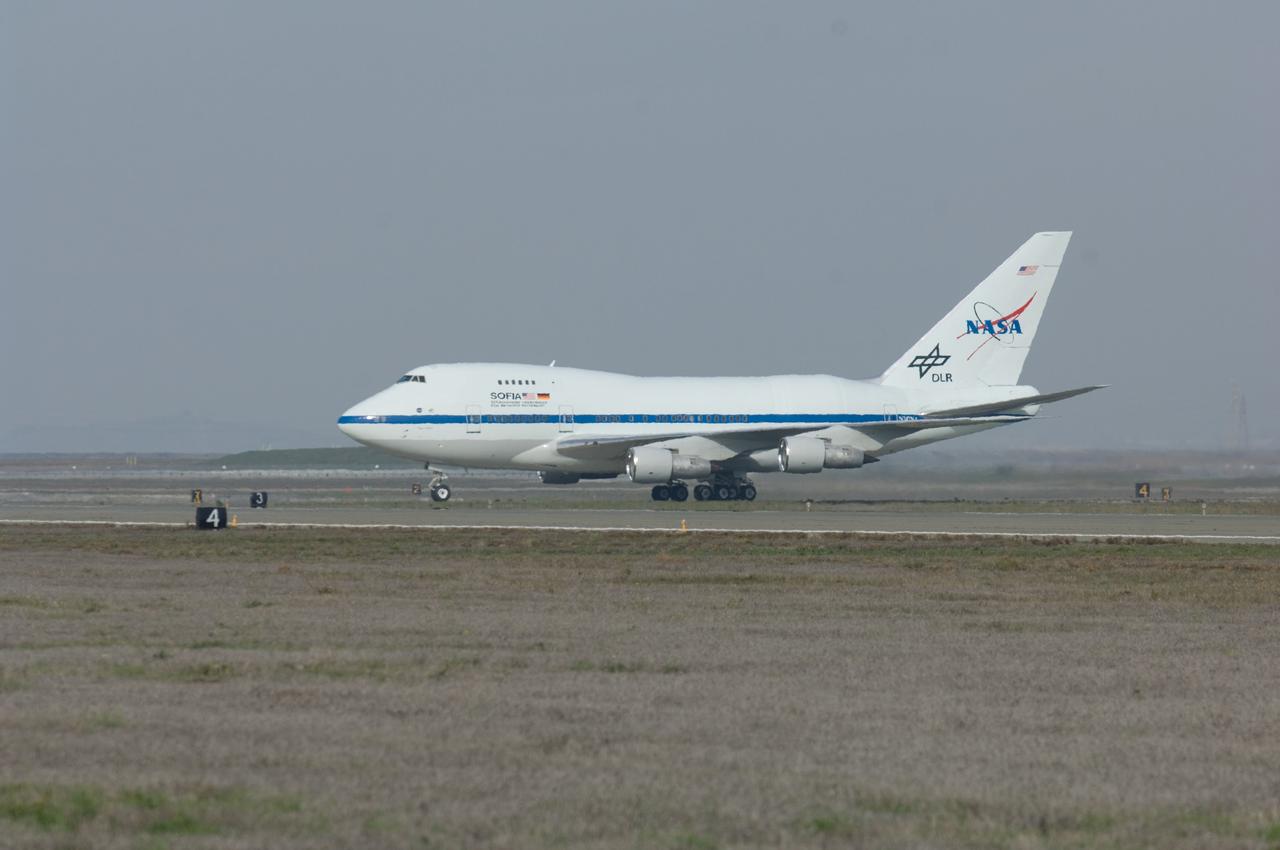
SOFIA visit to Ames: landing and roll out
ARC-2008-ACD08-0005-059
SOFIA: 1st shakedown flight out of WACO, TX
ARC-2007-ACD07-0078-021
SOFIA visit to Ames: landing/taxi/ pilots/crowds
ARC-2008-ACD08-0005-080
SOFIA visit to Ames: landing/taxi/ pilots/crowds
ARC-2008-ACD08-0005-074
SOFIA: 1st shakedown flight out of WACO, TX
ARC-2007-ACD07-0078-013
SOFIA visit to Ames: landing/taxi/ pilots/crowds
ARC-2008-ACD08-0005-073
SOFIA visit to Ames: Landing and taxi to tower
ARC-2008-ACD08-0005-023
SOFIA visit to Ames: landing/taxi/ pilots/crowds
ARC-2008-ACD08-0005-069
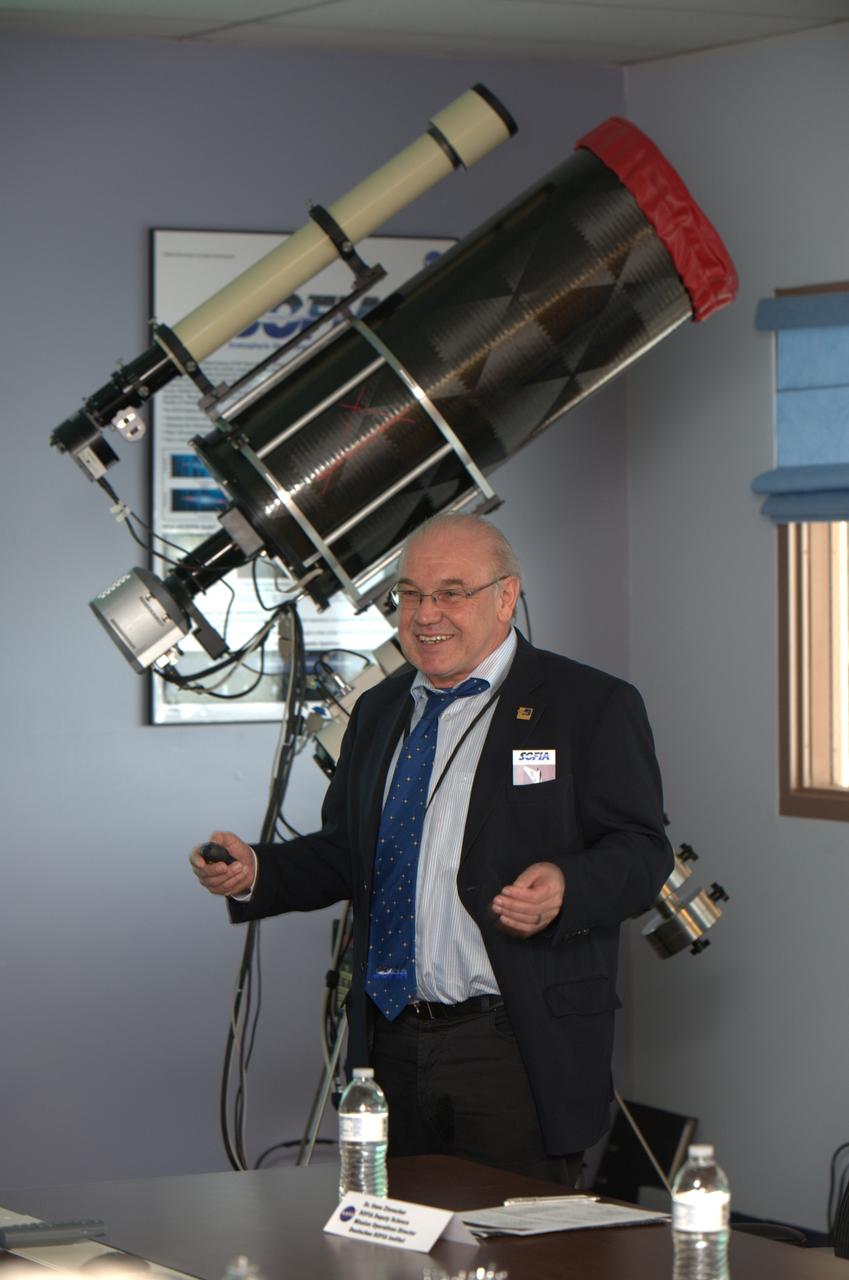
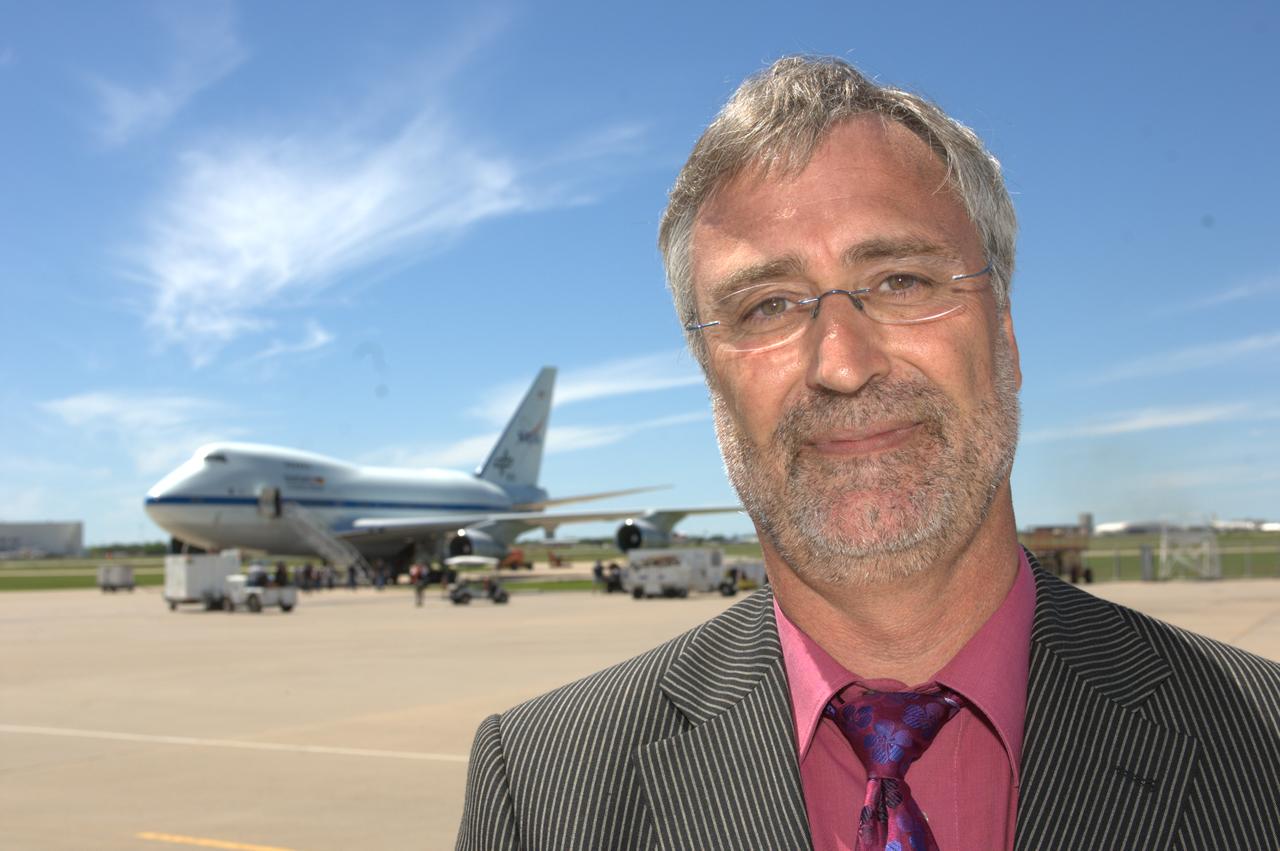
German Deligation visits Ames SOFIA Science Office for briefing by Hans Zinnecker, Deputy Director, SOFiA Science Mission Operations
ARC-2010-ACD10-0242-015
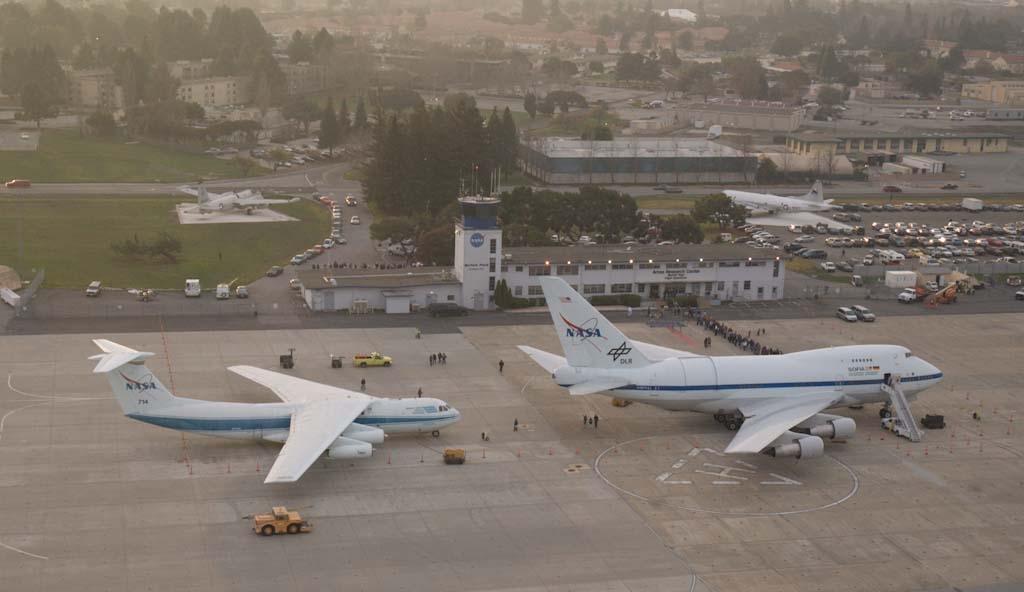
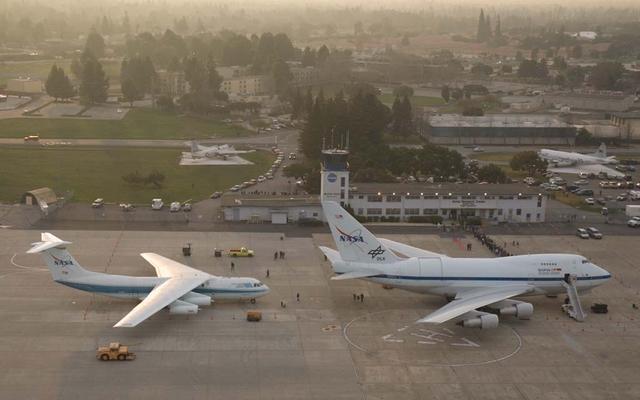
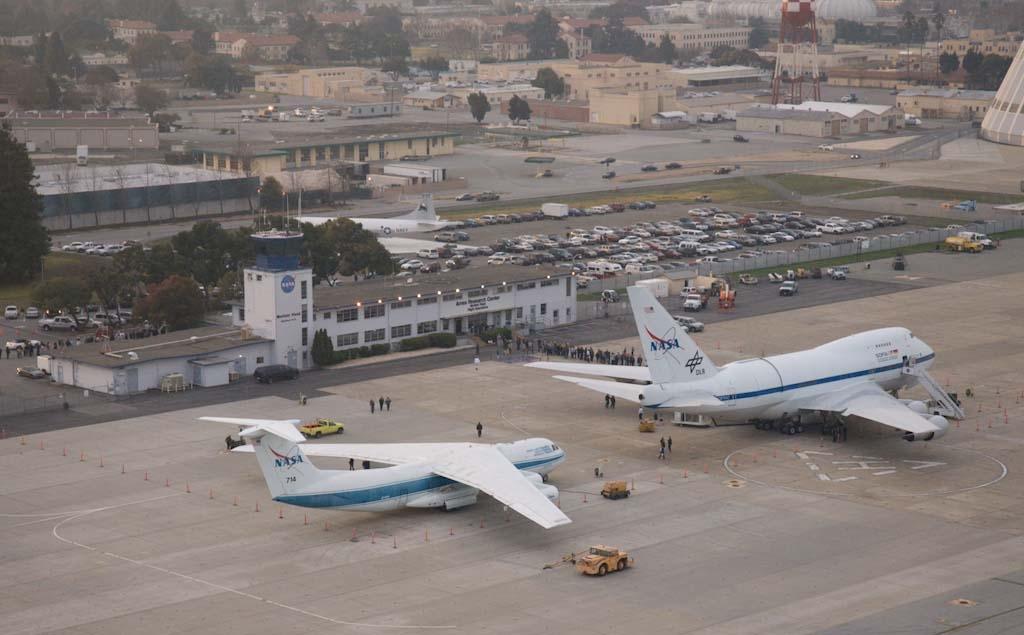
SOFIA visit to Ames: overheads of event of SOFIA (fStratospheric Observatory for Infrared Astronomy) on Moffett Federal Airfield tarmac with the KAO (Kaiper Airborne Obervatory) parked behind for comparison during the tour event for Ames & NASA Research Park staff.
ARC-2008-ACD08-0005-063
SOFIA: 1st shakedown flight out of WACO, TX  - Dr Dietmar Lilienyhal
ARC-2007-ACD07-0078-020
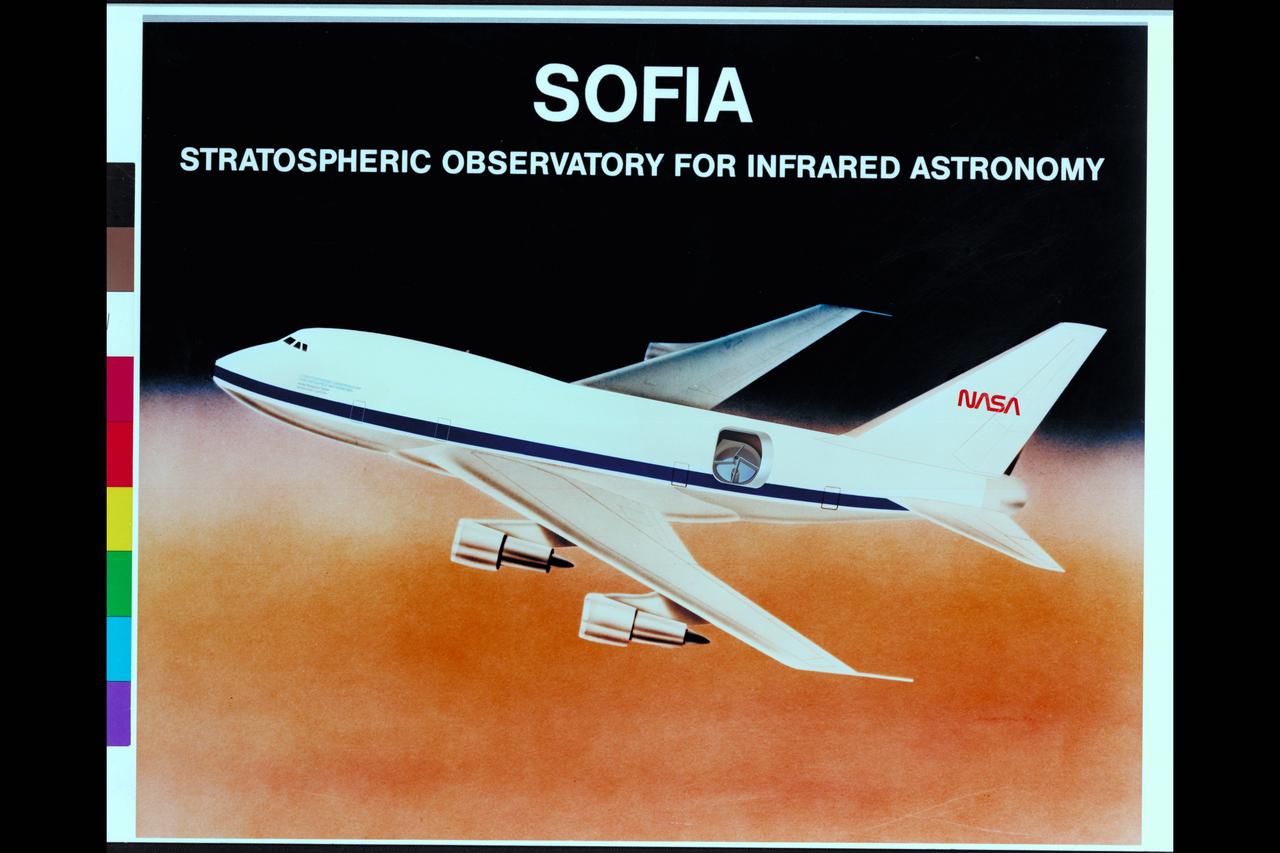
SOFIA (Stratospheric Observatory For Infrared Astronomy) with Telescope Configuration Changes Artwork
ARC-1992-AC92-0151
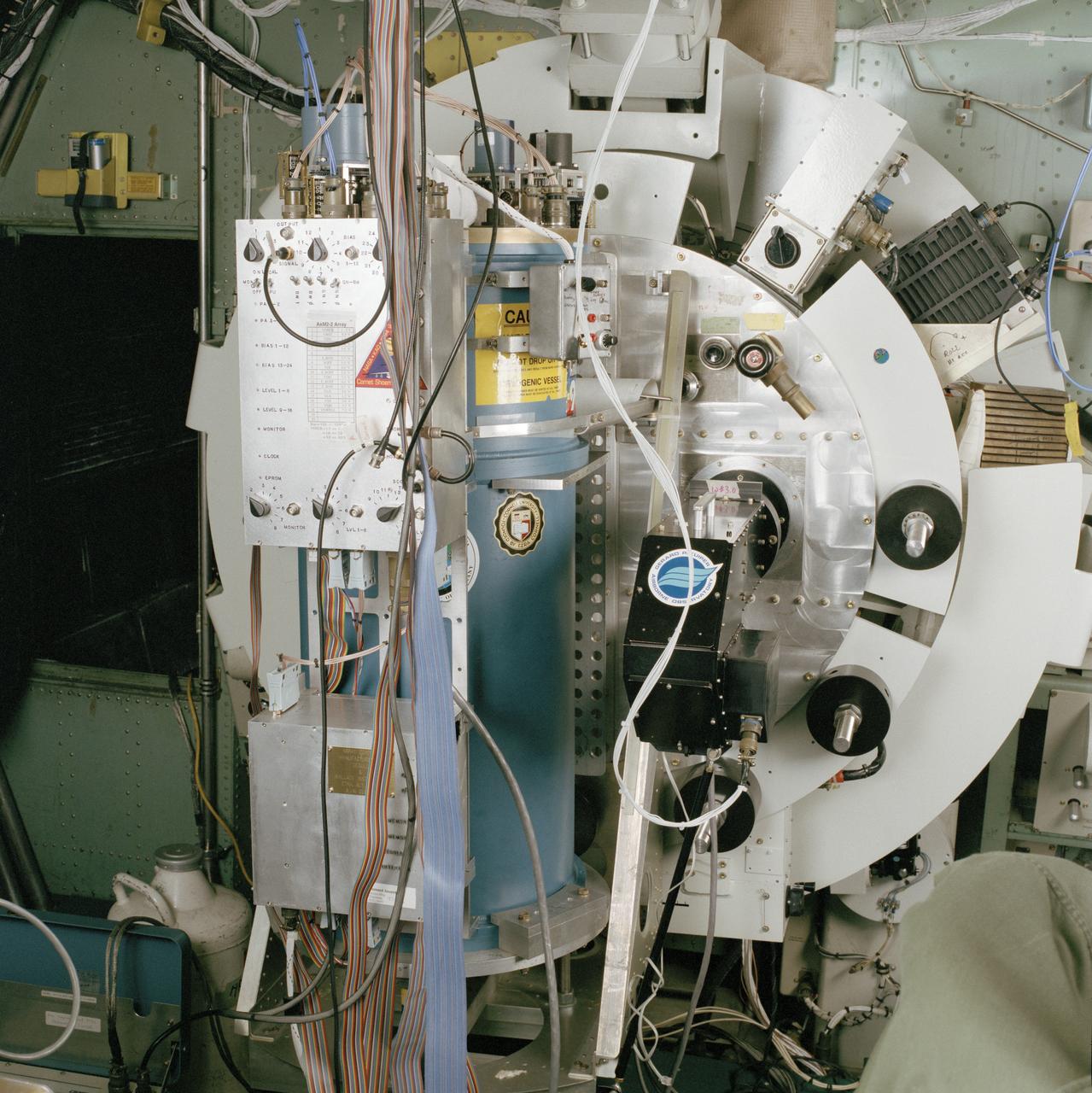
SOFIA Blind Pointer Experiment: Airborne testbed onboard C-141 KAO
ARC-2007-AC95-0093-15
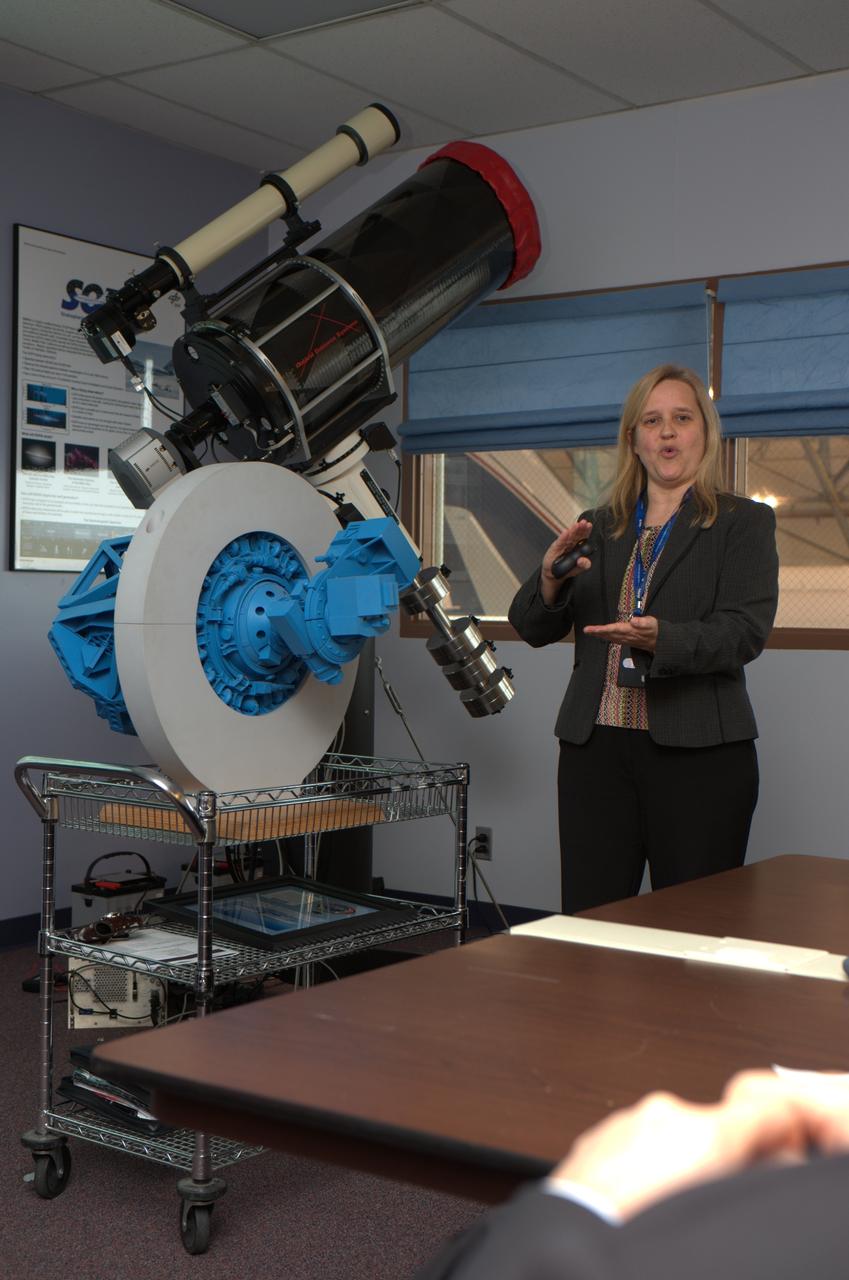
German Deligation visits Ames SOFIA Science Office for briefing and enjoy a Ames tour. Pam Marcum, SOFIA Project scientist gives status.
ARC-2010-ACD10-0242-011
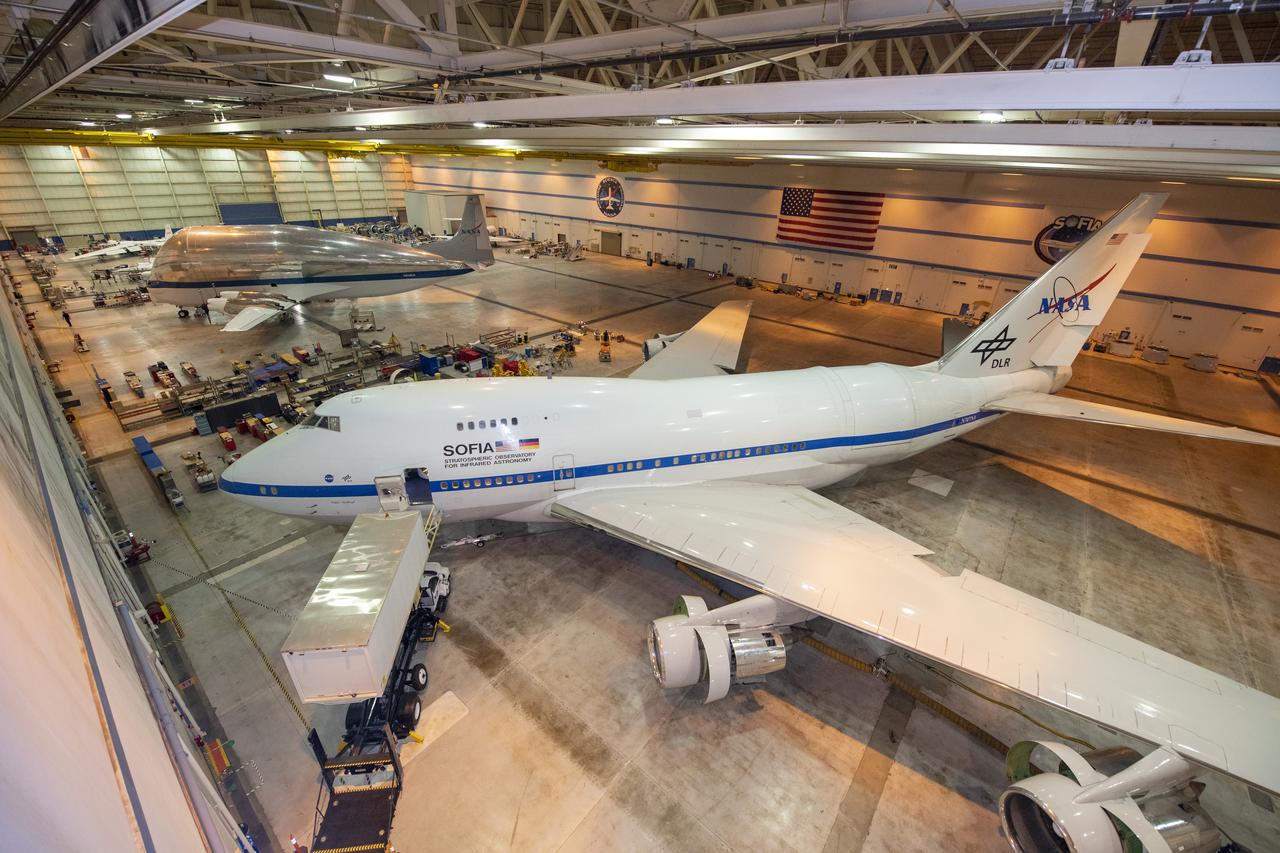
NASA's Super Guppy Turbine cargo aircraft in the hangar with SOFIA at NASA's Armstrong Flight Research Center on August 24, 2021. The Super Guppy aircraft, operated by NASA's Johnson Space Center, aids in the transportation of oversized aerospace cargo in a practical and economical way. NASA's Stratospheric Observatory for Infrared Astronomy (SOFIA), maintained and operated by NASA's Armstrong Flight Research Center, is the world's largest airborne astronomical observatory, complementing NASA's space telescopes as well as major Earth-based telescopes.
NASA's Super Guppy in the hangar with SOFIA
SOFIA lifts off from Air Force Plant 42 in Palmdale, Calif., at sunset.
ED11-0211-06
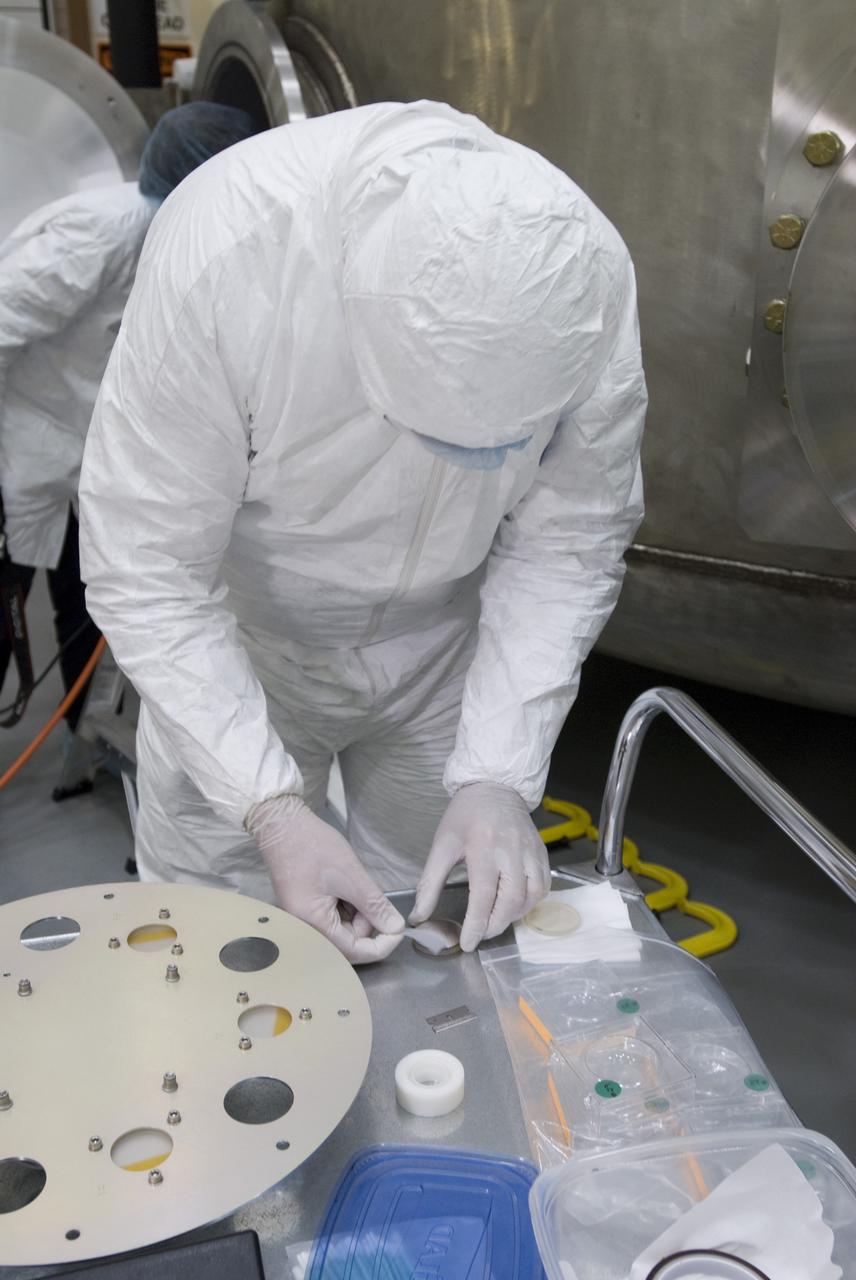
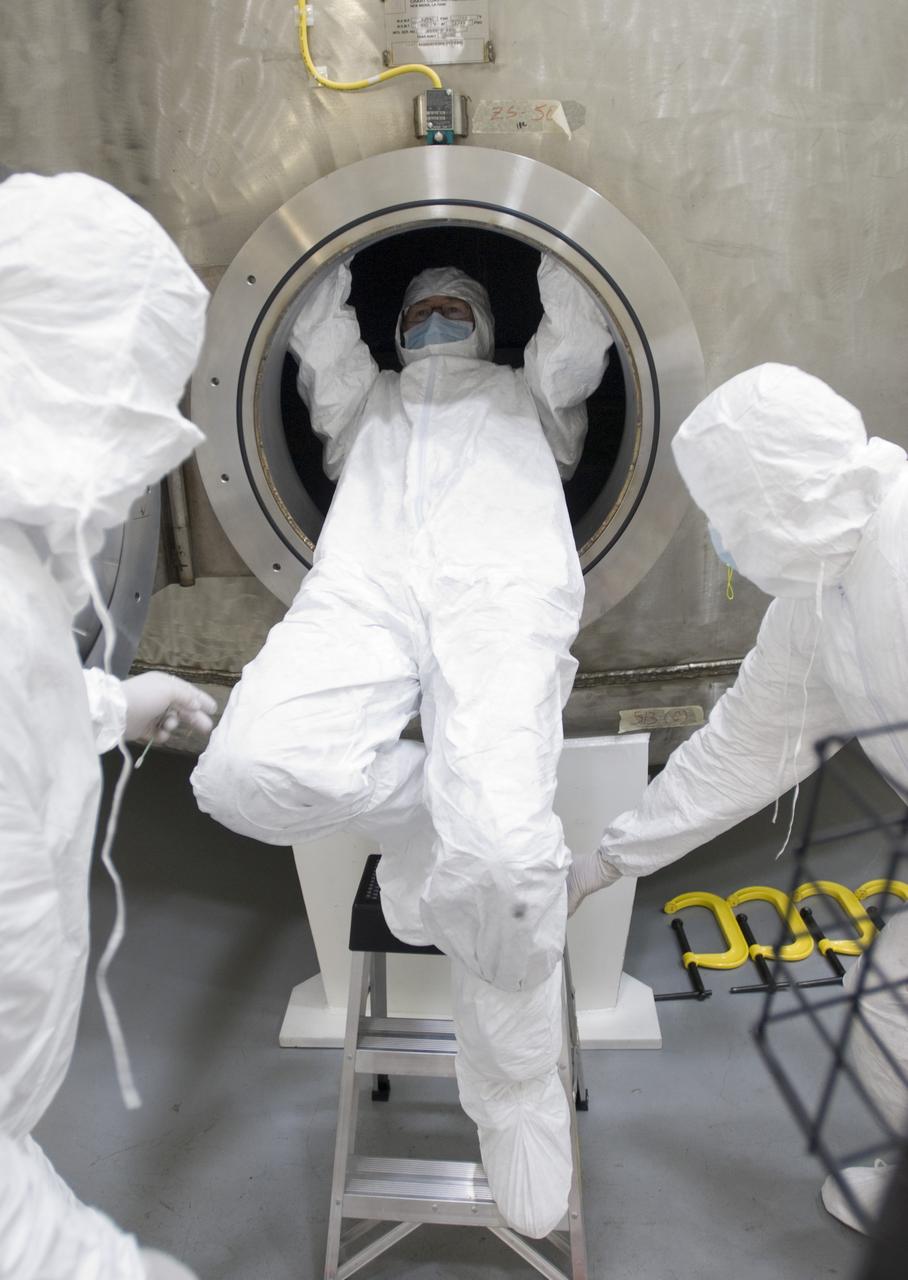
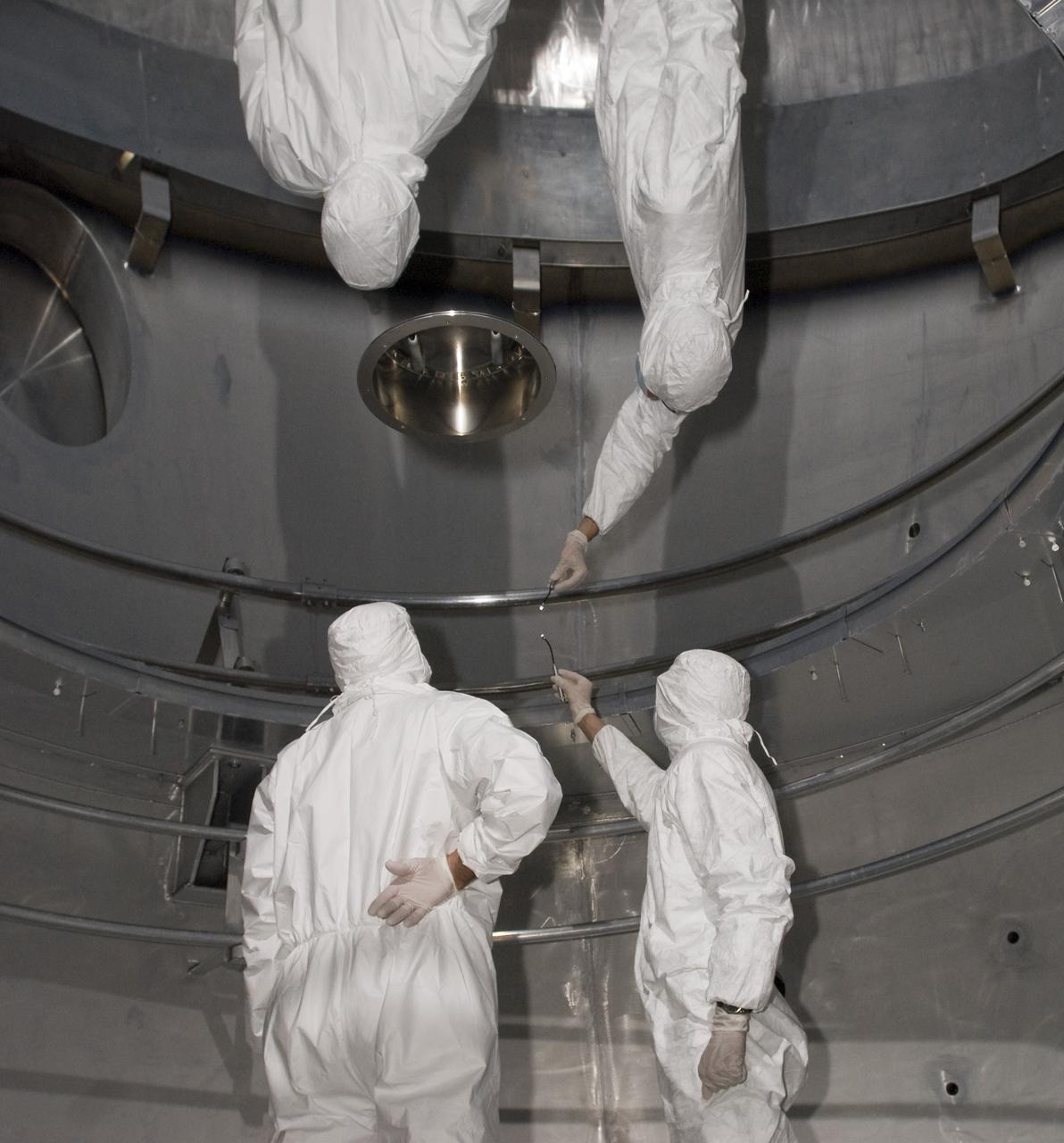
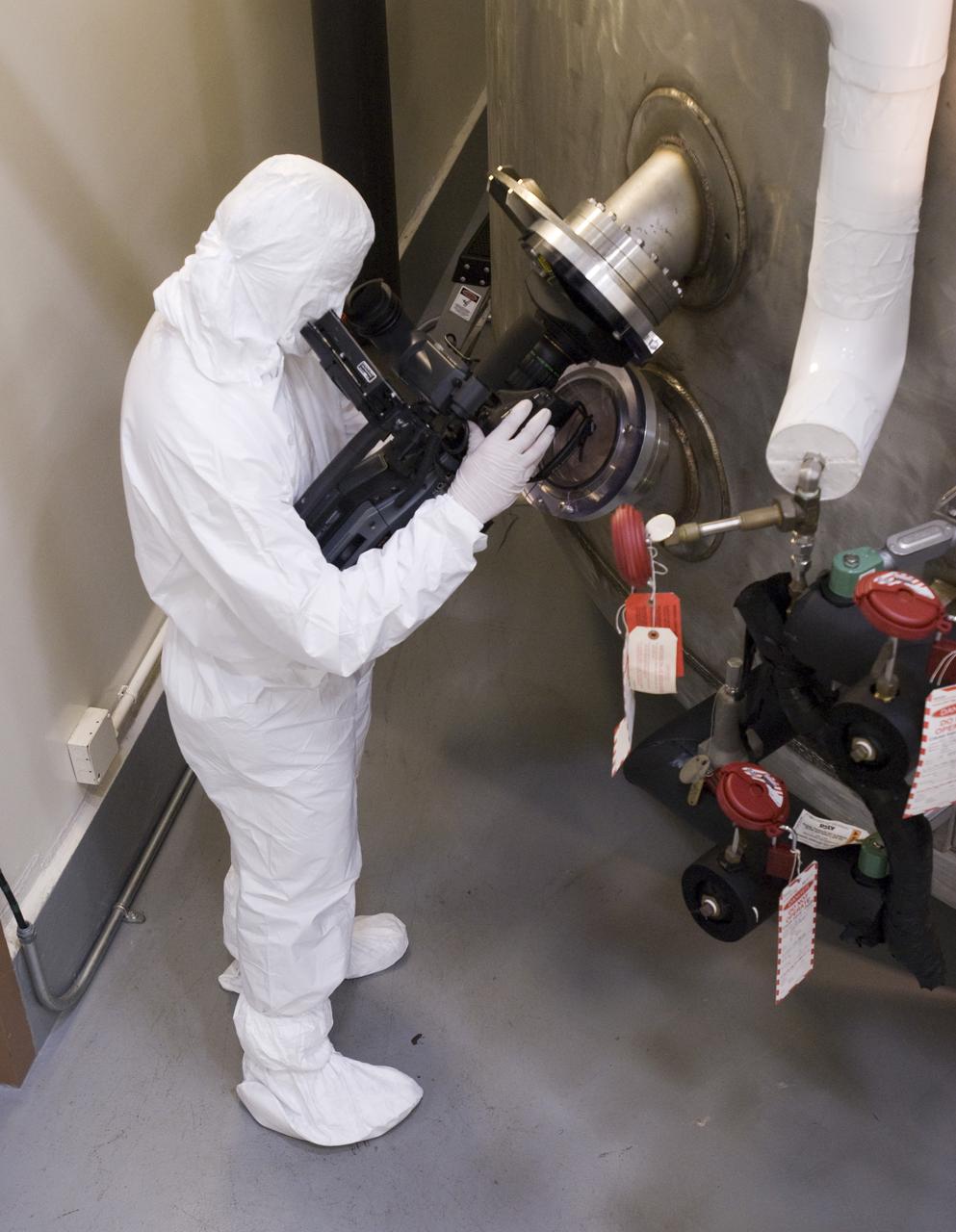
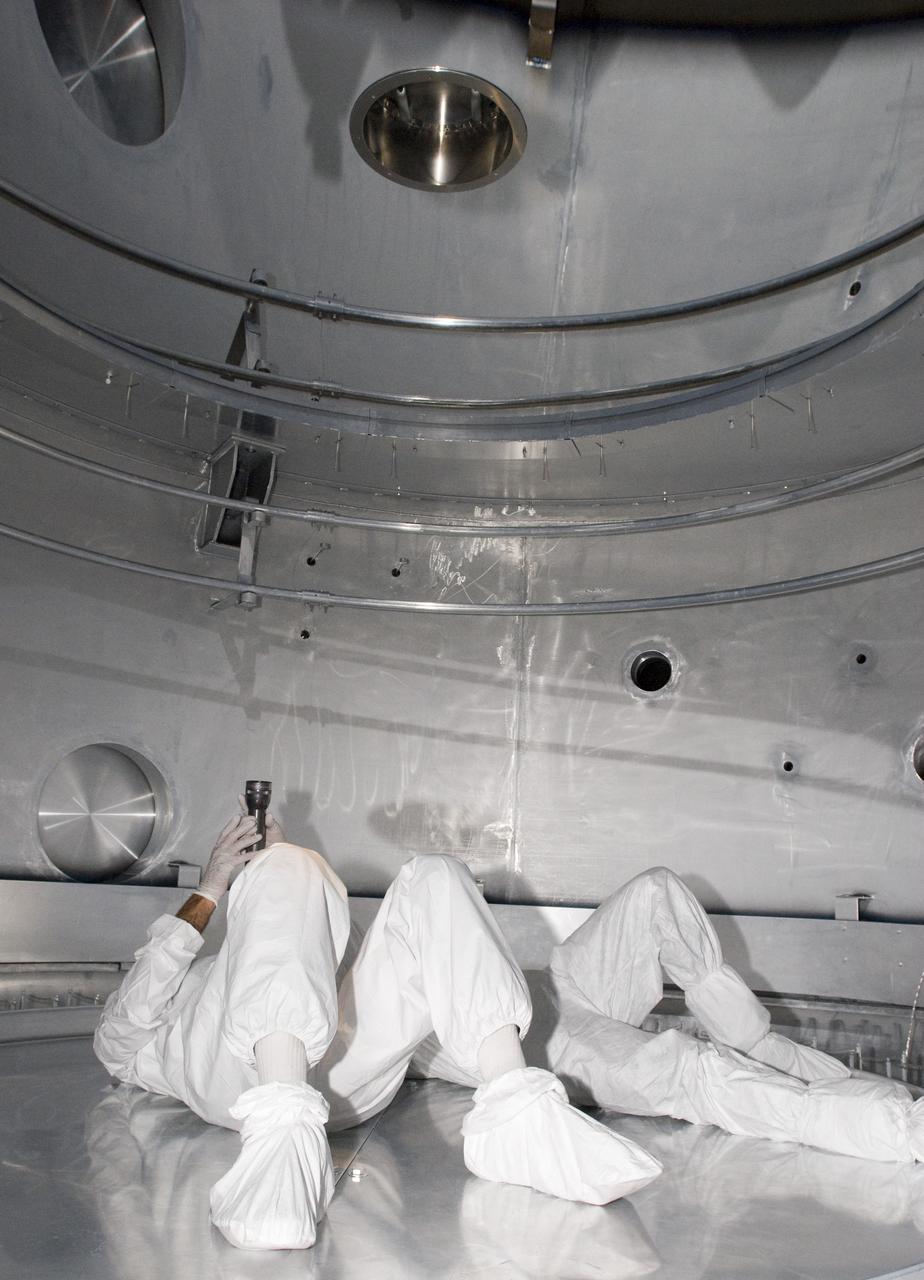
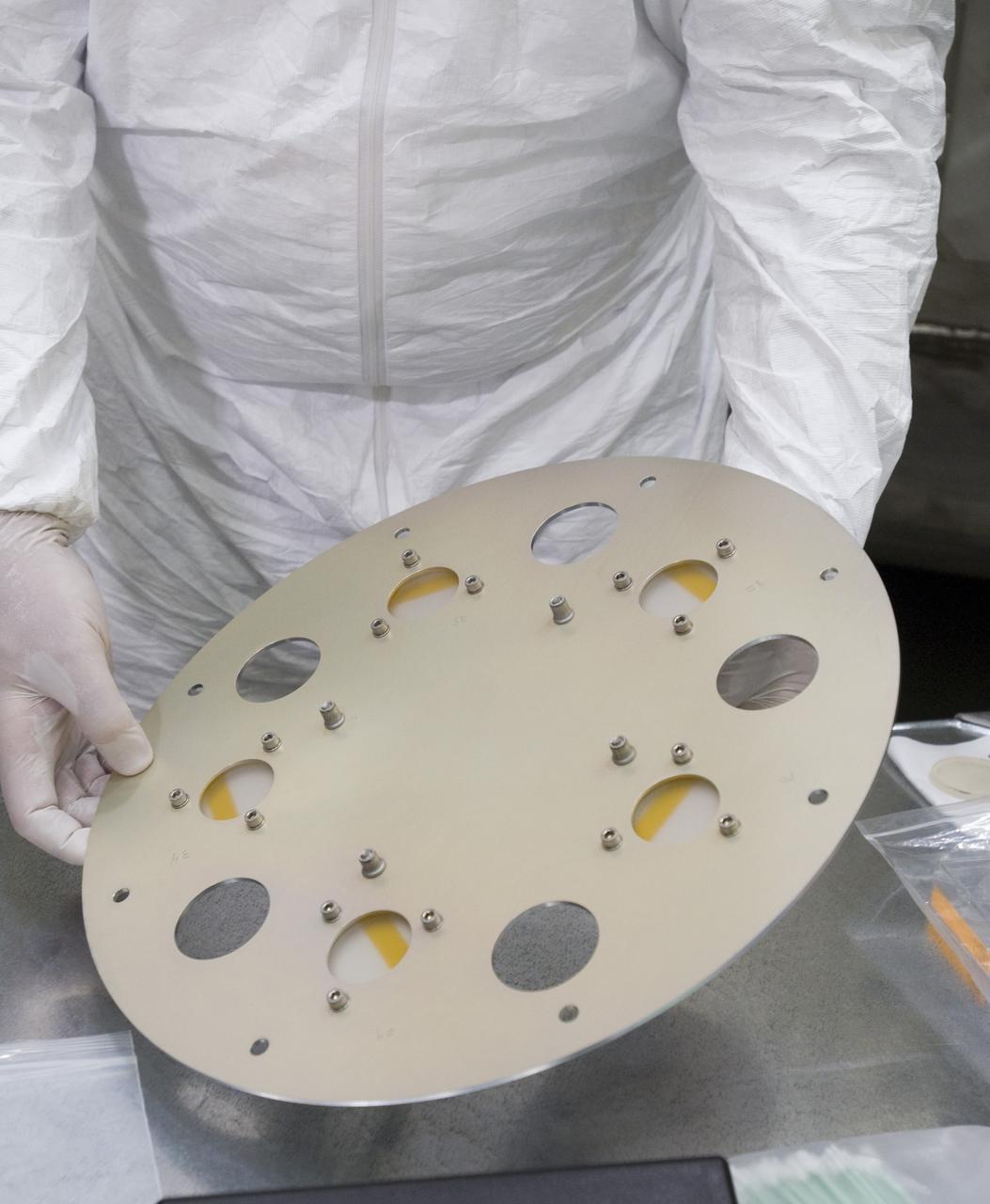
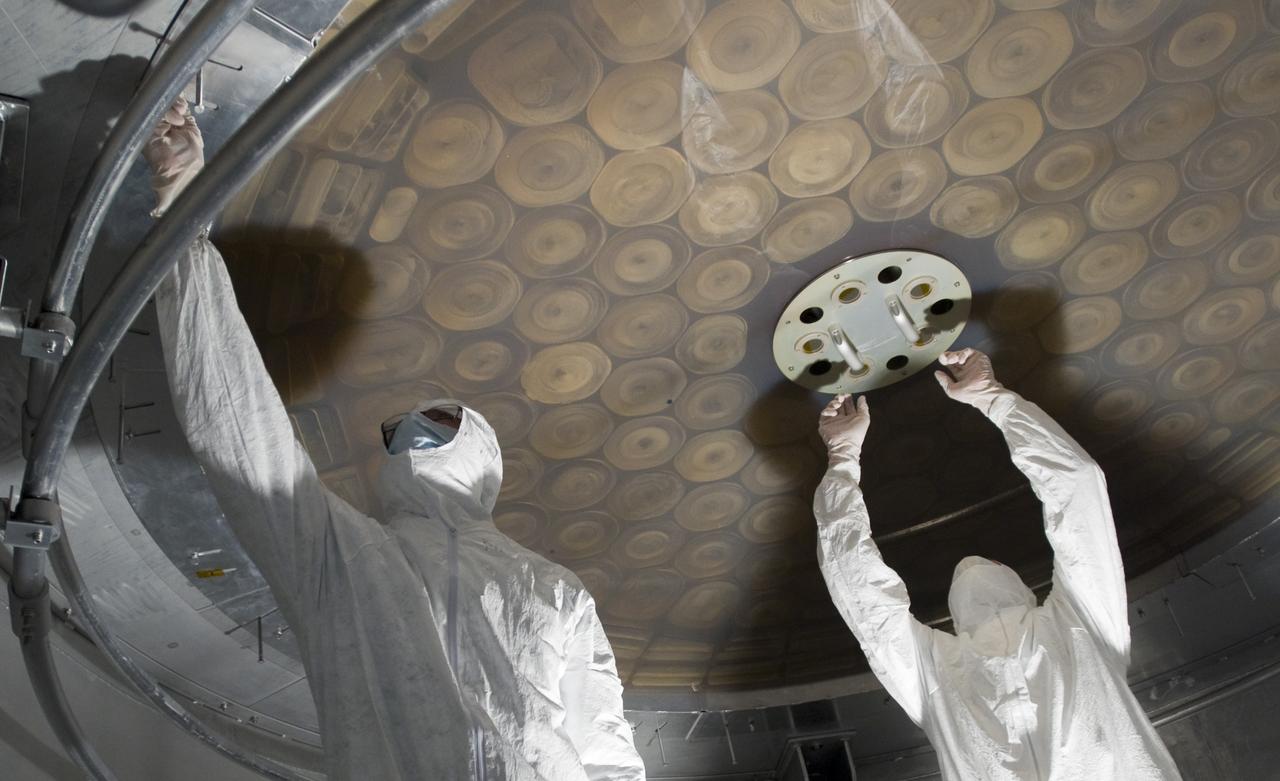
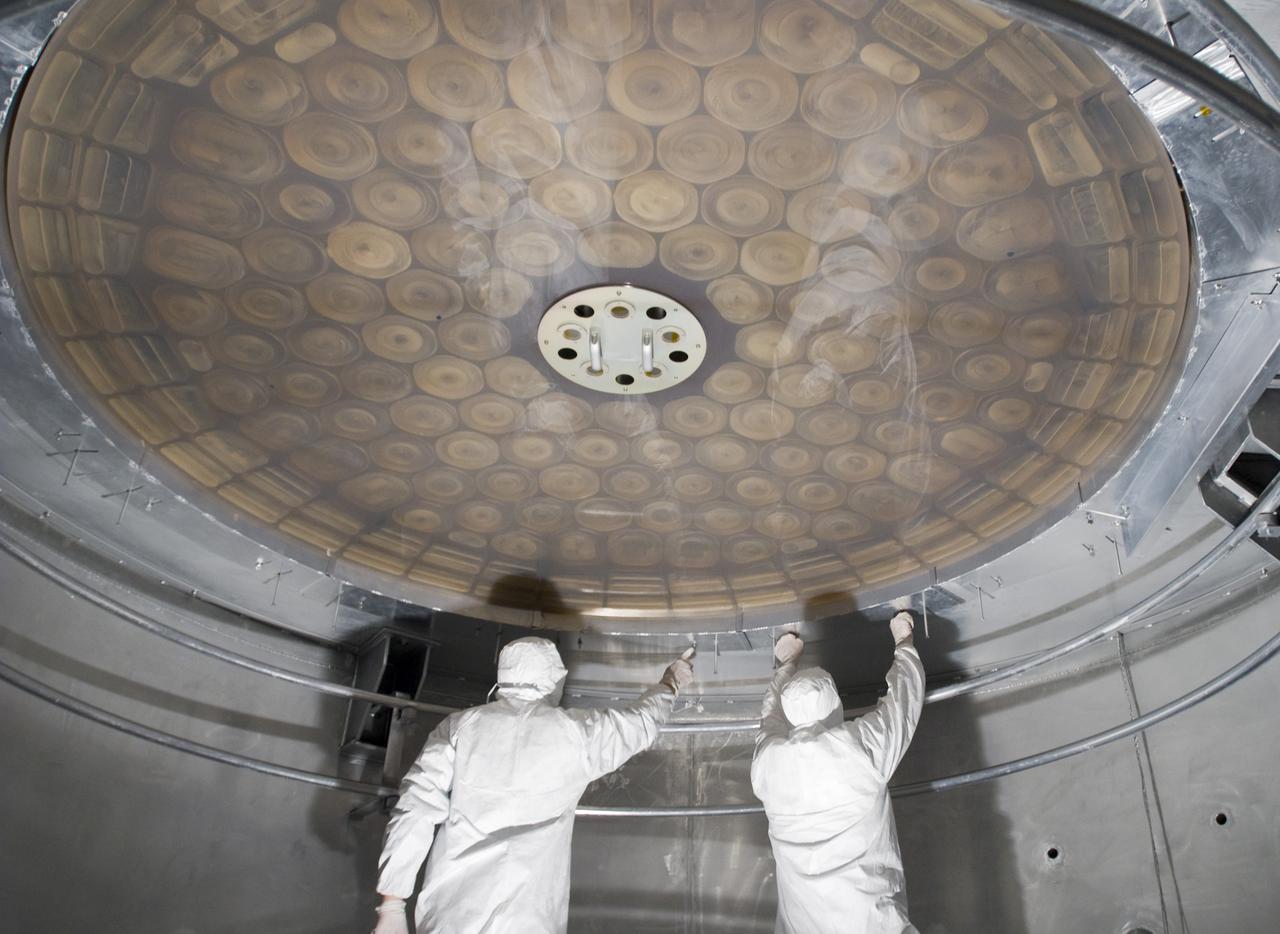
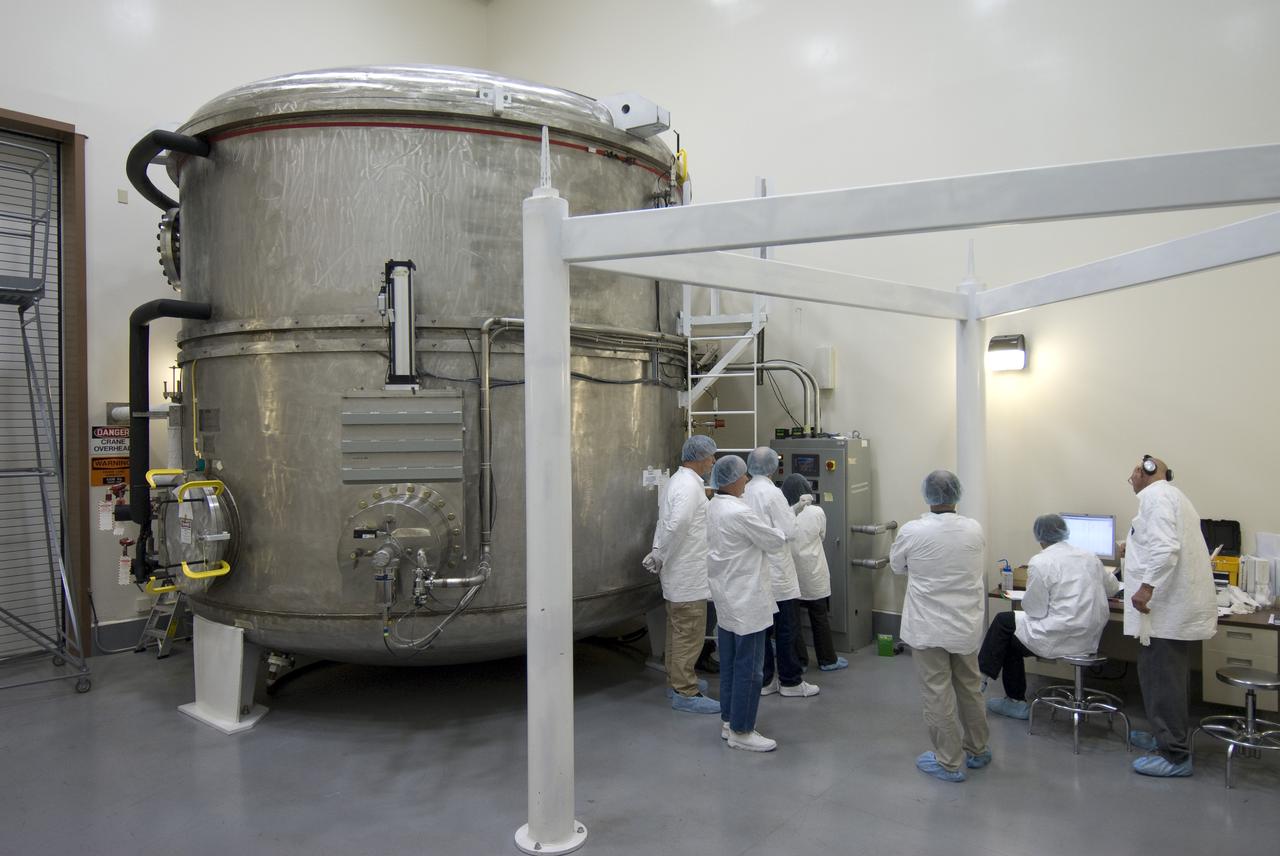
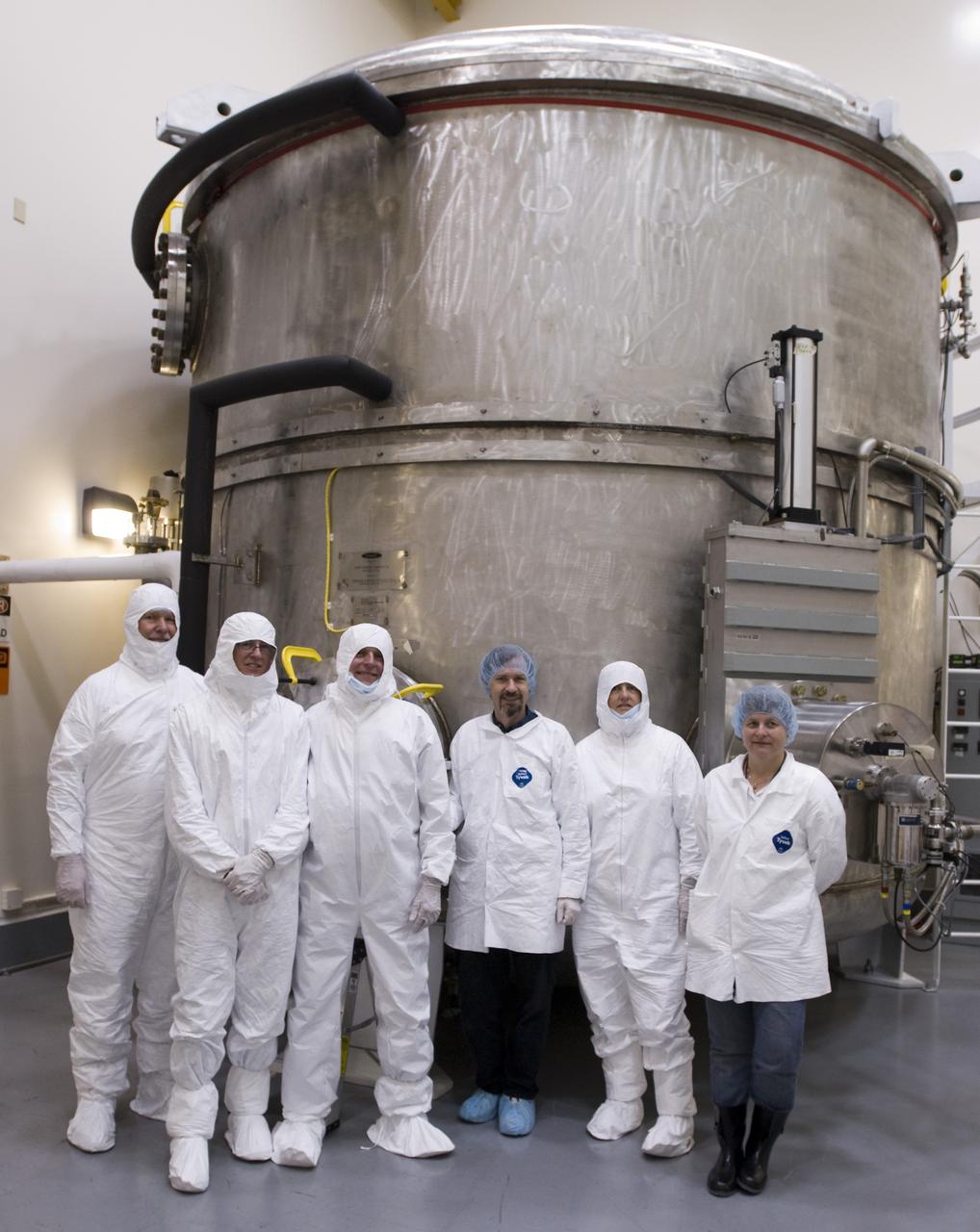
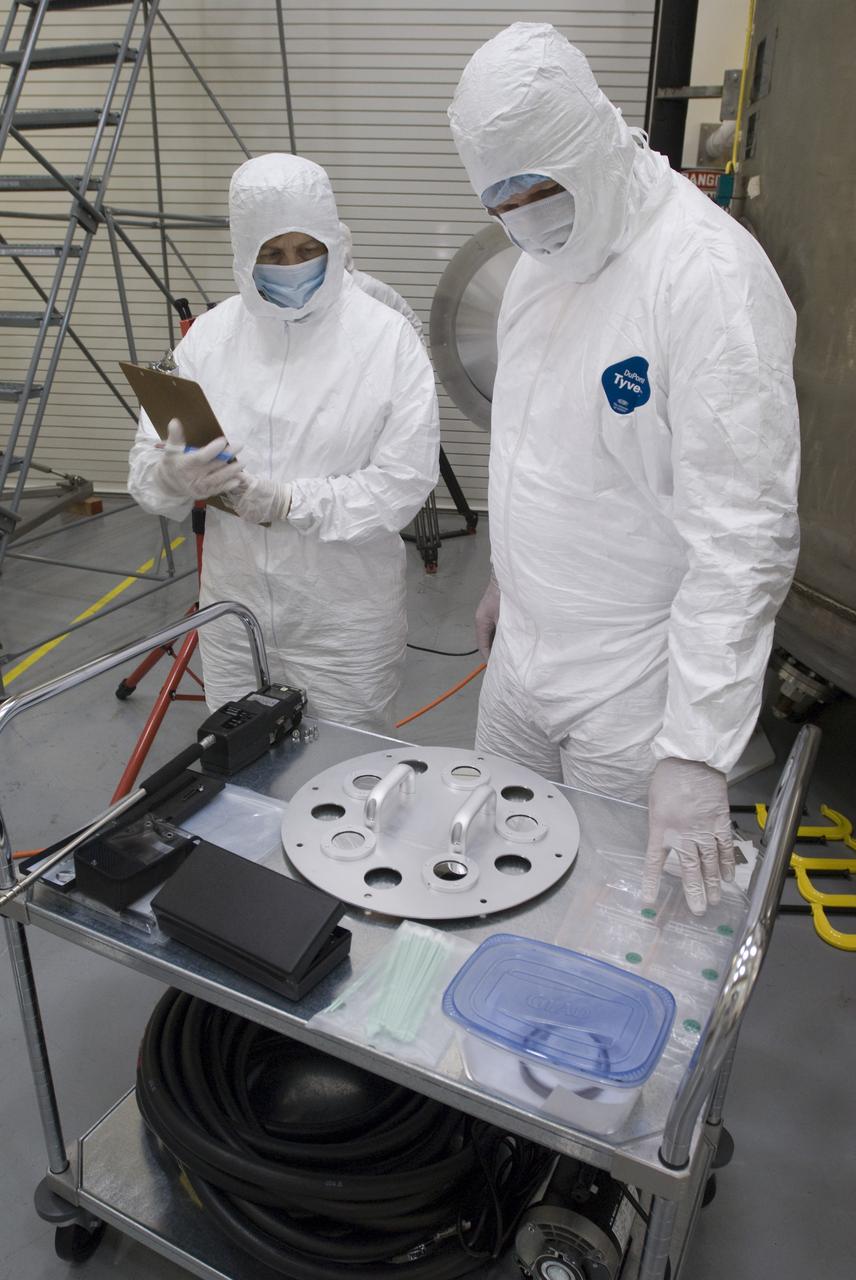
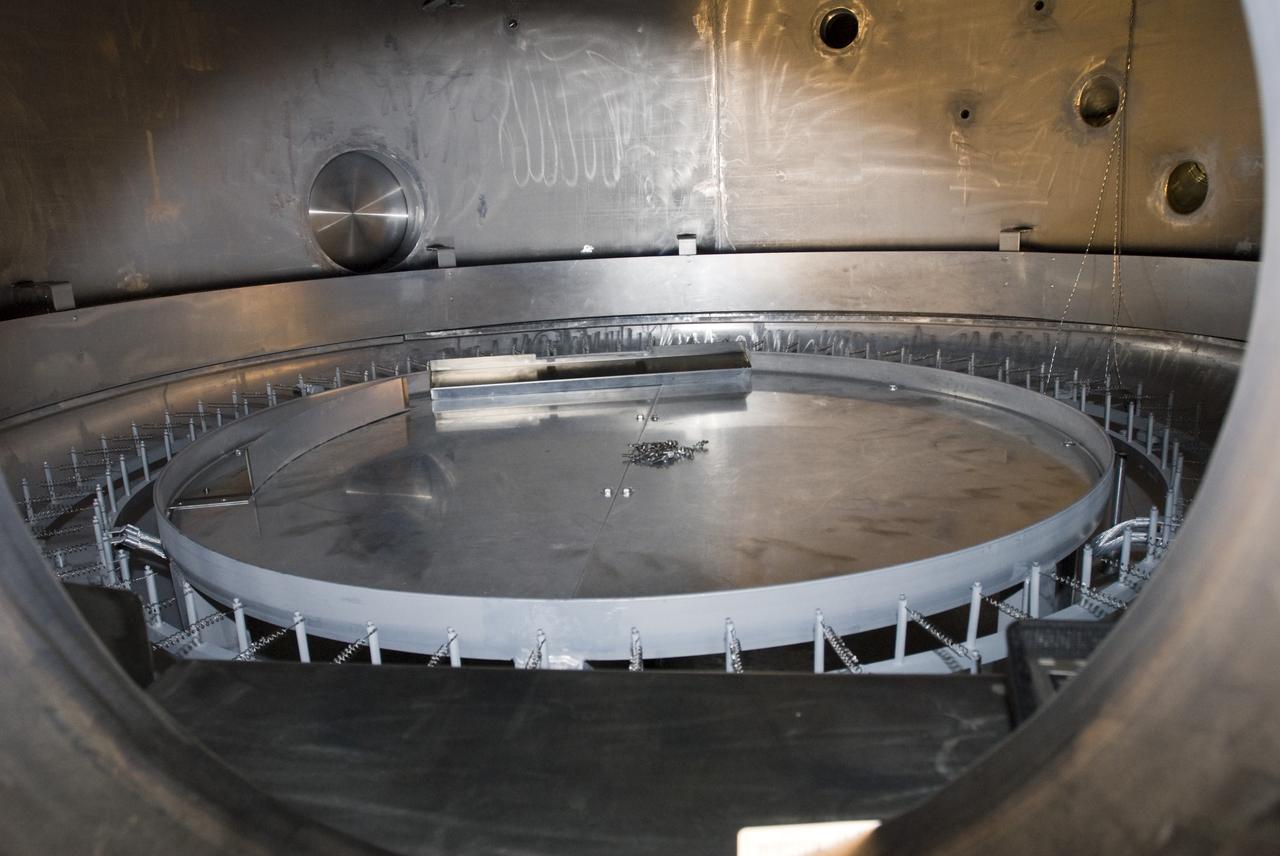
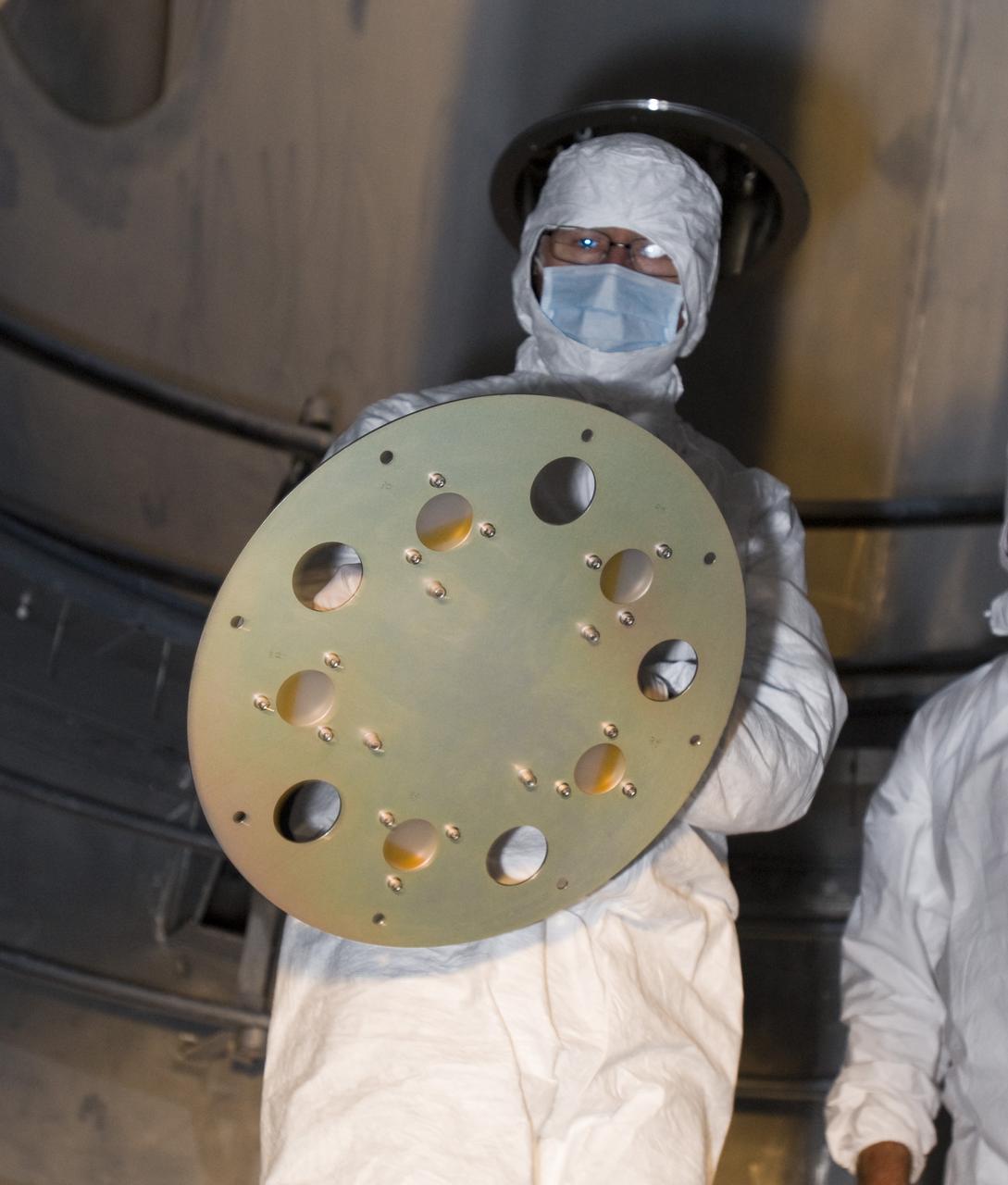
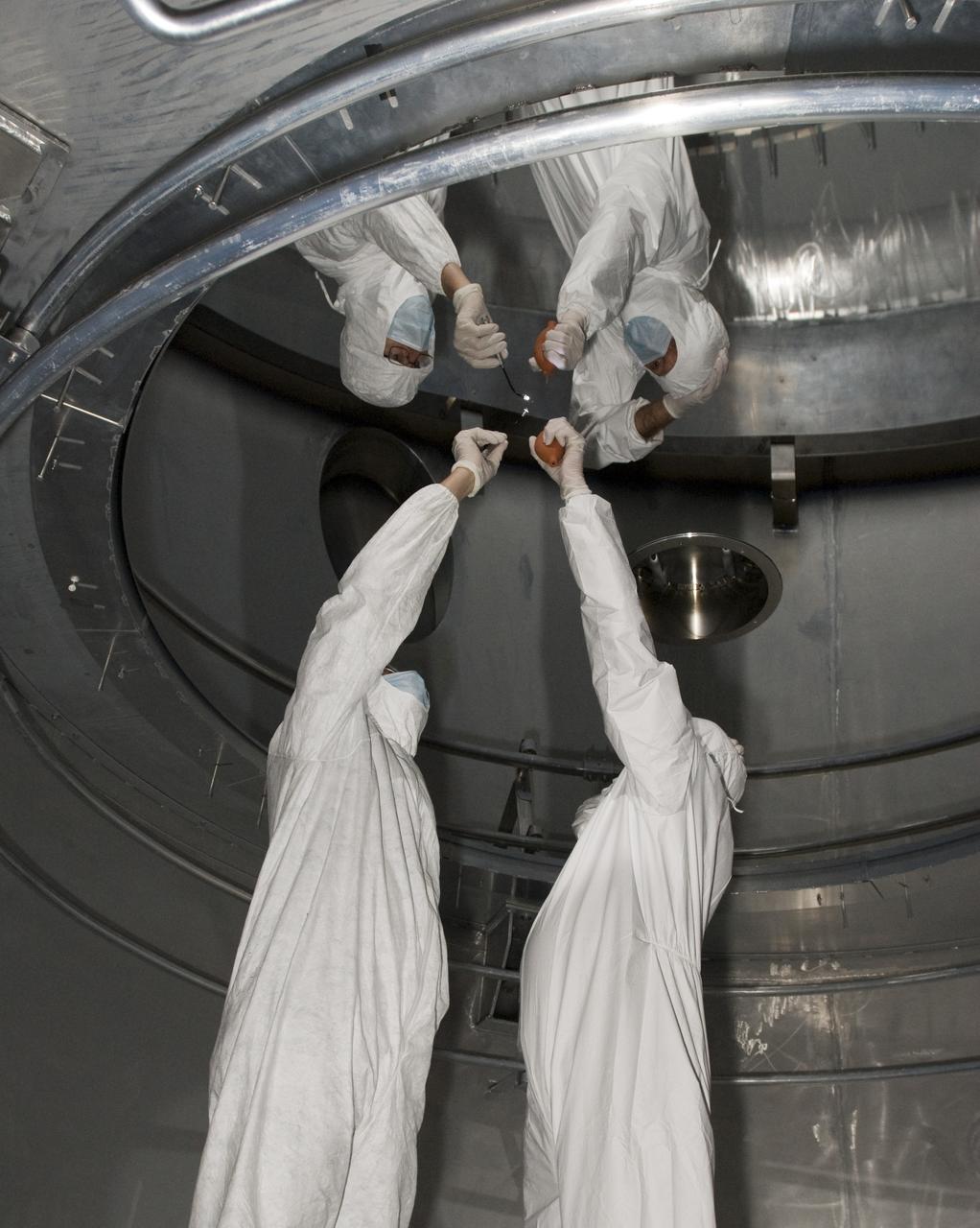
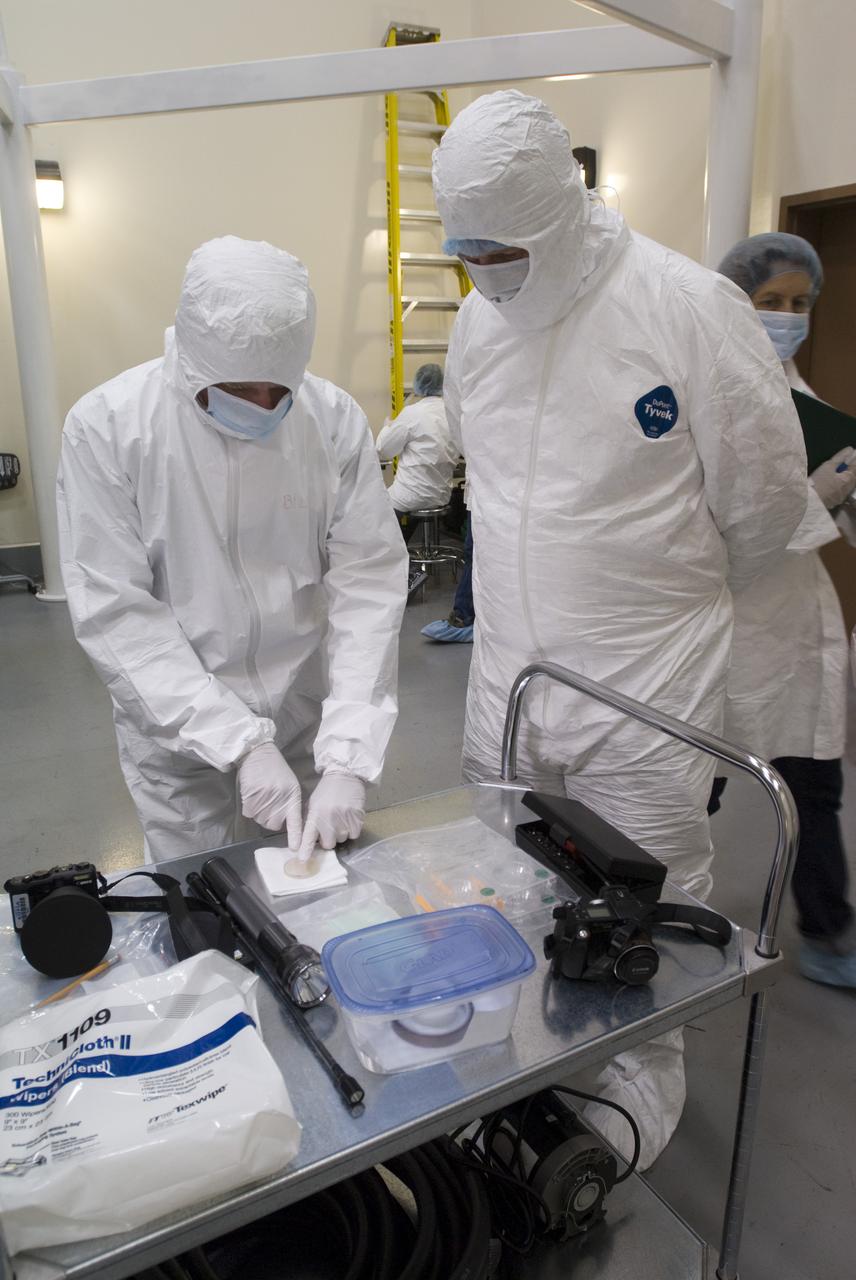
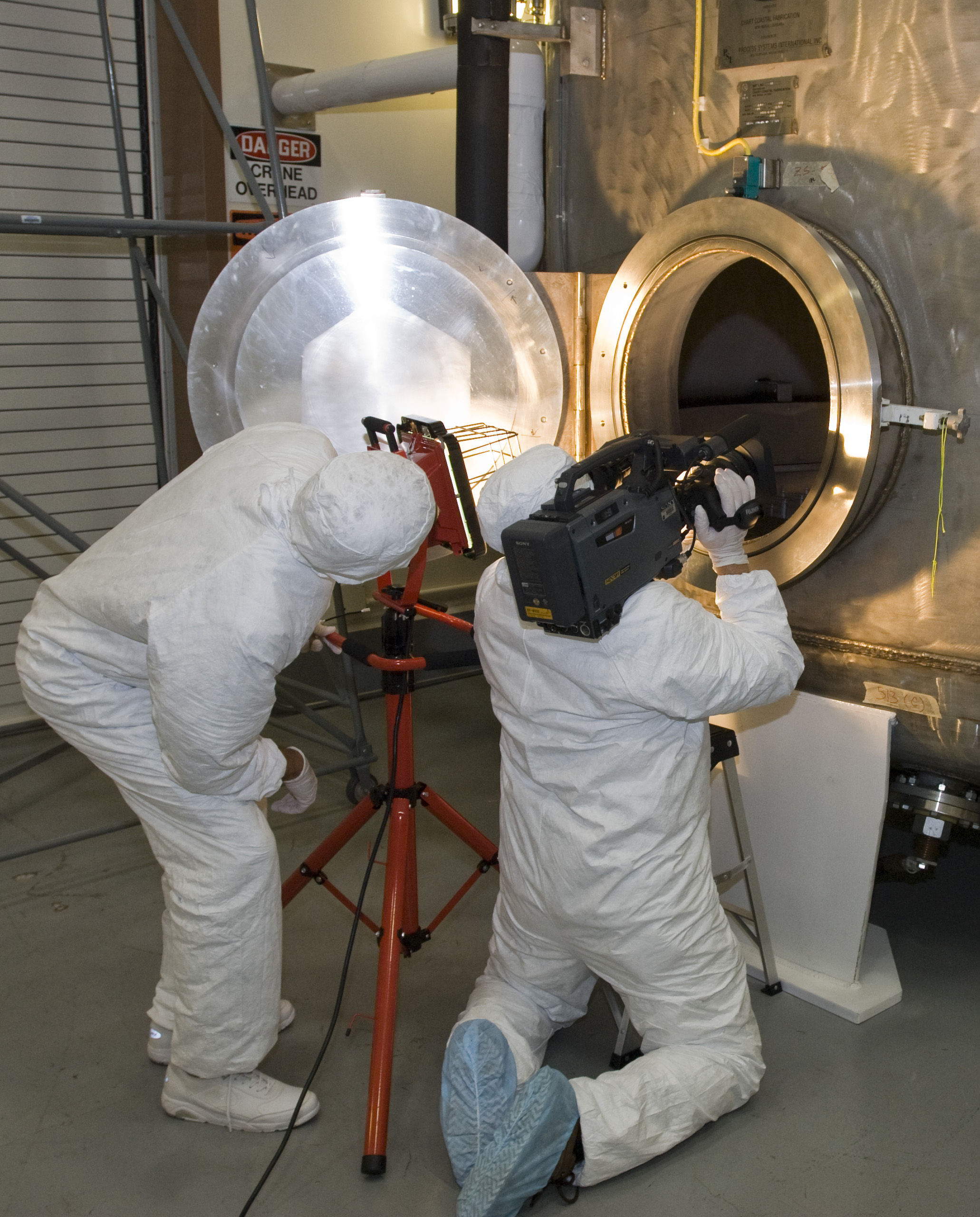
SOFIA (Stratospheric Observatory for Infrared Astronomy) primary mirror being coated in the Ames N-211 Vacuum Chamber.
ARC-2008-ACD08-0110-208
SOFIA (Stratospheric Observatory for Infrared Astronomy) primary mirror being coated in the Ames N-211 Vacuum Chamber.
ARC-2008-ACD08-0110-198
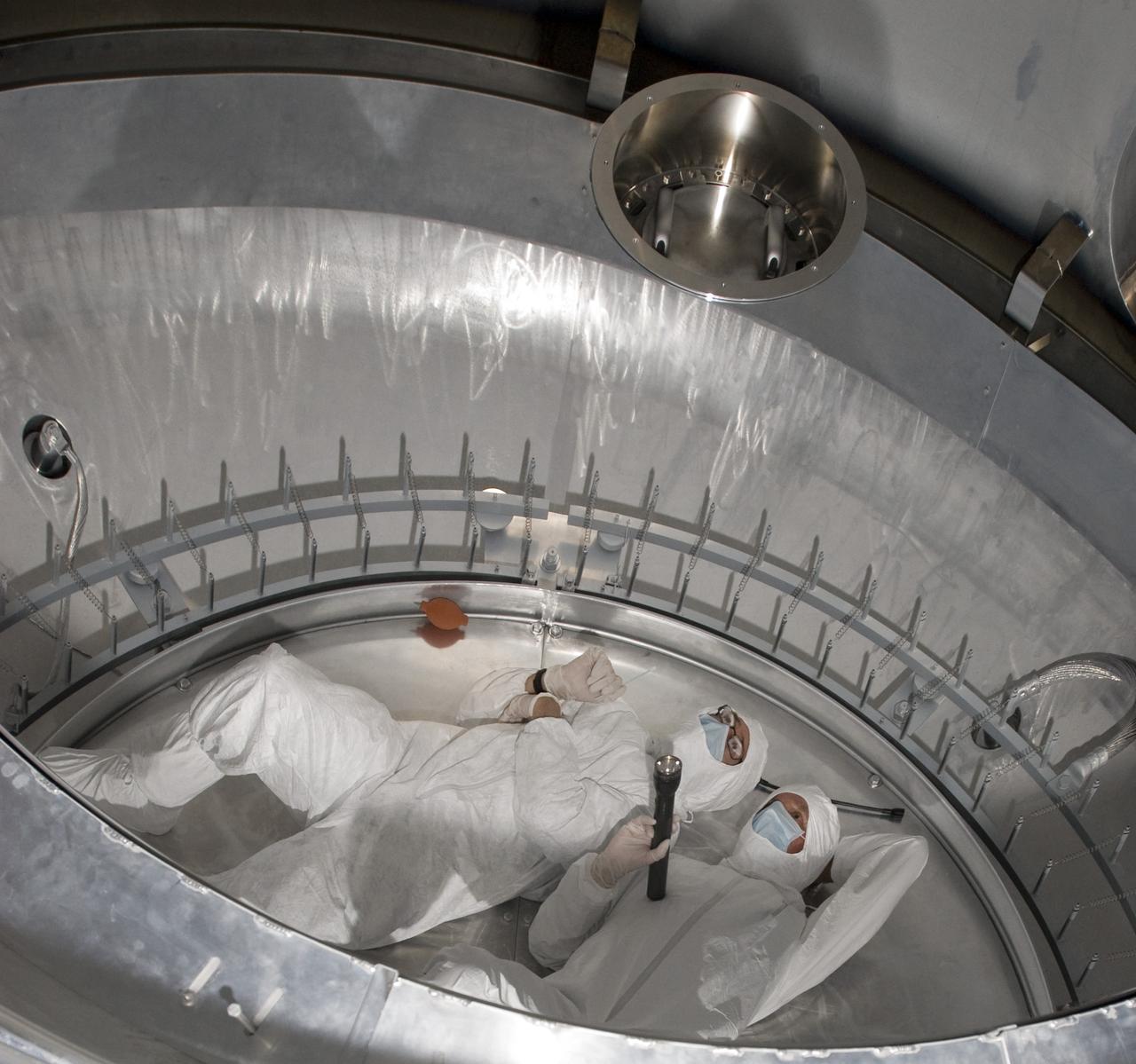
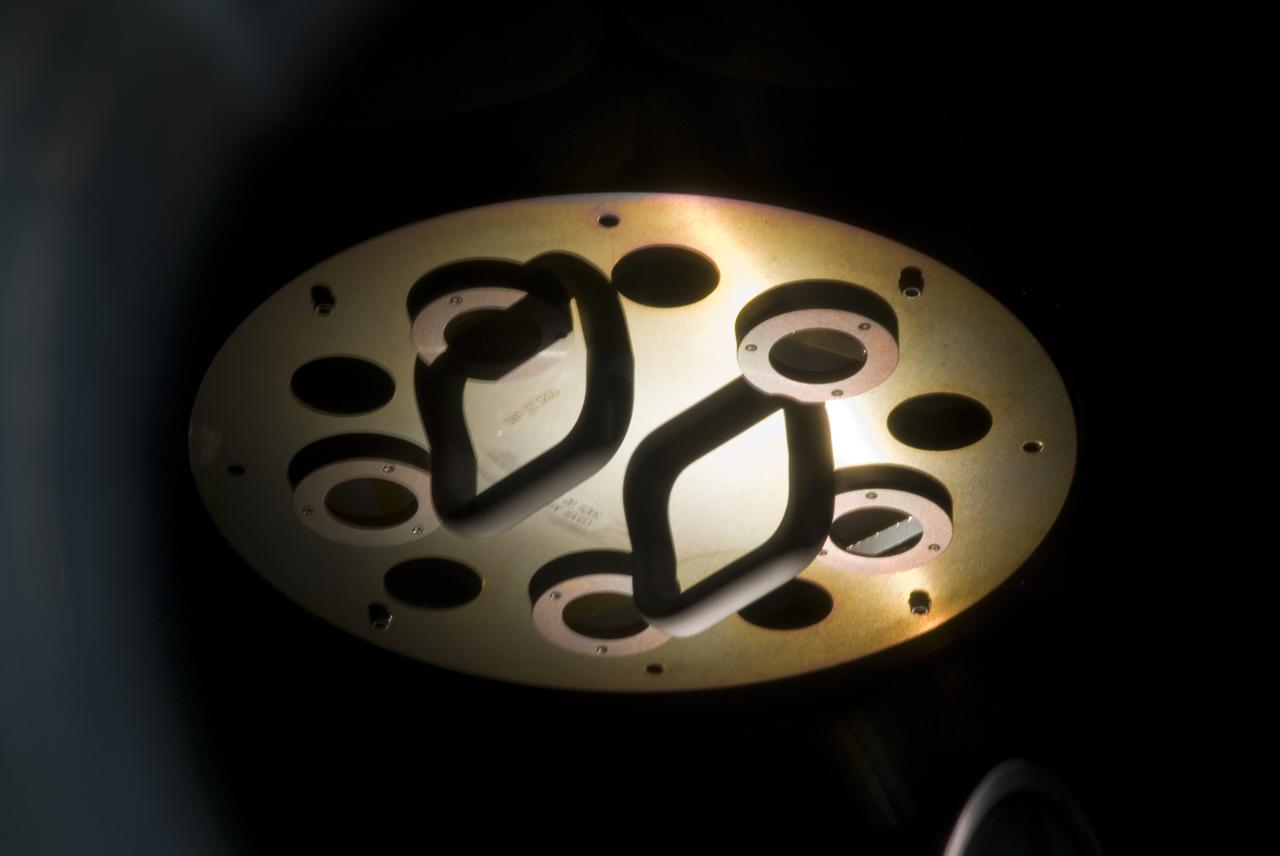
SOFIA (Stratospheric Observatory for Infrared Astromony)  primary mirror coating completed at the Ames Vacuum Chamber in N-211.
ARC-2008-ACD08-0110-261
SOFIA (Stratospheric Observatory for Infrared Astronomy) primary mirror being coated in the Ames N-211 Vacuum Chamber.
ARC-2008-ACD08-0110-183
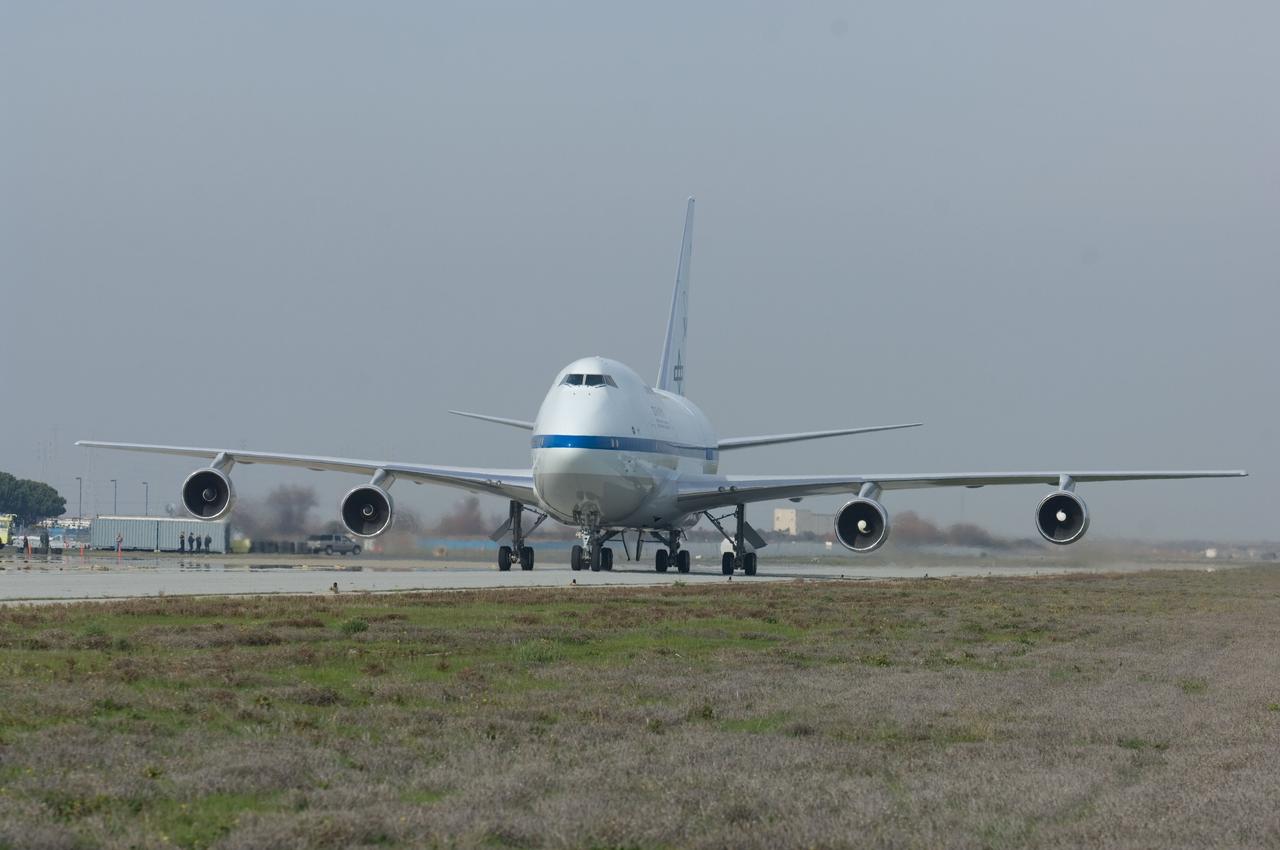
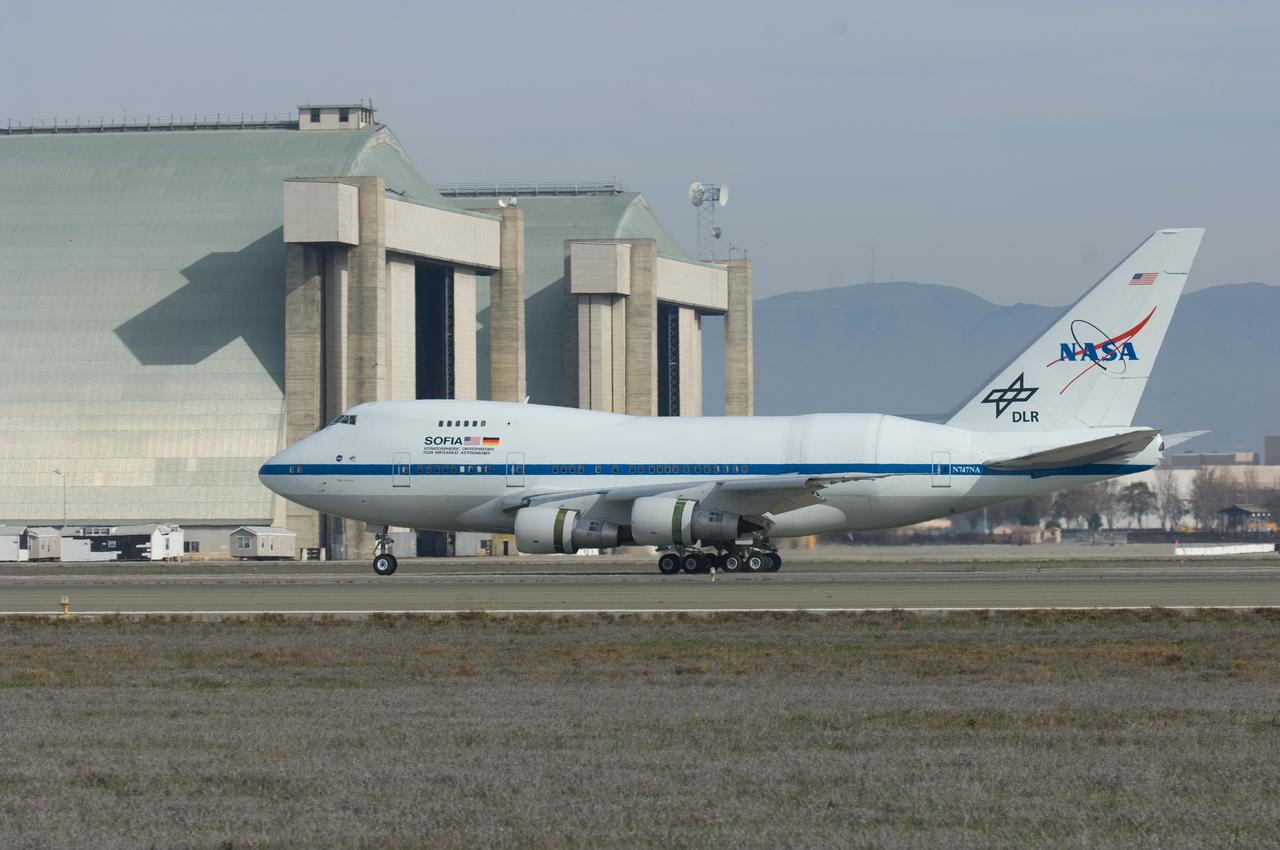
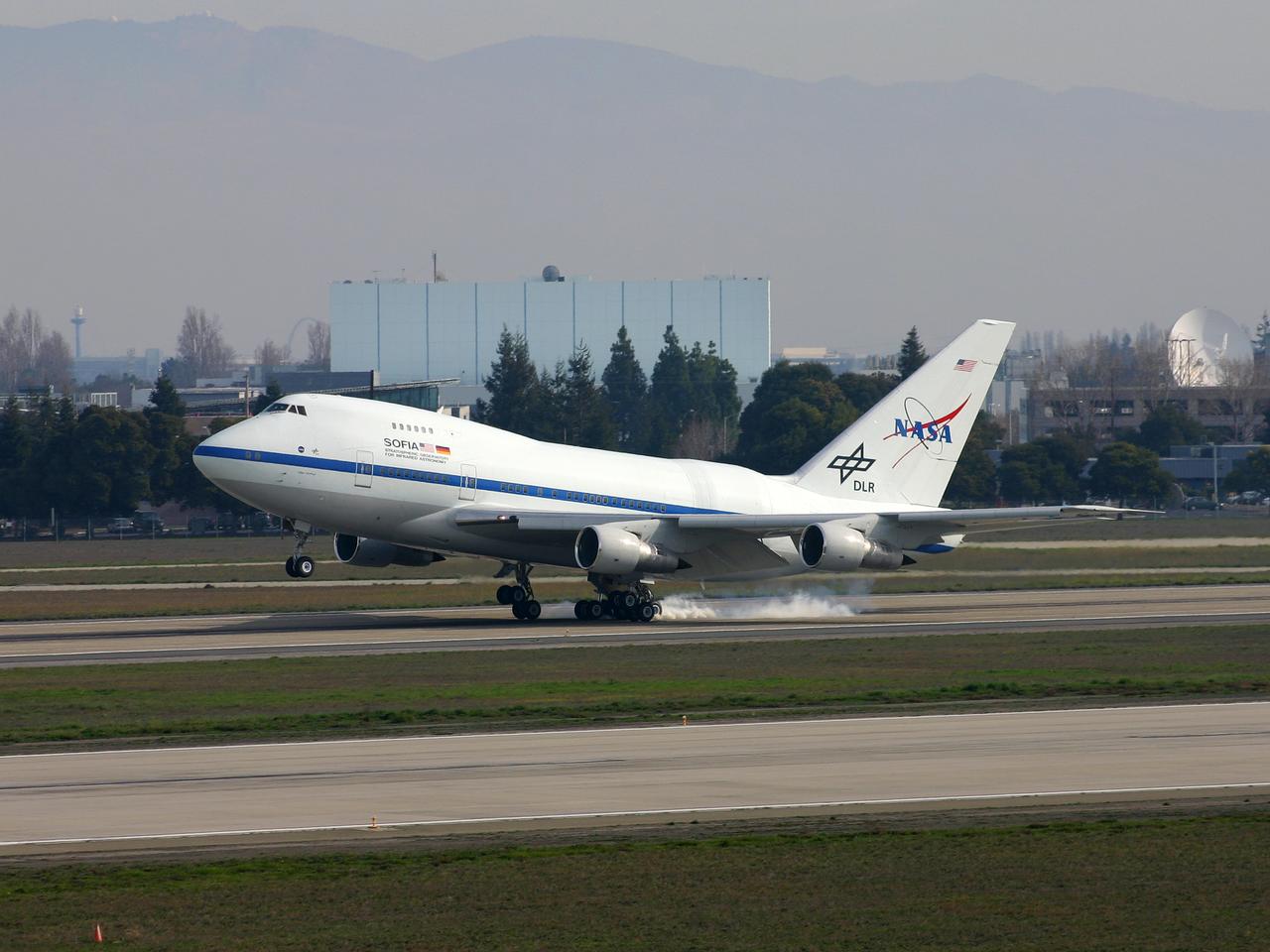
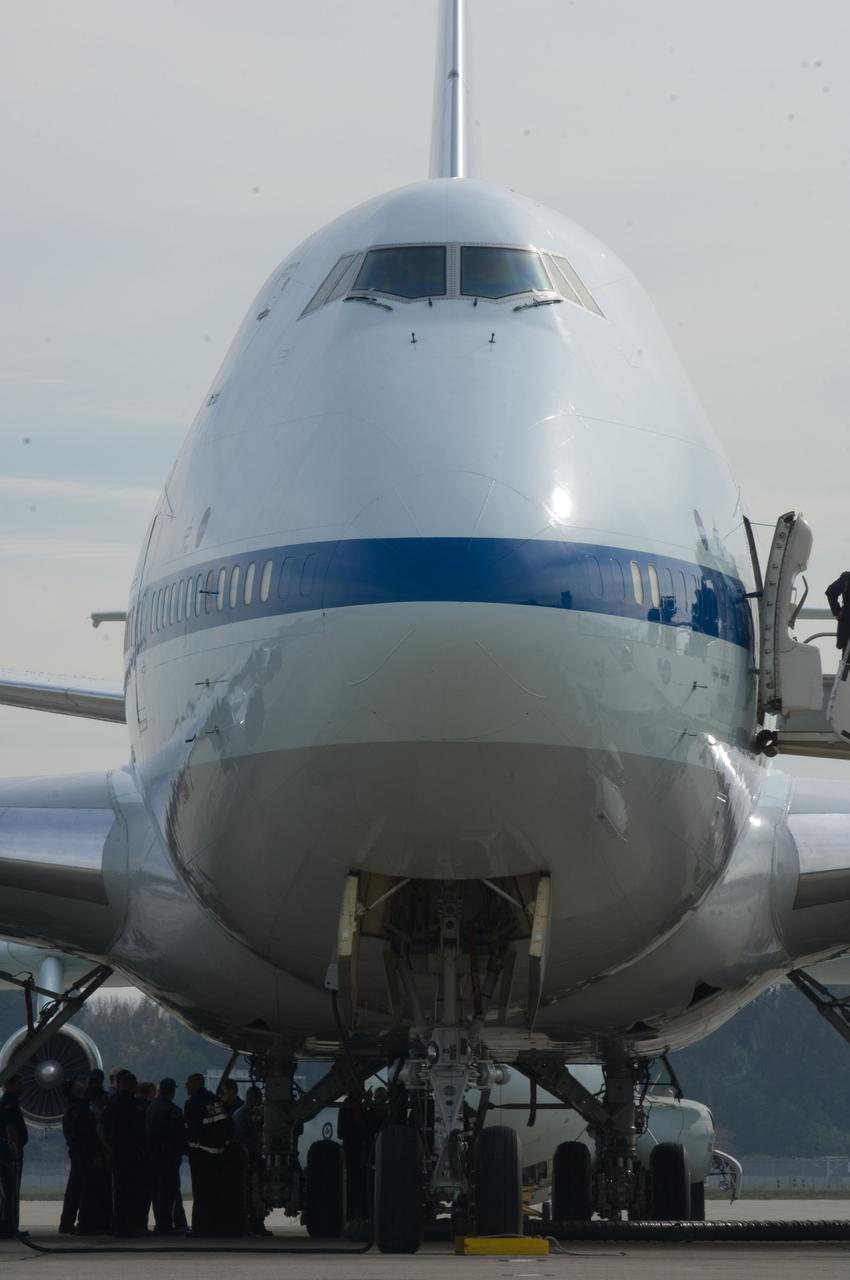
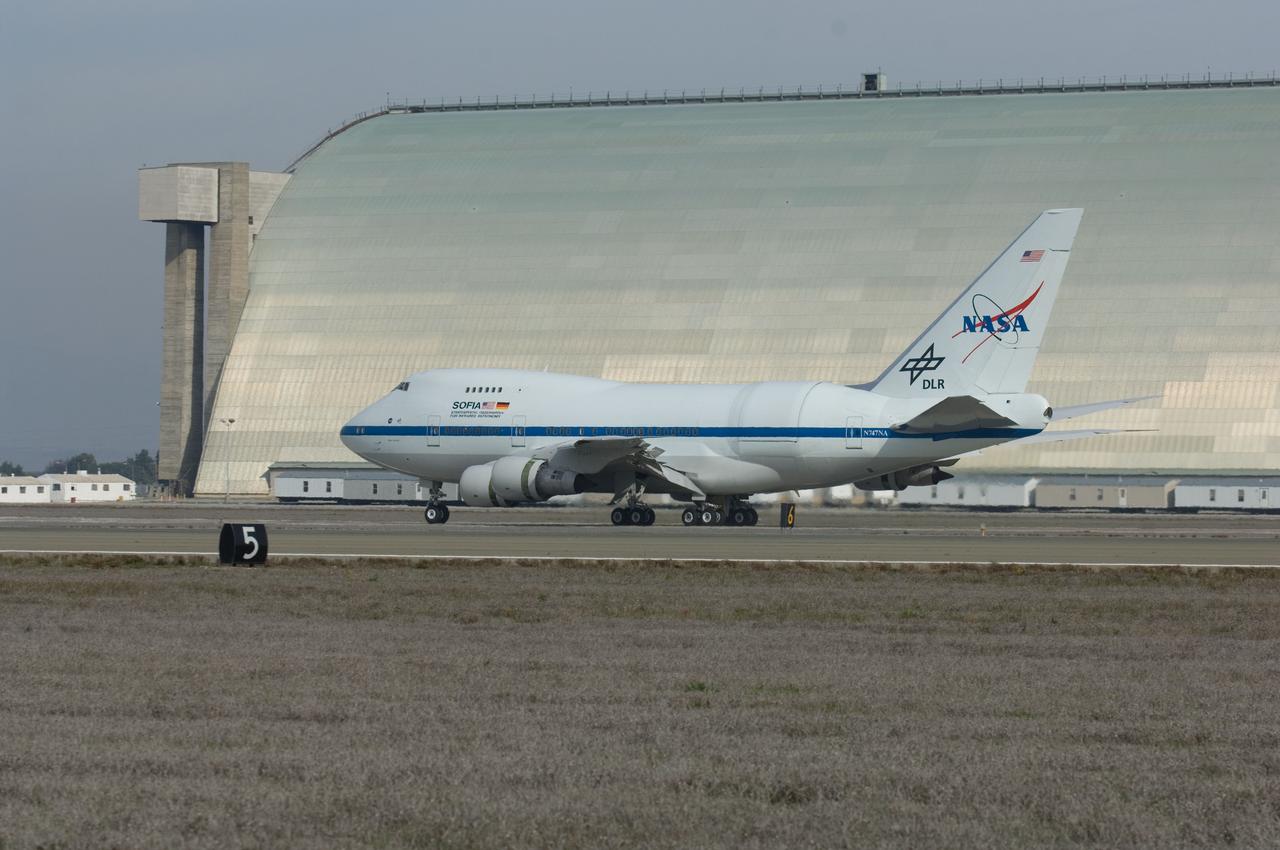
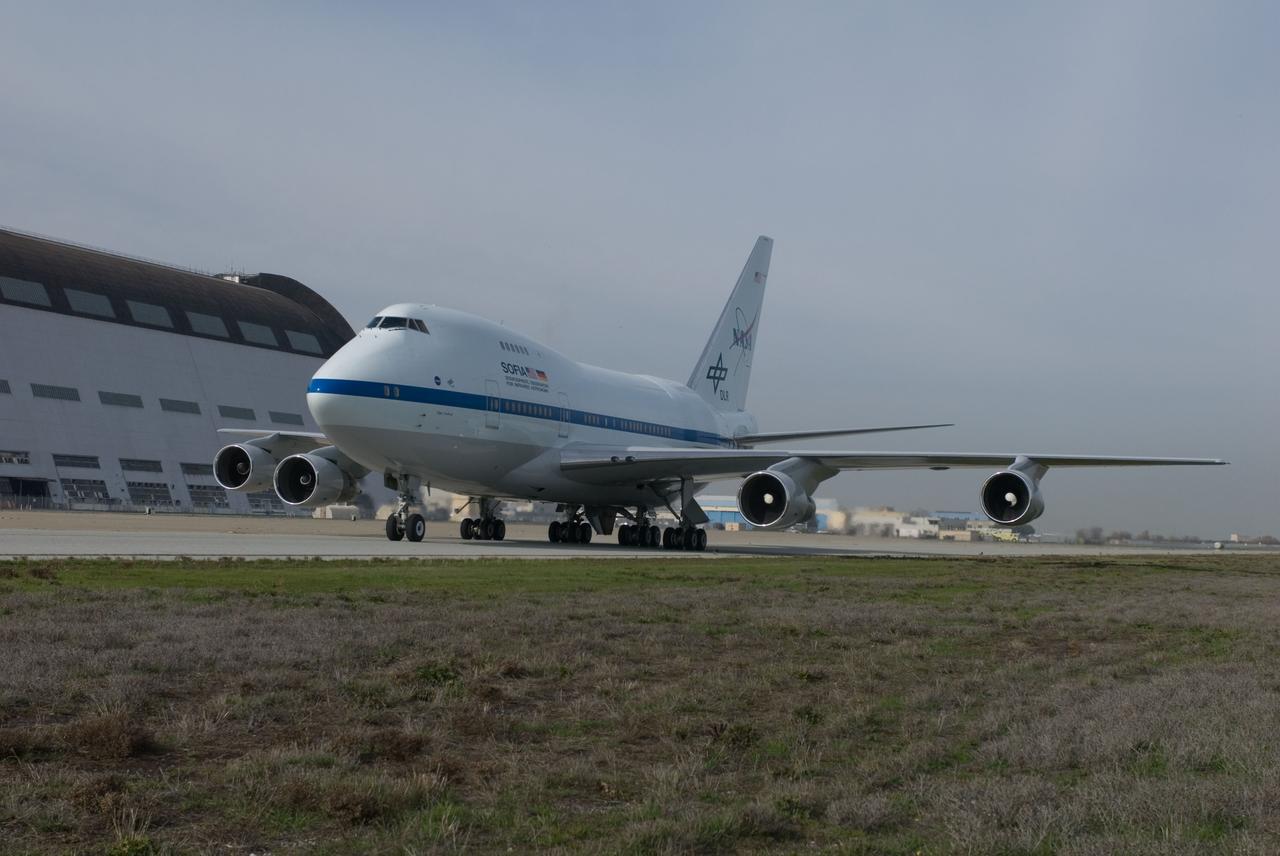
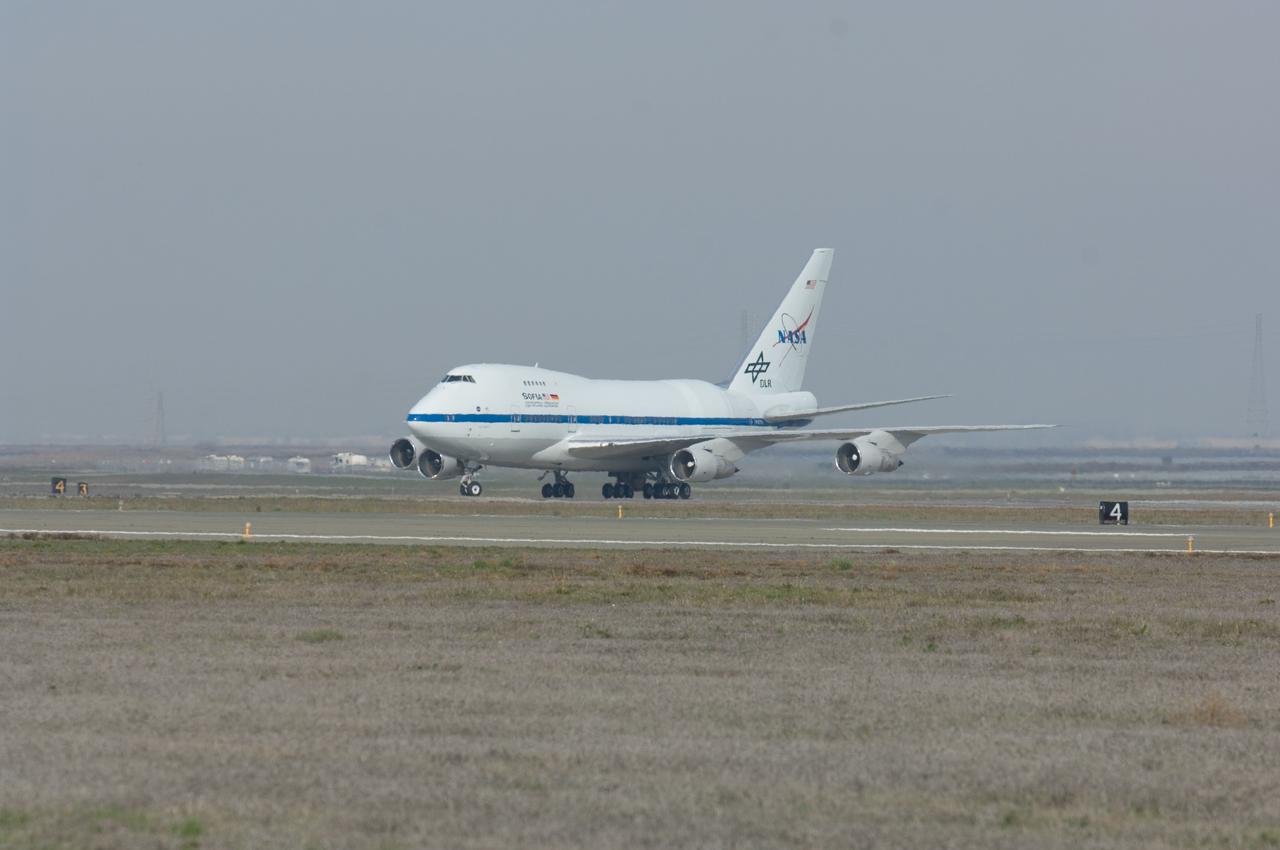
SOFIA (Stratospheric Ovservatory for Infrared Astronomy) visit to Ames Research Center, Moffett Field, CA: landing
ARC-2008-ACD08-0005-003
SOFIA (Stratospheric Observatory for Infrared Astronomy) primary mirror being coated in the Ames N-211 Vacuum Chamber.
ARC-2008-ACD08-0110-178
SOFIA (Stratospheric Ovservatory for Infrared Astronomy) visit to Ames Research Center, Moffett Field, CA: landing and taxi to tower
ARC-2008-ACD08-0005-024
SOFIA (Stratospheric Observatory for Infrared Astronomy) primary mirror being coated in the Ames N-211 Vacuum Chamber.
ARC-2008-ACD08-0110-222
SOFIA (Stratospheric Observatory for Infrared Astronomy) primary mirror being coated in the Ames N-211 Vacuum Chamber.
ARC-2008-ACD08-0110-204
SOFIA (Stratospheric Observatory for Infrared Astronomy) primary mirror being coated in the Ames N-211 Vacuum Chamber.
ARC-2008-ACD08-0110-185
SOFIA (Stratospheric Observatory for Infrared Astronomy) primary mirror being coated in the Ames N-211 Vacuum Chamber.
ARC-2008-ACD08-0110-126
SOFIA (Stratospheric Observatory for Infrared Astronomy) primary mirror being coated in the Ames N-211 Vacuum Chamber.
ARC-2008-ACD08-0110-242
SOFIA (Stratospheric Observatory for Infrared Astromony)  primary mirror coating completed at the Ames Vacuum Chamber in N-211.
ARC-2008-ACD08-0110-263
SOFIA (Stratospheric Observatory for Infrared Astronomy) primary mirror being coated in the Ames N-211 Vacuum Chamber.
ARC-2008-ACD08-0110-079
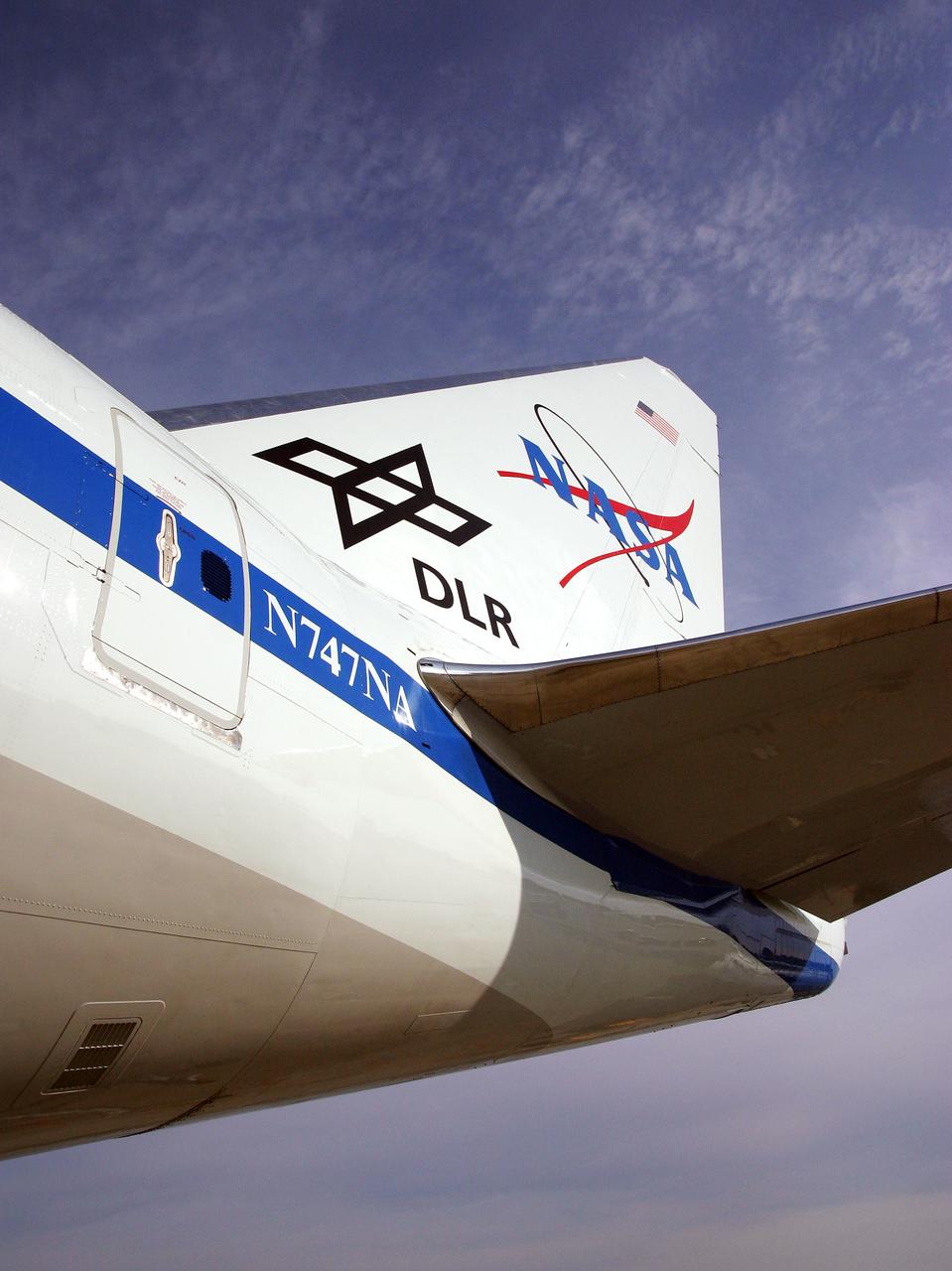
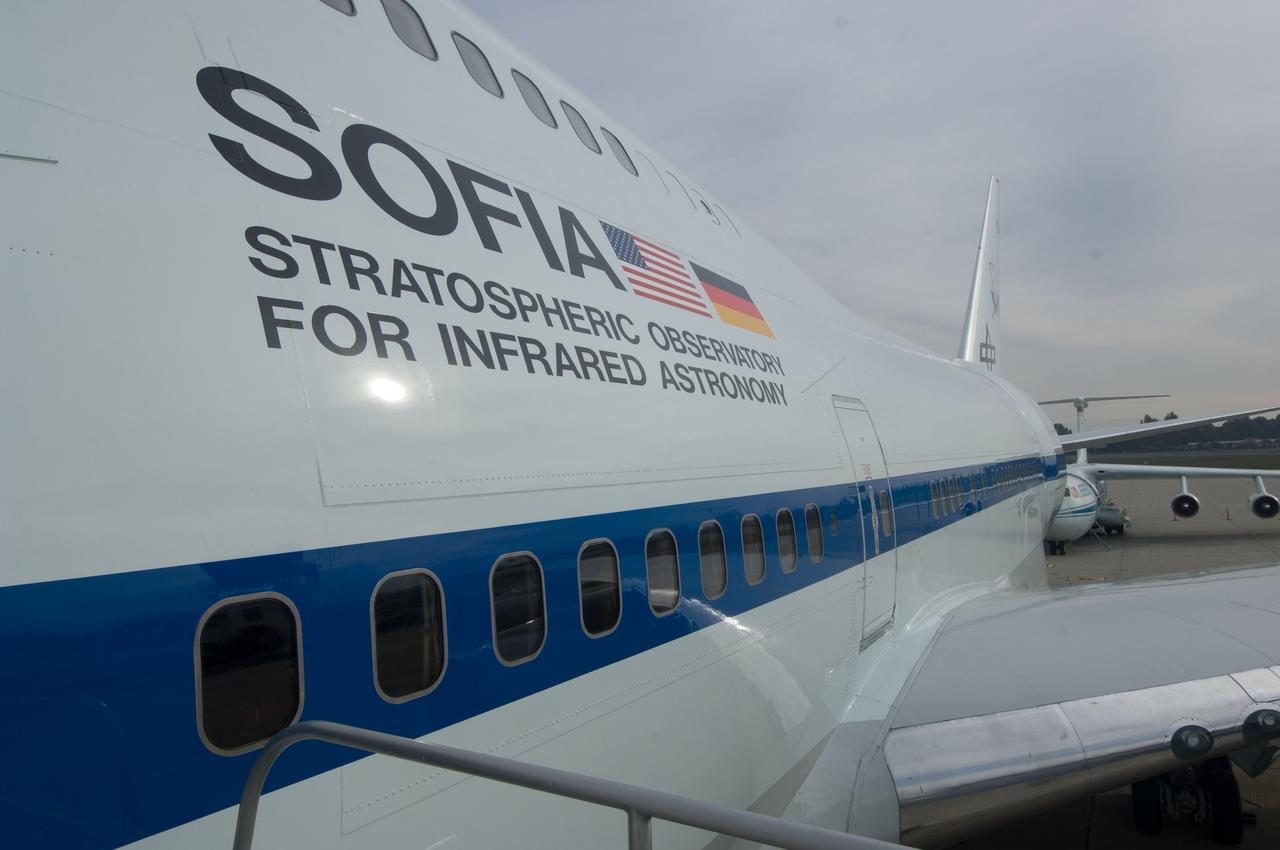
SOFIA (Stratospheric Ovservatory for Infrared Astronomy) visit to Ames Research Center, Moffett Field, CA: tail
ARC-2008-ACD08-0005-010
SOFIA (Stratospheric Ovservatory for Infrared Astronomy) visit to Ames Research Center, Moffett Field, CA: landing and taxi to tower
ARC-2008-ACD08-0005-020
SOFIA (Stratospheric Observatory for Infrared Astronomy) primary mirror being coated in the Ames N-211 Vacuum Chamber.
ARC-2008-ACD08-0110-211
SOFIA (Stratospheric Observatory for Infrared Astronomy) primary mirror being coated in the Ames N-211 Vacuum Chamber.
ARC-2008-ACD08-0110-224
SOFIA (Stratospheric Ovservatory for Infrared Astronomy) visit to Ames Research Center, Moffett Field, CA: landing and taxi to tower
ARC-2008-ACD08-0005-042
SOFIA (Stratospheric Observatory for Infrared Astronomy) primary mirror being coated in the Ames N-211 Vacuum Chamber.
ARC-2008-ACD08-0110-218
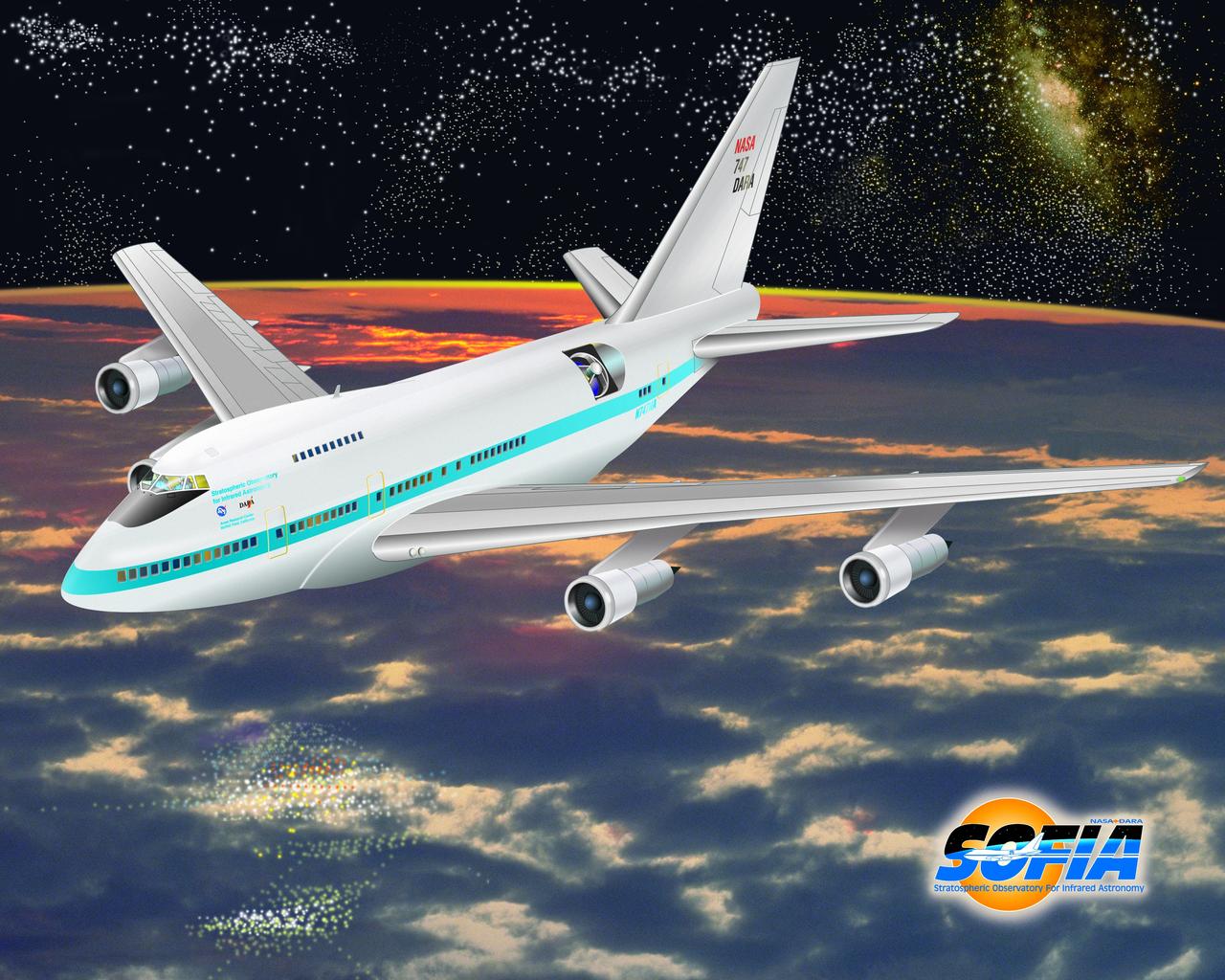
Artwork SOFIA (Stratospheric Observatory for Infrared Astronomy) in flight morning sky with logo in layers photoshop file
ARC-1997-ACD96-0402-1
SOFIA (Stratospheric Observatory for Infrared Astromony)  primary mirror coating completed at the Ames Vacuum Chamber in N-211.
ARC-2008-ACD08-0110-262
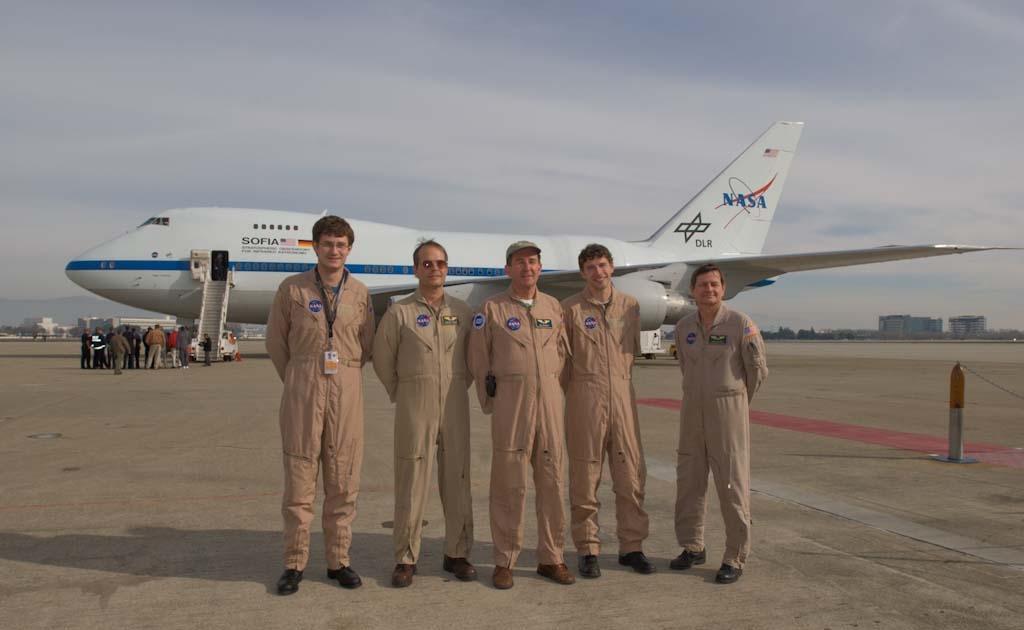
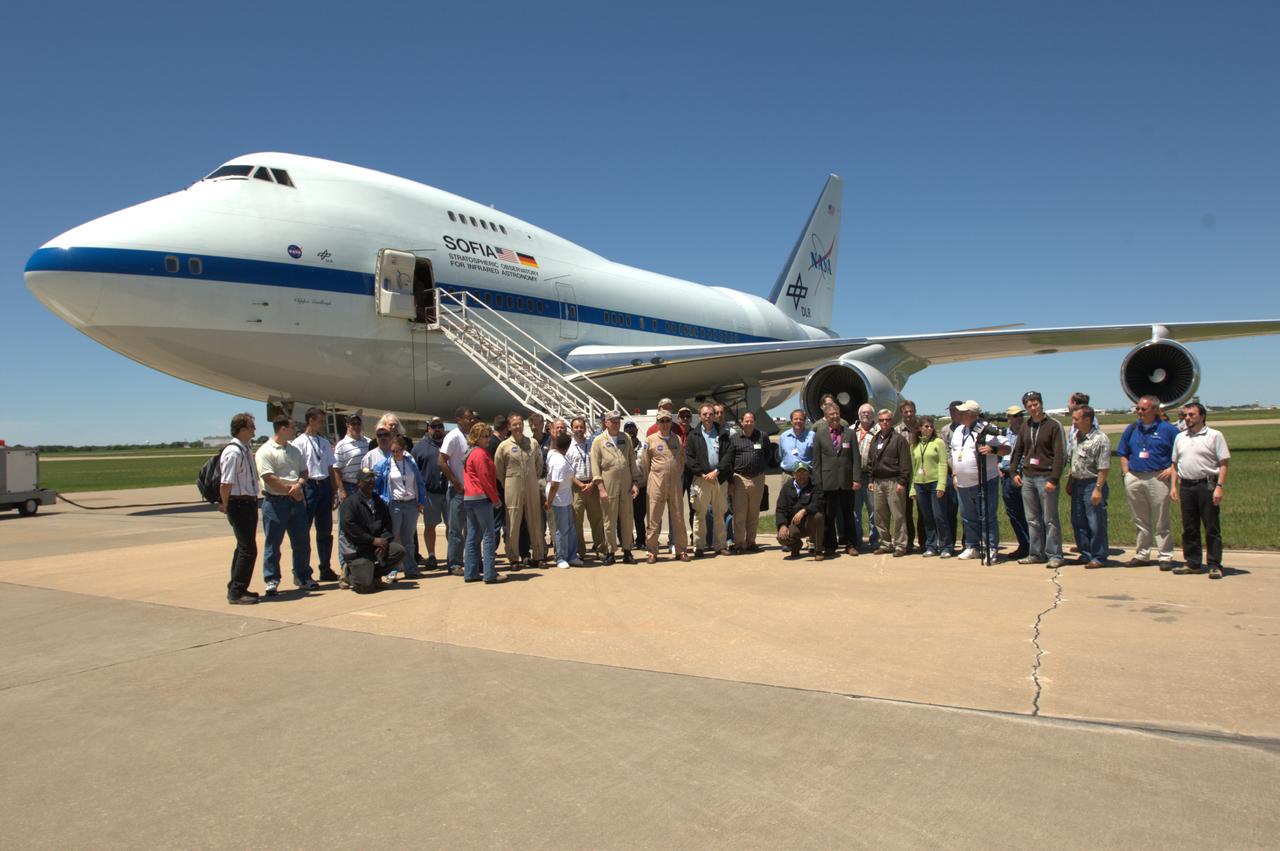
SOFIA: 1st shakedown flight out of WACO, TX   mission support crew in Waco
ARC-2007-ACD07-0078-015
SOFIA (Stratospheric Ovservatory for Infrared Astronomy) visit to Ames Research Center, Moffett Field, CA: landing and taxi to tower
ARC-2008-ACD08-0005-026
SOFIA (Stratospheric Ovservatory for Infrared Astronomy) visit to Ames Research Center, Moffett Field, CA: landing and taxi to tower
ARC-2008-ACD08-0005-031
SOFIA (Stratospheric Observatory for Infrared Astronomy) primary mirror being coated in the Ames N-211 Vacuum Chamber.
ARC-2008-ACD08-0110-219
SOFIA (Stratospheric Observatory for Infrared Astromony)  primary mirror coating completed at the Ames Vacuum Chamber in N-211.
ARC-2008-ACD08-0110-260
SOFIA (Stratospheric Observatory for Infrared Astromony)  primary mirror coating completed at the Ames Vacuum Chamber in N-211.
ARC-2008-ACD08-0110-265
SOFIA (Stratospheric Observatory for Infrared Astronomy) primary mirror being coated in the Ames N-211 Vacuum Chamber.
ARC-2008-ACD08-0110-209
SOFIA visit to Ames: landing/taxi/ pilots/crowds shown here are Warren Hall, Marty Knutson and Steve Zornetzer
ARC-2008-ACD08-0005-085
SOFIA (Stratospheric Observatory for Infrared Astronomy) primary mirror being coated in the Ames N-211 Vacuum Chamber.
ARC-2008-ACD08-0110-235
SOFIA (Stratospheric Observatory for Infrared Astronomy) primary mirror being coated in the Ames N-211 Vacuum Chamber.
ARC-2008-ACD08-0110-195
SOFIA (Stratospheric Observatory for Infrared Astronomy) primary mirror being coated in the Ames N-211 Vacuum Chamber.
ARC-2008-ACD08-0110-245
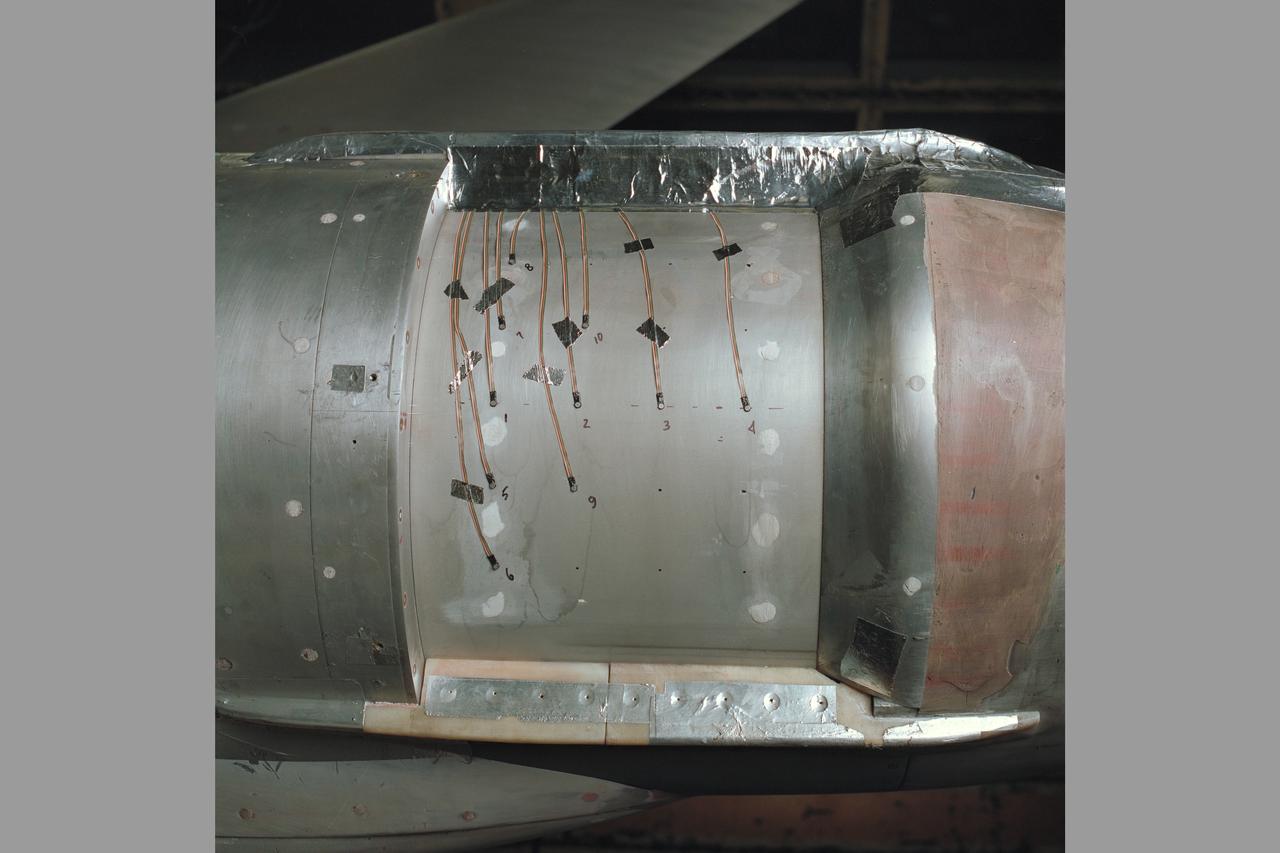
Slot Baffle III test (SOFIA) program 14ft w.t. Test-227-2-14 Telescope cover
ARC-1969-AC96-0365-22
SOFIA (Stratospheric Observatory for Infrared Astronomy) primary mirror being coated in the Ames N-211 Vacuum Chamber.
ARC-2008-ACD08-0110-213
SOFIA (Stratospheric Observatory for Infrared Astromony)  primary mirror coating completed at the Ames Vacuum Chamber in N-211.
ARC-2008-ACD08-0110-264
SOFIA (Stratospheric Ovservatory for Infrared Astronomy) visit to Ames Research Center, Moffett Field, CA: landing
ARC-2008-ACD08-0005-005
SOFIA (Stratospheric Ovservatory for Infrared Astronomy) visit to Ames Research Center, Moffett Field, CA: landing and taxi to tower
ARC-2008-ACD08-0005-036
SOFIA (Stratospheric Ovservatory for Infrared Astronomy) visit to Ames Research Center, Moffett Field, CA: landing and taxi to tower
ARC-2008-ACD08-0005-025
SOFIA (Stratospheric Observatory for Infrared Astronomy) primary mirror being coated in the Ames N-211 Vacuum Chamber.
ARC-2008-ACD08-0110-207
SOFIA (Stratospheric Observatory for Infrared Astronomy) primary mirror being coated in the Ames N-211 Vacuum Chamber.
ARC-2008-ACD08-0110-186
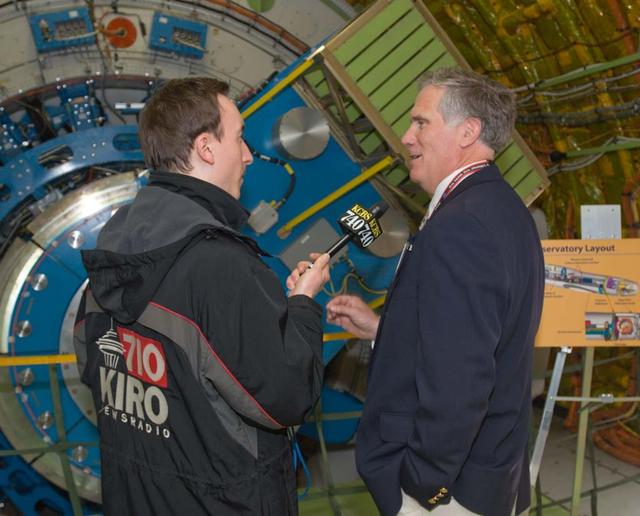
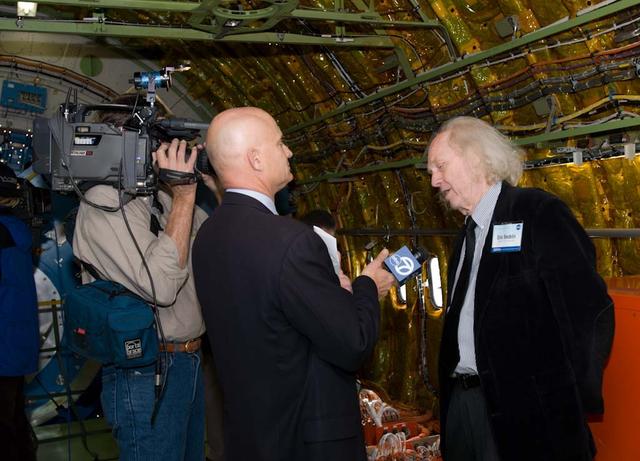
SOFIA visit to Ames: landing/taxi/ pilots/crowds Eric Becklin being interviewed by Wayne Freeman Channel 7 News
ARC-2008-ACD08-0005-077
SOFIA (Stratospheric Observatory for Infrared Astronomy) primary mirror being coated in the Ames N-211 Vacuum Chamber.
ARC-2008-ACD08-0110-223
SOFIA (Stratospheric Observatory for Infrared Astronomy) primary mirror being coated in the Ames N-211 Vacuum Chamber.
ARC-2008-ACD08-0110-221
SOFIA (Stratospheric Observatory for Infrared Astronomy) primary mirror being coated in the Ames N-211 Vacuum Chamber.
ARC-2008-ACD08-0110-226
SOFIA (Stratospheric Observatory for Infrared Astronomy) primary mirror being coated in the Ames N-211 Vacuum Chamber.
ARC-2008-ACD08-0110-205
SOFIA (Stratospheric Observatory for Infrared Astronomy) primary mirror being coated in the Ames N-211 Vacuum Chamber.
ARC-2008-ACD08-0110-228
SOFIA (Stratospheric Ovservatory for Infrared Astronomy) visit to Ames Research Center, Moffett Field, CA: landing and taxi to tower
ARC-2008-ACD08-0005-048
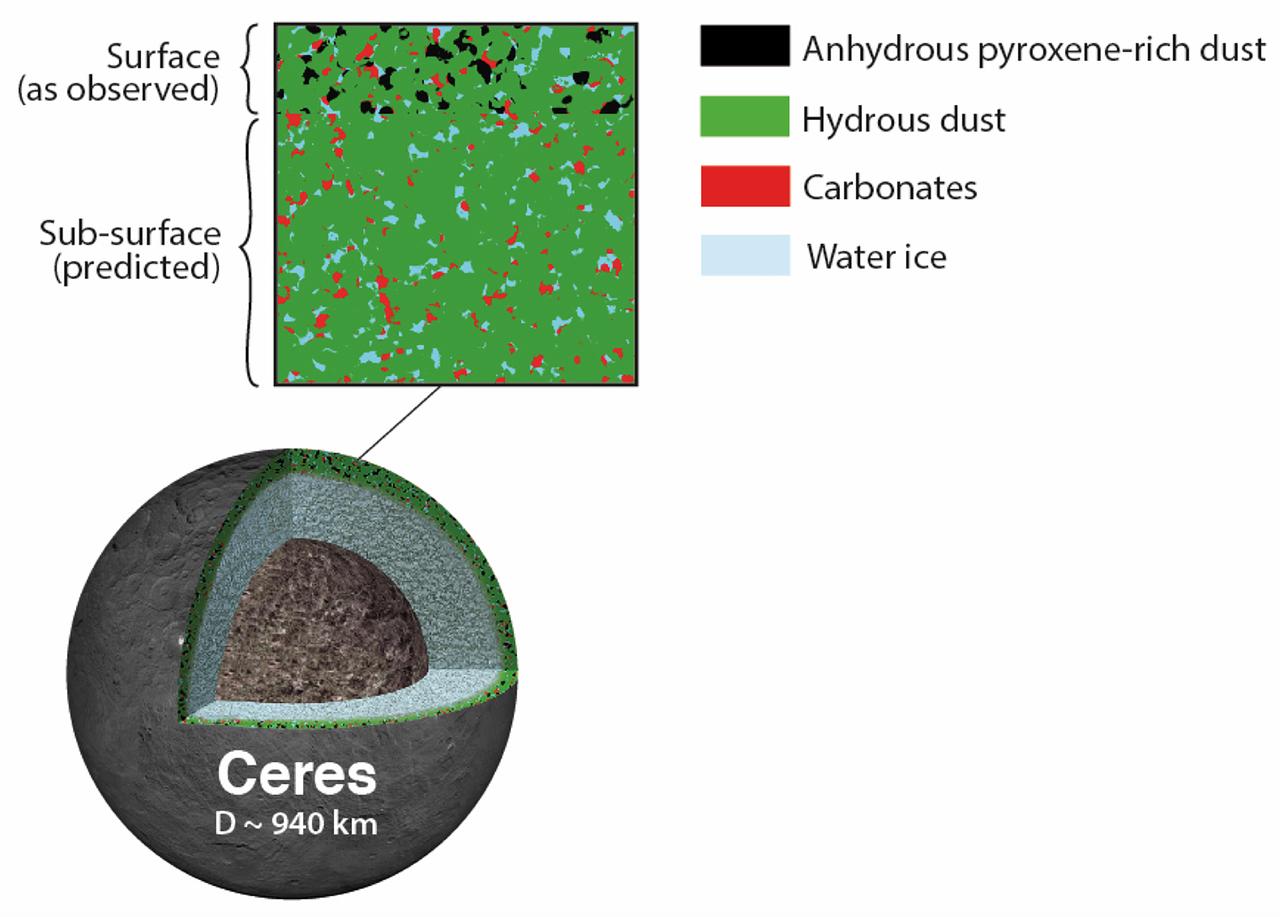
SCI2017_0003: The column of material at and just below the surface of dwarf planet Ceres (box) – the top layer contains anhydrous (dry) pyroxene dust accumulated from space mixed in with native hydrous (wet) dust, carbonates, and water ice. (Bottom) Cross section of Ceres showing the surface layers that are the subject of this study plus a watery mantle and a rocky-metallic core. Credit: Pierre Vernazza, LAM–CNRS/AMU
SOFIA Science Imagery
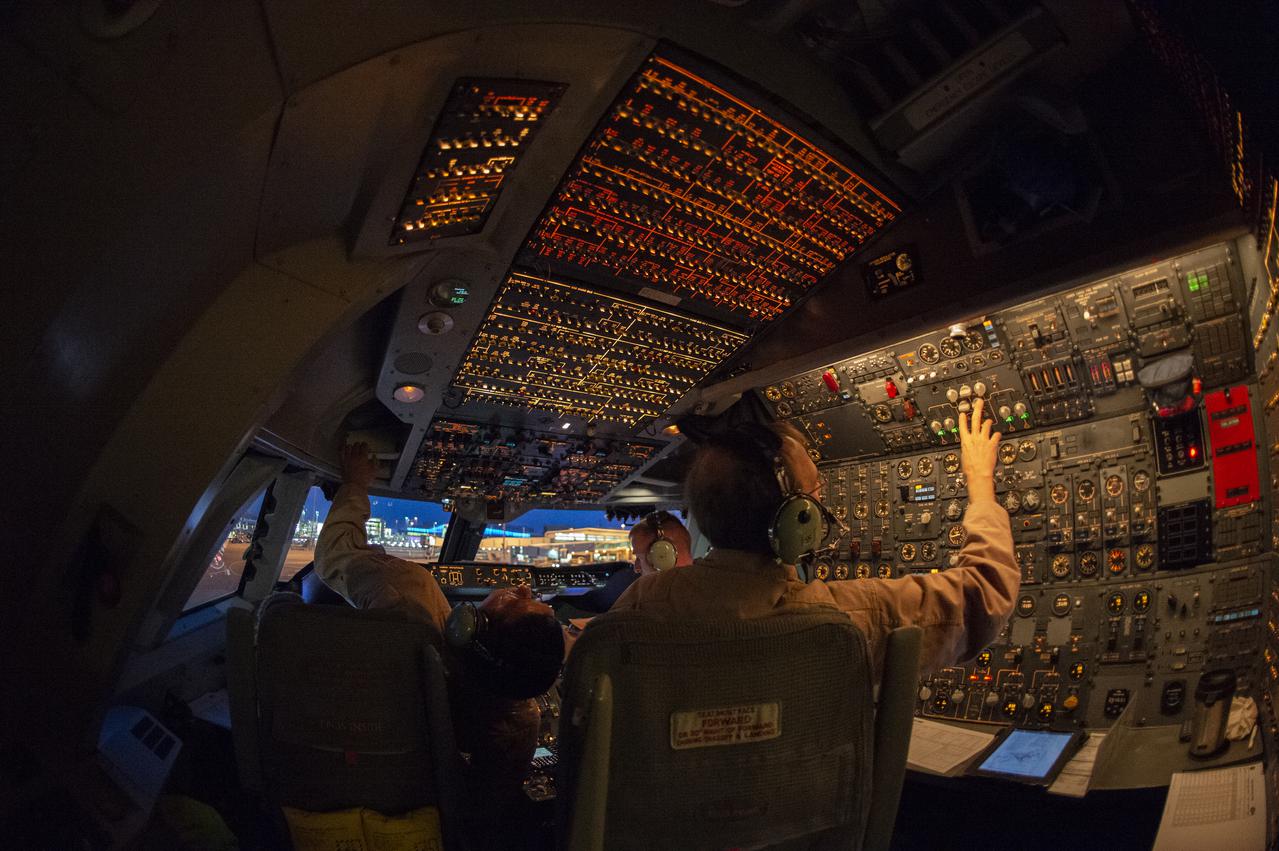
SOFIA’s flight crew prepare to takeoff from the U.S. Antarctic Program facility   at Christchurch International Airport in Christchurch, New Zealand, to observe the Southern Hemisphere’s skies. Pilot: Manny Antimisiaris, Co-Pilot: Jim Less, Flight Engineer: Marty Trout
SOFIA Prepares For Take-Off
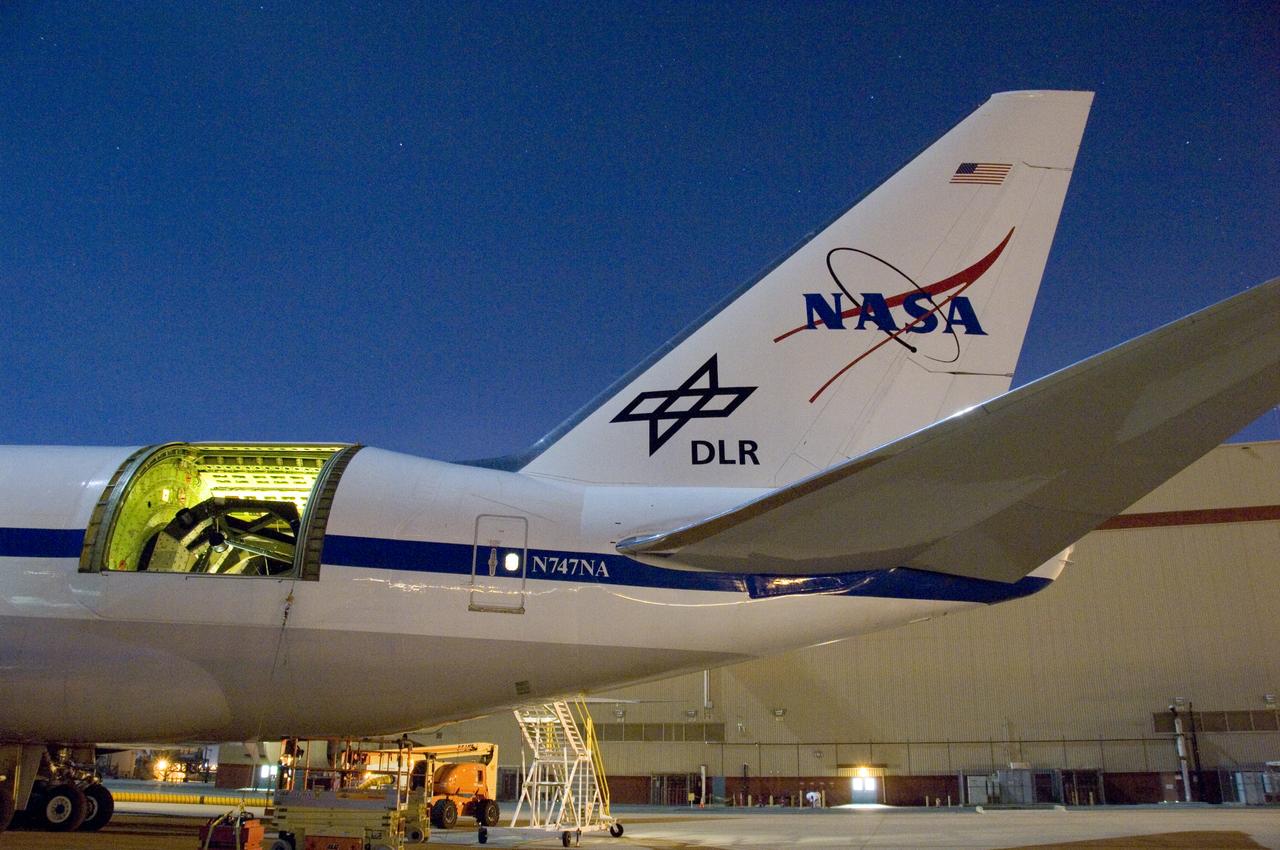
The SOFIA airborne observatory's 2.5-meter infrared telescope peers out from its cavity in the SOFIA rear fuselage during nighttime line operations testing.
The SOFIA airborne observatory's 2.5-meter infrared telescope peers out from its cavity in the SOFIA rear fuselage during nighttime line operations testing