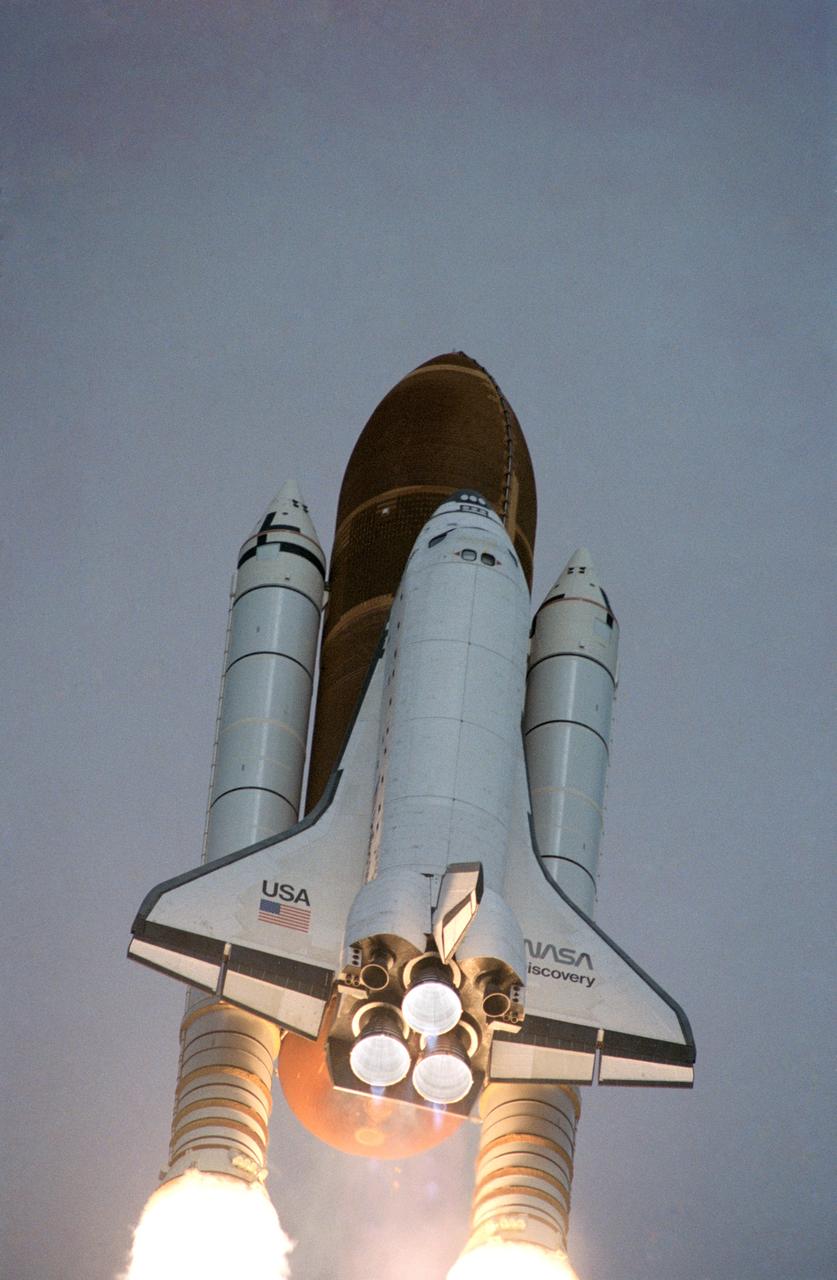
STS031-S-074 (24 April 1990) --- A low-angle view of the launch of the STS-31 mission. Onboard Discovery are a crew of five veteran astronauts and the Hubble Space Telescope (HST). Official launch time was 8:33:51.0492 a.m. (EDT). Headed for approximately five days in space are astronauts Loren J. Shriver, Charles F. Bolden Jr., Bruce McCandless II, Kathryn D. Sullivan and Steven S. Hawley.
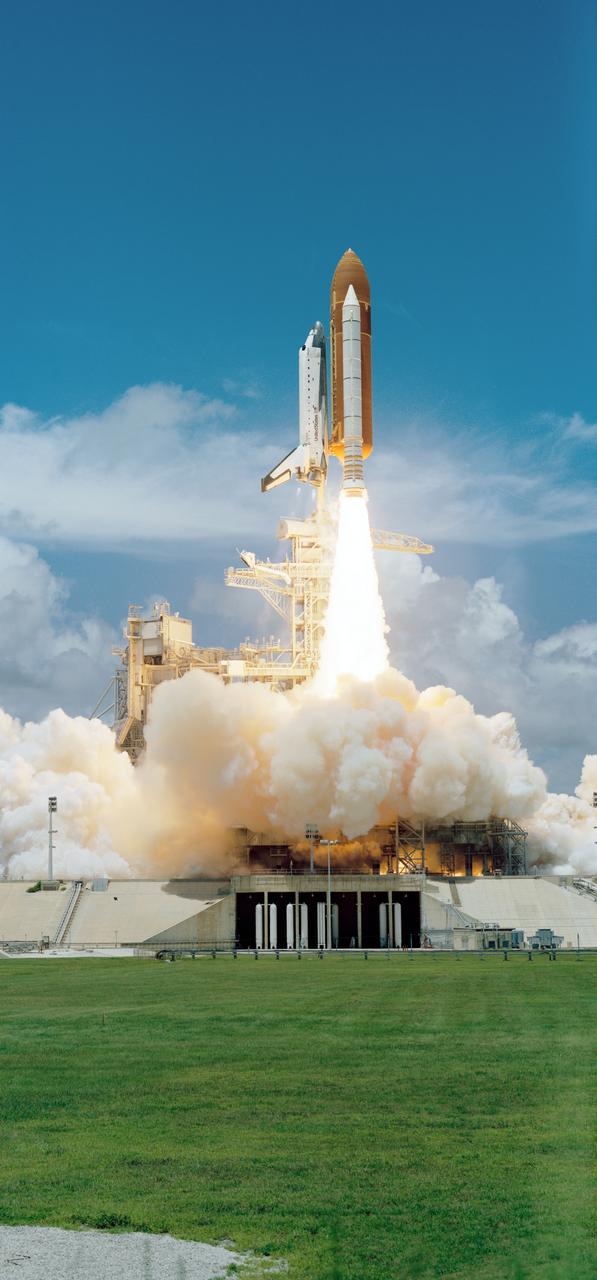
STS065-S-048 (8 July 1994) --- The Space Shuttle Columbia, with six NASA astronauts and a Japanese payload specialist aboard, heads toward Earth-orbit. A short time later, the crew began setting up the science module for two weeks of experimentation in support of the second International Microgravity Laboratory (IML-2). Launch occurred at 12:43 p.m. (EDT), July 8, 1994. Onboard were astronauts Robert D. Cabana, James D. Halsell, Jr., Richard J. Hieb, Carl E. Walz, Leroy Chiao, and Donald A. Thomas along with NASDA payload specialist Dr. Chiaki Mukai.
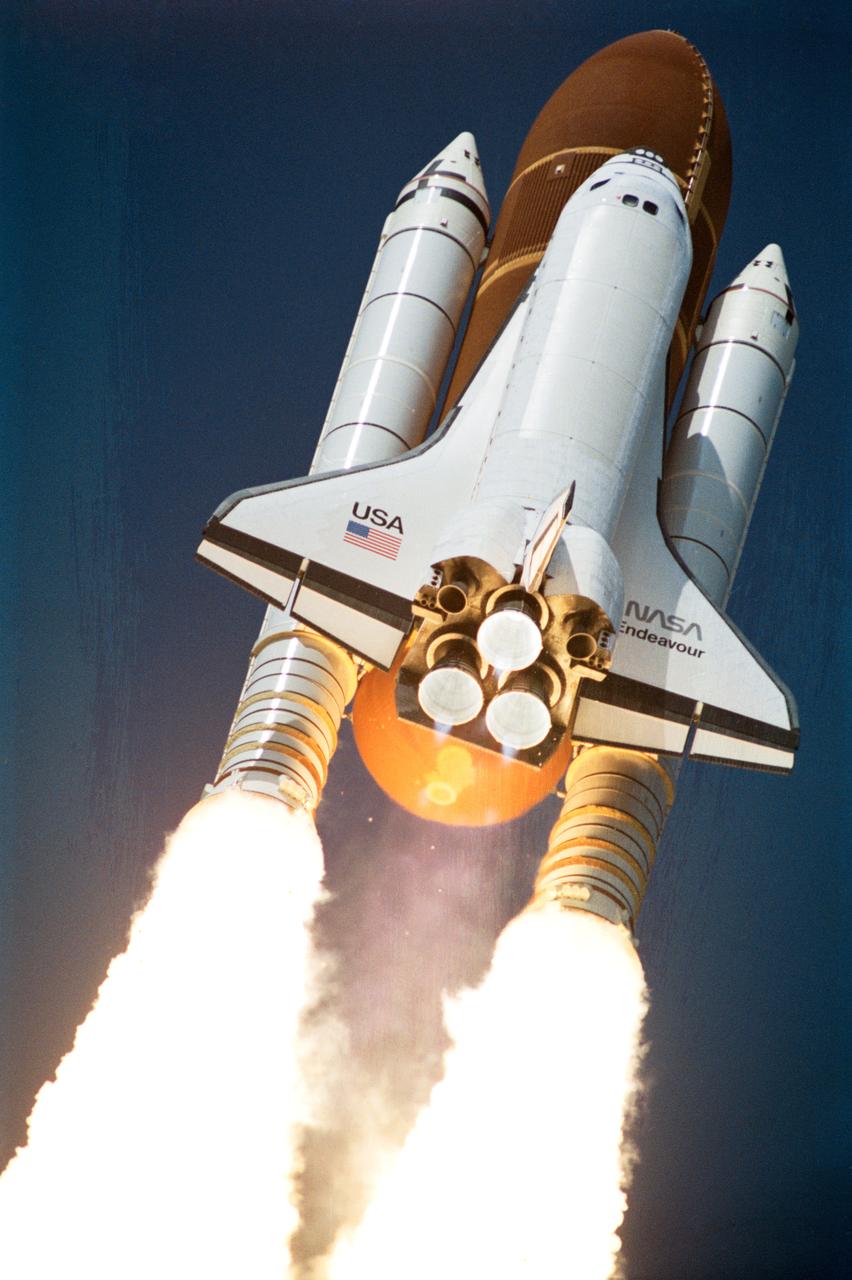
STS047-S-039 (12 Sept 1992) --- A 35mm camera was used to record this low-angle view of the STS-47 launch. With a crew of six NASA astronauts and a Japanese payload specialist onboard, the Space Shuttle Endeavour was heading for its second trip into space. This mission will be devoted to support of the Spacelab-J mission, a joint effort between Japan and the United States. Launch occurred at 10:23:00:0680 a.m. (EDT), September 12, 1992. Onboard were astronauts Robert L. Gibson, mission commander; Curtis L. Brown Jr., pilot; Mark C. Lee, payload commander; and Jerome (Jay) Apt, Mae C. Jemison and N. Jan Davis, mission specialists; along with payload specialist Mamoru Mohri, representing the National Space Development Agency (NASDA) of Japan.
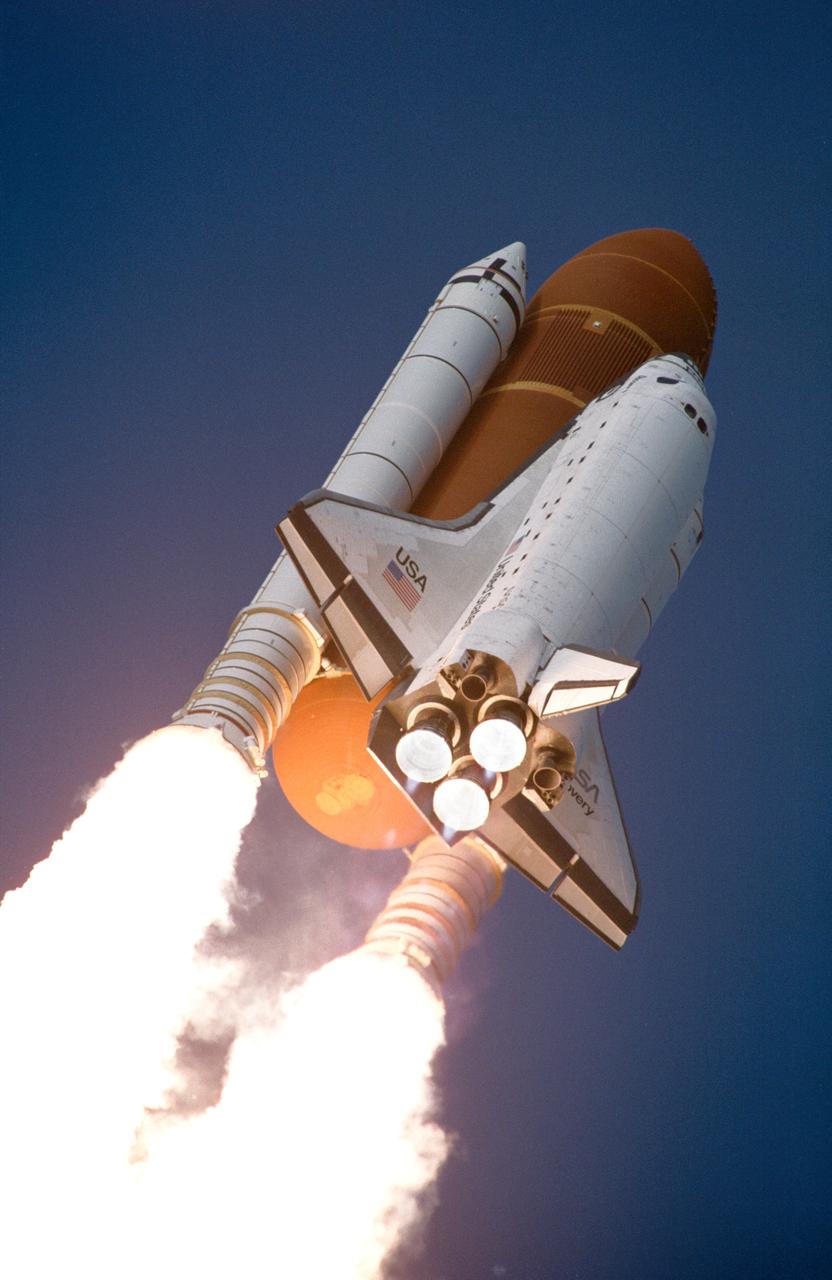
STS053-S-058 (2 Dec. 1992) --- The space shuttle Discovery, with a crew of five astronauts onboard, launches from Kennedy Space Center's (KSC) Pad 39A at 8:24:00 a.m. (EST), Dec. 2, 1992. The all military crew supporting the Department of Defense (DOD) flight included astronauts David M. Walker, Robert D. Cabana, Guion S. Bluford, Jr., James S. Voss and Michael R. U. (Rich) Clifford.
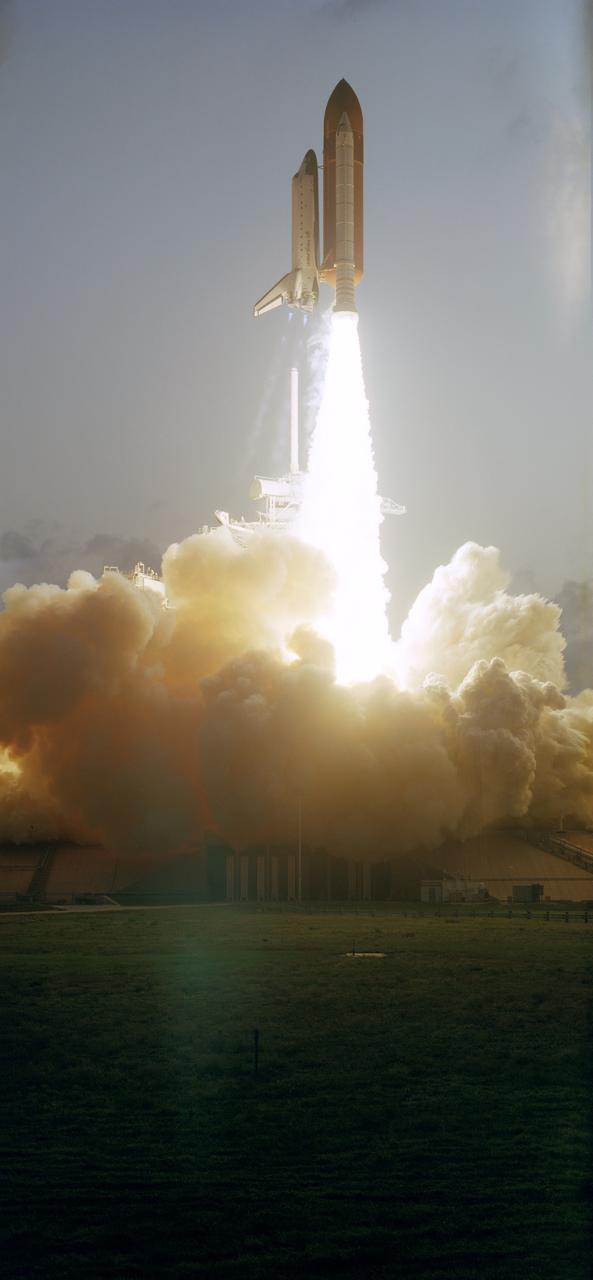
STS049-S-251 (7 May 1992) --- The Space Shuttle Endeavour soars toward Earth orbit where a crew of seven NASA astronauts will spend at least a week. Endeavour, the newest orbiter in NASA's Space Shuttle fleet, lifted off from Pad 39B at 7:40 p.m. (EDT), May 7, 1992. A diamond shock effect can be seen beneath the three main engines. Onboard are astronauts Daniel C. Brandenstein, mission commander; Kevin P. Chilton, pilot; and Richard J. Hieb, Bruce E. Melnick, Pierre J. Thuot, Kathryn C. Thornton and Thomas D. Akers, all mission specialists.
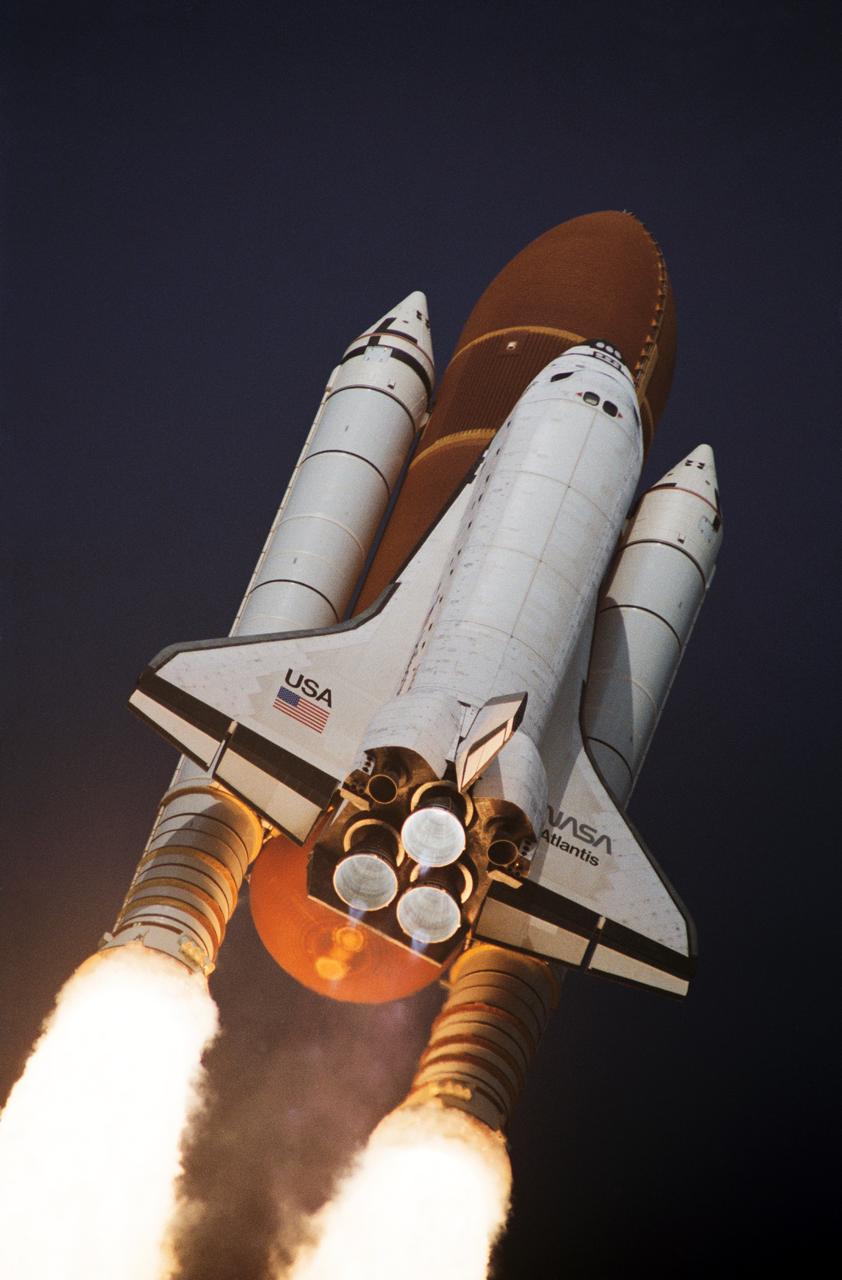
STS045-S-053 (24 March 1992) --- A low-angle view of the Space Shuttle Atlantis as it soars off the launch pad and heads toward Earth orbit with a crew of seven and the Atmospheric Laboratory for Applications and Science (ATLAS) aboard. Launch occurred at 8:13:40:048 a.m. (EST), March 24, 1992. Onboard were astronauts Charles F. Bolden, STS-45 commander; Brian Duffy, pilot; Kathryn D. Sullivan, payload commander; David C. Leestma and C. Michael Foale, mission specialists; and Dirk Frimout of the European Space Agency and Byron K. Lichtenberg, payload specialists.
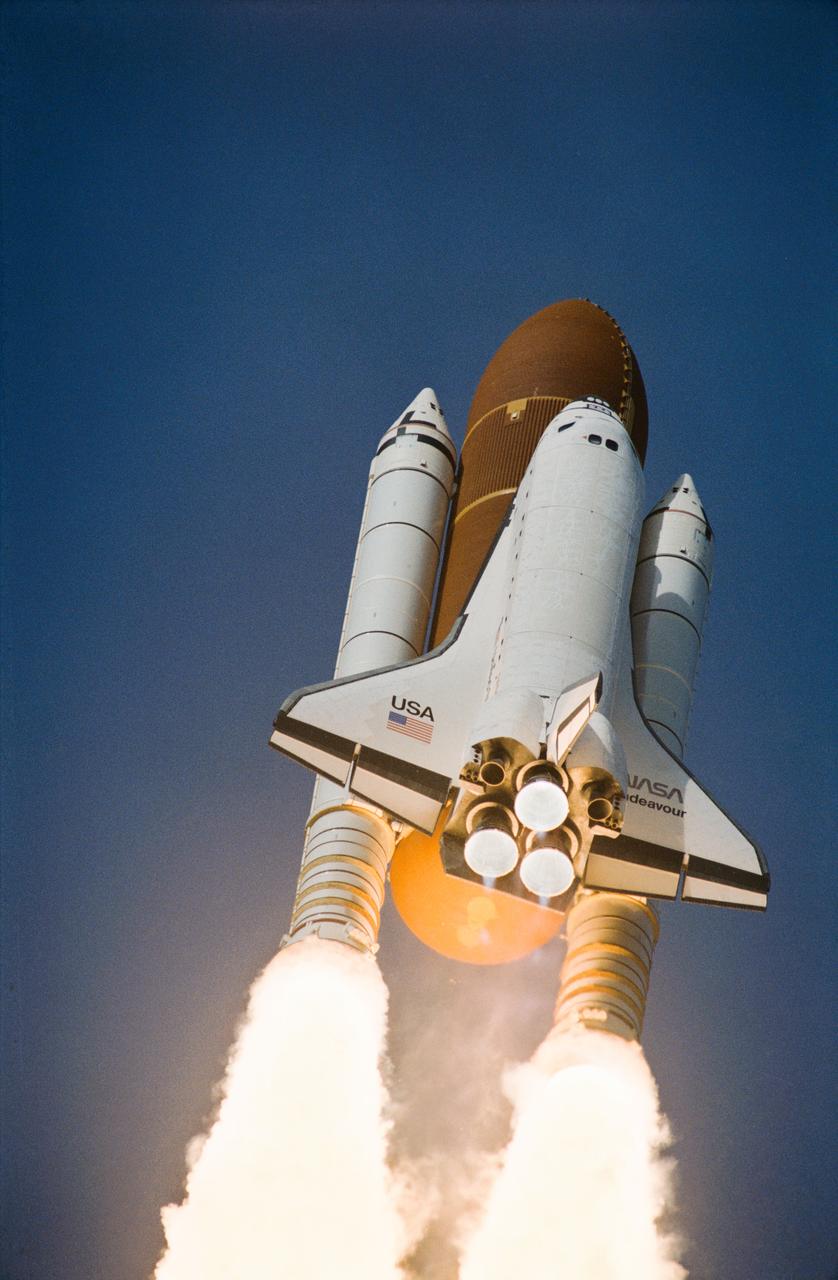
STS054-S-062 (13 Jan 1993) --- A low-angle view of the Space Shuttle Endeavour as it soars off the launch pad and heads toward Earth orbit with a crew of five and the Tracking and Data Relay Satellite (TDRS-F) aboard. Launch occurred at 8:59:30 a.m. (EST), January 13, 1993. Onboard were John H. Casper, mission commander, Donald R. McMonagle, pilot, Gregory J. Harbaugh, Mario Runco Jr., and Susan J. Helms, mission specialists.
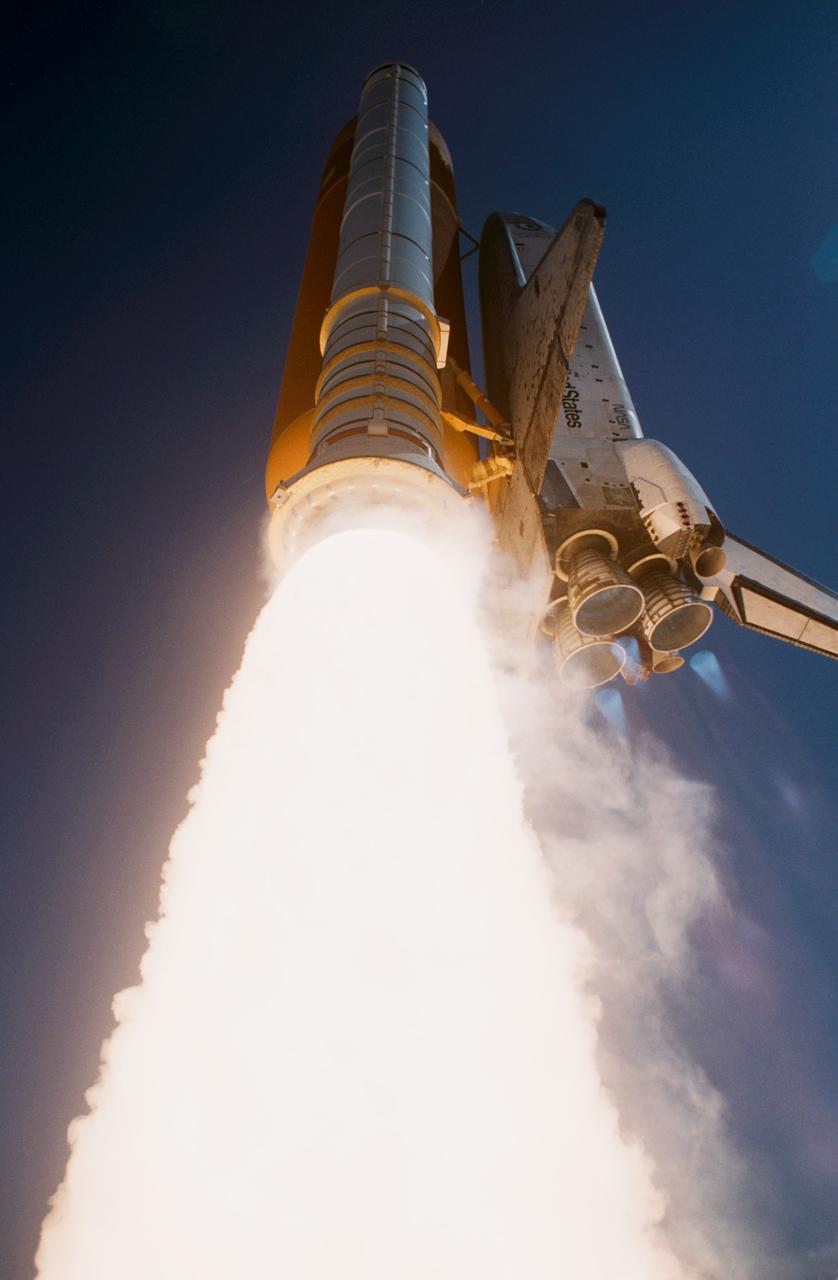
STS052-S-053 (22 Oct. 1992) --- This low-angle 35mm image shows the space shuttle Columbia on its way toward a ten-day Earth-orbital mission with a crew of five NASA astronauts and a Canadian payload specialist. Liftoff occurred at 1:09:39 p.m. (EDT), Oct. 22, from Kennedy Space Center?s (KSC) Launch Pad 39B. Crew members onboard are astronauts James D. Wetherbee, Michael A. Baker, Tamara E. Jernigan, Charles L. (Lacy) Veach and William M. Shepherd, along with payload specialist Steven G. MacLean. Payloads onboard include the Laser Geodynamic Satellite II (LAGEOS II), which will be deployed early in the mission, a series of Canadian experiments, and the United States Microgravity Payload-1 (USMP-1). Photo credit: NASA
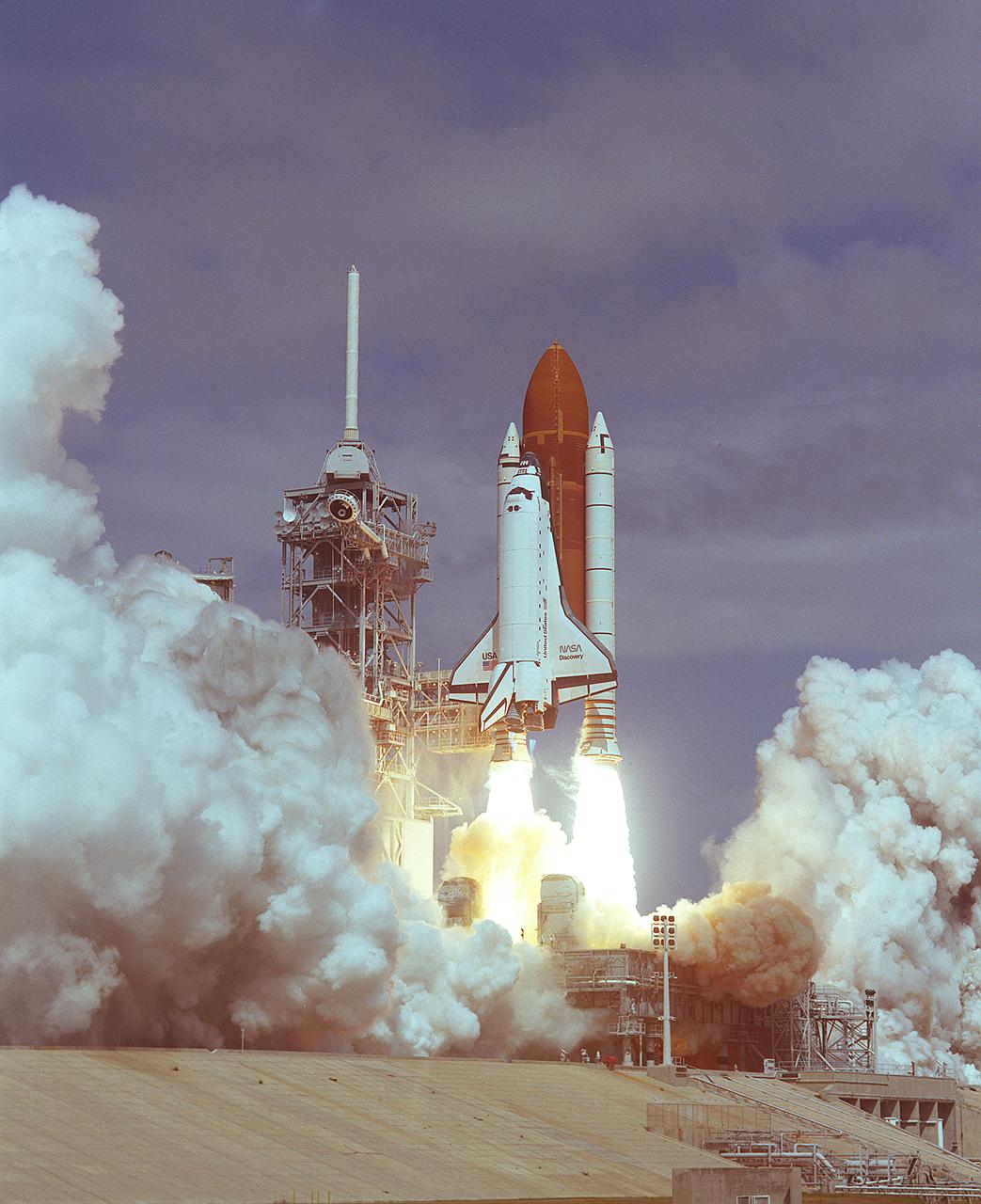
On September 29, 1988, after a 32-month hiatus in the Space Shuttle program that followed the Challenger accident, orbiter Discovery roared upward on the strength of its Marshall-managed solid rocket boosters, external tank, and Space Shuttle main engines.

The Space Shuttle represented an entirely new generation of space vehicle, the world's first reusable spacecraft. Unlike earlier expendable rockets, the Shuttle was designed to be launched over and over again and would serve as a system for ferrying payloads and persornel to and from Earth orbit. The Shuttle's major components are the orbiter spacecraft; the three main engines, with a combined thrust of more than 1.2 million pounds; the huge external tank (ET) that feeds the liquid hydrogen fuel and liquid oxygen oxidizer to the three main engines; and the two solid rocket boosters (SRB's), with their combined thrust of some 5.8 million pounds. The SRB's provide most of the power for the first two minutes of flight. Crucially involved with the Space Shuttle program virtually from its inception, the Marshall Space Flight Center (MSFC) played a leading role in the design, development, testing, and fabrication of many major Shuttle propulsion components. The MSFC was assigned responsibility for developing the Shuttle orbiter's high-performance main engines, the most complex rocket engines ever built. The MSFC was also responsible for developing the Shuttle's massive ET and the solid rocket motors and boosters.

The Space Shuttle represented an entirely new generation of space vehicles, the world's first reusable spacecraft. Unlike earlier expendable rockets, the Shuttle was designed to be launched over and over again and would serve as a system for ferrying payloads and persornel to and from Earth orbit. The Shuttle's major components are the orbiter spacecraft; the three main engines, with a combined thrust of more than 1.2 million pounds; the huge external tank (ET) that feeds the liquid hydrogen fuel and liquid oxygen oxidizer to the three main engines; and the two solid rocket boosters (SRB's), with their combined thrust of some 5.8 million pounds, that provide most of the power for the first two minutes of flight. Crucially involved with the Space Shuttle program virtually from its inception, the Marshall Space Flight Center (MSFC) played a leading role in the design, development, testing, and fabrication of many major Shuttle propulsion components. The MSFC was assigned responsibility for developing the Shuttle orbiter's high-performance main engines, the most complex rocket engines ever built. The MSFC was also responsible for developing the Shuttle's massive ET and the solid rocket motors and boosters.
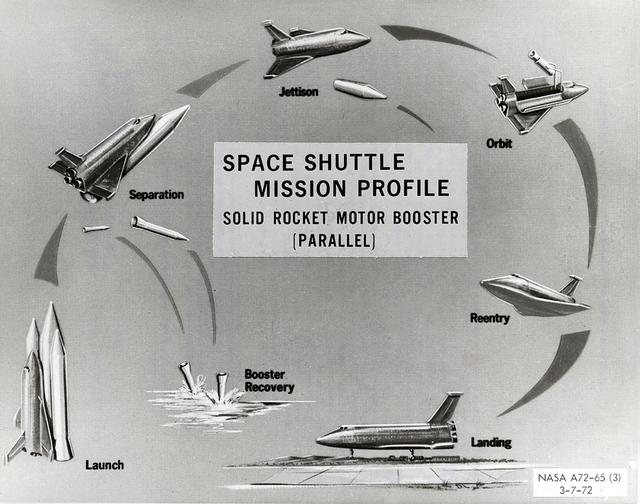
This early chart conceptualizes the use of two parallel Solid Rocket Motor Boosters in conjunction with three main engines to launch the proposed Space Shuttle to orbit. At approximately twenty-five miles altitude, the boosters would detach from the Orbiter and parachute back to Earth where they would be recovered and refurbished for future use. The Shuttle was designed as NASA's first reusable space vehicle, launching vertically like a spacecraft and landing on runways like conventional aircraft. Marshall Space Flight Center had management responsibility for the Shuttle's propulsion elements, including the Solid Rocket Boosters.
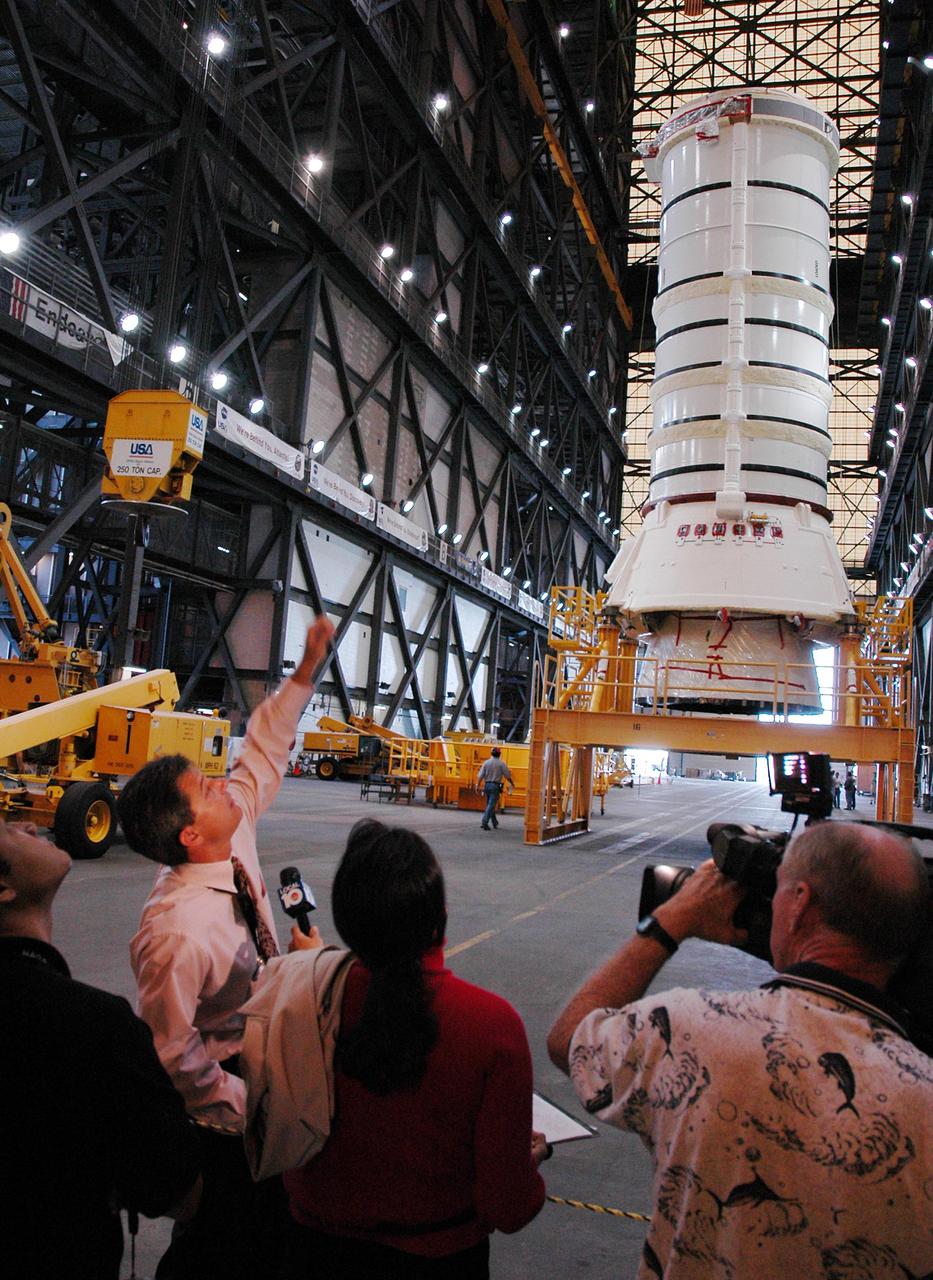
KENNEDY SPACE CENTER, FLA. - Inside the Vehicle Assembly Building, media are shown where the aft skirt and lower segment of the Solid Rocket Booster for the Return to Flight mission STS-114 will be stacked with other segments to follow. Two SRBs support the liftoff of the Space Shuttle on a launch. The twin 149-foot tall, 12-foot diameter SRBs provide the main propulsion system during launch to place the 180,000-pound orbiters in the proper orbit around the Earth. They operate parallel with the Space Shuttle main engines for the first two minutes of flight and jettison away from the orbiter with help from the Booster Separation Motors, about 26.3 nautical miles above the Earth’s surface.
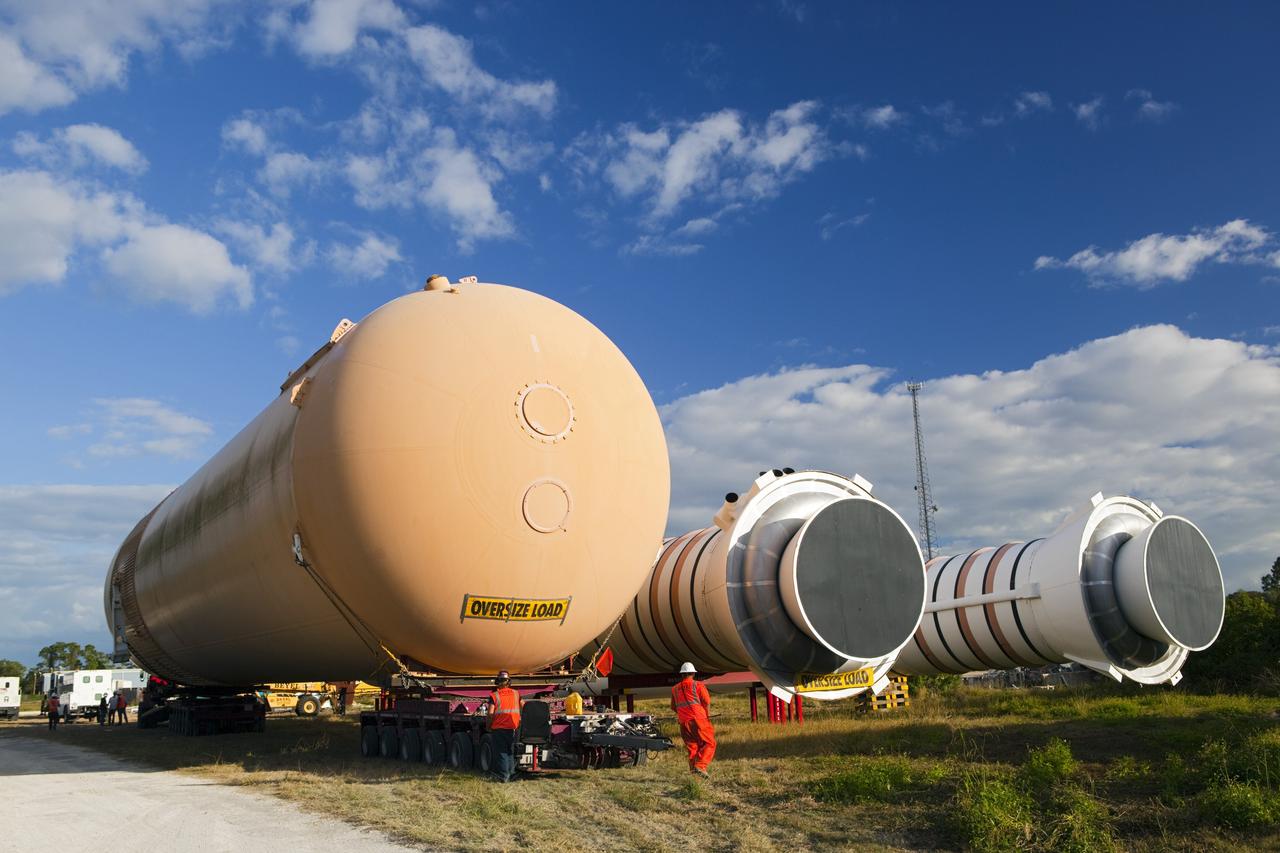
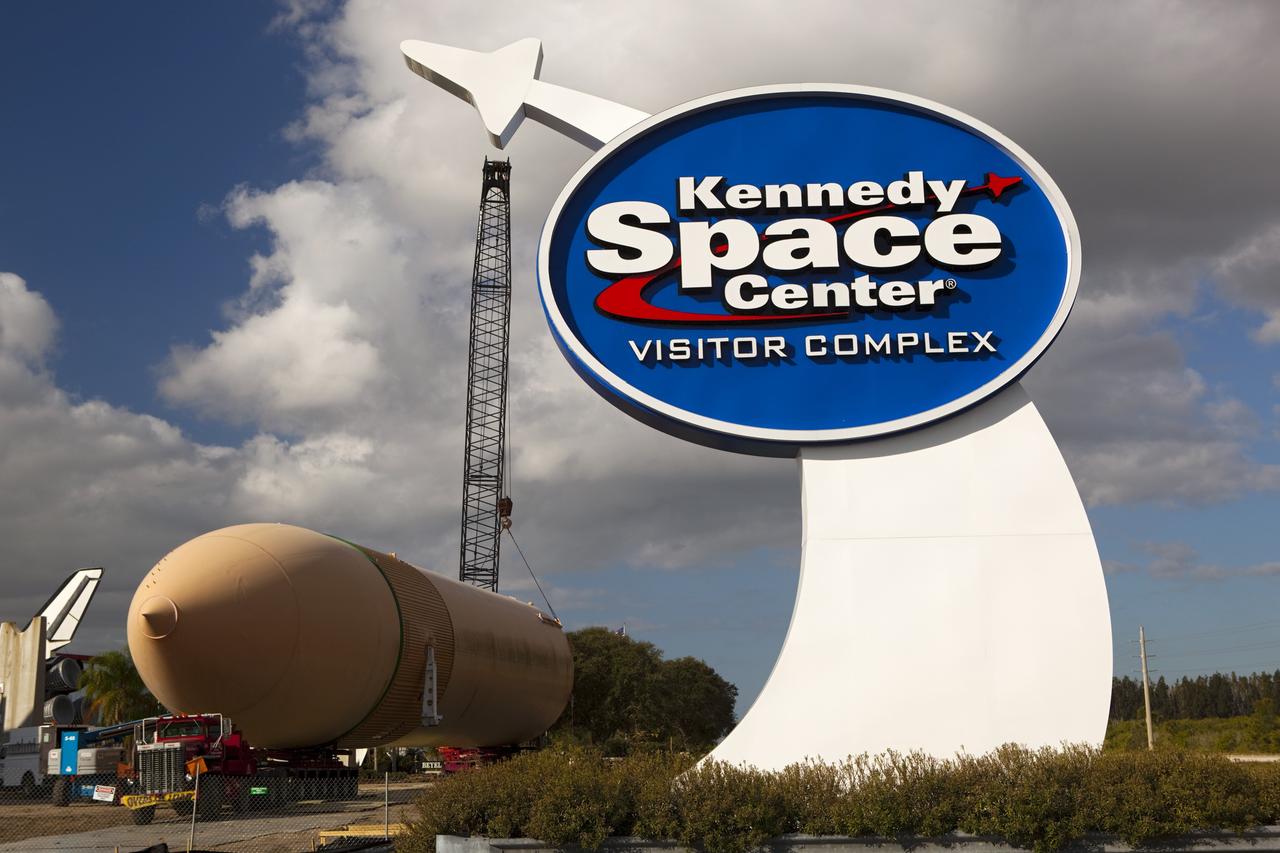
CAPE CANAVERAL, Fla. – A truck positions a full-size display of a space shuttle external fuel tank from the Kennedy Space Center Visitor Complex at a temporary storage area at NASA's Kennedy Space Center. The tank was part of a display of the external tank and two solid rocket boosters at the visitor complex that were used to show visitors the size of actual space shuttle components. A space shuttle rode piggyback on the tank and boosters at liftoff and during the ascent into space. The tank, which held propellants for the shuttle's three main engines, was not reused, but burned up in the atmosphere and fell into the ocean. Photo credit: NASA/Dmitri Gerondidakis
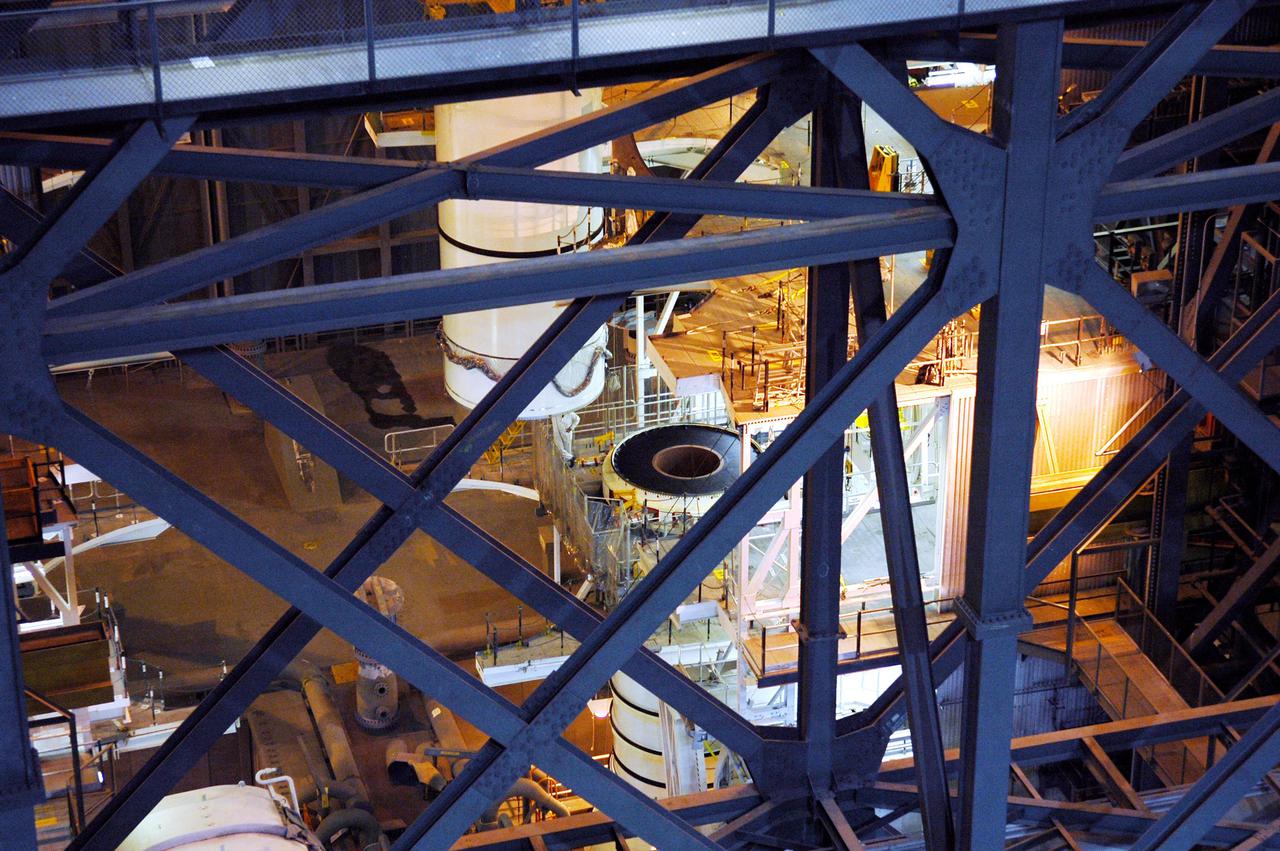
KENNEDY SPACE CENTER, FLA. - In the Vehicle Assembly Building (VAB), the right aft center segment of a Solid Rocket Booster (SRB) is lowered toward the aft booster for mating. The aft booster arrived in the VAB Nov. 22 for the Return to Flight mission STS-114. Two SRBs are stacked on the Mobile Launch Platform and later joined by the External Tank.. The twin 149-foot tall, 12-foot diameter SRBs provide the main propulsion system during launch. They operate parallel with the Space Shuttle main engines for the first two minutes of flight and jettison away from the orbiter with help from the Booster Separation Motors, about 26.3 nautical miles above the Earth’s surface.
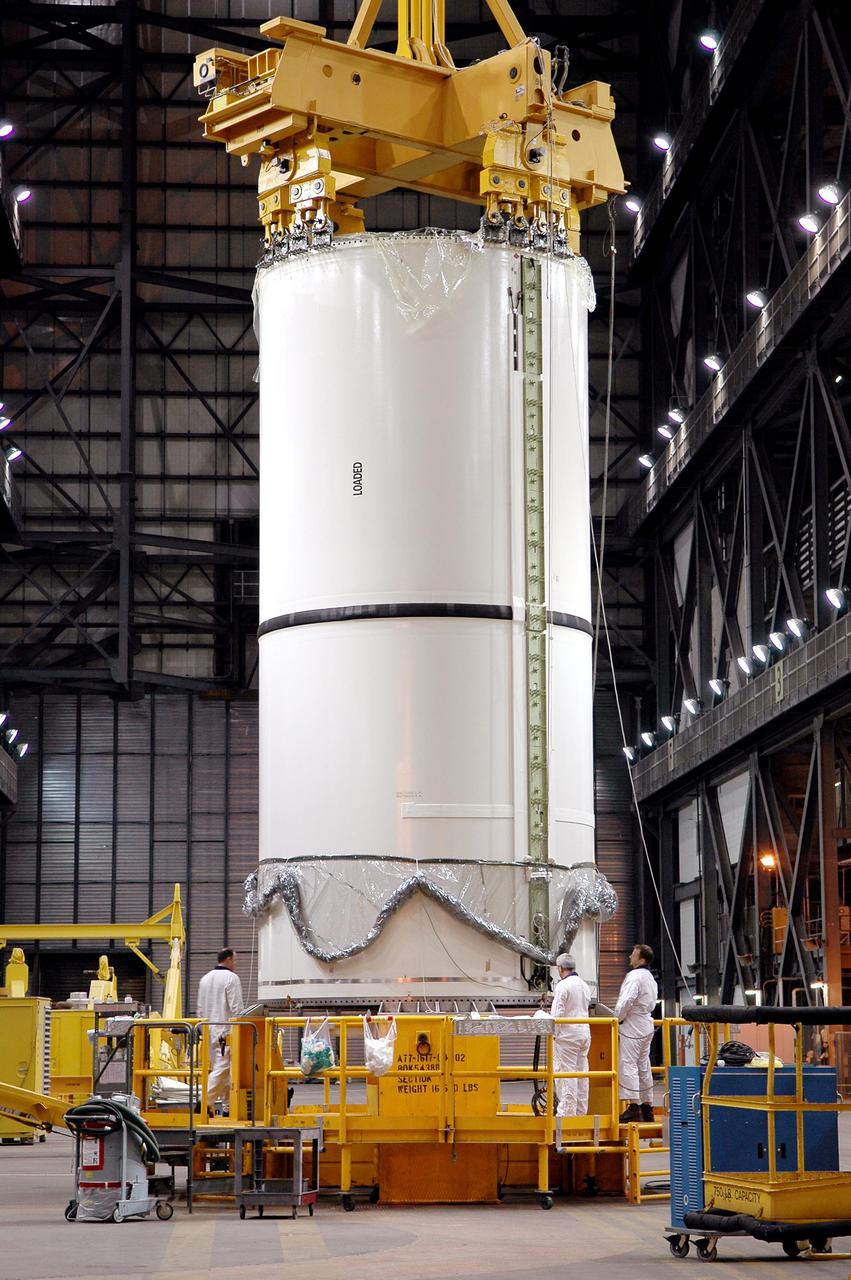
KENNEDY SPACE CENTER, FLA. - Inside the Vehicle Assembly Building (VAB), a segment of a Solid Rocket Booster (SRB) is prepared for lifting. This right aft center segment will be stacked with the aft booster that arrived in the VAB Nov. 22 for the Return to Flight mission STS-114. Two SRBs are stacked on the Mobile Launch Platform and later joined by the External Tank.. The twin 149-foot tall, 12-foot diameter SRBs provide the main propulsion system during launch. They operate parallel with the Space Shuttle main engines for the first two minutes of flight and jettison away from the orbiter with help from the Booster Separation Motors, about 26.3 nautical miles above the Earth’s surface.
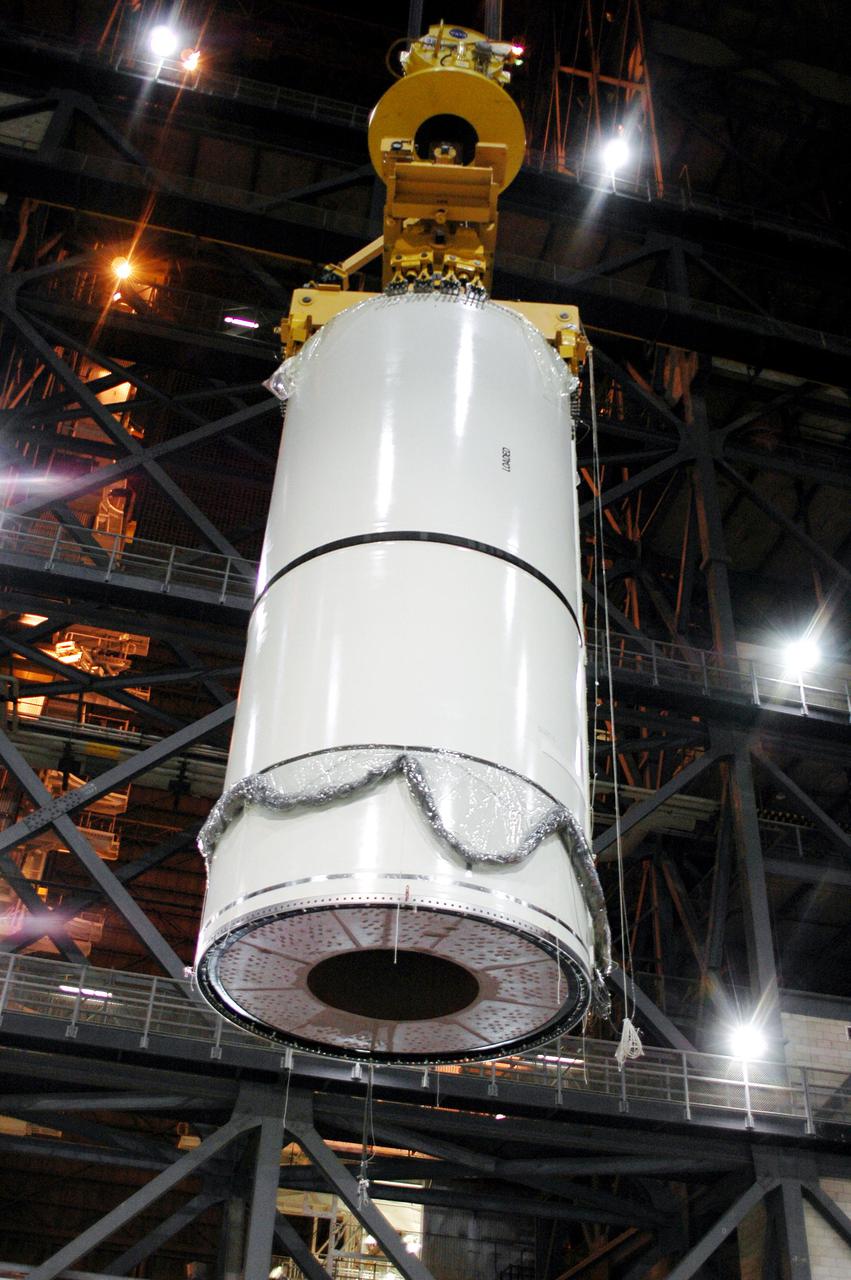
KENNEDY SPACE CENTER, FLA. - In the Vehicle Assembly Building (VAB), a segment of a Solid Rocket Booster (SRB) is lifted to the 16th level. This right aft center segment will be stacked with the aft booster that arrived in the VAB Nov. 22 for the Return to Flight mission STS-114. Two SRBs are stacked on the Mobile Launch Platform and later joined by the External Tank. The twin 149-foot tall, 12-foot diameter SRBs provide the main propulsion system during launch. They operate parallel with the Space Shuttle main engines for the first two minutes of flight and jettison away from the orbiter with help from the Booster Separation Motors, about 26.3 nautical miles above the Earth’s surface.

The Apollo program demonstrated that men could travel into space, perform useful tasks there, and return safely to Earth. But space had to be more accessible. This led to the development of the Space Shuttle. The Shuttle's major components are the orbiter spacecraft; the three main engines, with a combined thrust of more than 1.2 million pounds; the huge external tank (ET) that feeds the liquid hydrogen fuel and liquid oxygen oxidizer to the three main engines; and the two solid rocket boosters (SRBs), with their combined thrust of some 5.8 million pounds, that provide most of the power for the first two minutes of flight. Crucially involved with the Space Shuttle program virtually from its inception, the Marshall Space Flight Center (MSFC) played a leading role in the design, development, testing, and fabrication of many major Shuttle propulsion components.

KENNEDY SPACE CENTER, FLA. - The media tour the Parachute Refurbishment Facility, which cleans and repairs the Solid Rocket Booster (SRB) parachutes after a Space Shuttle launch. The stop was part of a day-long event that featured the movement of the first SRB segments to the Vehicle Assembly Building for stacking for Return to Flight mission STS-114. Two SRBs support the liftoff of the Space Shuttle on a launch. The twin 149-foot tall, 12-foot diameter SRBs provide the main propulsion system during launch to place the orbiters in the proper orbit around the Earth. They operate parallel with the Space Shuttle main engines for the first two minutes of flight and jettison away from the orbiter, with help from the Booster Separation Motors, about 26.3 nautical miles above the Earth’s surface.
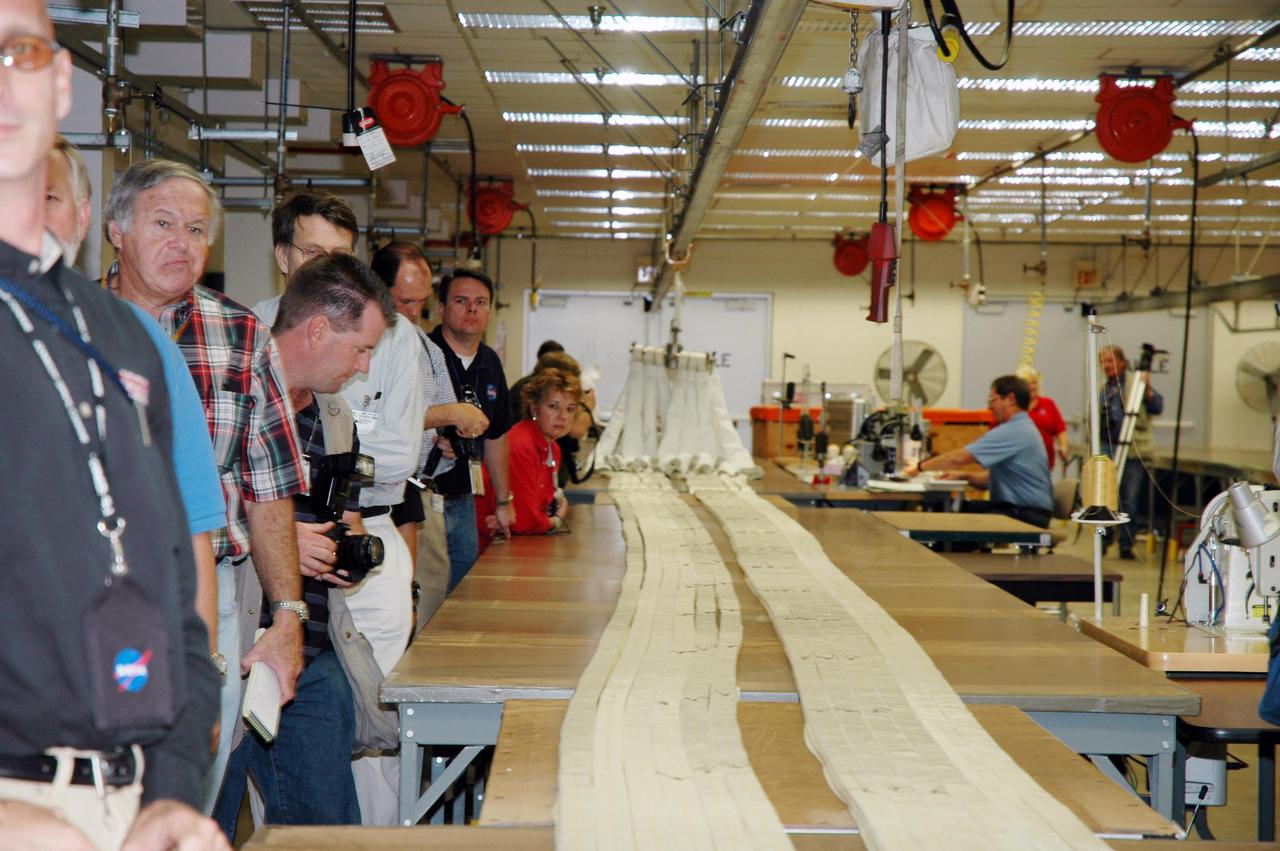
KENNEDY SPACE CENTER, FLA. - The media tour the Parachute Refurbishment Facility, which cleans and repairs the Solid Rocket Booster (SRB) parachutes after a Space Shuttle launch. The stop was part of a day-long event that featured the movement of the first SRB segments to the Vehicle Assembly Building for stacking for Return to Flight mission STS-114. Two SRBs support the liftoff of the Space Shuttle on a launch. The twin 149-foot tall, 12-foot diameter SRBs provide the main propulsion system during launch to place the orbiters in the proper orbit around the Earth. They operate parallel with the Space Shuttle main engines for the first two minutes of flight and jettison away from the orbiter, with help from the Booster Separation Motors, about 26.3 nautical miles above the Earth’s surface.
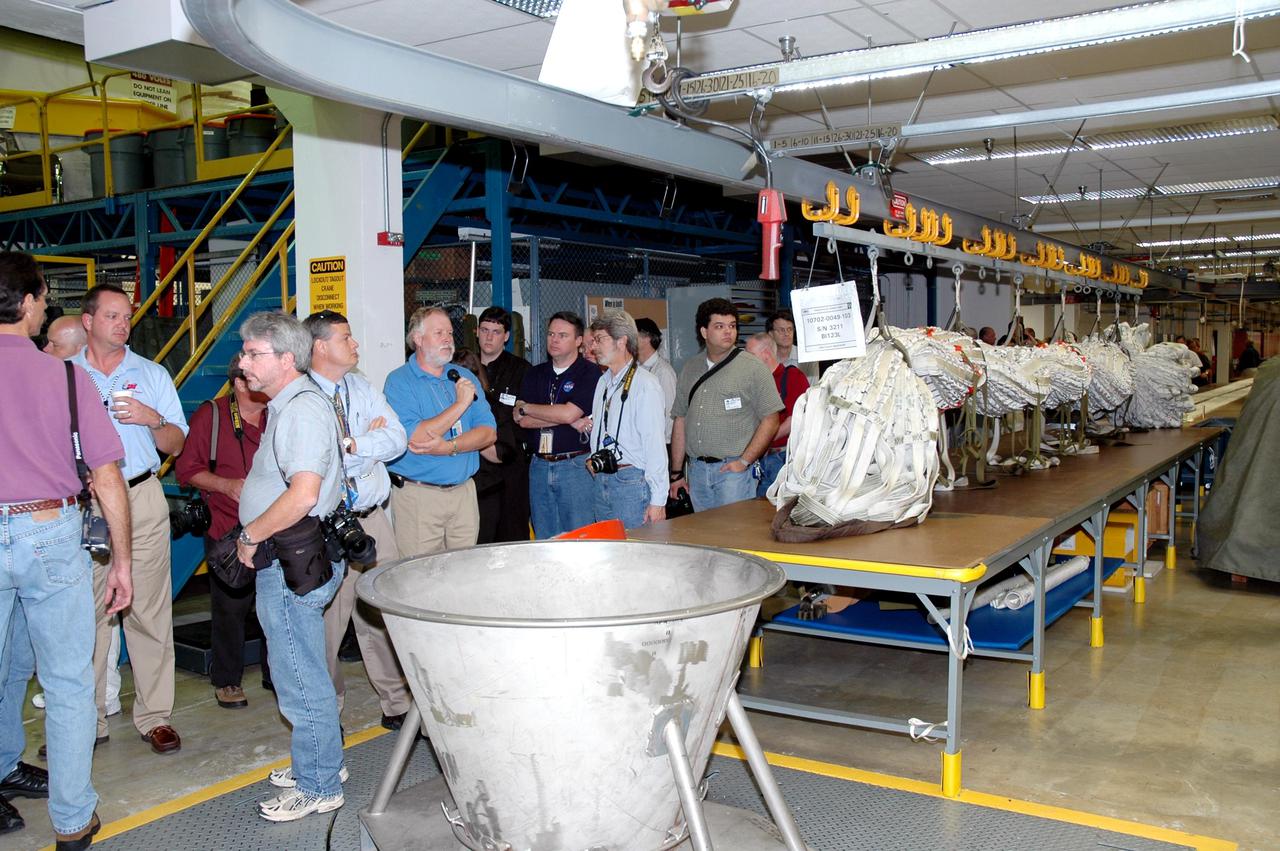
KENNEDY SPACE CENTER, FLA. - The media tour the Parachute Refurbishment Facility, which cleans and repairs the Solid Rocket Booster (SRB) parachutes after a Space Shuttle launch. The stop was part of a day-long event that featured the movement of the first SRB segments to the Vehicle Assembly Building for stacking for Return to Flight mission STS-114. Two SRBs support the liftoff of the Space Shuttle on a launch. The twin 149-foot tall, 12-foot diameter SRBs provide the main propulsion system during launch to place the orbiters in the proper orbit around the Earth. They operate parallel with the Space Shuttle main engines for the first two minutes of flight and jettison away from the orbiter, with help from the Booster Separation Motors, about 26.3 nautical miles above the Earth’s surface.
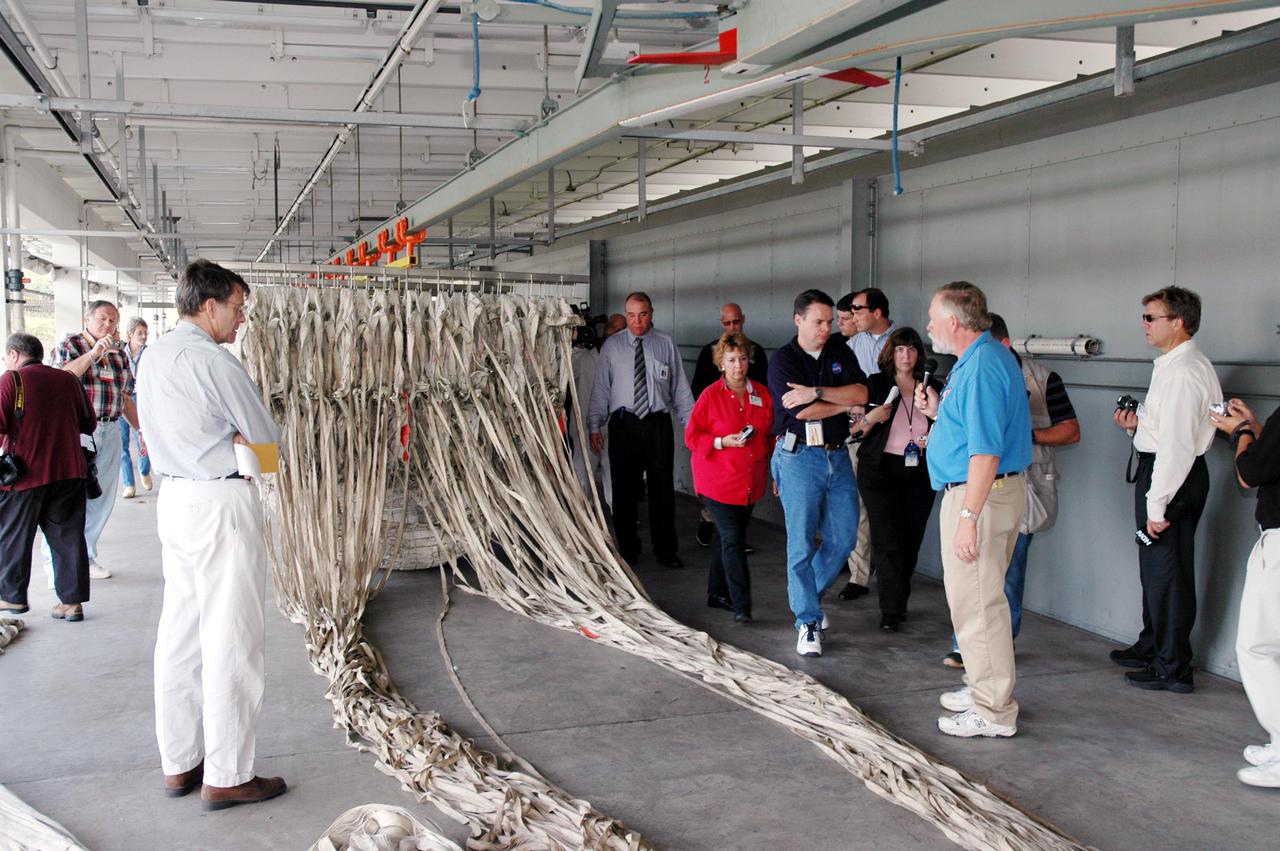
KENNEDY SPACE CENTER, FLA. - The media tour the Parachute Refurbishment Facility, which cleans and repairs the Solid Rocket Booster (SRB) parachutes after a Space Shuttle launch. The stop was part of a day-long event that featured the movement of the first SRB segments to the Vehicle Assembly Building for stacking for Return to Flight mission STS-114. Two SRBs support the liftoff of the Space Shuttle on a launch. The twin 149-foot tall, 12-foot diameter SRBs provide the main propulsion system during launch to place the orbiters in the proper orbit around the Earth. They operate parallel with the Space Shuttle main engines for the first two minutes of flight and jettison away from the orbiter, with help from the Booster Separation Motors, about 26.3 nautical miles above the Earth’s surface.
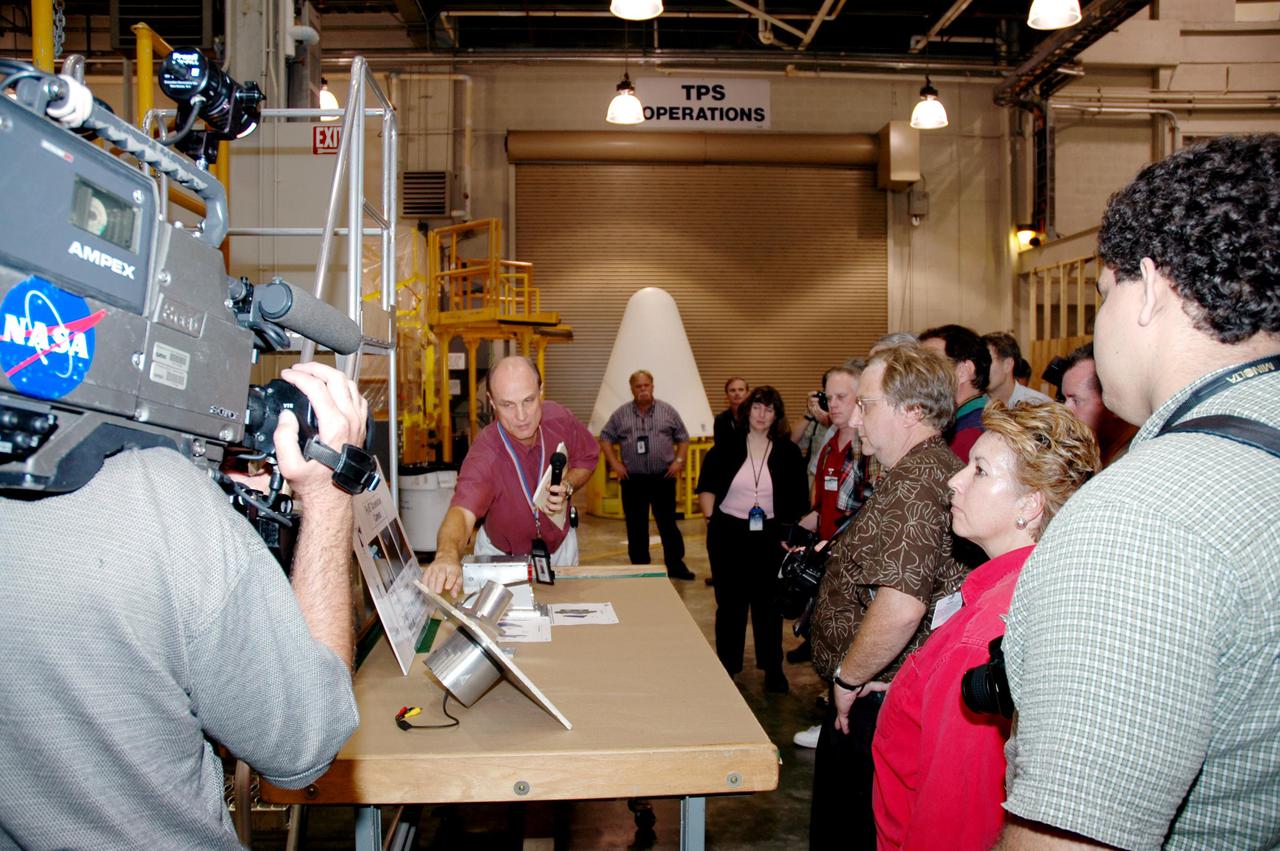
KENNEDY SPACE CENTER, FLA. - The media tour Solid Rocket Booster (SRB) Assembly and Refurbishment Facility where Solid Rocket Booster (SRB) segments are refurbished. In the background can be seen the frustum and nose cap of an SRB. The media event featured the movement of the first SRB segments to the Vehicle Assembly Building for stacking for Return to Flight mission STS-114. Two SRBs support the liftoff of the Space Shuttle on a launch. The twin 149-foot tall, 12-foot diameter SRBs provide the main propulsion system during launch to place the orbiters in the proper orbit around the Earth. They operate parallel with the Space Shuttle main engines for the first two minutes of flight and jettison away from the orbiter, with help from the Booster Separation Motors, about 26.3 nautical miles above the Earth’s surface.
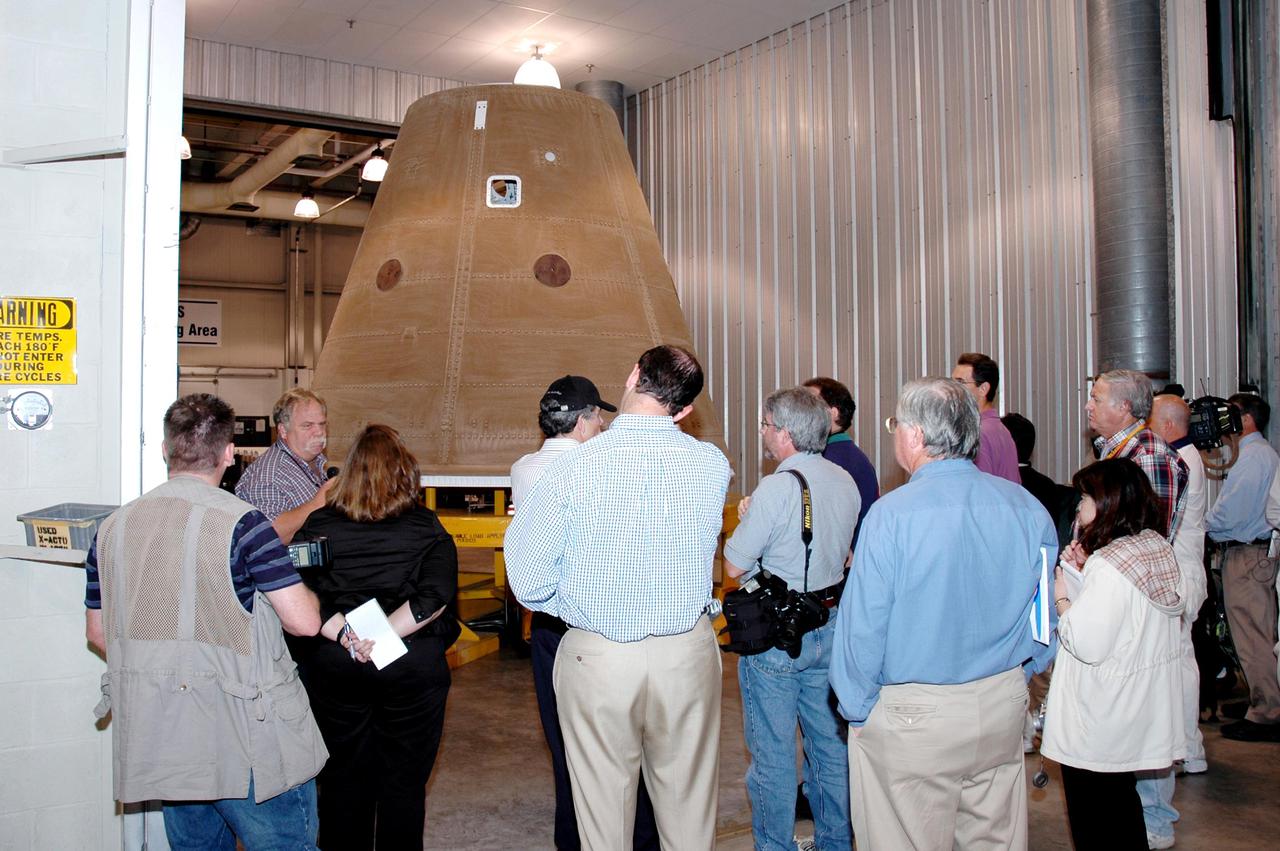
KENNEDY SPACE CENTER, FLA. - The media tour Solid Rocket Booster (SRB) Assembly and Refurbishment Facility where Solid Rocket Booster (SRB) segments are refurbished. In the background can be seen the frustum and nose cap of an SRB. The media event featured the movement of the first SRB segments to the Vehicle Assembly Building for stacking for Return to Flight mission STS-114. Two SRBs support the liftoff of the Space Shuttle on a launch. The twin 149-foot tall, 12-foot diameter SRBs provide the main propulsion system during launch to place the orbiters in the proper orbit around the Earth. They operate parallel with the Space Shuttle main engines for the first two minutes of flight and jettison away from the orbiter, with help from the Booster Separation Motors, about 26.3 nautical miles above the Earth’s surface.
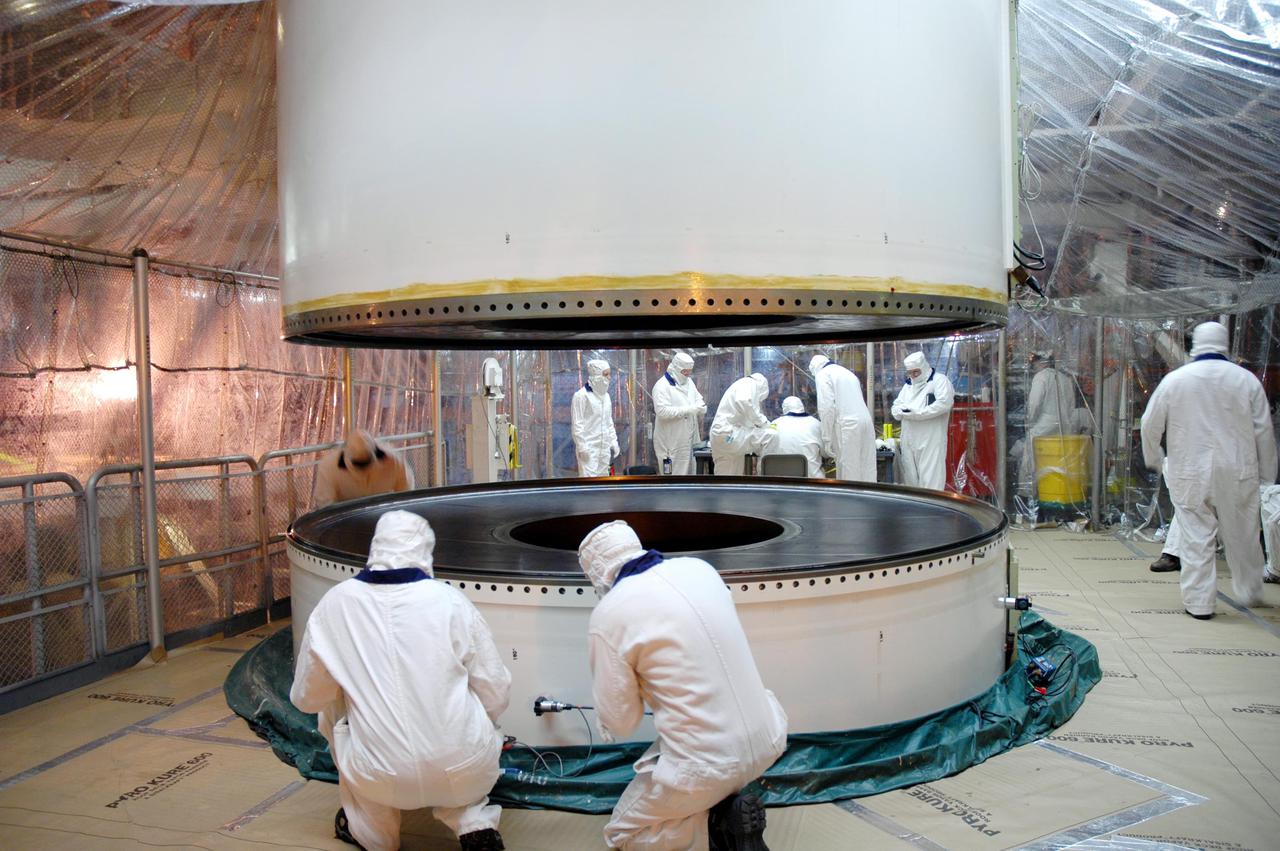
KENNEDY SPACE CENTER, FLA. - In a Vehicle Assembly Building (VAB) high bay, an aft center segment of a Solid Rocket Booster (SRB) is lowered toward an aft segment already secured to a Mobile Launch Platform. These segments are part of the right SRB for the Space Shuttle Return to Flight mission, STS-114. Two SRBs are stacked on a Mobile Launch Platform for each Shuttle flight and later joined by an External Tank. The twin 149-foot tall, 12-foot diameter SRBs provide the main propulsion system during launch. They operate in parallel with the Space Shuttle main engines for the first two minutes of flight and jettison away from the orbiter with help from the Booster Separation Motors, about 26.3 nautical miles above the Earth’s surface.
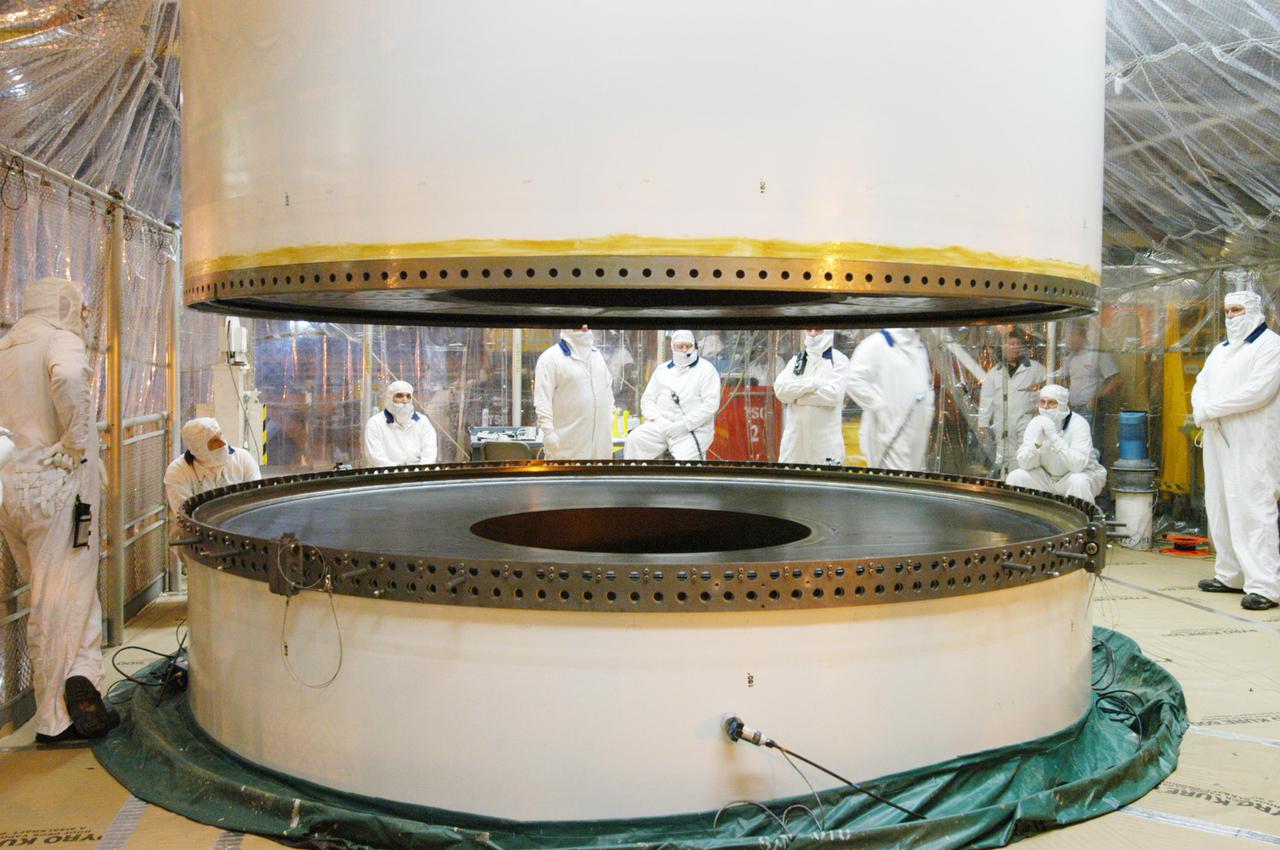
KENNEDY SPACE CENTER, FLA. - In a Vehicle Assembly Building (VAB) high bay, an aft center segment of a Solid Rocket Booster (SRB) continues its descent toward an aft segment already secured to a Mobile Launch Platform. These segments are part of the right SRB for the Space Shuttle Return to Flight mission, STS-114. Two SRBs are stacked on a Mobile Launch Platform for each Shuttle flight and later joined by an External Tank. The twin 149-foot tall, 12-foot diameter SRBs provide the main propulsion system during launch. They operate in parallel with the Space Shuttle main engines for the first two minutes of flight and jettison away from the orbiter with help from the Booster Separation Motors, about 26.3 nautical miles above the Earth’s surface.
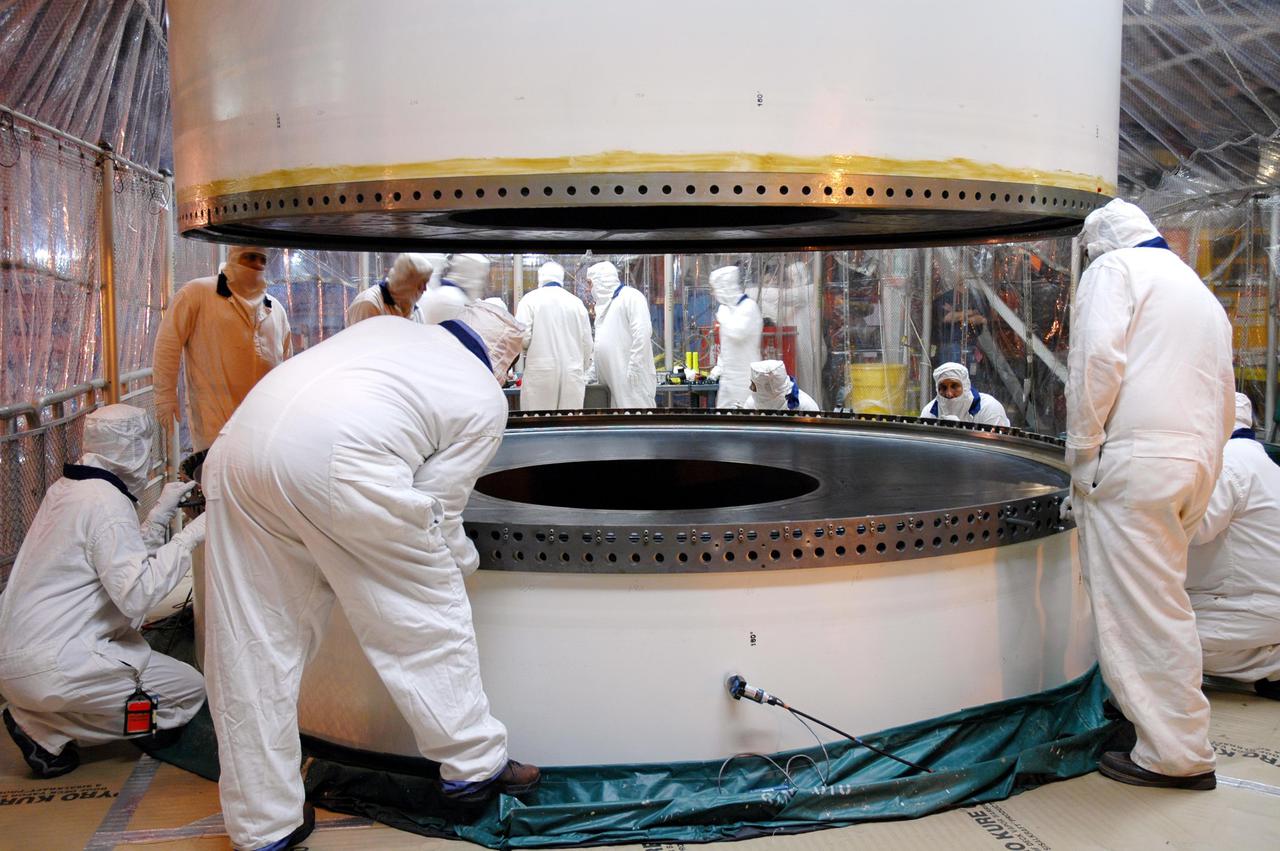
KENNEDY SPACE CENTER, FLA. - In a Vehicle Assembly Building (VAB) high bay, workers monitor the movement of a Solid Rocket Booster (SRB) aft center segment as it is lowered toward an aft segment already secured to a Mobile Launch Platform. These segments are part of the right SRB for the Space Shuttle Return to Flight mission, STS-114. Two SRBs are stacked on a Mobile Launch Platform for each Shuttle flight and later joined by an External Tank. The twin 149-foot tall, 12-foot diameter SRBs provide the main propulsion system during launch. They operate in parallel with the Space Shuttle main engines for the first two minutes of flight and jettison away from the orbiter with help from the Booster Separation Motors, about 26.3 nautical miles above the Earth’s surface.
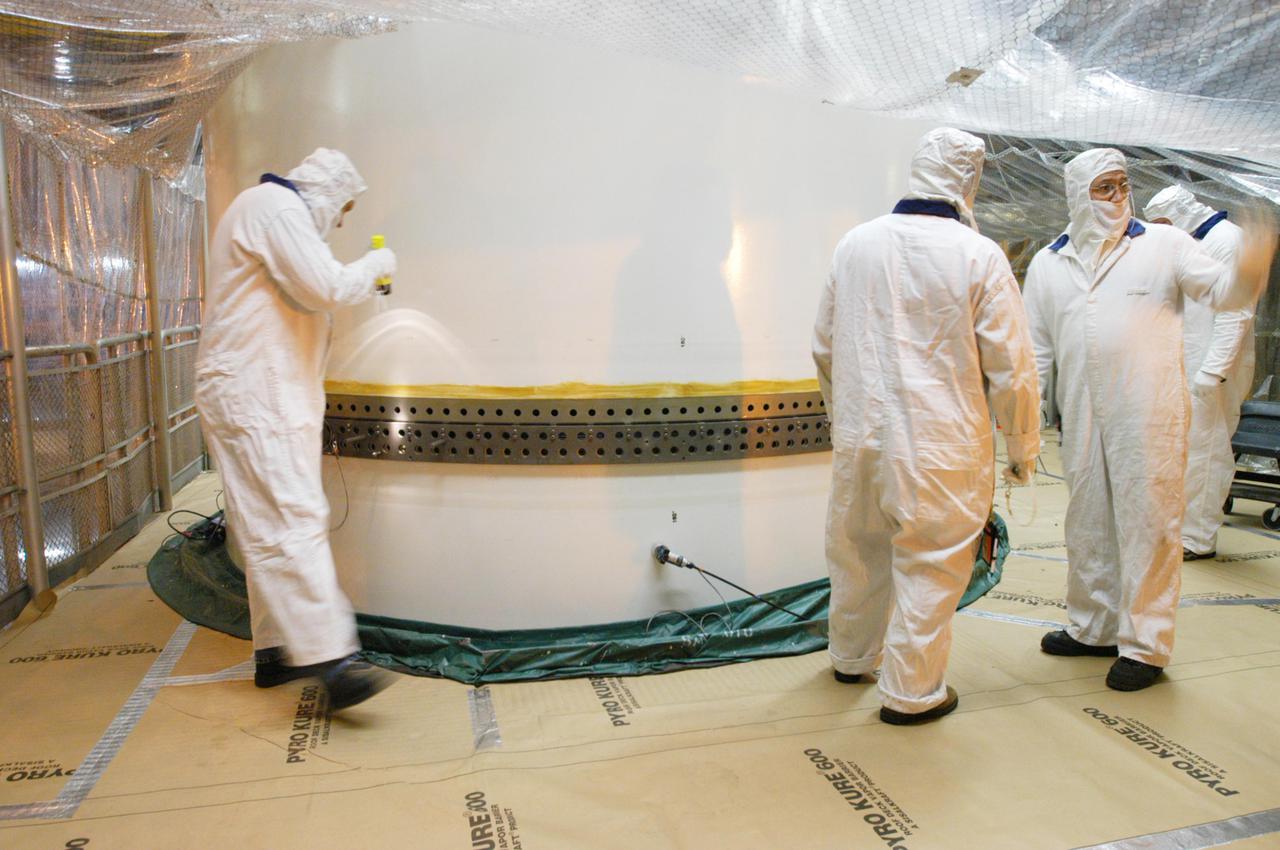
KENNEDY SPACE CENTER, FLA. - In a Vehicle Assembly Building (VAB) high bay, workers check the alignment of a Solid Rocket Booster (SRB) aft center segment which has been lowered onto an aft segment already secured to a Mobile Launch Platform. These segments are part of the right SRB for the Space Shuttle Return to Flight mission, STS-114. Two SRBs are stacked on a Mobile Launch Platform for each Shuttle flight and later joined by an External Tank. The twin 149-foot tall, 12-foot diameter SRBs provide the main propulsion system during launch. They operate in parallel with the Space Shuttle main engines for the first two minutes of flight and jettison away from the orbiter with help from the Booster Separation Motors, about 26.3 nautical miles above the Earth’s surface.
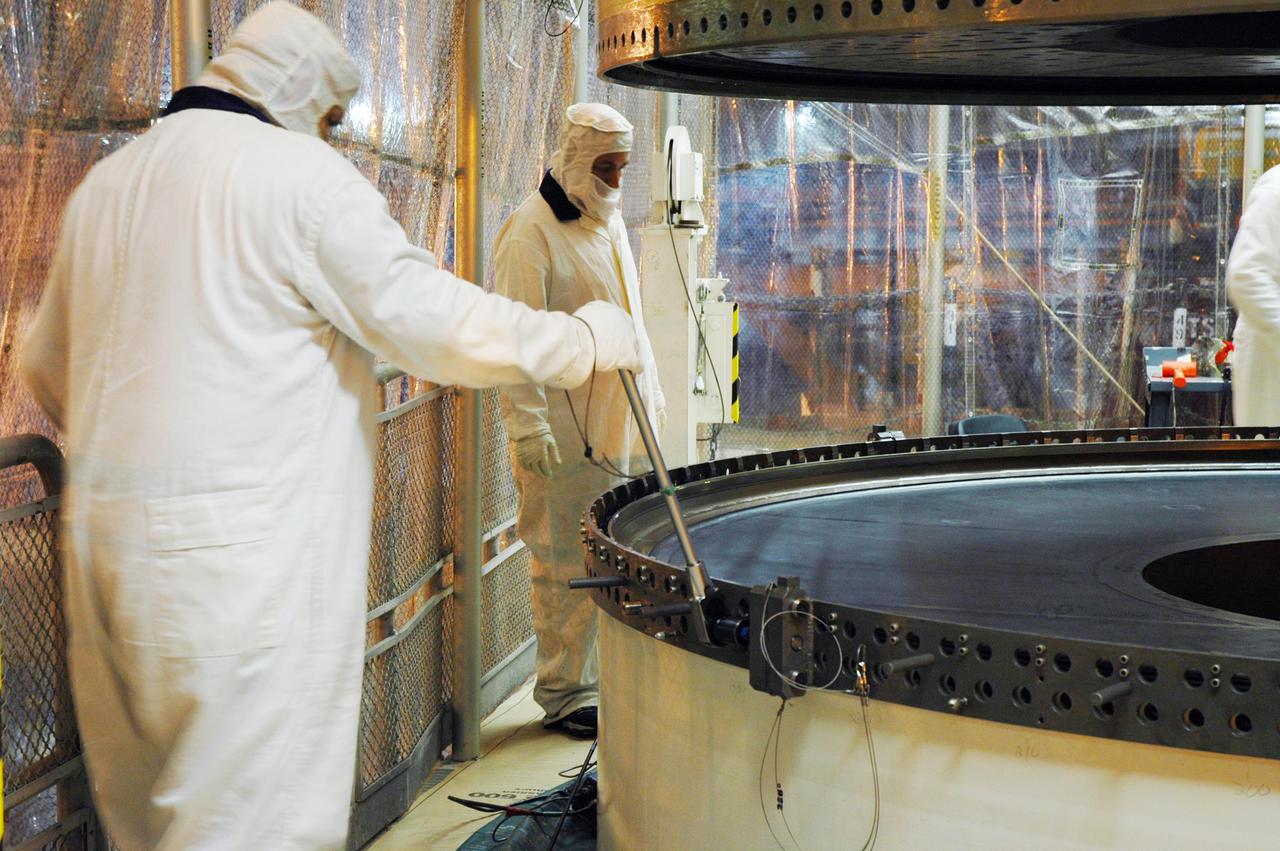
KENNEDY SPACE CENTER, FLA. - In a Vehicle Assembly Building (VAB) high bay, workers check the alignment of a Solid Rocket Booster (SRB) aft center segment as it is lowered toward an aft segment already secured to a Mobile Launch Platform. These segments are part of the right SRB for the Space Shuttle Return to Flight mission, STS-114. Two SRBs are stacked on a Mobile Launch Platform for each Shuttle flight and later joined by an External Tank. The twin 149-foot tall, 12-foot diameter SRBs provide the main propulsion system during launch. They operate in parallel with the Space Shuttle main engines for the first two minutes of flight and jettison away from the orbiter with help from the Booster Separation Motors, about 26.3 nautical miles above the Earth’s surface.
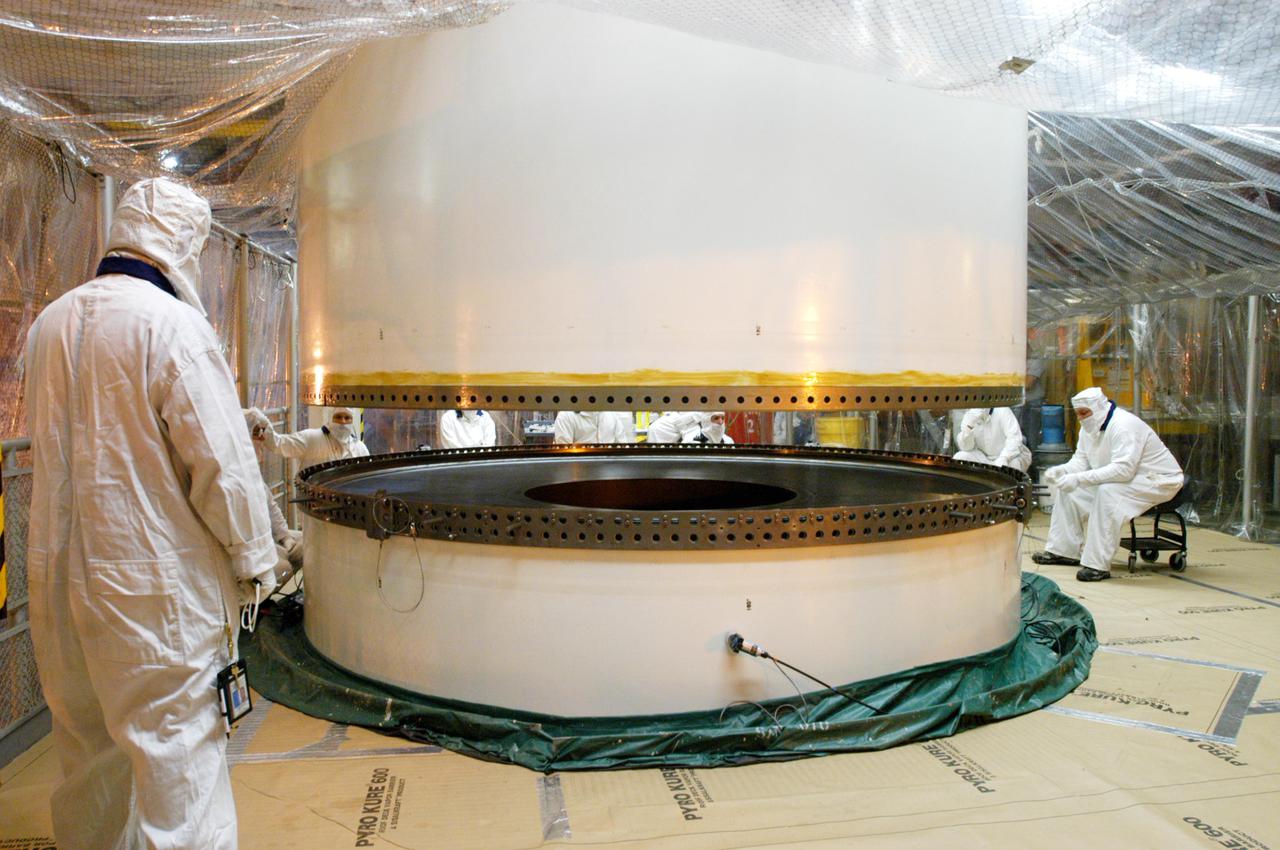
KENNEDY SPACE CENTER, FLA. - In a Vehicle Assembly Building (VAB) high bay, an aft center segment of a Solid Rocket Booster (SRB) is moments away from contact with an aft segment already secured to a Mobile Launch Platform. These segments are part of the right SRB for the Space Shuttle Return to Flight mission, STS-114. Two SRBs are stacked on a Mobile Launch Platform for each Shuttle flight and later joined by an External Tank. The twin 149-foot tall, 12-foot diameter SRBs provide the main propulsion system during launch. They operate in parallel with the Space Shuttle main engines for the first two minutes of flight and jettison away from the orbiter with help from the Booster Separation Motors, about 26.3 nautical miles above the Earth’s surface.
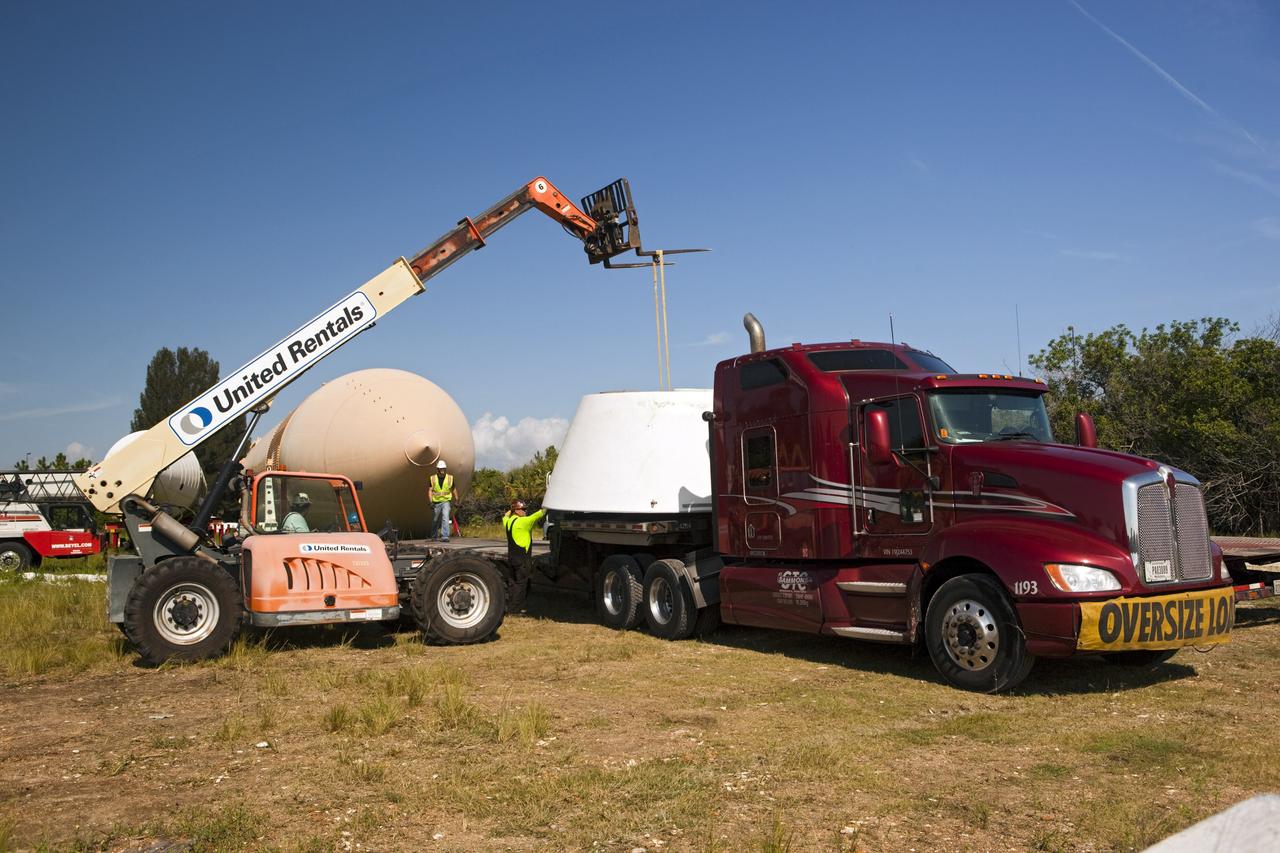
CAPE CANAVERAL, Fla. – At NASA’s Kennedy Space Center in Florida, a crane is used to load the aft skirt for a space shuttle solid rocket booster on a truck. A twin set of space shuttle solid rocket boosters and an external fuel tank are being prepared for transport to separate museums. The solid rocket boosters, or SRBs, will be displayed at the California Science Center in Los Angeles. The external tank soon will be transported for display at the Wings of Dreams Aviation Museum at Keystone Heights Airport between Gainesville and Jacksonville, Fla. The 149-foot SRBs together provided six million pounds of thrust. The external fuel tank contained over 500,000 gallons of liquid hydrogen and liquid oxygen propellant for the shuttle orbiters' three main engines. The work is part of Transition and Retirement of the space shuttle. For more information, visit http://www.nasa.gov/transition Photo credit: NASA/ Dimitri Gerondidakis
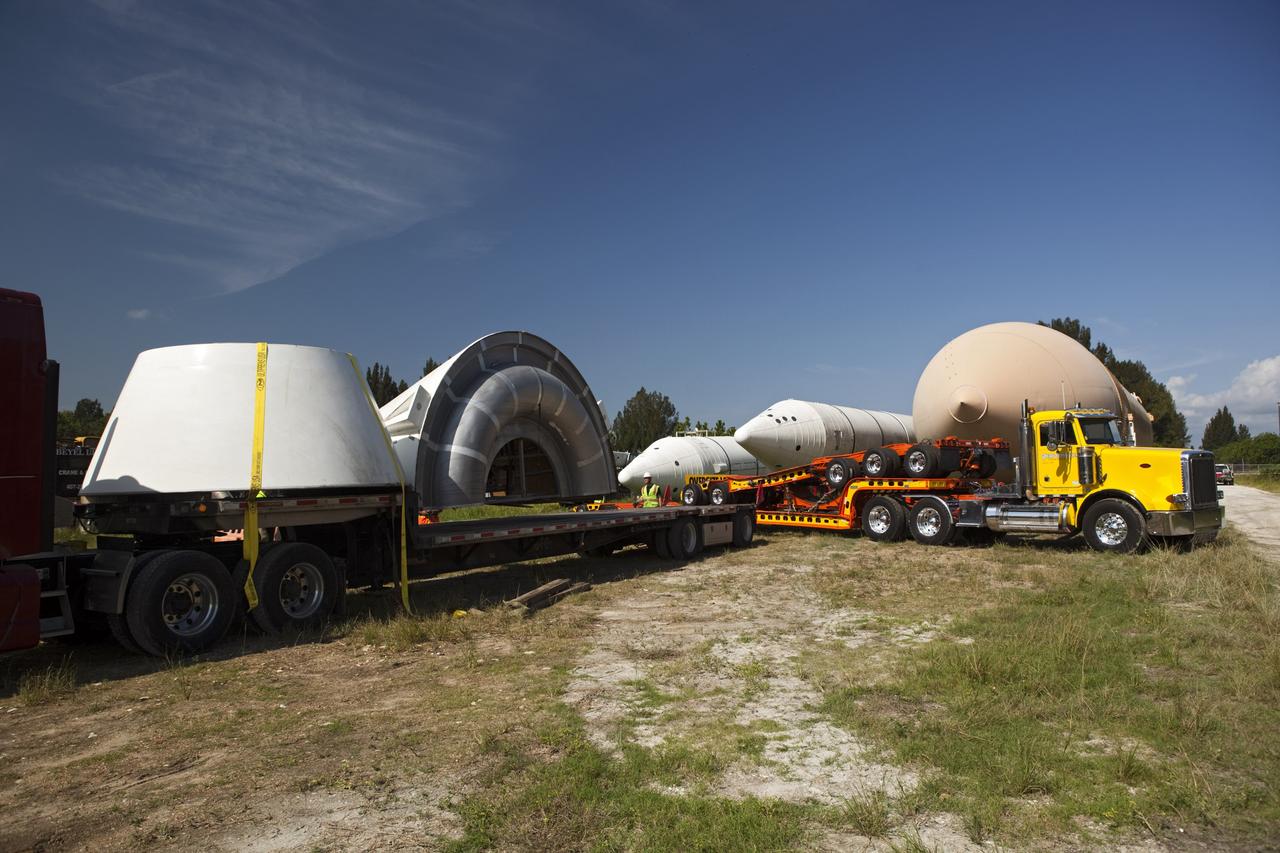
CAPE CANAVERAL, Fla. – At NASA’s Kennedy Space Center in Florida, aft skirts for space shuttle solid rocket boosters are being loaded on a truck. A twin set of space shuttle solid rocket boosters and an external fuel tank are being prepared for transport to separate museums. The solid rocket boosters, or SRBs, will be displayed at the California Science Center in Los Angeles. The external tank soon will be transported for display at the Wings of Dreams Aviation Museum at Keystone Heights Airport between Gainesville and Jacksonville, Fla. The 149-foot SRBs together provided six million pounds of thrust. The external fuel tank contained over 500,000 gallons of liquid hydrogen and liquid oxygen propellant for the shuttle orbiters' three main engines. The work is part of Transition and Retirement of the space shuttle. For more information, visit http://www.nasa.gov/transition Photo credit: NASA/ Dimitri Gerondidakis
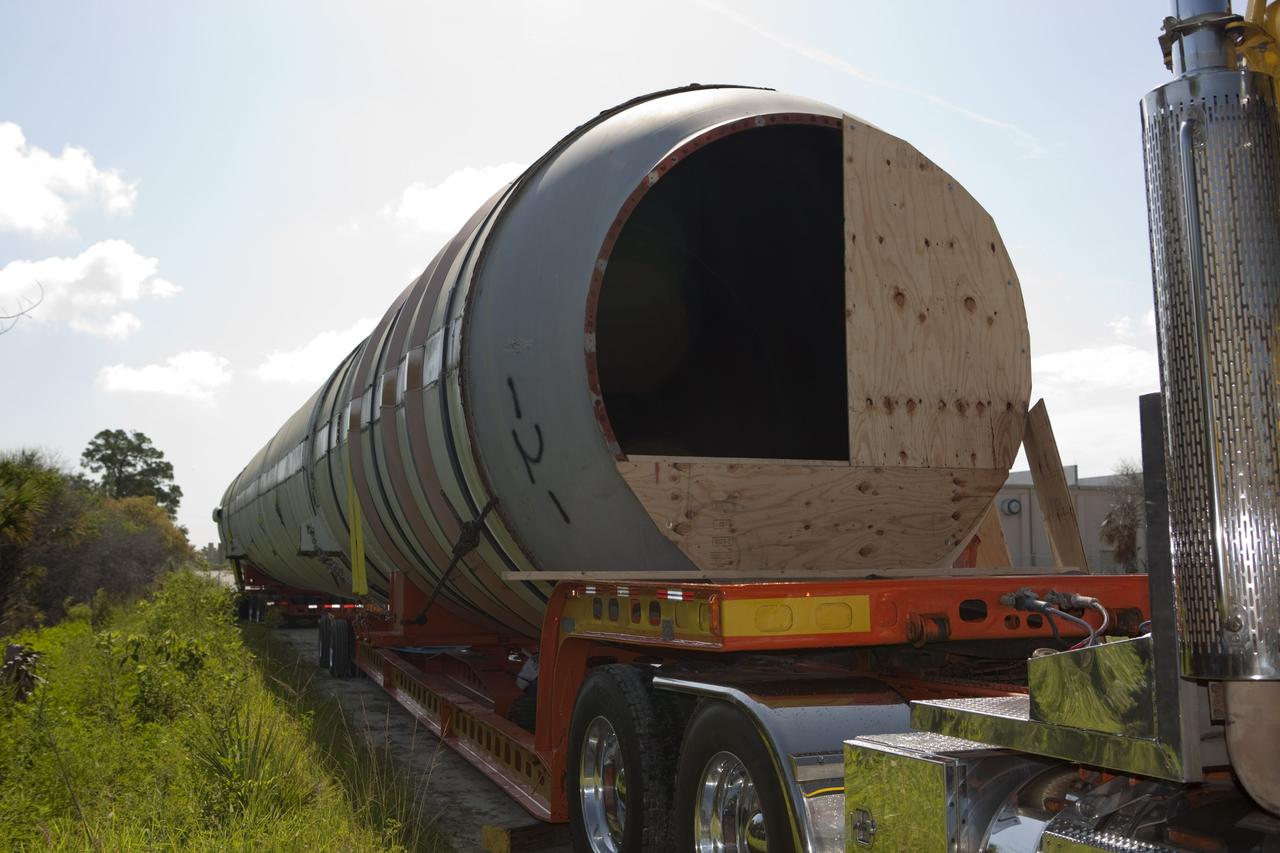
CAPE CANAVERAL, Fla. – At NASA’s Kennedy Space Center in Florida, a space shuttle solid rocket booster has been loaded on a truck. A twin set of space shuttle solid rocket boosters and an external fuel tank are being prepared for transport to separate museums. The solid rocket boosters, or SRBs, will be displayed at the California Science Center in Los Angeles. The external tank soon will be transported for display at the Wings of Dreams Aviation Museum at Keystone Heights Airport between Gainesville and Jacksonville, Fla. The 149-foot SRBs together provided six million pounds of thrust. The external fuel tank contained over 500,000 gallons of liquid hydrogen and liquid oxygen propellant for the shuttle orbiters' three main engines. The work is part of Transition and Retirement of the space shuttle. For more information, visit http://www.nasa.gov/transition Photo credit: NASA/ Dimitri Gerondidakis
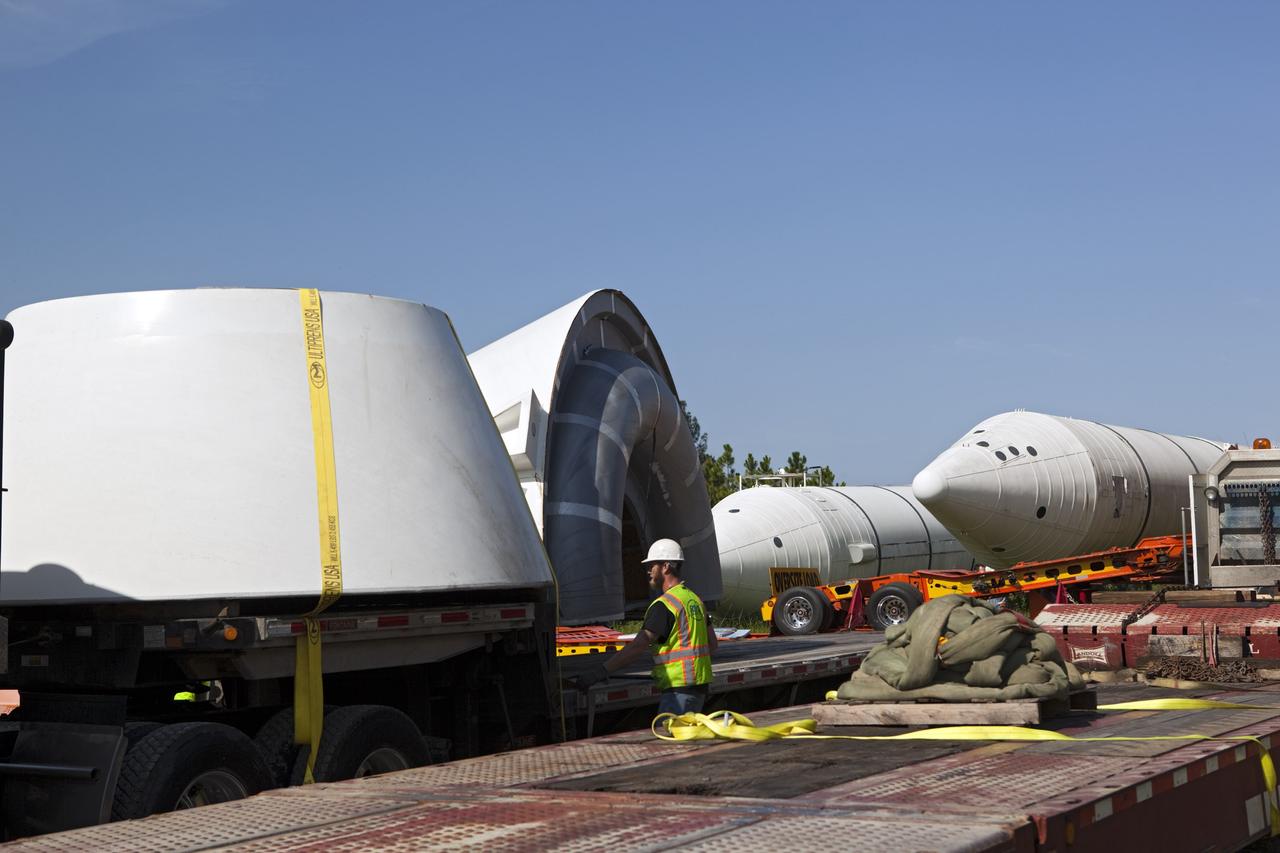
CAPE CANAVERAL, Fla. – At NASA’s Kennedy Space Center in Florida, aft skirts for space shuttle solid rocket boosters are being loaded on a truck. A twin set of space shuttle solid rocket boosters and an external fuel tank are being prepared for transport to separate museums. The solid rocket boosters, or SRBs, will be displayed at the California Science Center in Los Angeles. The external tank soon will be transported for display at the Wings of Dreams Aviation Museum at Keystone Heights Airport between Gainesville and Jacksonville, Fla. The 149-foot SRBs together provided six million pounds of thrust. The external fuel tank contained over 500,000 gallons of liquid hydrogen and liquid oxygen propellant for the shuttle orbiters' three main engines. The work is part of Transition and Retirement of the space shuttle. For more information, visit http://www.nasa.gov/transition Photo credit: NASA/ Dimitri Gerondidakis
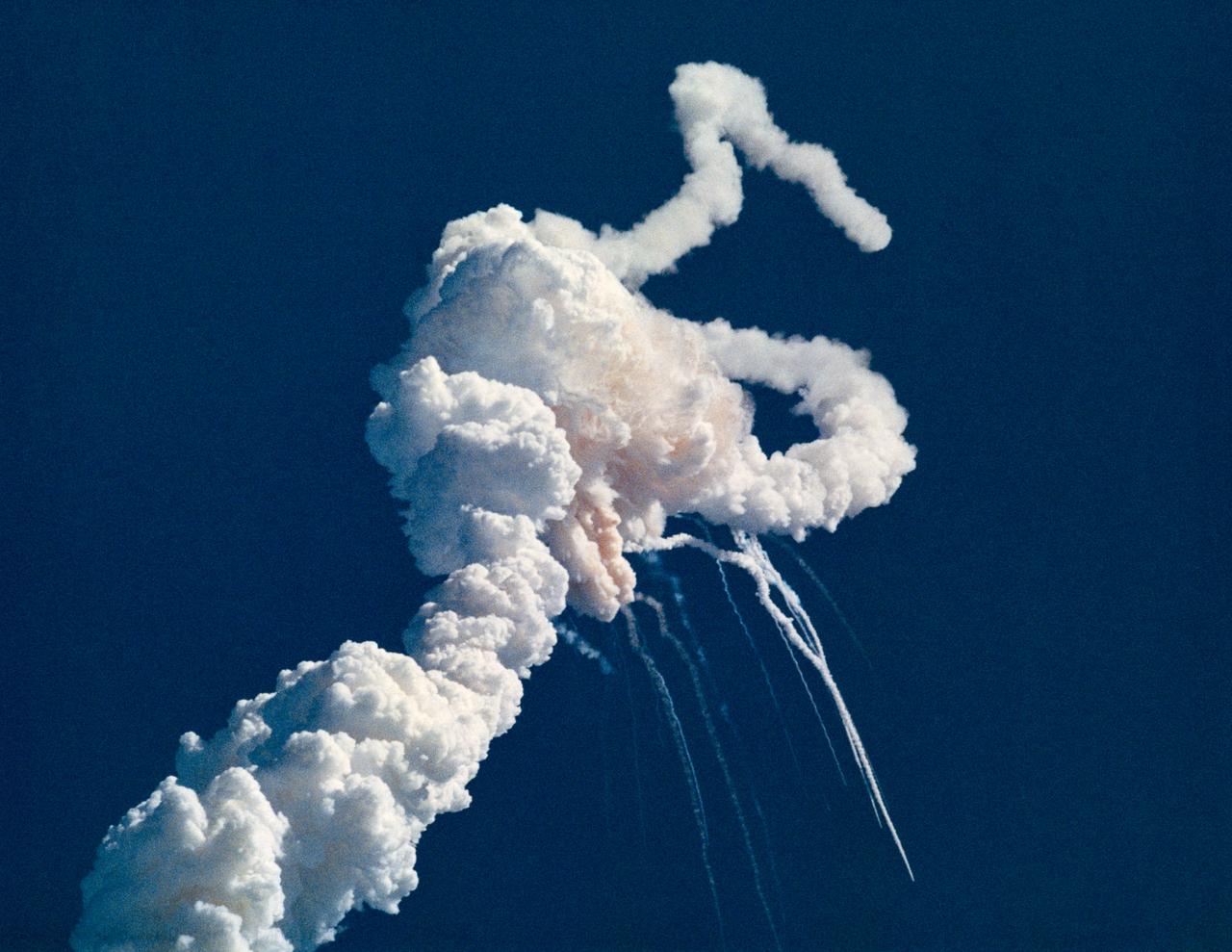
S86-38989 (28 Jan. 1986) --- Main engine exhaust, solid rocket booster plume and an expanding ball of gas from the external tank is visible seconds after the space shuttle Challenger accident on Jan. 28, 1986. (NOTE: The 51-L crew members lost their lives in the space shuttle Challenger accident moments after launch on Jan. 28, 1986 from the Kennedy Space Center.) Photo credit: NASA
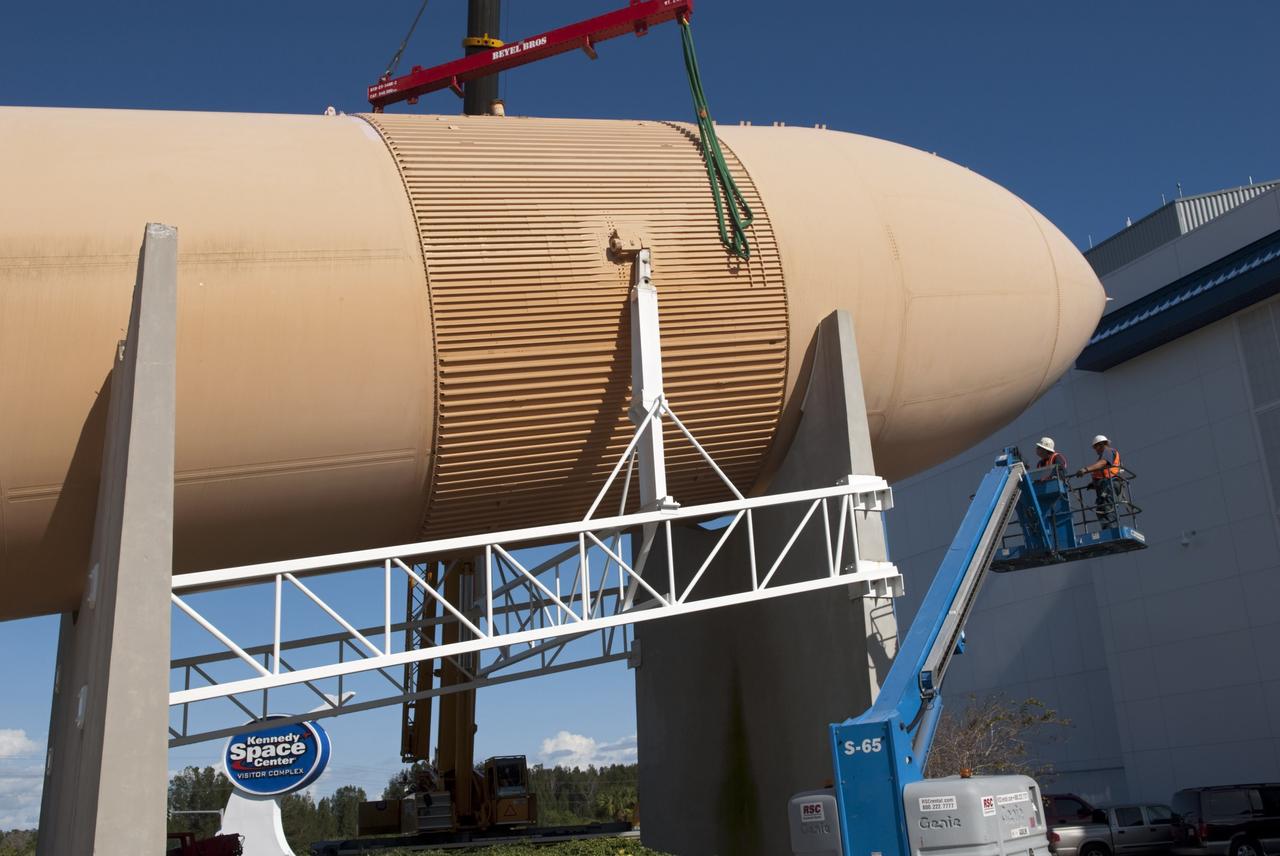
CAPE CANAVERAL, Fla. – Cranes remove a full-size replica of a space shuttle external fuel tank from the Kennedy Space Center Visitor Complex as the space-themed attraction makes way for a new exhibit featuring space shuttle Atlantis, which is currently undergoing preparations to go on public display. The tank is being placed into temporary storage at NASA's Kennedy Space Center. The tank was part of a mockup of the external tank and two solid rocket boosters at the visitor complex that were used to show visitors the size of actual space shuttle components. A space shuttle rode piggyback on the tank and boosters at liftoff and during the ascent into space. The tank, which held propellants for the shuttle's three main engines, was not reused, but burned up in the atmosphere and fell into the ocean. Photo credit: NASA/Jim Grossman
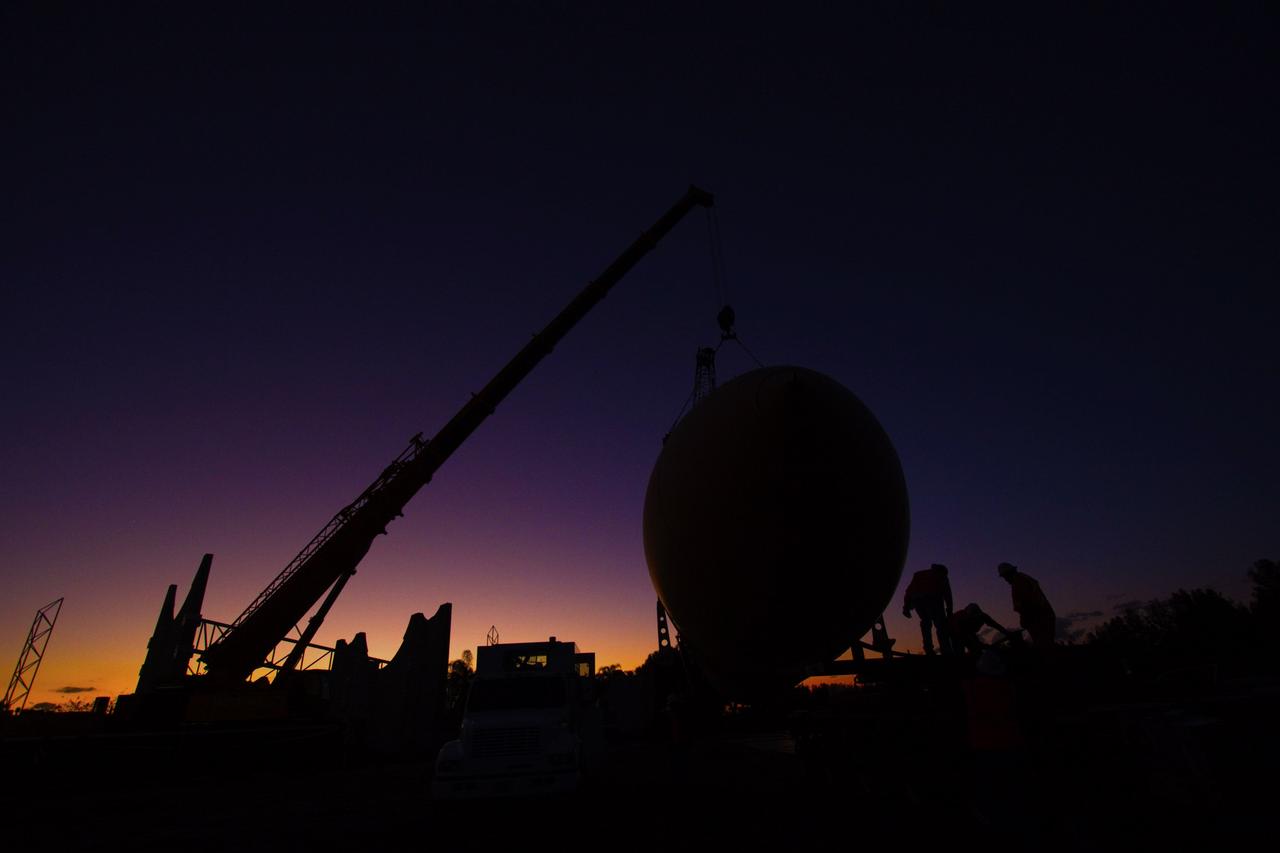
CAPE CANAVERAL, Fla. – Cranes remove a full-size replica of a space shuttle external fuel tank from the Kennedy Space Center Visitor Complex as the space-themed attraction makes way for a new exhibit featuring space shuttle Atlantis, which is currently undergoing preparations to go on public display. The tank is being placed into temporary storage at NASA's Kennedy Space Center. The tank was part of a mockup of the external tank and two solid rocket boosters at the visitor complex that were used to show visitors the size of actual space shuttle components. A space shuttle rode piggyback on the tank and boosters at liftoff and during the ascent into space. The tank, which held propellants for the shuttle's three main engines, was not reused, but burned up in the atmosphere and fell into the ocean. Photo credit: NASA/Jim Grossman
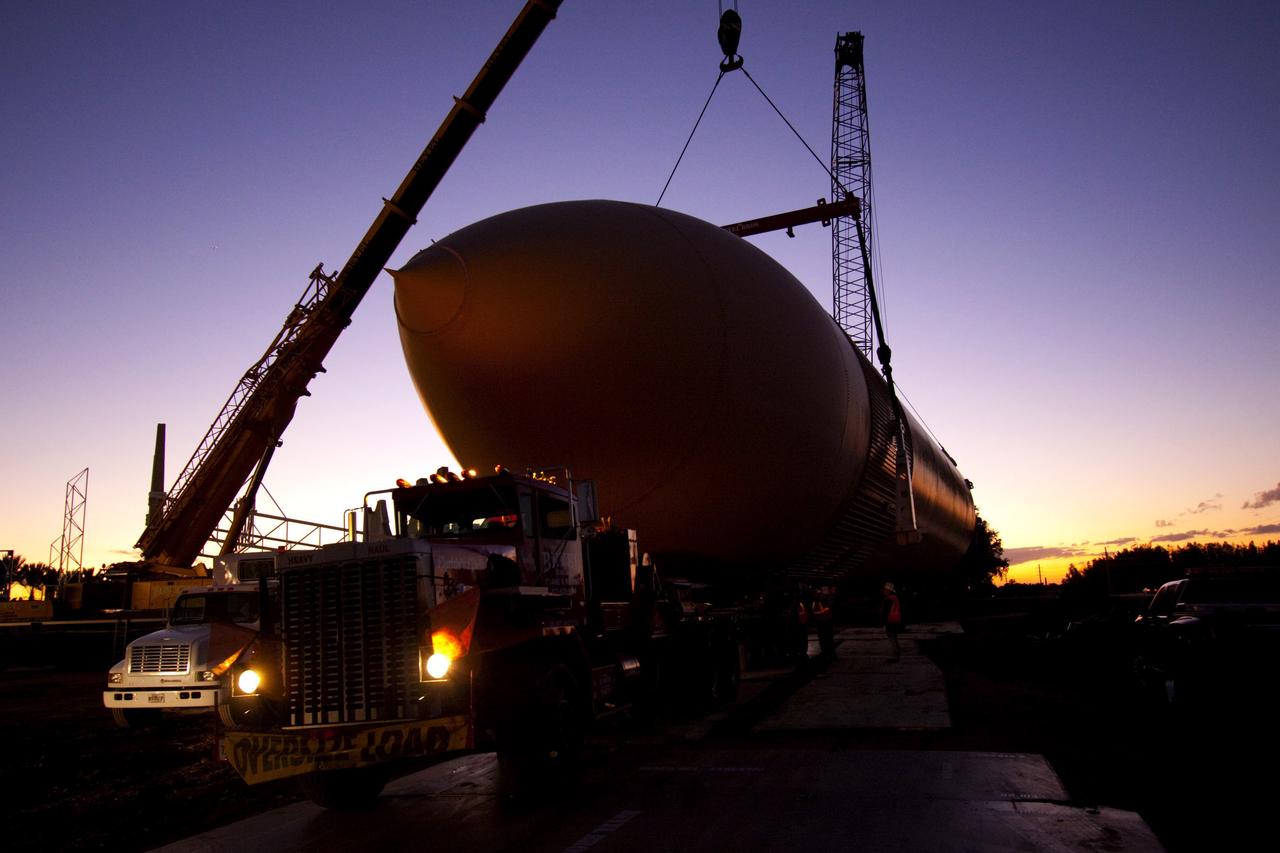
CAPE CANAVERAL, Fla. – Cranes remove a full-size replica of a space shuttle external fuel tank from the Kennedy Space Center Visitor Complex as the space-themed attraction makes way for a new exhibit featuring space shuttle Atlantis, which is currently undergoing preparations to go on public display. The tank is being placed into temporary storage at NASA's Kennedy Space Center. The tank was part of a mockup of the external tank and two solid rocket boosters at the visitor complex that were used to show visitors the size of actual space shuttle components. A space shuttle rode piggyback on the tank and boosters at liftoff and during the ascent into space. The tank, which held propellants for the shuttle's three main engines, was not reused, but burned up in the atmosphere and fell into the ocean. Photo credit: NASA/Jim Grossman
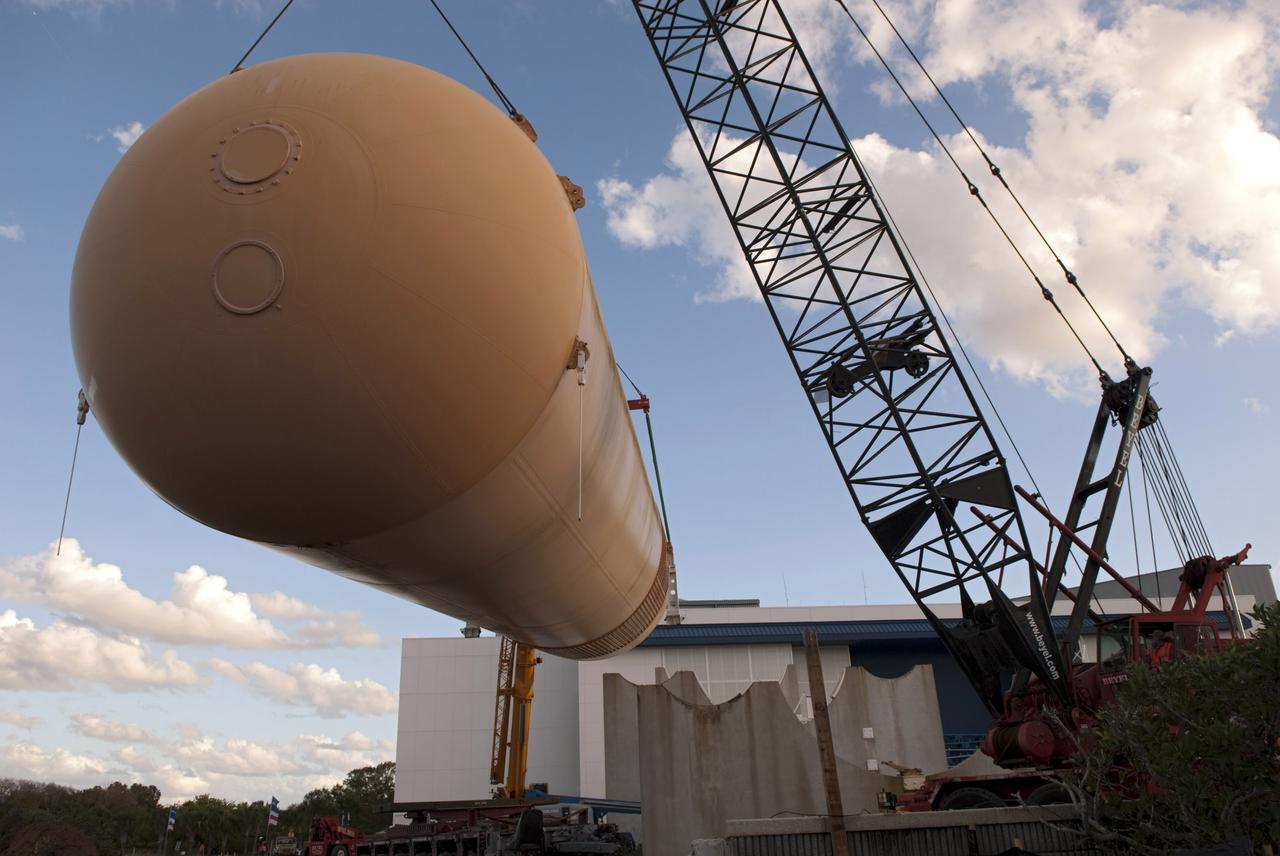
CAPE CANAVERAL, Fla. – Cranes remove a full-size replica of a space shuttle external fuel tank from the Kennedy Space Center Visitor Complex as the space-themed attraction makes way for a new exhibit featuring space shuttle Atlantis, which is currently undergoing preparations to go on public display. The tank is being placed into temporary storage at NASA's Kennedy Space Center. The tank was part of a mockup of the external tank and two solid rocket boosters at the visitor complex that were used to show visitors the size of actual space shuttle components. A space shuttle rode piggyback on the tank and boosters at liftoff and during the ascent into space. The tank, which held propellants for the shuttle's three main engines, was not reused, but burned up in the atmosphere and fell into the ocean. Photo credit: NASA/Jim Grossman
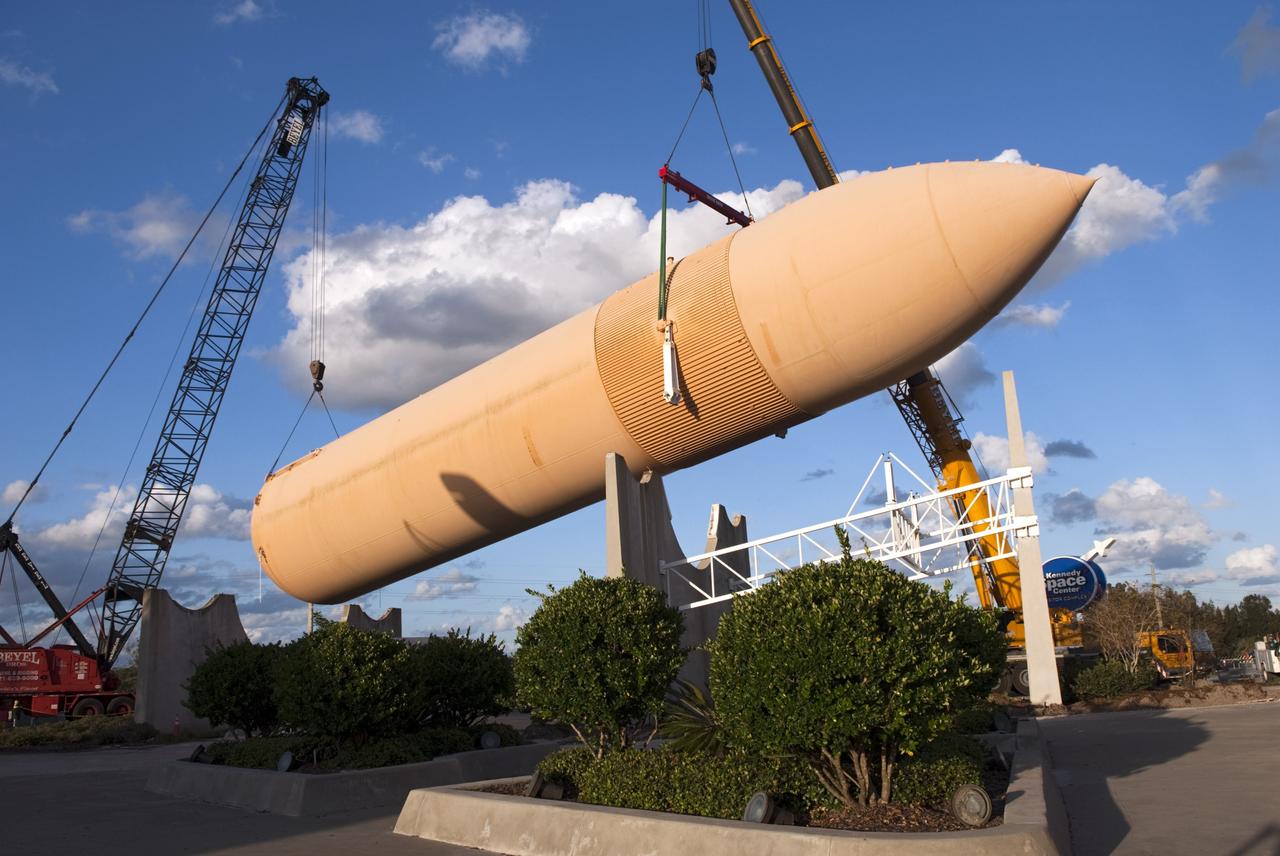
CAPE CANAVERAL, Fla. – Cranes remove a full-size replica of a space shuttle external fuel tank from the Kennedy Space Center Visitor Complex as the space-themed attraction makes way for a new exhibit featuring space shuttle Atlantis, which is currently undergoing preparations to go on public display. The tank is being placed into temporary storage at NASA's Kennedy Space Center. The tank was part of a mockup of the external tank and two solid rocket boosters at the visitor complex that were used to show visitors the size of actual space shuttle components. A space shuttle rode piggyback on the tank and boosters at liftoff and during the ascent into space. The tank, which held propellants for the shuttle's three main engines, was not reused, but burned up in the atmosphere and fell into the ocean. Photo credit: NASA/Jim Grossman
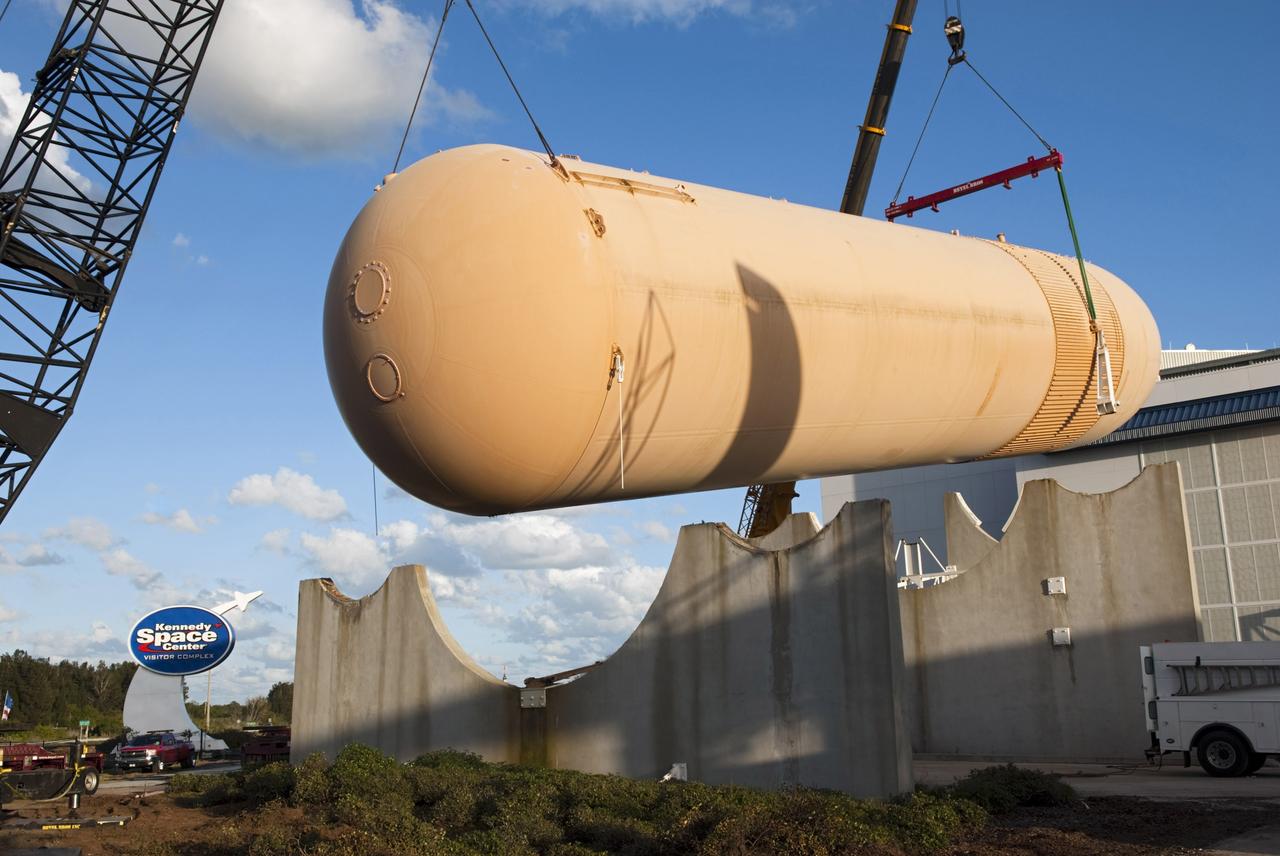
CAPE CANAVERAL, Fla. – Cranes remove a full-size replica of a space shuttle external fuel tank from the Kennedy Space Center Visitor Complex as the space-themed attraction makes way for a new exhibit featuring space shuttle Atlantis, which is currently undergoing preparations to go on public display. The tank is being placed into temporary storage at NASA's Kennedy Space Center. The tank was part of a mockup of the external tank and two solid rocket boosters at the visitor complex that were used to show visitors the size of actual space shuttle components. A space shuttle rode piggyback on the tank and boosters at liftoff and during the ascent into space. The tank, which held propellants for the shuttle's three main engines, was not reused, but burned up in the atmosphere and fell into the ocean. Photo credit: NASA/Jim Grossman
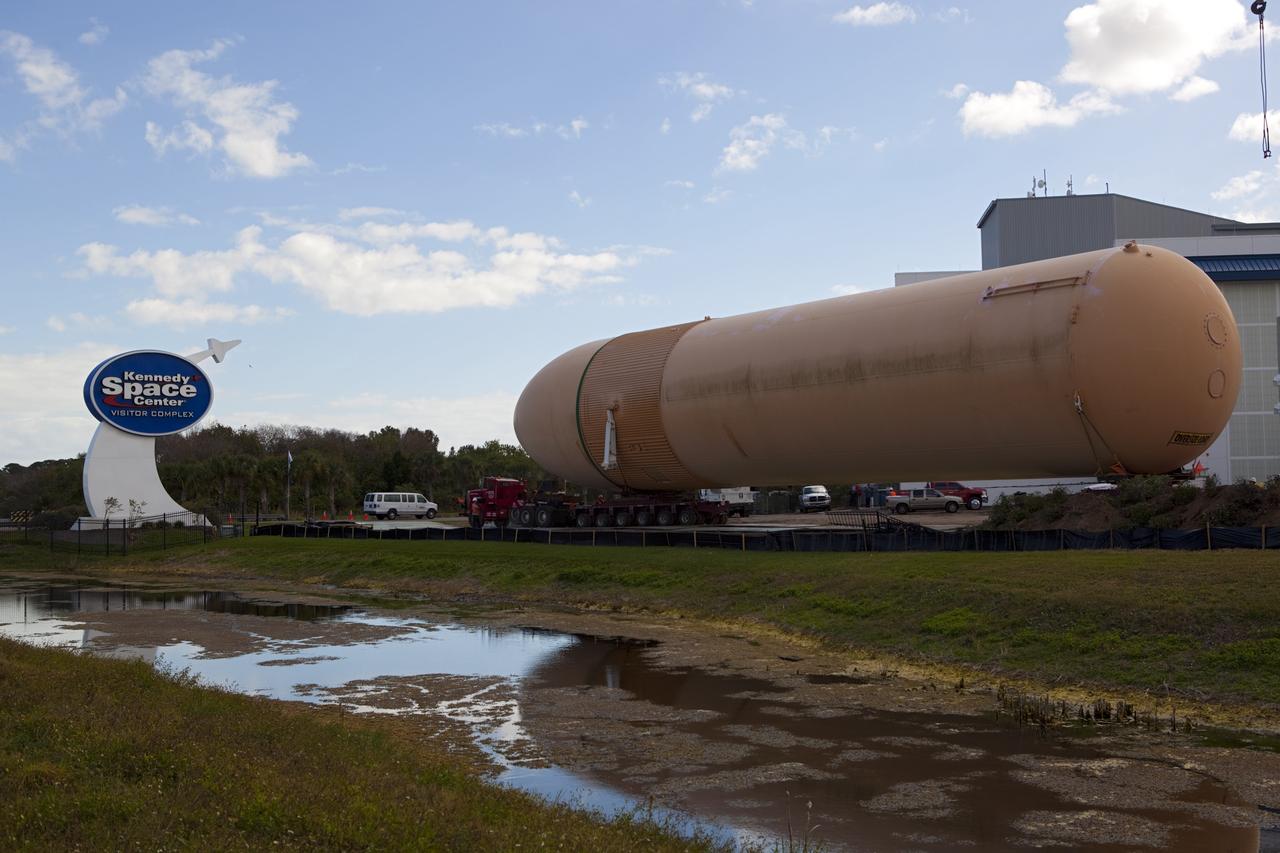
CAPE CANAVERAL, Fla. – A truck hauls a full-size display of a space shuttle external fuel tank from the Kennedy Space Center Visitor Complex as the space-themed attraction makes way for a new exhibit featuring space shuttle Atlantis, which is currently undergoing preparations to go on public display. The tank is being placed into temporary storage at NASA's Kennedy Space Center. The tank was part of a display of the external tank and two solid rocket boosters at the visitor complex that were used to show visitors the size of actual space shuttle components. A space shuttle rode piggyback on the tank and boosters at liftoff and during the ascent into space. The tank, which held propellants for the shuttle's three main engines, was not reused, but burned up in the atmosphere and fell into the ocean. Photo credit: NASA/Dmitri Gerondidakis
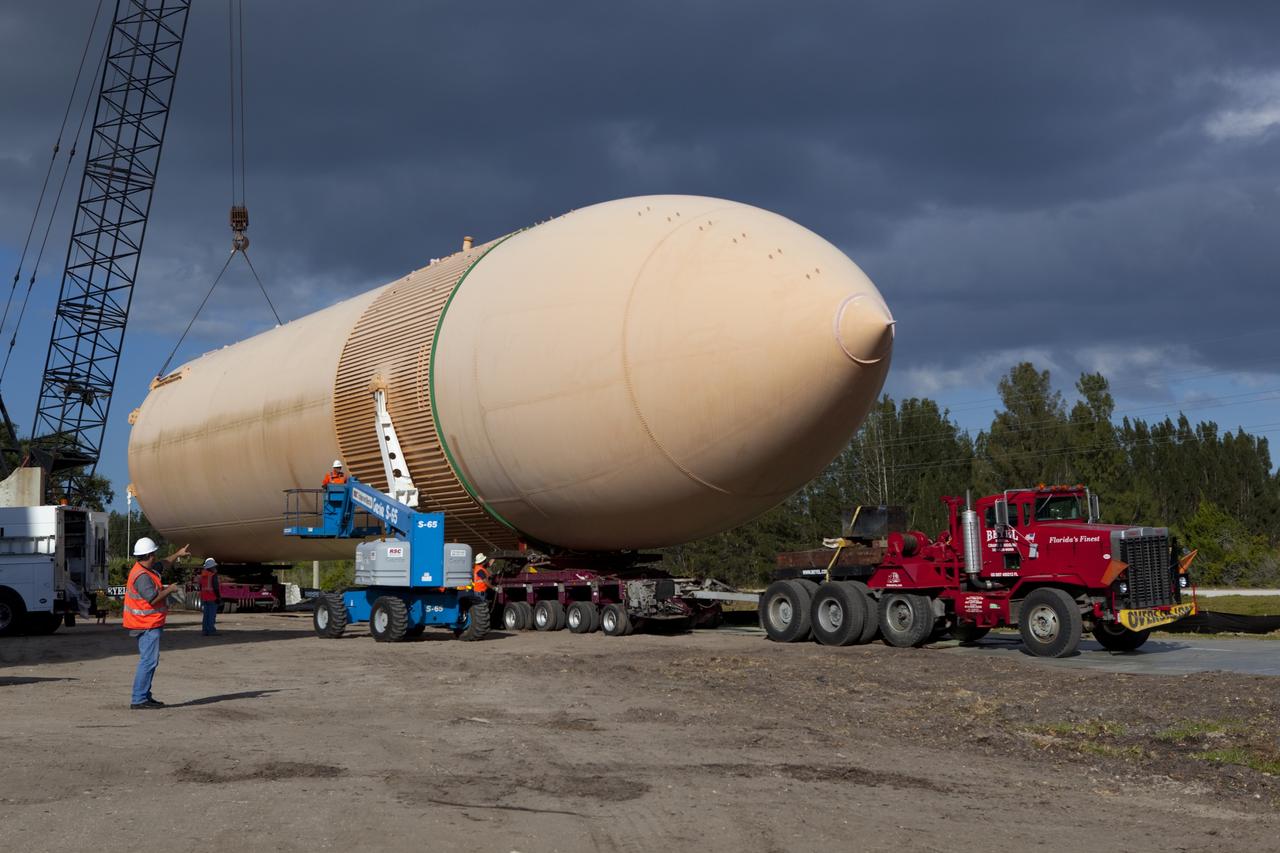
CAPE CANAVERAL, Fla. – A crane positions a full-size display of a space shuttle external fuel tank onto a truck to move it from the Kennedy Space Center Visitor Complex as the space-themed attraction makes way for a new exhibit featuring space shuttle Atlantis, which is currently undergoing preparations to go on public display. The tank is being placed into temporary storage at NASA's Kennedy Space Center. The tank was part of a display of the external tank and two solid rocket boosters at the visitor complex that were used to show visitors the size of actual space shuttle components. A space shuttle rode piggyback on the tank and boosters at liftoff and during the ascent into space. The tank, which held propellants for the shuttle's three main engines, was not reused, but burned up in the atmosphere and fell into the ocean. Photo credit: NASA/Dmitri Gerondidakis
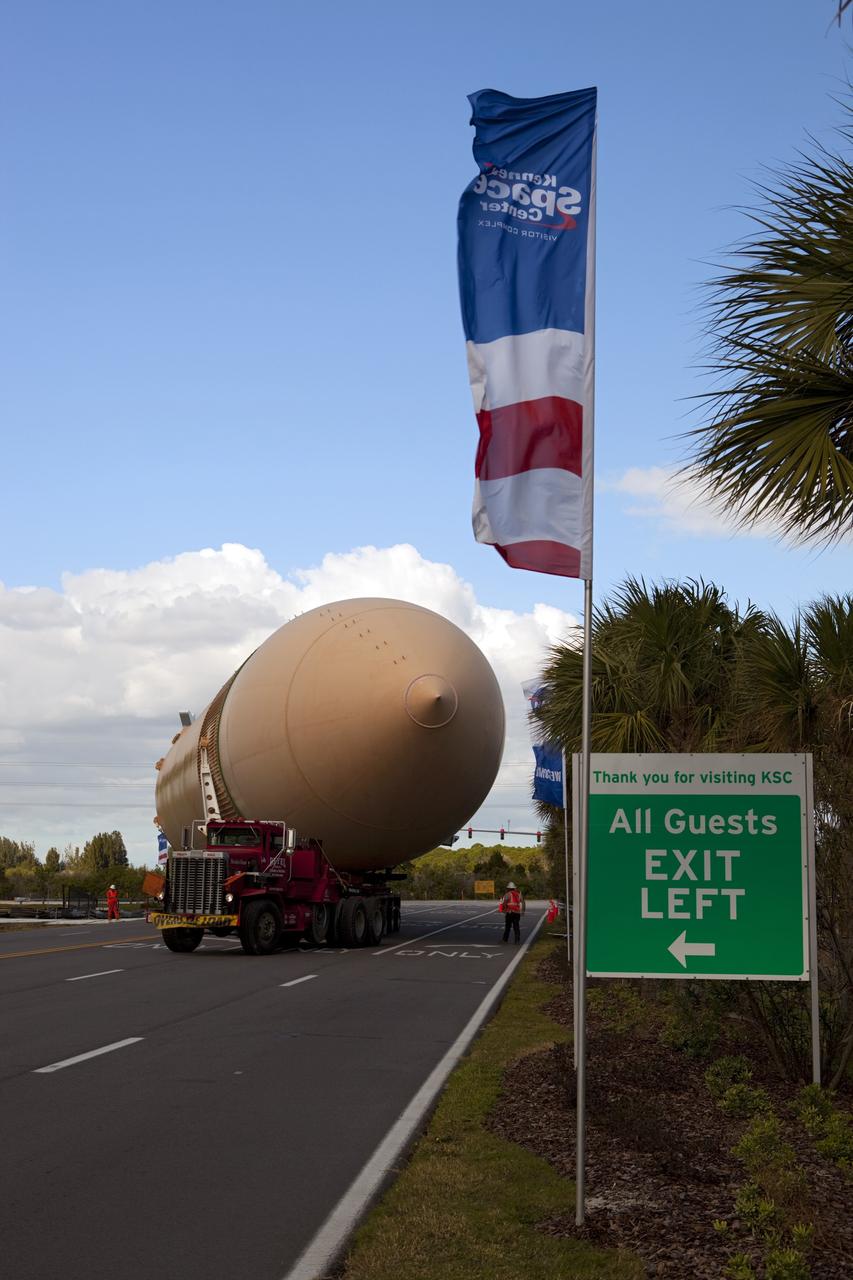
CAPE CANAVERAL, Fla. – A truck hauls a full-size display of a space shuttle external fuel tank from the Kennedy Space Center Visitor Complex as the space-themed attraction makes way for a new exhibit featuring space shuttle Atlantis, which is currently undergoing preparations to go on public display. The tank is being placed into temporary storage at NASA's Kennedy Space Center. The tank was part of a display of the external tank and two solid rocket boosters at the visitor complex that were used to show visitors the size of actual space shuttle components. A space shuttle rode piggyback on the tank and boosters at liftoff and during the ascent into space. The tank, which held propellants for the shuttle's three main engines, was not reused, but burned up in the atmosphere and fell into the ocean. Photo credit: NASA/Dmitri Gerondidakis
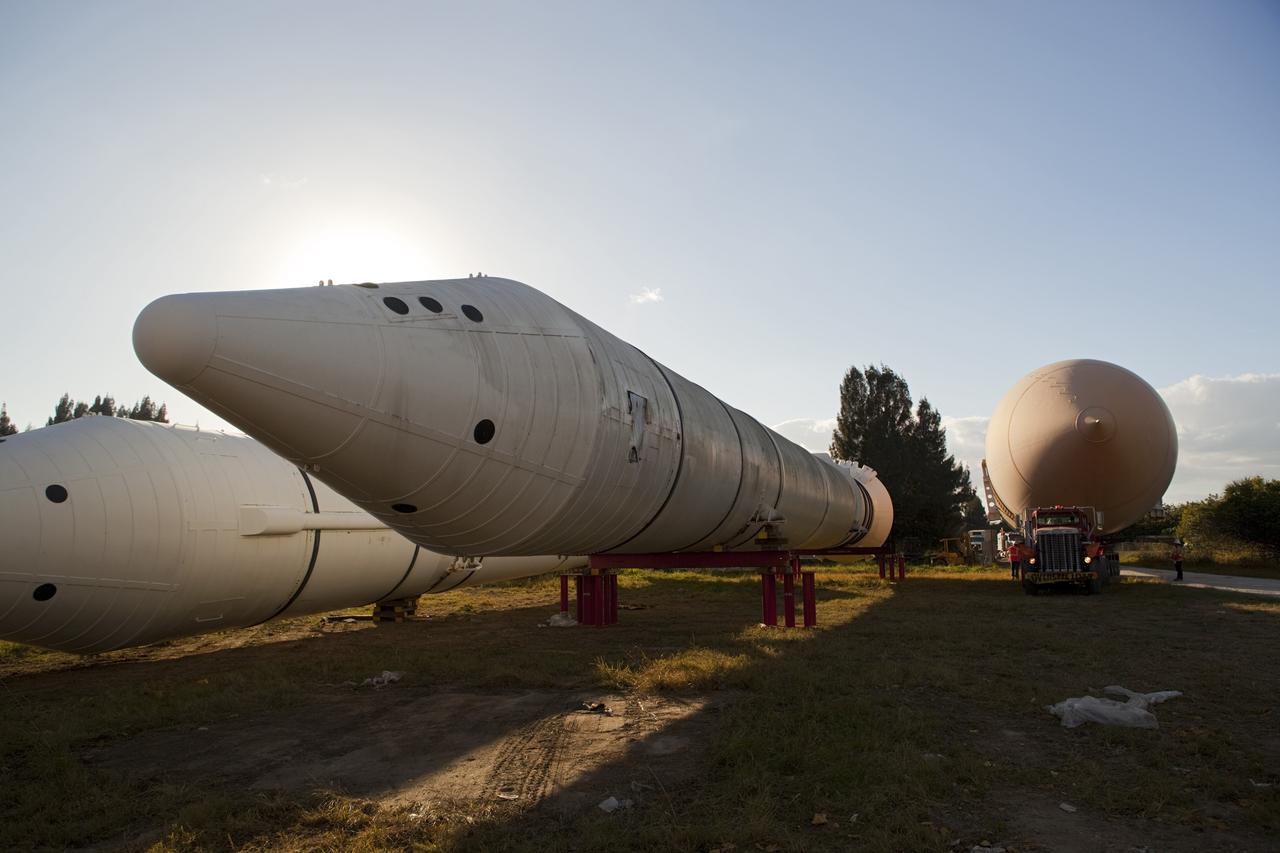
CAPE CANAVERAL, Fla. – A truck hauls a full-size display of a space shuttle external fuel tank from the Kennedy Space Center Visitor Complex as the space-themed attraction makes way for a new exhibit featuring space shuttle Atlantis, which is currently undergoing preparations to go on public display. The tank is being placed into temporary storage at NASA's Kennedy Space Center. The tank was part of a display of the external tank and two solid rocket boosters at the visitor complex that were used to show visitors the size of actual space shuttle components. A space shuttle rode piggyback on the tank and boosters at liftoff and during the ascent into space. The tank, which held propellants for the shuttle's three main engines, was not reused, but burned up in the atmosphere and fell into the ocean. Photo credit: NASA/Dmitri Gerondidakis
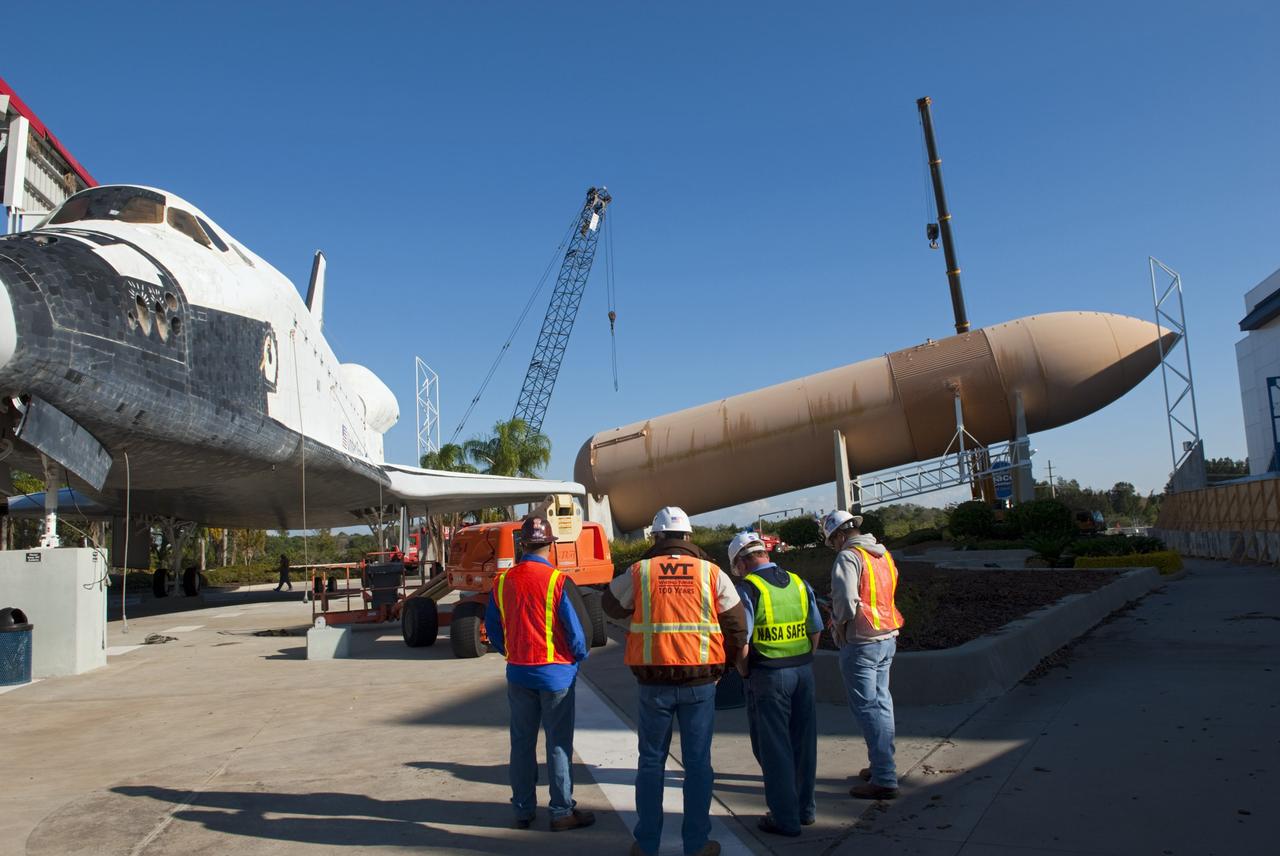
CAPE CANAVERAL, Fla. – Cranes remove a full-size replica of a space shuttle external fuel tank from the Kennedy Space Center Visitor Complex as the space-themed attraction makes way for a new exhibit featuring space shuttle Atlantis, which is currently undergoing preparations to go on public display. The tank is being placed into temporary storage at NASA's Kennedy Space Center. The tank was part of a mockup of the external tank and two solid rocket boosters at the visitor complex that were used to show visitors the size of actual space shuttle components. A space shuttle rode piggyback on the tank and boosters at liftoff and during the ascent into space. The tank, which held propellants for the shuttle's three main engines, was not reused, but burned up in the atmosphere and fell into the ocean. Photo credit: NASA/Jim Grossman
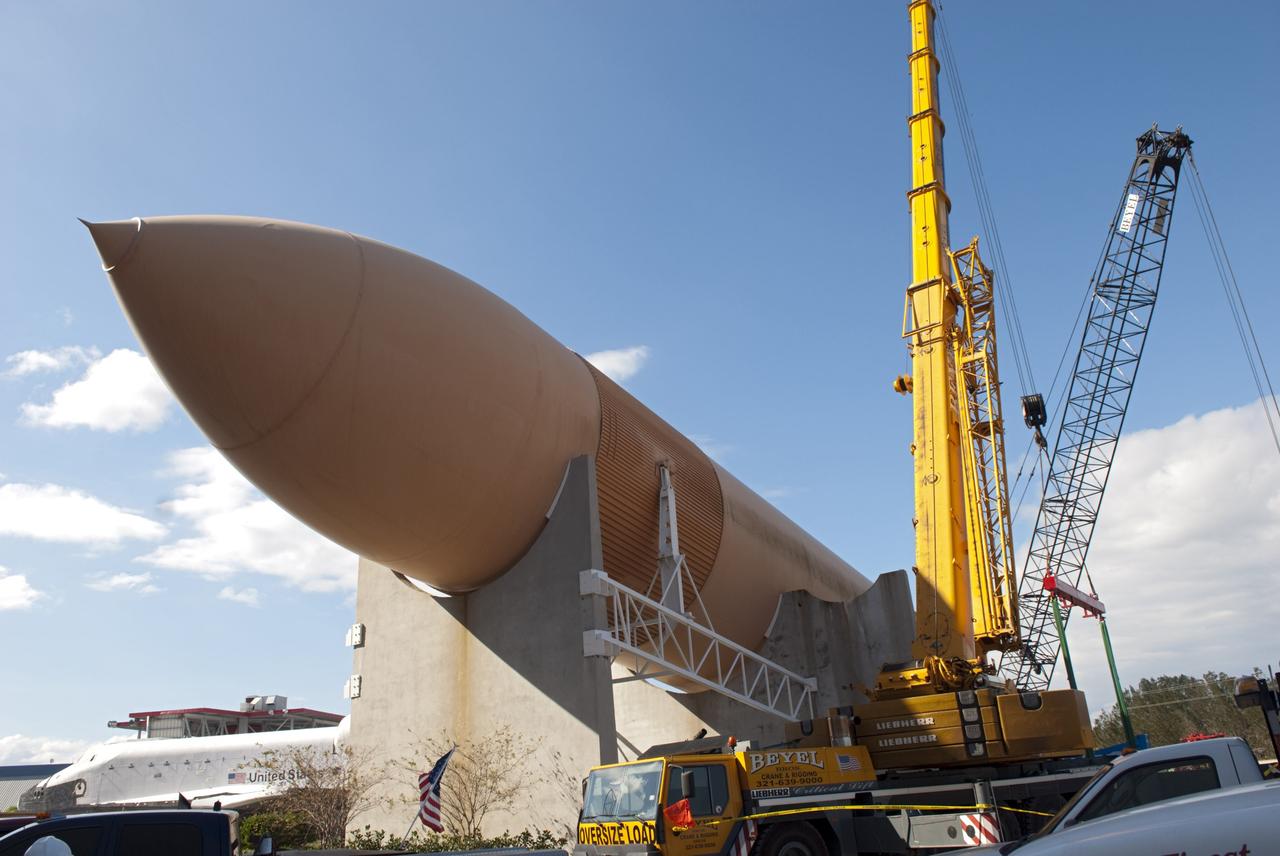
CAPE CANAVERAL, Fla. – Cranes remove a full-size replica of a space shuttle external fuel tank from the Kennedy Space Center Visitor Complex as the space-themed attraction makes way for a new exhibit featuring space shuttle Atlantis, which is currently undergoing preparations to go on public display. The tank is being placed into temporary storage at NASA's Kennedy Space Center. The tank was part of a mockup of the external tank and two solid rocket boosters at the visitor complex that were used to show visitors the size of actual space shuttle components. A space shuttle rode piggyback on the tank and boosters at liftoff and during the ascent into space. The tank, which held propellants for the shuttle's three main engines, was not reused, but burned up in the atmosphere and fell into the ocean. Photo credit: NASA/Jim Grossman
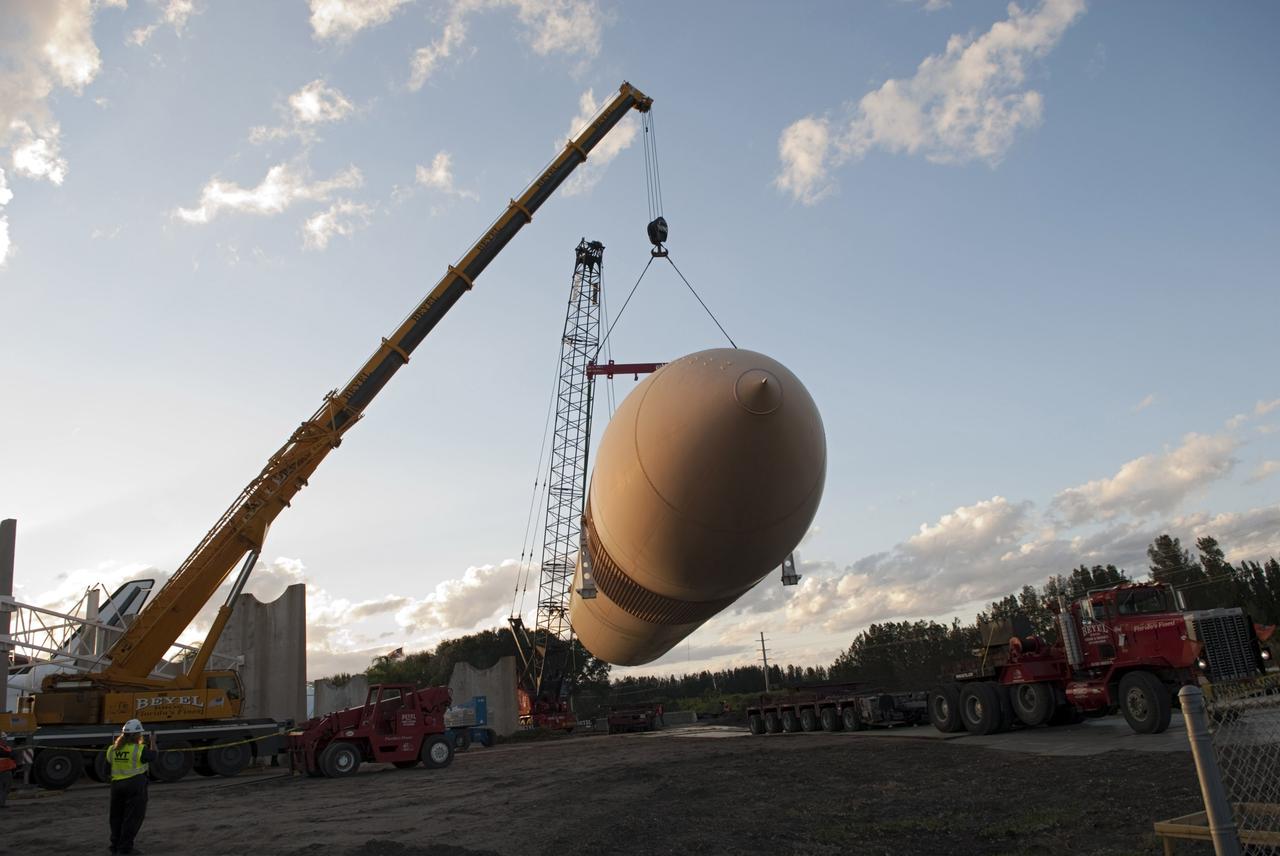
CAPE CANAVERAL, Fla. – Cranes remove a full-size replica of a space shuttle external fuel tank from the Kennedy Space Center Visitor Complex as the space-themed attraction makes way for a new exhibit featuring space shuttle Atlantis, which is currently undergoing preparations to go on public display. The tank is being placed into temporary storage at NASA's Kennedy Space Center. The tank was part of a mockup of the external tank and two solid rocket boosters at the visitor complex that were used to show visitors the size of actual space shuttle components. A space shuttle rode piggyback on the tank and boosters at liftoff and during the ascent into space. The tank, which held propellants for the shuttle's three main engines, was not reused, but burned up in the atmosphere and fell into the ocean. Photo credit: NASA/Jim Grossman
CAPE CANAVERAL, Fla. – A crane positions a full-size display of a space shuttle external fuel tank onto a truck to move it from the Kennedy Space Center Visitor Complex as the space-themed attraction makes way for a new exhibit featuring space shuttle Atlantis, which is currently undergoing preparations to go on public display. The tank is being placed into temporary storage at NASA's Kennedy Space Center. The tank was part of a display of the external tank and two solid rocket boosters at the visitor complex that were used to show visitors the size of actual space shuttle components. A space shuttle rode piggyback on the tank and boosters at liftoff and during the ascent into space. The tank, which held propellants for the shuttle's three main engines, was not reused, but burned up in the atmosphere and fell into the ocean. Photo credit: NASA/Dmitri Gerondidakis
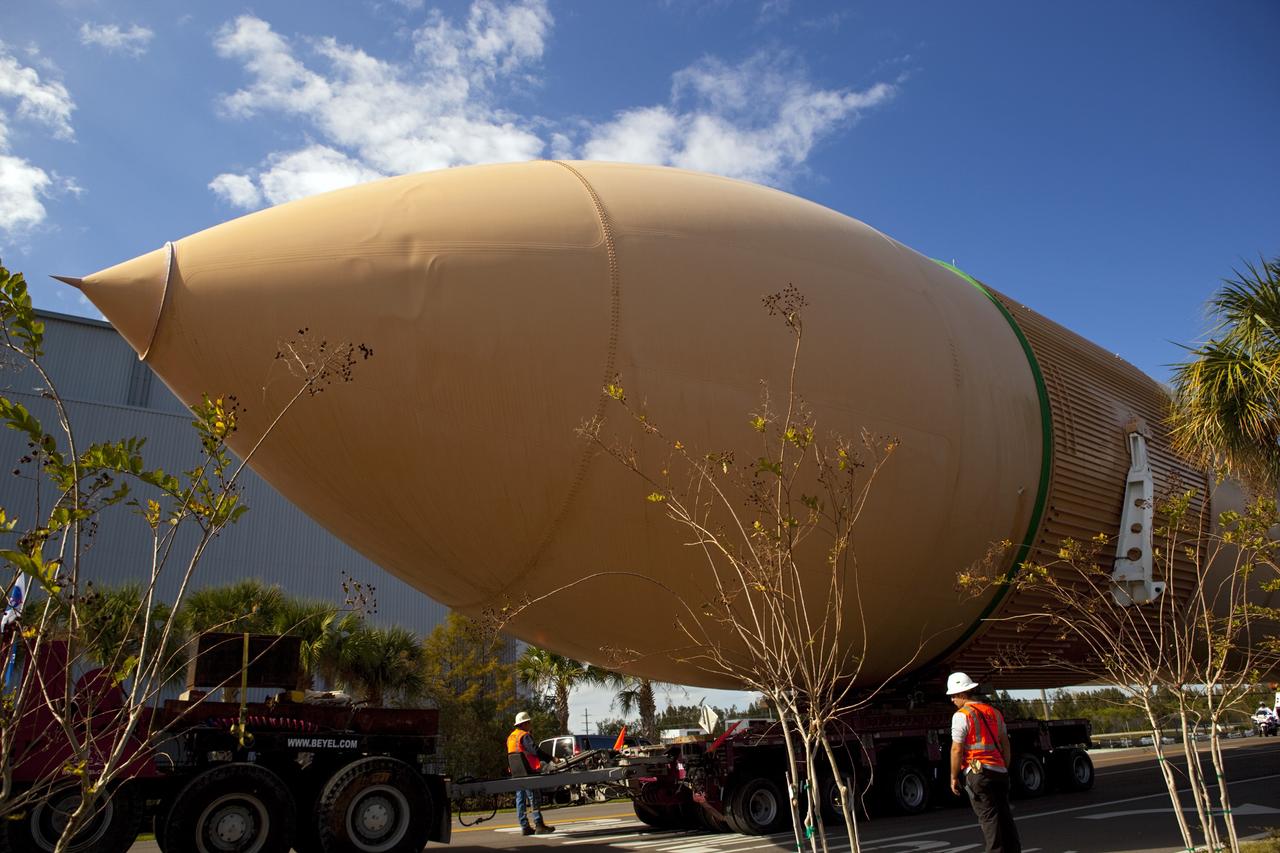
CAPE CANAVERAL, Fla. – A truck hauls a full-size display of a space shuttle external fuel tank from the Kennedy Space Center Visitor Complex as the space-themed attraction makes way for a new exhibit featuring space shuttle Atlantis, which is currently undergoing preparations to go on public display. The tank is being placed into temporary storage at NASA's Kennedy Space Center. The tank was part of a display of the external tank and two solid rocket boosters at the visitor complex that were used to show visitors the size of actual space shuttle components. A space shuttle rode piggyback on the tank and boosters at liftoff and during the ascent into space. The tank, which held propellants for the shuttle's three main engines, was not reused, but burned up in the atmosphere and fell into the ocean. Photo credit: NASA/Dmitri Gerondidakis
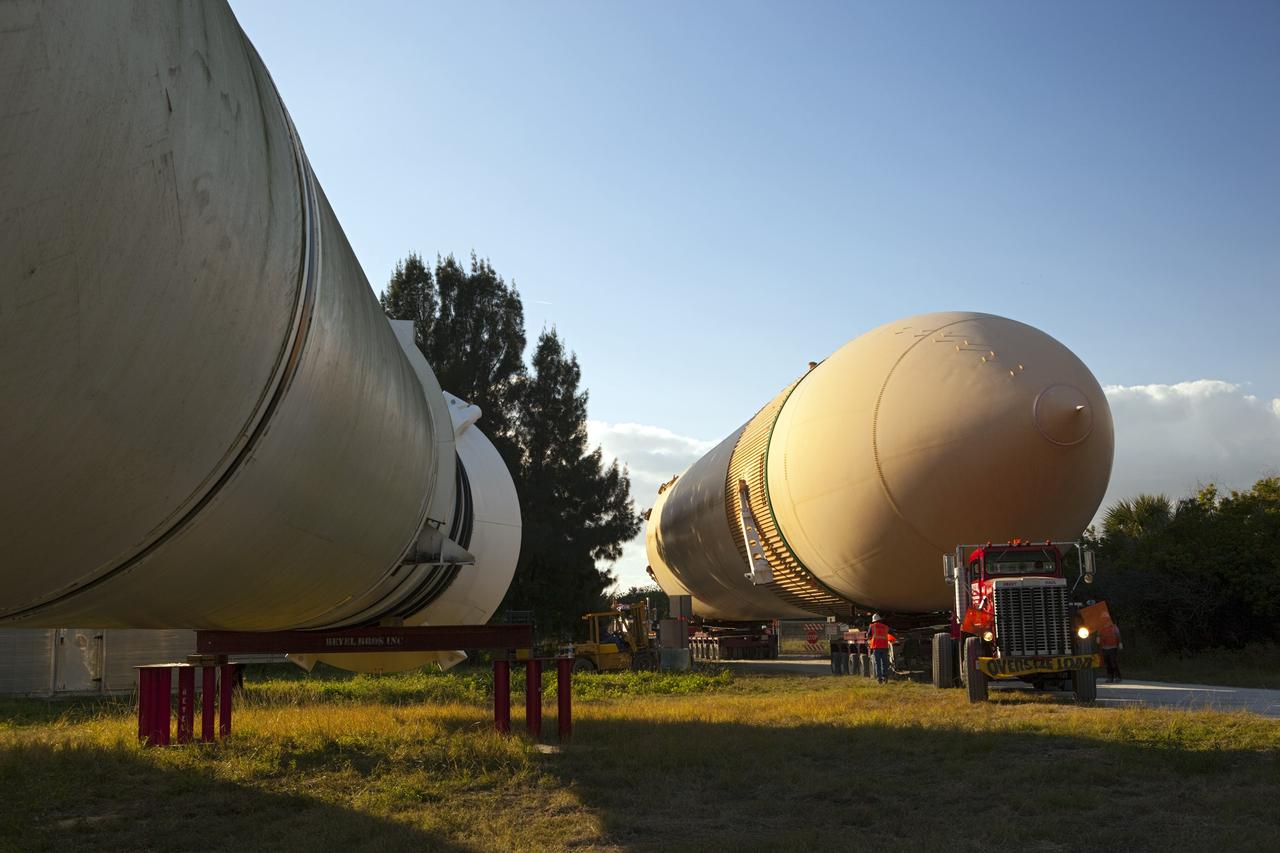
CAPE CANAVERAL, Fla. – A truck hauls a full-size display of a space shuttle external fuel tank from the Kennedy Space Center Visitor Complex as the space-themed attraction makes way for a new exhibit featuring space shuttle Atlantis, which is currently undergoing preparations to go on public display. The tank is being placed into temporary storage at NASA's Kennedy Space Center. The tank was part of a display of the external tank and two solid rocket boosters at the visitor complex that were used to show visitors the size of actual space shuttle components. A space shuttle rode piggyback on the tank and boosters at liftoff and during the ascent into space. The tank, which held propellants for the shuttle's three main engines, was not reused, but burned up in the atmosphere and fell into the ocean. Photo credit: NASA/Dmitri Gerondidakis
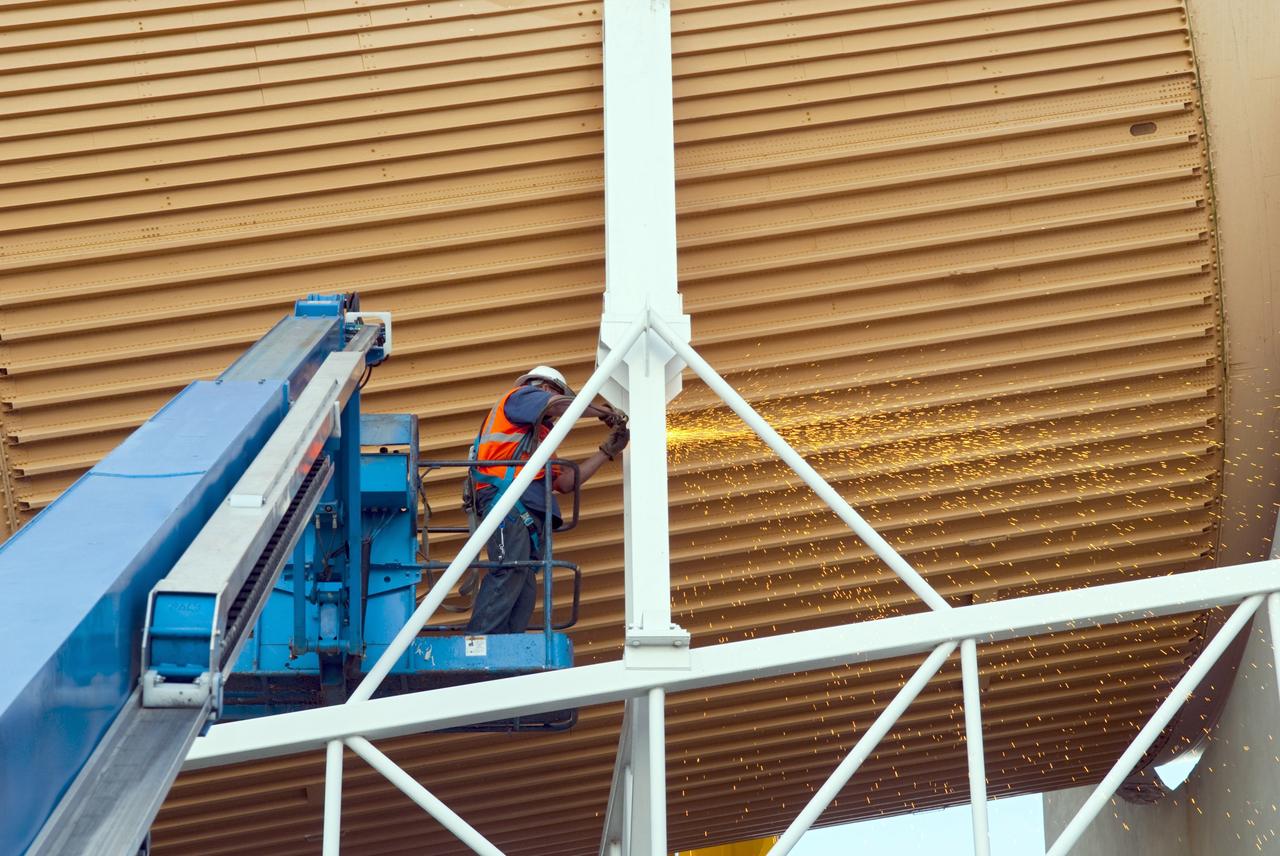
CAPE CANAVERAL, Fla. – A technician works on the removal of a full-size replica of a space shuttle external fuel tank from the Kennedy Space Center Visitor Complex as the space-themed attraction makes way for a new exhibit featuring space shuttle Atlantis, which is currently undergoing preparations to go on public display. The tank is being placed into temporary storage at NASA's Kennedy Space Center. The tank was part of a mockup of the external tank and two solid rocket boosters at the visitor complex that were used to show visitors the size of actual space shuttle components. A space shuttle rode piggyback on the tank and boosters at liftoff and during the ascent into space. The tank, which held propellants for the shuttle's three main engines, was not reused, but burned up in the atmosphere and fell into the ocean. Photo credit: NASA/Jim Grossman
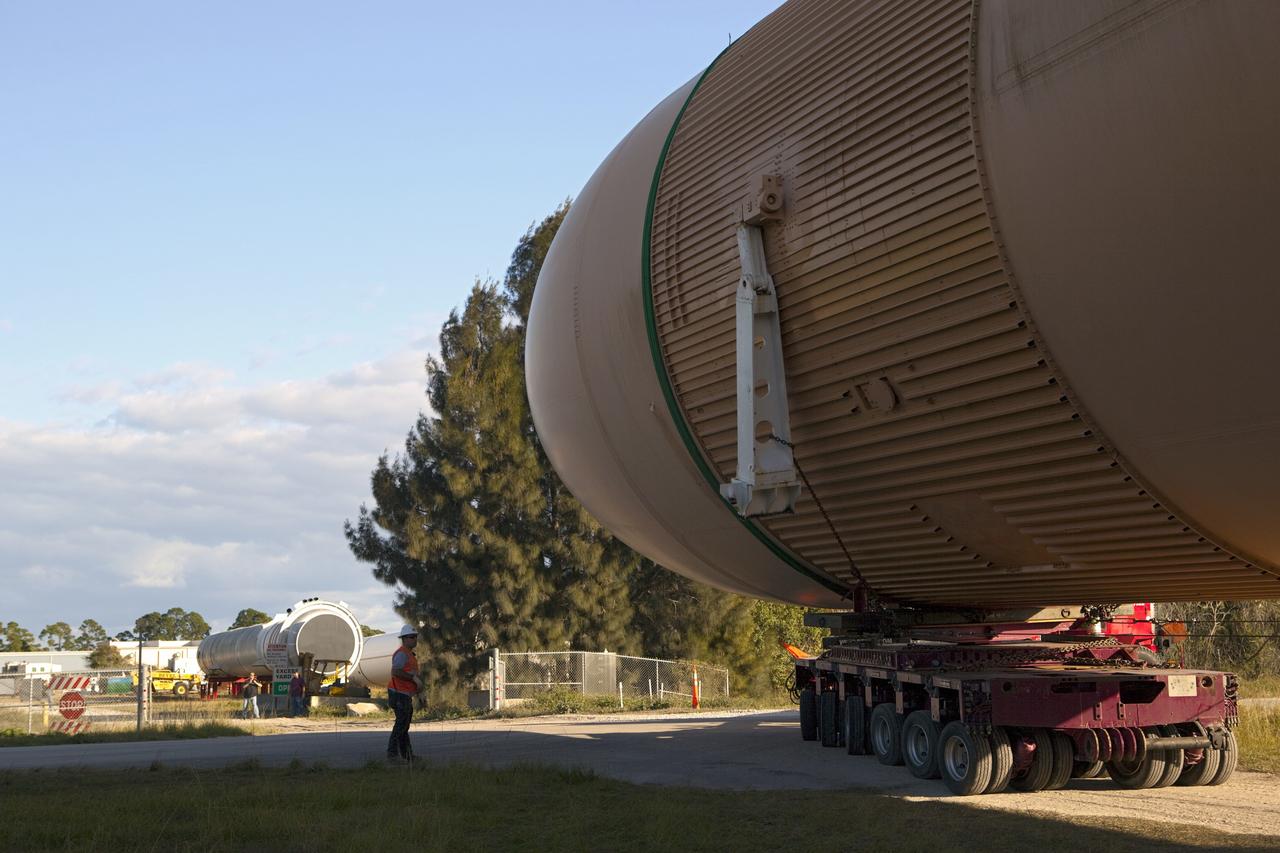
CAPE CANAVERAL, Fla. – A truck hauls a full-size display of a space shuttle external fuel tank from the Kennedy Space Center Visitor Complex as the space-themed attraction makes way for a new exhibit featuring space shuttle Atlantis, which is currently undergoing preparations to go on public display. The tank is being placed into temporary storage at NASA's Kennedy Space Center. The tank was part of a display of the external tank and two solid rocket boosters at the visitor complex that were used to show visitors the size of actual space shuttle components. A space shuttle rode piggyback on the tank and boosters at liftoff and during the ascent into space. The tank, which held propellants for the shuttle's three main engines, was not reused, but burned up in the atmosphere and fell into the ocean. Photo credit: NASA/Dmitri Gerondidakis
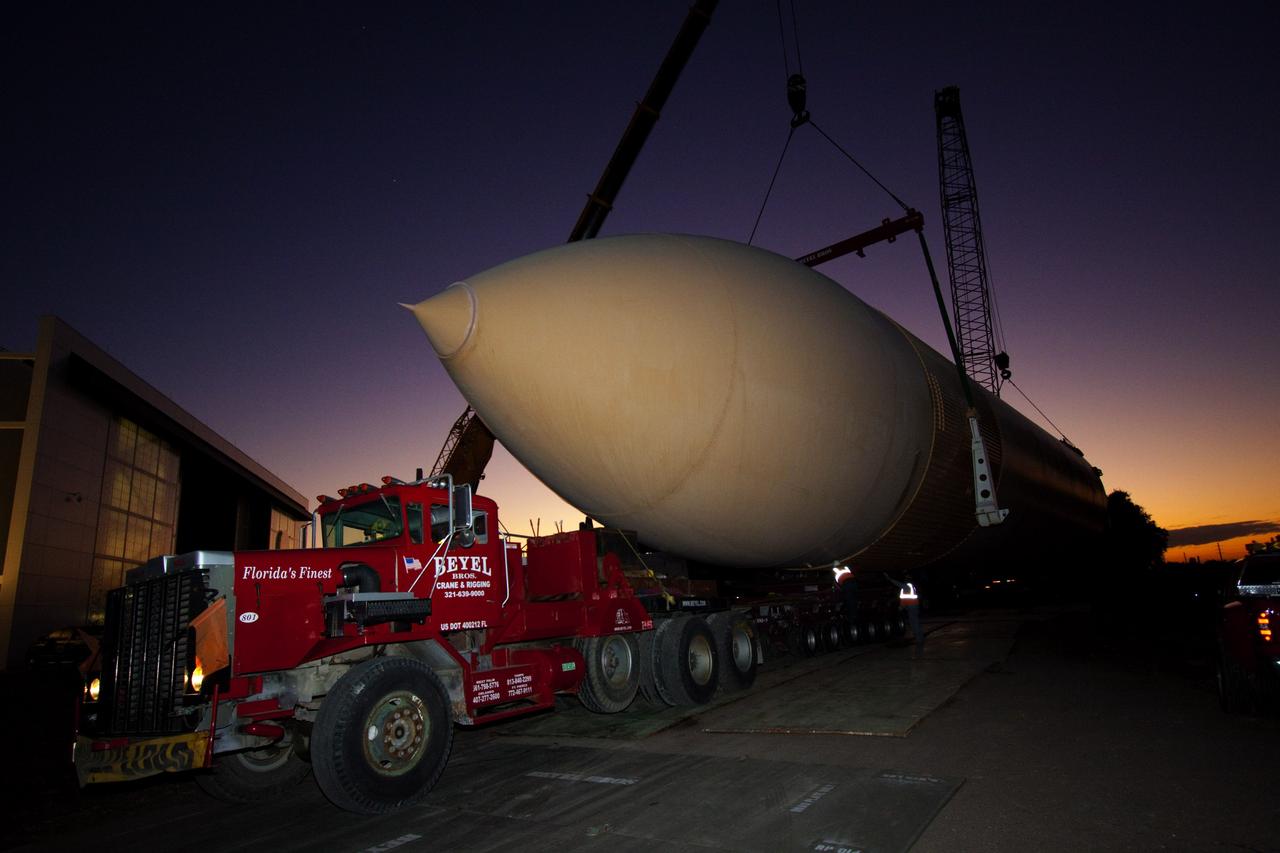
CAPE CANAVERAL, Fla. – Cranes remove a full-size replica of a space shuttle external fuel tank from the Kennedy Space Center Visitor Complex as the space-themed attraction makes way for a new exhibit featuring space shuttle Atlantis, which is currently undergoing preparations to go on public display. The tank is being placed into temporary storage at NASA's Kennedy Space Center. The tank was part of a mockup of the external tank and two solid rocket boosters at the visitor complex that were used to show visitors the size of actual space shuttle components. A space shuttle rode piggyback on the tank and boosters at liftoff and during the ascent into space. The tank, which held propellants for the shuttle's three main engines, was not reused, but burned up in the atmosphere and fell into the ocean. Photo credit: NASA/Jim Grossman
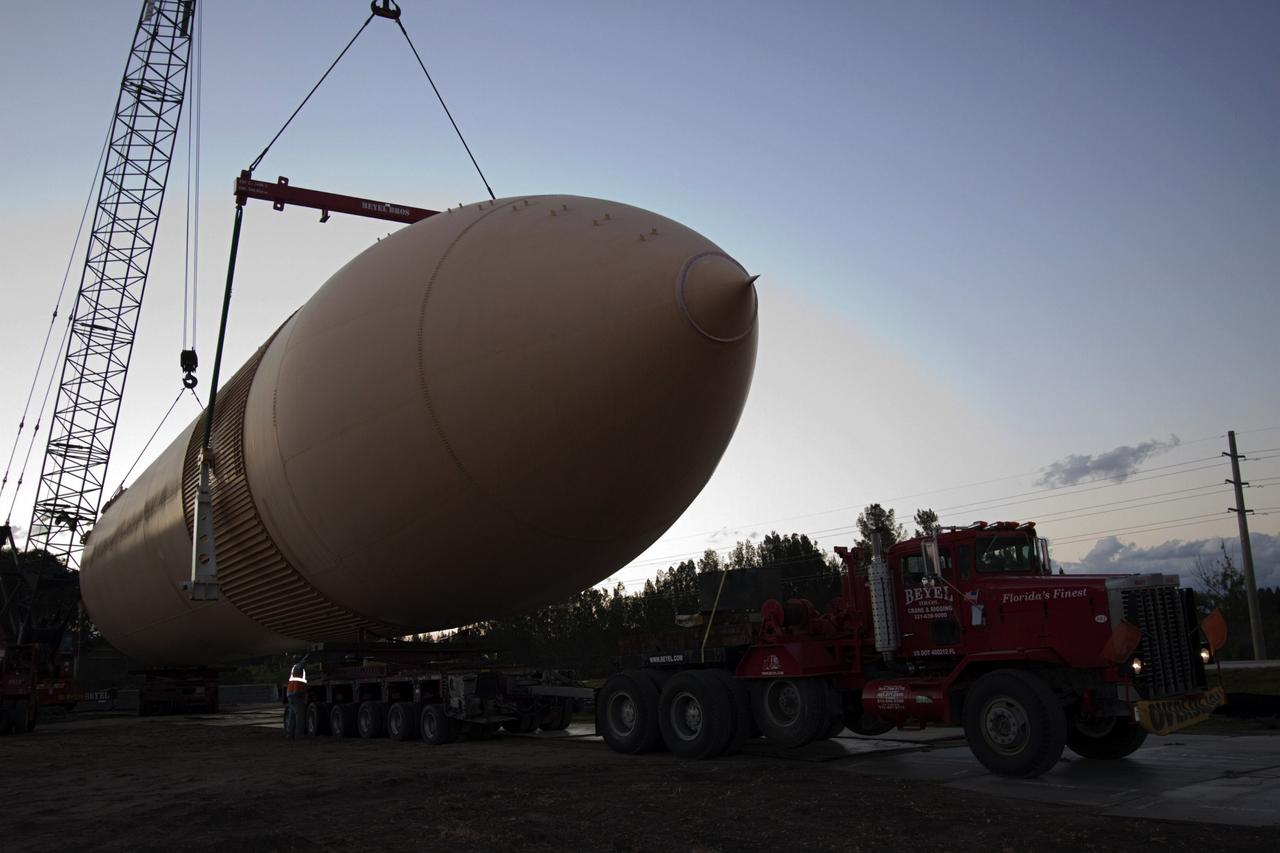
CAPE CANAVERAL, Fla. – Cranes remove a full-size replica of a space shuttle external fuel tank from the Kennedy Space Center Visitor Complex as the space-themed attraction makes way for a new exhibit featuring space shuttle Atlantis, which is currently undergoing preparations to go on public display. The tank is being placed into temporary storage at NASA's Kennedy Space Center. The tank was part of a mockup of the external tank and two solid rocket boosters at the visitor complex that were used to show visitors the size of actual space shuttle components. A space shuttle rode piggyback on the tank and boosters at liftoff and during the ascent into space. The tank, which held propellants for the shuttle's three main engines, was not reused, but burned up in the atmosphere and fell into the ocean. Photo credit: NASA/Jim Grossman
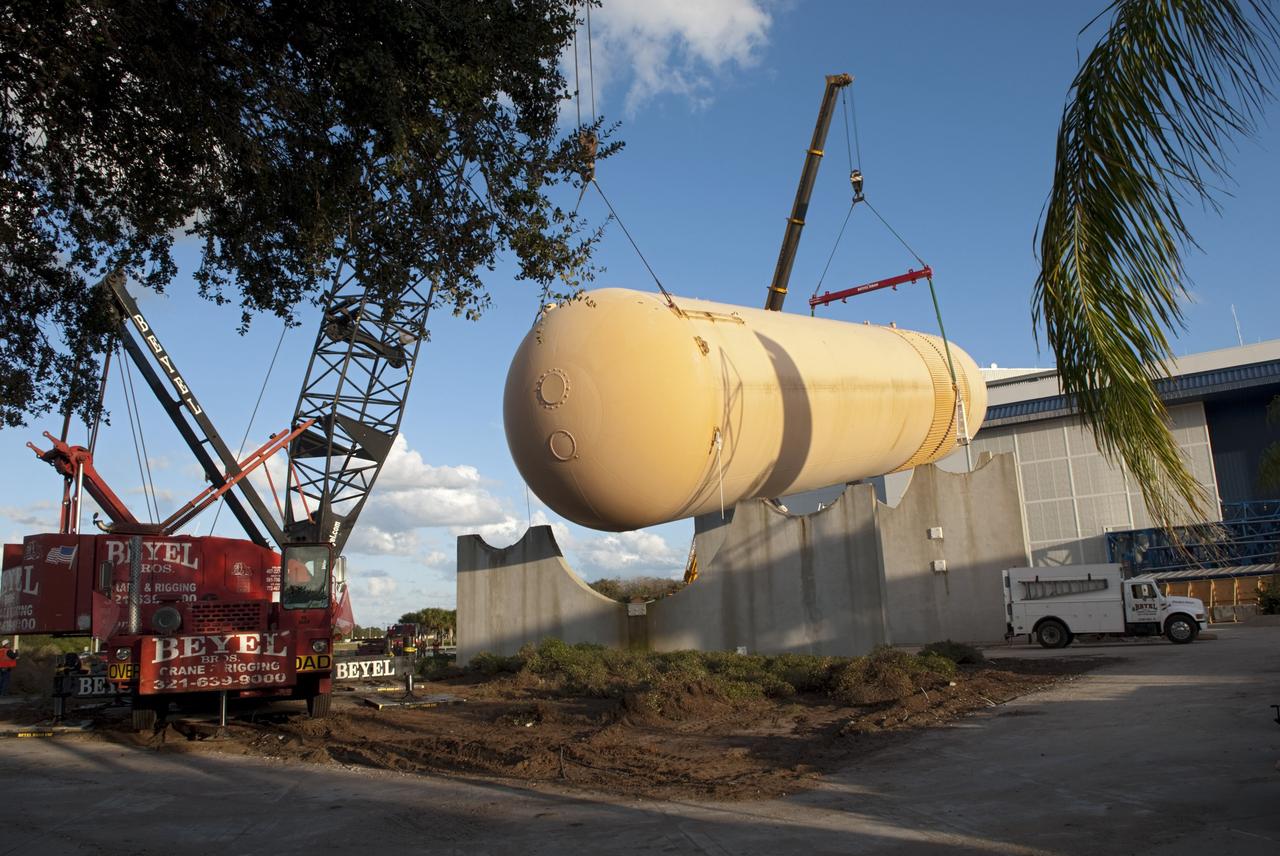
CAPE CANAVERAL, Fla. – Cranes remove a full-size replica of a space shuttle external fuel tank from the Kennedy Space Center Visitor Complex as the space-themed attraction makes way for a new exhibit featuring space shuttle Atlantis, which is currently undergoing preparations to go on public display. The tank is being placed into temporary storage at NASA's Kennedy Space Center. The tank was part of a mockup of the external tank and two solid rocket boosters at the visitor complex that were used to show visitors the size of actual space shuttle components. A space shuttle rode piggyback on the tank and boosters at liftoff and during the ascent into space. The tank, which held propellants for the shuttle's three main engines, was not reused, but burned up in the atmosphere and fell into the ocean. Photo credit: NASA/Jim Grossman
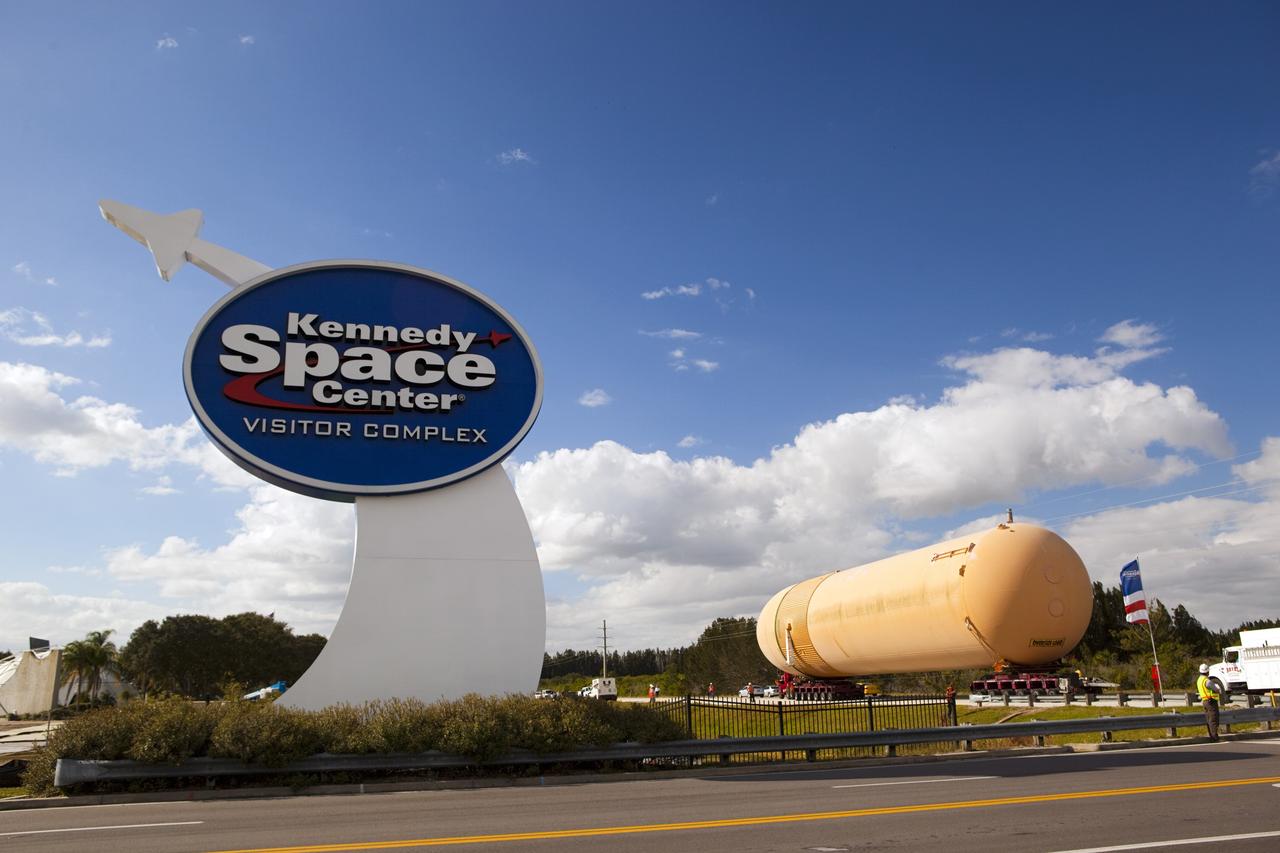
CAPE CANAVERAL, Fla. – A truck hauls a full-size display of a space shuttle external fuel tank from the Kennedy Space Center Visitor Complex as the space-themed attraction makes way for a new exhibit featuring space shuttle Atlantis, which is currently undergoing preparations to go on public display. The tank is being placed into temporary storage at NASA's Kennedy Space Center. The tank was part of a display of the external tank and two solid rocket boosters at the visitor complex that were used to show visitors the size of actual space shuttle components. A space shuttle rode piggyback on the tank and boosters at liftoff and during the ascent into space. The tank, which held propellants for the shuttle's three main engines, was not reused, but burned up in the atmosphere and fell into the ocean. Photo credit: NASA/Dmitri Gerondidakis
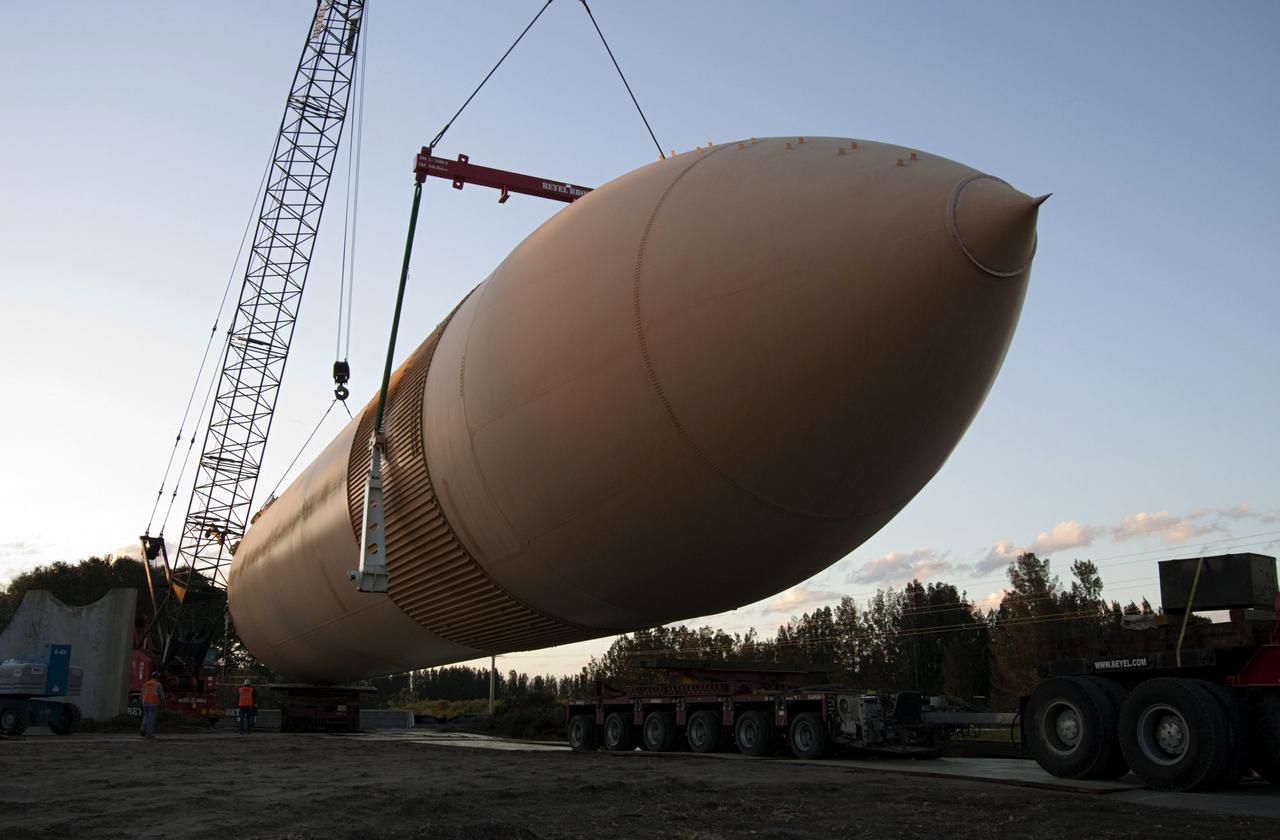
CAPE CANAVERAL, Fla. – Cranes remove a full-size replica of a space shuttle external fuel tank from the Kennedy Space Center Visitor Complex as the space-themed attraction makes way for a new exhibit featuring space shuttle Atlantis, which is currently undergoing preparations to go on public display. The tank is being placed into temporary storage at NASA's Kennedy Space Center. The tank was part of a mockup of the external tank and two solid rocket boosters at the visitor complex that were used to show visitors the size of actual space shuttle components. A space shuttle rode piggyback on the tank and boosters at liftoff and during the ascent into space. The tank, which held propellants for the shuttle's three main engines, was not reused, but burned up in the atmosphere and fell into the ocean. Photo credit: NASA/Jim Grossman

STS050-S-040 (25 June 1992) --- A low-angle perspective captures the Space Shuttle Columbia as it lifts off on its way toward a scheduled record 13-day mission in Earth-orbit. Liftoff occurred at 12:12:23:0534 p.m. (EDT) on June 25, 1992. The modified Columbia is NASA's first Extended Duration Orbiter (EDO). Five NASA astronauts and two scientists/payload specialists are aboard. The seven will divide into two shifts to support United States Microgravity Laboratory 1 (USML-1) research.
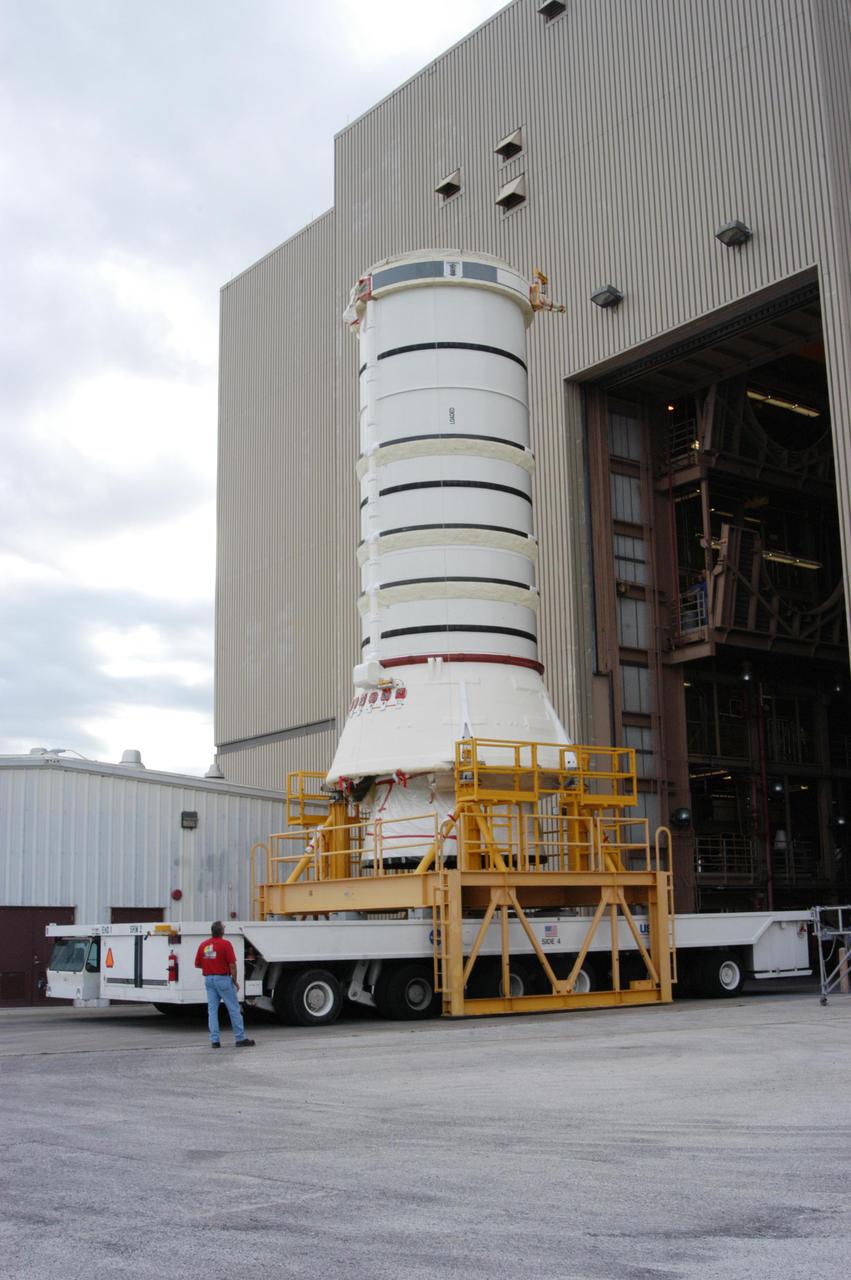
KENNEDY SPACE CENTER, FLA. - The aft skirt and lower segment of the Solid Rocket Booster (SRB) being prepared for Return to Flight on mission STS-114 leave the Rotation Processing and Surge Facility. The segments are being transported to the Vehicle Assembly Building where they will be prepared for stacking with the other segments arriving later. Two SRBs support the liftoff of the Space Shuttle on a launch. The twin 149-foot tall, 12-foot diameter SRBs provide the main propulsion system during launch to place the 180,000-pound orbiters in the proper orbit around the Earth. They operate parallel with the Space Shuttle main engines for the first two minutes of flight and jettison away from the orbiter with help from the Booster Separation Motors, about 26.3 nautical miles above the Earth’s surface.
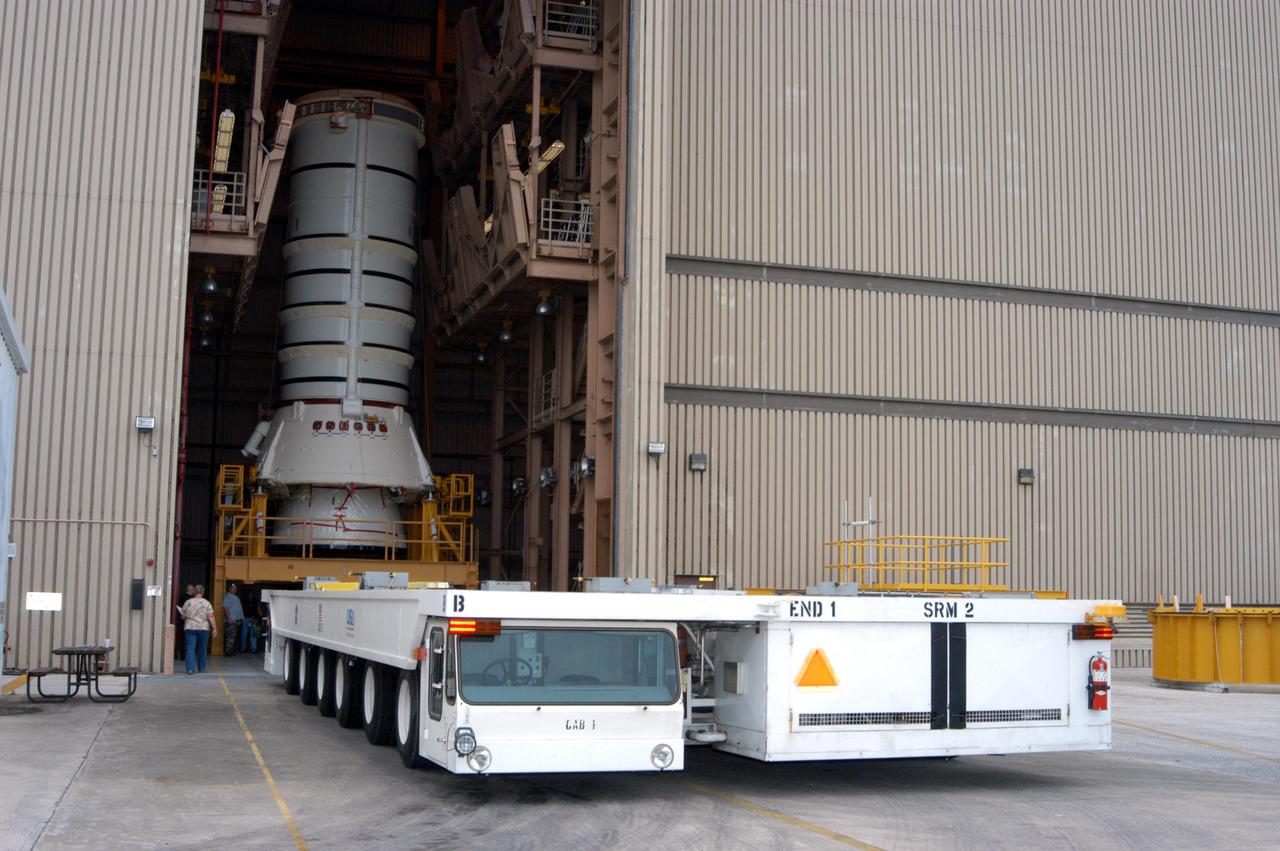
KENNEDY SPACE CENTER, FLA. - The transporter arrives at the Rotation Processing and Surge Facility to move the aft skirt and lower segment of the Solid Rocket Booster (SRB) to the Vehicle Assembly. These segments are the first to be prepared for Return to Flight on mission STS-114. Other segments will follow for stacking. Two SRBs support the liftoff of the Space Shuttle on a launch. The twin 149-foot tall, 12-foot diameter SRBs provide the main propulsion system during launch to place the 180,000-pound orbiters in the proper orbit around the Earth. They operate parallel with the Space Shuttle main engines for the first two minutes of flight and jettison away from the orbiter with help from the Booster Separation Motors, about 26.3 nautical miles above the Earth’s surface.
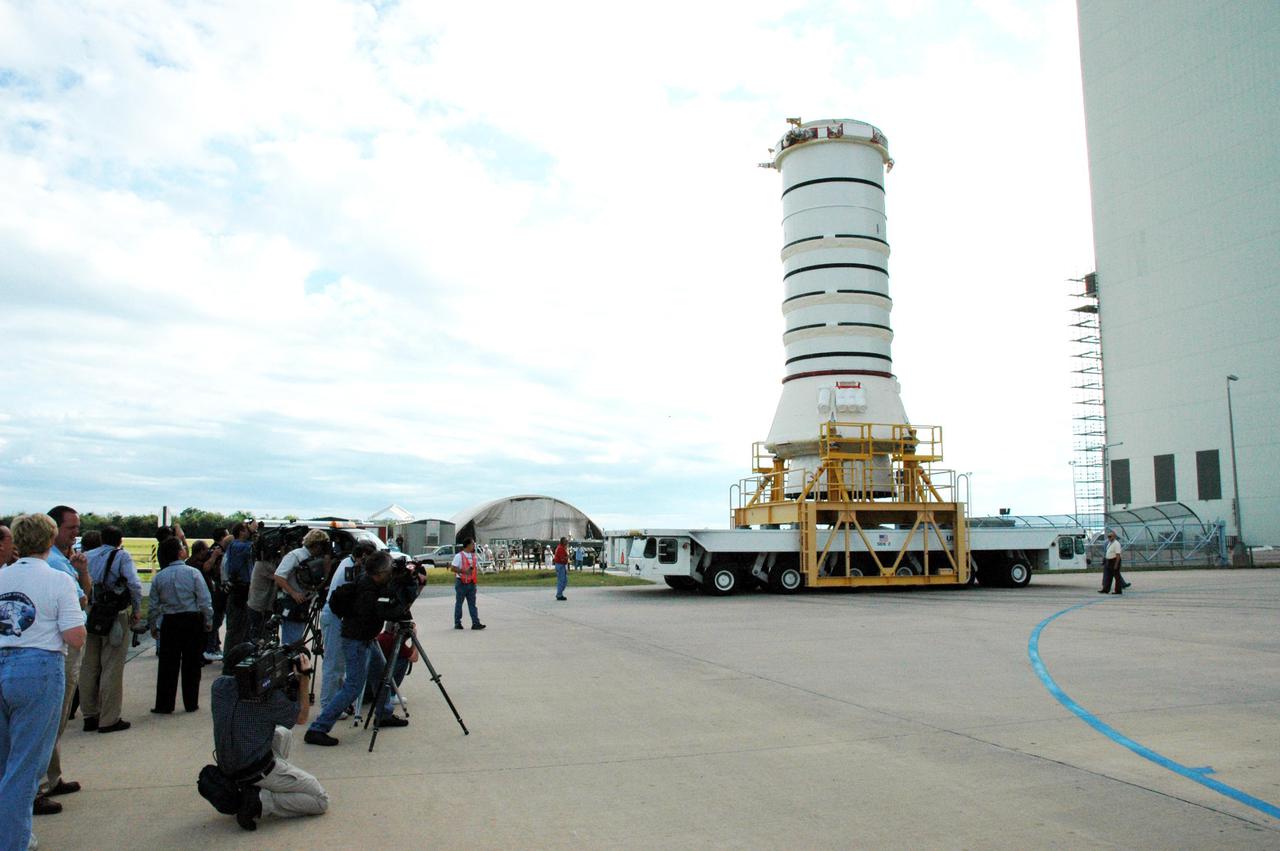
KENNEDY SPACE CENTER, FLA. - The media station their cameras to capture the move of the aft skirt and lower segment of the Solid Rocket Booster for the Return to Flight mission STS-114. A significant milestone in Return to Flight preparations, these first segments are moving from the Rotation Processing and Surge Facility to the Vehicle Assembly Building. Other segments will follow for stacking. Two SRBs support the liftoff of the Space Shuttle on a launch. The twin 149-foot tall, 12-foot diameter SRBs provide the main propulsion system during launch to place the 180,000-pound orbiters in the proper orbit around the Earth. They operate parallel with the Space Shuttle main engines for the first two minutes of flight and jettison away from the orbiter with help from the Booster Separation Motors, about 26.3 nautical miles above the Earth’s surface.
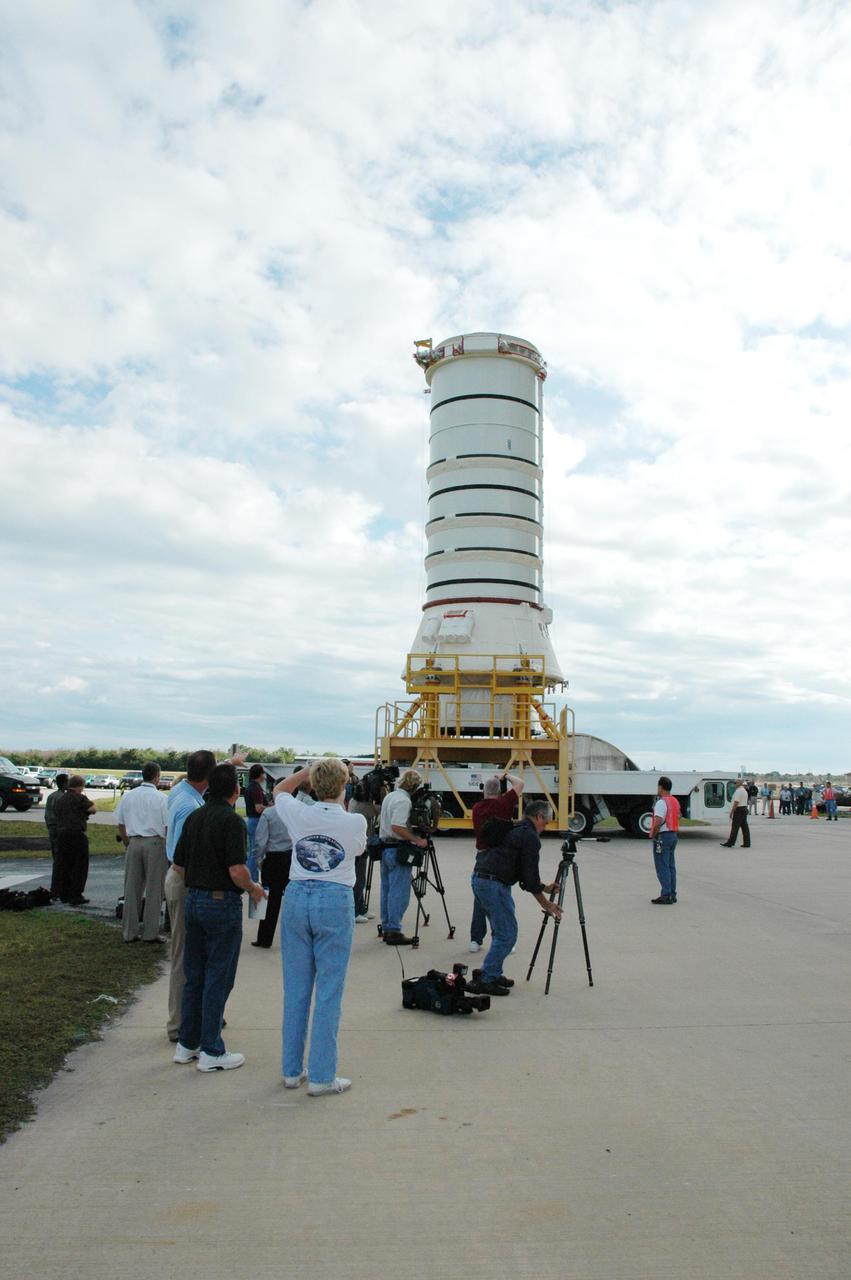
KENNEDY SPACE CENTER, FLA. - - The media station their cameras to capture the move of the aft skirt and lower segment of the Solid Rocket Booster for the Return to Flight mission STS-114. A significant milestone in Return to Flight, these first segments are moving from the Rotation Processing and Surge Facility to the Vehicle Assembly Building. Other segments will follow for stacking. Two SRBs support the liftoff of the Space Shuttle on a launch. The twin 149-foot tall, 12-foot diameter SRBs provide the main propulsion system during launch to place the 180,000-pound orbiters in the proper orbit around the Earth. They operate parallel with the Space Shuttle main engines for the first two minutes of flight and jettison away from the orbiter with help from the Booster Separation Motors, about 26.3 nautical miles above the Earth’s surface.
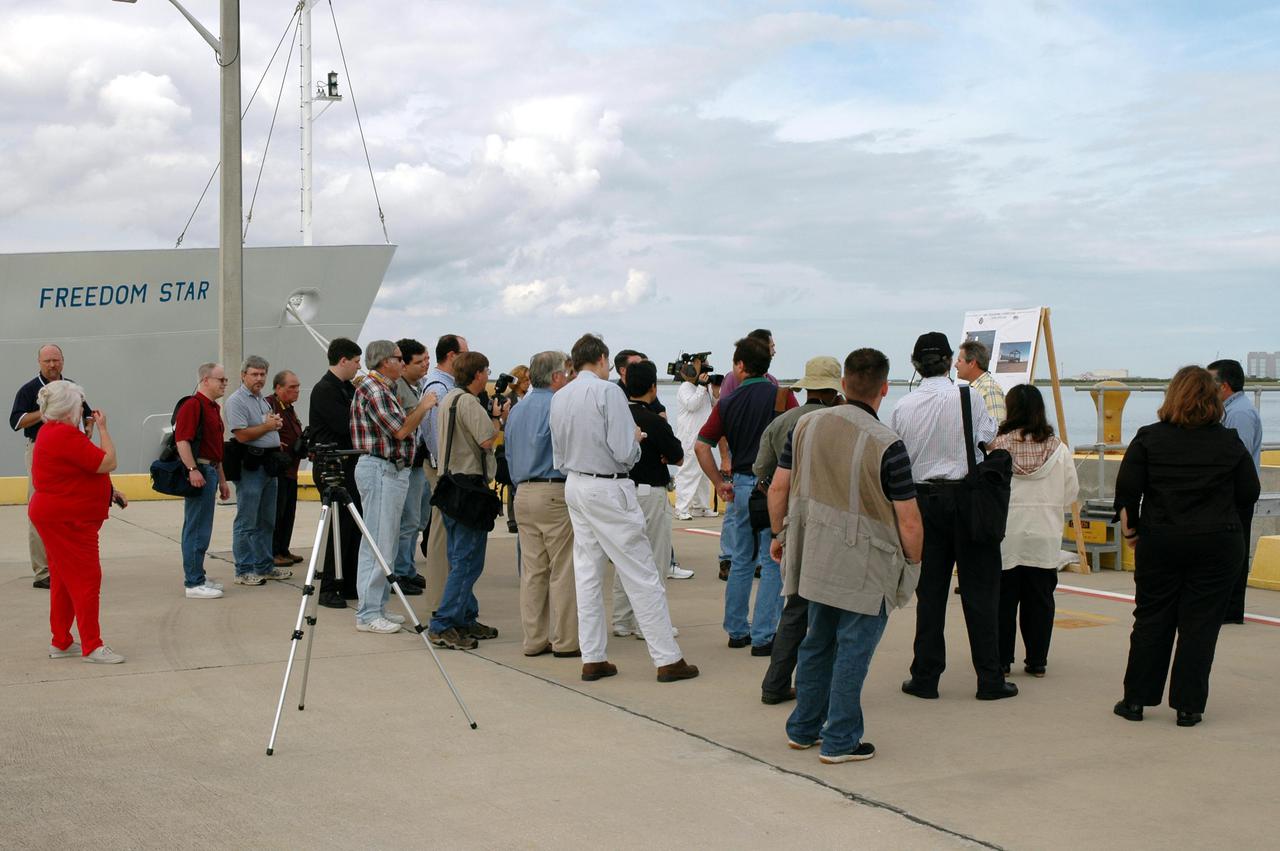
KENNEDY SPACE CENTER, FLA. - On the deck of the Freedom Star, one of the Solid Rocket Booster (SRB) retrieval ships, the media learn about retrieval operations. The stop was part of a day-long event that featured the movement of the first SRB segments to the Vehicle Assembly Building for stacking for Return to Flight mission STS-114. Two SRBs support the liftoff of the Space Shuttle on a launch. The twin 149-foot tall, 12-foot diameter SRBs provide the main propulsion system during launch to place the orbiters in the proper orbit around the Earth. They operate parallel with the Space Shuttle main engines for the first two minutes of flight and jettison away from the orbiter, with help from the Booster Separation Motors, about 26.3 nautical miles above the Earth’s surface.
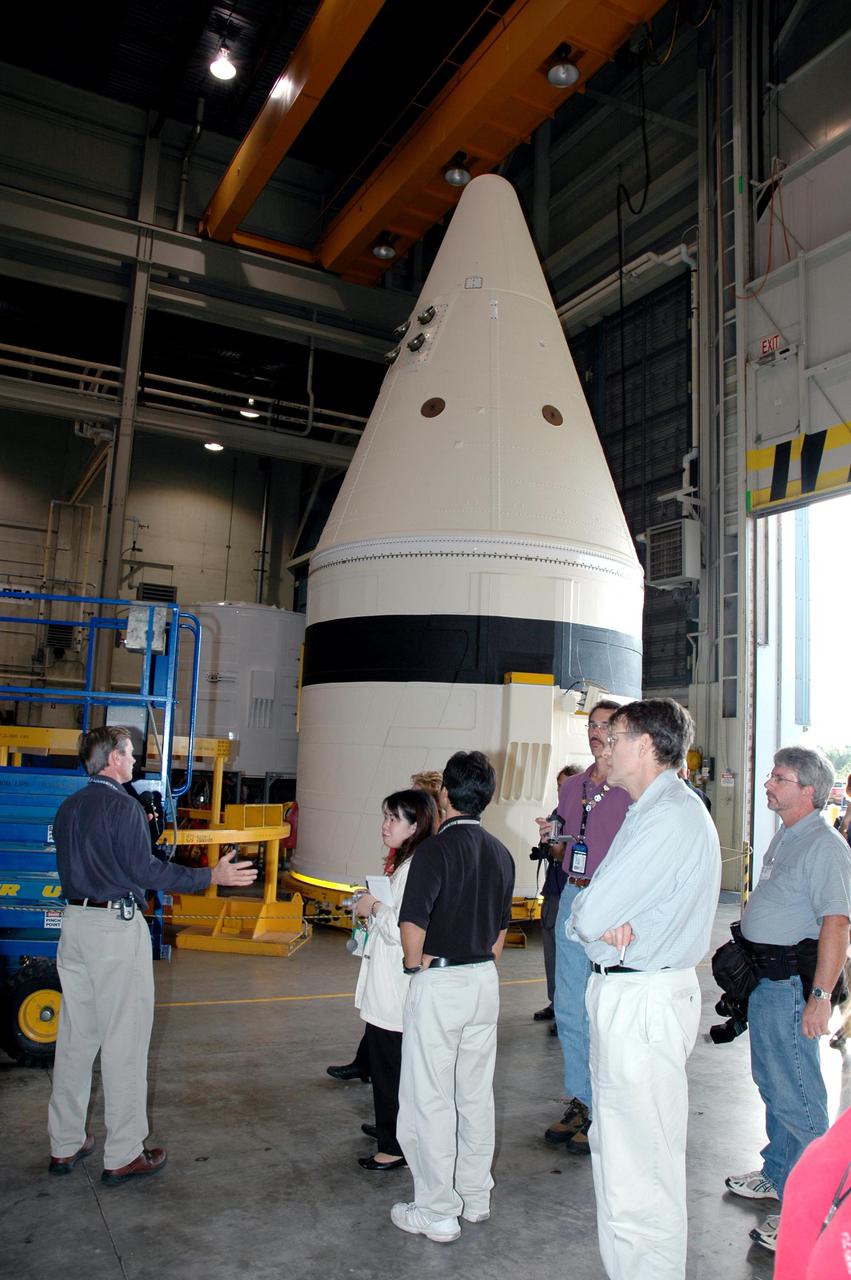
KENNEDY SPACE CENTER, FLA. - The media tour the Solid Rocket Booster (SRB) Assembly and Refurbishment Facility where SRB segments are refurbished. In the background can be seen the frustum and nose cap of an SRB. The media event featured the movement of the first SRB segments to the Vehicle Assembly Building for stacking for Return to Flight mission STS-114. Two SRBs support the liftoff of the Space Shuttle on a launch. The twin 149-foot tall, 12-foot diameter SRBs provide the main propulsion system during launch to place the orbiters in the proper orbit around the Earth. They operate parallel with the Space Shuttle main engines for the first two minutes of flight and jettison away from the orbiter, with help from the Booster Separation Motors, about 26.3 nautical miles above the Earth’s surface.

KENNEDY SPACE CENTER, FLA. - The aft skirt and lower segment of the Solid Rocket Booster (SRB) being prepared for Return to Flight on mission STS-114 are being transported from the Rotation Processing and Surge Facility to the Vehicle Assembly Building. Other segments will be moved to the VAB later for stacking. Two SRBs support the liftoff of the Space Shuttle on a launch. The twin 149-foot tall, 12-foot diameter SRBs provide the main propulsion system during launch to place the 180,000-pound orbiters in the proper orbit around the Earth. They operate parallel with the Space Shuttle main engines for the first two minutes of flight and jettison away from the orbiter with help from the Booster Separation Motors, about 26.3 nautical miles above the Earth’s surface.

KENNEDY SPACE CENTER, FLA. - This view from above shows the place where the Solid Rocket Booster (SRB) for the Return to Flight mission STS-114 will be stacked. The aft skirt and lower segment were transported to the VAB Nov. 22. In the background are media who are reporting on this significant milestone. Two SRBs support the liftoff of the Space Shuttle on a launch. The twin 149-foot tall, 12-foot diameter SRBs provide the main propulsion system during launch to place the 180,000-pound orbiters in the proper orbit around the Earth. They operate parallel with the Space Shuttle main engines for the first two minutes of flight and jettison away from the orbiter with help from the Booster Separation Motors, about 26.3 nautical miles above the Earth’s surface.
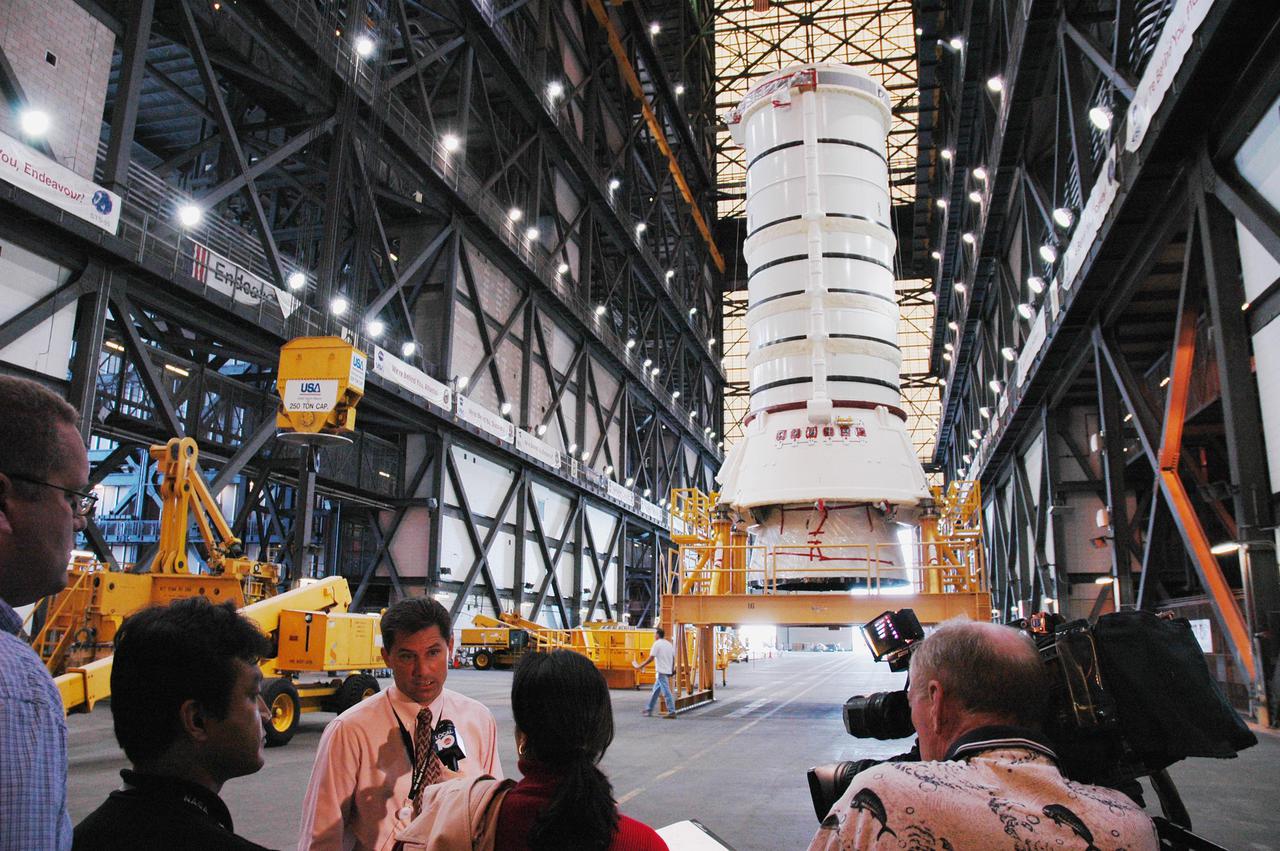
KENNEDY SPACE CENTER, FLA. - Inside the Vehicle Assembly Building, NASA ET_SRB Operations Manager Ken Tenbusch provides information for the media about the stacking of the aft skirt and lower segment of the Solid Rocket Booster in the background. These first segments are a significant milestone in the preparations for Return to Flight mission STS-114. Two SRBs support the liftoff of the Space Shuttle on a launch. The twin 149-foot tall, 12-foot diameter SRBs provide the main propulsion system during launch to place the 180,000-pound orbiters in the proper orbit around the Earth. They operate parallel with the Space Shuttle main engines for the first two minutes of flight and jettison away from the orbiter with help from the Booster Separation Motors, about 26.3 nautical miles above the Earth’s surface.
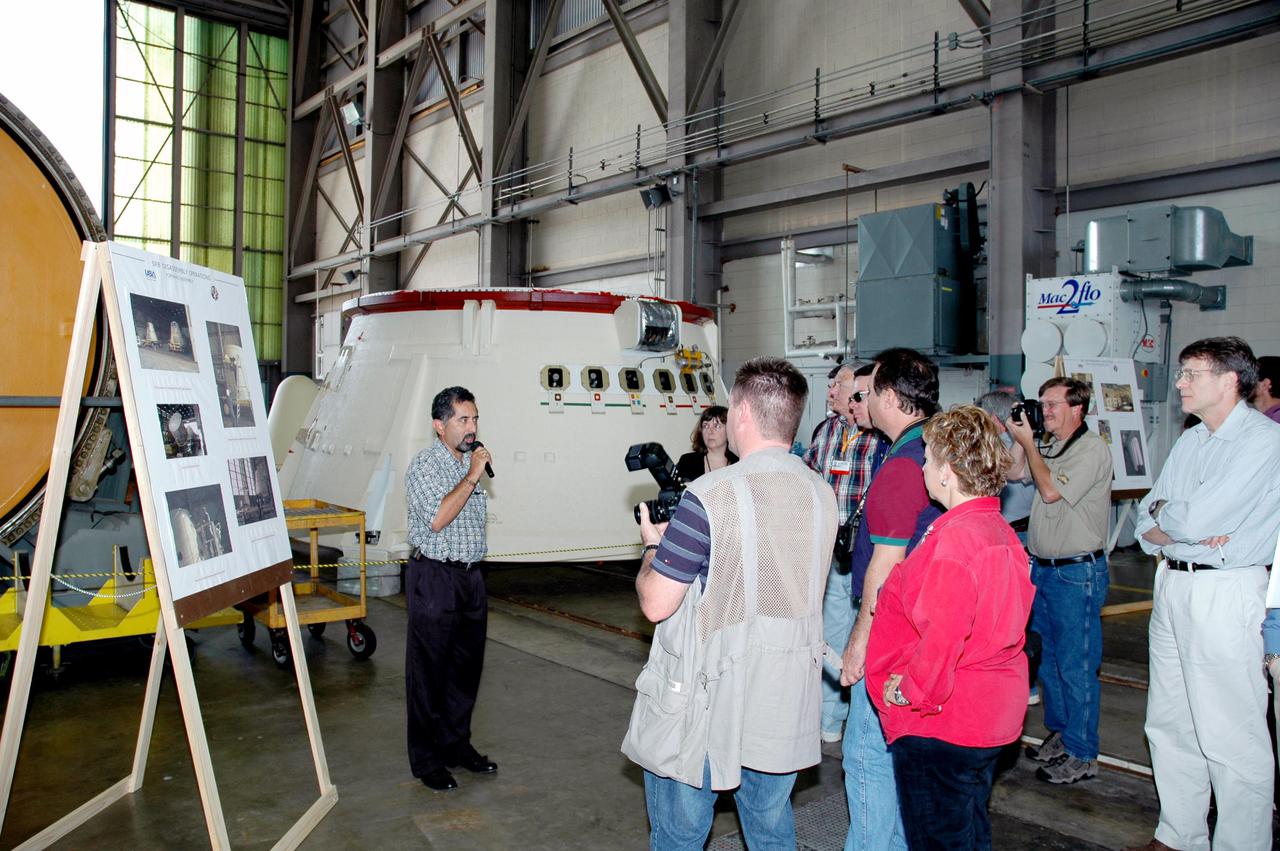
KENNEDY SPACE CENTER, FLA. - The media tour Hangar AF where Solid Rocket Booster (SRB) segments are refurbished (an aft skirt is in the background). The stop was part of a day-long event that featured the movement of the first SRB segments to the Vehicle Assembly Building for stacking for Return to Flight mission STS-114. Two SRBs support the liftoff of the Space Shuttle on a launch. The twin 149-foot tall, 12-foot diameter SRBs provide the main propulsion system during launch to place the orbiters in the proper orbit around the Earth. They operate parallel with the Space Shuttle main engines for the first two minutes of flight and jettison away from the orbiter, with help from the Booster Separation Motors, about 26.3 nautical miles above the Earth’s surface.
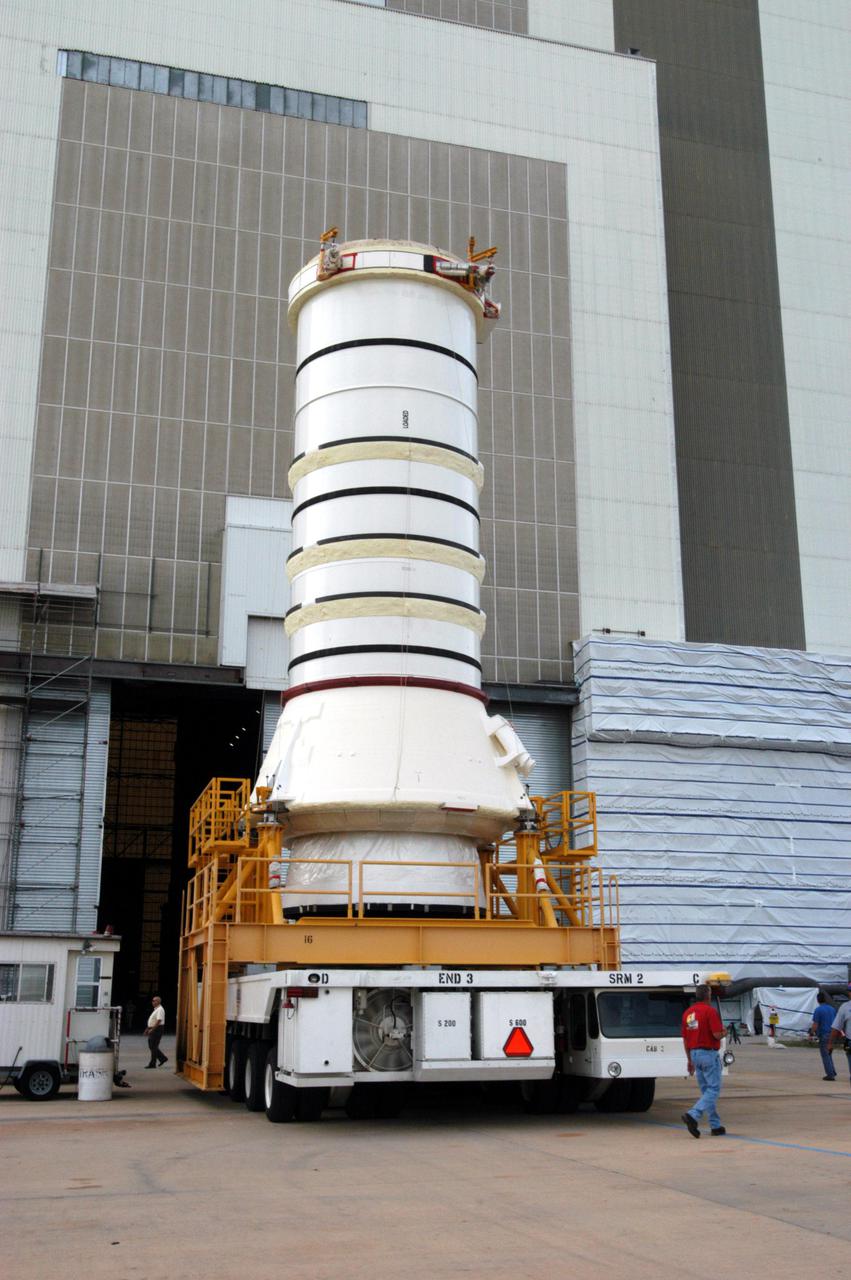
KENNEDY SPACE CENTER, FLA. - The aft skirt and lower segment of the Solid Rocket Booster (SRB) being prepared for Return to Flight on mission STS-114 approach the Vehicle Assembly Building. The segments will be prepared for stacking with the other segments arriving later. Two SRBs support the liftoff of the Space Shuttle on a launch. The twin 149-foot tall, 12-foot diameter SRBs provide the main propulsion system during launch to place the 180,000-pound orbiters in the proper orbit around the Earth. They operate parallel with the Space Shuttle main engines for the first two minutes of flight and jettison away from the orbiter with help from the Booster Separation Motors, about 26.3 nautical miles above the Earth’s surface.
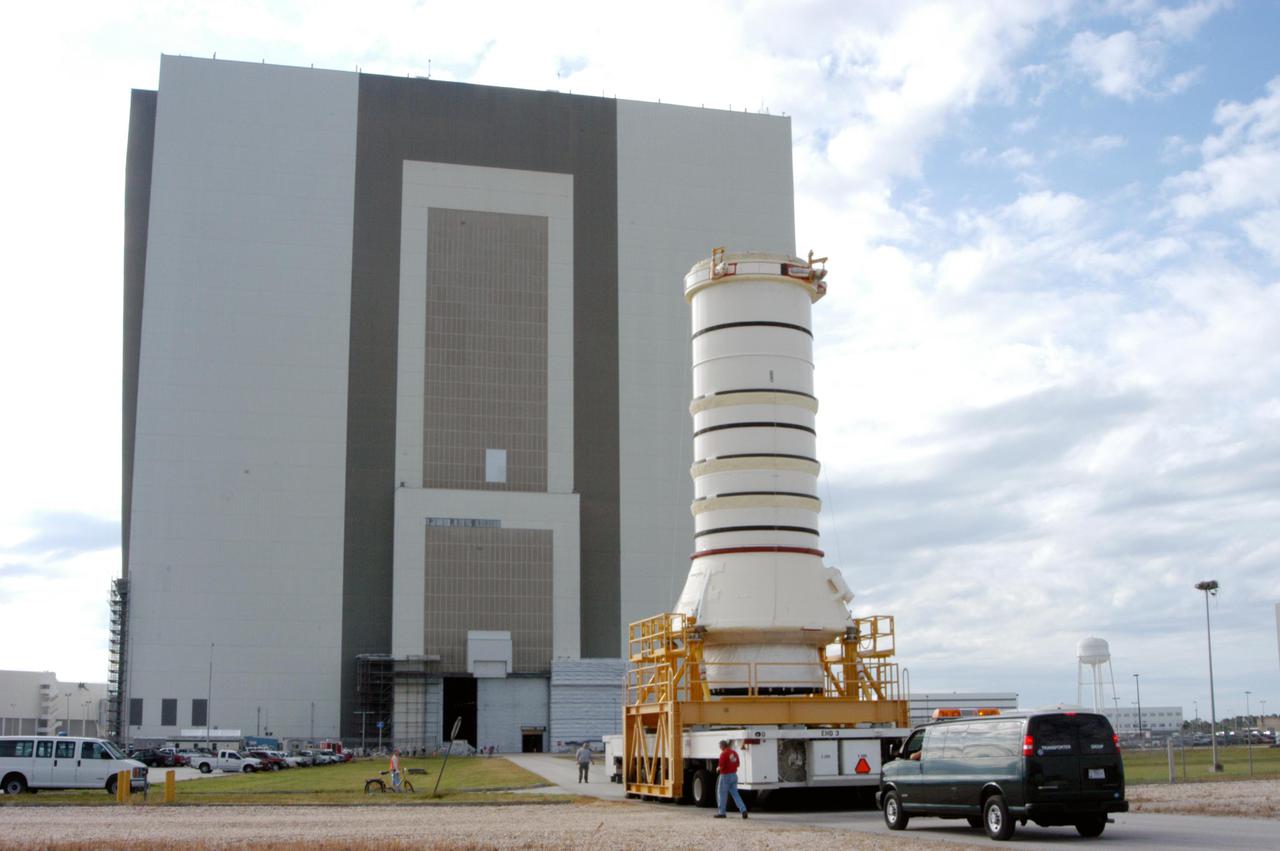
KENNEDY SPACE CENTER, FLA. - The aft skirt and lower segment of the Solid Rocket Booster (SRB) being prepared for Return to Flight on mission STS-114 approach the Vehicle Assembly Building. The segments will be prepared for stacking with the other segments arriving later. Two SRBs support the liftoff of the Space Shuttle on a launch. The twin 149-foot tall, 12-foot diameter SRBs provide the main propulsion system during launch to place the 180,000-pound orbiters in the proper orbit around the Earth. They operate parallel with the Space Shuttle main engines for the first two minutes of flight and jettison away from the orbiter with help from the Booster Separation Motors, about 26.3 nautical miles above the Earth’s surface.

KENNEDY SPACE CENTER, FLA. - The media are shown parts of Solid Rocket Booster (SRB) segments in the SRB Assembly and Refurbishment Facility. The tour was part of a day-long event that featured the movement of the first SRB segments to the Vehicle Assembly Building for stacking for Return to Flight mission STS-114. Two SRBs support the liftoff of the Space Shuttle on a launch. The twin 149-foot tall, 12-foot diameter SRBs provide the main propulsion system during launch to place the orbiters in the proper orbit around the Earth. They operate parallel with the Space Shuttle main engines for the first two minutes of flight and jettison away from the orbiter, with help from the Booster Separation Motors, about 26.3 nautical miles above the Earth’s surface.
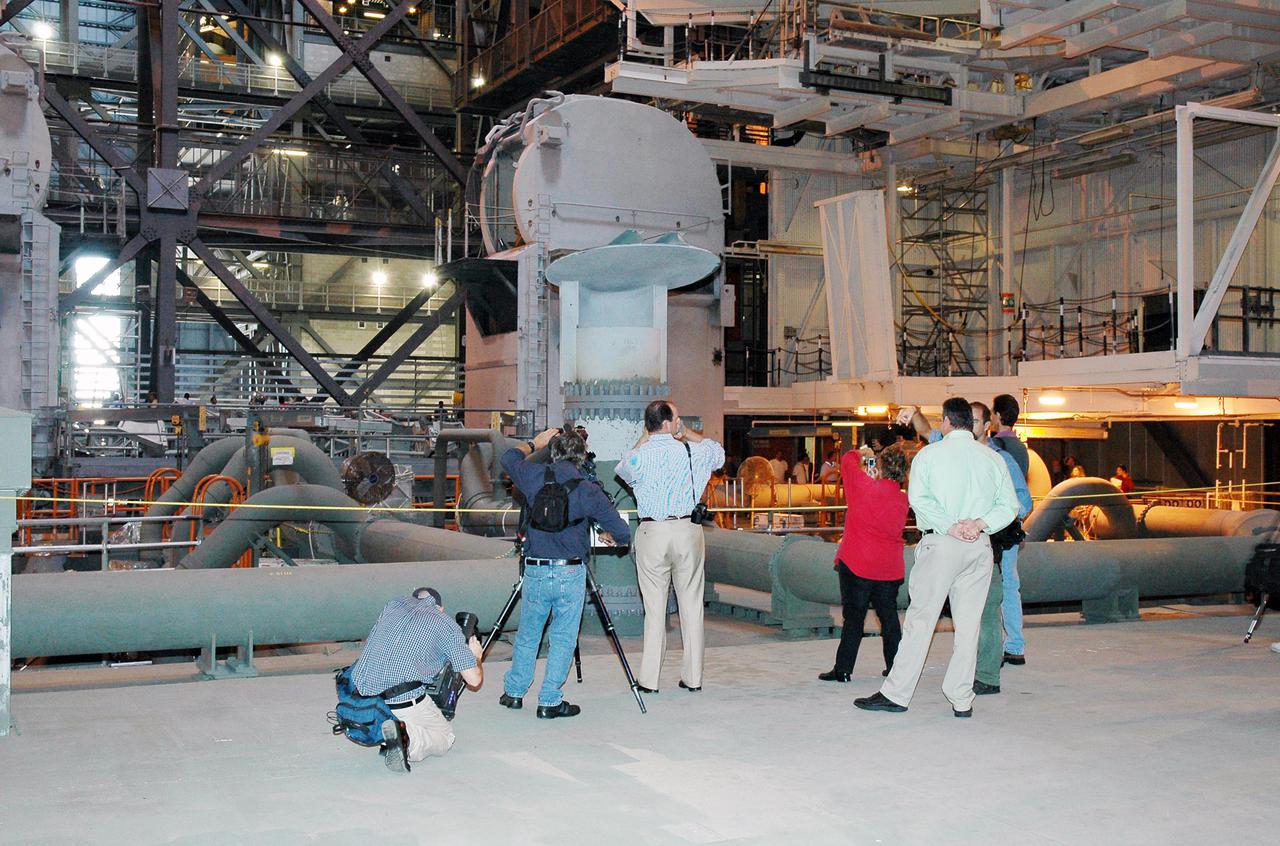
KENNEDY SPACE CENTER, FLA. - In the Vehicle Assembly Building (VAB), media are shown where the Solid Rocket Booster (SRB) for the Return to Flight mission STS-114 will be stacked on the Mobile Launcher Platform. The aft skirt and lower segment segment have been transported from the Rotation Processing and Surge Facility to the VAB. Other segments will follow. Two SRBs support the liftoff of the Space Shuttle on a launch. The twin 149-foot tall, 12-foot diameter SRBs provide the main propulsion system during launch to place the 180,000-pound orbiters in the proper orbit around the Earth. They operate parallel with the Space Shuttle main engines for the first two minutes of flight and jettison away from the orbiter with help from the Booster Separation Motors, about 26.3 nautical miles above the Earth’s surface.
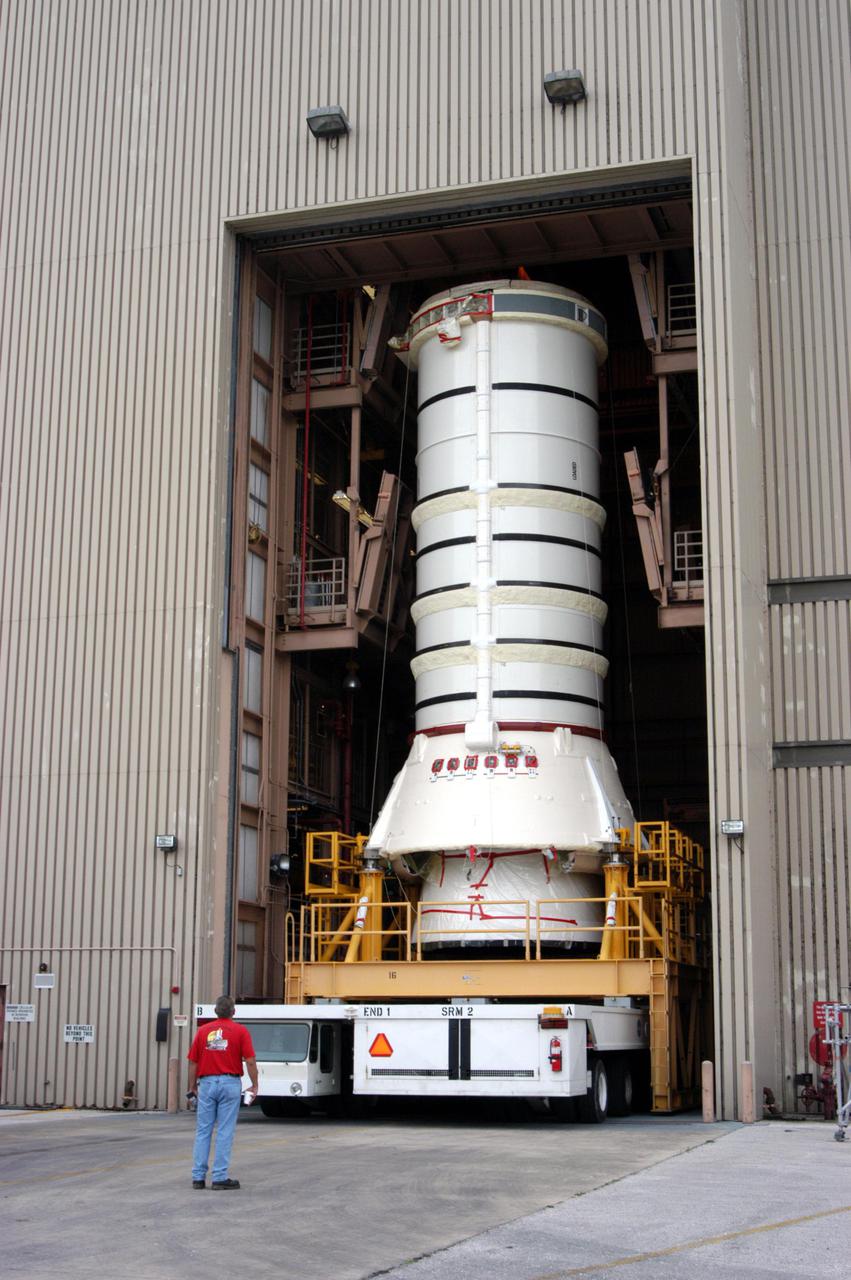
KENNEDY SPACE CENTER, FLA. - The aft skirt and lower segment of the Solid Rocket Booster (SRB) being prepared for Return to Flight on mission STS-114 leave the Rotation Processing and Surge Facility. The segments are being transported to the Vehicle Assembly Building where they will be prepared for stacking with the other segments arriving later. Two SRBs support the liftoff of the Space Shuttle on a launch. The twin 149-foot tall, 12-foot diameter SRBs provide the main propulsion system during launch to place the 180,000-pound orbiters in the proper orbit around the Earth. They operate parallel with the Space Shuttle main engines for the first two minutes of flight and jettison away from the orbiter with help from the Booster Separation Motors, about 26.3 nautical miles above the Earth’s surface.
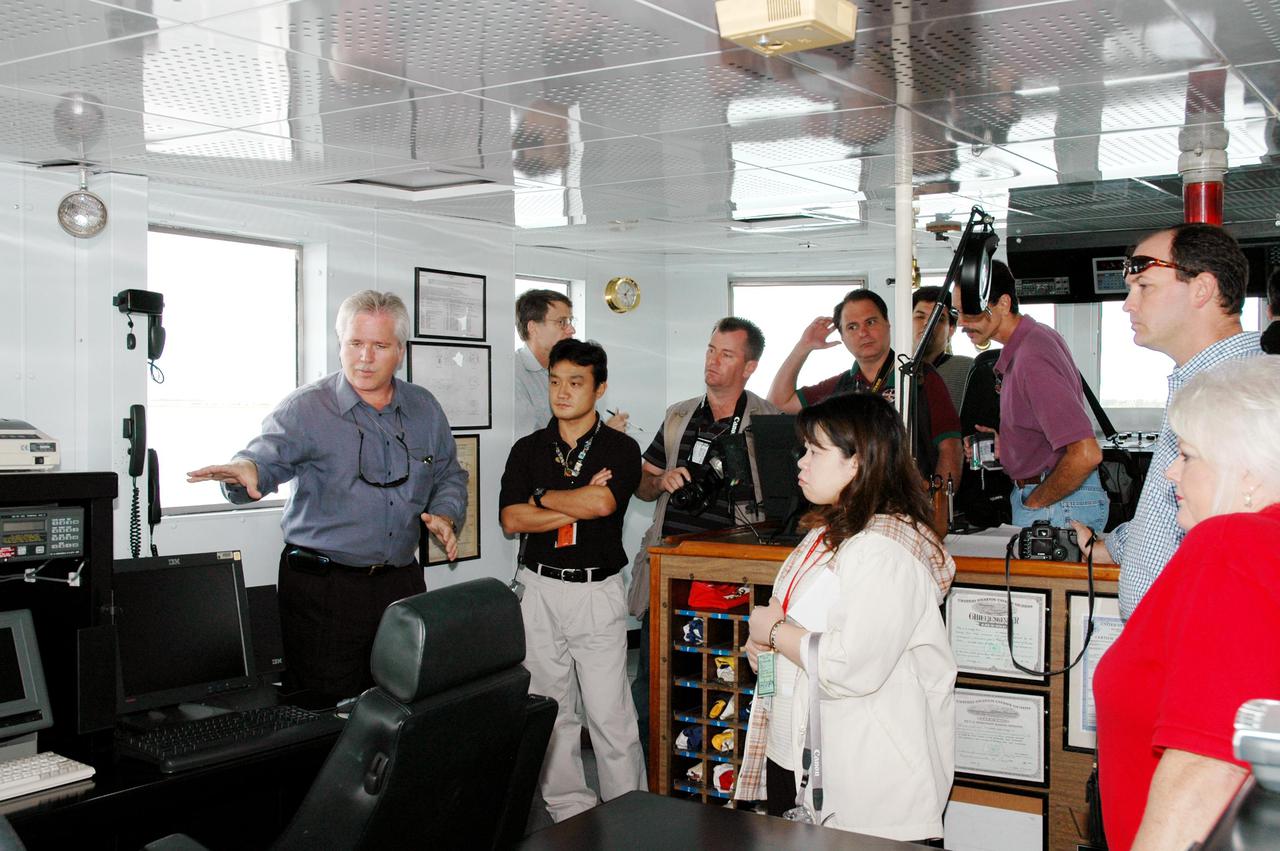
KENNEDY SPACE CENTER, FLA. - The media visit the operations center on board the Freedom Star, one of the Solid Rocket Booster (SRB) retrieval ships. The stop was part of a day-long event that featured the movement of the first SRB segments to the Vehicle Assembly Building for stacking for Return to Flight mission STS-114. Two SRBs support the liftoff of the Space Shuttle on a launch. The twin 149-foot tall, 12-foot diameter SRBs provide the main propulsion system during launch to place the orbiters in the proper orbit around the Earth. They operate parallel with the Space Shuttle main engines for the first two minutes of flight and jettison away from the orbiter, with help from the Booster Separation Motors, about 26.3 nautical miles above the Earth’s surface.
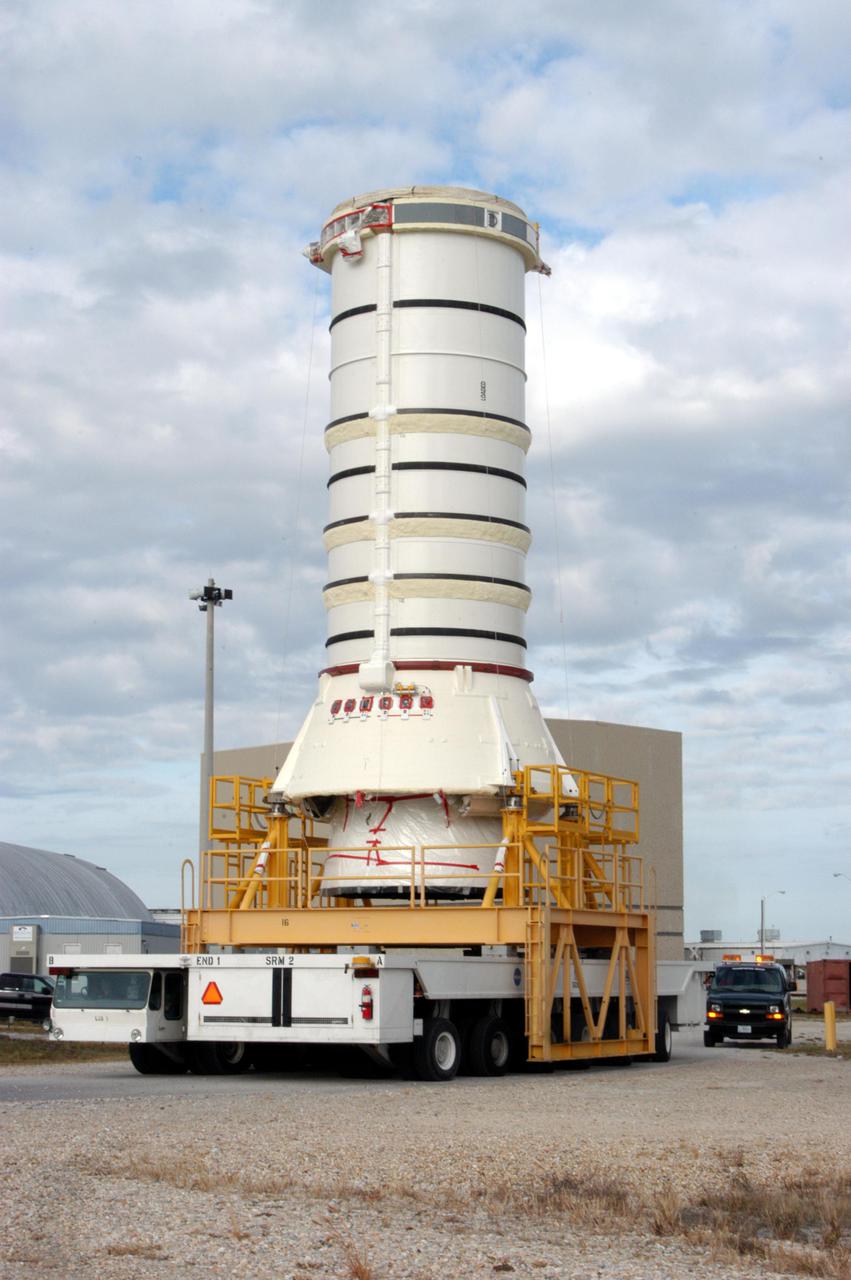
KENNEDY SPACE CENTER, FLA. - - The aft skirt and lower segment of the Solid Rocket Booster (SRB) being prepared for Return to Flight on mission STS-114 are being transported from the Rotation Processing and Surge Facility to the Vehicle Assembly Building. Other segments will be moved to the VAB later for stacking. Two SRBs support the liftoff of the Space Shuttle on a launch. The twin 149-foot tall, 12-foot diameter SRBs provide the main propulsion system during launch to place the 180,000-pound orbiters in the proper orbit around the Earth. They operate parallel with the Space Shuttle main engines for the first two minutes of flight and jettison away from the orbiter with help from the Booster Separation Motors, about 26.3 nautical miles above the Earth’s surface.
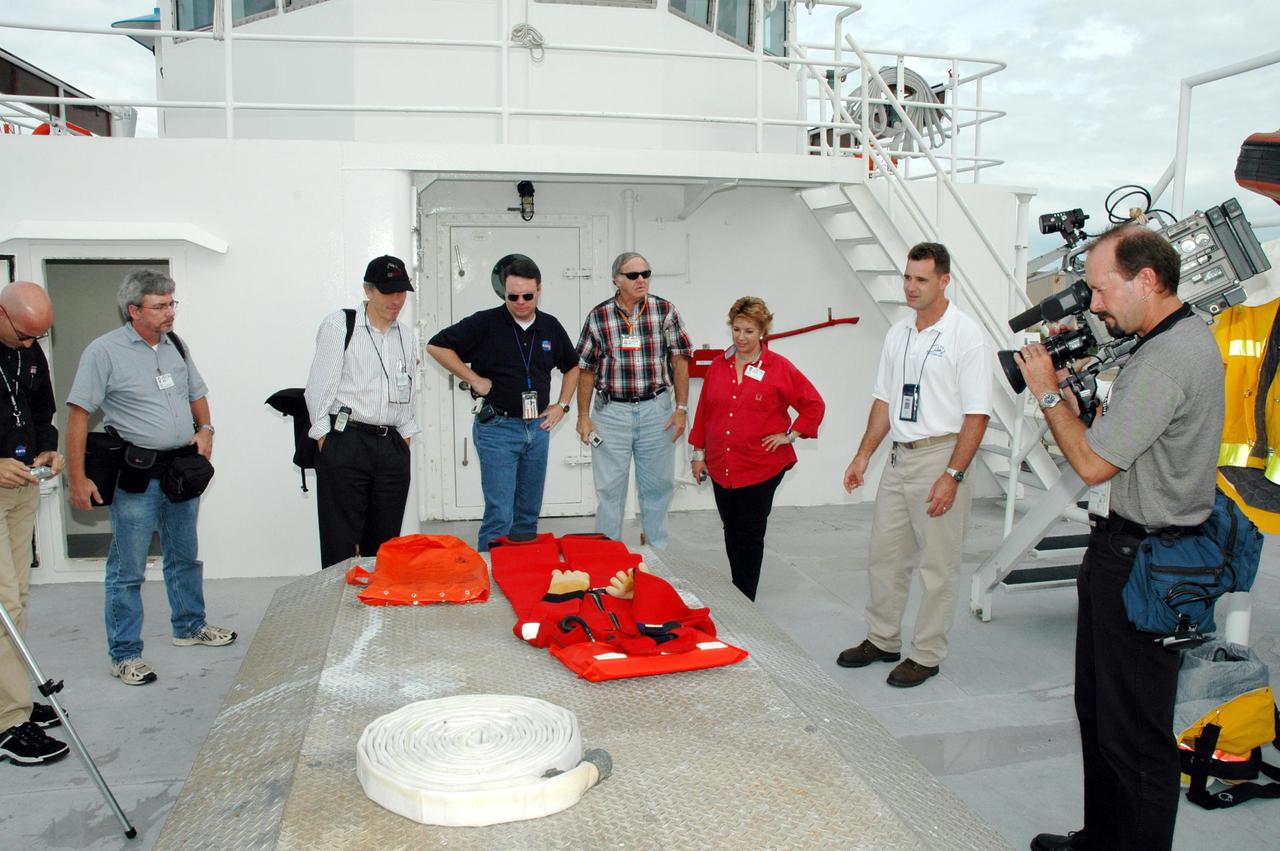
KENNEDY SPACE CENTER, FLA. - The media look at equipment on board one of the Solid Rocket Booster (SRB) retrieval ships. The stop was part of a day-long event that featured the movement of the first SRB segments to the Vehicle Assembly Building for stacking for Return to Flight mission STS-114. Two SRBs support the liftoff of the Space Shuttle on a launch. The twin 149-foot tall, 12-foot diameter SRBs provide the main propulsion system during launch to place the orbiters in the proper orbit around the Earth. They operate parallel with the Space Shuttle main engines for the first two minutes of flight and jettison away from the orbiter, with help from the Booster Separation Motors, about 26.3 nautical miles above the Earth’s surface.

KENNEDY SPACE CENTER, FLA. - The aft skirt and lower segment of the Solid Rocket Booster (SRB) being prepared for Return to Flight on mission STS-114 move through the open doors of the Vehicle Assembly Building. The segments will be prepared for stacking with the other segments arriving later. Two SRBs support the liftoff of the Space Shuttle on a launch. The twin 149-foot tall, 12-foot diameter SRBs provide the main propulsion system during launch to place the 180,000-pound orbiters in the proper orbit around the Earth. They operate parallel with the Space Shuttle main engines for the first two minutes of flight and jettison away from the orbiter with help from the Booster Separation Motors, about 26.3 nautical miles above the Earth’s surface.
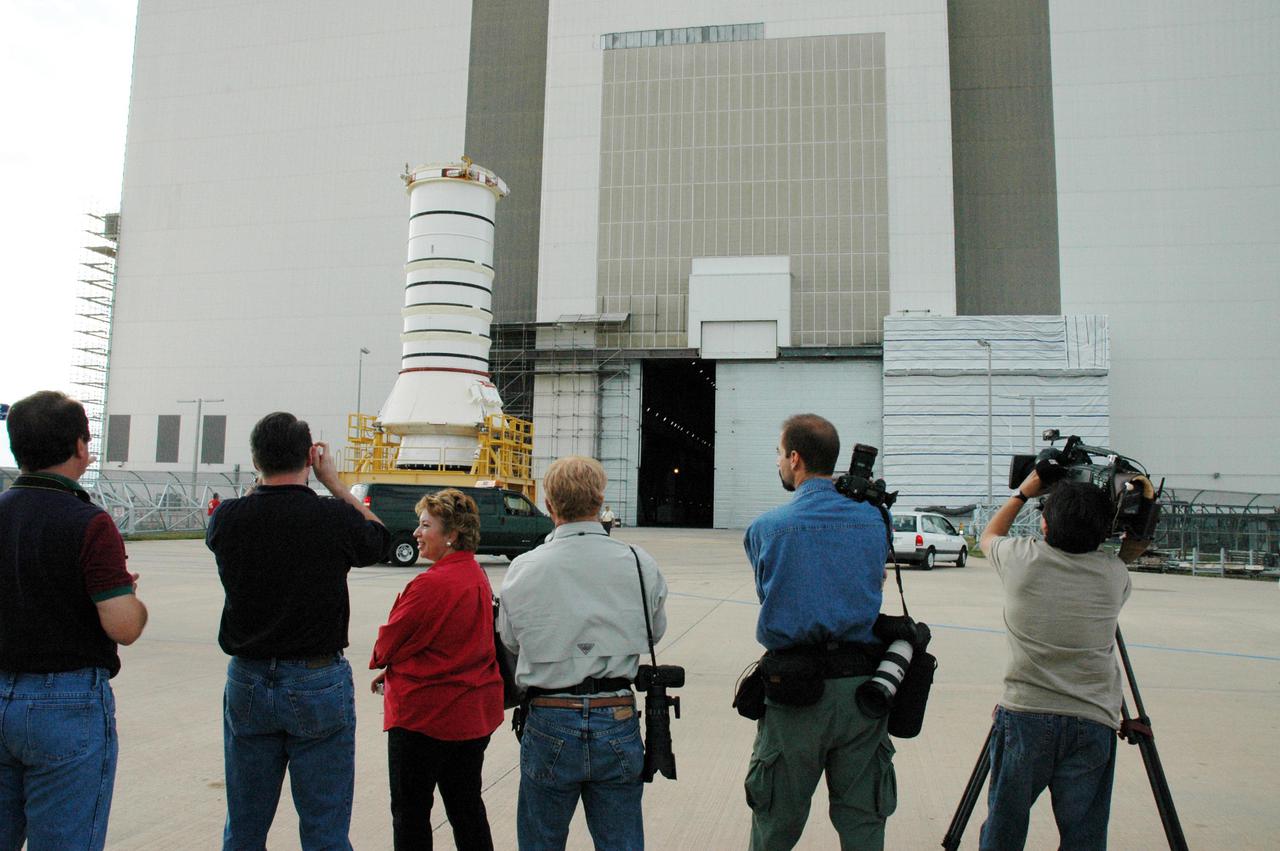
KENNEDY SPACE CENTER, FLA. - Photographers shoot the movement of the aft skirt and lower segment of the Solid Rocket Booster for the Return to Flight mission STS-114 as it nears the Vehicle Assembly Building. This is a significant milestone in Return to Flight preparations. Other segments will follow for stacking. Two SRBs support the liftoff of the Space Shuttle on a launch. The twin 149-foot tall, 12-foot diameter SRBs provide the main propulsion system during launch to place the 180,000-pound orbiters in the proper orbit around the Earth. They operate parallel with the Space Shuttle main engines for the first two minutes of flight and jettison away from the orbiter with help from the Booster Separation Motors, about 26.3 nautical miles above the Earth’s surface.
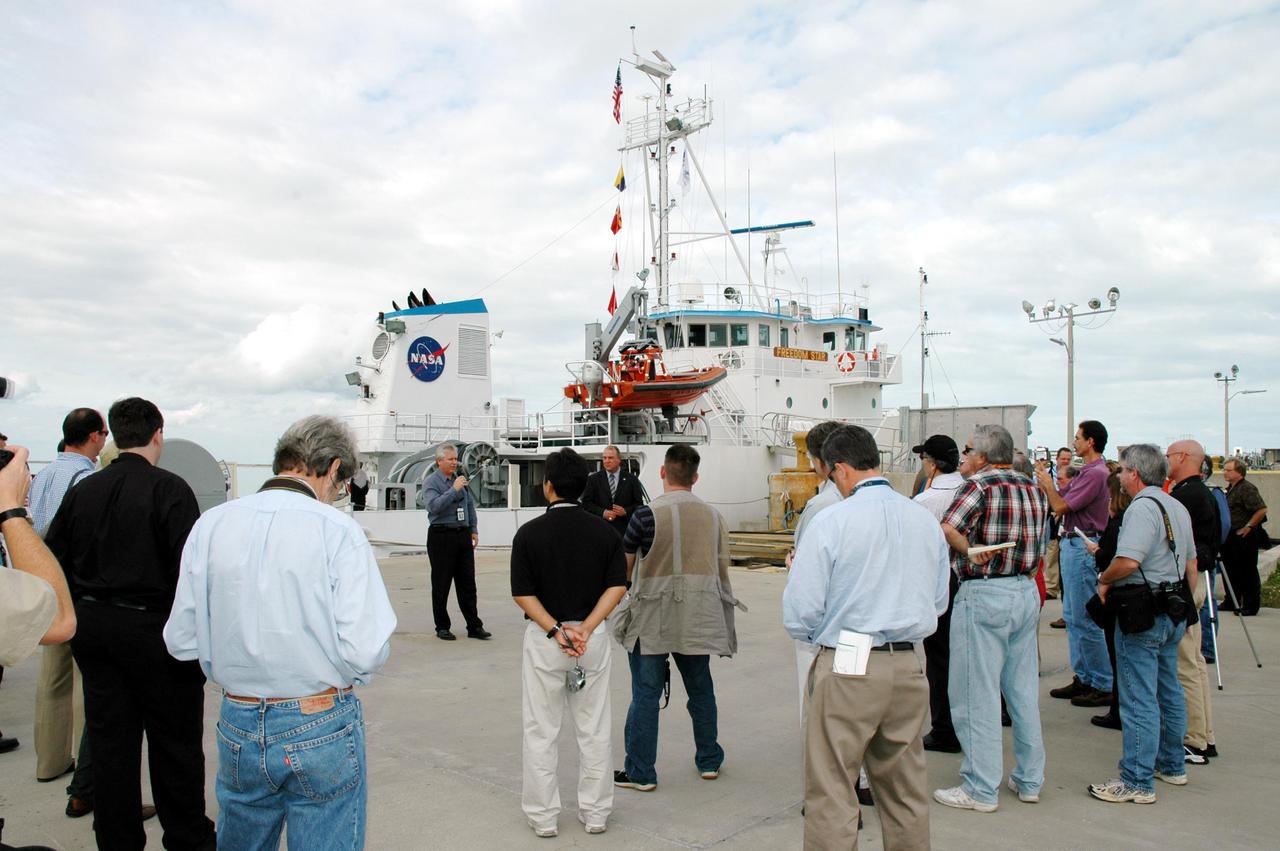
KENNEDY SPACE CENTER, FLA. - The media visit the docks where Solid Rocket Booster (SRB) retrieval ships are stationed. The stop was part of a day-long event that featured the movement of the first SRB segments to the Vehicle Assembly Building for stacking for Return to Flight mission STS-114. Two SRBs support the liftoff of the Space Shuttle on a launch. The twin 149-foot tall, 12-foot diameter SRBs provide the main propulsion system during launch to place the orbiters in the proper orbit around the Earth. They operate parallel with the Space Shuttle main engines for the first two minutes of flight and jettison away from the orbiter, with help from the Booster Separation Motors, about 26.3 nautical miles above the Earth’s surface.
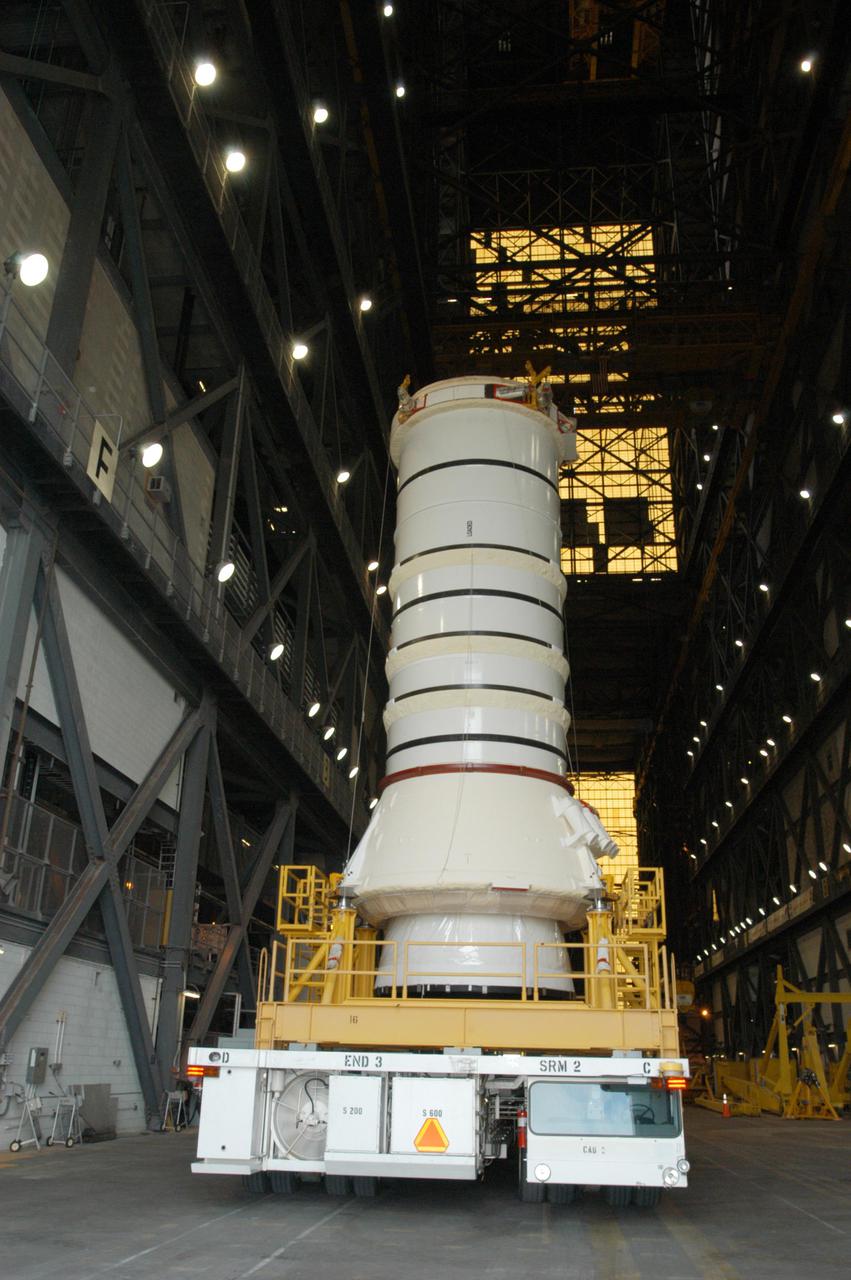
KENNEDY SPACE CENTER, FLA. - The aft skirt and lower segment of the Solid Rocket Booster (SRB) being prepared for Return to Flight on mission STS-114 arrive inside the Vehicle Assembly Building. The segments will be prepared for stacking with the other segments arriving later. Two SRBs support the liftoff of the Space Shuttle on a launch. The twin 149-foot tall, 12-foot diameter SRBs provide the main propulsion system during launch to place the 180,000-pound orbiters in the proper orbit around the Earth. They operate parallel with the Space Shuttle main engines for the first two minutes of flight and jettison away from the orbiter with help from the Booster Separation Motors, about 26.3 nautical miles above the Earth’s surface.
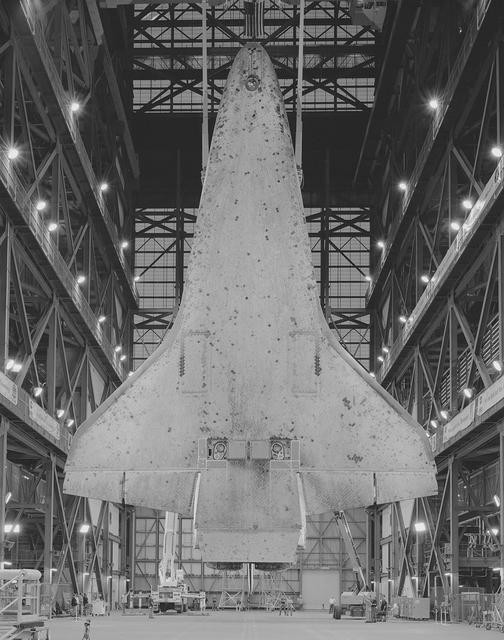
View of STS Discovery
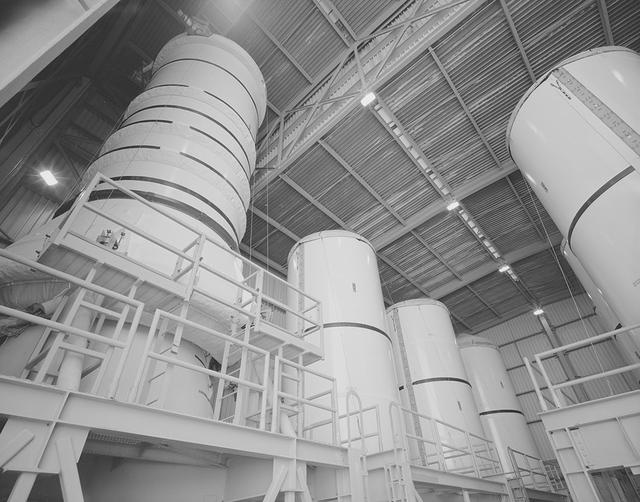
View of Solid Rocket Booster
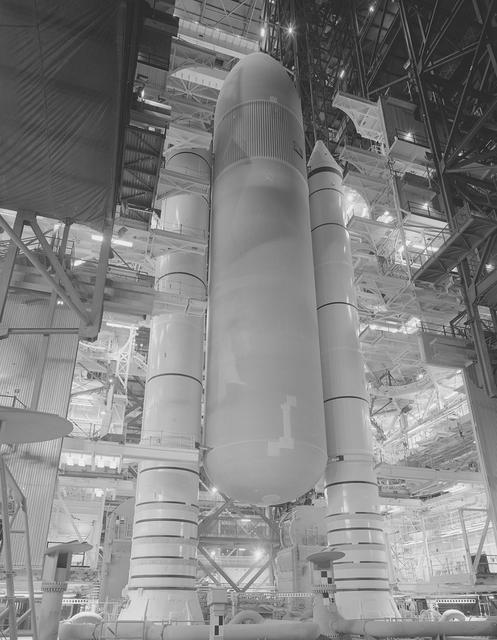
View of Solid Rocket Booster

View of STS Atlantis
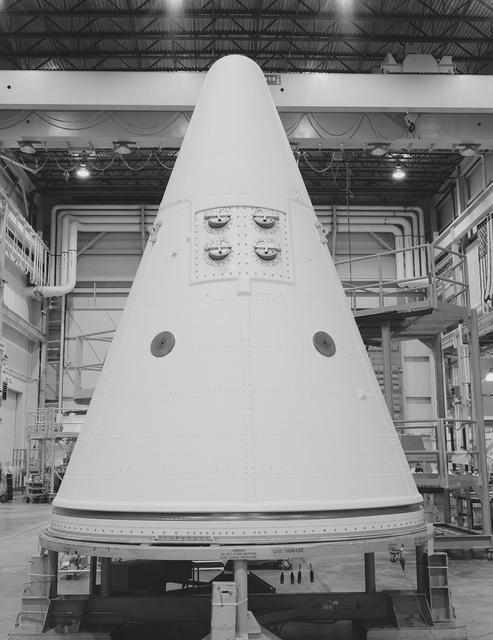
View of Solid Rocket Booster
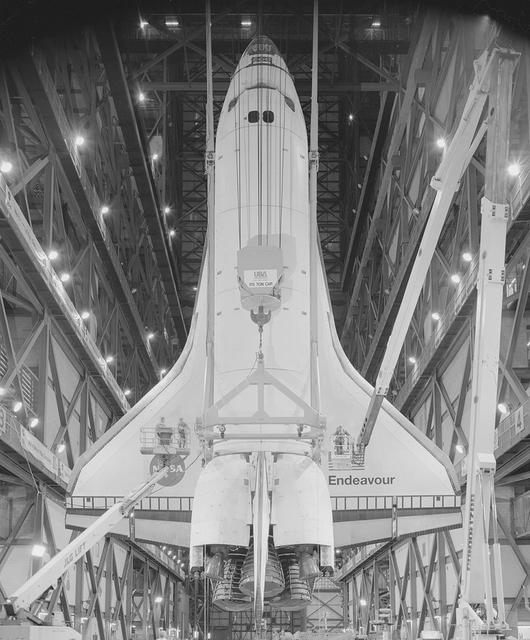
View of STS Endeavor

View of STS Discovery
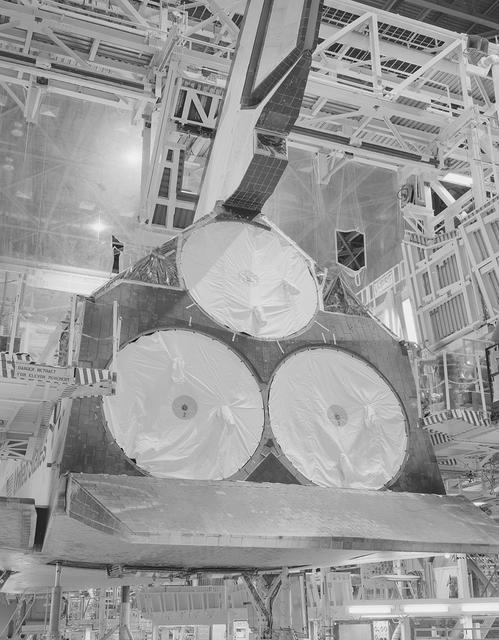
View of STS Discovery
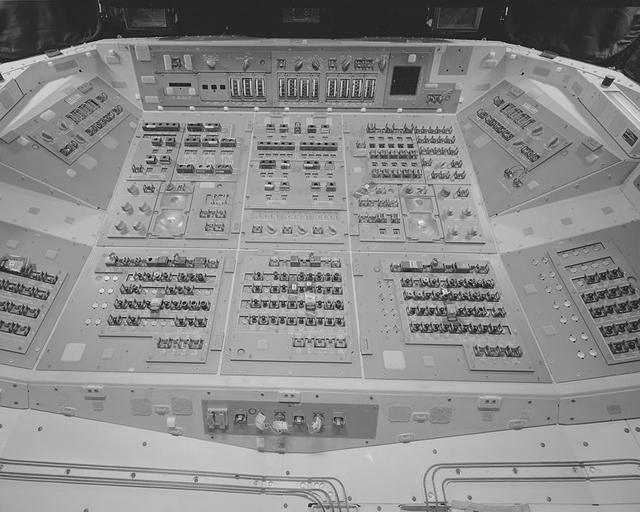
View of STS Discovery
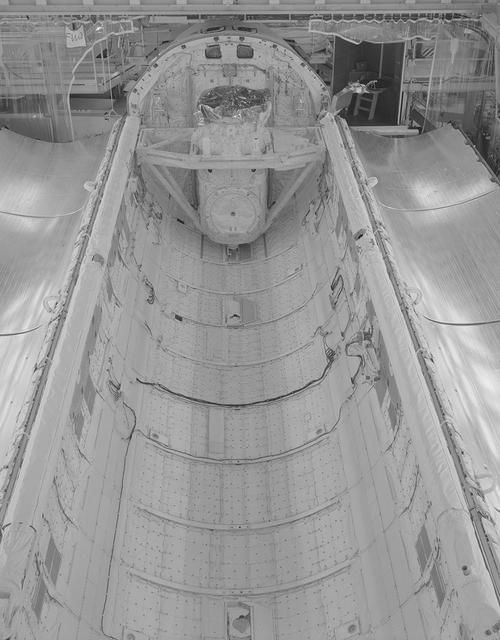
View of STS Discovery
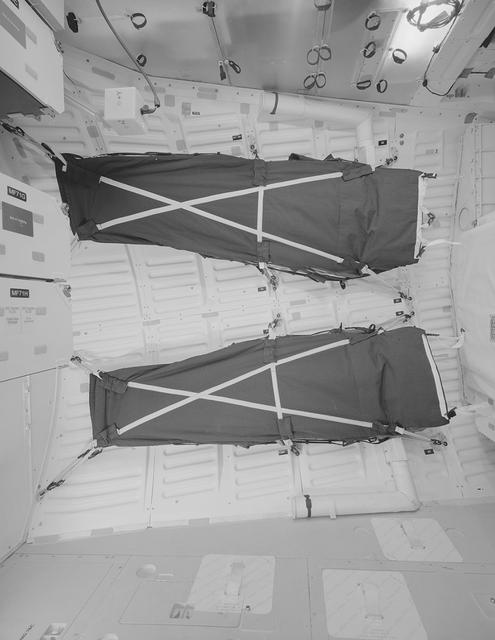
View of STS Discovery

View of Solid Rocket Booster

View of Solid Rocket Booster
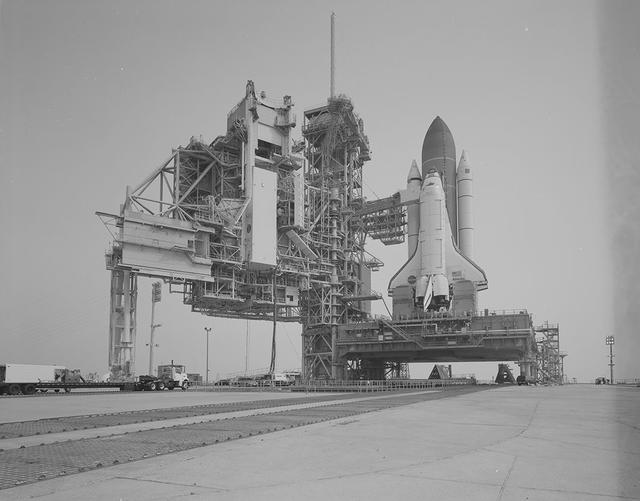
View of STS Atlantis
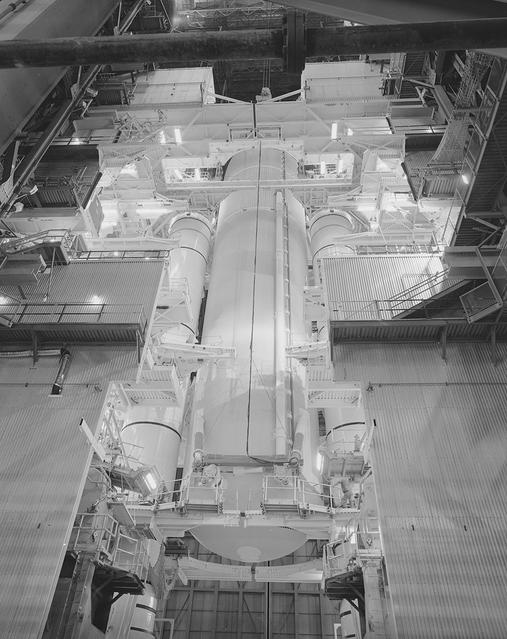
View of STS Discovery

View of STS Discovery
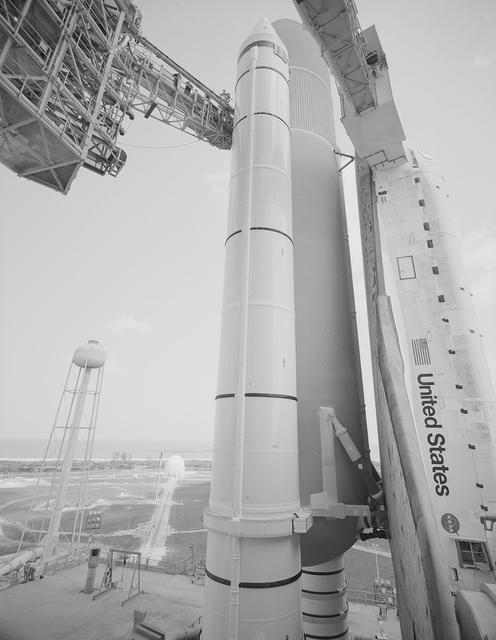
View of Solid Rocket Booster

View of STS Discovery
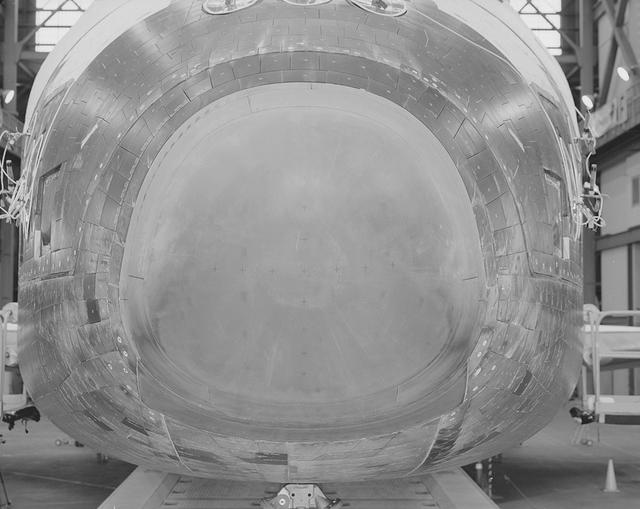
View of STS Endeavor