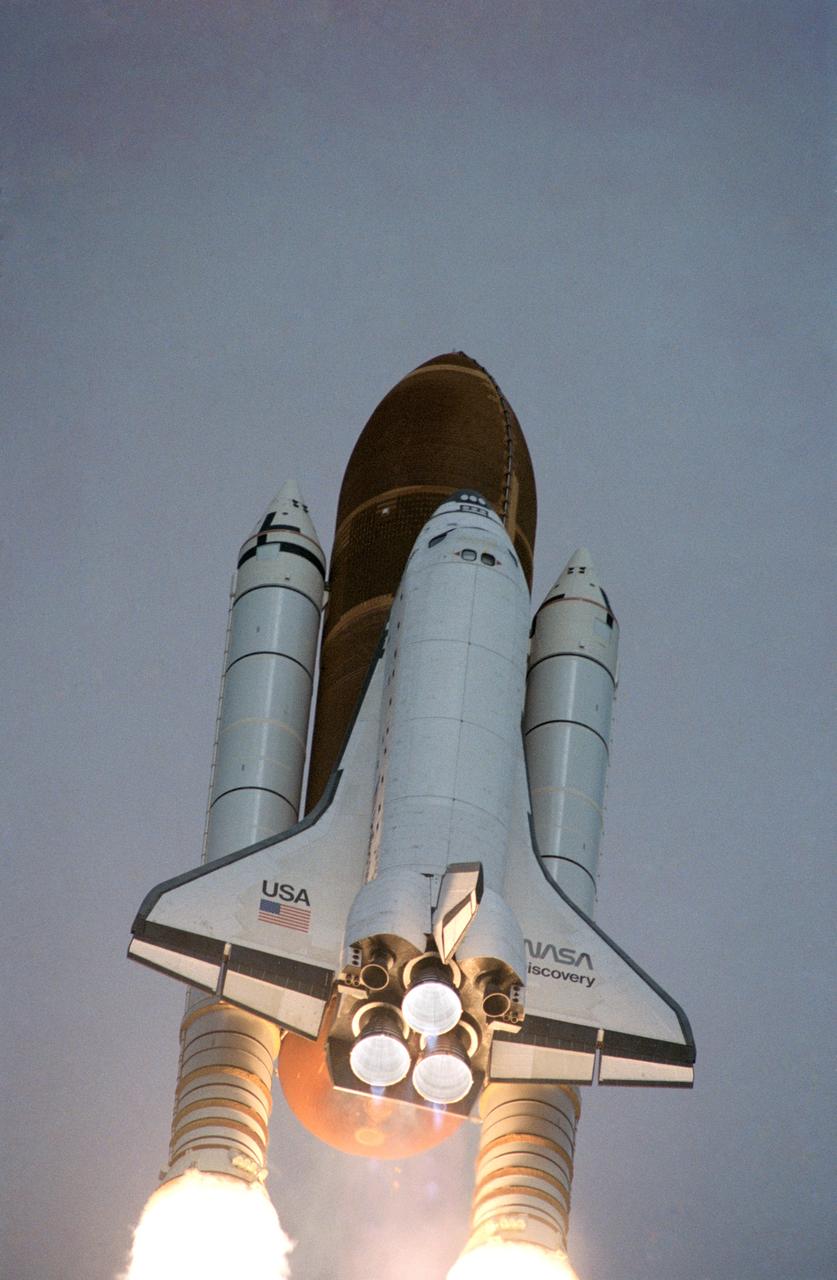
STS031-S-074 (24 April 1990) --- A low-angle view of the launch of the STS-31 mission. Onboard Discovery are a crew of five veteran astronauts and the Hubble Space Telescope (HST). Official launch time was 8:33:51.0492 a.m. (EDT). Headed for approximately five days in space are astronauts Loren J. Shriver, Charles F. Bolden Jr., Bruce McCandless II, Kathryn D. Sullivan and Steven S. Hawley.
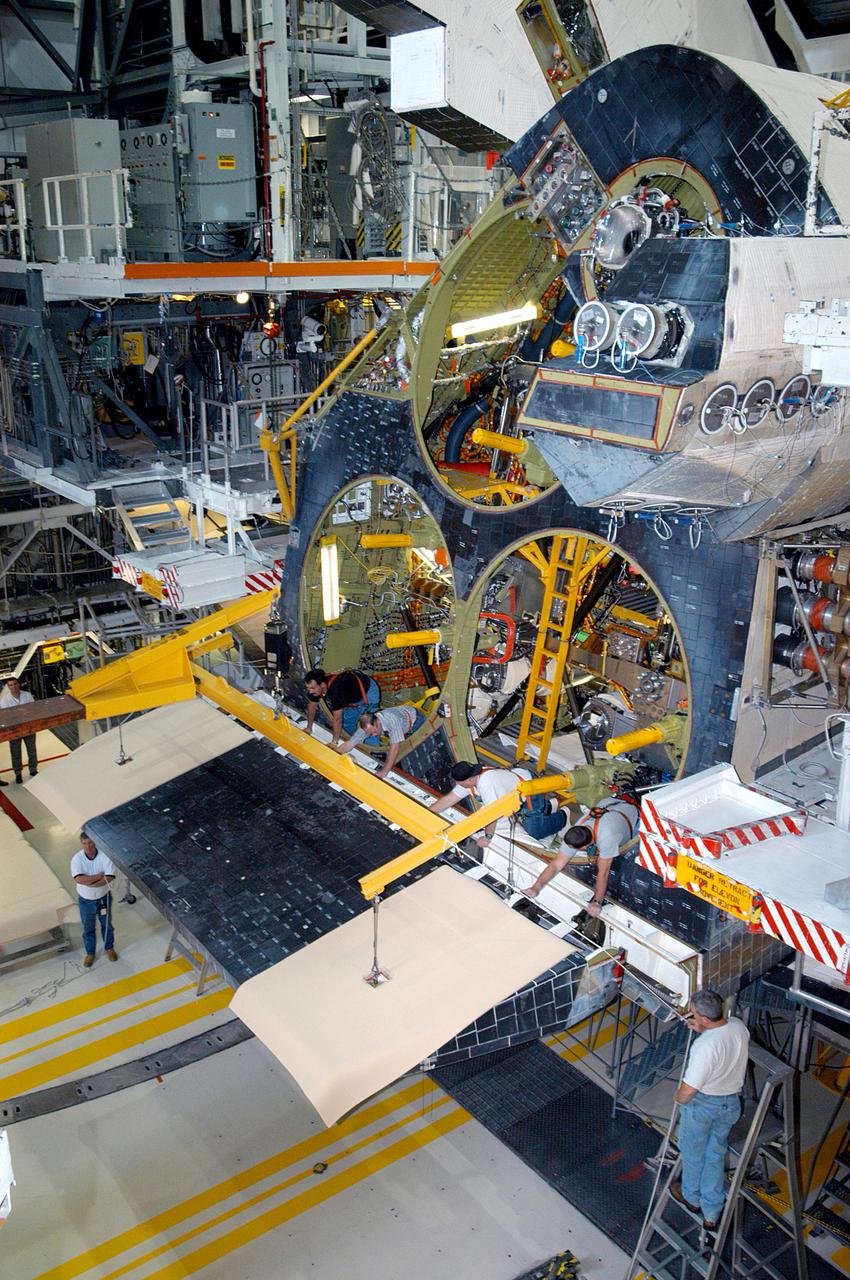
KENNEDY SPACE CENTER, FLA. - In the Orbiter Processing Facility, workers inside the openings for the Space Shuttle Main Engines reach out to install the body flap, suspended behind the orbiter Atlantis. The body flap is an aluminum structure consisting of ribs, spars, skin panels and a trailing edge assembly. It thermally shields the three Space Shuttle Main Engines during entry and provides the orbiter with pitch control trim during its atmospheric flight after entry. Atlantis is being processed for its mission, designated STS-121, this summer to the International Space Station. The launch planning window is July 12 - August 3.
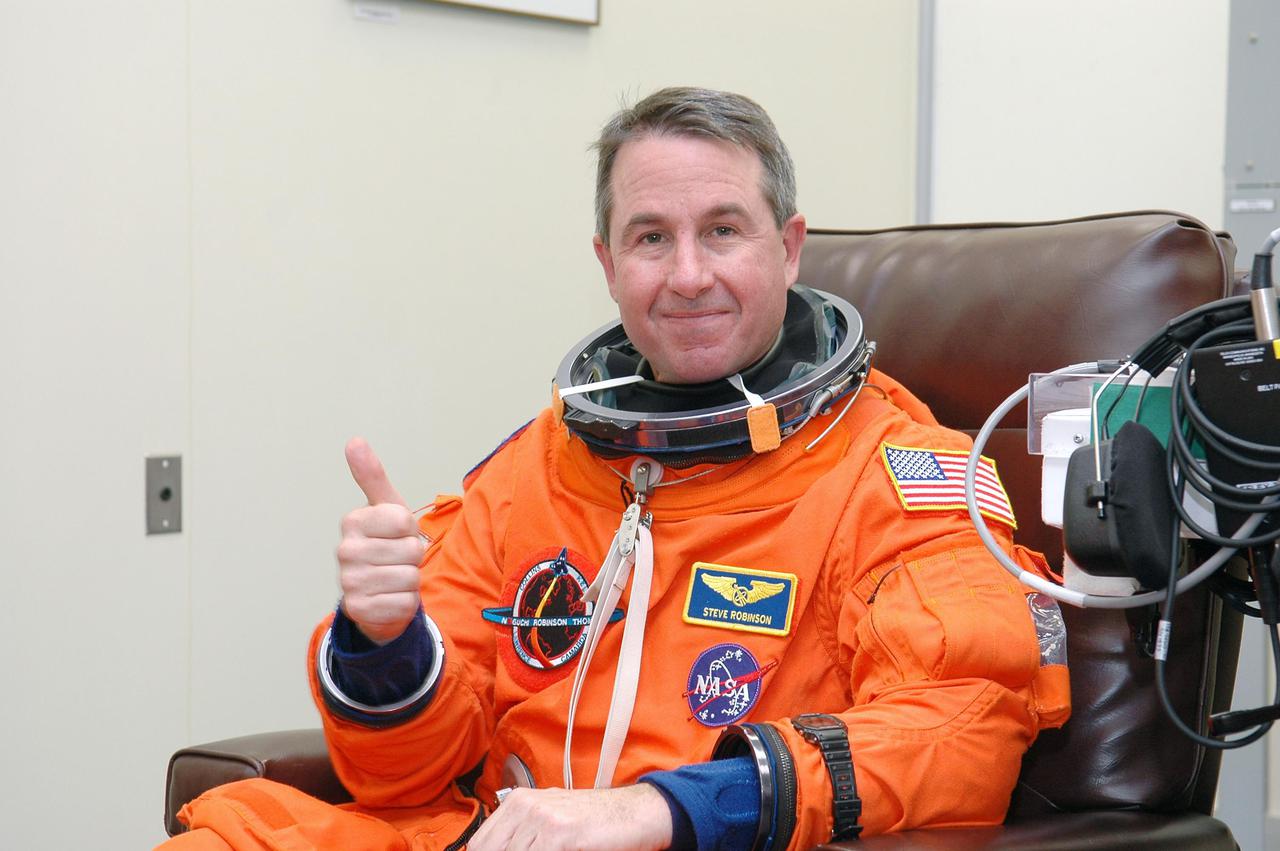
KENNEDY SPACE CENTER, FLA. - As part of pre-pack and fit check for Terminal Countdown Demonstration Test (TCDT) activities, STS-114 Mission Specialist Stephen Robinson signals okay for his launch suit check. The TCDT is held at KSC prior to each Space Shuttle flight. It provides the crew of each mission an opportunity to participate in simulated countdown activities. The test ends with a mock launch countdown culminating in a simulated main engine cutoff. The crew also spends time undergoing emergency egress training exercises at the launch pad. STS-114 is the first Return to Flight mission to the International Space Station. The launch window extends July 13 through July 31.
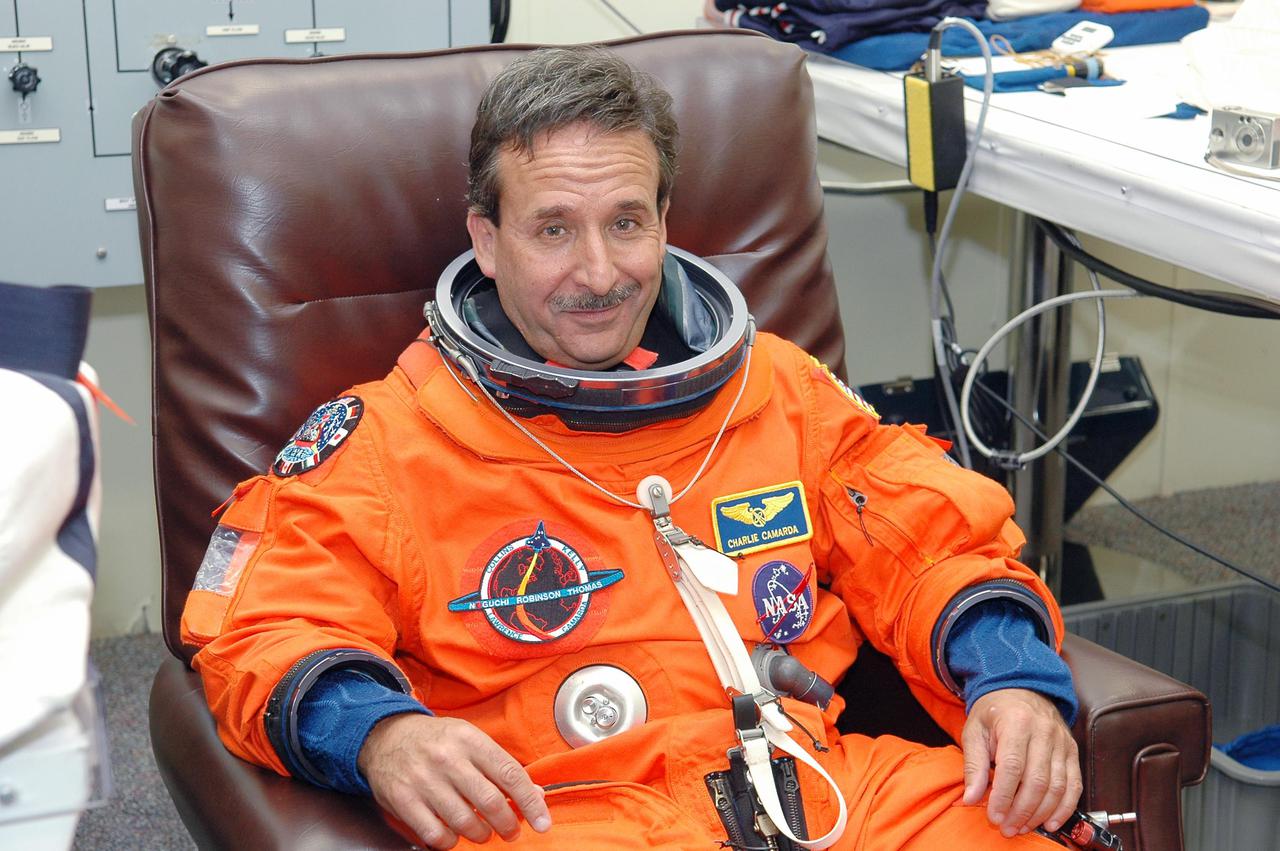
KENNEDY SPACE CENTER, FLA. - As part of pre-pack and fit check for Terminal Countdown Demonstration Test (TCDT) activities, STS-114 Mission Specialist Charles Camarda has his launch suit checked for fit. The TCDT is held at KSC prior to each Space Shuttle flight. It provides the crew of each mission an opportunity to participate in simulated countdown activities. The test ends with a mock launch countdown culminating in a simulated main engine cutoff. The crew also spends time undergoing emergency egress training exercises at the launch pad. STS-114 is the first Return to Flight mission to the International Space Station. The launch window extends July 13 through July 31.
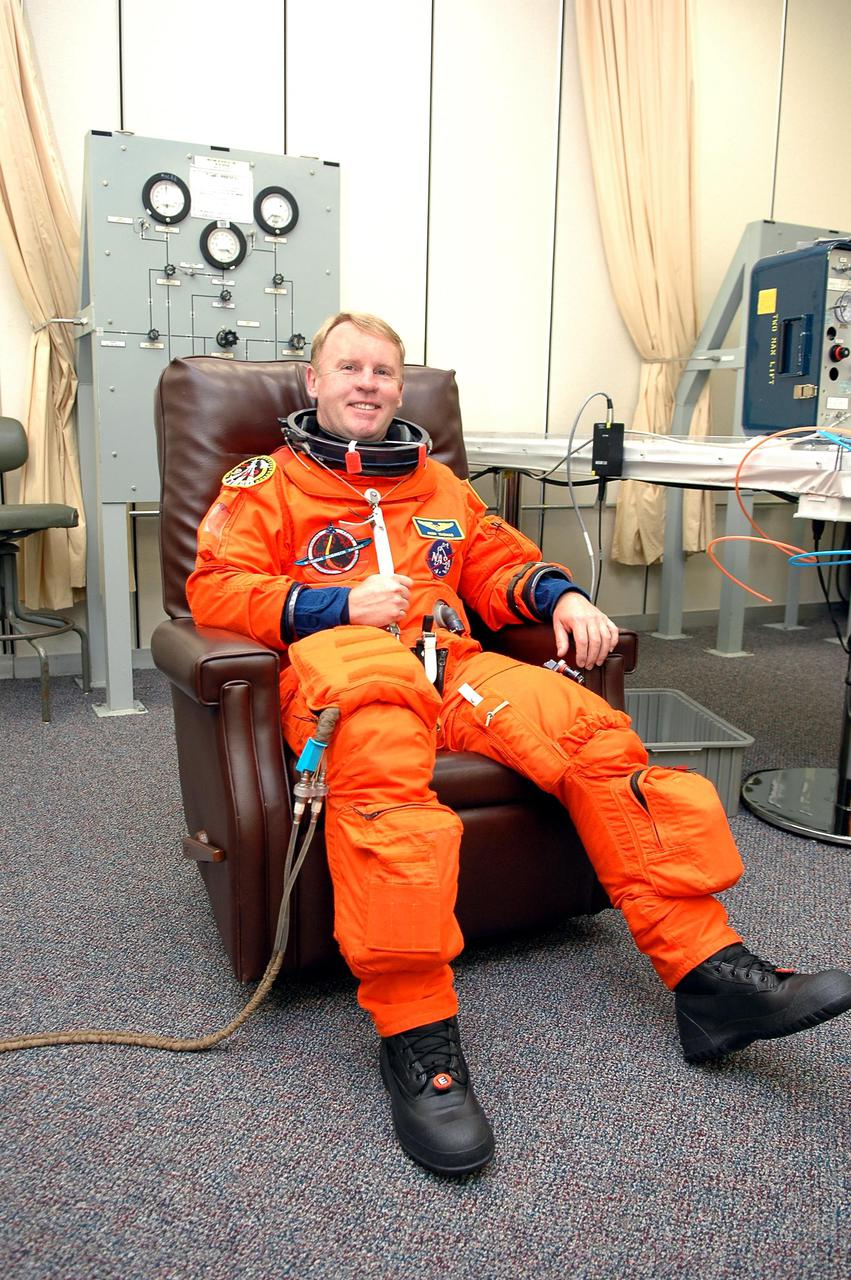
KENNEDY SPACE CENTER, FLA. -STS-114 Mission Specialist Andrew Thomas suits up in the Operations and Checkout Building for the trip to Launch Pad 39B for a mock launch countdown culminating in a simulated main engine cutoff. The dress rehearsal is part of Terminal Countdown Demonstration Test (TCDT) activities held prior to each Space Shuttle flight. It provides the crew of each mission an opportunity to participate in various simulated countdown activities, including equipment familiarization and emergency egress training. STS-114 is the first Return to Flight mission to the International Space Station. The launch window extends July 13 through July 31.
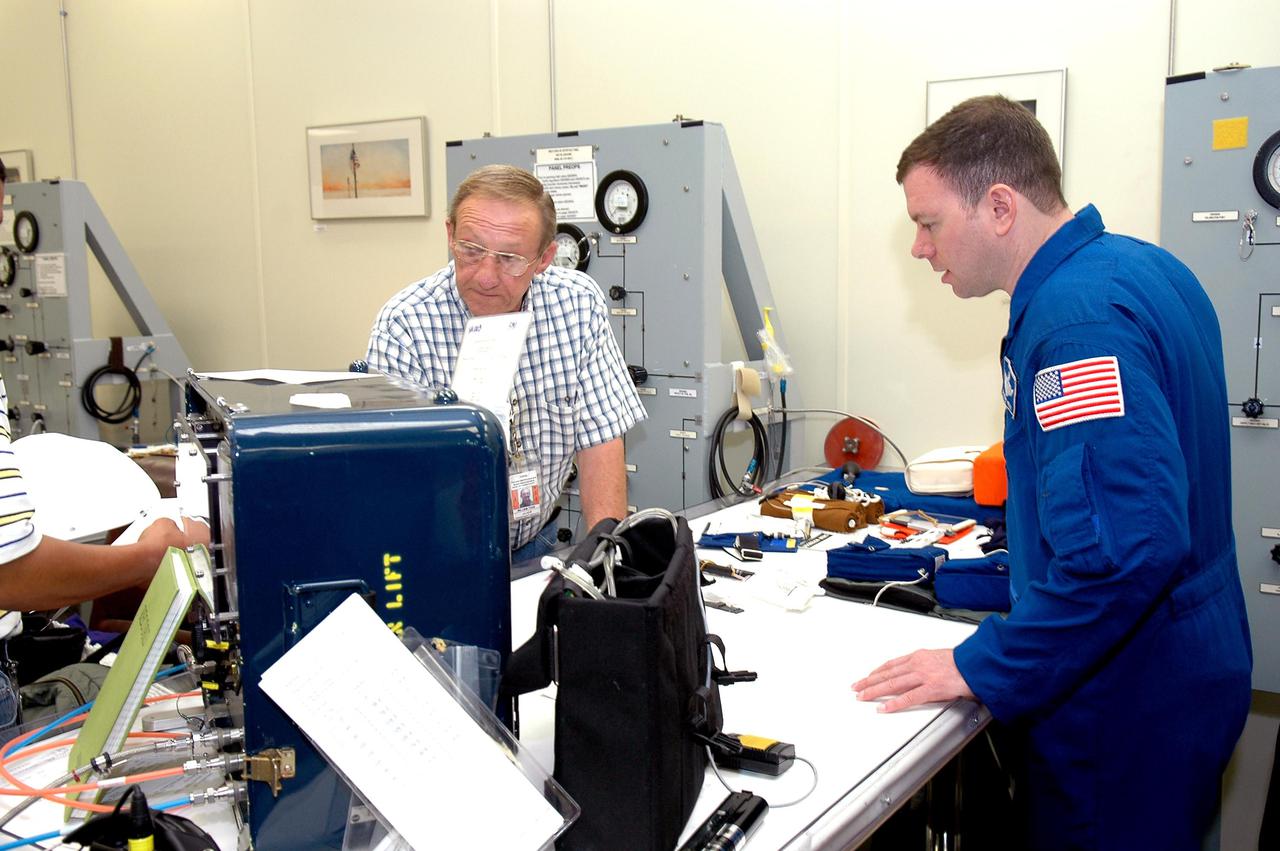
KENNEDY SPACE CENTER, FLA. - As part of pre-pack and fit check for Terminal Countdown Demonstration Test (TCDT) activities, STS-114 Pilot Jim Kelly looks at equipment that will be on the flight. The TCDT is held at KSC prior to each Space Shuttle flight. It provides the crew of each mission an opportunity to participate in simulated countdown activities. The test ends with a mock launch countdown culminating in a simulated main engine cutoff. The crew also spends time undergoing emergency egress training exercises at the launch pad. STS-114 is the first Return to Flight mission to the International Space Station. The launch window extends July 13 through July 31.
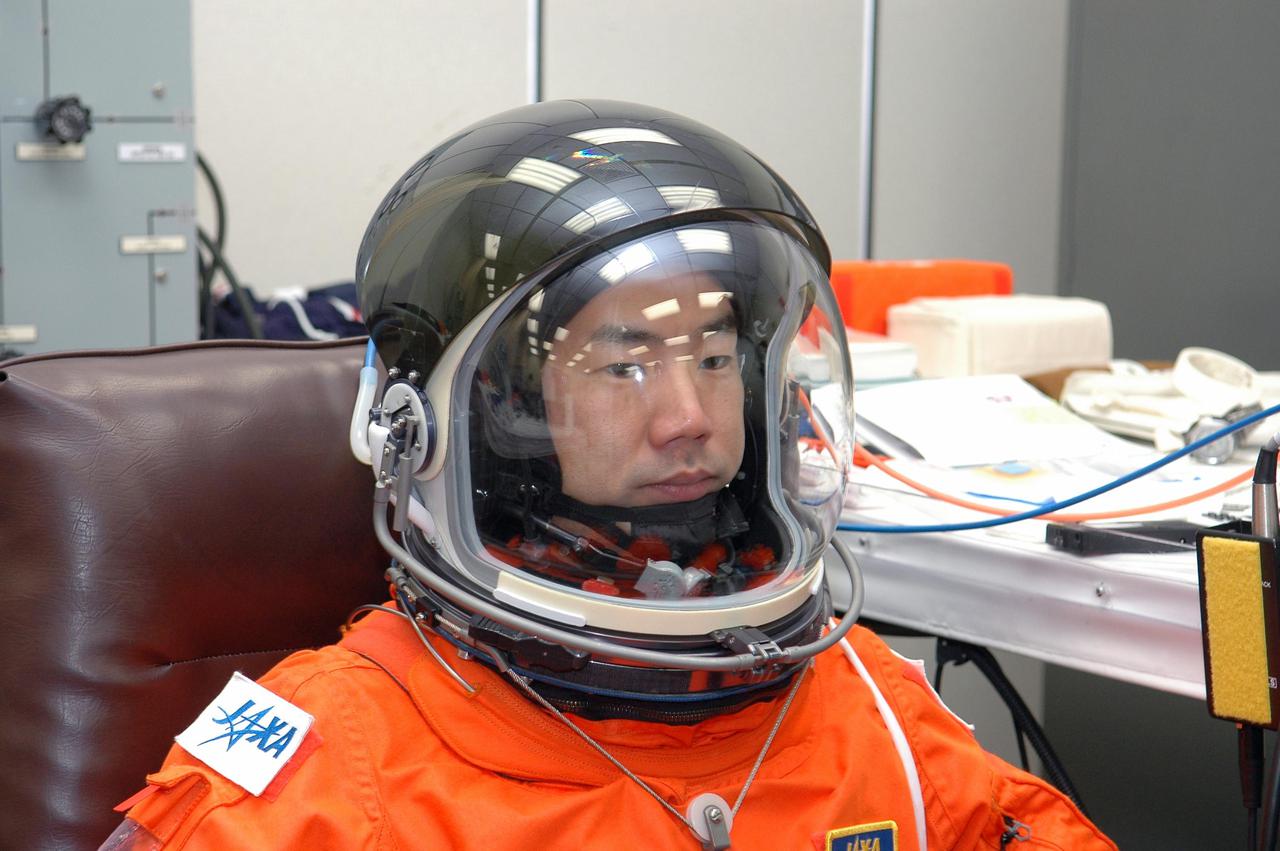
KENNEDY SPACE CENTER, FLA. - As part of pre-pack and fit check for Terminal Countdown Demonstration Test (TCDT) activities, STS-114 Mission Specialist Soichi Noguchi tries on his helmet. The TCDT is held at KSC prior to each Space Shuttle flight. It provides the crew of each mission an opportunity to participate in simulated countdown activities. The test ends with a mock launch countdown culminating in a simulated main engine cutoff. The crew also spends time undergoing emergency egress training exercises at the launch pad. STS-114 is the first Return to Flight mission to the International Space Station. The launch window extends July 13 through July 31.
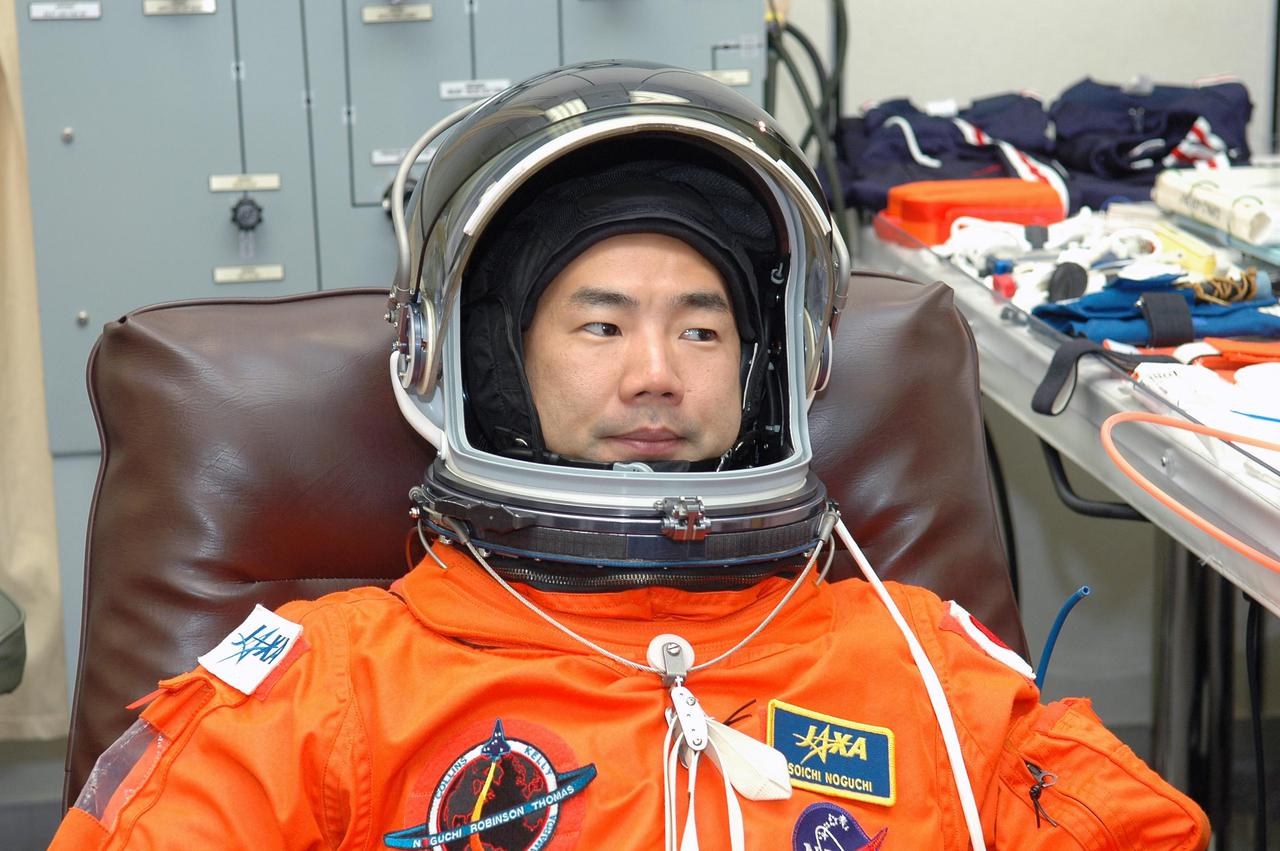
KENNEDY SPACE CENTER, FLA. - As part of pre-pack and fit check for Terminal Countdown Demonstration Test (TCDT) activities, STS-114 Mission Specialist Soichi Noguchi tries on his helmet. The TCDT is held at KSC prior to each Space Shuttle flight. It provides the crew of each mission an opportunity to participate in simulated countdown activities. The test ends with a mock launch countdown culminating in a simulated main engine cutoff. The crew also spends time undergoing emergency egress training exercises at the launch pad. STS-114 is the first Return to Flight mission to the International Space Station. The launch window extends July 13 through July 31.
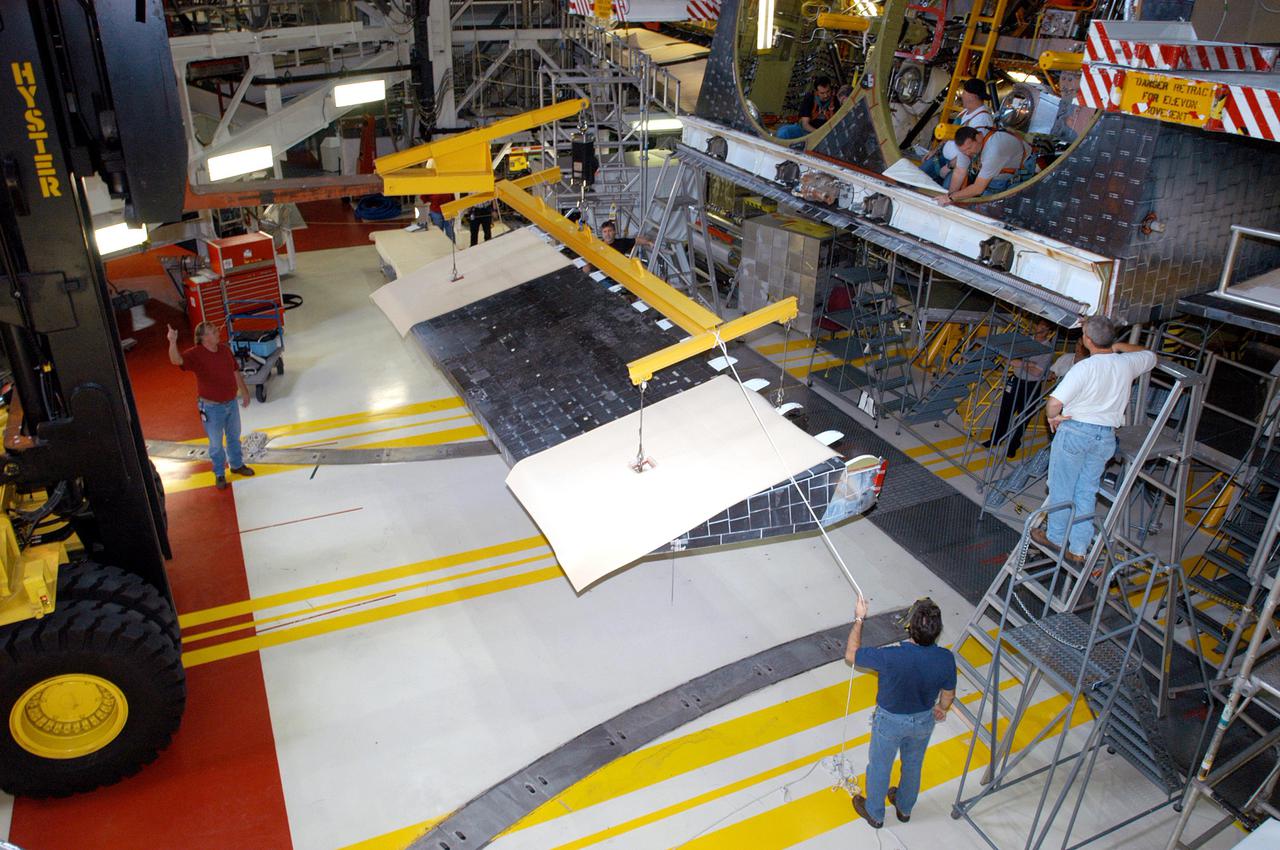
KENNEDY SPACE CENTER, FLA. - In the Orbiter Processing Facility, workers help guide the body flap toward the orbiter Atlantis for installation. The body flap is an aluminum structure consisting of ribs, spars, skin panels and a trailing edge assembly. It thermally shields the three Space Shuttle Main Engines during entry and provides the orbiter with pitch control trim during its atmospheric flight after entry. Atlantis is being processed for its mission, designated STS-121, this summer to the International Space Station. The launch planning window is July 12 - August 3.

KENNEDY SPACE CENTER, FLA. -STS-114 Mission Specialist Andrew Thomas suits up in the Operations and Checkout Building for the trip to Launch Pad 39B for a mock launch countdown culminating in a simulated main engine cutoff. The dress rehearsal is part of Terminal Countdown Demonstration Test (TCDT) activities held prior to each Space Shuttle flight. It provides the crew of each mission an opportunity to participate in various simulated countdown activities, including equipment familiarization and emergency egress training. STS-114 is the first Return to Flight mission to the International Space Station. The launch window extends July 13 through July 31.
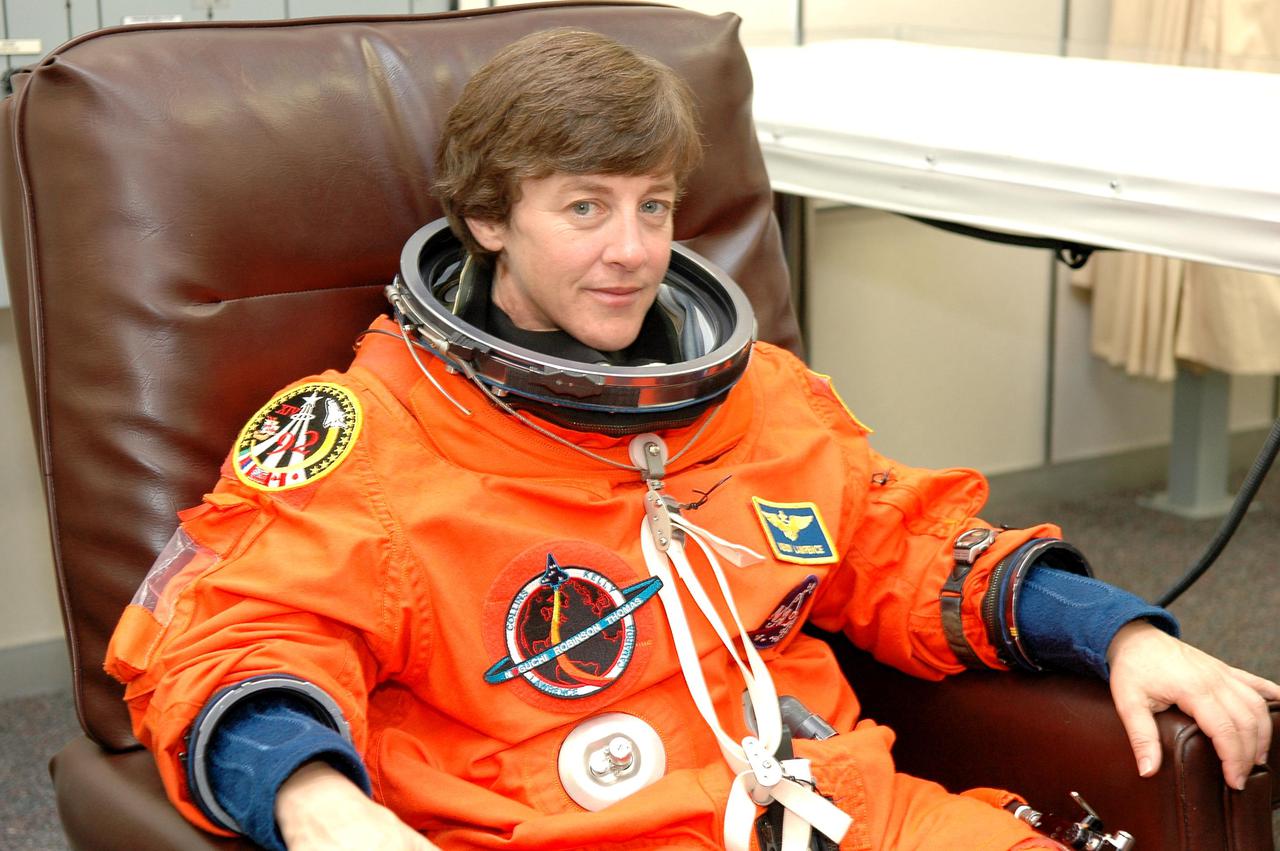
KENNEDY SPACE CENTER, FLA. -STS-114 Mission Specialist Wendy Lawrence suits up in the Operations and Checkout Building for the trip to Launch Pad 39B for a mock launch countdown culminating in a simulated main engine cutoff. The dress rehearsal is part of Terminal Countdown Demonstration Test (TCDT) activities held prior to each Space Shuttle flight. It provides the crew of each mission an opportunity to participate in various simulated countdown activities, including equipment familiarization and emergency egress training. STS-114 is the first Return to Flight mission to the International Space Station. The launch window extends July 13 through July 31.
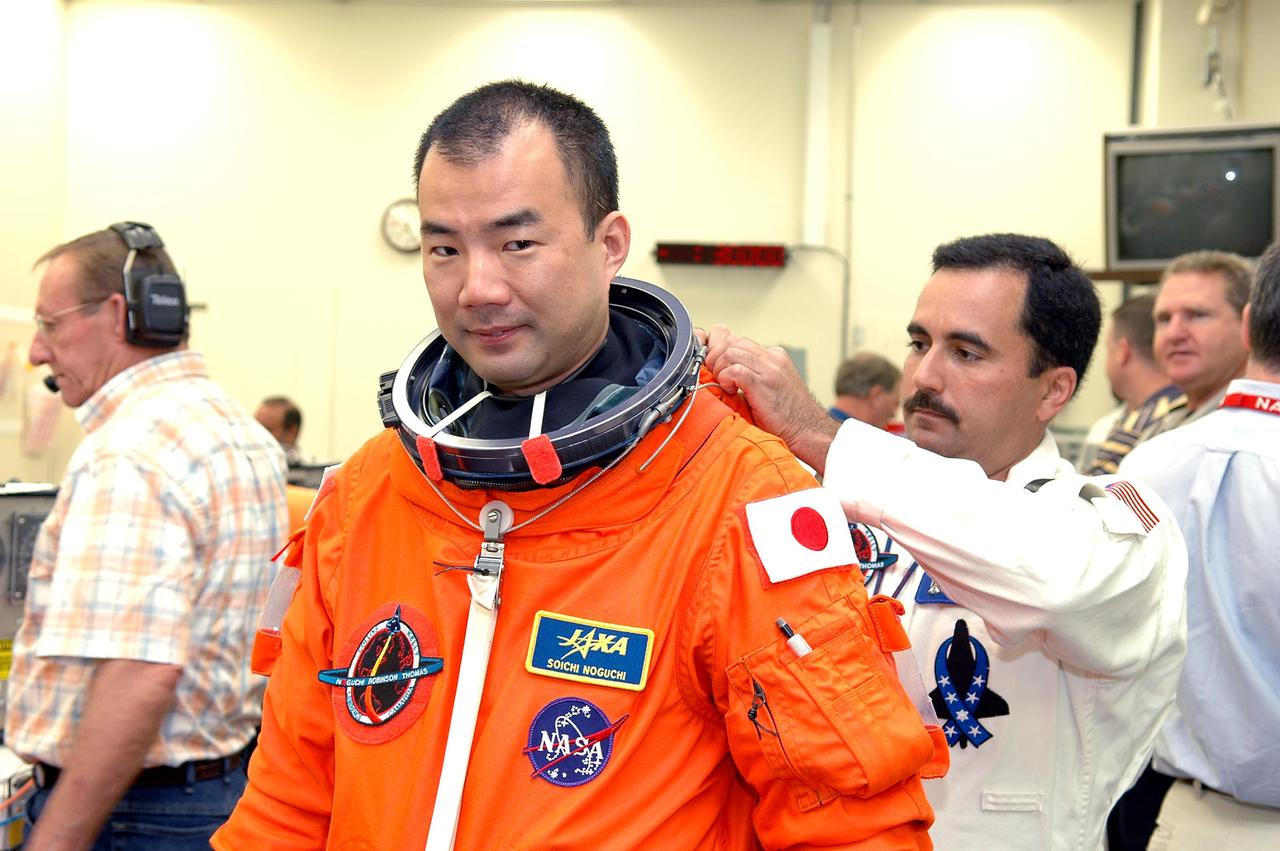
KENNEDY SPACE CENTER, FLA. - A suit technician helps STS-114 Mission Specialist Soichi Noguchi suit up in the Operations and Checkout Building for the trip to Launch Pad 39B for a mock launch countdown culminating in a simulated main engine cutoff. Noguchi is with the Japan Aerospace Exploration Agency. The dress rehearsal is part of Terminal Countdown Demonstration Test (TCDT) activities held prior to each Space Shuttle flight. It provides the crew of each mission an opportunity to participate in various simulated countdown activities, including equipment familiarization and emergency egress training. STS-114 is the first Return to Flight mission to the International Space Station. The launch window extends July 13 through July 31.

KENNEDY SPACE CENTER, FLA. - As part of pre-pack and fit check for Terminal Countdown Demonstration Test (TCDT) activities, STS-114 Mission Specialist Andrew Thomas has his launch suit checked for fit. The TCDT is held at KSC prior to each Space Shuttle flight. It provides the crew of each mission an opportunity to participate in simulated countdown activities. The test ends with a mock launch countdown culminating in a simulated main engine cutoff. The crew also spends time undergoing emergency egress training exercises at the launch pad. STS-114 is the first Return to Flight mission to the International Space Station. The launch window extends July 13 through July 31.
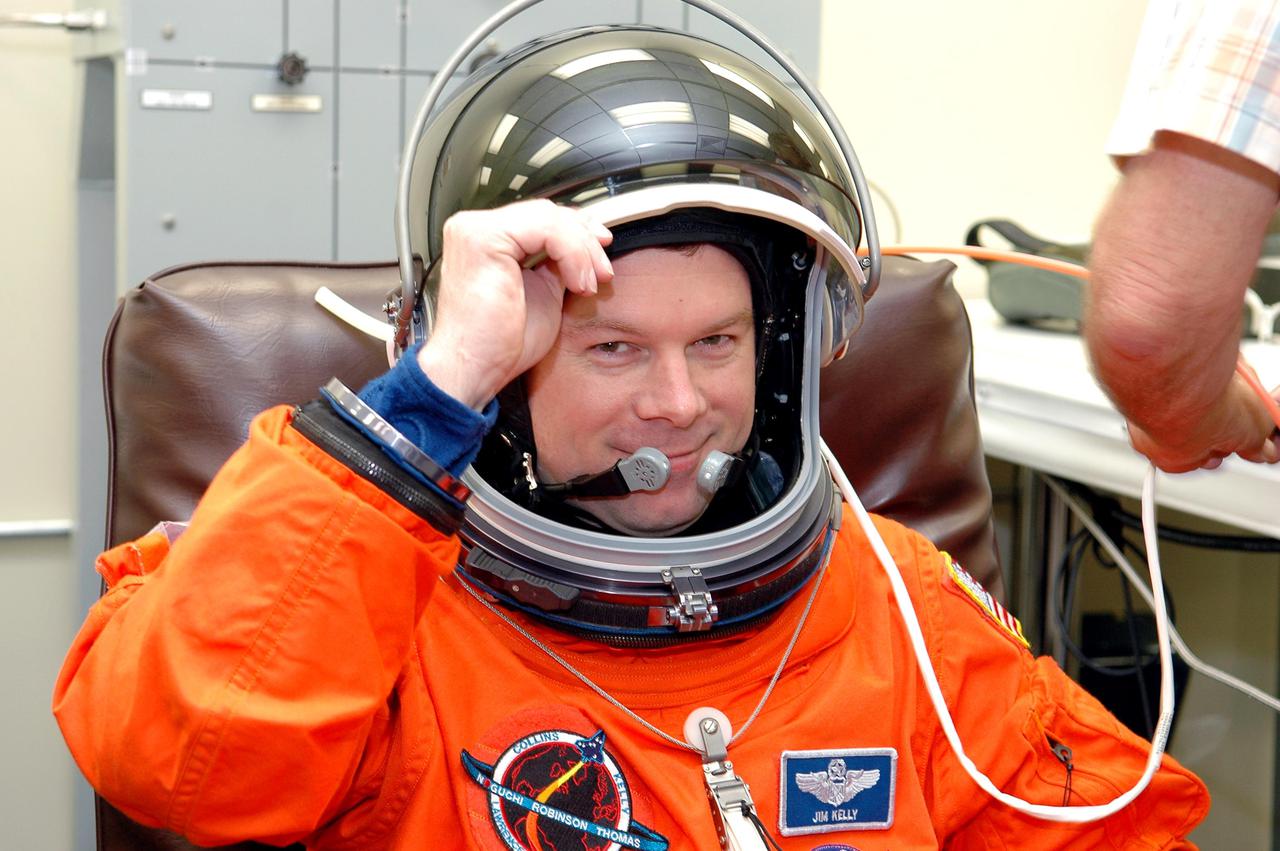
KENNEDY SPACE CENTER, FLA. -STS-114 Pilot James Kelly suits up in the Operations and Checkout Building for the trip to Launch Pad 39B for a mock launch countdown culminating in a simulated main engine cutoff. The dress rehearsal is part of Terminal Countdown Demonstration Test (TCDT) activities held prior to each Space Shuttle flight. It provides the crew of each mission an opportunity to participate in various simulated countdown activities, including equipment familiarization and emergency egress training. STS-114 is the first Return to Flight mission to the International Space Station. The launch window extends July 13 through July 31.
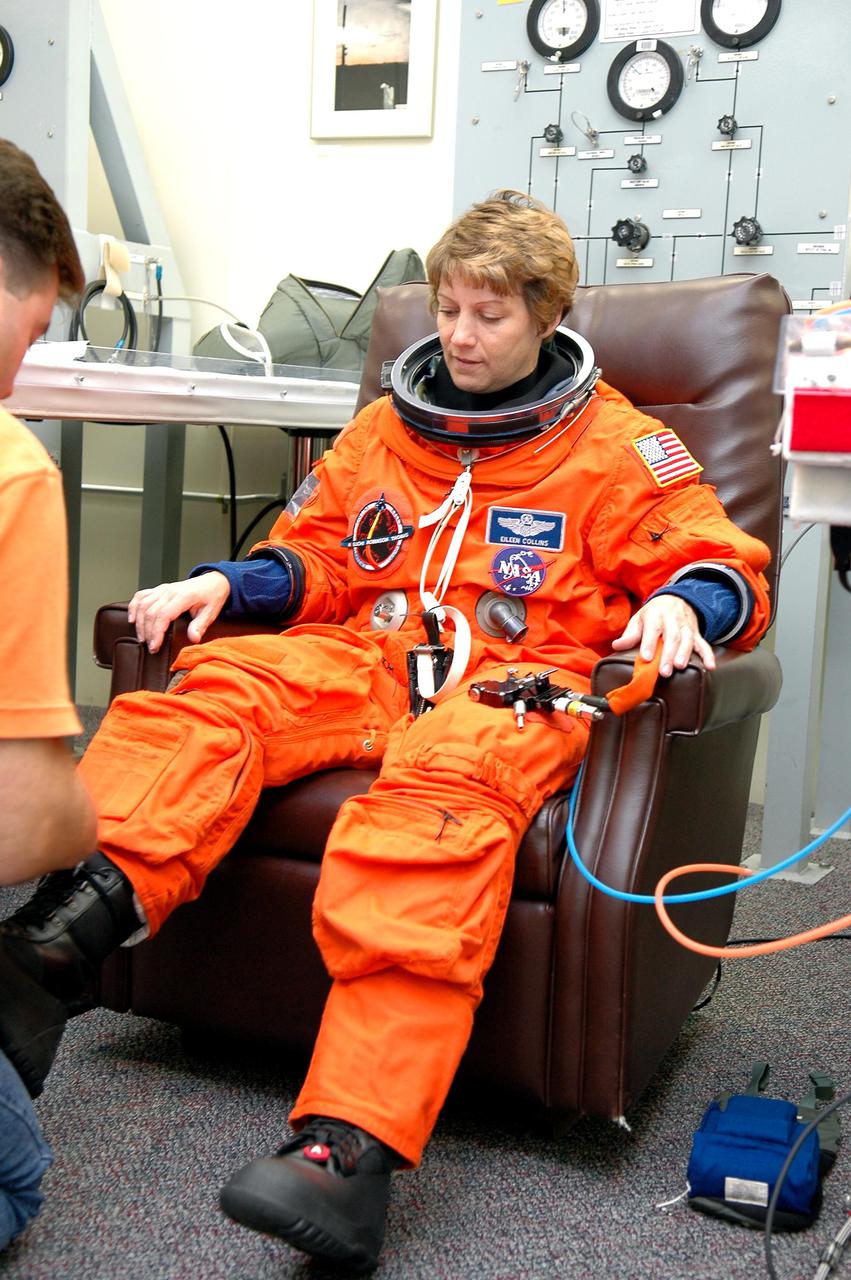
KENNEDY SPACE CENTER, FLA. - A suit technician helps STS-114 Commander Eileen Collins with a boot as she suits up in the Operations and Checkout Building for the trip to Launch Pad 39B for a mock launch countdown culminating in a simulated main engine cutoff. The dress rehearsal is part of Terminal Countdown Demonstration Test (TCDT) activities held prior to each Space Shuttle flight. It provides the crew of each mission an opportunity to participate in various simulated countdown activities, including equipment familiarization and emergency egress training. STS-114 is the first Return to Flight mission to the International Space Station. The launch window extends July 13 through July 31.
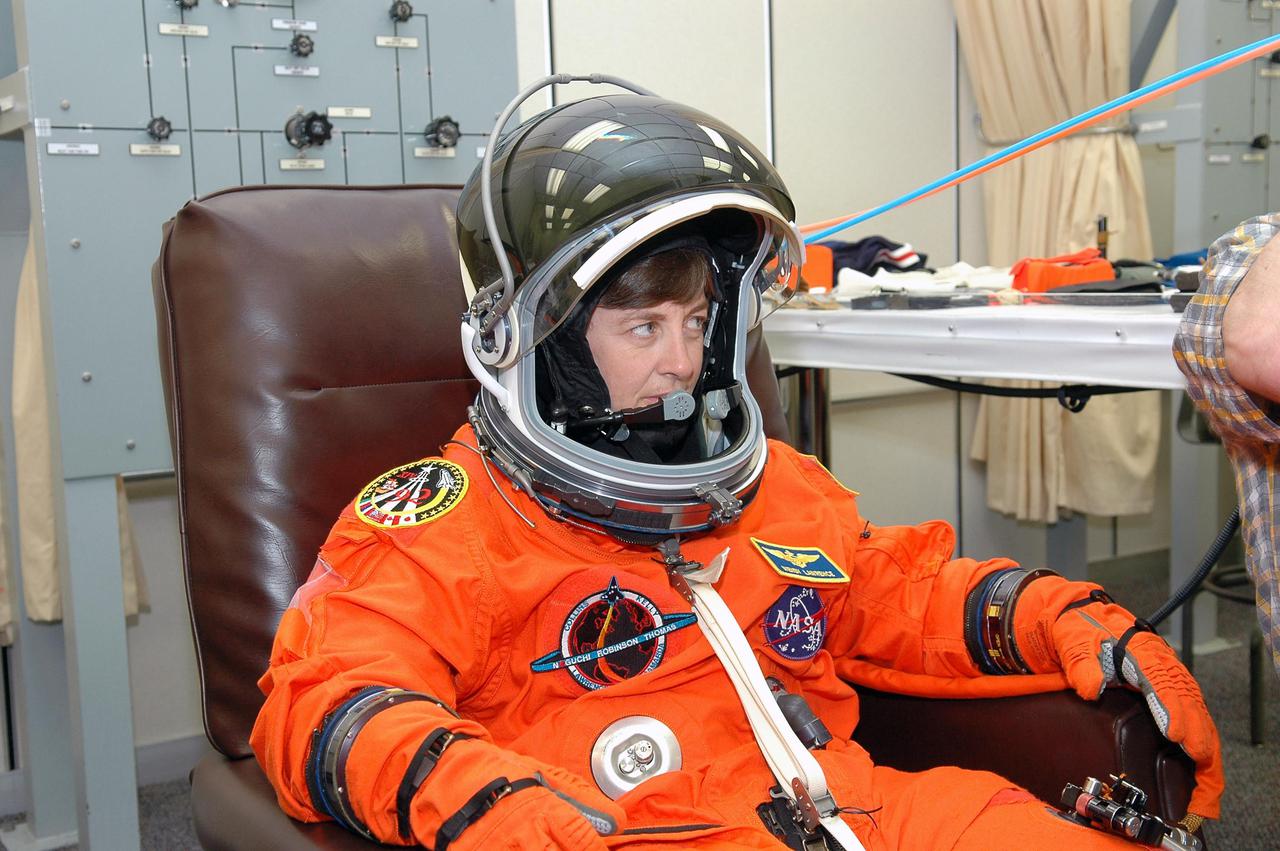
KENNEDY SPACE CENTER, FLA. - As part of pre-pack and fit check for Terminal Countdown Demonstration Test (TCDT) activities, STS-114 Mission Specialist Wendy Lawrence tries on her helmet. The TCDT is held at KSC prior to each Space Shuttle flight. It provides the crew of each mission an opportunity to participate in simulated countdown activities. The test ends with a mock launch countdown culminating in a simulated main engine cutoff. The crew also spends time undergoing emergency egress training exercises at the launch pad. STS-114 is the first Return to Flight mission to the International Space Station. The launch window extends July 13 through July 31.
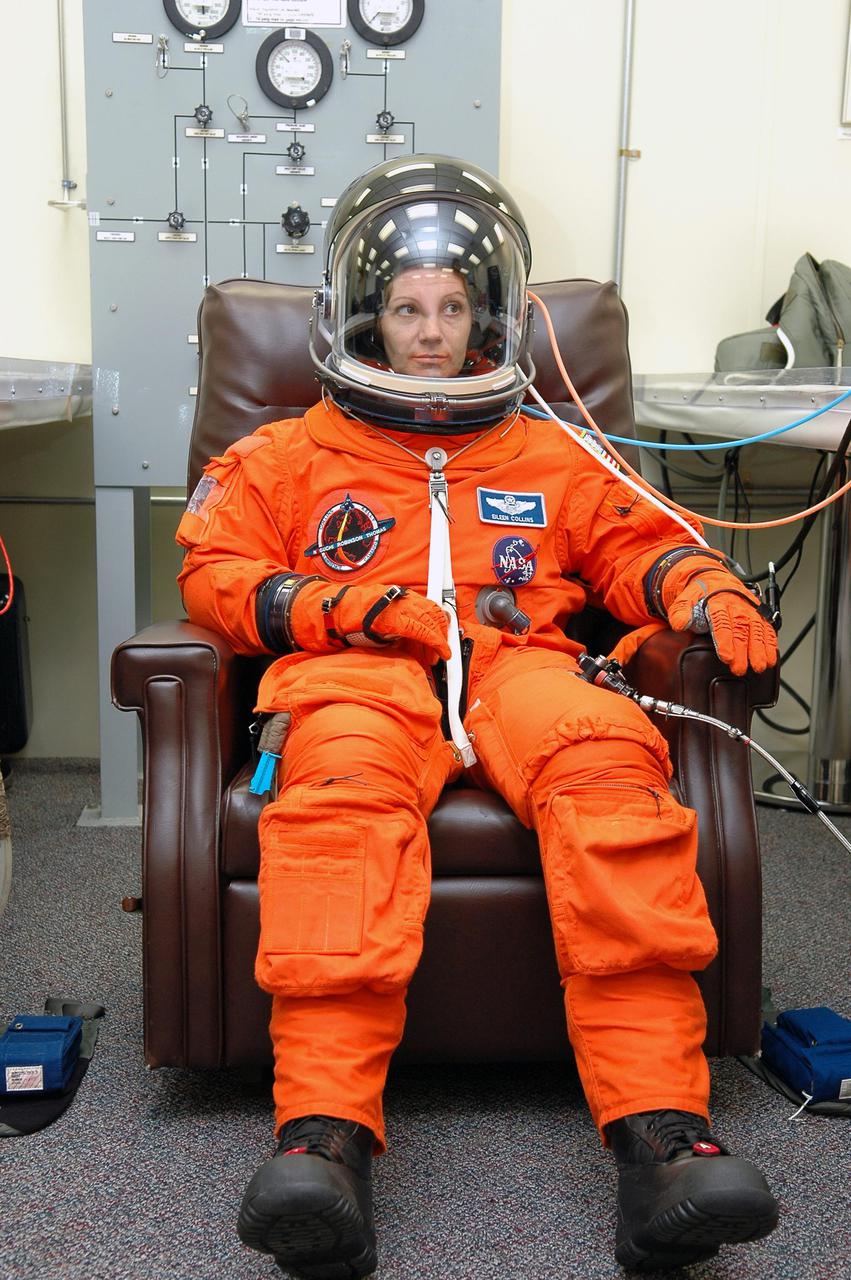
KENNEDY SPACE CENTER, FLA. -STS-114 Commander Eileen Collins suits up in the Operations and Checkout Building for the trip to Launch Pad 39B for a mock launch countdown culminating in a simulated main engine cutoff. The dress rehearsal is part of Terminal Countdown Demonstration Test (TCDT) activities held prior to each Space Shuttle flight. It provides the crew of each mission an opportunity to participate in various simulated countdown activities, including equipment familiarization and emergency egress training. STS-114 is the first Return to Flight mission to the International Space Station. The launch window extends July 13 through July 31.
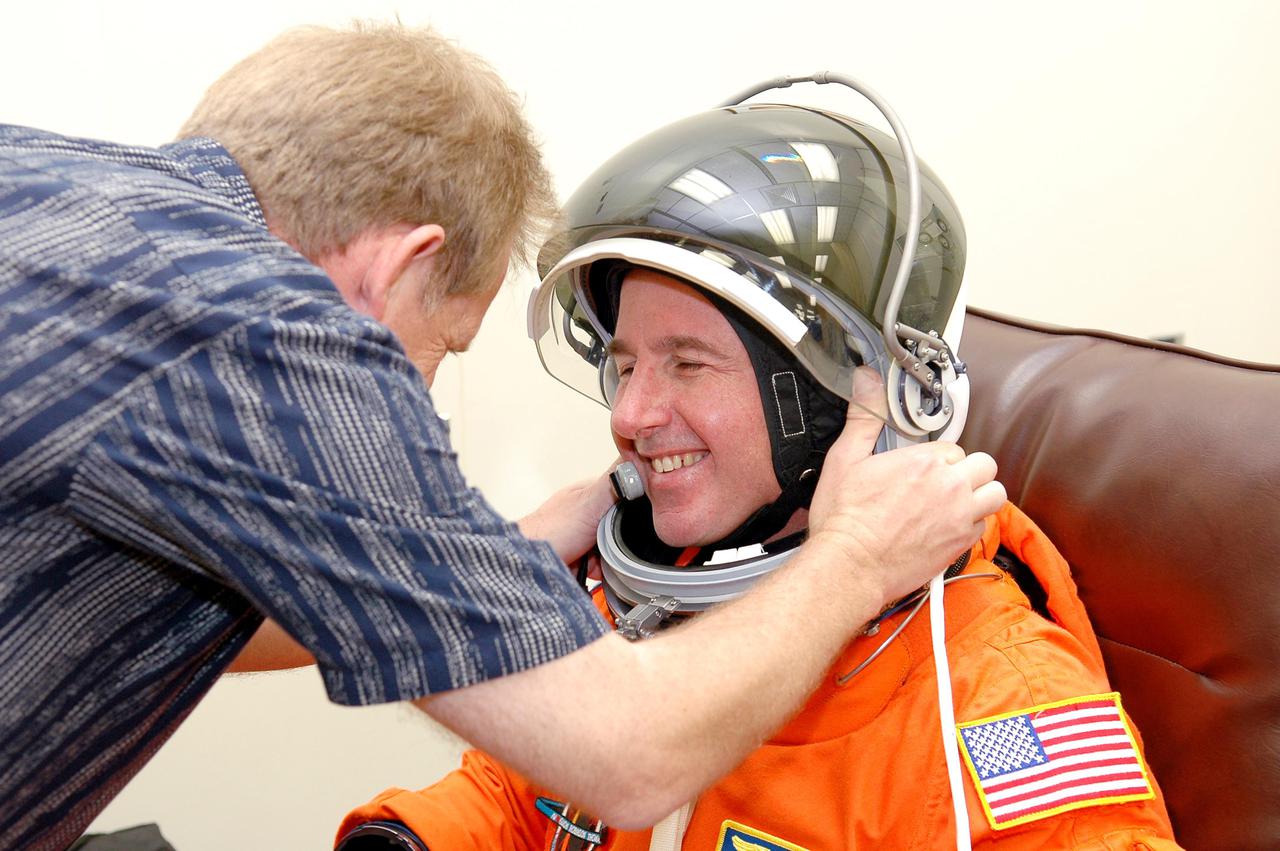
KENNEDY SPACE CENTER, FLA. - A suit technician helps STS-114 Mission Specialist Stephen Robinson suit up in the Operations and Checkout Building for the trip to Launch Pad 39B for a mock launch countdown culminating in a simulated main engine cutoff. The dress rehearsal is part of Terminal Countdown Demonstration Test (TCDT) activities held prior to each Space Shuttle flight. It provides the crew of each mission an opportunity to participate in various simulated countdown activities, including equipment familiarization and emergency egress training. STS-114 is the first Return to Flight mission to the International Space Station. The launch window extends July 13 through July 31.
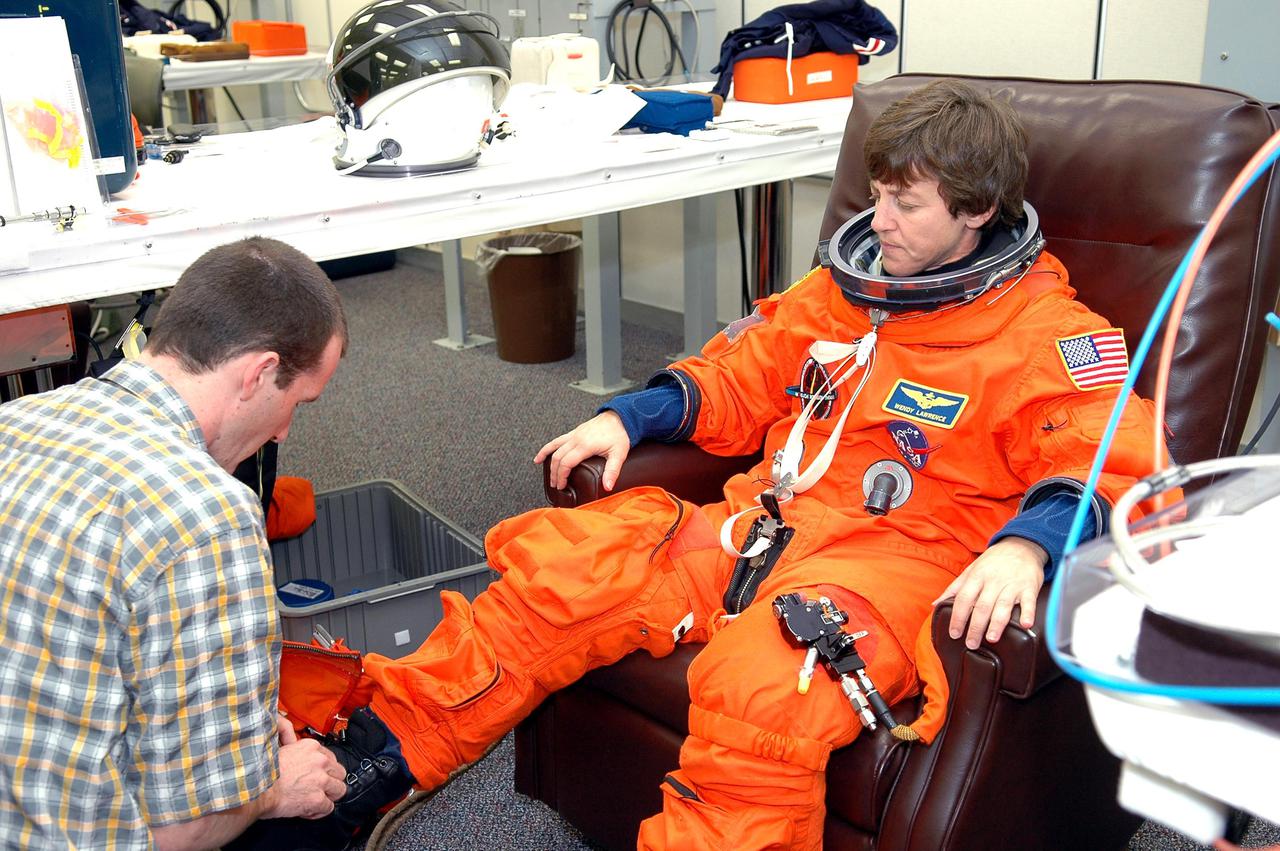
KENNEDY SPACE CENTER, FLA. - As part of pre-pack and fit check for Terminal Countdown Demonstration Test (TCDT) activities, STS-114 Mission Specialist Wendy Lawrence has her boot checked. The TCDT is held at KSC prior to each Space Shuttle flight. It provides the crew of each mission an opportunity to participate in simulated countdown activities. The test ends with a mock launch countdown culminating in a simulated main engine cutoff. The crew also spends time undergoing emergency egress training exercises at the launch pad. STS-114 is the first Return to Flight mission to the International Space Station. The launch window extends July 13 through July 31.
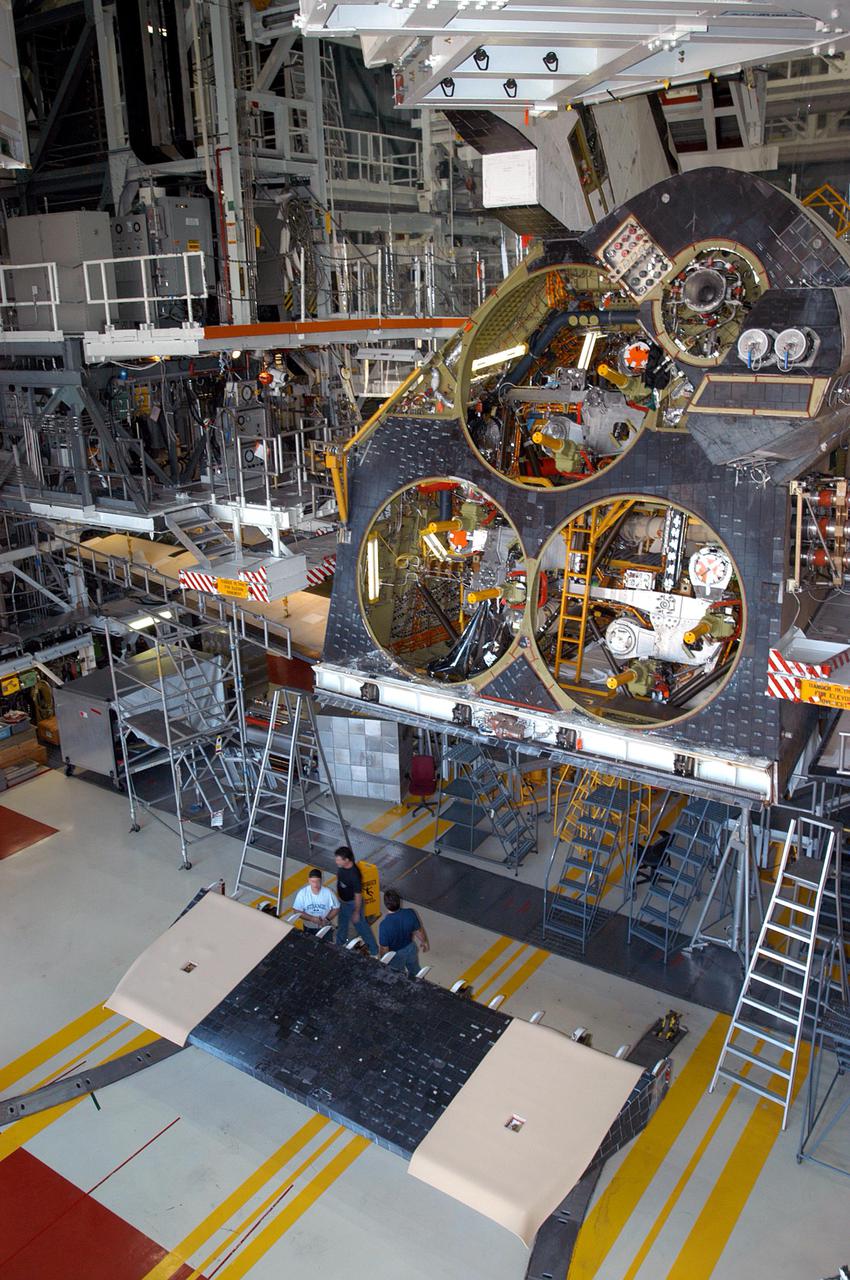
KENNEDY SPACE CENTER, FLA. - In the Orbiter Processing Facility, workers on the floor get ready to install the body flap on the orbiter Atlantis, behind them. The body flap is an aluminum structure consisting of ribs, spars, skin panels and a trailing edge assembly. It thermally shields the three Space Shuttle Main Engines during entry and provides the orbiter with pitch control trim during its atmospheric flight after entry. Atlantis is being processed for its mission, designated STS-121, this summer to the International Space Station. The launch planning window is July 12 - August 3.
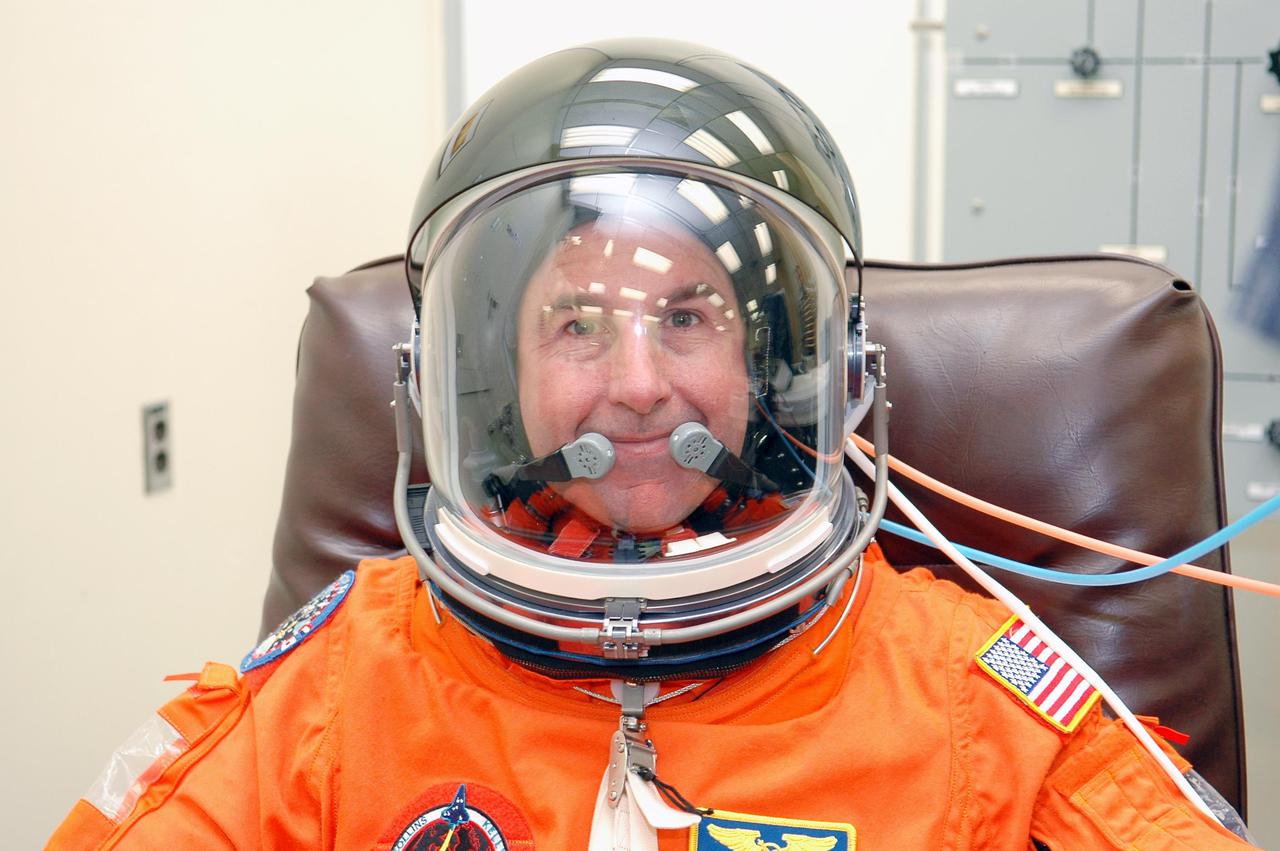
KENNEDY SPACE CENTER, FLA. -STS-114 Mission Specialist Stephen Robinson suits up in the Operations and Checkout Building for the trip to Launch Pad 39B for a mock launch countdown culminating in a simulated main engine cutoff. The dress rehearsal is part of Terminal Countdown Demonstration Test (TCDT) activities held prior to each Space Shuttle flight. It provides the crew of each mission an opportunity to participate in various simulated countdown activities, including equipment familiarization and emergency egress training. STS-114 is the first Return to Flight mission to the International Space Station. The launch window extends July 13 through July 31.

KENNEDY SPACE CENTER, FLA. -STS-114 Mission Specialist Charles Camarda suits up in the Operations and Checkout Building for the trip to Launch Pad 39-B for a mock launch countdown culminating in a simulated main engine cutoff. The dress rehearsal is part of Terminal Countdown Demonstration Test (TCDT) activities held prior to each Space Shuttle flight. It provides the crew of each mission an opportunity to participate in various simulated countdown activities, including equipment familiarization and emergency egress training. STS-114 is the first Return to Flight mission to the International Space Station. The launch window extends July 13 through July 31.
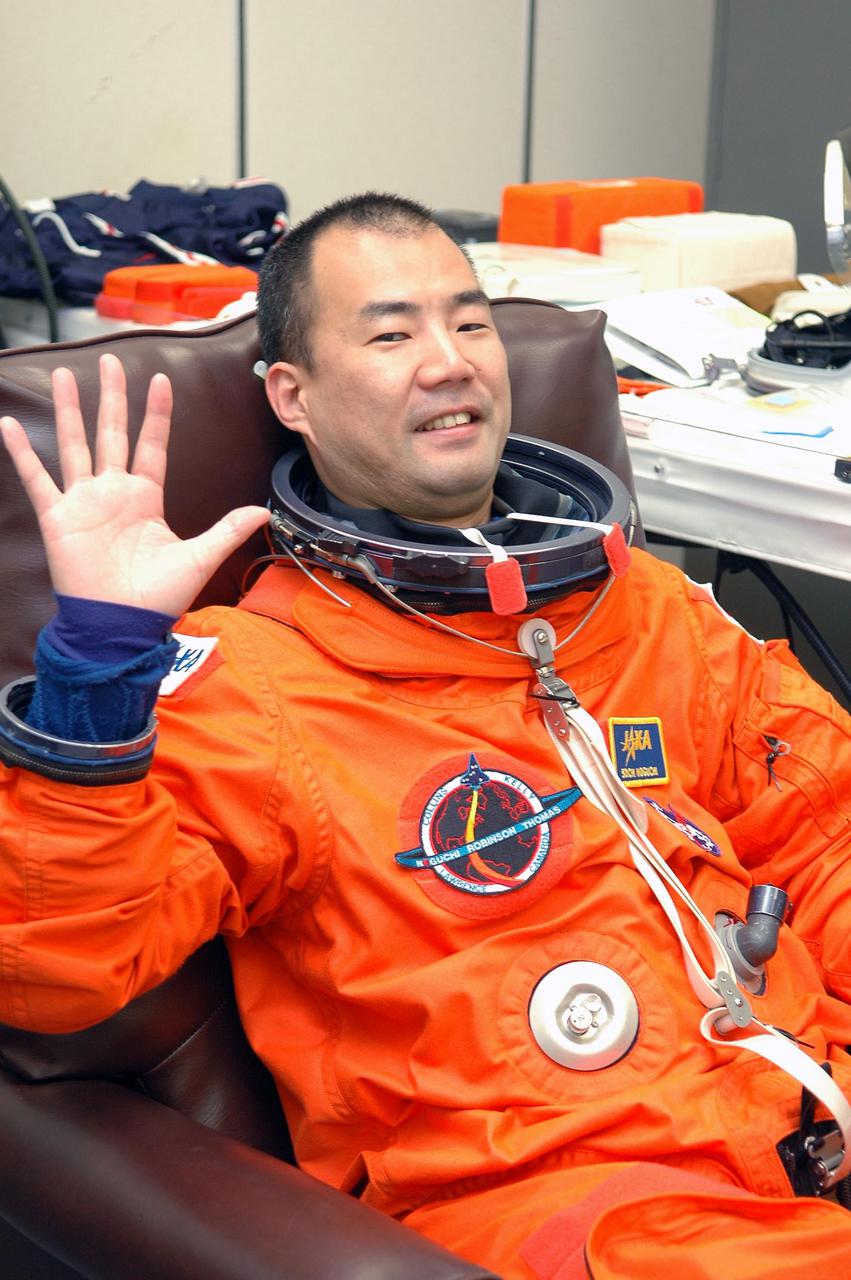
KENNEDY SPACE CENTER, FLA. - As part of pre-pack and fit check for Terminal Countdown Demonstration Test (TCDT) activities, STS-114 Mission Specialist Soichi Noguchi tries on his launch suit. The TCDT is held at KSC prior to each Space Shuttle flight. It provides the crew of each mission an opportunity to participate in simulated countdown activities. The test ends with a mock launch countdown culminating in a simulated main engine cutoff. The crew also spends time undergoing emergency egress training exercises at the launch pad. STS-114 is the first Return to Flight mission to the International Space Station. The launch window extends July 13 through July 31.
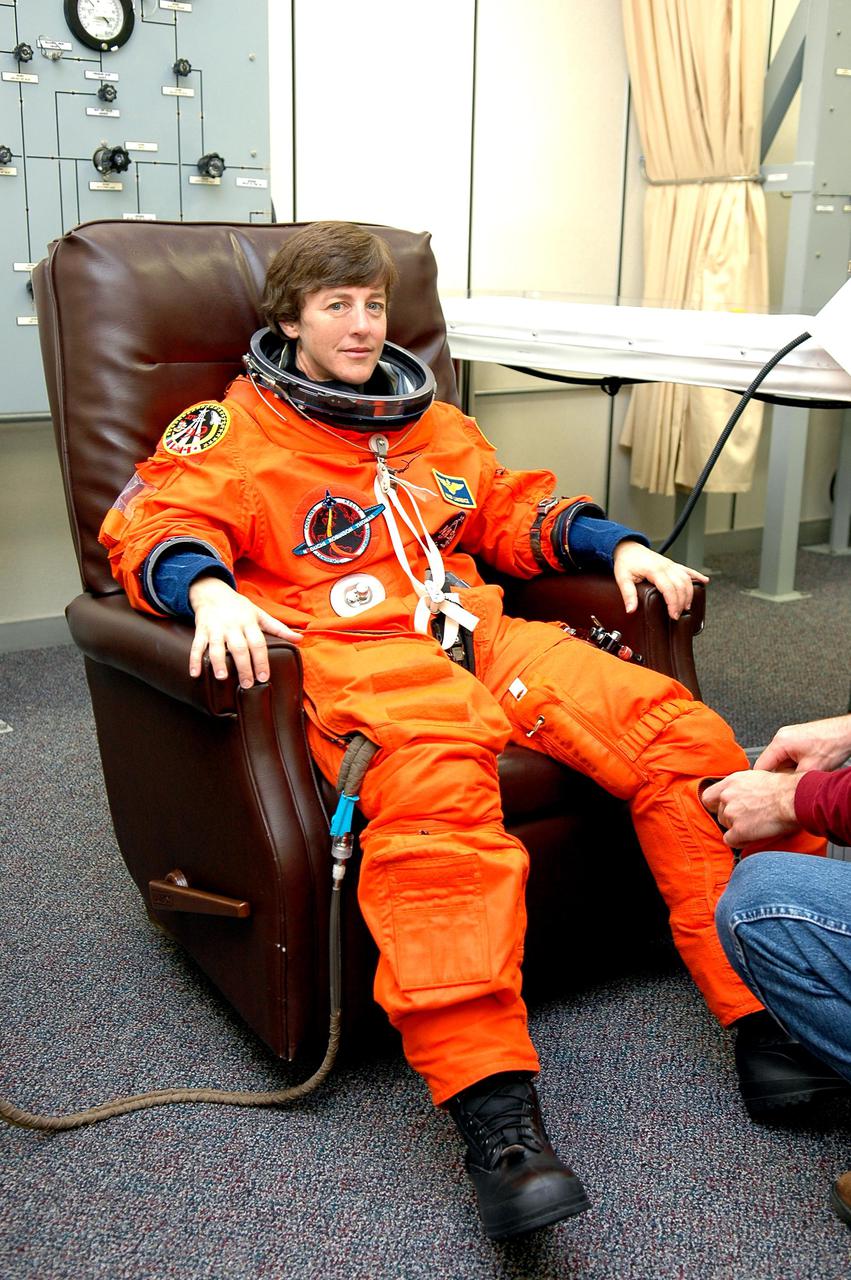
KENNEDY SPACE CENTER, FLA. -STS-114 Mission Specialist Wendy Lawrence suits up in the Operations and Checkout Building for the trip to Launch Pad 39B for a mock launch countdown culminating in a simulated main engine cutoff. The dress rehearsal is part of Terminal Countdown Demonstration Test (TCDT) activities held prior to each Space Shuttle flight. It provides the crew of each mission an opportunity to participate in various simulated countdown activities, including equipment familiarization and emergency egress training. STS-114 is the first Return to Flight mission to the International Space Station. The launch window extends July 13 through July 31.
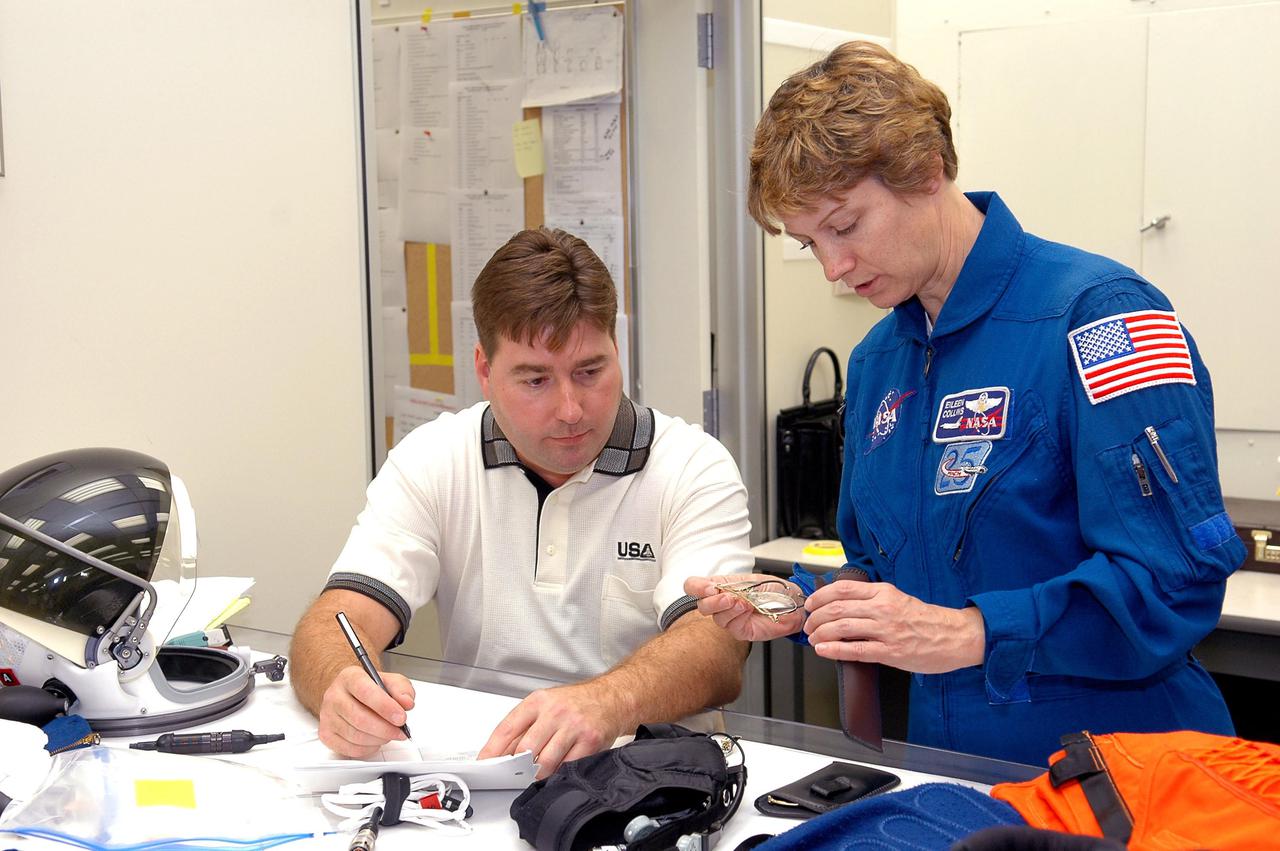
KENNEDY SPACE CENTER, FLA. - As part of pre-pack and fit check for Terminal Countdown Demonstration Test (TCDT) activities, STS-114 Commander Eileen Collins examines glasses that will be on the flight. The TCDT is held at KSC prior to each Space Shuttle flight. It provides the crew of each mission an opportunity to participate in simulated countdown activities. The test ends with a mock launch countdown culminating in a simulated main engine cutoff. The crew also spends time undergoing emergency egress training exercises at the launch pad. STS-114 is the first Return to Flight mission to the International Space Station. The launch window extends July 13 through July 31.
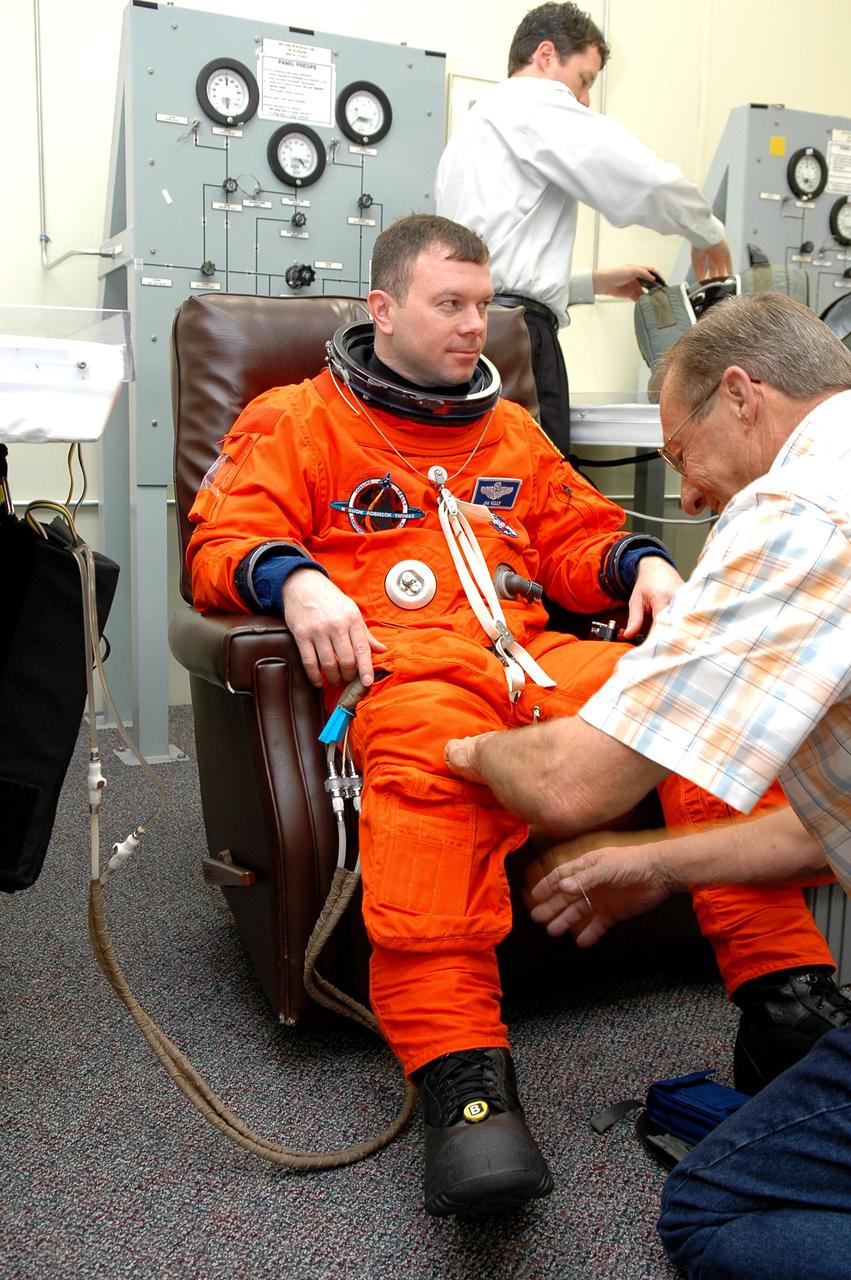
KENNEDY SPACE CENTER, FLA. - A suit technician helps STS-114 Pilot James Kelly suit up in the Operations and Checkout Building for the trip to Launch Pad 39B for a mock launch countdown culminating in a simulated main engine cutoff. The dress rehearsal is part of Terminal Countdown Demonstration Test (TCDT) activities held prior to each Space Shuttle flight. It provides the crew of each mission an opportunity to participate in various simulated countdown activities, including equipment familiarization and emergency egress training. STS-114 is the first Return to Flight mission to the International Space Station. The launch window extends July 13 through July 31.
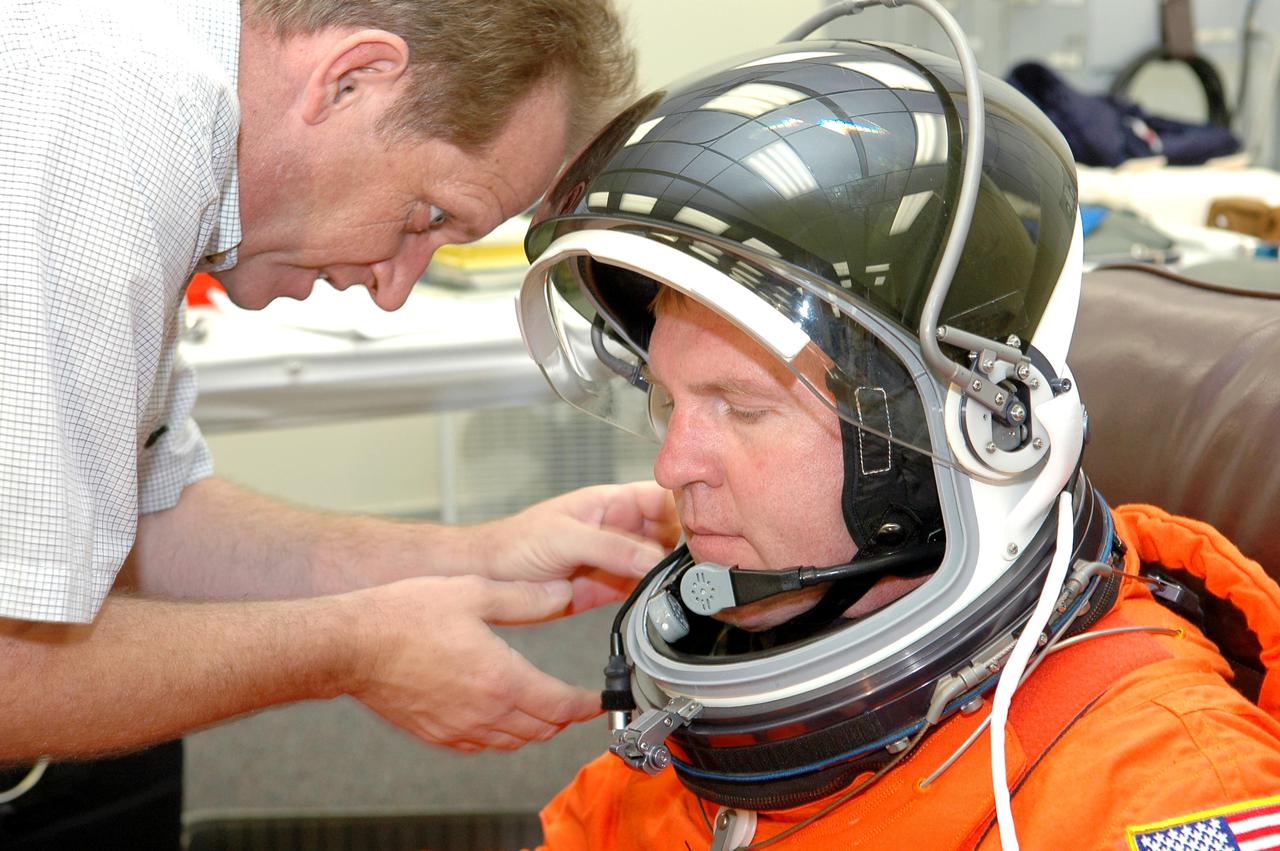
KENNEDY SPACE CENTER, FLA. - As part of pre-pack and fit check for Terminal Countdown Demonstration Test (TCDT) activities, STS-114 Mission Specialist Andrew Thomas tries on his helmet. The TCDT is held at KSC prior to each Space Shuttle flight. It provides the crew of each mission an opportunity to participate in simulated countdown activities. The test ends with a mock launch countdown culminating in a simulated main engine cutoff. The crew also spends time undergoing emergency egress training exercises at the launch pad. STS-114 is the first Return to Flight mission to the International Space Station. The launch window extends July 13 through July 31.
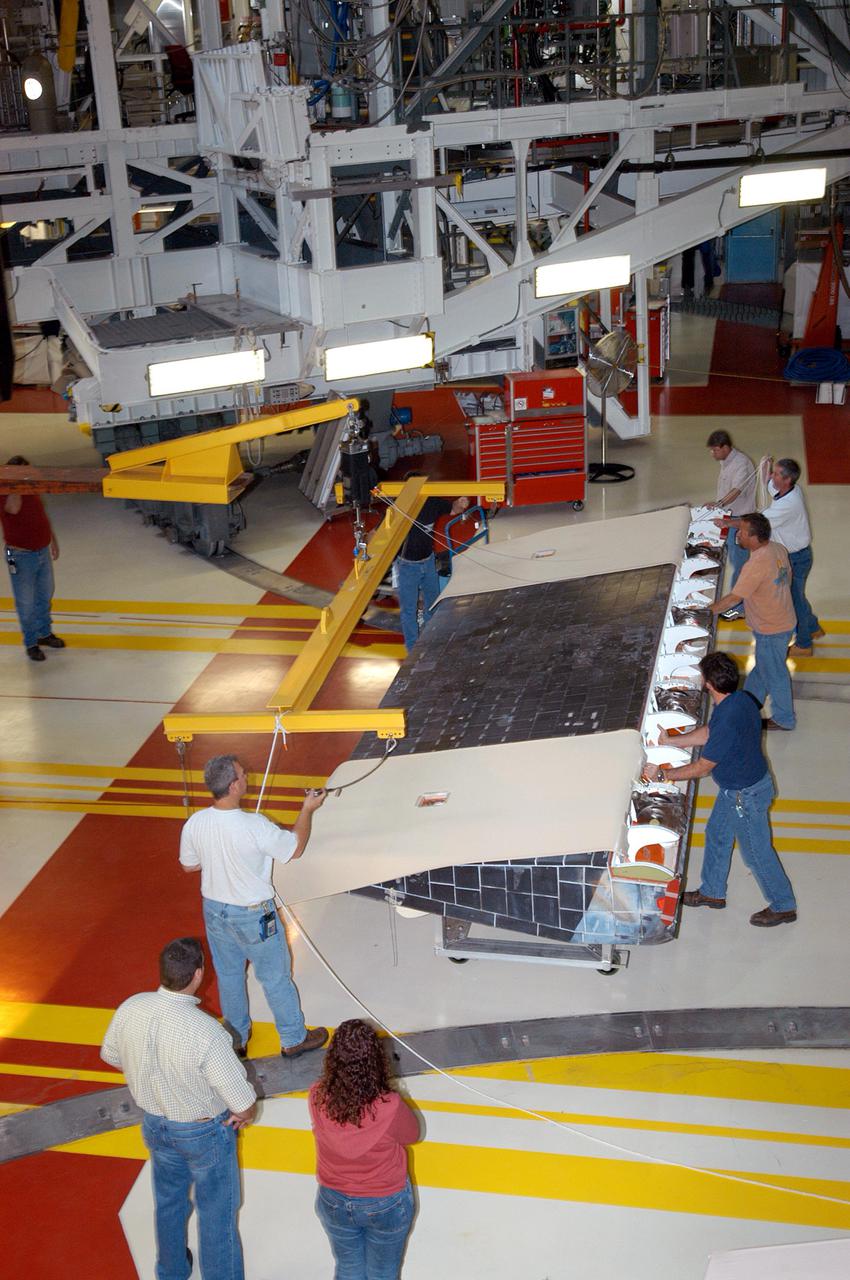
KENNEDY SPACE CENTER, FLA. - In the Orbiter Processing Facility, workers on the floor prepare to attach a crane to the body flap for the orbiter Atlantis. The crane will lift the body flap for installation on the orbiter. The body flap is an aluminum structure consisting of ribs, spars, skin panels and a trailing edge assembly. It thermally shields the three Space Shuttle Main Engines during entry and provides the orbiter with pitch control trim during its atmospheric flight after entry. Atlantis is being processed for its mission, designated STS-121, this summer to the International Space Station. The launch planning window is July 12 - August 3.
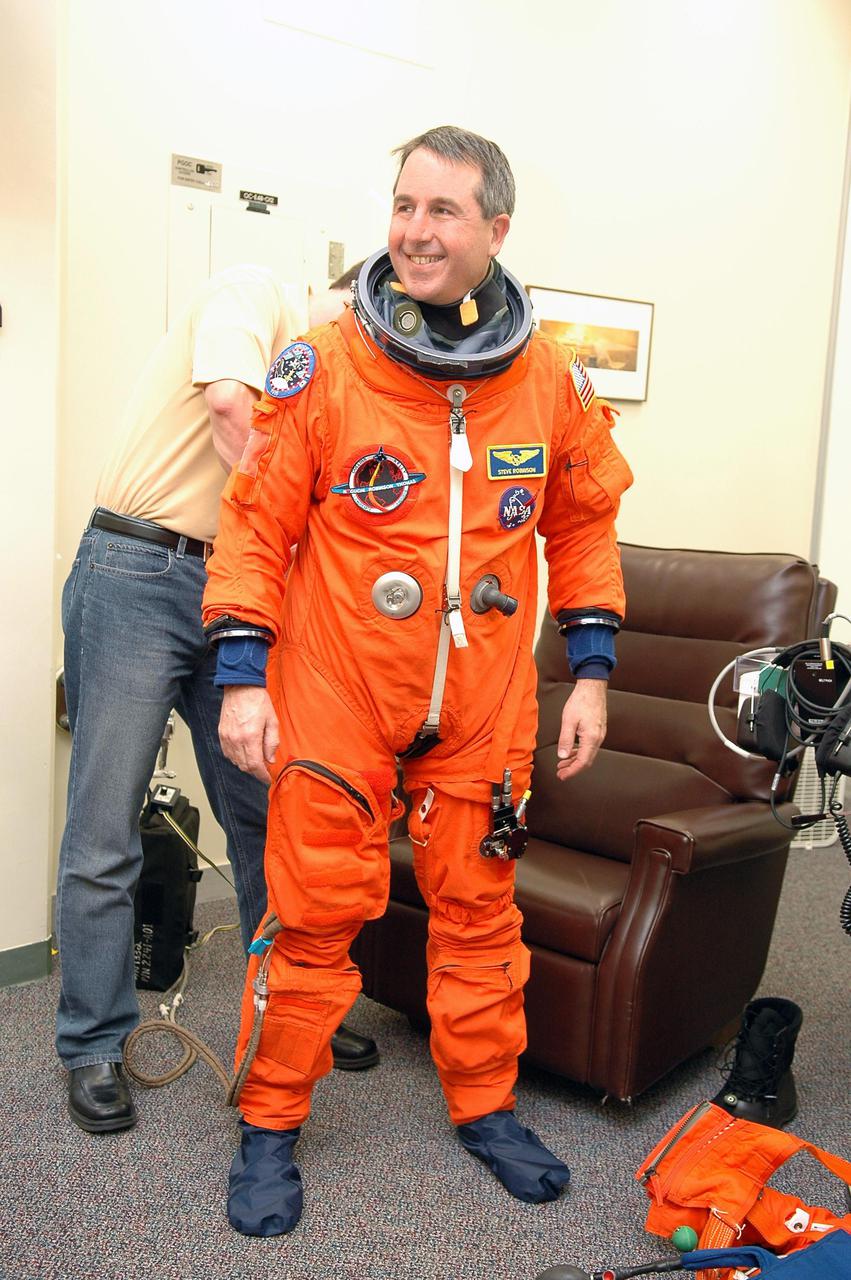
KENNEDY SPACE CENTER, FLA. - As part of pre-pack and fit check for Terminal Countdown Demonstration Test (TCDT) activities, STS-114 Mission Specialist Stephen Robinson has his launch suit checked for fit. The TCDT is held at KSC prior to each Space Shuttle flight. It provides the crew of each mission an opportunity to participate in simulated countdown activities. The test ends with a mock launch countdown culminating in a simulated main engine cutoff. The crew also spends time undergoing emergency egress training exercises at the launch pad. STS-114 is the first Return to Flight mission to the International Space Station. The launch window extends July 13 through July 31.
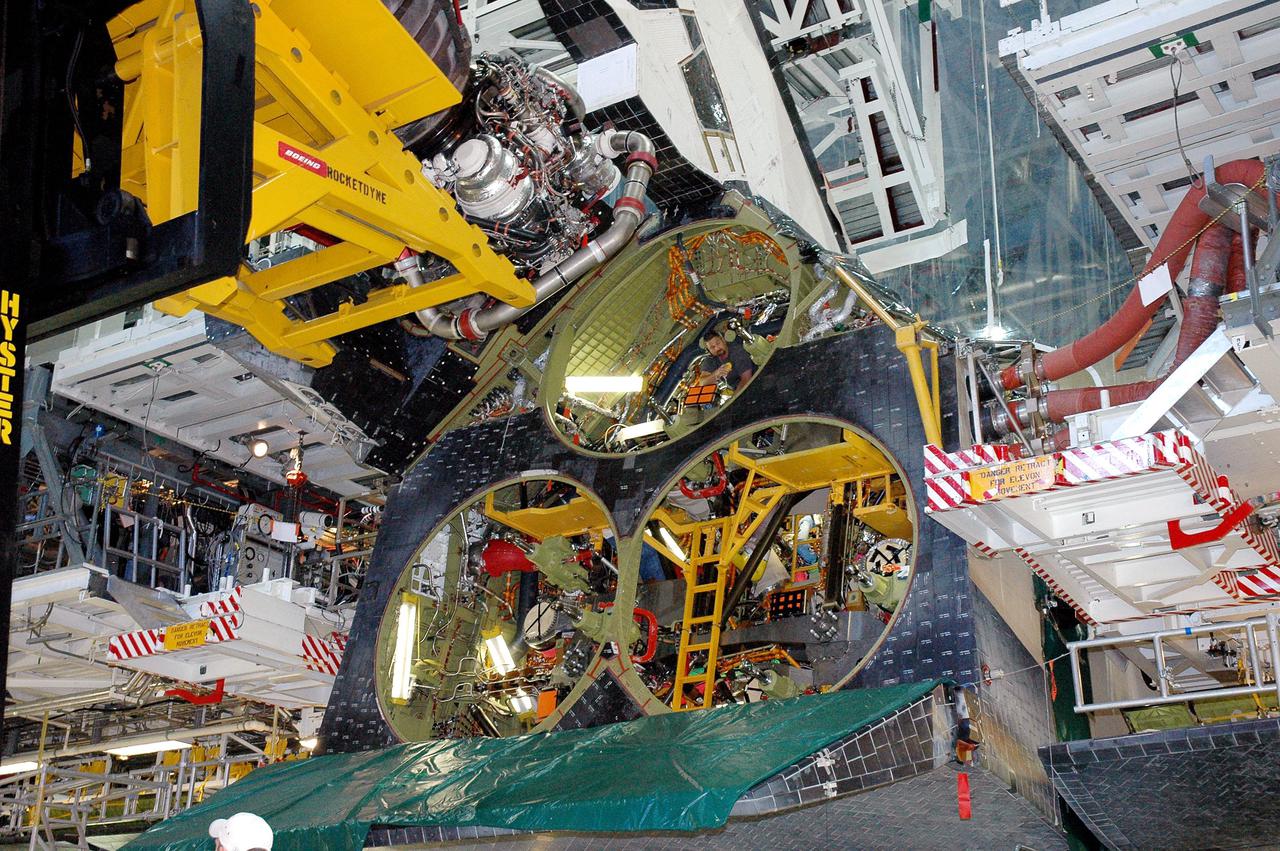
KENNEDY SPACE CENTER, FLA. - In the Orbiter Processing Facility bay 1 at NASA’s Kennedy Space Center, a worker looks out from the position number one engine opening in Atlantis as a Hyster fork lift (left) holding a Space Shuttle Main Engine (SSME) maneuvers into position for installation. Overall, an SSME weighs approximately 7,000 pounds. Three engines provide the thrust, along with the two Solid Rocket Boosters, for liftoff. After about 2 minutes, the two boosters are spent and are separated from the external tank. The SSMEs continue firing for about 8 minutes. They shut down just before the craft is inserted into orbit. The SSMEs are tested at Stennis Space Center in Mississippi. Atlantis is being processed for the second Return to Flight mission, STS-121, scheduled for launch in a window from July 12 through July 31.
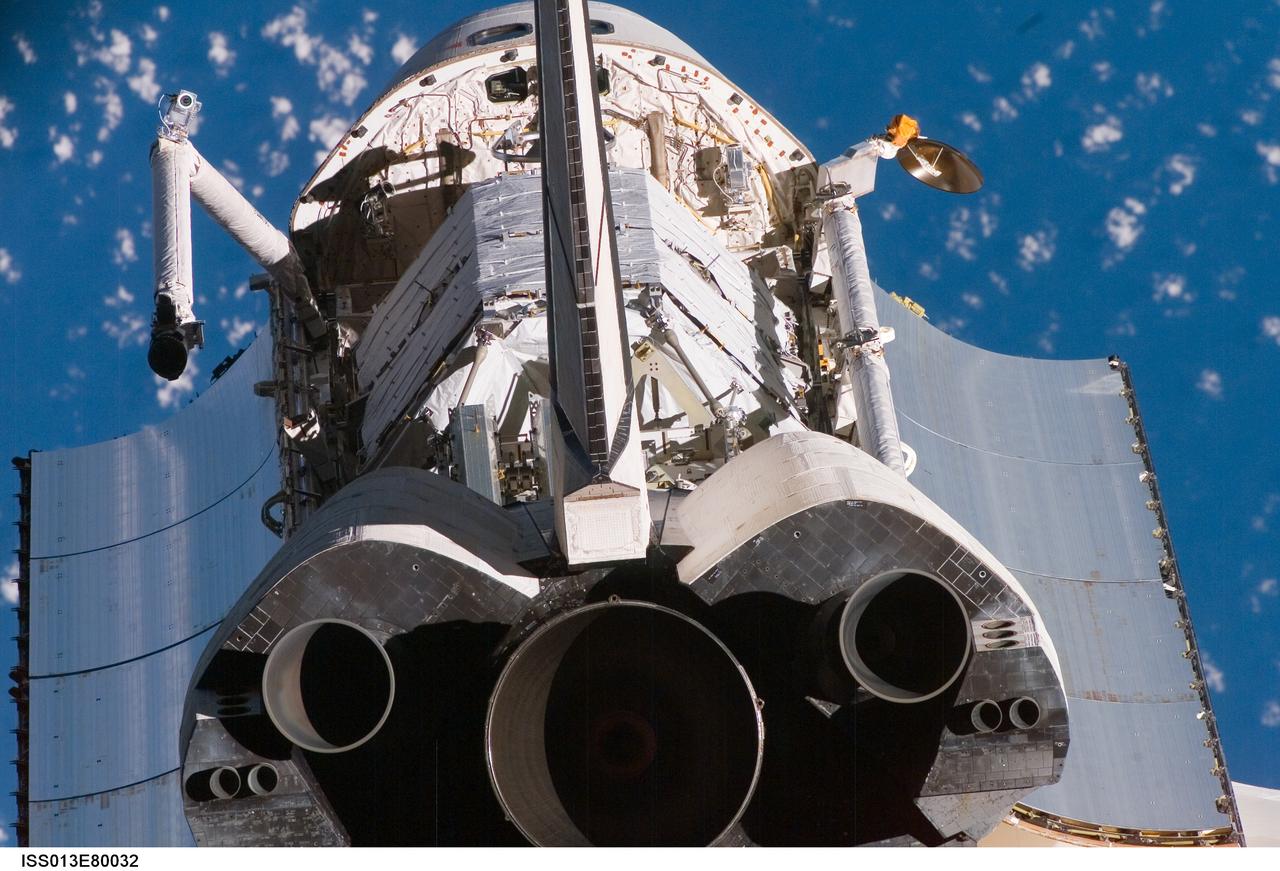
ISS013-E-80032 (11 Sept. 2006) --- A crewmember aboard the International Space Station captured this unusual angle of the Space Shuttle Atlantis with a digital still camera as the orbiter performed a backflip while it was about 600 feet from the station during its approach. The flip, done on every shuttle mission, allows a full photographic survey of the shuttle heat shield to be taken by the station crew. This image from that survey shows one of the three the main engines and extends to the shuttle's nose at the top of the frame. In between are both orbital maneuvering system (OMS) pods, part of both cargo bay doors, the aft windows of the crew cabin and part of the P3/P4 Integrated Truss Structure, the Ku-band antenna, the remote manipulator system arm and the orbiter boom sensor system (OBSS).
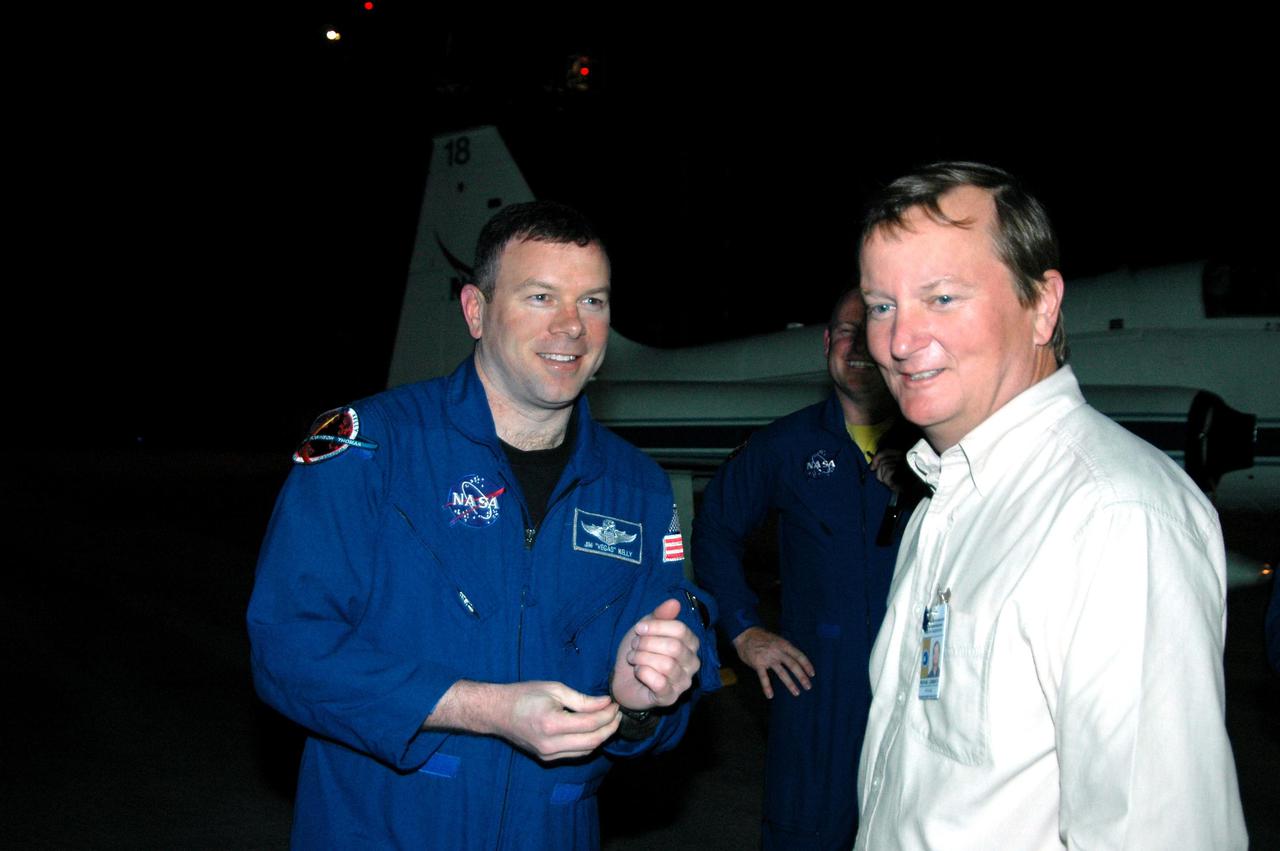
KENNEDY SPACE CENTER, FLA. - At Kennedy Space Center’s Shuttle Landing Facility, STS-114 Pilot James Kelly (left) is greeted by Shuttle Launch Director Mike Leinbach. Kelly and other crew members are taking part in the Terminal Countdown Demonstration Test (TCDT) over the next three days. The TCDT is held at KSC prior to each Space Shuttle flight. It provides the crew of each mission an opportunity to participate in simulated countdown activities. The test ends with a mock launch countdown culminating in a simulated main engine cutoff. The crew also spends time undergoing emergency egress training exercises at the launch pad. This is Kelly’s second space flight. STS-114 is the first Return to Flight mission to the International Space Station. The launch window extends July 13 through July 31.
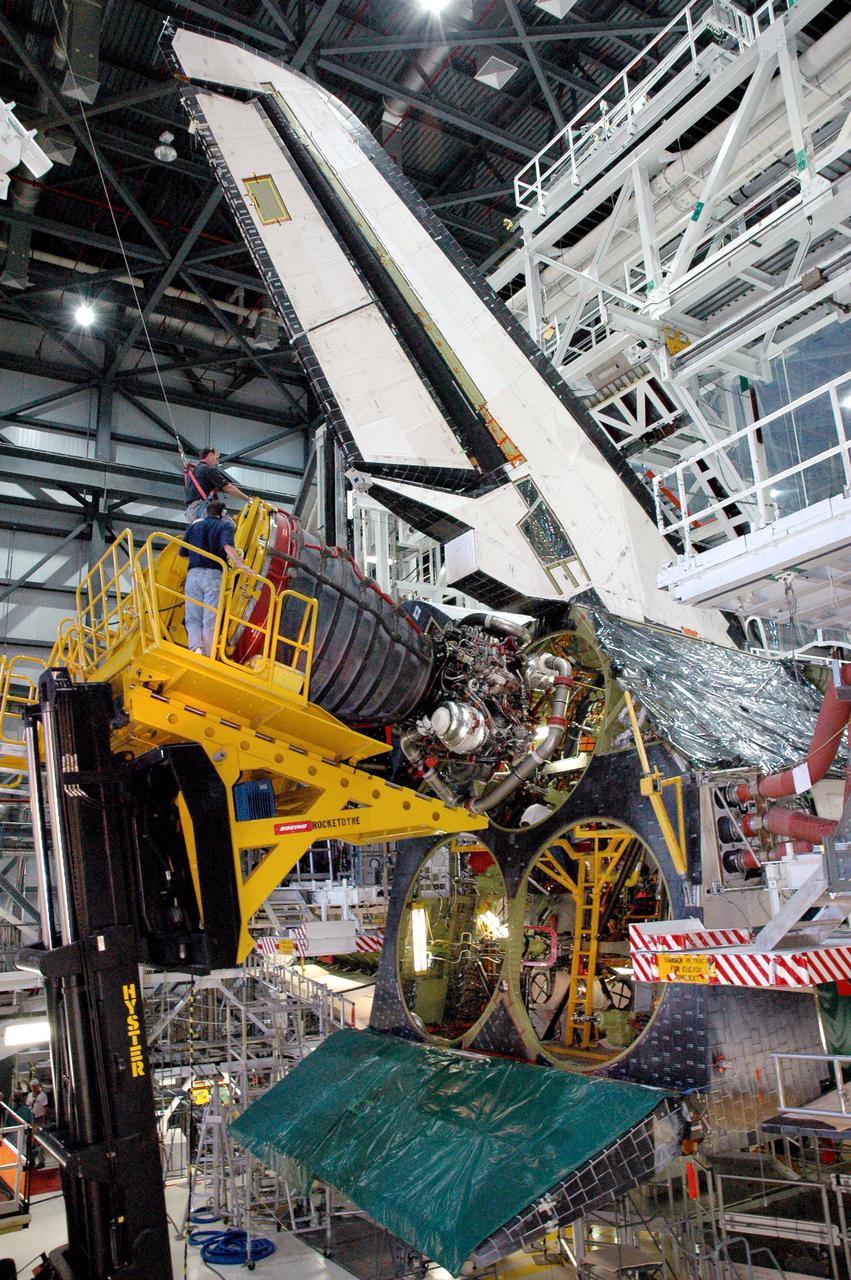
KENNEDY SPACE CENTER, FLA. - In the Orbiter Processing Facility bay 1 at NASA’s Kennedy Space Center, a Space Shuttle Main Engine (SSME), held by a Hyster fork lift, is maneuvered into place in position number one (upper chamber) in Atlantis. Overall, an SSME weighs approximately 7,000 pounds. Three engines provide the thrust, along with the two Solid Rocket Boosters, for liftoff. After about 2 minutes, the two boosters are spent and are separated from the external tank. The SSMEs continue firing for about 8 minutes. They shut down just before the craft is inserted into orbit. The SSMEs are tested at Stennis Space Center in Mississippi. Atlantis is being processed for the second Return to Flight mission, STS-121, scheduled for launch in a window from July 12 through July 31.
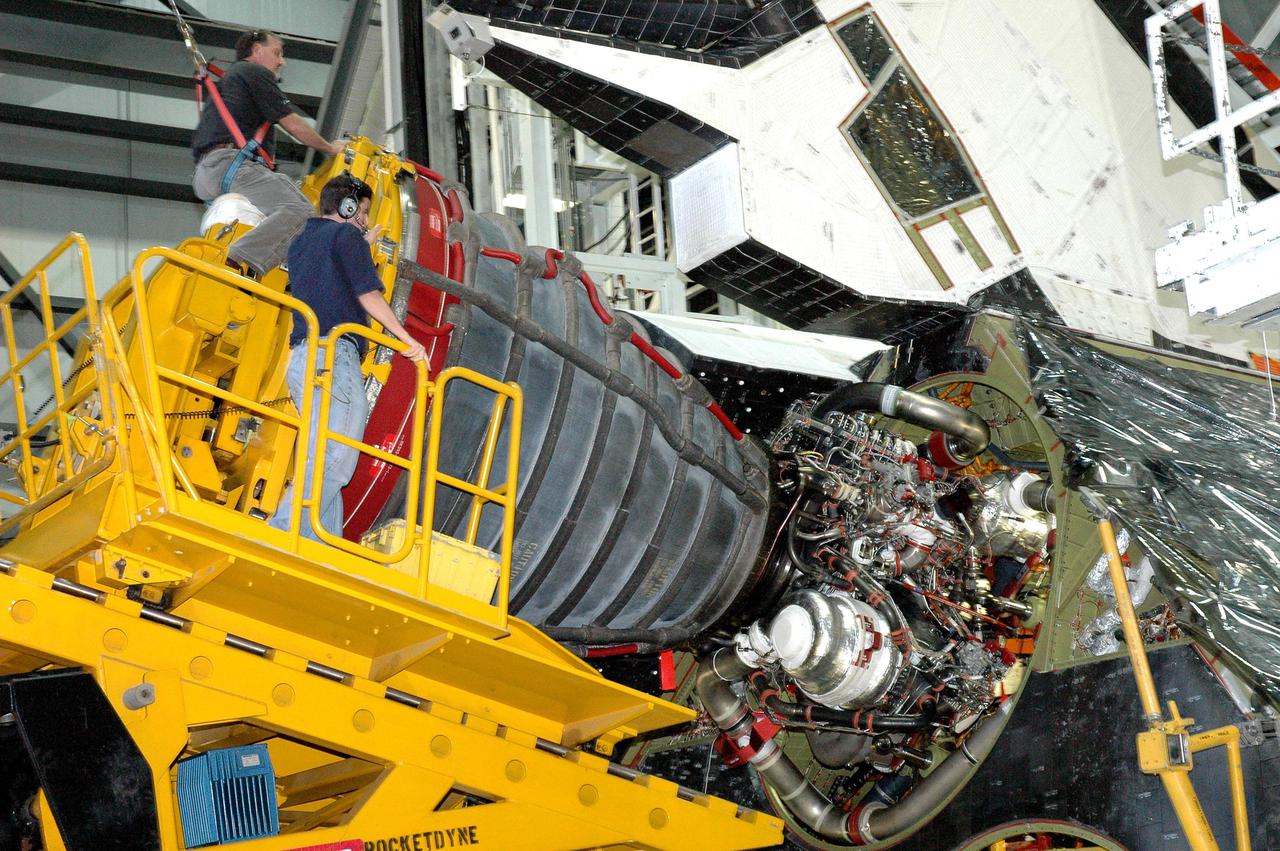
KENNEDY SPACE CENTER, FLA. - In the Orbiter Processing Facility bay 1 at NASA’s Kennedy Space Center, workers guide the Hyster fork lift close to Atlantis to install a Space Shuttle Main Engine (SSME) in position number 1 (upper chamber). Overall, an SSME weighs approximately 7,000 pounds. Three engines provide the thrust, along with the two Solid Rocket Boosters, for liftoff. After about 2 minutes, the two boosters are spent and are separated from the external tank. The SSMEs continue firing for about 8 minutes. They shut down just before the craft is inserted into orbit. The SSMEs are tested at Stennis Space Center in Mississippi. Atlantis is being processed for the second Return to Flight mission, STS-121, scheduled for launch in a window from July 12 through July 31.
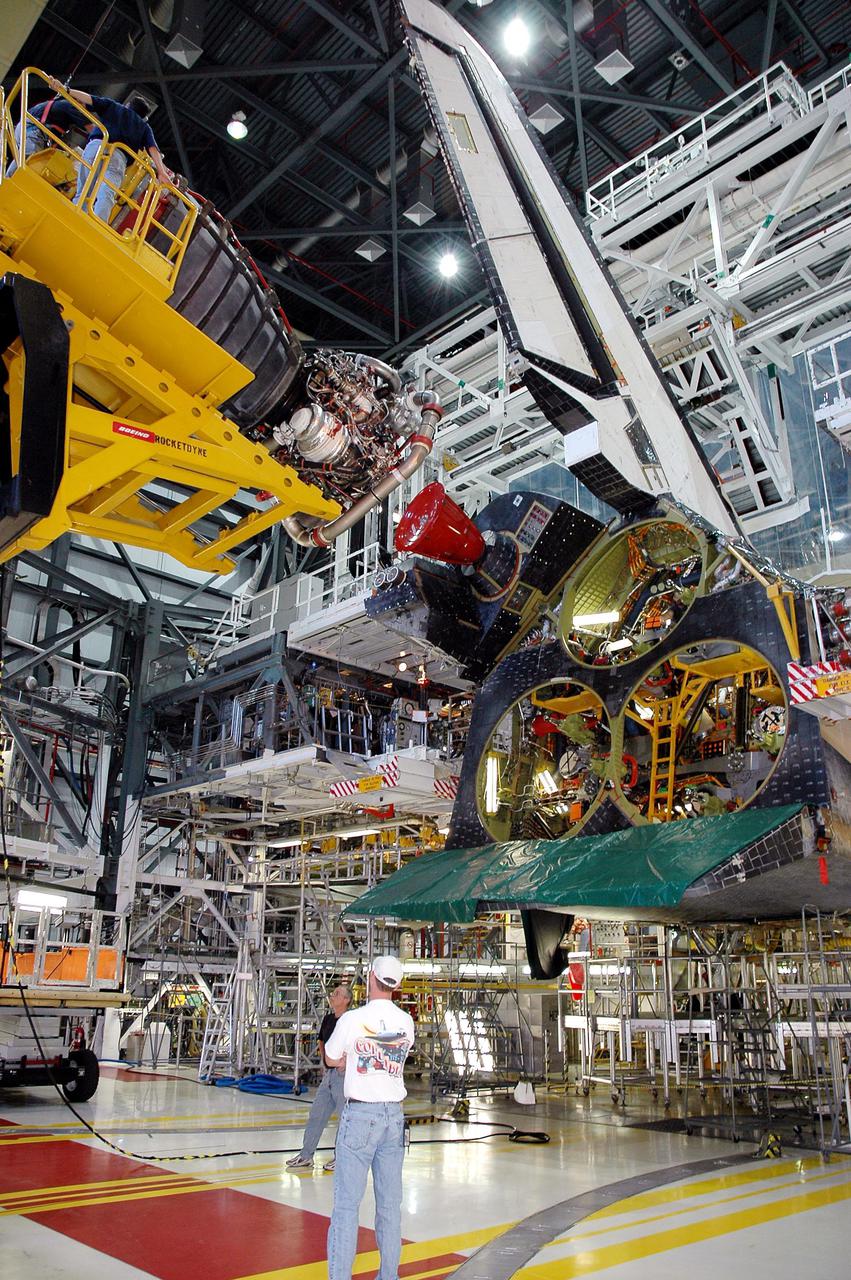
KENNEDY SPACE CENTER, FLA. - In the Orbiter Processing Facility bay 1 at NASA’s Kennedy Space Center, a Hyster fork lift (left) holding a Space Shuttle Main Engine (SSME) maneuvers into position number 1 (upper chamber) behind Atlantis for installation. Overall, an SSME weighs approximately 7,000 pounds. Three engines provide the thrust, along with the two Solid Rocket Boosters, for liftoff. After about 2 minutes, the two boosters are spent and are separated from the external tank. The SSMEs continue firing for about 8 minutes. They shut down just before the craft is inserted into orbit. The SSMEs are tested at Stennis Space Center in Mississippi. Atlantis is being processed for the second Return to Flight mission, STS-121, scheduled for launch in a window from July 12 through July 31.
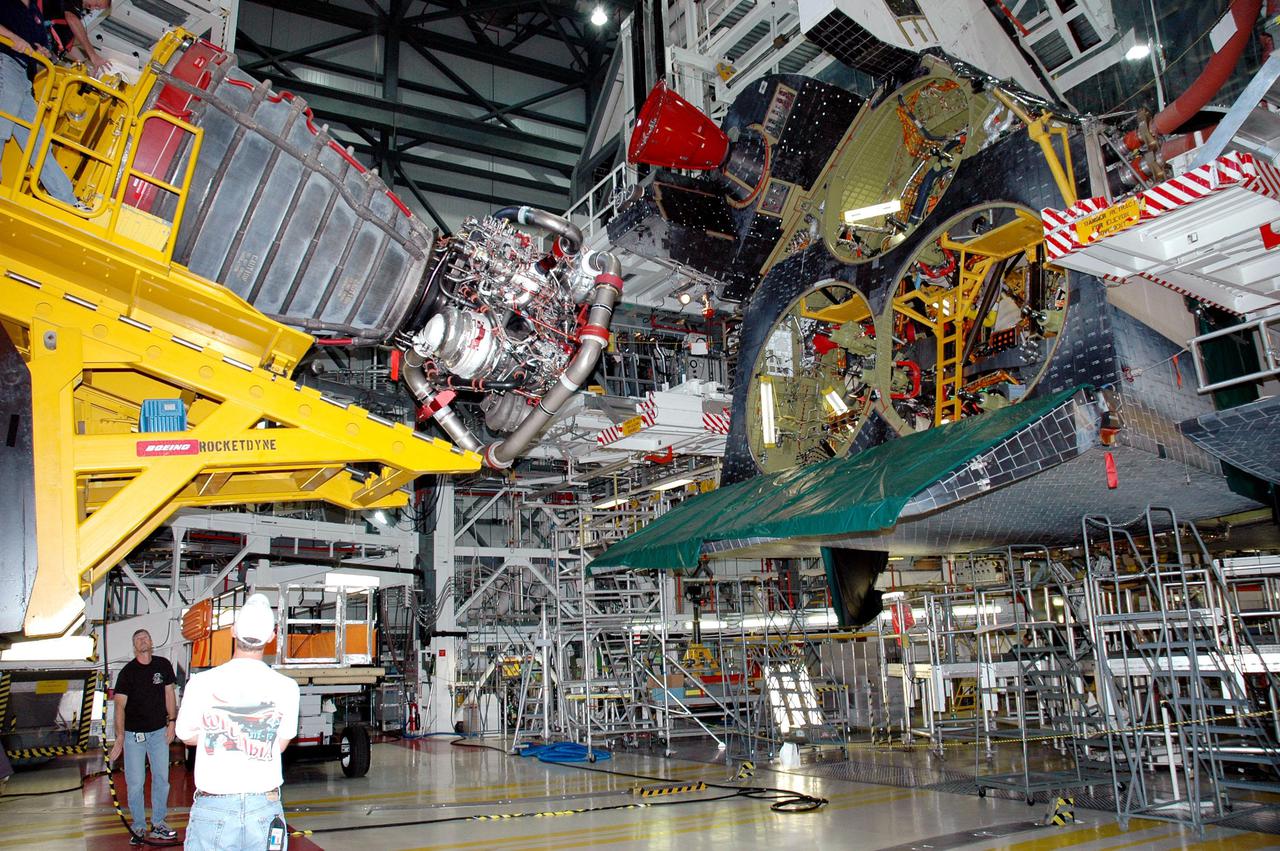
KENNEDY SPACE CENTER, FLA. - In the Orbiter Processing Facility bay 1 at NASA’s Kennedy Space Center, a Hyster fork lift (left) holding the first Space Shuttle Main Engine (SSME) maneuvers into position number 1 (upper chamber) behind Atlantis for installation. Overall, an SSME weighs approximately 7,000 pounds. Three engines provide the thrust, along with the two Solid Rocket Boosters, for liftoff. After about 2 minutes, the two boosters are spent and are separated from the external tank. The SSMEs continue firing for about 8 minutes. They shut down just before the craft is inserted into orbit. The SSMEs are tested at Stennis Space Center in Mississippi. Atlantis is being processed for the second Return to Flight mission, STS-121, scheduled for launch in a window from July 12 through July 31.
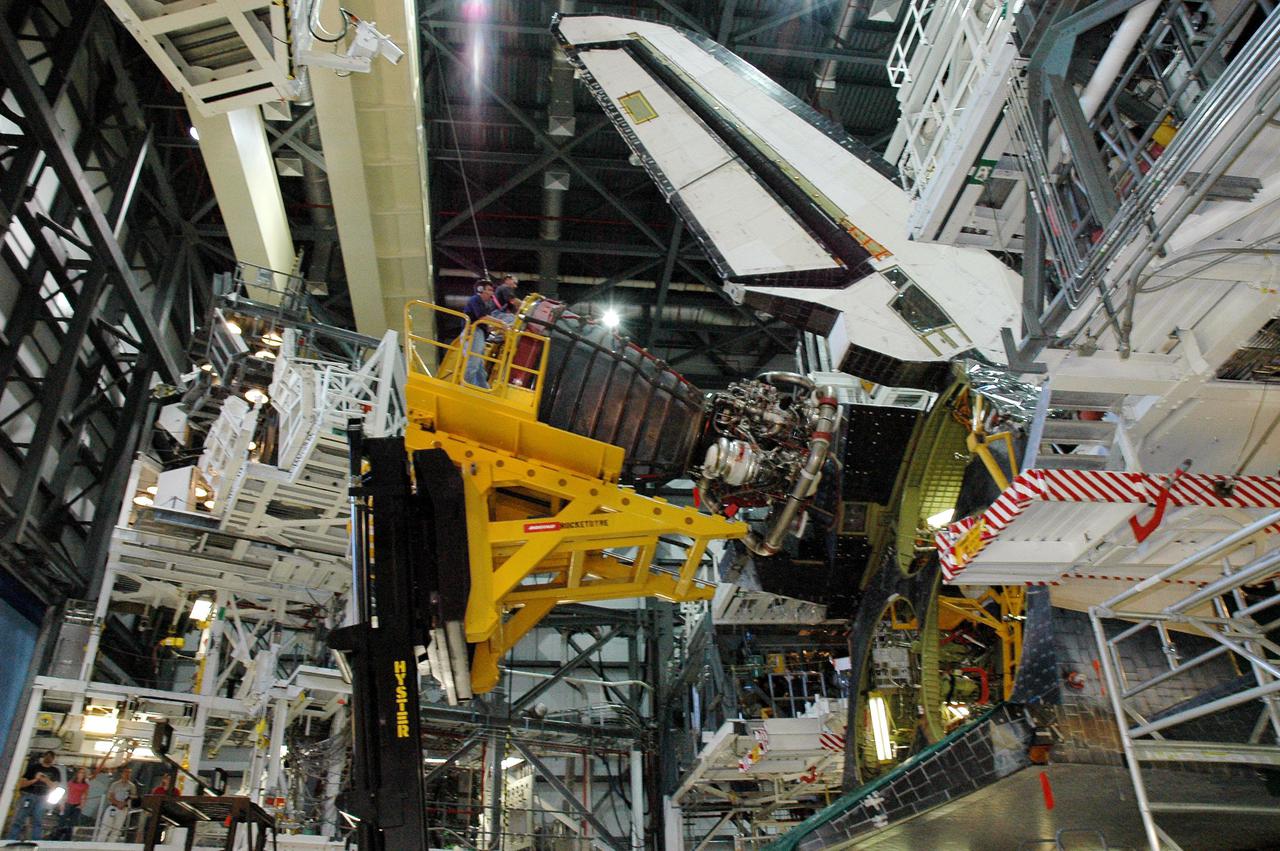
KENNEDY SPACE CENTER, FLA. - In the Orbiter Processing Facility bay 1 at NASA’s Kennedy Space Center, a Hyster fork lift (left) holding Space Shuttle Main Engine (SSME) closes in on position number 1 for installation in Atlantis. Overall, an SSME weighs approximately 7,000 pounds. Three engines provide the thrust, along with the two Solid Rocket Boosters, for liftoff. After about 2 minutes, the two boosters are spent and are separated from the external tank. The SSMEs continue firing for about 8 minutes. They shut down just before the craft is inserted into orbit. The SSMEs are tested at Stennis Space Center in Mississippi. Atlantis is being processed for the second Return to Flight mission, STS-121, scheduled for launch in a window from July 12 through July 31.
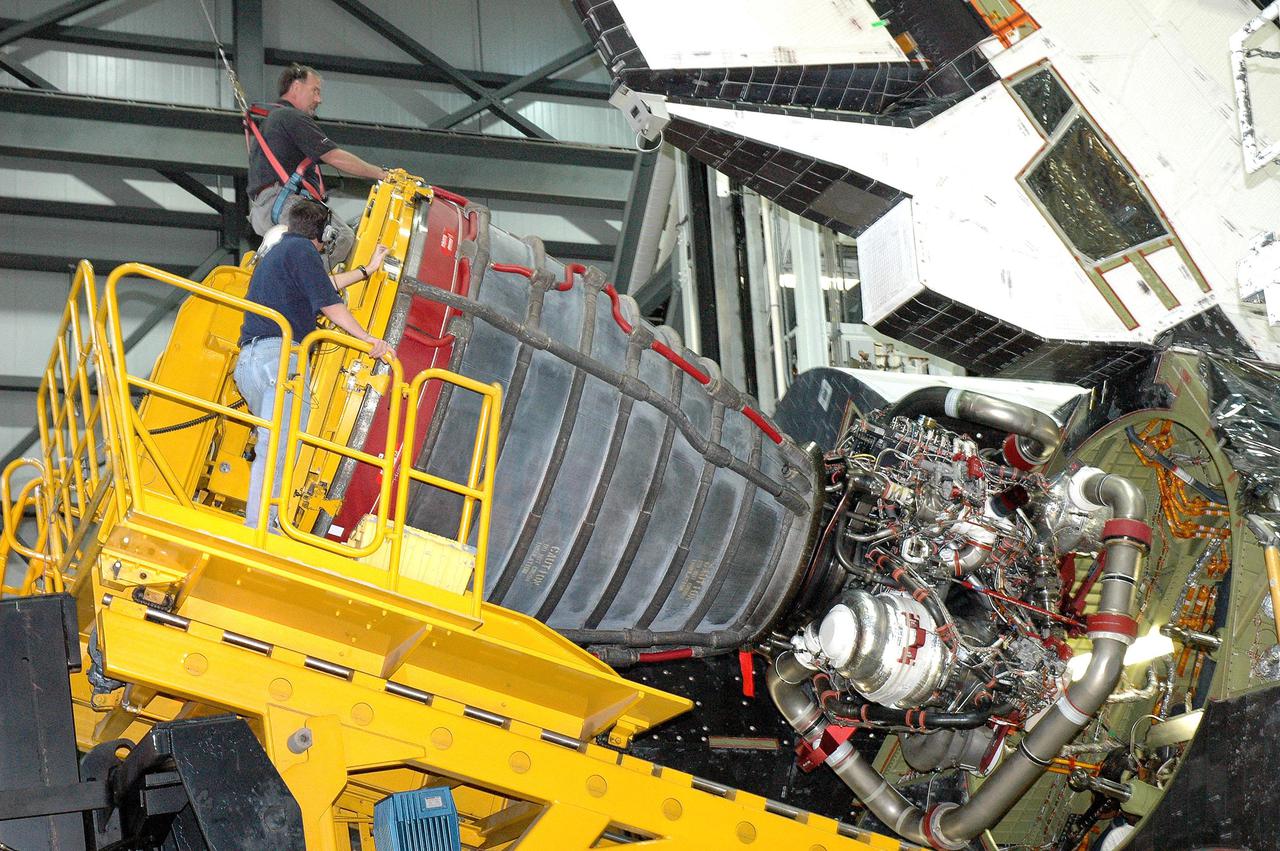
KENNEDY SPACE CENTER, FLA. - In the Orbiter Processing Facility bay 1 at NASA’s Kennedy Space Center, workers guide the Hyster fork lift close to Atlantis to install a Space Shuttle Main Engine (SSME) in position number one (upper chamber). Overall, an SSME weighs approximately 7,000 pounds. Three engines provide the thrust, along with the two Solid Rocket Boosters, for liftoff. After about 2 minutes, the two boosters are spent and are separated from the external tank. The SSMEs continue firing for about 8 minutes. They shut down just before the craft is inserted into orbit. The SSMEs are tested at Stennis Space Center in Mississippi. Atlantis is being processed for the second Return to Flight mission, STS-121, scheduled for launch in a window from July 12 through July 31.
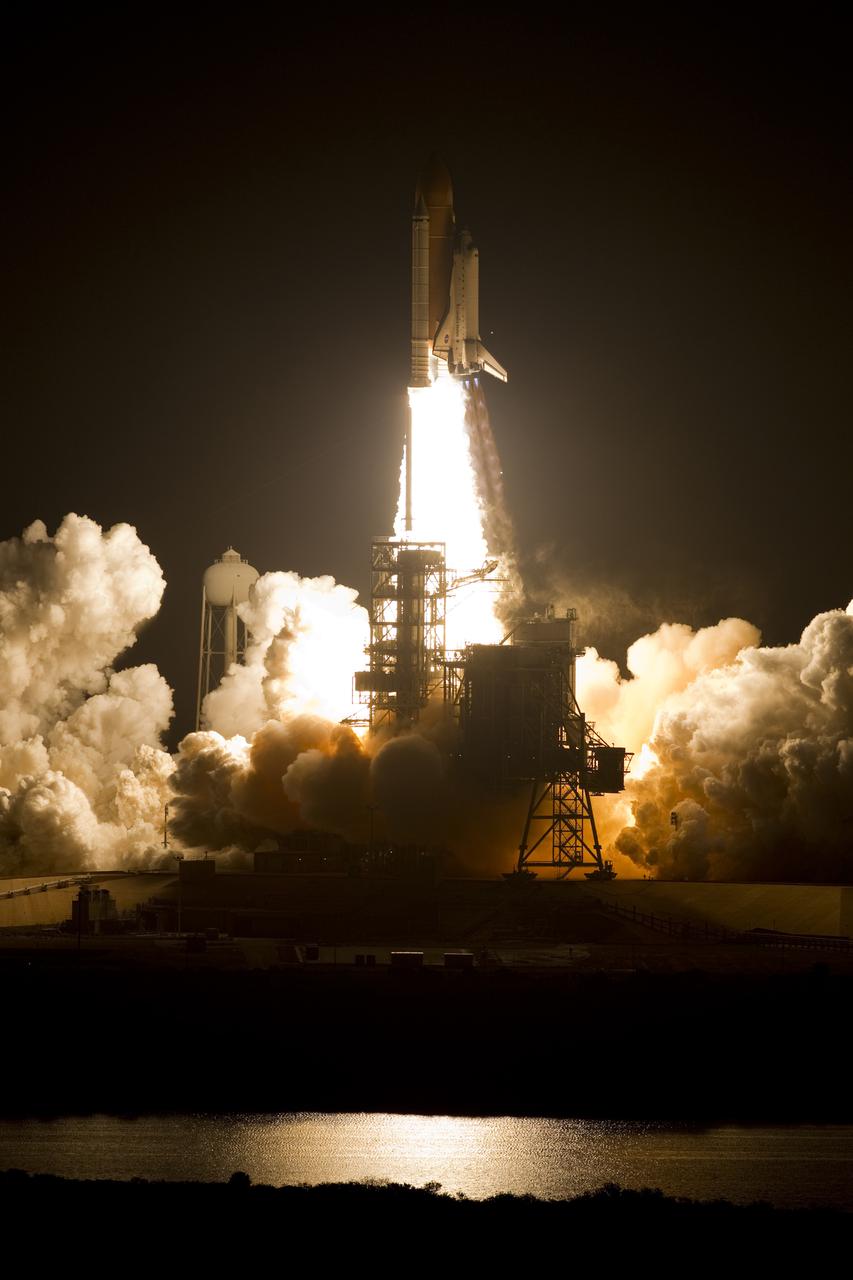
CAPE CANAVERAL, Fla. - Propelled by an estimated 7 million pounds of thrust from two solid rocket boosters and three main engines, space shuttle Endeavour blazes a path to orbit from Launch Pad 39A at NASA's Kennedy Space Center in Florida. Launch of the STS-130 mission to the International Space Station was at 4:14 a.m. EST. This was the second launch attempt for space shuttle Endeavour's STS-130 crew and the final scheduled space shuttle night launch. The first attempt on Feb. 7 was scrubbed due to unfavorable weather. The primary payload for the STS-130 mission to the International Space Station is the Tranquility node, a pressurized module that will provide additional room for crew members and many of the station's life support and environmental control systems. Attached to one end of Tranquility is a cupola, a unique work area with six windows on its sides and one on top. The cupola resembles a circular bay window and will provide a vastly improved view of the station's exterior. The multi-directional view will allow the crew to monitor spacewalks and docking operations, as well as provide a spectacular view of Earth and other celestial objects. The module was built in Turin, Italy, by Thales Alenia Space for the European Space Agency. For information on the STS-130 mission and crew, visit http:__www.nasa.gov_mission_pages_shuttle_shuttlemissions_sts130_index.html. Photo courtesy of Scott Andrews
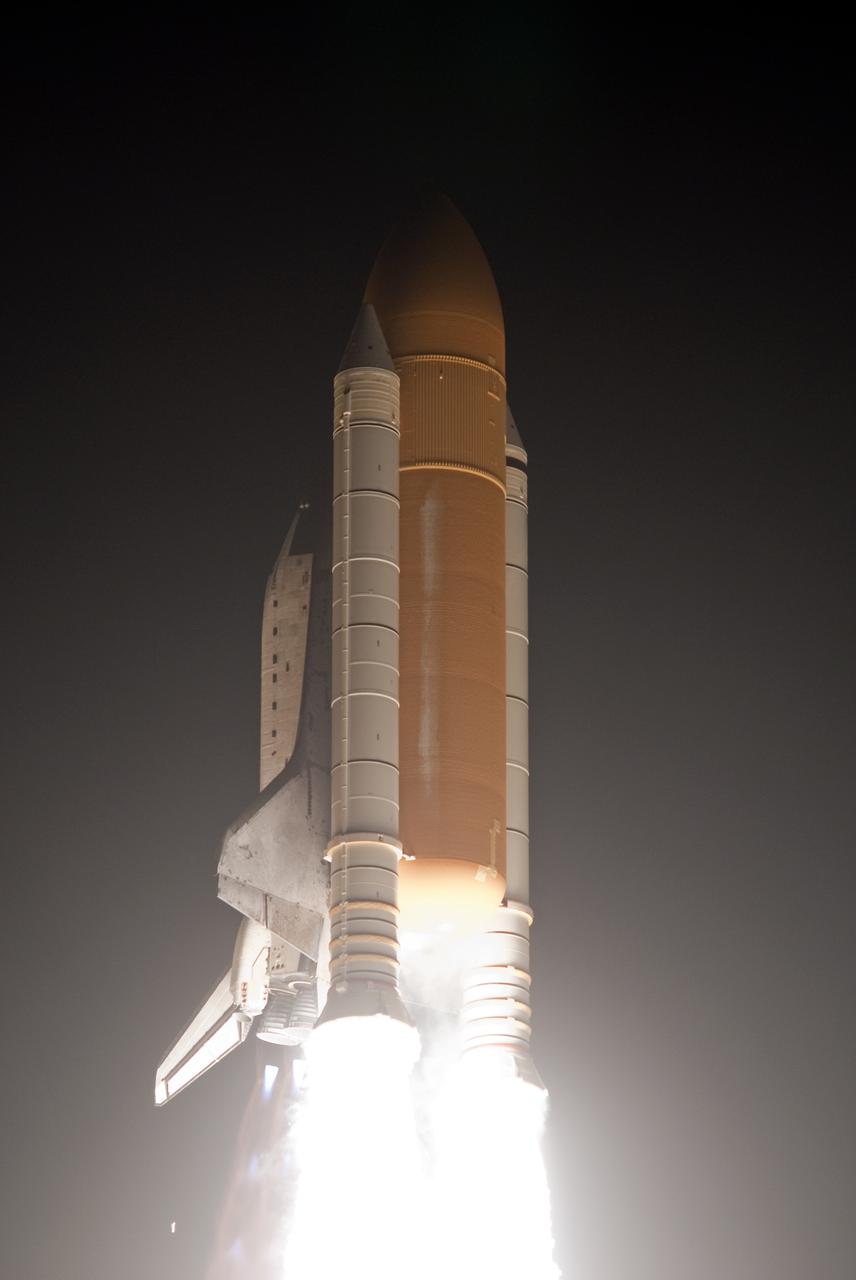
CAPE CANAVERAL, Fla. - Propelled by an estimated 7 million pounds of thrust from two solid rocket boosters and three main engines, space shuttle Endeavour races to orbit from Launch Pad 39A at NASA's Kennedy Space Center in Florida. Launch of the STS-130 mission to the International Space Station was at 4:14 a.m. EST. This was the second launch attempt for space shuttle Endeavour's STS-130 crew and the final scheduled space shuttle night launch. The first attempt on Feb. 7 was scrubbed due to unfavorable weather. The primary payload for the STS-130 mission to the International Space Station is the Tranquility node, a pressurized module that will provide additional room for crew members and many of the station's life support and environmental control systems. Attached to one end of Tranquility is a cupola, a unique work area with six windows on its sides and one on top. The cupola resembles a circular bay window and will provide a vastly improved view of the station's exterior. The multi-directional view will allow the crew to monitor spacewalks and docking operations, as well as provide a spectacular view of Earth and other celestial objects. The module was built in Turin, Italy, by Thales Alenia Space for the European Space Agency. For information on the STS-130 mission and crew, visit http:__www.nasa.gov_mission_pages_shuttle_shuttlemissions_sts130_index.html. Photo credit: NASA_Michael Gayle and Rusty Backer
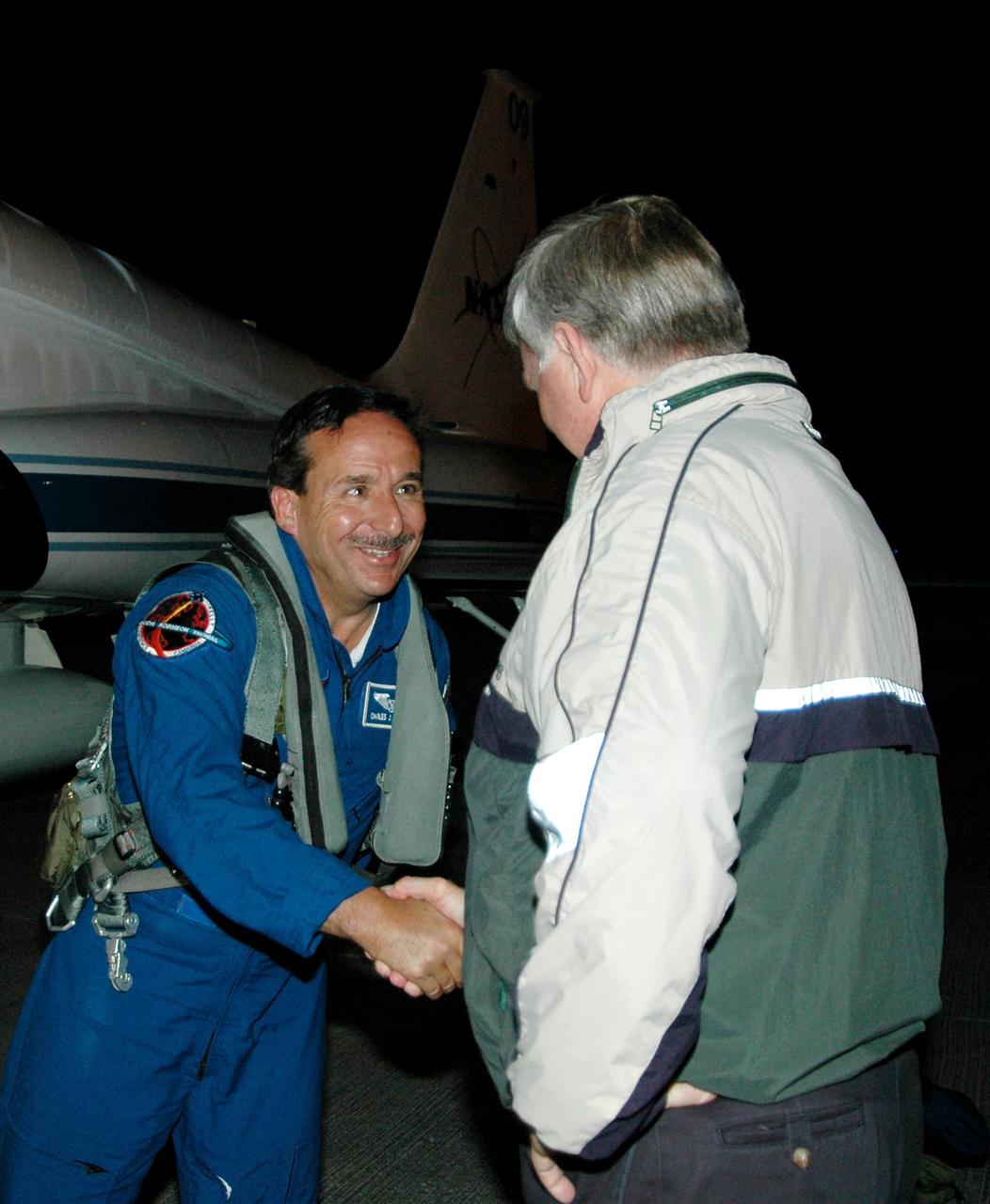
KENNEDY SPACE CENTER, FLA. - At Kennedy Space Center’s Shuttle Landing Facility, STS-114 Mission Specialist Charles Camarda (left) is greeted by Center Director Jim Kennedy. Camarda and other crew members are taking part in the Terminal Countdown Demonstration Test (TCDT) over the next three days. The TCDT is held at KSC prior to each Space Shuttle flight. It provides the crew of each mission an opportunity to participate in simulated countdown activities. The test ends with a mock launch countdown culminating in a simulated main engine cutoff. The crew also spends time undergoing emergency egress training exercises at the launch pad. This is Camarda’s first space flight. STS-114 is the first Return to Flight mission to the International Space Station. The launch window extends July 13 through July 31.
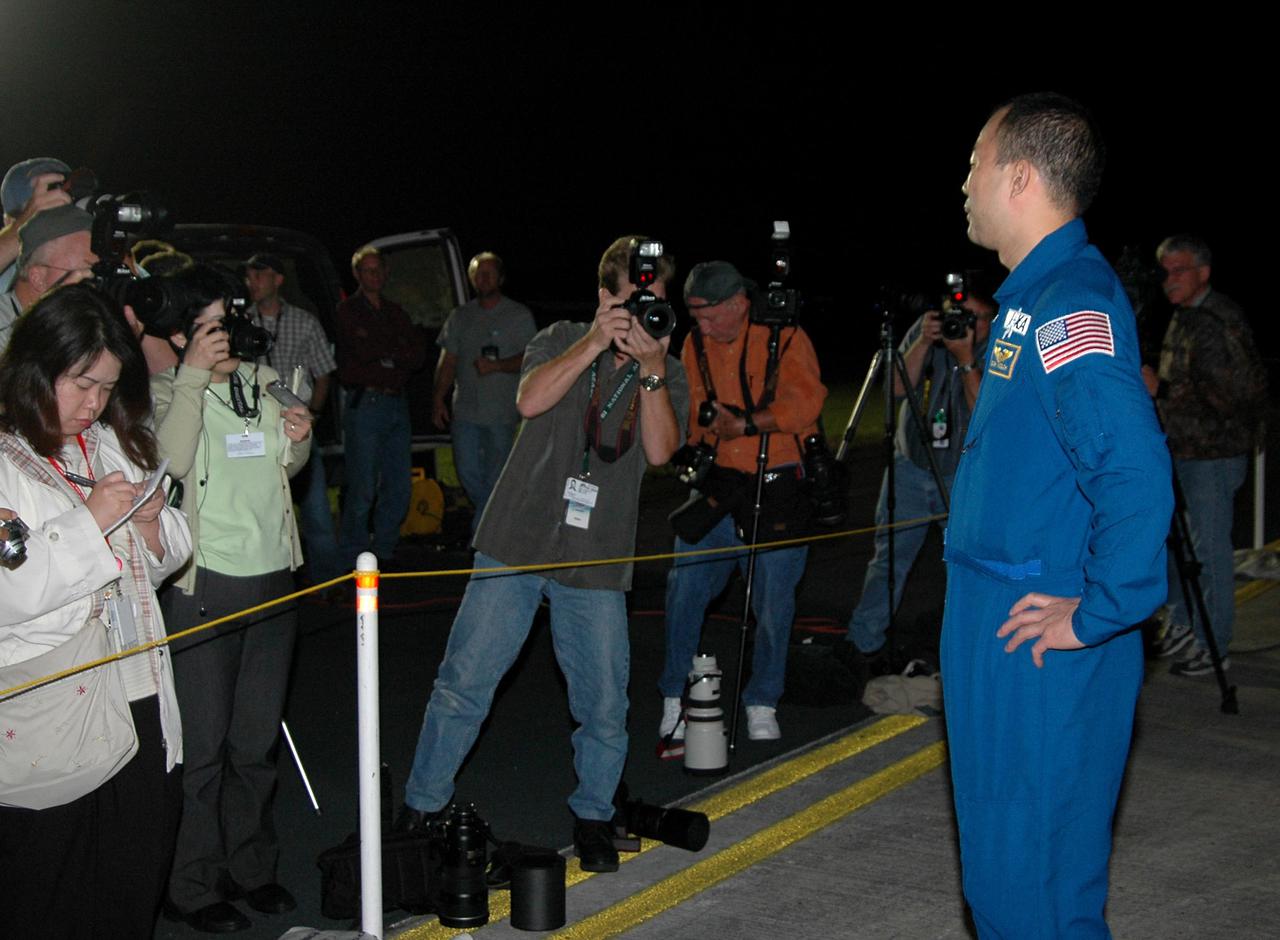
KENNEDY SPACE CENTER, FLA. - After arriving at Kennedy Space Center’s Shuttle Landing Facility, STS-114 Mission Specialist Soichi Noguchi talks to the media. Noguchi is with the Japan Aerospace Exploration Agency. He and other crew members are taking part in the Terminal Countdown Demonstration Test (TCDT) over the next three days. The TCDT is held at KSC prior to each Space Shuttle flight. It provides the crew of each mission an opportunity to participate in simulated countdown activities. The test ends with a mock launch countdown culminating in a simulated main engine cutoff. The crew also spends time undergoing emergency egress training exercises at the launch pad. This is Noguchi’s first space flight. STS-114 is the first Return to Flight mission to the International Space Station. The launch window extends July 13 through July 31.
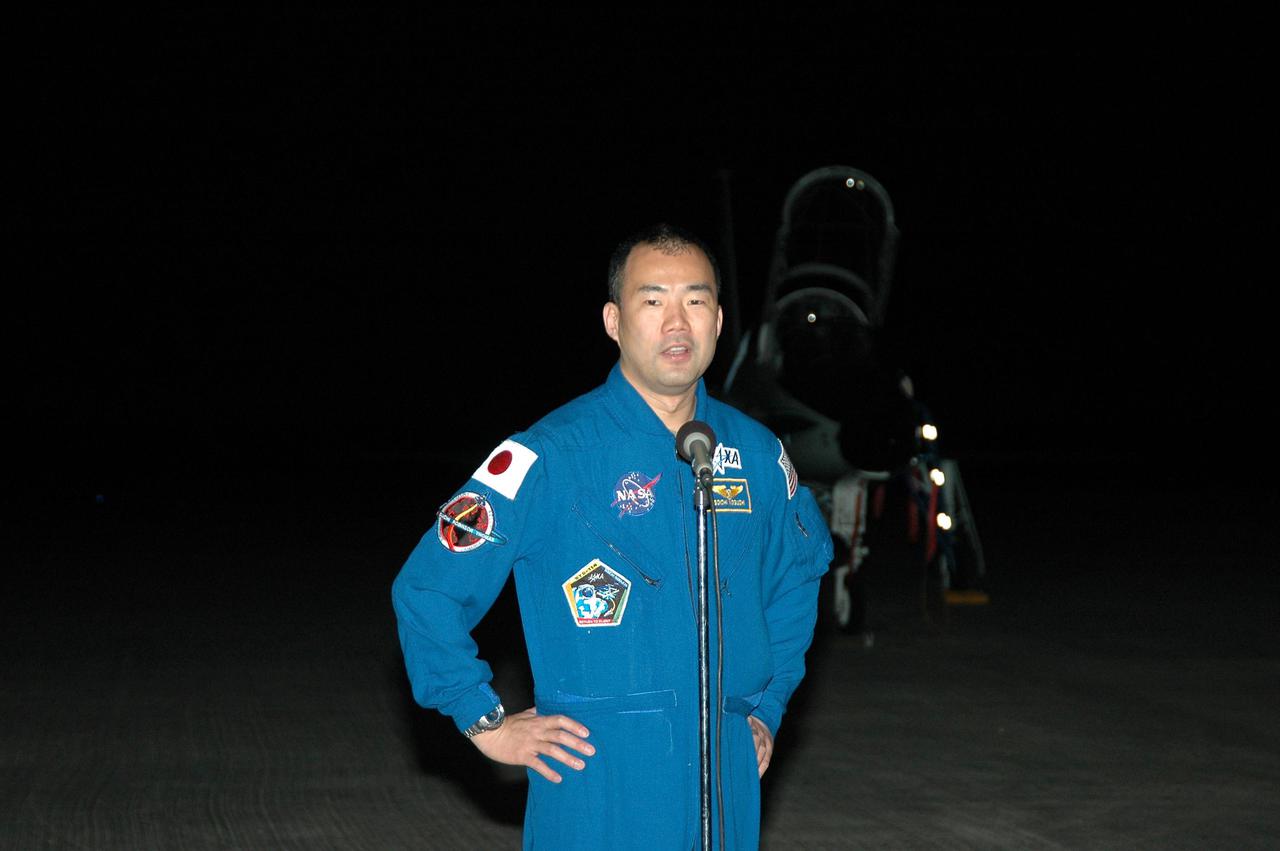
KENNEDY SPACE CENTER, FLA. - After arriving at Kennedy Space Center’s Shuttle Landing Facility, STS-114 Mission Specialist Soichi Noguchi talks to the media. Noguchi is with the Japan Aerospace Exploration Agency. He and other crew members are taking part in the Terminal Countdown Demonstration Test (TCDT) over the next three days. The TCDT is held at KSC prior to each Space Shuttle flight. It provides the crew of each mission an opportunity to participate in simulated countdown activities. The test ends with a mock launch countdown culminating in a simulated main engine cutoff. The crew also spends time undergoing emergency egress training exercises at the launch pad. This is Noguchi’s first space flight. STS-114 is the first Return to Flight mission to the International Space Station. The launch window extends July 13 through July 31.
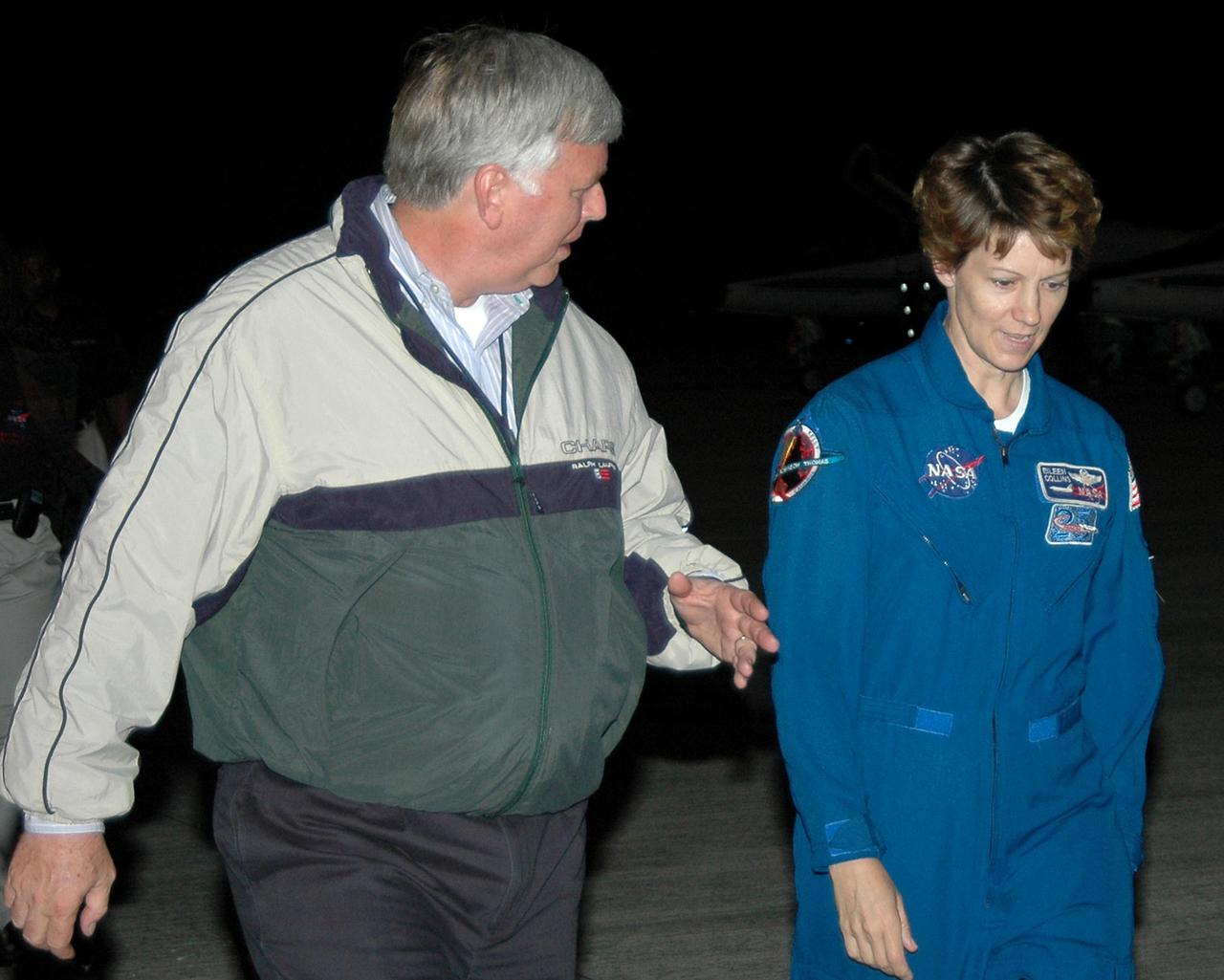
KENNEDY SPACE CENTER, FLA. - At Kennedy Space Center’s Shuttle Landing Facility, Center Director Jim Kennedy talks with STS-114 Commander Eileen Collins after her arrival. She and the rest of the crew are at KSC to take part in the Terminal Countdown Demonstration Test (TCDT) over the next three days. The TCDT is held at KSC prior to each Space Shuttle flight. It provides the crew of each mission an opportunity to participate in simulated countdown activities. The test ends with a mock launch countdown culminating in a simulated main engine cutoff. The crew also spends time undergoing emergency egress training exercises at the launch pad. This is Collins’ fourth space flight and second as commander. STS-114 is the first Return to Flight mission to the International Space Station. The launch window extends July 13 through July 31.
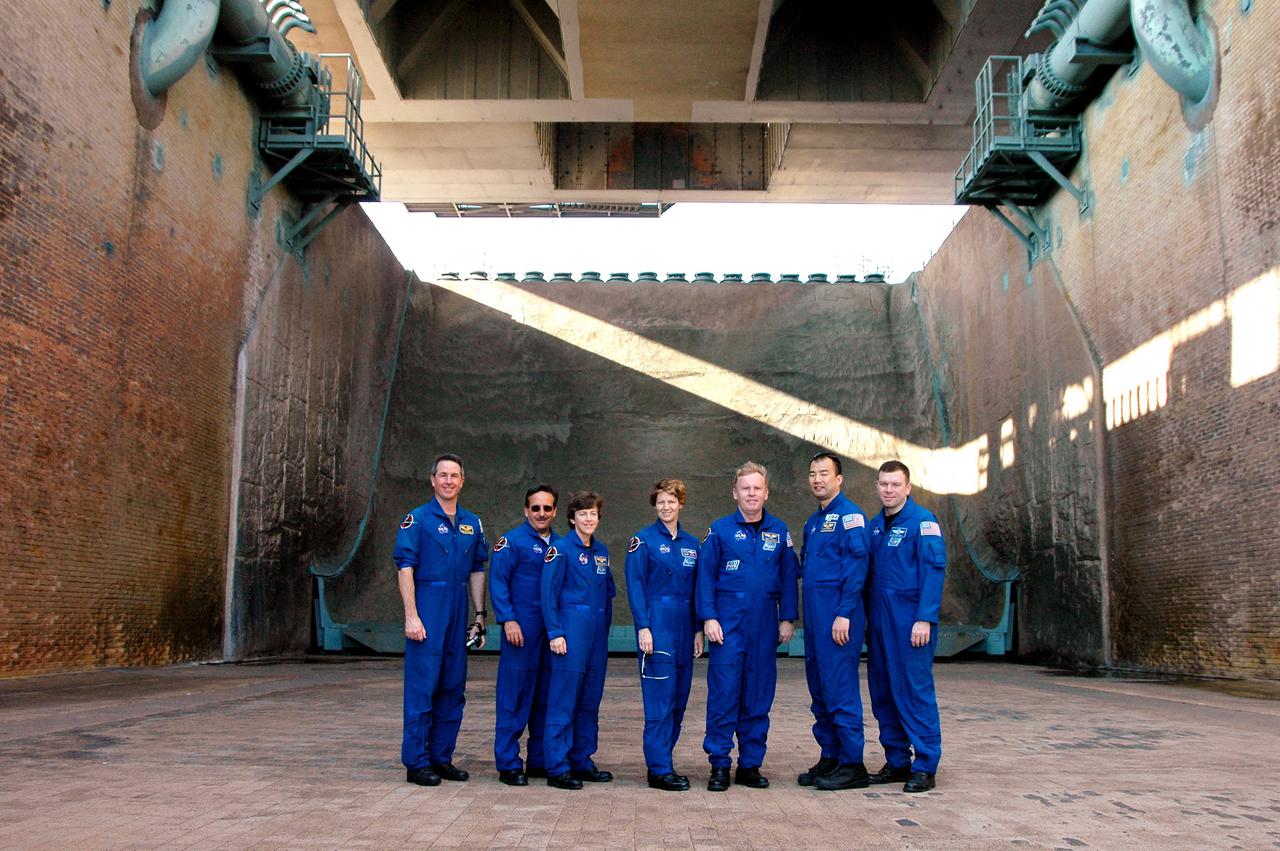
KENNEDY SPACE CENTER, FLA. - During a walkdown of Launch Pad 39B, the STS-114 crew pauses for a photograph in the flame trench underneath the pad. The flame trench, built with concrete and refractory brick, bisects the pad at ground level. It is 490 feet long, 58 feet wide and 42 feet deep. The flame deflector system includes an inverted, V-shaped steel structure covered with a high-temperature concrete material five inches thick that extends across the center of the flame trench. One side of the “V” receives and deflects the flames from the Orbiter main engines; the opposite side deflects the flames from the Solid Rocket Boosters. There are also two movable deflectors at the top of the trench to provide additional protection to Shuttle hardware from the Solid Rocket Booster flames. STS-114 is designated the first Return to Flight mission, with a launch window extending from July 13 to July 31. The crew is at KSC for Terminal Countdown Demonstration Test (TCDT) activities. The TCDT is held at KSC prior to each Space Shuttle flight. It provides the crew of each mission an opportunity to participate in simulated countdown activities. The test ends with a mock launch countdown culminating in a simulated main engine cutoff. The crew also spends time undergoing emergency egress training exercises at the launch pad.
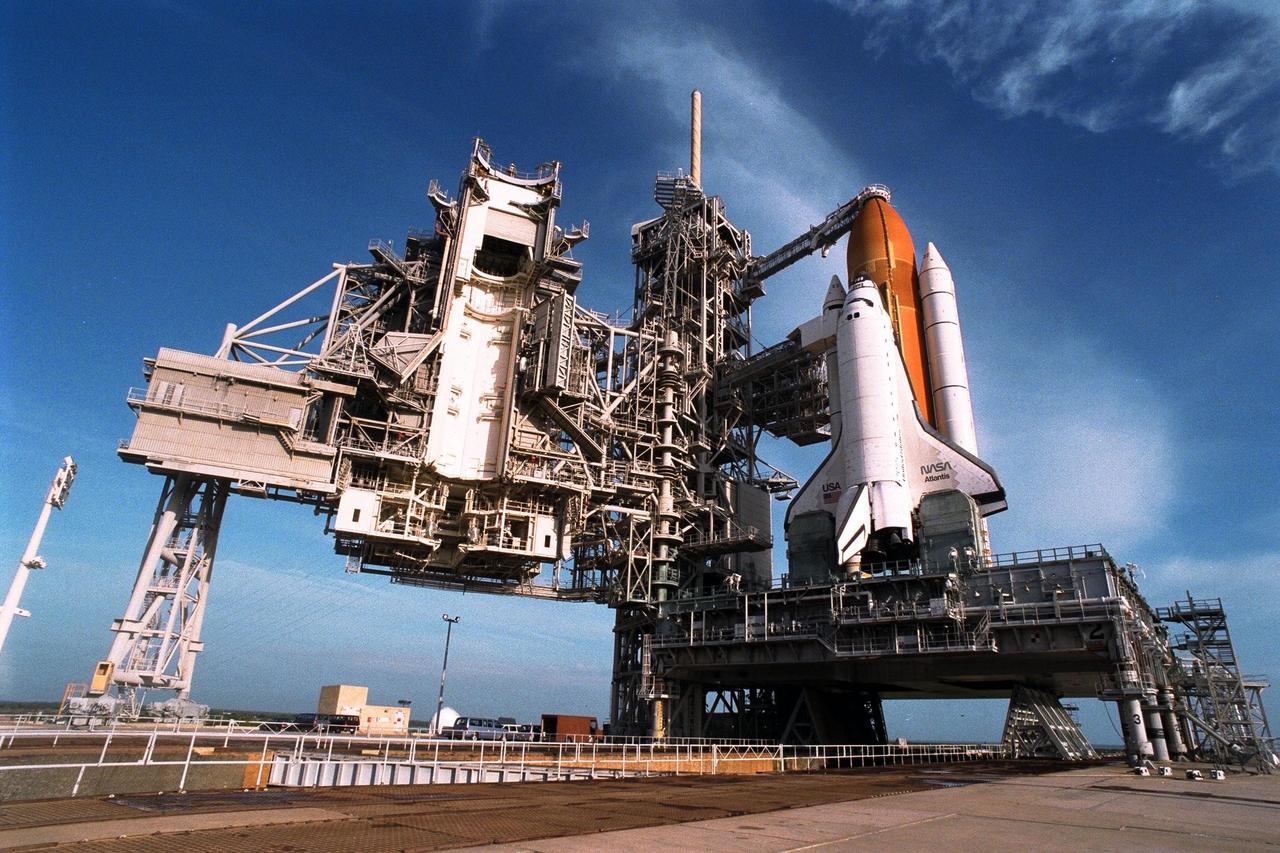
With the Rotating Service Structure rolled back, at left, the Space Shuttle Atlantis undergoes final prelaunch preparations at Launch Pad 39A for the STS-86 mission. One of the final steps will be to load the external tank with approximately 500,000 gallons of liquid hydrogen and liquid oxygen for fueling the orbiter’s three main engines. STS-86 is slated to be the seventh docking of the Space Shuttle with the Russian Space Station Mir. Liftoff is targeted for Sept. 25 at 10:34 p.m. EDT during a preferred launch window which lasts six minutes and 45 seconds. Seven crew members will lift off for the scheduled 10-day flight. One of those crew members, David A. Wolf, will transfer to the Mir for an approximate four-month stay. He will replace U.S. astronaut C. Michael Foale, who will return to Earth with the remainder of the STS86 crew. Foale has been on the Russian space station since mid-May
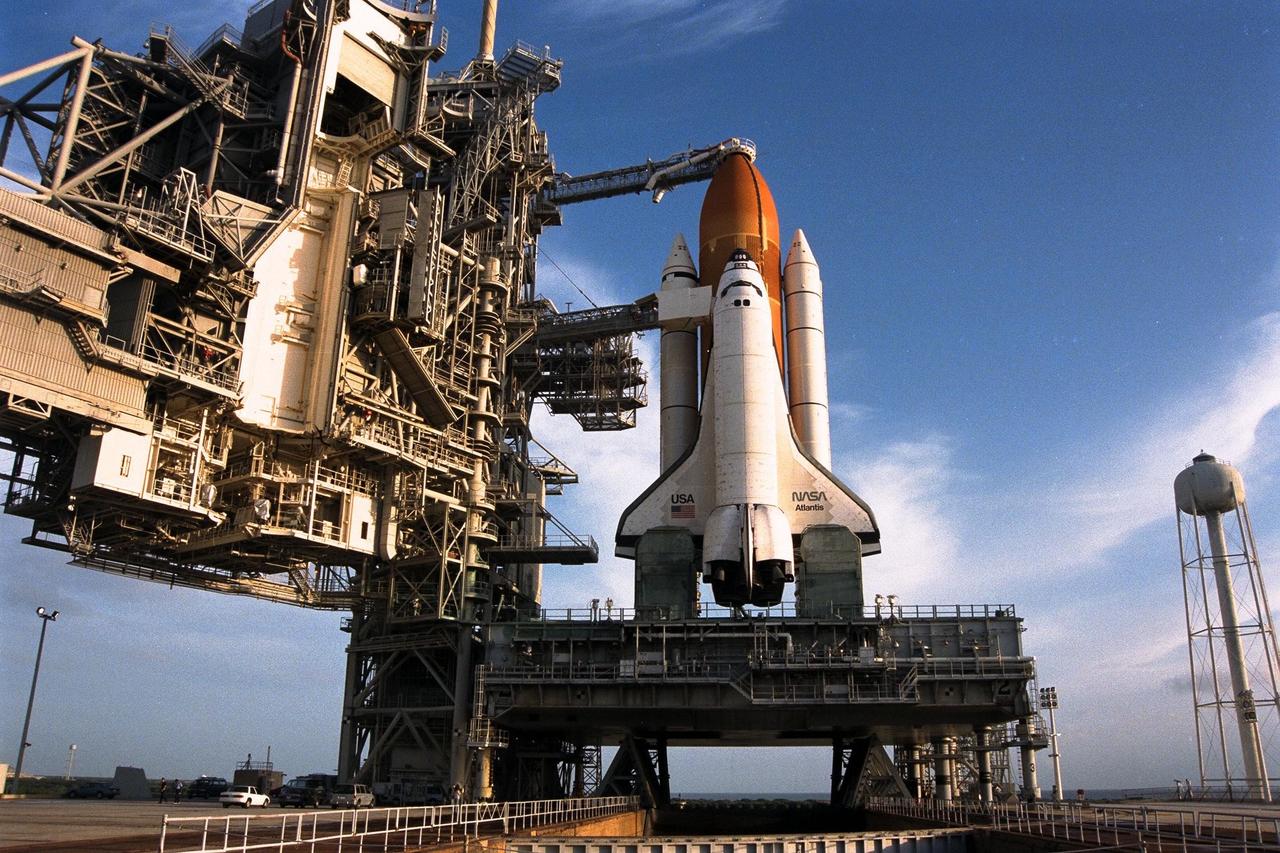
With the Rotating Service Structure rolled back, at left, the Space Shuttle Atlantis undergoes final prelaunch preparations at Launch Pad 39A for the STS-86 mission. One of the final steps will be to load the external tank with approximately 500,000 gallons of liquid hydrogen and liquid oxygen for fueling the orbiter’s three main engines. STS-86 is slated to be the seventh docking of the Space Shuttle with the Russian Space Station Mir. Liftoff is targeted for Sept. 25 at 10:34 p.m. EDT during a preferred launch window which lasts six minutes and 45 seconds. Seven crew members will lift off for the scheduled 10-day flight. One of those crew members, David A. Wolf, will transfer to the Mir for an approximate four-month stay. He will replace U.S. astronaut C. Michael Foale, who will return to Earth with the remainder of the STS86 crew. Foale has been on the Russian space station since mid-May
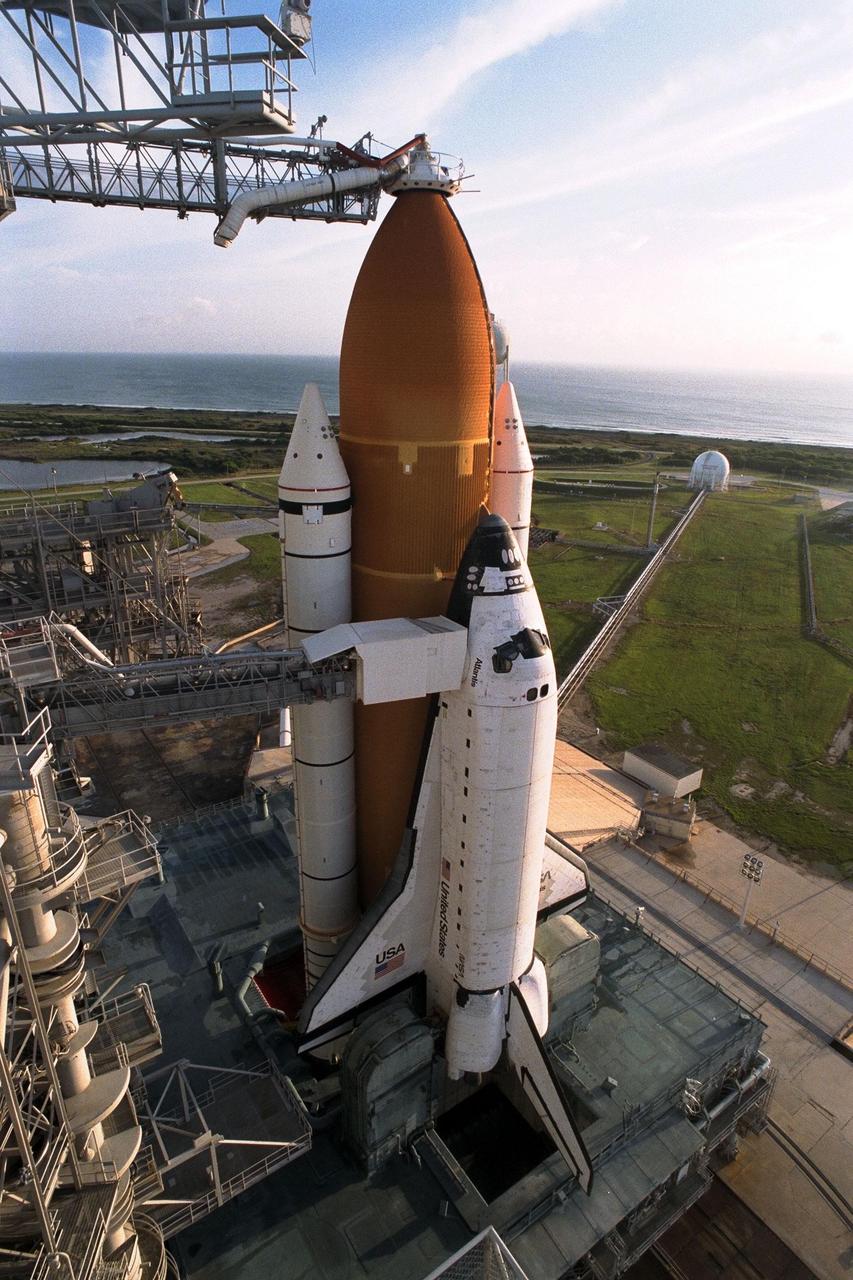
The Space Shuttle Atlantis is poised for liftoff on the STS-86 mission from Launch Pad 39A. Now that the Rotating Service Structure is rolled back, one of the final prelaunch milestones will be the loading of the external tank with approximately 500,000 gallons of liquid hydrogen and liquid oxygen to fuel the three main engines. STS-86 is slated to be the seventh docking of the Space Shuttle with the Russian Space Station Mir. Liftoff is targeted for Sept. 25 at 10:34 p.m. EDT during a preferred launch window which lasts six minutes and 45 seconds. Seven crew members will lift off for the scheduled 10-day flight. One of those crew members, David A. Wolf, will transfer to the Mir for an approximate four-month stay. He will replace U.S. astronaut C. Michael Foale, who will return to Earth with the remainder of the STS-86 crew. Foale has been on the Russian space station since mid-May
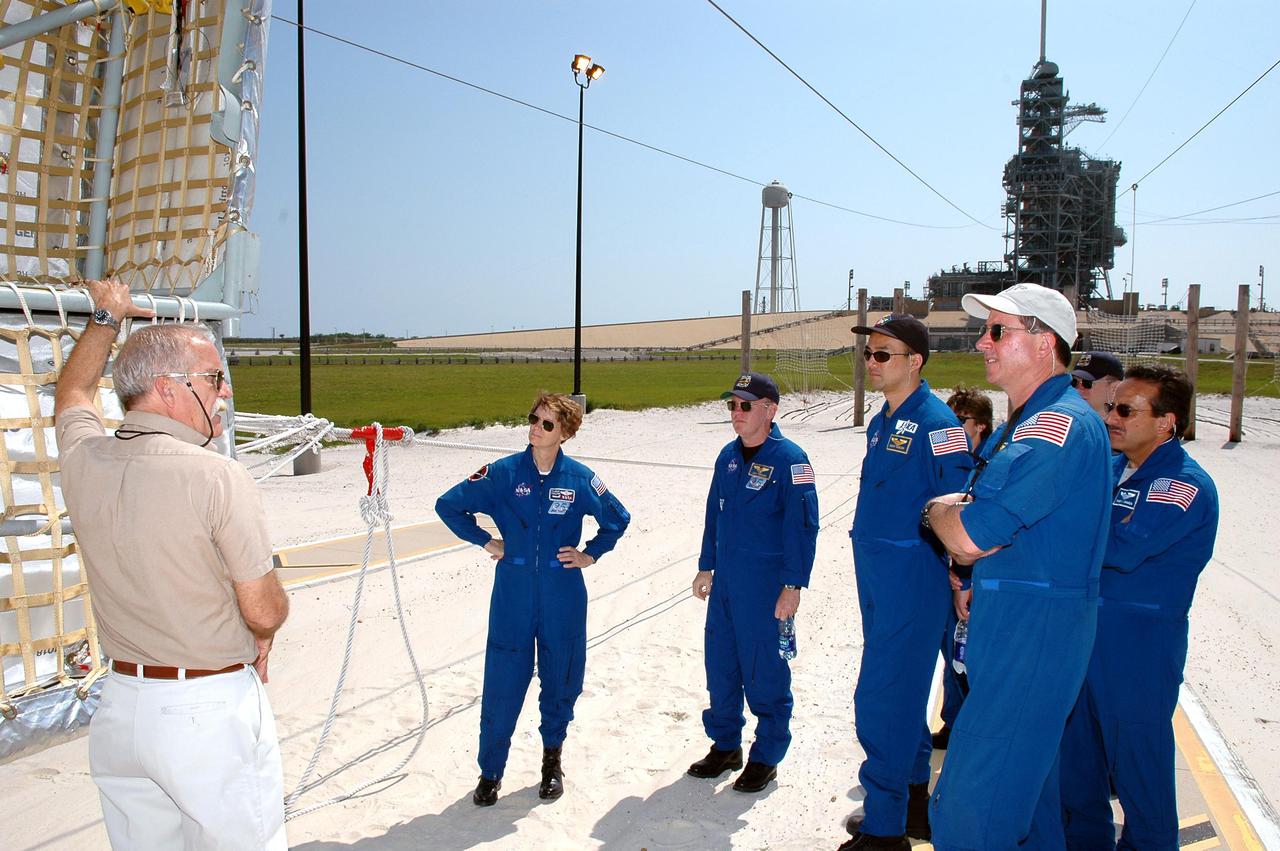
KENNEDY SPACE CENTER, FLA. - The STS-114 crew learn about exiting the slidewire basket at this landing area should they need to leave the Space Shuttle in an emergency situation while on the pad. Crew members seen here are (from left) Commander Eileen Collins and Mission Specialists Andrew Thomas, Soichi Noguchi, Wendy Lawrence, Stephen Robinson and Charles Camarda. Not pictured is Pilot James Kelly. Noguchi is with the Japan Aerospace Exploration Agency. The training is part of Terminal Countdown Demonstration Test activities. The TCDT is held at KSC prior to each Space Shuttle flight. It provides the crew of each mission an opportunity to participate in simulated countdown activities. The test ends with a mock launch countdown culminating in a simulated main engine cutoff. The crew also spends time undergoing emergency egress training exercises at the launch pad. STS-114 is designated the first Return to Flight mission, with a launch window extending from July 13 to July 31.
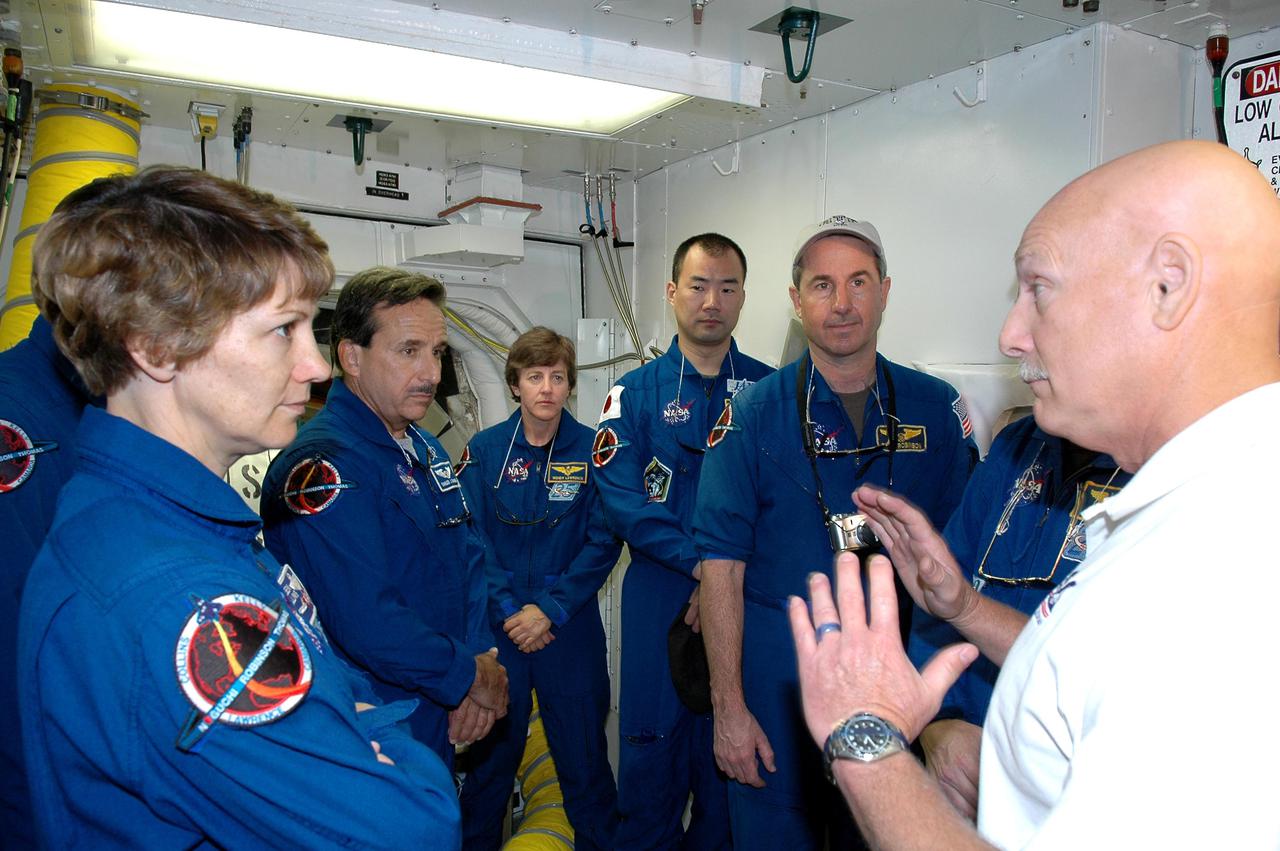
KENNEDY SPACE CENTER, FLA. - During Terminal Countdown Demonstration Test (TCDT) activities, the STS-114 crew gets instructions about the White Room they are in. It is the point of entry into Space Shuttle Discovery. The crew, from left, are Commander Eileen Collins and Mission Specialists Charles Camarda, Wendy Lawrence, Soichi Noguchi and Stephen Robinson. Not seen are Pilot James Kelly and Mission Specialist Andrew Thomas. The TCDT is held at KSC prior to each Space Shuttle flight. It provides the crew of each mission an opportunity to participate in simulated countdown activities. The test ends with a mock launch countdown culminating in a simulated main engine cutoff. The crew also spends time undergoing emergency egress training exercises at the launch pad. STS-114 is designated the first Return to Flight mission, with a launch window extending from July 13 to July 31.
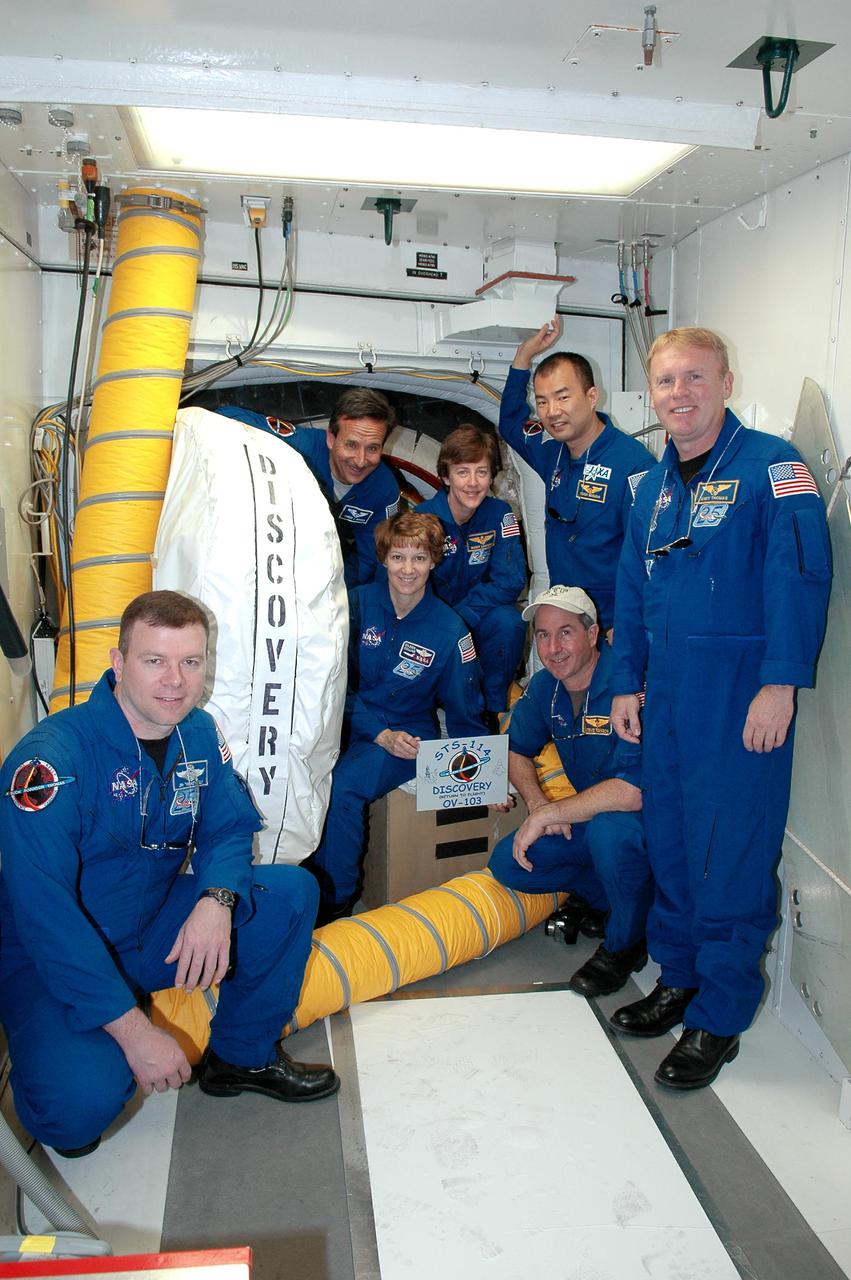
KENNEDY SPACE CENTER, FLA. - During Terminal Countdown Demonstration Test (TCDT) activities, the STS-114 crew poses for a photo at the entry hatch into Space Shuttle Discovery. At left is Pilot James Kelly. Those standing are Mission Specialists Charles Camarda, Wendy Lawrence, Soichi Noguchi and Andrew Thomas. In front of them are Commander Eileen Collins and Mission Specialist Stephen Robinson. Collins holds the mission patch. The TCDT is held at KSC prior to each Space Shuttle flight. It provides the crew of each mission an opportunity to participate in simulated countdown activities. The test ends with a mock launch countdown culminating in a simulated main engine cutoff. The crew also spends time undergoing emergency egress training exercises at the launch pad. STS-114 is designated the first Return to Flight mission, with a launch window extending from July 13 to July 31.

KENNEDY SPACE CENTER, FLA. -- Inside NASA's Vehicle Assembly Building, the crawler transporter supporting Space Shuttle Discovery on its mobile launcher platform is ready to roll out to Launch Pad 39B with its cargo. The open area above the crawler is the opening for the exhaust of one of the solid rocket boosters (two other openings are provided for main engines and second booster). The rollout is an important step before launch of Discovery on mission STS-121 to the International Space Station. Discovery's launch is targeted for July 1 in a launch window that extends to July 19. During the 12-day mission, Discovery's crew will test new hardware and techniques to improve shuttle safety, as well as deliver supplies and make repairs to the station. Photo credit: NASA/Jack Pfaller
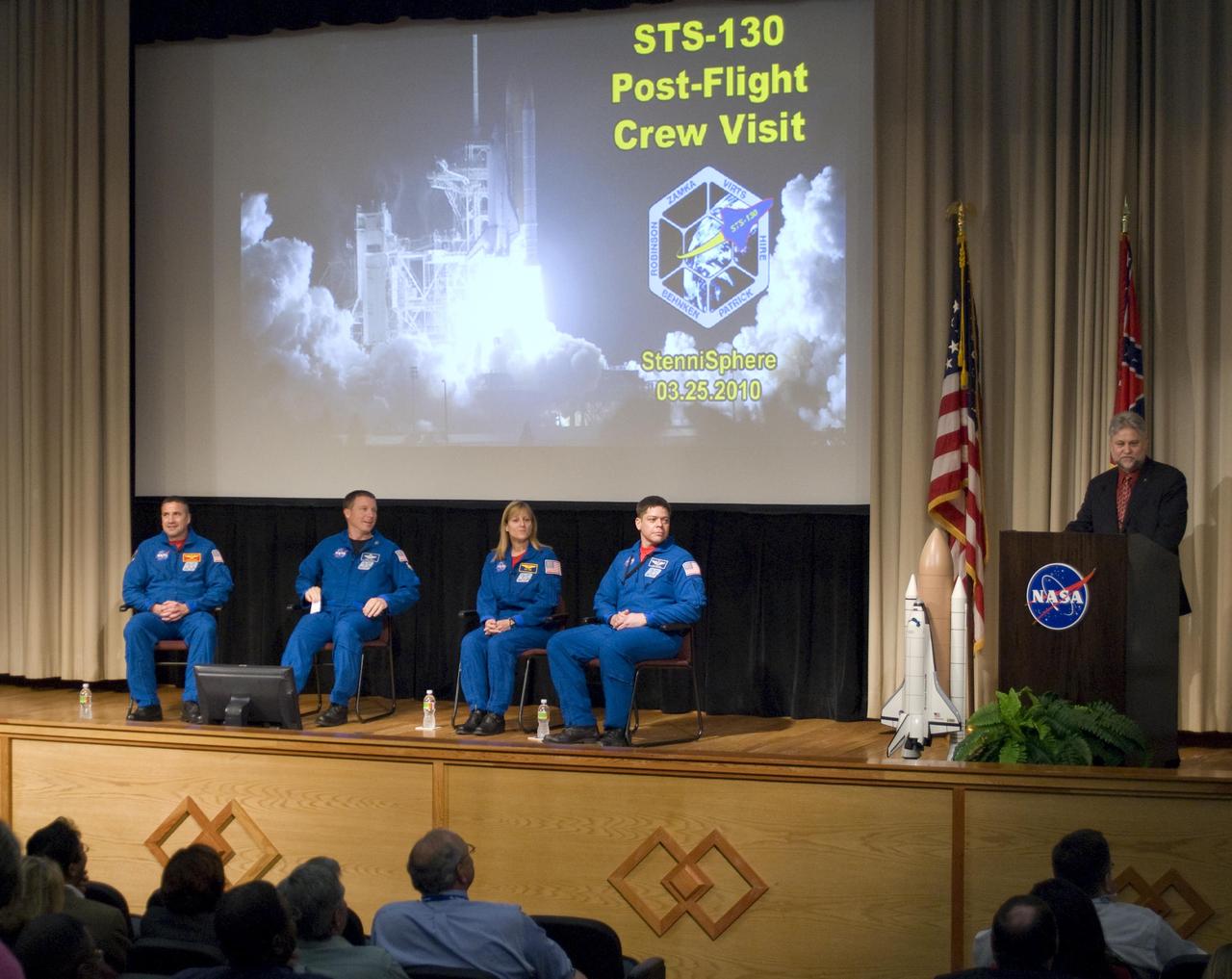
Four members of the STS-130 Endeavour space shuttle crew visited NASA's John C. Stennis Space Center on March 25 to thank facility personnel for their role in enabling the successful February mission to the International Space Station. Commander George Zamka (l to r), Pilot Terry Virts, and Mission Specialists Kathryn and Robert Behnken presented a video recap of their mission and answered questions from Stennis employees about their work. Hire especially thanked Stennis employees for providing the three main engines that powered the crew on their 14-day mission. On their mission, the STS-130 crew delivered a third connecting module - the Tranquility node - that will increase the space station's interior space for crew members and many life support and environmental control systems. Attached to Tranquility was a cupola, a robotic control station with seven windows to provide a panoramic view of Earth, celestial objects and visiting spacecrafts.

KENNEDY SPACE CENTER, FLA. - STS-114 Mission Specialist Soichi Noguchi arrives at NASA’s Kennedy Space Center aboard a T-38 jet training aircraft. Noguchi is with the Japan Aerospace Exploration Agency. He and other crew members are taking part in the Terminal Countdown Demonstration Test (TCDT) over the next three days. The TCDT is held at KSC prior to each Space Shuttle flight. It provides the crew of each mission an opportunity to participate in simulated countdown activities. The test ends with a mock launch countdown culminating in a simulated main engine cutoff. The crew also spends time undergoing emergency egress training exercises at the launch pad. This is Noguchi’s first space flight. STS-114 is the first Return to Flight mission to the International Space Station. The launch window extends July 13 through July 31.
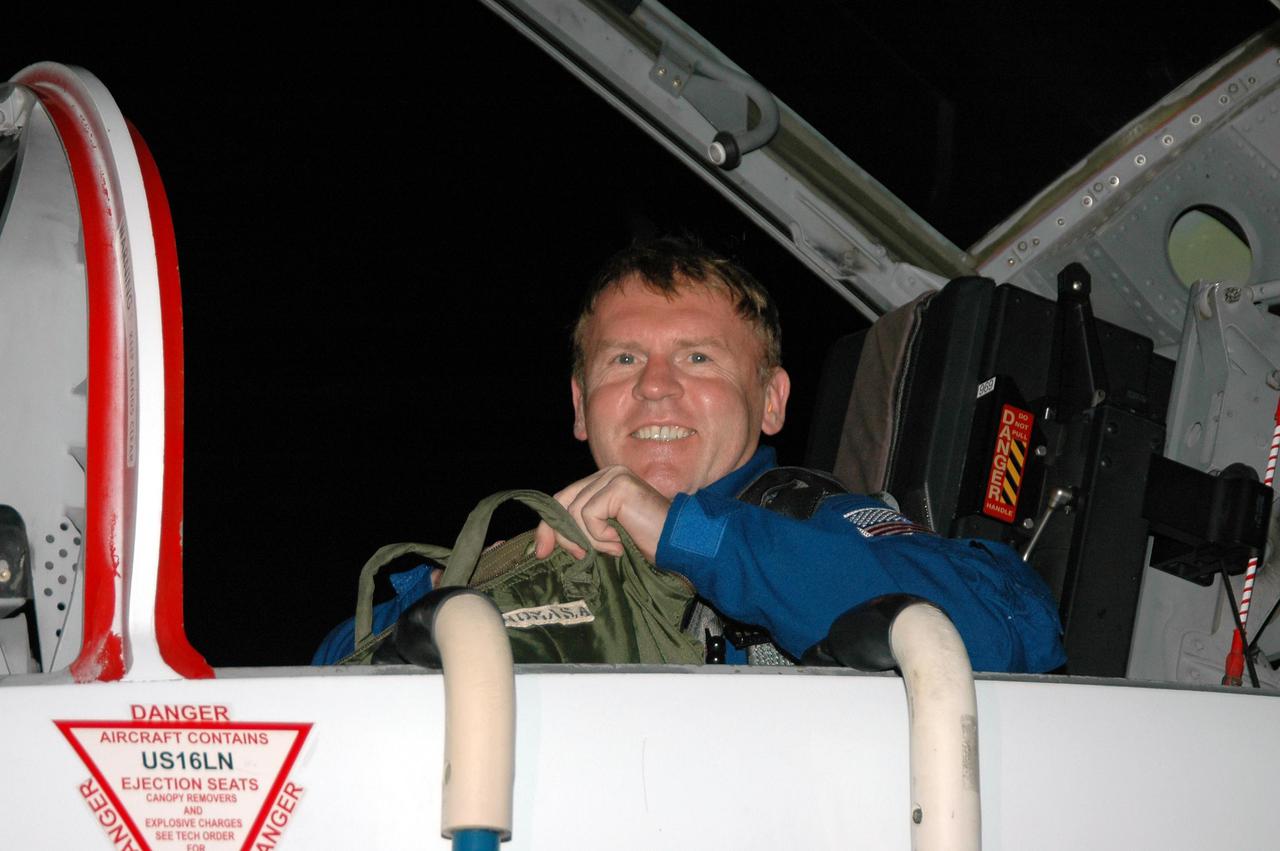
KENNEDY SPACE CENTER, FLA. - STS-114 Mission Specialist Andrew Thomas arrives at NASA’s Kennedy Space Center aboard a T-38 jet training aircraft. He and other crew members are taking part in the Terminal Countdown Demonstration Test (TCDT) over the next three days. The TCDT is held at KSC prior to each Space Shuttle flight. It provides the crew of each mission an opportunity to participate in simulated countdown activities. The test ends with a mock launch countdown culminating in a simulated main engine cutoff. The crew also spends time undergoing emergency egress training exercises at the launch pad. This is Thomas’ fourth space flight. STS-114 is the first Return to Flight mission to the International Space Station. The launch window extends July 13 through July 31.
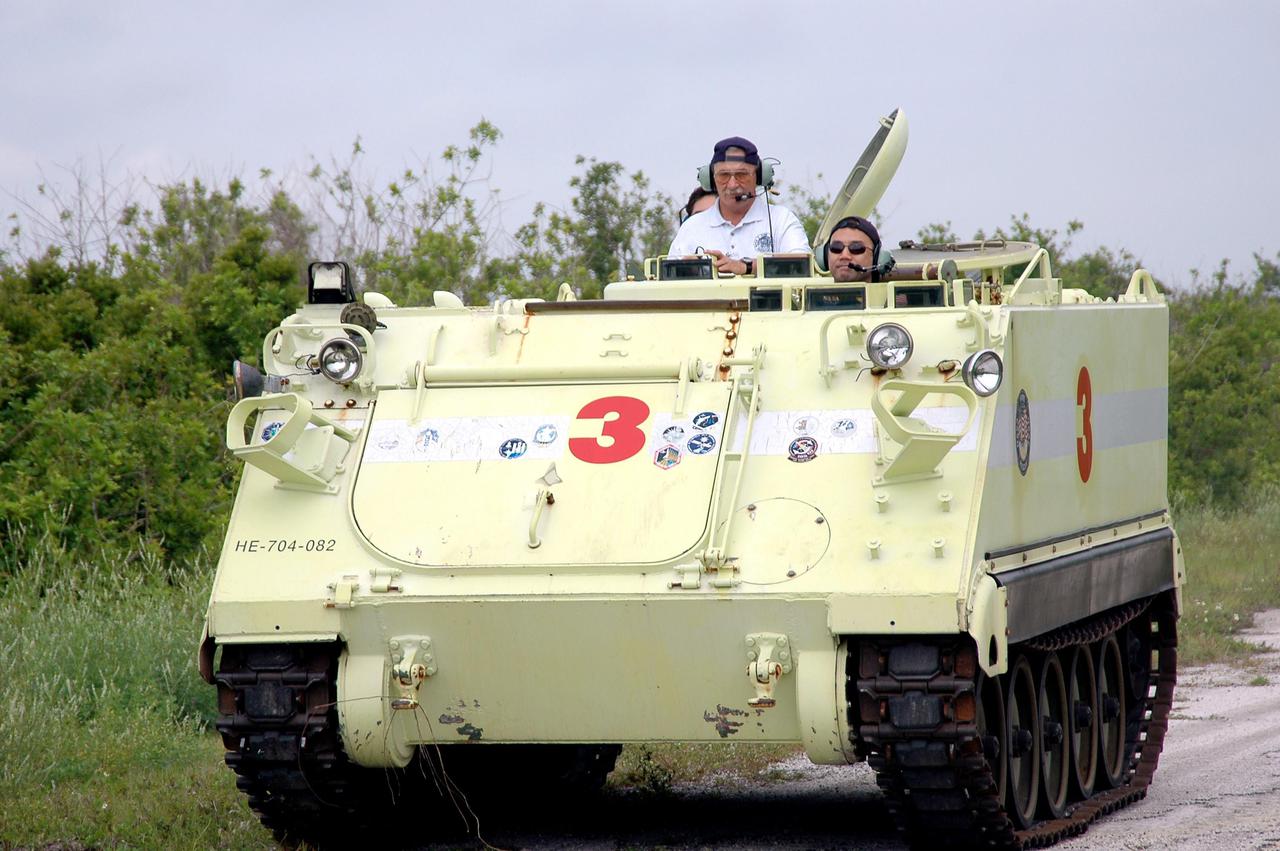
KENNEDY SPACE CENTER, FLA. - During Terminal Countdown Demonstration Test (TCDT) activities at NASA’s Kennedy Space Center, STS-114 Mission Specialist Soichi Noguchi drives an M-113, an armored personnel carrier that is used for speedy departure from the launch pad in an emergency. Behind him at left is Capt. George Hoggard, who is astronaut rescue team leader. Noguchi is with the Japan Aerospace Exploration Agency. The TCDT is held at KSC prior to each Space Shuttle flight. It provides the crew of each mission an opportunity to participate in simulated countdown activities. The test ends with a mock launch countdown culminating in a simulated main engine cutoff. The crew also spends time undergoing emergency egress training exercises at the launch pad. STS-114 is the first Return to Flight mission to the International Space Station. The launch window extends July 13 through July 31.
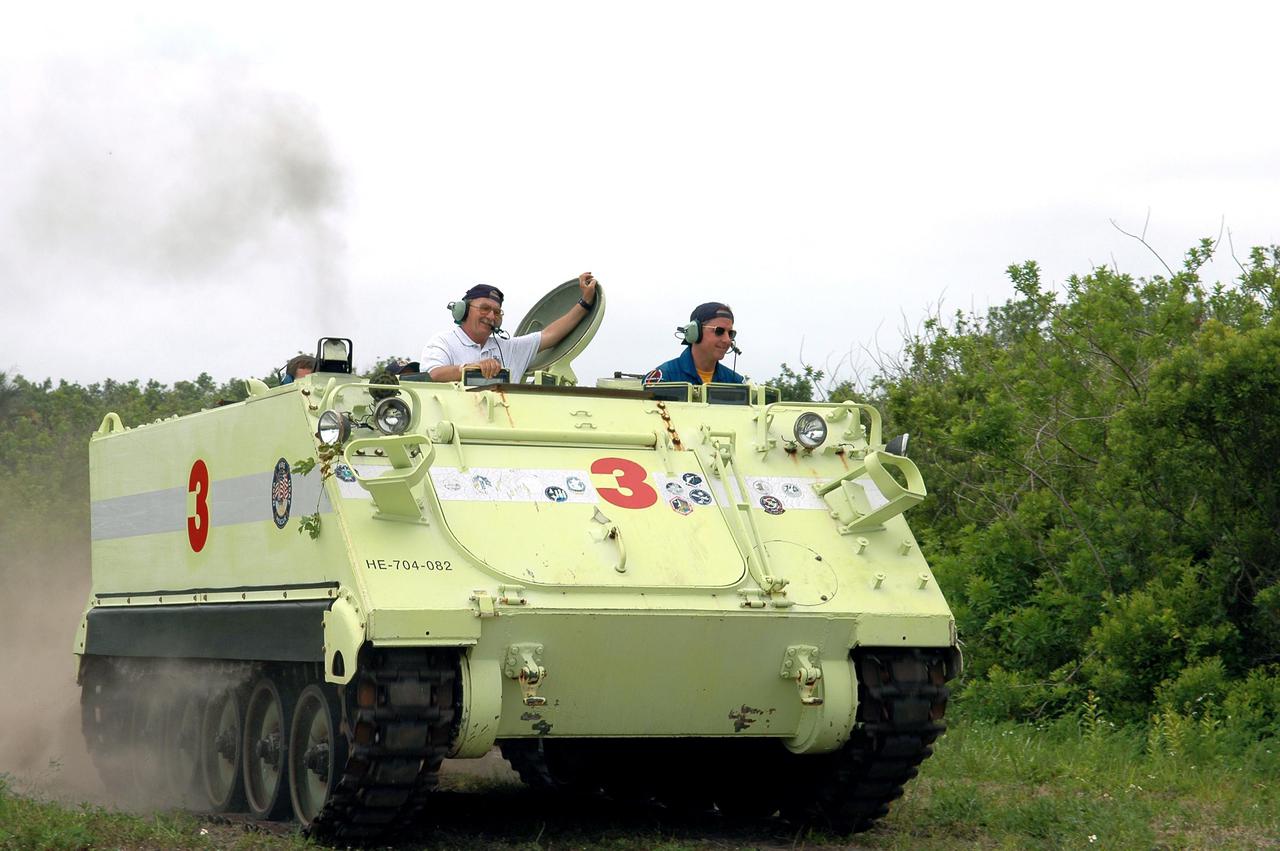
KENNEDY SPACE CENTER, FLA. - During Terminal Countdown Demonstration Test (TCDT) activities at NASA’s Kennedy Space Center, STS-114 Mission Specialist Stephen Robinson (right) practices driving an M-113, an armored personnel carrier that is used for speedy departure from the launch pad in an emergency. At left is Capt. George Hoggard, who is astronaut rescue team leader. The TCDT is held at KSC prior to each Space Shuttle flight. It provides the crew of each mission an opportunity to participate in simulated countdown activities. The test ends with a mock launch countdown culminating in a simulated main engine cutoff. The crew also spends time undergoing emergency egress training exercises at the launch pad. STS-114 is the first Return to Flight mission to the International Space Station. The launch window extends July 13 through July 31.
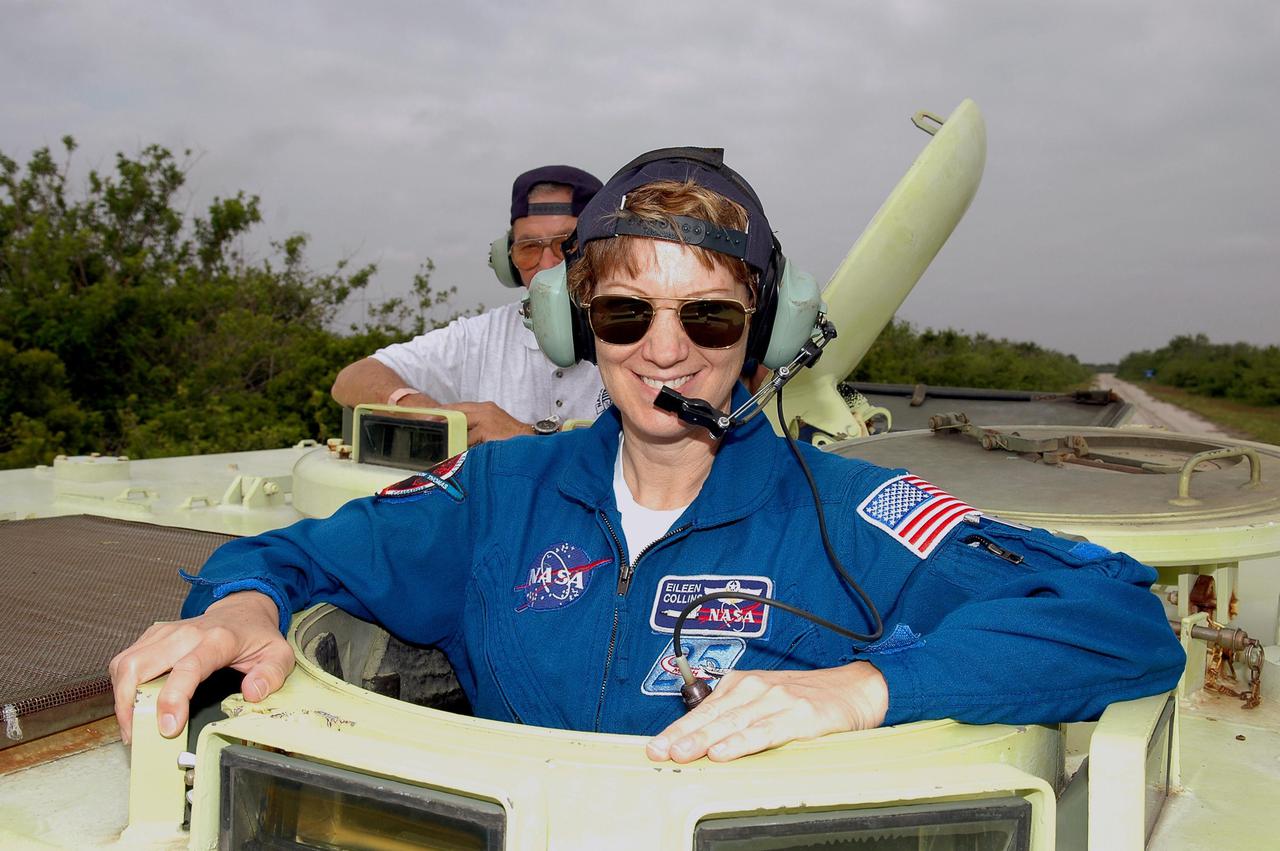
KENNEDY SPACE CENTER, FLA. - During Terminal Countdown Demonstration Test (TCDT) activities at NASA’s Kennedy Space Center, STS-114 Commander Eileen Collins gets ready to practice driving an M-113, an armored personnel carrier that is used for speedy departure from the launch pad in an emergency. Behind her is Capt. George Hoggard, who is astronaut rescue team leader. The TCDT is held at KSC prior to each Space Shuttle flight. It provides the crew of each mission an opportunity to participate in simulated countdown activities. The test ends with a mock launch countdown culminating in a simulated main engine cutoff. The crew also spends time undergoing emergency egress training exercises at the launch pad. STS-114 is the first Return to Flight mission to the International Space Station. The launch window extends July 13 through July 31.
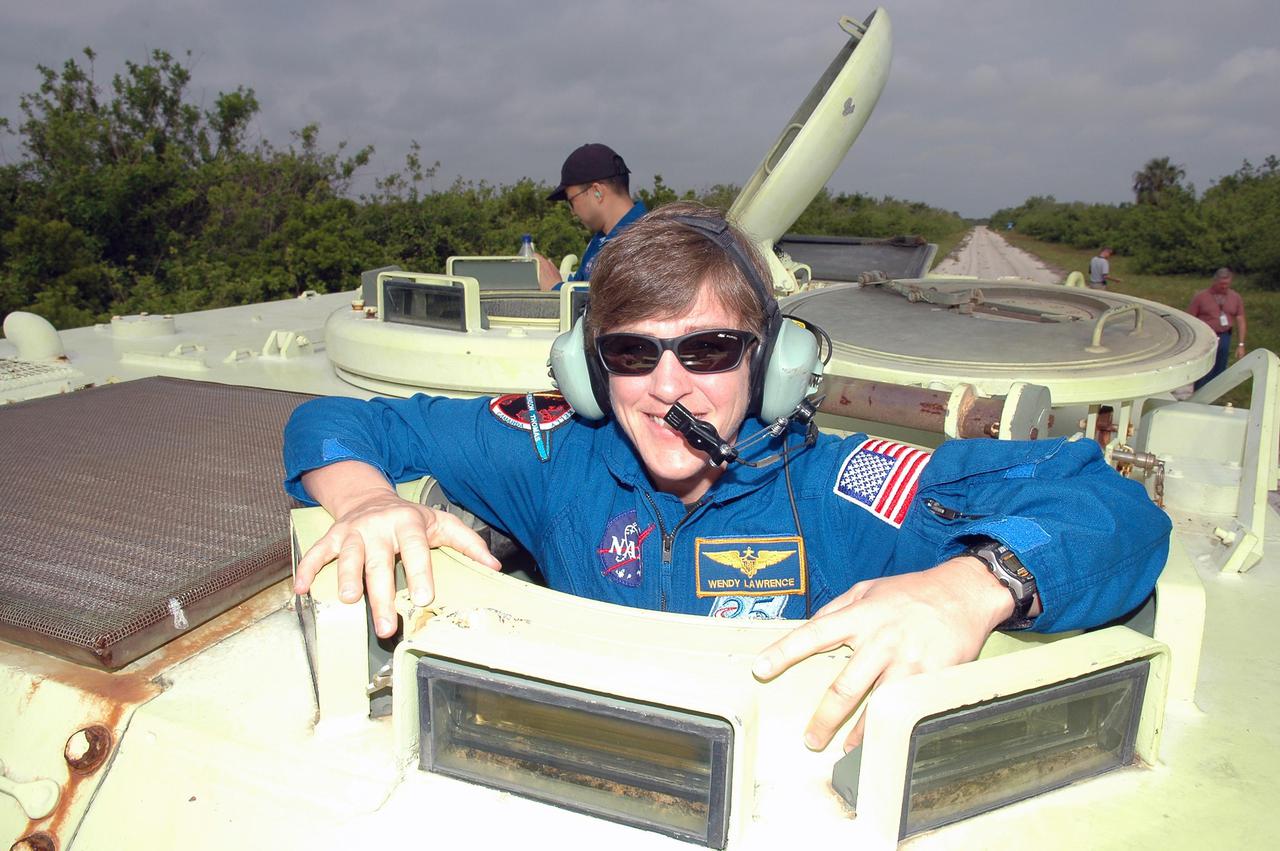
KENNEDY SPACE CENTER, FLA. - During Terminal Countdown Demonstration Test (TCDT) activities at NASA’s Kennedy Space Center, the STS-114 Mission Specialist Wendy Lawrence is getting ready to practice driving an M-113, an armored personnel carrier that is used for speedy departure from the launch pad in an emergency. The TCDT is held at KSC prior to each Space Shuttle flight. It provides the crew of each mission an opportunity to participate in simulated countdown activities. The test ends with a mock launch countdown culminating in a simulated main engine cutoff. The crew also spends time undergoing emergency egress training exercises at the launch pad. STS-114 is the first Return to Flight mission to the International Space Station. The launch window extends July 13 through July 31.
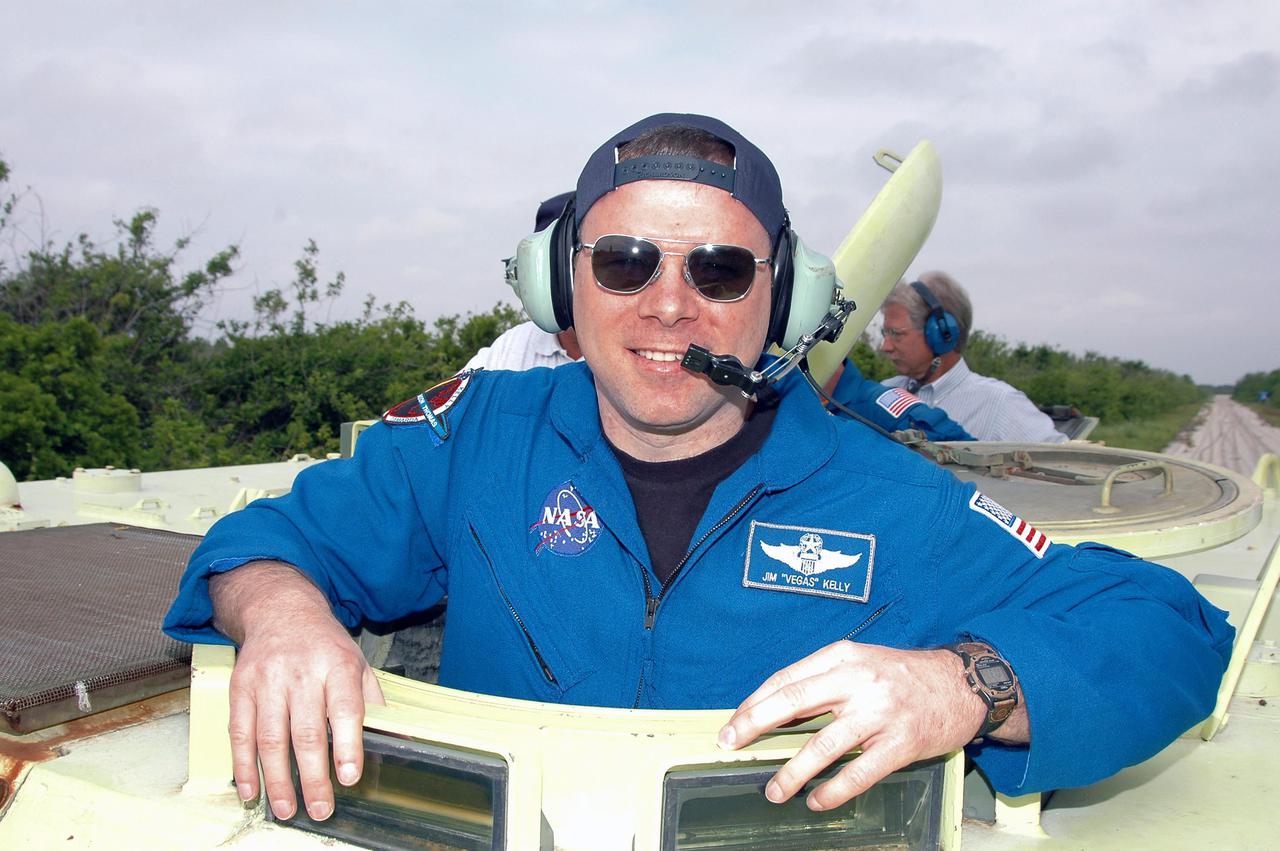
KENNEDY SPACE CENTER, FLA. - During Terminal Countdown Demonstration Test (TCDT) activities at NASA’s Kennedy Space Center, STS-114 Pilot James Kelly is ready to practice driving an M-113, an armored personnel carrier that is used for speedy departure from the launch pad in an emergency. The TCDT is held at KSC prior to each Space Shuttle flight. It provides the crew of each mission an opportunity to participate in simulated countdown activities. The test ends with a mock launch countdown culminating in a simulated main engine cutoff. The crew also spends time undergoing emergency egress training exercises at the launch pad. STS-114 is the first Return to Flight mission to the International Space Station. The launch window extends July 13 through July 31.
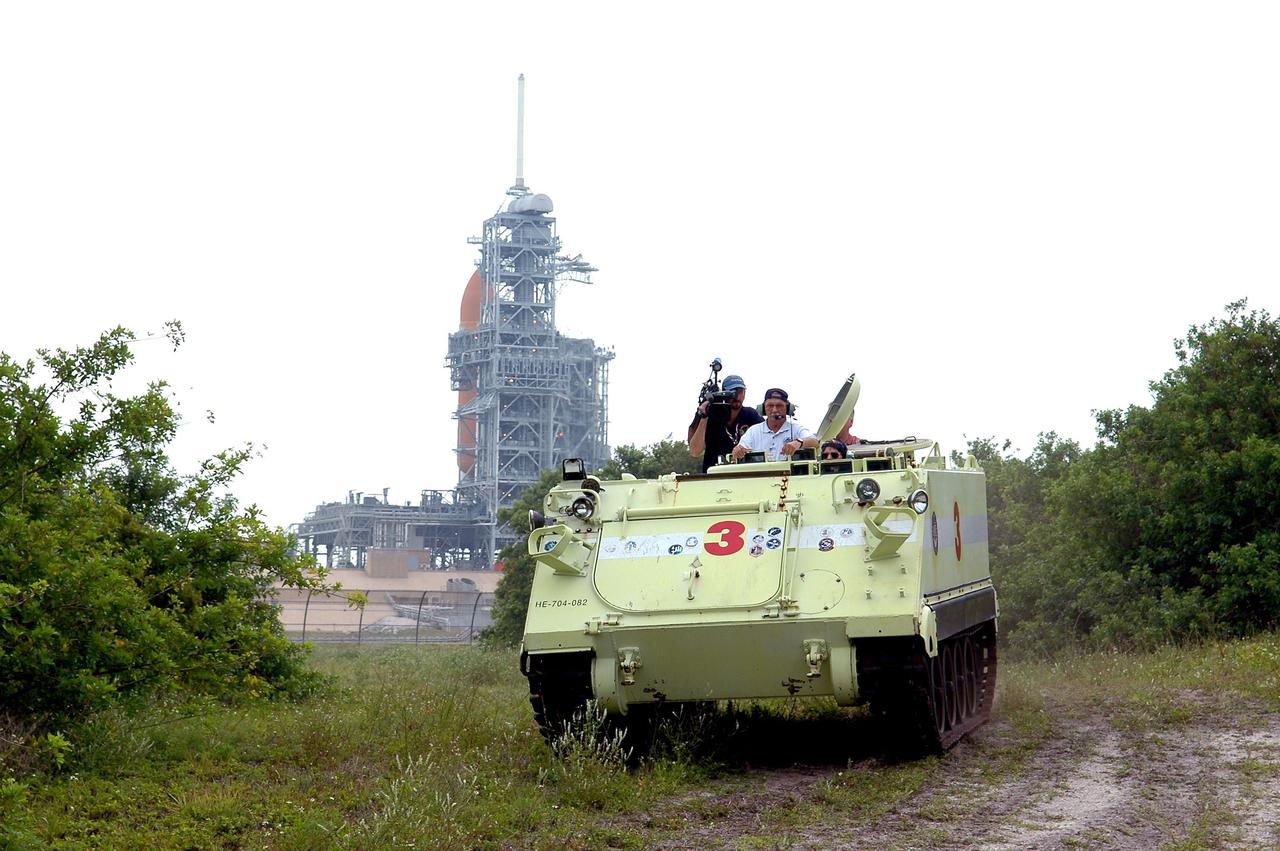
KENNEDY SPACE CENTER, FLA. - During Terminal Countdown Demonstration Test (TCDT) activities at NASA’s Kennedy Space Center, STS-114 Commander Eileen Collins takes her turn at driving an M-113, an armored personnel carrier that is used for speedy departure from the launch pad in an emergency. Standing behind her is Capt. George Hoggard, who is astronaut rescue team leader. On the left is KSC videographer Glen Benson. The TCDT is held at KSC prior to each Space Shuttle flight. It provides the crew of each mission an opportunity to participate in simulated countdown activities. The test ends with a mock launch countdown culminating in a simulated main engine cutoff. The crew also spends time undergoing emergency egress training exercises at the launch pad. STS-114 is the first Return to Flight mission to the International Space Station. The launch window extends July 13 through July 31.
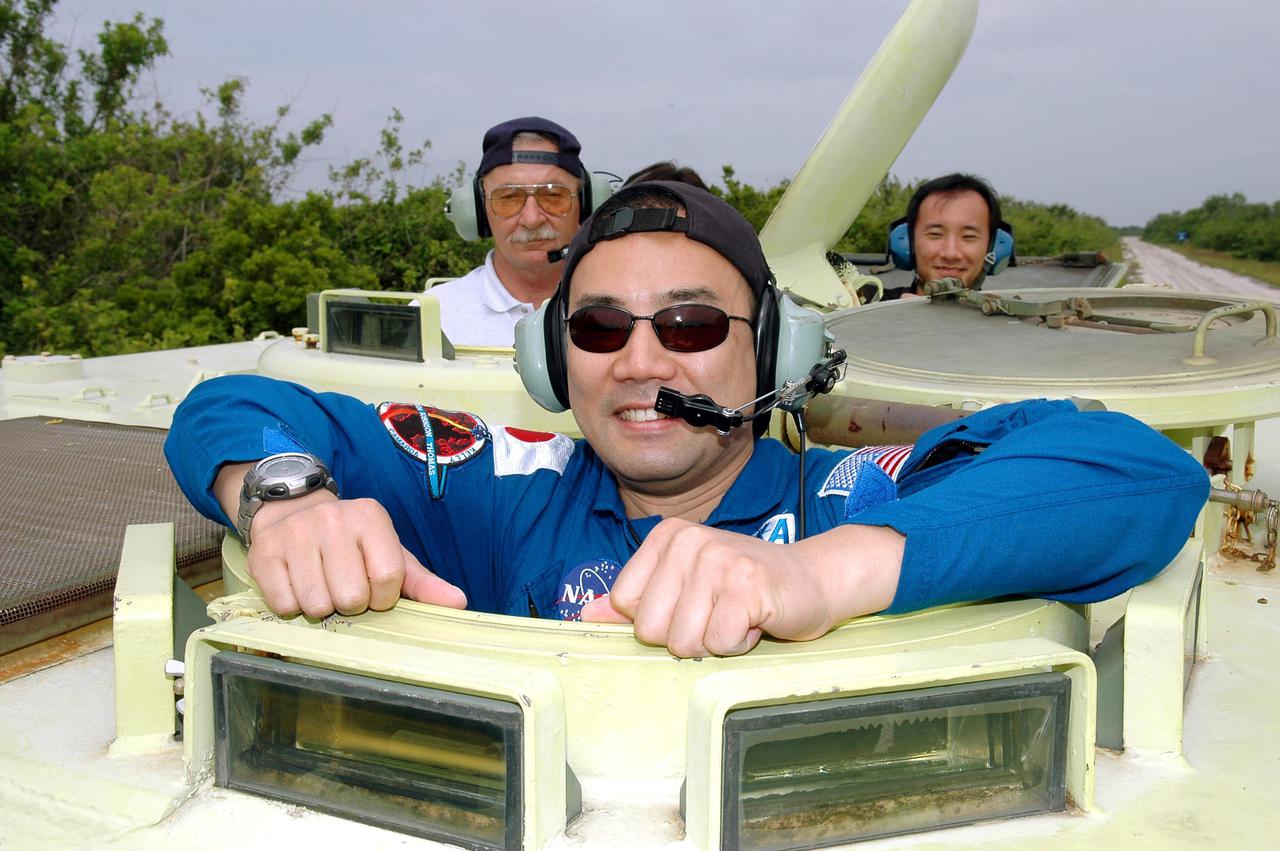
KENNEDY SPACE CENTER, FLA. - During Terminal Countdown Demonstration Test (TCDT) activities at NASA’s Kennedy Space Center, STS-114 Mission Specialist Soichi Noguchi is ready to practice driving an M-113, an armored personnel carrier that is used for speedy departure from the launch pad in an emergency. Behind him at left is Capt. George Hoggard, who is astronaut rescue team leader. Noguchi is with the Japan Aerospace Exploration Agency.The TCDT is held at KSC prior to each Space Shuttle flight. It provides the crew of each mission an opportunity to participate in simulated countdown activities. The test ends with a mock launch countdown culminating in a simulated main engine cutoff. The crew also spends time undergoing emergency egress training exercises at the launch pad. STS-114 is the first Return to Flight mission to the International Space Station. The launch window extends July 13 through July 31.
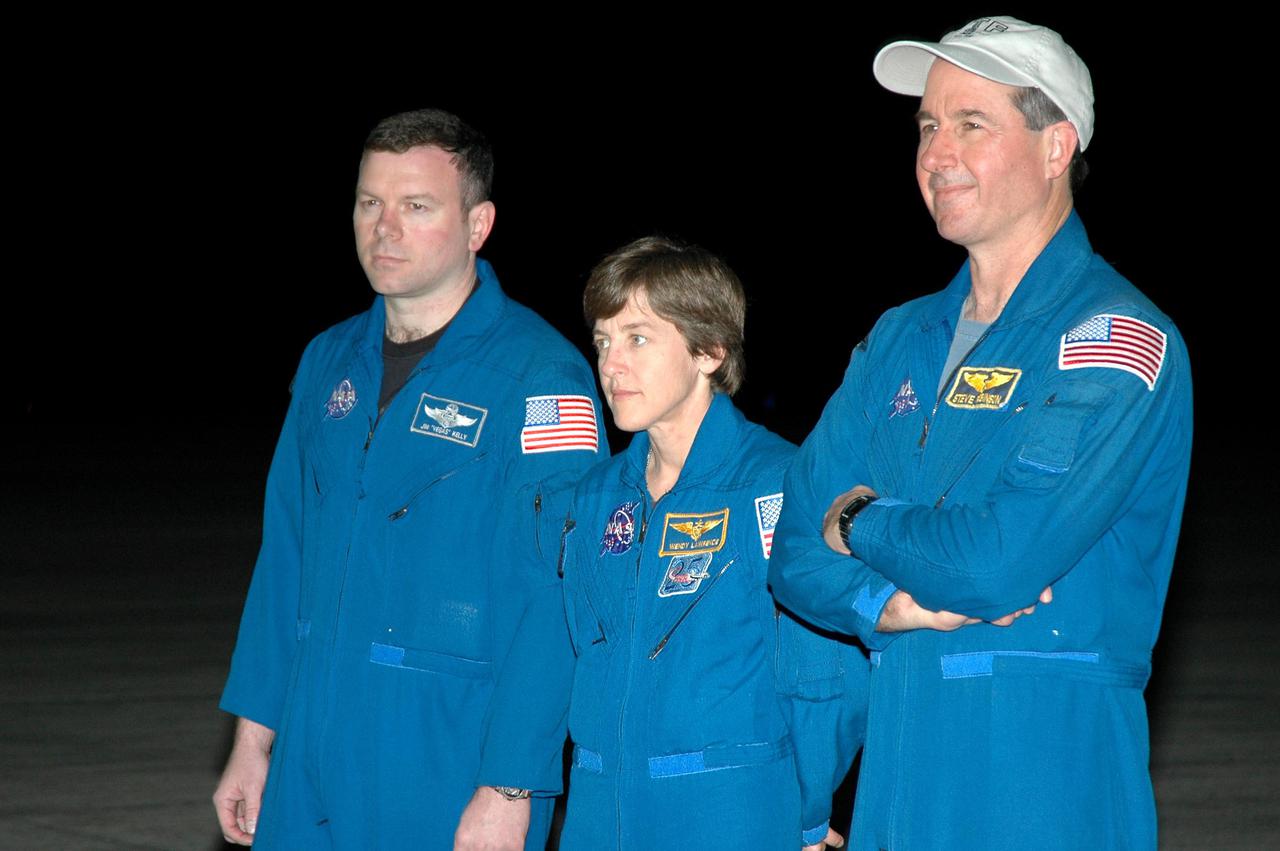
KENNEDY SPACE CENTER, FLA. - After arrival at NASA’s Kennedy Space Center, the STS-114 crew members pause on the runway while Commander Eileen Collins makes a brief statement to the media. Seen here are Pilot James Kelly and Mission Specialists Wendy Lawrence and Stephen Robinson. The crew is at KSC to take part in the Terminal Countdown Demonstration Test (TCDT) over the next three days. The TCDT is held at KSC prior to each Space Shuttle flight. It provides the crew of each mission an opportunity to participate in simulated countdown activities. The test ends with a mock launch countdown culminating in a simulated main engine cutoff. The crew also spends time undergoing emergency egress training exercises at the launch pad. STS-114 is the first Return to Flight mission to the International Space Station. The launch window extends July 13 through July 31.
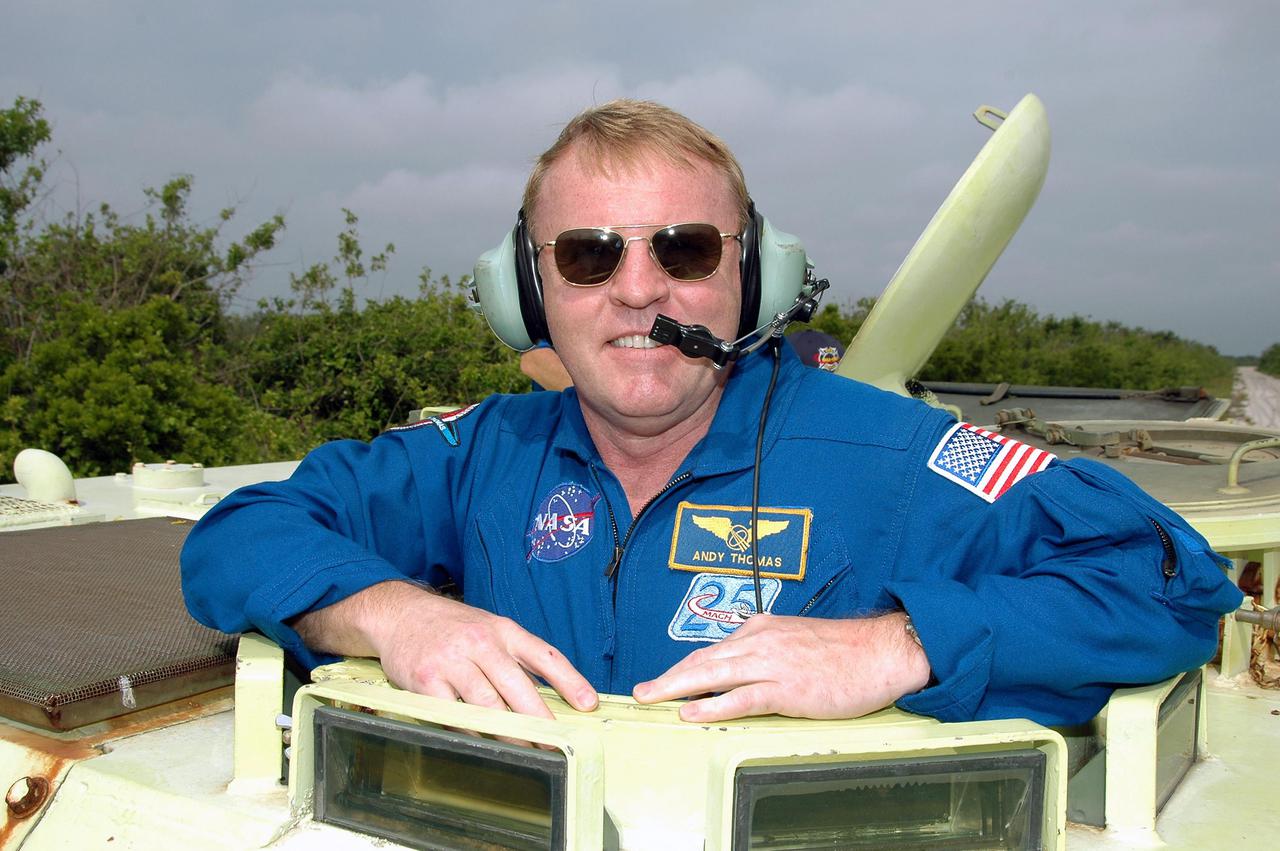
KENNEDY SPACE CENTER, FLA. - During Terminal Countdown Demonstration Test (TCDT) activities at NASA’s Kennedy Space Center, STS-114 Mission Specialist Andrew Thomas is ready to practice driving an M-113, an armored personnel carrier that is used for speedy departure from the launch pad in an emergency. The TCDT is held at KSC prior to each Space Shuttle flight. It provides the crew of each mission an opportunity to participate in simulated countdown activities. The test ends with a mock launch countdown culminating in a simulated main engine cutoff. The crew also spends time undergoing emergency egress training exercises at the launch pad. STS-114 is the first Return to Flight mission to the International Space Station. The launch window extends July 13 through July 31.
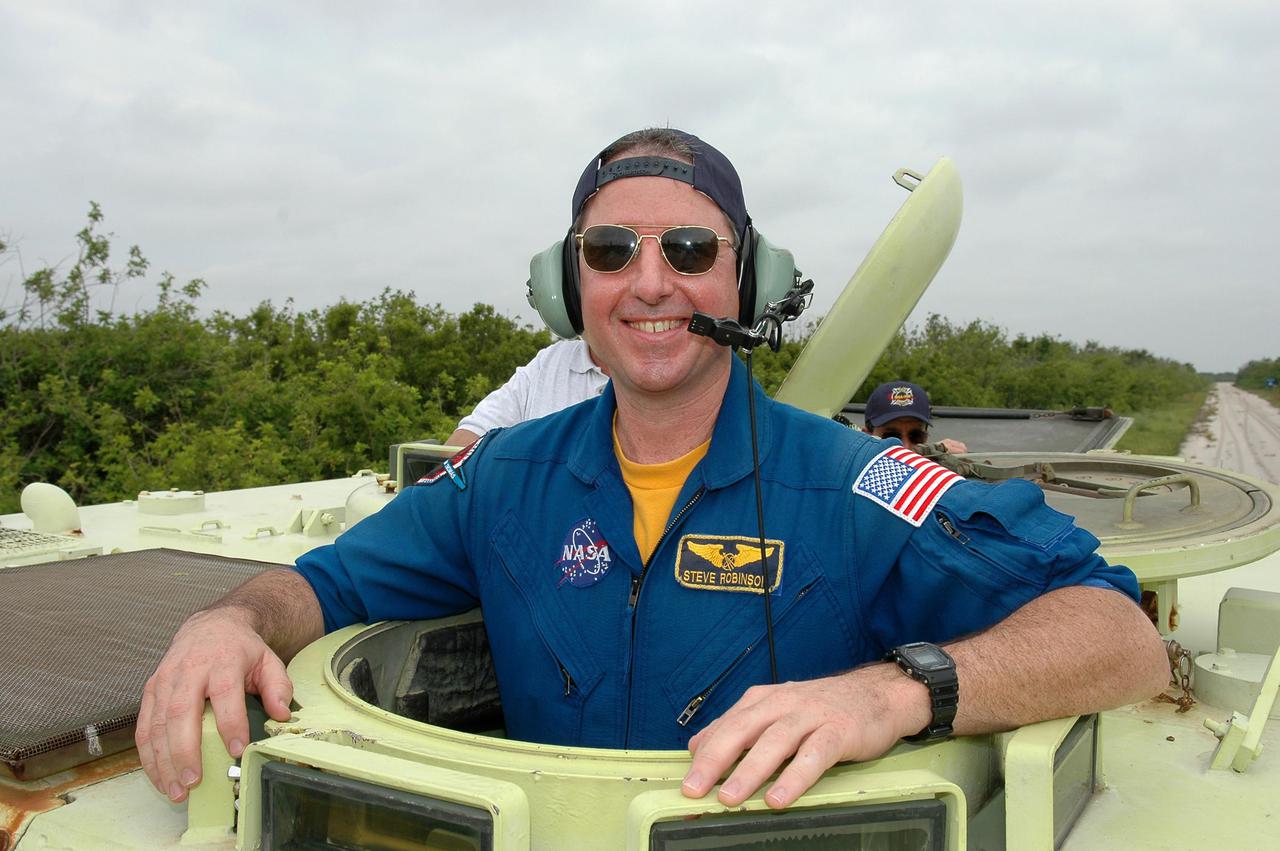
KENNEDY SPACE CENTER, FLA. - During Terminal Countdown Demonstration Test (TCDT) activities at NASA’s Kennedy Space Center, STS-114 Mission Specialist Stephen Robinson is getting ready to practice driving an M-113, an armored personnel carrier that is used for speedy departure from the launch pad in an emergency. The TCDT is held at KSC prior to each Space Shuttle flight. It provides the crew of each mission an opportunity to participate in simulated countdown activities. The test ends with a mock launch countdown culminating in a simulated main engine cutoff. The crew also spends time undergoing emergency egress training exercises at the launch pad. STS-114 is the first Return to Flight mission to the International Space Station. The launch window extends July 13 through July 31.
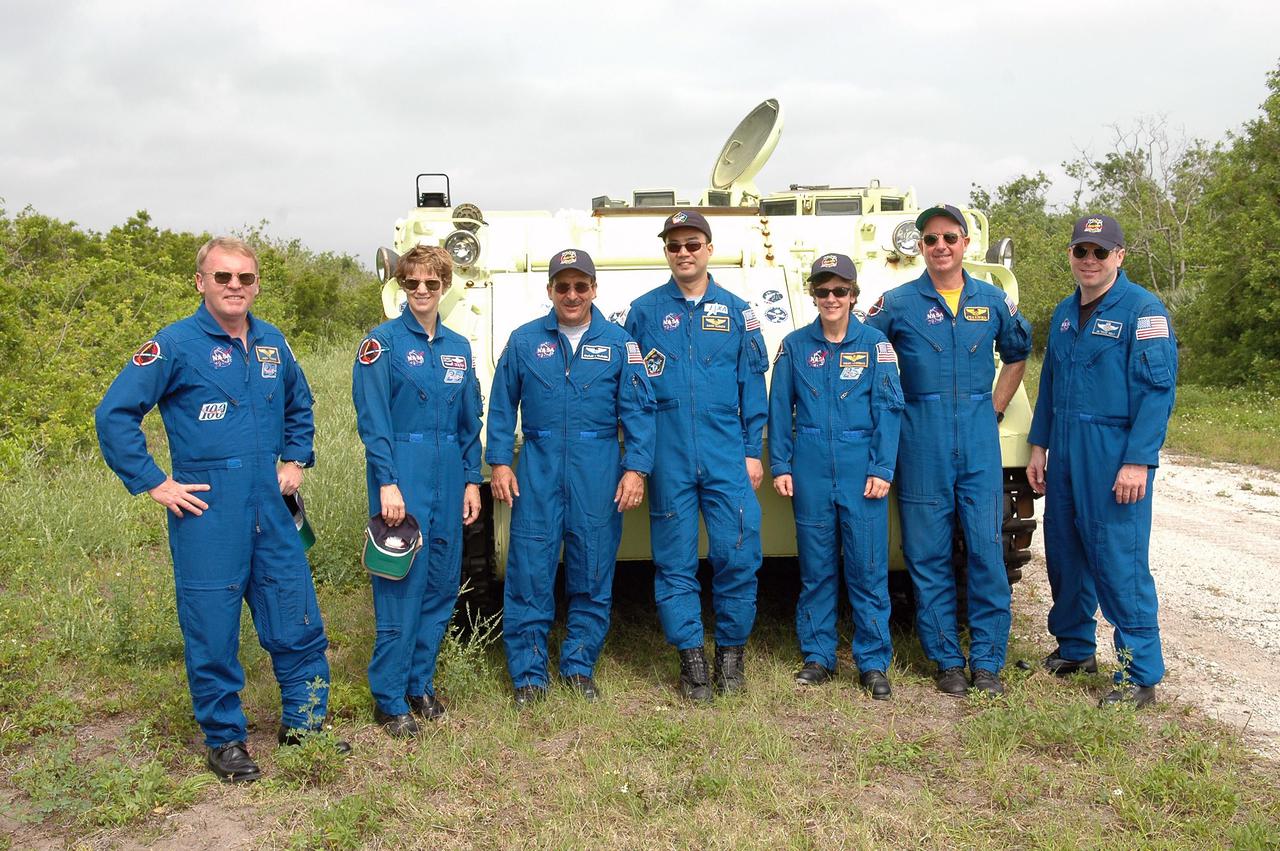
KENNEDY SPACE CENTER, FLA. - During Terminal Countdown Demonstration Test (TCDT) activities at NASA’s Kennedy Space Center, the STS-114 crew pauses during M-113 training at the launch pad. From left are Mission Specialist Andrew Thomas, Commander Eileen Collins, Mission Specialists Charles Camarda, Soichi Noguchi, Wendy Lawrence and Stephen Robinson, and Pilot James Kelly. The TCDT is held at KSC prior to each Space Shuttle flight. It provides the crew of each mission an opportunity to participate in simulated countdown activities. The test ends with a mock launch countdown culminating in a simulated main engine cutoff. The crew also spends time undergoing emergency egress training exercises at the launch pad. STS-114 is the first Return to Flight mission to the International Space Station. The launch window extends July 13 through July 31.
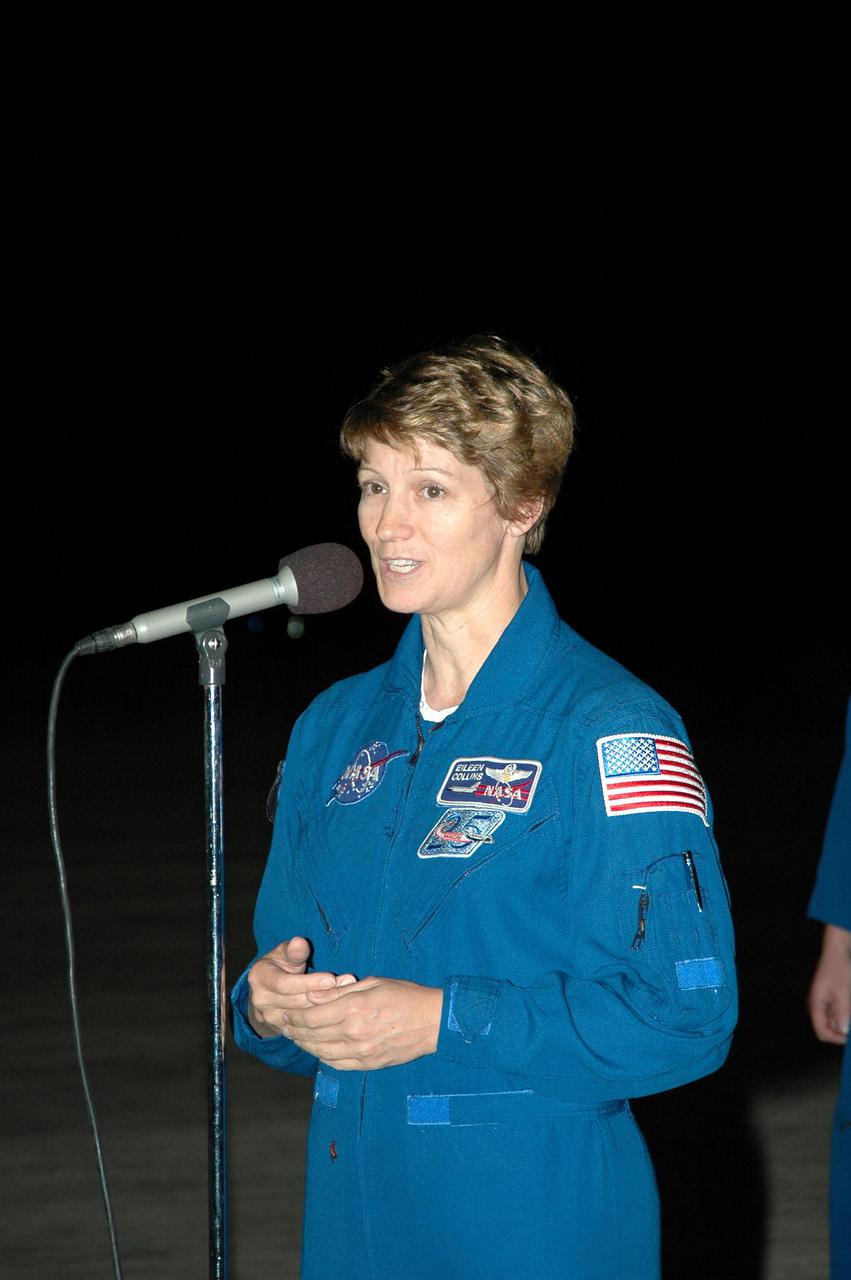
KENNEDY SPACE CENTER, FLA. - After arrival at NASA’s Kennedy Space Center, the STS-114 crew members pause on the runway while Commander Eileen Collins makes a brief statement to the media. The crew is at KSC to take part in the Terminal Countdown Demonstration Test (TCDT) over the next three days. The TCDT is held at KSC prior to each Space Shuttle flight. It provides the crew of each mission an opportunity to participate in simulated countdown activities. The test ends with a mock launch countdown culminating in a simulated main engine cutoff. The crew also spends time undergoing emergency egress training exercises at the launch pad. STS-114 is the first Return to Flight mission to the International Space Station. The launch window extends July 13 through July 31.
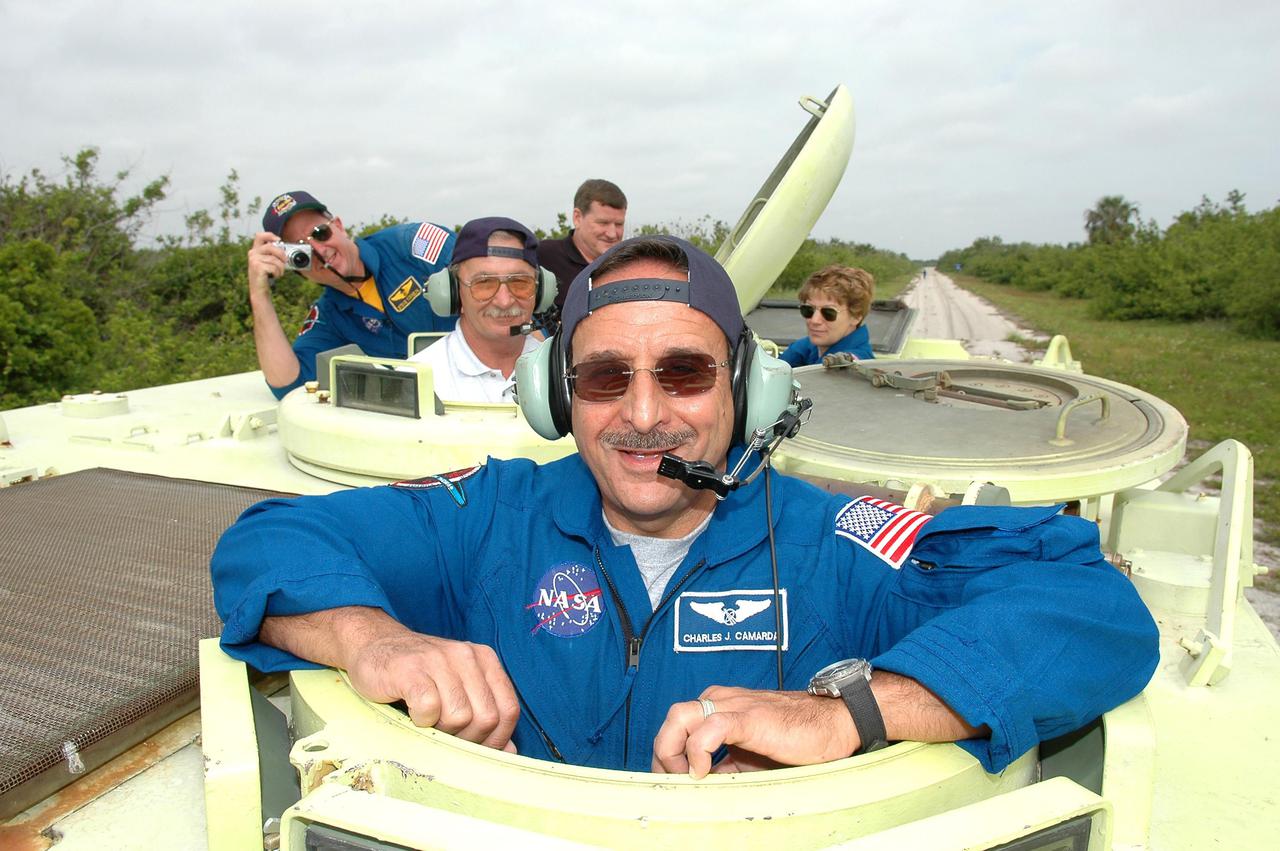
KENNEDY SPACE CENTER, FLA. - During Terminal Countdown Demonstration Test (TCDT) activities at NASA’s Kennedy Space Center, STS-114 Mission Specialist Charles Camarda is getting ready to practice driving an M-113, an armored personnel carrier that is used for speedy departure from the launch pad in an emergency. Behind him are Mission Specialist Stephen Robinson and Capt. George Hoggard, who is astronaut rescue team leader, and, at right, Commander Eileen Collins. The TCDT is held at KSC prior to each Space Shuttle flight. It provides the crew of each mission an opportunity to participate in simulated countdown activities. The test ends with a mock launch countdown culminating in a simulated main engine cutoff. The crew also spends time undergoing emergency egress training exercises at the launch pad. STS-114 is the first Return to Flight mission to the International Space Station. The launch window extends July 13 through July 31.
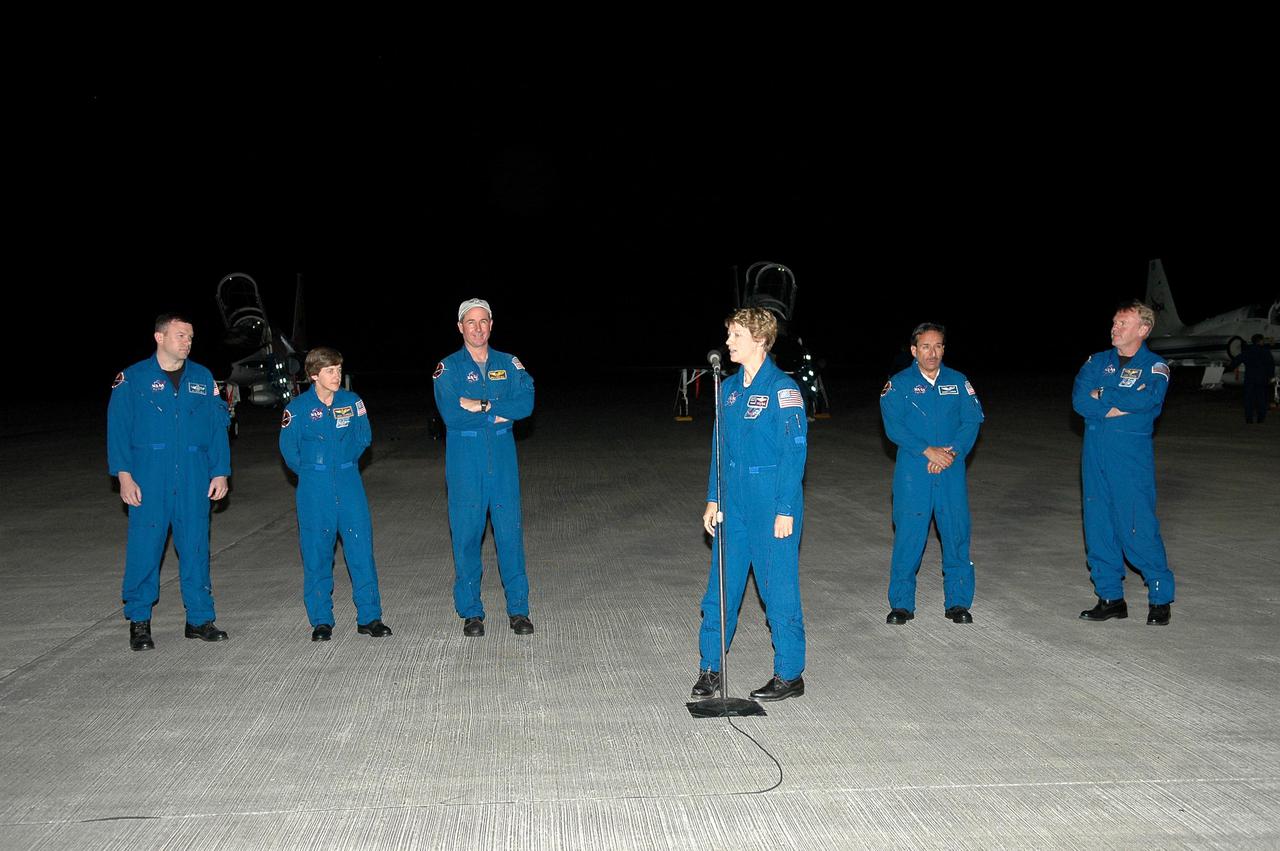
KENNEDY SPACE CENTER, FLA. - After arrival at NASA’s Kennedy Space Center, the STS-114 crew members pause on the runway while Commander Eileen Collins makes a brief statement to the media. Standing behind her, from left, are Pilot James Kelly and Mission Specialists Wendy Lawrence, Stephen Robinson, Charles Camarda, and Andrew Thomas. The crew is at KSC to take part in the Terminal Countdown Demonstration Test (TCDT) over the next three days. The TCDT is held at KSC prior to each Space Shuttle flight. It provides the crew of each mission an opportunity to participate in simulated countdown activities. The test ends with a mock launch countdown culminating in a simulated main engine cutoff. The crew also spends time undergoing emergency egress training exercises at the launch pad. STS-114 is the first Return to Flight mission to the International Space Station. The launch window extends July 13 through July 31.
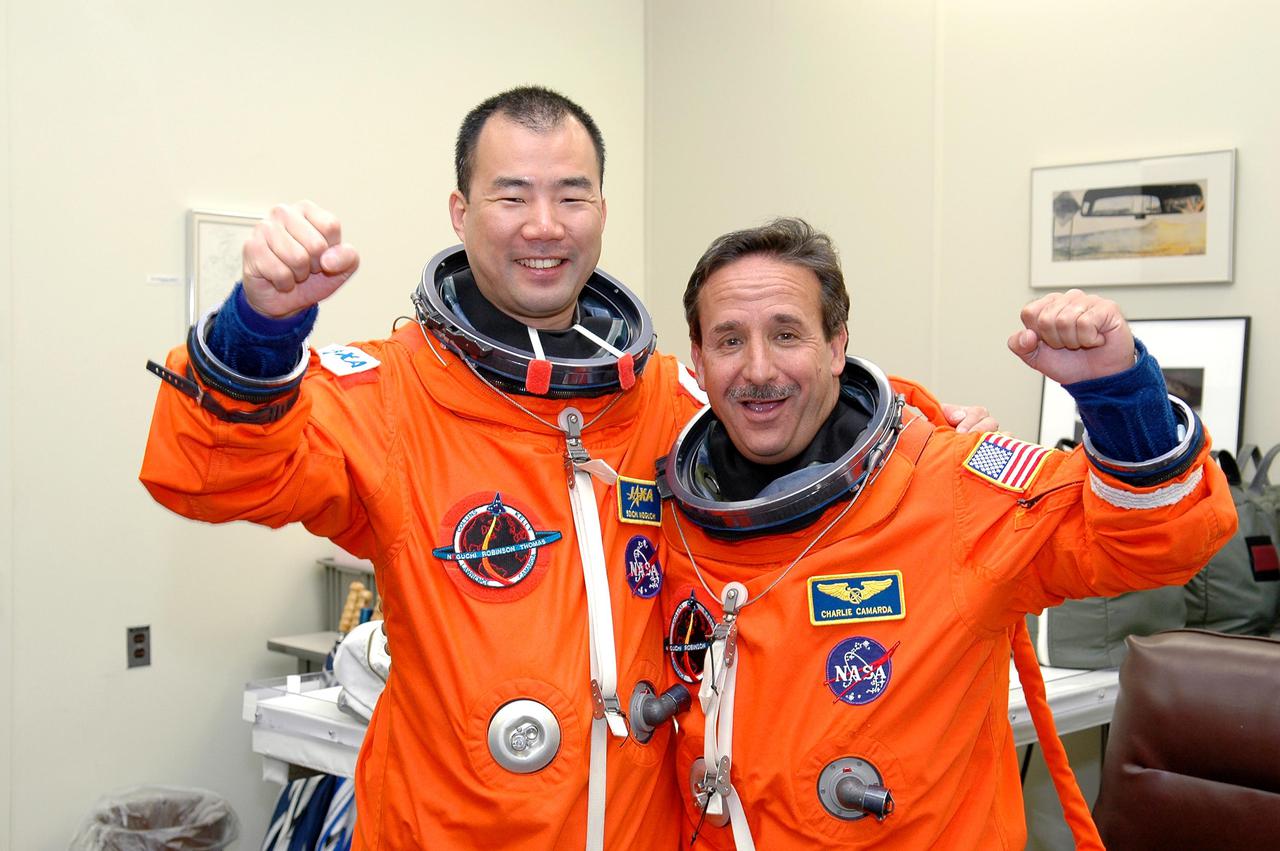
KENNEDY SPACE CENTER, FLA. - STS-114 Mission Specialists Soichi Noguchi (left) and Charles Camarda are suited up in the Operations and Checkout Building and ready for the trip to Launch Pad 39B for a mock launch countdown culminating in a simulated main engine cutoff. Noguchi is with the Japan Aerospace Exploration Agency. The dress rehearsal is part of Terminal Countdown Demonstration Test (TCDT) activities held prior to each Space Shuttle flight. It provides the crew of each mission an opportunity to participate in various simulated countdown activities, including equipment familiarization and emergency egress training. STS-114 is the first Return to Flight mission to the International Space Station. The launch window extends July 13 through July 31.
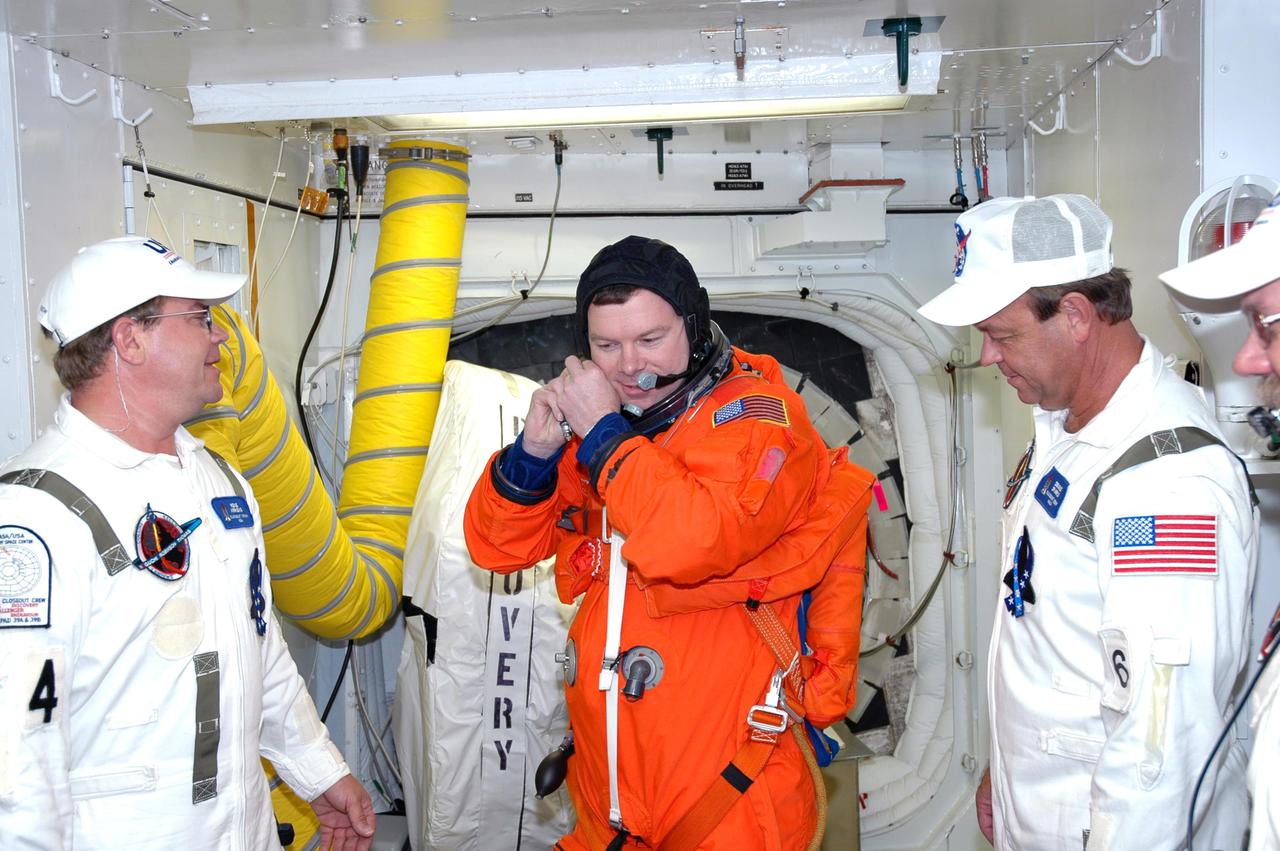
KENNEDY SPACE CENTER, FLA. - With the Closeout Crew looking on in the White Room on Launch Pad 39B, STS-114 Pilot James Kelly makes adjustments to his launch suit before entering Space Shuttle Discovery. The crew is taking part in a full dress rehearsal for launch, including countdown and culminating in main engine cutoff. The rehearsal is the final part of Terminal Countdown Demonstration Test (TCDT) activities that the crew has been involved in for three days. TCDT provides the crew of each mission an opportunity to participate in various simulated countdown activities, including equipment familiarization and emergency egress training. STS-114 is the first Return to Flight mission to the International Space Station. The launch window extends July 13 through July 31.
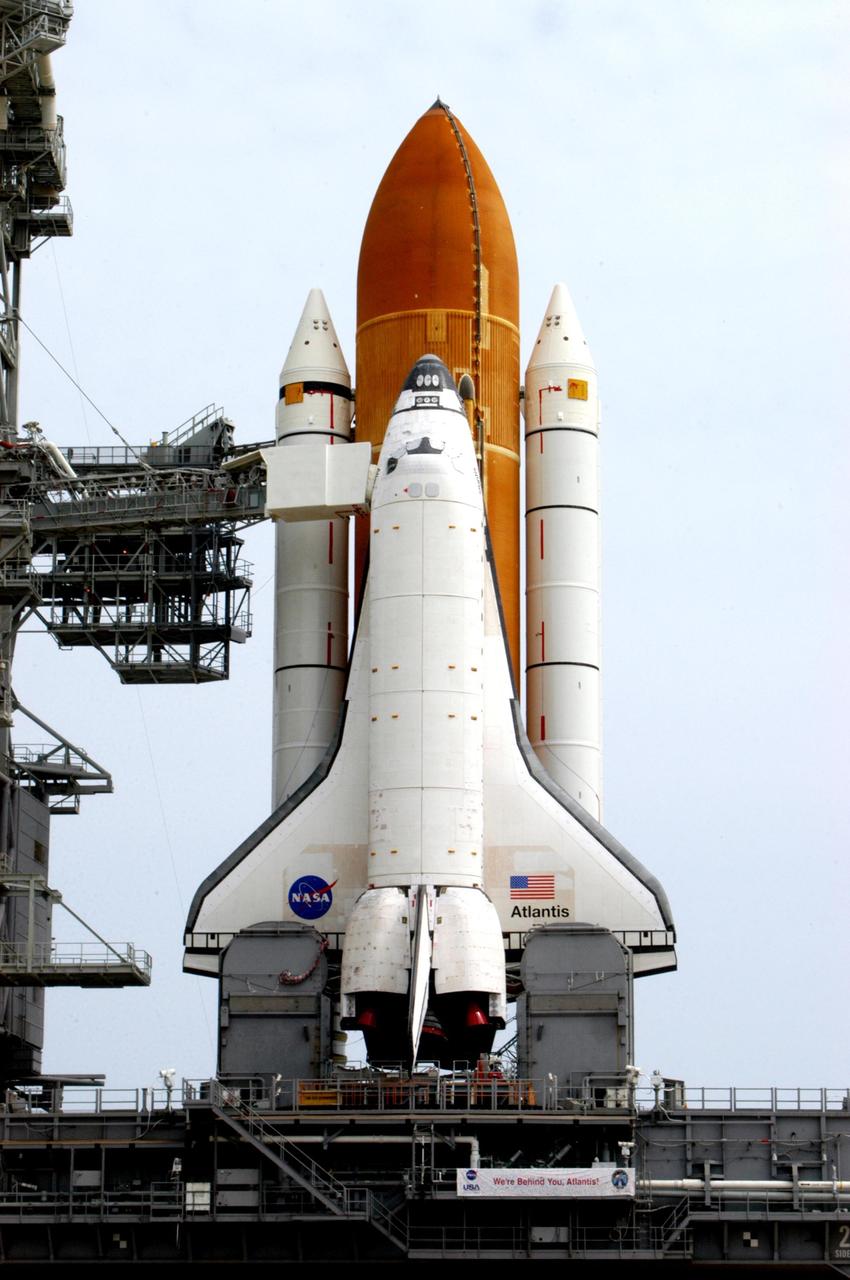
KENNEDY SPACE CENTER, FLA. - Space Shuttle Atlantis sits on the hardstand of Launch Pad 39B after its nearly 8-hour rollout from the Vehicle Assembly Building. Extending from the fixed service structure on the left is the orbiter access arm, with the White Room on the outer end, adjacent to Atlantis. Below the orbiter, on each side of the main engine nozzles, are the tail service masts that provide several umbilical connections to the orbiter, including a liquid-oxygen line through one and a liquid-hydrogen line through another. Atlantis' launch window begins Aug. 27 for an 11-day mission to the International Space Station. The STS-115 crew of six astronauts will continue construction of the station and install their cargo, the Port 3/4 truss segment with its two large solar arrays. Photo credit: NASA/Troy Cryder & George Shelton
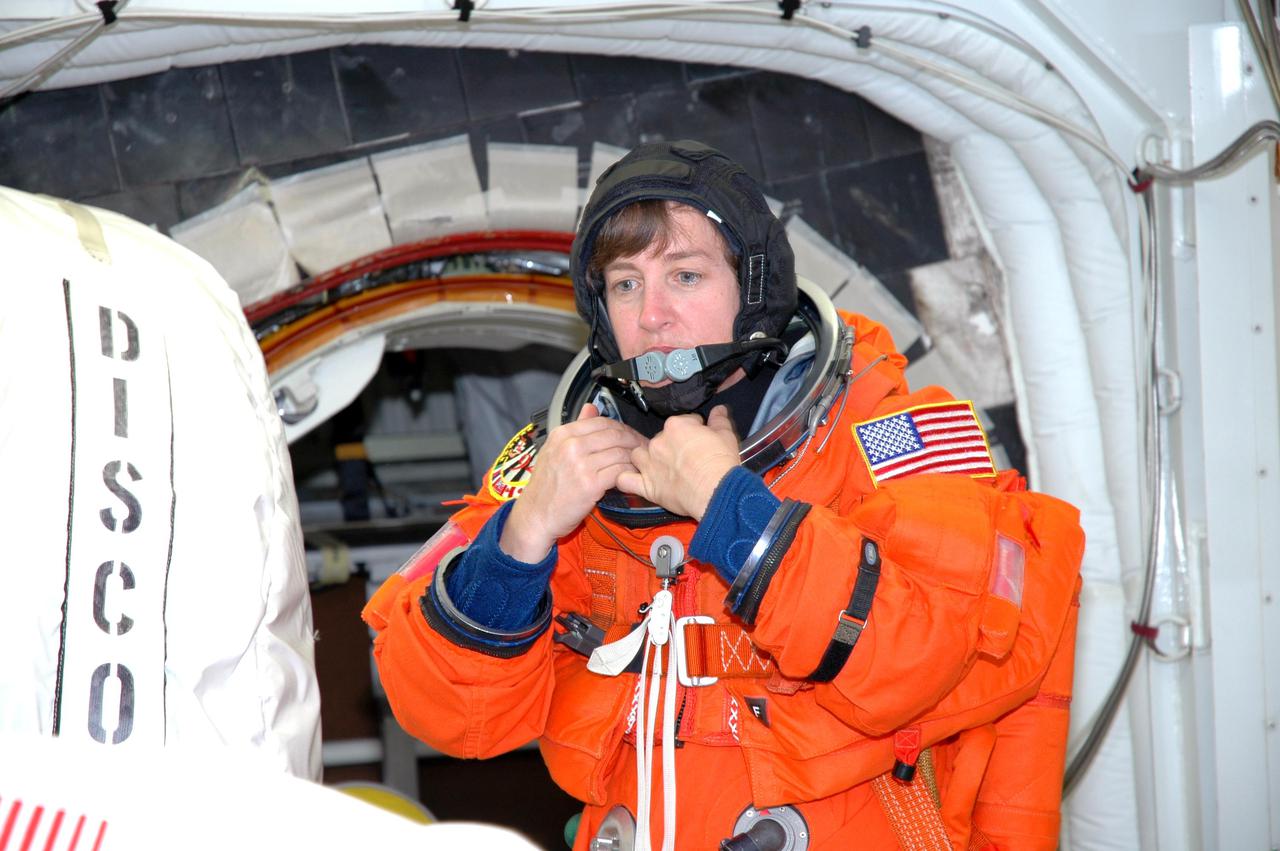
KENNEDY SPACE CENTER, FLA. - In the White Room on Launch Pad 39B, STS-114 Mission Specialist Wendy Lawrence makes a final adjustment on her launch suit before entering the hatch on Space Shuttle Discovery, behind her. The crew is taking part in a full dress rehearsal for launch, including countdown and culminating in main engine cutoff. The rehearsal is the final part of Terminal Countdown Demonstration Test (TCDT) activities that the crew has been involved in for three days. TCDT provides the crew of each mission an opportunity to participate in various simulated countdown activities, including equipment familiarization and emergency egress training. STS-114 is the first Return to Flight mission to the International Space Station. The launch window extends July 13 through July 31.
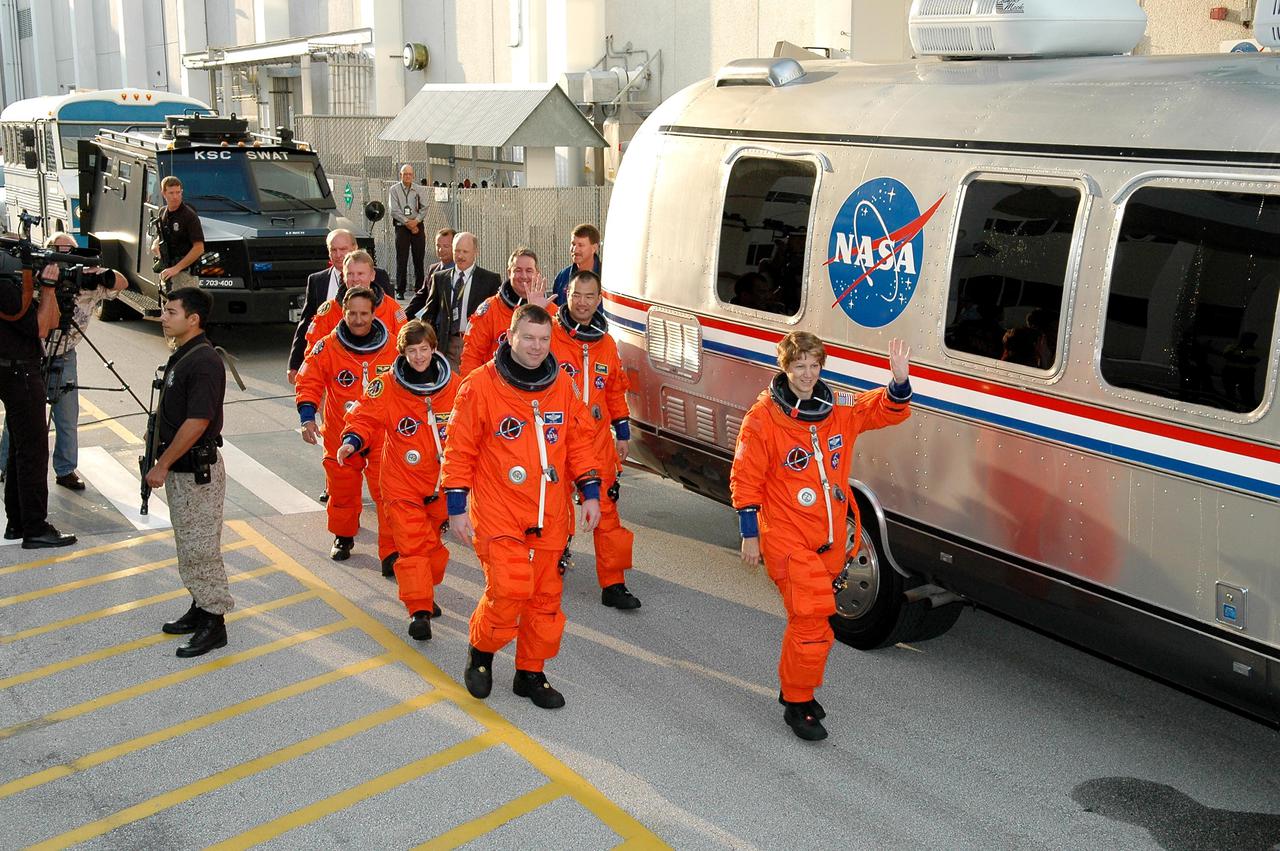
KENNEDY SPACE CENTER, FLA. - Outside the Operations and Checkout Building, STS-114 Commander Eileen Collins leads the way to the Astrovan that will transport the crew to Launch Pad 39B for a mock launch countdown culminating in a simulated main engine cutoff. In the left row, from front, are Pilot James Kelly and Mission Specialists Wendy Lawrence, Charles Camarda, and Andrew Thomas. In the right row, from front, are Collins and Mission Specialists Soichi Noguchi and Stephen Robinson. Noguchi is with the Japan Aerospace Exploration Agency. The dress rehearsal is part of Terminal Countdown Demonstration Test (TCDT) activities held prior to each Space Shuttle flight. It provides the crew of each mission an opportunity to participate in various simulated countdown activities, including equipment familiarization and emergency egress training. STS-114 is the first Return to Flight mission to the International Space Station. The launch window extends July 13 through July 31.
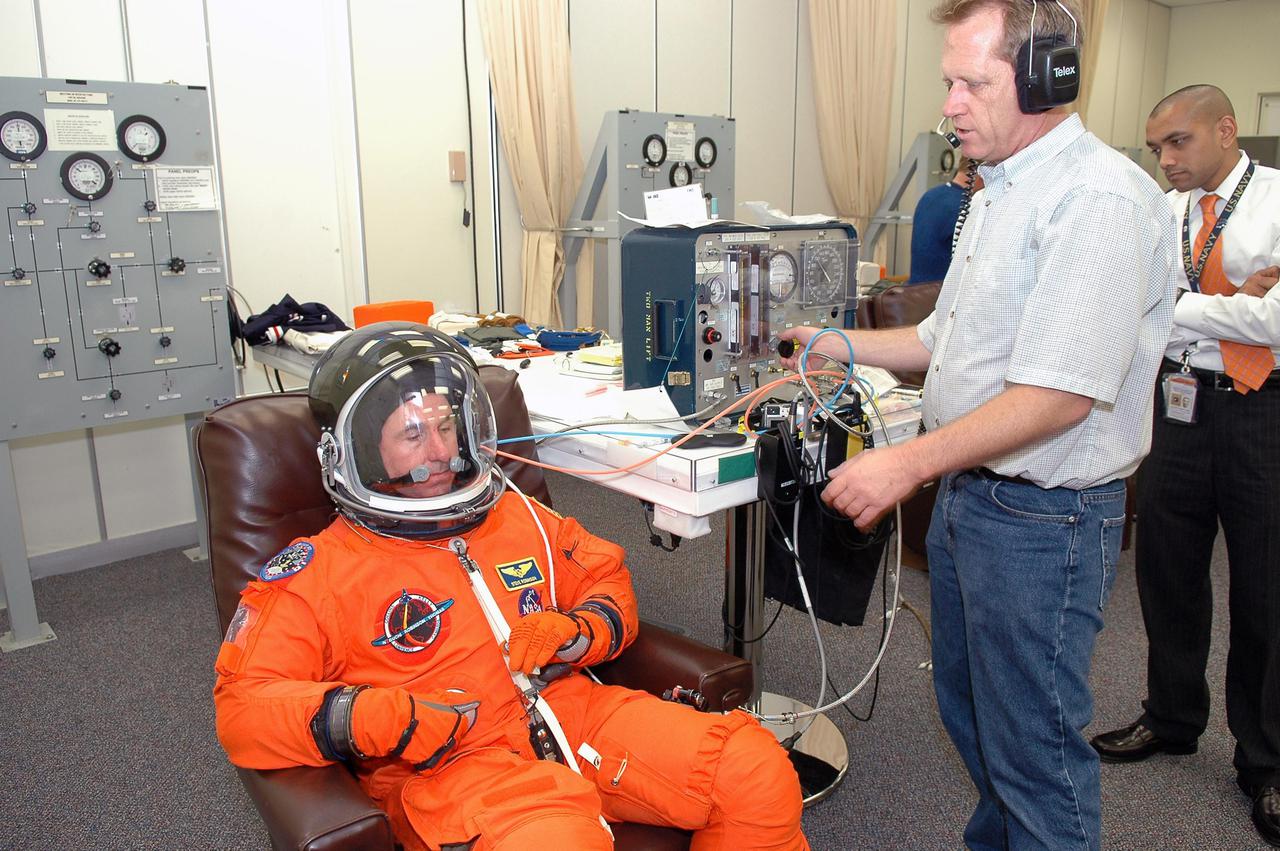
KENNEDY SPACE CENTER, FLA. - As part of pre-pack and fit check for Terminal Countdown Demonstration Test (TCDT) activities, STS-114 Mission Specialist Stephen Robinson has various elements of his launch suit and helmet checked. The TCDT is held at KSC prior to each Space Shuttle flight. It provides the crew of each mission an opportunity to participate in simulated countdown activities. The test ends with a mock launch countdown culminating in a simulated main engine cutoff. The crew also spends time undergoing emergency egress training exercises at the launch pad. STS-114 is the first Return to Flight mission to the International Space Station. The launch window extends July 13 through July 31.
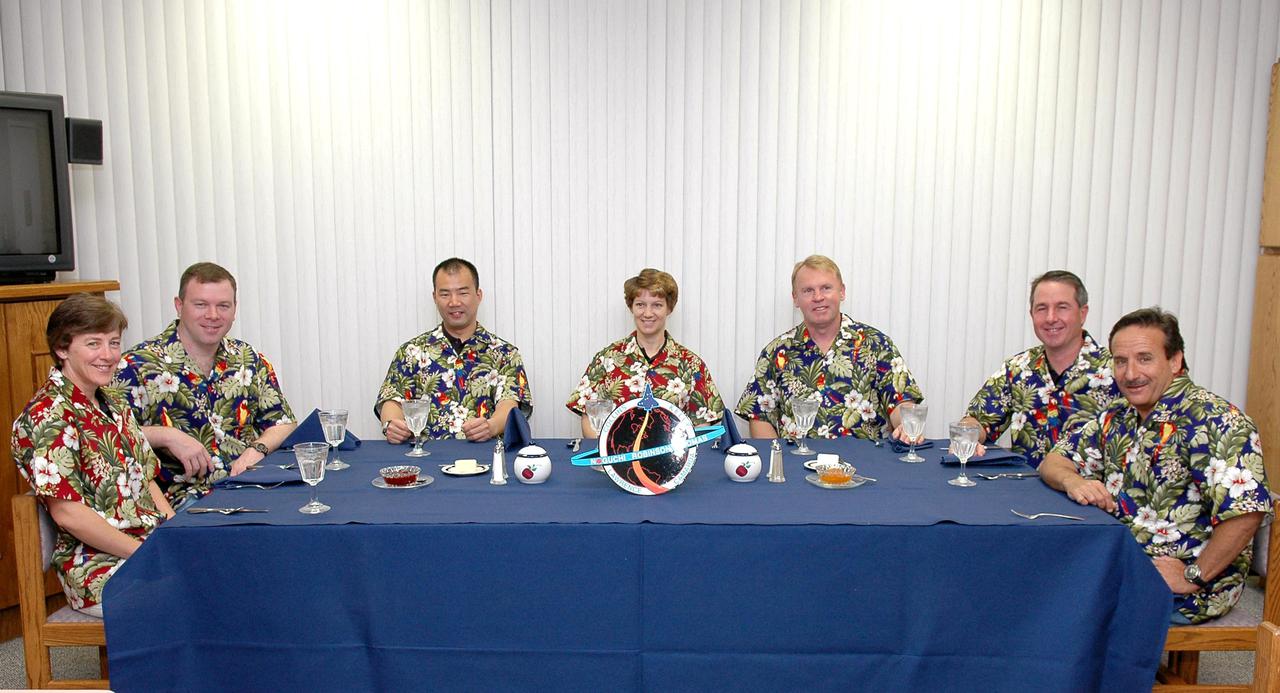
KENNEDY SPACE CENTER, FLA. - The STS-114 crew partakes of the traditional breakfast in the crew quarters at the Operations and Checkout (OandC) Building prior to suit-up for the trip to Launch Pad 39B for a mock launch countdown culminating in a simulated main engine cutoff. Seated, from left, are Mission Specialist Wendy Lawrence, Pilot James Kelly, Mission Specialist Soichi Noguchi, Commander Eileen Collins, and Mission Specialists Andrew Thomas, Stephen Robinson, and Charles Camarda. Noguchi is with the Japan Aerospace Exploration Agency. The dress rehearsal is part of Terminal Countdown Demonstration Test (TCDT) activities held prior to each Space Shuttle flight. It provides the crew of each mission an opportunity to participate in various simulated countdown activities, including equipment familiarization and emergency egress training. STS-114 is the first Return to Flight mission to the International Space Station. The launch window extends July 13 through July 31.
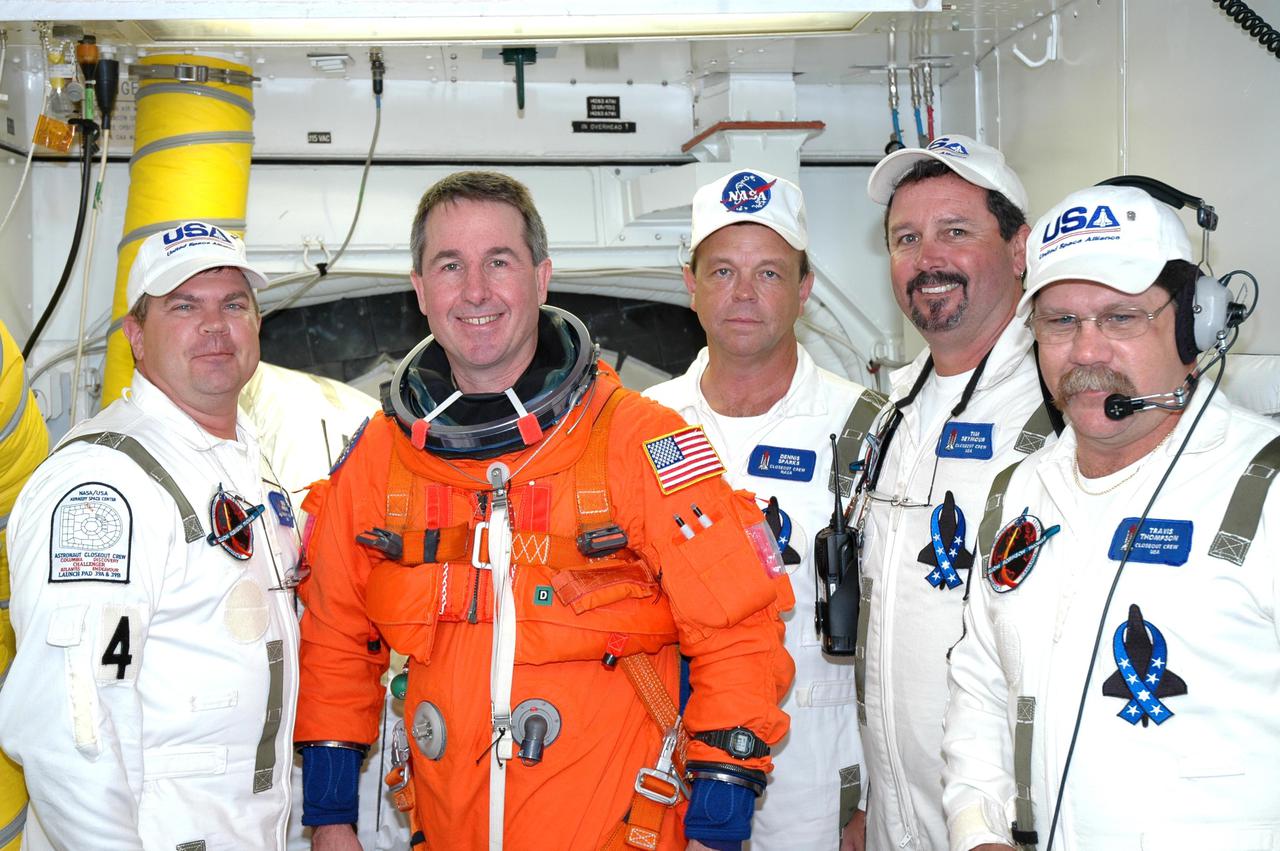
KENNEDY SPACE CENTER, FLA. - In the White Room on Launch Pad 39B, STS-114 Mission Specialist Stephen Robinson has completed adjustments to his launch suit with the help of the Closeout Crew around him. He will be entering the hatch to Space Shuttle Discovery, behind him. The crew is taking part in a full dress rehearsal for launch, including countdown and culminating in main engine cutoff. The rehearsal is the final part of Terminal Countdown Demonstration Test (TCDT) activities that the crew has been involved in for three days. TCDT provides the crew of each mission an opportunity to participate in various simulated countdown activities, including equipment familiarization and emergency egress training. STS-114 is the first Return to Flight mission to the International Space Station. The launch window extends July 13 through July 31.
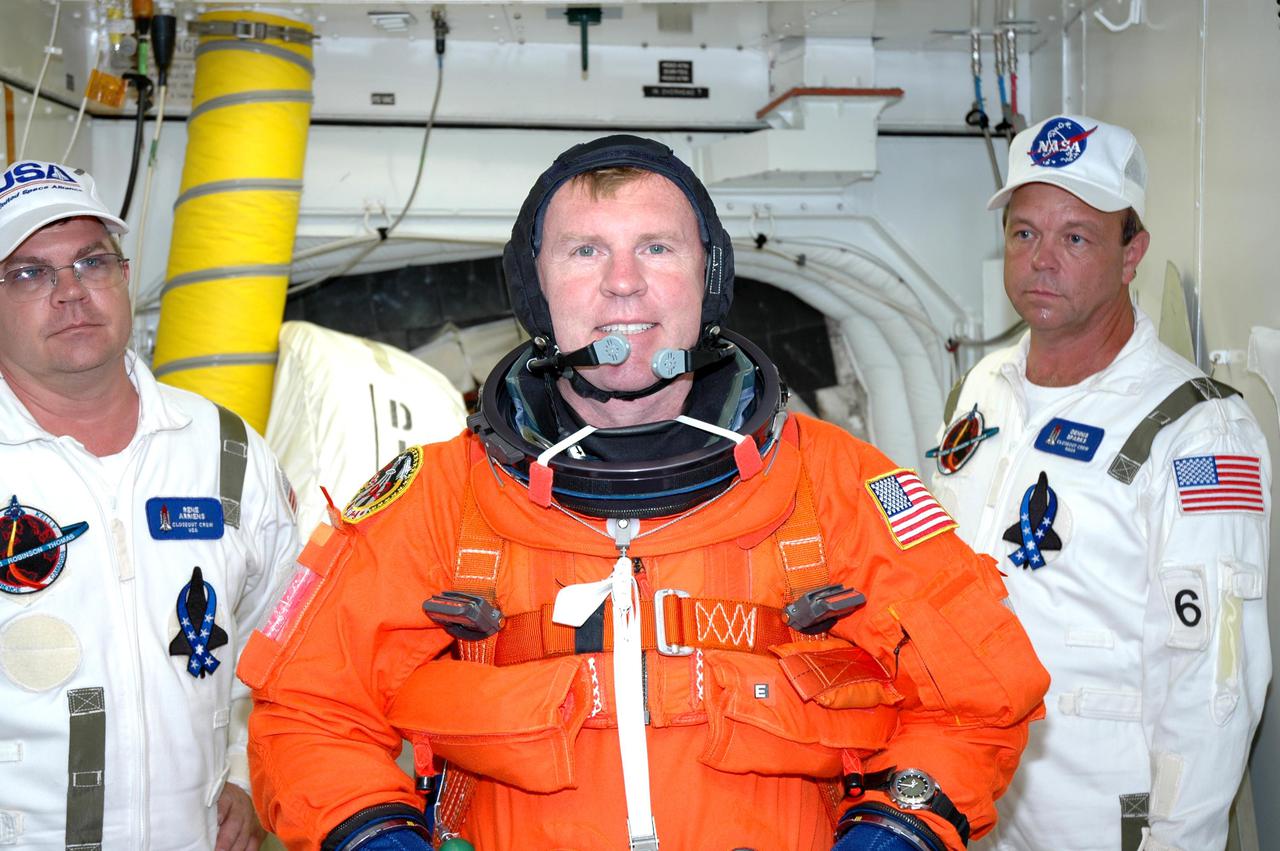
KENNEDY SPACE CENTER, FLA. - With the Closeout Crew looking on in the White Room on Launch Pad 39B, STS-114 Mission Specialist Andrew Thomas has donned his launch suit before entering Space Shuttle Discovery. The crew is taking part in a full dress rehearsal for launch, including countdown and culminating in main engine cutoff. The rehearsal is the final part of Terminal Countdown Demonstration Test (TCDT) activities that the crew has been involved in for three days. TCDT provides the crew of each mission an opportunity to participate in various simulated countdown activities, including equipment familiarization and emergency egress training. STS-114 is the first Return to Flight mission to the International Space Station. The launch window extends July 13 through July 31.
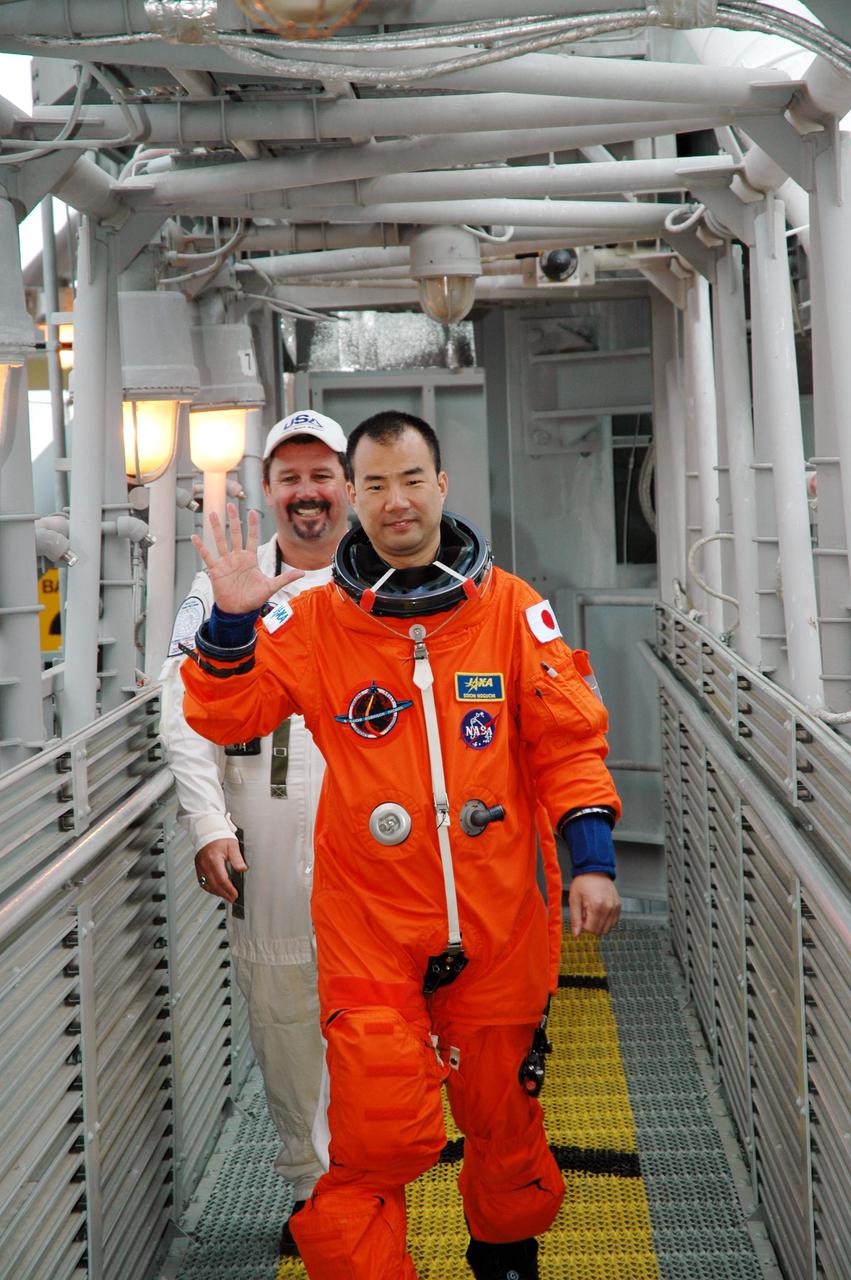
KENNEDY SPACE CENTER, FLA. - With a member of the Closeout Crew following behind, STS-114 Mission Specialist Soichi Noguchi heads for the White Room on Launch Pad 39B, where he will complete adjustments to his launch suit before entering Space Shuttle Discovery. Noguchi is with the Japan Aerospace Exploration Agency. The crew is taking part in a full dress rehearsal for launch, including countdown and culminating in main engine cutoff. The rehearsal is the final part of Terminal Countdown Demonstration Test (TCDT) activities that the crew has been involved in for three days. TCDT provides the crew of each mission an opportunity to participate in various simulated countdown activities, including equipment familiarization and emergency egress training. STS-114 is the first Return to Flight mission to the International Space Station. The launch window extends July 13 through July 31.
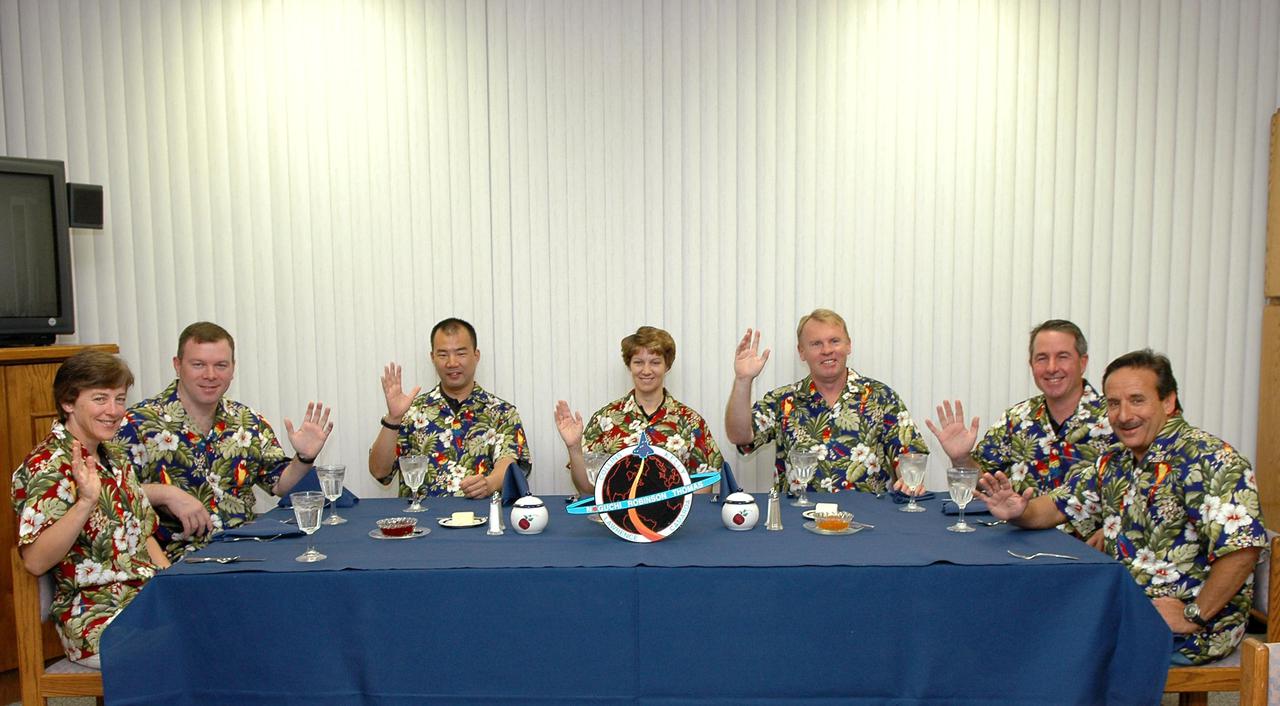
KENNEDY SPACE CENTER, FLA. - The STS-114 crew partakes of the traditional breakfast in the crew quarters at the Operations and Checkout (OandC) Building prior to suit-up for the trip to Launch Pad 39B for a mock launch countdown culminating in a simulated main engine cutoff. Seated, from left, are Mission Specialist Wendy Lawrence, Pilot James Kelly, Mission Specialist Soichi Noguchi, Commander Eileen Collins, and Mission Specialists Andrew Thomas, Stephen Robinson, and Charles Camarda. Noguchi is with the Japan Aerospace Exploration Agency. The dress rehearsal is part of Terminal Countdown Demonstration Test (TCDT) activities held prior to each Space Shuttle flight. It provides the crew of each mission an opportunity to participate in various simulated countdown activities, including equipment familiarization and emergency egress training. STS-114 is the first Return to Flight mission to the International Space Station. The launch window extends July 13 through July 31.
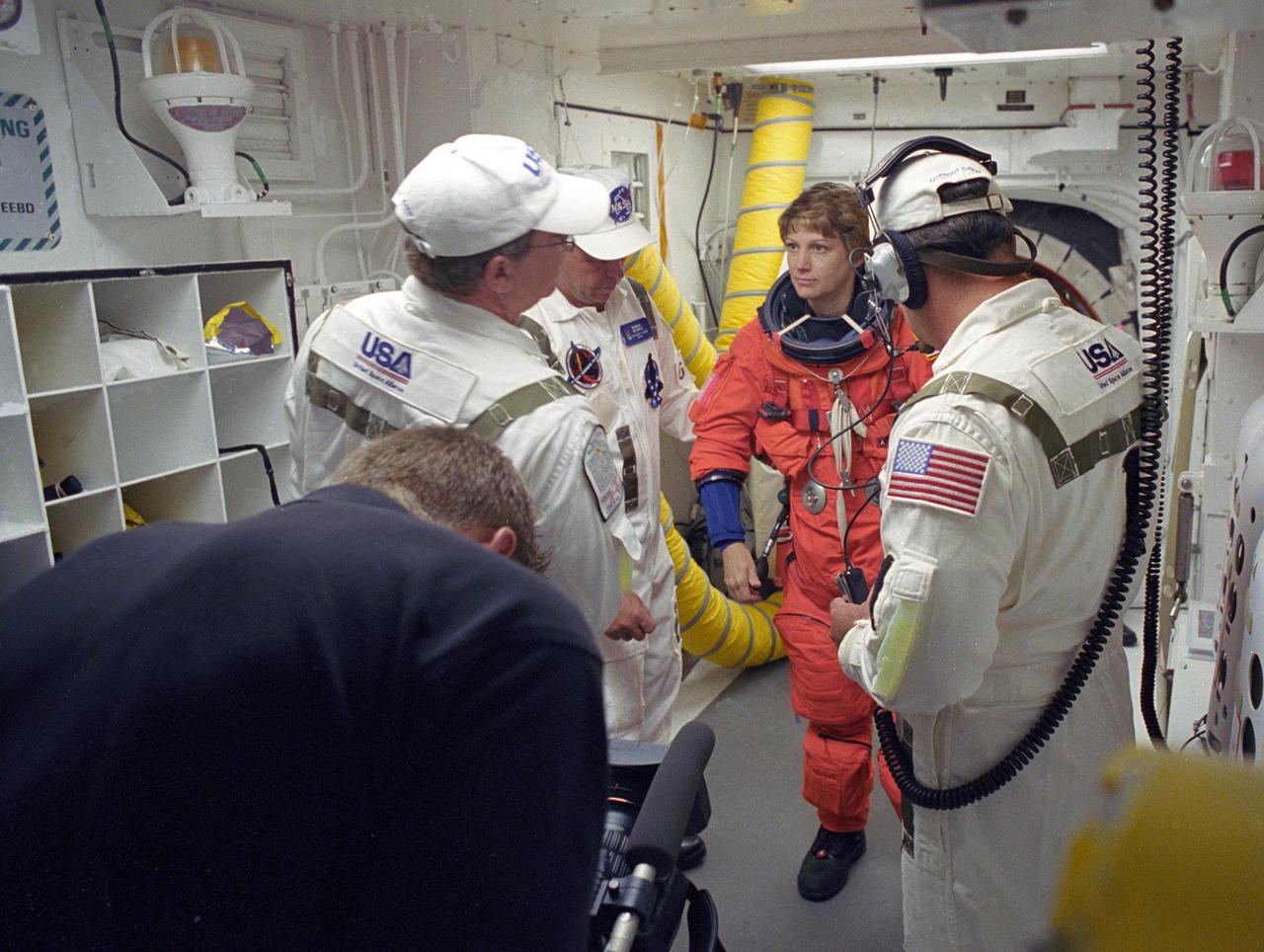
KENNEDY SPACE CENTER, FLA. - With the help of the Closeout Crew in the White Room on Launch Pad 39B, STS-114 Commander Eileen Collins adjusts her launch suit before entering Space Shuttle Discovery. The crew is taking part in a full dress rehearsal for launch, including countdown and culminating in main engine cutoff. The rehearsal is the final part of Terminal Countdown Demonstration Test (TCDT) activities that the crew has been involved in for three days. TCDT provides the crew of each mission an opportunity to participate in various simulated countdown activities, including equipment familiarization and emergency egress training. STS-114 is the first Return to Flight mission to the International Space Station. The launch window extends July 13 through July 31.
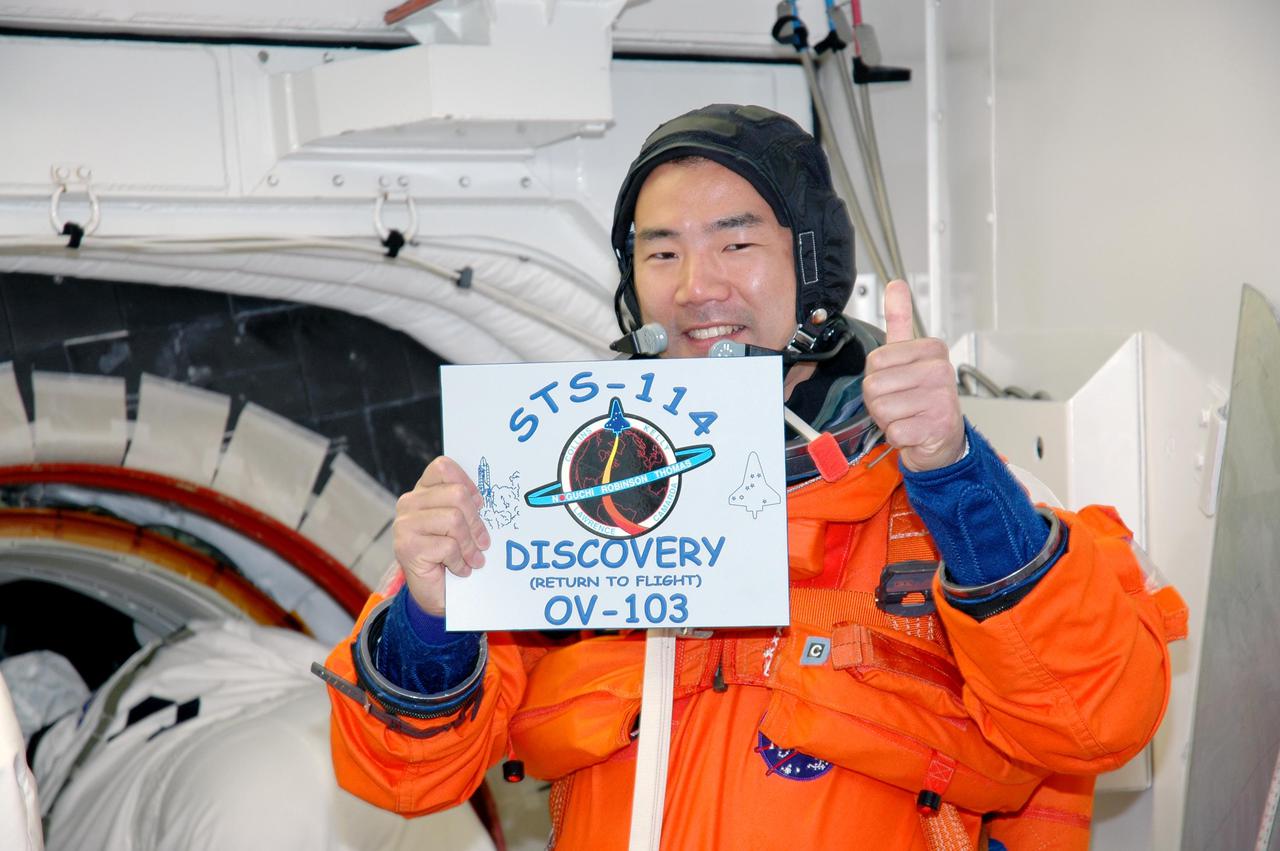
KENNEDY SPACE CENTER, FLA. - STS-114 Mission Specialist Soichi Noguchi holds the mission patch that will be attached to Space Shuttle Discovery for flight. Noguchi is with the Japan Aerospace Exploration Agency. The crew is taking part in a full dress rehearsal for launch, including countdown and culminating in main engine cutoff. The rehearsal is the final part of Terminal Countdown Demonstration Test (TCDT) activities that the crew has been involved in for three days. TCDT provides the crew of each mission an opportunity to participate in various simulated countdown activities, including equipment familiarization and emergency egress training. STS-114 is the first Return to Flight mission to the International Space Station. The launch window extends July 13 through July 31.

KENNEDY SPACE CENTER, FLA. - With the help of the Closeout Crew in the White Room on Launch Pad 39B, STS-114 Commander Eileen Collins adjusts her launch suit before entering Space Shuttle Discovery. The crew is taking part in a full dress rehearsal for launch, including countdown and culminating in main engine cutoff. The rehearsal is the final part of Terminal Countdown Demonstration Test (TCDT) activities that the crew has been involved in for three days. TCDT provides the crew of each mission an opportunity to participate in various simulated countdown activities, including equipment familiarization and emergency egress training. STS-114 is the first Return to Flight mission to the International Space Station. The launch window extends July 13 through July 31.
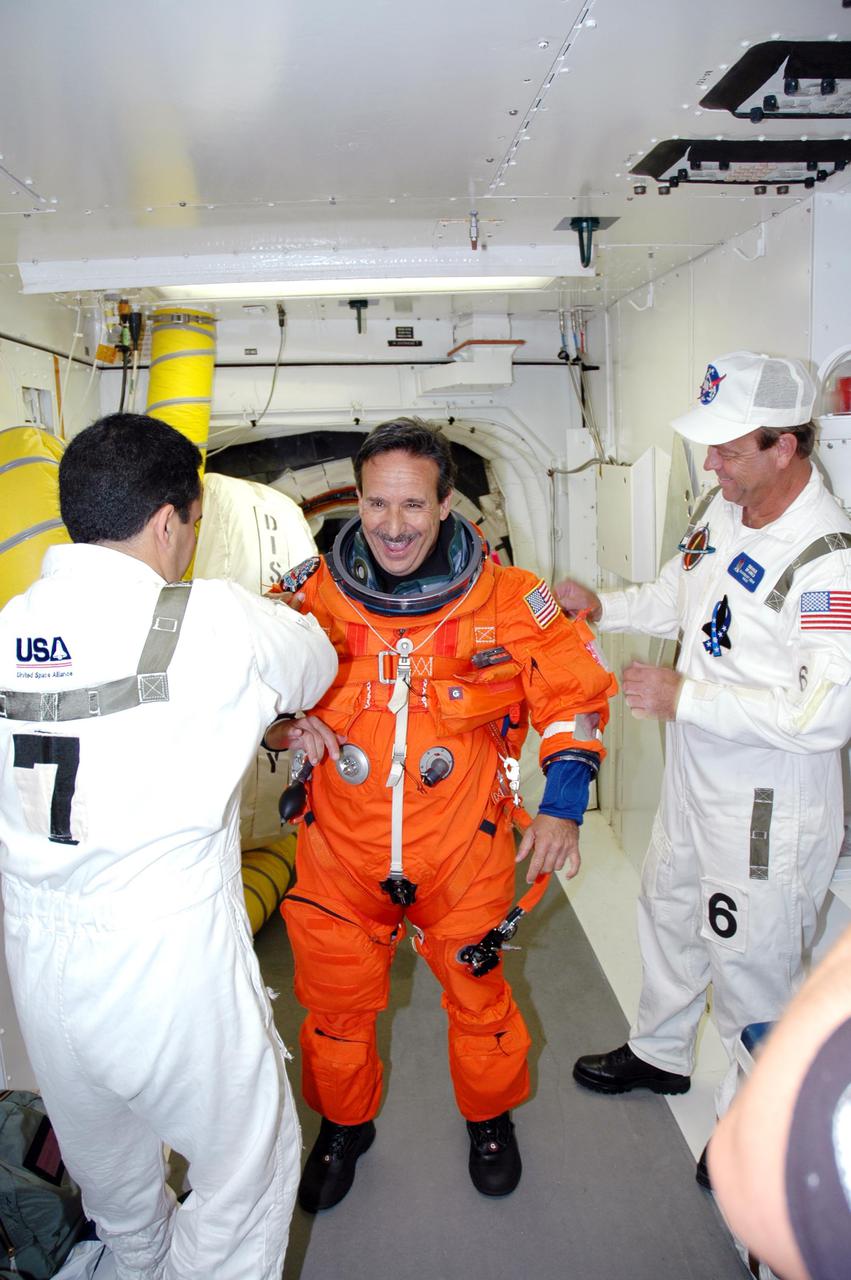
KENNEDY SPACE CENTER, FLA. -With the help of the Closeout Crew in the White Room on Launch Pad 39B, STS-114 Mission Specialist Charles Camarda adjusts his launch suit before entering Space Shuttle Discovery. The crew is taking part in a full dress rehearsal for launch, including countdown and culminating in main engine cutoff. The rehearsal is the final part of Terminal Countdown Demonstration Test (TCDT) activities that the crew has been involved in for three days. TCDT provides the crew of each mission an opportunity to participate in various simulated countdown activities, including equipment familiarization and emergency egress training. STS-114 is the first Return to Flight mission to the International Space Station. The launch window extends July 13 through July 31.
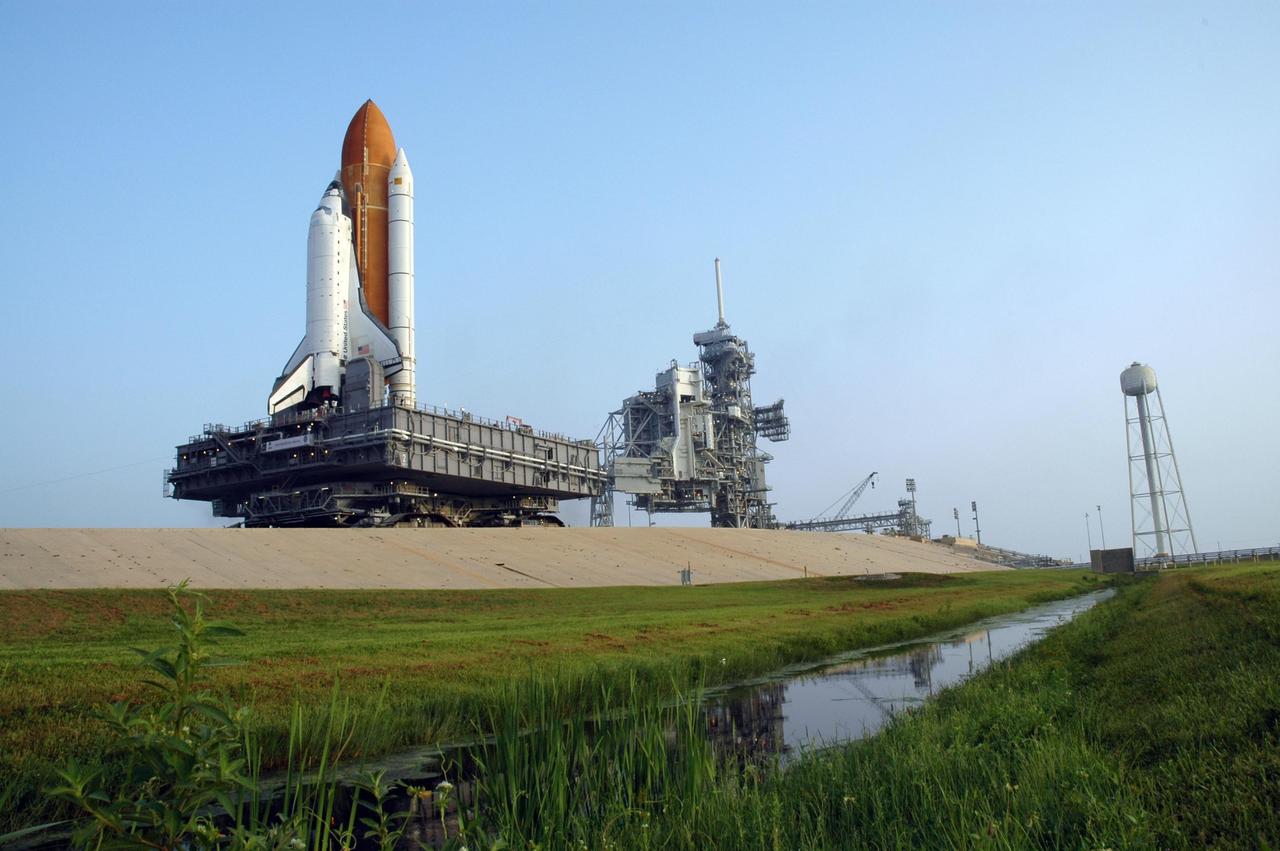
KENNEDY SPACE CENTER, FLA. - In the bright light of day, Space Shuttle Atlantis nears the hard stand on Launch Pad 39B. First motion out of the Vehicle Assembly Building was 1:05 a.m. The shuttle sits on top of the mobile launcher platform, which in turn rests on the crawler-transporter. At right is the 290-foot high, 300,000- gallon water tank that aids in sound suppression during launch. The water releases just prior to the ignition of the shuttle engines and flows through 7-foot-diameter pipes for about 20 seconds, pouring into 16 nozzles atop the flame deflectors and from outlets in the main engines exhaust hole in the mobile launcher platform. The slow speed of the crawler results in a 6-hour trek to the pad approximately 4 miles away. Atlantis' launch window begins Aug. 27 for an 11-day mission to the International Space Station. The STS-115 crew of six astronauts will continue construction of the station and install their cargo, the Port 3/4 truss segment with its two large solar arrays. Photo credit: NASA/Troy Cryder
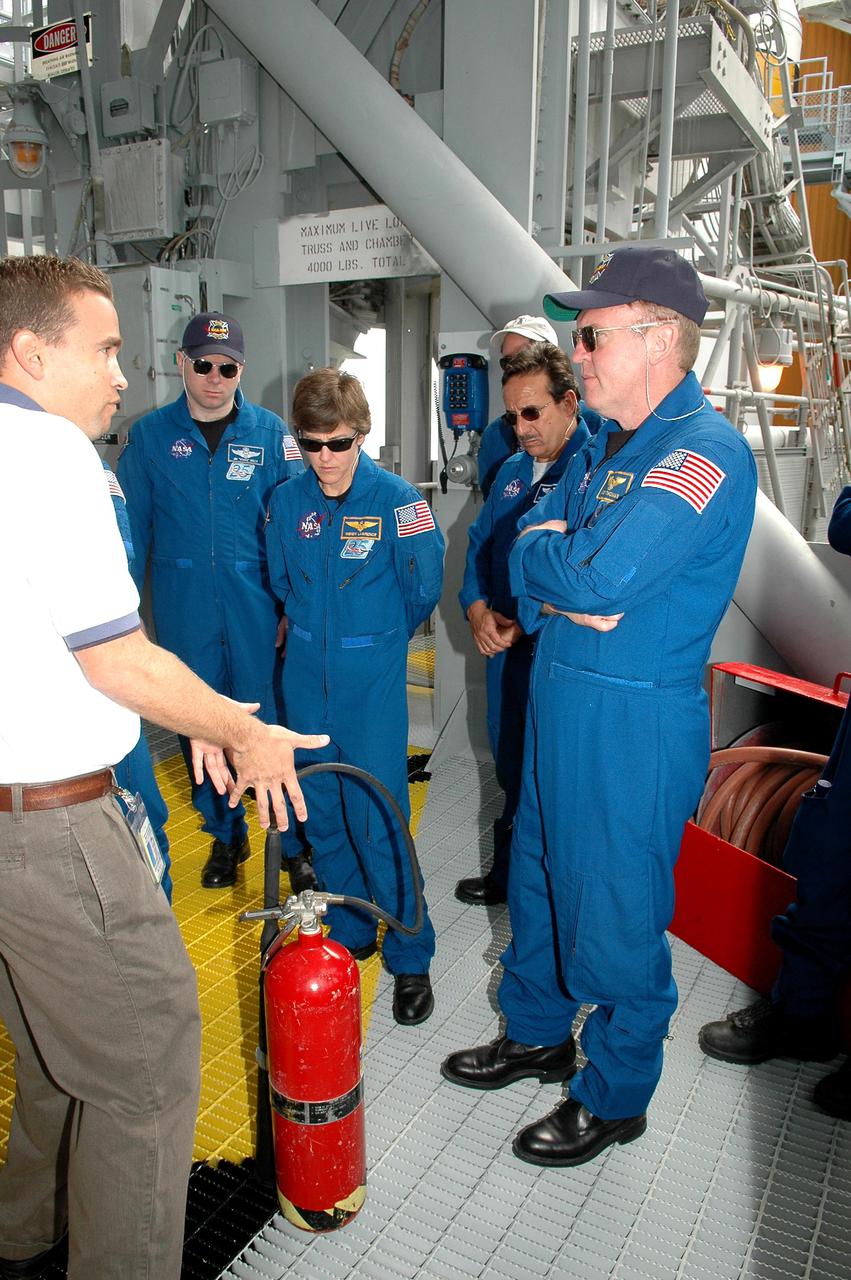
KENNEDY SPACE CENTER, FLA. - On the Fixed Service Structure at Launch Pad 39B, the STS-114 crew gets instructions about fire extinguisher use. The astronauts seen here are (from left) Pilot James Kelly, Commander Eileen Collins, and Mission Specialists Charles Camarda and Andrew Thomas. The training is part of Terminal Countdown Demonstration Test activities. The TCDT is held at KSC prior to each Space Shuttle flight. It provides the crew of each mission an opportunity to participate in simulated countdown activities. The test ends with a mock launch countdown culminating in a simulated main engine cutoff. The crew also spends time undergoing emergency egress training exercises at the launch pad. STS-114 is designated the first Return to Flight mission, with a launch window extending from July 13 to July 31.
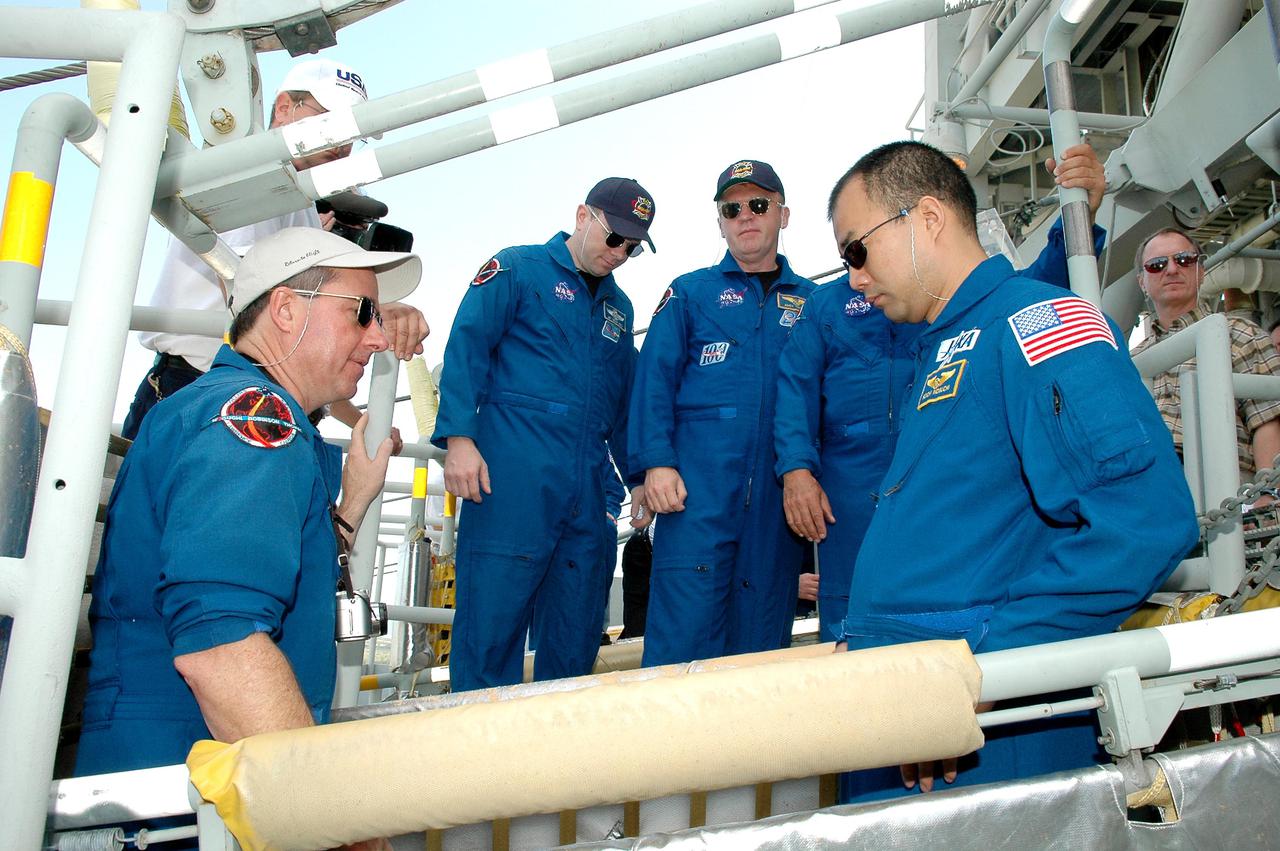
KENNEDY SPACE CENTER, FLA. - On the Fixed Service Structure at Launch Pad 39B, STS-114 Mission Specialists Stephen Robinson (left) and Soichi Noguchi (right) have climbed into the slidewire basket, emergency egress equipment from the pad. Watching them (in center) are Pilot James Kelly and Mission Specialist Andrew Thomas. Noguchi is with the Japan Aerospace Exploration Agency. The training is part of Terminal Countdown Demonstration Test activities. The TCDT is held at KSC prior to each Space Shuttle flight. It provides the crew of each mission an opportunity to participate in simulated countdown activities. The test ends with a mock launch countdown culminating in a simulated main engine cutoff. The crew also spends time undergoing emergency egress training exercises at the launch pad. STS-114 is designated the first Return to Flight mission, with a launch window extending from July 13 to July 31.
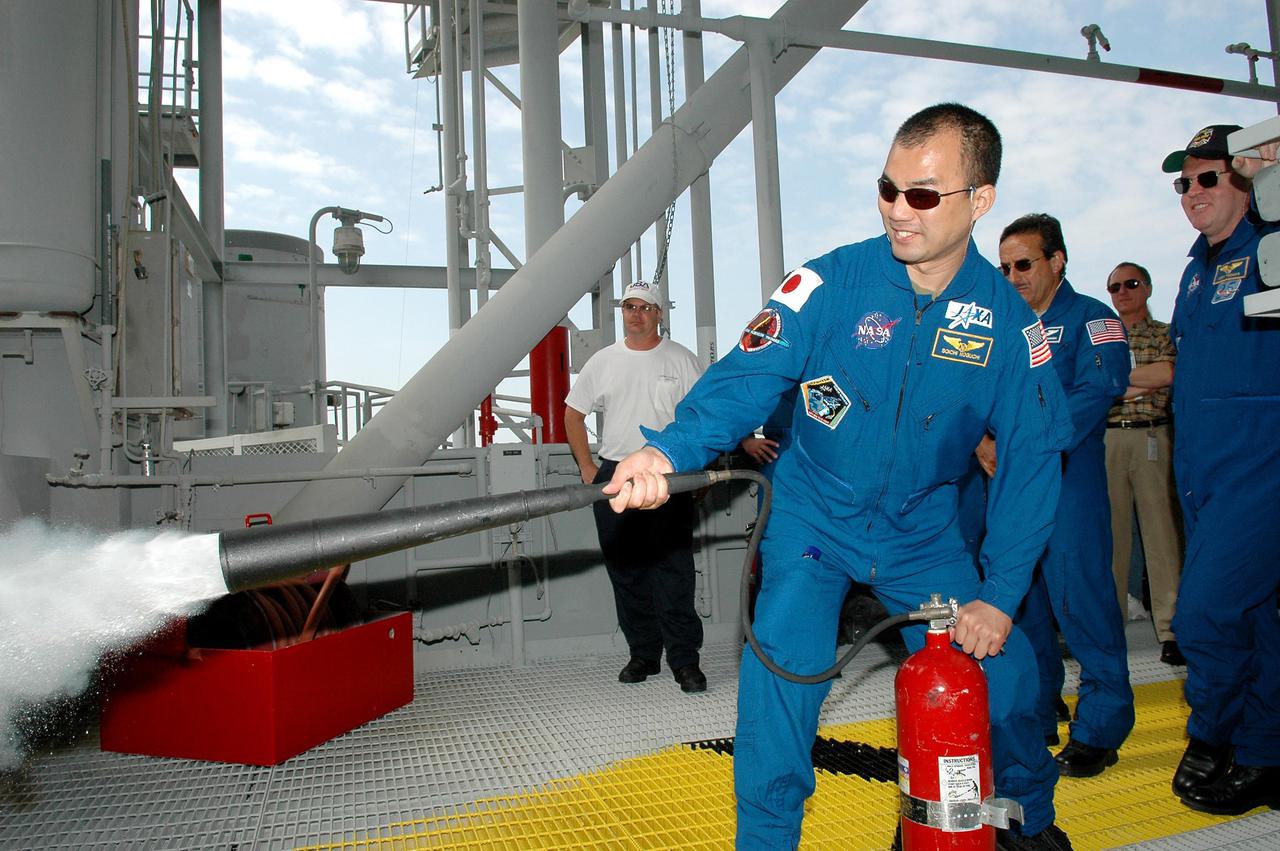
KENNEDY SPACE CENTER, FLA. - On the Fixed Service Structure at Launch Pad 39B, STS-114 Mission Specialist Soichi Noguchi practices using a fire extinguisher. Noguchi is with the Japan Aerospace Exploration Agency. The training is part of Terminal Countdown Demonstration Test activities. Other crew members looking on, behind Noguchi, are Mission Specialists Charles Camarda and Andrew Thomas. The TCDT is held at KSC prior to each Space Shuttle flight. It provides the crew of each mission an opportunity to participate in simulated countdown activities. The test ends with a mock launch countdown culminating in a simulated main engine cutoff. The crew also spends time undergoing emergency egress training exercises at the launch pad. STS-114 is designated the first Return to Flight mission, with a launch window extending from July 13 to July 31.

KENNEDY SPACE CENTER, FLA. - Dozens of media are gathered at the slidewire basket landing area on Launch Pad 39B to interview and hear comments from the STS-114 crew: Mission Specialists Andrew Thomas, Wendy Lawrence and Stephen Robinson, Commander Eileen Collins, Mission Specialists Charles Camarda and Soichi Noguchi, and Pilot James Kelly. Noguchi is with the Japan Aerospace Exploration Agency. The TCDT is held at KSC prior to each Space Shuttle flight. It provides the crew of each mission an opportunity to participate in simulated countdown activities. The test ends with a mock launch countdown culminating in a simulated main engine cutoff. The crew also spends time undergoing emergency egress training exercises at the launch pad. STS-114 is designated the first Return to Flight mission, with a launch window extending from July 13 to July 31.
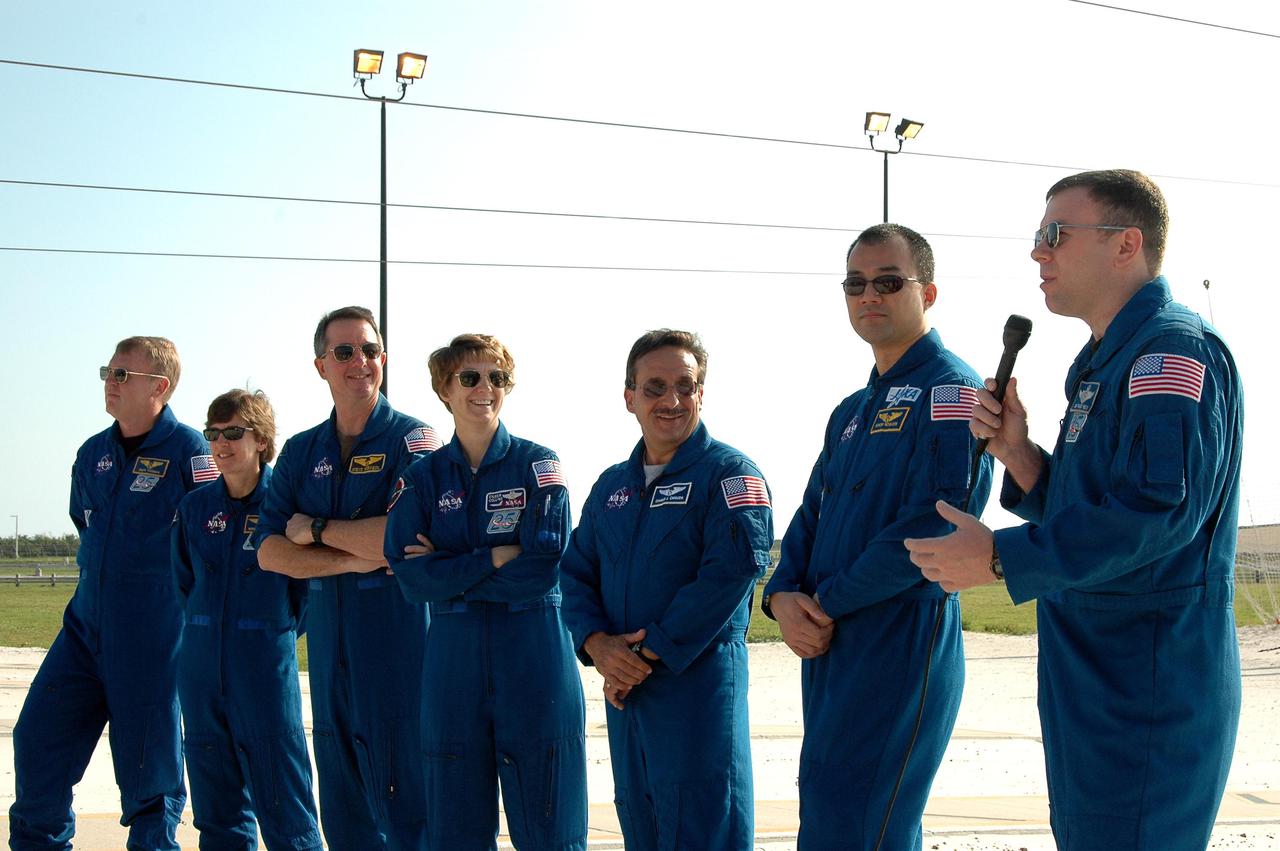
KENNEDY SPACE CENTER, FLA. - The STS-114 crew gathers for media questions at the slidewire basket landing area on Launch Pad 39B. Pilot James Kelly (far right) responds to a question. The other crew members are, from left, Mission Specialists Andrew Thomas, Wendy Lawrence and Stephen Robinson, Commander Eileen Collins, and Mission Specialists Charles Camarda and Soichi Noguchi, who is with the Japan Aerospace Exploration Agency. The TCDT is held at KSC prior to each Space Shuttle flight. It provides the crew of each mission an opportunity to participate in simulated countdown activities. The test ends with a mock launch countdown culminating in a simulated main engine cutoff. The crew also spends time undergoing emergency egress training exercises at the launch pad. STS-114 is designated the first Return to Flight mission, with a launch window extending from July 13 to July 31.
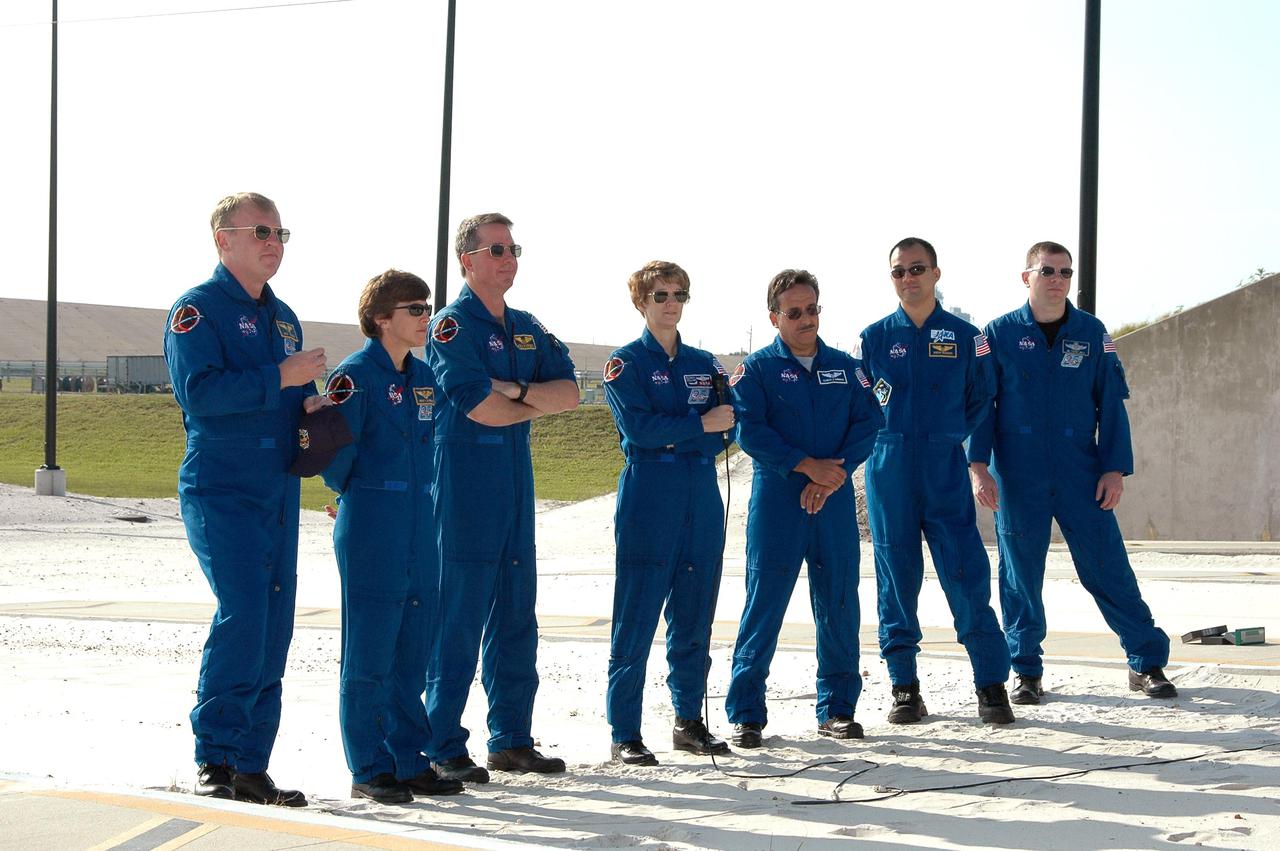
KENNEDY SPACE CENTER, FLA. - The STS-114 crew gathers for media questions at the slidewire basket landing area on Launch Pad 39B. Standing left to right are Mission Specialists Andrew Thomas, Wendy Lawrence and Stephen Robinson, Commander Eileen Collins, Mission Specialists Charles Camarda and Soichi Noguchi, and Pilot James Kelly. Noguchi is with the Japan Aerospace Exploration Agency. The TCDT is held at KSC prior to each Space Shuttle flight. It provides the crew of each mission an opportunity to participate in simulated countdown activities. The test ends with a mock launch countdown culminating in a simulated main engine cutoff. The crew also spends time undergoing emergency egress training exercises at the launch pad. STS-114 is designated the first Return to Flight mission, with a launch window extending from July 13 to July 31.
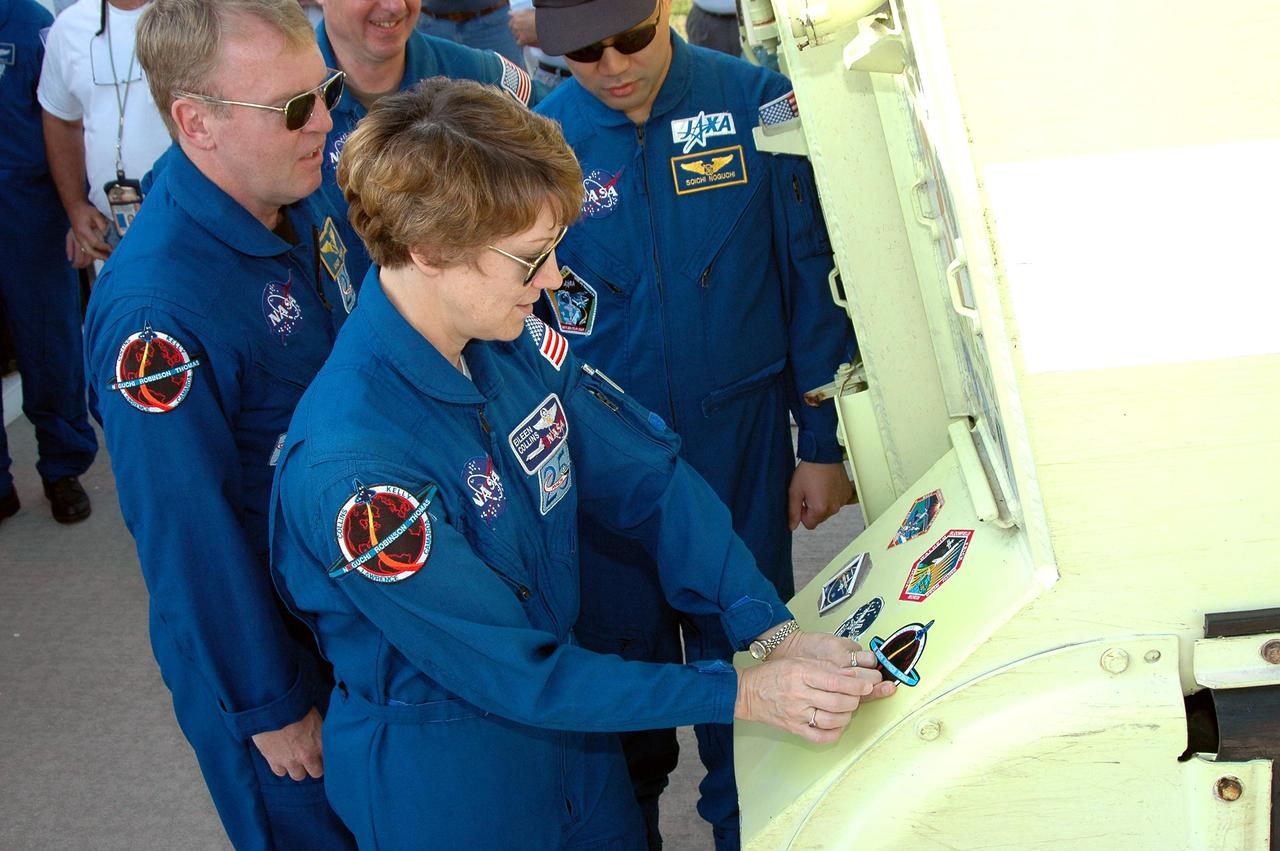
KENNEDY SPACE CENTER, FLA. - STS-114 Commander Eileen Collins places a mission patch on an M-113 armored personnel carrier during Terminal Countdown Demonstration Test (TCDT) activities. Looking on are Mission Specialists Andrew Thomas, Stephen Robinson and Soichi Noguchi, who is with the Japan Aerospace Exploration Agency.. The crew is at KSC for Terminal Countdown Demonstration Test (TCDT) activities. The TCDT is held at KSC prior to each Space Shuttle flight. It provides the crew of each mission an opportunity to participate in simulated countdown activities. The test ends with a mock launch countdown culminating in a simulated main engine cutoff. The crew also spends time undergoing emergency egress training exercises at the launch pad. STS-114 is designated the first Return to Flight mission, with a launch window extending from July 13 to July 31.
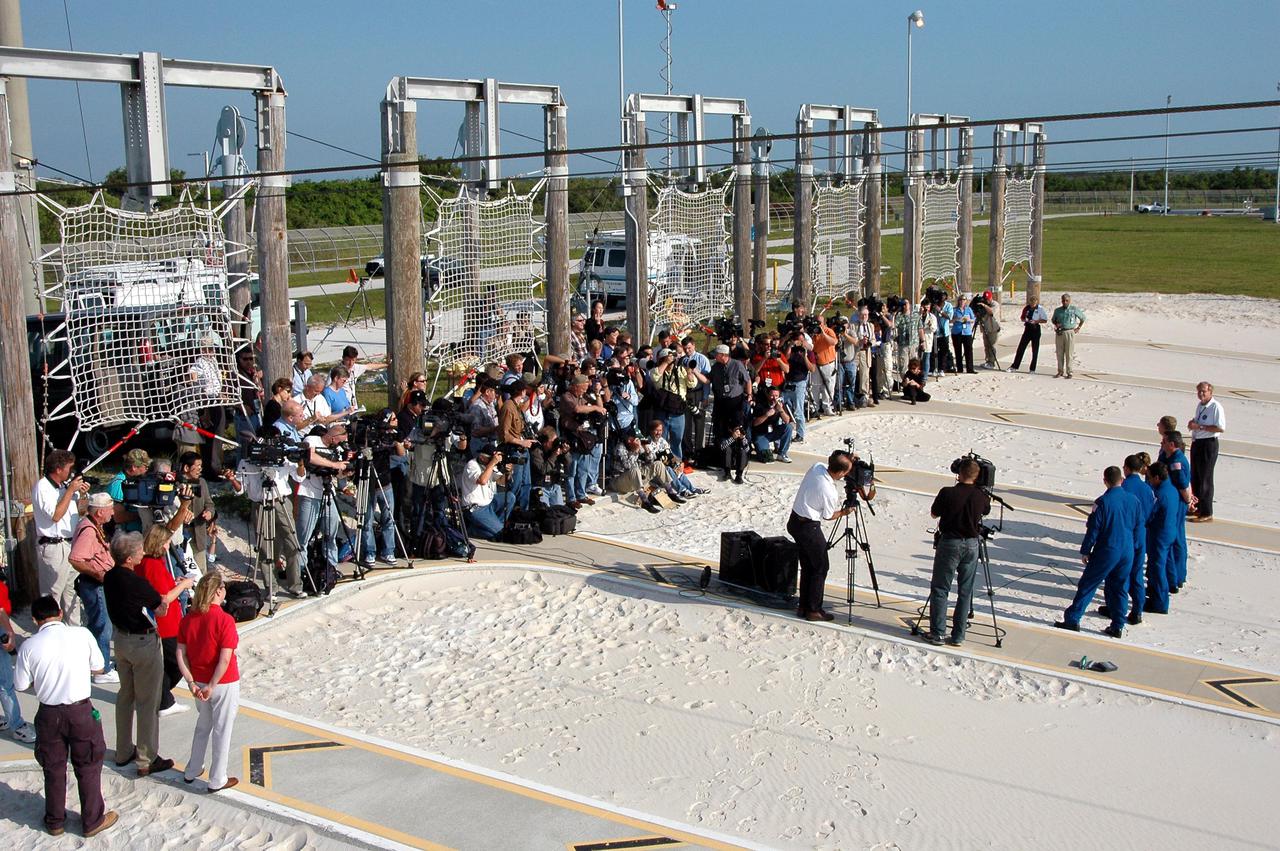
KENNEDY SPACE CENTER, FLA. - Dozens of media are gathered at the slidewire basket landing area on Launch Pad 39B to interview and hear comments from the STS-114 crew: Mission Specialists Andrew Thomas, Wendy Lawrence and Stephen Robinson, Commander Eileen Collins, Mission Specialists Charles Camarda and Soichi Noguchi, and Pilot James Kelly. Noguchi is with the Japan Aerospace Exploration Agency. The TCDT is held at KSC prior to each Space Shuttle flight. It provides the crew of each mission an opportunity to participate in simulated countdown activities. The test ends with a mock launch countdown culminating in a simulated main engine cutoff. The crew also spends time undergoing emergency egress training exercises at the launch pad. STS-114 is designated the first Return to Flight mission, with a launch window extending from July 13 to July 31.
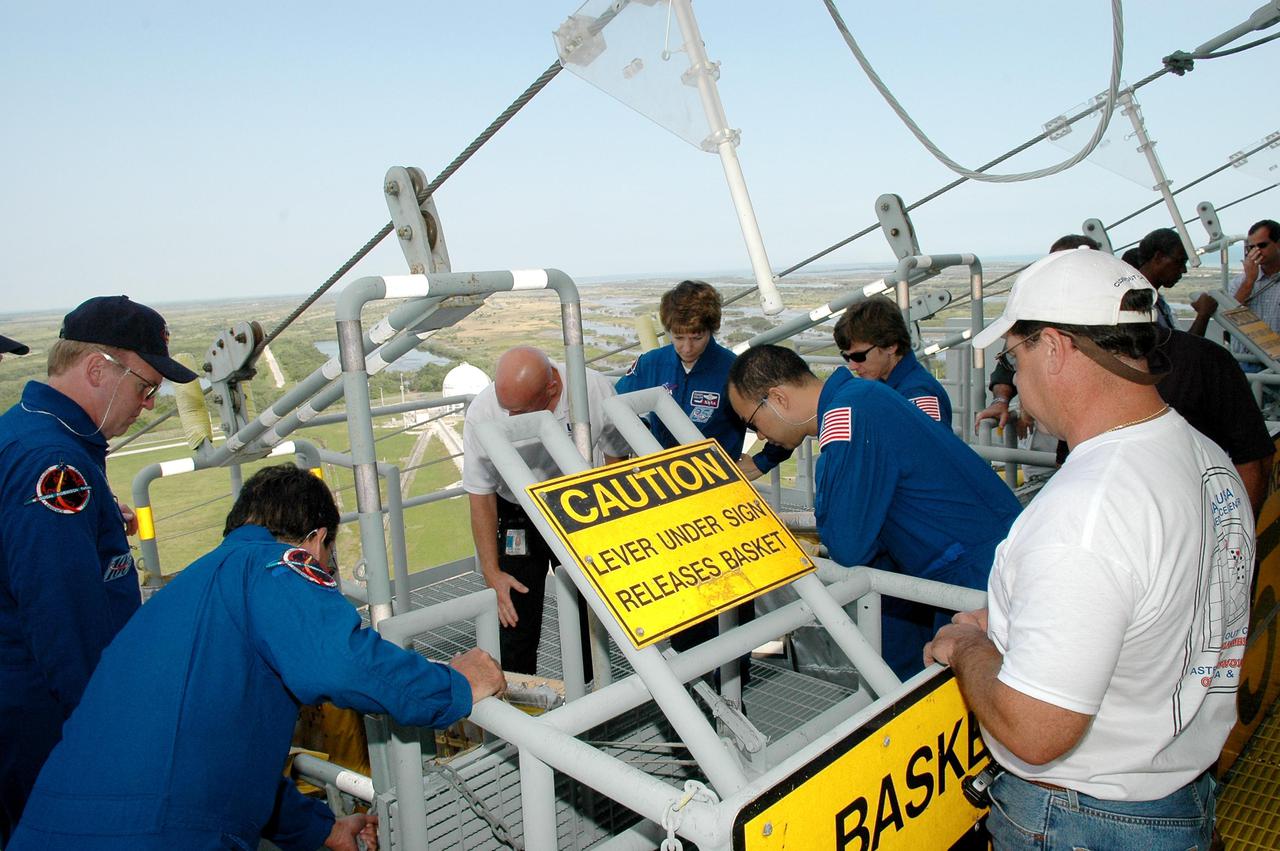
KENNEDY SPACE CENTER, FLA. - On the Fixed Service Structure at Launch Pad 39B, the STS-114 crew gets instructions on using the slidewire basket, emergency egress equipment from the pad. Crew members seen here are (from left) Mission Specialists Andrew Thomas and Charles Camarda, Commander Eileen Collins, and Mission Specialists Soichi Noguchi and Wendy Lawrence. Noguchi is with the Japan Aerospace Exploration Agency. The training is part of Terminal Countdown Demonstration Test activities. The TCDT is held at KSC prior to each Space Shuttle flight. It provides the crew of each mission an opportunity to participate in simulated countdown activities. The test ends with a mock launch countdown culminating in a simulated main engine cutoff. The crew also spends time undergoing emergency egress training exercises at the launch pad. STS-114 is designated the first Return to Flight mission, with a launch window extending from July 13 to July 31.
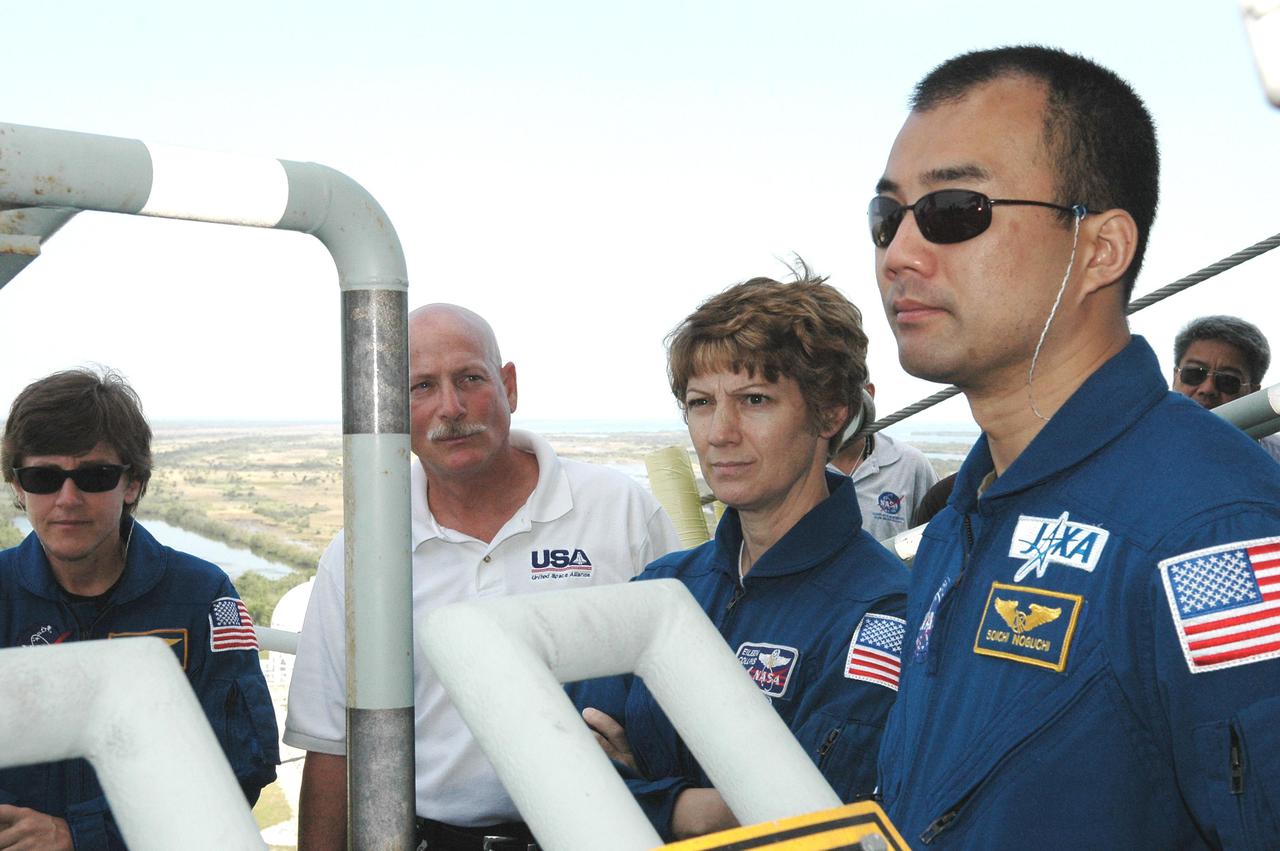
KENNEDY SPACE CENTER, FLA. - On the Fixed Service Structure at Launch Pad 39B, the STS-114 crew gets instructions on using the slidewire basket, emergency egress equipment from the pad. Crew members seen here are (from left) Mission Specialist Wendy Lawrence, Commander Eileen Collins and Mission Specialist Soichi Noguchi, who is with the Japan Aerospace Exploration Agency. The training is part of Terminal Countdown Demonstration Test activities. The TCDT is held at KSC prior to each Space Shuttle flight. It provides the crew of each mission an opportunity to participate in simulated countdown activities. The test ends with a mock launch countdown culminating in a simulated main engine cutoff. The crew also spends time undergoing emergency egress training exercises at the launch pad. STS-114 is designated the first Return to Flight mission, with a launch window extending from July 13 to July 31.
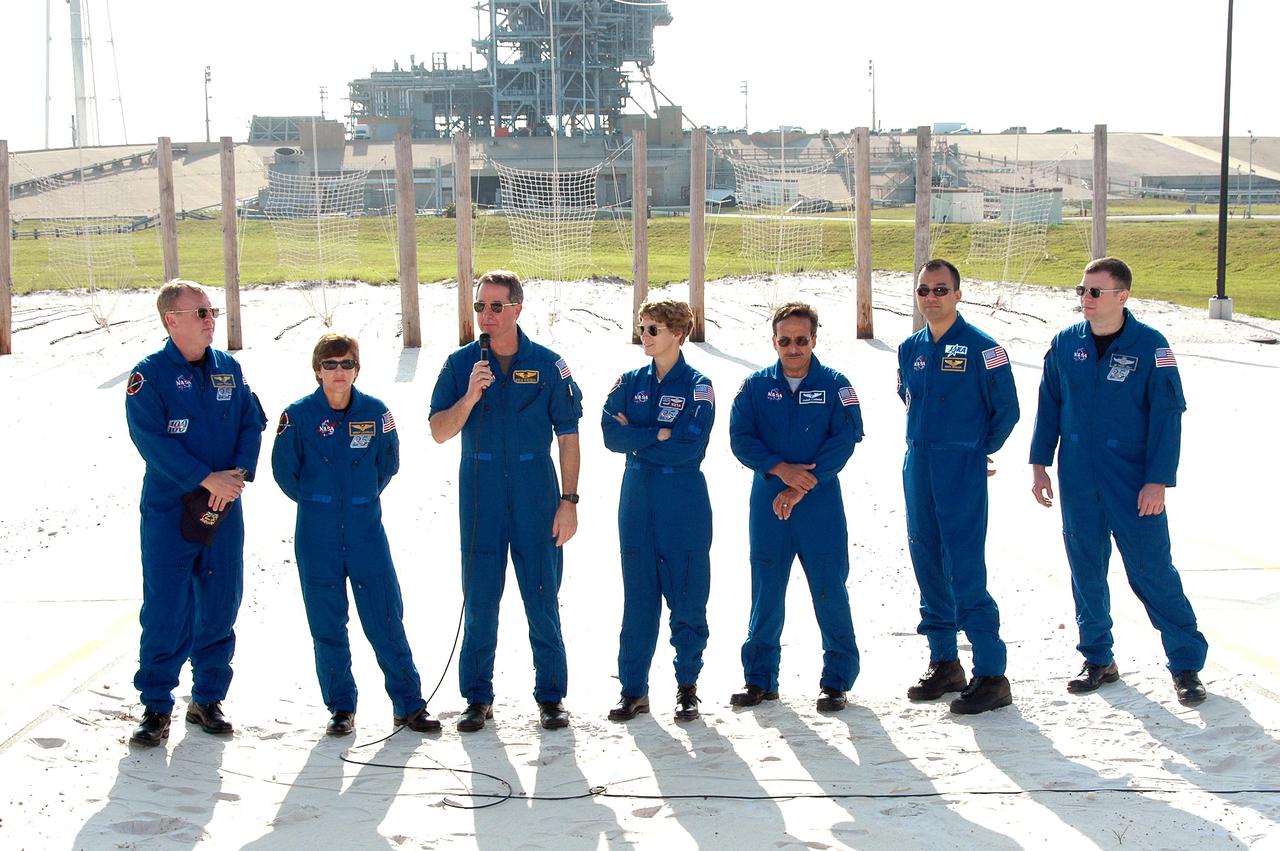
KENNEDY SPACE CENTER, FLA. - The STS-114 crew gathers for media questions at the slidewire basket landing area on Launch Pad 39B. Mission Specialist Stephen Robinson has the microphone. The other crew members are, from left, Mission Specialists Andrew Thomas and Wendy Lawrence, Commander Eileen Collins, Mission Specialists Charles Camarda and Soichi Noguchi, and Pilot James Kelly. Noguchi is with the Japan Aerospace Exploration Agency. The TCDT is held at KSC prior to each Space Shuttle flight. It provides the crew of each mission an opportunity to participate in simulated countdown activities. The test ends with a mock launch countdown culminating in a simulated main engine cutoff. The crew also spends time undergoing emergency egress training exercises at the launch pad. STS-114 is designated the first Return to Flight mission, with a launch window extending from July 13 to July 31.
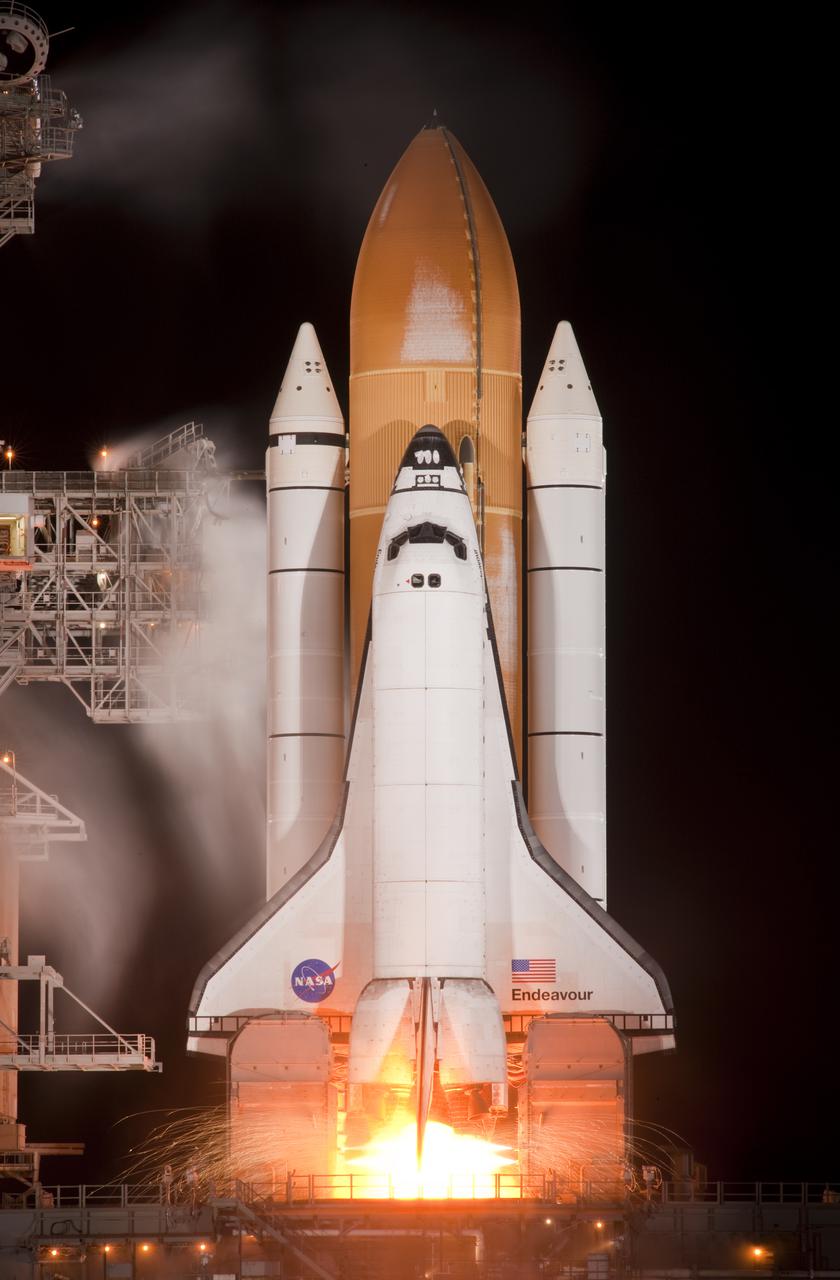
CAPE CANAVERAL, Fla. - At Launch Pad 39A at NASA's Kennedy Space Center in Florida, space shuttle Endeavour is moments away from launching as sparks fly below the shuttle's main engines. The 'sparklers' are the external ignitors which burn off any concentration of hydrogen present in the vicinity of the engines. The cloud forming behind the shuttle's solid rocket booster and the pad's access arm is created by spray from the water deluge system. Launch of the STS-130 mission to the International Space Station was at 4:14 a.m. EST. This was the second launch attempt for space shuttle Endeavour's STS-130 crew and the final scheduled space shuttle night launch. The first attempt on Feb. 7 was scrubbed due to unfavorable weather. The primary payload for the STS-130 mission to the International Space Station is the Tranquility node, a pressurized module that will provide additional room for crew members and many of the station's life support and environmental control systems. Attached to one end of Tranquility is a cupola, a unique work area with six windows on its sides and one on top. The cupola resembles a circular bay window and will provide a vastly improved view of the station's exterior. The multi-directional view will allow the crew to monitor spacewalks and docking operations, as well as provide a spectacular view of Earth and other celestial objects. The module was built in Turin, Italy, by Thales Alenia Space for the European Space Agency. For information on the STS-130 mission and crew, visit http:__www.nasa.gov_mission_pages_shuttle_shuttlemissions_sts130_index.html. Photo courtesy of Scott Andrews
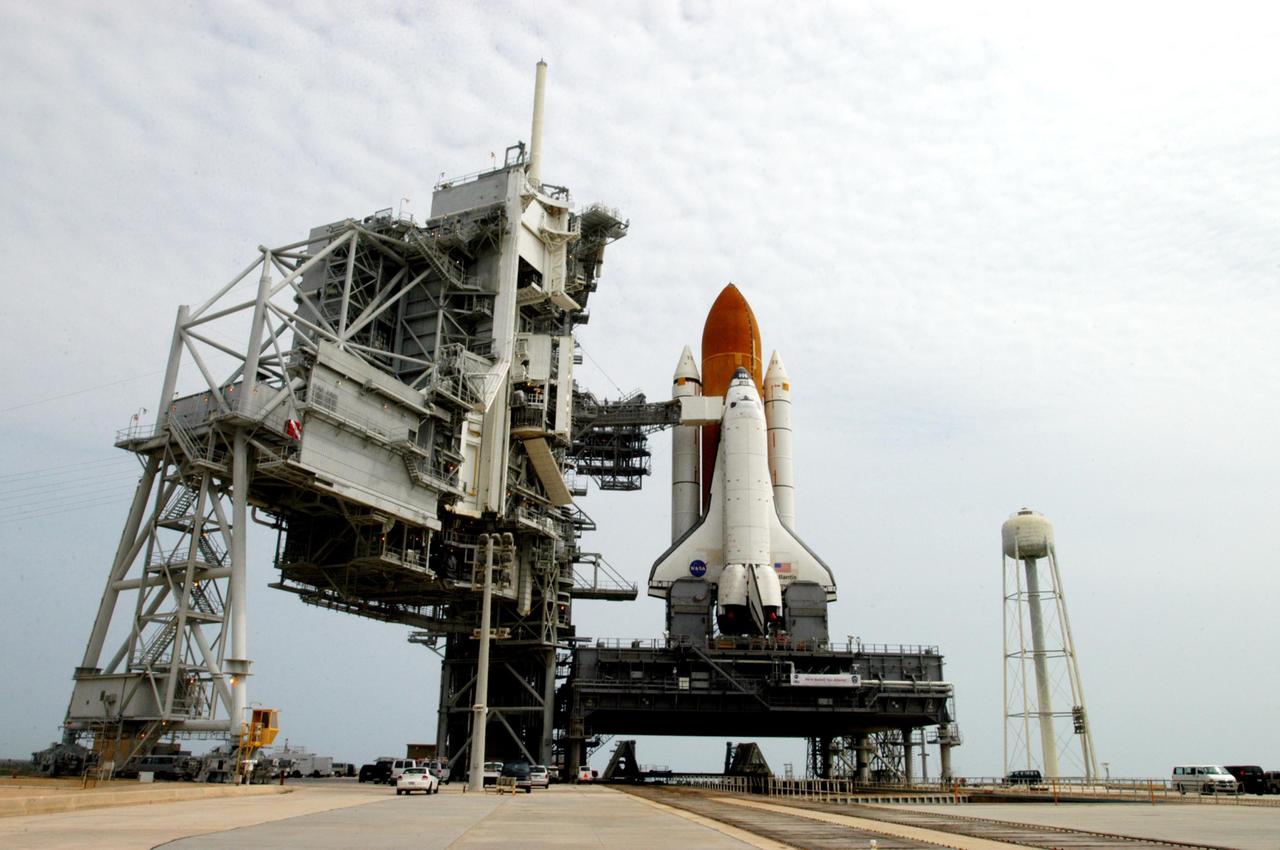
KENNEDY SPACE CENTER, FLA. - Space Shuttle Atlantis, atop the mobile launcher platform, sits on Launch Pad 39B after a nearly 8-hour crawl from the Vehicle Assembly Building. At left is the open rotating service structure and fixed service structure with the 80-foot lightning mast on top. Extended from the fixed structure is the orbiter access arm, with the White Room adjacent to Atlantis. At right is the 290-foot high, 300,000- gallon water tank that aids in sound suppression during launch. The water releases just prior to the ignition of the shuttle engines and flows through 7-foot-diameter pipes for about 20 seconds, pouring into 16 nozzles atop the flame deflectors and from outlets in the main engines exhaust hole in the mobile launcher platform. Atlantis' launch window begins Aug. 27 for an 11-day mission to the International Space Station. The STS-115 crew of six astronauts will continue construction of the station and install their cargo, the Port 3/4 truss segment with its two large solar arrays. Photo credit: NASA/Troy Cryder & George Shelton
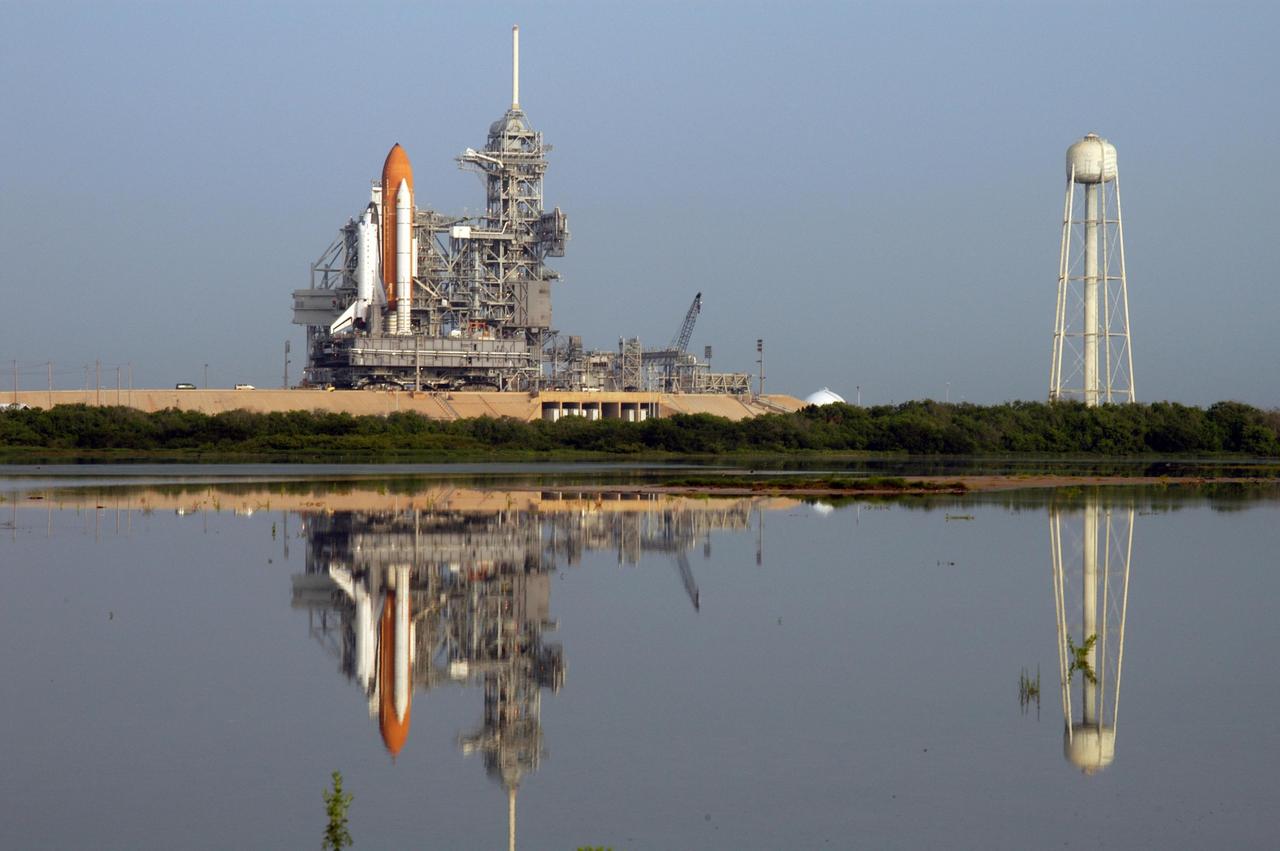
KENNEDY SPACE CENTER, FLA. - Reflected in the nearby pool of water, Space Shuttle Atlantis arrives on the hard stand on Launch Pad 39B, propelled by the crawler-transporter. At right is the 290-foot high, 300,000-gallon water tank that aids in sound suppression during launch. The water releases just prior to the ignition of the shuttle engines and flows through 7-foot-diameter pipes for about 20 seconds, pouring into 16 nozzles atop the flame deflectors and from outlets in the main engines exhaust hole in the mobile launcher platform. Atop the fixed service structure is the 80-foot lightning mast that helps provide lightning protection. The slow speed of the crawler results in a 6- to 8-hour trek to the pad approximately 4 miles away. Atlantis' launch window begins Aug. 27 for an 11-day mission to the International Space Station. The STS-115 crew of six astronauts will continue construction of the station and install their cargo, the Port 3/4 truss segment with its two large solar arrays. Photo credit: NASA/Tony Gray
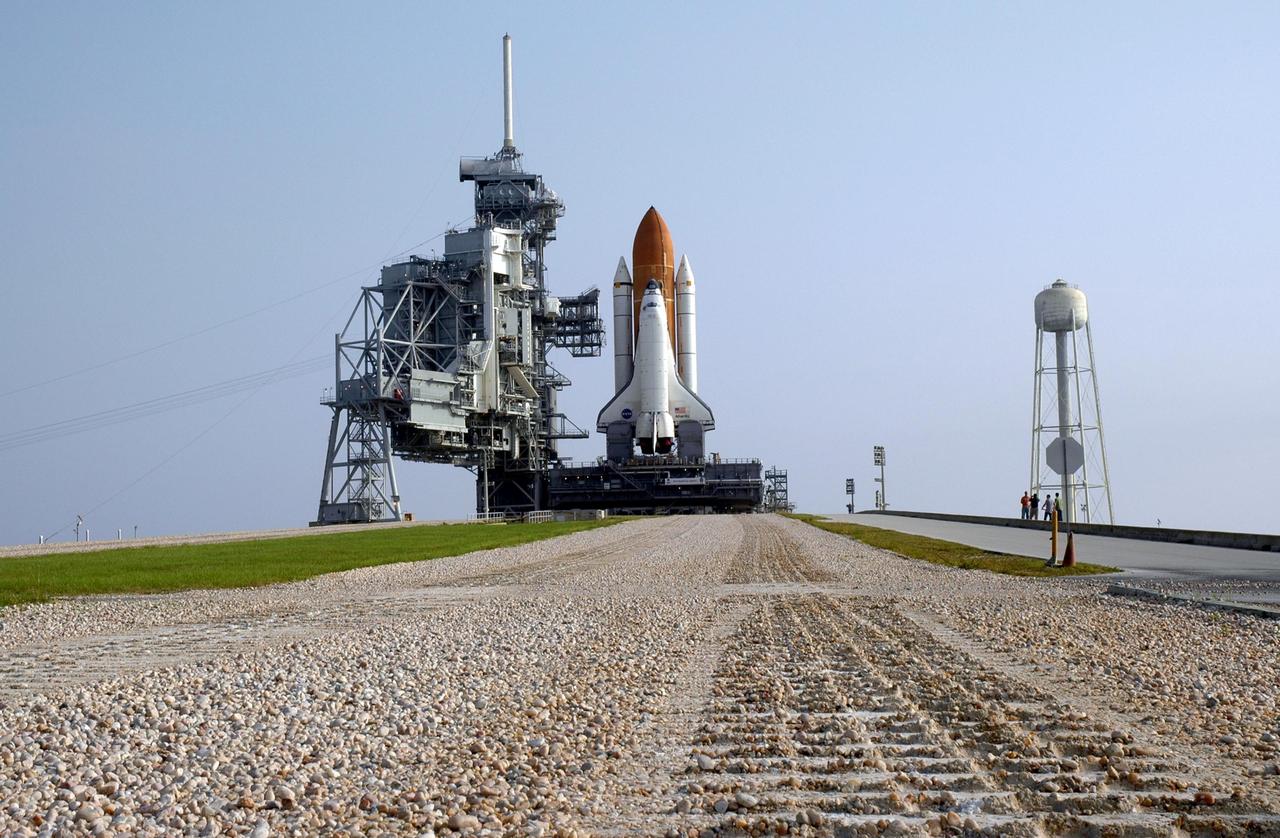
KENNEDY SPACE CENTER, FLA. - The tracks of the crawler-transporter are visible on the crawlerway (foreground) leading to Launch Pad 39B after the 4-mile journey of Space Shuttle Atlantis, which sits on the pad. At right is the 290-foot high, 300,000- gallon water tank that aids in sound suppression during launch. The water releases just prior to the ignition of the shuttle engines and flows through 7-foot-diameter pipes for about 20 seconds, pouring into 16 nozzles atop the flame deflectors and from outlets in the main engines exhaust hole in the mobile launcher platform. The slow speed of the crawler results in a 6-hour trek to the pad approximately 4 miles away. Atlantis' launch window begins Aug. 27 for an 11-day mission to the International Space Station. The STS-115 crew of six astronauts will continue construction of the station and install their cargo, the Port 3/4 truss segment with its two large solar arrays. Photo credit: NASA/Troy Cryder