
S84-43708 (11 Oct 1984) --- These five crewmembers are scheduled to fly aboard the Space Shuttle Challenger for Mission STS-51C, scheduled for January of next year. Astronauts Thomas K. (Ken) Mattingly II (kneeling right) and Loren J. Shriver (kneeling left) are commander and pilot, respectively. Astronauts James F. Buchli (standing center) and Ellison L. Onizuka (right) are mission specialists. Gary E. Payton of the U.S. Air Force, left, is payload specialist. The crewmembers, holding their launch and entry helmets, were photographed with their crew insignia.
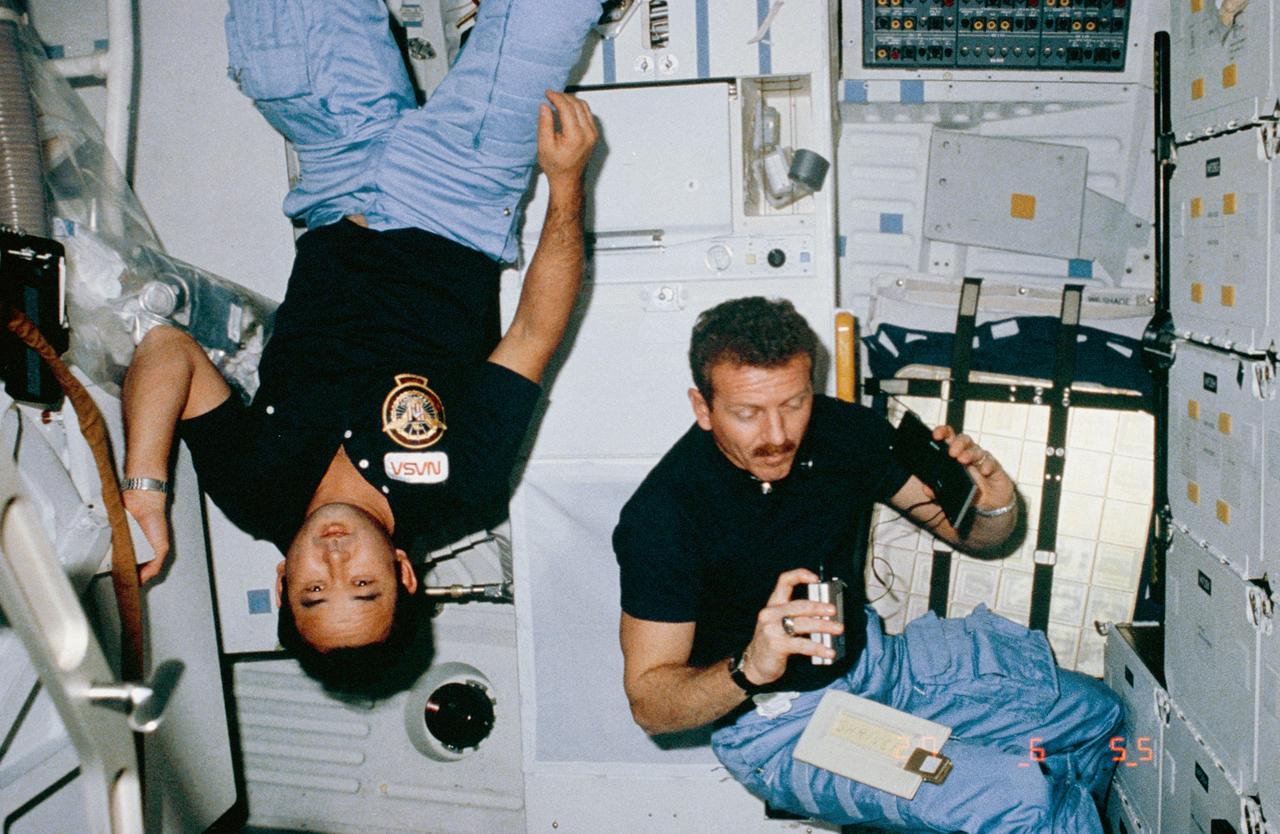
51C-08-017 (24-27 Jan 1985) --- Astronaut Ellison S. Onizuka, mission specialist, (left) turns 180 degrees near airlock hatch, while Loren J. Shriver, pilot, records verbal mission - pertinent notes. For orientation hold the picture with lockers on right.
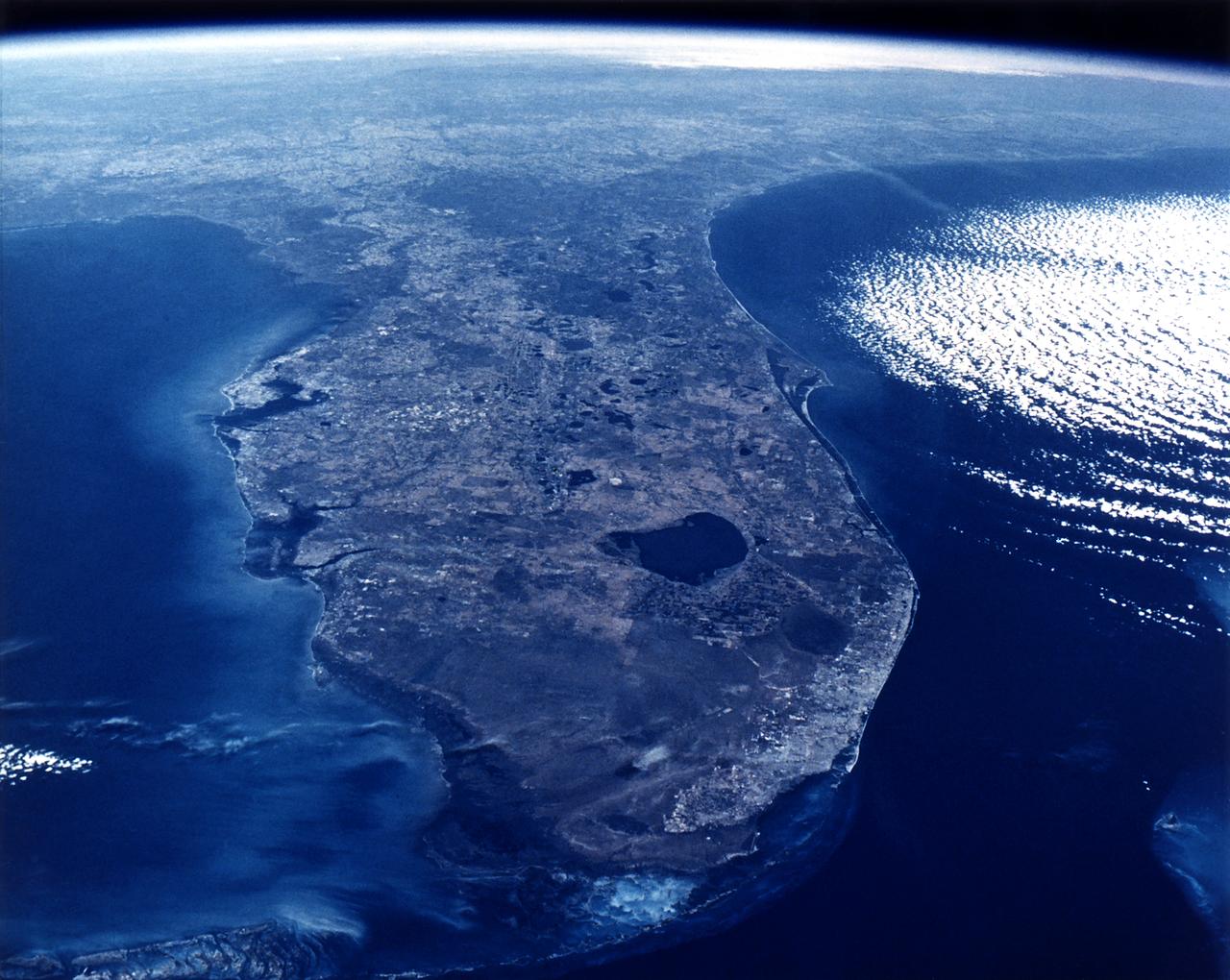
The state of Florida is clearly visible in this photo taken by the crew of space shuttle mission 51-C.
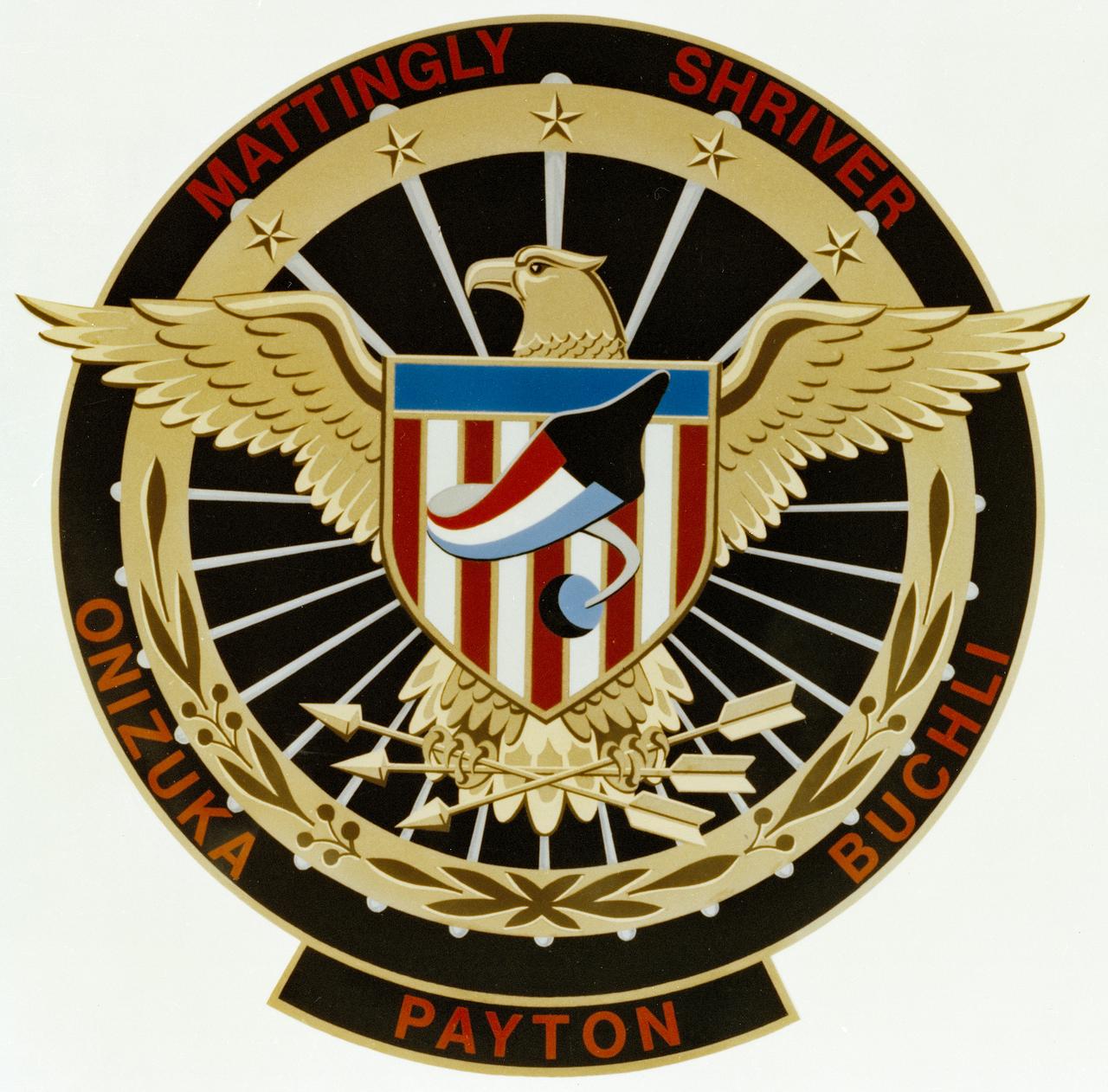
The crew insignia for STS Flight 51-C includes the names of its five crewmembers. The STS 51-C mission marked the third trip of the Space Shuttle Discovery into space. It was the first Space Shuttle mission totally dedicated to the Department of Defense. The U. S. Air Force Inertial Upper Stage Booster Rocket was successfully deployed. Due to the nature of the mission, few additional details of the flight were made available. Landing was made at the Kennedy Space Center, FL on January 27 at 4:23 PM EST. Mission duration was three days, one hour and 33 minutes.
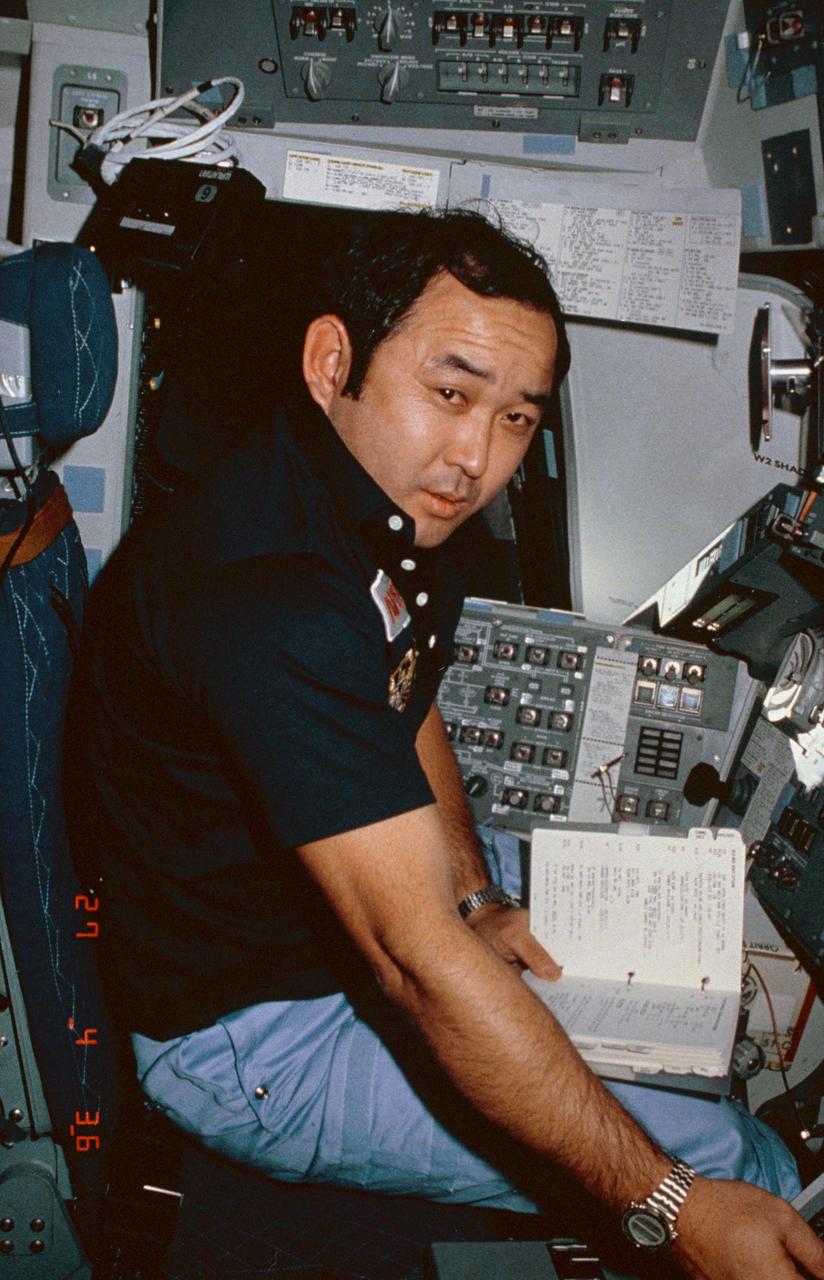
51C-06-025 (24-27 Jan 1985) --- Astronaut Ellison S. Onizuka, mission specialist, studies flight checklist on middeck of Space Shuttle Discovery.
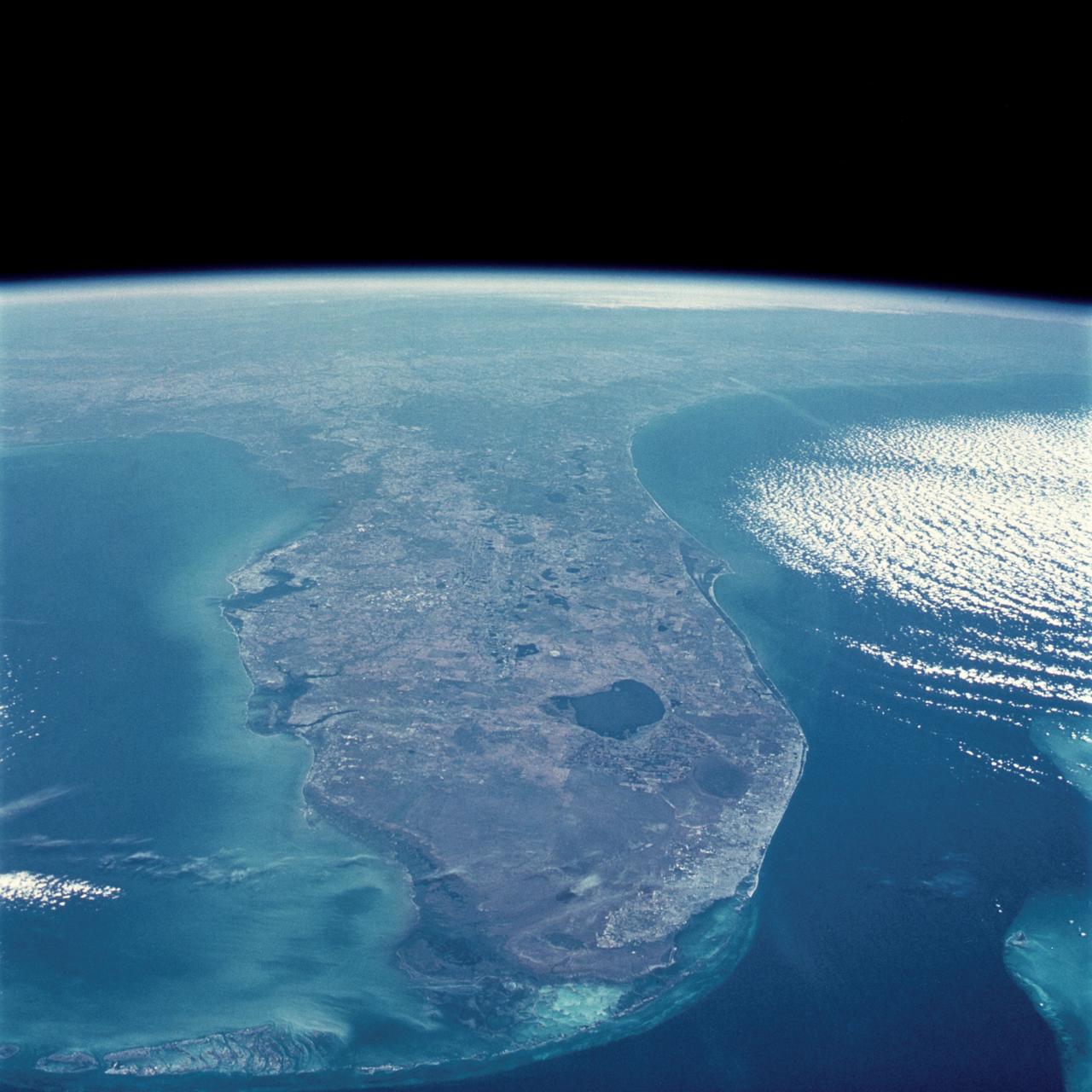
51C-44-026 (24-27 January 1985) --- This oblique view of the Florida peninsula was photographed from the Earth-orbiting Space Shuttle Discovery during the DOD-devoted mission. Many popular features of the state can be delineated in the scene. Kennedy Space Center (KSC), from which this and all Space Shuttle missions are launched, is on the jutting Cape Canaveral, visible on the east Atlantic Coast. The spacecraft was flying at an altitude of 190 nautical miles. A handheld Hasselblad camera, with 70mm Kodak natural color Ektachrome ASA 64 film, was used to expose the frame. Crew members for the flight were astronauts Thomas K. Mattingly, Loren J. Shriver, Ellison S. Onizuka, James F. Buchli, and Gary E. Payton of the United States Air Force.
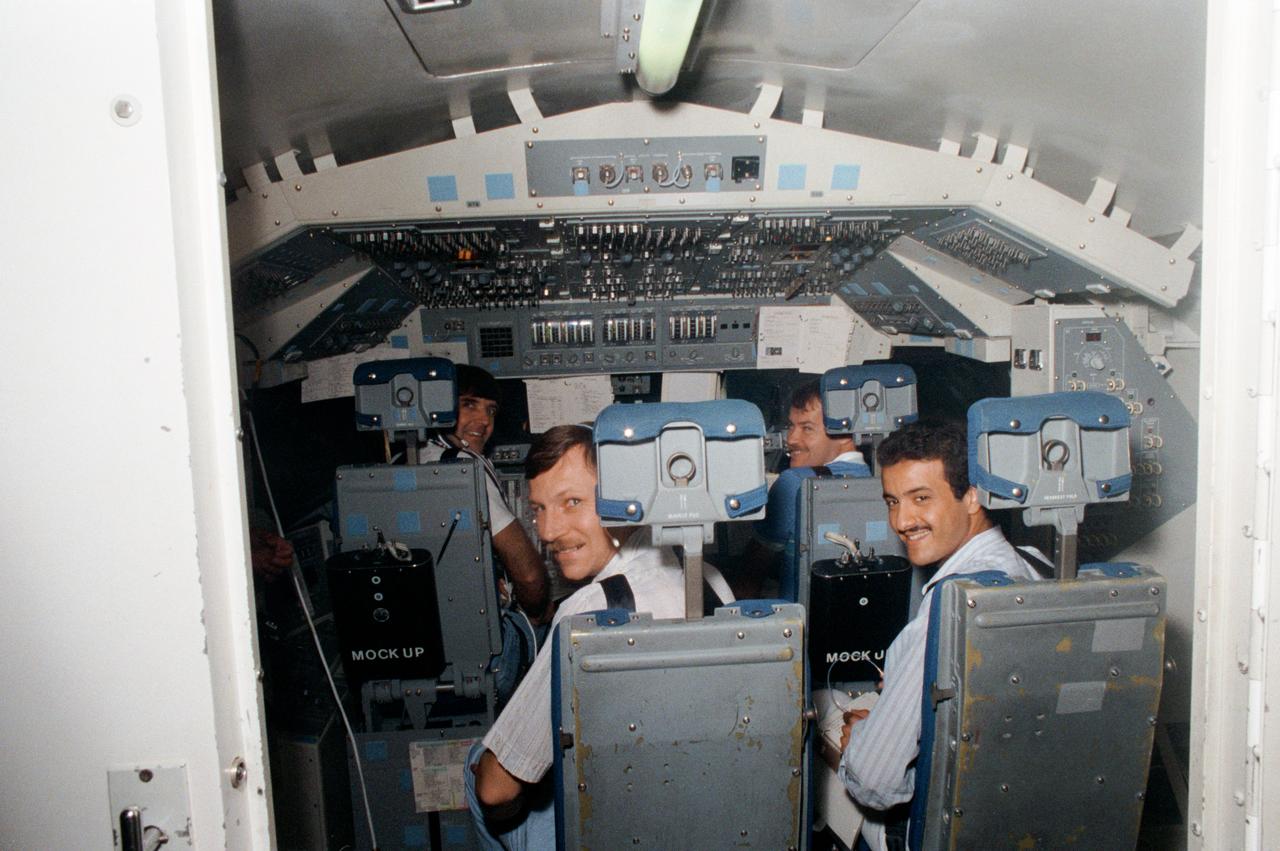
S85-31933 (17 May 1985) --- Four members of the STS 51-G crew participate in a training exercise in the shuttle mission simulation and training facility at the Johnson Space Center. Steven R. Nagel, left foreground, is a mission specialist for the flight, while Sultan Salman Abdelazize Al-Saud (right foreground) is a payload specialist. In the background are astronauts Daniel C. Brandenstein (left) in the commander's station and John O. Creighton in the pilot's position. Photo credit: NASA/ Otis Imboden of National Geographic

S85-41802 (7 Sept 1985) --- Wheels of the Space Shuttle Atlantis touch down on the dry lakebed at Edwards Air Force Base to mark successful completion of the STS 51-J mission. Crewmembers onboard for the flight were Astronauts Karol J. Bobko, Ronald J. Grabe, David C. Hilmers, and Robert L. Stewart; and USAF Maj. William A. Pailes.
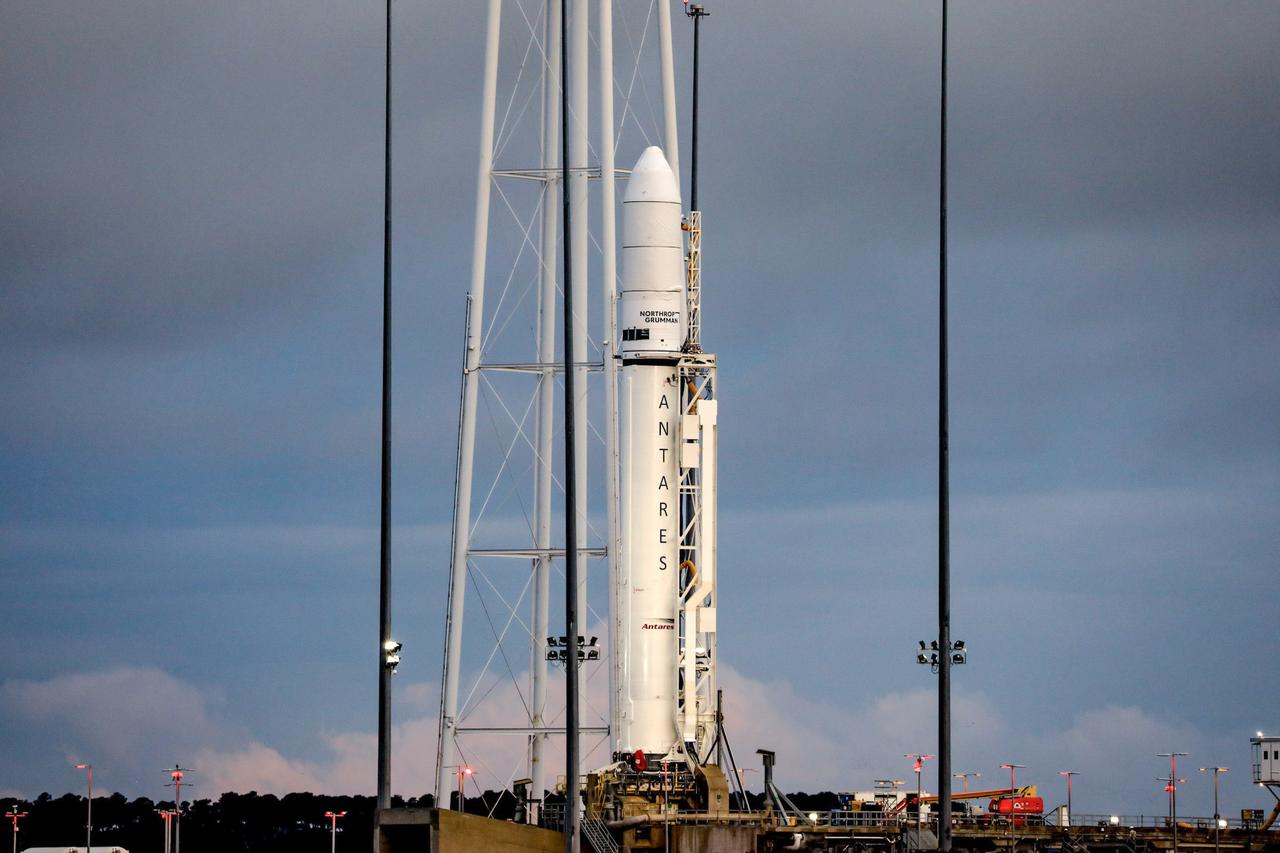
A Northrop Grumman Antares rocket carrying a Cygnus resupply spacecraft is seen at sunrise on the Mid-Atlantic Regional Spaceport’s Pad-0A, Aug. 7, 2021, at NASA's Wallops Flight Facility in Virginia. Northrop Grumman’s 16th contracted cargo resupply mission with NASA to the International Space Station will deliver nearly 8,200 pounds of science and research, crew supplies and vehicle hardware to the orbital laboratory and its crew. Northrop Grumman named the NG CRS-16 Cygnus spacecraft after NASA astronaut Ellison Onizuka, in honor of his prominence as the first Asian American astronaut. Onizuka was hired in 1978 in the first class of diverse astronauts, and his first spaceflight was aboard space shuttle Discovery in January 1985 for STS-51-C. He lost his life aboard the space shuttle Challenger in 1986. Launch is scheduled for 5:56 p.m. EDT, Tuesday, Aug. 10, 2021. Photo Credit: NASA/Terry Zaperach
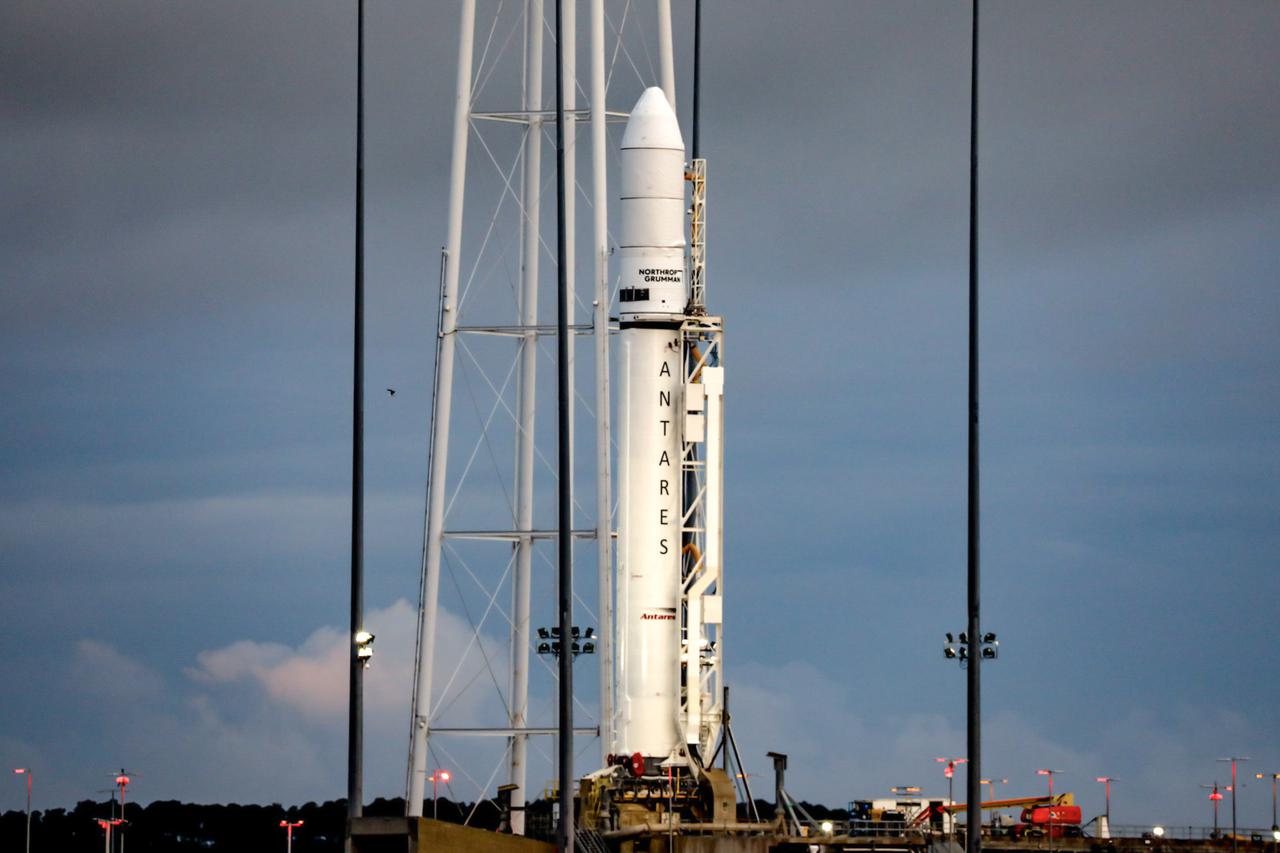
A Northrop Grumman Antares rocket carrying a Cygnus resupply spacecraft is seen at sunrise on the Mid-Atlantic Regional Spaceport’s Pad-0A, Aug. 7, 2021, at NASA's Wallops Flight Facility in Virginia. Northrop Grumman’s 16th contracted cargo resupply mission with NASA to the International Space Station will deliver nearly 8,200 pounds of science and research, crew supplies and vehicle hardware to the orbital laboratory and its crew. Northrop Grumman named the NG CRS-16 Cygnus spacecraft after NASA astronaut Ellison Onizuka, in honor of his prominence as the first Asian American astronaut. Onizuka was hired in 1978 in the first class of diverse astronauts, and his first spaceflight was aboard space shuttle Discovery in January 1985 for STS-51-C. He lost his life aboard the space shuttle Challenger in 1986. Launch is scheduled for 5:56 p.m. EDT, Tuesday, Aug. 10, 2021. Photo Credit: NASA/Terry Zaperach
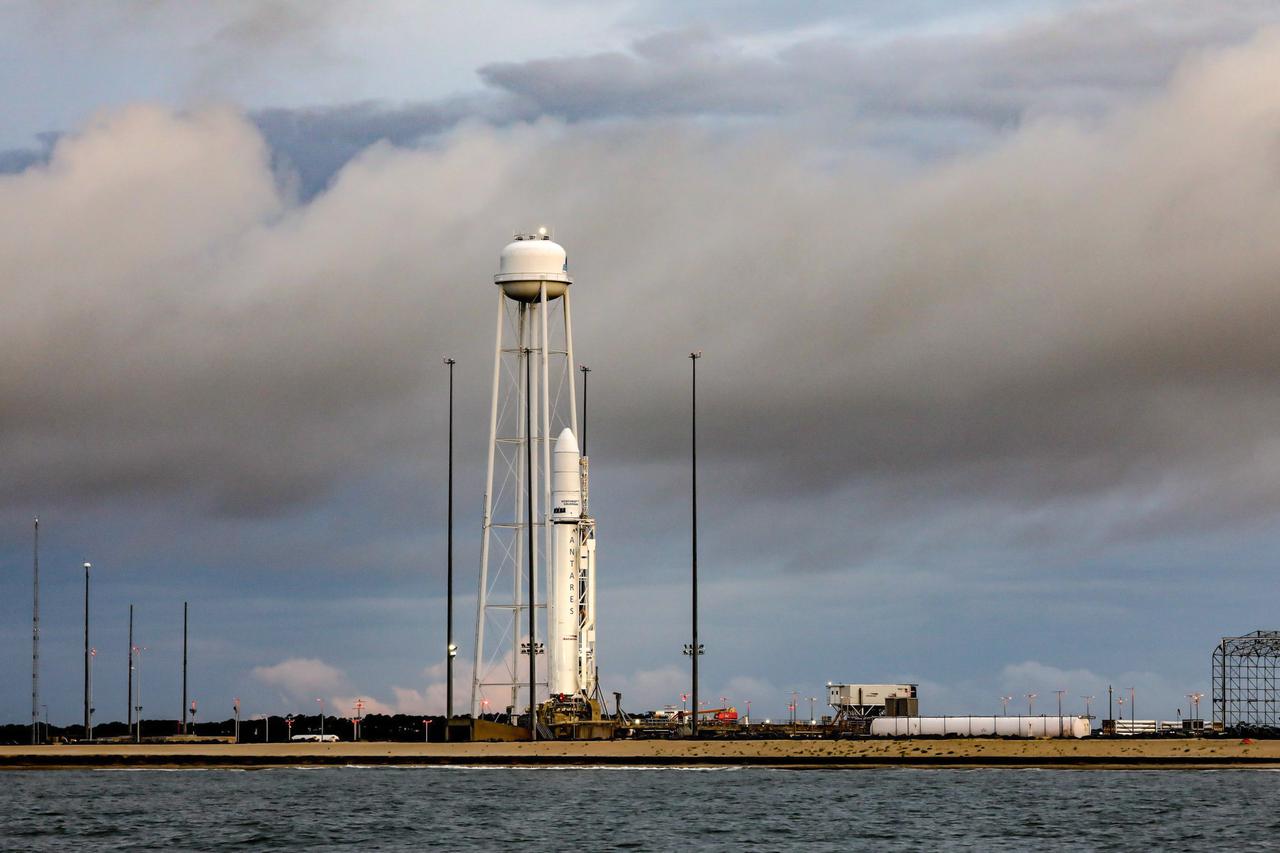
A Northrop Grumman Antares rocket carrying a Cygnus resupply spacecraft is seen at sunrise on the Mid-Atlantic Regional Spaceport’s Pad-0A, Aug. 7, 2021, at NASA's Wallops Flight Facility in Virginia. Northrop Grumman’s 16th contracted cargo resupply mission with NASA to the International Space Station will deliver nearly 8,200 pounds of science and research, crew supplies and vehicle hardware to the orbital laboratory and its crew. Northrop Grumman named the NG CRS-16 Cygnus spacecraft after NASA astronaut Ellison Onizuka, in honor of his prominence as the first Asian American astronaut. Onizuka was hired in 1978 in the first class of diverse astronauts, and his first spaceflight was aboard space shuttle Discovery in January 1985 for STS-51-C. He lost his life aboard the space shuttle Challenger in 1986. Launch is scheduled for 5:56 p.m. EDT, Tuesday, Aug. 10, 2021. Photo Credit: NASA/Terry Zaperach
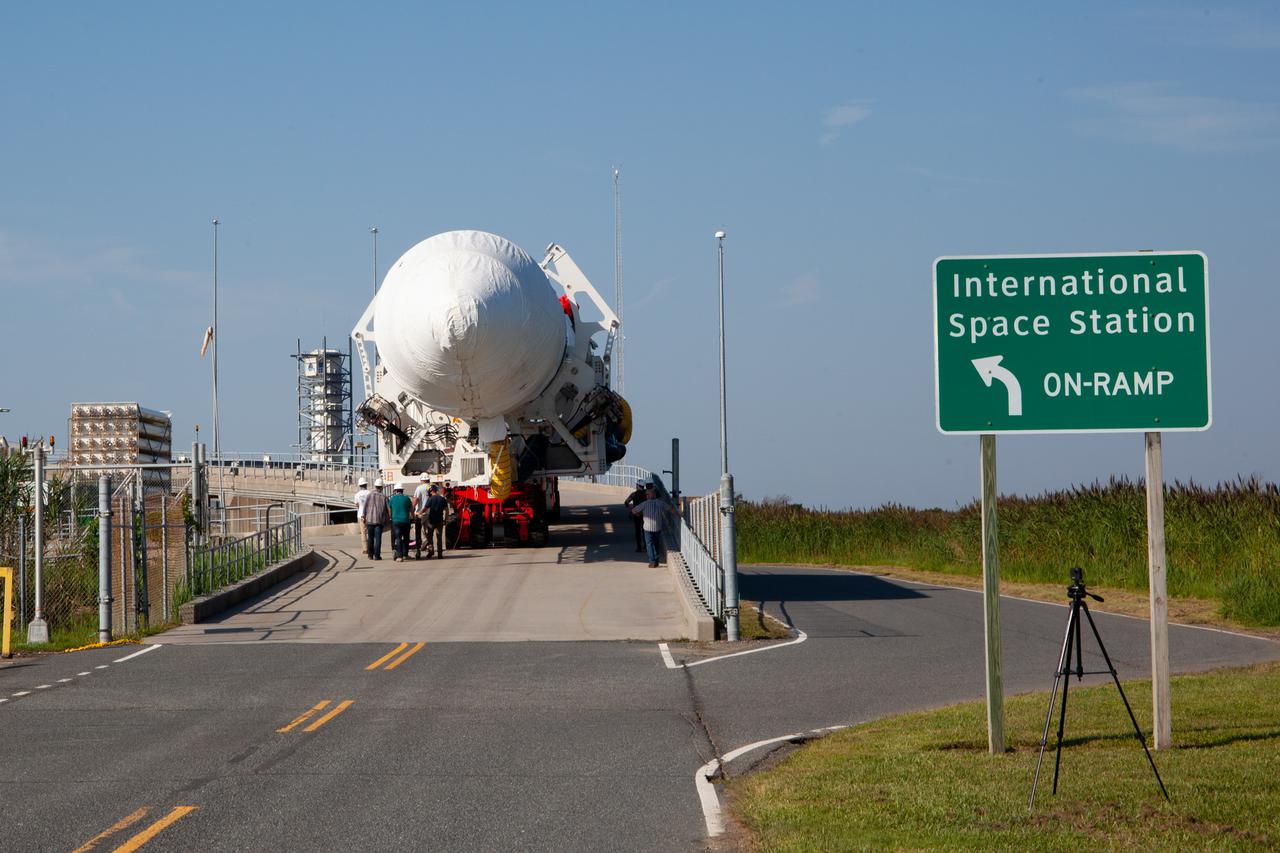
A Northrop Grumman Antares rocket carrying a Cygnus resupply spacecraft arrives at the Mid-Atlantic Regional Spaceport’s Pad-0A, Friday, Aug. 6,, 2021, at NASA's Wallops Flight Facility in Virginia. Northrop Grumman’s 16th contracted cargo resupply mission with NASA to the International Space Station will deliver about 8,200 pounds of science and research, crew supplies and vehicle hardware to the orbital laboratory and its crew. Northrop Grumman named the NG CRS-16 Cygnus spacecraft after NASA astronaut Ellison Onizuka, in honor of his prominence as the first Asian American astronaut. Onizuka was hired in 1978 in the first class of diverse astronauts, and his first spaceflight was aboard space shuttle Discovery in January 1985 for STS-51-C. He lost his life aboard the space shuttle Challenger in 1986. The launch is scheduled for 5:56 p.m. EDT, Aug. 10, 2021. Photo Credit: NASA/Brian Bonsteel
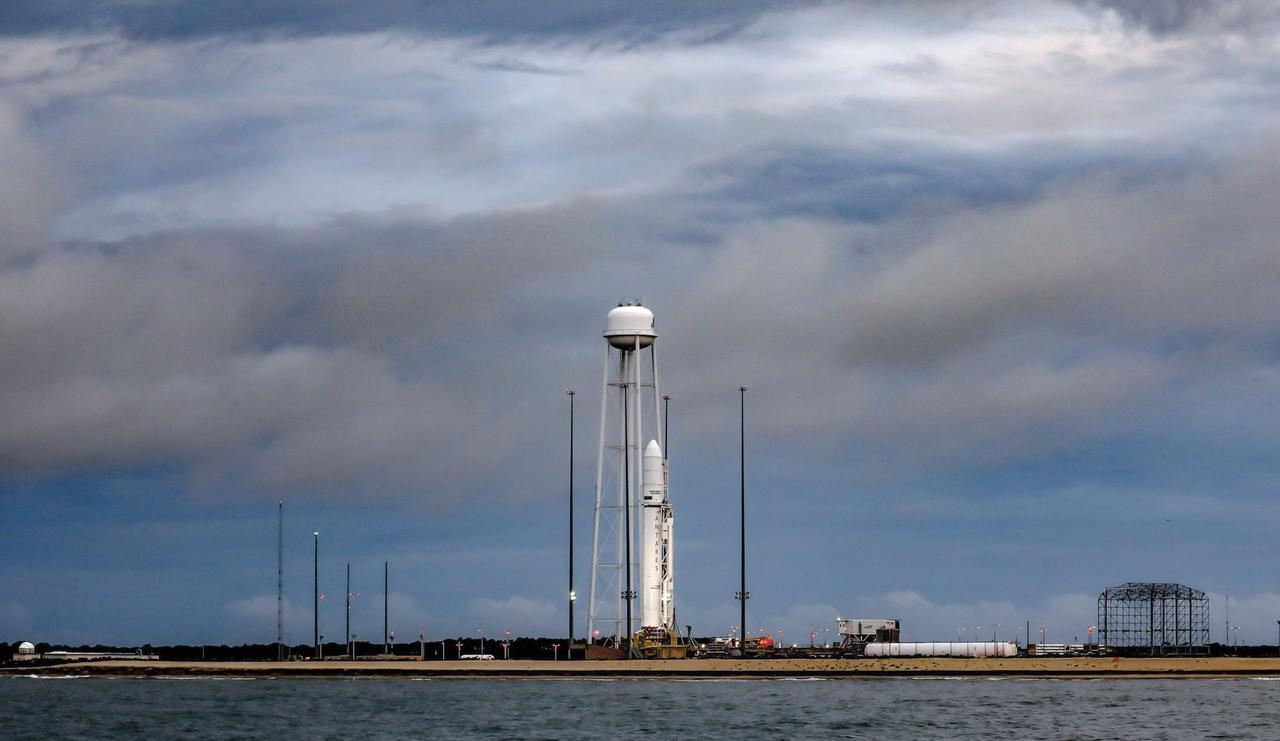
A Northrop Grumman Antares rocket carrying a Cygnus resupply spacecraft is seen at sunrise on the Mid-Atlantic Regional Spaceport’s Pad-0A, Aug. 7, 2021, at NASA's Wallops Flight Facility in Virginia. Northrop Grumman’s 16th contracted cargo resupply mission with NASA to the International Space Station will deliver nearly 8,200 pounds of science and research, crew supplies and vehicle hardware to the orbital laboratory and its crew. Northrop Grumman named the NG CRS-16 Cygnus spacecraft after NASA astronaut Ellison Onizuka, in honor of his prominence as the first Asian American astronaut. Onizuka was hired in 1978 in the first class of diverse astronauts, and his first spaceflight was aboard space shuttle Discovery in January 1985 for STS-51-C. He lost his life aboard the space shuttle Challenger in 1986. Launch is scheduled for 5:56 p.m. EDT, Tuesday, Aug. 10, 2021. Photo Credit: NASA/Terry Zaperach
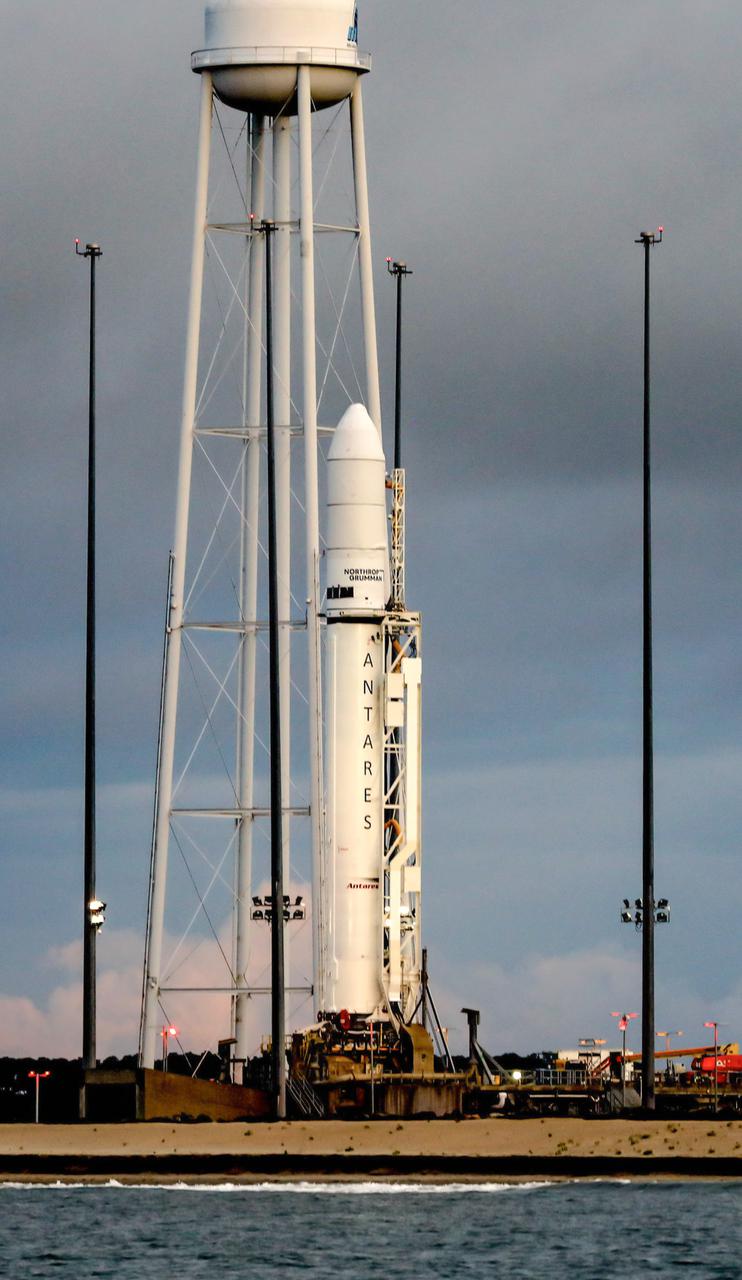
A Northrop Grumman Antares rocket carrying a Cygnus resupply spacecraft is seen at sunrise on the Mid-Atlantic Regional Spaceport’s Pad-0A, Aug. 7, 2021, at NASA's Wallops Flight Facility in Virginia. Northrop Grumman’s 16th contracted cargo resupply mission with NASA to the International Space Station will deliver nearly 8,200 pounds of science and research, crew supplies and vehicle hardware to the orbital laboratory and its crew. Northrop Grumman named the NG CRS-16 Cygnus spacecraft after NASA astronaut Ellison Onizuka, in honor of his prominence as the first Asian American astronaut. Onizuka was hired in 1978 in the first class of diverse astronauts, and his first spaceflight was aboard space shuttle Discovery in January 1985 for STS-51-C. He lost his life aboard the space shuttle Challenger in 1986. Launch is scheduled for 5:56 p.m. EDT, Tuesday, Aug. 10, 2021. Photo Credit: NASA/Terry Zaperach
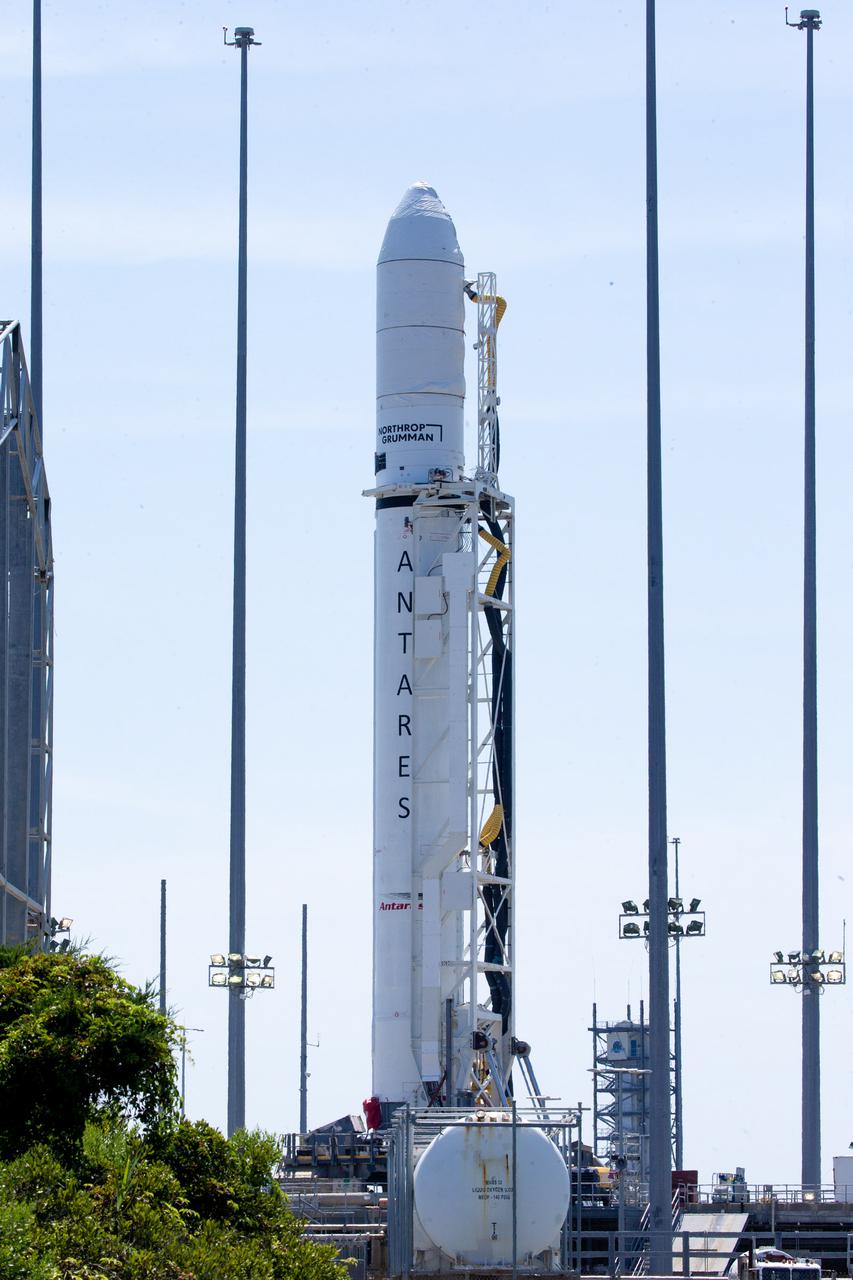
A Northrop Grumman Antares rocket carrying a Cygnus resupply spacecraft is raised into a vertical position on the Mid-Atlantic Regional Spaceport’s Pad-0A, Friday, Aug. 6, 2021, at NASA's Wallops Flight Facility in Virginia. Northrop Grumman’s 16th contracted cargo resupply mission with NASA to the International Space Station will deliver about 8,200 pounds of science and research, crew supplies and vehicle hardware to the orbital laboratory and its crew. Northrop Grumman named the NG CRS-16 Cygnus spacecraft after NASA astronaut Ellison Onizuka, in honor of his prominence as the first Asian American astronaut. Onizuka was hired in 1978 in the first class of diverse astronauts, and his first spaceflight was aboard space shuttle Discovery in January 1985 for STS-51-C. He lost his life aboard the space shuttle Challenger in 1986. The launch is scheduled for 5:56 p.m. EDT, Aug. 10, 2021. Photo Credit: NASA/Terry Zaperach
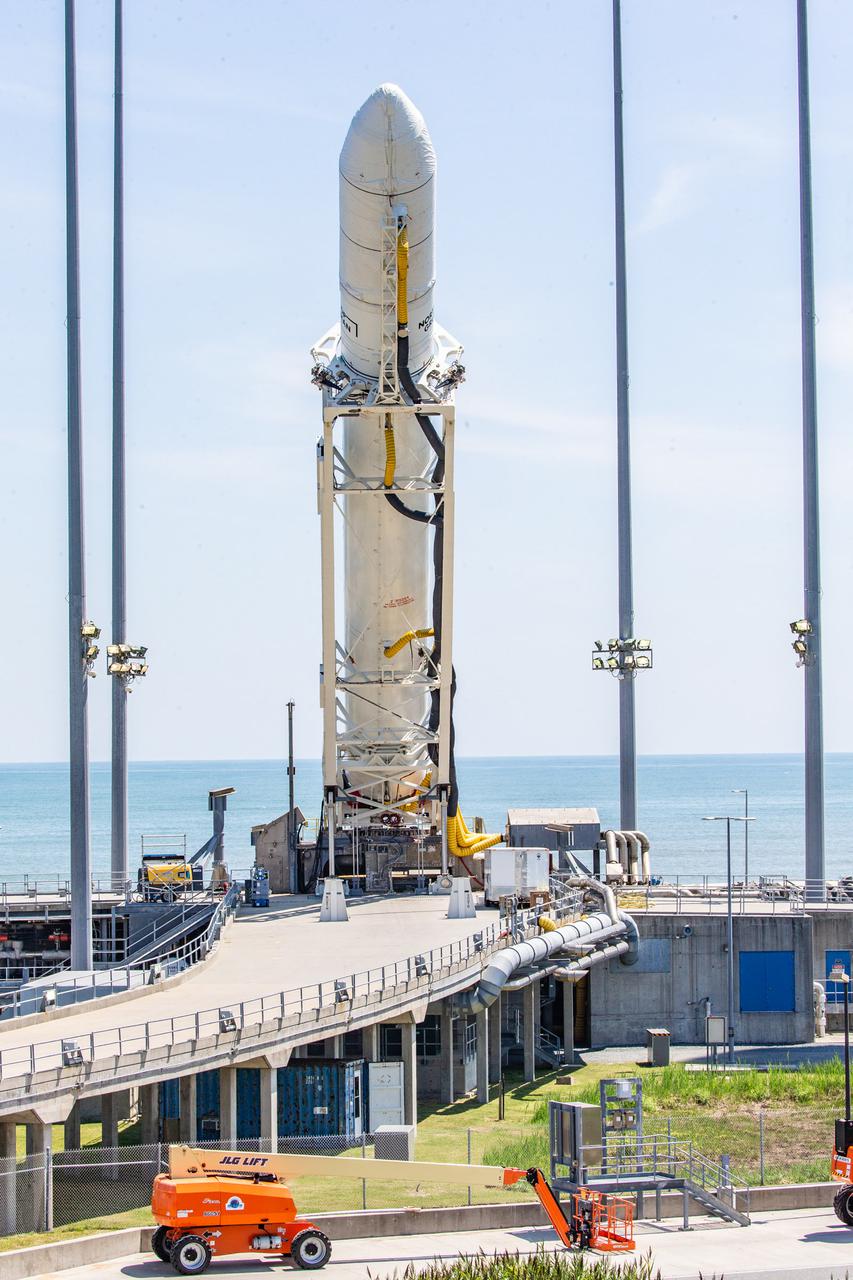
A Northrop Grumman Antares rocket carrying a Cygnus resupply spacecraft is raised into a vertical position on the Mid-Atlantic Regional Spaceport’s Pad-0A, Friday, Aug. 6, 2021, at NASA's Wallops Flight Facility in Virginia. Northrop Grumman’s 16th contracted cargo resupply mission with NASA to the International Space Station will deliver about 8,200 pounds of science and research, crew supplies and vehicle hardware to the orbital laboratory and its crew. Northrop Grumman named the NG CRS-16 Cygnus spacecraft after NASA astronaut Ellison Onizuka, in honor of his prominence as the first Asian American astronaut. Onizuka was hired in 1978 in the first class of diverse astronauts, and his first spaceflight was aboard space shuttle Discovery in January 1985 for STS-51-C. He lost his life aboard the space shuttle Challenger in 1986. The launch is scheduled for 5:56 p.m. EDT, Aug. 10, 2021. Photo Credit: NASA/Terry Zaperach
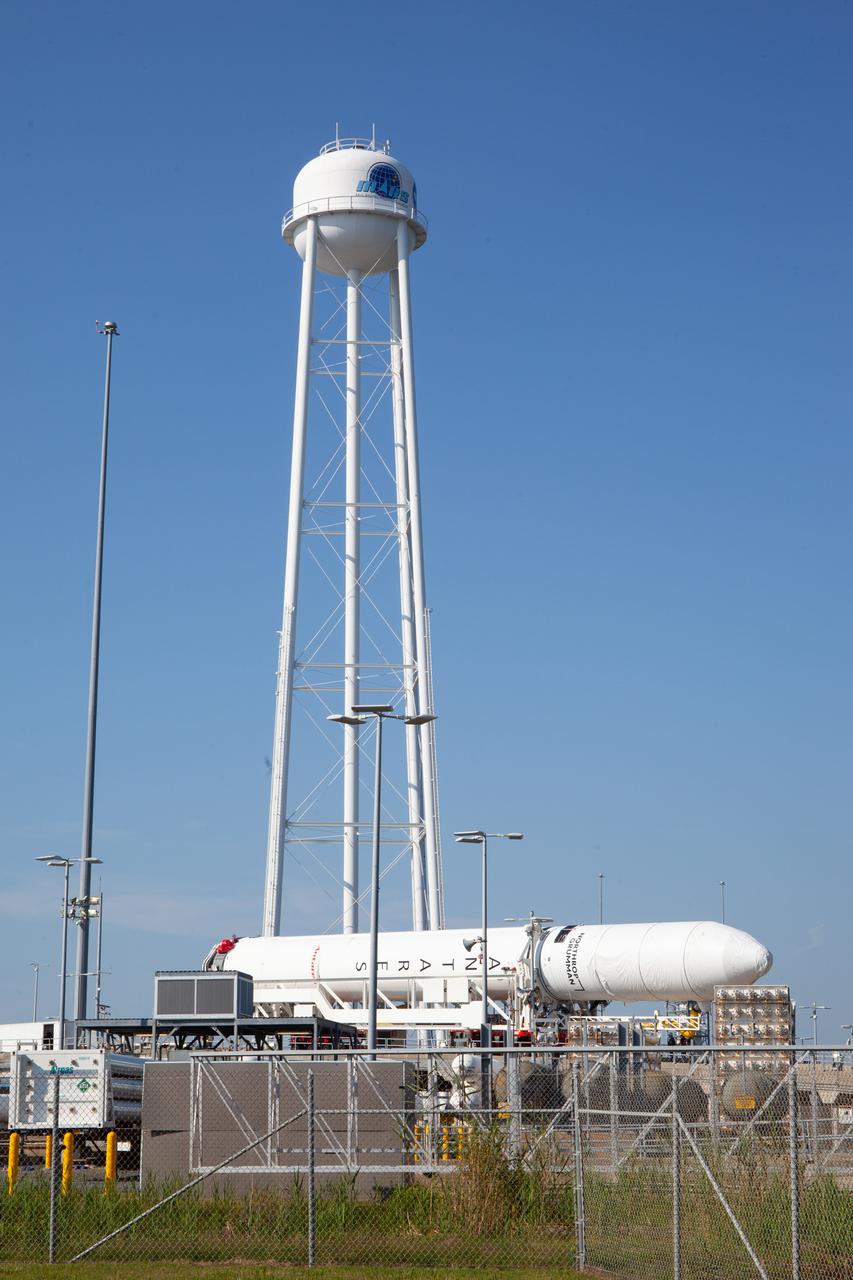
A Northrop Grumman Antares rocket carrying a Cygnus resupply spacecraft arrives at the Mid-Atlantic Regional Spaceport’s Pad-0A, Friday, Aug. 6,, 2021, at NASA's Wallops Flight Facility in Virginia. Northrop Grumman’s 16th contracted cargo resupply mission with NASA to the International Space Station will deliver about 8,200 pounds of science and research, crew supplies and vehicle hardware to the orbital laboratory and its crew. Northrop Grumman named the NG CRS-16 Cygnus spacecraft after NASA astronaut Ellison Onizuka, in honor of his prominence as the first Asian American astronaut. Onizuka was hired in 1978 in the first class of diverse astronauts, and his first spaceflight was aboard space shuttle Discovery in January 1985 for STS-51-C. He lost his life aboard the space shuttle Challenger in 1986. The launch is scheduled for 5:56 p.m. EDT, Aug. 10, 2021. Photo Credit: NASA/Brian Bonsteel
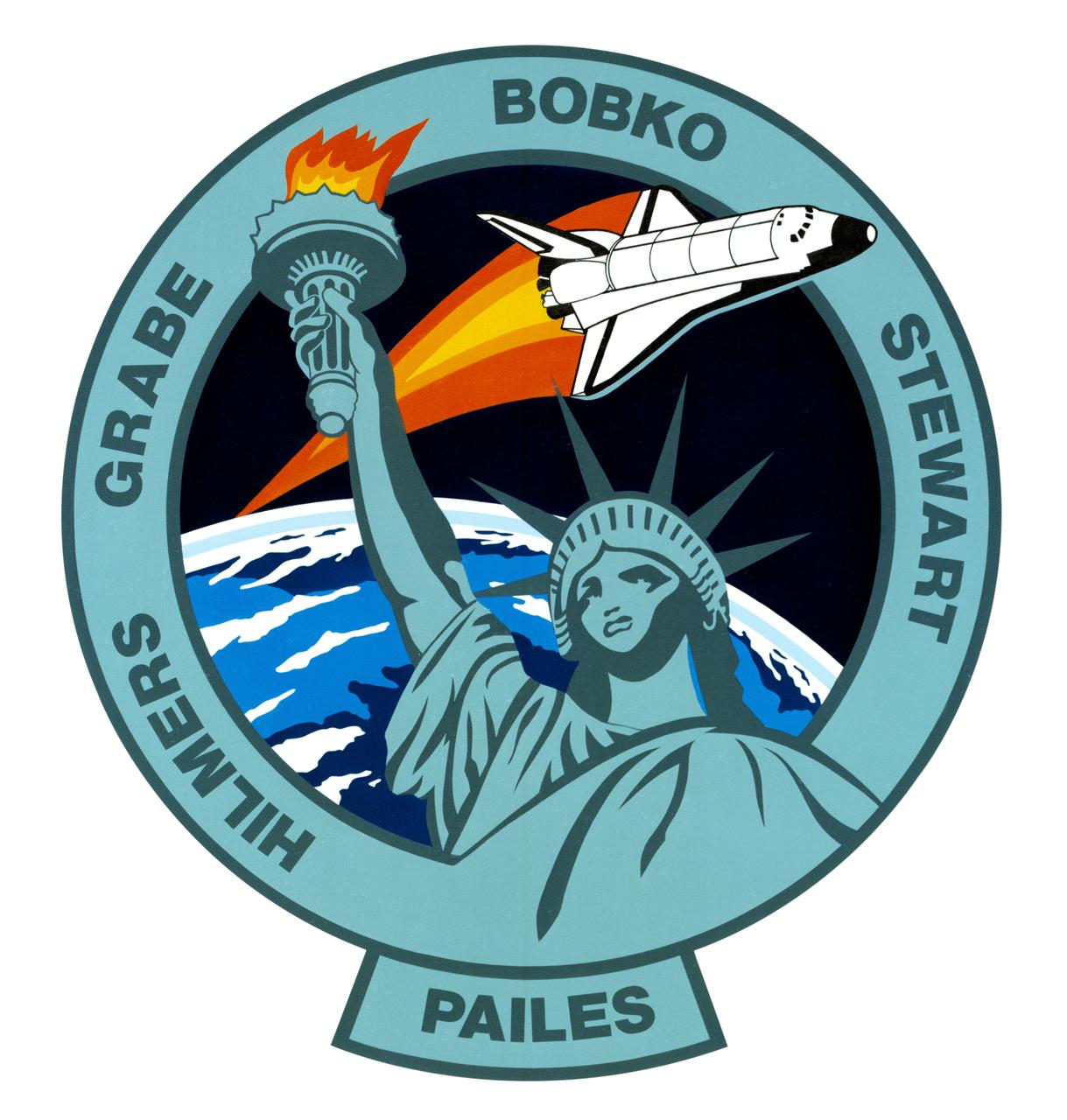
S85-39862 (1 Sept. 1985) --- The 51-J mission insignia, designed by Atlantis's first crew, pays tribute to the Statue of Liberty and the ideas it symbolizes. The historical gateway figure bears additional significance for astronauts Karol J. Bobko, mission commander; and Ronald J. Grabe, pilot, both New York natives. Other members of the five-man crew, whose surnames encircle the artwork, are Robert L. Stewart and David C. Hilmers, mission specialists; and William A. Pailes, payload specialist. The NASA insignia design for space shuttle flights is reserved for use by the astronauts and for other official use as the NASA Administrator may authorize. Public availability has been approved only in the forms of illustrations by the various news media. When and if there is any change in this policy, which is not anticipated, the change will be publicly announced. Photo credit: NASA
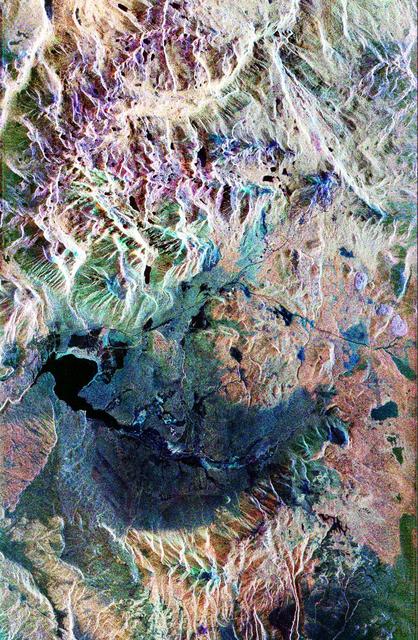
This false-color composite radar image of the Mammoth Mountain area in the Sierra Nevada Mountains, California, was acquired by the Spaceborne Imaging Radar-C and X-band Synthetic Aperture Radar aboard the space shuttle Endeavour on its 67th orbit on October 3, 1994. The image is centered at 37.6 degrees north latitude and 119.0 degrees west longitude. The area is about 39 kilometers by 51 kilometers (24 miles by 31 miles). North is toward the bottom, about 45 degrees to the right. In this image, red was created using L-band (horizontally transmitted/vertically received) polarization data; green was created using C-band (horizontally transmitted/vertically received) polarization data; and blue was created using C-band (horizontally transmitted and received) polarization data. Crawley Lake appears dark at the center left of the image, just above or south of Long Valley. The Mammoth Mountain ski area is visible at the top right of the scene. The red areas correspond to forests, the dark blue areas are bare surfaces and the green areas are short vegetation, mainly brush. The purple areas at the higher elevations in the upper part of the scene are discontinuous patches of snow cover from a September 28 storm. New, very thin snow was falling before and during the second space shuttle pass. In parallel with the operational SIR-C data processing, an experimental effort is being conducted to test SAR data processing using the Jet Propulsion Laboratory's massively parallel supercomputing facility, centered around the Cray Research T3D. These experiments will assess the abilities of large supercomputers to produce high throughput Synthetic Aperture Radar processing in preparation for upcoming data-intensive SAR missions. The image released here was produced as part of this experimental effort. http://photojournal.jpl.nasa.gov/catalog/PIA01746
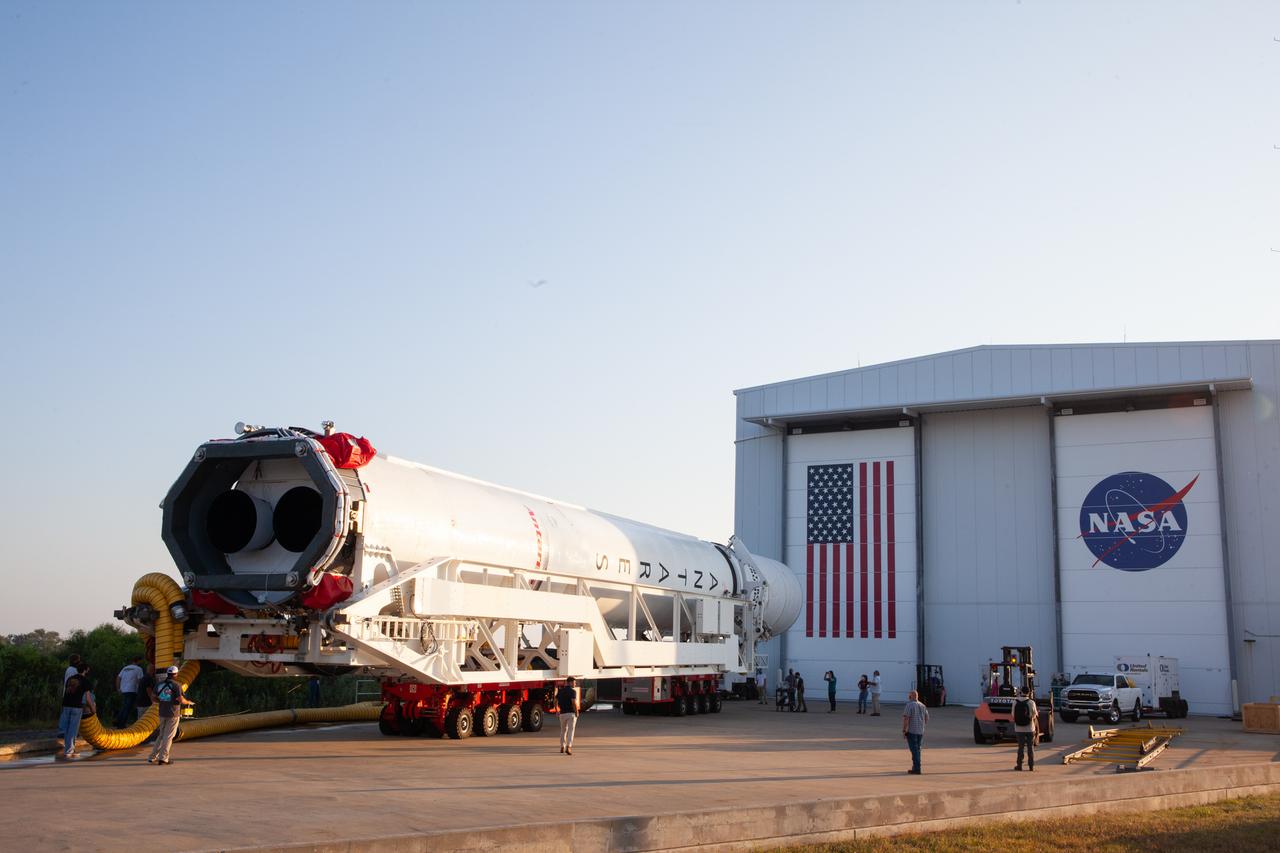
A Northrop Grumman Antares rocket carrying a Cygnus resupply spacecraft is seen as it is rolled out of the Horizontal Integration Facility on its way to the Mid-Atlantic Regional Spaceport’s Pad-0A, Friday, Aug. 6, 2021, at NASA's Wallops Flight Facility in Virginia. Northrop Grumman’s 14th contracted cargo resupply mission with NASA to the International Space Station will deliver about 8,200 pounds of science and research, crew supplies and vehicle hardware to the orbital laboratory and its crew. Northrop Grumman named the NG CRS-16 Cygnus spacecraft after NASA astronaut Ellison Onizuka, in honor of his prominence as the first Asian American astronaut. Onizuka was hired in 1978 in the first class of diverse astronauts, and his first spaceflight was aboard space shuttle Discovery in January 1985 for STS-51-C. He lost his life aboard the space shuttle Challenger in 1986. The launch is scheduled for 5:56 p.m. EDT, Aug. 10, 2021. Photo Credit: NASA/Brian Bonsteel