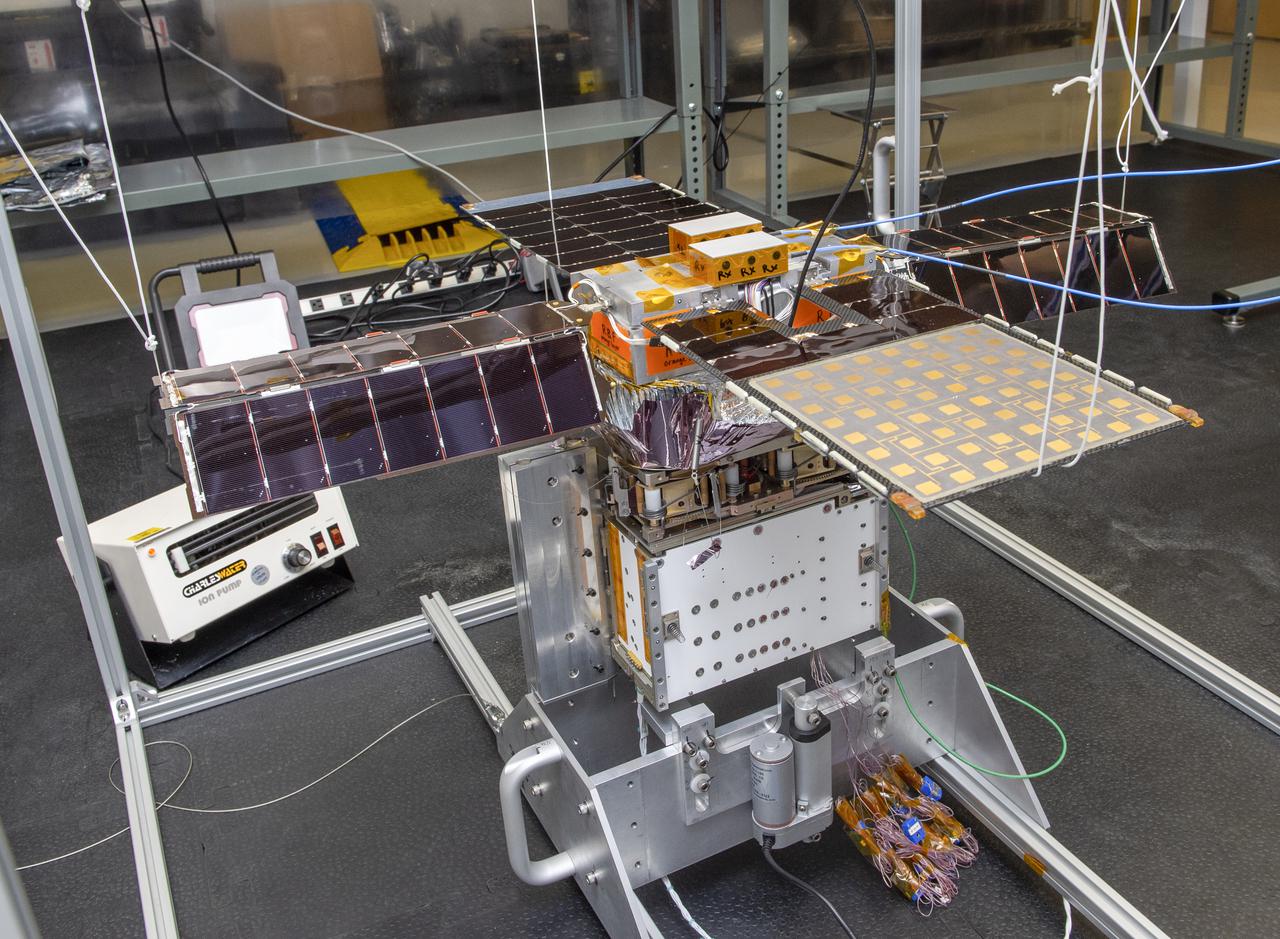
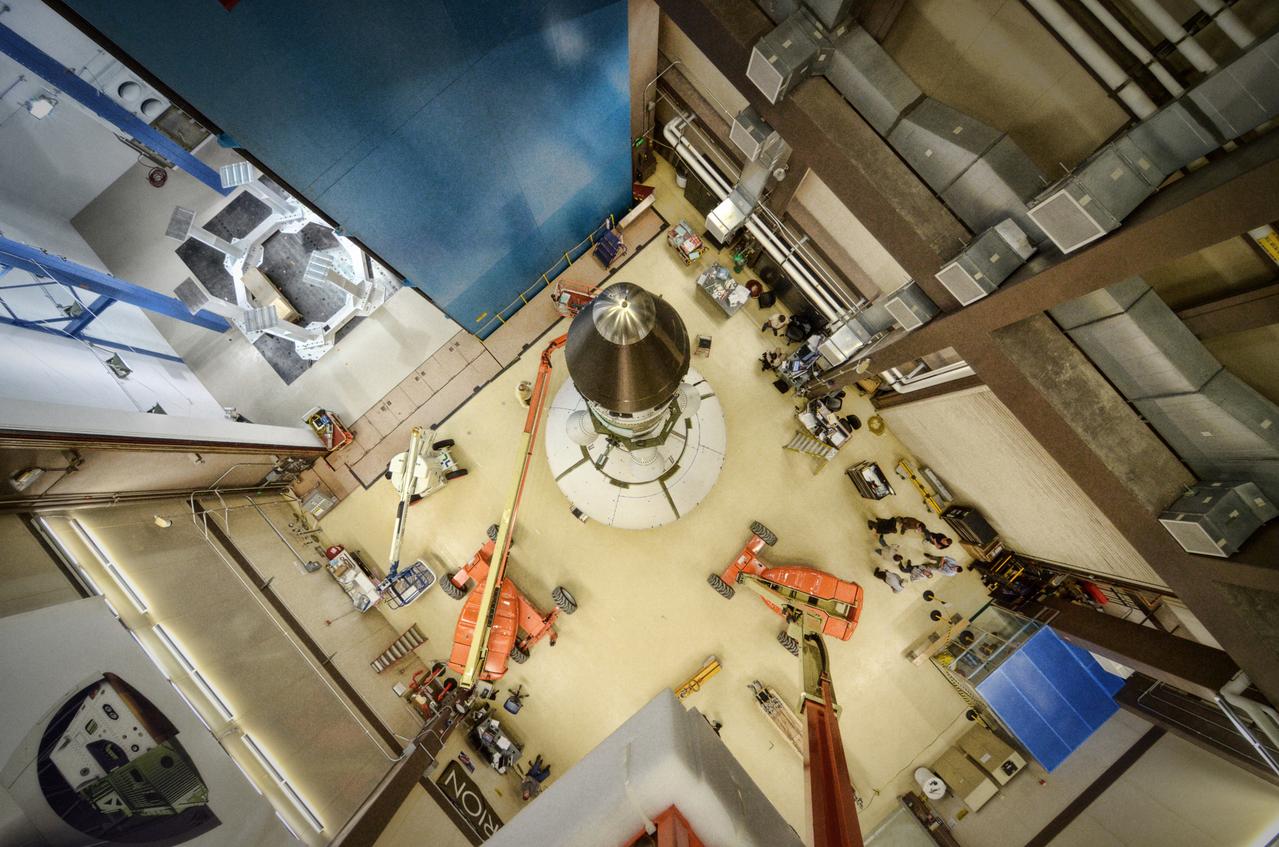
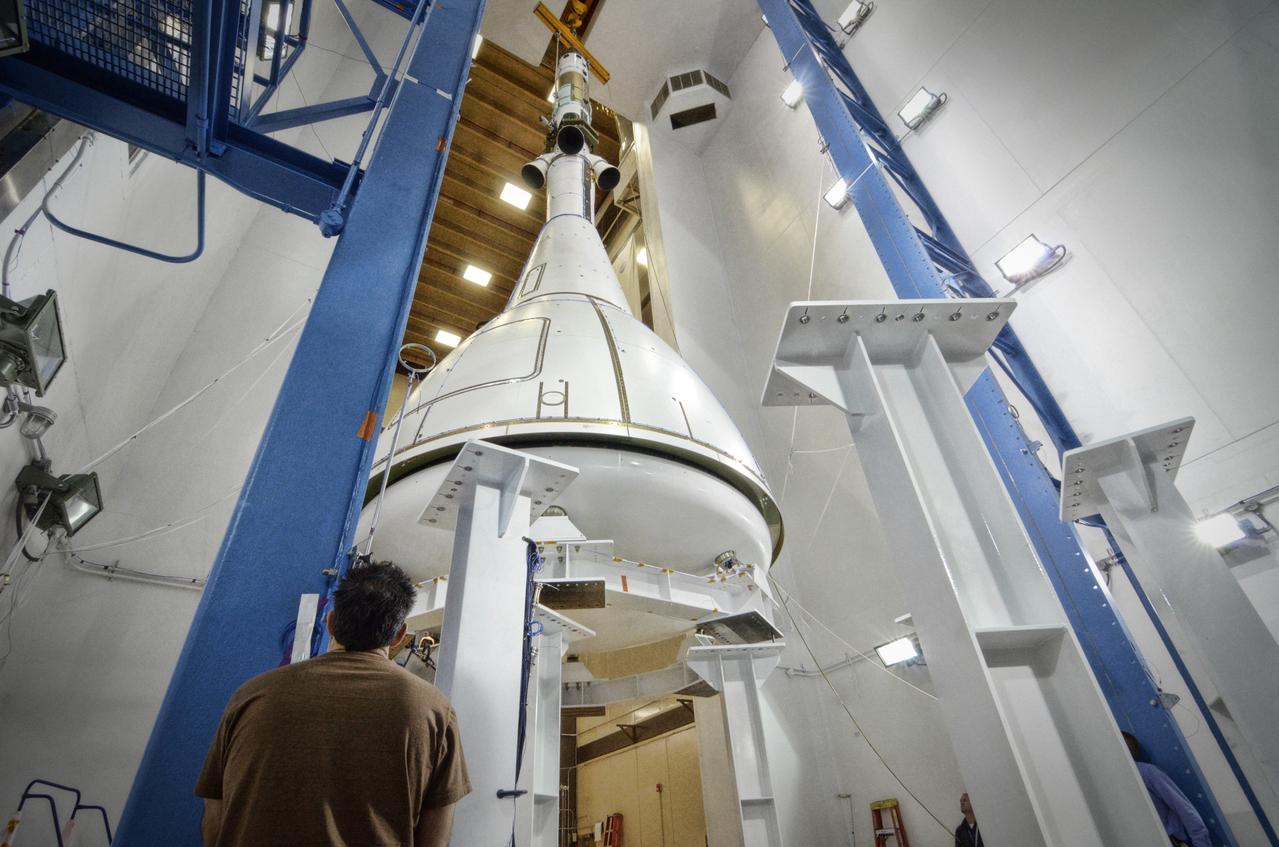
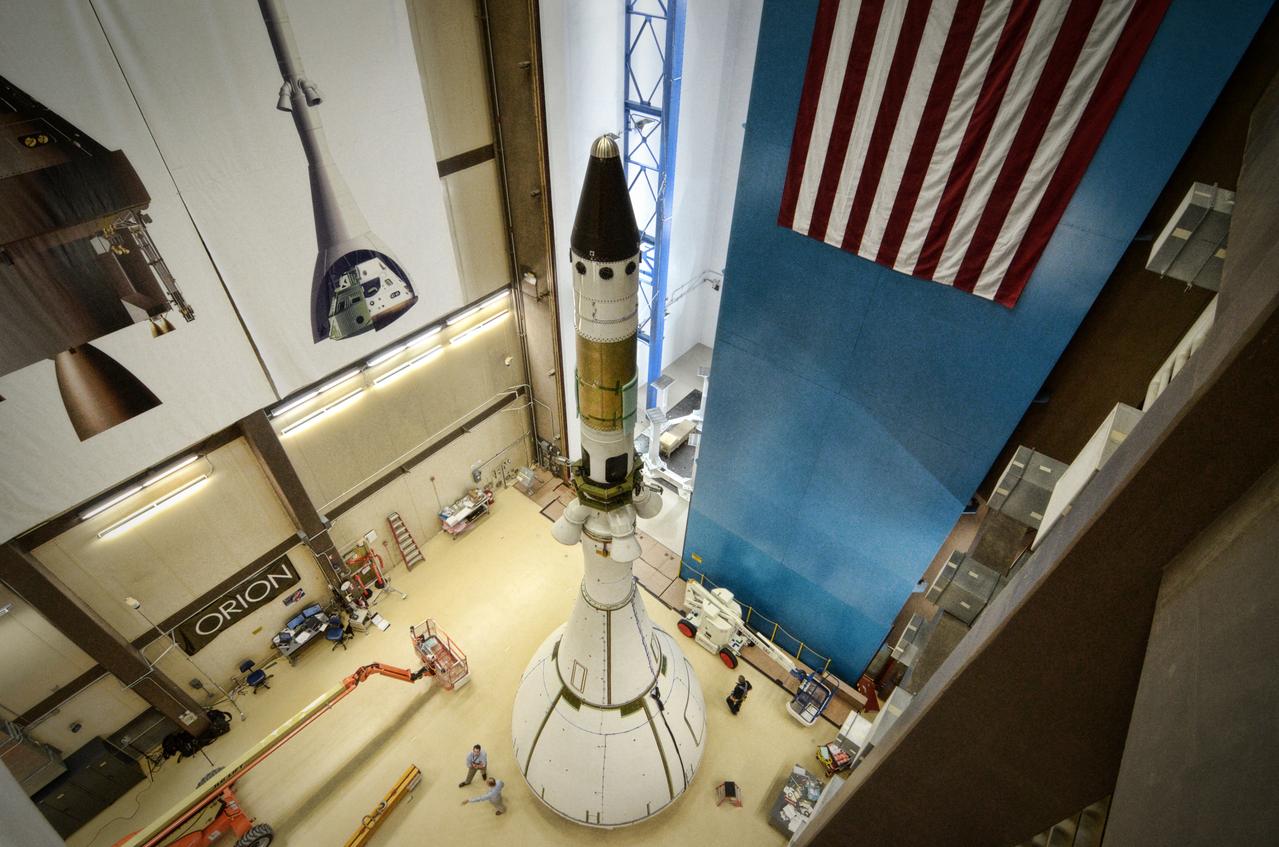
Spacecraft in Gravity Off-load Fixture (GOLF), System Test configuration - Arisa Waddle – Test Engineer, Rick Wilson – Lead Test Engineer
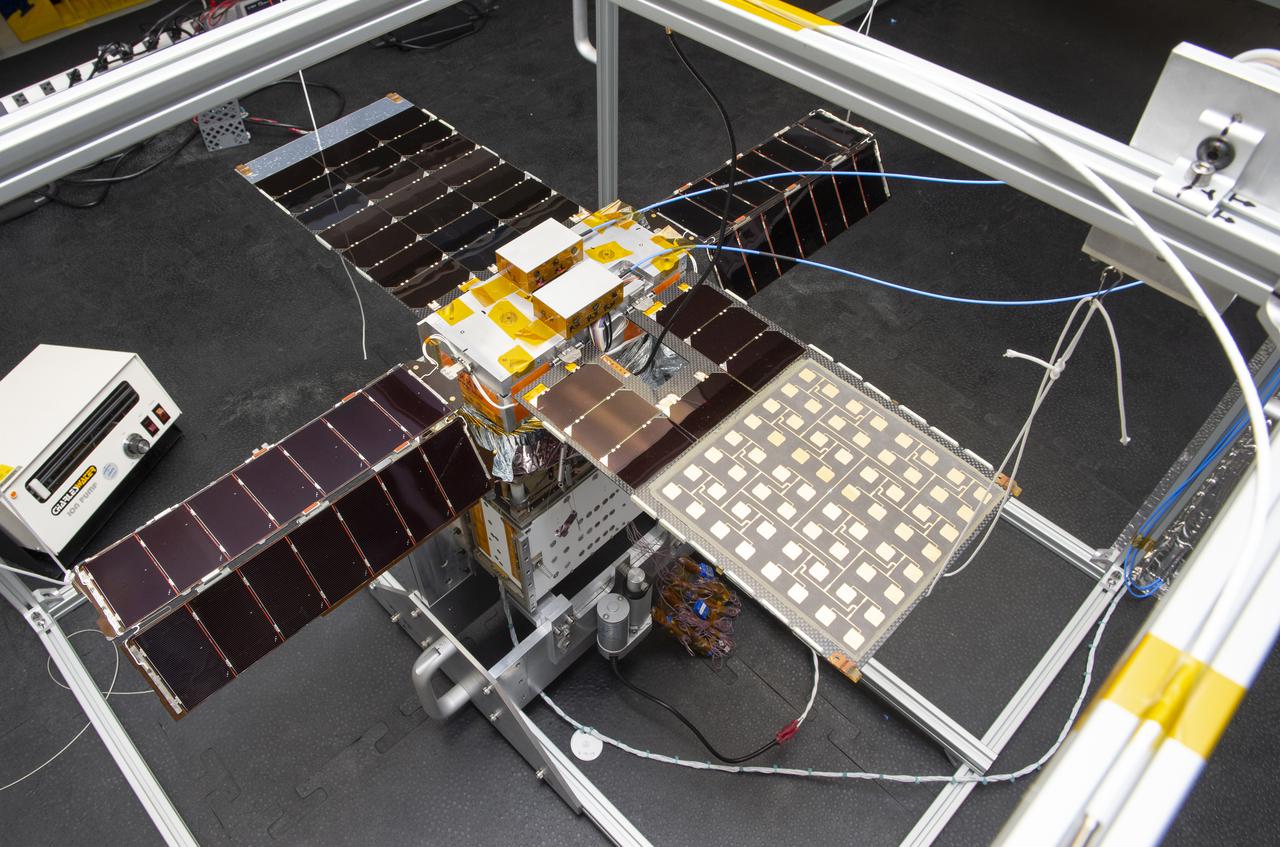
Spacecraft in Gravity Off-load Fixture (GOLF), System Test configuration - Arisa Waddle – Test Engineer, Rick Wilson – Lead Test Engineer
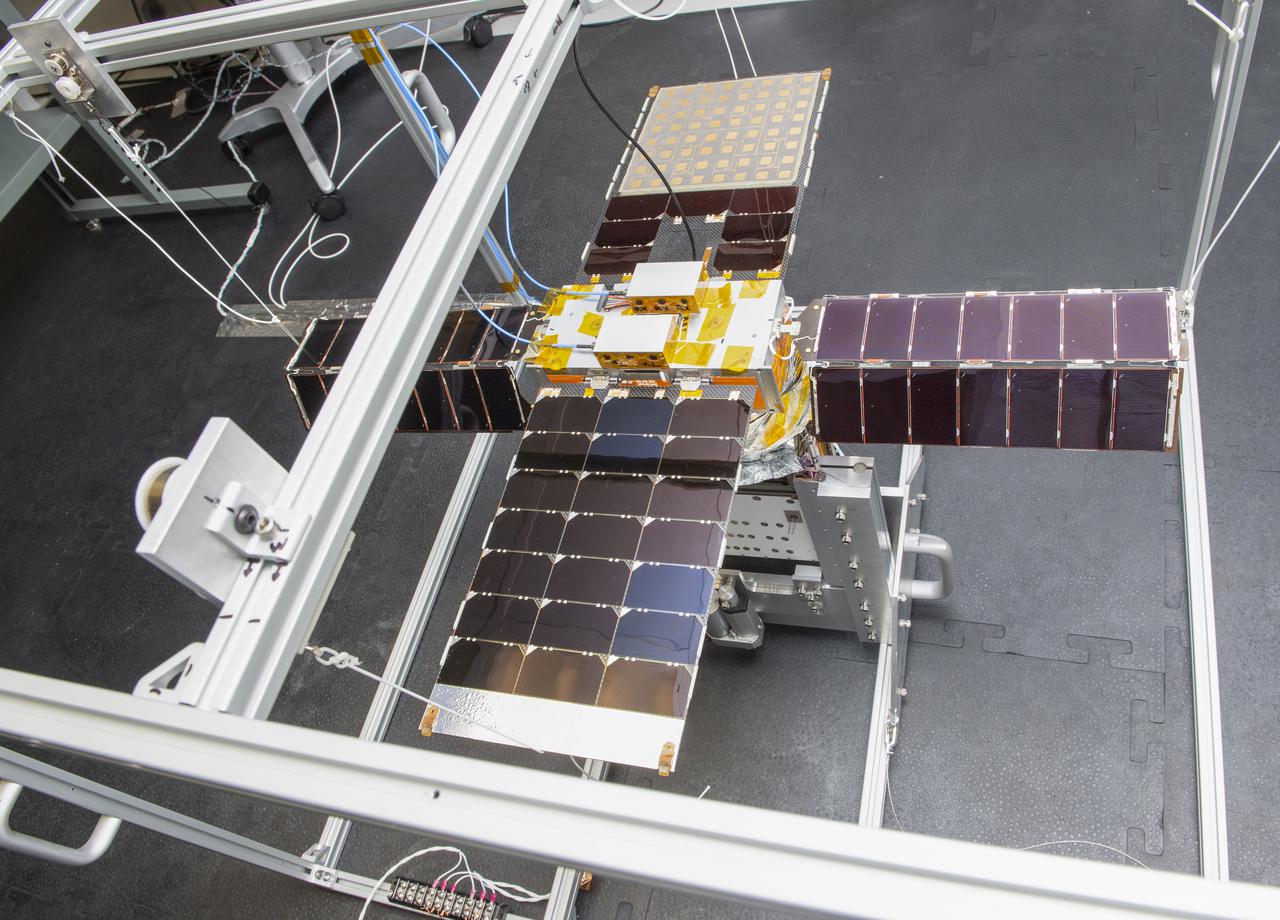
Spacecraft in Gravity Off-load Fixture (GOLF), System Test configuration - Arisa Waddle – Test Engineer, Rick Wilson – Lead Test Engineer
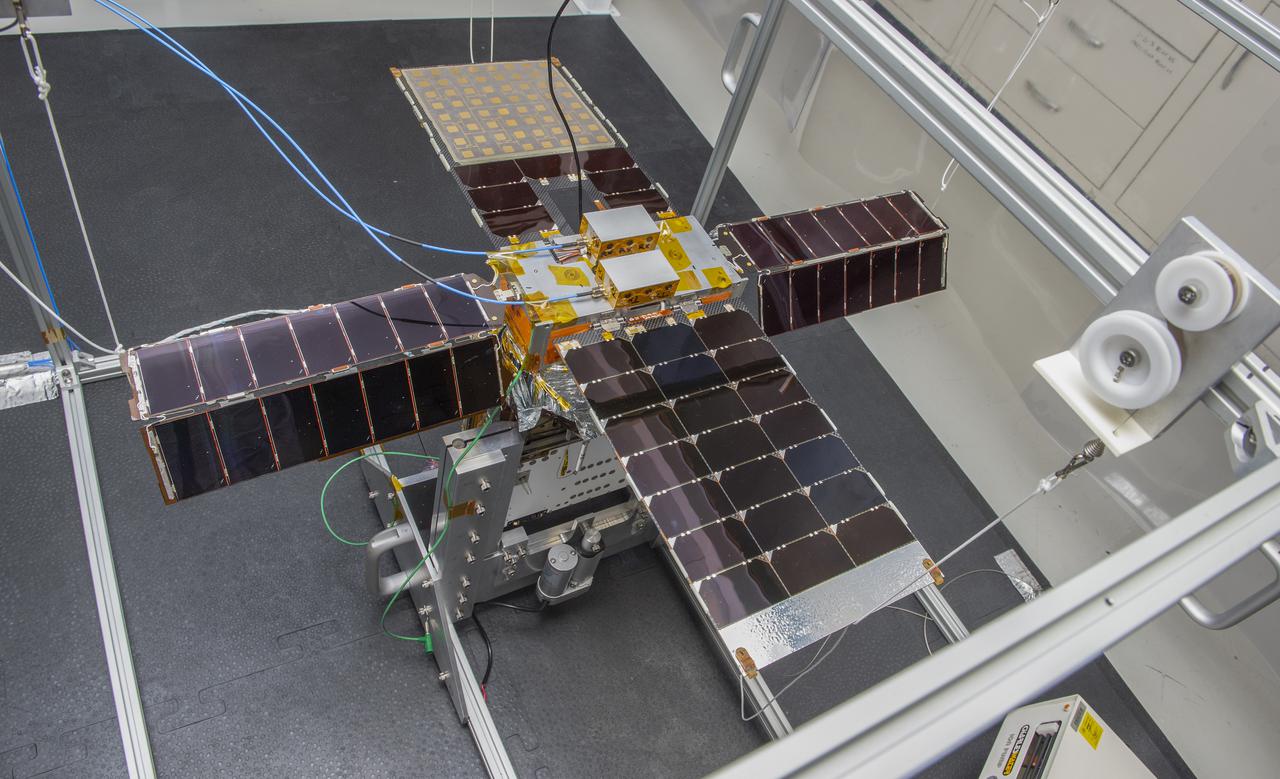
Spacecraft in Gravity Off-load Fixture (GOLF), System Test configuration - Arisa Waddle – Test Engineer, Rick Wilson – Lead Test Engineer
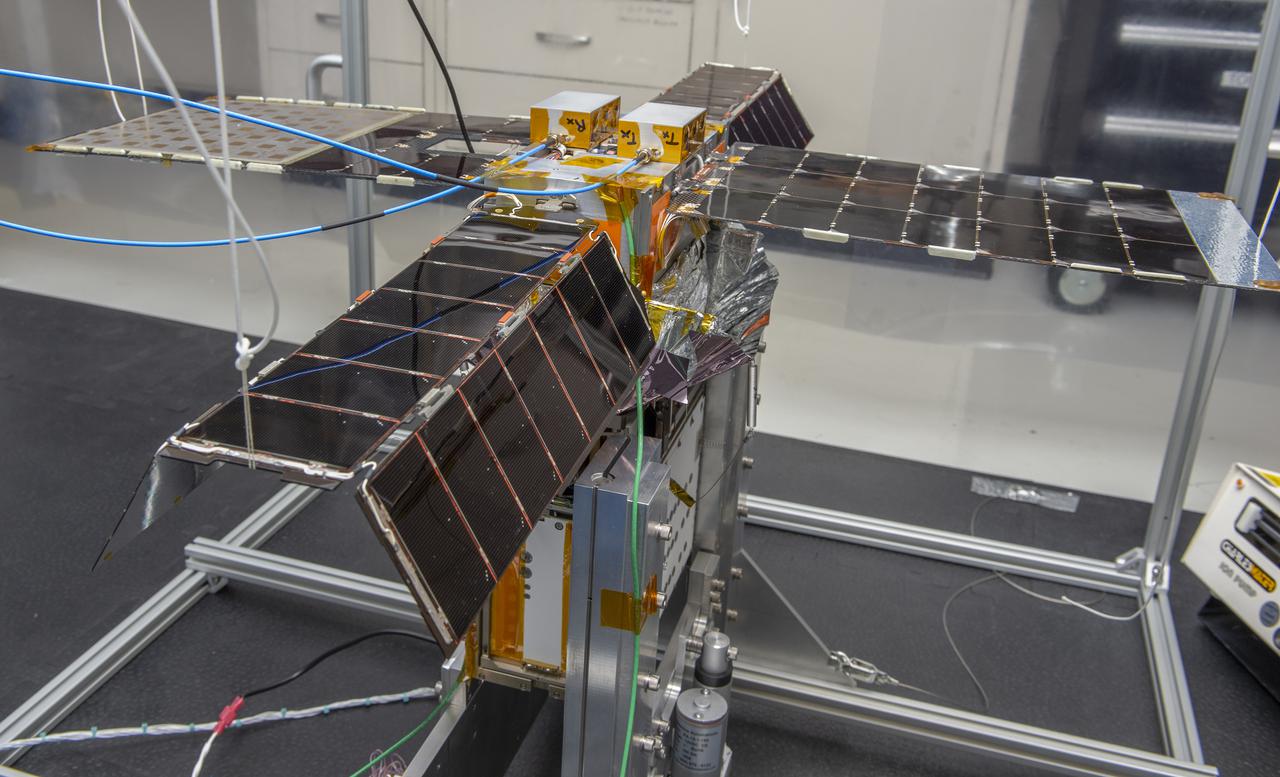
Spacecraft in Gravity Off-load Fixture (GOLF), System Test configuration - Arisa Waddle – Test Engineer, Rick Wilson – Lead Test Engineer
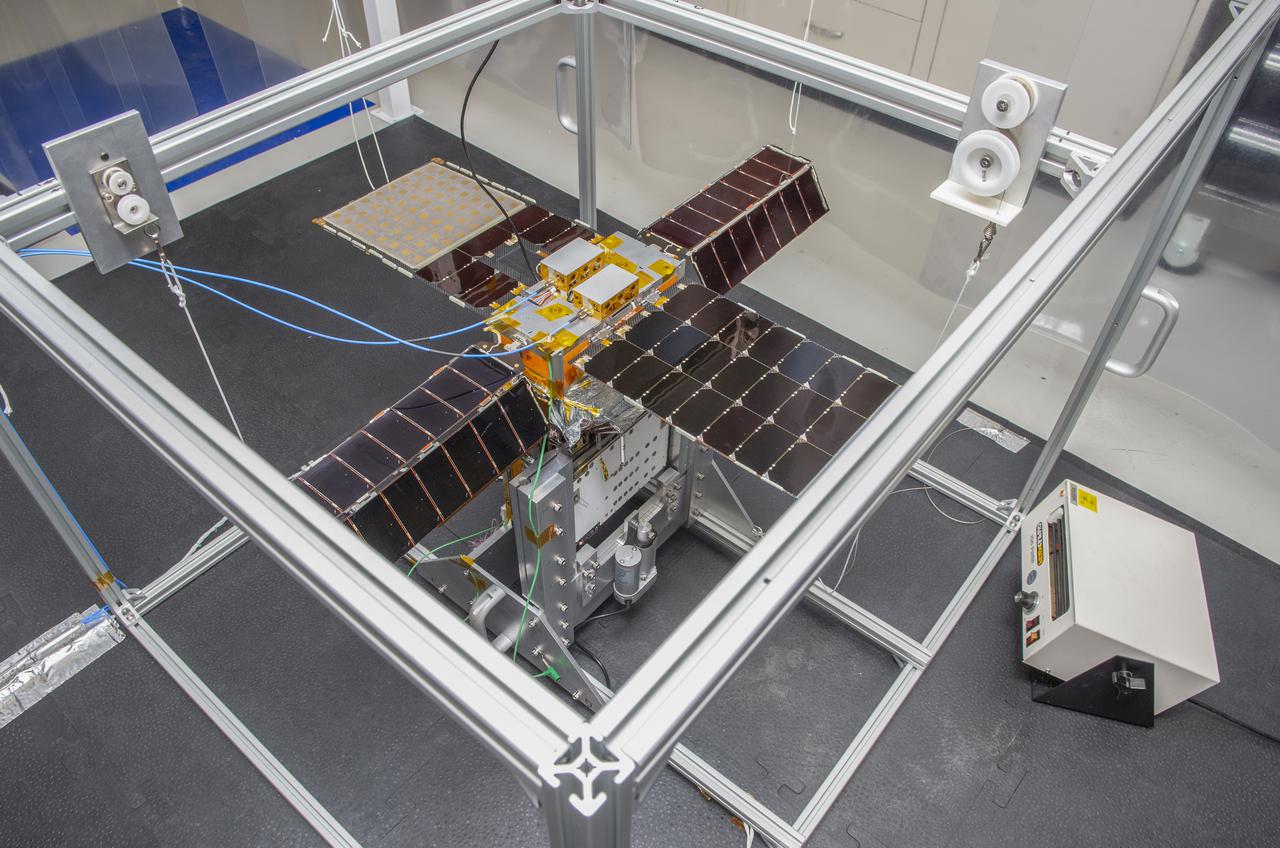
Spacecraft in Gravity Off-load Fixture (GOLF), System Test configuration - Arisa Waddle – Test Engineer, Rick Wilson – Lead Test Engineer

Spacecraft in Gravity Off-load Fixture (GOLF), System Test configuration - Arisa Waddle – Test Engineer, Rick Wilson – Lead Test Engineer
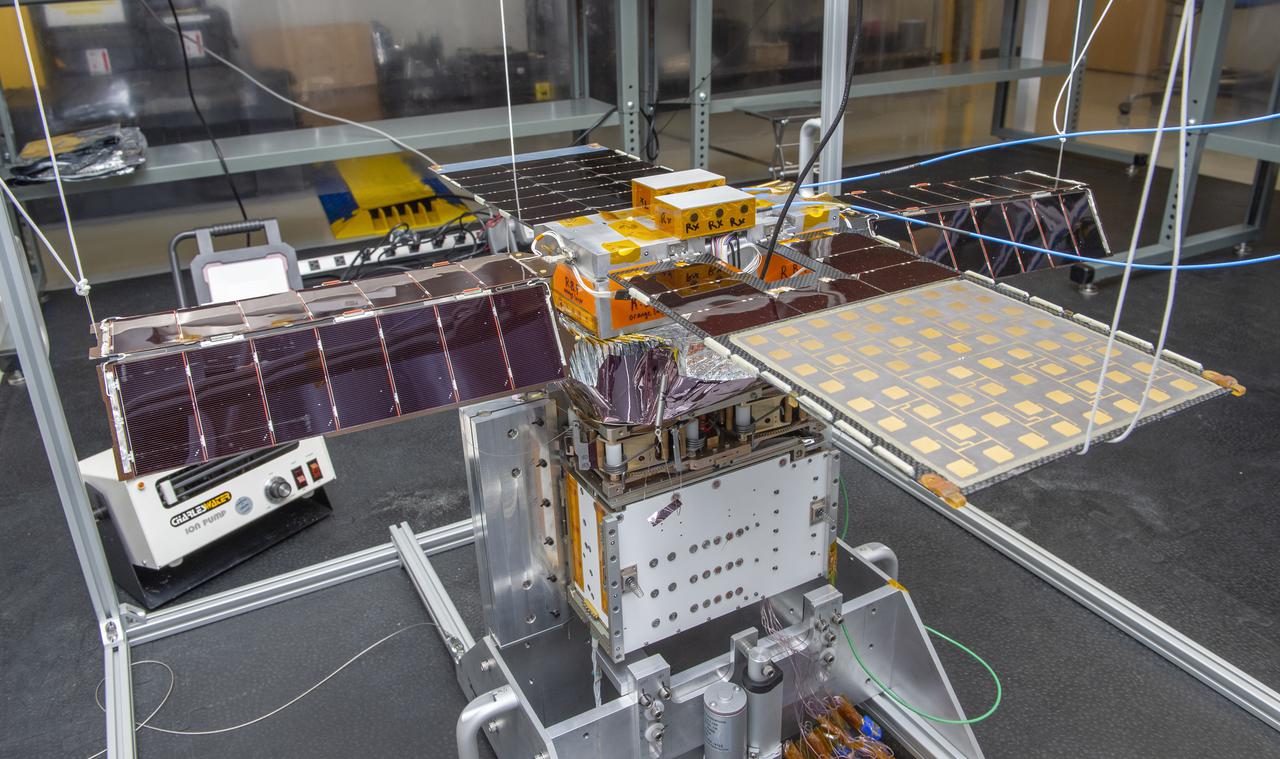
Spacecraft in Gravity Off-load Fixture (GOLF), System Test configuration - Arisa Waddle – Test Engineer, Rick Wilson – Lead Test Engineer
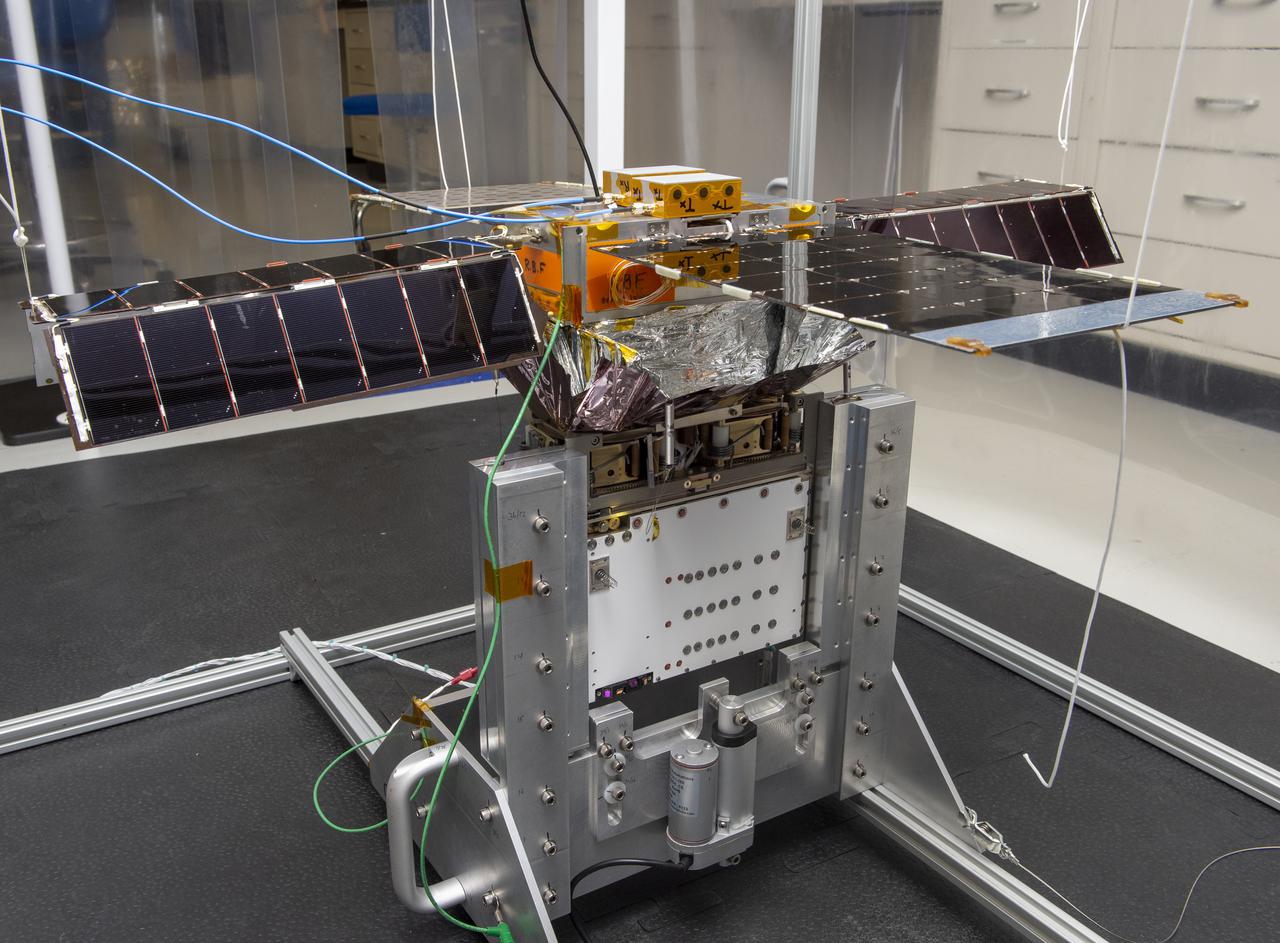
Spacecraft in Gravity Off-load Fixture (GOLF), System Test configuration - Arisa Waddle – Test Engineer, Rick Wilson – Lead Test Engineer

Spacecraft in Gravity Off-load Fixture (GOLF), System Test configuration - Arisa Waddle – Test Engineer, Rick Wilson – Lead Test Engineer
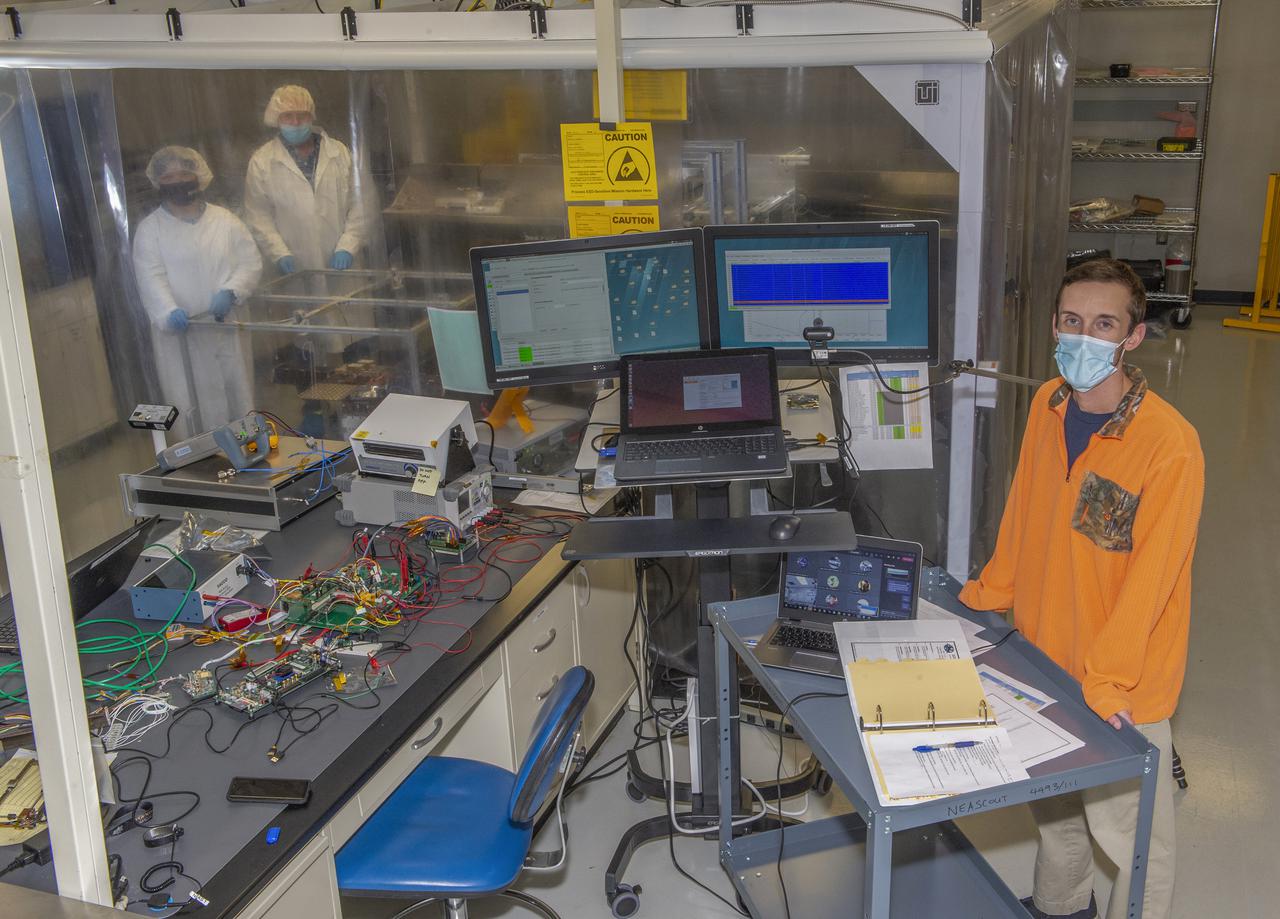
Spacecraft in Gravity Off-load Fixture (GOLF), System Test configuration - Arisa Waddle – Test Engineer, Rick Wilson – Lead Test Engineer
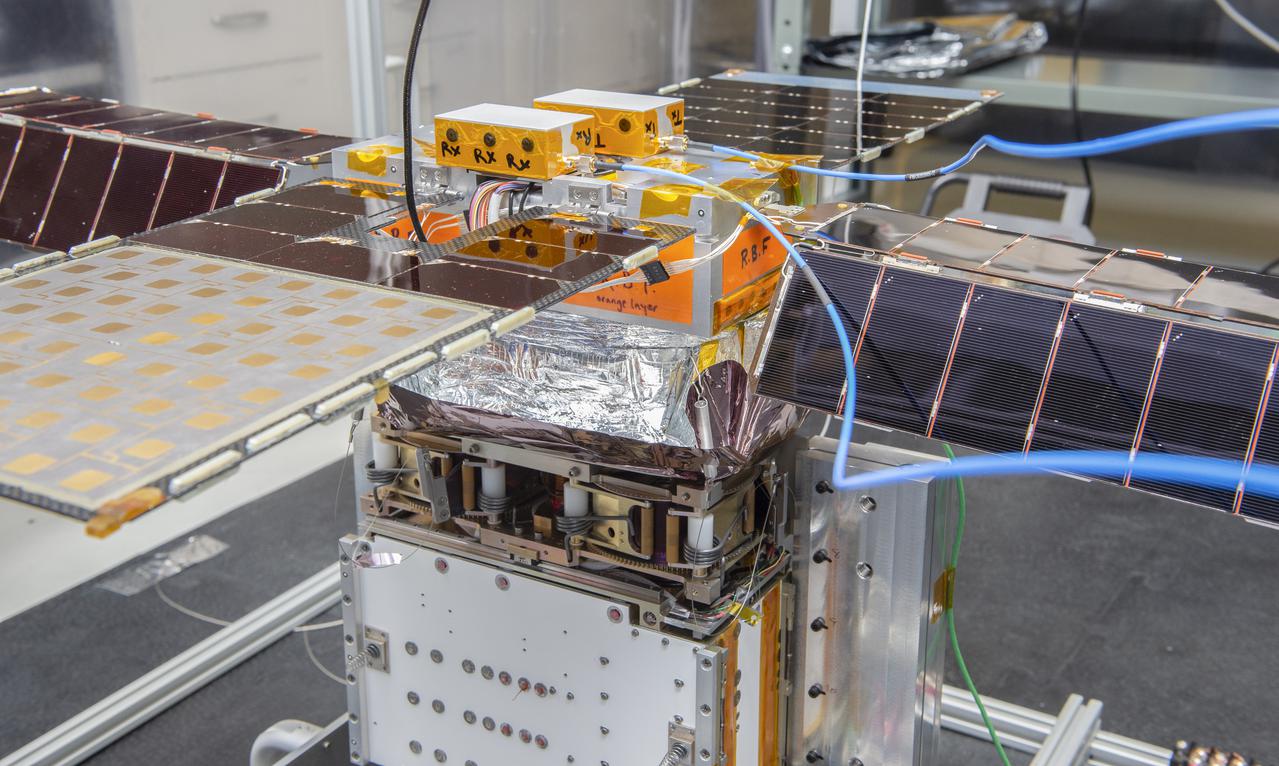
Spacecraft in Gravity Off-load Fixture (GOLF), System Test configuration - Arisa Waddle – Test Engineer, Rick Wilson – Lead Test Engineer
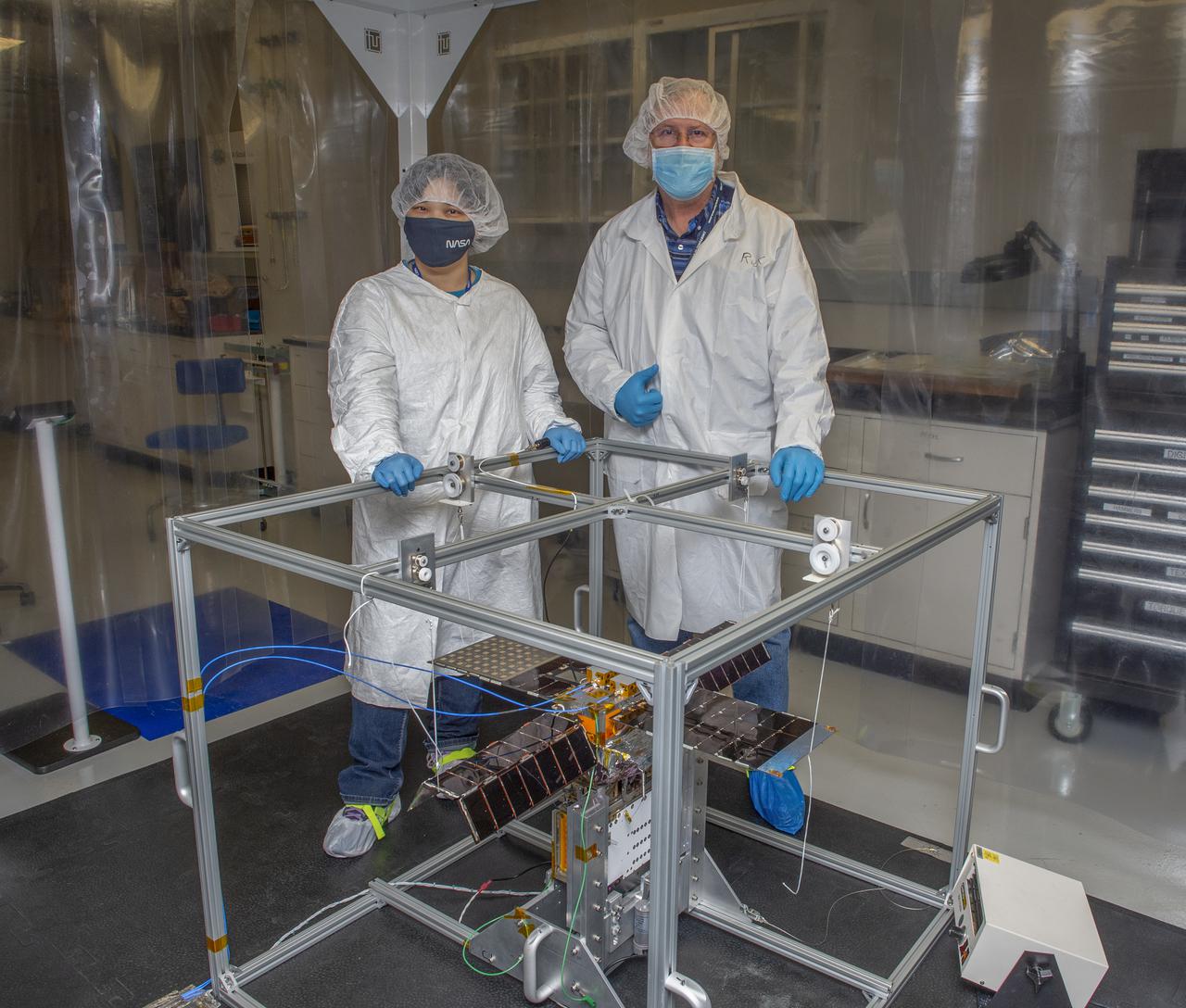
Spacecraft in Gravity Off-load Fixture (GOLF), System Test configuration - Arisa Waddle – Test Engineer, Rick Wilson – Lead Test Engineer
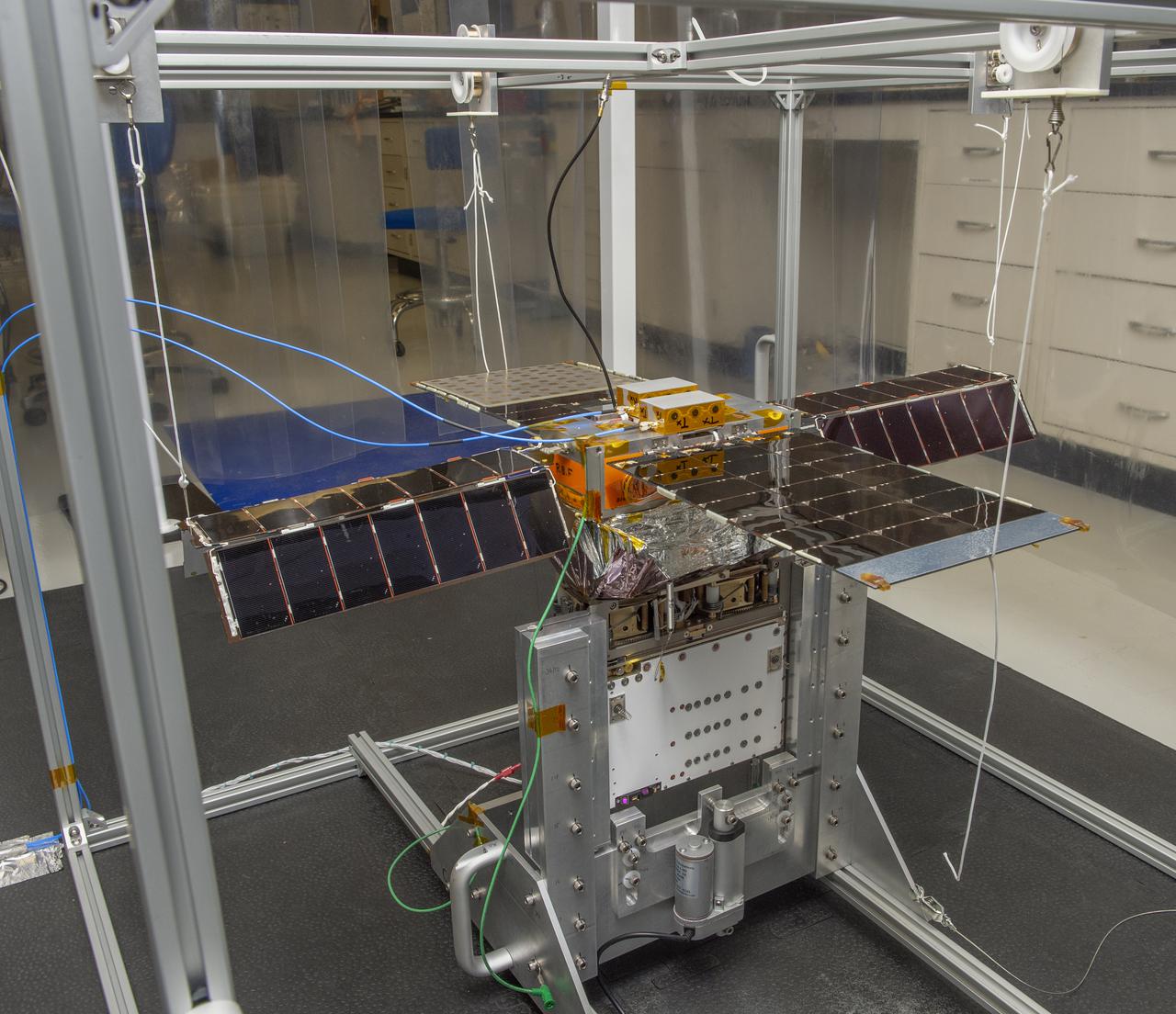
Spacecraft in Gravity Off-load Fixture (GOLF), System Test configuration - Arisa Waddle – Test Engineer, Rick Wilson – Lead Test Engineer
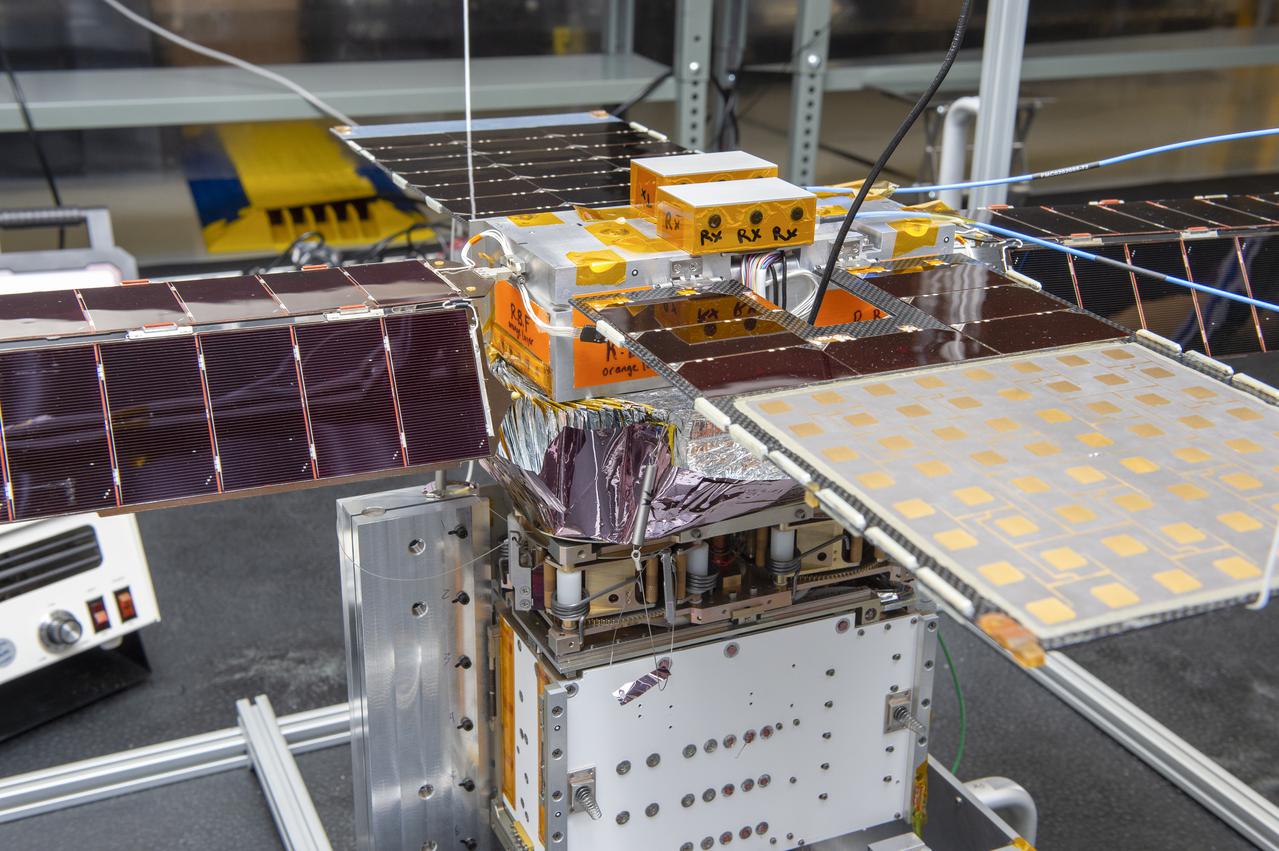
Spacecraft in Gravity Off-load Fixture (GOLF), System Test configuration - Arisa Waddle – Test Engineer, Rick Wilson – Lead Test Engineer
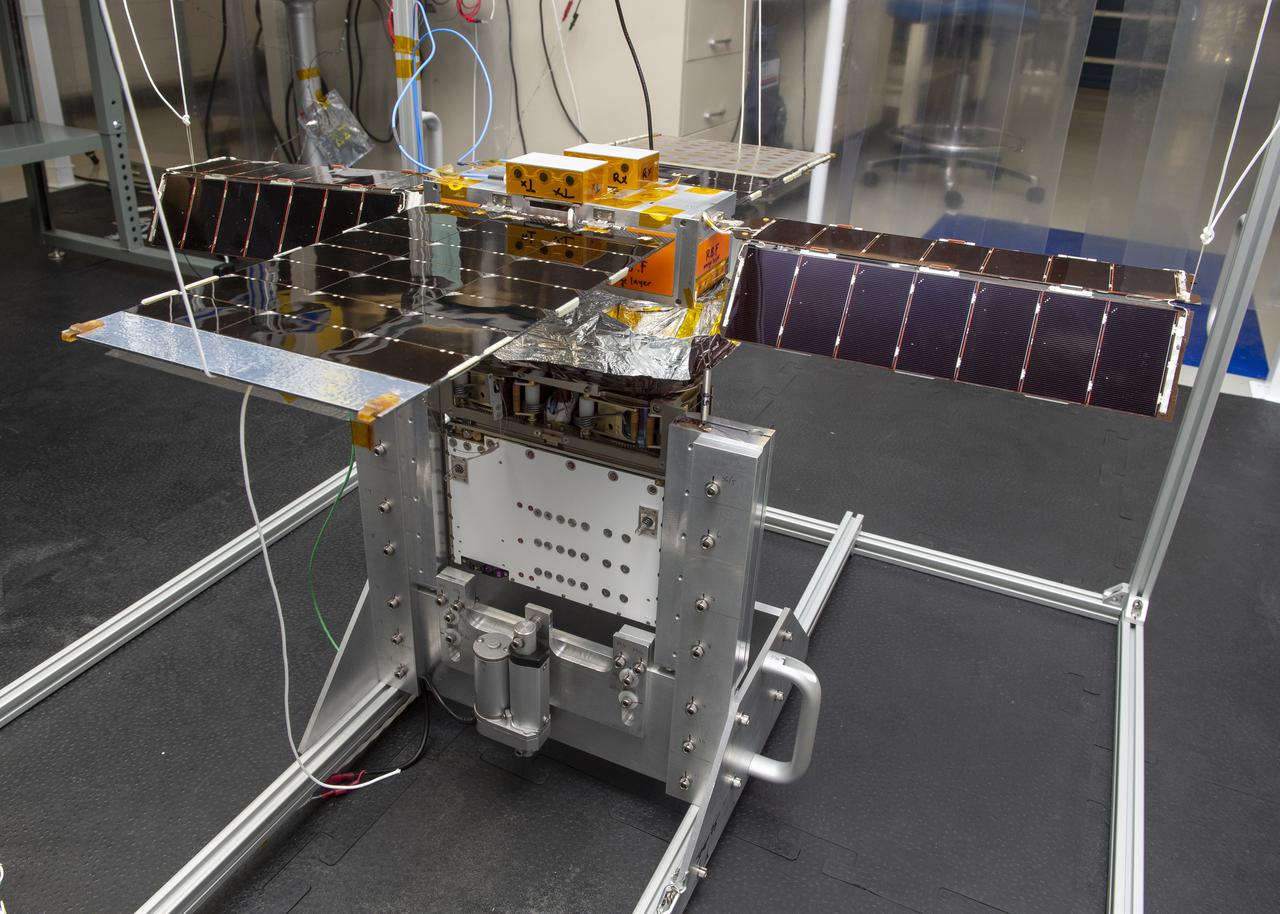
Spacecraft in Gravity Off-load Fixture (GOLF), System Test configuration - Arisa Waddle – Test Engineer, Rick Wilson – Lead Test Engineer
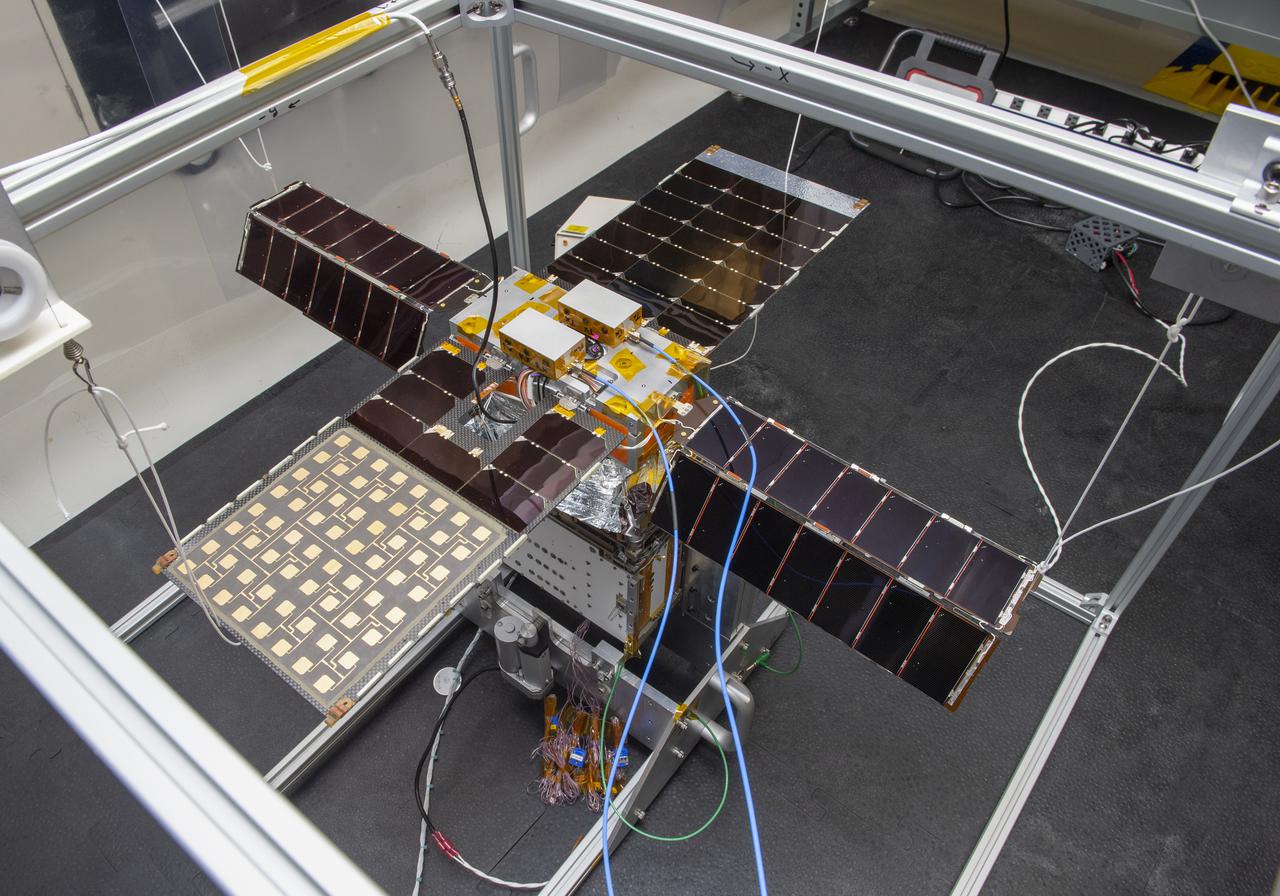
Spacecraft in Gravity Off-load Fixture (GOLF), System Test configuration - Arisa Waddle – Test Engineer, Rick Wilson – Lead Test Engineer
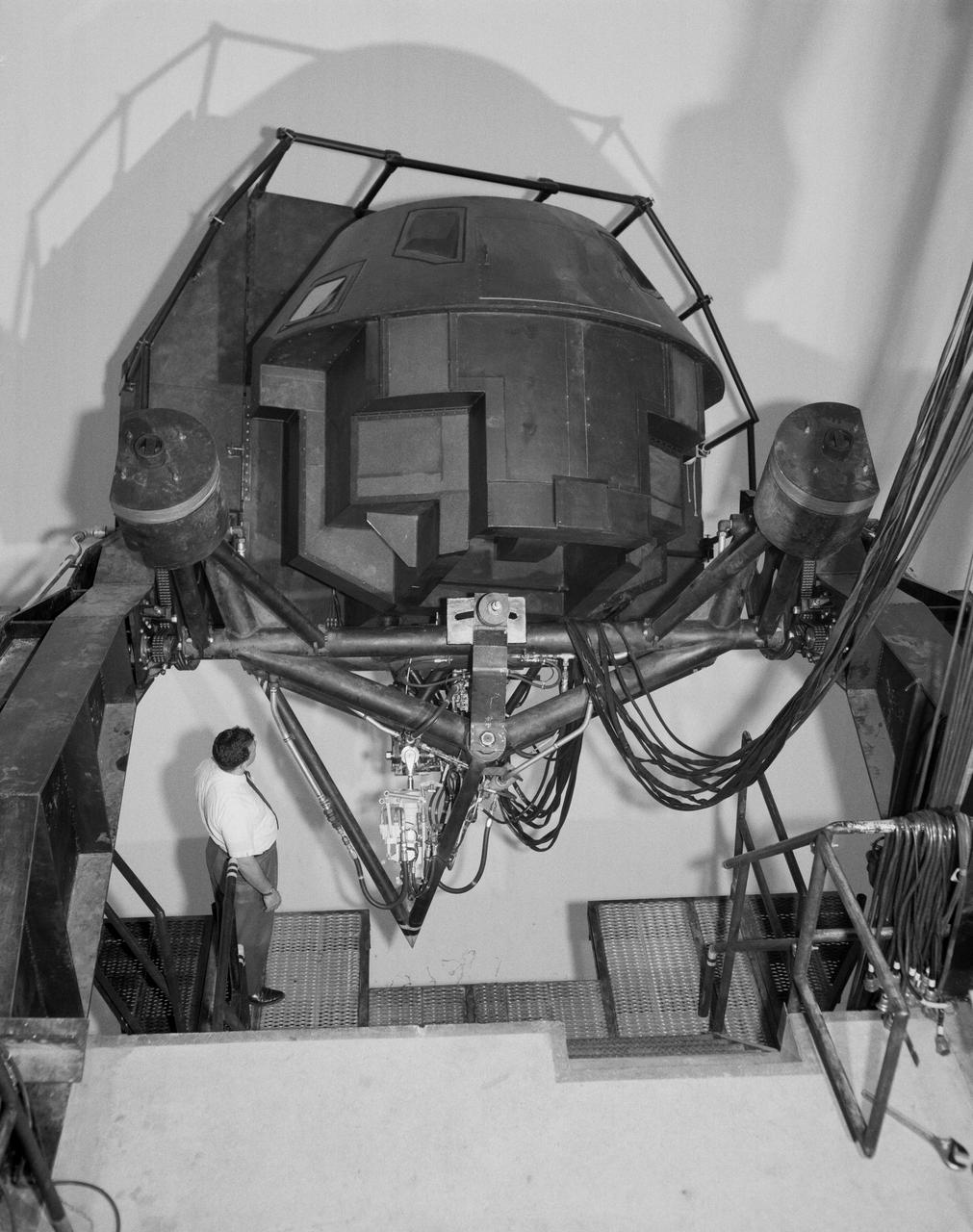
S66-21296 (1967) --- This is a medium exterior view of the Dynamic Crew Procedures Trainer, Command Module configuration, one of the Apollo astronaut training components located in the Mission Simulation and Training Facility, Building 5, Manned Spacecraft Center, Houston, Texas. Photo credit: NASA
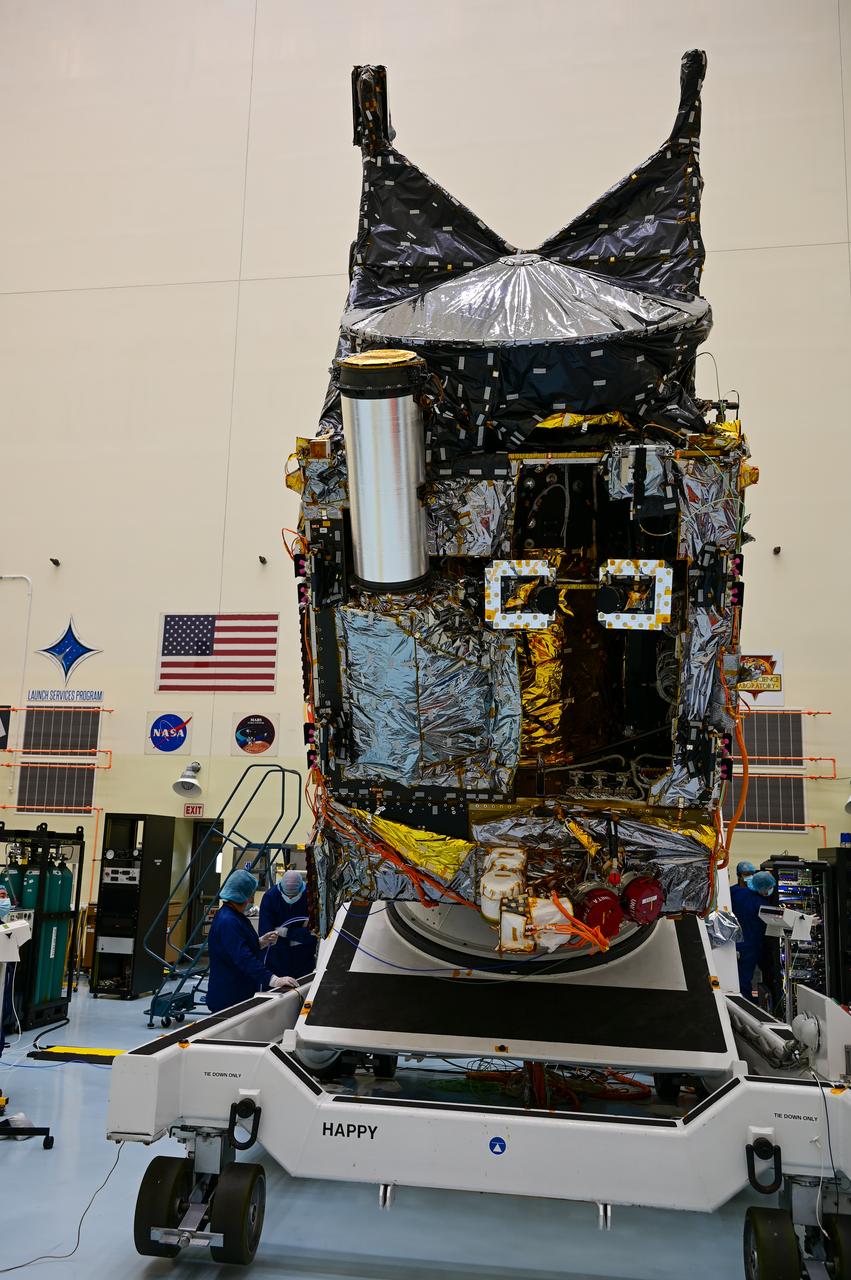
A team working on NASA’s Psyche spacecraft transitioning it from a vertical to horizontal test configuration during prelaunch processing inside the Payload Hazardous Servicing Facility at NASA’s Kennedy Space Center in Florida on May 9, 2022. The mission is targeting an Aug. 1 launch atop a SpaceX Falcon Heavy rocket from Launch Complex 39A at Kennedy. The spacecraft will use solar-electric propulsion to travel approximately 1.5 billion miles to rendezvous with its namesake asteroid in 2026. The Psyche mission is led by Arizona State University. NASA’s Jet Propulsion Laboratory, which is managed for the agency by Caltech in Pasadena, California, is responsible for the mission’s overall management, system engineering, integration and testing, and mission operations. Maxar Technologies in Palo Alto, California, provided the high-power solar electric propulsion spacecraft chassis. NASA’s Launch Services Program (LSP), based at Kennedy, is managing the launch.
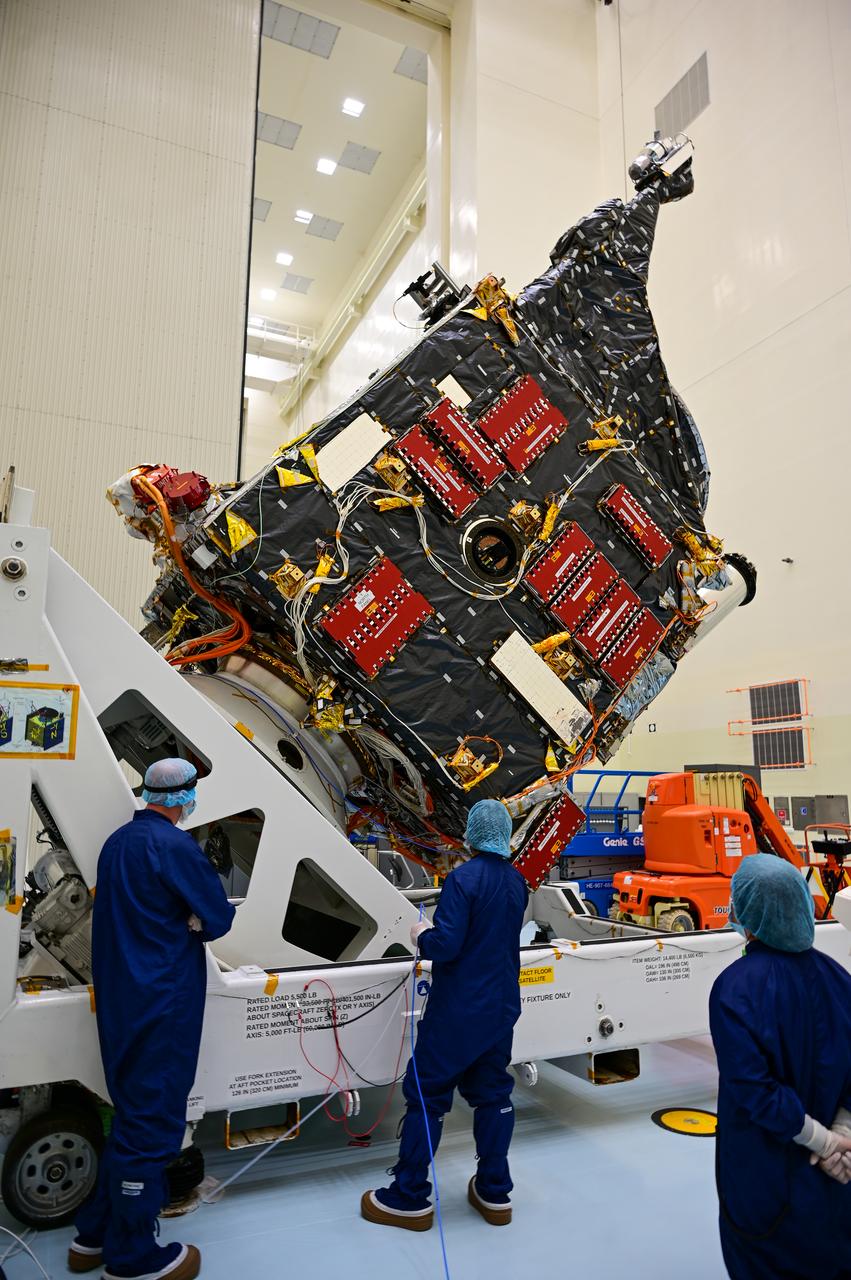
A team working on NASA’s Psyche spacecraft transitioned it from a vertical to horizontal test configuration during prelaunch processing inside the Payload Hazardous Servicing Facility at NASA’s Kennedy Space Center in Florida on May 9, 2022. The mission is targeting an Aug. 1 launch atop a SpaceX Falcon Heavy rocket from Launch Complex 39A at Kennedy. The spacecraft will use solar-electric propulsion to travel approximately 1.5 billion miles to rendezvous with its namesake asteroid in 2026. The Psyche mission is led by Arizona State University. NASA’s Jet Propulsion Laboratory, which is managed for the agency by Caltech in Pasadena, California, is responsible for the mission’s overall management, system engineering, integration and testing, and mission operations. Maxar Technologies in Palo Alto, California, provided the high-power solar electric propulsion spacecraft chassis. NASA’s Launch Services Program (LSP), based at Kennedy, is managing the launch.
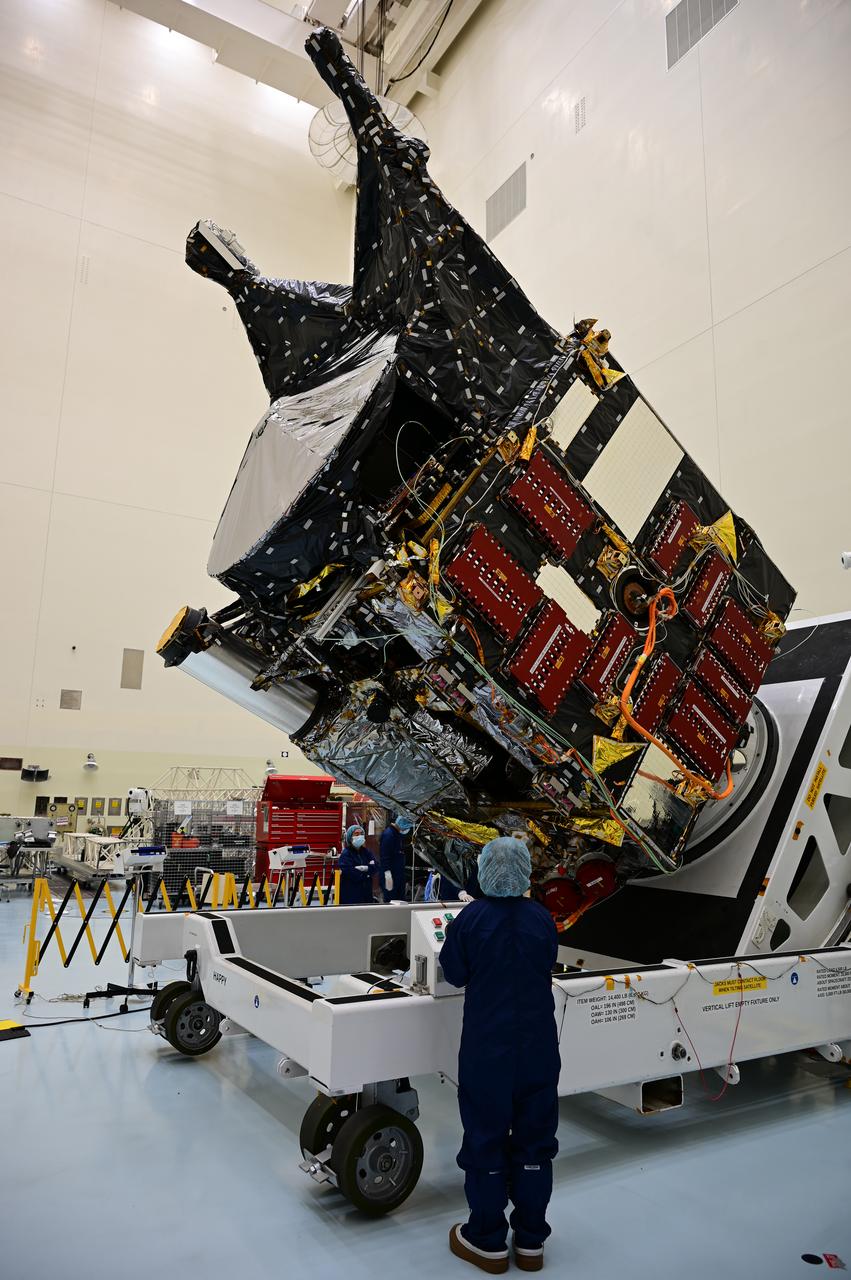
A team working on NASA’s Psyche spacecraft transitioned it from a vertical to a horizontal test configuration during prelaunch processing inside the Payload Hazardous Servicing Facility at NASA’s Kennedy Space Center in Florida on May 9, 2022. The mission is targeting an Aug. 1 launch atop a SpaceX Falcon Heavy rocket from Launch Complex 39A at Kennedy. The spacecraft will use solar-electric propulsion to travel approximately 1.5 billion miles to rendezvous with its namesake asteroid in 2026. The Psyche mission is led by Arizona State University. NASA’s Jet Propulsion Laboratory, which is managed for the agency by Caltech in Pasadena, California, is responsible for the mission’s overall management, system engineering, integration and testing, and mission operations. Maxar Technologies in Palo Alto, California, provided the high-power solar electric propulsion spacecraft chassis. NASA’s Launch Services Program (LSP), based at Kennedy, is managing the launch.
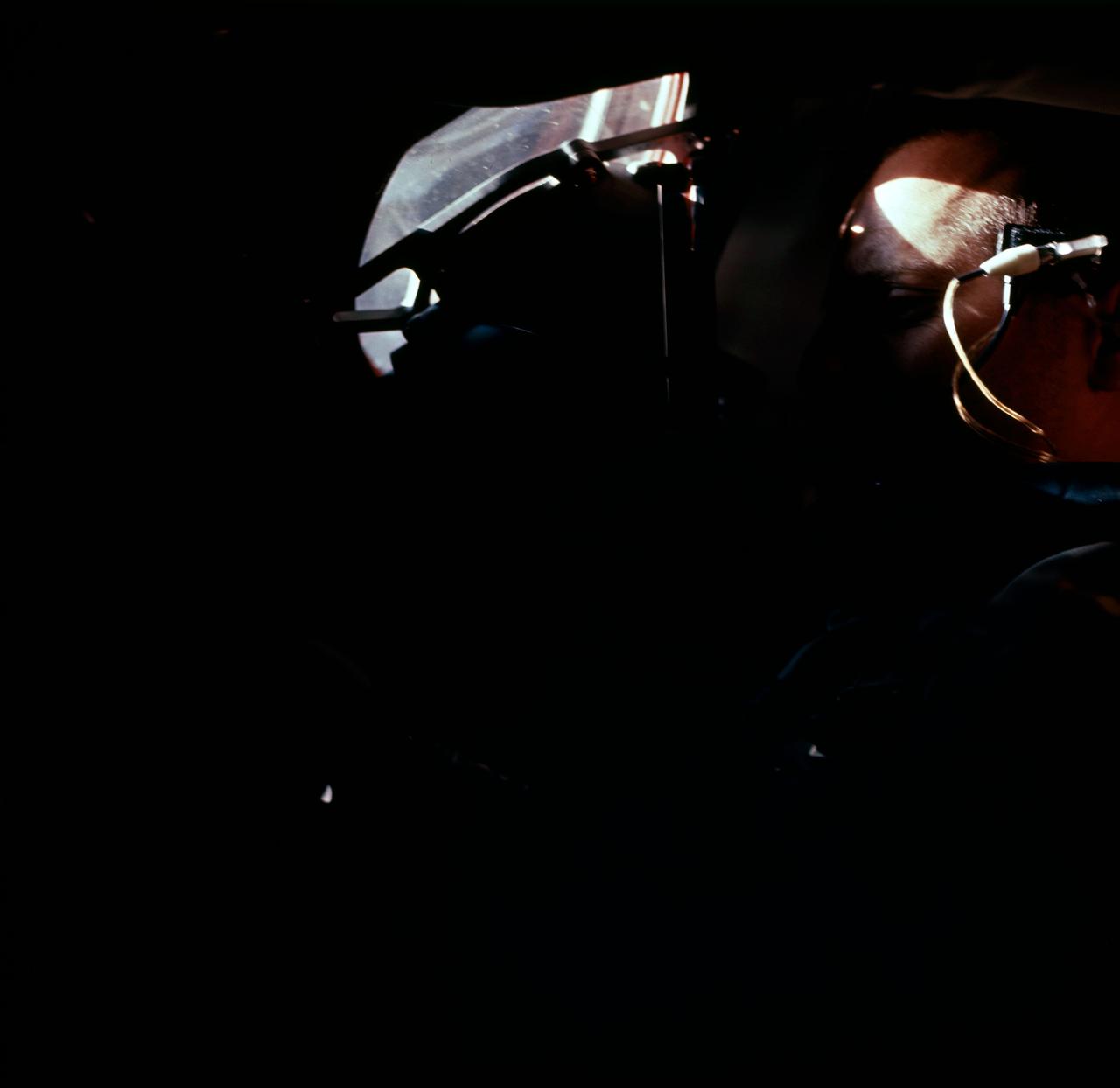
S65-45610 (21 Aug. 1965) --- Astronaut Charles Conrad Jr. as seen through the Gemini-5 spacecraft window before launch.
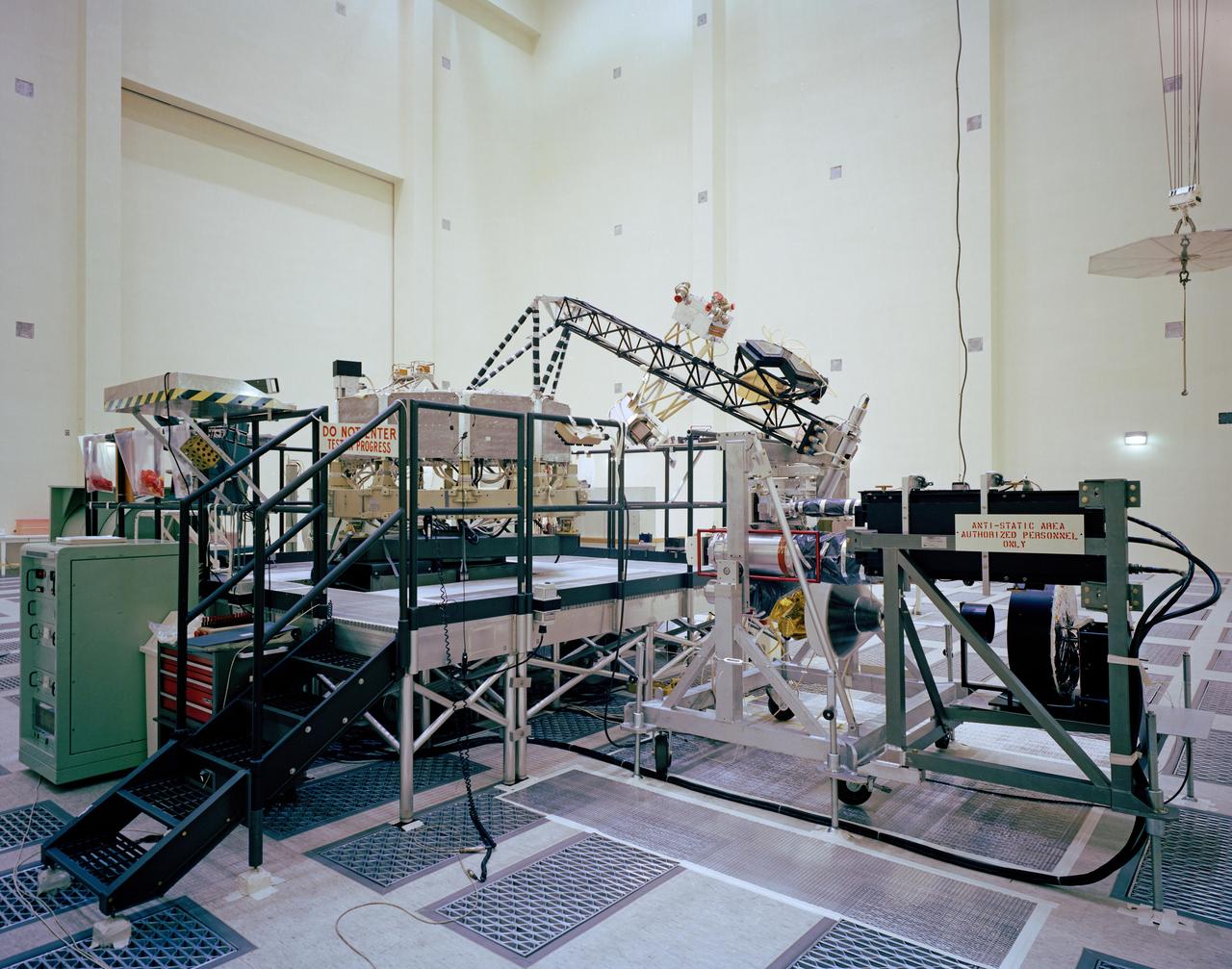
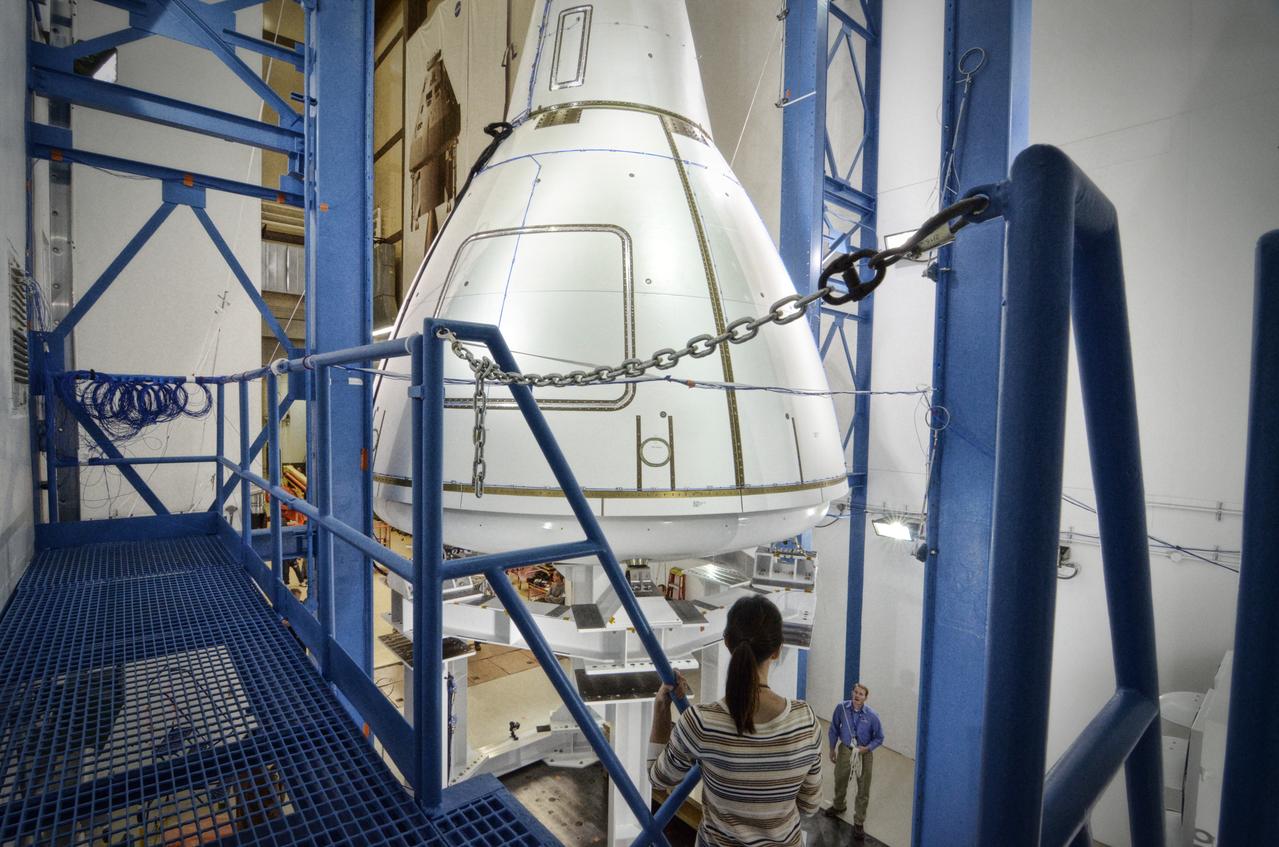
This archival photo shows the system test configuration for Voyager on October 1, 1976. The spacecraft's 10-sided bus is visible behind the catwalk railing in the foreground. The boom that holds several of the spacecraft's science instruments arches above the railing. https://photojournal.jpl.nasa.gov/catalog/PIA21729
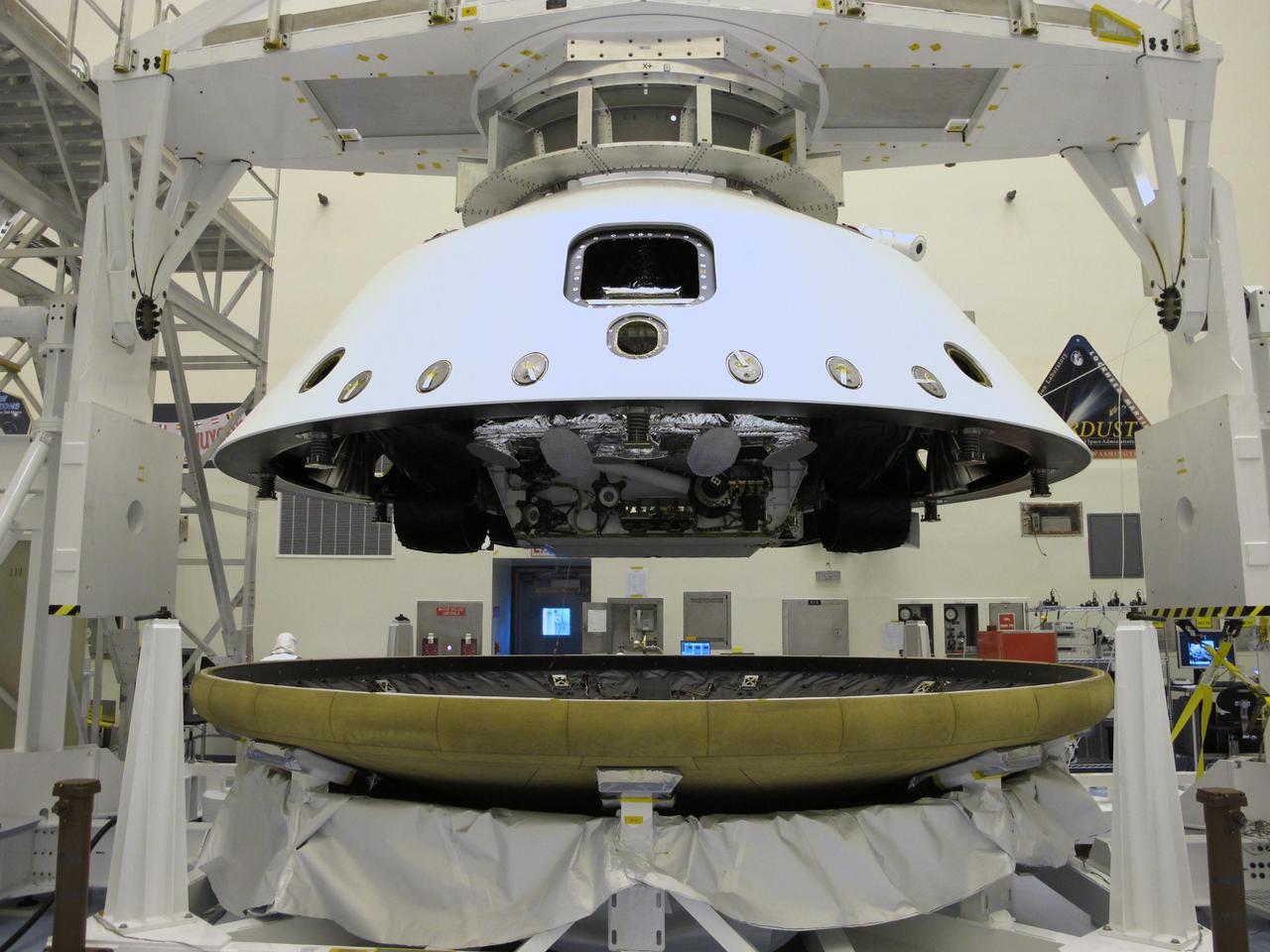
At the Payload Hazardous Servicing Facility at NASA Kennedy Space Center in Florida, the back shell powered descent vehicle configuration, containing NASA Mars Science Laboratory rover, Curiosity, is being placed on the spacecraft heat shield.
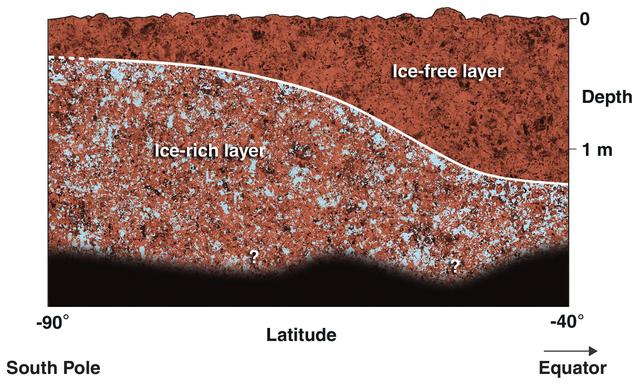
This diagram shows a possible configuration of ice-rich and dry soil in the upper meter 3 feet of Mars. The ice-rich soil was detected by the gamma ray spectrometer suite of instruments aboard NASA Mars Odyssey spacecraft.
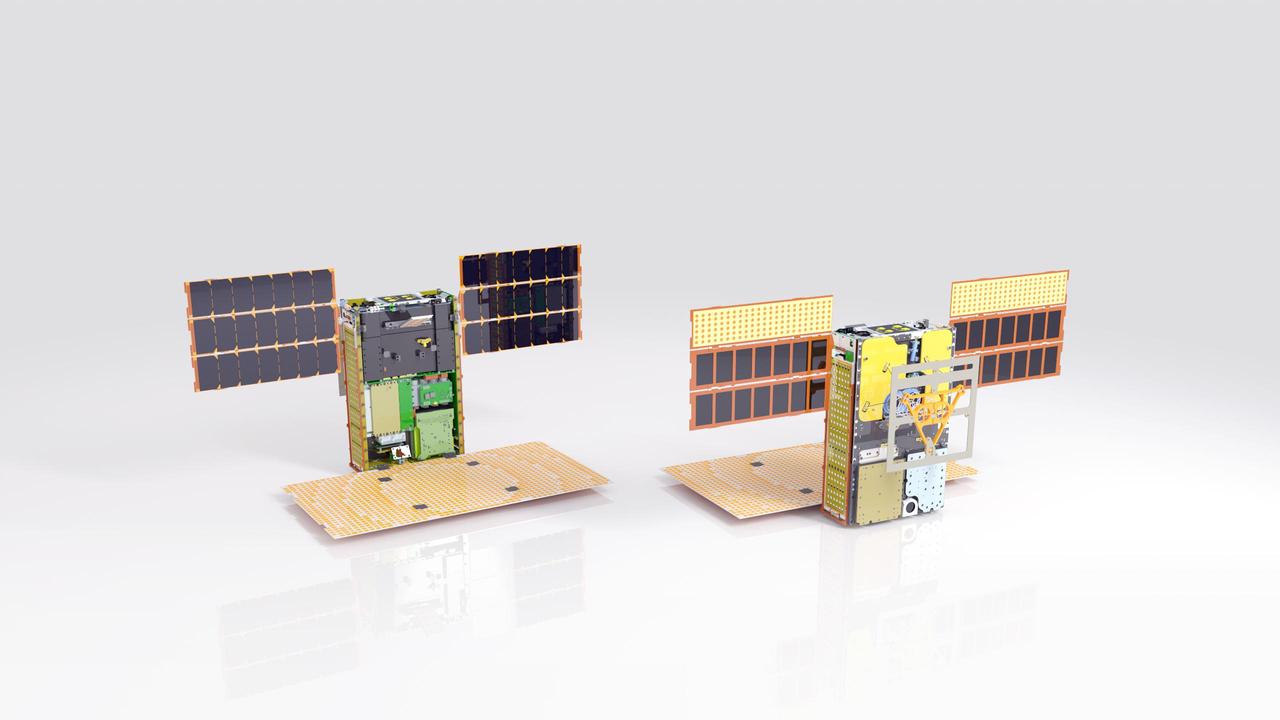
Illustration of one of the twin MarCO spacecraft with some key components labeled. Front cover is left out to show some internal components. Antennas and solar arrays are in deployed configuration. https://photojournal.jpl.nasa.gov/catalog/PIA22548
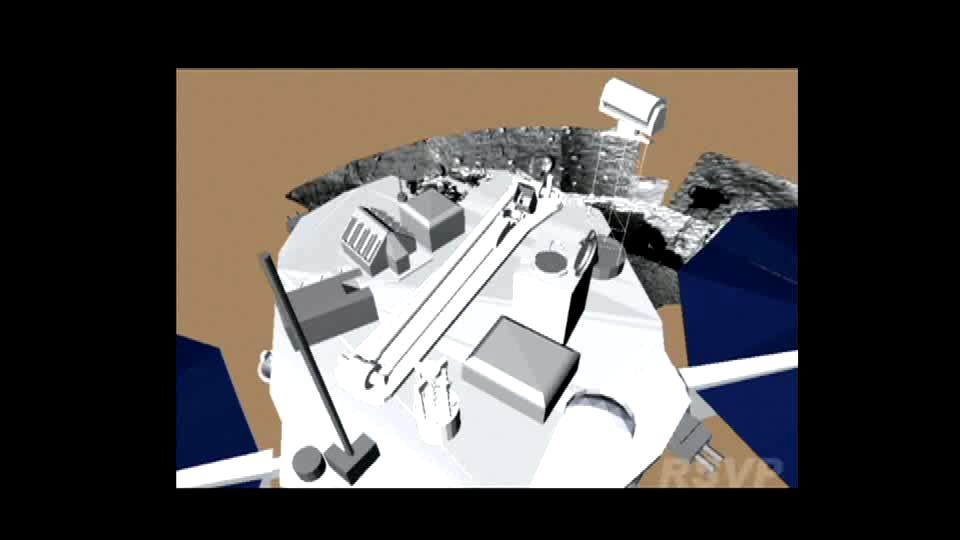
The Phoenix spacecraft is scheduled to begin raising its robotic arm up and out of its stowed configuration on the third Martian day, or Sol 3 May 28, 2008 of the mission
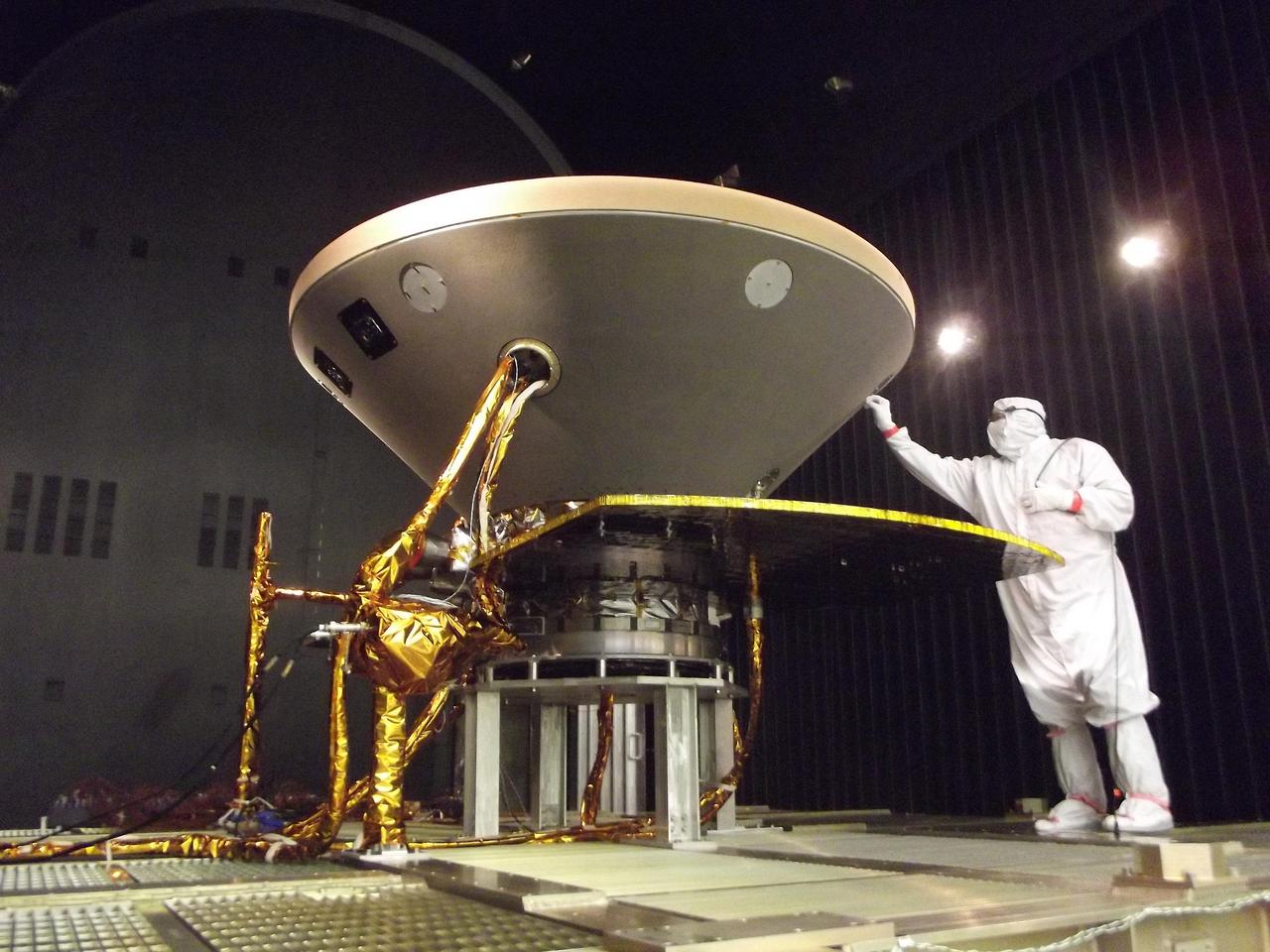
In this photo, a spacecraft specialist prepares NASA's InSight spacecraft for thermal vacuum testing in the flight system's "cruise" configuration for its 2016 flight to Mars. The testing simulates conditions of outer space that InSight will experience during its flight. The photo was taken on May 29, 2015, in a clean room of spacecraft assembly and test facilities at Lockheed Martin Space Systems, Denver. Note: After thorough examination, NASA managers have decided to suspend the planned March 2016 launch of the Interior Exploration using Seismic Investigations Geodesy and Heat Transport (InSight) mission. The decision follows unsuccessful attempts to repair a leak in a section of the prime instrument in the science payload. http://photojournal.jpl.nasa.gov/catalog/PIA19812
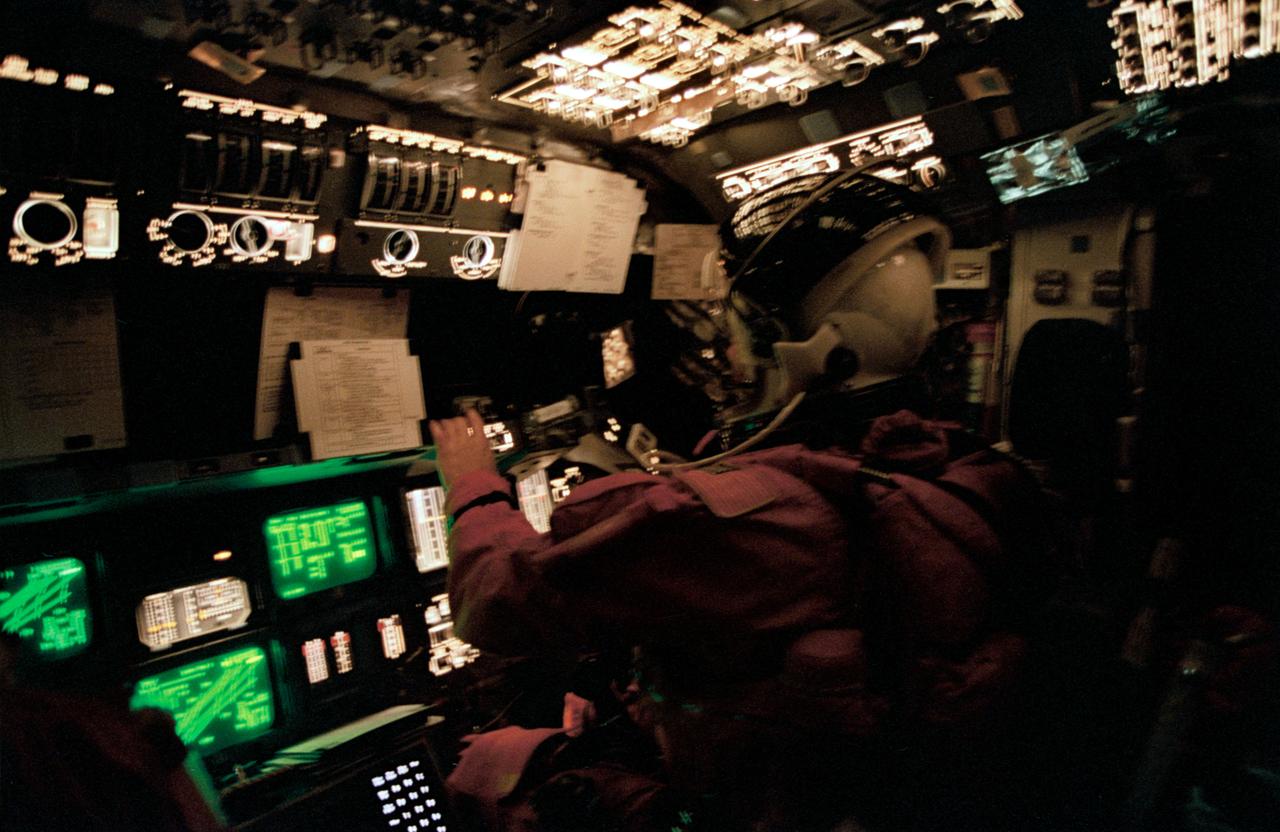
STS062-41-025 (18 March 1994) --- Astronaut Andrew M. Allen monitors Columbia's systems from the pilot's station during the entry phase of the STS-62 mission. The fast-speed 35mm film highlights the many controls and displays and the cathode ray tubes on the forward flight deck.
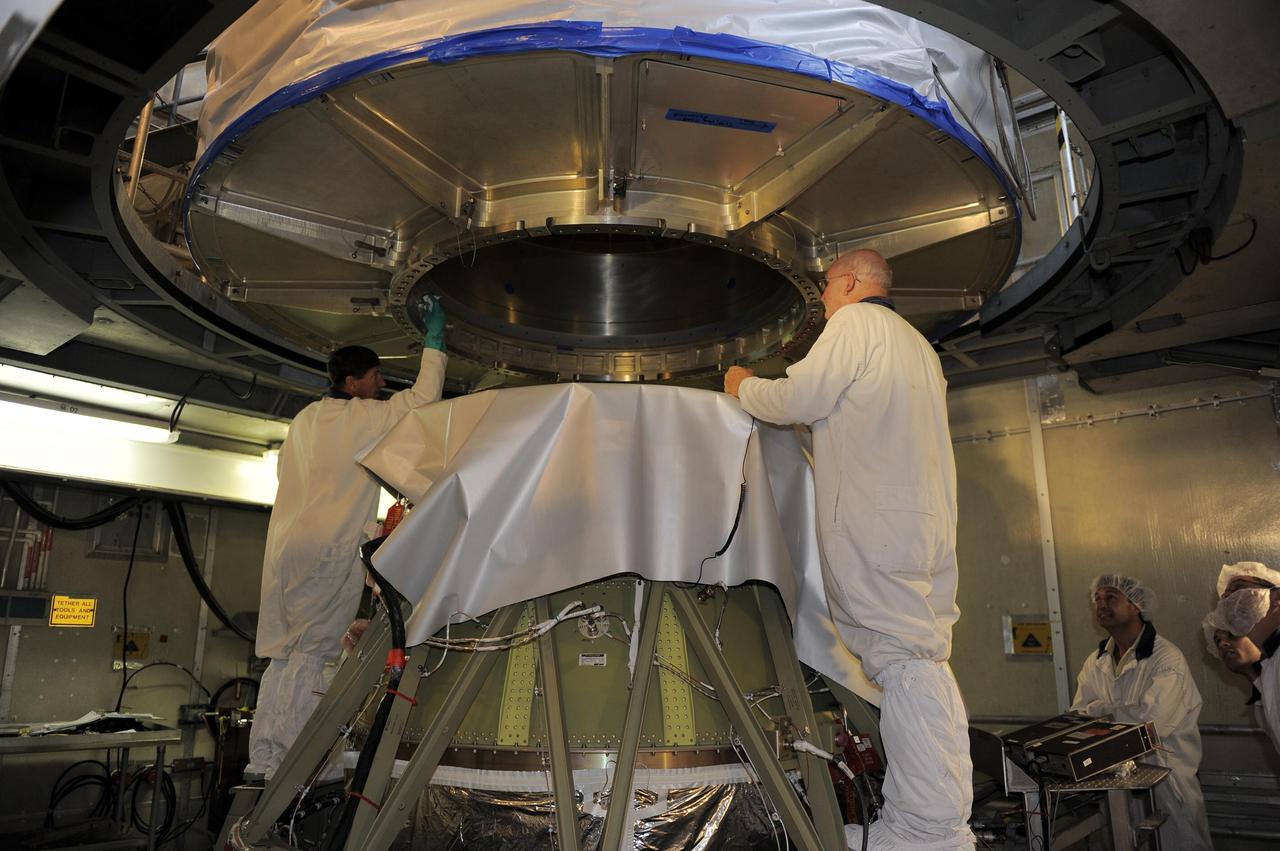
NASA twin Gravity Recovery and Interior Laboratory GRAIL spacecraft are lowered onto the second stage of their Delta II launch vehicle. At top is the spacecraft adapter ring which holds the two lunar probes in their side-by-side launch configuration.
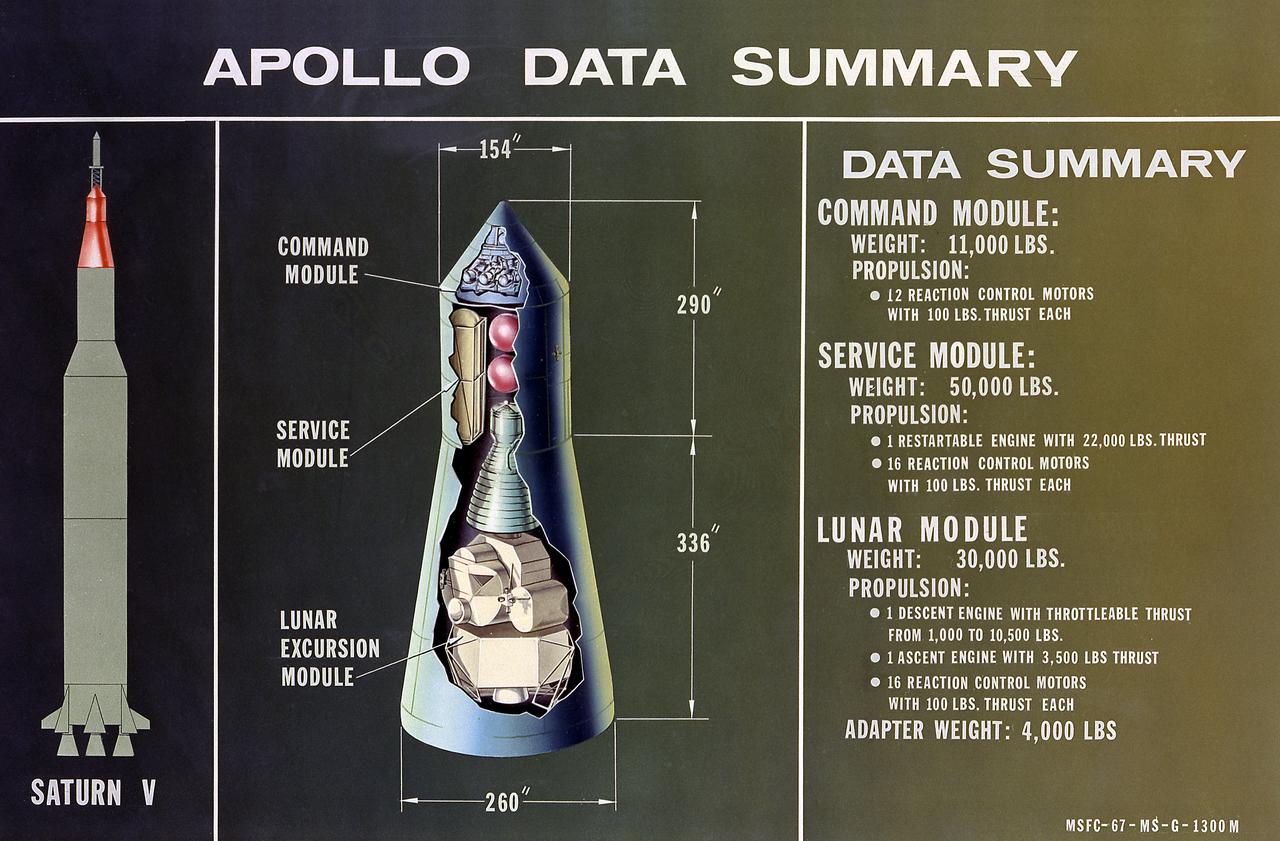
This is a cutaway illustration of the Apollo Spacecraft configuration and data summary.
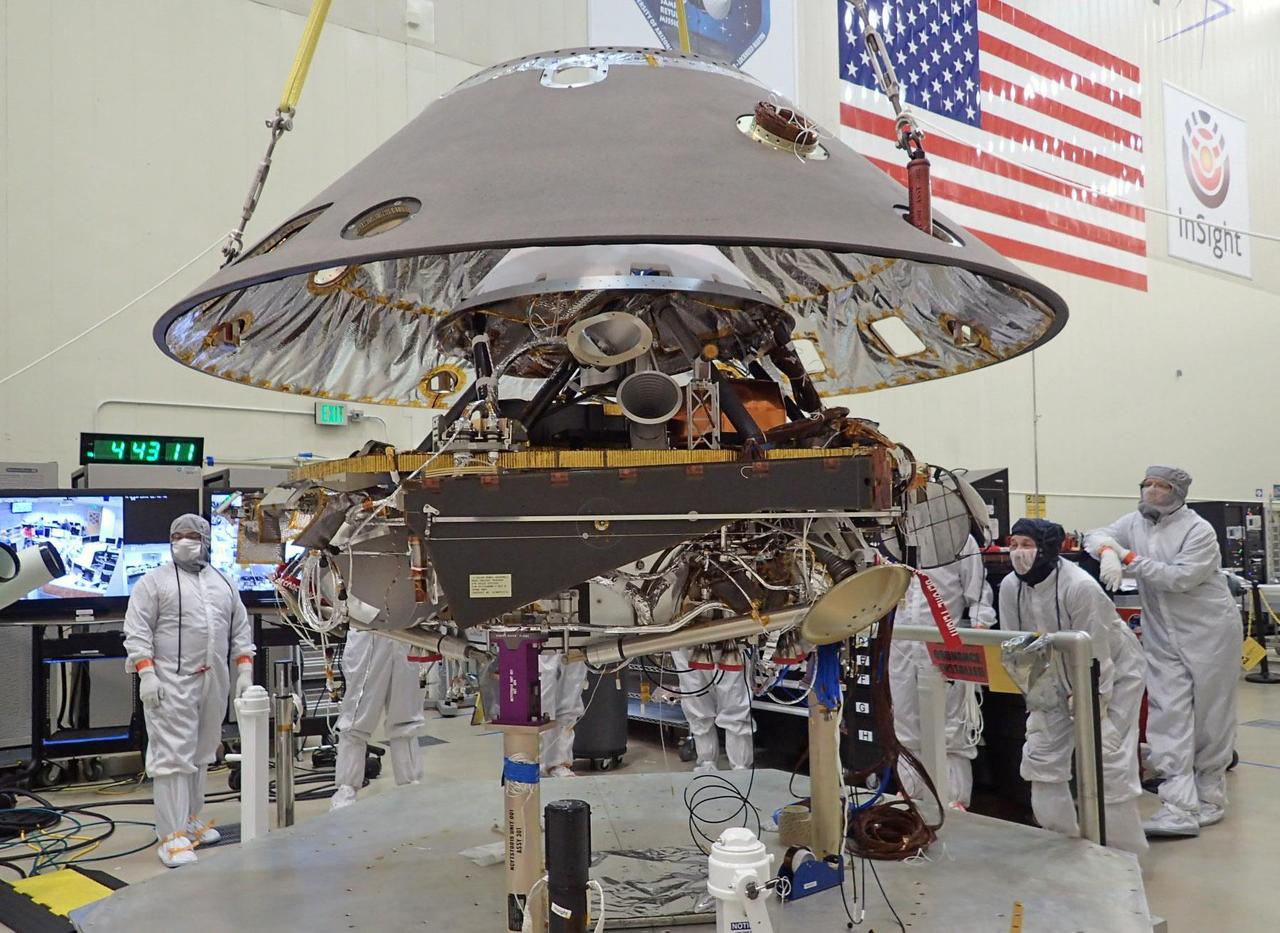
In this photo, the back shell of NASA's InSight spacecraft is being lowered onto the mission's lander, which is folded into its stowed configuration. The back shell and a heat shield form the aeroshell, which will protect the lander as the spacecraft plunges into the upper atmosphere of Mars. The photo was taken on April 29, 2015, in a spacecraft assembly clean room at Lockheed Martin Space Systems, Denver. InSight, for Interior Exploration Using Seismic Investigations, Geodesy and Heat Transport, is scheduled for launch in March 2016 and landing in September 2016. It will study the deep interior of Mars to advance understanding of the early history of all rocky planets, including Earth. Note: After thorough examination, NASA managers have decided to suspend the planned March 2016 launch of the Interior Exploration using Seismic Investigations Geodesy and Heat Transport (InSight) mission. The decision follows unsuccessful attempts to repair a leak in a section of the prime instrument in the science payload. http://photojournal.jpl.nasa.gov/catalog/PIA19666
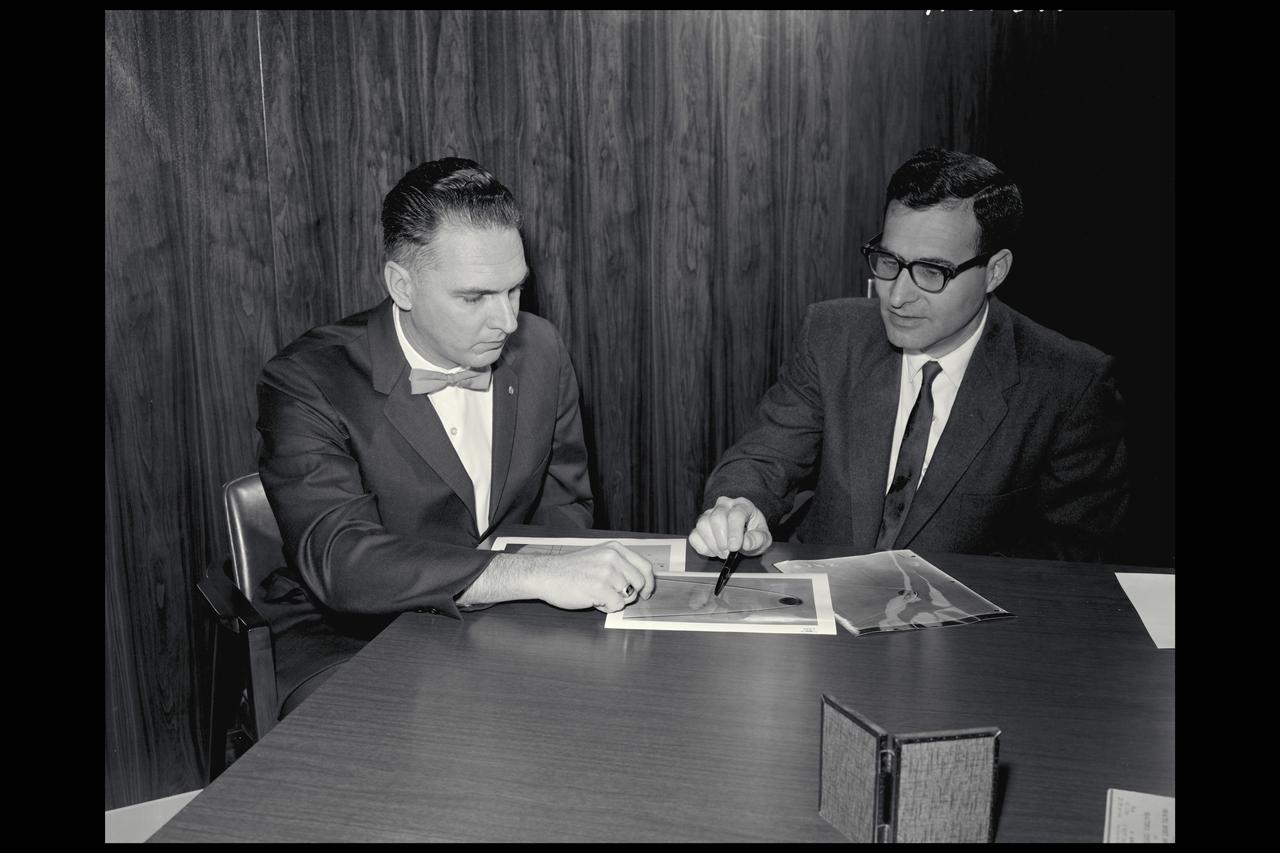
David Reese and Alvin Seiff interpret the results from tests designed to study spacecraft configuration and performance in a particular atmosphere
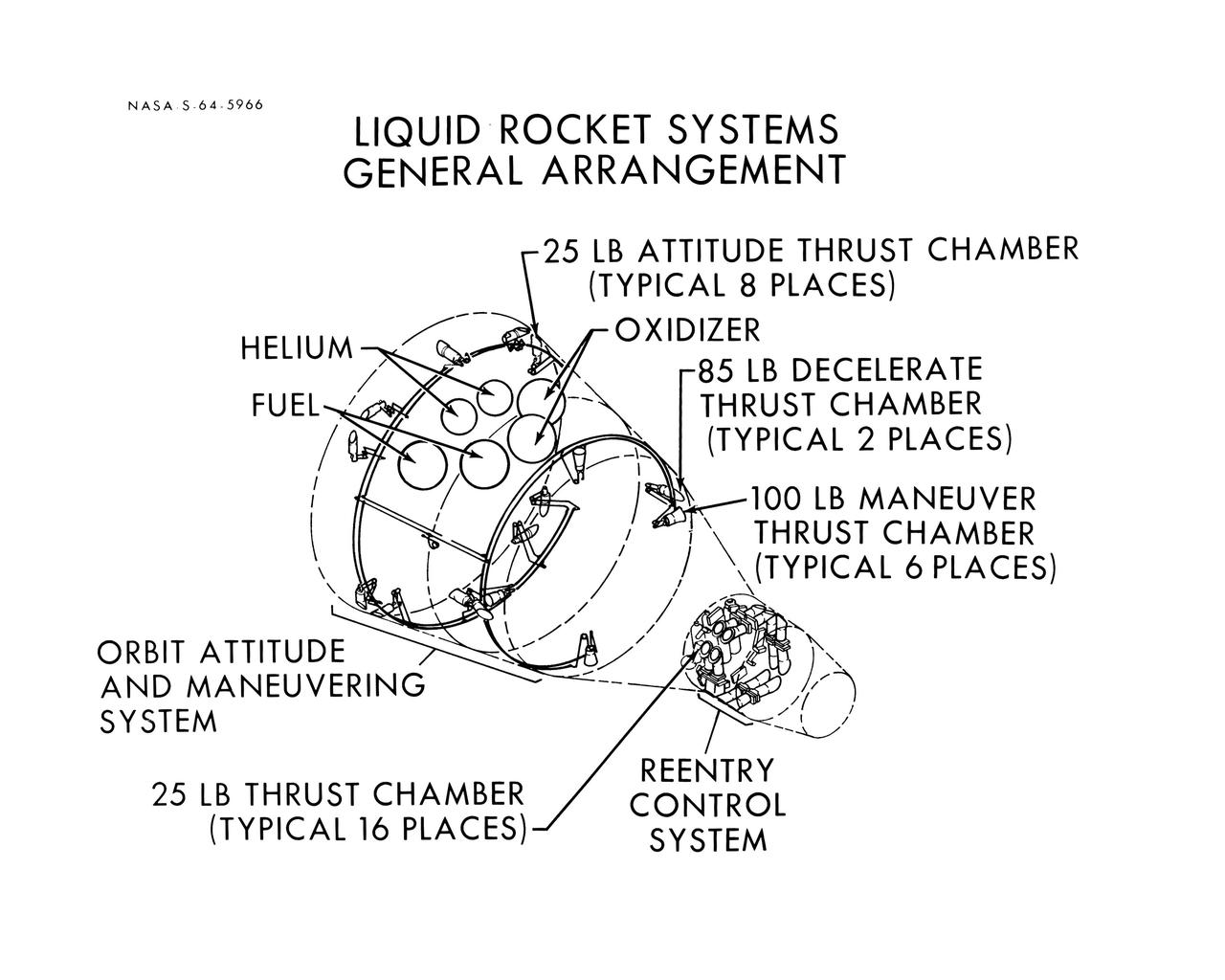
S64-05966 (1964) --- Diagram shows the general arrangement of the liquid rocket systems on the Gemini spacecraft are shown. The locations of the 25-pound, 85-pound and 100-pound thrusters of the orbital attitude and maneuver system and the 25-pound thrusters of the re-entry control system are shown.

An artist’s concept of NASA’s Advanced Composite Solar Sail System spacecraft orbiting Earth, showing a configuration with solar arrays deployed and the sails and the booms stowed.
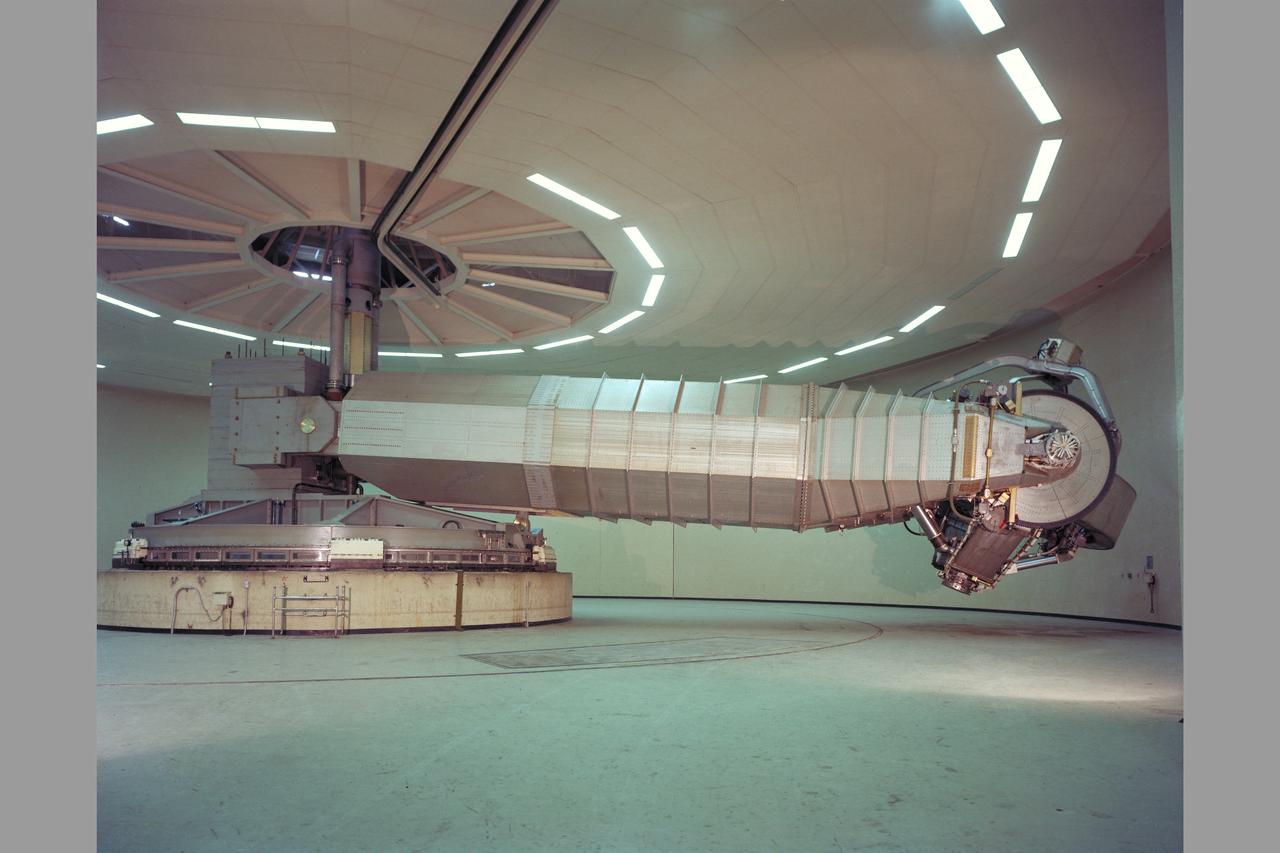
N-243 Flight and Guidance Centrifuge: Is used for spacecraft mission simulations and is adaptable to two configurations. Configuration 1: The cab will accommodate a three-man crew for space mission research. The accelerations and rates are intended to be smoothly applicable at very low value so the navigation and guidance procedures using a high-accuracy, out-the window display may be simulated. Configuration 2: The simulator can use a one-man cab for human tolerance studies and performance testing. Atmosphere and tempertaure can be varied as stress inducements. This simlator is operated closed-loop with digital or analog computation. It is currently man-rated for 3.5g maximum.
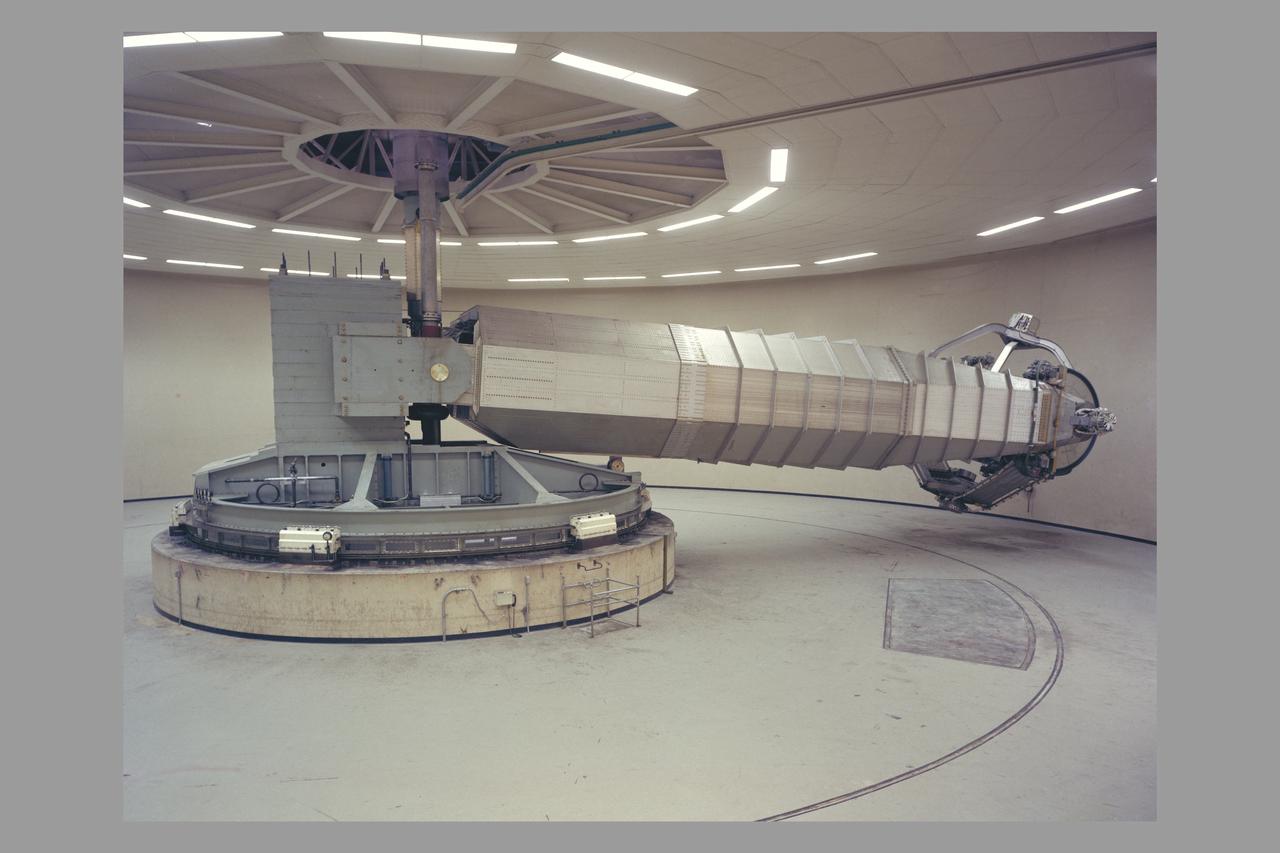
N-243 Flight and Guidance Centrifuge: Is used for spacecraft mission simulations and is adaptable to two configurations. Configuration 1: The cab will accommodate a three-man crew for space mission research. The accelerations and rates are intended to be smoothly applicable at very low value so the navigation and guidance procedures using a high-accuracy, out-the window display may be simulated. Configuration 2: The simulator can use a one-man cab for human tolerance studies and performance testing. Atmosphere and tempertaure can be varied as stress inducements. This simlator is operated closed-loop with digital or analog computation. It is currently man-rated for 3.5g maximum.
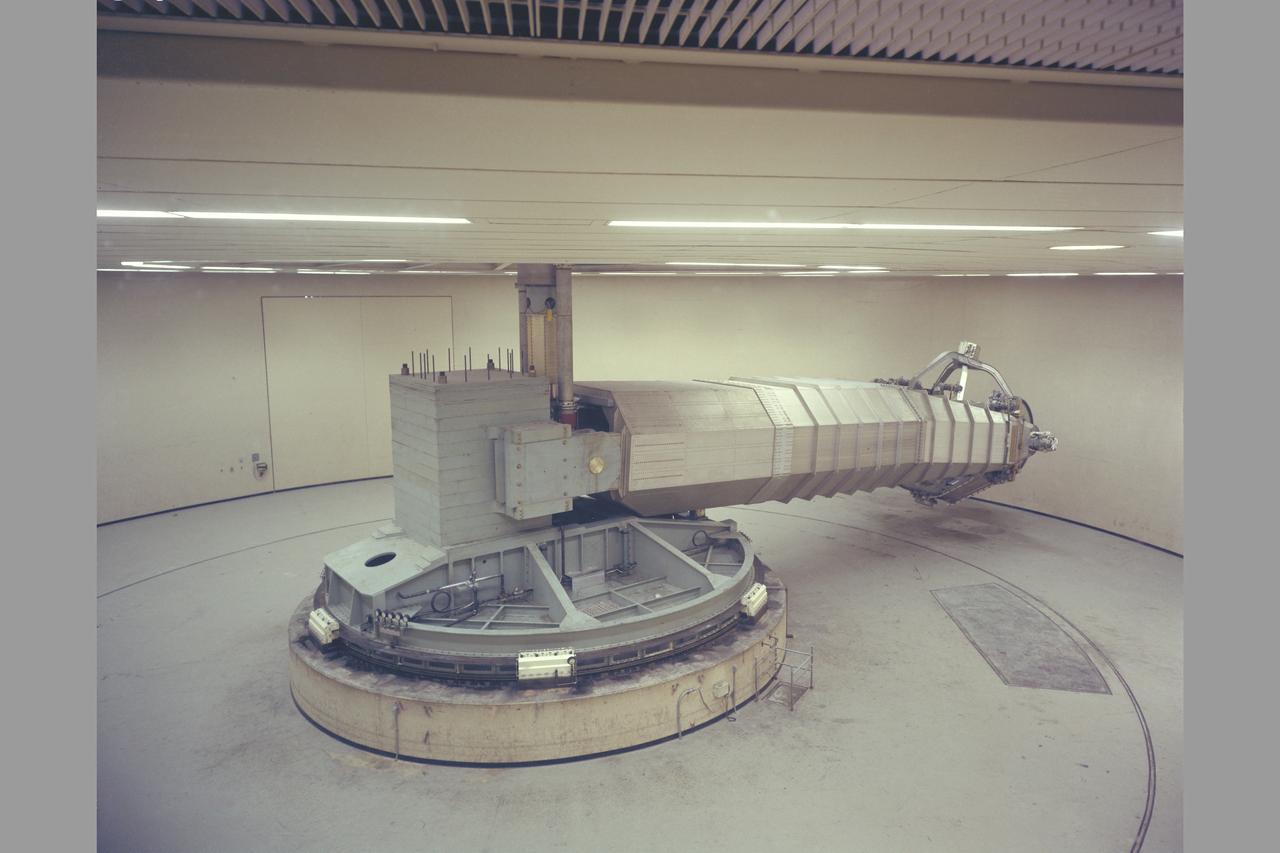
N-243 Flight and Guidance Centrifuge: Is used for spacecraft mission simulations and is adaptable to two configurations. Configuration 1: The cab will accommodate a three-man crew for space mission research. The accelerations and rates are intended to be smoothly applicable at very low value so the navigation and guidance procedures using a high-accuracy, out-the window display may be simulated. Configuration 2: The simulator can use a one-man cab for human tolerance studies and performance testing. Atmosphere and tempertaure can be varied as stress inducements. This simlator is operated closed-loop with digital or analog computation. It is currently man-rated for 3.5g maximum.
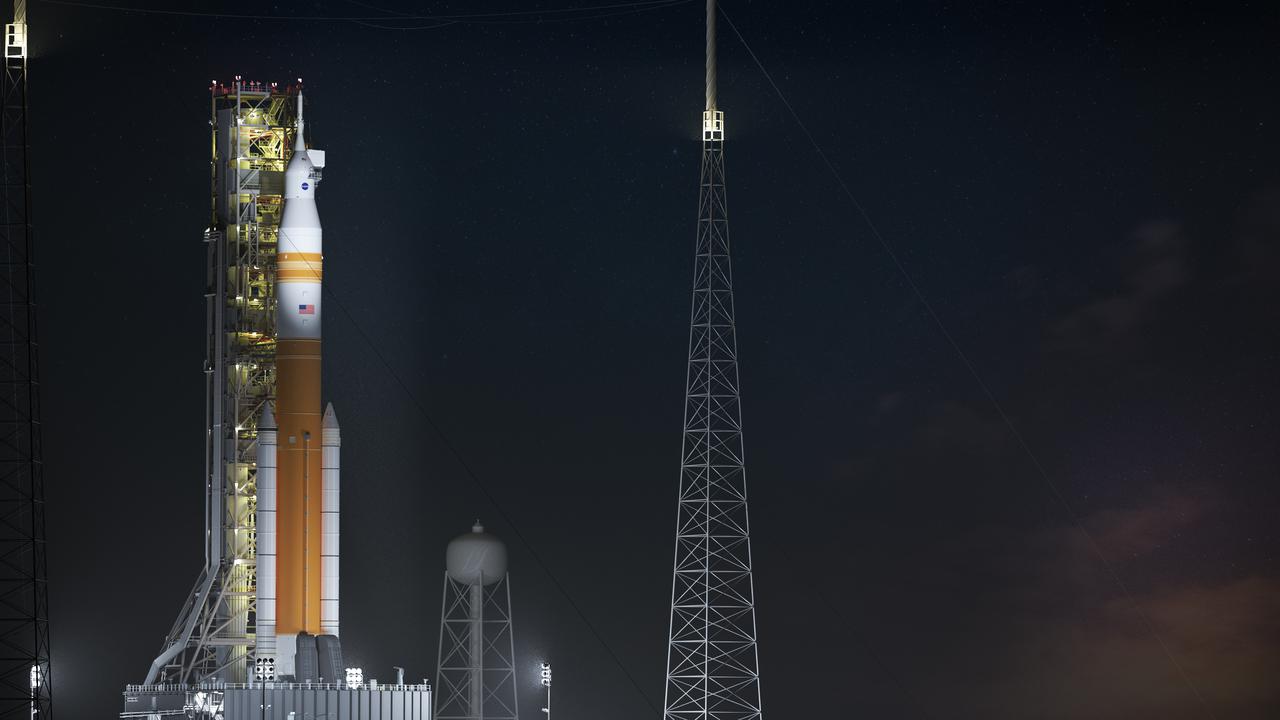
Illustration of nighttime scene of the evolved SLS Block 1B Crew variant on Pad 39B.. This configuration of the rocket, with the Exploration Upper Stage, will provide in-space propulsion to send astronauts in NASA’s Orion spacecraft and heavy cargo on a precise trajectory to the Moon. The evolution of the rocket to SLS Block 1B configuration with EUS enables SLS to launch 40% more cargo to the Moon along with the crew. Manufacturing both the core stage and Exploration Upper Stage is a collaborative effort between NASA and Boeing, the lead contractor for EUS and the SLS core stage. SLS is the only rocket that can send Orion, astronauts, and supplies to the Moon in a single mission. The SLS rocket, NASA’s Orion spacecraft, Gateway, and human landing system are part of NASA’s backbone for deep space exploration. Under the Artemis program, NASA is working to land the first woman and the next man on the Moon to pave the way for sustainable exploration at the Moon and future missions to Mars. (NASA)
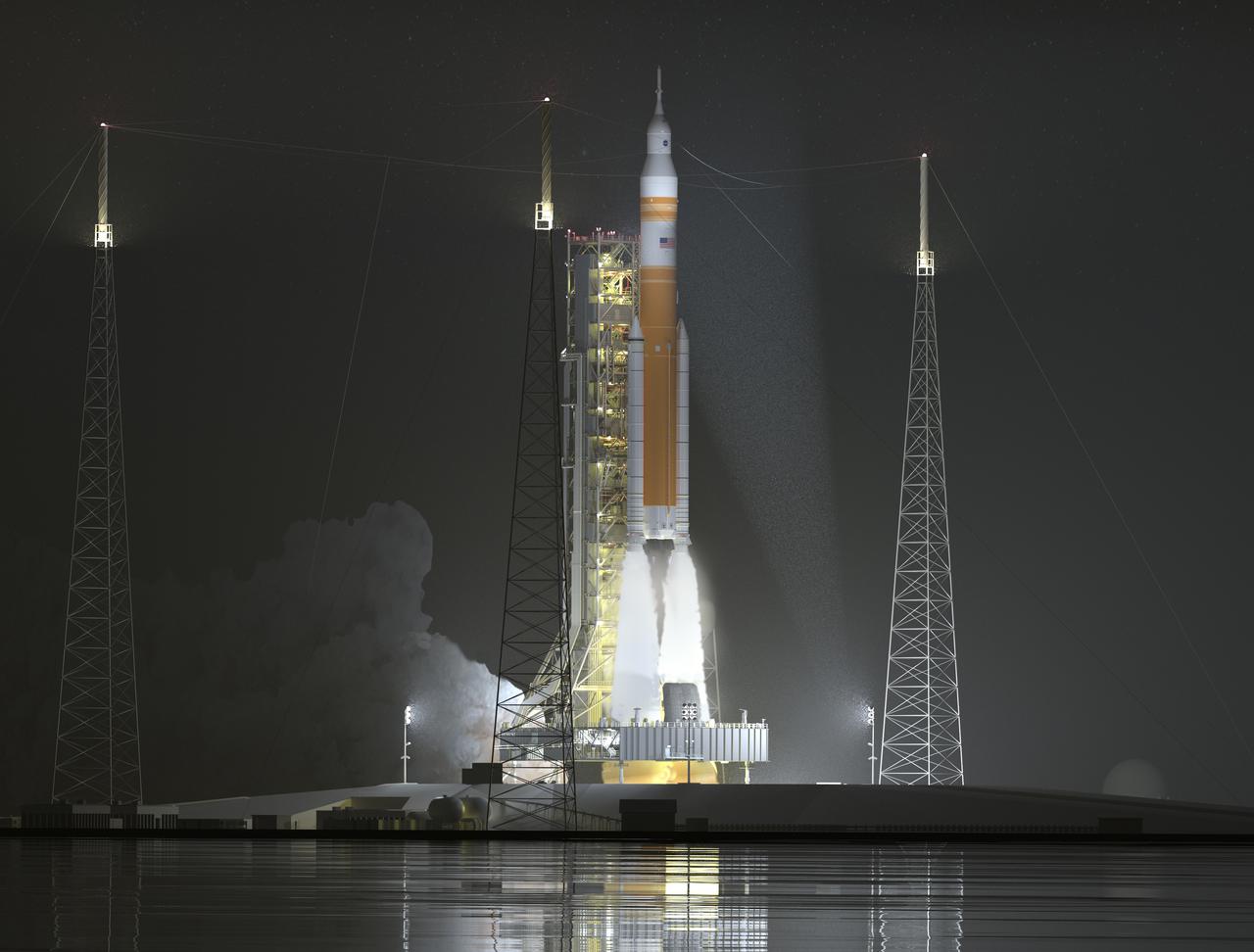
Illustration of the evolved SLS Block 1B Crew variant night launch. This configuration of the rocket, with the Exploration Upper Stage, will provide in-space propulsion to send astronauts in NASA’s Orion spacecraft and heavy cargo on a precise trajectory to the Moon. The evolution of the rocket to SLS Block 1B configuration with EUS enables SLS to launch 40% more cargo to the Moon along with the crew. Manufacturing both the core stage and Exploration Upper Stage is a collaborative effort between NASA and Boeing, the lead contractor for EUS and the SLS core stage. SLS is the only rocket that can send Orion, astronauts, and supplies to the Moon in a single mission. The SLS rocket, NASA’s Orion spacecraft, Gateway, and human landing system are part of NASA’s backbone for deep space exploration. Under the Artemis program, NASA is working to land the first woman and the next man on the Moon to pave the way for sustainable exploration at the Moon and future missions to Mars. (NASA) In album: B1B_Crew_SLS

Illustration of the SLS Exploration Upper Stage, or EUS. The Exploration Upper Stage will be used on the second configuration of the SLS rocket, known as Block 1B, and will provide in-space propulsion to send astronauts in NASA’s Orion spacecraft and heavy cargo on a precise trajectory to the Moon. The evolution of the rocket to SLS Block 1B configuration with EUS enables SLS to launch 40% more cargo to the Moon along with the crew. Manufacturing both the core stage and Exploration Upper Stage is a collaborative effort between NASA and Boeing, the lead contractor for EUS and the SLS core stage. SLS is the only rocket that can send Orion, astronauts, and supplies to the Moon in a single mission. The SLS rocket, NASA’s Orion spacecraft, Gateway, and human landing system are part of NASA’s backbone for deep space exploration. Under the Artemis program, NASA is working to land the first woman and the next man on the Moon to pave the way for sustainable exploration at the Moon and future missions to Mars. (NASA)
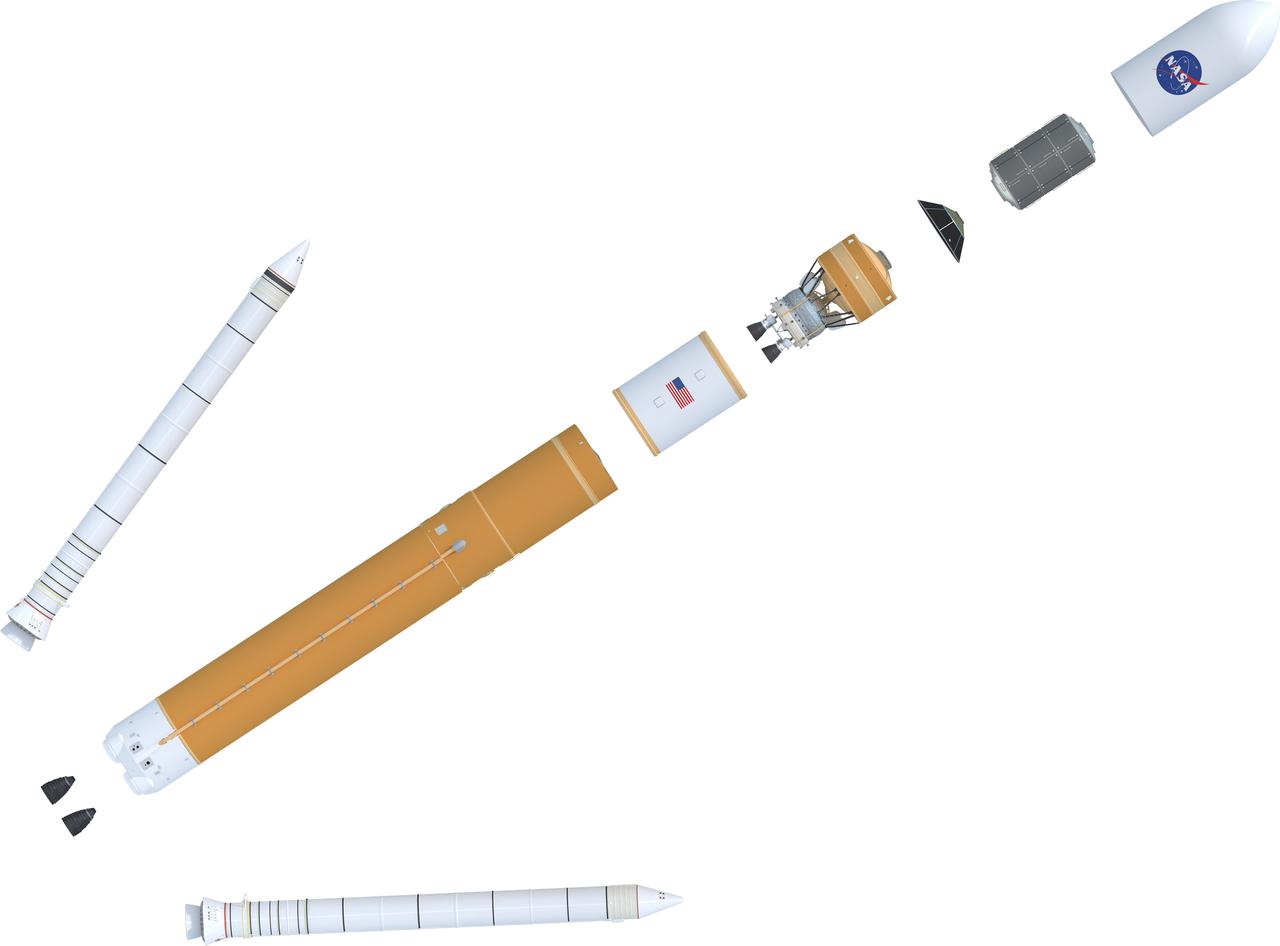
Expanded view illustration of elements of the evolved SLS Block 1B Crew variant. This configuration of the rocket, with the Exploration Upper Stage, will provide in-space propulsion to send astronauts in NASA’s Orion spacecraft and heavy cargo on a precise trajectory to the Moon. The evolution of the rocket to SLS Block 1B configuration with EUS enables SLS to launch 40% more cargo to the Moon along with the crew. Manufacturing both the core stage and Exploration Upper Stage is a collaborative effort between NASA and Boeing, the lead contractor for EUS and the SLS core stage. SLS is the only rocket that can send Orion, astronauts, and supplies to the Moon in a single mission. The SLS rocket, NASA’s Orion spacecraft, Gateway, and human landing system are part of NASA’s backbone for deep space exploration. Under the Artemis program, NASA is working to land the first woman and the next man on the Moon to pave the way for sustainable exploration at the Moon and future missions to Mars. (NASA)

Illustration of the SLS Exploration Upper Stage, or EUS. This configuration of the rocket, with the Exploration Upper Stage, will provide in-space propulsion to send astronauts in NASA’s Orion spacecraft and heavy cargo on a precise trajectory to the Moon. The evolution of the rocket to SLS Block 1B configuration with EUS enables SLS to launch 40% more cargo to the Moon along with the crew. Manufacturing both the core stage and Exploration Upper Stage is a collaborative effort between NASA and Boeing, the lead contractor for EUS and the SLS core stage. SLS is the only rocket that can send Orion, astronauts, and supplies to the Moon in a single mission. The SLS rocket, NASA’s Orion spacecraft, Gateway, and human landing system are part of NASA’s backbone for deep space exploration. Under the Artemis program, NASA is working to land the first woman and the next man on the Moon to pave the way for sustainable exploration at the Moon and future missions to Mars. (NASA)
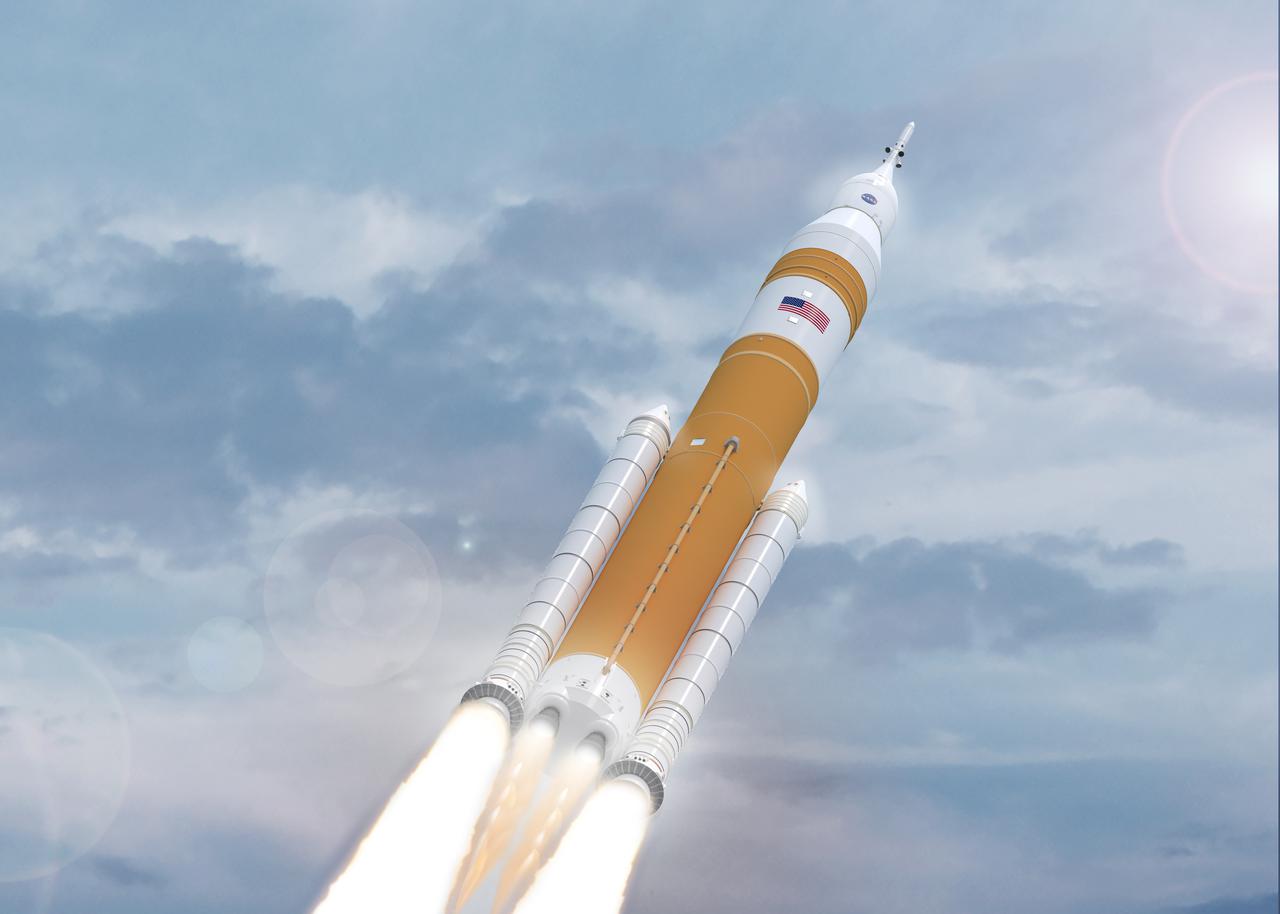
Illustration of evolved SLS Block 1B Crew variant in flight. This configuration of the rocket, with the Exploration Upper Stage, will provide in-space propulsion to send astronauts in NASA’s Orion spacecraft and heavy cargo on a precise trajectory to the Moon. The evolution of the rocket to SLS Block 1B configuration with EUS enables SLS to launch 40% more cargo to the Moon along with the crew. Manufacturing both the core stage and Exploration Upper Stage is a collaborative effort between NASA and Boeing, the lead contractor for EUS and the SLS core stage. SLS is the only rocket that can send Orion, astronauts, and supplies to the Moon in a single mission. The SLS rocket, NASA’s Orion spacecraft, Gateway, and human landing system are part of NASA’s backbone for deep space exploration. Under the Artemis program, NASA is working to land the first woman and the next man on the Moon to pave the way for sustainable exploration at the Moon and future missions to Mars. (NASA)

Illustration of the evolved SLS Block 1B Crew variant outer mold line. This configuration of the rocket, with the Exploration Upper Stage, will provide in-space propulsion to send astronauts in NASA’s Orion spacecraft and heavy cargo on a precise trajectory to the Moon. The evolution of the rocket to SLS Block 1B configuration with EUS enables SLS to launch 40% more cargo to the Moon along with the crew. Manufacturing both the core stage and Exploration Upper Stage is a collaborative effort between NASA and Boeing, the lead contractor for EUS and the SLS core stage. SLS is the only rocket that can send Orion, astronauts, and supplies to the Moon in a single mission. The SLS rocket, NASA’s Orion spacecraft, Gateway, and human landing system are part of NASA’s backbone for deep space exploration. Under the Artemis program, NASA is working to land the first woman and the next man on the Moon to pave the way for sustainable exploration at the Moon and future missions to Mars. (NASA)

Seen here, is a nighttime rendering of the evolved SLS Block 1B Crew variant positioned on the mobile launcher. This configuration of the rocket, with the Exploration Upper Stage, will provide in-space propulsion to send astronauts in NASA’s Orion spacecraft and heavy cargo on a precise trajectory to the Moon. The evolution of the rocket to SLS Block 1B configuration with EUS enables SLS to launch 40% more cargo to the Moon along with the crew. Manufacturing both the core stage and Exploration Upper Stage is a collaborative effort between NASA and Boeing, the lead contractor for EUS and the SLS core stage. SLS is the only rocket that can send Orion, astronauts, and supplies to the Moon in a single mission. The SLS rocket, NASA’s Orion spacecraft, Gateway, and human landing system are part of NASA’s backbone for deep space exploration. Under the Artemis program, NASA is working to land the first woman and the next man on the Moon to pave the way for sustainable exploration at the Moon and future missions to Mars. (NASA)
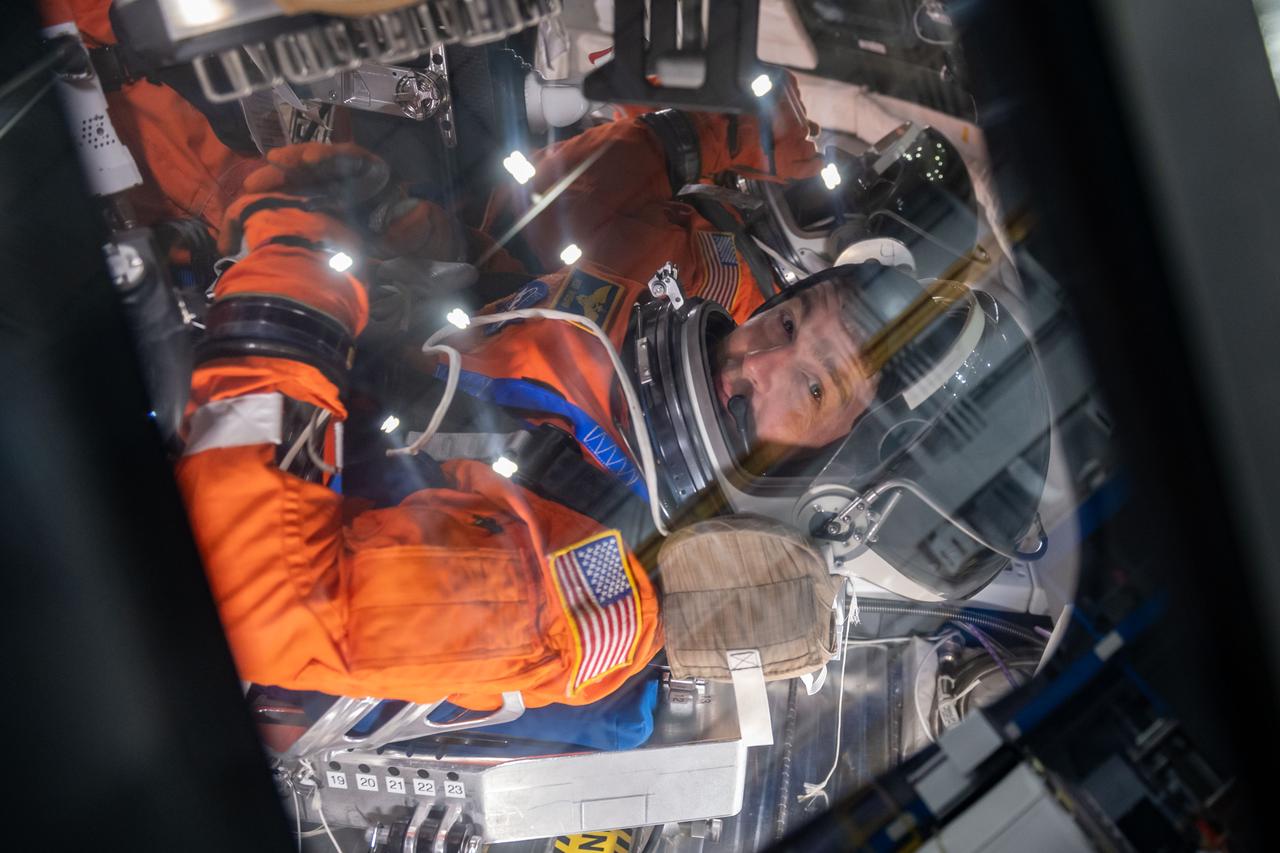
jsc2025e004075 (Jan. 30, 2025) --- NASA astronauts and Artemis II crew members Reid Wiseman and Victor Glover inside of the Orion spacecraft mockup during Post Insertion and Deorbit Preparation training at the Space Vehicle Mockup Facility in Houston, Texas. The crew practiced getting the Orion spacecraft configured once in orbit, how to make it habitable, and suited up in their entry pressure suits to prepare for their return from the Moon. Credit: NASA/Mark Sowa

jsc2025e004089 (Jan. 30, 2025) --- NASA astronaut and Artemis II mission specialist Christina Koch exits the Orion spacecraft mockup during Post Insertion and Deorbit Preparation training at the Space Vehicle Mockup Facility in Houston, Texas. The crew practiced getting the Orion spacecraft configured once in orbit, how to make it habitable, and suited up in their entry pressure suits to prepare for their return from the Moon. Credit: NASA/Mark Sowa
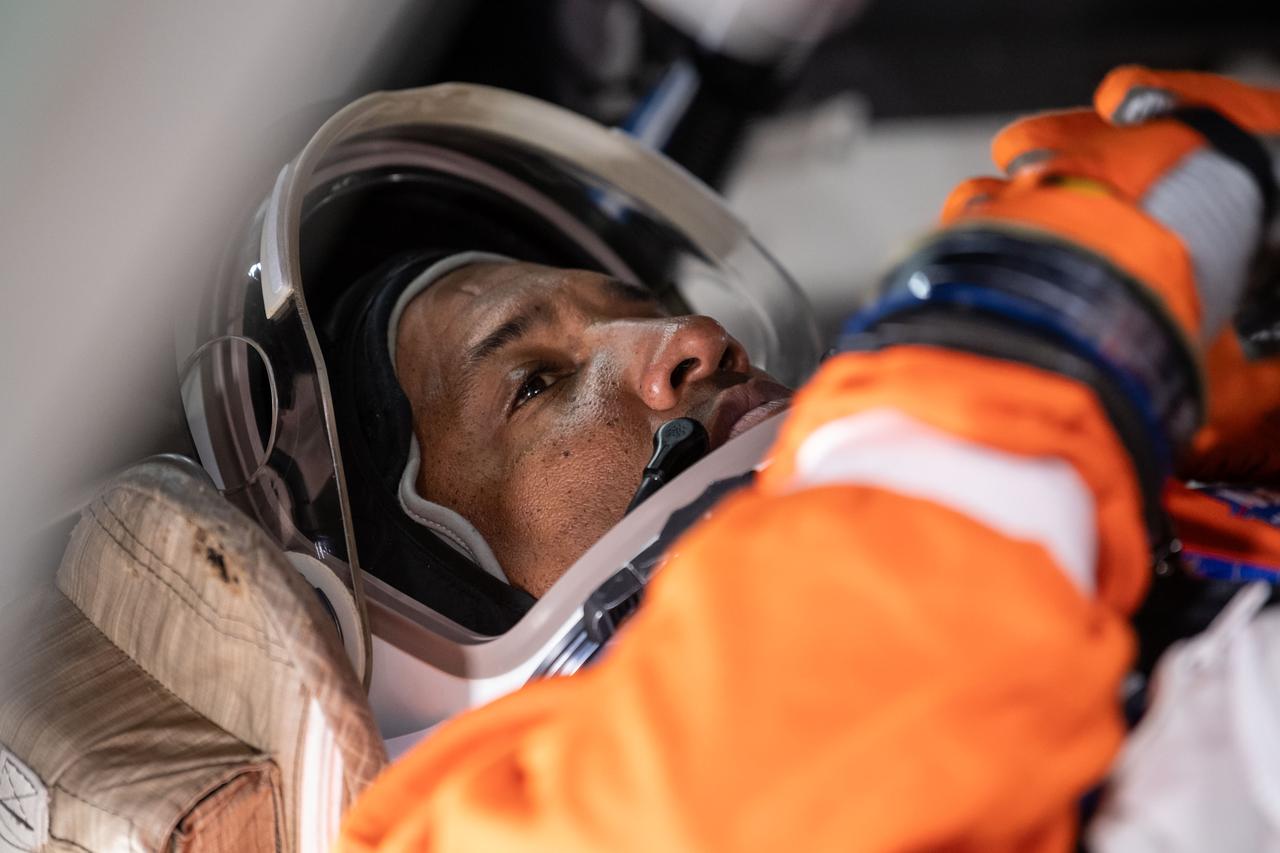
jsc2025e004071 (Jan. 30, 2025) --- NASA astronaut and Artemis II Pilot Victor Glover inside of the Orion spacecraft mockup during Post Insertion and Deorbit Preparation training at the Space Vehicle Mockup Facility in Houston, Texas. The crew practiced getting the Orion spacecraft configured once in orbit, how to make it habitable, and suited up in their entry pressure suits to prepare for their return from the Moon. Credit: NASA/Mark Sowa
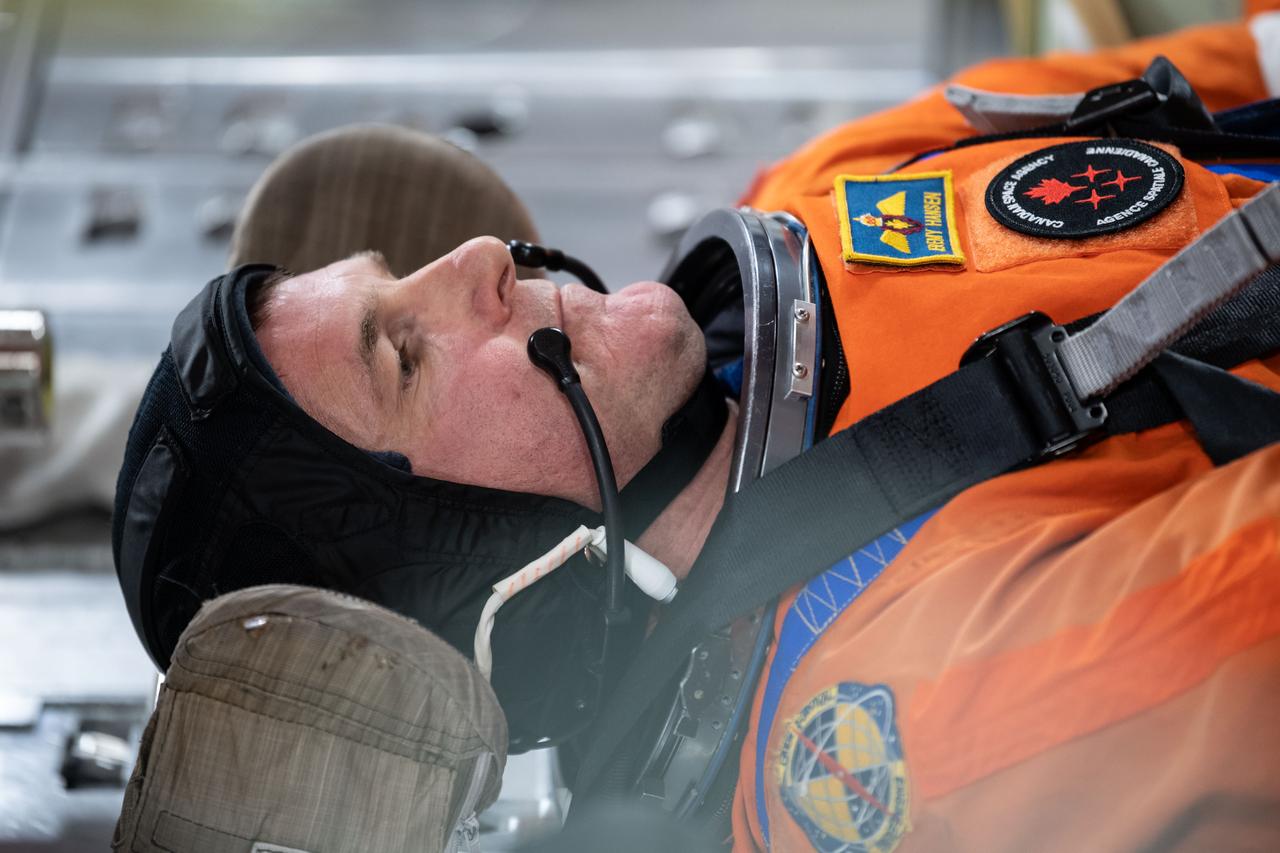
jsc2025e004073 (Jan. 30, 2025) --- Canadian Space Agency astronaut and Artemis II mission specialist Jeremy Hansen inside of the Orion spacecraft mockup during Post Insertion and Deorbit Preparation training at the Space Vehicle Mockup Facility in Houston, Texas. The crew practiced getting the Orion spacecraft configured once in orbit, how to make it habitable, and suited up in their entry pressure suits to prepare for their return from the Moon. Credit: NASA/Mark Sowa
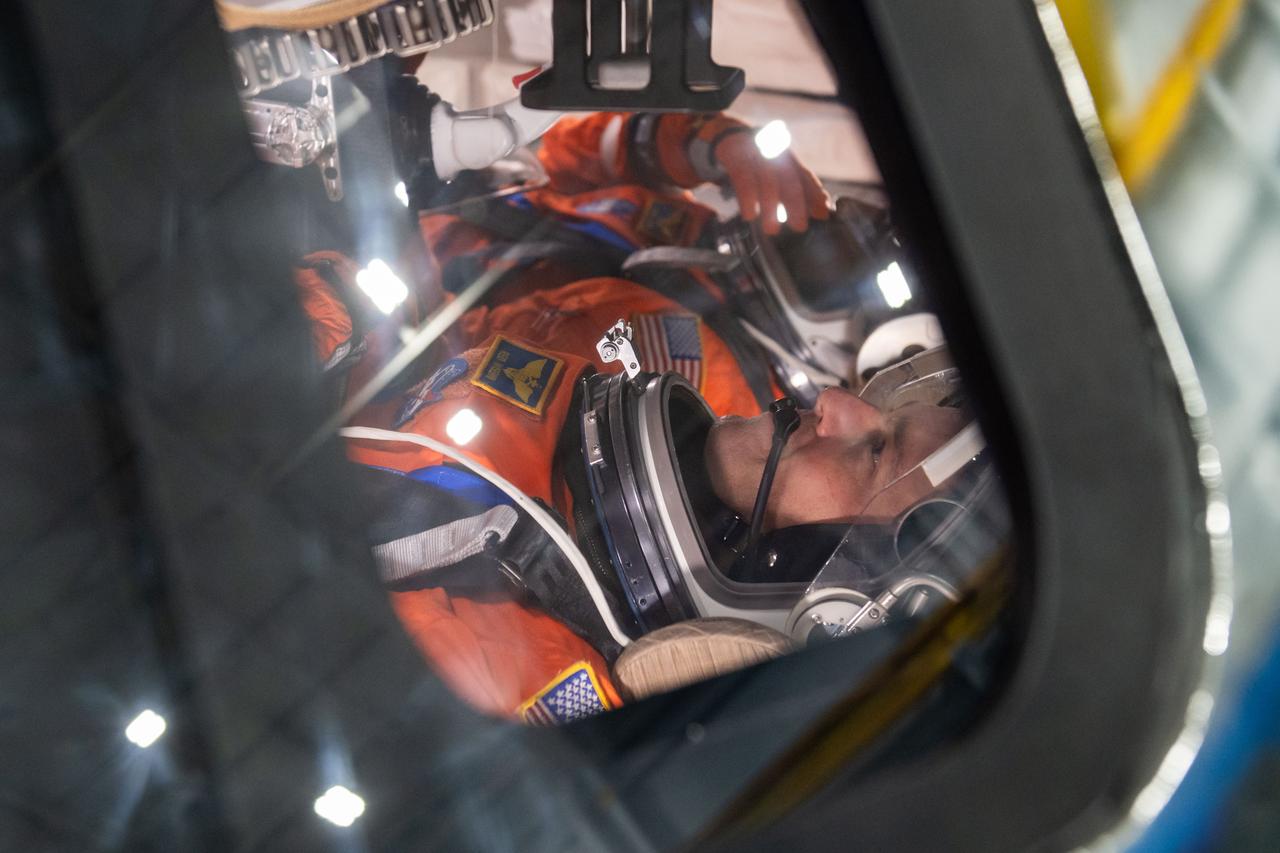
jsc2025e004074 (Jan. 30, 2025) --- NASA astronaut and Artemis II commander Reid Wiseman inside of the Orion spacecraft mockup during Post Insertion and Deorbit Preparation training at the Space Vehicle Mockup Facility in Houston, Texas. The crew practiced getting the Orion spacecraft configured once in orbit, how to make it habitable, and suited up in their entry pressure suits to prepare for their return from the Moon. Credit: NASA/Mark Sowa
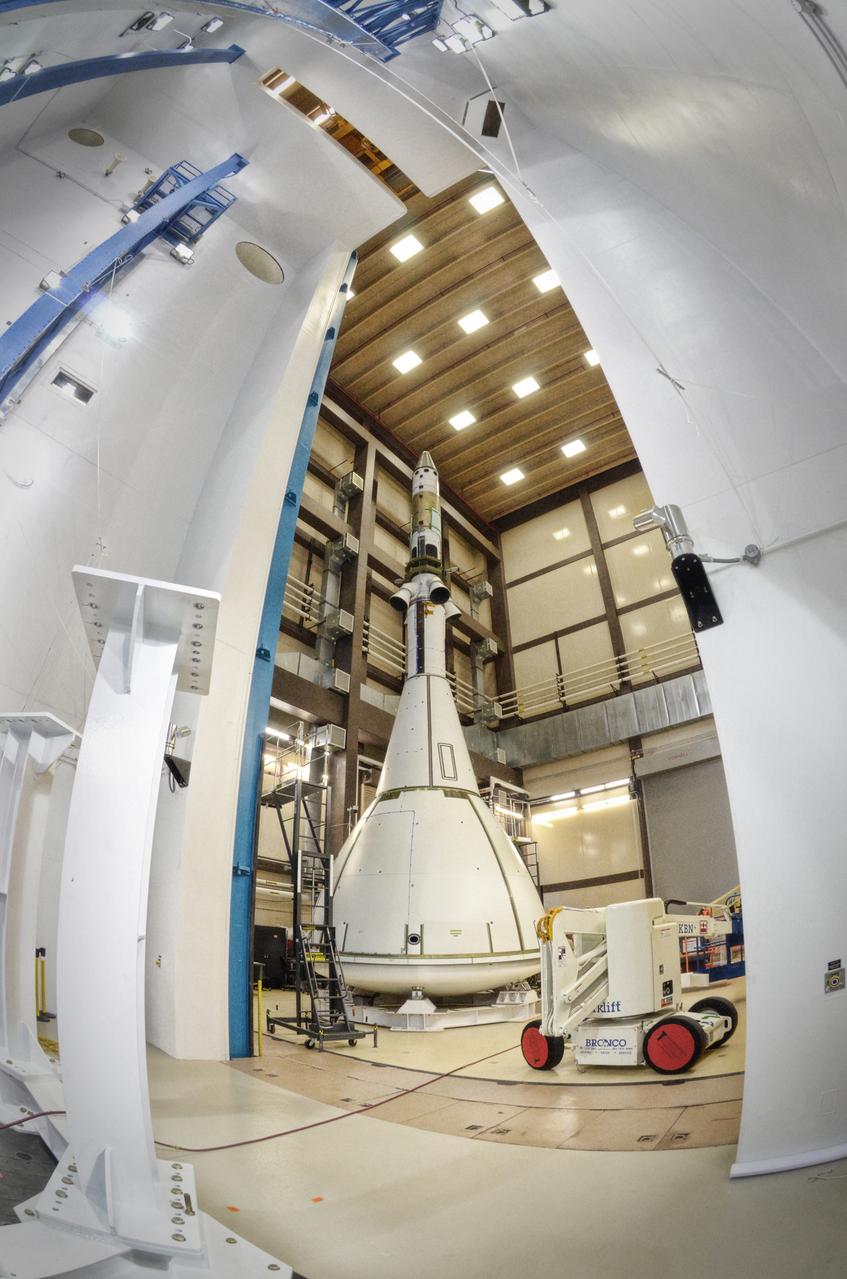
The Orion ground test vehicle is prepared for the Launch Abort Vehicle Configuration Test at Lockheed Martin's facilities in Denver on Sept. 15, 2011. For this test, the vehicle was covered with fillets and ogive panels that resemble the vehicle's launch configuration. The spacecraft underwent testing at sound pressure levels that emulate those experienced at launch and in the event an abort is needed to carry the crew to safety away from a potential problem on the launch pad or during ascent. Part of Batch image transfer from Flickr.
The Orion ground test vehicle is prepared for the Launch Abort Vehicle Configuration Test at Lockheed Martin's facilities in Denver on Sept. 15, 2011. For this test, the vehicle was covered with fillets and ogive panels that resemble the vehicle's launch configuration. The spacecraft underwent testing at sound pressure levels that emulate those experienced at launch and in the event an abort is needed to carry the crew to safety away from a potential problem on the launch pad or during ascent. Part of Batch image transfer from Flickr.
The Orion ground test vehicle is prepared for the Launch Abort Vehicle Configuration Test at Lockheed Martin's facilities in Denver on Sept. 15, 2011. For this test, the vehicle was covered with fillets and ogive panels that resemble the vehicle's launch configuration. The spacecraft underwent testing at sound pressure levels that emulate those experienced at launch and in the event an abort is needed to carry the crew to safety away from a potential problem on the launch pad or during ascent. Part of Batch image transfer from Flickr.

The Orion ground test vehicle is prepared for the Launch Abort Vehicle Configuration Test at Lockheed Martin's facilities in Denver on Sept. 15, 2011. For this test, the vehicle was covered with fillets and ogive panels that resemble the vehicle's launch configuration. The spacecraft underwent testing at sound pressure levels that emulate those experienced at launch and in the event an abort is needed to carry the crew to safety away from a potential problem on the launch pad or during ascent. Part of Batch image transfer from Flickr.

The Orion ground test vehicle is prepared for the Launch Abort Vehicle Configuration Test at Lockheed Martin's facilities in Denver on Sept. 15, 2011. For this test, the vehicle was covered with fillets and ogive panels that resemble the vehicle's launch configuration. The spacecraft underwent testing at sound pressure levels that emulate those experienced at launch and in the event an abort is needed to carry the crew to safety away from a potential problem on the launch pad or during ascent. Part of Batch image transfer from Flickr.
The Orion ground test vehicle is prepared for the Launch Abort Vehicle Configuration Test at Lockheed Martin's facilities in Denver on Sept. 15, 2011. For this test, the vehicle was covered with fillets and ogive panels that resemble the vehicle's launch configuration. The spacecraft underwent testing at sound pressure levels that emulate those experienced at launch and in the event an abort is needed to carry the crew to safety away from a potential problem on the launch pad or during ascent. Part of Batch image transfer from Flickr.
The Orion ground test vehicle is prepared for the Launch Abort Vehicle Configuration Test at Lockheed Martin's facilities in Denver on Sept. 15, 2011. For this test, the vehicle was covered with fillets and ogive panels that resemble the vehicle's launch configuration. The spacecraft underwent testing at sound pressure levels that emulate those experienced at launch and in the event an abort is needed to carry the crew to safety away from a potential problem on the launch pad or during ascent. Part of Batch image transfer from Flickr.

The Orion ground test vehicle is prepared for the Launch Abort Vehicle Configuration Test at Lockheed Martin's facilities in Denver on Sept. 15, 2011. For this test, the vehicle was covered with fillets and ogive panels that resemble the vehicle's launch configuration. The spacecraft underwent testing at sound pressure levels that emulate those experienced at launch and in the event an abort is needed to carry the crew to safety away from a potential problem on the launch pad or during ascent. Part of Batch image transfer from Flickr.
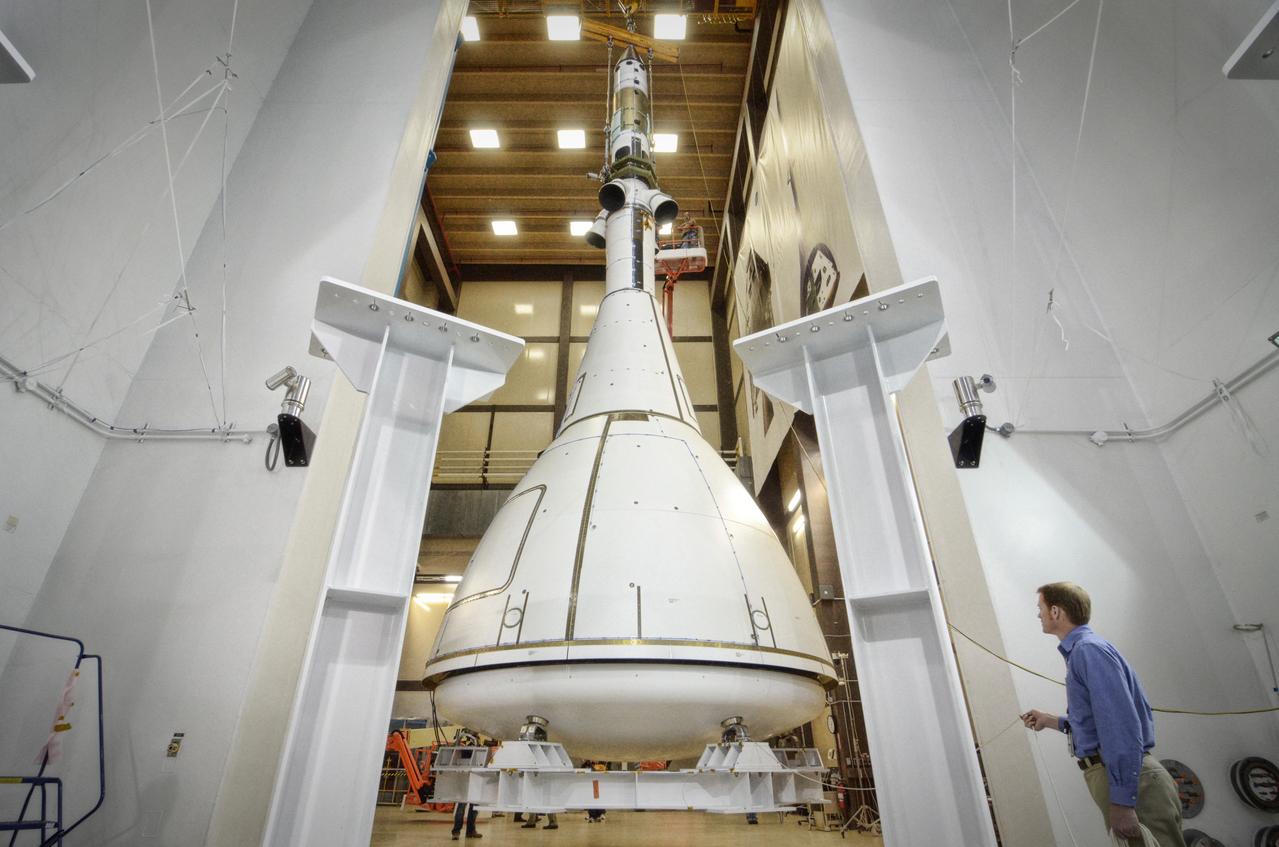
The Orion ground test vehicle is prepared for the Launch Abort Vehicle Configuration Test at Lockheed Martin's facilities in Denver on Sept. 15, 2011. For this test, the vehicle was covered with fillets and ogive panels that resemble the vehicle's launch configuration. The spacecraft underwent testing at sound pressure levels that emulate those experienced at launch and in the event an abort is needed to carry the crew to safety away from a potential problem on the launch pad or during ascent. Part of Batch image transfer from Flickr.
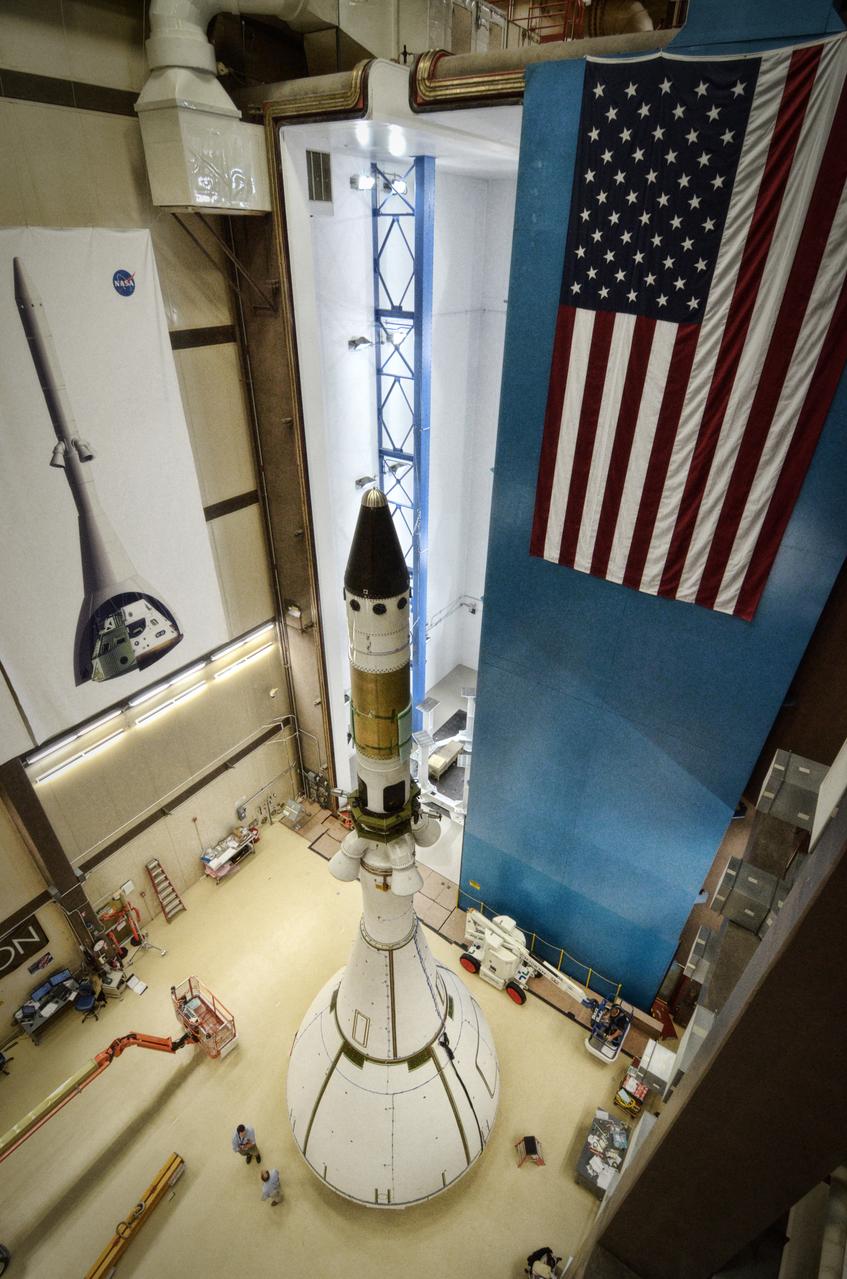
The Orion ground test vehicle is prepared for the Launch Abort Vehicle Configuration Test at Lockheed Martin's facilities in Denver on Sept. 15, 2011. For this test, the vehicle was covered with fillets and ogive panels that resemble the vehicle's launch configuration. The spacecraft underwent testing at sound pressure levels that emulate those experienced at launch and in the event an abort is needed to carry the crew to safety away from a potential problem on the launch pad or during ascent. Part of Batch image transfer from Flickr.
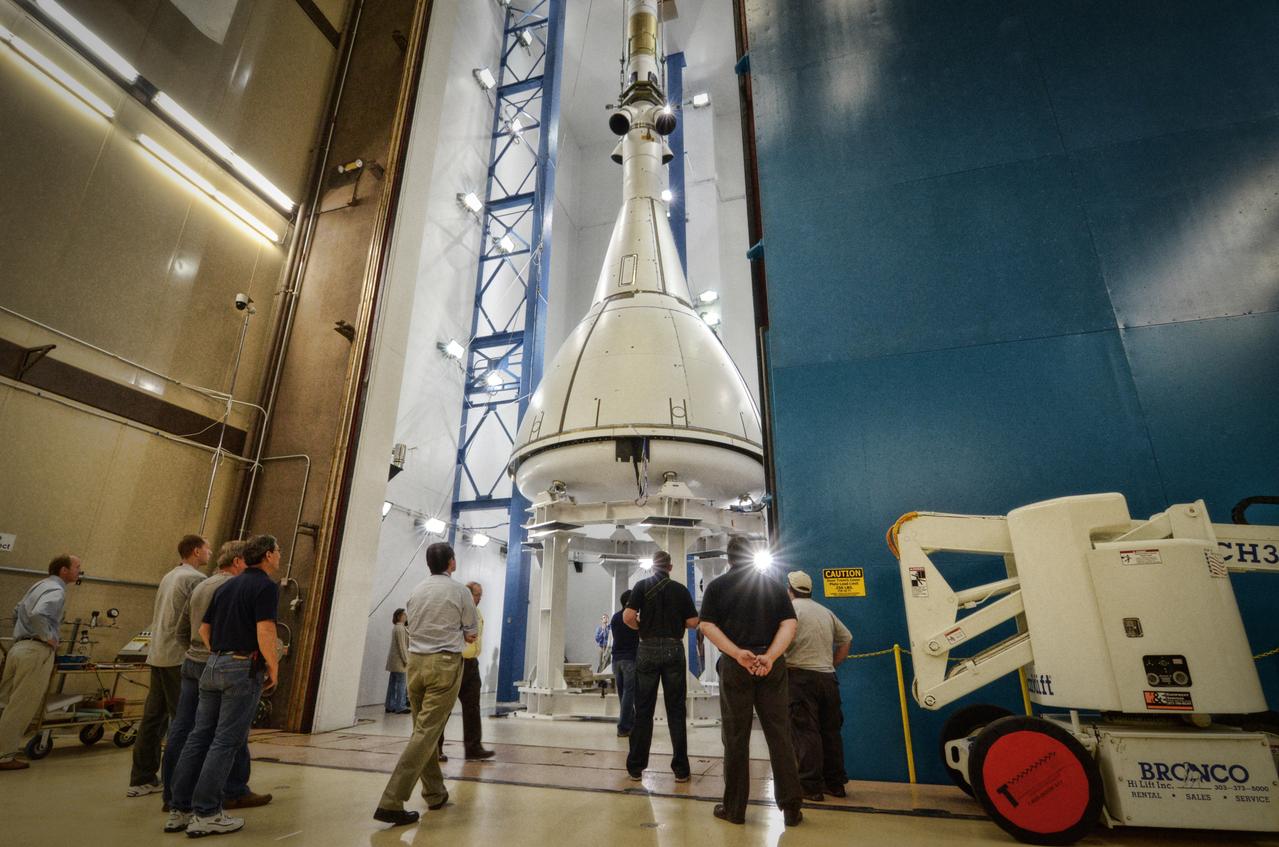
The Orion ground test vehicle is prepared for the Launch Abort Vehicle Configuration Test at Lockheed Martin's facilities in Denver on Sept. 15, 2011. For this test, the vehicle was covered with fillets and ogive panels that resemble the vehicle's launch configuration. The spacecraft underwent testing at sound pressure levels that emulate those experienced at launch and in the event an abort is needed to carry the crew to safety away from a potential problem on the launch pad or during ascent. Part of Batch image transfer from Flickr.
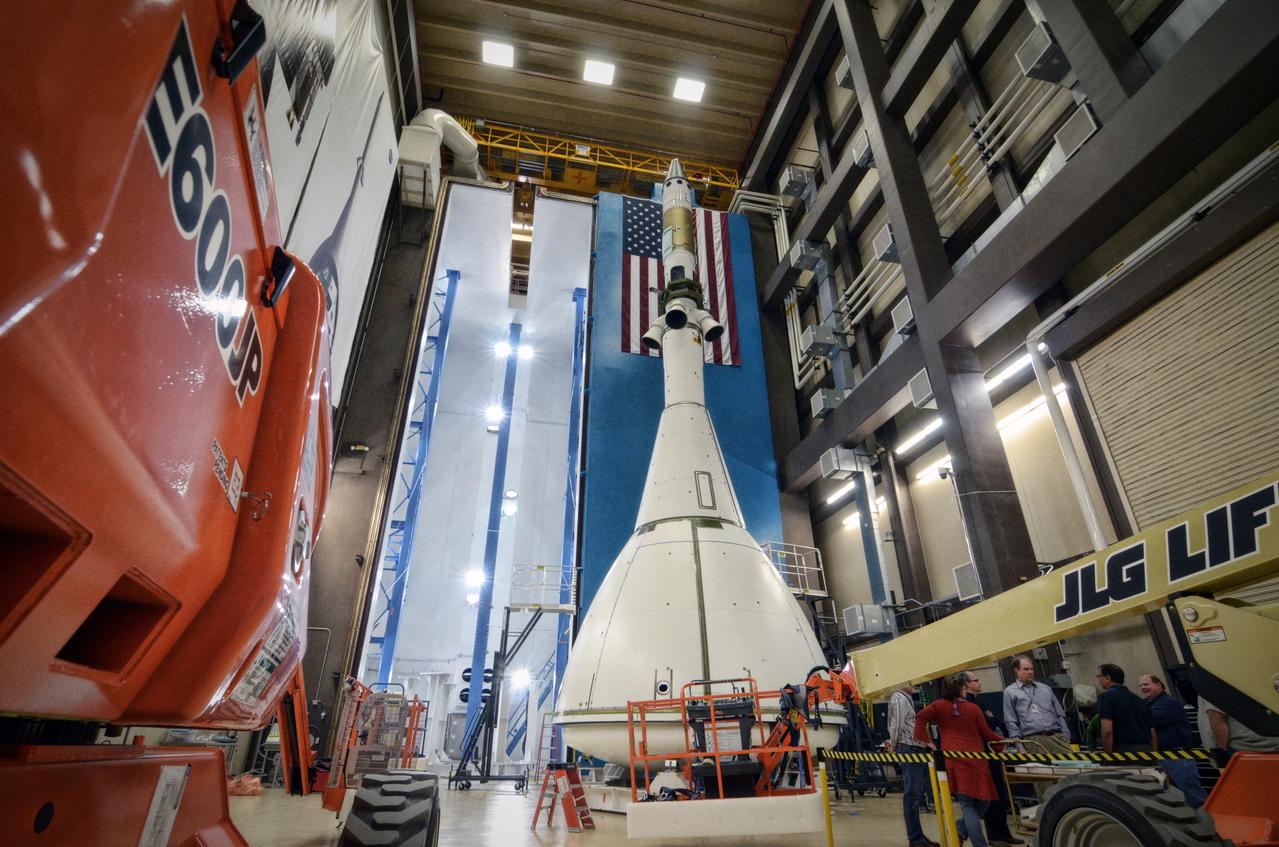
The Orion ground test vehicle is prepared for the Launch Abort Vehicle Configuration Test at Lockheed Martin's facilities in Denver on Sept. 14, 2011. For this test, the vehicle was covered with fillets and ogive panels that resemble the vehicle's launch configuration. The spacecraft underwent testing at sound pressure levels that emulate those experienced at launch and in the event an abort is needed to carry the crew to safety away from a potential problem on the launch pad or during ascent. Part of Batch image transfer from Flickr.
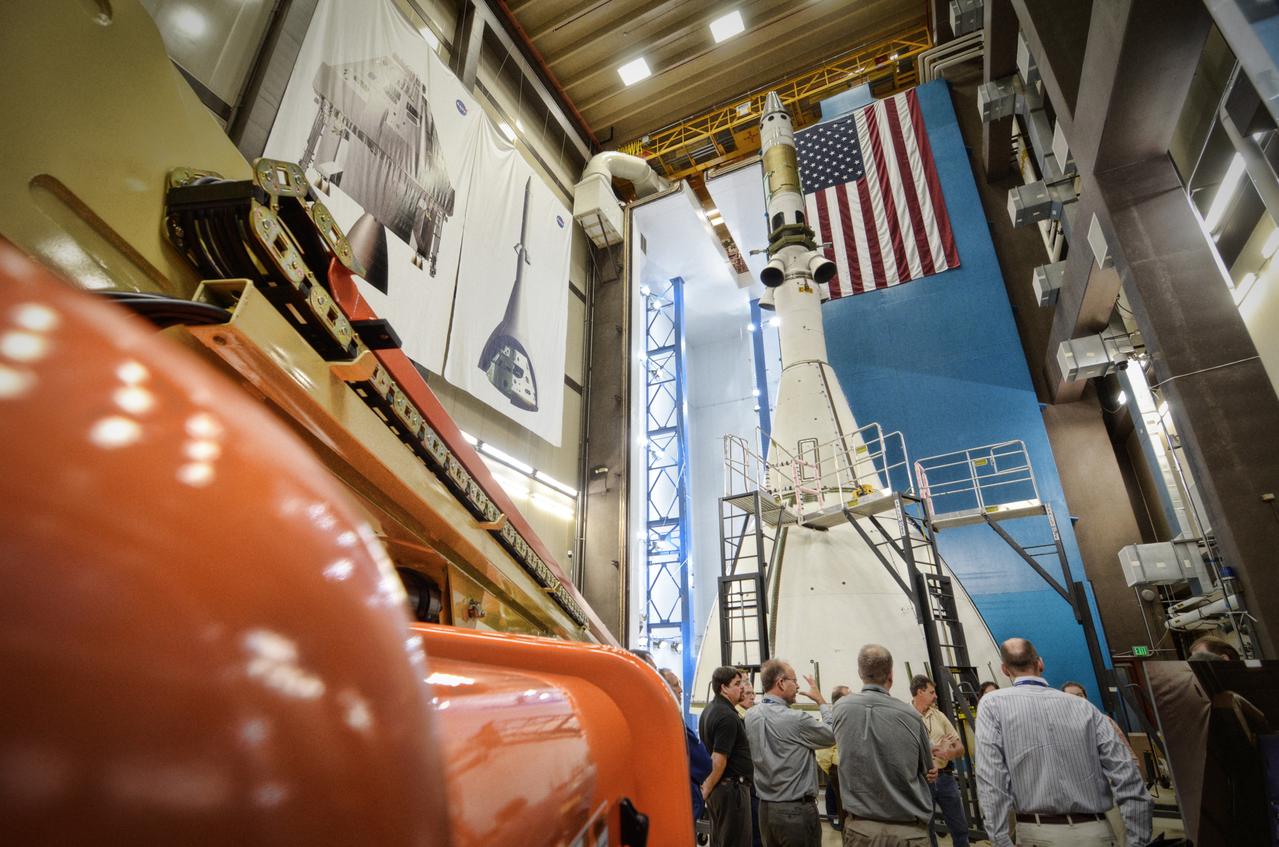
The Orion ground test vehicle is prepared for the Launch Abort Vehicle Configuration Test at Lockheed Martin's facilities in Denver on Sept. 15, 2011. For this test, the vehicle was covered with fillets and ogive panels that resemble the vehicle's launch configuration. The spacecraft underwent testing at sound pressure levels that emulate those experienced at launch and in the event an abort is needed to carry the crew to safety away from a potential problem on the launch pad or during ascent. Part of Batch image transfer from Flickr.
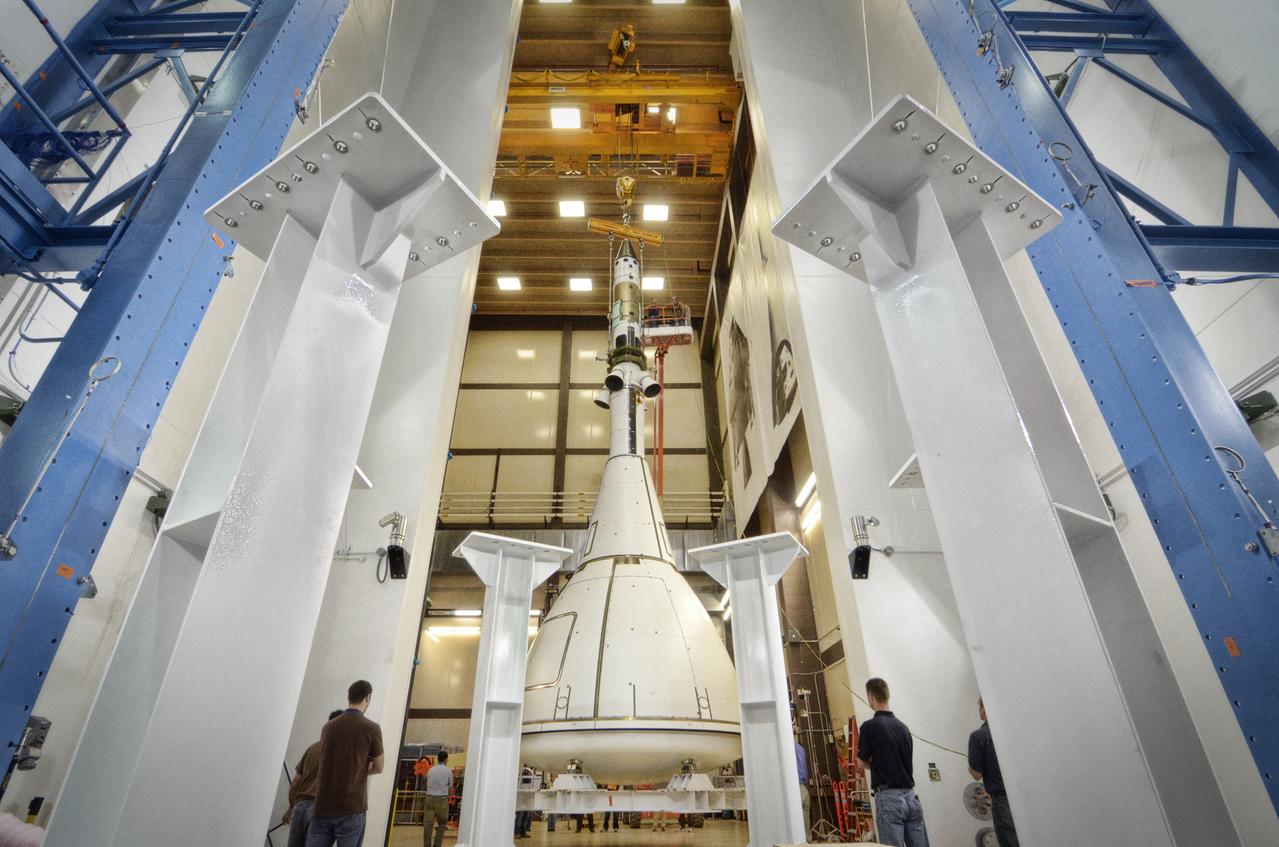
The Orion ground test vehicle is prepared for the Launch Abort Vehicle Configuration Test at Lockheed Martin's facilities in Denver on Sept. 15, 2011. For this test, the vehicle was covered with fillets and ogive panels that resemble the vehicle's launch configuration. The spacecraft underwent testing at sound pressure levels that emulate those experienced at launch and in the event an abort is needed to carry the crew to safety away from a potential problem on the launch pad or during ascent. Part of Batch image transfer from Flickr.

The Orion ground test vehicle is prepared for the Launch Abort Vehicle Configuration Test at Lockheed Martin's facilities in Denver on Sept. 15, 2011. For this test, the vehicle was covered with fillets and ogive panels that resemble the vehicle's launch configuration. The spacecraft underwent testing at sound pressure levels that emulate those experienced at launch and in the event an abort is needed to carry the crew to safety away from a potential problem on the launch pad or during ascent. Part of Batch image transfer from Flickr.

The Orion ground test vehicle is prepared for the Launch Abort Vehicle Configuration Test at Lockheed Martin's facilities in Denver on Sept. 14, 2011. For this test, the vehicle was covered with fillets and ogive panels that resemble the vehicle's launch configuration. The spacecraft underwent testing at sound pressure levels that emulate those experienced at launch and in the event an abort is needed to carry the crew to safety away from a potential problem on the launch pad or during ascent. Part of Batch image transfer from Flickr.
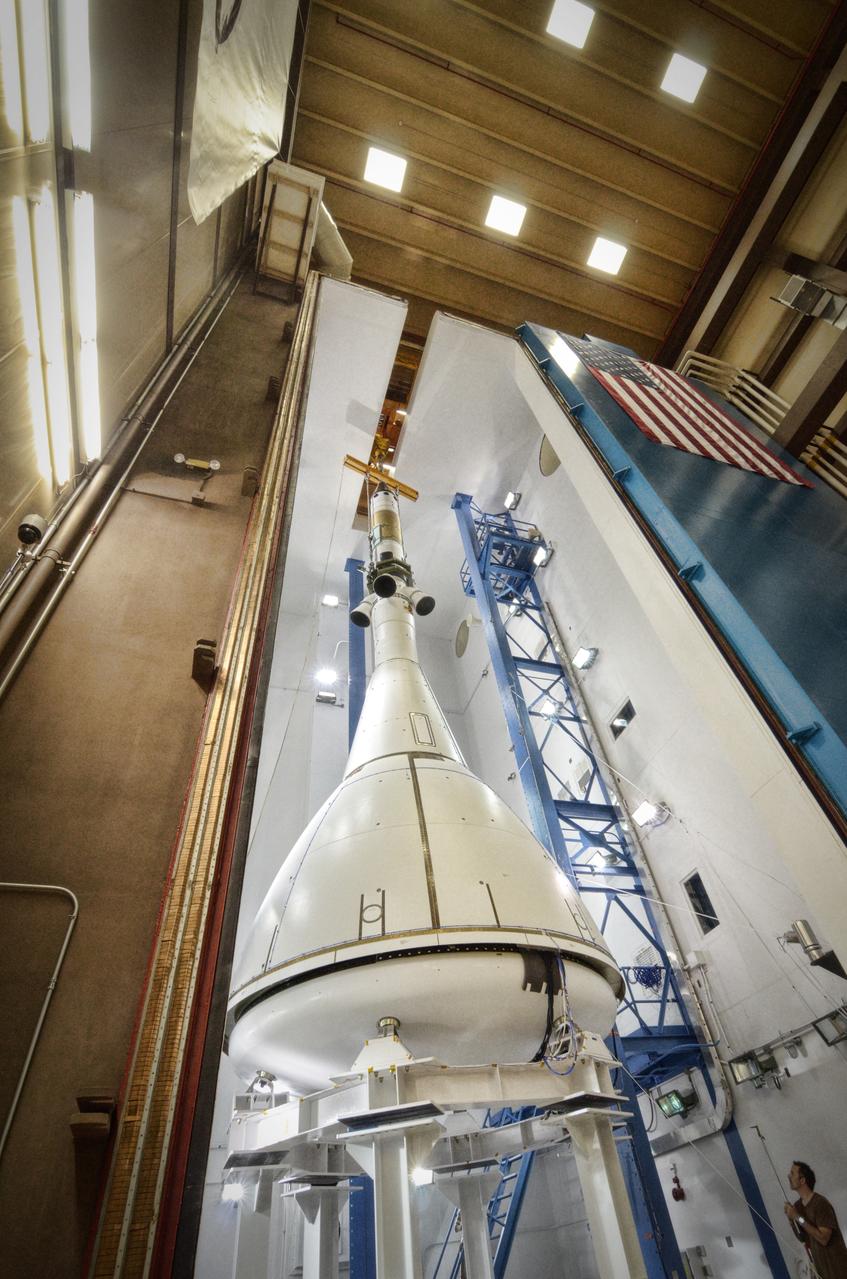
The Orion ground test vehicle is prepared for the Launch Abort Vehicle Configuration Test at Lockheed Martin's facilities in Denver on Sept. 15, 2011. For this test, the vehicle was covered with fillets and ogive panels that resemble the vehicle's launch configuration. The spacecraft underwent testing at sound pressure levels that emulate those experienced at launch and in the event an abort is needed to carry the crew to safety away from a potential problem on the launch pad or during ascent. Part of Batch image transfer from Flickr.
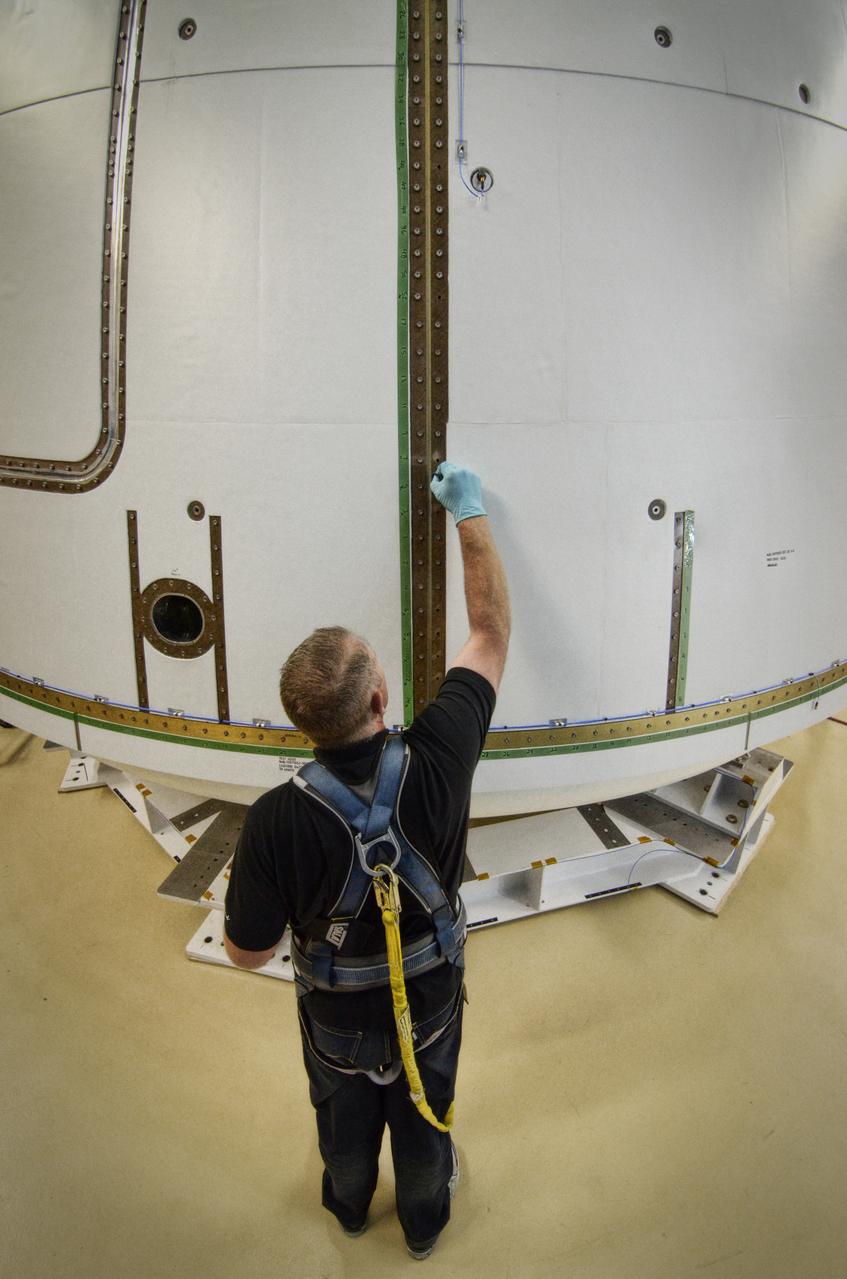
The Orion ground test vehicle is prepared for the Launch Abort Vehicle Configuration Test at Lockheed Martin's facilities in Denver on Sept. 15, 2011. For this test, the vehicle was covered with fillets and ogive panels that resemble the vehicle's launch configuration. The spacecraft underwent testing at sound pressure levels that emulate those experienced at launch and in the event an abort is needed to carry the crew to safety away from a potential problem on the launch pad or during ascent. Part of Batch image transfer from Flickr.

The Orion ground test vehicle is prepared for the Launch Abort Vehicle Configuration Test at Lockheed Martin's facilities in Denver on Sept. 15, 2011. For this test, the vehicle was covered with fillets and ogive panels that resemble the vehicle's launch configuration. The spacecraft underwent testing at sound pressure levels that emulate those experienced at launch and in the event an abort is needed to carry the crew to safety away from a potential problem on the launch pad or during ascent. Part of Batch image transfer from Flickr.
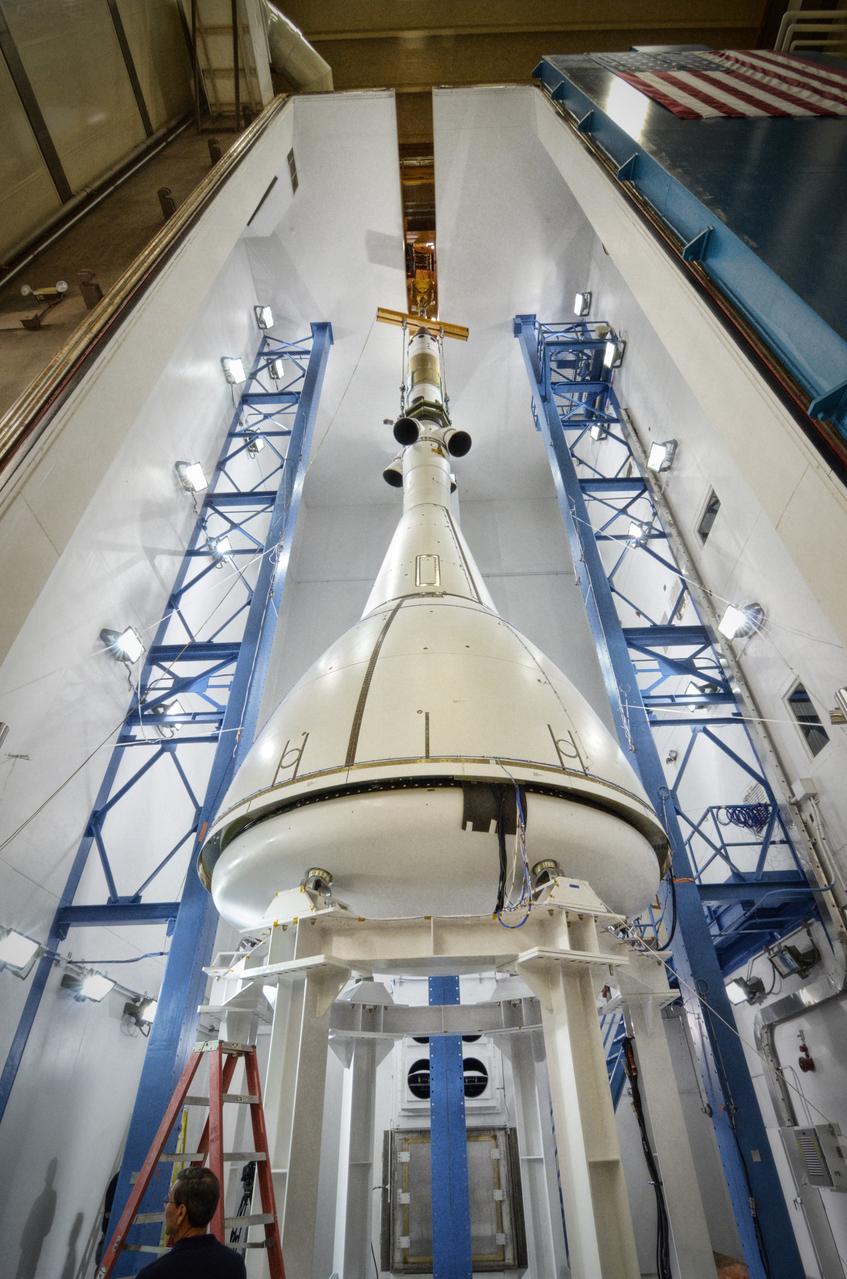
The Orion ground test vehicle is prepared for the Launch Abort Vehicle Configuration Test at Lockheed Martin's facilities in Denver on Sept. 15, 2011. For this test, the vehicle was covered with fillets and ogive panels that resemble the vehicle's launch configuration. The spacecraft underwent testing at sound pressure levels that emulate those experienced at launch and in the event an abort is needed to carry the crew to safety away from a potential problem on the launch pad or during ascent. Part of Batch image transfer from Flickr.
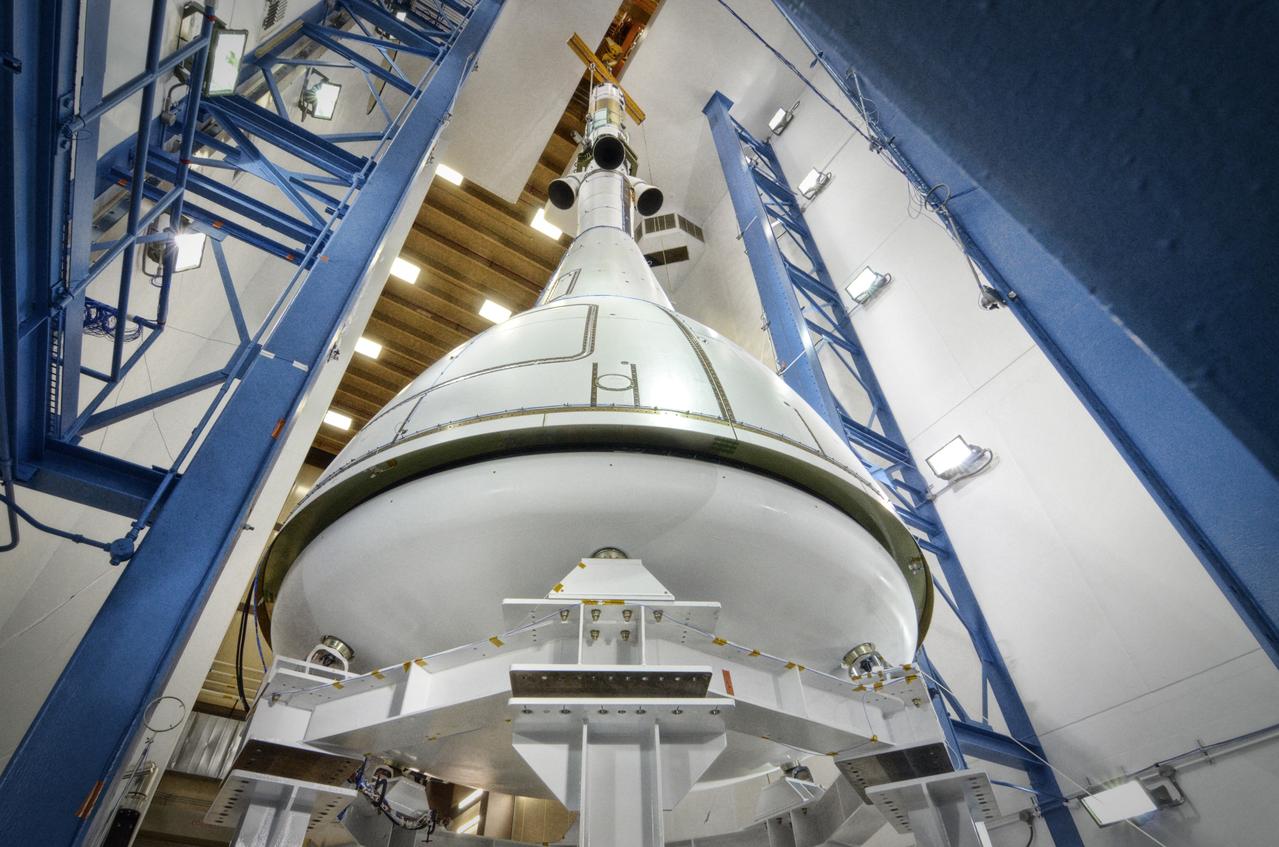
The Orion ground test vehicle is prepared for the Launch Abort Vehicle Configuration Test at Lockheed Martin's facilities in Denver on Sept. 15, 2011. For this test, the vehicle was covered with fillets and ogive panels that resemble the vehicle's launch configuration. The spacecraft underwent testing at sound pressure levels that emulate those experienced at launch and in the event an abort is needed to carry the crew to safety away from a potential problem on the launch pad or during ascent. Part of Batch image transfer from Flickr.
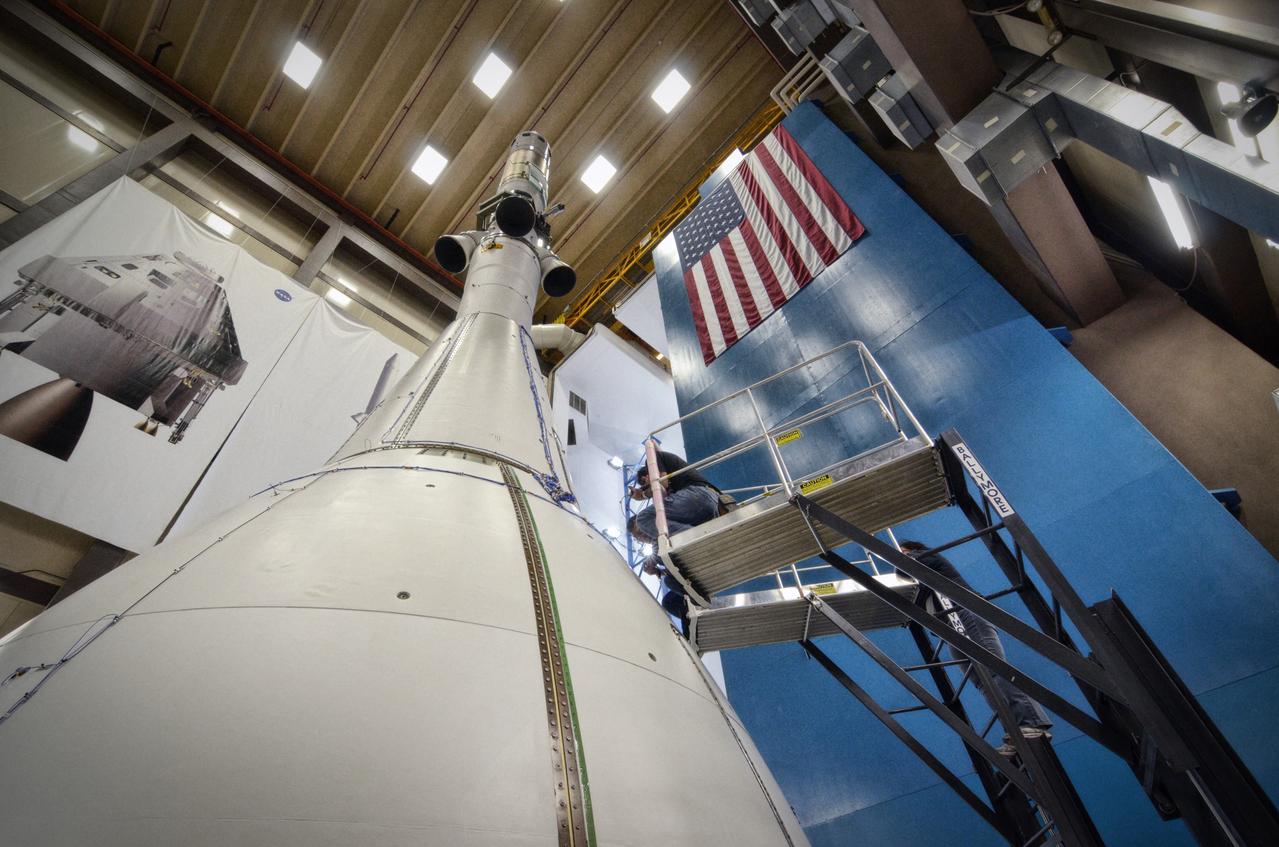
The Orion ground test vehicle is prepared for the Launch Abort Vehicle Configuration Test at Lockheed Martin's facilities in Denver on Sept. 14, 2011. For this test, the vehicle was covered with fillets and ogive panels that resemble the vehicle's launch configuration. The spacecraft underwent testing at sound pressure levels that emulate those experienced at launch and in the event an abort is needed to carry the crew to safety away from a potential problem on the launch pad or during ascent. Part of Batch image transfer from Flickr.
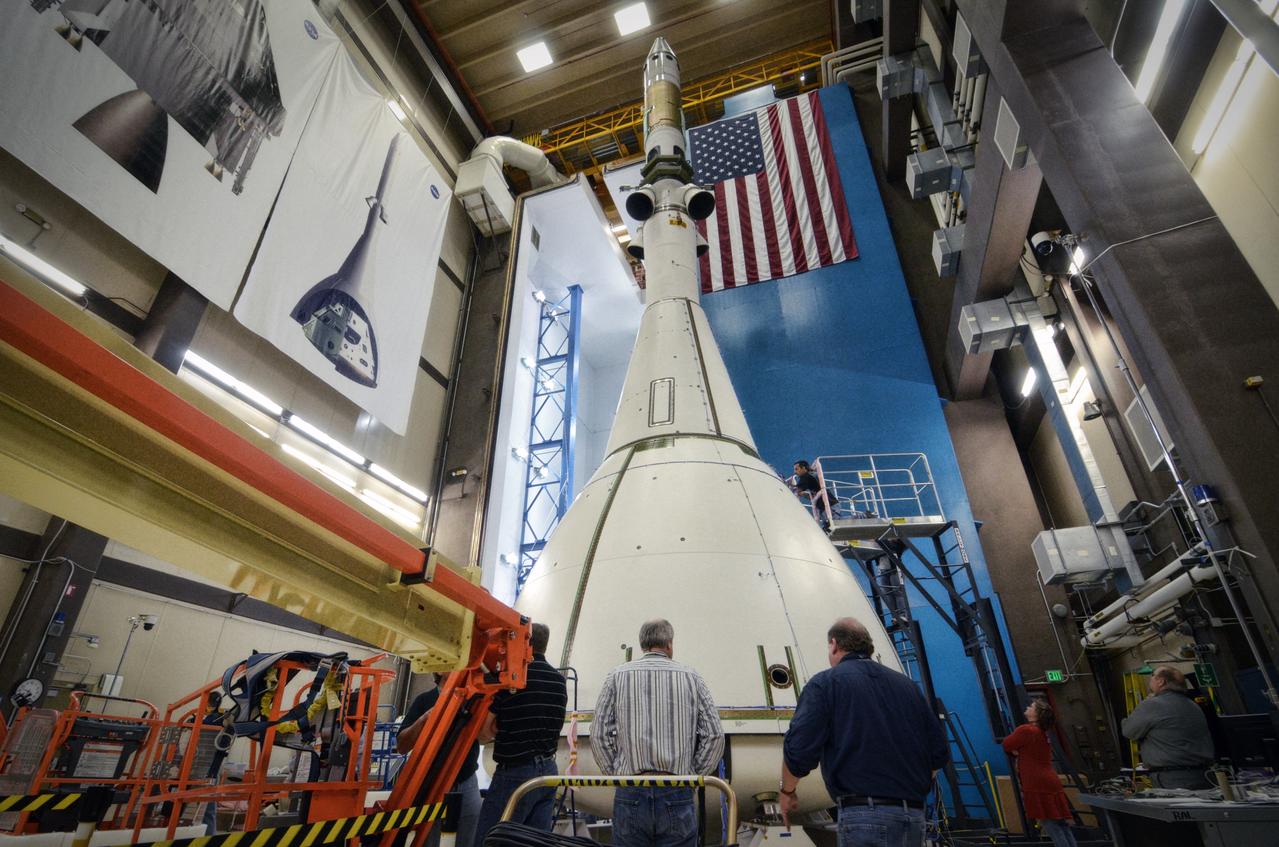
The Orion ground test vehicle is prepared for the Launch Abort Vehicle Configuration Test at Lockheed Martin's facilities in Denver on Sept. 14, 2011. For this test, the vehicle was covered with fillets and ogive panels that resemble the vehicle's launch configuration. The spacecraft underwent testing at sound pressure levels that emulate those experienced at launch and in the event an abort is needed to carry the crew to safety away from a potential problem on the launch pad or during ascent. Part of Batch image transfer from Flickr.
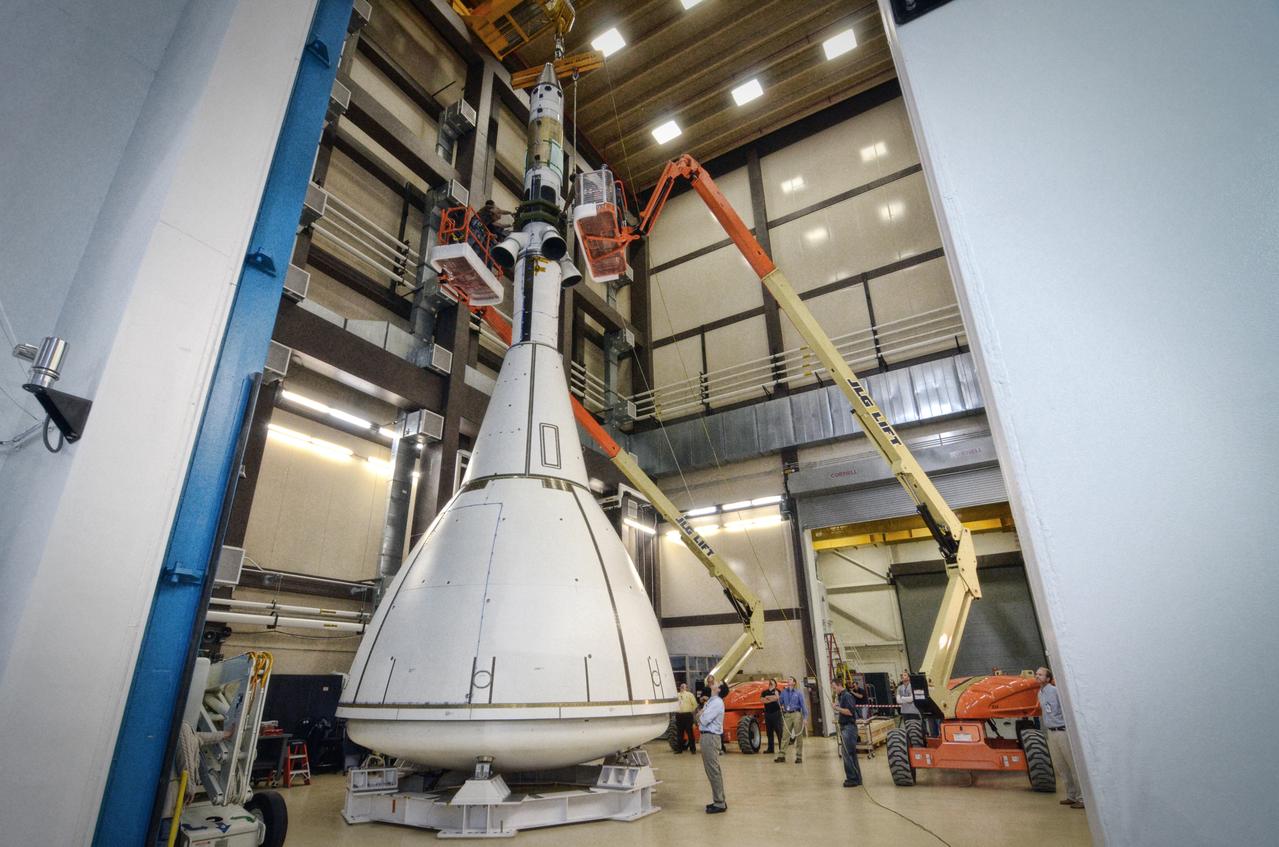
The Orion ground test vehicle is prepared for the Launch Abort Vehicle Configuration Test at Lockheed Martin's facilities in Denver on Sept. 15, 2011. For this test, the vehicle was covered with fillets and ogive panels that resemble the vehicle's launch configuration. The spacecraft underwent testing at sound pressure levels that emulate those experienced at launch and in the event an abort is needed to carry the crew to safety away from a potential problem on the launch pad or during ascent. Part of Batch image transfer from Flickr.
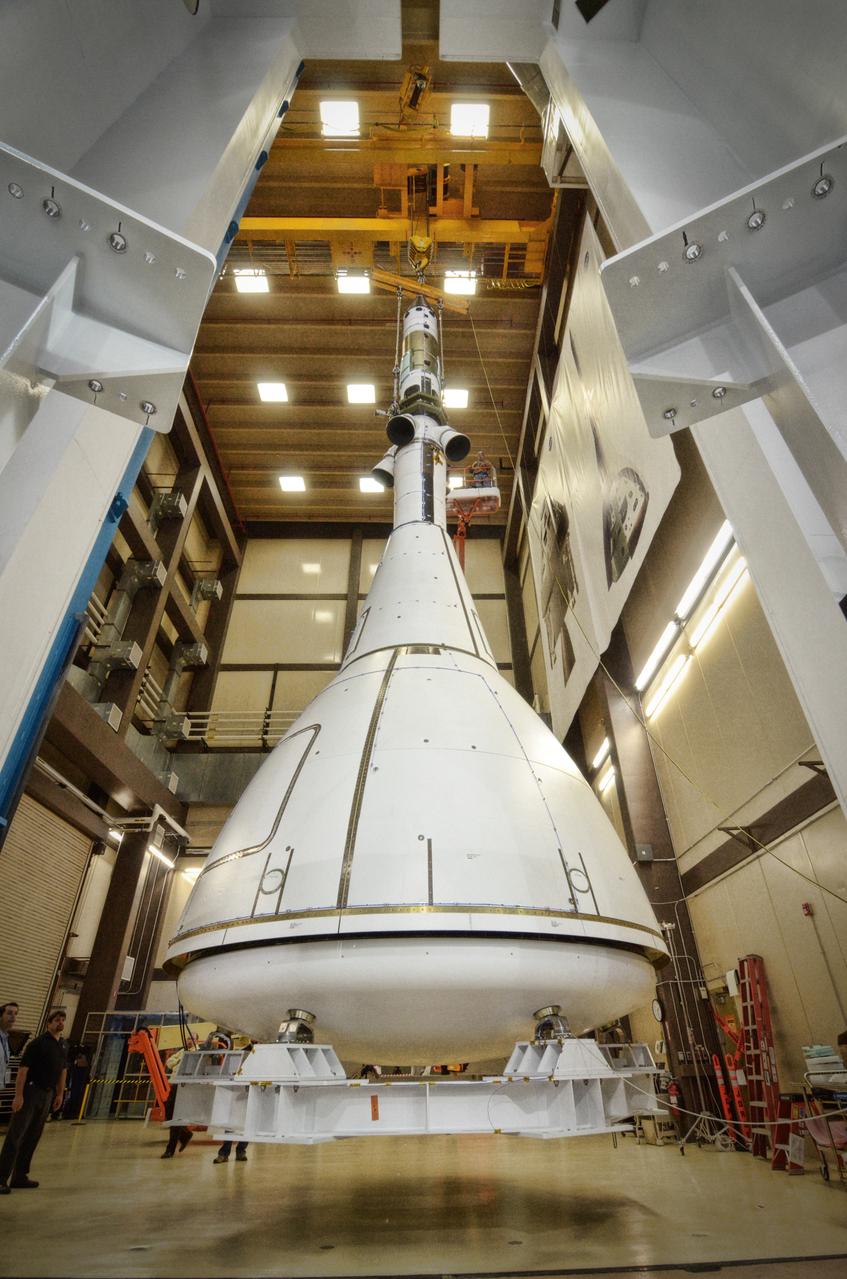
The Orion ground test vehicle is prepared for the Launch Abort Vehicle Configuration Test at Lockheed Martin's facilities in Denver on Sept. 15, 2011. For this test, the vehicle was covered with fillets and ogive panels that resemble the vehicle's launch configuration. The spacecraft underwent testing at sound pressure levels that emulate those experienced at launch and in the event an abort is needed to carry the crew to safety away from a potential problem on the launch pad or during ascent. Part of Batch image transfer from Flickr.
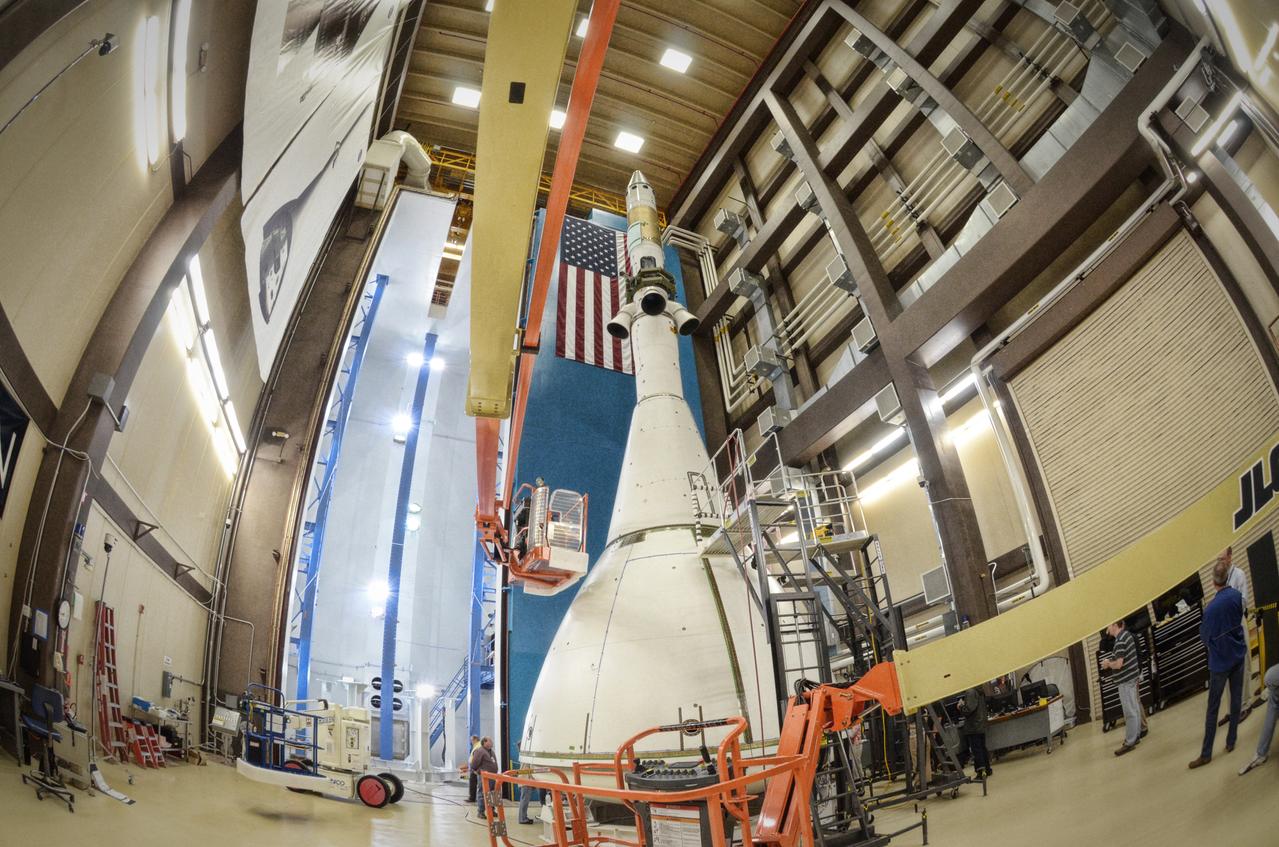
The Orion ground test vehicle is prepared for the Launch Abort Vehicle Configuration Test at Lockheed Martin's facilities in Denver on Sept. 15, 2011. For this test, the vehicle was covered with fillets and ogive panels that resemble the vehicle's launch configuration. The spacecraft underwent testing at sound pressure levels that emulate those experienced at launch and in the event an abort is needed to carry the crew to safety away from a potential problem on the launch pad or during ascent. Part of Batch image transfer from Flickr.

The Orion ground test vehicle is prepared for the Launch Abort Vehicle Configuration Test at Lockheed Martin's facilities in Denver on Sept. 15, 2011. For this test, the vehicle was covered with fillets and ogive panels that resemble the vehicle's launch configuration. The spacecraft underwent testing at sound pressure levels that emulate those experienced at launch and in the event an abort is needed to carry the crew to safety away from a potential problem on the launch pad or during ascent. Part of Batch image transfer from Flickr.
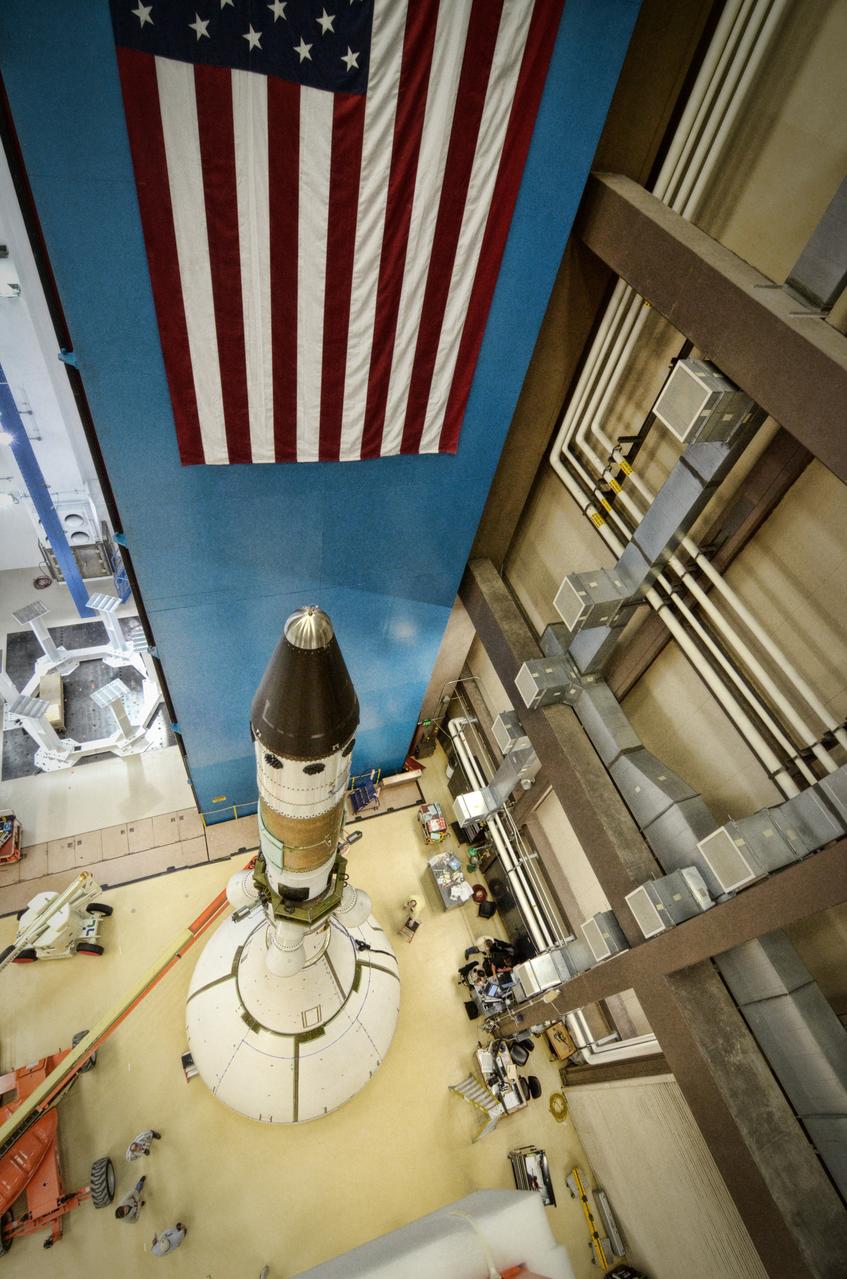
The Orion ground test vehicle is prepared for the Launch Abort Vehicle Configuration Test at Lockheed Martin's facilities in Denver on Sept. 15, 2011. For this test, the vehicle was covered with fillets and ogive panels that resemble the vehicle's launch configuration. The spacecraft underwent testing at sound pressure levels that emulate those experienced at launch and in the event an abort is needed to carry the crew to safety away from a potential problem on the launch pad or during ascent. Part of Batch image transfer from Flickr.
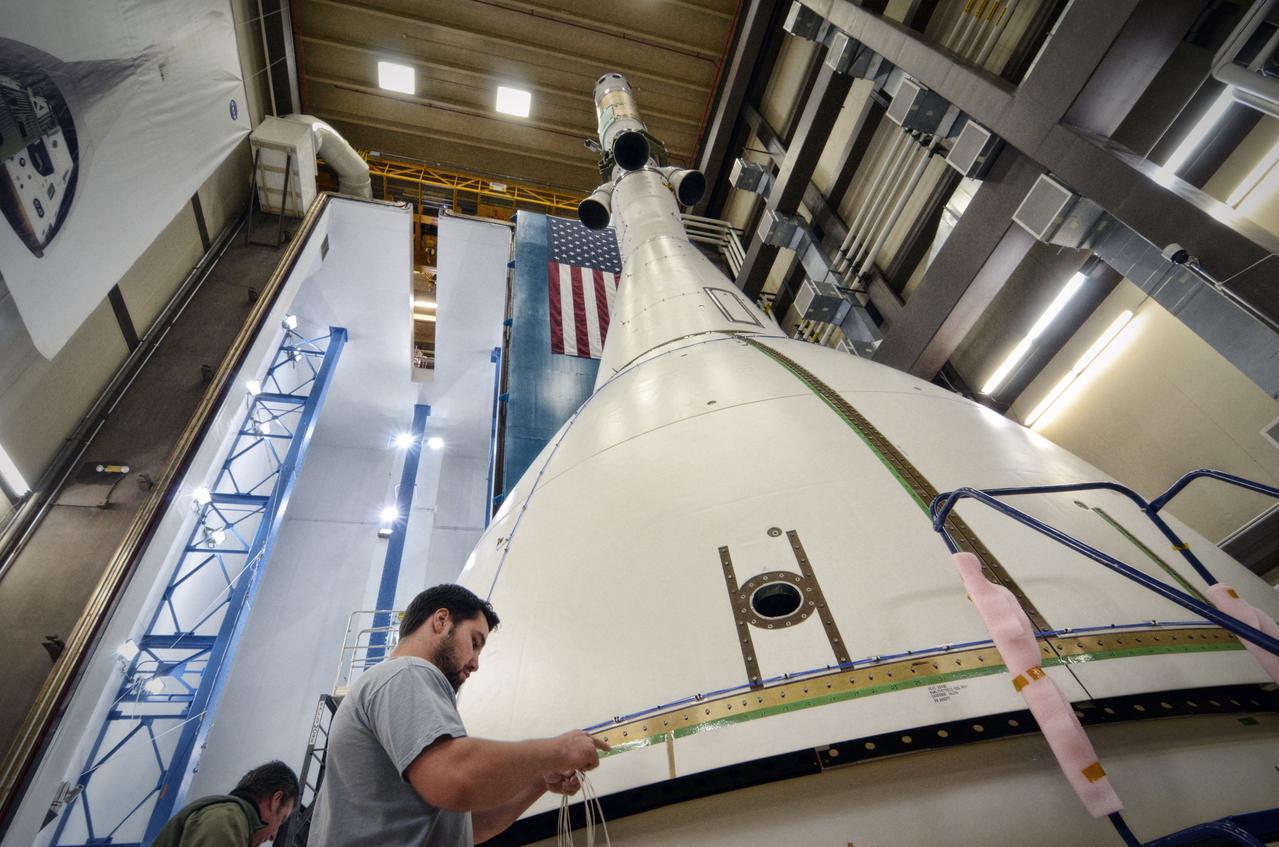
The Orion ground test vehicle is prepared for the Launch Abort Vehicle Configuration Test at Lockheed Martin's facilities in Denver on Sept. 14, 2011. For this test, the vehicle was covered with fillets and ogive panels that resemble the vehicle's launch configuration. The spacecraft underwent testing at sound pressure levels that emulate those experienced at launch and in the event an abort is needed to carry the crew to safety away from a potential problem on the launch pad or during ascent. Part of Batch image transfer from Flickr.

The Orion ground test vehicle is prepared for the Launch Abort Vehicle Configuration Test at Lockheed Martin's facilities in Denver on Sept. 15, 2011. For this test, the vehicle was covered with fillets and ogive panels that resemble the vehicle's launch configuration. The spacecraft underwent testing at sound pressure levels that emulate those experienced at launch and in the event an abort is needed to carry the crew to safety away from a potential problem on the launch pad or during ascent. Part of Batch image transfer from Flickr.
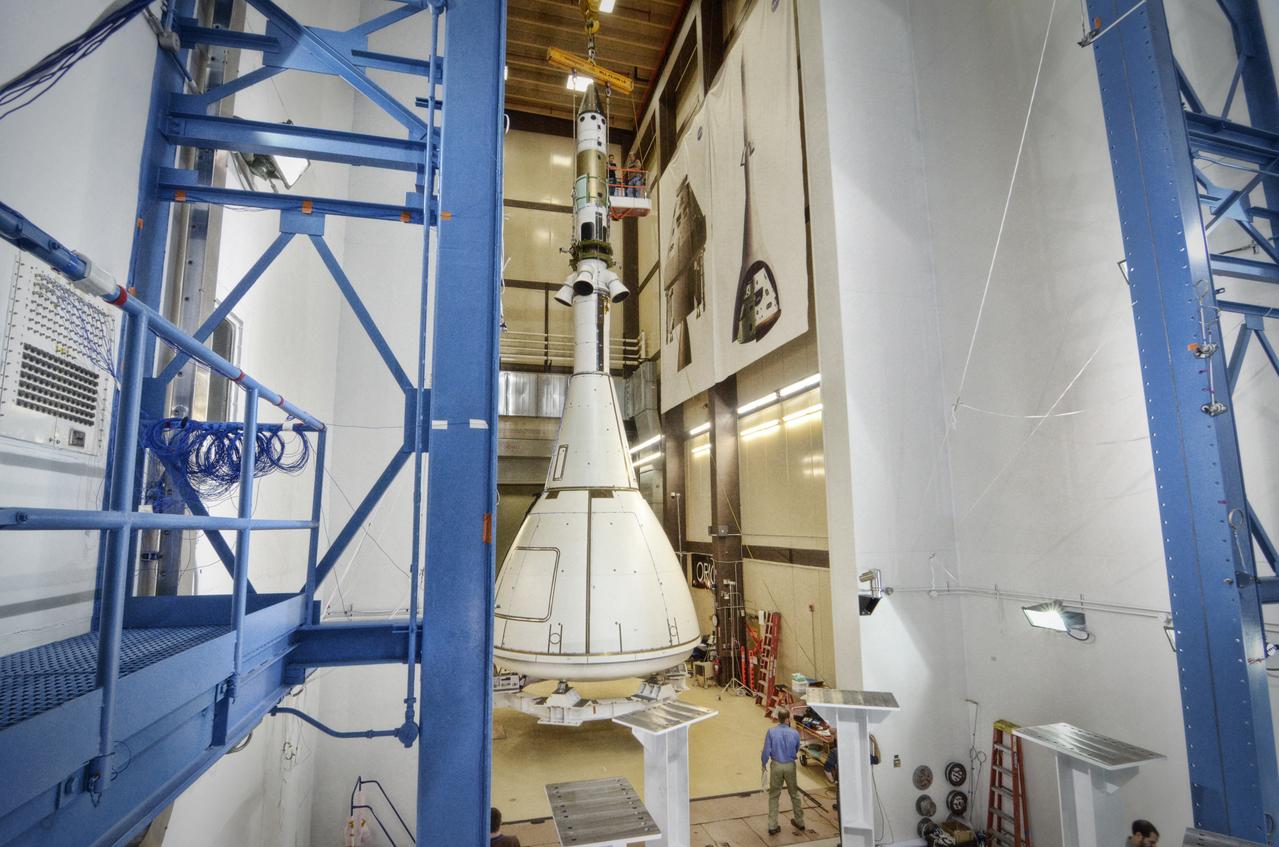
The Orion ground test vehicle is prepared for the Launch Abort Vehicle Configuration Test at Lockheed Martin's facilities in Denver on Sept. 15, 2011. For this test, the vehicle was covered with fillets and ogive panels that resemble the vehicle's launch configuration. The spacecraft underwent testing at sound pressure levels that emulate those experienced at launch and in the event an abort is needed to carry the crew to safety away from a potential problem on the launch pad or during ascent. Part of Batch image transfer from Flickr.
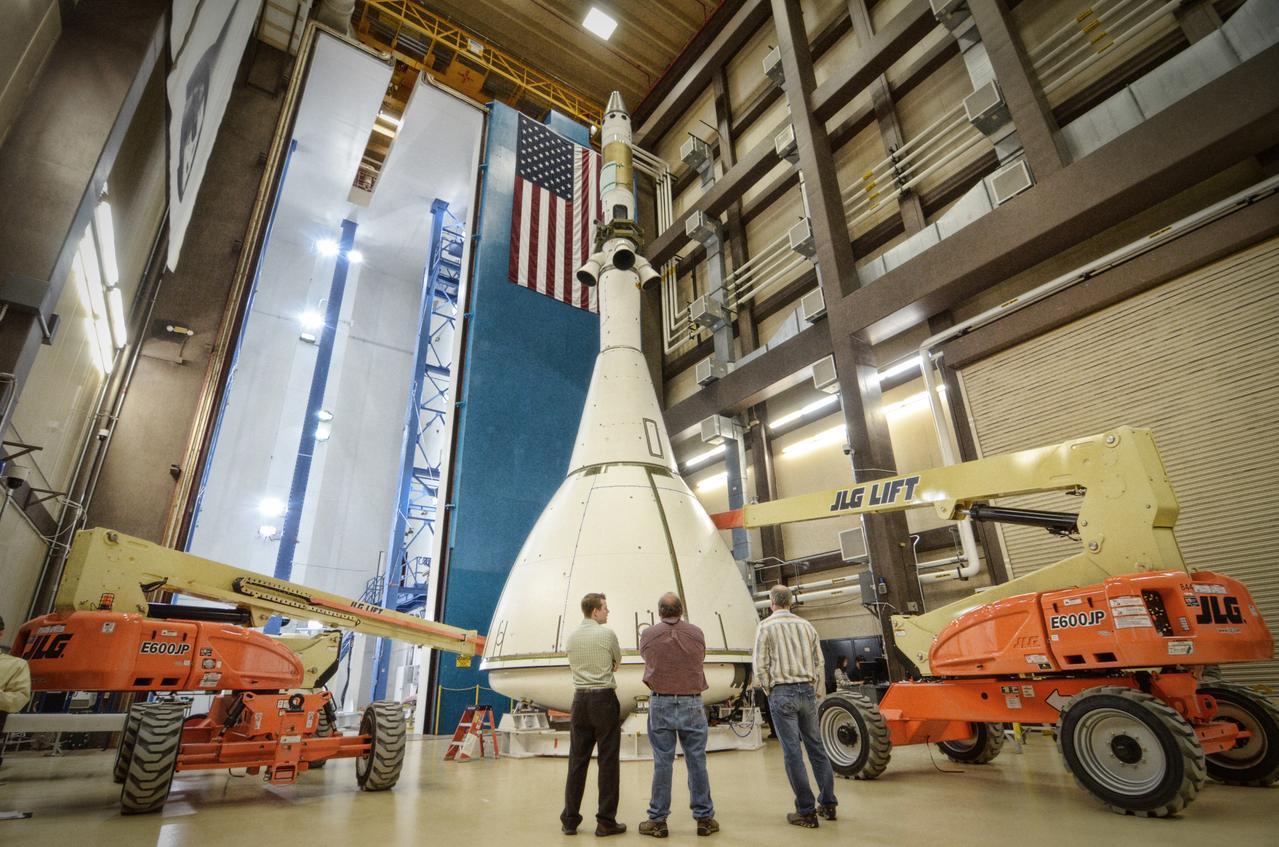
The Orion ground test vehicle is prepared for the Launch Abort Vehicle Configuration Test at Lockheed Martin's facilities in Denver on Sept. 15, 2011. For this test, the vehicle was covered with fillets and ogive panels that resemble the vehicle's launch configuration. The spacecraft underwent testing at sound pressure levels that emulate those experienced at launch and in the event an abort is needed to carry the crew to safety away from a potential problem on the launch pad or during ascent. Part of Batch image transfer from Flickr.
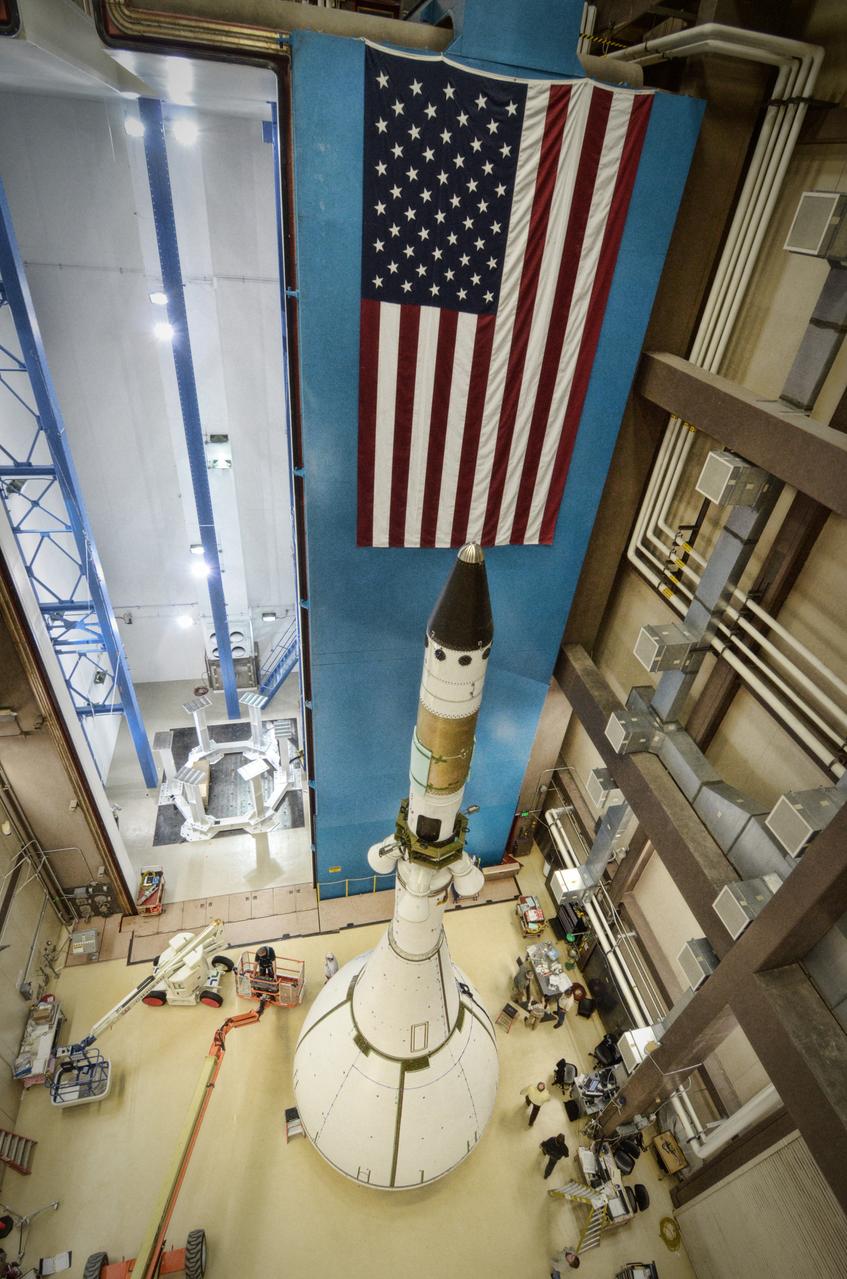
The Orion ground test vehicle is prepared for the Launch Abort Vehicle Configuration Test at Lockheed Martin's facilities in Denver on Sept. 15, 2011. For this test, the vehicle was covered with fillets and ogive panels that resemble the vehicle's launch configuration. The spacecraft underwent testing at sound pressure levels that emulate those experienced at launch and in the event an abort is needed to carry the crew to safety away from a potential problem on the launch pad or during ascent. Part of Batch image transfer from Flickr.
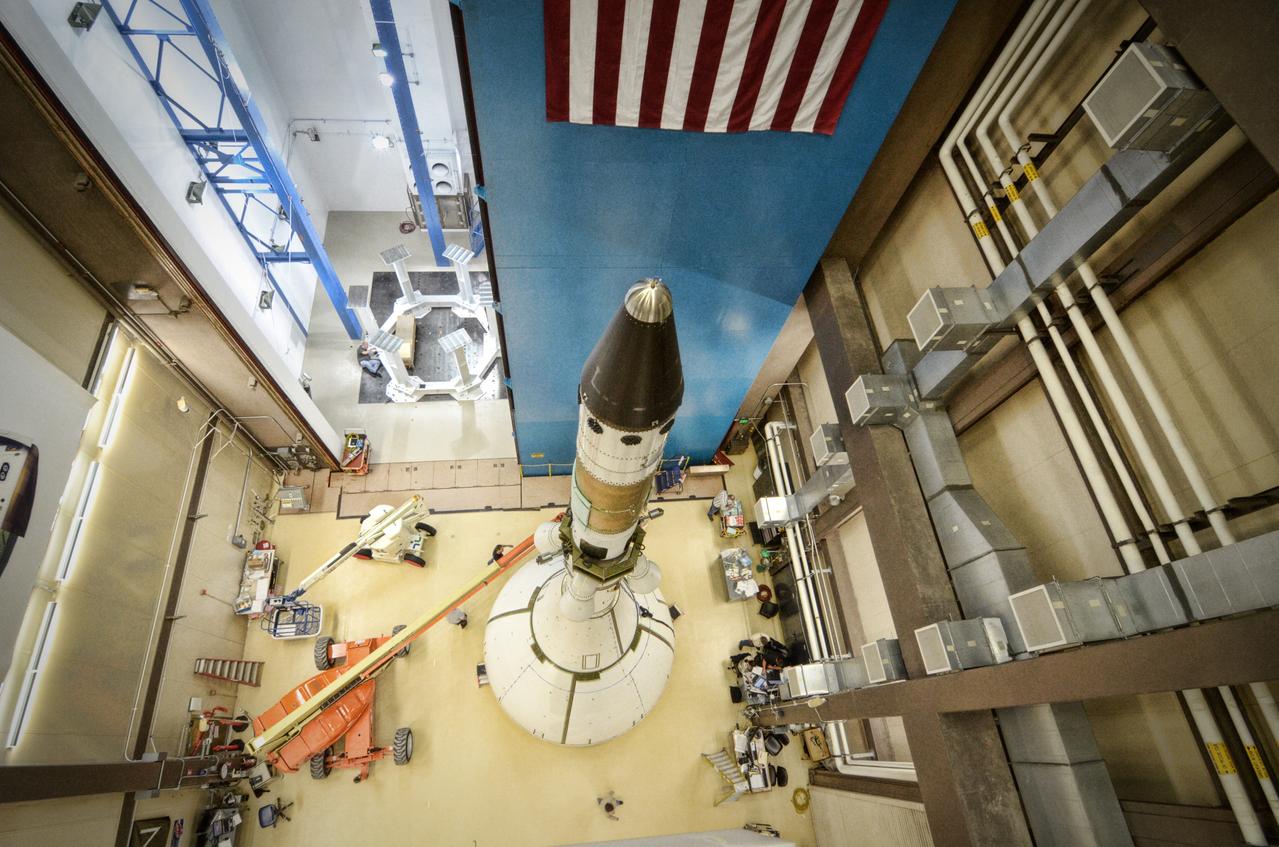
The Orion ground test vehicle is prepared for the Launch Abort Vehicle Configuration Test at Lockheed Martin's facilities in Denver on Sept. 15, 2011. For this test, the vehicle was covered with fillets and ogive panels that resemble the vehicle's launch configuration. The spacecraft underwent testing at sound pressure levels that emulate those experienced at launch and in the event an abort is needed to carry the crew to safety away from a potential problem on the launch pad or during ascent. Part of Batch image transfer from Flickr.
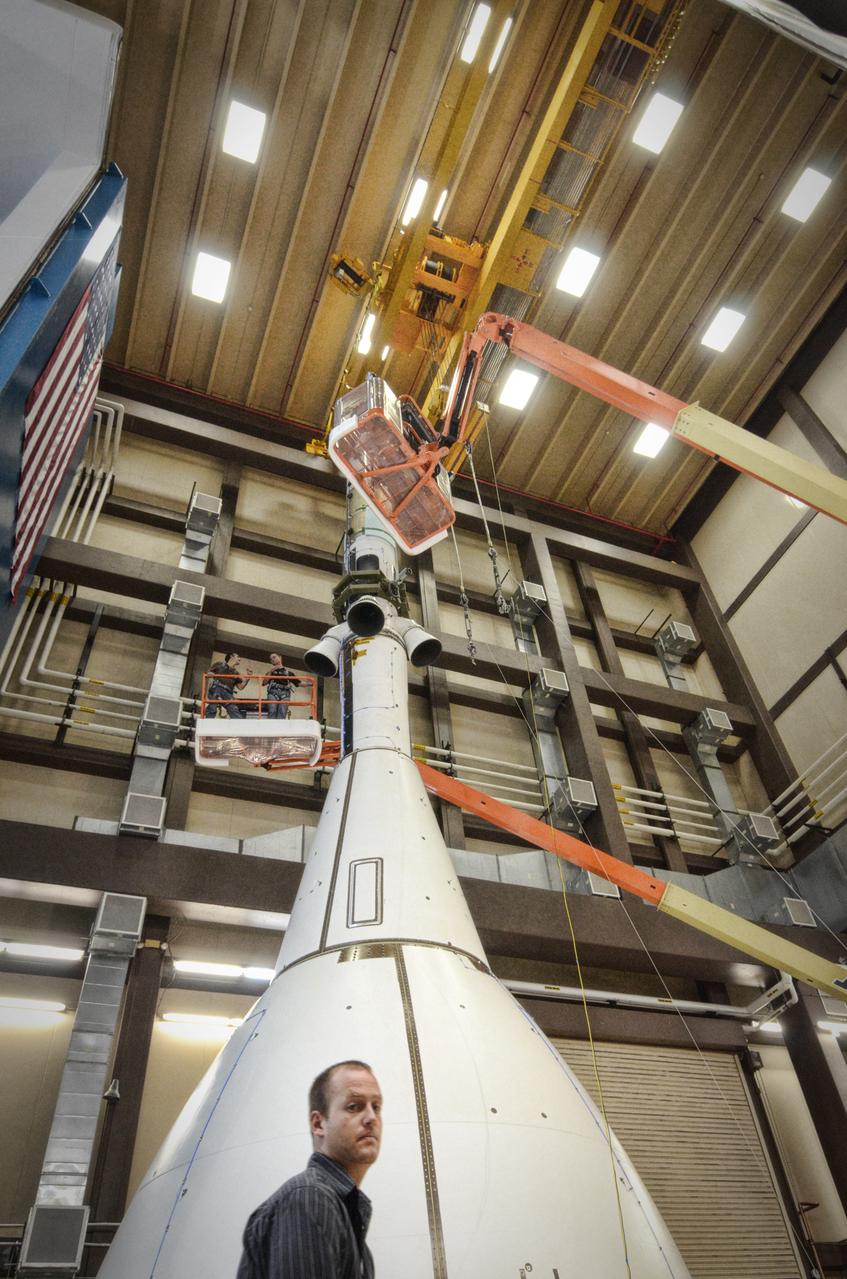
The Orion ground test vehicle is prepared for the Launch Abort Vehicle Configuration Test at Lockheed Martin's facilities in Denver on Sept. 15, 2011. For this test, the vehicle was covered with fillets and ogive panels that resemble the vehicle's launch configuration. The spacecraft underwent testing at sound pressure levels that emulate those experienced at launch and in the event an abort is needed to carry the crew to safety away from a potential problem on the launch pad or during ascent. Part of Batch image transfer from Flickr.

The Orion ground test vehicle is prepared for the Launch Abort Vehicle Configuration Test at Lockheed Martin's facilities in Denver on Sept. 15, 2011. For this test, the vehicle was covered with fillets and ogive panels that resemble the vehicle's launch configuration. The spacecraft underwent testing at sound pressure levels that emulate those experienced at launch and in the event an abort is needed to carry the crew to safety away from a potential problem on the launch pad or during ascent. Part of Batch image transfer from Flickr.
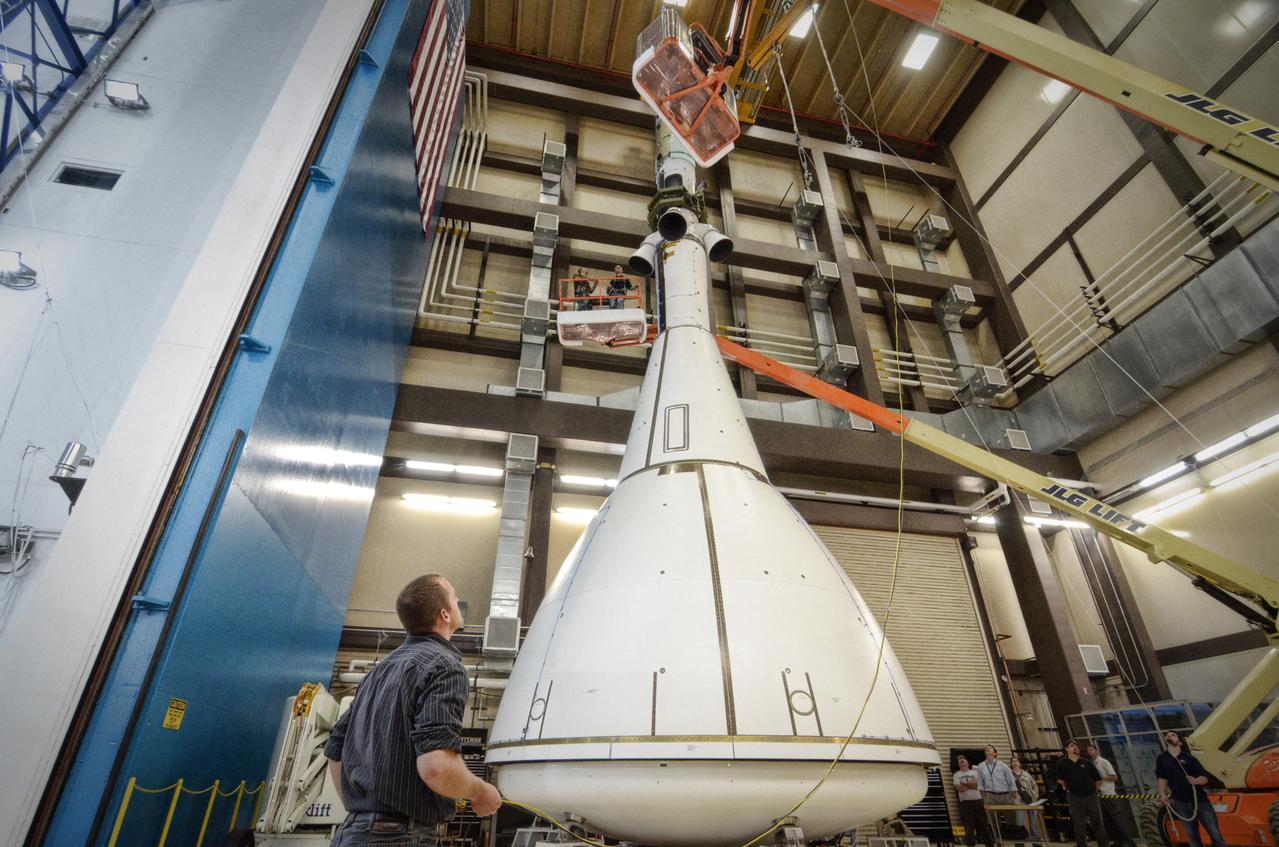
The Orion ground test vehicle is prepared for the Launch Abort Vehicle Configuration Test at Lockheed Martin's facilities in Denver on Sept. 15, 2011. For this test, the vehicle was covered with fillets and ogive panels that resemble the vehicle's launch configuration. The spacecraft underwent testing at sound pressure levels that emulate those experienced at launch and in the event an abort is needed to carry the crew to safety away from a potential problem on the launch pad or during ascent. Part of Batch image transfer from Flickr.
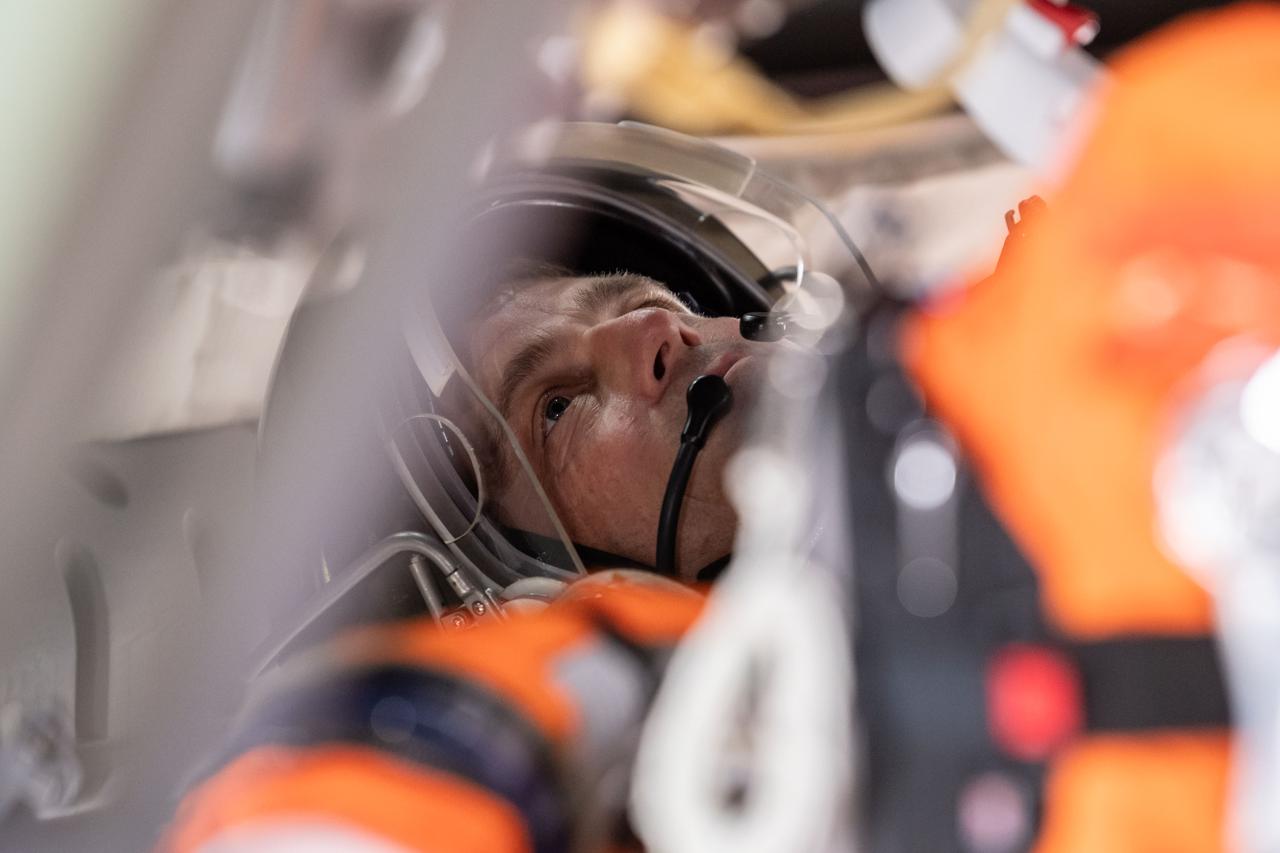
jsc2025e004079 (Jan. 30, 2025) --- NASA astronaut and Artemis II commander Reid Wiseman during Post Insertion and Deorbit Preparation training at the Space Vehicle Mockup Facility in Houston, Texas. The crew practiced getting the Orion spacecraft configured once in orbit, how to make it habitable, and suited up in their entry pressure suits to prepare for their return from the Moon. Credit: NASA/Mark Sowa
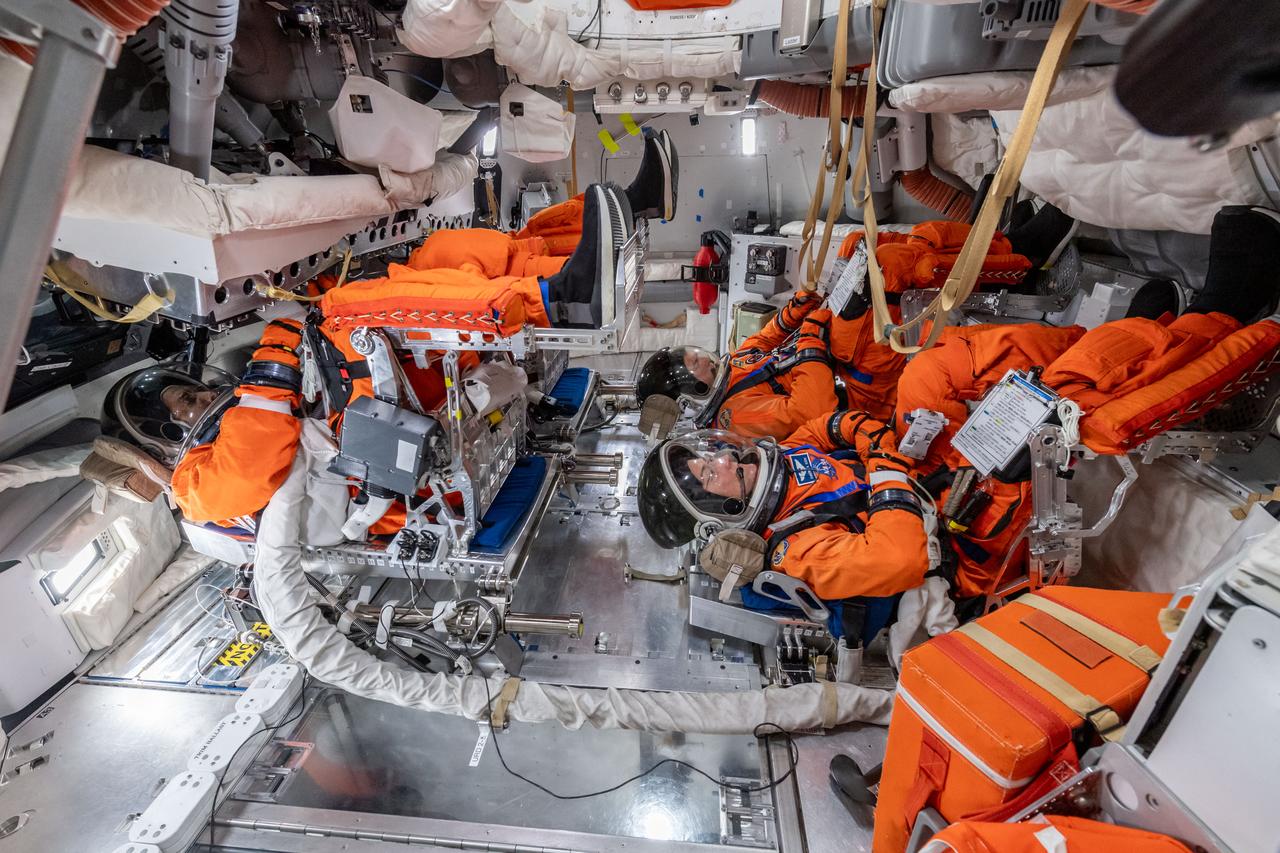
jsc2025e004086 (Jan. 30, 2025) --- The Artemis II crew, NASA astronauts Reid Wiseman, Victor Glover, and Christina Koch, and Canadian Space Agency astronaut Jeremy Hansen, completing Post Insertion and Deorbit Preparation training at the Space Vehicle Mockup Facility in Houston, Texas. The crew practiced getting the Orion spacecraft configured once in orbit, how to make it habitable, and suited up in their entry pressure suits to prepare for their return from the Moon. Credit: NASA/Mark Sowa
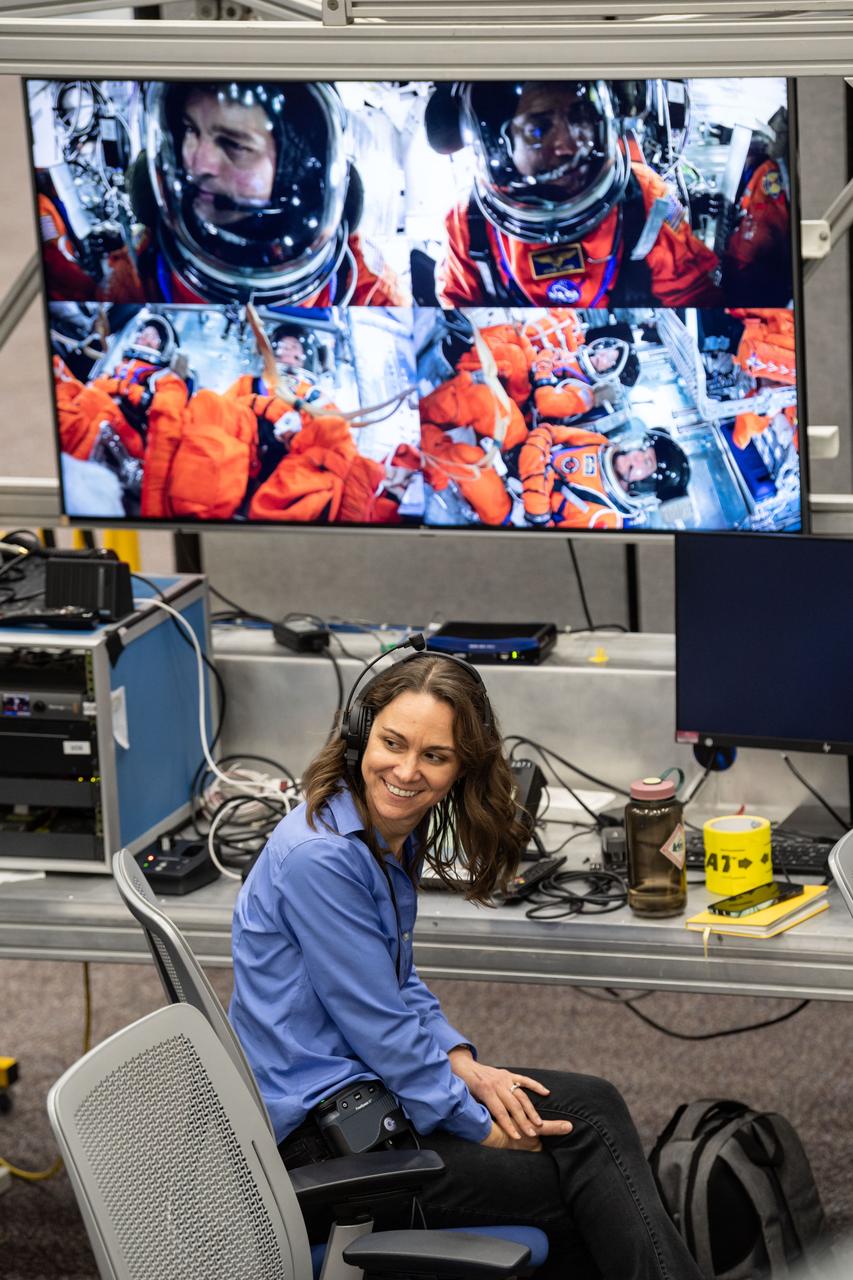
jsc2025e004084 (Jan. 30, 2025) --- The Artemis II crew’s Chief Training Officer Jacki Mahaffey smiles during Post Insertion and Deorbit Preparation training at the Space Vehicle Mockup Facility in Houston, Texas. The crew practiced getting the Orion spacecraft configured once in orbit, how to make it habitable, and suited up in their entry pressure suits to prepare for their return from the Moon. Credit: NASA/Mark Sowa
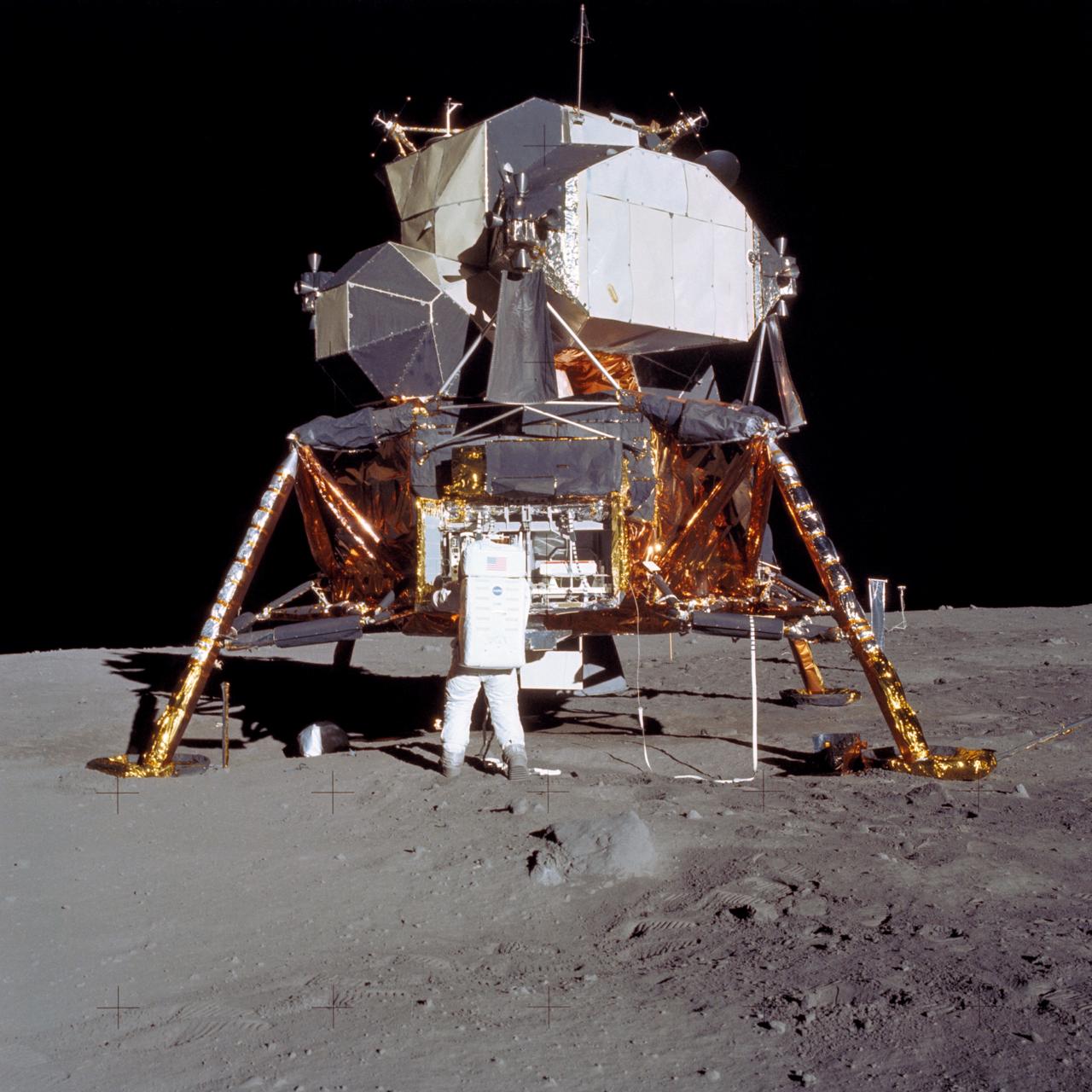
AS11-40-5927 (20 July 1969) --- Astronaut Edwin E. Aldrin Jr., lunar module pilot, prepares to deploy the Early Apollo Scientific Experiments Package (EASEP) during the Apollo 11 lunar surface extravehicular activity (EVA). Astronaut Neil A. Armstrong, commander, took this picture with a 70mm lunar surface camera. During flight the EASEP is stowed in the Lunar Module's (LM) scientific equipment bay at the left year quadrant of the descent stage looking forward. Aldrin is removing the EASEP from its stowed position. Photo credit: NASA
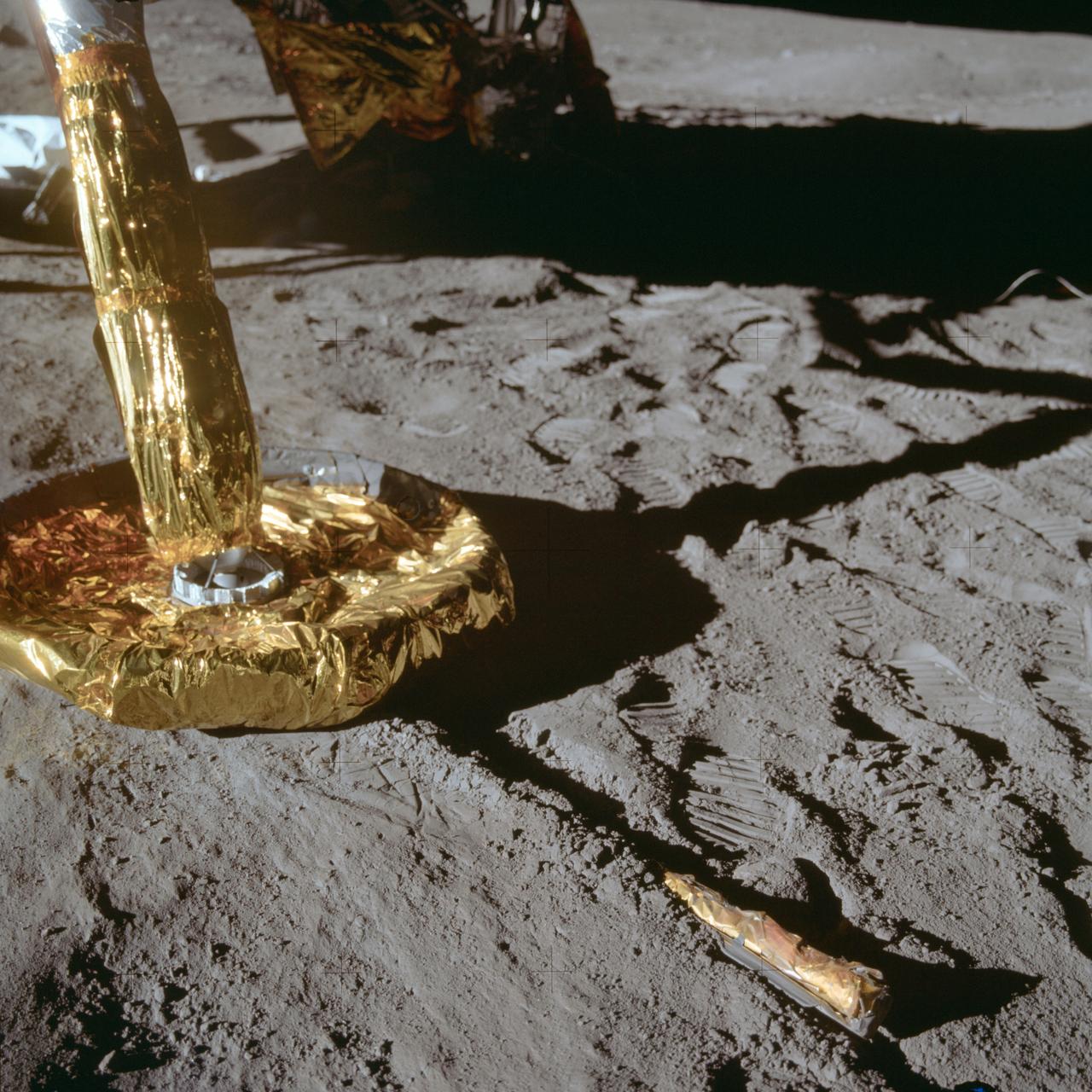
A close-up view of a footpad of the Apollo 11 Lunar Module as it rested on the surface of the Moon. The stick-like protruding object is a lunar surface sensing probe. This photograph was take with a 70mm lunar surface camera during the extravehicular activity of Astronauts Neil Armstrong and Edwin Aldrin on July 20, 1969.
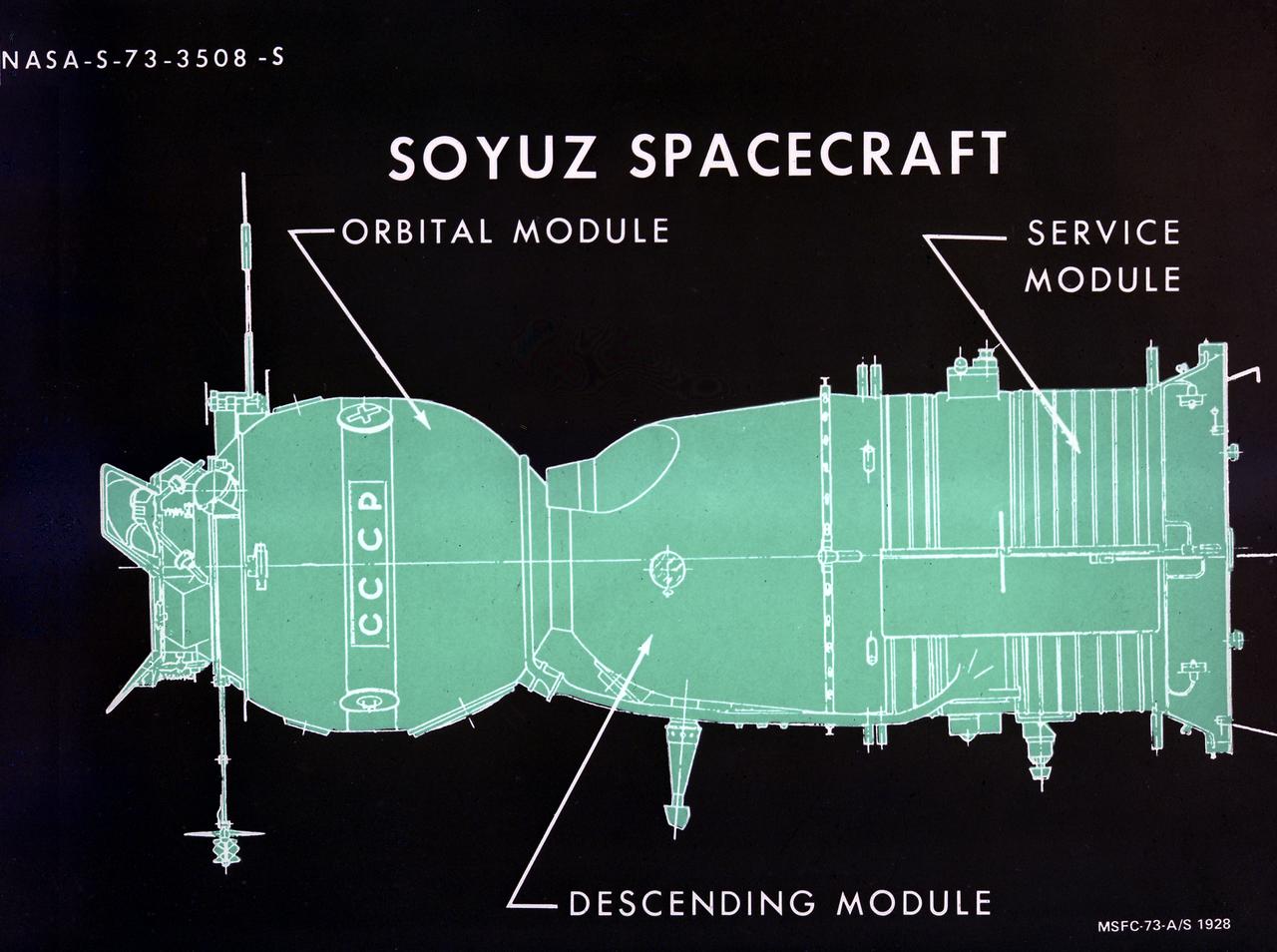
This illustration depicts a configuration of the Soyuz spacecraft for the Apollo-Soyuz Test Project (ASTP). The ASTP was the first international docking of the U.S.'s Apollo spacecraft and the U.S.S.R.'s Soyuz spacecraft in space. For this project, the Soviets built another in their continuing series of Soyuz space capsules. The U.S. used the Saturn IB Apollo capsule. A joint engineering team from the two countries met to develop a docking system that permitted the two spacecraft to link in space and allowed the crews to travel from one spacecraft to the other.
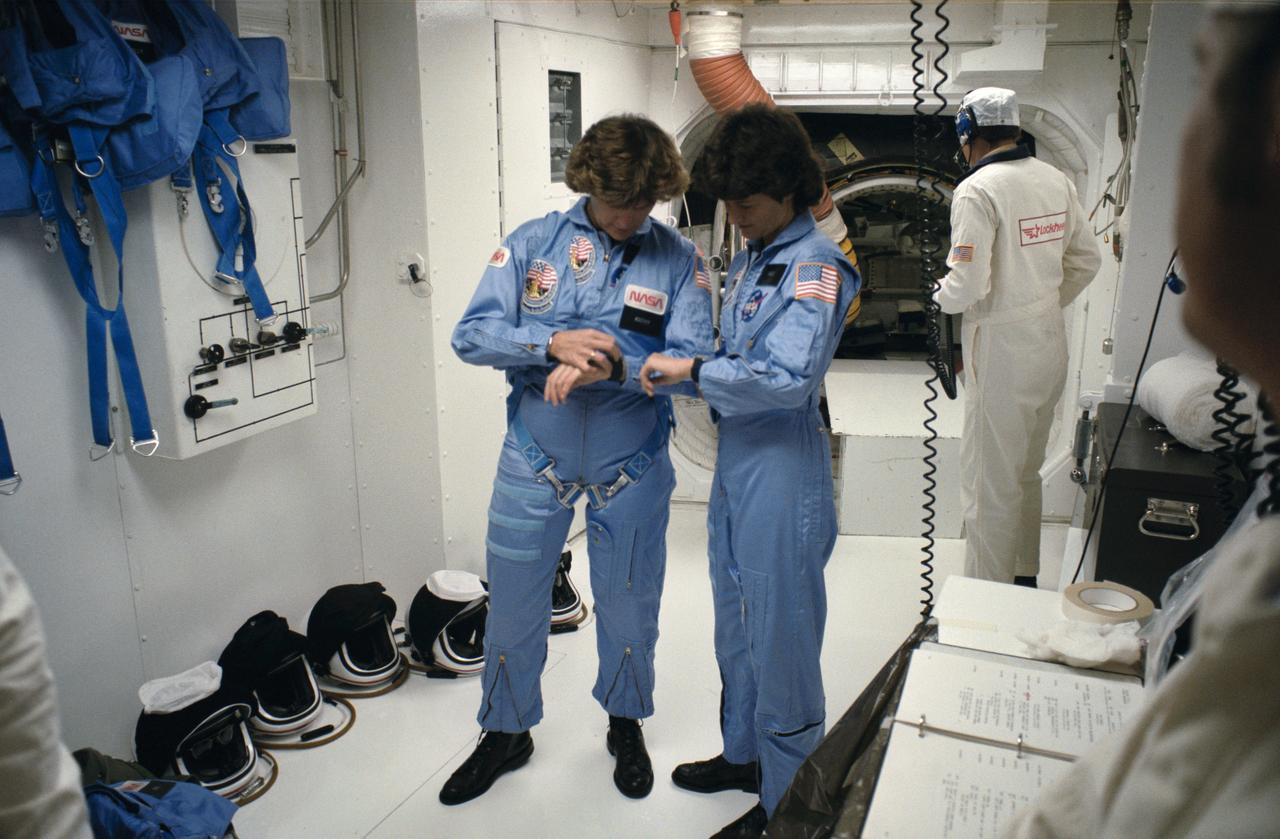
41G-90082 / S17-90082 (5 Oct 1984) --- Astronauts Sally K. Ride (right) and Kathryn D. Sullivan, two of three mission specialists, synchronize their watches prior to ingressing the Space Shuttle Challenger on the launch pad at Kennedy Space Center (KSC). They are in the White Room leading to the entry hatch of the vertically configured spacecraft.
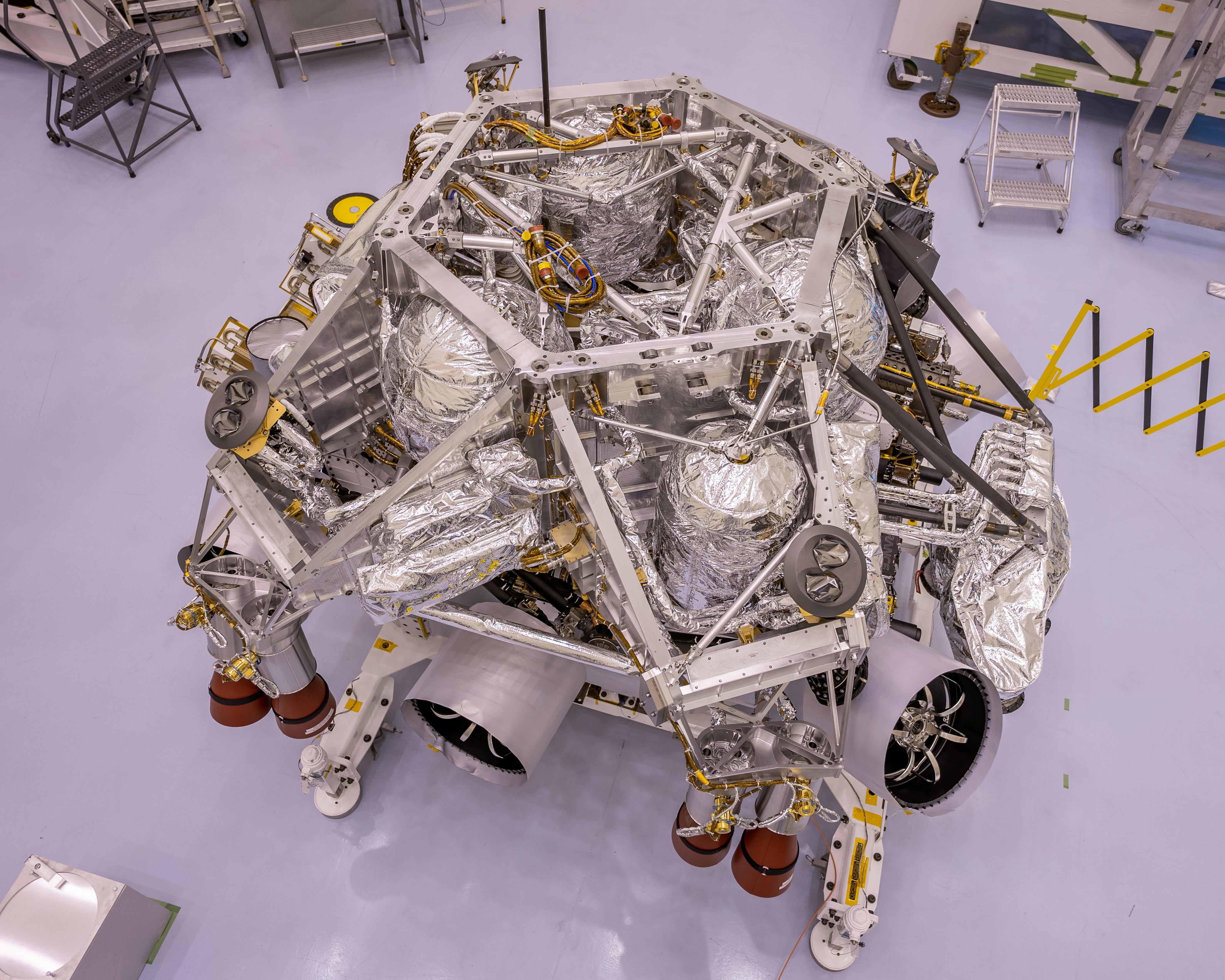
This image of the rocket-powered descent stage sitting on top of NASA's Perseverance rover was taken in a clean room at Kennedy Space Center on April 29, 2020. The integration of the two spacecraft was the first step in stacking the mission's major components into the configuration they will be in while sitting atop of the Atlas V rocket. https://photojournal.jpl.nasa.gov/catalog/PIA23886
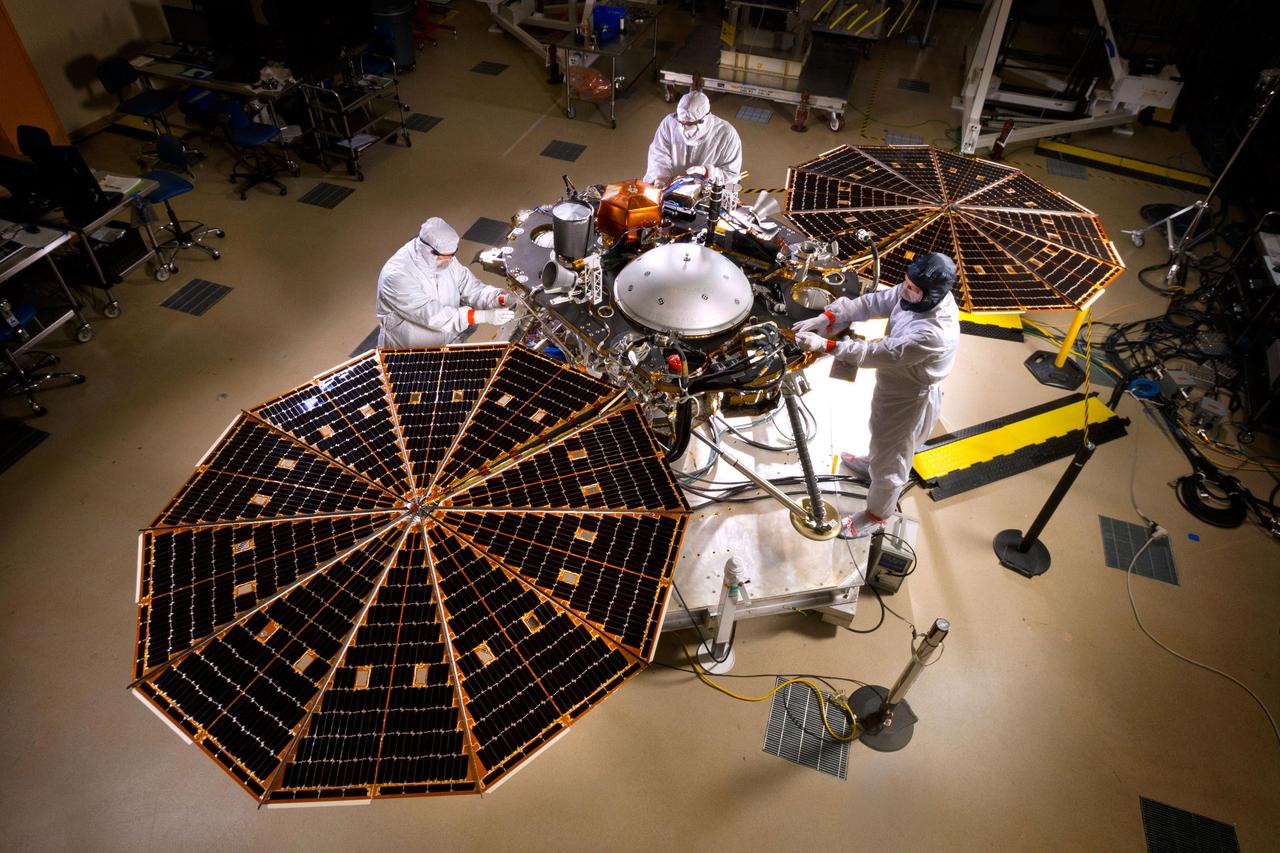
The solar arrays on NASA's InSight lander are deployed in this test inside a clean room at Lockheed Martin Space Systems, Denver. This configuration is how the spacecraft will look on the surface of Mars. The image was taken on April 30, 2015. InSight, for Interior Exploration Using Seismic Investigations, Geodesy and Heat Transport, is scheduled for launch in March 2016 and landing in September 2016. It will study the deep interior of Mars to advance understanding of the early history of all rocky planets, including Earth. Note: After thorough examination, NASA managers have decided to suspend the planned March 2016 launch of the Interior Exploration using Seismic Investigations Geodesy and Heat Transport (InSight) mission. The decision follows unsuccessful attempts to repair a leak in a section of the prime instrument in the science payload. http://photojournal.jpl.nasa.gov/catalog/PIA19664
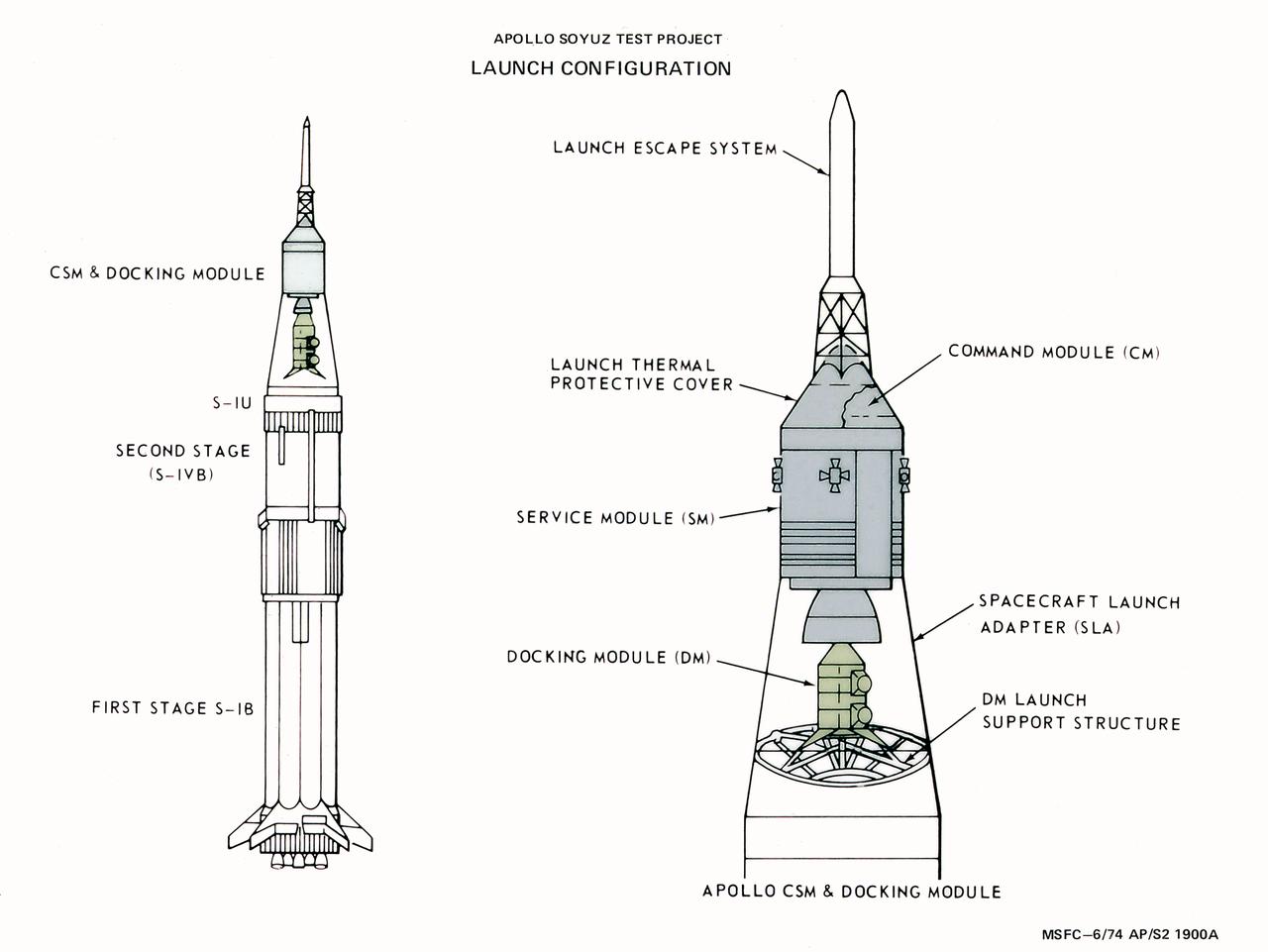
This illustration depicts the launch configuration of the Apollo spacecraft for the Apollo-Soyuz Test Project (ASTP). The ASTP was the first international docking of the U.S.'s Apollo spacecraft and the U.S.S.R.'s Soyuz spacecraft in space. A joint engineering team from the two countries met to develop a docking system that permitted the two spacecraft to link in space and allowed the two crews to travel from one spacecraft to the other. This system entailed developing a large habitable Docking Module (DM) to be carried on the Apollo spacecraft to facilitate the joining of two dissimilar spacecraft. The Marshall Space Flight Center was responsible for development and sustaining engineering of the Saturn IB launch vehicle during the mission.
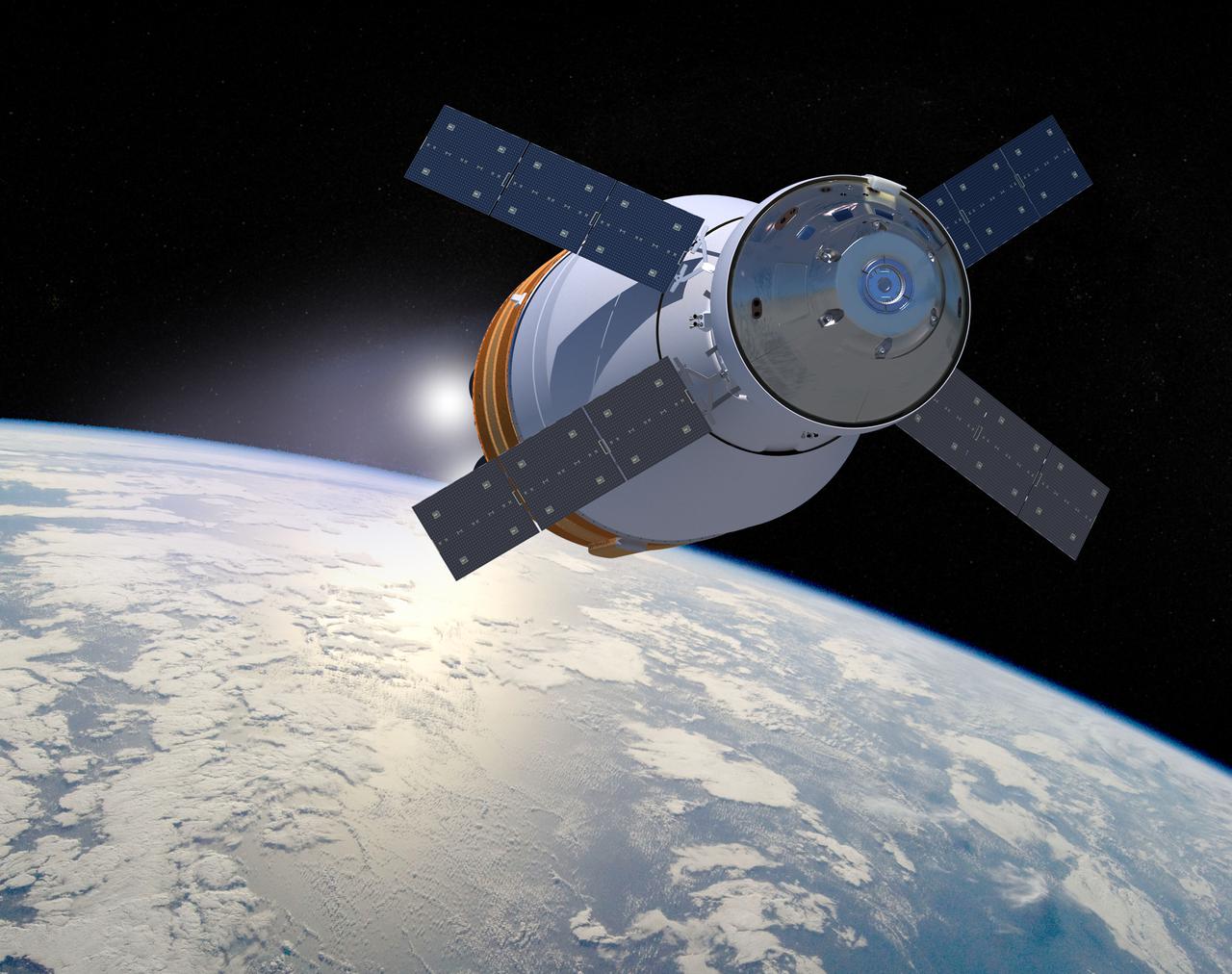
Seen here is an image of the SLS Exploration Upper Stage with the Orion Space craft on its way to a deep space mission. The Exploration Upper Stage will be used on the second configuration of the SLS rocket, known as Block 1B, and will provide in-space propulsion to send astronauts in NASA’s Orion spacecraft and heavy cargo on a precise trajectory to the Moon. The evolution of the rocket to SLS Block 1B configuration with EUS enables SLS to launch 40% more cargo to the Moon along with the crew. Manufacturing both the core stage and Exploration Upper Stage is a collaborative effort between NASA and Boeing, the lead contractor for EUS and the SLS core stage. SLS is the only rocket that can send Orion, astronauts, and supplies to the Moon in a single mission. The SLS rocket, NASA’s Orion spacecraft, Gateway, and human landing system are part of NASA’s backbone for deep space exploration. Under the Artemis program, NASA is working to land the first woman and the next man on the Moon to pave the way for sustainable exploration at the Moon and future missions to Mars. (NASA)
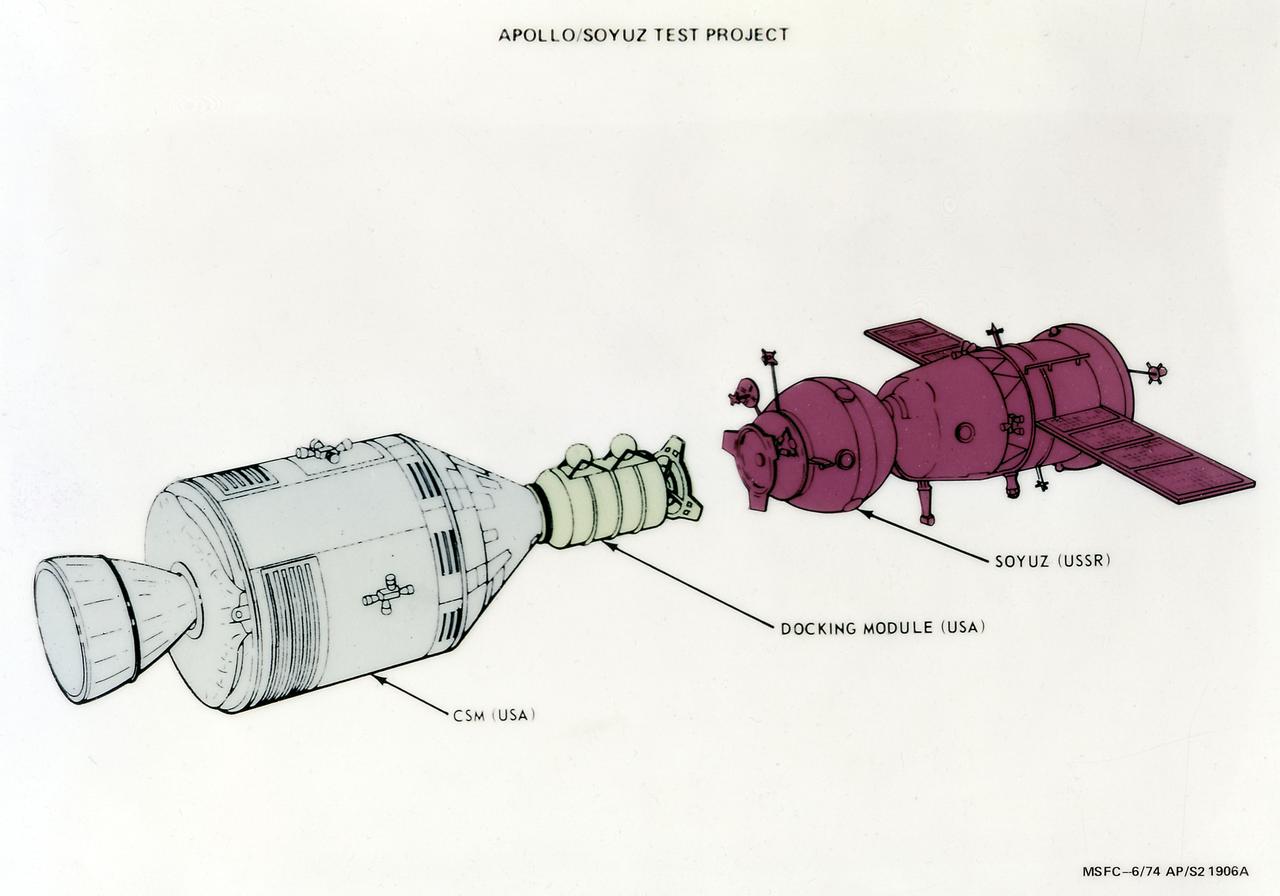
This illustration shows the docking configuration of the Apollo-Soyuz Test Project (ASTP). The ASTP was the first international docking of the U.S.'s Apollo spacecraft and the U.S.S.R.'s Soyuz spacecraft in space. A joint engineering team from the two countries met to develop a docking system that permitted the two spacecraft to link in space and allowed the two crews to travel from one spacecraft to the other. This system entailed developing a large habitable Docking Module (DM) to be carried on the Apollo spacecraft to facilitate the joining of two dissimilar spacecraft. The Marshall Space Flight Center was responsible for development and sustaining engineering of the Saturn IB launch vehicle during the mission. The ASTP marked the last use of the Saturn Launch Vehicle.