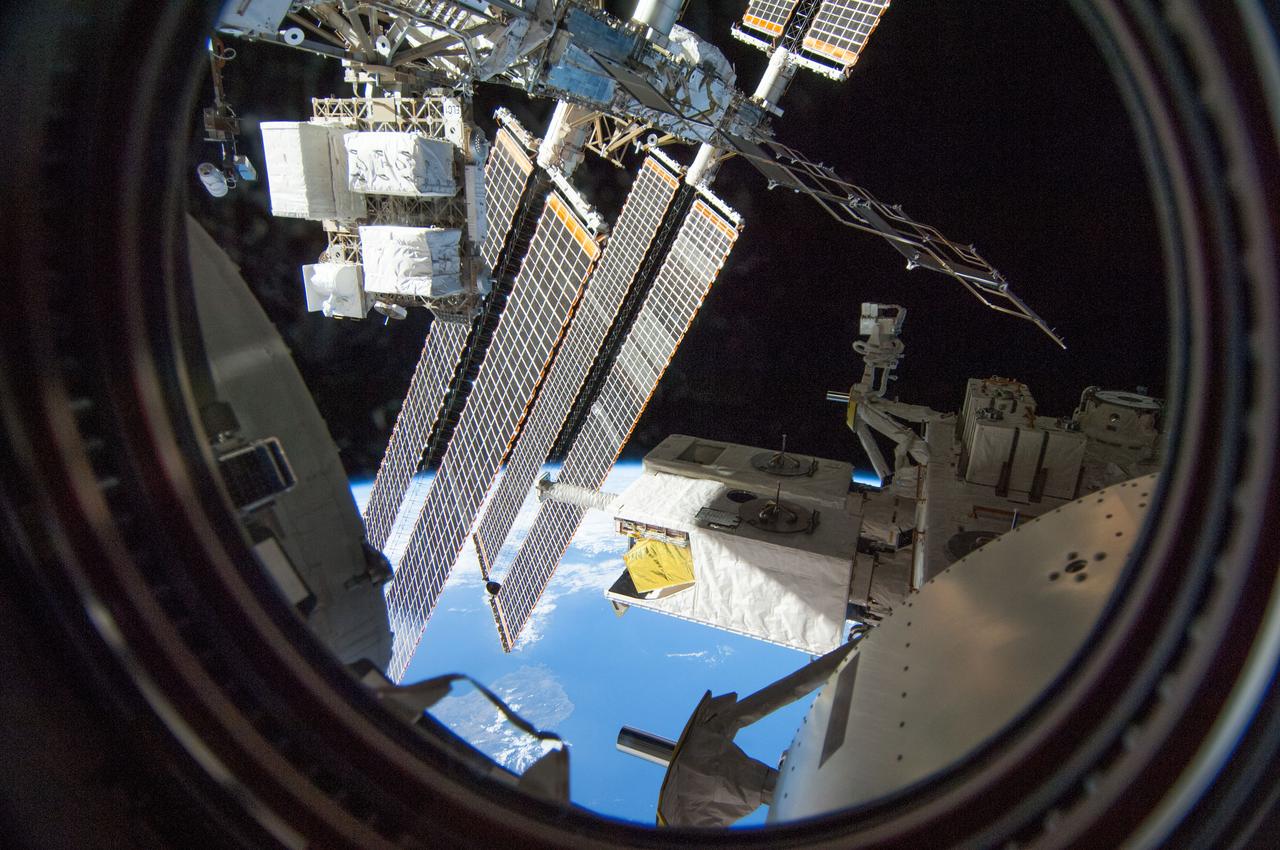
View of the Japanese Experiment Module (JEM) Exposed Facility (JEF), raidators and and part of the Express Logistics Carrier (ELC) on the P1 truss. Photo taken from the JEM window by the Expedition 40 crew.
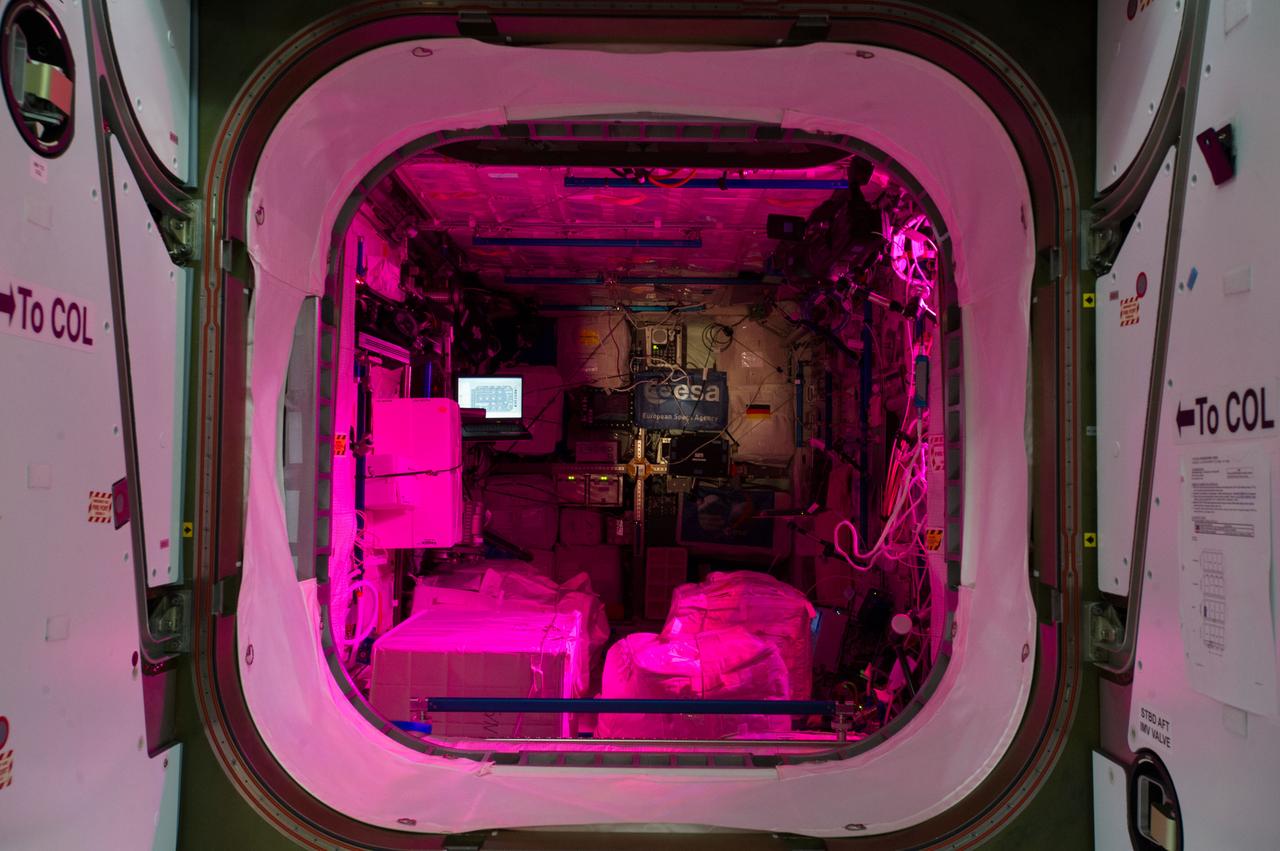
ISS040-E-007560 (5 June 2014) --- A colorful view of the interior of the Columbus laboratory of the International Space Station is featured in this image photographed by an Expedition 40 crew member on the station. The colored lighting is from the Veggie experiment in Columbus.
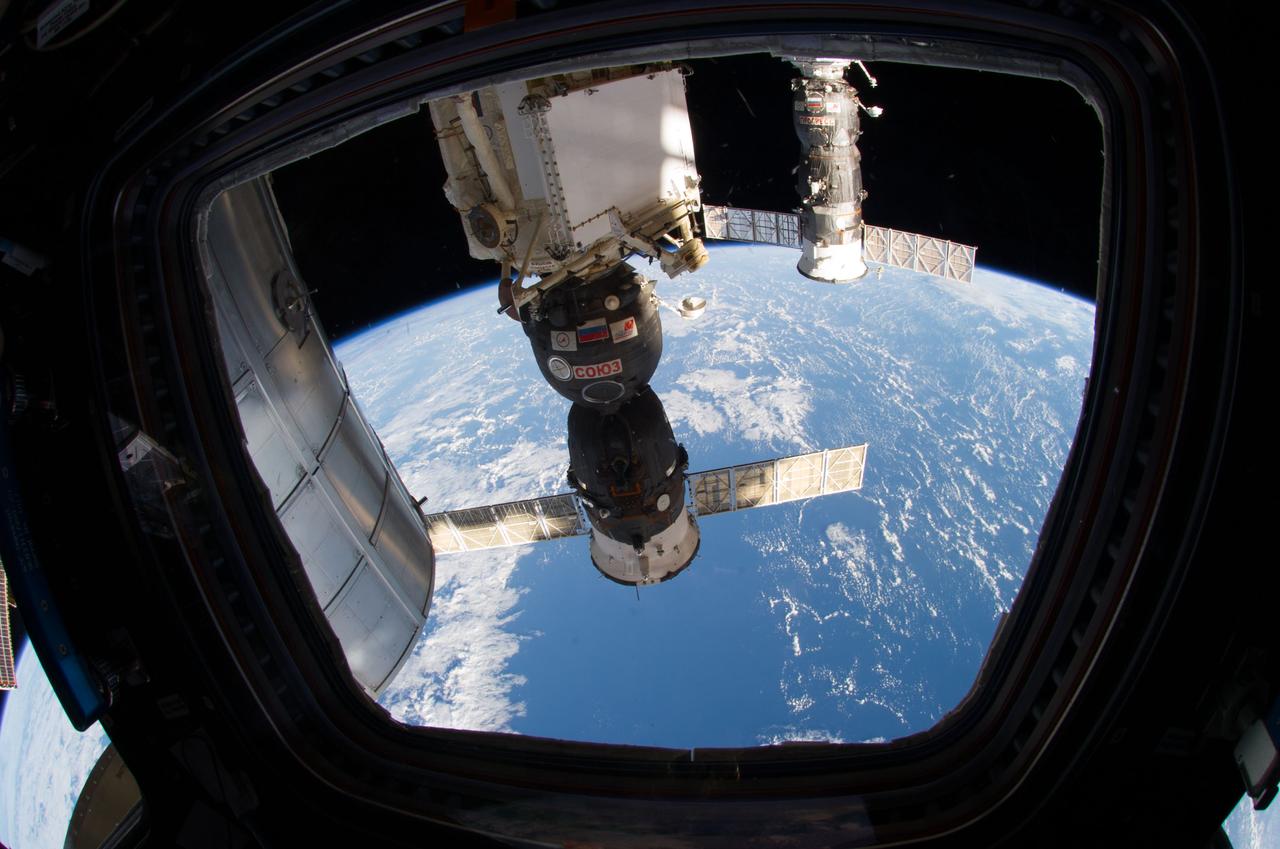
ISS040-E-006183 (1 June 2014) --- The Permanent Multipurpose Module (PMM), the Soyuz 39 (TMA-13M) spacecraft (center) docked to the Rassvet Mini-Research Module 1 (MRM1) and the Progress 55 resupply vehicle (background) docked to the Pirs Docking Compartment are featured in this image photographed by an Expedition 40 crew member from a window in the Cupola of the International Space Station. A blue and white part of Earth provides the backdrop for the scene.
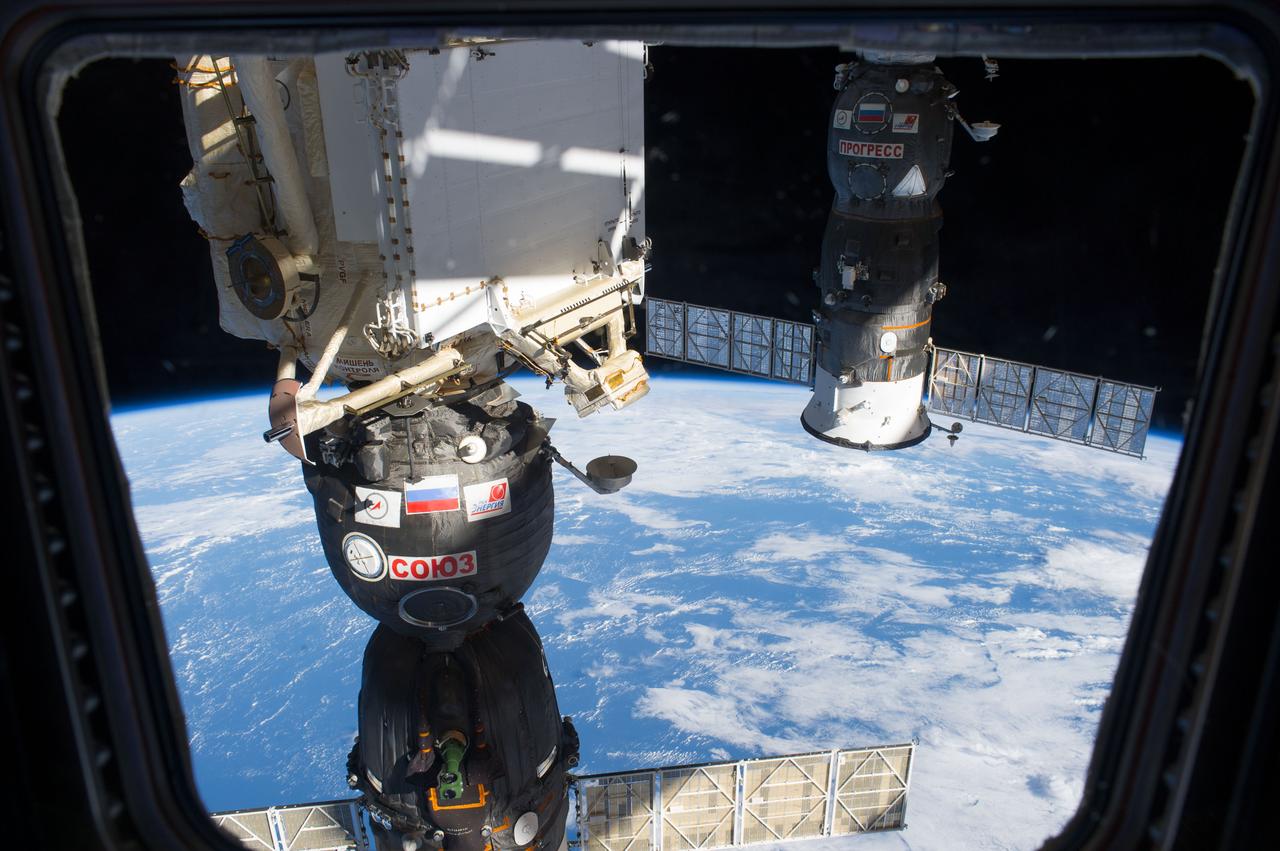
ISS040-E-005999 (29 May 2014) --- Two Russian spacecraft docked to the International Space Station are featured in this image photographed by an Expedition 40 crew member in the International Space Station’s Cupola. The Soyuz 39 (TMA-13M) spacecraft, docked to the Rassvet Mini-Research Module 1 (MRM1), is visible in the foreground. The Progress 55 resupply vehicle, docked to the Pirs Docking Compartment, is visible in the background. A blue and white part of Earth and the blackness of space provide the backdrop for the scene.
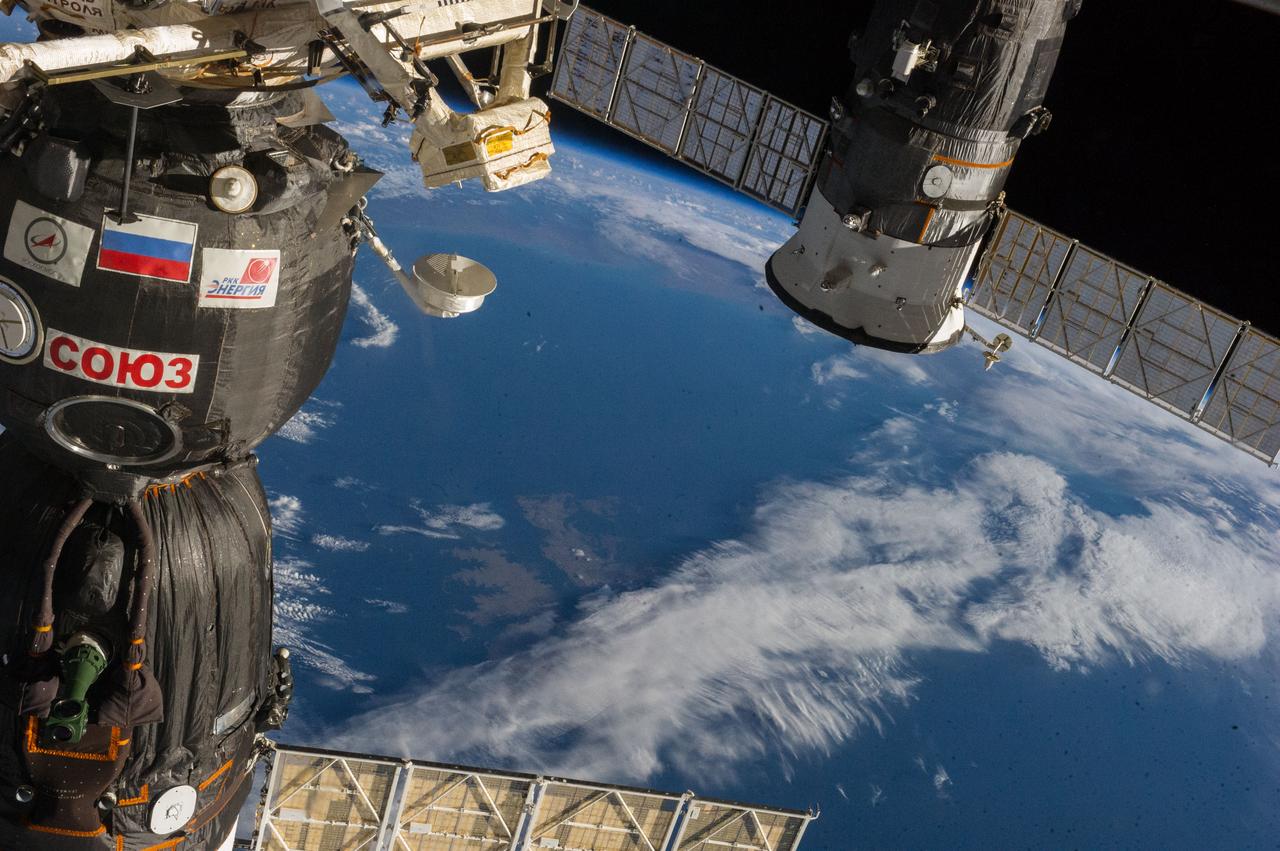
ISS040-E-006230 (30 May 2014) --- Two Russian spacecraft docked to the International Space Station are featured in this image photographed by an Expedition 40 crew member from inside the International Space Station?s Cupola. The Soyuz 39 (TMA-13M) spacecraft, docked to the Rassvet Mini-Research Module 1 (MRM1), is visible in the foreground. The Progress 55 resupply vehicle, docked to the Pirs Docking Compartment, is visible in the background. A blue and white part of Earth and the blackness of space provide the backdrop for the scene.
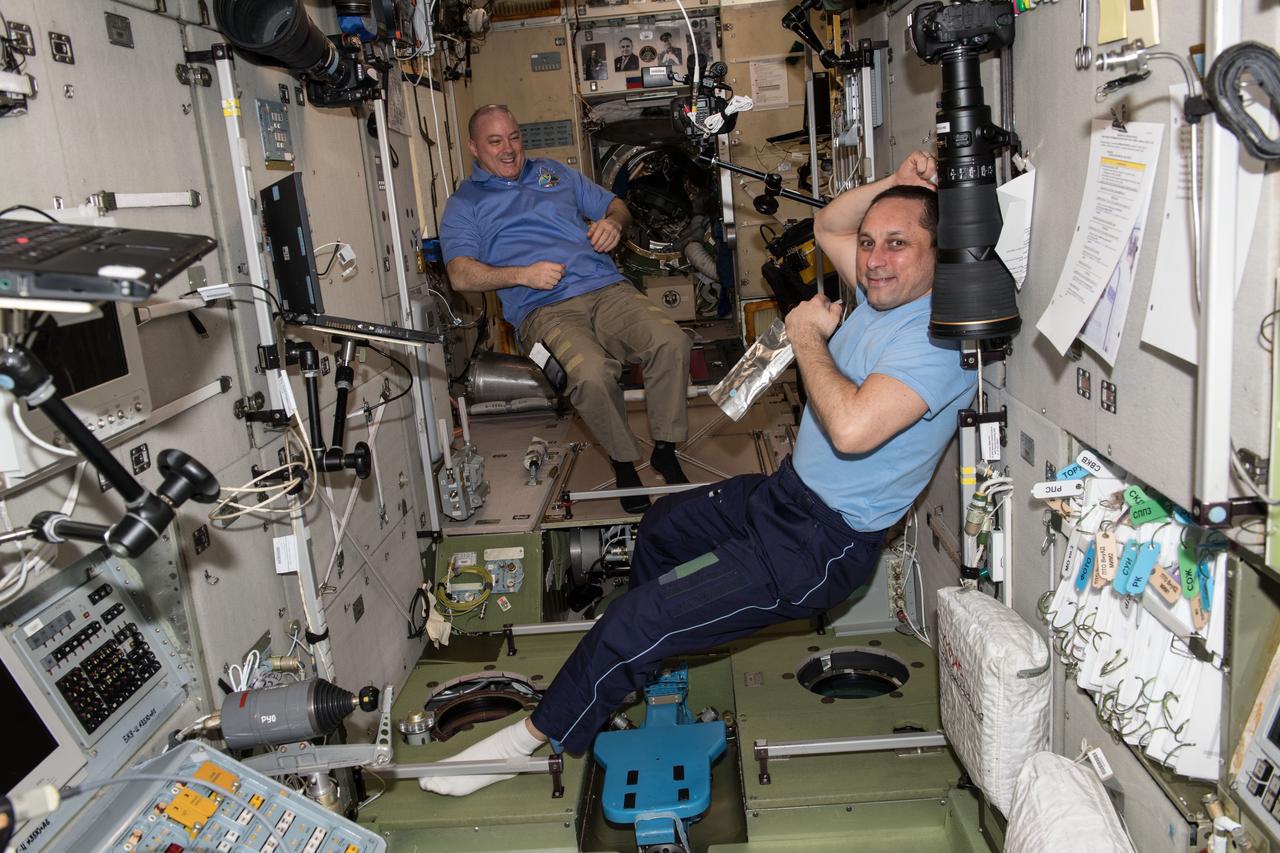
iss055e004815 (March 23, 2018) --- NASA astronaut Scott Tingle (background left) and Commander Anton Shkaplerov relax inside the Zvezda service module moments before the arrival of three new Expedition 55 crew members on March 23, 2018. The Soyuz MS-08 spacecraft carrying Soyuz Commander Oleg Artemyev and Flight Engineers Drew Feustel and Ricky Arnold would dock to the Poisk docking compartment on March 23, 2018 at 3:40 p.m. EDT.
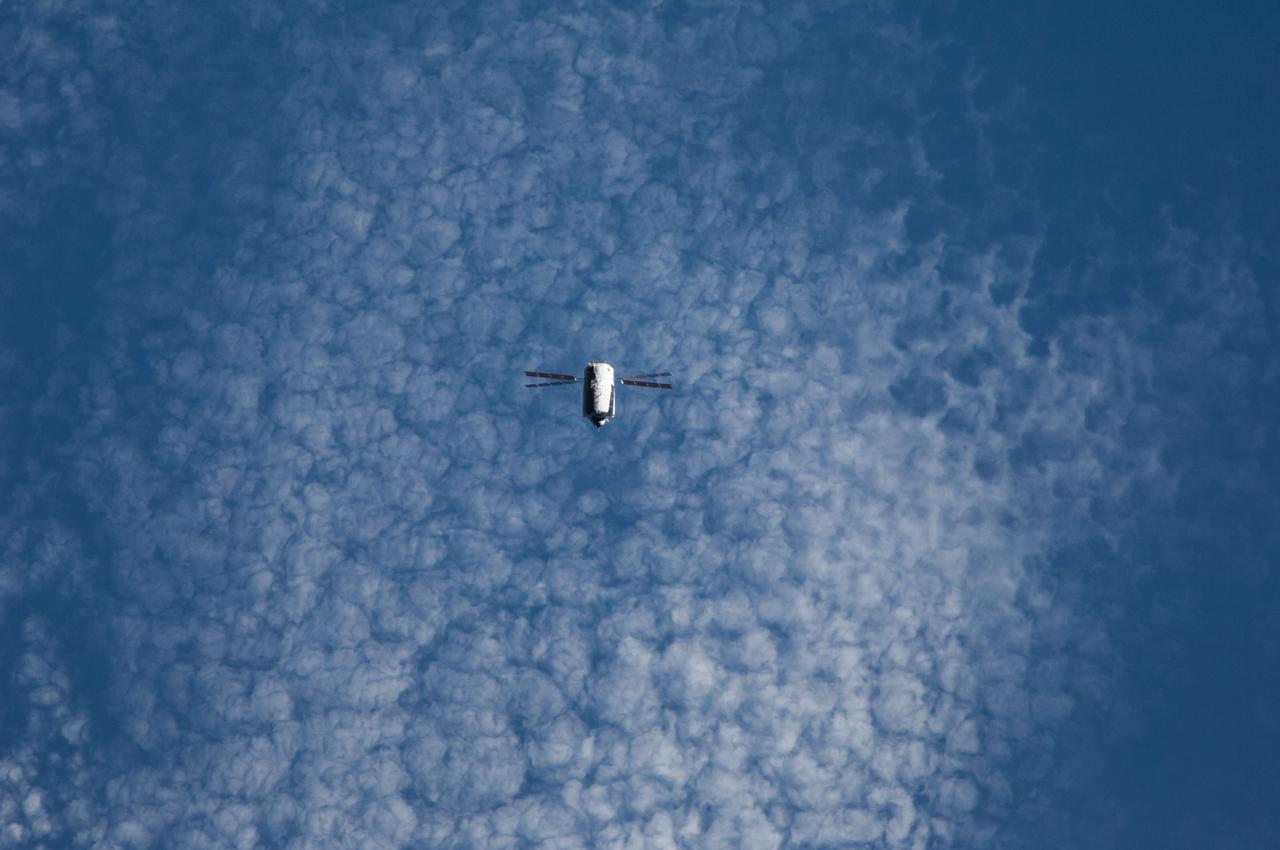
ISS040-E-089820 (8 Aug. 2014) --- The “Georges Lemaitre” Automated Transfer Vehicle (ATV-5), photographed by an Expedition 40 crew member, flies directly under the International Space Station at a distance of about 3.7 miles to test sensors and radar systems designed for future European spacecraft. After its “fly-under” of the station, the ATV will move in front of, above, and behind the outpost for the final days of its two-week rendezvous that will lead to an automated docking to the aft port of the Zvezda Service Module on Aug. 12.
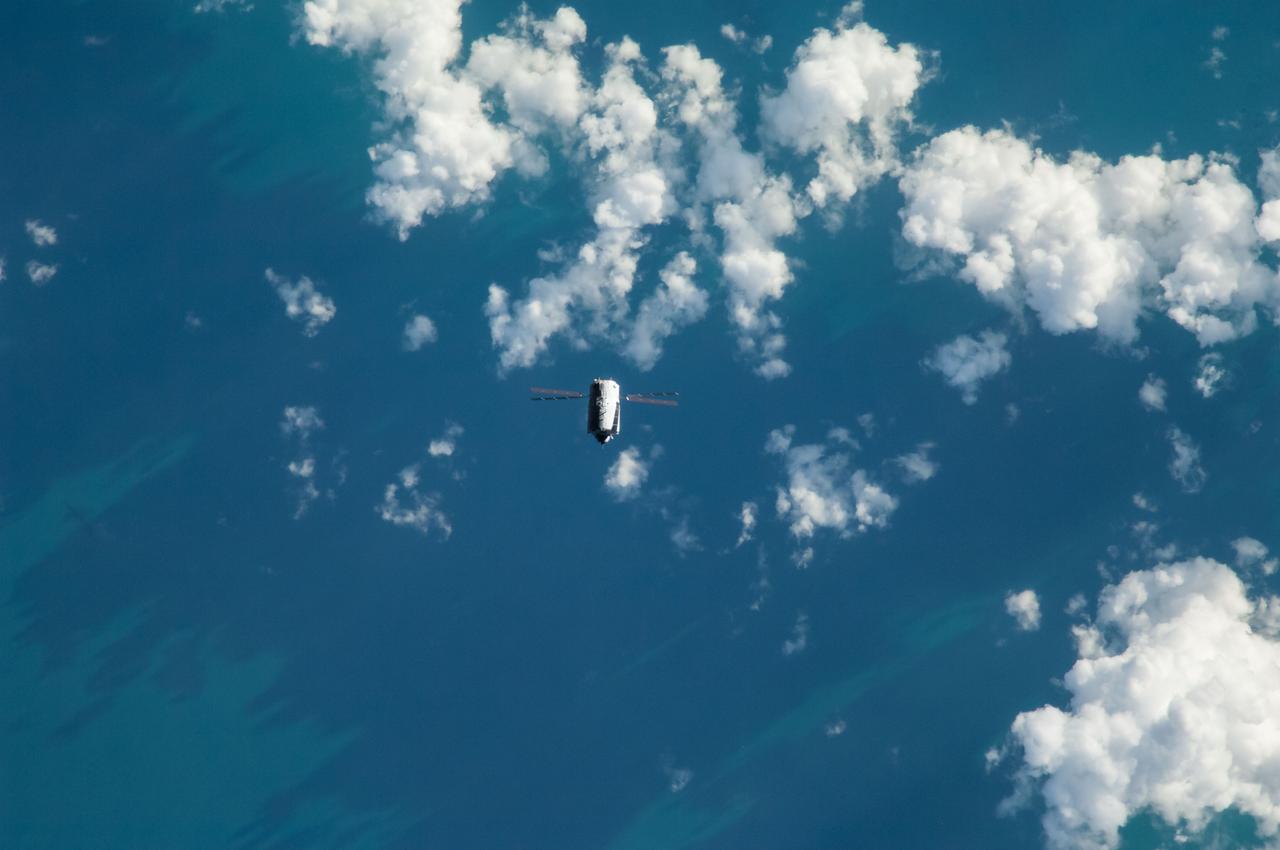
ISS040-E-089829 (8 Aug. 2014) --- The “Georges Lemaitre” Automated Transfer Vehicle (ATV-5), photographed by an Expedition 40 crew member, flies directly under the International Space Station at a distance of about 3.7 miles to test sensors and radar systems designed for future European spacecraft. After its “fly-under” of the station, the ATV will move in front of, above, and behind the outpost for the final days of its two-week rendezvous that will lead to an automated docking to the aft port of the Zvezda Service Module on Aug. 12.
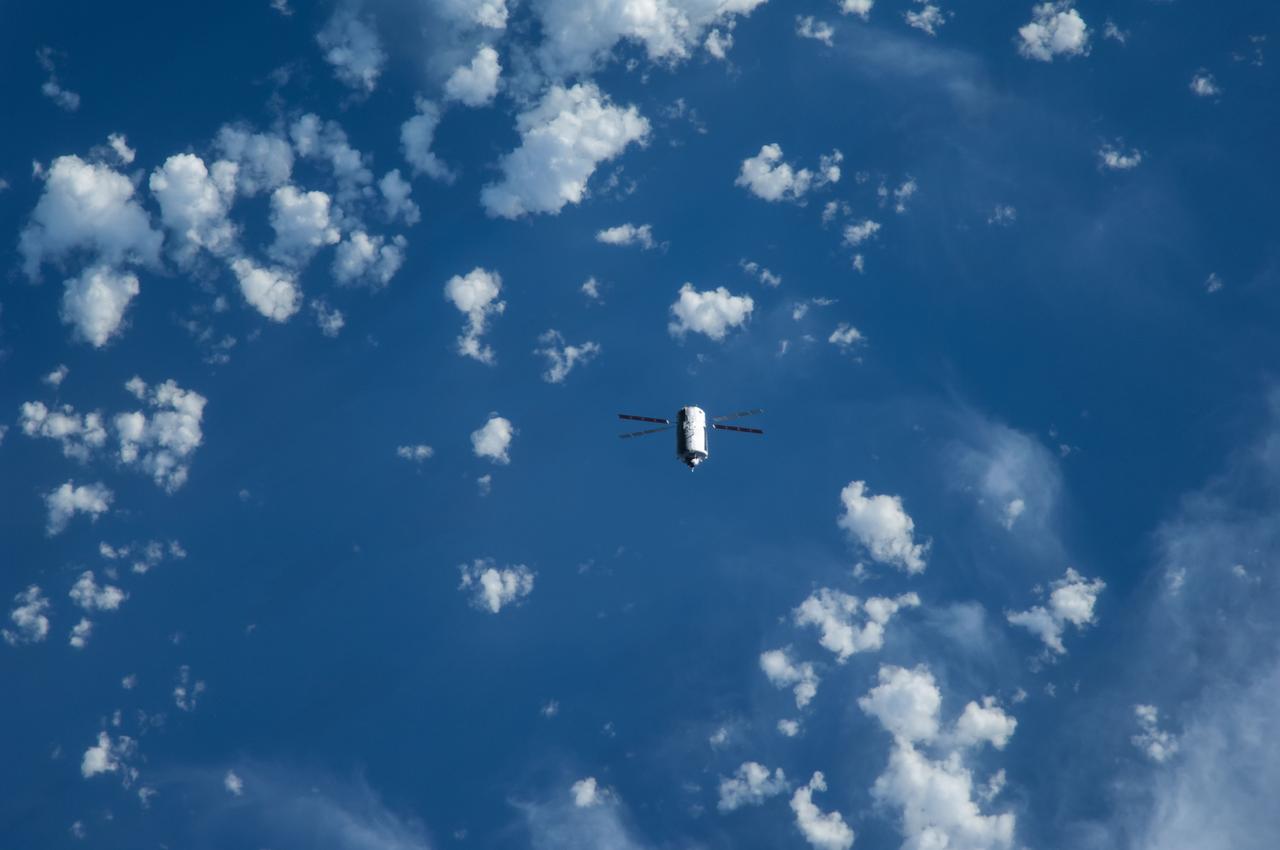
ISS040-E-089802 (8 Aug. 2014) --- The “Georges Lemaitre” Automated Transfer Vehicle (ATV-5), photographed by an Expedition 40 crew member, flies directly under the International Space Station at a distance of about 3.7 miles to test sensors and radar systems designed for future European spacecraft. After its “fly-under” of the station, the ATV will move in front of, above, and behind the outpost for the final days of its two-week rendezvous that will lead to an automated docking to the aft port of the Zvezda Service Module on Aug. 12.
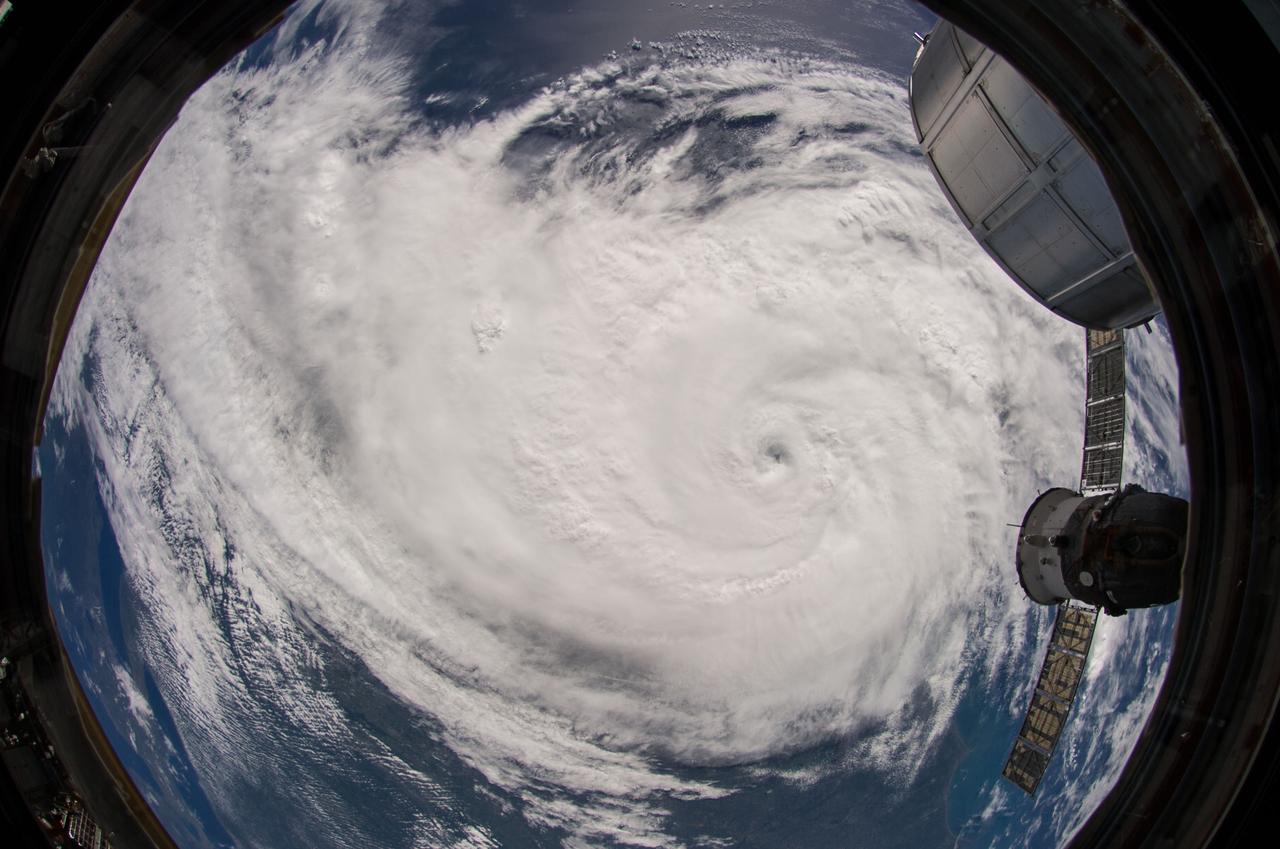
ISS040-E-033548 (4 July 2014) --- One of the Expedition 40 crew members aboard the Earth-orbiting International Space Station made use of a 10.5mm focal length to photograph this fish-eye view of Hurricane Arthur, which altered the holiday plans of millions of residents on the Atlantic Coast on U.S. Independence Day, 2014. This image was taken on July 4 at 13:32:41 GMT. One of the modules of the orbital outpost (top right) and a docked Russian spacecraft (right center) are visible in the photo.
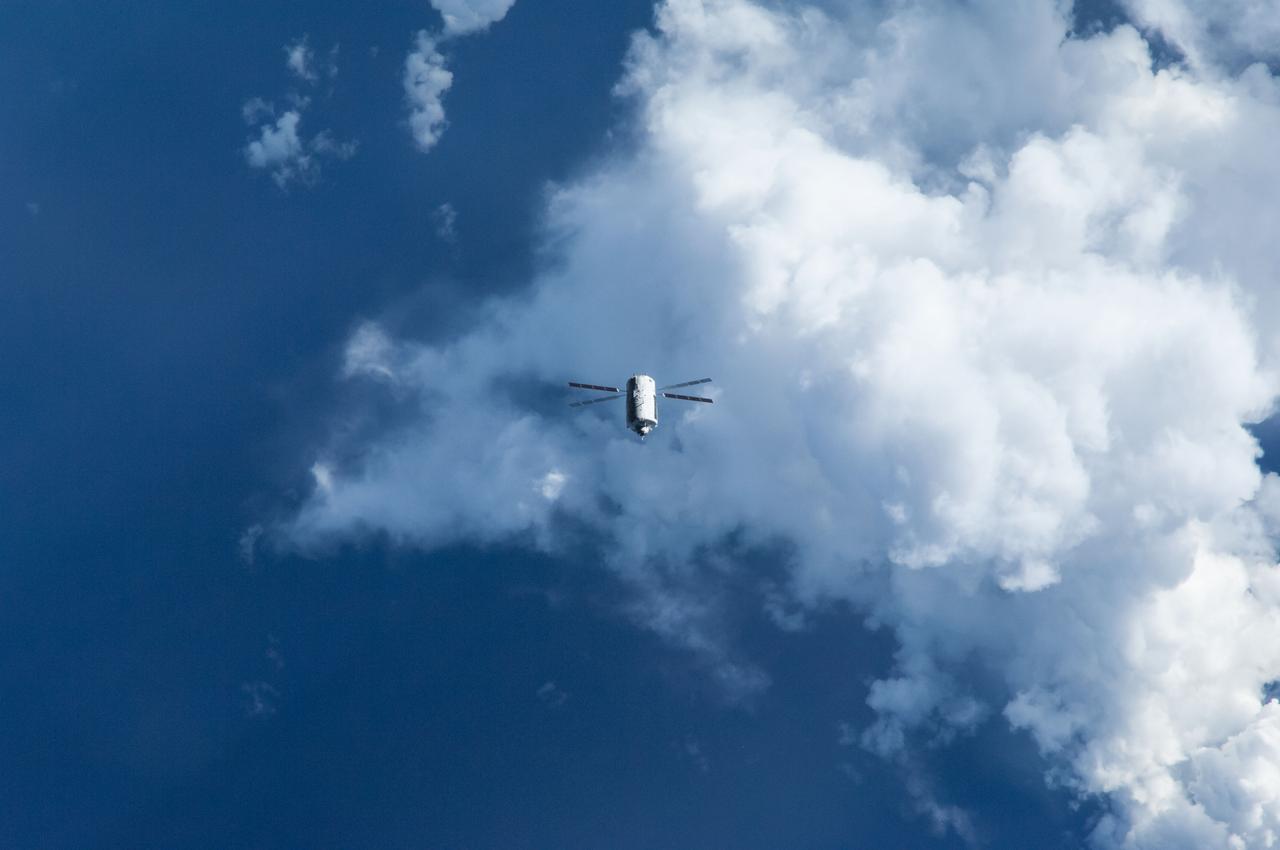
ISS040-E-089798 (8 Aug. 2014) --- The “Georges Lemaitre” Automated Transfer Vehicle (ATV-5), photographed by an Expedition 40 crew member, flies directly under the International Space Station at a distance of about 3.7 miles to test sensors and radar systems designed for future European spacecraft. After its “fly-under” of the station, the ATV will move in front of, above, and behind the outpost for the final days of its two-week rendezvous that will lead to an automated docking to the aft port of the Zvezda Service Module on Aug. 12.
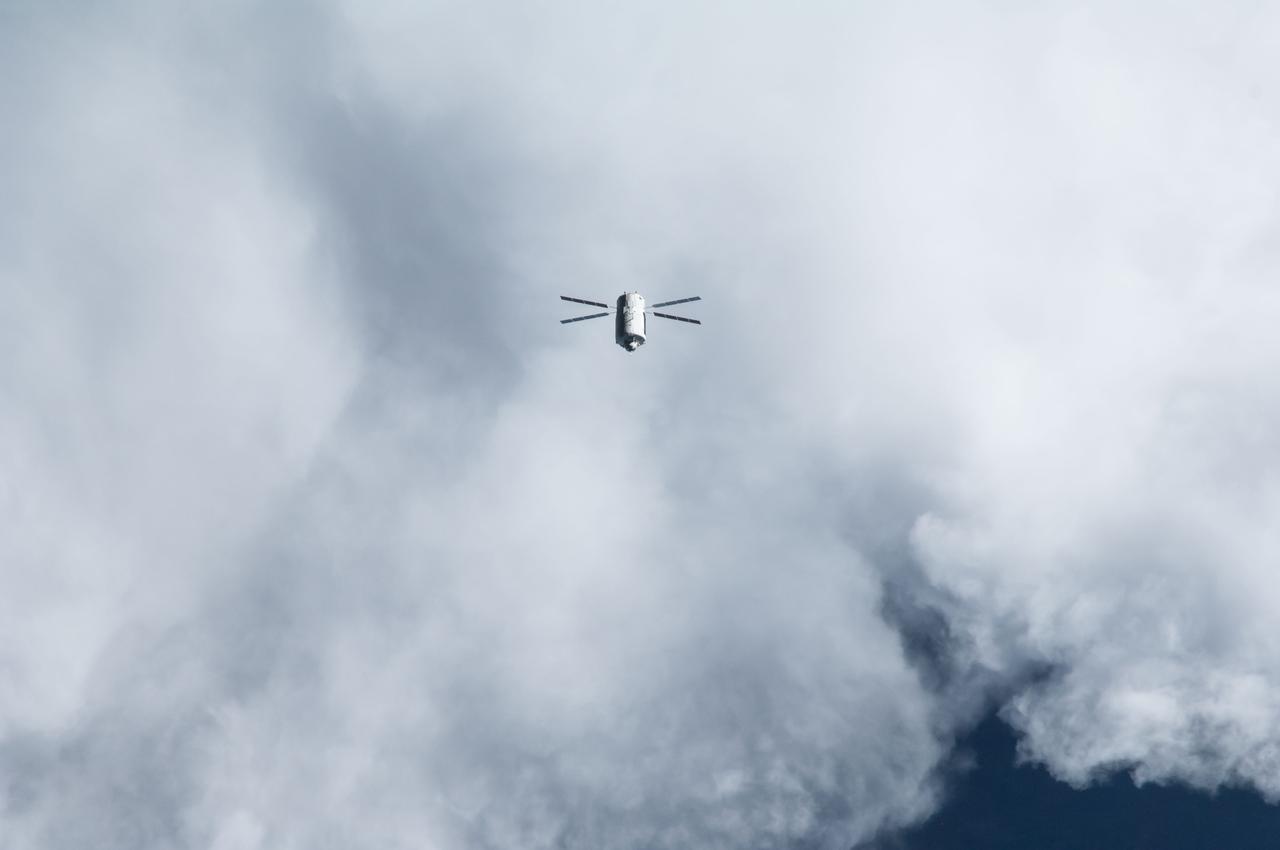
ISS040-E-089793 (8 Aug. 2014) --- The “Georges Lemaitre” Automated Transfer Vehicle (ATV-5), photographed by an Expedition 40 crew member, flies directly under the International Space Station at a distance of about 3.7 miles to test sensors and radar systems designed for future European spacecraft. After its “fly-under” of the station, the ATV will move in front of, above, and behind the outpost for the final days of its two-week rendezvous that will lead to an automated docking to the aft port of the Zvezda Service Module on Aug. 12.
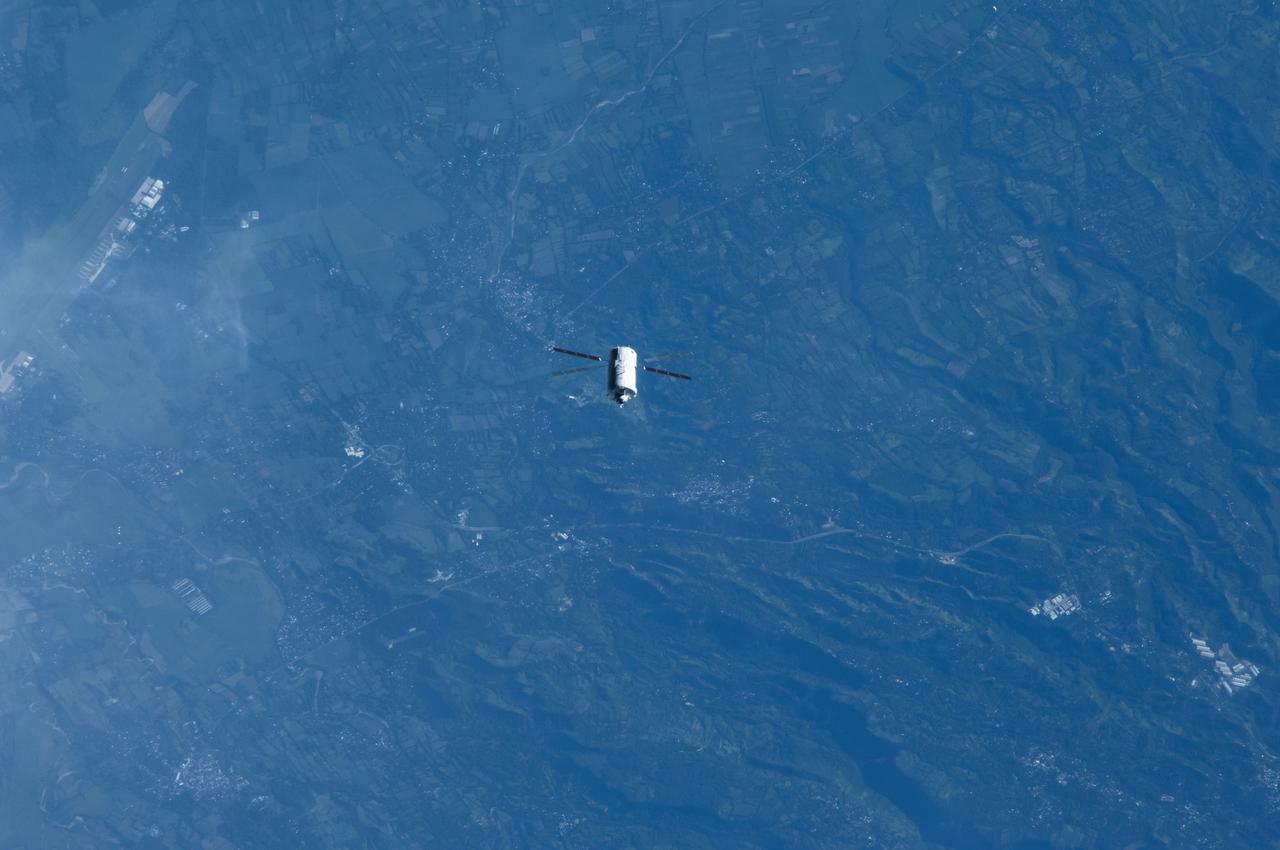
ISS040-E-089782 (8 Aug. 2014) --- The “Georges Lemaitre” Automated Transfer Vehicle (ATV-5), photographed by an Expedition 40 crew member, flies directly under the International Space Station at a distance of about 3.7 miles to test sensors and radar systems designed for future European spacecraft. After its “fly-under” of the station, the ATV will move in front of, above, and behind the outpost for the final days of its two-week rendezvous that will lead to an automated docking to the aft port of the Zvezda Service Module on Aug. 12.
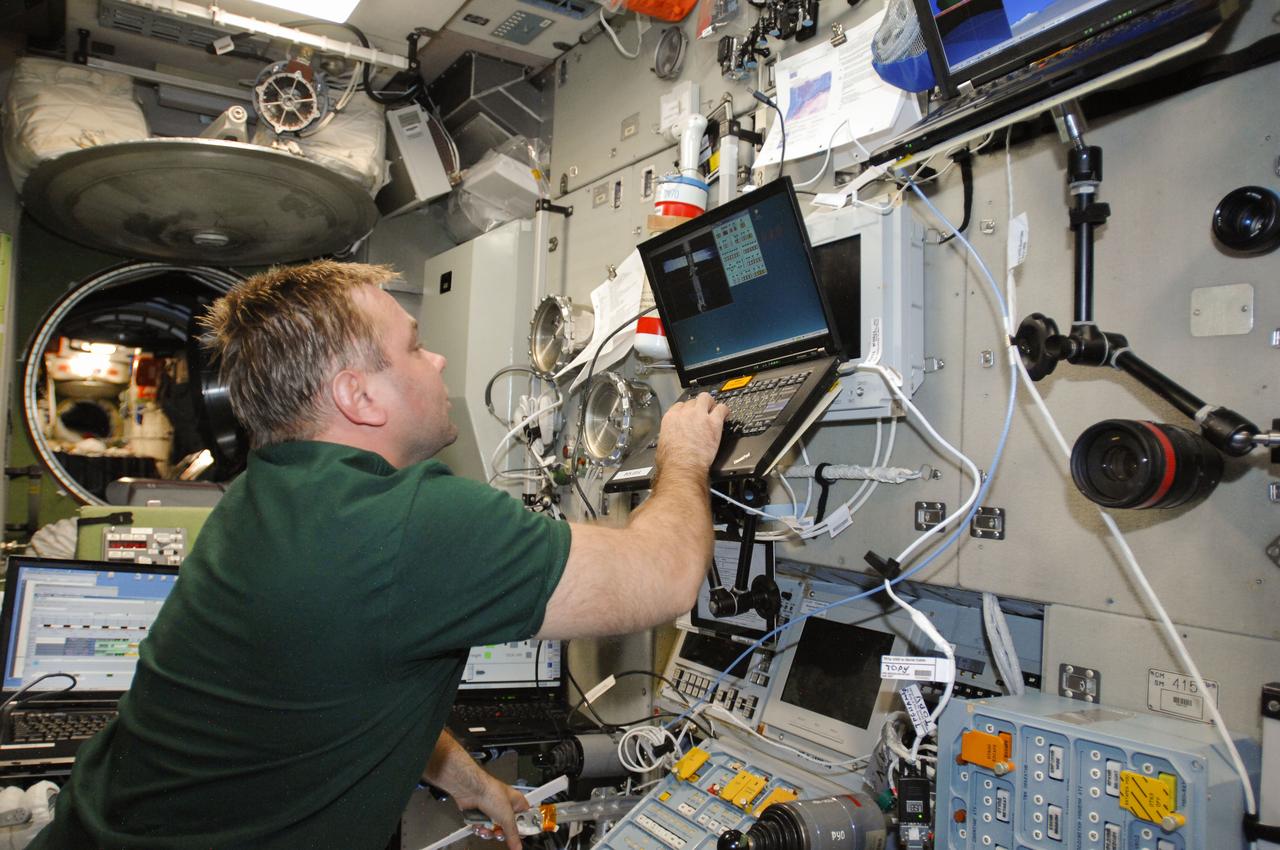
ISS040-E-070861 (22 July 2014) --- Russian cosmonaut Maxim Suraev, Expedition 40 flight engineer, practices manual docking techniques with the TORU, or telerobotically operated rendezvous system, in the Zvezda Service Module of the International Space Station in preparation for the docking of the Progress 56 spacecraft. Suraev, using the Simvol-TS screen and hand controllers, could manually dock the Progress to the station in the event of a failure of the Kurs automated docking system. The Progress 56 craft is scheduled to complete its automated docking to the Pirs docking compartment at 11:30 p.m. (EDT) on July 23, 2014.
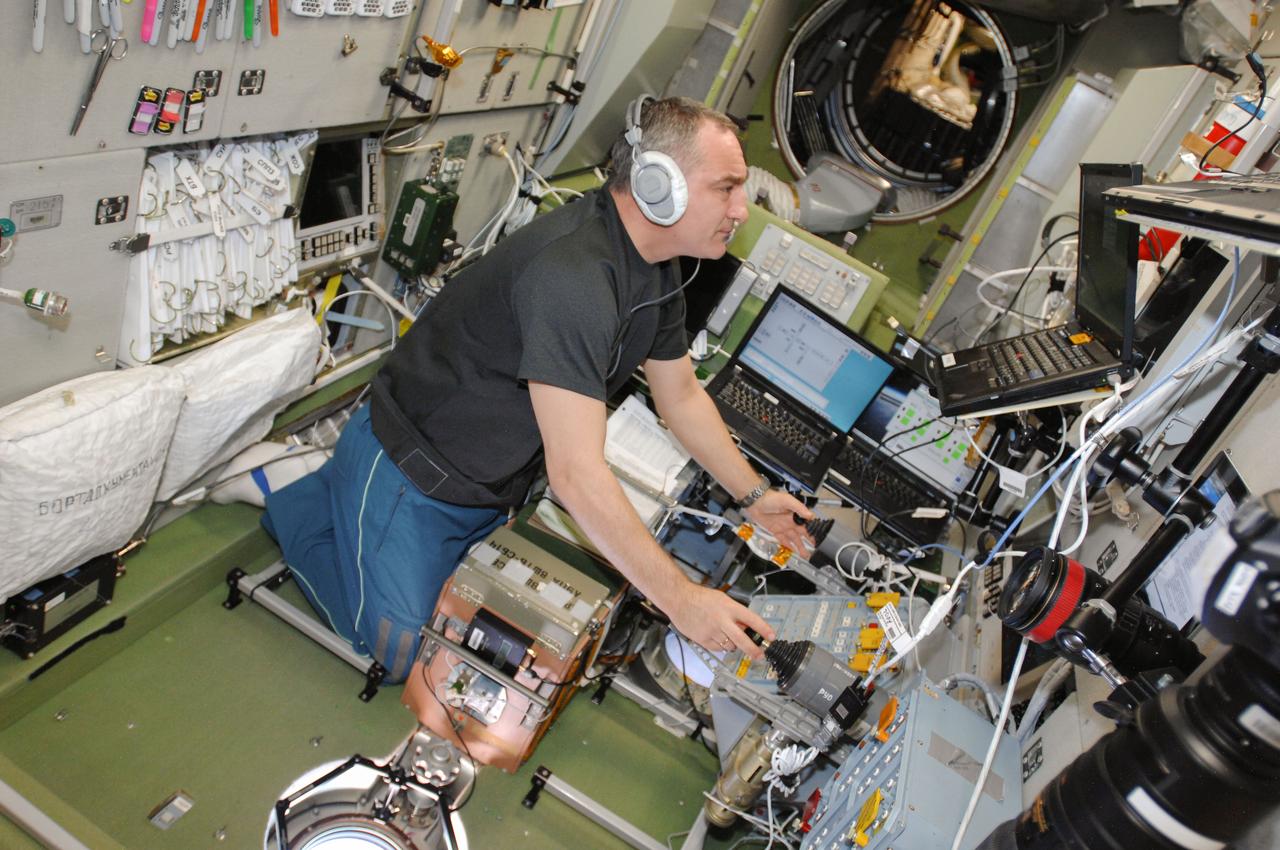
ISS040-E-070857 (22 July 2014) --- Russian cosmonaut Alexander Skvortsov, Expedition 40 flight engineer, practices manual docking techniques with the TORU, or telerobotically operated rendezvous system, in the Zvezda Service Module of the International Space Station in preparation for the docking of the Progress 56 spacecraft. Skvortsov, using the Simvol-TS screen and hand controllers, could manually dock the Progress to the station in the event of a failure of the Kurs automated docking system. The Progress 56 craft is scheduled to complete its automated docking to the Pirs docking compartment at 11:30 p.m. (EDT) on July 23, 2014.
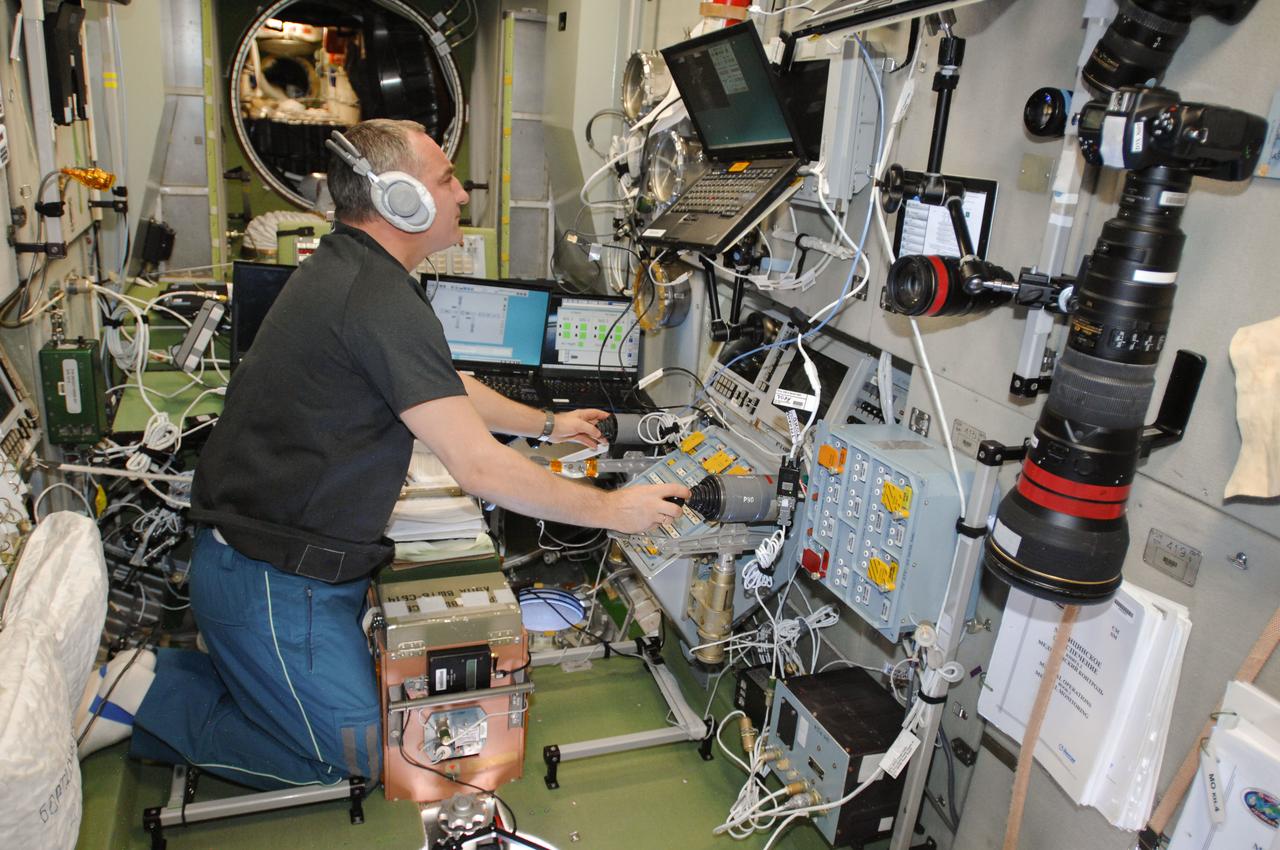
ISS040-E-070856 (22 July 2014) --- Russian cosmonaut Alexander Skvortsov, Expedition 40 flight engineer, practices manual docking techniques with the TORU, or telerobotically operated rendezvous system, in the Zvezda Service Module of the International Space Station in preparation for the docking of the Progress 56 spacecraft. Skvortsov, using the Simvol-TS screen and hand controllers, could manually dock the Progress to the station in the event of a failure of the Kurs automated docking system. The Progress 56 craft is scheduled to complete its automated docking to the Pirs docking compartment at 11:30 p.m. (EDT) on July 23, 2014.
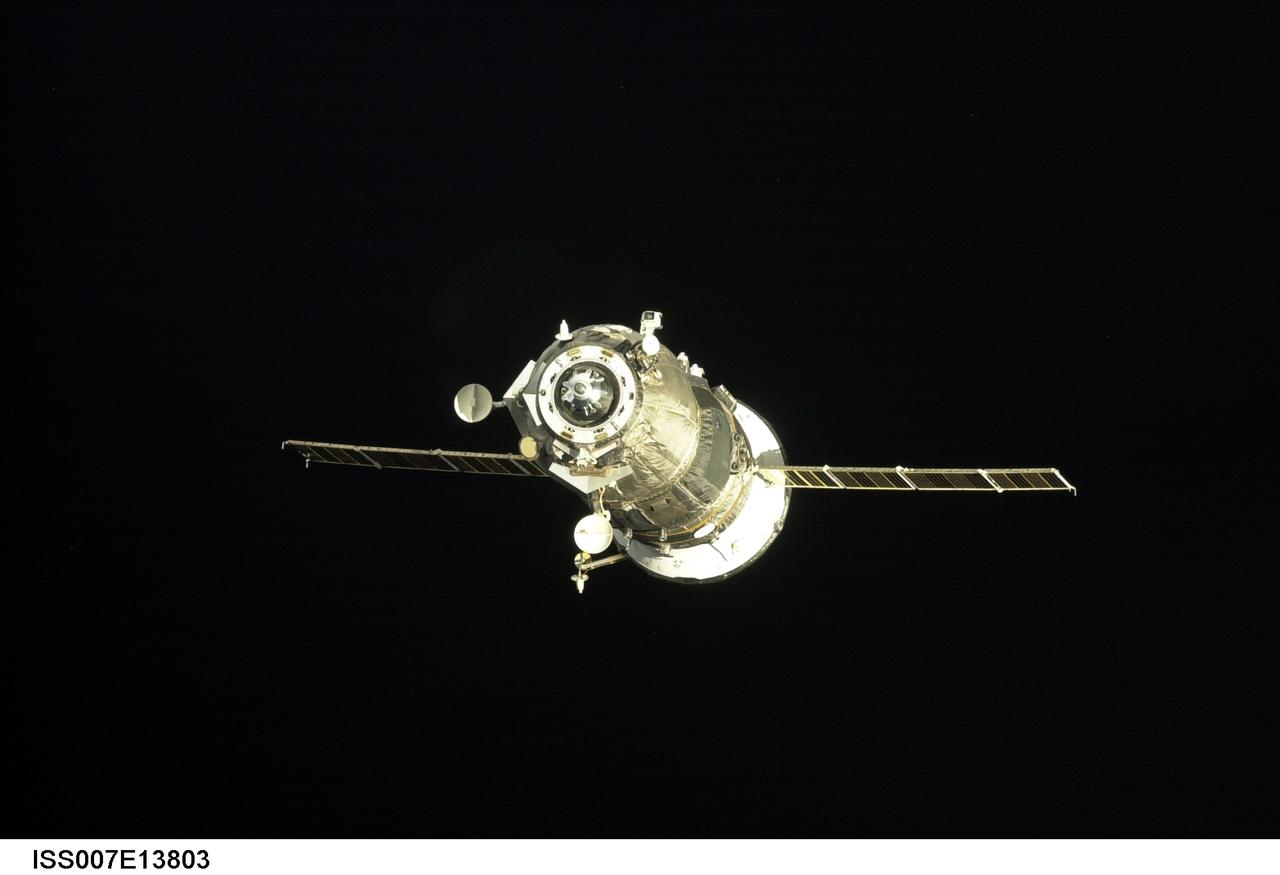
ISS007-E-13803 (30 August 2003) --- Backdropped by the blackness of space, an unpiloted Progress supply vehicle approaches the aft docking port (out of frame) on the Zvezda Service Module on the International Space Station (ISS). The Progress 12 resupply craft, which launched from the Baikonur Cosmodrome in Kazakhstan at 8:48 p.m. (CDT) on August 28, 2003, carried nearly three tons of food, fuel, water, supplies and scientific gear for the Expedition 7 crew aboard the Station. The Progress linked up with the Station at 10:40 p.m. (CDT) on August 30, 2003 as the two spacecraft were flying over Central Asia at an altitude of 240 statute miles.
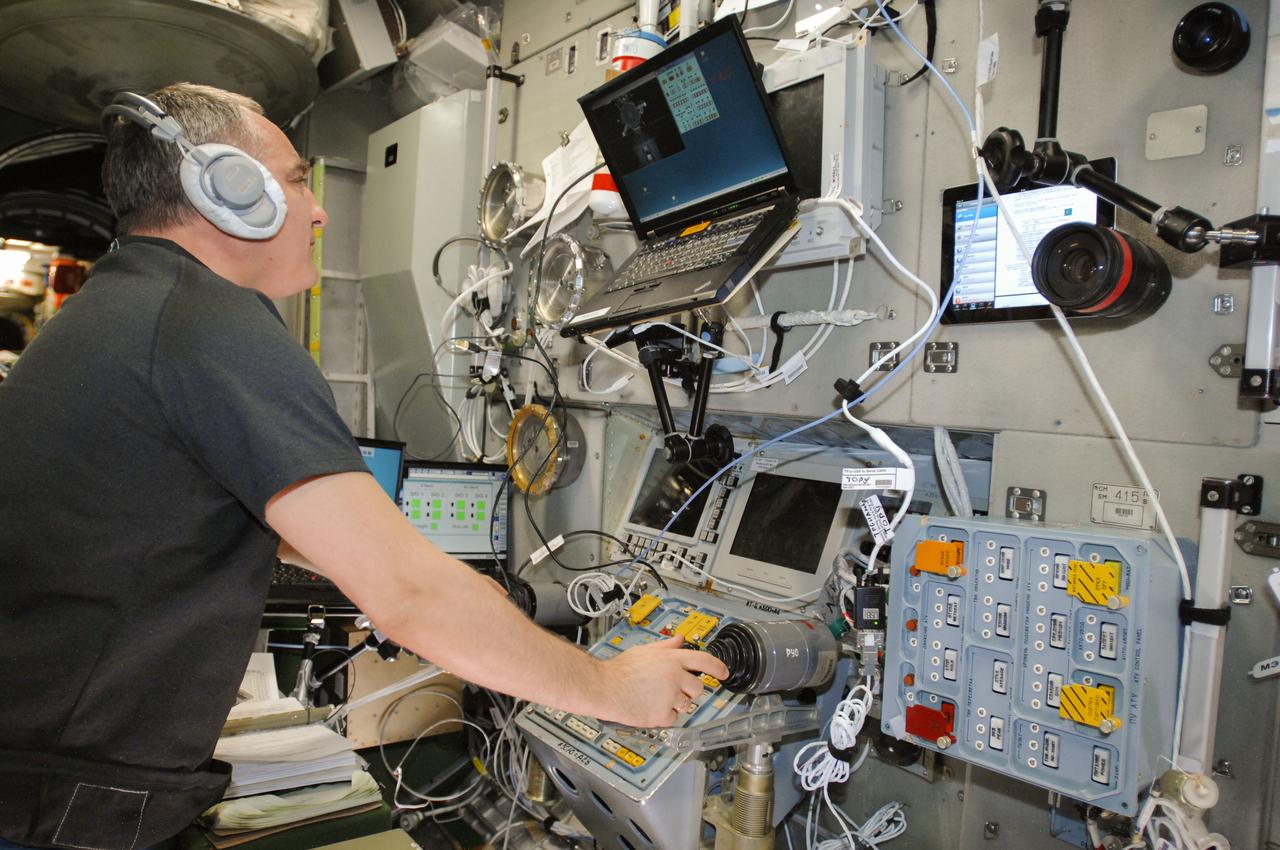
ISS040-E-070859 (22 July 2014) --- Russian cosmonaut Alexander Skvortsov, Expedition 40 flight engineer, practices manual docking techniques with the TORU, or telerobotically operated rendezvous system, in the Zvezda Service Module of the International Space Station in preparation for the docking of the Progress 56 spacecraft. Skvortsov, using the Simvol-TS screen and hand controllers, could manually dock the Progress to the station in the event of a failure of the Kurs automated docking system. The Progress 56 craft is scheduled to complete its automated docking to the Pirs docking compartment at 11:30 p.m. (EDT) on July 23, 2014.
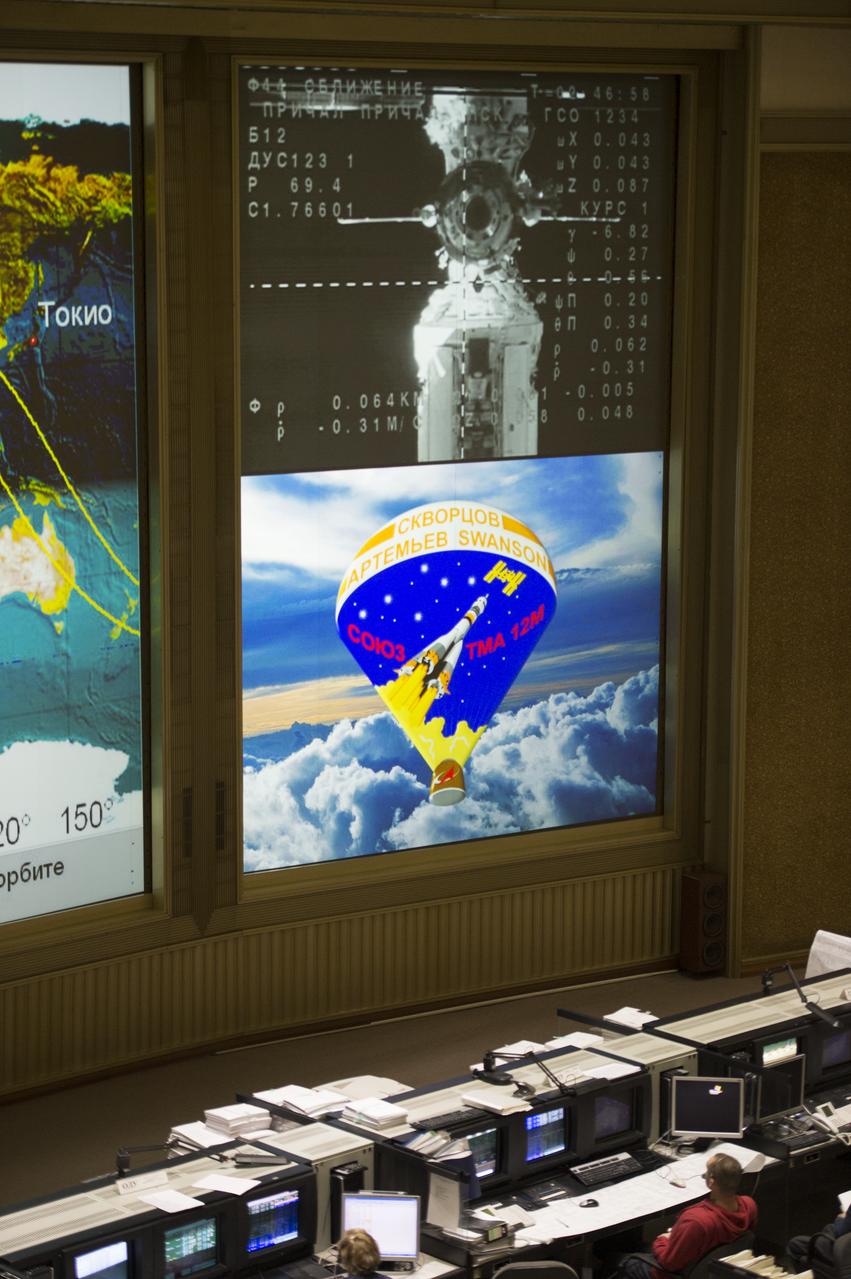
A view of the International Space Station is seen from the Soyuz TMA-12M on the screen of the Russian Mission Control Center in Korolev, Russia as the spacecraft docks to the Poisk module, Friday, March 28, 2014. The Soyuz TMA-12M with Expedition 39/40 crew members, Soyuz Commander Alexander Skvortsov of the Russian Federal Space Agency, Roscosmos, Flight Engineer Steve Swanson of NASA and Flight Engineer Oleg Artemyev of Roscosmos launched from the Baikonur Cosmodrome in Kazakhstan two days earlier. The Soyuz crew members will be greeted by Expedition 39 Commander Koichi Wakata of the Japan Aerospace Exploration Agency, JAXA, Flight Engineer Mikhail Tyurin of Roscosmos, and Flight Engineer Rick Mastracchio of NASA, who have lived in the orbital laboratory since November of 2013. Photo Credit: (NASA/Joel Kowsky)
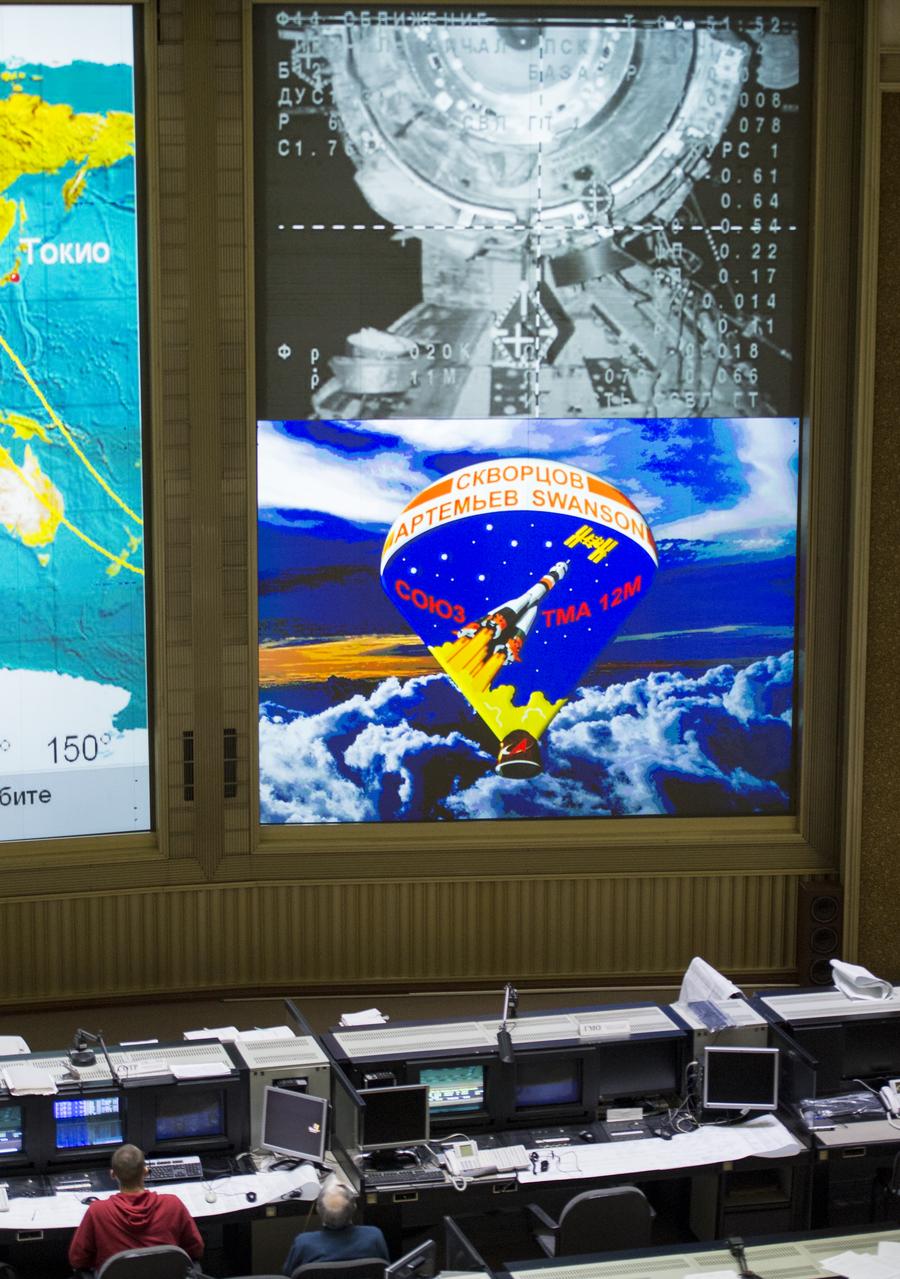
A view of the International Space Station is seen from the Soyuz TMA-12M on the screen of the Russian Mission Control Center in Korolev, Russia as the spacecraft docks to the Poisk module, Friday, March 28, 2014. The Soyuz TMA-12M with Expedition 39/40 crew members, Soyuz Commander Alexander Skvortsov of the Russian Federal Space Agency, Roscosmos, Flight Engineer Steve Swanson of NASA and Flight Engineer Oleg Artemyev of Roscosmos launched from the Baikonur Cosmodrome in Kazakhstan two days earlier. The Soyuz crew members will be greeted by Expedition 39 Commander Koichi Wakata of the Japan Aerospace Exploration Agency, JAXA, Flight Engineer Mikhail Tyurin of Roscosmos, and Flight Engineer Rick Mastracchio of NASA, who have lived in the orbital laboratory since November of 2013. Photo Credit: (NASA/Joel Kowsky)
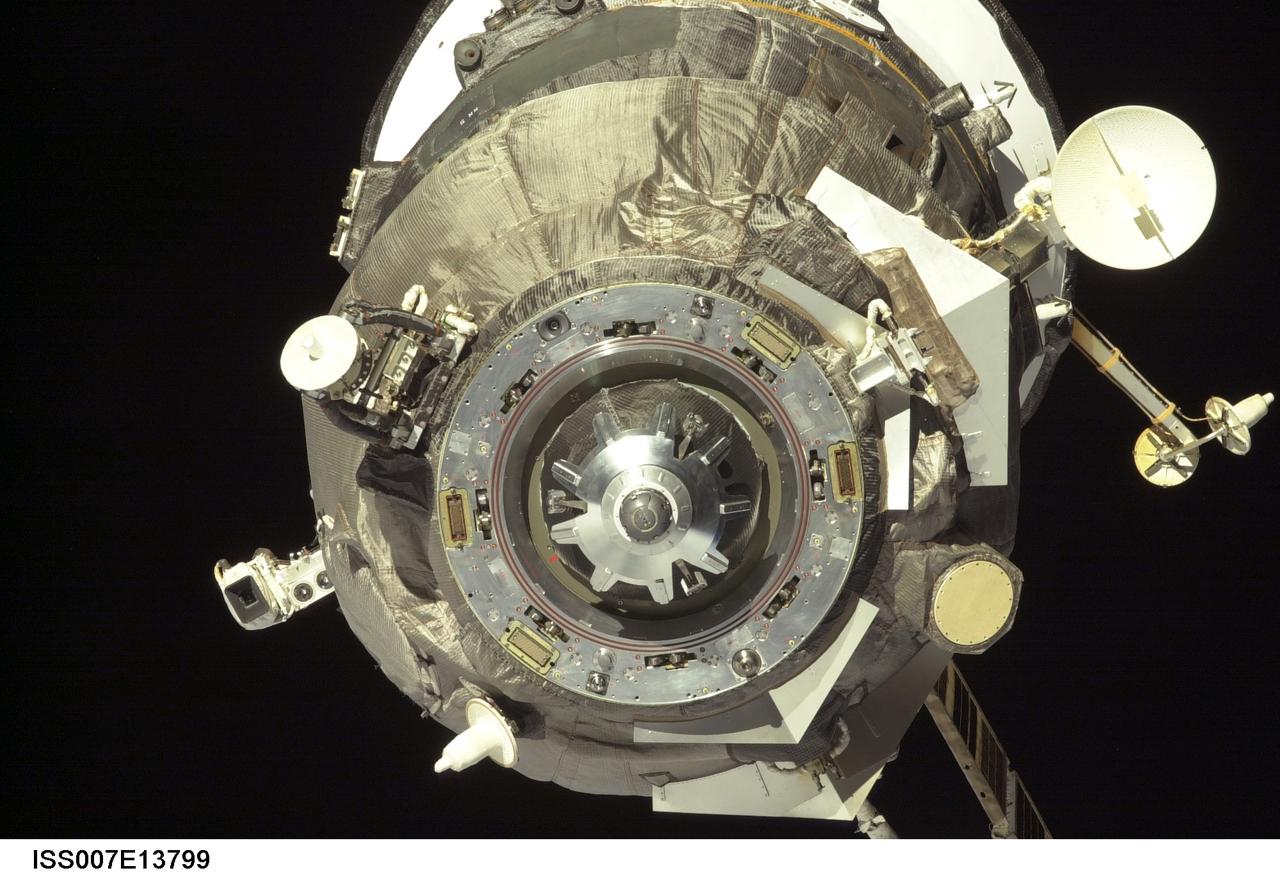
ISS007-E-13799 (30 August 2003) --- This close-up view of an unpiloted Progress supply vehicle was taken by one of the crewmembers onboard the International Space Station (ISS) as it approached the aft docking port (out of frame) on the Zvezda Service Module. The Progress 12 resupply craft, which launched from the Baikonur Cosmodrome in Kazakhstan at 8:48 p.m. (CDT) on August 28, 2003, carried nearly three tons of food, fuel, water, supplies and scientific gear for the Expedition 7 crew aboard the Station. The Progress linked up with the Station at 10:40 p.m. (CDT) on August 30, 2003 as the two spacecraft were flying over Central Asia at an altitude of 240 statute miles.
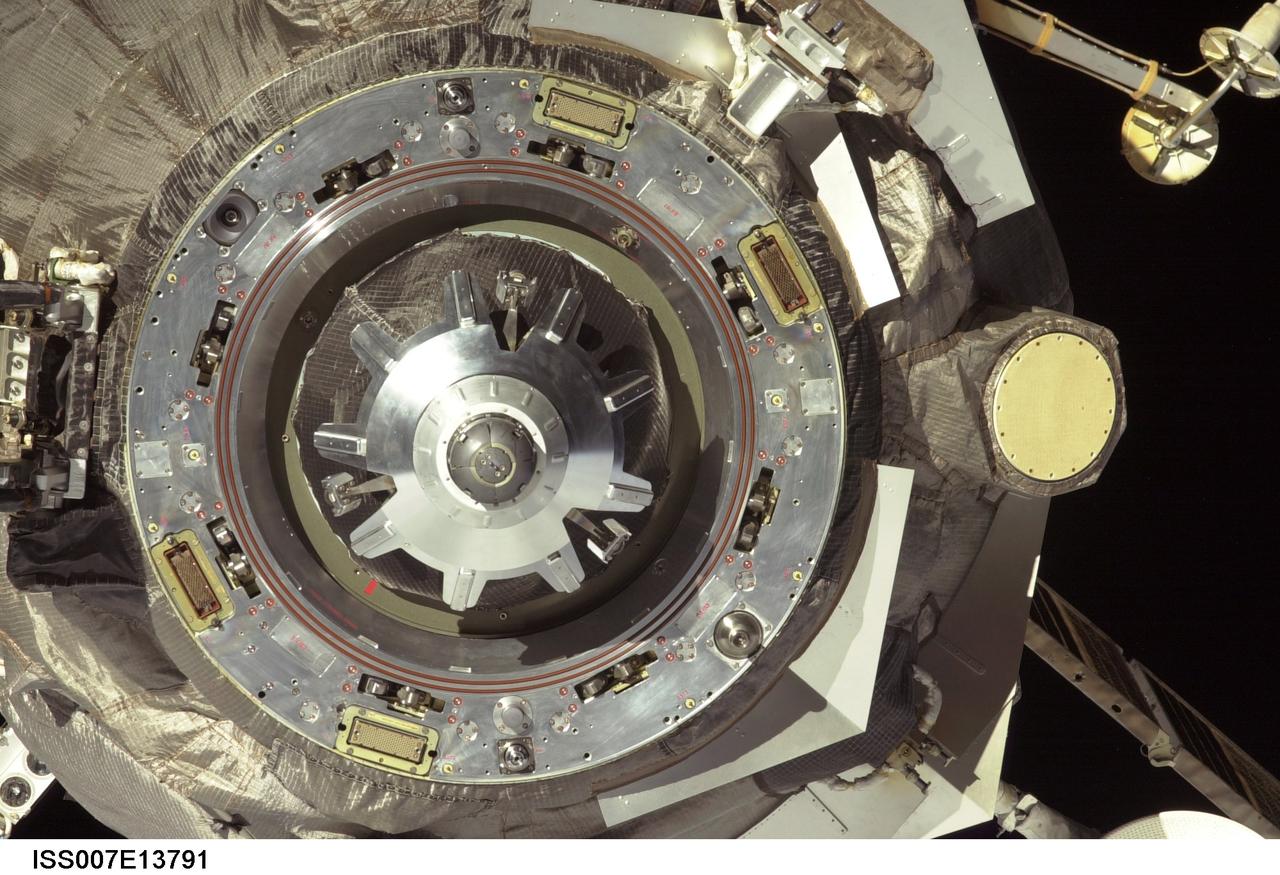
ISS007-E-13791 (30 August 2003) --- This close-up view of an unpiloted Progress supply vehicle was taken by one of the crewmembers onboard the International Space Station (ISS) as it approached the aft docking port (out of frame) on the Zvezda Service Module. The Progress 12 resupply craft, which launched from the Baikonur Cosmodrome in Kazakhstan at 8:48 p.m. (CDT) on August 28, 2003, carried nearly three tons of food, fuel, water, supplies and scientific gear for the Expedition 7 crew aboard the Station. The Progress linked up with the Station at 10:40 p.m. (CDT) on August 30, 2003 as the two spacecraft were flying over Central Asia at an altitude of 240 statute miles.