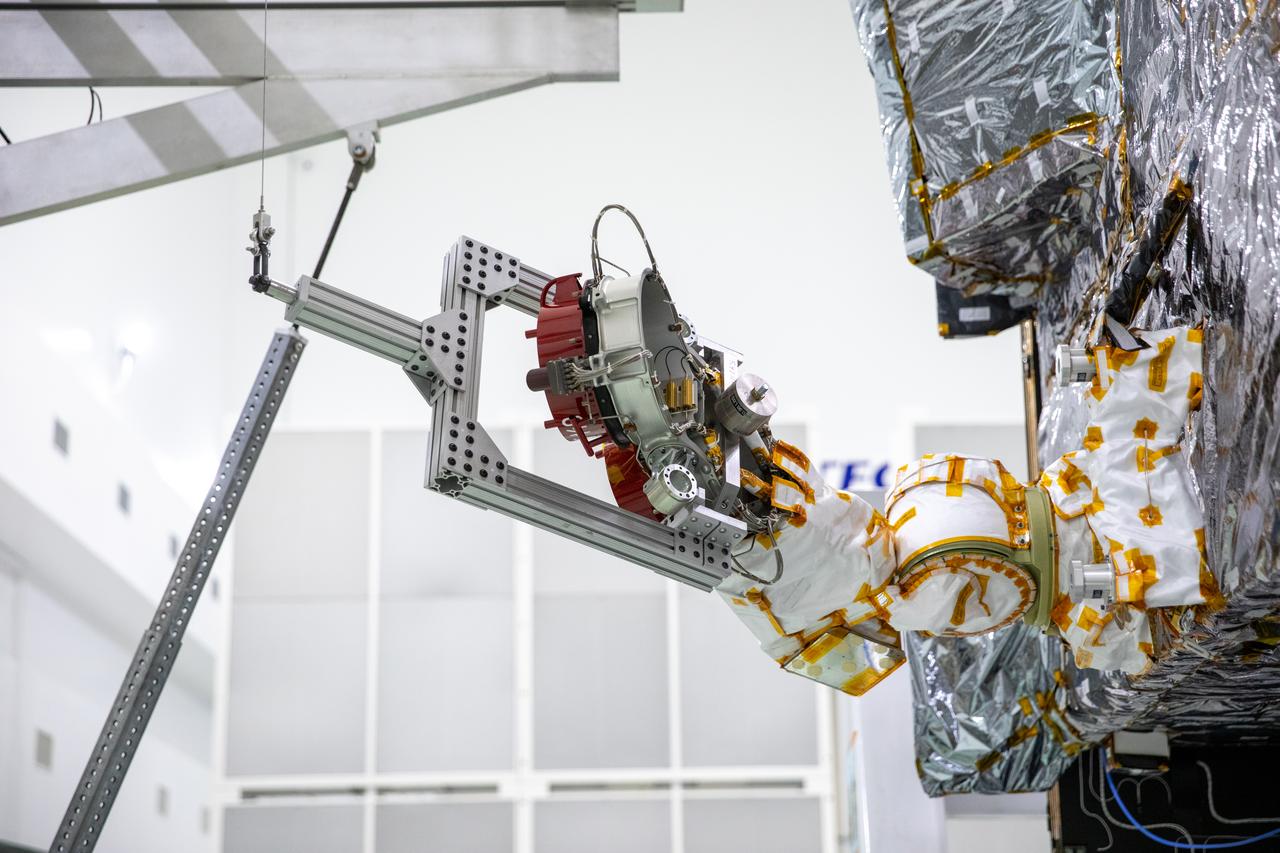
A team of engineers and technicians work on deploying and stowing stationary plasma thrusters (SPT) on NASA's Psyche spacecraft inside the Astrotech Space Operations Facility near the agency’s Kennedy Space Center in Florida on Aug. 4, 2023. This is part of the assembly, test, and launch operations preparations. The SPT are on a dual axis positioning mechanism (DAPM), and together they make a DSM, or DAPM-actuated SPT module. Psyche will launch atop a SpaceX Falcon Heavy rocket from Launch Complex 39A at Kennedy. Launch is targeted for Oct. 5, 2023. Riding with Psyche is a pioneering technology demonstration, NASA’s Deep Space Optical Communications (DSOC) experiment.
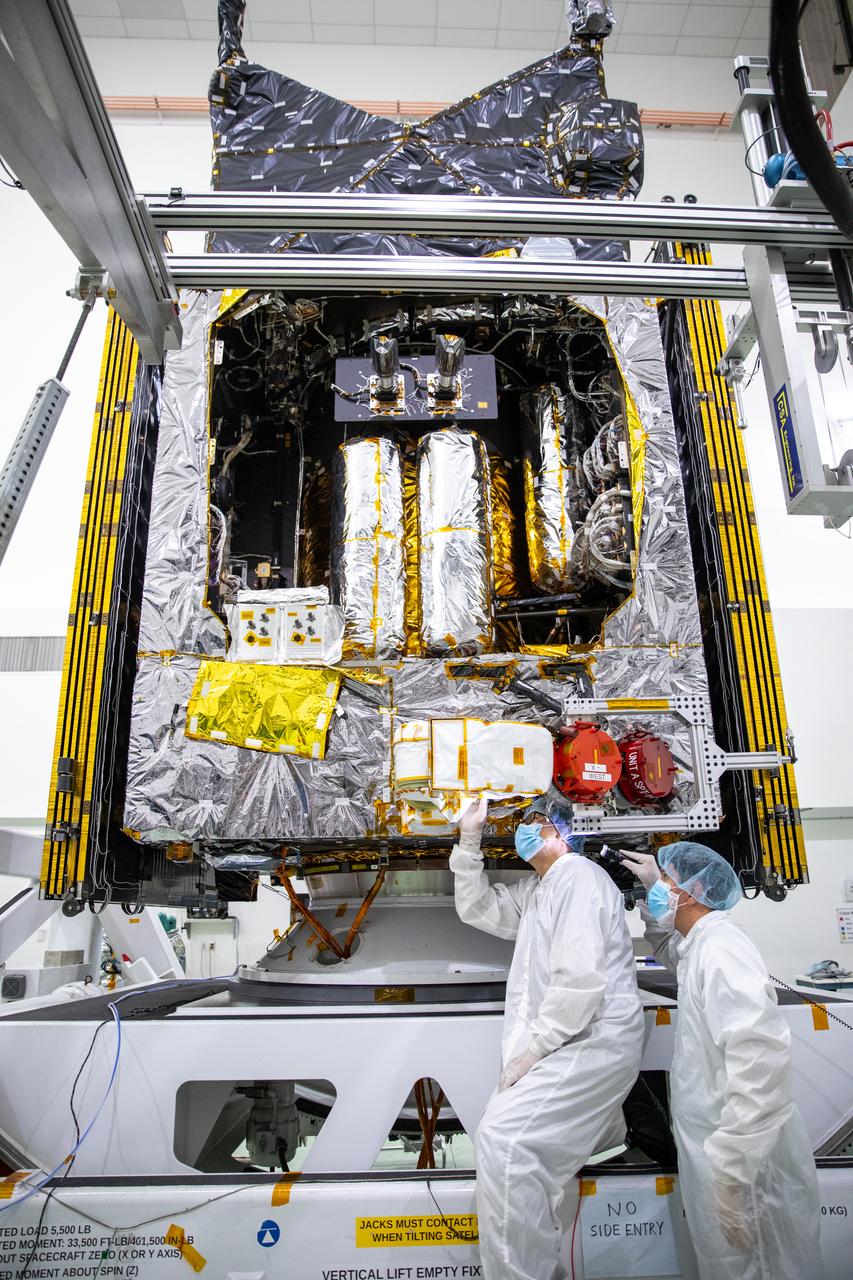
A team of engineers and technicians work on deploying and stowing stationary plasma thrusters (SPT) on NASA's Psyche spacecraft inside the Astrotech Space Operations Facility near the agency’s Kennedy Space Center in Florida on Aug. 4, 2023. This is part of the assembly, test, and launch operations preparations. The SPT are on a dual axis positioning mechanism (DAPM), and together they make a DSM, or DAPM-actuated SPT module. Psyche will launch atop a SpaceX Falcon Heavy rocket from Launch Complex 39A at Kennedy. Launch is targeted for Oct. 5, 2023. Riding with Psyche is a pioneering technology demonstration, NASA’s Deep Space Optical Communications (DSOC) experiment.
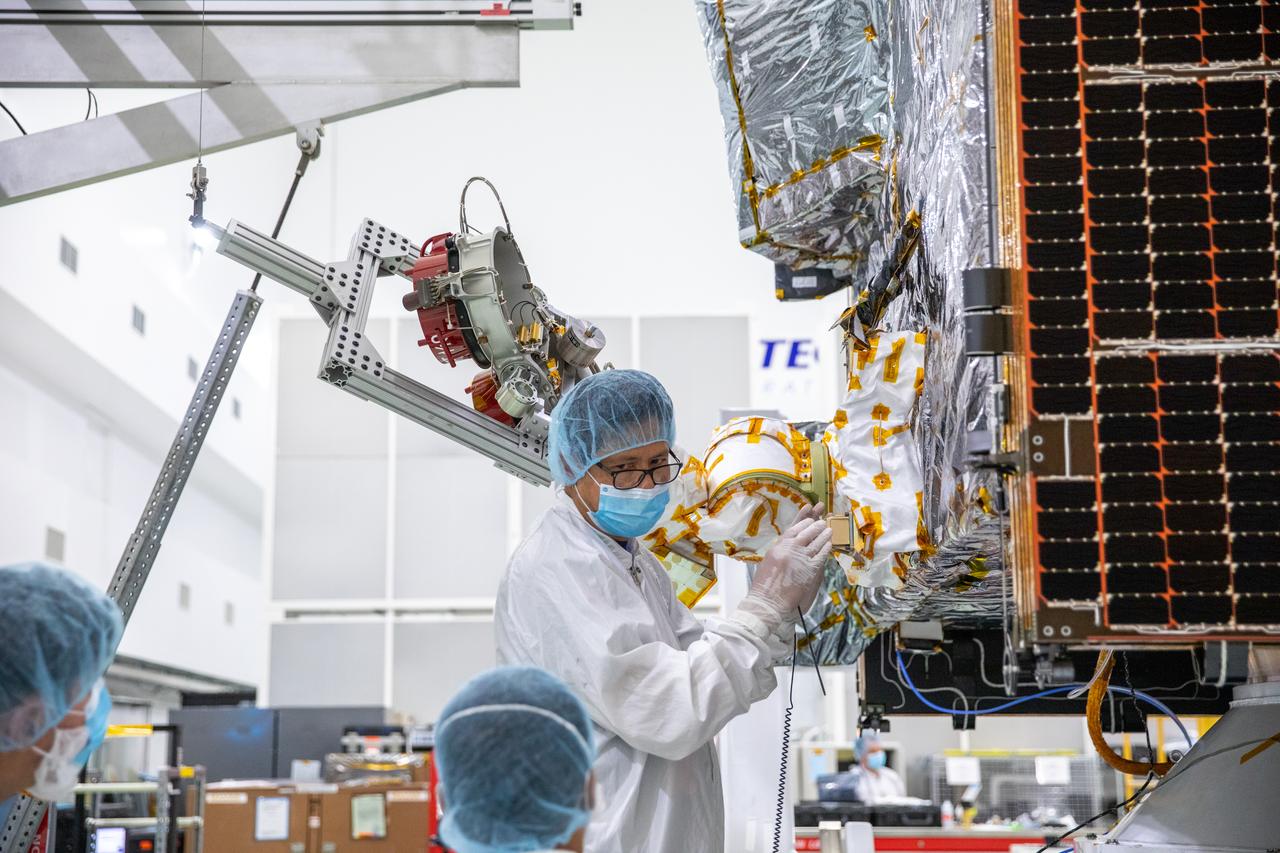
A team of engineers and technicians work on deploying and stowing stationary plasma thrusters (SPT) on NASA's Psyche spacecraft inside the Astrotech Space Operations Facility near the agency’s Kennedy Space Center in Florida on Aug. 4, 2023. This is part of the assembly, test, and launch operations preparations. The SPT are on a dual axis positioning mechanism (DAPM), and together they make a DSM, or DAPM-actuated SPT module. Psyche will launch atop a SpaceX Falcon Heavy rocket from Launch Complex 39A at Kennedy. Launch is targeted for Oct. 5, 2023. Riding with Psyche is a pioneering technology demonstration, NASA’s Deep Space Optical Communications (DSOC) experiment.
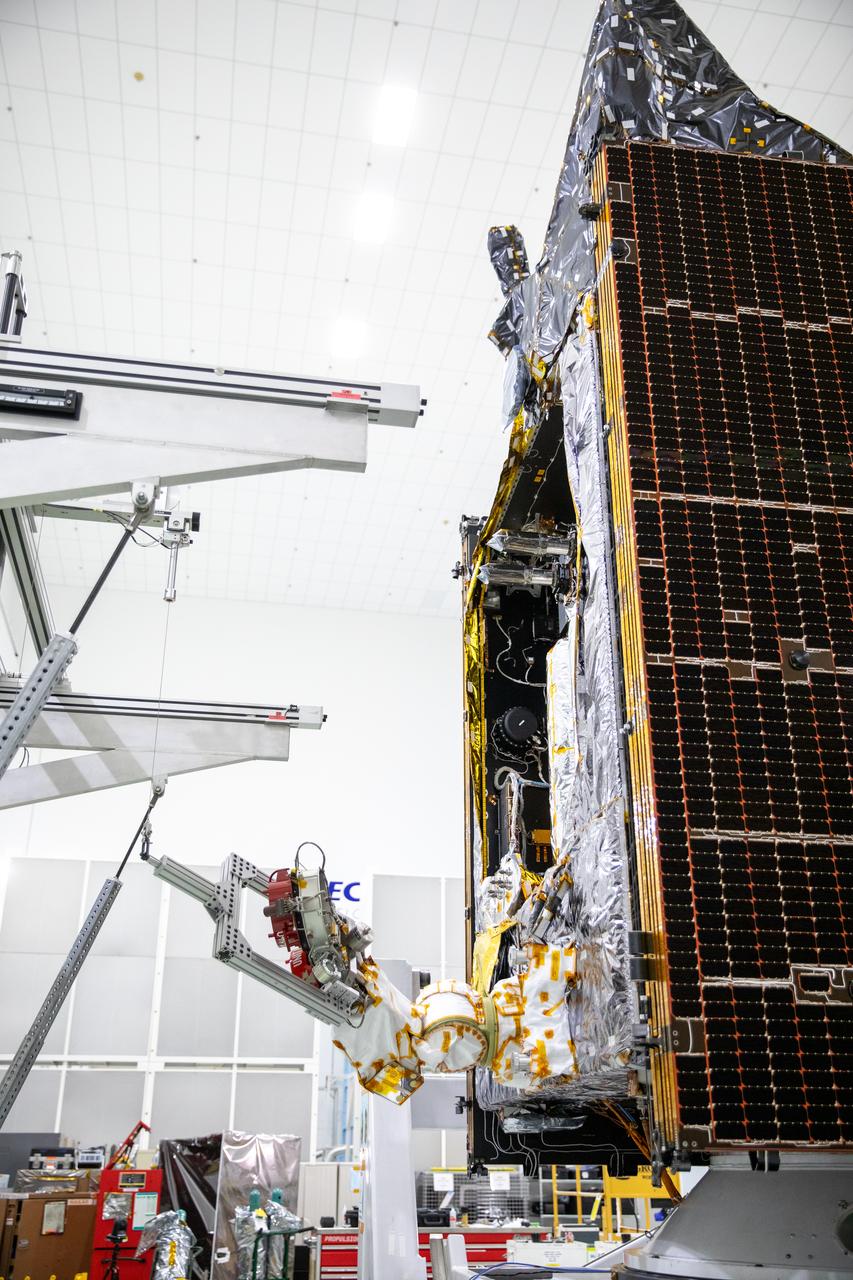
A team of engineers and technicians work on deploying and stowing stationary plasma thrusters (SPT) on NASA's Psyche spacecraft inside the Astrotech Space Operations Facility near the agency’s Kennedy Space Center in Florida on Aug. 4, 2023. This is part of the assembly, test, and launch operations preparations. The SPT are on a dual axis positioning mechanism (DAPM), and together they make a DSM, or DAPM-actuated SPT module. Psyche will launch atop a SpaceX Falcon Heavy rocket from Launch Complex 39A at Kennedy. Launch is targeted for Oct. 5, 2023. Riding with Psyche is a pioneering technology demonstration, NASA’s Deep Space Optical Communications (DSOC) experiment.
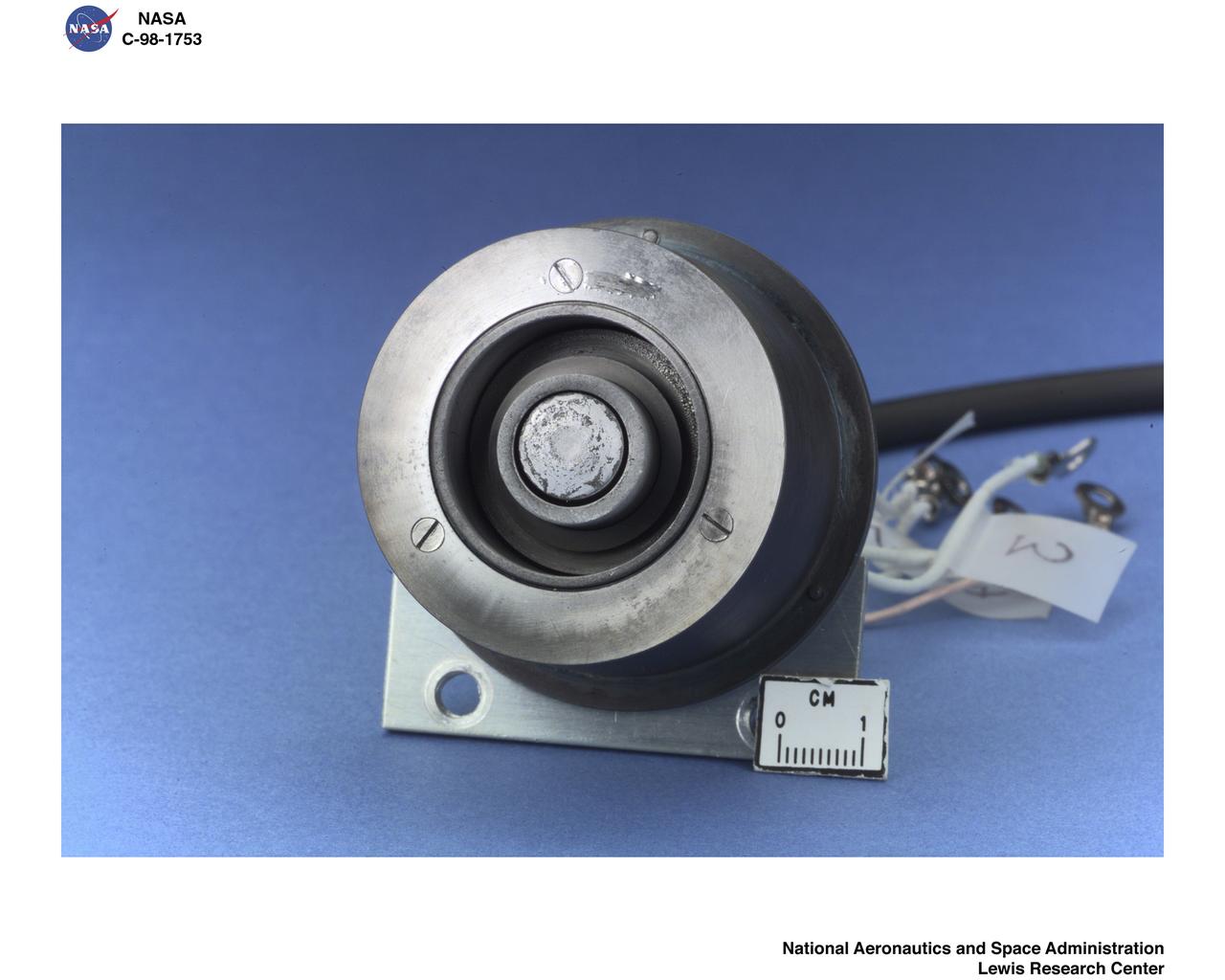
SPT-30 TESTING SLOW POWER HALL THRUSTER

The MicroCub is the newest addition to NASA Armstrong's fleet of subscale research aircraft. The aircraft is a modified a Bill Hempel 60-percent-scale super cub, designed with a 21-foot wingspan, a Piccolo Autopilot guidance system and a JetCat SPT-15 Turboprop.
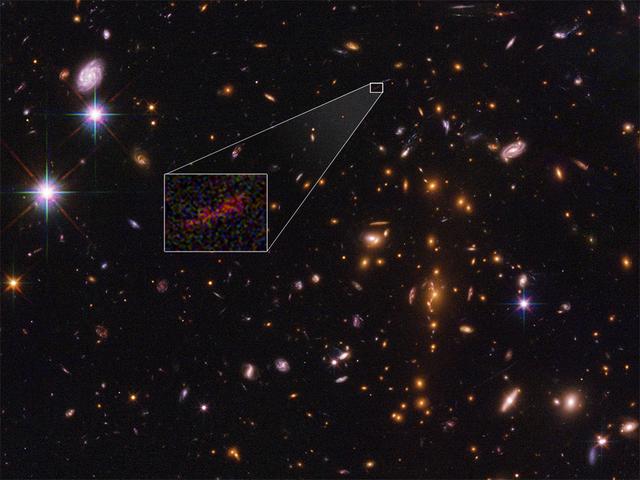
This Hubble Space Telescope image shows the farthest galaxy yet seen in an image that has been stretched and amplified by a phenomenon called gravitational lensing. The embryonic galaxy, named SPT0615-JD, existed when the universe was just 500 million years old. Though a few other primitive galaxies have been seen at this early epoch, they have essentially all looked like red dots, given their small size and tremendous distances. However, in this case, the gravitational field of a massive foreground galaxy cluster, called SPT-CL J0615-5746, not only amplified the light from the background galaxy but also smeared the image of it into an arc (about 2 arcseconds long). Image analysis shows that the galaxy weighs in at no more than 3 billion solar masses (roughly 1/100th the mass of our fully grown Milky Way galaxy). It is less than 2,500 light-years across, half the size of the Small Magellanic Cloud, a satellite galaxy of our Milky Way. The object is considered prototypical of young galaxies that emerged during the epoch shortly after the big bang. https://photojournal.jpl.nasa.gov/catalog/PIA22079
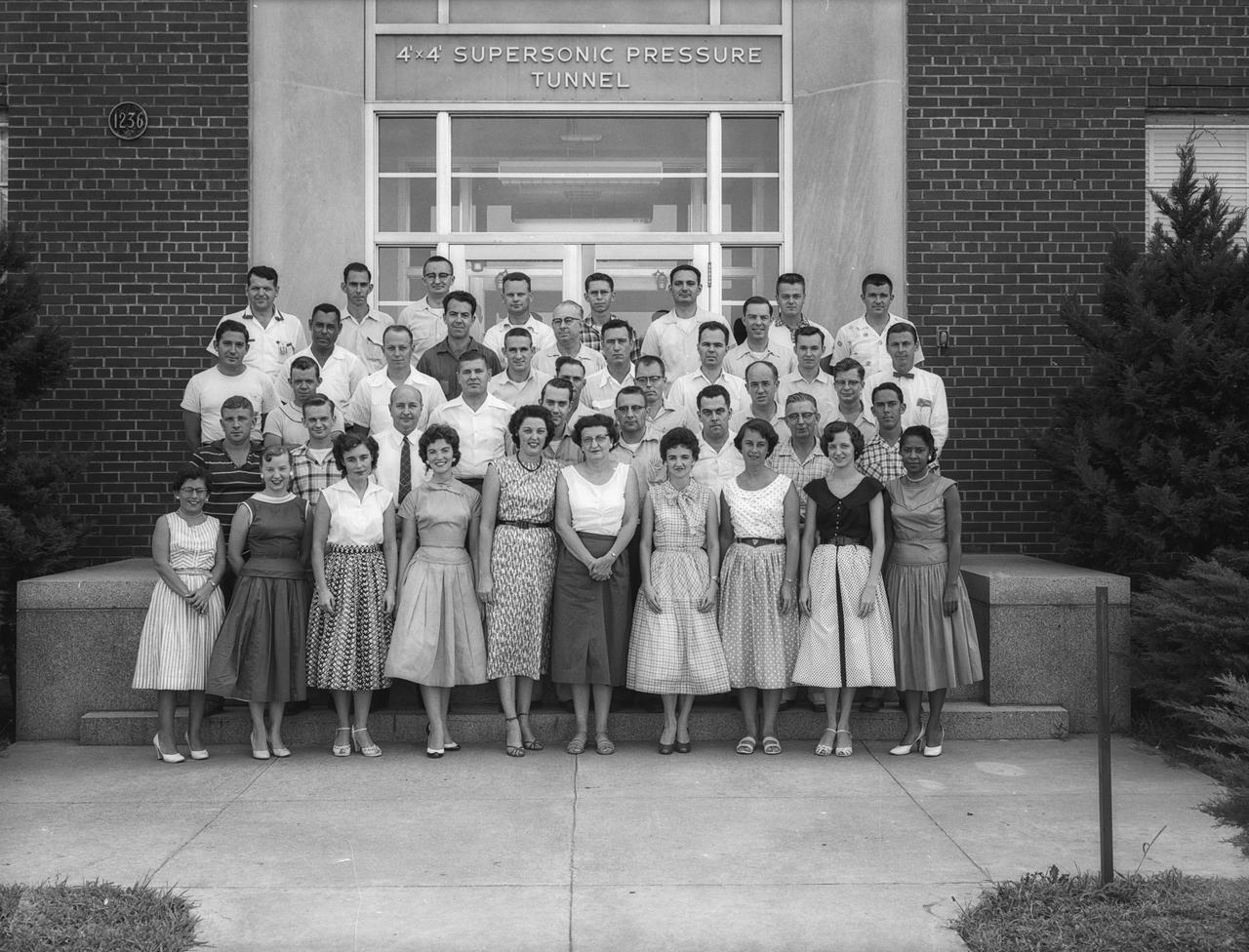
This photograph was taken August 15, 1956. Mary Jackson first person in the front row right side. Mary Jackson began at Langley in 1951 as a computer. She was later assigned to work at the 4-Foot by 4-Foot Supersonic Pressure Tunnel where she worked with Kazimierz "Kaz" Czarnecki, who encouraged her to become an engineer. To attend the university extension engineering classes held at the then all-white Hampton High School, Jackson was required to petition the courts, which she did successfully. The 4’ x 4’ Supersonic Pressure Tunnel was the NACA’s first supersonic wind tunnel. At the time of the photo, Mary Jackson was still a human computer, but was participating in the hands-on experimental work. Mrs. Jackson had begun her studies to be an engineer in the Spring of the same year the photo was taken. She obtained a degree in aerospace engineering in 1958. Photo published in "A Century at Langley" by Joseph R. Chambers page 74.