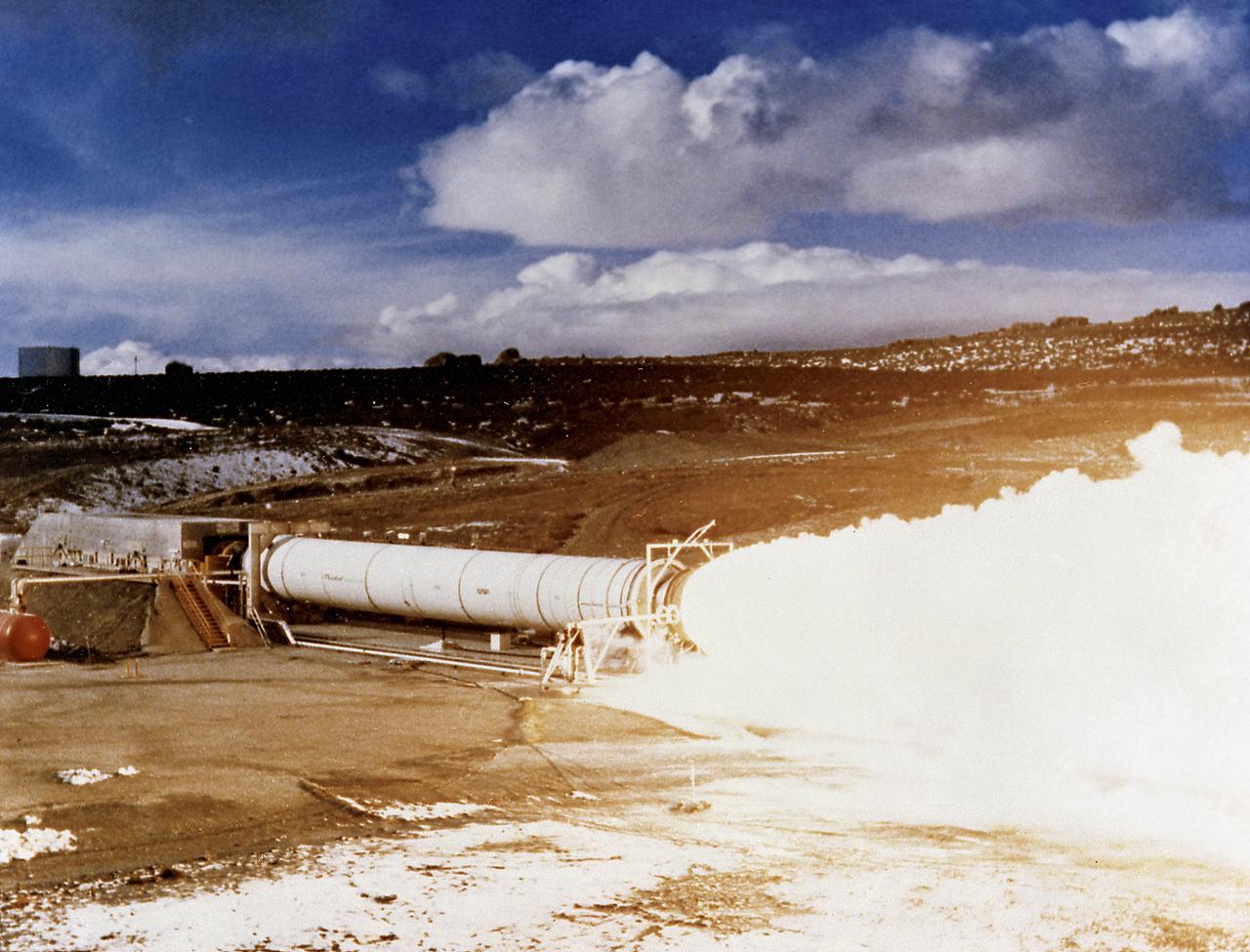
Pictured is an early testing of the Solid Rocket Motor (SRM) at the Thiokol facility in Utah. The SRMs later became known as Solid Rocket Boosters (SRBs) as they were more frequently used on the Space Shuttles.
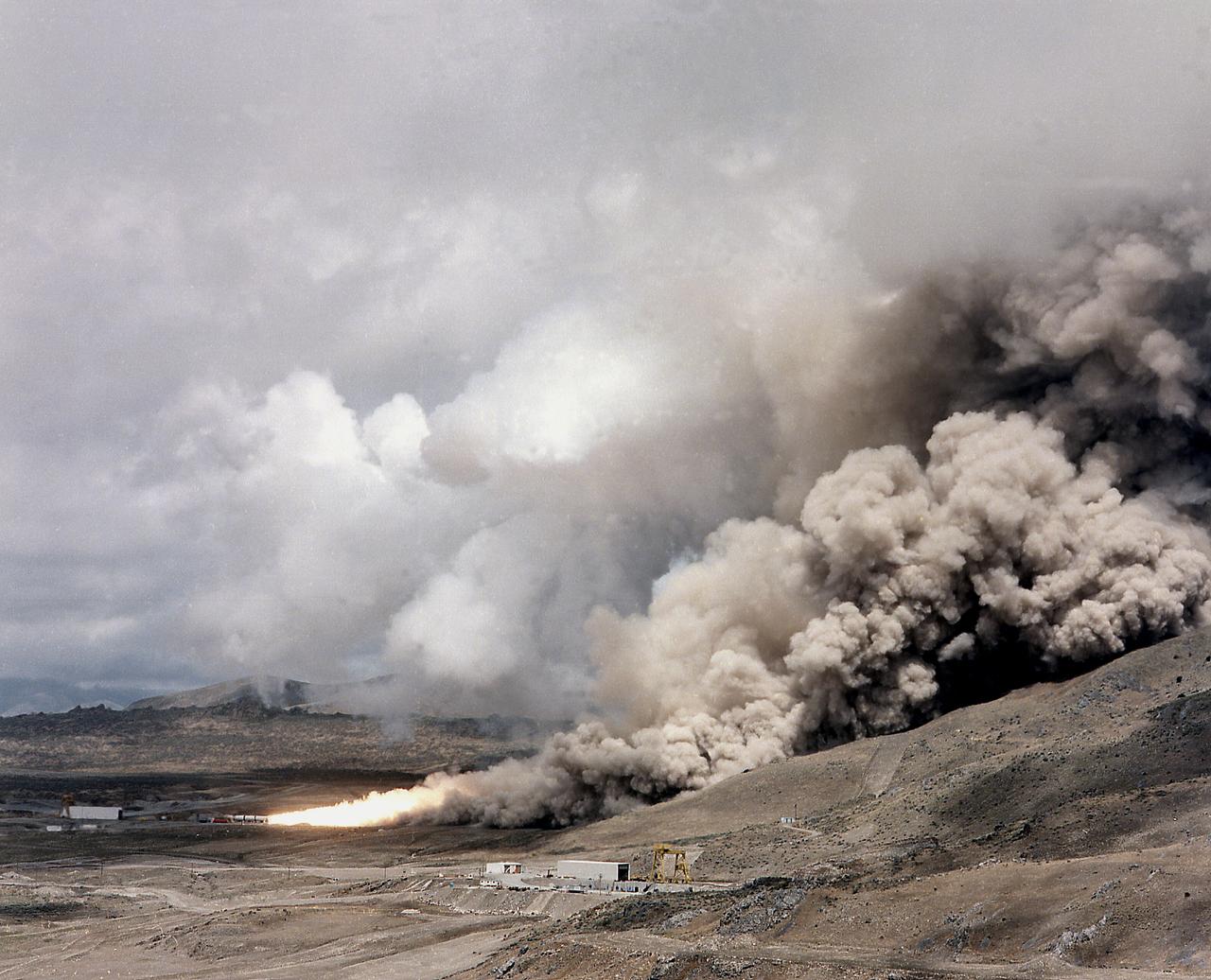
This photograph is a long shot view of a full scale solid rocket motor (SRM) for the solid rocket booster (SRB) being test fired at Morton Thiokol's Wasatch Operations in Utah. The twin boosters provide the majority of thrust for the first two minutes of flight, about 5.8 million pounds, augmenting the Shuttle's main propulsion system during liftoff. The major design drivers for the SRM's were high thrust and reuse. The desired thrust was achieved by using state-of-the-art solid propellant and by using a long cylindrical motor with a specific core design that allows the propellant to burn in a carefully controlled marner. Under the direction of the Marshall Space Flight Center, the SRM's are provided by the Morton Thiokol Corporation.
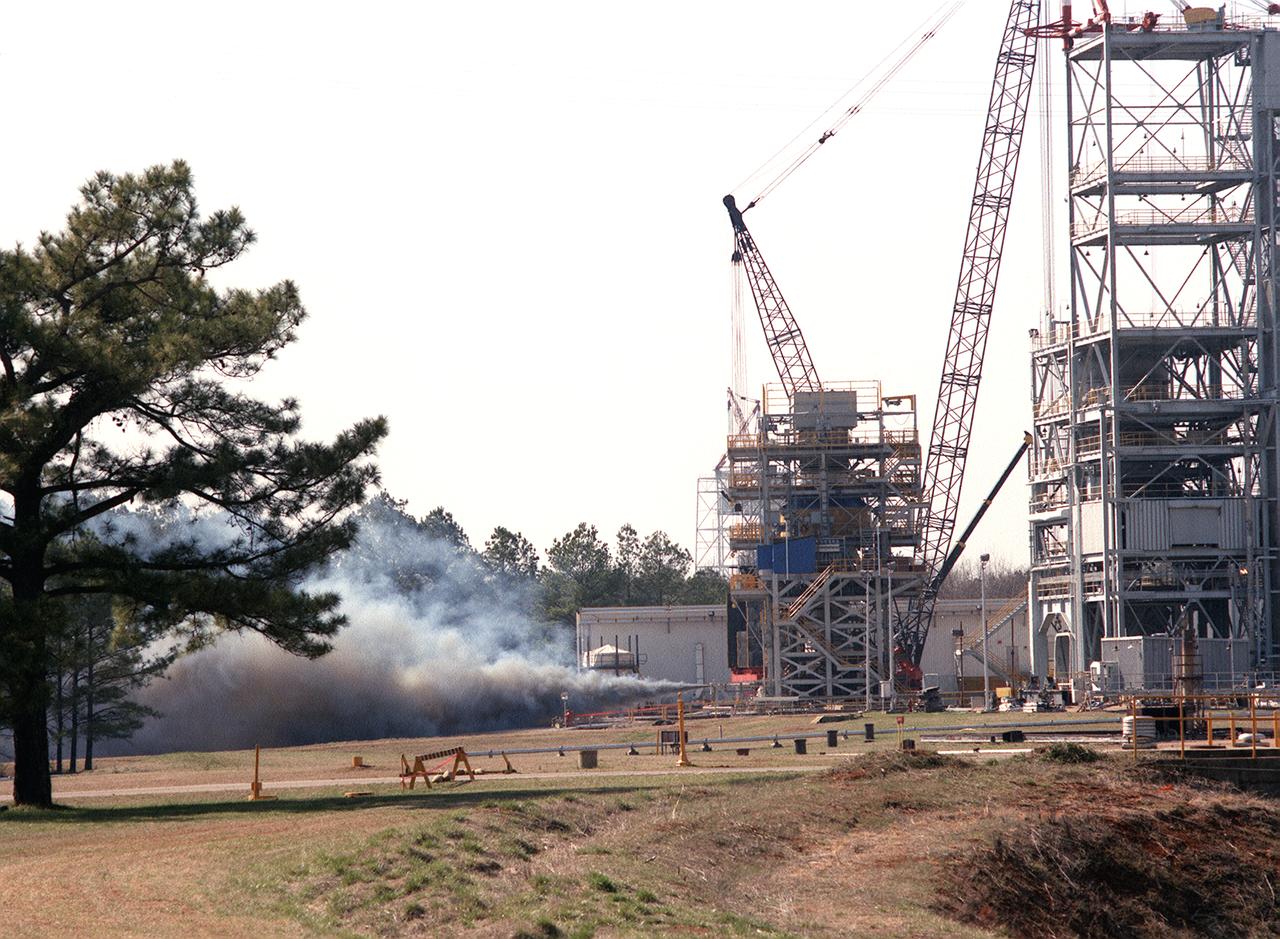
The Marshall Space Flight Center (MSFC) successfully test fired the third in a series of Transient Pressure Test Articles (TPTA) in its east test area. The test article was a short-stack solid rocket motor 52-feet long and 12-feet in diameter. The TPTA tests were designed to evaluate the effects of temperature, pressure and external loads encountered by the SRM, primarily during ignition transients. Instrumentation on the motor recorded approximately 1,000 charnels of data to verify the structural performance, thermal response, sealing capability of the redesign field, and case-to-nozzle joints. The TPTA test stand, 14-feet wide by 26-feet long by 33-feet high, was built in 1987. The TPTA series was a joint effort among Morton Thiokol, Inc., United Space Boosters, Inc., Wyle Laboratories, and MSFC. Wyle Laboratories conducted the tests for the MSFC, which manages the redesigned SRM program for NASA.
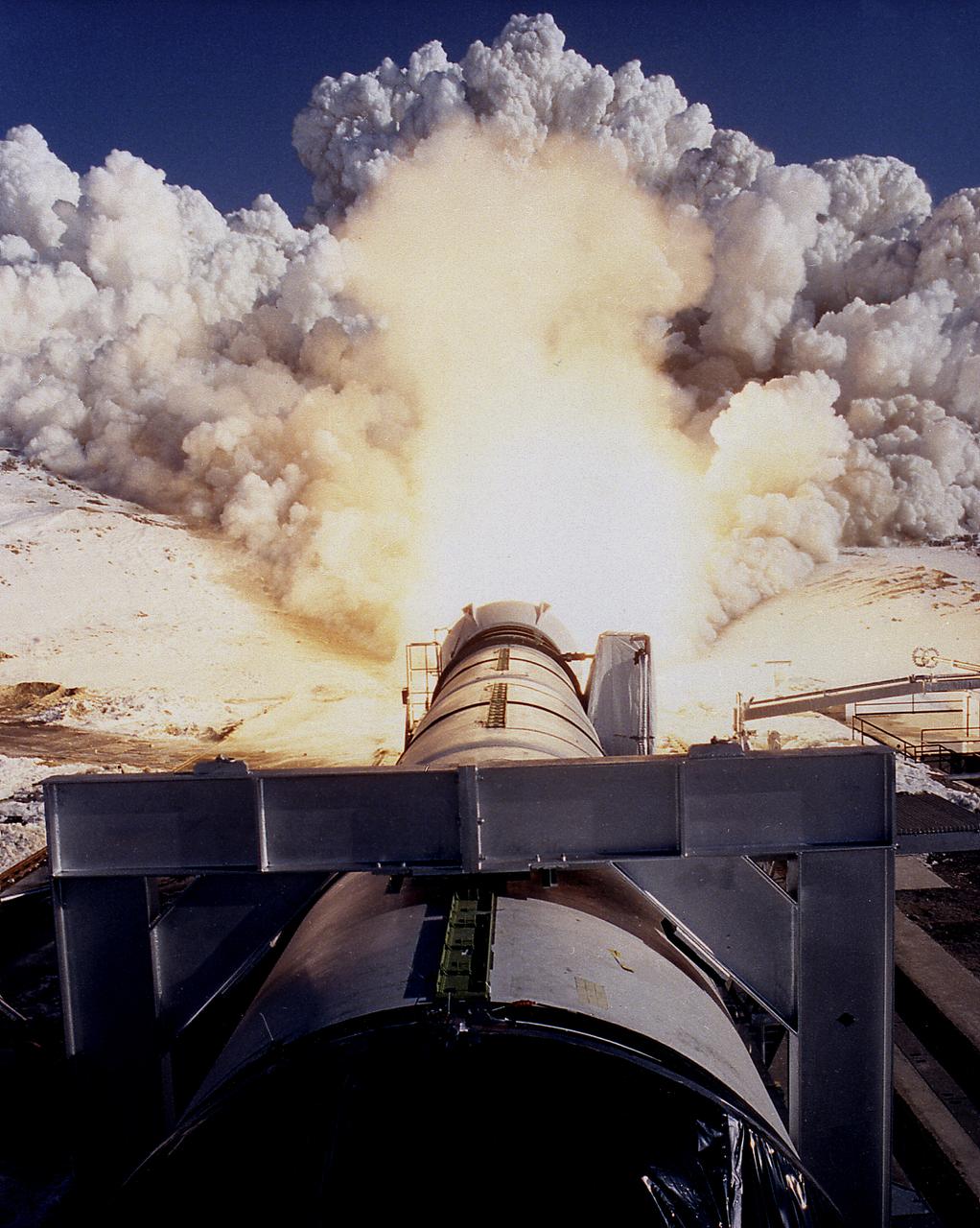
This photograph shows a static firing test of the Solid Rocket Qualification Motor-8 (QM-8) at the Morton Thiokol Test Site in Wasatch, Utah. The twin solid rocket boosters provide the majority of thrust for the first two minutes of flight, about 5.8 million pounds, augmenting the Shuttle's main propulsion system during liftoff. The major design drivers for the solid rocket motors (SRM's) were high thrust and reuse. The desired thrust was achieved by using state-of-the-art solid propellant and by using a long cylindrical motor with a specific core design that allows the propellant to burn in a carefully controlled marner. Under the direction of the Marshall Space Flight Center, the SRM's are provided by the Morton Thiokol Corporation.
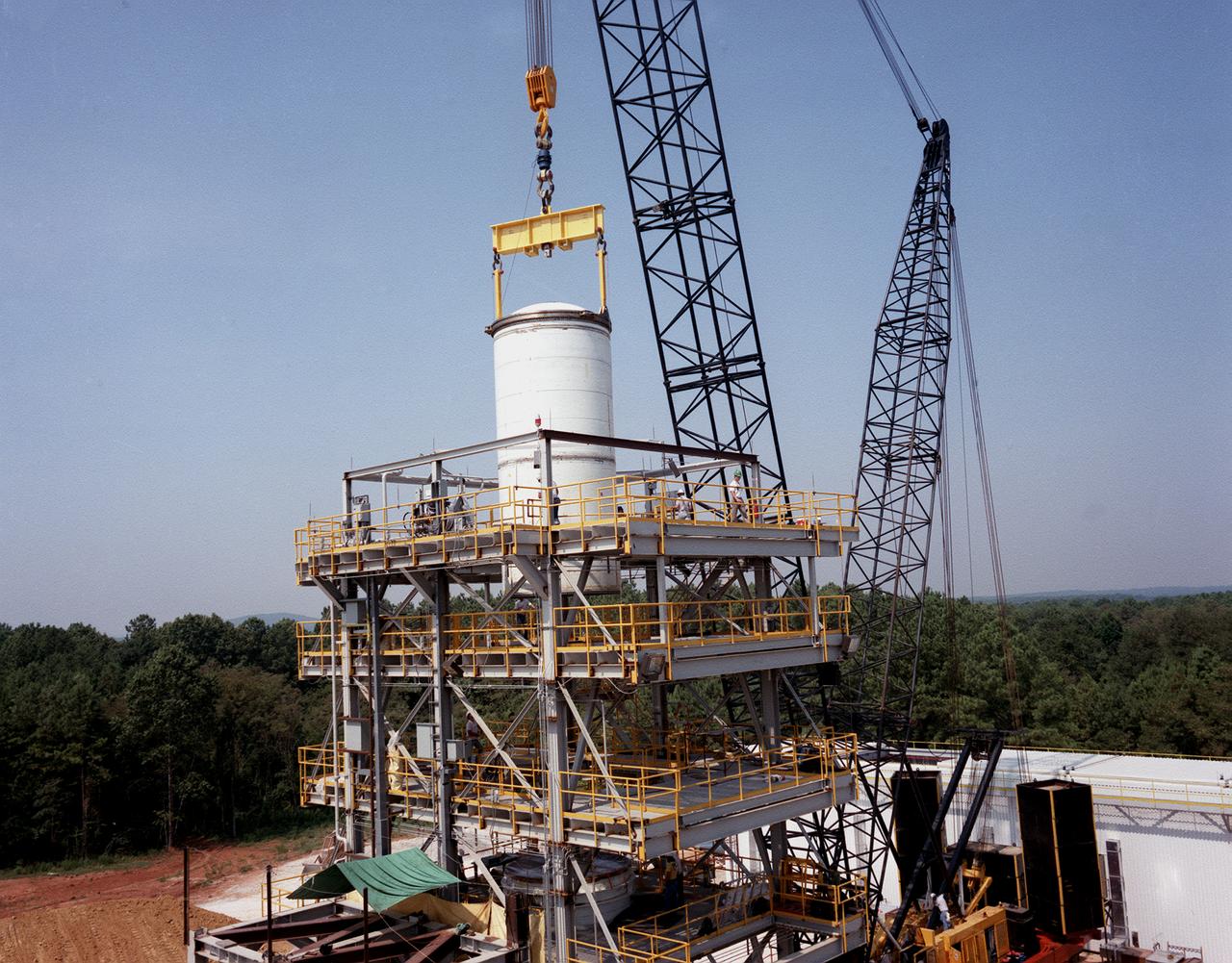
A forward segment is being lowered into the Transient Pressure Test Article (TPTA) test stand at the Marshall Space Flight Center (MSFC) east test area. The TPTA test stand, 14-feet wide, 27-feet long, and 33-feet high, was built in 1987 to provide data to verify the sealing capability of the redesign solid rocket motor (SRM) field and nozzle joints. The test facility applies pressure, temperature, and external loads to a short stack of solid rocket motor hardware. The simulated SRM ignition pressure and temperature transients are achieved by firing a small amount of specially configured solid propellant. The pressure transient is synchronized with external programmable dynamic loads that simulate lift off loads at the external tank attach points. Approximately one million pounds of dead weight on top of the test article simulates the weight of the other Shuttle elements.
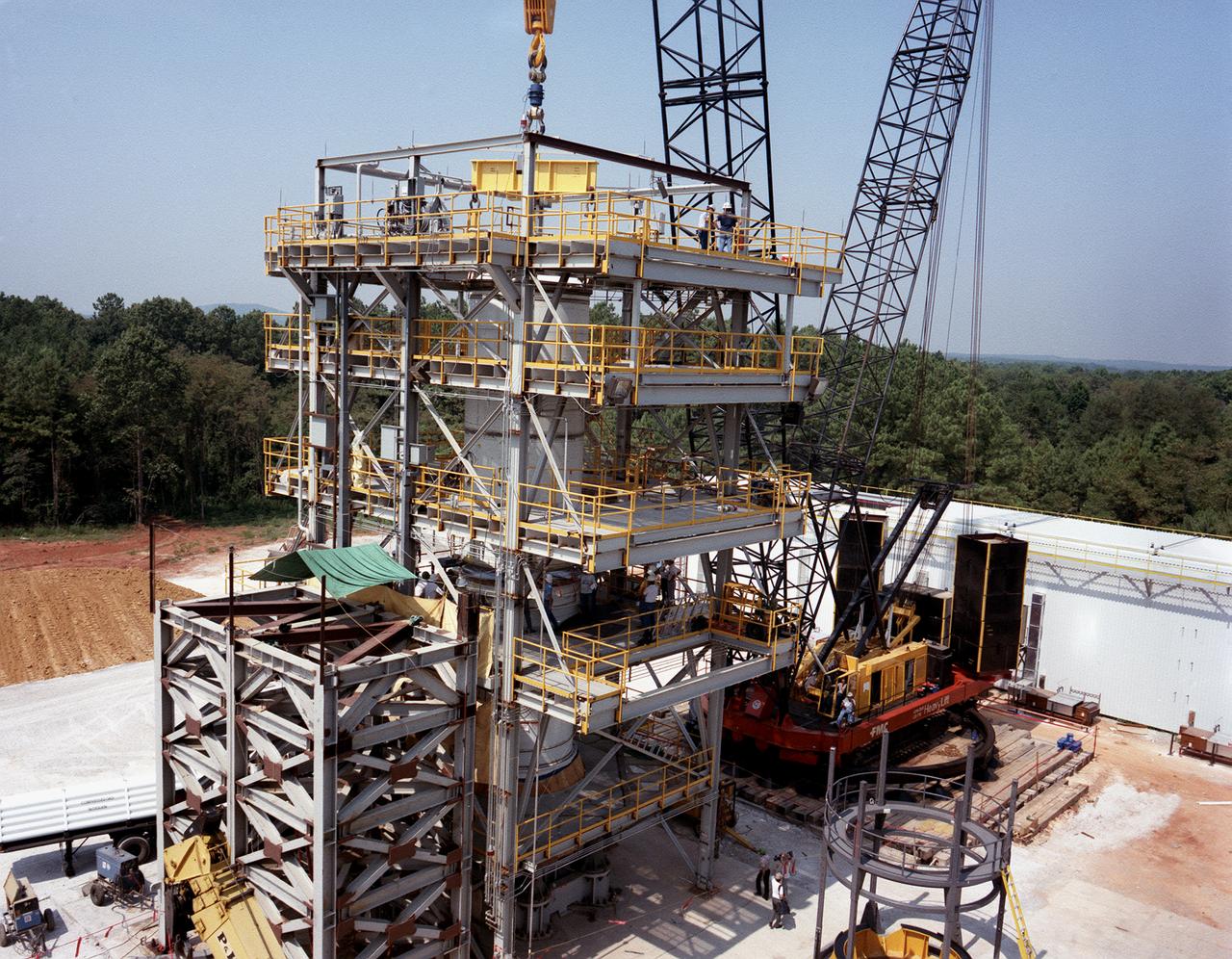
A forward segment is being lowered into the Transient Pressure Test Article (TPTA) test stand at thw Marshall Space Flight Center (MSFC) east test area. The TPTA test stand, 14-feet wide, 27-feet long, and 33-feet high, was built in 1987 to provide data to verify the sealing capability of the redesign solid rocket motor (SRM) field and nozzle joints. The test facility applies pressure, temperature, and external loads to a short stack of solid rocket motor hardware. The simulated SRM ignition pressure and temperature transients are achieved by firing a small amount of specially configured solid propellant. The pressure transient is synchronized with external programmable dynamic loads that simulate lift off loads at the external tank attach points. Approximately one million pounds of dead weight on top of the test article simulates the weight of the other Shuttle elements.
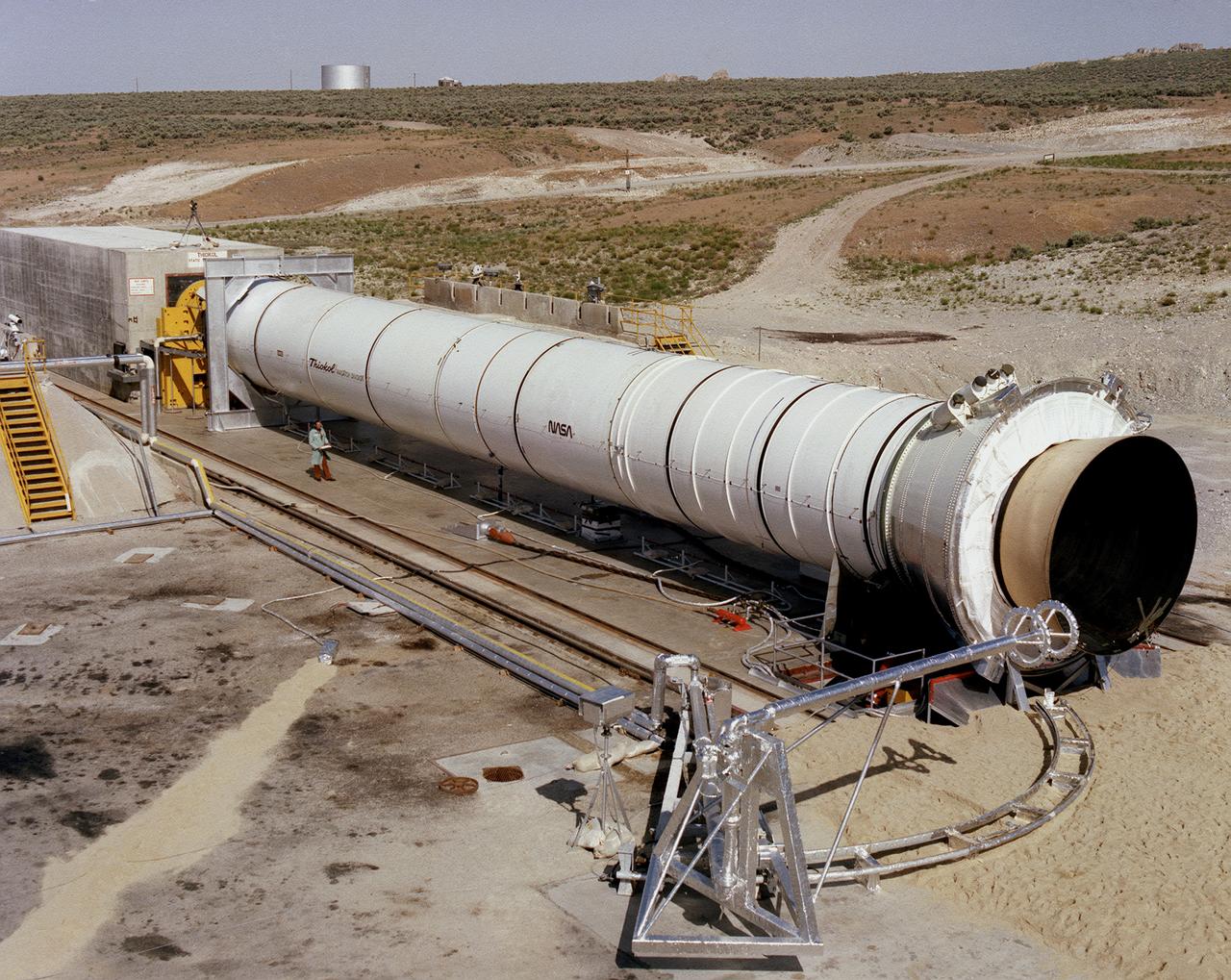
This is a photograph of the solid rocket booster's (SRB's) Qualification Motor-1 (QM-1) being prepared for a static firing in a test stand at the Morton Thiokol Test Site in Wasatch, Utah, showing the aft end of the booster. The twin boosters provide the majority of thrust for the first two minutes of flight, about 5.8 million pounds, augmenting the Shuttle's main propulsion system during liftoff. The major design drivers for the solid rocket motors (SRM's) were high thrust and reuse. The desired thrust was achieved by using state-of-the-art solid propellant and by using a long cylindrical motor with a specific core design that allows the propellant to burn in a carefully controlled marner. Under the direction of the Marshall Space Flight Center, the SRM's are provided by the Morton Thiokol Corporation.
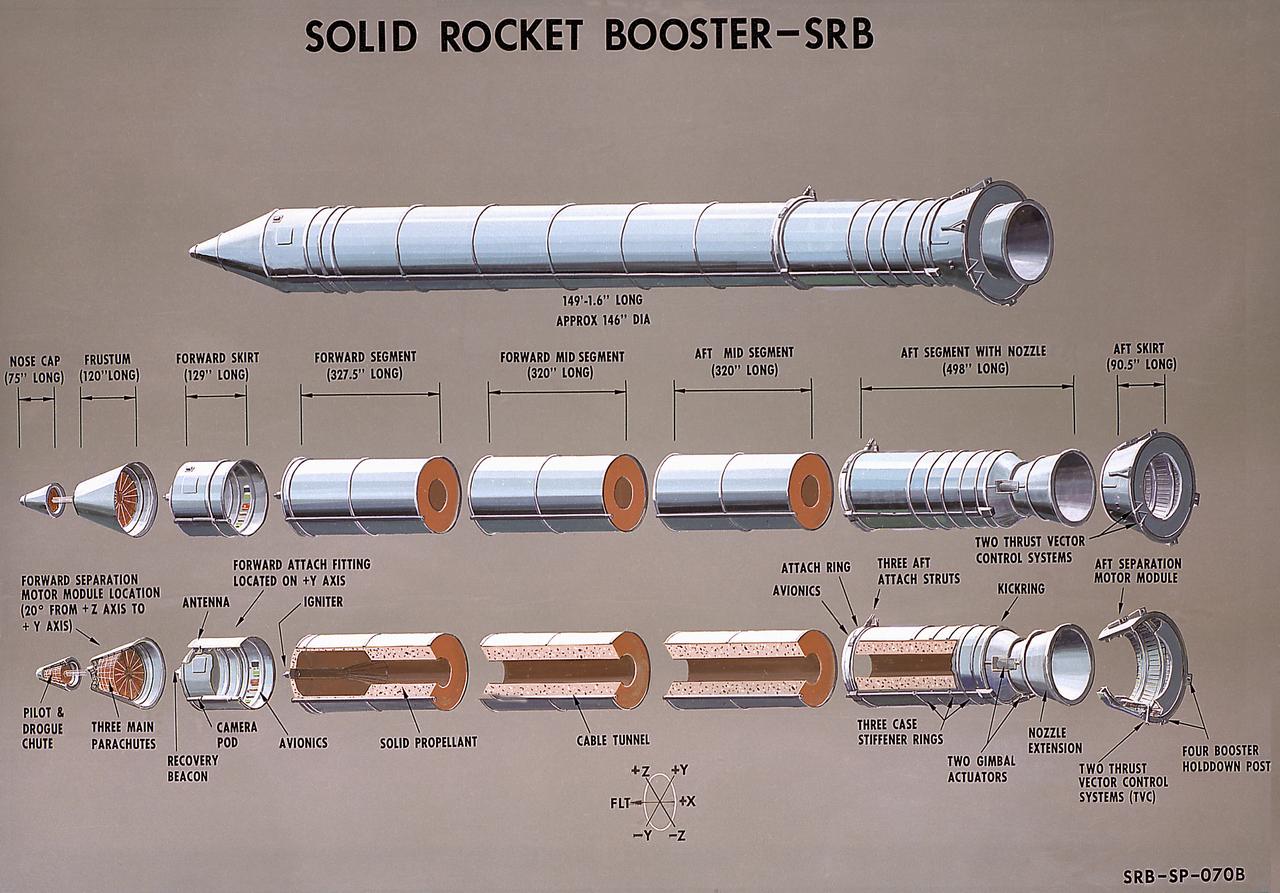
This illustration is a cutaway of the solid rocket booster (SRB) sections with callouts. The Shuttle's two SRB's are the largest solids ever built and the first designed for refurbishment and reuse. Standing nearly 150-feet high, the twin boosters provide the majority of thrust for the first two minutes of flight, about 5.8 million pounds, augmenting the Shuttle's main propulsion system during liftoff. The major design drivers for the solid rocket motors (SRM's) were high thrust and reuse. The desired thrust was achieved by using state-of-the-art solid propellant and by using a long cylindrical motor with a specific core design that allows the propellant to burn in a carefully controlled marner. At burnout, the boosters separate from the external tank and drop by parachute to the ocean for recovery and subsequent refurbishment. The boosters are designed to survive water impact at almost 60 miles per hour, maintain flotation with minimal damage, and preclude corrosion of the hardware exposed to the harsh seawater environment. Under the project management of the Marshall Space Flight Center, the SRB's are assembled and refurbished by the United Space Boosters. The SRM's are provided by the Morton Thiokol Corporation.
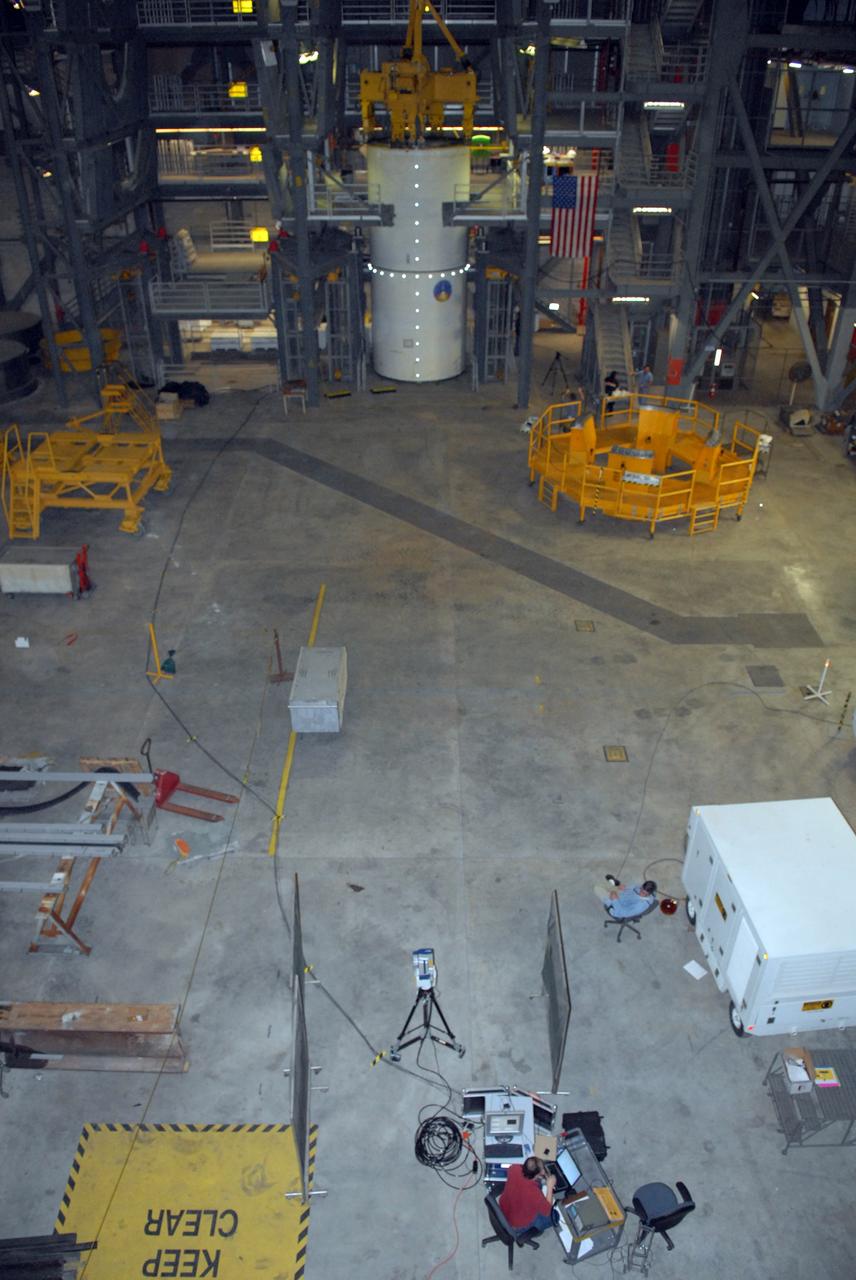
CAPE CANAVERAL, Fla. -- Vibration and laser testing is being conducted on Ares I-X segments at NASA's Kennedy Space Center. This is an overall view of the modal testing setup using the Inert Solid Rocket Motor Segment and Laser Vibrometer in high bay 4 of the Vehicle Assembly building. Photo credit: NASA/Dimitri Gerondidakis
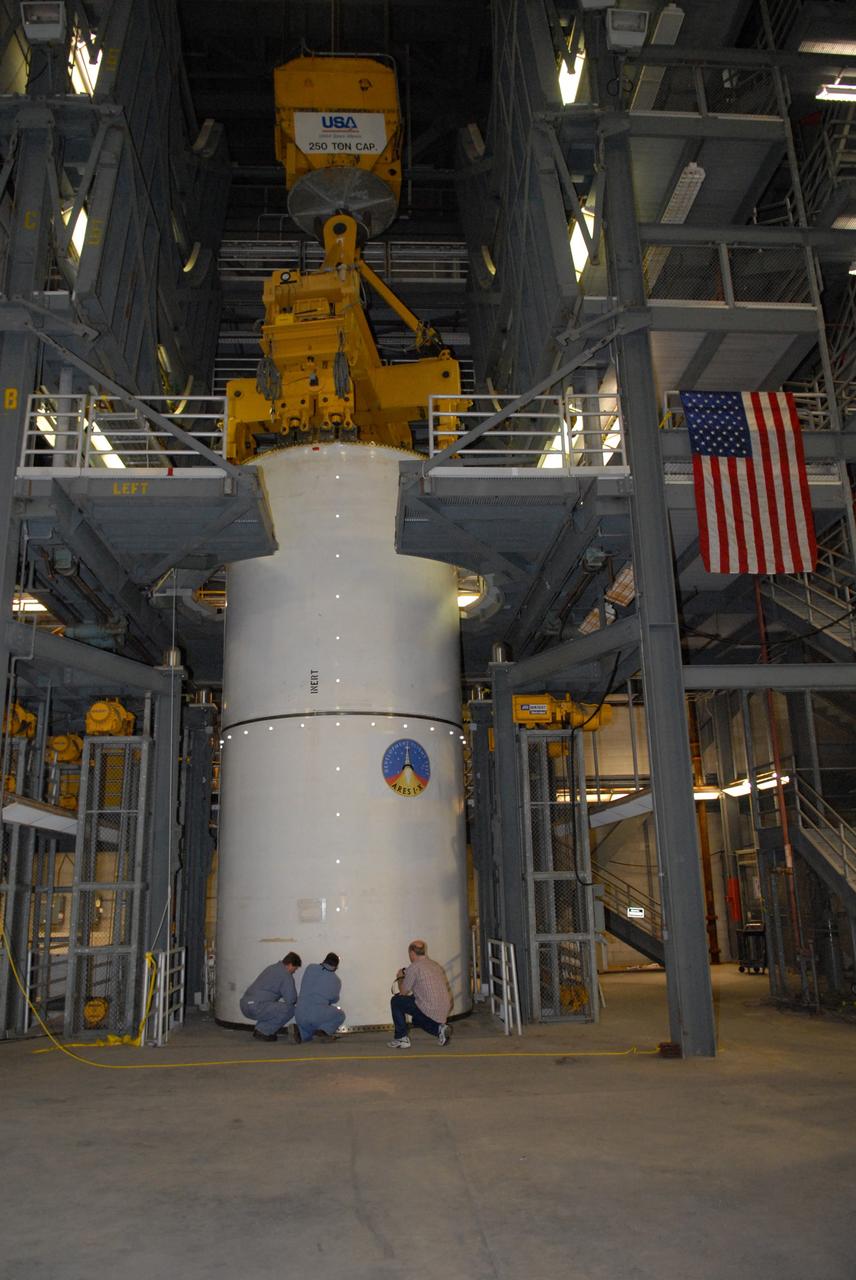
CAPE CANAVERAL, Fla. -- Vibration and laser testing is being conducted on Ares I-X segments at NASA's Kennedy Space Center. Here, technicians in the Vehicle Assembly Building configure the Inert Solid Rocket Motor Segment with an accelerometer to collect test data. Photo credit: NASA/Dimitri Gerondidakis
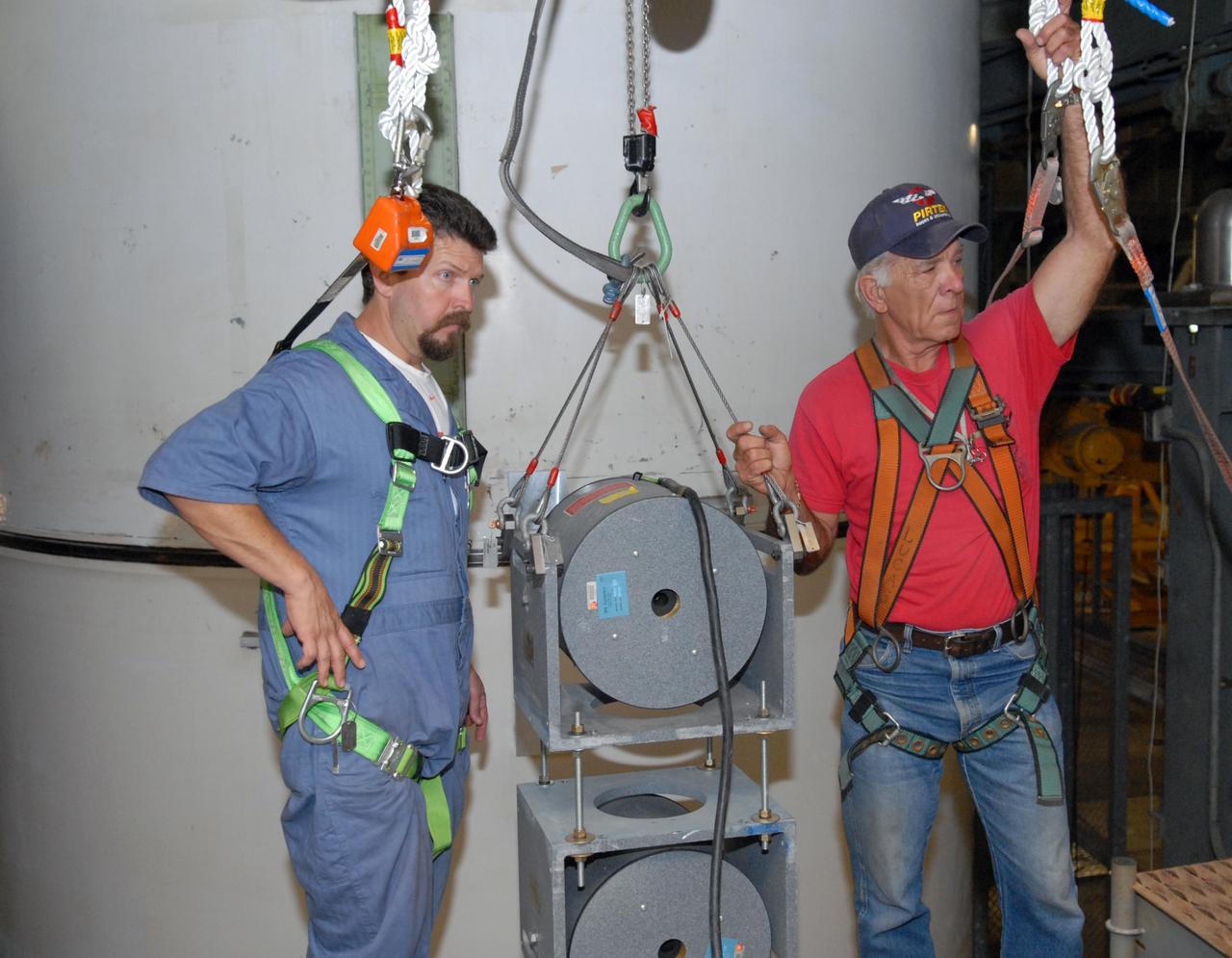
CAPE CANAVERAL, Fla. -- Vibration and laser testing is being conducted on Ares I-X segments at NASA's Kennedy Space Center, team members (left to right) Michael Gillenwater and Joe Lucas configure the two, 250-hp Shaker Units that provide known input levels into the test article. Photo credit: NASA/Dimitri Gerondidakis
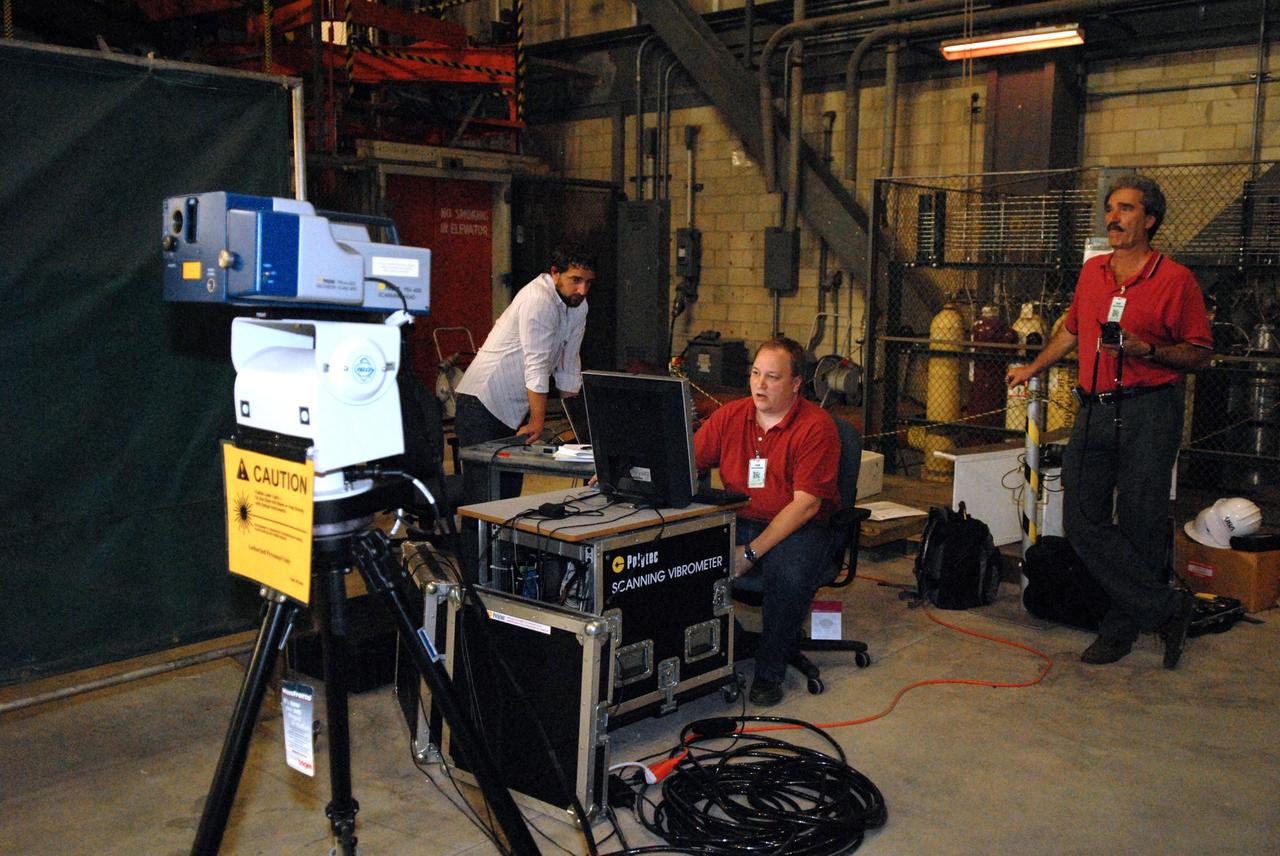
CAPE CANAVERAL, Fla. -- Vibration and laser testing is being conducted on Ares I-X segments at NASA's Kennedy Space Center. Team members (from left) Ryan Tuttle, with Aerospace Corporation, Jim Gaspar, with NASA's Langley Research Center, and Vaughn Behun, with Langley ATK, execute modal testing using a Laser Vibrometer to collect deflection data from the test article. Photo credit: NASA/Dimitri Gerondidakis
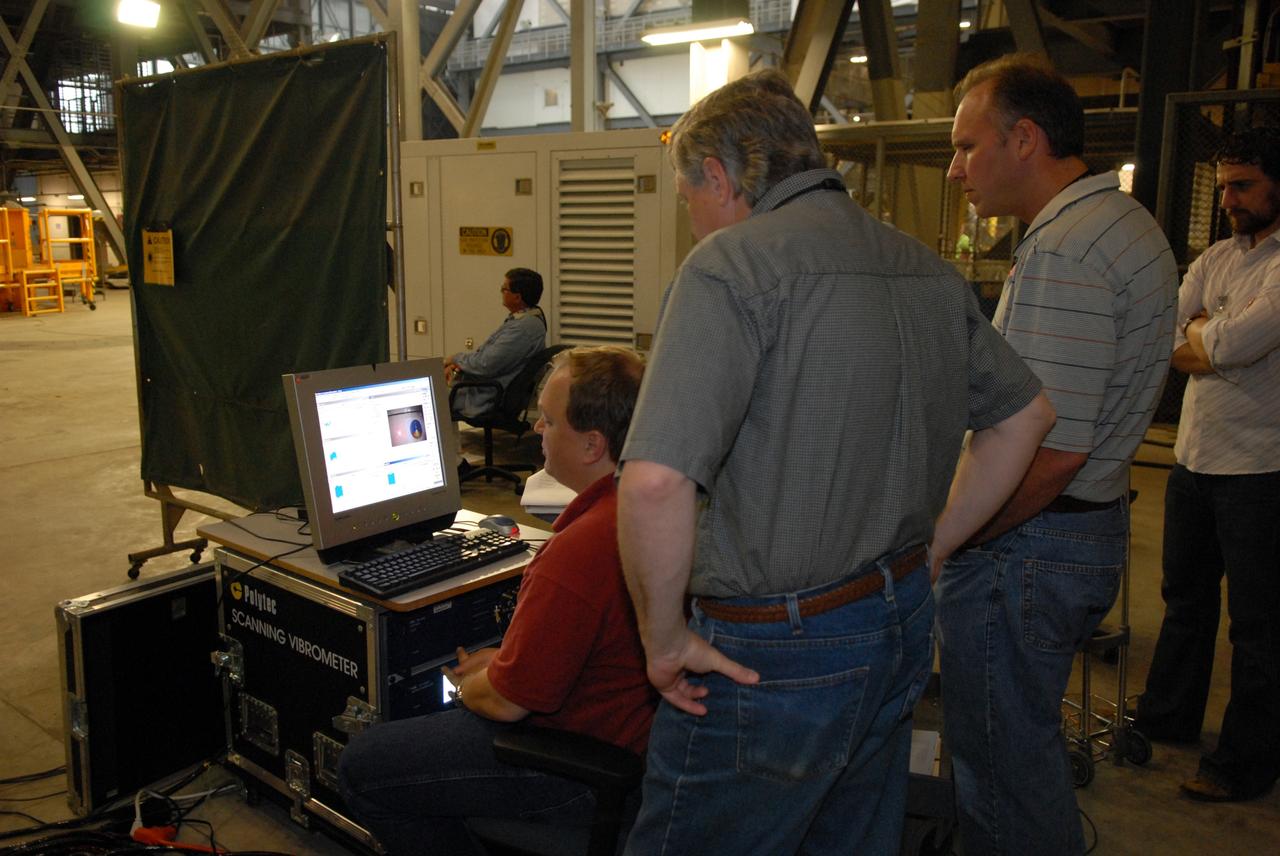
CAPE CANAVERAL, Fla. -- Vibration and laser testing is being conducted on Ares I-X segments at NASA's Kennedy Space Center. Team members ( from left), Jim Gaspar, with NASA's Langley Research Center, Paul Bartollota, with NASA's Glenn Research Center, Ralph Buehrle, with Langley, and Ryan Tuttle, with Aerospace Corporation, evaluate test data. Photo credit: NASA/Dimitri Gerondidakis
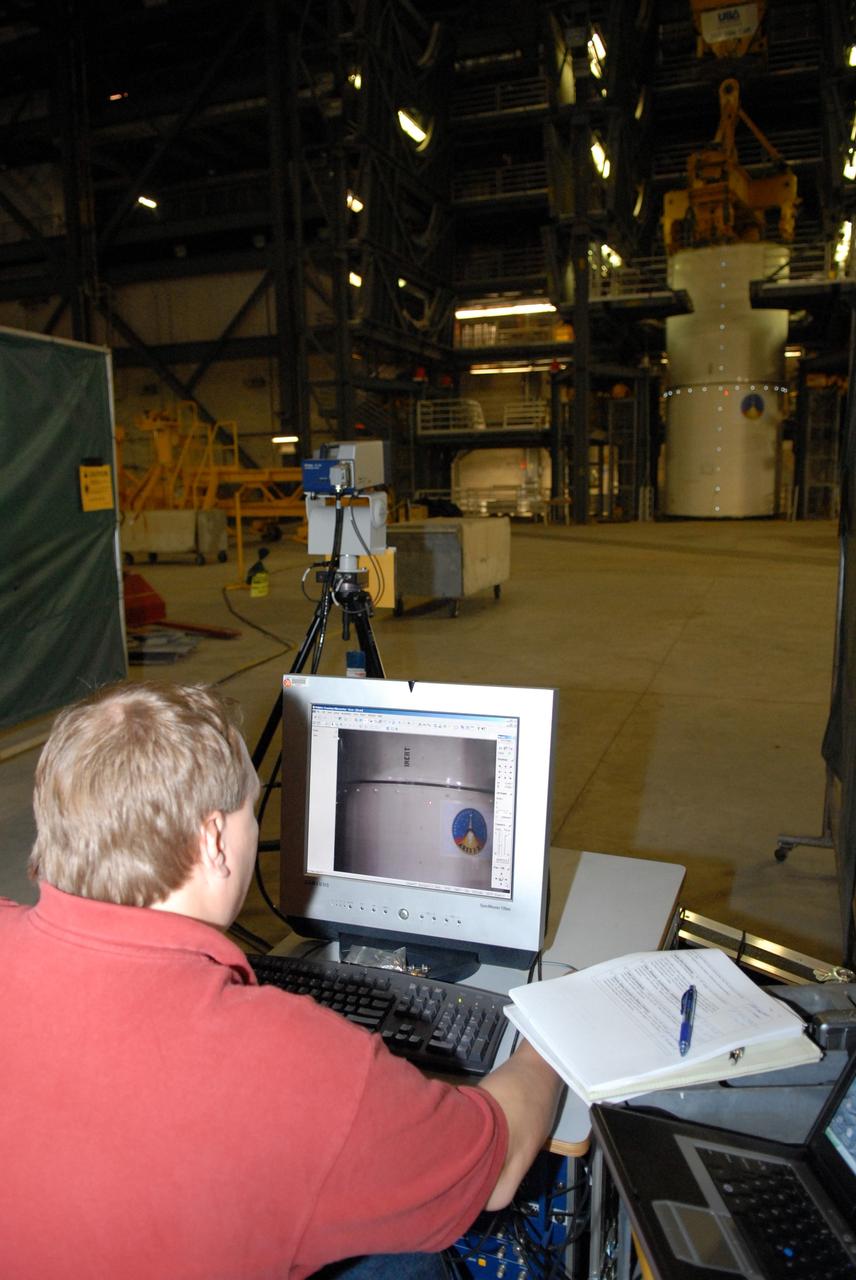
CAPE CANAVERAL, Fla. -- Vibration and laser testing is being conducted on Ares I-X segments at NASA's Kennedy Space Center. LaRC Test Engineer Jim Gaspar programs coordinates of targets into the Laser Vibrometer. Photo credit: NASA/Dimitri Gerondidakis

CAPE CANAVERAL, Fla. -- Vibration and laser testing is being conducted on Ares I-X segments at NASA's Kennedy Space Center. Here, technician Todd Reeves installs a Stinger Rod from the Shaker to a load plate that was bonded to the solid rocket motor case. Photo credit: NASA/Dimitri Gerondidakis
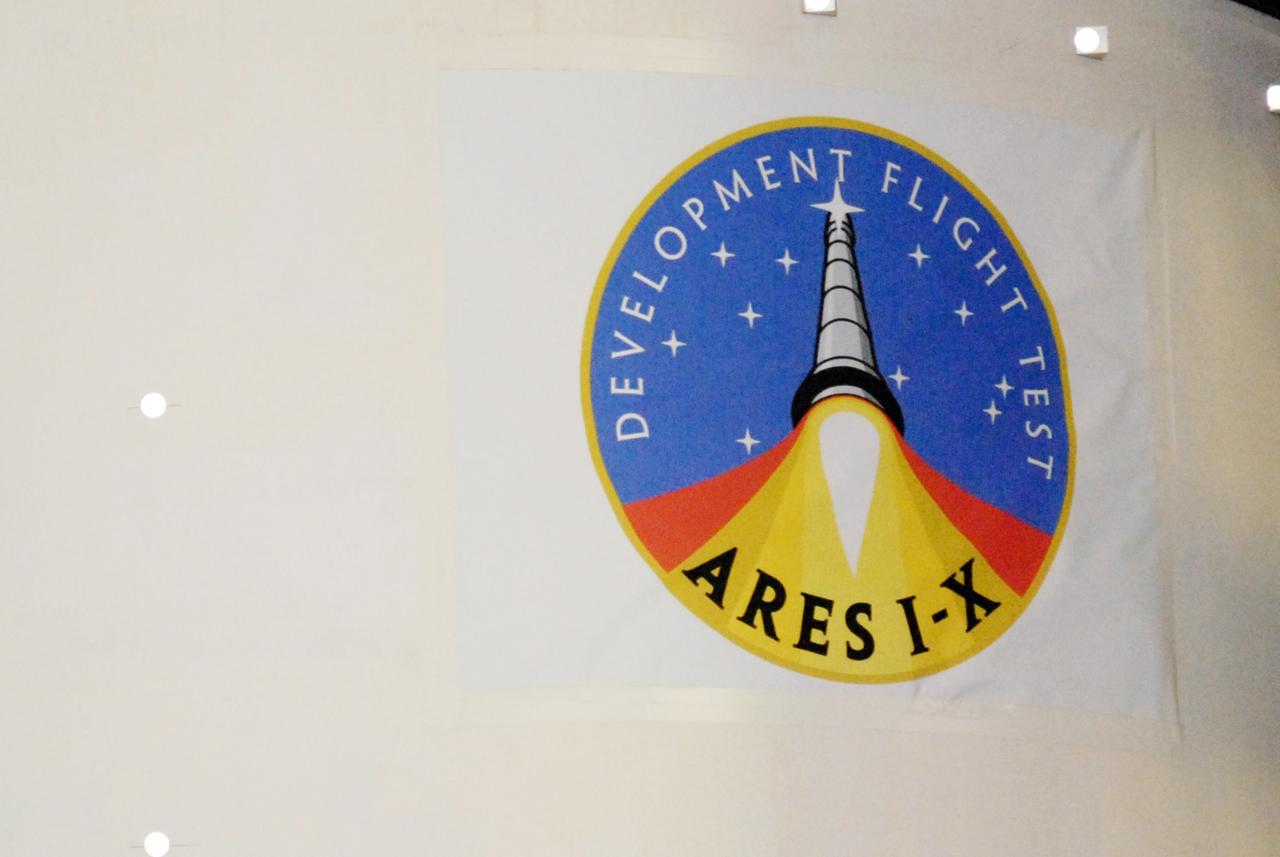
CAPE CANAVERAL, Fla. -- Vibration and laser testing is being conducted on Ares I-X segments at NASA's Kennedy Space Center. Here, is a closeup of a special Ares I-X Logo, supplied by Jon Cowart of NASA Constellation, that the Inert Solid Rocket Motor Segment has received for the Modal Test. Photo credit: NASA/Dimitri Gerondidakis
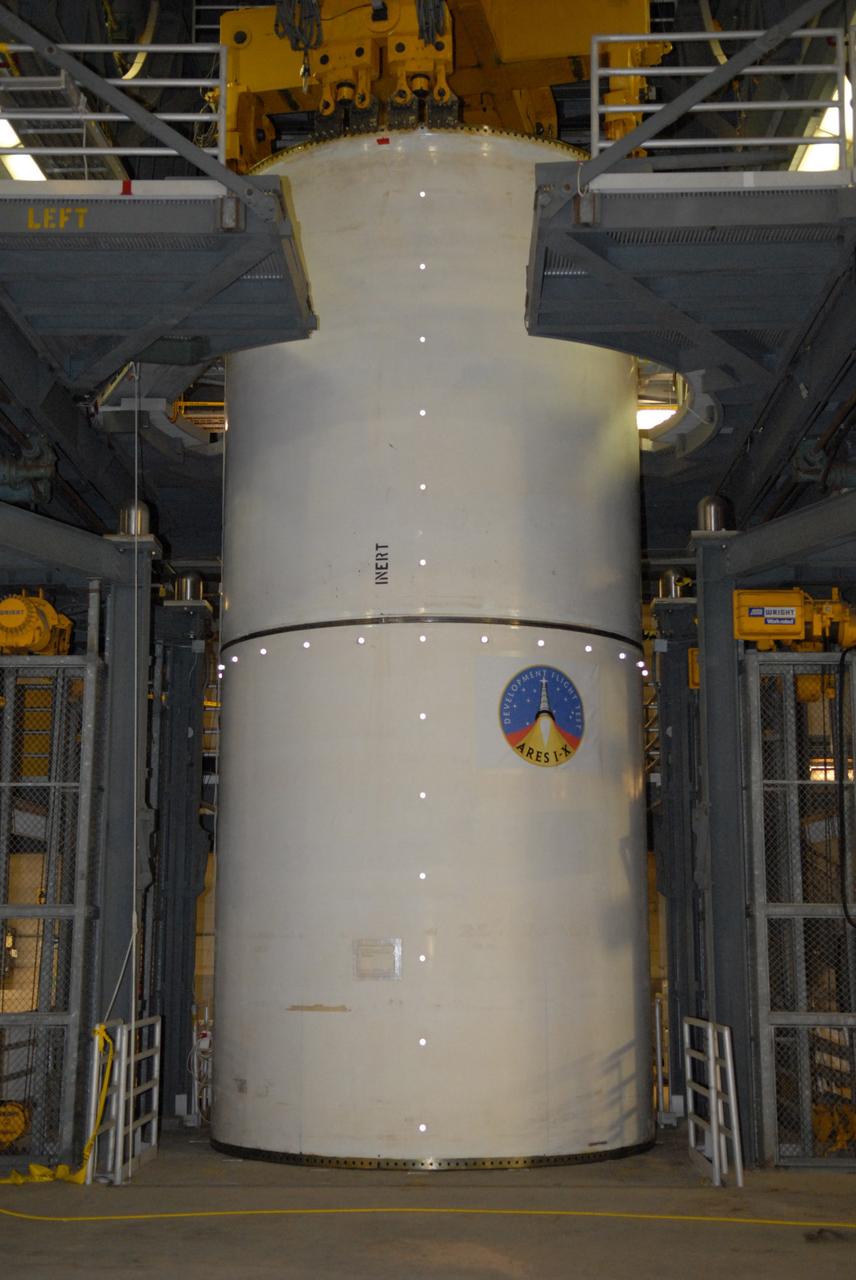
CAPE CANAVERAL, Fla. -- Vibration and laser testing is being conducted on Ares I-X segments at NASA's Kennedy Space Center. Here, the Inert Solid Rocket Motor Segment is configured with targets both vertically and horizontally in attempts to validate the predicted “Shell Modes” during the actual Modal Testing. Photo credit: NASA/Dimitri Gerondidakis
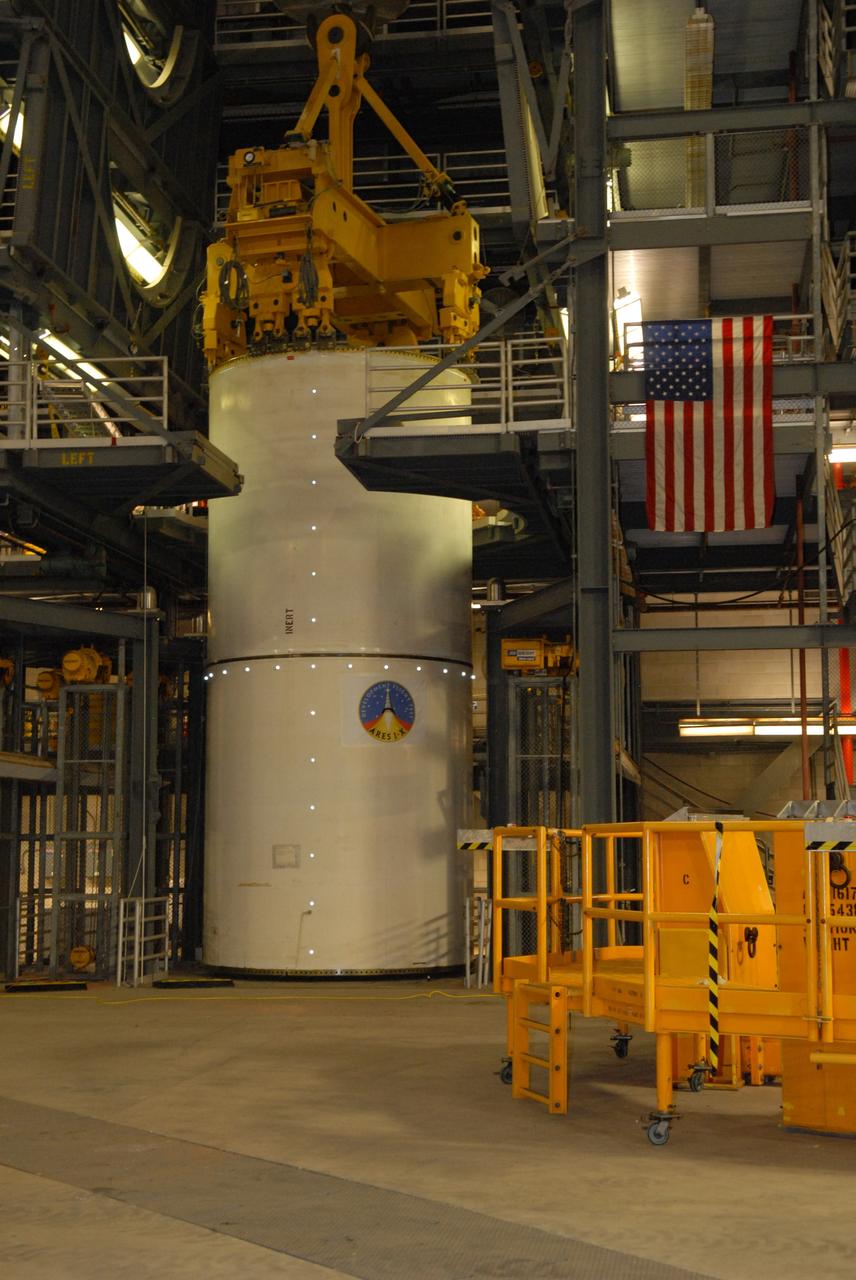
CAPE CANAVERAL, Fla. -- Vibration and laser testing is being conducted on Ares I-X segments at NASA's Kennedy Space Center. Here, actual modal testing is being performed on the Inert Solid Rocket Motor Segment while suspended from the 250-ton overhead crane in the Vehicle Assembly Building. Photo credit: NASA/Dimitri Gerondidakis
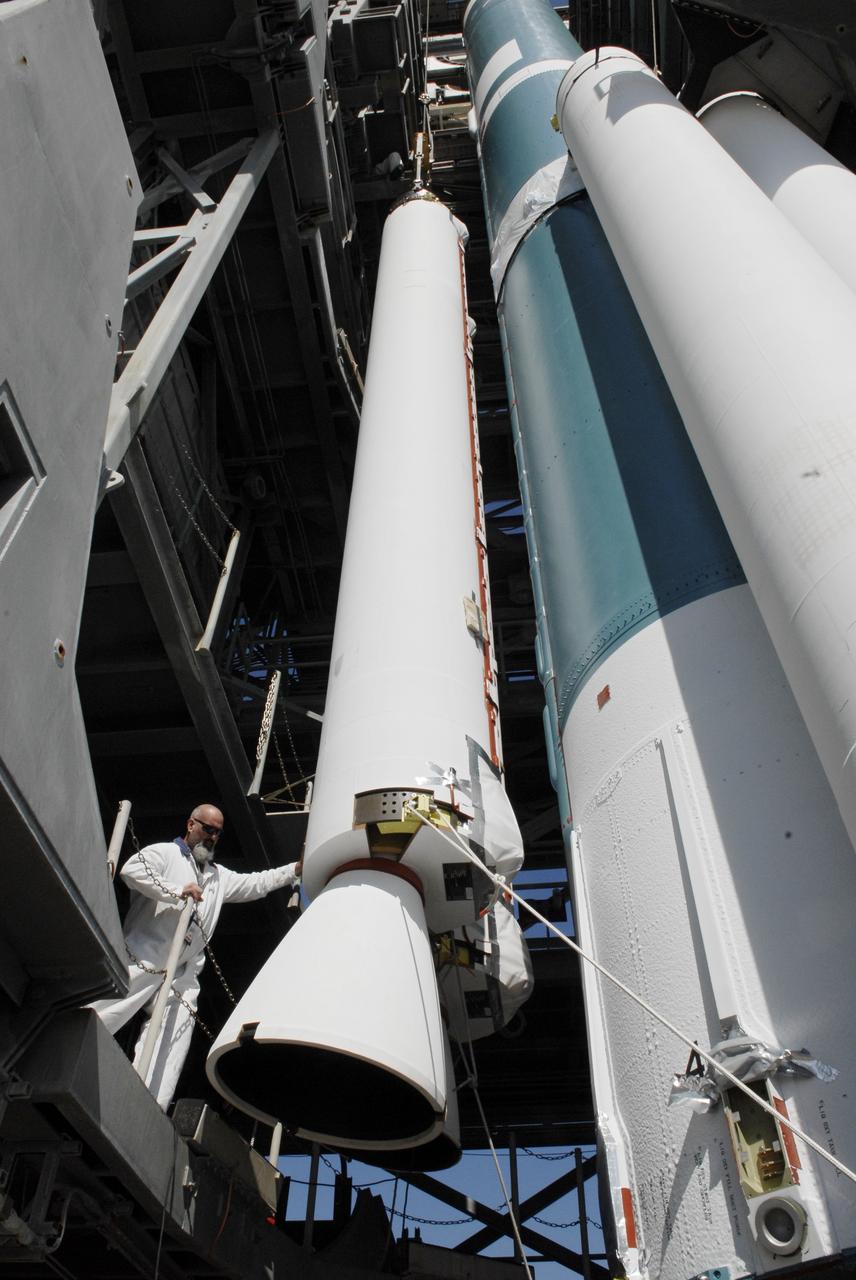
CAPE CANAVERAL, Fla. – On Launch Pad 17-B at Cape Canaveral Air Force Station, a worker monitors the placement of a solid rocket booster on a Delta II rocket for launch of the STSS Demonstrator spacecraft. The spacecraft is a midcourse tracking technology demonstrator, part of an evolving ballistic missile defense system. STSS is capable of tracking objects after boost phase and provides trajectory information to other sensors. It will be launched by NASA for the Missile Defense Agency on July 29. Photo credit: NASA/Kim Shiflett
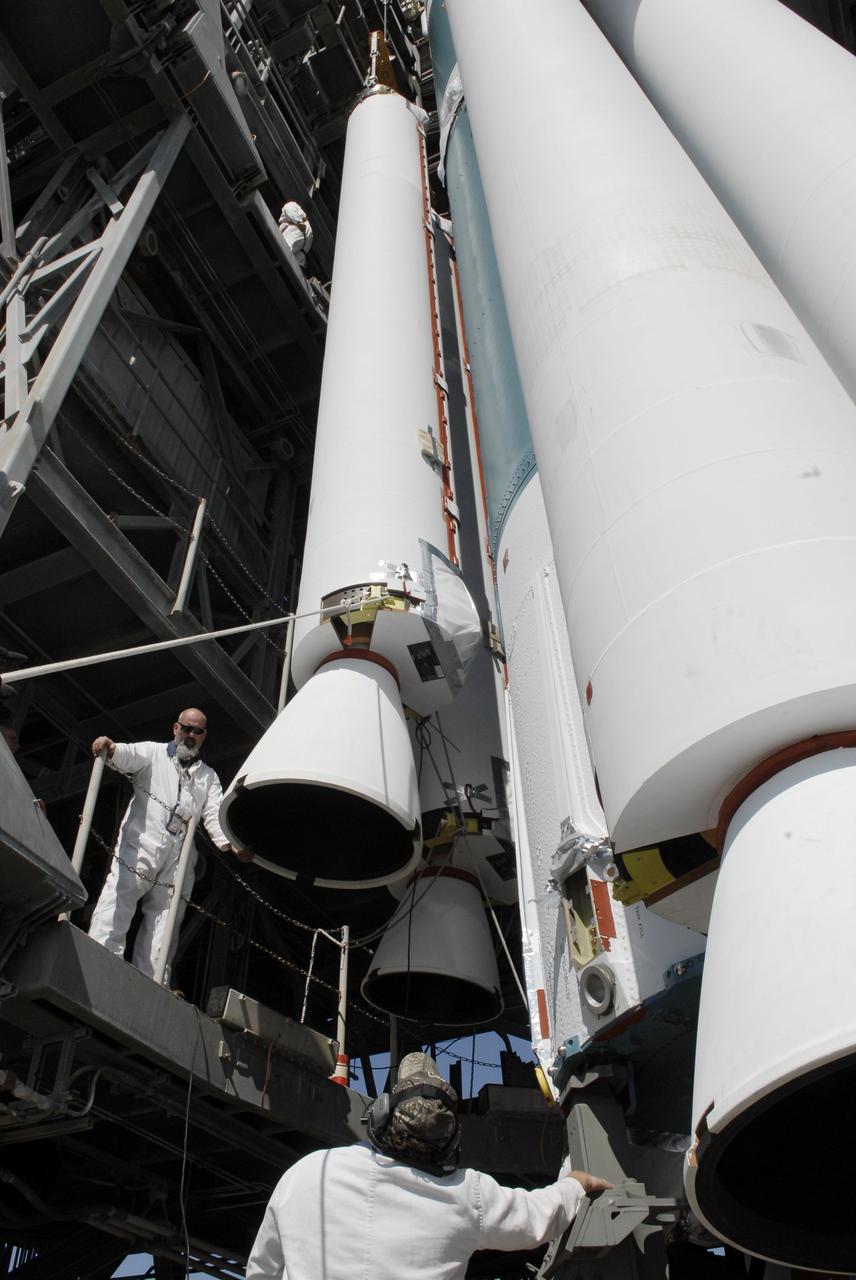
CAPE CANAVERAL, Fla. – On Launch Pad 17-B at Cape Canaveral Air Force Station, workers monitor the placement of a solid rocket booster on a Delta II rocket for launch of the STSS Demonstrator spacecraft. The spacecraft is a midcourse tracking technology demonstrator, part of an evolving ballistic missile defense system. STSS is capable of tracking objects after boost phase and provides trajectory information to other sensors. It will be launched by NASA for the Missile Defense Agency on July 29. Photo credit: NASA/Kim Shiflett
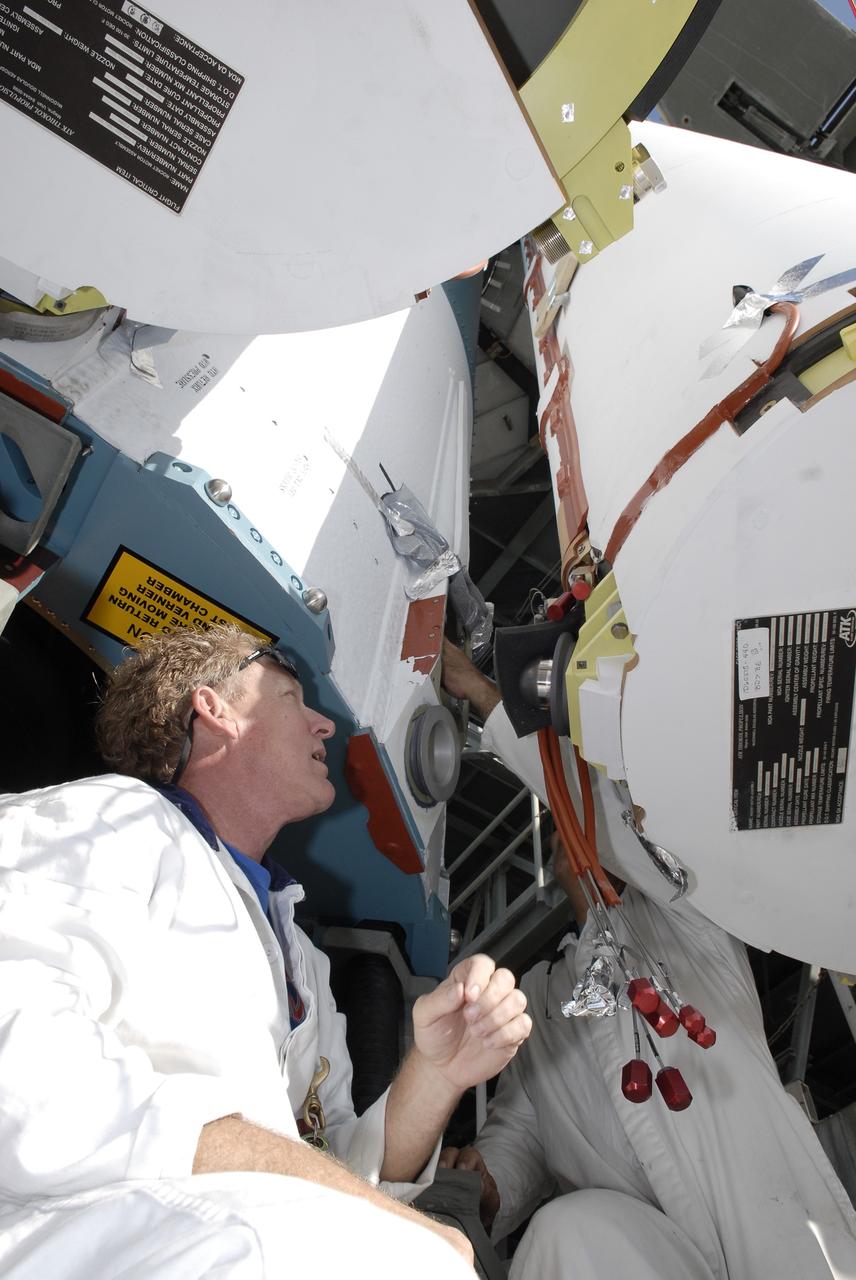
CAPE CANAVERAL, Fla. – On Launch Pad 17-B at Cape Canaveral Air Force Station, a worker attaches solid rocket boosters to a Delta II rocket for launch of the STSS Demonstrator spacecraft. The spacecraft is a midcourse tracking technology demonstrator, part of an evolving ballistic missile defense system. STSS is capable of tracking objects after boost phase and provides trajectory information to other sensors. It will be launched by NASA for the Missile Defense Agency on July 29. Photo credit: NASA/Kim Shiflett
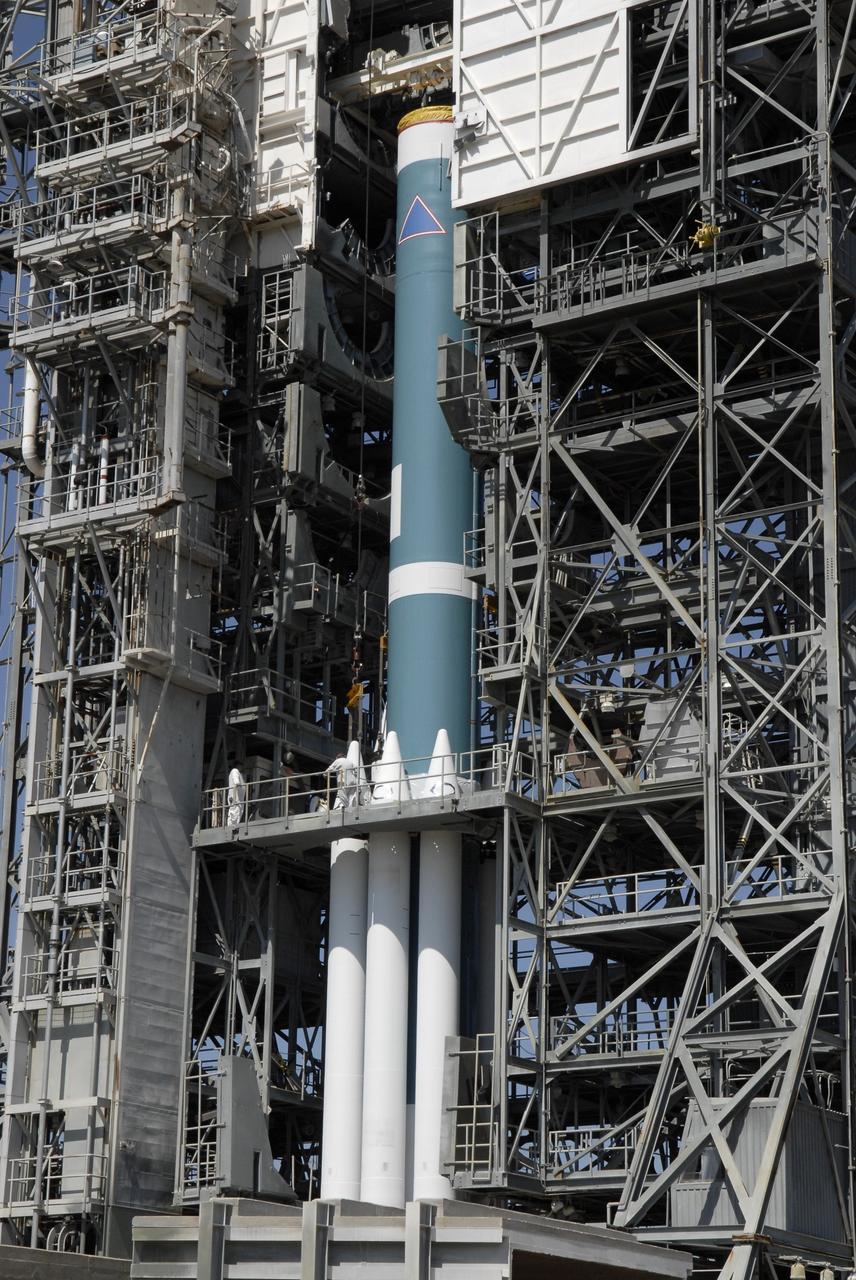
CAPE CANAVERAL, Fla. – On Launch Pad 17-B at Cape Canaveral Air Force Station, solid rocket boosters are installed on a Delta II rocket for launch of the STSS Demonstrator spacecraft. The spacecraft is a midcourse tracking technology demonstrator, part of an evolving ballistic missile defense system. STSS is capable of tracking objects after boost phase and provides trajectory information to other sensors. It will be launched by NASA for the Missile Defense Agency on July 29. Photo credit: NASA/Kim Shiflett
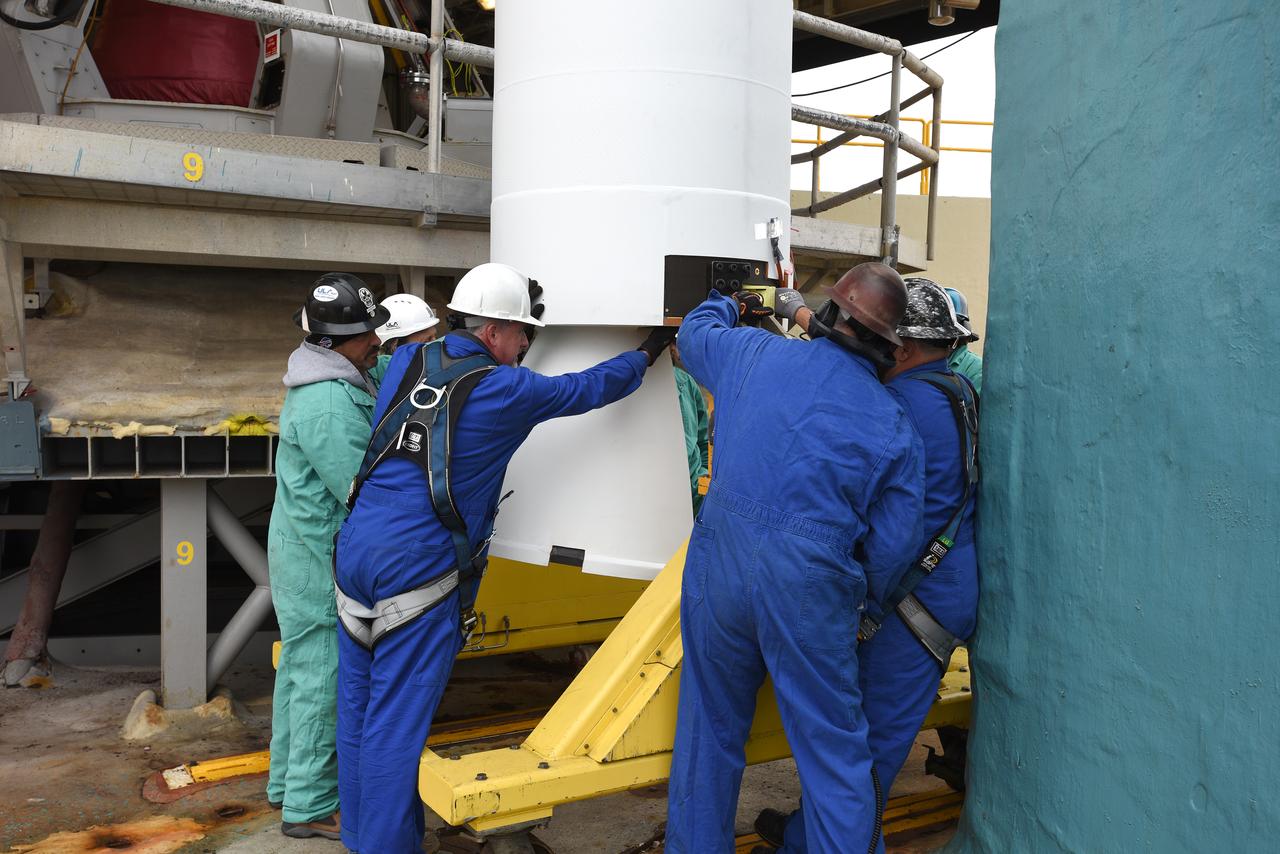
At Vandenberg Air Force Base in California, technicians inspect a solid rocket motor at Space Launch Complex 2 as it is attached to a United Launch Alliance Delta II rocket. Preparations are continuing for launch of the Joint Polar Satellite System (JPSS-1) spacecraft on March 27, 2017. JPSS-1 is part of the next-generation environmental satellite system, a collaborative program between the National Oceanic and Atmospheric Administration (NOAA) and NASA.
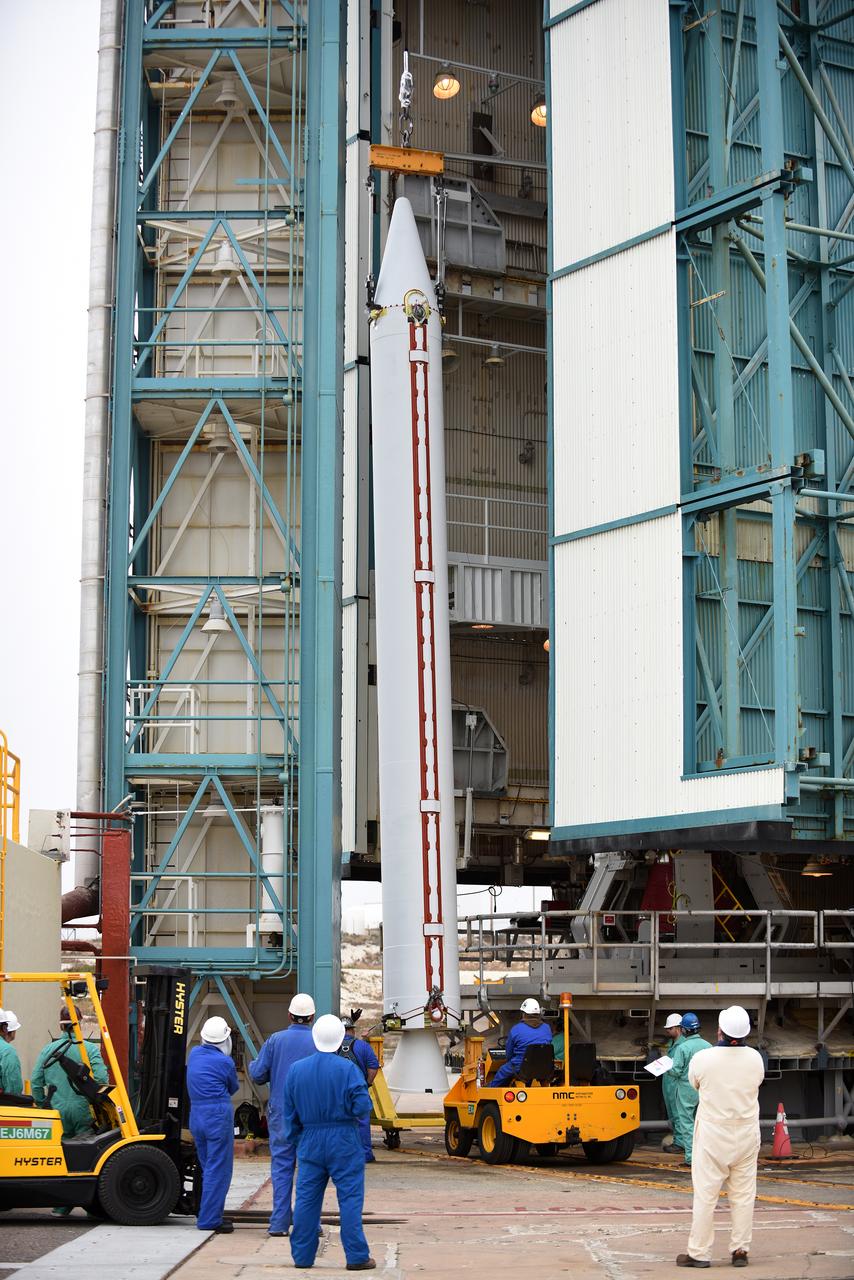
At Vandenberg Air Force Base in California, a solid rocket motor is lifted at Space Launch Complex 2 to be attached to a United Launch Alliance Delta II rocket. Preparations are continuing for launch of the Joint Polar Satellite System (JPSS-1) spacecraft on March 27, 2017. JPSS-1 is part of the next-generation environmental satellite system, a collaborative program between the National Oceanic and Atmospheric Administration (NOAA) and NASA.
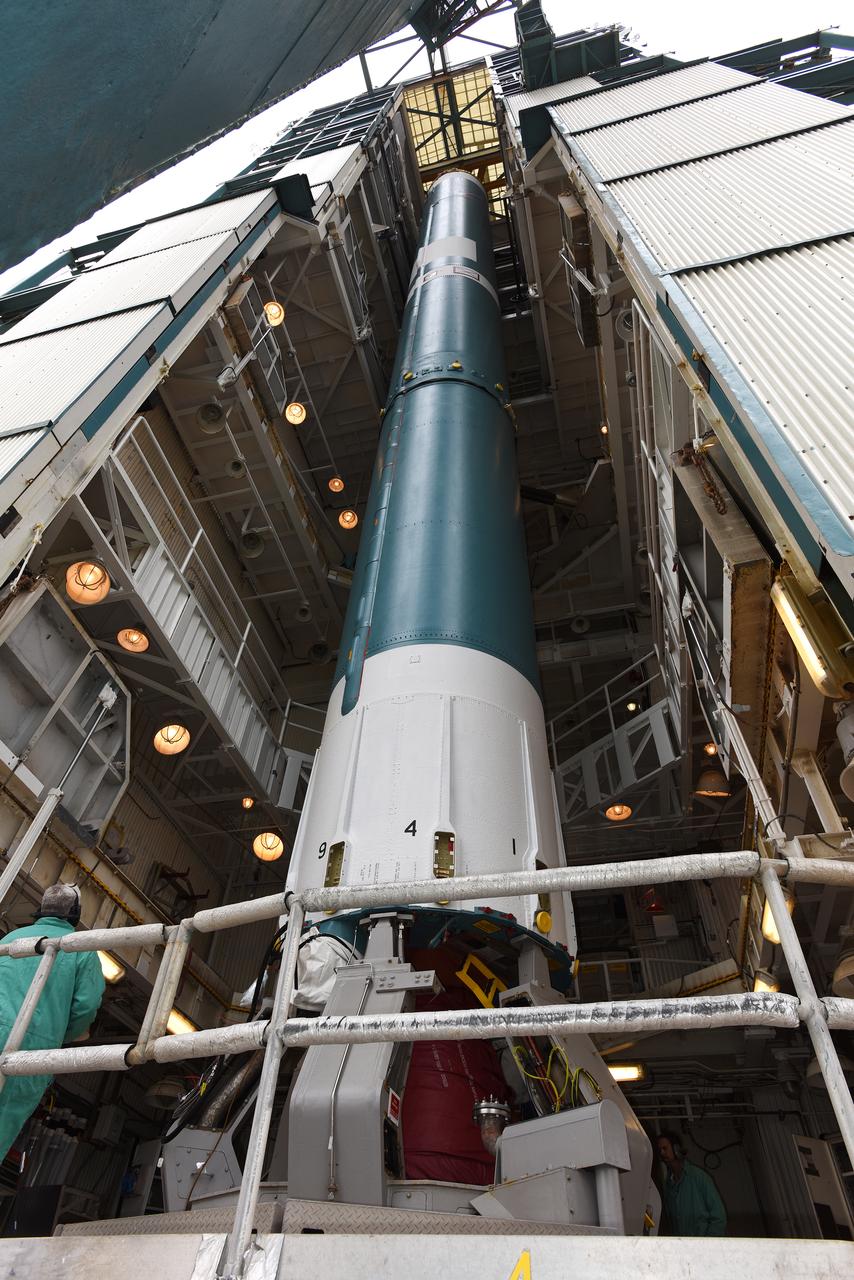
At Vandenberg Air Force Base in California, a United Launch Alliance Delta II rocket stands at Space Launch Complex 2 as preparations are continuing for launch of the Joint Polar Satellite System (JPSS-1) spacecraft on March 27, 2017. JPSS-1 is part of the next-generation environmental satellite system, a collaborative program between the National Oceanic and Atmospheric Administration (NOAA) and NASA.
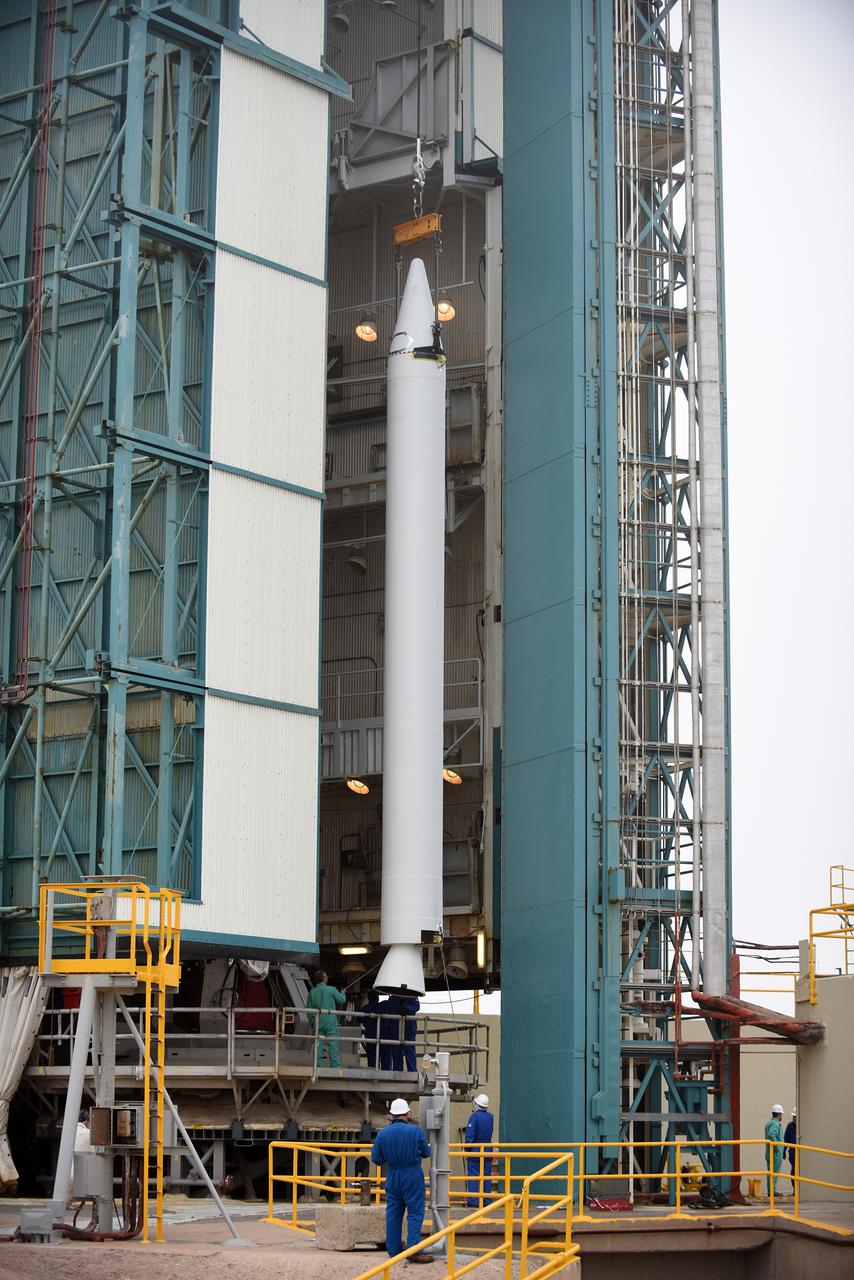
At Vandenberg Air Force Base in California, a solid rocket motor is lifted at Space Launch Complex 2 to be attached to a United Launch Alliance Delta II rocket. Preparations are continuing for launch of the Joint Polar Satellite System (JPSS-1) spacecraft on March 27, 2017. JPSS-1 is part of the next-generation environmental satellite system, a collaborative program between the National Oceanic and Atmospheric Administration (NOAA) and NASA.

At Vandenberg Air Force Base in California, a solid rocket motor is lifted at Space Launch Complex 2 to be attached to a United Launch Alliance Delta II rocket. Preparations are continuing for launch of the Joint Polar Satellite System (JPSS-1) spacecraft on March 27, 2017. JPSS-1 is part of the next-generation environmental satellite system, a collaborative program between the National Oceanic and Atmospheric Administration (NOAA) and NASA.
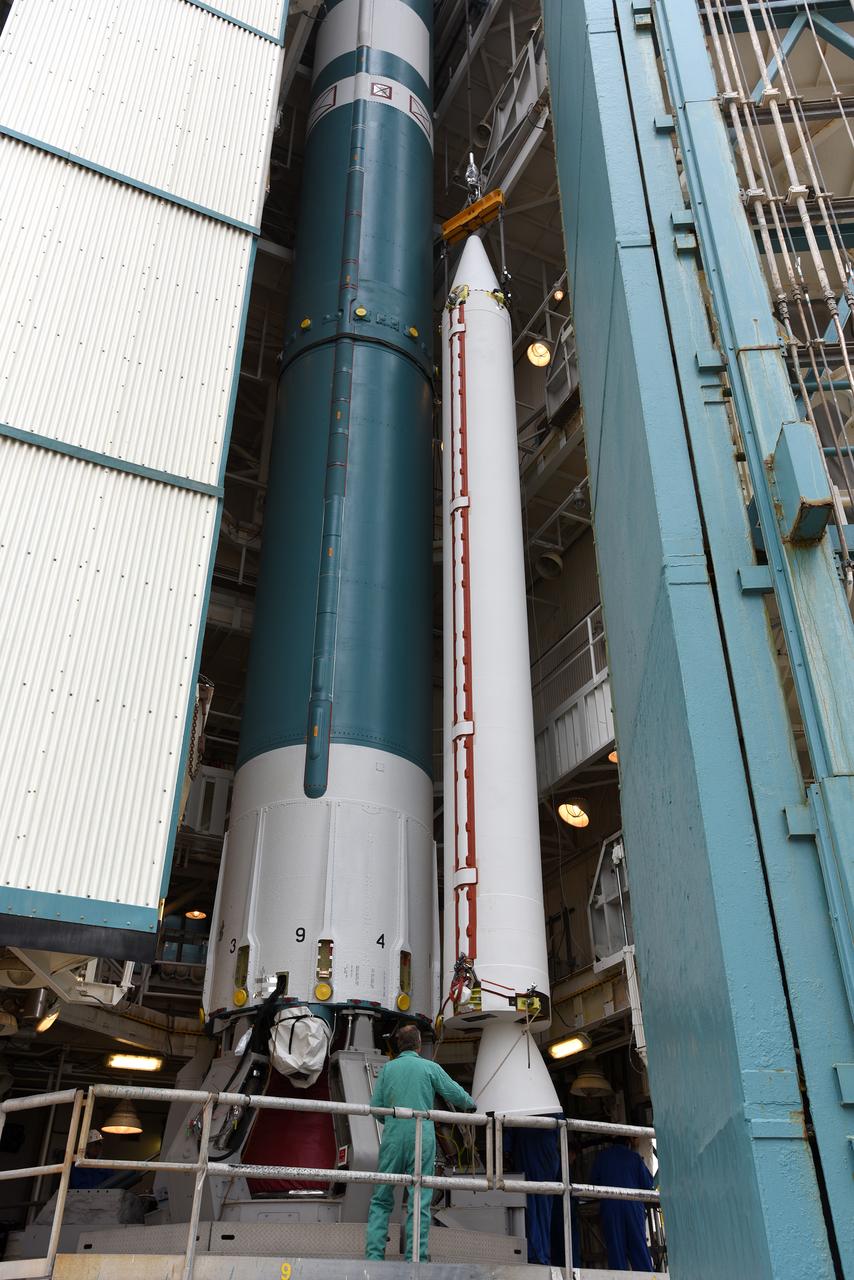
At Vandenberg Air Force Base in California, a solid rocket motor is attached to a United Launch Alliance Delta II rocket at Space Launch Complex 2. Preparations are continuing for launch of the Joint Polar Satellite System (JPSS-1) spacecraft on March 27, 2017. JPSS-1 is part of the next-generation environmental satellite system, a collaborative program between the National Oceanic and Atmospheric Administration (NOAA) and NASA.
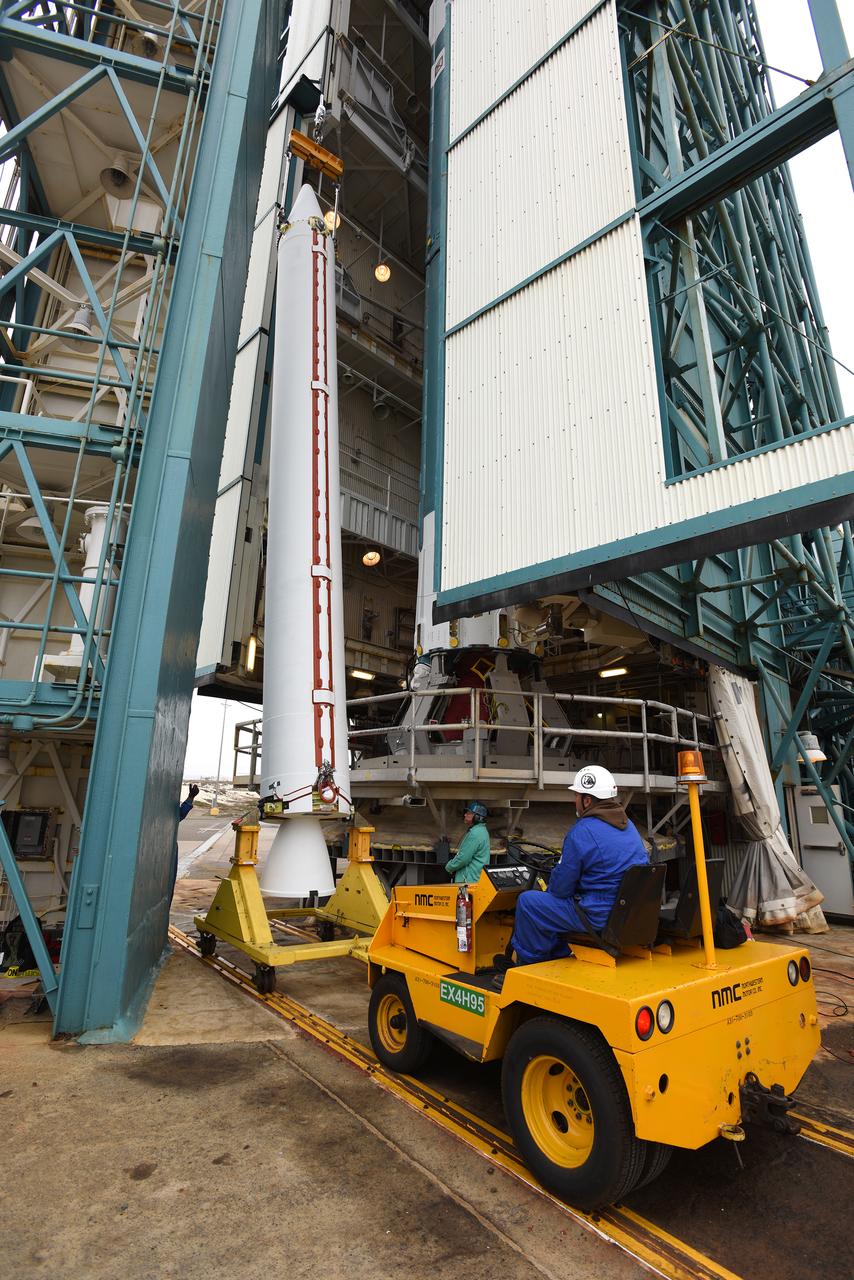
At Vandenberg Air Force Base in California, a solid rocket motor is lifted at Space Launch Complex 2 to be attached to a United Launch Alliance Delta II rocket. Preparations are continuing for launch of the Joint Polar Satellite System (JPSS-1) spacecraft on March 27, 2017. JPSS-1 is part of the next-generation environmental satellite system, a collaborative program between the National Oceanic and Atmospheric Administration (NOAA) and NASA.
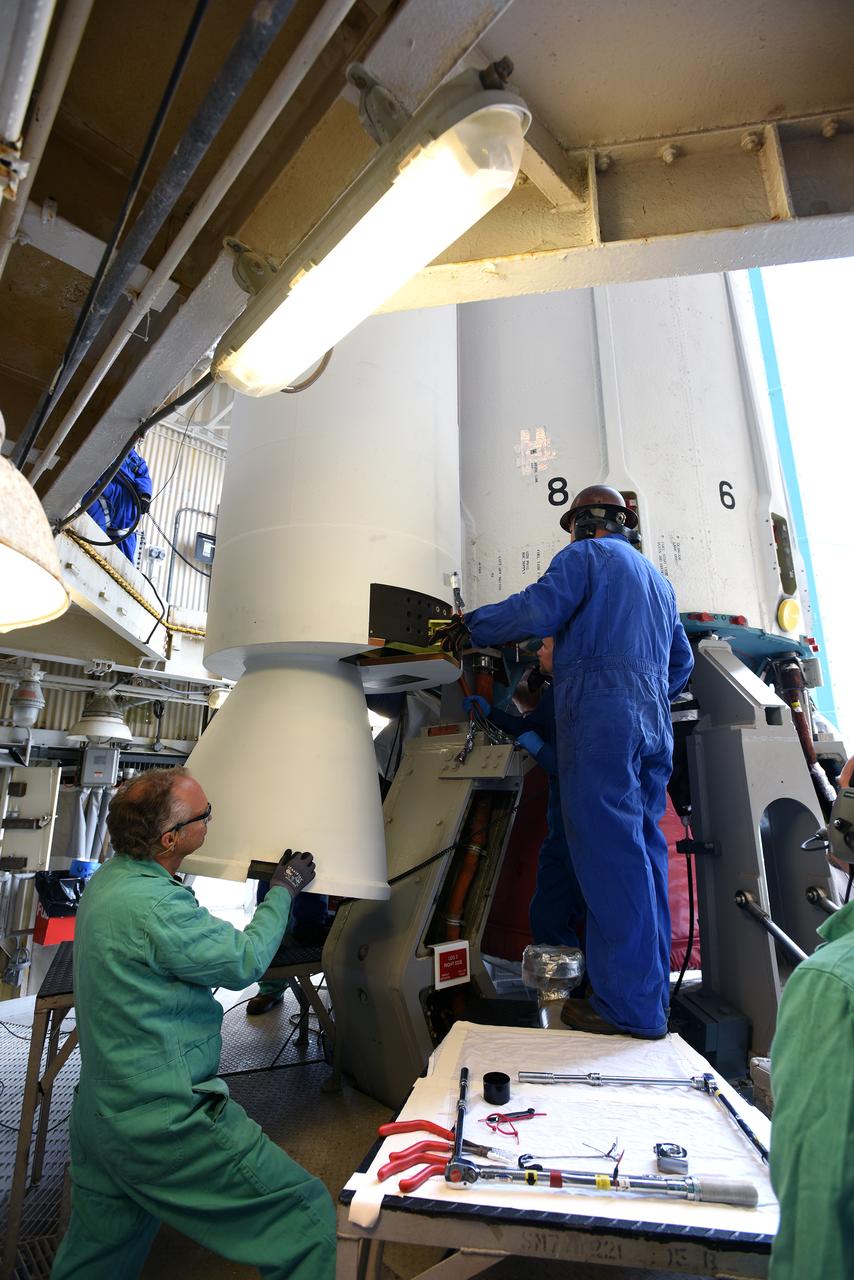
At Vandenberg Air Force Base in California, technicians inspect a solid rocket motor at Space Launch Complex 2 as it is attached to a United Launch Alliance Delta II rocket. Preparations are continuing for launch of the Joint Polar Satellite System (JPSS-1) spacecraft on March 27, 2017. JPSS-1 is part of the next-generation environmental satellite system, a collaborative program between the National Oceanic and Atmospheric Administration (NOAA) and NASA.
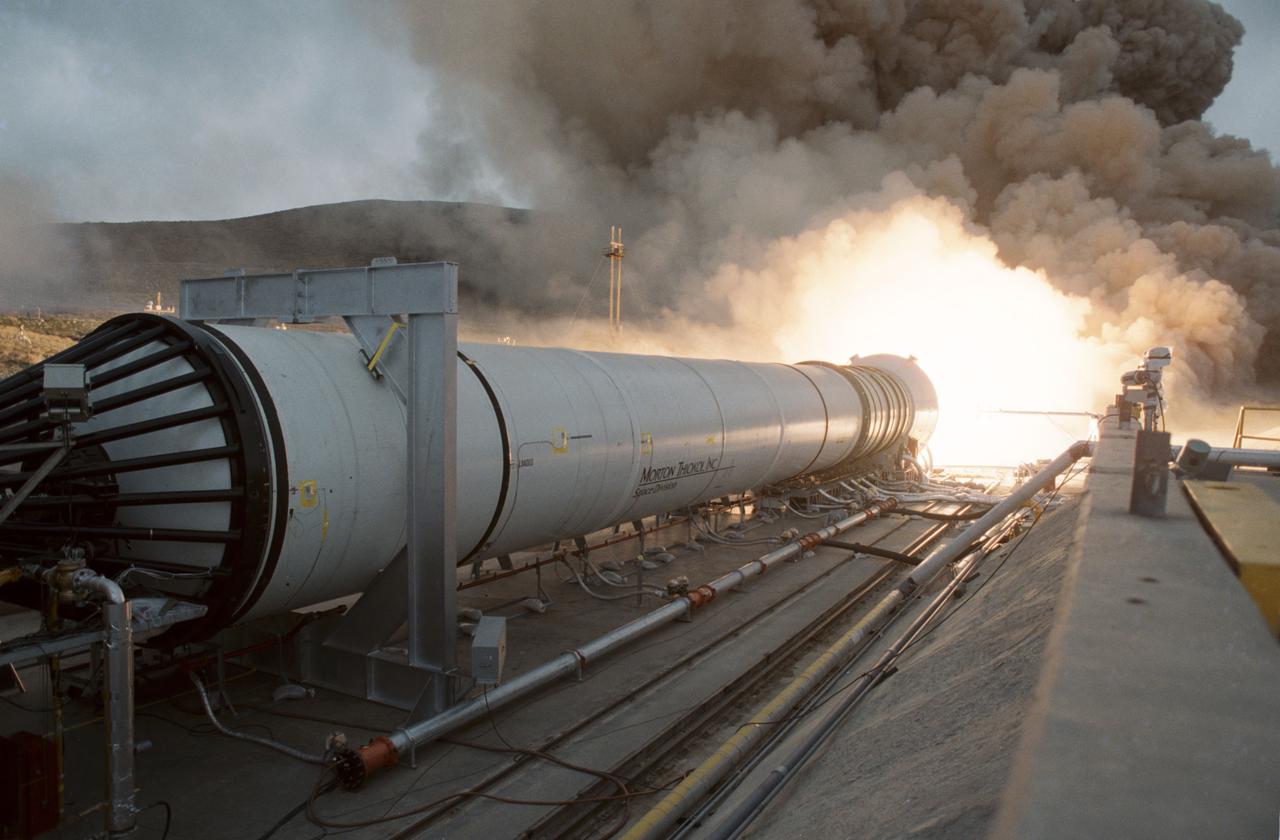
Solid Rocket Qualification Motor Firing at the Morton Thiokol facility at Brigham City, Utah on 20 April 1988.
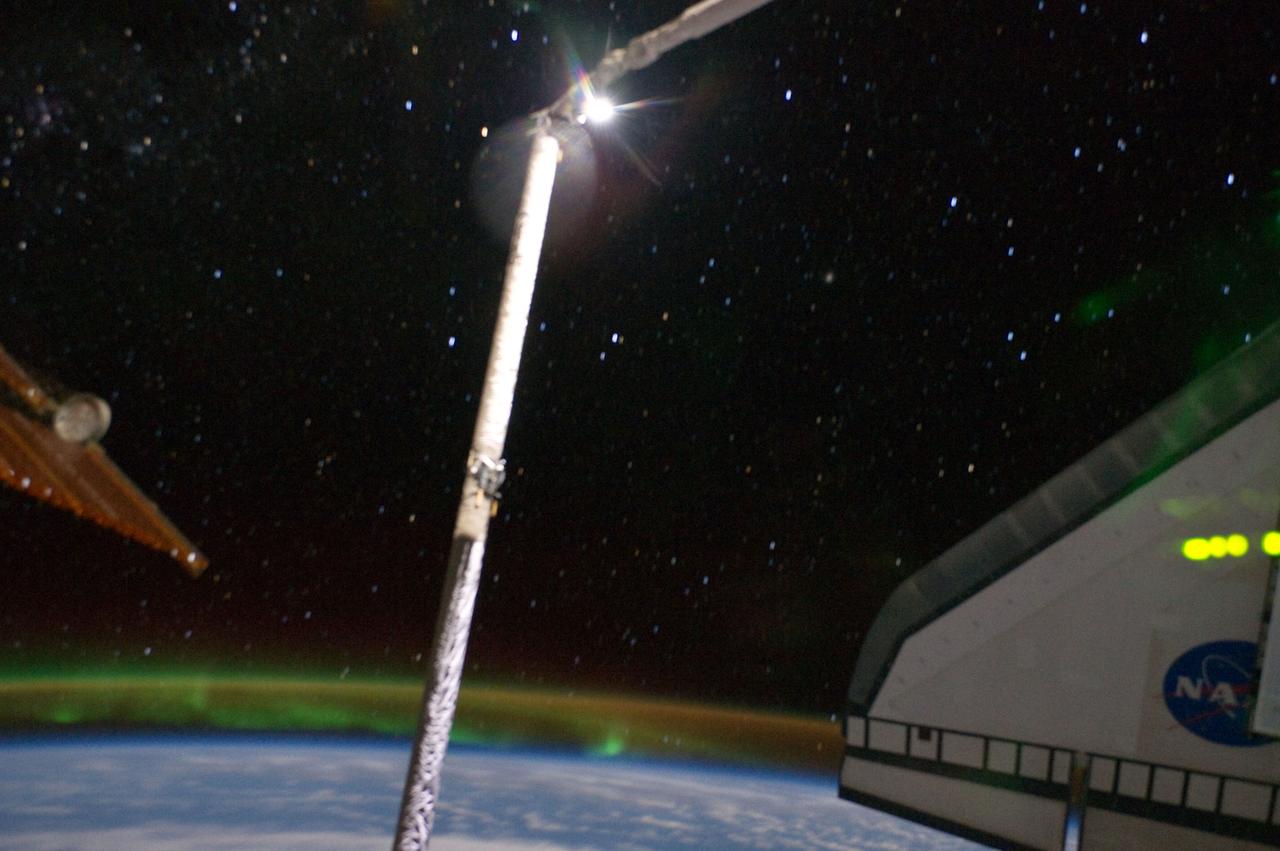
ISS028-E-017393 (17 July 2011) --- This is one of a series of photographs recorded from the International Space Station showing the docked space shuttle Atlantis' port side wing backdropped against the blackness of space. At the bottom of the frame can be seen airglow over Earth, intermingled with auroral activity. A solar wing connected to the station and part of the Orbiter Boom Sensor System are on the left side of the frame.
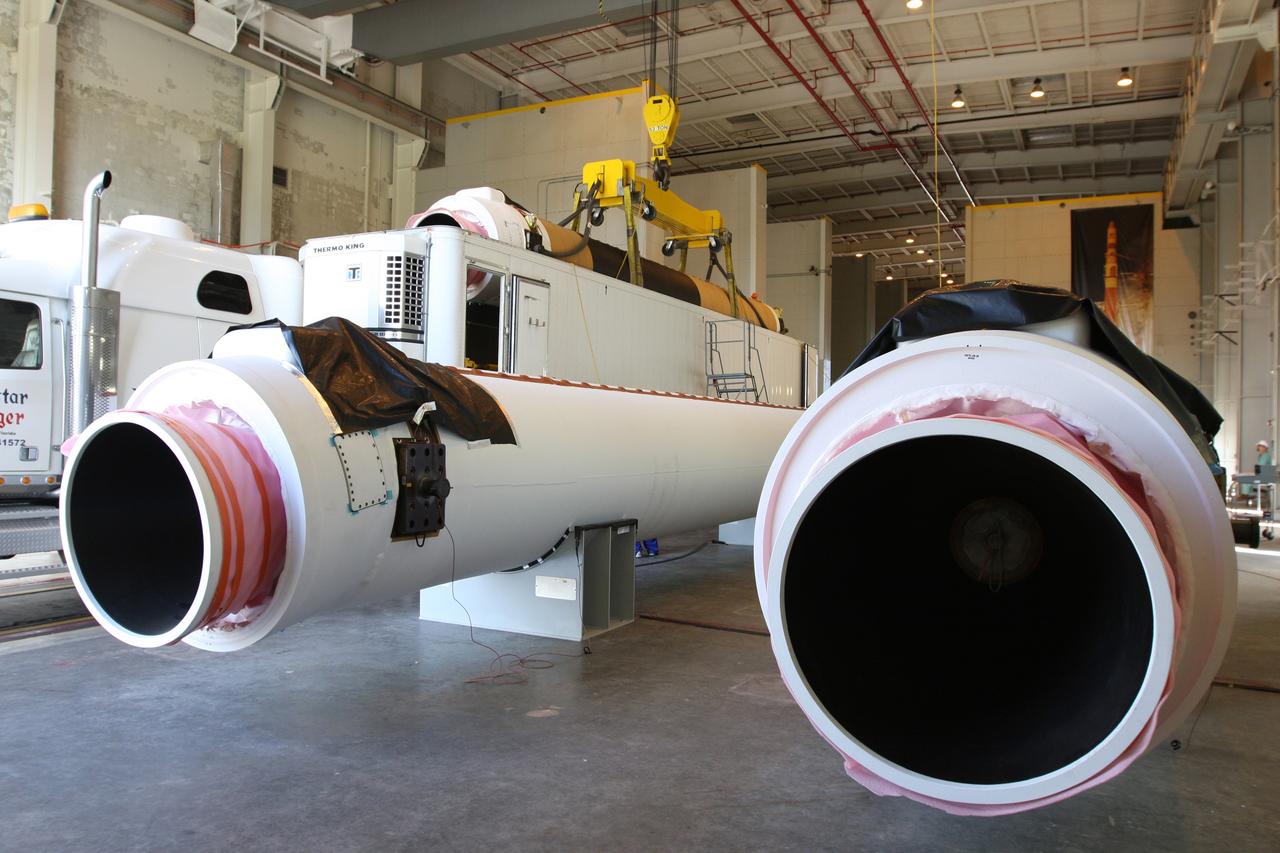
CAPE CANAVERAL, Fla. – At the Receipt Inspection Shop on Cape Canaveral Air Force Station in Florida, an ATK Space Systems' 60-inch graphite epoxy motor, or GEM, slated for launch of the GOES-P spacecraft is lifted from the tractor-trailer in which it was delivered. The two GEMs in the foreground were delivered previously to support another mission. The United Launch Alliance Delta IV is the launch vehicle for GOES-P, the latest Geostationary Operational Environmental Satellite developed by NASA for the National Oceanic and Atmospheric Administration, or NOAA. Launch is targeted for March 4, 2010, from Launch Complex 37. For information on GOES-P, visit http://nasascience.nasa.gov/missions/goes-n-o-p. Photo credit: NASA/Dimitri Gerondidakis
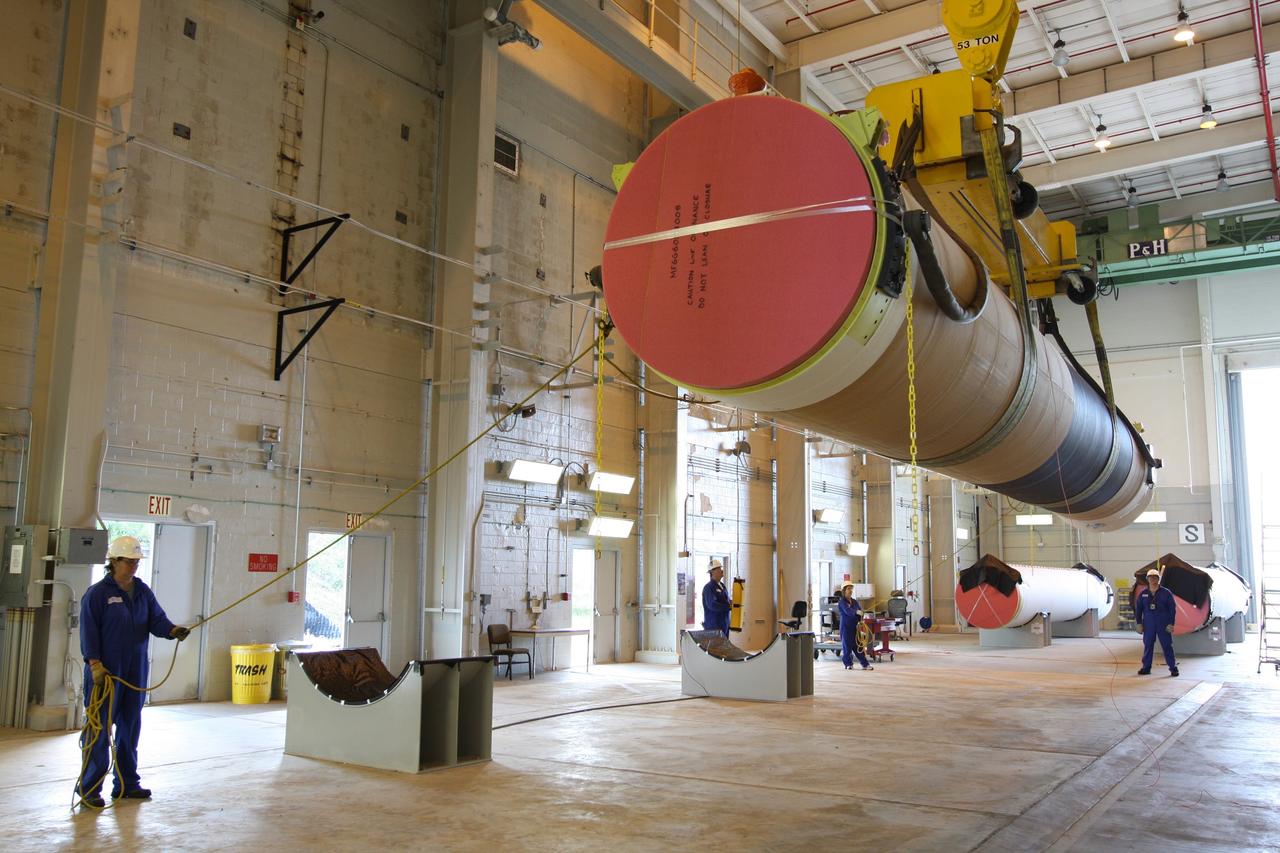
CAPE CANAVERAL, Fla. – At the Receipt Inspection Shop on Cape Canaveral Air Force Station in Florida, ATK Space Systems workers guide a 60-inch graphite epoxy motor, or GEM, slated for launch of the GOES-P spacecraft as it is lowered toward a work stand. The United Launch Alliance Delta IV is the launch vehicle for GOES-P, the latest Geostationary Operational Environmental Satellite developed by NASA for the National Oceanic and Atmospheric Administration, or NOAA. Launch is targeted for March 4, 2010, from Launch Complex 37. For information on GOES-P, visit http://nasascience.nasa.gov/missions/goes-n-o-p. Photo credit: NASA/Dimitri Gerondidakis
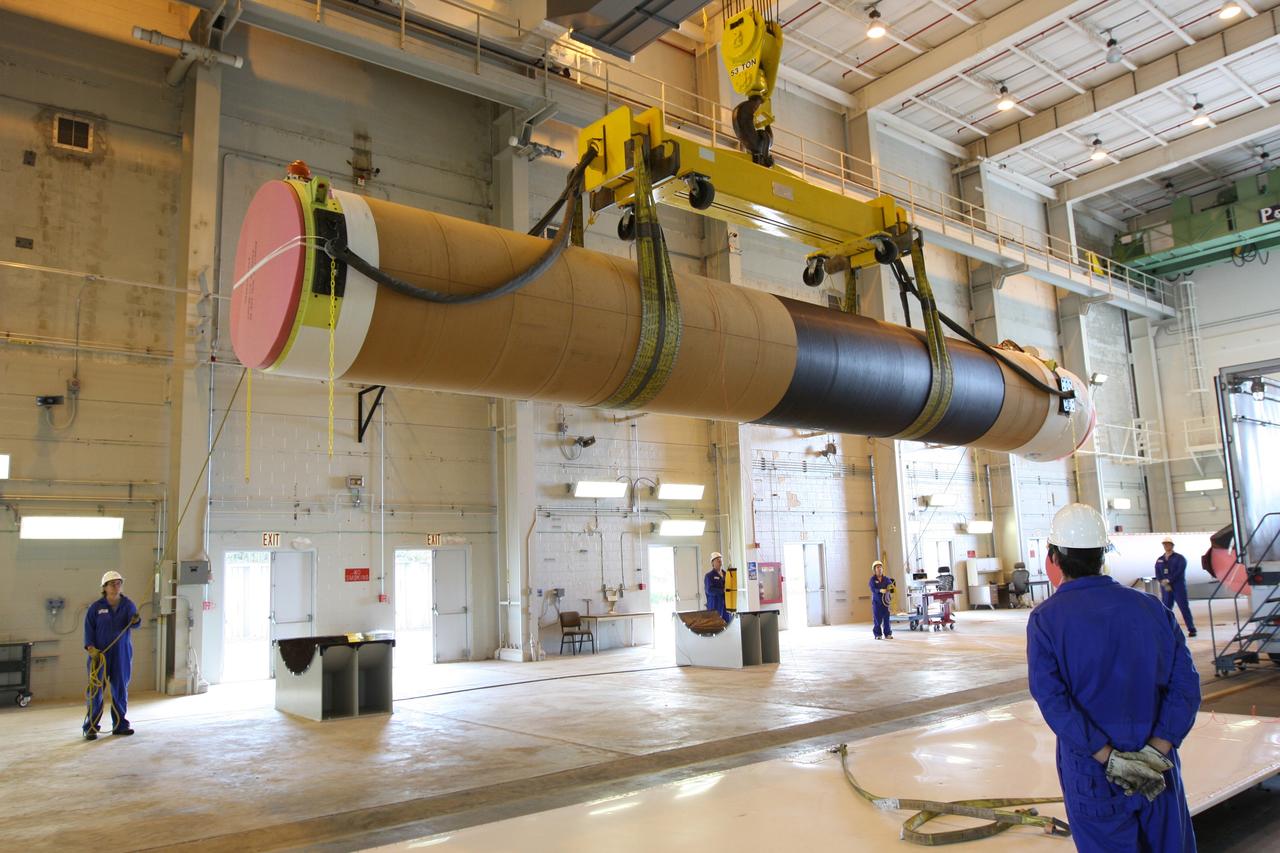
CAPE CANAVERAL, Fla. – At the Receipt Inspection Shop on Cape Canaveral Air Force Station in Florida, ATK Space Systems workers guide a 60-inch graphite epoxy motor, or GEM, slated for launch of the GOES-P spacecraft as it is moved toward a work stand. The United Launch Alliance Delta IV is the launch vehicle for GOES-P, the latest Geostationary Operational Environmental Satellite developed by NASA for the National Oceanic and Atmospheric Administration, or NOAA. Launch is targeted for March 4, 2010, from Launch Complex 37. For information on GOES-P, visit http://nasascience.nasa.gov/missions/goes-n-o-p. Photo credit: NASA/Dimitri Gerondidakis
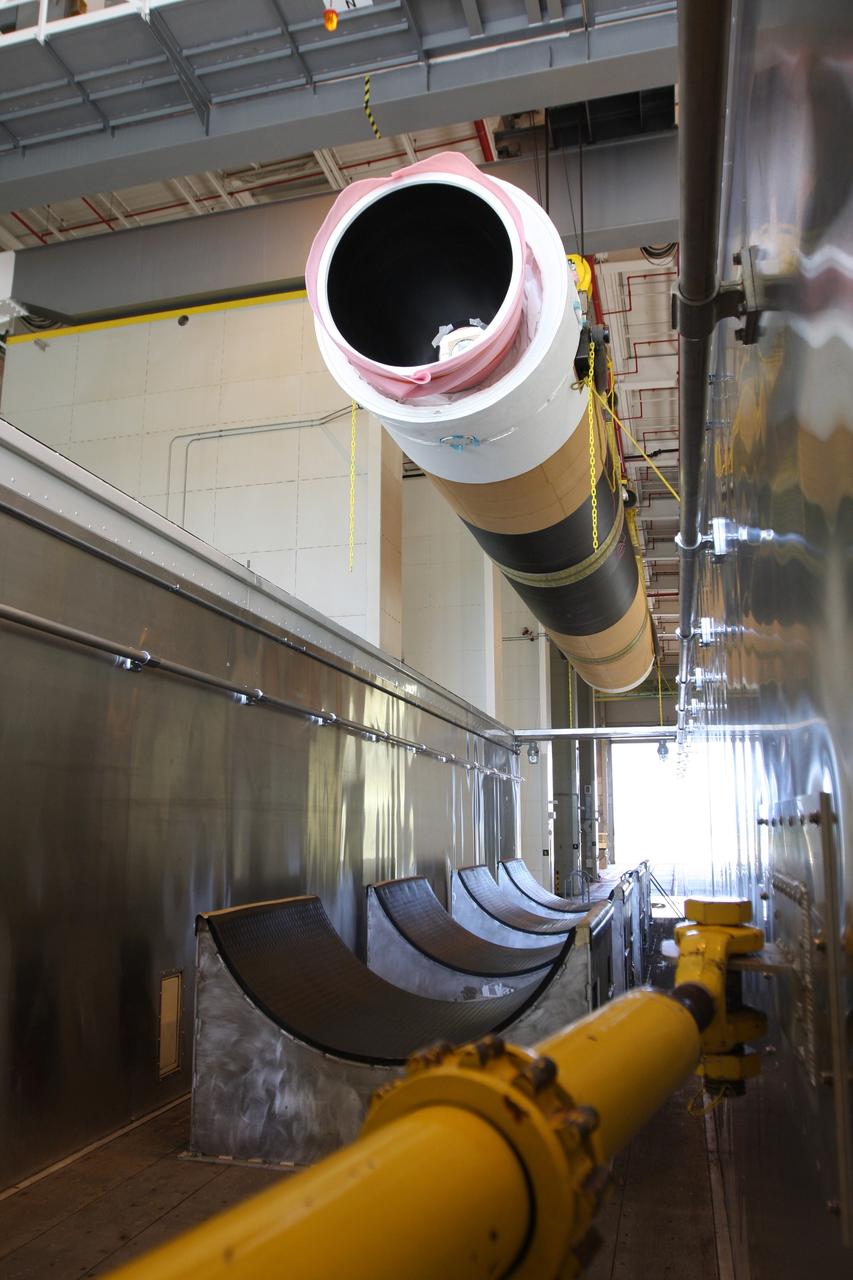
CAPE CANAVERAL, Fla. – At the Receipt Inspection Shop on Cape Canaveral Air Force Station in Florida, an ATK Space Systems' 60-inch graphite epoxy motor, or GEM, slated for launch of the GOES-P spacecraft is lifted from the tractor-trailer in which it was delivered. The United Launch Alliance Delta IV is the launch vehicle for GOES-P, the latest Geostationary Operational Environmental Satellite developed by NASA for the National Oceanic and Atmospheric Administration, or NOAA. Launch is targeted for March 4, 2010, from Launch Complex 37. For information on GOES-P, visit http://nasascience.nasa.gov/missions/goes-n-o-p. Photo credit: NASA/Dimitri Gerondidakis
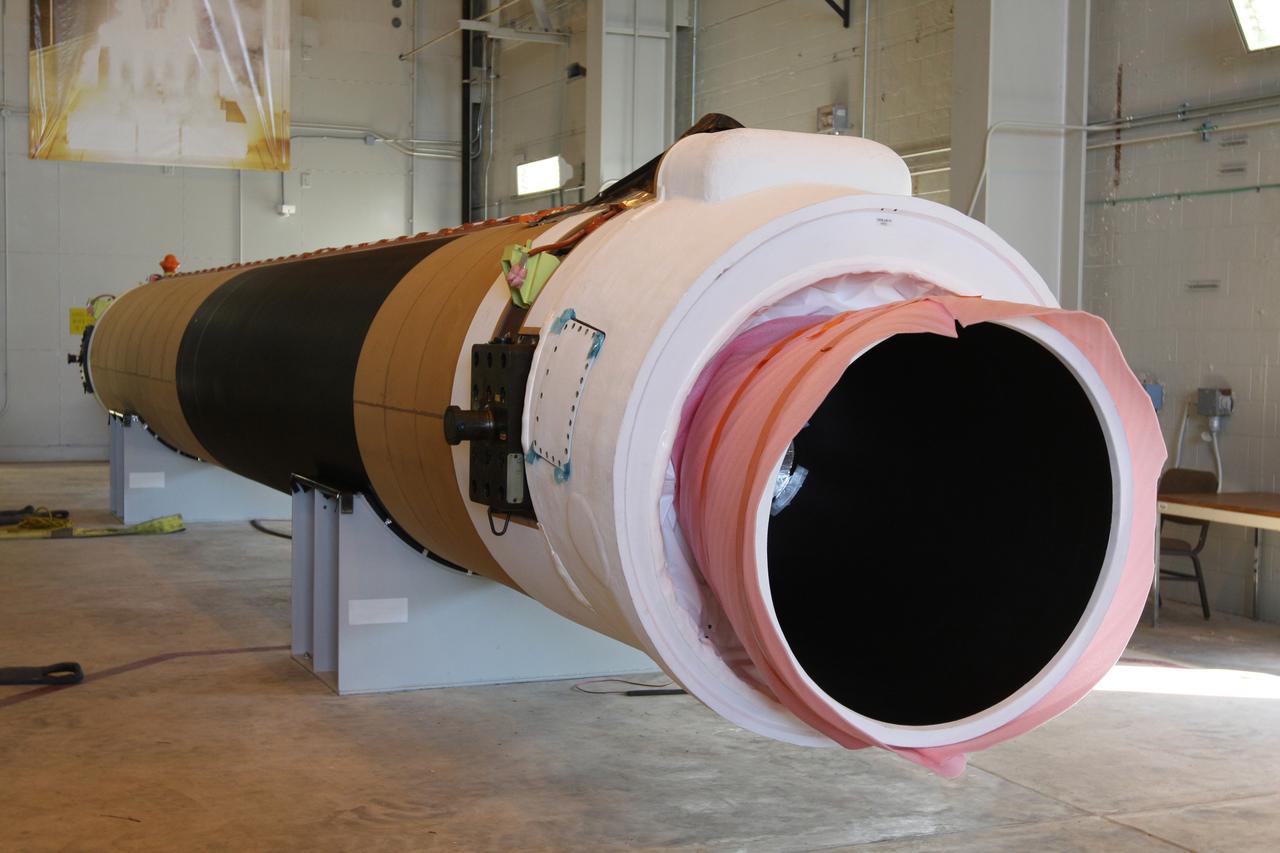
CAPE CANAVERAL, Fla. – At the Receipt Inspection Shop on Cape Canaveral Air Force Station in Florida, an ATK Space Systems' 60-inch graphite epoxy motor, or GEM, slated for launch of the GOES-P spacecraft rests on a work stand awaiting further processing. The United Launch Alliance Delta IV is the launch vehicle for GOES-P, the latest Geostationary Operational Environmental Satellite developed by NASA for the National Oceanic and Atmospheric Administration, or NOAA. Launch is targeted for March 4, 2010, from Launch Complex 37. For information on GOES-P, visit http://nasascience.nasa.gov/missions/goes-n-o-p. Photo credit: NASA/Dimitri Gerondidakis
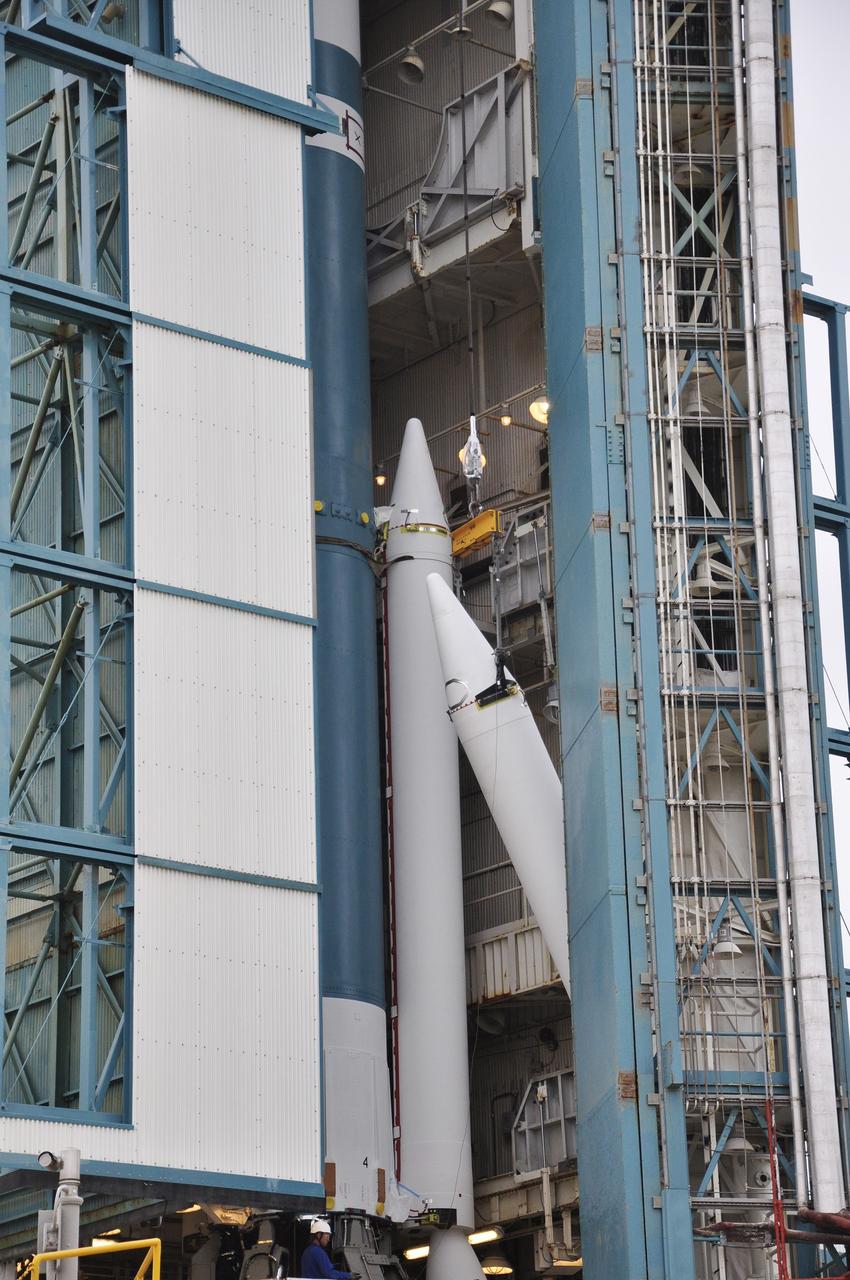
VANDENBERG AIR FORCE BASE, Calif. – The third solid rocket motor, or SRM, for NASA's Orbiting Carbon Observatory-2 mission, or OCO-2, is lifted into place beside the Delta II first stage, with two SRMs already attached, in the mobile service tower at Space Launch Complex 2 on Vandenberg Air Force Base in California. Operations are underway to attach the rocket's three SRMs, known as graphite epoxy motors, to its first stage. OCO-2 is scheduled to launch into a polar Earth orbit aboard a United Launch Alliance Delta II 7320-10C rocket in July. Once in orbit, OCO-2 will collect precise global measurements of carbon dioxide in the Earth's atmosphere and provide scientists with a better idea of the chemical compound's impacts on climate change. Scientists will analyze this data to improve our understanding of the natural processes and human activities that regulate the abundance and distribution of this important atmospheric gas. To learn more about OCO-2, visit http://oco.jpl.nasa.gov. Photo credit: NASA/Randy Beaudoin
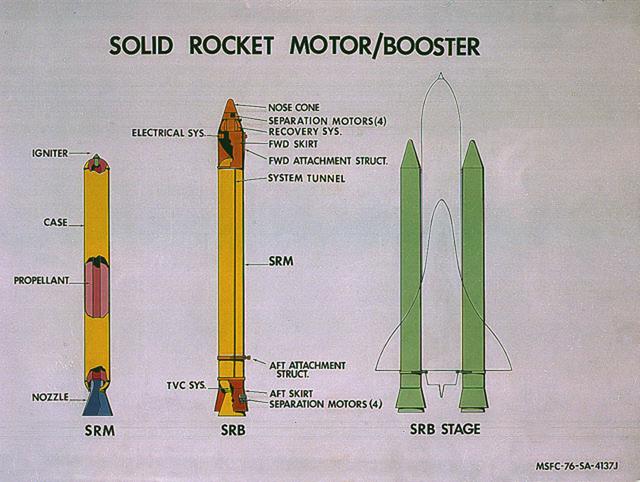
This image illustrates the solid rocket motor (SRM)/solid rocket booster (SRB) configuration. The Shuttle's two SRB's are the largest solids ever built and the first designed for refurbishment and reuse. Standing nearly 150-feet high, the twin boosters provide the majority of thrust for the first two minutes of flight, about 5.8 million pounds, augmenting the Shuttle's main propulsion system during liftoff. The major design drivers for the SRM's were high thrust and reuse. The desired thrust was achieved by using state-of-the-art solid propellant and by using a long cylindrical motor with a specific core design that allows the propellant to burn in a carefully controlled marner. At burnout, the boosters separate from the external tank and drop by parachute to the ocean for recovery and subsequent refurbishment. The boosters are designed to survive water impact at almost 60 miles per hour, maintain flotation with minimal damage, and preclude corrosion of the hardware exposed to the harsh seawater environment. Under the project management of the Marshall Space Flight Center, the SRB's are assembled and refurbished by the United Space Boosters. The SRM's are provided by the Morton Thiokol Corporation.
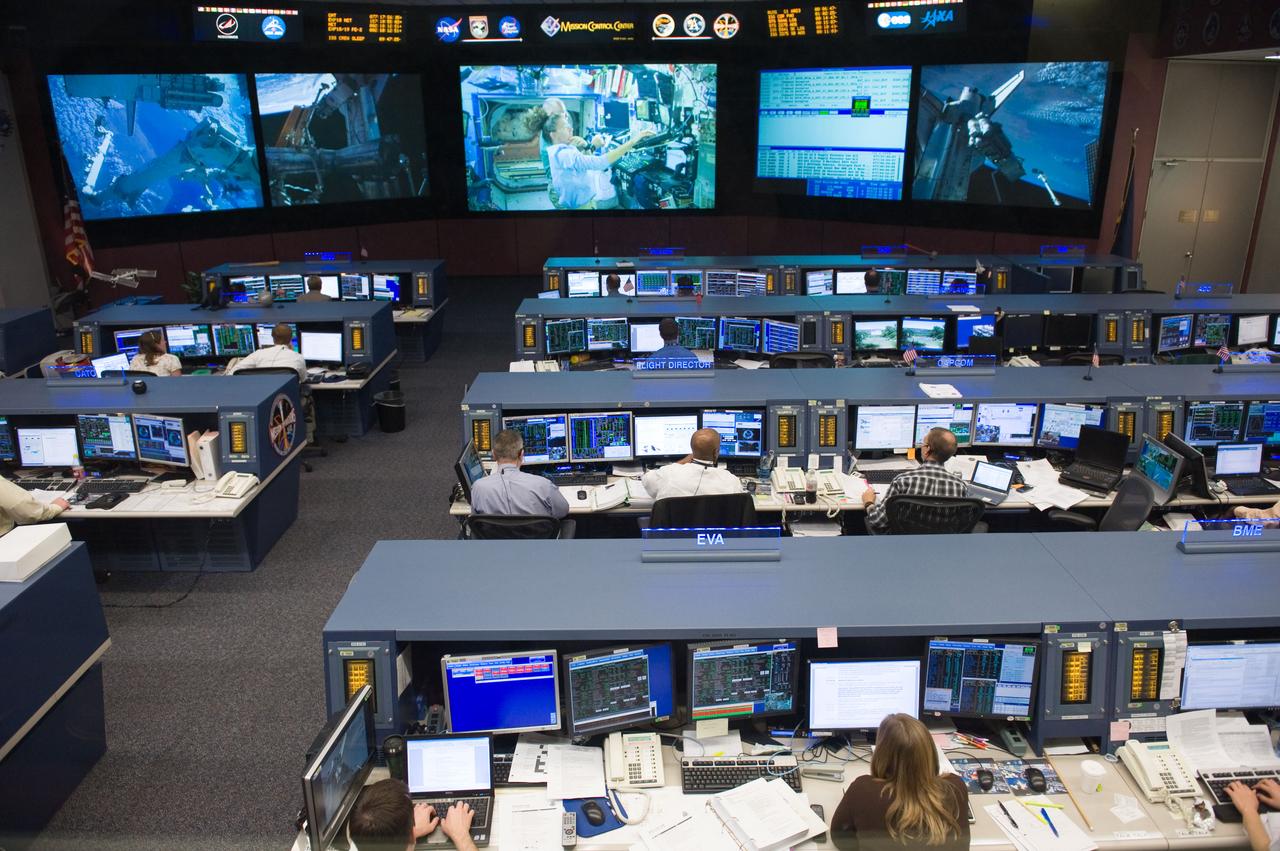
DATE: 3-18-09 LOCATION: Bldg 30 SUBJECT: STS-119 and ISS-15A flight controllers on console during SSRMS Grapple & Unberth S6 Truss, SSRMS Handoff of S6 Truss to SRMS. Flight Controllers: Paul Dye and Kwatsi Alibaruto PHOTOGRAPHER: Harnett
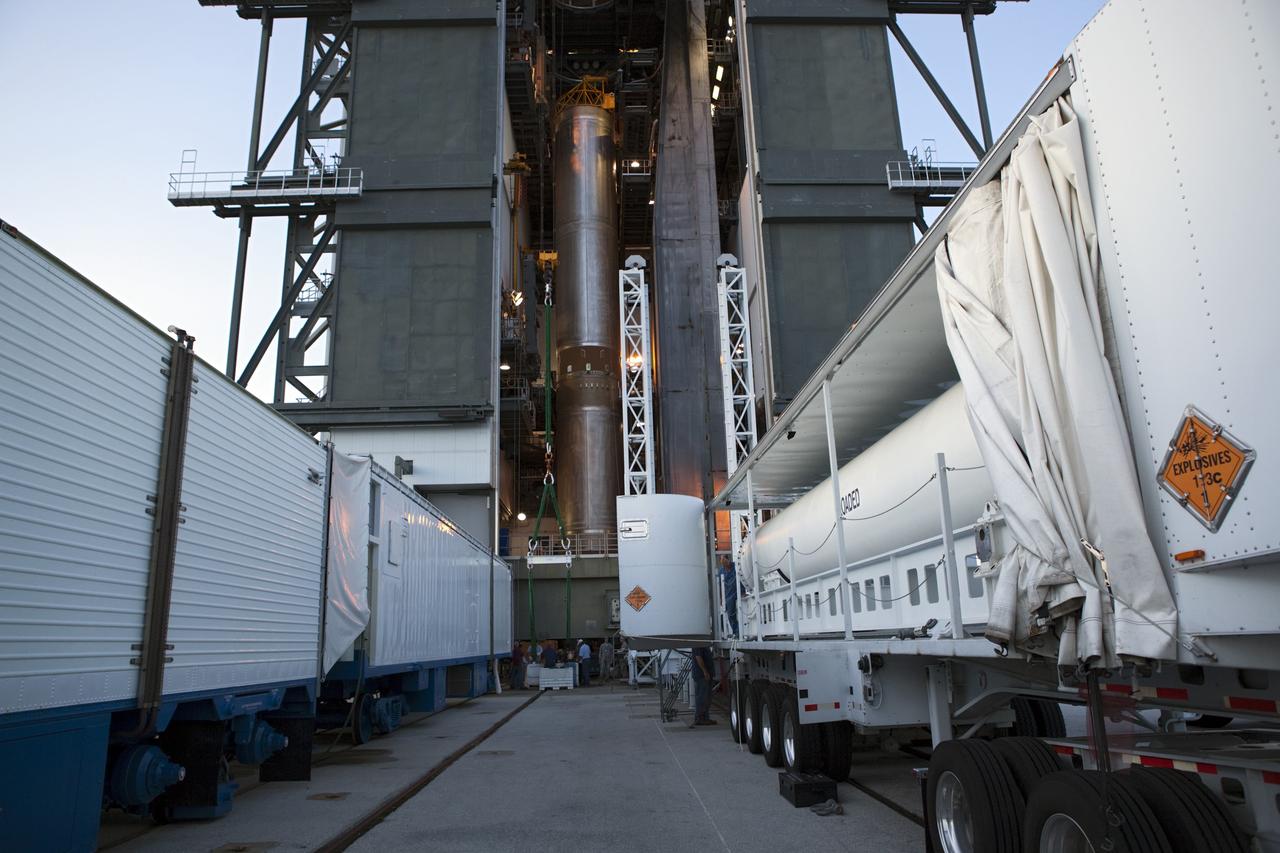
CAPE CANAVERAL, Fla. -- At the Vertical Integration Facility at Space Launch Complex 41 on Cape Canaveral Air Force Station in Florida, a trailer carrying a solid rocket motor (SRM) awaits unloading. The SRM will be mated to a United Launch Alliance Atlas V rocket being prepared to launch NASA's Mars Science Laboratory (MSL) mission. MSL's components include a compact car-sized rover, Curiosity, which has 10 science instruments designed to search for evidence on whether Mars has had environments favorable to microbial life, including chemical ingredients for life. The unique rover will use a laser to look inside rocks and release its gasses so that the rover’s spectrometer can analyze and send the data back to Earth. MSL is scheduled to launch Nov. 25 with a window extending to Dec. 18 and arrival at Mars Aug. 2012. For more information, visit http://www.nasa.gov/msl. Photo credit: NASA/Dimitri Gerondidakis
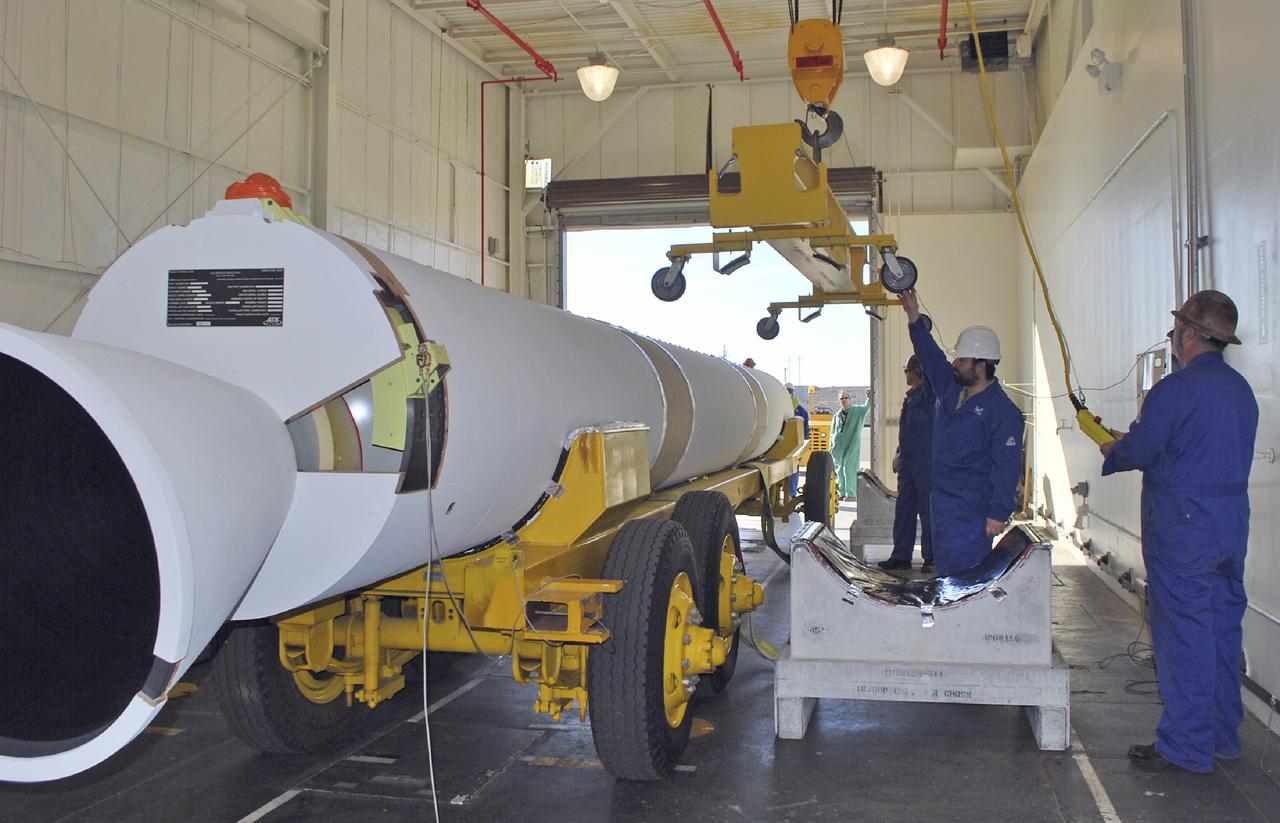
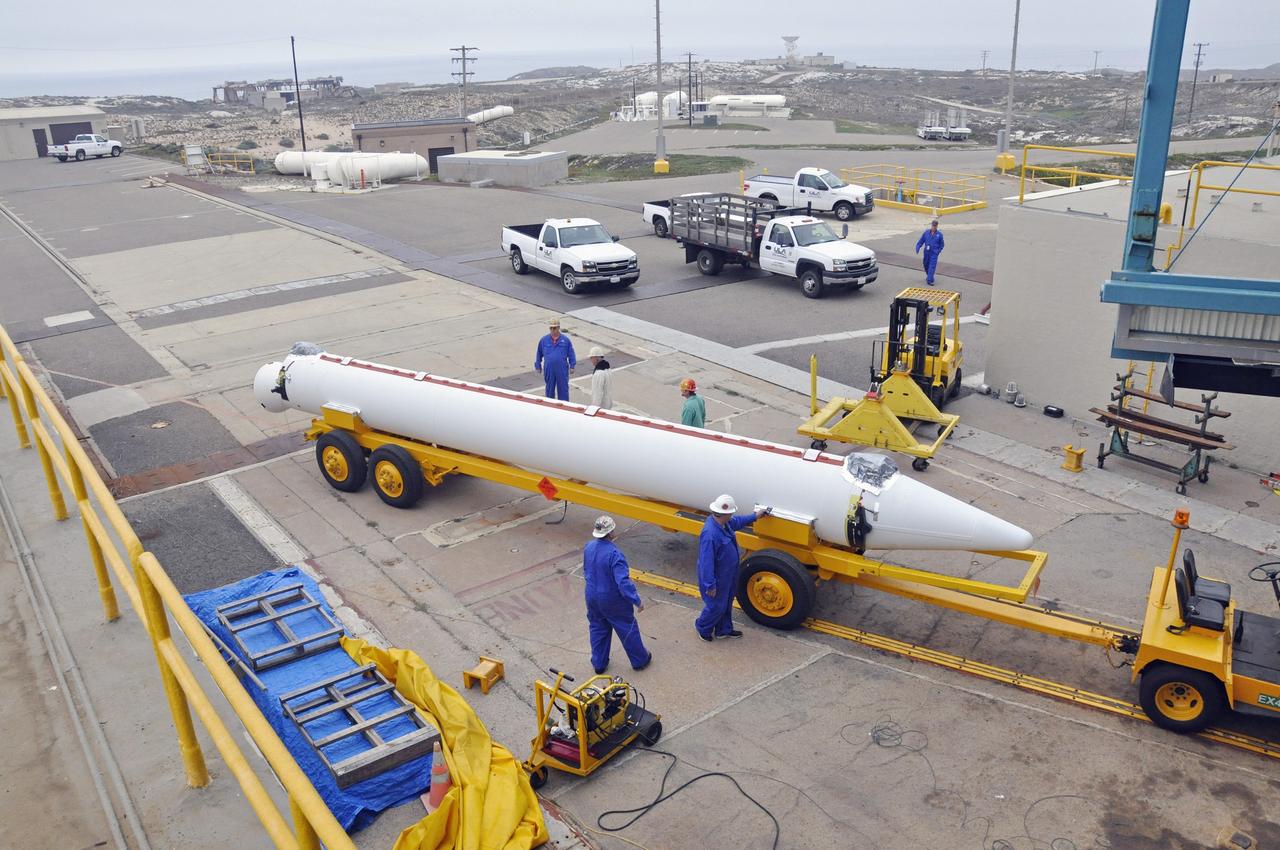
VANDENBERG AIR FORCE BASE, Calif. – Workers at Vandenberg Air Force Base in California prepare to lift a solid rocket motor, or SRM, for NASA's Orbiting Carbon Observatory-2, the OCO-2 mission, from a transporter onto a storage chock where it will be kept until needed. The SRMs will be attached to a United Launch Alliance Delta II rocket slated to launch the OCO-2 spacecraft from Space Launch Complex 2 in July. OCO-2 will collect precise global measurements of carbon dioxide in the Earth's atmosphere and provide scientists with a better idea of the chemical compound's impacts on climate change. Scientists will analyze this data to improve our understanding of the natural processes and human activities that regulate the abundance and distribution of this important atmospheric gas. Photo credit: NASA_Randy Beaudoin
VANDENBERG AIR FORCE BASE, Calif. – A second solid rocket motor, or SRM, for NASA's Orbiting Carbon Observatory-2 mission, or OCO-2, is towed to Space Launch Complex 2 on Vandenberg Air Force Base in California. Operations are underway to attach the Delta II rocket's three SRMs, known as graphite epoxy motors, to the rocket's first stage. OCO-2 is scheduled to launch into a polar Earth orbit aboard a United Launch Alliance Delta II 7320-10C rocket in July. Once in orbit, OCO-2 will collect precise global measurements of carbon dioxide in the Earth's atmosphere and provide scientists with a better idea of the chemical compound's impacts on climate change. Scientists will analyze this data to improve our understanding of the natural processes and human activities that regulate the abundance and distribution of this important atmospheric gas. To learn more about OCO-2, visit http://oco.jpl.nasa.gov. Photo credit: NASA/Randy Beaudoin
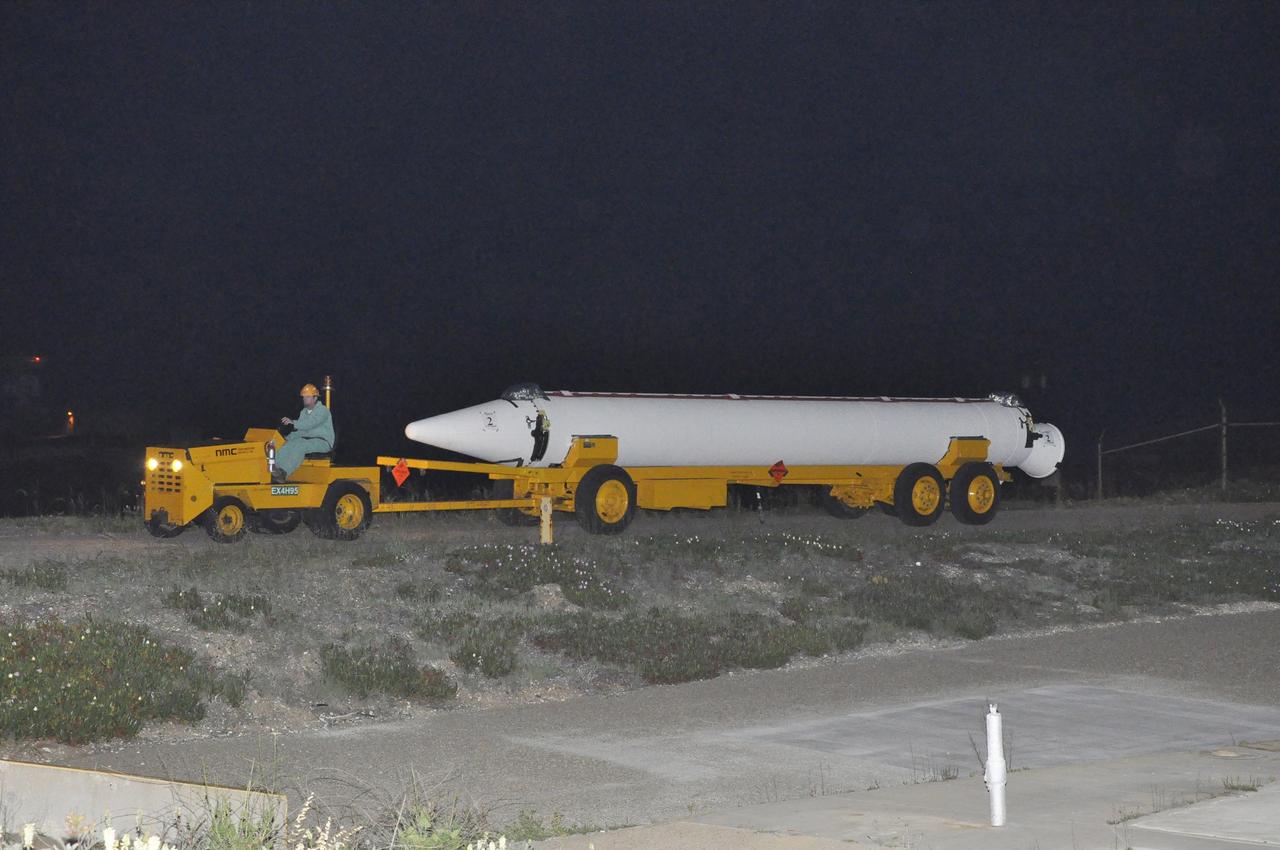
VANDENBERG AIR FORCE BASE, Calif. – A solid rocket motor, or SRM, for NASA's Orbiting Carbon Observatory-2 mission, or OCO-2, is towed to Space Launch Complex 2 on Vandenberg Air Force Base in California. Operations are underway to attach the Delta II rocket's three SRMs, known as graphite epoxy motors, to the rocket's first stage. OCO-2 is scheduled to launch into a polar Earth orbit aboard a United Launch Alliance Delta II 7320-10C rocket in July. Once in orbit, OCO-2 will collect precise global measurements of carbon dioxide in the Earth's atmosphere and provide scientists with a better idea of the chemical compound's impacts on climate change. Scientists will analyze this data to improve our understanding of the natural processes and human activities that regulate the abundance and distribution of this important atmospheric gas. To learn more about OCO-2, visit http://oco.jpl.nasa.gov. Photo credit: NASA/Randy Beaudoin
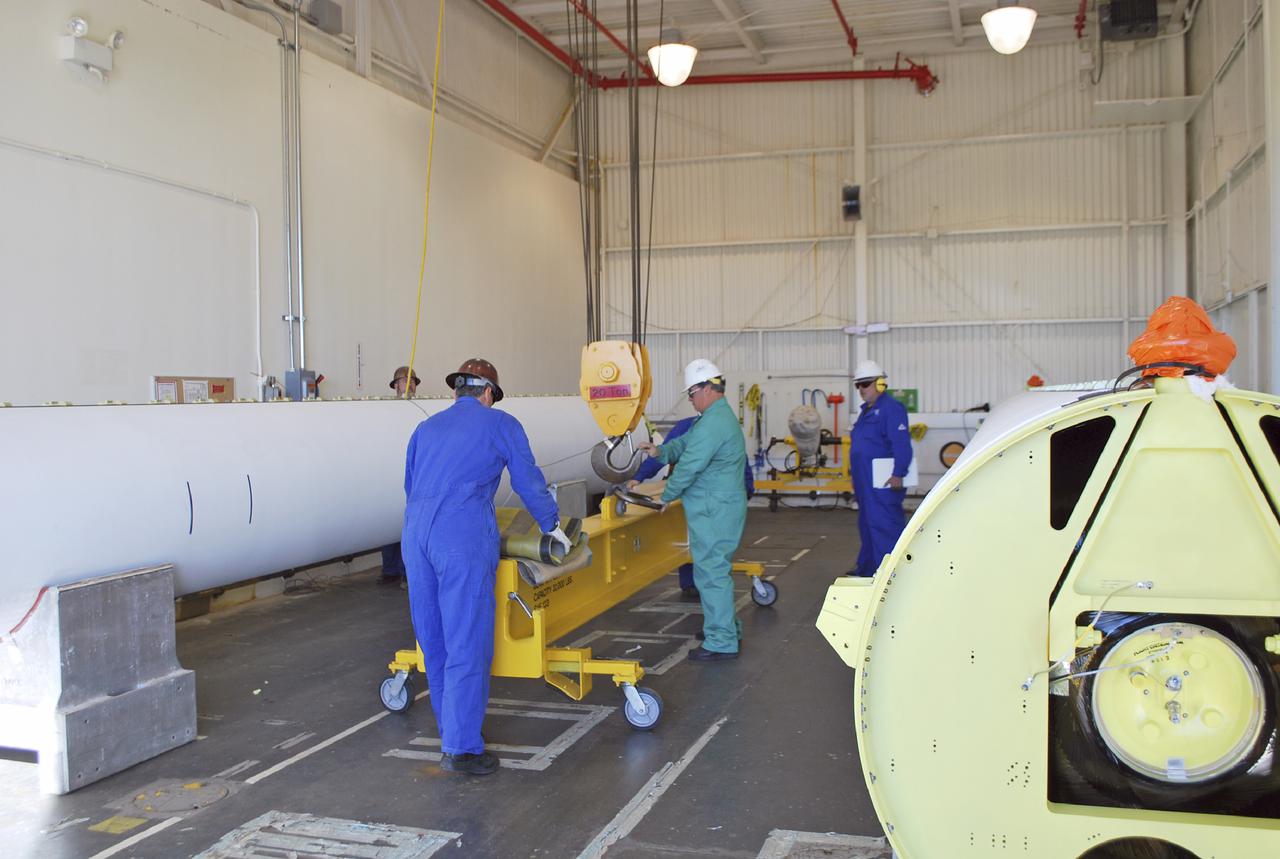
VANDENBERG AIR FORCE BASE, Calif. – At Vandenberg Air Force Base in California, a solid rocket motor, or SRM, for NASA's Orbiting Carbon Observatory-2, the OCO-2 mission, rests on a storage chock where it will be kept until needed. The SRMs will be attached to a United Launch Alliance Delta II rocket slated to launch the OCO-2 spacecraft from Space Launch Complex 2 in July. OCO-2 will collect precise global measurements of carbon dioxide in the Earth's atmosphere and provide scientists with a better idea of the chemical compound's impacts on climate change. Scientists will analyze this data to improve our understanding of the natural processes and human activities that regulate the abundance and distribution of this important atmospheric gas. Photo credit: NASA_Randy Beaudoin
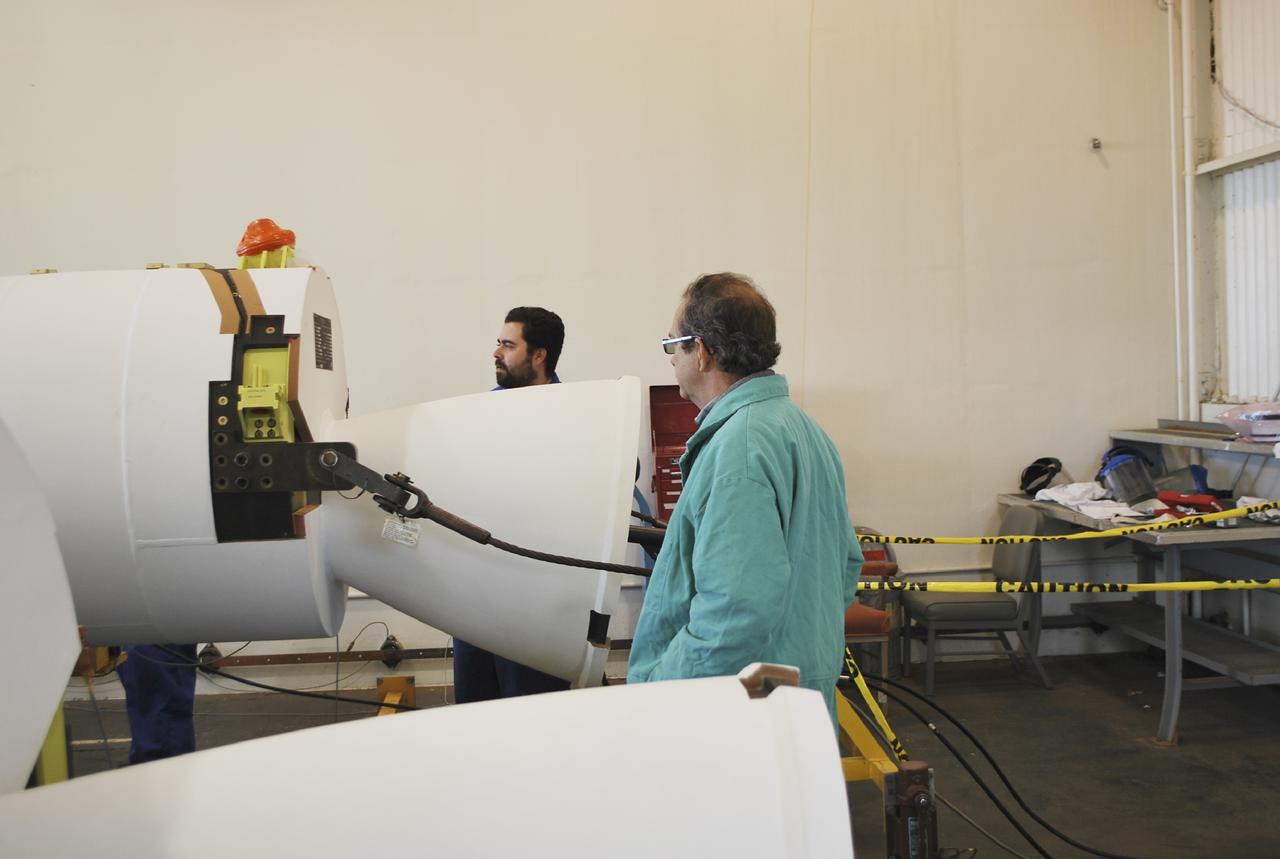
VANDENBERG AIR FORCE BASE, Calif. – Workers at Vandenberg Air Force Base in California conduct a leak check on the solid rocket motors, or SRMs, for NASA's Orbiting Carbon Observatory-2, the OCO-2 mission. The SRMs will be attached to a United Launch Alliance Delta II rocket slated to launch the OCO-2 spacecraft from Space Launch Complex 2 in July. OCO-2 will collect precise global measurements of carbon dioxide in the Earth's atmosphere and provide scientists with a better idea of the chemical compound's impacts on climate change. Scientists will analyze this data to improve our understanding of the natural processes and human activities that regulate the abundance and distribution of this important atmospheric gas. Photo credit: NASA_Randy Beaudoin
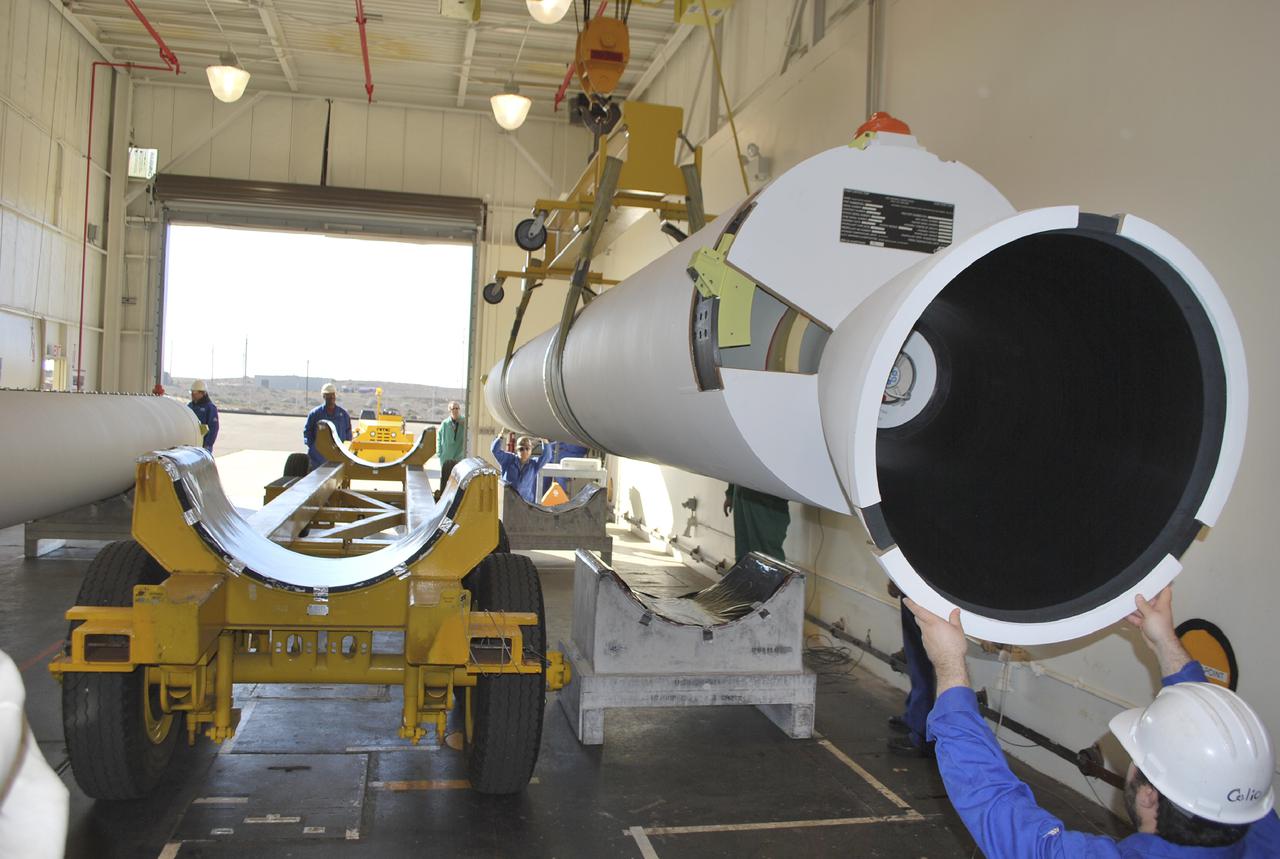
VANDENBERG AIR FORCE BASE, Calif. – Workers at Vandenberg Air Force Base in California lower a solid rocket motor, or SRM, for NASA's Orbiting Carbon Observatory-2, the OCO-2 mission, onto a storage chock where it will be kept until needed. The SRMs will be attached to a United Launch Alliance Delta II rocket slated to launch the OCO-2 spacecraft from Space Launch Complex 2 in July. OCO-2 will collect precise global measurements of carbon dioxide in the Earth's atmosphere and provide scientists with a better idea of the chemical compound's impacts on climate change. Scientists will analyze this data to improve our understanding of the natural processes and human activities that regulate the abundance and distribution of this important atmospheric gas. Photo credit: NASA_Randy Beaudoin

VANDENBERG AIR FORCE BASE, Calif. – Workers at Vandenberg Air Force Base in California prepare to lift a solid rocket motor, or SRM, for NASA's Orbiting Carbon Observatory-2, the OCO-2 mission, from a transporter onto a storage chock where it will be kept until needed. The SRMs will be attached to a United Launch Alliance Delta II rocket slated to launch the OCO-2 spacecraft from Space Launch Complex 2 in July. OCO-2 will collect precise global measurements of carbon dioxide in the Earth's atmosphere and provide scientists with a better idea of the chemical compound's impacts on climate change. Scientists will analyze this data to improve our understanding of the natural processes and human activities that regulate the abundance and distribution of this important atmospheric gas. Photo credit: NASA_Randy Beaudoin
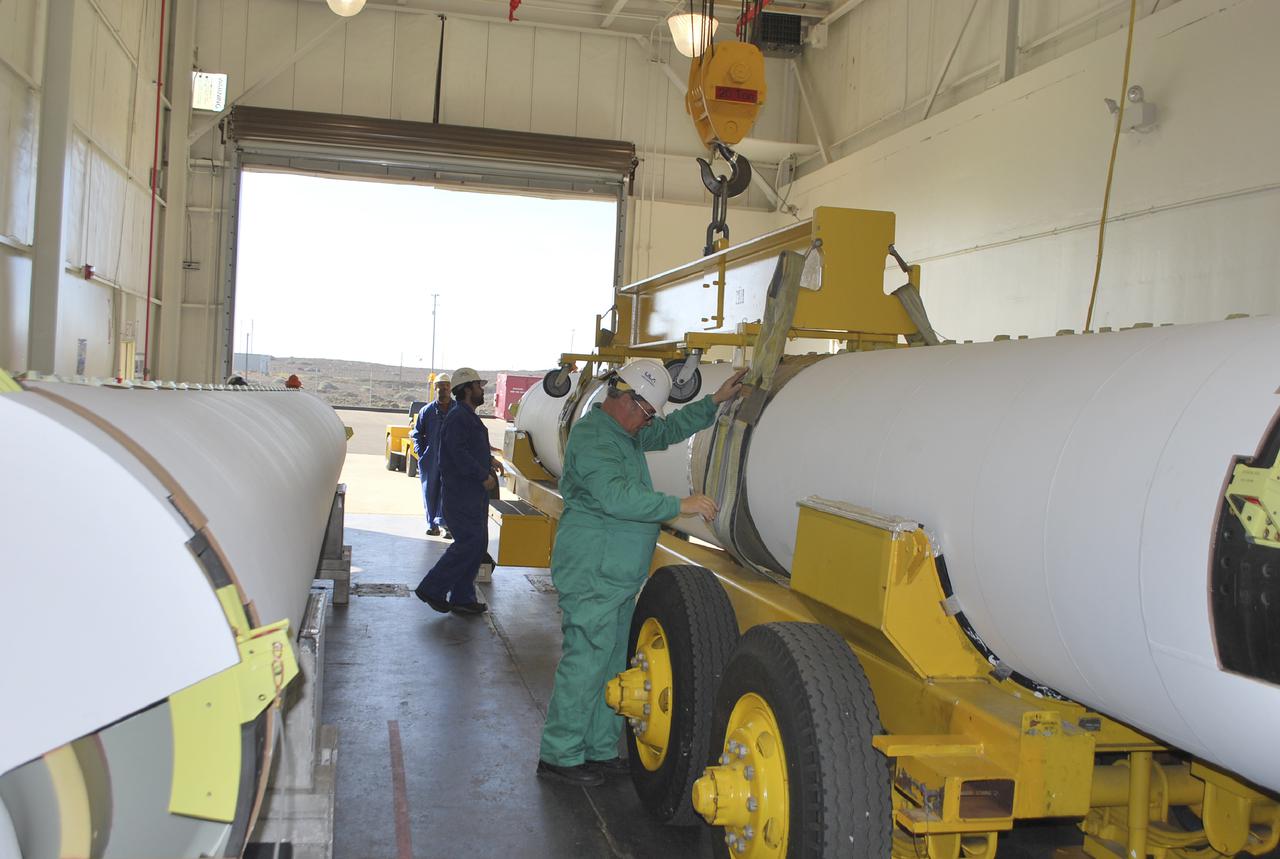
VANDENBERG AIR FORCE BASE, Calif. – Workers at Vandenberg Air Force Base in California prepare to hoist a solid rocket motor, or SRM, for NASA's Orbiting Carbon Observatory-2, the OCO-2 mission, from a transporter onto a storage chock where it will be kept until needed. The SRMs will be attached to a United Launch Alliance Delta II rocket slated to launch the OCO-2 spacecraft from Space Launch Complex 2 in July. OCO-2 will collect precise global measurements of carbon dioxide in the Earth's atmosphere and provide scientists with a better idea of the chemical compound's impacts on climate change. Scientists will analyze this data to improve our understanding of the natural processes and human activities that regulate the abundance and distribution of this important atmospheric gas. Photo credit: NASA_Randy Beaudoin

VANDENBERG AIR FORCE BASE, Calif. – Workers at Vandenberg Air Force Base in California lift a solid rocket motor, or SRM, for NASA's Orbiting Carbon Observatory-2, the OCO-2 mission, from a transporter onto a storage chock where it will be kept until needed. The SRMs will be attached to a United Launch Alliance Delta II rocket slated to launch the OCO-2 spacecraft from Space Launch Complex 2 in July. OCO-2 will collect precise global measurements of carbon dioxide in the Earth's atmosphere and provide scientists with a better idea of the chemical compound's impacts on climate change. Scientists will analyze this data to improve our understanding of the natural processes and human activities that regulate the abundance and distribution of this important atmospheric gas. Photo credit: NASA_Randy Beaudoin
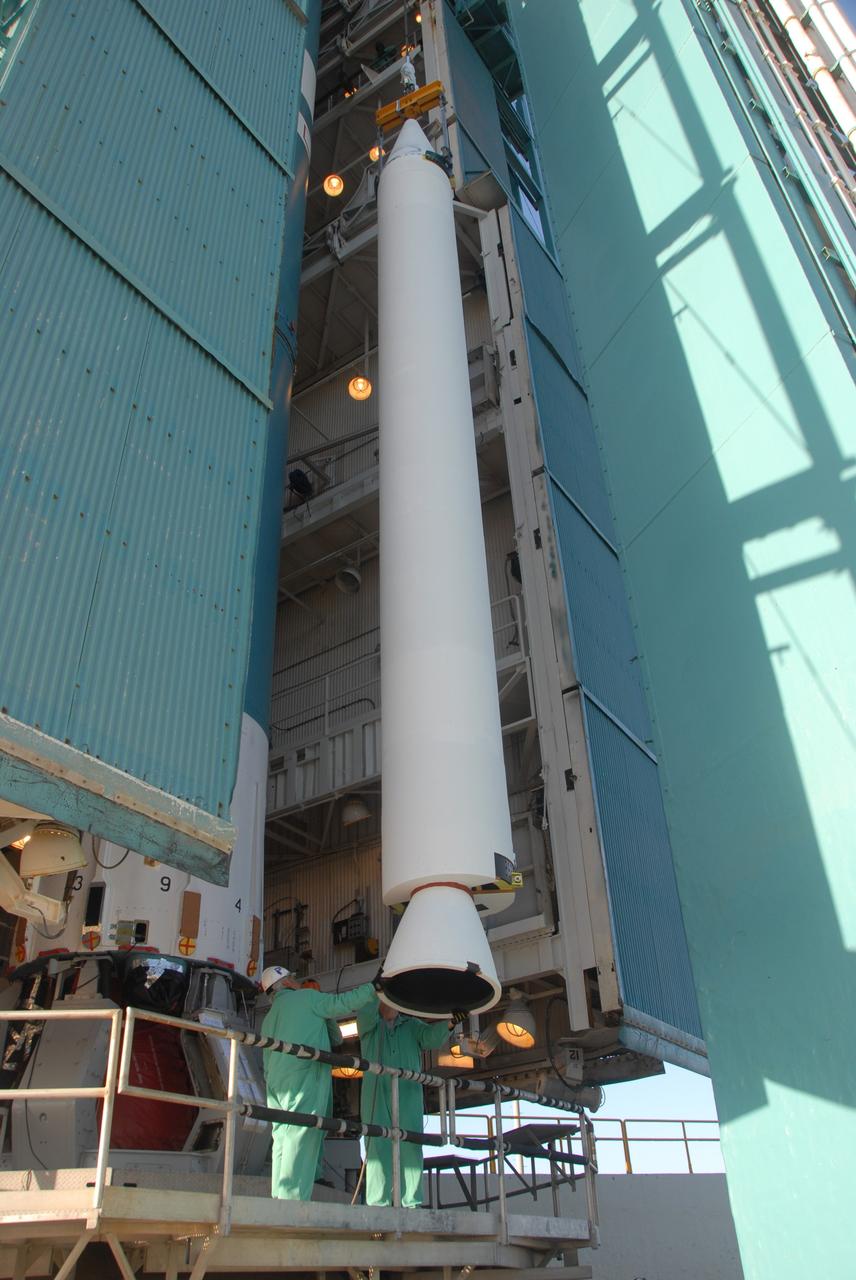
VANDENBERG AIR FORCE BASE, Calif. -- On Space Launch Complex 2 at Vandenberg Air Force Base in California, a solid rocket motor, or SRM, is lifted alongside the mobile service tower. The SRM will be moved inside the tower and attached to the Delta II first stage, which is the launch vehicle for the OSTM/Jason-2 spacecraft. The OSTM, or Ocean Topography Mission, on the Jason-2 satellite is a follow-on to Jason-1. It will take oceanographic studies of sea surface height into an operational mode for continued climate forecasting research and science and industrial applications. This satellite altimetry data will help determine ocean circulation, climate change and sea-level rise. OSTM is a joint effort by the National Oceanic and Atmospheric Administration, NASA, France’s Centre National d’Etudes Spatiales and the European Meteorological Satellite Organisation. OSTM/Jason-2 will be launched aboard a United Launch Alliance Delta II 7320 from Vandenberg on June 15. Photo credit: NASA/Dan Liberotti
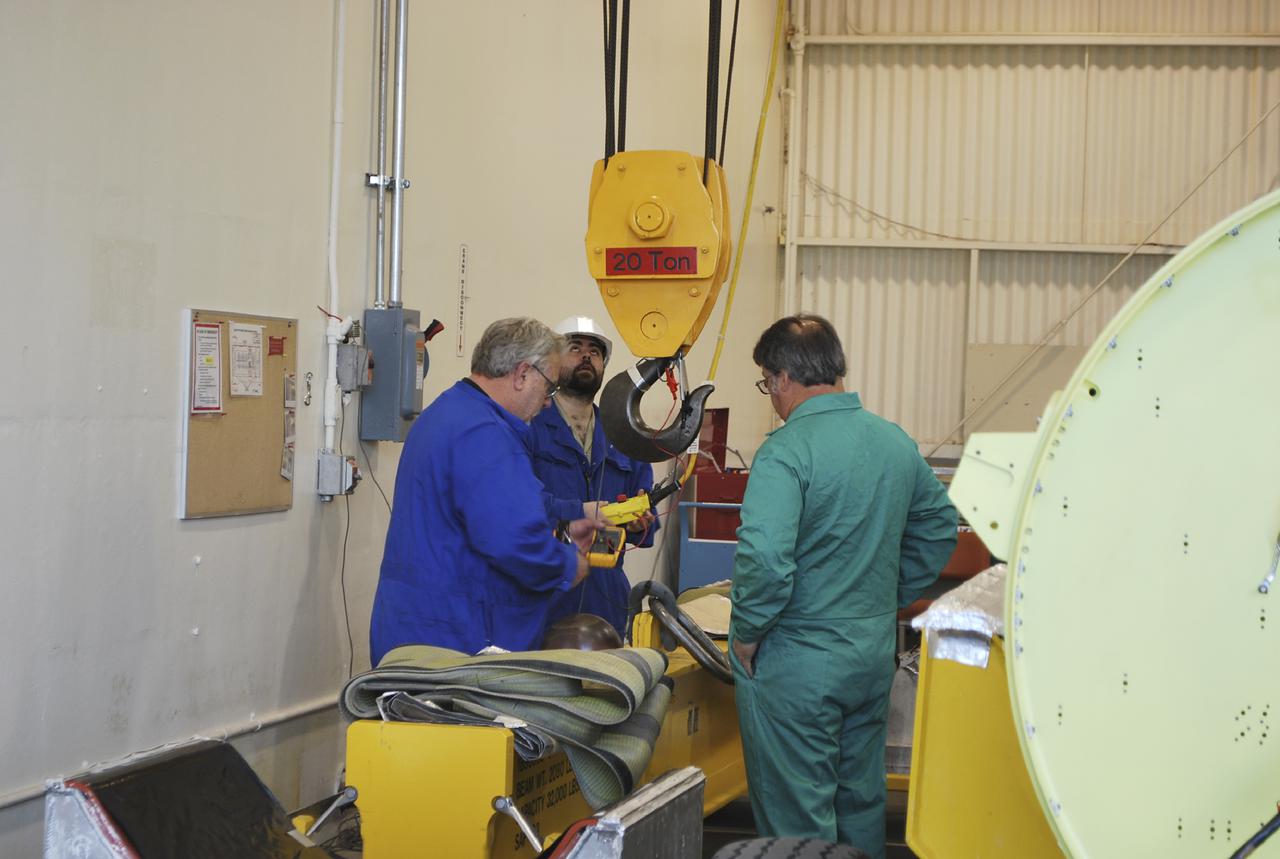
VANDENBERG AIR FORCE BASE, Calif. – Workers at Vandenberg Air Force Base in California prepare to conduct a leak check on the solid rocket motors, or SRMs, for NASA's Orbiting Carbon Observatory-2, the OCO-2 mission. The SRMs will be attached to a United Launch Alliance Delta II rocket slated to launch the OCO-2 spacecraft from Space Launch Complex 2 in July. OCO-2 will collect precise global measurements of carbon dioxide in the Earth's atmosphere and provide scientists with a better idea of the chemical compound's impacts on climate change. Scientists will analyze this data to improve our understanding of the natural processes and human activities that regulate the abundance and distribution of this important atmospheric gas. Photo credit: NASA_Randy Beaudoin
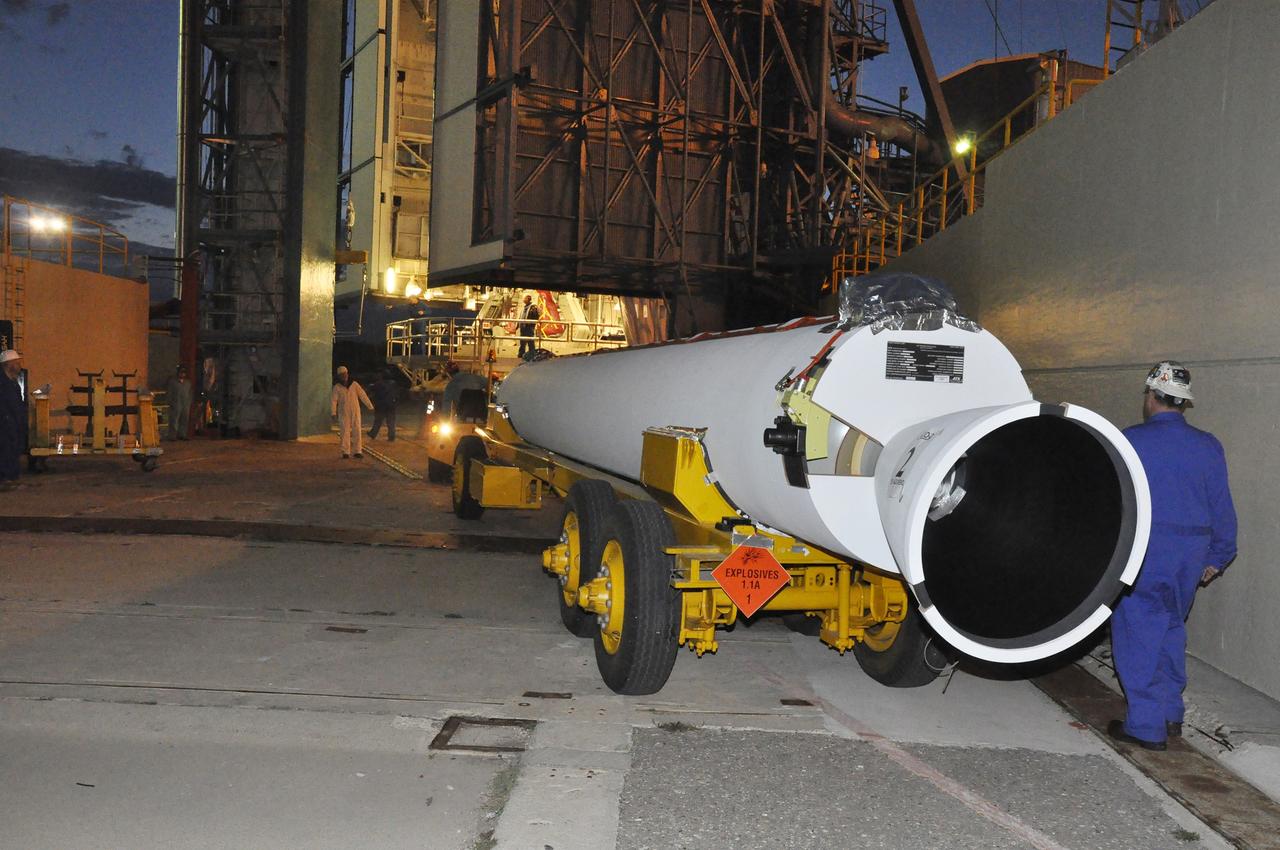
VANDENBERG AIR FORCE BASE, Calif. – A solid rocket motor, or SRM, for NASA's Orbiting Carbon Observatory-2 mission, or OCO-2, arrives at the mobile service tower at Space Launch Complex 2 on Vandenberg Air Force Base in California. Operations are underway to attach the Delta II rocket's three SRMs, known as graphite epoxy motors, to the rocket's first stage. OCO-2 is scheduled to launch into a polar Earth orbit aboard a United Launch Alliance Delta II 7320-10C rocket in July. Once in orbit, OCO-2 will collect precise global measurements of carbon dioxide in the Earth's atmosphere and provide scientists with a better idea of the chemical compound's impacts on climate change. Scientists will analyze this data to improve our understanding of the natural processes and human activities that regulate the abundance and distribution of this important atmospheric gas. To learn more about OCO-2, visit http://oco.jpl.nasa.gov. Photo credit: NASA/Randy Beaudoin
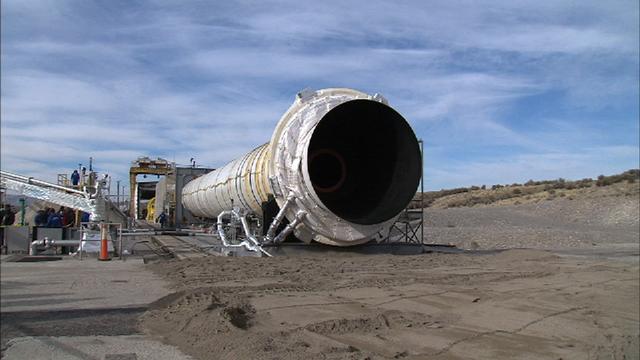
Shown is a test of the TEM-13 Solid Rocket Motor in support of the Ares/CLV first stage at ATK, Utah . Constellaton/Ares project. This image is extracted from a high definition video file and is the highest resolution available.
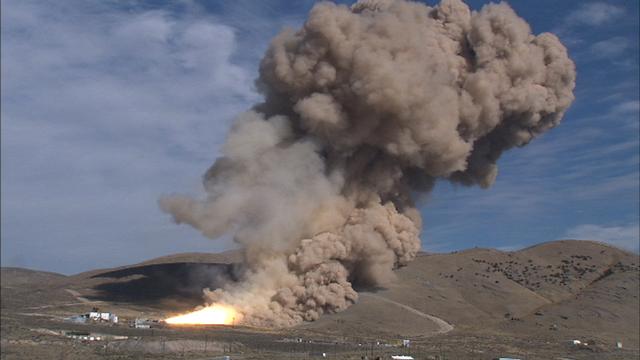
Shown is a test of the TEM-13 Solid Rocket Motor in support of the Ares/CLV first stage at ATK, Utah . Constellation/Ares project. This image is extracted from a high definition video file and is the highest resolution available.
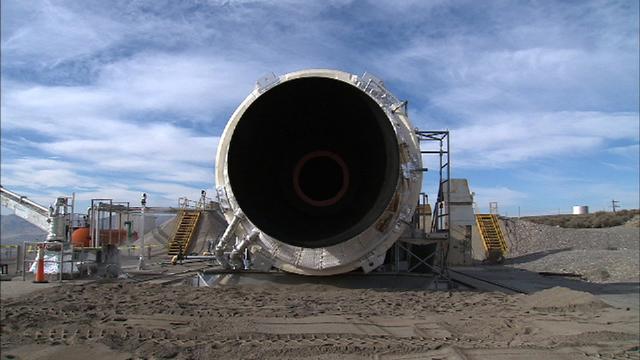
Shown is a test of the TEM-13 solid rocket motor at the ATK test facility in Utah in support of the Ares/CLV first stage. This image is extracted from high definition video and is the highest resolution available.
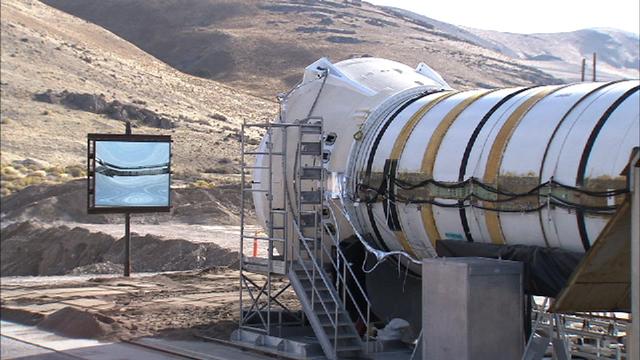
Shown is a test of the TEM-13 solid rocket motor at the ATK test facility in Utah in support of the Ares/CLV first stage. This image is extracted from high definition video and is the highest resolution available.
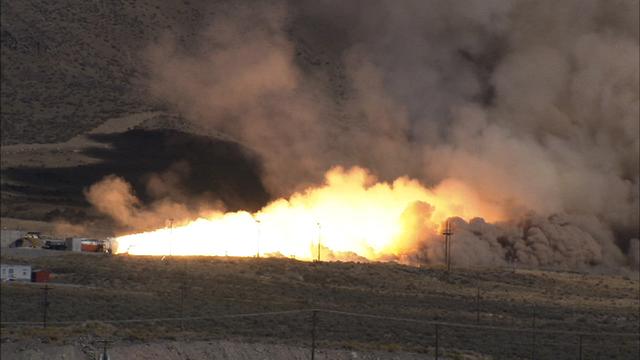
Shown is a test of the TEM-13 solid rocket motor at the ATK test facility in Utah in support of the Ares/CLV first stage. This image is extracted from high definition video and is the highest resolution available.
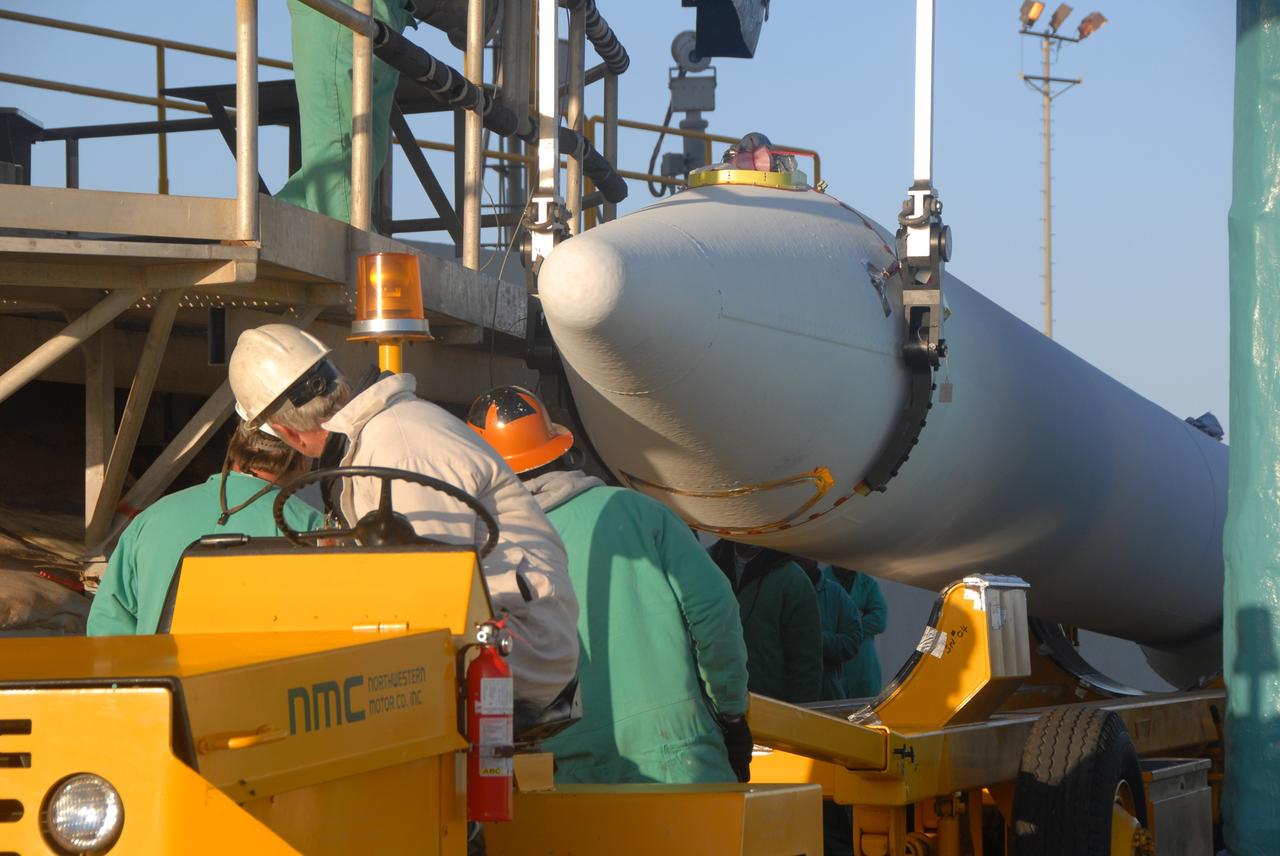
VANDENBERG AIR FORCE BASE, Calif. -- On Space Launch Complex 2 at Vandenberg Air Force Base in California, a solid rocket motor, or SRM, is raised from its transporter. The SRM will be lifted into the mobile service tower and attached to the Delta II first stage inside the tower. The Delta II is the launch vehicle for the OSTM/Jason-2 spacecraft. The OSTM, or Ocean Topography Mission, on the Jason-2 satellite is a follow-on to Jason-1. It will take oceanographic studies of sea surface height into an operational mode for continued climate forecasting research and science and industrial applications. This satellite altimetry data will help determine ocean circulation, climate change and sea-level rise. OSTM is a joint effort by the National Oceanic and Atmospheric Administration, NASA, France’s Centre National d’Etudes Spatiales and the European Meteorological Satellite Organisation. OSTM/Jason-2 will be launched aboard a United Launch Alliance Delta II 7320 from Vandenberg on June 15. Photo credit: NASA/Dan Liberotti
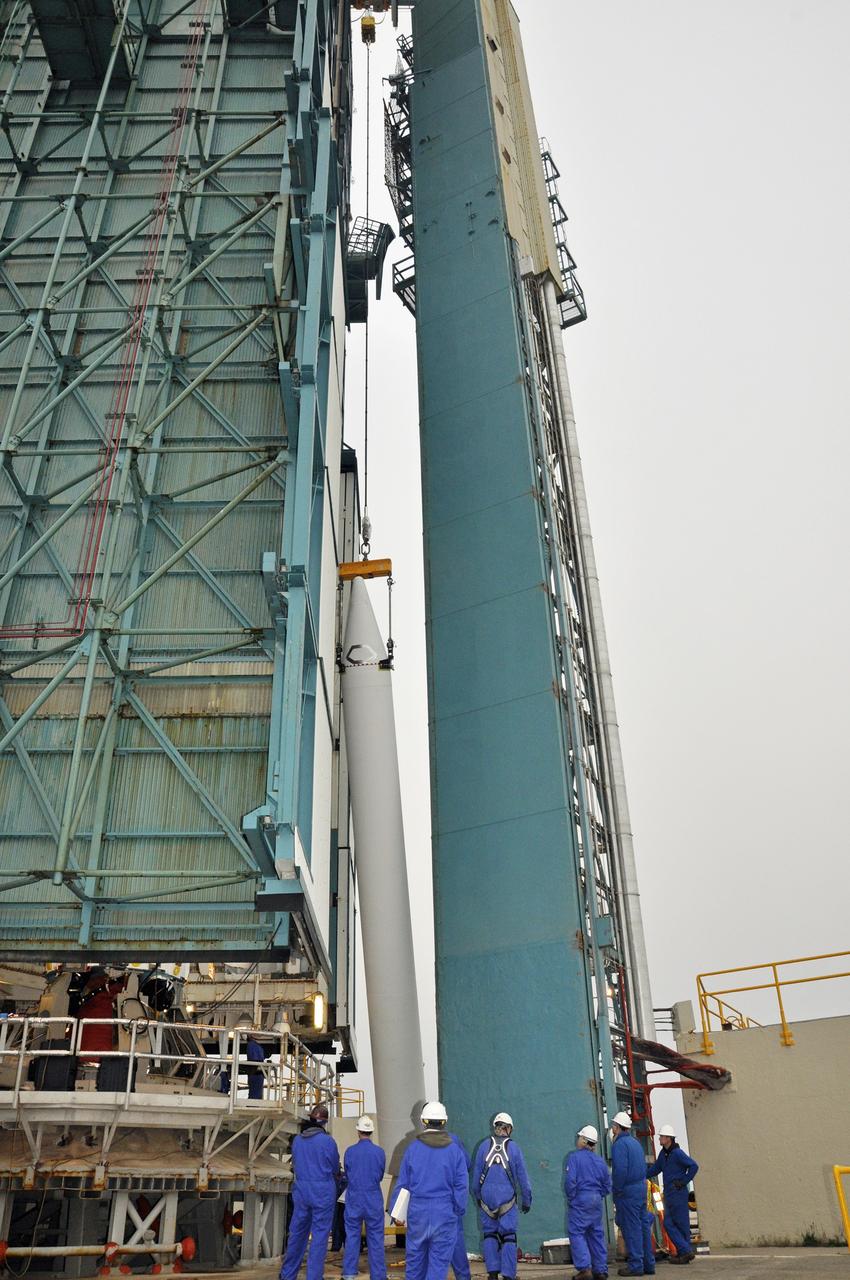
VANDENBERG AIR FORCE BASE, Calif. – Workers monitor the solid rocket motor, or SRM, for NASA's Orbiting Carbon Observatory-2 mission, or OCO-2, as it is lifted into a vertical position beside the mobile service tower at Space Launch Complex 2 on Vandenberg Air Force Base in California. Operations are underway to attach the Delta II rocket's three SRMs, known as graphite epoxy motors, to the rocket's first stage. OCO-2 is scheduled to launch into a polar Earth orbit aboard a United Launch Alliance Delta II 7320-10C rocket in July. Once in orbit, OCO-2 will collect precise global measurements of carbon dioxide in the Earth's atmosphere and provide scientists with a better idea of the chemical compound's impacts on climate change. Scientists will analyze this data to improve our understanding of the natural processes and human activities that regulate the abundance and distribution of this important atmospheric gas. To learn more about OCO-2, visit http://oco.jpl.nasa.gov. Photo credit: NASA/Randy Beaudoin
VANDENBERG AIR FORCE BASE, Calif. – Workers complete the task of attaching a solid rocket motor, or SRM, for NASA's Orbiting Carbon Observatory-2 mission, or OCO-2, to the Delta II first stage in the mobile service tower at Space Launch Complex 2 on Vandenberg Air Force Base in California. Operations are underway to attach the rocket's three SRMs, known as graphite epoxy motors, to its first stage. OCO-2 is scheduled to launch into a polar Earth orbit aboard a United Launch Alliance Delta II 7320-10C rocket in July. Once in orbit, OCO-2 will collect precise global measurements of carbon dioxide in the Earth's atmosphere and provide scientists with a better idea of the chemical compound's impacts on climate change. Scientists will analyze this data to improve our understanding of the natural processes and human activities that regulate the abundance and distribution of this important atmospheric gas. To learn more about OCO-2, visit http://oco.jpl.nasa.gov. Photo credit: NASA/Randy Beaudoin
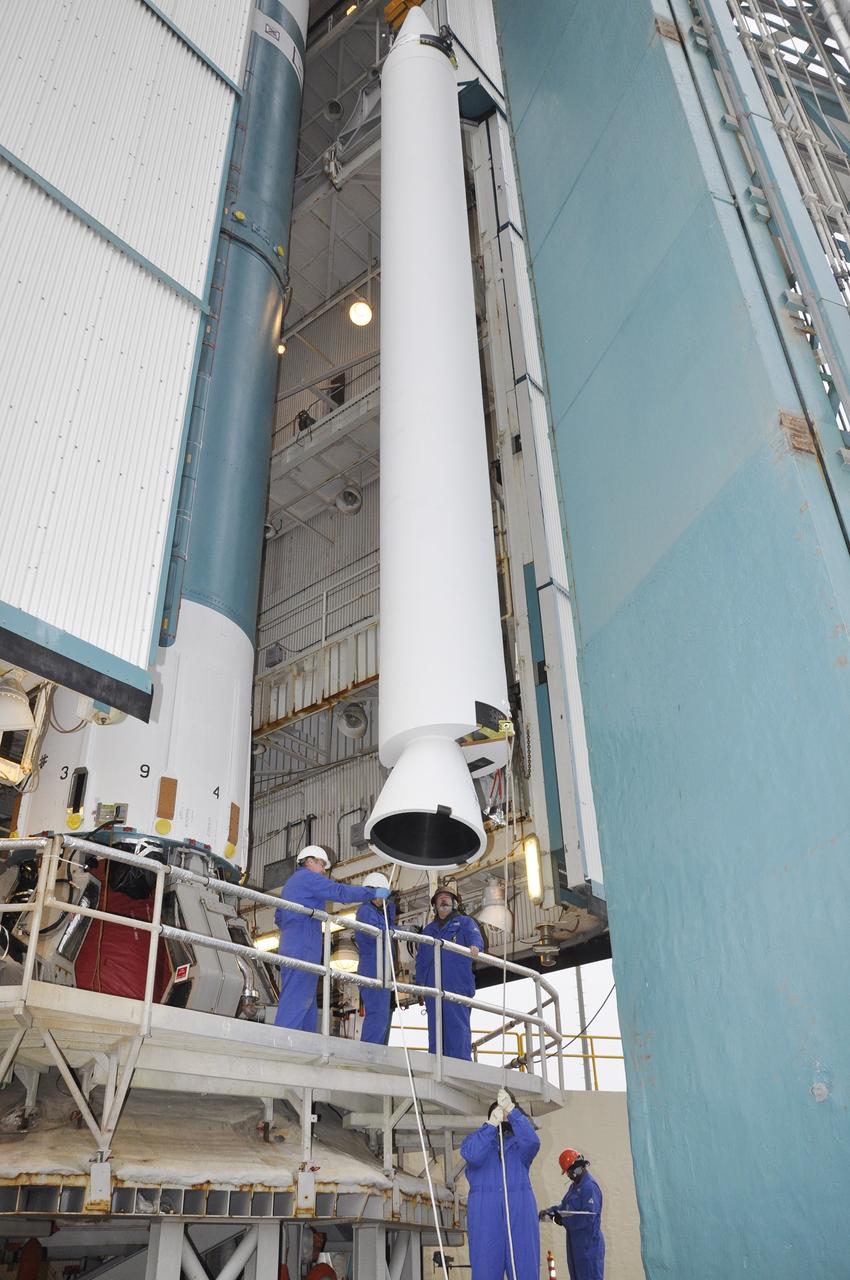
VANDENBERG AIR FORCE BASE, Calif. – A solid rocket motor, or SRM, for NASA's Orbiting Carbon Observatory-2 mission, or OCO-2, is lifted into the mobile service tower at Space Launch Complex 2 on Vandenberg Air Force Base in California. Operations are underway to attach the Delta II rocket's three SRMs, known as graphite epoxy motors, to the rocket's first stage in place in the tower. OCO-2 is scheduled to launch into a polar Earth orbit aboard a United Launch Alliance Delta II 7320-10C rocket in July. Once in orbit, OCO-2 will collect precise global measurements of carbon dioxide in the Earth's atmosphere and provide scientists with a better idea of the chemical compound's impacts on climate change. Scientists will analyze this data to improve our understanding of the natural processes and human activities that regulate the abundance and distribution of this important atmospheric gas. To learn more about OCO-2, visit http://oco.jpl.nasa.gov. Photo credit: NASA/Randy Beaudoin
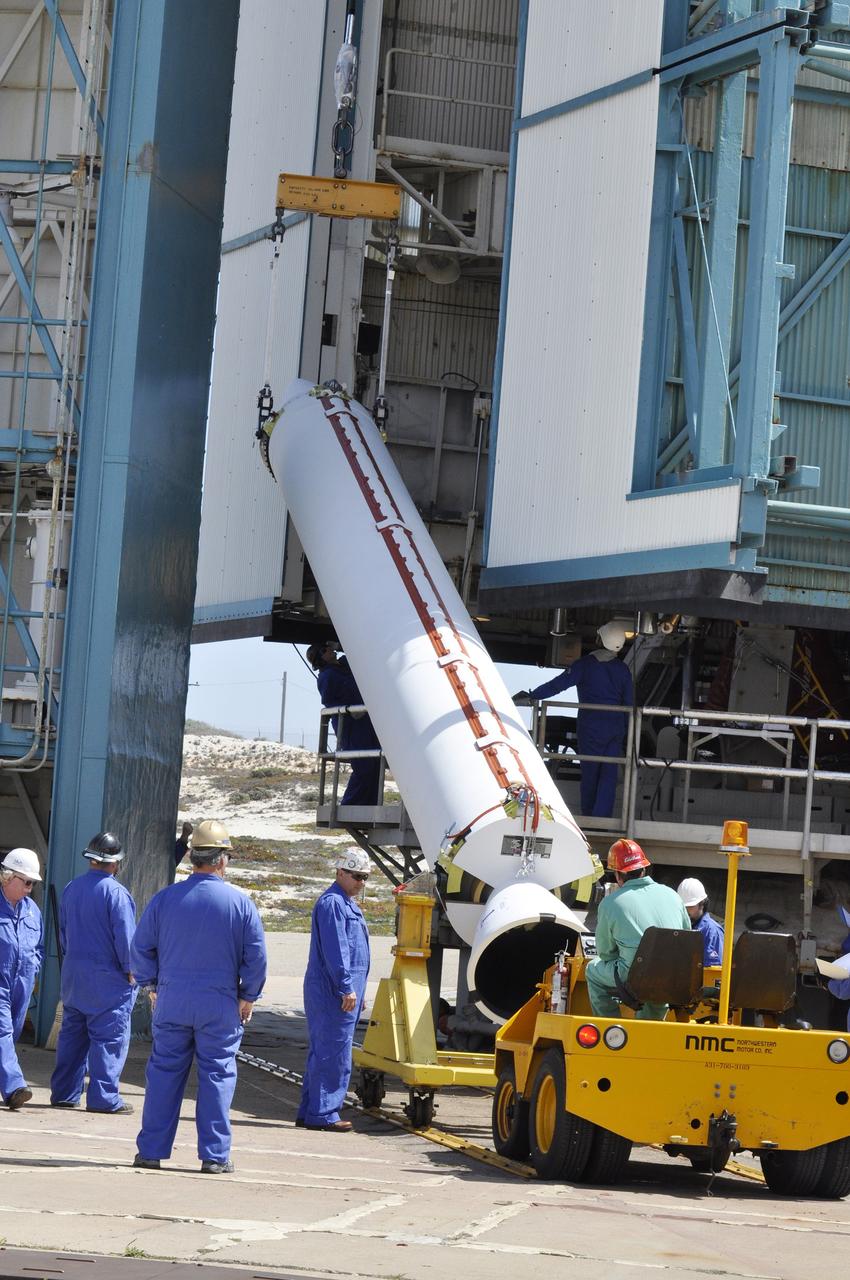
VANDENBERG AIR FORCE BASE, Calif. – A crane lifts the second solid rocket motor, or SRM, for NASA's Orbiting Carbon Observatory-2 mission, or OCO-2, into a vertical position beside the mobile service tower at Space Launch Complex 2 on Vandenberg Air Force Base in California. Operations are underway to attach the Delta II rocket's three SRMs, known as graphite epoxy motors, to its first stage. OCO-2 is scheduled to launch into a polar Earth orbit aboard a United Launch Alliance Delta II 7320-10C rocket in July. Once in orbit, OCO-2 will collect precise global measurements of carbon dioxide in the Earth's atmosphere and provide scientists with a better idea of the chemical compound's impacts on climate change. Scientists will analyze this data to improve our understanding of the natural processes and human activities that regulate the abundance and distribution of this important atmospheric gas. To learn more about OCO-2, visit http://oco.jpl.nasa.gov. Photo credit: NASA/Randy Beaudoin
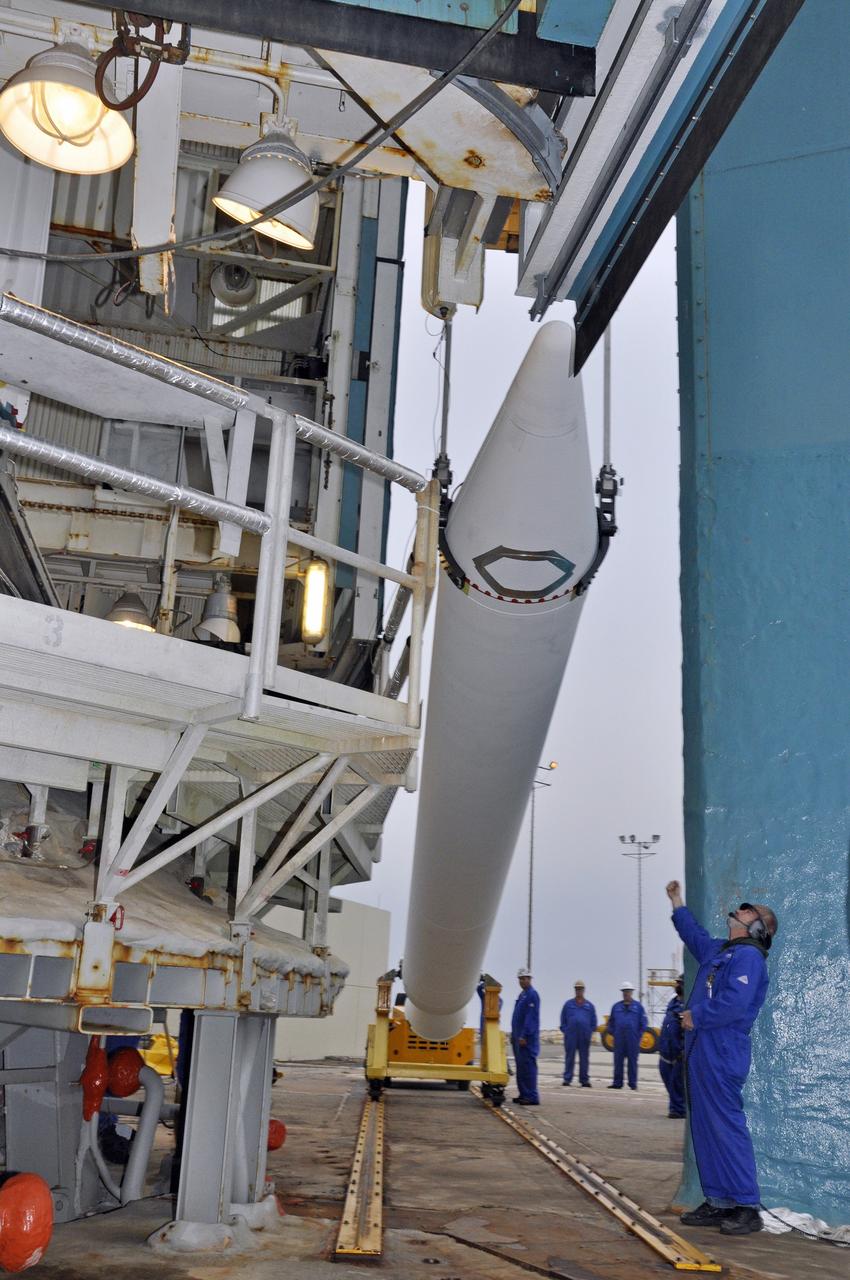
VANDENBERG AIR FORCE BASE, Calif. – A crane lifts the solid rocket motor, or SRM, for NASA's Orbiting Carbon Observatory-2 mission, or OCO-2, following its delivery to the mobile service tower at Space Launch Complex 2 on Vandenberg Air Force Base in California. Operations are underway to attach the Delta II rocket's three SRMs, known as graphite epoxy motors, to the rocket's first stage. OCO-2 is scheduled to launch into a polar Earth orbit aboard a United Launch Alliance Delta II 7320-10C rocket in July. Once in orbit, OCO-2 will collect precise global measurements of carbon dioxide in the Earth's atmosphere and provide scientists with a better idea of the chemical compound's impacts on climate change. Scientists will analyze this data to improve our understanding of the natural processes and human activities that regulate the abundance and distribution of this important atmospheric gas. To learn more about OCO-2, visit http://oco.jpl.nasa.gov. Photo credit: NASA/Randy Beaudoin
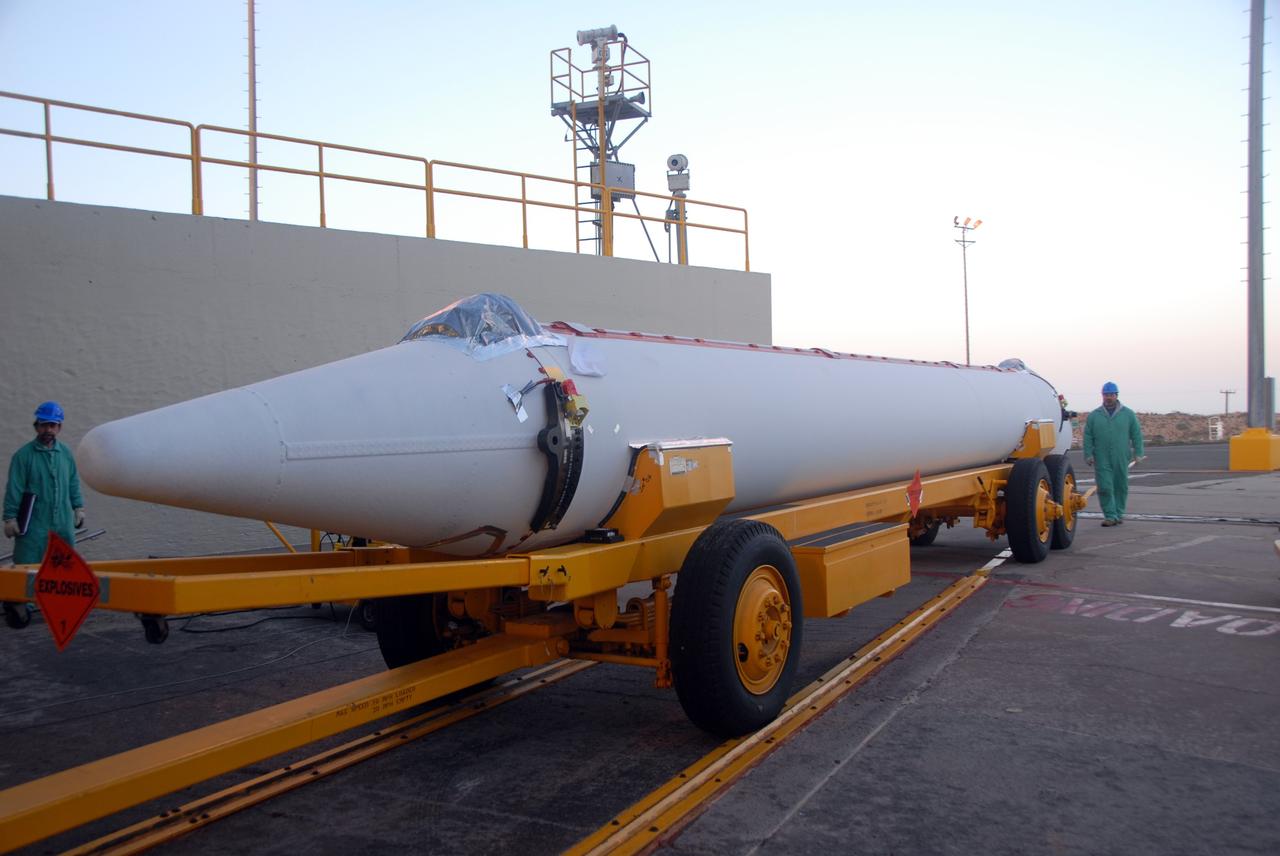
VANDENBERG AIR FORCE BASE, Calif. -- The first solid rocket motor, or SRM, to arrive on Space Launch Complex 2 at Vandenberg Air Force Base in California is moved into place for lifting into the mobile service tower. The SRM will be attached to the Delta II first stage inside the tower. The Delta II is the launch vehicle for the OSTM/Jason-2 spacecraft. The OSTM, or Ocean Topography Mission, on the Jason-2 satellite is a follow-on to Jason-1. It will take oceanographic studies of sea surface height into an operational mode for continued climate forecasting research and science and industrial applications. This satellite altimetry data will help determine ocean circulation, climate change and sea-level rise. OSTM is a joint effort by the National Oceanic and Atmospheric Administration, NASA, France’s Centre National d’Etudes Spatiales and the European Meteorological Satellite Organisation. OSTM/Jason-2 will be launched aboard a United Launch Alliance Delta II 7320 from Vandenberg on June 15. Photo credit: NASA/Dan Liberotti
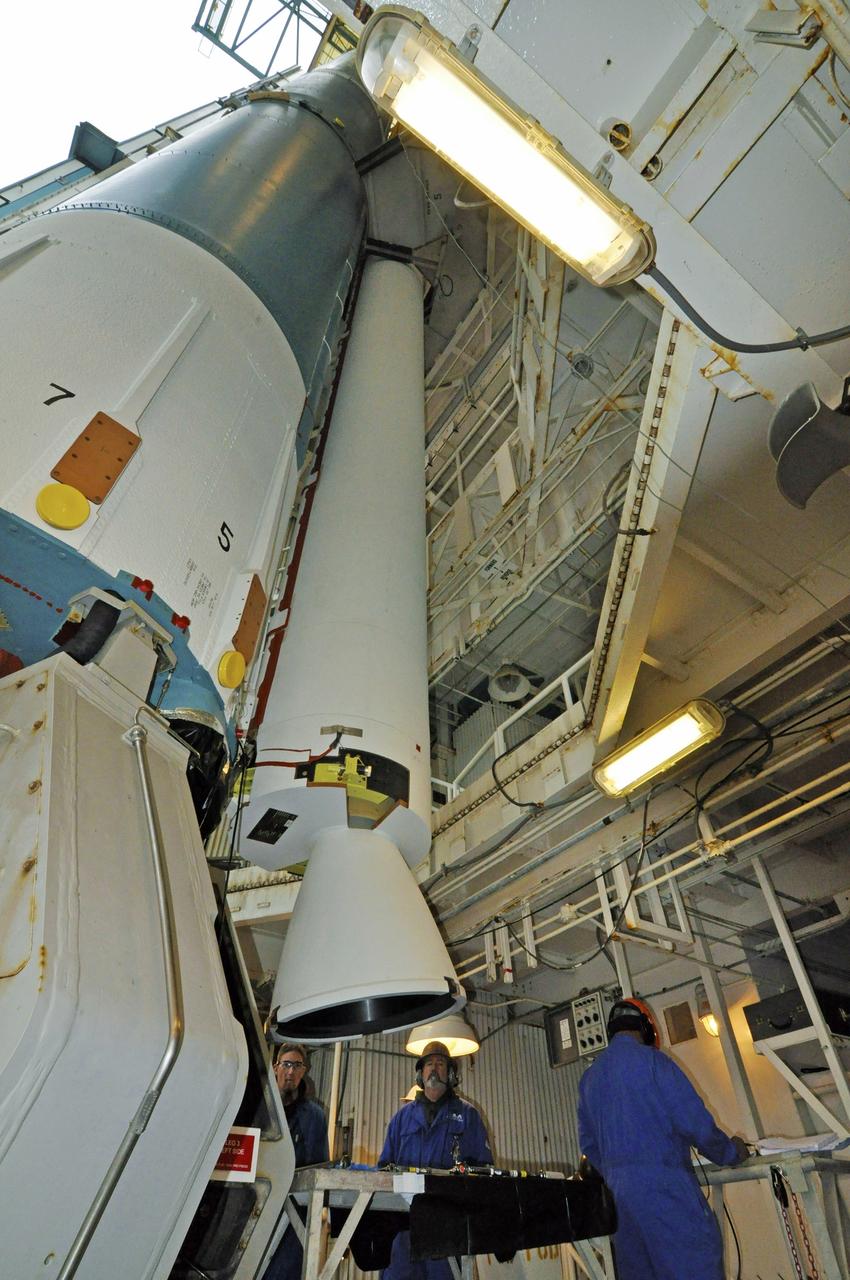
VANDENBERG AIR FORCE BASE, Calif. – The first solid rocket motor, or SRM, for NASA's Orbiting Carbon Observatory-2 mission, or OCO-2, has been attached to the Delta II first stage in the mobile service tower at Space Launch Complex 2 on Vandenberg Air Force Base in California. Operations are underway to attach the rocket's three SRMs, known as graphite epoxy motors, to its first stage. OCO-2 is scheduled to launch into a polar Earth orbit aboard a United Launch Alliance Delta II 7320-10C rocket in July. Once in orbit, OCO-2 will collect precise global measurements of carbon dioxide in the Earth's atmosphere and provide scientists with a better idea of the chemical compound's impacts on climate change. Scientists will analyze this data to improve our understanding of the natural processes and human activities that regulate the abundance and distribution of this important atmospheric gas. To learn more about OCO-2, visit http://oco.jpl.nasa.gov. Photo credit: NASA/Randy Beaudoin
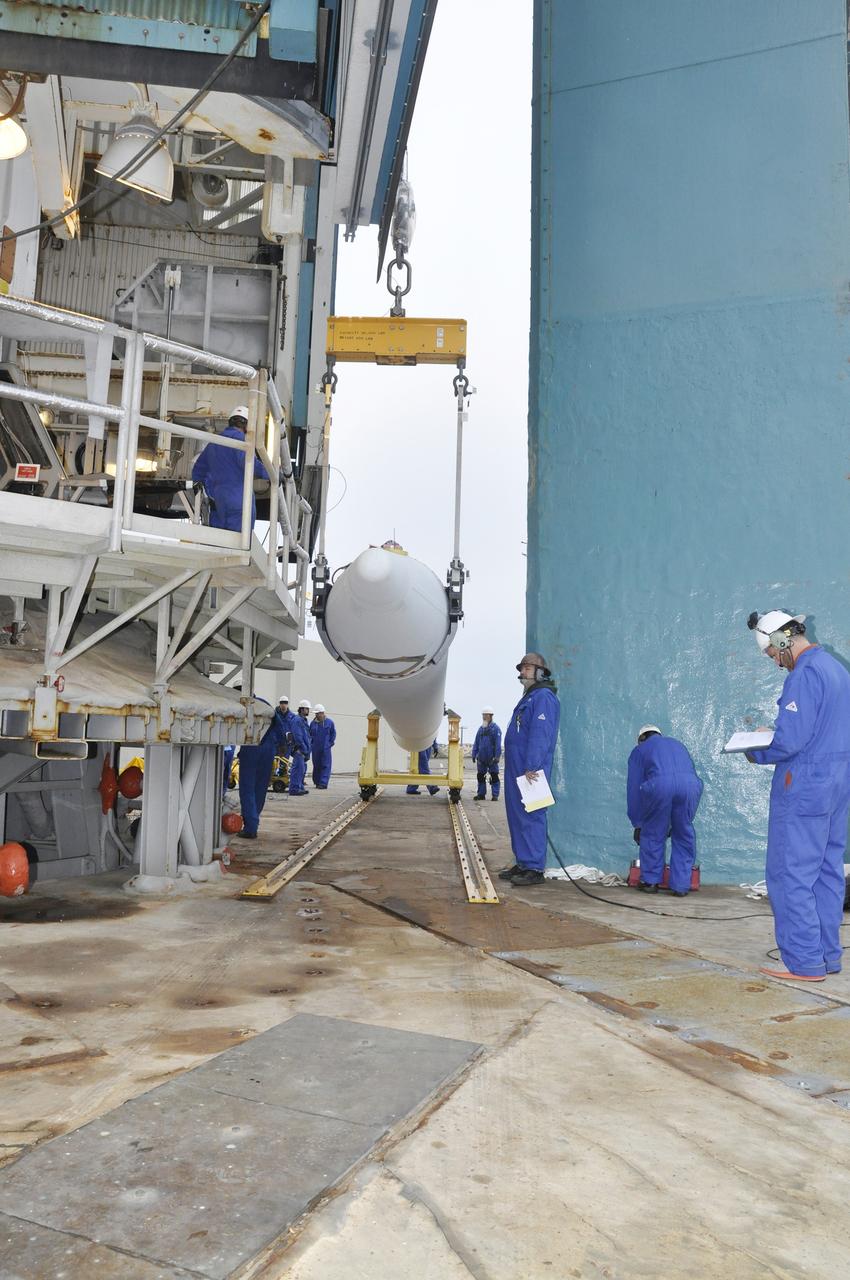
VANDENBERG AIR FORCE BASE, Calif. – A crane supports the solid rocket motor, or SRM, for NASA's Orbiting Carbon Observatory-2 mission, or OCO-2, following its delivery to the mobile service tower at Space Launch Complex 2 on Vandenberg Air Force Base in California. Operations are underway to attach the Delta II rocket's three SRMs, known as graphite epoxy motors, to the rocket's first stage. OCO-2 is scheduled to launch into a polar Earth orbit aboard a United Launch Alliance Delta II 7320-10C rocket in July. Once in orbit, OCO-2 will collect precise global measurements of carbon dioxide in the Earth's atmosphere and provide scientists with a better idea of the chemical compound's impacts on climate change. Scientists will analyze this data to improve our understanding of the natural processes and human activities that regulate the abundance and distribution of this important atmospheric gas. To learn more about OCO-2, visit http://oco.jpl.nasa.gov. Photo credit: NASA/Randy Beaudoin
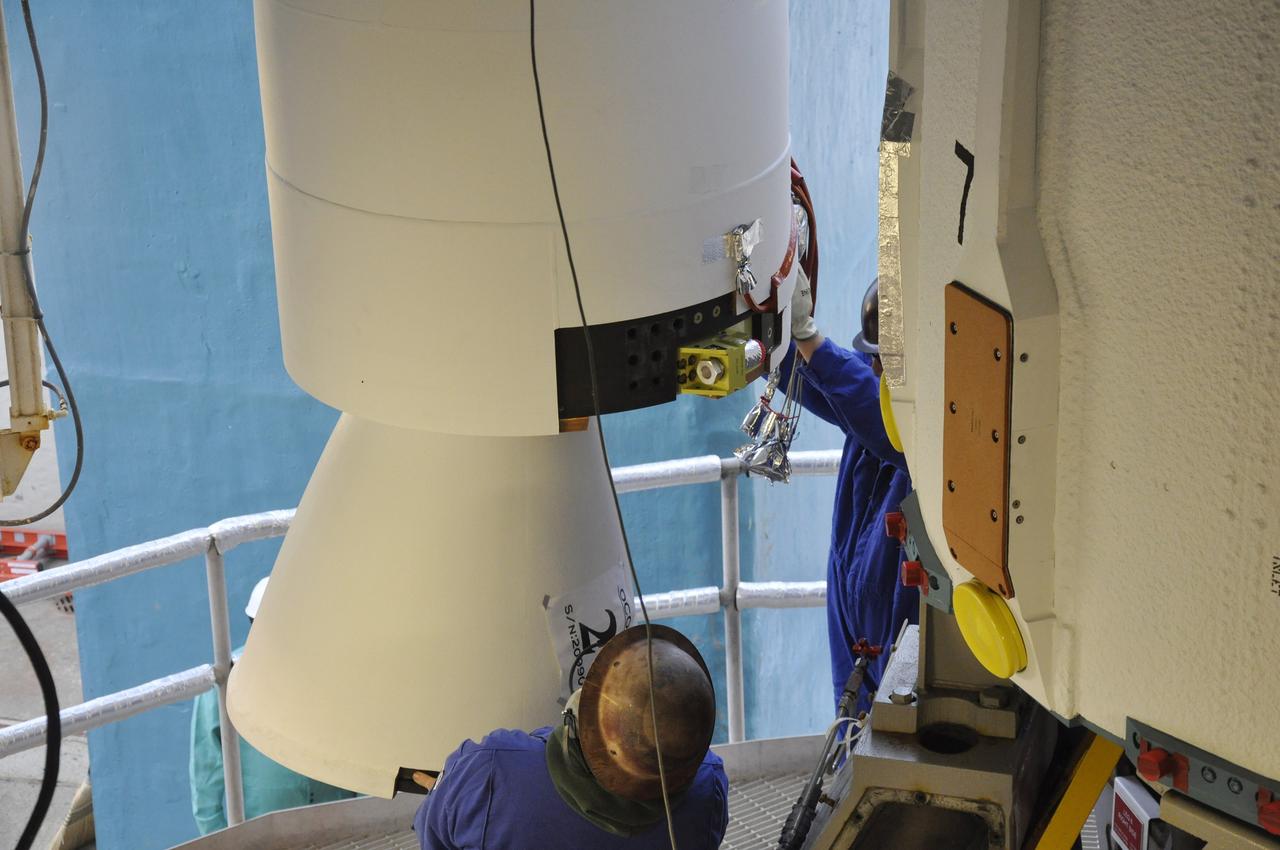
VANDENBERG AIR FORCE BASE, Calif. – Workers monitor the solid rocket motor, or SRM, for NASA's Orbiting Carbon Observatory-2 mission, or OCO-2, as it moves into position beside the Delta II first stage in the mobile service tower at Space Launch Complex 2 on Vandenberg Air Force Base in California. Operations are underway to attach the Delta II rocket's three SRMs, known as graphite epoxy motors, to the rocket's first stage. OCO-2 is scheduled to launch into a polar Earth orbit aboard a United Launch Alliance Delta II 7320-10C rocket in July. Once in orbit, OCO-2 will collect precise global measurements of carbon dioxide in the Earth's atmosphere and provide scientists with a better idea of the chemical compound's impacts on climate change. Scientists will analyze this data to improve our understanding of the natural processes and human activities that regulate the abundance and distribution of this important atmospheric gas. To learn more about OCO-2, visit http://oco.jpl.nasa.gov. Photo credit: NASA/Randy Beaudoin

VANDENBERG AIR FORCE BASE, Calif. – A worker monitors the solid rocket motor, or SRM, for NASA's Orbiting Carbon Observatory-2 mission, or OCO-2, as it is moved into position in the mobile service tower at Space Launch Complex 2 on Vandenberg Air Force Base in California. Operations are underway to attach the Delta II rocket's three SRMs, known as graphite epoxy motors, to the rocket's first stage in place in the tower. OCO-2 is scheduled to launch into a polar Earth orbit aboard a United Launch Alliance Delta II 7320-10C rocket in July. Once in orbit, OCO-2 will collect precise global measurements of carbon dioxide in the Earth's atmosphere and provide scientists with a better idea of the chemical compound's impacts on climate change. Scientists will analyze this data to improve our understanding of the natural processes and human activities that regulate the abundance and distribution of this important atmospheric gas. To learn more about OCO-2, visit http://oco.jpl.nasa.gov. Photo credit: NASA/Randy Beaudoin
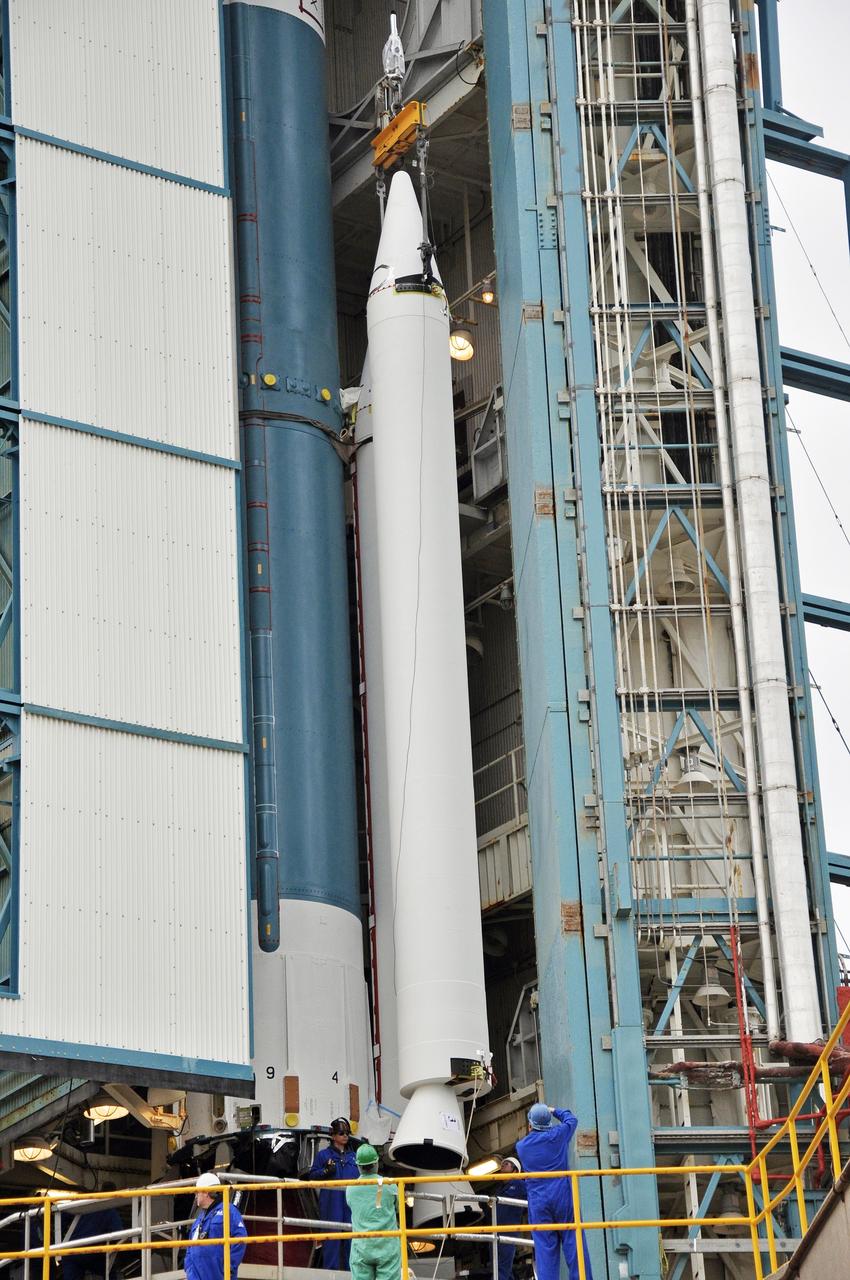
VANDENBERG AIR FORCE BASE, Calif. – Workers monitor the third solid rocket motor, or SRM, for NASA's Orbiting Carbon Observatory-2 mission, or OCO-2, as it moves into position beside the Delta II first stage in the mobile service tower at Space Launch Complex 2 on Vandenberg Air Force Base in California. Operations are underway to attach the rocket's three SRMs, known as graphite epoxy motors, to its first stage. OCO-2 is scheduled to launch into a polar Earth orbit aboard a United Launch Alliance Delta II 7320-10C rocket in July. Once in orbit, OCO-2 will collect precise global measurements of carbon dioxide in the Earth's atmosphere and provide scientists with a better idea of the chemical compound's impacts on climate change. Scientists will analyze this data to improve our understanding of the natural processes and human activities that regulate the abundance and distribution of this important atmospheric gas. To learn more about OCO-2, visit http://oco.jpl.nasa.gov. Photo credit: NASA/Randy Beaudoin
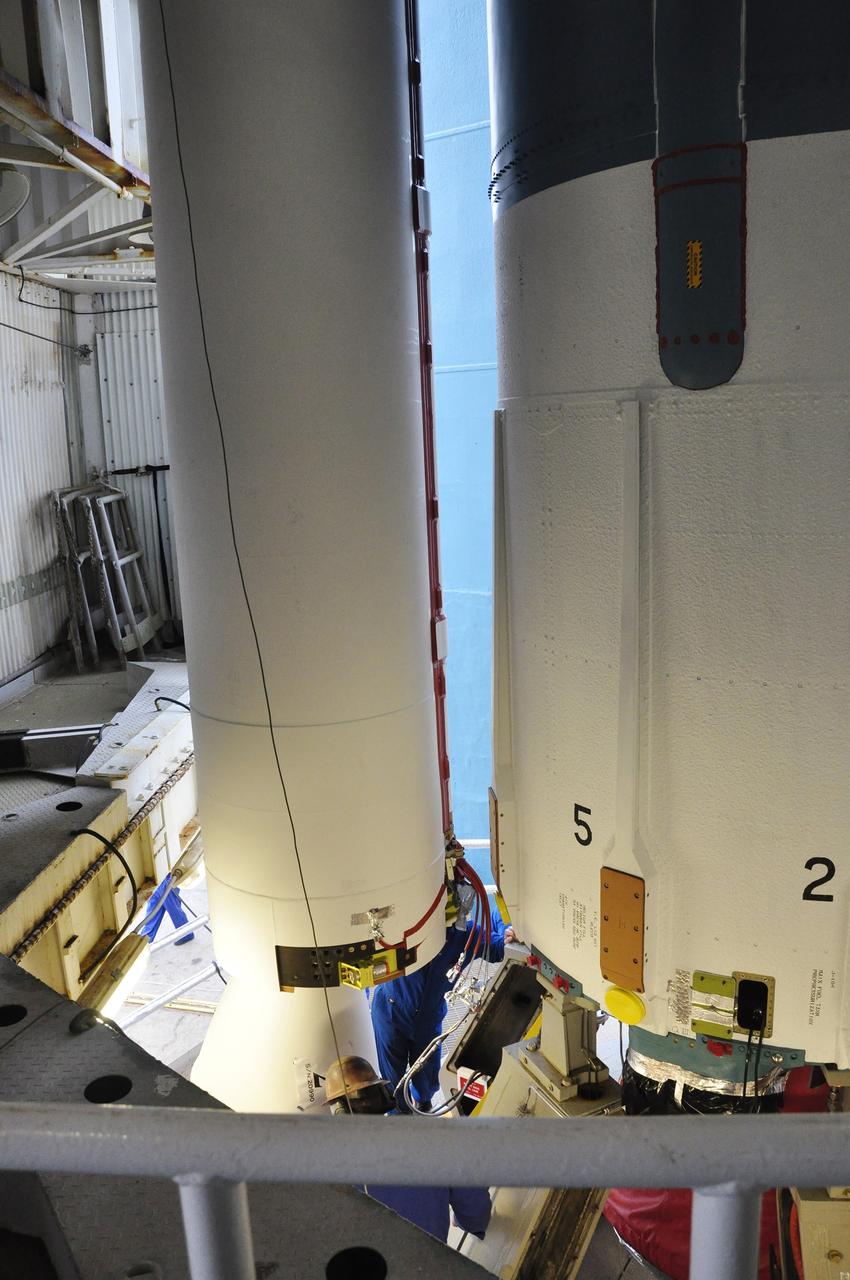
VANDENBERG AIR FORCE BASE, Calif. – A worker attaches a solid rocket motor, or SRM, for NASA's Orbiting Carbon Observatory-2 mission, or OCO-2, to the Delta II first stage in the mobile service tower at Space Launch Complex 2 on Vandenberg Air Force Base in California. Operations are underway to attach the rocket's three SRMs, known as graphite epoxy motors, to its first stage. OCO-2 is scheduled to launch into a polar Earth orbit aboard a United Launch Alliance Delta II 7320-10C rocket in July. Once in orbit, OCO-2 will collect precise global measurements of carbon dioxide in the Earth's atmosphere and provide scientists with a better idea of the chemical compound's impacts on climate change. Scientists will analyze this data to improve our understanding of the natural processes and human activities that regulate the abundance and distribution of this important atmospheric gas. To learn more about OCO-2, visit http://oco.jpl.nasa.gov. Photo credit: NASA/Randy Beaudoin
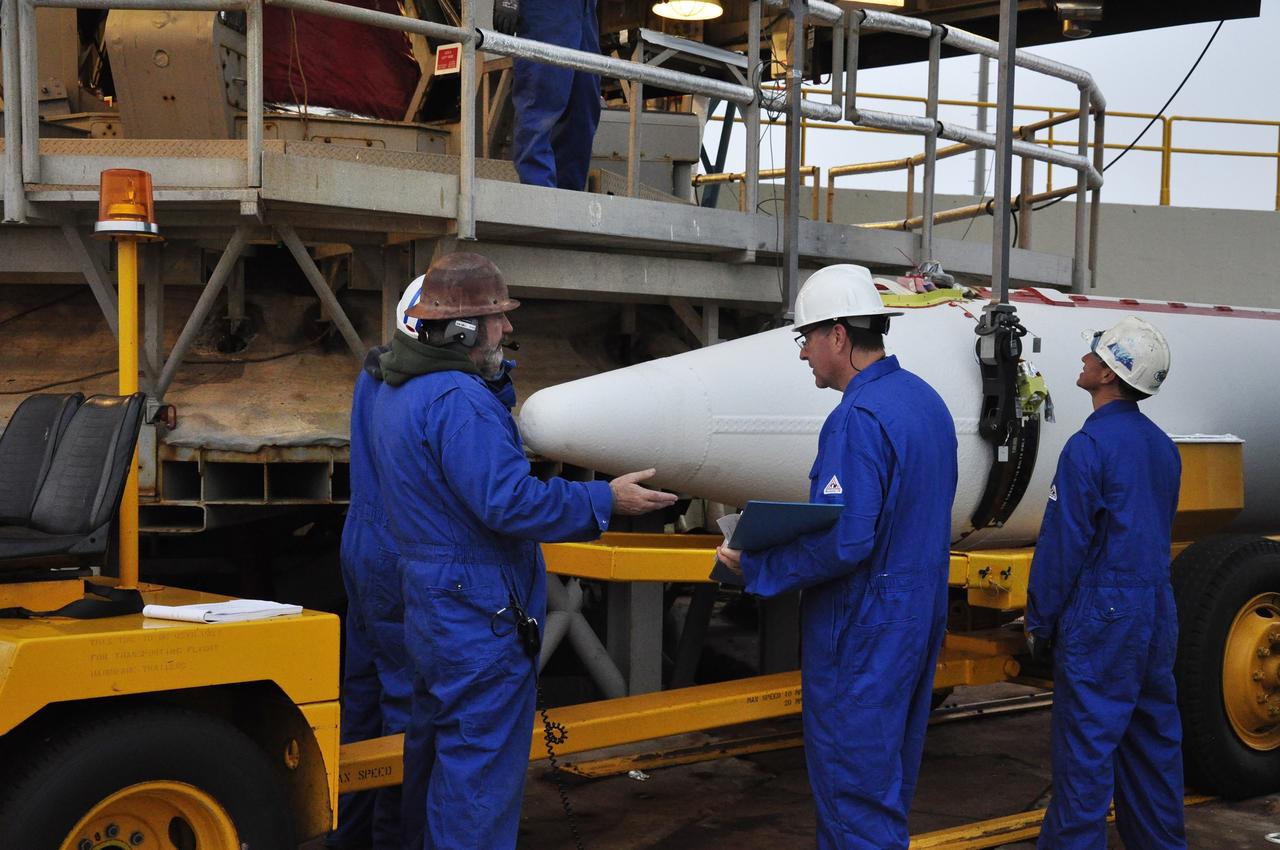
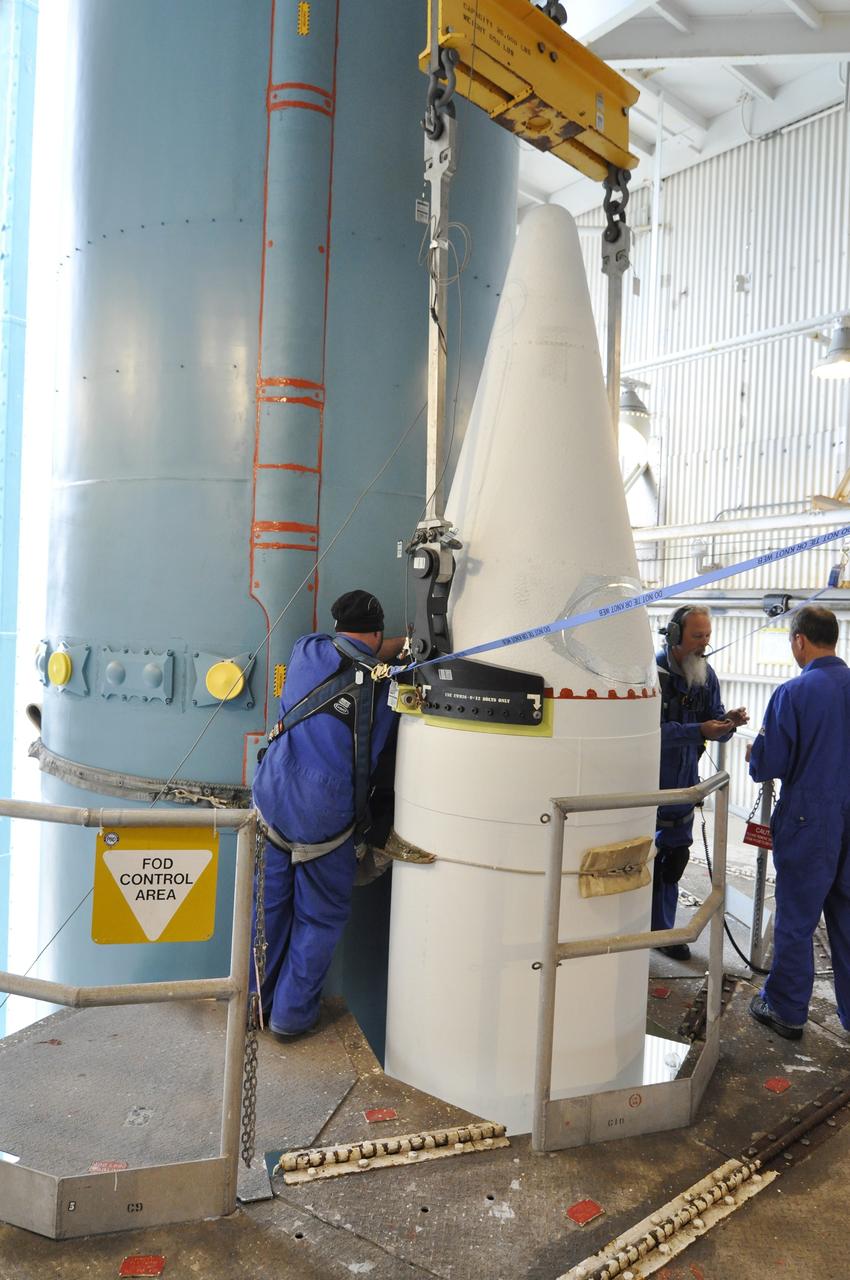
VANDENBERG AIR FORCE BASE, Calif. – Workers inspect the nosecone of a solid rocket motor, or SRM, for NASA's Orbiting Carbon Observatory-2 mission, or OCO-2, upon its delivery to the mobile service tower at Space Launch Complex 2 on Vandenberg Air Force Base in California. Operations are underway to attach the Delta II rocket's three SRMs, known as graphite epoxy motors, to the rocket's first stage. OCO-2 is scheduled to launch into a polar Earth orbit aboard a United Launch Alliance Delta II 7320-10C rocket in July. Once in orbit, OCO-2 will collect precise global measurements of carbon dioxide in the Earth's atmosphere and provide scientists with a better idea of the chemical compound's impacts on climate change. Scientists will analyze this data to improve our understanding of the natural processes and human activities that regulate the abundance and distribution of this important atmospheric gas. To learn more about OCO-2, visit http://oco.jpl.nasa.gov. Photo credit: NASA/Randy Beaudoin
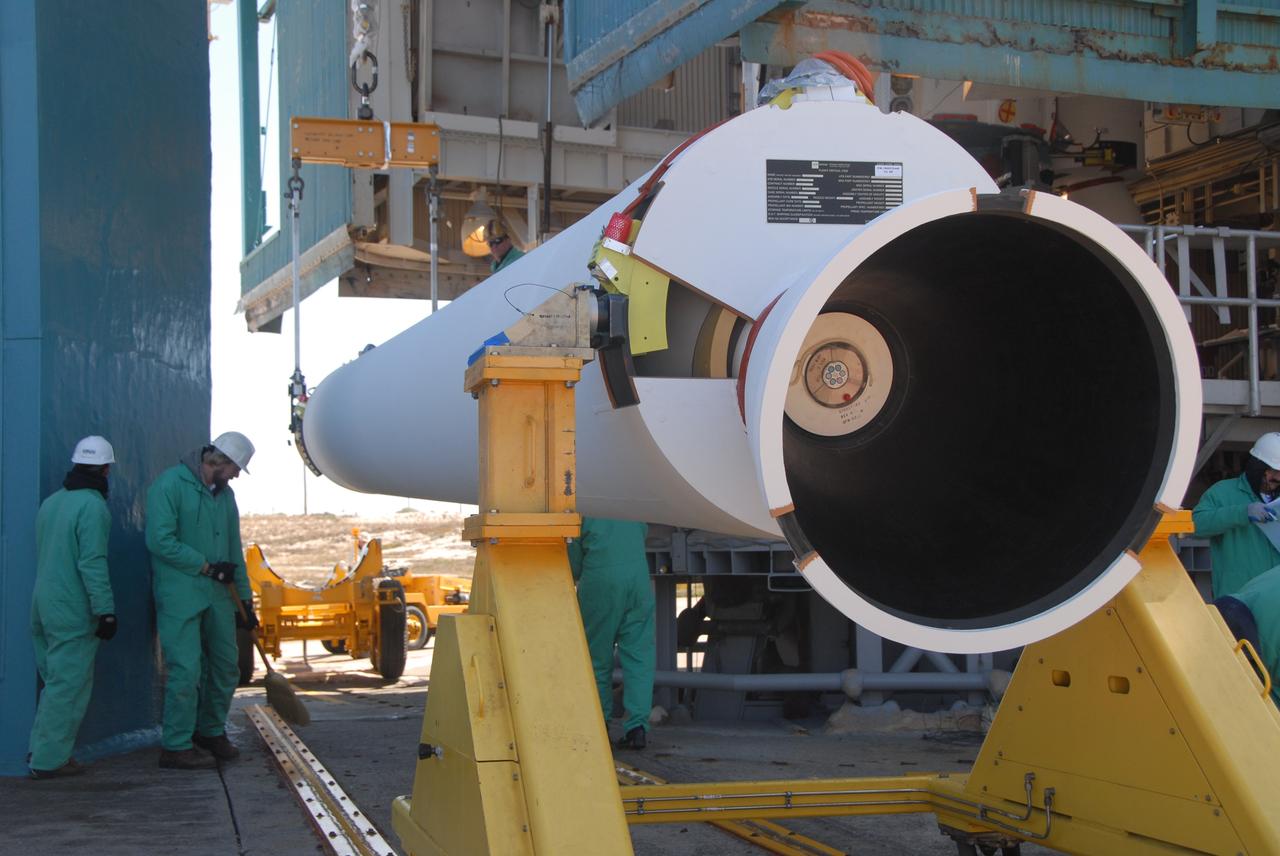
VANDENBERG AIR FORCE BASE, Calif. -- On Space Launch Complex 2 at Vandenberg Air Force Base in California, the second solid rocket motor, or SRM, is raised from its transporter. The SRM will be lifted into the mobile service tower and attached to the Delta II first stage inside the tower. The Delta II is the launch vehicle for the OSTM/Jason-2 spacecraft. The OSTM, or Ocean Topography Mission, on the Jason-2 satellite is a follow-on to Jason-1. It will take oceanographic studies of sea surface height into an operational mode for continued climate forecasting research and science and industrial applications. This satellite altimetry data will help determine ocean circulation, climate change and sea-level rise. OSTM is a joint effort by the National Oceanic and Atmospheric Administration, NASA, France’s Centre National d’Etudes Spatiales and the European Meteorological Satellite Organisation. OSTM/Jason-2 will be launched aboard a United Launch Alliance Delta II 7320 from Vandenberg on June 15. Photo credit: NASA/Dan Liberotti
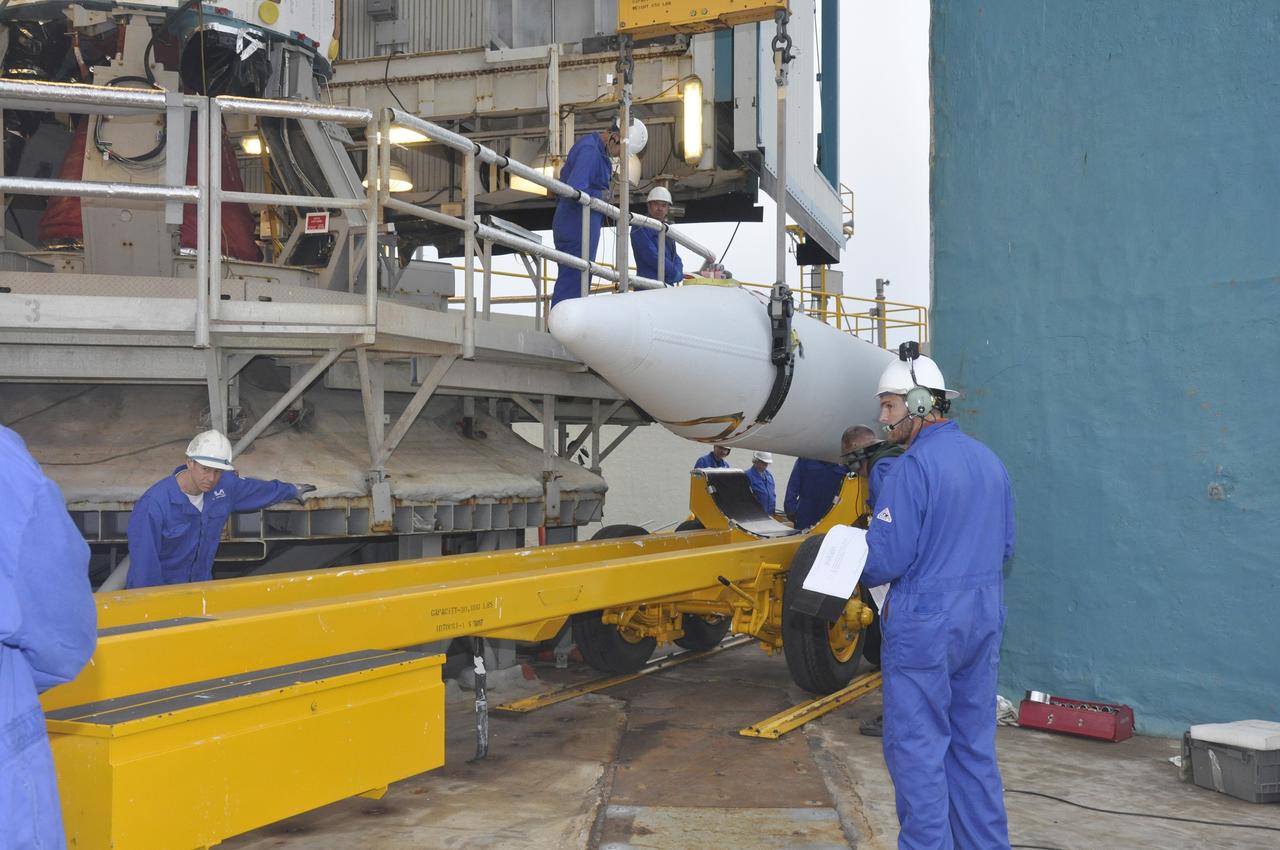
VANDENBERG AIR FORCE BASE, Calif. – A solid rocket motor, or SRM, for NASA's Orbiting Carbon Observatory-2 mission, or OCO-2, is lifted from its transportation cradle upon its delivery to the mobile service tower at Space Launch Complex 2 on Vandenberg Air Force Base in California. Operations are underway to attach the Delta II rocket's three SRMs, known as graphite epoxy motors, to the rocket's first stage. OCO-2 is scheduled to launch into a polar Earth orbit aboard a United Launch Alliance Delta II 7320-10C rocket in July. Once in orbit, OCO-2 will collect precise global measurements of carbon dioxide in the Earth's atmosphere and provide scientists with a better idea of the chemical compound's impacts on climate change. Scientists will analyze this data to improve our understanding of the natural processes and human activities that regulate the abundance and distribution of this important atmospheric gas. To learn more about OCO-2, visit http://oco.jpl.nasa.gov. Photo credit: NASA/Randy Beaudoin
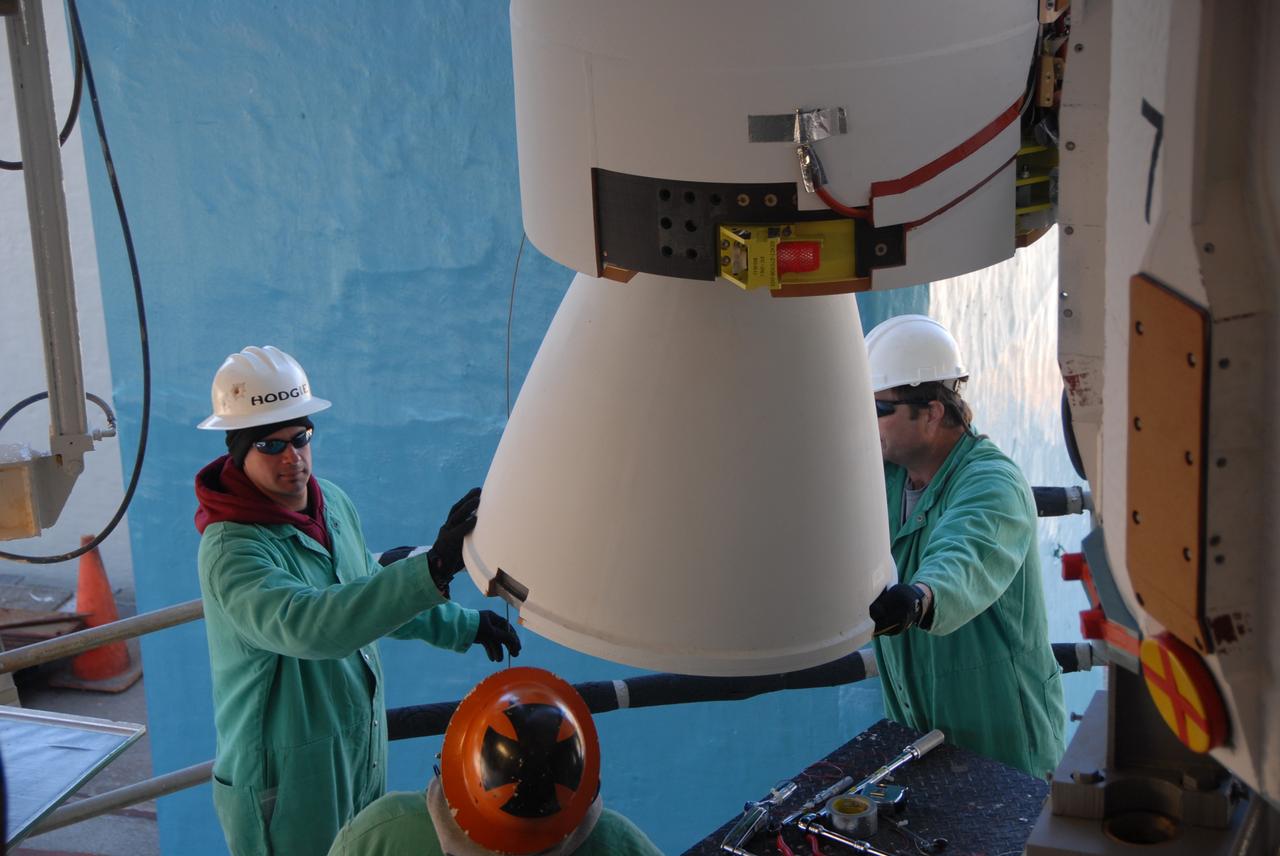
VANDENBERG AIR FORCE BASE, Calif. -- On Space Launch Complex 2 at Vandenberg Air Force Base in California, workers aid the movement of the solid rocket motor, or SRM, into the mobile service tower. The SRM will be attached to the Delta II first stage inside the tower. The Delta II is the launch vehicle for the OSTM/Jason-2 spacecraft. The OSTM, or Ocean Topography Mission, on the Jason-2 satellite is a follow-on to Jason-1. It will take oceanographic studies of sea surface height into an operational mode for continued climate forecasting research and science and industrial applications. This satellite altimetry data will help determine ocean circulation, climate change and sea-level rise. OSTM is a joint effort by the National Oceanic and Atmospheric Administration, NASA, France’s Centre National d’Etudes Spatiales and the European Meteorological Satellite Organisation. OSTM/Jason-2 will be launched aboard a United Launch Alliance Delta II 7320 from Vandenberg on June 15. Photo credit: NASA/Dan Liberotti
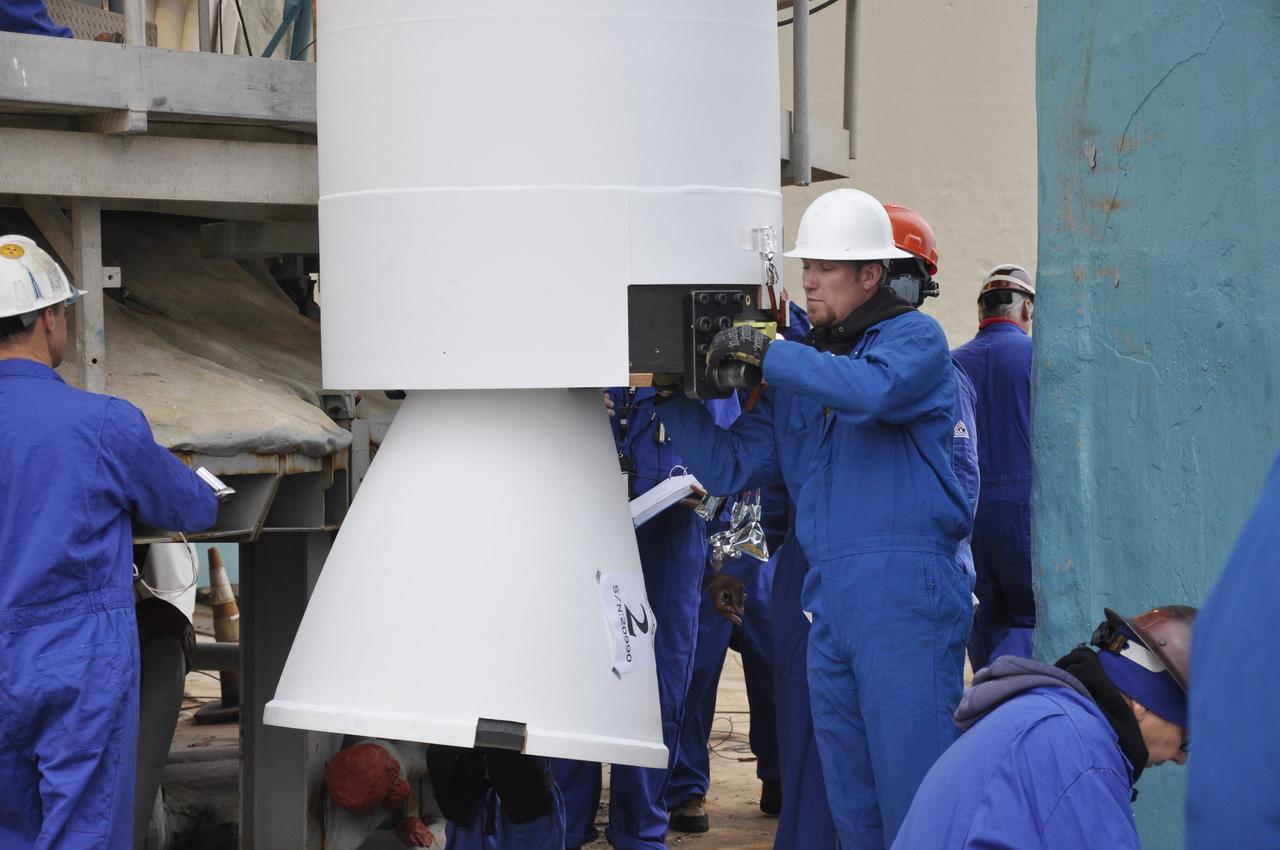
VANDENBERG AIR FORCE BASE, Calif. – A worker inspects the solid rocket motor, or SRM, for NASA's Orbiting Carbon Observatory-2 mission, or OCO-2, after it is lifted into a vertical position beside the mobile service tower at Space Launch Complex 2 on Vandenberg Air Force Base in California. Operations are underway to attach the Delta II rocket's three SRMs, known as graphite epoxy motors, to the rocket's first stage. OCO-2 is scheduled to launch into a polar Earth orbit aboard a United Launch Alliance Delta II 7320-10C rocket in July. Once in orbit, OCO-2 will collect precise global measurements of carbon dioxide in the Earth's atmosphere and provide scientists with a better idea of the chemical compound's impacts on climate change. Scientists will analyze this data to improve our understanding of the natural processes and human activities that regulate the abundance and distribution of this important atmospheric gas. To learn more about OCO-2, visit http://oco.jpl.nasa.gov. Photo credit: NASA/Randy Beaudoin

VANDENBERG AIR FORCE BASE, Calif. – Workers attach a third solid rocket motor, or SRM, for NASA's Orbiting Carbon Observatory-2 mission, or OCO-2, to the Delta II first stage in the mobile service tower at Space Launch Complex 2 on Vandenberg Air Force Base in California. Operations to attach the rocket's three SRMs, known as graphite epoxy motors, to its first stage are nearing completion. OCO-2 is scheduled to launch into a polar Earth orbit aboard a United Launch Alliance Delta II 7320-10C rocket in July. Once in orbit, OCO-2 will collect precise global measurements of carbon dioxide in the Earth's atmosphere and provide scientists with a better idea of the chemical compound's impacts on climate change. Scientists will analyze this data to improve our understanding of the natural processes and human activities that regulate the abundance and distribution of this important atmospheric gas. To learn more about OCO-2, visit http://oco.jpl.nasa.gov. Photo credit: NASA/Randy Beaudoin
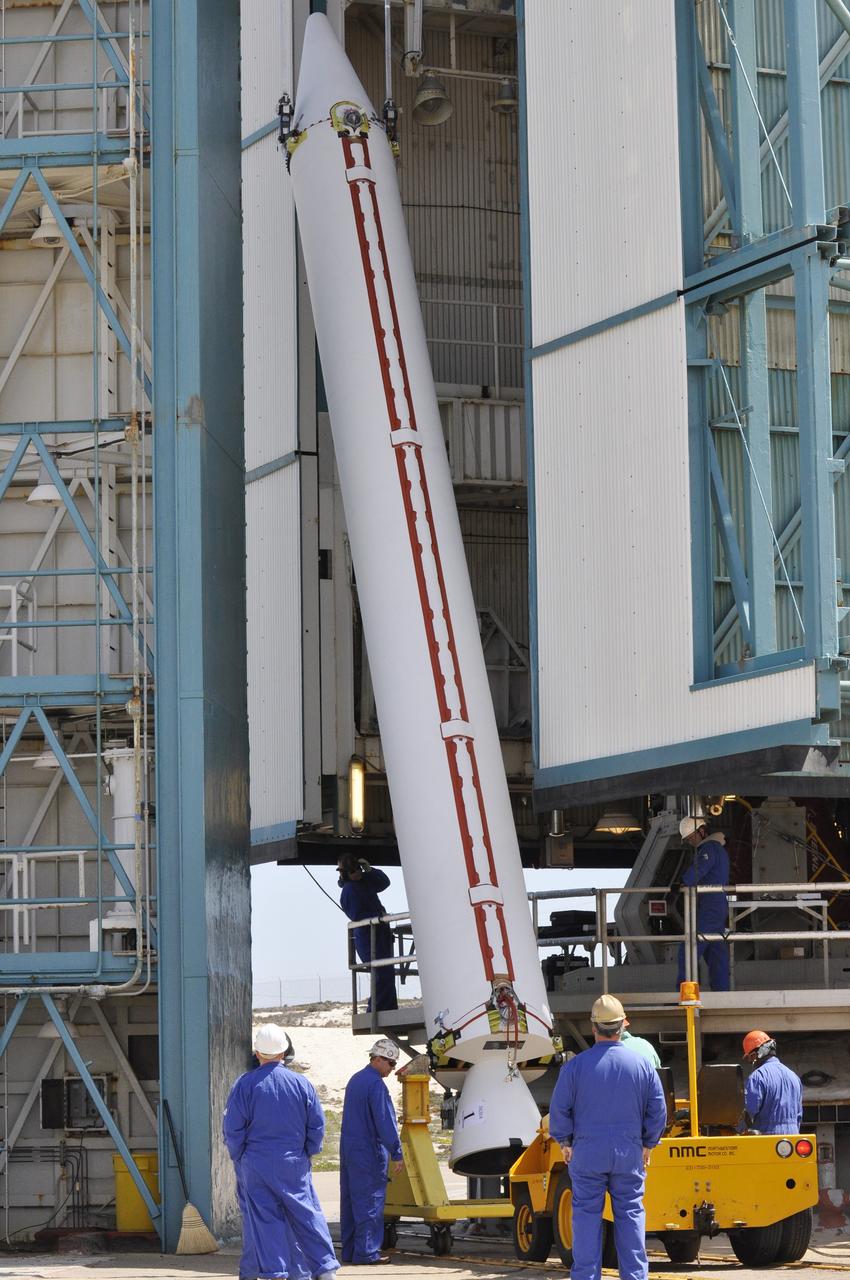
VANDENBERG AIR FORCE BASE, Calif. – Workers monitor the second solid rocket motor, or SRM, for NASA's Orbiting Carbon Observatory-2 mission, or OCO-2, as it is lifted into a vertical position beside the mobile service tower at Space Launch Complex 2 on Vandenberg Air Force Base in California. Operations are underway to attach the Delta II rocket's three SRMs, known as graphite epoxy motors, to its first stage. OCO-2 is scheduled to launch into a polar Earth orbit aboard a United Launch Alliance Delta II 7320-10C rocket in July. Once in orbit, OCO-2 will collect precise global measurements of carbon dioxide in the Earth's atmosphere and provide scientists with a better idea of the chemical compound's impacts on climate change. Scientists will analyze this data to improve our understanding of the natural processes and human activities that regulate the abundance and distribution of this important atmospheric gas. To learn more about OCO-2, visit http://oco.jpl.nasa.gov. Photo credit: NASA/Randy Beaudoin
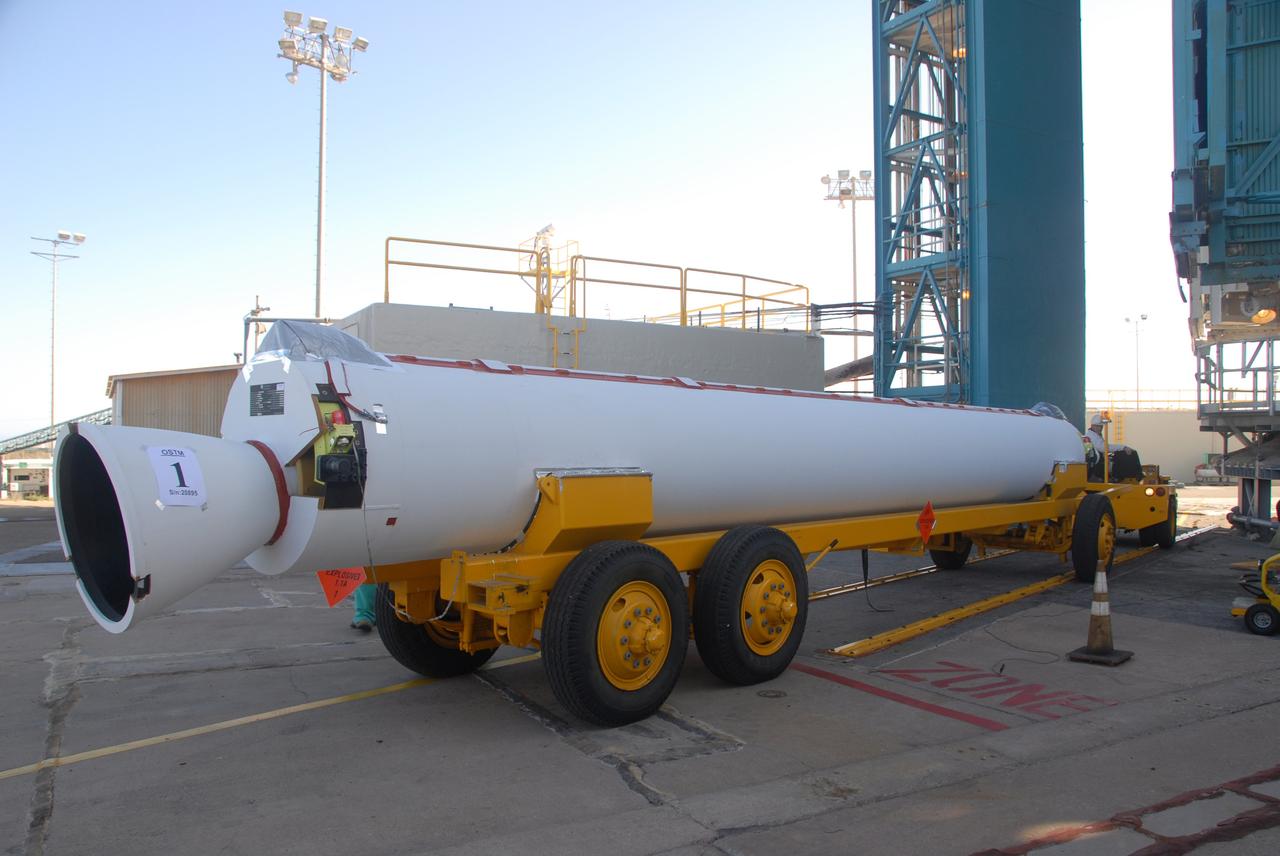
VANDENBERG AIR FORCE BASE, Calif. -- A second solid rocket motor, or SRM, to arrive on Space Launch Complex 2 at Vandenberg Air Force Base in California is moved into place for lifting into the mobile service tower. The SRM will be attached to the Delta II first stage inside the tower. The Delta II is the launch vehicle for the OSTM/Jason-2 spacecraft. The OSTM, or Ocean Topography Mission, on the Jason-2 satellite is a follow-on to Jason-1. It will take oceanographic studies of sea surface height into an operational mode for continued climate forecasting research and science and industrial applications. This satellite altimetry data will help determine ocean circulation, climate change and sea-level rise. OSTM is a joint effort by the National Oceanic and Atmospheric Administration, NASA, France’s Centre National d’Etudes Spatiales and the European Meteorological Satellite Organisation. OSTM/Jason-2 will be launched aboard a United Launch Alliance Delta II 7320 from Vandenberg on June 15. Photo credit: NASA/Dan Liberotti
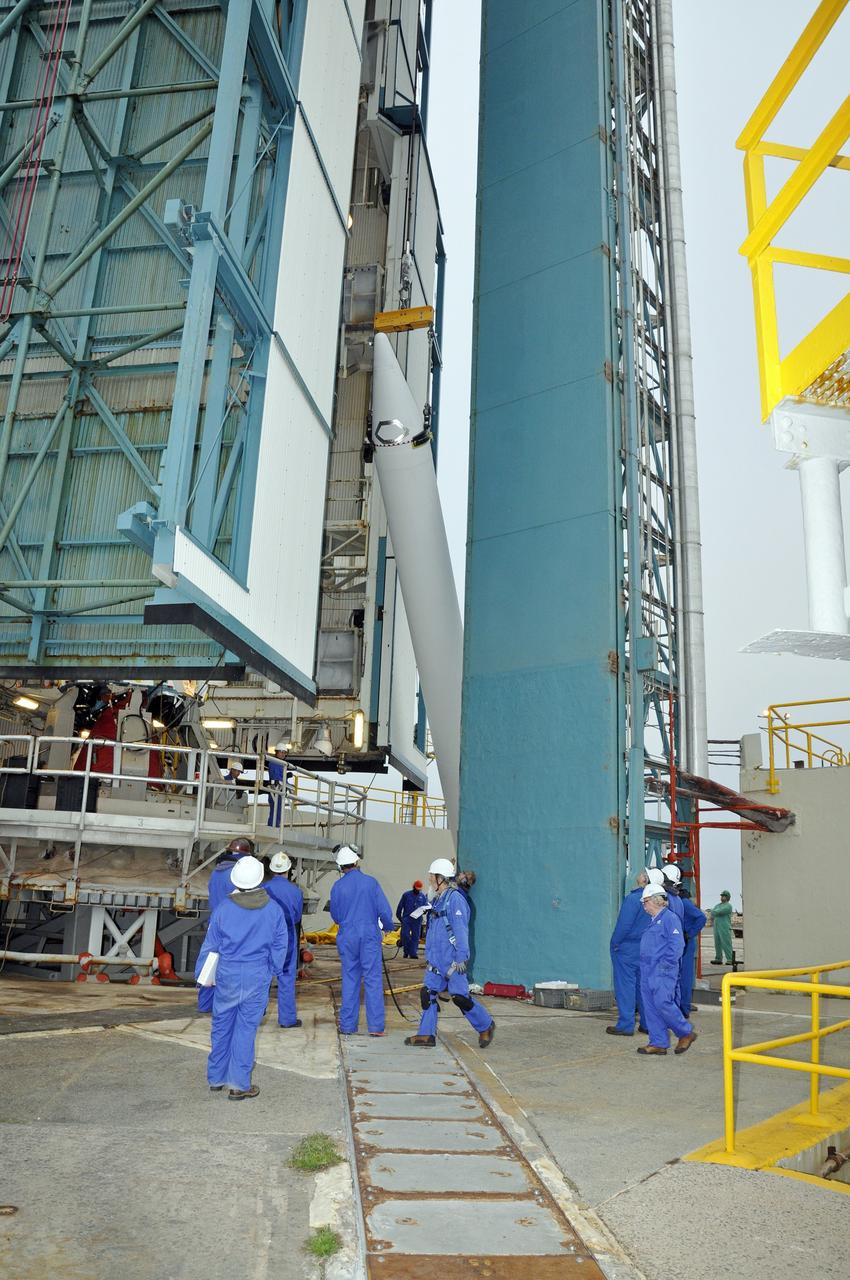
VANDENBERG AIR FORCE BASE, Calif. – A crane lifts the solid rocket motor, or SRM, for NASA's Orbiting Carbon Observatory-2 mission, or OCO-2, into a vertical position beside the mobile service tower at Space Launch Complex 2 on Vandenberg Air Force Base in California. Operations are underway to attach the Delta II rocket's three SRMs, known as graphite epoxy motors, to the rocket's first stage. OCO-2 is scheduled to launch into a polar Earth orbit aboard a United Launch Alliance Delta II 7320-10C rocket in July. Once in orbit, OCO-2 will collect precise global measurements of carbon dioxide in the Earth's atmosphere and provide scientists with a better idea of the chemical compound's impacts on climate change. Scientists will analyze this data to improve our understanding of the natural processes and human activities that regulate the abundance and distribution of this important atmospheric gas. To learn more about OCO-2, visit http://oco.jpl.nasa.gov. Photo credit: NASA/Randy Beaudoin
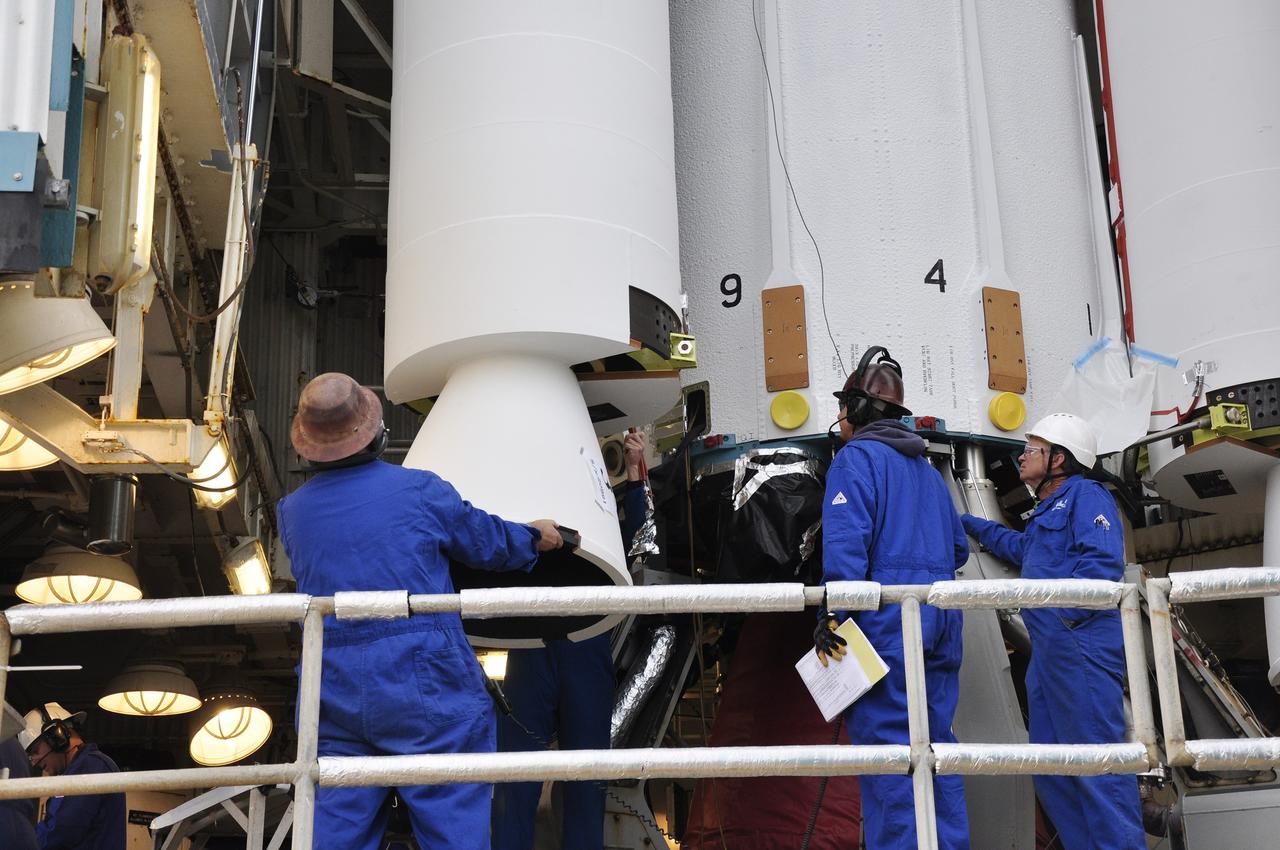
VANDENBERG AIR FORCE BASE, Calif. – Workers attach a third solid rocket motor, or SRM, for NASA's Orbiting Carbon Observatory-2 mission, or OCO-2, to the Delta II first stage in the mobile service tower at Space Launch Complex 2 on Vandenberg Air Force Base in California. Operations to attach the rocket's three SRMs, known as graphite epoxy motors, to its first stage are nearing completion. OCO-2 is scheduled to launch into a polar Earth orbit aboard a United Launch Alliance Delta II 7320-10C rocket in July. Once in orbit, OCO-2 will collect precise global measurements of carbon dioxide in the Earth's atmosphere and provide scientists with a better idea of the chemical compound's impacts on climate change. Scientists will analyze this data to improve our understanding of the natural processes and human activities that regulate the abundance and distribution of this important atmospheric gas. To learn more about OCO-2, visit http://oco.jpl.nasa.gov. Photo credit: NASA/Randy Beaudoin
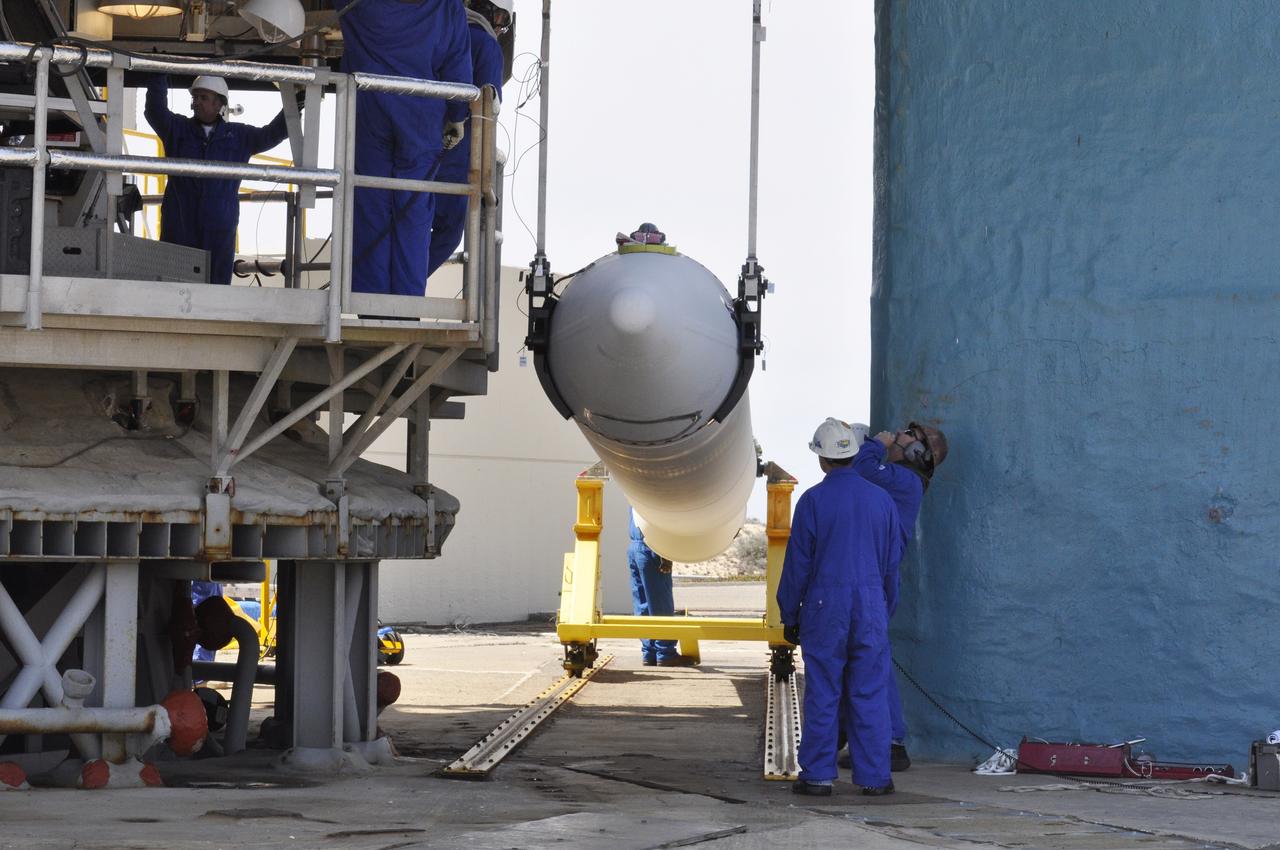
VANDENBERG AIR FORCE BASE, Calif. – Workers monitor the second solid rocket motor, or SRM, for NASA's Orbiting Carbon Observatory-2 mission, or OCO-2, as it is lifted into a vertical position beside the mobile service tower at Space Launch Complex 2 on Vandenberg Air Force Base in California. Operations are underway to attach the Delta II rocket's three SRMs, known as graphite epoxy motors, to its first stage. OCO-2 is scheduled to launch into a polar Earth orbit aboard a United Launch Alliance Delta II 7320-10C rocket in July. Once in orbit, OCO-2 will collect precise global measurements of carbon dioxide in the Earth's atmosphere and provide scientists with a better idea of the chemical compound's impacts on climate change. Scientists will analyze this data to improve our understanding of the natural processes and human activities that regulate the abundance and distribution of this important atmospheric gas. To learn more about OCO-2, visit http://oco.jpl.nasa.gov. Photo credit: NASA/Randy Beaudoin
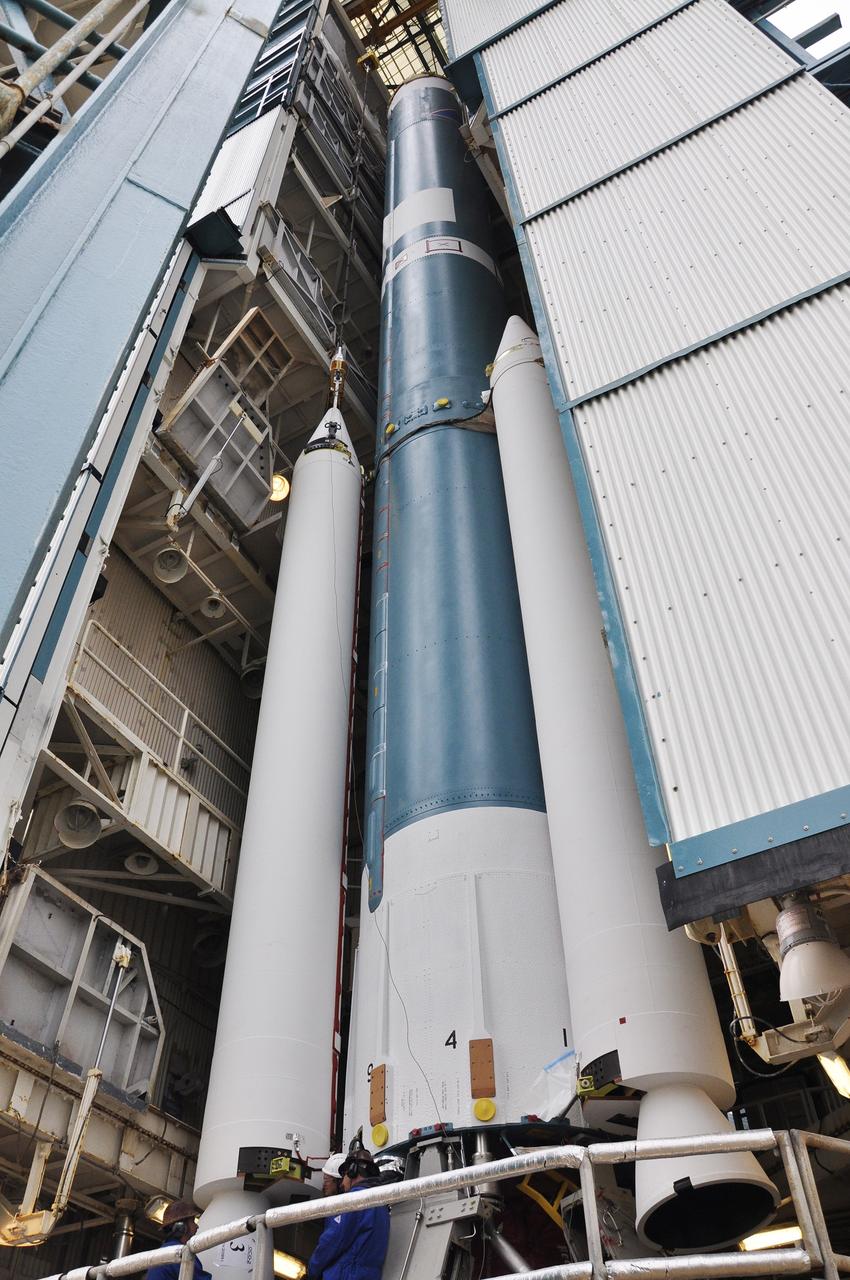
VANDENBERG AIR FORCE BASE, Calif. – Operations to attach three solid rocket motors, or SRMs, for NASA's Orbiting Carbon Observatory-2 mission, or OCO-2, to the Delta II first stage in the mobile service tower at Space Launch Complex 2 on Vandenberg Air Force Base in California are complete. The SRMs used to give the first stage additional thrust are known as graphite epoxy motors. OCO-2 is scheduled to launch into a polar Earth orbit aboard a United Launch Alliance Delta II 7320-10C rocket in July. Once in orbit, OCO-2 will collect precise global measurements of carbon dioxide in the Earth's atmosphere and provide scientists with a better idea of the chemical compound's impacts on climate change. Scientists will analyze this data to improve our understanding of the natural processes and human activities that regulate the abundance and distribution of this important atmospheric gas. To learn more about OCO-2, visit http://oco.jpl.nasa.gov. Photo credit: NASA/Randy Beaudoin
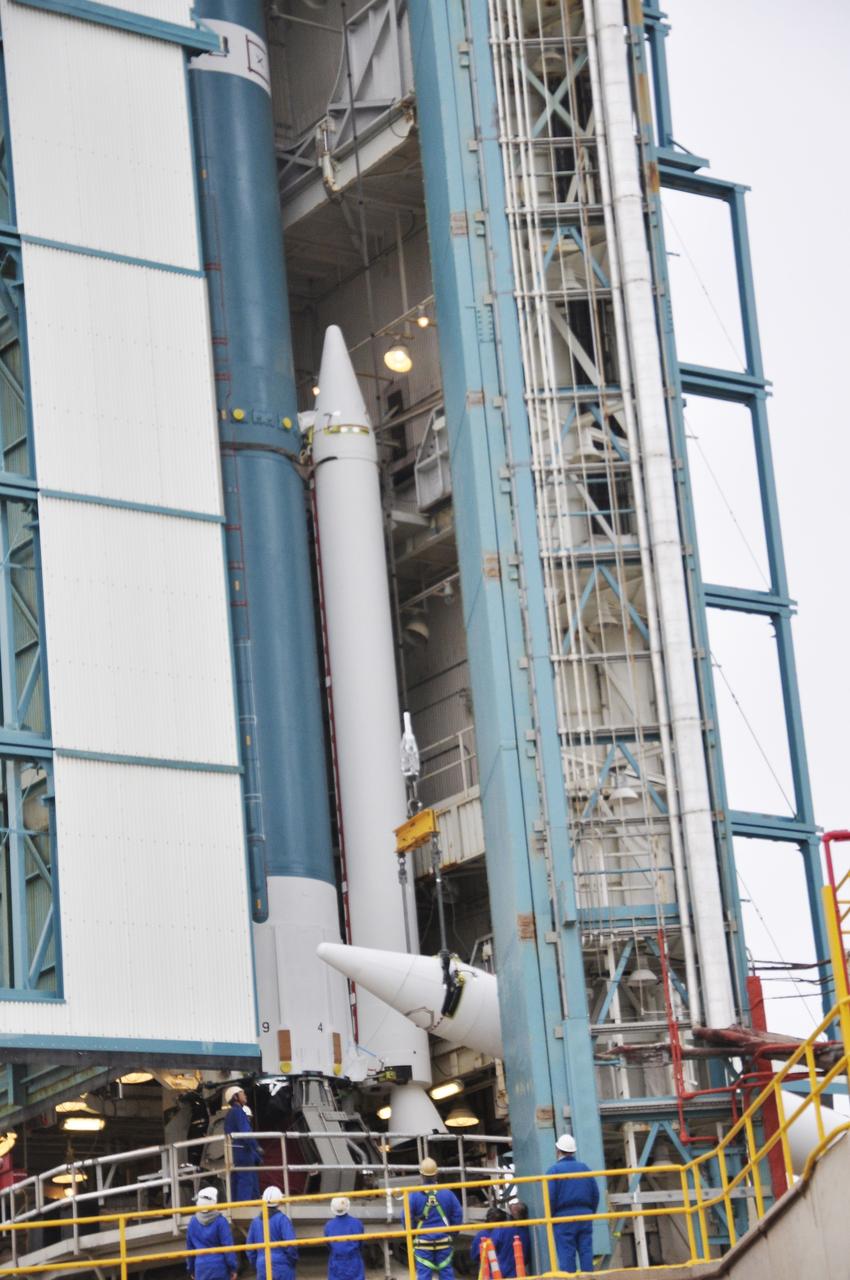
VANDENBERG AIR FORCE BASE, Calif. – A crane lifts the third solid rocket motor, or SRM, for NASA's Orbiting Carbon Observatory-2 mission, or OCO-2, into a vertical position at the mobile service tower at Space Launch Complex 2 on Vandenberg Air Force Base in California. Operations are underway to attach the Delta II rocket's three SRMs, known as graphite epoxy motors, to its first stage. OCO-2 is scheduled to launch into a polar Earth orbit aboard a United Launch Alliance Delta II 7320-10C rocket in July. Once in orbit, OCO-2 will collect precise global measurements of carbon dioxide in the Earth's atmosphere and provide scientists with a better idea of the chemical compound's impacts on climate change. Scientists will analyze this data to improve our understanding of the natural processes and human activities that regulate the abundance and distribution of this important atmospheric gas. To learn more about OCO-2, visit http://oco.jpl.nasa.gov. Photo credit: NASA/Randy Beaudoin
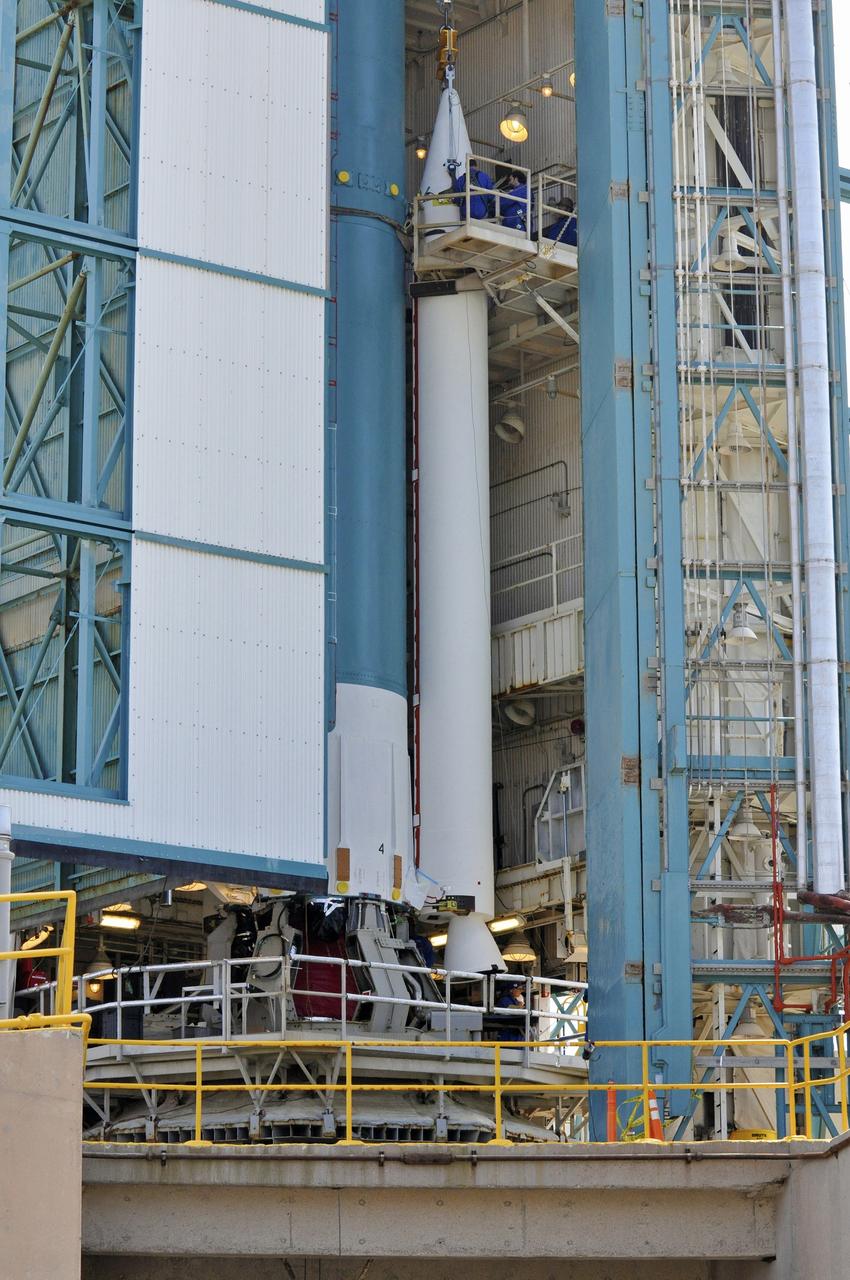
VANDENBERG AIR FORCE BASE, Calif. – The second solid rocket motor, or SRM, for NASA's Orbiting Carbon Observatory-2 mission, or OCO-2, is lifted into the mobile service tower next to the Delta II first stage at Space Launch Complex 2 on Vandenberg Air Force Base in California. Operations are underway to attach the Delta II rocket's three SRMs, known as graphite epoxy motors, to its first stage. OCO-2 is scheduled to launch into a polar Earth orbit aboard a United Launch Alliance Delta II 7320-10C rocket in July. Once in orbit, OCO-2 will collect precise global measurements of carbon dioxide in the Earth's atmosphere and provide scientists with a better idea of the chemical compound's impacts on climate change. Scientists will analyze this data to improve our understanding of the natural processes and human activities that regulate the abundance and distribution of this important atmospheric gas. To learn more about OCO-2, visit http://oco.jpl.nasa.gov. Photo credit: NASA/Randy Beaudoin

VANDENBERG AIR FORCE BASE, Calif. -- On Space Launch Complex 2 at Vandenberg Air Force Base in California, the second solid rocket motor, or SRM, is being raised to a vertical position. Once vertical, the SRM will be lifted into the mobile service tower and attached to the Delta II first stage inside. The Delta II is the launch vehicle for the OSTM/Jason-2 spacecraft. The OSTM, or Ocean Topography Mission, on the Jason-2 satellite is a follow-on to Jason-1. It will take oceanographic studies of sea surface height into an operational mode for continued climate forecasting research and science and industrial applications. This satellite altimetry data will help determine ocean circulation, climate change and sea-level rise. OSTM is a joint effort by the National Oceanic and Atmospheric Administration, NASA, France’s Centre National d’Etudes Spatiales and the European Meteorological Satellite Organisation. OSTM/Jason-2 will be launched aboard a United Launch Alliance Delta II 7320 from Vandenberg on June 15. Photo credit: NASA/Dan Liberotti
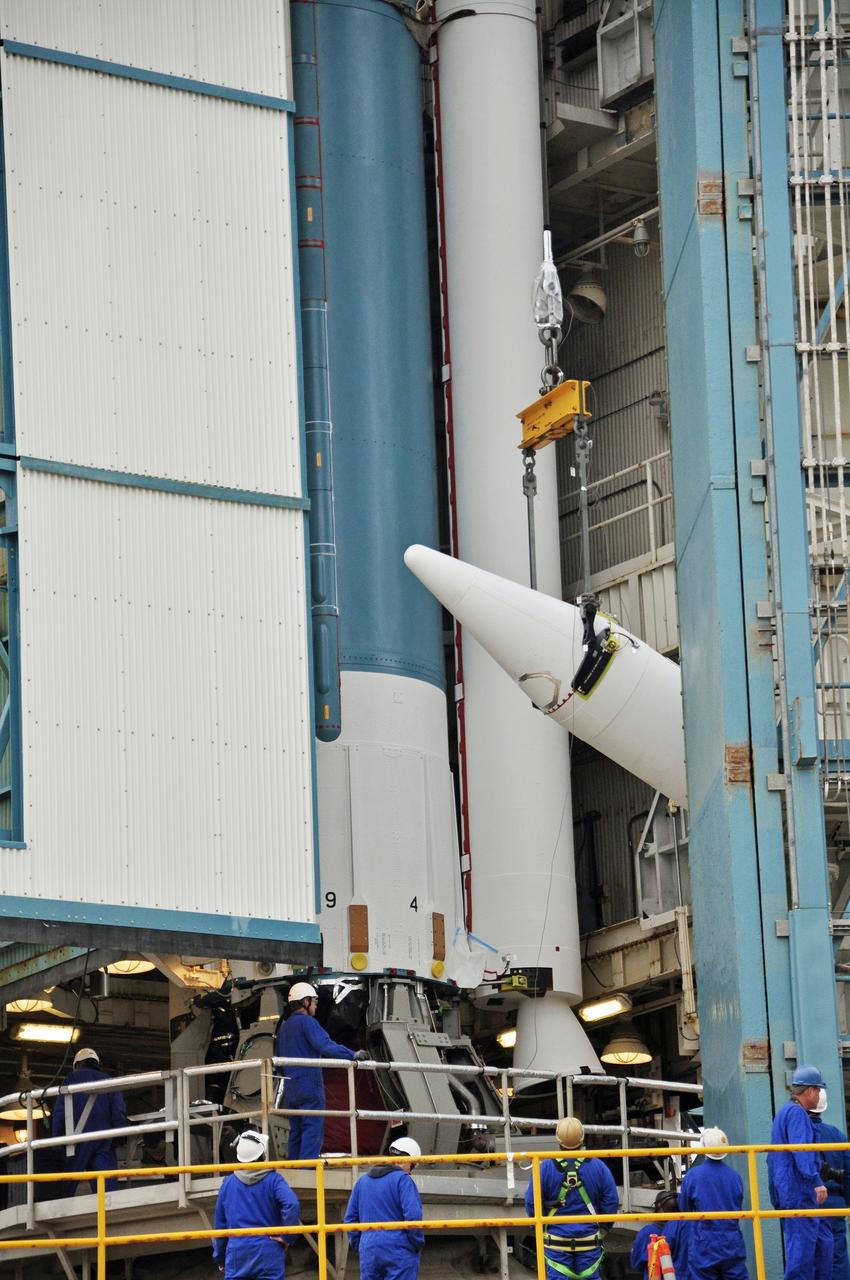
VANDENBERG AIR FORCE BASE, Calif. – Workers monitor the third solid rocket motor, or SRM, for NASA's Orbiting Carbon Observatory-2 mission, or OCO-2, as it is lifted into a vertical position beside the Delta II first stage in the mobile service tower at Space Launch Complex 2 on Vandenberg Air Force Base in California. Operations are underway to attach the Delta II rocket's three SRMs, known as graphite epoxy motors, to its first stage. OCO-2 is scheduled to launch into a polar Earth orbit aboard a United Launch Alliance Delta II 7320-10C rocket in July. Once in orbit, OCO-2 will collect precise global measurements of carbon dioxide in the Earth's atmosphere and provide scientists with a better idea of the chemical compound's impacts on climate change. Scientists will analyze this data to improve our understanding of the natural processes and human activities that regulate the abundance and distribution of this important atmospheric gas. To learn more about OCO-2, visit http://oco.jpl.nasa.gov. Photo credit: NASA/Randy Beaudoin
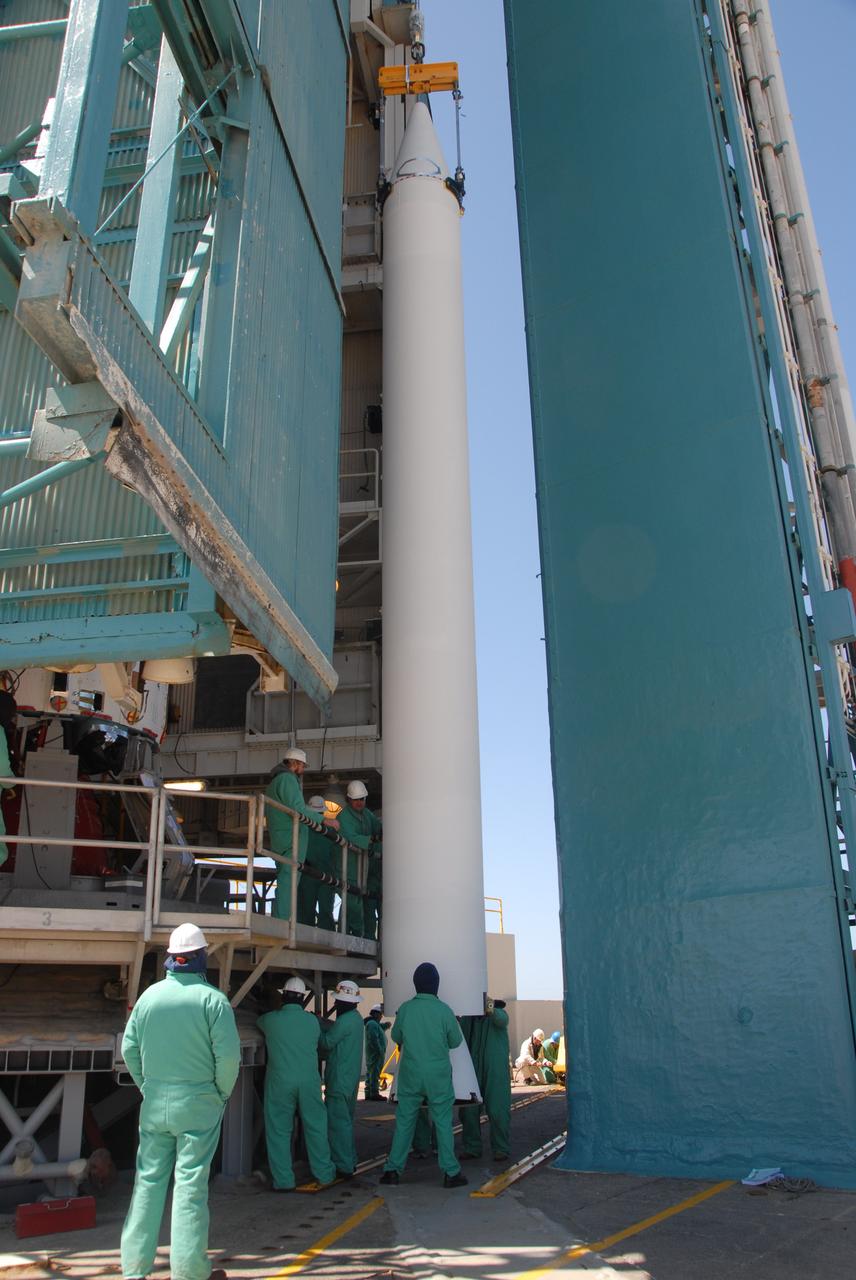
VANDENBERG AIR FORCE BASE, Calif. -- On Space Launch Complex 2 at Vandenberg Air Force Base in California, the second solid rocket motor, or SRM, is suspended in front of the mobile service tower. The SRM will be lifted into the tower and attached to the Delta II first stage inside. The Delta II is the launch vehicle for the OSTM/Jason-2 spacecraft. The OSTM, or Ocean Topography Mission, on the Jason-2 satellite is a follow-on to Jason-1. It will take oceanographic studies of sea surface height into an operational mode for continued climate forecasting research and science and industrial applications. This satellite altimetry data will help determine ocean circulation, climate change and sea-level rise. OSTM is a joint effort by the National Oceanic and Atmospheric Administration, NASA, France’s Centre National d’Etudes Spatiales and the European Meteorological Satellite Organisation. OSTM/Jason-2 will be launched aboard a United Launch Alliance Delta II 7320 from Vandenberg on June 15. Photo credit: NASA/Dan Liberotti
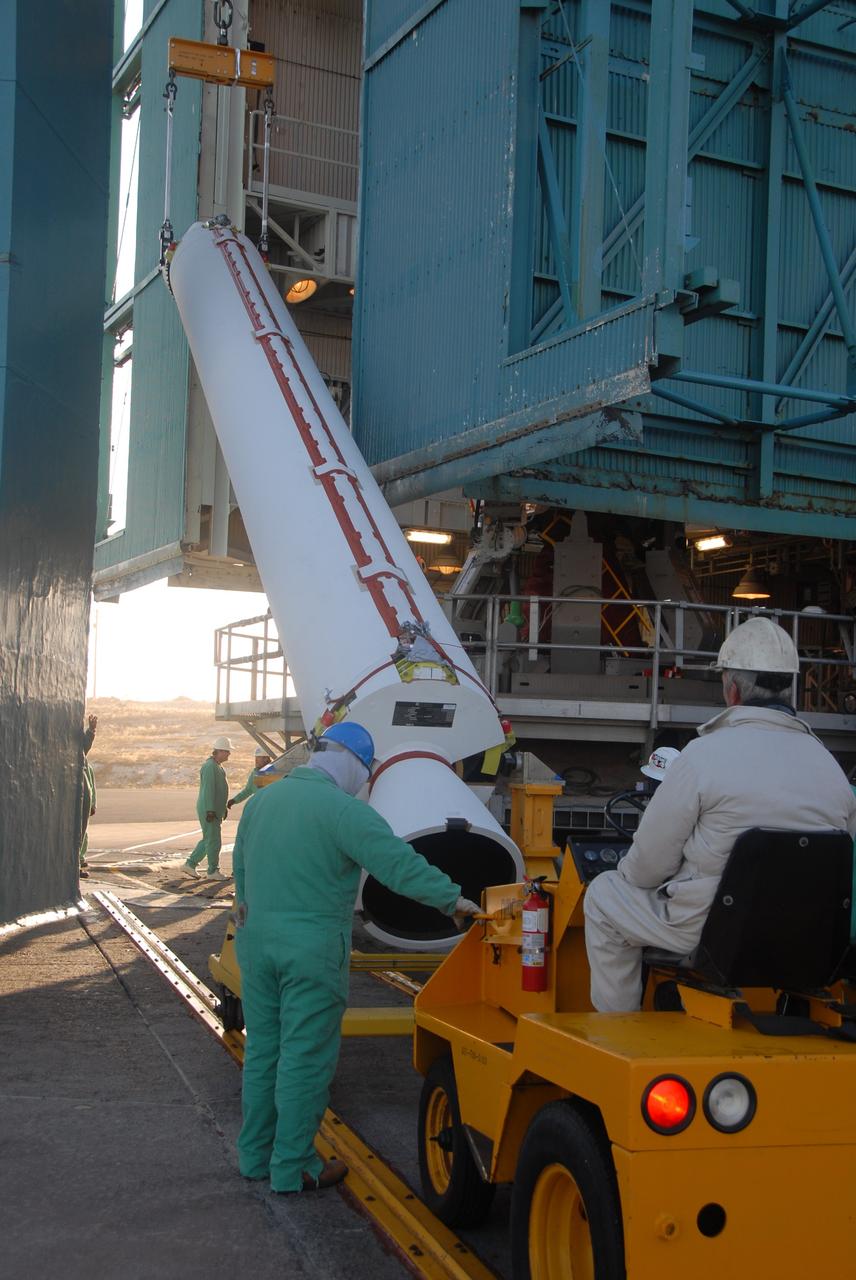
VANDENBERG AIR FORCE BASE, Calif. -- On Space Launch Complex 2 at Vandenberg Air Force Base in California, a solid rocket motor, or SRM, is raised from its transporter. The SRM will be lifted into the mobile service tower and attached to the Delta II first stage inside the tower. The Delta II is the launch vehicle for the OSTM/Jason-2 spacecraft. The OSTM, or Ocean Topography Mission, on the Jason-2 satellite is a follow-on to Jason-1. It will take oceanographic studies of sea surface height into an operational mode for continued climate forecasting research and science and industrial applications. This satellite altimetry data will help determine ocean circulation, climate change and sea-level rise. OSTM is a joint effort by the National Oceanic and Atmospheric Administration, NASA, France’s Centre National d’Etudes Spatiales and the European Meteorological Satellite Organisation. OSTM/Jason-2 will be launched aboard a United Launch Alliance Delta II 7320 from Vandenberg on June 15. Photo credit: NASA/Dan Liberotti
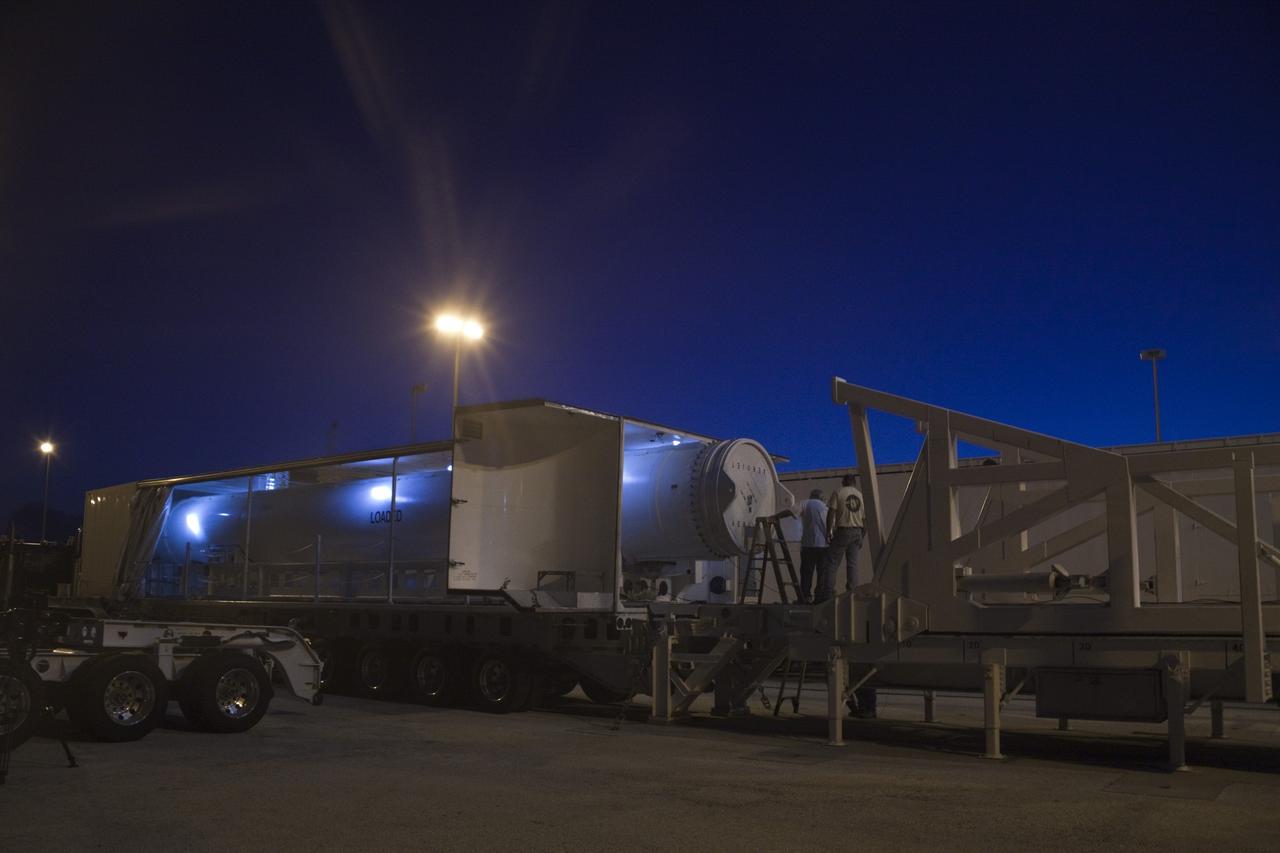
CAPE CANAVERAL, Fla. – Under the night sky at Space Launch Complex 41 on Cape Canaveral Air Force Station in Florida, workers prepare the final solid rocket motor (SRM) for lifting into the Vertical Integration Facility. The SRM will be mated to a United Launch Alliance Atlas V rocket being prepared to launch NASA's Mars Science Laboratory (MSL) mission. MSL's components include a compact car-sized rover, Curiosity, which has 10 science instruments designed to search for evidence on whether Mars has had environments favorable to microbial life, including chemical ingredients for life. The unique rover will use a laser to look inside rocks and release its gasses so that the rover’s spectrometer can analyze and send the data back to Earth. MSL is scheduled to launch Nov. 25 with a window extending to Dec. 18 and arrival at Mars Aug. 2012. For more information, visit http://www.nasa.gov/msl. Photo credit: NASA/Jim Grossmann
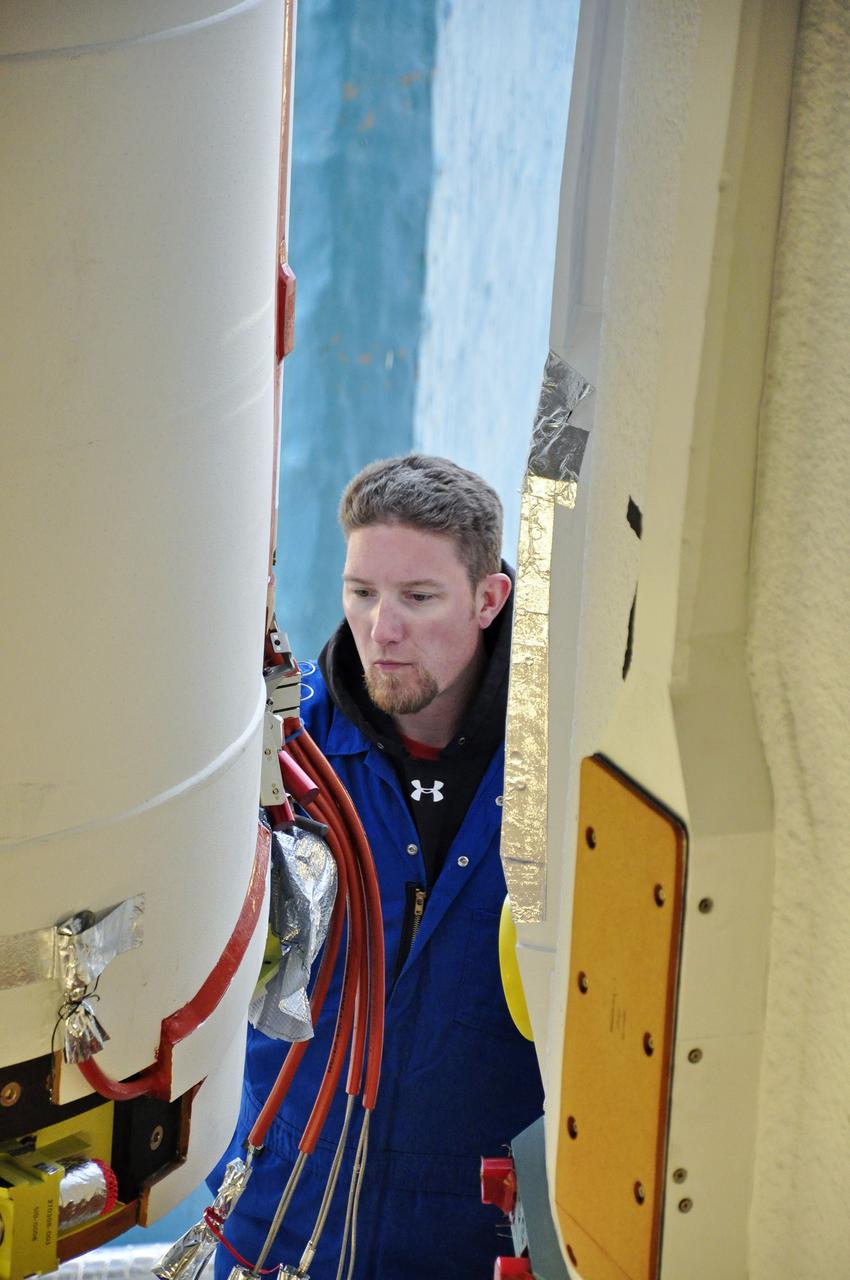
VANDENBERG AIR FORCE BASE, Calif. – A worker prepares to attach a solid rocket motor, or SRM, for NASA's Orbiting Carbon Observatory-2 mission, or OCO-2, to the Delta II first stage in the mobile service tower at Space Launch Complex 2 on Vandenberg Air Force Base in California. Operations are underway to attach the rocket's three SRMs, known as graphite epoxy motors, to its first stage. OCO-2 is scheduled to launch into a polar Earth orbit aboard a United Launch Alliance Delta II 7320-10C rocket in July. Once in orbit, OCO-2 will collect precise global measurements of carbon dioxide in the Earth's atmosphere and provide scientists with a better idea of the chemical compound's impacts on climate change. Scientists will analyze this data to improve our understanding of the natural processes and human activities that regulate the abundance and distribution of this important atmospheric gas. To learn more about OCO-2, visit http://oco.jpl.nasa.gov. Photo credit: NASA/Randy Beaudoin
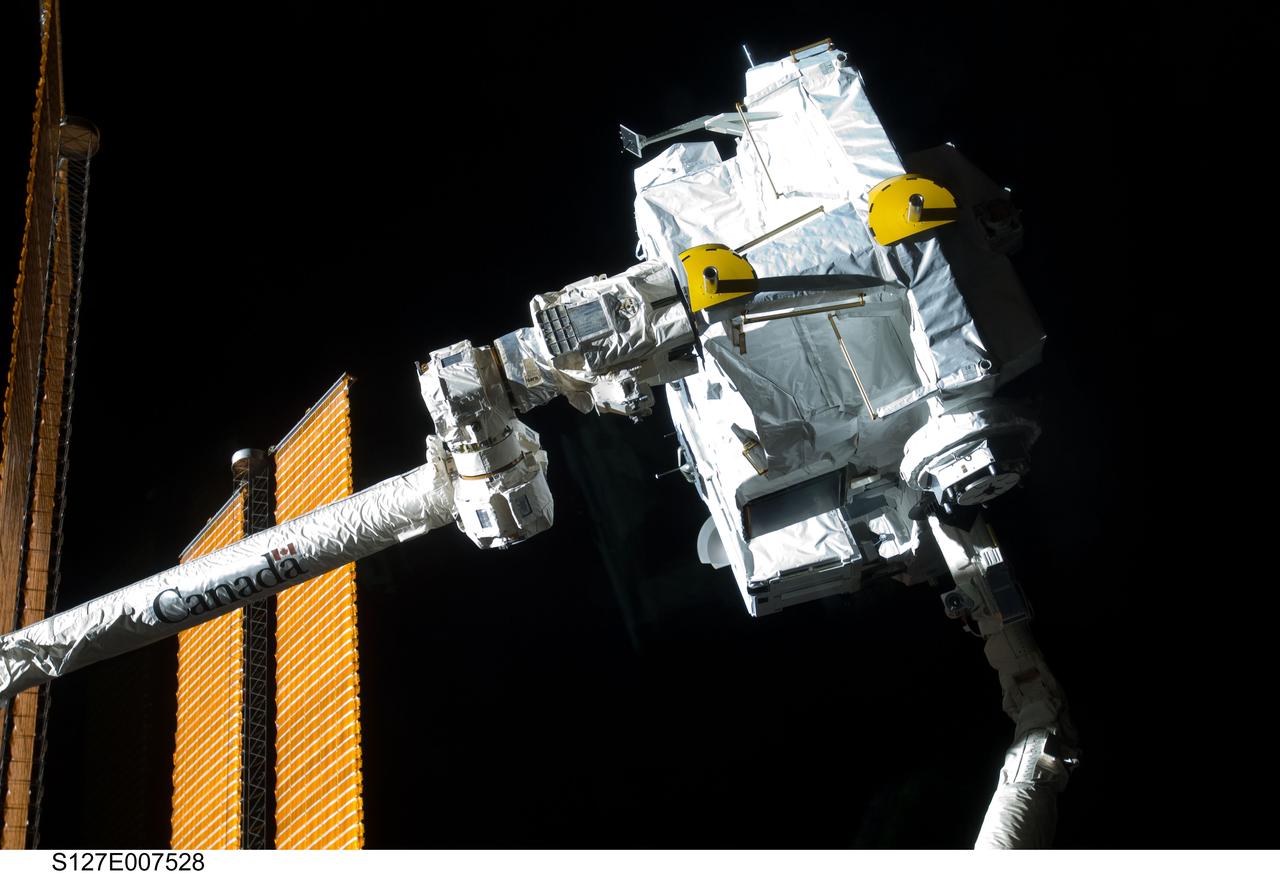
S127-E-007528 (21 July 2009) --- The Japanese Logistics Module – Exposed Section (JLE) is handed over from Endeavour's remote manipulator system to the space station's remote manipulator system (Canadarm2) during JLE unberthing and mating operations on flight day seven.
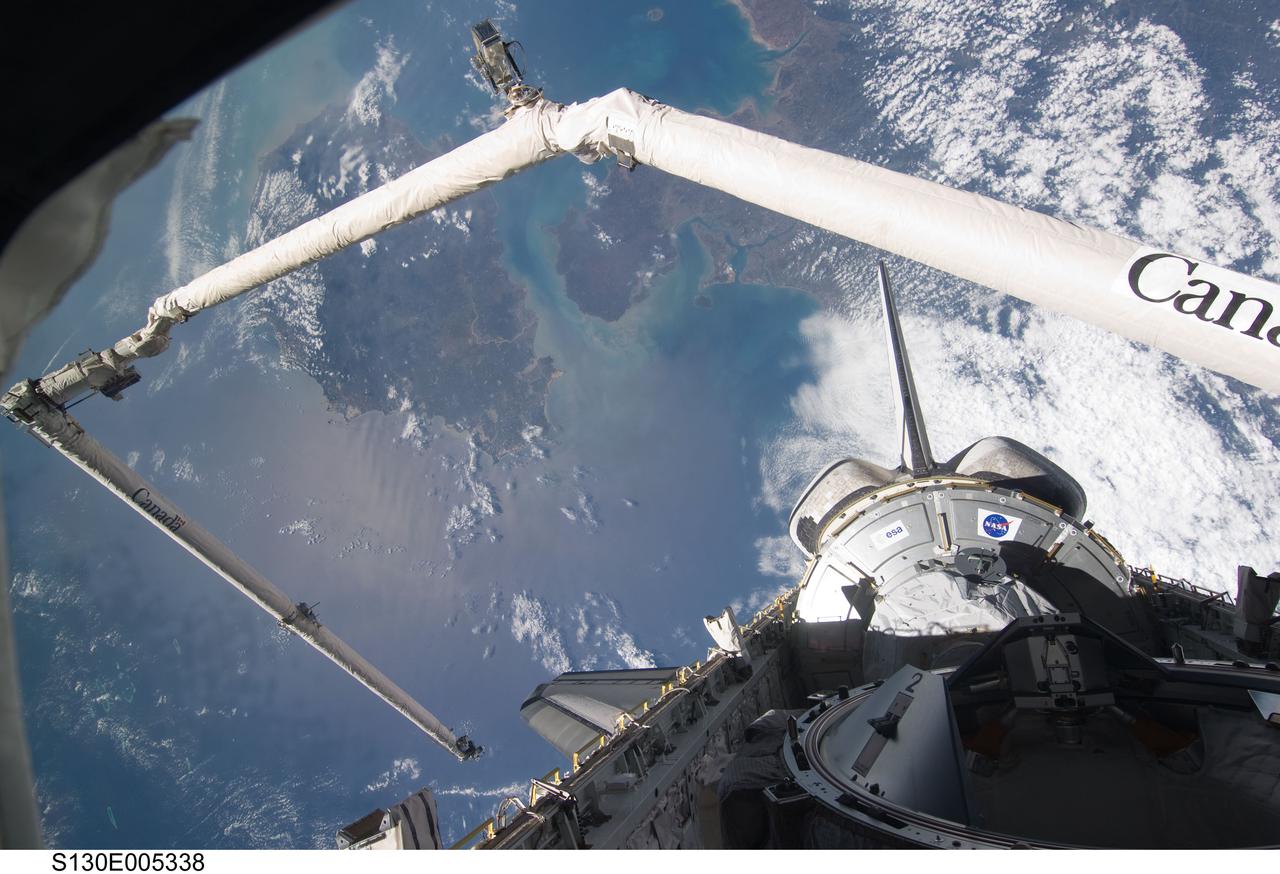
S130-E-005338 (8 Feb. 2010) --- Backdropped by the South China Sea and the Gulf of Tonkin, the Tranquility node in space shuttle Endeavour’s payload bay, vertical stabilizer, orbital maneuvering system (OMS) pods and a shadow-covered docking mechanism are featured in this image photographed by the STS-130 crew from an aft flight deck window. Hainan Island can be seen between the South China Sea (bottom) and Gulf of Tonkin (top). The Leizhou Peninsula of the Chinese mainland is on the upper right.
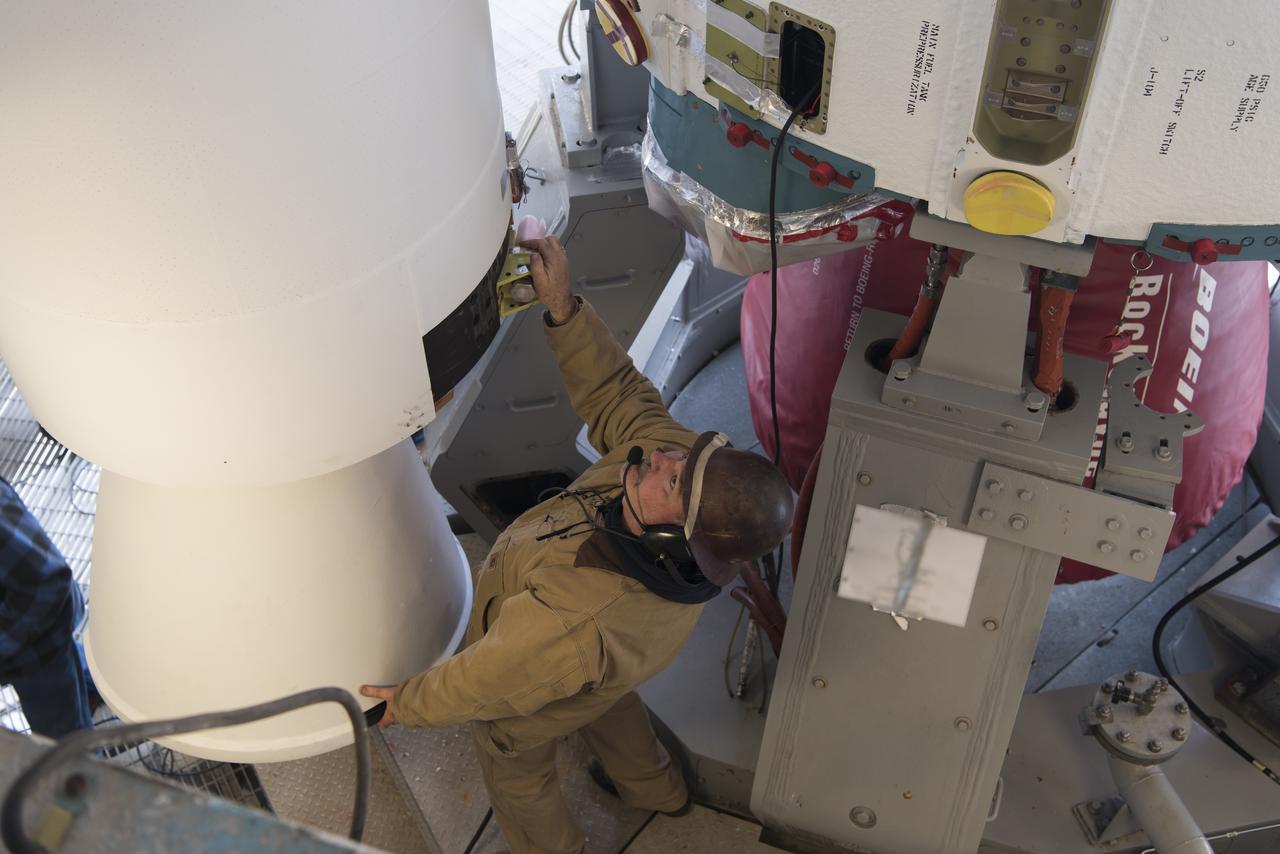
United Launch Alliance (ULA) technicians assist as the solid rocket motor is moved toward the Delta II launch vehicle in the Vertical Integration Facility (VIF) at Space Launch Complex 2 on June 14, 2018, at Vandenberg Air Force Base in California. The solid rocket motor will be attached to the rocket. NASA's Ice, Cloud and land Elevation Satellite-2 (ICESat-2) will launch on the final ULA Delta II rocket. ICESat-2 will measure the height of a changing Earth, one laser pulse at a time, 10,000 laser pulses a second. The satellite will carry a single instrument, the Advanced Topographic Laser Altimeter System. ICESat-2 will help scientists investigate why, and how much our planet's frozen and icy areas, called the cryosphere, is changing in a warming climate.
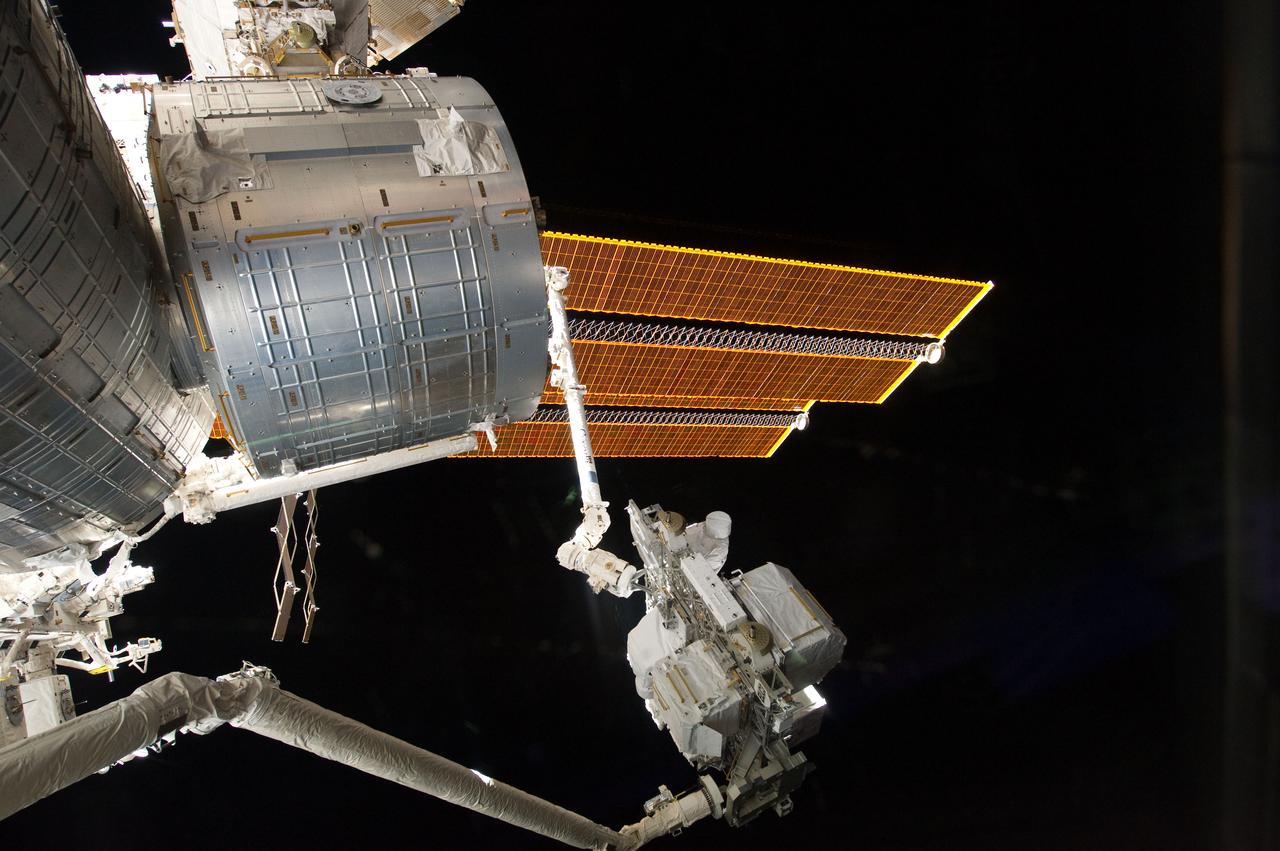
S134-E-007321 (18 May 2011) --- The handoff between space shuttle Endeavour?s robotic Canadarm and the International Space Station?s Canadarm2 of the Express Logistics Carrier-3 (ELC-3) is featured in this image photographed by an STS-134 crew member on the station. The ELC-3 was later installed on the left side of the station?s truss structure. ELC-3 holds spare hardware for future station use, including an ammonia tank, a high pressure gas tank, a cargo transport container, two S-band antenna assemblies and a spare arm for DEXTRE, the Special Purpose Dexterous Manipulator. Photo credit: NASA
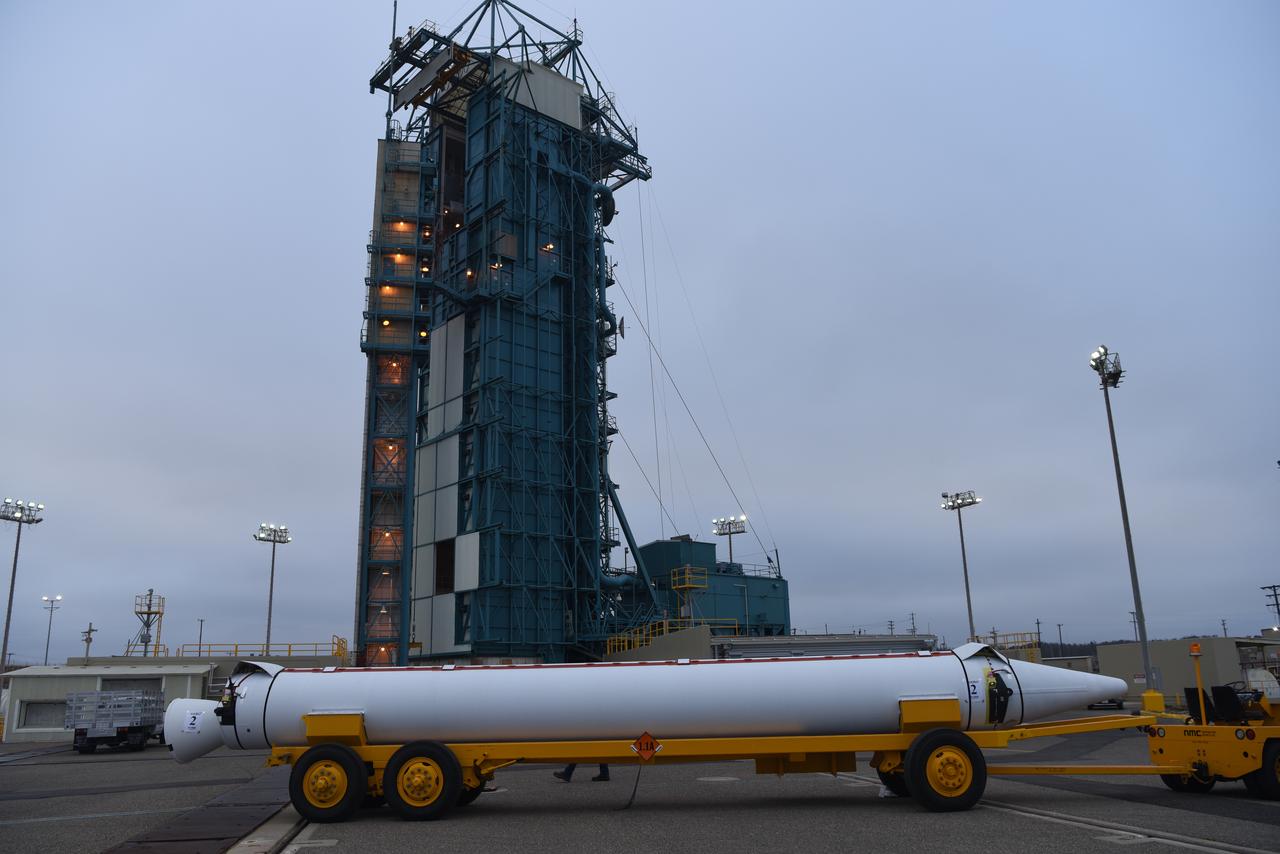
The solid rocket motor for mating to the United Launch Alliance Delta II launch vehicle arrives at the Vertical Integration Facility (VIF) at Space Launch Complex 2 on June 14, 2018, at Vandenberg Air Force Base in California. The solid rocket motor will be lifted up and attached to the rocket. NASA's Ice, Cloud and land Elevation Satellite-2 (ICESat-2) will launch on the final Delta II rocket. ICESat-2 will measure the height of a changing Earth, one laser pulse at a time, 10,000 laser pulses a second. The satellite will carry a single instrument, the Advanced Topographic Laser Altimeter System. ICESat-2 will help scientists investigate why, and how much our planet's frozen and icy areas, called the cryosphere, is changing in a warming climate.
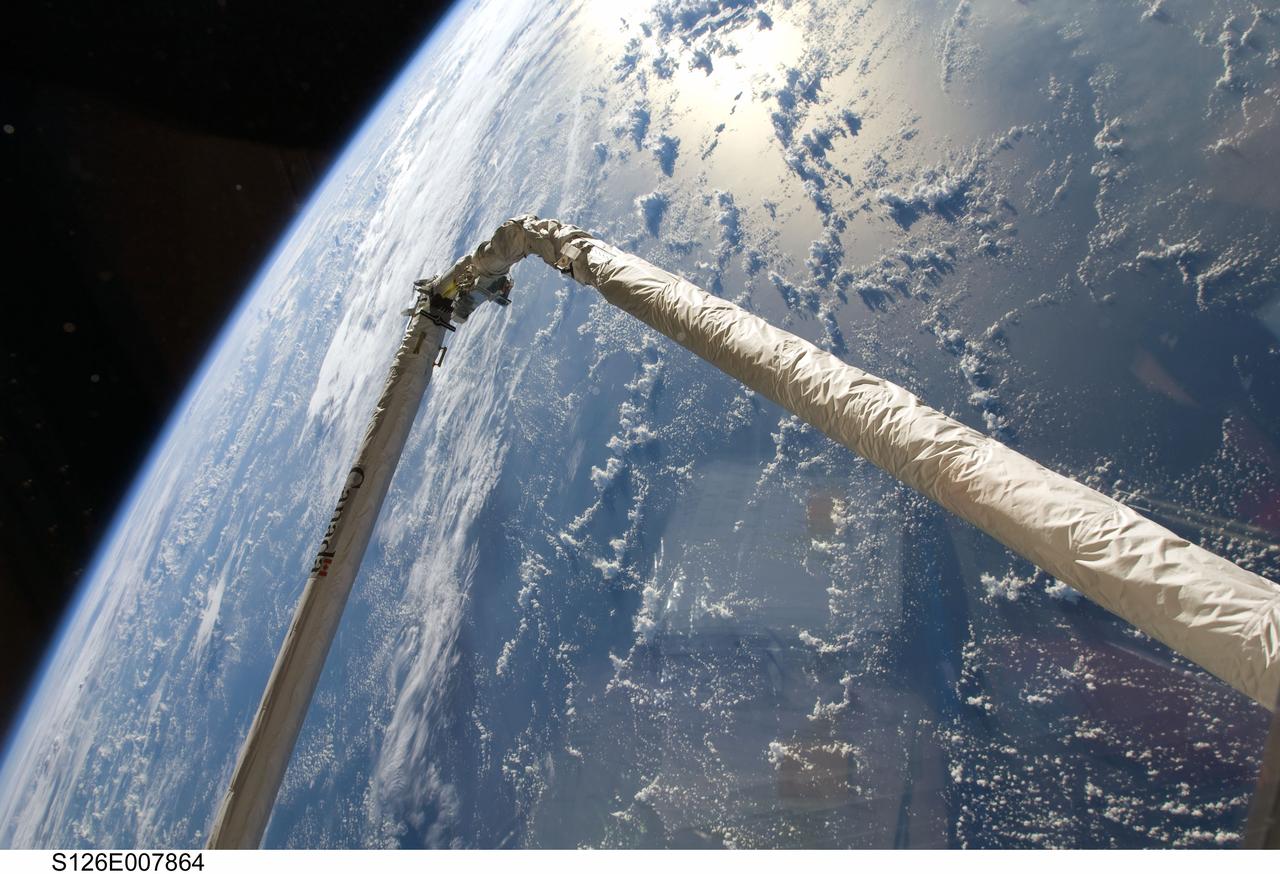
S126-E-007864 (15 Nov. 2008) --- Space Shuttle Endeavour's Remote Manipulator System/Orbiter Boom Sensor System (RMS/OBSS) is featured in this image photographed by an STS-126 crewmember aboard the shuttle. Earth's horizon and the blackness of space provide the backdrop for the scene.

The solid rocket motor for mating to the United Launch Alliance Delta II launch vehicle is lifted up at the Vertical Integration Facility (VIF) at Space Launch Complex 2 on June 14, 2018, at Vandenberg Air Force Base in California. The solid rocket motor will be attached to the rocket. NASA's Ice, Cloud and land Elevation Satellite-2 (ICESat-2) will launch on the final Delta II rocket. ICESat-2 will measure the height of a changing Earth, one laser pulse at a time, 10,000 laser pulses a second. The satellite will carry a single instrument, the Advanced Topographic Laser Altimeter System. ICESat-2 will help scientists investigate why, and how much our planet's frozen and icy areas, called the cryosphere, is changing in a warming climate.
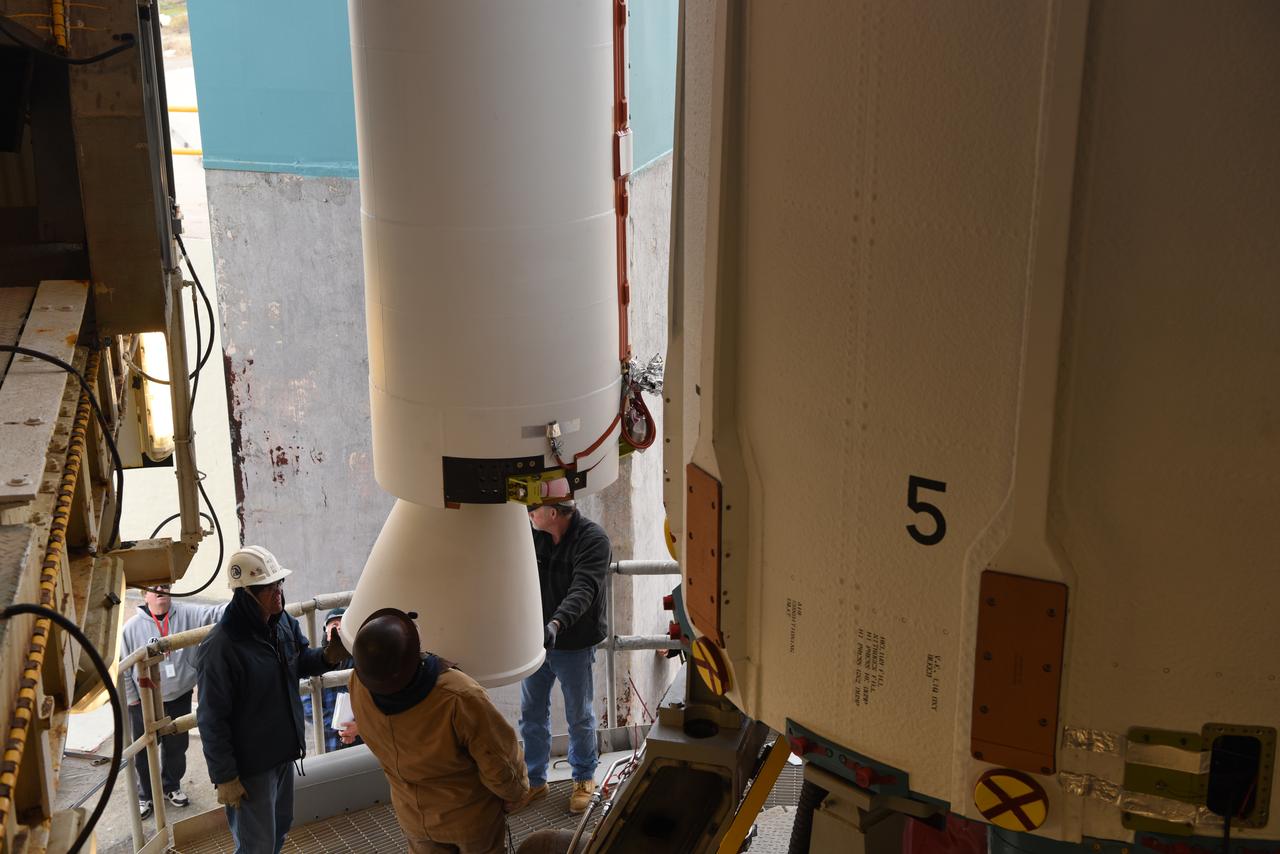
United Launch Alliance (ULA) technicians assist as the solid rocket motor is lifted up and moved toward the Delta II launch vehicle in the Vertical Integration Facility (VIF) at Space Launch Complex 2 on June 14, 2018, at Vandenberg Air Force Base in California. The solid rocket motor will be attached to the rocket. NASA's Ice, Cloud and land Elevation Satellite-2 (ICESat-2) will launch on the final ULA Delta II rocket. ICESat-2 will measure the height of a changing Earth, one laser pulse at a time, 10,000 laser pulses a second. The satellite will carry a single instrument, the Advanced Topographic Laser Altimeter System. ICESat-2 will help scientists investigate why, and how much our planet's frozen and icy areas, called the cryosphere, is changing in a warming climate.
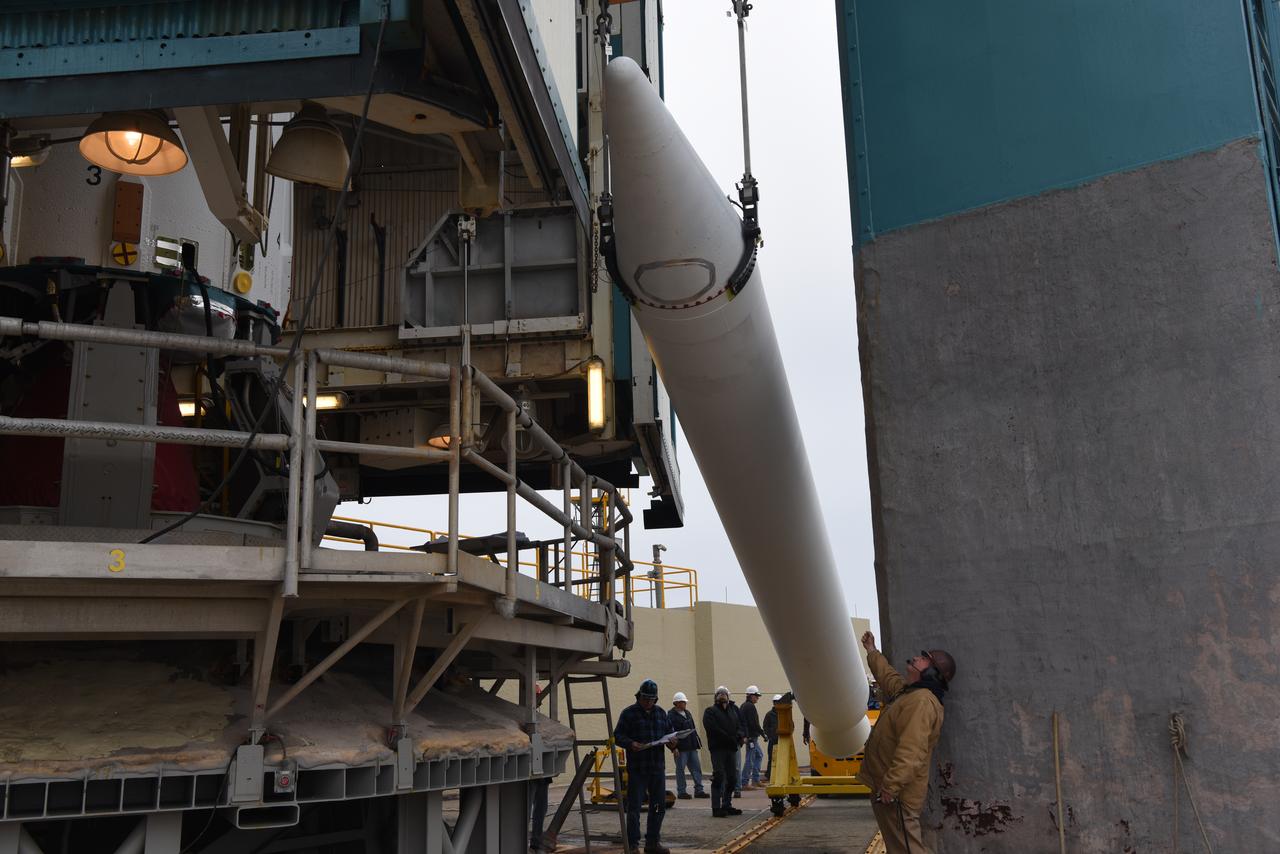
The solid rocket motor for mating to the United Launch Alliance Delta II launch vehicle is lifted up at the Vertical Integration Facility (VIF) at Space Launch Complex 2 on June 14, 2018, at Vandenberg Air Force Base in California. The solid rocket motor will be attached to the rocket. NASA's Ice, Cloud and land Elevation Satellite-2 (ICESat-2) will launch on the final Delta II rocket. ICESat-2 will measure the height of a changing Earth, one laser pulse at a time, 10,000 laser pulses a second. The satellite will carry a single instrument, the Advanced Topographic Laser Altimeter System. ICESat-2 will help scientists investigate why, and how much our planet's frozen and icy areas, called the cryosphere, is changing in a warming climate.