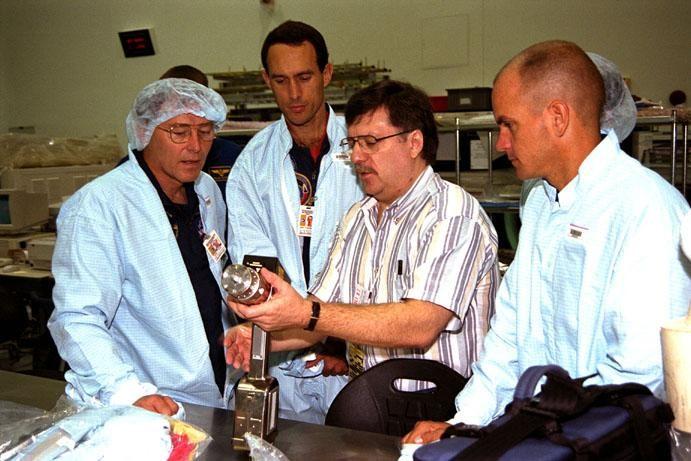
STS-88 First Crew at SSP

STS-88 First Crew at SSP
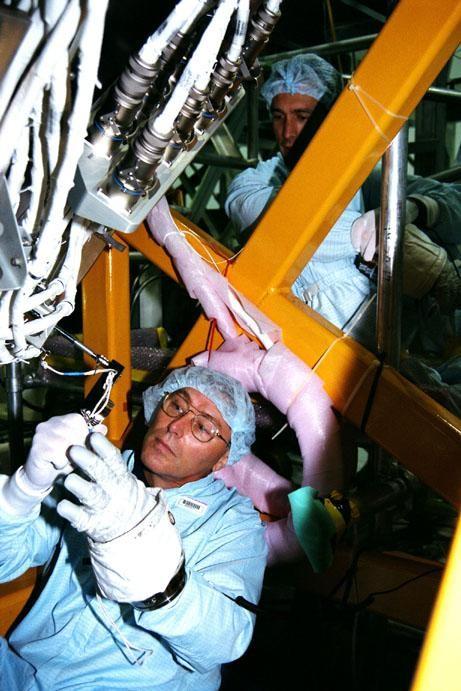
STS-88 First Crew at SSP
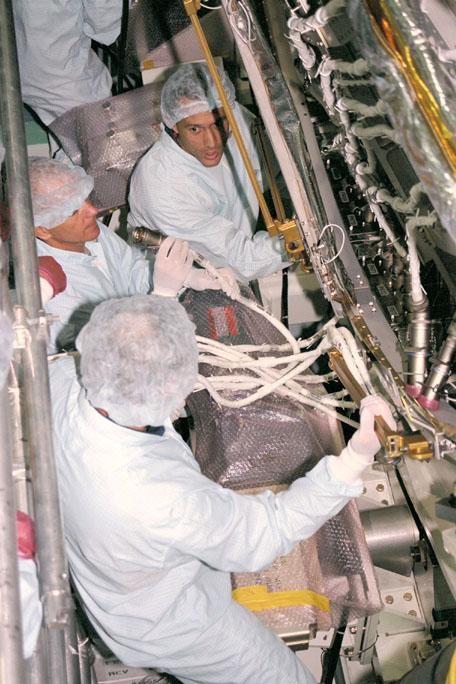
STS-88 First Crew at SSP
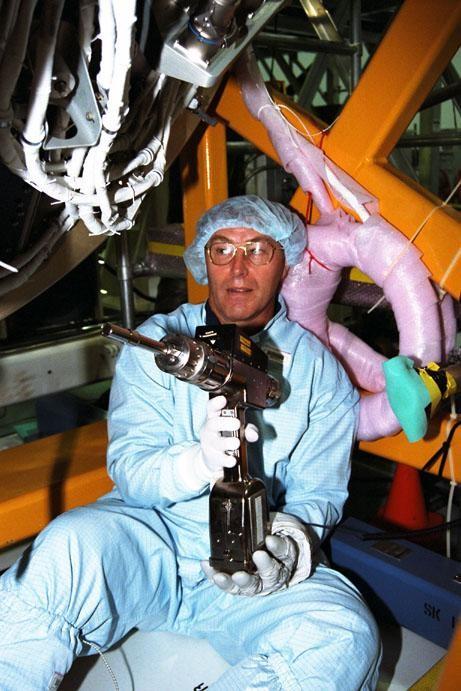
STS-88 First Crew at SSP
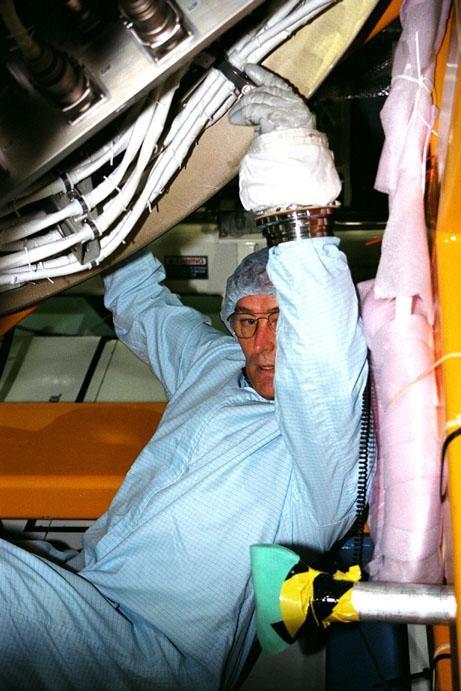
STS-88 First Crew at SSP
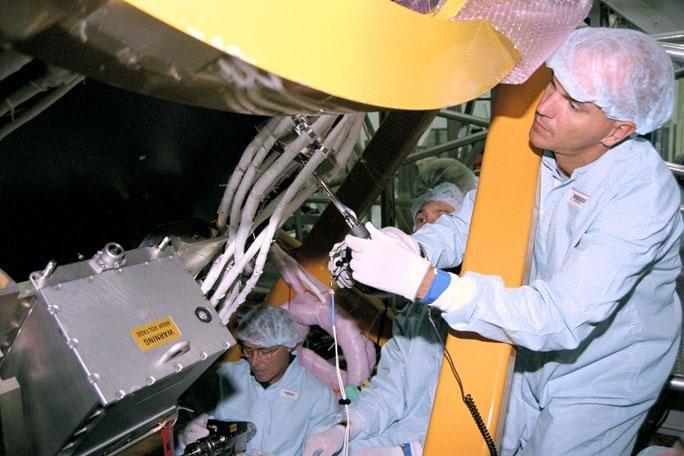
KENNEDY SPACE CENTER, FLA. -- STS-88 First Crew at SSP
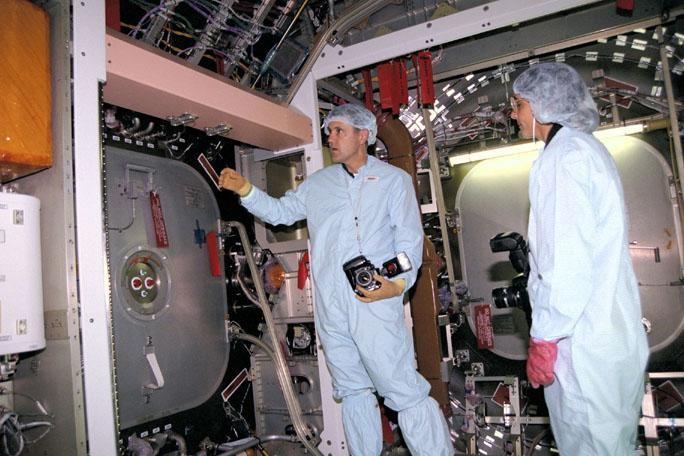
KENNEDY SPACE CENTER, FLA. -- STS-88 First Crew at SSP
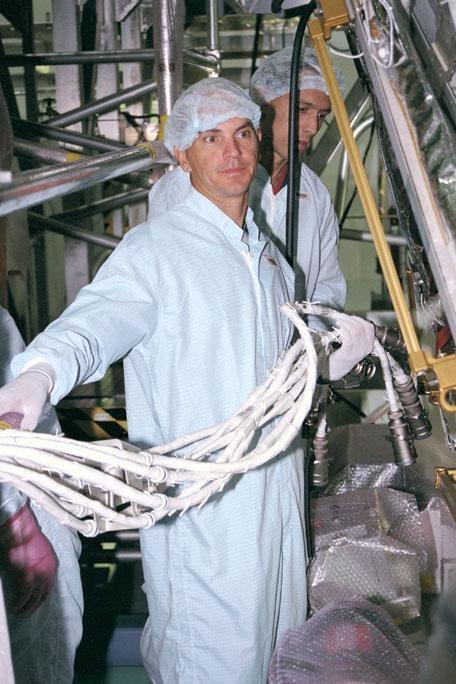
KENNEDY SPACE CENTER, FLA. -- STS-88 First Crew at SSP
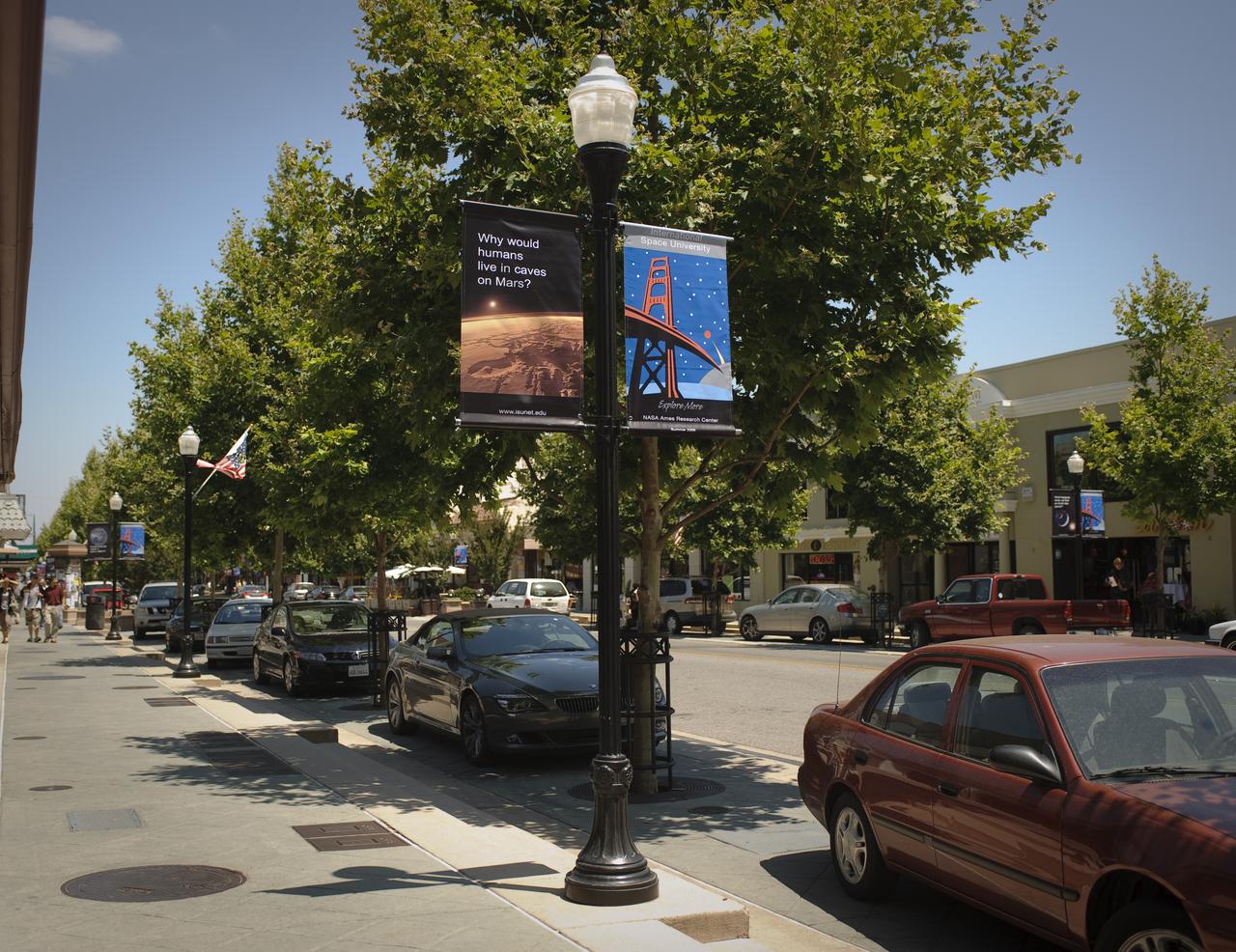
International Space University (ISU) SSP 2009 NASA ISU signage on Castro Street, Mountain View, Calif. Questions seeking answers.
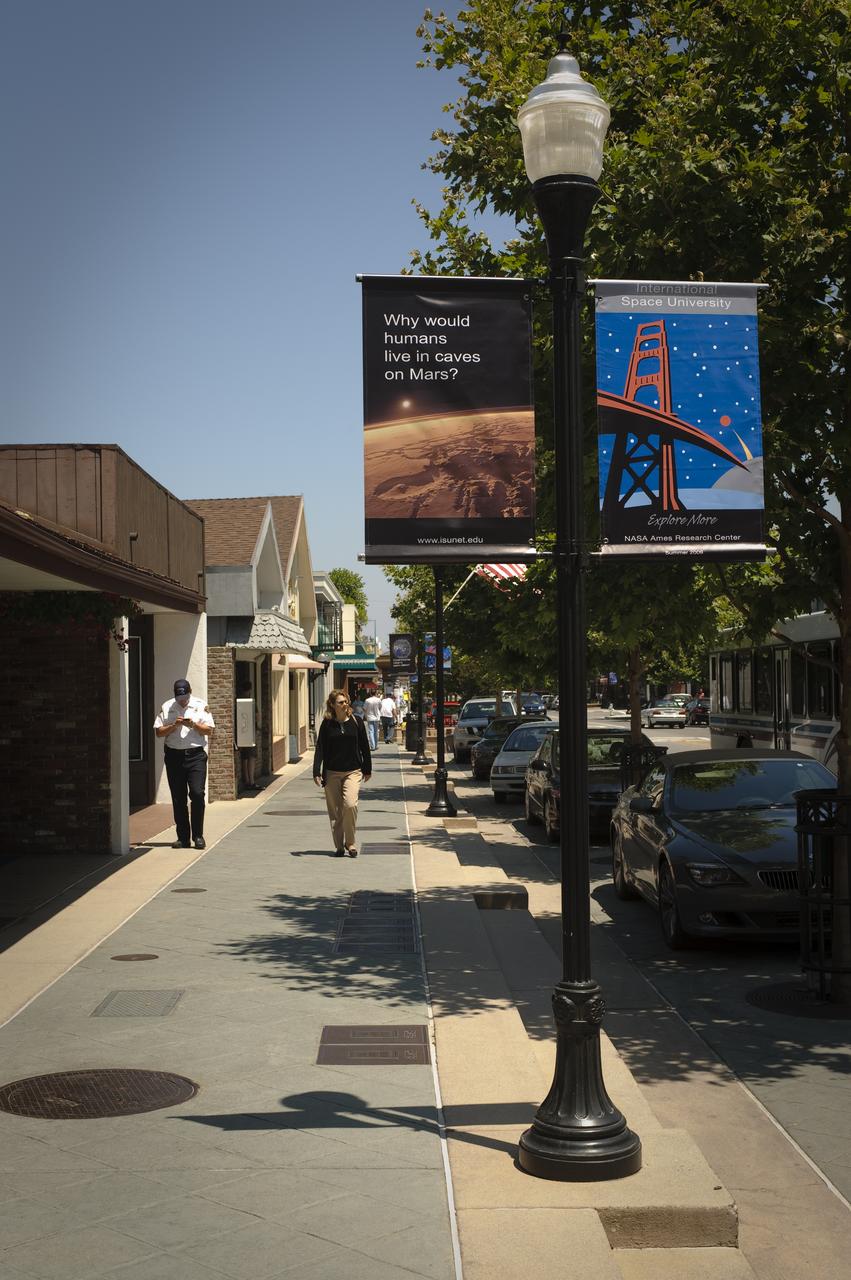
International Space University (ISU) SSP 2009 NASA ISU signage on Castro Street, Mountain View, Calif. Questions seeking answers.
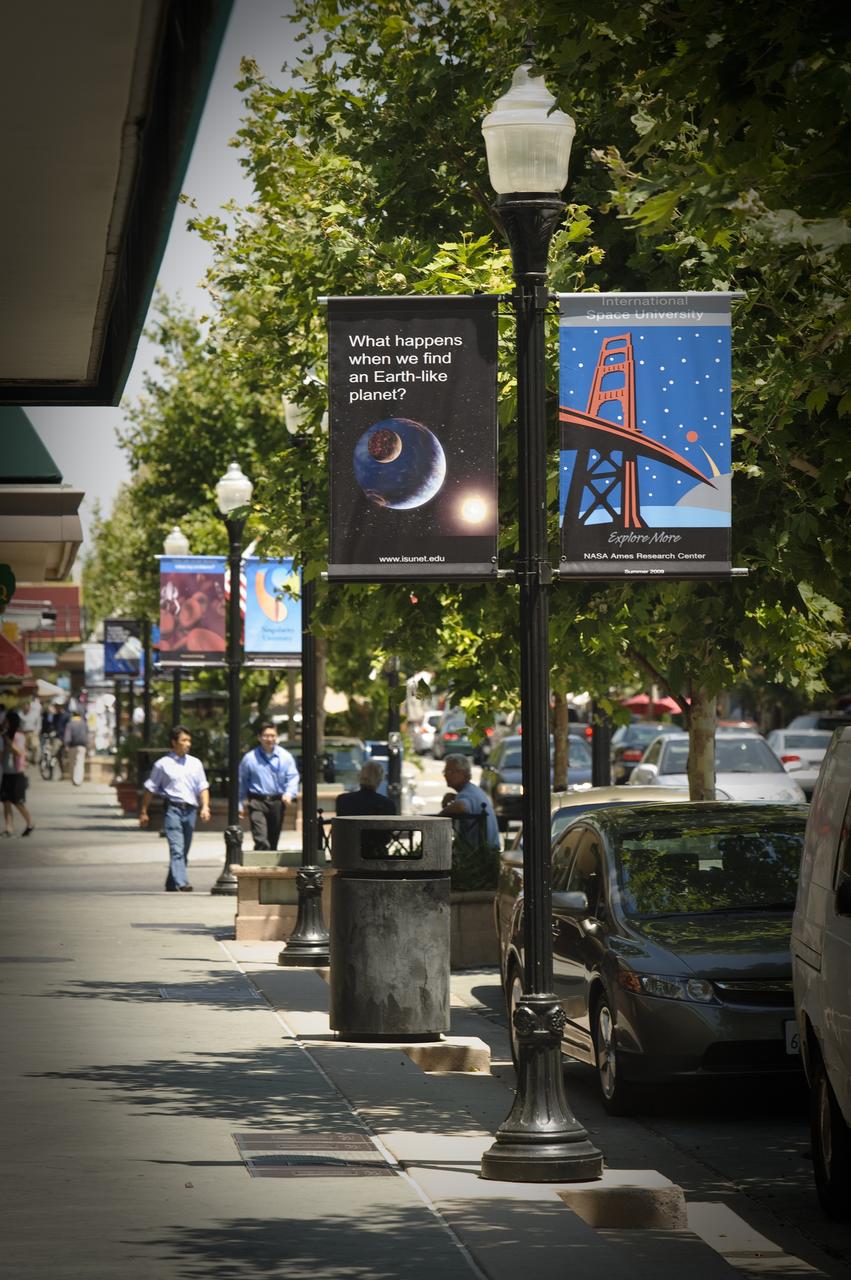
International Space University (ISU) SSP 2009 NASA ISU signage on Castro Street, Mountain View, Calif. Questions seeking answers.
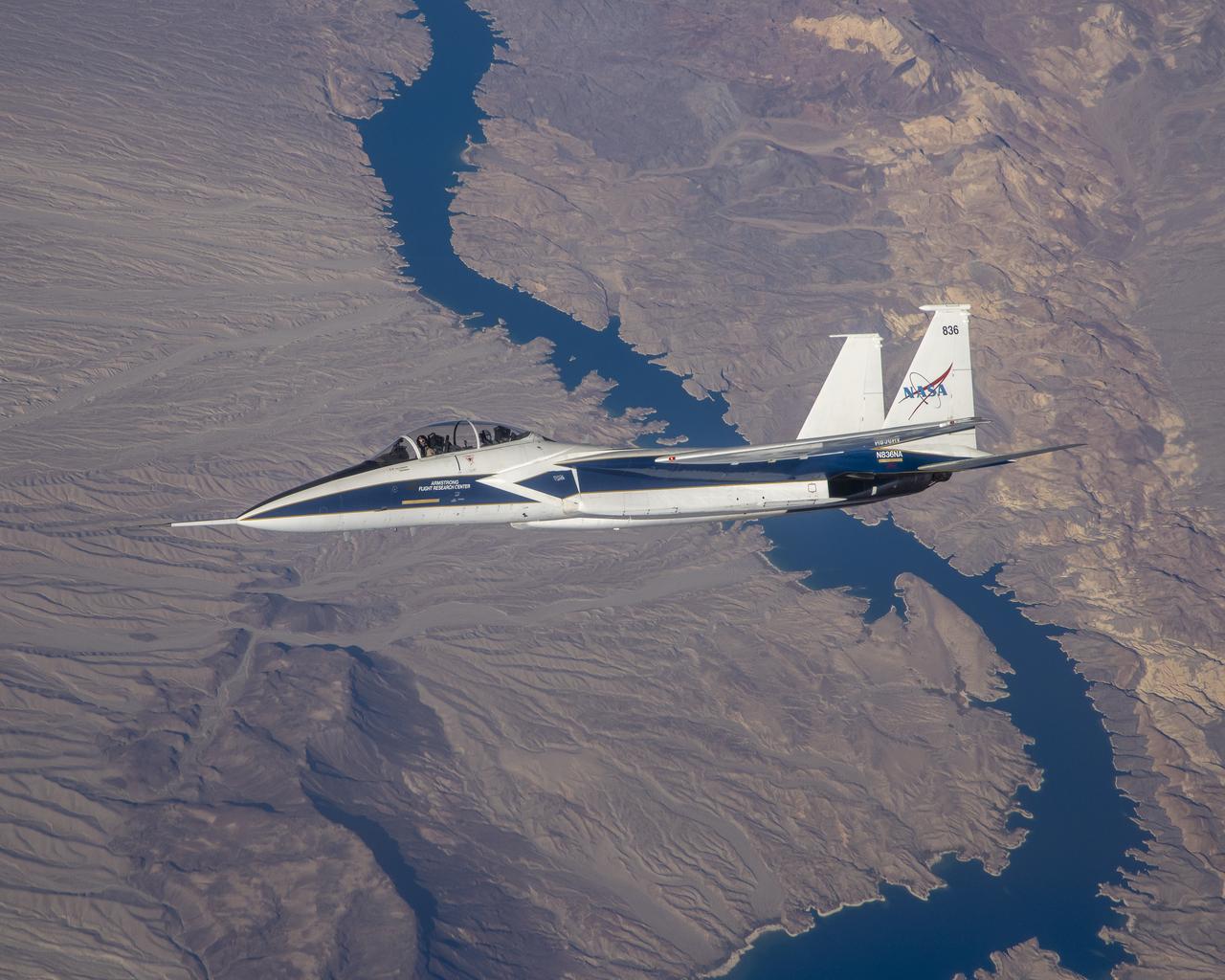
F-15 N836NA with test pilots Nils Larson and Jim Less at the controls flying over the Colorado River during Shock Sensing Probe (SSP) Flight #6.
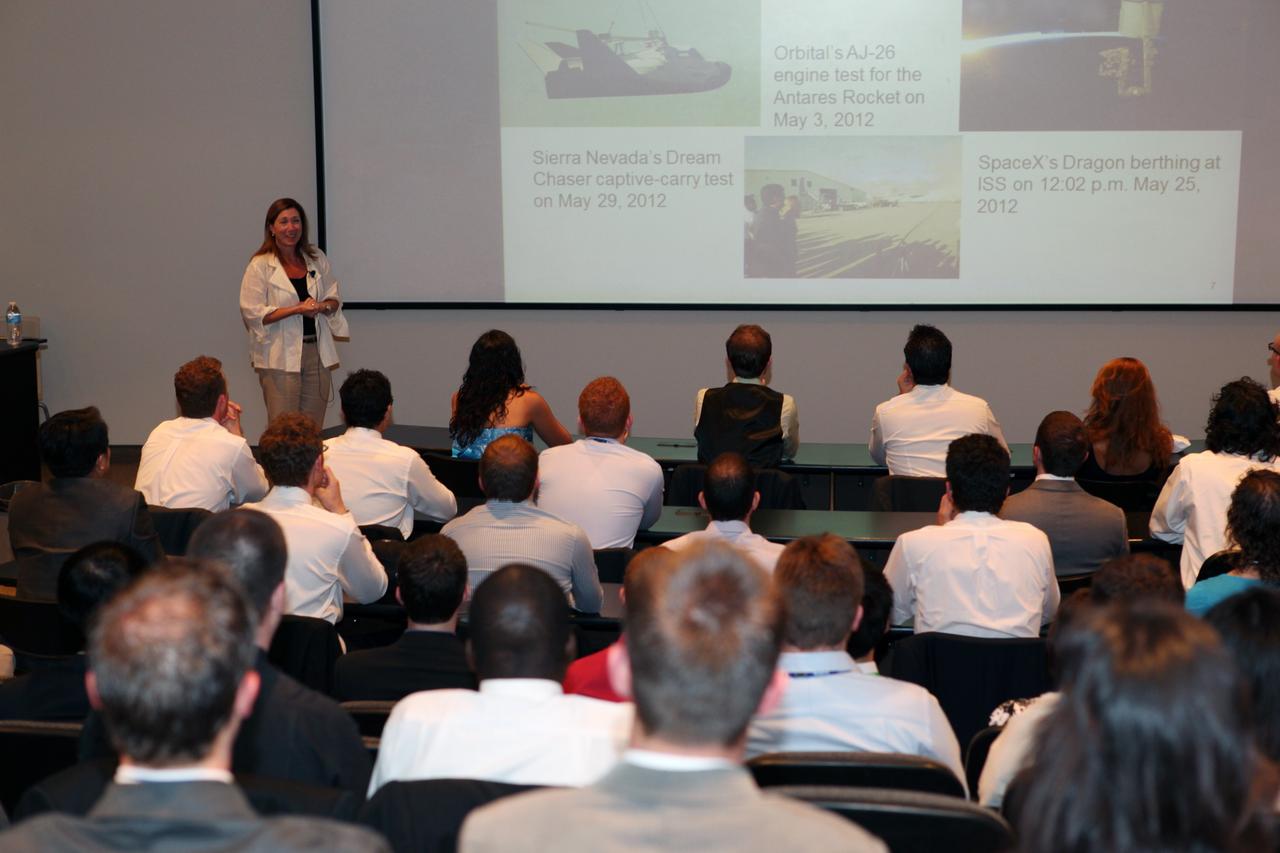
MELBOURNE, Fla. – NASA Deputy Administrator Lori Garver addresses students on the opening day of the International Space University's 25th annual Space Studies Program session at the Florida Institute of Technology in Melbourne, Fla. The nine-week intensive course is designed for post-graduate university students and professionals during the summer. The program is hosted by a different country each year, providing a unique educational experience for participants from around the globe. NASA Kennedy Space Center and Florida Tech are co-hosting this year's event which runs from June 4 to Aug. 3. This year, there are about 125 participants representing 31 countries. For more information, visit http://www.isunet.edu. Photo credit: NASA/Dimitri Gerondidakis
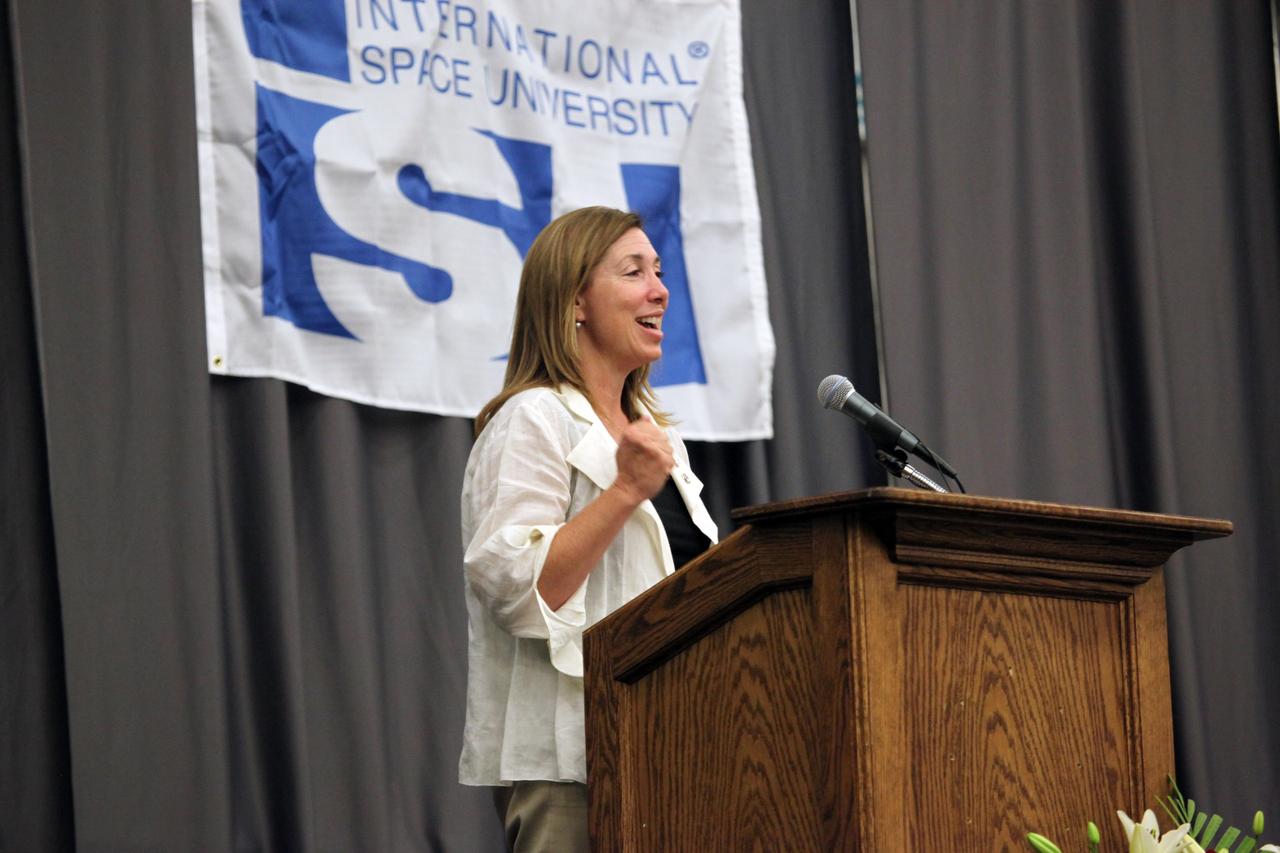
MELBOURNE, Fla. – NASA Deputy Administrator Lori Garver addresses the audience during opening ceremonies for the International Space University's 25th annual Space Studies Program session at the Florida Institute of Technology in Melbourne, Fla. The nine-week intensive course is designed for post-graduate university students and professionals during the summer. The program is hosted by a different country each year, providing a unique educational experience for participants from around the globe. NASA Kennedy Space Center and Florida Tech are co-hosting this year's event which runs from June 4 to Aug. 3. This year, there are about 125 participants representing 31 countries. For more information, visit http://www.isunet.edu. Photo credit: NASA/Dimitri Gerondidakis
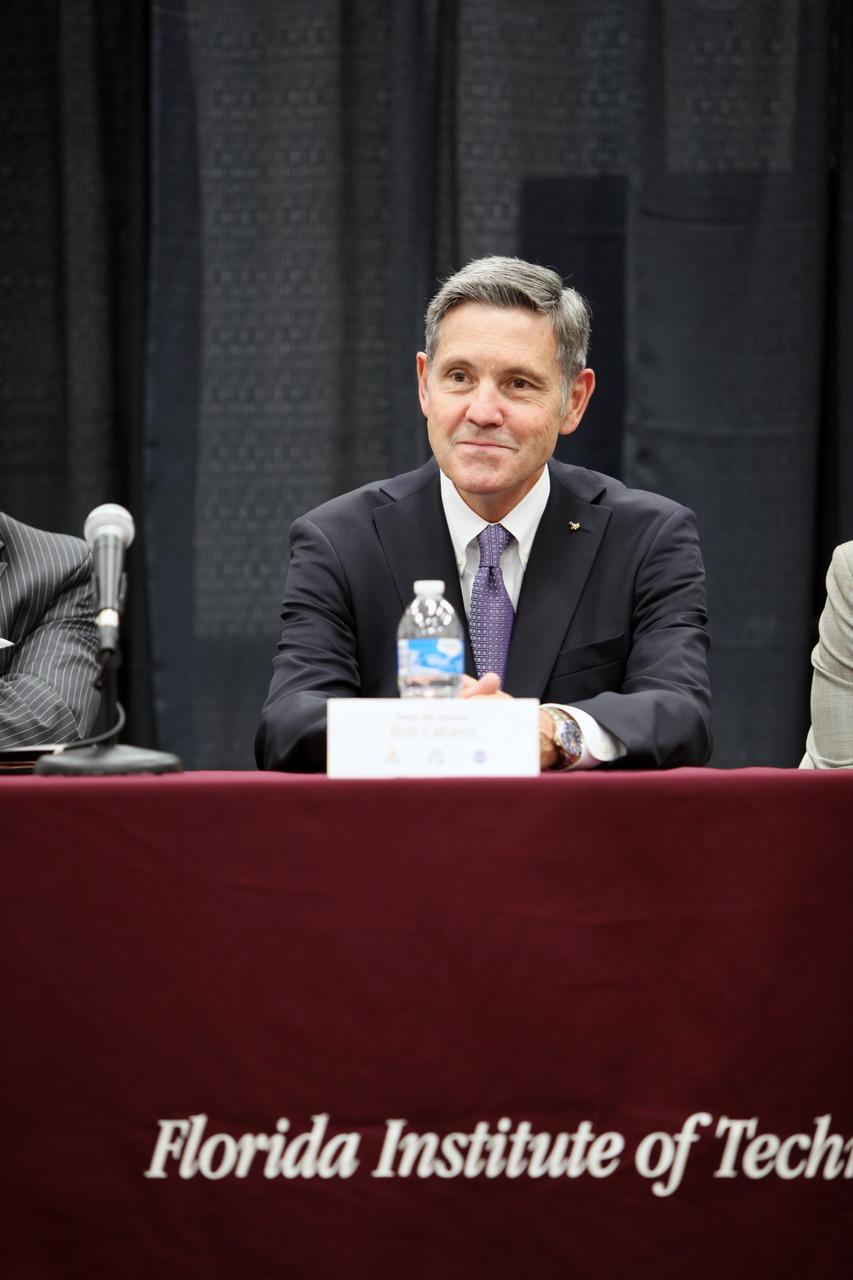
MELBOURNE, Fla. – NASA Kennedy Space Center Director Bob Cabana participates in the opening ceremonies for the International Space University's 25th annual Space Studies Program session at the Florida Institute of Technology in Melbourne, Fla. The nine-week intensive course is designed for post-graduate university students and professionals during the summer. The program is hosted by a different country each year, providing a unique educational experience for participants from around the globe. NASA Kennedy Space Center and Florida Tech are co-hosting this year's event which runs from June 4 to Aug. 3. This year, there are about 125 participants representing 31 countries. For more information, visit http://www.isunet.edu. Photo credit: NASA/Dimitri Gerondidakis
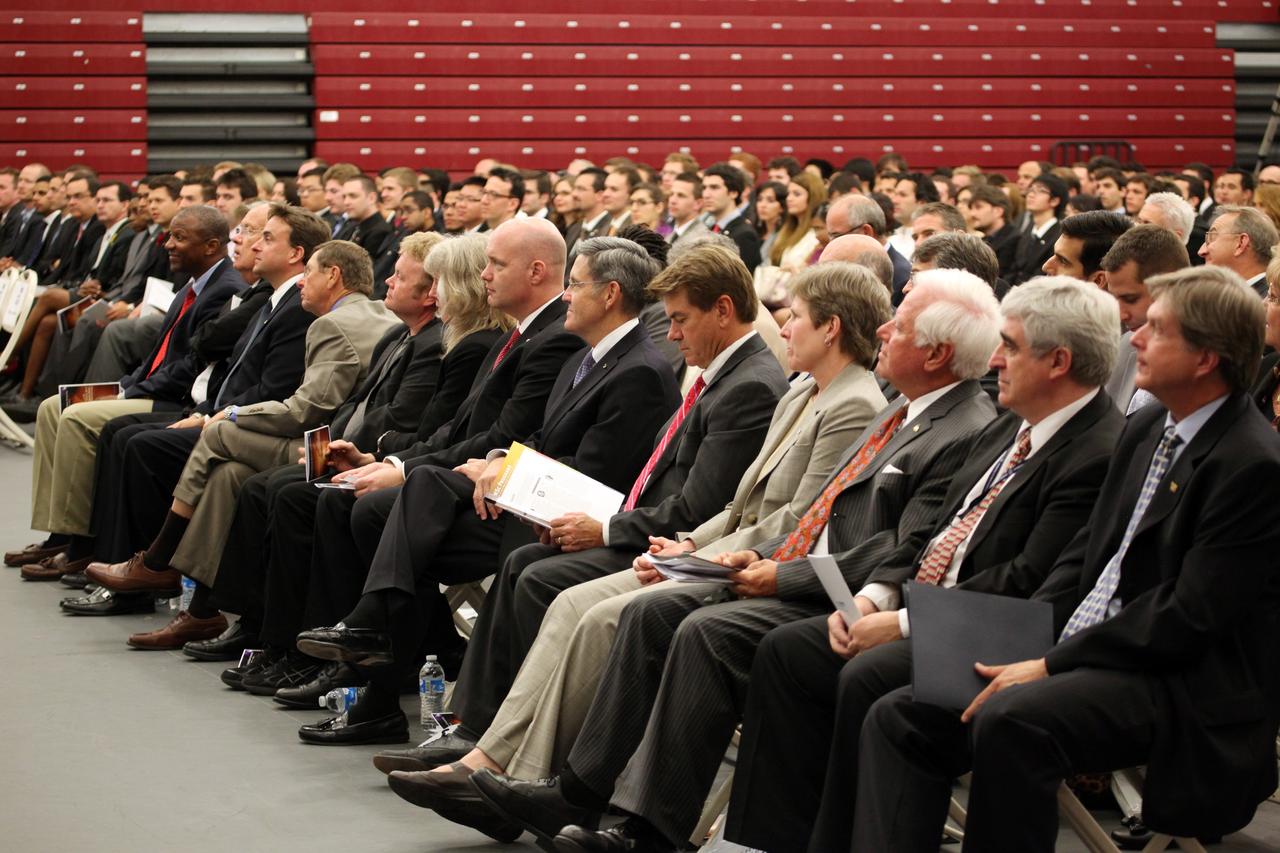
MELBOURNE, Fla. – NASA Deputy Administrator Lori Garver has a rapt audience of space program managers and students for her remarks during opening ceremonies for the International Space University's 25th annual Space Studies Program session at the Florida Institute of Technology in Melbourne, Fla. The nine-week intensive course is designed for post-graduate university students and professionals during the summer. The program is hosted by a different country each year, providing a unique educational experience for participants from around the globe. NASA Kennedy Space Center and Florida Tech are co-hosting this year's event which runs from June 4 to Aug. 3. This year, there are about 125 participants representing 31 countries. For more information, visit http://www.isunet.edu. Photo credit: NASA/Dimitri Gerondidakis
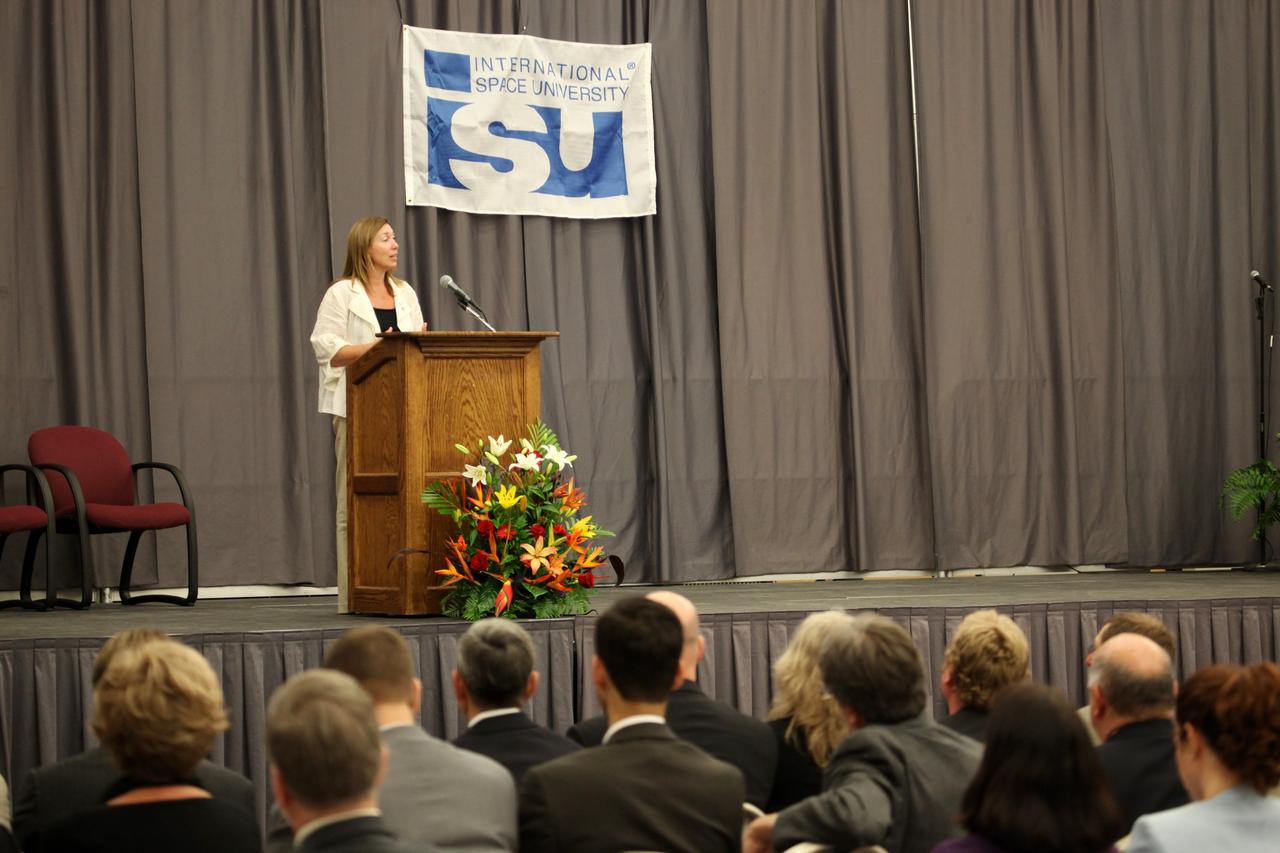
MELBOURNE, Fla. – NASA Deputy Administrator Lori Garver addresses the audience during opening ceremonies for the International Space University's 25th annual Space Studies Program session at the Florida Institute of Technology in Melbourne, Fla. The nine-week intensive course is designed for post-graduate university students and professionals during the summer. The program is hosted by a different country each year, providing a unique educational experience for participants from around the globe. NASA Kennedy Space Center and Florida Tech are co-hosting this year's event which runs from June 4 to Aug. 3. This year, there are about 125 participants representing 31 countries. For more information, visit http://www.isunet.edu. Photo credit: NASA/Dimitri Gerondidakis
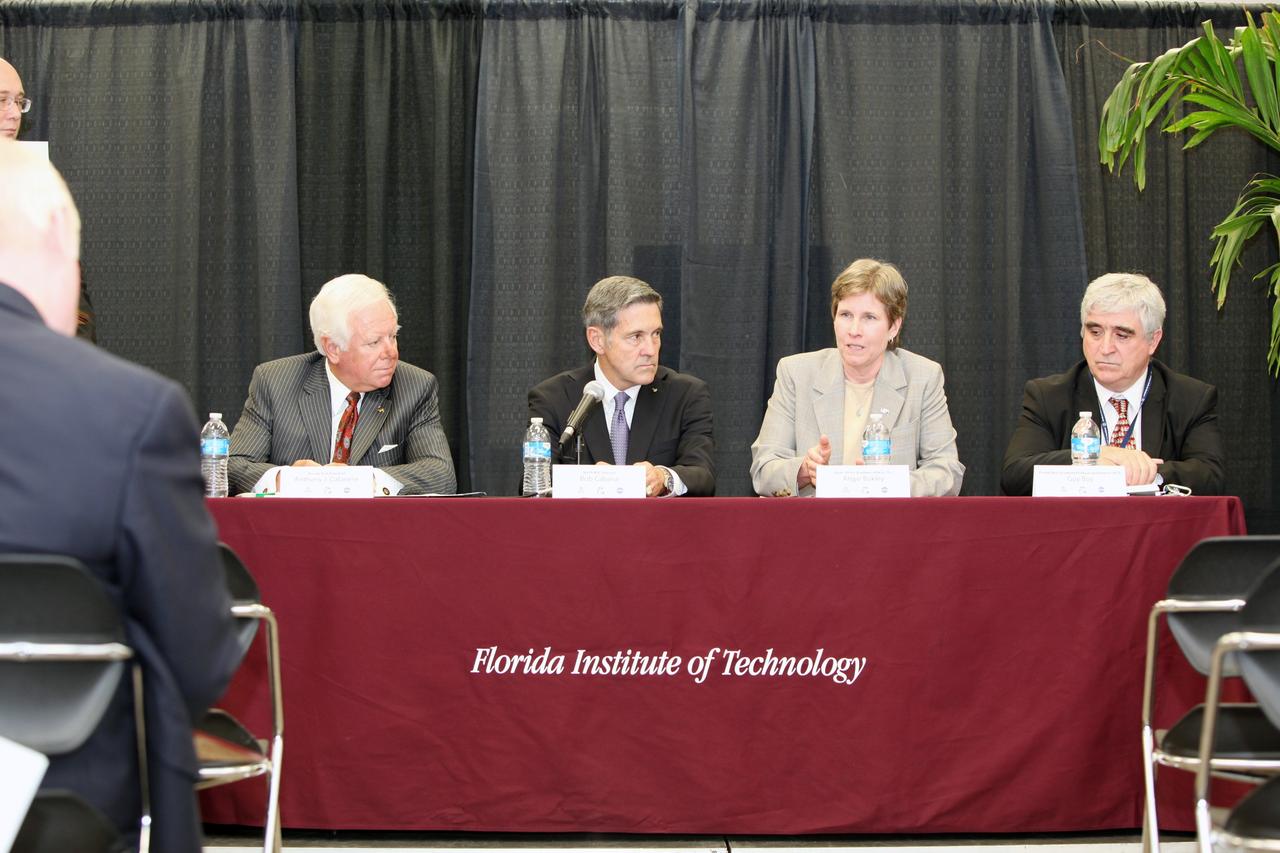
MELBOURNE, Fla. – Professor Angie Bukley, dean and vice president for Academic Affairs, International Space University, addresses the audience during opening ceremonies for the university's 25th annual Space Studies Program session at the Florida Institute of Technology in Melbourne, Fla. Seated from left are Anthony J. Catanese, president of Florida Tech NASA Kennedy Space Center Director Bob Cabana Bukley and Dr. Guy A. Boy, chair of the Space Studies Program’s local organizing committee. The nine-week intensive course is designed for post-graduate university students and professionals during the summer. The program is hosted by a different country each year, providing a unique educational experience for participants from around the globe. NASA Kennedy Space Center and Florida Tech are co-hosting this year's event which runs from June 4 to Aug. 3. This year, there are about 125 participants representing 31 countries. For more information, visit http://www.isunet.edu. Photo credit: NASA/Dimitri Gerondidakis
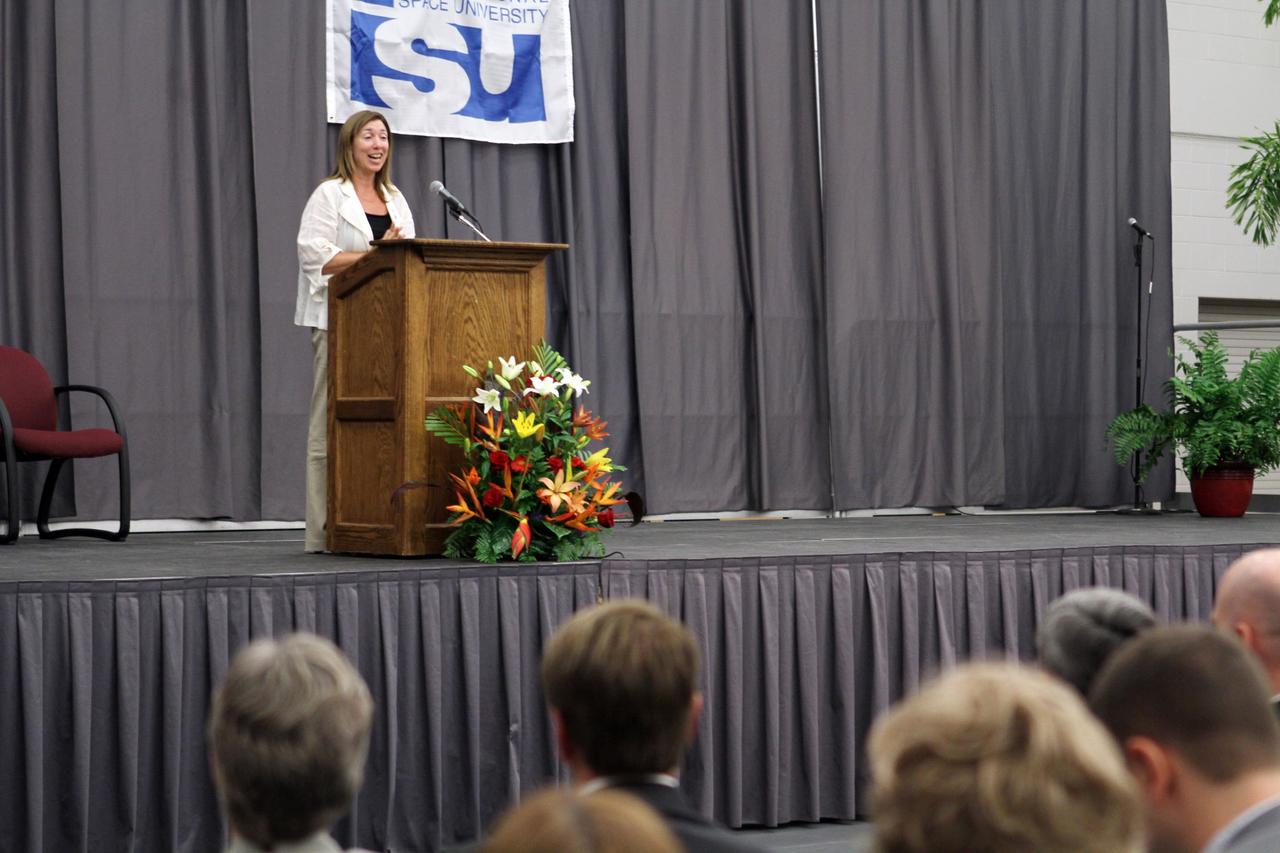
MELBOURNE, Fla. – NASA Deputy Administrator Lori Garver addresses the audience during opening ceremonies for the International Space University's 25th annual Space Studies Program session at the Florida Institute of Technology in Melbourne, Fla. The nine-week intensive course is designed for post-graduate university students and professionals during the summer. The program is hosted by a different country each year, providing a unique educational experience for participants from around the globe. NASA Kennedy Space Center and Florida Tech are co-hosting this year's event which runs from June 4 to Aug. 3. This year, there are about 125 participants representing 31 countries. For more information, visit http://www.isunet.edu. Photo credit: NASA/Kim Shiflett
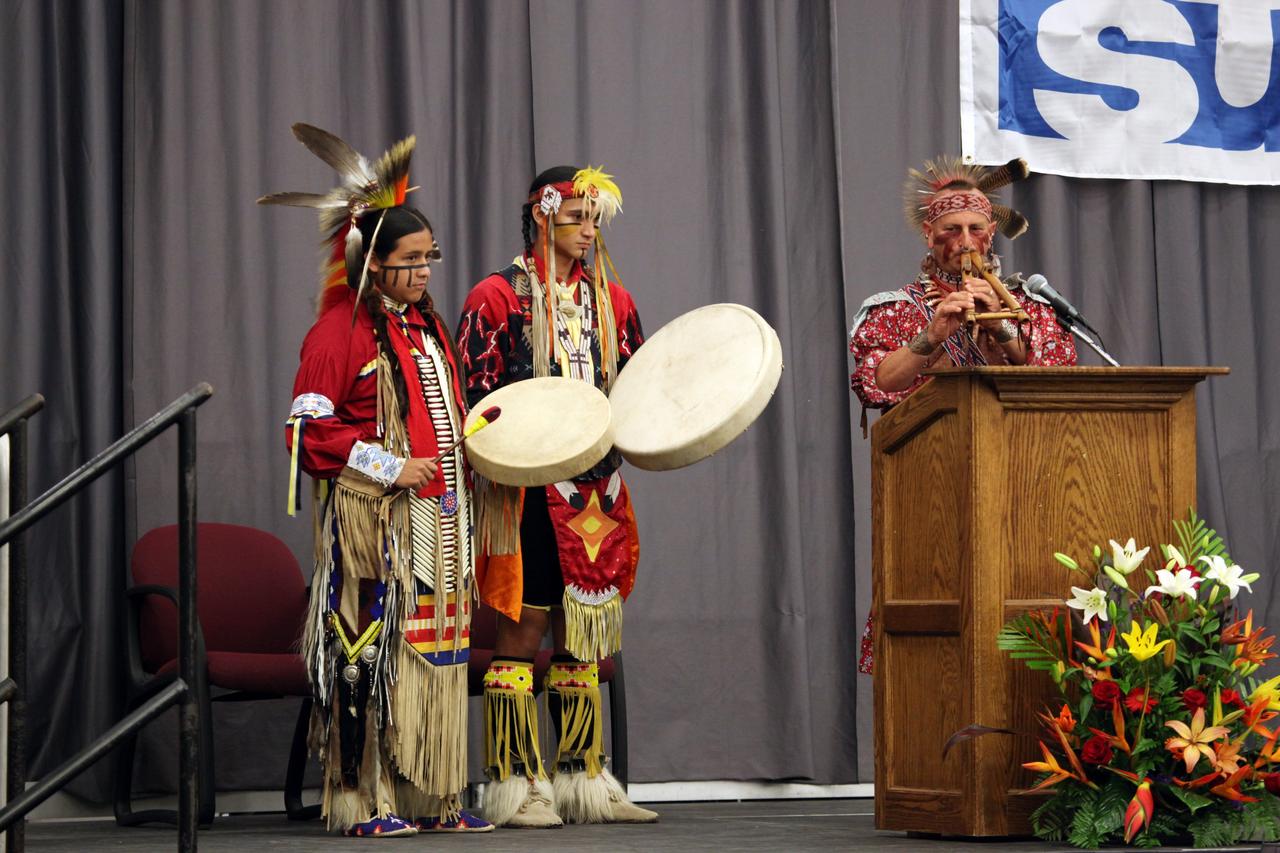
MELBOURNE, Fla. – Entertainment during the opening ceremonies for the International Space University's 25th annual Space Studies Program session at the Florida Institute of Technology in Melbourne, Fla., is provided by Jim Sawgrass and the Deep Forest Native American Indian Program dancers. The nine-week intensive course is designed for post-graduate university students and professionals during the summer. The program is hosted by a different country each year, providing a unique educational experience for participants from around the globe. NASA Kennedy Space Center and Florida Tech are co-hosting this year's event which runs from June 4 to Aug. 3. This year, there are about 125 participants representing 31 countries. For more information, visit http://www.isunet.edu. Photo credit: NASA/Dimitri Gerondidakis
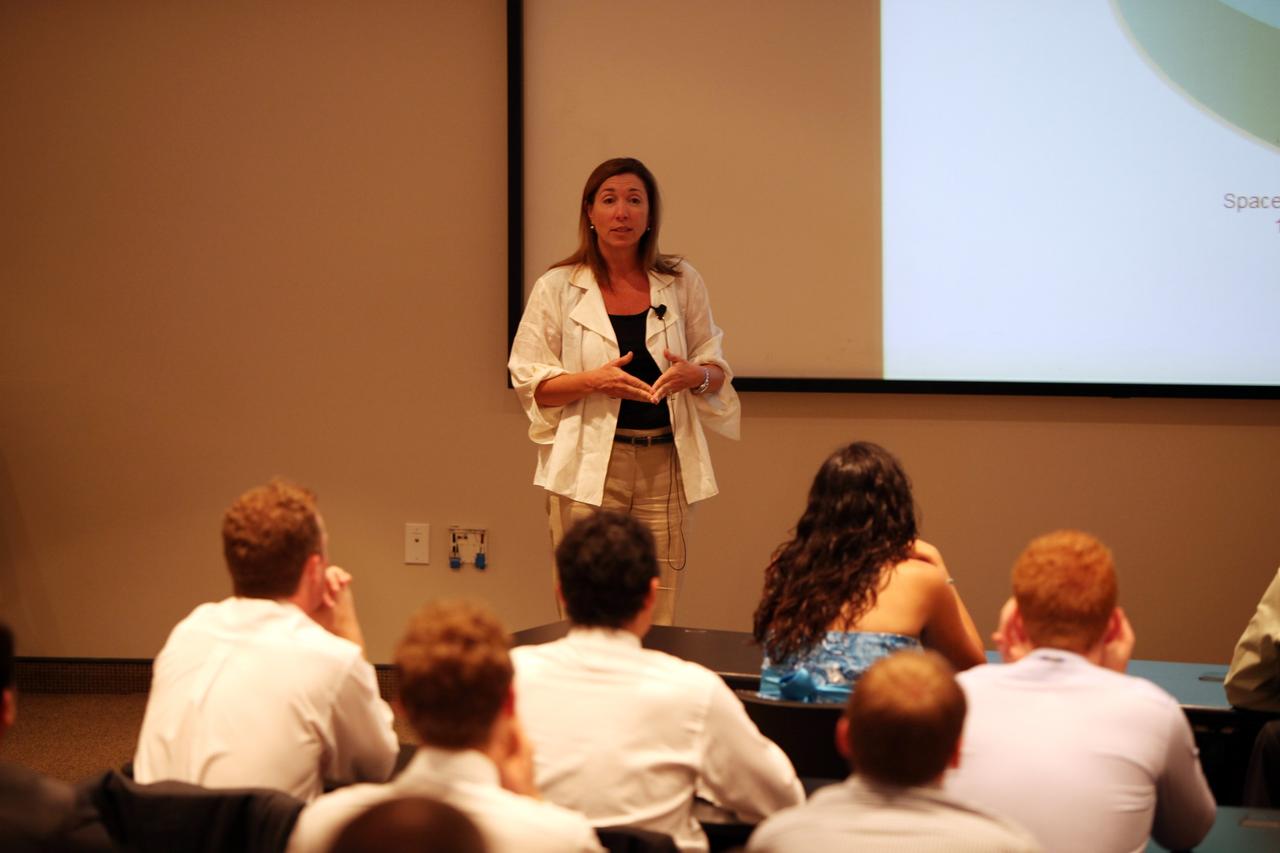
MELBOURNE, Fla. – NASA Deputy Administrator Lori Garver addresses students on the opening day of the International Space University's 25th annual Space Studies Program session at the Florida Institute of Technology in Melbourne, Fla. The nine-week intensive course is designed for post-graduate university students and professionals during the summer. The program is hosted by a different country each year, providing a unique educational experience for participants from around the globe. NASA Kennedy Space Center and Florida Tech are co-hosting this year's event which runs from June 4 to Aug. 3. This year, there are about 125 participants representing 31 countries. For more information, visit http://www.isunet.edu. Photo credit: NASA/Dimitri Gerondidakis
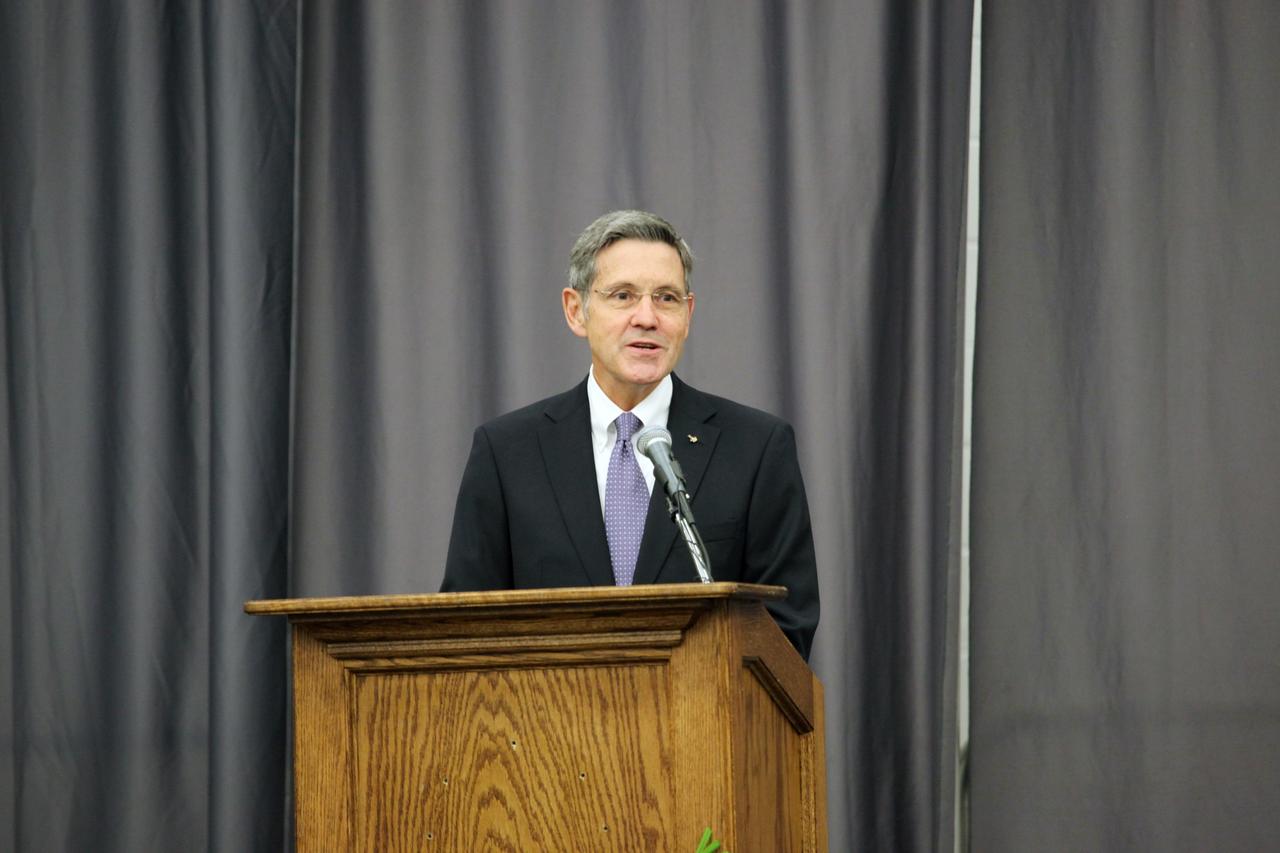
MELBOURNE, Fla. – NASA Kennedy Space Center Director and former astronaut Bob Cabana addresses the audience during opening ceremonies for the university's 25th annual Space Studies Program session at the Florida Institute of Technology in Melbourne, Fla. The nine-week intensive course is designed for post-graduate university students and professionals during the summer. The program is hosted by a different country each year, providing a unique educational experience for participants from around the globe. NASA Kennedy Space Center and Florida Tech are co-hosting this year's event which runs from June 4 to Aug. 3. This year, there are about 125 participants representing 31 countries. For more information, visit http://www.isunet.edu. Photo credit: NASA/Dimitri Gerondidakis
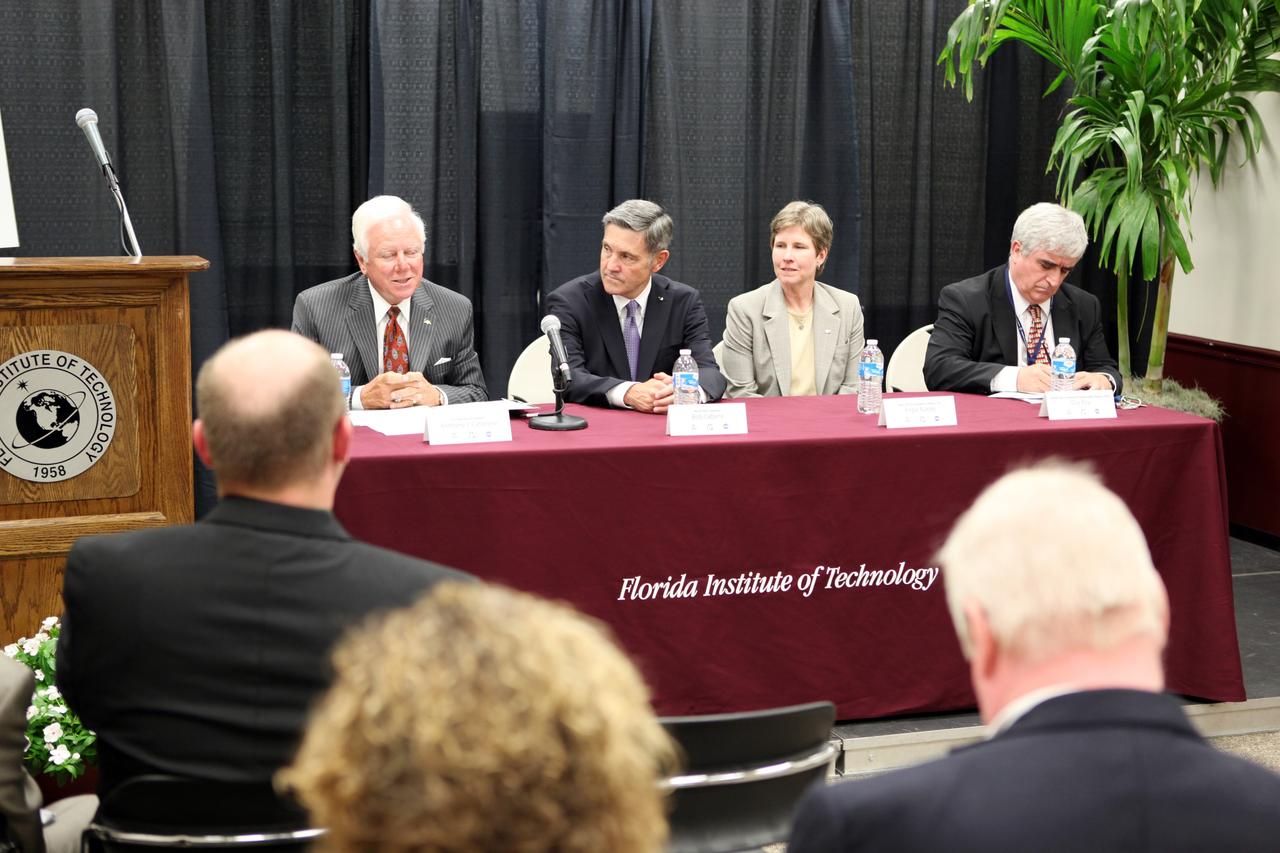
MELBOURNE, Fla. – Anthony J. Catanese, president of the Florida Institute of Technology, participates in the opening ceremonies for the International Space University's 25th annual Space Studies Program session at the Florida Institute of Technology in Melbourne, Fla. Seated from left are Catanese NASA Kennedy Space Center Director Bob Cabana Professor Angie Bukley, dean and vice president for Academic Affairs, International Space University and Dr. Guy A. Boy, chair of the Space Studies Program’s local organizing committee. The nine-week intensive course is designed for post-graduate university students and professionals during the summer. The program is hosted by a different country each year, providing a unique educational experience for participants from around the globe. NASA Kennedy Space Center and Florida Tech are co-hosting this year's event which runs from June 4 to Aug. 3. This year, there are about 125 participants representing 31 countries. For more information, visit http://www.isunet.edu. Photo credit: NASA/Dimitri Gerondidakis
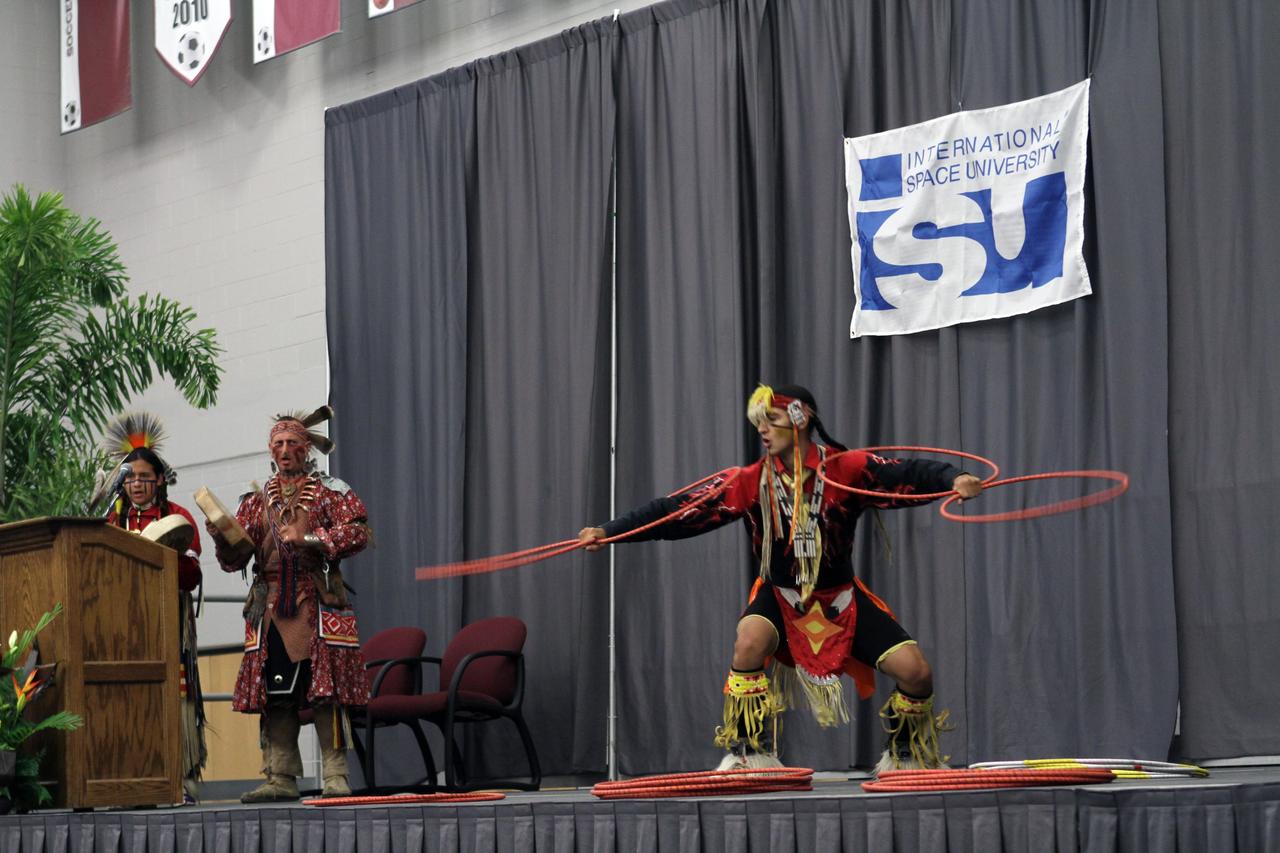
MELBOURNE, Fla. – Entertainment during the opening ceremonies for the International Space University's 25th annual Space Studies Program session at the Florida Institute of Technology in Melbourne, Fla., is provided by Jim Sawgrass and the Deep Forest Native American Indian Program dancers. The nine-week intensive course is designed for post-graduate university students and professionals during the summer. The program is hosted by a different country each year, providing a unique educational experience for participants from around the globe. NASA Kennedy Space Center and Florida Tech are co-hosting this year's event which runs from June 4 to Aug. 3. This year, there are about 125 participants representing 31 countries. For more information, visit http://www.isunet.edu. Photo credit: NASA/Kim Shiflett
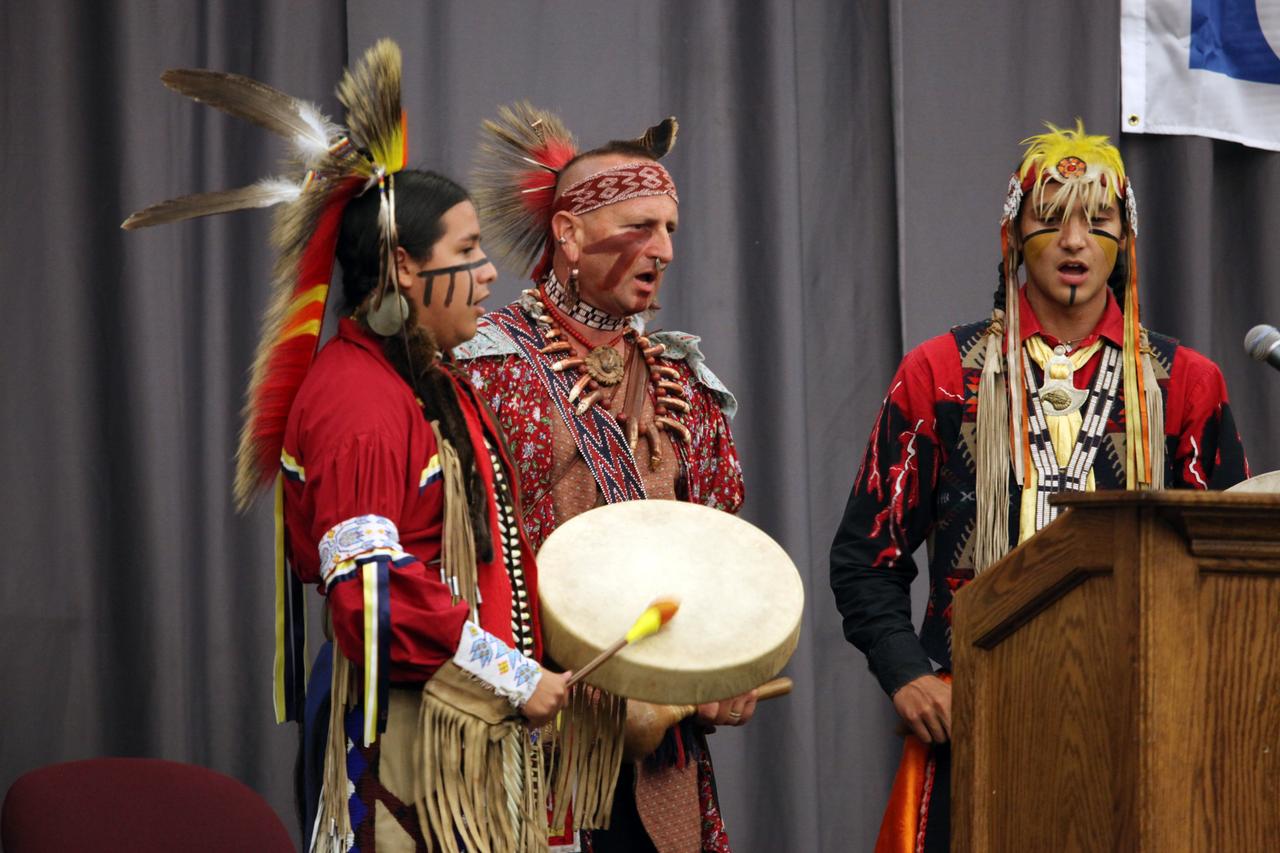
MELBOURNE, Fla. – Entertainment during the opening ceremonies for the International Space University's 25th annual Space Studies Program session at the Florida Institute of Technology in Melbourne, Fla., is provided by Jim Sawgrass and the Deep Forest Native American Indian Program dancers. The nine-week intensive course is designed for post-graduate university students and professionals during the summer. The program is hosted by a different country each year, providing a unique educational experience for participants from around the globe. NASA Kennedy Space Center and Florida Tech are co-hosting this year's event which runs from June 4 to Aug. 3. This year, there are about 125 participants representing 31 countries. For more information, visit http://www.isunet.edu. Photo credit: NASA/Dimitri Gerondidakis
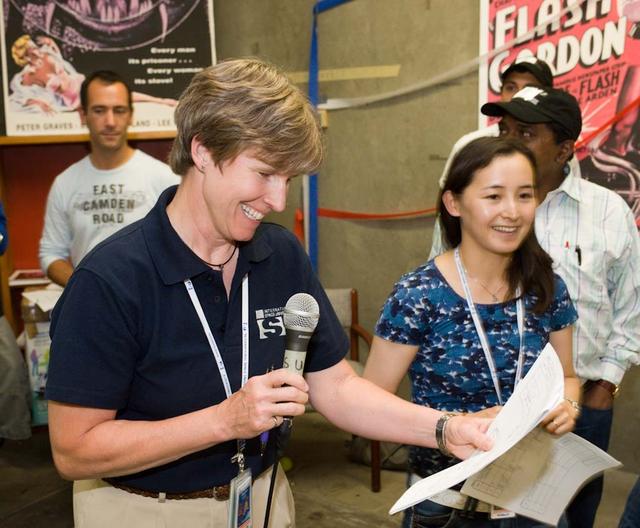
International Space University (ISU - 2009) students participated in a Robotic Competition at NASA'A Ames Research Center, Moffett Field, Calif. This panel featured astronauts from four different space agencies with different areas of expertice and diverse perspectives. Angie Bukley, ISU SSP09 program director, and Satoko Abiko, an ISU SSP systems engineering guest lecturer, acted as judges.

CAPE CANAVERAL, Fla. – A panel session for participants in the International Space University's Space Studies Program 2012, or SSP, is held in the Operations Support Building II at NASA’s Kennedy Space Center in Florida. From left are Pete Worden, director, NASA Ames Research Center Yvonne Pendleton, observational astronomer, NASA Ames Research Center Scott Hubbard, professor, Stanford University Bill Nye, CEO, The Planetary Society and George Tahu, NASA program executive, Planetary Science Division, NASA Headquarters. The Soffen Memorial Panel session provided the opportunity for participants to engage with today's leaders in the planetary science field. The panel session is named in honor of Gerald Soffen, NASA scientist and leader of NASA's Viking Mars mission. The nine-week intensive SSP course is designed for post-graduate university students and professionals during the summer. The program is hosted by a different country each year, providing a unique educational experience for participants from around the globe. NASA Kennedy Space Center and Florida Tech are co-hosting this year's event which runs from June 4 to Aug. 3. For more information about the International Space University, visit http://www.isunet.edu. Photo credit: NASA/Tim Jacobs
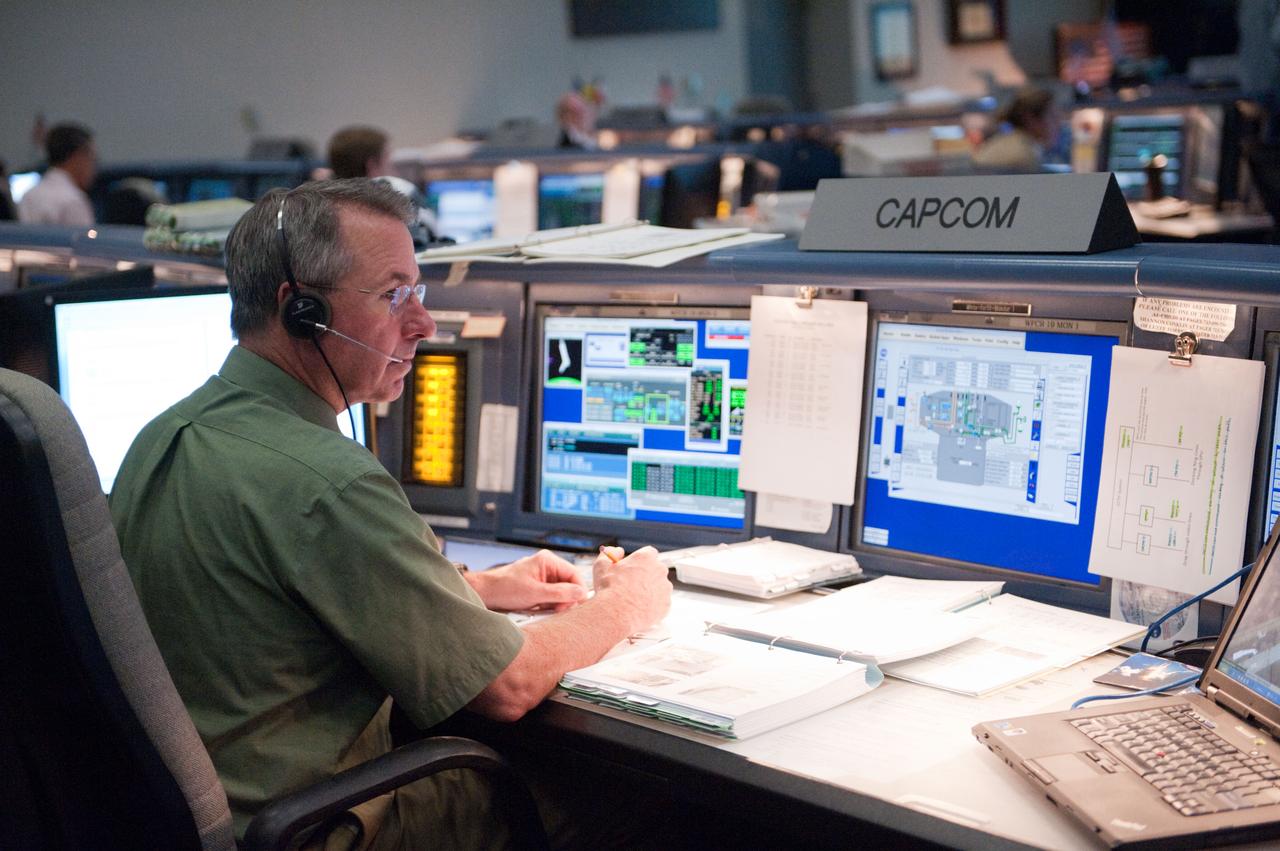
PHOTO DATE: 12 July 2011 LOCATION: Bldg. 30 FCR-1, EVA, WFCR & Bldg. 7 EVA Center. SUBJECT: STS-135 flight controllers on console for EVA. PHOTOGRAPHER: Mark Sowa
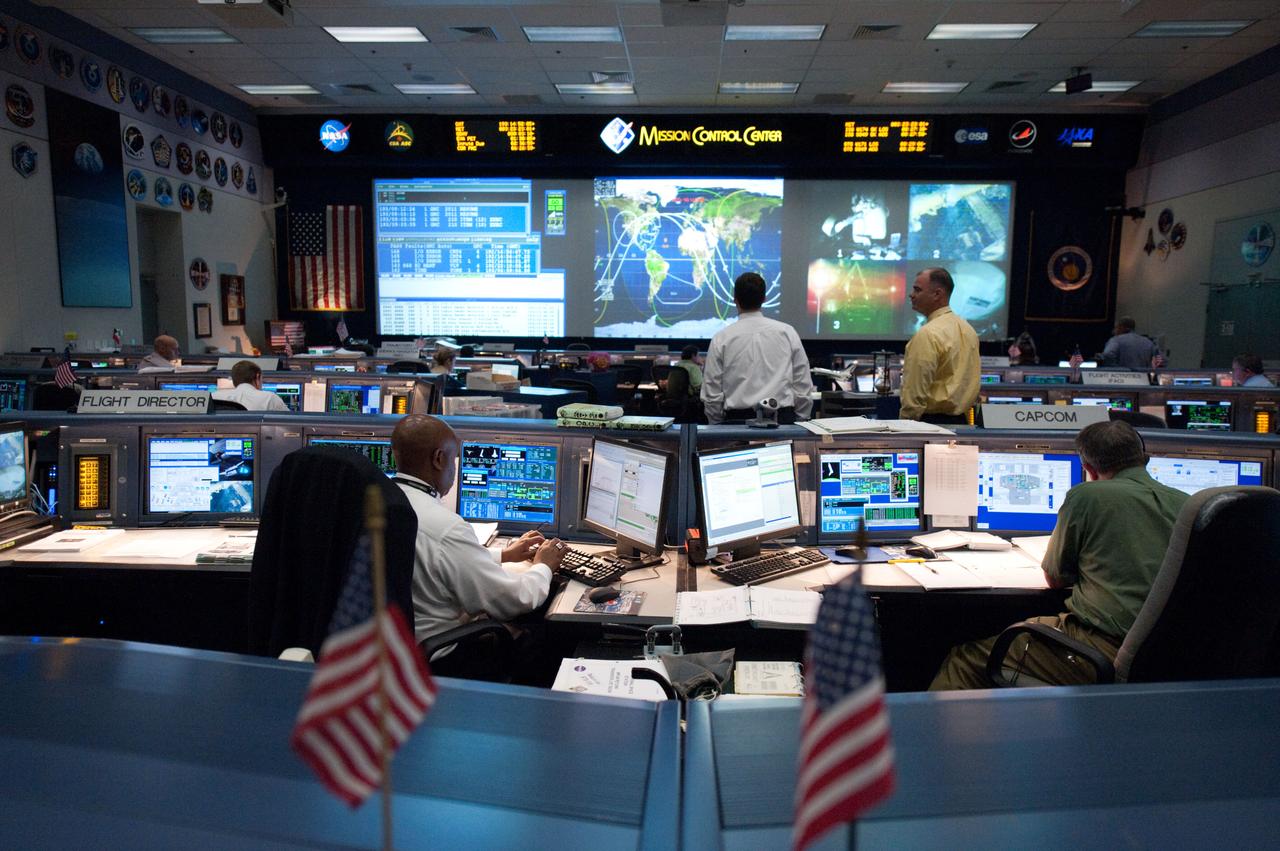
PHOTO DATE: 12 July 2011 LOCATION: Bldg. 30 FCR-1, EVA, WFCR & Bldg. 7 EVA Center. SUBJECT: STS-135 flight controllers on console for EVA. PHOTOGRAPHER: Mark Sowa
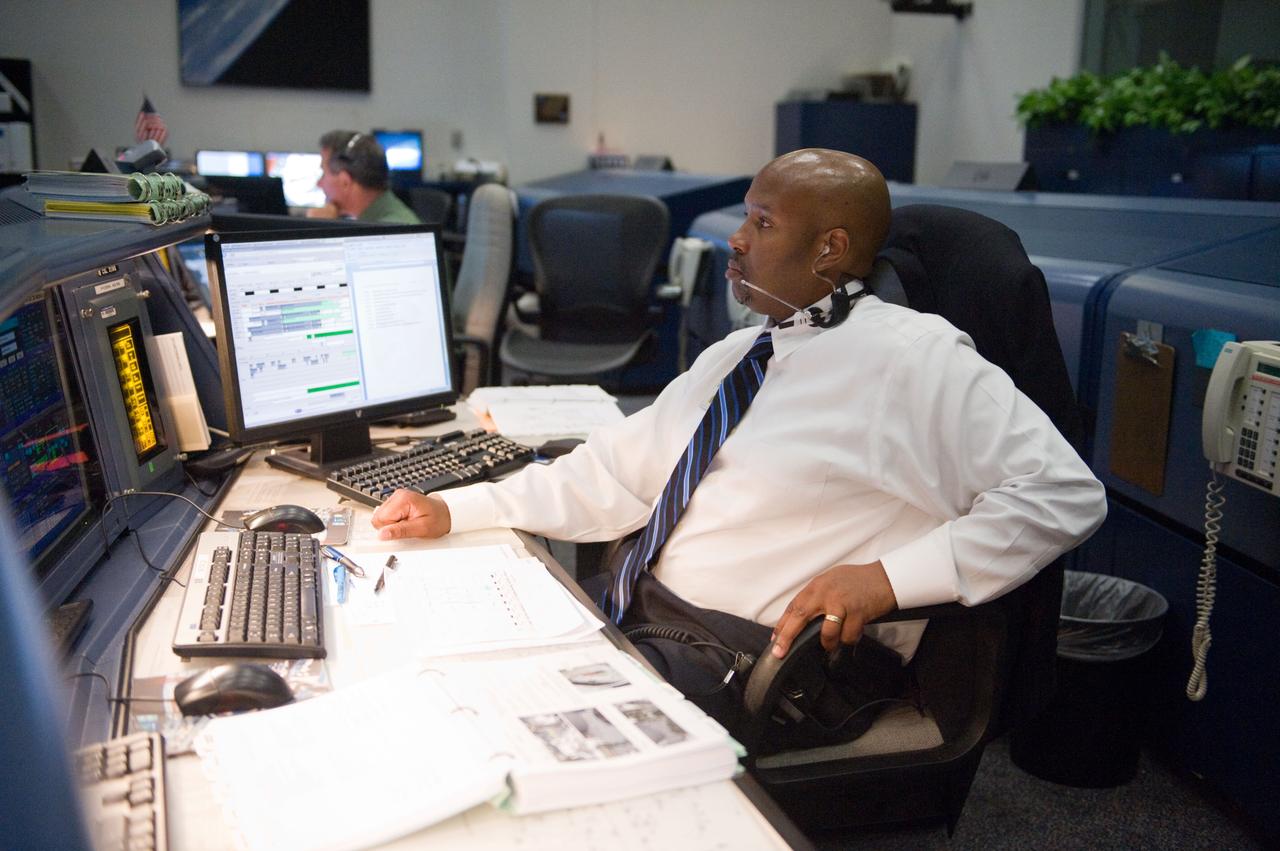
PHOTO DATE: 12 July 2011 LOCATION: Bldg. 30 FCR-1, EVA, WFCR & Bldg. 7 EVA Center. SUBJECT: STS-135 flight controllers on console for EVA. PHOTOGRAPHER: Mark Sowa
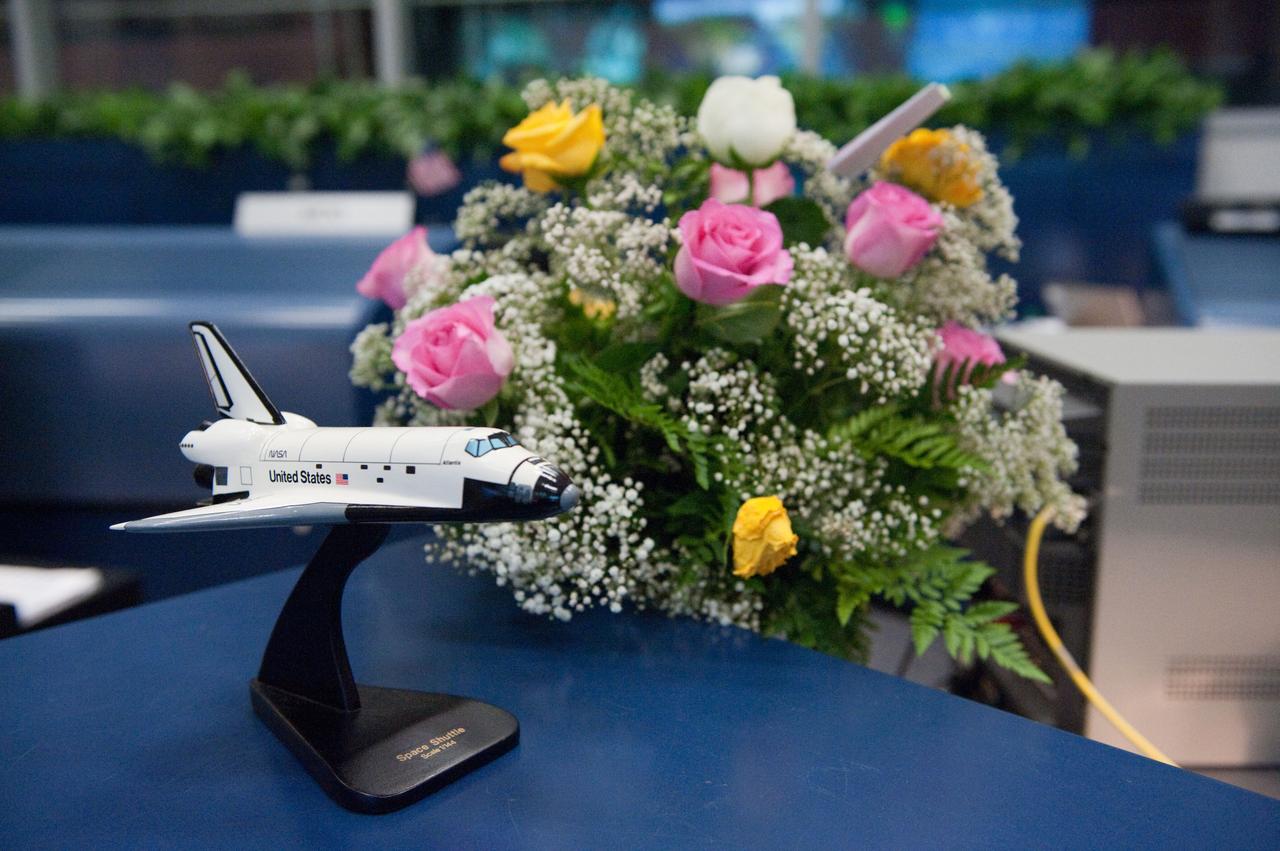
PHOTO DATE: 12 July 2011 LOCATION: Bldg. 30 FCR-1, EVA, WFCR & Bldg. 7 EVA Center. SUBJECT: STS-135 flight controllers on console for EVA. PHOTOGRAPHER: Mark Sowa
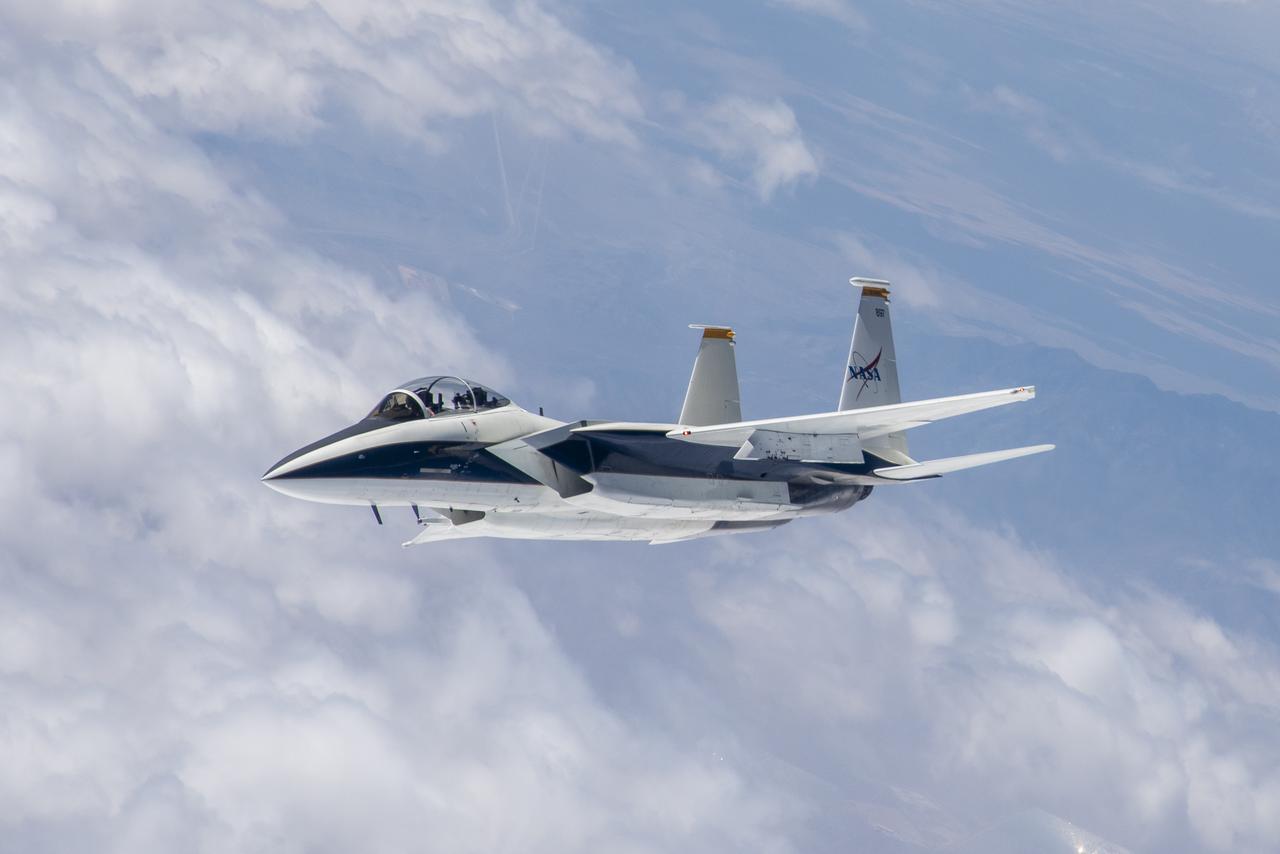

NASA's F-15B Aeronautics Research Test Bed performs a calibration flight of the shock-sensing probe over Edwards, California, on Aug. 6, 2024. The probe will measure shock waves from NASA's X-59.
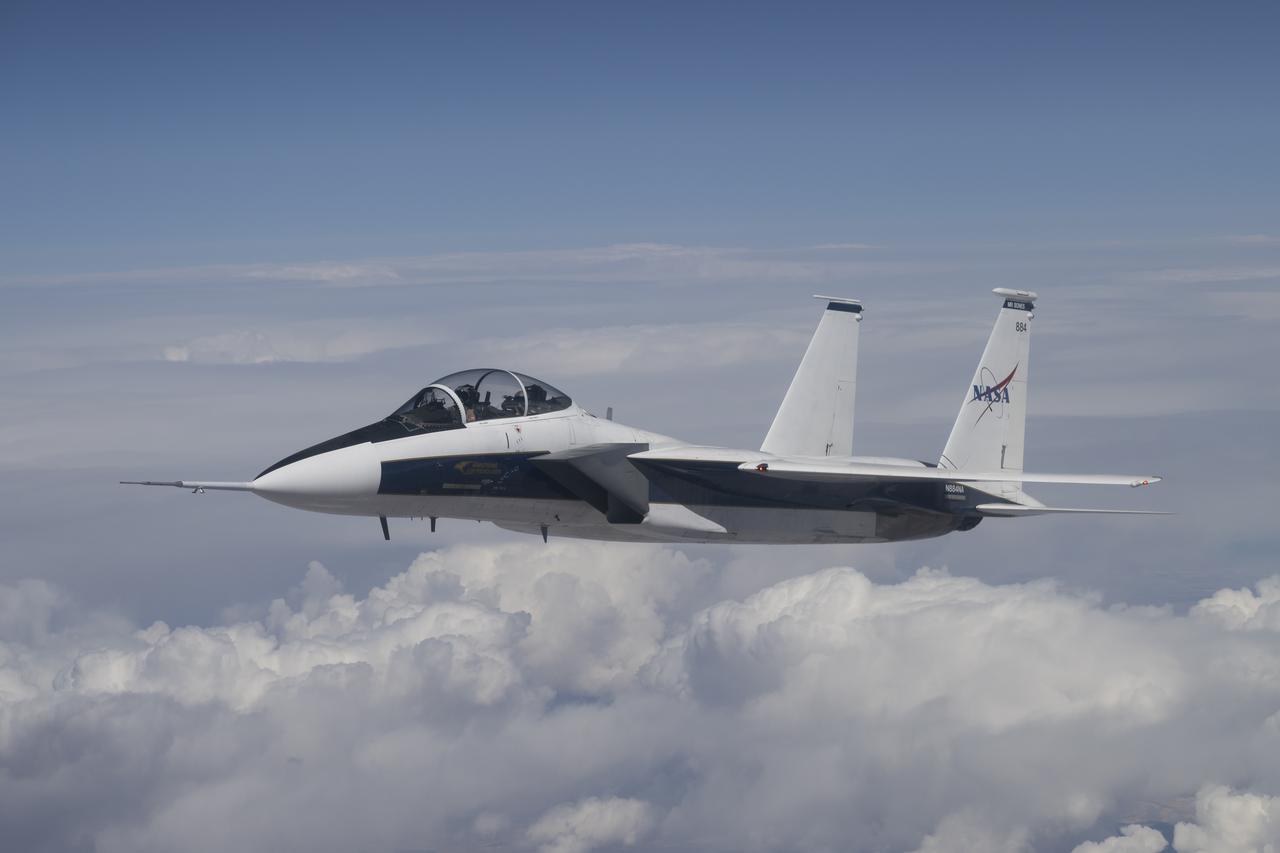
NASA’s F-15D research aircraft conducts a test flight near Edwards, California, with a newly installed near-field shock-sensing probe. Identical to a previously flown version that was intended as the backup, this new probe will capture shock wave data near the X-59 as it flies faster than the speed of sound, supporting NASA’s Quesst mission.

NASA's F-15B Aeronautics Research Test Bed performs a calibration flight of the shock-sensing probe over Edwards, California, on Aug. 6, 2024. The probe will measure shock waves from NASA's X-59.

NASA test pilot Nils Larson inspects the agency’s F-15D research aircraft at NASA’s Armstrong Flight Research Center in Edwards, California, ahead of a calibration flight for a newly installed near-field shock-sensing probe. Mounted on the F-15D, the probe is designed to measure shock waves generated by the X-59 quiet supersonic aircraft during flight. The data will help researchers better understand how shock waves behave in close proximity to the aircraft, supporting NASA’s Quesst mission to enable quiet supersonic flight over land.

NASA's F-15B Aeronautics Research Test Bed performs a calibration flight of the shock-sensing probe over Edwards, California, on Aug. 6, 2024. The probe will measure shock waves from NASA's X-59.
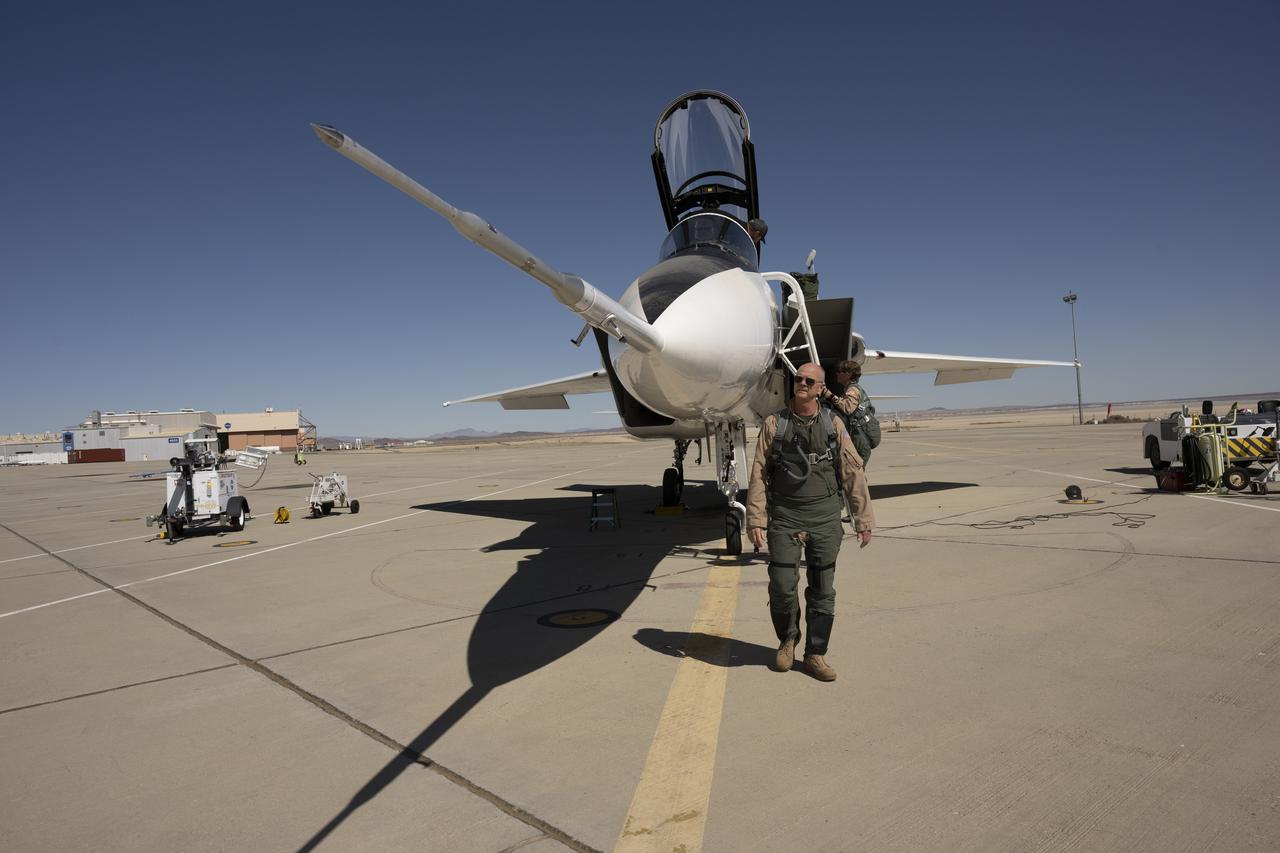
NASA test pilot Nils Larson inspects the agency’s F-15D research aircraft at NASA’s Armstrong Flight Research Center in Edwards, California, ahead of a calibration flight for a newly installed near-field shock-sensing probe. Mounted on the F-15D, the probe is designed to measure shock waves generated by the X-59 quiet supersonic aircraft during flight. The data will help researchers better understand how shock waves behave in close proximity to the aircraft, supporting NASA’s Quesst mission to enable quiet supersonic flight over land.
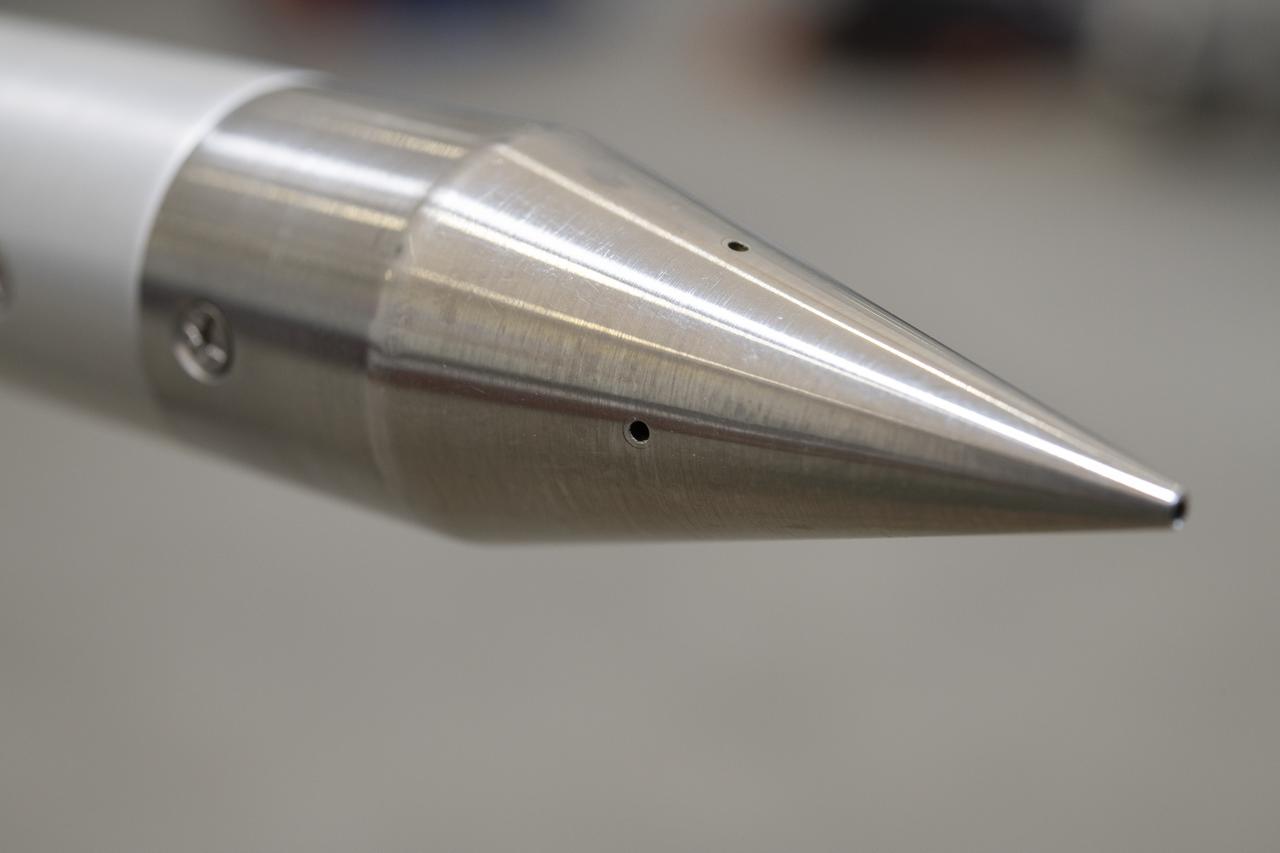
A close-up of NASA’s shock-sensing probe highlights its pressure ports, designed to measure air pressure changes during supersonic flight. The probe will be mounted on NASA’s F-15B Aeronautics Research Test Bed for calibration flights, validating its ability to measure shock waves generated by the X-59 as part of NASA's Quesst mission.
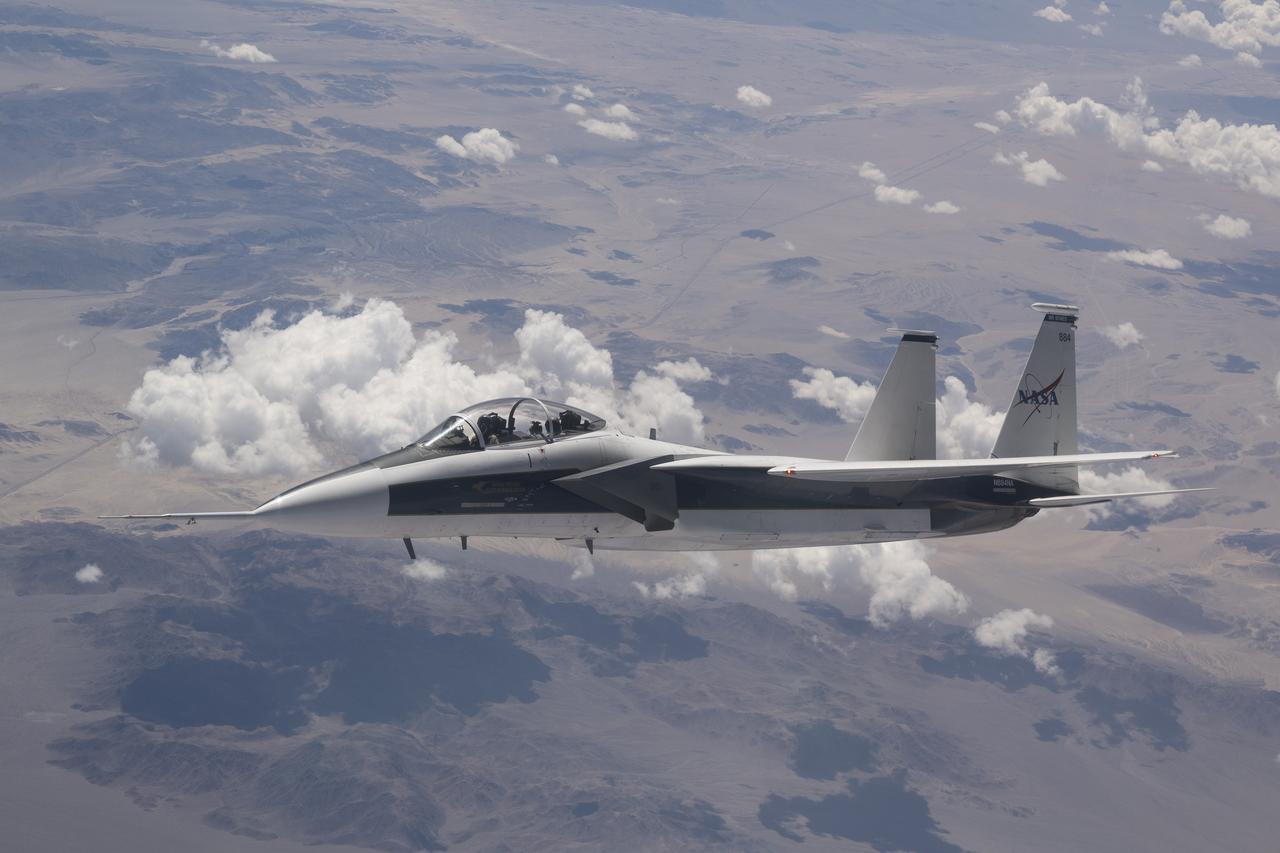
NASA’s F-15D research aircraft conducts a test flight near Edwards, California, with a newly installed near-field shock-sensing probe. Identical to a previously flown version that was intended as the backup, this new probe will capture shock wave data near the X-59 as it flies faster than the speed of sound, supporting NASA’s Quesst mission.

NASA's F-15B Aeronautics Research Test Bed performs a calibration flight of the shock-sensing probe over Edwards, California, on Aug. 6, 2024. The probe will measure shock waves from NASA's X-59.
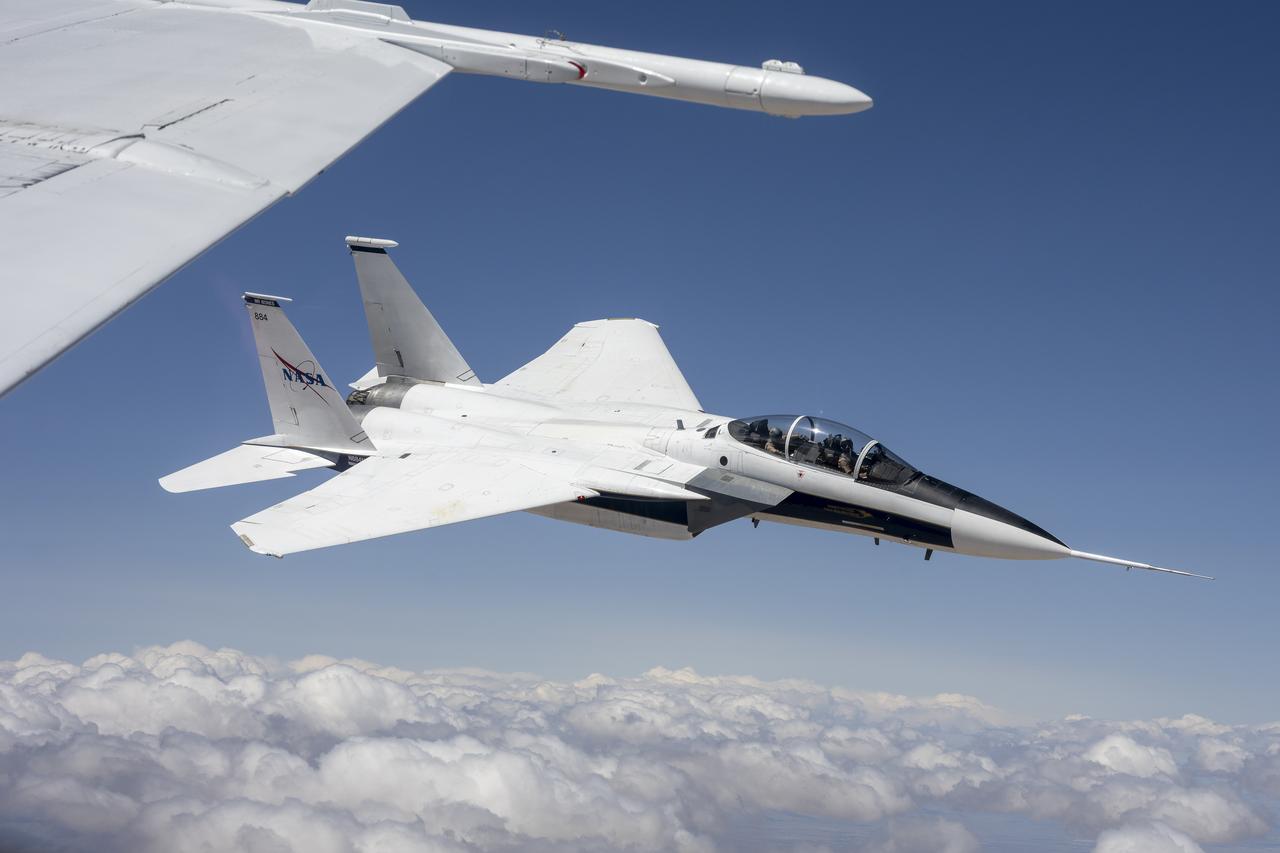
NASA's F-15D research aircraft conducts a calibration flight of a shock-sensing probe near NASA’s Armstrong Flight Research Center in Edwards, California. The shock-sensing probe is designed to measure the signature and strength of shock waves in flight. The probe was validated during dual F-15 flights and will be flown behind NASA’s X-59 to measure small pressure changes caused by shock waves in support of the agency's Quesst mission.
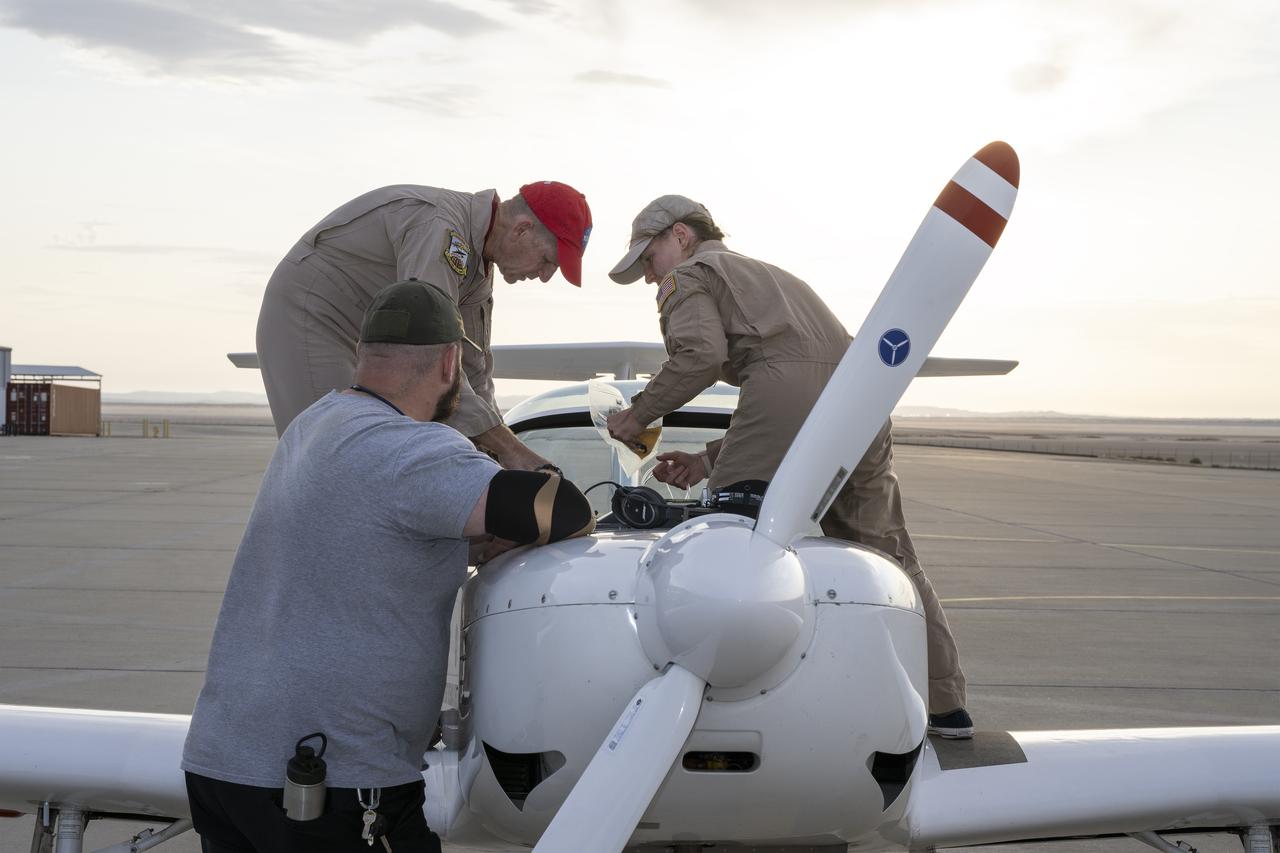
A NASA TG-14 glider aircraft is prepared for flight at NASA’s Armstrong Flight Research Center in Edwards, California, in support of the agency’s Quesst mission. The aircraft is equipped with onboard microphones to capture sonic boom noise generated during rehearsal flights, helping researchers measure the acoustic signature of supersonic aircraft closer to the ground.
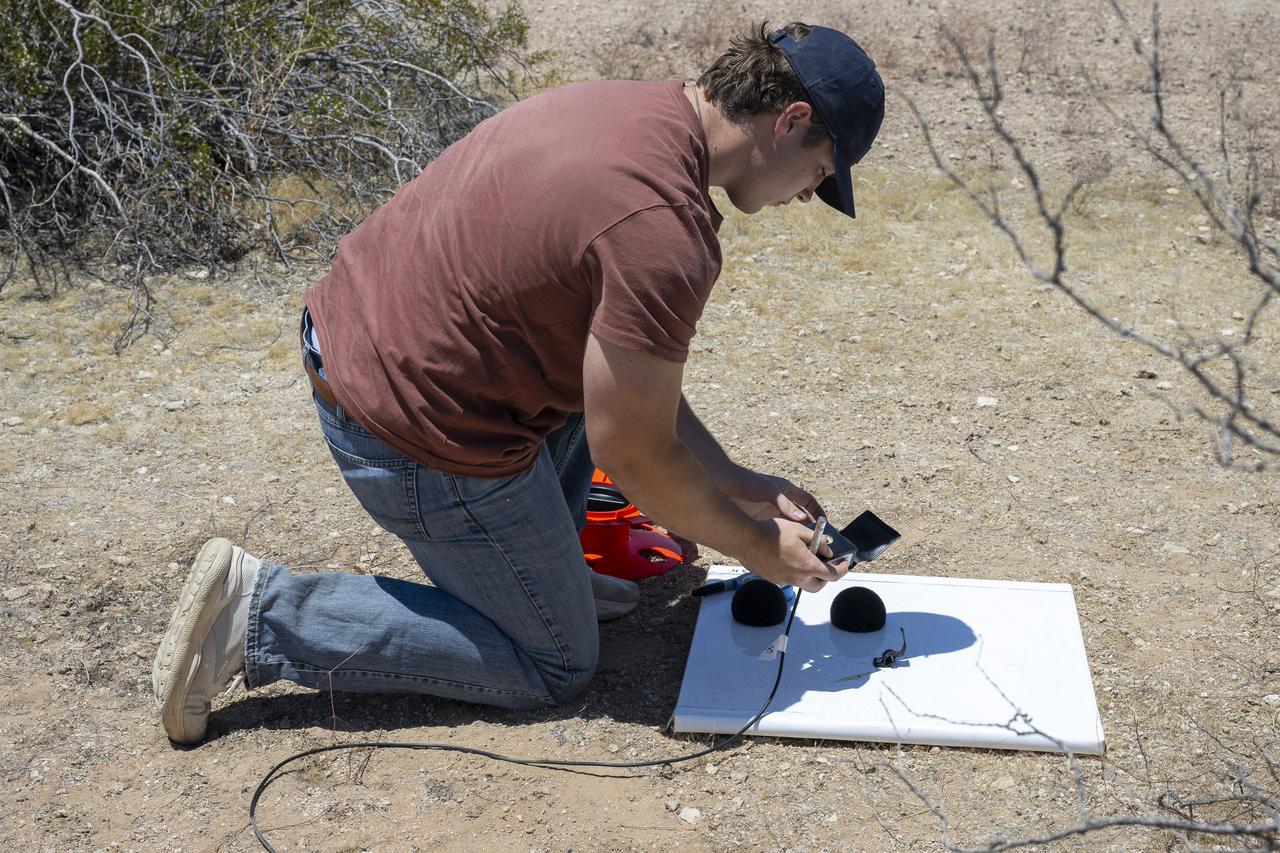
A NASA intern sets up ground recording system (GRS) units in California’s Mojave Desert during a Phase 2 rehearsal of the agency’s Quesst mission. The GRS units were placed across miles of desert terrain to capture the acoustic signature of supersonic aircraft during rehearsal flights and in preparation for the start of the actual tests.

Two NASA F-15 aircraft sit on the ramp at NASA's Armstrong Flight Research Center, in Edwards, California, ahead of dual F-15 flights that validated the integration of three tools – the Airborne Schlieren Photography System (ASPS), the Airborne Location Integrating Geospatial Navigation System (ALIGNS), and shock-sensing probe. Together these tools will measure and visualize the shock waves generated by NASA's X-59.
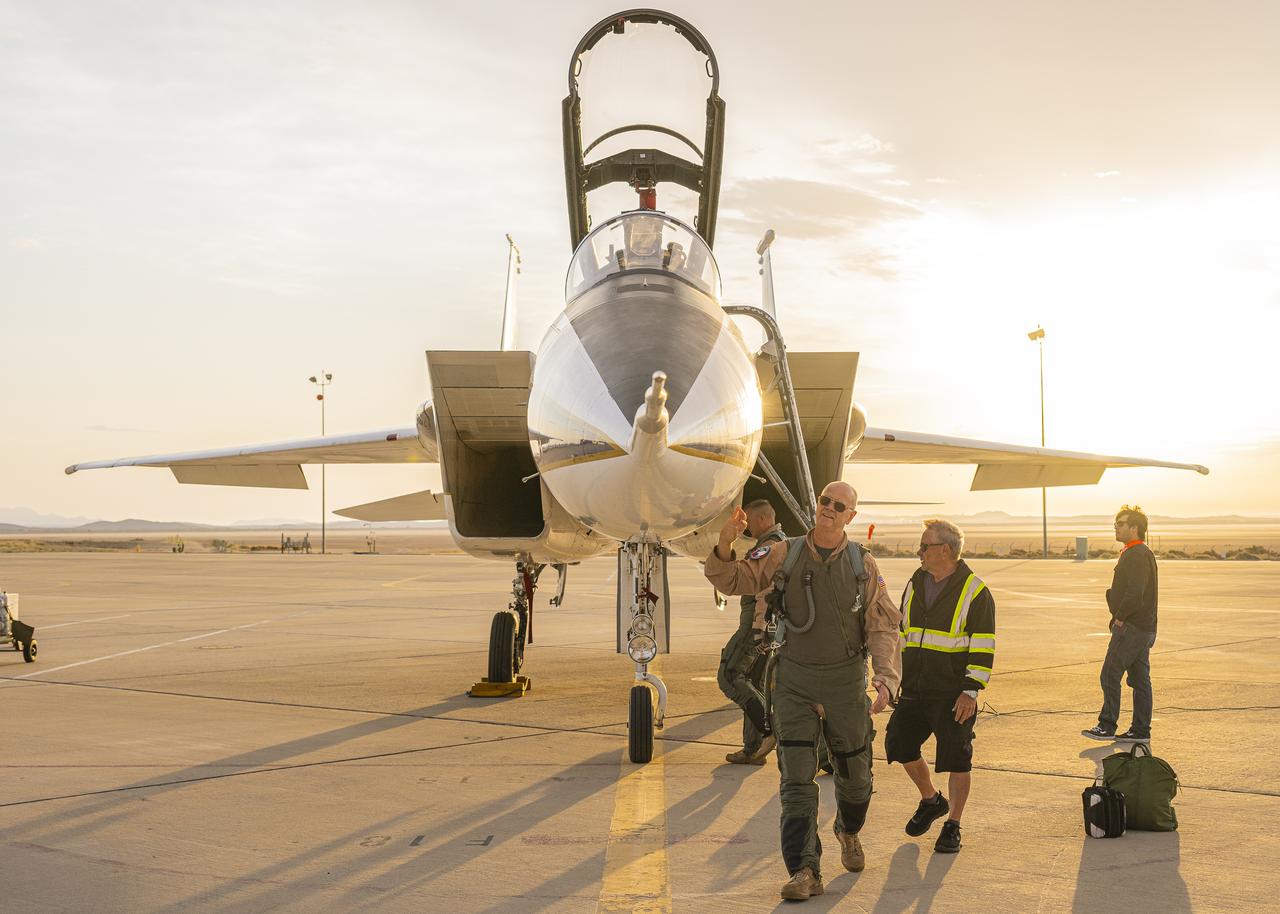
NASA test pilot Nils Larson walks around an F-15B research aircraft for a rehearsal flight supporting the agency’s Quesst mission at NASA’s Armstrong Flight Research Center in Edwards, California. The flight was part of a full-scale dress rehearsal for Phase 2 of the mission, which will eventually measure quiet sonic thumps generated by the X-59. The flight series helped NASA teams refine procedures and practice data collection ahead of future X-59 flights.