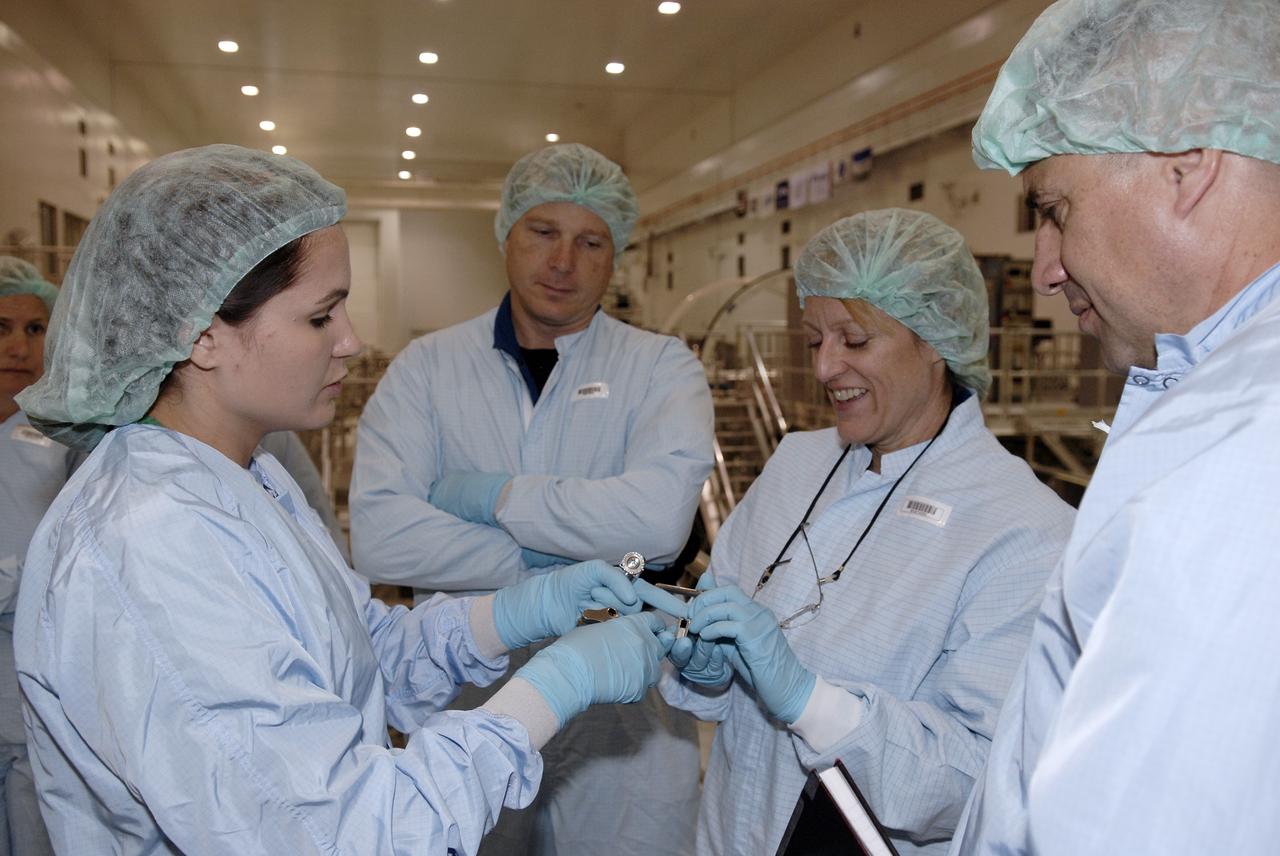
CAPE CANAVERAL, Fla. – In the Space Station Processing Facility, STS-130 Mission Specialist Kathryn Hire (second from right) gets a close look at hardware associated with the Cupola, part of the payload on the mission to the International Space Station. Next to her are (left) Pilot Terry Virts Jr. and (right) Commander George Zamka. The seven-windowed module will be used as a control room for robotics on the station. Endeavour will also deliver the final connecting node, Node 3. Photo credit: NASA/Kim Shiflett
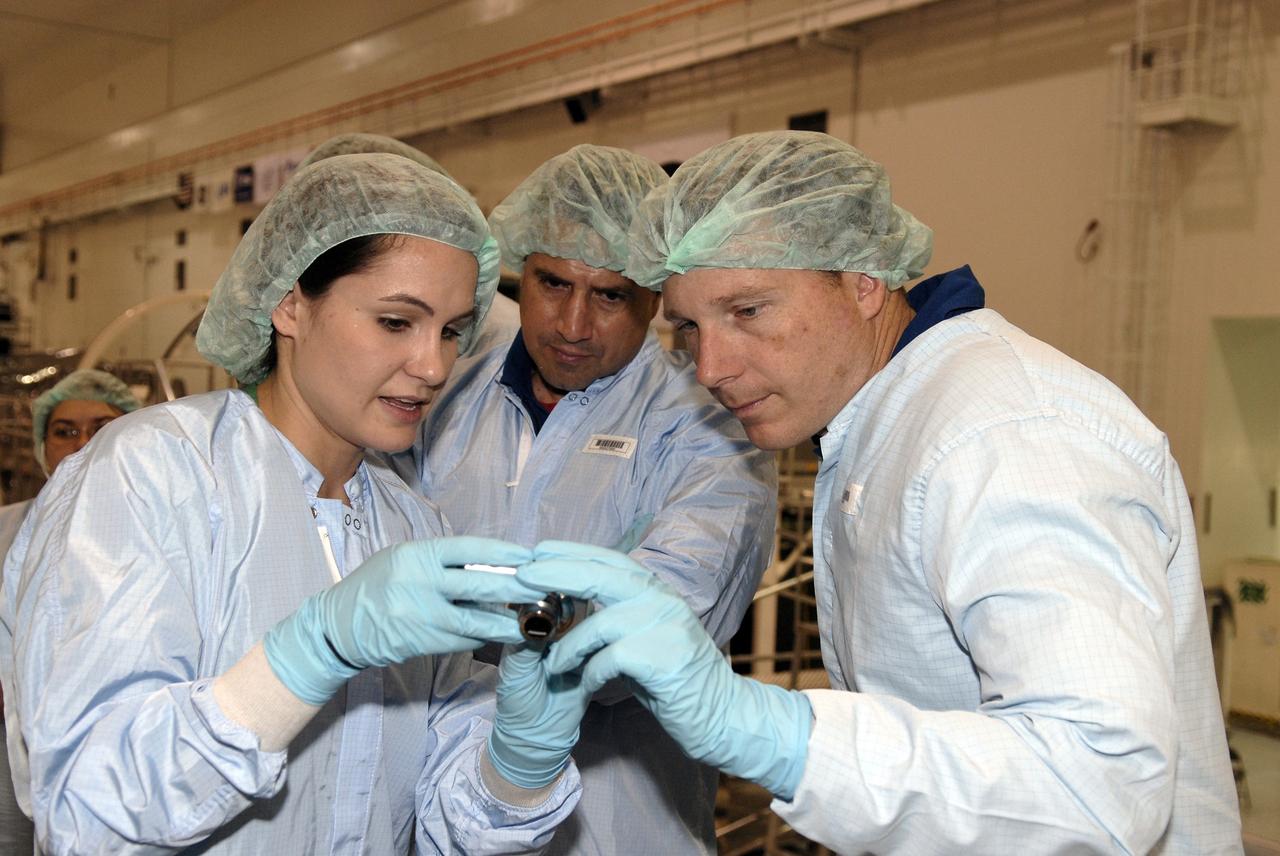
CAPE CANAVERAL, Fla. – In the Space Station Processing Facility, STS-130 Commander George Zamka (center) and Pilot Terry Virts Jr. (right) look at photos in the camera they used to capture images of the Cupola, part of the payload on the mission to the International Space Station. The seven-windowed module will be used as a control room for robotics on the station. Endeavour will also deliver the final connecting node, Node 3. Photo credit: NASA/Kim Shiflett
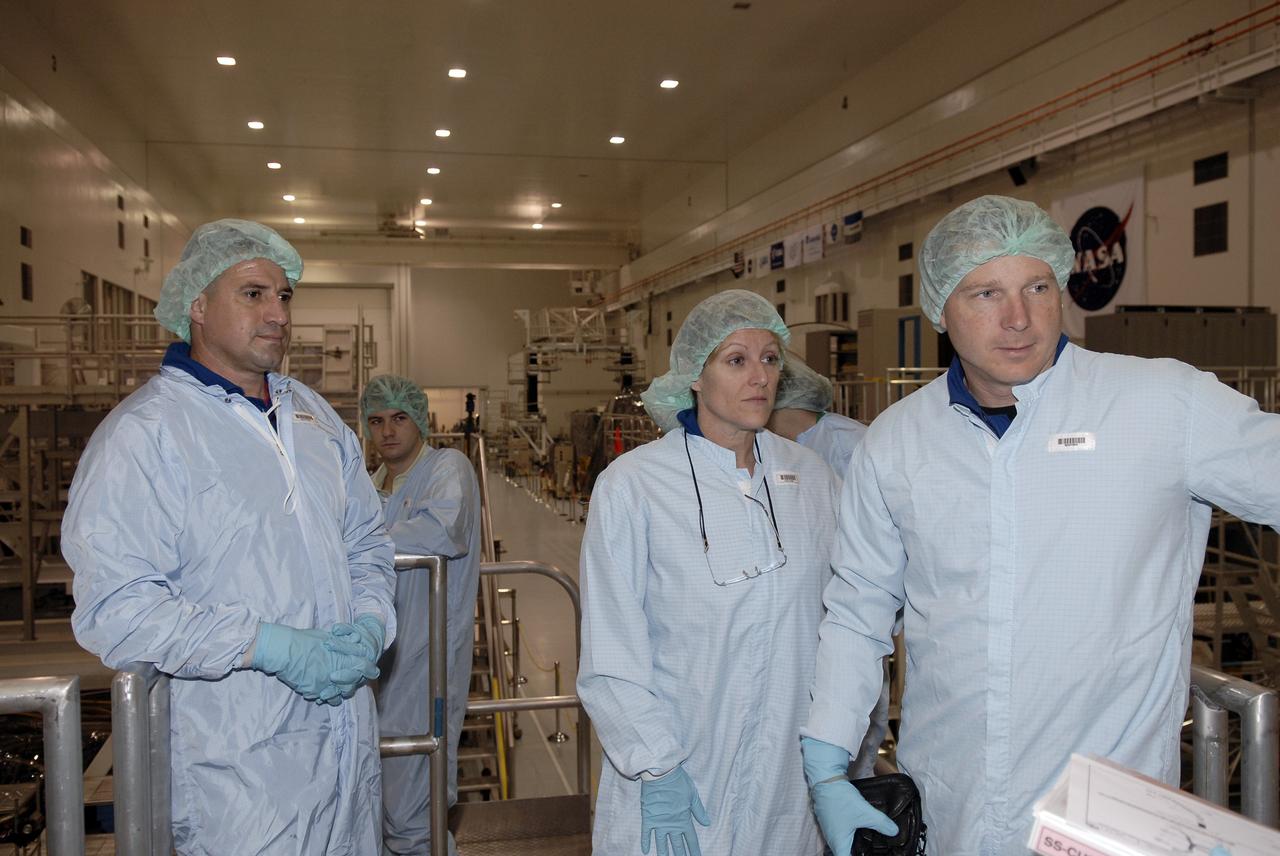
CAPE CANAVERAL, Fla. – In the Space Station Processing Facility, members of the STS-130 crew look over the Cupola, part of the payload on their mission to the International Space Station. From left in the foreground are Commander George Zamka, Mission Specialist Kathryn Hire and Pilot Terry Virts Jr. The seven-windowed module will be used as a control room for robotics on the station. Endeavour will also deliver the final connecting node, Node 3. Photo credit: NASA/Kim Shiflett
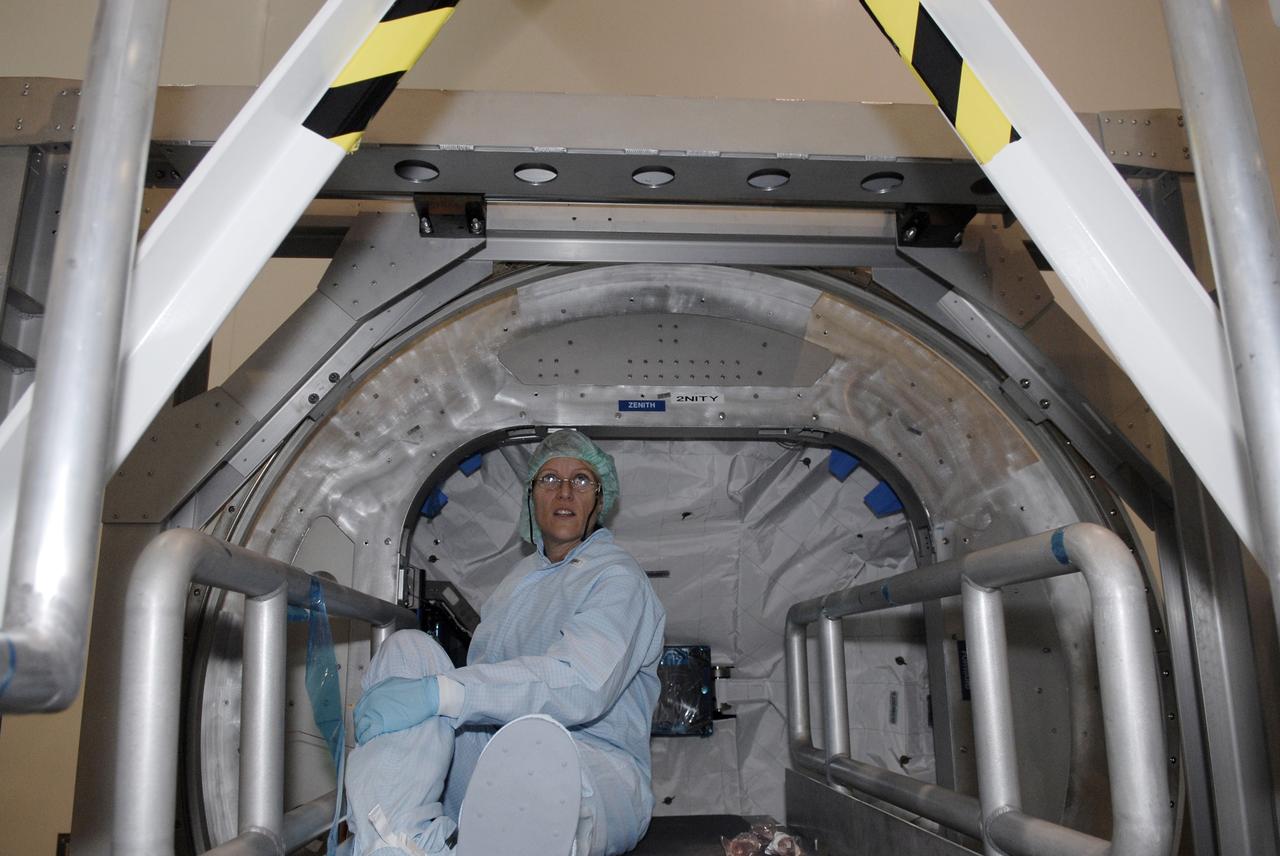
CAPE CANAVERAL, Fla. – In the Space Station Processing Facility, STS-130 Mission Specialist Kathryn Hire sits inside the Cupola, part of the payload on the mission to the International Space Station. The seven-windowed module will be used as a control room for robotics on the station. Endeavour will also deliver the final connecting node, Node 3. Photo credit: NASA/Kim Shiflett
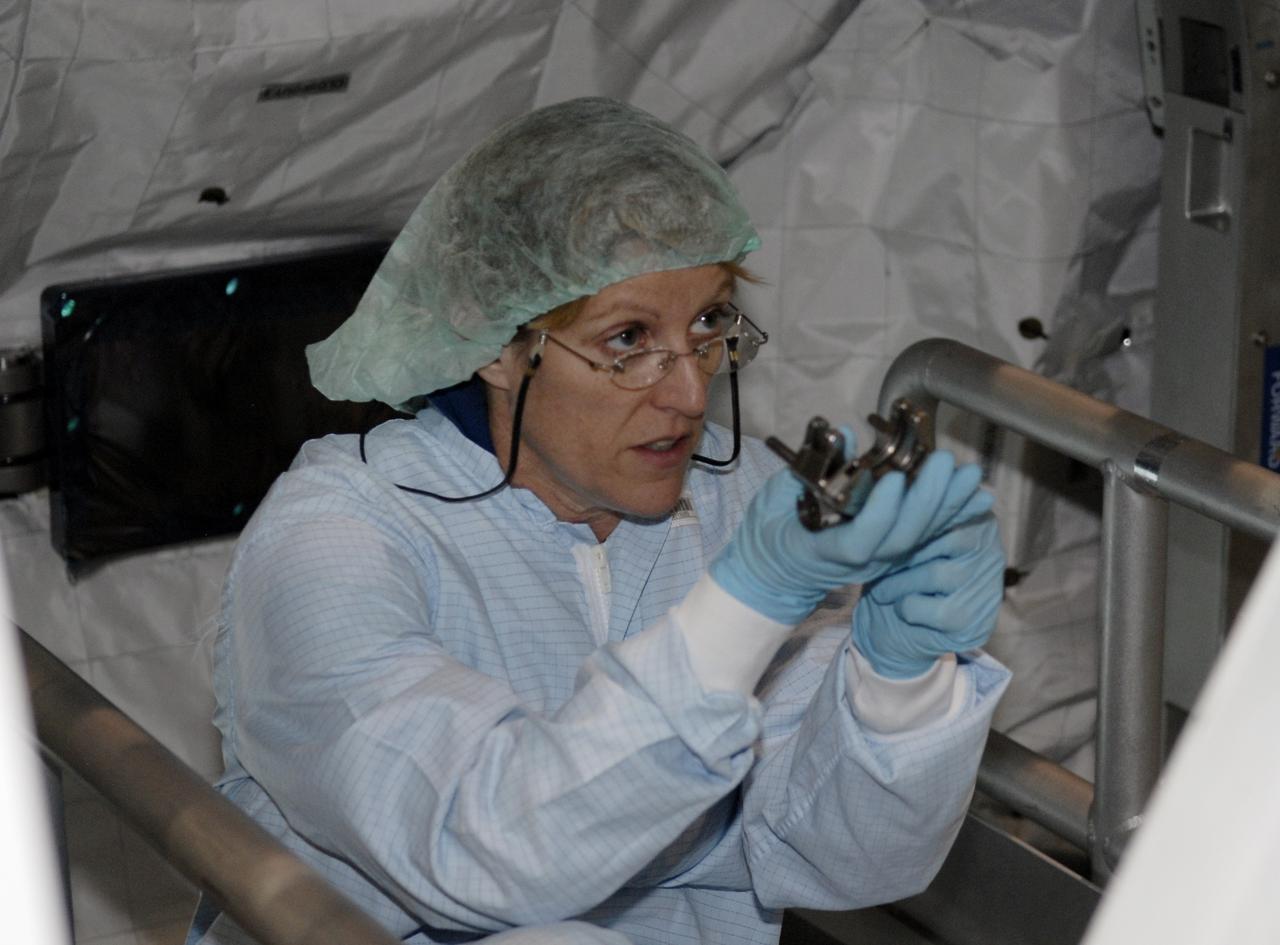
CAPE CANAVERAL, Fla. – In In the Space Station Processing Facility, STS-130 Mission Specialist Kathryn Hire holds a piece of hardware associated with the Cupola, part of the payload on the mission to the International Space Station. The seven-windowed module will be used as a control room for robotics on the station. Endeavour will also deliver the final connecting node, Node 3. Photo credit: NASA/Kim Shiflett
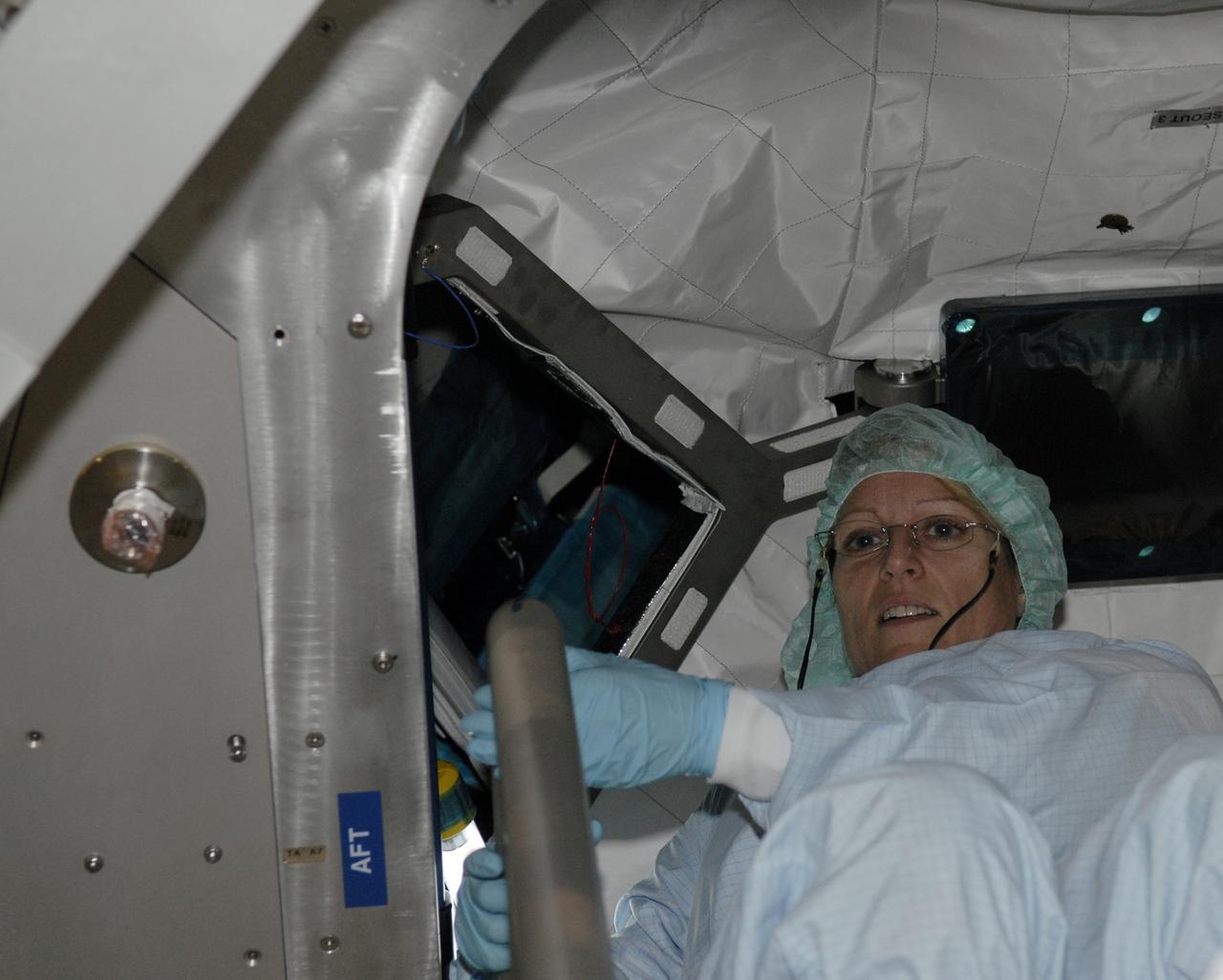
CAPE CANAVERAL, Fla. – In the Space Station Processing Facility, STS-130 Mission Specialist Kathryn Hire sits inside the Cupola, part of the payload on the mission to the International Space Station. The seven-windowed module will be used as a control room for robotics on the station. Endeavour will also deliver the final connecting node, Node 3. Photo credit: NASA/Kim Shiflett
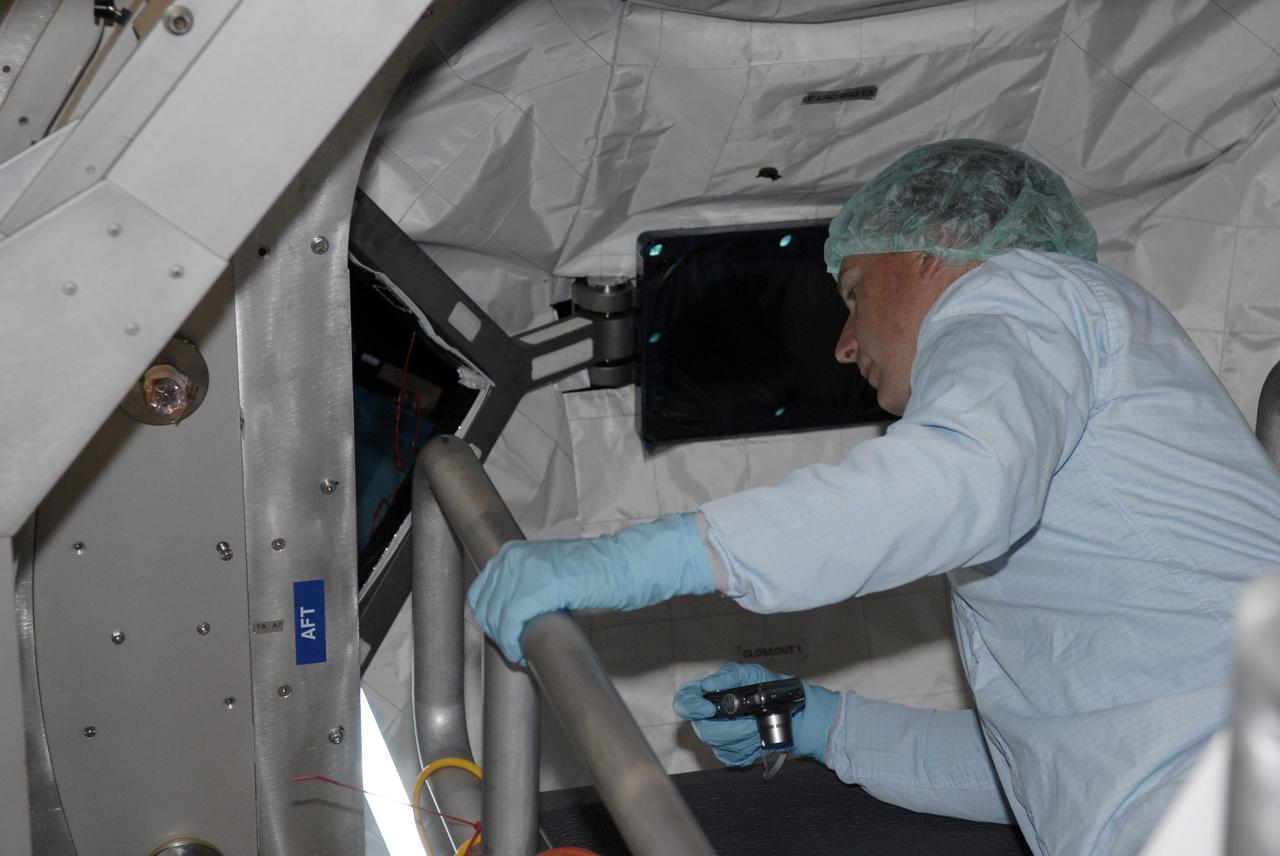
CAPE CANAVERAL, Fla. – In the Space Station Processing Facility, STS-130 Pilot Terry Virts Jr. moves closer to the Cupola, part of the payload on the mission to the International Space Station, to get a better look. The seven-windowed module will be used as a control room for robotics on the station. Endeavour will also deliver the final connecting node, Node 3. Photo credit: NASA/Kim Shiflett
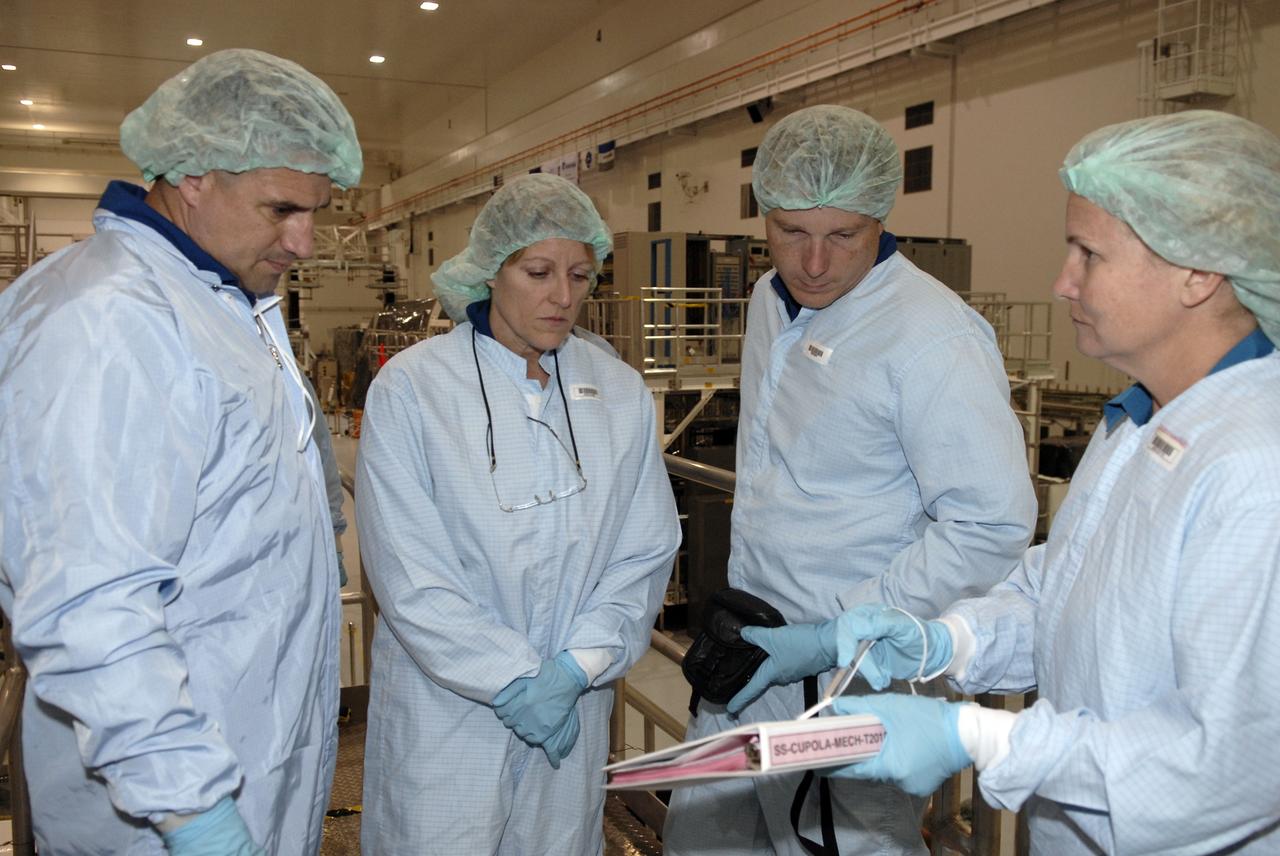
CAPE CANAVERAL, Fla. – In the Space Station Processing Facility, STS-130 Commander George Zamka (left), Mission Specialist Kathryn Hire and Pilot Terry Virts Jr. look at a notebook of data for the Cupola, part of the payload on their mission to the International Space Station. The seven-windowed module will be used as a control room for robotics on the station. Endeavour will also deliver the final connecting node, Node 3. Photo credit: NASA/Kim Shiflett
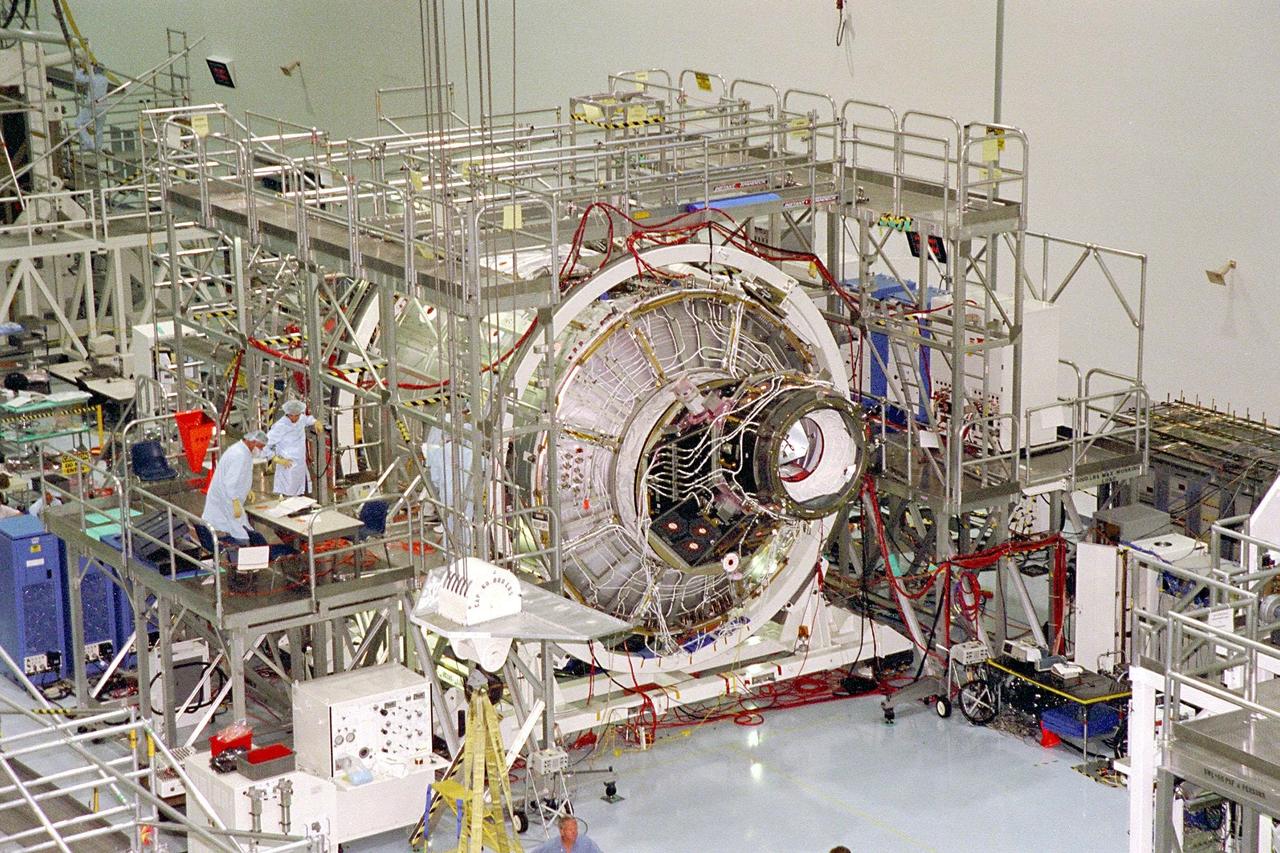
KENNEDY SPACE CENTER, FLA. -- The International Space Station's (ISS) Unity node, with Pressurized Mating Adapter (PMA)-2 attached, awaits further processing by Boeing technicians in its workstand in the Space Station Processing Facility (SSPF). The Unity node is the first element of the ISS to be manufactured in the United States and is currently scheduled to lift off aboard the Space Shuttle Endeavour on STS-88 later this year. Unity has two PMAs attached to it now that this mate is completed. PMAs are conical docking adapters which will allow the docking systems used by the Space Shuttle and by Russian modules to attach to the node's hatches and berthing mechanisms. Once in orbit, Unity, which has six hatches, will be mated with the already orbiting Control Module and will eventually provide attachment points for the U.S. laboratory module; Node 3; an early exterior framework or truss for the station; an airlock; and a multi-windowed cupola. The Control Module, or Functional Cargo Block, is a U.S.-funded and Russian-built component that will be launched aboard a Russian rocket from Kazakstan
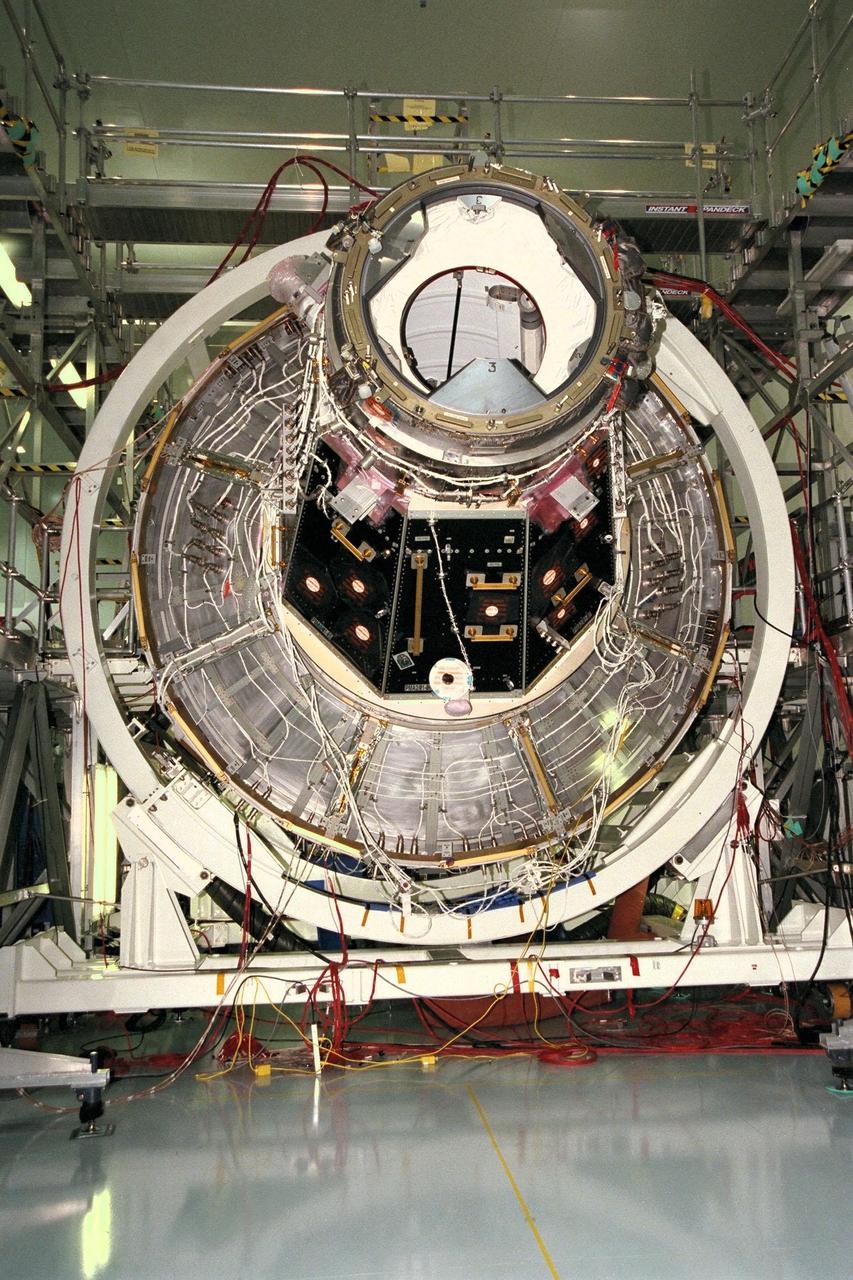
KENNEDY SPACE CENTER, FLA. -- The International Space Station's (ISS) Unity node, with Pressurized Mating Adapter (PMA)-2 attached, awaits further processing in the Space Station Processing Facility (SSPF). The Unity node is the first element of the ISS to be manufactured in the United States and is currently scheduled to lift off aboard the Space Shuttle Endeavour on STS-88 later this year. Unity has two PMAs attached to it now that this mate is completed. PMAs are conical docking adapters which will allow the docking systems used by the Space Shuttle and by Russian modules to attach to the node's hatches and berthing mechanisms. Once in orbit, Unity, which has six hatches, will be mated with the already orbiting Control Module and will eventually provide attachment points for the U.S. laboratory module; Node 3; an early exterior framework or truss for the station; an airlock; and a multi-windowed cupola. The Control Module, or Functional Cargo Block, is a U.S.-funded and Russian-built component that will be launched aboard a Russian rocket from Kazakstan
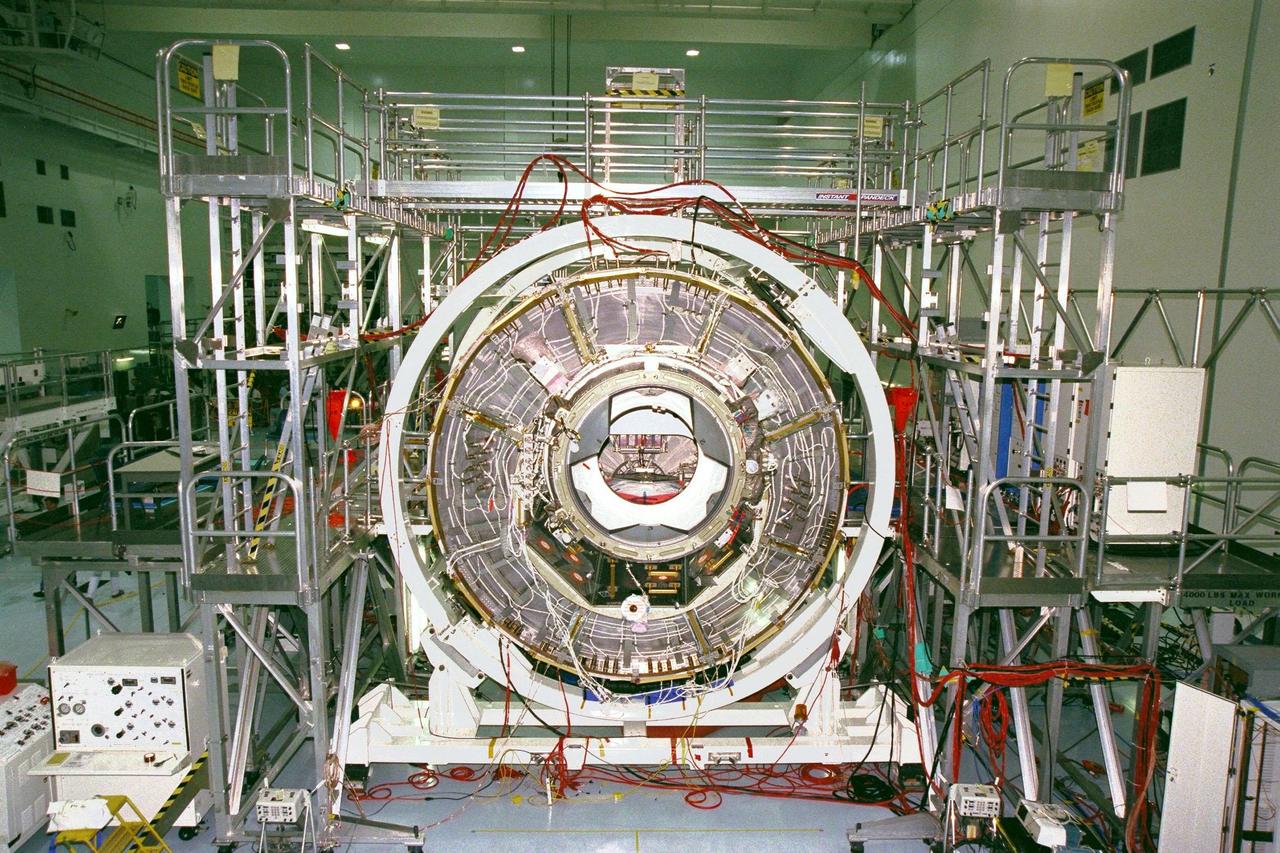
KENNEDY SPACE CENTER, FLA. -- The International Space Station's (ISS) Unity node, with Pressurized Mating Adapter (PMA)-2 attached, awaits further processing in the Space Station Processing Facility (SSPF). The Unity node is the first element of the ISS to be manufactured in the United States and is currently scheduled to lift off aboard the Space Shuttle Endeavour on STS-88 later this year. Unity has two PMAs attached to it now that this mate is completed. PMAs are conical docking adapters which will allow the docking systems used by the Space Shuttle and by Russian modules to attach to the node's hatches and berthing mechanisms. Once in orbit, Unity, which has six hatches, will be mated with the already orbiting Control Module and will eventually provide attachment points for the U.S. laboratory module; Node 3; an early exterior framework or truss for the station; an airlock; and a multi-windowed cupola. The Control Module, or Functional Cargo Block, is a U.S.-funded and Russian-built component that will be launched aboard a Russian rocket from Kazakstan