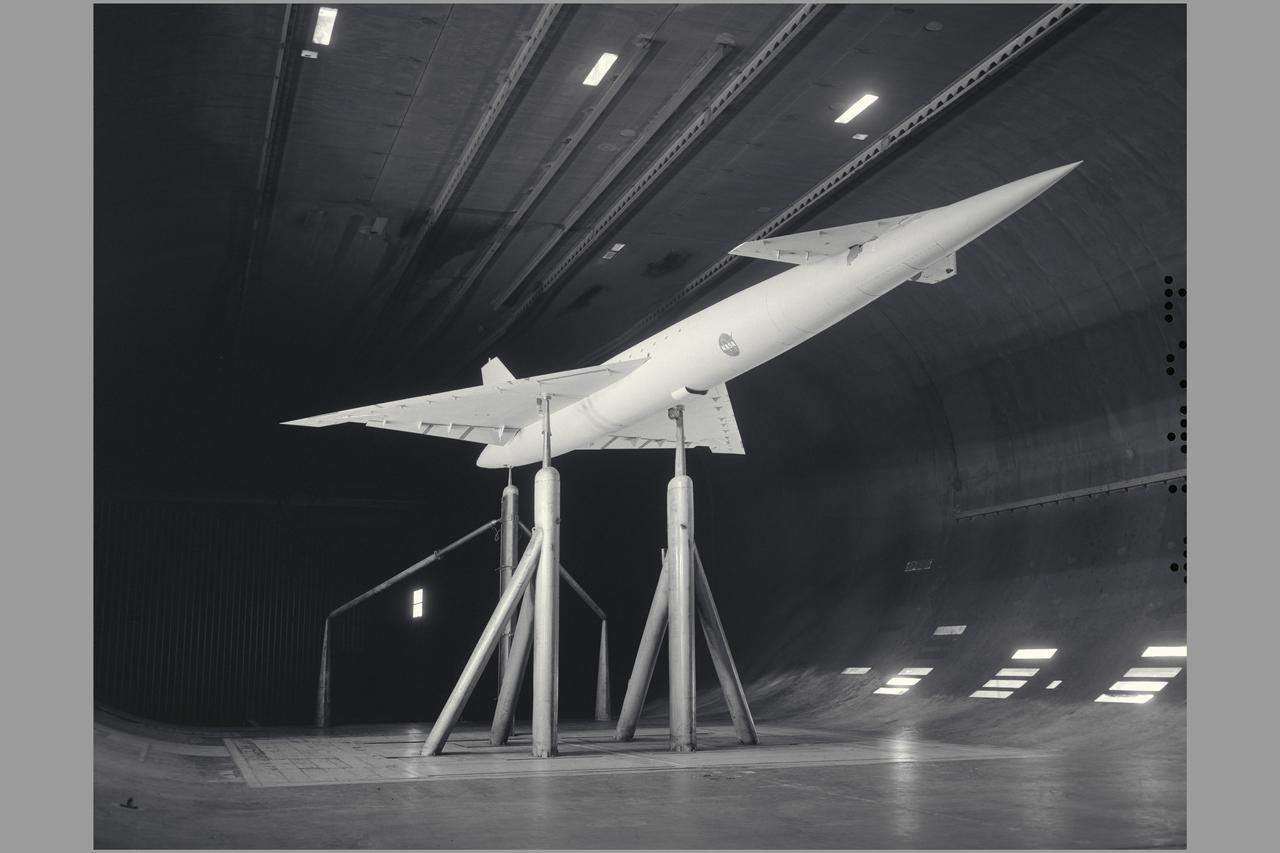
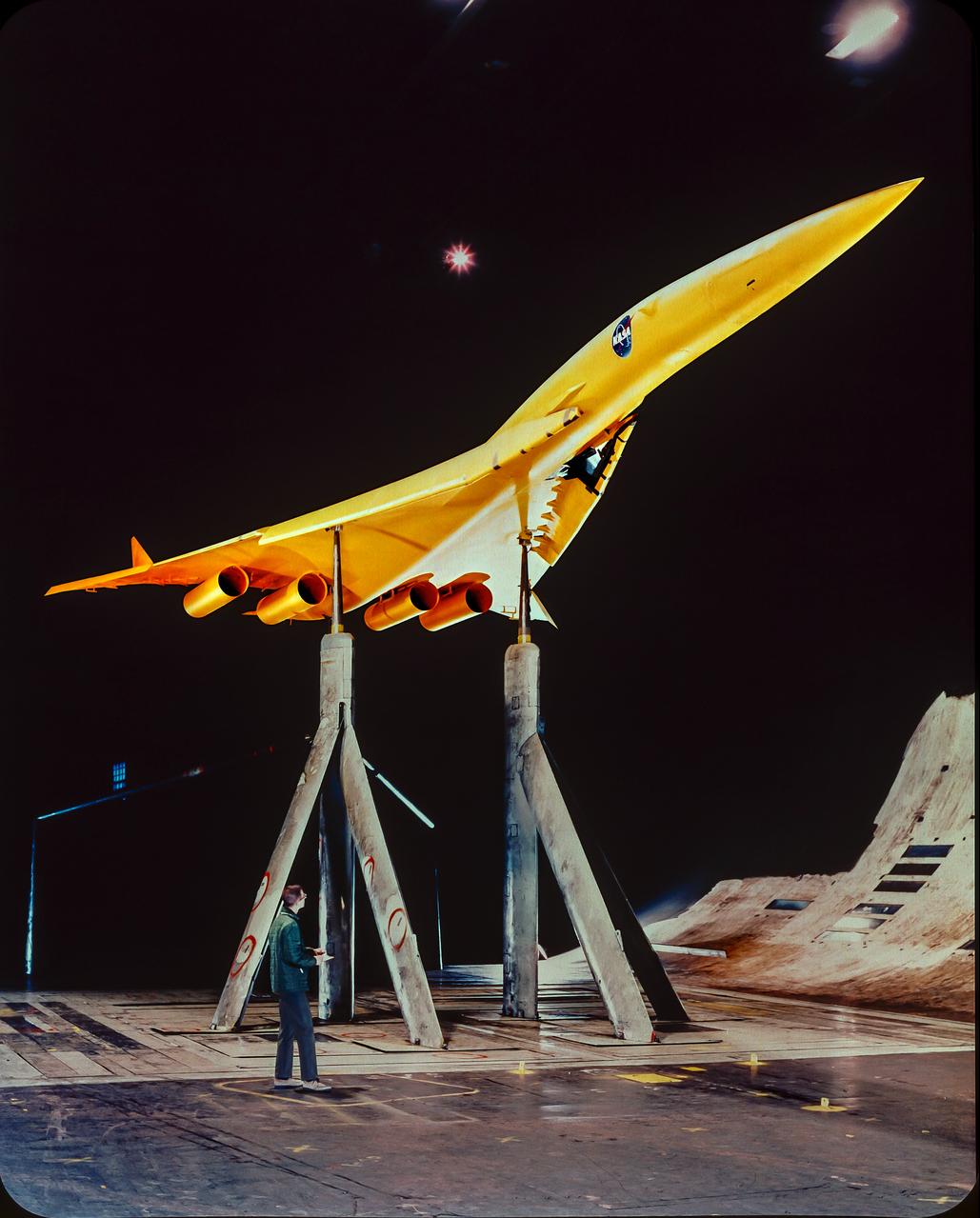
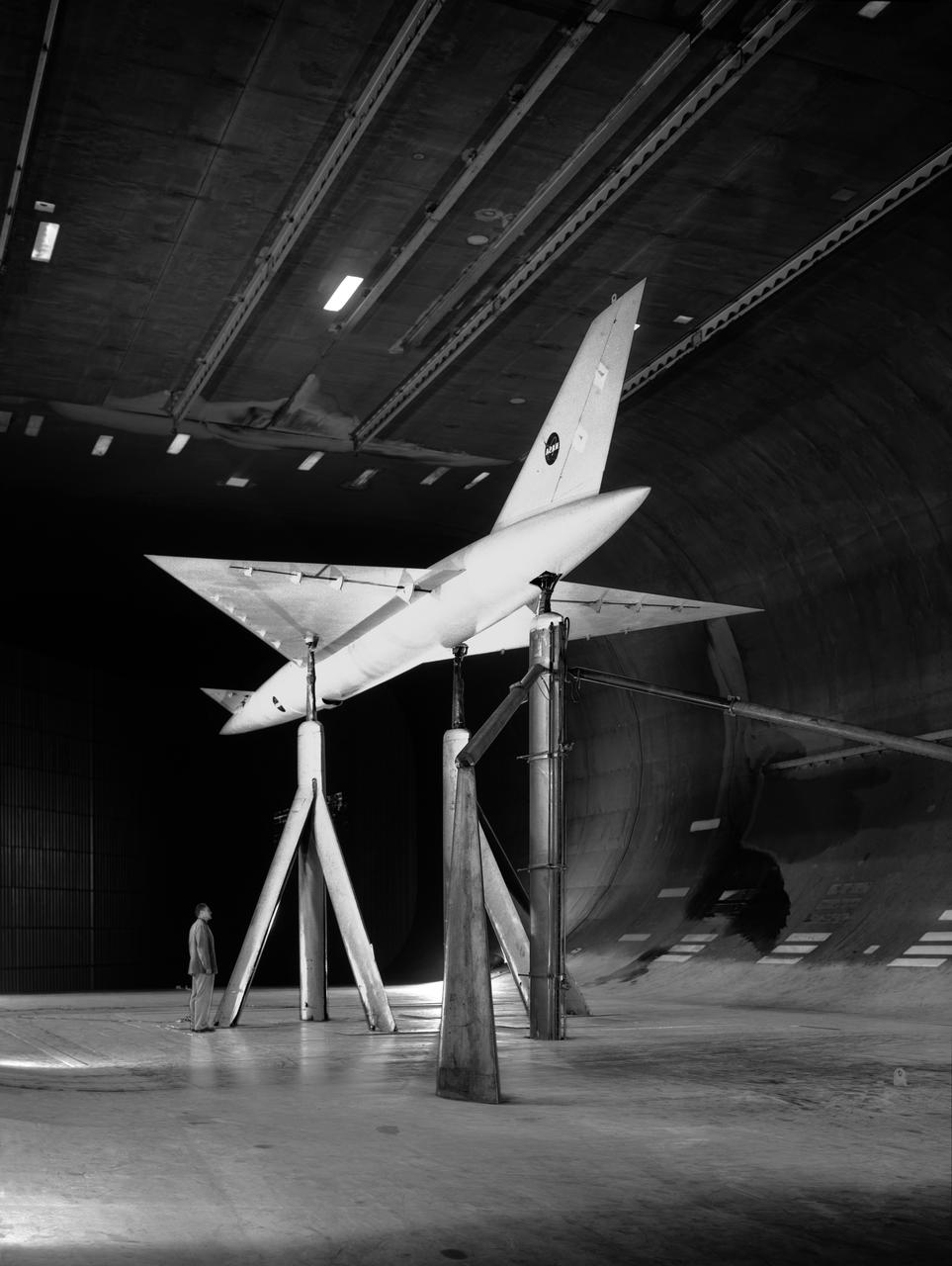
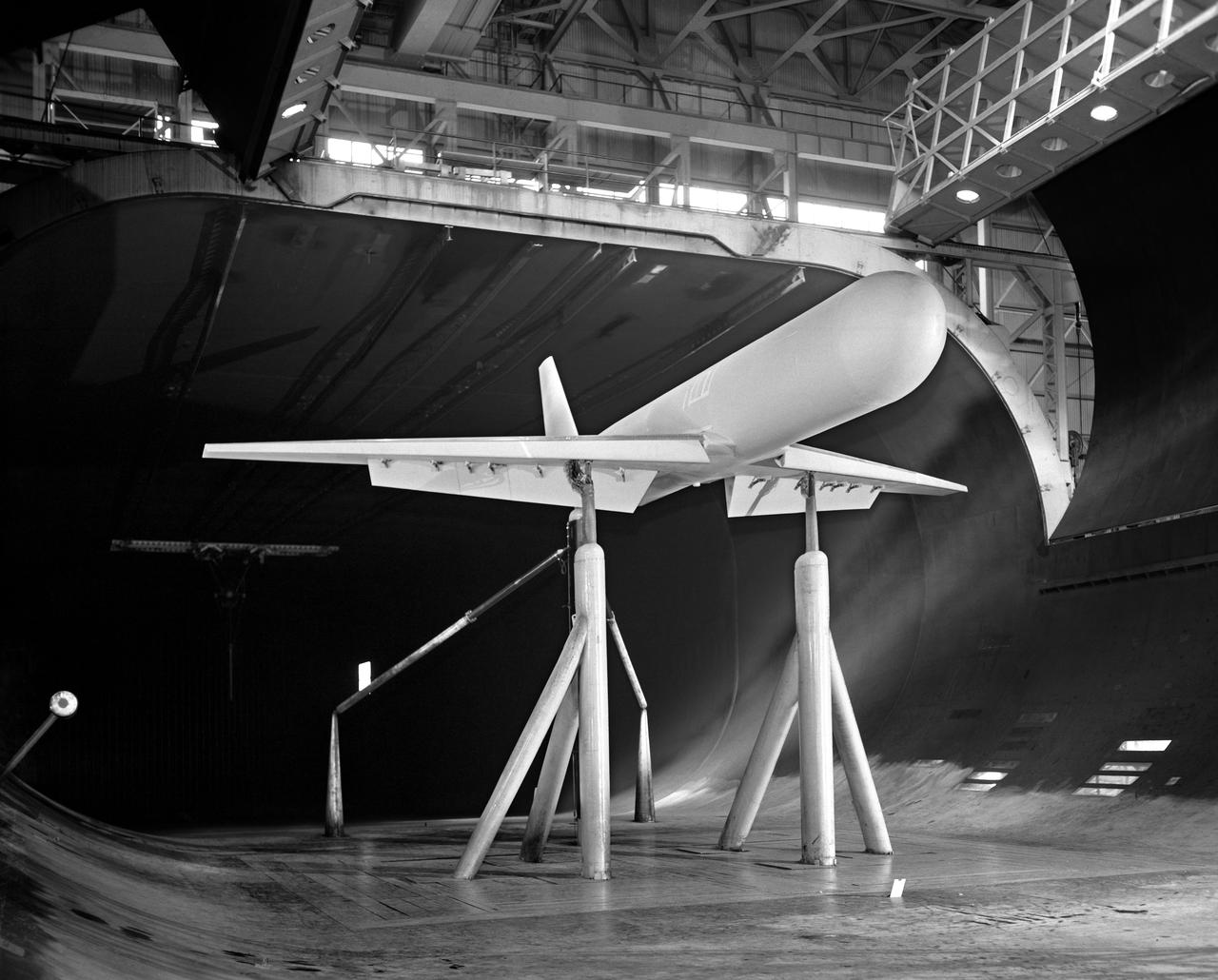
3/4 front view of Fixed Wing SST - Lockheed SST on Ground Plane with leading edge flaps deflected in Ames 40x80 foot Wind Tunnel.
Fixed Wing Supersonic Transport in Ames 40x80 Foot Wind Tunnel.
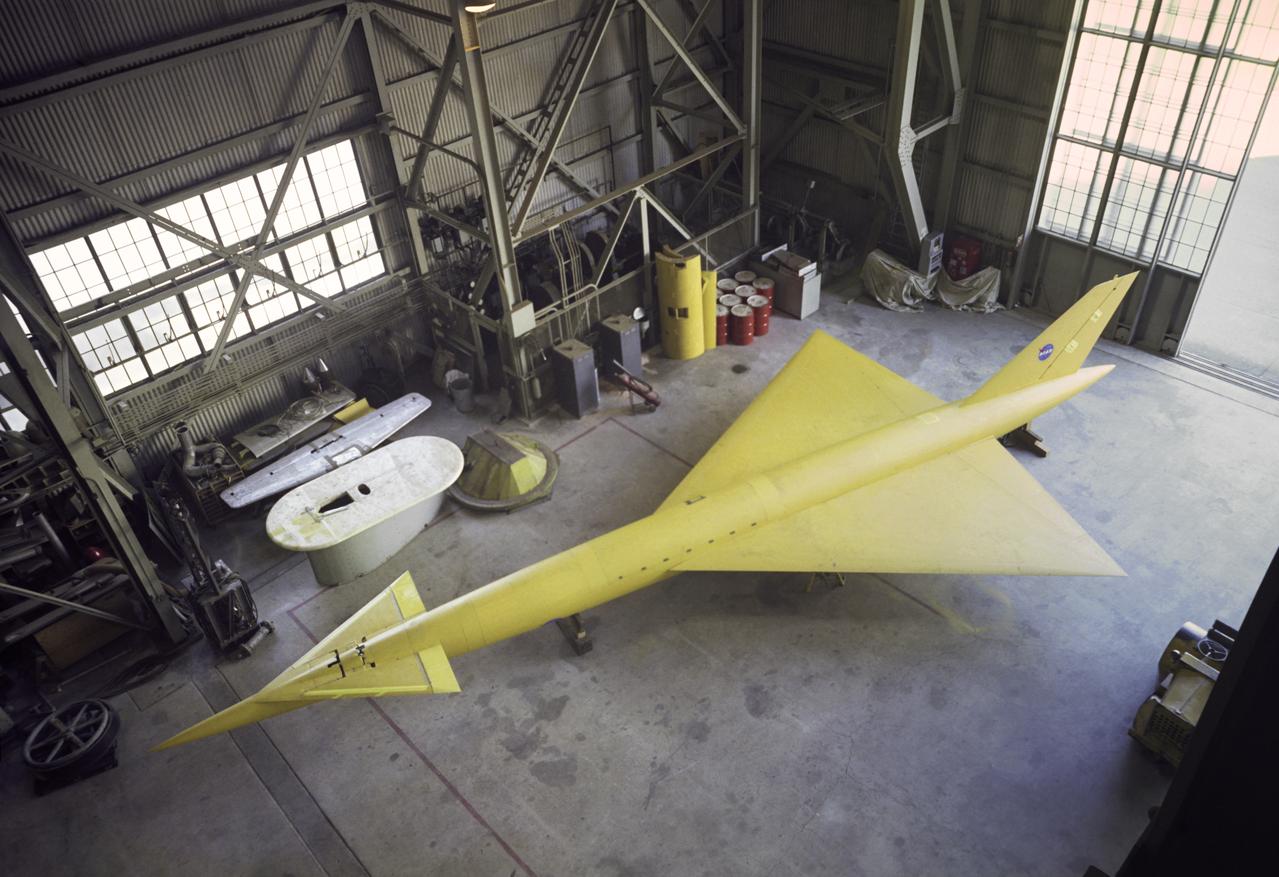
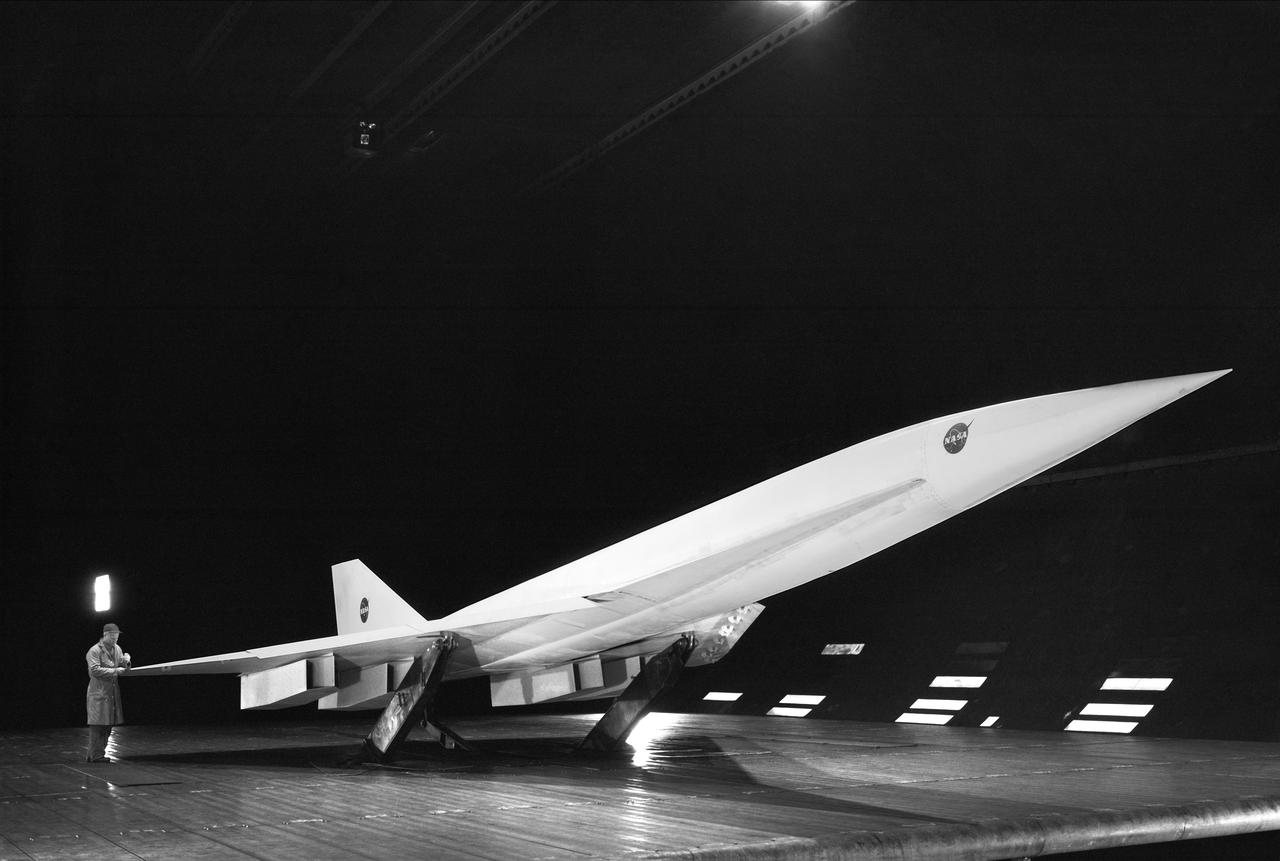
Overhead view of Boeing Super Sonic Transport , wings un-swept.
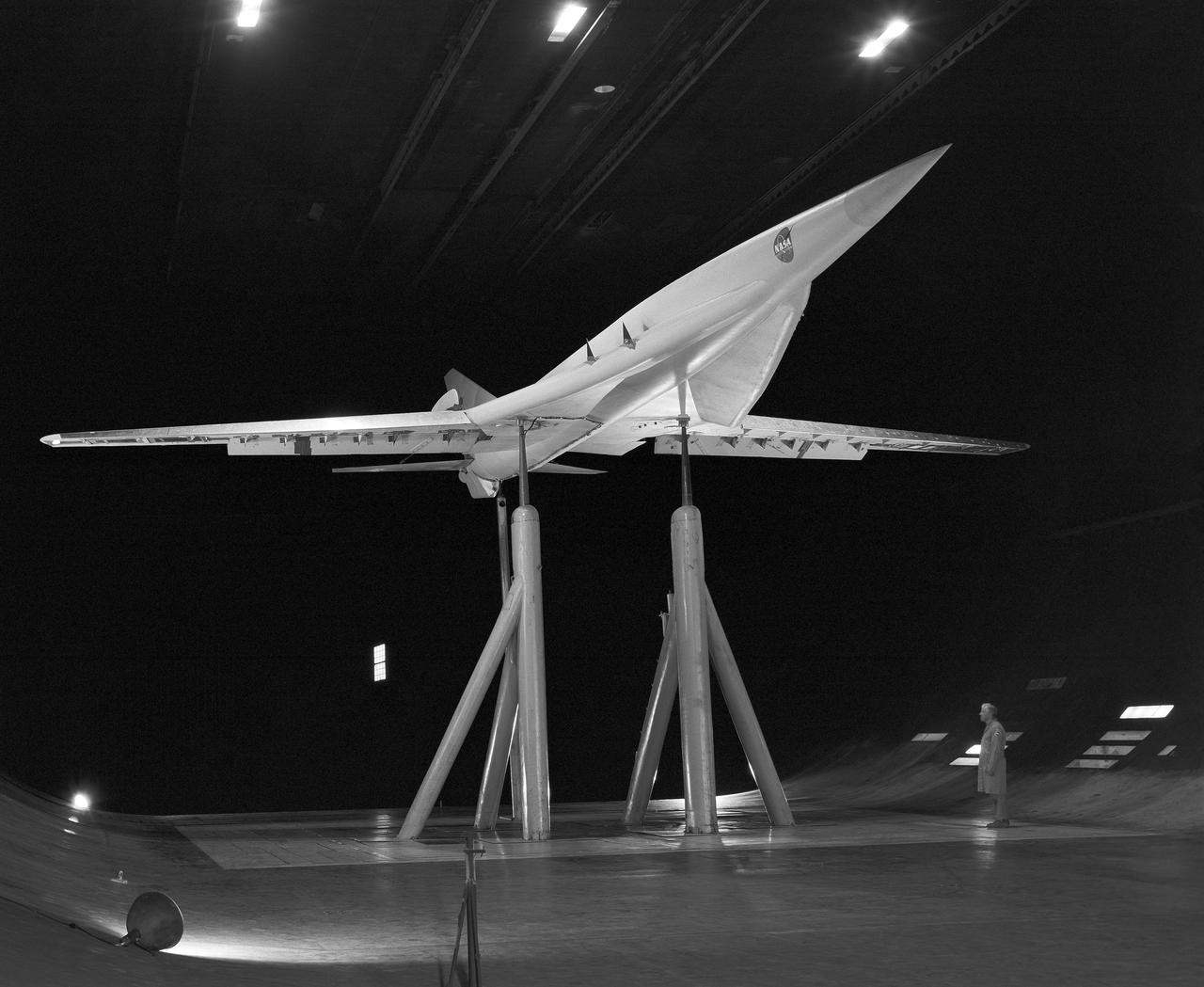
Boeing SST Model Mounted in Ames 40x80 Foot Wind Tunnel.
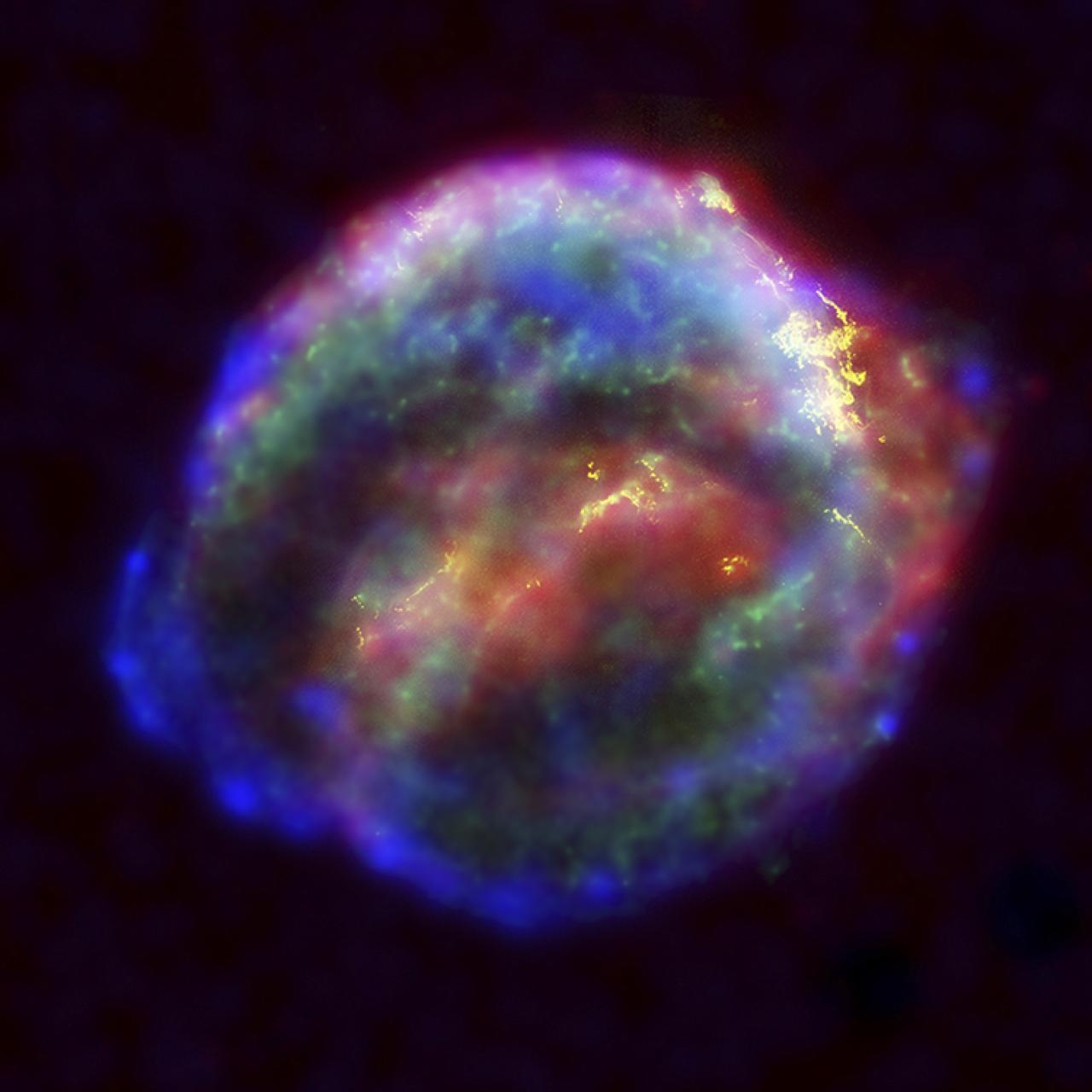
Four hundred years ago, sky watchers, including the famous astronomer Johannes Kepler, best known as the discoverer of the laws of planetary motion, were startled by the sudden appearance of a new star in the western sky, rivaling the brilliance of the nearby planets. Modern astronomers, using NASA's three orbiting Great Observatories, are unraveling the mysteries of the expanding remains of Kepler's supernova, the last such object seen to explode in our Milky Way galaxy. When a new star appeared Oct. 9, 1604, observers could use only their eyes to study it. The telescope would not be invented for another four years. A team of modern astronomers has the combined abilities of NASA's Great Observatories, the Spritzer Space Telescope (SST), Hubble Space Telescope (HST), and Chandra X-Ray Observatory (CXO), to analyze the remains in infrared radiation, visible light, and X-rays. Visible-light images from Hubble's Advanced Camera for Surveys reveal where the supernova shock wave is slamming into the densest regions of surrounding gas. The astronomers used the SST to probe for material that radiates in infrared light, which shows heated microscopic dust particles that have been swept up by the supernova shock wave. The CXO data show regions of very hot gas. The combined image unveils a bubble-shaped shroud of gas and dust, 14 light-years wide and expanding at 4 million mph. There have been six known supernovas in our Milky Way over the past 1,000 years. Kepler's is the only one in which astronomers do not know what type of star exploded.  By combining information from all three Great Observatories, astronomers may find the clues they need. Project management for both the HST and CXO programs is the responsibility of NASA’s Marshall Space Flight Center in Huntsville, Alabama.
Space Science
Supersonic Transport Model (SST) in 40x80ft w.t.
ARC-1962-A-28474
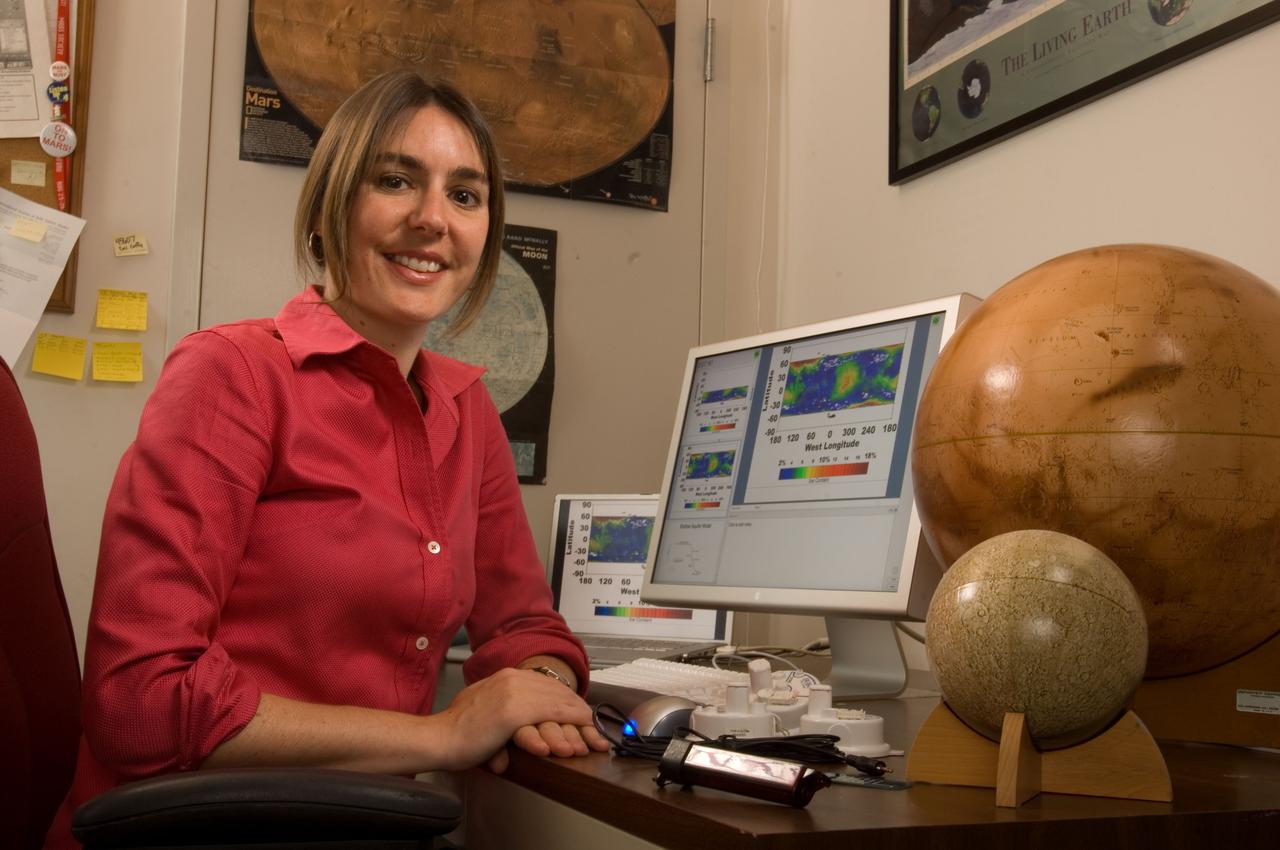
Office Portrait: Jennifer Heldmann, Ames Planetary Systems Branch (code-SST)
ARC-2007-ACD07-0183-002
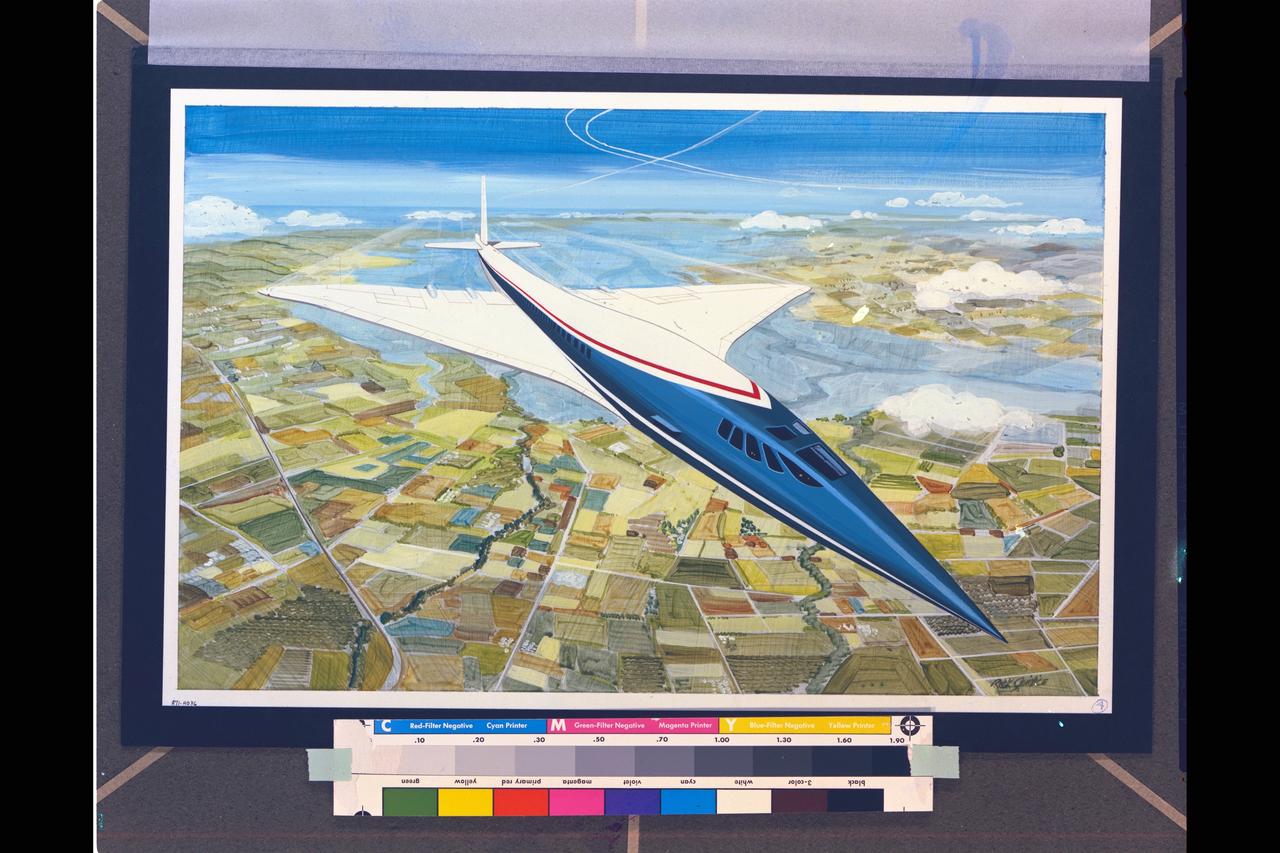
NASA ART by Rick Guidice Supersonic (SST) aircraft technology concept in flight artwork  (OART)
ARC-1971-AC71-4036
LCROSS (Lunar Crater Observation Sensing Satellite) Near InfraRed Spectrometer shake test in Ames N-244 high bay EEL Lab - with Anthony Colaprete, Ames code SST
ARC-2006-ACD06-0155-022
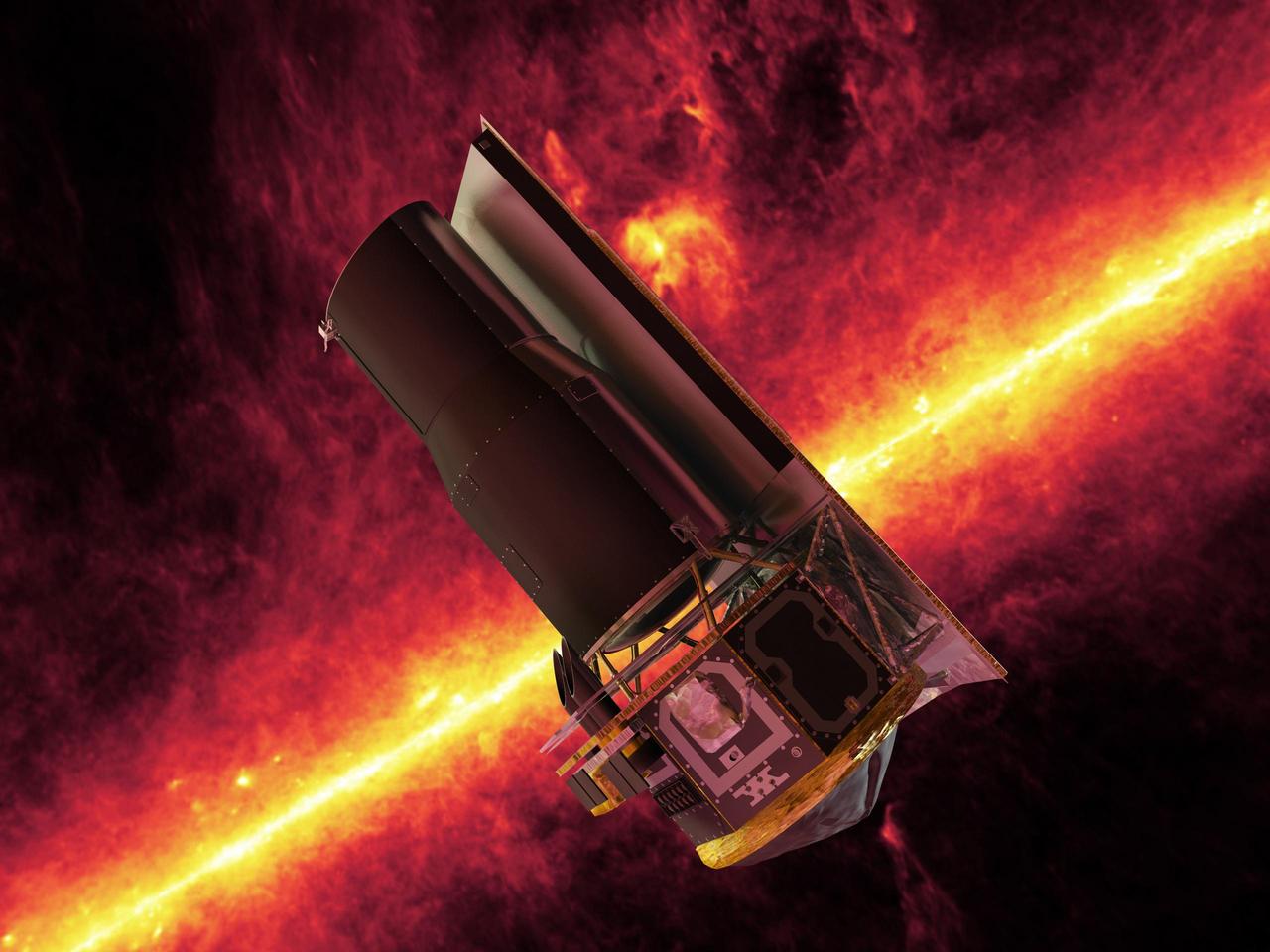
NASA Spitzer Space Telescope whizzes in front of a brilliant, infrared view of the Milky Way galaxy plane in this artistic depiction.
SST and the Milky Way, an Artist Concept
Supersonic transport model test in 40x80 foot wind tunnel, 3/4 overhead view of model in shop floor.  04/06/1961 R 975 T
Supersonic Transport Model in the shop of the Ames 40x80 Foot Wind Tunnel.
Low Speed investigation of a supersonic transport model with delta wing and delta conard, in the 40x80 Wind Tunnel. R 975 T  Zero angel of attack.  3/4 rear view from below.
Low Speed Investigation of a Supersonic Transport Model in the 40x80 Foot Wind Tunnel.
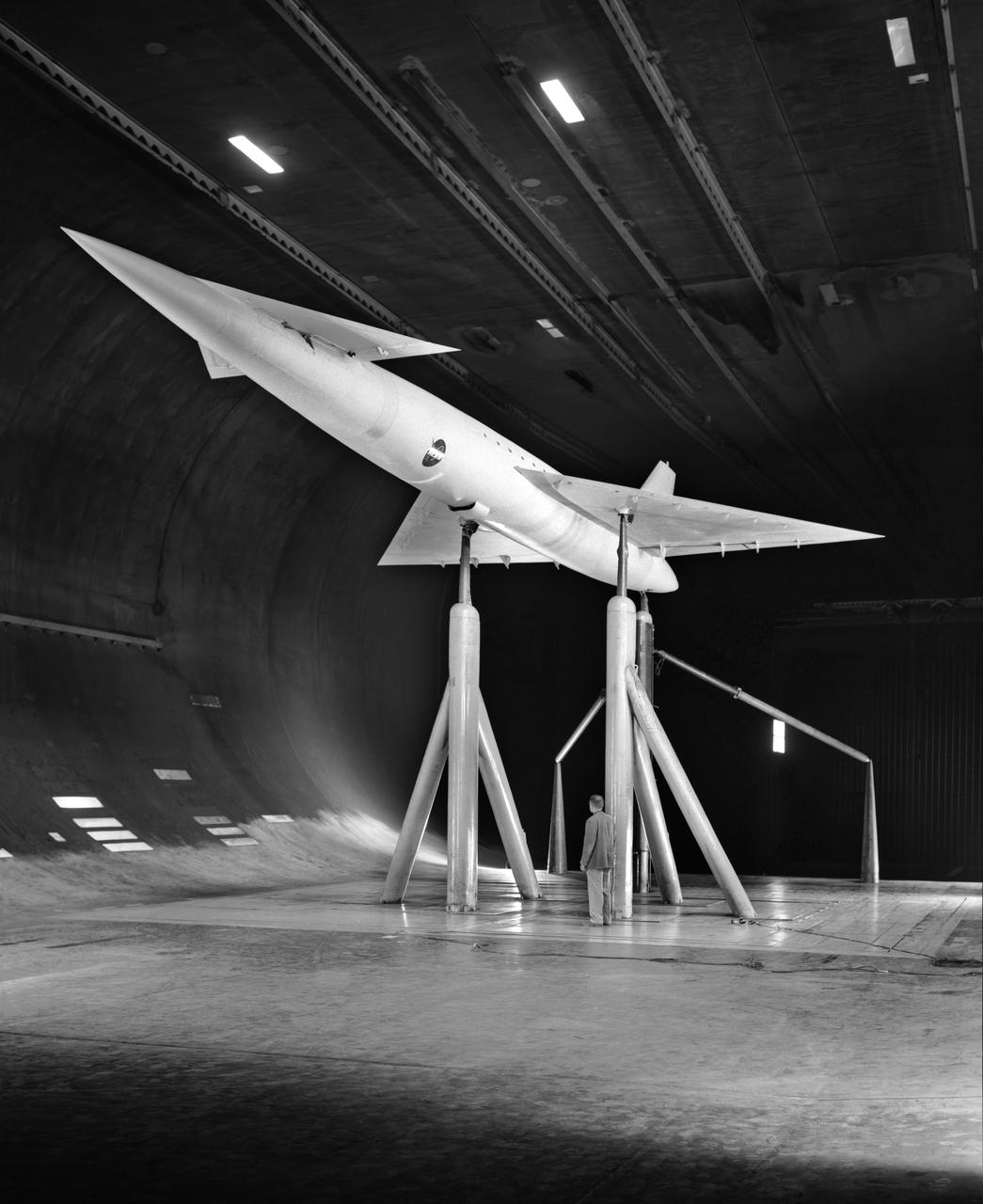
SCAT-15F supersonic transport model, lower 3/4 front view.
Supersonic Transport Model mounted in the Ames 40x80 Foot Wind Tunnel.
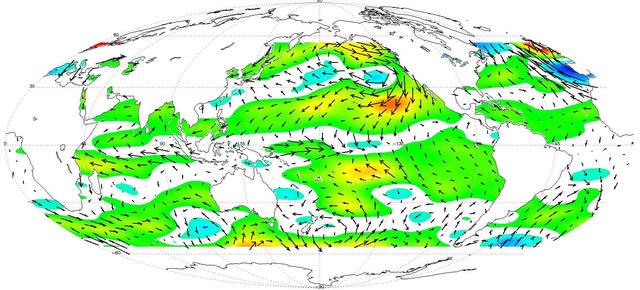
While El Niño events have a significant impact on the entire Earth System, they are most easily visible in measurements of sea surface temperature (SST), sea surface height (SSH) and ocean winds near the surface. In fact, the precursor and the main driver of El Niño events is manifested in the weakening of the normally westward blowing trade winds, or even their complete reversal to blow from west to east, in the Western and Central tropical Pacific.  http://photojournal.jpl.nasa.gov/catalog/PIA20365
NASA RapidScat Observes El Nino Blowing in the Winds
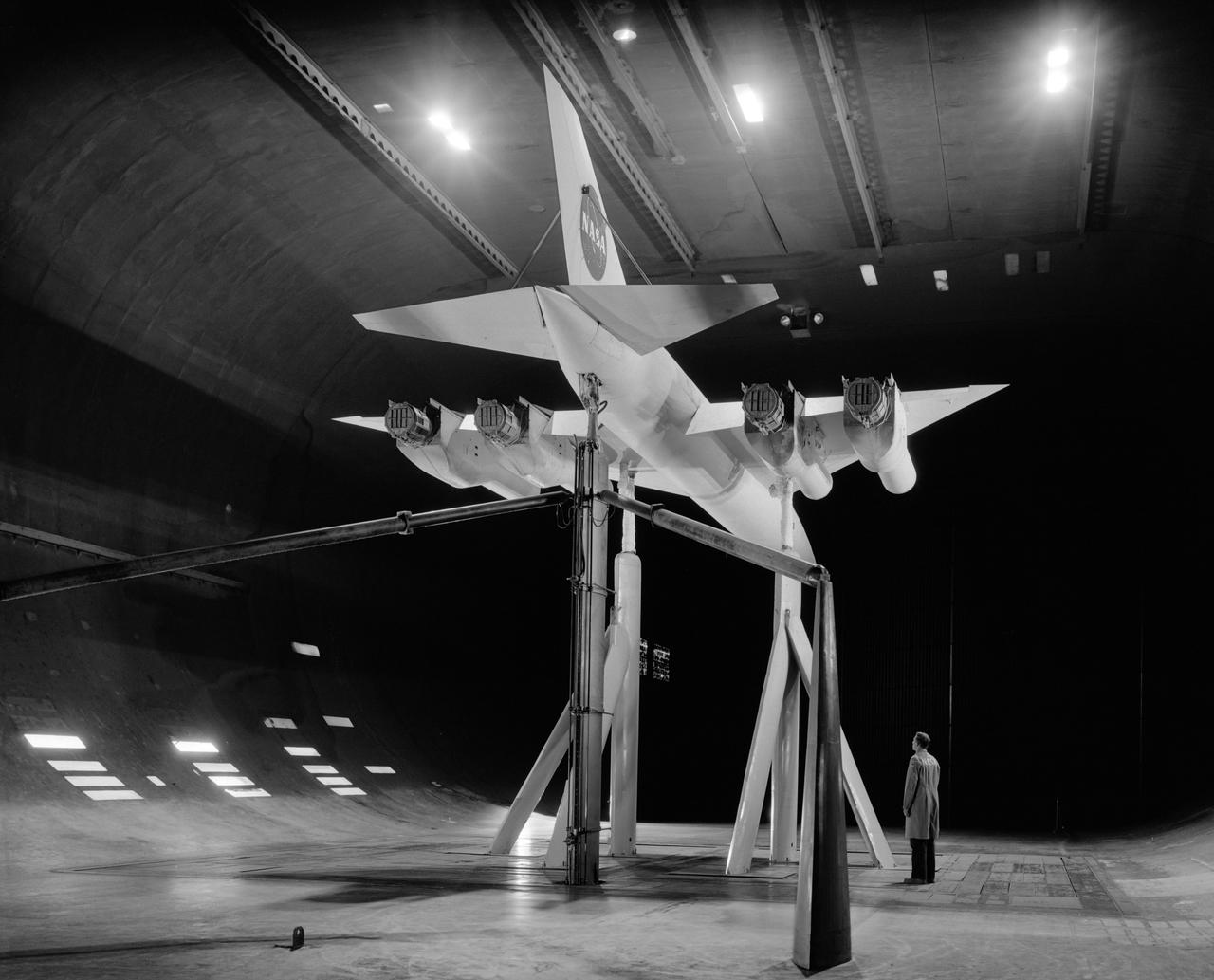
3/4 rear view of SCAT-17 supersonic transport with thrust reverser installed and trailing edge flaps deflected at 30 deg.
SCAT-17 Supersonic Transport in the 40x80 foot wind tunnel at NASA Ames.
3/4 front view of model without nacelles on regular struts. Generalized Subsonic Jet Transport model with leading edge and trailing edge blowing BLC in the 40x80 foot wind tunnel at NASA Ames.
Generalized Subsonic Jet Transport in 40x80 Foot Wind Tunnel at NASA Ames.
Low Speed investigation of a supersonic transport model in the 40x80 Wind Tunnel.  03/01/1961  R 975 T  Zero angel of attack. Supersonic transport with delta wing and delta conard. 3/4 front view.
Low Speed Investigation of a Supersonic Transport Model in the 40x80 Wind Tunnel at NASA Ames.
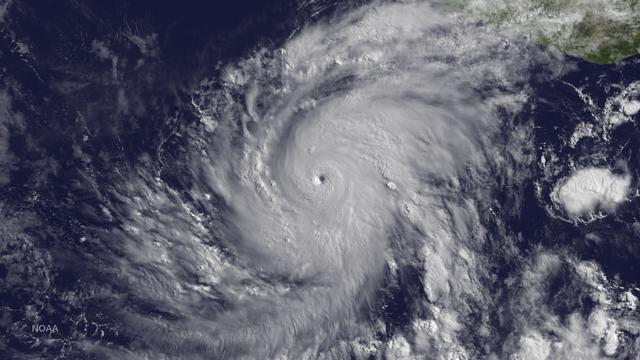
Blanca has rapidly intensified with an increase in wind speed of 60 knots since 1200Z on June 2. The hurricane has developed a distinct pinhole eye in visible images surrounded by very deep convection. There is an opportunity for Blanca to intensify further since the hurricane is located within an ideal environment of low shear and high ocean heat content. Beyond 48 hours, the hurricane will encounter lower SSTs and a gradual weakening should begin. During the next 24 hours, the hurricane should begin a northwestward track with some increase in forward speed becoming a potential threat to Baja California in a few days. This image was taken by GOES East at 1445Z on June 3, 2015.  Credit: <a href="http://svs.gsfc.nasa.gov/index.html" rel="nofollow">NASA/Goddard Space Flight Center Scientific Visualization Studio</a>  <b><a href="http://www.nasa.gov/audience/formedia/features/MP_Photo_Guidelines.html" rel="nofollow">NASA image use policy.</a></b>  <b><a href="http://www.nasa.gov/centers/goddard/home/index.html" rel="nofollow">NASA Goddard Space Flight Center</a></b> enables NASA’s mission through four scientific endeavors: Earth Science, Heliophysics, Solar System Exploration, and Astrophysics. Goddard plays a leading role in NASA’s accomplishments by contributing compelling scientific knowledge to advance the Agency’s mission.  <b>Follow us on <a href="http://twitter.com/NASAGoddardPix" rel="nofollow">Twitter</a></b>  <b>Like us on <a href="http://www.facebook.com/pages/Greenbelt-MD/NASA-Goddard/395013845897?ref=tsd" rel="nofollow">Facebook</a></b>  <b>Find us on <a href="http://instagrid.me/nasagoddard/?vm=grid" rel="nofollow">Instagram</a></b>
Hurricane Blanca Strengthens
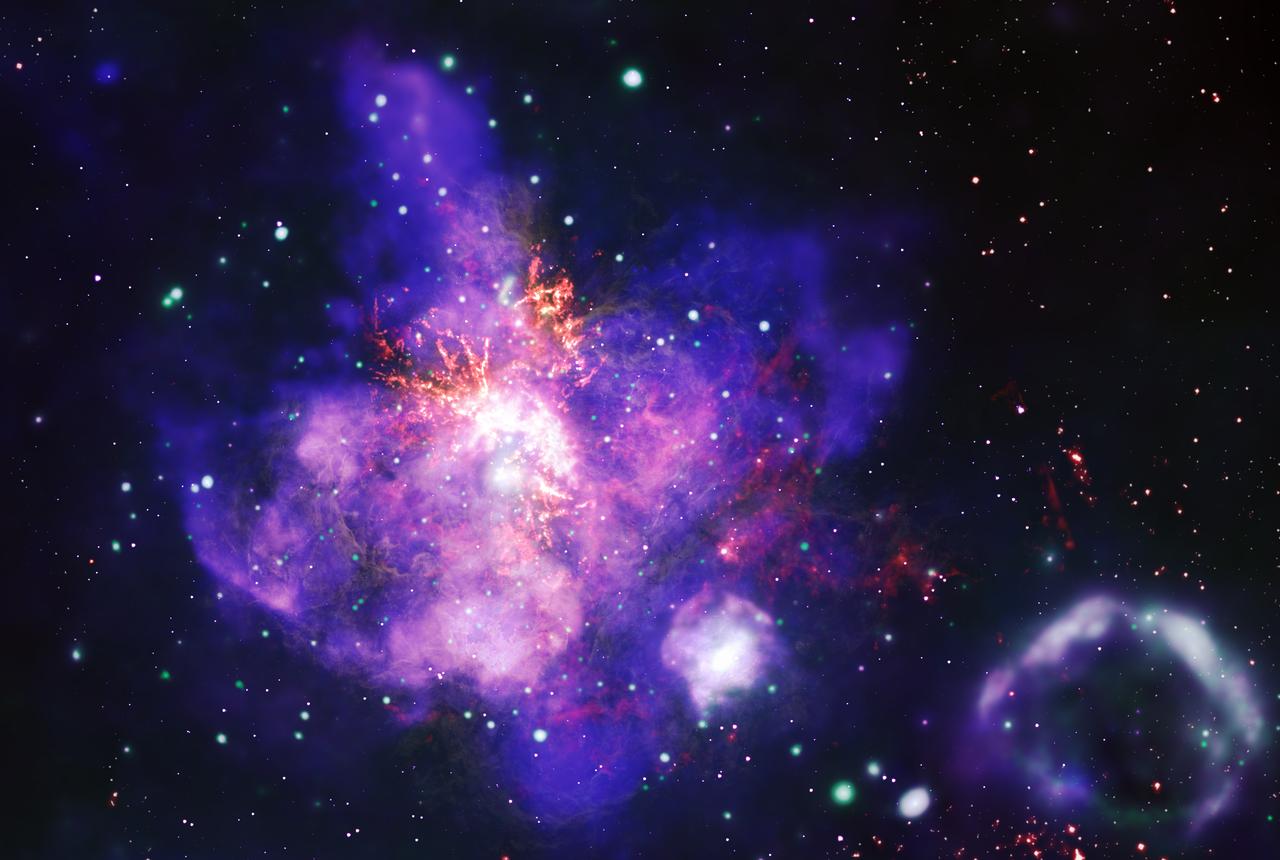
This composite image contains the deepest X-ray image ever made of the spectacular star forming region called 30 Doradus. By combining X-ray data from NASA’s Chandra X-ray Observatory (blue and green) with optical data from NASA’s Hubble Space Telescope (yellow) and radio data from the Atacama Large Millimeter/submillimeter Array (orange), this stellar arrangement comes alive.
NASA Telescopes Deliver Stellar Bouquet in Time for Valentine's Day