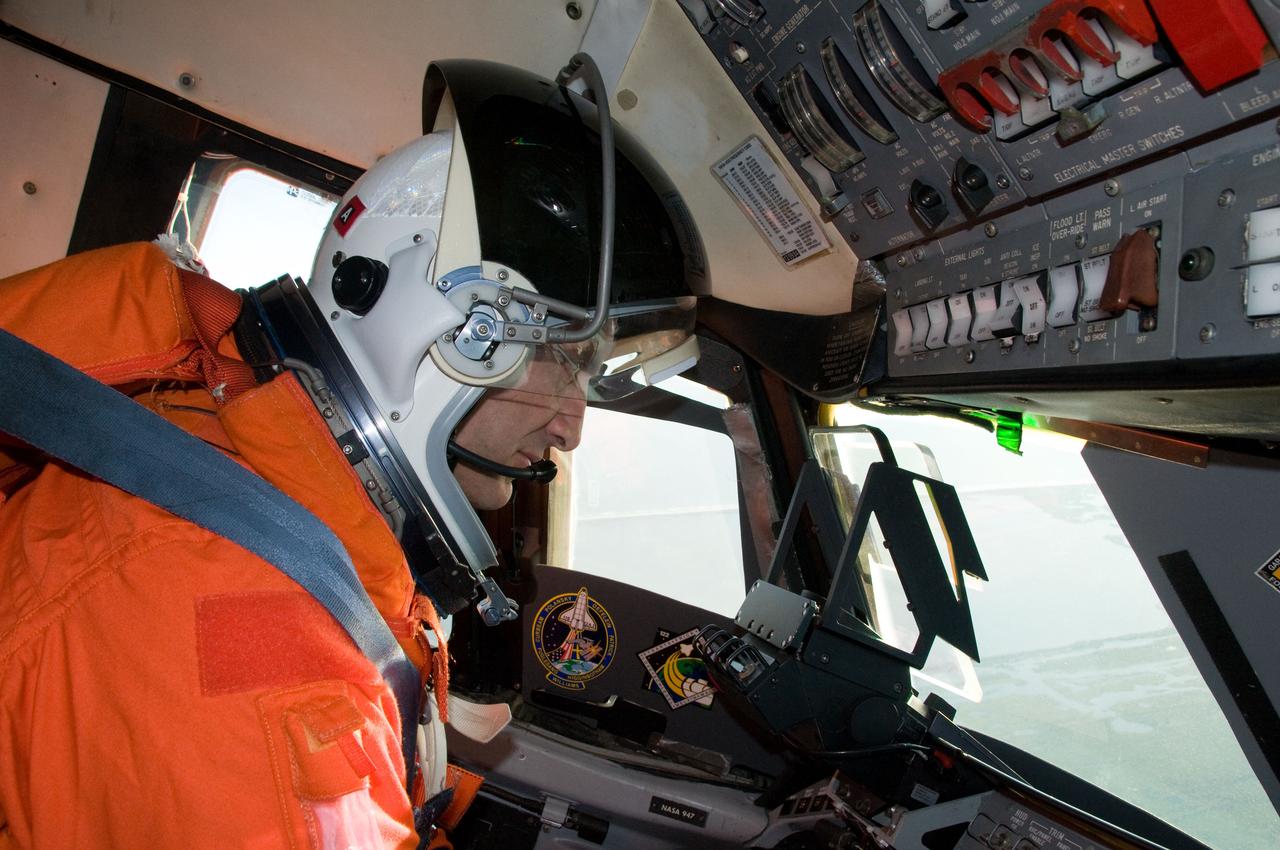
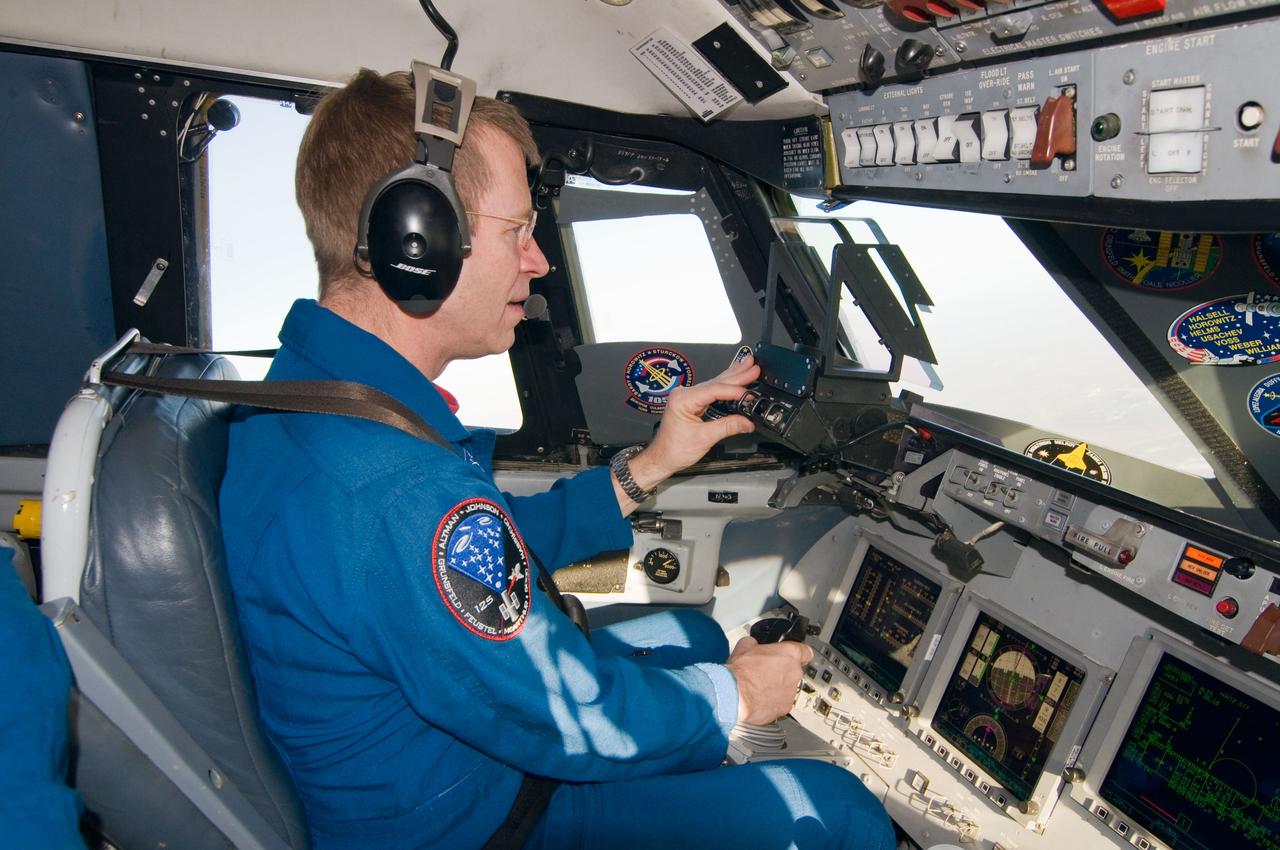
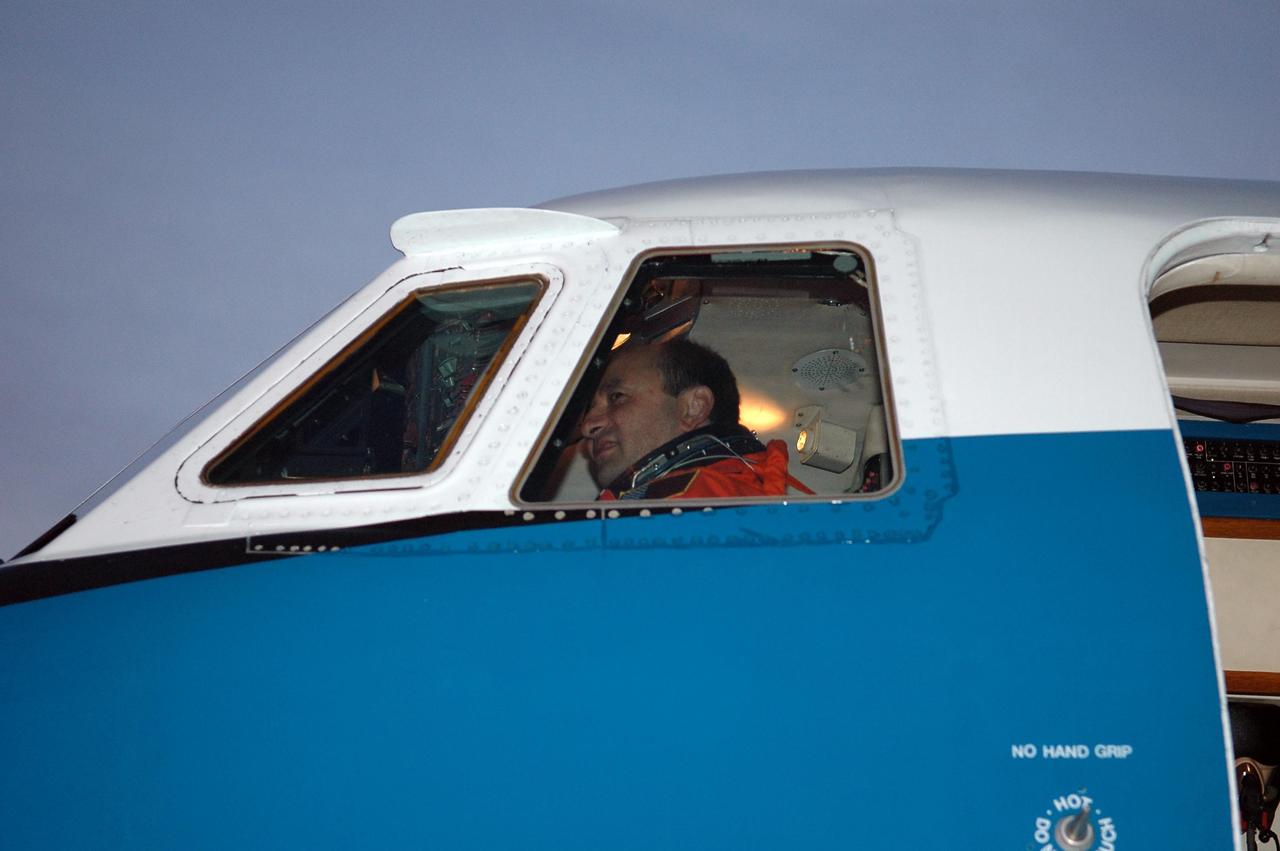
Photo Date: 11-13-09 Location: Shuttle Training Aircraft Subject: STS129 Crew Training - commander Charles Hobaugh during STA Training Photographer: Dick Clark
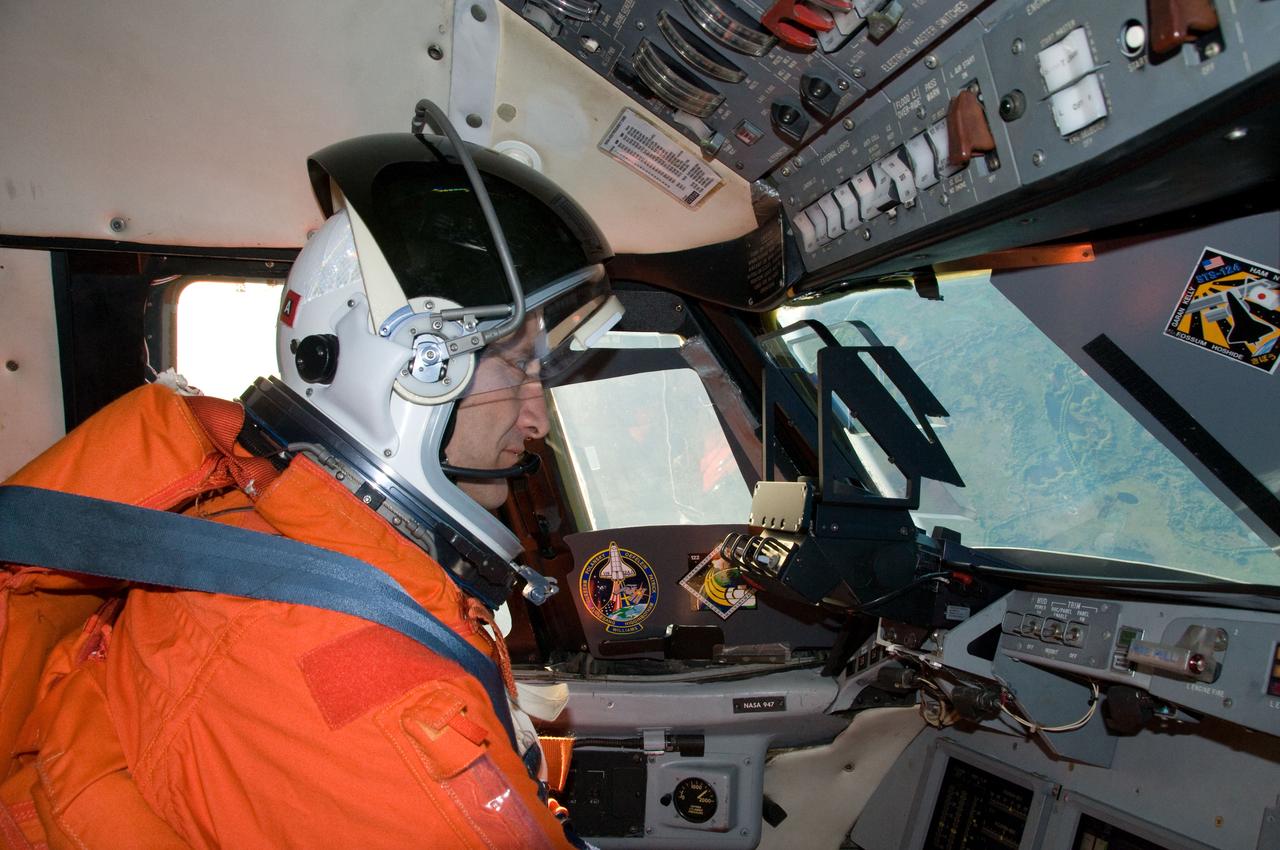
Photo Date: 11-13-09 Location: Shuttle Training Aircraft Subject: STS129 Crew Training - commander Charles Hobaugh during STA Training Photographer: Dick Clark
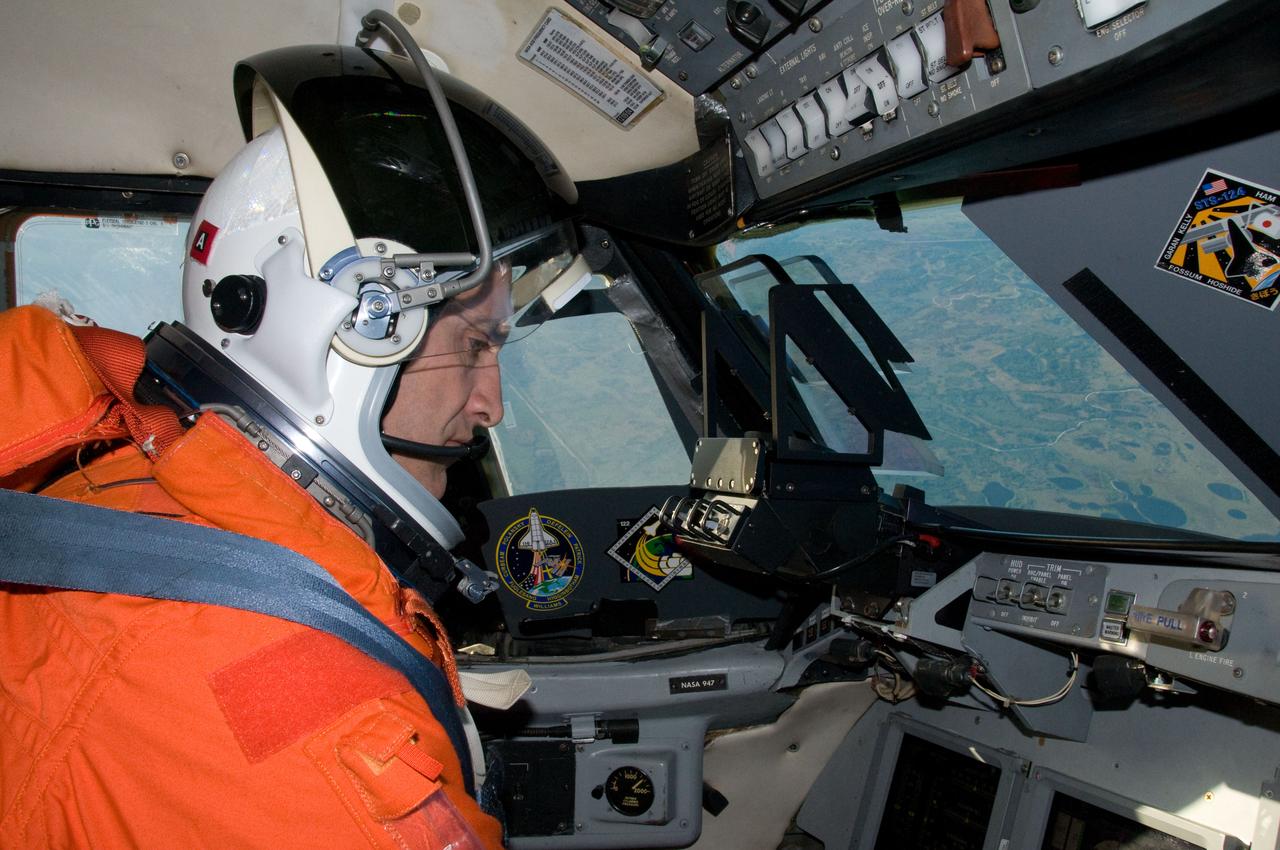
Photo Date: 11-13-09 Location: Shuttle Training Aircraft Subject: STS129 Crew Training - commander Charles Hobaugh during STA Training Photographer: Dick Clark
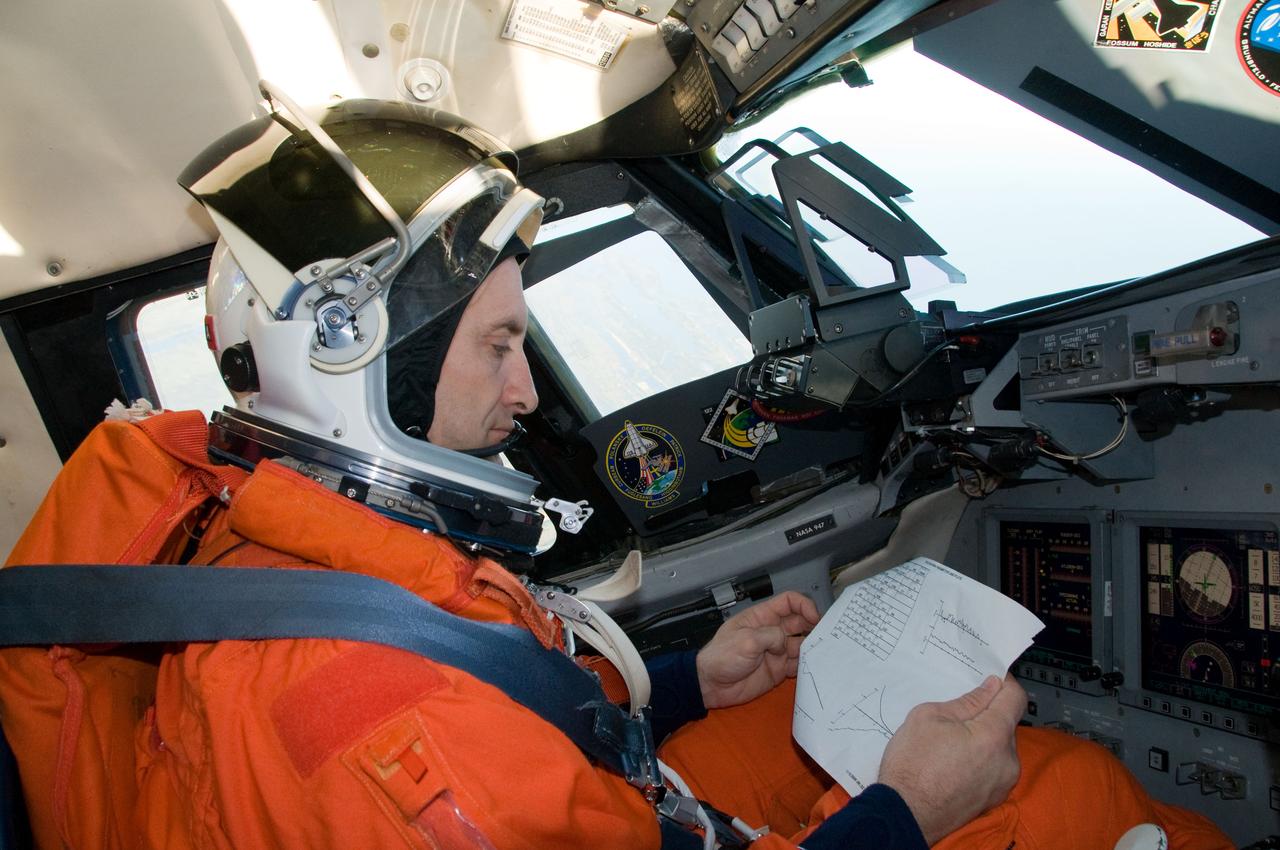
Photo Date: 11-13-09 Location: Shuttle Training Aircraft Subject: STS129 Crew Training - commander Charles Hobaugh during STA Training Photographer: Dick Clark

Photo Date: 11-13-09 Location: Shuttle Training Aircraft Subject: STS129 Crew Training - commander Charles Hobaugh during STA Training Photographer: Dick Clark
KENNEDY SPACE CENTER, FLA. - STS-118 Commander Scott Kelly is satisfied with his training session in the shuttle training aircraft, or STA, at the Shuttle Landing Facility, Kennedy Space Center's airstrip. He and STS-118 Pilot Charlie Hobaugh were at the facility to practice landings for their upcoming mission. The STA is a Grumman American Aviation-built Gulf Stream II jet that was modified to simulate an orbiter's cockpit, motion and visual cues, and handling qualities. In flight, the STA duplicates the orbiter's atmospheric descent trajectory from approximately 35,000 feet altitude to landing on a runway. Endeavour's STS-118 mission is the 22nd shuttle flight to the International Space Station. It will continue space station construction by delivering a third starboard truss segment, S5. Other payloads include the SPACEHAB module, making its last voyage, and the external stowage platform 3 with a control moment gyroscope on it. The flight will include at least three spacewalks. The crew will also debut a new system that enables docked shuttles to draw electrical power from the station to extend visits to the outpost. Launch is set for Aug. 8 at 6:36 p.m. EDT. NASA/Kim Shiflett
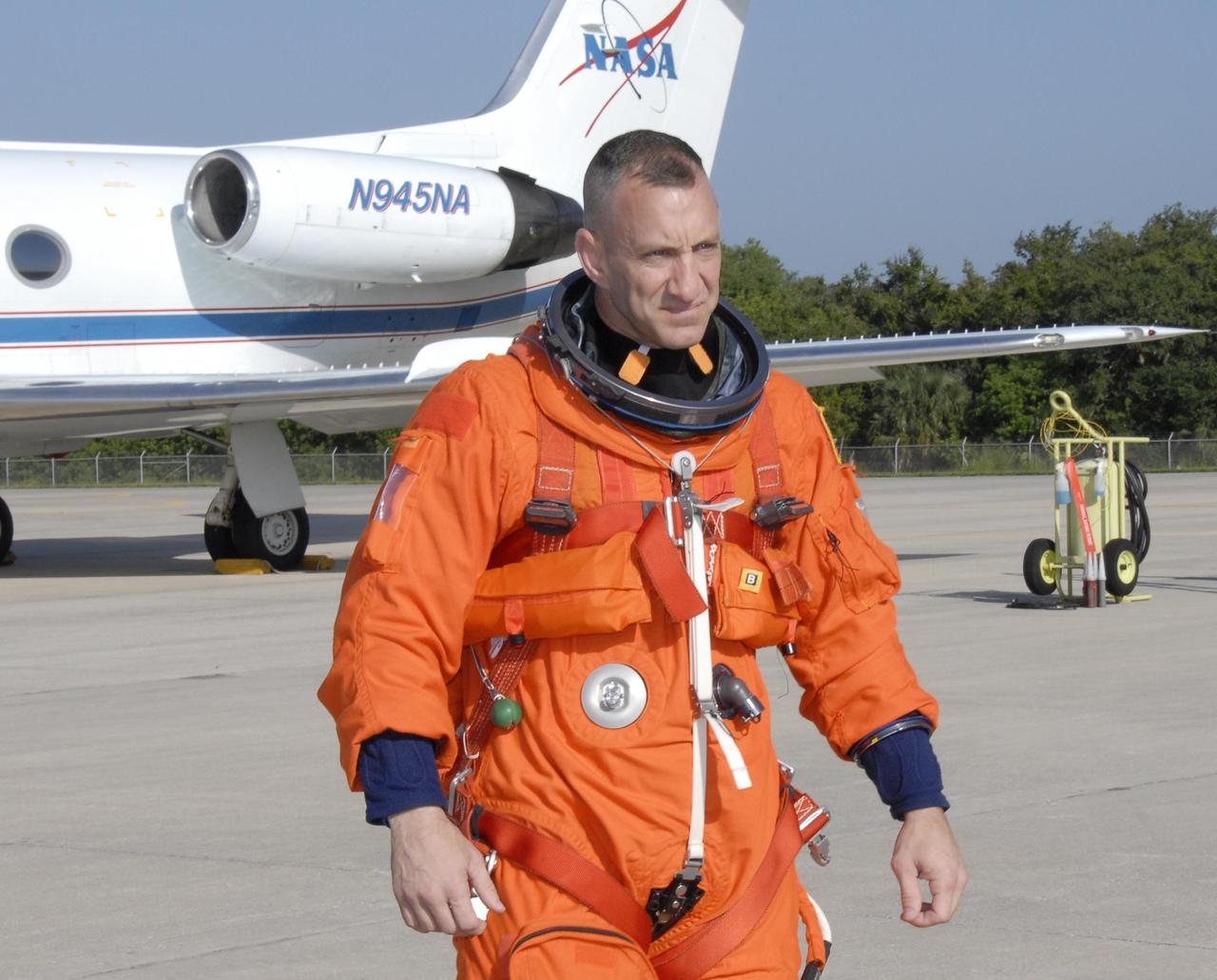
KENNEDY SPACE CENTER, FLA. - STS-118 Pilot Charlie Hobaugh is satisfied with his training session in the shuttle training aircraft, or STA, at the Shuttle Landing Facility, Kennedy Space Center's airstrip. He and STS-118 Commander Scott Kelly were at the facility to practice landings for their upcoming mission. The STA is a Grumman American Aviation-built Gulf Stream II jet that was modified to simulate an orbiter's cockpit, motion and visual cues, and handling qualities. In flight, the STA duplicates the orbiter's atmospheric descent trajectory from approximately 35,000 feet altitude to landing on a runway. Endeavour's STS-118 mission is the 22nd shuttle flight to the International Space Station. It will continue space station construction by delivering a third starboard truss segment, S5. Other payloads include the SPACEHAB module, making its last voyage, and the external stowage platform 3 with a control moment gyroscope on it. The flight will include at least three spacewalks. The crew will also debut a new system that enables docked shuttles to draw electrical power from the station to extend visits to the outpost. Launch is set for Aug. 8 at 6:36 p.m. EDT. NASA/Kim Shiflett
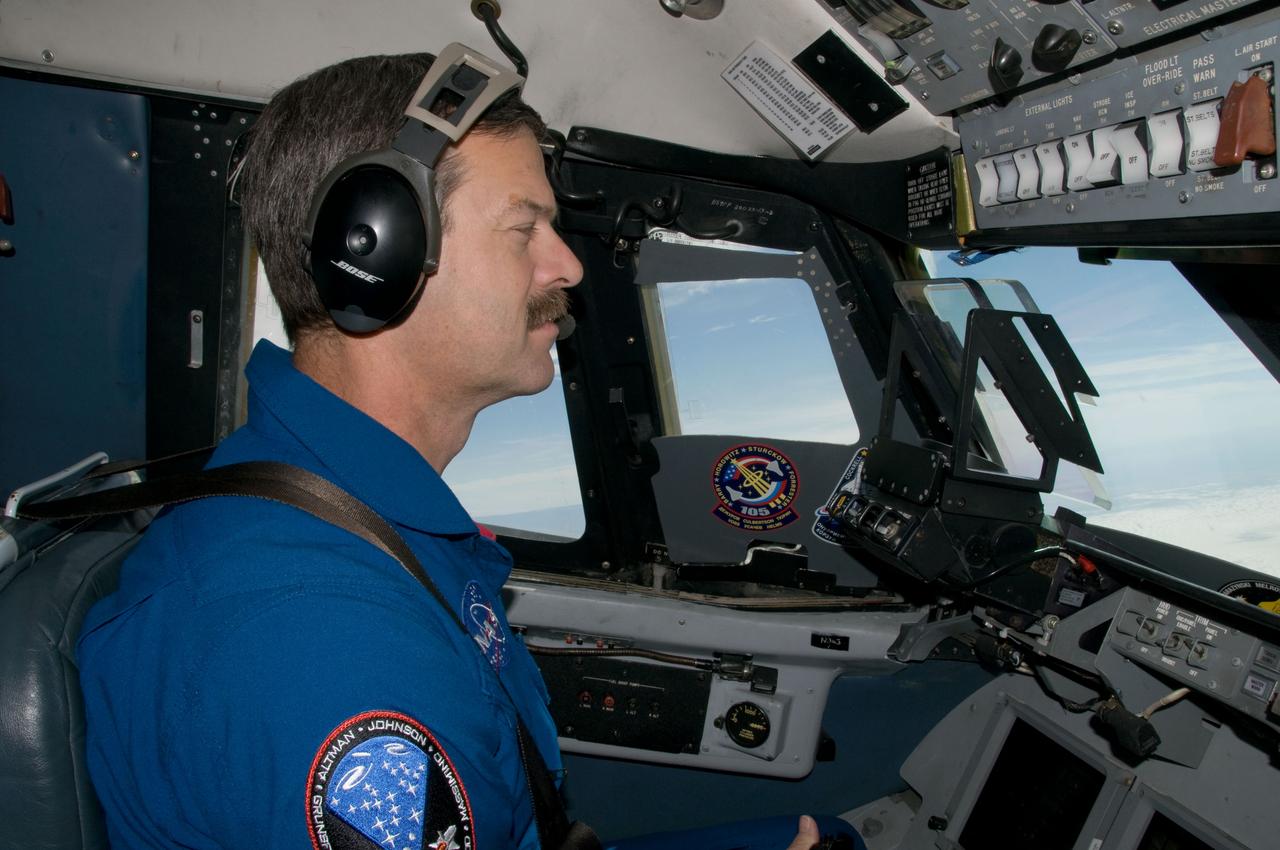
JSC2009-E-054052 (4 March 2009) --- Astronaut Scott Altman, STS-125 commander, flies a Shuttle Training Aircraft (STA) over White Sands Test Facility, New Mexico, during a training session. Photo Credit: Richard N. Clark, AOD division chief
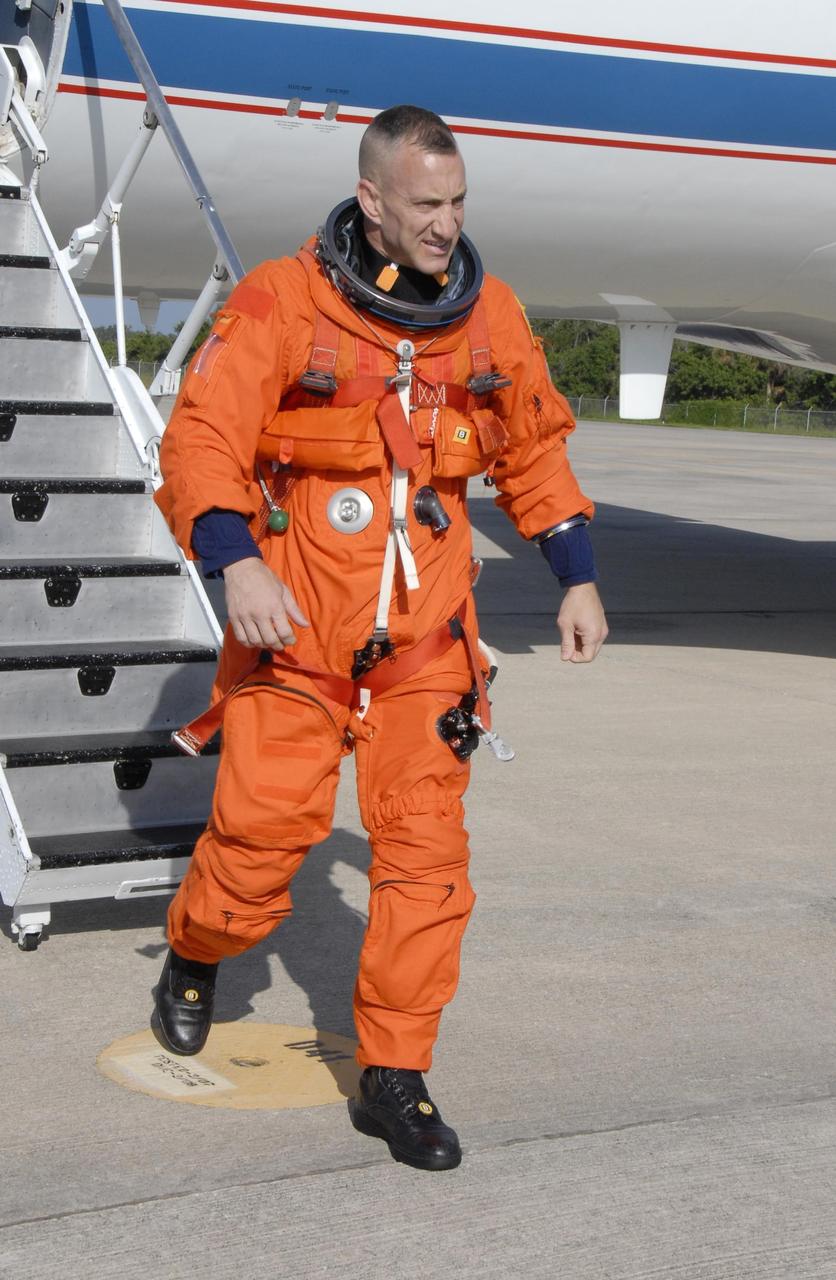
KENNEDY SPACE CENTER, FLA. - STS-118 Pilot Charlie Hobaugh disembarks from the shuttle training aircraft, or STA, at the Shuttle Landing Facility, Kennedy Space Center's airstrip. He and STS-118 Commander Scott Kelly were at the facility to practice landings for their upcoming mission. The STA is a Grumman American Aviation-built Gulf Stream II jet that was modified to simulate an orbiter's cockpit, motion and visual cues, and handling qualities. In flight, the STA duplicates the orbiter's atmospheric descent trajectory from approximately 35,000 feet altitude to landing on a runway. Endeavour's STS-118 mission is the 22nd shuttle flight to the International Space Station. It will continue space station construction by delivering a third starboard truss segment, S5. Other payloads include the SPACEHAB module, making its last voyage, and the external stowage platform 3 with a control moment gyroscope on it. The flight will include at least three spacewalks. The crew will also debut a new system that enables docked shuttles to draw electrical power from the station to extend visits to the outpost. Launch is set for Aug. 8 at 6:36 p.m. EDT. Photo credit: NASA/Kim Shiflett
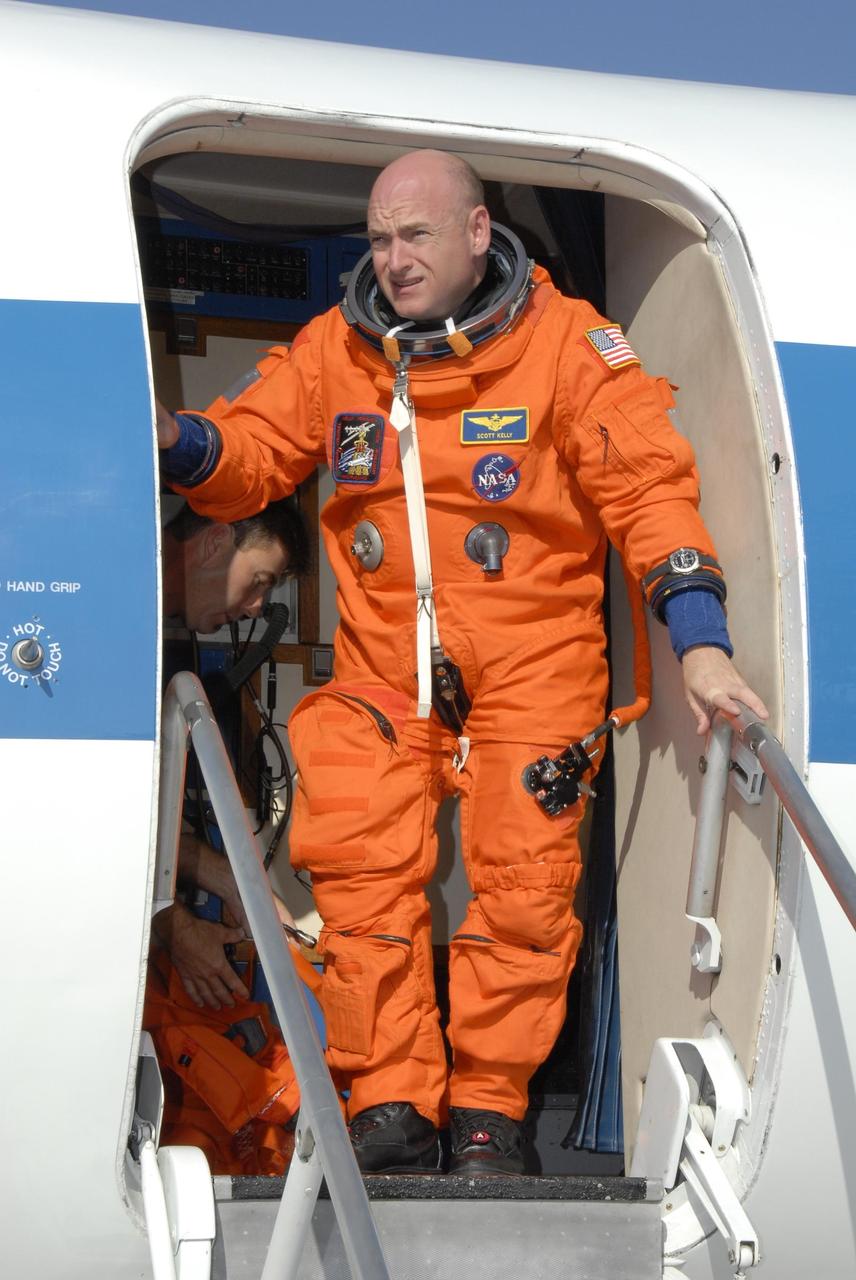
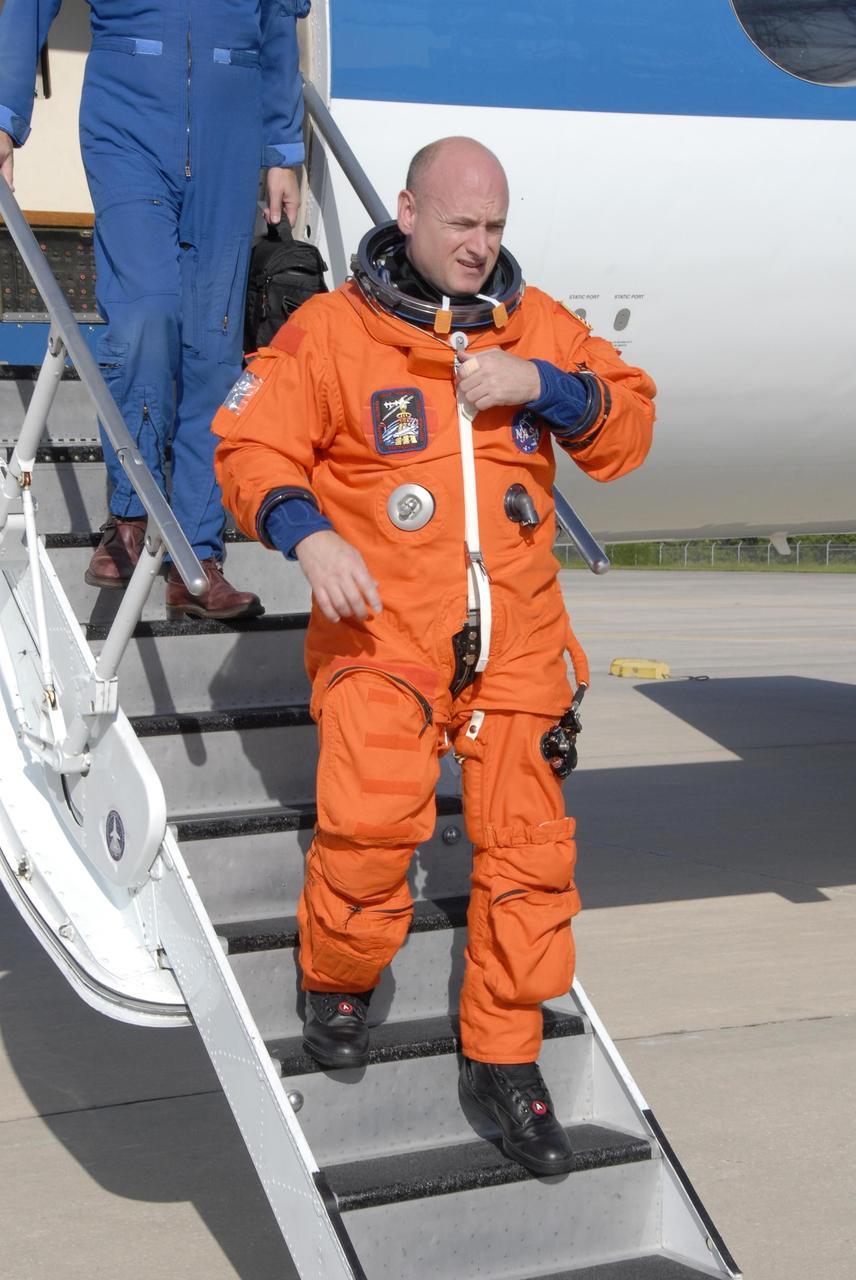
KENNEDY SPACE CENTER, FLA. - STS-118 Commander Scott Kelly disembarks from the shuttle training aircraft, or STA, at the Shuttle Landing Facility, Kennedy Space Center's airstrip. He and STS-118 Pilot Charlie Hobaugh were at the facility to practice landings for their upcoming mission. The STA is a Grumman American Aviation-built Gulf Stream II jet that was modified to simulate an orbiter's cockpit, motion and visual cues, and handling qualities. In flight, the STA duplicates the orbiter's atmospheric descent trajectory from approximately 35,000 feet altitude to landing on a runway. Endeavour's STS-118 mission is the 22nd shuttle flight to the International Space Station. It will continue space station construction by delivering a third starboard truss segment, S5. Other payloads include the SPACEHAB module, making its last voyage, and the external stowage platform 3 with a control moment gyroscope on it. The flight will include at least three spacewalks. The crew will also debut a new system that enables docked shuttles to draw electrical power from the station to extend visits to the outpost. Launch is set for Aug. 8 at 6:36 p.m. EDT. NASA/Kim Shiflett
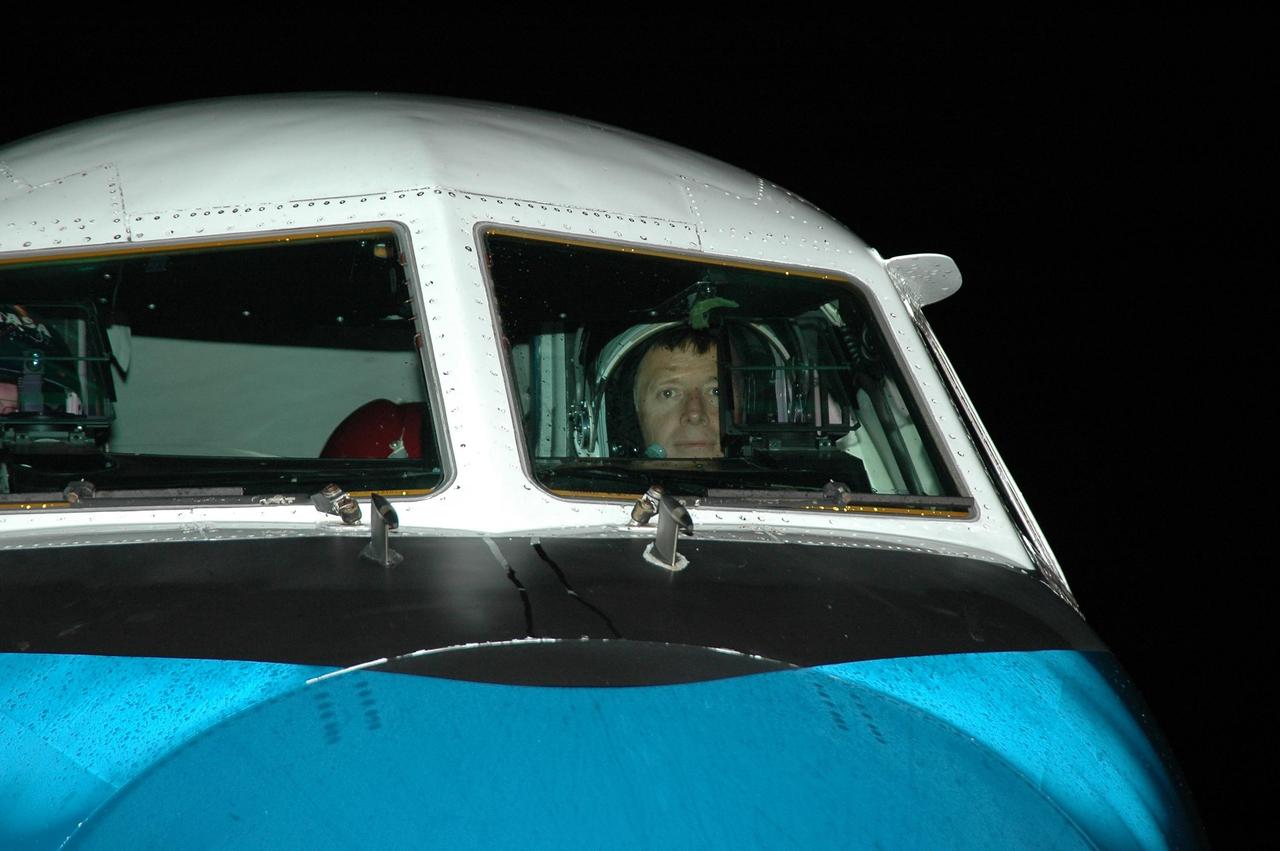
KENNEDY SPACE CENTER, FLA. - STS-115 Pilot Christopher Ferguson settles in the cockpit of the Shuttle Training Aircraft to practice landing the shuttle. STA practice is part of launch preparations. The STA is a Grumman American Aviation-built Gulf Stream II jet that was modified to simulate an orbiter’s cockpit, motion and visual cues, and handling qualities. In flight, the STA duplicates the orbiter’s atmospheric descent trajectory from approximately 35,000 feet altitude to landing on a runway. Because the orbiter is unpowered during re-entry and landing, its high-speed glide must be perfectly executed the first time. Mission STS-115 is scheduled to lift off about 12:29 p.m. Sept. 6. Mission managers cancelled Atlantis' first launch campaign due to a lightning strike at the pad and the passage of Tropical Storm Ernesto along Florida's east coast. The mission will deliver and install the 17-and-a-half-ton P3/P4 truss segment to the port side of the integrated truss system on the orbital outpost. The truss includes a new set of photovoltaic solar arrays. When unfurled to their full length of 240 feet, the arrays will provide additional power for the station in preparation for the delivery of international science modules over the next two years. STS-115 is expected to last 11 days and includes three scheduled spacewalks. Photo credit: NASA/Kim Shiflett
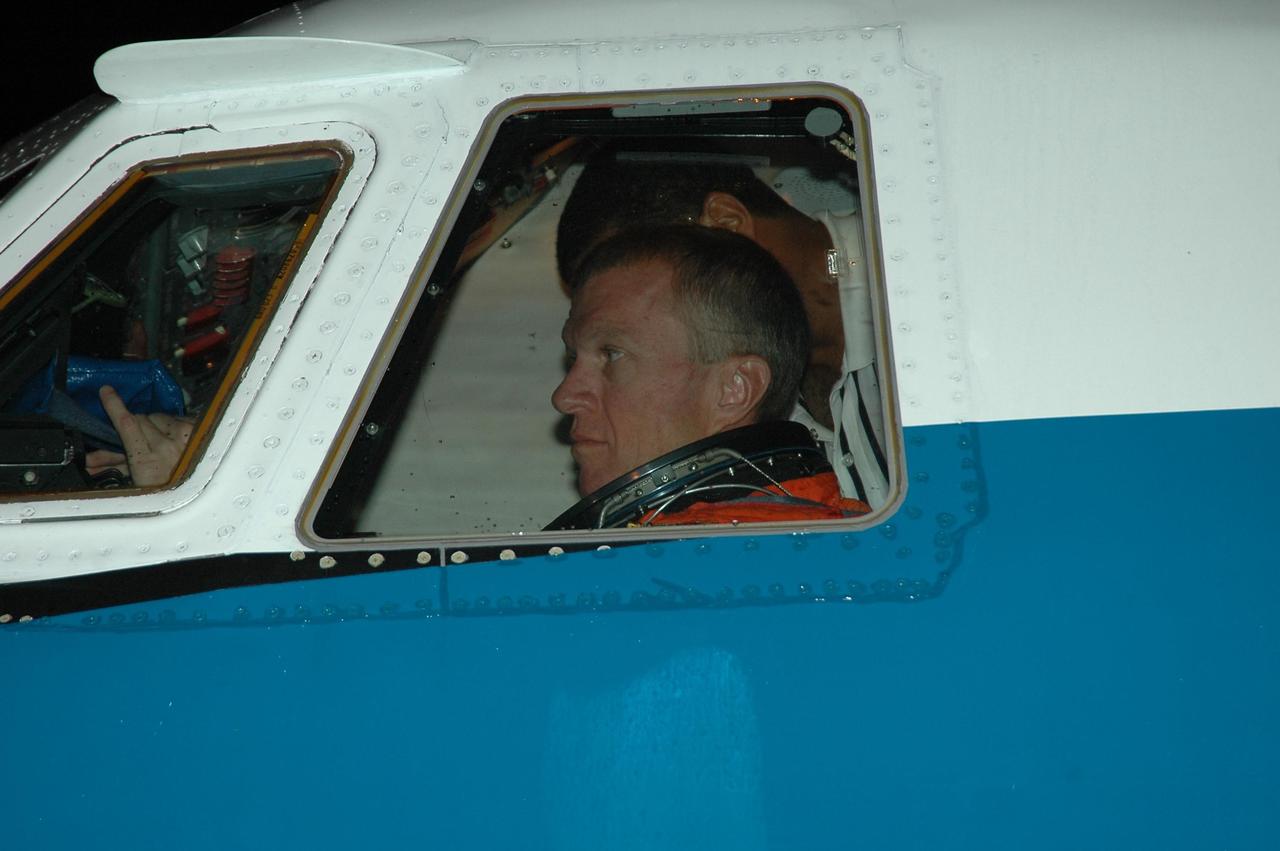
KENNEDY SPACE CENTER, FLA. - STS-115 Commander Brent Jett settles in the cockpit of the Shuttle Training Aircraft to practice landing the shuttle. STA practice is part of launch preparations. The STA is a Grumman American Aviation-built Gulf Stream II jet that was modified to simulate an orbiter’s cockpit, motion and visual cues, and handling qualities. In flight, the STA duplicates the orbiter’s atmospheric descent trajectory from approximately 35,000 feet altitude to landing on a runway. Because the orbiter is unpowered during re-entry and landing, its high-speed glide must be perfectly executed the first time. Mission STS-115 is scheduled to lift off about 12:29 p.m. Sept. 6. Mission managers cancelled Atlantis' first launch campaign due to a lightning strike at the pad and the passage of Tropical Storm Ernesto along Florida's east coast. The mission will deliver and install the 17-and-a-half-ton P3/P4 truss segment to the port side of the integrated truss system on the orbital outpost. The truss includes a new set of photovoltaic solar arrays. When unfurled to their full length of 240 feet, the arrays will provide additional power for the station in preparation for the delivery of international science modules over the next two years. STS-115 is expected to last 11 days and includes three scheduled spacewalks. Photo credit: NASA/Kim Shiflett

KENNEDY SPACE CENTER, FLA. - STS-115 Commander Brent Jett studies the controls in the cockpit of the Shuttle Training Aircraft before a practice session of landing the shuttle. STA practice is part of launch preparations. The STA is a Grumman American Aviation-built Gulf Stream II jet that was modified to simulate an orbiter’s cockpit, motion and visual cues, and handling qualities. In flight, the STA duplicates the orbiter’s atmospheric descent trajectory from approximately 35,000 feet altitude to landing on a runway. Because the orbiter is unpowered during re-entry and landing, its high-speed glide must be perfectly executed the first time. Mission STS-115 is scheduled to lift off about 12:29 p.m. Sept. 6. Mission managers cancelled Atlantis' first launch campaign due to a lightning strike at the pad and the passage of Tropical Storm Ernesto along Florida's east coast. The mission will deliver and install the 17-and-a-half-ton P3/P4 truss segment to the port side of the integrated truss system on the orbital outpost. The truss includes a new set of photovoltaic solar arrays. When unfurled to their full length of 240 feet, the arrays will provide additional power for the station in preparation for the delivery of international science modules over the next two years. STS-115 is expected to last 11 days and includes three scheduled spacewalks. Photo credit: NASA/Kim Shiflett
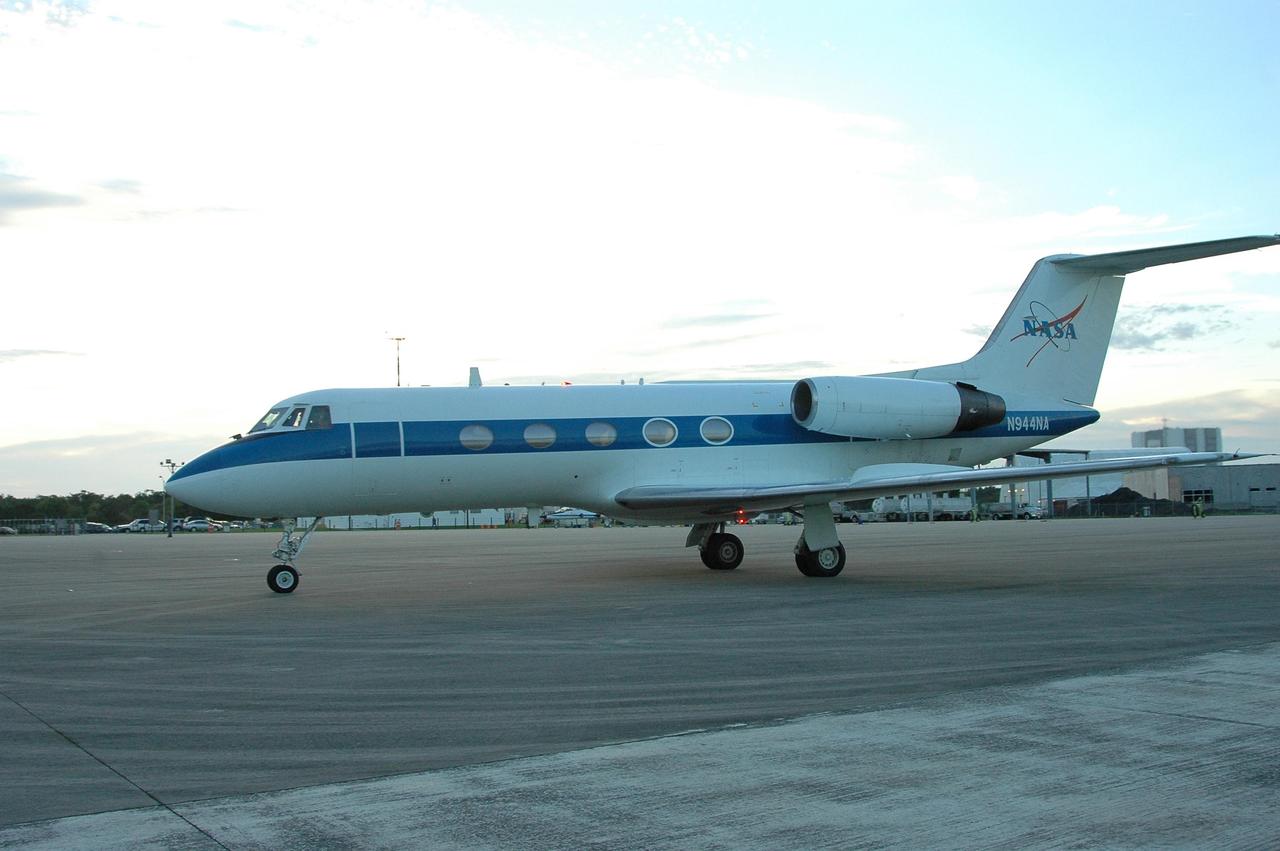
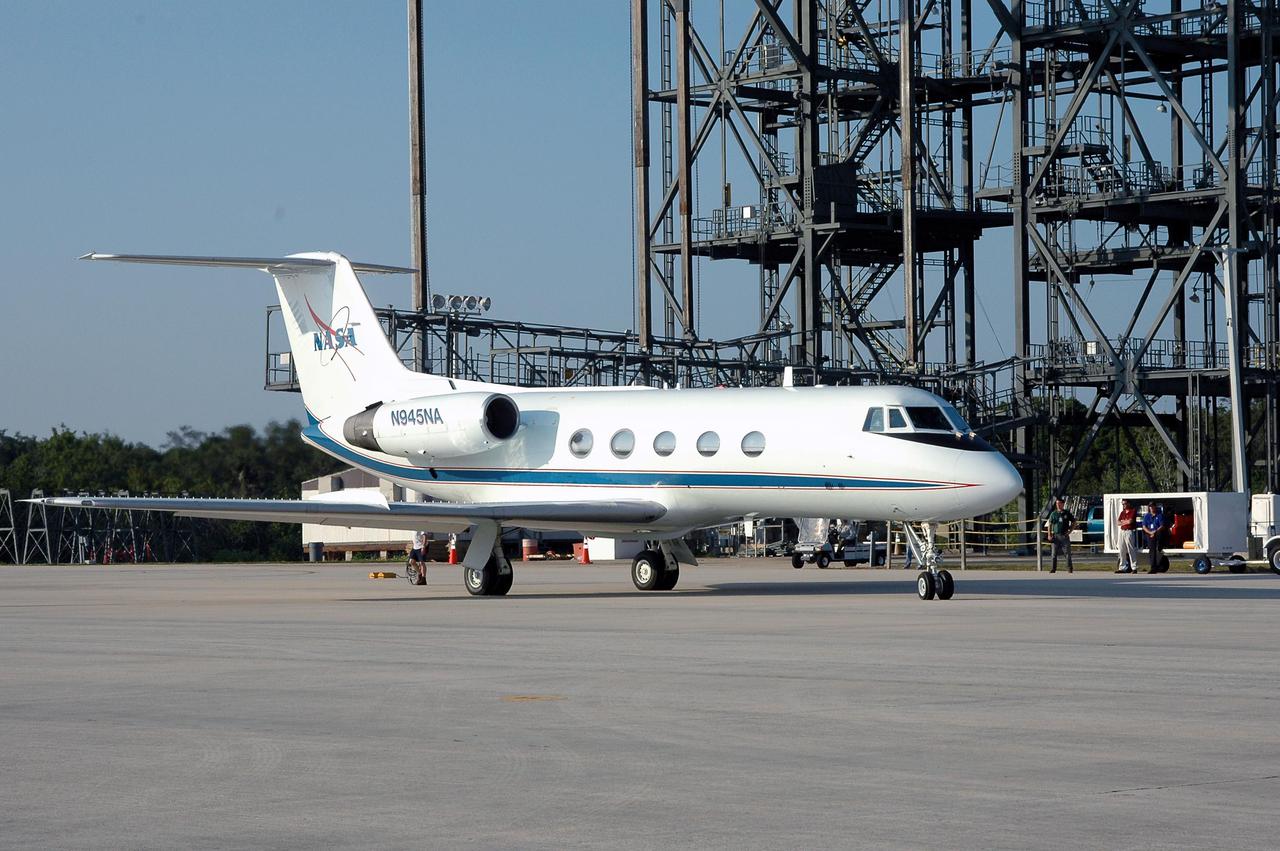
KENNEDY SPACE CENTER, FLA. - A Shuttle Training Aircraft (STA) taxis into the parking area of KSC's Shuttle Landing Facility. In the specially configured aircraft, STS-115 Commander Brent Jett and Pilot Christopher Ferguson practiced landing the shuttle this morning. STA practice is part of launch preparations. The STA is a Grumman American Aviation-built Gulf Stream II jet that was modified to simulate an orbiter’s cockpit, motion and visual cues, and handling qualities. In flight, the STA duplicates the orbiter’s atmospheric descent trajectory from approximately 35,000 feet altitude to landing on a runway. Because the orbiter is unpowered during re-entry and landing, its high-speed glide must be perfectly executed the first time. Mission STS-115 is scheduled to lift off about 12:29 p.m. Sept. 6. Mission managers cancelled Atlantis' first launch campaign due to a lightning strike at the pad and the passage of Tropical Storm Ernesto along Florida's east coast. The mission will deliver and install the 17-and-a-half-ton P3/P4 truss segment to the port side of the integrated truss system on the orbital outpost. The truss includes a new set of photovoltaic solar arrays. When unfurled to their full length of 240 feet, the arrays will provide additional power for the station in preparation for the delivery of international science modules over the next two years. STS-115 is expected to last 11 days and includes three scheduled spacewalks. Photo credit: NASA/Kim Shiflett
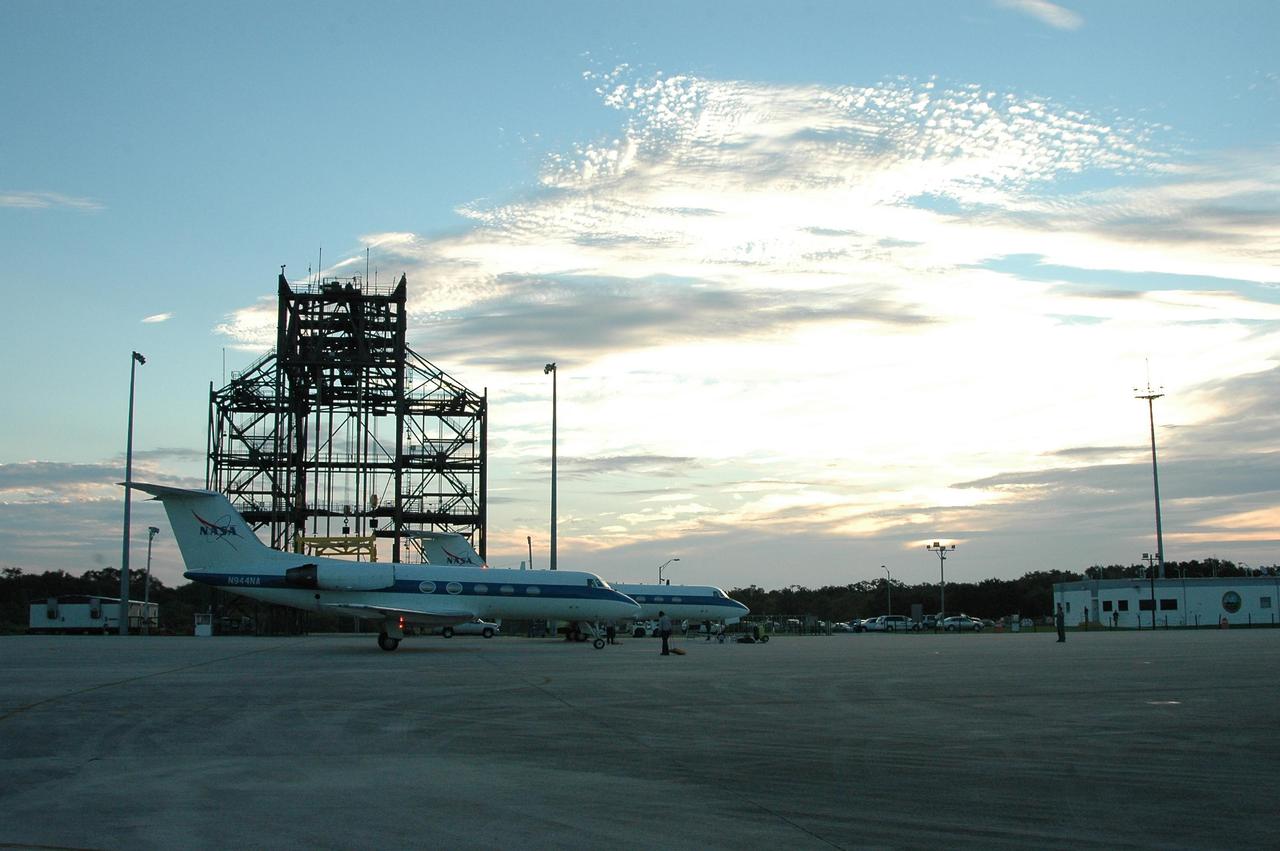
KENNEDY SPACE CENTER, FLA. - A Shuttle Training Aircraft (STA) is positioned in the parking area of KSC's Shuttle Landing Facility. In the specially configured aircraft, STS-115 Commander Brent Jett and Pilot Christopher Ferguson practiced landing the shuttle this morning. The space shuttle's Mate-Demate Device is seen in the background. STA practice is part of launch preparations. The STA is a Grumman American Aviation-built Gulf Stream II jet that was modified to simulate an orbiter’s cockpit, motion and visual cues, and handling qualities. In flight, the STA duplicates the orbiter’s atmospheric descent trajectory from approximately 35,000 feet altitude to landing on a runway. Because the orbiter is unpowered during re-entry and landing, its high-speed glide must be perfectly executed the first time. Mission STS-115 is scheduled to lift off about 12:29 p.m. Sept. 6. Mission managers cancelled Atlantis' first launch campaign due to a lightning strike at the pad and the passage of Tropical Storm Ernesto along Florida's east coast. The mission will deliver and install the 17-and-a-half-ton P3/P4 truss segment to the port side of the integrated truss system on the orbital outpost. The truss includes a new set of photovoltaic solar arrays. When unfurled to their full length of 240 feet, the arrays will provide additional power for the station in preparation for the delivery of international science modules over the next two years. STS-115 is expected to last 11 days and includes three scheduled spacewalks. Photo credit: NASA/Kim Shiflett
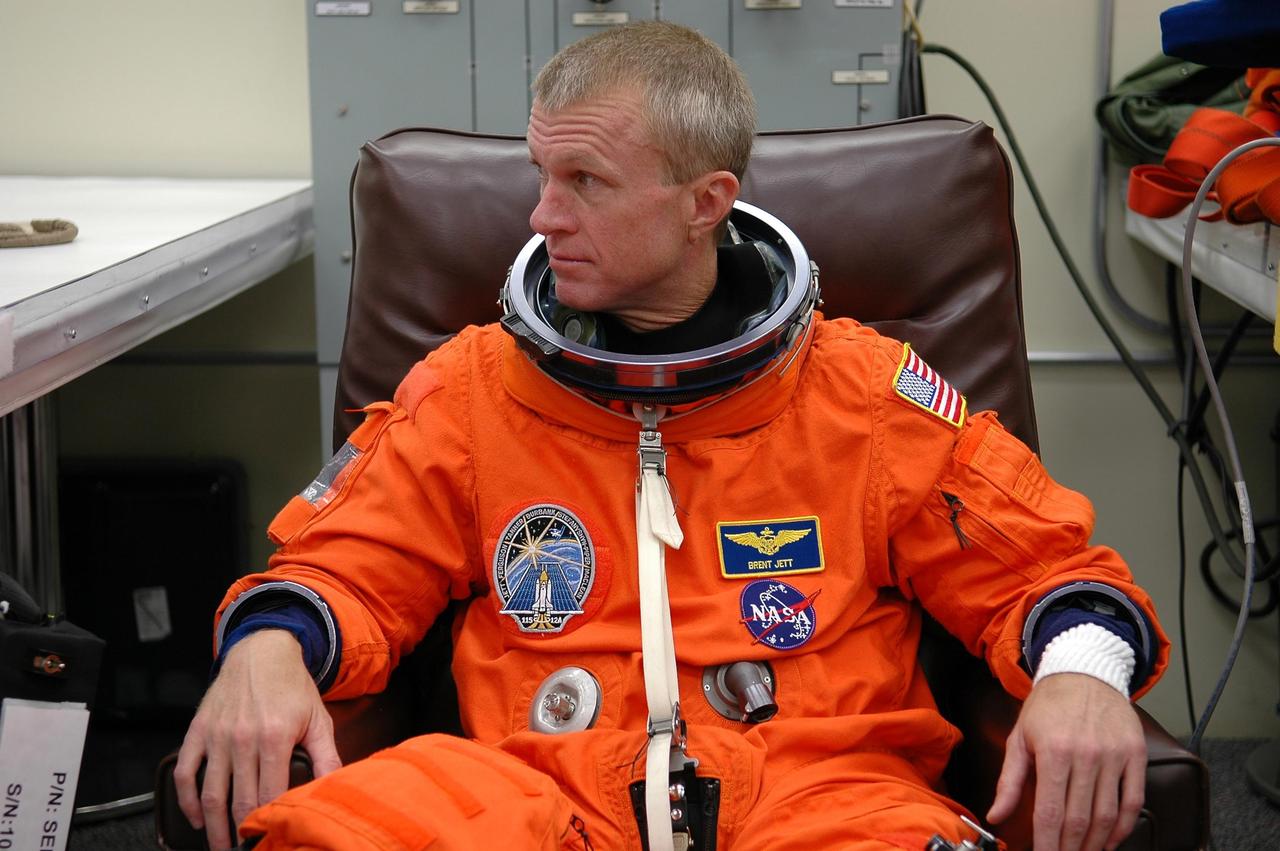
KENNEDY SPACE CENTER, FLA. - STS-115 Commander Brent Jett dons his launch suit before flying the Shuttle Training Aircraft to practice landing the shuttle. STA practice is part of launch preparations. The STA is a Grumman American Aviation-built Gulf Stream II jet that was modified to simulate an orbiter’s cockpit, motion and visual cues, and handling qualities. In flight, the STA duplicates the orbiter’s atmospheric descent trajectory from approximately 35,000 feet altitude to landing on a runway. Because the orbiter is unpowered during re-entry and landing, its high-speed glide must be perfectly executed the first time. Mission STS-115 is scheduled to lift off about 12:29 p.m. Sept. 6. Mission managers cancelled Atlantis' first launch campaign due to a lightning strike at the pad and the passage of Tropical Storm Ernesto along Florida's east coast. The mission will deliver and install the 17-and-a-half-ton P3/P4 truss segment to the port side of the integrated truss system on the orbital outpost. The truss includes a new set of photovoltaic solar arrays. When unfurled to their full length of 240 feet, the arrays will provide additional power for the station in preparation for the delivery of international science modules over the next two years. STS-115 is expected to last 11 days and includes three scheduled spacewalks. Photo credit: NASA/Kim Shiflett
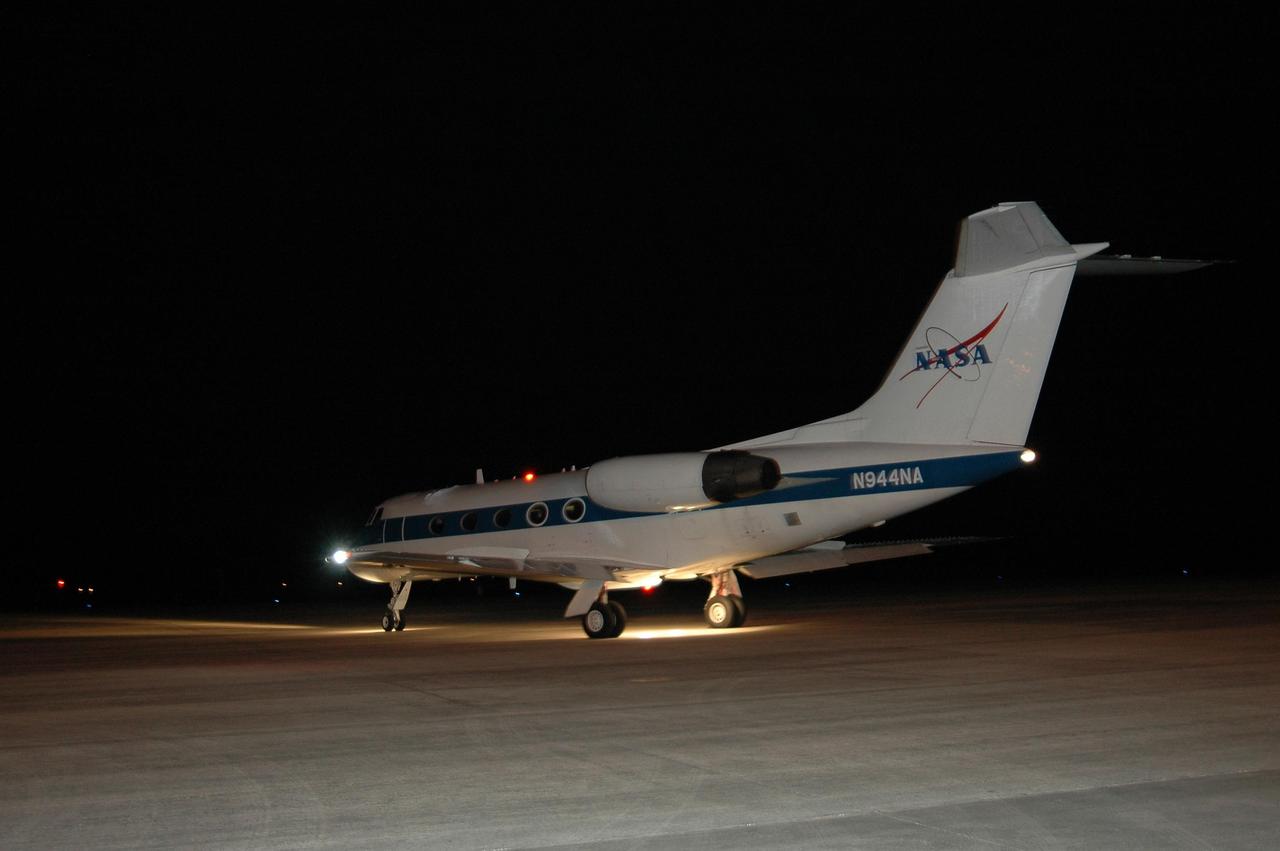
KENNEDY SPACE CENTER, FLA. - In the early morning hours on NASA Kennedy Space Center's Shuttle Landing Facility, the Shuttle Training Aircraft taxis onto the runway. In the specially configured aircraft, STS-115 Commander Brent Jett and Pilot Christopher Ferguson are practicing landing the shuttle. STA practice is part of launch preparations. The STA is a Grumman American Aviation-built Gulf Stream II jet that was modified to simulate an orbiter’s cockpit, motion and visual cues, and handling qualities. In flight, the STA duplicates the orbiter’s atmospheric descent trajectory from approximately 35,000 feet altitude to landing on a runway. Because the orbiter is unpowered during re-entry and landing, its high-speed glide must be perfectly executed the first time. Mission STS-115 is scheduled to lift off about 12:29 p.m. Sept. 6. Mission managers cancelled Atlantis' first launch campaign due to a lightning strike at the pad and the passage of Tropical Storm Ernesto along Florida's east coast. The mission will deliver and install the 17-and-a-half-ton P3/P4 truss segment to the port side of the integrated truss system on the orbital outpost. The truss includes a new set of photovoltaic solar arrays. When unfurled to their full length of 240 feet, the arrays will provide additional power for the station in preparation for the delivery of international science modules over the next two years. STS-115 is expected to last 11 days and includes three scheduled spacewalks. Photo credit: NASA/Kim Shiflett
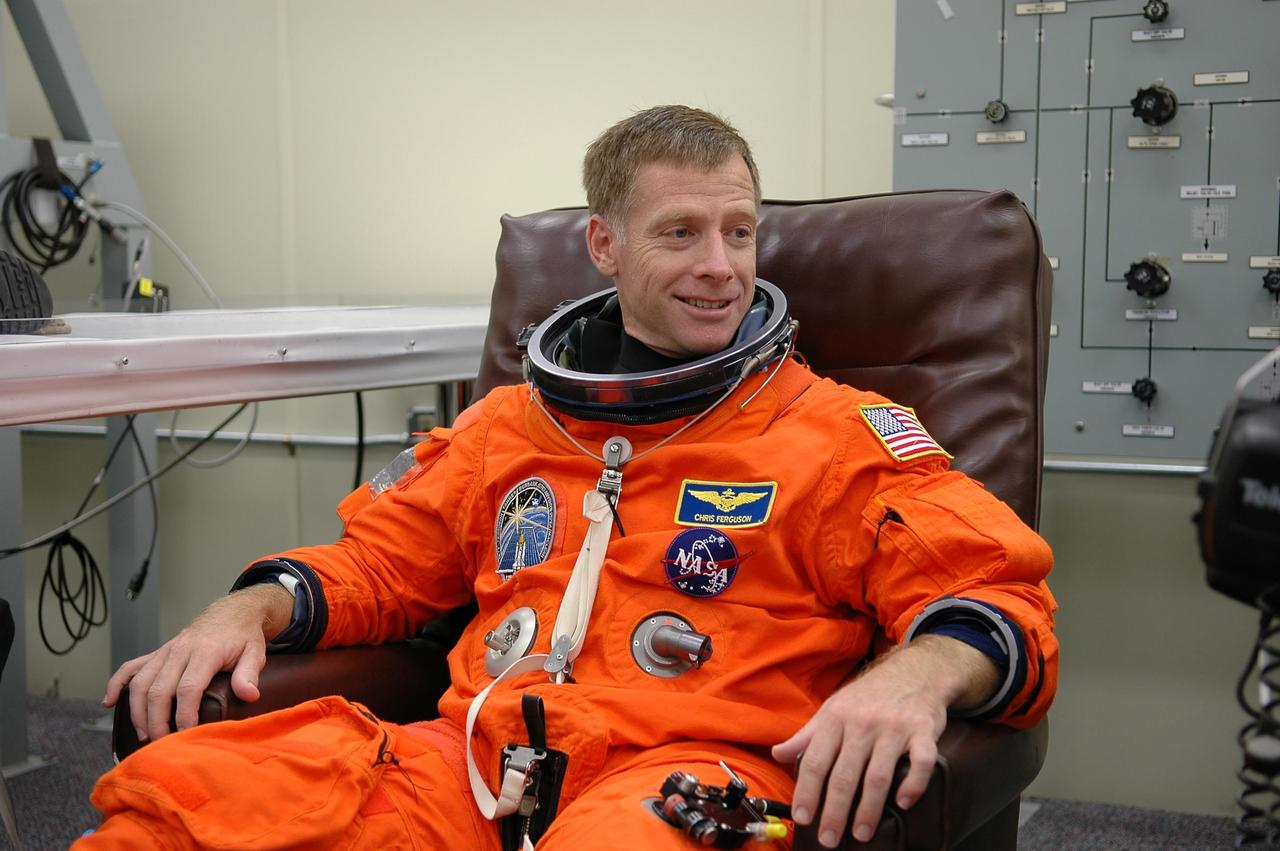
KENNEDY SPACE CENTER, FLA. - STS-115 Pilot Christopher Ferguson dons his launch suit before flying the Shuttle Training Aircraft to practice landing the shuttle. STA practice is part of launch preparations. The STA is a Grumman American Aviation-built Gulf Stream II jet that was modified to simulate an orbiter’s cockpit, motion and visual cues, and handling qualities. In flight, the STA duplicates the orbiter’s atmospheric descent trajectory from approximately 35,000 feet altitude to landing on a runway. Because the orbiter is unpowered during re-entry and landing, its high-speed glide must be perfectly executed the first time. Mission STS-115 is scheduled to lift off about 12:29 p.m. Sept. 6. Mission managers cancelled Atlantis' first launch campaign due to a lightning strike at the pad and the passage of Tropical Storm Ernesto along Florida's east coast. The mission will deliver and install the 17-and-a-half-ton P3/P4 truss segment to the port side of the integrated truss system on the orbital outpost. The truss includes a new set of photovoltaic solar arrays. When unfurled to their full length of 240 feet, the arrays will provide additional power for the station in preparation for the delivery of international science modules over the next two years. STS-115 is expected to last 11 days and includes three scheduled spacewalks. Photo credit: NASA/Kim Shiflett
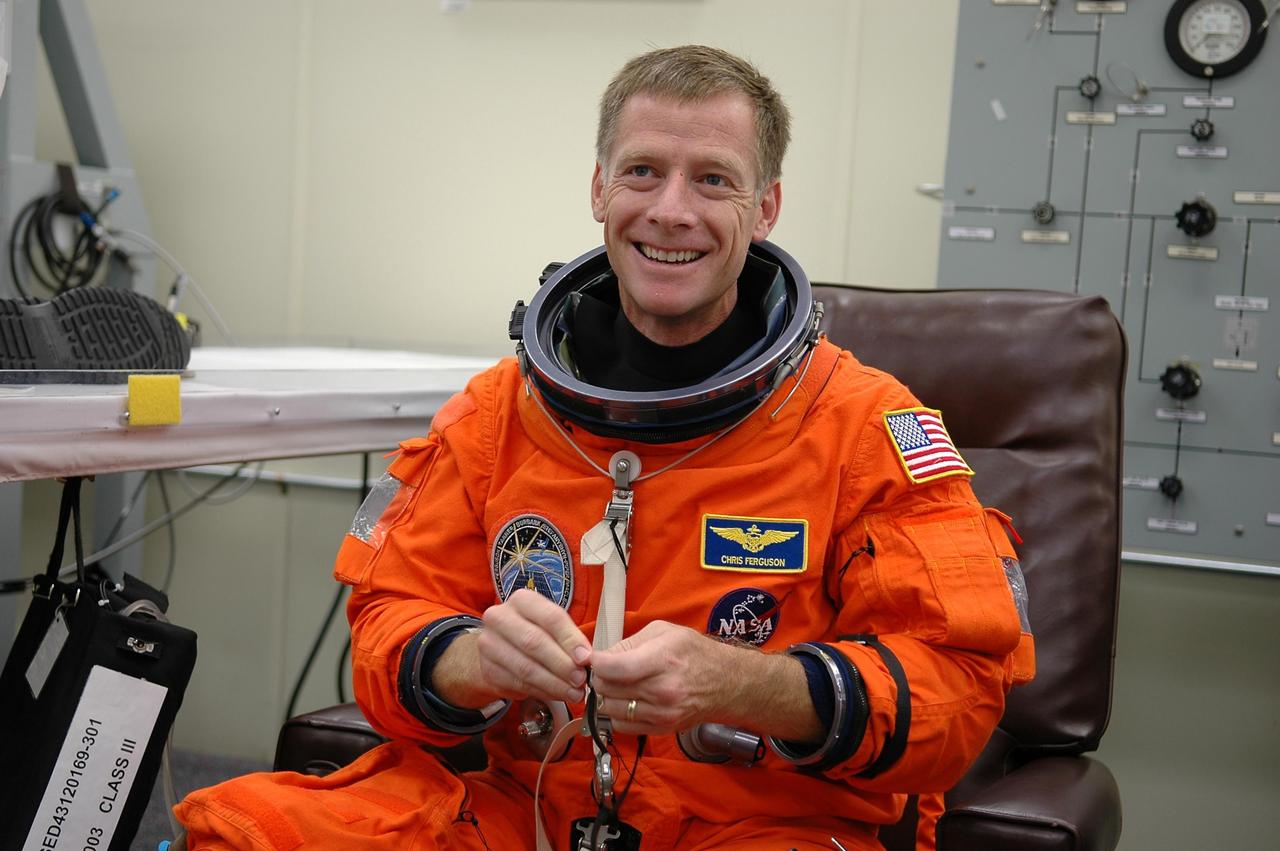
KENNEDY SPACE CENTER, FLA. - STS-115 Pilot Christopher Ferguson is dressed in his launch suit before flying the Shuttle Training Aircraft to practice landing the shuttle. STA practice is part of launch preparations. The STA is a Grumman American Aviation-built Gulf Stream II jet that was modified to simulate an orbiter’s cockpit, motion and visual cues, and handling qualities. In flight, the STA duplicates the orbiter’s atmospheric descent trajectory from approximately 35,000 feet altitude to landing on a runway. Because the orbiter is unpowered during re-entry and landing, its high-speed glide must be perfectly executed the first time. Mission STS-115 is scheduled to lift off about 12:29 p.m. Sept. 6. Mission managers cancelled Atlantis' first launch campaign due to a lightning strike at the pad and the passage of Tropical Storm Ernesto along Florida's east coast. The mission will deliver and install the 17-and-a-half-ton P3/P4 truss segment to the port side of the integrated truss system on the orbital outpost. The truss includes a new set of photovoltaic solar arrays. When unfurled to their full length of 240 feet, the arrays will provide additional power for the station in preparation for the delivery of international science modules over the next two years. STS-115 is expected to last 11 days and includes three scheduled spacewalks. Photo credit: NASA/Kim Shiflett
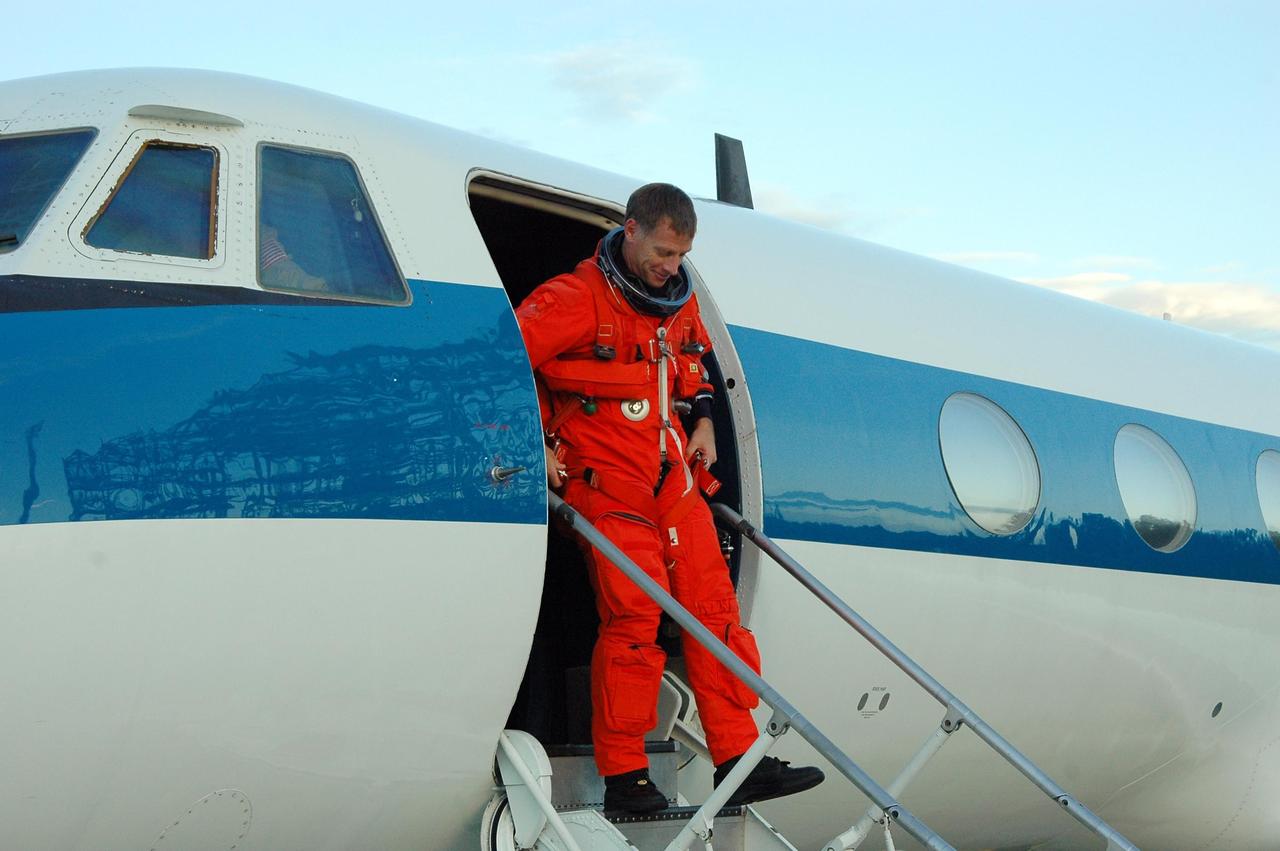
KENNEDY SPACE CENTER, FLA. - On NASA Kennedy Space Center's Shuttle Landing Facility, STS-115 Pilot Christopher Ferguson disembarks from the Shuttle Training Aircraft after a practice session of landing the shuttle. STA practice is part of launch preparations. The STA is a Grumman American Aviation-built Gulf Stream II jet that was modified to simulate an orbiter’s cockpit, motion and visual cues, and handling qualities. In flight, the STA duplicates the orbiter’s atmospheric descent trajectory from approximately 35,000 feet altitude to landing on a runway. Because the orbiter is unpowered during re-entry and landing, its high-speed glide must be perfectly executed the first time. Mission STS-115 is scheduled to lift off about 12:29 p.m. Sept. 6. Mission managers cancelled Atlantis' first launch campaign due to a lightning strike at the pad and the passage of Tropical Storm Ernesto along Florida's east coast. The mission will deliver and install the 17-and-a-half-ton P3/P4 truss segment to the port side of the integrated truss system on the orbital outpost. The truss includes a new set of photovoltaic solar arrays. When unfurled to their full length of 240 feet, the arrays will provide additional power for the station in preparation for the delivery of international science modules over the next two years. STS-115 is expected to last 11 days and includes three scheduled spacewalks. Photo credit: NASA/Kim Shiflett

KENNEDY SPACE CENTER, FLA. - STS-115 Commander Brent Jett is dressed in his launch suit before flying the Shuttle Training Aircraft to practice landing the shuttle. STA practice is part of launch preparations. The STA is a Grumman American Aviation-built Gulf Stream II jet that was modified to simulate an orbiter’s cockpit, motion and visual cues, and handling qualities. In flight, the STA duplicates the orbiter’s atmospheric descent trajectory from approximately 35,000 feet altitude to landing on a runway. Because the orbiter is unpowered during re-entry and landing, its high-speed glide must be perfectly executed the first time. Mission STS-115 is scheduled to lift off about 12:29 p.m. Sept. 6. Mission managers cancelled Atlantis' first launch campaign due to a lightning strike at the pad and the passage of Tropical Storm Ernesto along Florida's east coast. The mission will deliver and install the 17-and-a-half-ton P3/P4 truss segment to the port side of the integrated truss system on the orbital outpost. The truss includes a new set of photovoltaic solar arrays. When unfurled to their full length of 240 feet, the arrays will provide additional power for the station in preparation for the delivery of international science modules over the next two years. STS-115 is expected to last 11 days and includes three scheduled spacewalks. Photo credit: NASA/Kim Shiflett
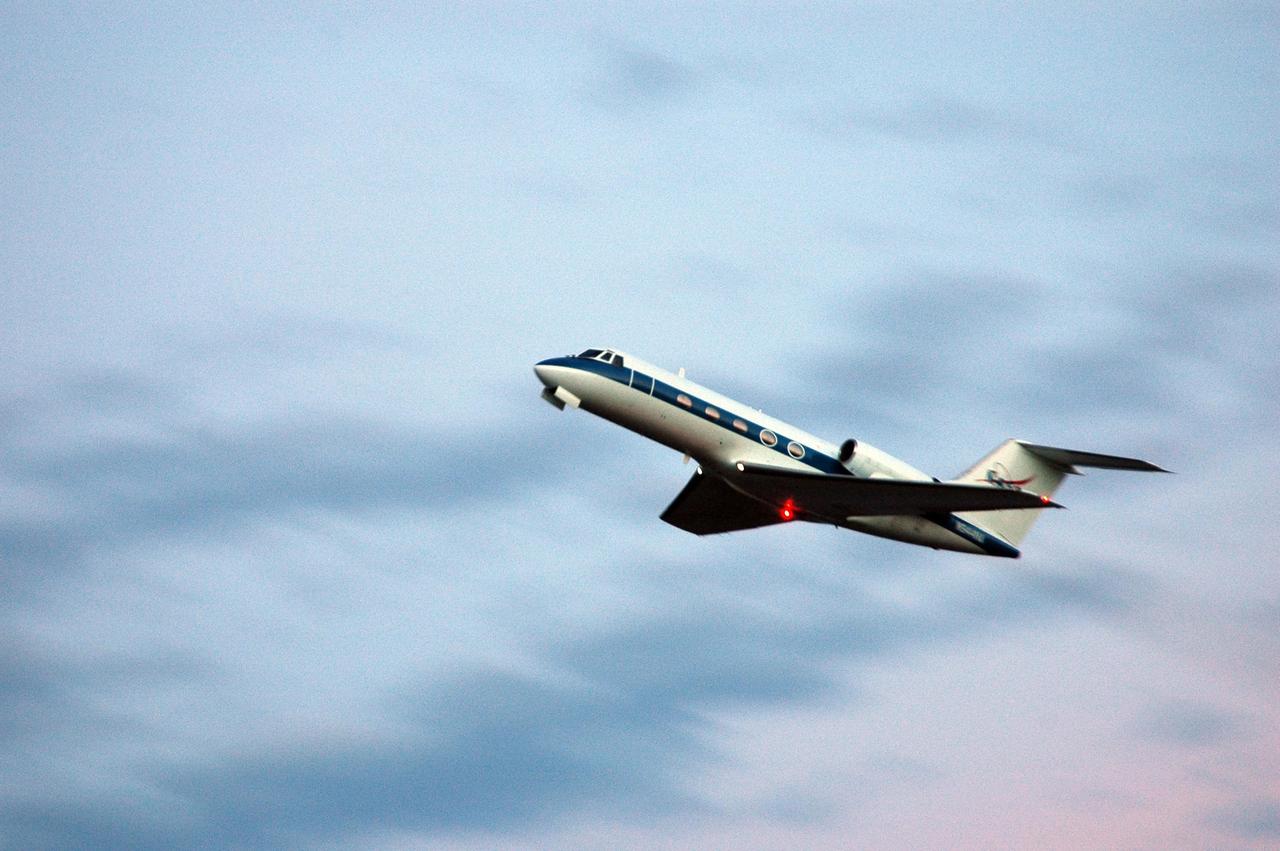
KENNEDY SPACE CENTER, FLA. - On NASA Kennedy Space Center's Shuttle Landing Facility, the Shuttle Training Aircraft takes to the skies. In the specially configured aircraft, STS-115 Commander Brent Jett and Pilot Christopher Ferguson are practicing landing the shuttle. STA practice is part of launch preparations. The STA is a Grumman American Aviation-built Gulf Stream II jet that was modified to simulate an orbiter’s cockpit, motion and visual cues, and handling qualities. In flight, the STA duplicates the orbiter’s atmospheric descent trajectory from approximately 35,000 feet altitude to landing on a runway. Because the orbiter is unpowered during re-entry and landing, its high-speed glide must be perfectly executed the first time. Mission STS-115 is scheduled to lift off about 12:29 p.m. Sept. 6. Mission managers cancelled Atlantis' first launch campaign due to a lightning strike at the pad and the passage of Tropical Storm Ernesto along Florida's east coast. The mission will deliver and install the 17-and-a-half-ton P3/P4 truss segment to the port side of the integrated truss system on the orbital outpost. The truss includes a new set of photovoltaic solar arrays. When unfurled to their full length of 240 feet, the arrays will provide additional power for the station in preparation for the delivery of international science modules over the next two years. STS-115 is expected to last 11 days and includes three scheduled spacewalks. Photo credit: NASA/Kim Shiflett
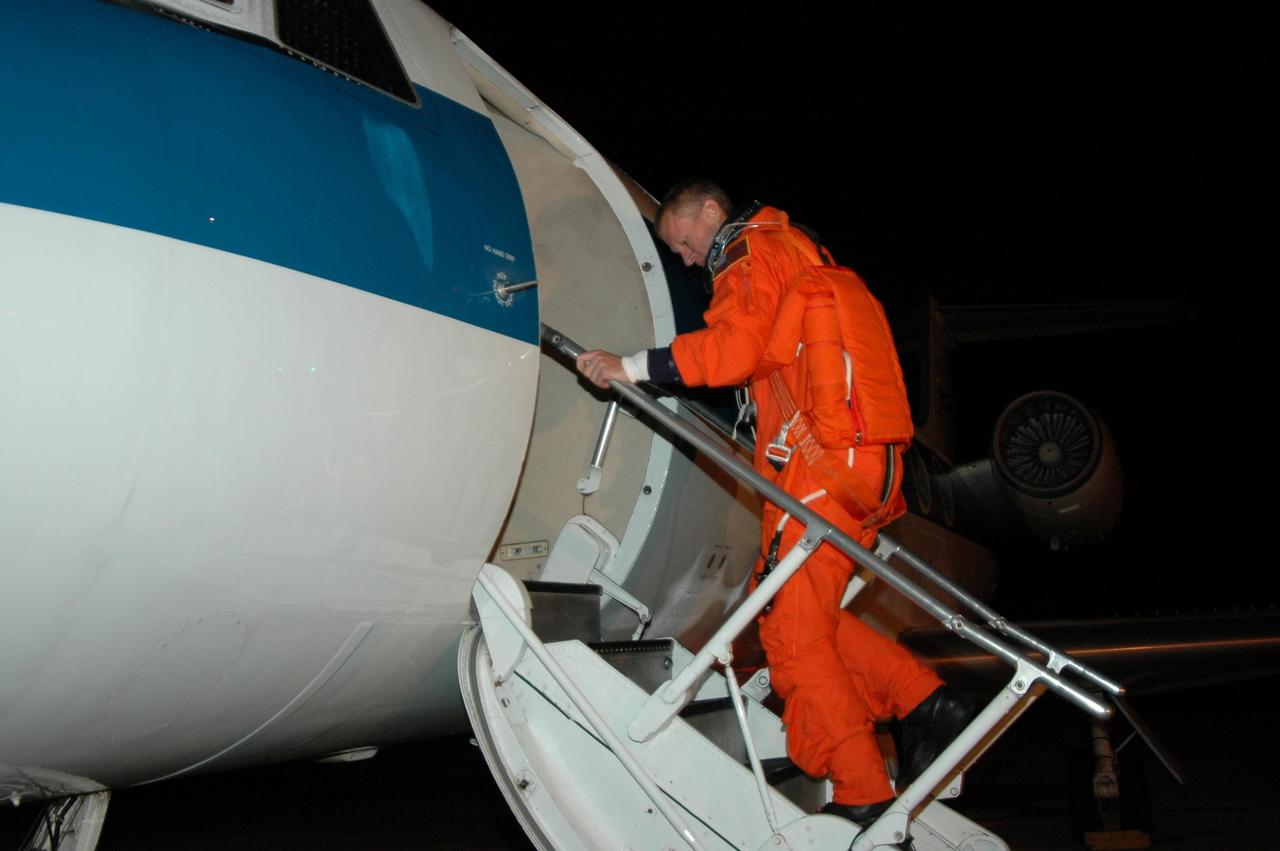
KENNEDY SPACE CENTER, FLA. - On NASA Kennedy Space Center's Shuttle Landing Facility, STS-115 Commander Brent Jett boards the Shuttle Training Aircraft to practice landing the shuttle. STA practice is part of launch preparations. The STA is a Grumman American Aviation-built Gulf Stream II jet that was modified to simulate an orbiter’s cockpit, motion and visual cues, and handling qualities. In flight, the STA duplicates the orbiter’s atmospheric descent trajectory from approximately 35,000 feet altitude to landing on a runway. Because the orbiter is unpowered during re-entry and landing, its high-speed glide must be perfectly executed the first time. Mission STS-115 is scheduled to lift off about 12:29 p.m. Sept. 6. Mission managers cancelled Atlantis' first launch campaign due to a lightning strike at the pad and the passage of Tropical Storm Ernesto along Florida's east coast. The mission will deliver and install the 17-and-a-half-ton P3/P4 truss segment to the port side of the integrated truss system on the orbital outpost. The truss includes a new set of photovoltaic solar arrays. When unfurled to their full length of 240 feet, the arrays will provide additional power for the station in preparation for the delivery of international science modules over the next two years. STS-115 is expected to last 11 days and includes three scheduled spacewalks. Photo credit: NASA/Kim Shiflett
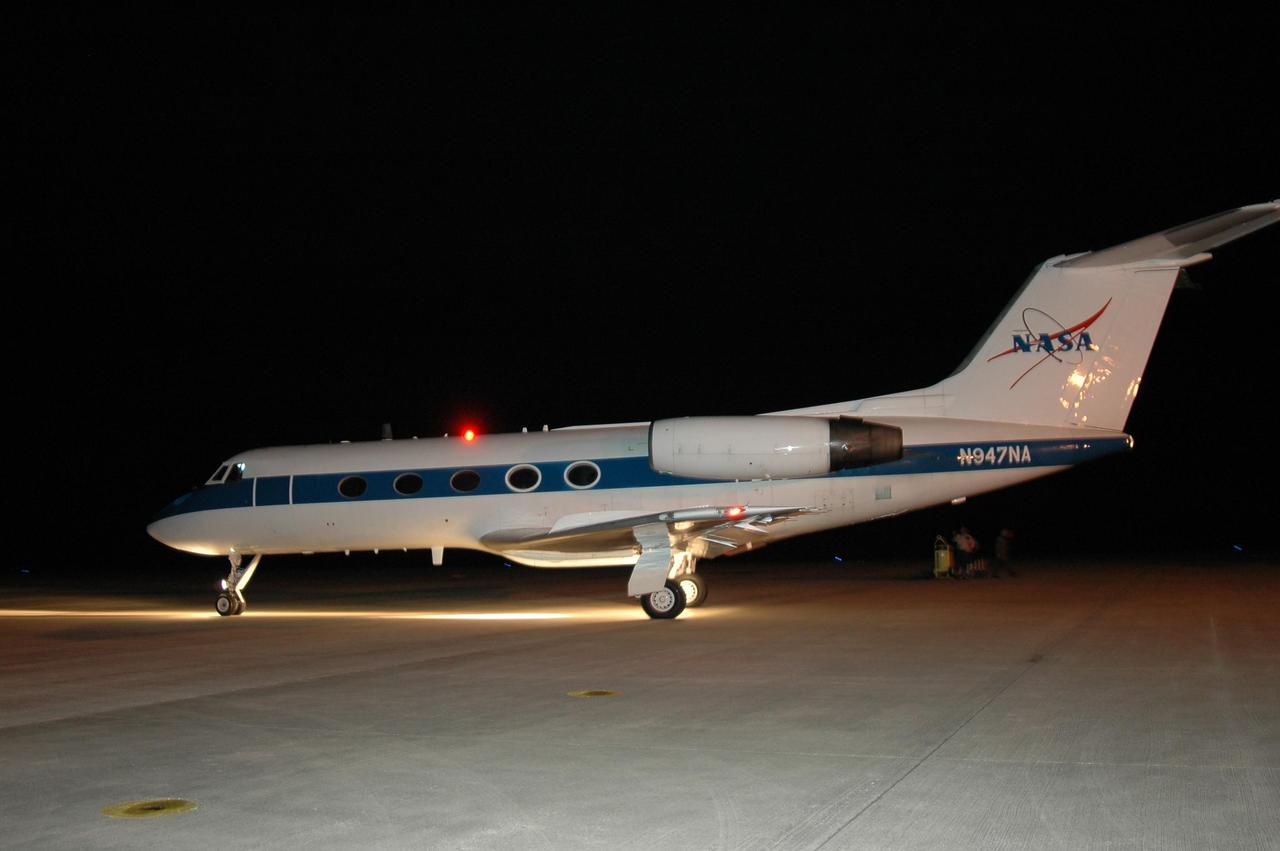
KENNEDY SPACE CENTER, FLA. - In the early morning hours on NASA Kennedy Space Center's Shuttle Landing Facility, the Shuttle Training Aircraft taxis onto the runway. In the specially configured aircraft, STS-115 Commander Brent Jett and Pilot Christopher Ferguson are practicing landing the shuttle. STA practice is part of launch preparations. The STA is a Grumman American Aviation-built Gulf Stream II jet that was modified to simulate an orbiter’s cockpit, motion and visual cues, and handling qualities. In flight, the STA duplicates the orbiter’s atmospheric descent trajectory from approximately 35,000 feet altitude to landing on a runway. Because the orbiter is unpowered during re-entry and landing, its high-speed glide must be perfectly executed the first time. Mission STS-115 is scheduled to lift off about 12:29 p.m. Sept. 6. Mission managers cancelled Atlantis' first launch campaign due to a lightning strike at the pad and the passage of Tropical Storm Ernesto along Florida's east coast. The mission will deliver and install the 17-and-a-half-ton P3/P4 truss segment to the port side of the integrated truss system on the orbital outpost. The truss includes a new set of photovoltaic solar arrays. When unfurled to their full length of 240 feet, the arrays will provide additional power for the station in preparation for the delivery of international science modules over the next two years. STS-115 is expected to last 11 days and includes three scheduled spacewalks. Photo credit: NASA/Kim Shiflett
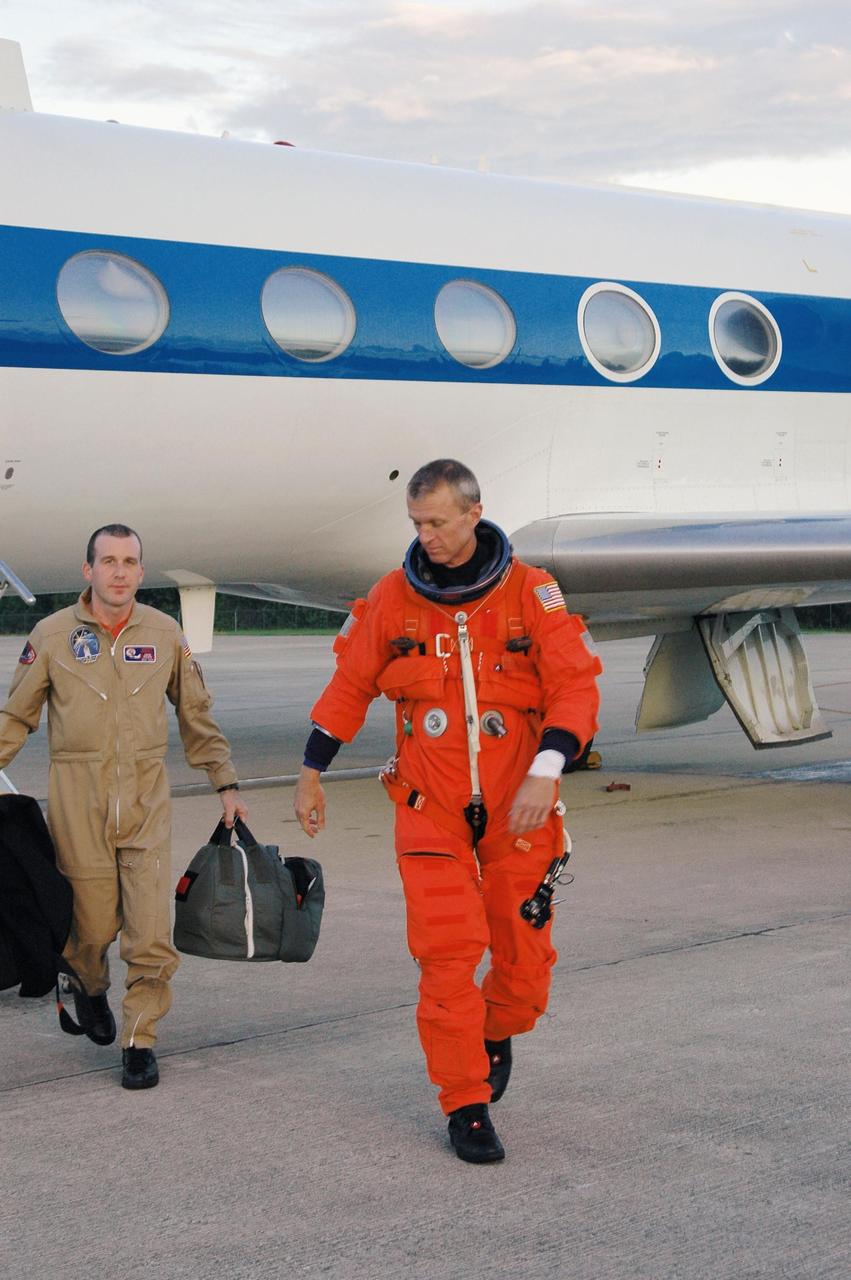
KENNEDY SPACE CENTER, FLA. - On NASA Kennedy Space Center's Shuttle Landing Facility, STS-115 Commander Brent Jett leaves the Shuttle Training Aircraft after a practice session of landing the shuttle. STA practice is part of launch preparations. The STA is a Grumman American Aviation-built Gulf Stream II jet that was modified to simulate an orbiter’s cockpit, motion and visual cues, and handling qualities. In flight, the STA duplicates the orbiter’s atmospheric descent trajectory from approximately 35,000 feet altitude to landing on a runway. Because the orbiter is unpowered during re-entry and landing, its high-speed glide must be perfectly executed the first time. Mission STS-115 is scheduled to lift off about 12:29 p.m. Sept. 6. Mission managers cancelled Atlantis' first launch campaign due to a lightning strike at the pad and the passage of Tropical Storm Ernesto along Florida's east coast. The mission will deliver and install the 17-and-a-half-ton P3/P4 truss segment to the port side of the integrated truss system on the orbital outpost. The truss includes a new set of photovoltaic solar arrays. When unfurled to their full length of 240 feet, the arrays will provide additional power for the station in preparation for the delivery of international science modules over the next two years. STS-115 is expected to last 11 days and includes three scheduled spacewalks. Photo credit: NASA/Kim Shiflett
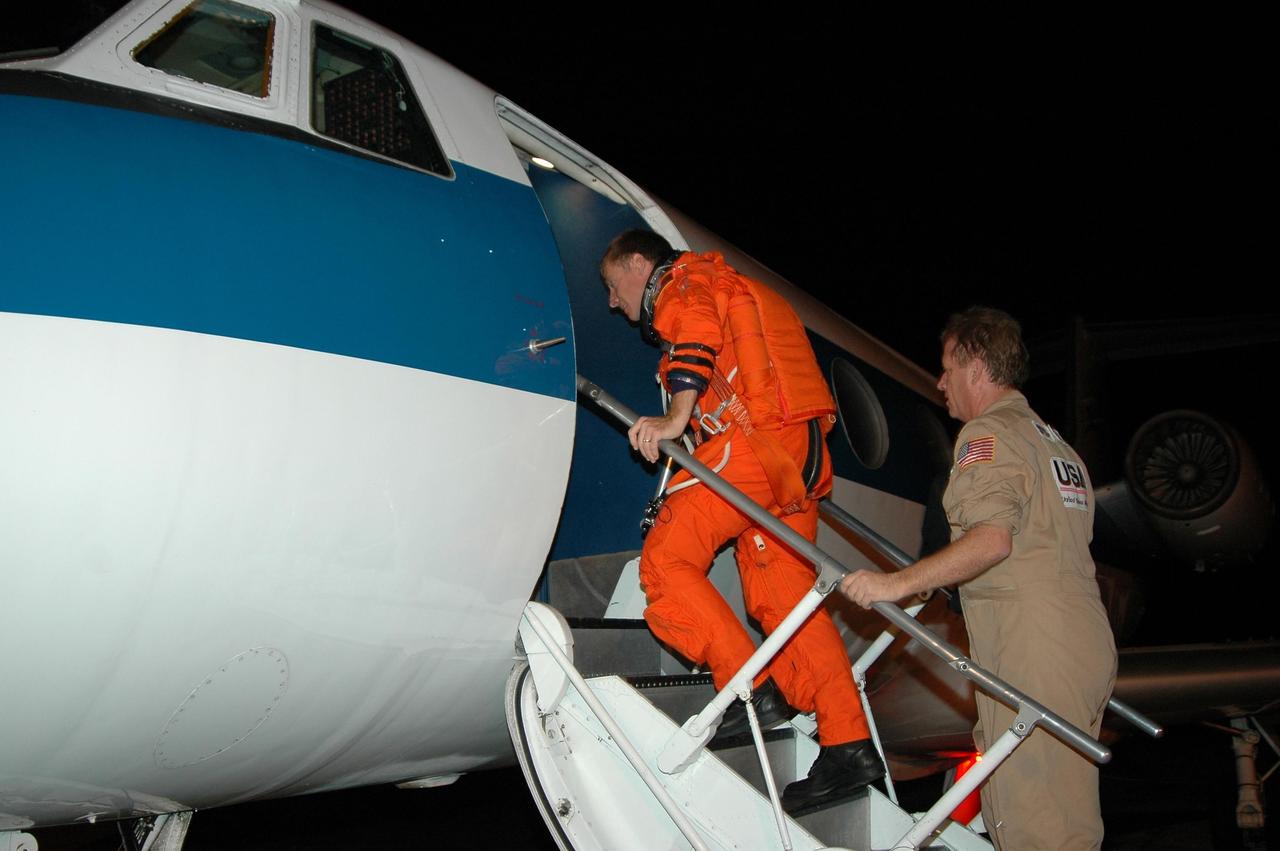
KENNEDY SPACE CENTER, FLA. - On NASA Kennedy Space Center's Shuttle Landing Facility, STS-115 Pilot Christopher Ferguson boards the Shuttle Training Aircraft to practice landing the shuttle. STA practice is part of launch preparations. The STA is a Grumman American Aviation-built Gulf Stream II jet that was modified to simulate an orbiter’s cockpit, motion and visual cues, and handling qualities. In flight, the STA duplicates the orbiter’s atmospheric descent trajectory from approximately 35,000 feet altitude to landing on a runway. Because the orbiter is unpowered during re-entry and landing, its high-speed glide must be perfectly executed the first time. Mission STS-115 is scheduled to lift off about 12:29 p.m. Sept. 6. Mission managers cancelled Atlantis' first launch campaign due to a lightning strike at the pad and the passage of Tropical Storm Ernesto along Florida's east coast. The mission will deliver and install the 17-and-a-half-ton P3/P4 truss segment to the port side of the integrated truss system on the orbital outpost. The truss includes a new set of photovoltaic solar arrays. When unfurled to their full length of 240 feet, the arrays will provide additional power for the station in preparation for the delivery of international science modules over the next two years. STS-115 is expected to last 11 days and includes three scheduled spacewalks. Photo credit: NASA/Kim Shiflett
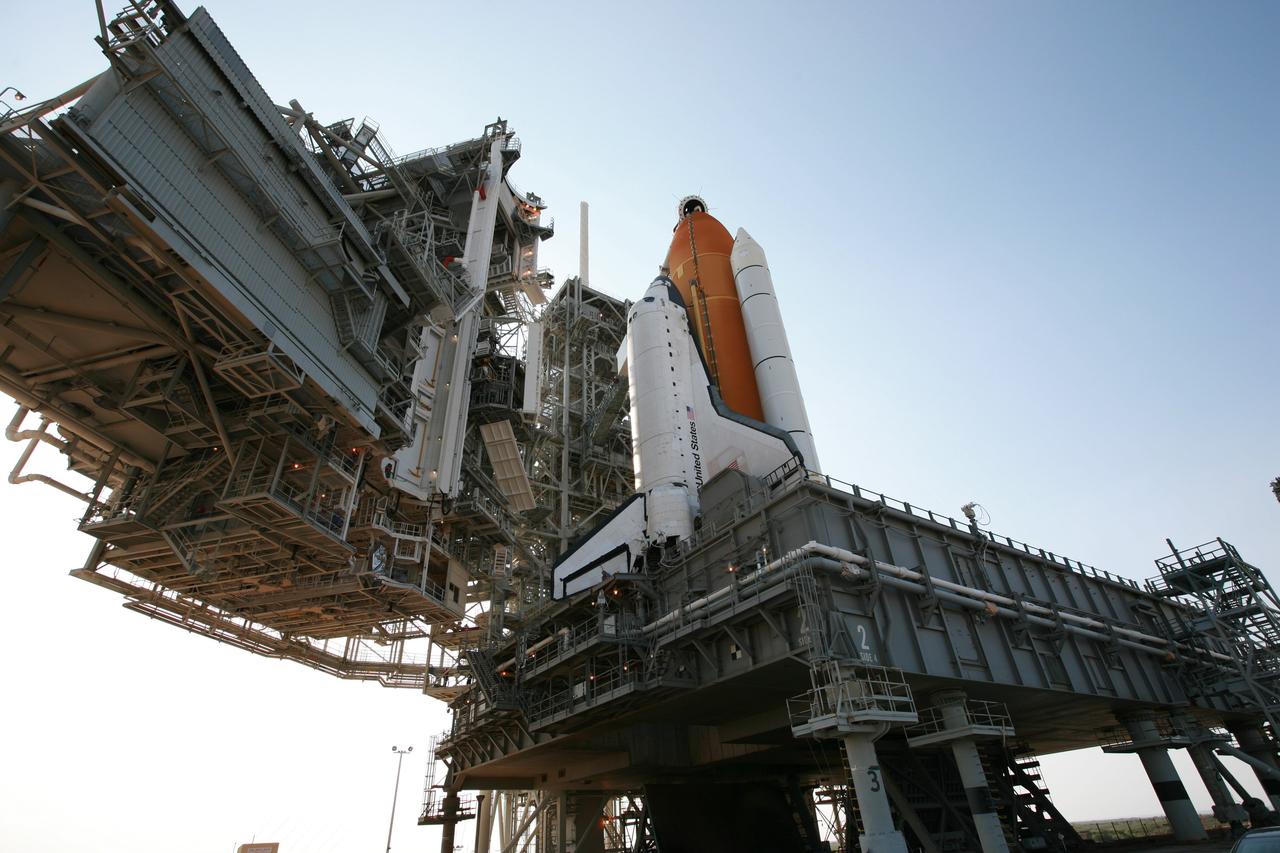
CAPE CANAVERAL, Fla. – On Launch Pad 39A at NASA's Kennedy Space Center in Florida, space shuttle Atlantis seems to tower above the mobile launcher platform after the pad’s rotating service structure, or RSS, has been rolled back. The RSS is retracted in preparation for Atlantis’ liftoff on the STS-125 mission to service NASA's Hubble Space Telescope. The rotating structure provides protected access to the shuttle for changeout and servicing of payloads at the pad. After the RSS is rolled back, the orbiter is ready for fuel cell activation and external tank cryogenic propellant loading operations. Atlantis' crew will service NASA's Hubble Space Telescope for the fifth and final time. The flight will include five spacewalks during which astronauts will refurbish and upgrade the telescope with state-of-the-art science instruments. As a result, Hubble's capabilities will be expanded and its operational lifespan extended through at least 2014. Launch is scheduled for 2:01 p.m. EDT on May 11. Photo credit: NASA/Dimitri Gerondidakis
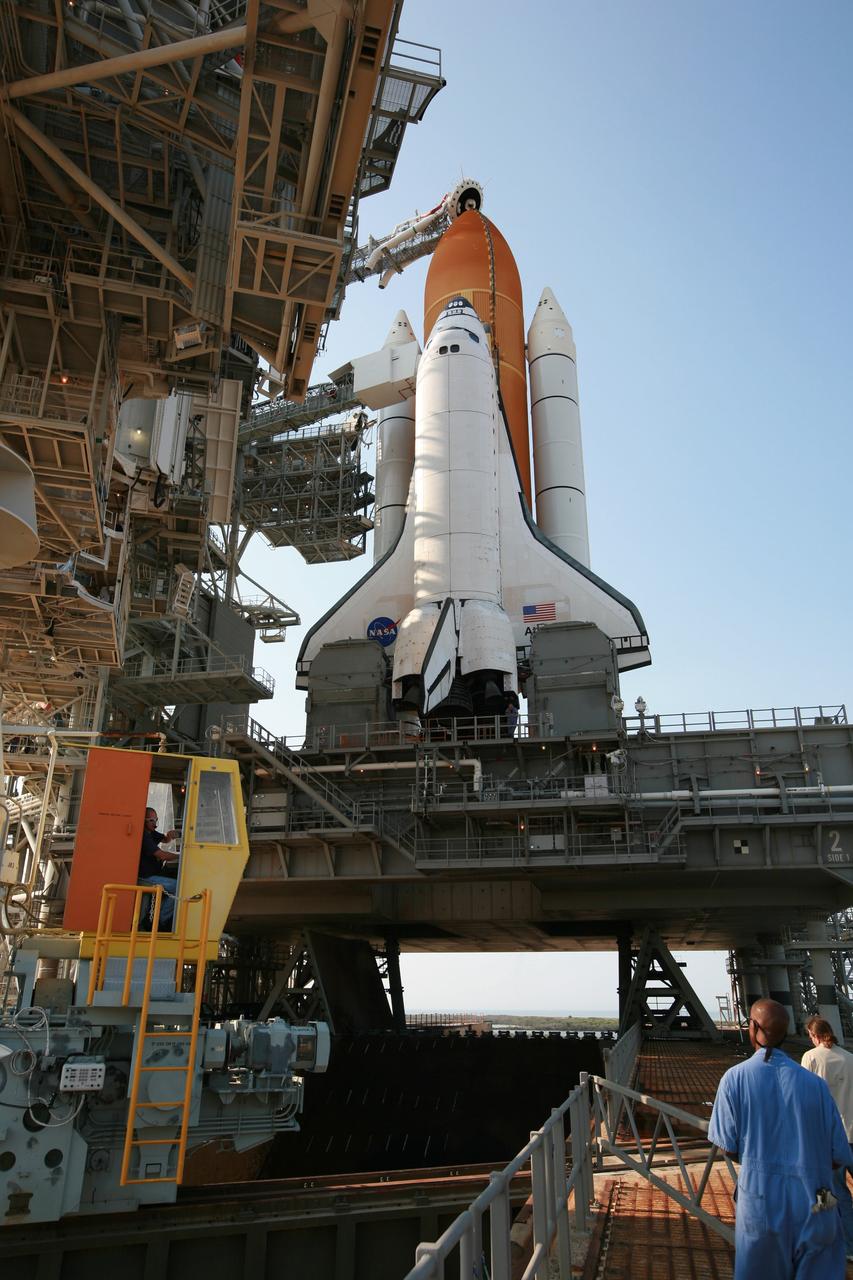
CAPE CANAVERAL, Fla. – On Launch Pad 39A at NASA's Kennedy Space Center in Florida, workers look on as the rotating service structure, or RSS, is rolled back from space shuttle Atlantis. The RSS is retracted in preparation for Atlantis’ liftoff on the STS-125 mission to service NASA's Hubble Space Telescope. The rotating structure provides protected access to the shuttle for changeout and servicing of payloads at the pad. After the RSS is rolled back, the orbiter is ready for fuel cell activation and external tank cryogenic propellant loading operations. Atlantis' crew will service NASA's Hubble Space Telescope for the fifth and final time. The flight will include five spacewalks during which astronauts will refurbish and upgrade the telescope with state-of-the-art science instruments. As a result, Hubble's capabilities will be expanded and its operational lifespan extended through at least 2014. Launch is scheduled for 2:01 p.m. EDT on May 11. Photo credit: NASA/Dimitri Gerondidakis
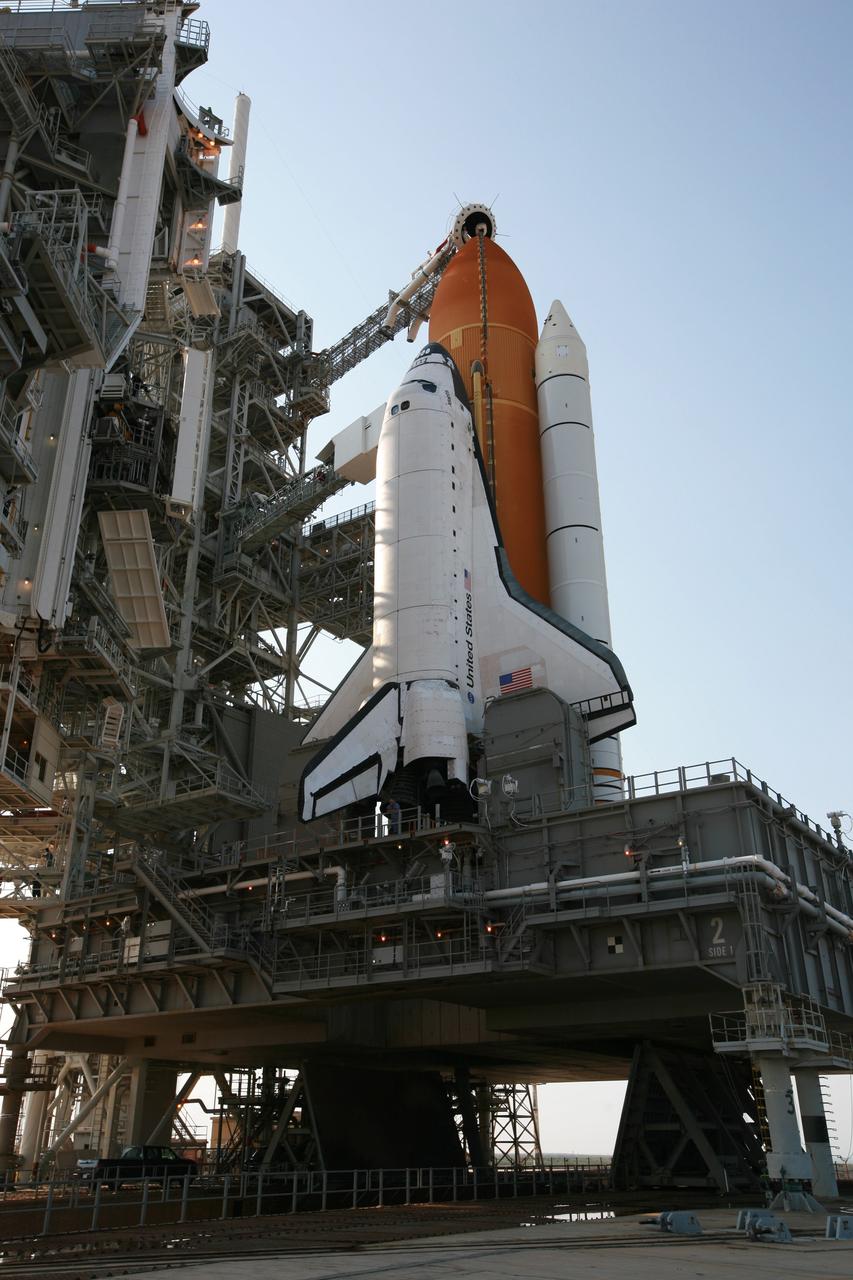
CAPE CANAVERAL, Fla. – On Launch Pad 39A at NASA's Kennedy Space Center in Florida, space shuttle Atlantis is revealed after the rotating service structure, or RSS, has been rolled back. The RSS is retracted in preparation for Atlantis’ liftoff on the STS-125 mission to service NASA's Hubble Space Telescope. The rotating structure provides protected access to the shuttle for changeout and servicing of payloads at the pad. After the RSS is rolled back, the orbiter is ready for fuel cell activation and external tank cryogenic propellant loading operations. Atlantis' crew will service NASA's Hubble Space Telescope for the fifth and final time. The flight will include five spacewalks during which astronauts will refurbish and upgrade the telescope with state-of-the-art science instruments. As a result, Hubble's capabilities will be expanded and its operational lifespan extended through at least 2014. Launch is scheduled for 2:01 p.m. EDT on May 11. Photo credit: NASA/Dimitri Gerondidakis
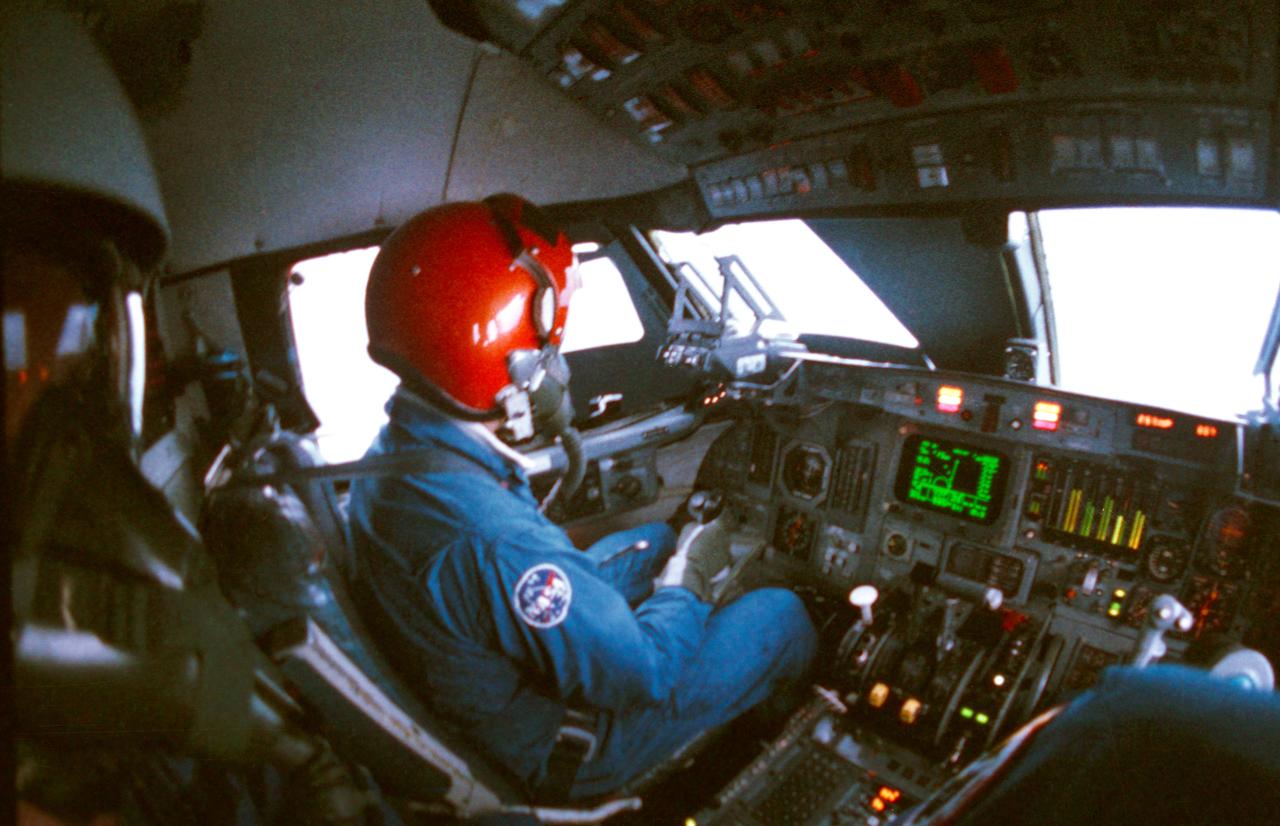
Astronauts John Young and Brewster Shaw in Shuttle Training Aircraft (STA), shot by National Geographic/Otis Imboden.
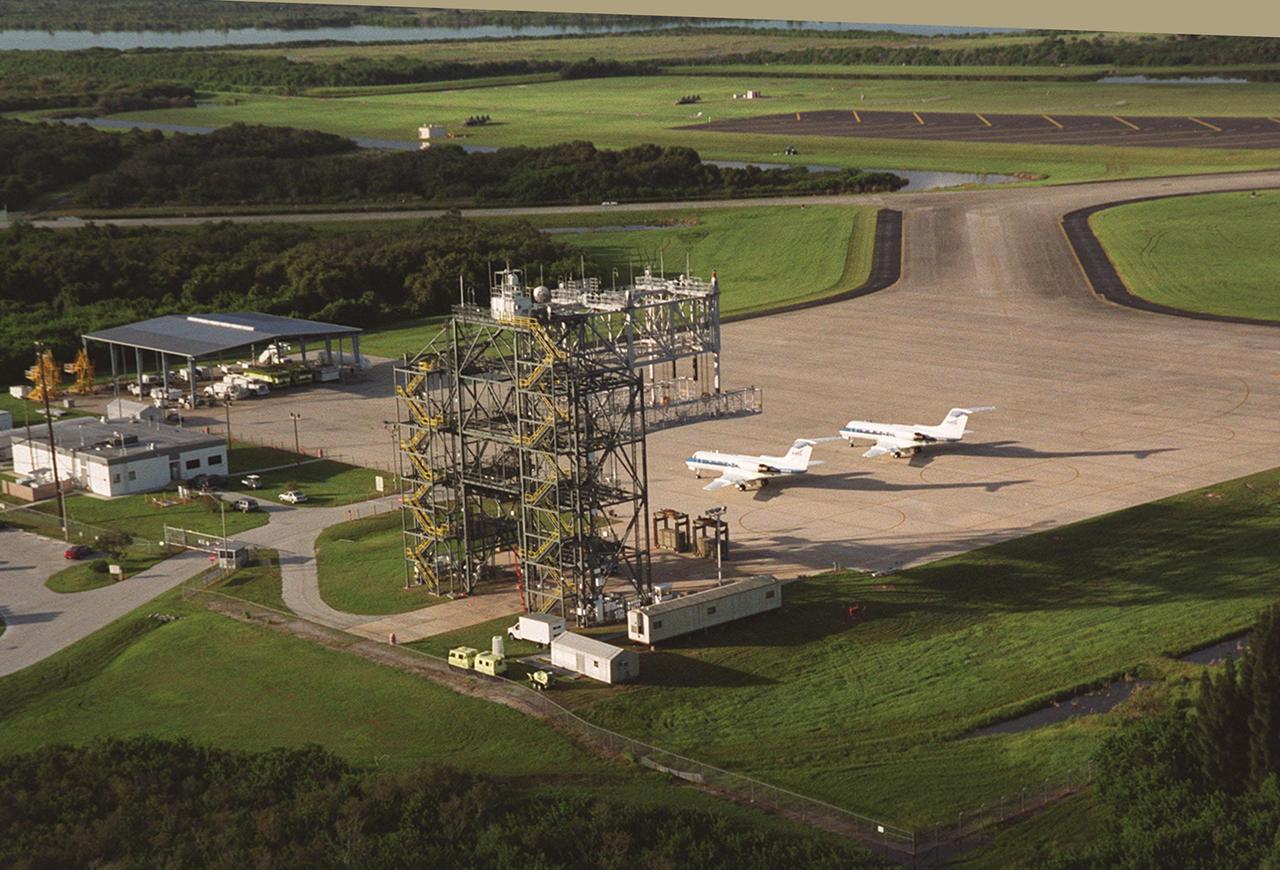
An aerial view of the Shuttle Landing Facility shows the Mate/Demate device in the foreground, with two Shuttle Training Aircraft (STA) on the ground behind it. Visible in the background is the runway and the taxi way leading from the SLF to the right. The STAs are Grumman Gulfstream 2 aircraft with converted cockpits that emulate those in the Shuttles for practice landings at the SLF.
![KENNEDY SPACE CENTER, FLA. -- At the Shuttle Landing Facility, KSC videographer Glen Benson films with HDTV the Shuttle Training Aircraft (STA) taxiing away. The STA is a modified Grumman Gulfstream II aircraft with an onboard special computer system to enable the aircraft to simulate the orbiter. [Photo by Walt Lindblom, Marshall SFC]](https://images-assets.nasa.gov/image/KSC-02pd1531/KSC-02pd1531~medium.jpg)
KENNEDY SPACE CENTER, FLA. -- At the Shuttle Landing Facility, KSC videographer Glen Benson films with HDTV the Shuttle Training Aircraft (STA) taxiing away. The STA is a modified Grumman Gulfstream II aircraft with an onboard special computer system to enable the aircraft to simulate the orbiter. [Photo by Walt Lindblom, Marshall SFC]
![KENNEDY SPACE CENTER, FLA. -- At the Shuttle Landing Facility, KSC videographer Glen Benson films with HDTV the Shuttle Training Aircraft (STA) preparing to land. The STA is a modified Grumman Gulfstream II aircraft with an onboard special computer system to enable the aircraft to simulate the orbiter. [Photo by Walt Lindblom, Marshall SFC]](https://images-assets.nasa.gov/image/KSC-02pd1532/KSC-02pd1532~medium.jpg)
KENNEDY SPACE CENTER, FLA. -- At the Shuttle Landing Facility, KSC videographer Glen Benson films with HDTV the Shuttle Training Aircraft (STA) preparing to land. The STA is a modified Grumman Gulfstream II aircraft with an onboard special computer system to enable the aircraft to simulate the orbiter. [Photo by Walt Lindblom, Marshall SFC]
KENNEDY SPACE CENTER, FLA. -- The left position light, strobe light and wing tip of one of NASA's Shuttle Training Aircraft, or STAs, sustained minor damage from apparent contact with a tree near Kennedy Space Center's Shuttle Landing Facility. The incident occurred during landing about 6:30 p.m. EDT Oct. 19 following a training session. An STA flight instructor was piloting the aircraft. The flight crew was unaware of any contact with the tree, and there were no injuries. Thunderstorms were in the area at the time of the incident, which is under investigation. The STA is a twin-engine Gulfstream II jet that was modified to simulate a space shuttle during landing. Photo credit: NASA/Kim Shiflett
JSC2009-E-084158 (16 April 2009) --- Astronaut Gregory C. Johnson, STS-125 pilot, flies a Shuttle Training Aircraft (STA) over Edwards Air Force Base, California, during a training session.

JSC2009-E-084157 (16 April 2009) --- Astronaut Gregory C. Johnson, STS-125 pilot, flies a Shuttle Training Aircraft (STA) over Edwards Air Force Base, California, during a training session.
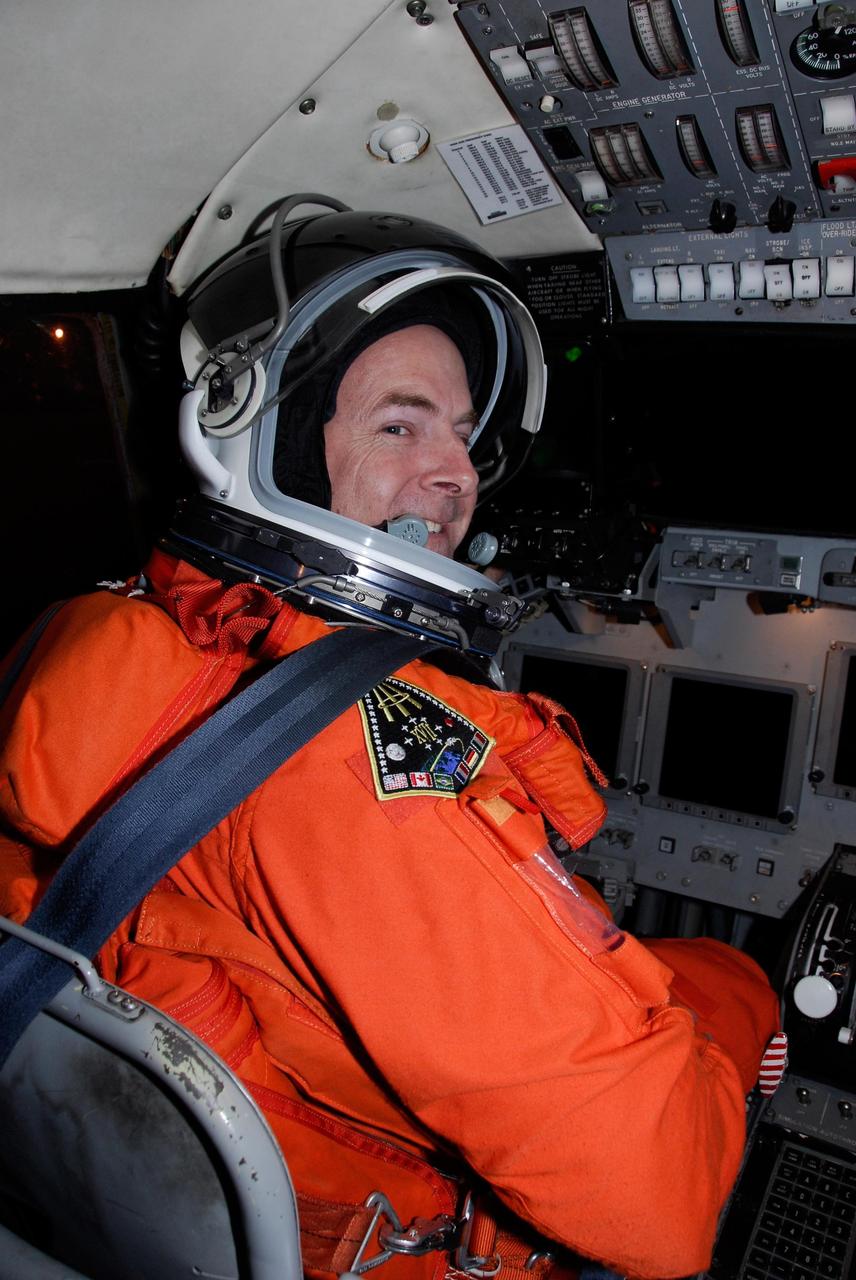
KENNEDY SPACE CENTER, FLA. -- Dressed in his launch and entry suit, STS-122 Pilot Alan Poindexter is seated in the shuttle training aircraft, or STA, at NASA's Kennedy Space Center. Poindexter and Commander Steve Frick will practice shuttle landings in the STA before the Dec. 6 launch on space shuttle Atlantis. The STA is a Grumman American Aviation-built Gulf Stream II jet that was modified to simulate an orbiter's cockpit, motion and visual cues, and handling qualities. Photo credit: NASA/Kim Shiflett
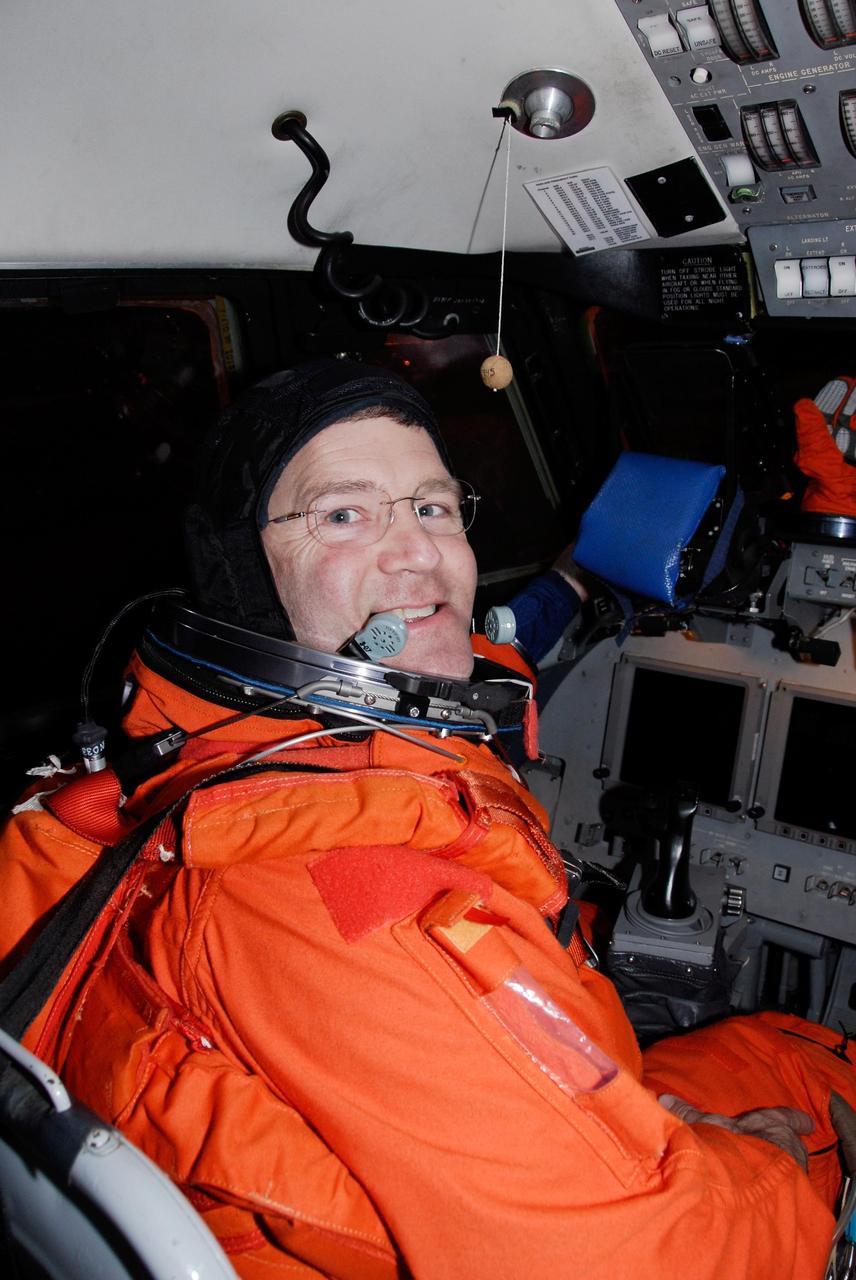
KENNEDY SPACE CENTER, FLA. -- Dressed in his launch and entry suit, STS-122 Commander Steve Frick is seated in the shuttle training aircraft, or STA, at NASA's Kennedy Space Center. Frick and Pilot Alan Poindexter will practice shuttle landings in the STA before the Dec. 6 launch on space shuttle Atlantis. The STA is a Grumman American Aviation-built Gulf Stream II jet that was modified to simulate an orbiter's cockpit, motion and visual cues, and handling qualities. Photo credit: NASA/Kim Shiflett
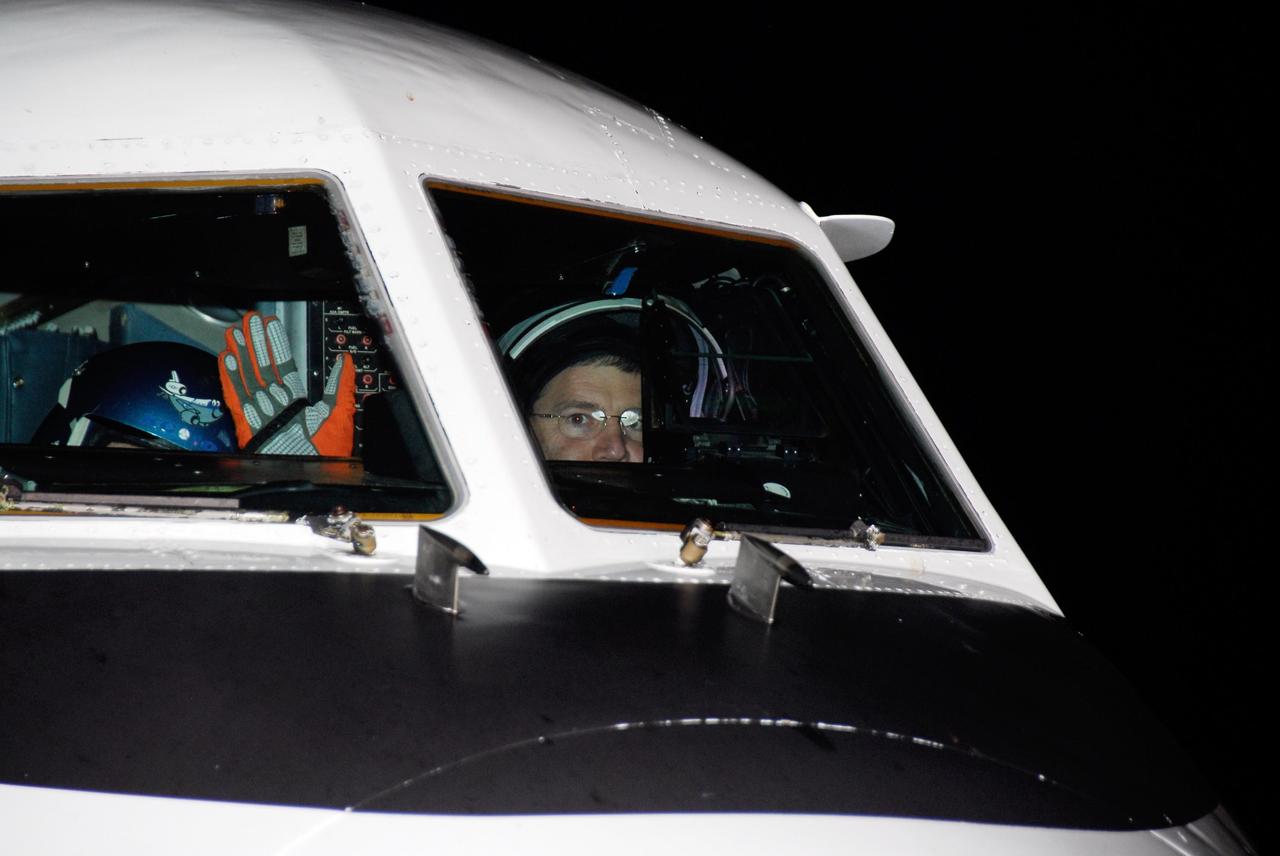
KENNEDY SPACE CENTER, FLA. -- STS-122 Commander Steve Frick waves from inside the cockpit of the shuttle training aircraft, or STA, at NASA's Kennedy Space Center. Frick and Pilot Alan Poindexter will practice shuttle landings in the STA before the Dec. 6 launch on space shuttle Atlantis. The STA is a Grumman American Aviation-built Gulf Stream II jet that was modified to simulate an orbiter's cockpit, motion and visual cues, and handling qualities. Photo credit: NASA/Kim Shiflett
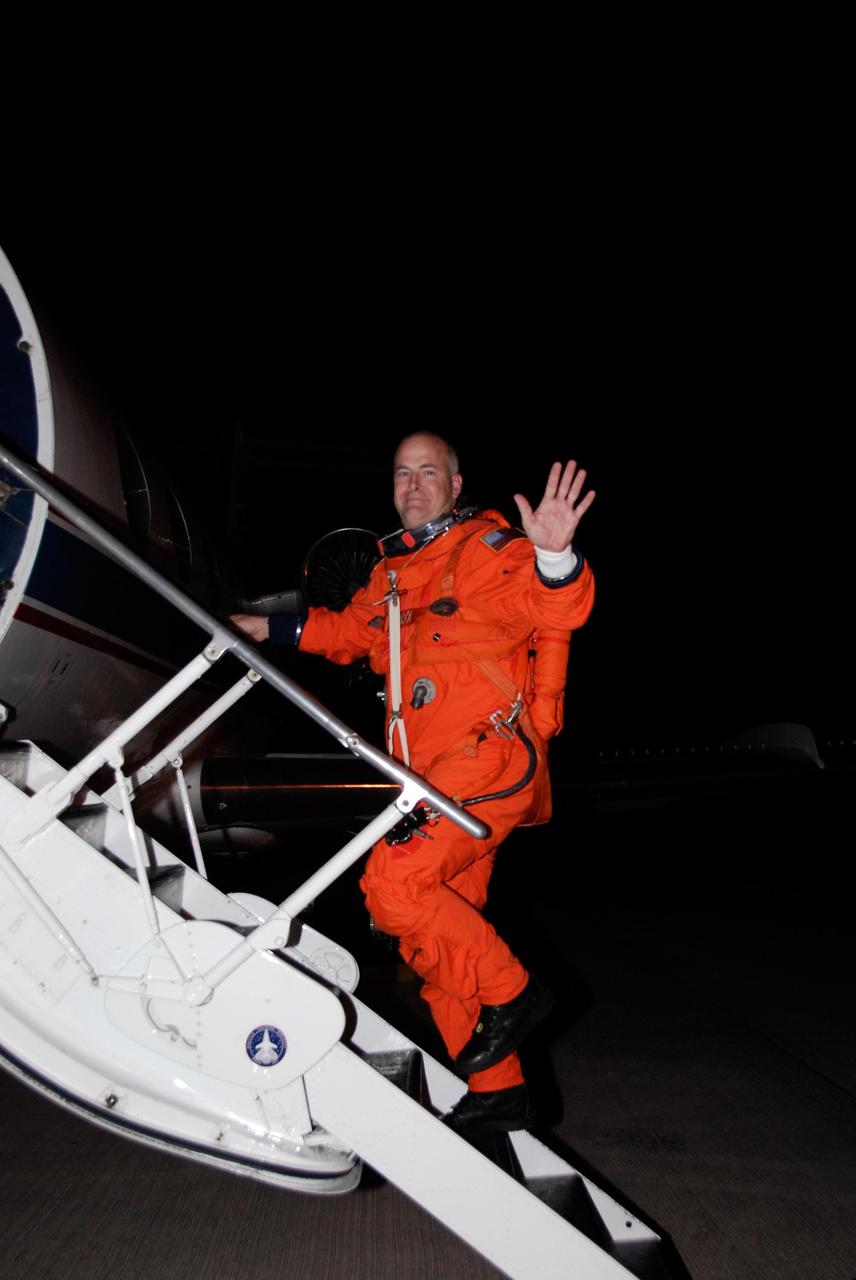
KENNEDY SPACE CENTER, FLA. -- Dressed in his launch and entry suit, STS-122 Pilot Alan Poindexter climbs the steps to the shuttle training aircraft, or STA, at NASA's Kennedy Space Center. Poindexter and Commander Steve Frick will practice shuttle landings in the STA before the Dec. 6 launch on space shuttle Atlantis. The STA is a Grumman American Aviation-built Gulf Stream II jet that was modified to simulate an orbiter's cockpit, motion and visual cues, and handling qualities. Photo credit: NASA/Kim Shiflett

KENNEDY SPACE CENTER, FLA. - At the Shuttle Landing Facility, the Shuttle Training Aircraft (STA) waits for the STS-121 pilot and commander to begin their practice flights. The STA is a modified Grumman American Aviation-built Gulf Stream II jet that was modified to simulate an orbiter’s cockpit, motion and visual cues, and handling qualities. In flight, the STA duplicates the orbiter’s atmospheric descent trajectory from approximately 35,000 feet altitude to landing on a runway. Because the orbiter is unpowered during re-entry and landing, its high-speed glide must be perfectly executed the first time. Space Shuttle Discovery is scheduled to launch July 1 on mission STS-121. Photo credit: NASA/Kim Shiflett
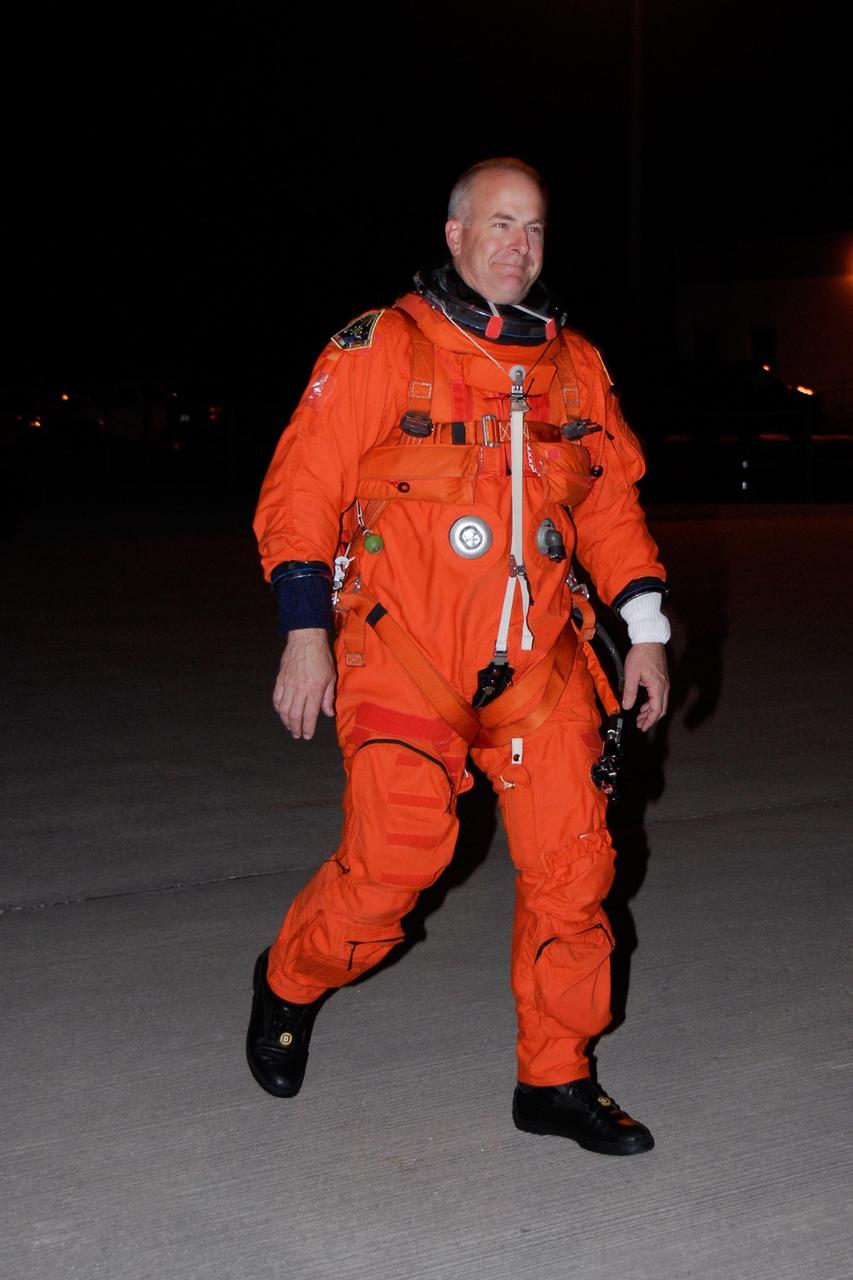
KENNEDY SPACE CENTER, FLA. -- Dressed in his launch and entry suit, STS-122 Pilot Alan Poindexter heads across the Shuttle Landing Facility at NASA's Kennedy Space Center to the shuttle training aircraft, or STA. Poindexter and Commander Steve Frick will practice shuttle landings in the STA before the Dec. 6 launch on space shuttle Atlantis. The STA is a Grumman American Aviation-built Gulf Stream II jet that was modified to simulate an orbiter's cockpit, motion and visual cues, and handling qualities. Photo credit: NASA/Kim Shiflett
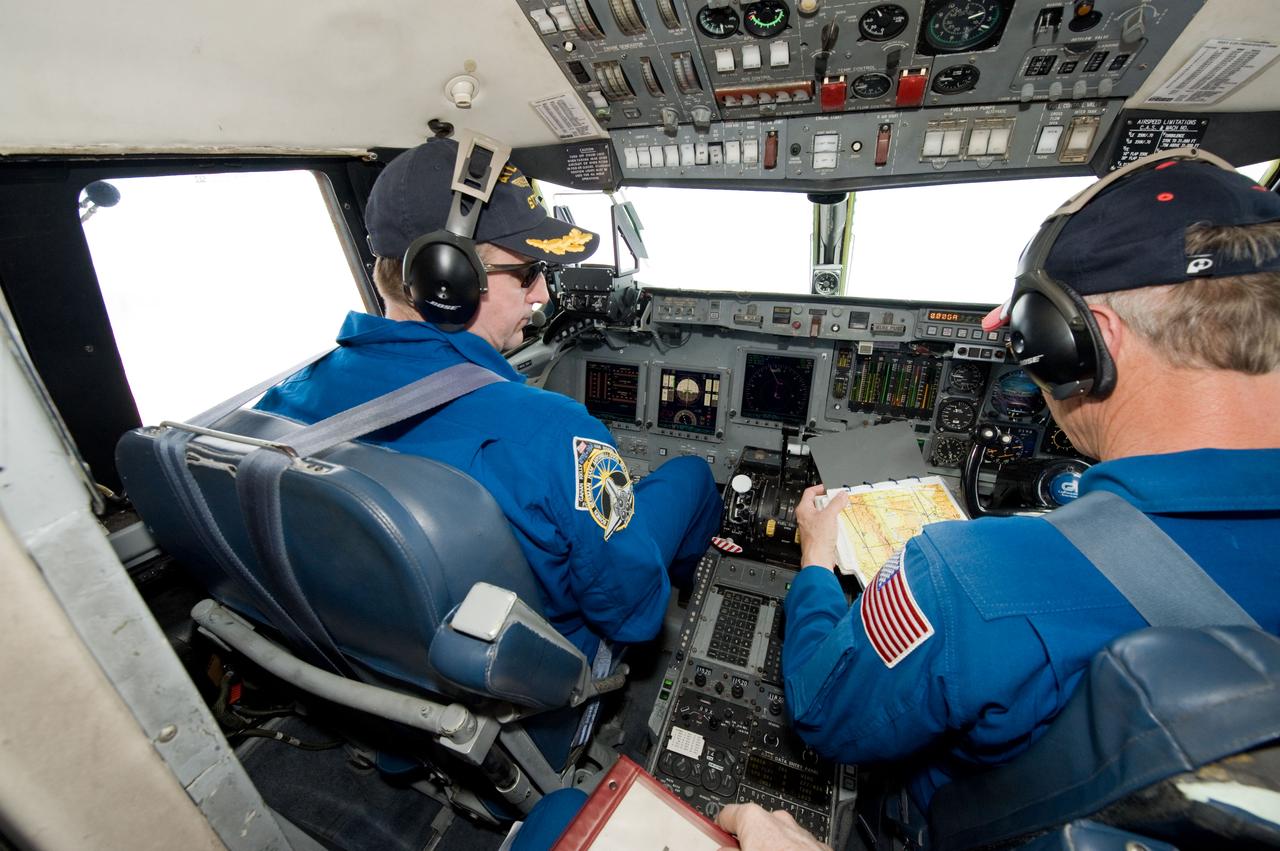
JSC2010-E-054299 (30 March 2010) --- NASA astronaut Ken Ham (left), STS-132 commander, flies a Shuttle Training Aircraft (STA) over White Sands Space Harbor, New Mexico, during a training session.
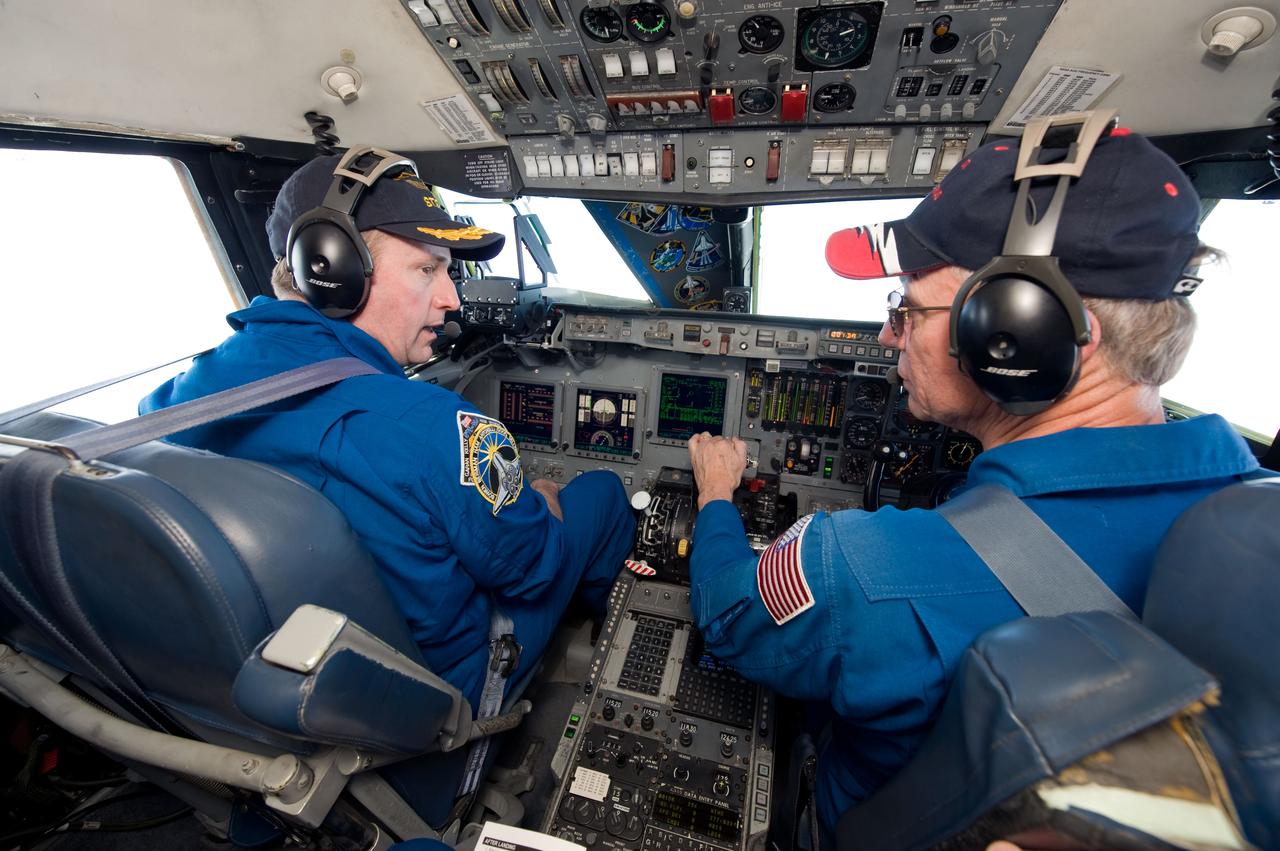
JSC2010-E-054304 (30 March 2010) --- NASA astronaut Ken Ham (left), STS-132 commander, flies a Shuttle Training Aircraft (STA) over White Sands Space Harbor, New Mexico, during a training session.
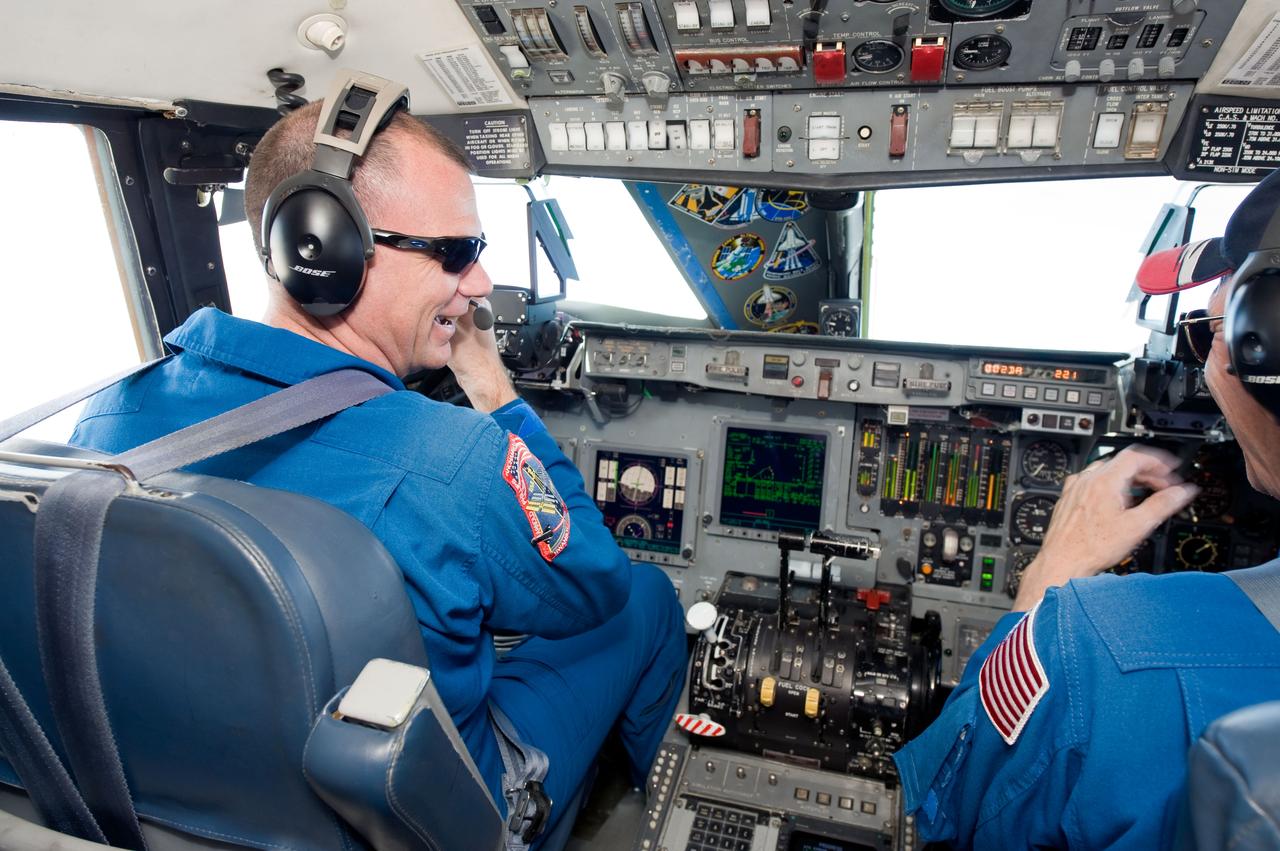
JSC2010-E-054306 (30 March 2010) --- NASA astronaut Tony Antonelli (left), STS-132 pilot, flies a Shuttle Training Aircraft (STA) over White Sands Space Harbor, New Mexico, during a training session.
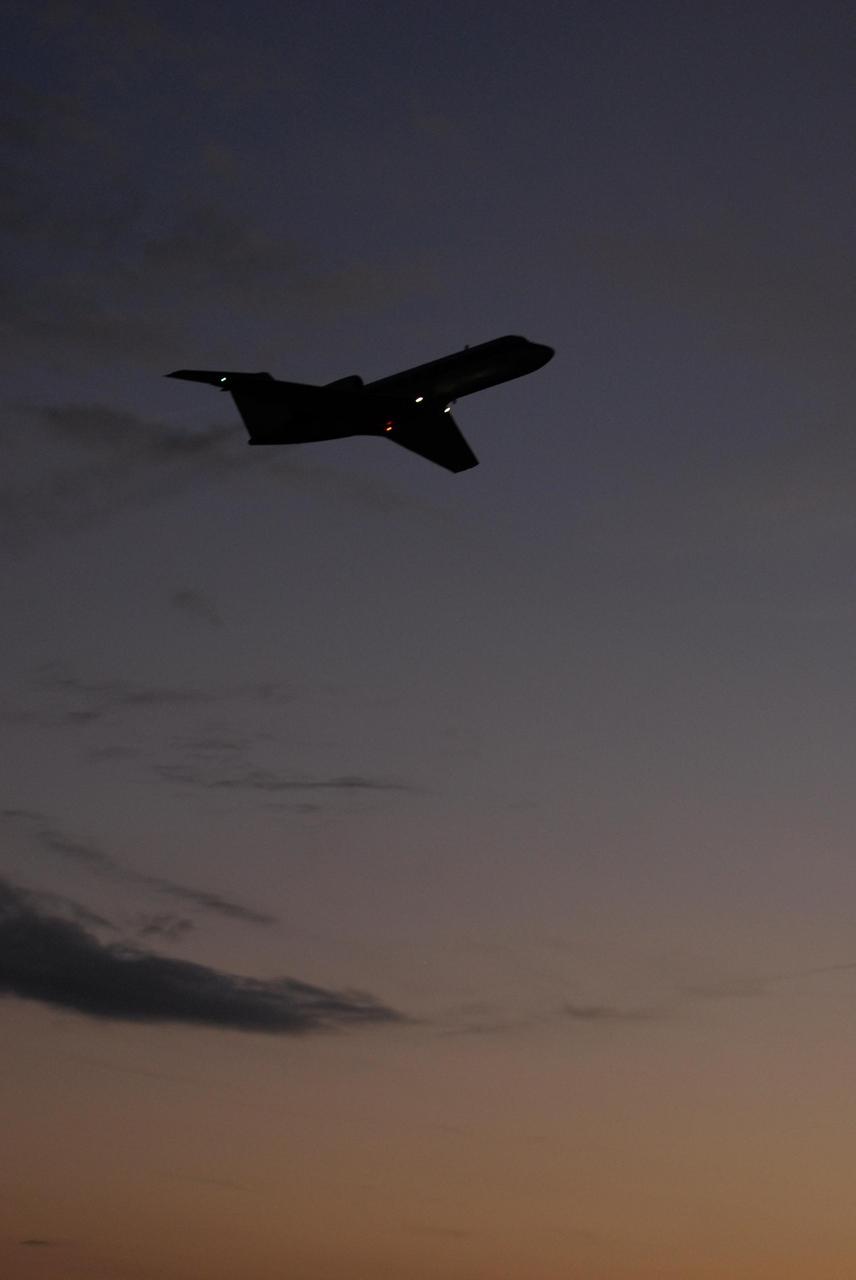
KENNEDY SPACE CENTER, FLA. -- A shuttle training aircraft, or STA, takes off from Kennedy Space Center's Shuttle Landing Facility at dusk. The STA is being used for practice flights by space shuttle Atlantis STS-122 Commander Steve Frick and Pilot Alan Poindexter. The STA is a Grumman American Aviation-built Gulf Stream II jet that was modified to simulate an orbiter's cockpit, motion and visual cues, and handling qualities. In flight, the STA duplicates the orbiter's atmospheric descent trajectory from approximately 35,000 feet altitude to landing on a runway. Because the orbiter is unpowered during re-entry and landing, its high-speed glide must be perfectly executed the first time. The training is part of terminal countdown demonstration test, or TCDT, activities. The TCDT provides astronauts and ground crews with equipment familiarization, emergency egress training and a simulated launch countdown. On mission STS-122, Atlantis will deliver the European Space Agency's Columbus module to the International Space Station. Columbus is a multifunctional, pressurized laboratory that will be permanently attached to U.S. Node 2, called Harmony, and will expand the research facilities aboard the station. Launch is targeted for Dec. 6. Photo credit: NASA/Kim Shiflett
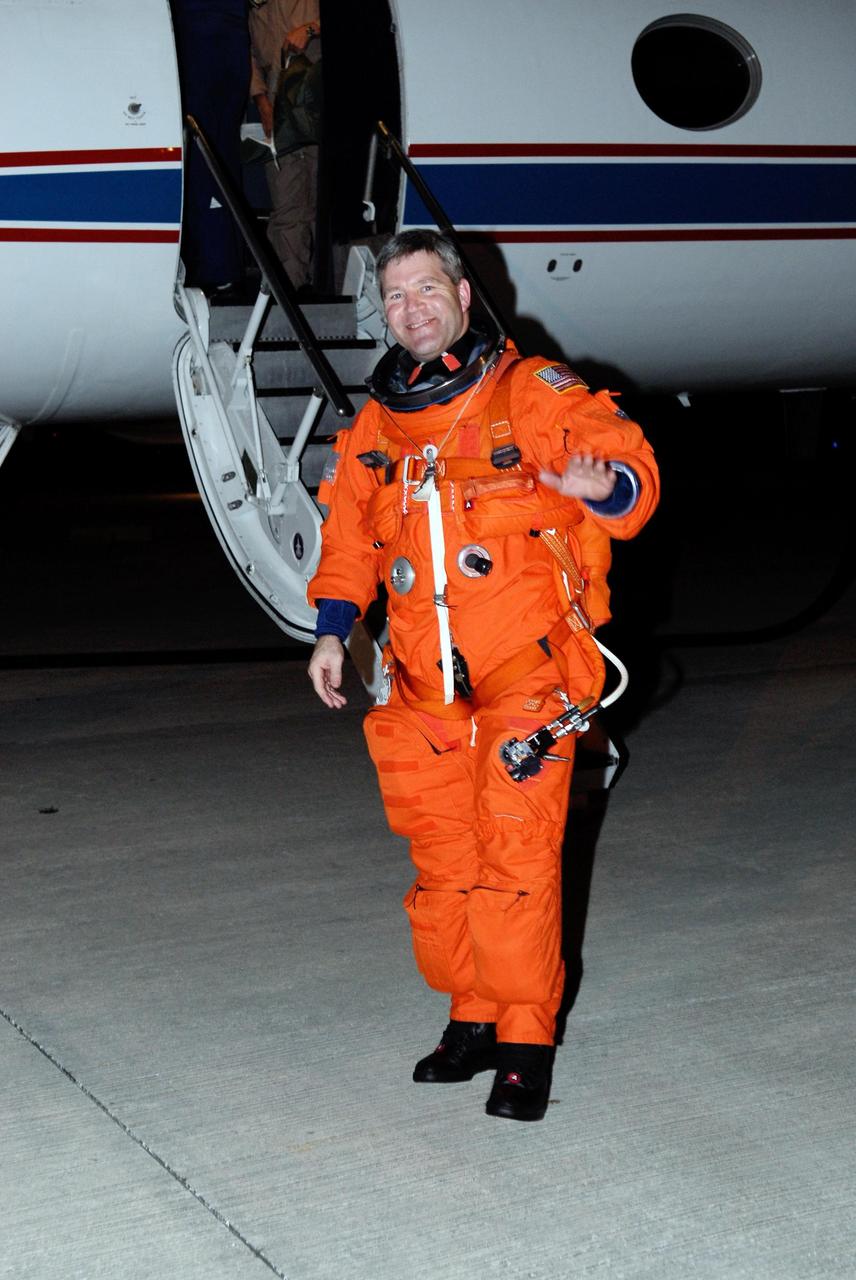
KENNEDY SPACE CENTER, FLA. -- Space shuttle Atlantis STS-122 Commander Steve Frick seems pleased with the practice session he has just completed aboard a shuttle training aircraft, or STA, at Kennedy Space Center's Shuttle Landing Facility. He and STS-122 Pilot Alan Poindexter were practicing landing the STA in preparation for their upcoming mission. The STA is a Grumman American Aviation-built Gulf Stream II jet that was modified to simulate an orbiter's cockpit, motion and visual cues, and handling qualities. In flight, the STA duplicates the orbiter's atmospheric descent trajectory from approximately 35,000 feet altitude to landing on a runway. Because the orbiter is unpowered during re-entry and landing, its high-speed glide must be perfectly executed the first time. The training is part of terminal countdown demonstration test, or TCDT, activities. The TCDT provides astronauts and ground crews with equipment familiarization, emergency egress training and a simulated launch countdown. On mission STS-122, Atlantis will deliver the European Space Agency's Columbus module to the International Space Station. Columbus is a multifunctional, pressurized laboratory that will be permanently attached to U.S. Node 2, called Harmony, and will expand the research facilities aboard the station. Launch is targeted for Dec. 6. Photo credit: NASA/Kim Shiflett
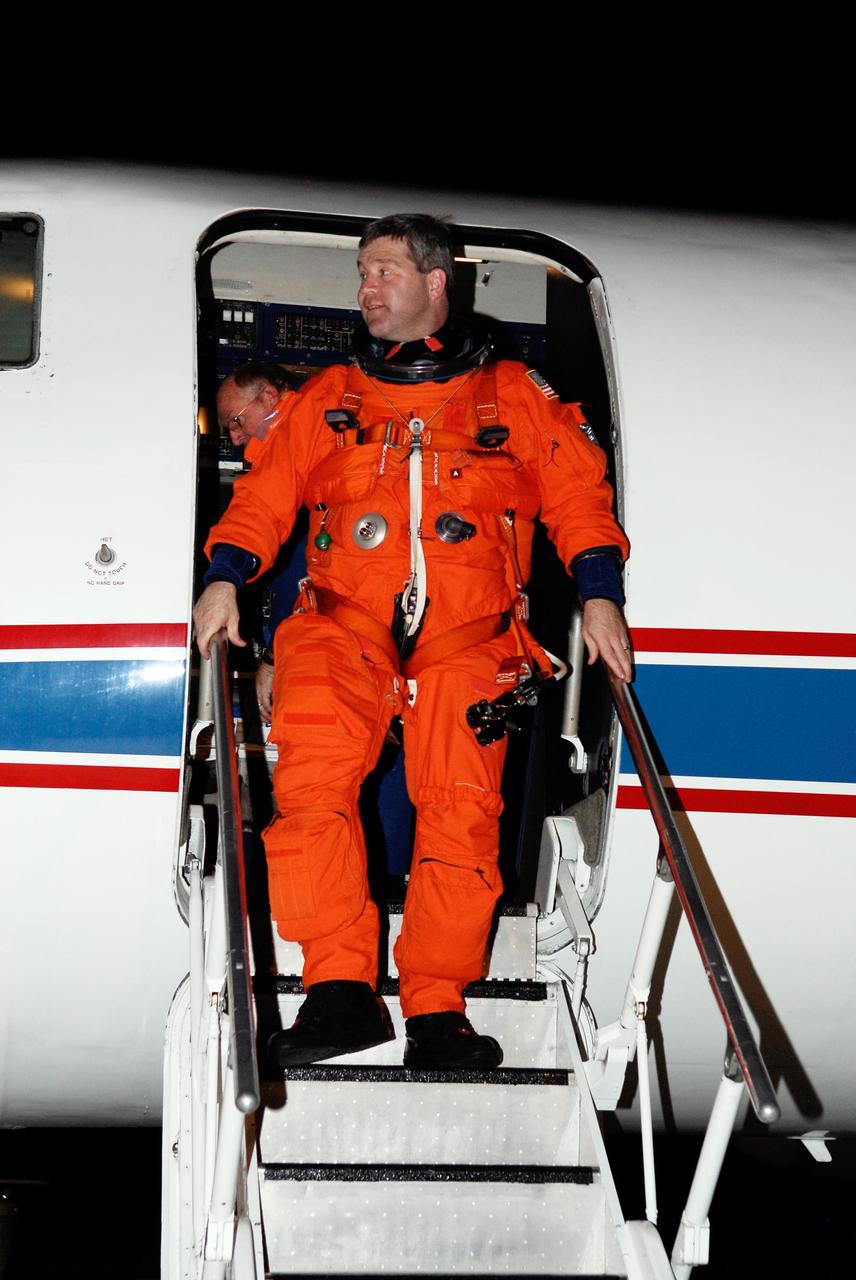
KENNEDY SPACE CENTER, FLA. -- Space shuttle Atlantis STS-122 Pilot Alan Poindexter disembarks from a shuttle training aircraft, or STA, at Kennedy Space Center's Shuttle Landing Facility. He and STS-122 Commander Steve Frick have just completed a practice session landing the STA. The STA is a Grumman American Aviation-built Gulf Stream II jet that was modified to simulate an orbiter's cockpit, motion and visual cues, and handling qualities. In flight, the STA duplicates the orbiter's atmospheric descent trajectory from approximately 35,000 feet altitude to landing on a runway. Because the orbiter is unpowered during re-entry and landing, its high-speed glide must be perfectly executed the first time. The training is part of terminal countdown demonstration test, or TCDT, activities. The TCDT provides astronauts and ground crews with equipment familiarization, emergency egress training and a simulated launch countdown. On mission STS-122, Atlantis will deliver the European Space Agency's Columbus module to the International Space Station. Columbus is a multifunctional, pressurized laboratory that will be permanently attached to U.S. Node 2, called Harmony, and will expand the research facilities aboard the station. Launch is targeted for Dec. 6. Photo credit: NASA/Kim Shiflett
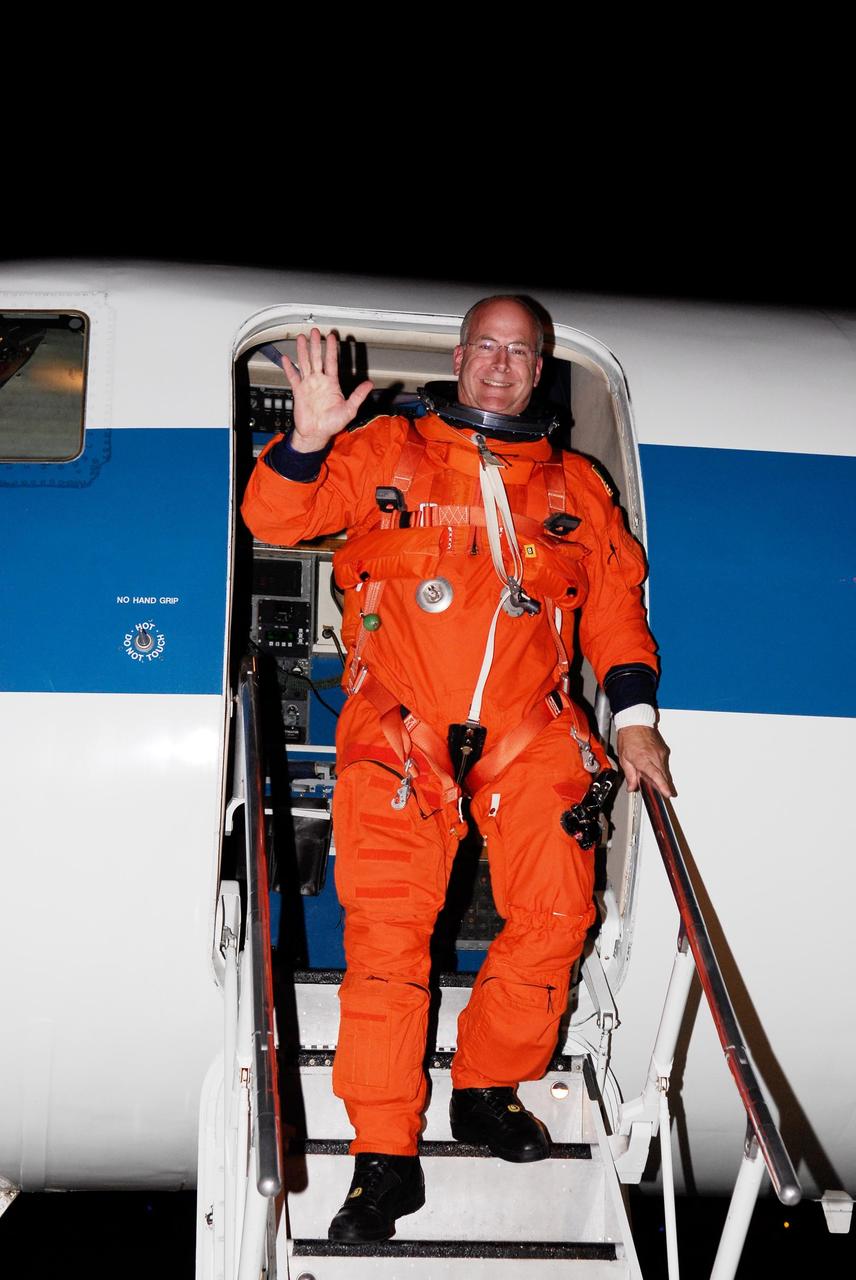
KENNEDY SPACE CENTER, FLA. -- Space shuttle Atlantis STS-122 Commander Steve Frick disembarks from a shuttle training aircraft, or STA, at Kennedy Space Center's Shuttle Landing Facility. He and STS-122 Pilot Alan Poindexter have just completed a practice session landing the STA. The STA is a Grumman American Aviation-built Gulf Stream II jet that was modified to simulate an orbiter's cockpit, motion and visual cues, and handling qualities. In flight, the STA duplicates the orbiter's atmospheric descent trajectory from approximately 35,000 feet altitude to landing on a runway. Because the orbiter is unpowered during re-entry and landing, its high-speed glide must be perfectly executed the first time. The training is part of terminal countdown demonstration test, or TCDT, activities. The TCDT provides astronauts and ground crews with equipment familiarization, emergency egress training and a simulated launch countdown. On mission STS-122, Atlantis will deliver the European Space Agency's Columbus module to the International Space Station. Columbus is a multifunctional, pressurized laboratory that will be permanently attached to U.S. Node 2, called Harmony, and will expand the research facilities aboard the station. Launch is targeted for Dec. 6. Photo credit: NASA/Kim Shiflett
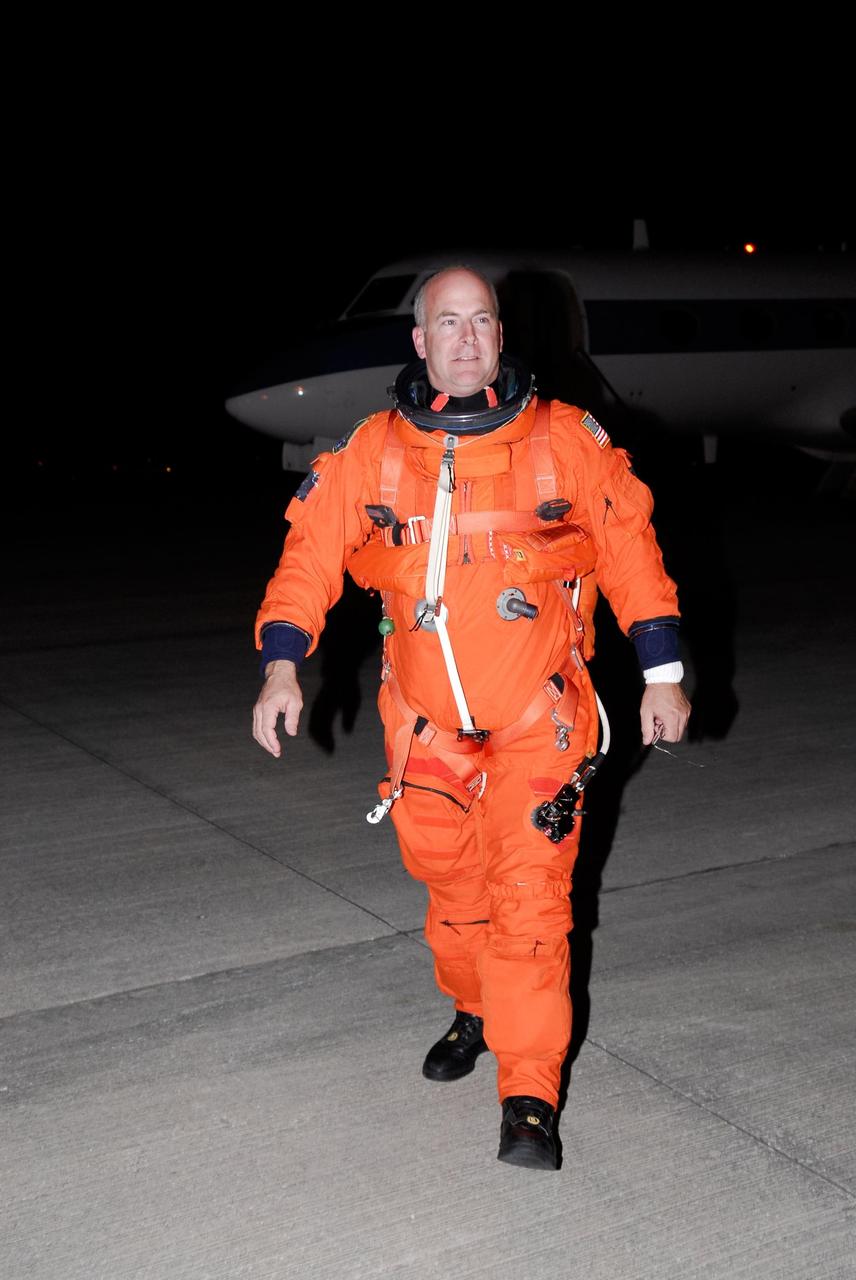
KENNEDY SPACE CENTER, FLA. -- Space shuttle Atlantis STS-122 Pilot Alan Poindexter seems satisfied with the practice session he has just completed aboard a shuttle training aircraft, or STA, at Kennedy Space Center's Shuttle Landing Facility. He and STS-122 Commander Steve Frick were practicing landing the STA in preparation for their upcoming mission. The STA is a Grumman American Aviation-built Gulf Stream II jet that was modified to simulate an orbiter's cockpit, motion and visual cues, and handling qualities. In flight, the STA duplicates the orbiter's atmospheric descent trajectory from approximately 35,000 feet altitude to landing on a runway. Because the orbiter is unpowered during re-entry and landing, its high-speed glide must be perfectly executed the first time. The training is part of terminal countdown demonstration test, or TCDT, activities. The TCDT provides astronauts and ground crews with equipment familiarization, emergency egress training and a simulated launch countdown. On mission STS-122, Atlantis will deliver the European Space Agency's Columbus module to the International Space Station. Columbus is a multifunctional, pressurized laboratory that will be permanently attached to U.S. Node 2, called Harmony, and will expand the research facilities aboard the station. Launch is targeted for Dec. 6. Photo credit: NASA/Kim Shiflett
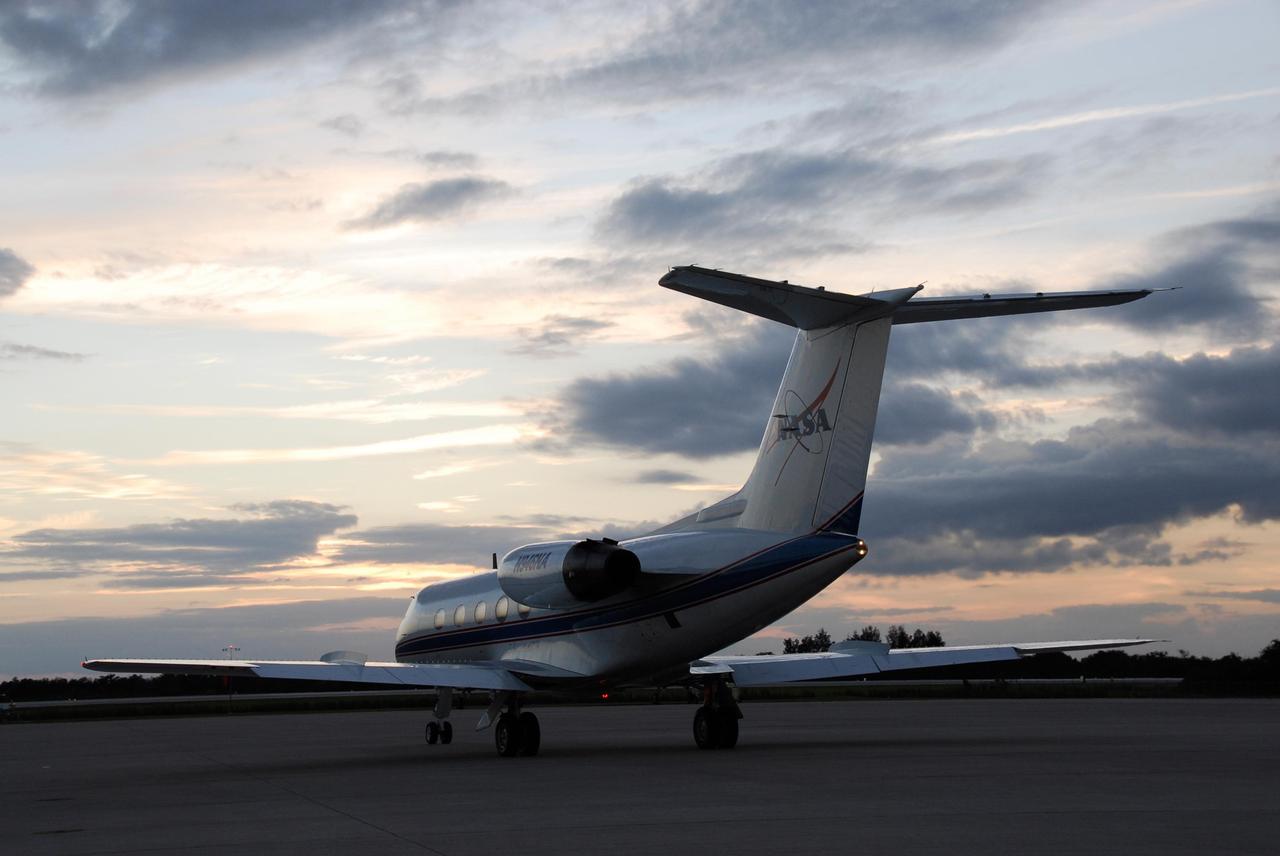
KENNEDY SPACE CENTER, FLA. -- A shuttle training aircraft, or STA, prepares for takeoff from Kennedy Space Center's Shuttle Landing Facility at dusk. The STA is being used for practice flights by space shuttle Atlantis STS-122 Commander Steve Frick and Pilot Alan Poindexter. The STA is a Grumman American Aviation-built Gulf Stream II jet that was modified to simulate an orbiter's cockpit, motion and visual cues, and handling qualities. In flight, the STA duplicates the orbiter's atmospheric descent trajectory from approximately 35,000 feet altitude to landing on a runway. Because the orbiter is unpowered during re-entry and landing, its high-speed glide must be perfectly executed the first time. The training is part of terminal countdown demonstration test, or TCDT, activities. The TCDT provides astronauts and ground crews with equipment familiarization, emergency egress training and a simulated launch countdown. On mission STS-122, Atlantis will deliver the European Space Agency's Columbus module to the International Space Station. Columbus is a multifunctional, pressurized laboratory that will be permanently attached to U.S. Node 2, called Harmony, and will expand the research facilities aboard the station. Launch is targeted for Dec. 6. Photo credit: NASA/Kim Shiflett
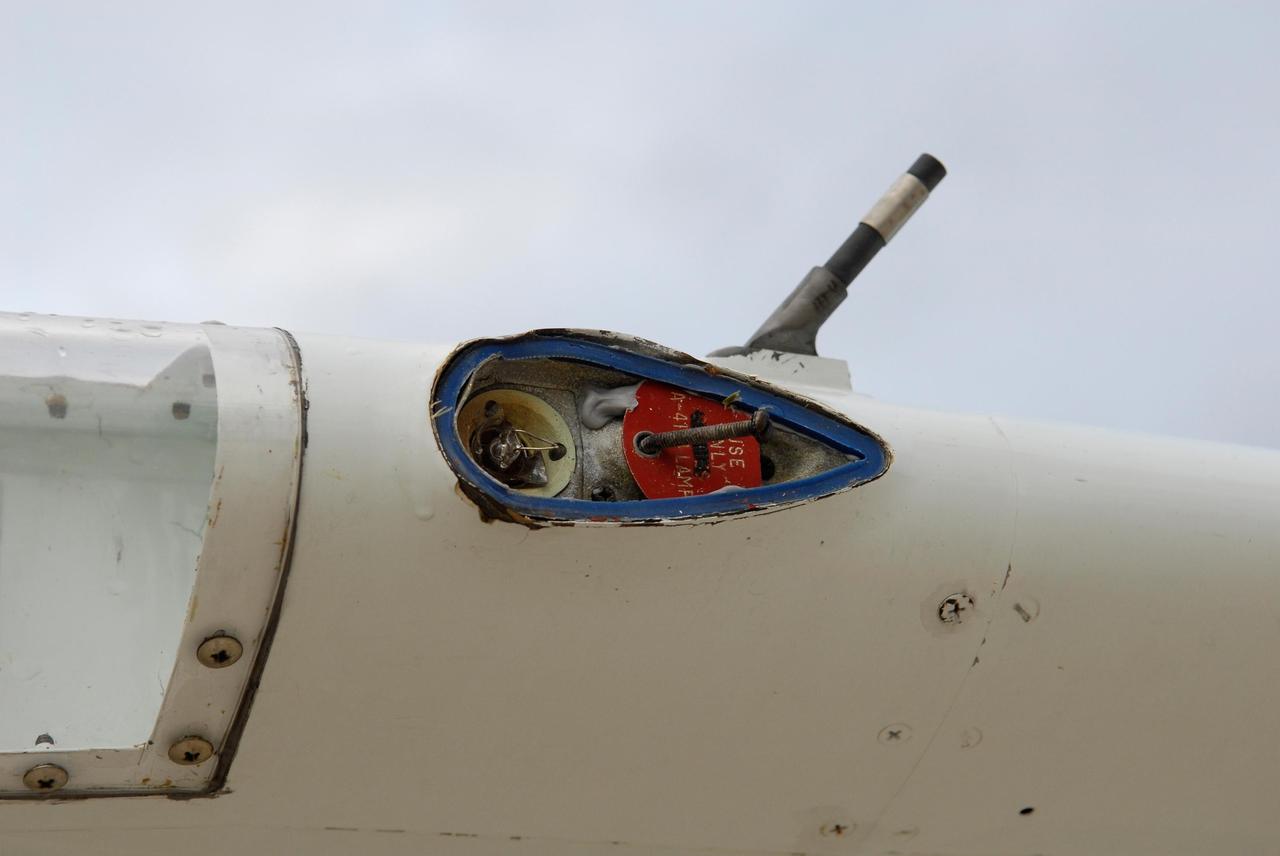
KENNEDY SPACE CENTER, FLA. -- Debris from apparent contact with a tree near Kennedy Space Center's Shuttle Landing Facility can be seen in the strobe light cavity on the left side of one of NASA's Shuttle Training Aircraft, or STA. The left position light and wing tip also received minor damage. The incident occurred during landing about 6:30 p.m. EDT Oct. 19 following a training session. An STA flight instructor was piloting the aircraft. The flight crew was unaware of any contact with the tree, and there were no injuries. Thunderstorms were in the area at the time of the incident, which is under investigation. The STA is a twin-engine Gulfstream II jet that was modified to simulate a space shuttle during landing. Photo credit: NASA/Kim Shiflett
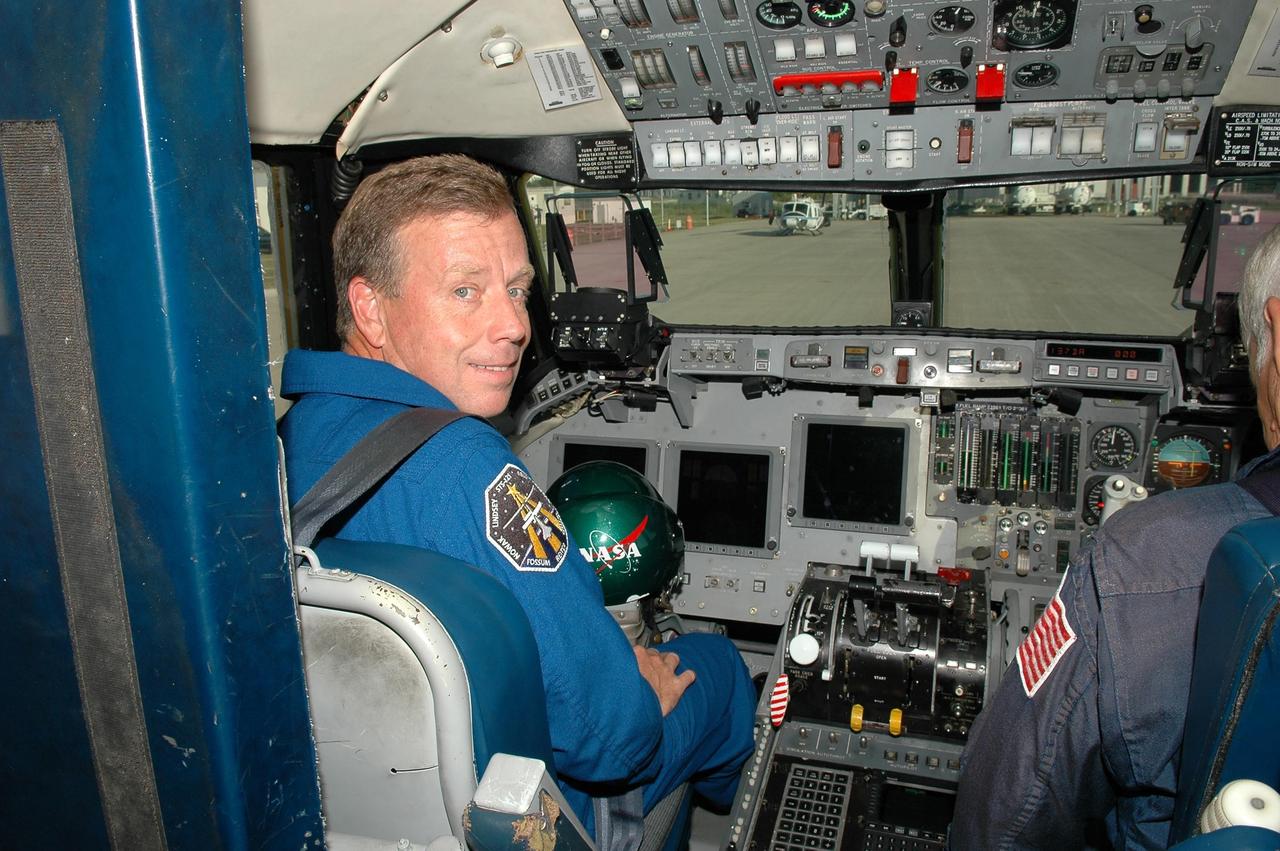
KENNEDY SPACE CENTER, FLA. - At the Shuttle Landing Facility, STS-121 Commander Steven Lindsey gets ready for a training flight in a Shuttle Training Aircraft (STA). He will be practicing landing the orbiter using the STA, which is a modified Grumman American Aviation-built Gulf Stream II jet that was modified to simulate an orbiter’s cockpit, motion and visual cues, and handling qualities. In flight, the STA duplicates the orbiter’s atmospheric descent trajectory from approximately 35,000 feet altitude to landing on a runway. Because the orbiter is unpowered during re-entry and landing, its high-speed glide must be perfectly executed the first time. Space Shuttle Discovery is scheduled to launch July 1 on mission STS-121. Photo credit: NASA/Kim Shiflett
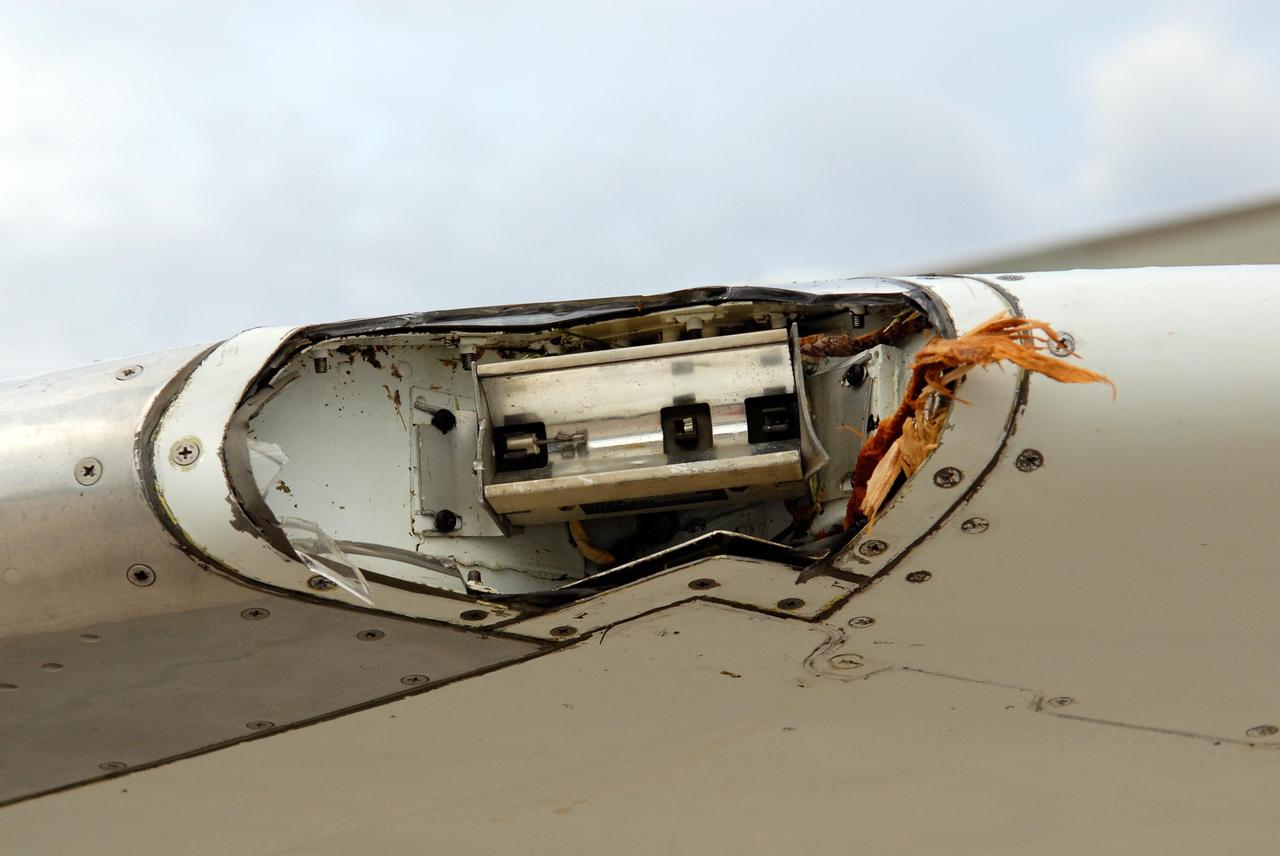
KENNEDY SPACE CENTER, FLA. -- Debris from apparent contact with a tree near Kennedy Space Center's Shuttle Landing Facility can be seen in the position light cavity on the left side of one of NASA's Shuttle Training Aircraft, or STA. The left strobe light and wing tip also received minor damage. The incident occurred during landing about 6:30 p.m. EDT Oct. 19 following a training session. An STA flight instructor was piloting the aircraft. The flight crew was unaware of any contact with the tree, and there were no injuries. Thunderstorms were in the area at the time of the incident, which is under investigation. The STA is a twin-engine Gulfstream II jet that was modified to simulate a space shuttle during landing. Photo credit: NASA/Kim Shiflett
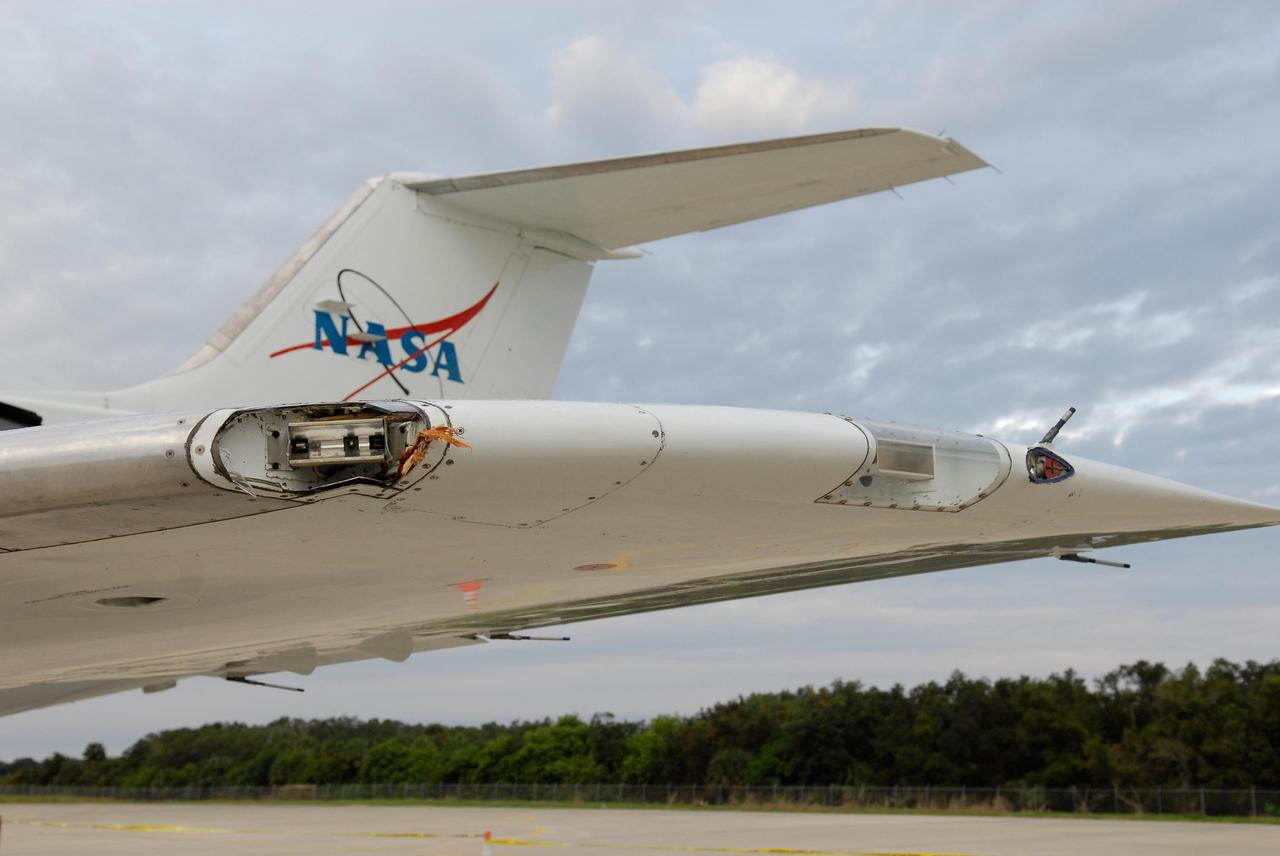
KENNEDY SPACE CENTER, FLA. -- The left position light, strobe light and wing tip of one of NASA's Shuttle Training Aircraft, or STA, show signs of minor damage from apparent contact with a tree near Kennedy Space Center's Shuttle Landing Facility. The incident occurred during landing about 6:30 p.m. EDT Oct. 19 following a training session. An STA flight instructor was piloting the aircraft. The flight crew was unaware of any contact with the tree, and there were no injuries. Thunderstorms were in the area at the time of the incident, which is under investigation. The STA is a twin-engine Gulfstream II jet that was modified to simulate a space shuttle during landing. Photo credit: NASA/Kim Shiflett
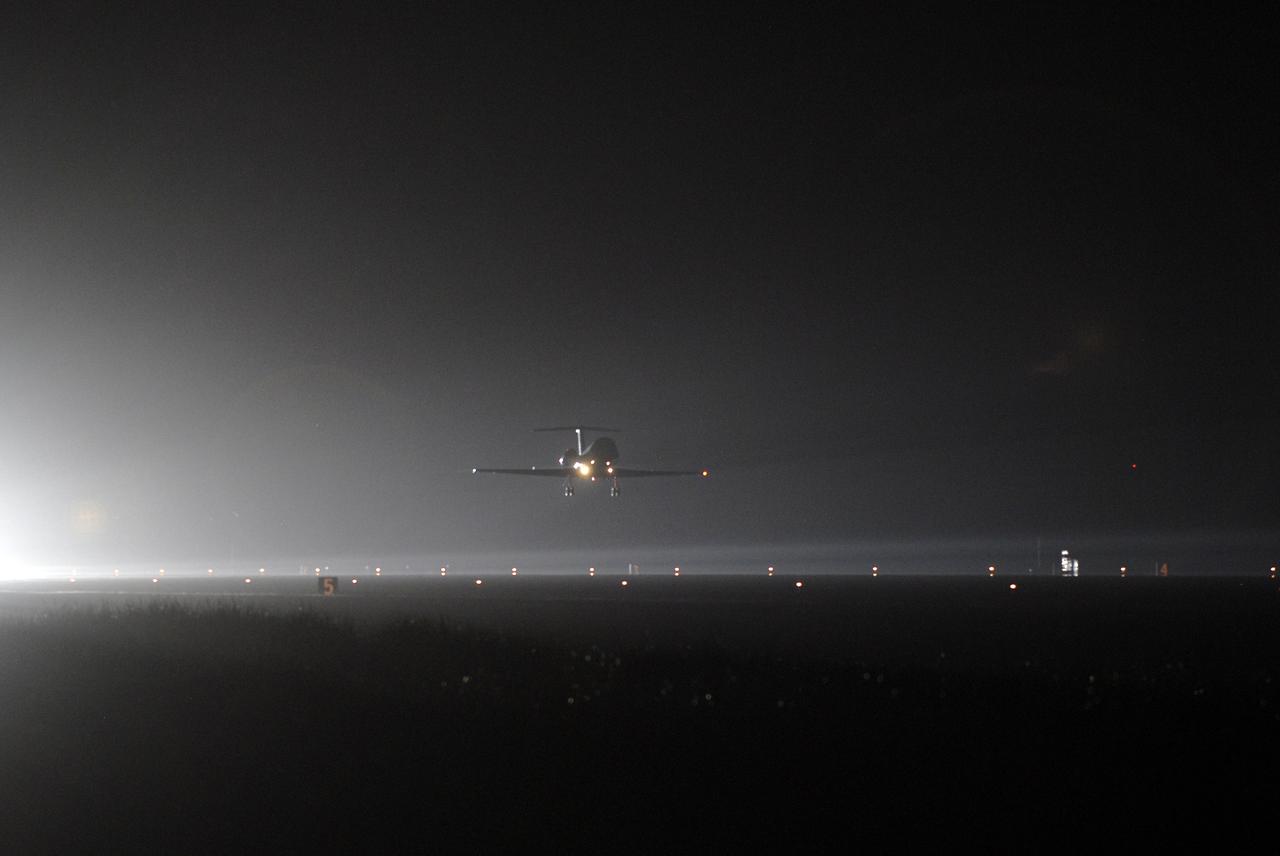
CAPE CANAVERAL, Fla. –At the Shuttle Landing Facility at NASA's Kennedy Space Center in Florida, a Shuttle Training Aircraft, or STA, approaches the runway during landing practice. STS-128 Commander Rick Sturckow and Pilot Kevin Ford are using the STAs to practice shuttle landings. The practice is in preparation for launch of space shuttle Discovery's STS-128 mission in late August to the International Space Station. The STA is a Grumman American Aviation-built Gulfstream II jet that was modified to simulate a shuttle’s cockpit, motion and visual cues, and handling qualities. The STS-128 crew is at Kennedy for a launch dress rehearsal called the terminal countdown demonstration test, or TCDT, which includes emergency exit training and equipment familiarization, as well as a simulated launch countdown. Discovery will deliver 33,000 pounds of equipment to the station, including science and storage racks, a freezer to store research samples, a new sleeping compartment and the COLBERT treadmill. Photo credit: NASA/Kim Shiflett
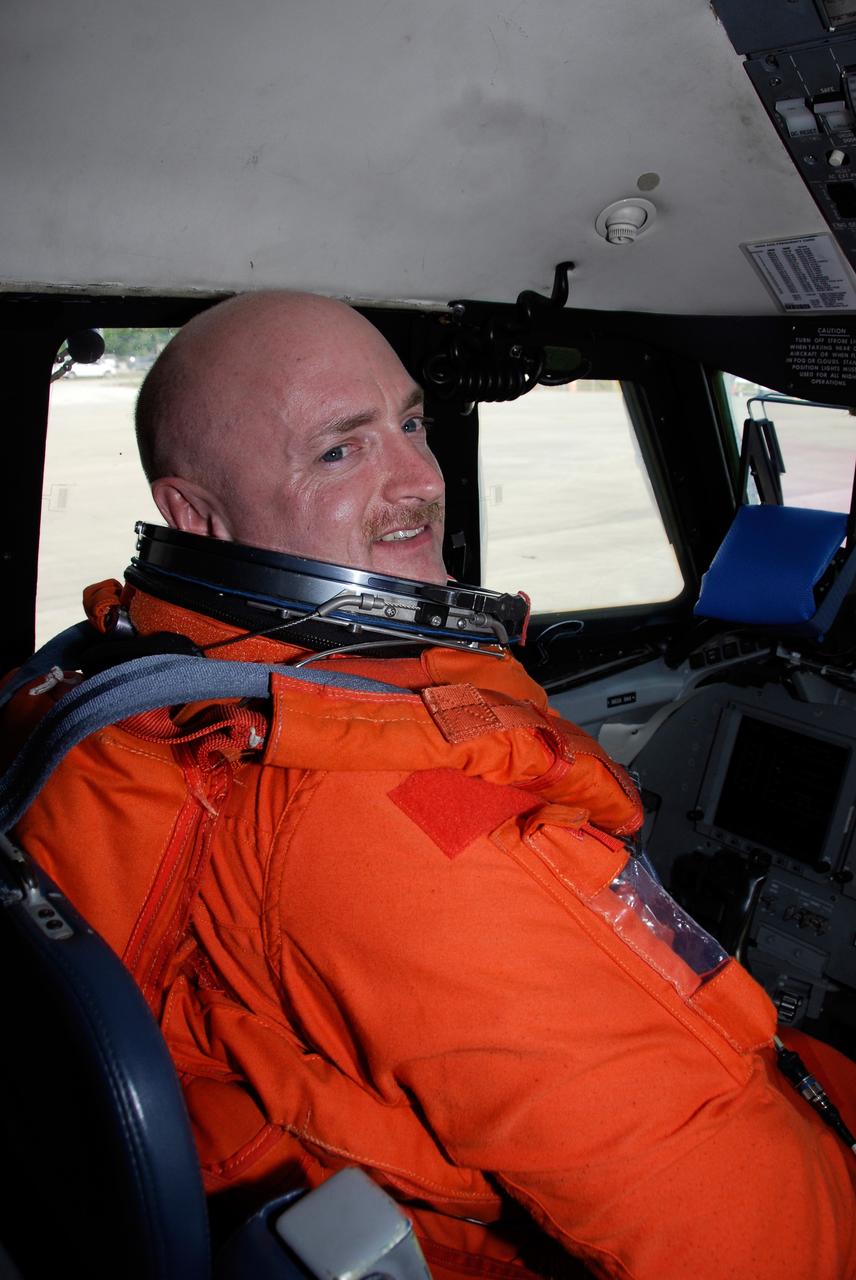
CAPE CANAVERAL, Fla. -- STS-124 Commander Mark Kelly sits in the cockpit of NASA's Shuttle Training Aircraft, or STA, preparing to practice space shuttle landings. The STA is a Grumman American Aviation-built Gulf Stream II jet that was modified to simulate an orbiter's cockpit, motion and visual cues, and handling qualities. In flight, the STA duplicates the orbiter's atmospheric descent trajectory from approximately 35,000 feet altitude to landing on a runway. Because the orbiter is unpowered during re-entry and landing, its high-speed glide must be perfectly executed the first time. The crew for space shuttle Discovery's STS-124 mission is at Kennedy for a full launch dress rehearsal, known as the terminal countdown demonstration test, or TCDT. Providing astronauts and ground crews with an opportunity to participate in various simulated countdown activities, TCDT includes equipment familiarization and emergency training. Discovery's launch is targeted for May 31. Photo credit: NASA/Kim Shiflett
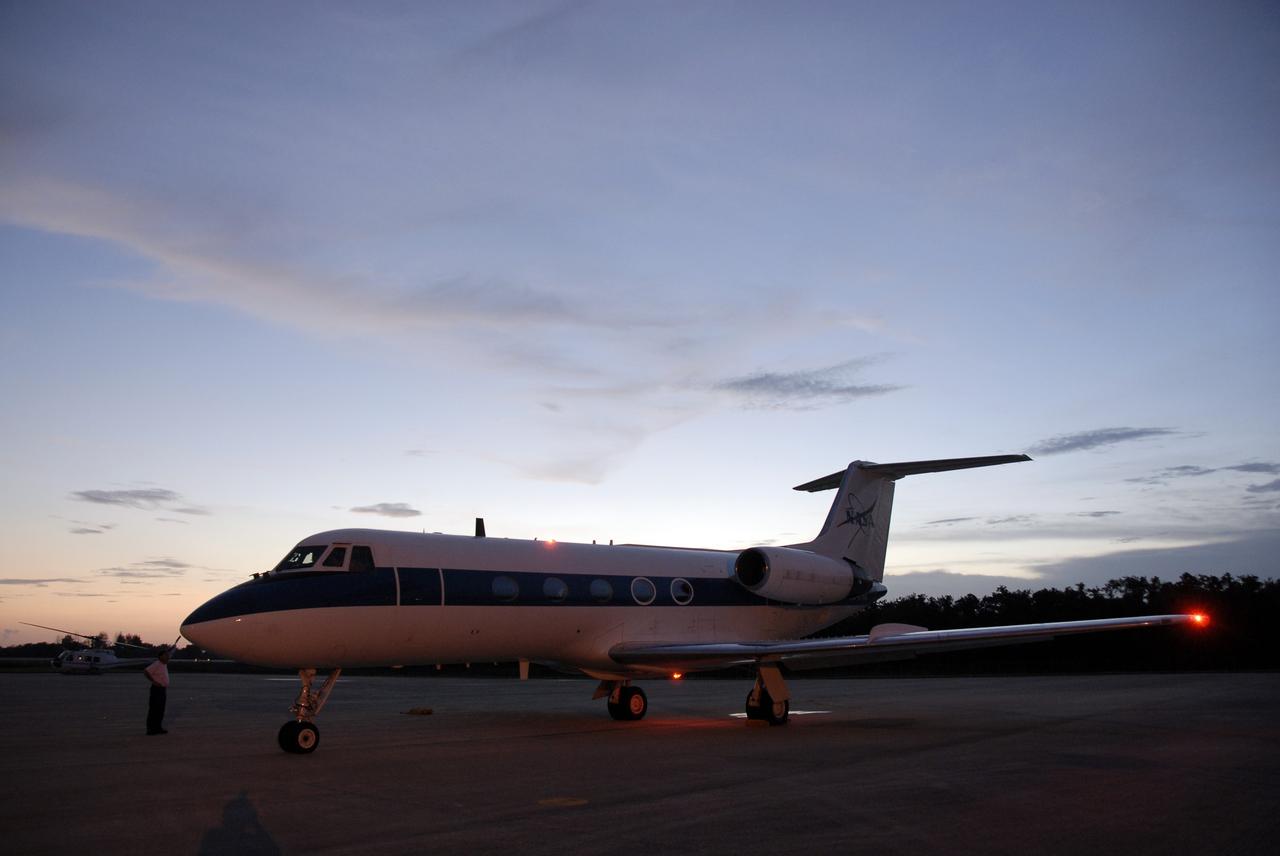
CAPE CANAVERAL, Fla. –At the Shuttle Landing Facility at NASA's Kennedy Space Center in Florida, one of the two Shuttle Training Aircraft, or STAs, waits to taxi to the runway. STS-128 Commander Rick Sturckow and Pilot Kevin Ford are using the STAs to practice shuttle landings. The practice is in preparation for launch of space shuttle Discovery's STS-128 mission in late August to the International Space Station. The STA is a Grumman American Aviation-built Gulfstream II jet that was modified to simulate a shuttle’s cockpit, motion and visual cues, and handling qualities. The STS-128 crew is at Kennedy for a launch dress rehearsal called the terminal countdown demonstration test, or TCDT, which includes emergency exit training and equipment familiarization, as well as a simulated launch countdown. Discovery will deliver 33,000 pounds of equipment to the station, including science and storage racks, a freezer to store research samples, a new sleeping compartment and the COLBERT treadmill. Photo credit: NASA/Kim Shiflett
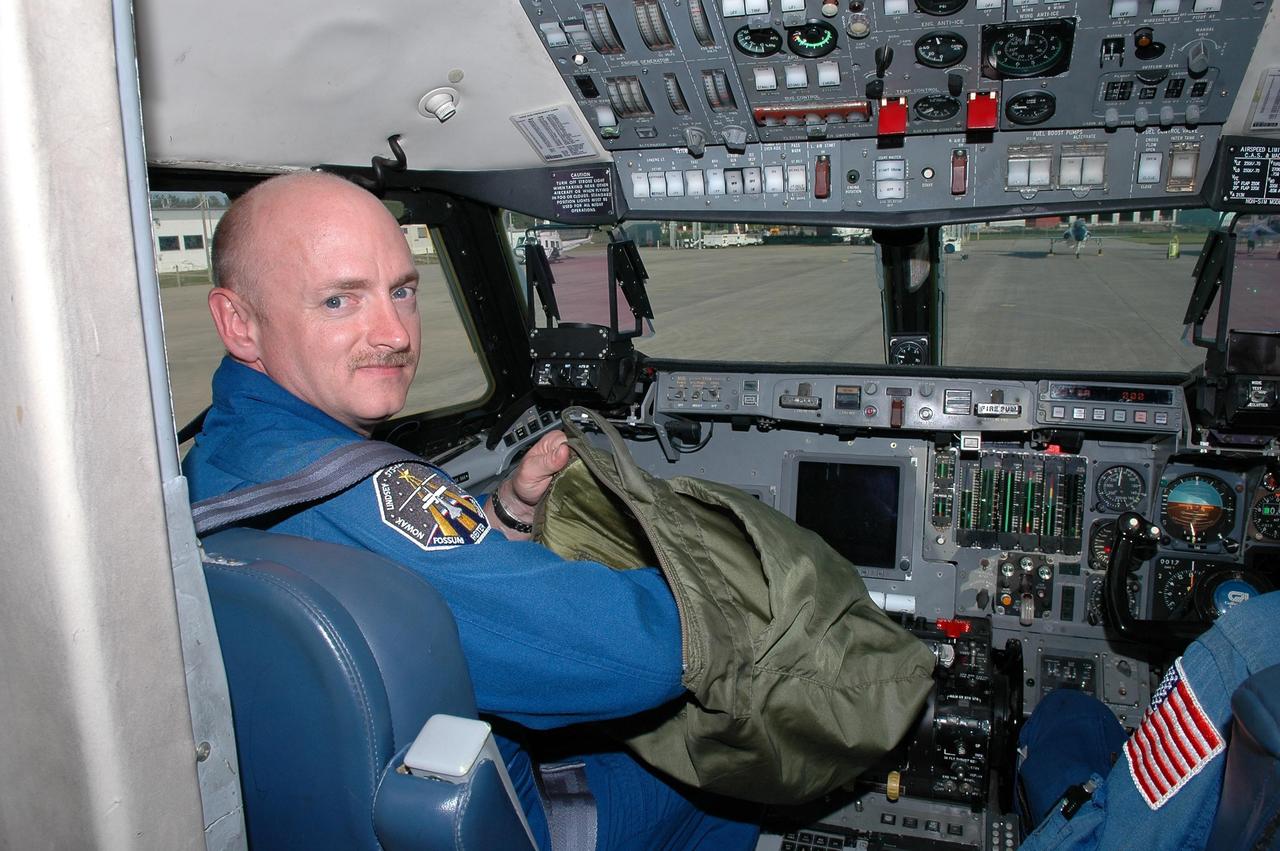
KENNEDY SPACE CENTER, FLA. - At the Shuttle Landing Facility, STS-121 Pilot Mark Kelly gets ready for a training flight in a Shuttle Training Aircraft (STA). He will be practicing landing the orbiter using the STA, which is a modified Grumman American Aviation-built Gulf Stream II jet that was modified to simulate an orbiter’s cockpit, motion and visual cues, and handling qualities. In flight, the STA duplicates the orbiter’s atmospheric descent trajectory from approximately 35,000 feet altitude to landing on a runway. Because the orbiter is unpowered during re-entry and landing, its high-speed glide must be perfectly executed the first time. Space Shuttle Discovery is scheduled to launch July 1 on mission STS-121. Photo credit: NASA/Kim Shiflett
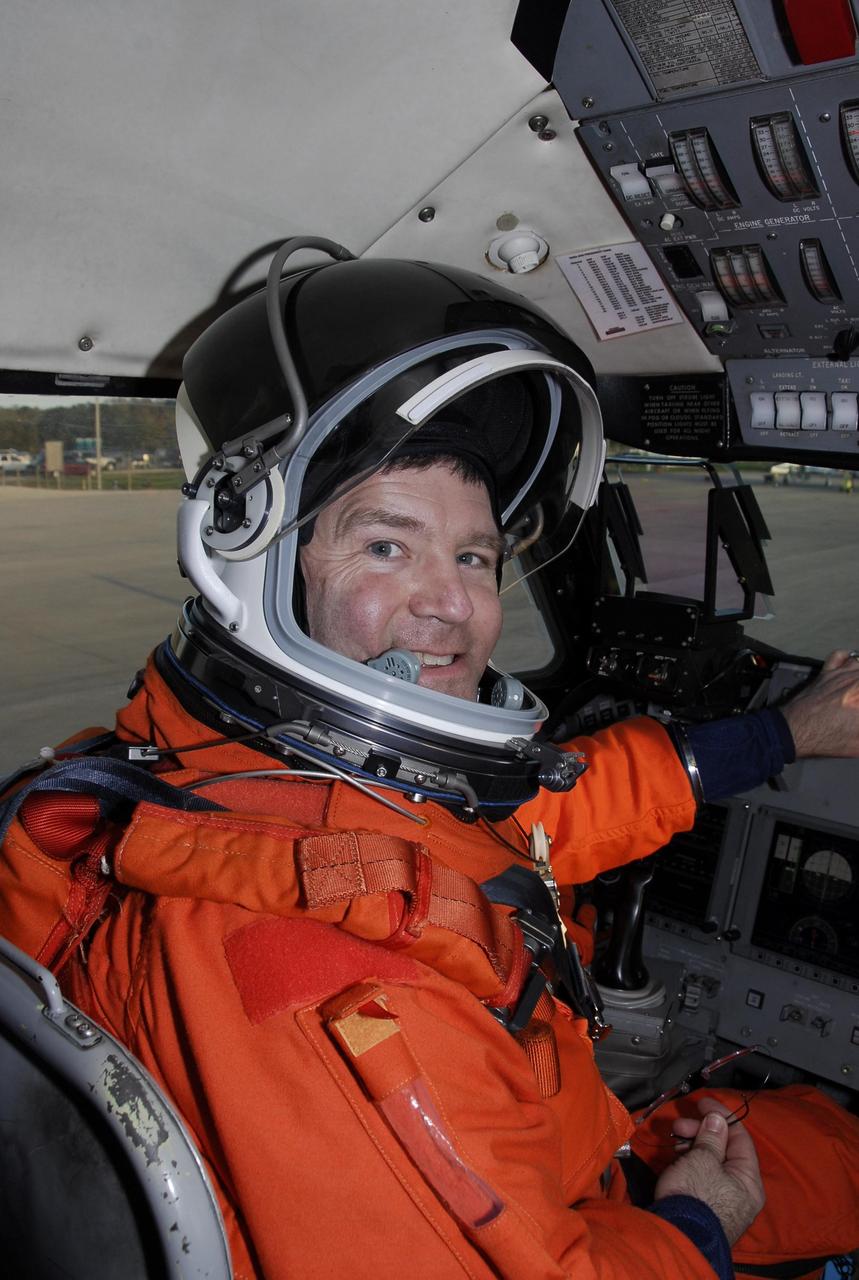
KENNEDY SPACE CENTER, FLA. -- At the Shuttle Landing Facility, STS-116 Commander Mark Polansky is in the pilot's seat of the shuttle training aircraft (STA), getting ready to practice landing the orbiter. The mission crew is at KSC for the terminal countdown demonstration test, which are prelaunch preparations that include a simulated launch countdown. STA practice is part of the TCDT. The STA is a Grumman American Aviation-built Gulf Stream II jet that was modified to simulate an orbiter's cockpit, motion and visual cues, and handling qualities. In flight, the STA duplicates the orbiter's atmospheric descent trajectory from approximately 35,000 feet altitude to landing on a runway. Because the orbiter is unpowered during re-entry and landing, its high-speed glide must be perfectly executed the first time. Photo credit: NASA/Kim Shiflett
KENNEDY SPACE CENTER, FLA. -- Dressed in his launch and entry suit, STS-122 Commander Steve Frick is seated in the shuttle training aircraft, or STA, at NASA's Kennedy Space Center. Frick and Pilot Alan Poindexter are practicing shuttle landings in the STA before the Feb. 7 launch of space shuttle Atlantis. The STA is a Grumman American Aviation-built Gulf Stream II jet that was modified to simulate an orbiter's cockpit, motion and visual cues, and handling qualities. In flight, the STA duplicates the orbiter's atmospheric descent trajectory from approximately 35,000 feet altitude to landing on a runway. Because the orbiter is unpowered during re-entry and landing, its high-speed glide must be perfectly executed the first time. Photo credit: NASA/Kim Shiflett
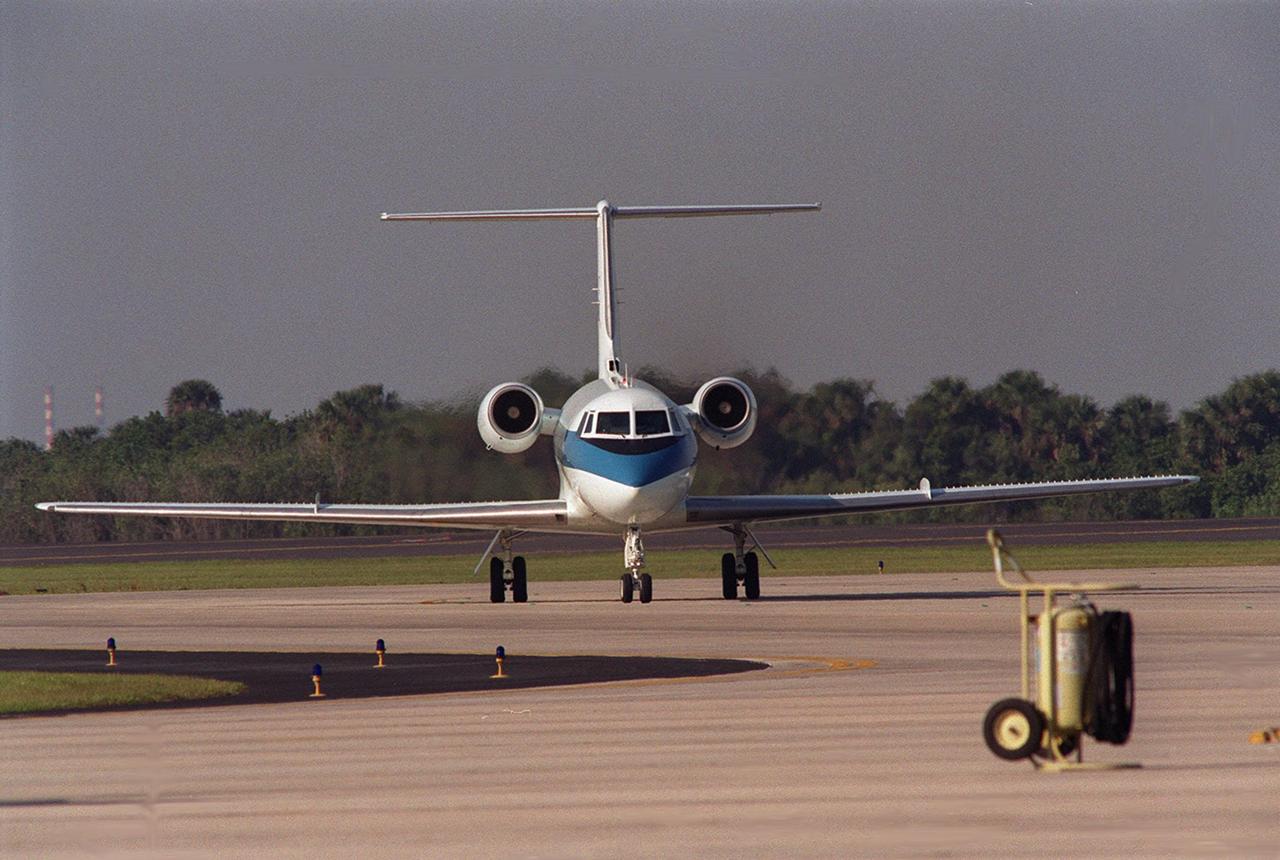
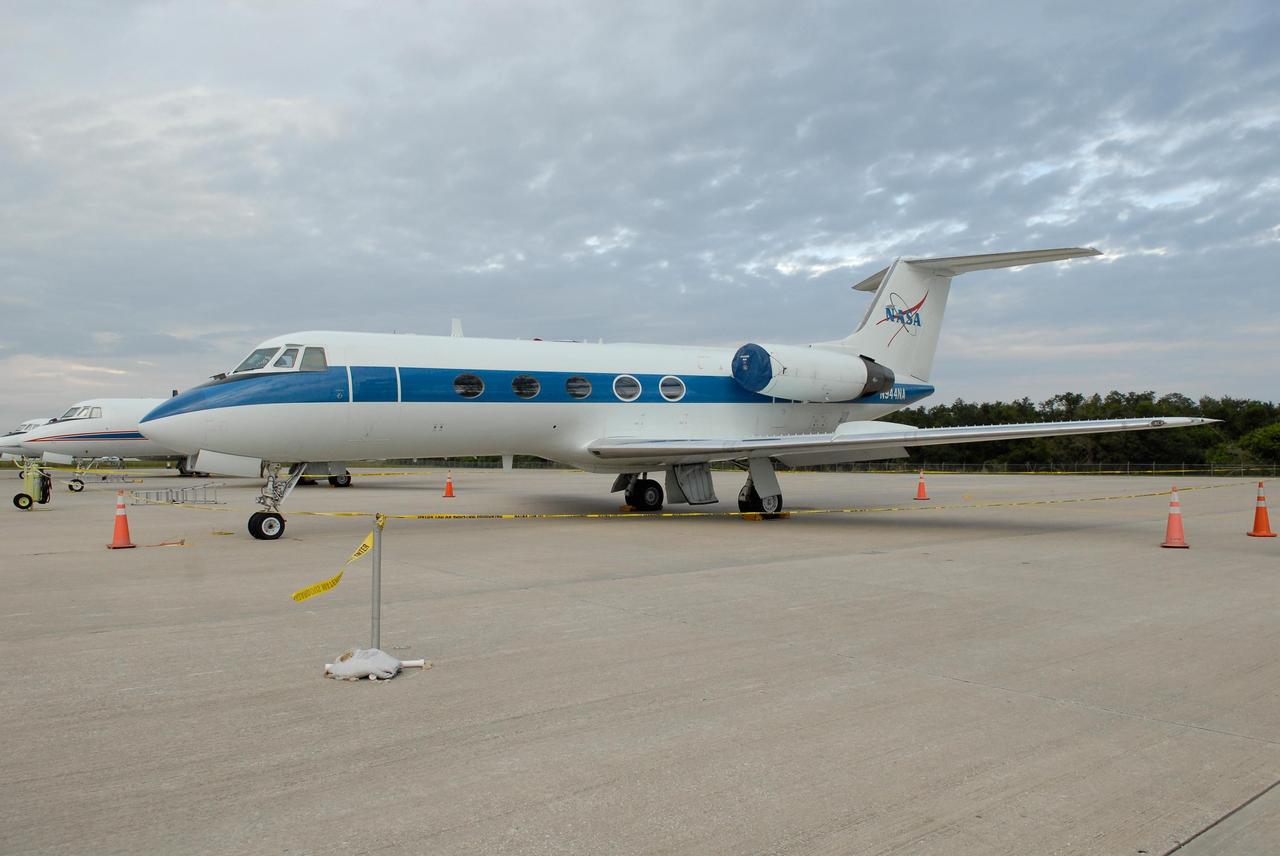
A Shuttle Training Aircraft (STA) taxis into the parking area of KSC's Shuttle Landing Facility. The STA is a modified Grumman American Aviation-built Gulfstream II executive jet that was modified to simulate an orbiter's cockpit, motion and visual cues, and handling qualities. It is used by Shuttle flight crews to practice landing the orbiter. In flight, the STA duplicates the orbiter's atmospheric descent trajectory from approximately 35,000 feet altitude to landing on a runway. The orbiter differs in at least one major aspect from conventional aircraft; it is unpowered during re-entry and landing so its high-speed glide must be perfectly executed the first time there is no go-around capability. The orbiter touchdown speed is 213 to 226 miles (343 to 364 kilometers) per hour. There are two STAs, based in Houston
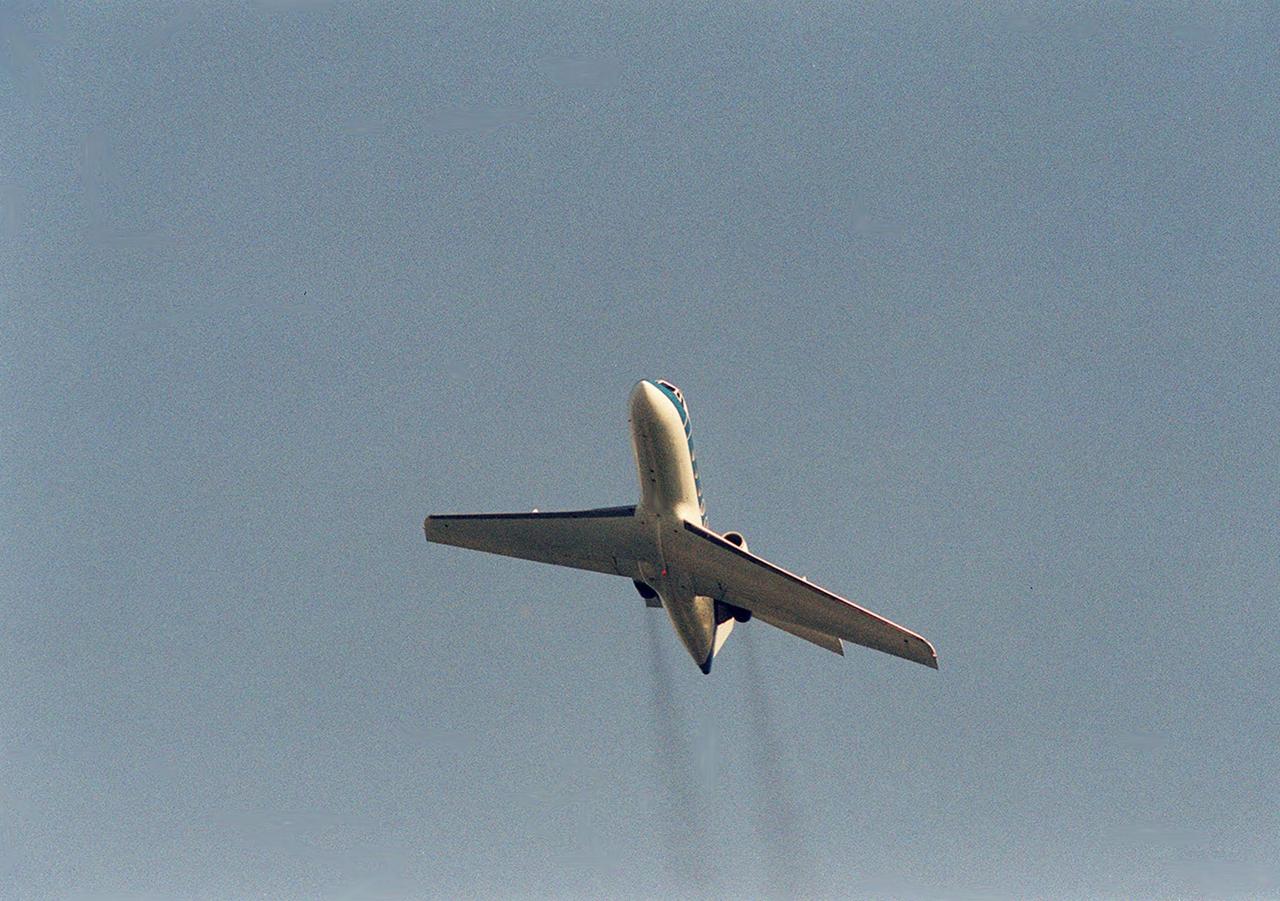
A Shuttle Training Aircraft (STA) soars into the blue sky above Kennedy Space Center. The STA is a modified Grumman American Aviation-built Gulfstream II executive jet that was modified to simulate an orbiter's cockpit, motion and visual cues, and handling qualities. It is used by Shuttle flight crews to practice landing the orbiter. In flight, the STA duplicates the orbiter's atmospheric descent trajectory from approximately 35,000 feet altitude to landing on a runway. The orbiter differs in at least one major aspect from conventional aircraft; it is unpowered during re-entry and landing so its high-speed glide must be perfectly executed the first time there is no go-around capability. The orbiter touchdown speed is 213 to 226 miles (343 to 364 kilometers) per hour. There are two STAs, based in Houston
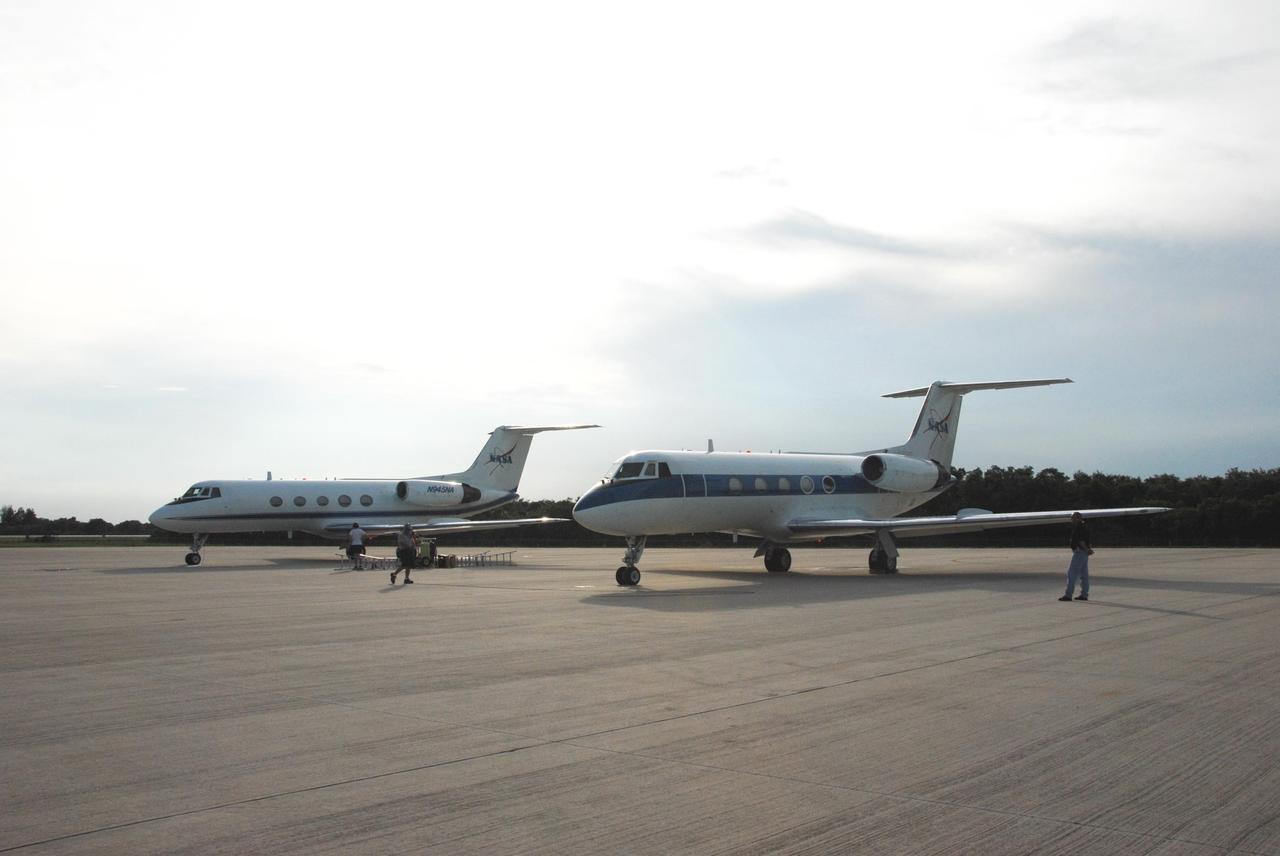
KENNEDY SPACE CENTER, Fla. -- Two shuttle training aircraft, or STAs, wait to taxi onto the runway at the Shuttle Landing Facility. STS-118 Commander Scott Kelly and Pilot Charlie Hobaugh are each piloting one of the STAs for landing practice. The practice is part of Terminal Countdown Demonstration Test, or TCDT, activities that include a simulated launch countdown. The STA is a Grumman American Aviation-built Gulf Stream II jet that was modified to simulate an orbiter's cockpit, motion and visual cues, and handling qualities. In flight, the STA duplicates the orbiter's atmospheric descent trajectory from approximately 35,000 feet altitude to landing on a runway. The STS-118 mission is the 22nd flight to the International Space Station and is targeted for launch on Aug. 7. The mission payload aboard Space Shuttle Endeavour includes the S5 truss, a SPACEHAB module and external stowage platform 3. NASA/George Shelton
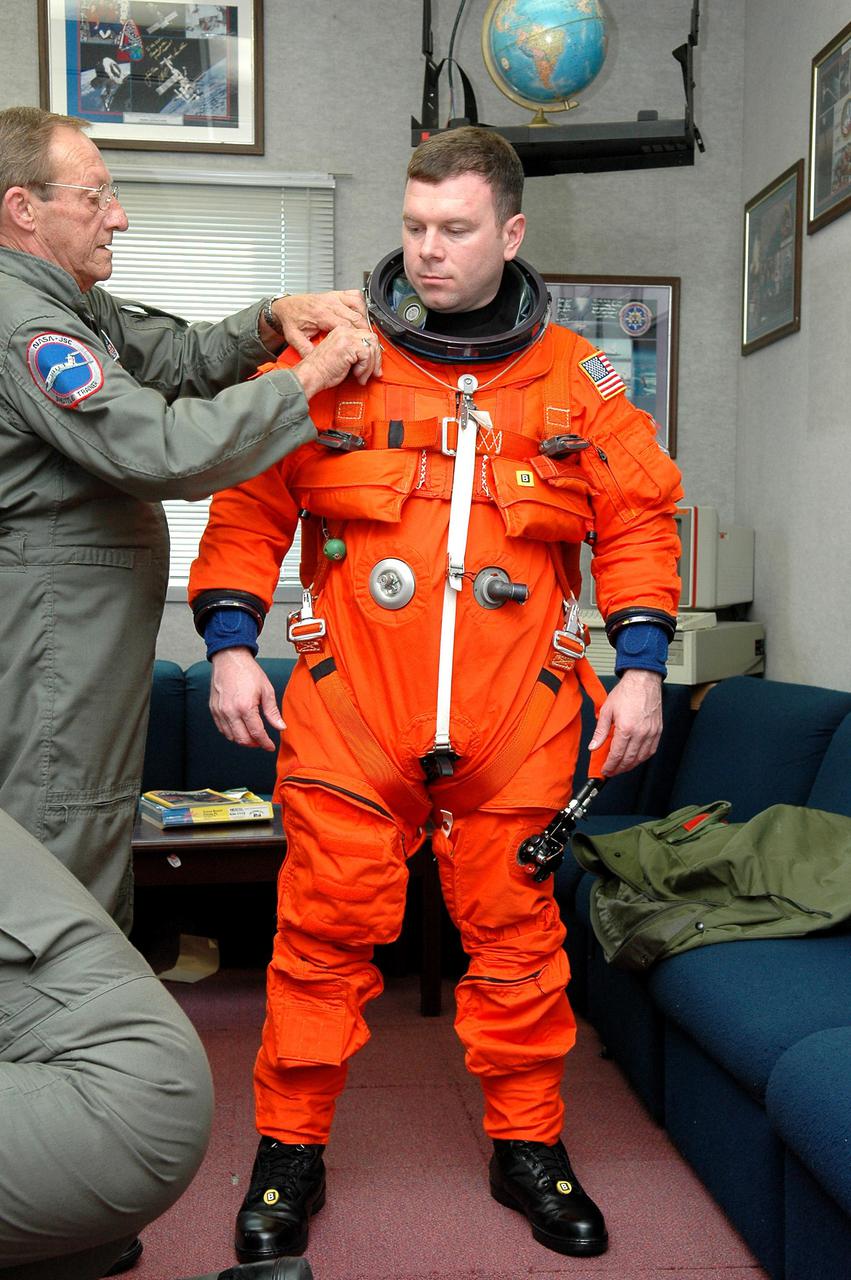
KENNEDY SPACE CENTER, FLA. - STS-114 Pilot James Kelly suits up for practice flights on a Shuttle Training Aircraft (STA) used by Shuttle flight crews to practice landing the orbiter. The STA is a modified Grumman American Aviation-built Gulfstream II executive jet that was modified to simulate an orbiter’s cockpit, motion and visual cues, and handling qualities. In flight, the STA duplicates the orbiter’s atmospheric descent trajectory from approximately 35,000 feet altitude to landing on a runway. The orbiter differs in at least one major aspect from conventional aircraft; it is unpowered during re-entry and landing so its high-speed glide must be perfectly executed the first time. There is no go-around capability. The orbiter touchdown speed is 213 to 226 miles per hour. There are two STAs, based in Houston. STS-114 is the first Return to Flight mission, scheduled to launch July 13 in a window that extends through July 31.
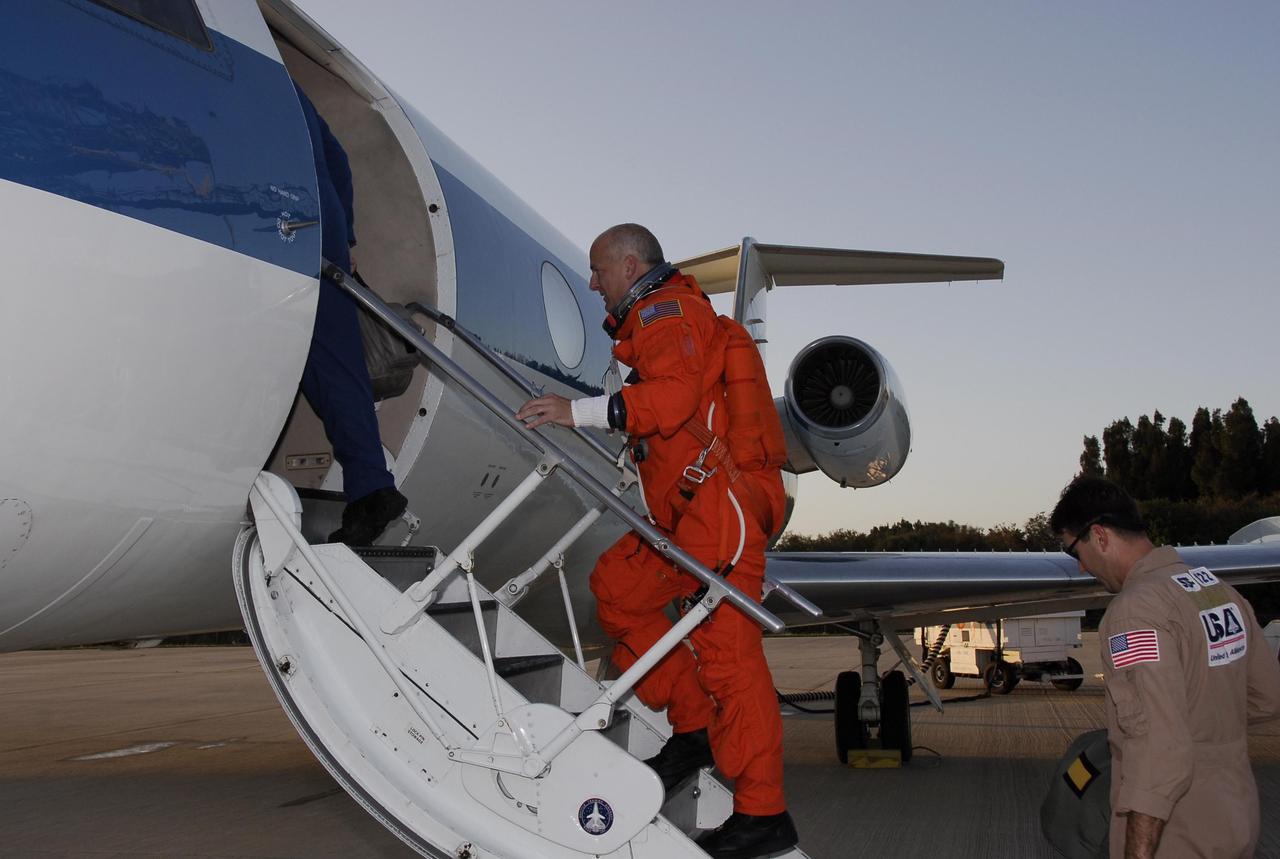
KENNEDY SPACE CENTER, FLA. -- Dressed in his launch and entry suit, STS-122 Pilot Alan Poindexter enters the shuttle training aircraft, or STA, at NASA's Kennedy Space Center. Poindexter and Commander Steve Frick are practicing shuttle landings in the STA before the Feb. 7 launch of space shuttle Atlantis. The STA is a Grumman American Aviation-built Gulf Stream II jet that was modified to simulate an orbiter's cockpit, motion and visual cues, and handling qualities. In flight, the STA duplicates the orbiter's atmospheric descent trajectory from approximately 35,000 feet altitude to landing on a runway. Because the orbiter is unpowered during re-entry and landing, its high-speed glide must be perfectly executed the first time. Photo credit: NASA/Kim Shiflett

A Shuttle Training Aircraft (STA) taxis down the runway at KSC's Shuttle Landing Facility. The STA is a modified Grumman American Aviation-built Gulfstream II executive jet that was modified to simulate an orbiter's cockpit, motion and visual cues, and handling qualities. It is used by Shuttle flight crews to practice landing the orbiter. In flight, the STA duplicates the orbiter's atmospheric descent trajectory from approximately 35,000 feet altitude to landing on a runway. The orbiter differs in at least one major aspect from conventional aircraft; it is unpowered during re-entry and landing so its high-speed glide must be perfectly executed the first time there is no go-around capability. The orbiter touchdown speed is 213 to 226 miles (343 to 364 kilometers) per hour. There are two STAs, based in Houston
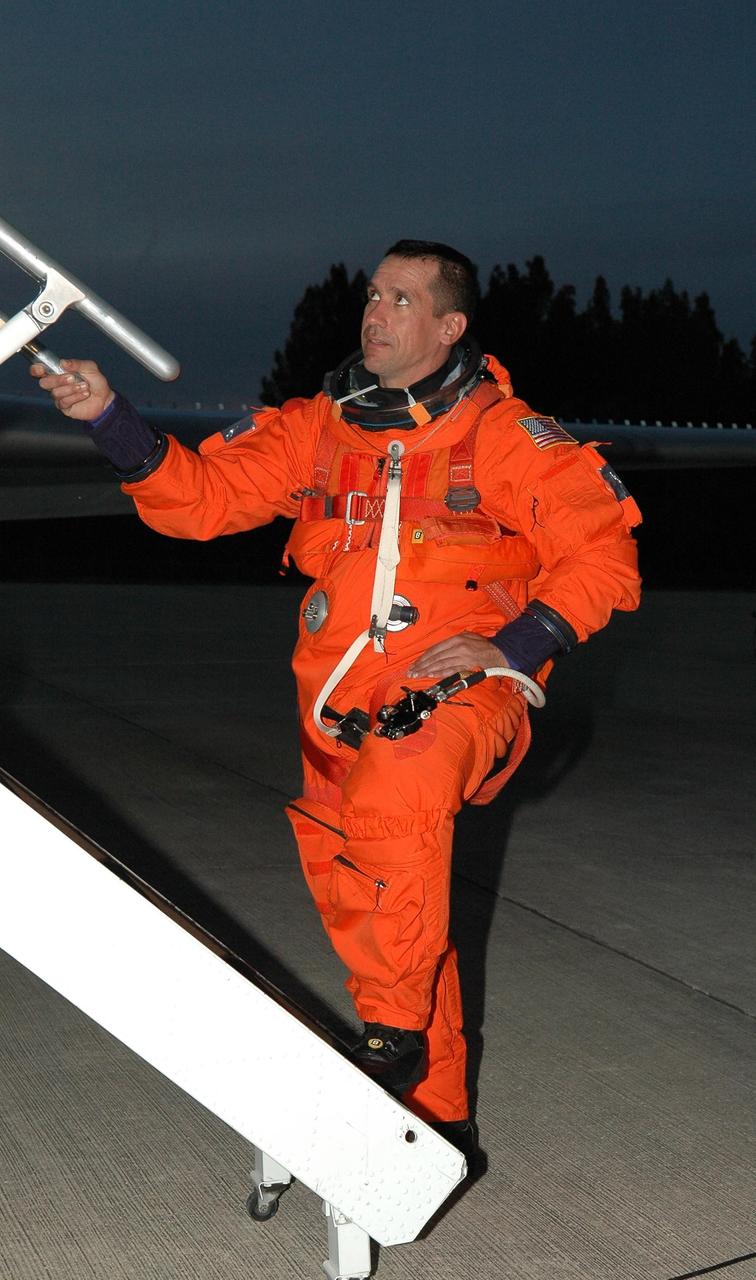
KENNEDY SPACE CENTER, FLA. -- At the Shuttle Landing Facility, STS-116 Pilot William Oelefein steps on the stairs to the shuttle training aircraft (STA) to practice landing the orbiter. The mission crew is at KSC for the terminal countdown demonstration test, which are prelaunch preparations that include a simulated launch countdown. STA practice is part of the TCDT. The STA is a Grumman American Aviation-built Gulf Stream II jet that was modified to simulate an orbiter's cockpit, motion and visual cues, and handling qualities. In flight, the STA duplicates the orbiter's atmospheric descent trajectory from approximately 35,000 feet altitude to landing on a runway. Because the orbiter is unpowered during re-entry and landing, its high-speed glide must be perfectly executed the first time. Photo credit: NASA/Kim Shiflett
KENNEDY SPACE CENTER, FLA. - A Shuttle Training Aircraft (STA) is ready for STS-114 Commander Eileen Collins to begin practice landing the orbiter. The STA is a modified Grumman American Aviation-built Gulfstream II executive jet that was modified to simulate an orbiter’s cockpit, motion and visual cues, and handling qualities. In flight, the STA duplicates the orbiter’s atmospheric descent trajectory from approximately 35,000 feet altitude to landing on a runway. The orbiter differs in at least one major aspect from conventional aircraft; it is unpowered during re-entry and landing so its high-speed glide must be perfectly executed the first time. There is no go-around capability. The orbiter touchdown speed is 213 to 226 miles per hour. There are two STAs, based in Houston. STS-114 is the first Return to Flight mission, scheduled to launch July 13 in a window that extends through July 31.
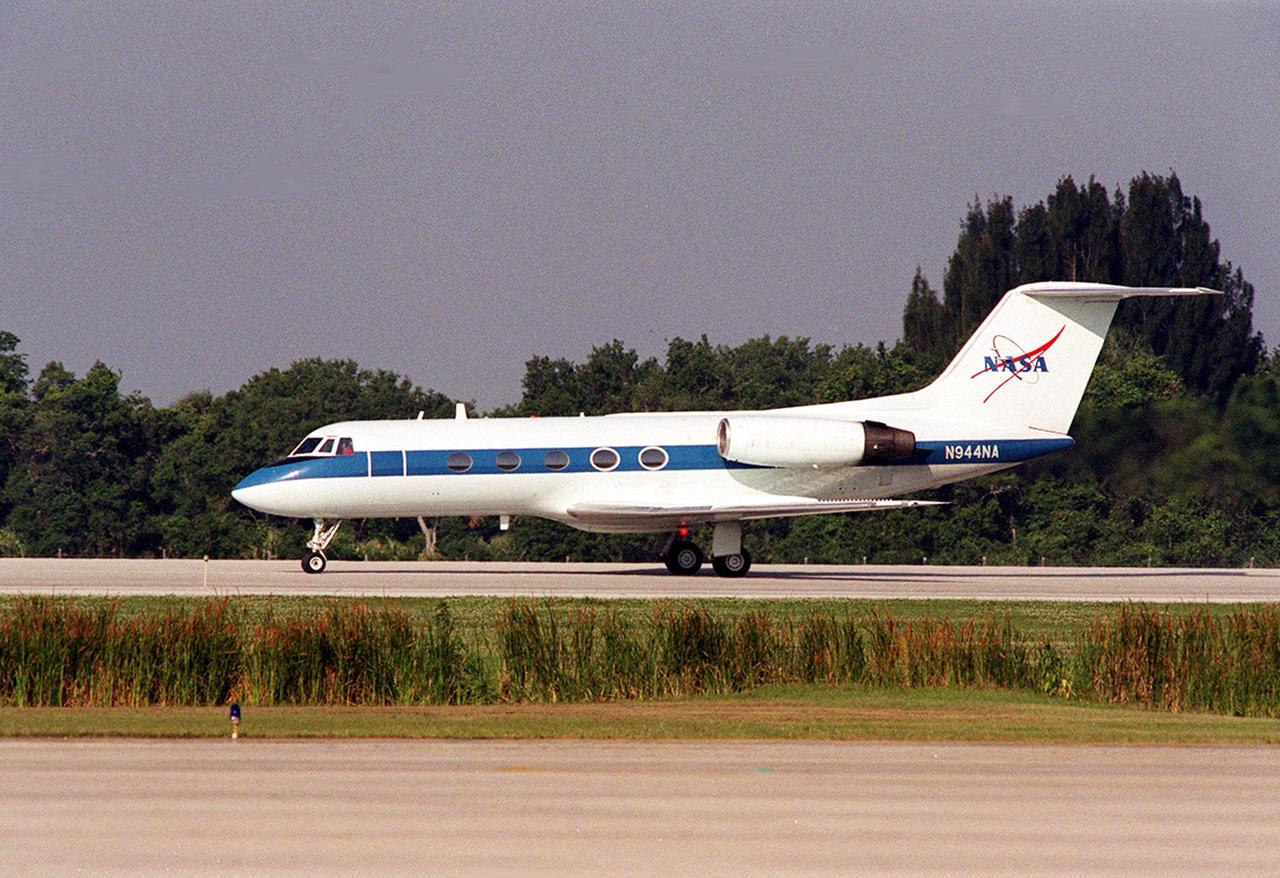
A Shuttle Training Aircraft (STA) taxis down the runway at KSC's Shuttle Landing Facility. The STA is a modified Grumman American Aviation-built Gulfstream II executive jet that was modified to simulate an orbiter's cockpit, motion and visual cues, and handling qualities. It is used by Shuttle flight crews to practice landing the orbiter. In flight, the STA duplicates the orbiter's atmospheric descent trajectory from approximately 35,000 feet altitude to landing on a runway. The orbiter differs in at least one major aspect from conventional aircraft; it is unpowered during re-entry and landing so its high-speed glide must be perfectly executed the first time there is no go-around capability. The orbiter touchdown speed is 213 to 226 miles (343 to 364 kilometers) per hour. There are two STAs, based in Houston
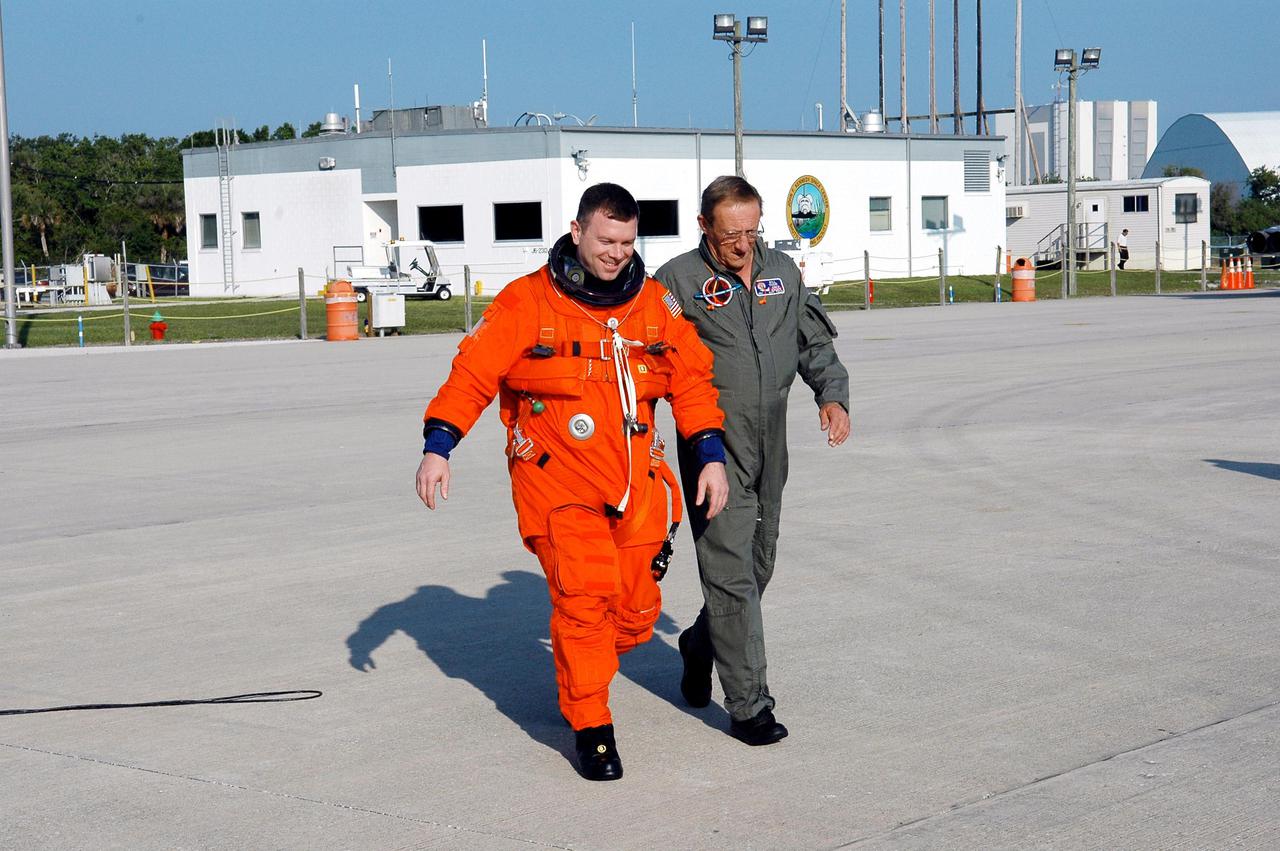
KENNEDY SPACE CENTER, FLA. - STS-114 Pilot James Kelly walks across the Shuttle Landing Facility to a Shuttle Training Aircraft (STA) to practice landing the orbiter. The STA is a modified Grumman American Aviation-built Gulfstream II executive jet that was modified to simulate an orbiter’s cockpit, motion and visual cues, and handling qualities. In flight, the STA duplicates the orbiter’s atmospheric descent trajectory from approximately 35,000 feet altitude to landing on a runway. The orbiter differs in at least one major aspect from conventional aircraft; it is unpowered during re-entry and landing so its high-speed glide must be perfectly executed the first time. There is no go-around capability. The orbiter touchdown speed is 213 to 226 miles per hour. There are two STAs, based in Houston. STS-114 is the first Return to Flight mission, scheduled to launch July 13 in a window that extends through July 31.
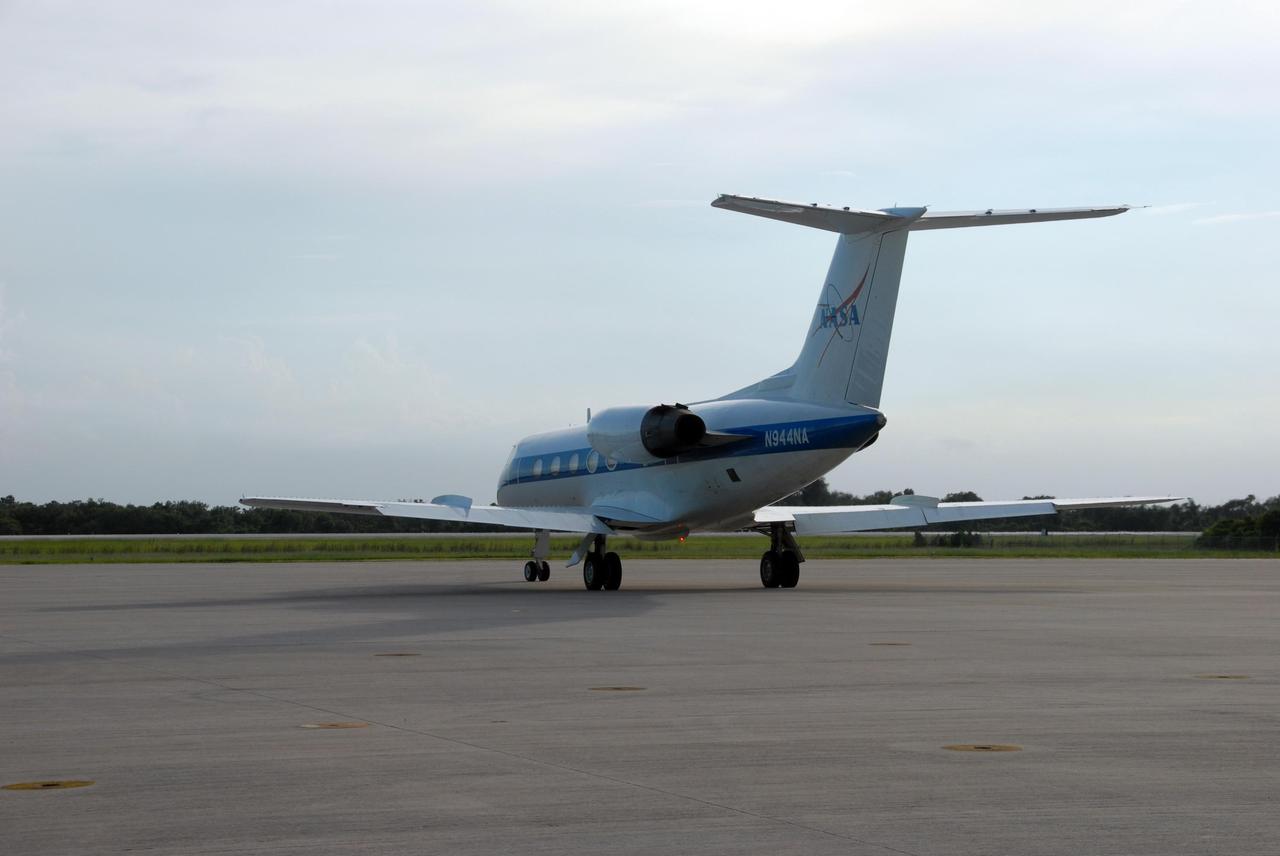
KENNEDY SPACE CENTER, Fla. -- One of two shuttle training aircraft, or STA, taxis out to the runway at the Shuttle Landing Facility. STS-118 Commander Scott Kelly and Pilot Charlie Hobaugh are each piloting one of the STAs for landing practice. The practice is part of Terminal Countdown Demonstration Test, or TCDT, activities that include a simulated launch countdown. The STA is a Grumman American Aviation-built Gulf Stream II jet that was modified to simulate an orbiter's cockpit, motion and visual cues, and handling qualities. In flight, the STA duplicates the orbiter's atmospheric descent trajectory from approximately 35,000 feet altitude to landing on a runway. The STS-118 mission is the 22nd flight to the International Space Station and is targeted for launch on Aug. 7. The mission payload aboard Space Shuttle Endeavour includes the S5 truss, a SPACEHAB module and external stowage platform 3. NASA/George Shelton
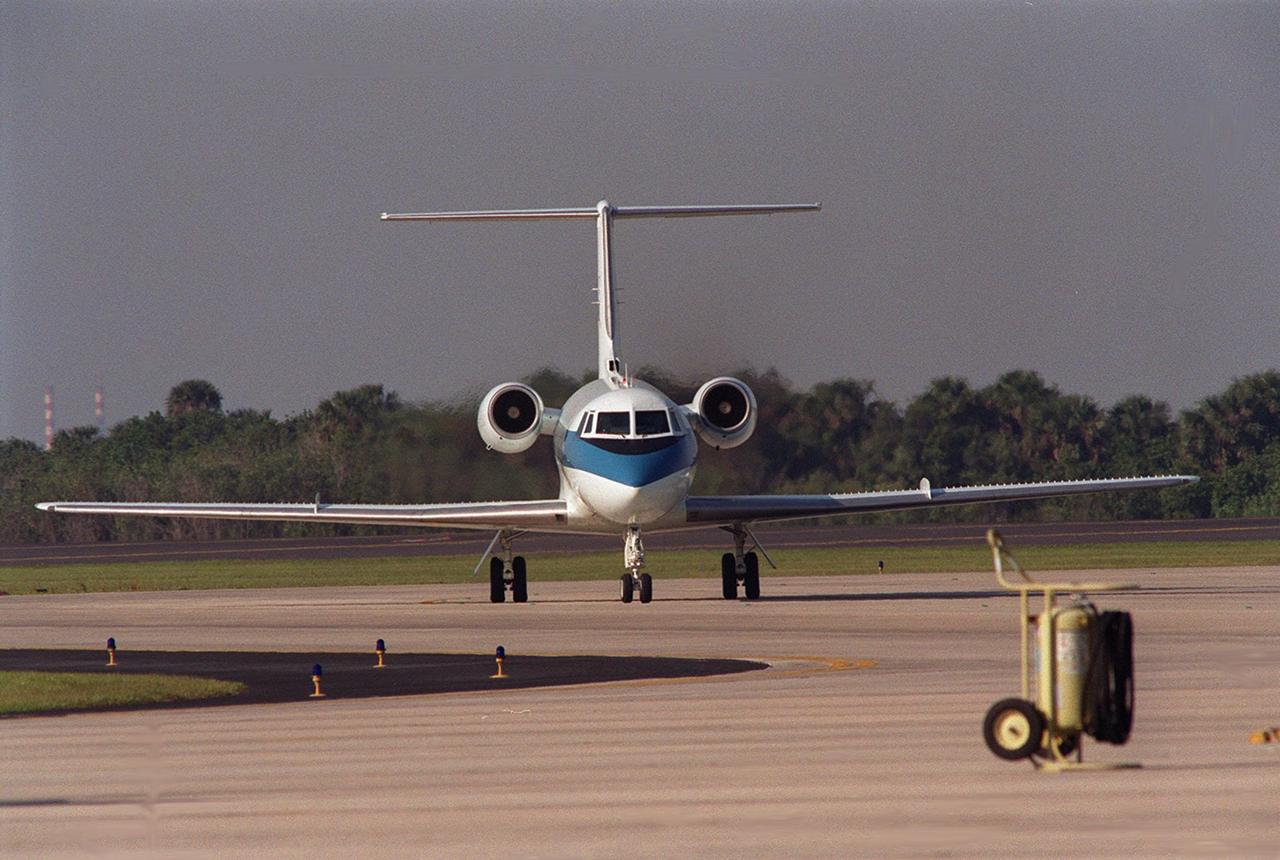
A Shuttle Training Aircraft (STA) taxis into the parking area of KSC's Shuttle Landing Facility. The STA is a modified Grumman American Aviation-built Gulfstream II executive jet that was modified to simulate an orbiter's cockpit, motion and visual cues, and handling qualities. It is used by Shuttle flight crews to practice landing the orbiter. In flight, the STA duplicates the orbiter's atmospheric descent trajectory from approximately 35,000 feet altitude to landing on a runway. The orbiter differs in at least one major aspect from conventional aircraft; it is unpowered during re-entry and landing so its high-speed glide must be perfectly executed the first time there is no go-around capability. The orbiter touchdown speed is 213 to 226 miles (343 to 364 kilometers) per hour. There are two STAs, based in Houston

A Shuttle Training Aircraft (STA) taxis into the parking area of KSC's Shuttle Landing Facility. The STA is a modified Grumman American Aviation-built Gulfstream II executive jet that was modified to simulate an orbiter's cockpit, motion and visual cues, and handling qualities. It is used by Shuttle flight crews to practice landing the orbiter. In flight, the STA duplicates the orbiter's atmospheric descent trajectory from approximately 35,000 feet altitude to landing on a runway. The orbiter differs in at least one major aspect from conventional aircraft; it is unpowered during re-entry and landing so its high-speed glide must be perfectly executed the first time there is no go-around capability. The orbiter touchdown speed is 213 to 226 miles (343 to 364 kilometers) per hour. There are two STAs, based in Houston
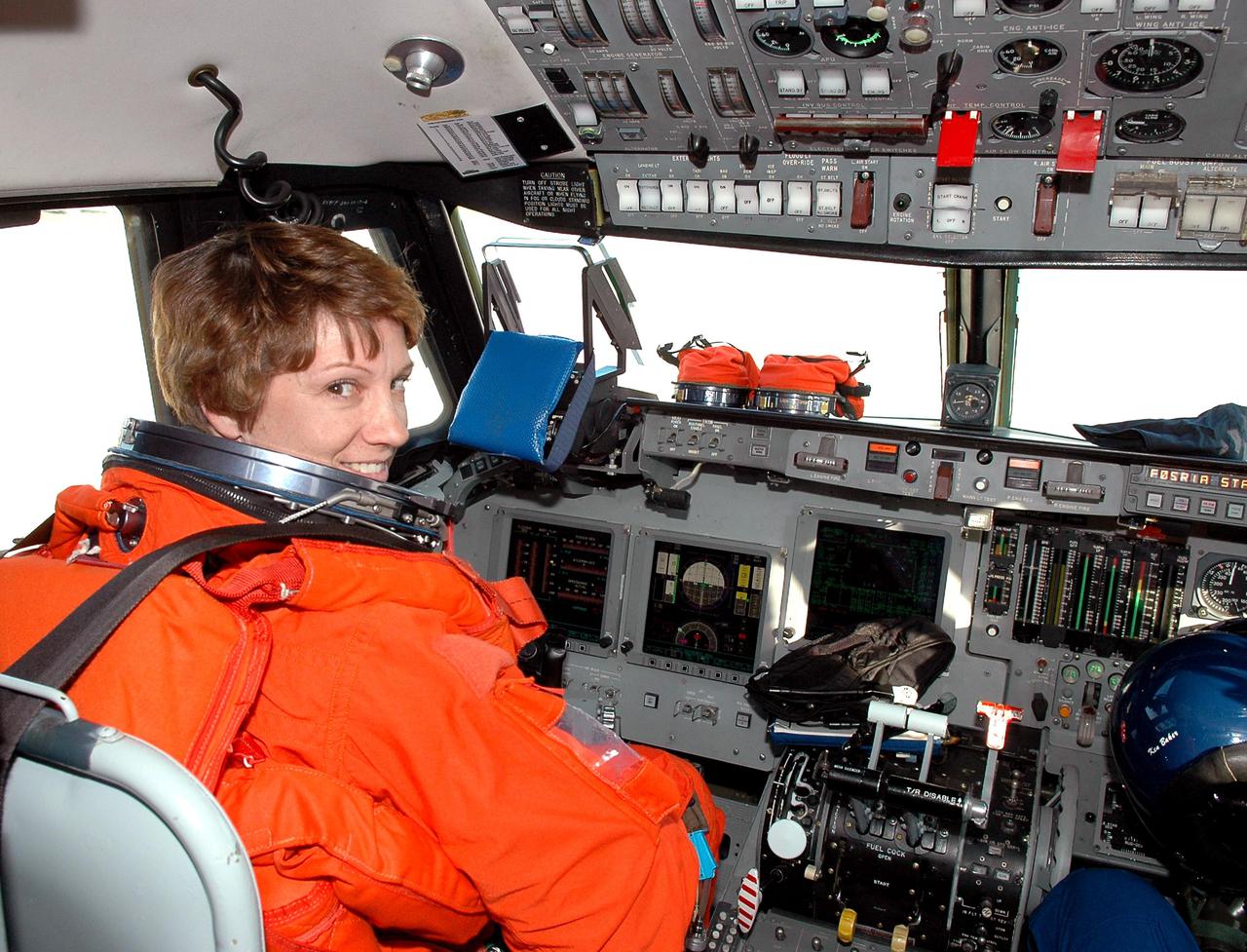
KENNEDY SPACE CENTER, FLA. - STS-114 Commander Eileen Collins is strapped into the command seat of a Shuttle Training Aircraft (STA) to practice landing the orbiter. The STA is a modified Grumman American Aviation-built Gulfstream II executive jet that was modified to simulate an orbiter’s cockpit, motion and visual cues, and handling qualities. In flight, the STA duplicates the orbiter’s atmospheric descent trajectory from approximately 35,000 feet altitude to landing on a runway. The orbiter differs in at least one major aspect from conventional aircraft; it is unpowered during re-entry and landing so its high-speed glide must be perfectly executed the first time. There is no go-around capability. The orbiter touchdown speed is 213 to 226 miles per hour. There are two STAs, based in Houston. STS-114 is the first Return to Flight mission, scheduled to launch July 13 in a window that extends through July 31.

A Shuttle Training Aircraft (STA) soars into the blue sky above Kennedy Space Center. The STA is a modified Grumman American Aviation-built Gulfstream II executive jet that was modified to simulate an orbiter's cockpit, motion and visual cues, and handling qualities. It is used by Shuttle flight crews to practice landing the orbiter. In flight, the STA duplicates the orbiter's atmospheric descent trajectory from approximately 35,000 feet altitude to landing on a runway. The orbiter differs in at least one major aspect from conventional aircraft; it is unpowered during re-entry and landing so its high-speed glide must be perfectly executed the first time there is no go-around capability. The orbiter touchdown speed is 213 to 226 miles (343 to 364 kilometers) per hour. There are two STAs, based in Houston
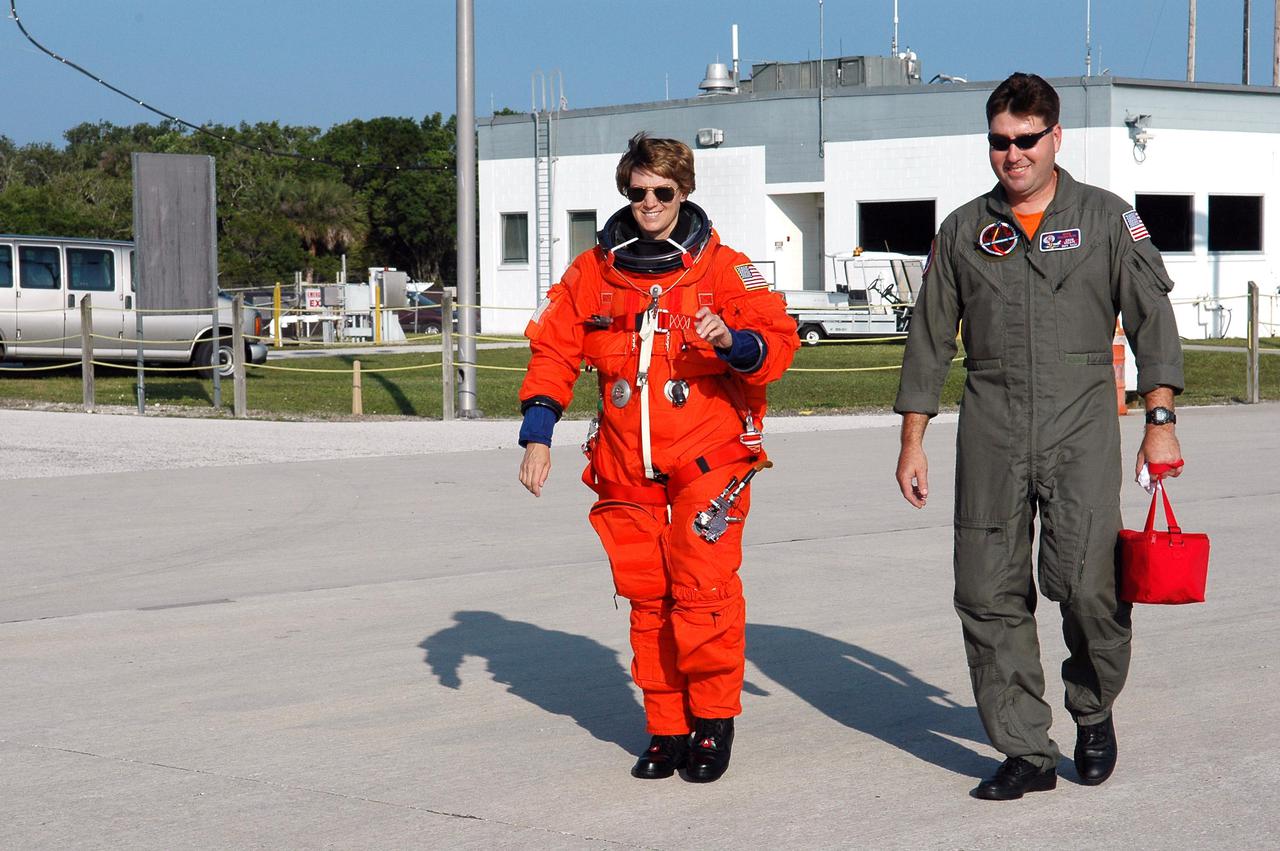
KENNEDY SPACE CENTER, FLA. - STS-114 Commander Eileen Collins walks across the Shuttle Landing Facility to a Shuttle Training Aircraft (STA) to practice landing the orbiter. The STA is a modified Grumman American Aviation-built Gulfstream II executive jet that was modified to simulate an orbiter’s cockpit, motion and visual cues, and handling qualities. In flight, the STA duplicates the orbiter’s atmospheric descent trajectory from approximately 35,000 feet altitude to landing on a runway. The orbiter differs in at least one major aspect from conventional aircraft; it is unpowered during re-entry and landing so its high-speed glide must be perfectly executed the first time. There is no go-around capability. The orbiter touchdown speed is 213 to 226 miles per hour. There are two STAs, based in Houston. STS-114 is the first Return to Flight mission, scheduled to launch July 13 in a window that extends through July 31.
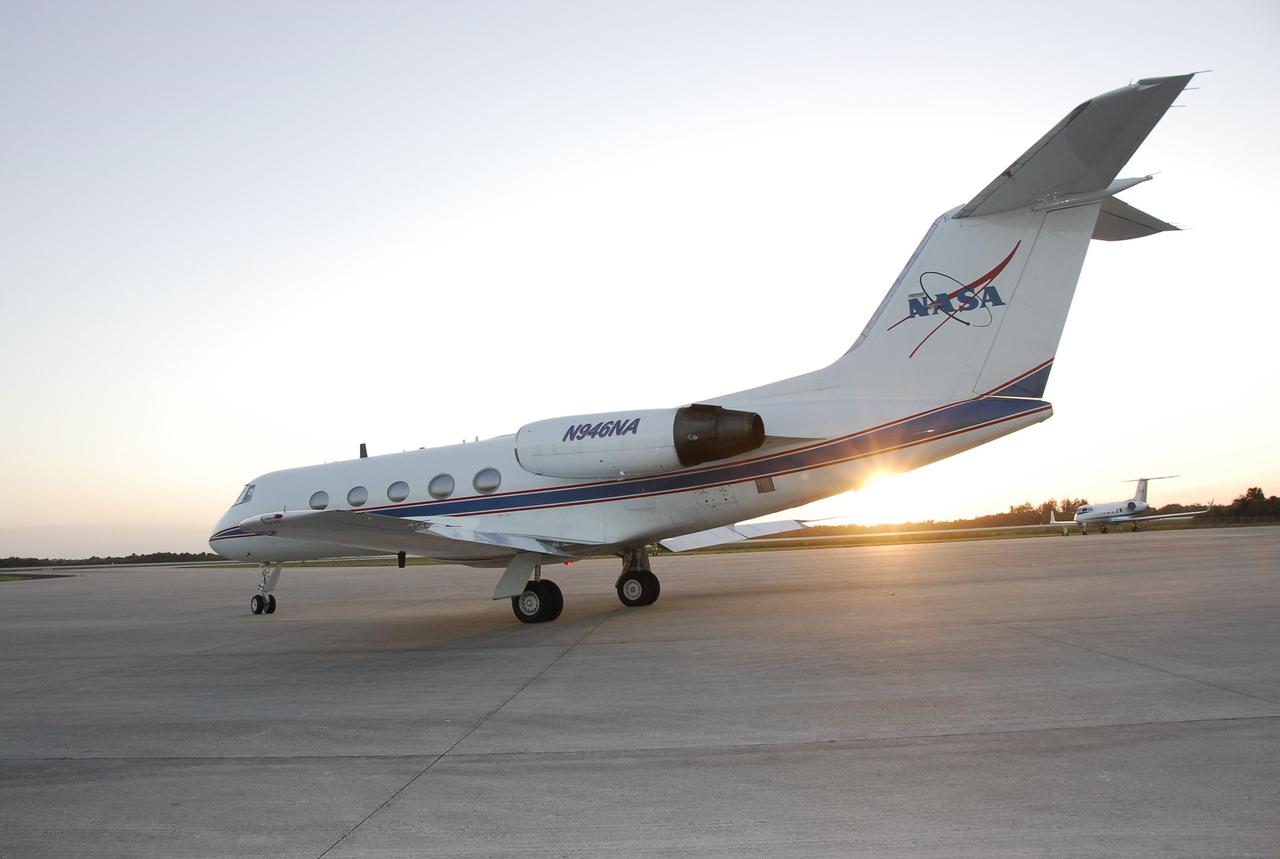
KENNEDY SPACE CENTER, FLA. -- On the Shuttle Landing Facility at NASA's Kennedy Space Center, the shuttle training aircraft, or STA, is ready for flight with STS-122 Commander Steve Frick and Pilot Alan Poindexter at the controls. They are practicing shuttle landings in the STA before the Feb. 7 launch of space shuttle Atlantis. The STA is a Grumman American Aviation-built Gulf Stream II jet that was modified to simulate an orbiter's cockpit, motion and visual cues, and handling qualities. In flight, the STA duplicates the orbiter's atmospheric descent trajectory from approximately 35,000 feet altitude to landing on a runway. Because the orbiter is unpowered during re-entry and landing, its high-speed glide must be perfectly executed the first time. Photo credit: NASA/Kim Shiflett
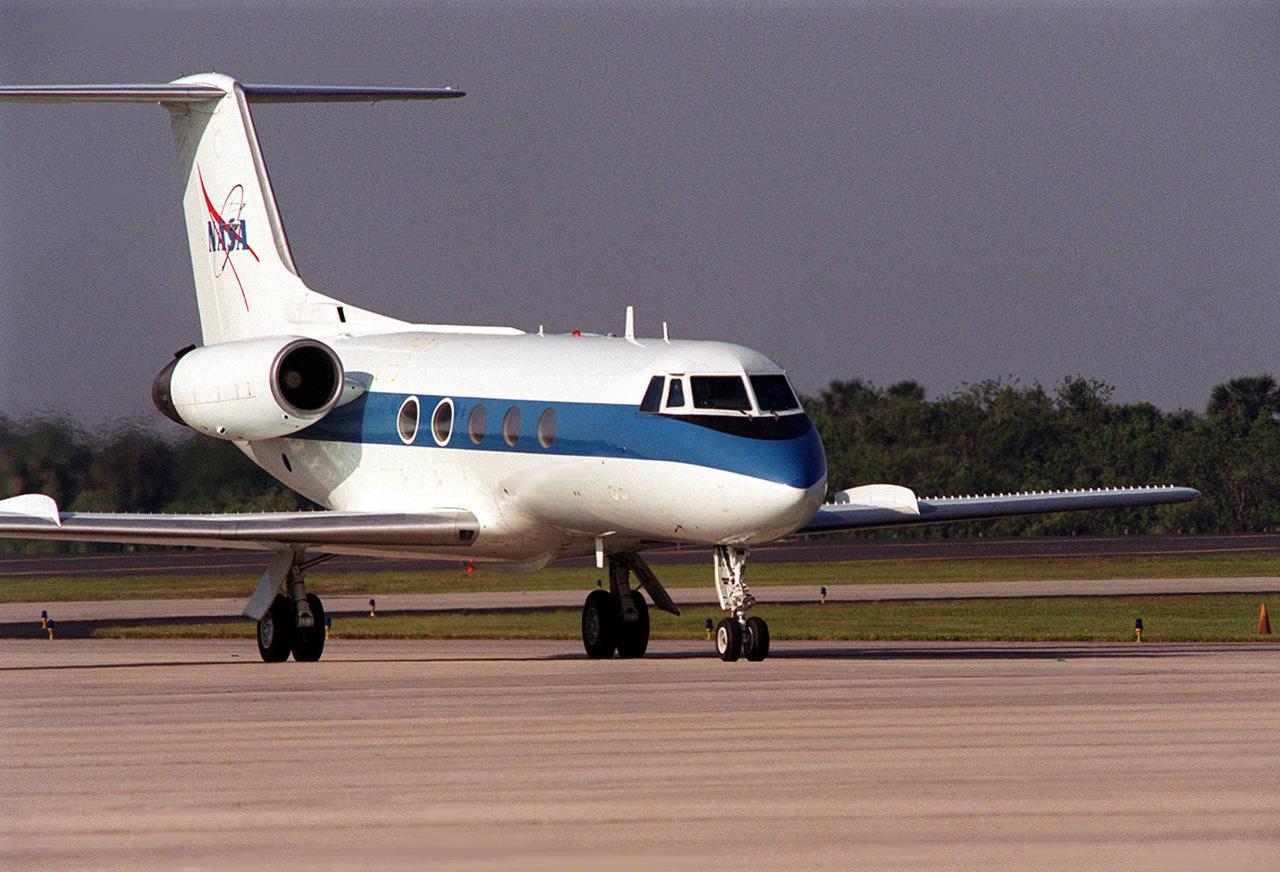
A Shuttle Training Aircraft (STA) taxis into the parking area of KSC's Shuttle Landing Facility. The STA is a modified Grumman American Aviation-built Gulfstream II executive jet that was modified to simulate an orbiter's cockpit, motion and visual cues, and handling qualities. It is used by Shuttle flight crews to practice landing the orbiter. In flight, the STA duplicates the orbiter's atmospheric descent trajectory from approximately 35,000 feet altitude to landing on a runway. The orbiter differs in at least one major aspect from conventional aircraft; it is unpowered during re-entry and landing so its high-speed glide must be perfectly executed the first time there is no go-around capability. The orbiter touchdown speed is 213 to 226 miles (343 to 364 kilometers) per hour. There are two STAs, based in Houston
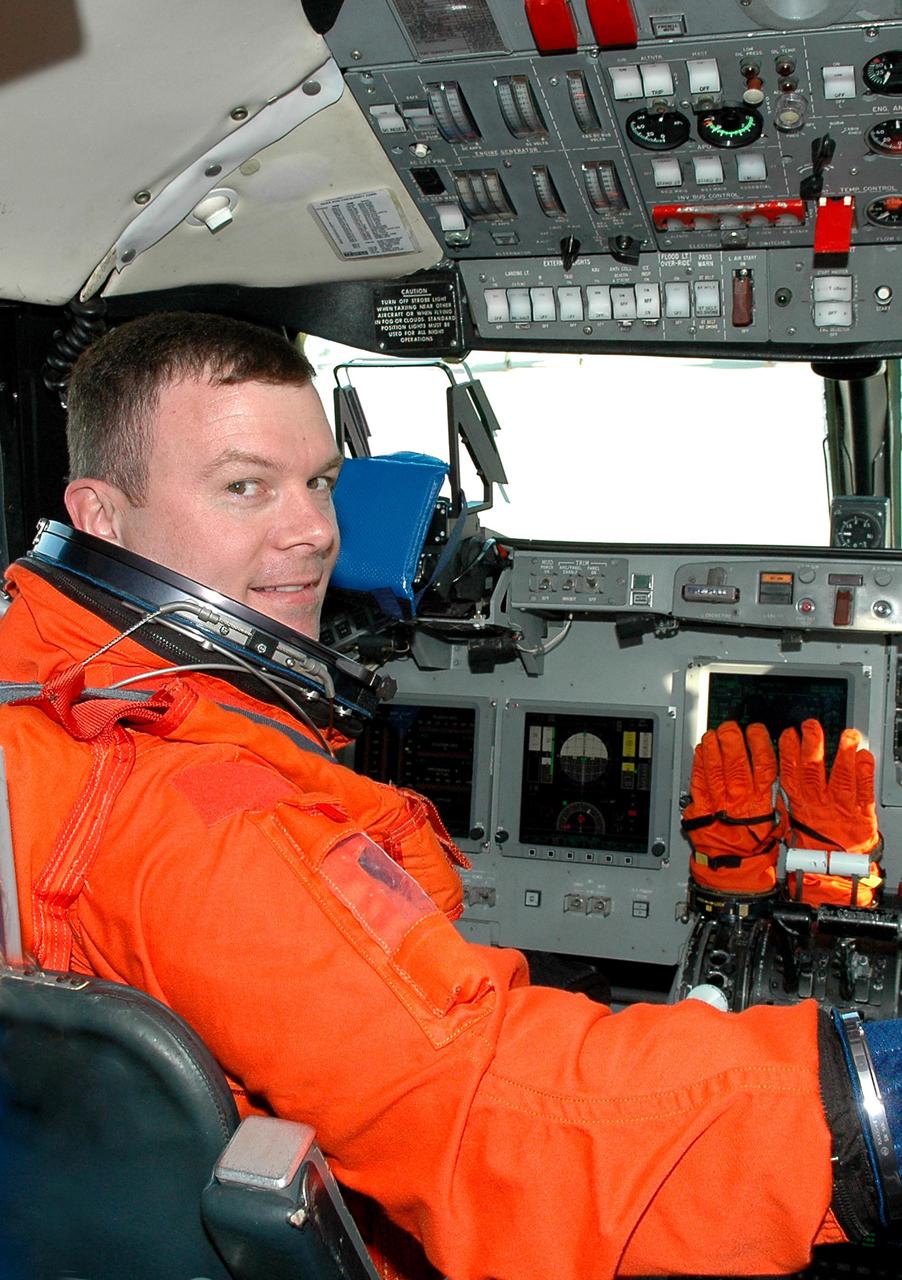
KENNEDY SPACE CENTER, FLA. - STS-114 Pilot James Kelly settles into the command seat of a Shuttle Training Aircraft (STA) to practice landing the orbiter. The STA is a modified Grumman American Aviation-built Gulfstream II executive jet that was modified to simulate an orbiter’s cockpit, motion and visual cues, and handling qualities. In flight, the STA duplicates the orbiter’s atmospheric descent trajectory from approximately 35,000 feet altitude to landing on a runway. The orbiter differs in at least one major aspect from conventional aircraft; it is unpowered during re-entry and landing so its high-speed glide must be perfectly executed the first time. There is no go-around capability. The orbiter touchdown speed is 213 to 226 miles per hour. There are two STAs, based in Houston. STS-114 is the first Return to Flight mission, scheduled to launch July 13 in a window that extends through July 31.
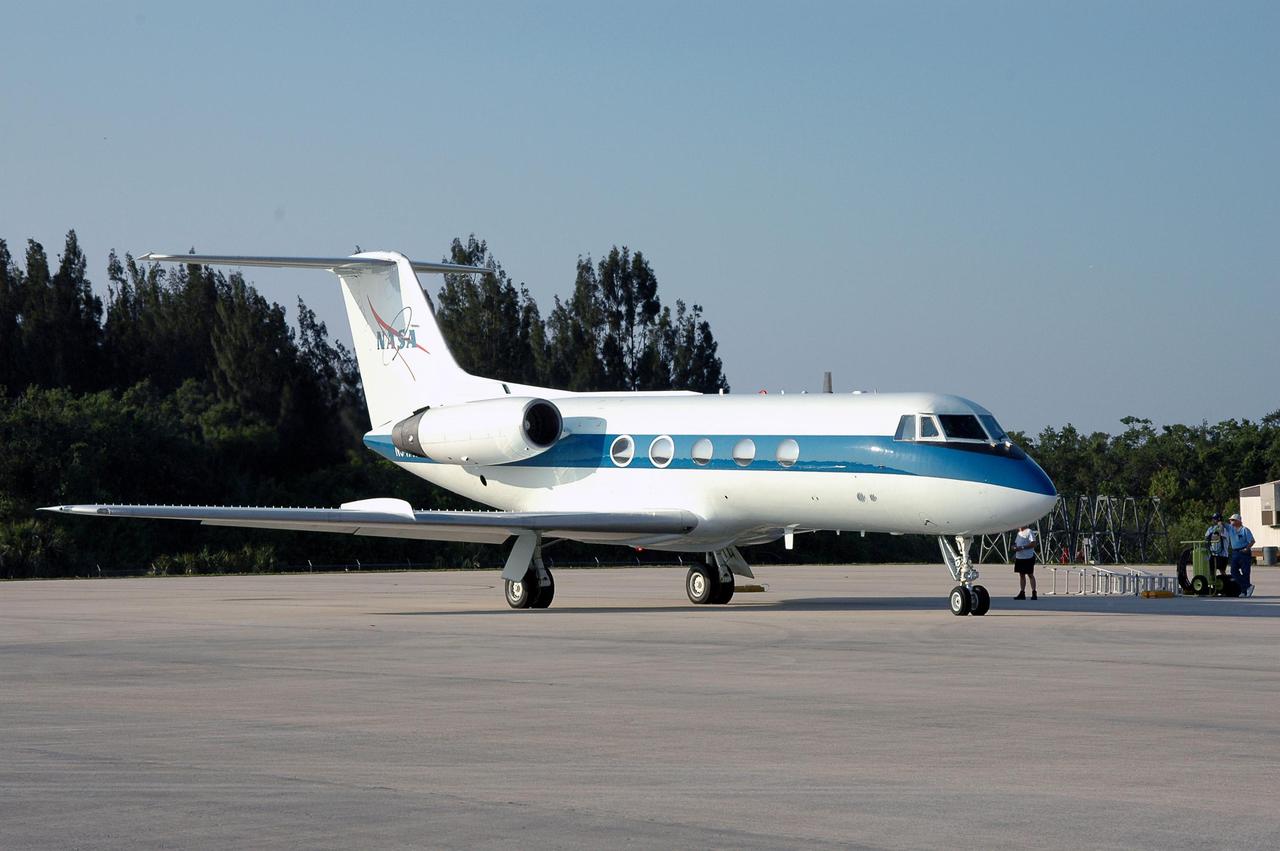
KENNEDY SPACE CENTER, FLA. - A Shuttle Training Aircraft (STA) is ready for STS-114 Pilot James Kelly to begin practice landing the orbiter. The STA is a modified Grumman American Aviation-built Gulfstream II executive jet that was modified to simulate an orbiter’s cockpit, motion and visual cues, and handling qualities. In flight, the STA duplicates the orbiter’s atmospheric descent trajectory from approximately 35,000 feet altitude to landing on a runway. The orbiter differs in at least one major aspect from conventional aircraft; it is unpowered during re-entry and landing so its high-speed glide must be perfectly executed the first time. There is no go-around capability. The orbiter touchdown speed is 213 to 226 miles per hour. There are two STAs, based in Houston. STS-114 is the first Return to Flight mission, scheduled to launch July 13 in a window that extends through July 31.

KENNEDY SPACE CENTER, FLA. -- At the Shuttle Landing Facility, STS-116 Commander Mark Polansky climbs the steps to the shuttle training aircraft (STA) to practice landing the orbiter. The mission crew is at KSC for the terminal countdown demonstration test, which are prelaunch preparations that include a simulated launch countdown. STA practice is part of the TCDT. The STA is a Grumman American Aviation-built Gulf Stream II jet that was modified to simulate an orbiter's cockpit, motion and visual cues, and handling qualities. In flight, the STA duplicates the orbiter's atmospheric descent trajectory from approximately 35,000 feet altitude to landing on a runway. Because the orbiter is unpowered during re-entry and landing, its high-speed glide must be perfectly executed the first time. Photo credit: NASA/Kim Shiflett
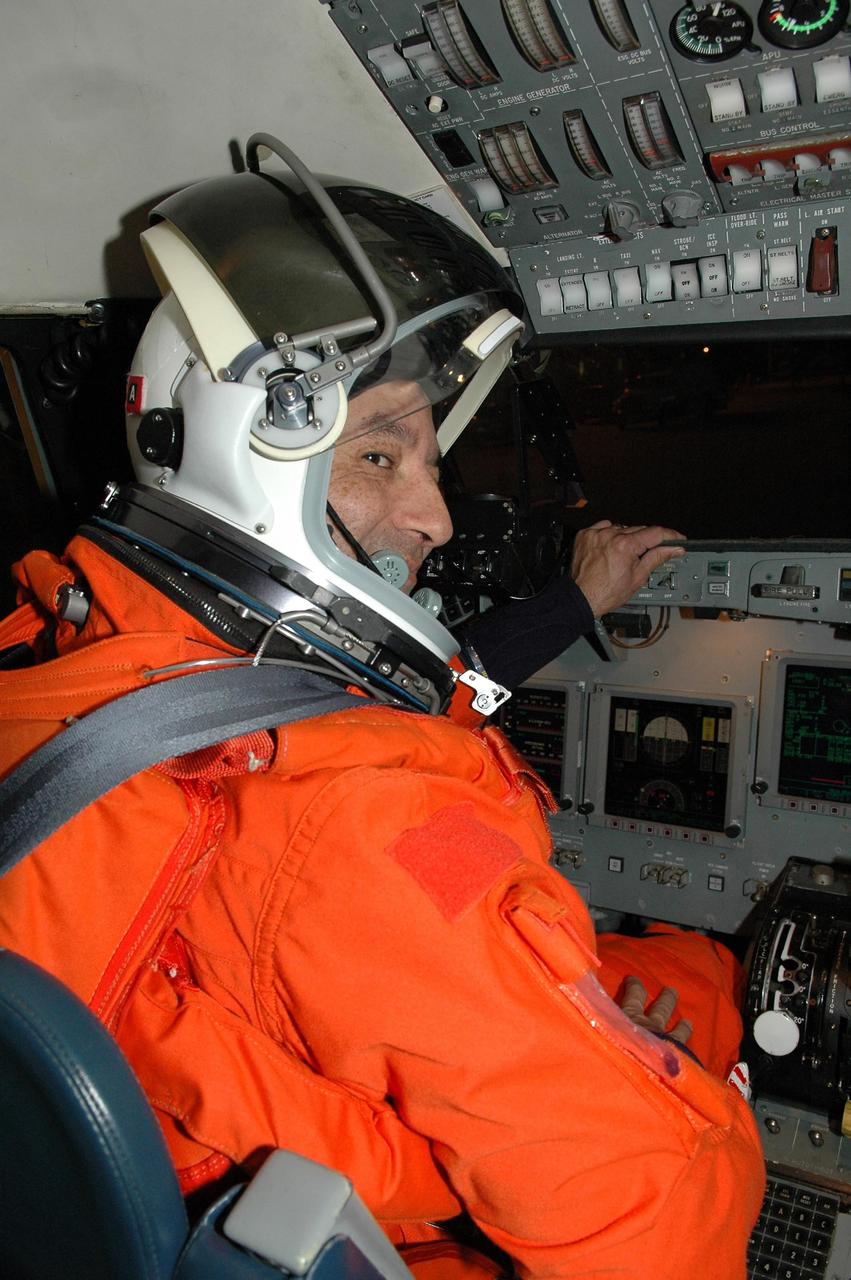
KENNEDY SPACE CENTER, FLA. -- At the Shuttle Landing Facility, STS-116 Commander Mark Polansky is in the pilot's seat of the shuttle training aircraft (STA), getting ready to practice landing the orbiter. The mission crew is at KSC for the terminal countdown demonstration test, which are prelaunch preparations that include a simulated launch countdown. STA practice is part of the TCDT. The STA is a Grumman American Aviation-built Gulf Stream II jet that was modified to simulate an orbiter's cockpit, motion and visual cues, and handling qualities. In flight, the STA duplicates the orbiter's atmospheric descent trajectory from approximately 35,000 feet altitude to landing on a runway. Because the orbiter is unpowered during re-entry and landing, its high-speed glide must be perfectly executed the first time. Photo credit: NASA/Kim Shiflett
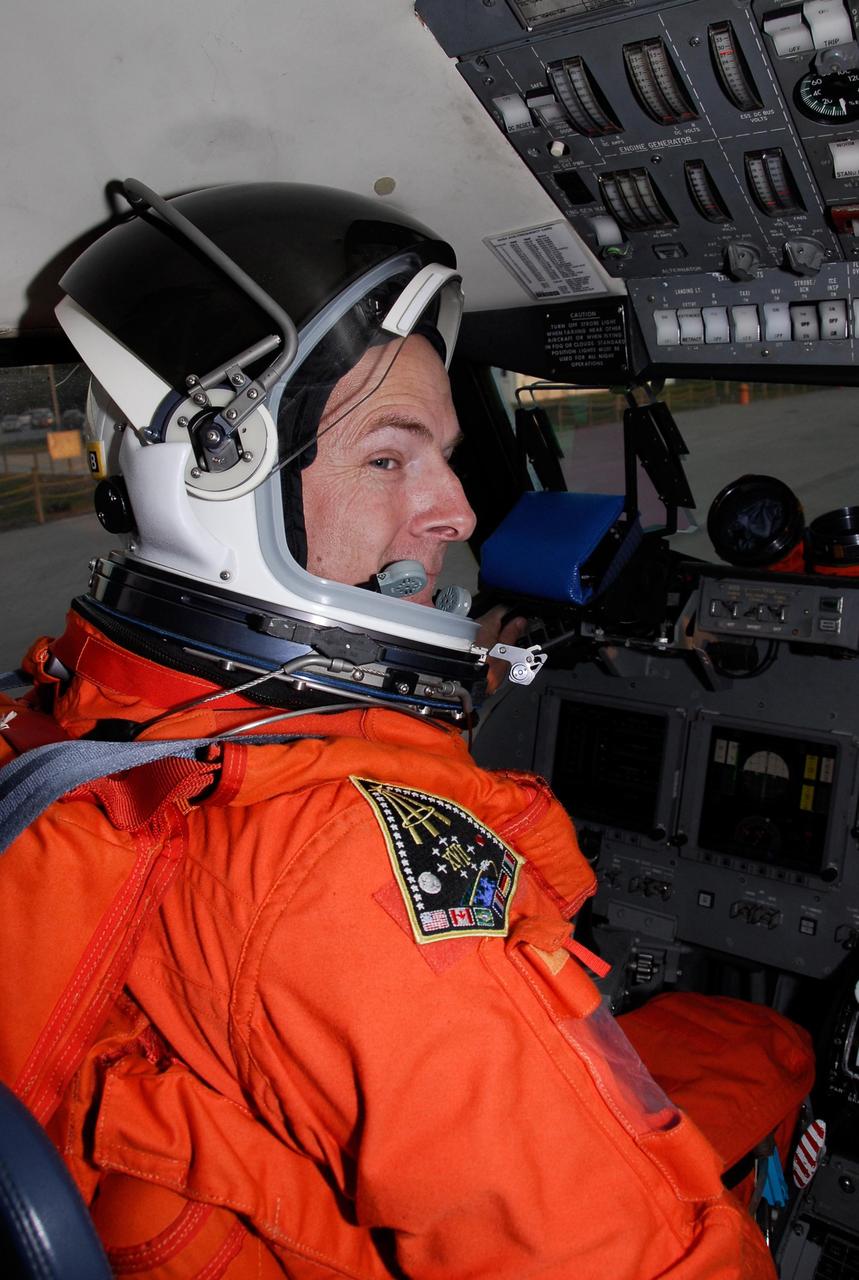
KENNEDY SPACE CENTER, FLA. -- Dressed in his launch and entry suit, STS-122 Pilot Alan Poindexter is seated in the shuttle training aircraft, or STA, at NASA's Kennedy Space Center. Poindexter and Commander Steve Frick are practicing shuttle landings in the STA before the Feb. 7 launch of space shuttle Atlantis. The STA is a Grumman American Aviation-built Gulf Stream II jet that was modified to simulate an orbiter's cockpit, motion and visual cues, and handling qualities. In flight, the STA duplicates the orbiter's atmospheric descent trajectory from approximately 35,000 feet altitude to landing on a runway. Because the orbiter is unpowered during re-entry and landing, its high-speed glide must be perfectly executed the first time. Photo credit: NASA/Kim Shiflett
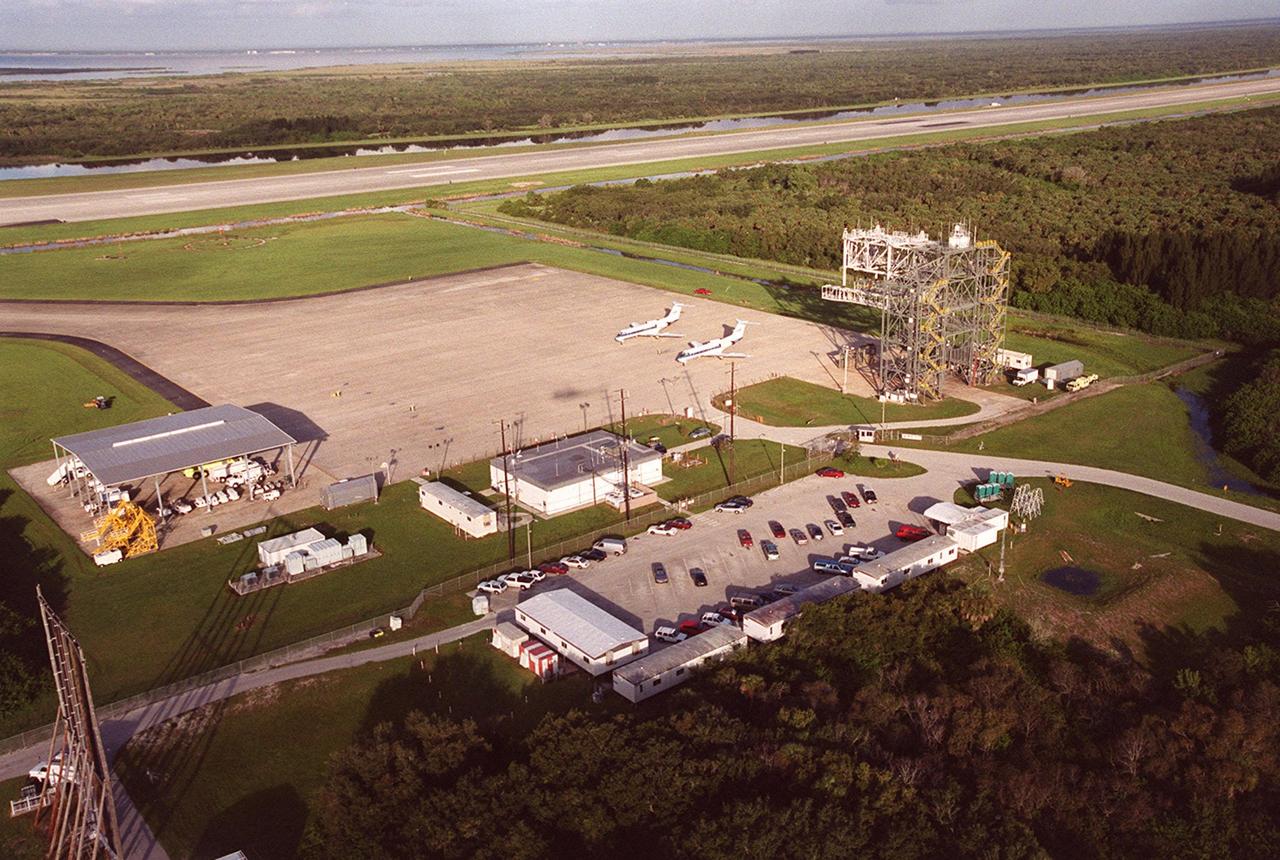
KENNEDY SPACE CENTER, FLA. -- An aerial view of the Shuttle Landing Facility shows the fuel truck shelter (left), administrative building (center) with parking lot behind it (foreground), two Shuttle Training Aircraft (STA) parked on the apron and the mate/demate device (right). In the background is the runway. The STAs are Grumman Gulfstream 2 aircraft with converted cockpits that emulate those in the Shuttles for practice landings at the SLF. The mate/demate device is used to lift the orbiter onto or off a Shuttle Carrier Aircraft when it has to be ferried to or from KSC
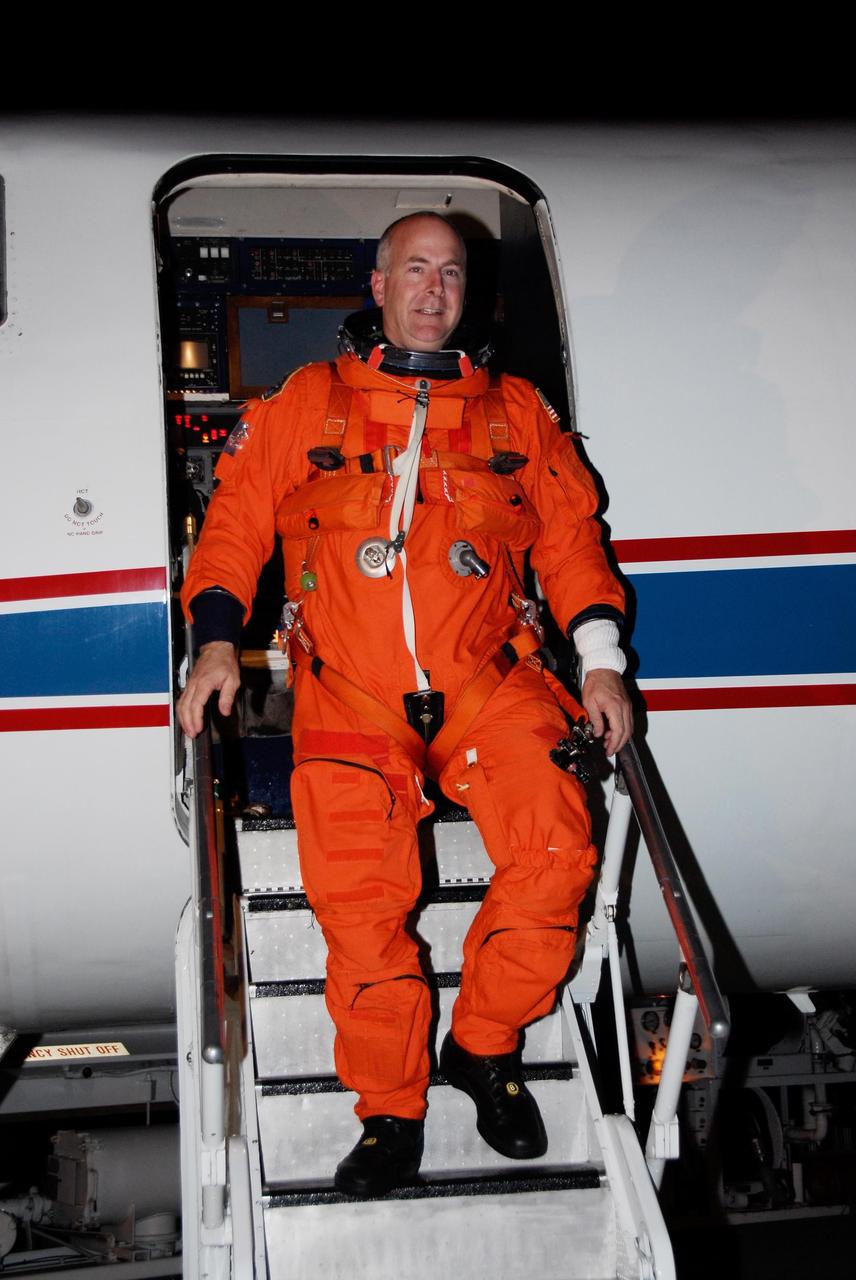
KENNEDY SPACE CENTER, FLA. -- STS-122 Pilot Alan Poindexter seems satisfied with the landing practice session he has just completed aboard a shuttle training aircraft, or STA, at Kennedy Space Center's Shuttle Landing Facility. Poindexter and Commander Steve Frick are preparing for the Dec. 6 launch on space shuttle Atlantis. The STA is a Grumman American Aviation-built Gulf Stream II jet that was modified to simulate an orbiter's cockpit, motion and visual cues, and handling qualities. Photo credit: NASA/Kim Shiflett
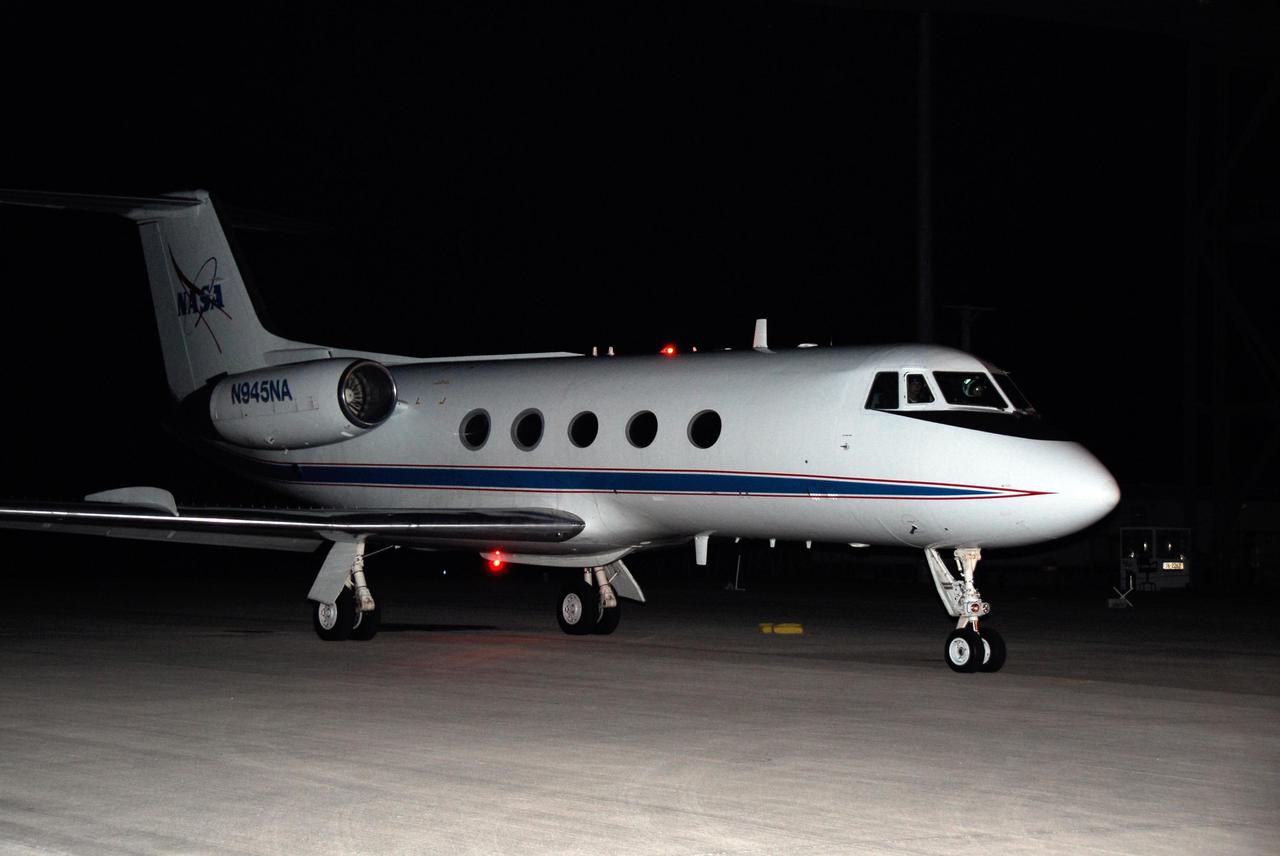
KENNEDY SPACE CENTER, FLA. -- On the Shuttle Landing Facility at NASA's Kennedy Space Center, the shuttle training aircraft, or STA, is ready to roll out for practice landings. In the cockpit are Commander Steve Frick and Pilot Alan Poindexter, who are preparing for the Dec. 6 launch on space shuttle Atlantis. The STA is a Grumman American Aviation-built Gulf Stream II jet that was modified to simulate an orbiter's cockpit, motion and visual cues, and handling qualities. Photo credit: NASA/Kim Shiflett
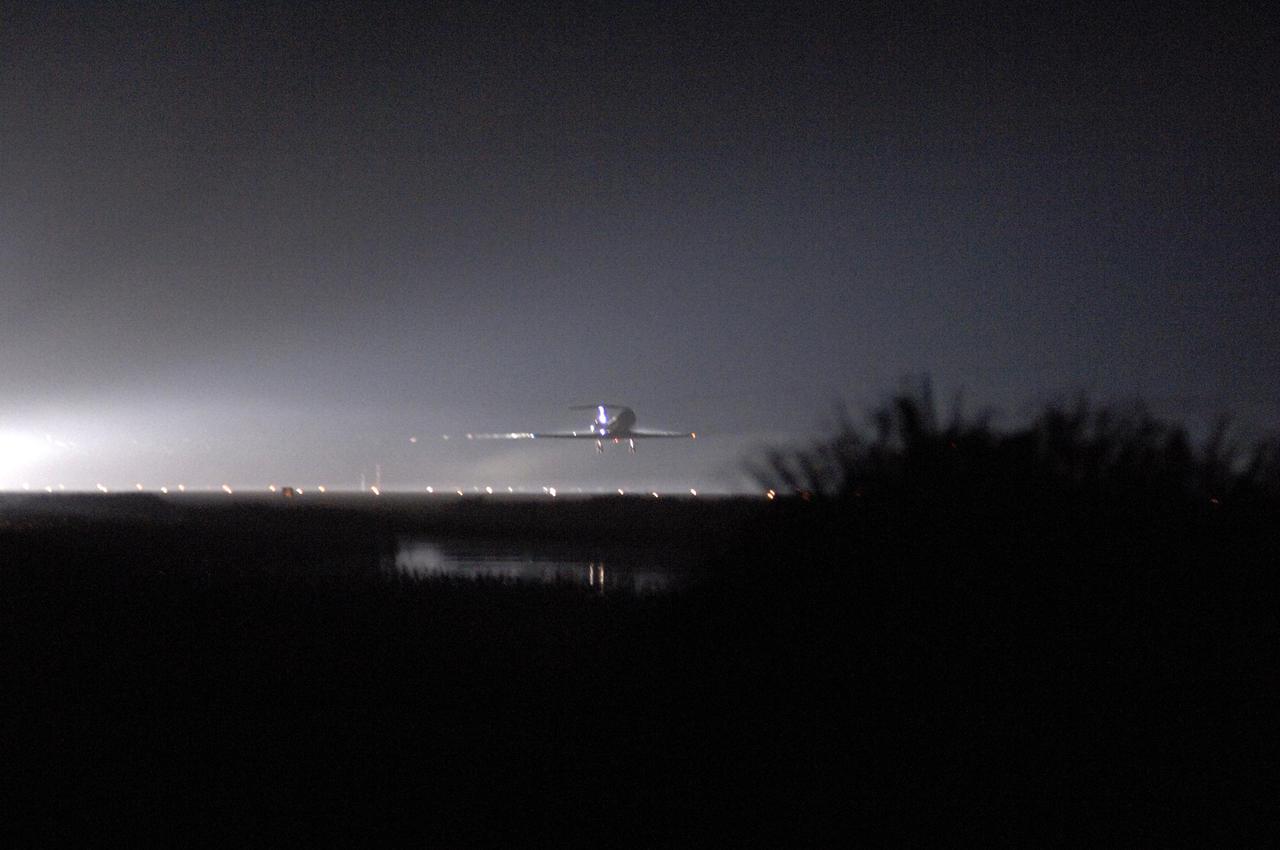
KENNEDY SPACE CENTER, FLA. - In the pre-dawn hours, the Shuttle Training Aircraft (STA) approaches the runway on NASA Kennedy Space Center’s Shuttle Landing Facility. The STA was in the air to observe flying conditions for the pending landing of Space Shuttle Discovery to conclude Return to Flight mission STS-114. The landing was postponed until Aug. 9.
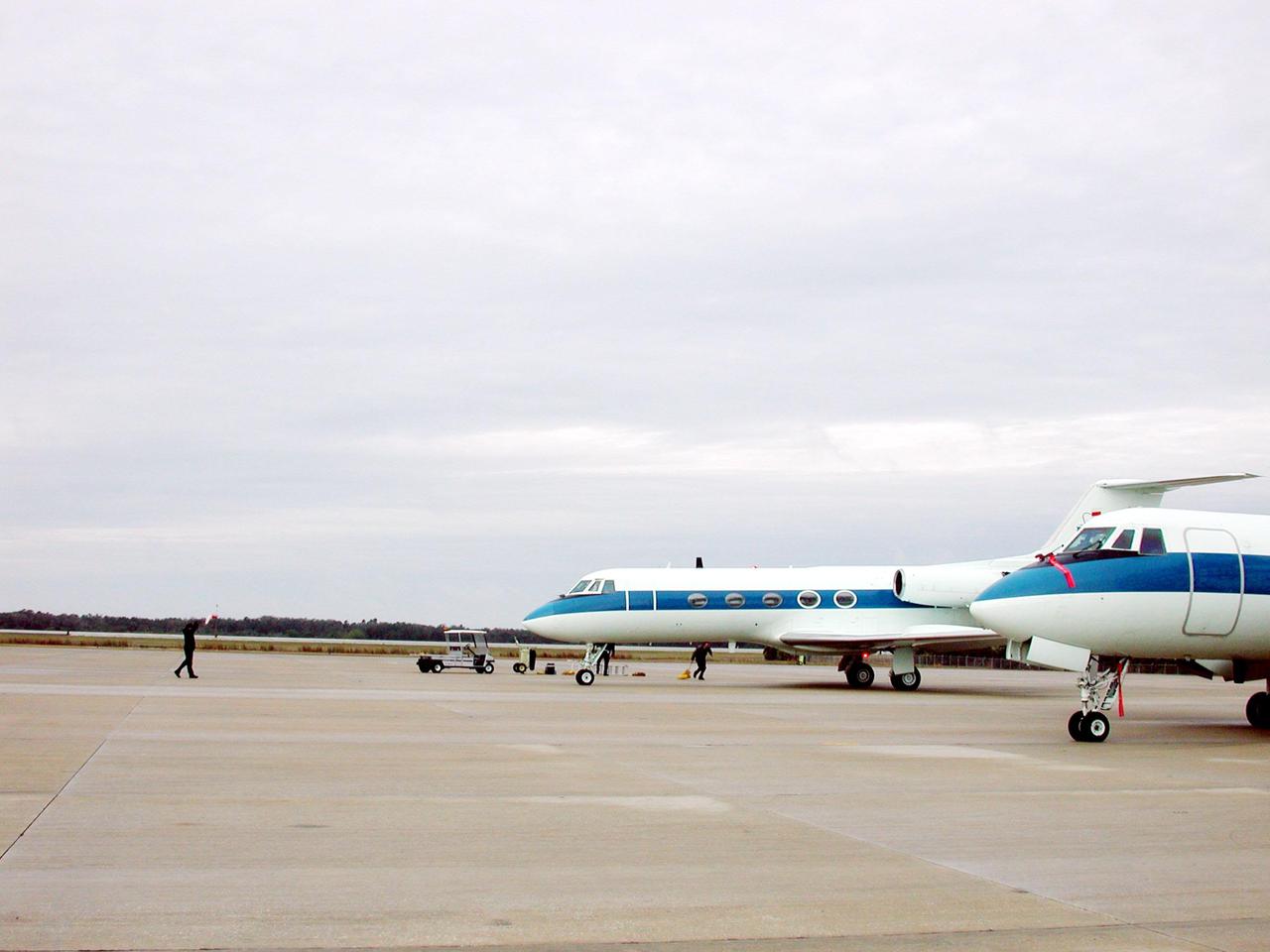
KENNEDY SPACE CENTER, FLA. -- A Shuttle Training Aircraft, piloted by STS-98 Commander Ken Cockrell, rolls to a stop in line next to another STA at the KSC Shuttle Landing Facility. The cockpit of the STA is outfitted like the Shuttle, which provides practice at the controls, especially for landing. The STS-98 crew recently arrived at KSC to prepare for their launch Feb. 7 to the International Space Station. The seventh construction flight to the Space Station, it will carry the U.S. Laboratory Destiny, a key module for space experiments
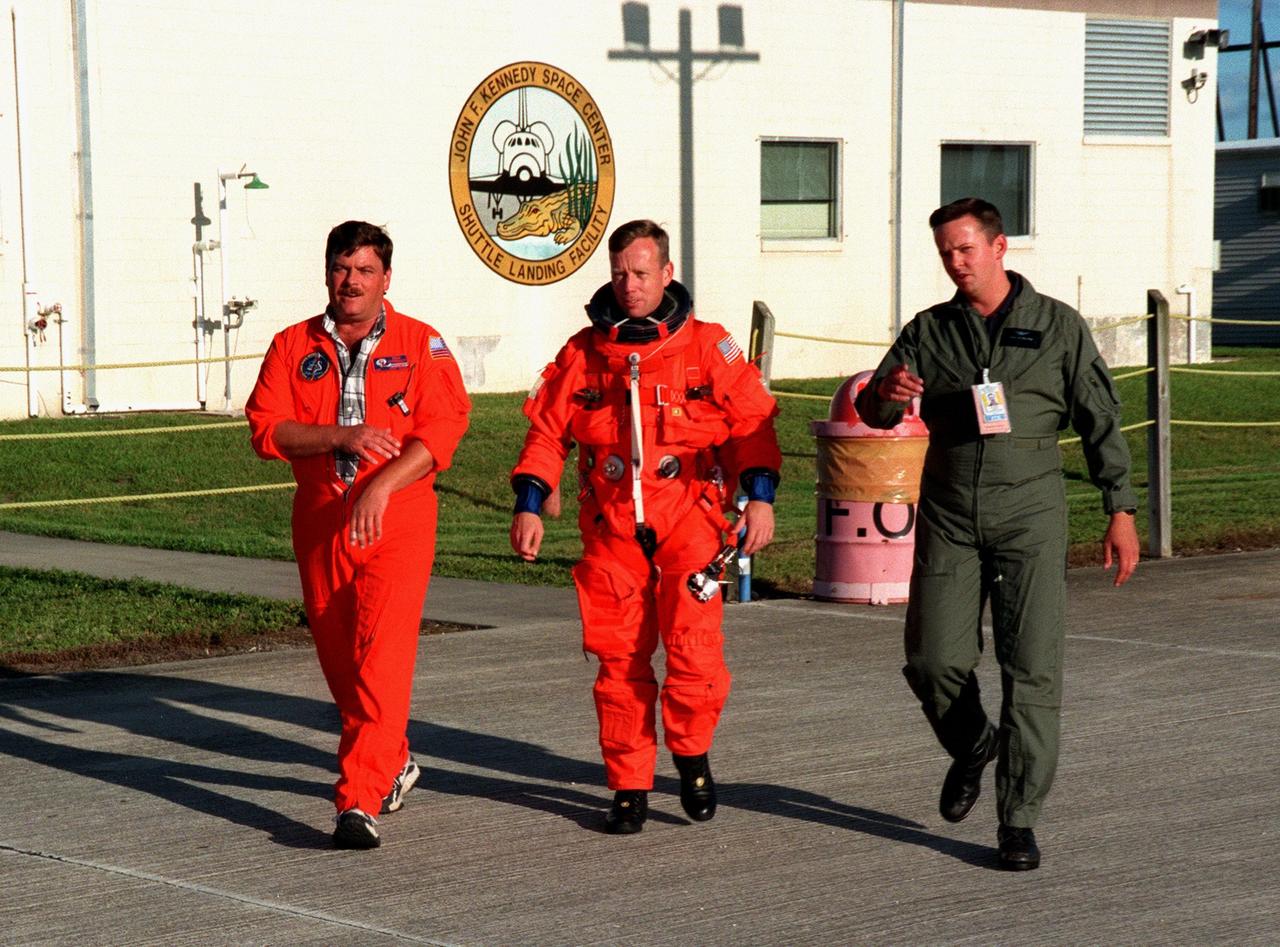
STS-95 Pilot Steven K. Lindsey leaves the Shuttle Landing Facility (SLF) enroute to the Shuttle Training Aircraft (STA). He is accompanied by two suit technicians, Mike Birkenseher (left) and Paul Reylea (right). Lindsey will be practicing Shuttle landing and takeoffs at the SLF on the STA, which is designed to fly like the Shuttle, prior to launch. STS-95 is expected to launch at 2 p.m. EST on Oct. 29, last 8 days, 21 hours and 49 minutes, and land at 11:49 a.m. EST on Nov. 7
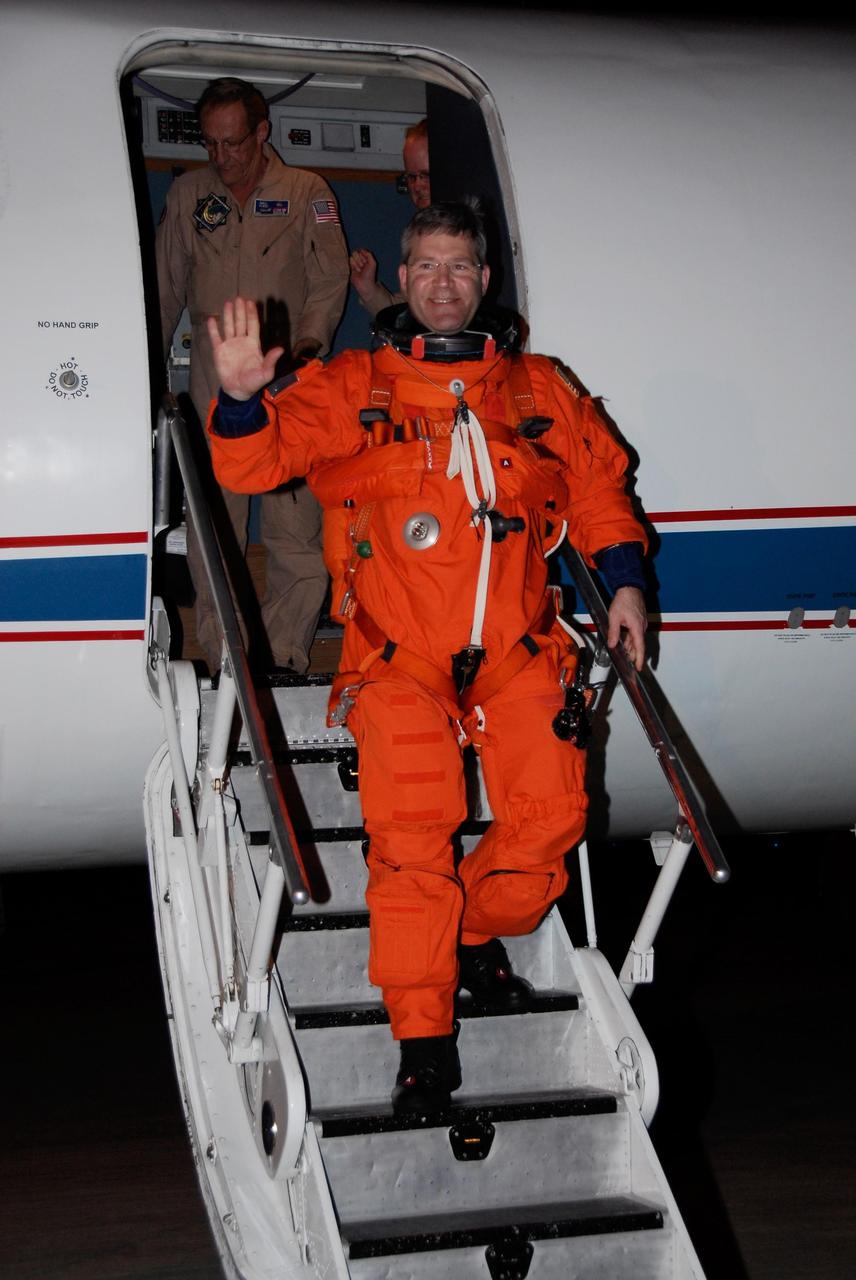
KENNEDY SPACE CENTER, FLA. -- STS-122 Commander Steve Frick seems satisfied with the landing practice session he has just completed aboard a shuttle training aircraft, or STA, at Kennedy Space Center's Shuttle Landing Facility. Frick and Pilot Alan Poindexter are preparing for the Dec. 6 launch on space shuttle Atlantis. The STA is a Grumman American Aviation-built Gulf Stream II jet that was modified to simulate an orbiter's cockpit, motion and visual cues, and handling qualities. Photo credit: NASA/Kim Shiflett
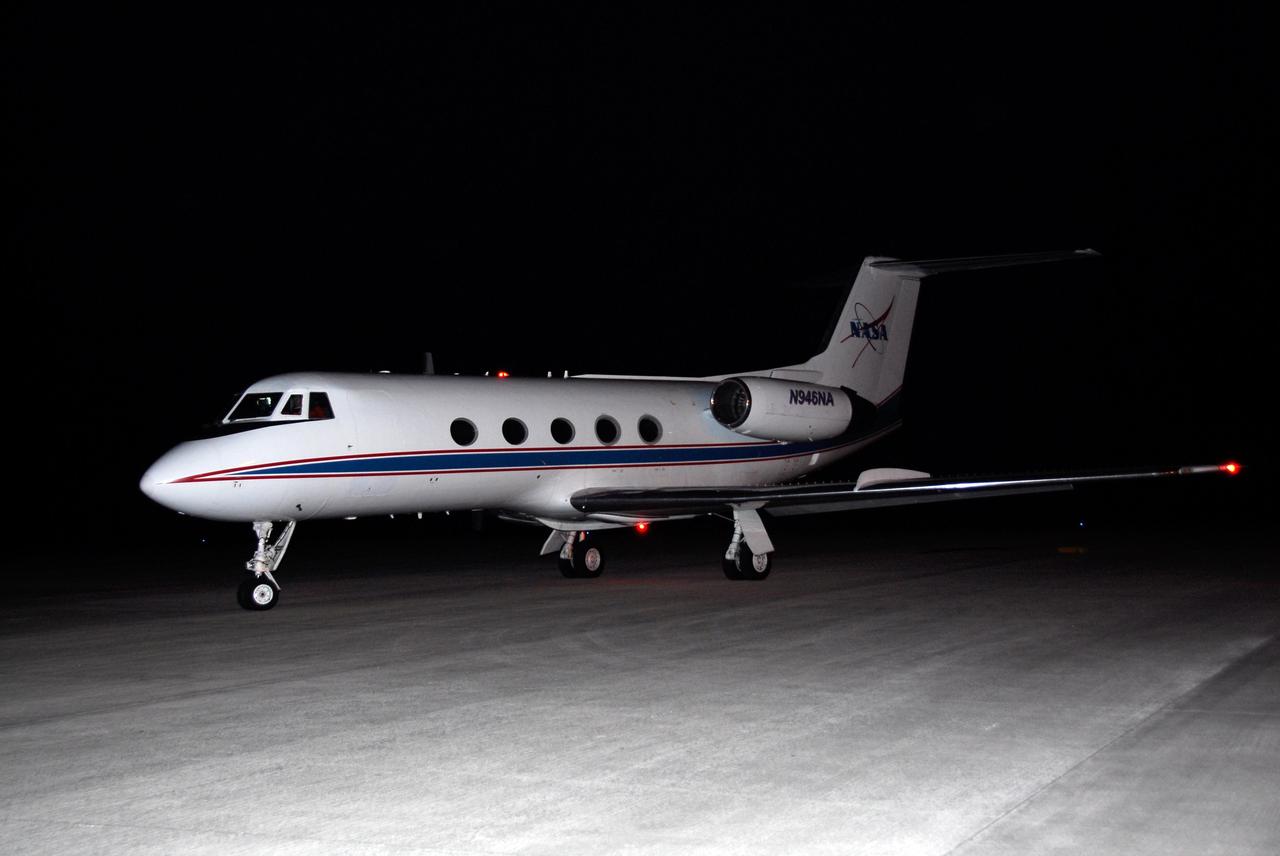
KENNEDY SPACE CENTER, FLA. -- On the Shuttle Landing Facility at NASA's Kennedy Space Center, the shuttle training aircraft, or STA, taxis toward the runway for practice landings. In the cockpit are Commander Steve Frick and Pilot Alan Poindexter, who are preparing for the Dec. 6 launch on space shuttle Atlantis. The STA is a Grumman American Aviation-built Gulf Stream II jet that was modified to simulate an orbiter's cockpit, motion and visual cues, and handling qualities. Photo credit: NASA/Kim Shiflett
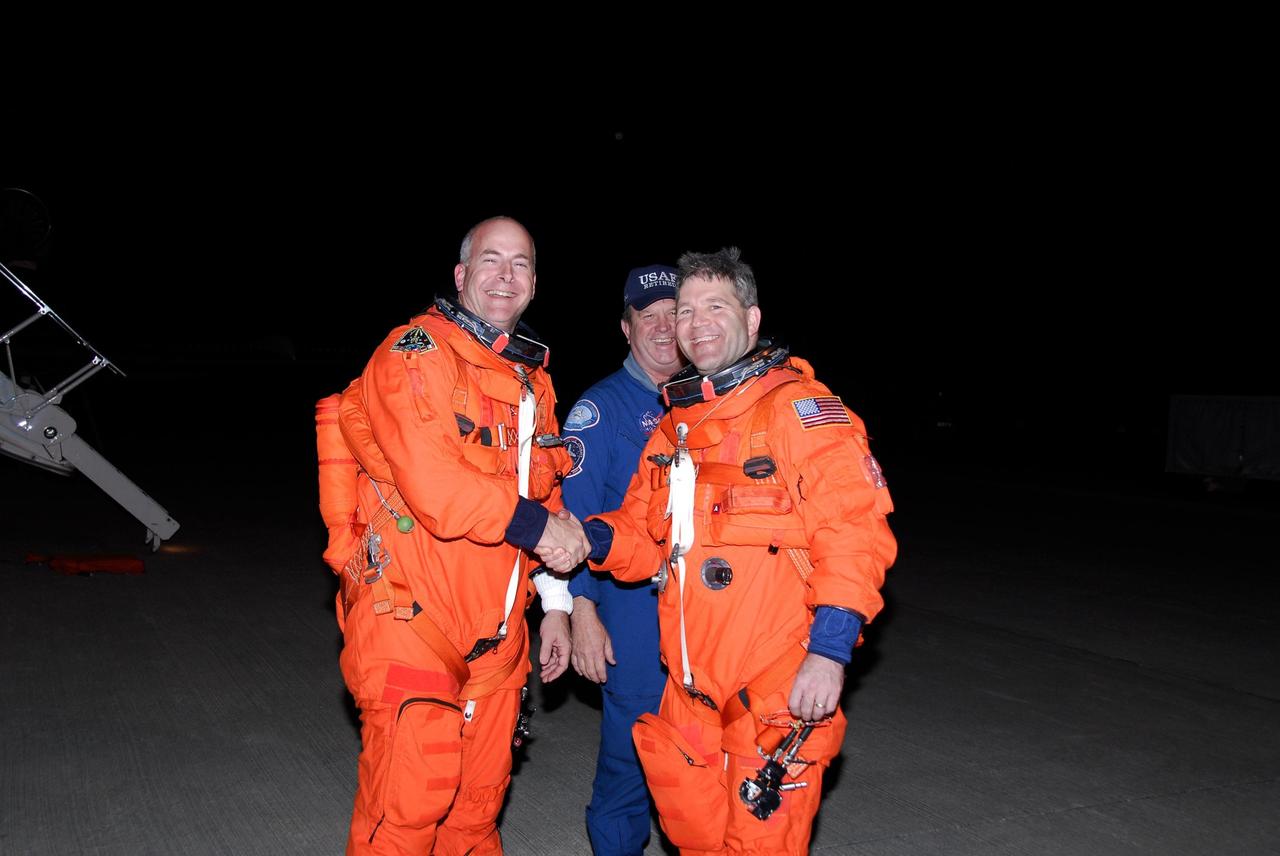
KENNEDY SPACE CENTER, FLA. -- STS-122 Commander Steve Frick (right) and Pilot Alan Poindexter (left) congratulate each other on the successful landing practice completed aboard a shuttle training aircraft, or STA, at Kennedy Space Center's Shuttle Landing Facility. They are preparing for the Dec. 6 launch on space shuttle Atlantis. The STA is a Grumman American Aviation-built Gulf Stream II jet that was modified to simulate an orbiter's cockpit, motion and visual cues, and handling qualities. Photo credit: NASA/Kim Shiflett
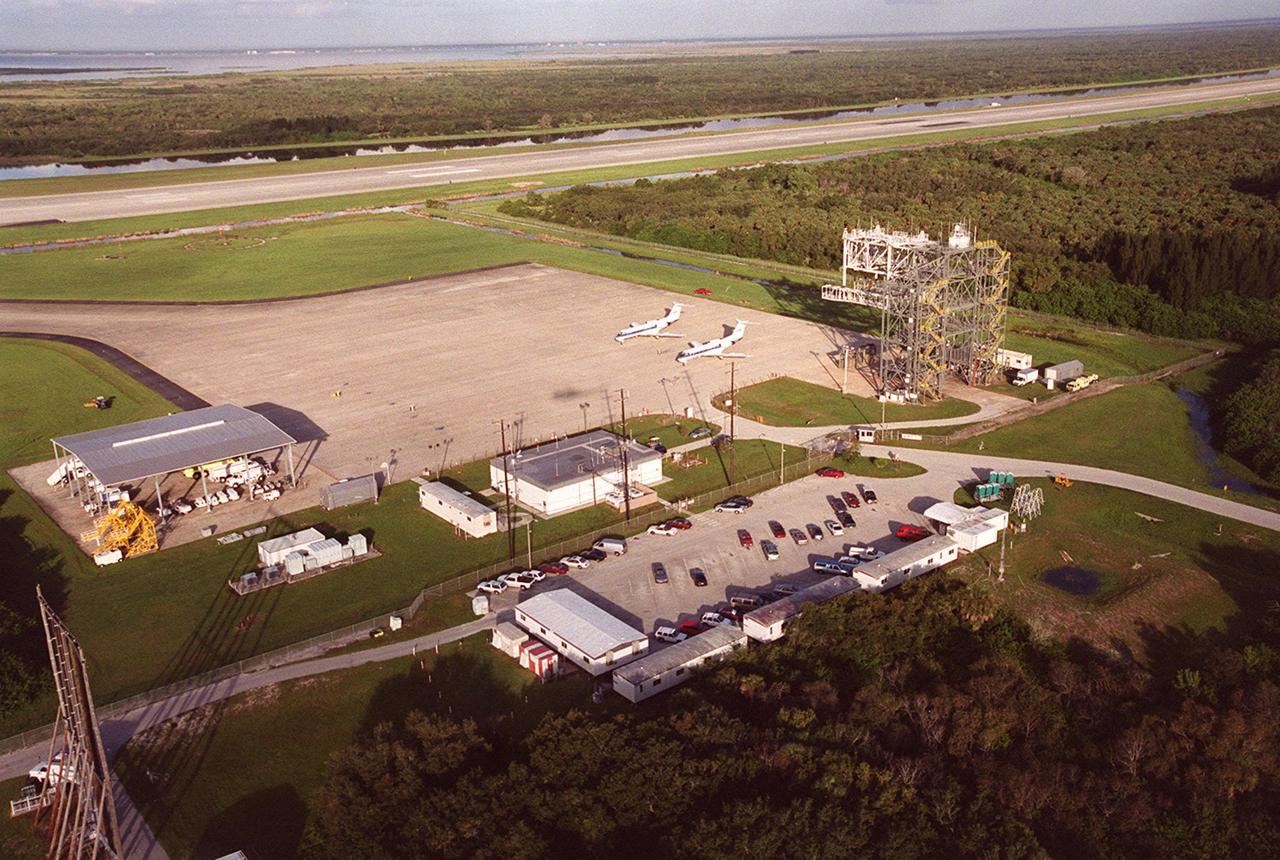
KENNEDY SPACE CENTER, FLA. -- An aerial view of the Shuttle Landing Facility shows the fuel truck shelter (left), administrative building (center) with parking lot behind it (foreground), two Shuttle Training Aircraft (STA) parked on the apron and the mate/demate device (right). In the background is the runway. The STAs are Grumman Gulfstream 2 aircraft with converted cockpits that emulate those in the Shuttles for practice landings at the SLF. The mate/demate device is used to lift the orbiter onto or off a Shuttle Carrier Aircraft when it has to be ferried to or from KSC
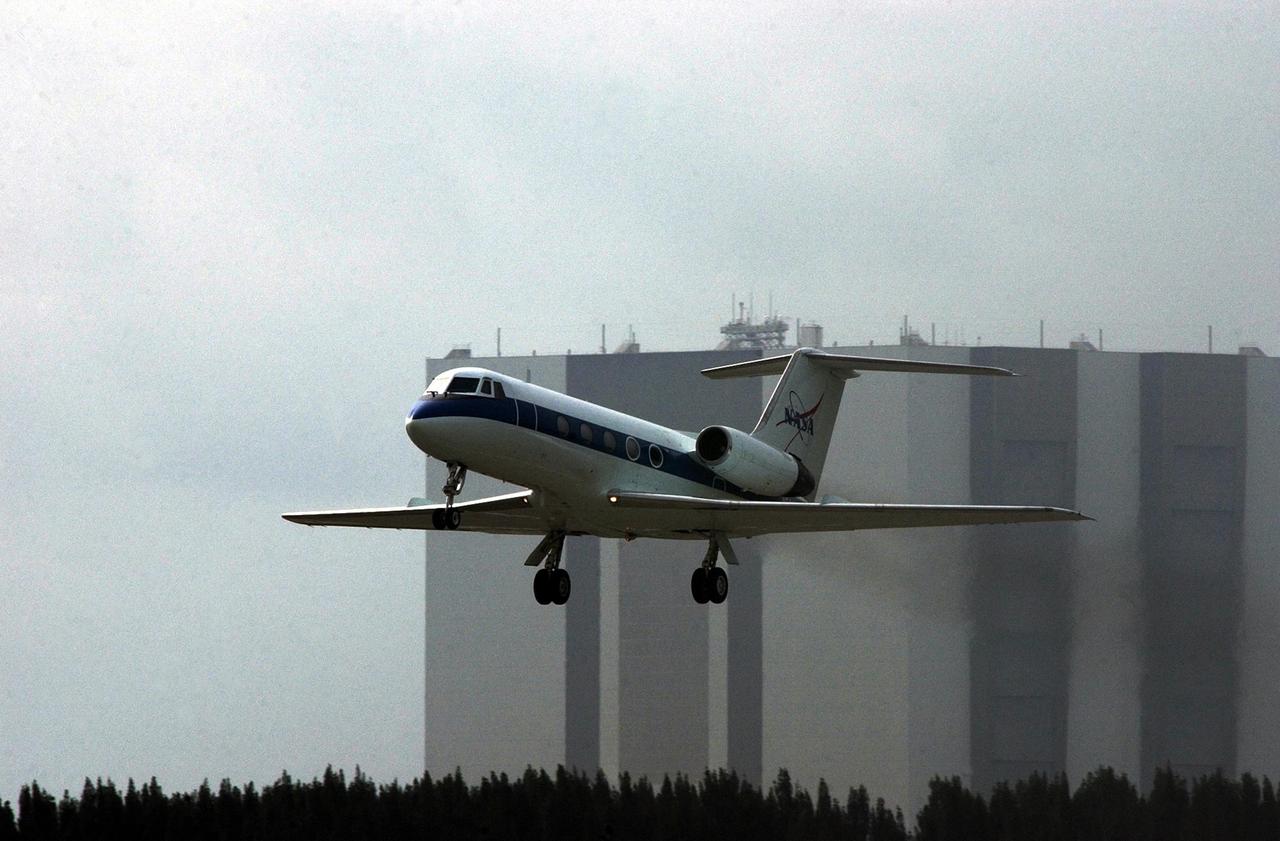
KENNEDY SPACE CENTER, FLA. -- A Shuttle Training Aircraft (STA) approaches the Shuttle Landing Facility after flying weather reconnaissance for the landing of Endeavour, returning from mission STS-111. Low cloud cover and other unfavorable weather conditions resulted in the wave off of two landing opportunities. The STA was flown by astronaut Kent Rominger
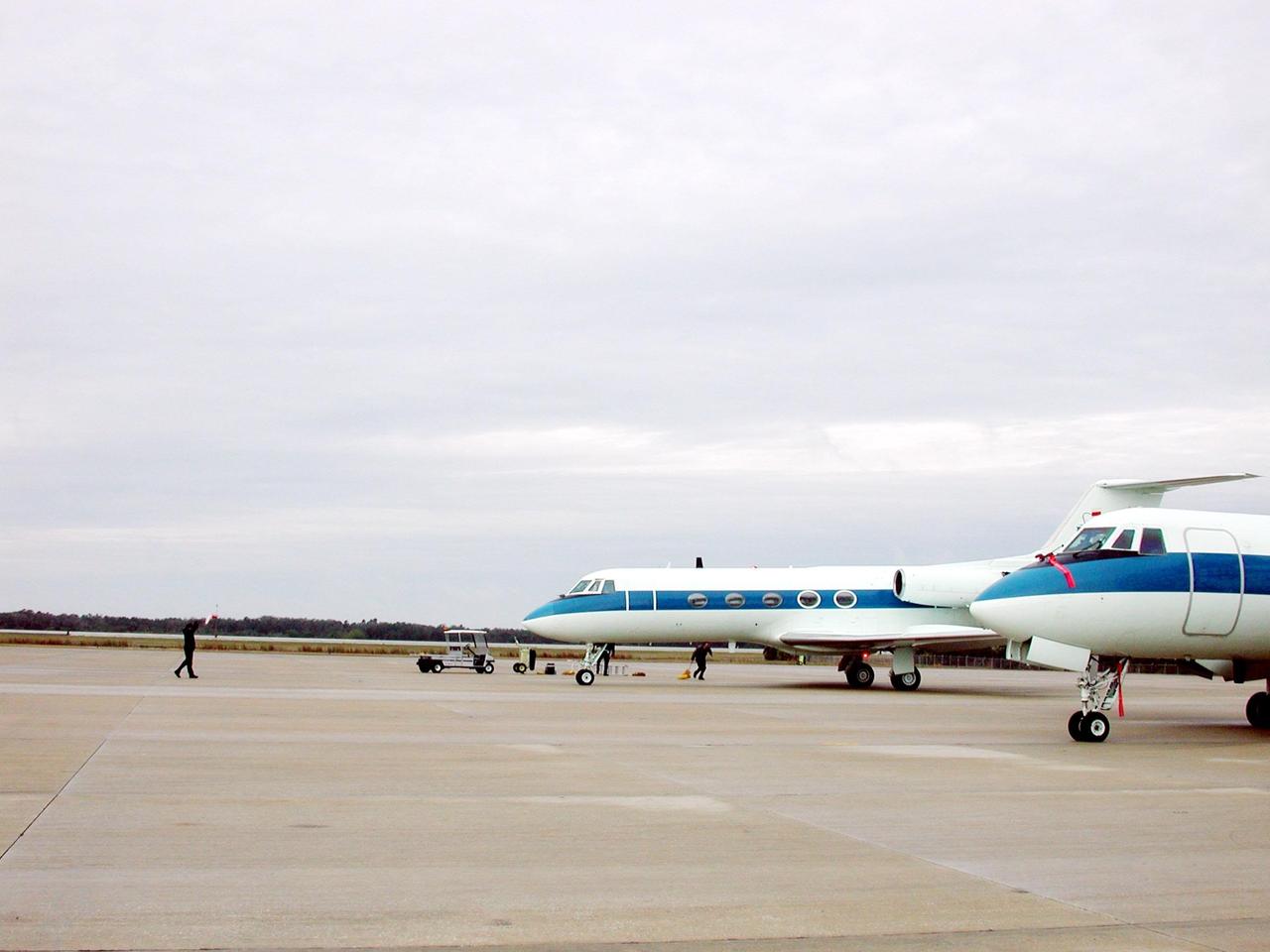
KENNEDY SPACE CENTER, FLA. -- A Shuttle Training Aircraft, piloted by STS-98 Commander Ken Cockrell, rolls to a stop in line next to another STA at the KSC Shuttle Landing Facility. The cockpit of the STA is outfitted like the Shuttle, which provides practice at the controls, especially for landing. The STS-98 crew recently arrived at KSC to prepare for their launch Feb. 7 to the International Space Station. The seventh construction flight to the Space Station, it will carry the U.S. Laboratory Destiny, a key module for space experiments
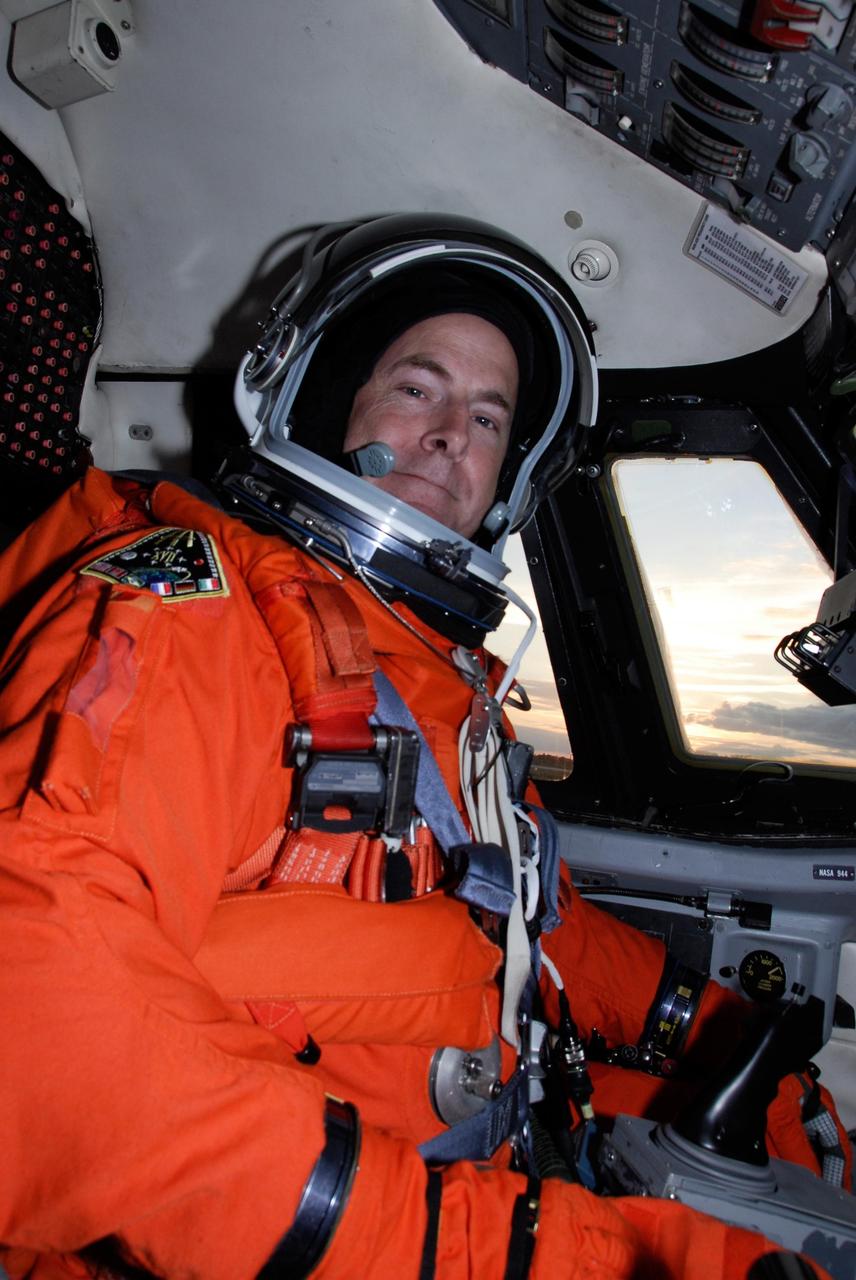
KENNEDY SPACE CENTER, FLA. -- Space shuttle Atlantis STS-122 Pilot Alan Poindexter prepares to practice shuttle landings. He is getting settled in the cockpit of a shuttle training aircraft, or STA, at Kennedy Space Center's Shuttle Landing Facility. The STA is a Grumman American Aviation-built Gulf Stream II jet that was modified to simulate an orbiter's cockpit, motion and visual cues, and handling qualities. In flight, the STA duplicates the orbiter's atmospheric descent trajectory from approximately 35,000 feet altitude to landing on a runway. Because the orbiter is unpowered during re-entry and landing, its high-speed glide must be perfectly executed the first time. The training is part of terminal countdown demonstration test, or TCDT, activities. The TCDT provides astronauts and ground crews with equipment familiarization, emergency egress training and a simulated launch countdown. On mission STS-122, Atlantis will deliver the European Space Agency's Columbus module to the International Space Station. Columbus is a multifunctional, pressurized laboratory that will be permanently attached to U.S. Node 2, called Harmony, and will expand the research facilities aboard the station. Launch is targeted for Dec. 6. Photo credit: NASA/Kim Shiflett
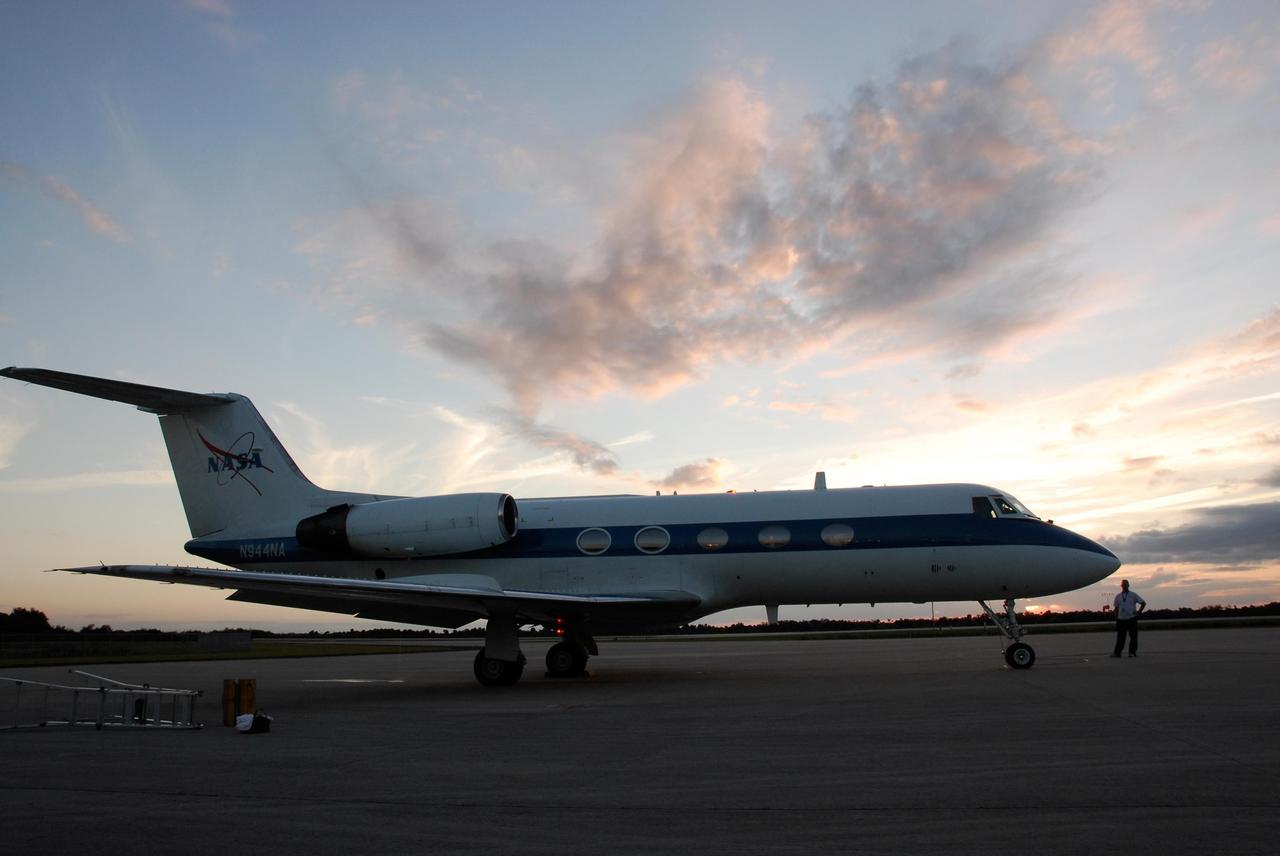
KENNEDY SPACE CENTER, FLA. -- A shuttle training aircraft, or STA, sits on the tarmac at Kennedy Space Center's Shuttle Landing Facility at dusk, ready for practice flights by space shuttle Atlantis STS-122 Commander Steve Frick and Pilot Alan Poindexter. The STA is a Grumman American Aviation-built Gulf Stream II jet that was modified to simulate an orbiter's cockpit, motion and visual cues, and handling qualities. In flight, the STA duplicates the orbiter's atmospheric descent trajectory from approximately 35,000 feet altitude to landing on a runway. Because the orbiter is unpowered during re-entry and landing, its high-speed glide must be perfectly executed the first time. The training is part of terminal countdown demonstration test, or TCDT, activities. The TCDT provides astronauts and ground crews with equipment familiarization, emergency egress training and a simulated launch countdown. On mission STS-122, Atlantis will deliver the European Space Agency's Columbus module to the International Space Station. Columbus is a multifunctional, pressurized laboratory that will be permanently attached to U.S. Node 2, called Harmony, and will expand the research facilities aboard the station. Launch is targeted for Dec. 6. Photo credit: NASA/Kim Shiflett
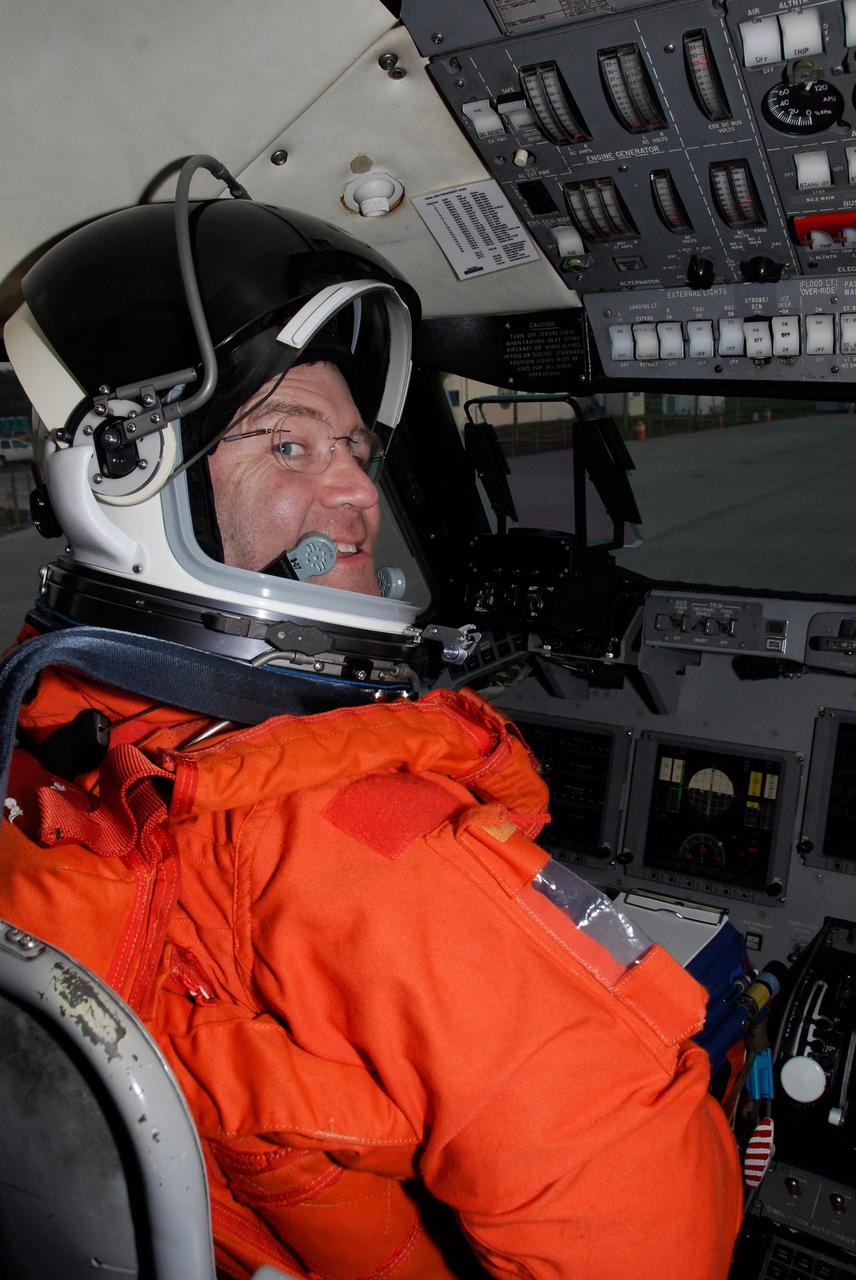
KENNEDY SPACE CENTER, FLA. -- Space shuttle Atlantis STS-122 Commander Steve Frick prepares to practice shuttle landings. He is sitting in the cockpit of a shuttle training aircraft, or STA, at Kennedy Space Center's Shuttle Landing Facility. The STA is a Grumman American Aviation-built Gulf Stream II jet that was modified to simulate an orbiter's cockpit, motion and visual cues, and handling qualities. In flight, the STA duplicates the orbiter's atmospheric descent trajectory from approximately 35,000 feet altitude to landing on a runway. Because the orbiter is unpowered during re-entry and landing, its high-speed glide must be perfectly executed the first time. The training is part of terminal countdown demonstration test, or TCDT, activities. The TCDT provides astronauts and ground crews with equipment familiarization, emergency egress training and a simulated launch countdown. On mission STS-122, Atlantis will deliver the European Space Agency's Columbus module to the International Space Station. Columbus is a multifunctional, pressurized laboratory that will be permanently attached to U.S. Node 2, called Harmony, and will expand the research facilities aboard the station. Launch is targeted for Dec. 6. Photo credit: NASA/Kim Shiflett
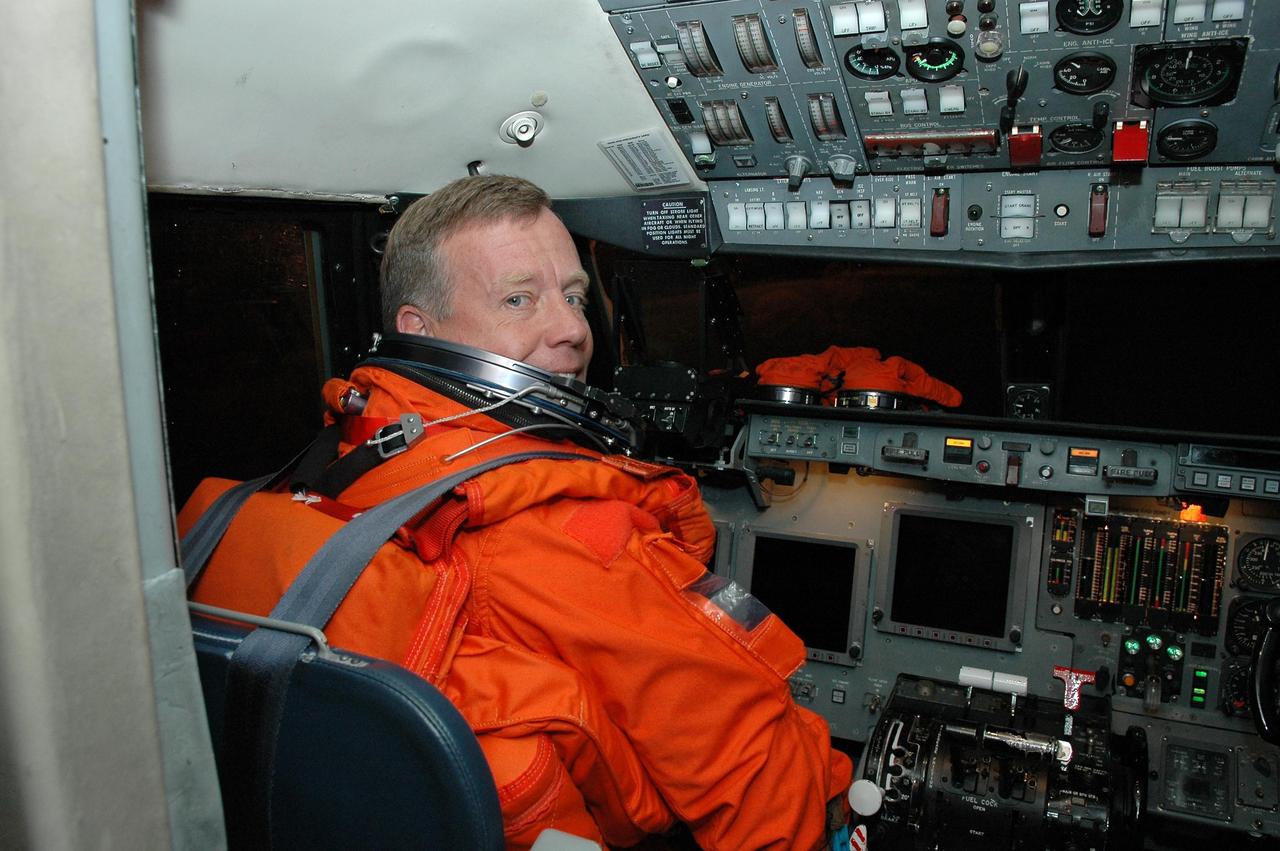
KENNEDY SPACE CENTER, FLA. - Inside the Shuttle Training Aircraft (STA), STS-121 Commander Steven Lindsey settles into his seat in the cockpit. Lindsey and Pilot Mark Kelly will be making practice landings in preparation for the July 1 launch of Space Shuttle Discovery. The STA is a Grumman American Aviation-built Gulf Stream II jet that was modified to simulate an orbiter’s cockpit, motion and visual cues, and handling qualities. In flight, the STA duplicates the orbiter’s atmospheric descent trajectory from approximately 35,000 feet altitude to landing on a runway. Because the orbiter is unpowered during re-entry and landing, its high-speed glide must be perfectly executed the first time. Photo credit: NASA/Kim Shiflett