
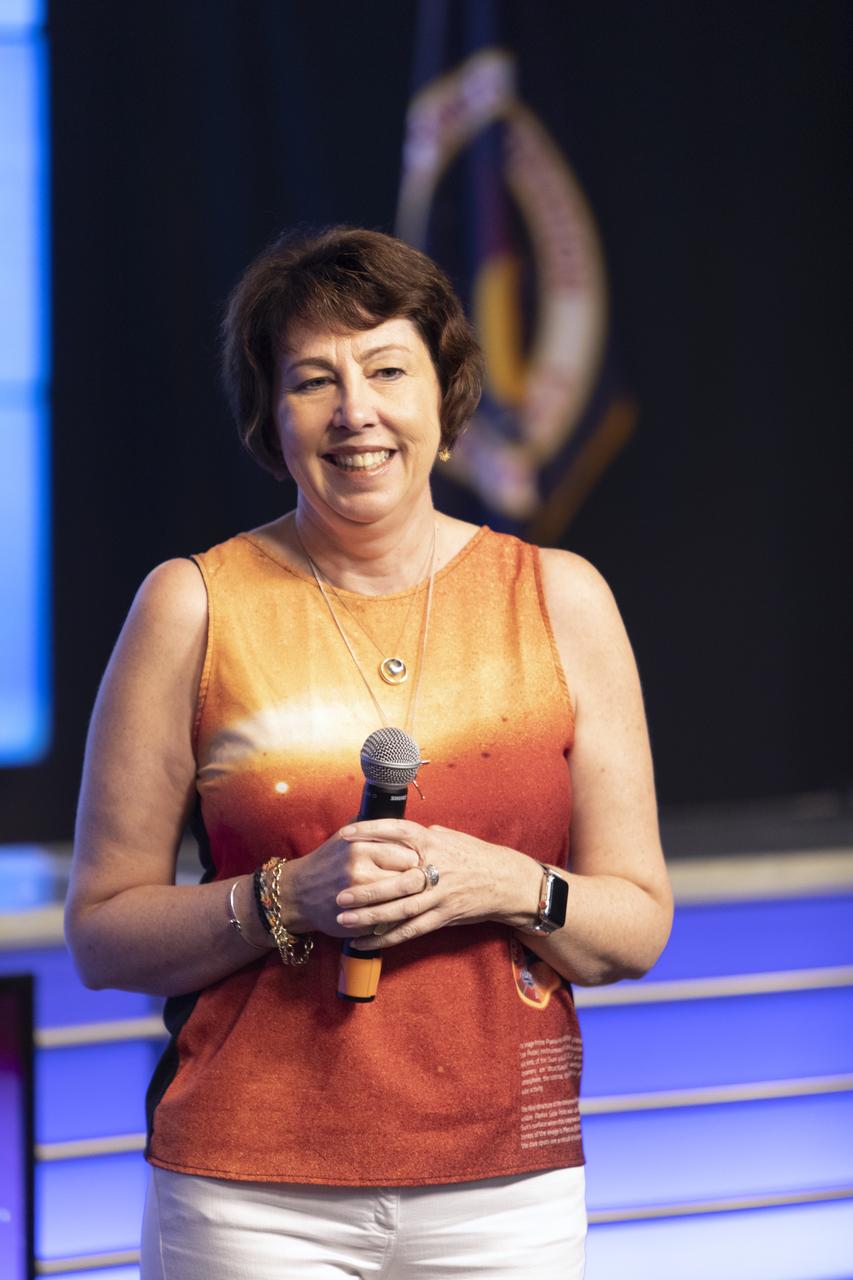
Laura Aguiar hosts NASA’s prelaunch technology show for Space Test Program-2 (STP-2) at Kennedy Space Center on June 23, 2019. STP-2 is managed by the U.S. Air Force Space and Missile Systems Center.

Laura Aguiar hosts NASA’s prelaunch technology show for Space Test Program-2 (STP-2) at Kennedy Space Center on June 23, 2019. STP-2 is managed by the U.S. Air Force Space and Missile Systems Center.
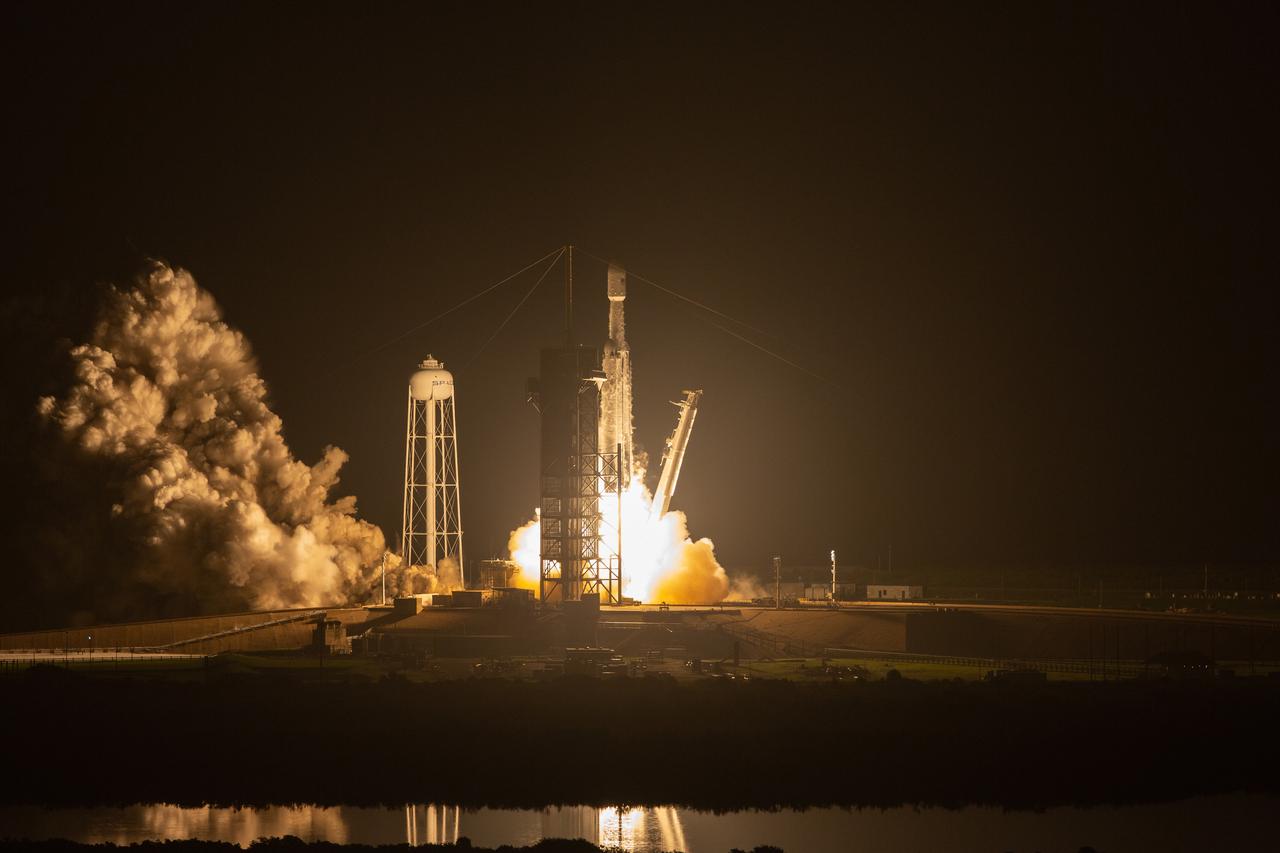
A SpaceX Falcon Heavy rocket lifts off from Launch Complex 39A at 2:30 a.m. EDT on June 25, 2019, at NASA’s Kennedy Space Center in Florida. The Falcon Heavy rocket carries two dozen satellites to space for the U.S. Department of Defense, including four NASA payloads that are part of the Space Test Program (STP-2) mission, managed by the U.S. Air Force Space and Missile Systems Center. The four NASA payloads include two technology demonstrations to improve how spacecraft propel and navigate, as well as two NASA science missions to help us better understand the nature of space and how it impacts technology on spacecraft and the ground.
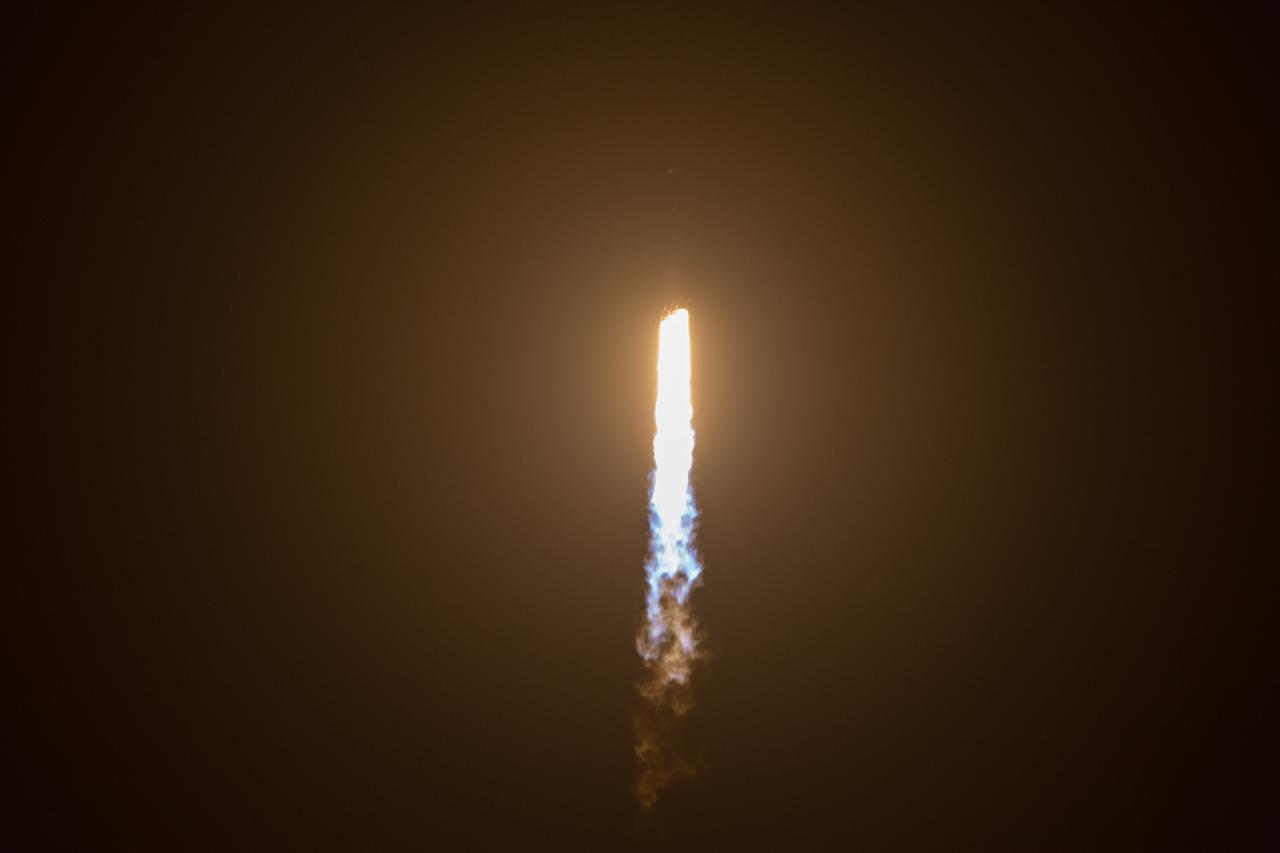
A SpaceX Falcon Heavy rocket roars upward after lifting off from Launch Complex 39A at 2:30 a.m. EDT on June 25, 2019, at NASA’s Kennedy Space Center in Florida. The Falcon Heavy rocket carries two dozen satellites to space for the U.S. Department of Defense, including four NASA payloads that are part of the Space Test Program (STP-2) mission, managed by the U.S. Air Force Space and Missile Systems Center. The four NASA payloads include two technology demonstrations to improve how spacecraft propel and navigate, as well as two NASA science missions to help us better understand the nature of space and how it impacts technology on spacecraft and the ground.
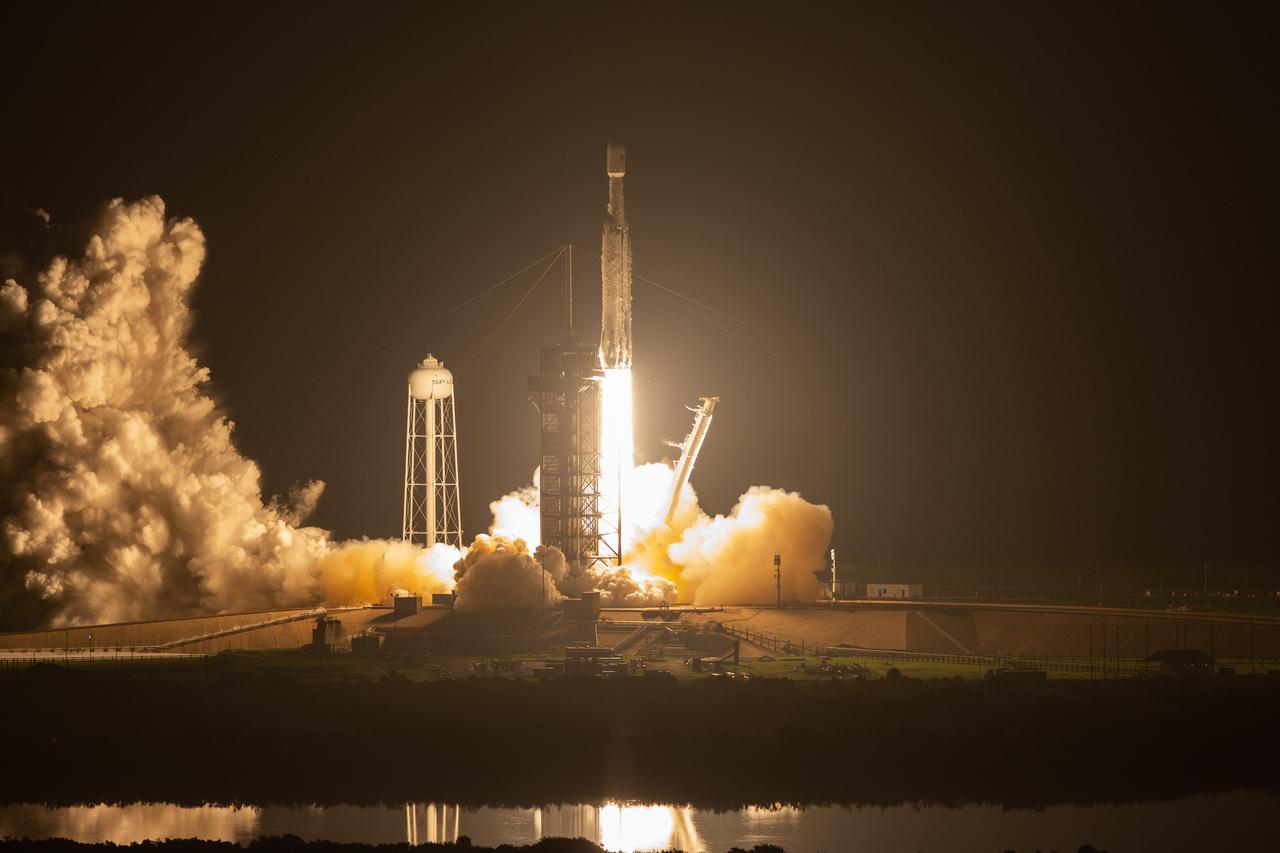
A SpaceX Falcon Heavy rocket lifts off from Launch Complex 39A at 2:30 a.m. EDT on June 25, 2019, at NASA’s Kennedy Space Center in Florida. The Falcon Heavy rocket carries two dozen satellites to space for the U.S. Department of Defense, including four NASA payloads that are part of the Space Test Program (STP-2) mission, managed by the U.S. Air Force Space and Missile Systems Center. The four NASA payloads include two technology demonstrations to improve how spacecraft propel and navigate, as well as two NASA science missions to help us better understand the nature of space and how it impacts technology on spacecraft and the ground.
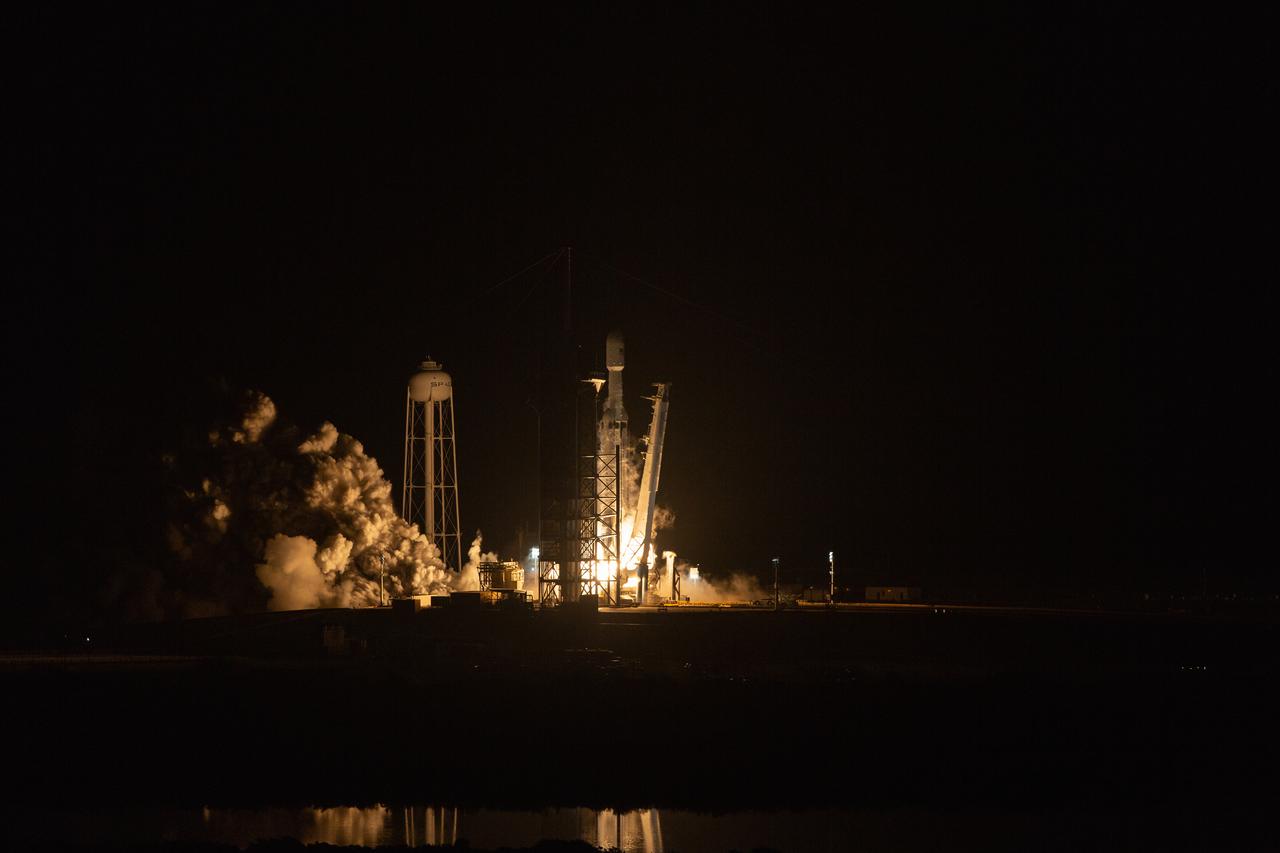
A SpaceX Falcon Heavy rocket lifts off from Launch Complex 39A at 2:30 a.m. EDT on June 25, 2019, at NASA’s Kennedy Space Center in Florida. The Falcon Heavy rocket carries two dozen satellites to space for the U.S. Department of Defense, including four NASA payloads that are part of the Space Test Program (STP-2) mission, managed by the U.S. Air Force Space and Missile Systems Center. The four NASA payloads include two technology demonstrations to improve how spacecraft propel and navigate, as well as two NASA science missions to help us better understand the nature of space and how it impacts technology on spacecraft and the ground.
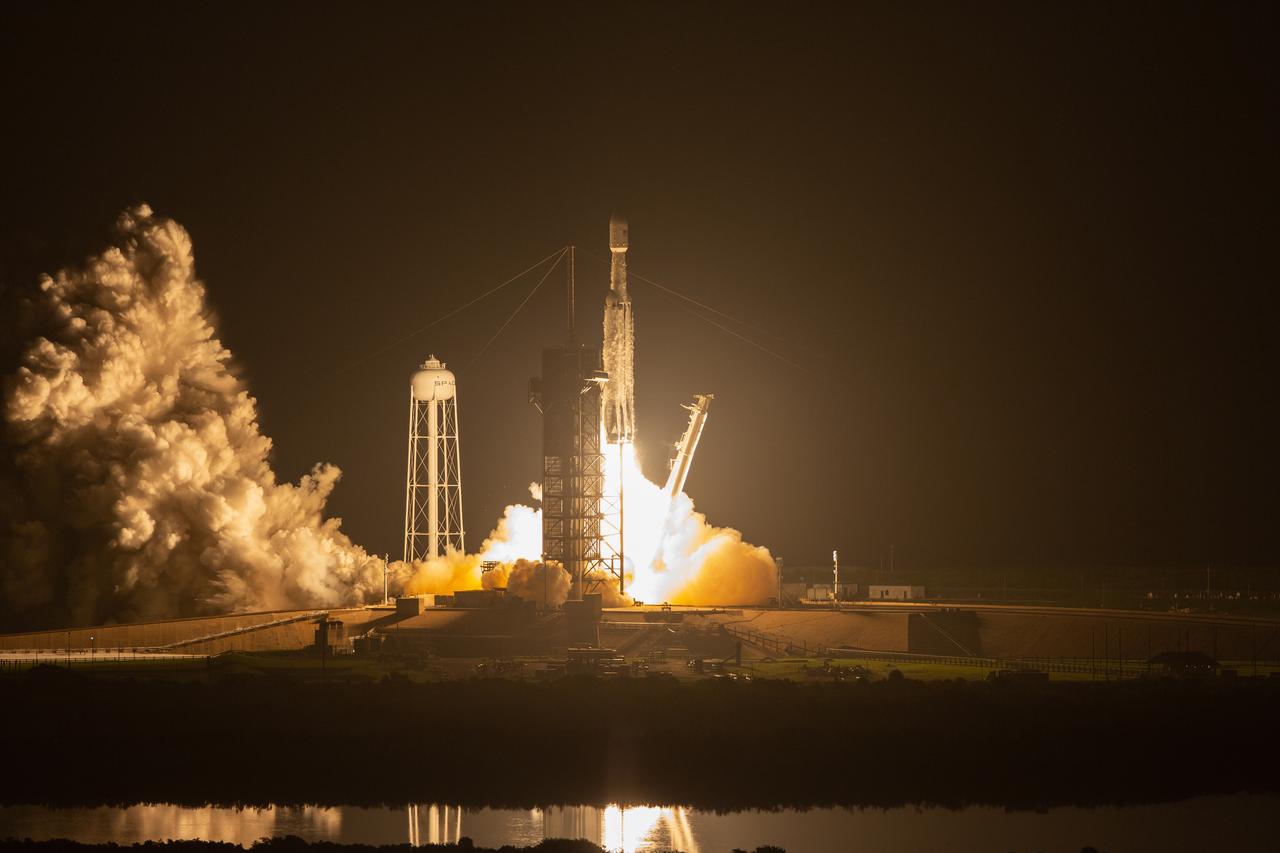
A SpaceX Falcon Heavy rocket lifts off from Launch Complex 39A at 2:30 a.m. EDT on June 25, 2019, at NASA’s Kennedy Space Center in Florida. The Falcon Heavy rocket carries two dozen satellites to space for the U.S. Department of Defense, including four NASA payloads that are part of the Space Test Program (STP-2) mission, managed by the U.S. Air Force Space and Missile Systems Center. The four NASA payloads include two technology demonstrations to improve how spacecraft propel and navigate, as well as two NASA science missions to help us better understand the nature of space and how it impacts technology on spacecraft and the ground.

jsc2022e031222 (4/26/2022) --- A preflight view of the assembled GARI instrument is shown prior to delivery to the Space Test Progam for integration on the STP-H8 platform. Space Test Program-Houston 8-GAGG Radiation Instrument-2 (STP-H8-GARI-2) demonstrates the GAGG Radiation Instrument (GARI), a gamma-ray detector for space-based astrophysical and defense applications.

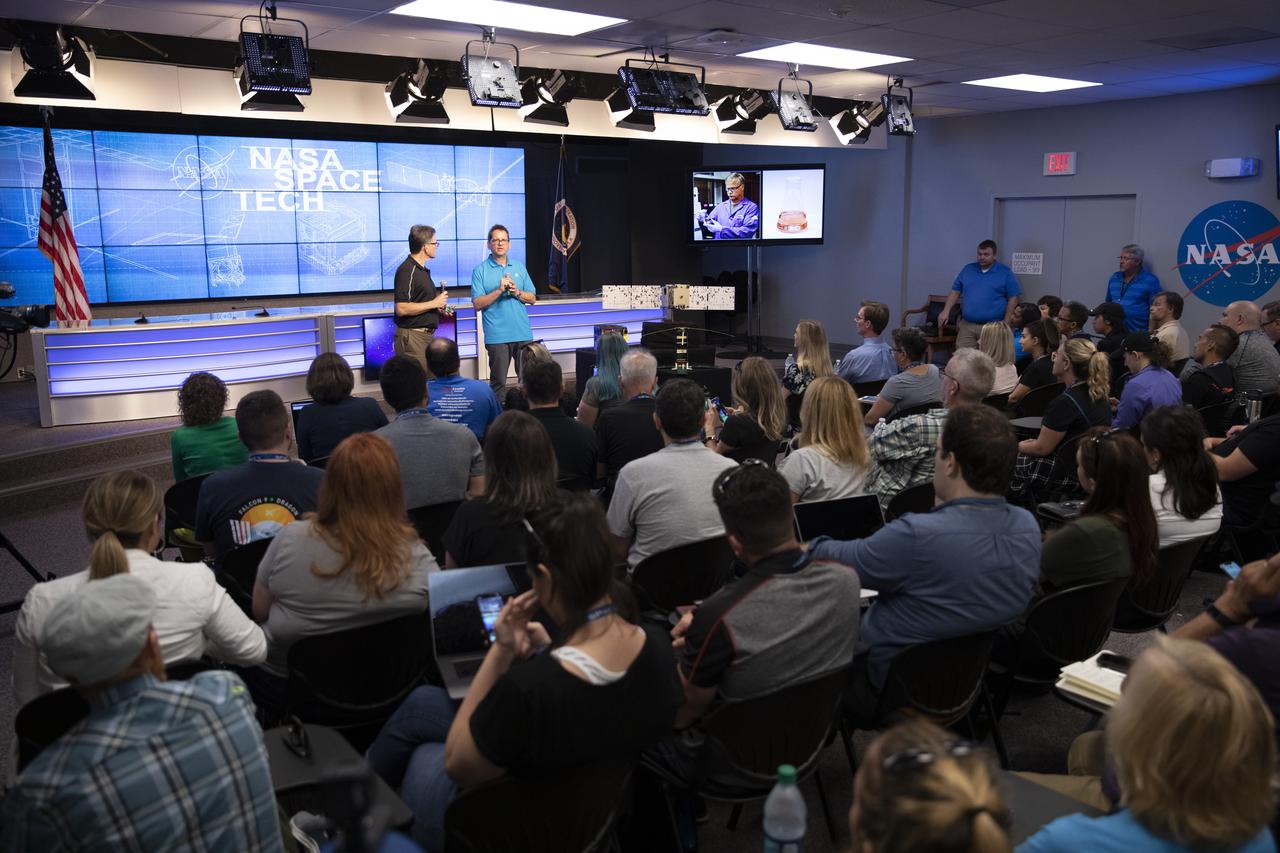
Tawnya Laughinghouse, NASA’s Technology Demonstration Missions program manager, talks about the NASA payloads hitching a ride on the Space Test Program-2 (STP-2) mission during a prelaunch technology TV broadcast at Kennedy Space Center in Florida on June 23, 2019. STP-2 is managed by the U.S. Air Force Space and Missile Systems Center.
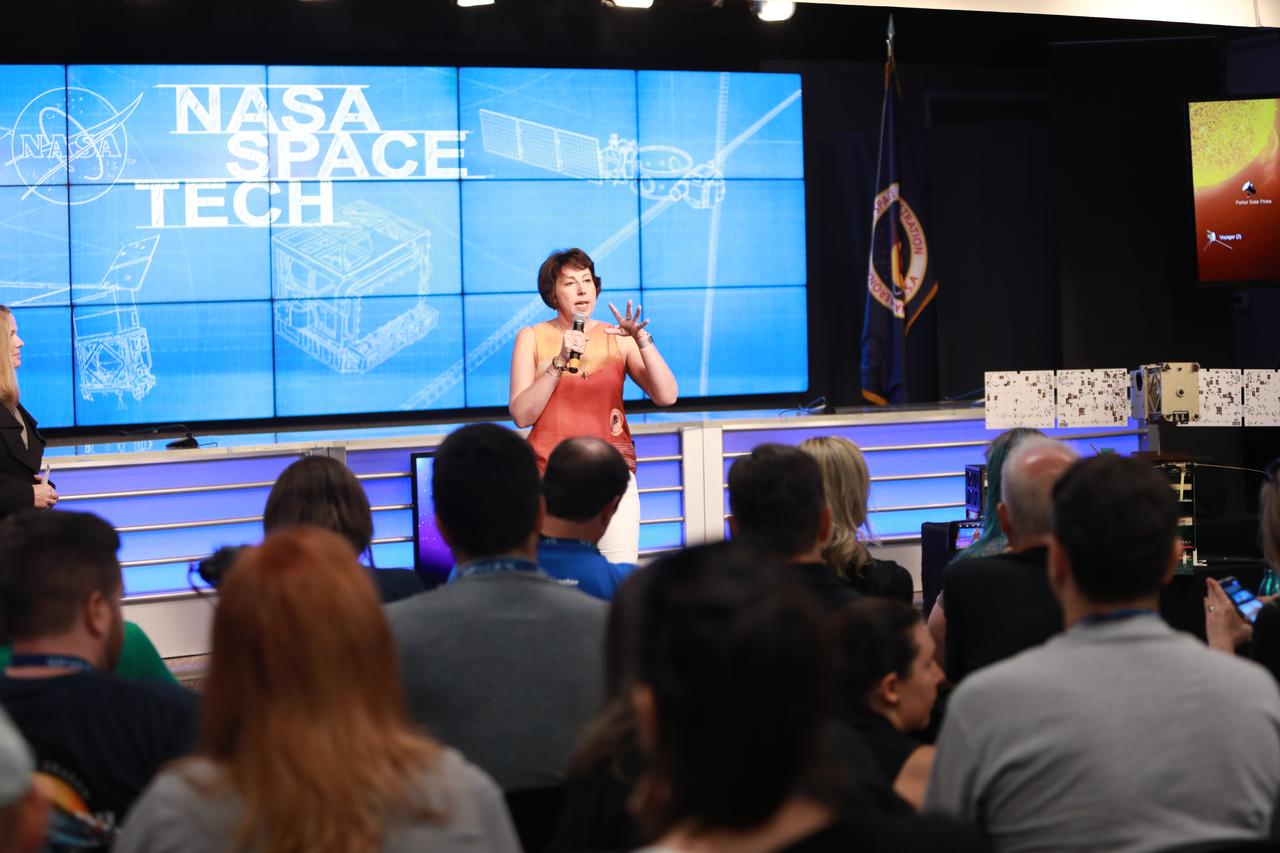
Nicky Fox, director of NASA’s Heliophysics Division, discusses the Space Environment Testbeds payload during a NASA prelaunch technology TV broadcast for the Space Test Program-2 (STP-2) at NASA’s Kennedy Space Center in Florida on June 23, 2019. The payload’s four experiments will reveal the ways local space weather affects spacecraft hardware. It is one of four NASA payloads scheduled to launch on a SpaceX Falcon Heavy rocket from Launch Complex 39A beginning at 11:30 p.m. EDT on June 24, 2019. STP-2 is managed by the U.S. Air Force Space and Missile Systems Center.
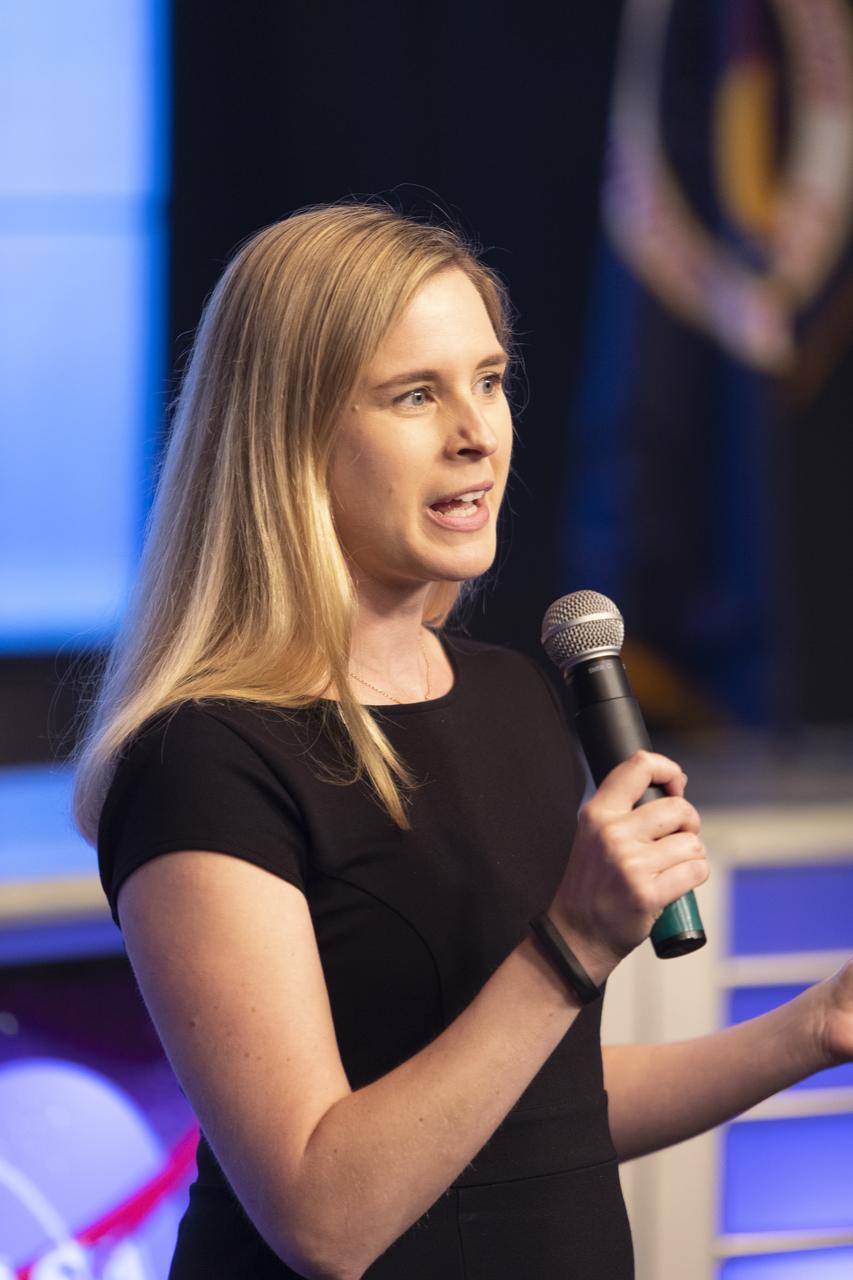
Jill Seubert, deputy principal investigator, from NASA’s Jet Propulsion Laboratory in Pasadena, California, explains the payload during a NASA prelaunch technology TV broadcast for the Space Test Program-2 (STP-2) mission at the agency’s Kennedy Space Center in Florida on June 23, 2019. The new space clock could improve how we navigate on the Moon, to Mars and beyond. The space clock is one of four NASA payloads scheduled to launch on a SpaceX Falcon Heavy rocket from Launch Complex 39A beginning at 11:30 p.m. EDT on June 24, 2019. STP-2 is managed by the U.S. Air Force Space and Missile Systems Center.

Jill Seubert, deputy principal investigator, from NASA’s Jet Propulsion Laboratory in Pasadena, California, explains the payload during a NASA prelaunch technology TV broadcast for the Space Test Program-2 (STP-2) mission at the agency’s Kennedy Space Center in Florida on June 23, 2019. The new space clock could improve how we navigate on the Moon, to Mars and beyond. The space clock is one of four NASA payloads scheduled to launch on a SpaceX Falcon Heavy rocket from Launch Complex 39A beginning at 11:30 p.m. EDT on June 24, 2019. STP-2 is managed by the U.S. Air Force Space and Missile Systems Center.
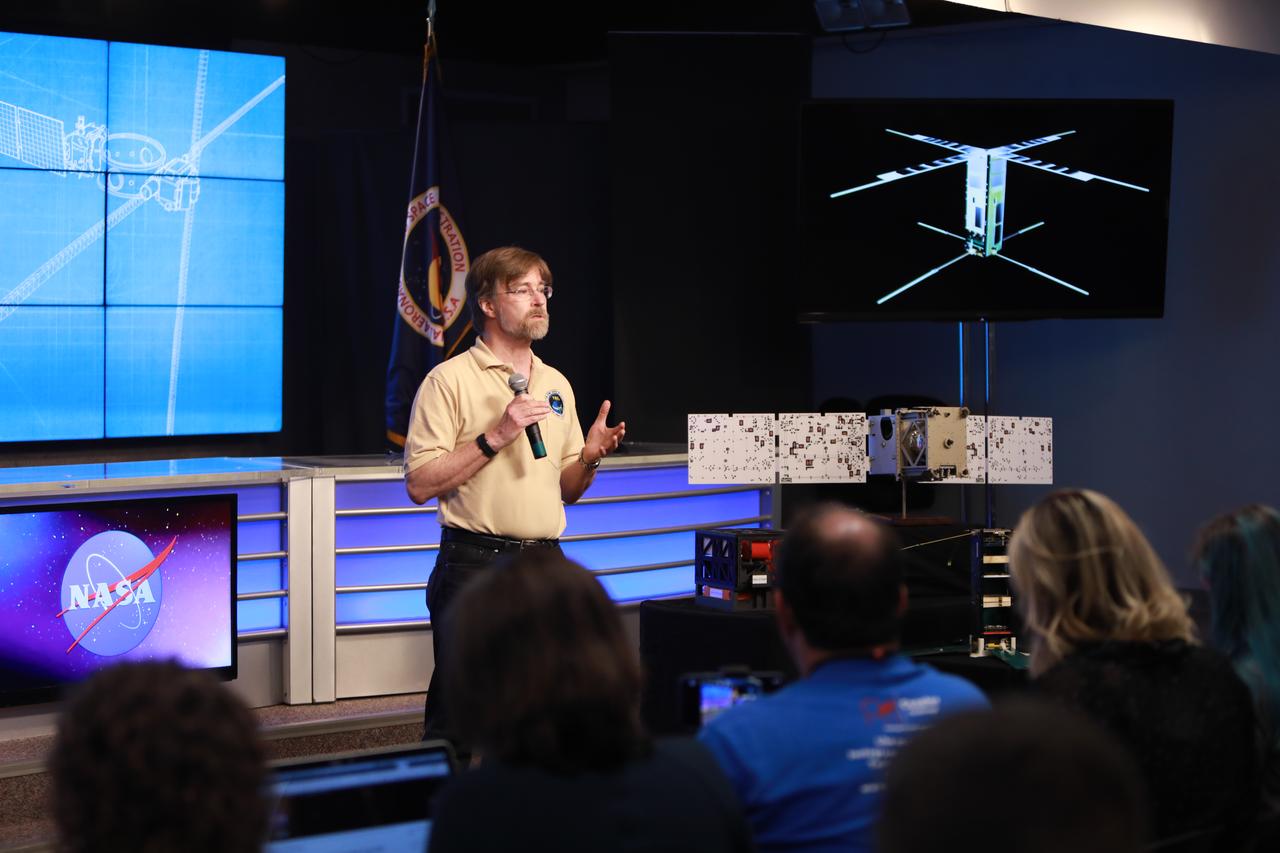
Rick Doe, payload program manager at SRI International, discusses the Enhanced Tandem Beacon Experiment during a NASA prelaunch technology TV show for the Space Test Program-2 (STP-2) mission at NASA’s Kennedy Space Center in Florida on June 23, 2019. The experiment’s two CubeSats will work with six other satellites to study irregularities in Earth’s upper atmosphere that interfere with GPS and communications signals. It is one of NASA payloads scheduled to launch on a SpaceX Falcon Heavy rocket from Launch Complex 39A beginning at 11:30 p.m. EDT on June 24, 2019. STP-2 is managed by the U.S. Air Force Space and Missile Systems Center.
Nicky Fox, director of NASA’s Heliophysics Division, discusses the Space Environment Testbeds payload during a NASA prelaunch technology TV broadcast for the Space Test Program-2 (STP-2) at NASA’s Kennedy Space Center in Florida on June 23, 2019. The payload’s four experiments will reveal the ways local space weather affects spacecraft hardware. It is one of four NASA payloads scheduled to launch on a SpaceX Falcon Heavy rocket from Launch Complex 39A beginning at 11:30 p.m. EDT on June 24, 2019. STP-2 is managed by the U.S. Air Force Space and Missile Systems Center.
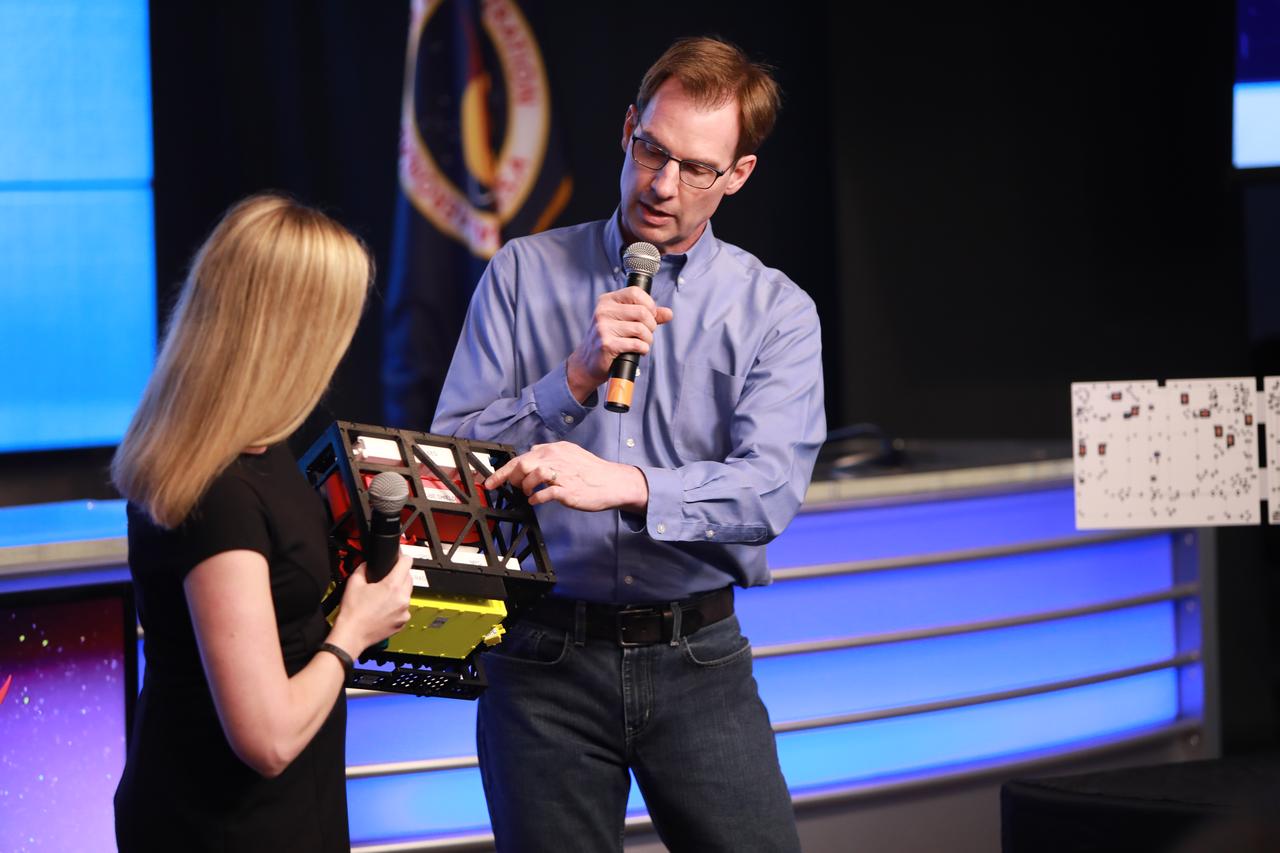
Chris McLean, (right) principal investigator for NASA’s Green Propellant Infusion Mission at Ball Aerospace, and Joe Cassady, (left), executive director of space at Aeroject Rocketdyne, explain the payload during a NASA prelaunch technology TV broadcast for the Space Test Program-2 (STP-2) mission at NASA’s Kennedy Space Center in Florida on June 23, 2019. The payload will help demonstrate this low toxicity, increased performance propellant and related systems so it can become a viable solution for future satellites. It is one of four NASA payloads scheduled to launch on a SpaceX Falcon Heavy rocket from Launch Complex 39A beginning at 11:30 p.m. EDT on June 24, 2019. STP-2 is managed by the U.S. Air Force Space and Missile Systems Center.
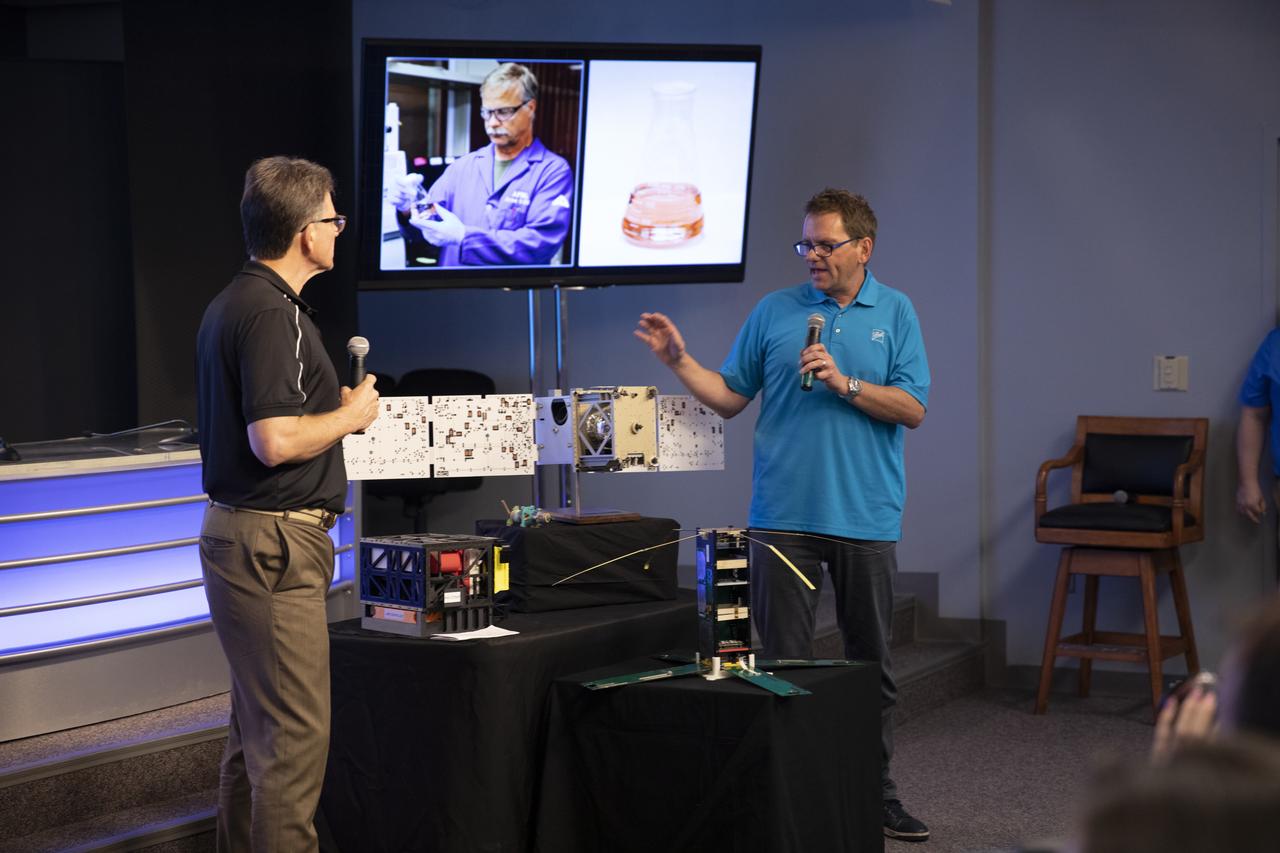
Todd Ely (right), principal investigator for NASA’s Deep Space Atomic Clock, and Deputy Principal Investigator Jill Seubert (left), both from NASA’s Jet Propulsion Laboratory in Pasadena, California, explain the payload during a NASA prelaunch technology TV broadcast for the Space Test Program-2 (STP-2) mission at the agency’s Kennedy Space Center in Florida on June 23, 2019. The new space clock could improve how we navigate on the Moon, to Mars and beyond. The space clock is one of four NASA payloads scheduled to launch on a SpaceX Falcon Heavy rocket from Launch Complex 39A beginning at 11:30 p.m. EDT on June 24, 2019. STP-2 is managed by the U.S. Air Force Space and Missile Systems Center.

Joe Cassady, executive director of space at Aeroject Rocketdyne, explains NASA’s Green Propellant Infusion Mission during a NASA prelaunch technology TV broadcast for the Space Test Program-2 (STP-2) mission at NASA’s Kennedy Space Center in Florida on June 23, 2019. The payload will help demonstrate this low toxicity, increased performance propellant and related systems so it can become a viable solution for future satellites. It is one of four NASA payloads scheduled to launch on a SpaceX Falcon Heavy rocket from Launch Complex 39A beginning at 11:30 p.m. EDT on June 24, 2019. STP-2 is managed by the U.S. Air Force Space and Missile Systems Center.
Chris McLean, (right) principal investigator for NASA’s Green Propellant Infusion Mission at Ball Aerospace, and Joe Cassady, (left), executive director of space at Aeroject Rocketdyne, explain the payload during a NASA prelaunch technology TV broadcast for the Space Test Program-2 (STP-2) mission at NASA’s Kennedy Space Center in Florida on June 23, 2019. The payload will help demonstrate this low toxicity, increased performance propellant and related systems so it can become a viable solution for future satellites. It is one of four NASA payloads scheduled to launch on a SpaceX Falcon Heavy rocket from Launch Complex 39A beginning at 11:30 p.m. EDT on June 24, 2019. STP-2 is managed by the U.S. Air Force Space and Missile Systems Center.
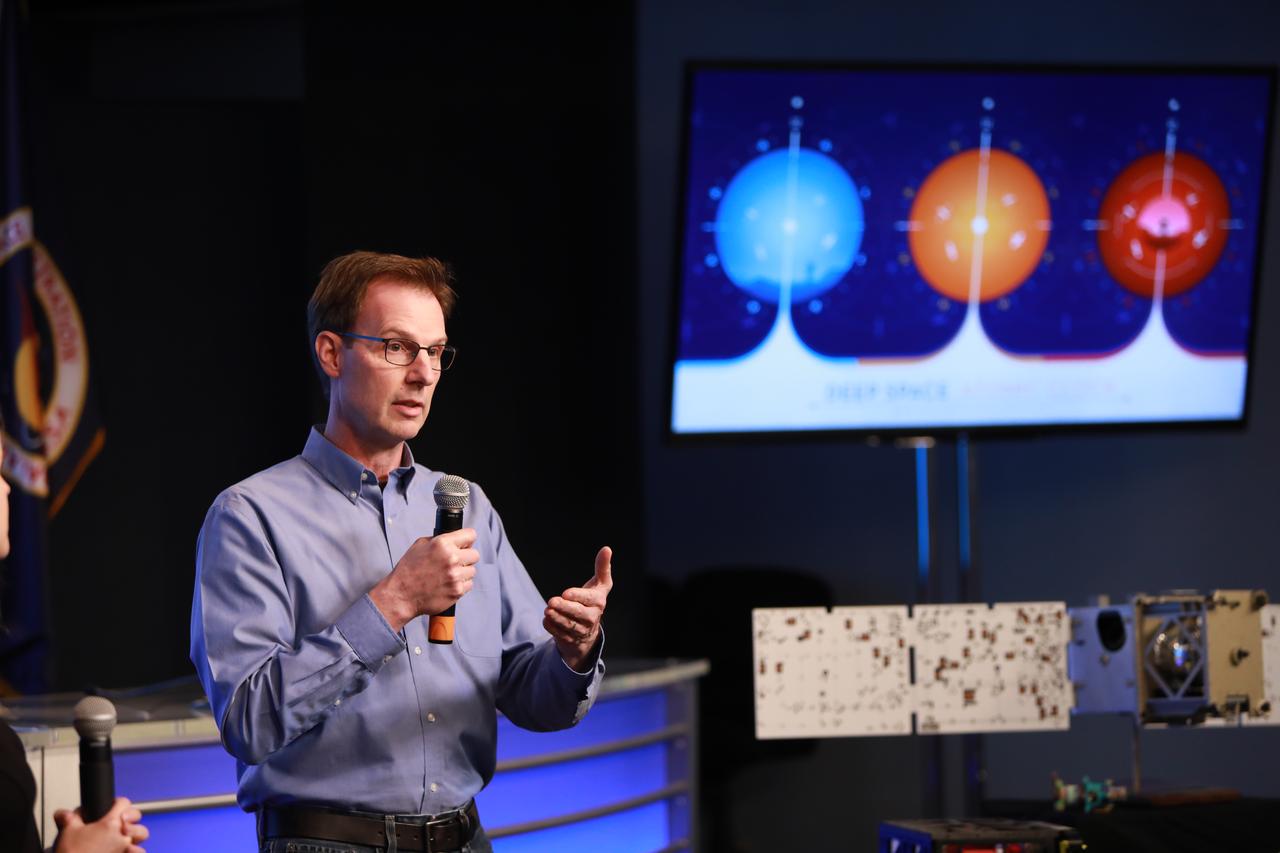
Todd Ely, principal investigator for NASA’s Deep Space Atomic Clock, from NASA’s Jet Propulsion Laboratory in Pasadena, California, explains the payload during a NASA prelaunch technology TV broadcast for the Space Test Program-2 (STP-2) mission at the agency’s Kennedy Space Center in Florida on June 23, 2019. The new space clock could improve how we navigate on the Moon, to Mars and beyond. The space clock is one of four NASA payloads scheduled to launch on a SpaceX Falcon Heavy rocket from Launch Complex 39A beginning at 11:30 p.m. EDT on June 24, 2019. STP-2 is managed by the U.S. Air Force Space and Missile Systems Center.
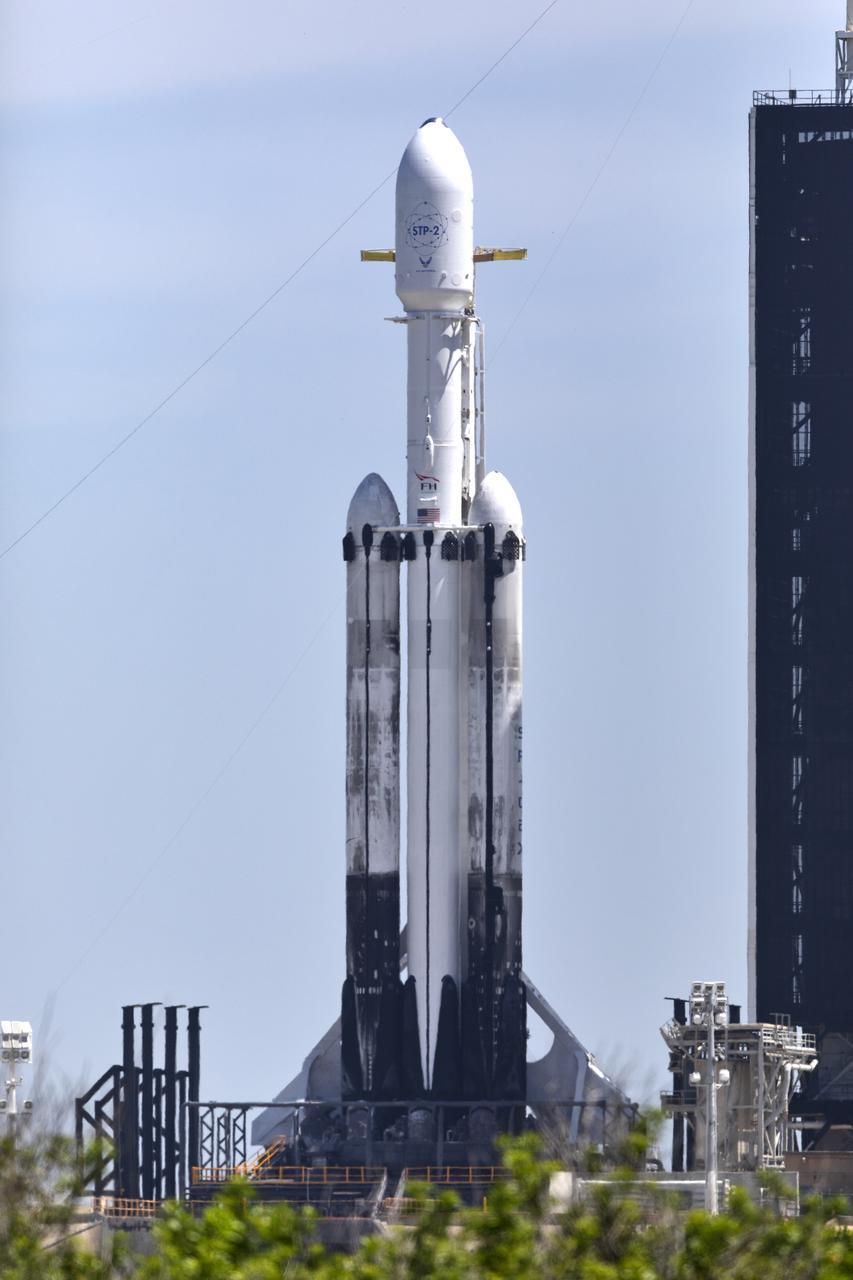
A SpaceX Falcon Heavy rocket is ready for launch on the pad at Launch Complex 39A at NASA’s Kennedy Space Center in Florida on June 24, 2019. SpaceX and the U.S. Department of Defense will launch two dozen satellites to space, including four NASA payloads that are part of the Space Test Program-2, managed by the U.S. Air Force Space and Missile Systems Center. The launch window opens at 11:30 p.m. EDT on June 24. The four NASA payloads include two technology demonstrations to improve how spacecraft propel and navigate, as well as two NASA science missions to help us better understand the nature of space and how it impacts technology on spacecraft and the ground.
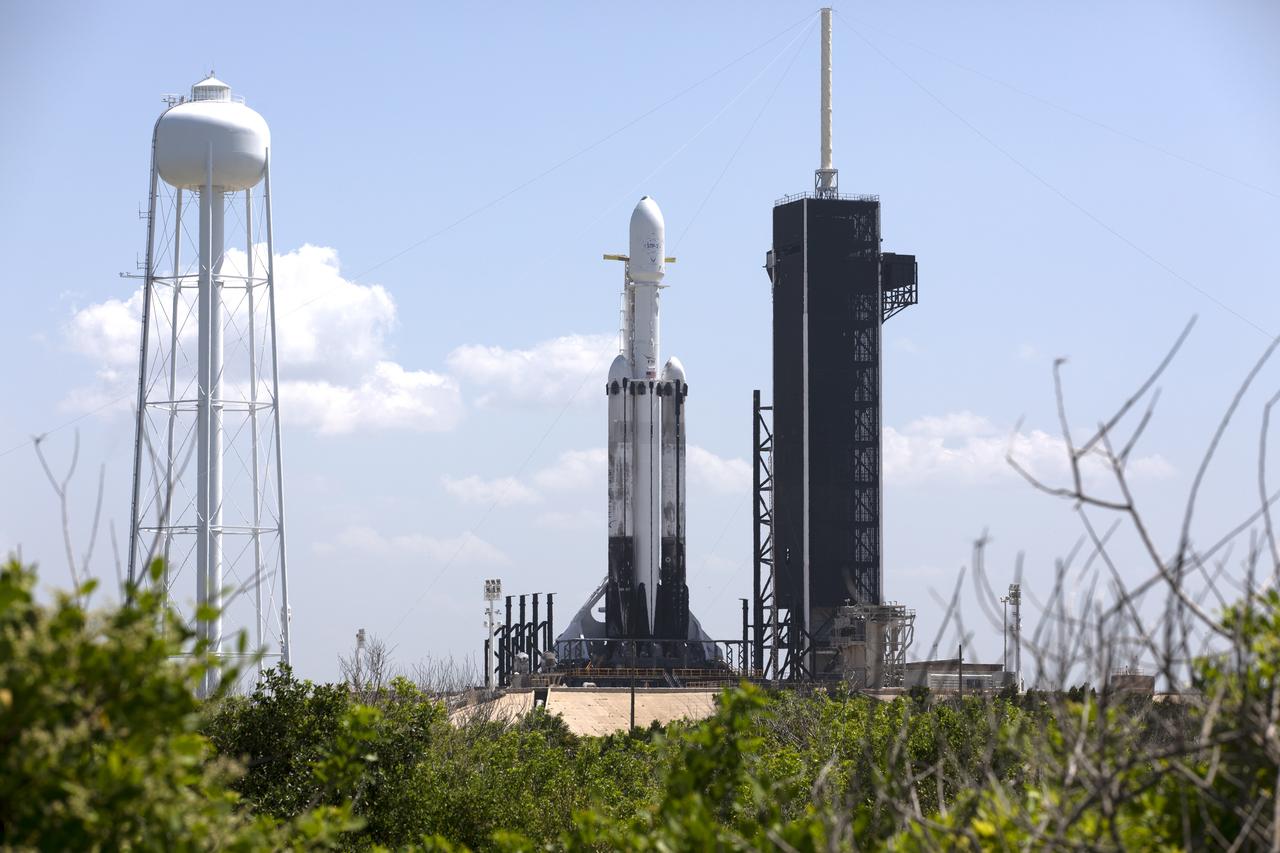
A SpaceX Falcon Heavy rocket is ready for launch on the pad at Launch Complex 39A at NASA’s Kennedy Space Center in Florida on June 24, 2019. SpaceX and the U.S. Department of Defense will launch two dozen satellites to space, including four NASA payloads that are part of the Space Test Program-2, managed by the U.S. Air Force Space and Missile Systems Center. The launch window opens at 11:30 p.m. EDT on June 24. The four NASA payloads include two technology demonstrations to improve how spacecraft propel and navigate, as well as two NASA science missions to help us better understand the nature of space and how it impacts technology on spacecraft and the ground.
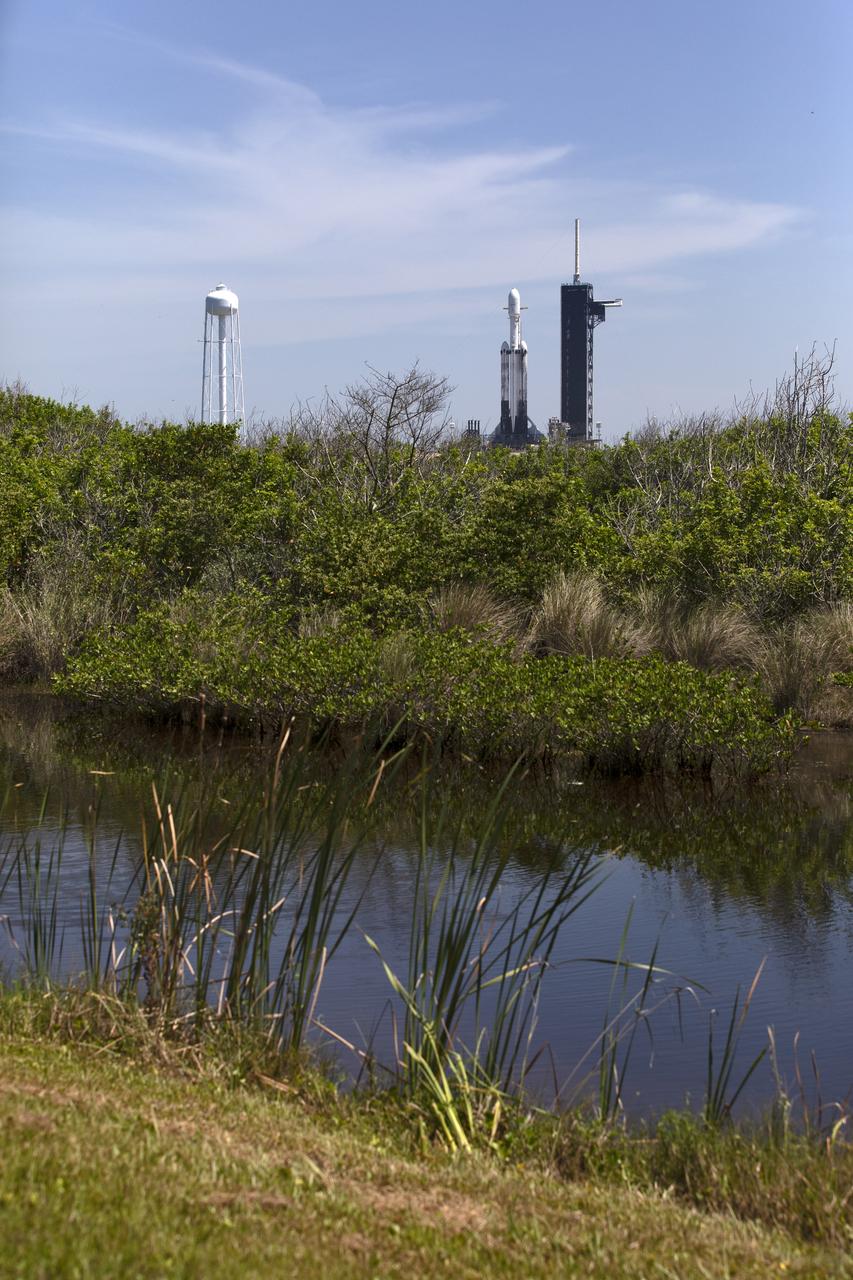
A SpaceX Falcon Heavy rocket is ready for launch on the pad at Launch Complex 39A at NASA’s Kennedy Space Center in Florida on June 24, 2019. SpaceX and the U.S. Department of Defense will launch two dozen satellites to space, including four NASA payloads that are part of the Space Test Program-2, managed by the U.S. Air Force Space and Missile Systems Center. The launch window opens at 11:30 p.m. EDT on June 24. The four NASA payloads include two technology demonstrations to improve how spacecraft propel and navigate, as well as two NASA science missions to help us better understand the nature of space and how it impacts technology on spacecraft and the ground.
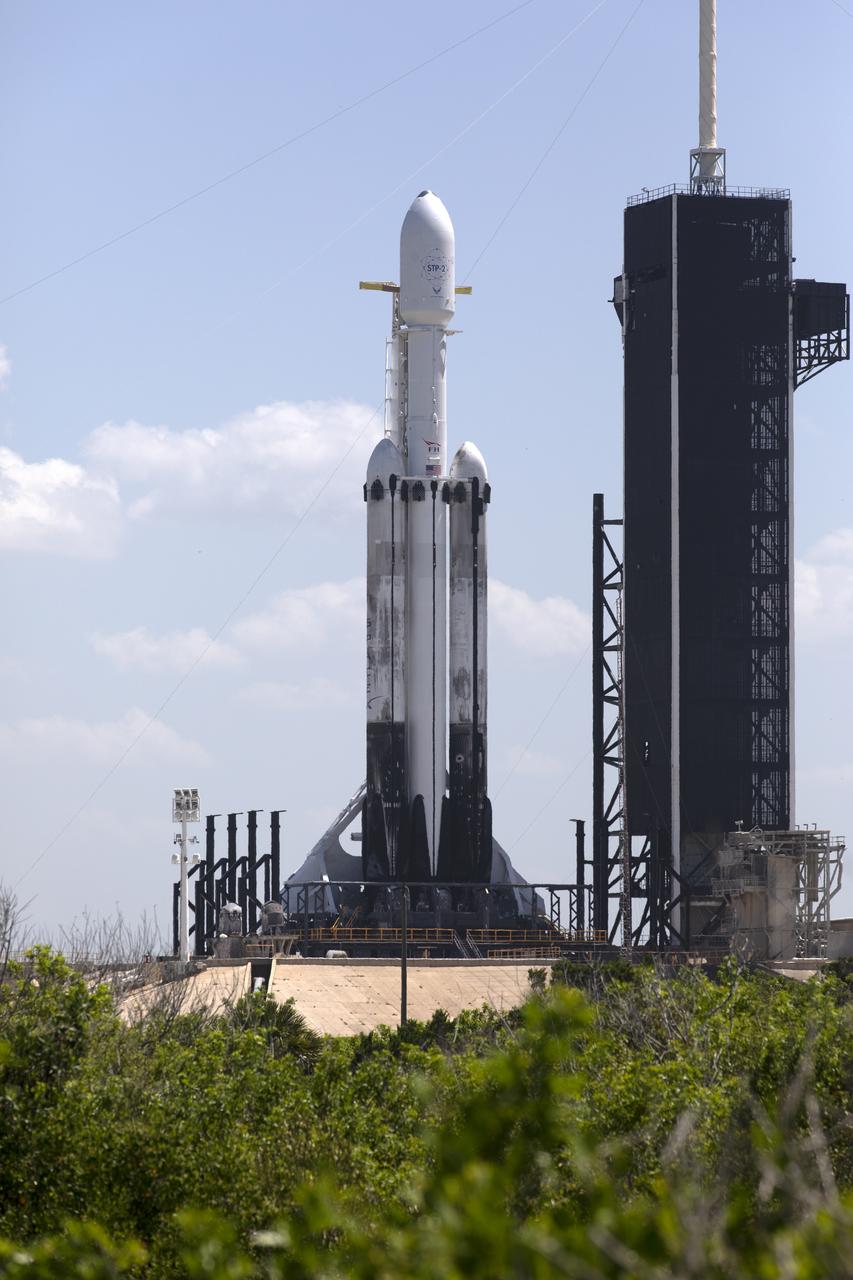
A SpaceX Falcon Heavy rocket is ready for launch on the pad at Launch Complex 39A at NASA’s Kennedy Space Center in Florida on June 24, 2019. SpaceX and the U.S. Department of Defense will launch two dozen satellites to space, including four NASA payloads that are part of the Space Test Program-2, managed by the U.S. Air Force Space and Missile Systems Center. The launch window opens at 11:30 p.m. EDT on June 24. The four NASA payloads include two technology demonstrations to improve how spacecraft propel and navigate, as well as two NASA science missions to help us better understand the nature of space and how it impacts technology on spacecraft and the ground.
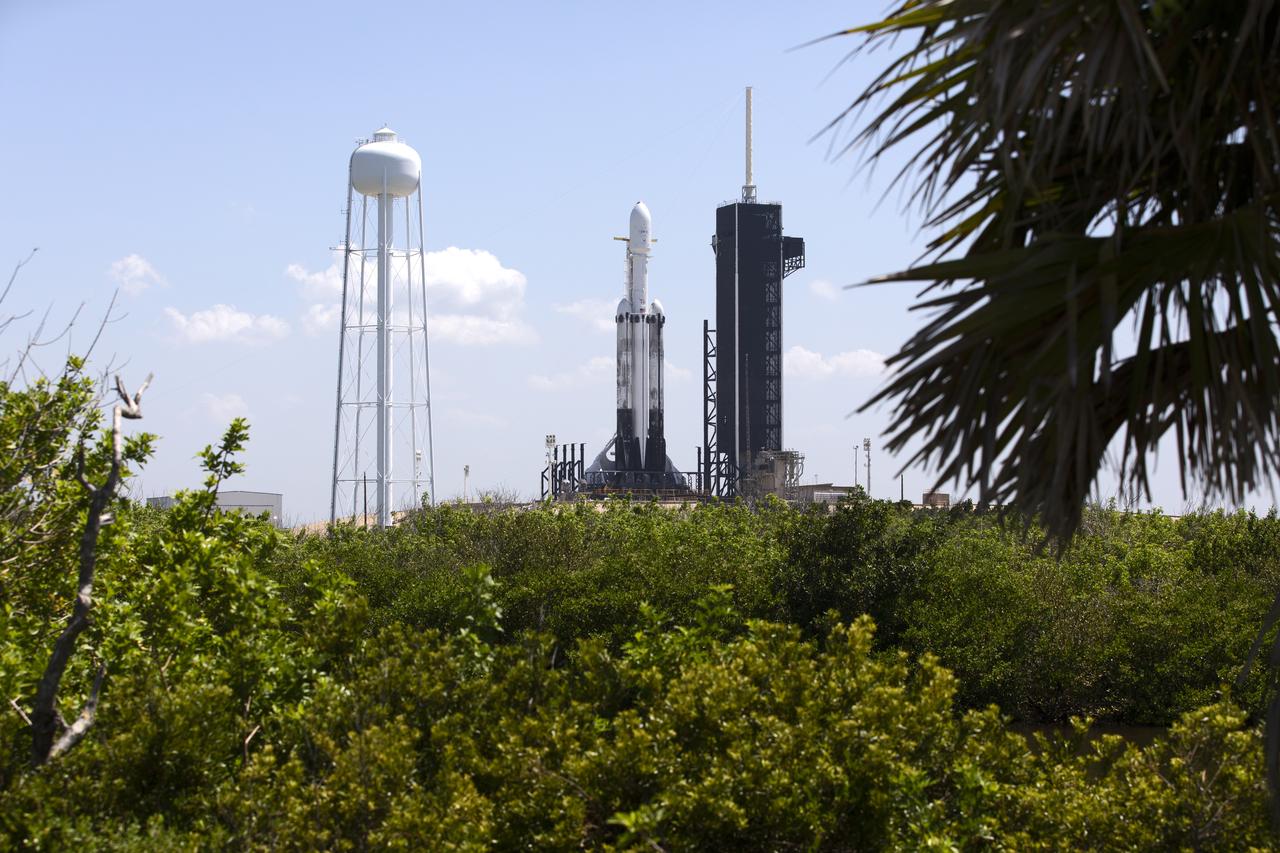
A SpaceX Falcon Heavy rocket is ready for launch on the pad at Launch Complex 39A at NASA’s Kennedy Space Center in Florida on June 24, 2019. SpaceX and the U.S. Department of Defense will launch two dozen satellites to space, including four NASA payloads that are part of the Space Test Program-2, managed by the U.S. Air Force Space and Missile Systems Center. The launch window opens at 11:30 p.m. EDT on June 24. The four NASA payloads include two technology demonstrations to improve how spacecraft propel and navigate, as well as two NASA science missions to help us better understand the nature of space and how it impacts technology on spacecraft and the ground.
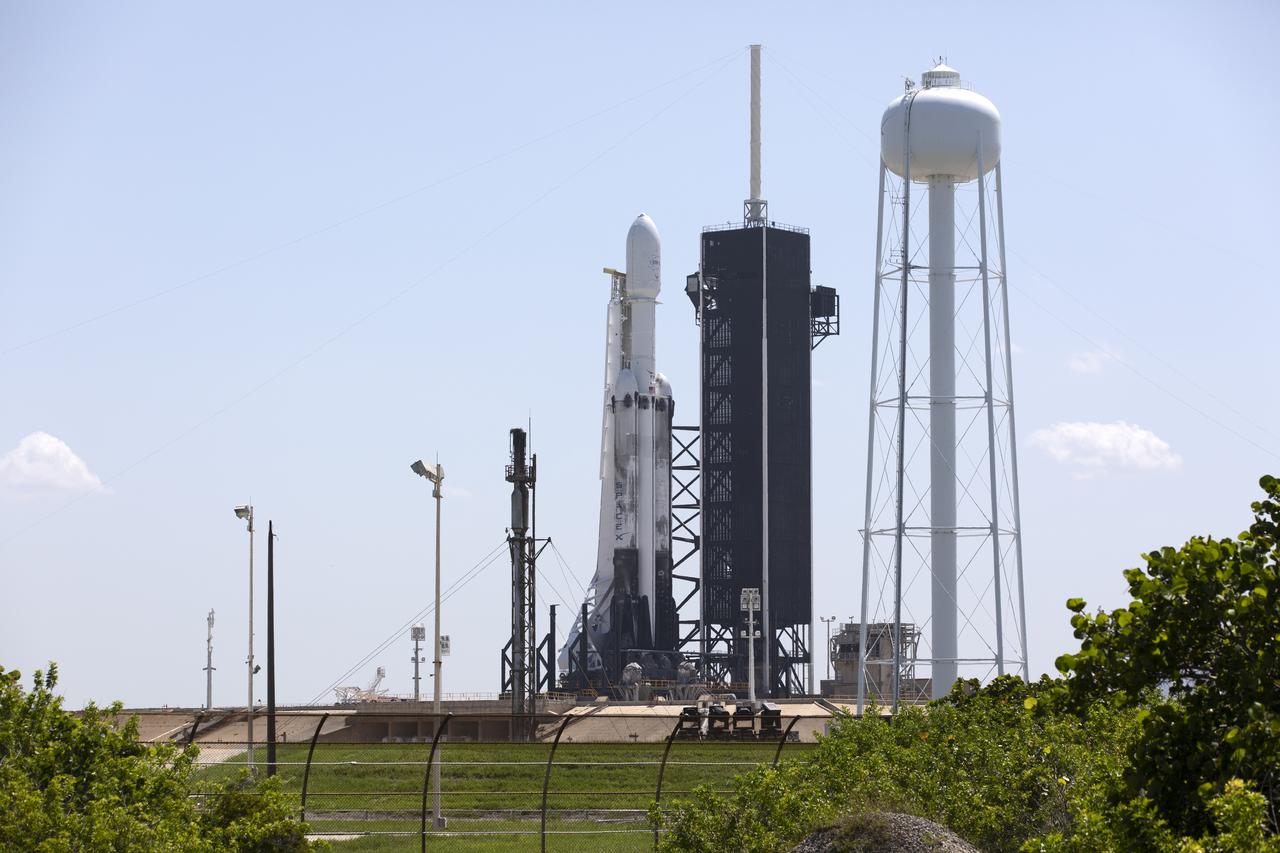
A SpaceX Falcon Heavy rocket is ready for launch on the pad at Launch Complex 39A at NASA’s Kennedy Space Center in Florida on June 24, 2019. SpaceX and the U.S. Department of Defense will launch two dozen satellites to space, including four NASA payloads that are part of the Space Test Program-2, managed by the U.S. Air Force Space and Missile Systems Center. The launch window opens at 11:30 p.m. EDT on June 24. The four NASA payloads include two technology demonstrations to improve how spacecraft propel and navigate, as well as two NASA science missions to help us better understand the nature of space and how it impacts technology on spacecraft and the ground.
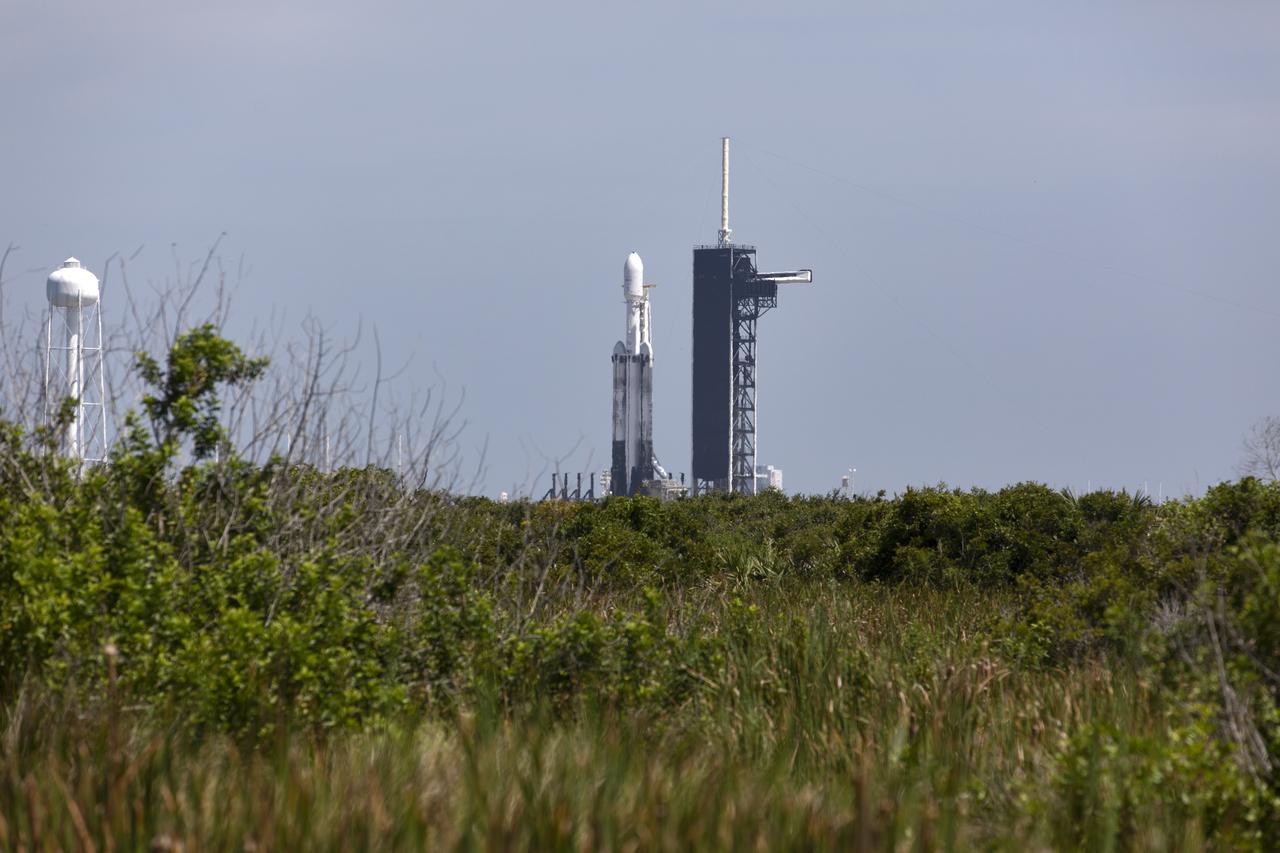
A SpaceX Falcon Heavy rocket is ready for launch on the pad at Launch Complex 39A at NASA’s Kennedy Space Center in Florida on June 24, 2019. SpaceX and the U.S. Department of Defense will launch two dozen satellites to space, including four NASA payloads that are part of the Space Test Program-2, managed by the U.S. Air Force Space and Missile Systems Center. The launch window opens at 11:30 p.m. EDT on June 24. The four NASA payloads include two technology demonstrations to improve how spacecraft propel and navigate, as well as two NASA science missions to help us better understand the nature of space and how it impacts technology on spacecraft and the ground.
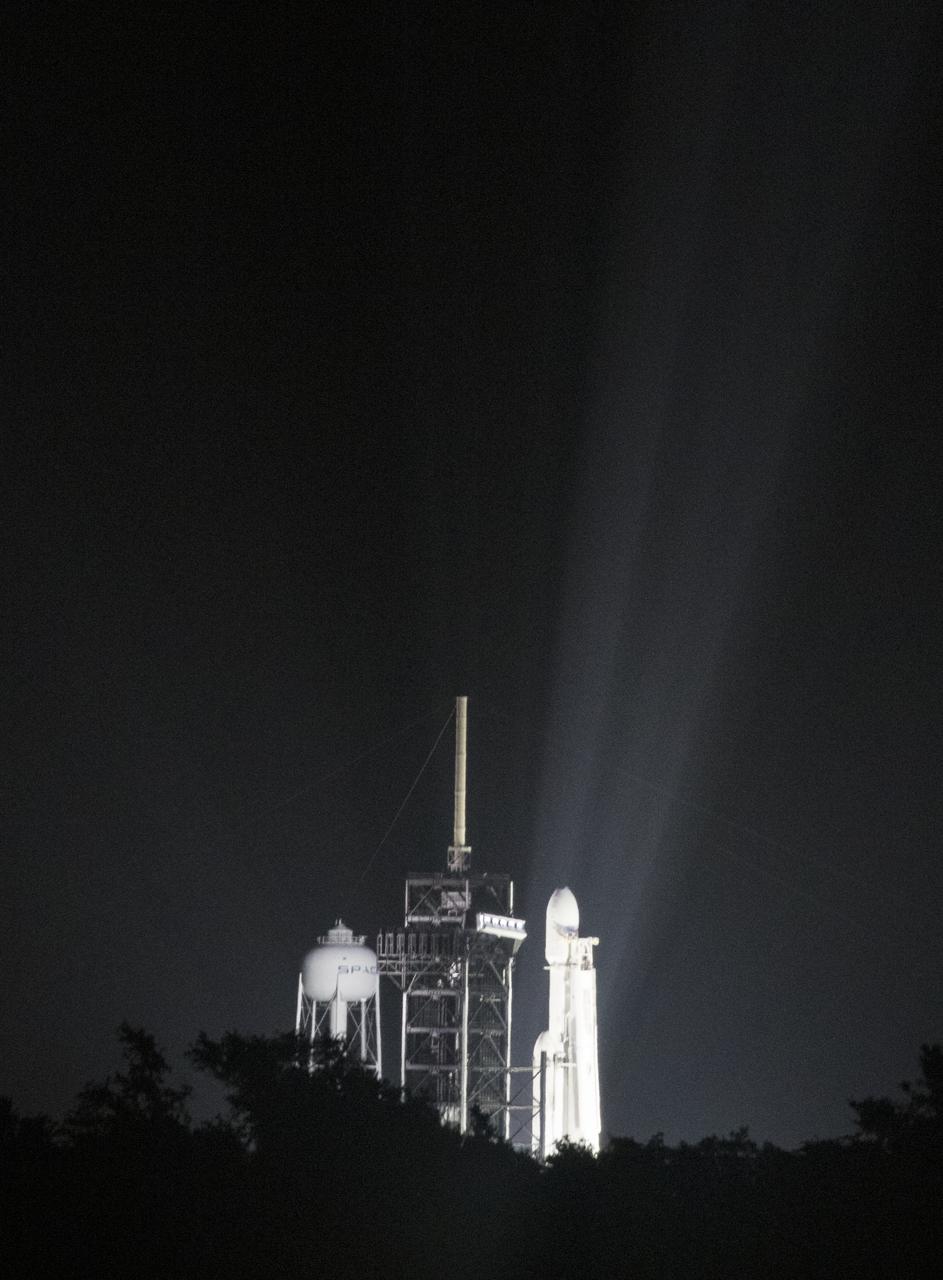
A SpaceX Falcon Heavy rocket carrying 24 satellites as part of the Department of Defense's Space Test Program-2 (STP-2) mission is seen illuminated by lights at Launch Complex 39A, Monday, June 24, 2019 at NASA's Kennedy Space Center in Florida. Four NASA technology and science payloads which will study non-toxic spacecraft fuel, deep space navigation, "bubbles" in the electrically-charged layers of Earth's upper atmosphere, and radiation protection for satellites are among the two dozen satellites that will be launched. The three hour launch window opens at 11:30pm EDT on June 24. Photo Credit: (NASA/Joel Kowsky)
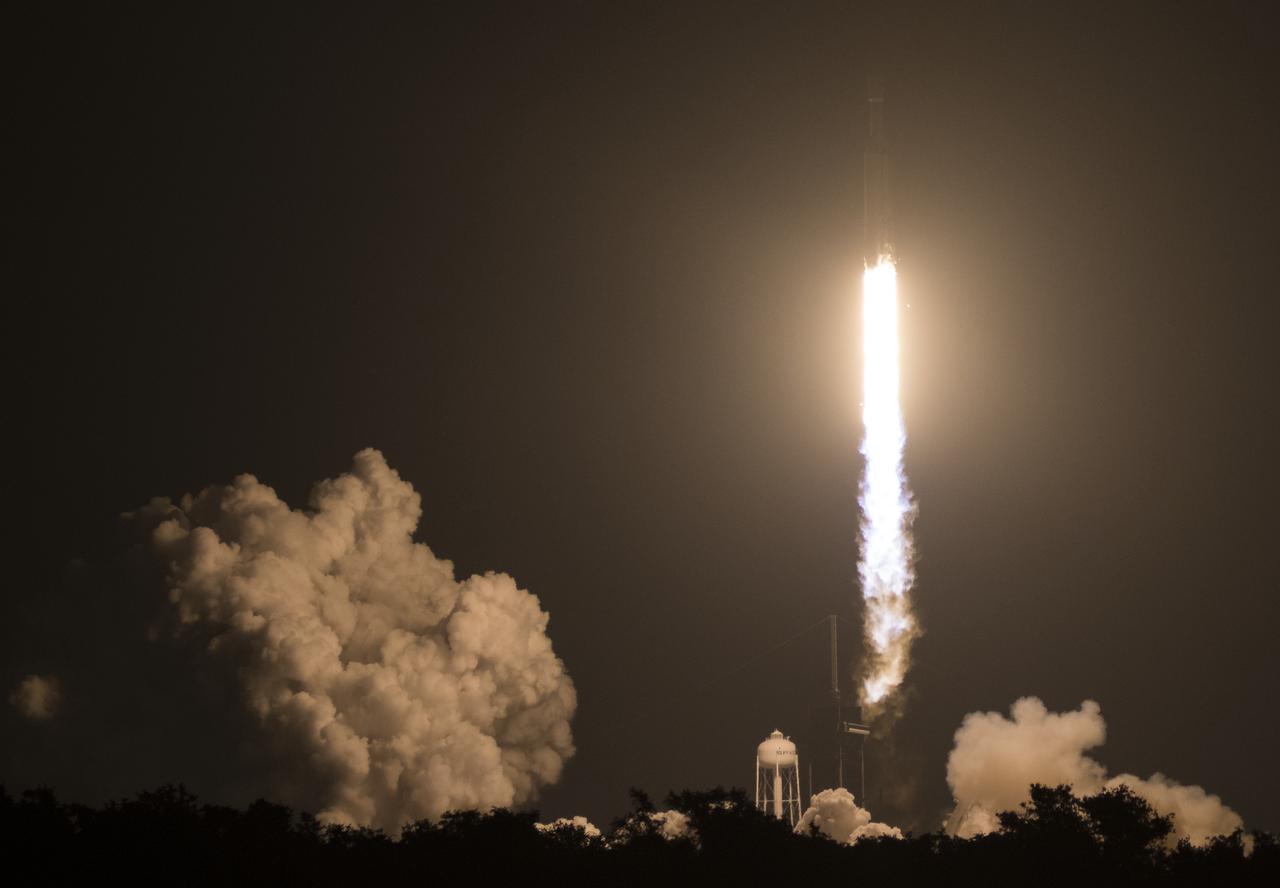
A SpaceX Falcon Heavy rocket carrying 24 satellites as part of the Department of Defense's Space Test Program-2 (STP-2) mission launches from Launch Complex 39A, Tuesday, June 25, 2019 at NASA's Kennedy Space Center in Florida. Four NASA technology and science payloads which will study non-toxic spacecraft fuel, deep space navigation, "bubbles" in the electrically-charged layers of Earth's upper atmosphere, and radiation protection for satellites are among the two dozen satellites that will be put into orbit. Photo Credit: (NASA/Joel Kowsky)
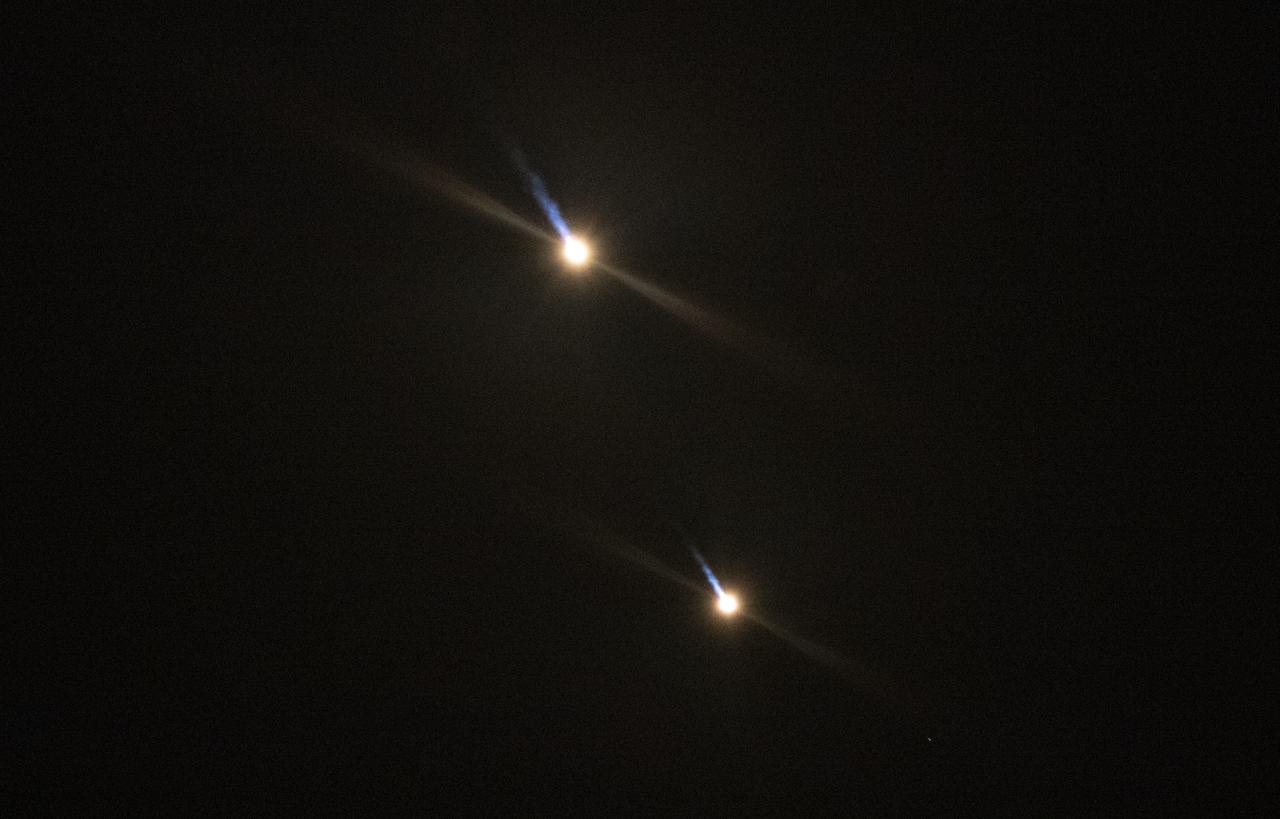
The two side boosters of the SpaceX Falcon Heavy rocket carrying 24 satellites as part of the Department of Defense's Space Test Program-2 (STP-2) mission are seen as they begin their landing burns to return to Landing Zone 1, Tuesday, June 25, 2019 at NASA's Kennedy Space Center in Florida. Four NASA technology and science payloads which will study non-toxic spacecraft fuel, deep space navigation, "bubbles" in the electrically-charged layers of Earth's upper atmosphere, and radiation protection for satellites are among the two dozen satellites that will be put into orbit. Photo Credit: (NASA/Joel Kowsky)
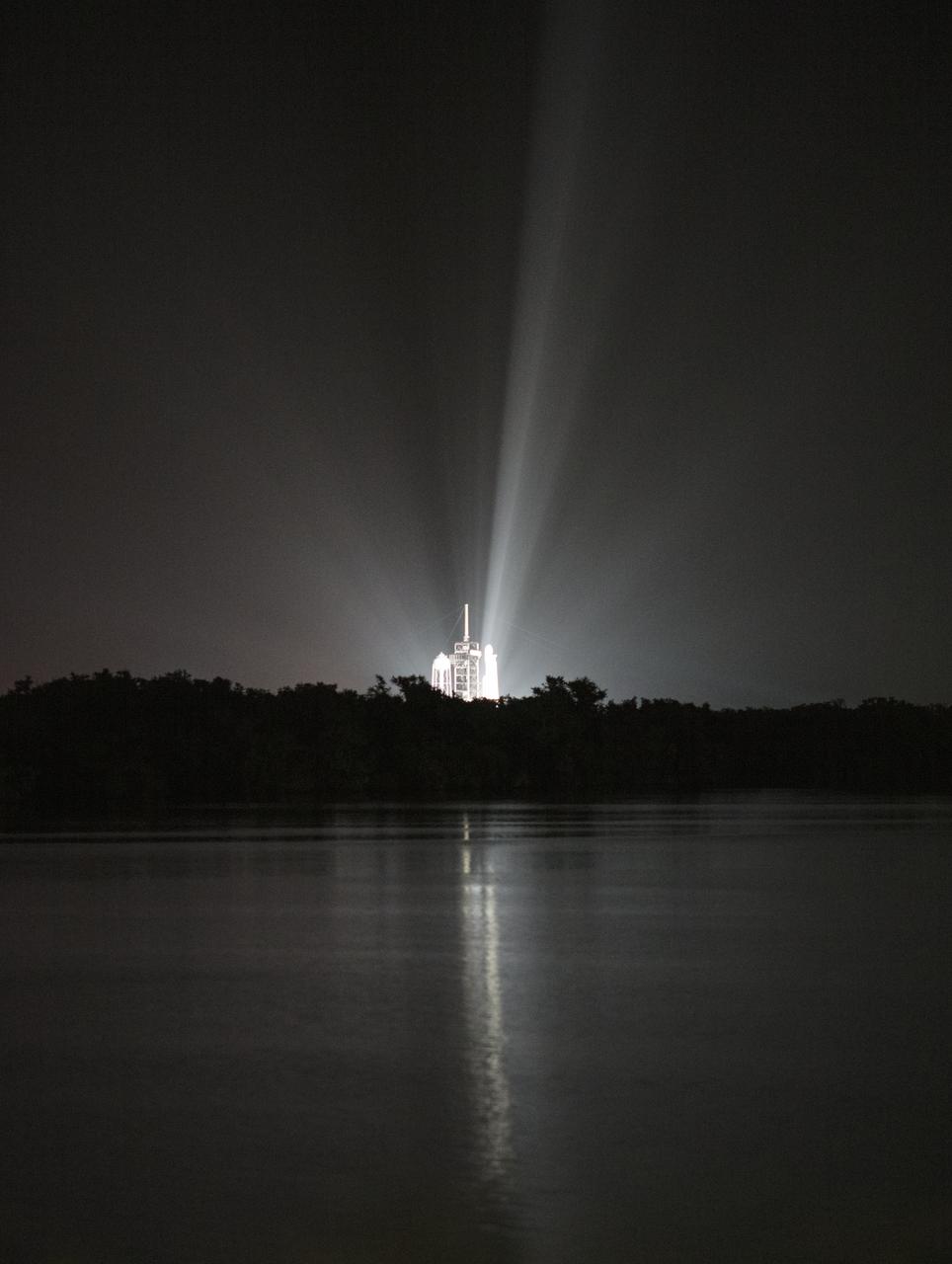
A SpaceX Falcon Heavy rocket carrying 24 satellites as part of the Department of Defense's Space Test Program-2 (STP-2) mission is seen illuminated by lights at Launch Complex 39A, Tuesday, June 25, 2019 at NASA's Kennedy Space Center in Florida. Four NASA technology and science payloads which will study non-toxic spacecraft fuel, deep space navigation, "bubbles" in the electrically-charged layers of Earth's upper atmosphere, and radiation protection for satellites are among the two dozen satellites that will be put into orbit. Photo Credit: (NASA/Joel Kowsky)
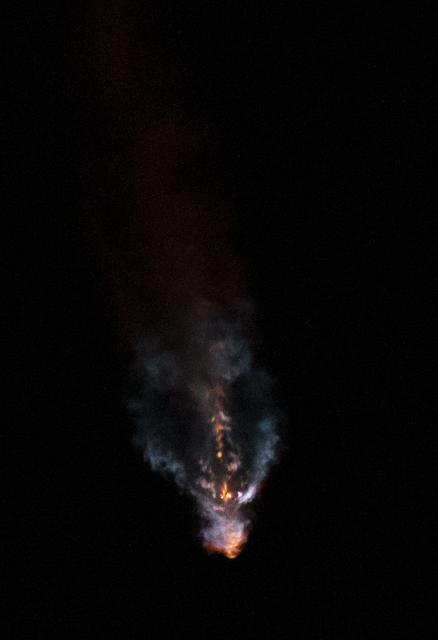
A SpaceX Falcon Heavy rocket carrying 24 satellites as part of the Department of Defense's Space Test Program-2 (STP-2) mission launches from Launch Complex 39A, Tuesday, June 25, 2019 at NASA's Kennedy Space Center in Florida. Four NASA technology and science payloads which will study non-toxic spacecraft fuel, deep space navigation, "bubbles" in the electrically-charged layers of Earth's upper atmosphere, and radiation protection for satellites are among the two dozen satellites that will be put into orbit. Photo Credit: (NASA/Joel Kowsky)

A SpaceX Falcon Heavy rocket carrying 24 satellites as part of the Department of Defense's Space Test Program-2 (STP-2) mission is seen at Launch Complex 39A, Monday, June 24, 2019 at NASA's Kennedy Space Center in Florida. Four NASA technology and science payloads which will study non-toxic spacecraft fuel, deep space navigation, "bubbles" in the electrically-charged layers of Earth's upper atmosphere, and radiation protection for satellites are among the two dozen satellites that will be launched. The three hour launch window opens at 11:30pm EDT on June 24. Photo Credit: (NASA/Joel Kowsky)
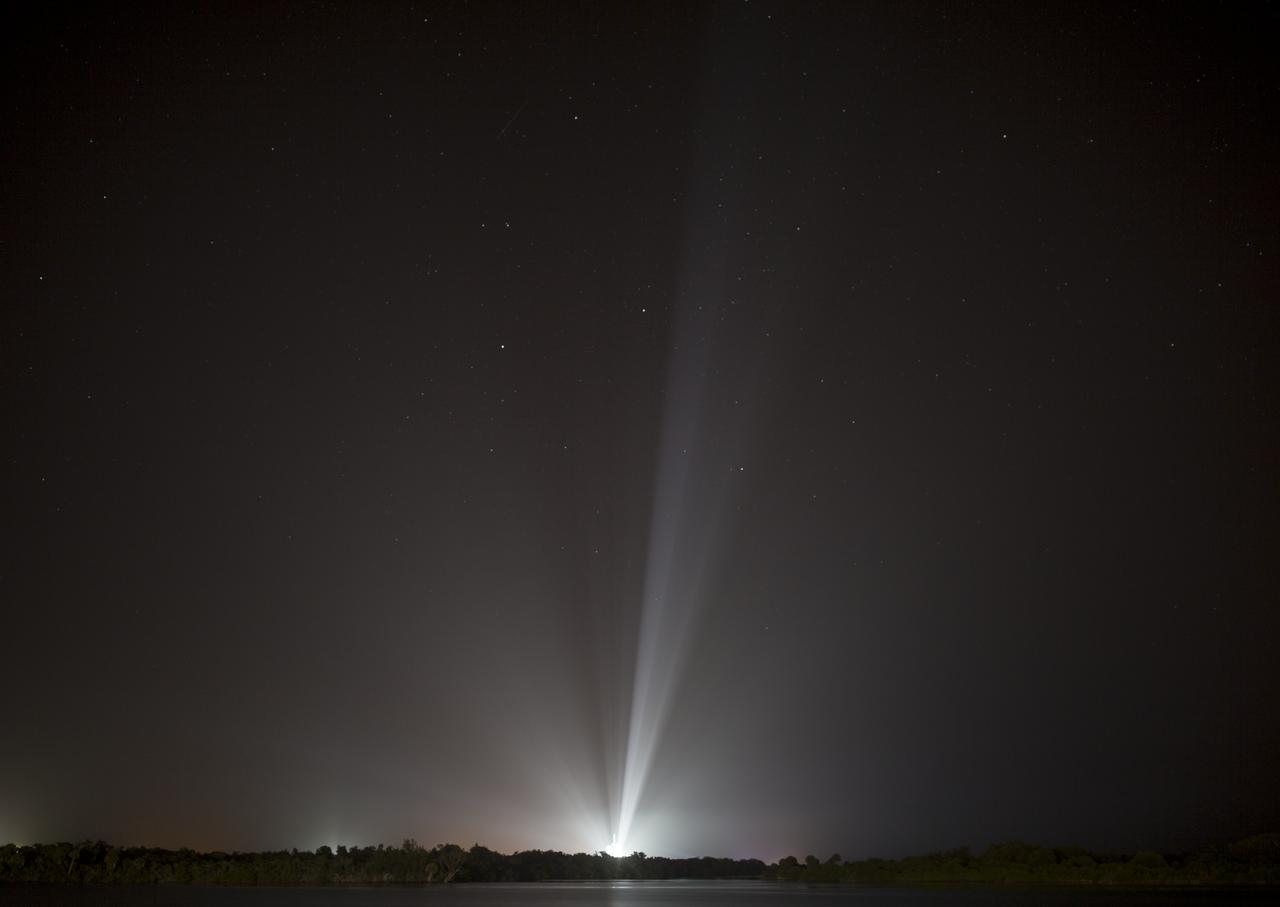
A SpaceX Falcon Heavy rocket carrying 24 satellites as part of the Department of Defense's Space Test Program-2 (STP-2) mission is seen illuminated by lights at Launch Complex 39A, Monday, June 24, 2019 at NASA's Kennedy Space Center in Florida. Four NASA technology and science payloads which will study non-toxic spacecraft fuel, deep space navigation, "bubbles" in the electrically-charged layers of Earth's upper atmosphere, and radiation protection for satellites are among the two dozen satellites that will be launched. The three hour launch window opens at 11:30pm EDT on June 24. Photo Credit: (NASA/Joel Kowsky)
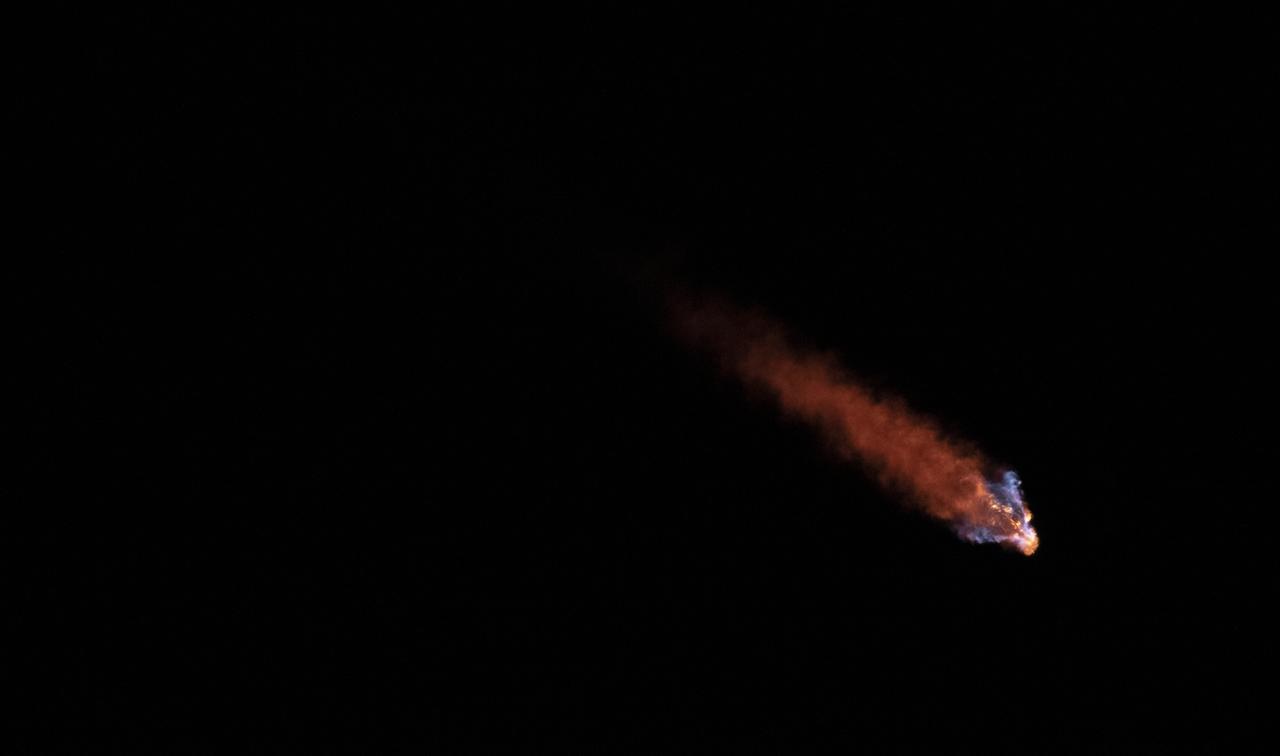
A SpaceX Falcon Heavy rocket carrying 24 satellites as part of the Department of Defense's Space Test Program-2 (STP-2) mission launches from Launch Complex 39A, Tuesday, June 25, 2019 at NASA's Kennedy Space Center in Florida. Four NASA technology and science payloads which will study non-toxic spacecraft fuel, deep space navigation, "bubbles" in the electrically-charged layers of Earth's upper atmosphere, and radiation protection for satellites are among the two dozen satellites that will be put into orbit. Photo Credit: (NASA/Joel Kowsky)
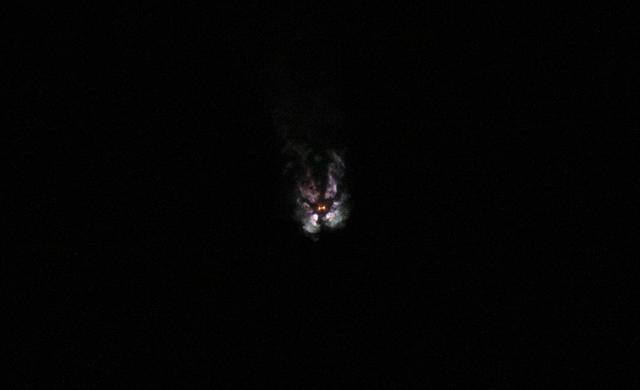
A SpaceX Falcon Heavy rocket carrying 24 satellites as part of the Department of Defense's Space Test Program-2 (STP-2) mission launches from Launch Complex 39A, Tuesday, June 25, 2019 at NASA's Kennedy Space Center in Florida. Four NASA technology and science payloads which will study non-toxic spacecraft fuel, deep space navigation, "bubbles" in the electrically-charged layers of Earth's upper atmosphere, and radiation protection for satellites are among the two dozen satellites that will be put into orbit. Photo Credit: (NASA/Joel Kowsky)
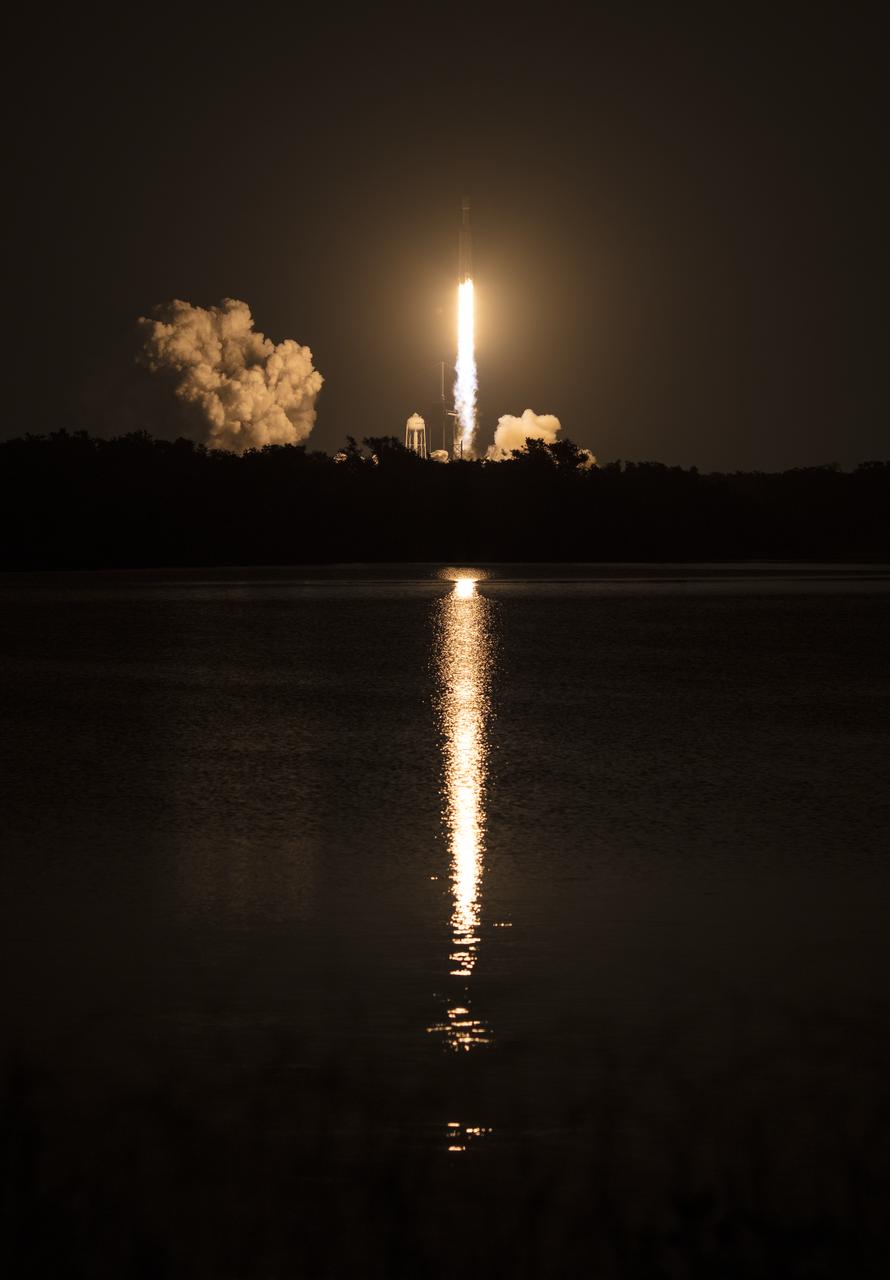
A SpaceX Falcon Heavy rocket carrying 24 satellites as part of the Department of Defense's Space Test Program-2 (STP-2) mission launches from Launch Complex 39A, Tuesday, June 25, 2019 at NASA's Kennedy Space Center in Florida. Four NASA technology and science payloads which will study non-toxic spacecraft fuel, deep space navigation, "bubbles" in the electrically-charged layers of Earth's upper atmosphere, and radiation protection for satellites are among the two dozen satellites that will be put into orbit. Photo Credit: (NASA/Joel Kowsky)
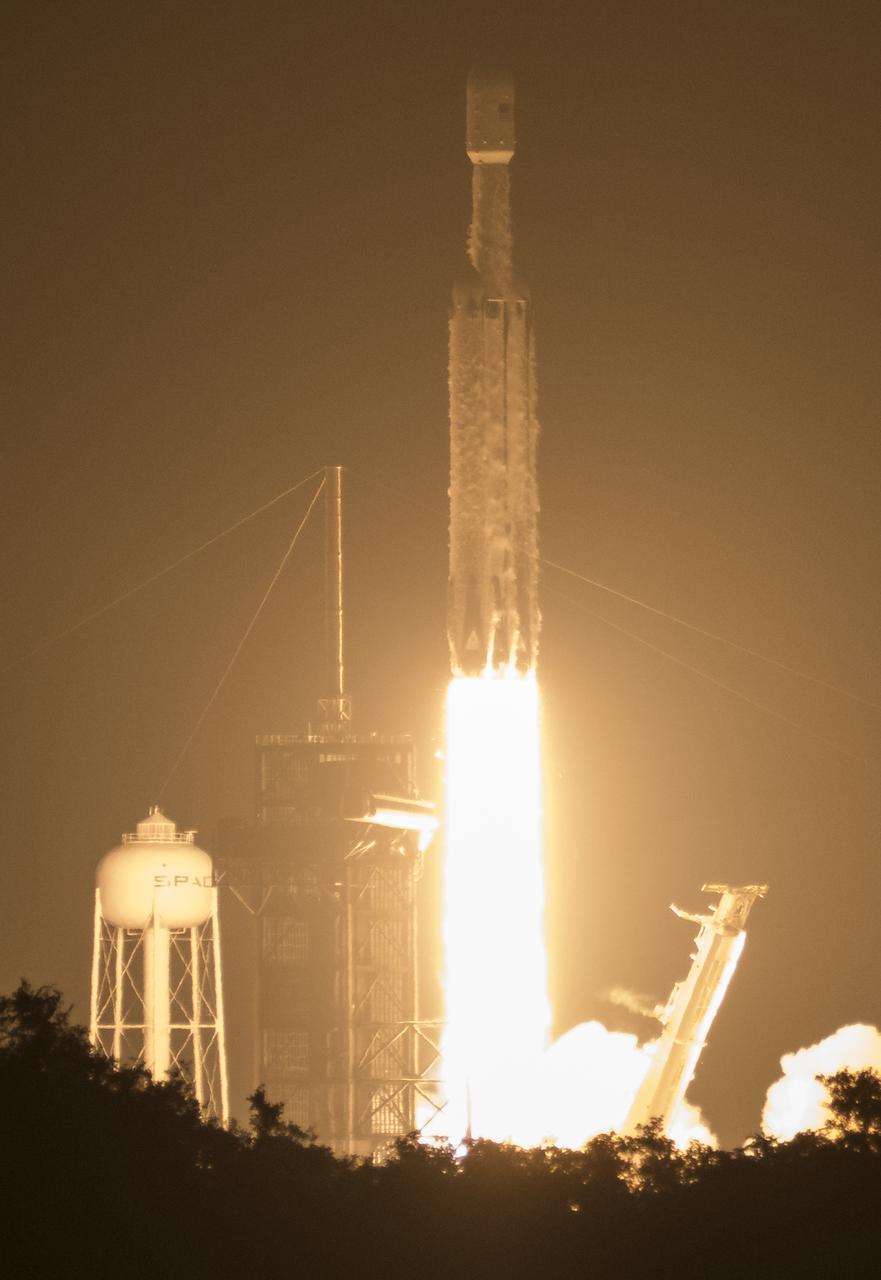
A SpaceX Falcon Heavy rocket carrying 24 satellites as part of the Department of Defense's Space Test Program-2 (STP-2) mission launches from Launch Complex 39A, Tuesday, June 25, 2019 at NASA's Kennedy Space Center in Florida. Four NASA technology and science payloads which will study non-toxic spacecraft fuel, deep space navigation, "bubbles" in the electrically-charged layers of Earth's upper atmosphere, and radiation protection for satellites are among the two dozen satellites that will be put into orbit. Photo Credit: (NASA/Joel Kowsky)
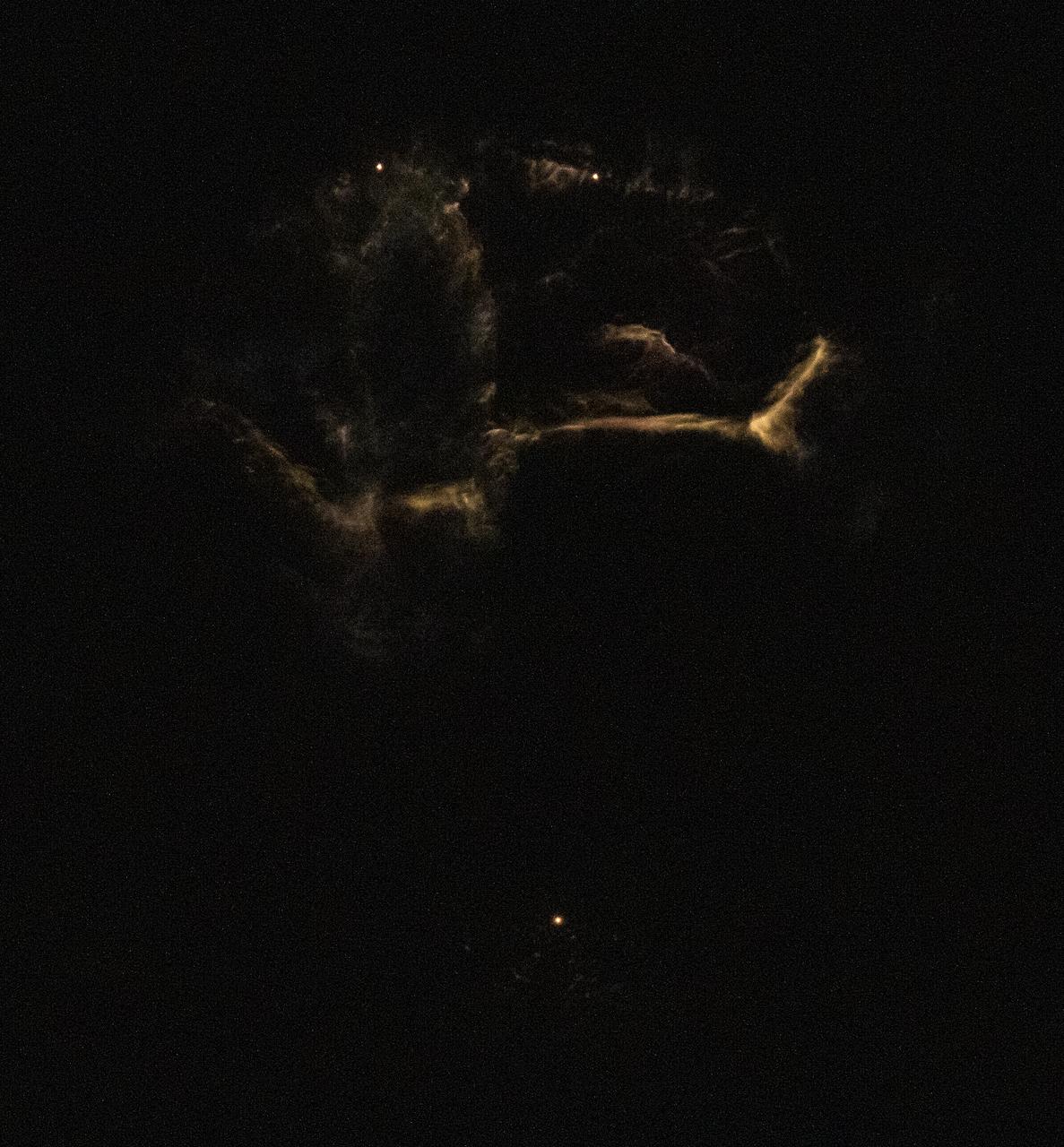
The two side boosters of the SpaceX Falcon Heavy rocket carrying 24 satellites as part of the Department of Defense's Space Test Program-2 (STP-2) mission are seen as they conduct a boost back burn to return to Landing Zone 1, Tuesday, June 25, 2019 at NASA's Kennedy Space Center in Florida. Four NASA technology and science payloads which will study non-toxic spacecraft fuel, deep space navigation, "bubbles" in the electrically-charged layers of Earth's upper atmosphere, and radiation protection for satellites are among the two dozen satellites that will be put into orbit. Photo Credit: (NASA/Joel Kowsky)
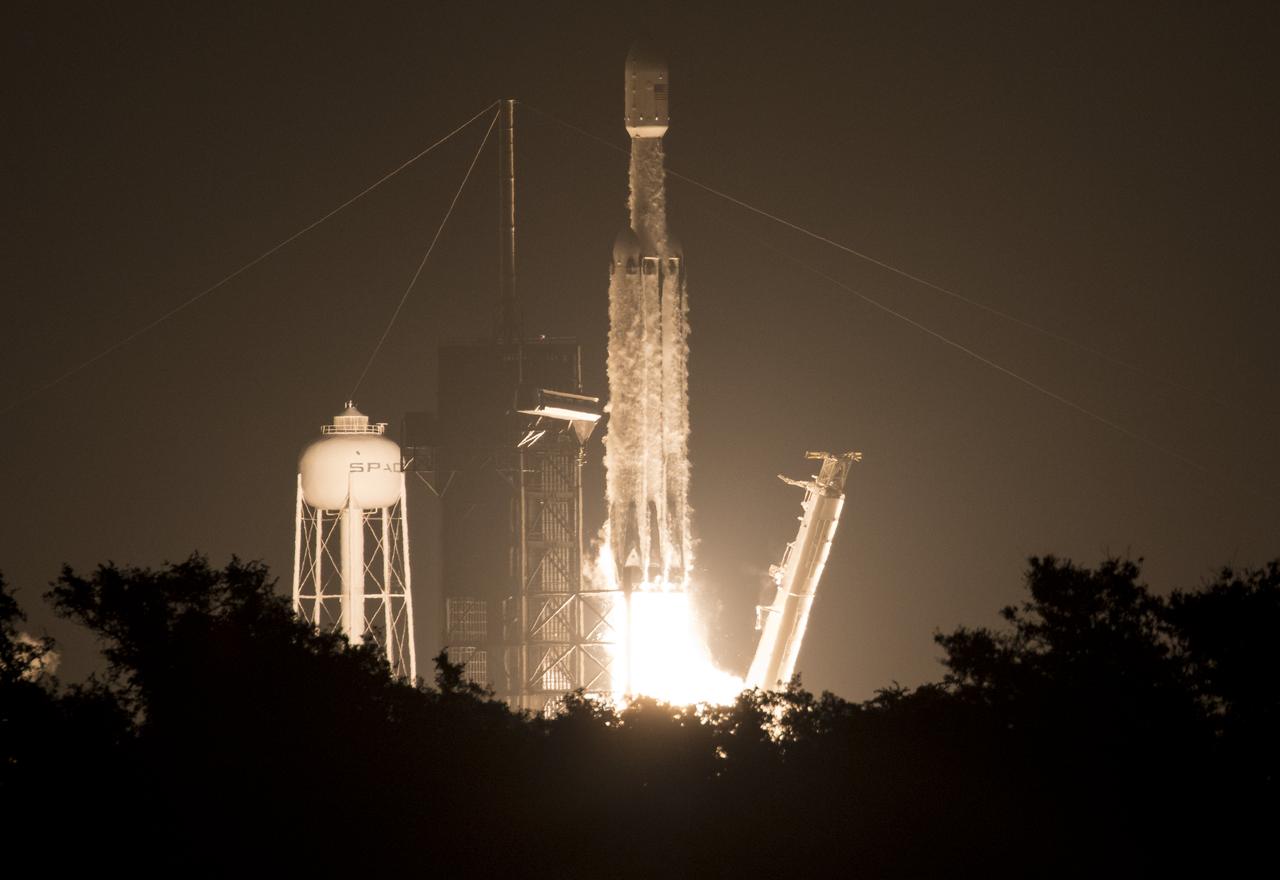
A SpaceX Falcon Heavy rocket carrying 24 satellites as part of the Department of Defense's Space Test Program-2 (STP-2) mission launches from Launch Complex 39A, Tuesday, June 25, 2019 at NASA's Kennedy Space Center in Florida. Four NASA technology and science payloads which will study non-toxic spacecraft fuel, deep space navigation, "bubbles" in the electrically-charged layers of Earth's upper atmosphere, and radiation protection for satellites are among the two dozen satellites that will be put into orbit. Photo Credit: (NASA/Joel Kowsky)
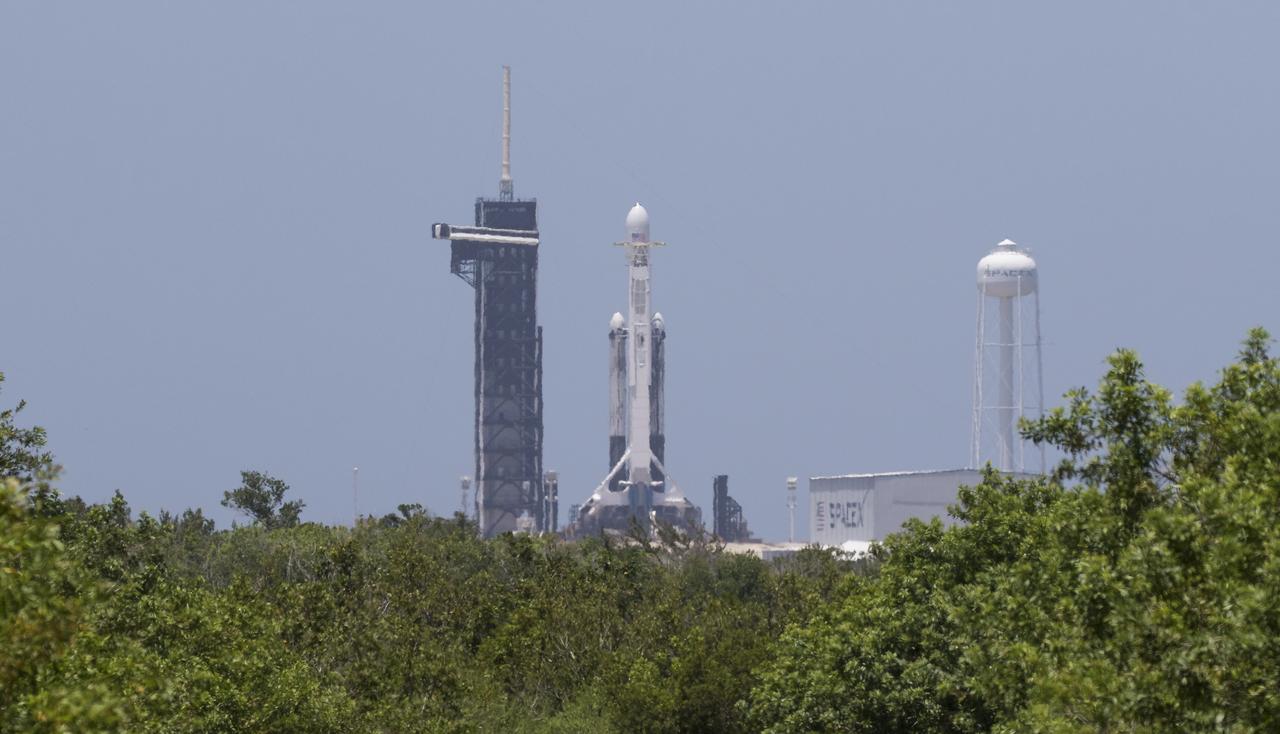
A SpaceX Falcon Heavy rocket carrying 24 satellites as part of the Department of Defense's Space Test Program-2 (STP-2) mission is seen at Launch Complex 39A, Monday, June 24, 2019 at NASA's Kennedy Space Center in Florida. Four NASA technology and science payloads which will study non-toxic spacecraft fuel, deep space navigation, "bubbles" in the electrically-charged layers of Earth's upper atmosphere, and radiation protection for satellites are among the two dozen satellites that will be launched. The three hour launch window opens at 11:30pm EDT on June 24. Photo Credit: (NASA/Joel Kowsky)
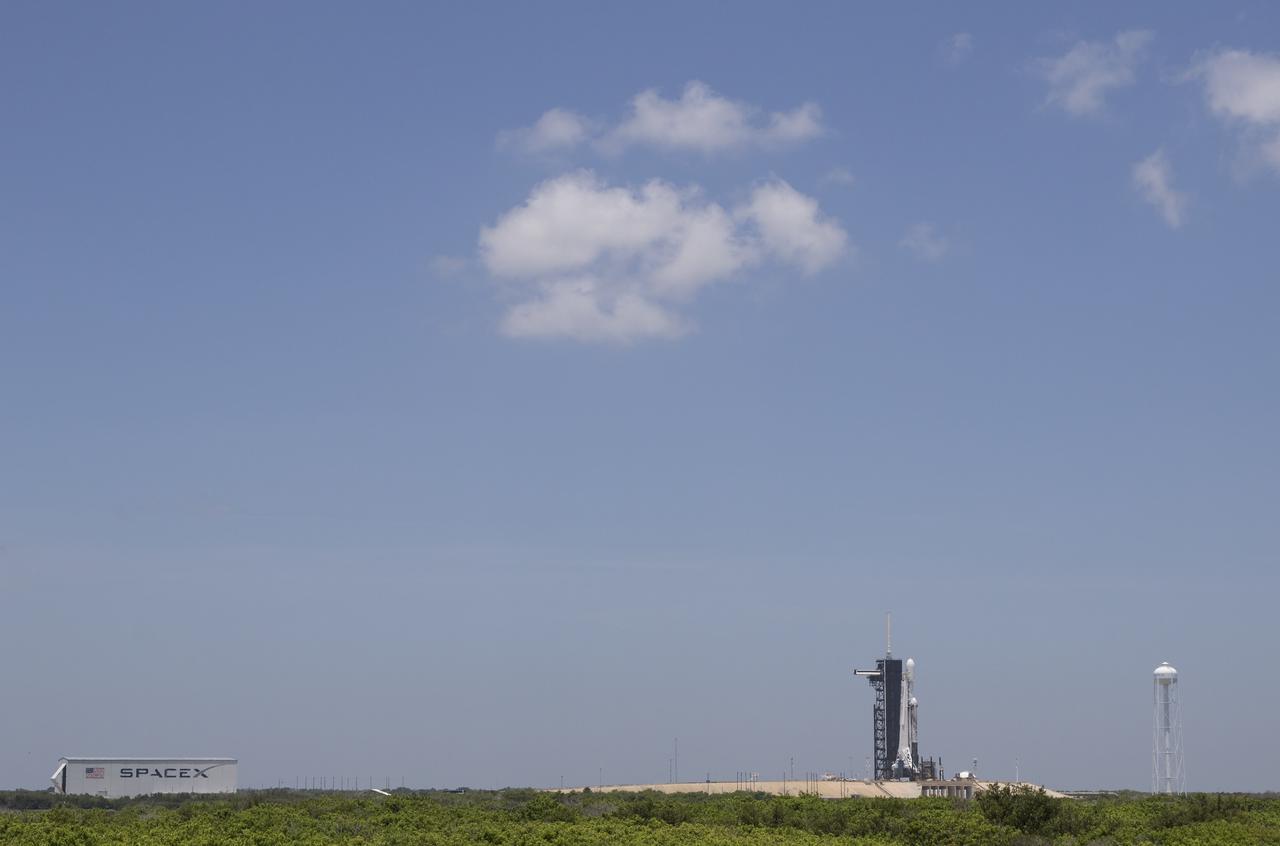
A SpaceX Falcon Heavy rocket carrying 24 satellites as part of the Department of Defense's Space Test Program-2 (STP-2) mission is seen at Launch Complex 39A, Monday, June 24, 2019 at NASA's Kennedy Space Center in Florida. Four NASA technology and science payloads which will study non-toxic spacecraft fuel, deep space navigation, "bubbles" in the electrically-charged layers of Earth's upper atmosphere, and radiation protection for satellites are among the two dozen satellites that will be launched. The three hour launch window opens at 11:30pm EDT on June 24. Photo Credit: (NASA/Joel Kowsky)
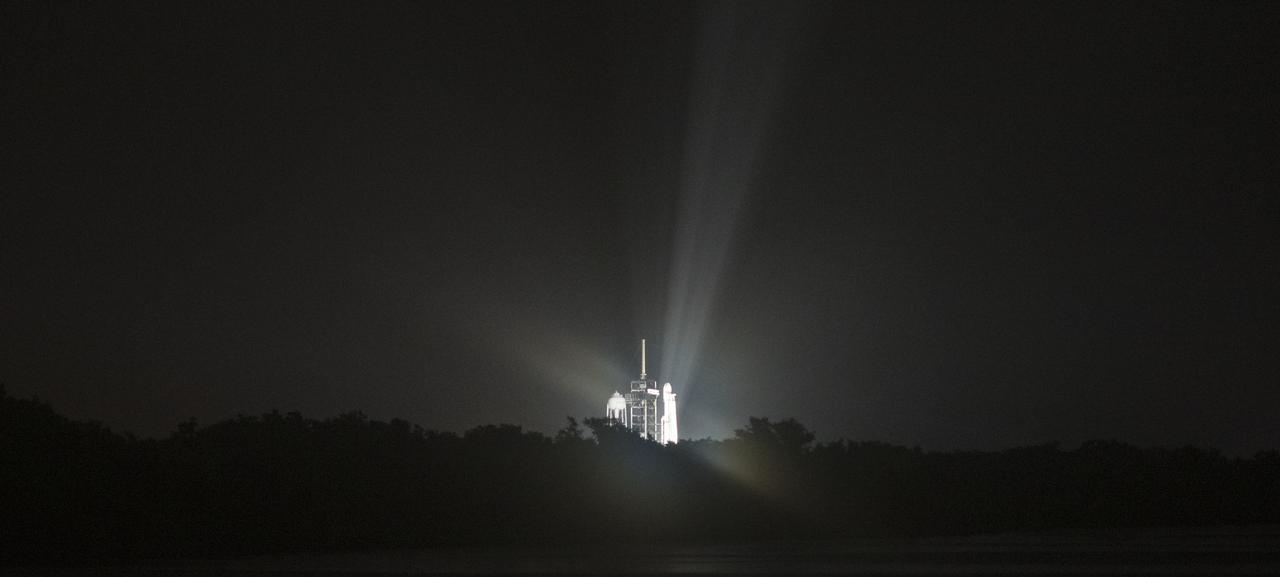
A SpaceX Falcon Heavy rocket carrying 24 satellites as part of the Department of Defense's Space Test Program-2 (STP-2) mission is seen illuminated by lights at Launch Complex 39A, Monday, June 24, 2019 at NASA's Kennedy Space Center in Florida. Four NASA technology and science payloads which will study non-toxic spacecraft fuel, deep space navigation, "bubbles" in the electrically-charged layers of Earth's upper atmosphere, and radiation protection for satellites are among the two dozen satellites that will be launched. The three hour launch window opens at 11:30pm EDT on June 24. Photo Credit: (NASA/Joel Kowsky)
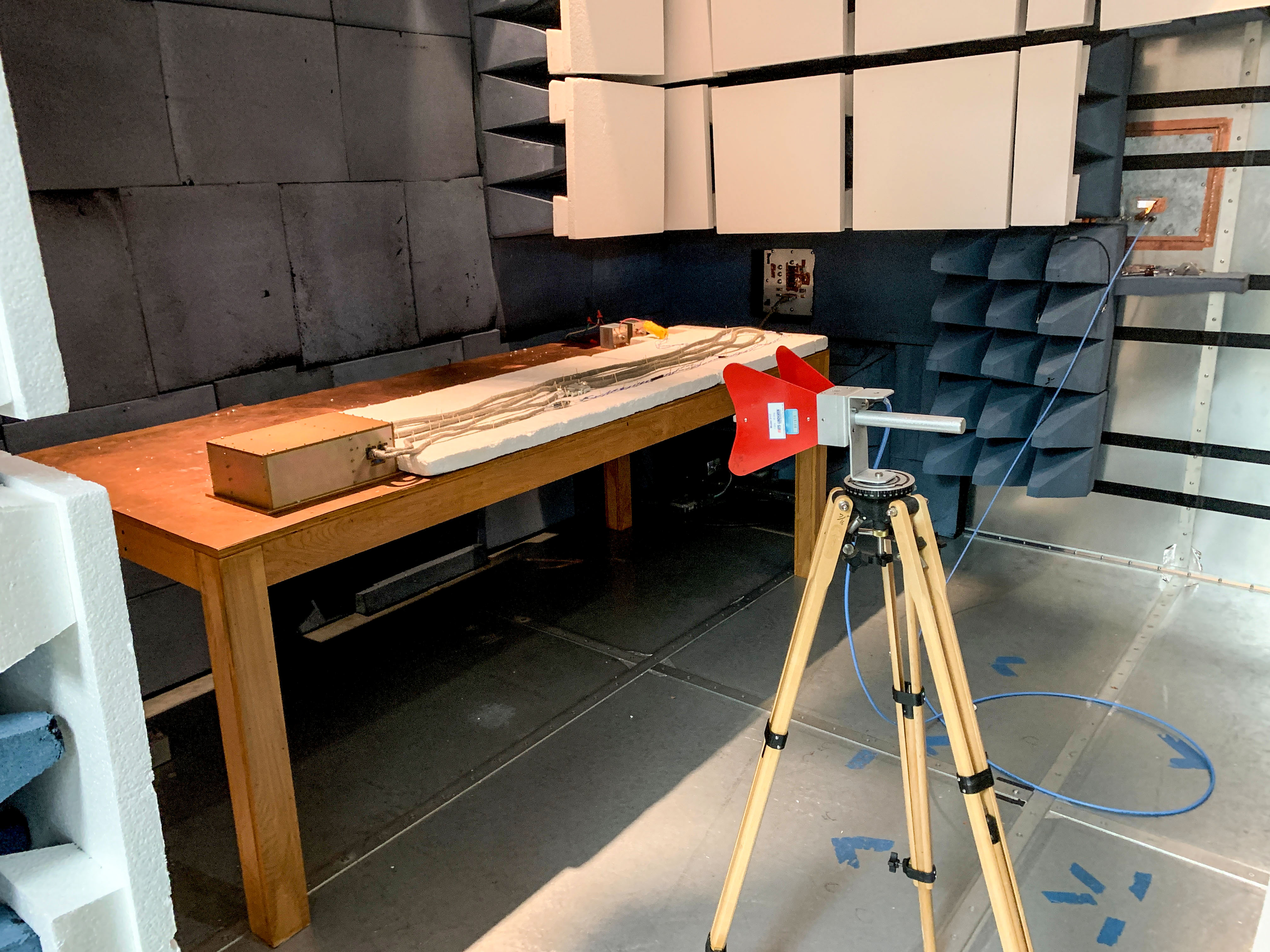
jsc2022e084484 (11/2/2022) --- A preflight view if the Space Test Program-Houston 9-Neutron Radiation Detection Instrument (STP-H9-NeRDI) during electromagnetic interference testing. Image courtesy of U.S. Naval Research Laboratory.

iss050e052652 (2/26/2017) --- A view of the Space Test Program - Houston5 (STP-H5). The Space Test Program-H5-Lightning Imaging Sensor (STP-H5 LIS) on the International Space Station (ISS) measures the amount, rate, and energy of lightning around the world. Improved understanding of lightning and its connections to weather provides crucial insight for weather forecasting, climate change, atmospheric chemistry and physics, and aircraft and spacecraft safety.
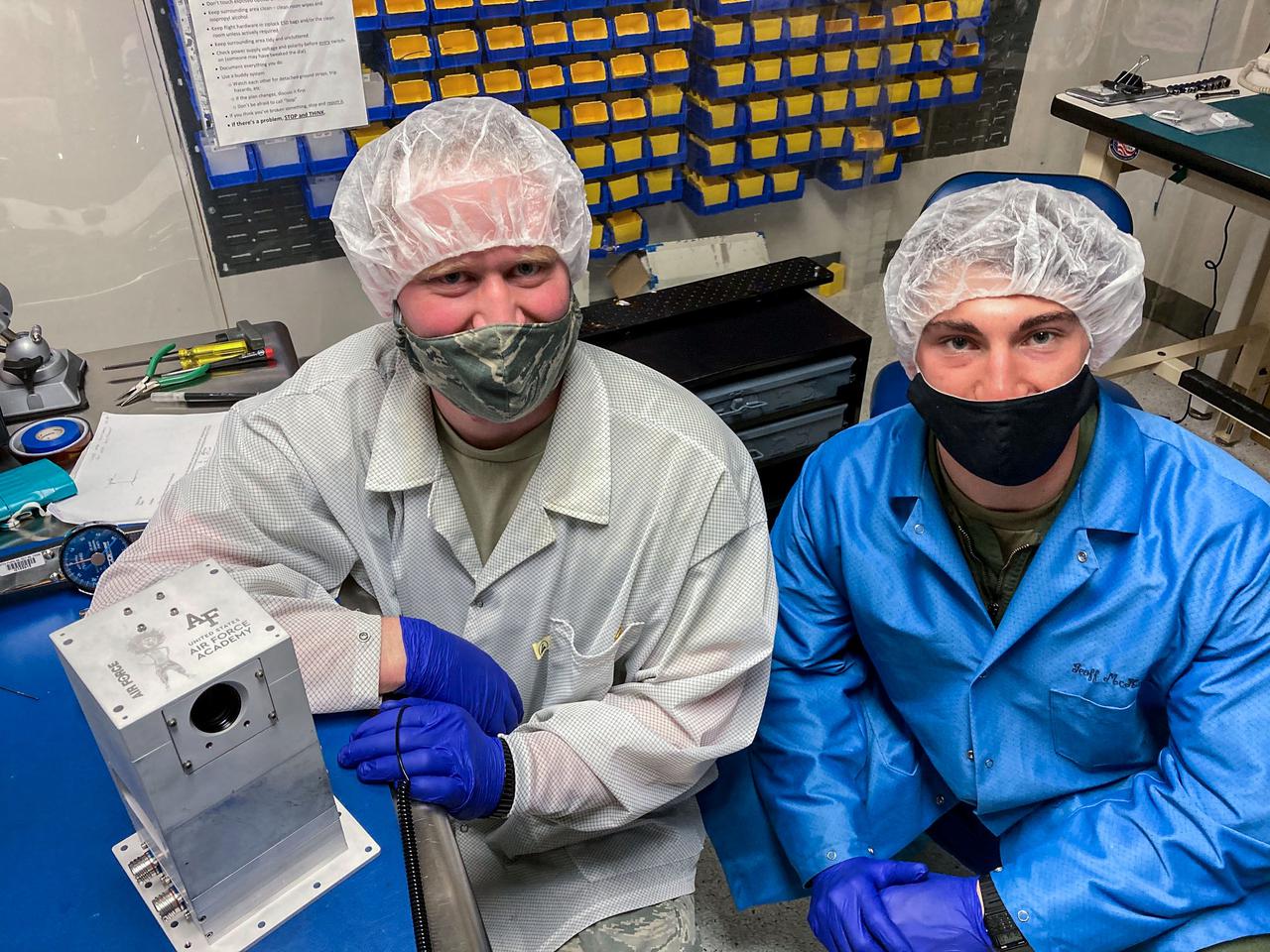
jsc2021e048047 (2/19/2021) --- Captain Hayden Richards (left) and Cadet Madison Yates (Right) with the flight unit of Falcon Neuro. Lightning and sprites are related forms of electrical discharges in Earth’s atmosphere. Space Test Program-Houston 7-Falcon Neuro (STP-H7-Falcon Neuro) demonstrates using event-based sensors (EBSs) to detect lightning in cloud tops and electrical discharges in the middle atmosphere. EBSs provide the high-speed optical sensing needed to capture such brief phenomena and data rates fast enough for making these observations from space. This technology could improve understanding of atmospheric electrical phenomena. Image courtesy of United States Air Force Academy.