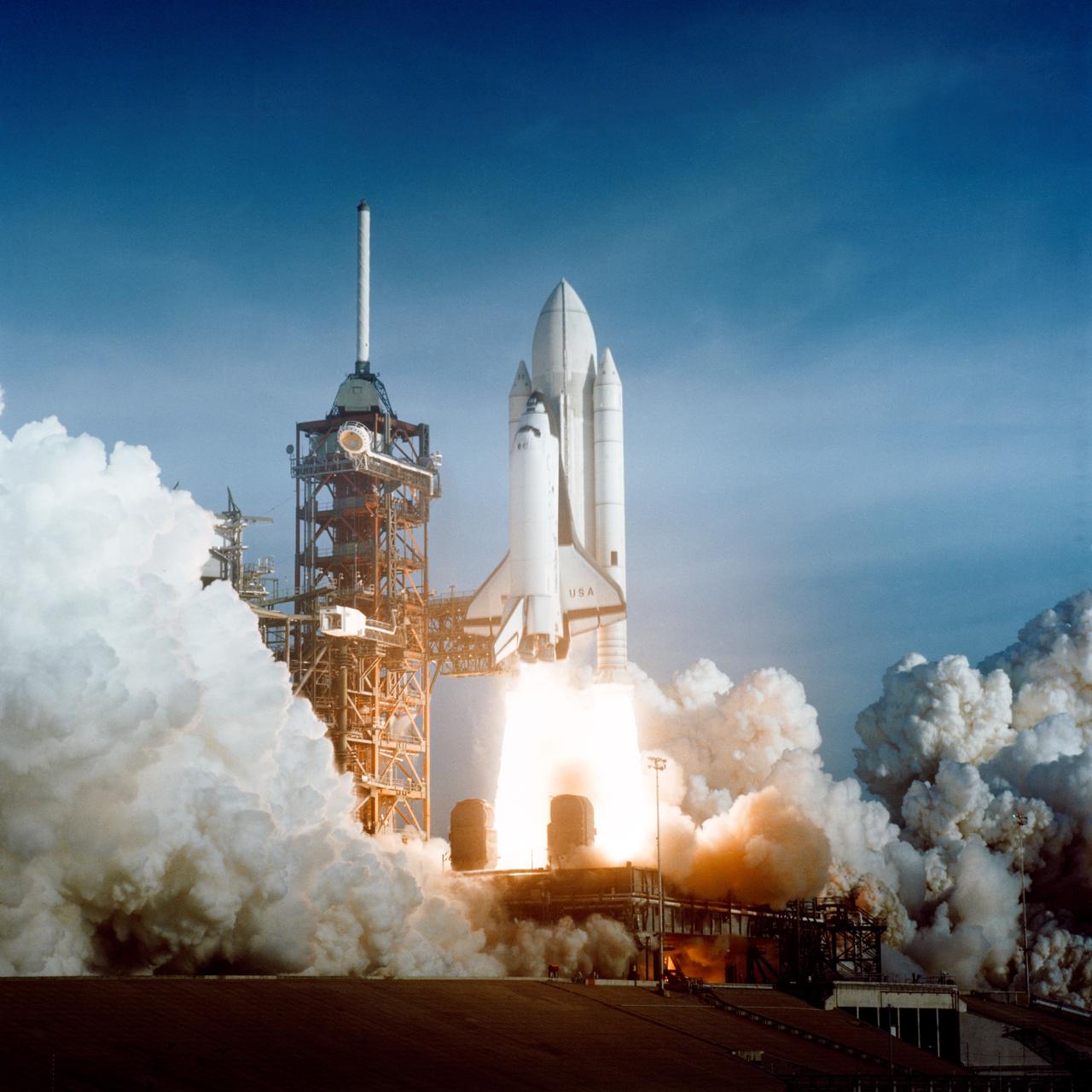
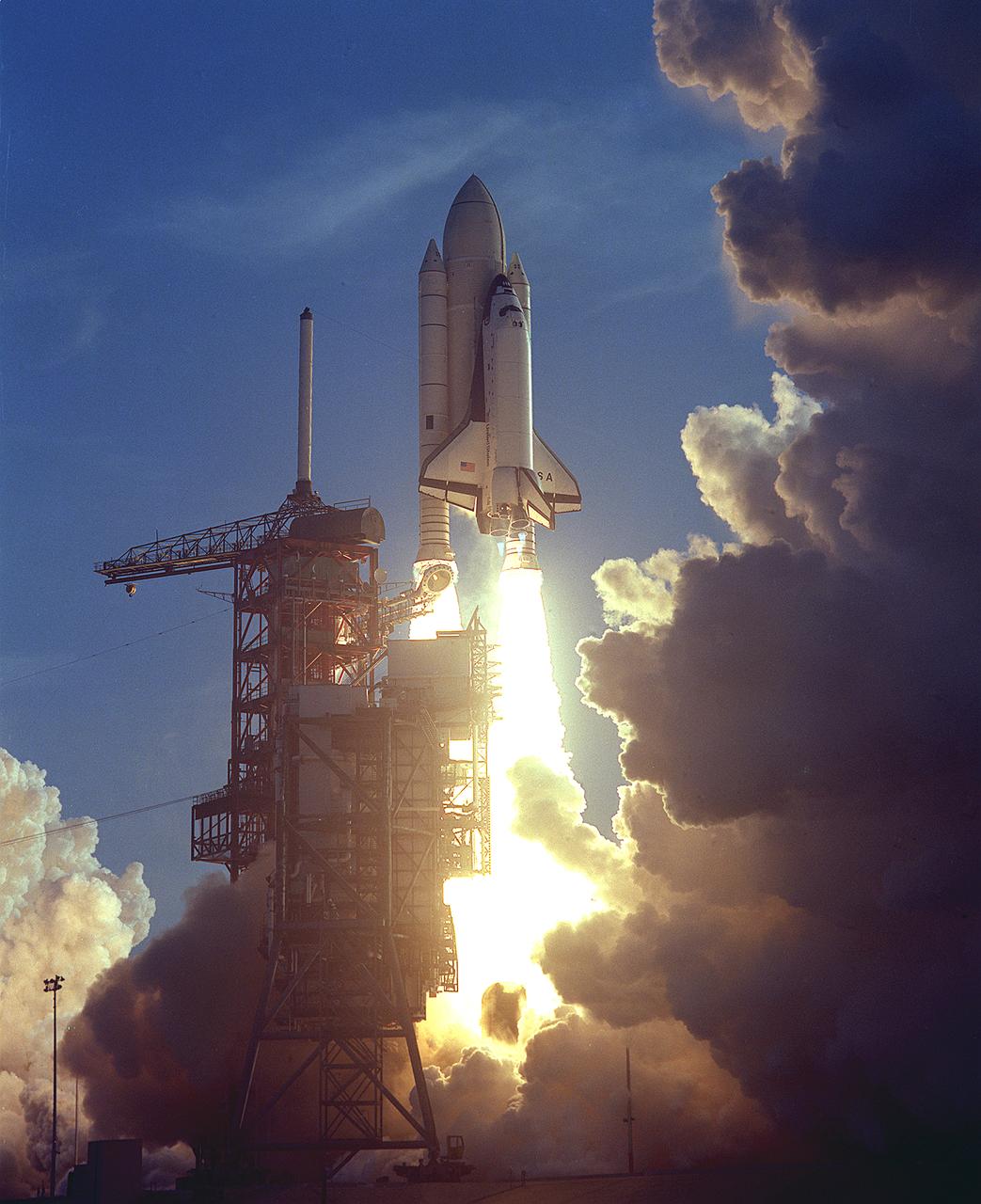
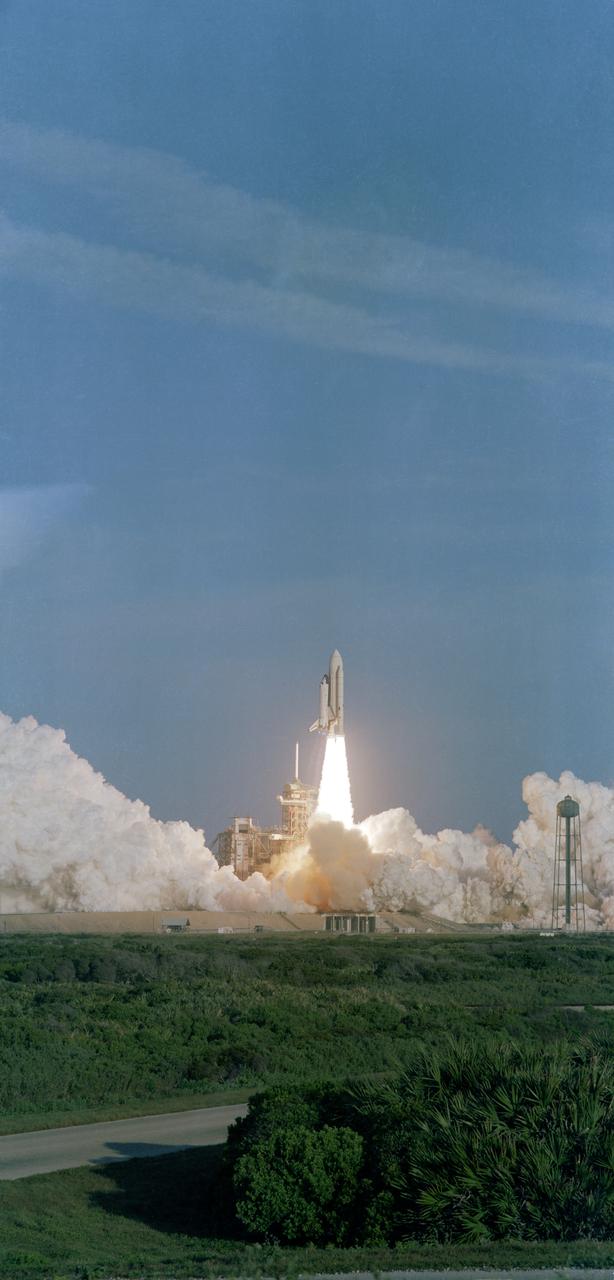
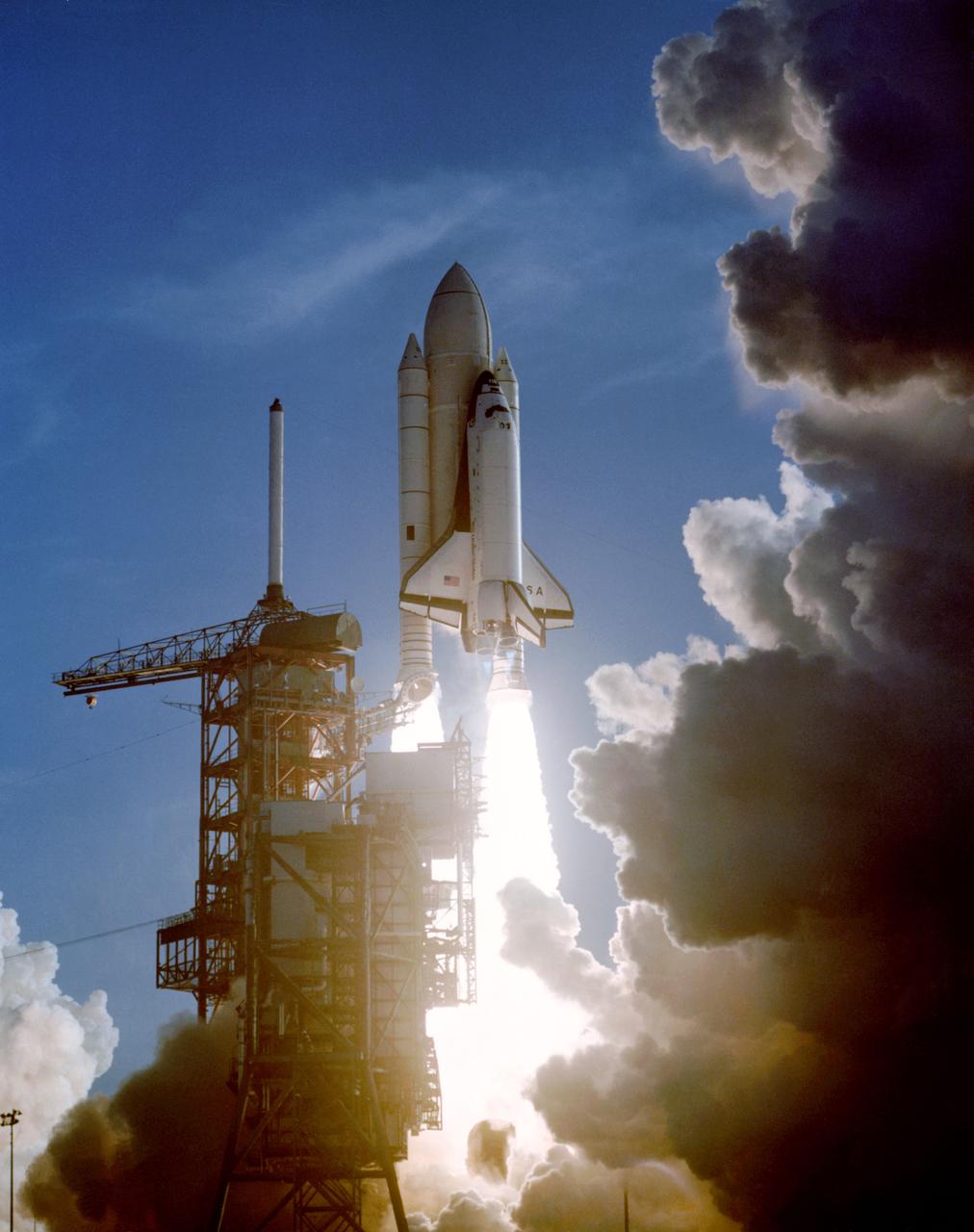
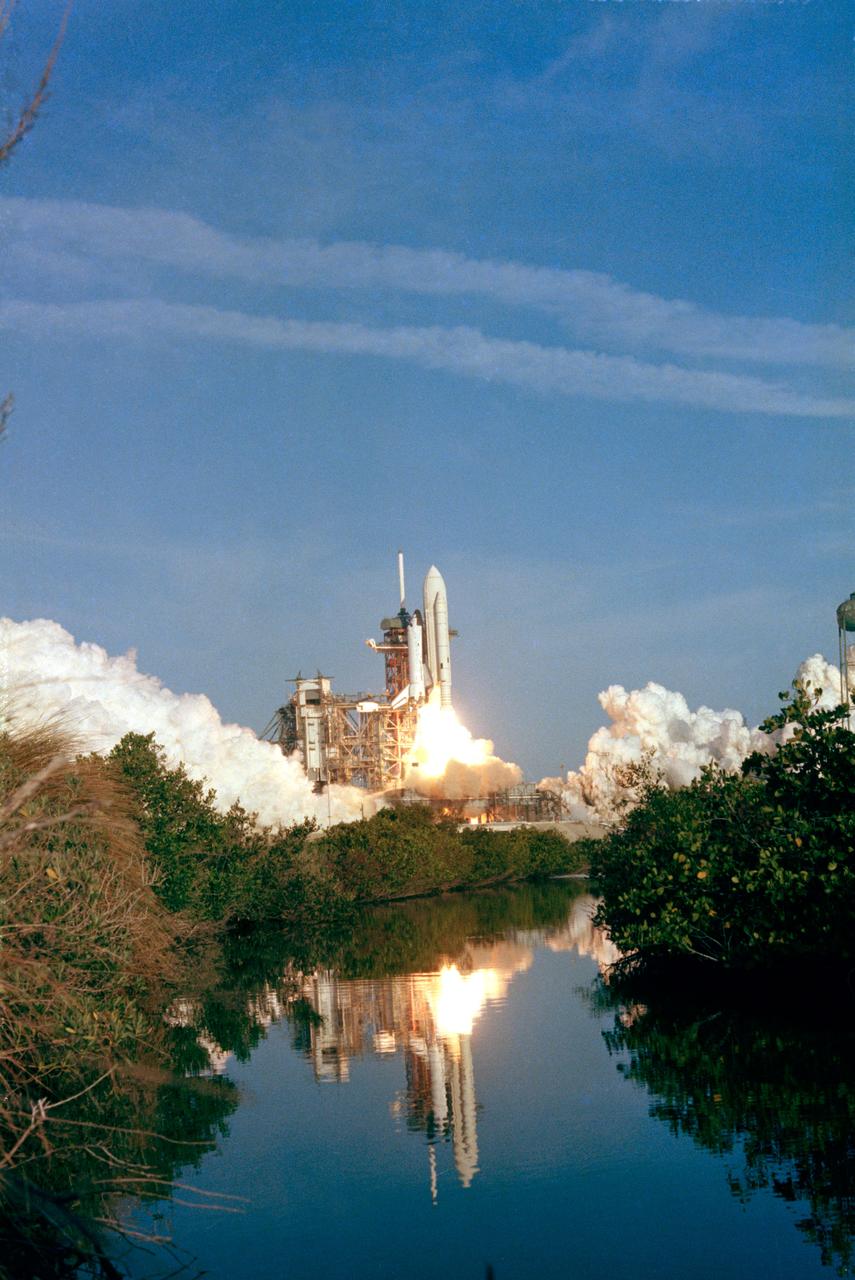
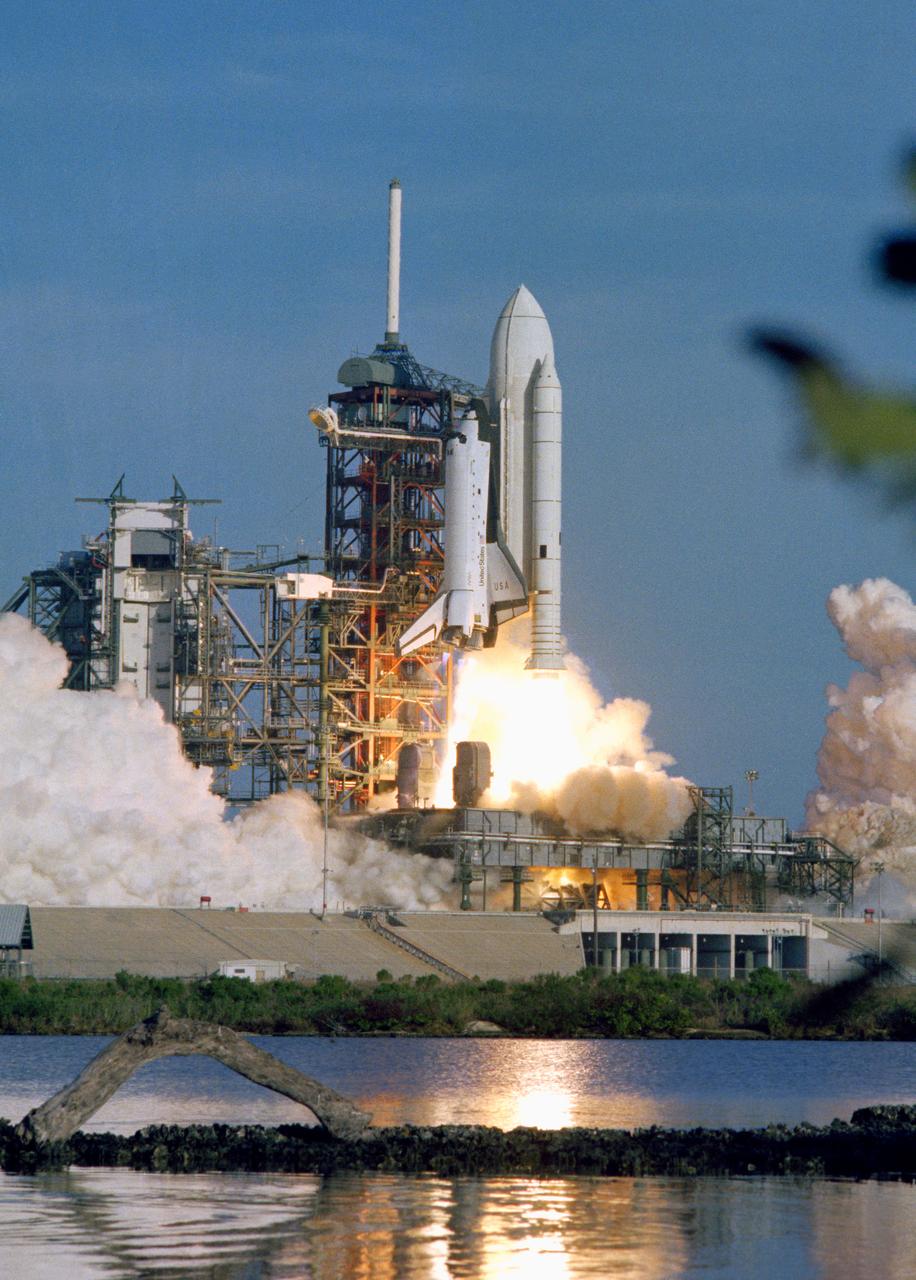
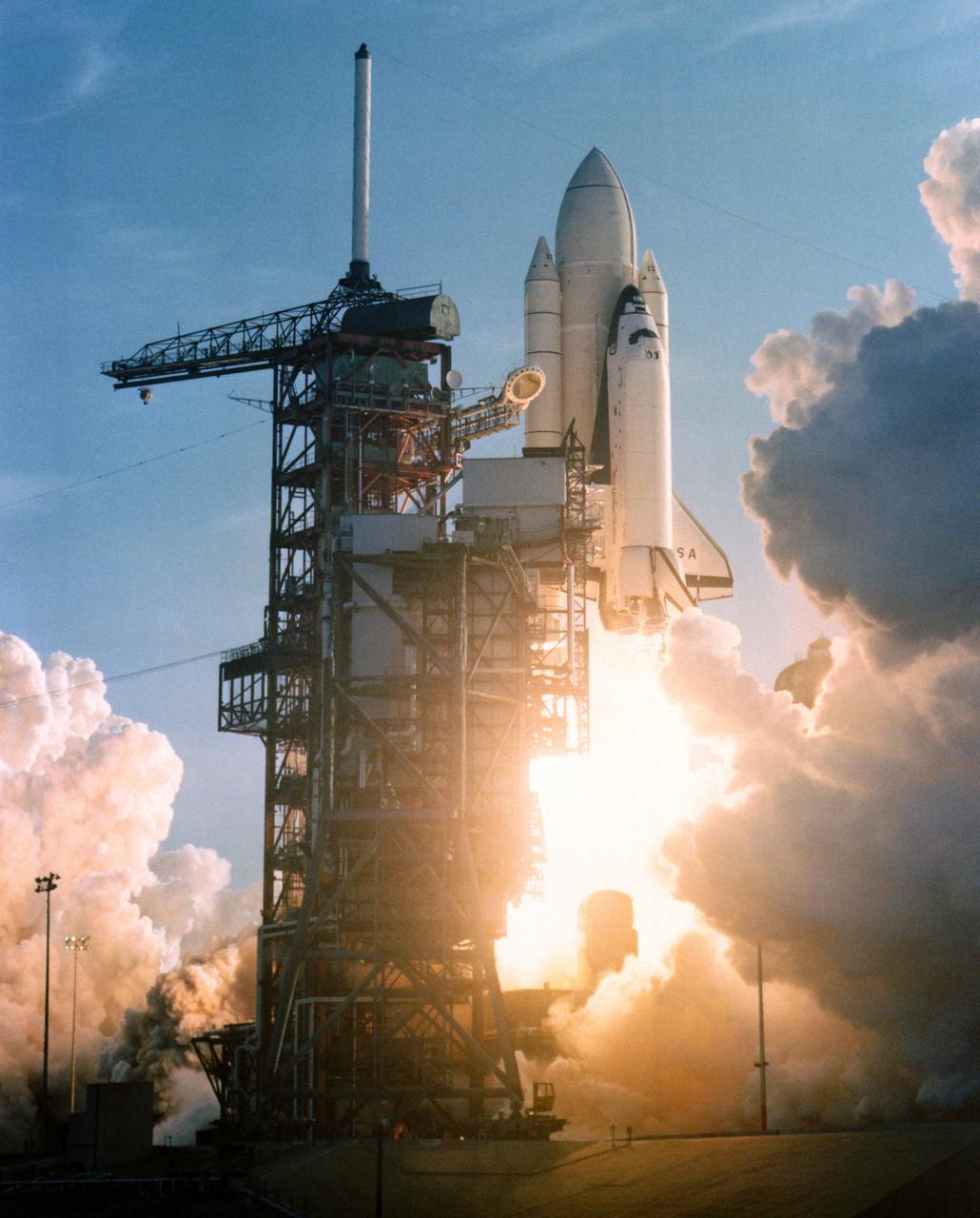
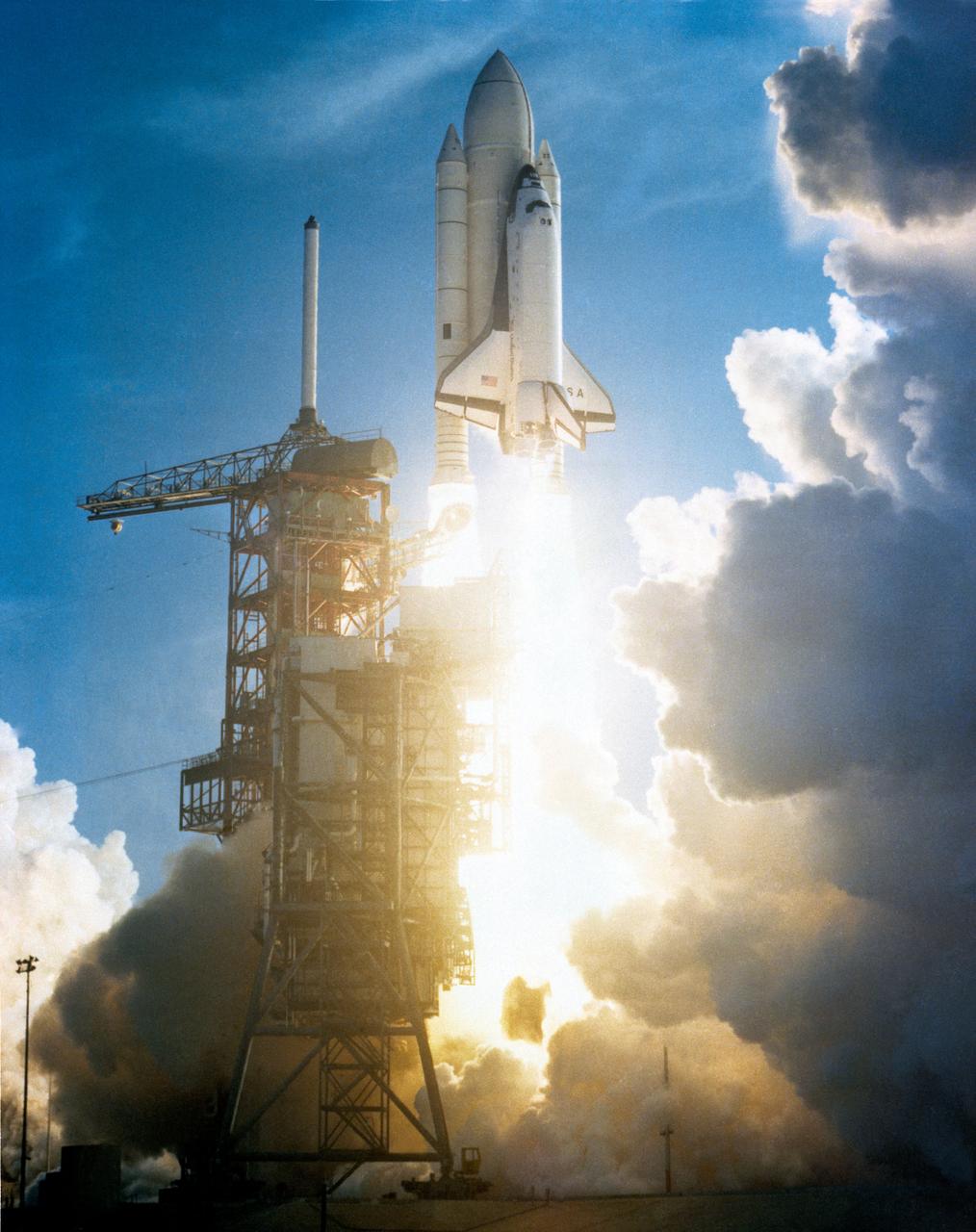
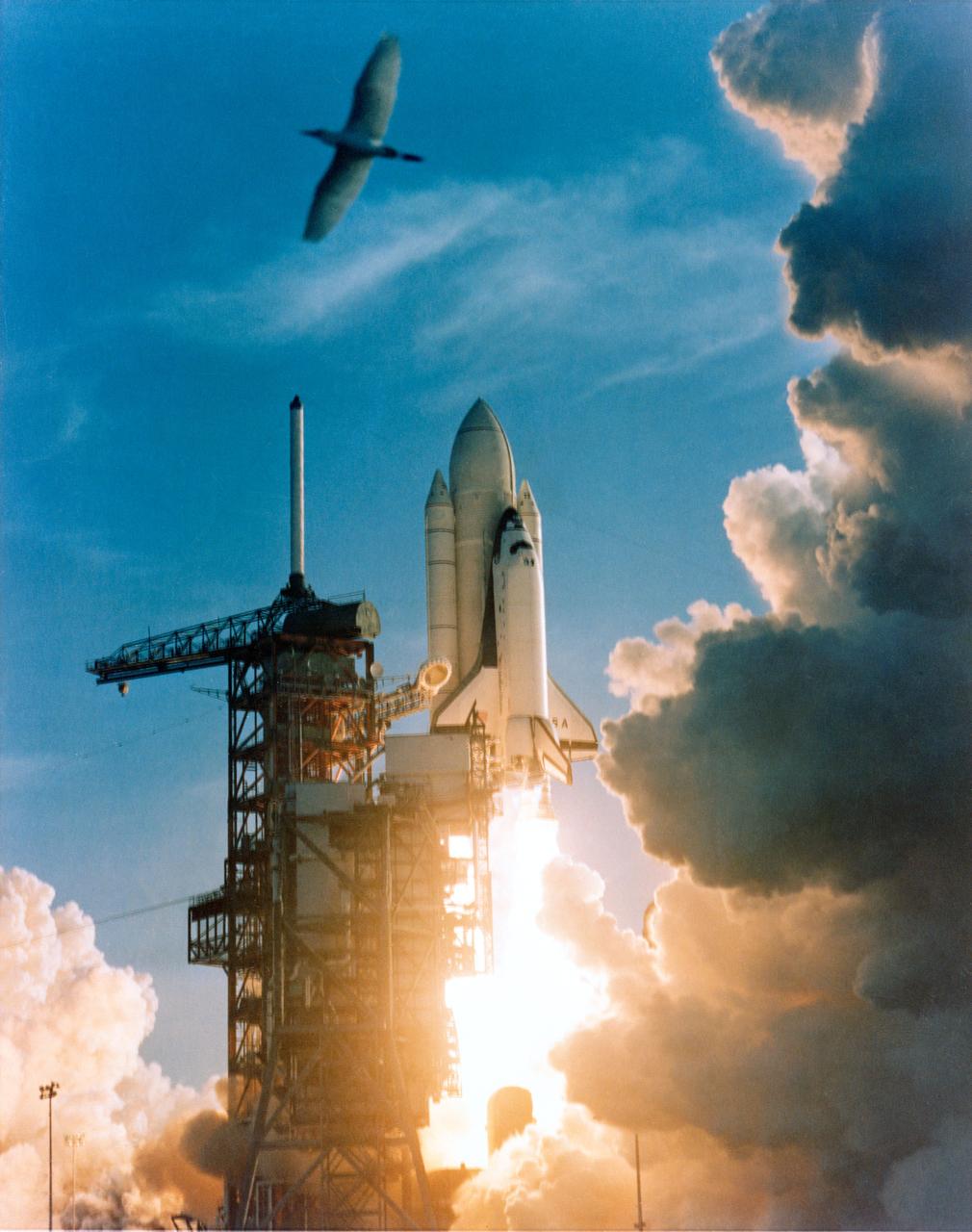
The Space Shuttle Columbia begins a new era of space transportation when it lifts off from NASA Kennedy Space Center (KSC).  The reusable Orbiter, its two (2) fuel tanks and two (2) Solid Rocket Boosters (SRB) has just cleared the launch tower.  Aboard the spacecraft are Astronauts John W. Young, Commander, and Robert L. Crippen, Pilot .         1.  STS-I - LAUNCH    KSC, FL           KSC, FL        Also available in 4x5 BW
STS-1 - LAUNCH - KSC
The Space Shuttle Columbia begins a new era of space transportation when it lifts off from NASA Kennedy Space Center (KSC).  The reusable Orbiter, its two (2) fuel tanks and two (2) Solid Rocket Boosters (SRB) has just cleared the launch tower.  Aboard the spacecraft are Astronauts John W. Young, Commander, and Robert L. Crippen, Pilot .         1.  STS-I - LAUNCH    KSC, FL           KSC, FL        Also available in 4x5 BW
STS-1 - LAUNCH - KSC
S81-30498 (12 April 1981) --- After six years of silence, the thunder of manned spaceflight is heard again, as the successful launch of the first space shuttle ushers in a new concept in utilization of space. The April 12, 1981 launch, at Pad 39A, just seconds past 7 a.m., carries astronaut John Young and Robert Crippen into an Earth-orbital mission scheduled to last for 54 hours, ending with unpowered landing at Edwards Air Force Base in California. STS-1, the first in a series of shuttle vehicles planned for the Space Transportation System, utilizes reusable launch and return components. Photo credit: NASA or National Aeronautics and Space Administration
LAUNCH - STS-1 - KSC
The new era in space flight began on April 12, 1981. That is when the first Space Shuttle mission (STS-1) was launched. The Marshall Space Flight Center developed the propulsion system for the Space Shuttle. This photograph depicts the launch of the Space Shuttle Orbiter Columbia marned with two astronauts, John Young and Robert Crippen.
Space Shuttle Projects
S81-30459 (12 April 1981) --- A remote camera at the Kennedy Space Center's Launch Pad 39A captured this scene as the maiden flight of space shuttle Columbia begins. Astronauts John W. Young, STS-1 commander, and Robert L. Crippen, pilot, are aboard Columbia as it begins an orbital mission scheduled to last for 54 hours. The flight will end on April 14 with an unpowered landing at Edwards Air Force Base in California. Three main engines and two solid rocket boosters are necessary to boost the 150,000 pound orbiter into Earth orbit. Photo credit: NASA or National Aeronautics and Space Administration
Launch Views - Columbia - STS-1 Mission - KSC
S81-30460 (12 April 1981) --- A remote camera at the Kennedy Space Center's Launch Pad 39A captured this scene as the maiden flight of space shuttle Columbia begins. Astronauts John W. Young, STS-1 commander, and Robert L. Crippen, pilot, are aboard Columbia as it begins an orbital mission scheduled to last some 54 hours. The flight will end on April 14 with an unpowered landing at Edwards Air Force Base in California. Three main engines and two solid rocket boosters are necessary to boost the 150,000 pound orbiter into Earth orbit. Photo credit: NASA or National Aeronautics and Space Administration
Launch Views - Columbia - STS-1 Mission - KSC
S81-30463 (12 April 1981) --- The space shuttle Columbia rises off Pad 39A a few seconds past 7 a.m. (EST) on April 12, 1981.   Onboard, astronauts John W. Young, STS-1 commander, and Robert L. Crippen, pilot, head toward an Earth-orbital mission which represents the beginning of a new era in space transportation. Thousands of persons were in the area to view the historic launch. Photo credit: NASA or National Aeronautics and Space Administration
Launch views of the Columbia for the STS-1 mission, April 12, 1981
S81-30462 (12 April 1981) --- The space shuttle Columbia rises off Pad 39A a few seconds past 7 a.m. (EST) on April 12, 1981.  Onboard, astronauts John W. Young, STS-1 commander, and Robert L. Crippen, pilot, head toward an Earth-orbital mission which represents the beginning of a new era in space transportation. Thousands of persons were in the area to view the historic launch. Photo credit: NASA or National Aeronautics and Space Administration
Launch views of the Columbia for the STS-1 mission, April 12, 1981
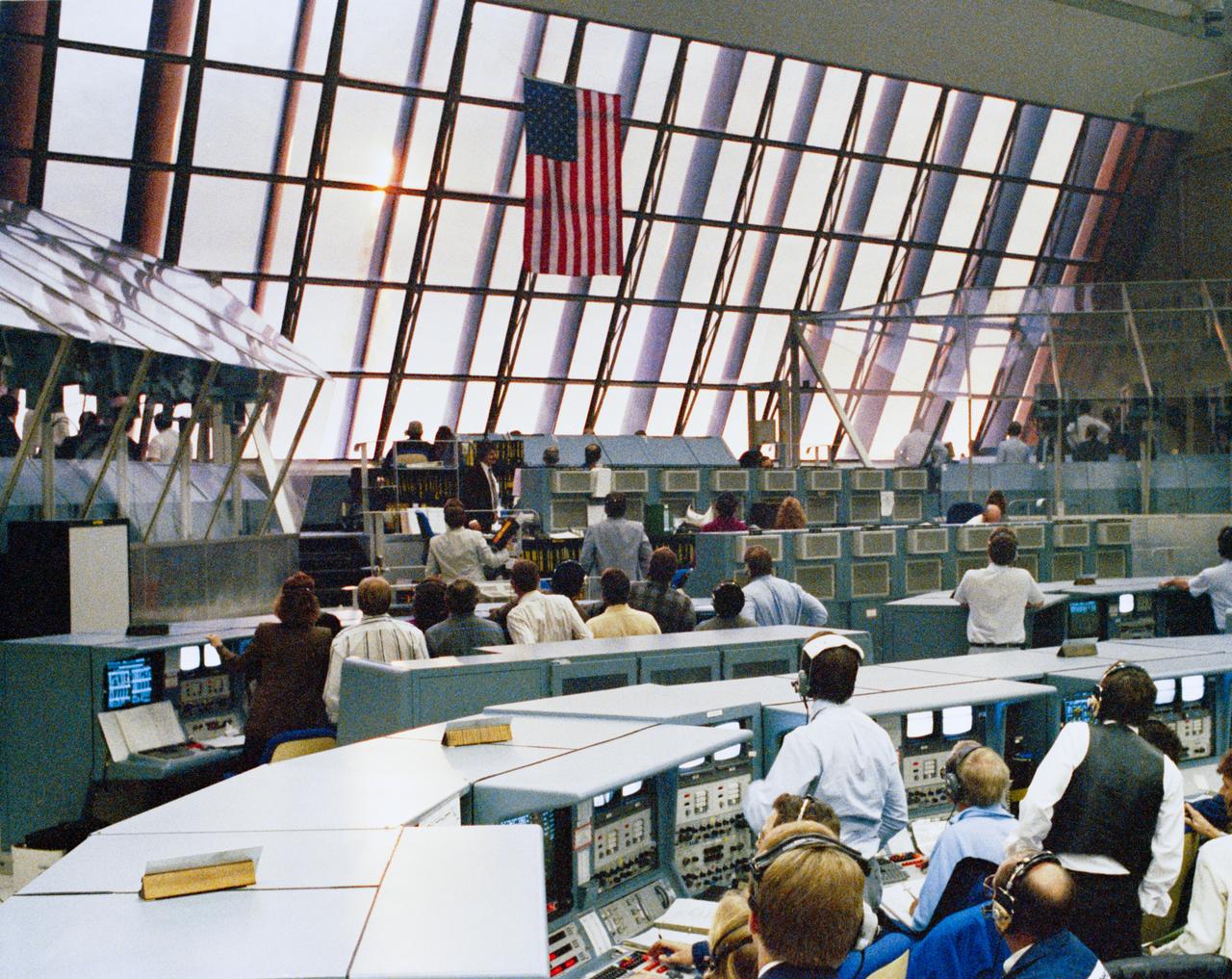
S90-29047 99Jan 1990) --- At the conclusion of another successful countdown, members of the KSC launch team in Firing Room 1 rivet their eyes on the skies to the east of the Launch Control Center. Their reward was a glimpse of Columbia burning its way upward up from Complex 39's Pad A. The brilliant flame of the boosters hurled shadows and patches of light into the firing room's interior.  Launch of the STS-32 mission at 7:35 a.m. EST today marked the beginning of a busy year which could see the launch of as many as 10 missions.
KSC Launch Control Center (LCC) Firing Room 1 during STS-32 launch
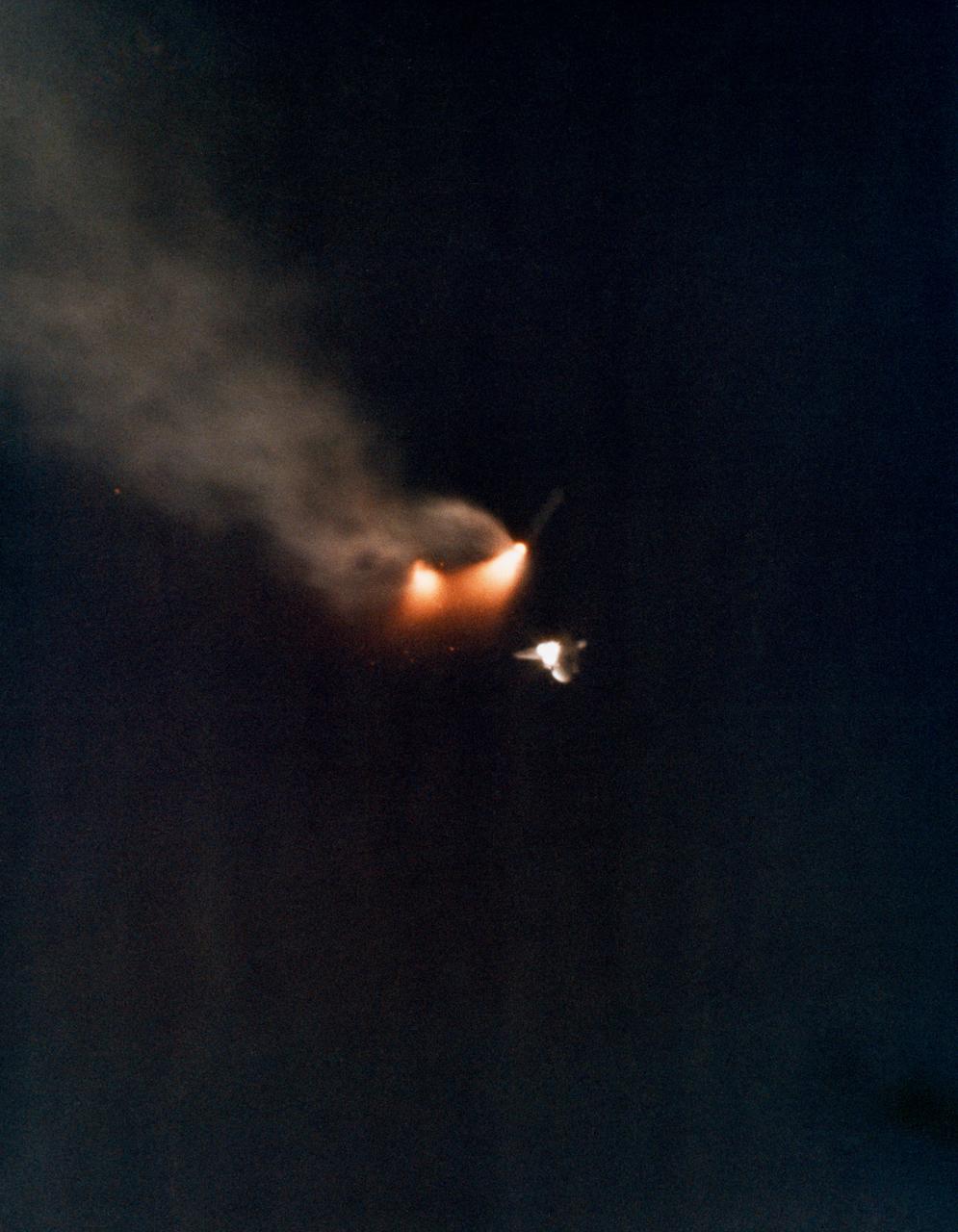
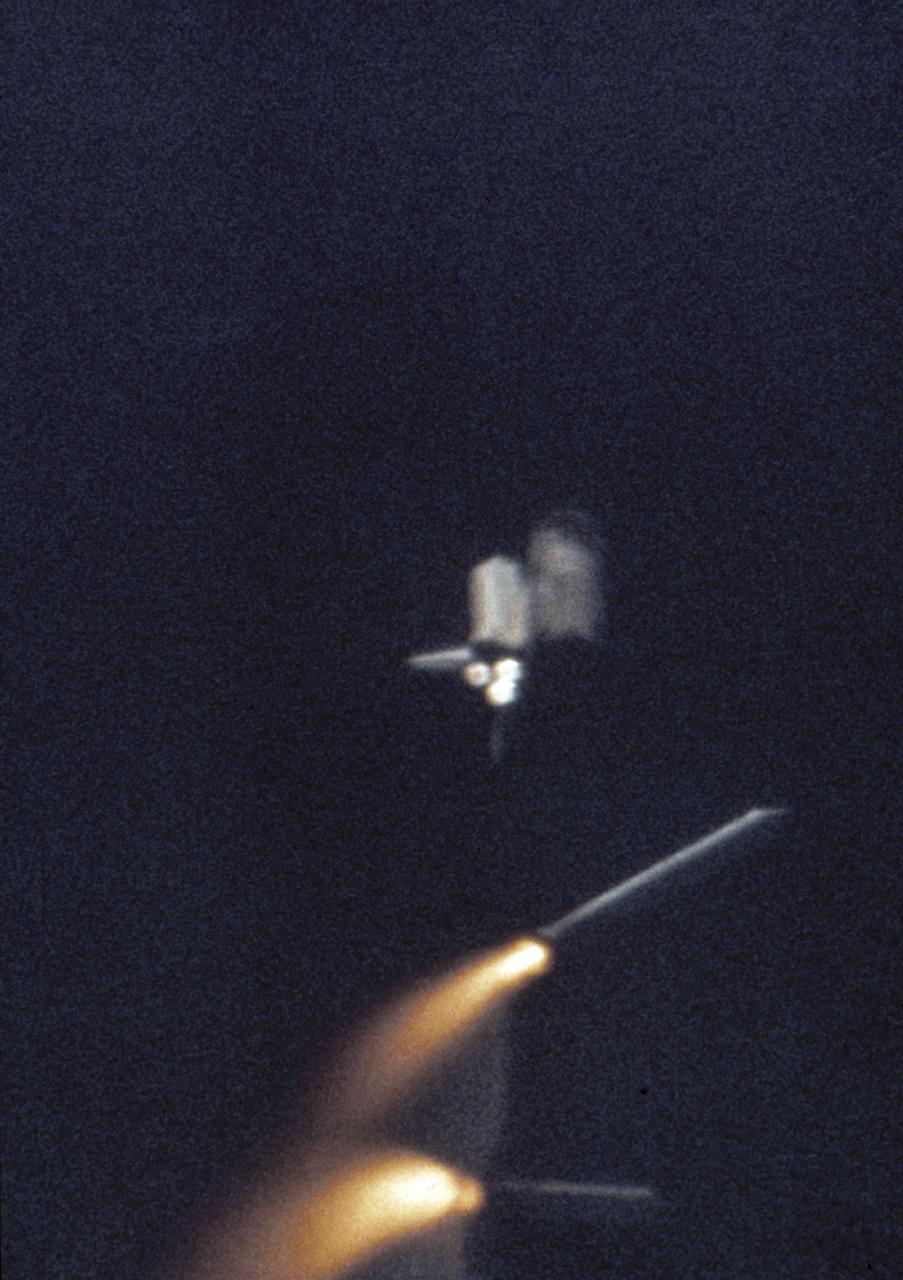
S81-33178 (12 April 1981) --- The two solid rocket boosters are jettisoned from the climbing space shuttle Columbia as a successful launch phase continues for NASA's first manned space mission since 1975.  Astronauts John W. Young and Robert L. Crippen are aboard Columbia. Photo credit: NASA
LAUNCH (IGOR) - STS-1
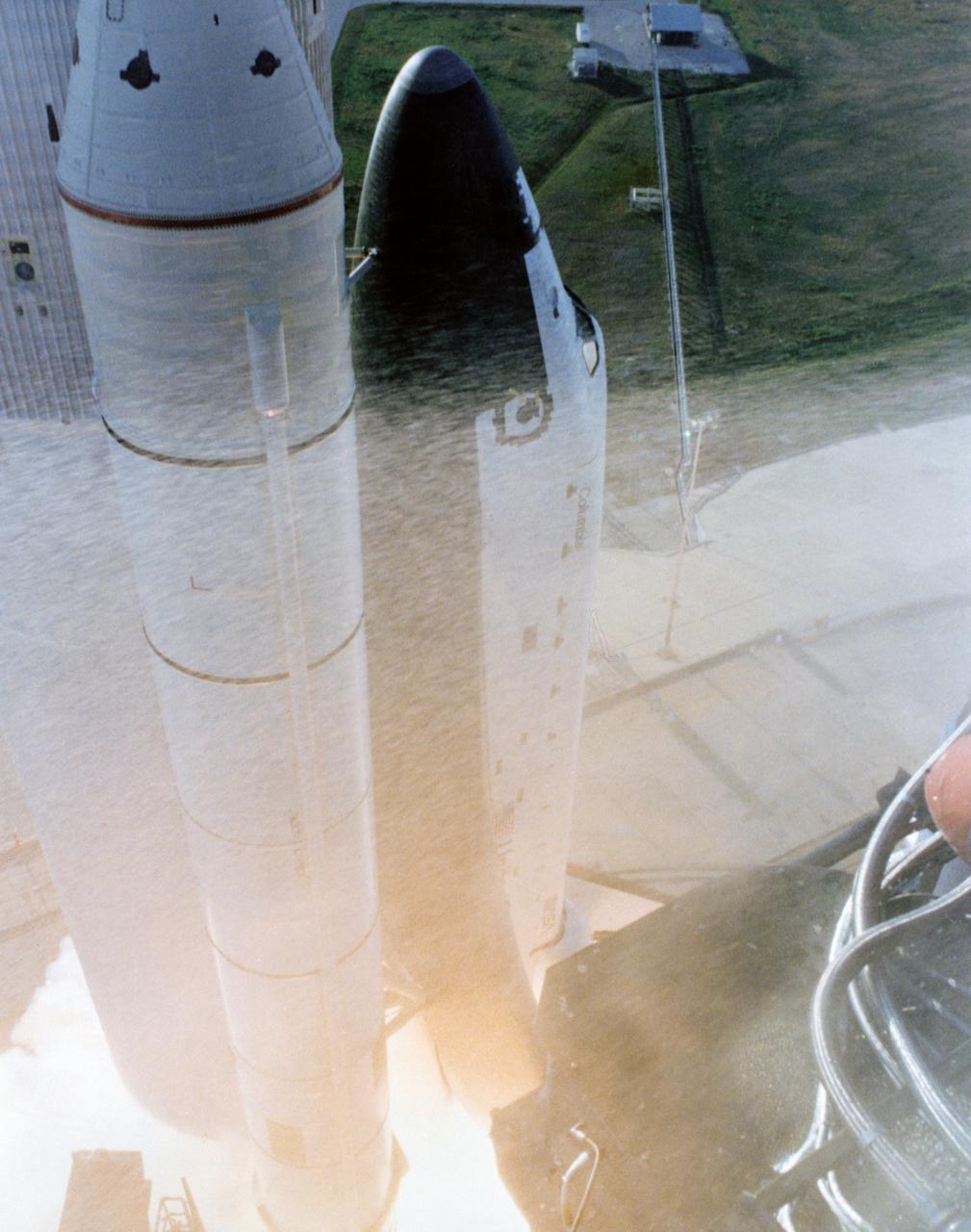
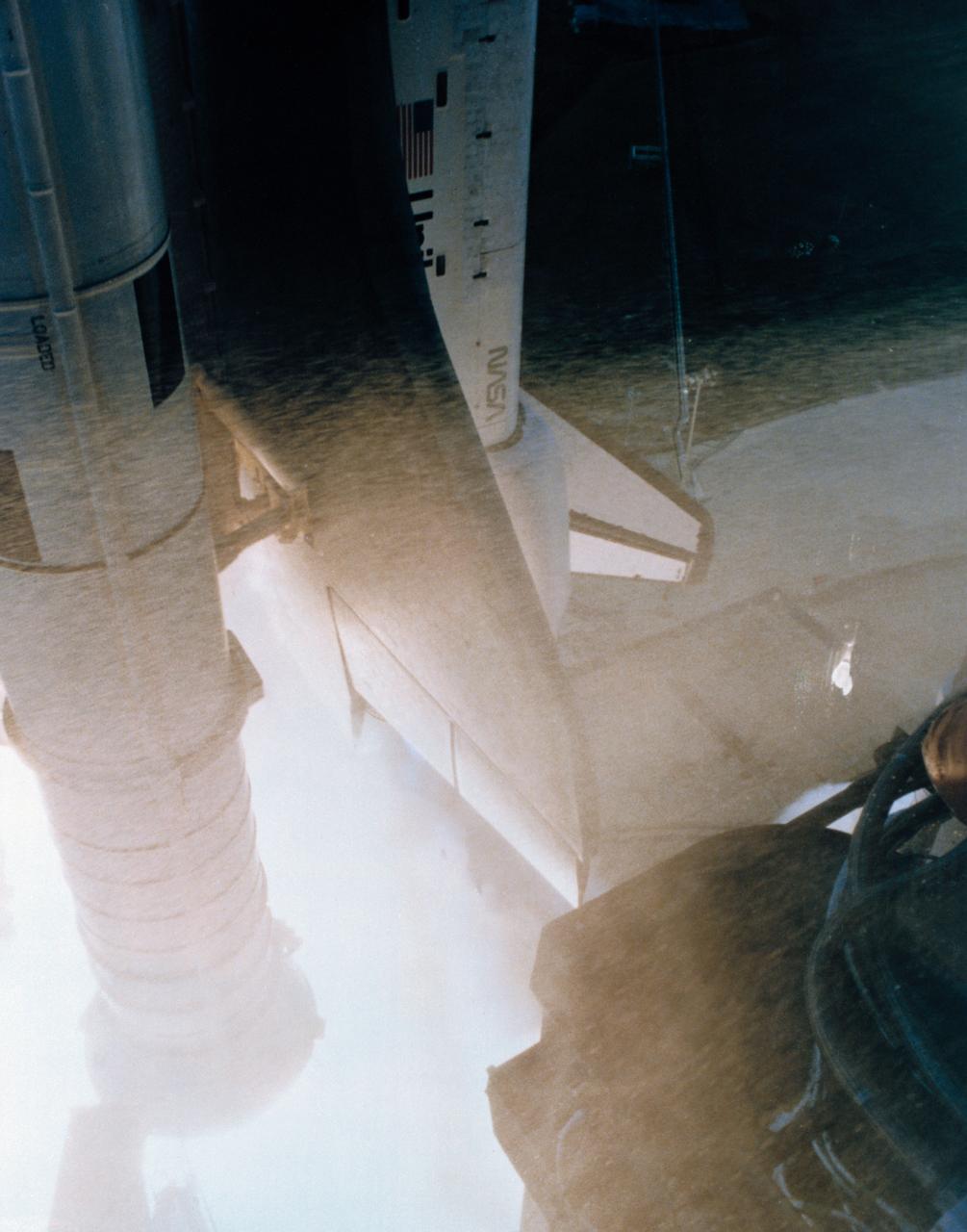
S81-30502 (12 April 1981) --- Space shuttle Columbia’s aft orbiter section dominates the field of view in this fifth frame of a dramatic liftoff sequence photographed from the 275-foot level of the Fixed Service Structures on Pad 39A. The seven-frame sequence documenting the space shuttle’s historic launch on its maiden voyage was taken with a Nikon camera equipped with a 28mm lens and a 250 exposure back. The camera was protected in a fire box. Photo credit: NASA
LAUNCH - STS-1 - KSC
S81-33180 (12 April 1981) --- The two solid rocket boosters are jettisoned from the climbing space shuttle Columbia as a successful launch phase continues for NASA's first manned space mission since 1975.  Astronauts John W. Young and Robert L. Crippen are aboard the Columbia. Photo credit: NASA
LAUNCH (IGOR) - STS-1
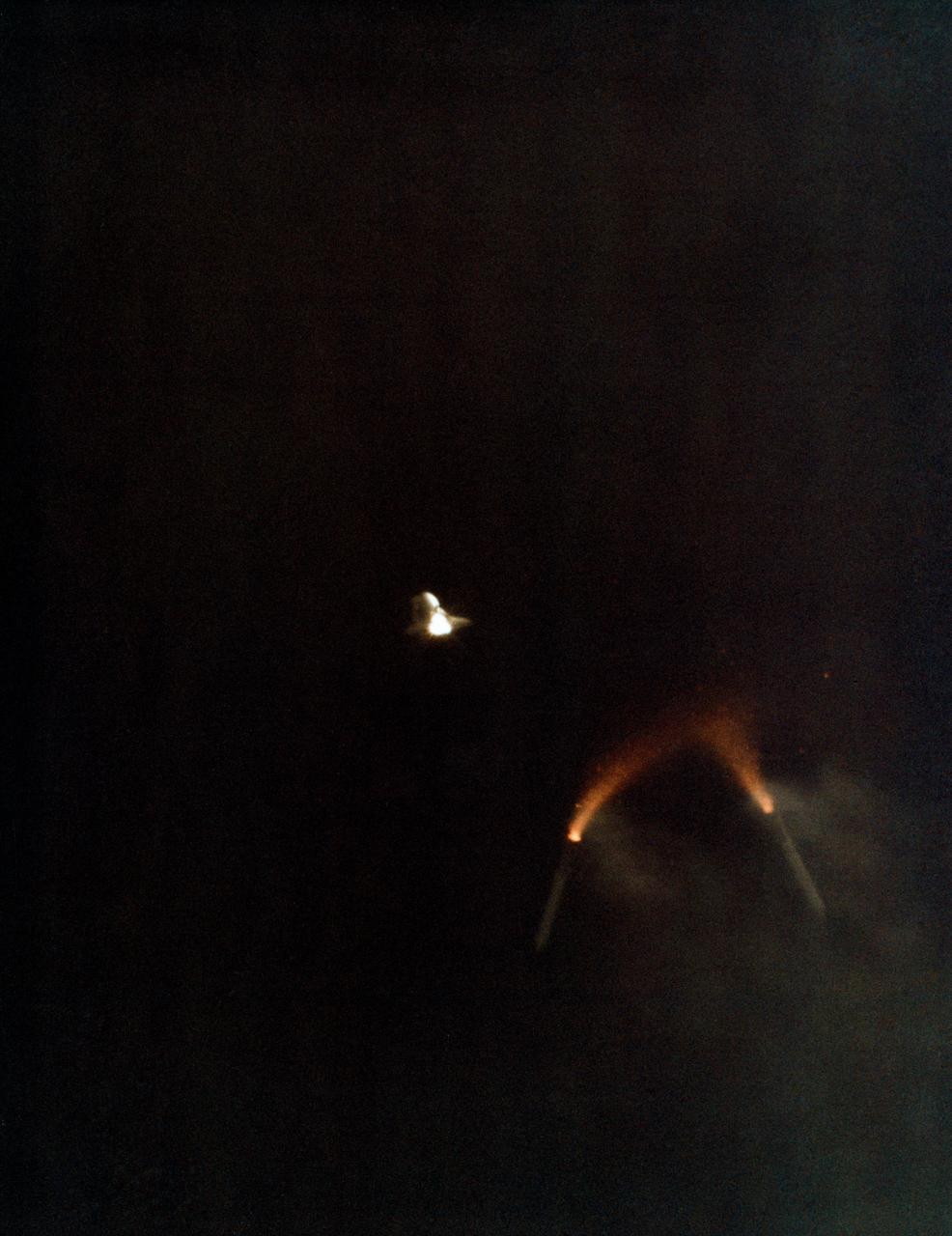
S81-33179 (12 April 1981) --- Though their STS-1 task has been performed, the two solid rocket boosters (SRB) still glow following their jettisoning from the space shuttle Columbia on its way to many firsts. Among the history recorded by the spacecraft is the marking of a mission in a reusable spacecraft. STS-1 is NASA's first manned mission since the Apollo-Soyuz Test Project in 1975. Inside the cabin of the climbing spacecraft are astronauts John W. Young and Robert L. Crippen. Photo credit: NASA
LAUNCH (IGOR) - STS-1
S81-30501 (12 April 1981) --- Nose pointed skyward, space shuttle Columbia begins its climb toward orbit moments after solid rocket booster ignition in this first view of a dramatic liftoff sequence photographed from the 275-feet level of the Fixed Service Structure on Pad 39A. The seven frame sequence documenting the space shuttle’s historic launch on its maiden voyage was taken with a Nikon camera equipped with a 28mm lens with a 250 exposure back. The camera was protected in a fire box. Photo credit: NASA
LAUNCH - STS-1 - KSC
S81-30499 (12 April 1981) --- Space shuttle Columbia flies. Just seconds past the scheduled launch time of 7 a.m. on April 12, 1981, America's Space Transportation System becomes a fact, with the liftoff of the first space shuttle from Launch Pad 39A. The successful maiden flight of the new concept in space vehicles took astronauts John Young and Robert Crippen into an Earth-orbital mission scheduled to last for 54 hours, concluding with unpowered landing at Edwards Air Force Base, California. Photo credit: NASA or National Aeronautics and Space Administration
LAUNCH - STS-1 - KSC
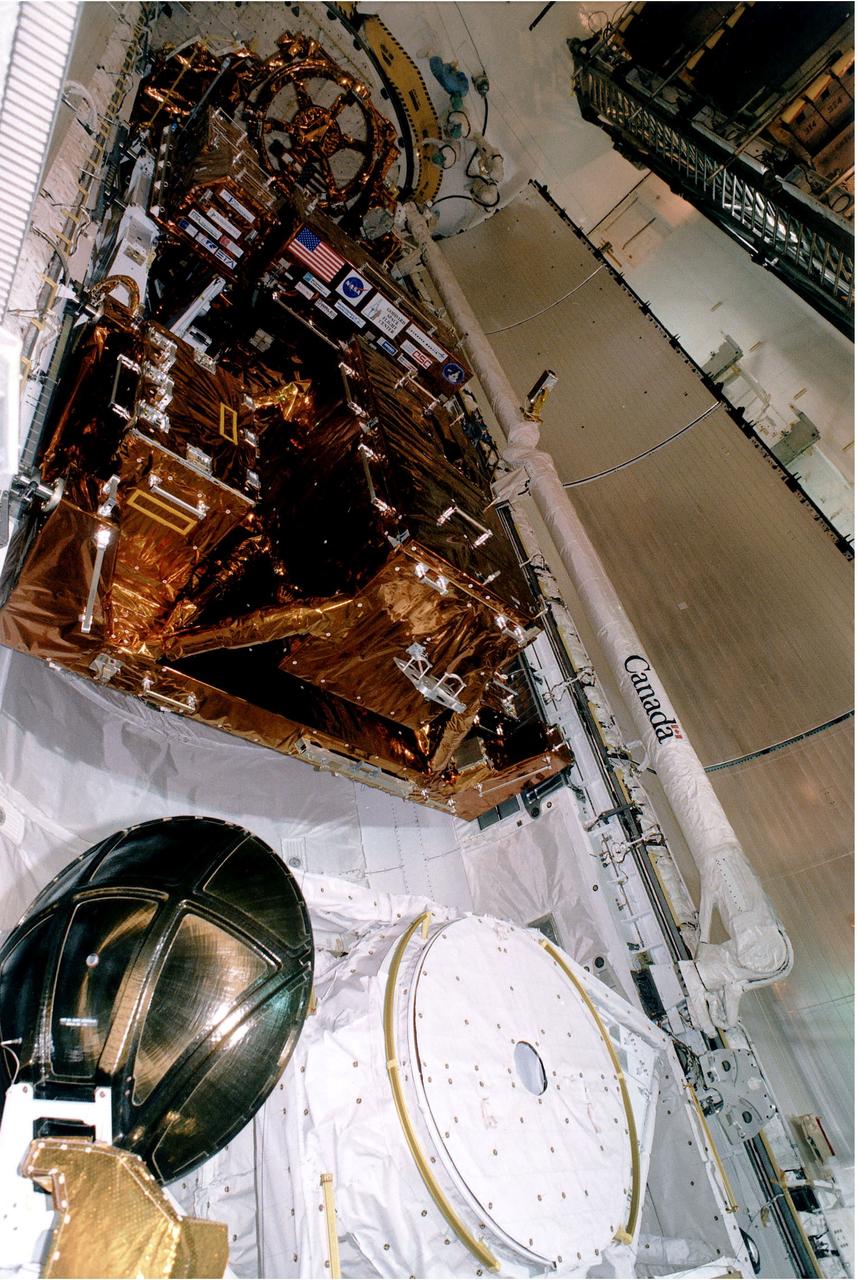
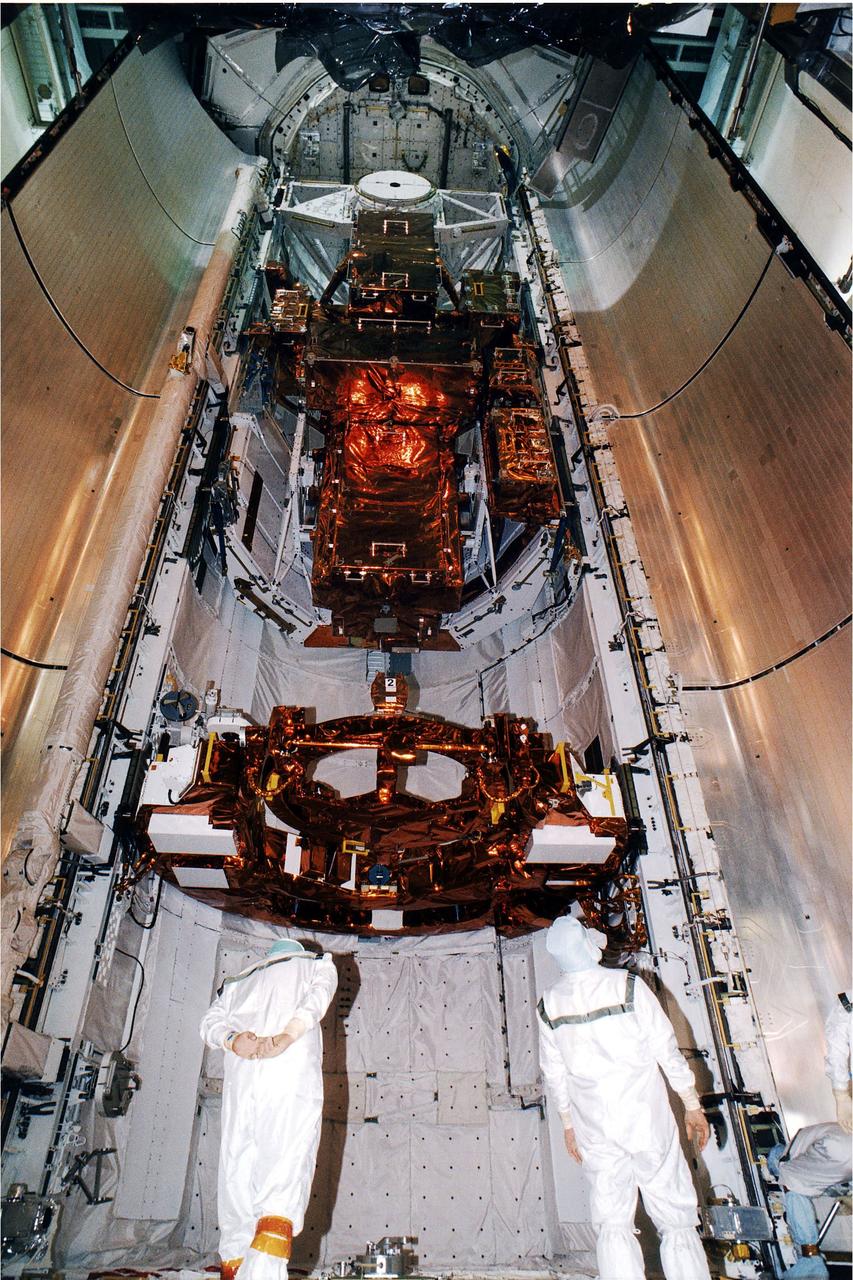
KENNEDY SPACE CENTER, FLA. -   At the KSC Launch Pad 39A, two members of the payload closeout crew check equipment as the doors are just about ready to be closed.  The Payload inside the bay of Discovery, the orbiter for the STS-82 mission, is ready for the launch of the second Hubble Space Telescope service mission.  The payload consists of the Near Infrared Camera and Multi-Object Spectrometer (NICMOS) that will be installed, Fine Guidance Sensor #1 (FGS-1), and the Space Telescope Imaging Spectrograph (STIS) to be installed. The STS-82 will launch with a crew of seven at 3:54 a.m. EST, Feb. 11, 1997. The launch window is 65 minutes in duration. The Mission Commander for STS-82 is Ken Bowersox. The purpose of the mission is to upgrade the scientific capabilities, service or replace aging components on the Telescope and provide a reboost to the optimum altitude.
KENNEDY SPACE CENTER, FLA. - At the KSC Launch Pad 39A, two members of the payload closeout crew check equipment as the doors are just about ready to be closed. The Payload inside the bay of Discovery, the orbiter for the STS-82 mission, is ready for the launch of the second Hubble Space Telescope service mission. The payload consists of the Near Infrared Camera and Multi-Object Spectrometer (NICMOS) that will be installed, Fine Guidance Sensor #1 (FGS-1), and the Space Telescope Imaging Spectrograph (STIS) to be installed. The STS-82 will launch with a crew of seven at 3:54 a.m. EST, Feb. 11, 1997. The launch window is 65 minutes in duration. The Mission Commander for STS-82 is Ken Bowersox. The purpose of the mission is to upgrade the scientific capabilities, service or replace aging components on the Telescope and provide a reboost to the optimum altitude.
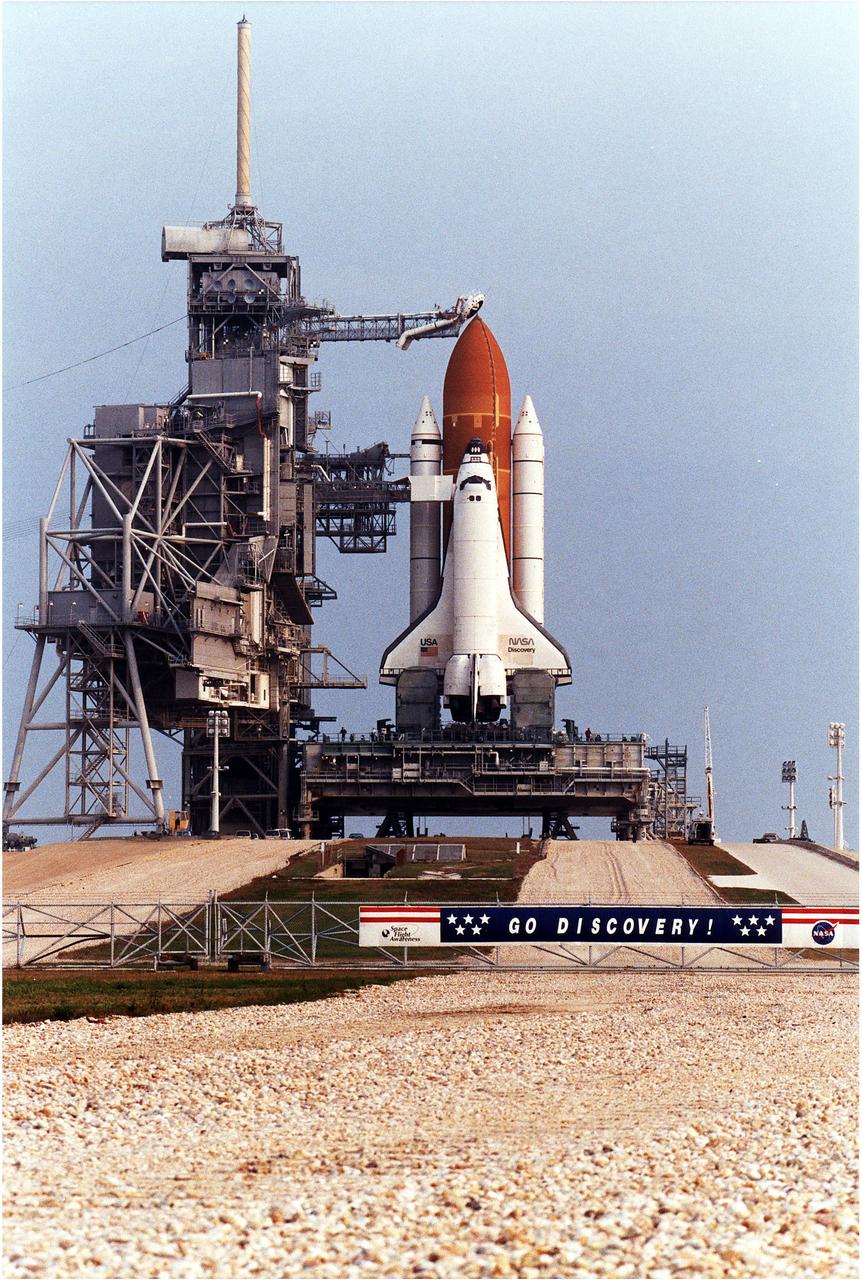
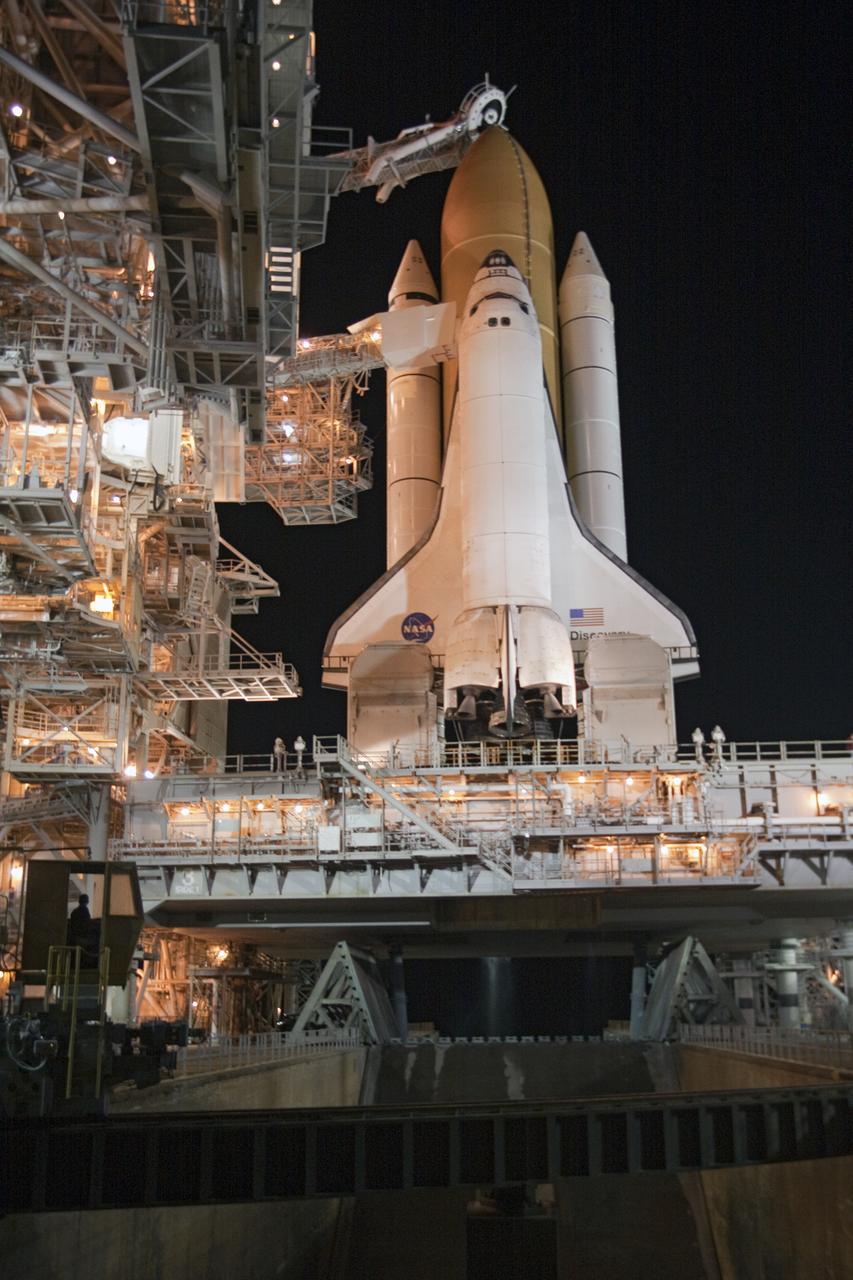
KENNEDY SPACE CENTER, FLA. -  The Rotating Service Structure has been retracted at KSC's Launch Pad 39A.   Discovery, the orbiter for the STS-82 mission, is ready for the launch of the second Hubble Space Telescope service mission.  The payload consists of the Near Infrared Camera and Multi-Object Spectrometer (NICMOS) that will be installed, Fine Guidance Sensor #1 (FGS-1), and the Space Telescope Imaging Spectrograph (STIS) to be installed. The STS-82 will launch with a crew of seven at 3:54 a.m. EST, Feb. 11, 1997. The launch window is 65 minutes in duration. The Mission Commander for STS-82 is Ken Bowersox. The purpose of the mission is to upgrade the scientific capabilities, service or replace aging components on the Telescope, and provide a reboost to the optimum altitude.
KENNEDY SPACE CENTER, FLA. - The Rotating Service Structure has been retracted at KSC's Launch Pad 39A. Discovery, the orbiter for the STS-82 mission, is ready for the launch of the second Hubble Space Telescope service mission. The payload consists of the Near Infrared Camera and Multi-Object Spectrometer (NICMOS) that will be installed, Fine Guidance Sensor #1 (FGS-1), and the Space Telescope Imaging Spectrograph (STIS) to be installed. The STS-82 will launch with a crew of seven at 3:54 a.m. EST, Feb. 11, 1997. The launch window is 65 minutes in duration. The Mission Commander for STS-82 is Ken Bowersox. The purpose of the mission is to upgrade the scientific capabilities, service or replace aging components on the Telescope, and provide a reboost to the optimum altitude.
KENNEDY SPACE CENTER, FLA. -  The White Room is seen at the upper left where the astronauts enter the Space Shuttle for flight.  The Rotating Service Structure has been retracted at KSC's Launch Pad 39A.   Discovery, the orbiter for the STS-82 mission, is ready for the launch of the second Hubble Space Telescope service mission.  The payload consists of the Near Infrared Camera and Multi-Object Spectrometer (NICMOS) that will be installed, Fine Guidance Sensor #1 (FGS-1), and the Space Telescope Imaging Spectrograph (STIS) to be installed. The STS-82 will launch with a crew of seven at 3:54 a.m. EST, Feb. 11, 1997. The launch window is 65 minutes in duration. The Mission Commander for STS-82 is Ken Bowersox. The purpose of the mission is to upgrade the scientific capabilities, service or replace aging components on the Telescope, and provide a reboost to the optimum altitude.
KENNEDY SPACE CENTER, FLA. - The White Room is seen at the upper left where the astronauts enter the Space Shuttle for flight. The Rotating Service Structure has been retracted at KSC's Launch Pad 39A. Discovery, the orbiter for the STS-82 mission, is ready for the launch of the second Hubble Space Telescope service mission. The payload consists of the Near Infrared Camera and Multi-Object Spectrometer (NICMOS) that will be installed, Fine Guidance Sensor #1 (FGS-1), and the Space Telescope Imaging Spectrograph (STIS) to be installed. The STS-82 will launch with a crew of seven at 3:54 a.m. EST, Feb. 11, 1997. The launch window is 65 minutes in duration. The Mission Commander for STS-82 is Ken Bowersox. The purpose of the mission is to upgrade the scientific capabilities, service or replace aging components on the Telescope, and provide a reboost to the optimum altitude.
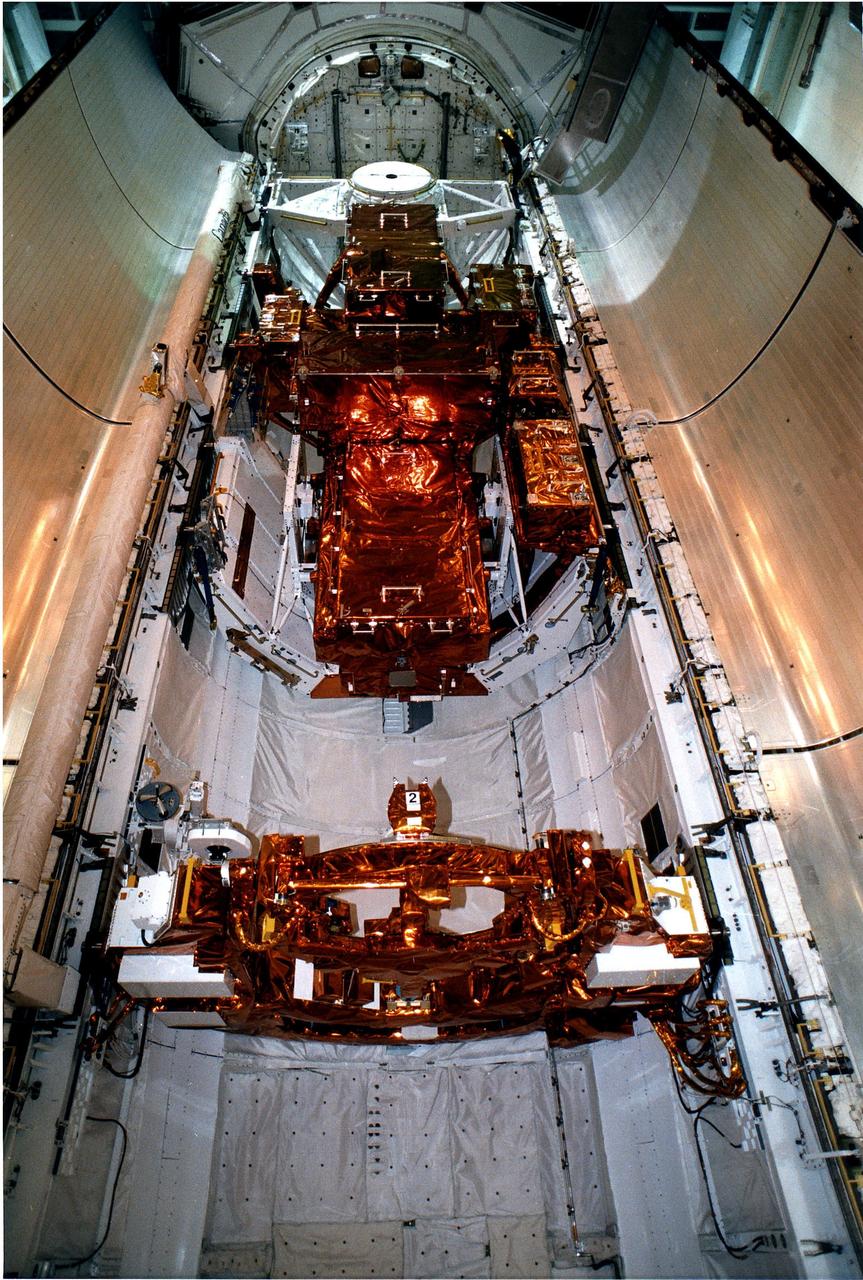
KENNEDY SPACE CENTER, FLA. -  The Payload is seen inside of the Bay just before the doors are closed for flight at KSC's Launch Pad 39A.   Discovery, the orbiter for the STS-82 mission, is ready for the launch of the second Hubble Space Telescope service mission.  The payload consists of the Near Infrared Camera and Multi-Object Spectrometer (NICMOS) that will be installed, Fine Guidance Sensor #1 (FGS-1), and the Space Telescope Imaging Spectrograph (STIS) to be installed. The STS-82 will launch with a crew of seven at 3:54 a.m. EST, Feb. 11, 1997. The launch window is 65 minutes in duration. The Mission Commander for STS-82 is Ken Bowersox. The purpose of the mission is to upgrade the scientific capabilities, service or replace aging components on the Telescope, and provide a reboost to the optimum altitude.
KENNEDY SPACE CENTER, FLA. - The Payload is seen inside of the Bay just before the doors are closed for flight at KSC's Launch Pad 39A. Discovery, the orbiter for the STS-82 mission, is ready for the launch of the second Hubble Space Telescope service mission. The payload consists of the Near Infrared Camera and Multi-Object Spectrometer (NICMOS) that will be installed, Fine Guidance Sensor #1 (FGS-1), and the Space Telescope Imaging Spectrograph (STIS) to be installed. The STS-82 will launch with a crew of seven at 3:54 a.m. EST, Feb. 11, 1997. The launch window is 65 minutes in duration. The Mission Commander for STS-82 is Ken Bowersox. The purpose of the mission is to upgrade the scientific capabilities, service or replace aging components on the Telescope, and provide a reboost to the optimum altitude.
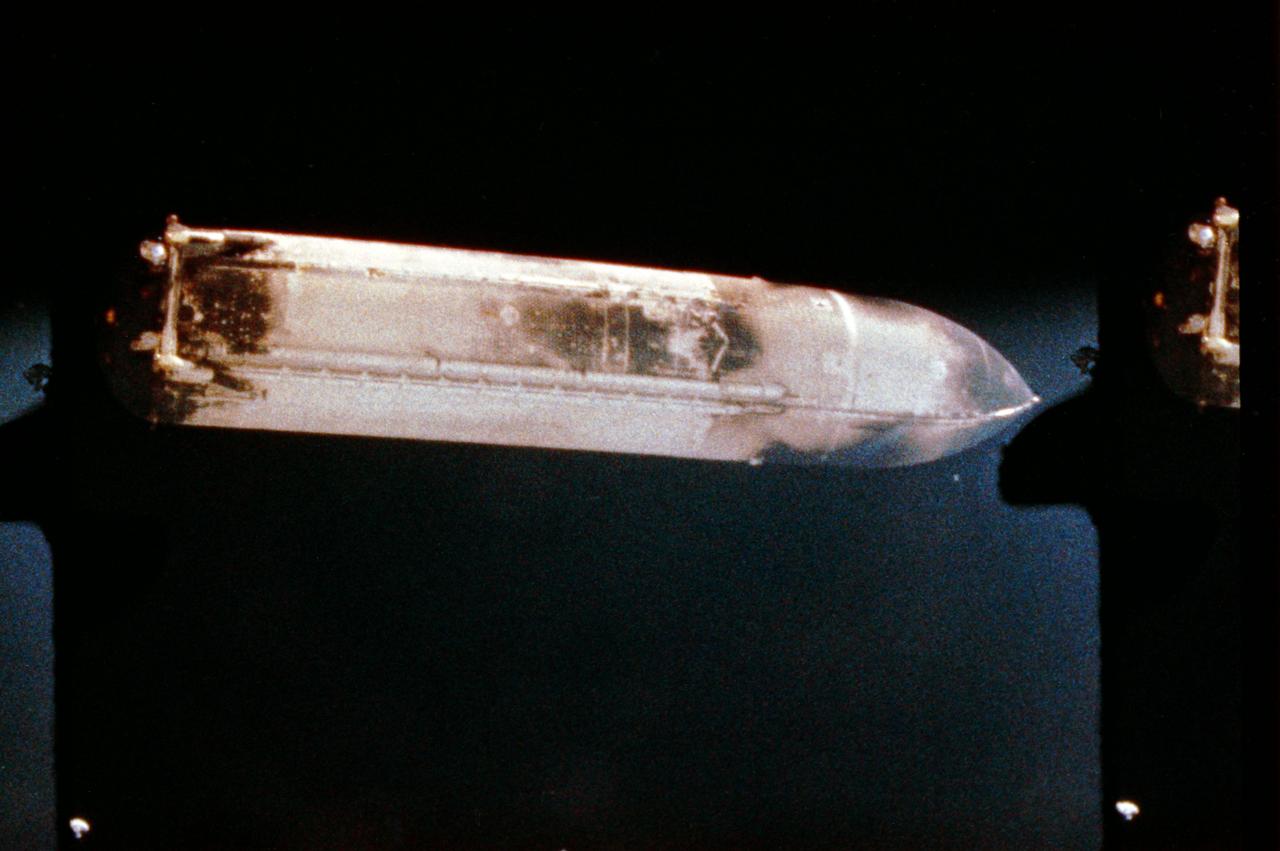
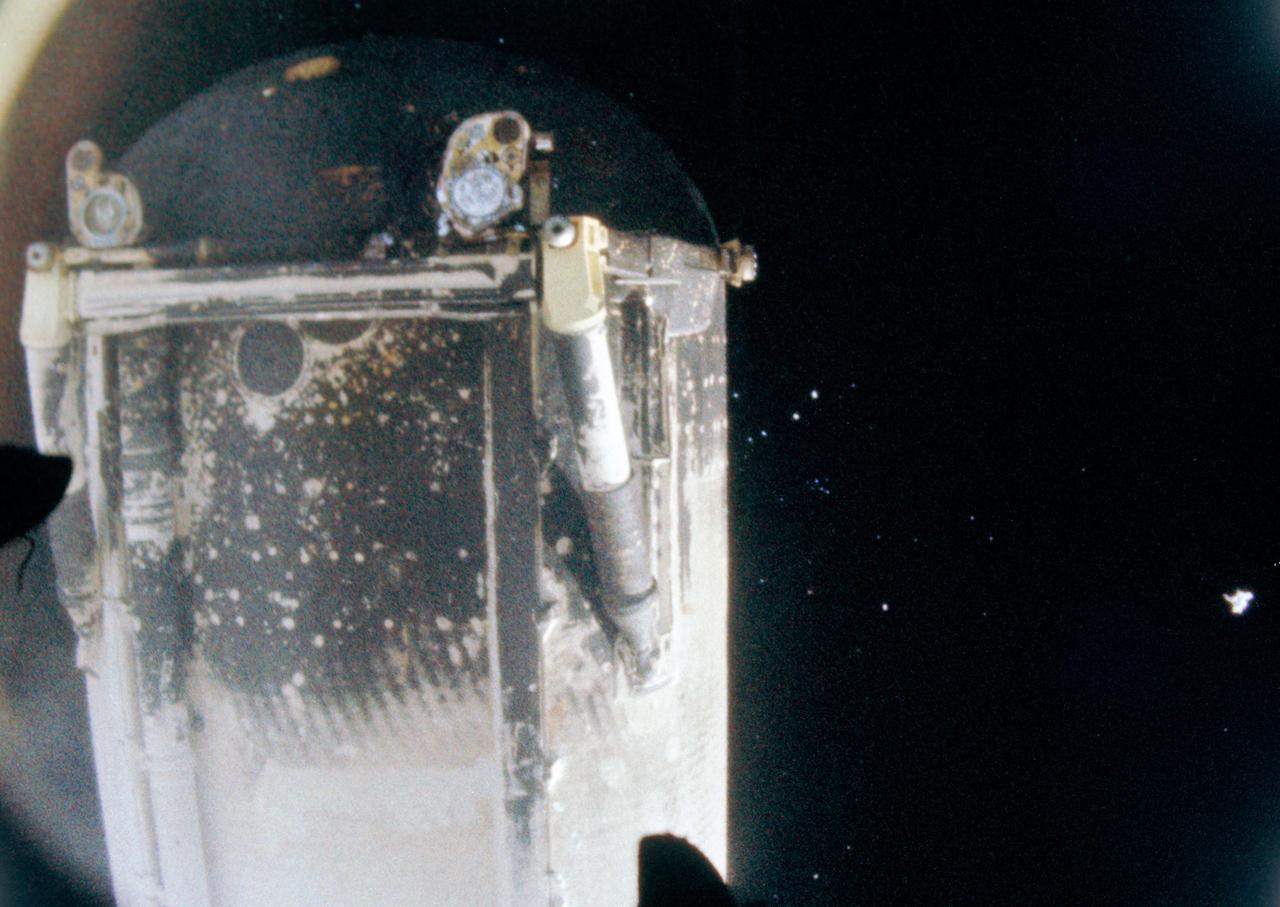
S81-30509 (12 April 1981) --- Separation of space shuttle Columbia?s external tank, photographed by motion picture cameras in the umbilical bays, occurred following the shutdown of the vehicle?s three main engines.  The Columbia?s cameras were able to record the underside of the tank as the orbiter headed toward its Earth-orbital mission with astronauts John W. Young and Robert L. Crippen aboard, and the fuel tank fell toward Earth, passing through the atmosphere rapidly. Photo credit: NASA
LAUNCH (SOLID ROCKET BOOSTER [SRB]) - STS-1
S81-30505 (12 April 1981) --- Separation of space shuttle Columbia?s external tank, photographed by motion picture cameras in the umbilical bays, occurred following the shutdown of the vehicle?s three main engines.  Columbia?s cameras were able to record the bottom side of the tank as the orbiter headed toward its Earth-orbital mission with astronauts John W. Young and Robert L. Crippen aboard and the fuel tank fell toward Earth, passing through the atmosphere rapidly.  Liquid oxygen and liquid hydrogen umbilical connectors can be seen at the bottom of the tank. For orientation, the photo should be held with the rounded end at bottom of the frame. Photo credit: NASA
LAUNCH (SOLID ROCKET BOOSTER [SRB]) - STS-1
KENNEDY SPACE CENTER, FLA. -   The Payload is seen inside of the Bay just before the doors are closed for flight at Pad 39A, Kennedy Space Center, Fla.  Discovery, the orbiter for STS-82 mission, is ready for the launch of the second Hubble Space Telescope service mission.  The payload consists of the Near Infrared Camera and Multi-Object Spectrometer (NICMOS) that will be installed, Fine Guidance Sensor #1 (FGS-1), and the Space Telescope Imaging Spectrograph (STIS) to be installed.  The STS-82 will launch with a crew of seven at 3:54 a.m. EST, Feb. 11, 1997.  The launch window is 65 minutes in duration.  The Mission Commander for STS-82 is Ken Bowersox.  The purpose of the mission is to upgrade the scientific capabilities, service or replace aging components on the Telescope, and provide a reboost to the optimum altitude.
KENNEDY SPACE CENTER, FLA. - The Payload is seen inside of the Bay just before the doors are closed for flight at Pad 39A, Kennedy Space Center, Fla. Discovery, the orbiter for STS-82 mission, is ready for the launch of the second Hubble Space Telescope service mission. The payload consists of the Near Infrared Camera and Multi-Object Spectrometer (NICMOS) that will be installed, Fine Guidance Sensor #1 (FGS-1), and the Space Telescope Imaging Spectrograph (STIS) to be installed. The STS-82 will launch with a crew of seven at 3:54 a.m. EST, Feb. 11, 1997. The launch window is 65 minutes in duration. The Mission Commander for STS-82 is Ken Bowersox. The purpose of the mission is to upgrade the scientific capabilities, service or replace aging components on the Telescope, and provide a reboost to the optimum altitude.
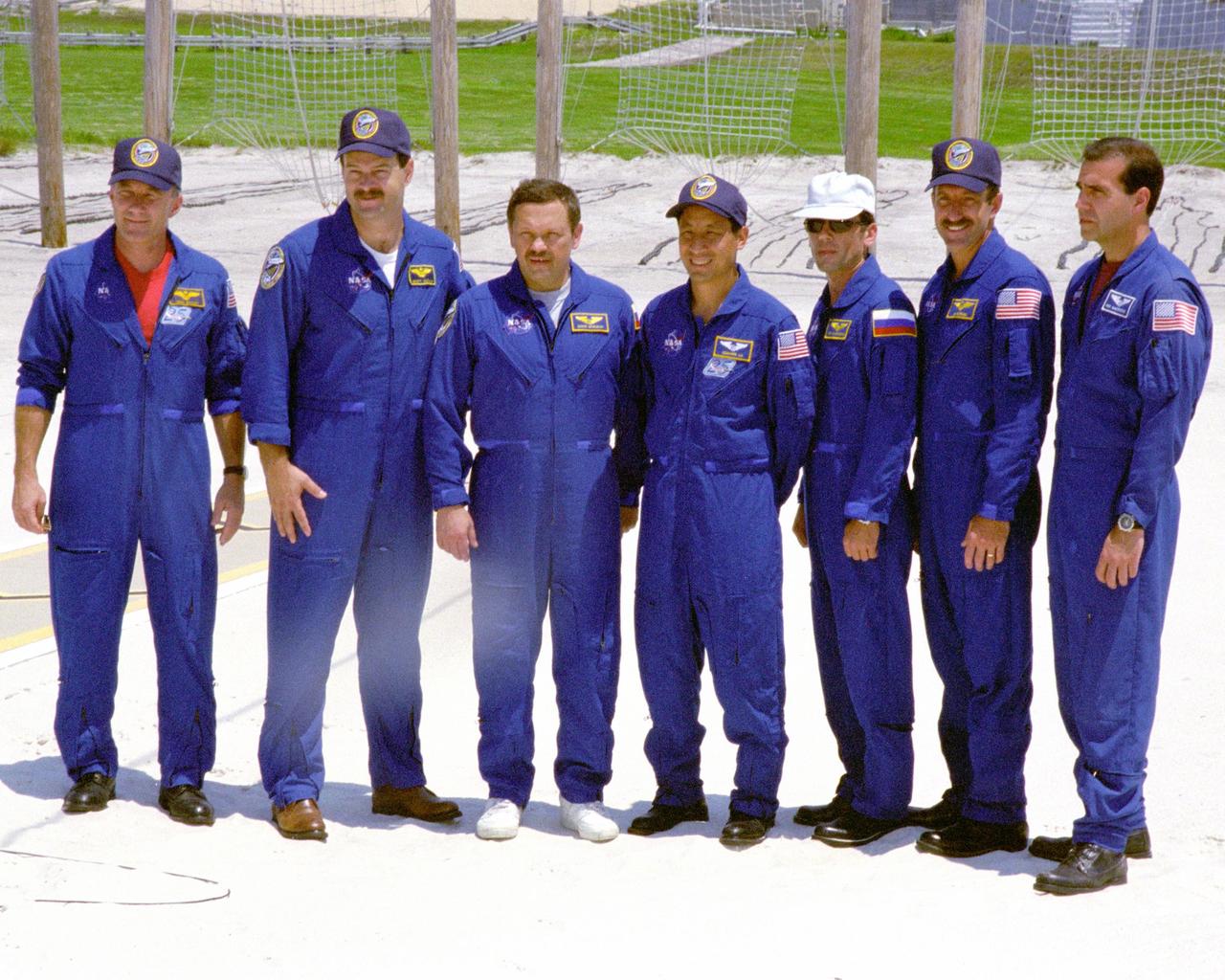
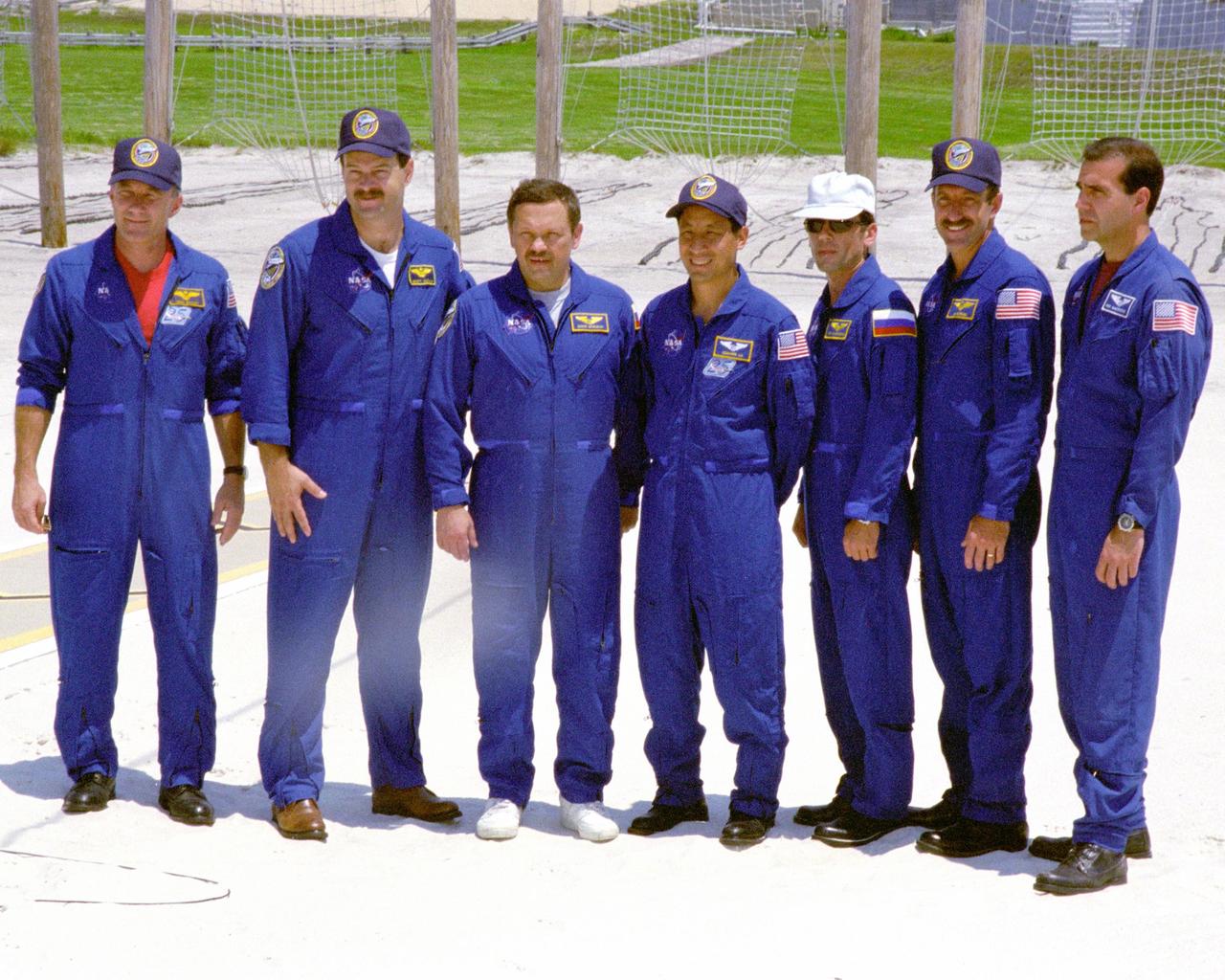
KENNEDY SPACE CENTER, FLA. - The STS-106 flight crew participate in a question and answer session for the media at the slide wire basket area of Launch Pad 39-B. Crew members pictured are, from left, Commander Terrence W. Wilcutt, Pilot Scott D. Altman, Mission Specialists Boris V. Morukov, Edward T. Lu, Yuri I. Malenchenko, Daniel C. Burbank and Richard A. Mastracchio. Malenchenko and Morukov are with the Russian Aviation and Space Agency. The flight crew were at Kennedy Space Center to take part in Terminal Countdown Demonstration Test (TCDT) activities. The TCDT provides the crew with emergency egress training and opportunities to inspect their mission payload in the orbiter’s payload bay. STS-106 is scheduled to launch Sept. 8, 2000, at 8:31 a.m. EDT from Launch Pad 39B. On the 11-day mission, the seven-member crew will perform support tasks on orbit, transfer supplies and prepare the living quarters in the newly arrived Zvezda Service Module. The first long-duration crew, dubbed “Expedition One,” is due to arrive at the Station in late fall.
KSC00PP-1169
KENNEDY SPACE CENTER, FLA. - The STS-106 flight crew participate in a question and answer session for the media at the slide wire basket area of Launch Pad 39-B. Crew members pictured are, from left, Commander Terrence W. Wilcutt, Pilot Scott D. Altman, Mission Specialists Boris V. Morukov, Edward T. Lu, Yuri I. Malenchenko, Daniel C. Burbank and Richard A. Mastracchio. Malenchenko and Morukov are with the Russian Aviation and Space Agency. The flight crew were at Kennedy Space Center to take part in Terminal Countdown Demonstration Test (TCDT) activities. The TCDT provides the crew with emergency egress training and opportunities to inspect their mission payload in the orbiter’s payload bay. STS-106 is scheduled to launch Sept. 8, 2000, at 8:31 a.m. EDT from Launch Pad 39B. On the 11-day mission, the seven-member crew will perform support tasks on orbit, transfer supplies and prepare the living quarters in the newly arrived Zvezda Service Module. The first long-duration crew, dubbed “Expedition One,” is due to arrive at the Station in late fall.
KSC-00PP-1169
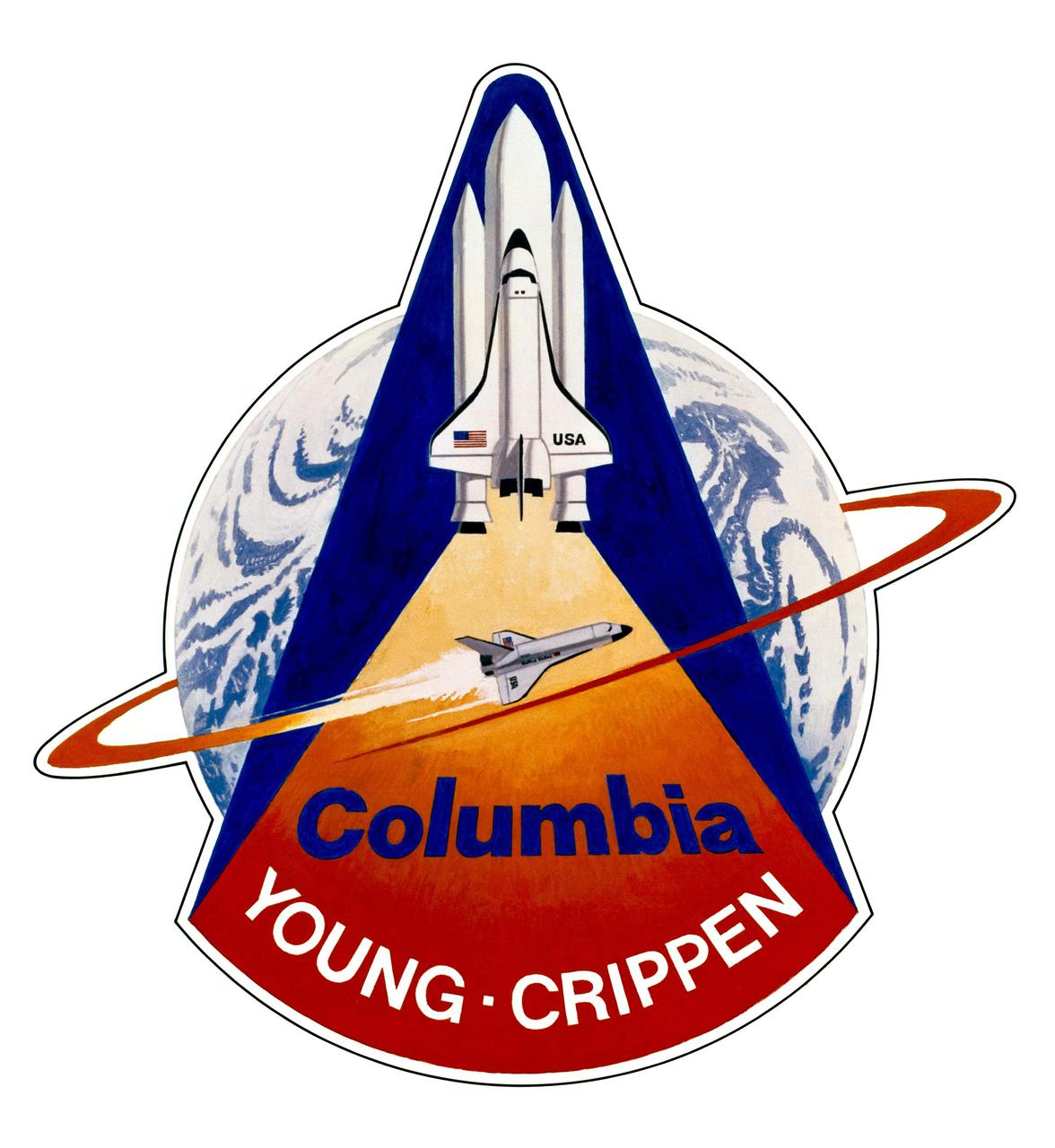
KENNEDY SPACE CENTER, FLA.  -    This is the official insignia for the first Space Shuttle orbital flight test (STS-1). Crew of the OV-102 Columbia on STS-1 will be astronauts John W. Young, commander, and Robert L. Crippen, pilot. The artwork was done by artist Robert McCall.   The STS-1 mission, known as a shuttle systems test flight, will seek to demonstrate safe launch into orbit and safe return of the orbiter and crew and verify the combined performance of the entire shuttle vehicle -- orbiter, solid rocket boosters and external tank.  STS-1 will be launched from Pad A at the Kennedy Space Center's Launch Complex 39 no earlier than March 1981.
KSC-79pc-0242
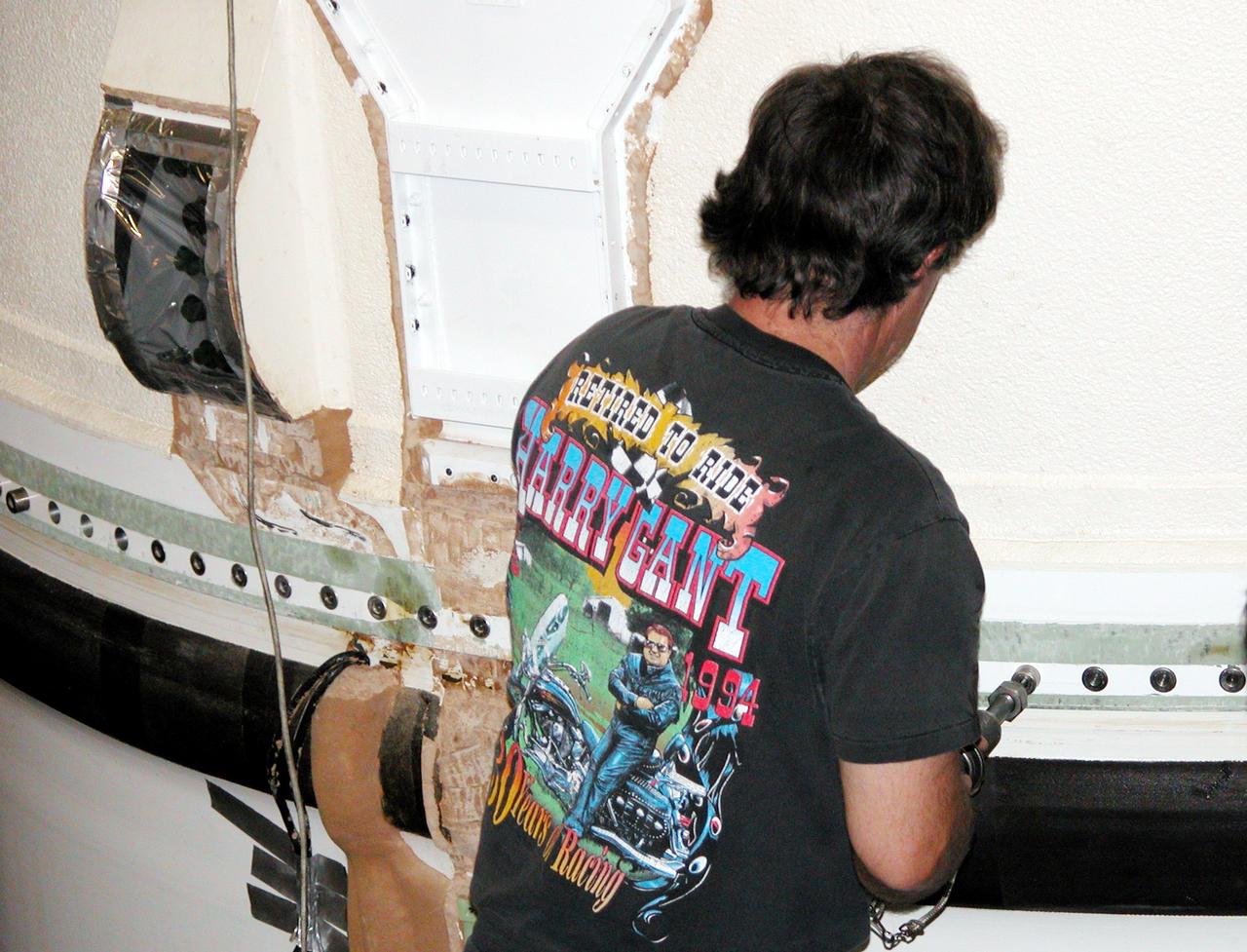
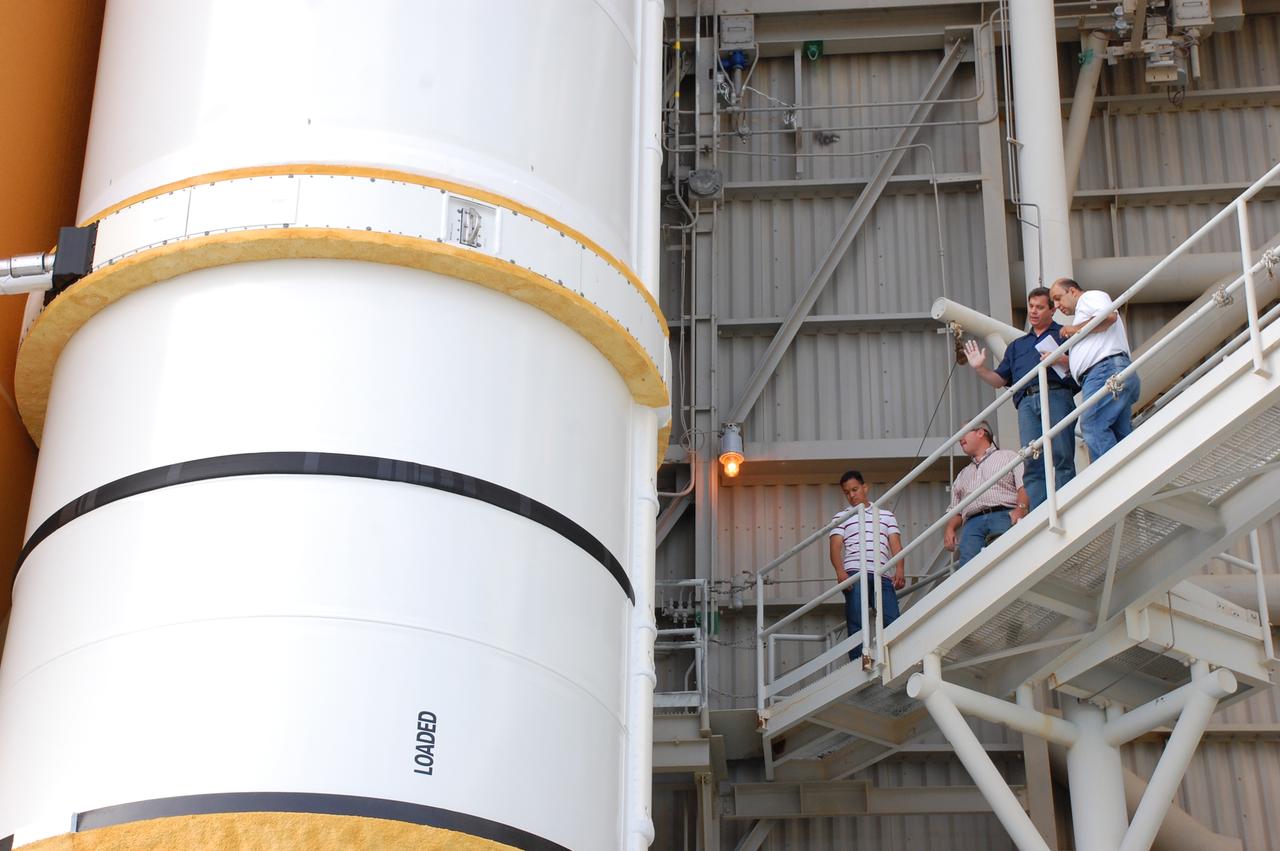
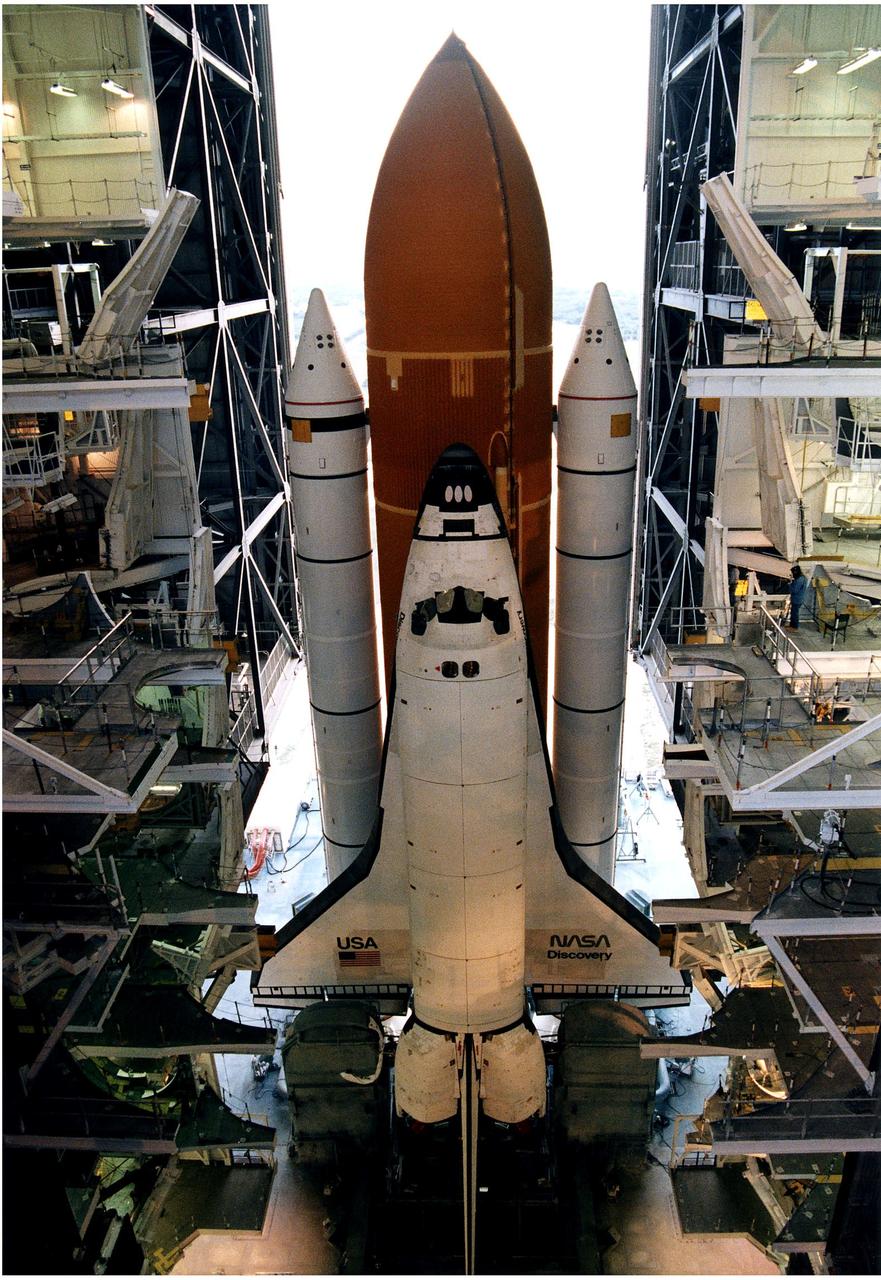
KENNEDY SPACE CENTER, FLA. -  In the Vehicle Assembly Building, a KSC employee loosens a bolt on part of the forward assembly of a solid rocket booster (SRB) before destacking.  The SRB was part of the stack on Atlantis originally scheduled for a March 1, 2003, launch on mission STS-114.  The SRBs and external tank were demated in February 2003.   The destacking is part of time and cycle activities.  STS-114 is now scheduled to occur no earlier than Sept. 12, 2004, on Atlantis.
KENNEDY SPACE CENTER, FLA. - In the Vehicle Assembly Building, a KSC employee loosens a bolt on part of the forward assembly of a solid rocket booster (SRB) before destacking. The SRB was part of the stack on Atlantis originally scheduled for a March 1, 2003, launch on mission STS-114. The SRBs and external tank were demated in February 2003. The destacking is part of time and cycle activities. STS-114 is now scheduled to occur no earlier than Sept. 12, 2004, on Atlantis.
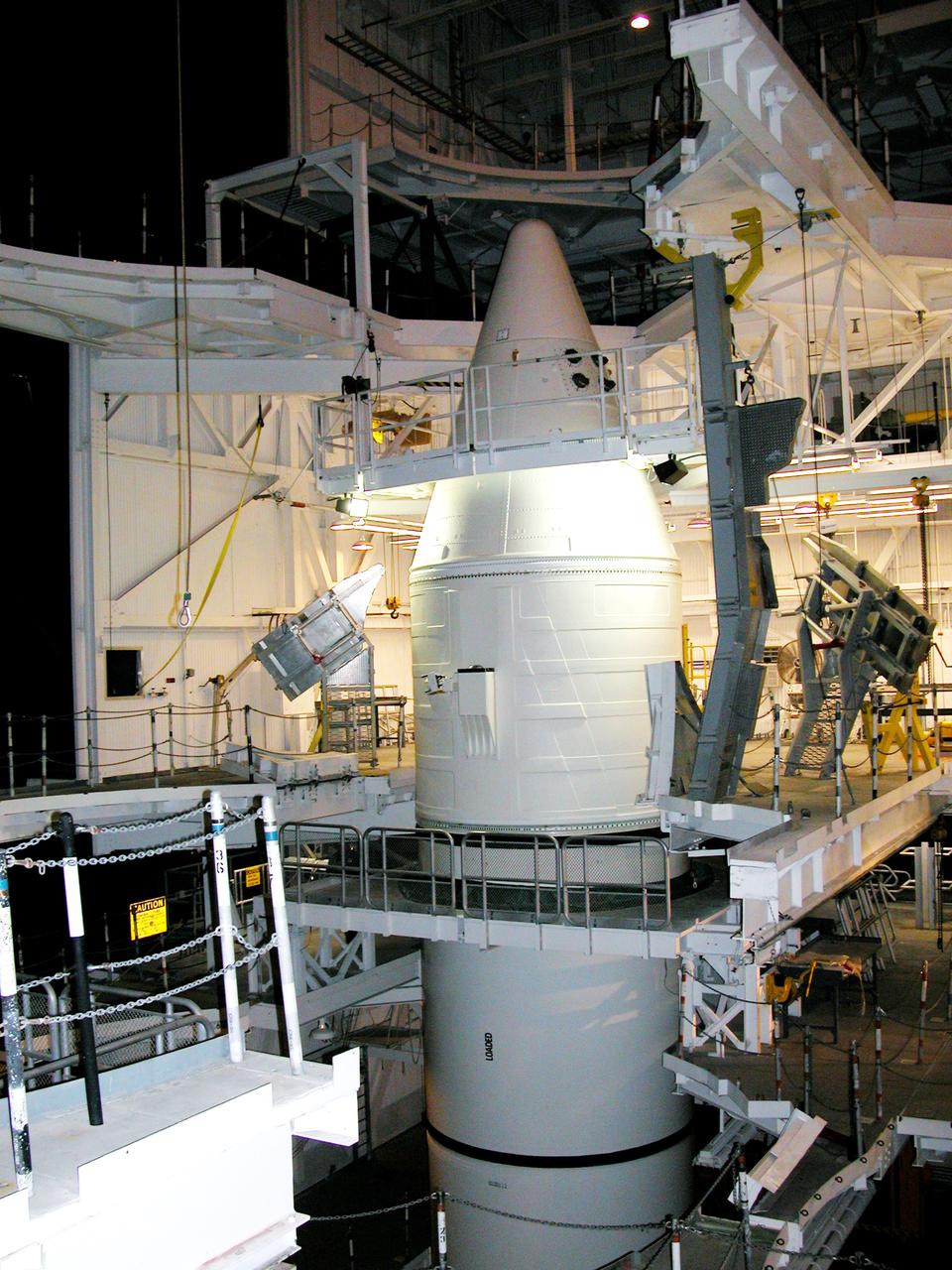
KENNEDY SPACE CENTER, FLA. -  In the Vehicle Assembly Building, the forward assembly of this solid rocket booster (SRB) is ready for destacking, part of time and cycle activities. The SRB was part of the stack on Atlantis originally scheduled for a March 1, 2003, launch on mission STS-114.  The SRBs and external tank were demated in February 2003.  STS-114 is now scheduled to occur no earlier than Sept. 12, 2004, on Atlantis.
KENNEDY SPACE CENTER, FLA. - In the Vehicle Assembly Building, the forward assembly of this solid rocket booster (SRB) is ready for destacking, part of time and cycle activities. The SRB was part of the stack on Atlantis originally scheduled for a March 1, 2003, launch on mission STS-114. The SRBs and external tank were demated in February 2003. STS-114 is now scheduled to occur no earlier than Sept. 12, 2004, on Atlantis.
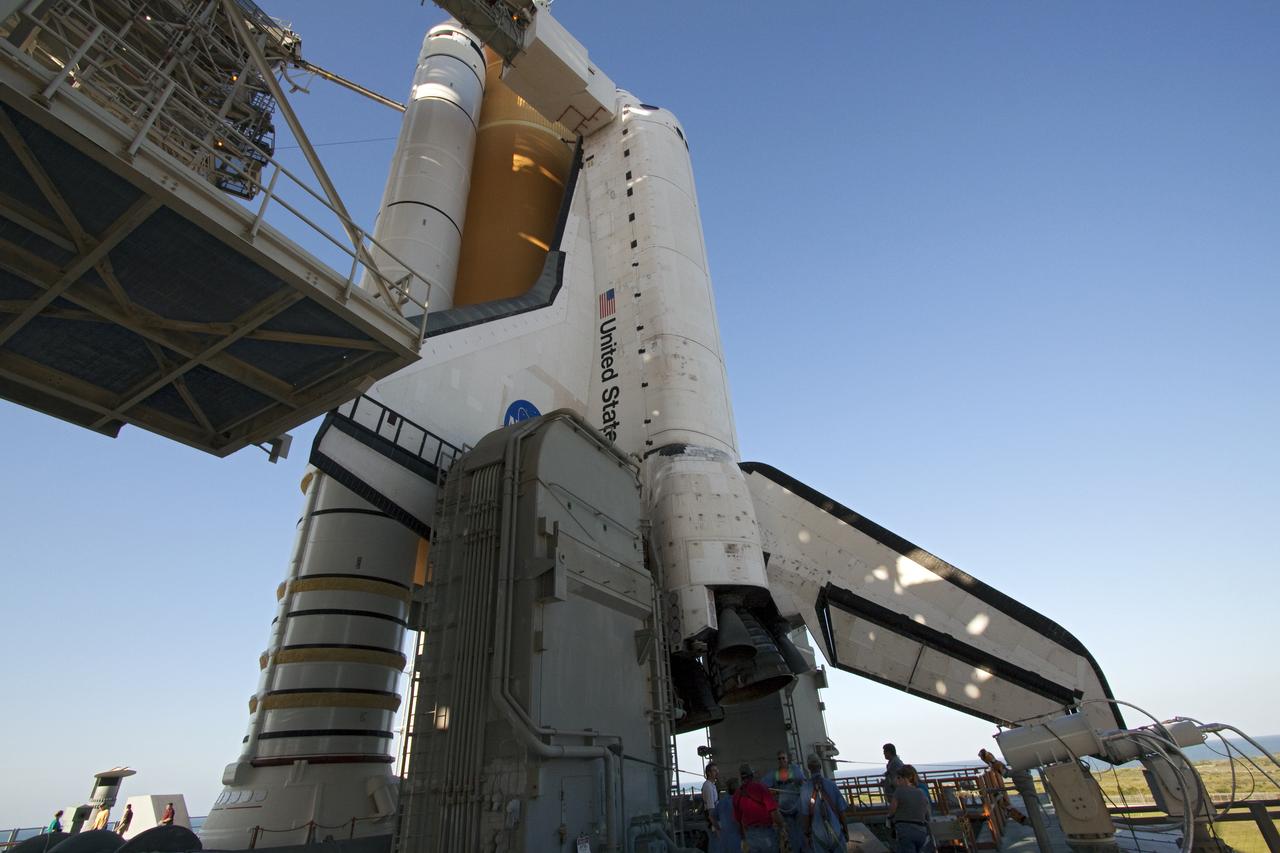
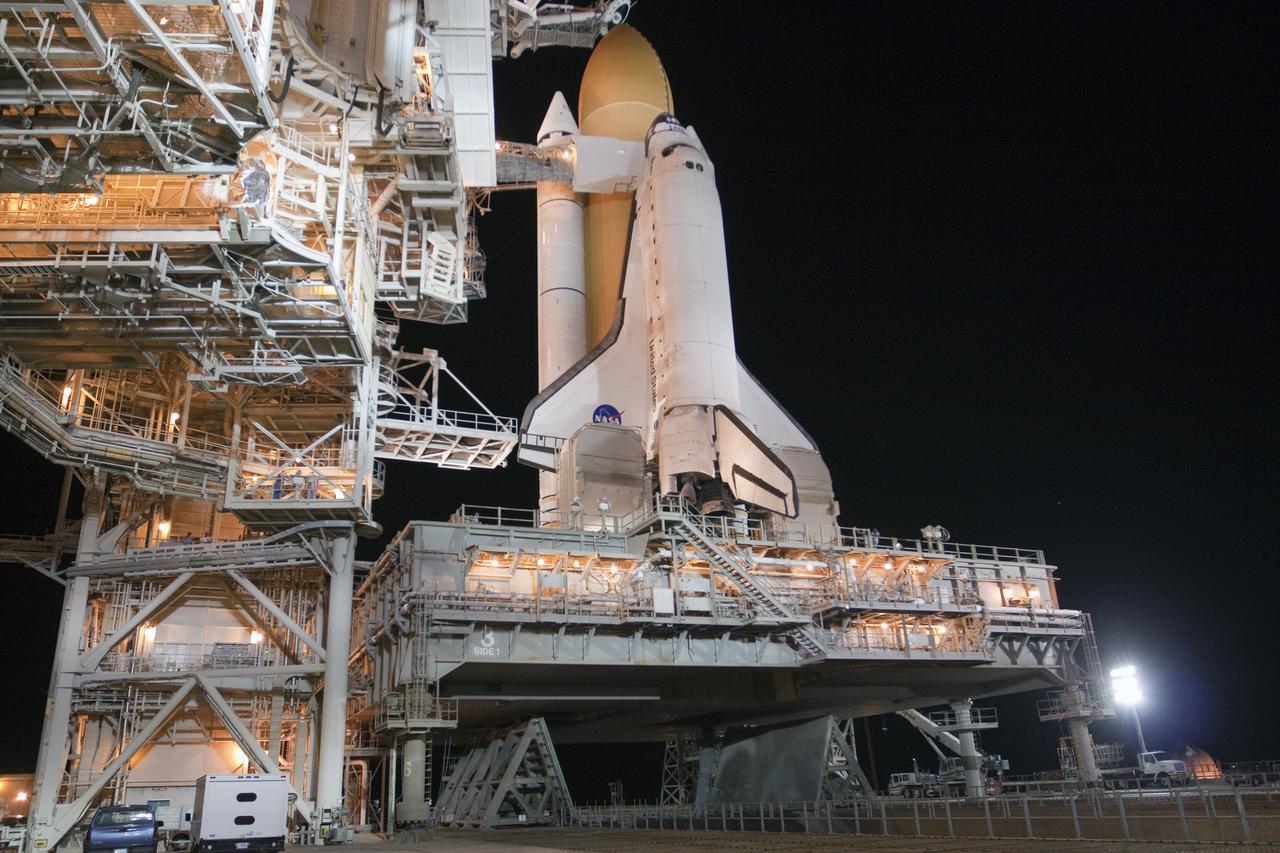
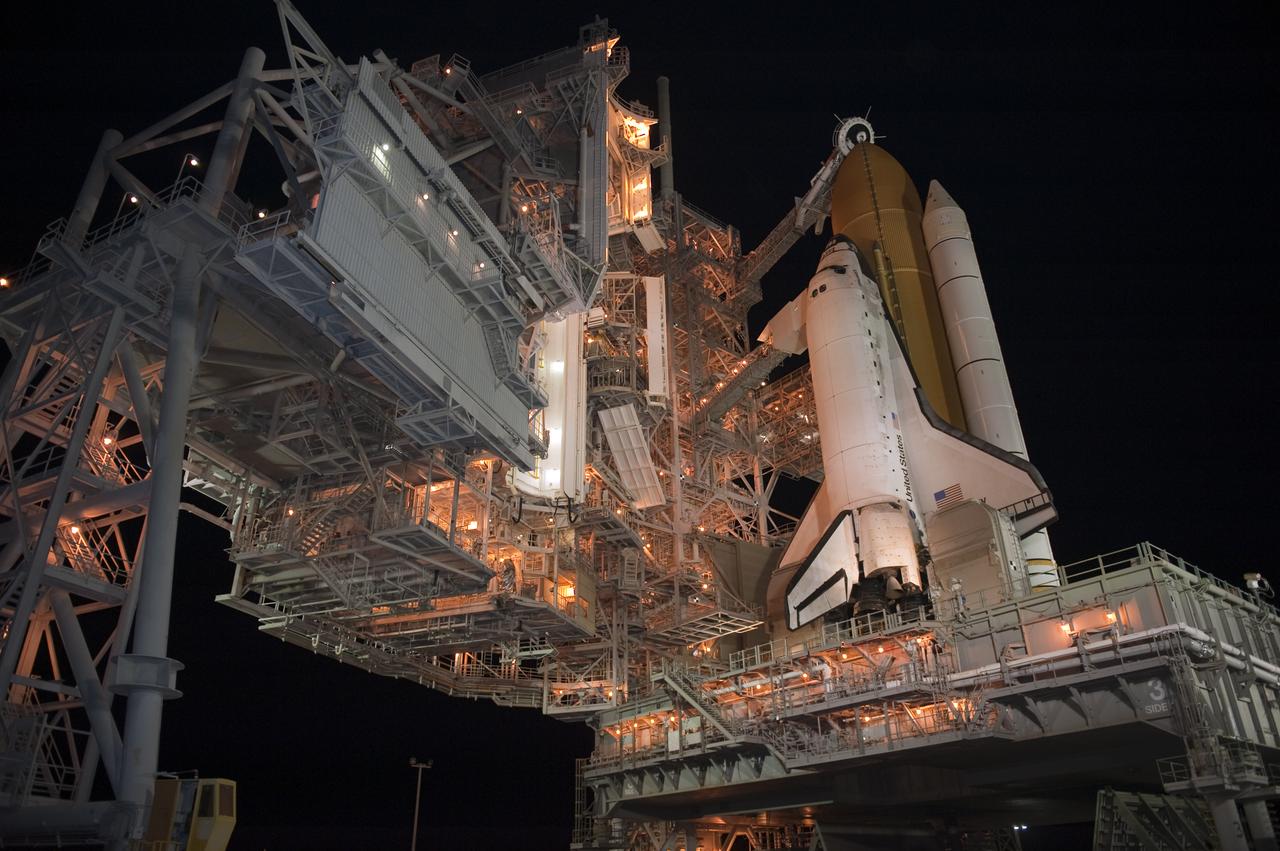
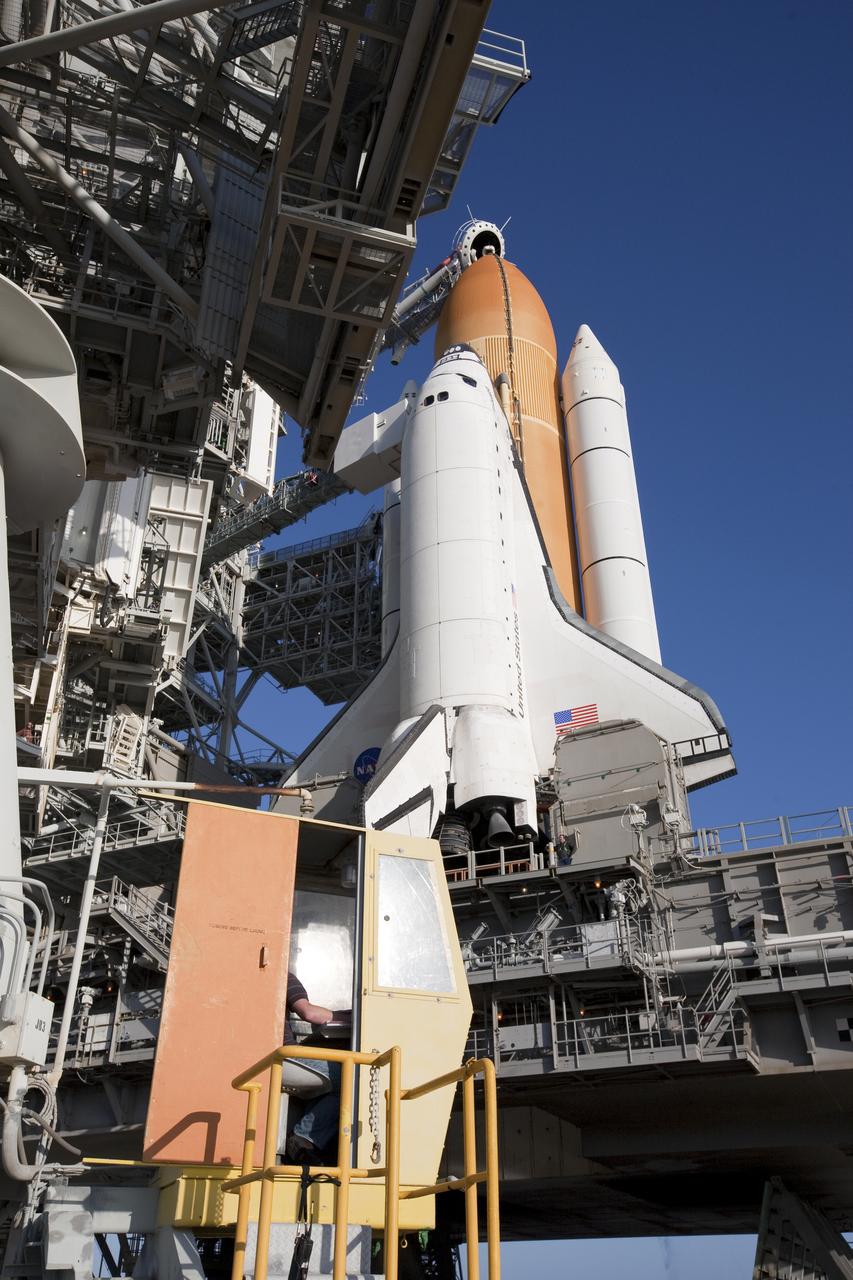
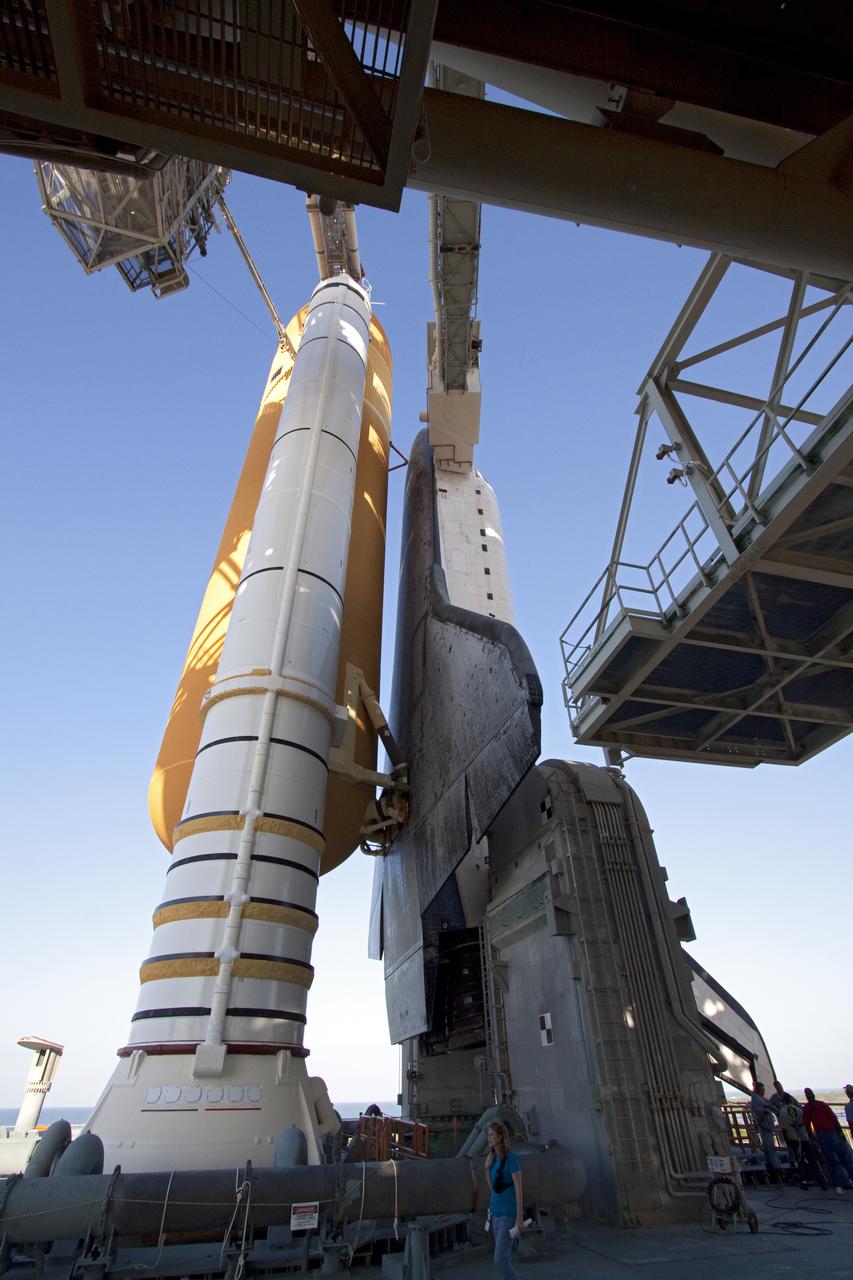
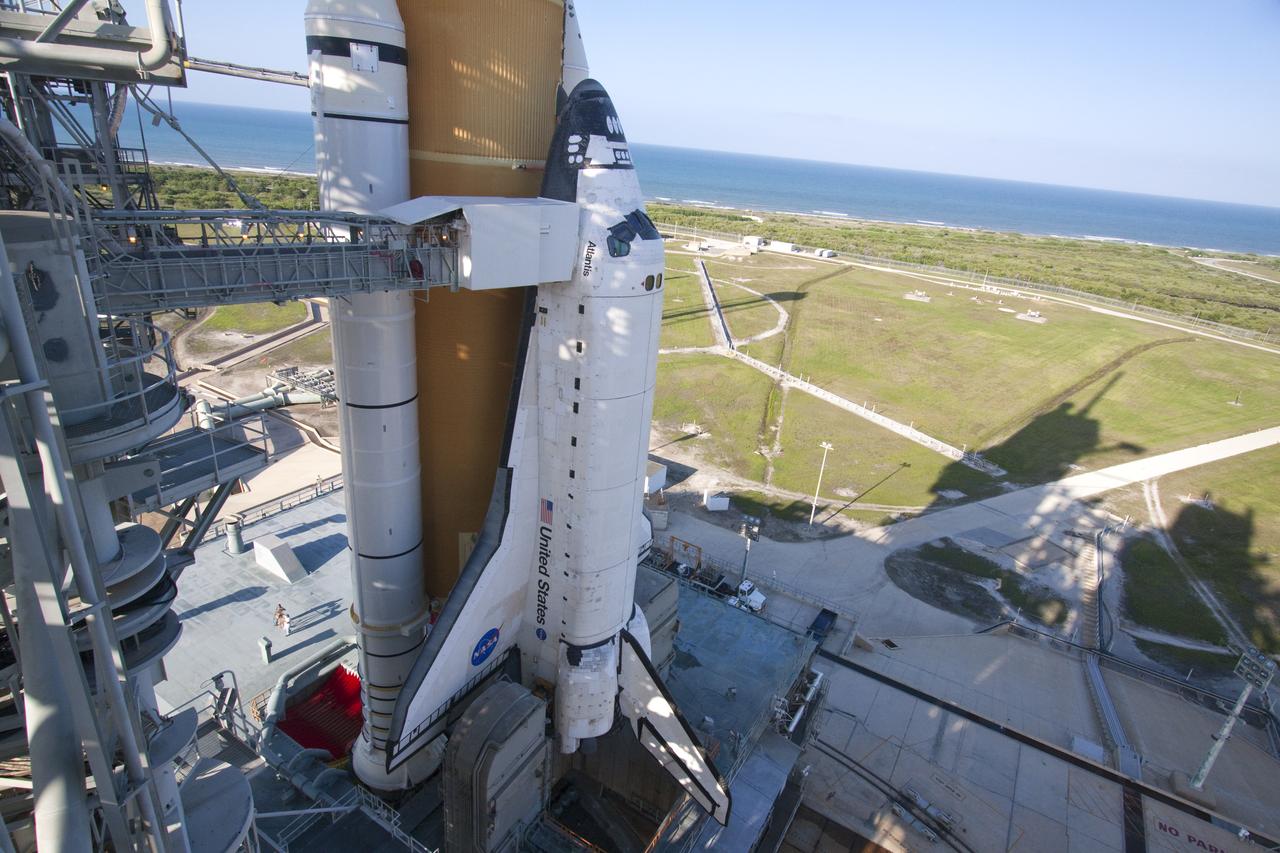
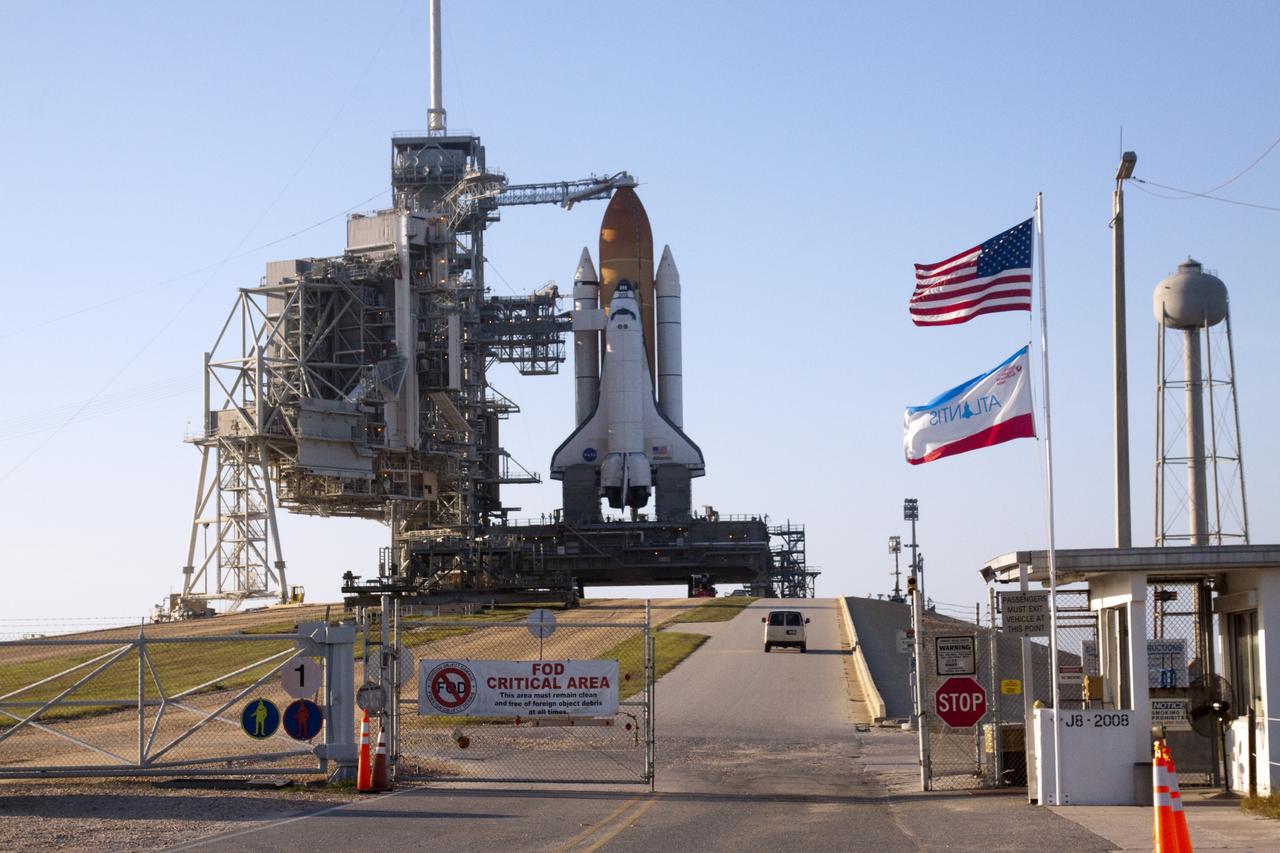
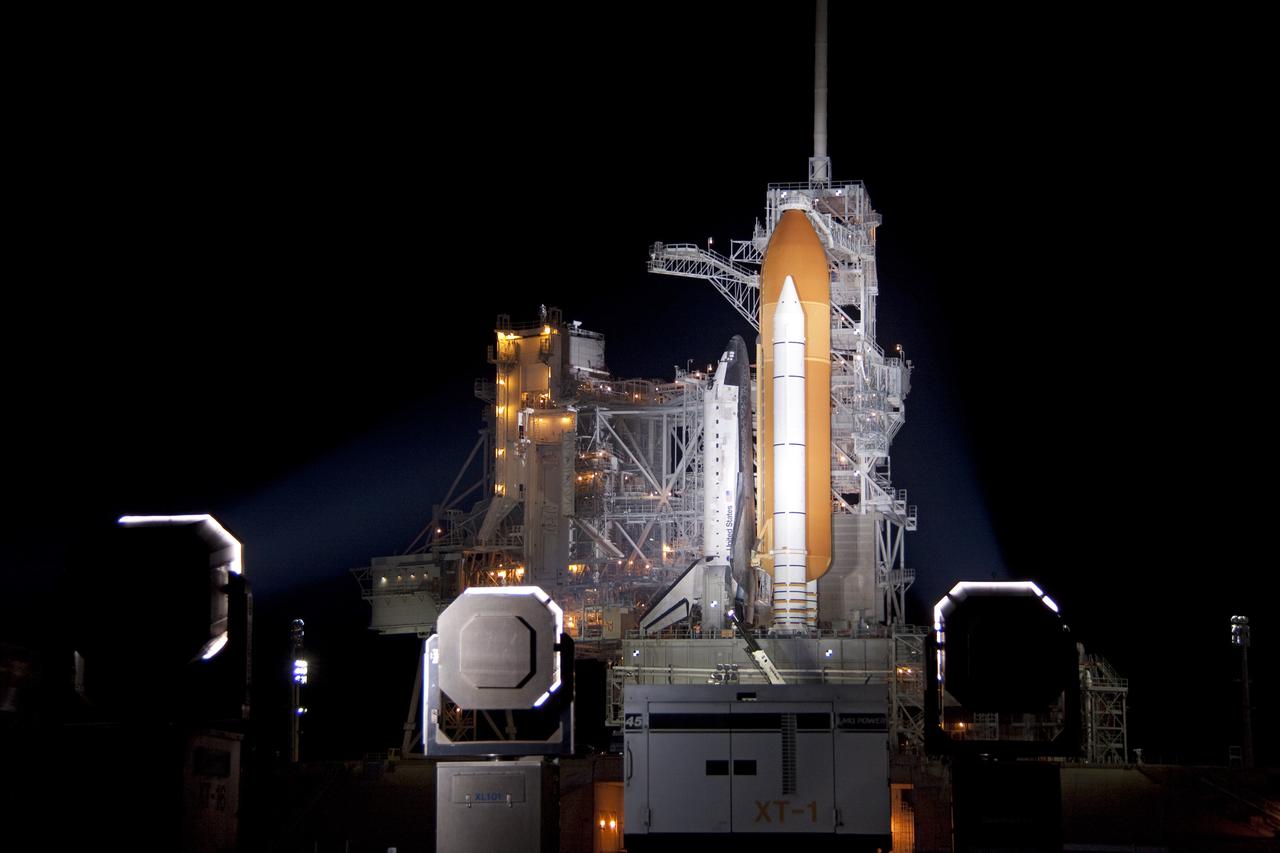
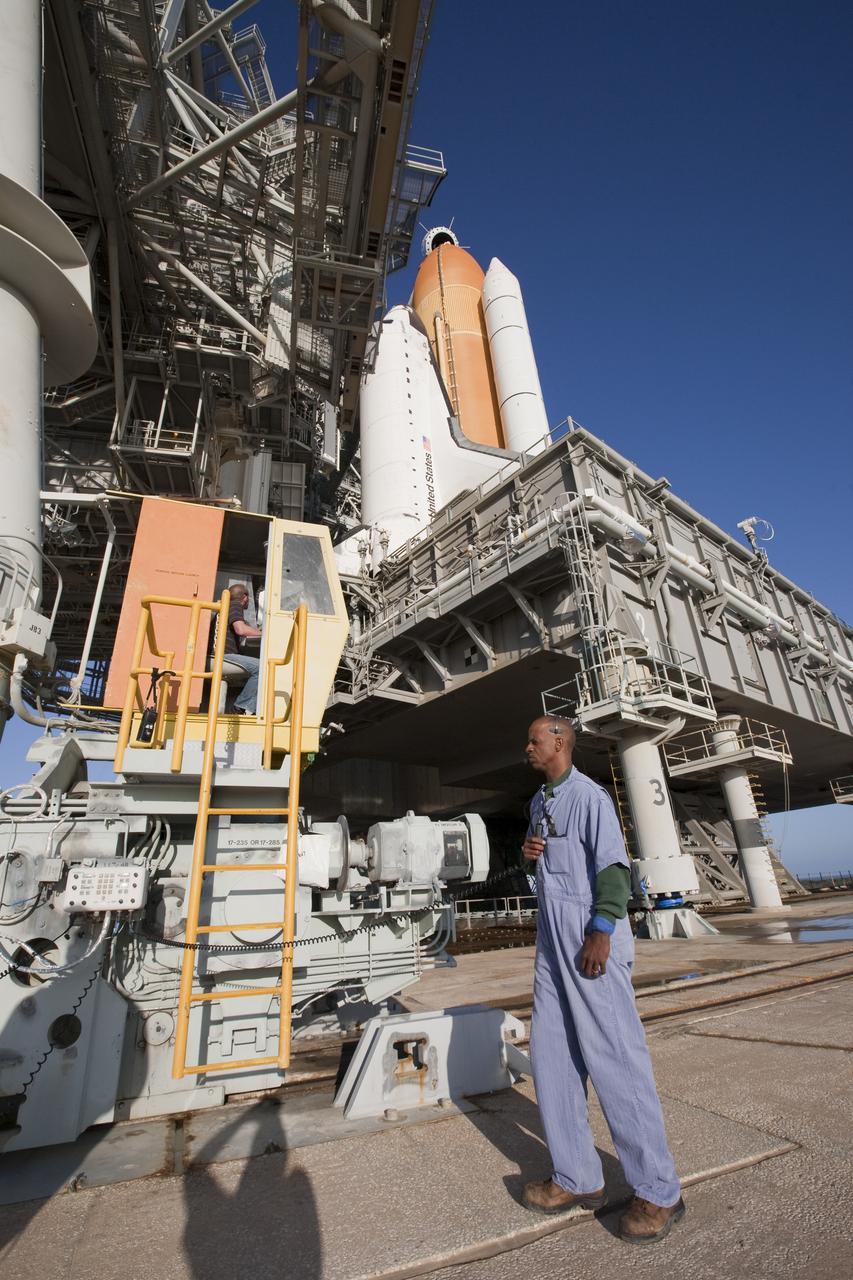
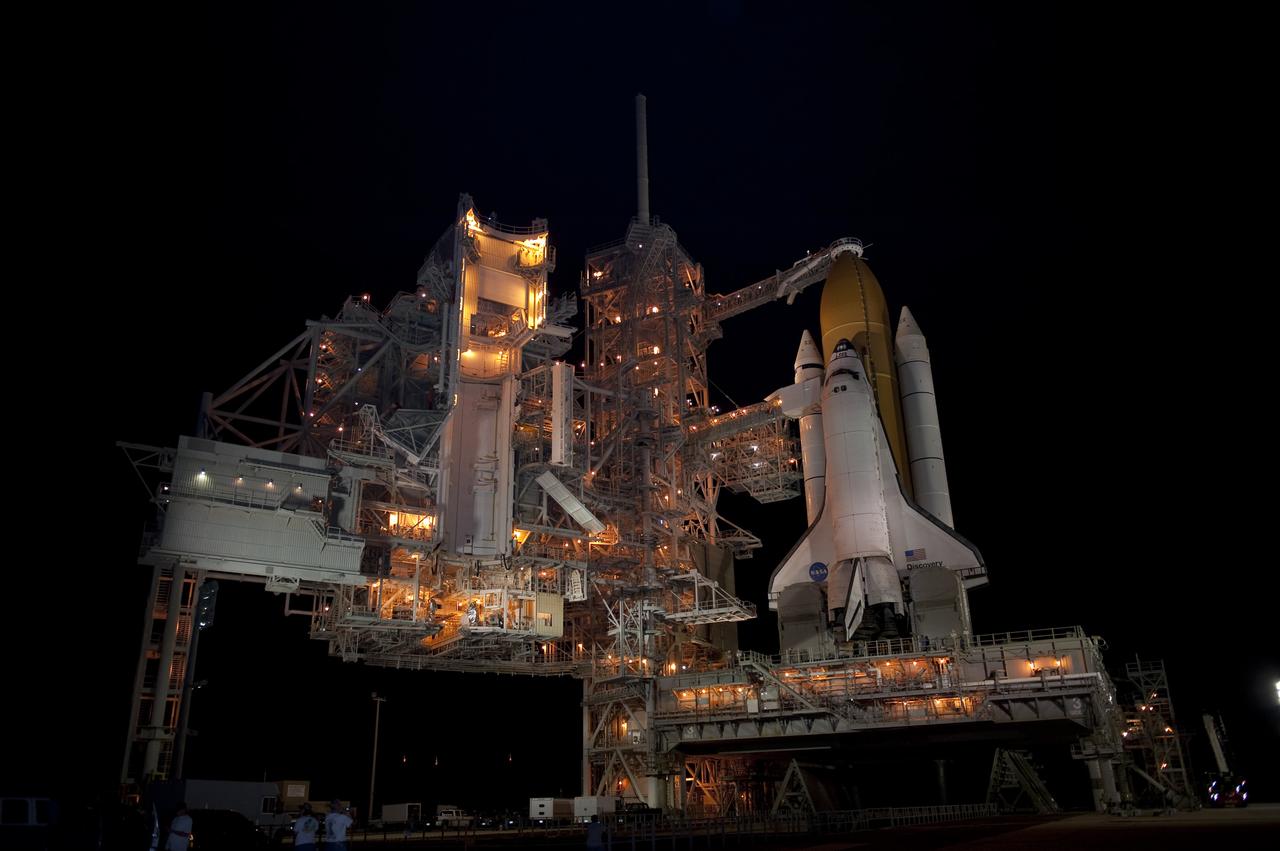
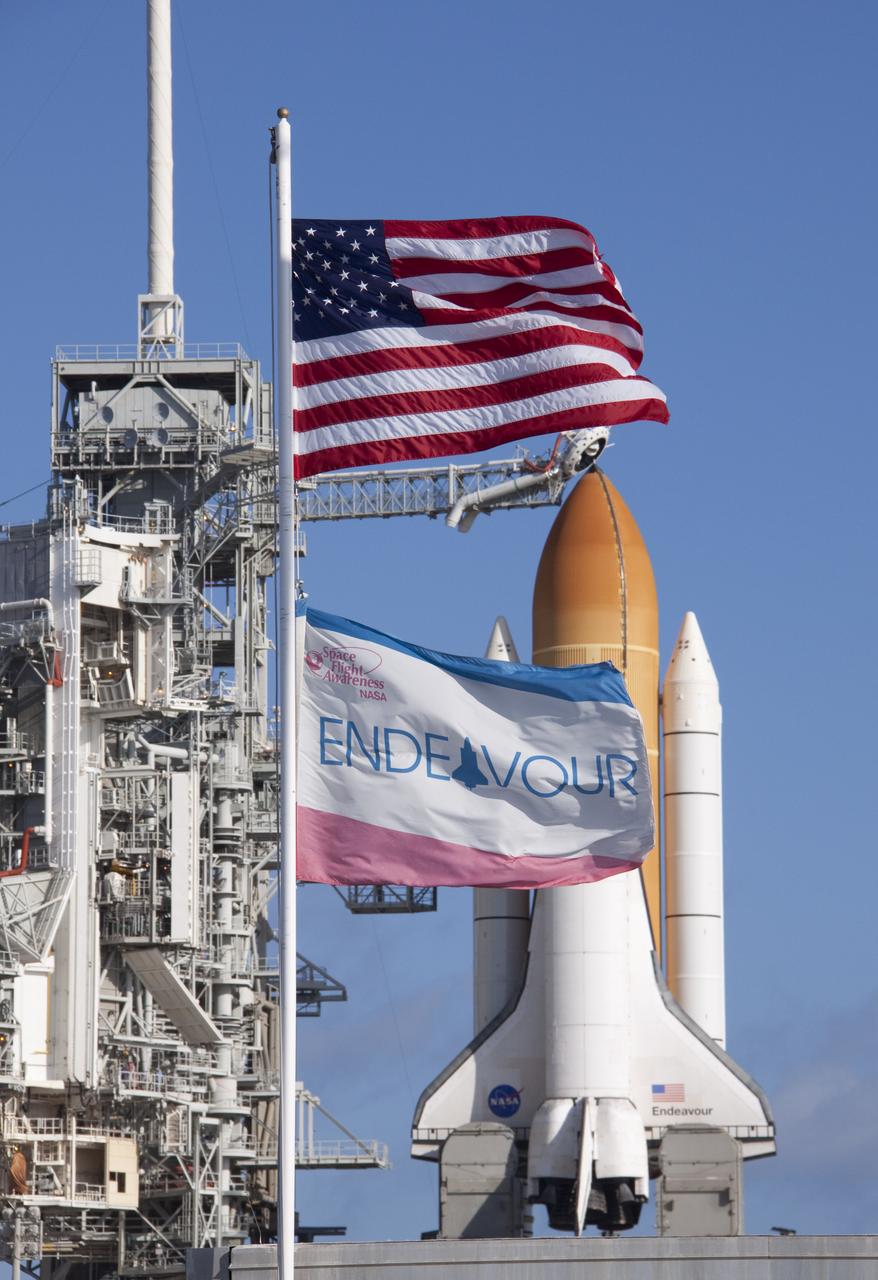
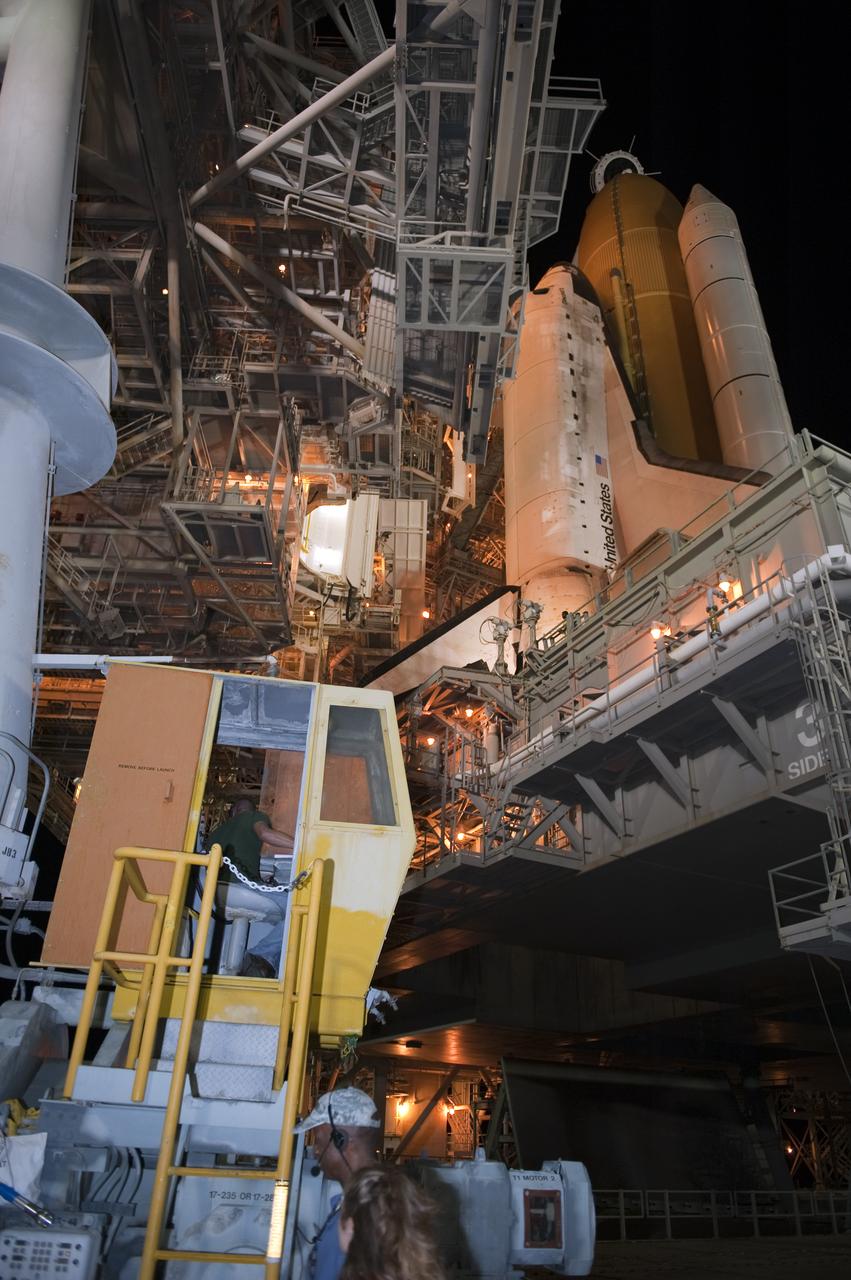
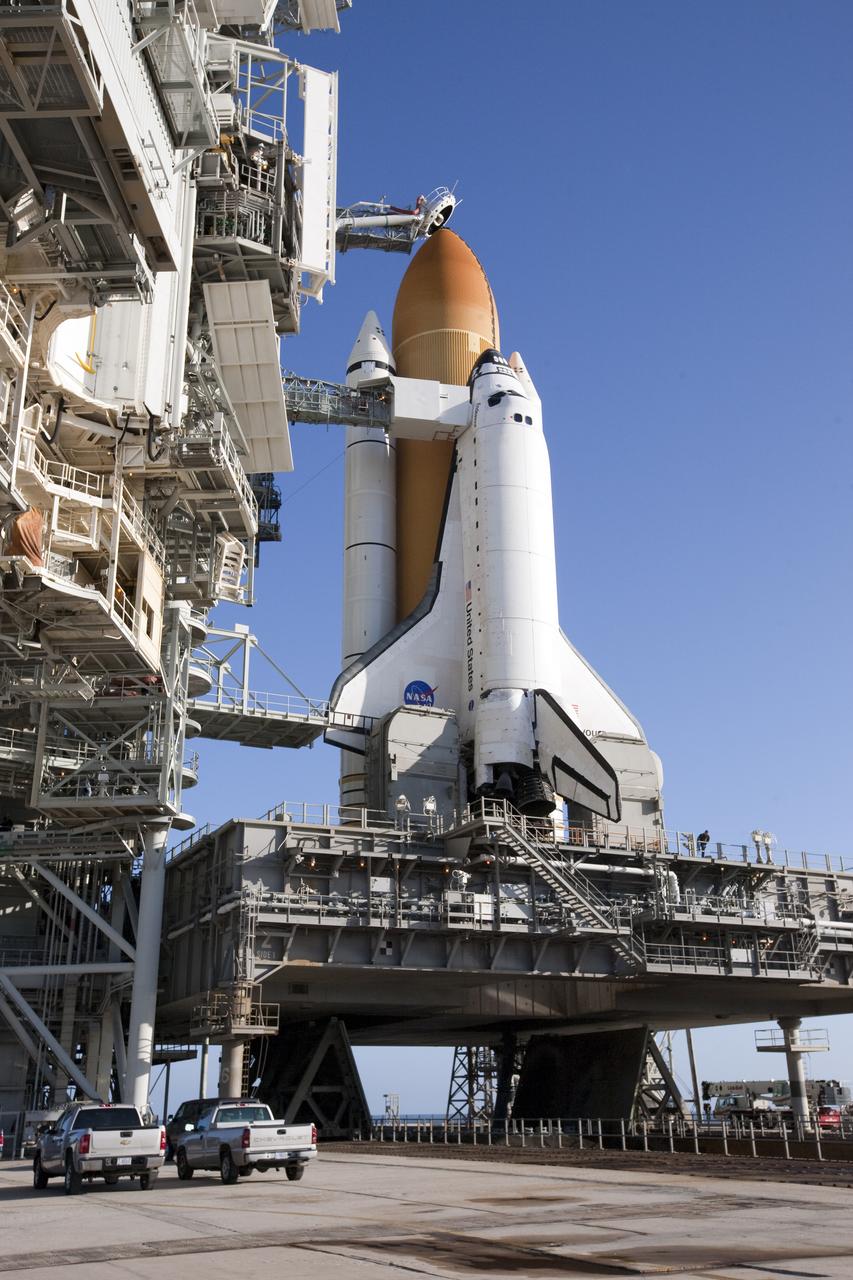
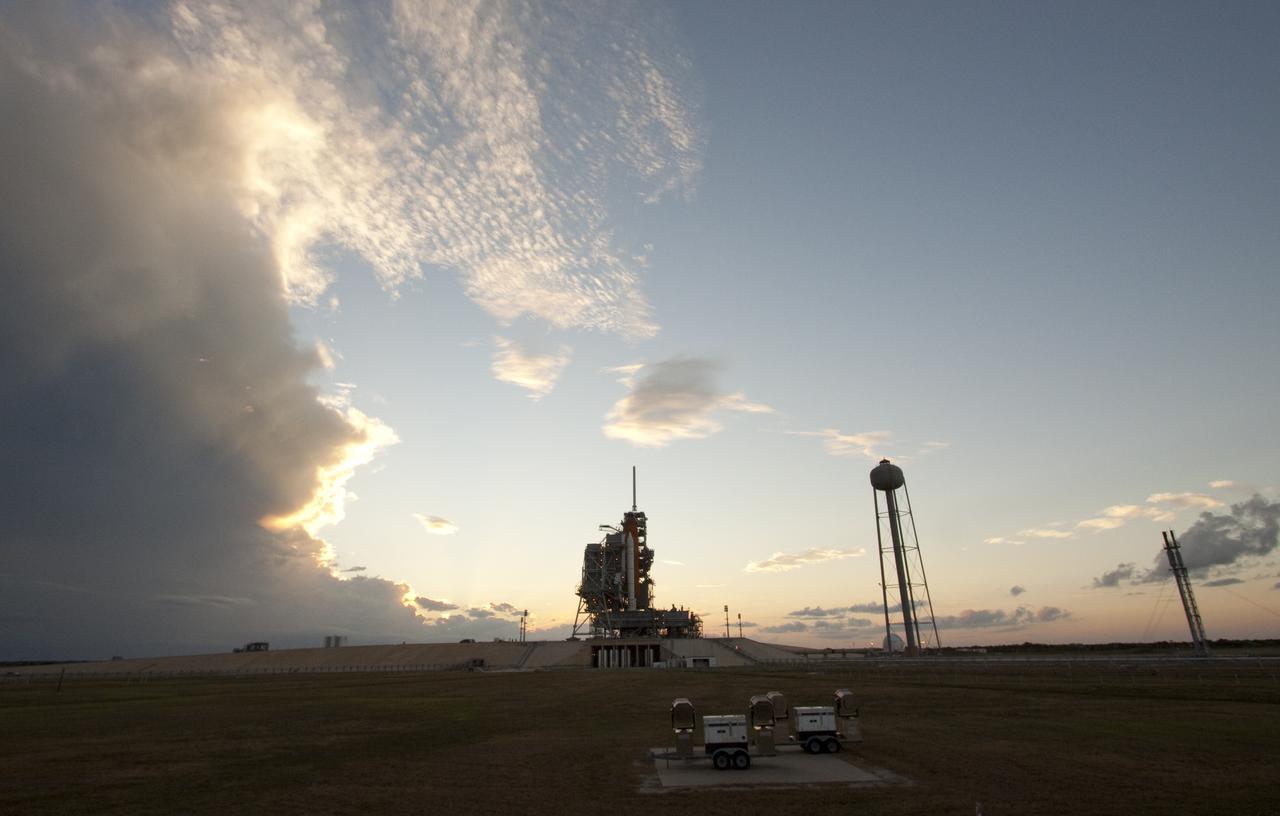
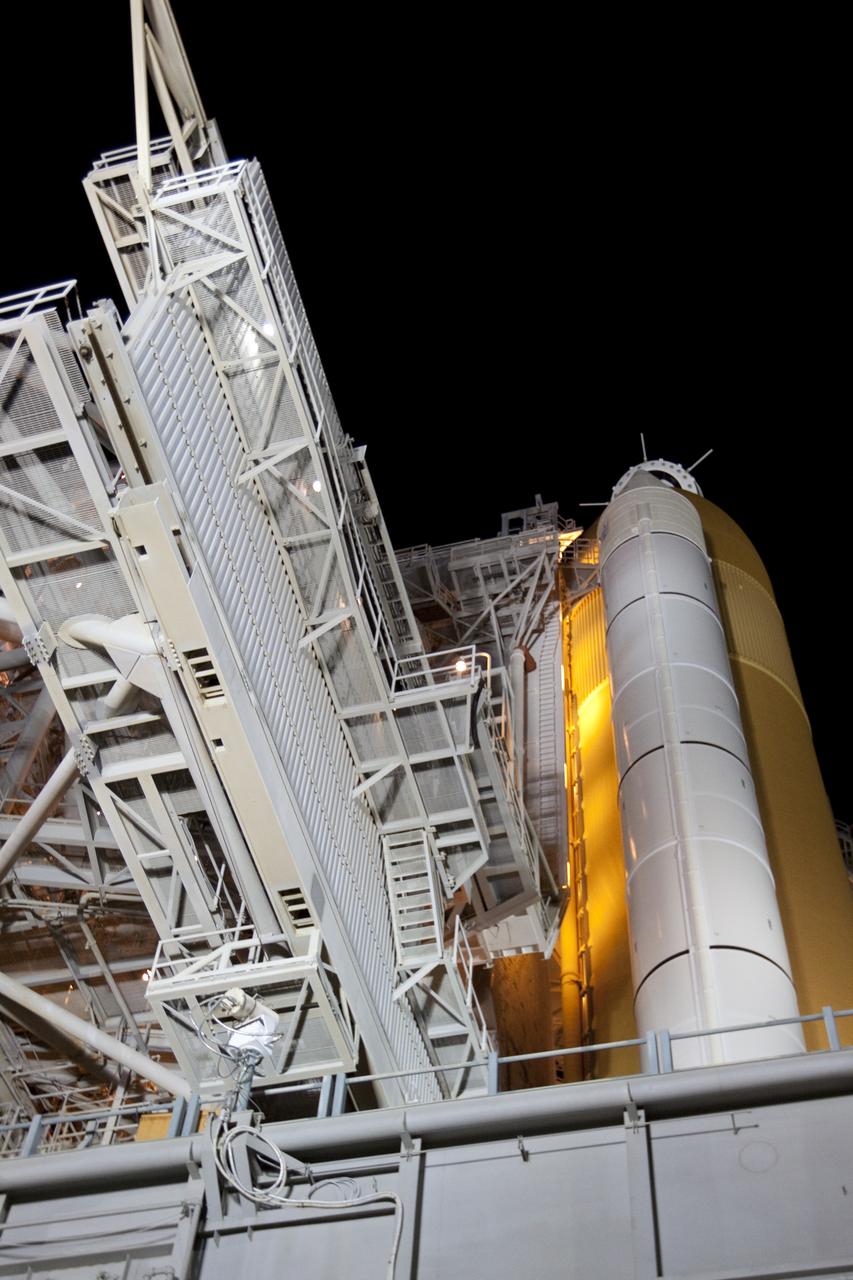
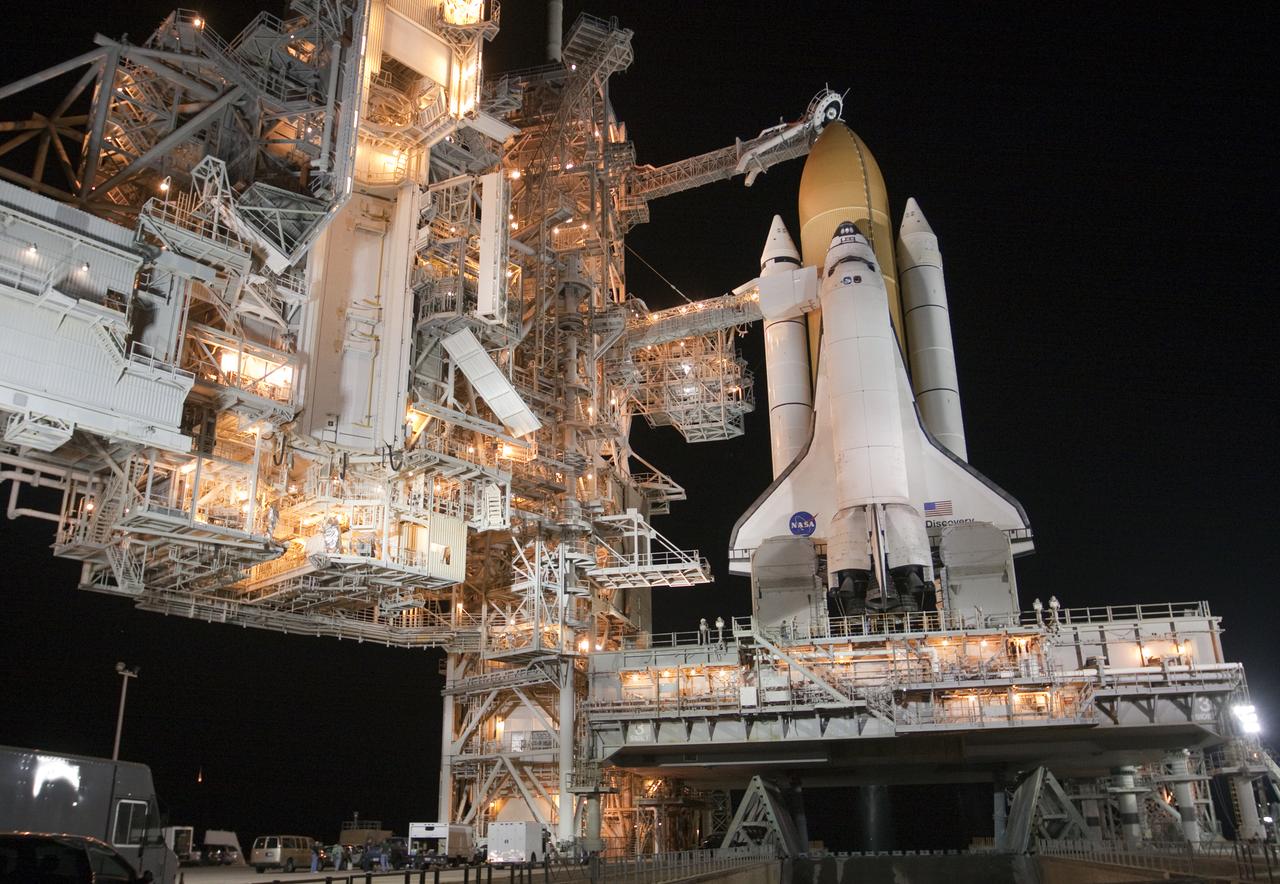
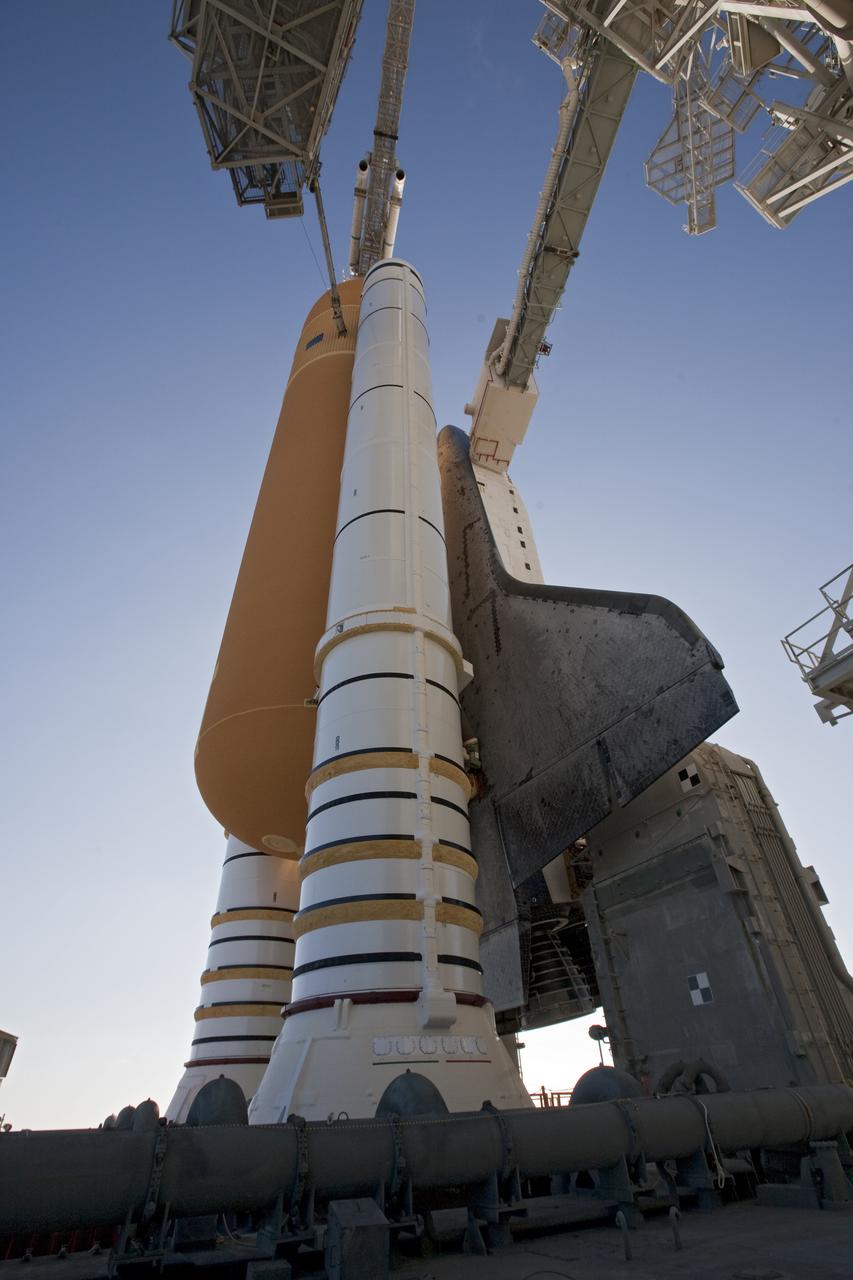
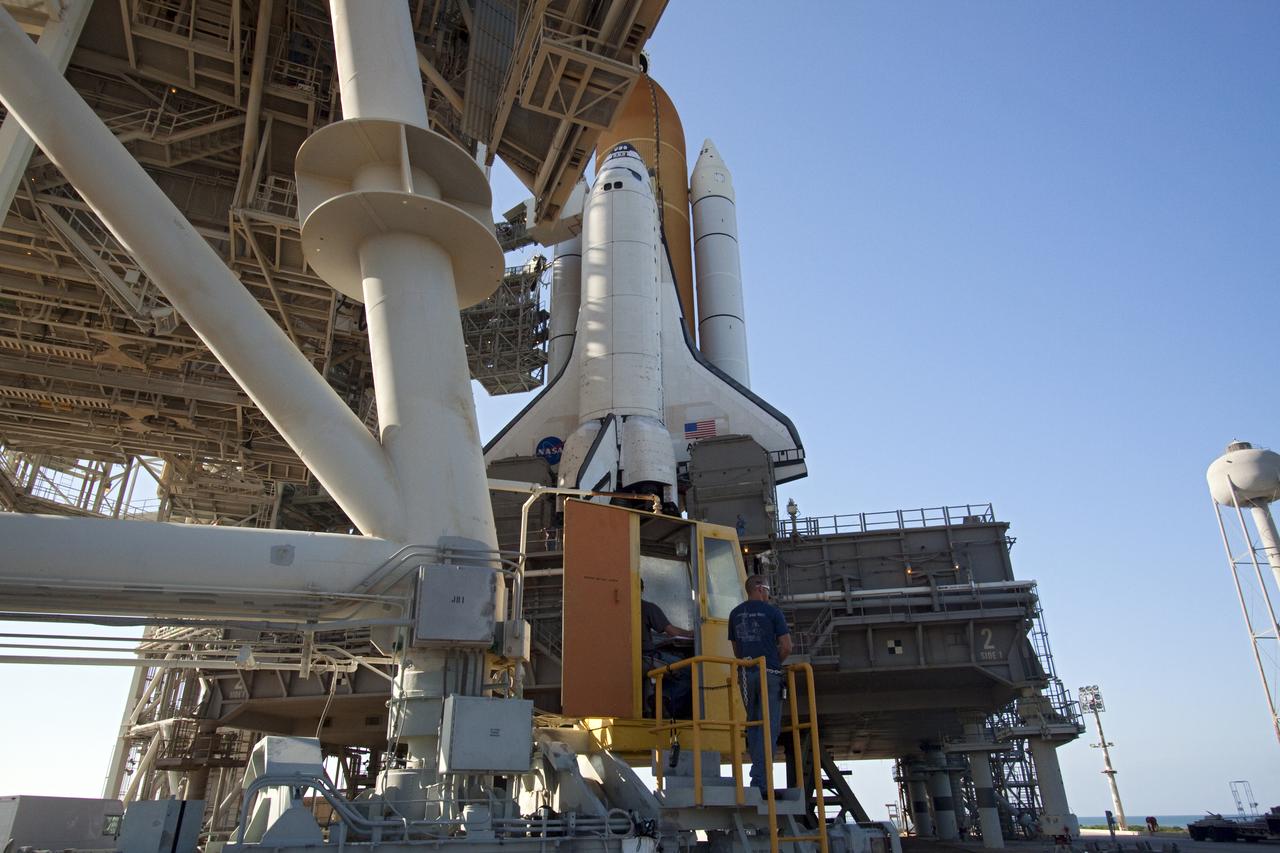
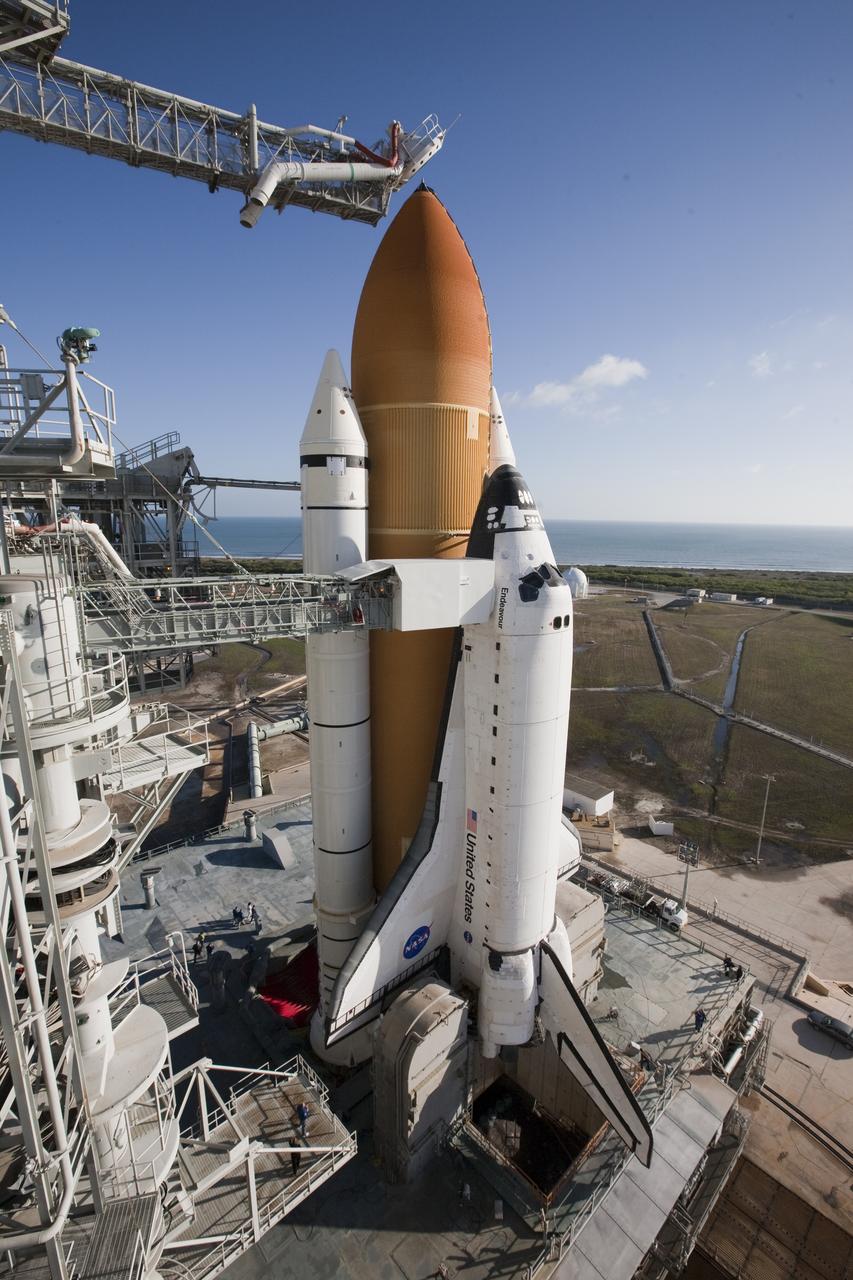
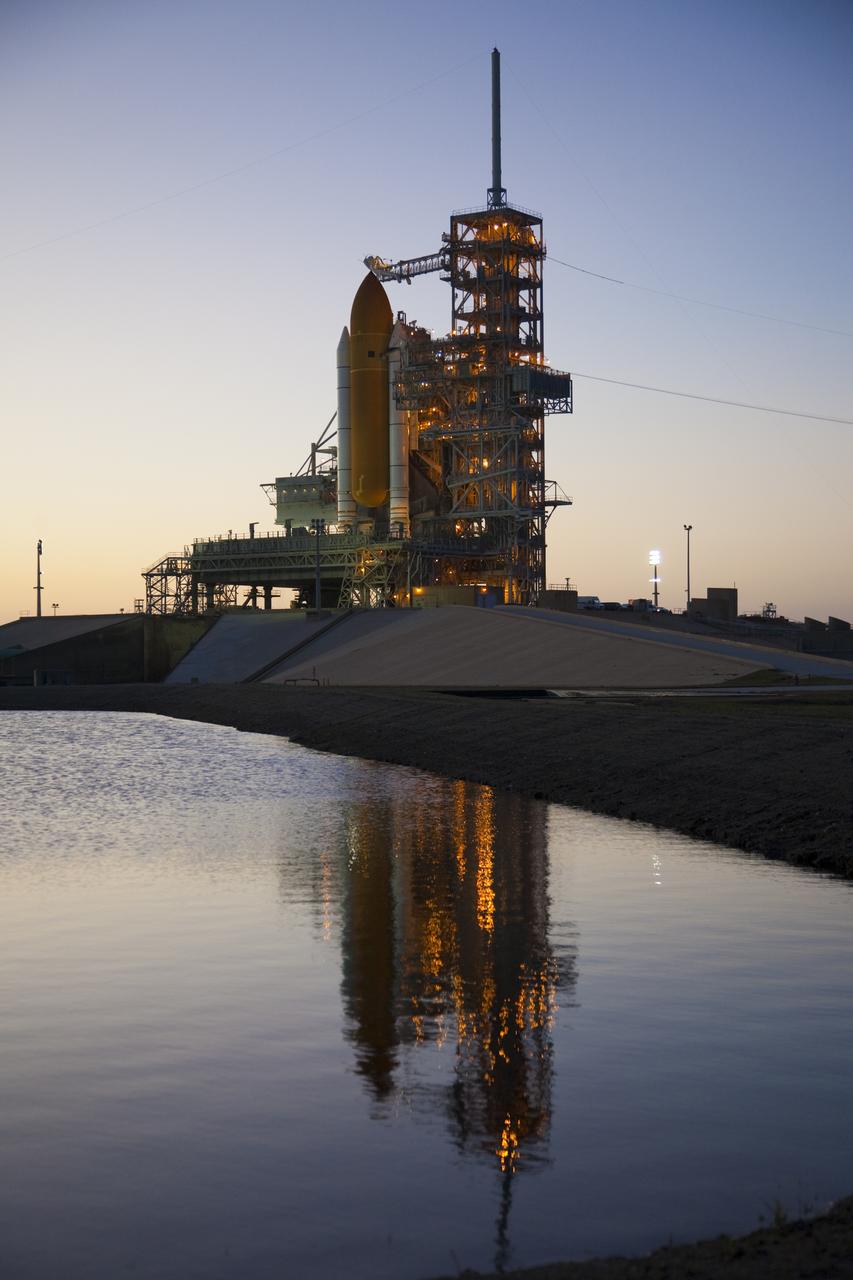
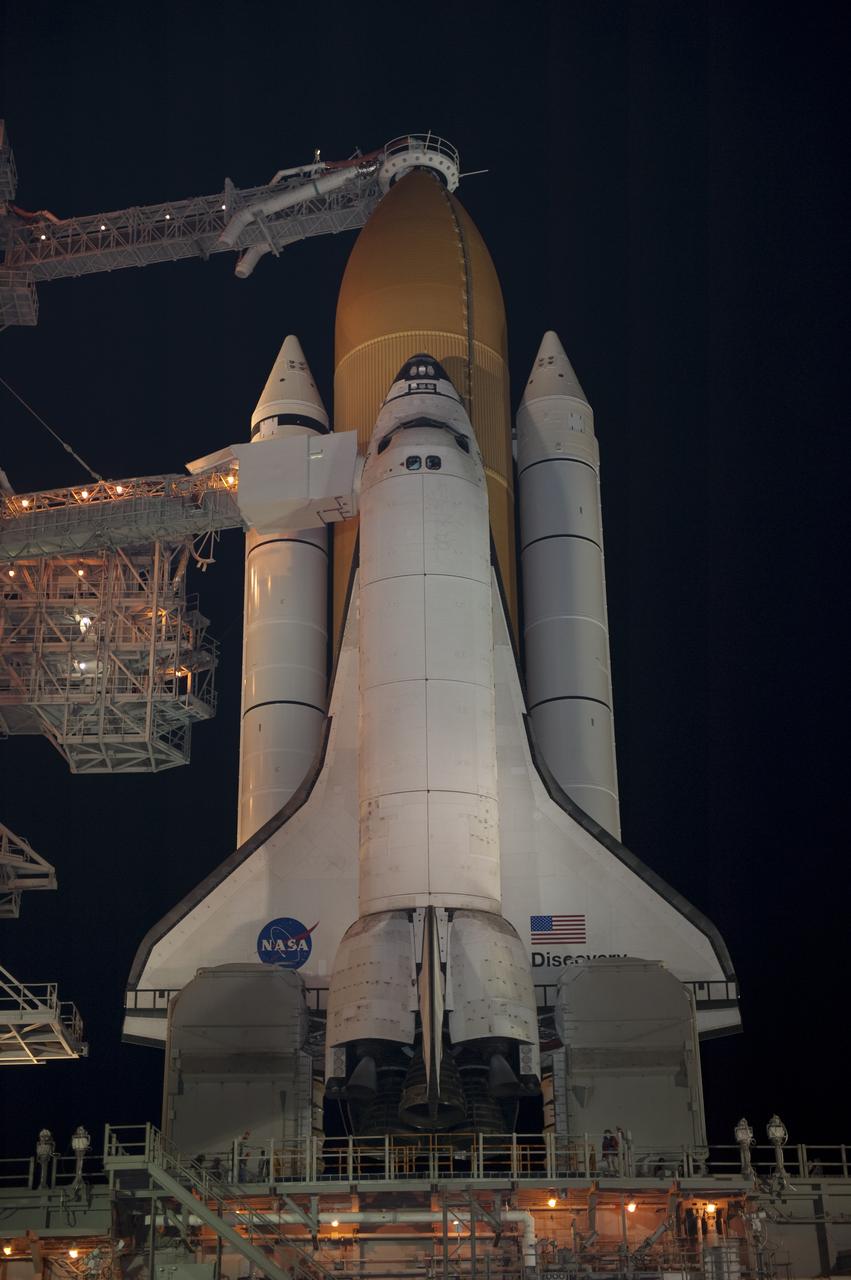
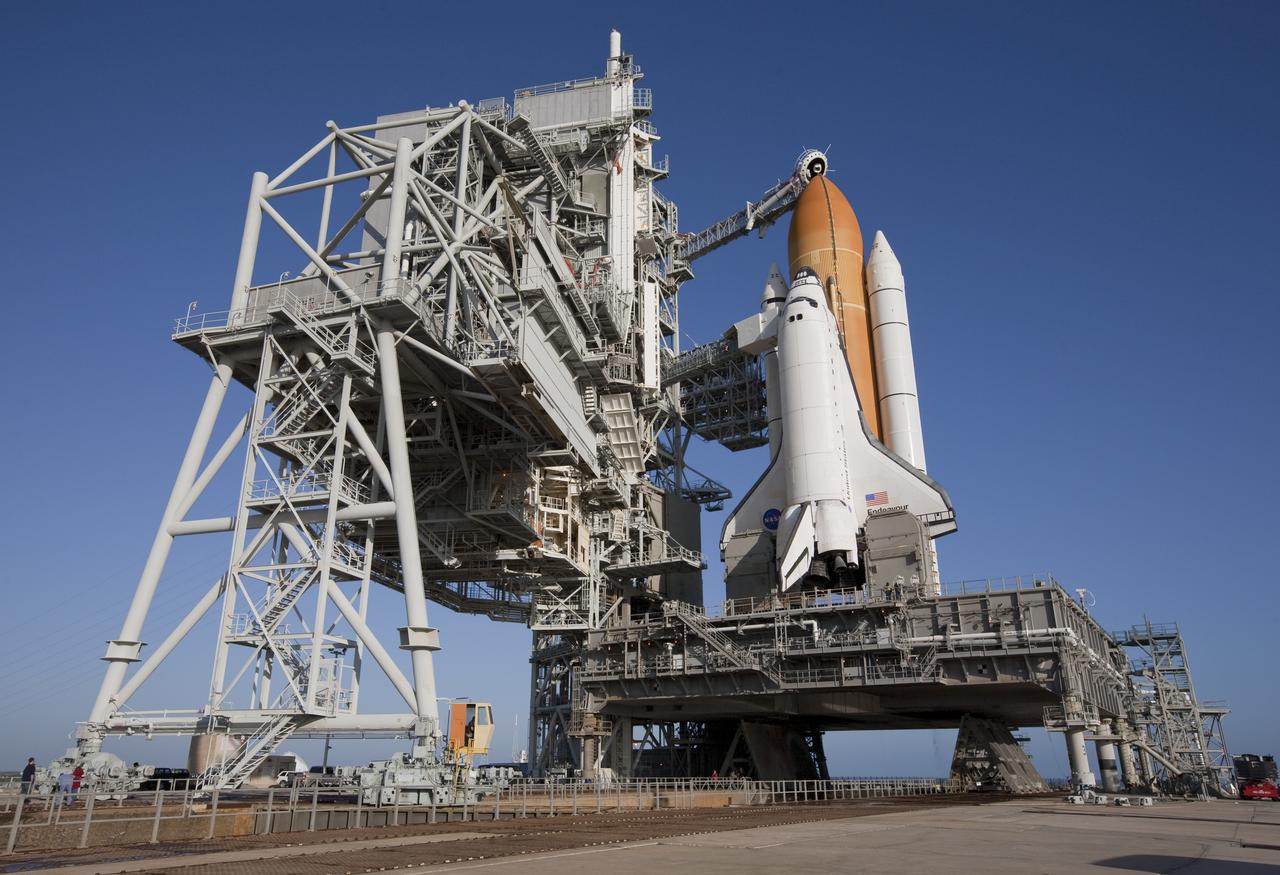
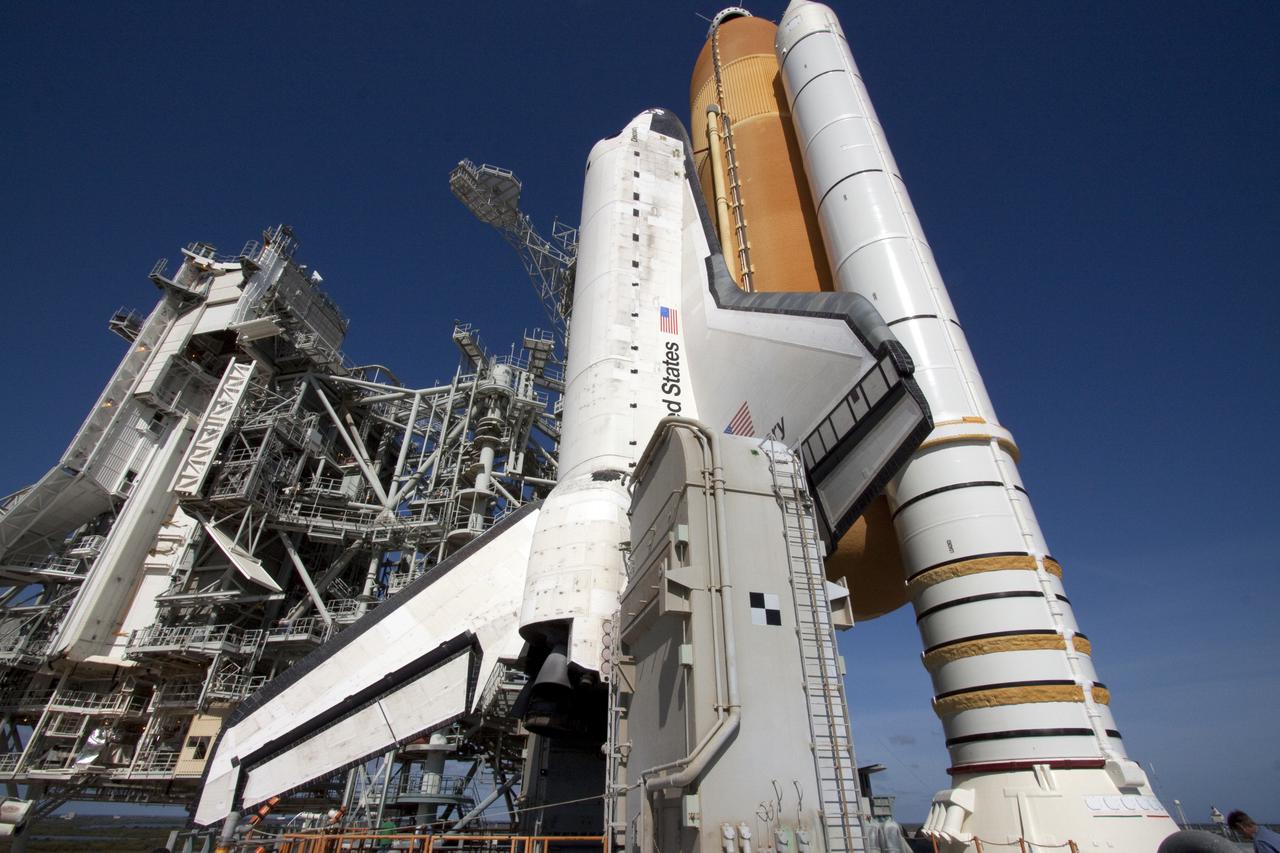
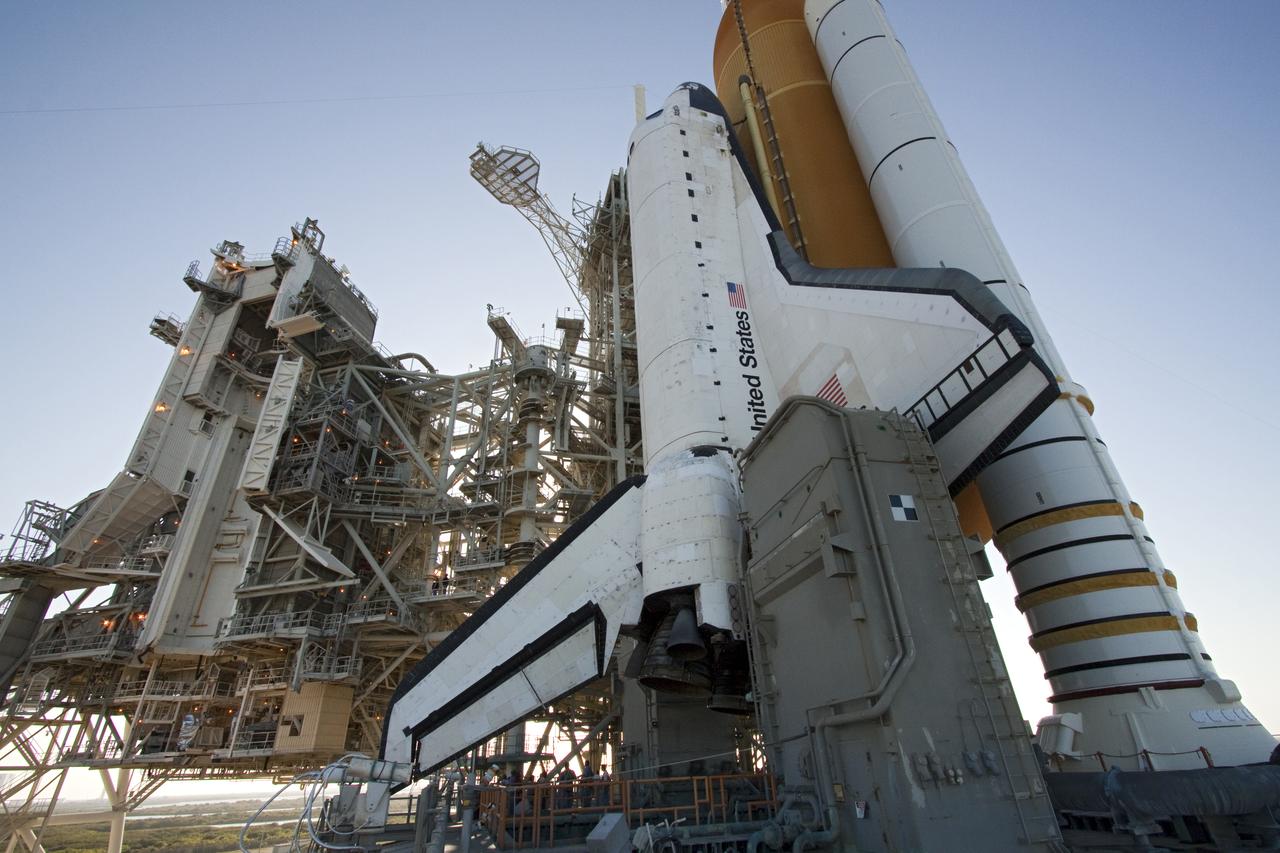
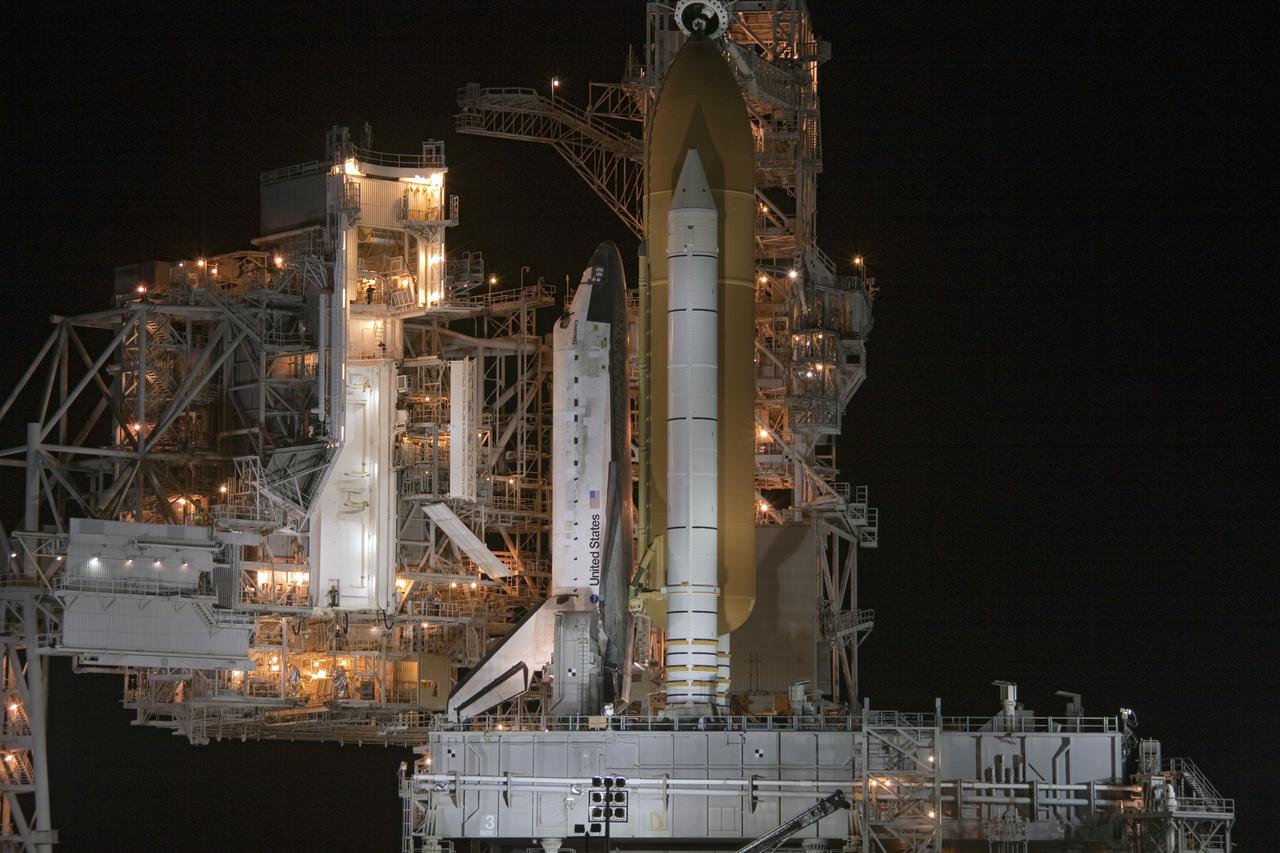
STS-132 LAUNCH L-1 PAD ACTIVITIES
2010-3287
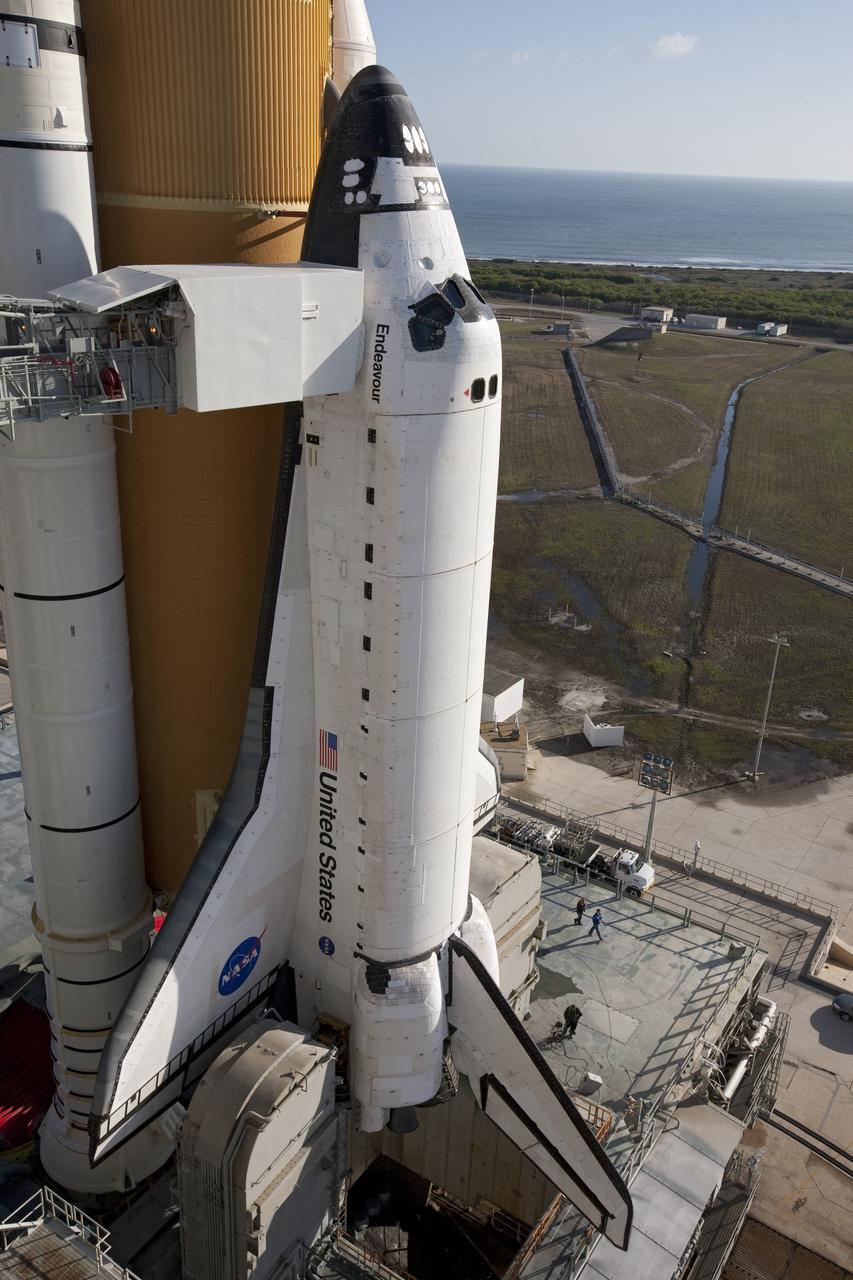
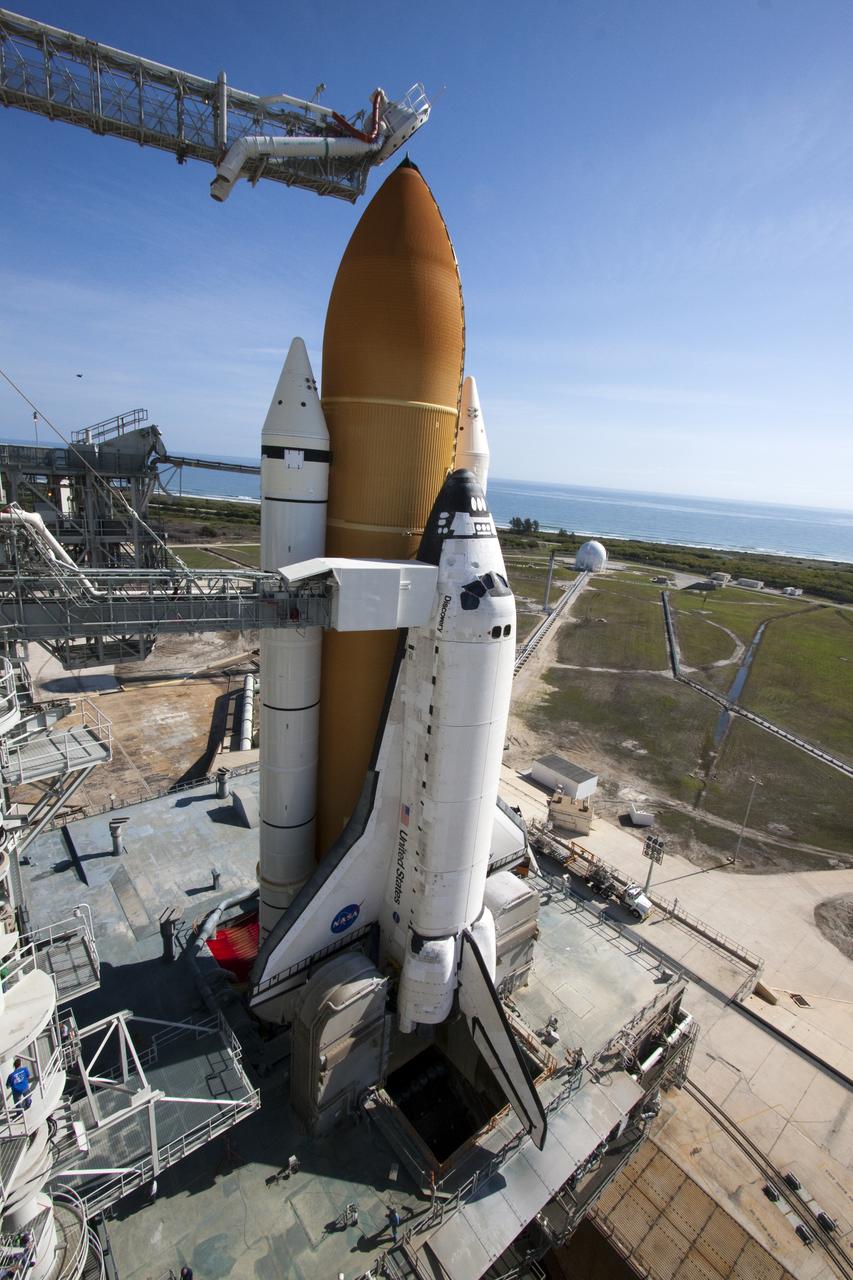
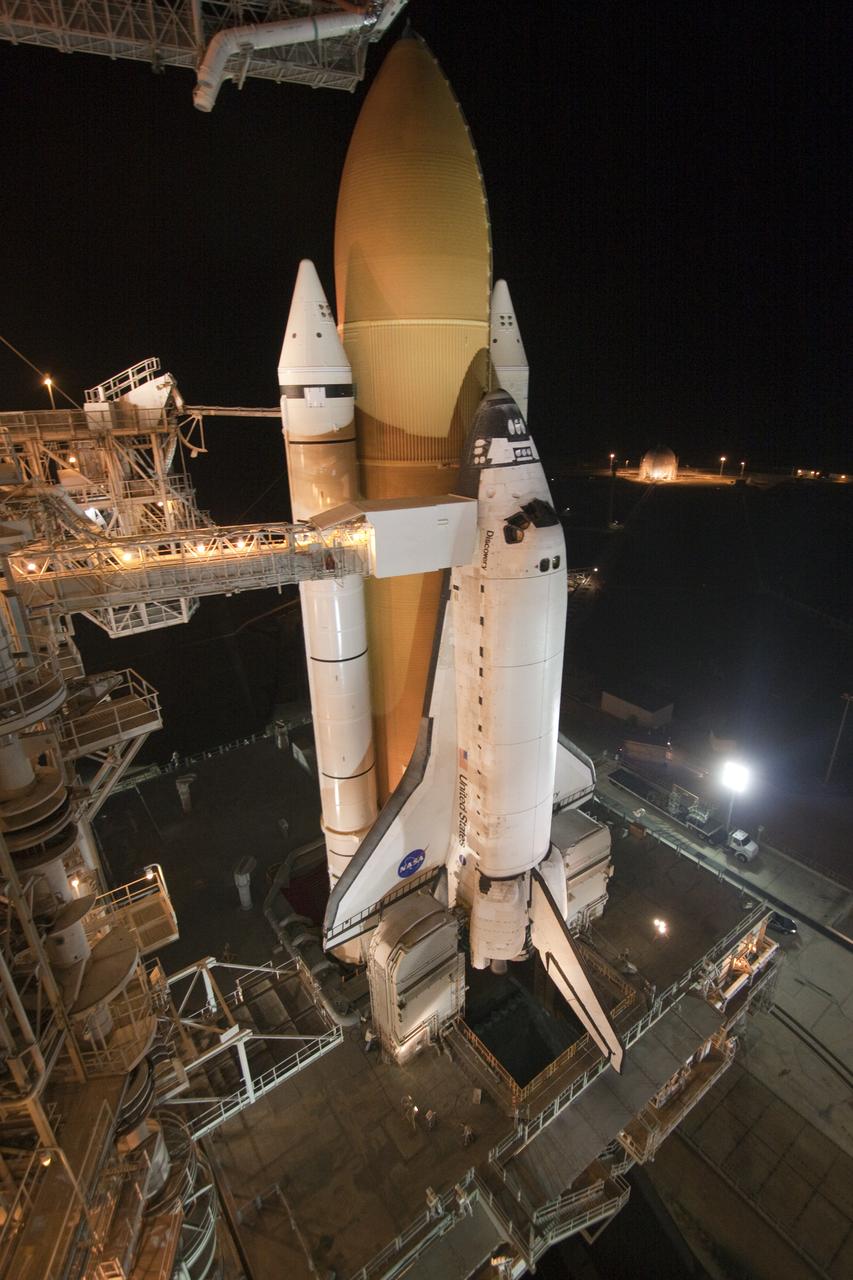
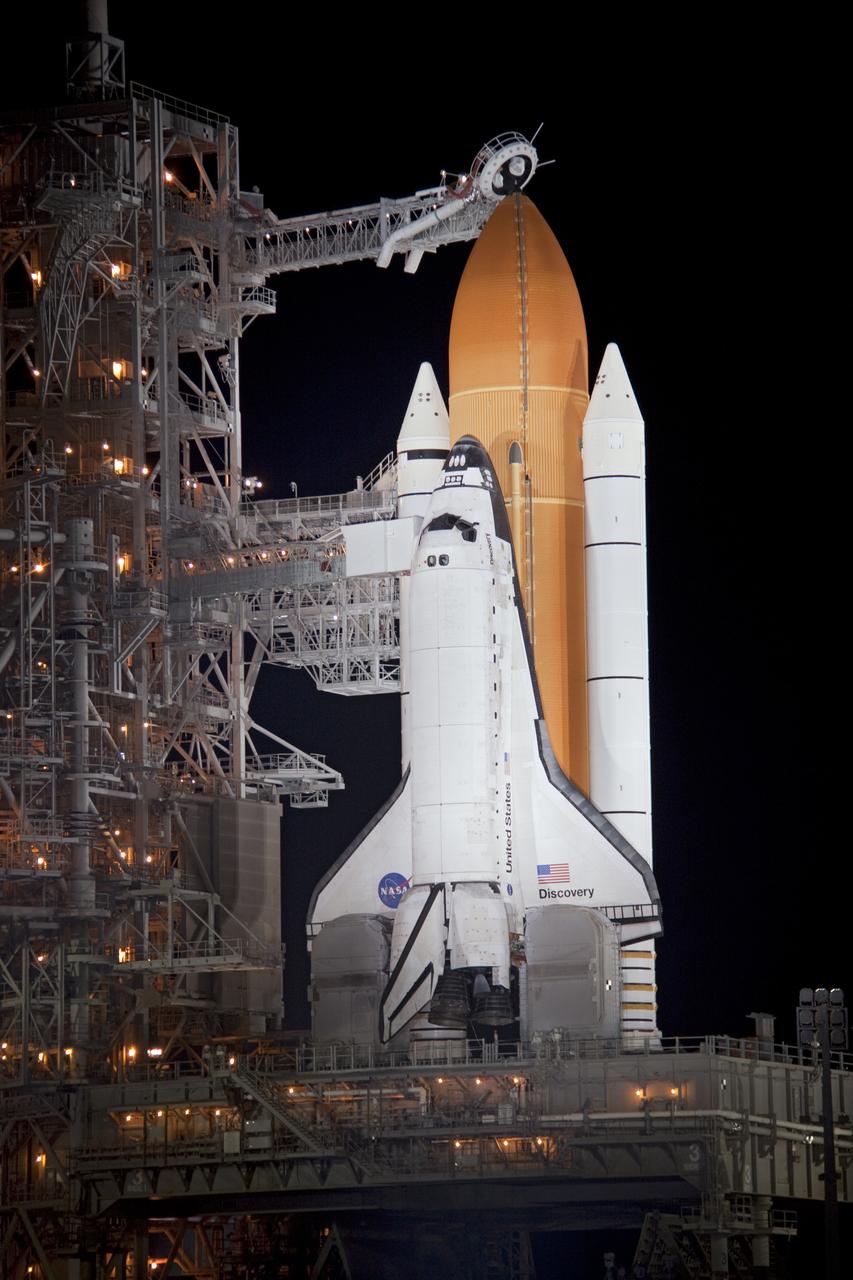
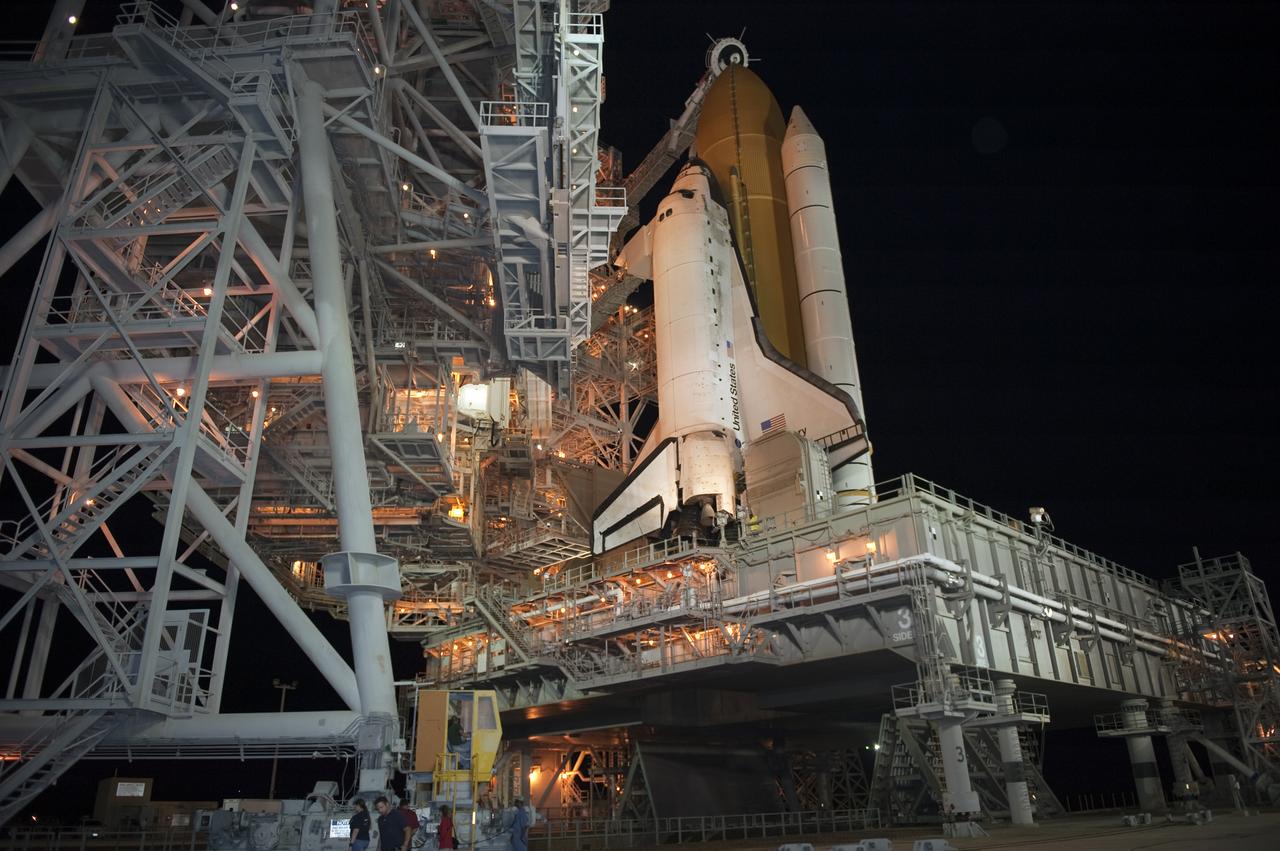
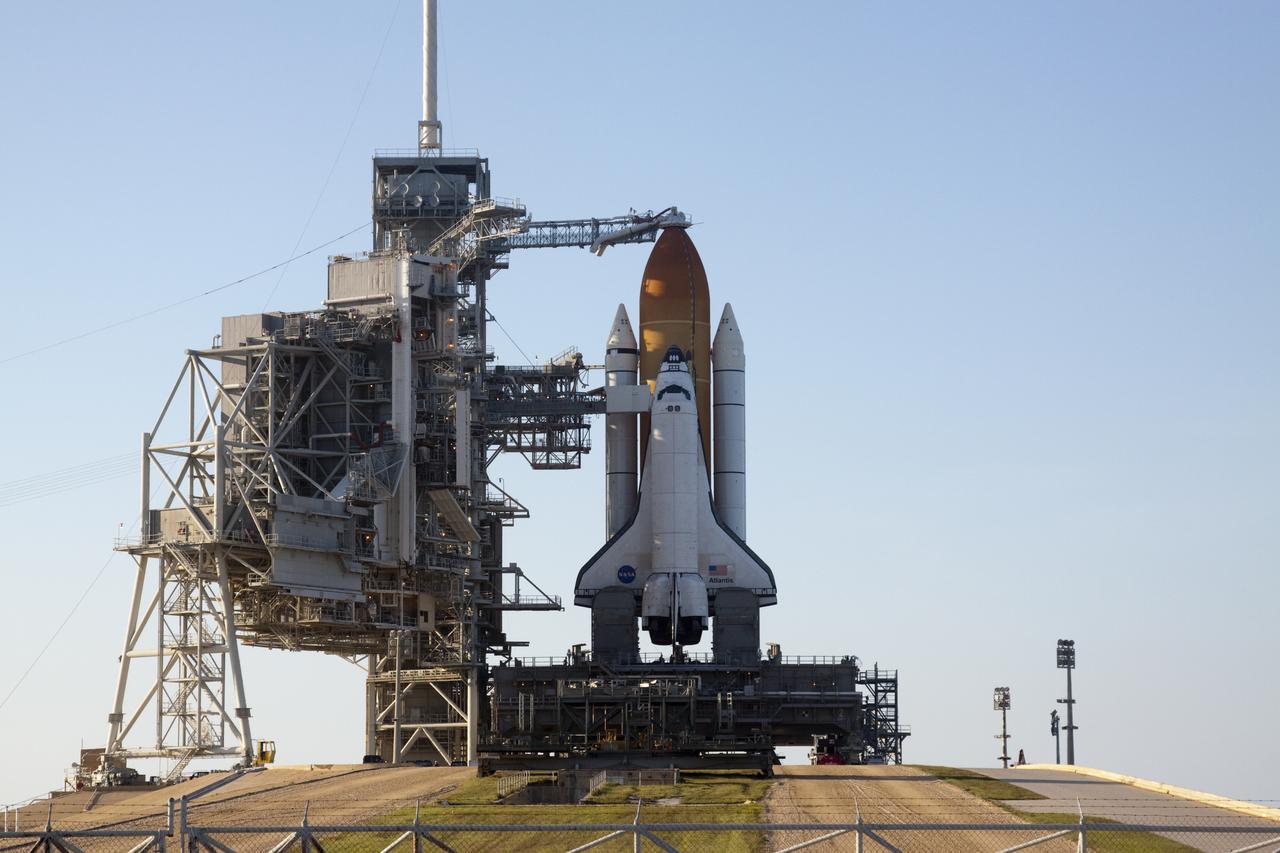
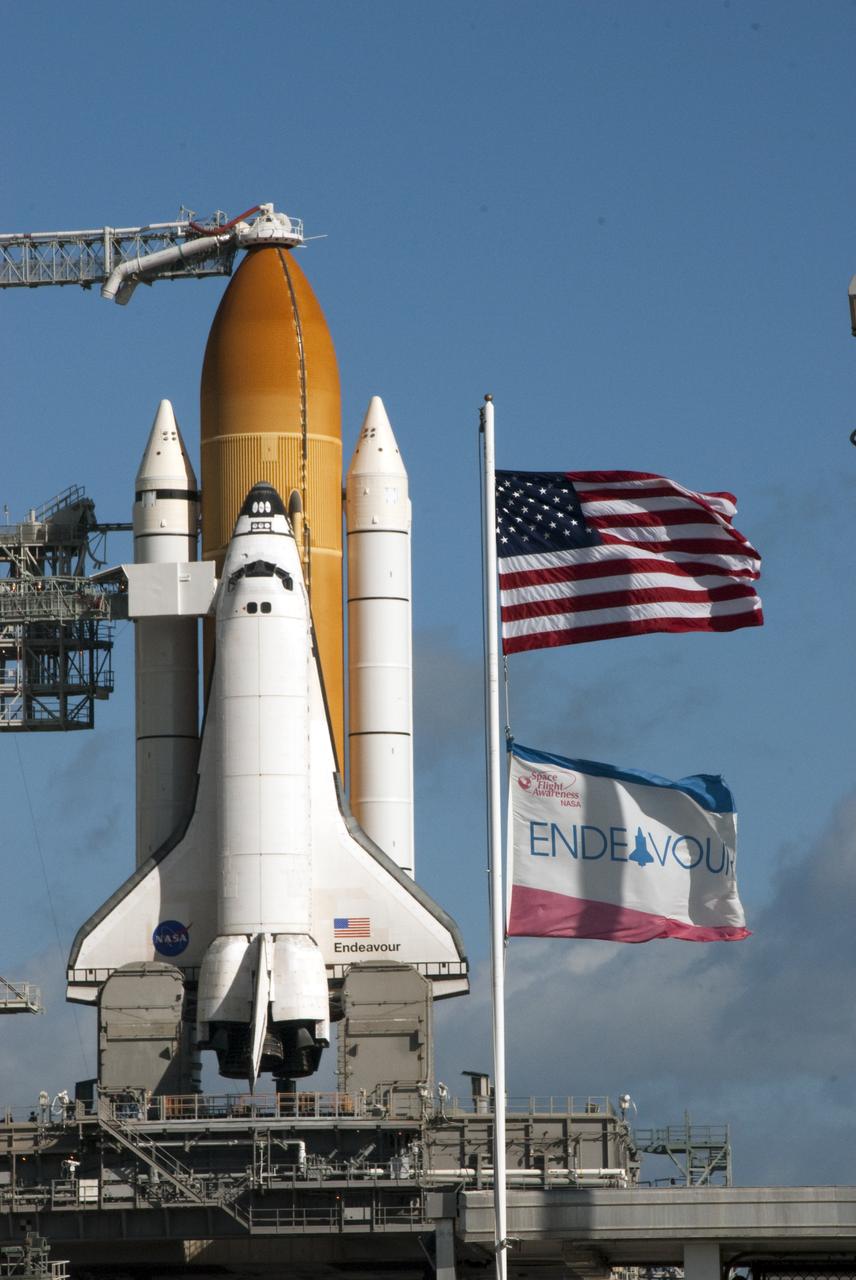
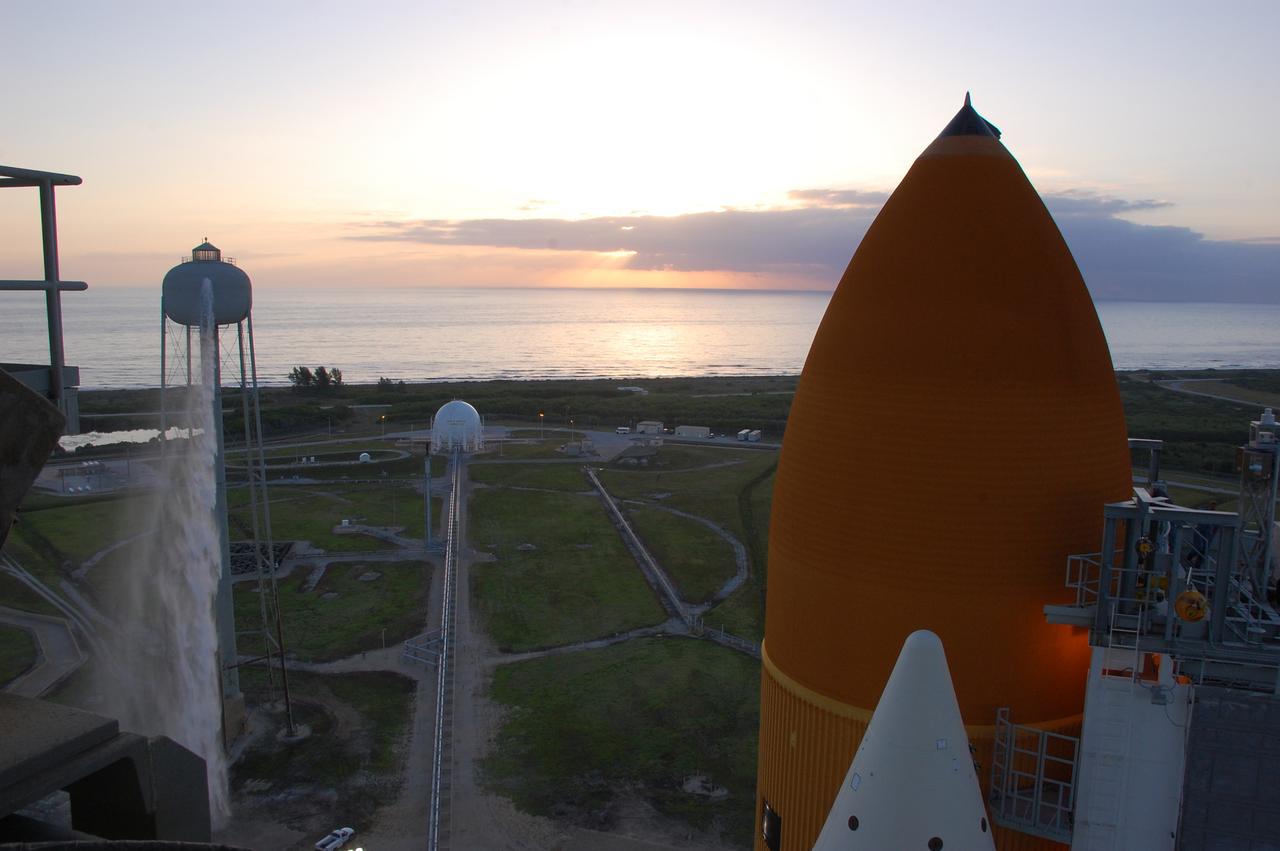
STS-133 LAUNCH L-1 RSS ROLLBACK
2010-5485
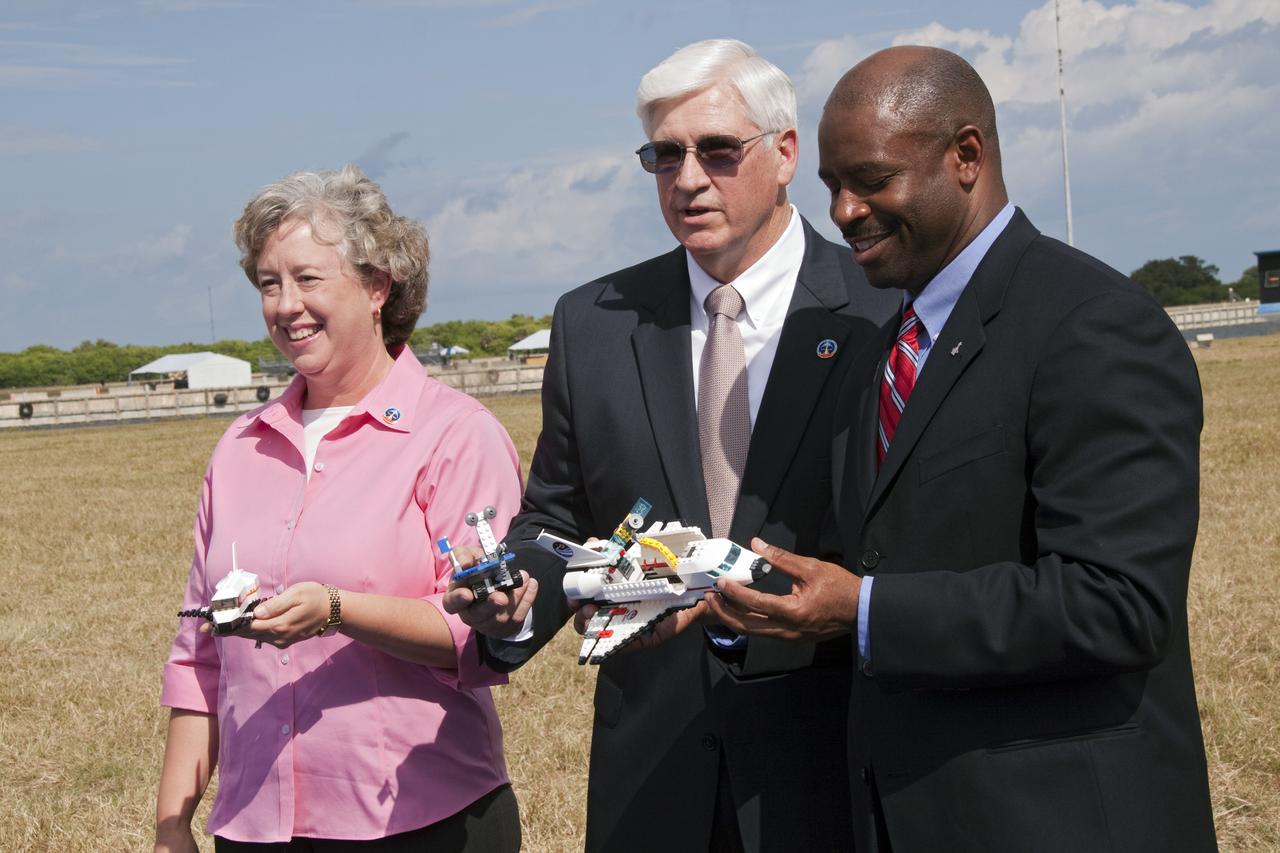
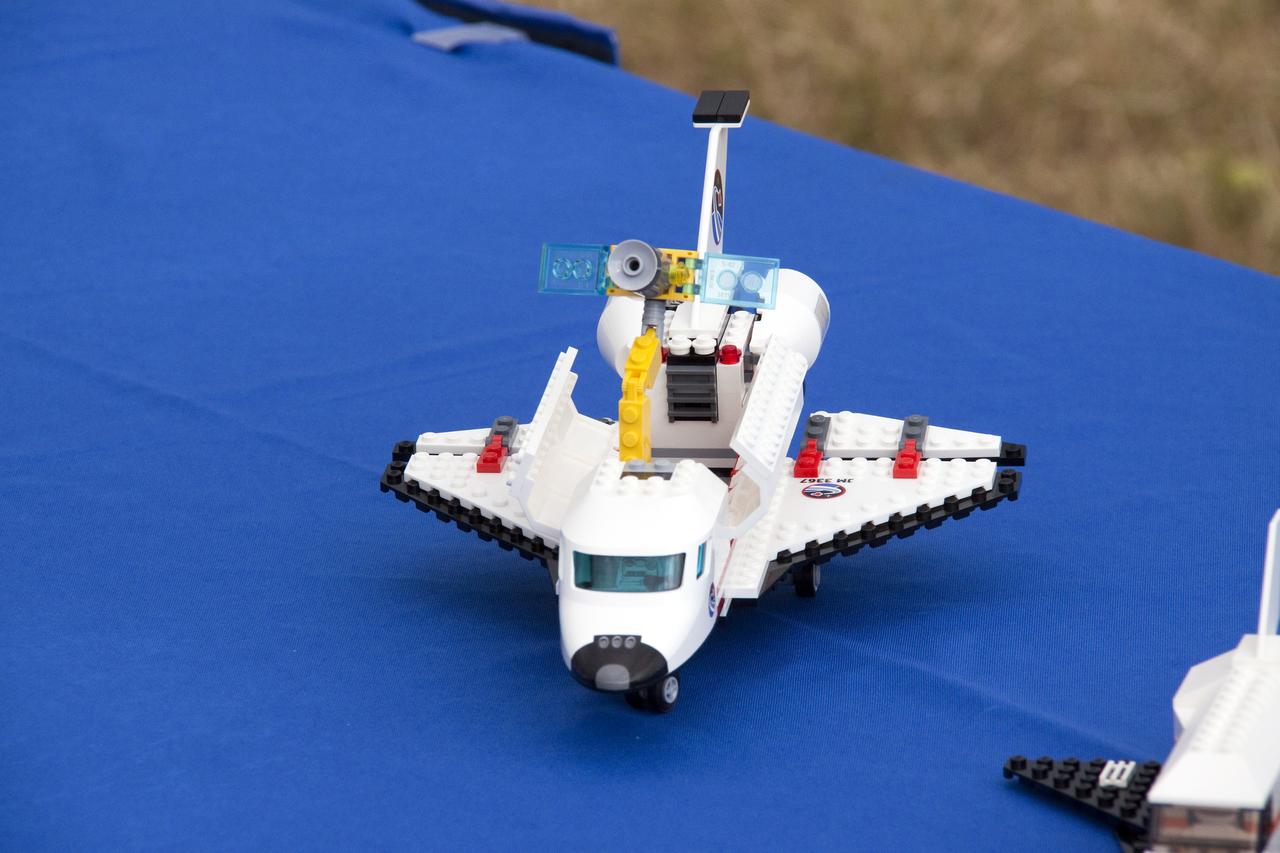
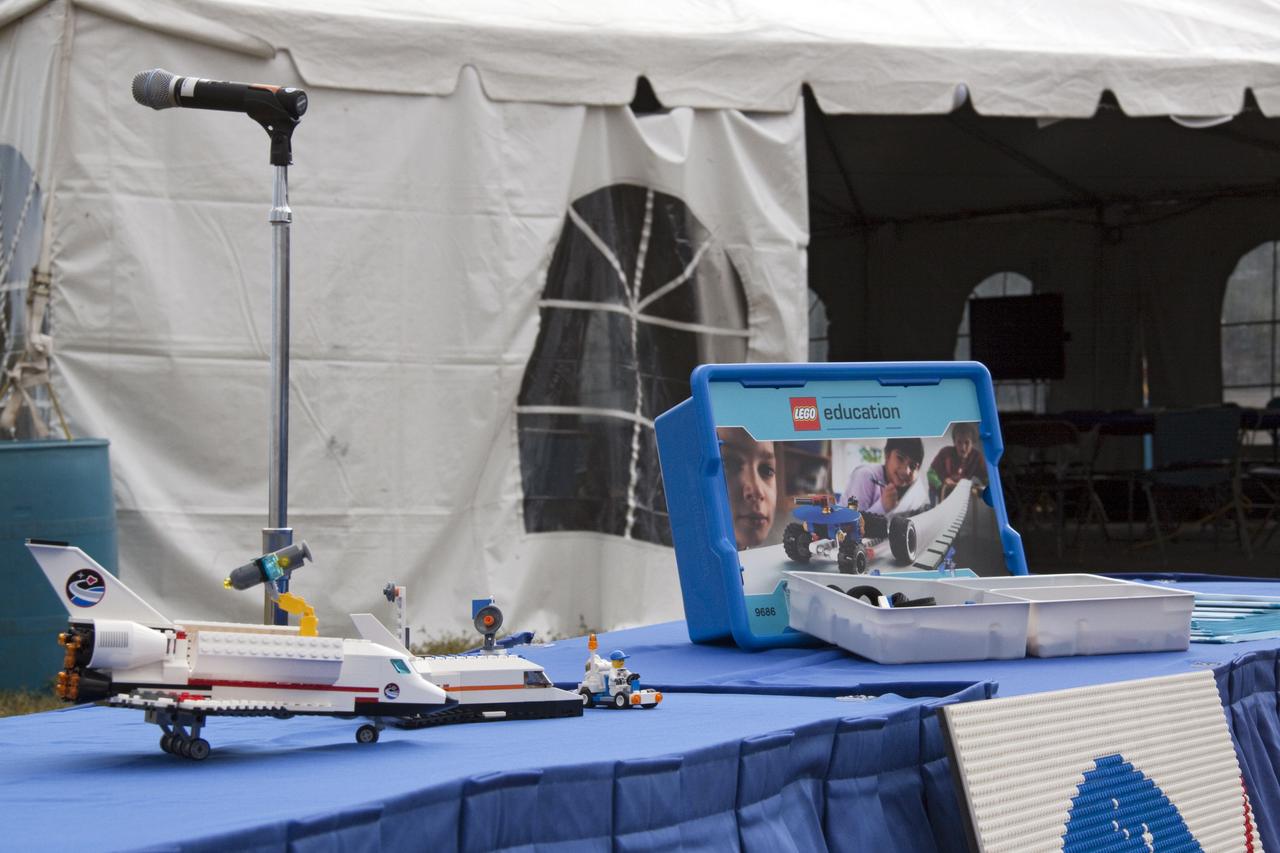
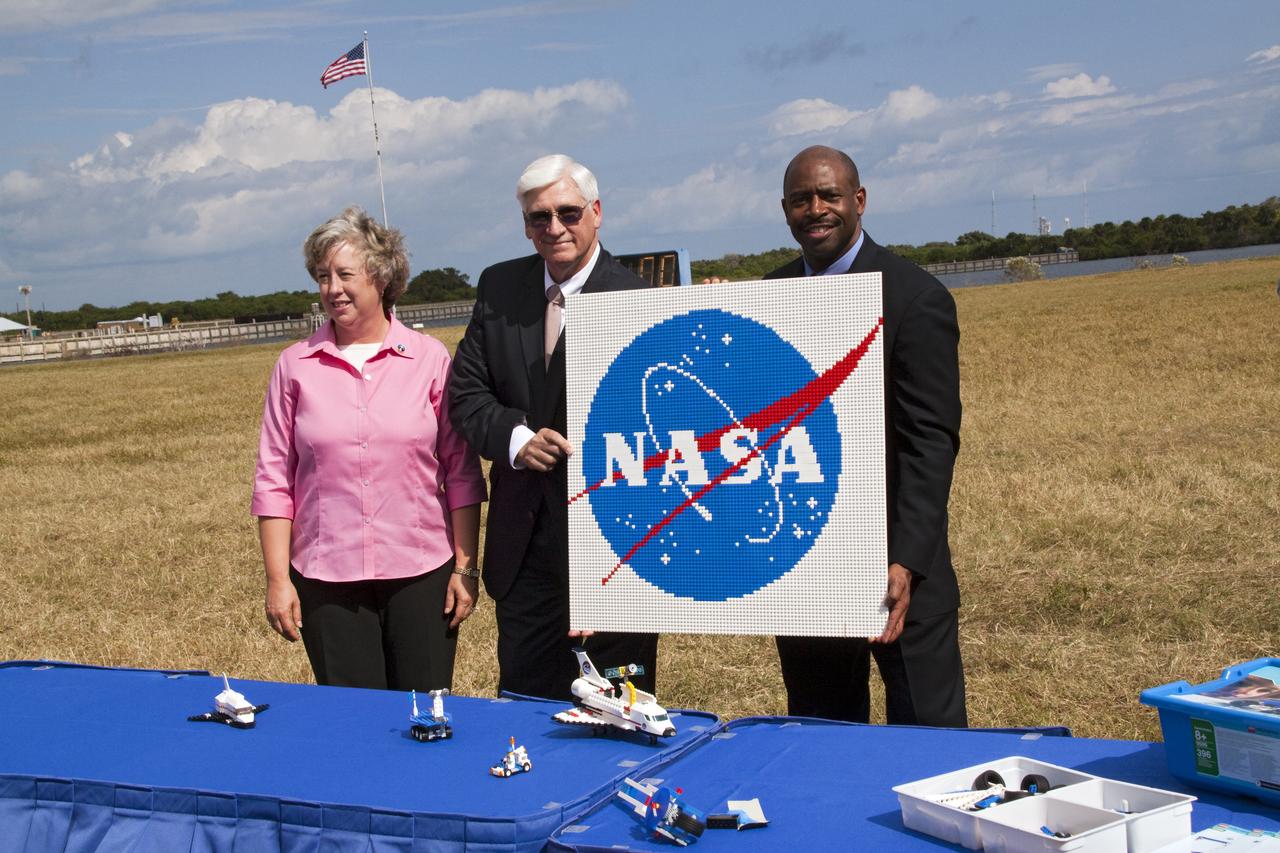
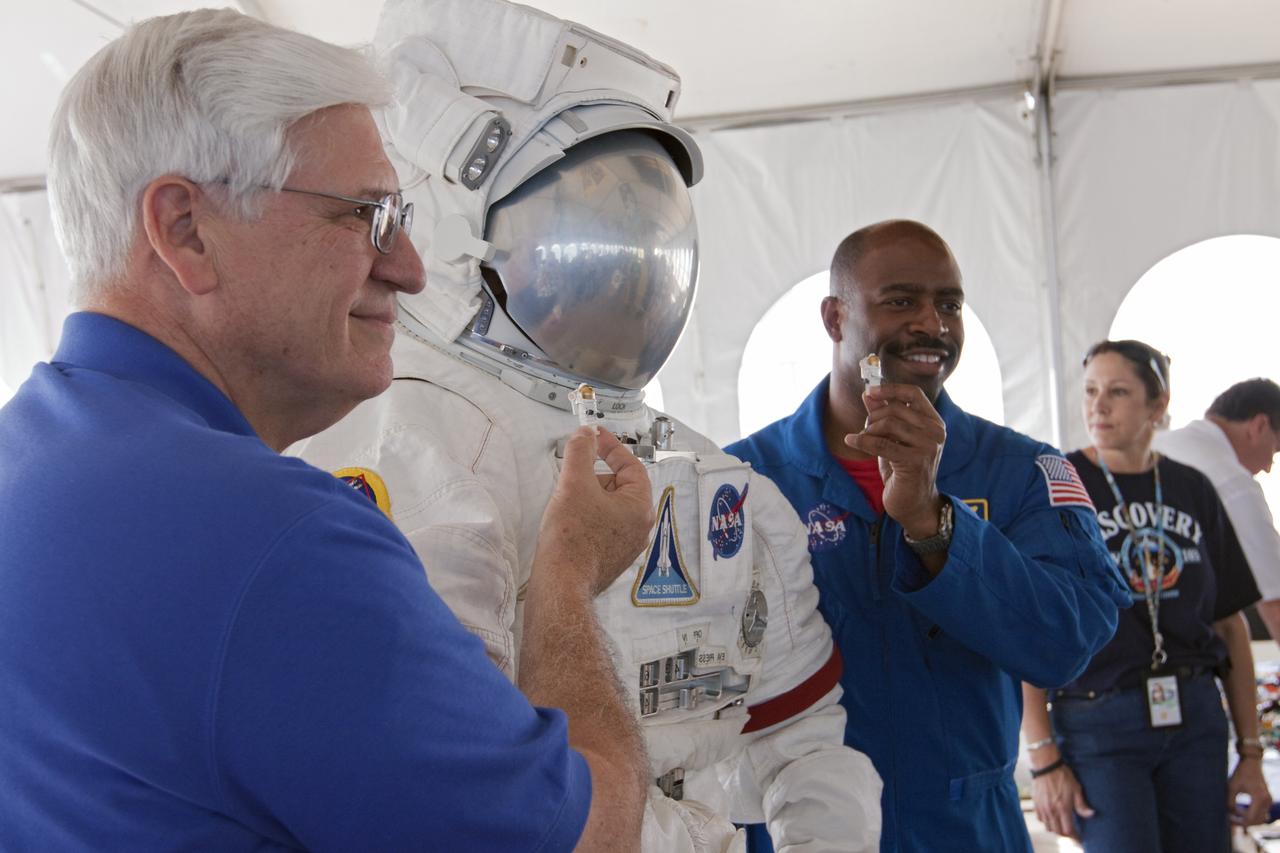
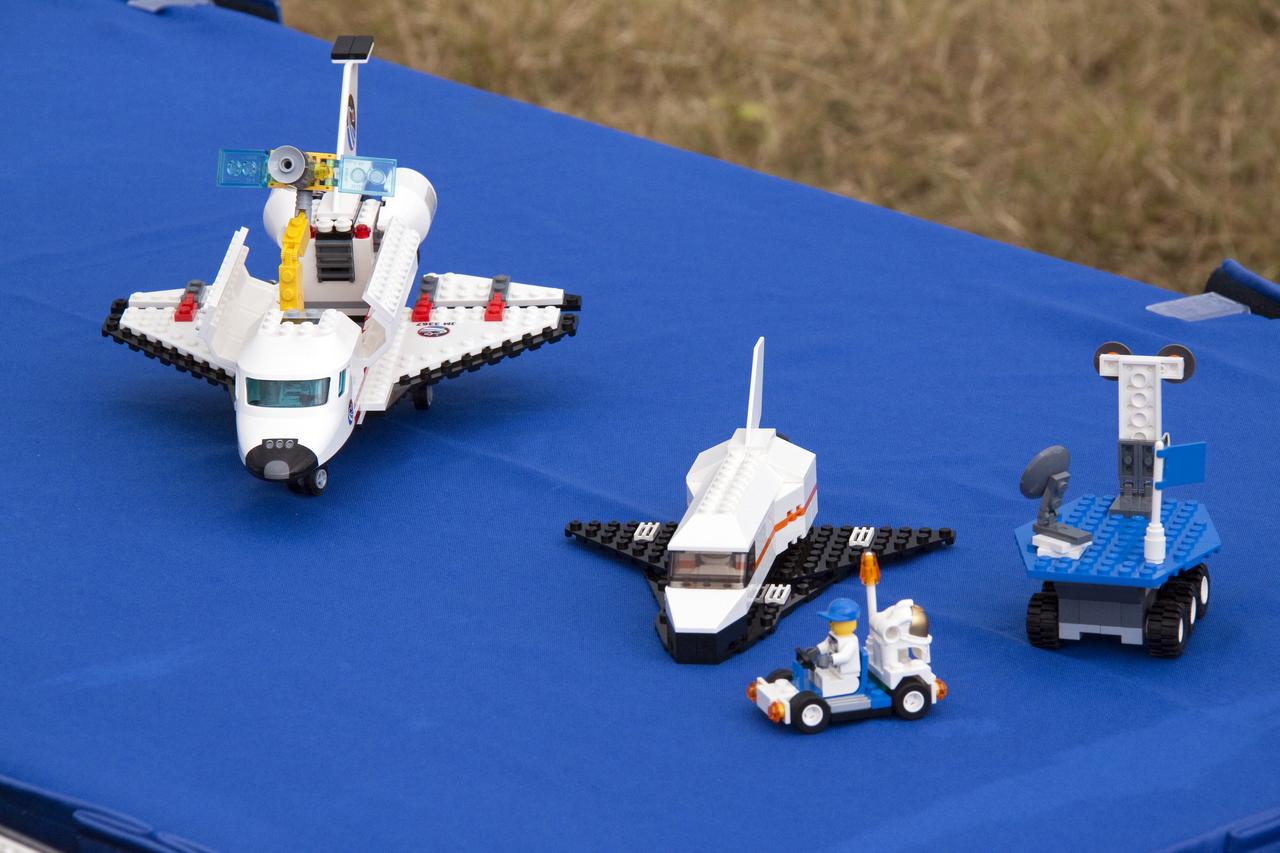
STS-133 LAUNCH L-1 LEGOS ANNOUNCEMENT
2010-5416
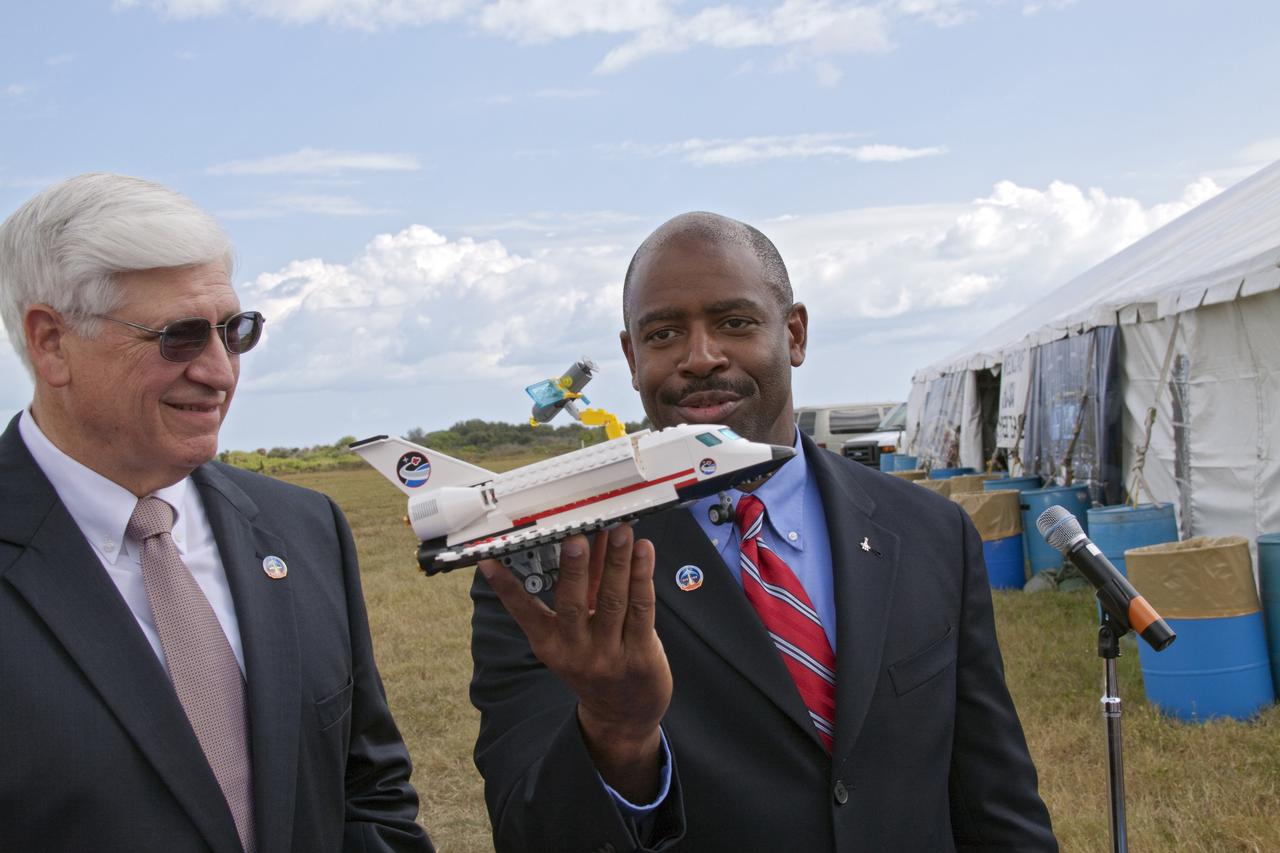
STS-133 LAUNCH L-1 LEGOS ANNOUNCEMENT
2010-5420
STS-132 LAUNCH L-1 RSS ROLLBACK
2010-3307
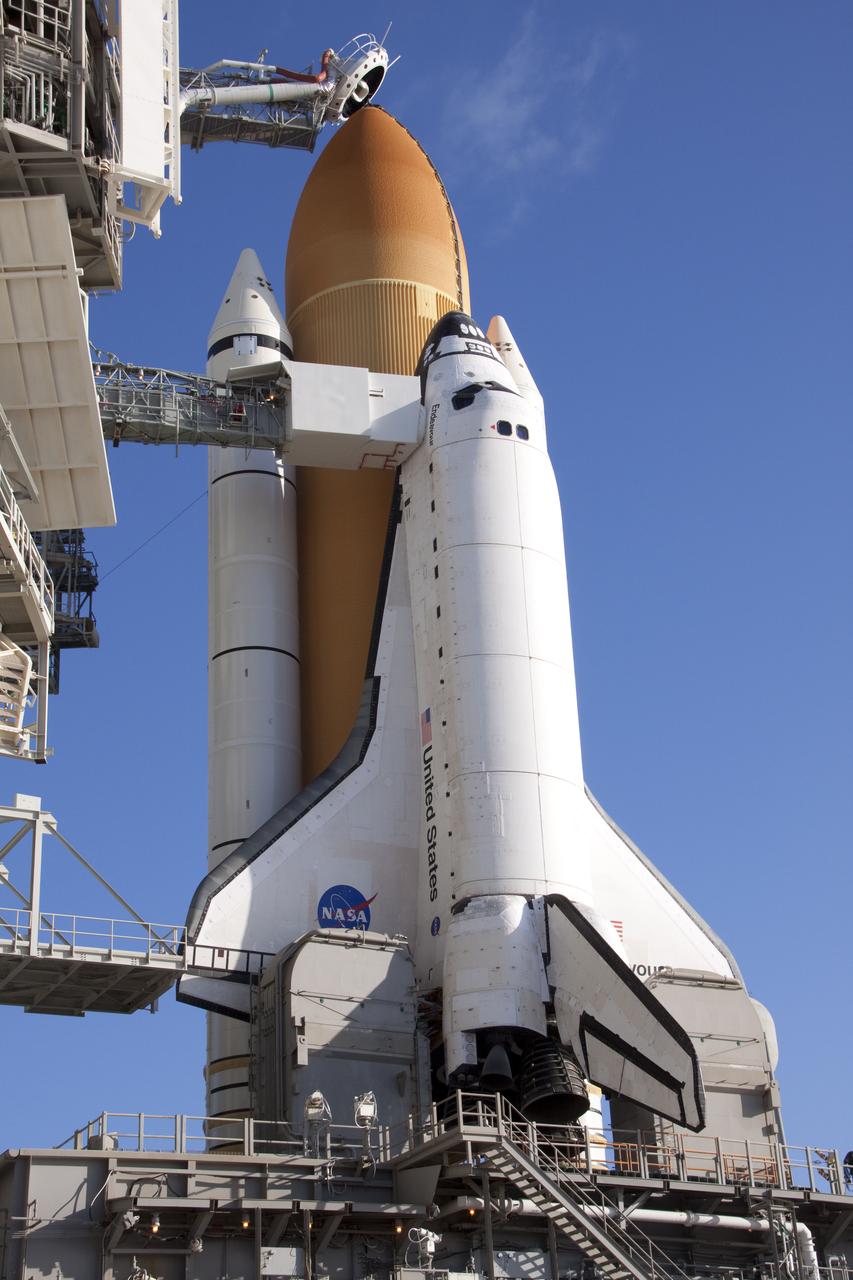
STS-133 LAUNCH L-1 RSS ROLLBACK
2010-5482
STS-133 LAUNCH L-1 RSS ROLLBACK
2010-5475
STS-133 LAUNCH L-1 LEGOS ANNOUNCEMENT
2010-5418
STS-131 LAUNCH L-1 RSS ROLLBACK
2010-2502
STS-130 LAUNCH L-1 RSS ROLLBACK
2010-1601
STS-133 LAUNCH L-1 LEGOS ANNOUNCEMENT
2010-5419
STS-130 LAUNCH L-1 RSS ROLLBACK
2010-1602
STS-130 LAUNCH L-1 RSS ROLLBACK
CARD 1 OF 2
STS-130 LAUNCH L-1 RSS ROLLBACK
2010-1600
STS-133 LAUNCH L-1 RSS ROLLBACK
2010-5476
STS-133 LAUNCH L-1 RSS ROLLBACK
2010-5481
STS-131 LAUNCH L-1 RSS ROLLBACK
2010-2500
STS-133 LAUNCH L-1 RSS ROLLBACK
2010-5483
STS-130 LAUNCH L-1 RSS ROLLBACK
CARD 1 OF 2
STS-133 LAUNCH L-1 LEGOS ANNOUNCEMENT
2010-5411
STS-132 LAUNCH L-1 RSS ROLLBACK
2010-3313
STS-133 LAUNCH L-1 RSS ROLLBACK
2010-5478
STS-132 LAUNCH L-1 RSS ROLLBACK
2010-3311
STS-133 LAUNCH L-1 LEGOS ANNOUNCEMENT
2010-5412
STS-133 LAUNCH L-1 LEGOS ANNOUNCEMENT
2010-5421
STS-130 LAUNCH L-1 RSS ROLLBACK
CARD 1 OF 2
STS-133 LAUNCH L-1 LEGOS ANNOUNCEMENT
2010-5414
STS-133 LAUNCH L-1 RSS ROLLBACK
2010-5487
STS-133 LAUNCH L-1 RSS ROLLBACK
2010-5477
STS-132 LAUNCH L-1 PAD ACTIVITIES
2010-3285
STS-133 LAUNCH L-1 RSS ROLLBACK
2010-5473
STS-131 LAUNCH L-1 RSS ROLLBACK
2010-2501
STS-132 LAUNCH L-1 RSS ROLLBACK
2010-3312
STS-133 LAUNCH L-1 RSS ROLLBACK
2010-5479
STS-132 LAUNCH L-1 RSS ROLLBACK
2010-3305
STS-130 LAUNCH L-1 RSS ROLLBACK
CARD 1 OF 2
STS-132 LAUNCH L-1 RSS ROLLBACK
2010-3308
STS-132 LAUNCH L-1 RSS ROLLBACK
2010-3310
STS-130 LAUNCH L-1 RSS ROLLBACK
CARD 1 OF 2
STS-132 LAUNCH L-1 PAD ACTIVITIES
2010-3288
STS-132 LAUNCH L-1 RSS ROLLBACK
2010-3306
STS-130 LAUNCH L-1 RSS ROLLBACK
CARD 1 OF 2
STS-133 LAUNCH L-1 RSS ROLLBACK
2010-5488
STS-130 LAUNCH L-1 RSS ROLLBACK
CARD 1 OF 2
STS-133 LAUNCH L-1 RSS ROLLBACK
2010-5489
STS-133 LAUNCH L-1 RSS ROLLBACK
2010-5484
STS-133 LAUNCH L-1 RSS ROLLBACK
2010-5474
STS-130 LAUNCH L-1 RSS ROLLBACK
CARD 1 OF 2
STS-130 LAUNCH L-1 RSS ROLLBACK
CARD 1 OF 2
STS-132 LAUNCH L-1 RSS ROLLBACK
2010-3304
STS-130 LAUNCH L-1 RSS ROLLBACK
CARD 1 OF 2
STS-130 LAUNCH L-1 RSS ROLLBACK
CARD 1 OF 2
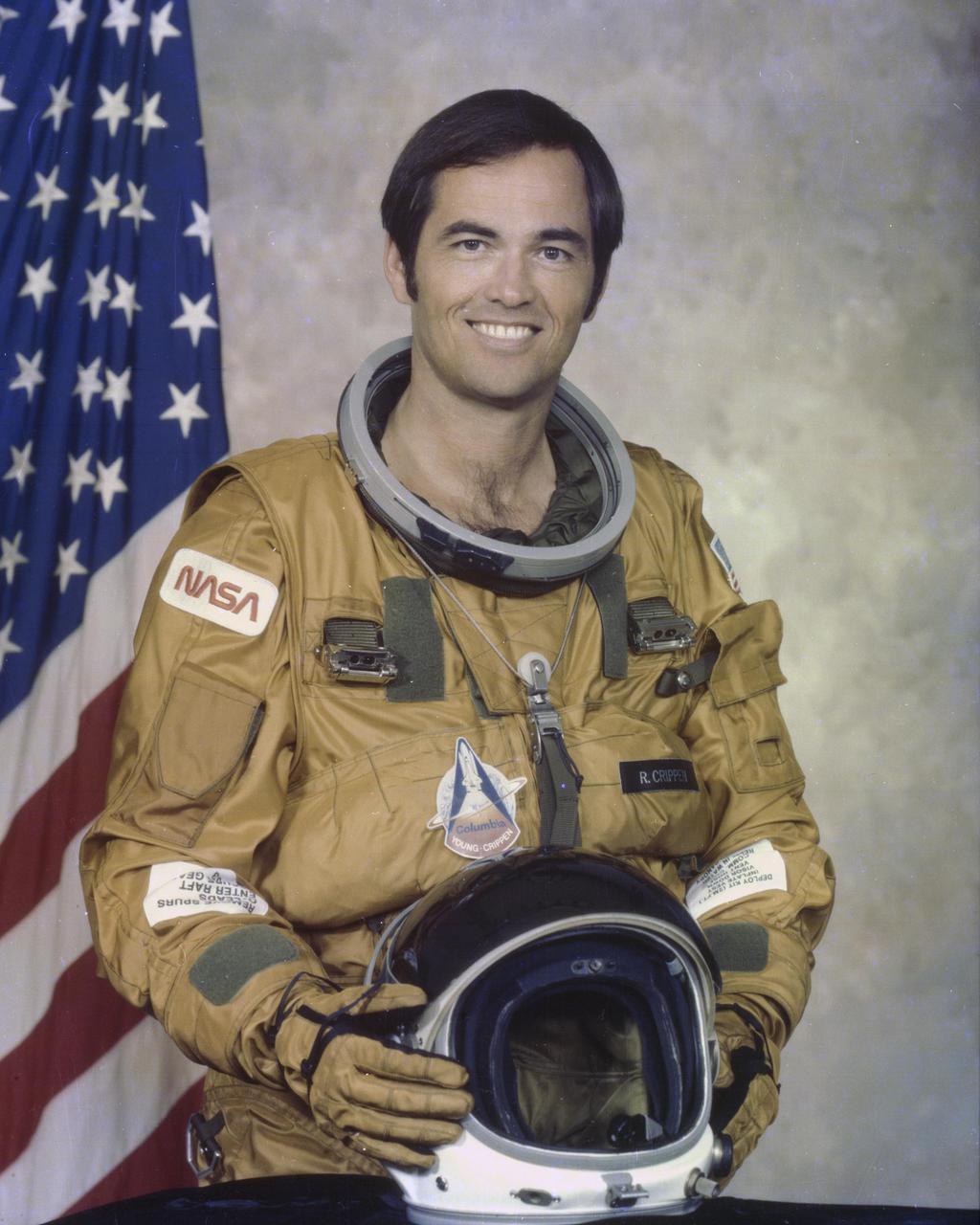
KENNEDY SPACE CENTER, FLA.  -    Robert L. Crippen, Pilot for the STS-1 mission of the Space Shuttle Orbiter Columbia.   The STS-1 mission, known as a shuttle systems test flight, will seek to demonstrate safe launch into orbit and safe return of the orbiter and crew and verify the combined performance of the entire shuttle vehicle -- orbiter, solid rocket boosters and external tank.  STS-1 will be launched from Pad A at the Kennedy Space Center's Launch Complex 39 no earlier than March 1981.
KSC-79pc-0272
KENNEDY SPACE CENTER, FLA.  -    John H. Young is the commander for the STS-1 mission of the Space Shuttle Orbiter Columbia.   The STS-1 mission, known as a shuttle systems test flight, will seek to demonstrate safe launch into orbit and safe return of the orbiter and crew and verify the combined performance of the entire shuttle vehicle -- orbiter, solid rocket boosters and external tank.  STS-1 will be launched from Pad A at the Kennedy Space Center's Launch Complex 39 no earlier than March 1981.
KSC-79pc-0273
KENNEDY SPACE CENTER, FLA. -  After leaving the Vehicle Assembly Building, the Space Shuttle Discovery makes its slow - up to 1 mile per hour - trek along the crawlerway to Launch Pad 39A in preparation for the STS-82 mission.  The Shuttle is assembled on a Mobile Launcher Platform, seen in this view taken from above, and the entire assemblage is carried out to the launch pad on the crawler transporter, which is underneath the MLP.  A seven-member crew will perform the second servicing of the orbiting Hubble Space Telescope (HST) during the 10-day STS-82 mission, which is targeted for a Feb. 11 liftoff.
KENNEDY SPACE CENTER, FLA. - After leaving the Vehicle Assembly Building, the Space Shuttle Discovery makes its slow - up to 1 mile per hour - trek along the crawlerway to Launch Pad 39A in preparation for the STS-82 mission. The Shuttle is assembled on a Mobile Launcher Platform, seen in this view taken from above, and the entire assemblage is carried out to the launch pad on the crawler transporter, which is underneath the MLP. A seven-member crew will perform the second servicing of the orbiting Hubble Space Telescope (HST) during the 10-day STS-82 mission, which is targeted for a Feb. 11 liftoff.
STS-130 LAUNCH L-1 RSS ROLLBACK - WIDE OPEN
2010-1605
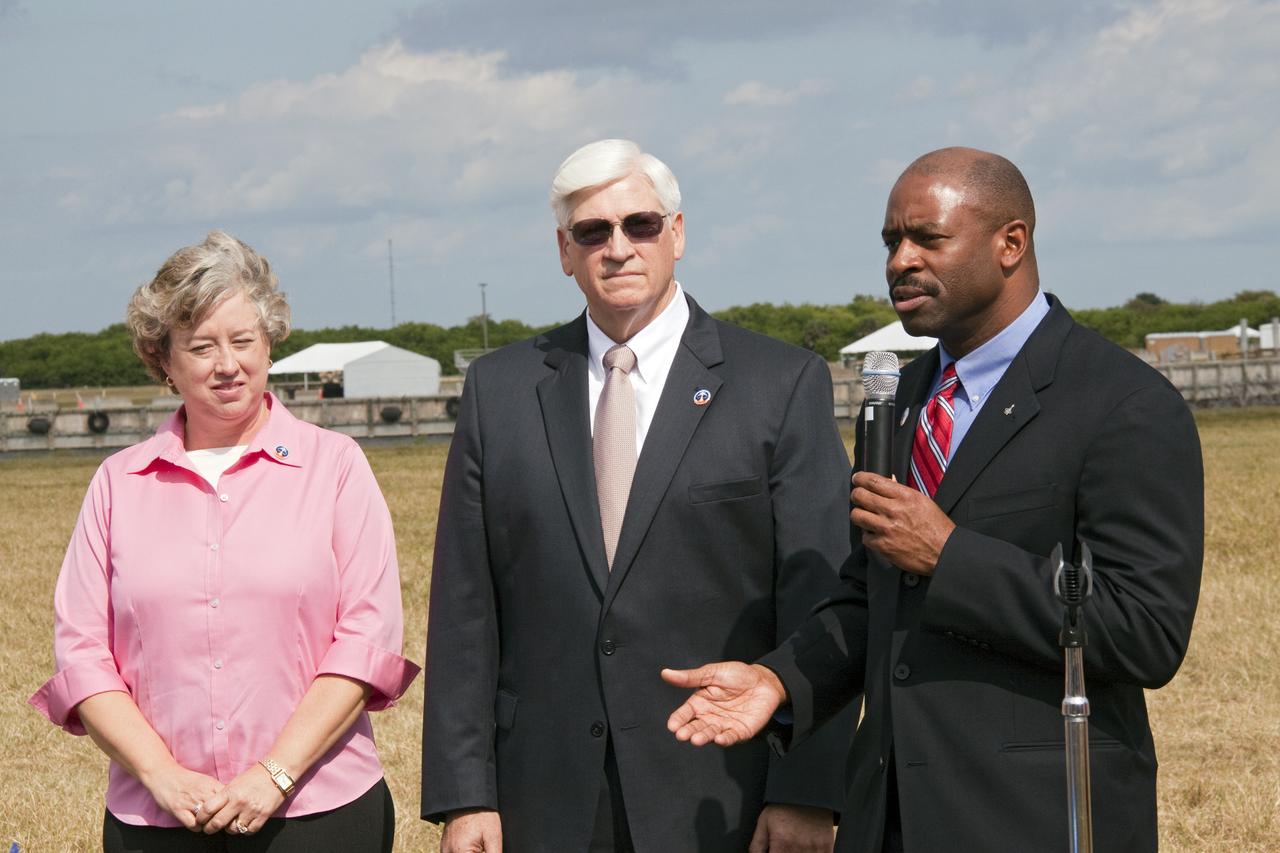
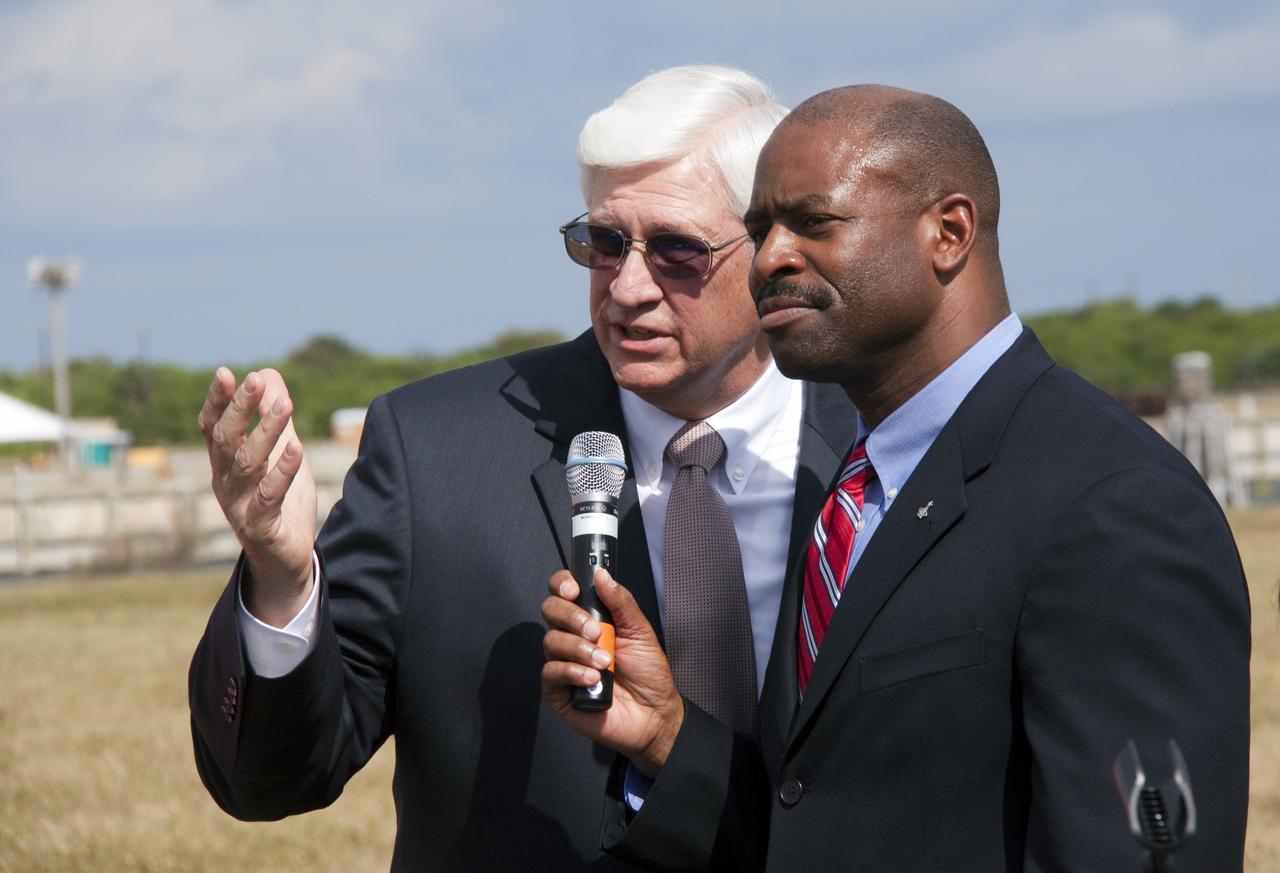
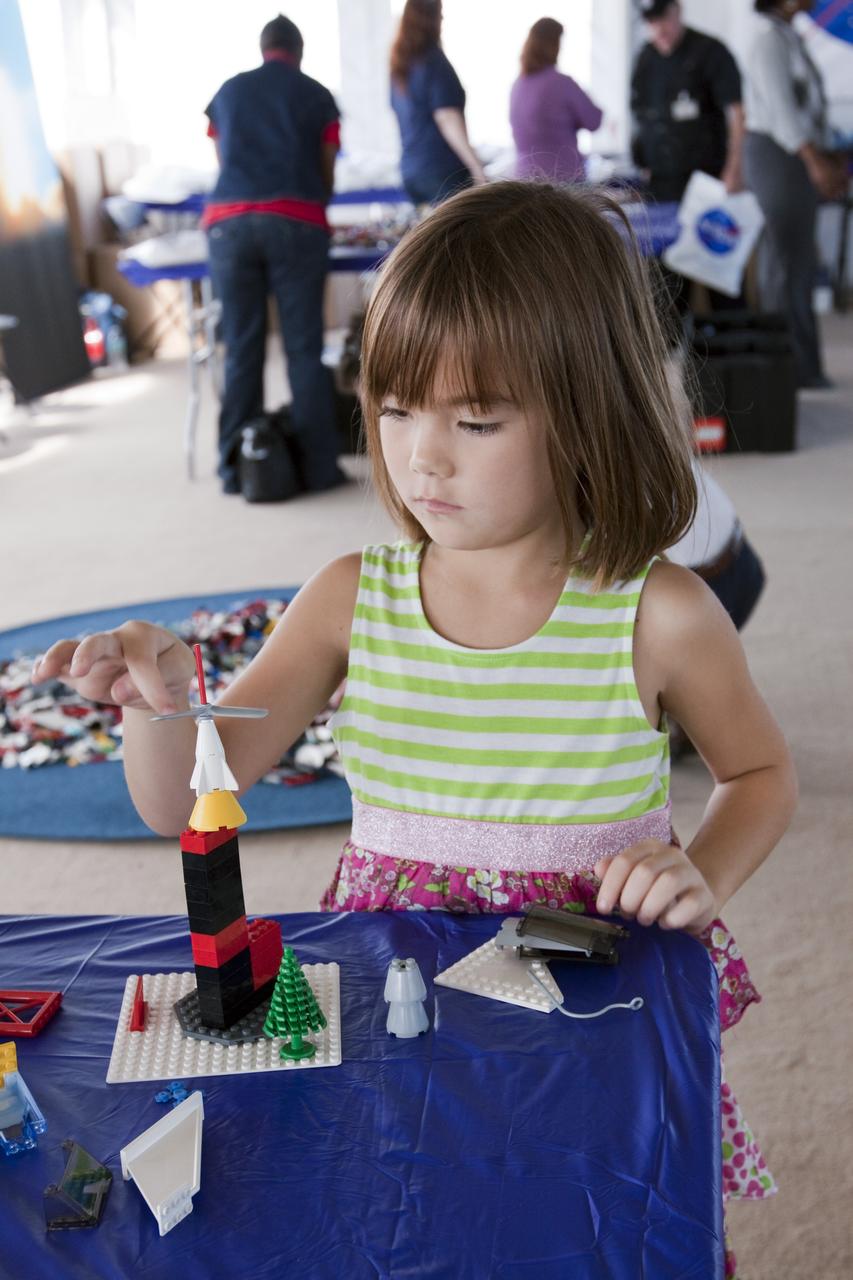
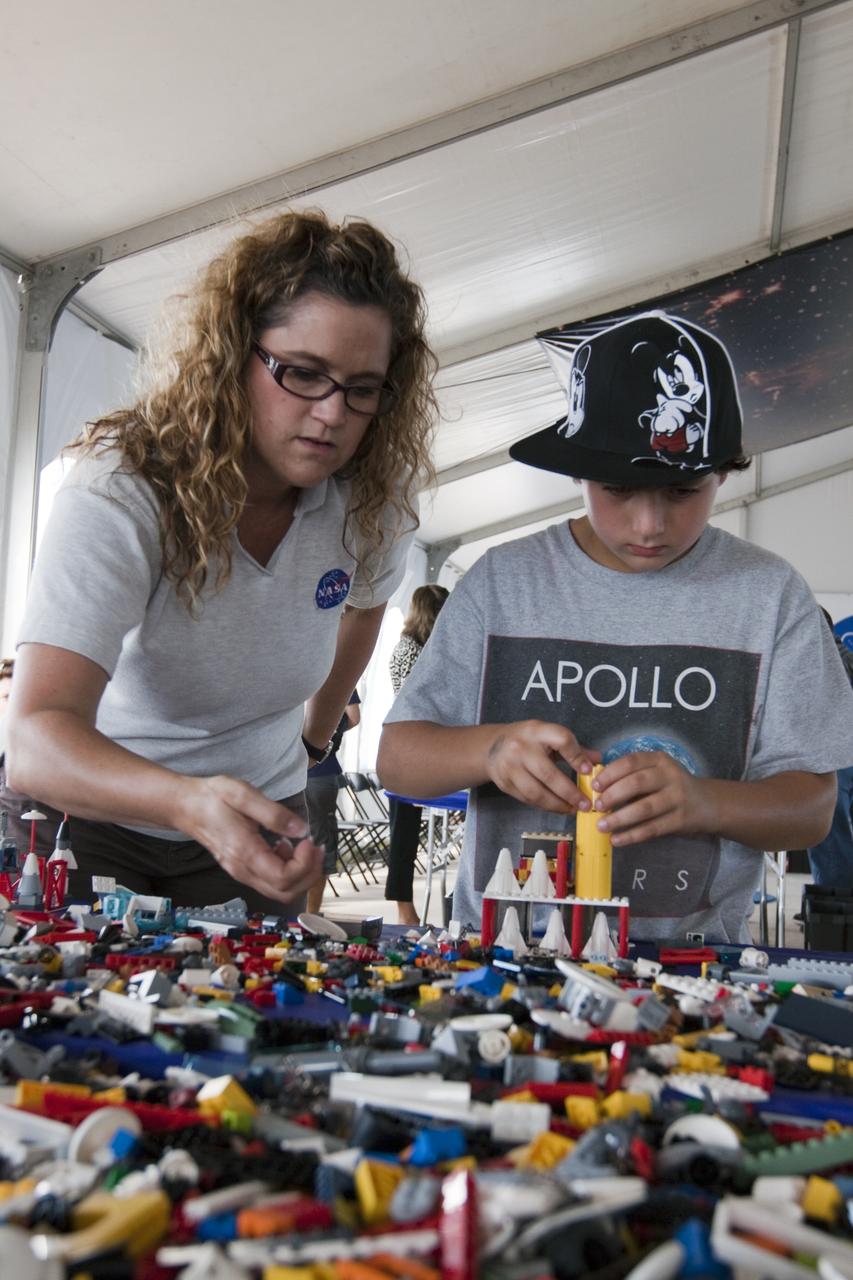
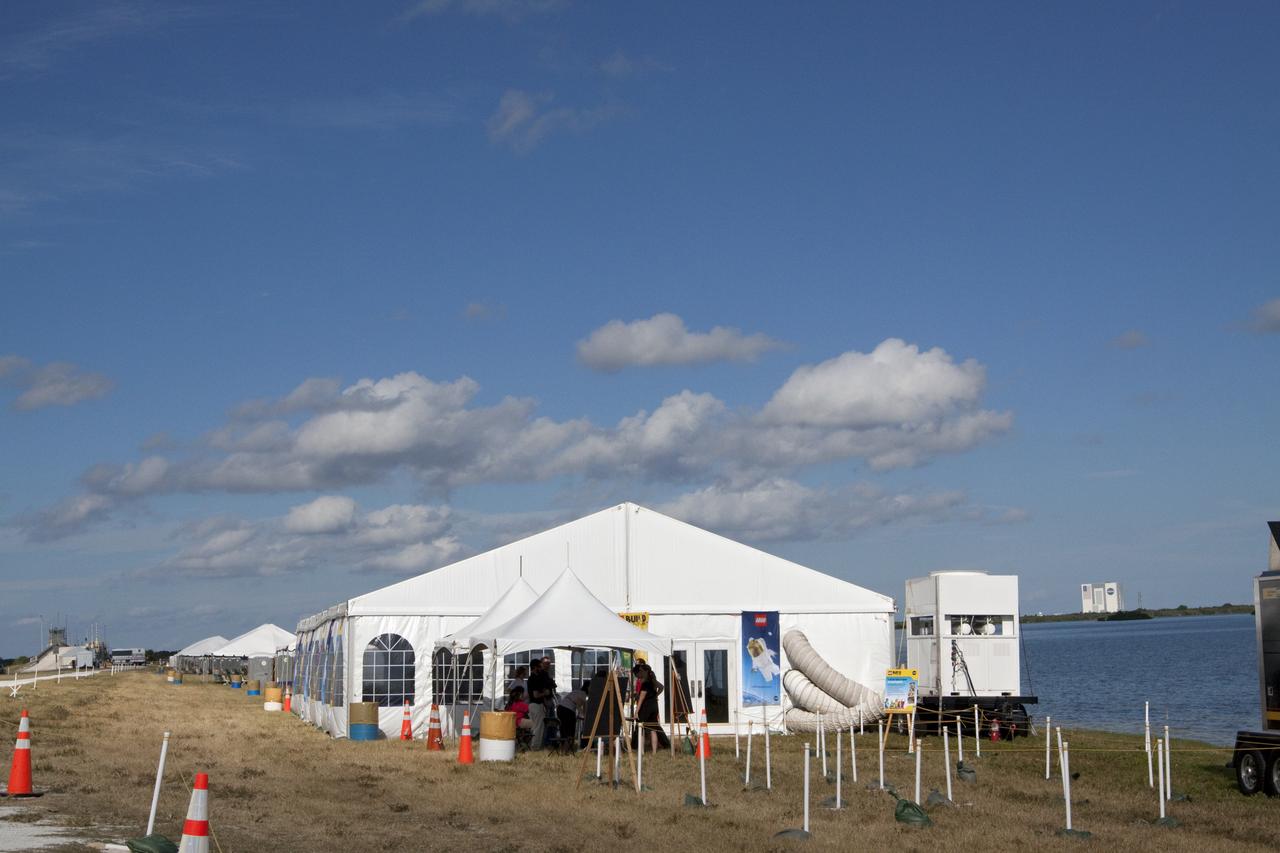
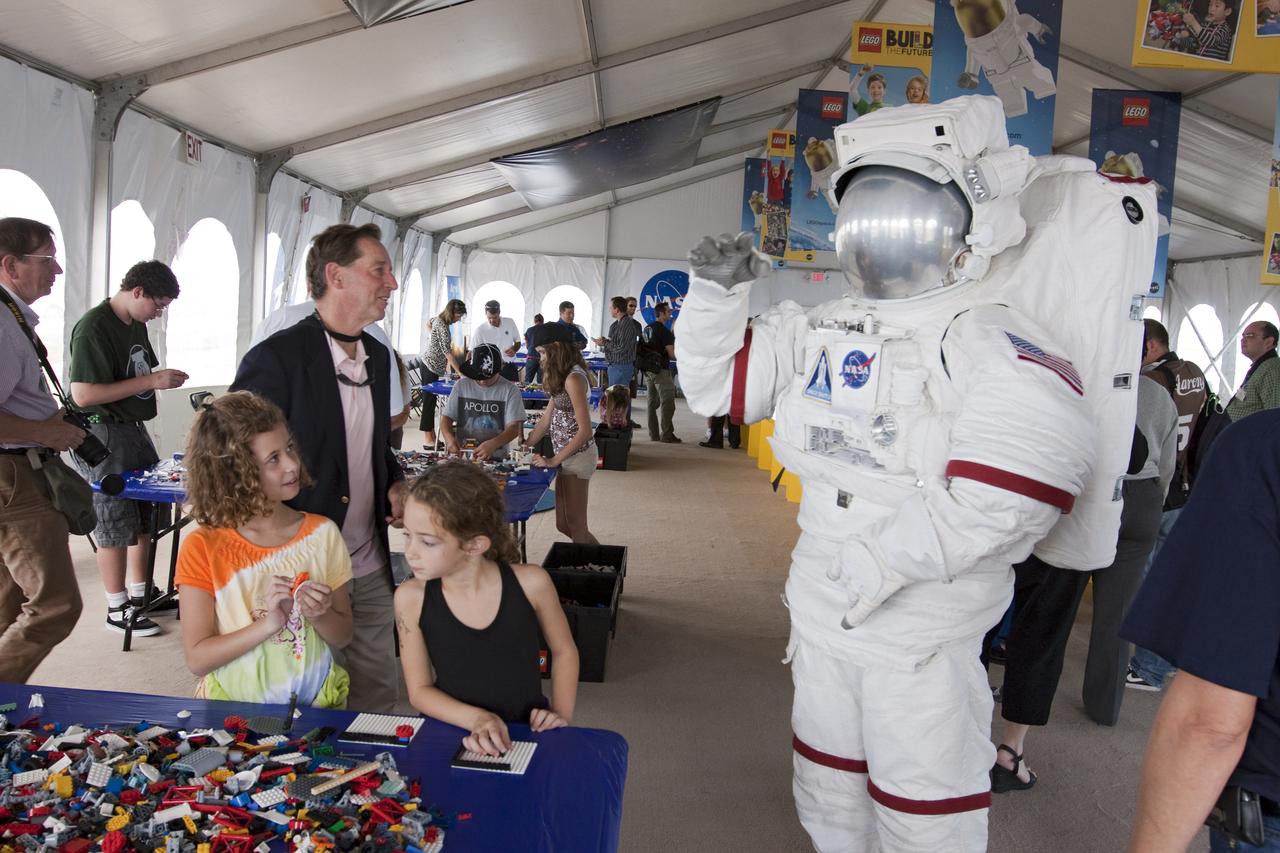
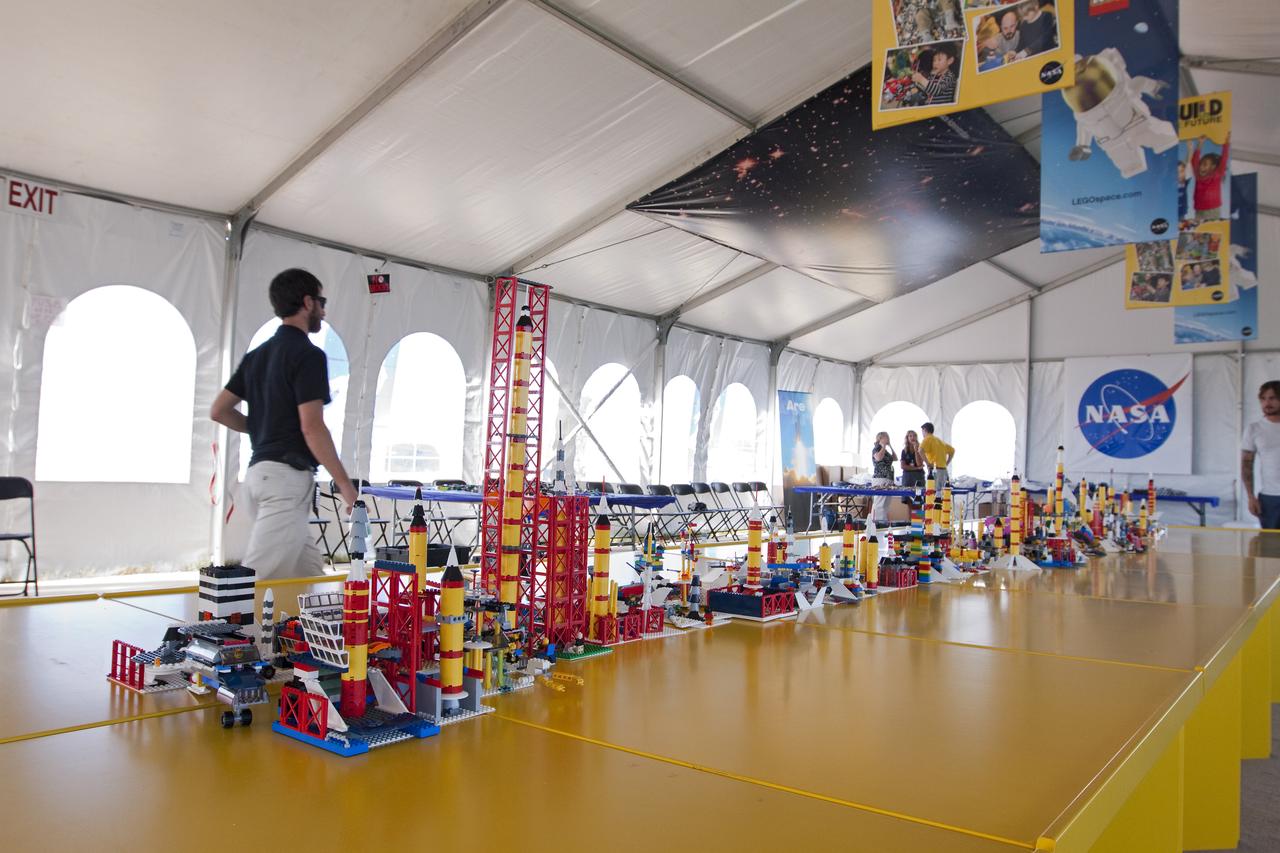
STS-133 LAUNCH L-1 LEGO EVENT FOR STUDENTS ON NASA CAUSEWAY
2010-5434
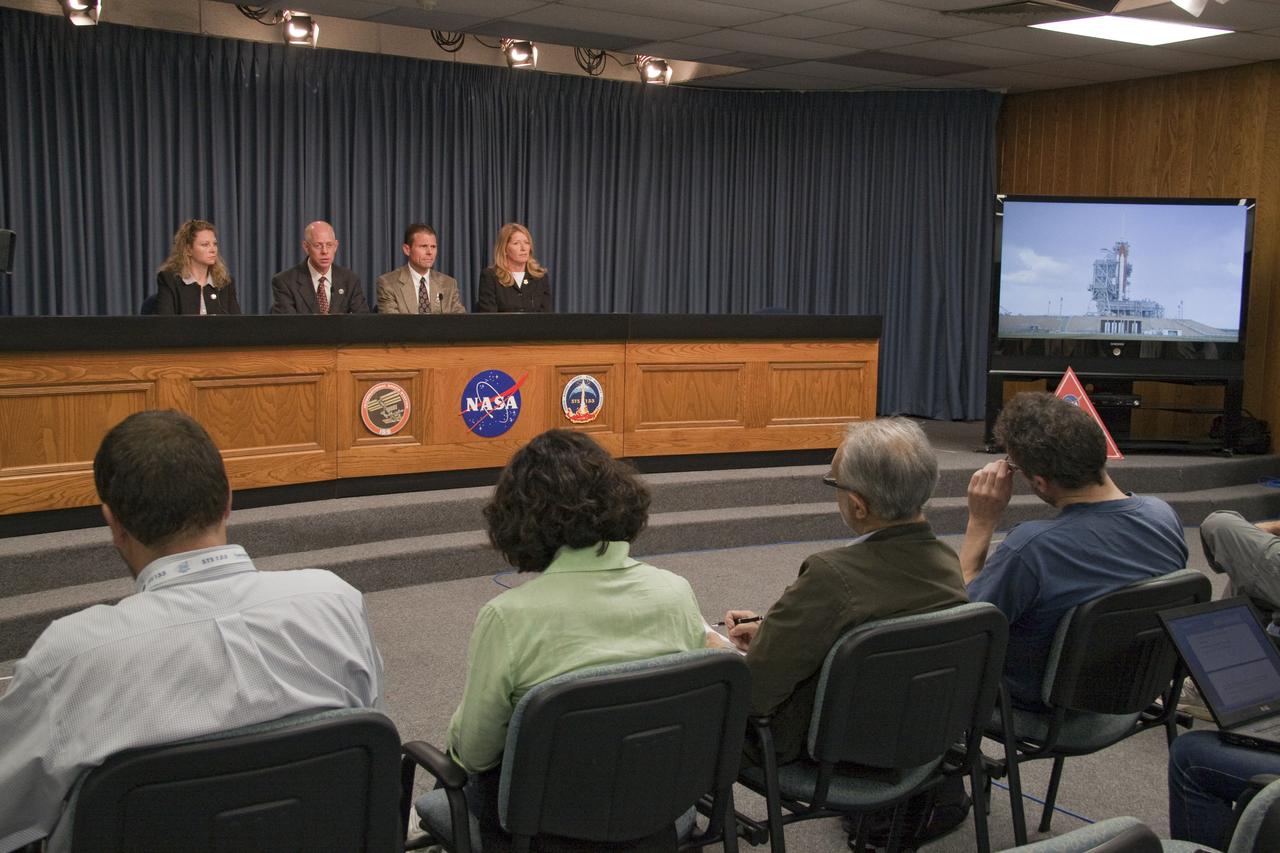
STS-133 LAUNCH L-1 POST MMT STATUS BRIEFING
2010-5452
STS-133 LAUNCH L-1 POST MMT STATUS BRIEFING
2010-5450
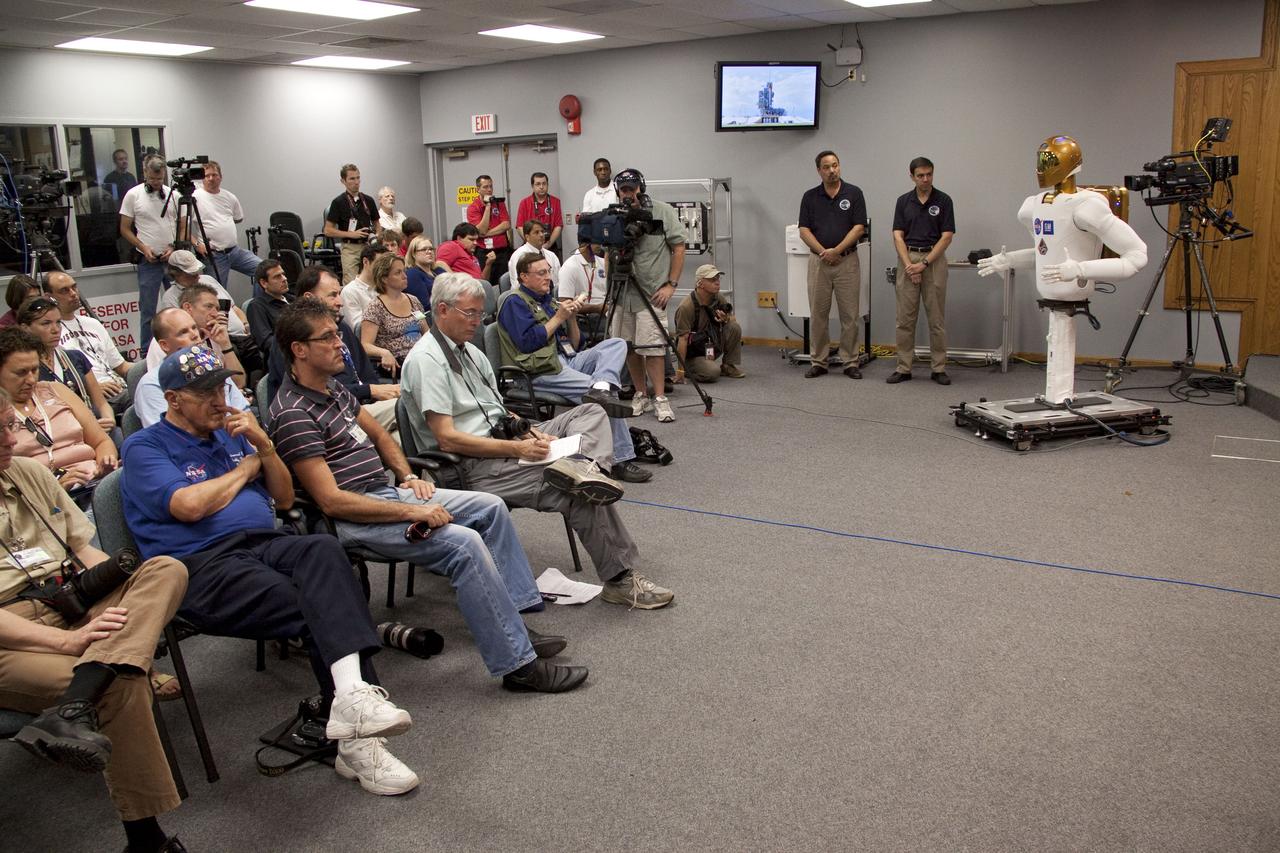
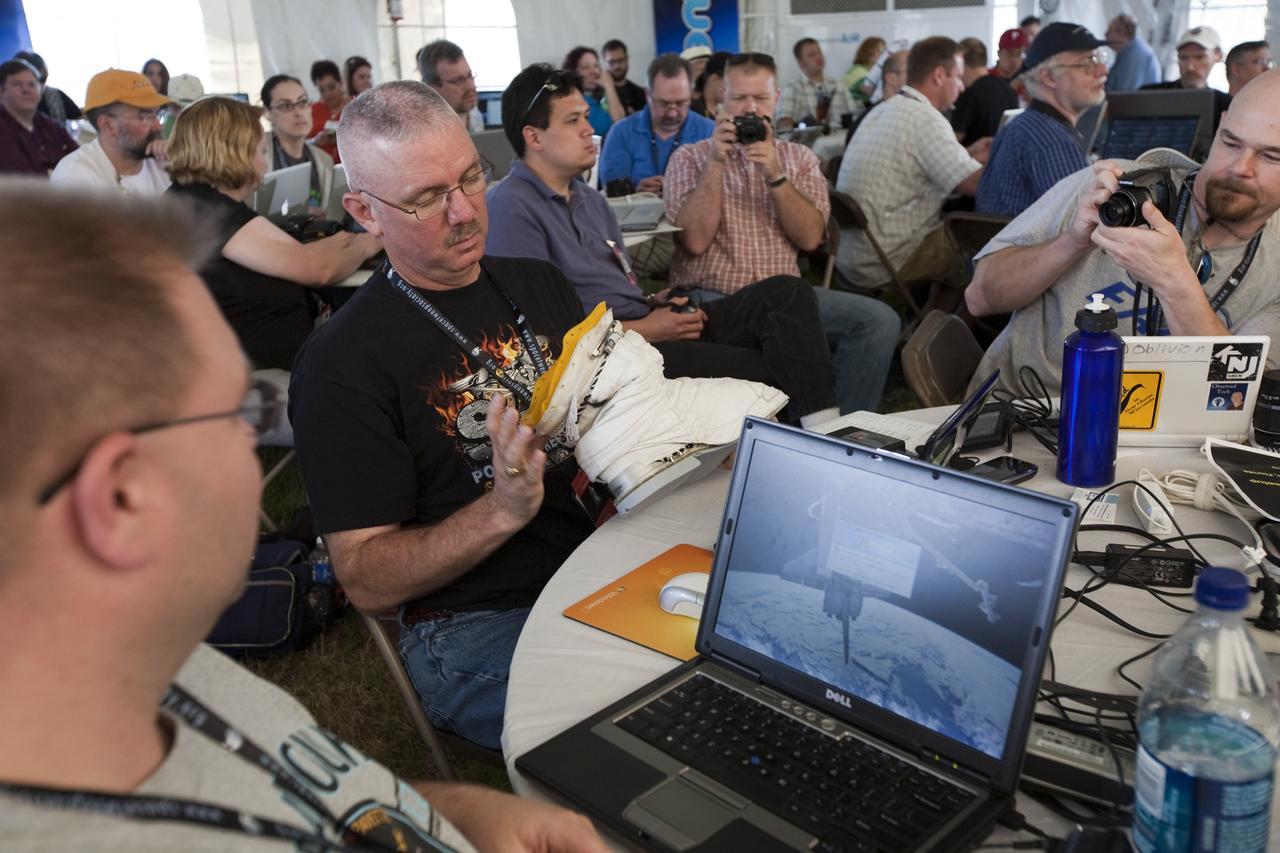
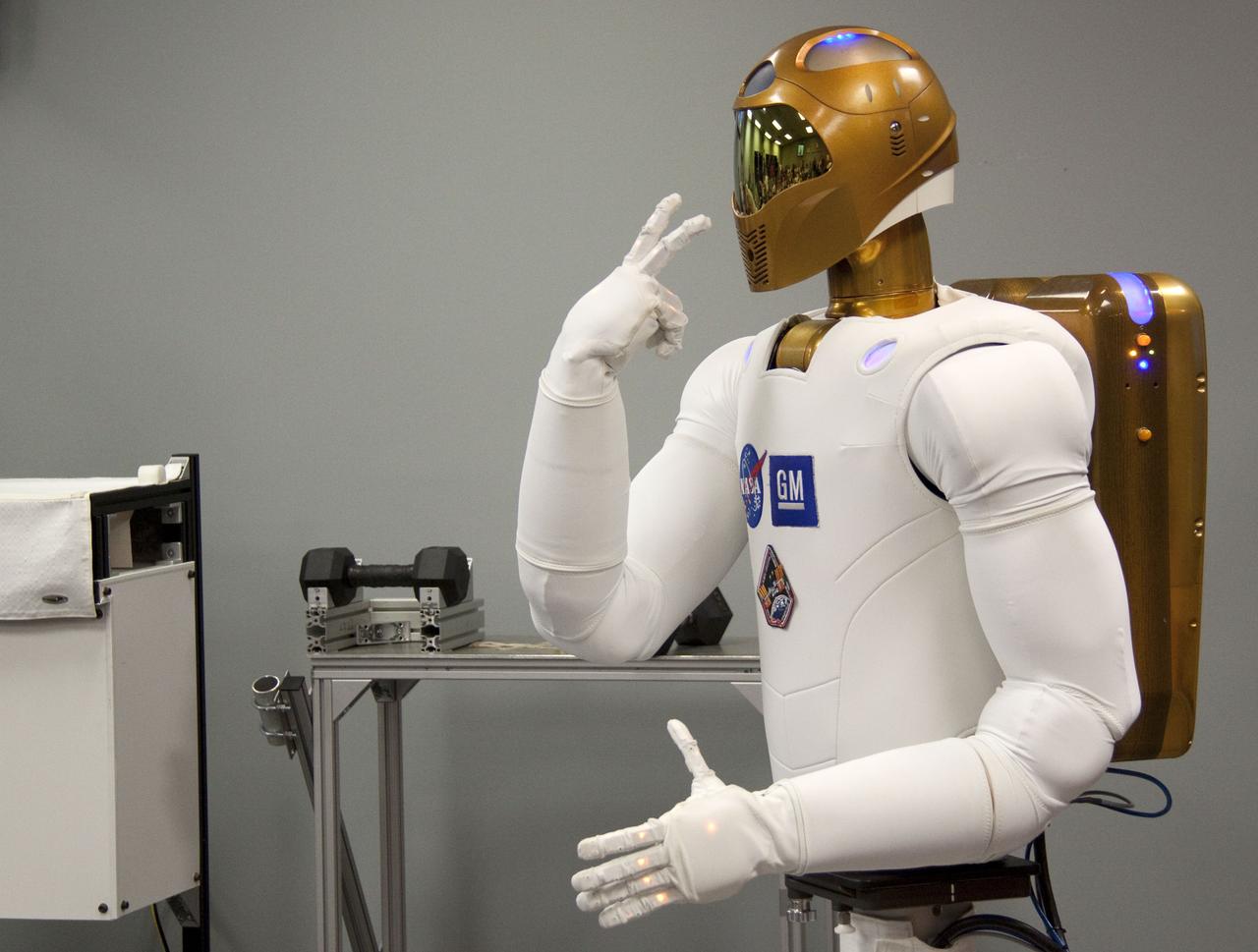
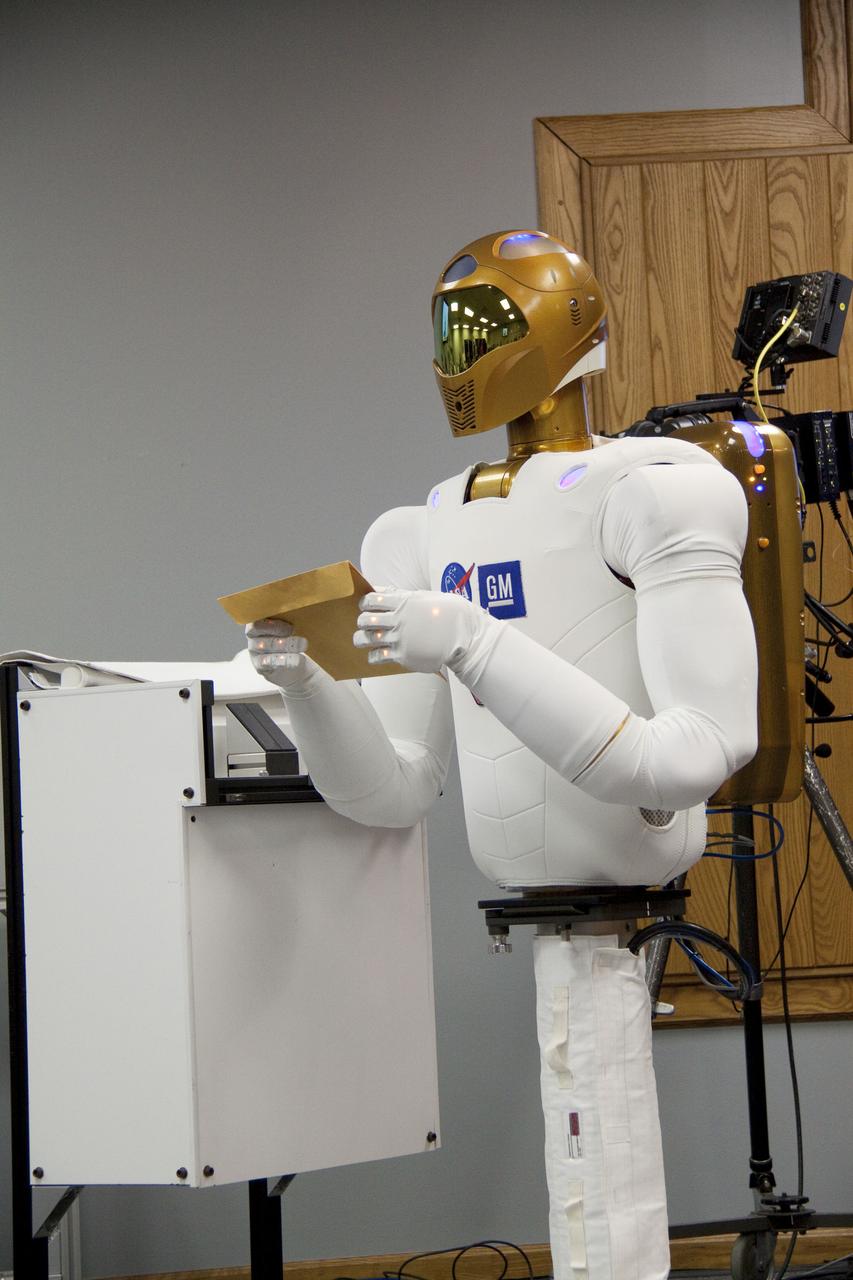
STS-133 LAUNCH L-1 R2 ROBONAUT DEMONSTRATION - NEWS CONFERENCE
2010-5425
STS-133 LAUNCH L-1 LEGO EVENT FOR STUDENTS ON NASA CAUSEWAY
2010-5439
STS-133 LAUNCH L-1 LEGO EVENT FOR STUDENTS ON NASA CAUSEWAY
2010-5441
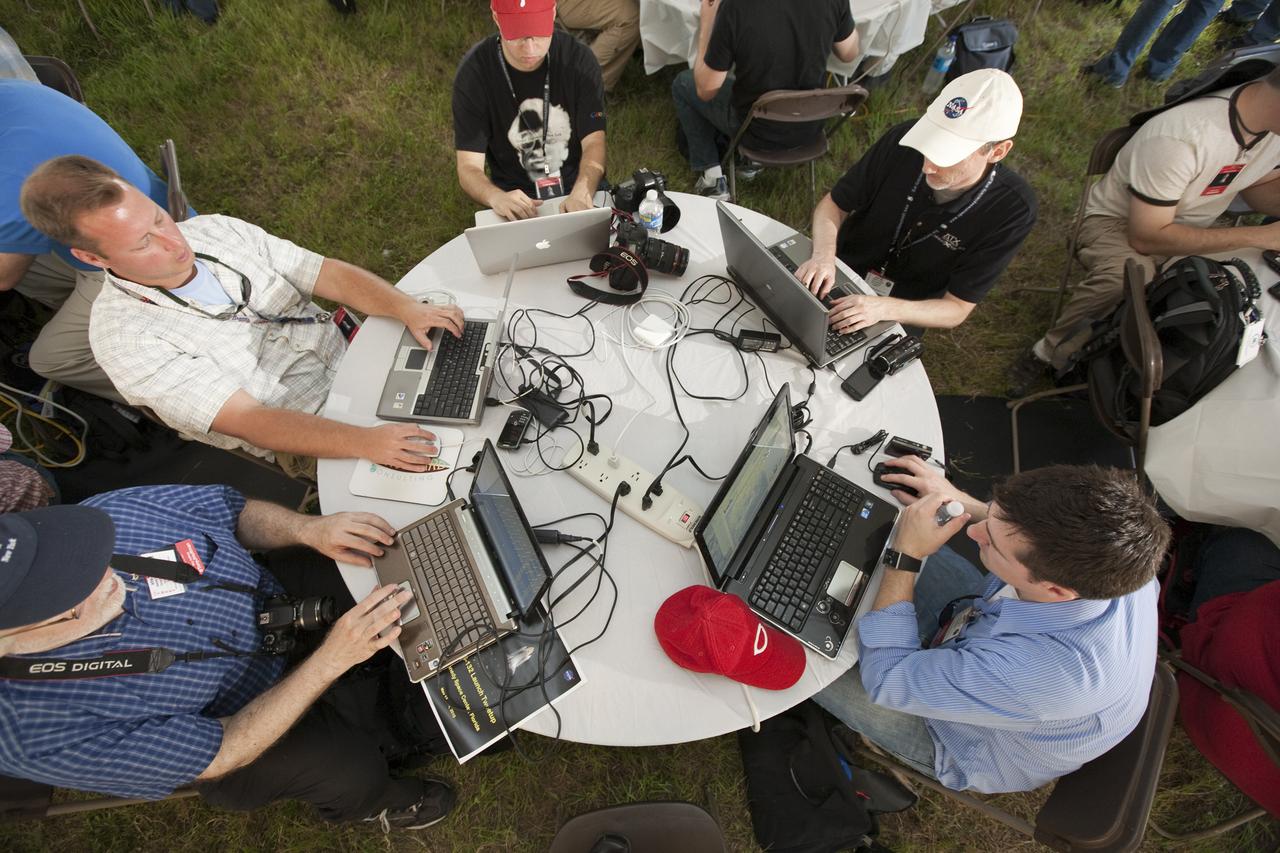
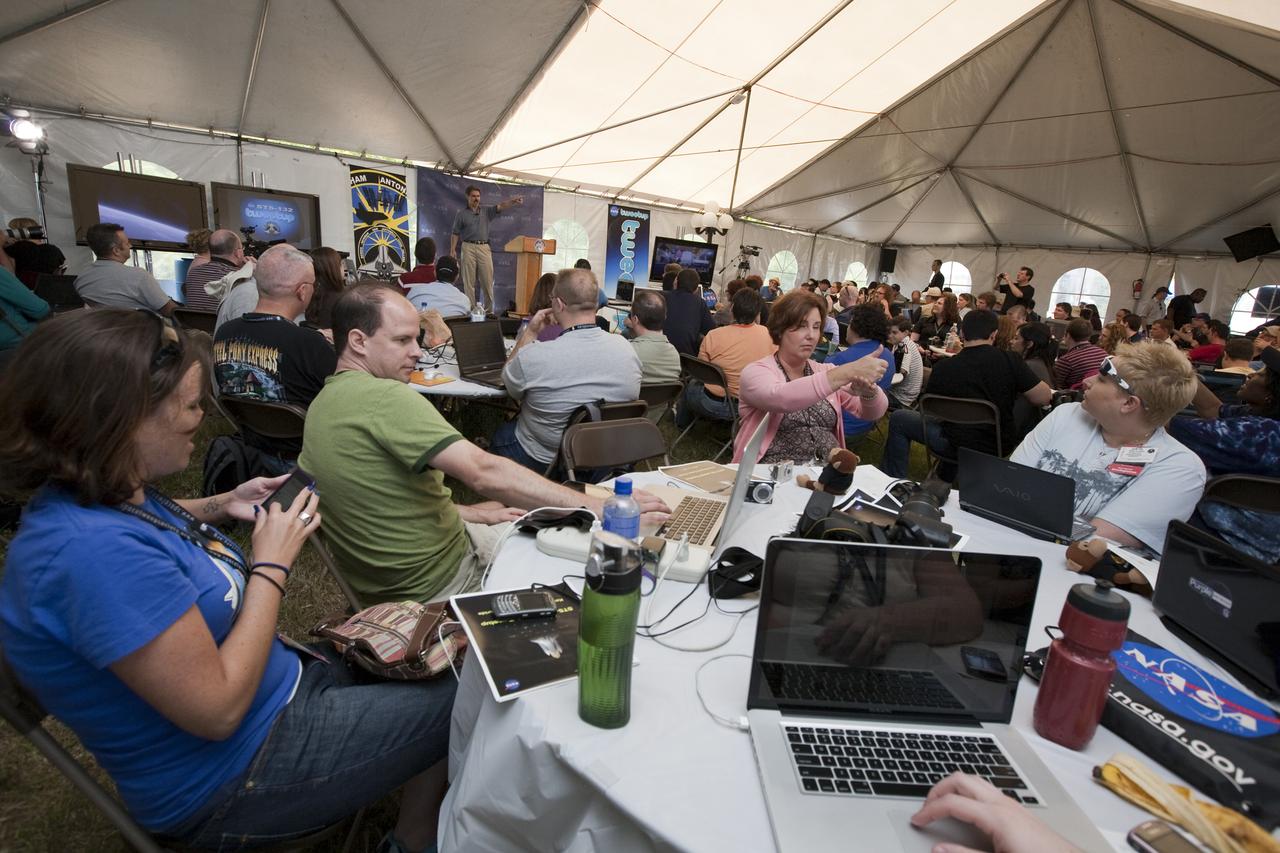
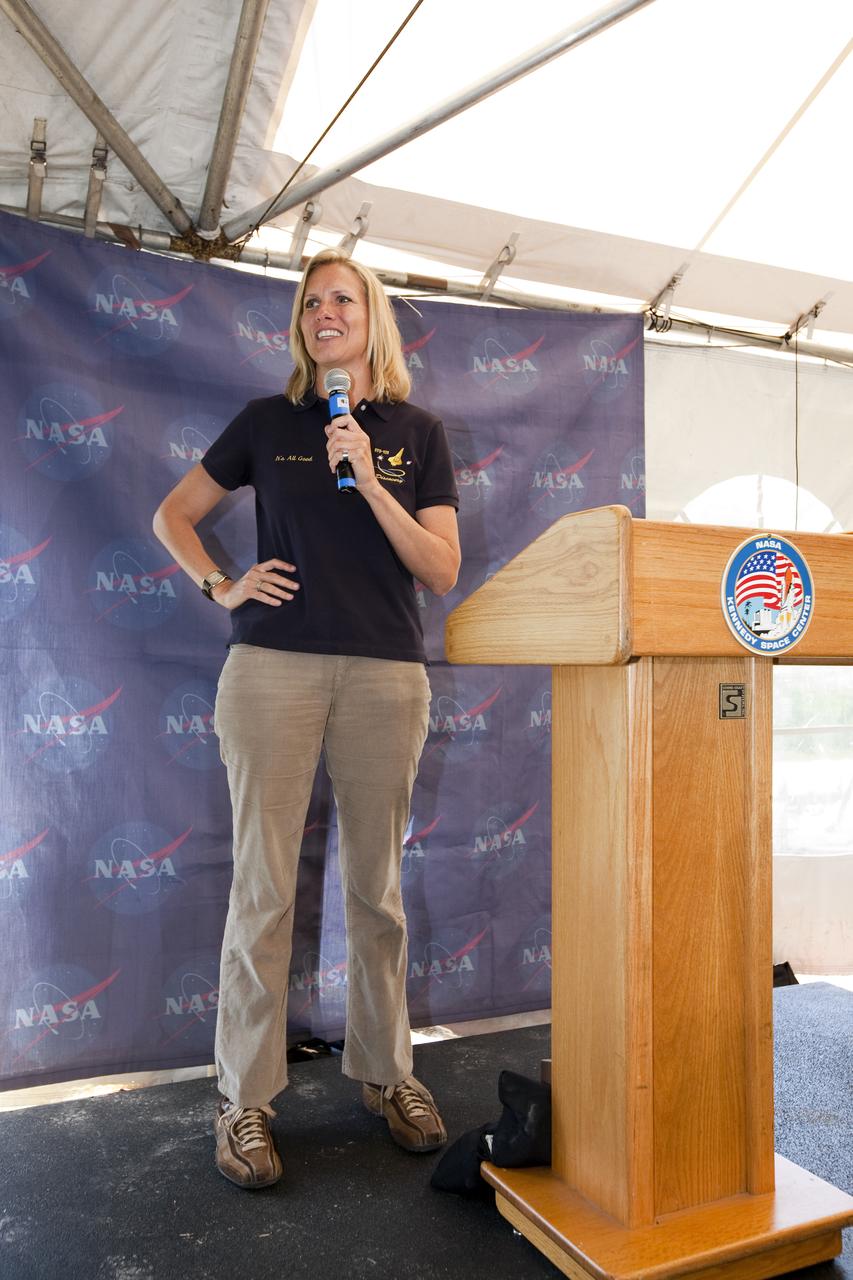
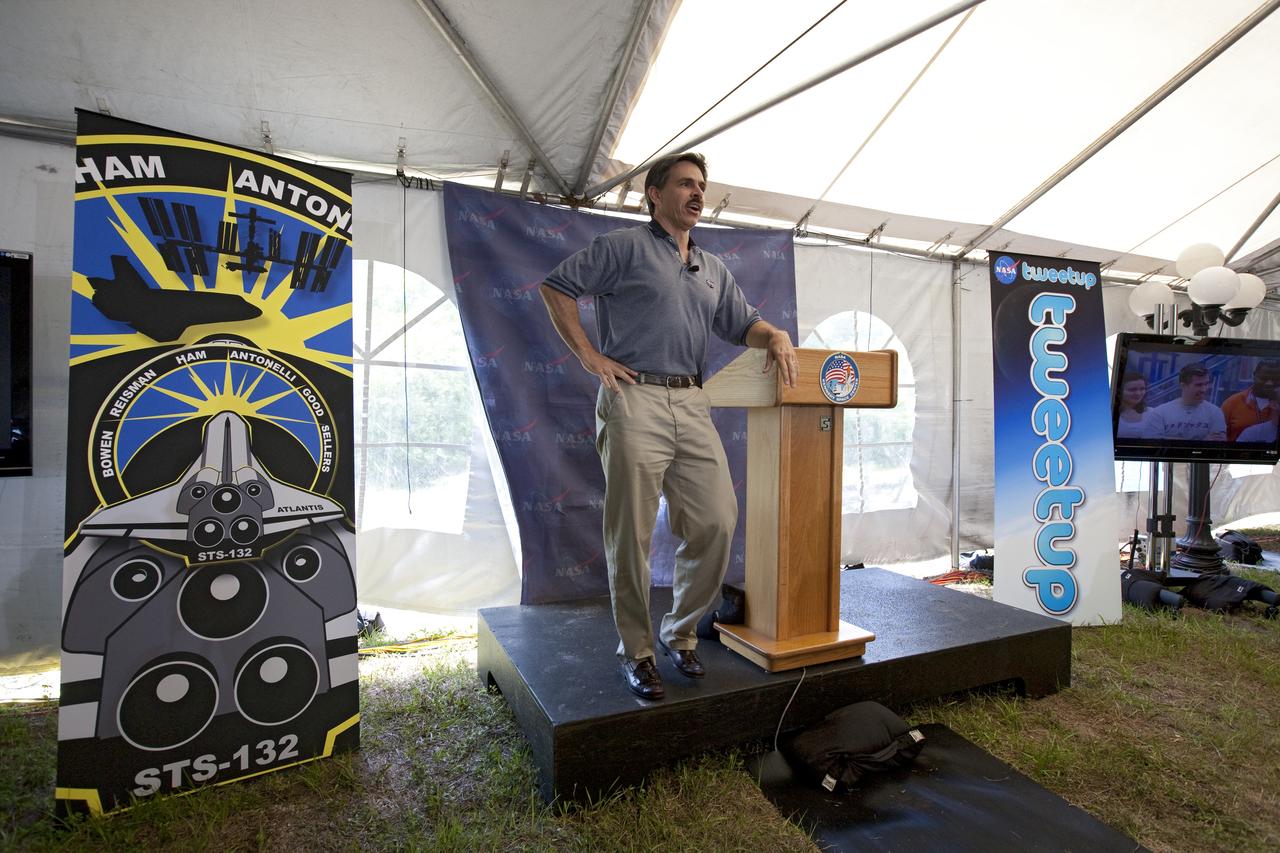
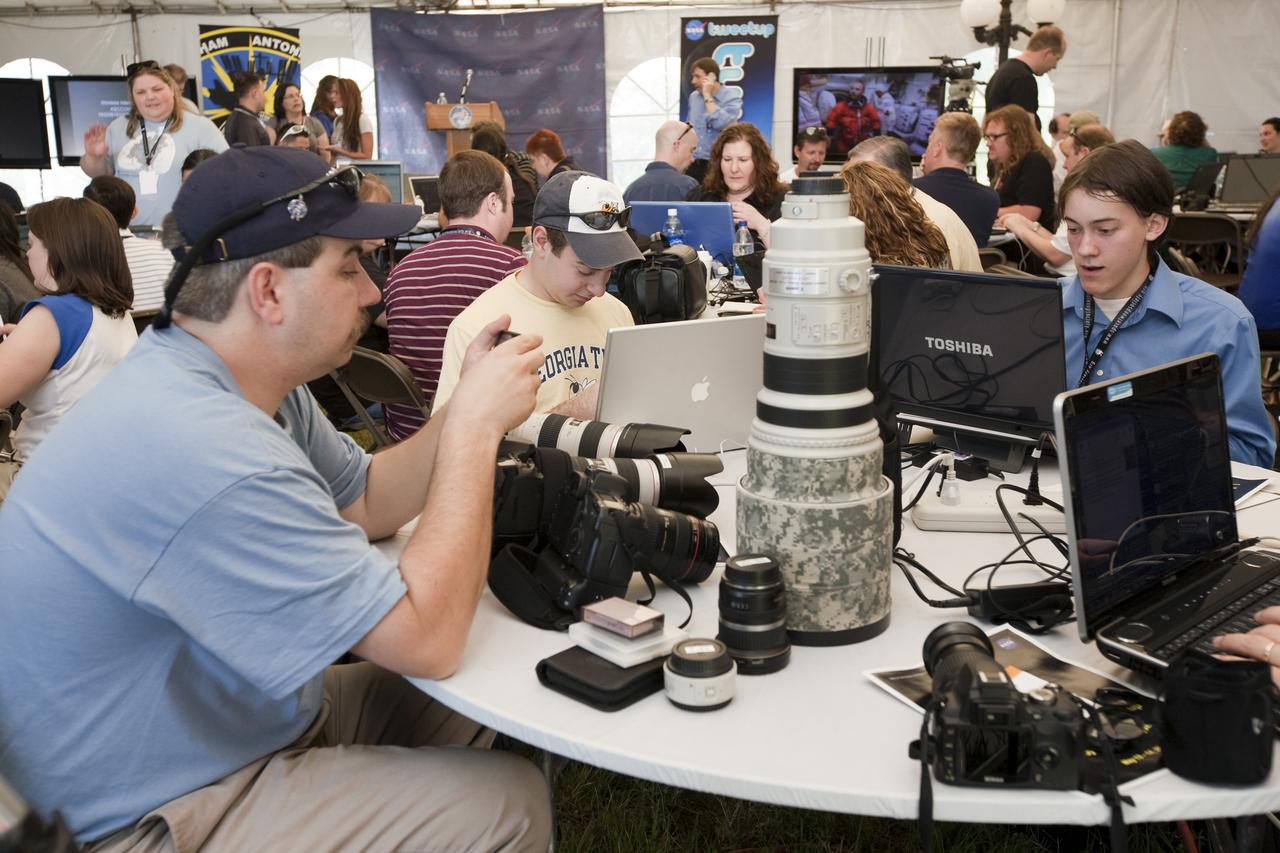
STS-132 LAUNCH L-1 MEDIA TWEETUP OPENING CEREMONY
2010-3290
STS-133 LAUNCH L-1 R2 ROBONAUT DEMONSTRATION - NEWS CONFERENCE
2010-5427
STS-133 LAUNCH L-1 LEGO EVENT FOR STUDENTS ON NASA CAUSEWAY
2010-5442
STS-133 LAUNCH L-1 R2 ROBONAUT DEMONSTRATION - NEWS CONFERENCE
2010-5422
STS-132 LAUNCH L-1 MEDIA TWEETUP OPENING CEREMONY
2010-3294
STS-132 LAUNCH L-1 MEDIA TWEETUP OPENING CEREMONY
2010-3292
STS-133 LAUNCH L-1 R2 ROBONAUT DEMONSTRATION - NEWS CONFERENCE
2010-5424
STS-133 LAUNCH L-1 LEGO EVENT FOR STUDENTS ON NASA CAUSEWAY
2010-5437
STS-133 LAUNCH L-1 R2 ROBONAUT DEMONSTRATION - NEWS CONFERENCE
2010-5423
STS-133 LAUNCH L-1 LEGO EVENT FOR STUDENTS ON NASA CAUSEWAY
2010-5432
STS-133 LAUNCH L-1 COUNTDOWN STATUS & WEATHER BRIEFING
2010-5402