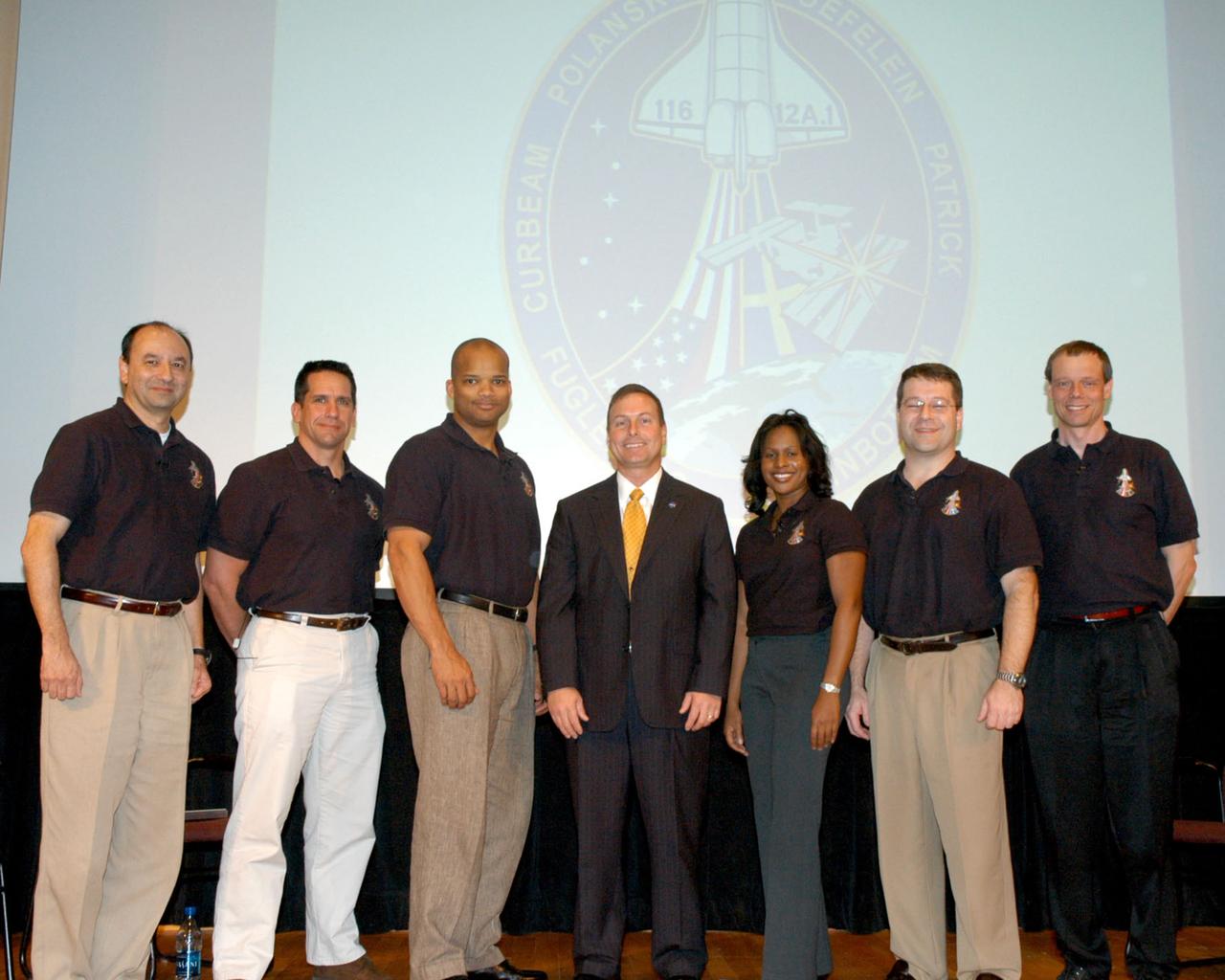
The astronauts of NASA's STS-116 space shuttle mission visited NASA Stennis Space Center in south Mississippi to share highlights of their 13-day mission and to thank SSC employees for the reliability of the space shuttle's main engines, which helped propel Space Shuttle Discovery into orbit during its Dec. 9, 2006, launch. Pictured (from left) are STS-116 crewmembers Commander Mark Polansky, Pilot Bill Oefelein, Mission Specialist Robert Curbeam, SSC Center Director, Richard Gilbrech, Mission Specialists Joan Higginbotham, Nicholas Patrick and Christer Fuglesang. During the mission, which began with the first evening launch since 2002, the astronauts installed the P5 spacer truss segment and rewired the International Space Station's power system.
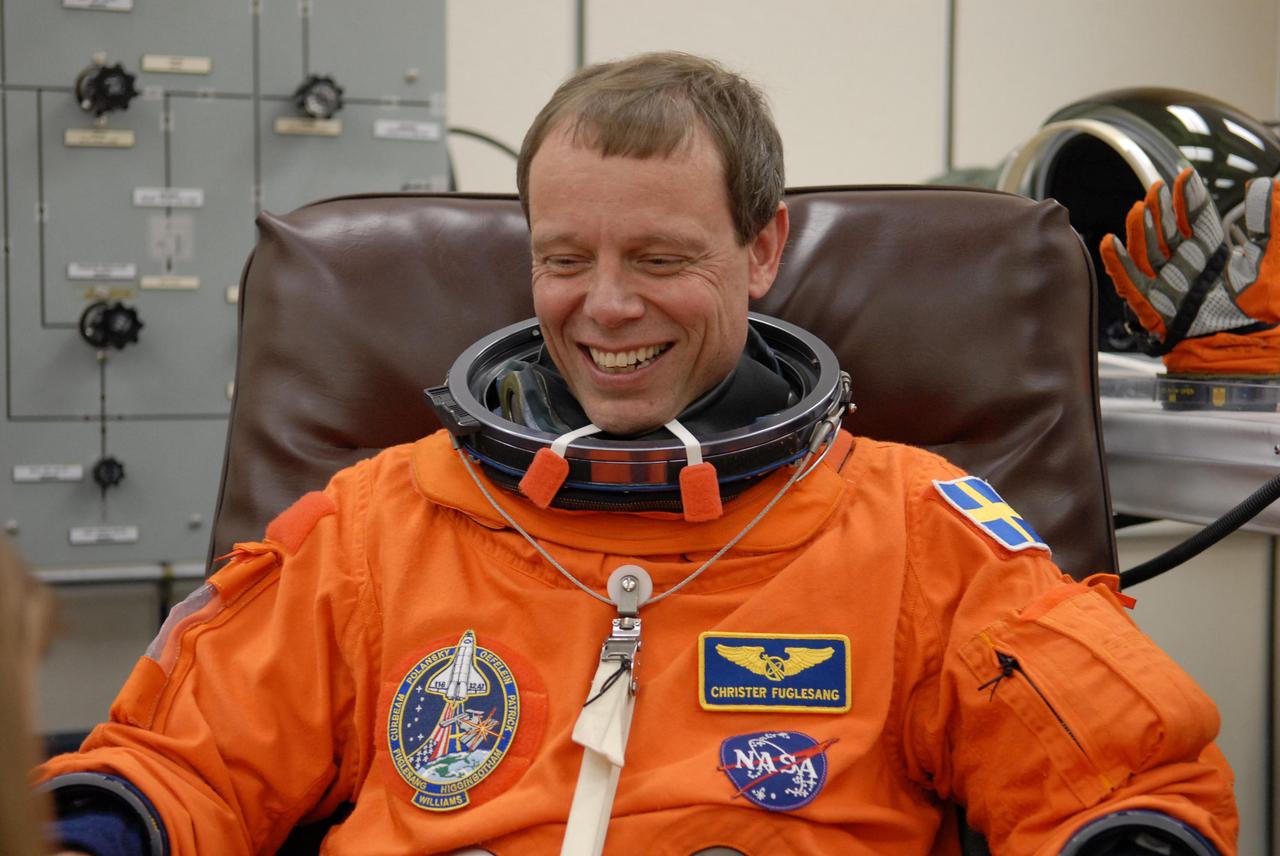
KENNEDY SPACE CENTER, FLA. -- The crew members of mission STS-116 are suiting up for launch at 9:35 p.m. EST from Launch Pad 39B aboard Space Shuttle Discovery. Pictured here is Mission Specialist Christer Fuglesang, who will be making his first shuttle flight. This is Discovery's 33rd mission and the first night launch since 2003. The 20th shuttle mission to the International Space Station, STS-116 carries another truss segment, P5. It will serve as a spacer, mated to the P4 truss that was attached in September. After installing the P5, the crew will reconfigure and redistribute the power generated by two pairs of U.S. solar arrays. Landing is expected Dec. 19 at KSC. Photo credit: NASA_Kim Shiflett
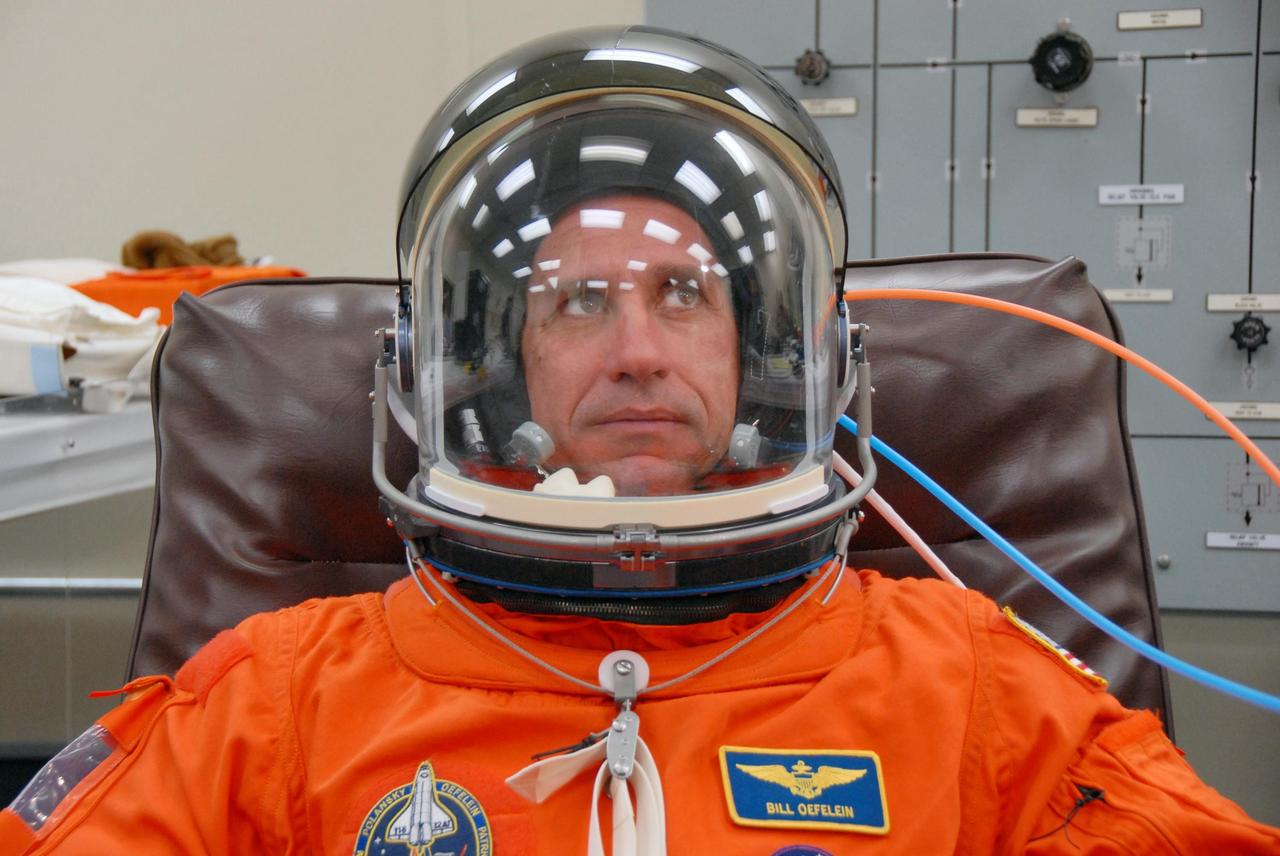
KENNEDY SPACE CENTER, FLA. -- Following orbiter landing practice in the shuttle training aircraft (STA), STS-116 Pilot William Oefelein has completed suit fit-check with his helmet. Launch of Space Shuttle Discovery on mission STS-116 is scheduled for 9:35 p.m. Dec. 7. On the mission, the STS-116 crew will deliver truss segment, P5, to the International Space Station and begin the intricate process of reconfiguring and redistributing the power generated by two pairs of U.S. solar arrays. The P5 will be mated to the P4 truss that was delivered and attached during the STS-115 mission in September. Photo credit: NASA/Kim Shiflett
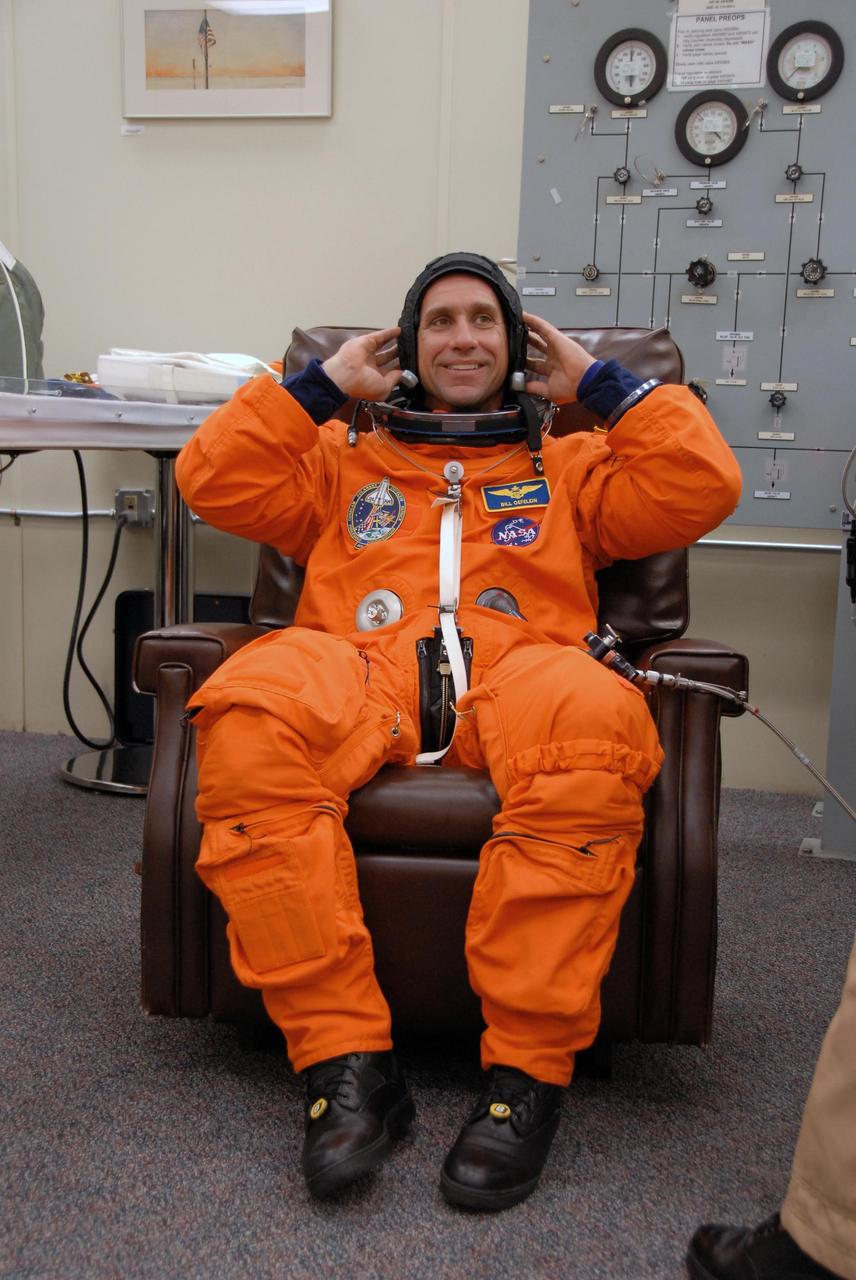
KENNEDY SPACE CENTER, FLA. -- Following orbiter landing practice in the shuttle training aircraft (STA), STS-116 Pilot William Oefelein gives a final check to his launch suit. Launch of Space Shuttle Discovery on mission STS-116 is scheduled for 9:35 p.m. Dec. 7. On the mission, the STS-116 crew will deliver truss segment, P5, to the International Space Station and begin the intricate process of reconfiguring and redistributing the power generated by two pairs of U.S. solar arrays. The P5 will be mated to the P4 truss that was delivered and attached during the STS-115 mission in September. Photo credit: NASA/Kim Shiflett
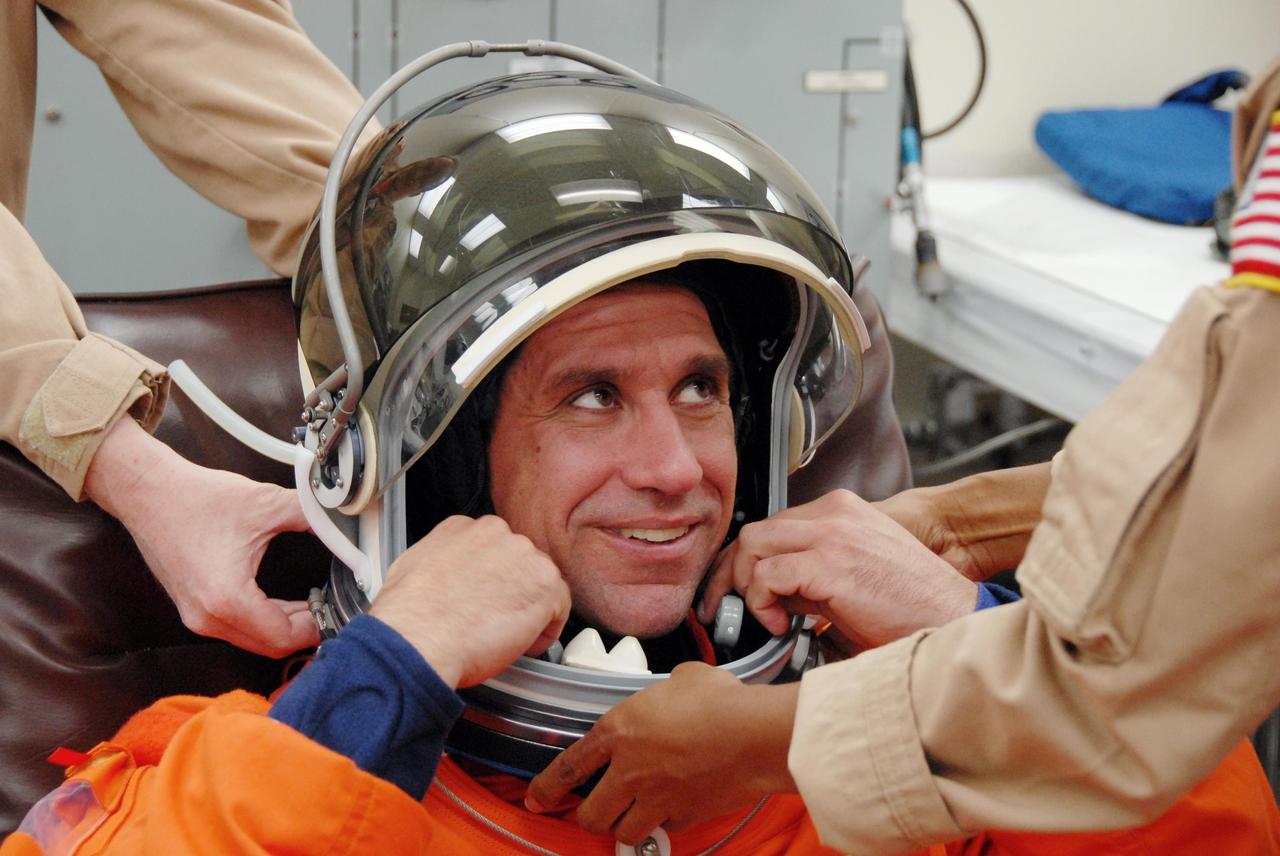
KENNEDY SPACE CENTER, FLA. -- Following orbiter landing practice in the shuttle training aircraft (STA), STS-116 Pilot William Oefelein adjusts his helmet during suit fit-check. Launch of Space Shuttle Discovery on mission STS-116 is scheduled for 9:35 p.m. Dec. 7. On the mission, the STS-116 crew will deliver truss segment, P5, to the International Space Station and begin the intricate process of reconfiguring and redistributing the power generated by two pairs of U.S. solar arrays. The P5 will be mated to the P4 truss that was delivered and attached during the STS-115 mission in September. Photo credit: NASA/Kim Shiflett
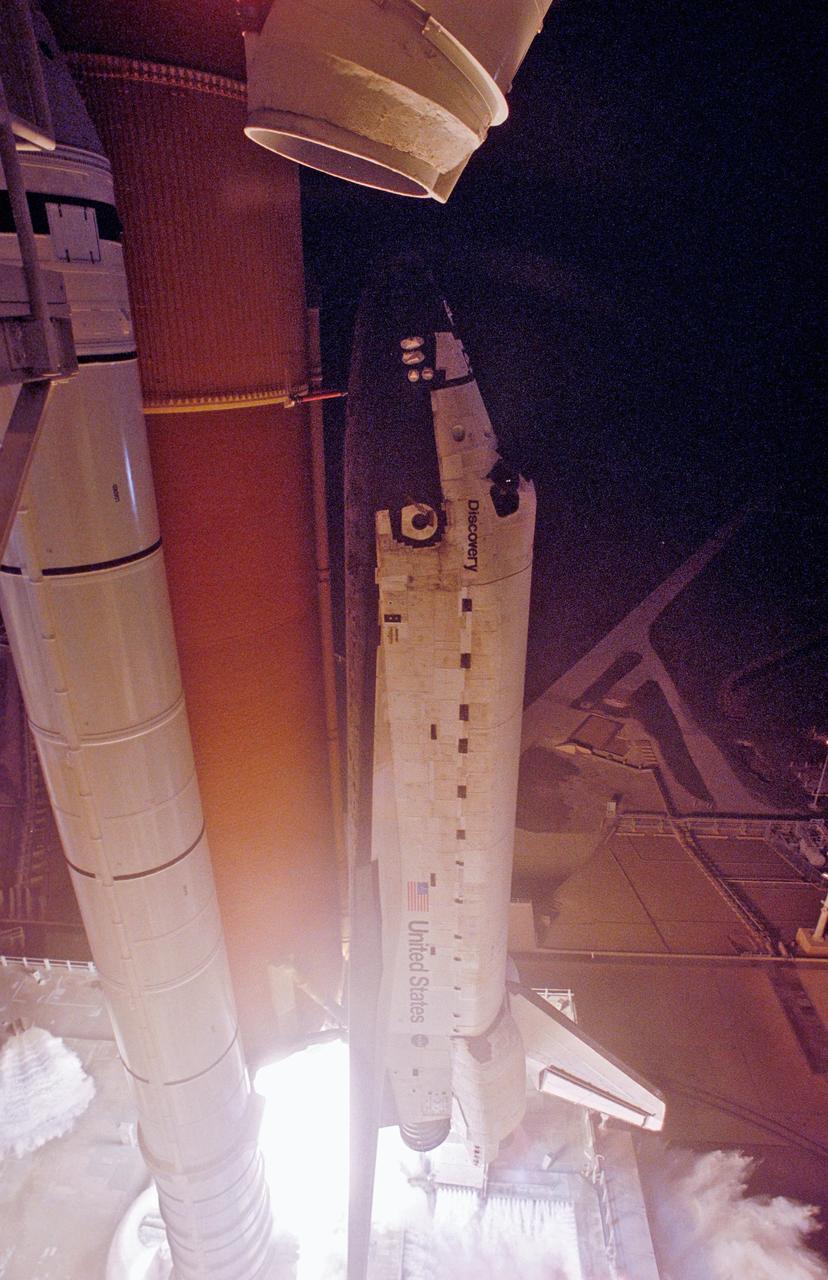
KENNEDY SPACE CENTER, FLA. -- This closeup view shows the water flooding the mobile launcher platform below Space Shuttle Discovery as it lifts off Launch Pad 39B on mission STS-116. Discovery lifted off from KSC's Launch Pad 39B at 8:47 p.m. EST on mission STS-116. This was the second launch attempt for mission STS-116. The first launch attempt on Dec. 7 was postponed due a low cloud ceiling over Kennedy Space Center. This is Discovery's 33rd mission and the first night launch since 2002. The 20th shuttle mission to the International Space Station, STS-116 carries another truss segment, P5. It will serve as a spacer, mated to the P4 truss that was attached in September. After installing the P5, the crew will reconfigure and redistribute the power generated by two pairs of U.S. solar arrays. Landing is expected Dec. 21 at KSC.
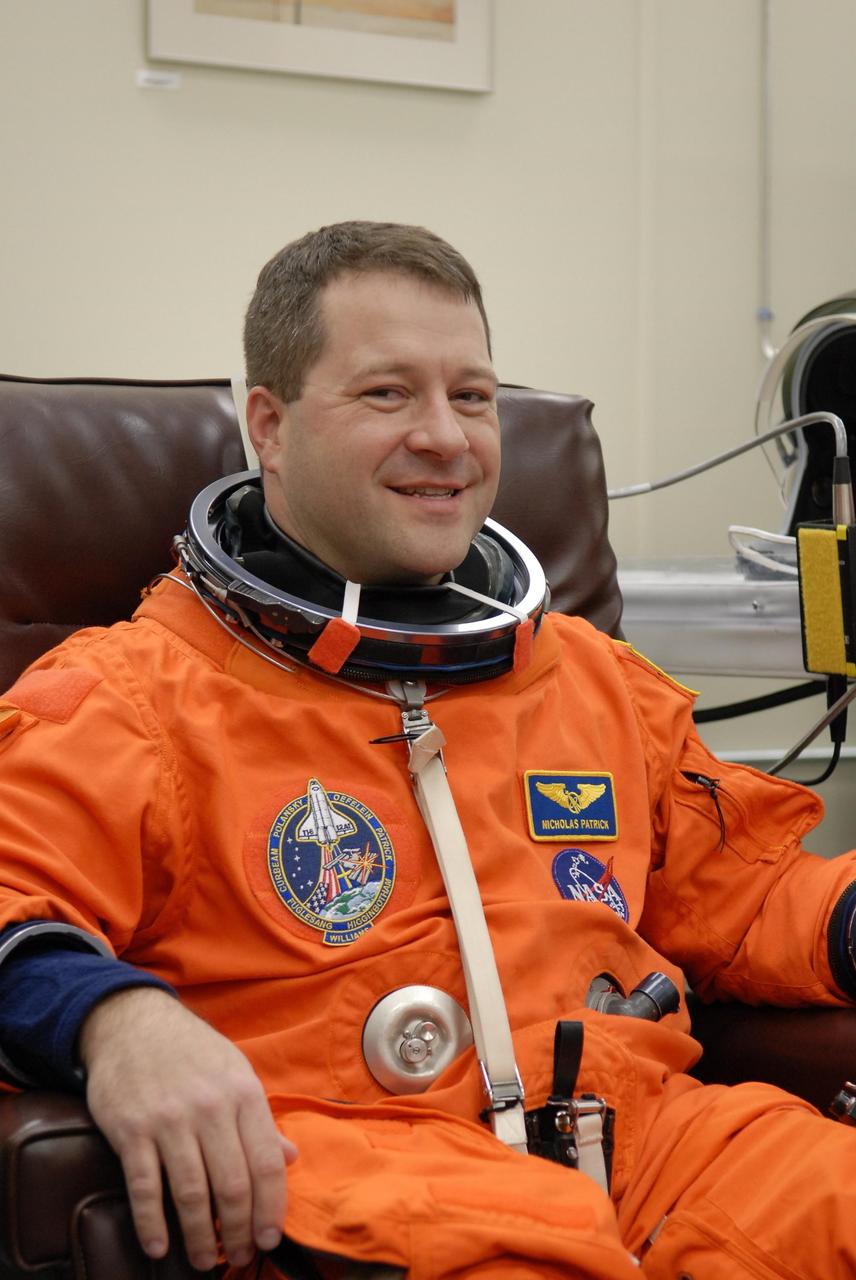
KENNEDY SPACE CENTER, FLA. -- The crew members of mission STS-116 are suiting up for a second launch attempt at 8:47 p.m. EST from Launch Pad 39B aboard Space Shuttle Discovery. Pictured here is Mission Specialist Nicholas Patrick, who will be making his first shuttle flight. The first launch attempt of STS-116 on Dec. 7 was postponed due a low cloud ceiling over Kennedy Space Center. This is Discovery's 33rd mission and the first night launch since 2002. The 20th shuttle mission to the International Space Station, STS-116 carries another truss segment, P5. It will serve as a spacer, mated to the P4 truss that was attached in September. After installing the P5, the crew will reconfigure and redistribute the power generated by two pairs of U.S. solar arrays. Landing is expected Dec. 19 at KSC. Photo credit: NASA/Kim Shiflett
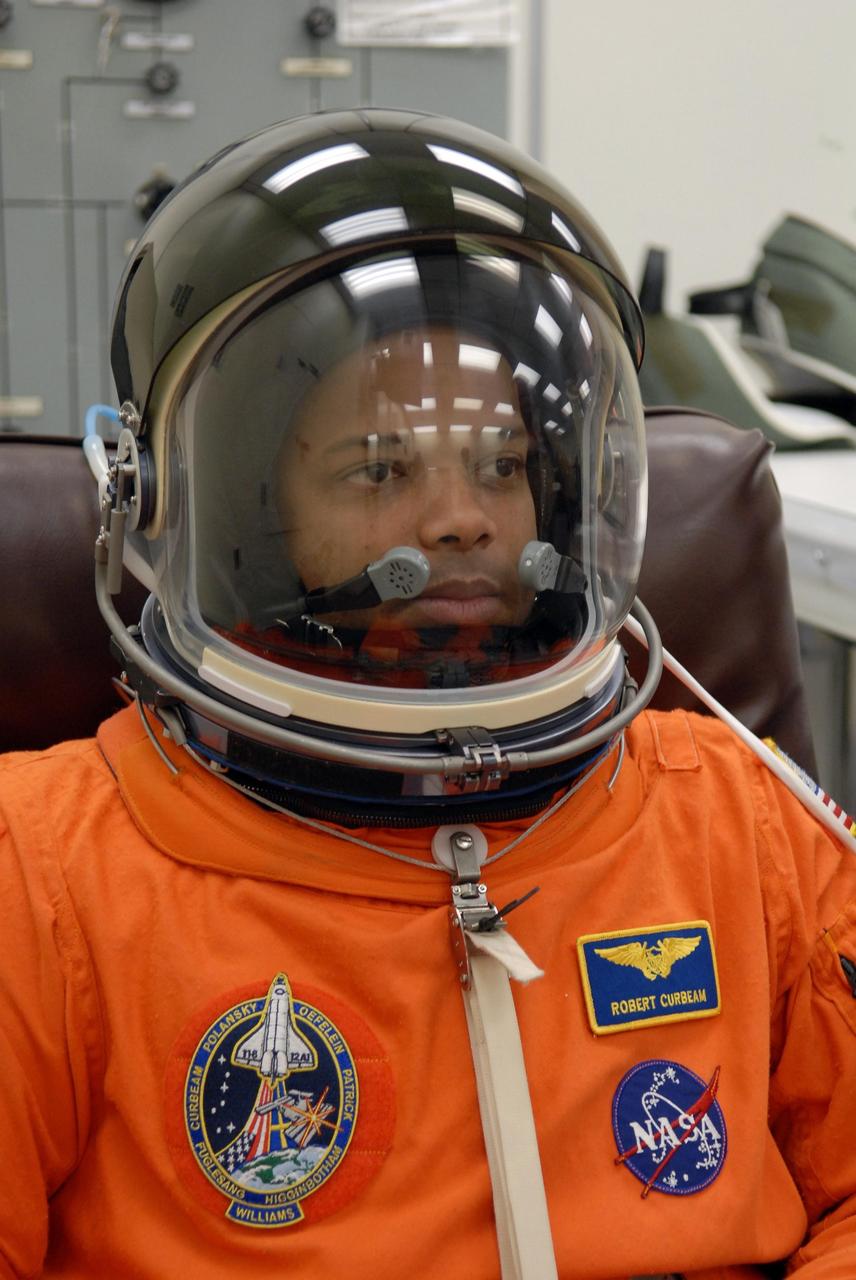
KENNEDY SPACE CENTER, FLA. -- The crew members of mission STS-116 are suiting up for a second launch attempt at 8:47 p.m. EST from Launch Pad 39B aboard Space Shuttle Discovery. Pictured here is Mission Specialist Robert Curbeam, after donning his helmet. Curbeam will be making his third shuttle flight. The first launch attempt of STS-116 on Dec. 7 was postponed due a low cloud ceiling over Kennedy Space Center. This is Discovery's 33rd mission and the first night launch since 2002. The 20th shuttle mission to the International Space Station, STS-116 carries another truss segment, P5. It will serve as a spacer, mated to the P4 truss that was attached in September. After installing the P5, the crew will reconfigure and redistribute the power generated by two pairs of U.S. solar arrays. Landing is expected Dec. 19 at KSC. Photo credit: NASA/Kim Shiflett
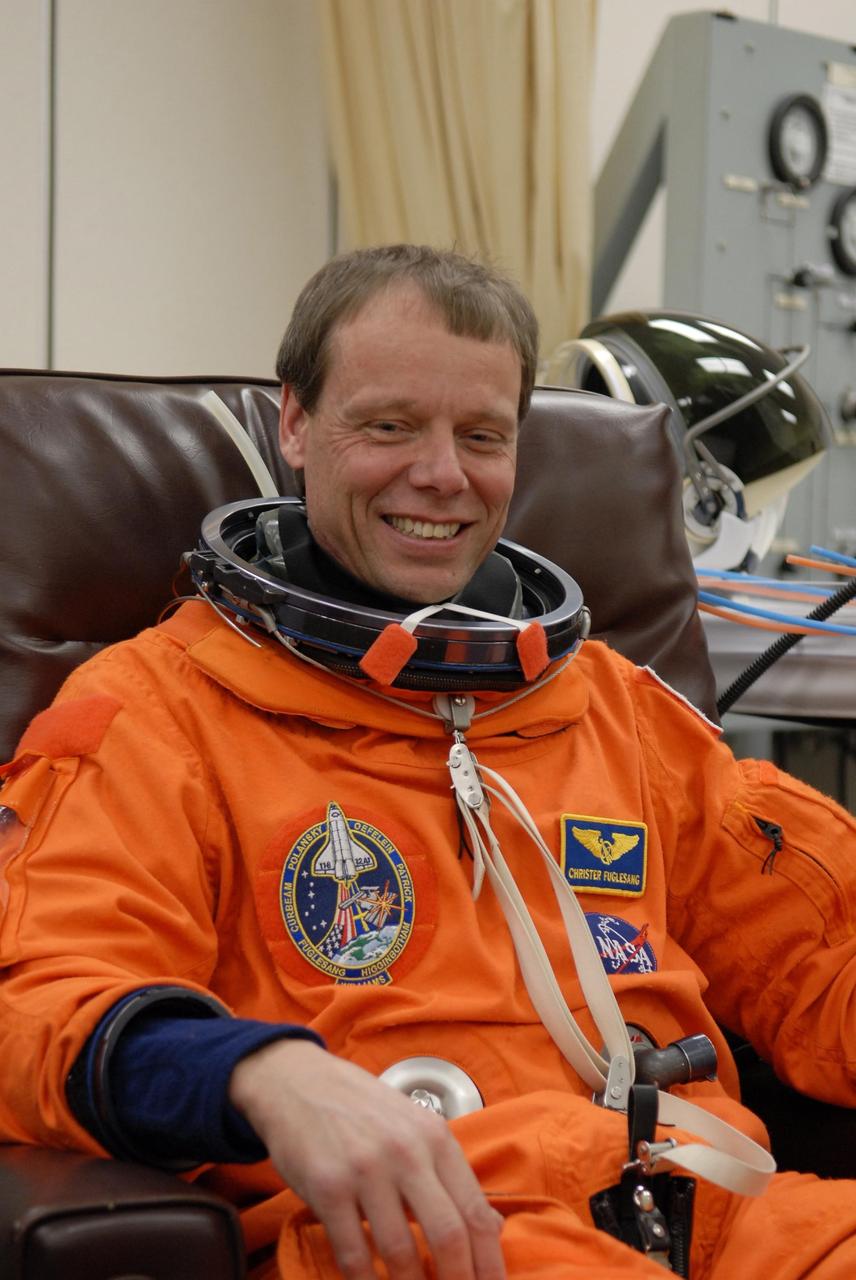
KENNEDY SPACE CENTER, FLA. -- The crew members of mission STS-116 are suiting up for a second launch attempt at 8:47 p.m. EST from Launch Pad 39B aboard Space Shuttle Discovery. Pictured here is Mission Specialist Christer Fuglesang, who represents the European Space Agency. Fuglesang is making his first shuttle flight. The first launch attempt of STS-116 on Dec. 7 was postponed due a low cloud ceiling over Kennedy Space Center. This is Discovery's 33rd mission and the first night launch since 2002. The 20th shuttle mission to the International Space Station, STS-116 carries another truss segment, P5. It will serve as a spacer, mated to the P4 truss that was attached in September. After installing the P5, the crew will reconfigure and redistribute the power generated by two pairs of U.S. solar arrays. Landing is expected Dec. 19 at KSC. Photo credit: NASA/Kim Shiflett
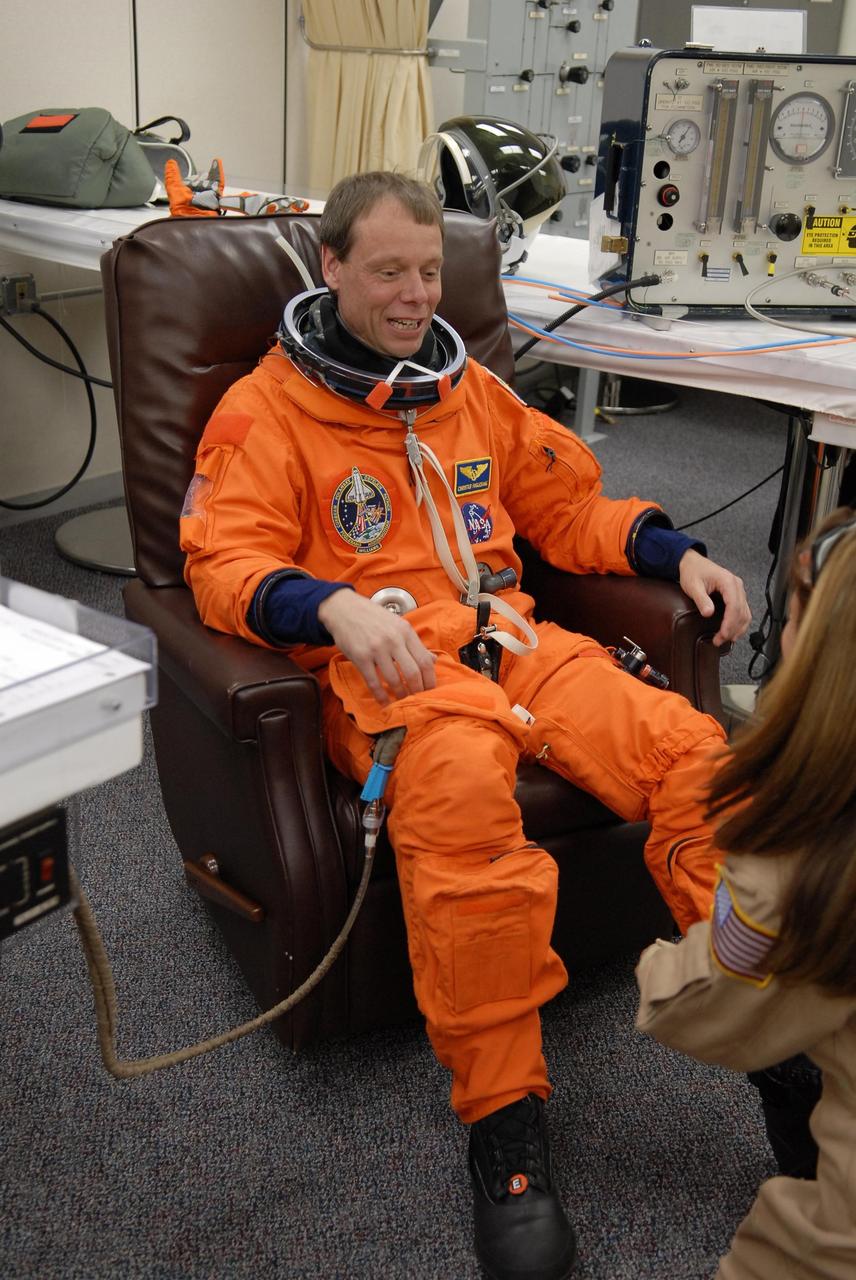
KENNEDY SPACE CENTER, FLA. -- The crew members of mission STS-116 are suiting up for a second launch attempt at 8:47 p.m. EST from Launch Pad 39B aboard Space Shuttle Discovery. Pictured here, Mission Specialist Christer Fuglesang is helped with his boot. Fuglesang represents the European Space Agency. He is making his first shuttle flight. The first launch attempt of STS-116 on Dec. 7 was postponed due a low cloud ceiling over Kennedy Space Center. This is Discovery's 33rd mission and the first night launch since 2002. The 20th shuttle mission to the International Space Station, STS-116 carries another truss segment, P5. It will serve as a spacer, mated to the P4 truss that was attached in September. After installing the P5, the crew will reconfigure and redistribute the power generated by two pairs of U.S. solar arrays. Landing is expected Dec. 19 at KSC. Photo credit: NASA/Kim Shiflett

KENNEDY SPACE CENTER, FLA. -- The smoke and steam obscure Launch Pad 39B as Space Shuttle Discovery rockets through the black skies into space on mission STS-116. Liftoff occurred at 8:47 p.m. EST. This was the second launch attempt for mission STS-116. The first launch attempt on Dec. 7 was postponed due a low cloud ceiling over Kennedy Space Center. This is Discovery's 33rd mission and the first night launch since 2003. The 20th shuttle mission to the International Space Station, STS-116 carries another truss segment, P5. It will serve as a spacer, mated to the P4 truss that was attached in September. After installing the P5, the crew will reconfigure and redistribute the power generated by two pairs of U.S. solar arrays. Landing is expected Dec. 21 at KSC. Photo credit: NASA/Sandy Joseph, Robert Murray & Chris Lynch
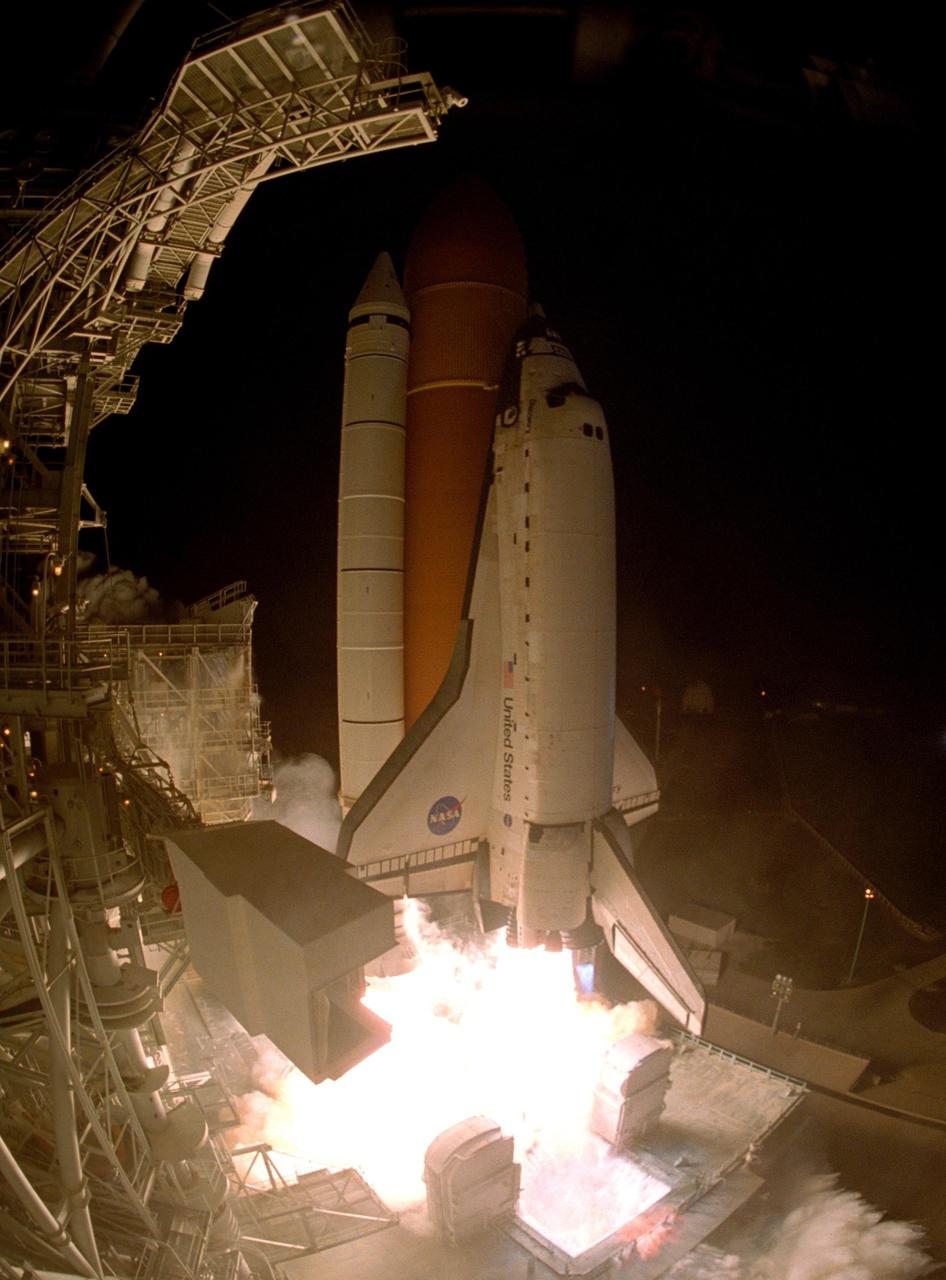
KENNEDY SPACE CENTER, FLA. -- This fish-eye view shows the water flooding the mobile launcher platform as Space Shuttle Discovery lifts off Launch Pad 39B on mission STS-116. Liftoff occurred on time at 8:47 p.m. EST. This was the second launch attempt for mission STS-116. The first launch attempt on Dec. 7 was postponed due a low cloud ceiling over Kennedy Space Center. This is Discovery's 33rd mission and the first night launch since 2002. The 20th shuttle mission to the International Space Station, STS-116 carries another truss segment, P5. It will serve as a spacer, mated to the P4 truss that was attached in September. After installing the P5, the crew will reconfigure and redistribute the power generated by two pairs of U.S. solar arrays. Landing is expected Dec. 21 at KSC. Photo credit: NASA/Tony Gray & Don Kight
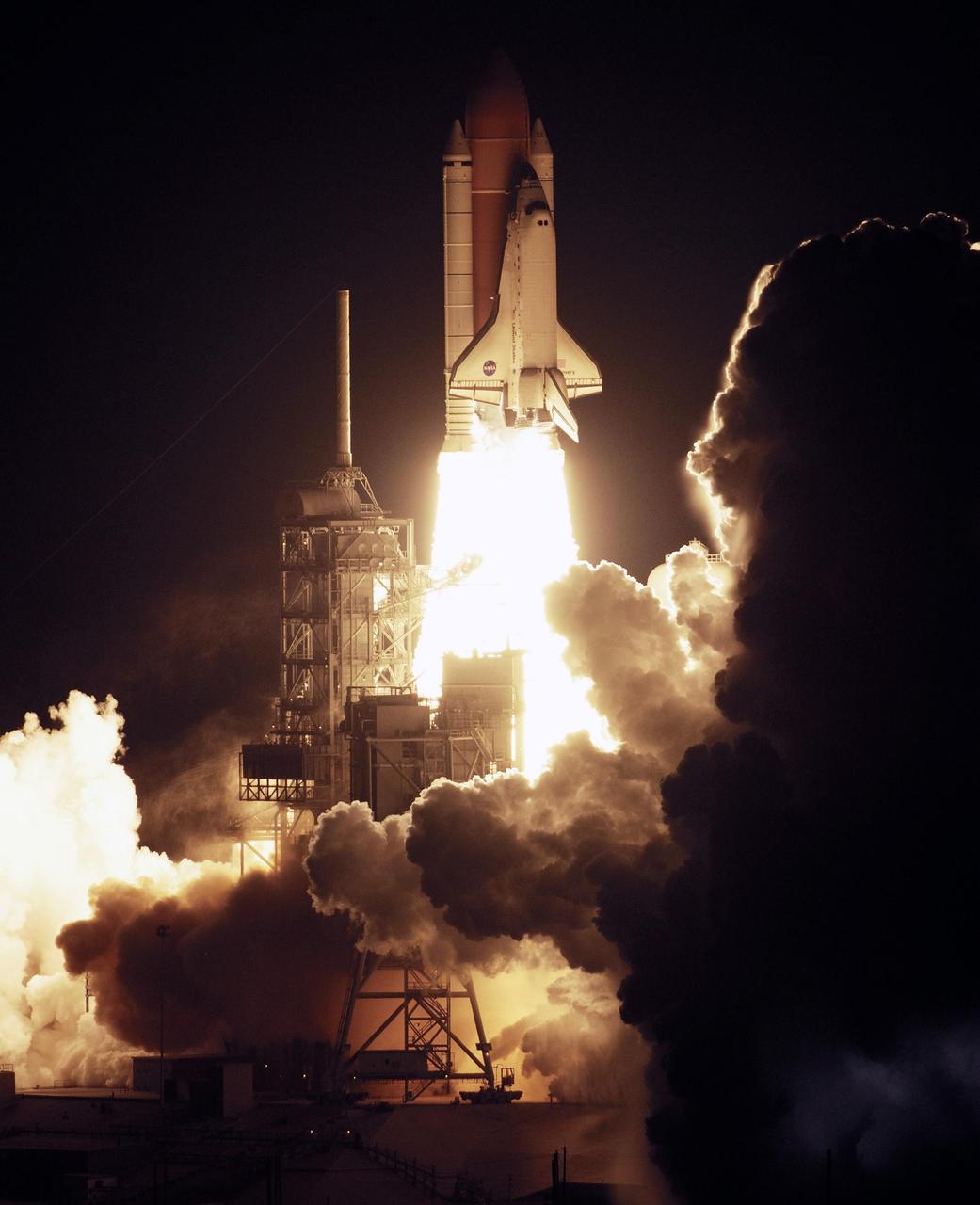
KENNEDY SPACE CENTER, FLA. -- Rising on columns of fire above the smoke and steam below, Space Shuttle Discovery leaps toward the sky past the lightning mast on Launch Pad 39B on mission STS-116. Liftoff occurred on time at 8:47 p.m. EST. This was the second launch attempt for mission STS-116. The first launch attempt on Dec. 7 was postponed due a low cloud ceiling over Kennedy Space Center. This is Discovery's 33rd mission and the first night launch since 2002. The 20th shuttle mission to the International Space Station, STS-116 carries another truss segment, P5. It will serve as a spacer, mated to the P4 truss that was attached in September. After installing the P5, the crew will reconfigure and redistribute the power generated by two pairs of U.S. solar arrays. Landing is expected Dec. 21 at KSC. Photo courtesy of Nikon/Scott Andrews
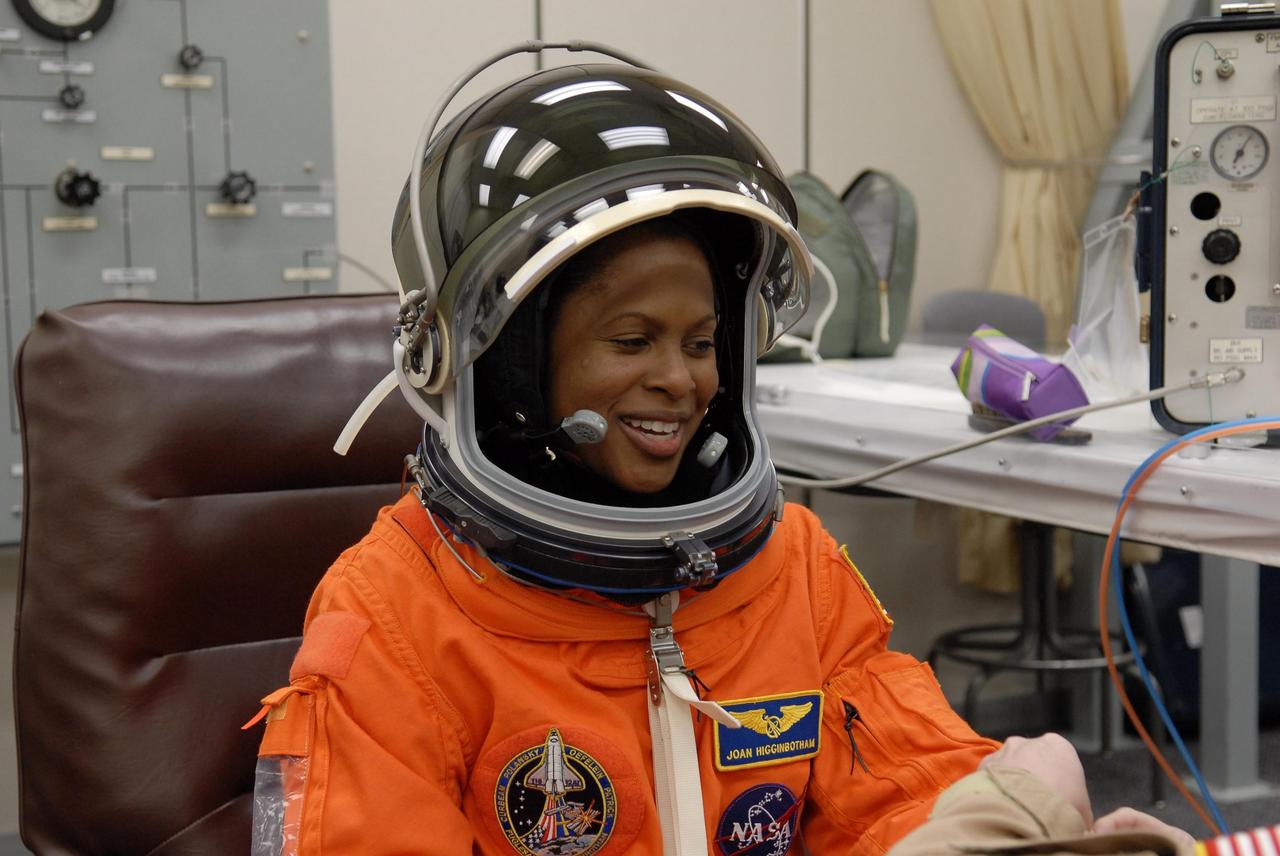
KENNEDY SPACE CENTER, FLA. -- The crew members of mission STS-116 are suiting up for a second launch attempt at 8:47 p.m. EST from Launch Pad 39B aboard Space Shuttle Discovery. Pictured here, Mission Specialist Joan Higginbotham, who will be making her first shuttle flight, has donned her helmet. The first launch attempt of STS-116 on Dec. 7 was postponed due a low cloud ceiling over Kennedy Space Center. This is Discovery's 33rd mission and the first night launch since 2002. The 20th shuttle mission to the International Space Station, STS-116 carries another truss segment, P5. It will serve as a spacer, mated to the P4 truss that was attached in September. After installing the P5, the crew will reconfigure and redistribute the power generated by two pairs of U.S. solar arrays. Landing is expected Dec. 19 at KSC. Photo credit: NASA/Kim Shiflett
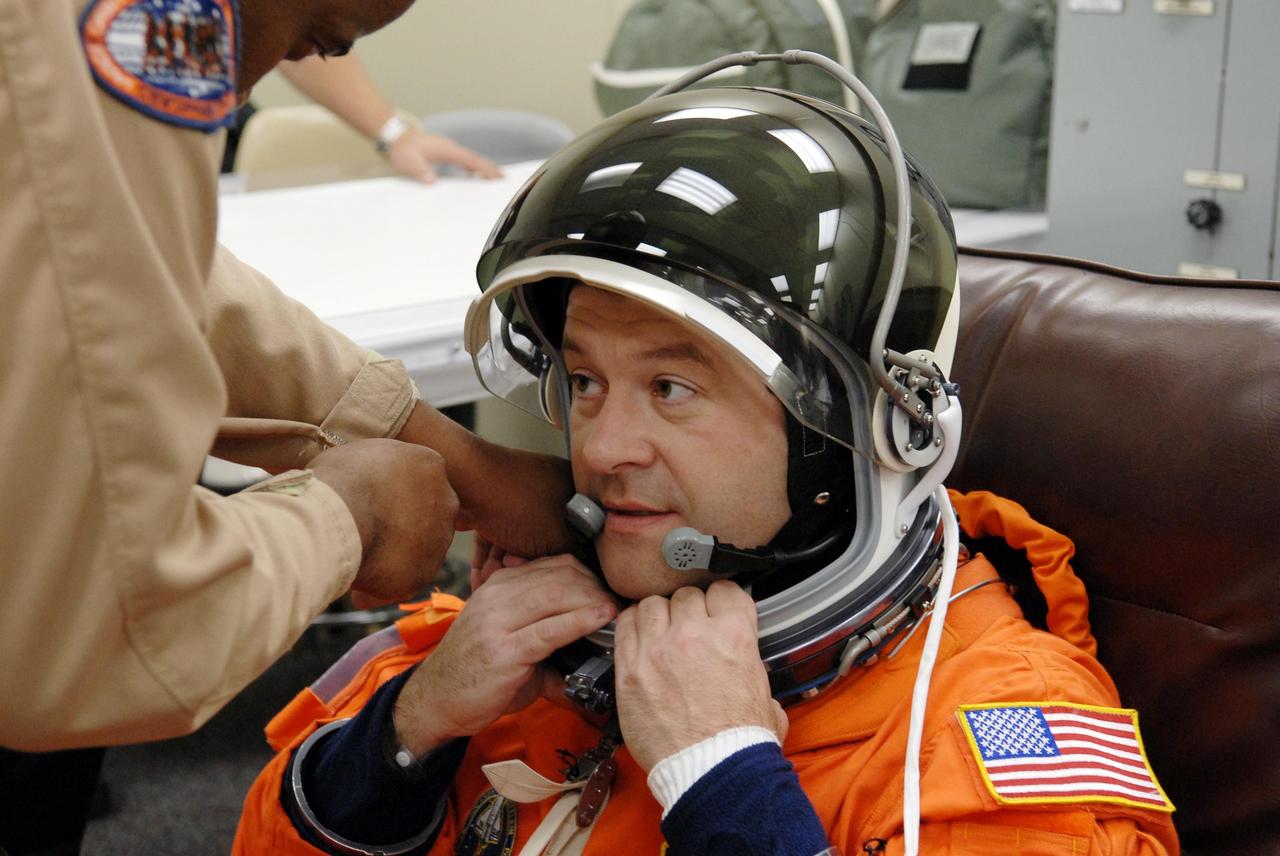
KENNEDY SPACE CENTER, FLA. -- The crew members of mission STS-116 are suiting up for a second launch attempt at 8:47 p.m. EST from Launch Pad 39B aboard Space Shuttle Discovery. Pictured here is Mission Specialist Nicholas Patrick, who will be making his first shuttle flight, being helped with his helmet. The first launch attempt of STS-116 on Dec. 7 was postponed due a low cloud ceiling over Kennedy Space Center. This is Discovery's 33rd mission and the first night launch since 2002. The 20th shuttle mission to the International Space Station, STS-116 carries another truss segment, P5. It will serve as a spacer, mated to the P4 truss that was attached in September. After installing the P5, the crew will reconfigure and redistribute the power generated by two pairs of U.S. solar arrays. Landing is expected Dec. 19 at KSC. Photo credit: NASA/Kim Shiflett
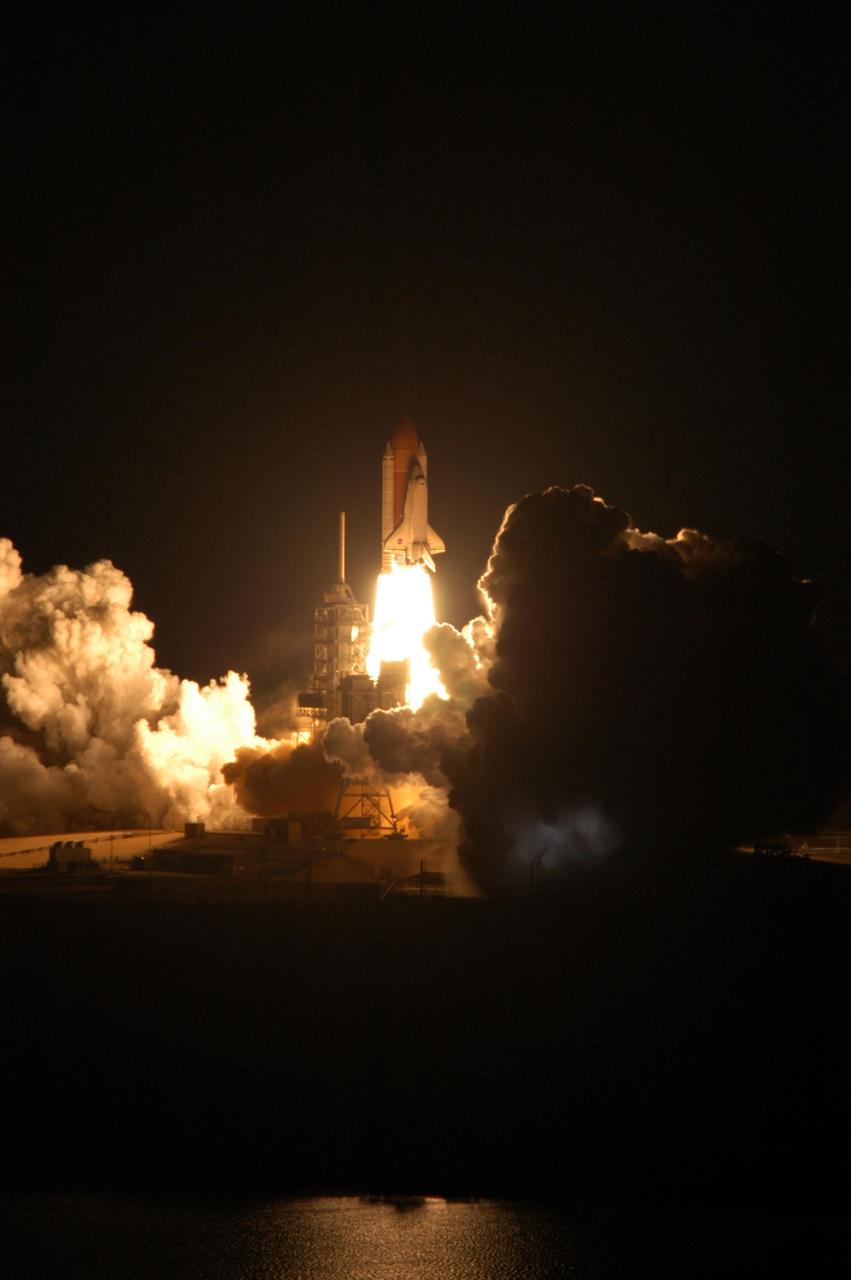
KENNEDY SPACE CENTER, FLA. -- Flooding the night sky with its blazing light, Space Shuttle Discovery leaps toward the sky from Launch Pad 39B on mission STS-116. The launch occurred at 8:47:35 p.m. EST. This was the second launch attempt for mission STS-116. The first launch attempt on Dec. 7 was postponed due a low cloud ceiling over Kennedy Space Center. This is Discovery's 33rd mission and the first night launch since 2002. The 20th shuttle mission to the International Space Station, STS-116 carries another truss segment, P5. It will serve as a spacer, mated to the P4 truss that was attached in September. After installing the P5, the crew will reconfigure and redistribute the power generated by two pairs of U.S. solar arrays. Landing is expected Dec. 21 at KSC. Photo credit: NASA/George Shelton
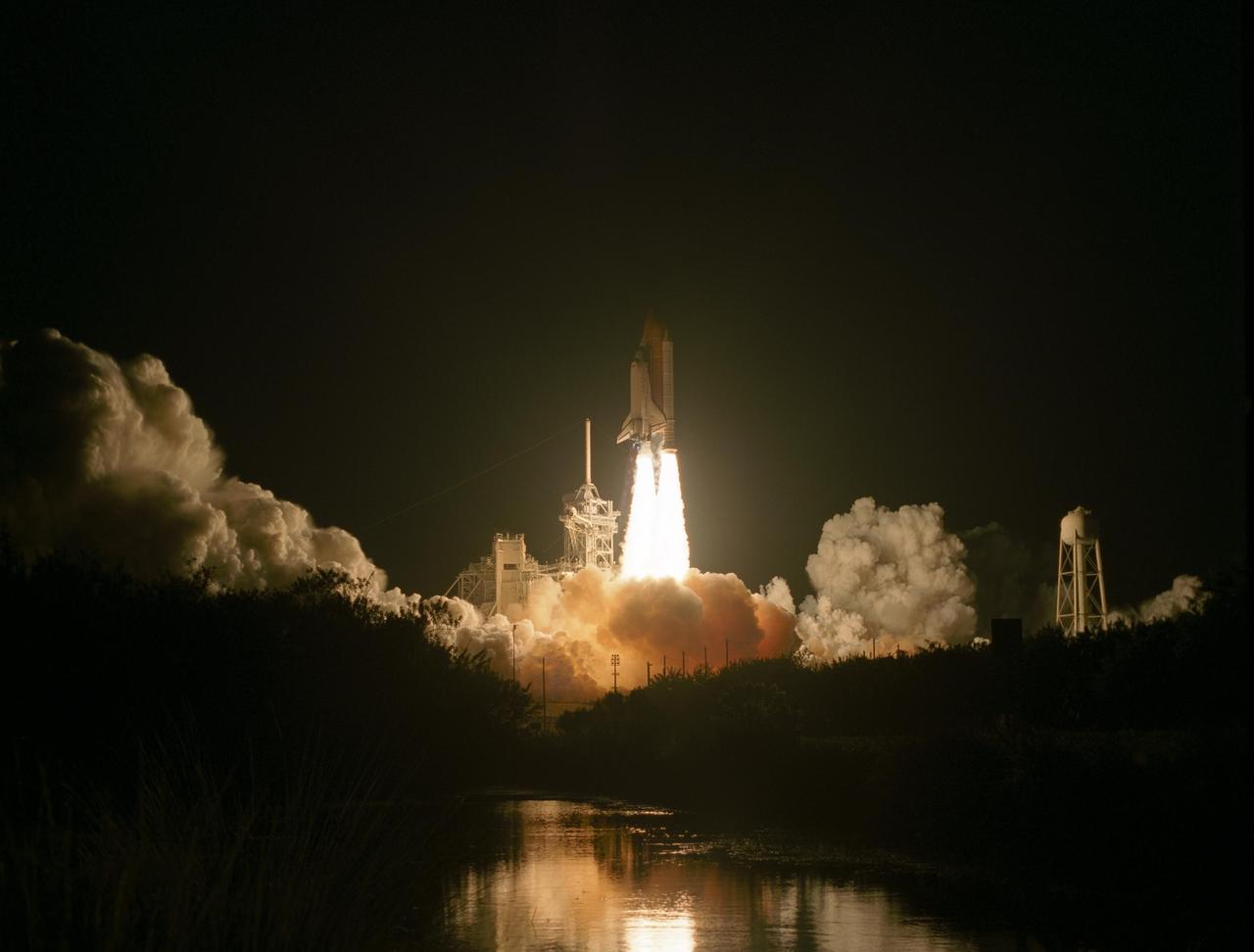
KENNEDY SPACE CENTER, FLA. -- Rising on columns of fire from amid the smoke and steam below, Space Shuttle Discovery leaps toward the sky past the lightning mast on Launch Pad 39B on mission STS-116. Liftoff occurred on time at 8:47 p.m. EST. This was the second launch attempt of Discovery on mission STS-116. The first launch attempt on Dec. 7 was postponed due a low cloud ceiling over Kennedy Space Center. This is Discovery's 33rd mission and the first night launch since 2002. The 20th shuttle mission to the International Space Station, STS-116 carries another truss segment, P5. It will serve as a spacer, mated to the P4 truss that was attached in September. After installing the P5, the crew will reconfigure and redistribute the power generated by two pairs of U.S. solar arrays. Landing is expected Dec. 21 at KSC. Photo credit: NASA/Sandra Joseph, Robert Murray, Chris Lynch
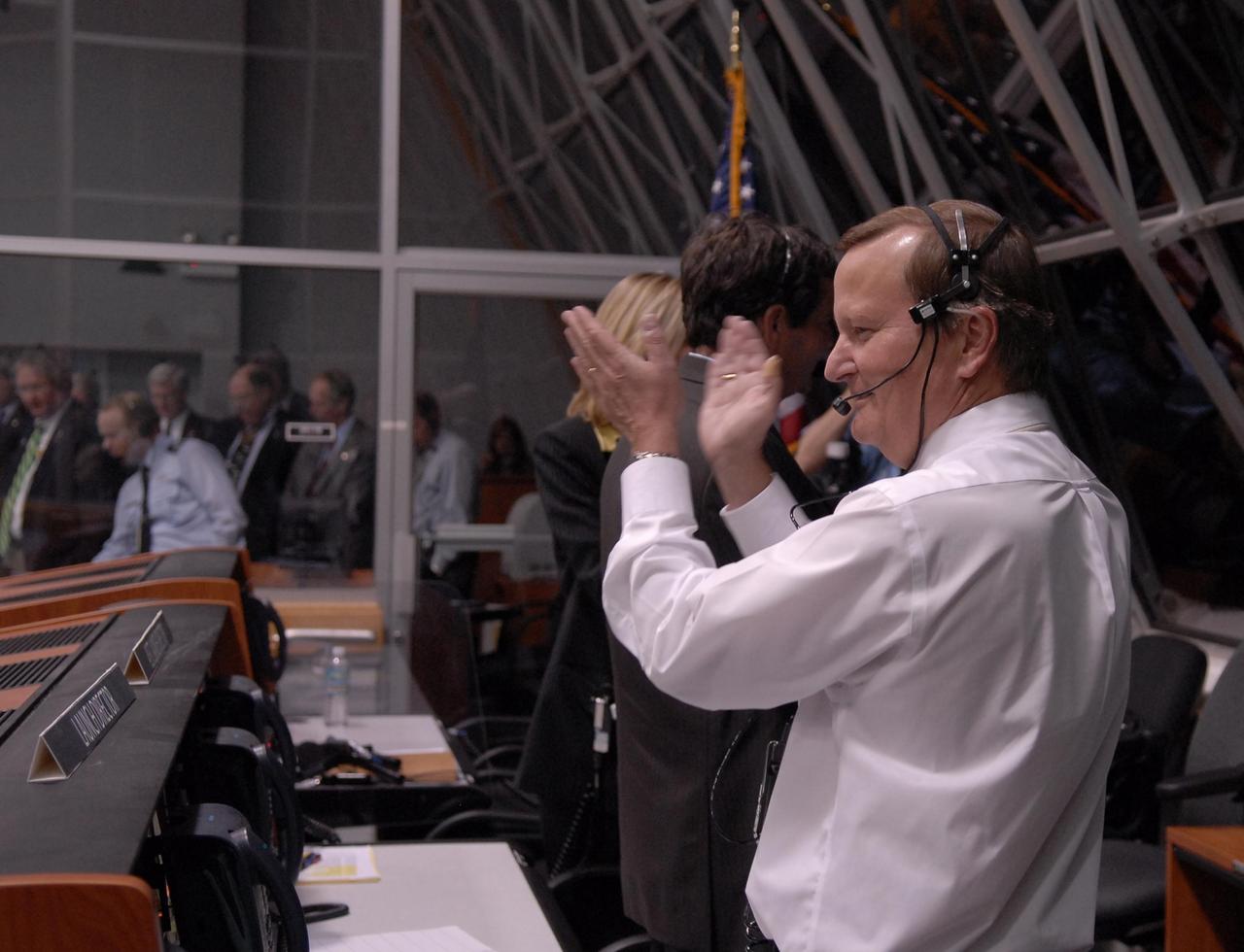
KENNEDY SPACE CENTER, FLA. -- In the firing room at the Launch Control Center, Shuttle Launch Director Mike Leinbach applauds the successful launch of Space Shuttle Discovery on mission STS-116. Liftoff occurred on time at 8:47 p.m. EST. This was the second launch attempt for mission STS-116. The first launch attempt on Dec. 7 was postponed due a low cloud ceiling over Kennedy Space Center. This is Discovery's 33rd mission and the first night launch since 2002. The 20th shuttle mission to the International Space Station, STS-116 carries another truss segment, P5. It will serve as a spacer, mated to the P4 truss that was attached in September. After installing the P5, the crew will reconfigure and redistribute the power generated by two pairs of U.S. solar arrays. Landing is expected Dec. 21 at KSC. Photo credit: NASA/Kim Shiflett
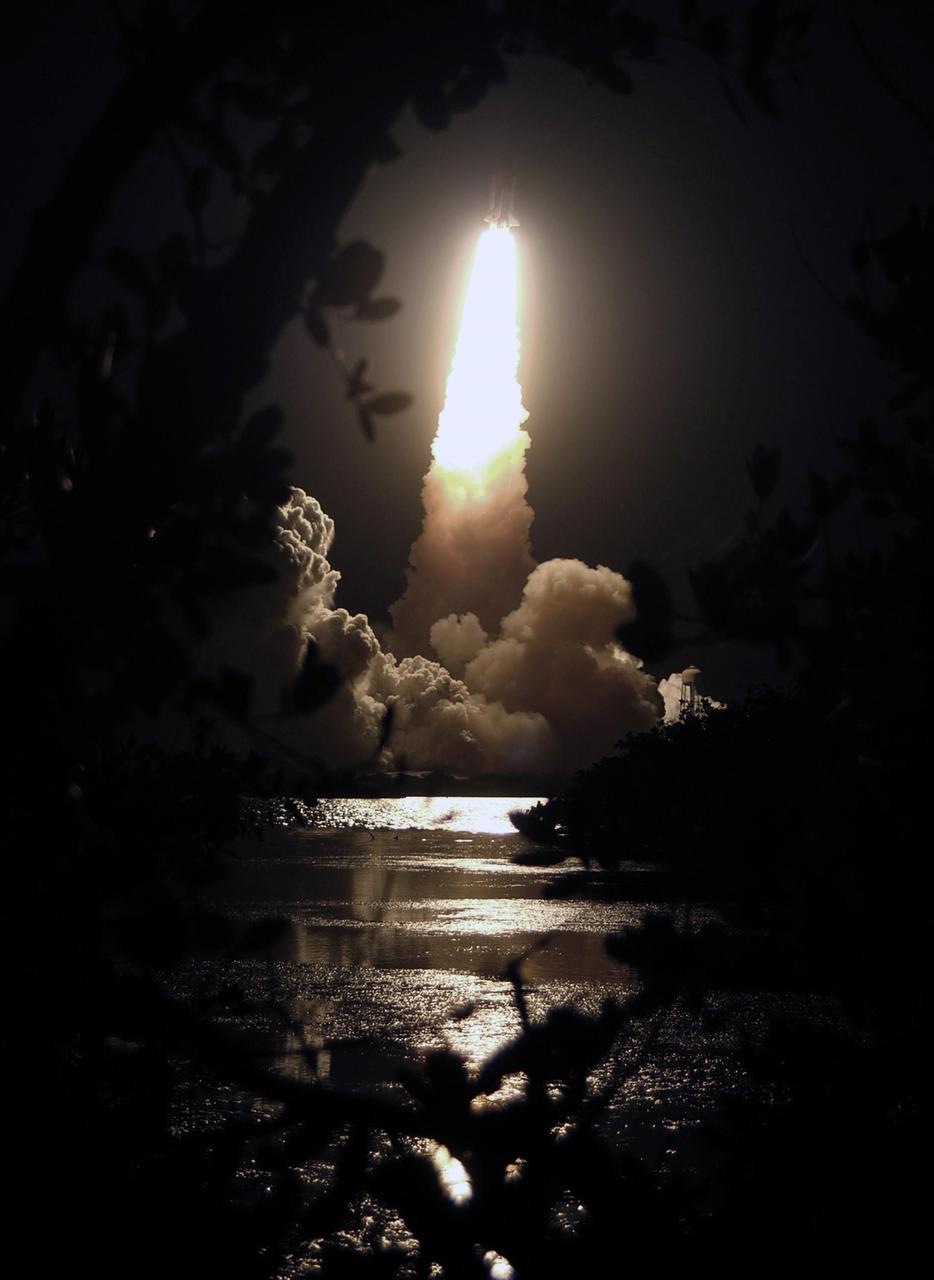
KENNEDY SPACE CENTER, FLA. -- Looking like a shooting star, Space Shuttle Discovery roars into the night sky on mission STS-116. The trailing blaze lighted the sky and nearby water, while clouds of smoke and steam billowed across the launch pad. Liftoff occurred on time at 8:47 p.m. EST. This was the second launch attempt for mission STS-116. The first launch attempt on Dec. 7 was postponed due a low cloud ceiling over Kennedy Space Center. This is Discovery's 33rd mission and the first night launch since 2002. The 20th shuttle mission to the International Space Station, STS-116 carries another truss segment, P5. It will serve as a spacer, mated to the P4 truss that was attached in September. After installing the P5, the crew will reconfigure and redistribute the power generated by two pairs of U.S. solar arrays. Landing is expected Dec. 21 at KSC. Photo courtesy of Nikon/Scott Andrews
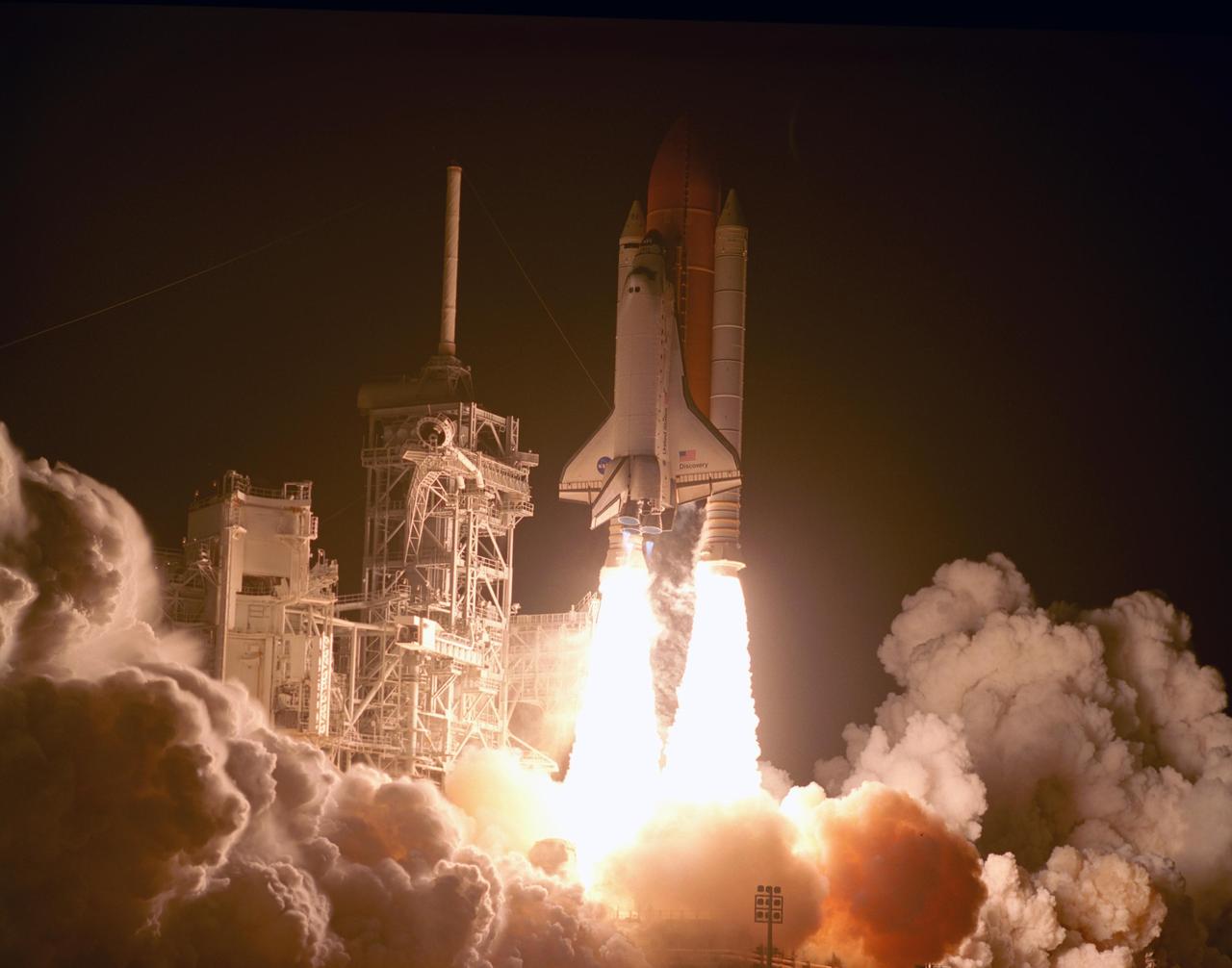
KENNEDY SPACE CENTER, FLA. -- Space Shuttle Discovery seems to be standing on the fiery columns erupting from the solid rocket boosters as it lifts off Launch Pad 39B on mission STS-116. Liftoff occurred on time at 8:47 p.m. EST. This was the second launch attempt for mission STS-116. The first launch attempt on Dec. 7 was postponed due a low cloud ceiling over Kennedy Space Center. This is Discovery's 33rd mission and the first night launch since 2002. The 20th shuttle mission to the International Space Station, STS-116 carries another truss segment, P5. It will serve as a spacer, mated to the P4 truss that was attached in September. After installing the P5, the crew will reconfigure and redistribute the power generated by two pairs of U.S. solar arrays. Landing is expected Dec. 21 at KSC. Photo credit: NASA/Regina Mitchell-Ryall & Tim Powers
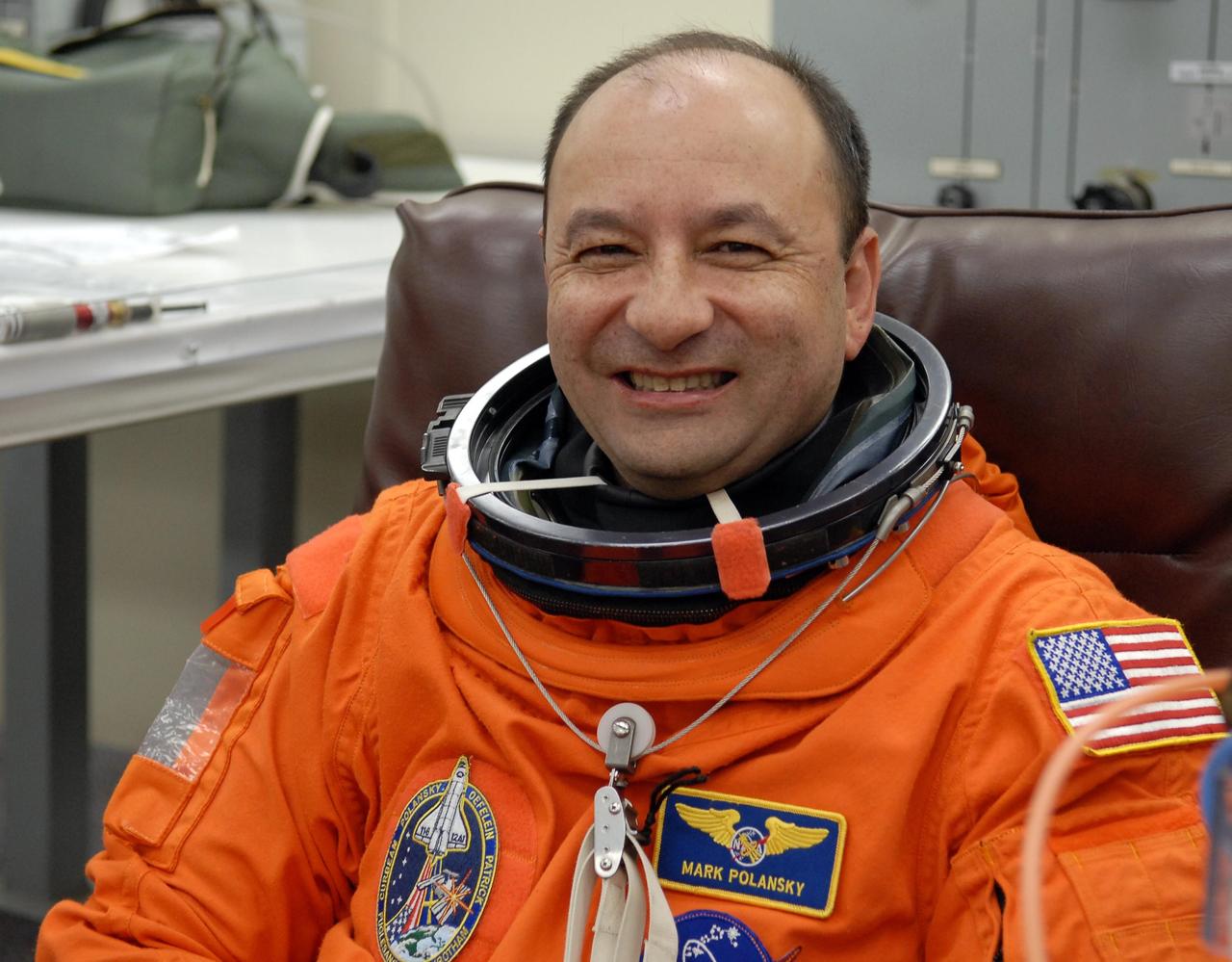
KENNEDY SPACE CENTER, FLA. -- The crew members of mission STS-116 are suiting up for a second launch attempt at 8:47 p.m. EST from Launch Pad 39B aboard Space Shuttle Discovery. Pictured here is Commander Mark Polansky, who shows his delight in progressing toward another launch attempt. The first launch attempt of STS-116 on Dec. 7 was postponed due a low cloud ceiling over Kennedy Space Center. This is Discovery's 33rd mission and the first night launch since 2002. The 20th shuttle mission to the International Space Station, STS-116 carries another truss segment, P5. It will serve as a spacer, mated to the P4 truss that was attached in September. After installing the P5, the crew will reconfigure and redistribute the power generated by two pairs of U.S. solar arrays. Landing is expected Dec. 19 at KSC. Photo credit: NASA/Kim Shiflett
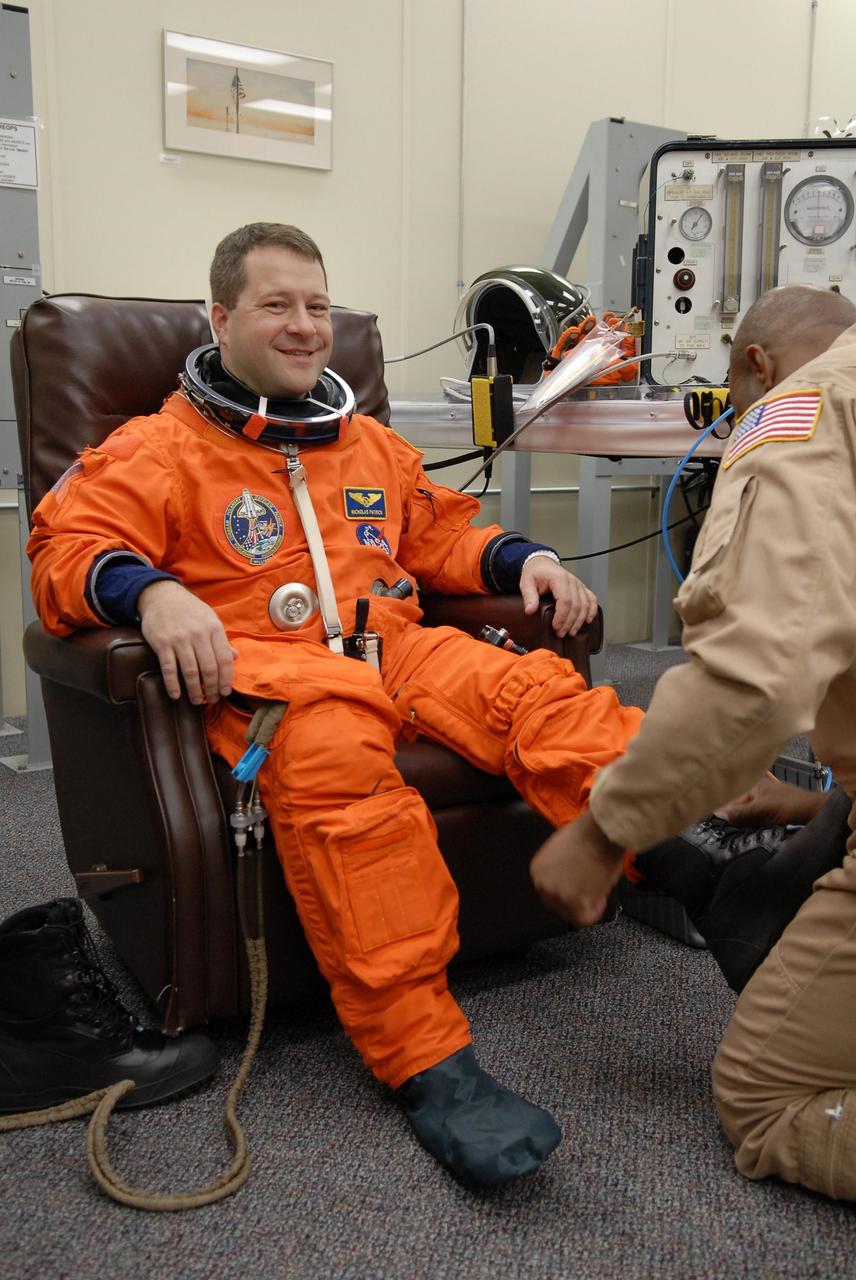
KENNEDY SPACE CENTER, FLA. -- The crew members of mission STS-116 are suiting up for a second launch attempt at 8:47 p.m. EST from Launch Pad 39B aboard Space Shuttle Discovery. Pictured here is Mission Specialist Nicholas Patrick, who will be making his first shuttle flight, being helped with his boot. The first launch attempt of STS-116 on Dec. 7 was postponed due a low cloud ceiling over Kennedy Space Center. This is Discovery's 33rd mission and the first night launch since 2002. The 20th shuttle mission to the International Space Station, STS-116 carries another truss segment, P5. It will serve as a spacer, mated to the P4 truss that was attached in September. After installing the P5, the crew will reconfigure and redistribute the power generated by two pairs of U.S. solar arrays. Landing is expected Dec. 19 at KSC. Photo credit: NASA/Kim Shiflett
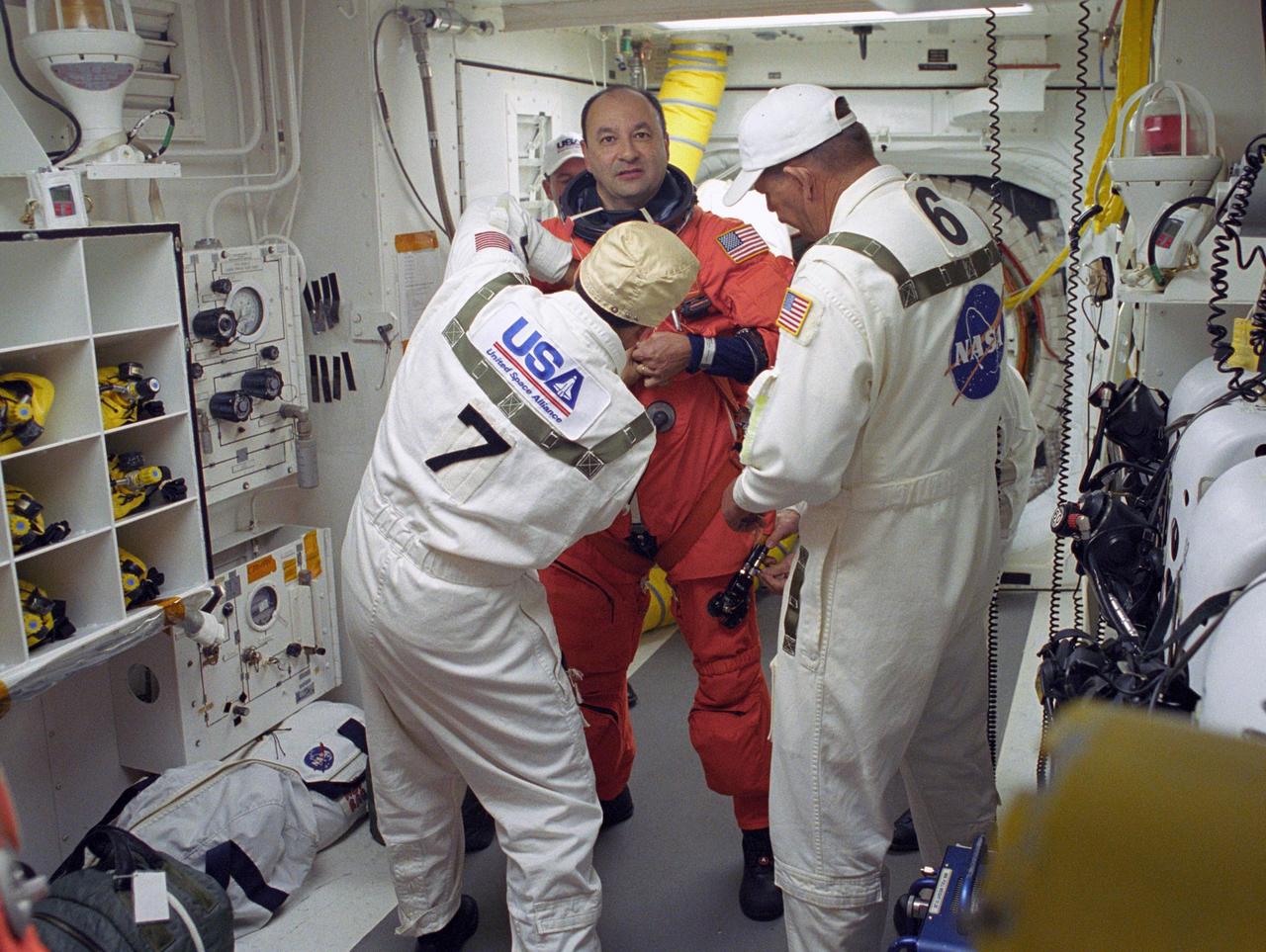
KENNEDY SPACE CENTER, FLA. -- STS-116 Commander Mark Polansky is helped by the closeout crew in the White Room to secure his launch suit before climbing into Space Shuttle Discovery. The White Room is at the end of the orbiter access arm that extends from the fixed service structure and provides entry into the orbiter. The first launch attempt of STS-116 on Dec. 7 was postponed due a low cloud ceiling over Kennedy Space Center. This second launch attempt is scheduled for 8:47 p.m. This is Discovery's 33rd mission and the first night launch since 2002. The 20th shuttle mission to the International Space Station, STS-116 carries another truss segment, P5. It will serve as a spacer, mated to the P4 truss that was attached in September. After installing the P5, the crew will reconfigure and redistribute the power generated by two pairs of U.S. solar arrays. Landing is expected Dec. 21 at KSC. Photo credit: NASA/Tony Gray & Don Kight
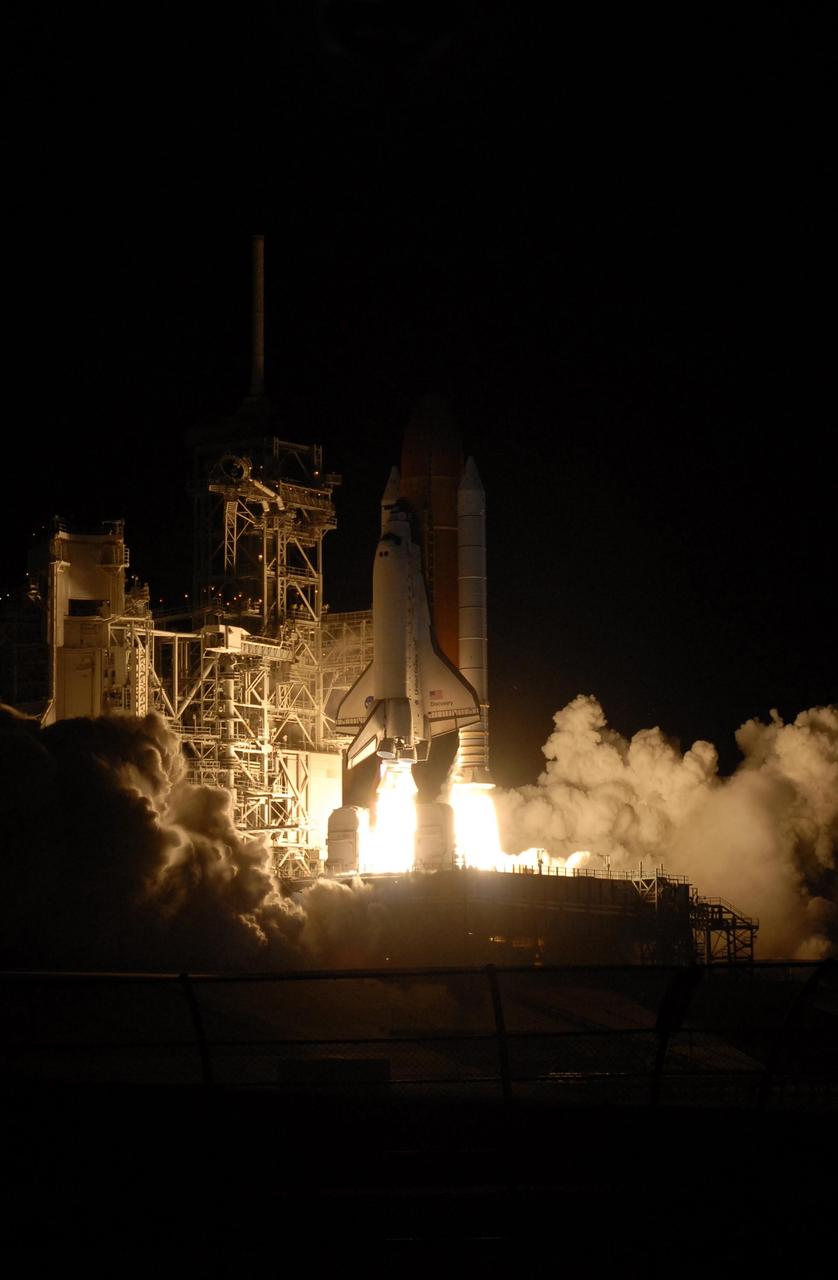
KENNEDY SPACE CENTER, FLA. -- Space Shuttle Discovery seems to be standing on the fiery columns erupting from the solid rocket boosters as it lifts off Launch Pad 39B on mission STS-116. Liftoff occurred on time at 8:47 p.m. EST. This was the second launch attempt of Discovery on mission STS-116. The first launch attempt on Dec. 7 was postponed due a low cloud ceiling over Kennedy Space Center. This is Discovery's 33rd mission and the first night launch since 2002. The 20th shuttle mission to the International Space Station, STS-116 carries another truss segment, P5. It will serve as a spacer, mated to the P4 truss that was attached in September. After installing the P5, the crew will reconfigure and redistribute the power generated by two pairs of U.S. solar arrays. Landing is expected Dec. 21 at KSC. Photo credit: NASA/Sandra Joseph, Robert Murray, Chris Lynch
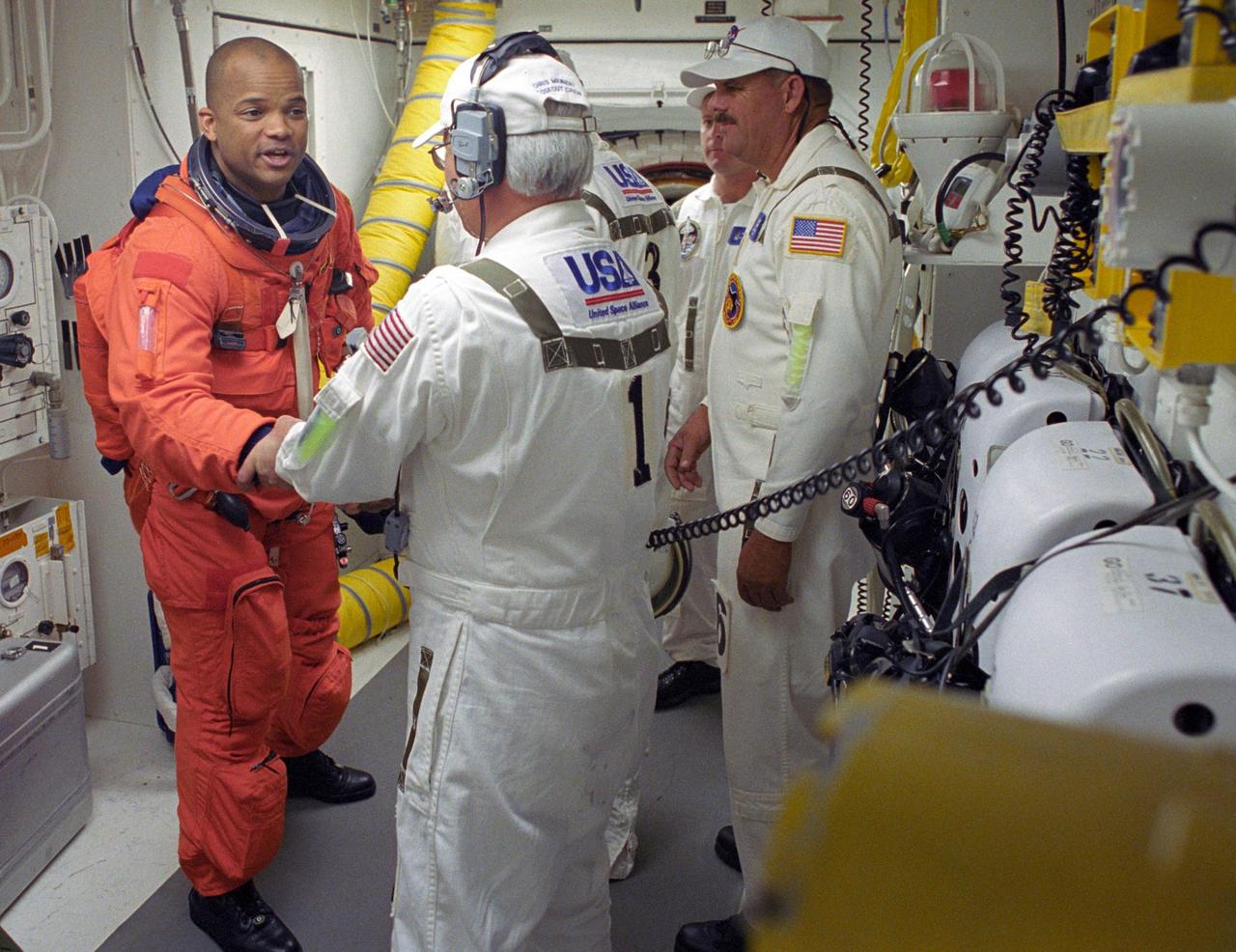
KENNEDY SPACE CENTER, FLA. -- STS-116 Mission Specialist Robert Curbeam thanks the closeout crew for their help in completing his suitup before climbing into Space Shuttle Discovery. The White Room is at the end of the orbiter access arm that extends from the fixed service structure and provides entry into the orbiter. The first launch attempt of STS-116 on Dec. 7 was postponed due a low cloud ceiling over Kennedy Space Center. This second launch attempt is scheduled for 8:47 p.m. This is Discovery's 33rd mission and the first night launch since 2002. The 20th shuttle mission to the International Space Station, STS-116 carries another truss segment, P5. It will serve as a spacer, mated to the P4 truss that was attached in September. After installing the P5, the crew will reconfigure and redistribute the power generated by two pairs of U.S. solar arrays. Landing is expected Dec. 21 at KSC. Photo credit: NASA/Tony Gray & Don Kight
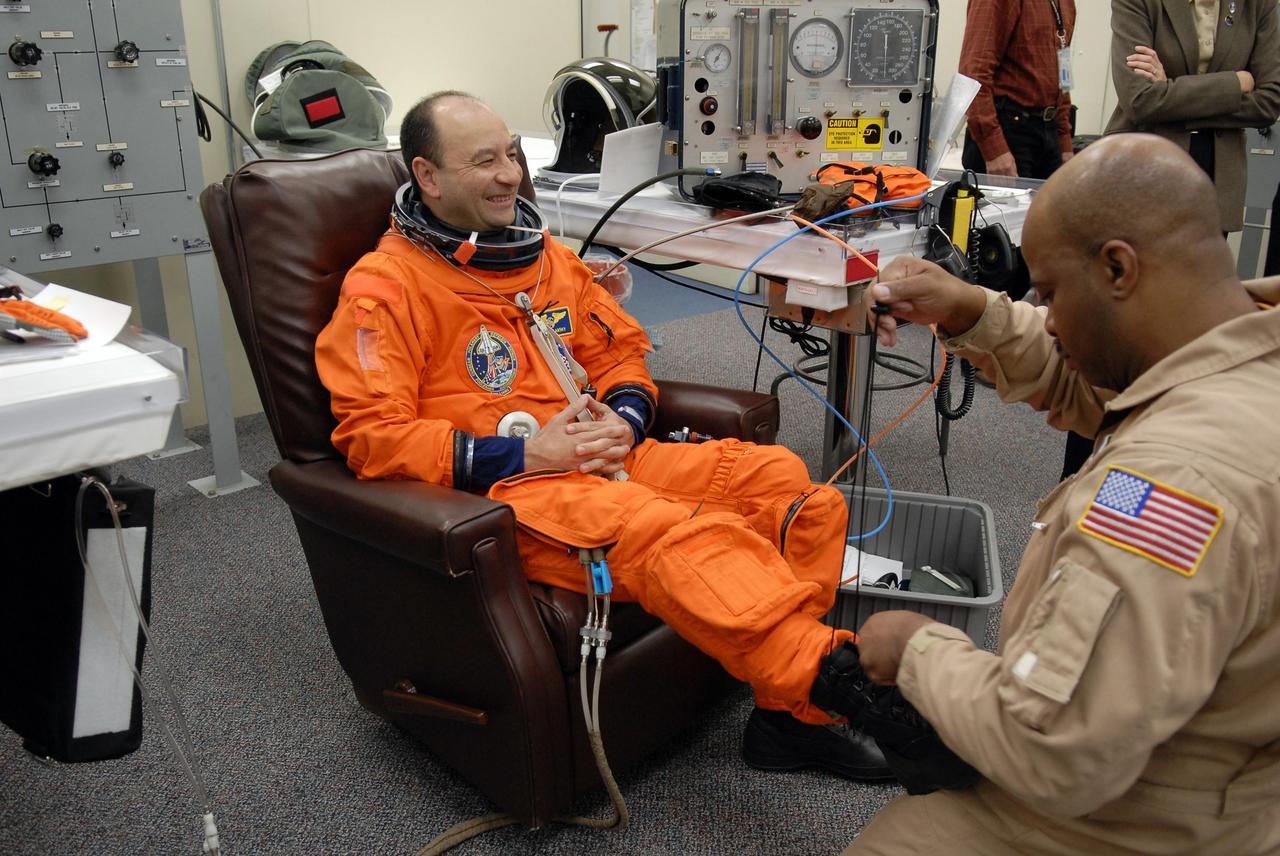
KENNEDY SPACE CENTER, FLA. -- The crew members of mission STS-116 are suiting up for a second launch attempt at 8:47 p.m. EST from Launch Pad 39B aboard Space Shuttle Discovery. Pictured here is Commander Mark Polansky, being helped with his boot. Polansky will be making his second shuttle flight. The first launch attempt of STS-116 on Dec. 7 was postponed due a low cloud ceiling over Kennedy Space Center. This is Discovery's 33rd mission and the first night launch since 2002. The 20th shuttle mission to the International Space Station, STS-116 carries another truss segment, P5. It will serve as a spacer, mated to the P4 truss that was attached in September. After installing the P5, the crew will reconfigure and redistribute the power generated by two pairs of U.S. solar arrays. Landing is expected Dec. 19 at KSC. Photo credit: NASA/Kim Shiflett
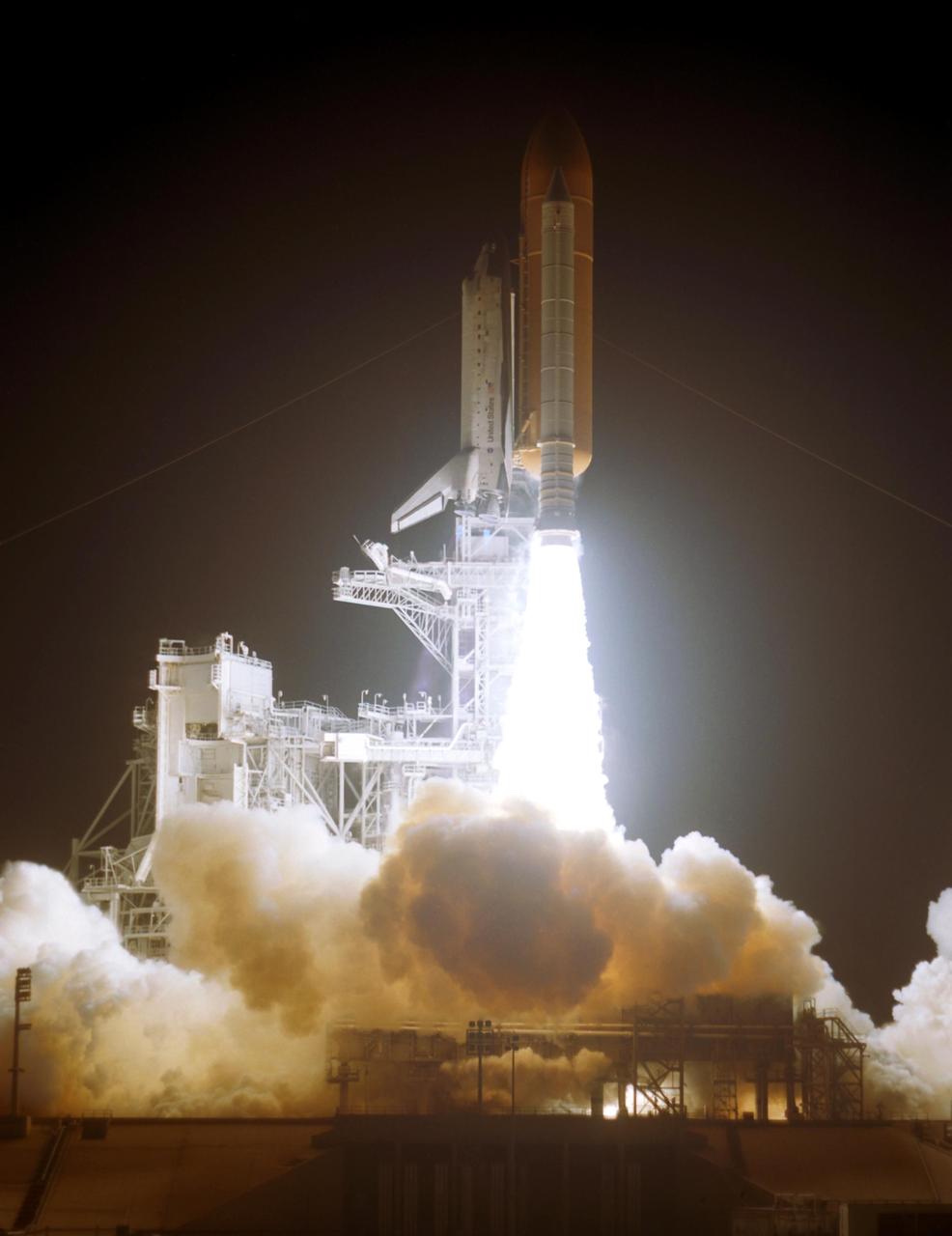
KENNEDY SPACE CENTER, FLA. -- Rising on columns of fire above the smoke and steam below, Space Shuttle Discovery leaps toward the sky past the lightning mast on Launch Pad 39B on mission STS-116. Liftoff occurred at 8:47 p.m. EST. This was the second launch attempt for mission STS-116. The first launch attempt on Dec. 7 was postponed due a low cloud ceiling over Kennedy Space Center. This is Discovery's 33rd mission and the first night launch since 2002. The 20th shuttle mission to the International Space Station, STS-116 carries another truss segment, P5. It will serve as a spacer, mated to the P4 truss that was attached in September. After installing the P5, the crew will reconfigure and redistribute the power generated by two pairs of U.S. solar arrays. Landing is expected Dec. 21 at KSC. Photo credit: NASA/Regina Mitchell-Ryall & Tim Powers
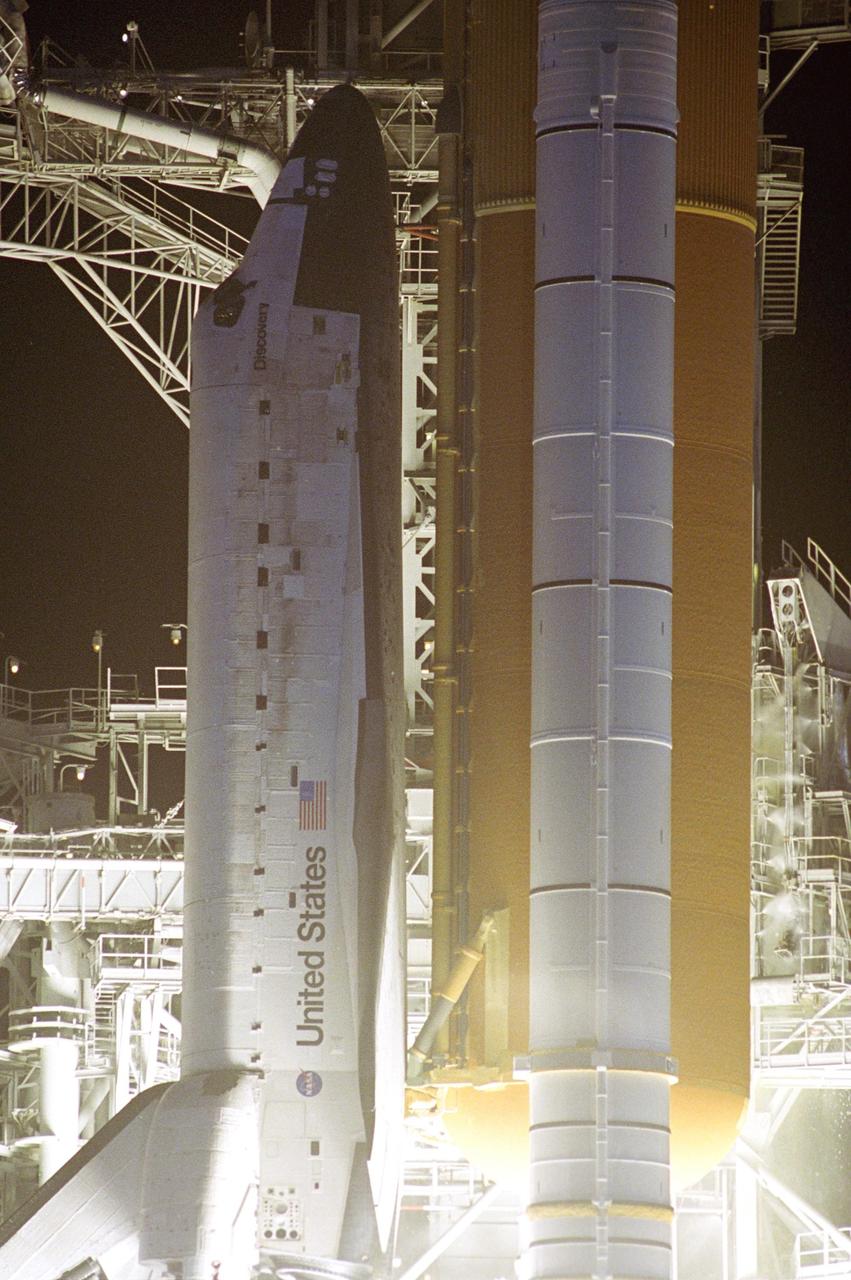
KENNEDY SPACE CENTER, FLA. -- A closeup of Space Shuttle Discovery at liftoff from Launch Pad 39B on mission STS-116. Liftoff occurred on time at 8:47 p.m. EST. This was the second launch attempt for mission STS-116. The first launch attempt on Dec. 7 was postponed due a low cloud ceiling over Kennedy Space Center. This is Discovery's 33rd mission and the first night launch since 2002. The 20th shuttle mission to the International Space Station, STS-116 carries another truss segment, P5. It will serve as a spacer, mated to the P4 truss that was attached in September. After installing the P5, the crew will reconfigure and redistribute the power generated by two pairs of U.S. solar arrays. Landing is expected Dec. 21 at KSC. Photo credit: NASA/Jerry Cannon & Mike Kerley
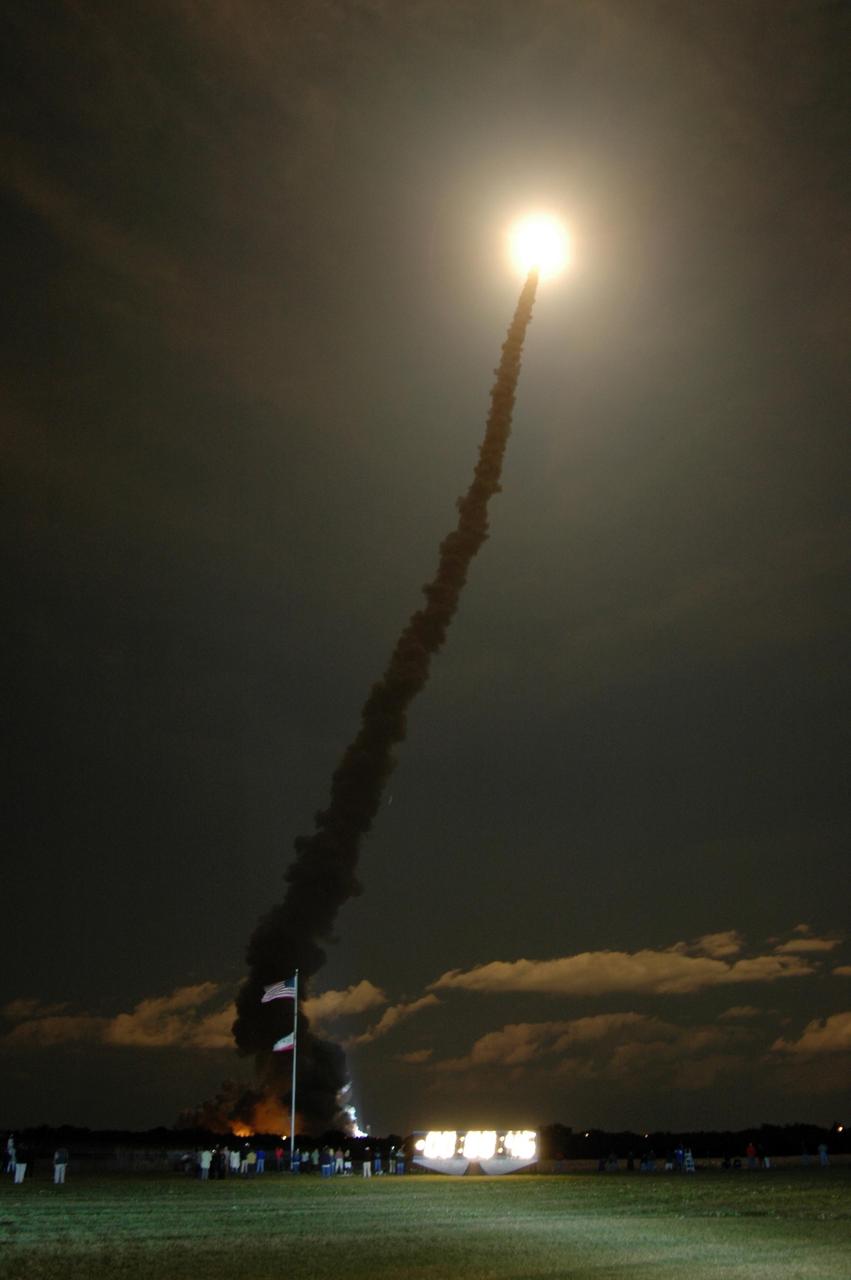
KENNEDY SPACE CENTER, FLA. -- Like a shooting star flooding the night sky with its blazing light, Space Shuttle Discovery leaps toward the sky from Launch Pad 39B on mission STS-116. The launch occurred at 8:47:35 p.m. EST. This was the second launch attempt for mission STS-116. The first launch attempt on Dec. 7 was postponed due a low cloud ceiling over Kennedy Space Center. This is Discovery's 33rd mission and the first night launch since 2002. The 20th shuttle mission to the International Space Station, STS-116 carries another truss segment, P5. It will serve as a spacer, mated to the P4 truss that was attached in September. After installing the P5, the crew will reconfigure and redistribute the power generated by two pairs of U.S. solar arrays. Landing is expected Dec. 21 at KSC. Photo credit: NASA/Jim Grossmann
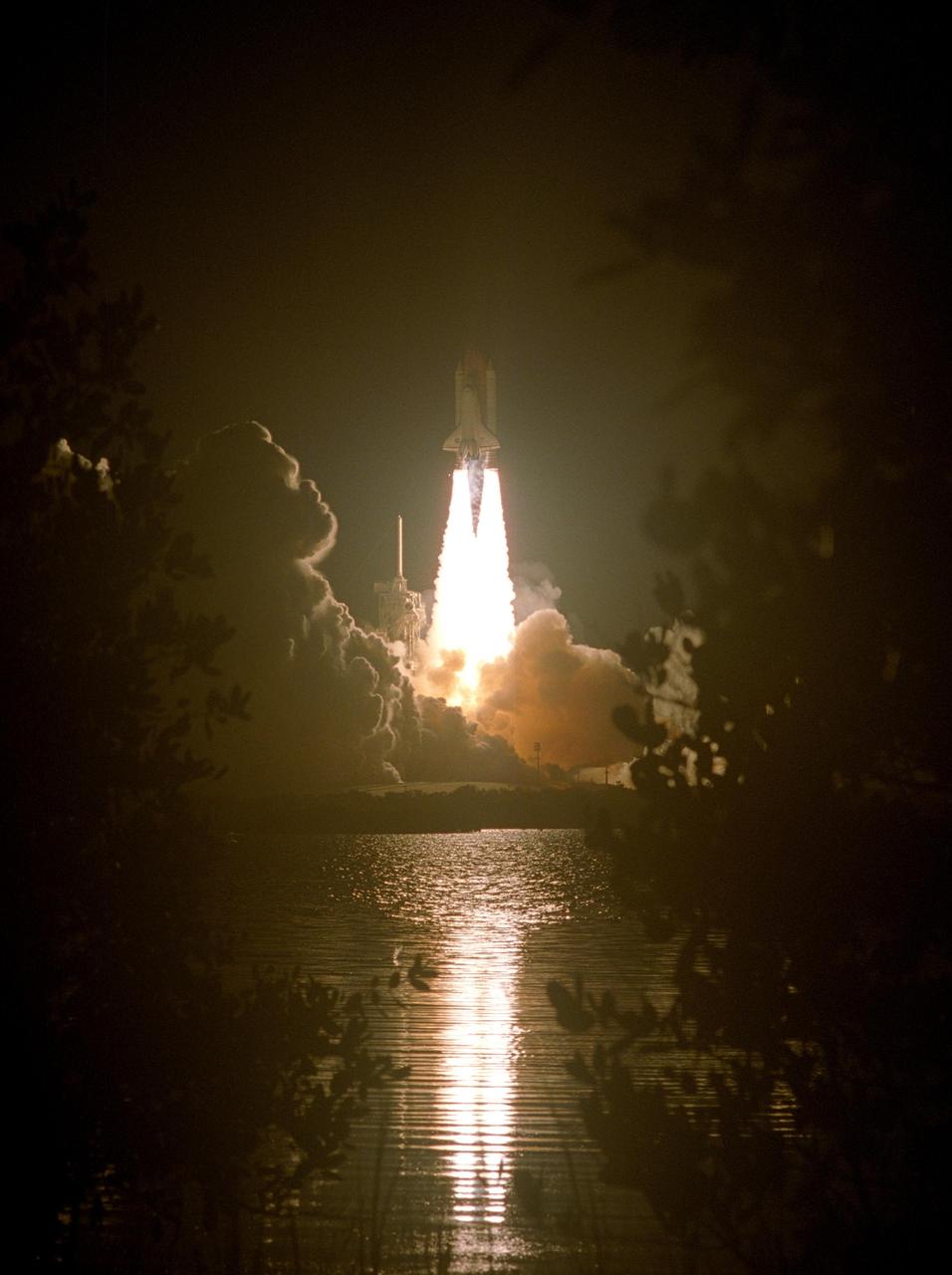
KENNEDY SPACE CENTER, FLA. -- The fiery liftoff of Space Shuttle Discovery from Launch Pad 39B on mission STS-116 is captured in the nearby water. Liftoff occurred on time at 8:47 p.m. EST. This was the second launch attempt for mission STS-116. The first launch attempt on Dec. 7 was postponed due a low cloud ceiling over Kennedy Space Center. This is Discovery's 33rd mission and the first night launch since 2002. The 20th shuttle mission to the International Space Station, STS-116 carries another truss segment, P5. It will serve as a spacer, mated to the P4 truss that was attached in September. After installing the P5, the crew will reconfigure and redistribute the power generated by two pairs of U.S. solar arrays. Landing is expected Dec. 21 at KSC. Photo credit: NASA/Sandy Joseph, Robert Murray & Chris Lynch
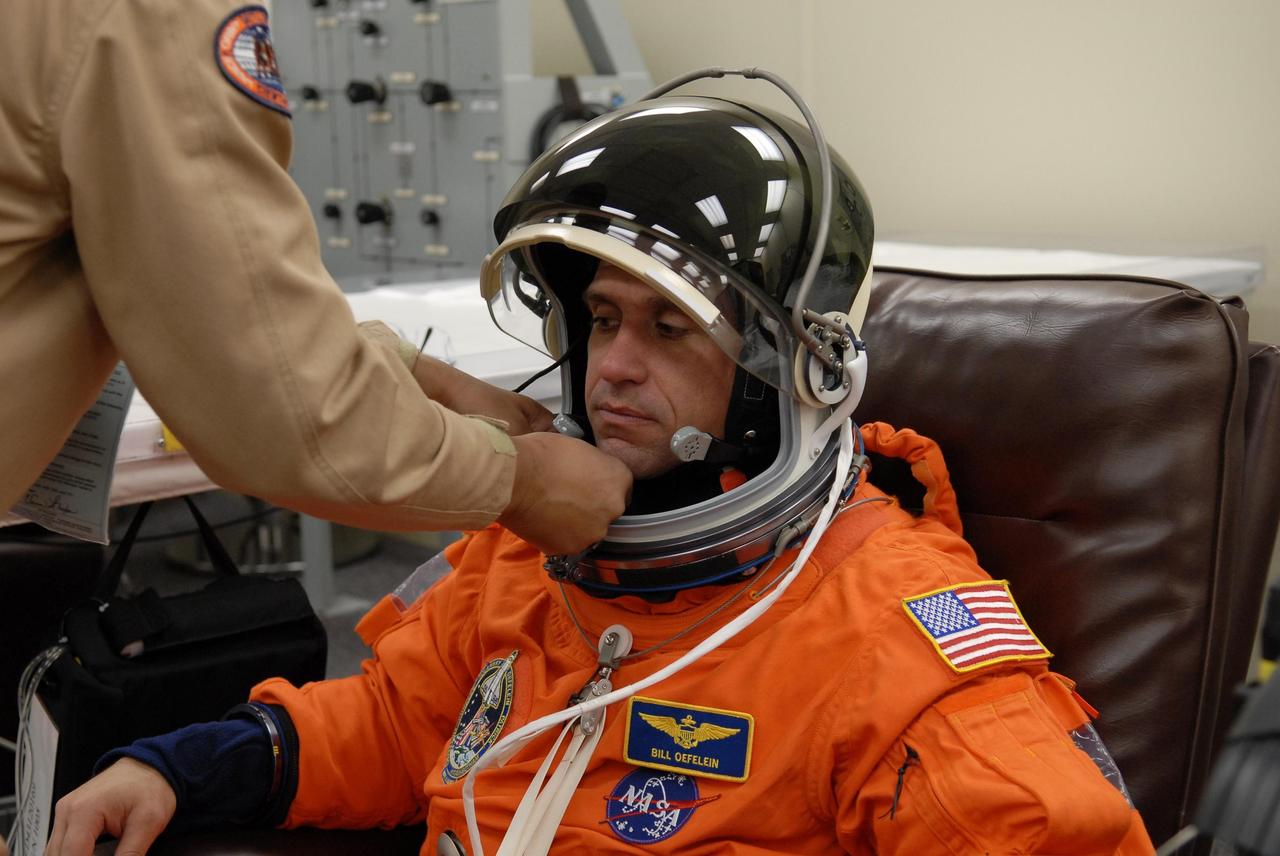
KENNEDY SPACE CENTER, FLA. -- The crew members of mission STS-116 are suiting up for a second launch attempt at 8:47 p.m. EST from Launch Pad 39B aboard Space Shuttle Discovery. Pictured here is Pilot William Oefelein, being helped with his helmet. Oefelein is making his first shuttle flight. The first launch attempt of STS-116 on Dec. 7 was postponed due a low cloud ceiling over Kennedy Space Center. This is Discovery's 33rd mission and the first night launch since 2002. The 20th shuttle mission to the International Space Station, STS-116 carries another truss segment, P5. It will serve as a spacer, mated to the P4 truss that was attached in September. After installing the P5, the crew will reconfigure and redistribute the power generated by two pairs of U.S. solar arrays. Landing is expected Dec. 19 at KSC. Photo credit: NASA/Kim Shiflett
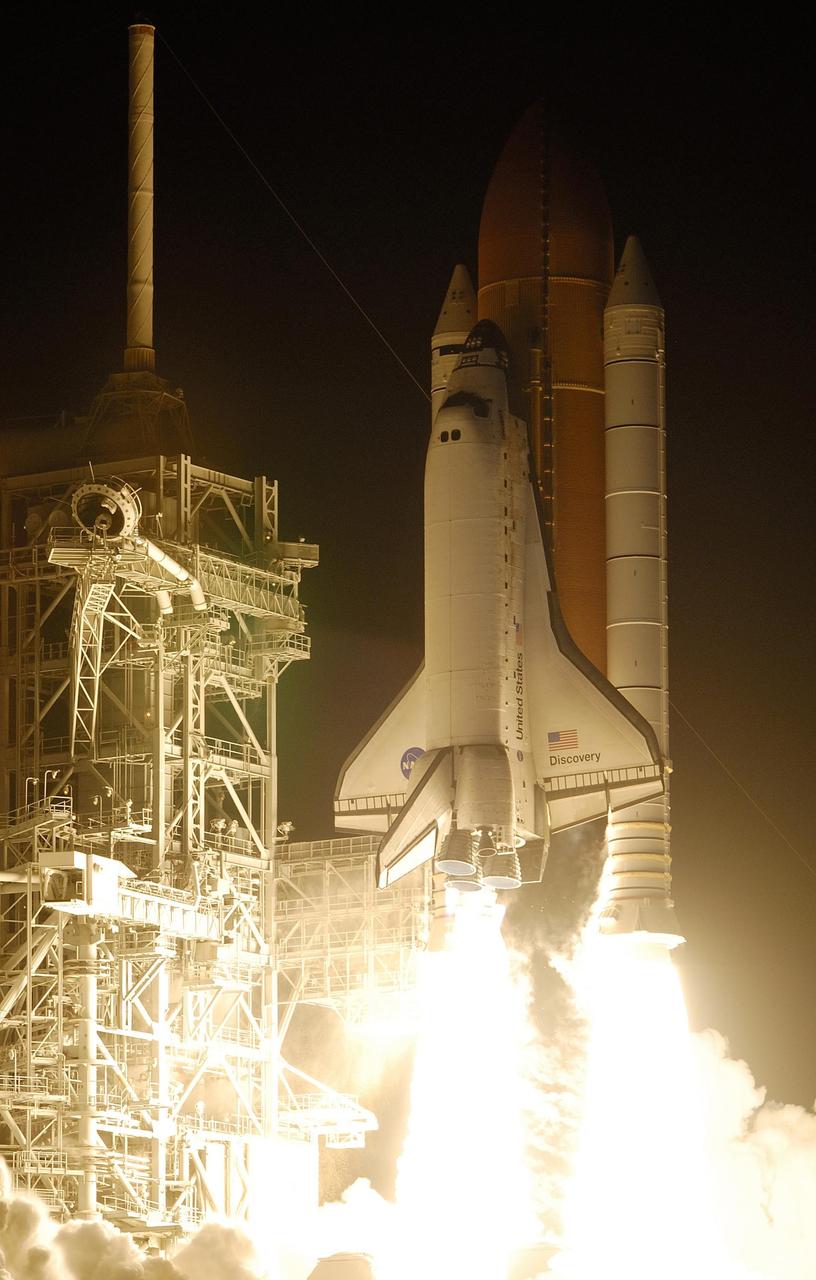
KENNEDY SPACE CENTER, FLA. -- Space Shuttle Discovery seems to be standing on the fiery columns erupting from the solid rocket boosters as it lifts off Launch Pad 39B on mission STS-116. The blazing light illuminated the launch pad and fixed service structure, at left. Liftoff occurred on time at 8:47 p.m. EST. This was the second launch attempt for mission STS-116. The first launch attempt on Dec. 7 was postponed due a low cloud ceiling over Kennedy Space Center. This is Discovery's 33rd mission and the first night launch since 2002. The 20th shuttle mission to the International Space Station, STS-116 carries another truss segment, P5. It will serve as a spacer, mated to the P4 truss that was attached in September. After installing the P5, the crew will reconfigure and redistribute the power generated by two pairs of U.S. solar arrays. Landing is expected Dec. 21 at KSC. Photo courtesy of Nikon/Scott Andrews
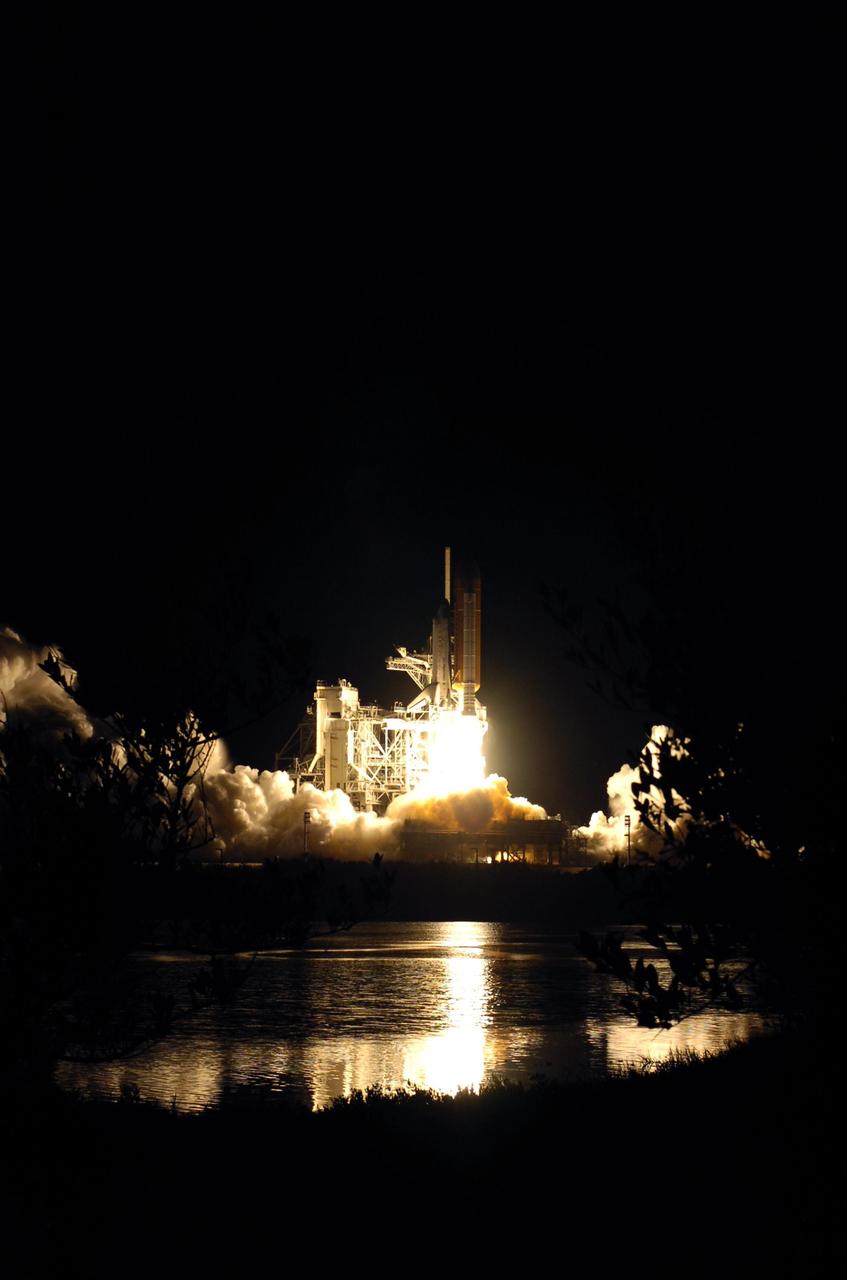
KENNEDY SPACE CENTER, FLA. -- The fiery liftoff of Space Shuttle Discovery from Launch Pad 39B on mission STS-116 is captured in the nearby water. Liftoff occurred on time at 8:47 p.m. EST. This was the second launch attempt of Discovery on mission STS-116. The first launch attempt on Dec. 7 was postponed due a low cloud ceiling over Kennedy Space Center. This is Discovery's 33rd mission and the first night launch since 2002. The 20th shuttle mission to the International Space Station, STS-116 carries another truss segment, P5. It will serve as a spacer, mated to the P4 truss that was attached in September. After installing the P5, the crew will reconfigure and redistribute the power generated by two pairs of U.S. solar arrays. Landing is expected Dec. 21 at KSC. Photo credit: NASA/Sandra Joseph, Robert Murray, Chris Lynch
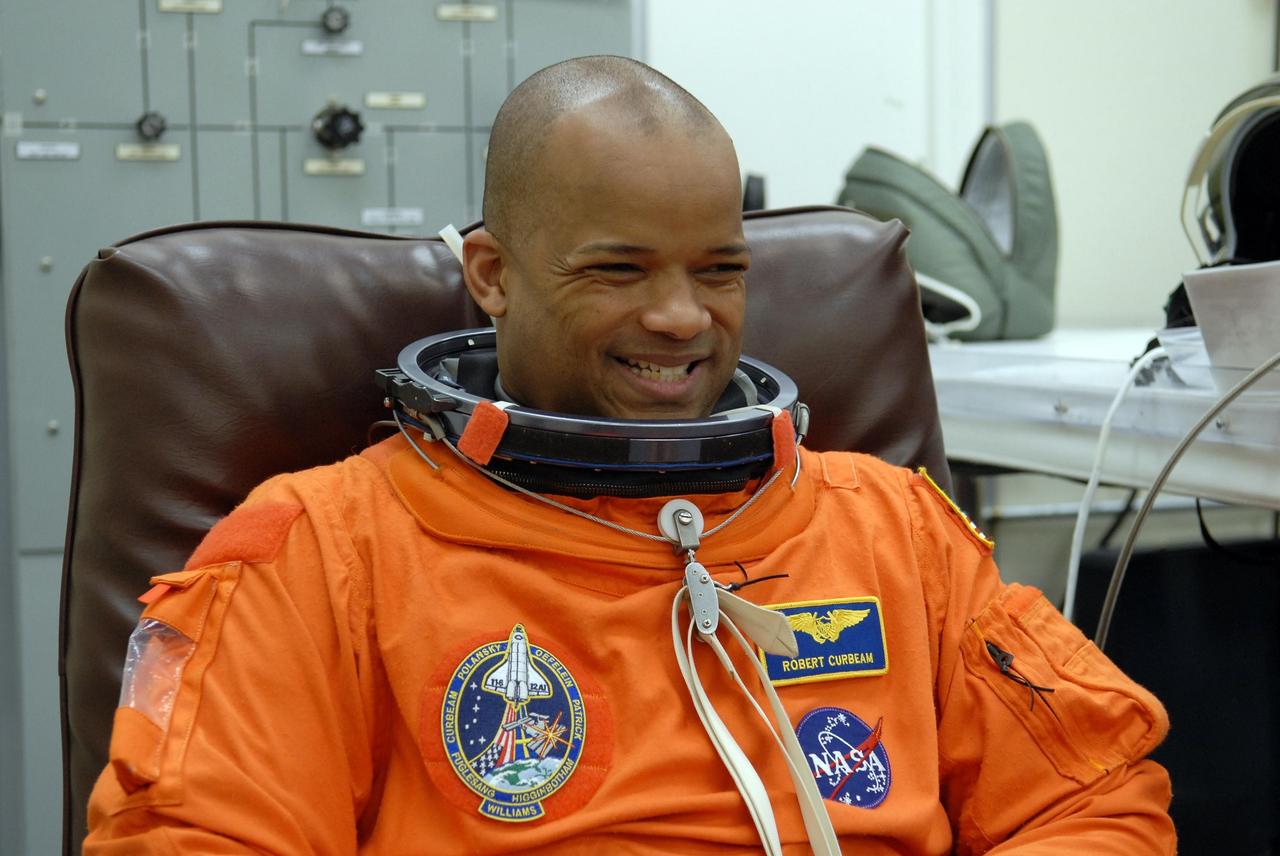
KENNEDY SPACE CENTER, FLA. -- The crew members of mission STS-116 are suiting up for a second launch attempt at 8:47 p.m. EST from Launch Pad 39B aboard Space Shuttle Discovery. Pictured here is Mission Specialist Robert Curbeam, who is making his third shuttle flight. The first launch attempt of STS-116 on Dec. 7 was postponed due a low cloud ceiling over Kennedy Space Center. This is Discovery's 33rd mission and the first night launch since 2002. The 20th shuttle mission to the International Space Station, STS-116 carries another truss segment, P5. It will serve as a spacer, mated to the P4 truss that was attached in September. After installing the P5, the crew will reconfigure and redistribute the power generated by two pairs of U.S. solar arrays. Landing is expected Dec. 19 at KSC. Photo credit: NASA/Kim Shiflett
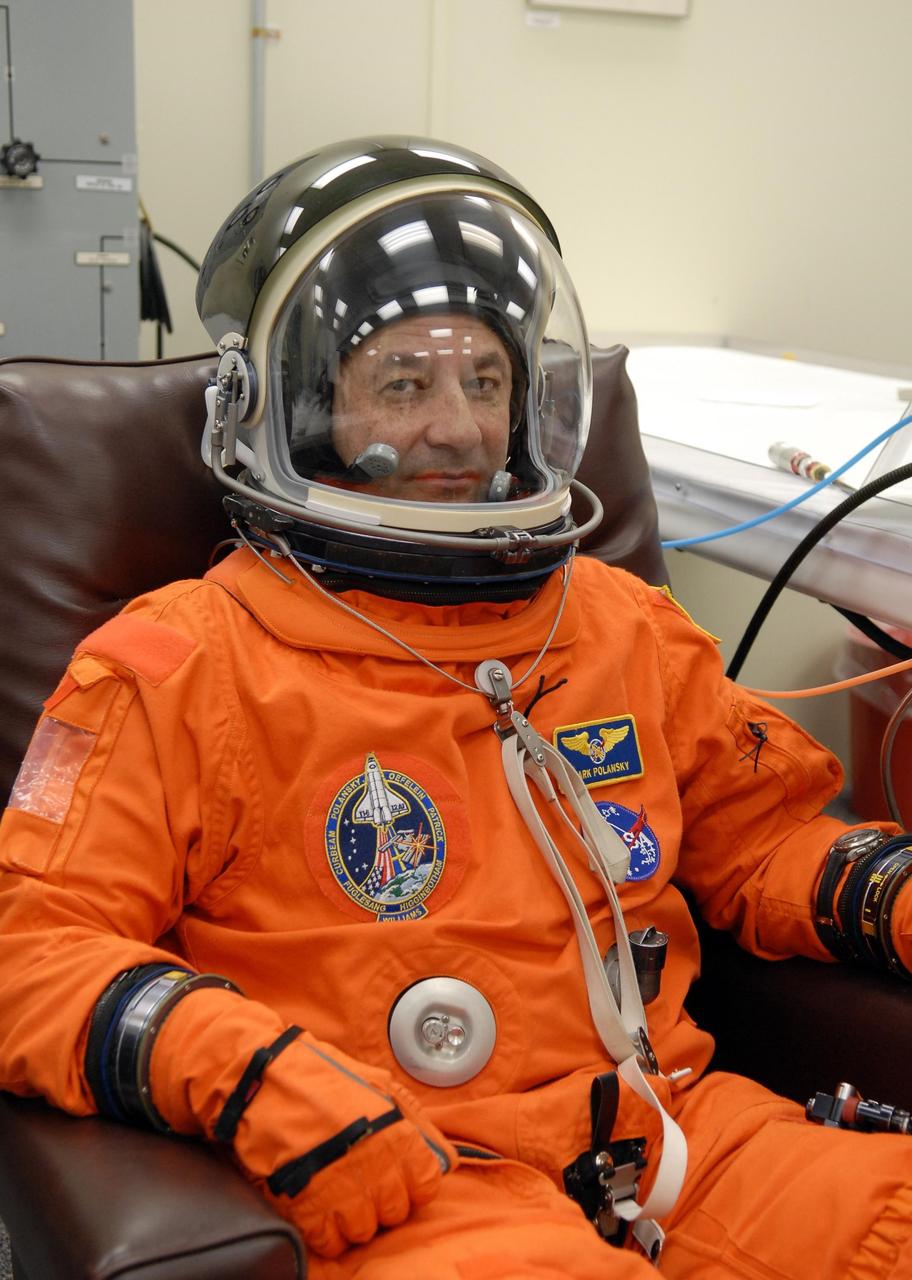
KENNEDY SPACE CENTER, FLA. -- The crew members of mission STS-116 are suiting up for a second launch attempt at 8:47 p.m. EST from Launch Pad 39B aboard Space Shuttle Discovery. Polansky is making his second shuttle flight. The first launch attempt of STS-116 on Dec. 7 was postponed due a low cloud ceiling over Kennedy Space Center. This is Discovery's 33rd mission and the first night launch since 2002. The 20th shuttle mission to the International Space Station, STS-116 carries another truss segment, P5. It will serve as a spacer, mated to the P4 truss that was attached in September. After installing the P5, the crew will reconfigure and redistribute the power generated by two pairs of U.S. solar arrays. Landing is expected Dec. 19 at KSC. Photo credit: NASA/Kim Shiflett
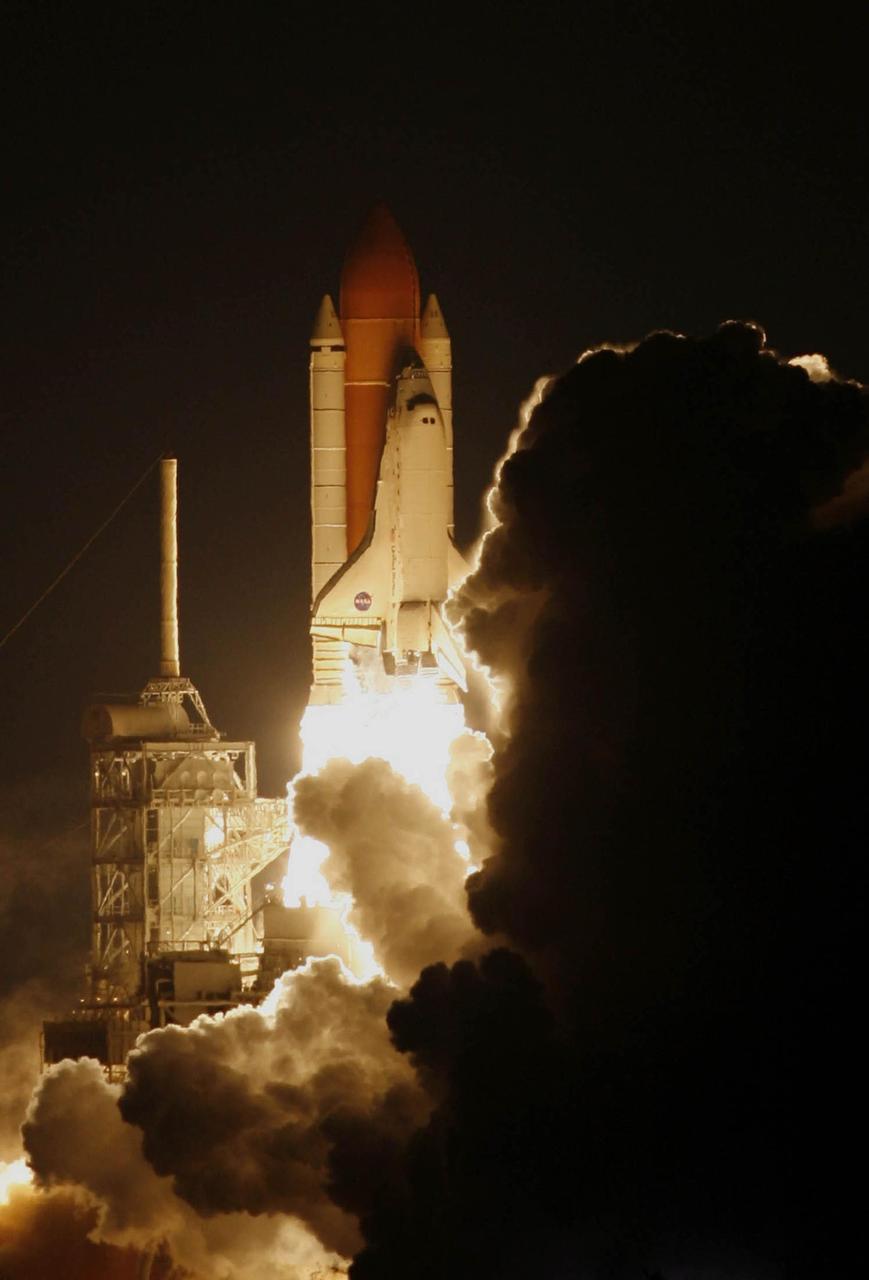
KENNEDY SPACE CENTER, FLA. -- From amid the smoke and steam, Space Shuttle Discovery leaps toward the sky past the lightning mast on Launch Pad 39B on mission STS-116. The launch occurred at 8:47:35 p.m. EST. This was the second launch attempt for mission STS-116. The first launch attempt on Dec. 7 was postponed due a low cloud ceiling over Kennedy Space Center. This is Discovery's 33rd mission and the first night launch since 2002. The 20th shuttle mission to the International Space Station, STS-116 carries another truss segment, P5. It will serve as a spacer, mated to the P4 truss that was attached in September. After installing the P5, the crew will reconfigure and redistribute the power generated by two pairs of U.S. solar arrays. Landing is expected Dec. 21 at KSC. Photo courtesy of Reuters/Larry Rubenstein and Peter Jones
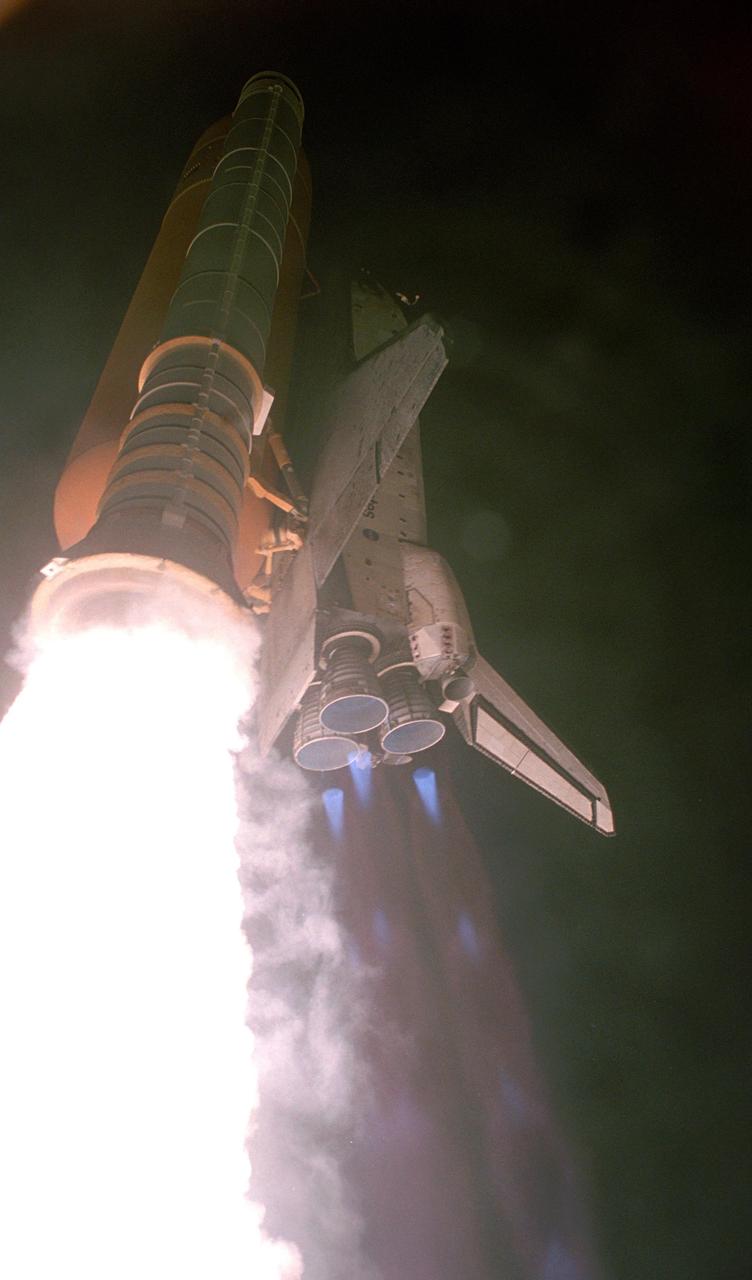
KENNEDY SPACE CENTER, FLA. -- Mach diamonds appear beneath Space Shuttle Discovery's main engines as the vehicle roars into the night sky after liftoff on mission STS-116. Mach diamonds are a formation of shock waves in the exhaust plume of an aerospace propulsion system. Liftoff occurred on time at 8:47 p.m. EST. This was the second launch attempt for mission STS-116. The first launch attempt on Dec. 7 was postponed due a low cloud ceiling over Kennedy Space Center. This is Discovery's 33rd mission and the first night launch since 2002. The 20th shuttle mission to the International Space Station, STS-116 carries another truss segment, P5. It will serve as a spacer, mated to the P4 truss that was attached in September. After installing the P5, the crew will reconfigure and redistribute the power generated by two pairs of U.S. solar arrays. Landing is expected Dec. 21 at KSC. Photo credit: NASA/Tony Gray & Don Kight
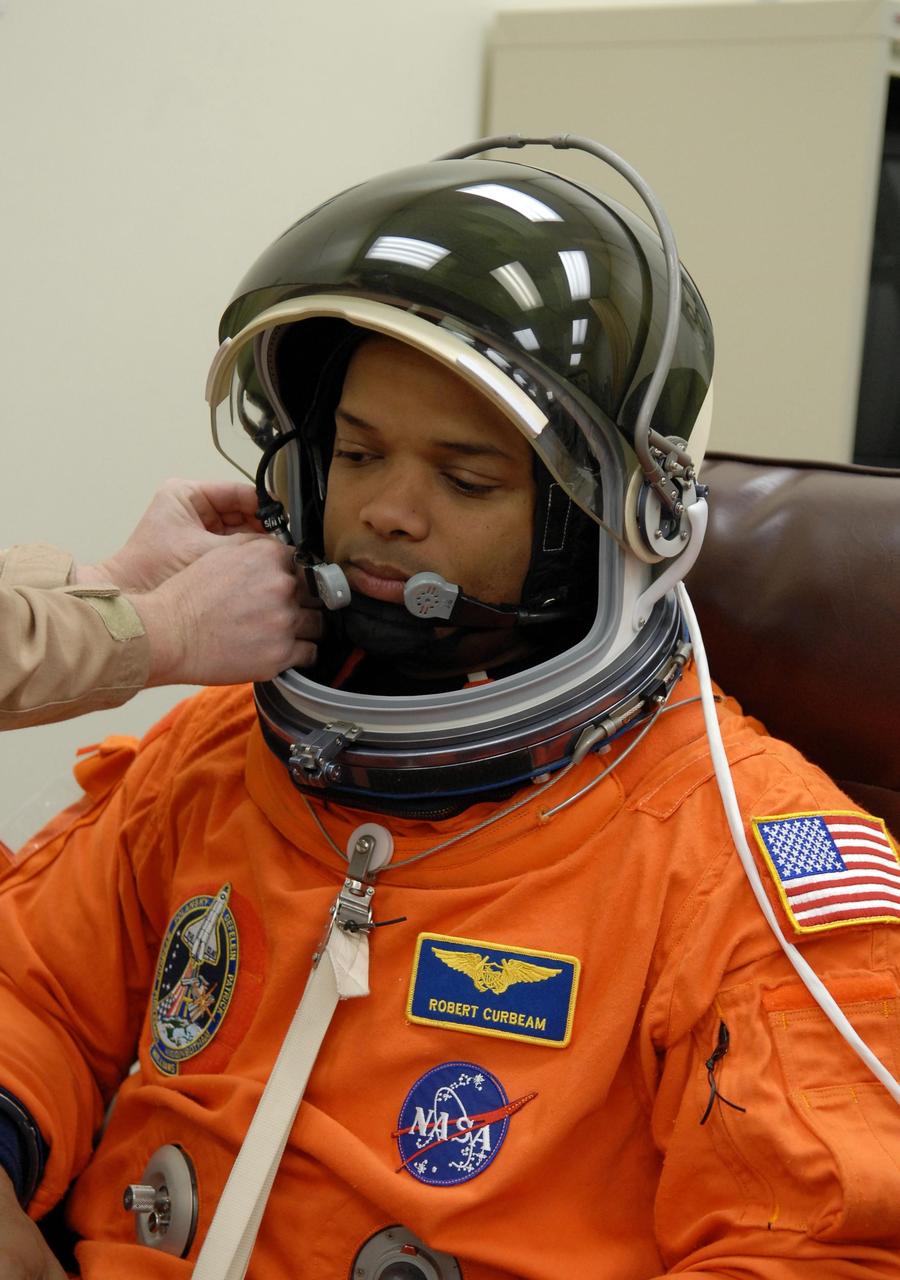
KENNEDY SPACE CENTER, FLA. -- The crew members of mission STS-116 are suiting up for a second launch attempt at 8:47 p.m. EST from Launch Pad 39B aboard Space Shuttle Discovery. Pictured here is Mission Specialist Robert Curbeam, getting help with the helmet. Curbeam will be making his third shuttle flight. The first launch attempt of STS-116 on Dec. 7 was postponed due a low cloud ceiling over Kennedy Space Center. This is Discovery's 33rd mission and the first night launch since 2002. The 20th shuttle mission to the International Space Station, STS-116 carries another truss segment, P5. It will serve as a spacer, mated to the P4 truss that was attached in September. After installing the P5, the crew will reconfigure and redistribute the power generated by two pairs of U.S. solar arrays. Landing is expected Dec. 19 at KSC. Photo credit: NASA/Kim Shiflett
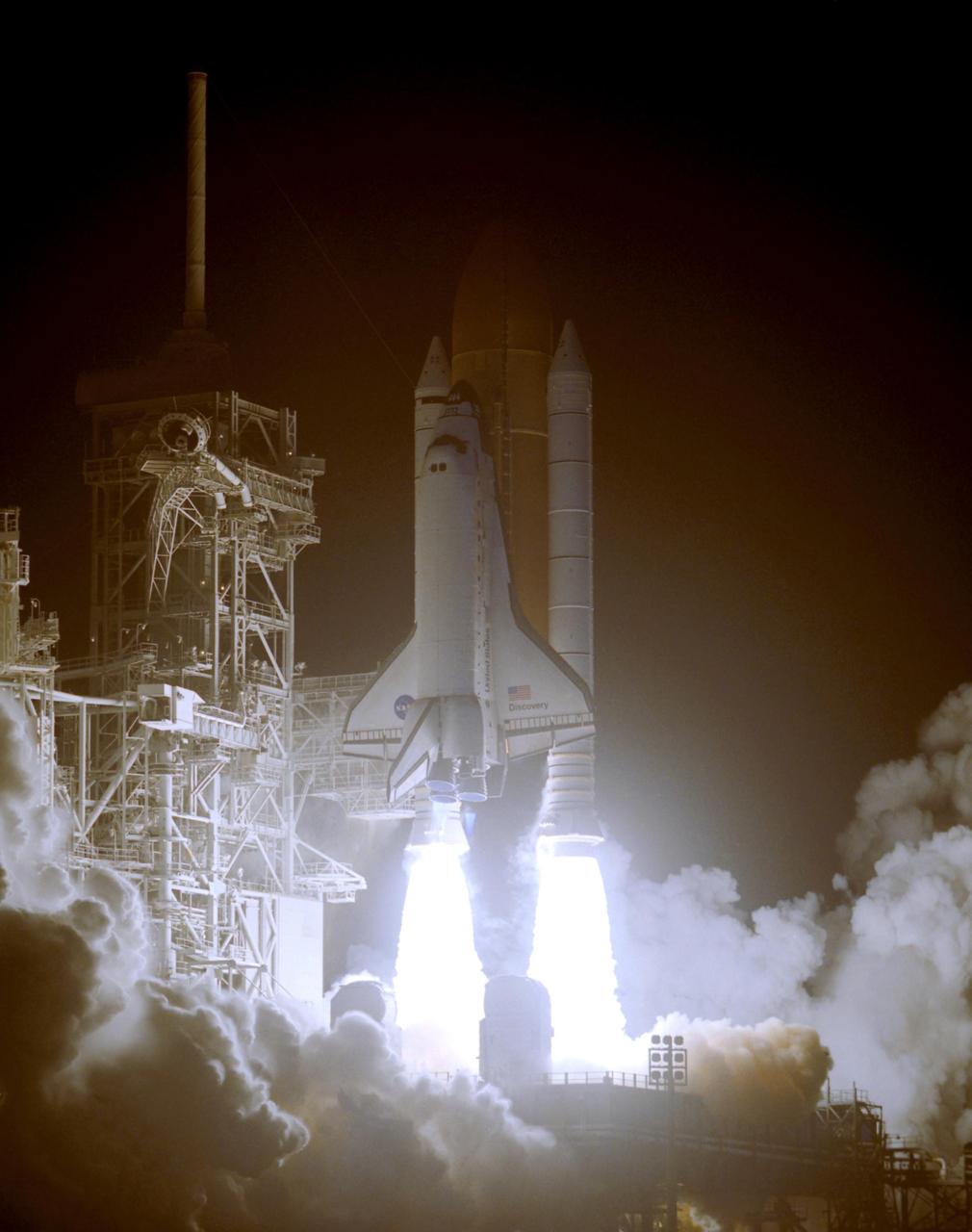
KENNEDY SPACE CENTER, FLA. -- Space Shuttle Discovery seems to be standing on the fiery columns erupting from the solid rocket boosters as it lifts off Launch Pad 39B on mission STS-116. Liftoff occurred at 8:47 p.m. EST. This was the second launch attempt for mission STS-116. The first launch attempt on Dec. 7 was postponed due a low cloud ceiling over Kennedy Space Center. This is Discovery's 33rd mission and the first night launch since 2002. The 20th shuttle mission to the International Space Station, STS-116 carries another truss segment, P5. It will serve as a spacer, mated to the P4 truss that was attached in September. After installing the P5, the crew will reconfigure and redistribute the power generated by two pairs of U.S. solar arrays. Landing is expected Dec. 21 at KSC. Photo credit: NASA/Regina Mitchell-Ryall & Tim Powers
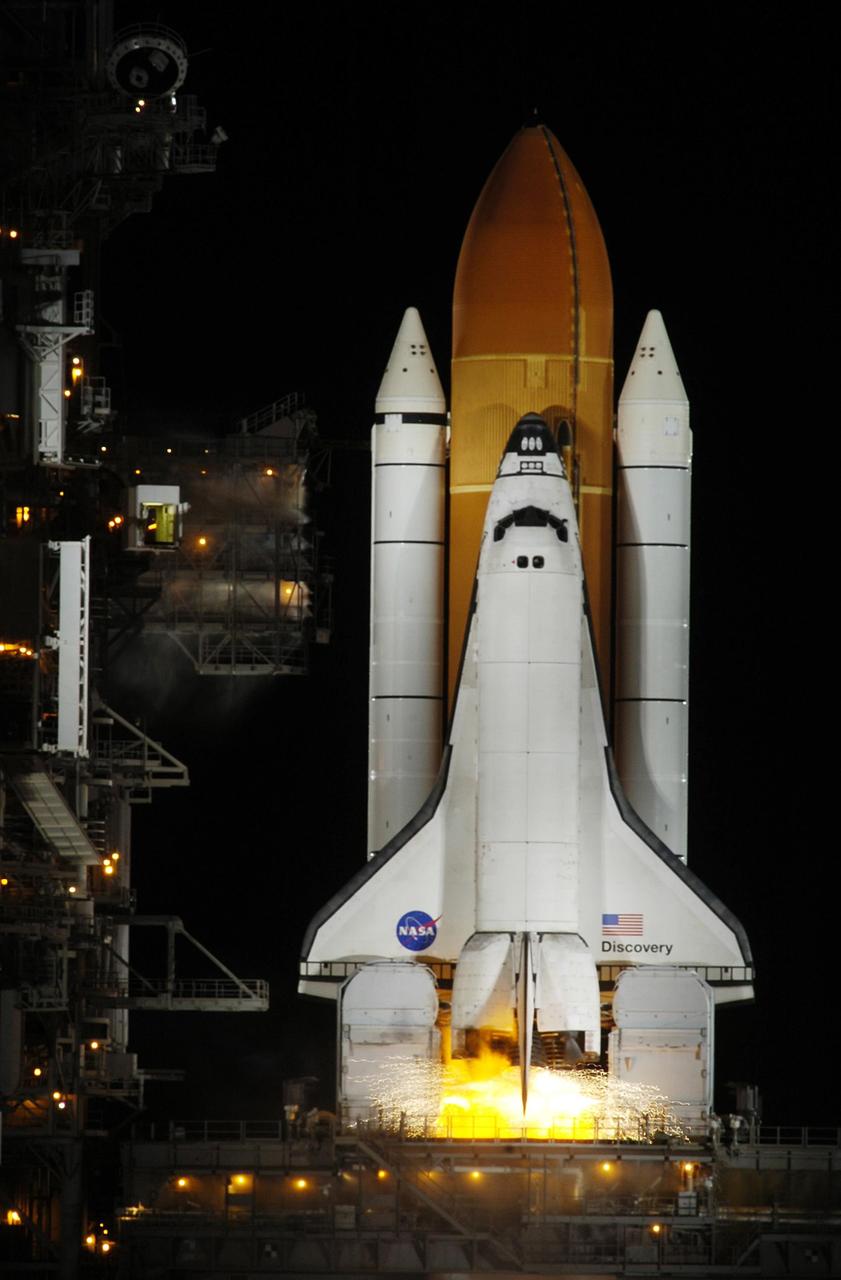
KENNEDY SPACE CENTER, FLA. -- Sparks appear just prior to Space Shuttle Discovery's main engines firing approximately T-7 seconds before liftoff. Once the engines are running normally, the solid rocket boosters are ignited and the shuttle lifts off. Discovery lifted off on mission STS-116 at 8:47 p.m. EST. This was the second launch attempt for mission STS-116. The first launch attempt on Dec. 7 was postponed due a low cloud ceiling over Kennedy Space Center. This is Discovery's 33rd mission and the first night launch since 2002. The 20th shuttle mission to the International Space Station, STS-116 carries another truss segment, P5. It will serve as a spacer, mated to the P4 truss that was attached in September. After installing the P5, the crew will reconfigure and redistribute the power generated by two pairs of U.S. solar arrays. Landing is expected Dec. 21 at KSC. Photo courtesy of Nikon/Scott Andrews
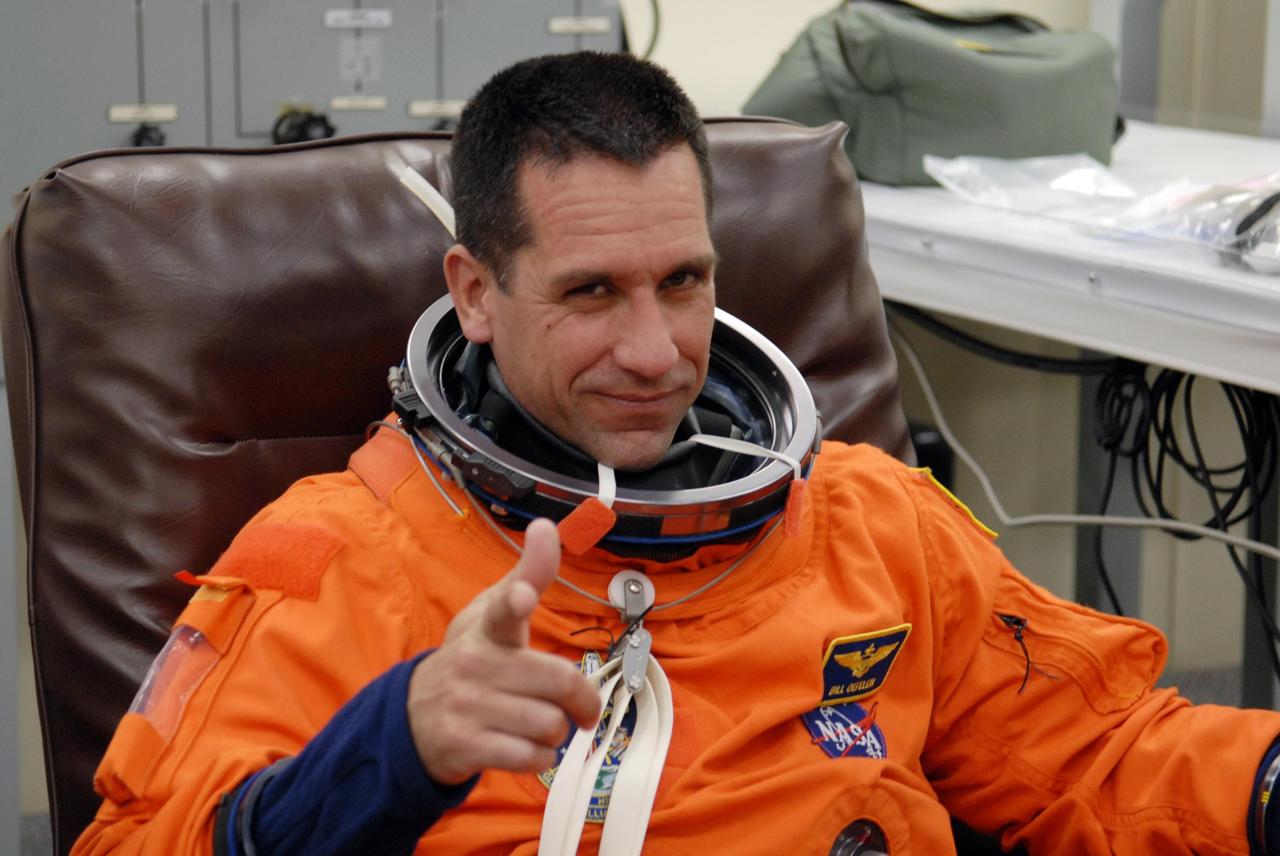
KENNEDY SPACE CENTER, FLA. -- The crew members of mission STS-116 are suiting up for a second launch attempt at 8:47 p.m. EST from Launch Pad 39B aboard Space Shuttle Discovery. Pictured here is Pilot William Oefelein, who will be making his first shuttle flight. The first launch attempt of STS-116 on Dec. 7 was postponed due a low cloud ceiling over Kennedy Space Center. This is Discovery's 33rd mission and the first night launch since 2002. The 20th shuttle mission to the International Space Station, STS-116 carries another truss segment, P5. It will serve as a spacer, mated to the P4 truss that was attached in September. After installing the P5, the crew will reconfigure and redistribute the power generated by two pairs of U.S. solar arrays. Landing is expected Dec. 19 at KSC. Photo credit: NASA/Kim Shiflett
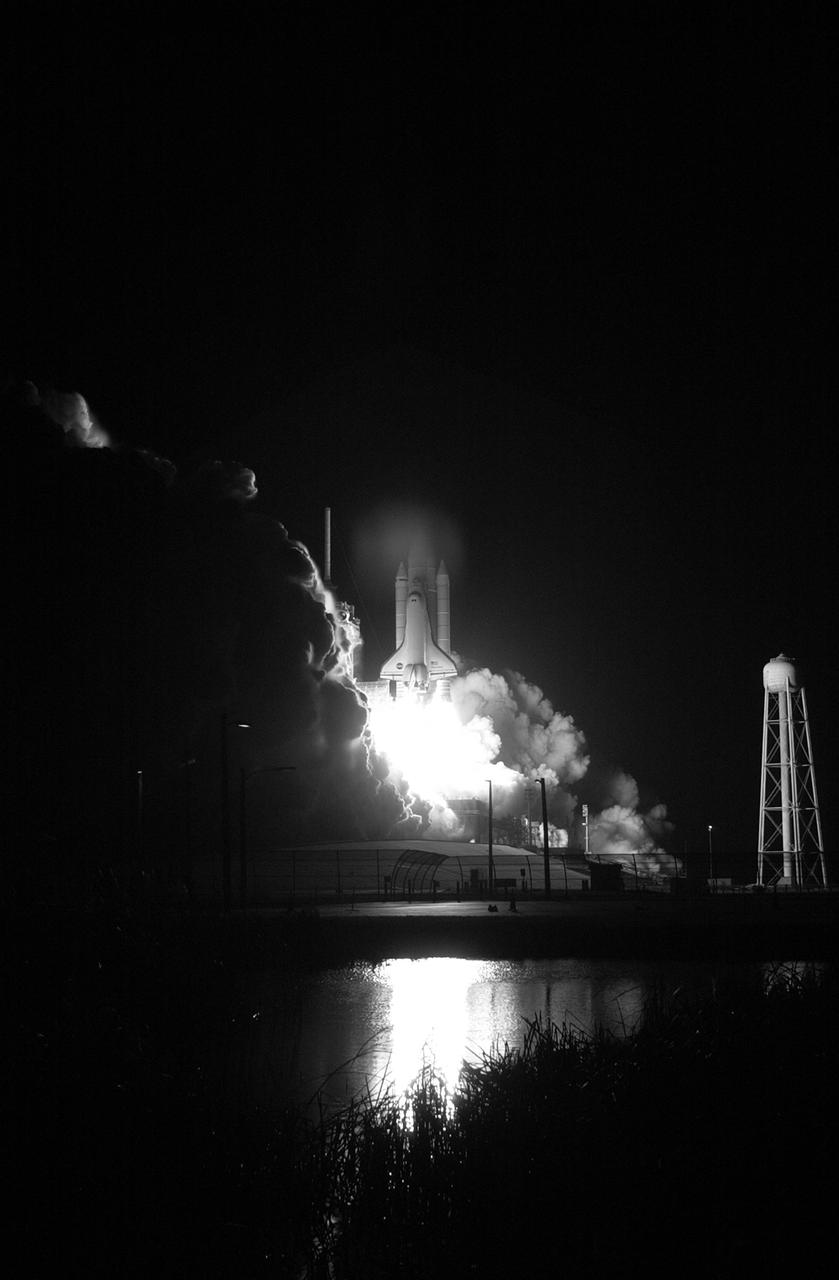
KENNEDY SPACE CENTER, FLA. -- The fiery liftoff of Space Shuttle Discovery from Launch Pad 39B on mission STS-116 is captured in the nearby water. Liftoff occurred on time at 8:47 p.m. EST. This was the second launch attempt of Discovery on mission STS-116. The first launch attempt on Dec. 7 was postponed due a low cloud ceiling over Kennedy Space Center. This is Discovery's 33rd mission and the first night launch since 2002. The 20th shuttle mission to the International Space Station, STS-116 carries another truss segment, P5. It will serve as a spacer, mated to the P4 truss that was attached in September. After installing the P5, the crew will reconfigure and redistribute the power generated by two pairs of U.S. solar arrays. Landing is expected Dec. 21 at KSC. Photo credit: NASA/Sandra Joseph, Robert Murray, Chris Lynch
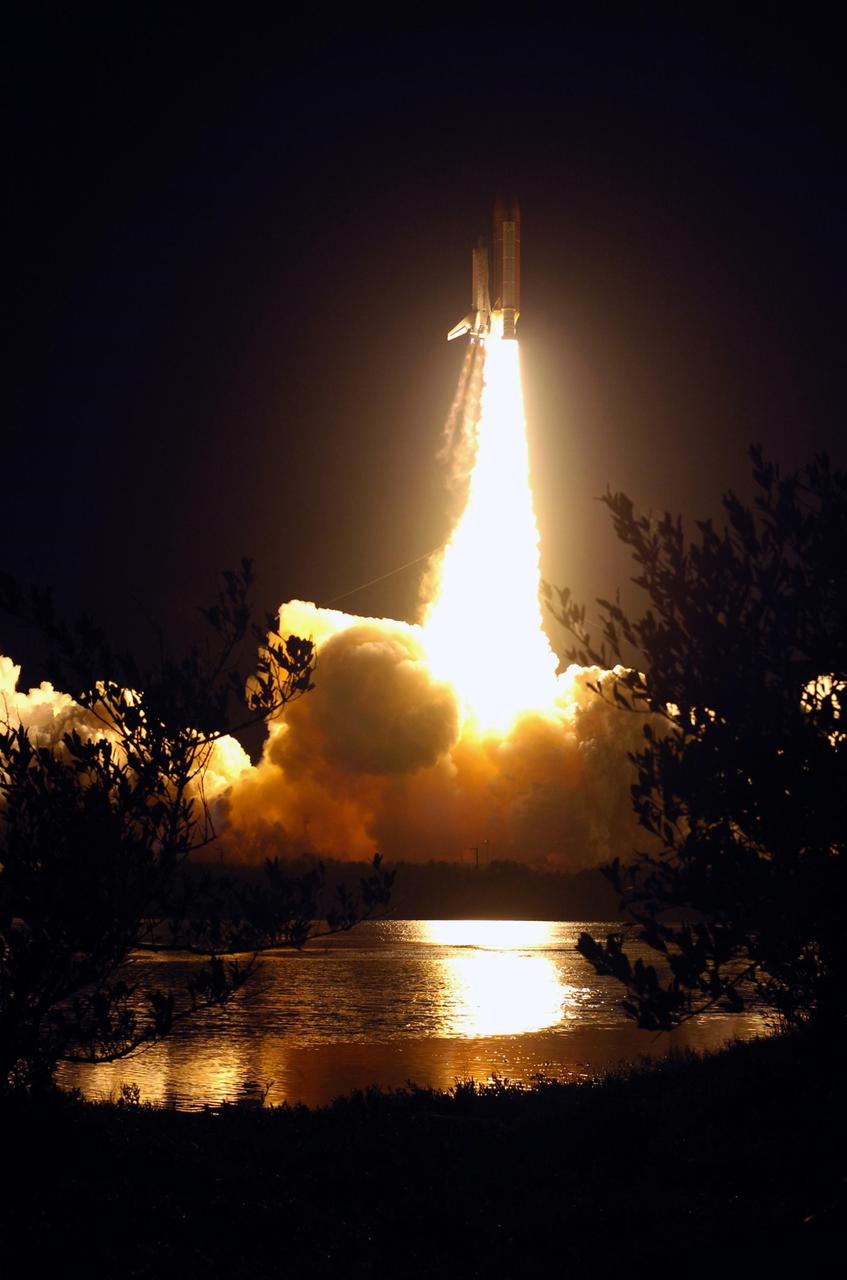
KENNEDY SPACE CENTER, FLA. --Space Shuttle Discovery soars away from the fiery clouds on Launch Pad 39B on mission STS-116. The light is captured in the nearby water. Liftoff occurred on time at 8:47 p.m. EST. This was the second launch attempt of Discovery on mission STS-116. The first launch attempt on Dec. 7 was postponed due a low cloud ceiling over Kennedy Space Center. This is Discovery's 33rd mission and the first night launch since 2002. The 20th shuttle mission to the International Space Station, STS-116 carries another truss segment, P5. It will serve as a spacer, mated to the P4 truss that was attached in September. After installing the P5, the crew will reconfigure and redistribute the power generated by two pairs of U.S. solar arrays. Landing is expected Dec. 21 at KSC. Photo credit: NASA/Sandra Joseph, Robert Murray, Chris Lynch
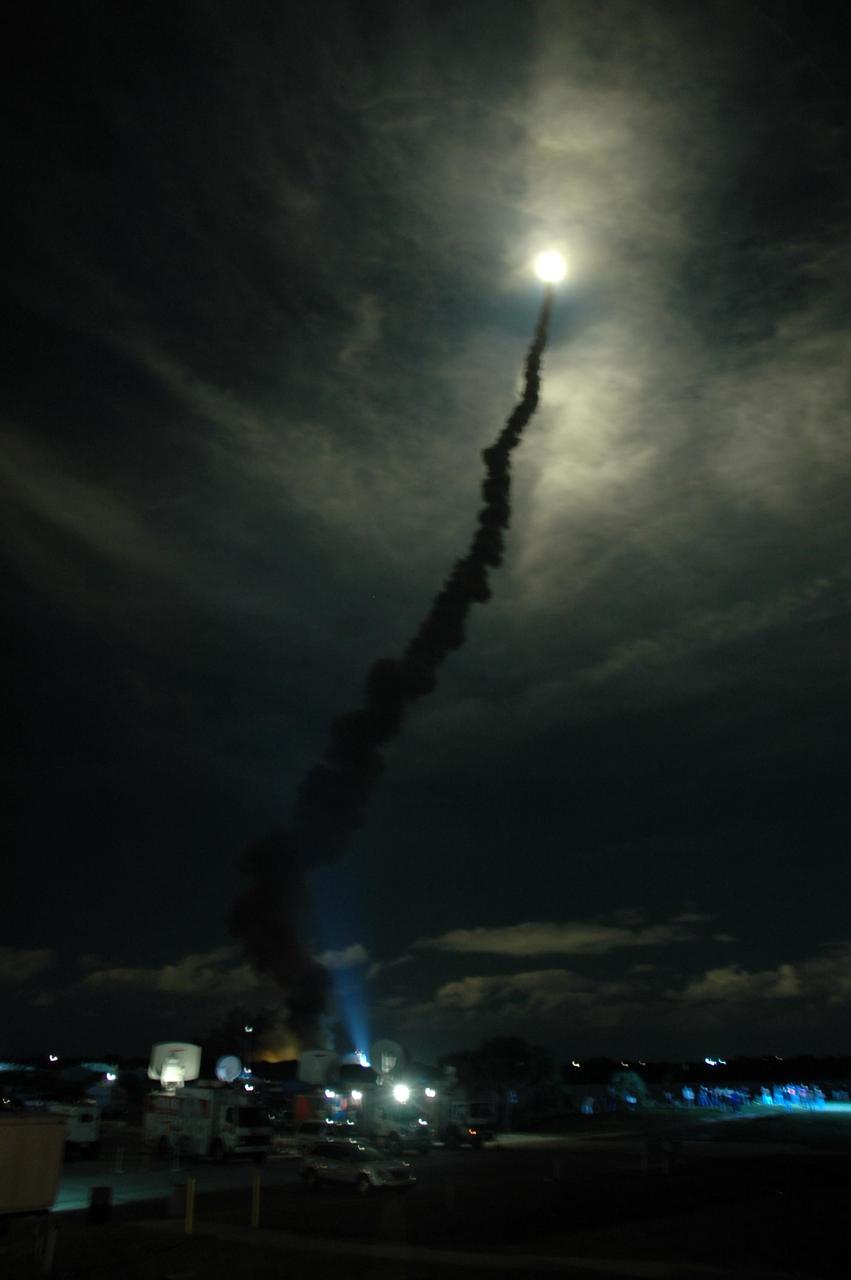
KENNEDY SPACE CENTER, FLA. -- Flooding the night sky with light, Space Shuttle Discovery streaks through the clouds after liftoff from Launch Pad 39B on mission STS-116. The launch occurred at 8:47:35 p.m. EST. This was the second launch attempt for mission STS-116. The first launch attempt on Dec. 7 was postponed due a low cloud ceiling over Kennedy Space Center. This is Discovery's 33rd mission and the first night launch since 2002. The 20th shuttle mission to the International Space Station, STS-116 carries another truss segment, P5. It will serve as a spacer, mated to the P4 truss that was attached in September. After installing the P5, the crew will reconfigure and redistribute the power generated by two pairs of U.S. solar arrays. Landing is expected Dec. 21 at KSC. Photo credit: NASA/Amanda Diller
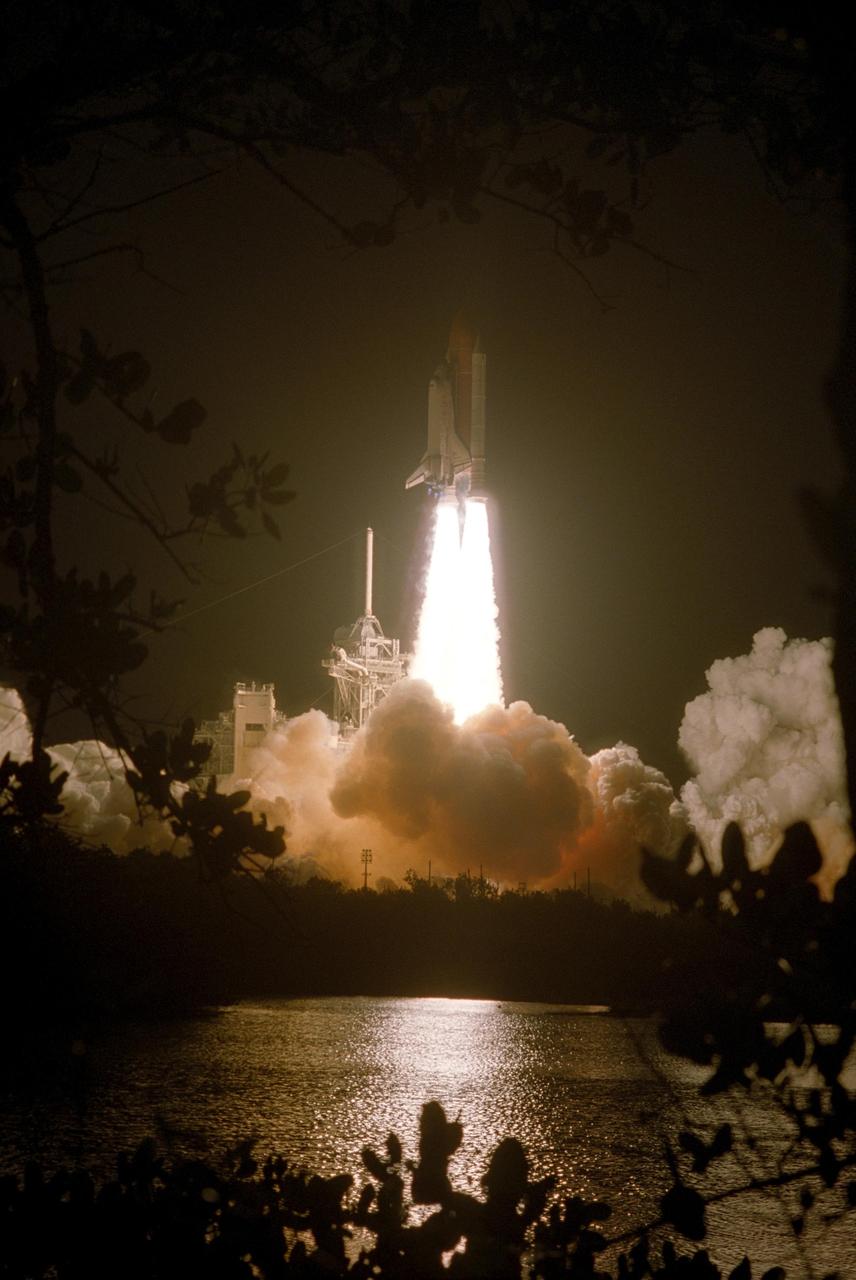
KENNEDY SPACE CENTER, FLA. -- Viewed through the leaves of a tree in the foreground, the fiery liftoff of Space Shuttle Discovery on mission STS-116 lights up the nearby water. Liftoff occurred on time at 8:47 p.m. EST. This was the second launch attempt for mission STS-116. The first launch attempt on Dec. 7 was postponed due a low cloud ceiling over Kennedy Space Center. This is Discovery's 33rd mission and the first night launch since 2002. The 20th shuttle mission to the International Space Station, STS-116 carries another truss segment, P5. It will serve as a spacer, mated to the P4 truss that was attached in September. After installing the P5, the crew will reconfigure and redistribute the power generated by two pairs of U.S. solar arrays. Landing is expected Dec. 21 at KSC. Photo credit: NASA/Sandy Joseph, Robert Murray & Chris Lynch
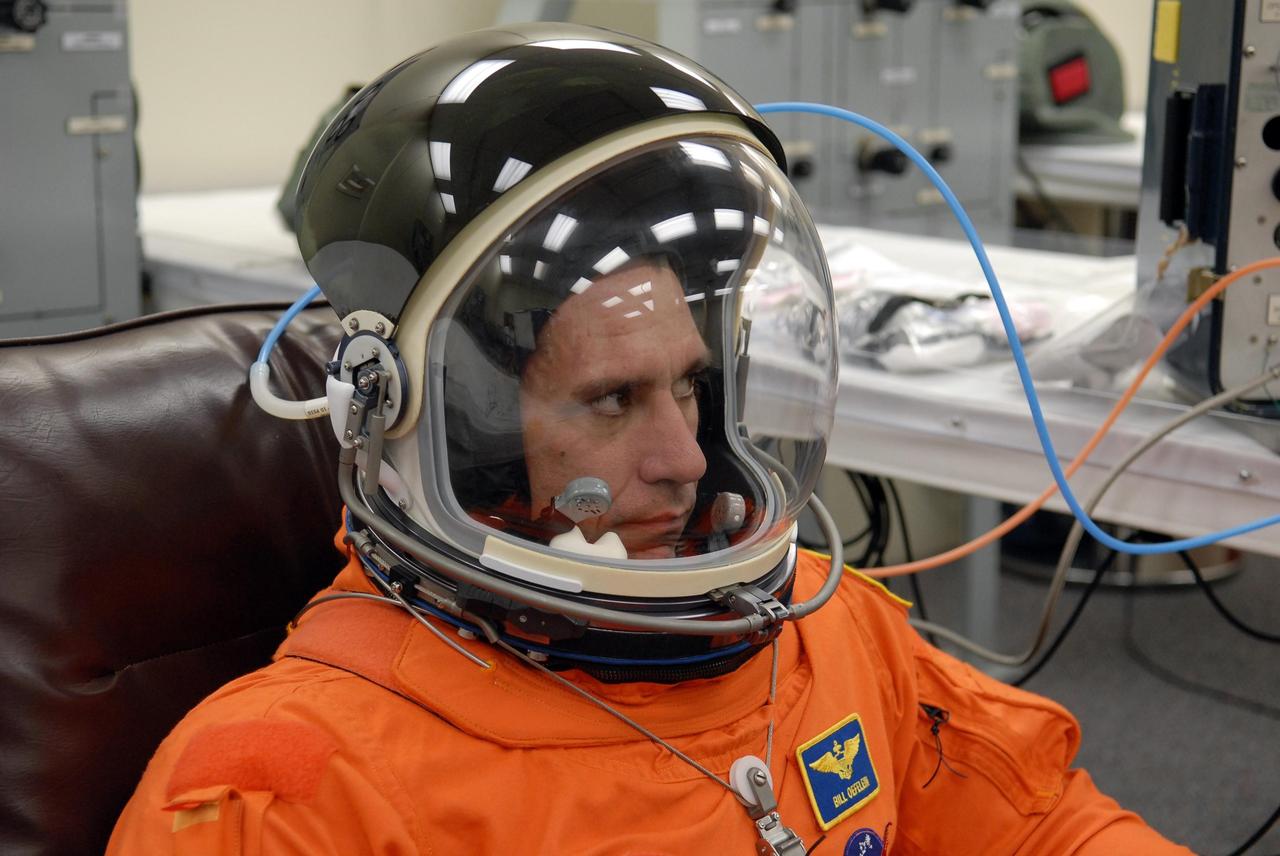
KENNEDY SPACE CENTER, FLA. -- The crew members of mission STS-116 are suiting up for a second launch attempt at 8:47 p.m. EST from Launch Pad 39B aboard Space Shuttle Discovery. Pictured here is Pilot William Oefelein, who is making his first shuttle flight. The first launch attempt of STS-116 on Dec. 7 was postponed due a low cloud ceiling over Kennedy Space Center. This is Discovery's 33rd mission and the first night launch since 2002. The 20th shuttle mission to the International Space Station, STS-116 carries another truss segment, P5. It will serve as a spacer, mated to the P4 truss that was attached in September. After installing the P5, the crew will reconfigure and redistribute the power generated by two pairs of U.S. solar arrays. Landing is expected Dec. 19 at KSC. Photo credit: NASA/Kim Shiflett
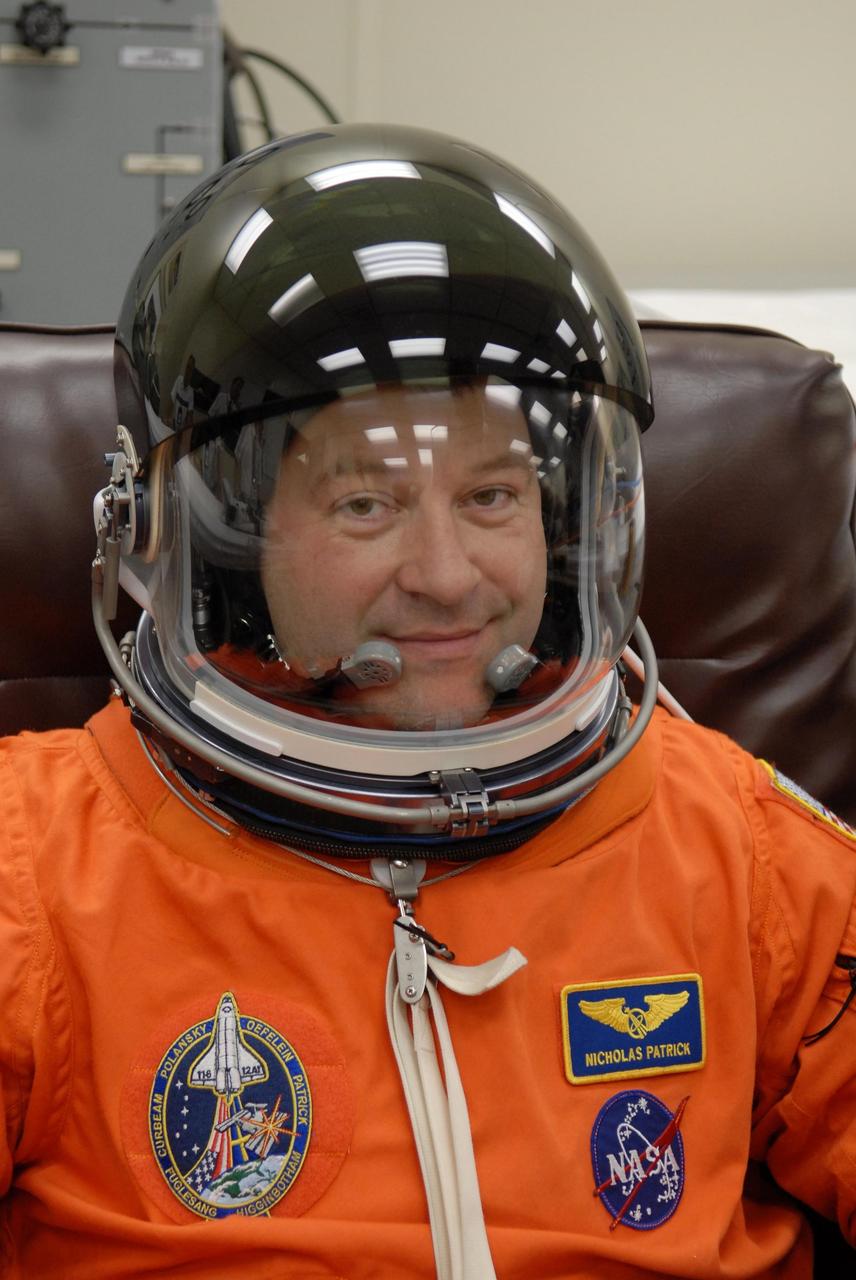
KENNEDY SPACE CENTER, FLA. -- The crew members of mission STS-116 are suiting up for a second launch attempt at 8:47 p.m. EST from Launch Pad 39B aboard Space Shuttle Discovery. Pictured here, Mission Specialist Nicholas Patrick is ready after donning his helmet. Patrick will be making his first shuttle flight. The first launch attempt of STS-116 on Dec. 7 was postponed due a low cloud ceiling over Kennedy Space Center. This is Discovery's 33rd mission and the first night launch since 2002. The 20th shuttle mission to the International Space Station, STS-116 carries another truss segment, P5. It will serve as a spacer, mated to the P4 truss that was attached in September. After installing the P5, the crew will reconfigure and redistribute the power generated by two pairs of U.S. solar arrays. Landing is expected Dec. 19 at KSC. Photo credit: NASA/Kim Shiflett
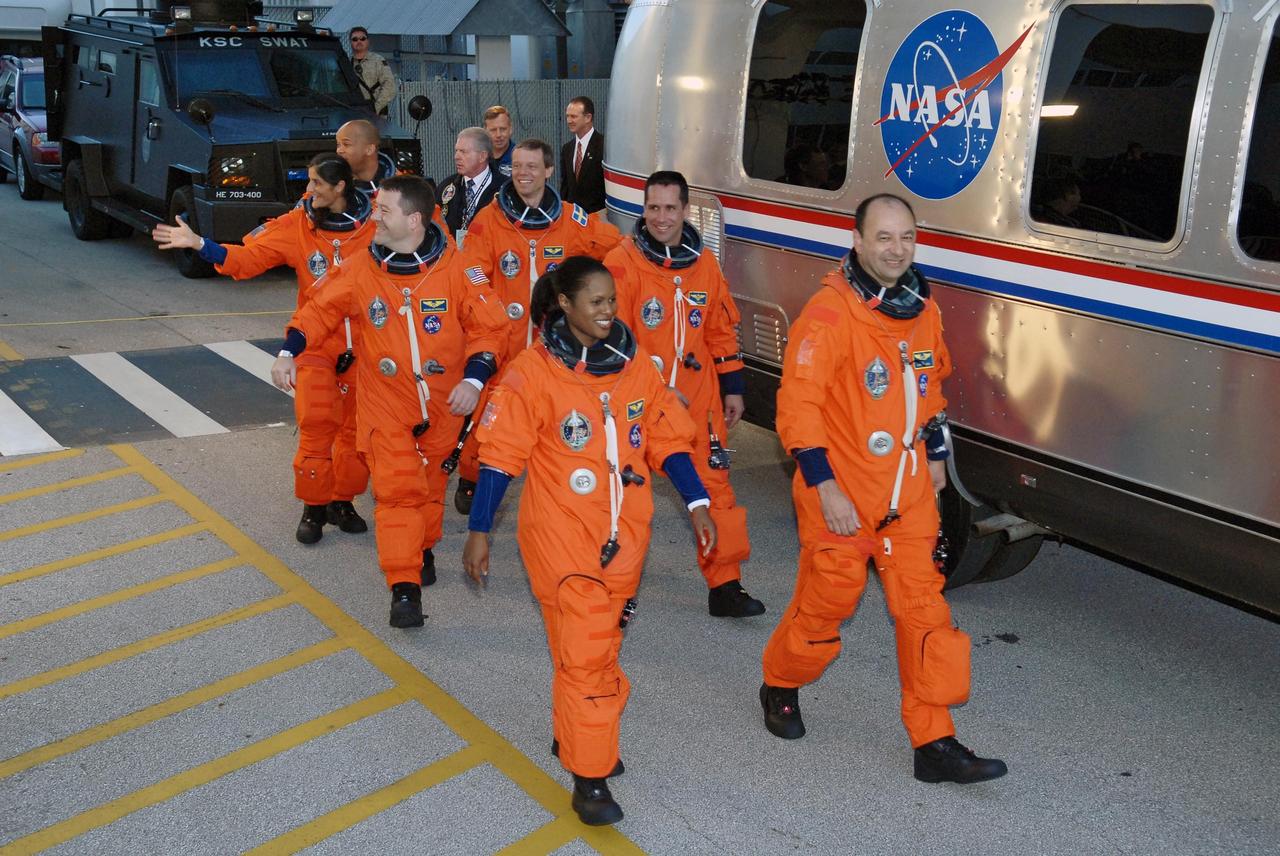
KENNEDY SPACE CENTER, FLA. -- The STS-116 crew members greet well-wishers as they head to the Astrovan that will take them to Launch Pad 39B. Leading the way, at right, is Commander Mark Polansky. The others, from left, are Mission Specialists Sunita Williams, Robert Curbeam, Nicholas Patrick, Christer Fuglesang and Joan Higginbotham; and Pilot William Oefelein. This is the second launch attempt for the crew. The first launch attempt of STS-116 on Dec. 7 was postponed due a low cloud ceiling over Kennedy Space Center. This is Discovery's 33rd mission and the first night launch since 2002. The 20th shuttle mission to the International Space Station, STS-116 carries another truss segment, P5. It will serve as a spacer, mated to the P4 truss that was attached in September. After installing the P5, the crew will reconfigure and redistribute the power generated by two pairs of U.S. solar arrays. Landing is expected Dec. 19 at KSC. Photo credit: NASA/Kim Shiflett
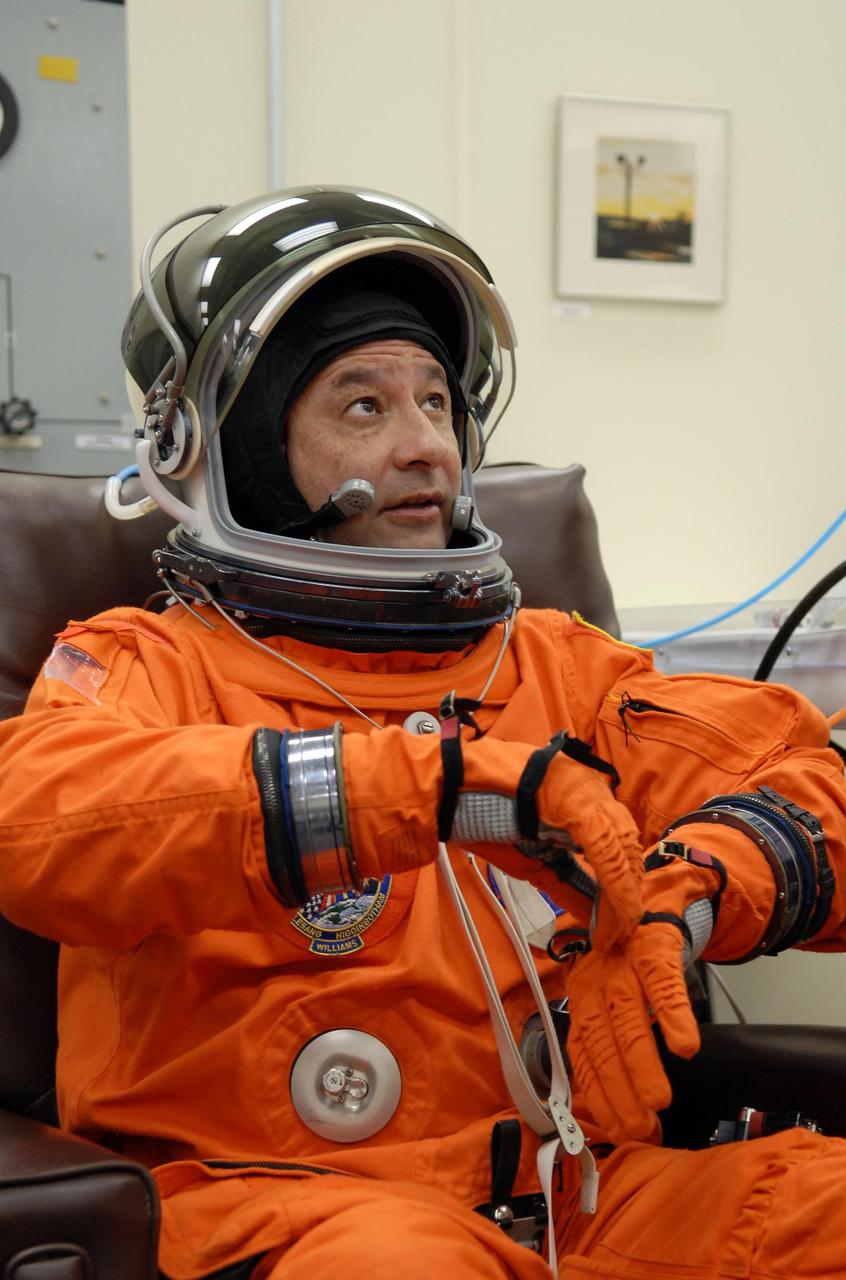
KENNEDY SPACE CENTER, FLA. -- The crew members of mission STS-116 are suiting up for a second launch attempt at 8:47 p.m. EST from Launch Pad 39B aboard Space Shuttle Discovery. Here, Commander Mark Polansky adjusts his glove. Polansky will be making his second shuttle flight. The first launch attempt of STS-116 on Dec. 7 was postponed due a low cloud ceiling over Kennedy Space Center. This is Discovery's 33rd mission and the first night launch since 2002. The 20th shuttle mission to the International Space Station, STS-116 carries another truss segment, P5. It will serve as a spacer, mated to the P4 truss that was attached in September. After installing the P5, the crew will reconfigure and redistribute the power generated by two pairs of U.S. solar arrays. Landing is expected Dec. 19 at KSC. Photo credit: NASA/Kim Shiflett
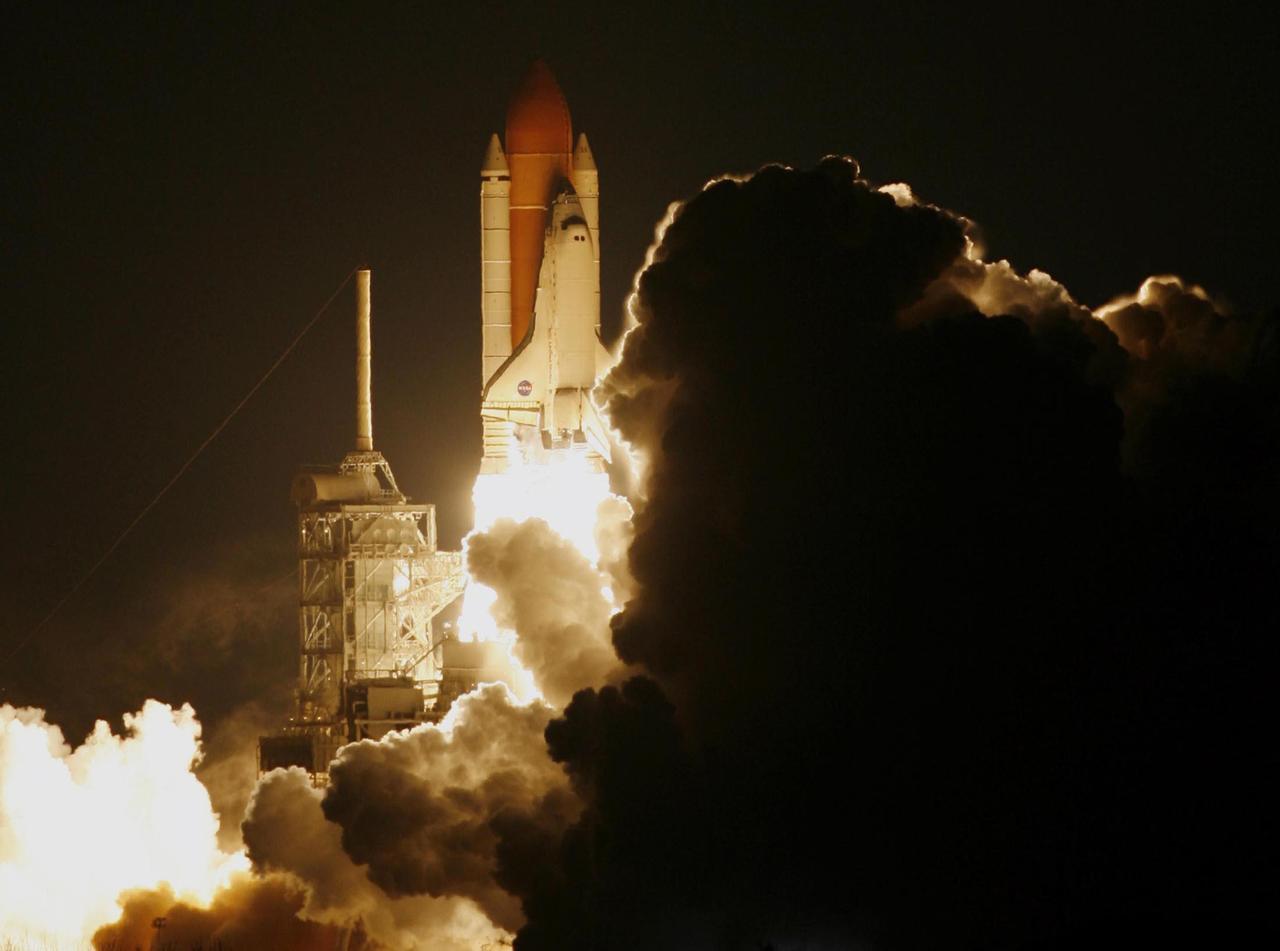
KENNEDY SPACE CENTER, FLA. -- From amid the smoke and steam, Space Shuttle Discovery leaps toward the sky past the lightning mast on Launch Pad 39B on mission STS-116. The launch occurred at 8:47:35 p.m. EST. This was the second launch attempt for mission STS-116. The first launch attempt on Dec. 7 was postponed due a low cloud ceiling over Kennedy Space Center. This is Discovery's 33rd mission and the first night launch since 2002. The 20th shuttle mission to the International Space Station, STS-116 carries another truss segment, P5. It will serve as a spacer, mated to the P4 truss that was attached in September. After installing the P5, the crew will reconfigure and redistribute the power generated by two pairs of U.S. solar arrays. Landing is expected Dec. 21 at KSC. Photo courtesy of Reuters/Larry Rubenstein and Peter Jones
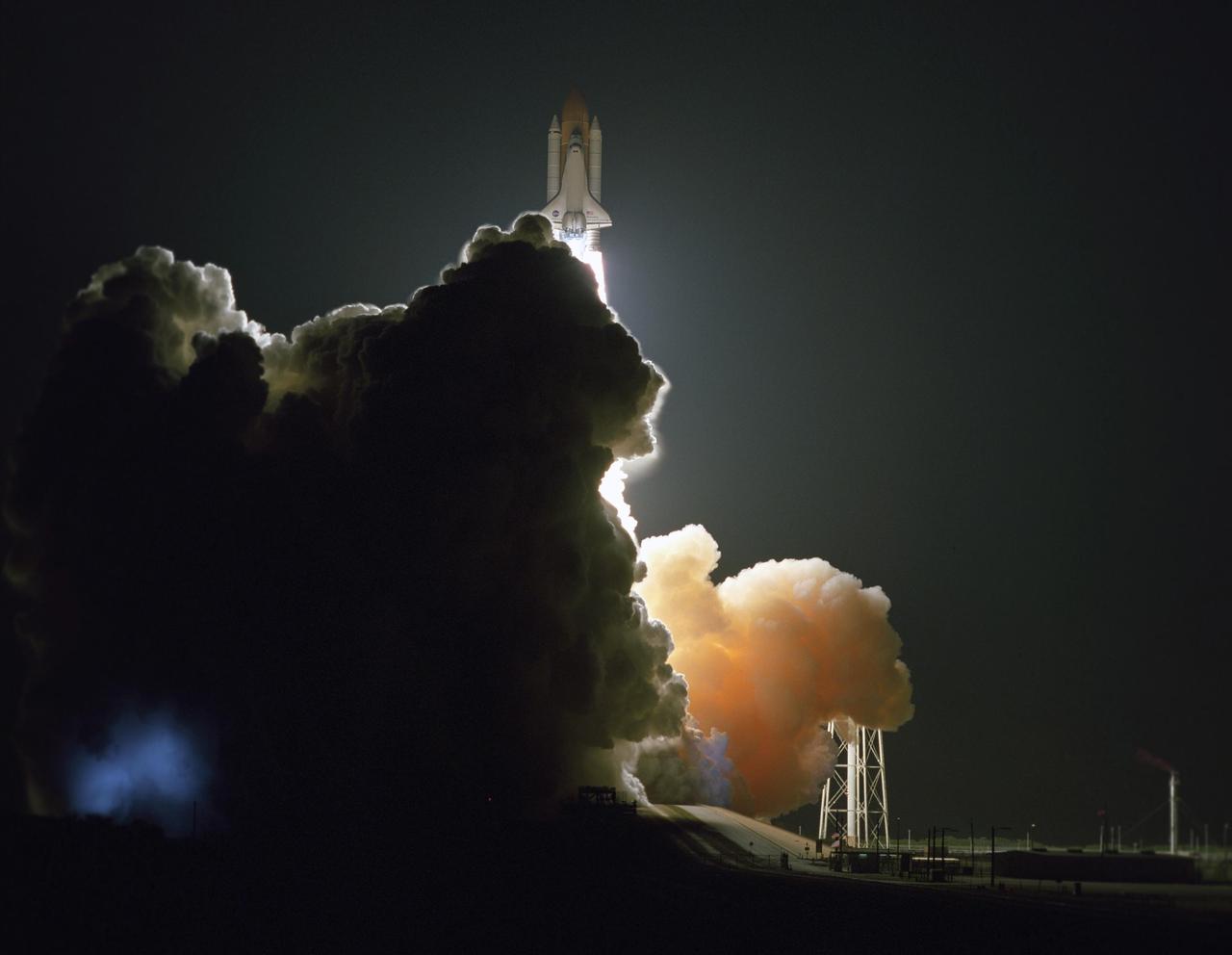
KENNEDY SPACE CENTER, FLA. -- Emerging from behind the clouds of smoke and steam generated by its liftoff, Space Shuttle Discovery leaps toward the sky past the lightning mast on Launch Pad 39B on mission STS-116. Liftoff occurred on time at 8:47 p.m. EST. This was the second launch attempt of Discovery on mission STS-116. The first launch attempt on Dec. 7 was postponed due a low cloud ceiling over Kennedy Space Center. This is Discovery's 33rd mission and the first night launch since 2002. The 20th shuttle mission to the International Space Station, STS-116 carries another truss segment, P5. It will serve as a spacer, mated to the P4 truss that was attached in September. After installing the P5, the crew will reconfigure and redistribute the power generated by two pairs of U.S. solar arrays. Landing is expected Dec. 21 at KSC. Photo credit: NASA/Sandra Joseph, Robert Murray, Chris Lynch
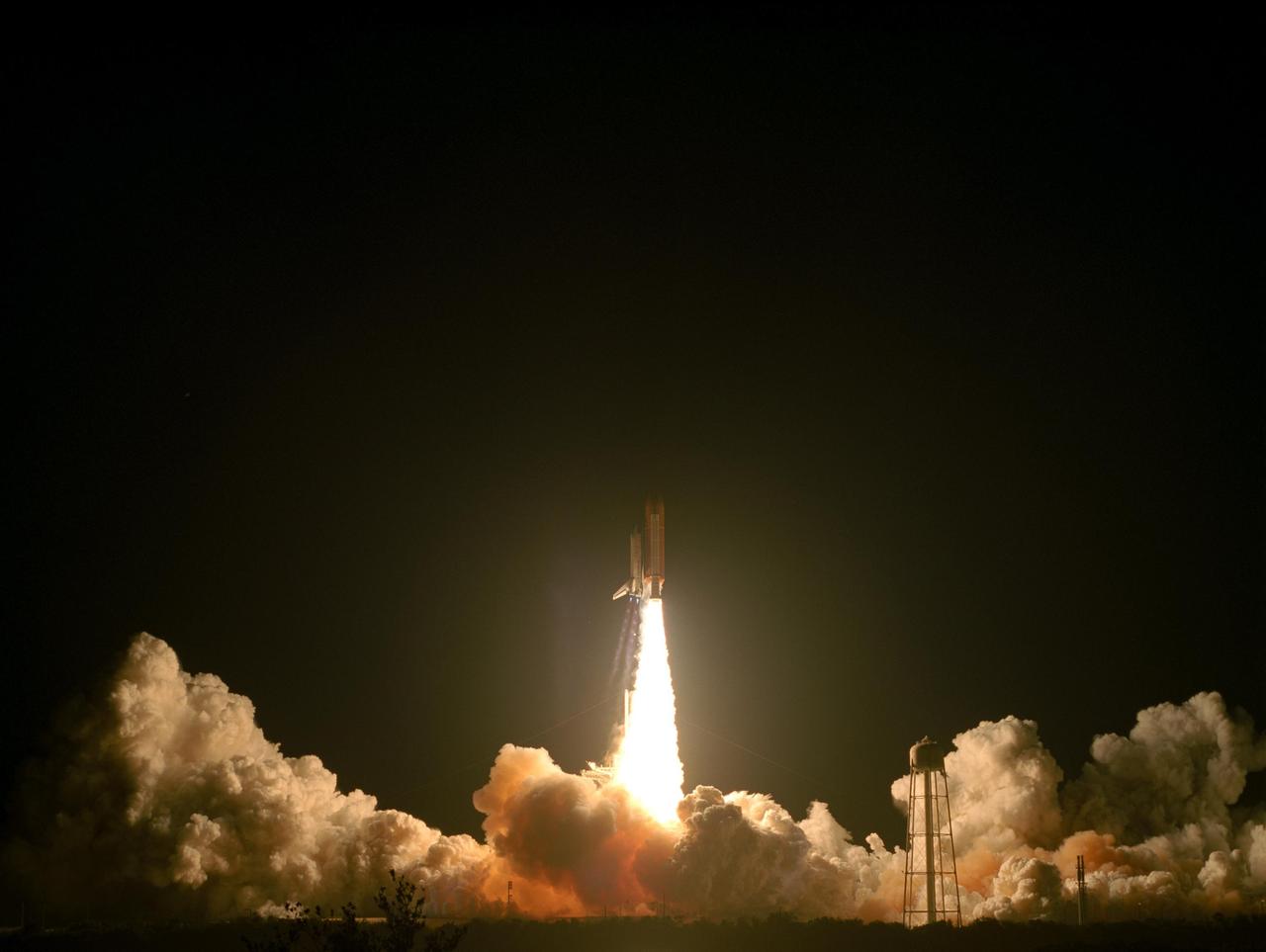
KENNEDY SPACE CENTER, FLA. -- Space Shuttle Discovery hurtles into the night sky trailing columns of fire from its solid rocket boosters as it launches on mission STS-116. Liftoff occurred on time at 8:47 p.m. EST. This was the second launch attempt for mission STS-116. The first launch attempt on Dec. 7 was postponed due a low cloud ceiling over Kennedy Space Center. This is Discovery's 33rd mission and the first night launch since 2002. The 20th shuttle mission to the International Space Station, STS-116 carries another truss segment, P5. It will serve as a spacer, mated to the P4 truss that was attached in September. After installing the P5, the crew will reconfigure and redistribute the power generated by two pairs of U.S. solar arrays. Landing is expected Dec. 21 at KSC. Photo credit: NASA/Sandy Joseph, Robert Murray & Chris Lynch
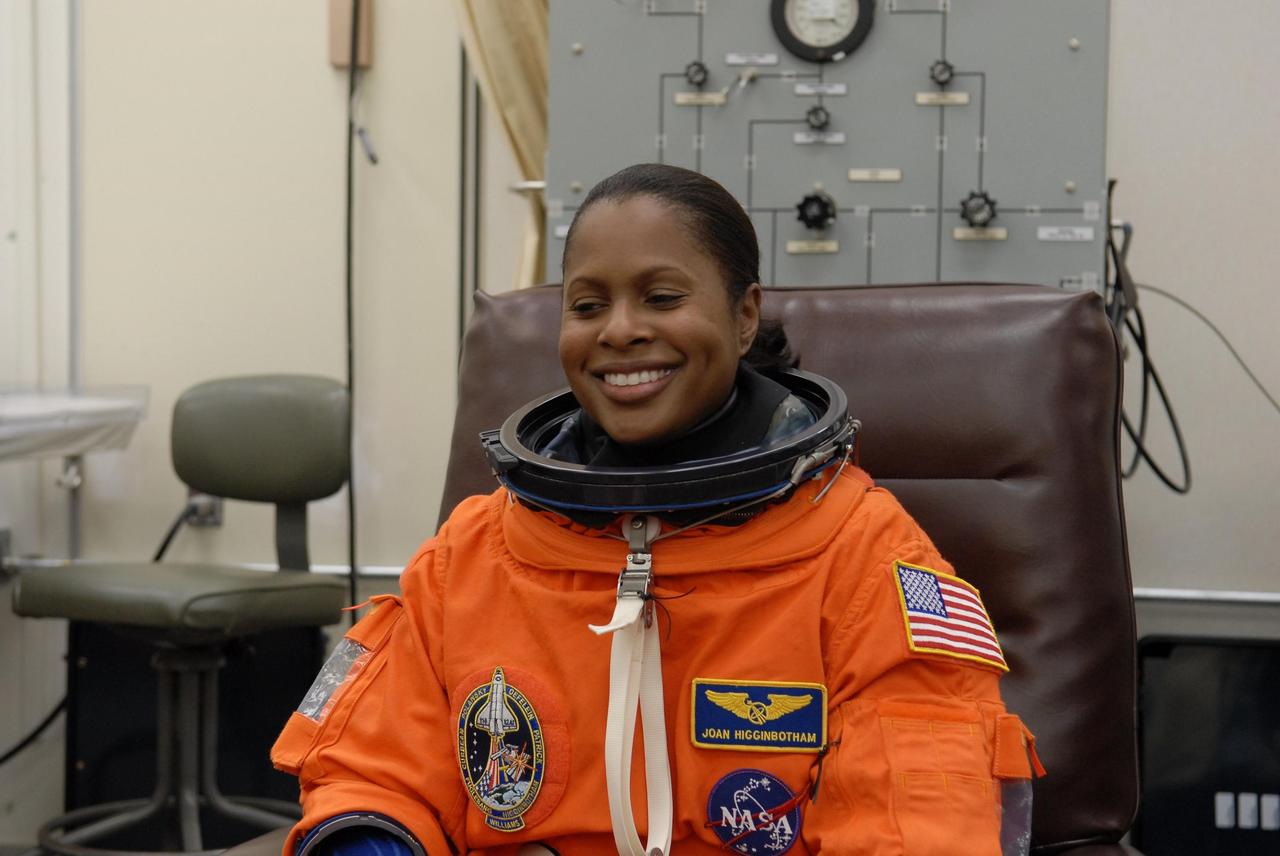
KENNEDY SPACE CENTER, FLA. -- The crew members of mission STS-116 are suiting up for a second launch attempt at 8:47 p.m. EST from Launch Pad 39B aboard Space Shuttle Discovery. Pictured here is Mission Specialist Joan Higginbotham, who will be making her first shuttle flight. The first launch attempt of STS-116 on Dec. 7 was postponed due a low cloud ceiling over Kennedy Space Center. This is Discovery's 33rd mission and the first night launch since 2002. The 20th shuttle mission to the International Space Station, STS-116 carries another truss segment, P5. It will serve as a spacer, mated to the P4 truss that was attached in September. After installing the P5, the crew will reconfigure and redistribute the power generated by two pairs of U.S. solar arrays. Landing is expected Dec. 19 at KSC. Photo credit: NASA/Kim Shiflett
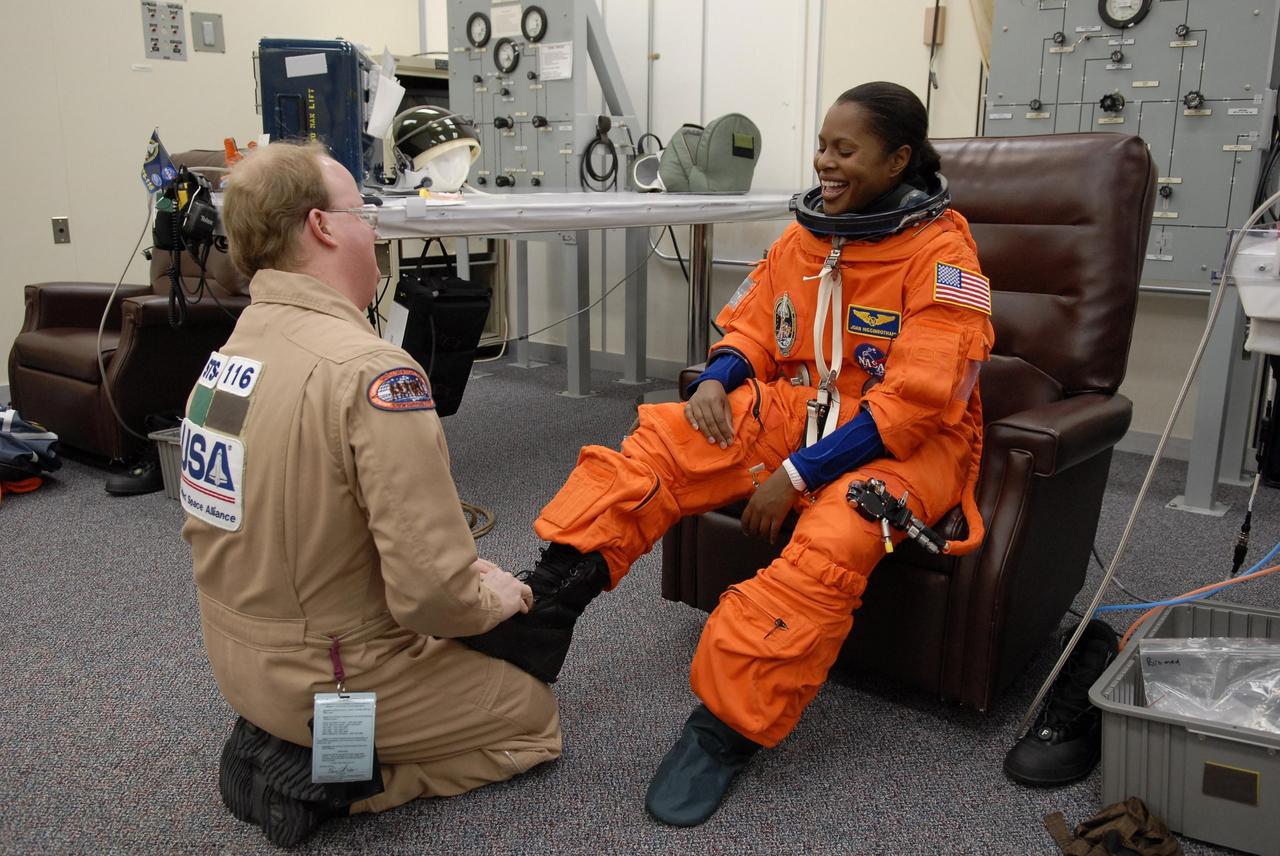
KENNEDY SPACE CENTER, FLA. -- The crew members of mission STS-116 are suiting up for a second launch attempt at 8:47 p.m. EST from Launch Pad 39B aboard Space Shuttle Discovery. Pictured here, Mission Specialist Joan Higginbotham, who will be making her first shuttle flight, is helped with her boot. The first launch attempt of STS-116 on Dec. 7 was postponed due a low cloud ceiling over Kennedy Space Center. This is Discovery's 33rd mission and the first night launch since 2002. The 20th shuttle mission to the International Space Station, STS-116 carries another truss segment, P5. It will serve as a spacer, mated to the P4 truss that was attached in September. After installing the P5, the crew will reconfigure and redistribute the power generated by two pairs of U.S. solar arrays. Landing is expected Dec. 19 at KSC. Photo credit: NASA/Kim Shiflett
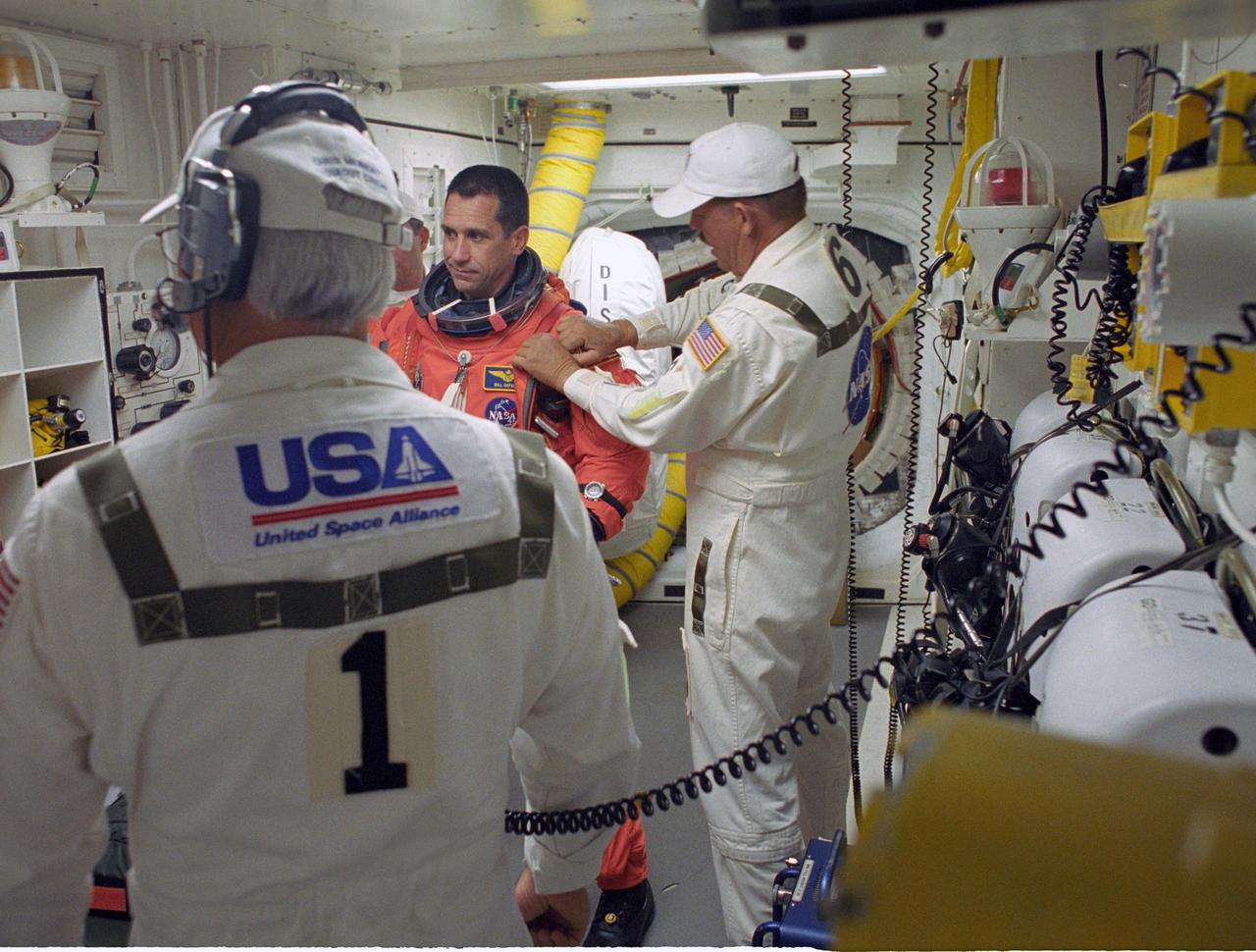
KENNEDY SPACE CENTER, FLA. -- STS-116 Commander William Oefelein is helped by the closeout crew in the White Room to secure his launch suit before climbing into Space Shuttle Discovery. The White Room is at the end of the orbiter access arm that extends from the fixed service structure and provides entry into the orbiter. The first launch attempt of STS-116 on Dec. 7 was postponed due a low cloud ceiling over Kennedy Space Center. This second launch attempt is scheduled for 8:47 p.m. This is Discovery's 33rd mission and the first night launch since 2002. The 20th shuttle mission to the International Space Station, STS-116 carries another truss segment, P5. It will serve as a spacer, mated to the P4 truss that was attached in September. After installing the P5, the crew will reconfigure and redistribute the power generated by two pairs of U.S. solar arrays. Landing is expected Dec. 21 at KSC. Photo credit: NASA/Tony Gray & Don Kight
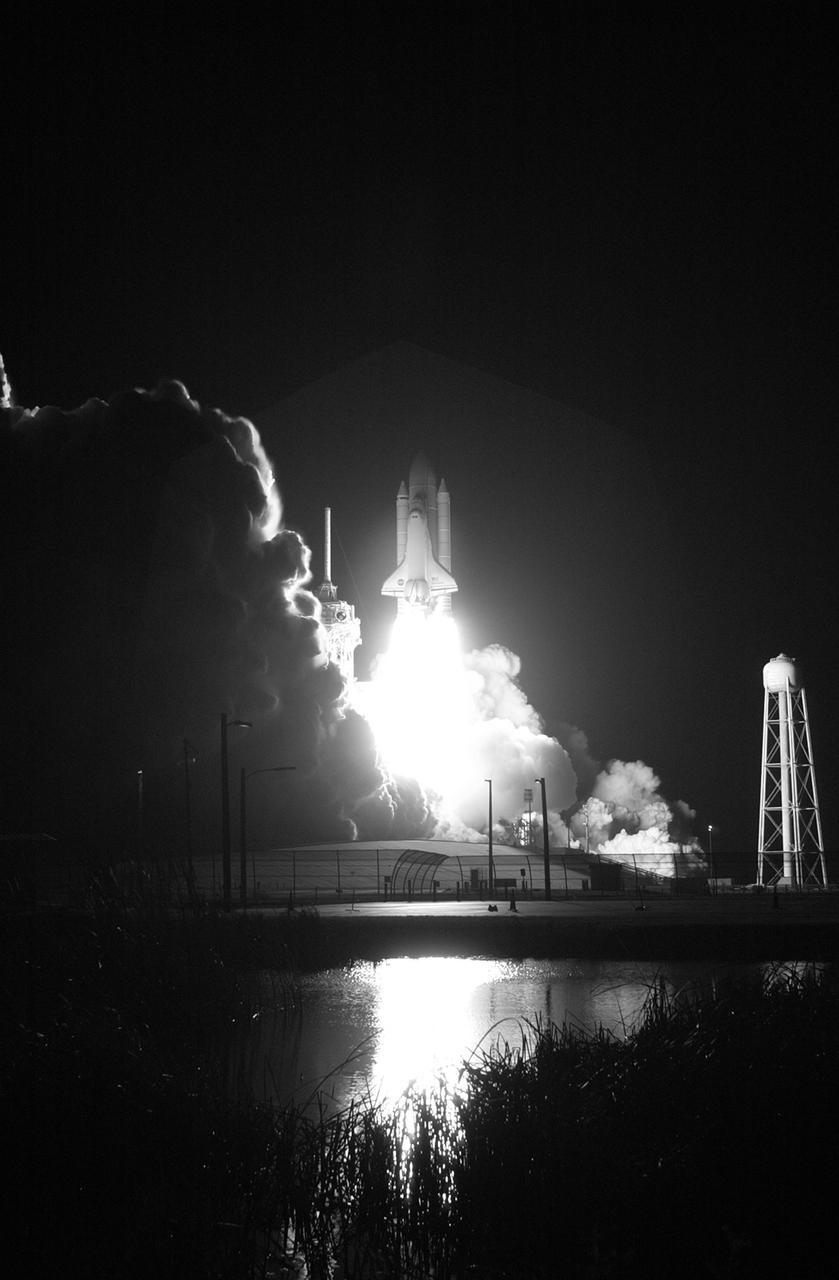
KENNEDY SPACE CENTER, FLA. -- The fiery liftoff of Space Shuttle Discovery from Launch Pad 39B on mission STS-116 is captured in the nearby water. Liftoff occurred on time at 8:47 p.m. EST. This was the second launch attempt of Discovery on mission STS-116. The first launch attempt on Dec. 7 was postponed due a low cloud ceiling over Kennedy Space Center. This is Discovery's 33rd mission and the first night launch since 2002. The 20th shuttle mission to the International Space Station, STS-116 carries another truss segment, P5. It will serve as a spacer, mated to the P4 truss that was attached in September. After installing the P5, the crew will reconfigure and redistribute the power generated by two pairs of U.S. solar arrays. Landing is expected Dec. 21 at KSC. Photo credit: NASA/Sandra Joseph, Robert Murray, Chris Lynch
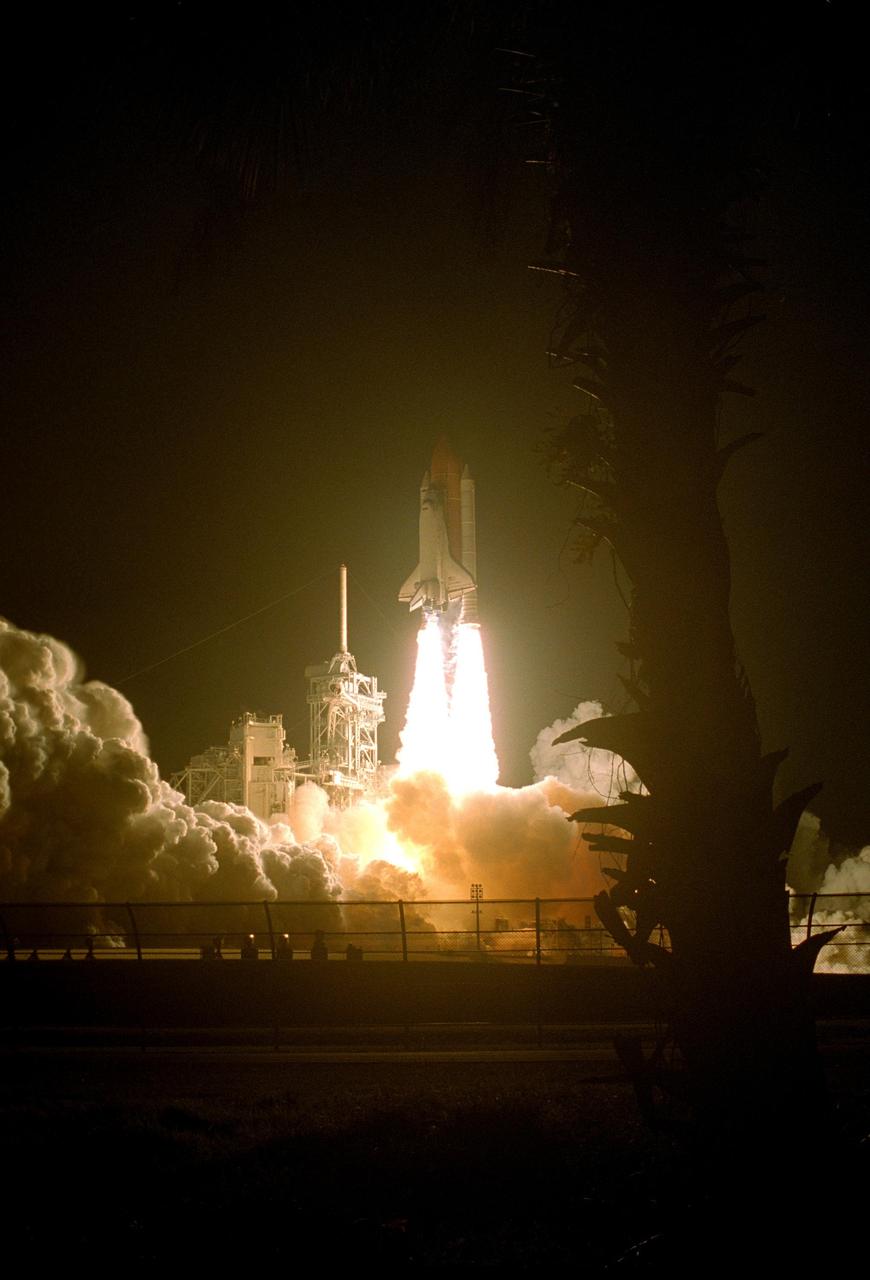
KENNEDY SPACE CENTER, FLA. -- The palm tree at right is silhouetted by the blazing columns propelling Space Shuttle Discovery into the night sky on mission STS-116. Liftoff occurred on time at 8:47 p.m. EST. This was the second launch attempt for mission STS-116. The first launch attempt on Dec. 7 was postponed due a low cloud ceiling over Kennedy Space Center. This is Discovery's 33rd mission and the first night launch since 2002. The 20th shuttle mission to the International Space Station, STS-116 carries another truss segment, P5. It will serve as a spacer, mated to the P4 truss that was attached in September. After installing the P5, the crew will reconfigure and redistribute the power generated by two pairs of U.S. solar arrays. Landing is expected Dec. 21 at KSC. Photo credit: NASA/Sandy Joseph, Robert Murray & Chris Lynch
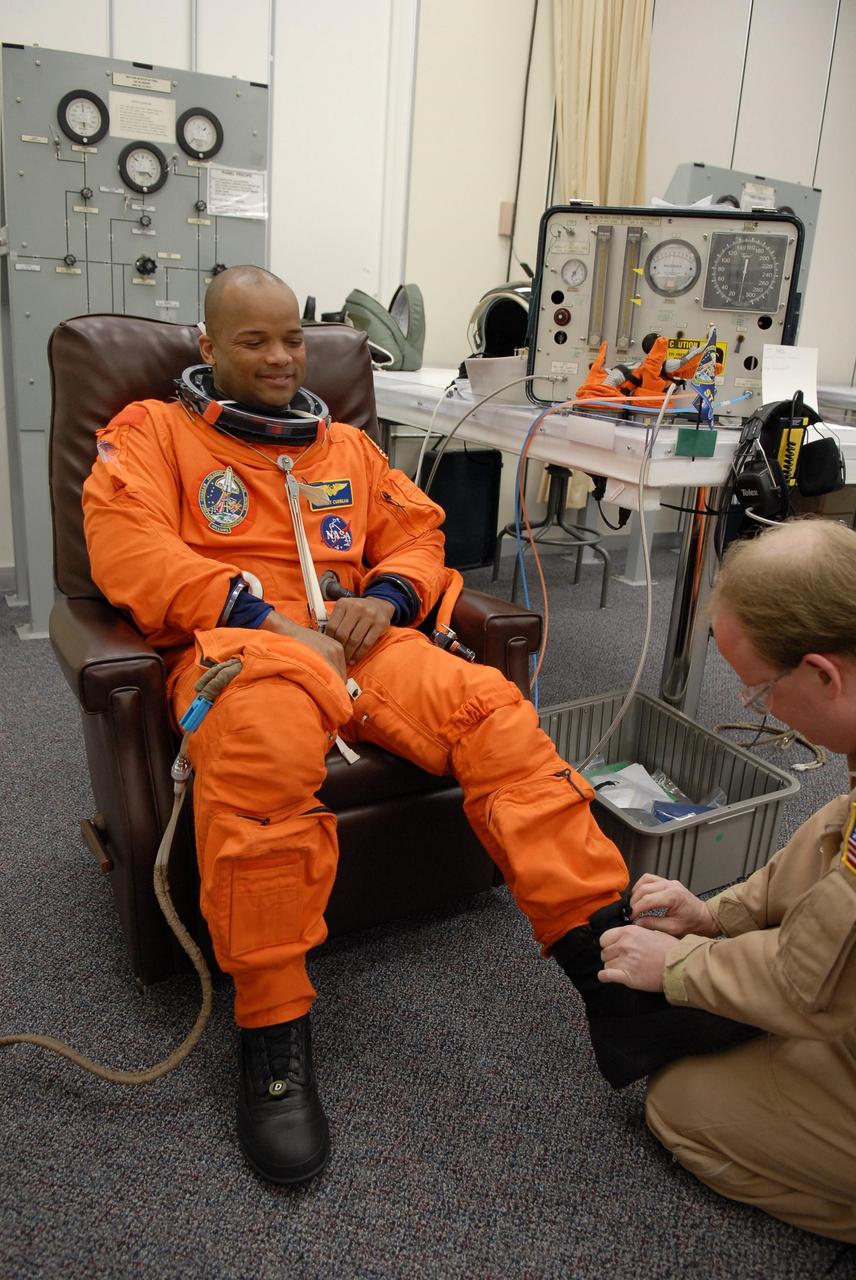
KENNEDY SPACE CENTER, FLA. -- The crew members of mission STS-116 are suiting up for a second launch attempt at 8:47 p.m. EST from Launch Pad 39B aboard Space Shuttle Discovery. Pictured here is Mission Specialist Robert Curbeam, who is helped with his boot. Curbeam is making his third shuttle flight. The first launch attempt of STS-116 on Dec. 7 was postponed due a low cloud ceiling over Kennedy Space Center. This is Discovery's 33rd mission and the first night launch since 2002. The 20th shuttle mission to the International Space Station, STS-116 carries another truss segment, P5. It will serve as a spacer, mated to the P4 truss that was attached in September. After installing the P5, the crew will reconfigure and redistribute the power generated by two pairs of U.S. solar arrays. Landing is expected Dec. 19 at KSC. Photo credit: NASA/Kim Shiflett
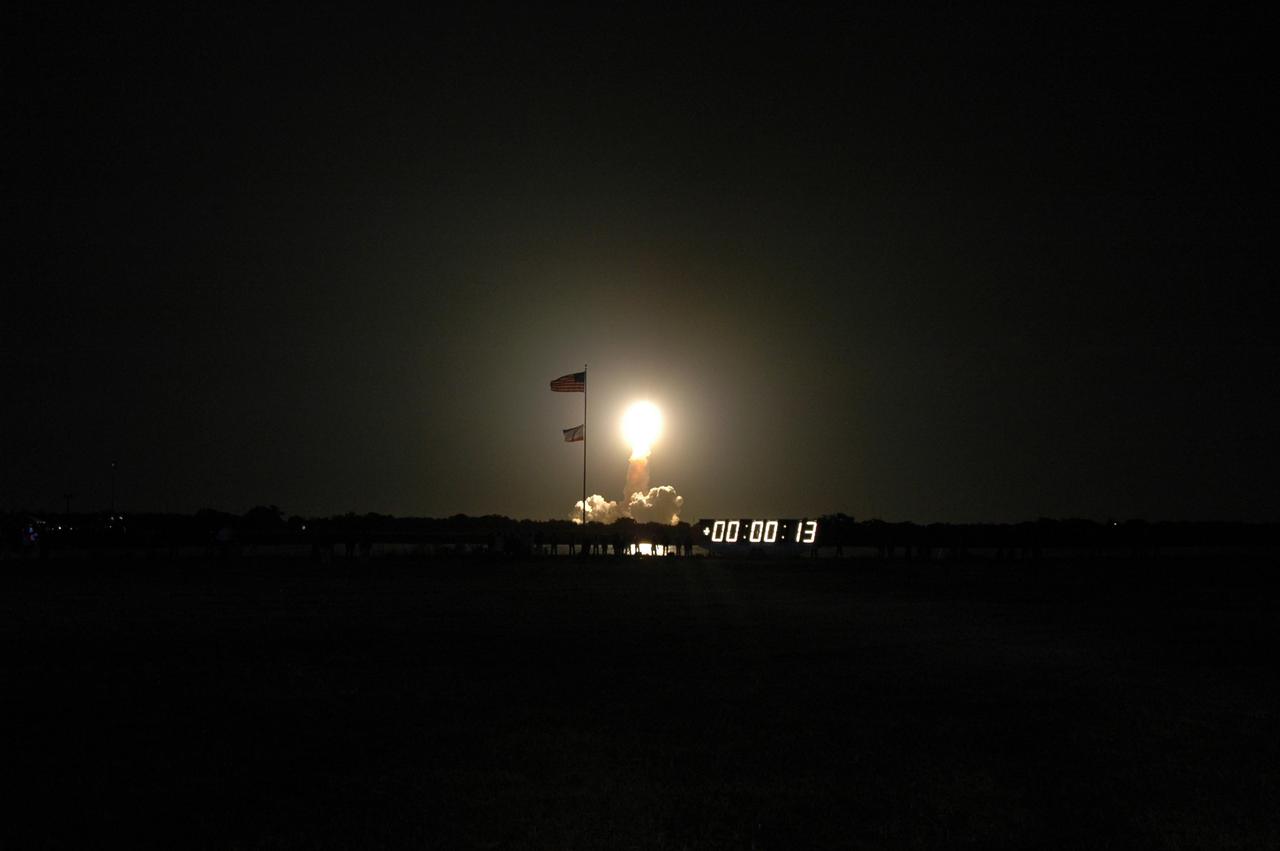
KENNEDY SPACE CENTER, FLA. -- Flooding the night sky with its blazing light, Space Shuttle Discovery leaps toward the sky from Launch Pad 39B on mission STS-116. The launch occurred at 8:47:35 p.m. EST. This was the second launch attempt for mission STS-116. The first launch attempt on Dec. 7 was postponed due a low cloud ceiling over Kennedy Space Center. This is Discovery's 33rd mission and the first night launch since 2002. The 20th shuttle mission to the International Space Station, STS-116 carries another truss segment, P5. It will serve as a spacer, mated to the P4 truss that was attached in September. After installing the P5, the crew will reconfigure and redistribute the power generated by two pairs of U.S. solar arrays. Landing is expected Dec. 21 at KSC. Photo credit: NASA/Jim Grossmann
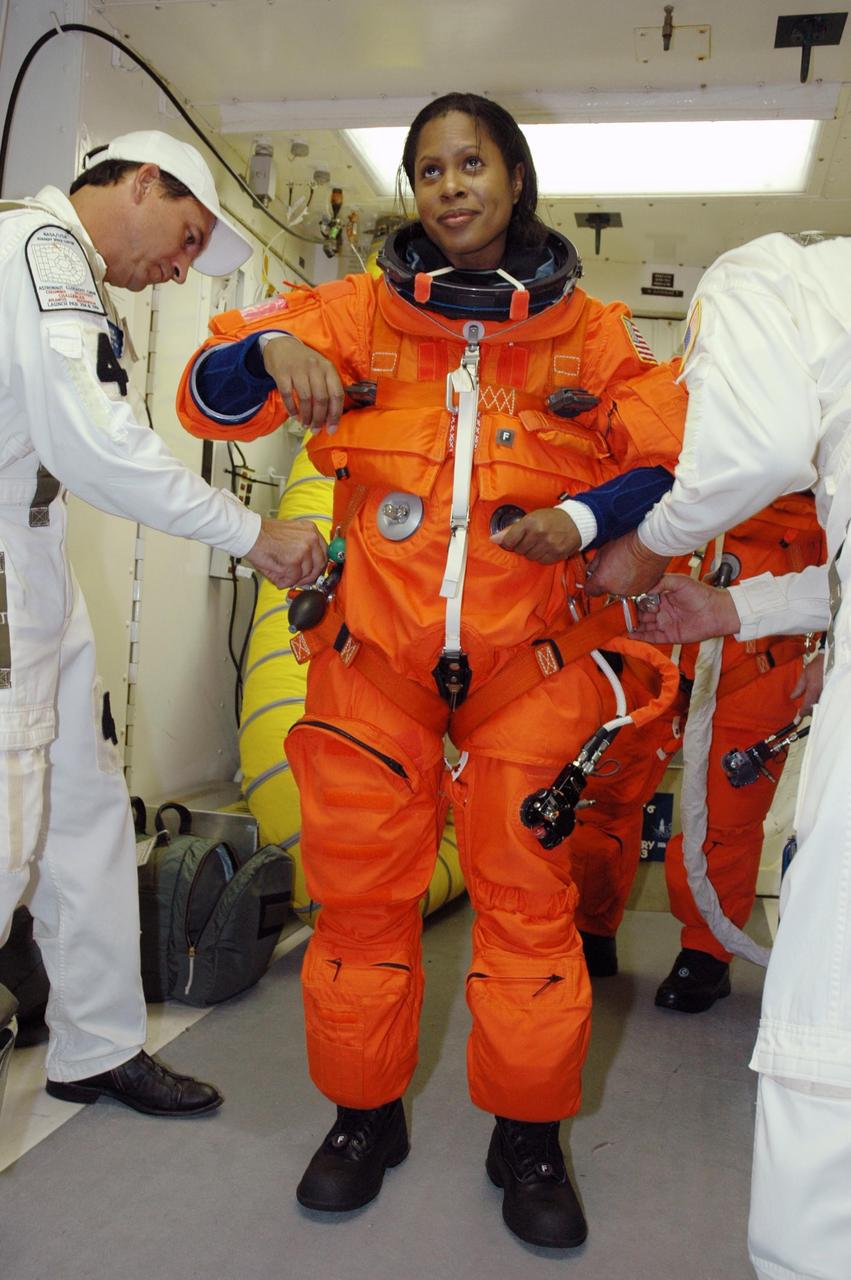
KENNEDY SPACE CENTER, FLA. -- In the white room on Launch Pad 39B, STS-116 Mission Specialist Joan Higginbotham is helped with her gear before entering Space Shuttle Discovery. The mission crew is taking part in a simulated launch countdown, part of the terminal countdown demonstration test that includes prelaunch preparations. The STS-116 mission is No. 20 to the International Space Station and construction flight 12A.1. The mission payload is the SPACEHAB module, the P5 integrated truss structure and other key components. Launch is scheduled for no earlier than Dec. 7. Photo credit: NASA/Amanda Diller
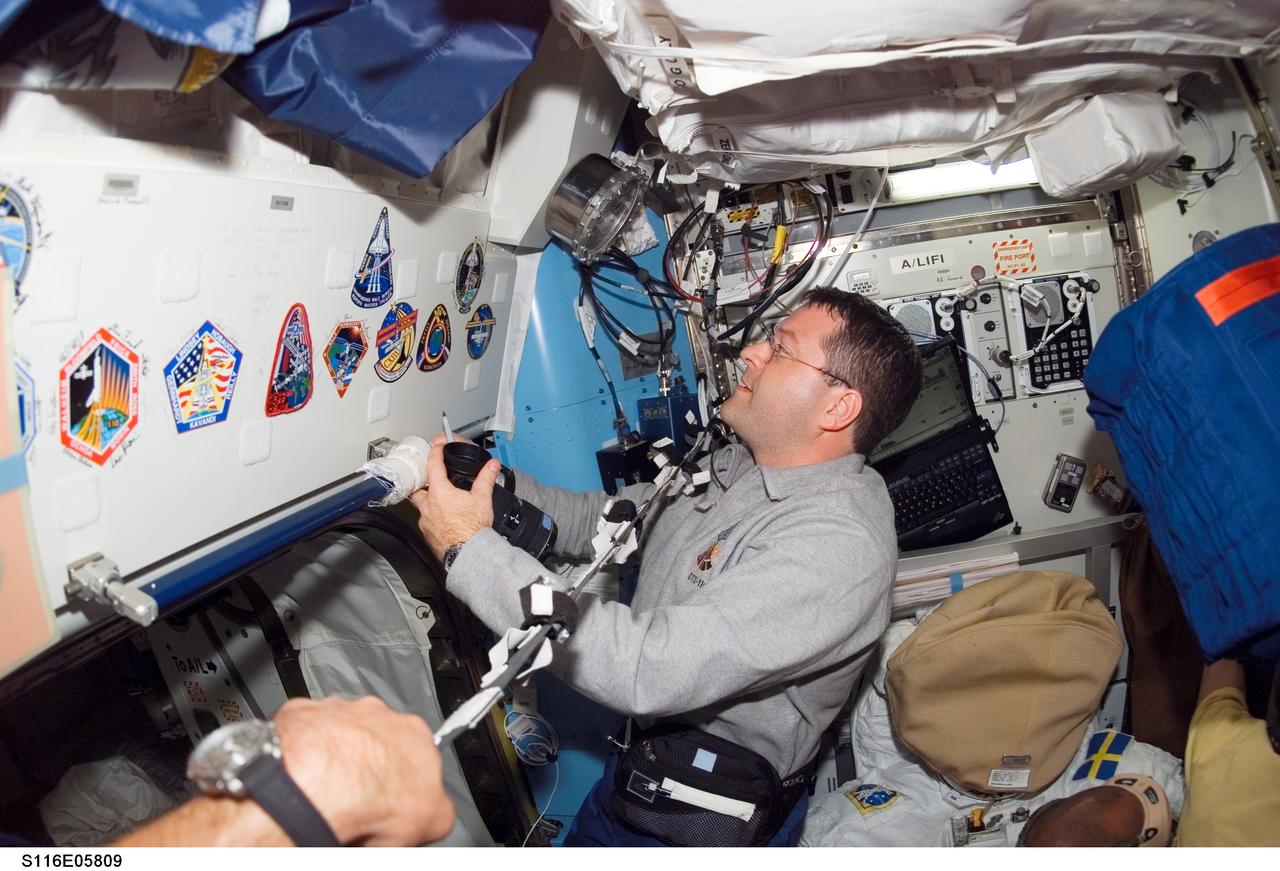
S116-E-05809 (12 Dec. 2006) --- Astronaut Nicholas J. M. Patrick, STS-116 mission specialist, looks at the STS-116 patch which was previously added to the growing collection of insignias representing crews who have performed spacewalks from the Quest Airlock of the International Space Station.
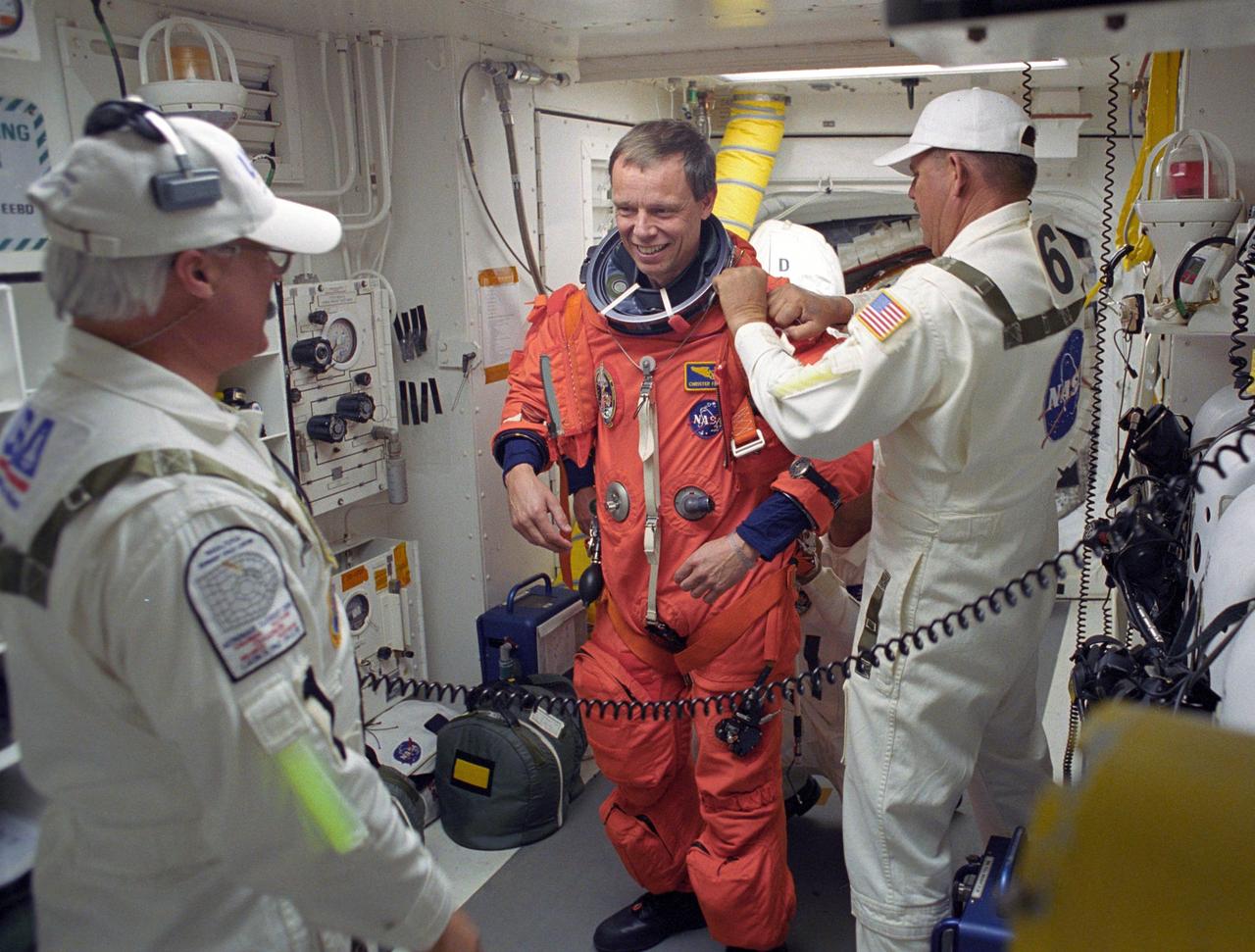
KENNEDY SPACE CENTER, FLA. -- STS-116 Mission Specialist Christer Fuglesang is helped by the closeout crew in the White Room to secure his launch suit before climbing into Space Shuttle Discovery. Fuglesang represents the European Space Agency. The White Room is at the end of the orbiter access arm that extends from the fixed service structure and provides entry into the orbiter. The first launch attempt of STS-116 on Dec. 7 was postponed due a low cloud ceiling over Kennedy Space Center. This second launch attempt is scheduled for 8:47 p.m. This is Discovery's 33rd mission and the first night launch since 2002. The 20th shuttle mission to the International Space Station, STS-116 carries another truss segment, P5. It will serve as a spacer, mated to the P4 truss that was attached in September. After installing the P5, the crew will reconfigure and redistribute the power generated by two pairs of U.S. solar arrays. Landing is expected Dec. 21 at KSC. Photo credit: NASA/Tony Gray & Don Kight

KENNEDY SPACE CENTER, FLA. -- While in the White Room to complete suiting up before climbing into Space Shuttle Discovery, STS-116 Mission Specialist Nicholas Patrick sends a message home. In the background is Mission Specialist Christer Fuglesang, who represents the European Space Agency. The White Room is at the end of the orbiter access arm that extends from the fixed service structure and provides entry into the orbiter. The first launch attempt of STS-116 on Dec. 7 was postponed due a low cloud ceiling over Kennedy Space Center. This second launch attempt is scheduled for 8:47 p.m. This is Discovery's 33rd mission and the first night launch since 2002. The 20th shuttle mission to the International Space Station, STS-116 carries another truss segment, P5. It will serve as a spacer, mated to the P4 truss that was attached in September. After installing the P5, the crew will reconfigure and redistribute the power generated by two pairs of U.S. solar arrays. Landing is expected Dec. 21 at KSC. Photo credit: NASA/Tony Gray & Don Kight
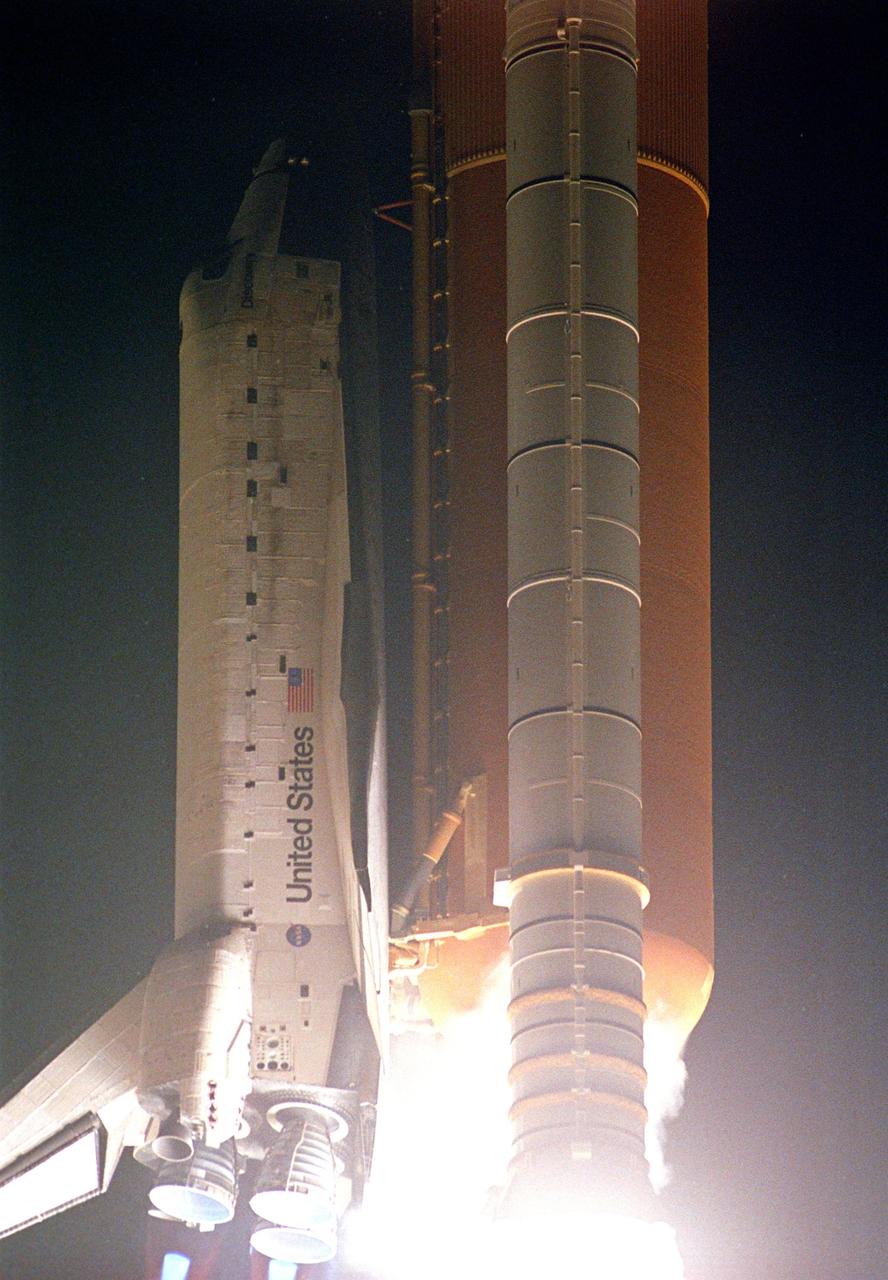
KENNEDY SPACE CENTER, FLA. -- Mach diamonds, below left, appear beneath Space Shuttle Discovery's main engines as the vehicle roars into the night sky after liftoff on mission STS-116. Mach diamonds are a formation of shock waves in the exhaust plume of an aerospace propulsion system. Liftoff occurred on time at 8:47 p.m. EST. This was the second launch attempt for mission STS-116. The first launch attempt on Dec. 7 was postponed due a low cloud ceiling over Kennedy Space Center. This is Discovery's 33rd mission and the first night launch since 2002. The 20th shuttle mission to the International Space Station, STS-116 carries another truss segment, P5. It will serve as a spacer, mated to the P4 truss that was attached in September. After installing the P5, the crew will reconfigure and redistribute the power generated by two pairs of U.S. solar arrays. Landing is expected Dec. 21 at KSC. Photo credit: NASA/Jerry Cannon & Mike Kerley
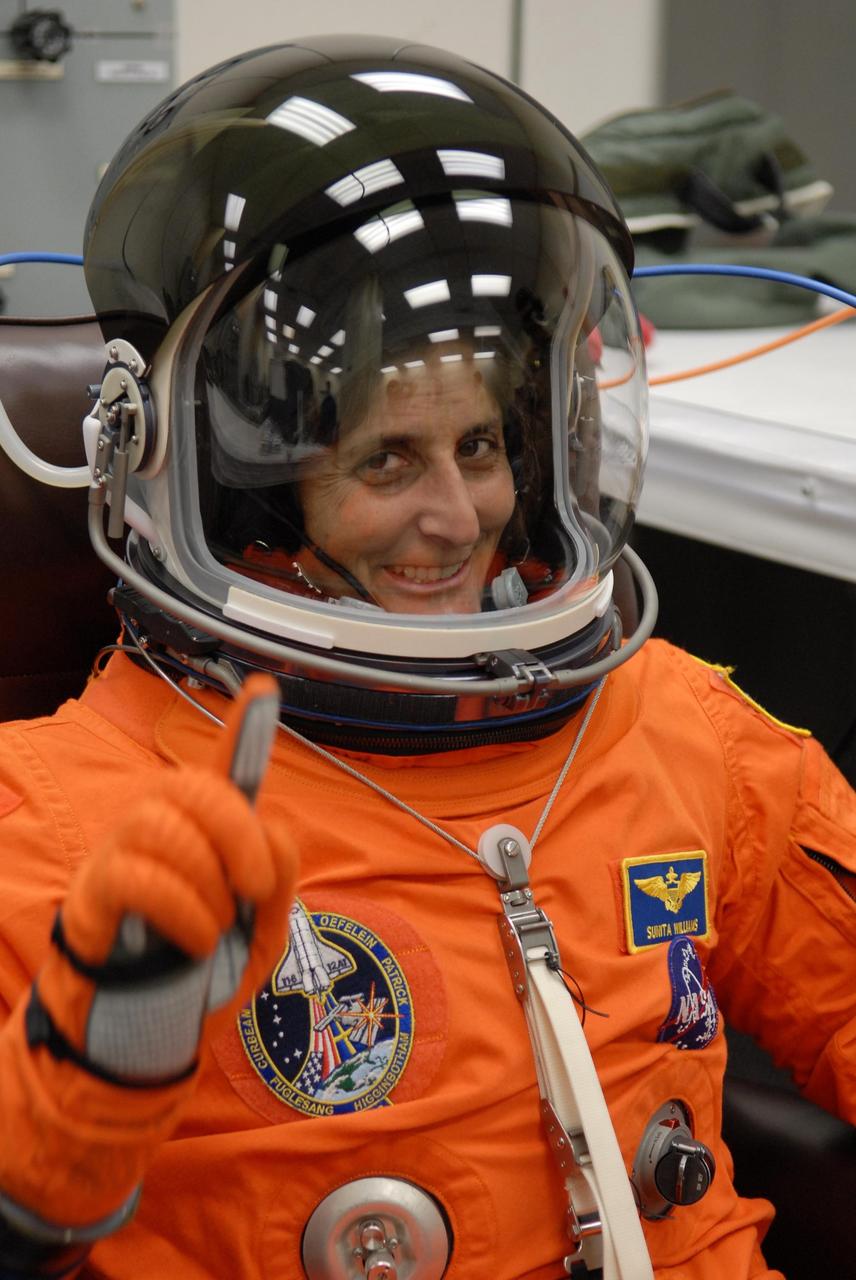
KENNEDY SPACE CENTER, FLA. -- The crew members of mission STS-116 are suiting up for a second launch attempt at 8:47 p.m. EST from Launch Pad 39B aboard Space Shuttle Discovery. Pictured here is Sunita Williams, who will be making her first shuttle flight. Williams will replace International Space Station Expedition 14 crew member Thomas Reiter, who will return to Earth aboard Discovery in her place. The first launch attempt of STS-116 on Dec. 7 was postponed due a low cloud ceiling over Kennedy Space Center. This is Discovery's 33rd mission and the first night launch since 2002. The 20th shuttle mission to the International Space Station, STS-116 carries another truss segment, P5. It will serve as a spacer, mated to the P4 truss that was attached in September. After installing the P5, the crew will reconfigure and redistribute the power generated by two pairs of U.S. solar arrays. Landing is expected Dec. 19 at KSC. Photo credit: NASA/Kim Shiflett
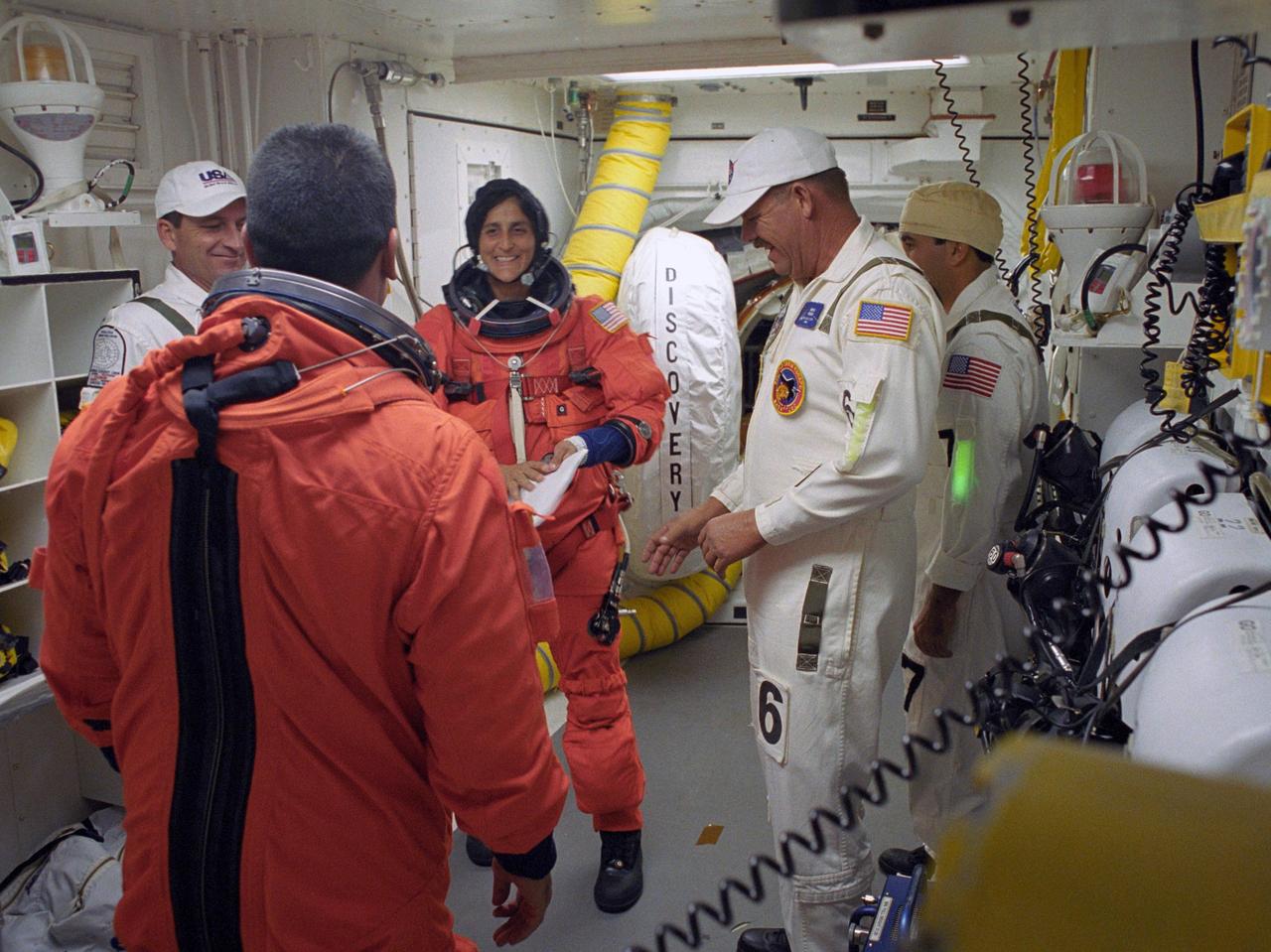
KENNEDY SPACE CENTER, FLA. -- STS-116 Mission Specialist Sunita Williams is helped by the closeout crew in the White Room to secure her launch suit before climbing into Space Shuttle Discovery. In the foreground, back turned, is Mission Specialist Nicholas Patrick. Williams will replace International Space Station Expedition 14 crew member Thomas Reiter, who will return to Earth aboard Discovery in her place. The White Room is at the end of the orbiter access arm that extends from the fixed service structure and provides entry into the orbiter. The first launch attempt of STS-116 on Dec. 7 was postponed due a low cloud ceiling over Kennedy Space Center. This second launch attempt is scheduled for 8:47 p.m. This is Discovery's 33rd mission and the first night launch since 2002. The 20th shuttle mission to the International Space Station, STS-116 carries another truss segment, P5. It will serve as a spacer, mated to the P4 truss that was attached in September. After installing the P5, the crew will reconfigure and redistribute the power generated by two pairs of U.S. solar arrays. Landing is expected Dec. 21 at KSC. Photo credit: NASA/Tony Gray & Don Kight
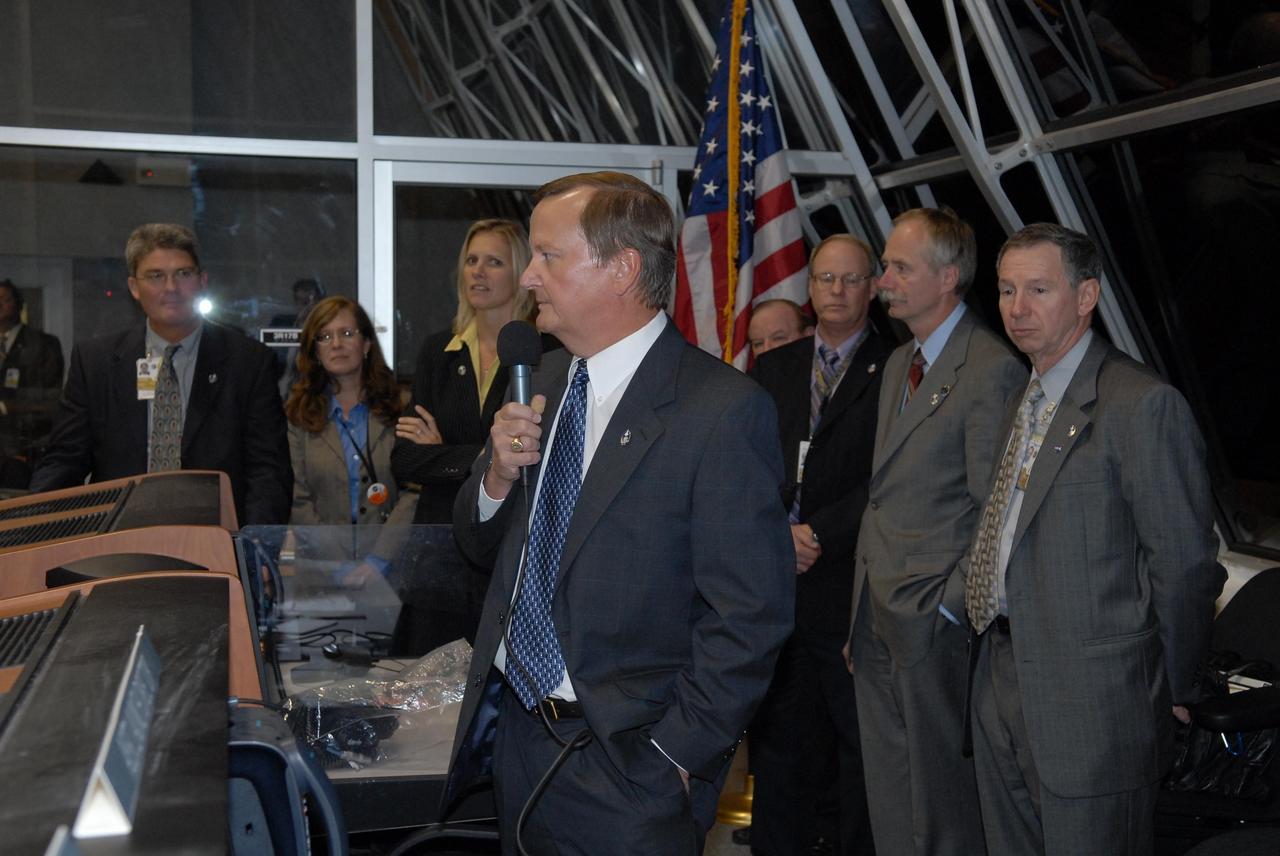
KENNEDY SPACE CENTER, FLA. -- In the firing room at the Launch Control Center, Shuttle Launch Director Mike Leinbach (center, with microphone) commends the mission management team for the successful second launch attempt of Space Shuttle Discovery on mission STS-116. Liftoff occurred on time at 8:47 p.m. EST. Others in the room are (left to right), Deputy Director Bill Parsons, External Relations Director Lisa Malone, NASA Flow Director for Discovery Stephanie Stilson, NASA KSC News Chief Bruce Buckingham, Associate Administrator for Space Operations Mission William Gerstenmaier and NASA Administrator Mike Griffin. This was the second launch attempt for mission STS-116. The first launch attempt on Dec. 7 was postponed due a low cloud ceiling over Kennedy Space Center. This is Discovery's 33rd mission and the first night launch since 2002. The 20th shuttle mission to the International Space Station, STS-116 carries another truss segment, P5. It will serve as a spacer, mated to the P4 truss that was attached in September. After installing the P5, the crew will reconfigure and redistribute the power generated by two pairs of U.S. solar arrays. Landing is expected Dec. 21 at KSC. Photo credit: NASA/Kim Shiflett
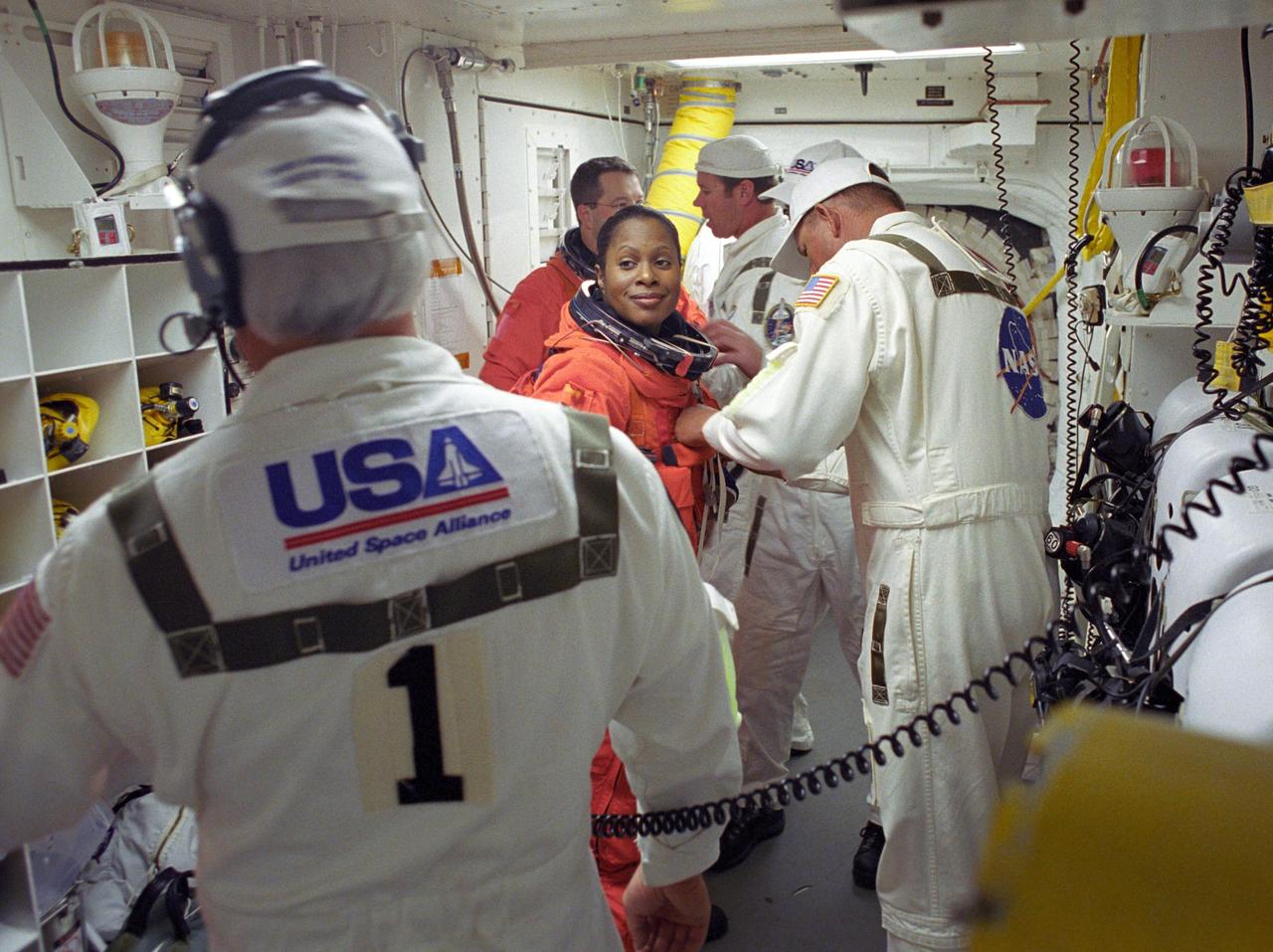
KENNEDY SPACE CENTER, FLA. -- STS-116 Mission Specialist Joan Higginbotham is helped by the closeout crew in the White Room to secure her launch suit before climbing into Space Shuttle Discovery. Behind her is Mission Specialist Nicholas Patrick. The White Room is at the end of the orbiter access arm that extends from the fixed service structure and provides entry into the orbiter. The first launch attempt of STS-116 on Dec. 7 was postponed due a low cloud ceiling over Kennedy Space Center. This second launch attempt is scheduled for 8:47 p.m. This is Discovery's 33rd mission and the first night launch since 2002. The 20th shuttle mission to the International Space Station, STS-116 carries another truss segment, P5. It will serve as a spacer, mated to the P4 truss that was attached in September. After installing the P5, the crew will reconfigure and redistribute the power generated by two pairs of U.S. solar arrays. Landing is expected Dec. 21 at KSC. Photo credit: NASA/Tony Gray & Don Kight
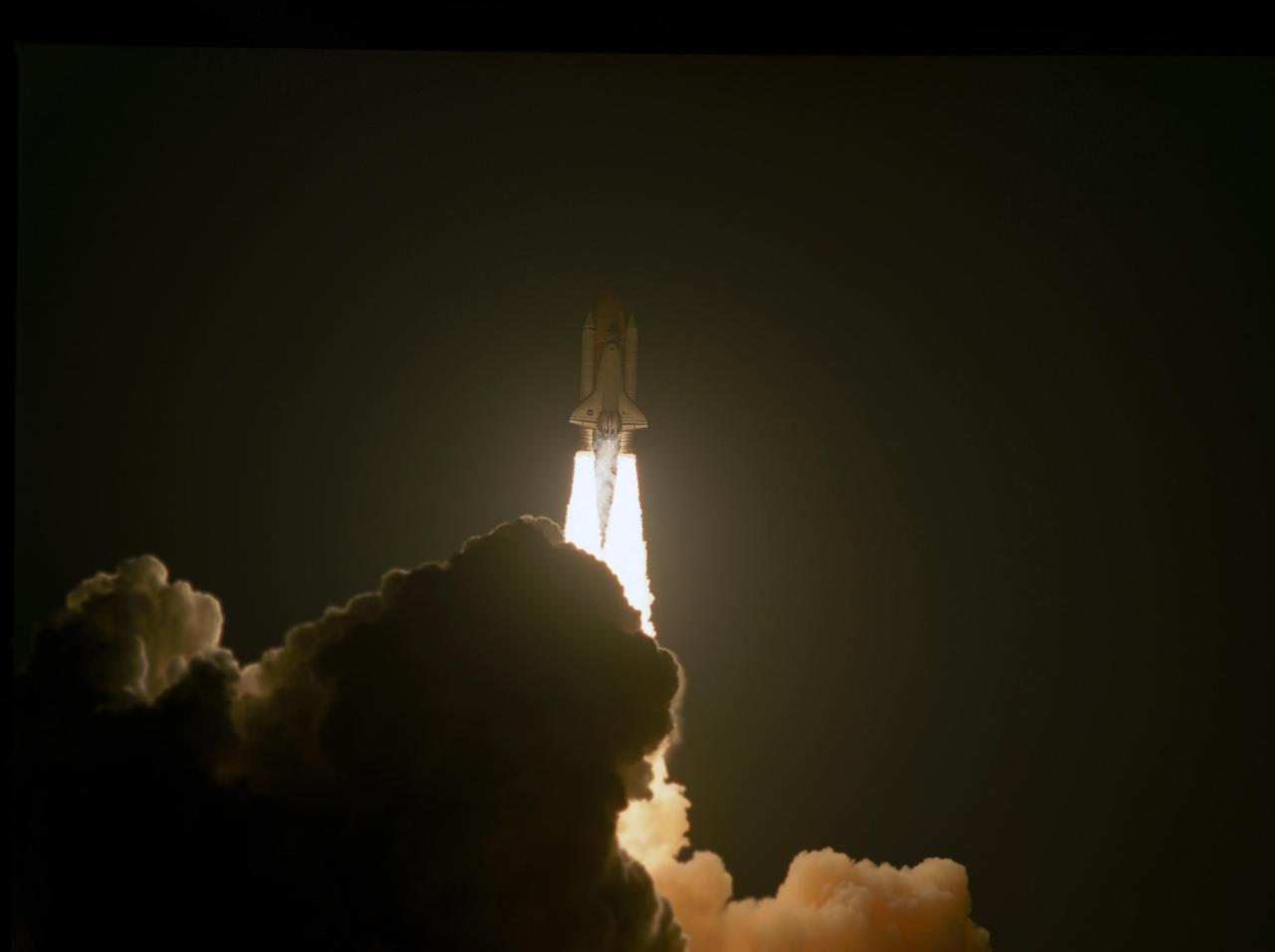
KENNEDY SPACE CENTER, FLA. -- Rising on columns of fire as it emerges from behind the clouds of smoke and steam generated by its liftoff, Space Shuttle Discovery leaps toward the sky past the lightning mast on Launch Pad 39B on mission STS-116. Liftoff occurred on time at 8:47 p.m. EST. This was the second launch attempt of Discovery on mission STS-116. The first launch attempt on Dec. 7 was postponed due a low cloud ceiling over Kennedy Space Center. This is Discovery's 33rd mission and the first night launch since 2002. The 20th shuttle mission to the International Space Station, STS-116 carries another truss segment, P5. It will serve as a spacer, mated to the P4 truss that was attached in September. After installing the P5, the crew will reconfigure and redistribute the power generated by two pairs of U.S. solar arrays. Landing is expected Dec. 21 at KSC. Photo credit: NASA/Sandra Joseph, Robert Murray, Chris Lynch

KENNEDY SPACE CENTER, FLA. -- The blue cones of light, known as shock or mach diamonds, beneath Space Shuttle Discovery's main engines confirm its rapid rise into the night sky after liftoff on mission STS-116. Mach diamonds are a formation of shock waves in the exhaust plume of an aerospace propulsion system. Liftoff occurred on time at 8:47 p.m. EST. This was the second launch attempt for mission STS-116. The first launch attempt on Dec. 7 was postponed due a low cloud ceiling over Kennedy Space Center. This is Discovery's 33rd mission and the first night launch since 2003. The 20th shuttle mission to the International Space Station, STS-116 carries another truss segment, P5. It will serve as a spacer, mated to the P4 truss that was attached in September. After installing the P5, the crew will reconfigure and redistribute the power generated by two pairs of U.S. solar arrays. Landing is expected Dec. 21 at KSC. Photo credit: NASA/Tony Gray & Don Kight
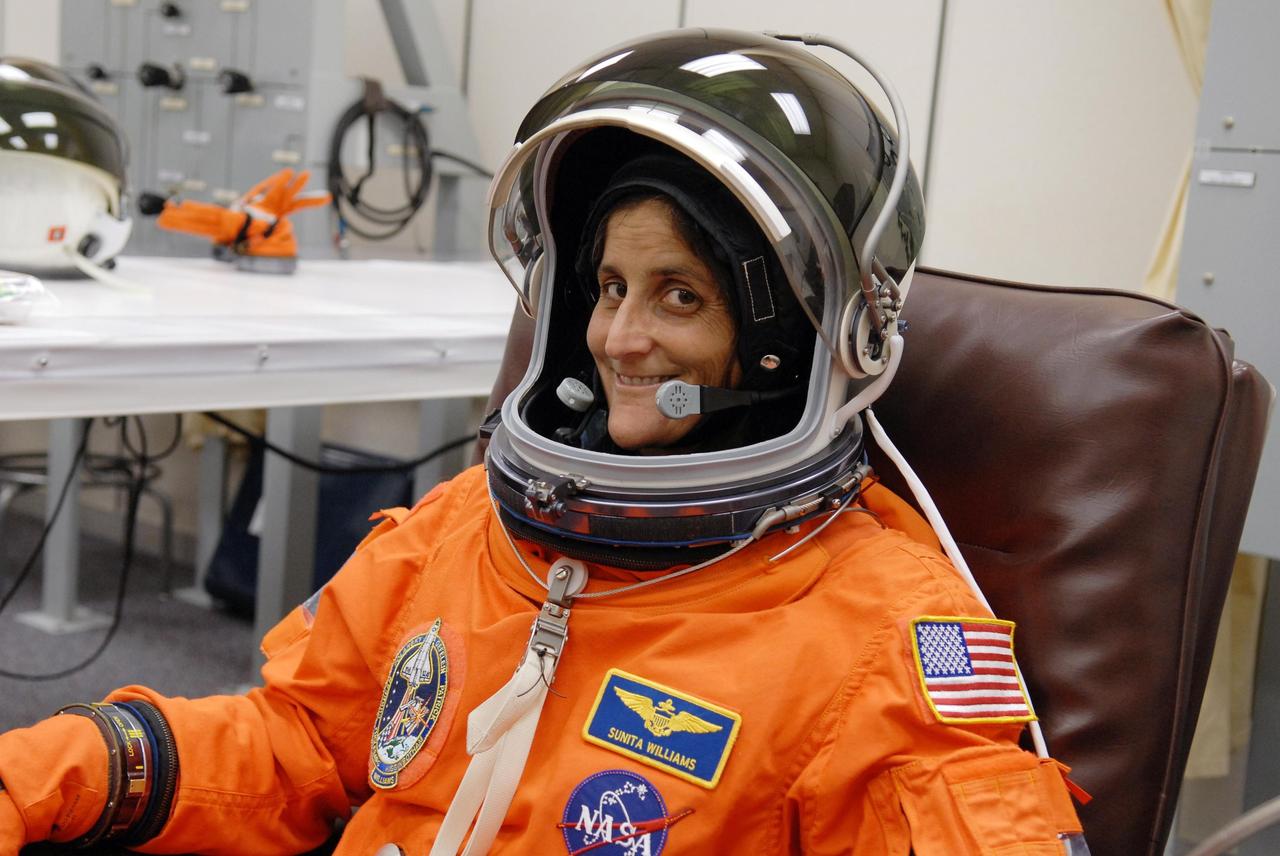
KENNEDY SPACE CENTER, FLA. -- The crew members of mission STS-116 are suiting up for a second launch attempt at 8:47 p.m. EST from Launch Pad 39B aboard Space Shuttle Discovery. Pictured here is Mission Specialist Sunita Williams, who will be making her first shuttle flight. Williams will replace International Space Station Expedition 14 crew member Thomas Reiter, who will return to Earth aboard Discovery in her place. The first launch attempt of STS-116 on Dec. 7 was postponed due a low cloud ceiling over Kennedy Space Center. This is Discovery's 33rd mission and the first night launch since 2002. The 20th shuttle mission to the International Space Station, STS-116 carries another truss segment, P5. It will serve as a spacer, mated to the P4 truss that was attached in September. After installing the P5, the crew will reconfigure and redistribute the power generated by two pairs of U.S. solar arrays. Landing is expected Dec. 19 at KSC. Photo credit: NASA/Kim Shiflett
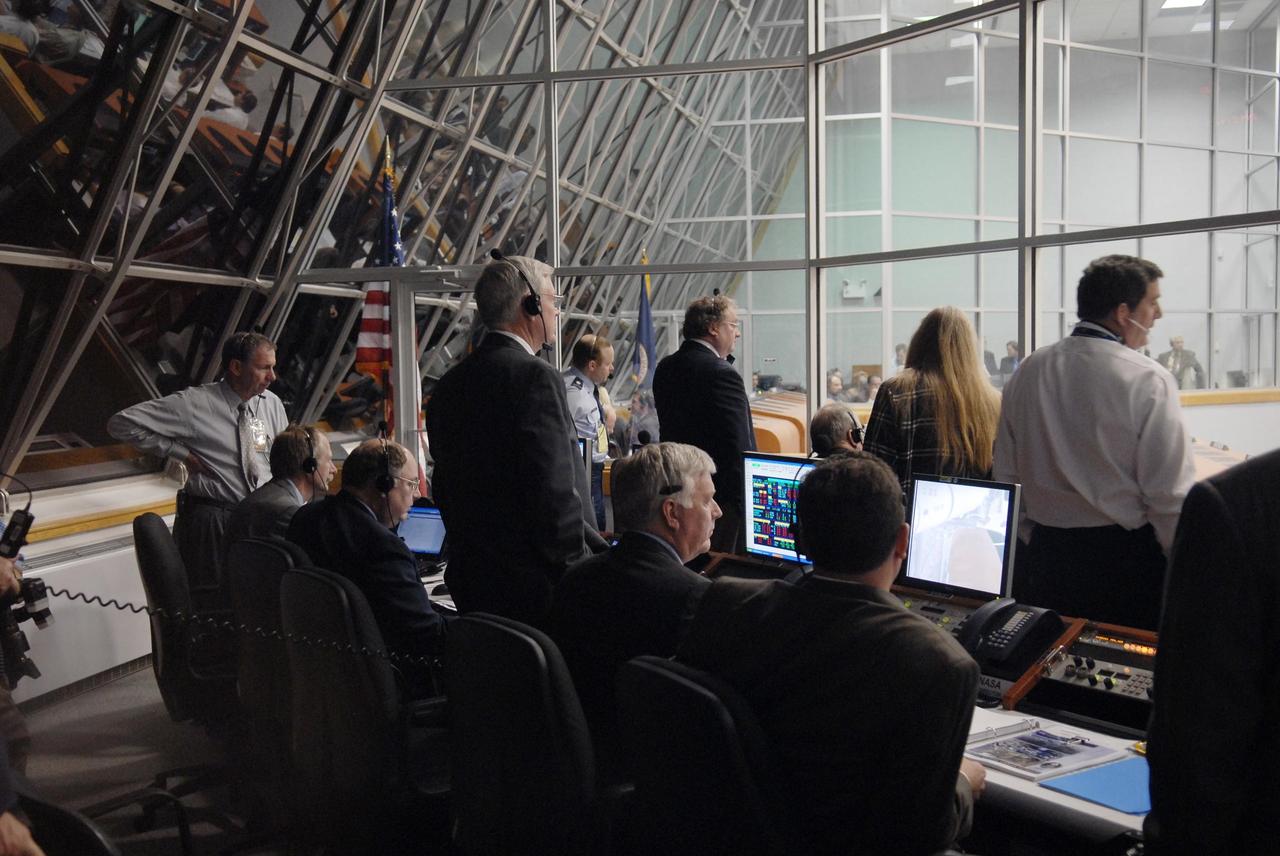
KENNEDY SPACE CENTER, FLA. -- In the firing room, NASA officials wait for the countdown of the second launch attempt of Space Shuttle Discovery on mission STS-116. At the consoles, from left, are NASA Administrator Mike Griffin, Associate Administrator for Space Operations Mission William Gerstenmaier, Johnson Space Center Director Mike Coats, Kennedy Space Center Director Jim Kennedy and Marshall Space Flight Center Director Dave King. This was the second launch attempt for mission STS-116. The first launch attempt on Dec. 7 was postponed due a low cloud ceiling over Kennedy Space Center. This is Discovery's 33rd mission and the first night launch since 2002. The 20th shuttle mission to the International Space Station, STS-116 carries another truss segment, P5. It will serve as a spacer, mated to the P4 truss that was attached in September. After installing the P5, the crew will reconfigure and redistribute the power generated by two pairs of U.S. solar arrays. Landing is expected Dec. 21 at KSC. Photo credit: NASA/Kim Shiflett
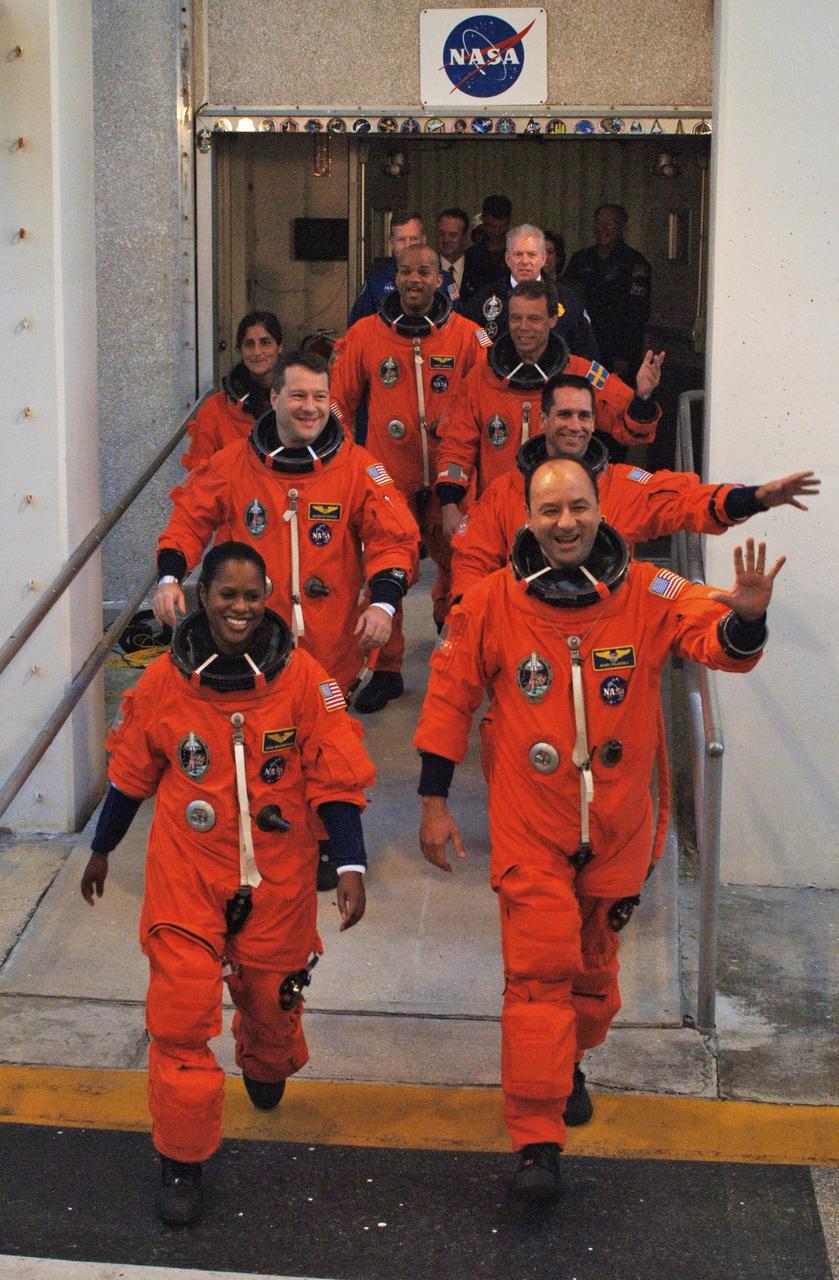
KENNEDY SPACE CENTER, FLA. -- The STS-116 crew members show their eagerness for the second launch attempt as they exit the Operations and Checkout Building. Commander Mark Polansky (front at right) leads the way. Behind him are Pilot William Oefelein and Mission Specialist Christer Fuglesang, who represents the European Space Agency. On the left side, front to back are Mission Specialists Joan Higginbotham, Nicholas Patrick, Sunita Williams, and Robert Curbeam. Williams will replace Expedition 14 crew member Thomas Reiter, who will return to Earth aboard Discovery in her place. The first launch attempt of STS-116 on Dec. 7 was postponed due a low cloud ceiling over Kennedy Space Center. This is Discovery's 33rd mission and the first night launch since 2002. The 20th shuttle mission to the International Space Station, STS-116 carries another truss segment, P5. It will serve as a spacer, mated to the P4 truss that was attached in September. After installing the P5, the crew will reconfigure and redistribute the power generated by two pairs of U.S. solar arrays. Landing is expected Dec. 19 at KSC. Photo credit: NASA/Kim Shiflett
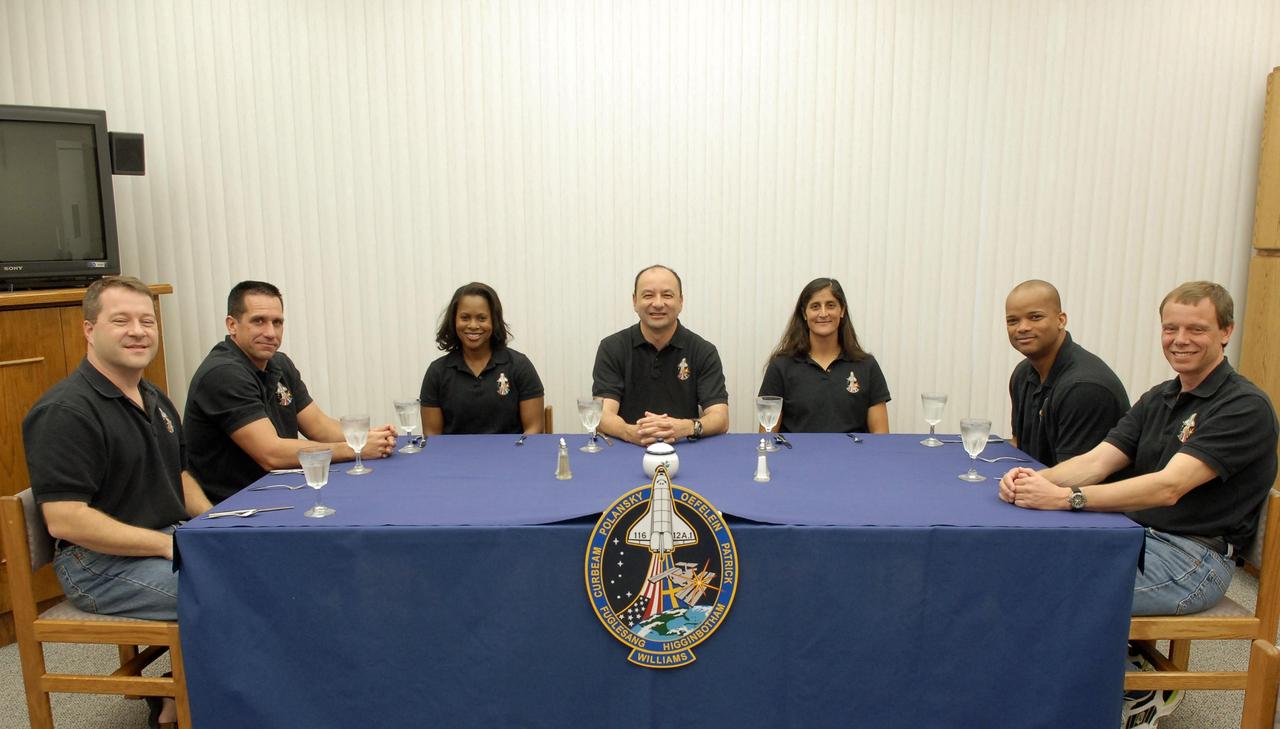
KENNEDY SPACE CENTER, FLA. -- The crew members of mission STS-116 gather around the table for breakfast before suiting up for a second launch attempt aboard Space Shuttle Discovery. From left are Mission Specialist Nicholas Patrick, Pilot William Oefelein, Mission Specialist Joan Higginbotham, Commander Mark Polansky, and Mission Specialists Sunita Williams, Robert Curbeam and Christer Fuglesang, who represents the European Space Agency. Williams will replace Expedition 14 crew member Thomas Reiter, who will return to Earth aboard Discovery in her place. The first launch attempt of STS-116 Dec. 7 was postponed due a low cloud ceiling over Kennedy Space Center. This second launch attempt is scheduled for 8:47 p.m. This is Discovery's 33rd mission and the first night launch since 2002. The 20th shuttle mission to the International Space Station, STS-116 carries another truss segment, P5. It will serve as a spacer, mated to the P4 truss that was attached in September. After installing the P5, the crew will reconfigure and redistribute the power generated by two pairs of U.S. solar arrays. Landing is expected Dec. 19 at KSC. Photo credit: NASA/Kim Shiflett
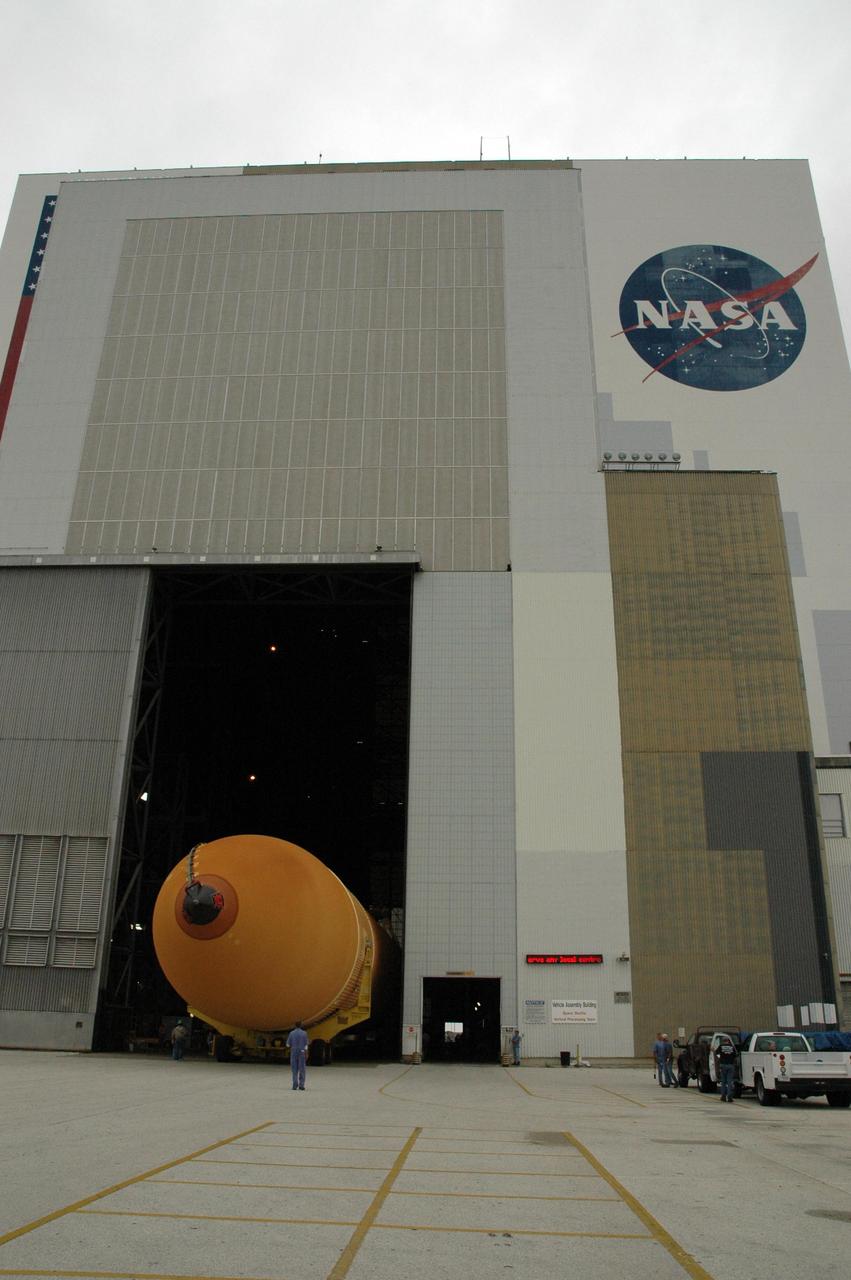
KENNEDY SPACE CENTER, FLA. - External tank No. 123 moves into the Vehicle Assembly Building where it will be lifted into a checkout cell for further work. Shipped from NASA's Michoud Assembly Facility in New Orleans aboard the Pegasus barge, the tank has undergone major safety changes, including removal of the protuberance air load ramps. It is designated to launch Space Shuttle Discovery on mission STS-116 in December. Mission STS-116 will deliver the P5 truss segment, a SPACEHAB module and other key components to the International Space Station. Launch is currently scheduled no earlier than Dec. 14. Photo credit: NASA/Jack Pfaller
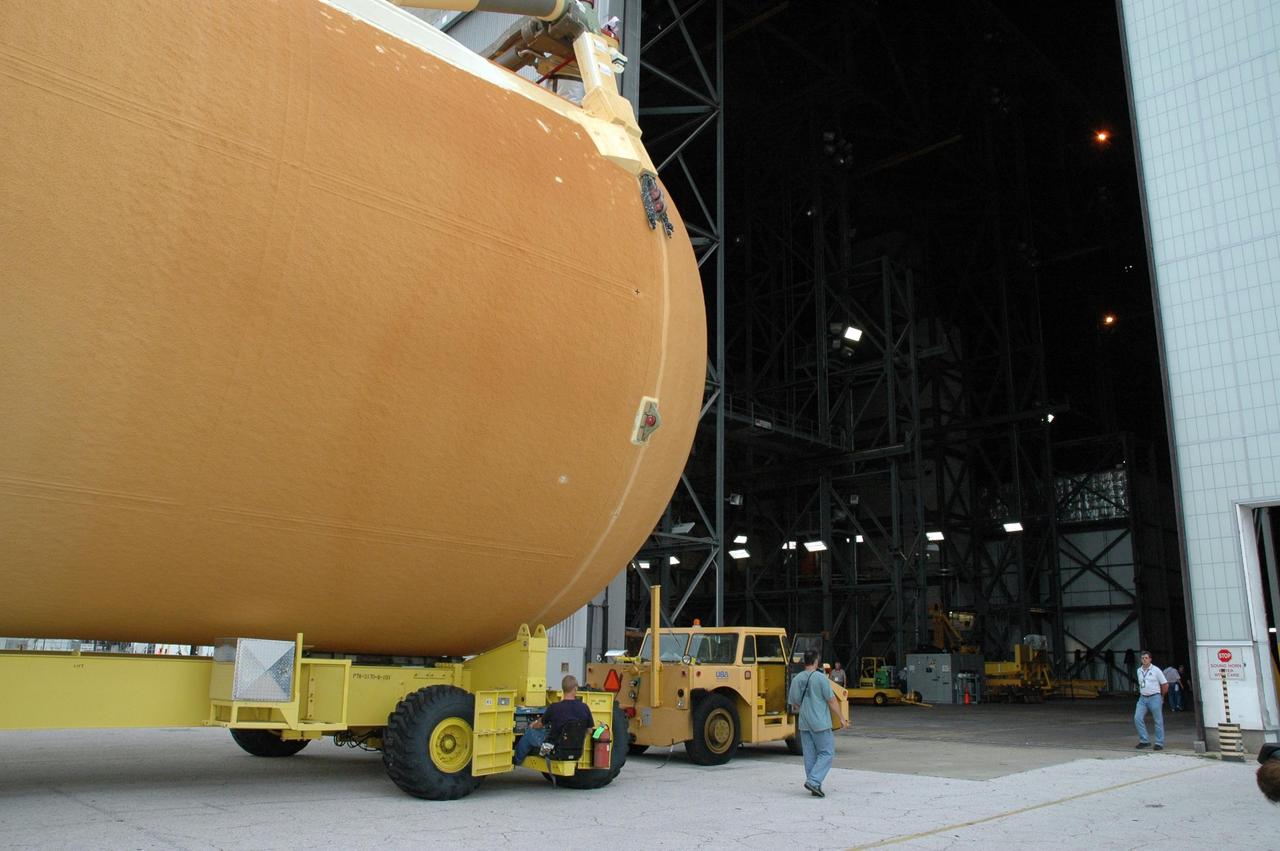
KENNEDY SPACE CENTER, FLA. - External tank No. 123 heads into the open doorway of the Vehicle Assembly Building. Once inside the VAB, the tank will be lifted into a checkout cell for further work. Shipped from NASA's Michoud Assembly Facility in New Orleans aboard the Pegasus barge, the tank has undergone major safety changes, including removal of the protuberance air load ramps. It is designated to launch Space Shuttle Discovery on mission STS-116 in December. Mission STS-116 will deliver the P5 truss segment, a SPACEHAB module and other key components to the International Space Station. Launch is currently scheduled no earlier than Dec. 14. Photo credit: NASA/Jack Pfaller
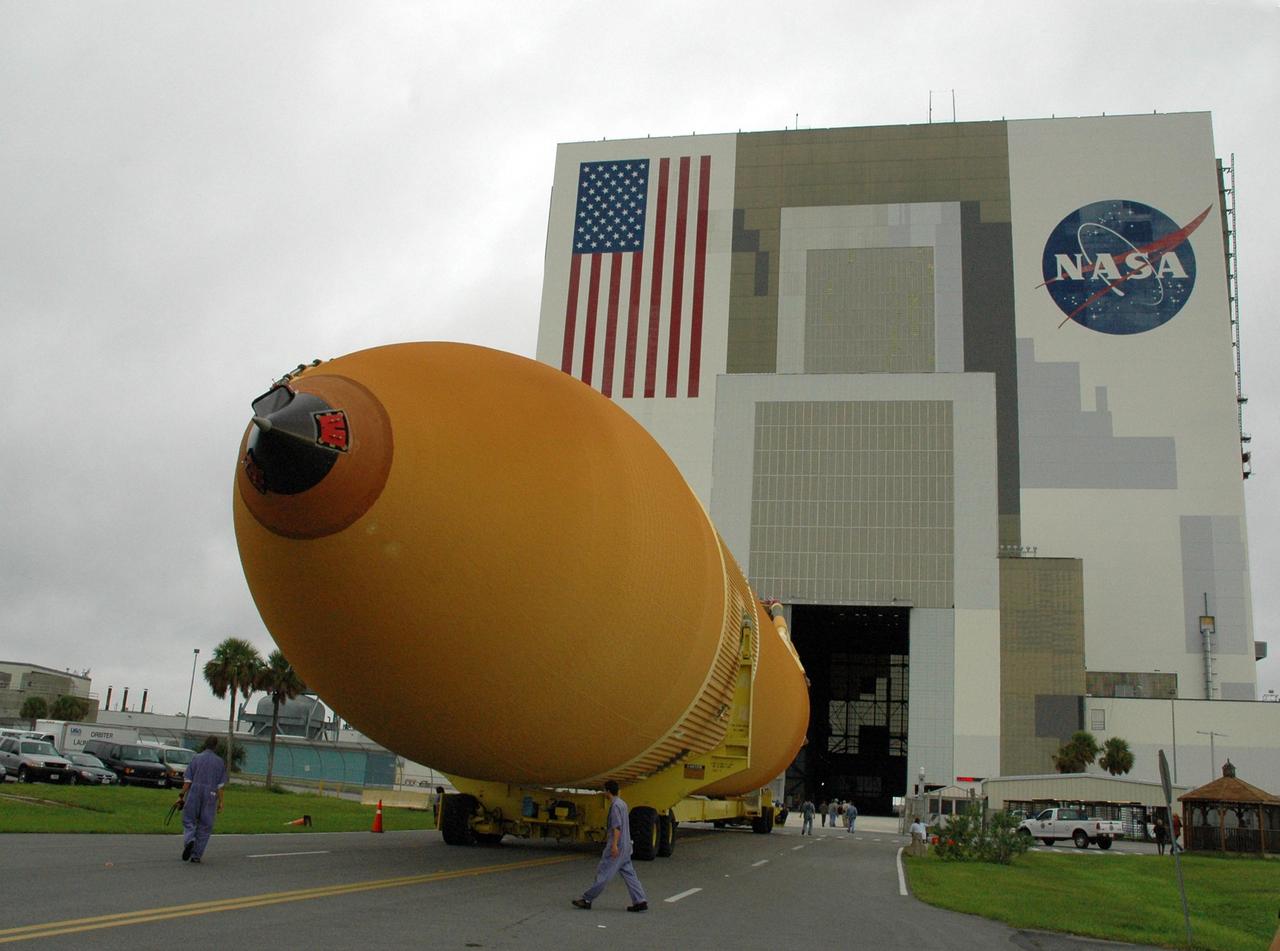
KENNEDY SPACE CENTER, FLA. - External tank No. 123 heads toward the open doorway of the Vehicle Assembly Building. Once inside the VAB, the tank will be lifted into a checkout cell for further work. Shipped from NASA's Michoud Assembly Facility in New Orleans aboard the Pegasus barge, the tank has undergone major safety changes, including removal of the protuberance air load ramps. It is designated to launch Space Shuttle Discovery on mission STS-116 in December. Mission STS-116 will deliver the P5 truss segment, a SPACEHAB module and other key components to the International Space Station. Launch is currently scheduled no earlier than Dec. 14. Photo credit: NASA/Jack Pfaller
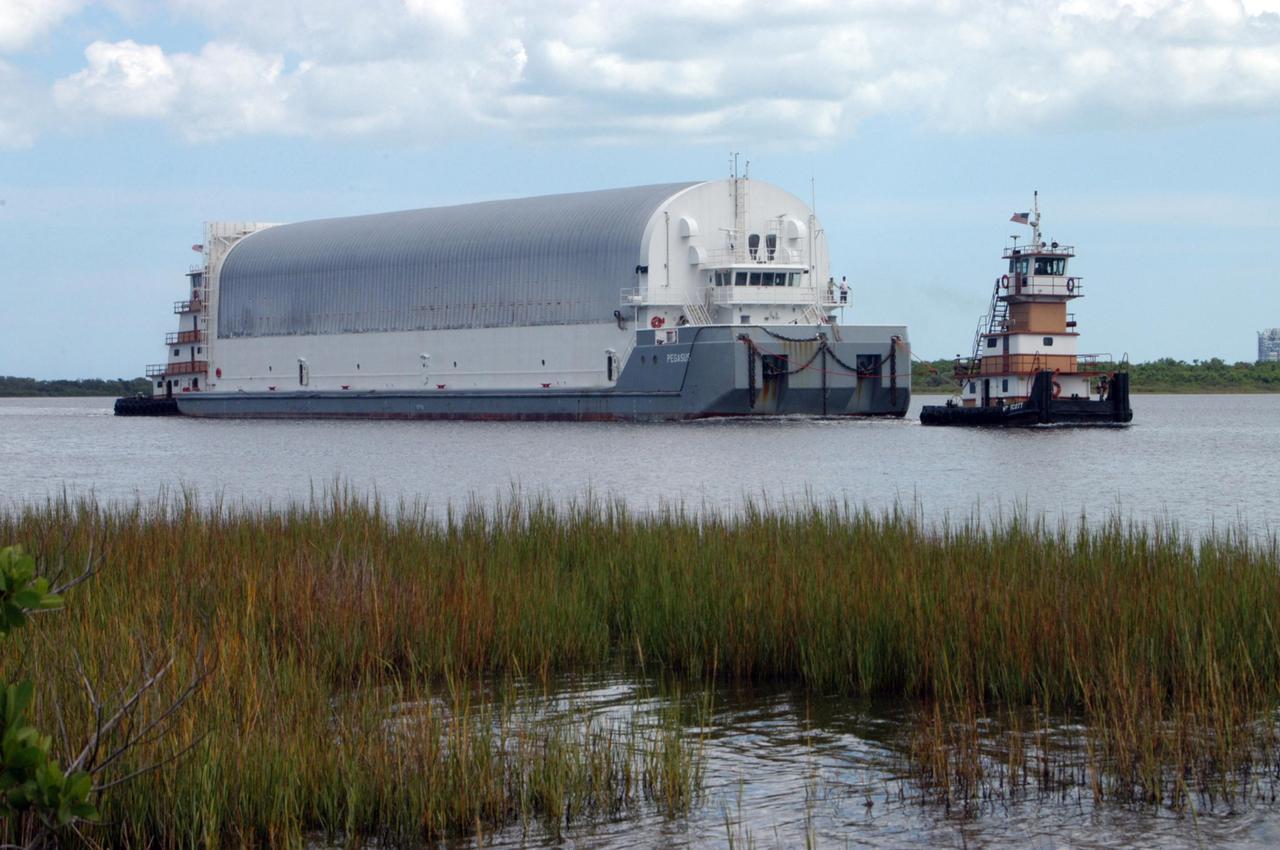
KENNEDY SPACE CENTER, FLA. - The Pegasus barge is towed toward the turn basin dock in the Launch Complex 39 Area at NASA's Kennedy Space Center. Onboard the barge is the external tank No. 123, designated to launch Space Shuttle Discovery on mission STS-116 in December. The tank, which was shipped from NASA's Michoud Assembly Facility in New Orleans, has undergone major safety changes, including removal of the protuberance air load ramps. Mission STS-116 will deliver the P5 truss segment, a SPACEHAB module and other key components to the International Space Station. Launch is currently scheduled no earlier than Dec. 14. Photo credit: NASA/George Shelton
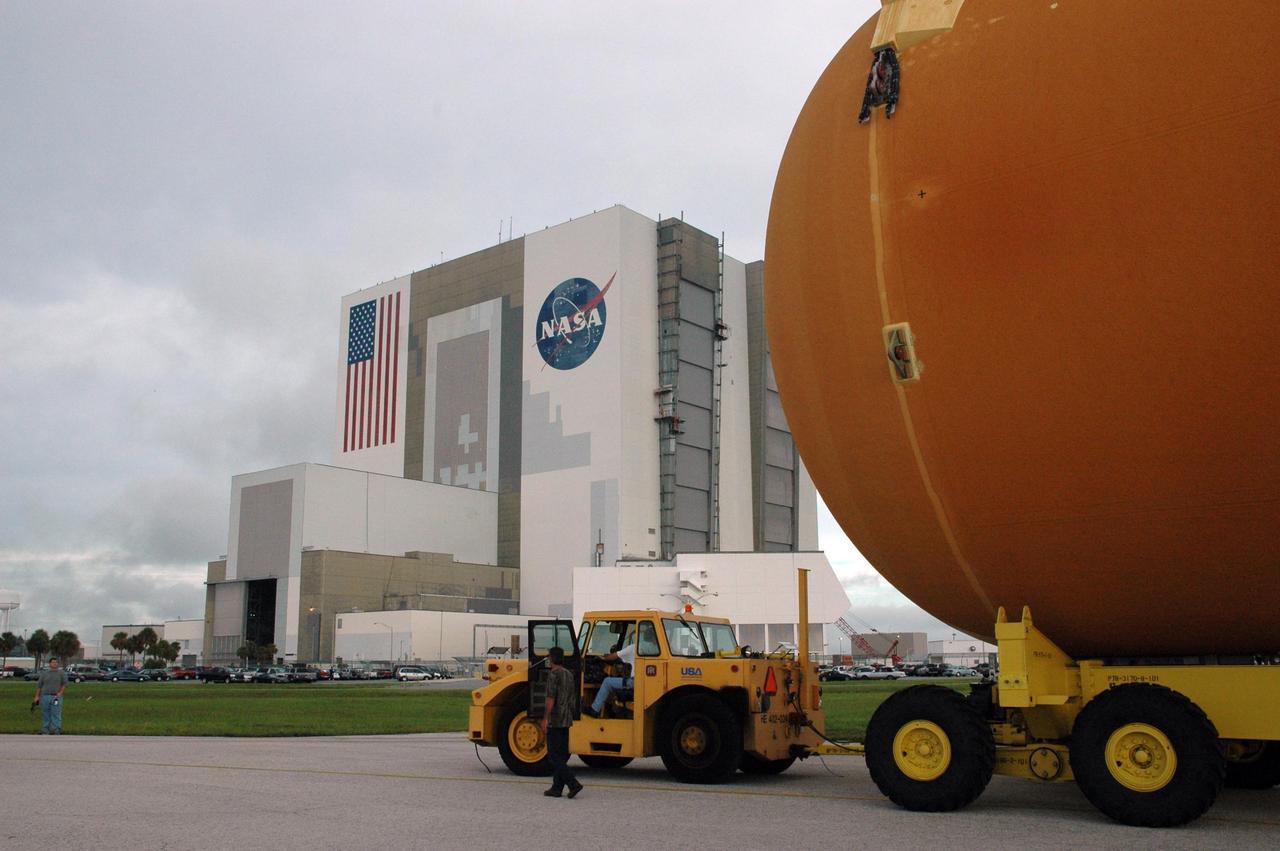
KENNEDY SPACE CENTER, FLA. - External tank No. 123 is being transported from the Pegasus barge in the turn basin at the Launch Complex 39 Area to the Vehicle Assembly Building where it will be lifted into a checkout cell for further work. The tank, shipped from NASA's Michoud Assembly Facility in New Orleans, has undergone major safety changes, including removal of the protuberance air load ramps. It is designated to launch Space Shuttle Discovery on mission STS-116 in December. Mission STS-116 will deliver the P5 truss segment, a SPACEHAB module and other key components to the International Space Station. Launch is currently scheduled no earlier than Dec. 14. Photo credit: NASA/Jack Pfaller
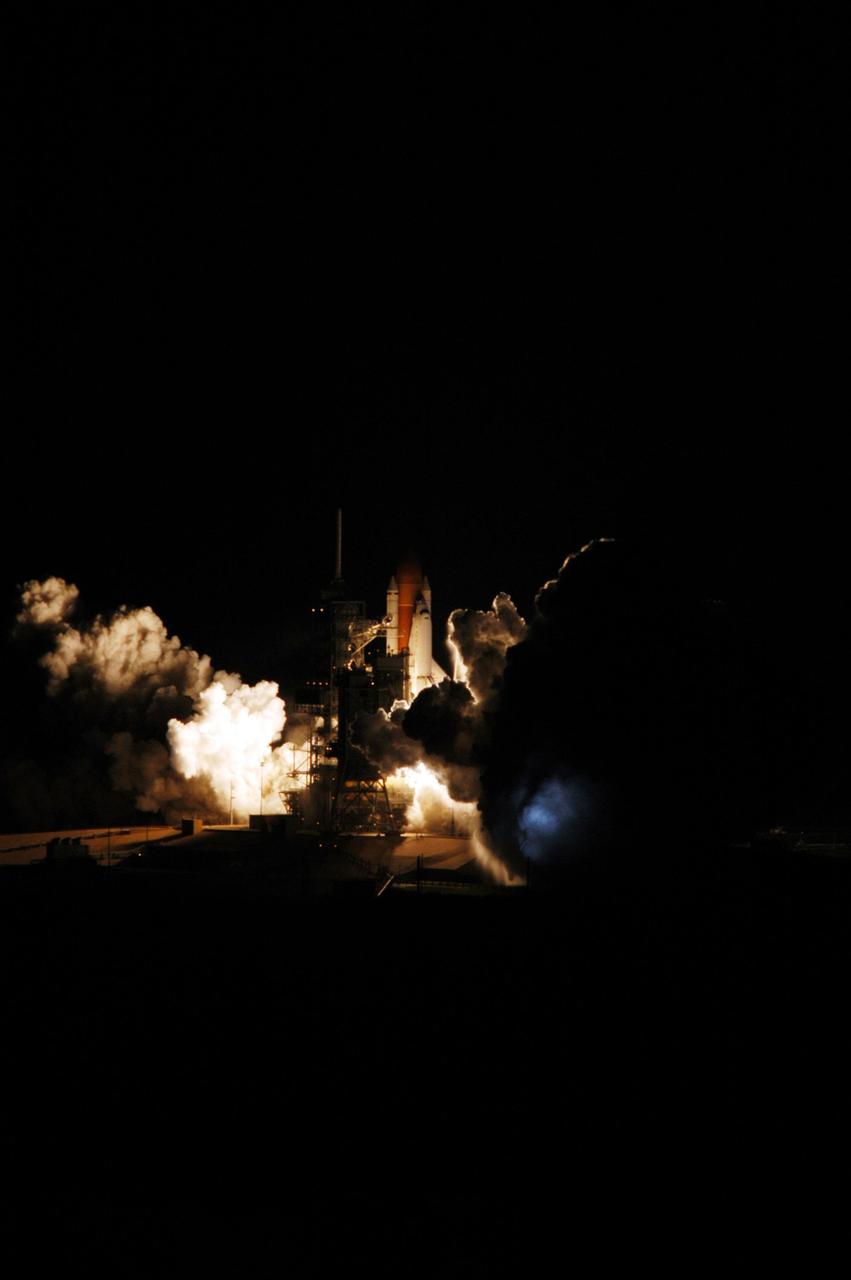
KENNEDY SPACE CENTER, FLA. -- At liftoff from Launch Pad 39B, Space Shuttle Discovery spreads a blaze of light as it leaps into the night sky. The launch occurred at 8:47:35 p.m. EST. This was the second launch attempt for mission STS-116. The first launch attempt on Dec. 7 was postponed due a low cloud ceiling over Kennedy Space Center. This is Discovery's 33rd mission and the first night launch since 2002. The 20th shuttle mission to the International Space Station, STS-116 carries another truss segment, P5. It will serve as a spacer, mated to the P4 truss that was attached in September. After installing the P5, the crew will reconfigure and redistribute the power generated by two pairs of U.S. solar arrays. Landing is expected Dec. 21 at KSC. Photo credit: NASA/George Shelton
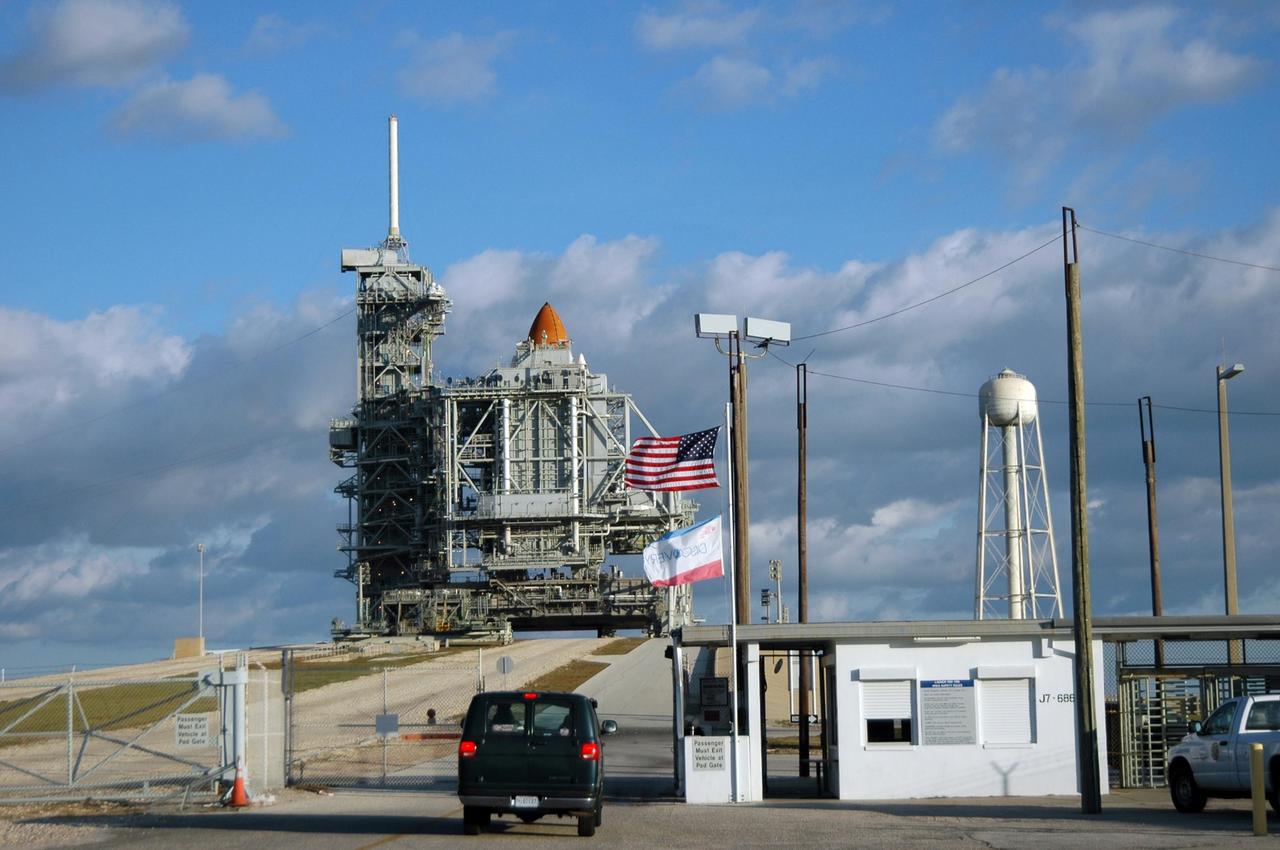
KENNEDY SPACE CENTER, FLA. -- On the morning of the second launch attempt, Space Shuttle Discovery is ready on Launch Pad 39B. It is still surrounded by the rotating service structure, hiding all but the top of the external tank. On the left side is the fixed service structure, topped by the 80-foot-tall lightning mast. The first launch attempt of STS-116 Dec. 7 was postponed due a low cloud ceiling over Kennedy Space Center. The next launch attempt was scheduled for Saturday, Dec. 9, at 8:47 p.m. This will be Discovery's 33rd mission and the first night launch since 2002. The 20th shuttle mission to the International Space Station, STS-116 carries another truss segment, P5. It will serve as a spacer, mated to the P4 truss that was attached in September. After installing the P5, the crew will reconfigure and redistribute the power generated by two pairs of U.S. solar arrays. Landing is expected Dec. 19 at KSC. Photo credit: NASA/Ken Thornsley
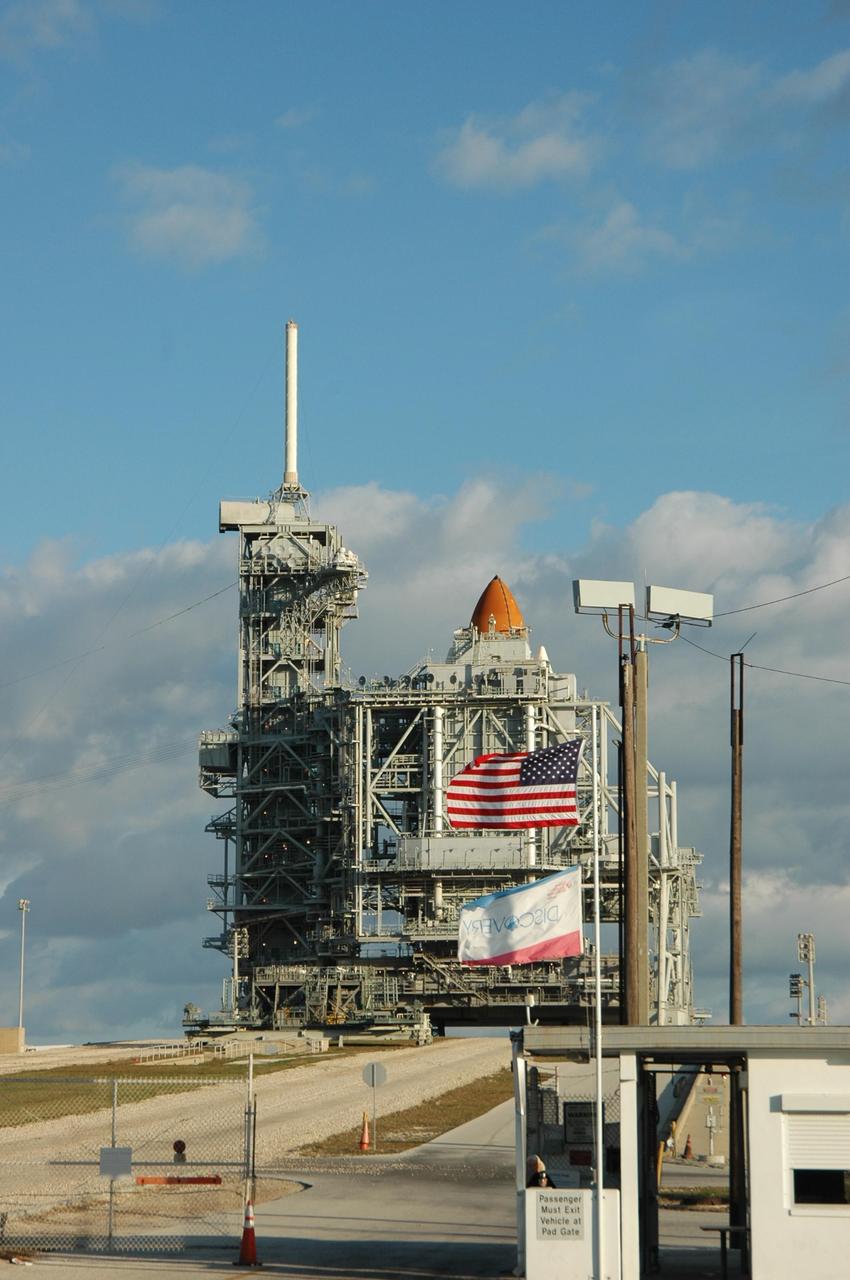
KENNEDY SPACE CENTER, FLA. -- On the morning of the second launch attempt, Space Shuttle Discovery is ready on Launch Pad 39B. It is still surrounded by the rotating service structure, hiding all but the top of the external tank. On the left side is the fixed service structure, topped by the 80-foot-tall lightning mast. The first launch attempt of STS-116 Dec. 7 was postponed due a low cloud ceiling over Kennedy Space Center. The next launch attempt was scheduled for Saturday, Dec. 9, at 8:47 p.m. This will be Discovery's 33rd mission and the first night launch since 2002. The 20th shuttle mission to the International Space Station, STS-116 carries another truss segment, P5. It will serve as a spacer, mated to the P4 truss that was attached in September. After installing the P5, the crew will reconfigure and redistribute the power generated by two pairs of U.S. solar arrays. Landing is expected Dec. 19 at KSC. Photo credit: NASA/Ken Thornsley

KENNEDY SPACE CENTER, FLA. -- A large bird appears to chase Space Shuttle Discovery as it roars into space and emblazons the night sky. This was the second launch attempt of Discovery on mission STS-116. Liftoff occurred on time at 8:47 p.m. EST. The first launch attempt on Dec. 7 was postponed due a low cloud ceiling over Kennedy Space Center. This is Discovery's 33rd mission and the first night launch since 2002. The 20th shuttle mission to the International Space Station, STS-116 carries another truss segment, P5. It will serve as a spacer, mated to the P4 truss that was attached in September. After installing the P5, the crew will reconfigure and redistribute the power generated by two pairs of U.S. solar arrays. Landing is expected Dec. 21 at KSC. Photo credit: NASA/Sandra Joseph, Robert Murray, Chris Lynch
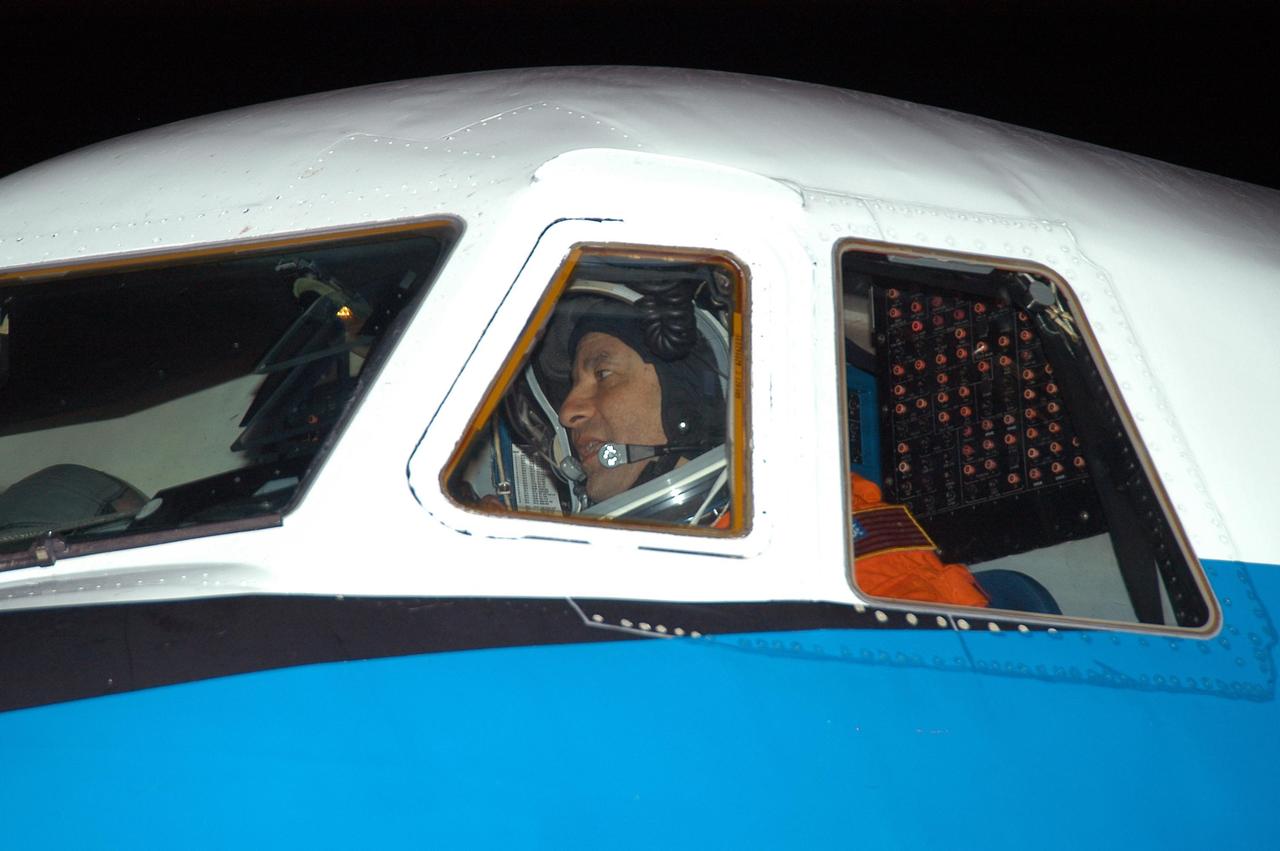
KENNEDY SPACE CENTER, FLA. -- STS-116 Commander Mark Polansky gets ready to take off in the shuttle training aircraft (STA) to practice landing the orbiter. The STA is a Grumman American Aviation-built Gulf Stream II jet that was modified to simulate an orbiter's cockpit, motion and visual cues, and handling qualities. In flight, the STA duplicates the orbiter's atmospheric descent trajectory from approximately 35,000 feet altitude to landing on a runway. Because the orbiter is unpowered during re-entry and landing, its high-speed glide must be perfectly executed the first time. Launch of Space Shuttle Discovery on mission STS-116 is scheduled for 9:35 p.m. Dec. 7. On the mission, the STS-116 crew will deliver truss segment, P5, to the International Space Station and begin the intricate process of reconfiguring and redistributing the power generated by two pairs of U.S. solar arrays. The P5 will be mated to the P4 truss that was delivered and attached during the STS-115 mission in September. Photo credit: NASA/Kim Shiflett
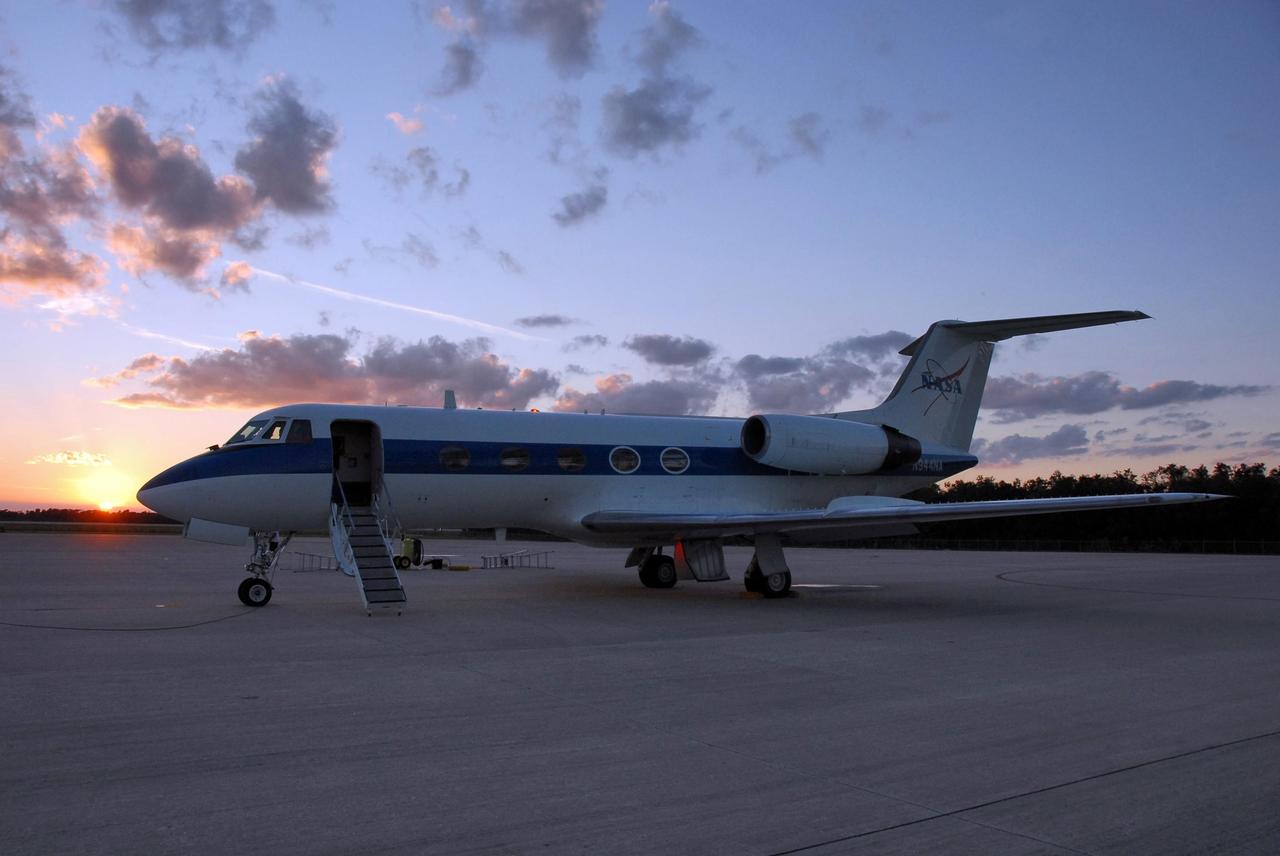
KENNEDY SPACE CENTER, FLA. -- Just at sunset, the shuttle training aircraft (STA), with STS-116 Pilot William Oefelein in the pilot's seat, waits on the Shuttle Landing Facility for the right moment to take off for orbiter landing practice. The STA is a Grumman American Aviation-built Gulf Stream II jet that was modified to simulate an orbiter's cockpit, motion and visual cues, and handling qualities. In flight, the STA duplicates the orbiter's atmospheric descent trajectory from approximately 35,000 feet altitude to landing on a runway. Because the orbiter is unpowered during re-entry and landing, its high-speed glide must be perfectly executed the first time. Launch of Space Shuttle Discovery on mission STS-116 is scheduled for 9:35 p.m. Dec. 7. On the mission, the STS-116 crew will deliver truss segment, P5, to the International Space Station and begin the intricate process of reconfiguring and redistributing the power generated by two pairs of U.S. solar arrays. The P5 will be mated to the P4 truss that was delivered and attached during the STS-115 mission in September. Photo credit: NASA/Kim Shiflett
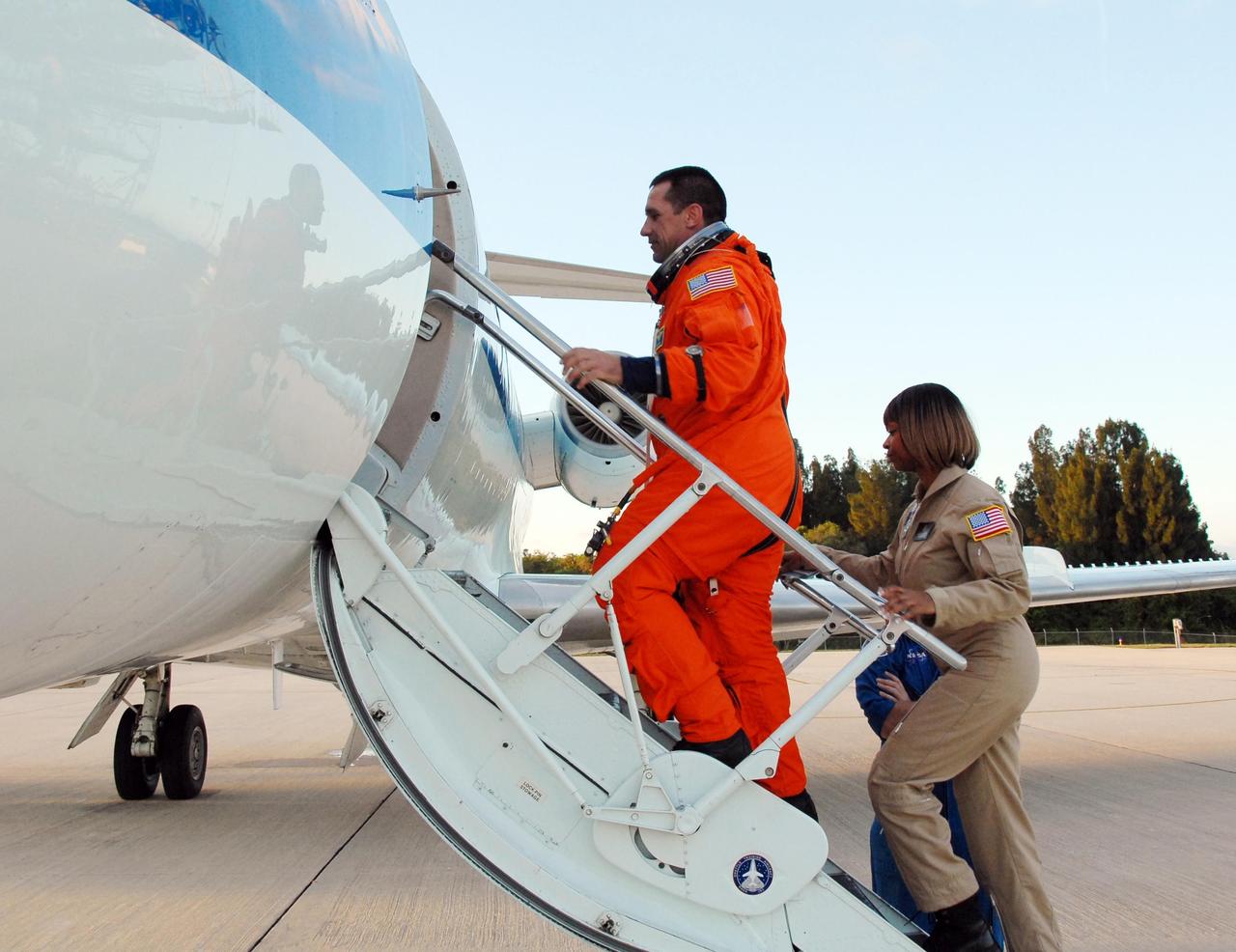
KENNEDY SPACE CENTER, FLA. -- STS-116 Pilot William Oefelein climbs toward the cockpit of the shuttle training aircraft (STA) to practice landing the orbiter. The STA is a Grumman American Aviation-built Gulf Stream II jet that was modified to simulate an orbiter's cockpit, motion and visual cues, and handling qualities. In flight, the STA duplicates the orbiter's atmospheric descent trajectory from approximately 35,000 feet altitude to landing on a runway. Because the orbiter is unpowered during re-entry and landing, its high-speed glide must be perfectly executed the first time. Launch of Space Shuttle Discovery on mission STS-116 is scheduled for 9:35 p.m. Dec. 7. On the mission, the STS-116 crew will deliver truss segment, P5, to the International Space Station and begin the intricate process of reconfiguring and redistributing the power generated by two pairs of U.S. solar arrays. The P5 will be mated to the P4 truss that was delivered and attached during the STS-115 mission in September. Photo credit: NASA/Kim Shiflett
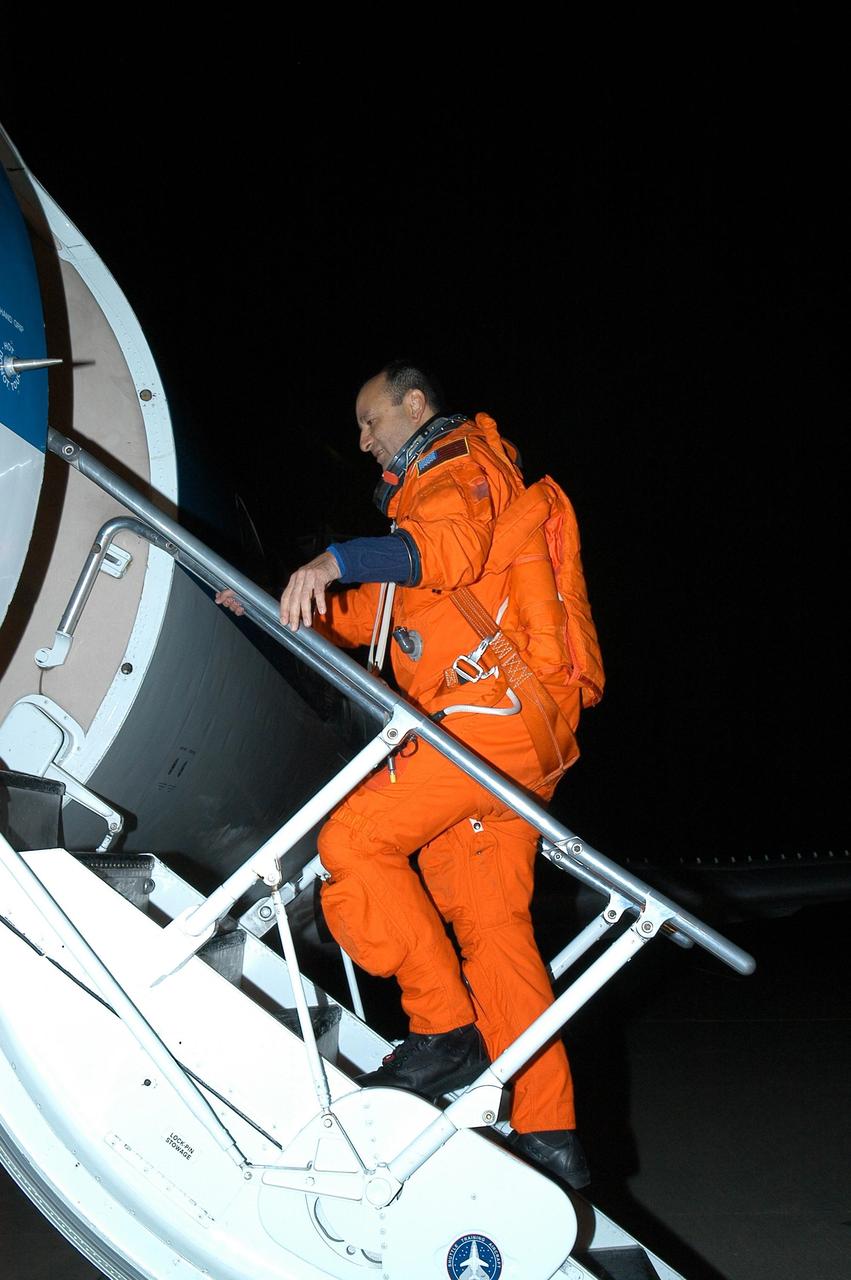
KENNEDY SPACE CENTER, FLA. -- STS-116 Commander Mark Polansky climbs toward the cockpit of the shuttle training aircraft (STA) to practice landing the orbiter. The STA is a Grumman American Aviation-built Gulf Stream II jet that was modified to simulate an orbiter's cockpit, motion and visual cues, and handling qualities. In flight, the STA duplicates the orbiter's atmospheric descent trajectory from approximately 35,000 feet altitude to landing on a runway. Because the orbiter is unpowered during re-entry and landing, its high-speed glide must be perfectly executed the first time. Launch of Space Shuttle Discovery on mission STS-116 is scheduled for 9:35 p.m. Dec. 7. On the mission, the STS-116 crew will deliver truss segment, P5, to the International Space Station and begin the intricate process of reconfiguring and redistributing the power generated by two pairs of U.S. solar arrays. The P5 will be mated to the P4 truss that was delivered and attached during the STS-115 mission in September. Photo credit: NASA/Kim Shiflett
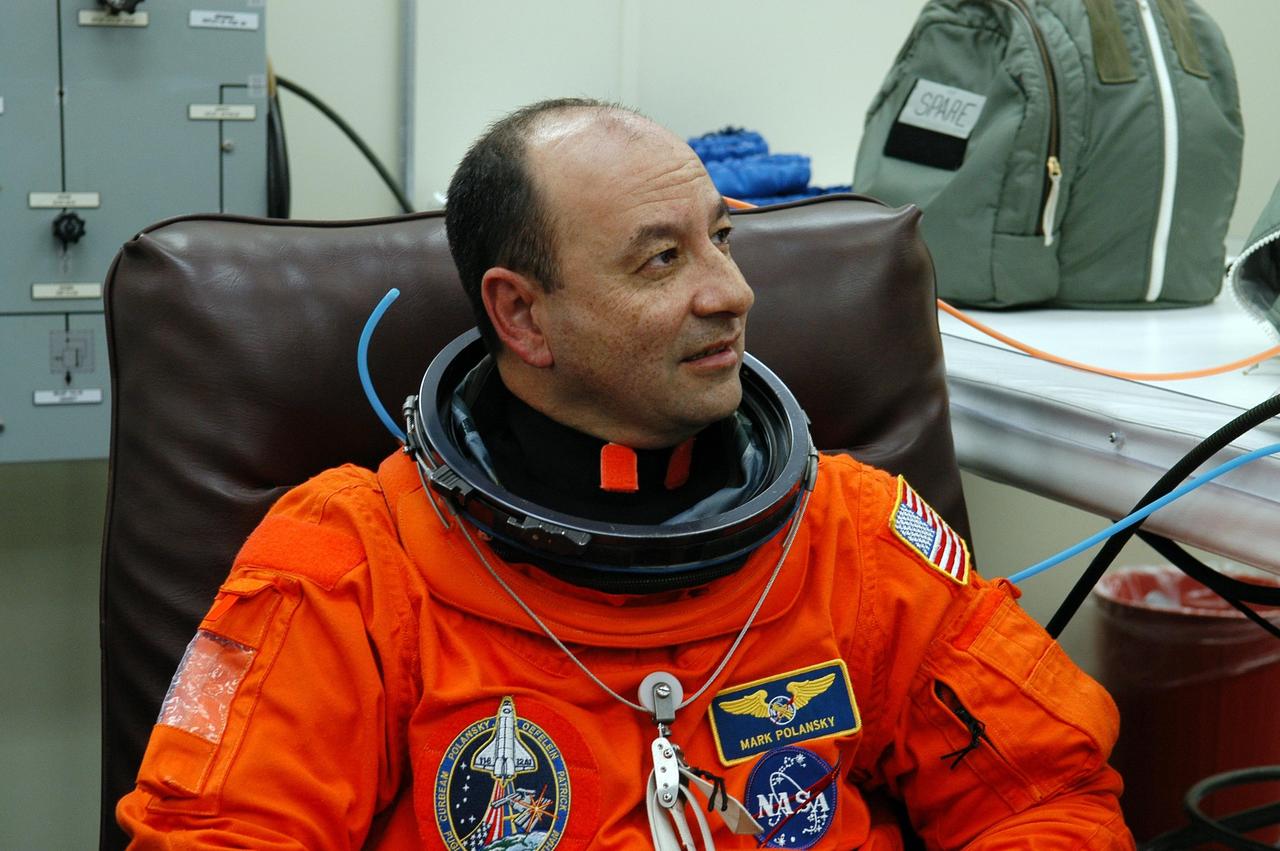
KENNEDY SPACE CENTER, FLA. -- STS-116 Commander Mark Polansky is getting a suit fit-check after practicing landing the orbiter at the controls of the shuttle training aircraft. The STA is a Grumman American Aviation-built Gulf Stream II jet that was modified to simulate an orbiter's cockpit, motion and visual cues, and handling qualities. In flight, the STA duplicates the orbiter's atmospheric descent trajectory from approximately 35,000 feet altitude to landing on a runway. Because the orbiter is unpowered during re-entry and landing, its high-speed glide must be perfectly executed the first time. Launch of Space Shuttle Discovery on mission STS-116 is scheduled for 9:35 p.m. Dec. 7. On the mission, the STS-116 crew will deliver truss segment, P5, to the International Space Station and begin the intricate process of reconfiguring and redistributing the power generated by two pairs of U.S. solar arrays. The P5 will be mated to the P4 truss that was delivered and attached during the STS-115 mission in September. Photo credit: NASA/Kim Shiflett
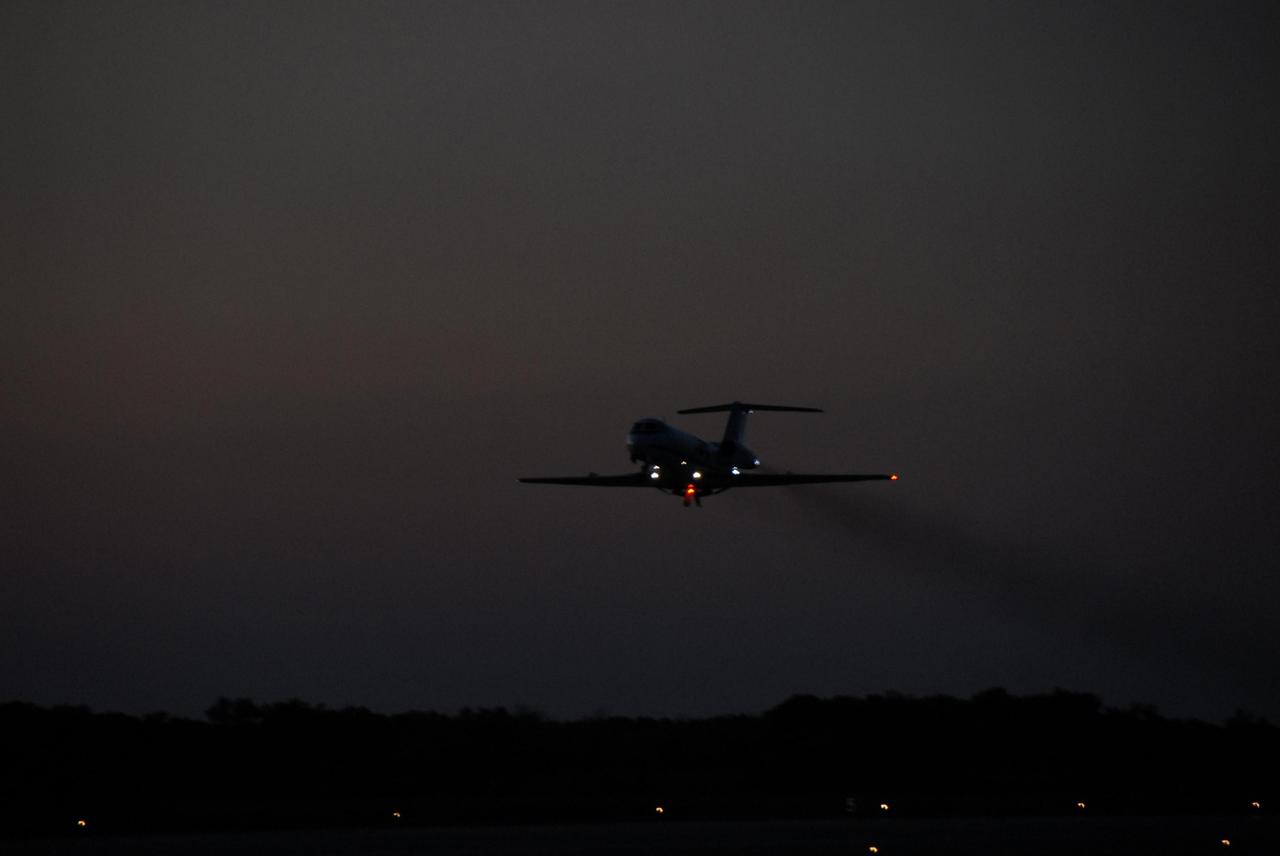
KENNEDY SPACE CENTER, FLA. -- Into the night flies the shuttle training aircraft (STA) with STS-116 Pilot William Oefelein in the pilot's seat, ready to start orbiter landing practice. The STA is a Grumman American Aviation-built Gulf Stream II jet that was modified to simulate an orbiter's cockpit, motion and visual cues, and handling qualities. In flight, the STA duplicates the orbiter's atmospheric descent trajectory from approximately 35,000 feet altitude to landing on a runway. Because the orbiter is unpowered during re-entry and landing, its high-speed glide must be perfectly executed the first time. Launch of Space Shuttle Discovery on mission STS-116 is scheduled for 9:35 p.m. Dec. 7. On the mission, the STS-116 crew will deliver truss segment, P5, to the International Space Station and begin the intricate process of reconfiguring and redistributing the power generated by two pairs of U.S. solar arrays. The P5 will be mated to the P4 truss that was delivered and attached during the STS-115 mission in September. Photo credit: NASA/Kim Shiflett
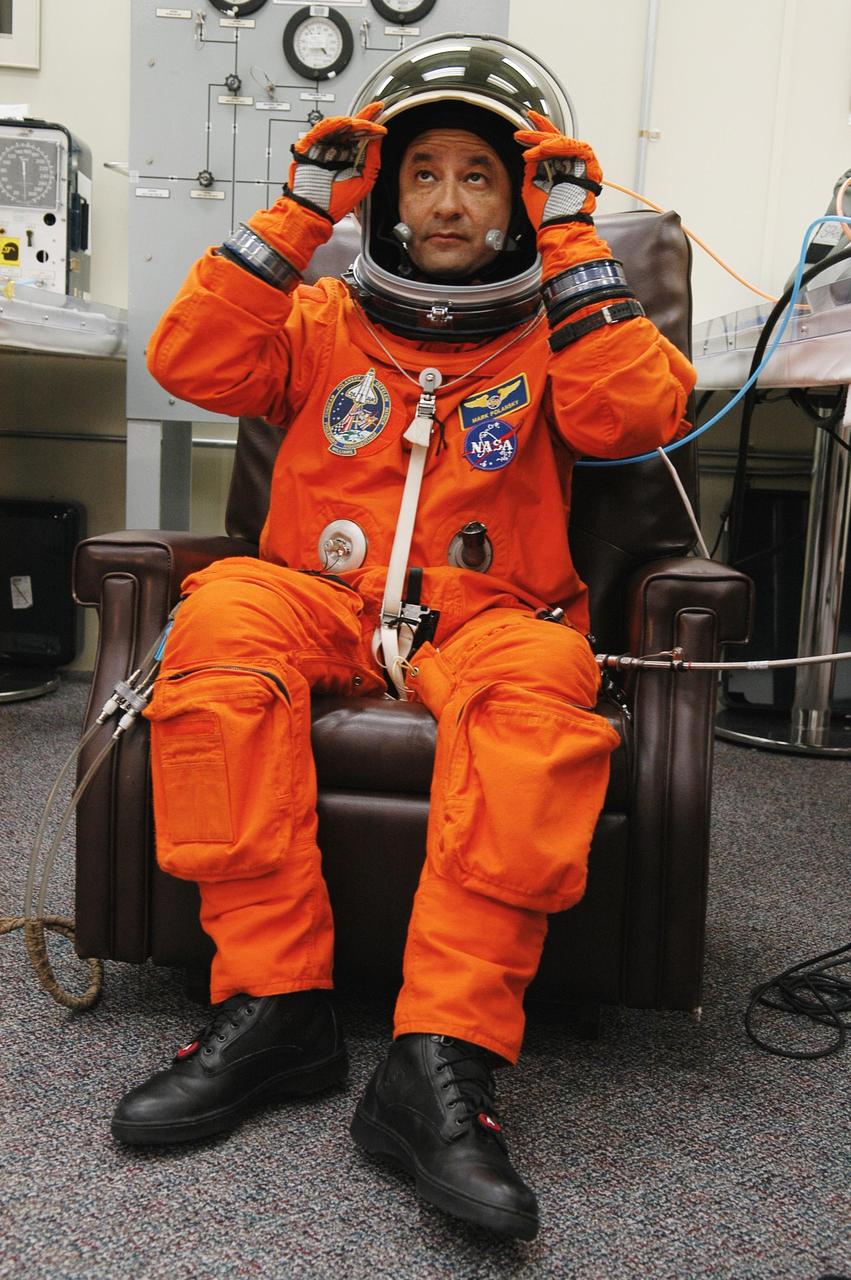
KENNEDY SPACE CENTER, FLA. -- STS-116 Commander Mark Polansky adjusts his helmet during a suit fit-check. Polansky has returned from practicing landing the orbiter at the controls of the shuttle training aircraft. The STA is a Grumman American Aviation-built Gulf Stream II jet that was modified to simulate an orbiter's cockpit, motion and visual cues, and handling qualities. In flight, the STA duplicates the orbiter's atmospheric descent trajectory from approximately 35,000 feet altitude to landing on a runway. Because the orbiter is unpowered during re-entry and landing, its high-speed glide must be perfectly executed the first time. Launch of Space Shuttle Discovery on mission STS-116 is scheduled for 9:35 p.m. Dec. 7. On the mission, the STS-116 crew will deliver truss segment, P5, to the International Space Station and begin the intricate process of reconfiguring and redistributing the power generated by two pairs of U.S. solar arrays. The P5 will be mated to the P4 truss that was delivered and attached during the STS-115 mission in September. Photo credit: NASA/Kim Shiflett
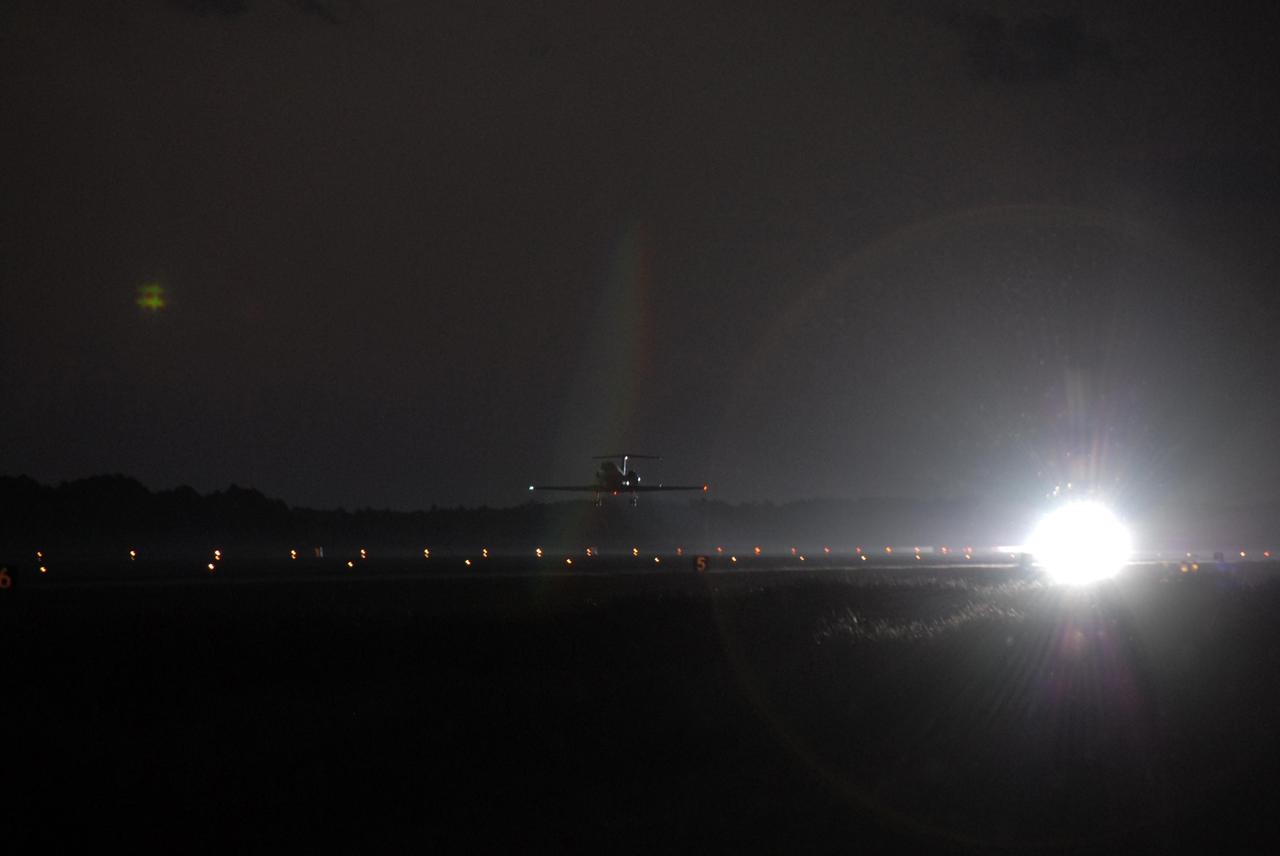
KENNEDY SPACE CENTER, FLA. -- After the first practice orbiter landing, STS-116 Pilot William Oefelein heads the shuttle training aircraft (STA) back into the night sky to do it again. The STA is a Grumman American Aviation-built Gulf Stream II jet that was modified to simulate an orbiter's cockpit, motion and visual cues, and handling qualities. In flight, the STA duplicates the orbiter's atmospheric descent trajectory from approximately 35,000 feet altitude to landing on a runway. Because the orbiter is unpowered during re-entry and landing, its high-speed glide must be perfectly executed the first time. Launch of Space Shuttle Discovery on mission STS-116 is scheduled for 9:35 p.m. Dec. 7. On the mission, the STS-116 crew will deliver truss segment, P5, to the International Space Station and begin the intricate process of reconfiguring and redistributing the power generated by two pairs of U.S. solar arrays. The P5 will be mated to the P4 truss that was delivered and attached during the STS-115 mission in September. Photo credit: NASA/Kim Shiflett
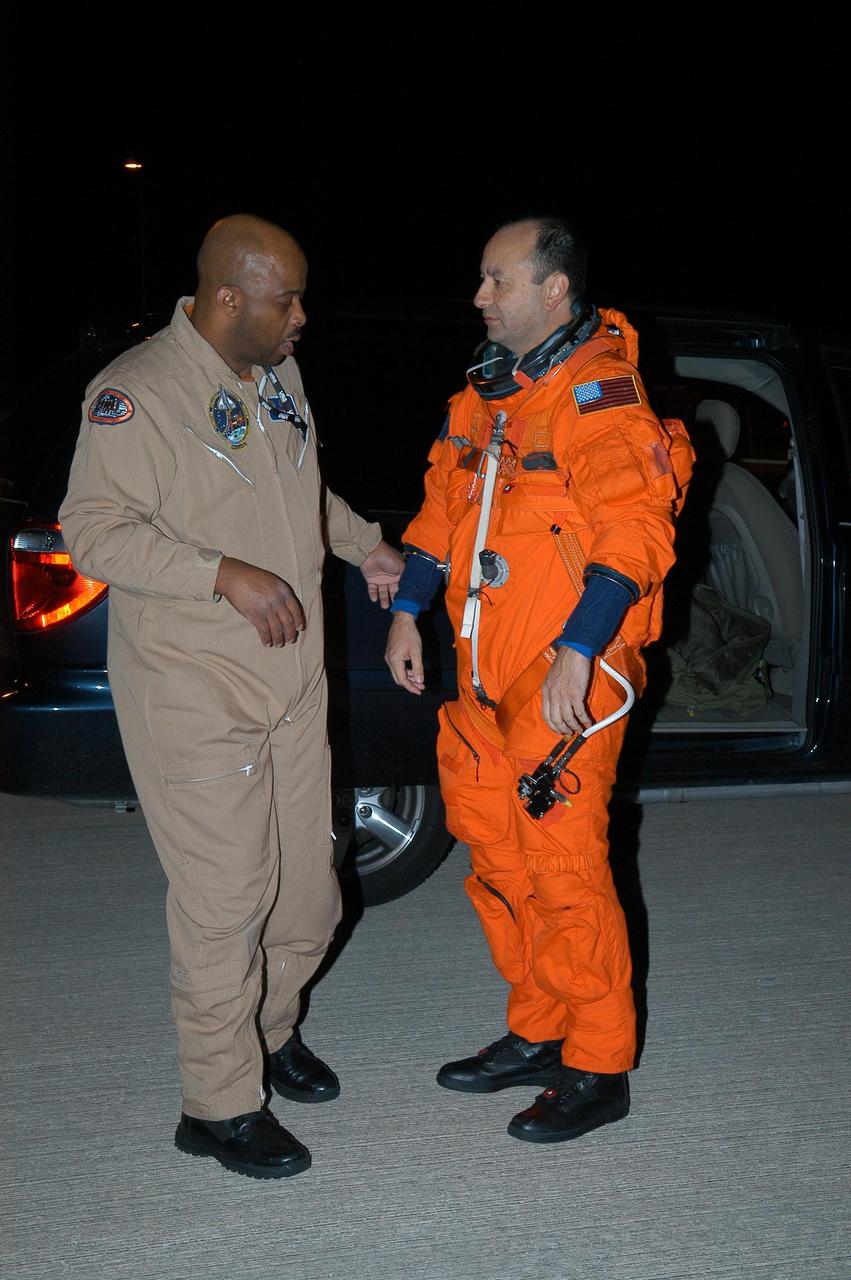
KENNEDY SPACE CENTER, FLA. -- STS-116 Commander Mark Polansky is ready to begin practice flights on the shuttle training aircraft (STA) three days before launch. The STA is a Grumman American Aviation-built Gulf Stream II jet that was modified to simulate an orbiter's cockpit, motion and visual cues, and handling qualities. In flight, the STA duplicates the orbiter's atmospheric descent trajectory from approximately 35,000 feet altitude to landing on a runway. Because the orbiter is unpowered during re-entry and landing, its high-speed glide must be perfectly executed the first time. Launch of Space Shuttle Discovery on mission STS-116 is scheduled for 9:35 p.m. Dec. 7. On the mission, the STS-116 crew will deliver truss segment, P5, to the International Space Station and begin the intricate process of reconfiguring and redistributing the power generated by two pairs of U.S. solar arrays. The P5 will be mated to the P4 truss that was delivered and attached during the STS-115 mission in September. Photo credit: NASA/Kim Shiflett
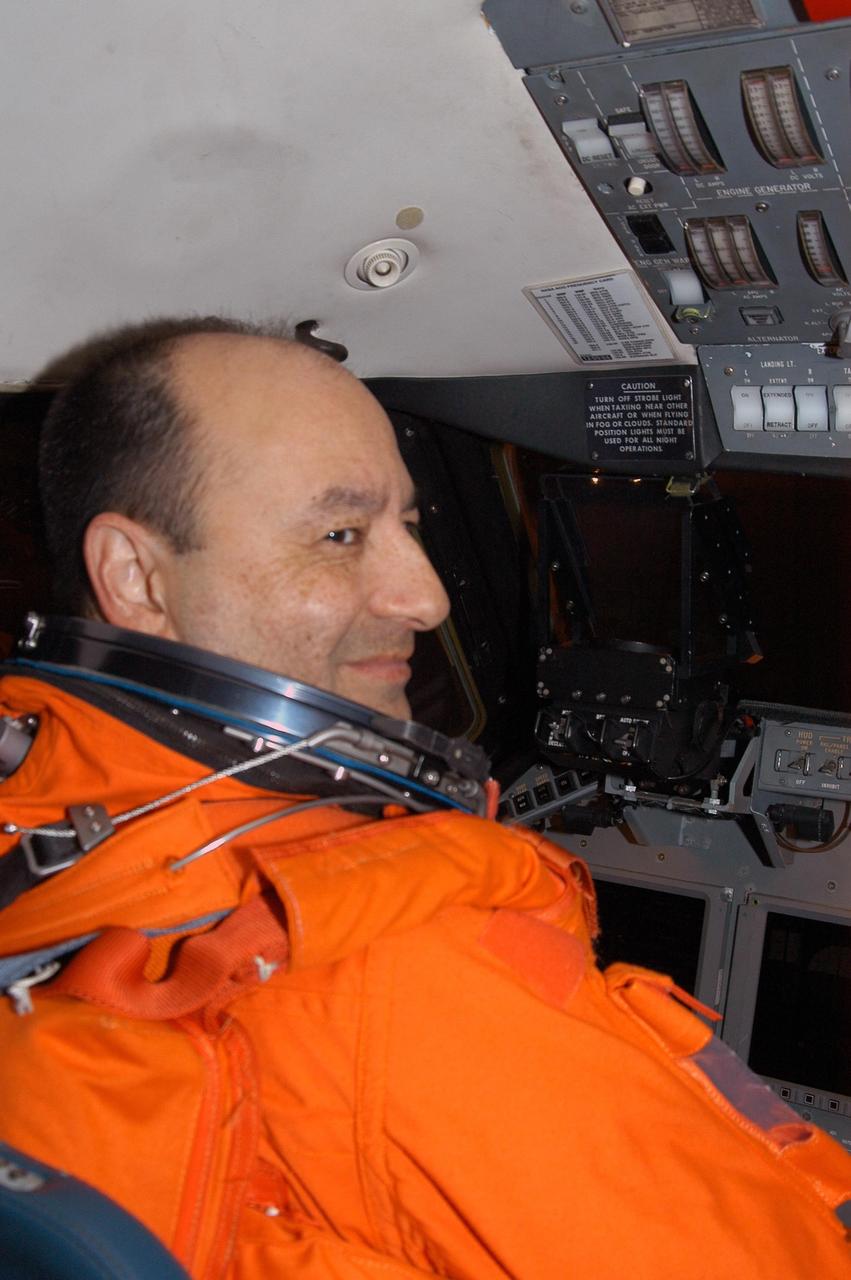
KENNEDY SPACE CENTER, FLA. -- STS-116 Commander Mark Polansky settles in the cockpit of the shuttle training aircraft (STA) before taking off to practice landing the orbiter. The STA is a Grumman American Aviation-built Gulf Stream II jet that was modified to simulate an orbiter's cockpit, motion and visual cues, and handling qualities. In flight, the STA duplicates the orbiter's atmospheric descent trajectory from approximately 35,000 feet altitude to landing on a runway. Because the orbiter is unpowered during re-entry and landing, its high-speed glide must be perfectly executed the first time. Launch of Space Shuttle Discovery on mission STS-116 is scheduled for 9:35 p.m. Dec. 7. On the mission, the STS-116 crew will deliver truss segment, P5, to the International Space Station and begin the intricate process of reconfiguring and redistributing the power generated by two pairs of U.S. solar arrays. The P5 will be mated to the P4 truss that was delivered and attached during the STS-115 mission in September. Photo credit: NASA/Kim Shiflett
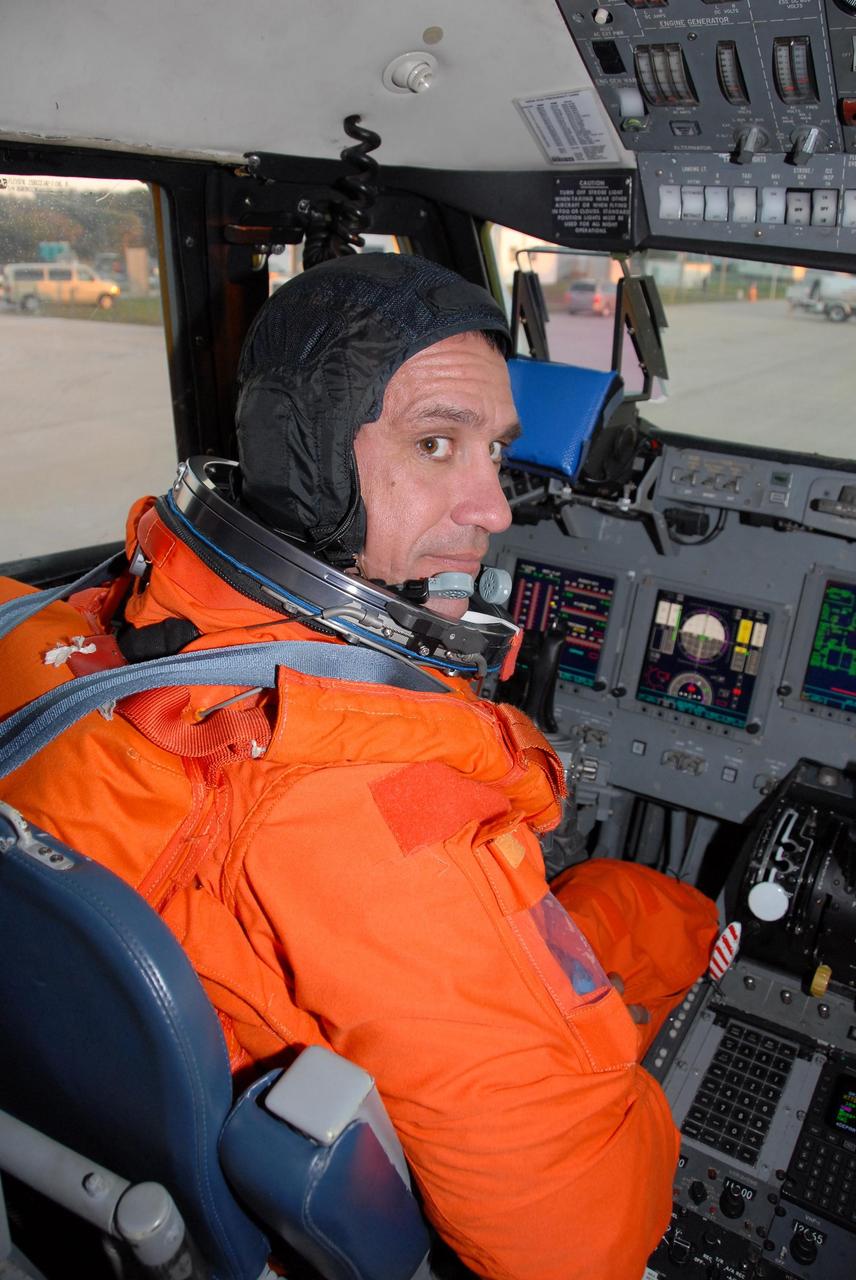
KENNEDY SPACE CENTER, FLA. -- STS-116 Pilot William Oefelein settles in the cockpit of the shuttle training aircraft (STA) before taking off for orbiter landing practice. The STA is a Grumman American Aviation-built Gulf Stream II jet that was modified to simulate an orbiter's cockpit, motion and visual cues, and handling qualities. In flight, the STA duplicates the orbiter's atmospheric descent trajectory from approximately 35,000 feet altitude to landing on a runway. Because the orbiter is unpowered during re-entry and landing, its high-speed glide must be perfectly executed the first time. Launch of Space Shuttle Discovery on mission STS-116 is scheduled for 9:35 p.m. Dec. 7. On the mission, the STS-116 crew will deliver truss segment, P5, to the International Space Station and begin the intricate process of reconfiguring and redistributing the power generated by two pairs of U.S. solar arrays. The P5 will be mated to the P4 truss that was delivered and attached during the STS-115 mission in September. Photo credit: NASA/Kim Shiflett
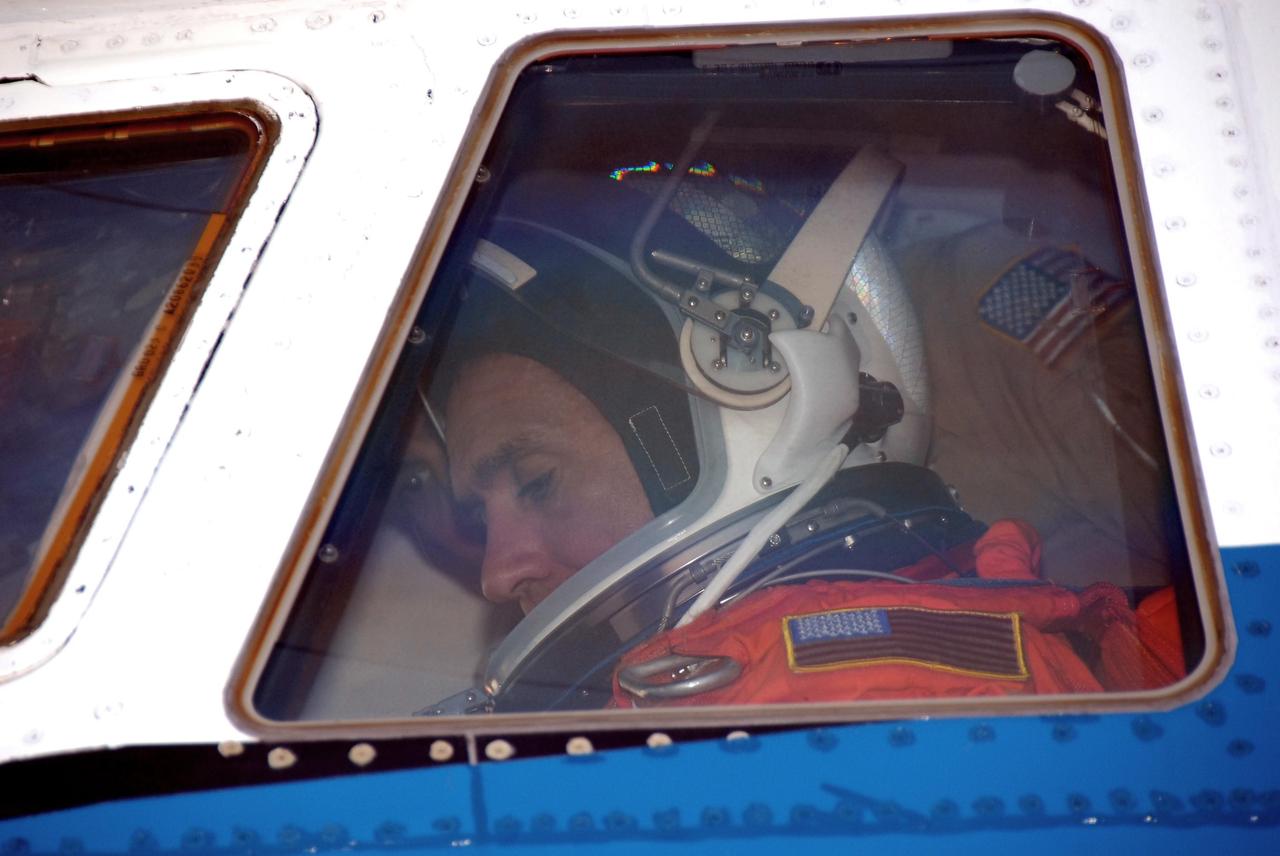
KENNEDY SPACE CENTER, FLA. -- STS-116 Pilot William Oefelein settles in the cockpit of the shuttle training aircraft (STA) before taking off for orbiter landing practice. The STA is a Grumman American Aviation-built Gulf Stream II jet that was modified to simulate an orbiter's cockpit, motion and visual cues, and handling qualities. In flight, the STA duplicates the orbiter's atmospheric descent trajectory from approximately 35,000 feet altitude to landing on a runway. Because the orbiter is unpowered during re-entry and landing, its high-speed glide must be perfectly executed the first time. Launch of Space Shuttle Discovery on mission STS-116 is scheduled for 9:35 p.m. Dec. 7. On the mission, the STS-116 crew will deliver truss segment, P5, to the International Space Station and begin the intricate process of reconfiguring and redistributing the power generated by two pairs of U.S. solar arrays. The P5 will be mated to the P4 truss that was delivered and attached during the STS-115 mission in September. Photo credit: NASA/Kim Shiflett
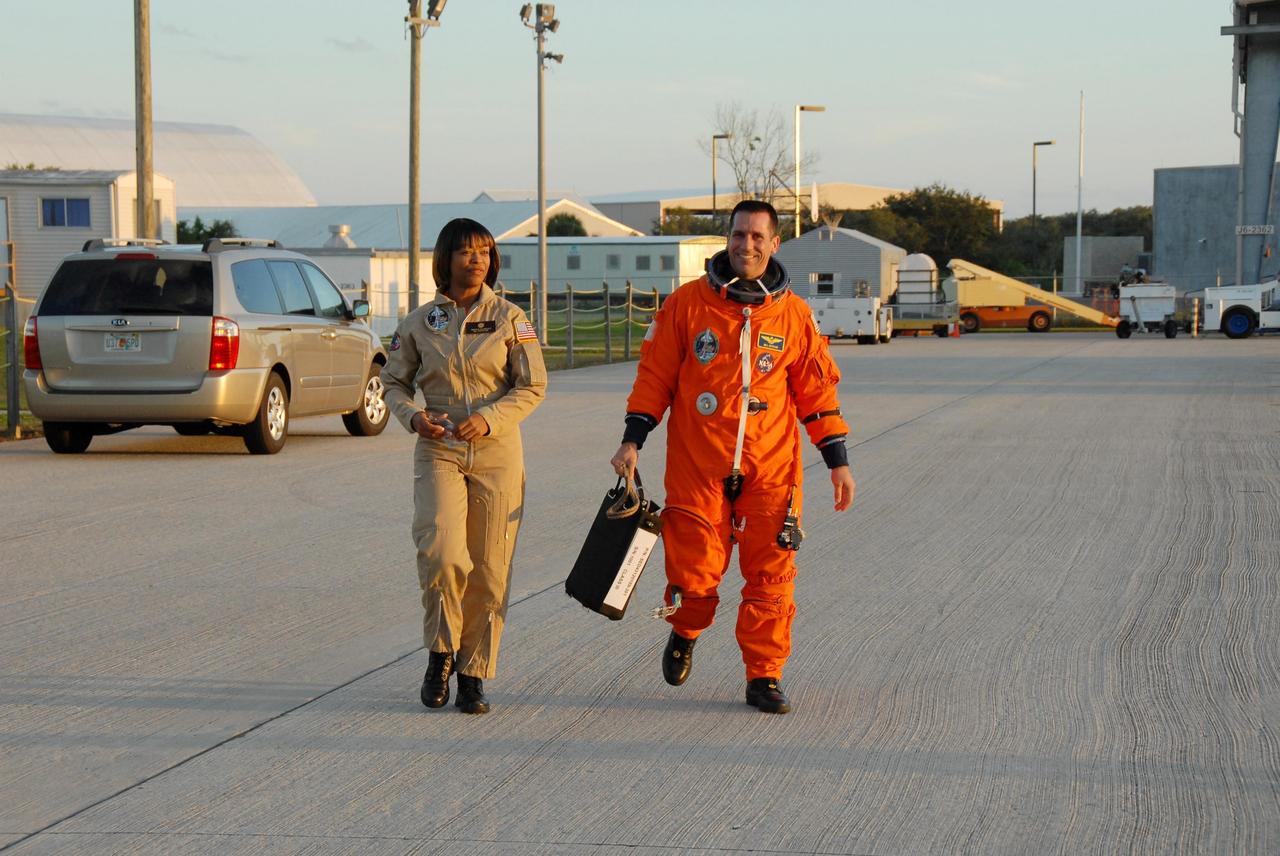
KENNEDY SPACE CENTER, FLA. -- STS-116 Pilot William Oefelein (right) is suited and ready to begin practice flights on the shuttle training aircraft (STA) two days before launch. The STA is a Grumman American Aviation-built Gulf Stream II jet that was modified to simulate an orbiter's cockpit, motion and visual cues, and handling qualities. In flight, the STA duplicates the orbiter's atmospheric descent trajectory from approximately 35,000 feet altitude to landing on a runway. Because the orbiter is unpowered during re-entry and landing, its high-speed glide must be perfectly executed the first time. Launch of Space Shuttle Discovery on mission STS-116 is scheduled for 9:35 p.m. Dec. 7. On the mission, the STS-116 crew will deliver truss segment, P5, to the International Space Station and begin the intricate process of reconfiguring and redistributing the power generated by two pairs of U.S. solar arrays. The P5 will be mated to the P4 truss that was delivered and attached during the STS-115 mission in September. Photo credit: NASA/Kim Shiflett
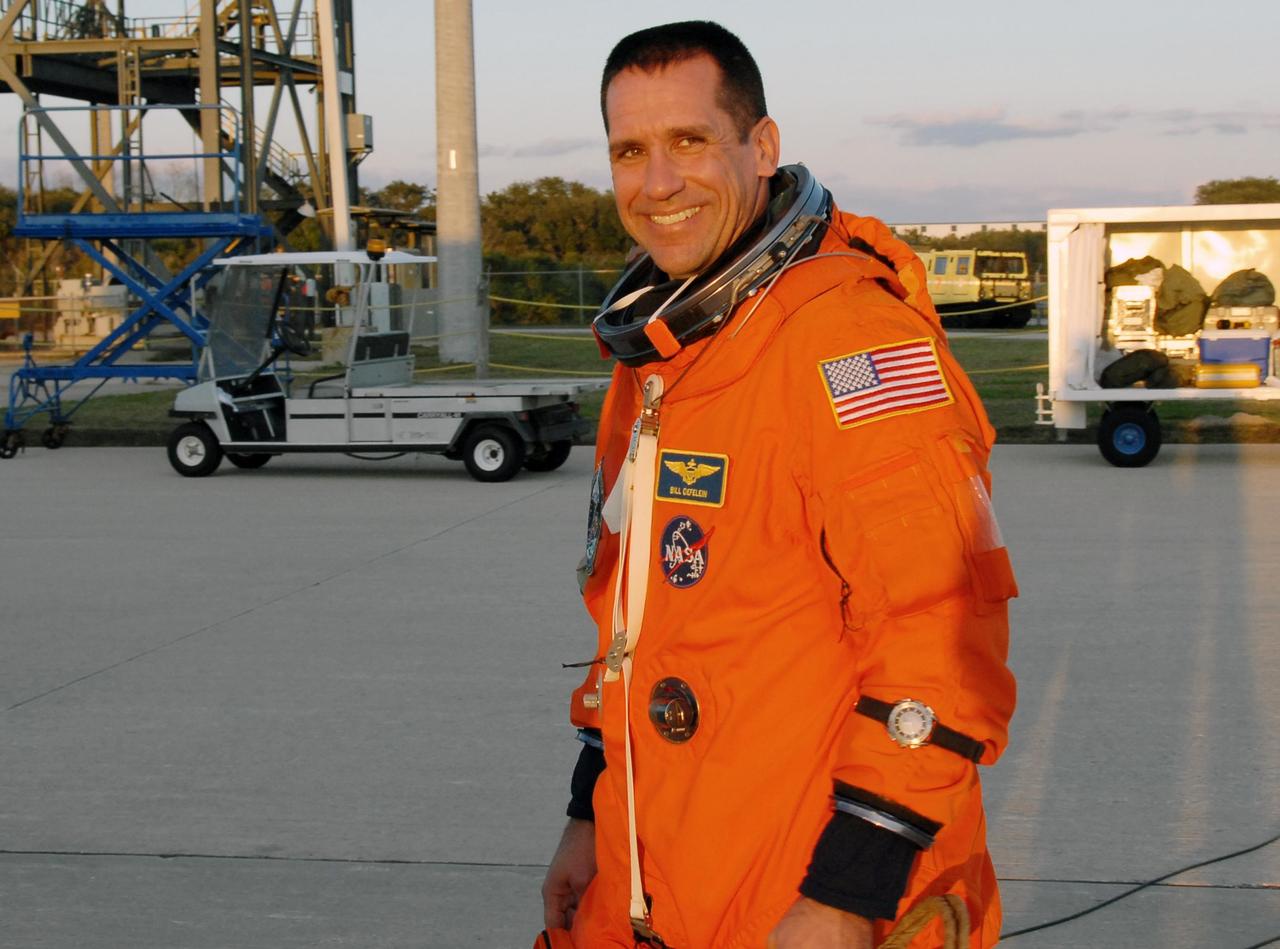
KENNEDY SPACE CENTER, FLA. -- STS-116 Pilot William Oefelein is suited and ready to begin practice flights on the shuttle training aircraft (STA) two days before launch. The STA is a Grumman American Aviation-built Gulf Stream II jet that was modified to simulate an orbiter's cockpit, motion and visual cues, and handling qualities. In flight, the STA duplicates the orbiter's atmospheric descent trajectory from approximately 35,000 feet altitude to landing on a runway. Because the orbiter is unpowered during re-entry and landing, its high-speed glide must be perfectly executed the first time. Launch of Space Shuttle Discovery on mission STS-116 is scheduled for 9:35 p.m. Dec. 7. On the mission, the STS-116 crew will deliver truss segment, P5, to the International Space Station and begin the intricate process of reconfiguring and redistributing the power generated by two pairs of U.S. solar arrays. The P5 will be mated to the P4 truss that was delivered and attached during the STS-115 mission in September. Photo credit: NASA/Kim Shiflett
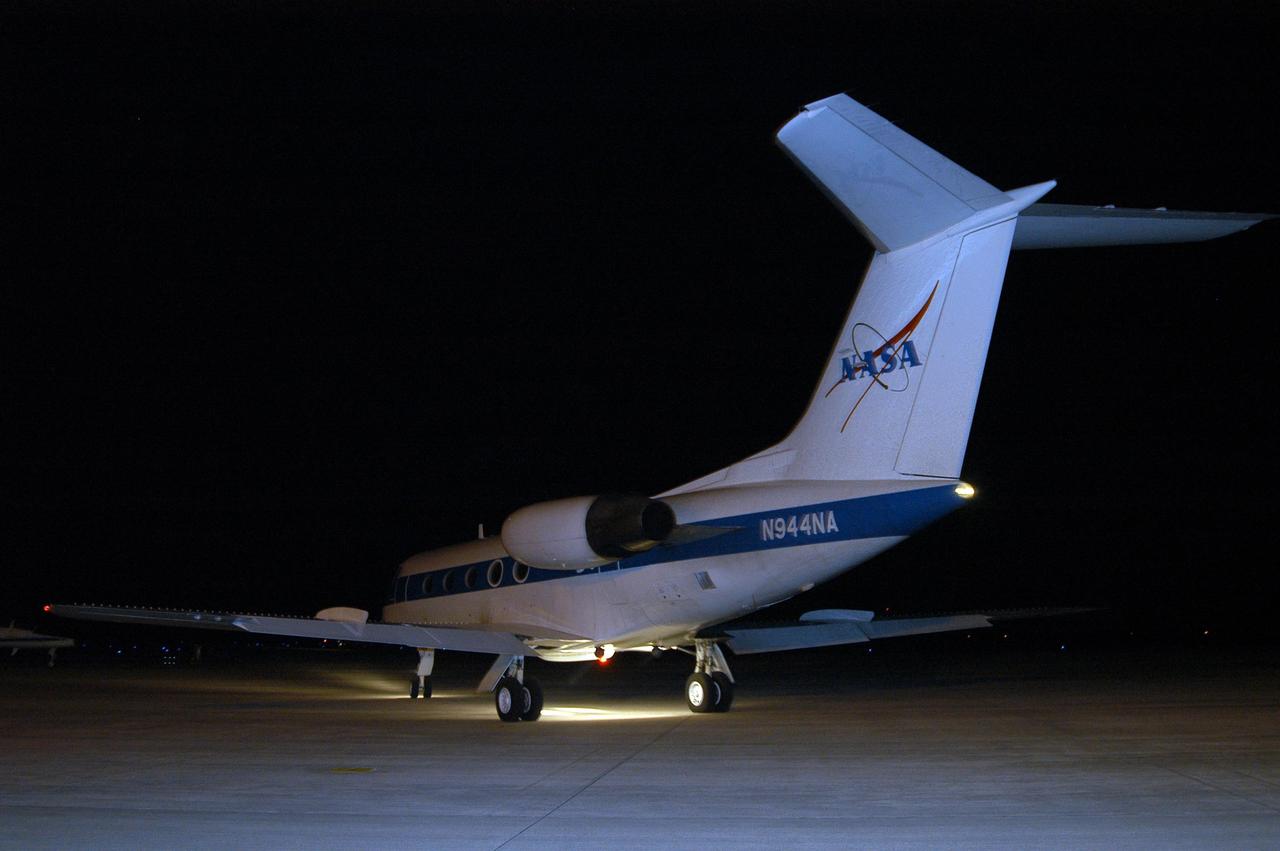
KENNEDY SPACE CENTER, FLA. -- The shuttle training aircraft (STA), with STS-116 Commander Mark Polansky in the pilot's seat, taxis to the runway of the Shuttle Landing Facility. Polansky will be practicing landing the orbiter. The STA is a Grumman American Aviation-built Gulf Stream II jet that was modified to simulate an orbiter's cockpit, motion and visual cues, and handling qualities. In flight, the STA duplicates the orbiter's atmospheric descent trajectory from approximately 35,000 feet altitude to landing on a runway. Because the orbiter is unpowered during re-entry and landing, its high-speed glide must be perfectly executed the first time. Launch of Space Shuttle Discovery on mission STS-116 is scheduled for 9:35 p.m. Dec. 7. On the mission, the STS-116 crew will deliver truss segment, P5, to the International Space Station and begin the intricate process of reconfiguring and redistributing the power generated by two pairs of U.S. solar arrays. The P5 will be mated to the P4 truss that was delivered and attached during the STS-115 mission in September. Photo credit: NASA/Kim Shiflett
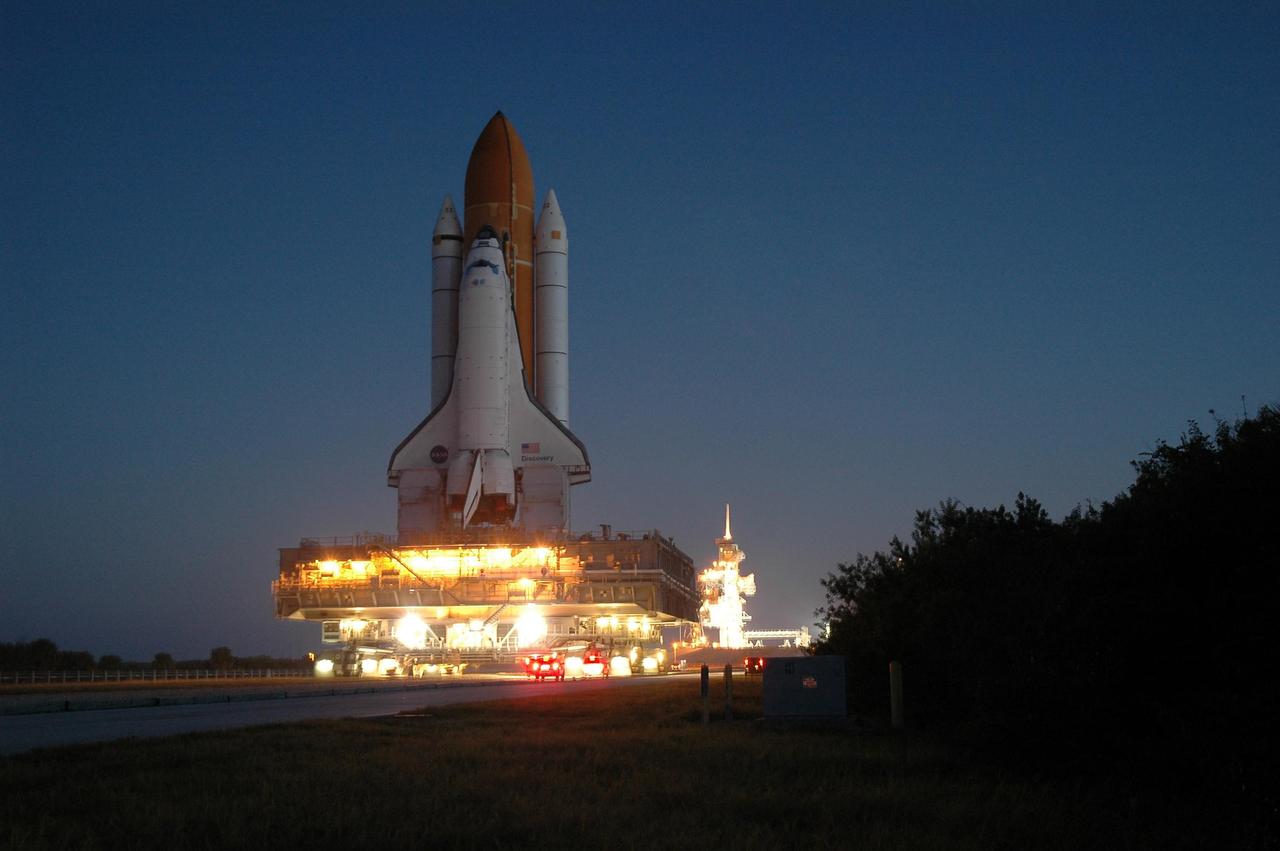
KENNEDY SPACE CENTER, FLA. -- Space Shuttle Discovery is well on its way on the long, slow journey from high bay 3 of the Vehicle Assembly Building to Launch Pad 39B and launch of mission STS-116. The mission is No. 20 to the International Space Station and construction flight 12A.1. The mission payload is the SPACEHAB module, the P5 integrated truss structure and other key components. The launch window for mission STS-116 opens Dec. 7. Photo credit: NASA/Amanda Diller
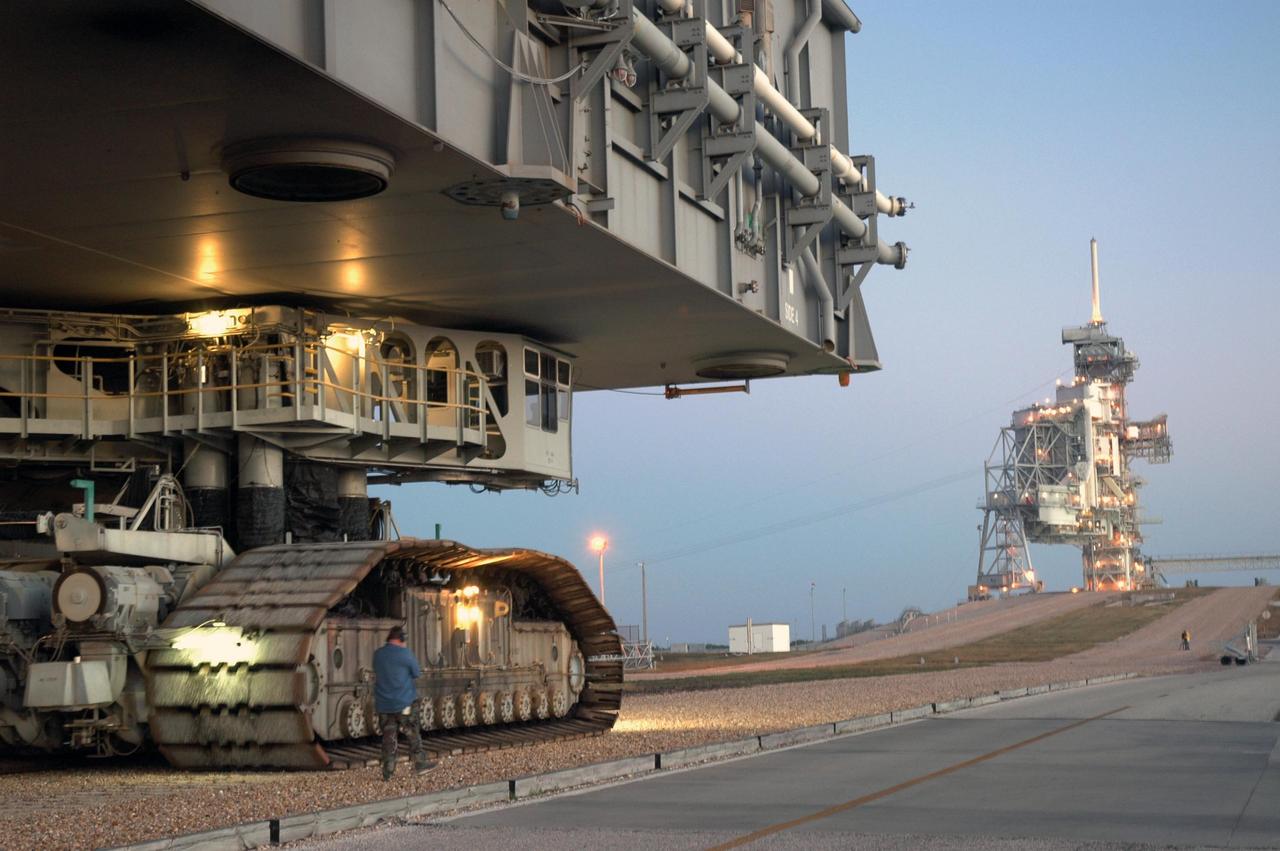
KENNEDY SPACE CENTER, FLA. -- A closeup of the crawler-transporter underneath the mobile launcher platform with Space Shuttle Discovery on top as they approach the ramp to Launch Pad 39B for launch of mission STS-116. The mission is No. 20 to the International Space Station and construction flight 12A.1. The mission payload is the SPACEHAB module, the P5 integrated truss structure and other key components. The launch window for mission STS-116 opens Dec. 7. Photo credit: NASA/Jim Grossmann