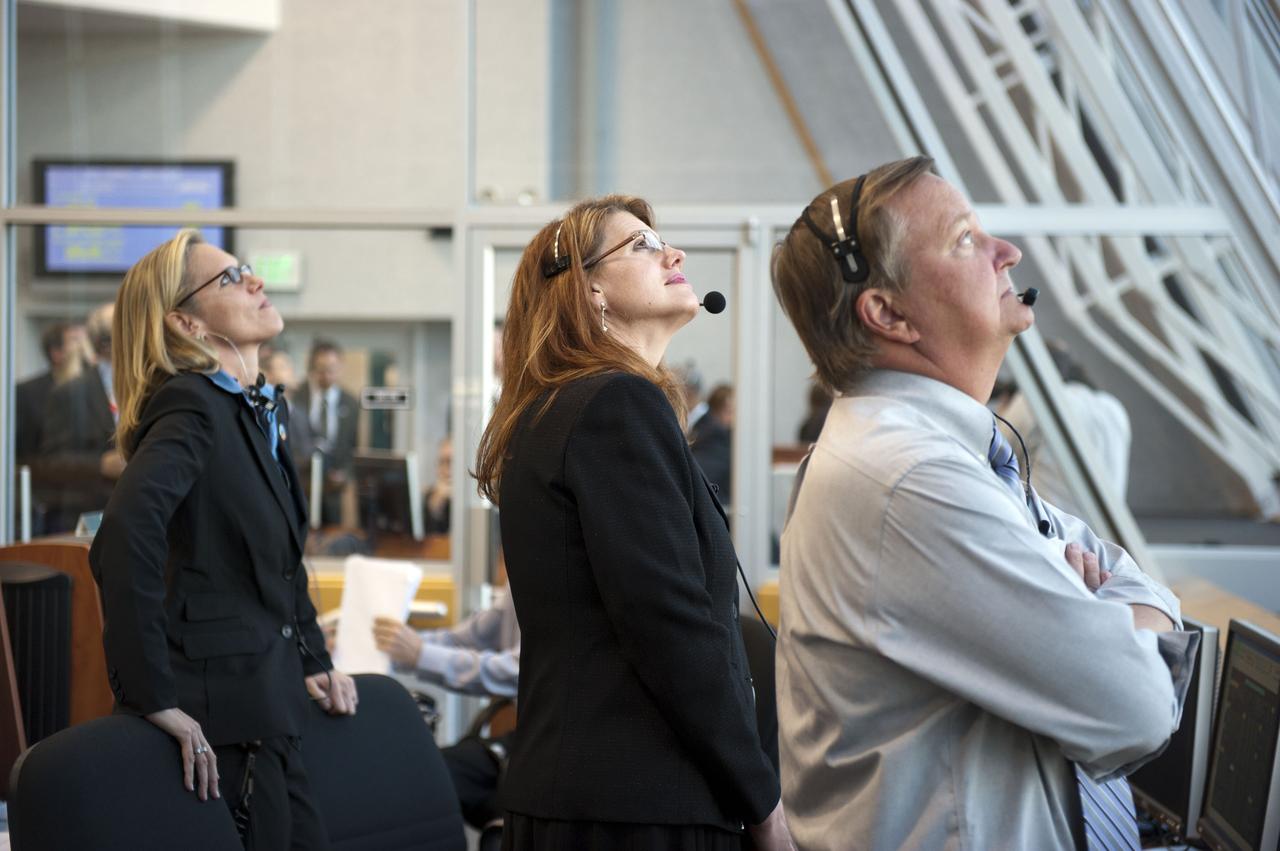
STS133-S-067 (24 Feb. 2011) --- In Firing Room 4 of the Launch Control Center at NASA's Kennedy Space Center in Florida, NASA's Discovery Flow Director Stephanie Stilson, left, STS-133 Assistant Shuttle Launch Director and lead NASA Test Director Charlie Blackwell-Thompson and Shuttle Launch Director Mike Leinbach watch space shuttle Discovery head toward Earth orbit on the STS-133 mission to the International Space Station. Discovery and its six-member crew are on a mission to deliver the Permanent Multipurpose Module, packed with supplies and critical spare parts, as well as Robonaut 2, the dexterous humanoid astronaut helper, to the orbiting outpost. Discovery is making its 39th mission and is scheduled to be retired following STS-133. This is the 133rd Space Shuttle Program mission and the 35th shuttle voyage to the space station. Photo credit: NASA or National Aeronautics and Space Administration
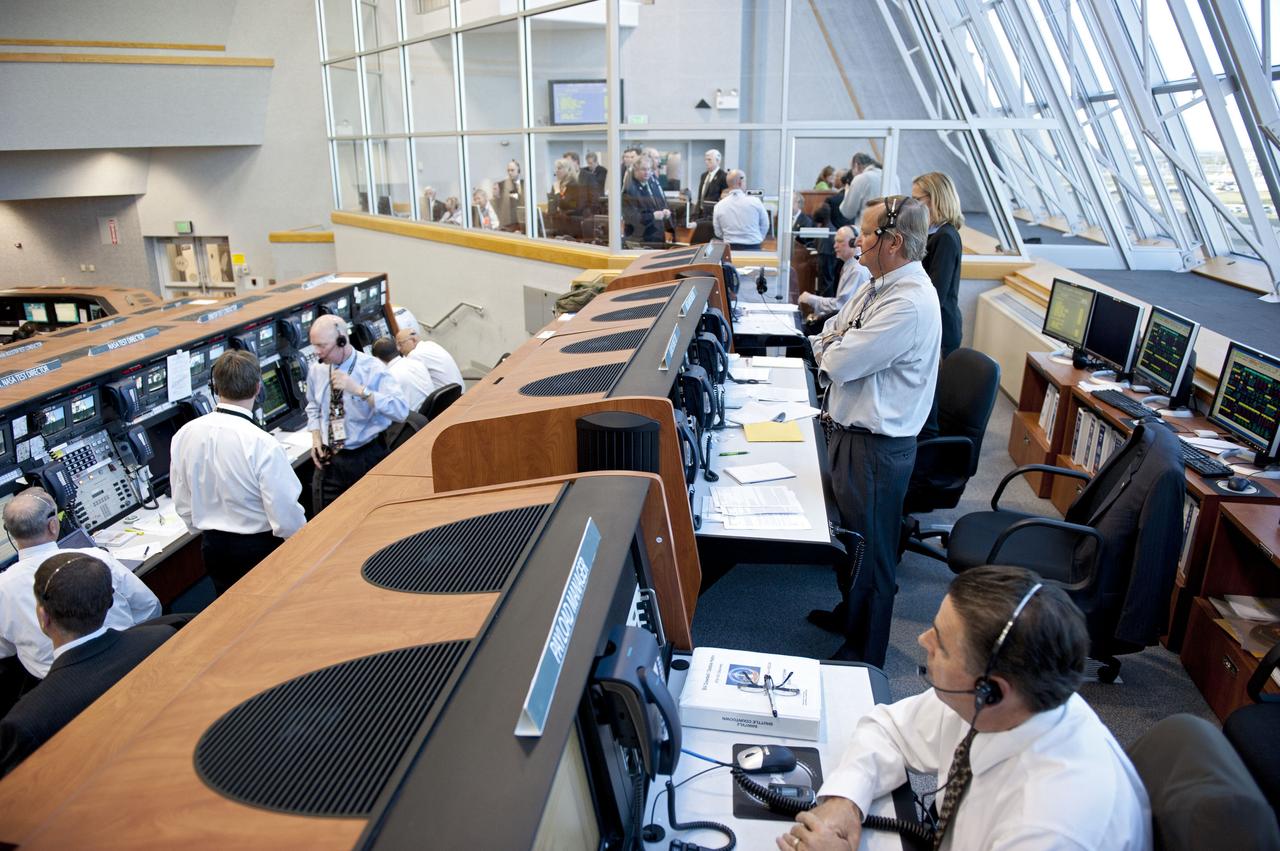
STS133-S-063 (24 Feb. 2011) --- In Firing Room 4 of the Launch Control Center at NASA's Kennedy Space Center in Florida, the launch team monitors the countdown to launch of space shuttle Discovery on its STS-133 mission to the International Space Station. Discovery and its six-member crew are on a mission to deliver the Permanent Multipurpose Module, packed with supplies and critical spare parts, as well as Robonaut 2, the dexterous humanoid astronaut helper, to the orbiting outpost. Discovery is making its 39th mission and is scheduled to be retired following STS-133. This is the 133rd Space Shuttle Program mission and the 35th shuttle voyage to the space station. Photo credit: NASA or National Aeronautics and Space Administration
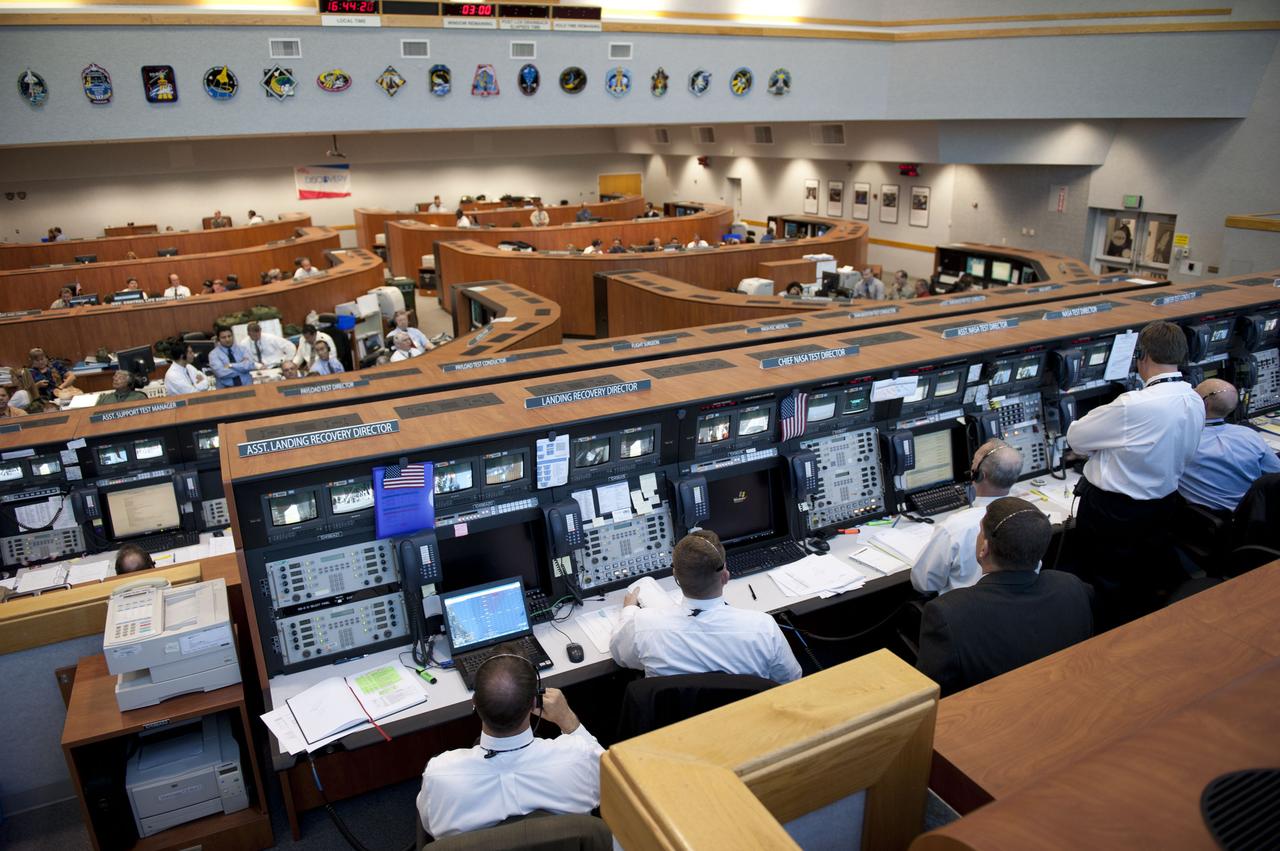
STS133-S-064 (24 Feb. 2011) --- In Firing Room 4 of the Launch Control Center at NASA's Kennedy Space Center in Florida, launch controllers monitor the countdown to launch of space shuttle Discovery on its STS-133 mission to the International Space Station. Discovery and its six-member crew are on a mission to deliver the Permanent Multipurpose Module, packed with supplies and critical spare parts, as well as Robonaut 2, the dexterous humanoid astronaut helper, to the orbiting outpost. Discovery is making its 39th mission and is scheduled to be retired following STS-133. This is the 133rd Space Shuttle Program mission and the 35th shuttle voyage to the space station. Photo credit: NASA or National Aeronautics and Space Administration
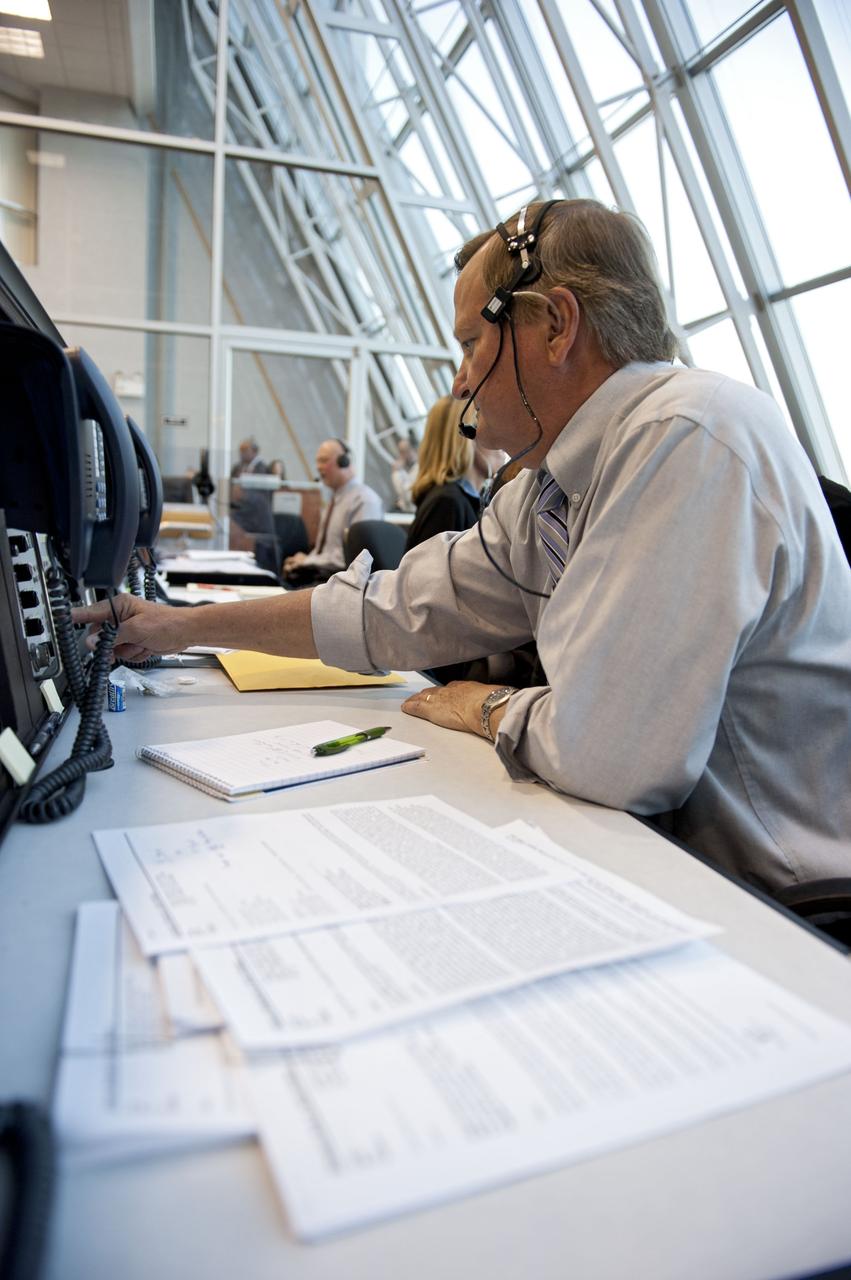
STS133-S-065 (24 Feb. 2011) --- In Firing Room 4 of the Launch Control Center at NASA's Kennedy Space Center in Florida, Shuttle Launch Director Mike Leinbach gives the "go" to launch space shuttle Discovery on its STS-133 mission to the International Space Station. Discovery and its six-member crew are on a mission to deliver the Permanent Multipurpose Module, packed with supplies and critical spare parts, as well as Robonaut 2, the dexterous humanoid astronaut helper, to the orbiting outpost. Discovery is making its 39th mission and is scheduled to be retired following STS-133. This is the 133rd Space Shuttle Program mission and the 35th shuttle voyage to the space station. Photo credit: NASA or National Aeronautics and Space Administration
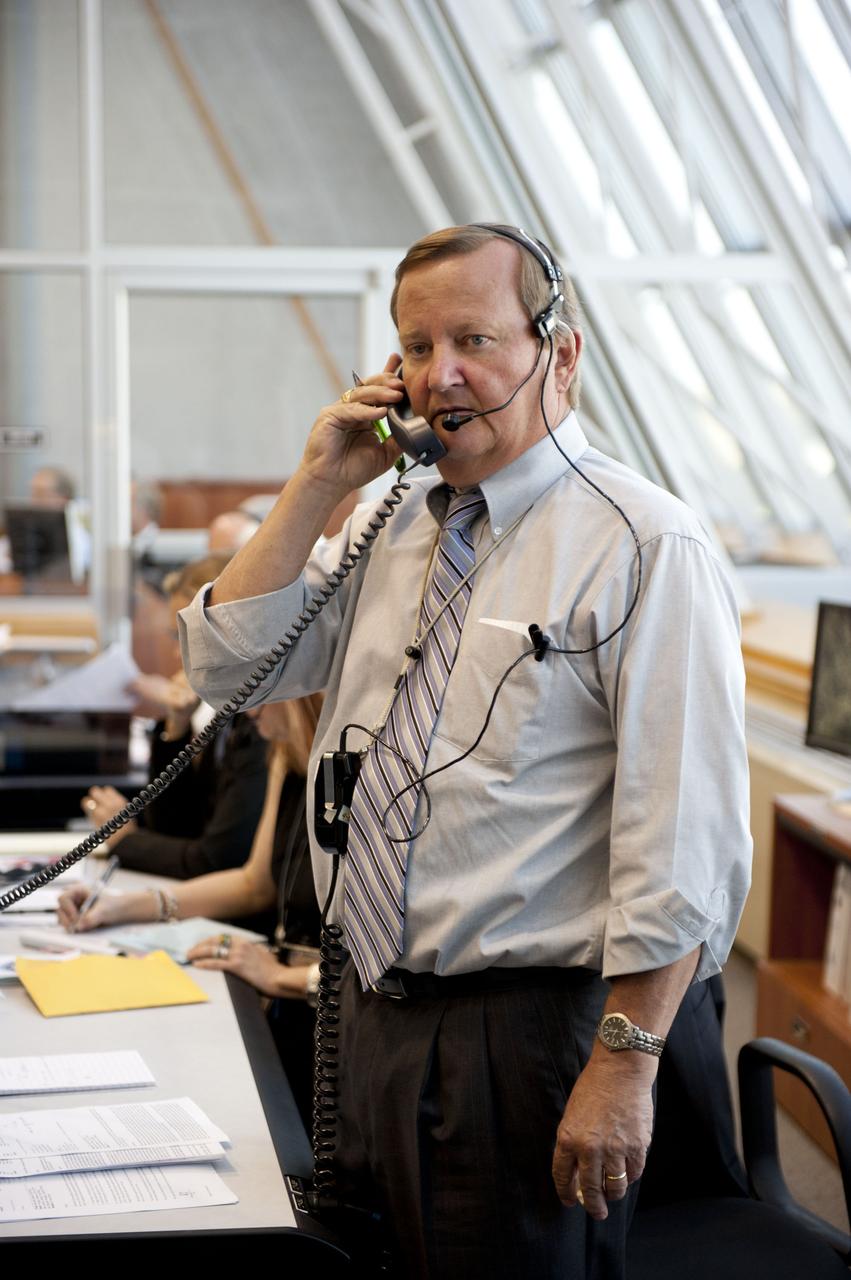
STS133-S-059 (24 Feb. 2011) --- In Firing Room 4 of the Launch Control Center at NASA's Kennedy Space Center in Florida, Shuttle Launch Director Mike Leinbach monitors the countdown to launch of space shuttle Discovery on its STS-133 mission to the International Space Station. Discovery and its six-member crew are on a mission to deliver the Permanent Multipurpose Module, packed with supplies and critical spare parts, as well as Robonaut 2, the dexterous humanoid astronaut helper, to the orbiting outpost. Discovery is making its 39th mission and is scheduled to be retired following STS-133. This is the 133rd Space Shuttle Program mission and the 35th shuttle voyage to the space station. Photo credit: NASA or National Aeronautics and Space Administration
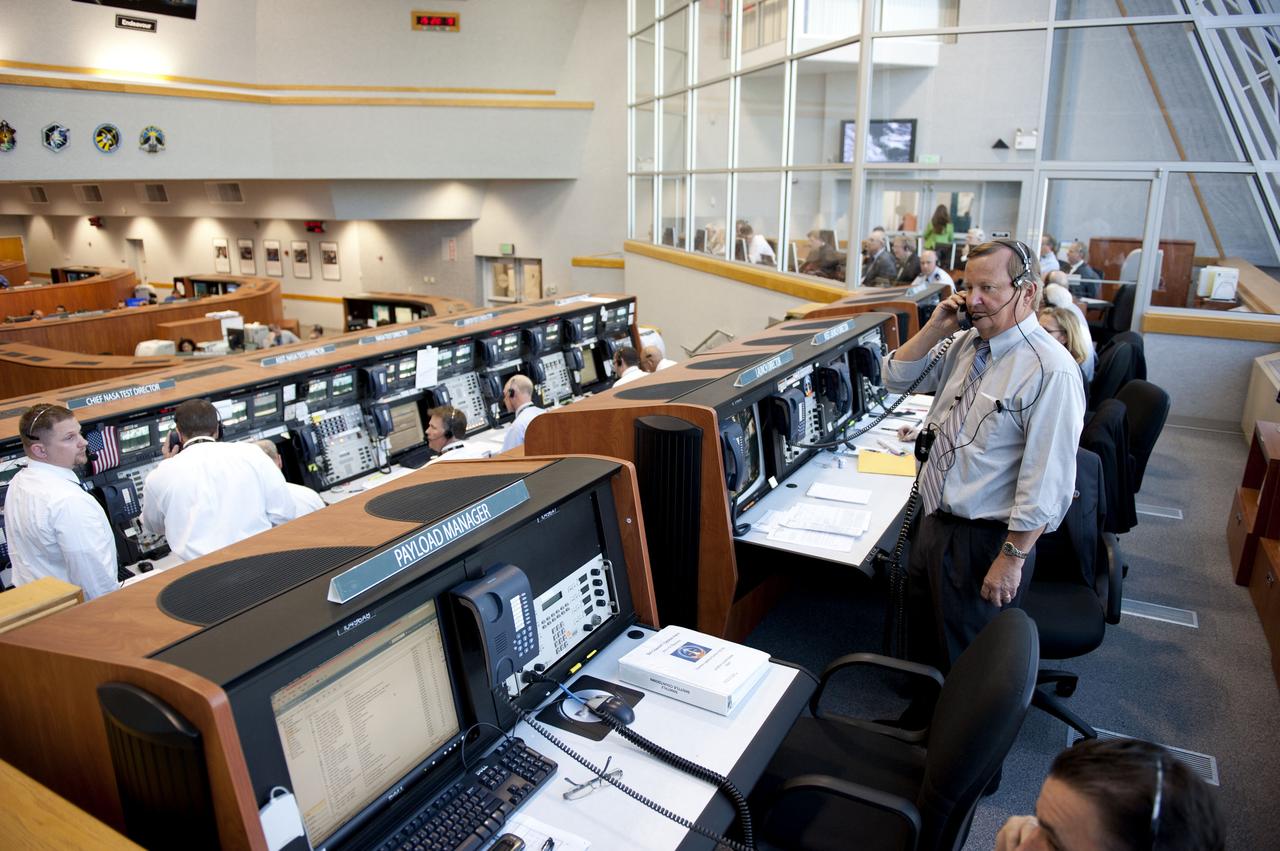
STS133-S-060 (24 Feb. 2011) --- In Firing Room 4 of the Launch Control Center at NASA's Kennedy Space Center in Florida, Shuttle Launch Director Mike Leinbach (standing at right) and his team monitor the countdown to launch of space shuttle Discovery on its STS-133 mission to the International Space Station. Discovery and its six-member crew are on a mission to deliver the Permanent Multipurpose Module, packed with supplies and critical spare parts, as well as Robonaut 2, the dexterous humanoid astronaut helper, to the orbiting outpost. Discovery is making its 39th mission and is scheduled to be retired following STS-133. This is the 133rd Space Shuttle Program mission and the 35th shuttle voyage to the space station. Photo credit: NASA or National Aeronautics and Space Administration
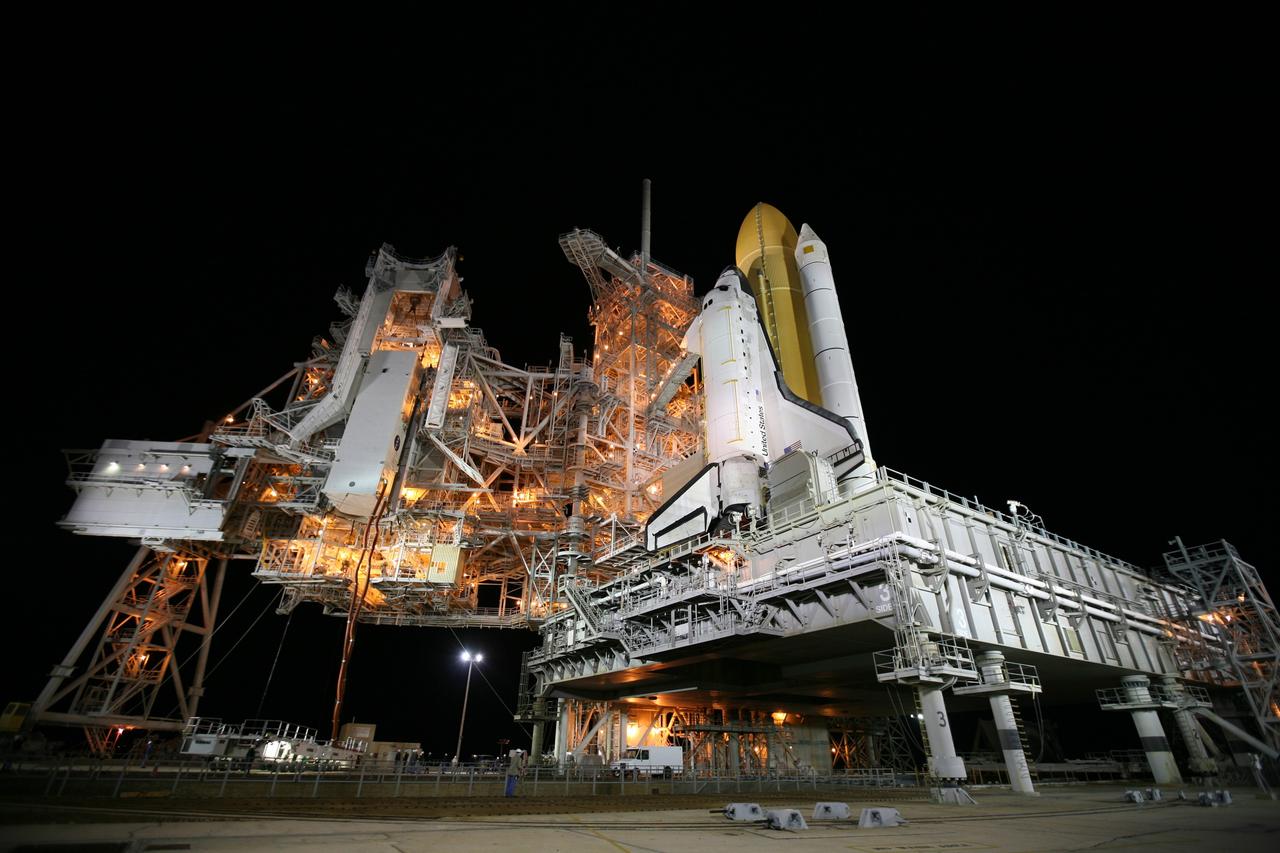
CAPE CANAVERAL, Fla. -- At NASA's Kennedy Space Center in Florida, the STS-133 payload canister is lifted into the rotating service structure on Launch Pad 39A. The payload then will be moved into space shuttle Discovery's payload bay. Discovery and its STS-133 crew will deliver the Permanent Multipurpose Module, packed with supplies and critical spare parts, as well as Robonaut 2, the dexterous humanoid astronaut helper, to the International Space Station. Launch is targeted for 4:40 p.m. EDT, Nov. 1. Photo credit: NASA/Amanda Diller
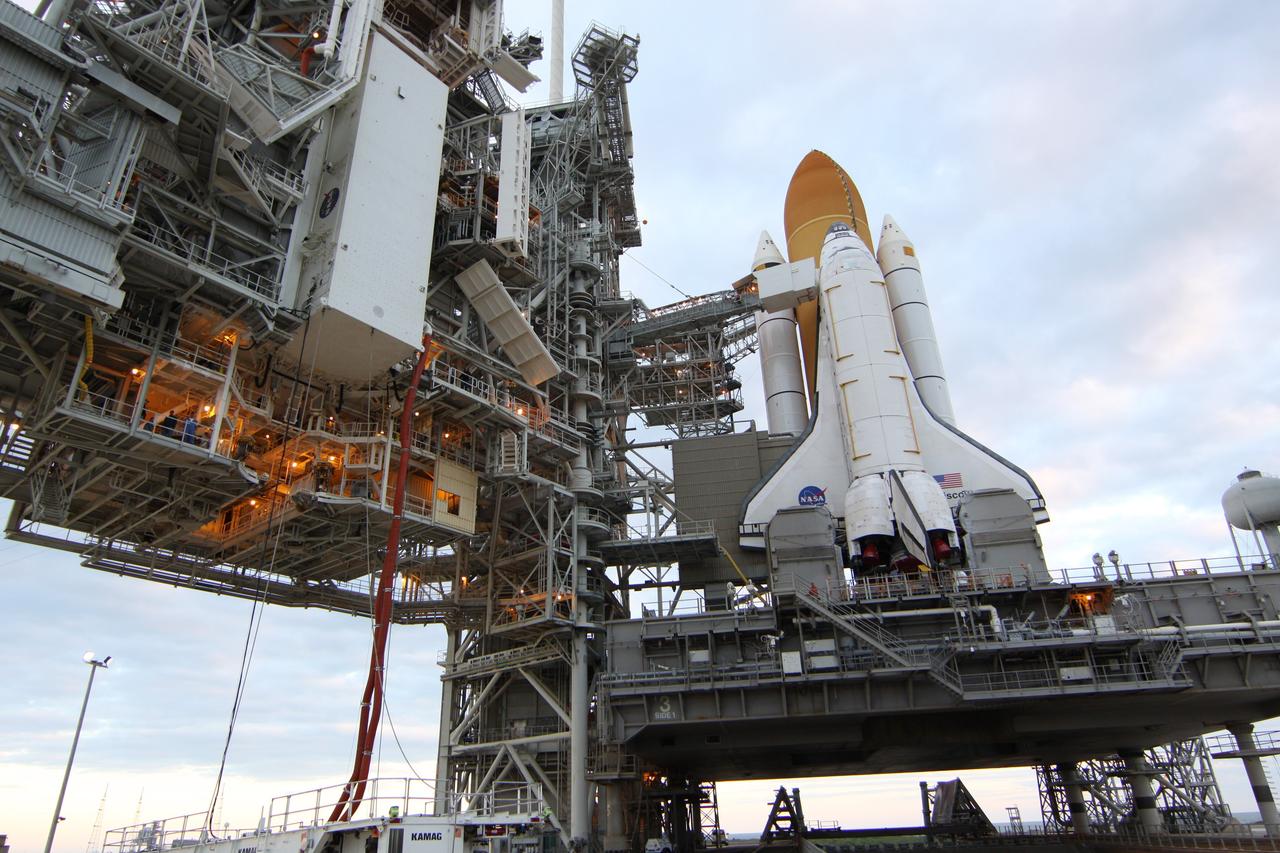
CAPE CANAVERAL, Fla. -- At NASA's Kennedy Space Center in Florida, the STS-133 payload canister now is in the rotating service structure on Launch Pad 39A. The payload then will be moved into space shuttle Discovery's payload bay. Discovery and its STS-133 crew will deliver the Permanent Multipurpose Module, packed with supplies and critical spare parts, as well as Robonaut 2, the dexterous humanoid astronaut helper, to the International Space Station. Launch is targeted for 4:40 p.m. EDT, Nov. 1. Photo credit: NASA/Troy Cryder
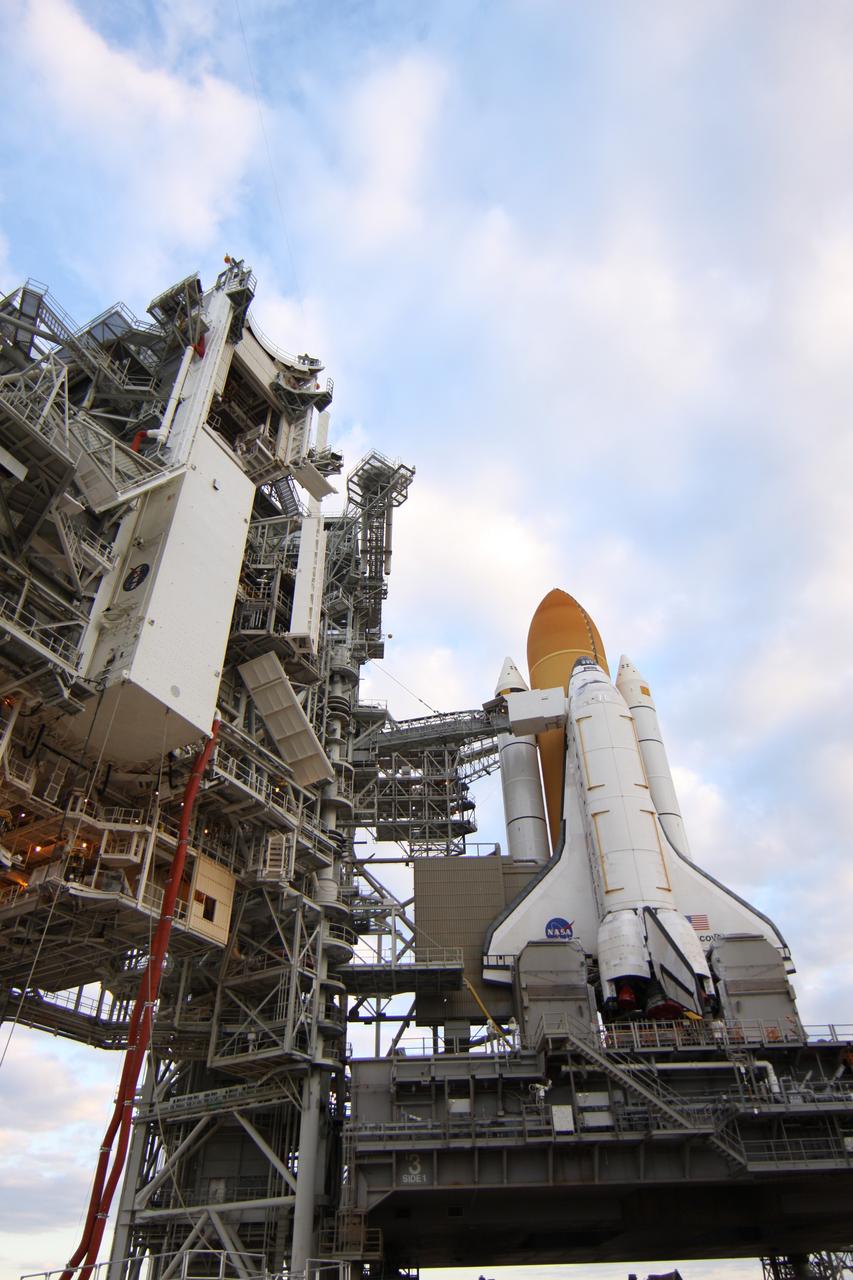
CAPE CANAVERAL, Fla. -- At NASA's Kennedy Space Center in Florida, the STS-133 payload canister now is in the rotating service structure on Launch Pad 39A. The payload then will be moved into space shuttle Discovery's payload bay. Discovery and its STS-133 crew will deliver the Permanent Multipurpose Module, packed with supplies and critical spare parts, as well as Robonaut 2, the dexterous humanoid astronaut helper, to the International Space Station. Launch is targeted for 4:40 p.m. EDT, Nov. 1. Photo credit: NASA/Troy Cryder
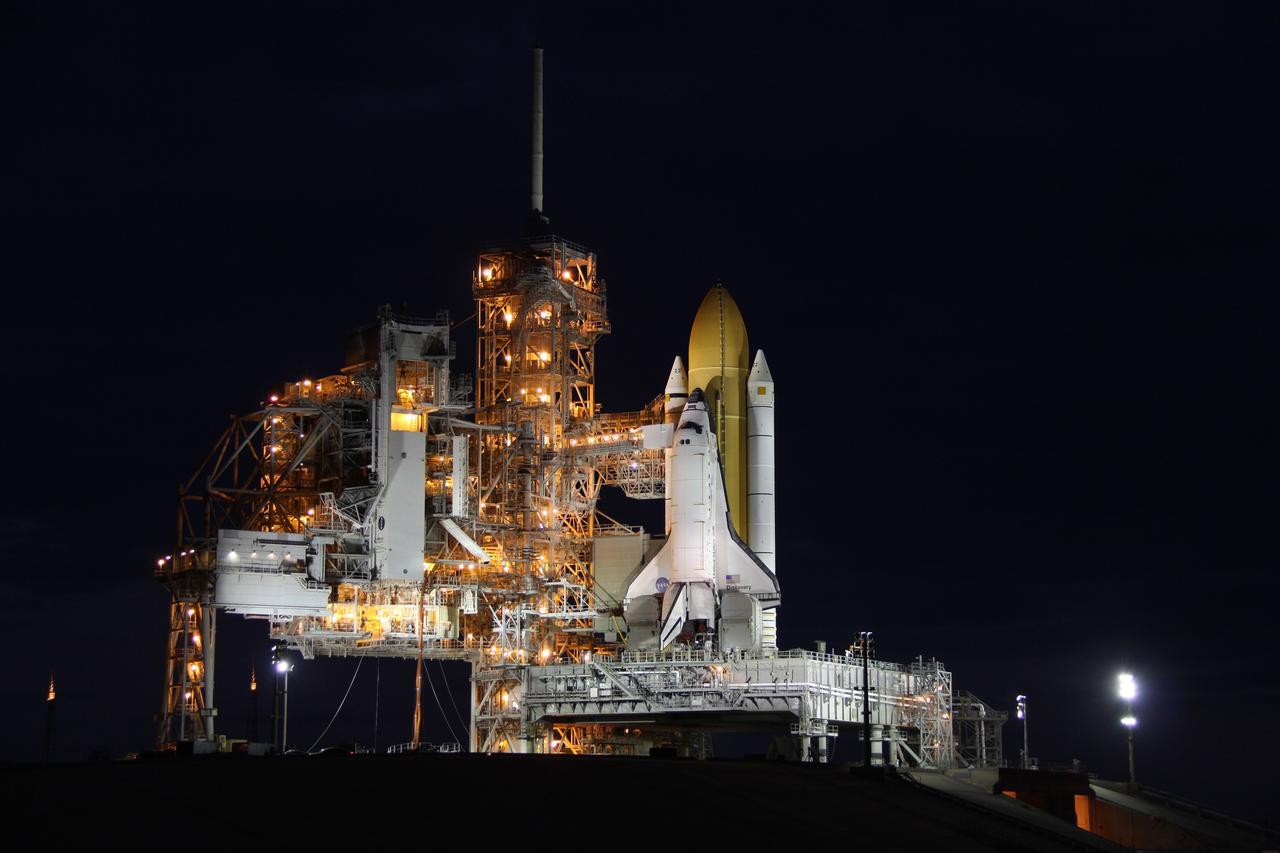
CAPE CANAVERAL, Fla. -- At NASA's Kennedy Space Center in Florida, the STS-133 payload canister is lifted into the rotating service structure on Launch Pad 39A. The payload then will be moved into space shuttle Discovery's payload bay. Discovery and its STS-133 crew will deliver the Permanent Multipurpose Module, packed with supplies and critical spare parts, as well as Robonaut 2, the dexterous humanoid astronaut helper, to the International Space Station. Launch is targeted for 4:40 p.m. EDT, Nov. 1. Photo credit: NASA/Troy Cryder
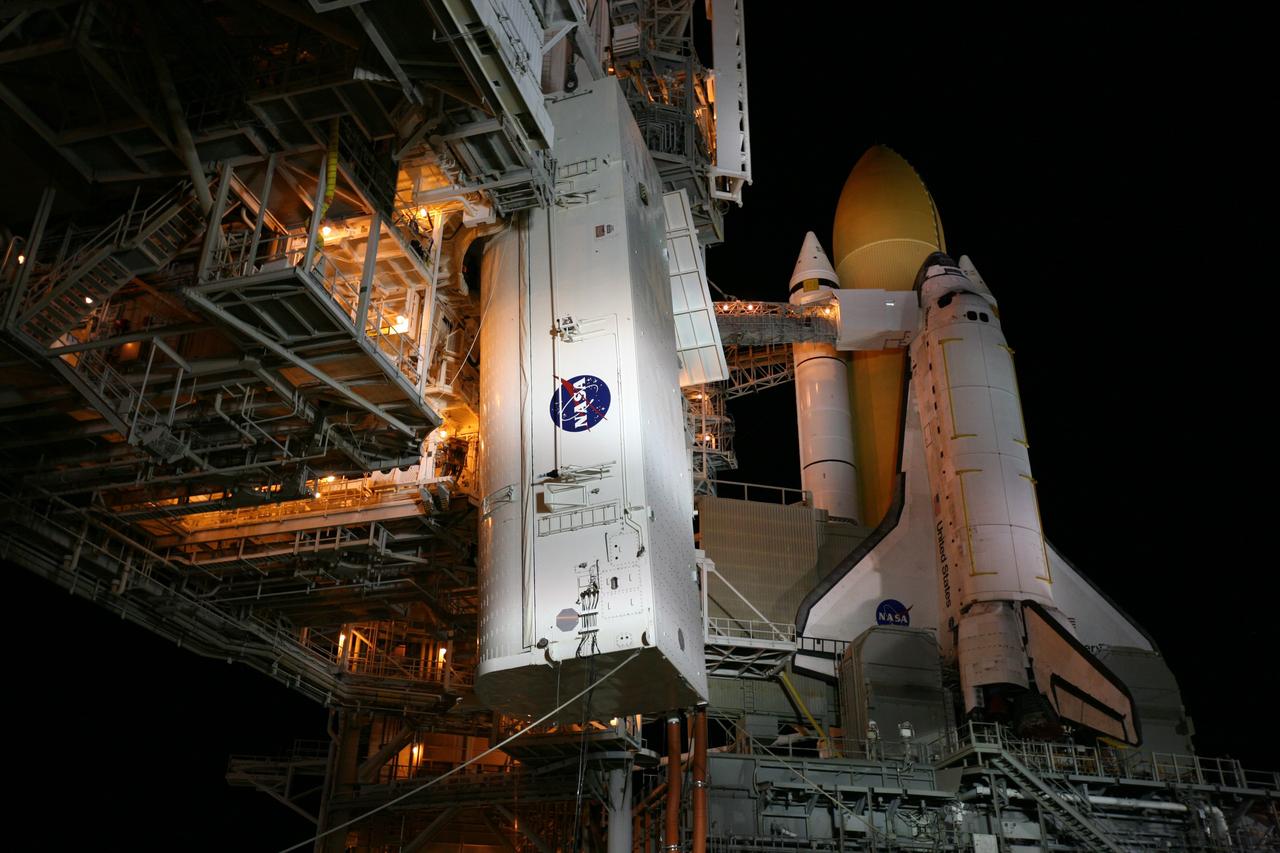
CAPE CANAVERAL, Fla. -- At NASA's Kennedy Space Center in Florida, the STS-133 payload canister is lifted into the rotating service structure on Launch Pad 39A. The payload then will be moved into space shuttle Discovery's payload bay. Discovery and its STS-133 crew will deliver the Permanent Multipurpose Module, packed with supplies and critical spare parts, as well as Robonaut 2, the dexterous humanoid astronaut helper, to the International Space Station. Launch is targeted for 4:40 p.m. EDT, Nov. 1. Photo credit: NASA/Amanda Diller
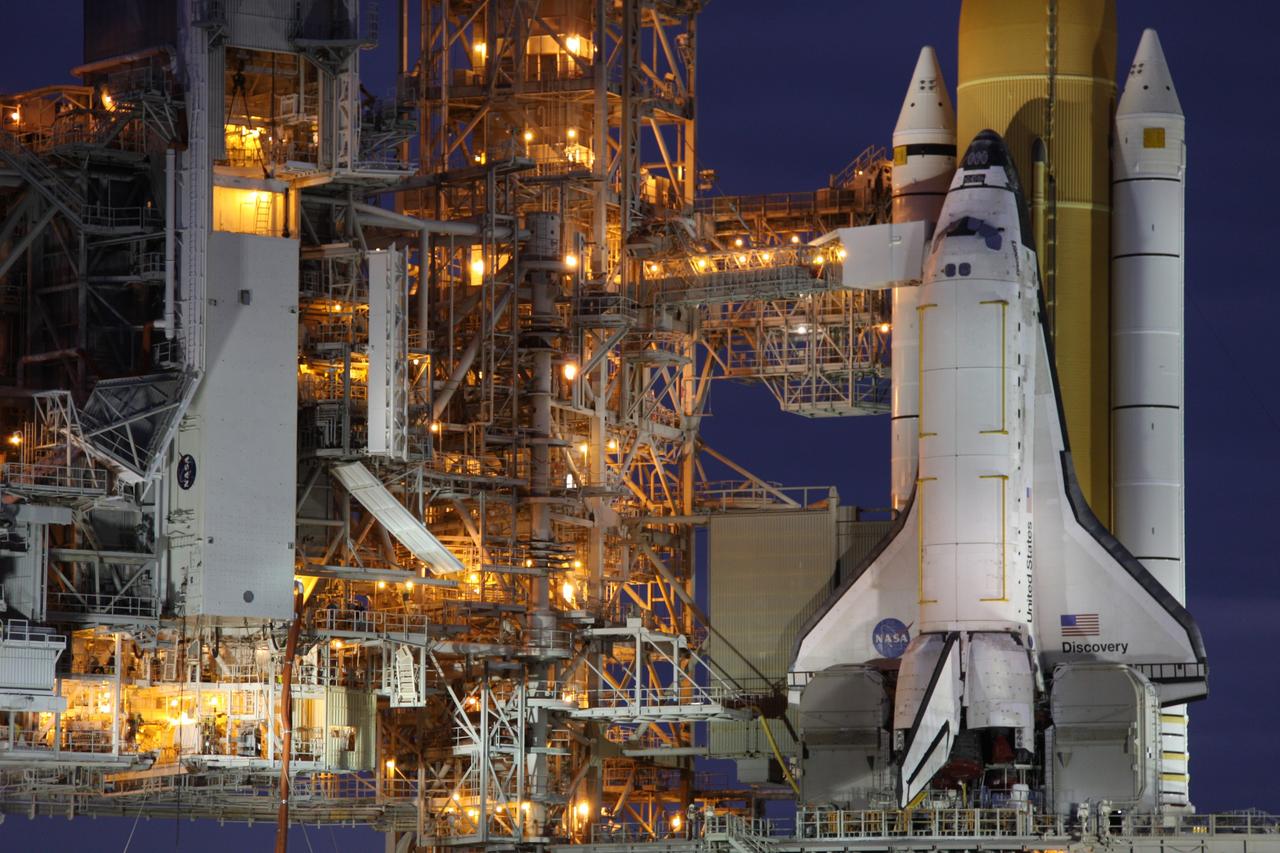
CAPE CANAVERAL, Fla. -- At NASA's Kennedy Space Center in Florida, the STS-133 payload canister is lifted into the rotating service structure on Launch Pad 39A. The payload then will be moved into space shuttle Discovery's payload bay. Discovery and its STS-133 crew will deliver the Permanent Multipurpose Module, packed with supplies and critical spare parts, as well as Robonaut 2, the dexterous humanoid astronaut helper, to the International Space Station. Launch is targeted for 4:40 p.m. EDT, Nov. 1. Photo credit: NASA/Troy Cryder
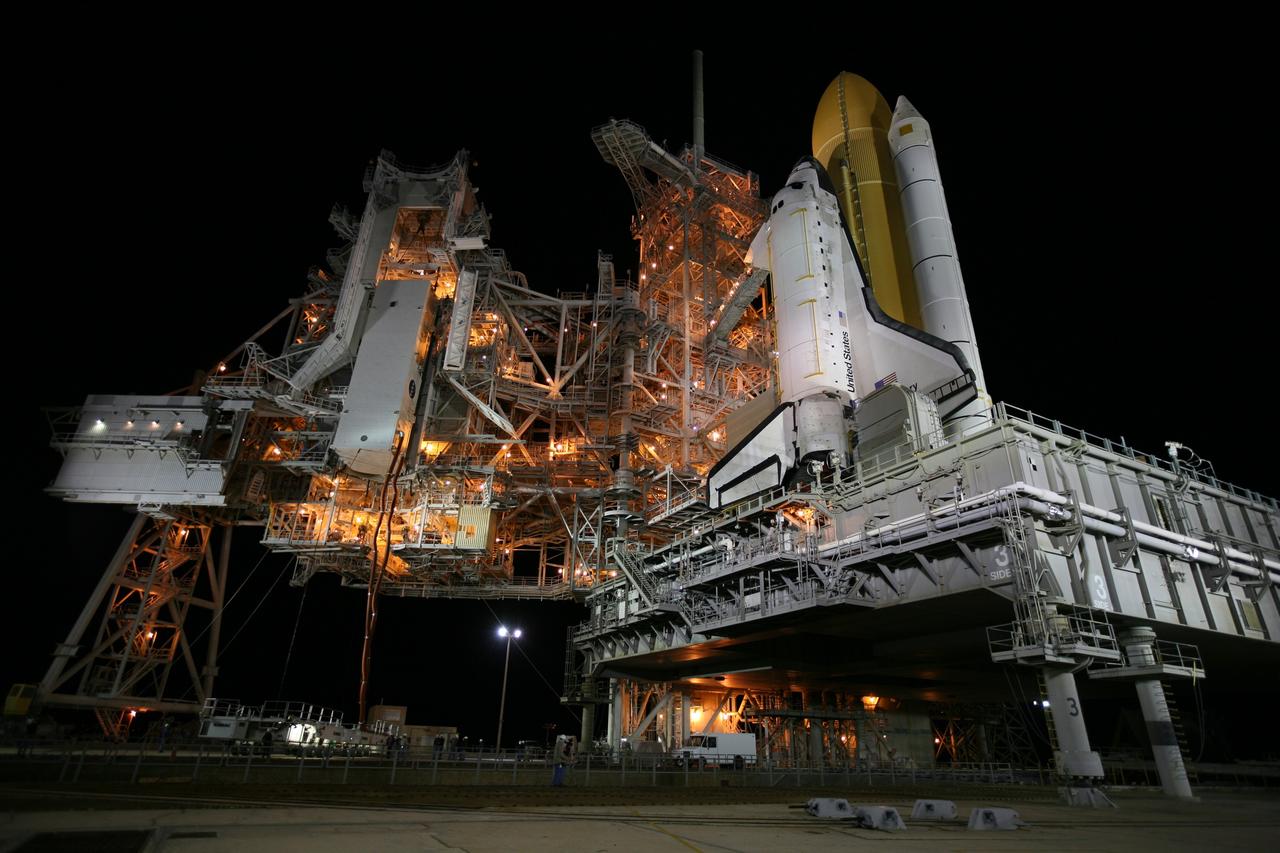
CAPE CANAVERAL, Fla. -- At NASA's Kennedy Space Center in Florida, the STS-133 payload canister is lifted into the rotating service structure on Launch Pad 39A. The payload then will be moved into space shuttle Discovery's payload bay. Discovery and its STS-133 crew will deliver the Permanent Multipurpose Module, packed with supplies and critical spare parts, as well as Robonaut 2, the dexterous humanoid astronaut helper, to the International Space Station. Launch is targeted for 4:40 p.m. EDT, Nov. 1. Photo credit: NASA/Amanda Diller
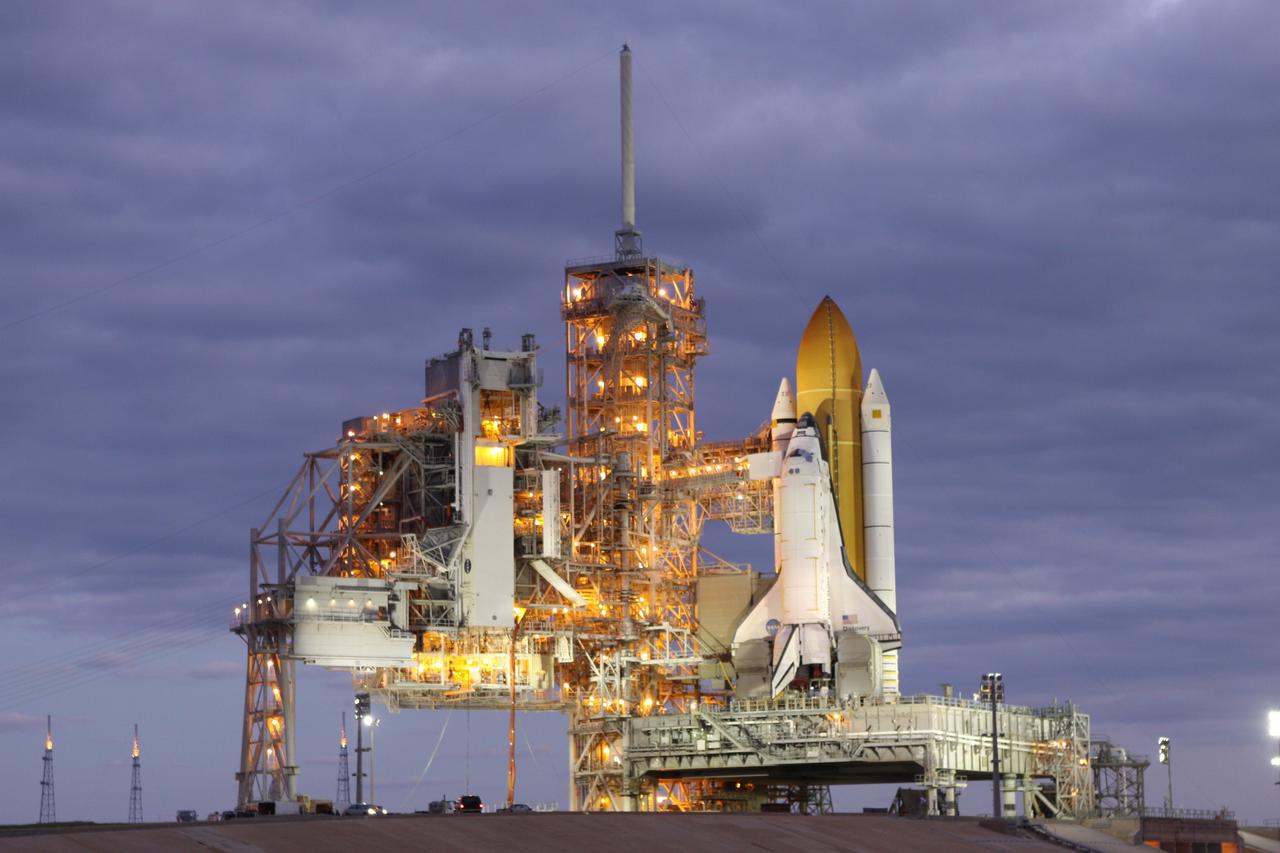
CAPE CANAVERAL, Fla. -- At NASA's Kennedy Space Center in Florida, the STS-133 payload canister is lifted into the rotating service structure on Launch Pad 39A. The payload then will be moved into space shuttle Discovery's payload bay. Discovery and its STS-133 crew will deliver the Permanent Multipurpose Module, packed with supplies and critical spare parts, as well as Robonaut 2, the dexterous humanoid astronaut helper, to the International Space Station. Launch is targeted for 4:40 p.m. EDT, Nov. 1. Photo credit: NASA/Troy Cryder
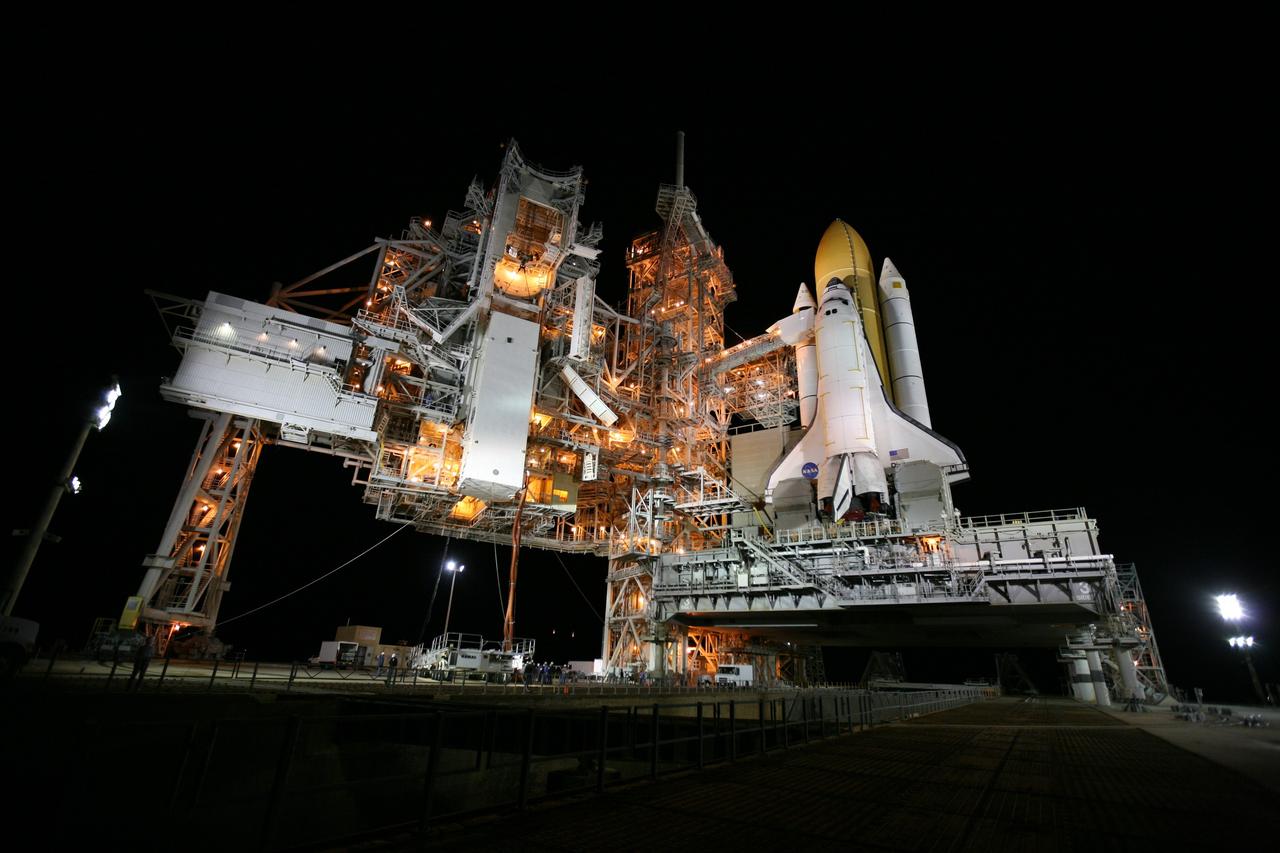
CAPE CANAVERAL, Fla. -- At NASA's Kennedy Space Center in Florida, the STS-133 payload canister is lifted into the rotating service structure on Launch Pad 39A. The payload then will be moved into space shuttle Discovery's payload bay. Discovery and its STS-133 crew will deliver the Permanent Multipurpose Module, packed with supplies and critical spare parts, as well as Robonaut 2, the dexterous humanoid astronaut helper, to the International Space Station. Launch is targeted for 4:40 p.m. EDT, Nov. 1. Photo credit: NASA/Amanda Diller
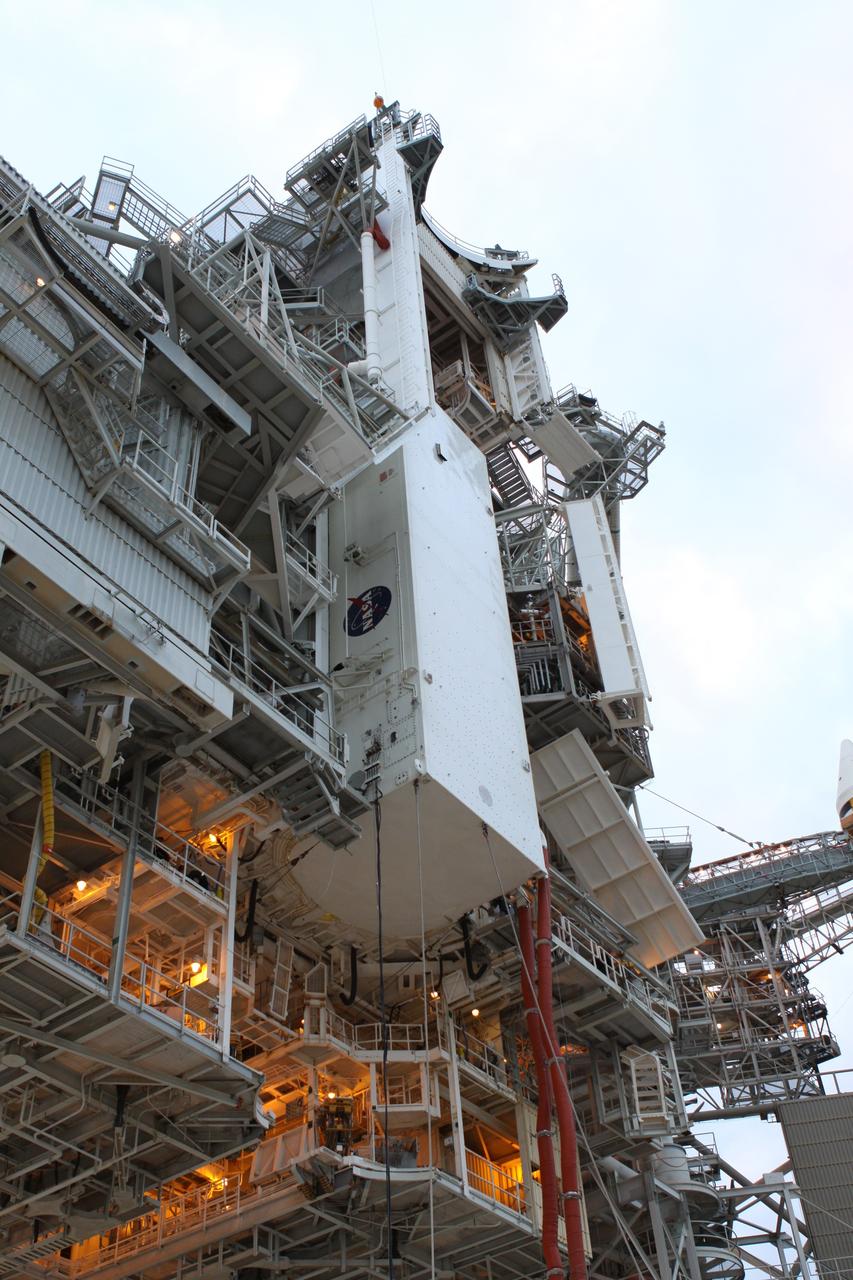
CAPE CANAVERAL, Fla. -- At NASA's Kennedy Space Center in Florida, the STS-133 payload canister now is in the rotating service structure on Launch Pad 39A. The payload then will be moved into space shuttle Discovery's payload bay. Discovery and its STS-133 crew will deliver the Permanent Multipurpose Module, packed with supplies and critical spare parts, as well as Robonaut 2, the dexterous humanoid astronaut helper, to the International Space Station. Launch is targeted for 4:40 p.m. EDT, Nov. 1. Photo credit: NASA/Troy Cryder
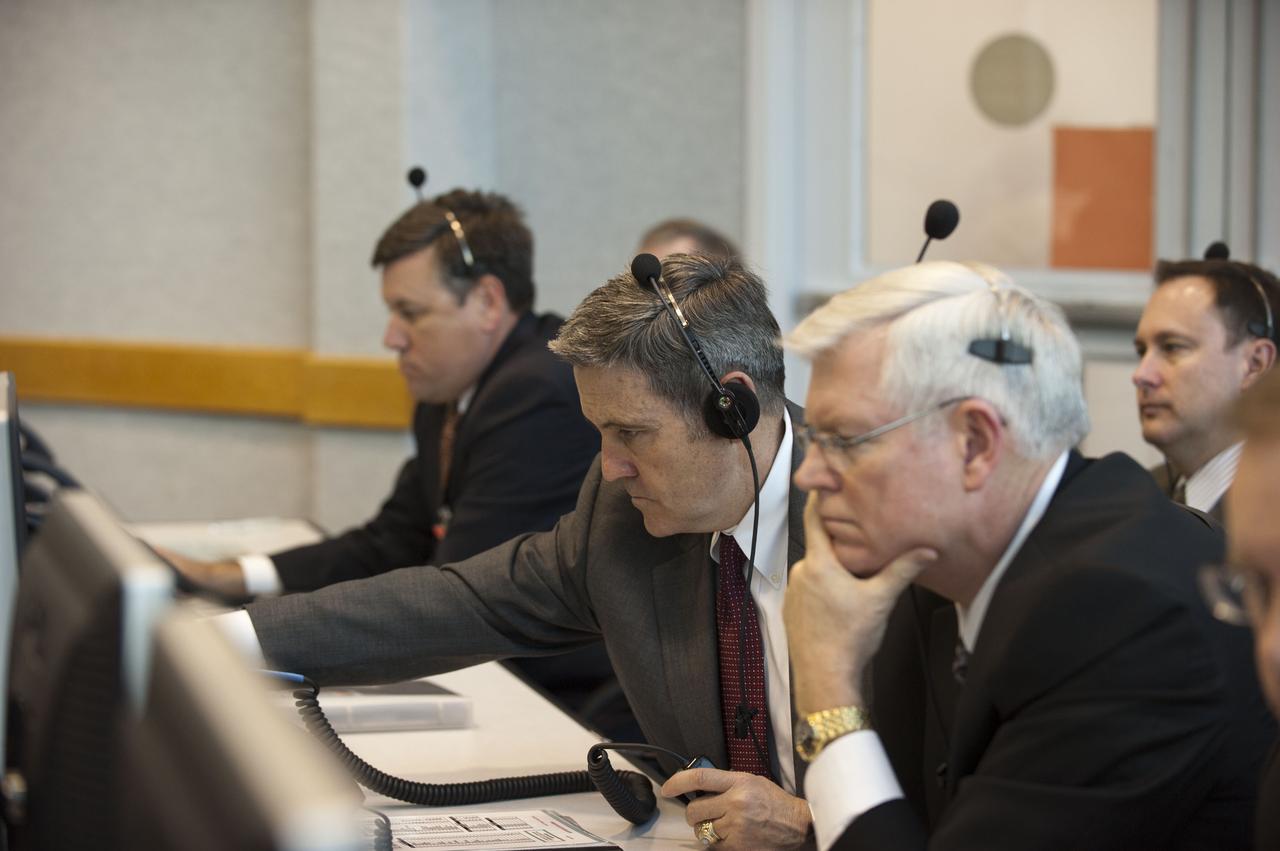
STS133-S-062 (24 Feb. 2011) --- In Firing Room 4 of the Launch Control Center at NASA's Kennedy Space Center in Florida, Stennis Center Director Patrick Scheuermann, left, Kennedy's Center Director Bob Cabana, Johnson Space Center Director Mike Coats and Marshall Center Director Robert Lightfoot (extreme right), monitor the countdown to launch of space shuttle Discovery on its STS-133 mission to the International Space Station. Discovery and its six-member crew are on a mission to deliver the Permanent Multipurpose Module, packed with supplies and critical spare parts, as well as Robonaut 2, the dexterous humanoid astronaut helper, to the orbiting outpost. Discovery is making its 39th mission and is scheduled to be retired following STS-133. This is the 133rd Space Shuttle Program mission and the 35th shuttle voyage to the space station. Photo credit: NASA or National Aeronautics and Space Administration
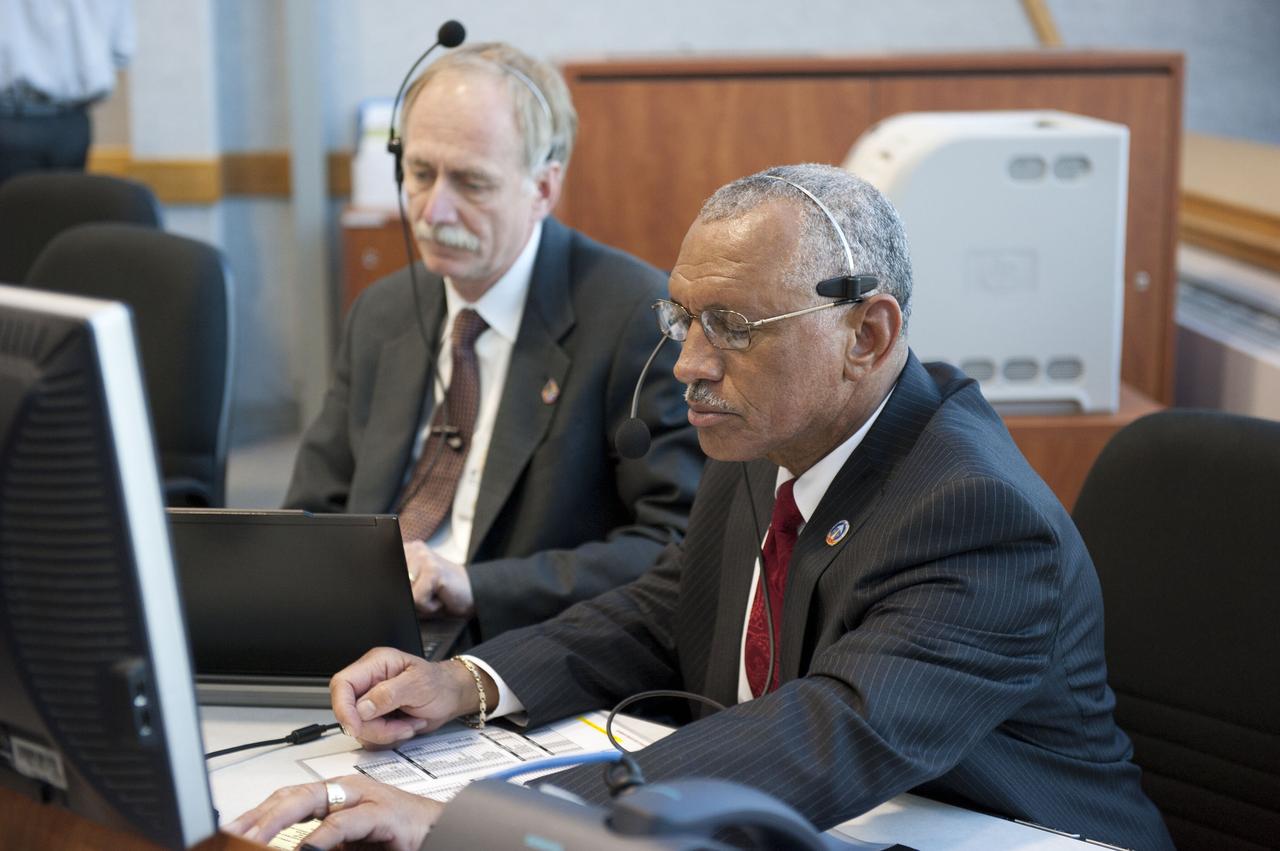
STS133-S-061 (24 Feb. 2011) --- In Firing Room 4 of the Launch Control Center at NASA's Kennedy Space Center in Florida, NASA Administrator Charlie Bolden (foreground) and Associate Administrator for Space Operations Bill Gerstenmaier monitor the countdown to launch of space shuttle Discovery on its STS-133 mission to the International Space Station. Discovery and its six-member crew are on a mission to deliver the Permanent Multipurpose Module, packed with supplies and critical spare parts, as well as Robonaut 2, the dexterous humanoid astronaut helper, to the orbiting outpost. Discovery is making its 39th mission and is scheduled to be retired following STS-133. This is the 133rd Space Shuttle Program mission and the 35th shuttle voyage to the space station. Photo credit: NASA or National Aeronautics and Space Administration
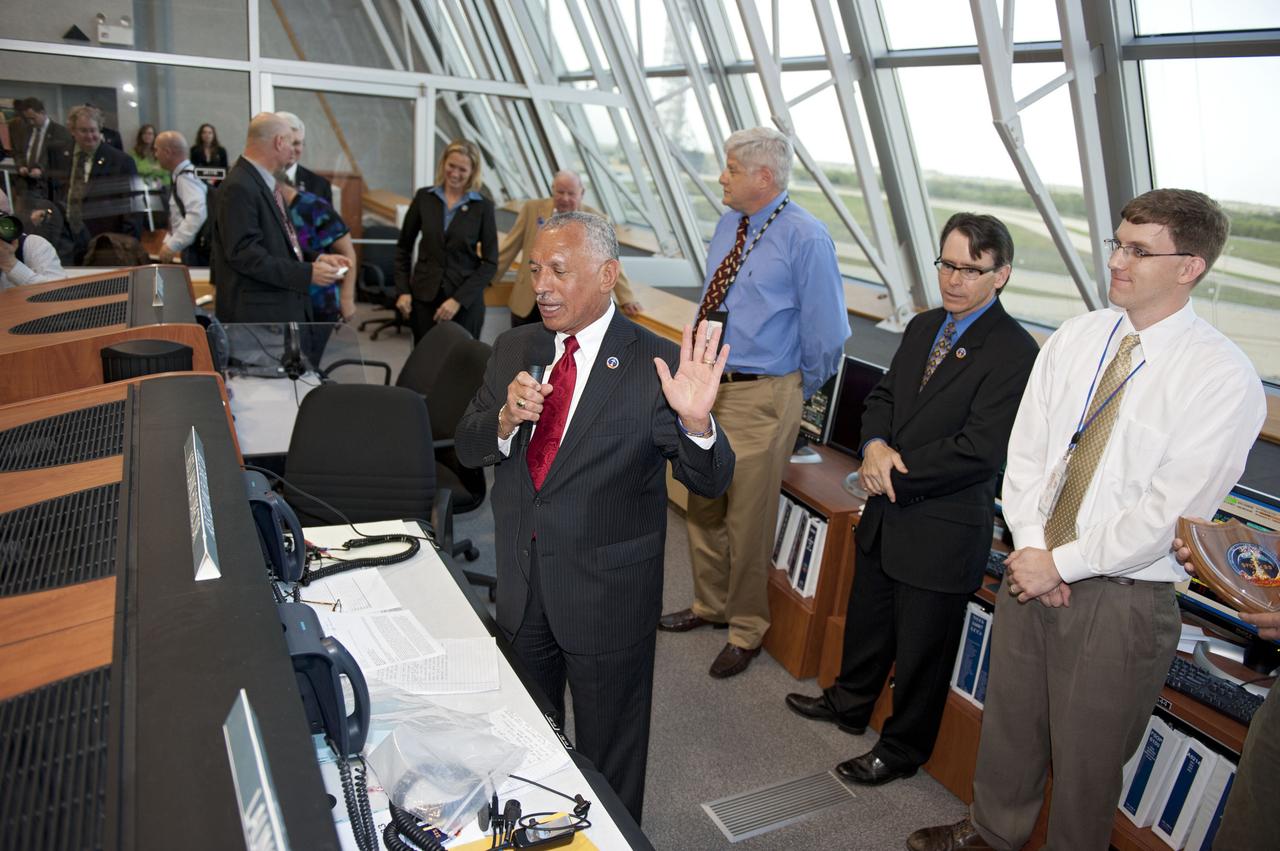
STS133-S-068 (24 Feb. 2011) --- In Firing Room 4 of the Launch Control Center at NASA's Kennedy Space Center in Florida, NASA Administrator Charlie Bolden congratulates the launch team after the successful liftoff of space shuttle Discovery on its STS-133 mission to the International Space Station. Discovery and its six-member crew are on a mission to deliver the Permanent Multipurpose Module, packed with supplies and critical spare parts, as well as Robonaut 2, the dexterous humanoid astronaut helper, to the orbiting outpost. Discovery is making its 39th mission and is scheduled to be retired following STS-133. This is the 133rd Space Shuttle Program mission and the 35th shuttle voyage to the space station. Photo credit: NASA or National Aeronautics and Space Administration
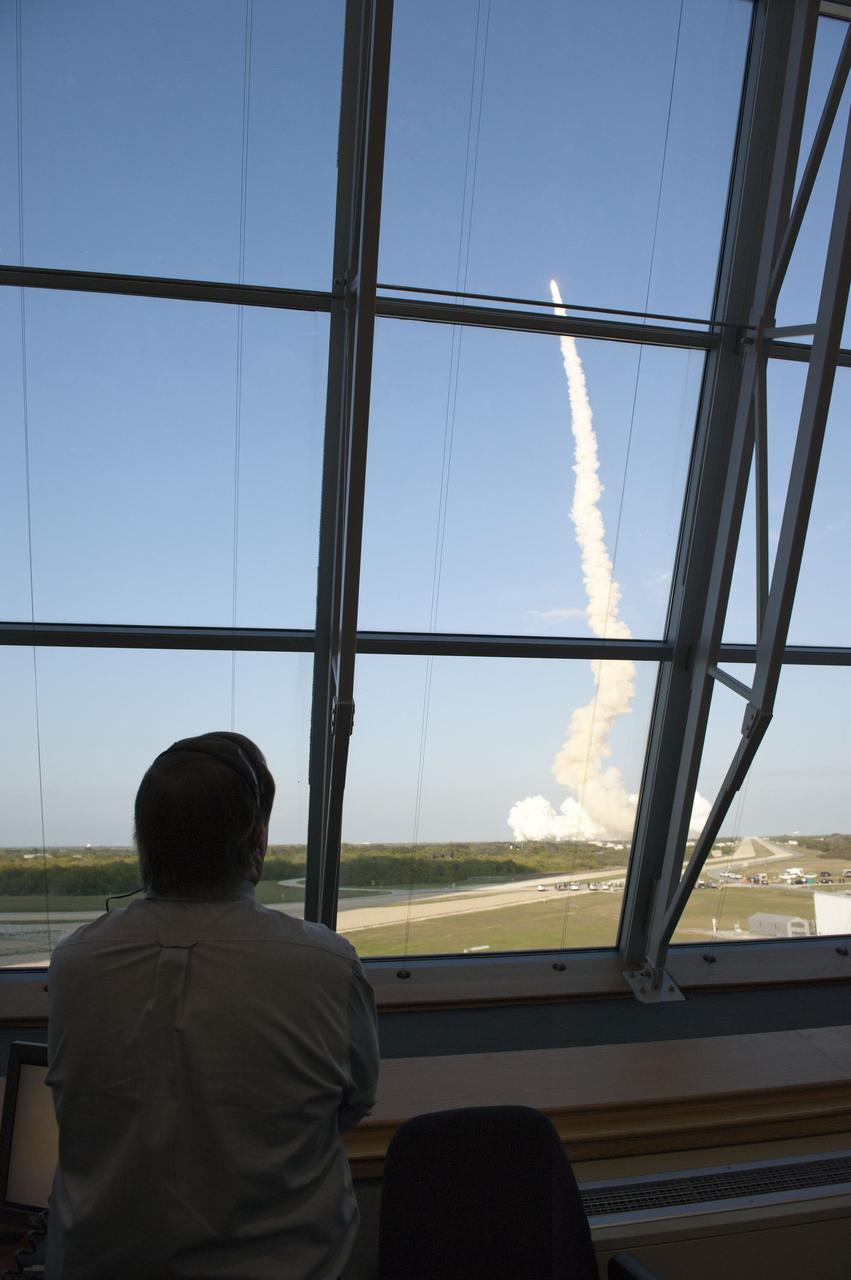
STS133-S-066 (24 Feb. 2011) --- In Firing Room 4 of the Launch Control Center at NASA's Kennedy Space Center in Florida, Shuttle Launch Director Mike Leinbach watches space shuttle Discovery head toward Earth orbit on the STS-133 mission to the International Space Station. Discovery and its six-member crew are on a mission to deliver the Permanent Multipurpose Module, packed with supplies and critical spare parts, as well as Robonaut 2, the dexterous humanoid astronaut helper, to the orbiting outpost. Discovery is making its 39th mission and is scheduled to be retired following STS-133. This is the 133rd Space Shuttle Program mission and the 35th shuttle voyage to the space station. Photo credit: NASA or National Aeronautics and Space Administration
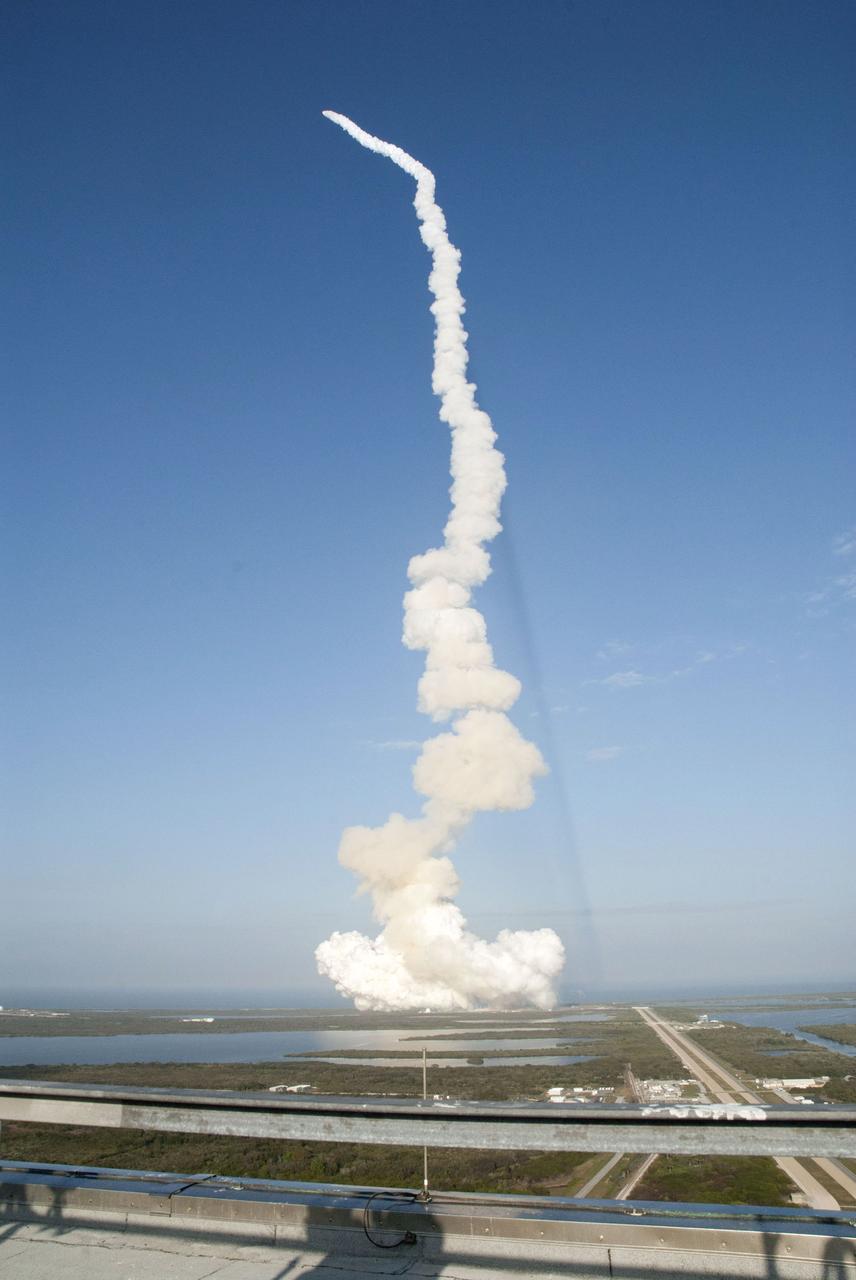
STS133-S-056 (24 Feb. 2011) --- Space shuttle Discovery and its six-member STS-133 crew head toward Earth orbit and rendezvous with the International Space Station. Liftoff was at 4:53 p.m. (EST) on Feb. 24, 2011, from Launch Pad 39A at NASA’s Kennedy Space Center. Onboard are NASA astronauts Steve Lindsey, commander; Eric Boe, pilot; Steve Bowen, Alvin Drew, Michael Barratt and Nicole Stott, all mission specialists. Discovery and its six-member crew are on a mission to deliver the Permanent Multipurpose Module, packed with supplies and critical spare parts, as well as Robonaut 2, the dexterous humanoid astronaut helper, to the International Space Station. Discovery is making its 39th mission and is scheduled to be retired following STS-133. This is the 133rd Space Shuttle Program mission and the 35th shuttle voyage to the space station. Photo credit: NASA or National Aeronautics and Space Administration
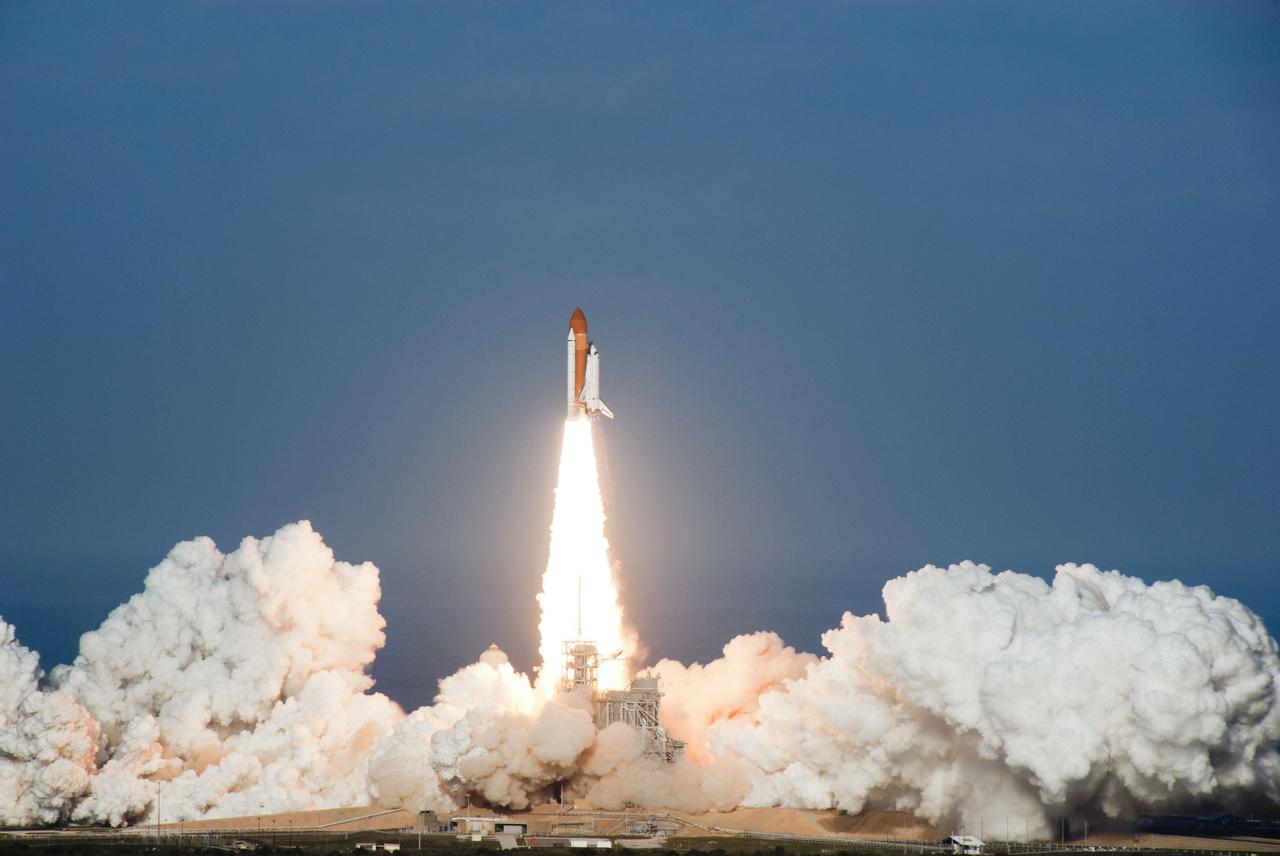
STS133-S-053 (24 Feb. 2011) --- Space shuttle Discovery and its six-member STS-133 crew head toward Earth orbit and rendezvous with the International Space Station. Liftoff was at 4:53 p.m. (EST) on Feb. 24, 2011, from Launch Pad 39A at NASA’s Kennedy Space Center. Onboard are NASA astronauts Steve Lindsey, commander; Eric Boe, pilot; Steve Bowen, Alvin Drew, Michael Barratt and Nicole Stott, all mission specialists. Discovery and its six-member crew are on a mission to deliver the Permanent Multipurpose Module, packed with supplies and critical spare parts, as well as Robonaut 2, the dexterous humanoid astronaut helper, to the International Space Station. Discovery is making its 39th mission and is scheduled to be retired following STS-133. This is the 133rd Space Shuttle Program mission and the 35th shuttle voyage to the space station. Photo credit: NASA or National Aeronautics and Space Administration
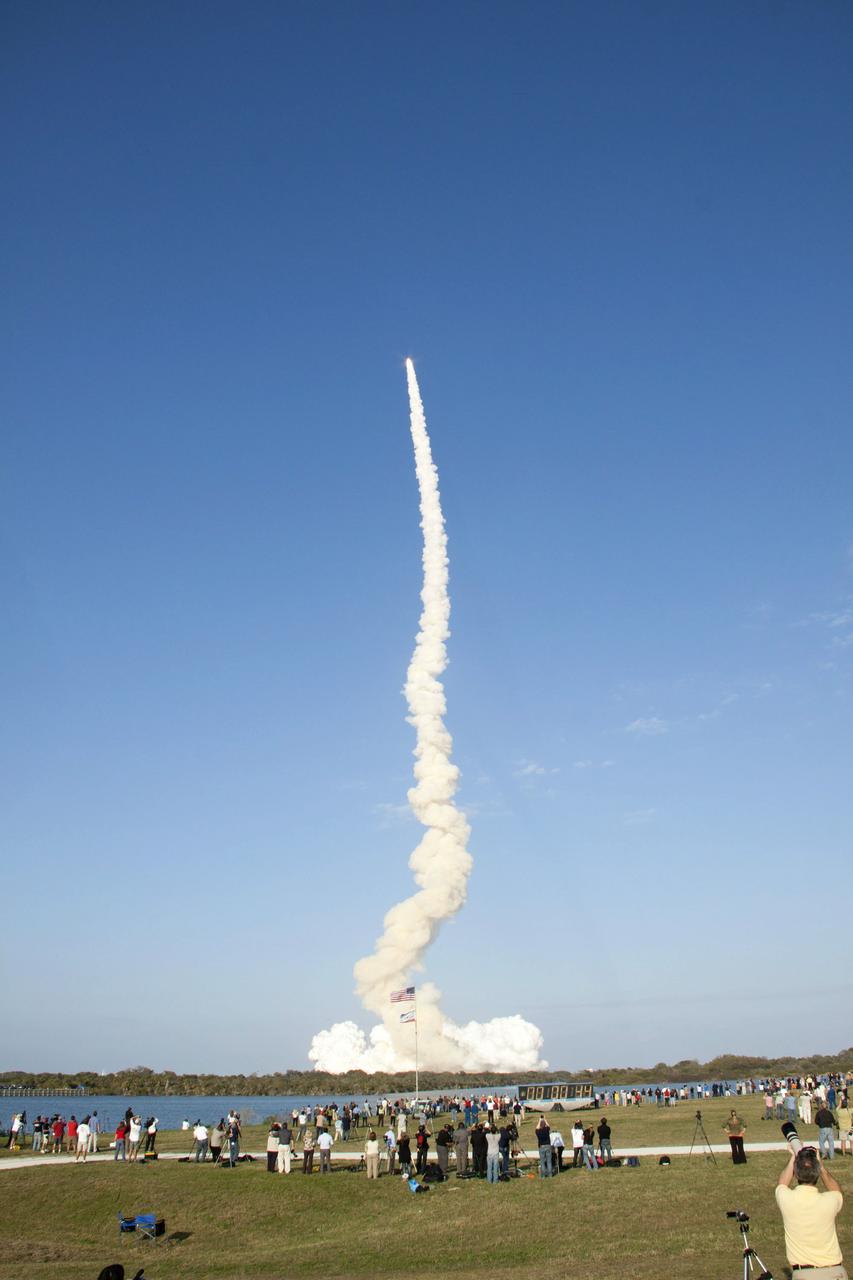
STS133-S-034 (24 Feb. 2011) --- Space shuttle Discovery and its six-member STS-133 crew head toward Earth orbit and rendezvous with the International Space Station. Liftoff was at 4:53 p.m. (EST) on Feb. 24, 2011, from Launch Pad 39A at NASA’s Kennedy Space Center. Onboard are NASA astronauts Steve Lindsey, commander; Eric Boe, pilot; Steve Bowen, Alvin Drew, Michael Barratt and Nicole Stott, all mission specialists. Discovery and its six-member crew are on a mission to deliver the Permanent Multipurpose Module, packed with supplies and critical spare parts, as well as Robonaut 2, the dexterous humanoid astronaut helper, to the International Space Station. Discovery is making its 39th mission and is scheduled to be retired following STS-133. This is the 133rd Space Shuttle Program mission and the 35th shuttle voyage to the space station. Photo credit: NASA or National Aeronautics and Space Administration
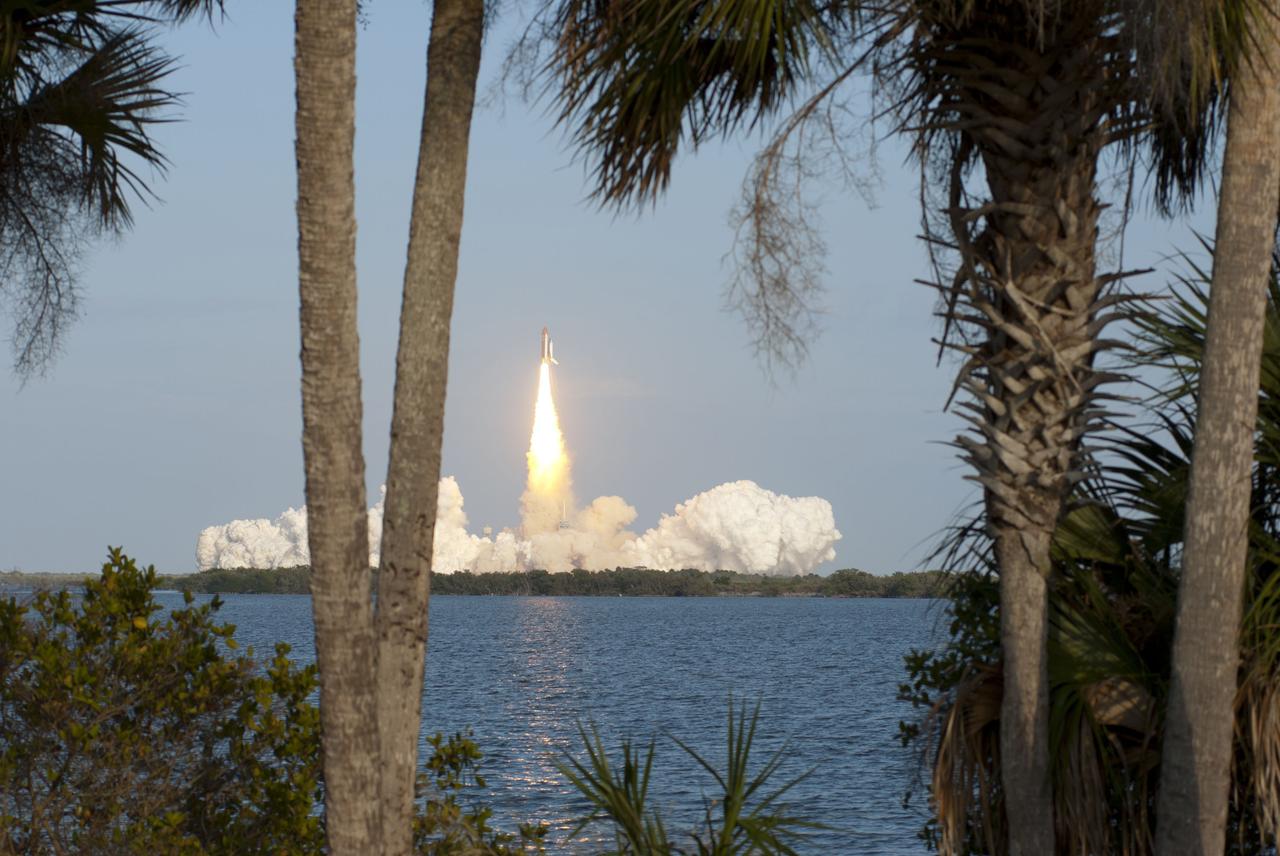
STS133-S-045 (24 Feb. 2011) --- Space shuttle Discovery and its six-member STS-133 crew head toward Earth orbit and rendezvous with the International Space Station. Liftoff was at 4:53 p.m. (EST) on Feb. 24, 2011, from Launch Pad 39A at NASA’s Kennedy Space Center. Onboard are NASA astronauts Steve Lindsey, commander; Eric Boe, pilot; Steve Bowen, Alvin Drew, Michael Barratt and Nicole Stott, all mission specialists. Discovery and its six-member crew are on a mission to deliver the Permanent Multipurpose Module, packed with supplies and critical spare parts, as well as Robonaut 2, the dexterous humanoid astronaut helper, to the International Space Station. Discovery is making its 39th mission and is scheduled to be retired following STS-133. This is the 133rd Space Shuttle Program mission and the 35th shuttle voyage to the space station. Photo credit: NASA or National Aeronautics and Space Administration
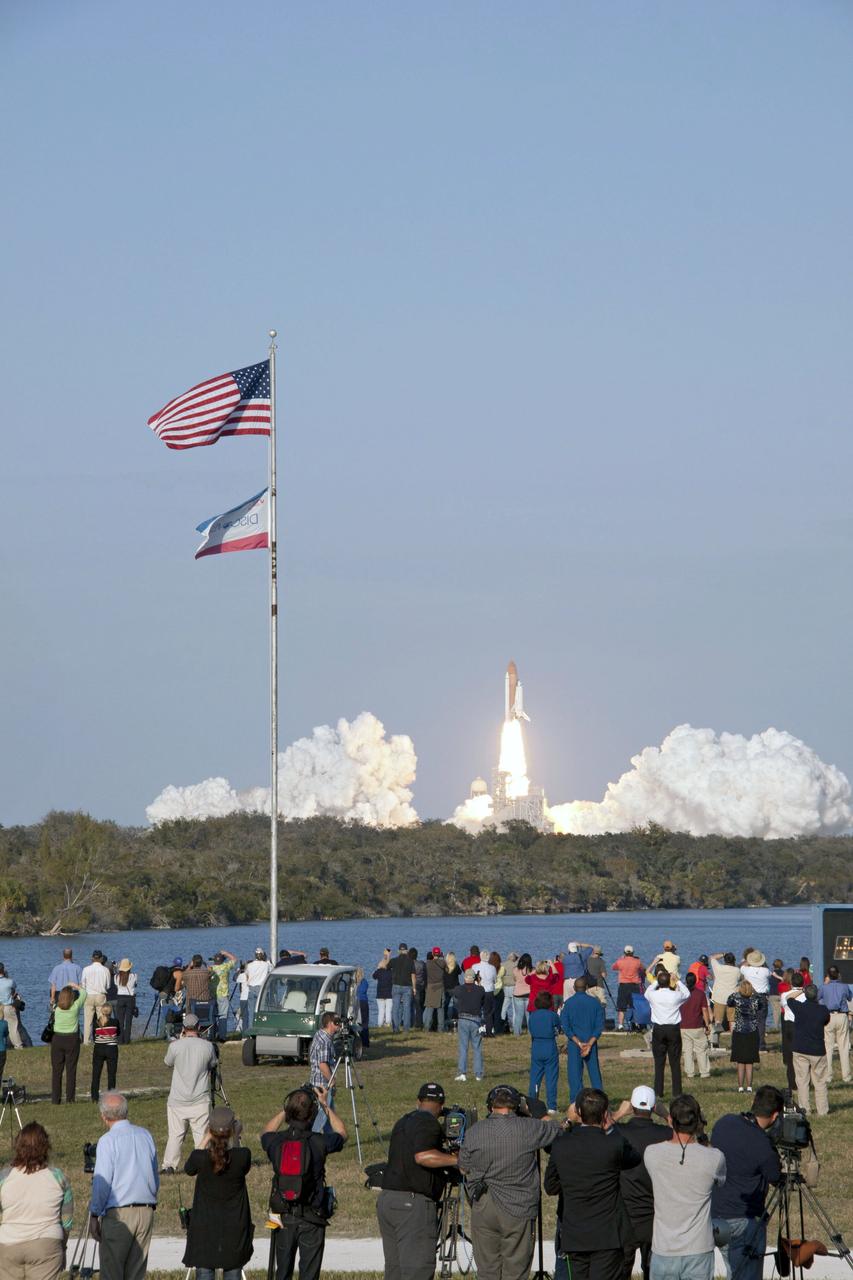
STS133-S-032 (24 Feb. 2011) --- Space shuttle Discovery and its six-member STS-133 crew head toward Earth orbit and rendezvous with the International Space Station. Liftoff was at 4:53 p.m. (EST) on Feb. 24, 2011, from Launch Pad 39A at NASA’s Kennedy Space Center. Onboard are NASA astronauts Steve Lindsey, commander; Eric Boe, pilot; Steve Bowen, Alvin Drew, Michael Barratt and Nicole Stott, all mission specialists. Discovery and its six-member crew are on a mission to deliver the Permanent Multipurpose Module, packed with supplies and critical spare parts, as well as Robonaut 2, the dexterous humanoid astronaut helper, to the International Space Station. Discovery is making its 39th mission and is scheduled to be retired following STS-133. This is the 133rd Space Shuttle Program mission and the 35th shuttle voyage to the space station. Photo credit: NASA or National Aeronautics and Space Administration
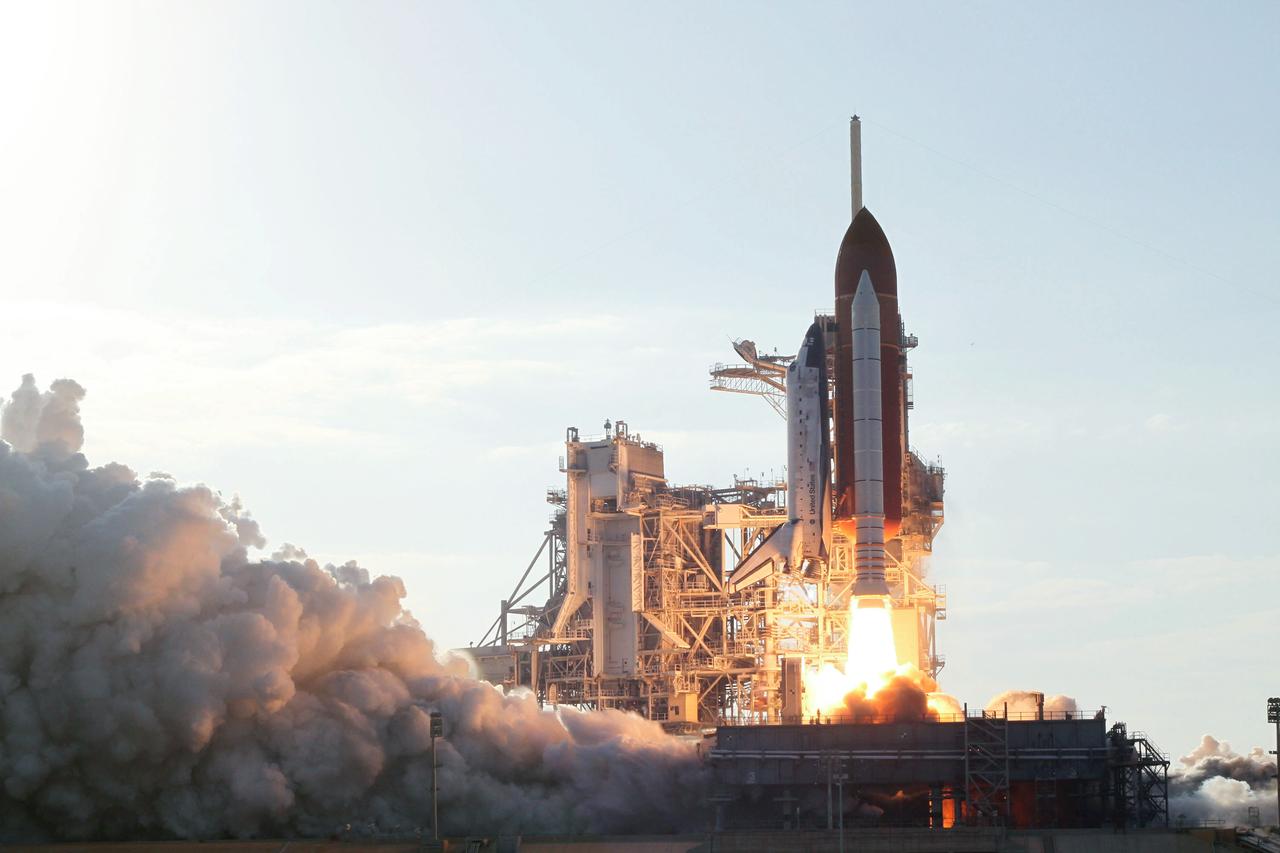
STS133-S-038 (24 Feb. 2011) --- Space shuttle Discovery and its six-member STS-133 crew head toward Earth orbit and rendezvous with the International Space Station. Liftoff was at 4:53 p.m. (EST) on Feb. 24, 2011, from Launch Pad 39A at NASA’s Kennedy Space Center. Onboard are NASA astronauts Steve Lindsey, commander; Eric Boe, pilot; Steve Bowen, Alvin Drew, Michael Barratt and Nicole Stott, all mission specialists. Discovery and its six-member crew are on a mission to deliver the Permanent Multipurpose Module, packed with supplies and critical spare parts, as well as Robonaut 2, the dexterous humanoid astronaut helper, to the International Space Station. Discovery is making its 39th mission and is scheduled to be retired following STS-133. This is the 133rd Space Shuttle Program mission and the 35th shuttle voyage to the space station. Photo credit: NASA or National Aeronautics and Space Administration
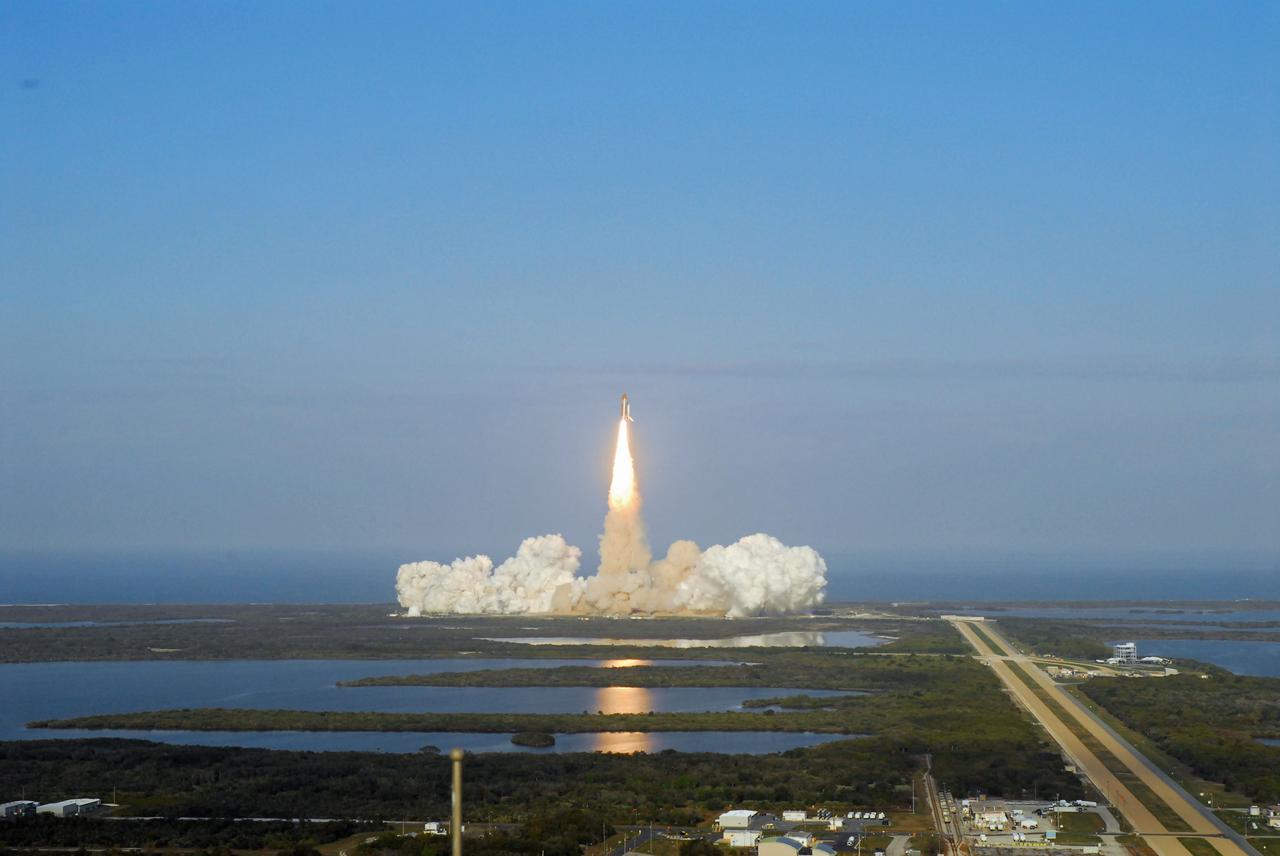
STS133-S-054 (24 Feb. 2011) --- Space shuttle Discovery and its six-member STS-133 crew head toward Earth orbit and rendezvous with the International Space Station. Liftoff was at 4:53 p.m. (EST) on Feb. 24, 2011, from Launch Pad 39A at NASA’s Kennedy Space Center. Onboard are NASA astronauts Steve Lindsey, commander; Eric Boe, pilot; Steve Bowen, Alvin Drew, Michael Barratt and Nicole Stott, all mission specialists. Discovery and its six-member crew are on a mission to deliver the Permanent Multipurpose Module, packed with supplies and critical spare parts, as well as Robonaut 2, the dexterous humanoid astronaut helper, to the International Space Station. Discovery is making its 39th mission and is scheduled to be retired following STS-133. This is the 133rd Space Shuttle Program mission and the 35th shuttle voyage to the space station. Photo credit: NASA or National Aeronautics and Space Administration
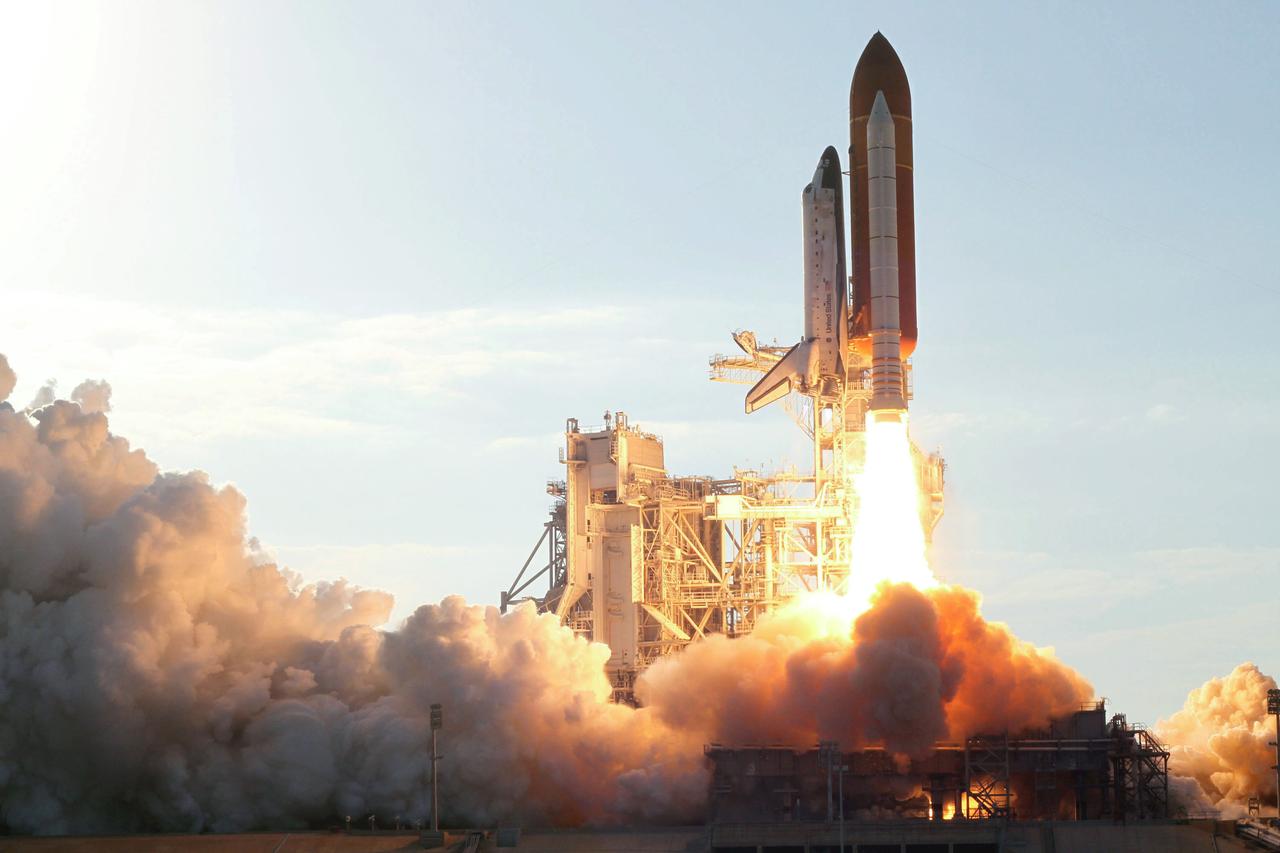
STS133-S-039 (24 Feb. 2011) --- Space shuttle Discovery and its six-member STS-133 crew head toward Earth orbit and rendezvous with the International Space Station. Liftoff was at 4:53 p.m. (EST) on Feb. 24, 2011, from Launch Pad 39A at NASA’s Kennedy Space Center. Onboard are NASA astronauts Steve Lindsey, commander; Eric Boe, pilot; Steve Bowen, Alvin Drew, Michael Barratt and Nicole Stott, all mission specialists. Discovery and its six-member crew are on a mission to deliver the Permanent Multipurpose Module, packed with supplies and critical spare parts, as well as Robonaut 2, the dexterous humanoid astronaut helper, to the International Space Station. Discovery is making its 39th mission and is scheduled to be retired following STS-133. This is the 133rd Space Shuttle Program mission and the 35th shuttle voyage to the space station. Photo credit: NASA or National Aeronautics and Space Administration
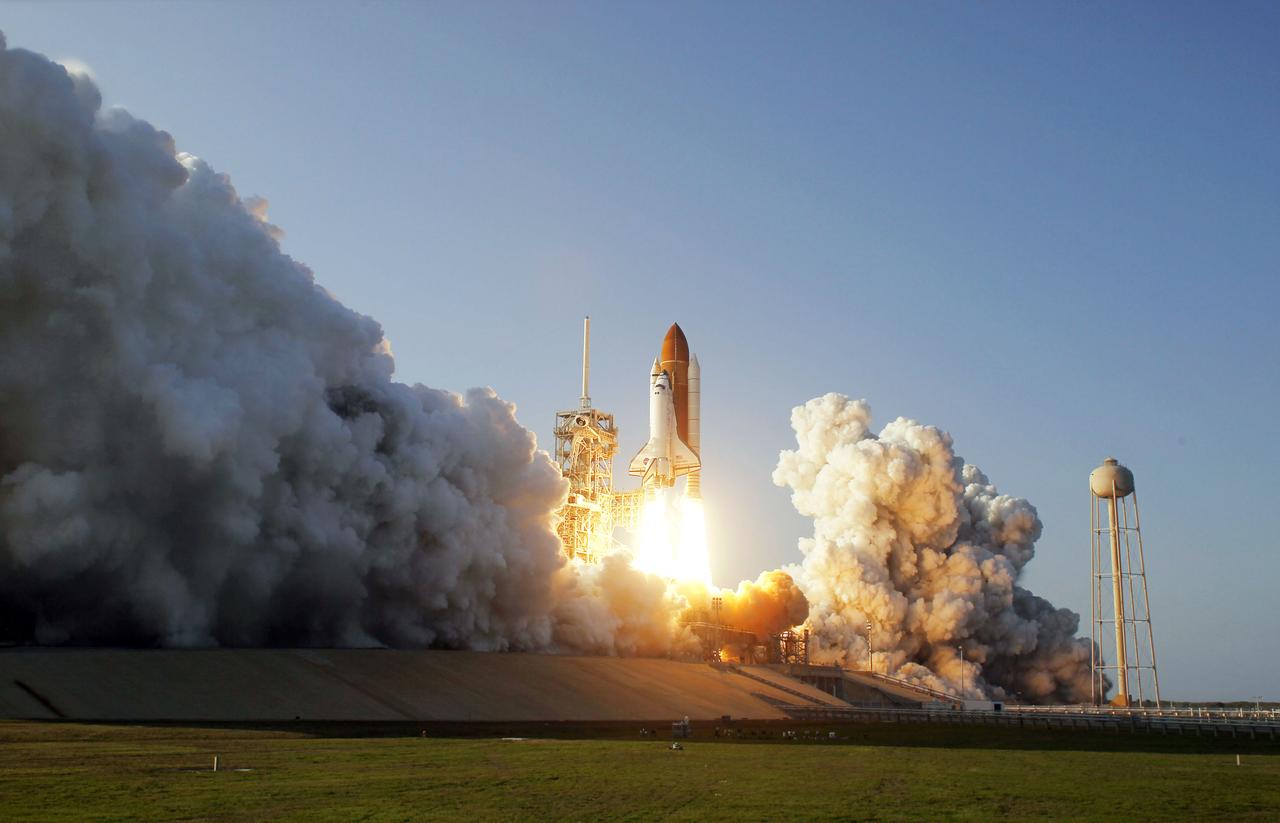
STS133-S-036 (24 Feb. 2011) --- Space shuttle Discovery and its six-member STS-133 crew head toward Earth orbit and rendezvous with the International Space Station. Liftoff was at 4:53 p.m. (EST) on Feb. 24, 2011, from Launch Pad 39A at NASA’s Kennedy Space Center. Onboard are NASA astronauts Steve Lindsey, commander; Eric Boe, pilot; Steve Bowen, Alvin Drew, Michael Barratt and Nicole Stott, all mission specialists. Discovery and its six-member crew are on a mission to deliver the Permanent Multipurpose Module, packed with supplies and critical spare parts, as well as Robonaut 2, the dexterous humanoid astronaut helper, to the International Space Station. Discovery is making its 39th mission and is scheduled to be retired following STS-133. This is the 133rd Space Shuttle Program mission and the 35th shuttle voyage to the space station. Photo credit: NASA or National Aeronautics and Space Administration

STS133-S-055 (24 Feb. 2011) --- Space shuttle Discovery and its six-member STS-133 crew head toward Earth orbit and rendezvous with the International Space Station. Liftoff was at 4:53 p.m. (EST) on Feb. 24, 2011, from Launch Pad 39A at NASA’s Kennedy Space Center. Onboard are NASA astronauts Steve Lindsey, commander; Eric Boe, pilot; Steve Bowen, Alvin Drew, Michael Barratt and Nicole Stott, all mission specialists. Discovery and its six-member crew are on a mission to deliver the Permanent Multipurpose Module, packed with supplies and critical spare parts, as well as Robonaut 2, the dexterous humanoid astronaut helper, to the International Space Station. Discovery is making its 39th mission and is scheduled to be retired following STS-133. This is the 133rd Space Shuttle Program mission and the 35th shuttle voyage to the space station. Photo credit: NASA or National Aeronautics and Space Administration
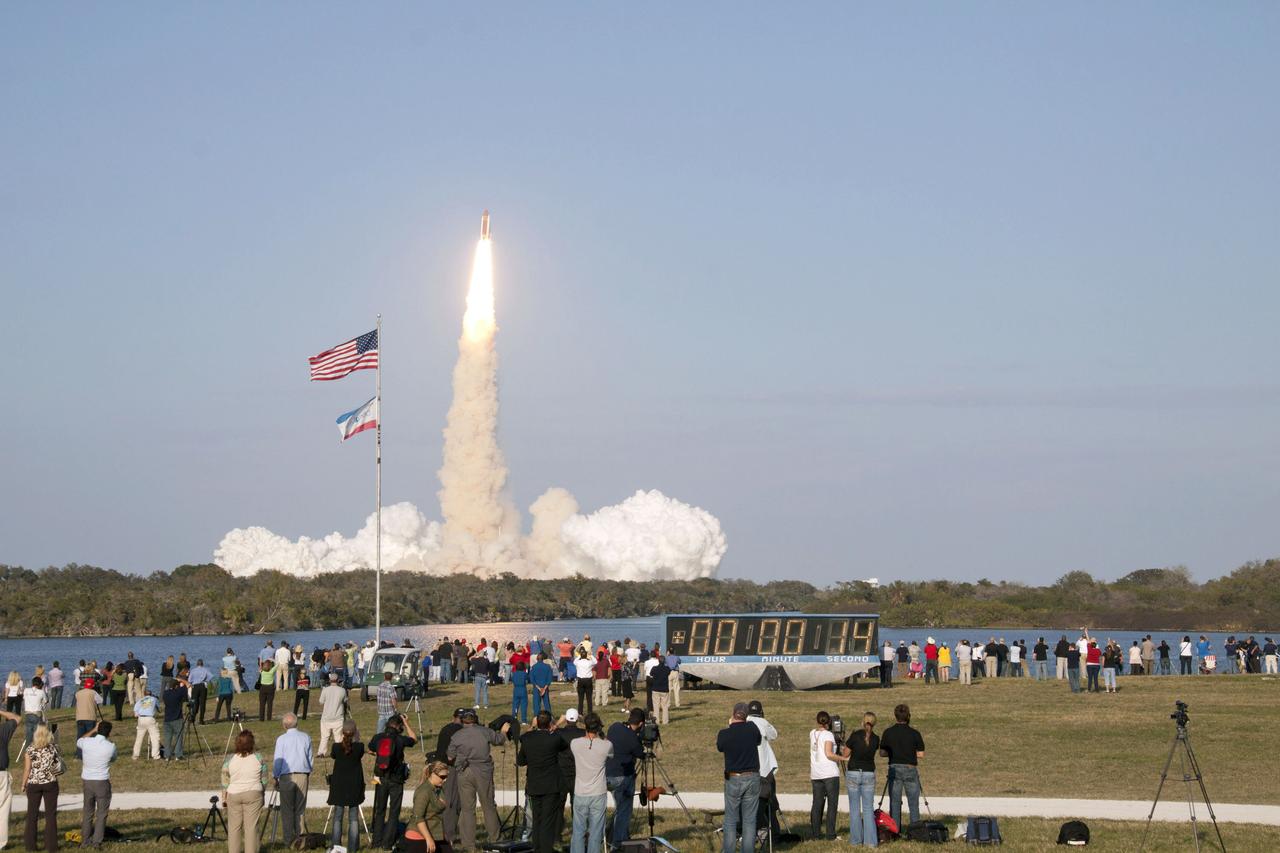
STS133-S-033 (24 Feb. 2011) --- Space shuttle Discovery and its six-member STS-133 crew head toward Earth orbit and rendezvous with the International Space Station. Liftoff was at 4:53 p.m. (EST) on Feb. 24, 2011, from Launch Pad 39A at NASA’s Kennedy Space Center. Onboard are NASA astronauts Steve Lindsey, commander; Eric Boe, pilot; Steve Bowen, Alvin Drew, Michael Barratt and Nicole Stott, all mission specialists. Discovery and its six-member crew are on a mission to deliver the Permanent Multipurpose Module, packed with supplies and critical spare parts, as well as Robonaut 2, the dexterous humanoid astronaut helper, to the International Space Station. Discovery is making its 39th mission and is scheduled to be retired following STS-133. This is the 133rd Space Shuttle Program mission and the 35th shuttle voyage to the space station. Photo credit: NASA or National Aeronautics and Space Administration
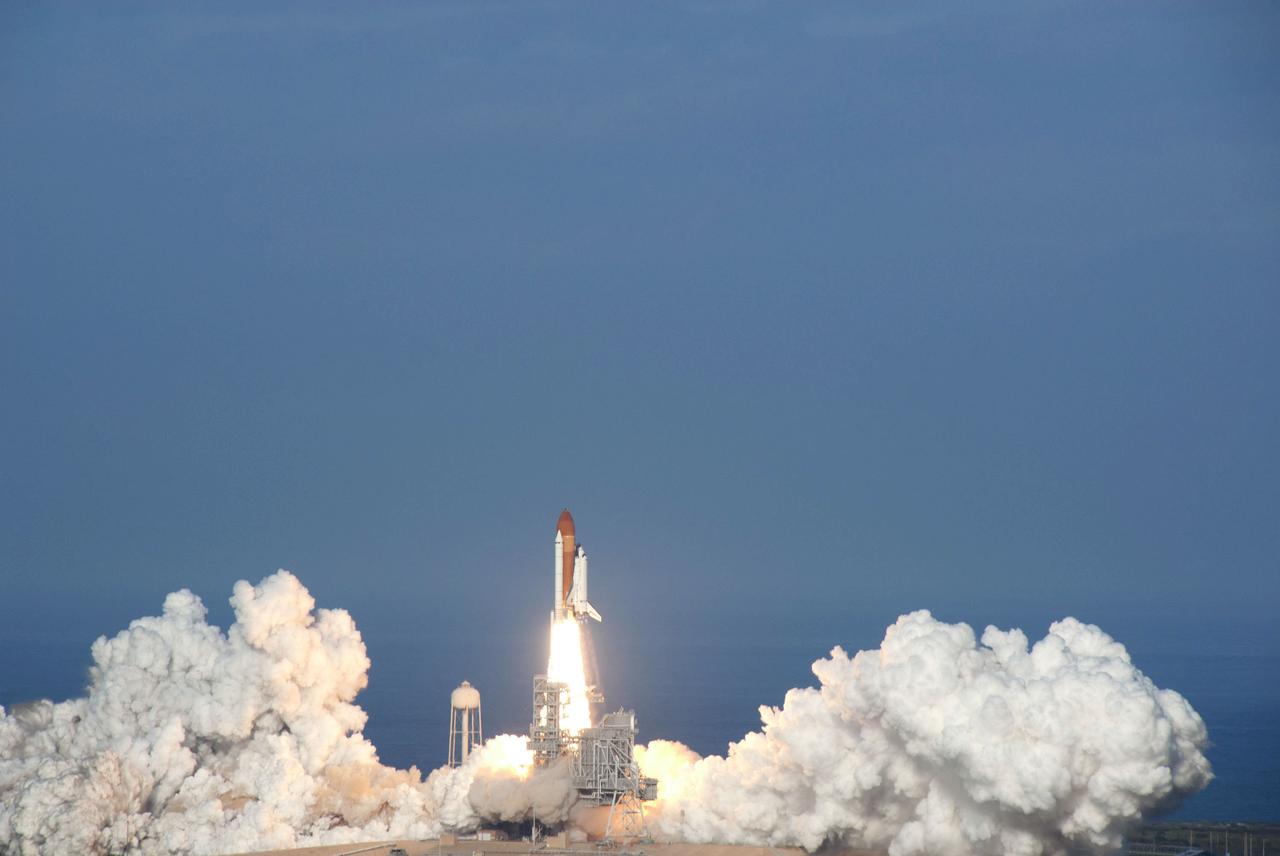
STS133-S-052 (24 Feb. 2011) --- Space shuttle Discovery and its six-member STS-133 crew head toward Earth orbit and rendezvous with the International Space Station. Liftoff was at 4:53 p.m. (EST) on Feb. 24, 2011, from Launch Pad 39A at NASA’s Kennedy Space Center. Onboard are NASA astronauts Steve Lindsey, commander; Eric Boe, pilot; Steve Bowen, Alvin Drew, Michael Barratt and Nicole Stott, all mission specialists. Discovery and its six-member crew are on a mission to deliver the Permanent Multipurpose Module, packed with supplies and critical spare parts, as well as Robonaut 2, the dexterous humanoid astronaut helper, to the International Space Station. Discovery is making its 39th mission and is scheduled to be retired following STS-133. This is the 133rd Space Shuttle Program mission and the 35th shuttle voyage to the space station. Photo credit: NASA or National Aeronautics and Space Administration
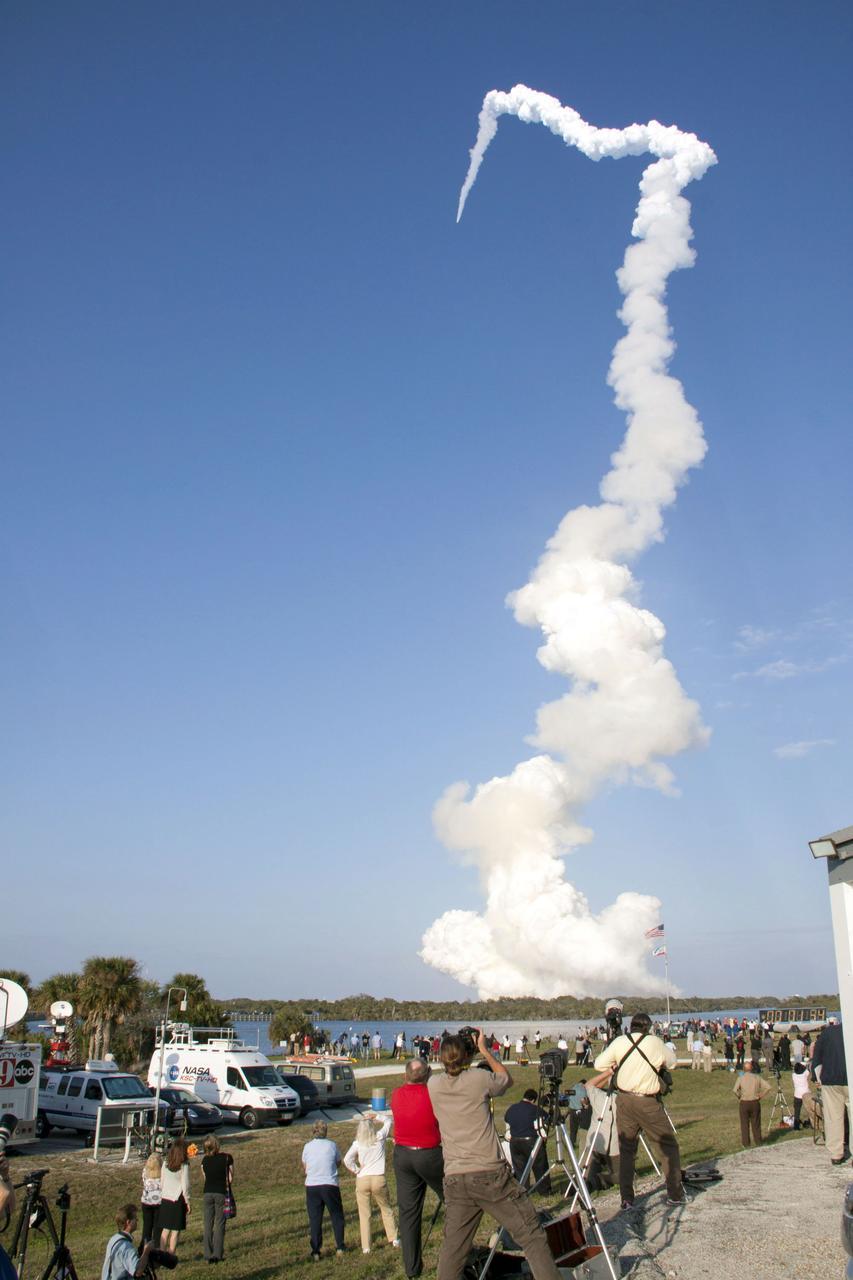
STS133-S-035 (24 Feb. 2011) --- Space shuttle Discovery and its six-member STS-133 crew head toward Earth orbit and rendezvous with the International Space Station. Liftoff was at 4:53 p.m. (EST) on Feb. 24, 2011, from Launch Pad 39A at NASA’s Kennedy Space Center. Onboard are NASA astronauts Steve Lindsey, commander; Eric Boe, pilot; Steve Bowen, Alvin Drew, Michael Barratt and Nicole Stott, all mission specialists. Discovery and its six-member crew are on a mission to deliver the Permanent Multipurpose Module, packed with supplies and critical spare parts, as well as Robonaut 2, the dexterous humanoid astronaut helper, to the International Space Station. Discovery is making its 39th mission and is scheduled to be retired following STS-133. This is the 133rd Space Shuttle Program mission and the 35th shuttle voyage to the space station. Photo credit: NASA or National Aeronautics and Space Administration
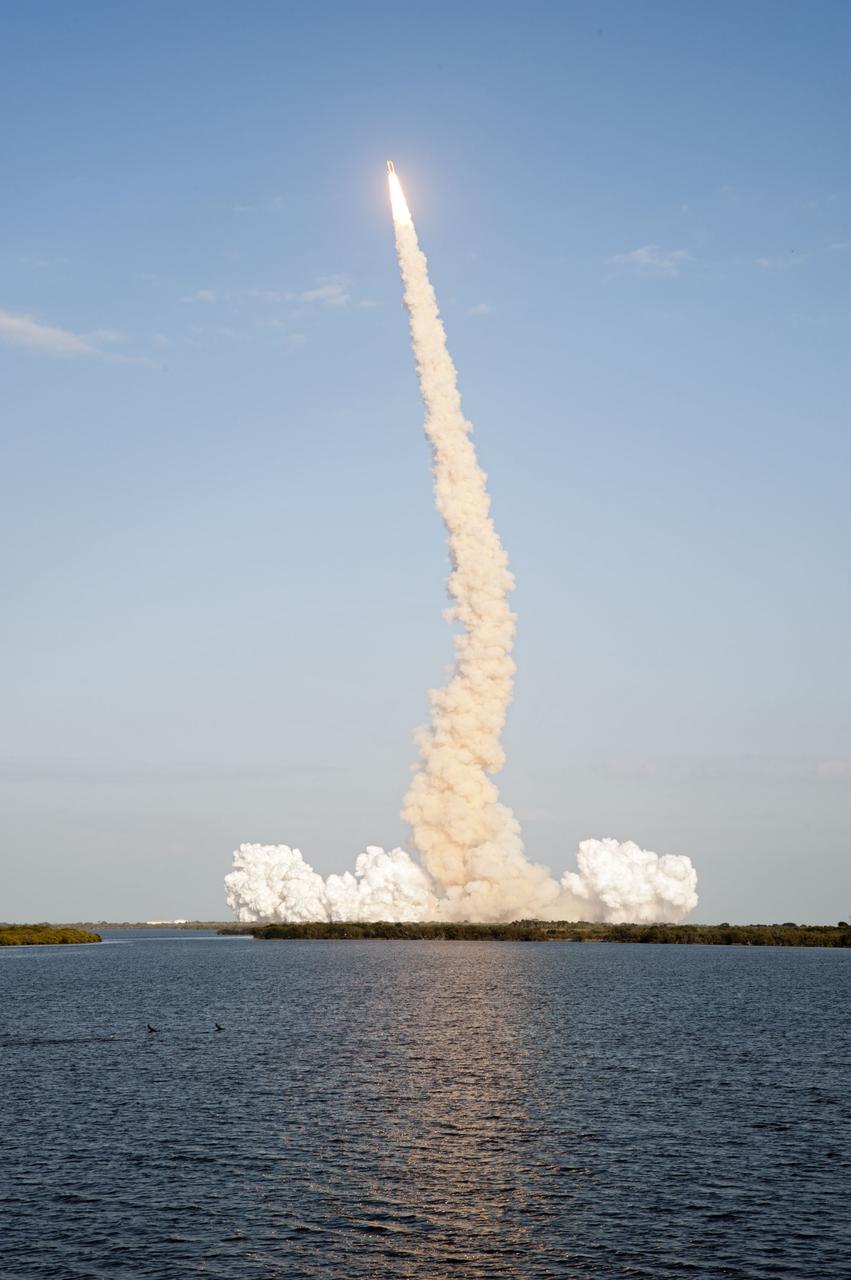
STS133-S-048 (24 Feb. 2011) --- Space shuttle Discovery and its six-member STS-133 crew head toward Earth orbit and rendezvous with the International Space Station. Liftoff was at 4:53 p.m. (EST) on Feb. 24, 2011, from Launch Pad 39A at NASA’s Kennedy Space Center. Onboard are NASA astronauts Steve Lindsey, commander; Eric Boe, pilot; Steve Bowen, Alvin Drew, Michael Barratt and Nicole Stott, all mission specialists. Discovery and its six-member crew are on a mission to deliver the Permanent Multipurpose Module, packed with supplies and critical spare parts, as well as Robonaut 2, the dexterous humanoid astronaut helper, to the International Space Station. Discovery is making its 39th mission and is scheduled to be retired following STS-133. This is the 133rd Space Shuttle Program mission and the 35th shuttle voyage to the space station. Photo credit: NASA or National Aeronautics and Space Administration
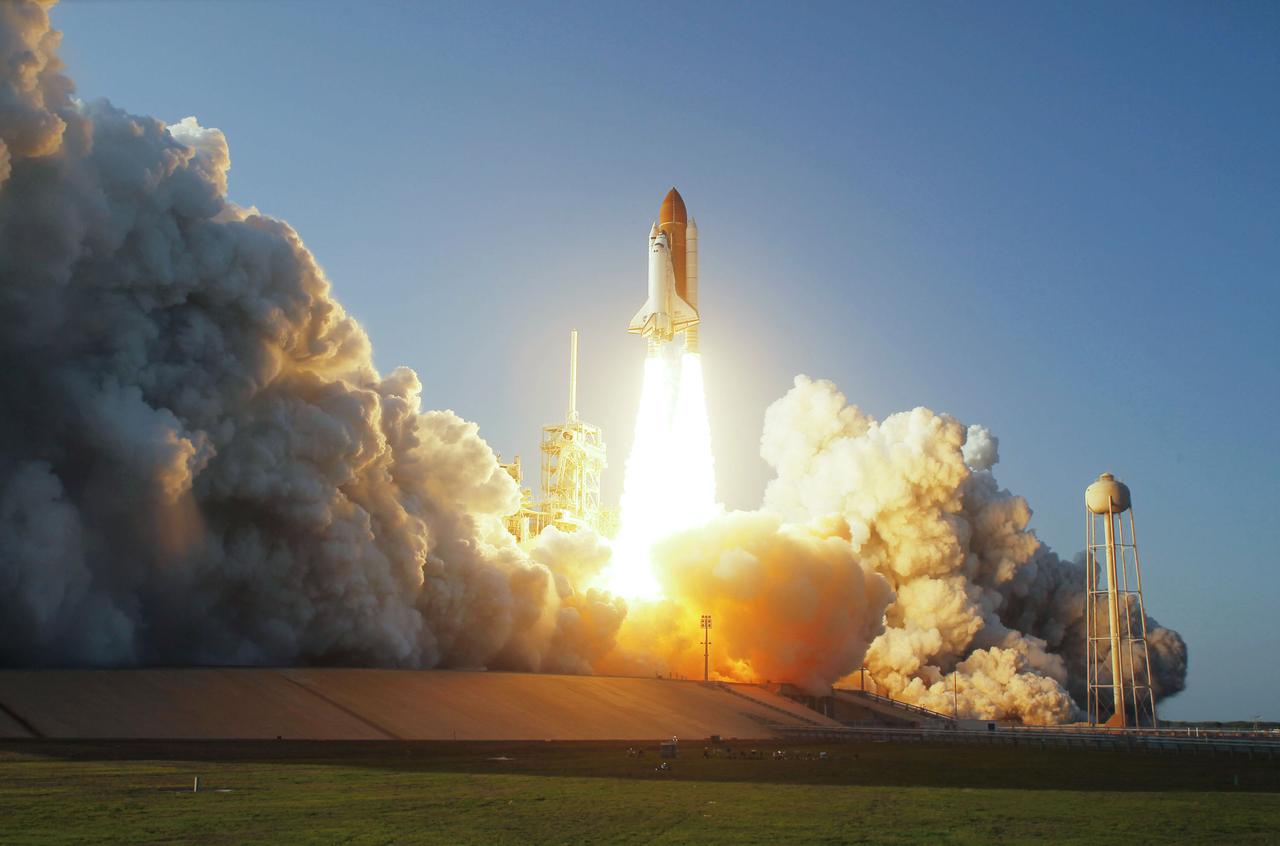
STS133-S-037 (24 Feb. 2011) --- Space shuttle Discovery and its six-member STS-133 crew head toward Earth orbit and rendezvous with the International Space Station. Liftoff was at 4:53 p.m. (EST) on Feb. 24, 2011, from Launch Pad 39A at NASA’s Kennedy Space Center. Onboard are NASA astronauts Steve Lindsey, commander; Eric Boe, pilot; Steve Bowen, Alvin Drew, Michael Barratt and Nicole Stott, all mission specialists. Discovery and its six-member crew are on a mission to deliver the Permanent Multipurpose Module, packed with supplies and critical spare parts, as well as Robonaut 2, the dexterous humanoid astronaut helper, to the International Space Station. Discovery is making its 39th mission and is scheduled to be retired following STS-133. This is the 133rd Space Shuttle Program mission and the 35th shuttle voyage to the space station. Photo credit: NASA or National Aeronautics and Space Administration
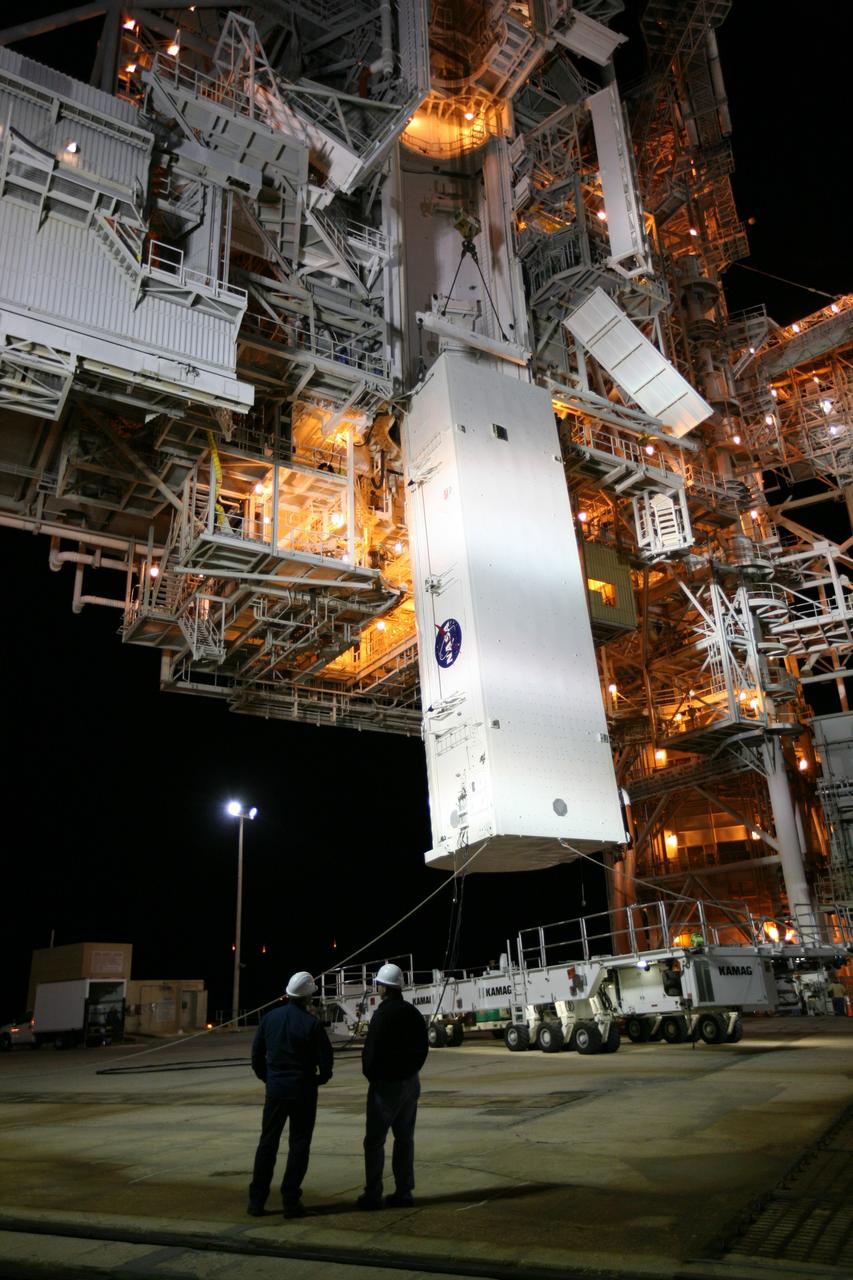
CAPE CANAVERAL, Fla. -- At NASA's Kennedy Space Center in Florida, workers begin the process of lifting the STS-133 payload canister off its transport vehicle toward the rotating service structure on Launch Pad 39A. The payload then will be moved into space shuttle Discovery's payload bay. Discovery and its STS-133 crew will deliver the Permanent Multipurpose Module, packed with supplies and critical spare parts, as well as Robonaut 2, the dexterous humanoid astronaut helper, to the International Space Station. Launch is targeted for 4:40 p.m. EDT, Nov. 1. Photo credit: NASA/Amanda Diller
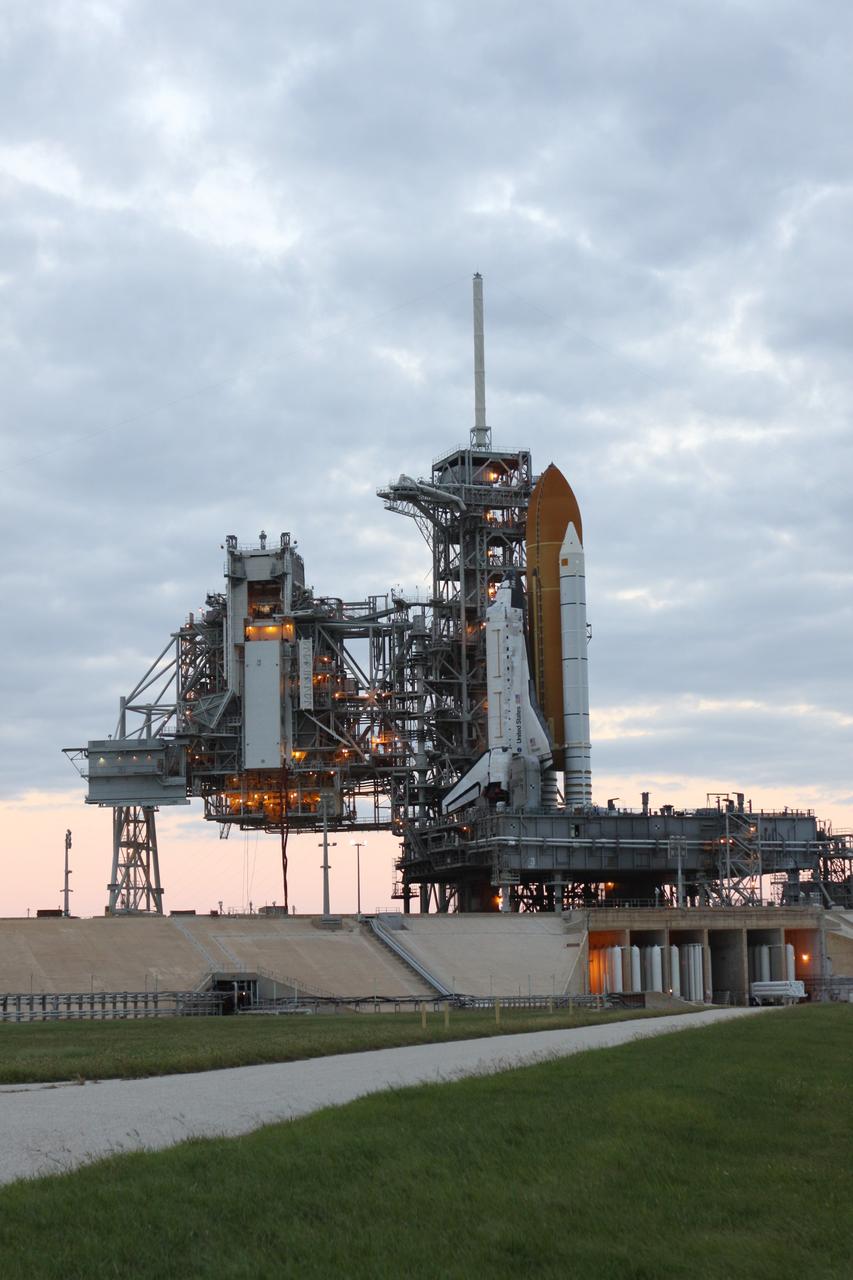
CAPE CANAVERAL, Fla. -- As dawn approaches at NASA's Kennedy Space Center in Florida, the STS-133 payload canister now is in the rotating service structure on Launch Pad 39A. The payload then will be moved into space shuttle Discovery's payload bay. Discovery and its STS-133 crew will deliver the Permanent Multipurpose Module, packed with supplies and critical spare parts, as well as Robonaut 2, the dexterous humanoid astronaut helper, to the International Space Station. Launch is targeted for 4:40 p.m. EDT, Nov. 1. Photo credit: NASA/Troy Cryder
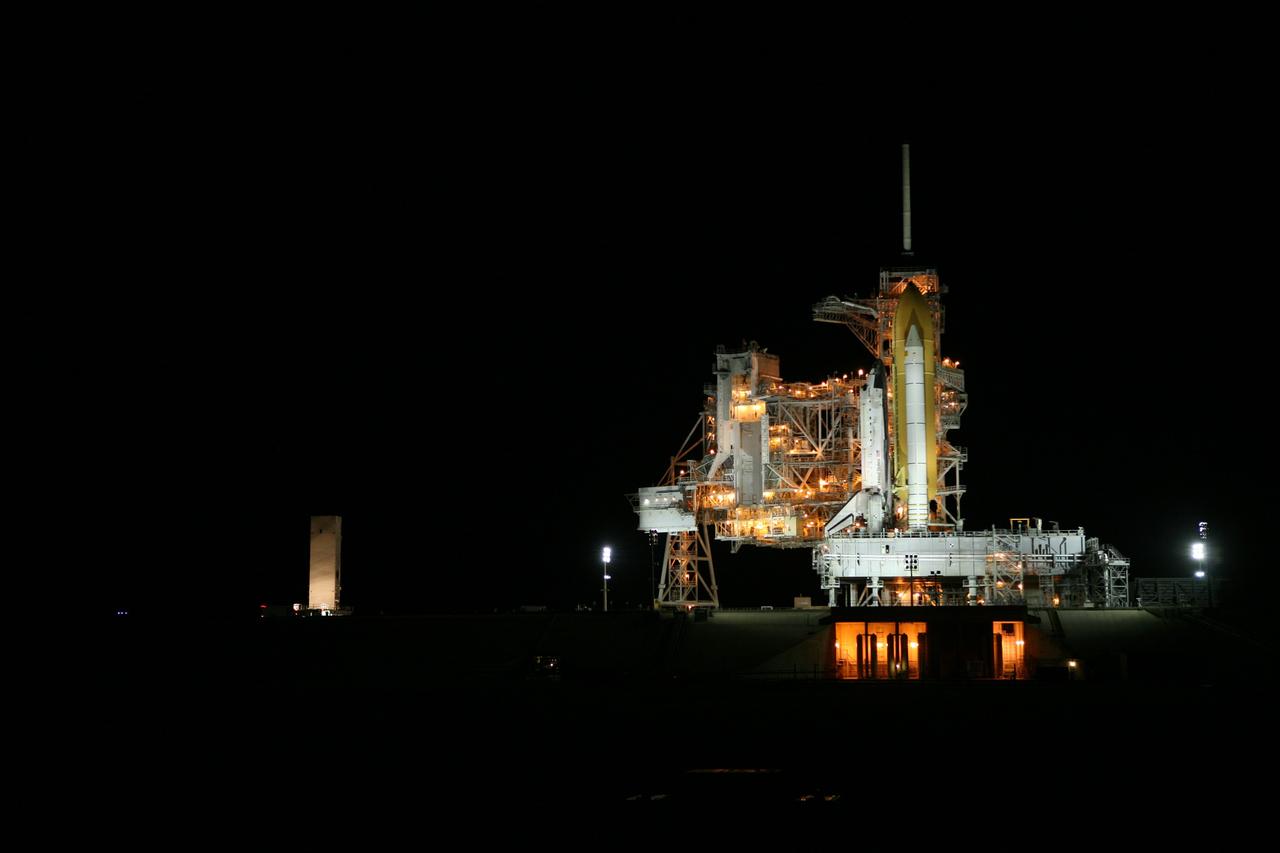
CAPE CANAVERAL, Fla. -- At NASA's Kennedy Space Center in Florida, the STS-133 payload canister approaches Launch Pad 39A where it will be lifted into the rotating service structure. The payload then will be moved into space shuttle Discovery's payload bay. Discovery and its STS-133 crew will deliver the Permanent Multipurpose Module, packed with supplies and critical spare parts, as well as Robonaut 2, the dexterous humanoid astronaut helper, to the International Space Station. Launch is targeted for 4:40 p.m. EDT, Nov. 1. Photo credit: NASA/Amanda Diller
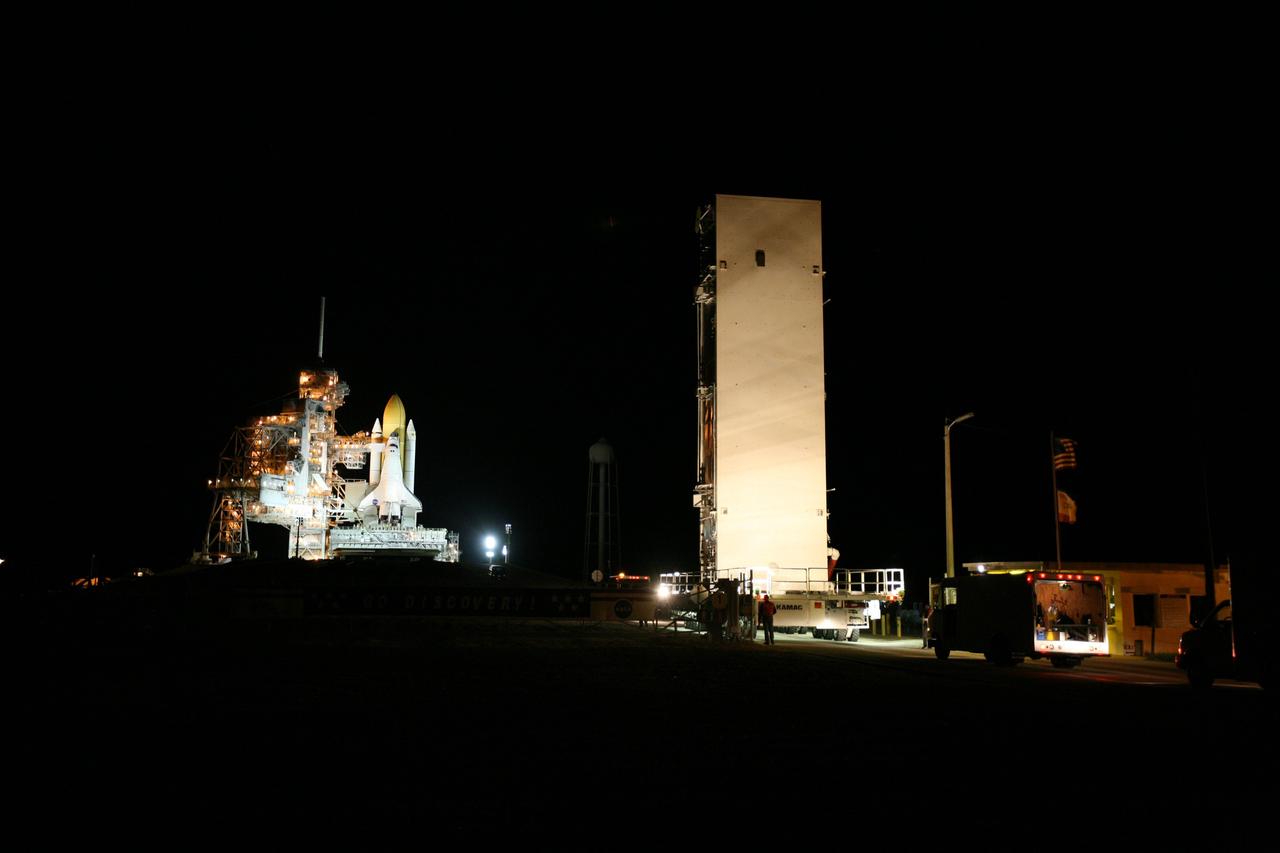
CAPE CANAVERAL, Fla. -- At NASA's Kennedy Space Center in Florida, the STS-133 payload canister approaches Launch Pad 39A where it will be lifted into the rotating service structure. The payload then will be moved into space shuttle Discovery's payload bay. Discovery and its STS-133 crew will deliver the Permanent Multipurpose Module, packed with supplies and critical spare parts, as well as Robonaut 2, the dexterous humanoid astronaut helper, to the International Space Station. Launch is targeted for 4:40 p.m. EDT, Nov. 1. Photo credit: NASA/Amanda Diller
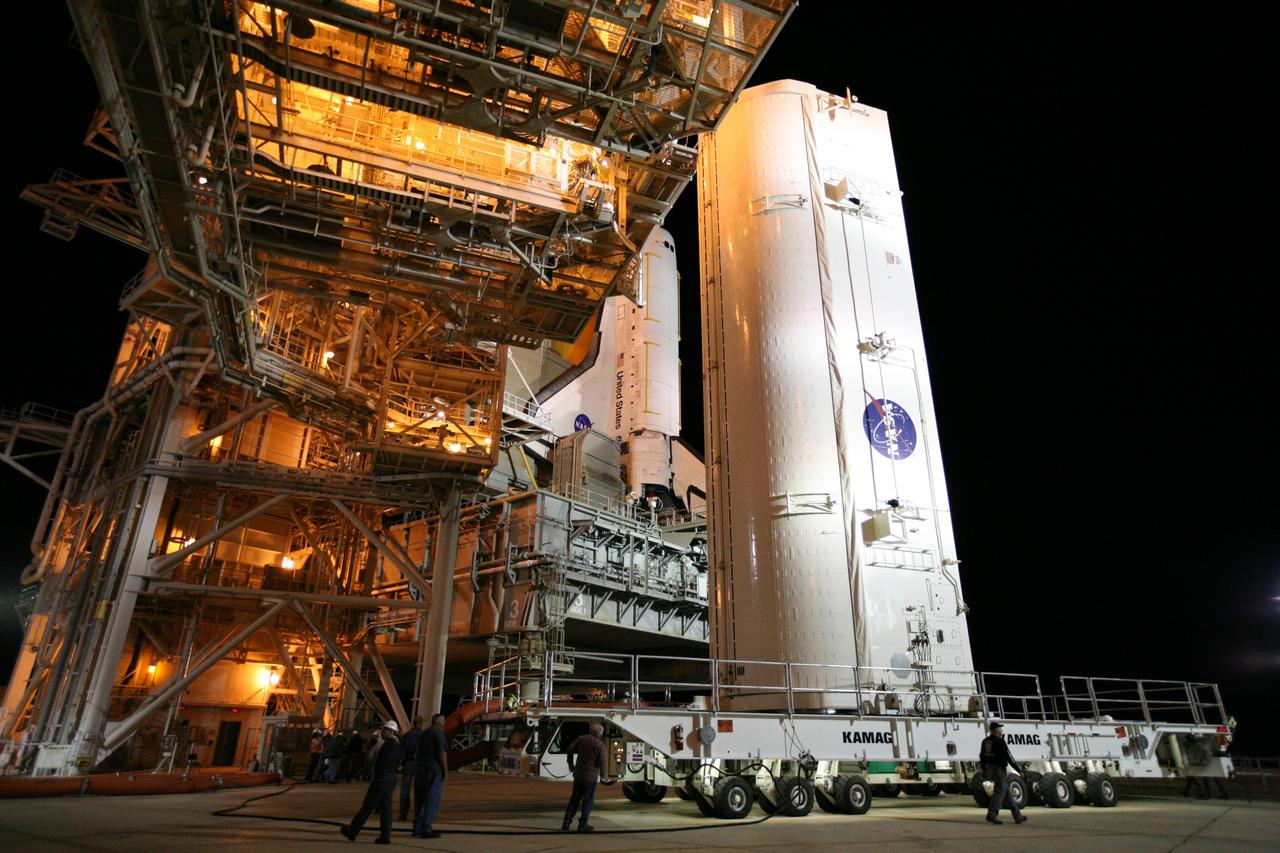
CAPE CANAVERAL, Fla. -- At NASA's Kennedy Space Center in Florida, workers monitor the arrival of the STS-133 payload canister to Launch Pad 39A where it will be lifted into the rotating service structure. The payload then will be moved into space shuttle Discovery's payload bay. Discovery and its STS-133 crew will deliver the Permanent Multipurpose Module, packed with supplies and critical spare parts, as well as Robonaut 2, the dexterous humanoid astronaut helper, to the International Space Station. Launch is targeted for 4:40 p.m. EDT, Nov. 1. Photo credit: NASA/Amanda Diller
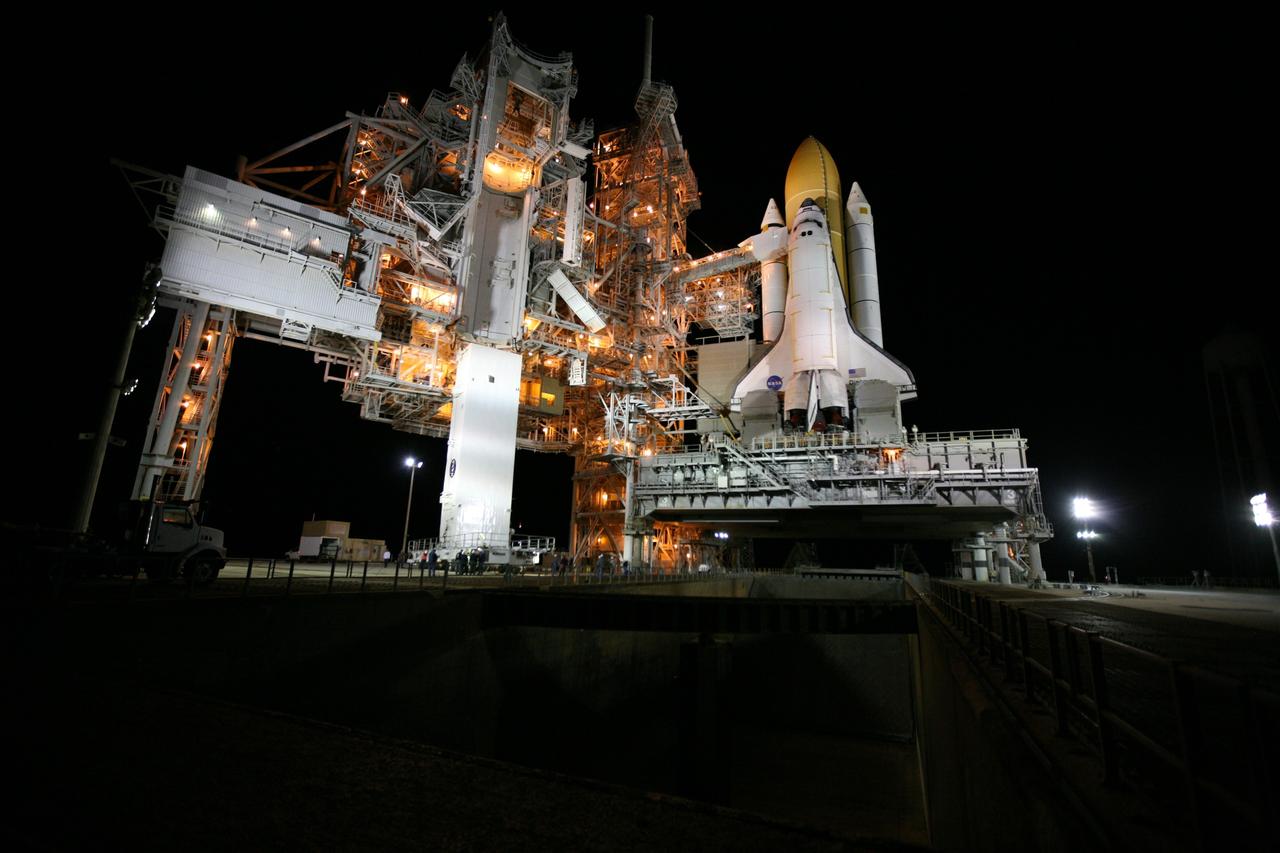
CAPE CANAVERAL, Fla. -- At NASA's Kennedy Space Center in Florida, workers monitor the arrival of the STS-133 payload canister to Launch Pad 39A where it will be lifted into the rotating service structure. The payload then will be moved into space shuttle Discovery's payload bay. Discovery and its STS-133 crew will deliver the Permanent Multipurpose Module, packed with supplies and critical spare parts, as well as Robonaut 2, the dexterous humanoid astronaut helper, to the International Space Station. Launch is targeted for 4:40 p.m. EDT, Nov. 1. Photo credit: NASA/Amanda Diller
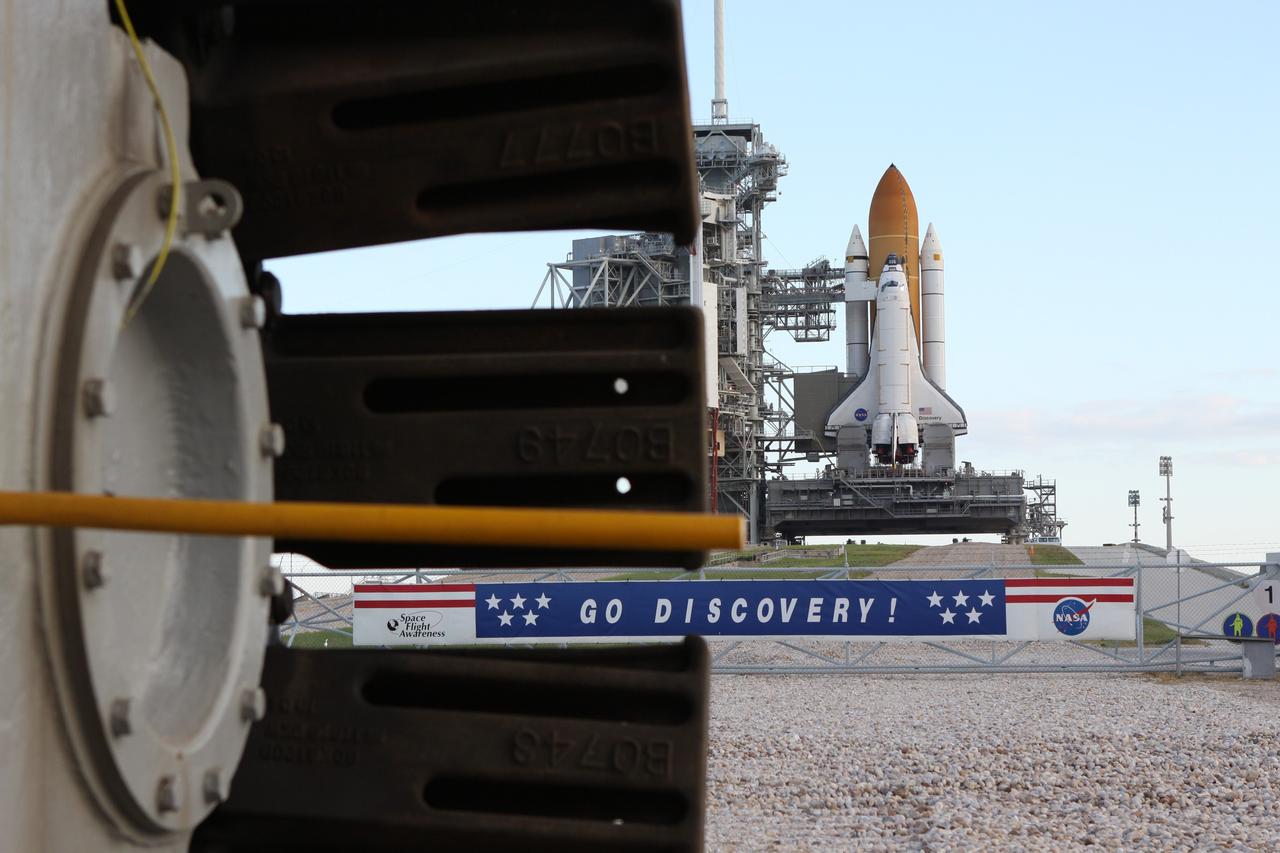
CAPE CANAVERAL, Fla. -- At NASA's Kennedy Space Center in Florida, the STS-133 payload canister now is in the rotating service structure on Launch Pad 39A. A sign hanging on the fence in front of the pad entrance supporting space shuttle Discovery is seen through the tred from a crawler-transporter. The payload then will be moved into space shuttle Discovery's payload bay. Discovery and its STS-133 crew will deliver the Permanent Multipurpose Module, packed with supplies and critical spare parts, as well as Robonaut 2, the dexterous humanoid astronaut helper, to the International Space Station. Launch is targeted for 4:40 p.m. EDT, Nov. 1. Photo credit: NASA/Troy Cryder
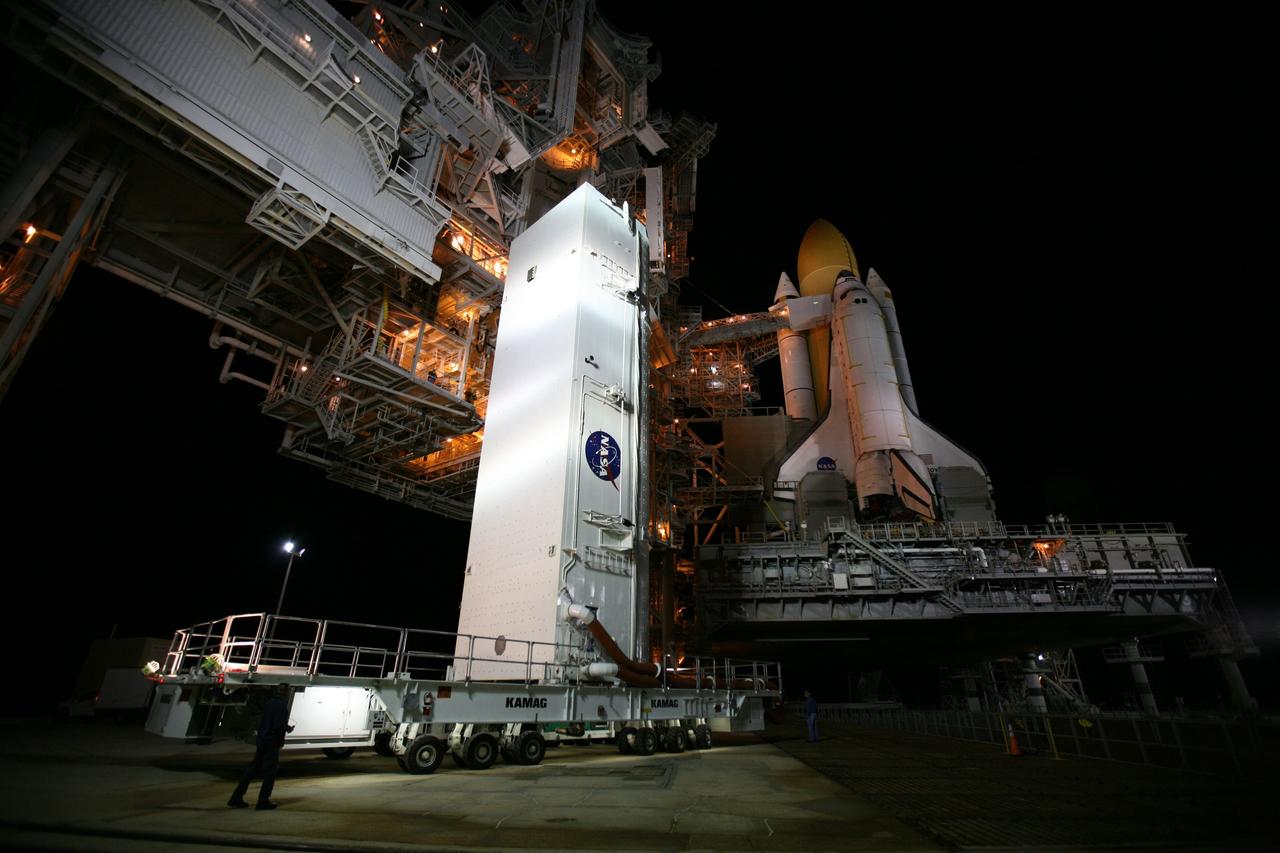
CAPE CANAVERAL, Fla. -- At NASA's Kennedy Space Center in Florida, the STS-133 payload canister approaches Launch Pad 39A where it will be lifted into the rotating service structure. The payload then will be moved into space shuttle Discovery's payload bay. Discovery and its STS-133 crew will deliver the Permanent Multipurpose Module, packed with supplies and critical spare parts, as well as Robonaut 2, the dexterous humanoid astronaut helper, to the International Space Station. Launch is targeted for 4:40 p.m. EDT, Nov. 1. Photo credit: NASA/Amanda Diller
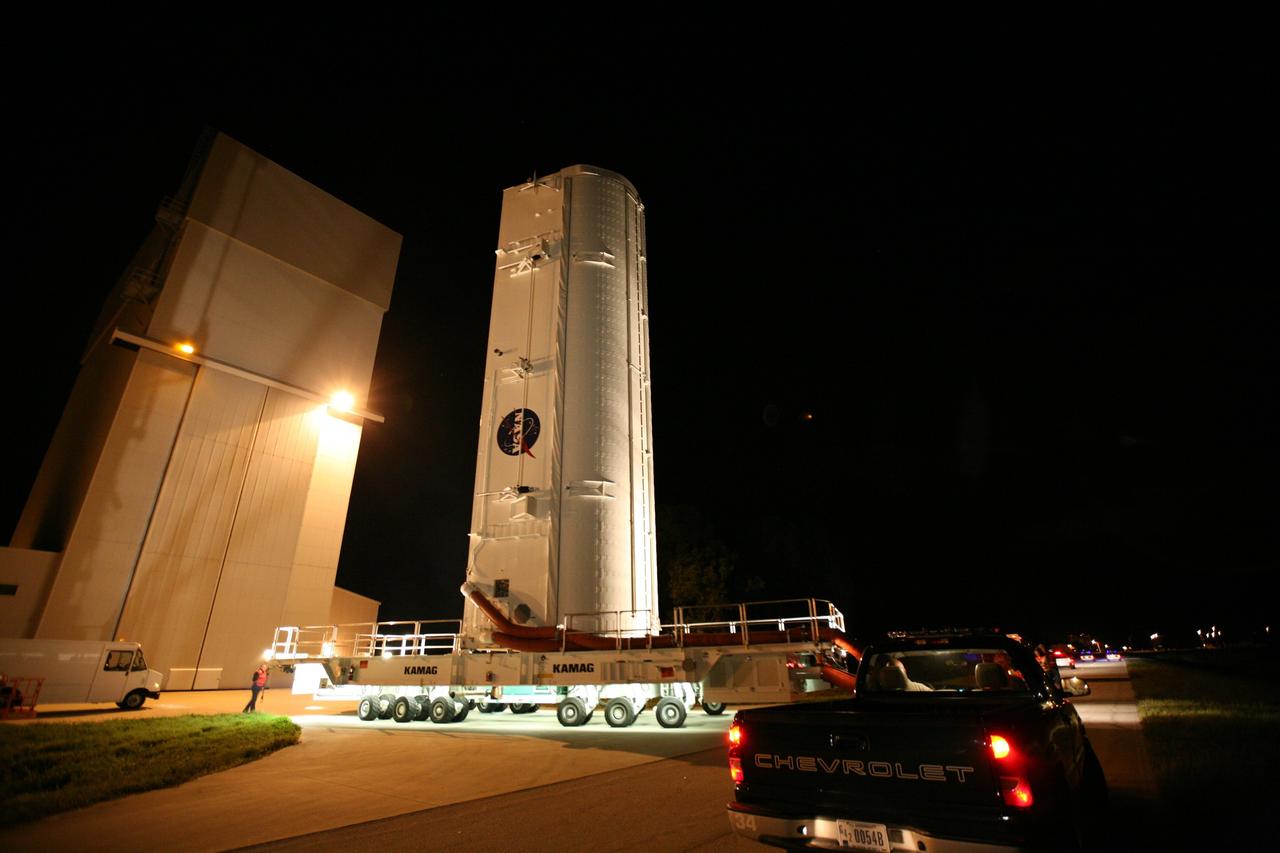
CAPE CANAVERAL, Fla. -- At NASA's Kennedy Space Center in Florida, the STS-133 payload canister leaves the Canister Rotation Facility on a transport vehicle headed for Launch Pad 39A where it will be lifted into the rotating service structure. The payload then will be moved into space shuttle Discovery's payload bay. Discovery and its STS-133 crew will deliver the Permanent Multipurpose Module, packed with supplies and critical spare parts, as well as Robonaut 2, the dexterous humanoid astronaut helper, to the International Space Station. Launch is targeted for 4:40 p.m. EDT, Nov. 1. Photo credit: NASA/Amanda Diller
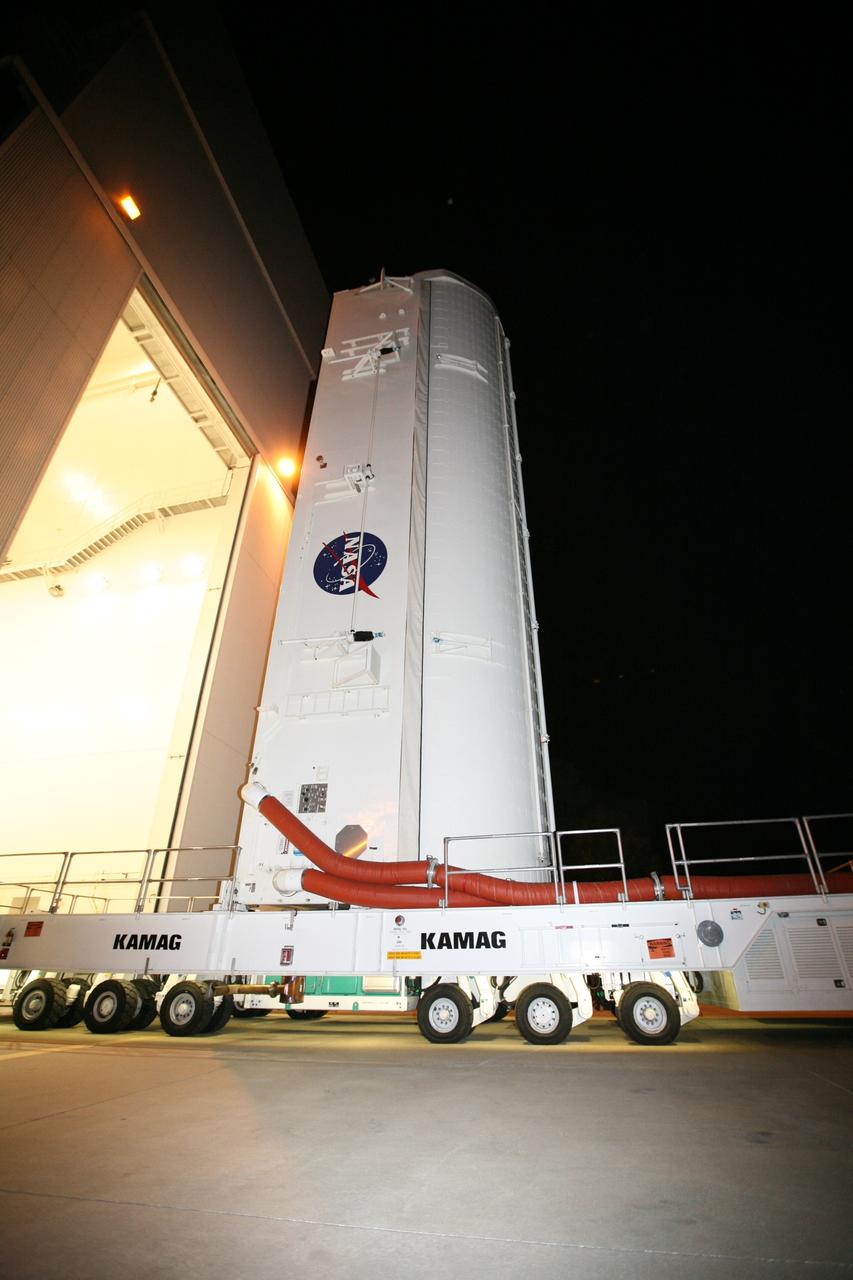
CAPE CANAVERAL, Fla. -- At NASA's Kennedy Space Center in Florida, the STS-133 payload canister leaves the Canister Rotation Facility on a transport vehicle headed for Launch Pad 39A where it will be lifted into the rotating service structure. The payload then will be moved into space shuttle Discovery's payload bay. Discovery and its STS-133 crew will deliver the Permanent Multipurpose Module, packed with supplies and critical spare parts, as well as Robonaut 2, the dexterous humanoid astronaut helper, to the International Space Station. Launch is targeted for 4:40 p.m. EDT, Nov. 1. Photo credit: NASA/Amanda Diller
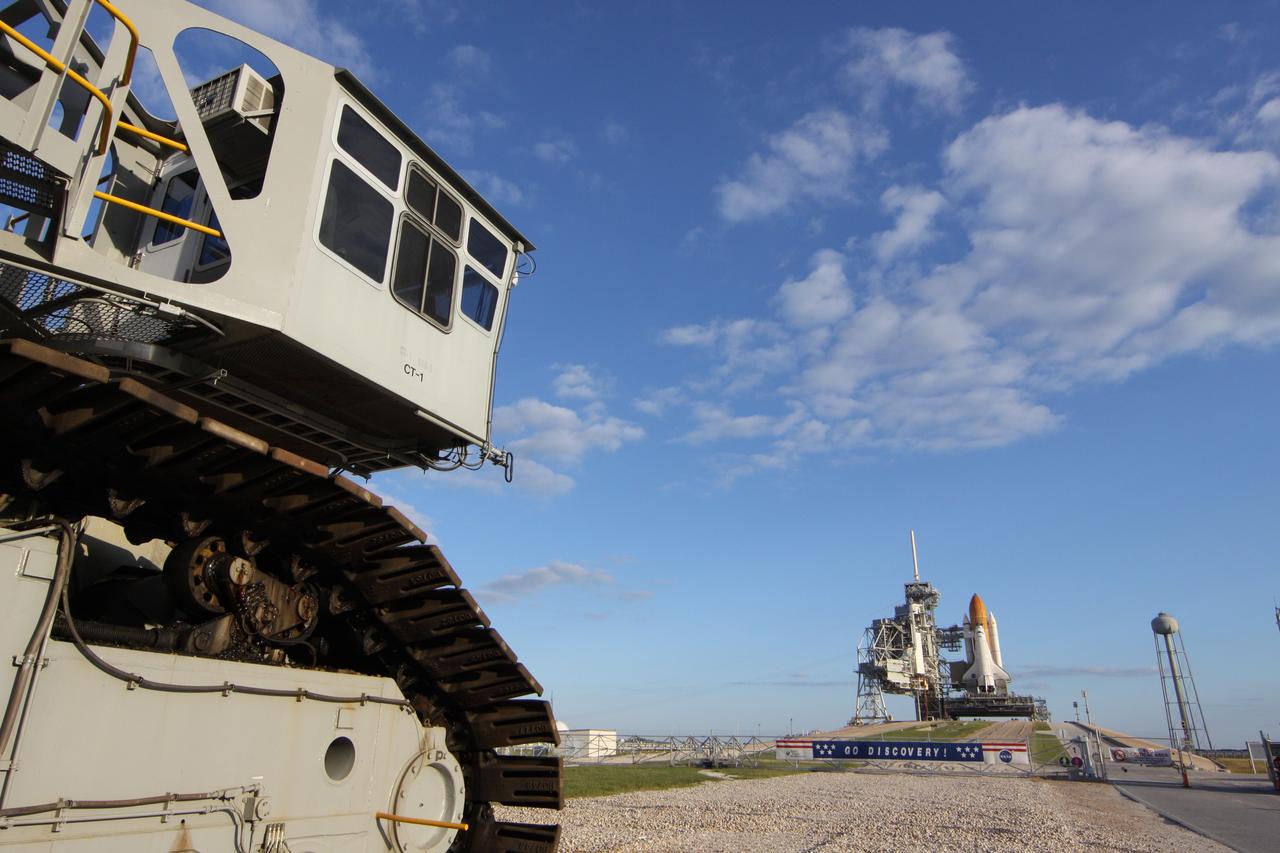
CAPE CANAVERAL, Fla. -- At NASA's Kennedy Space Center in Florida, the STS-133 payload canister now is in the rotating service structure on Launch Pad 39A. A crawler-transporter sits to the left of a sign hanging on the fence in front of the pad entrance supporting space shuttle Discovery. The payload then will be moved into space shuttle Discovery's payload bay. Discovery and its STS-133 crew will deliver the Permanent Multipurpose Module, packed with supplies and critical spare parts, as well as Robonaut 2, the dexterous humanoid astronaut helper, to the International Space Station. Launch is targeted for 4:40 p.m. EDT, Nov. 1. Photo credit: NASA/Troy Cryder
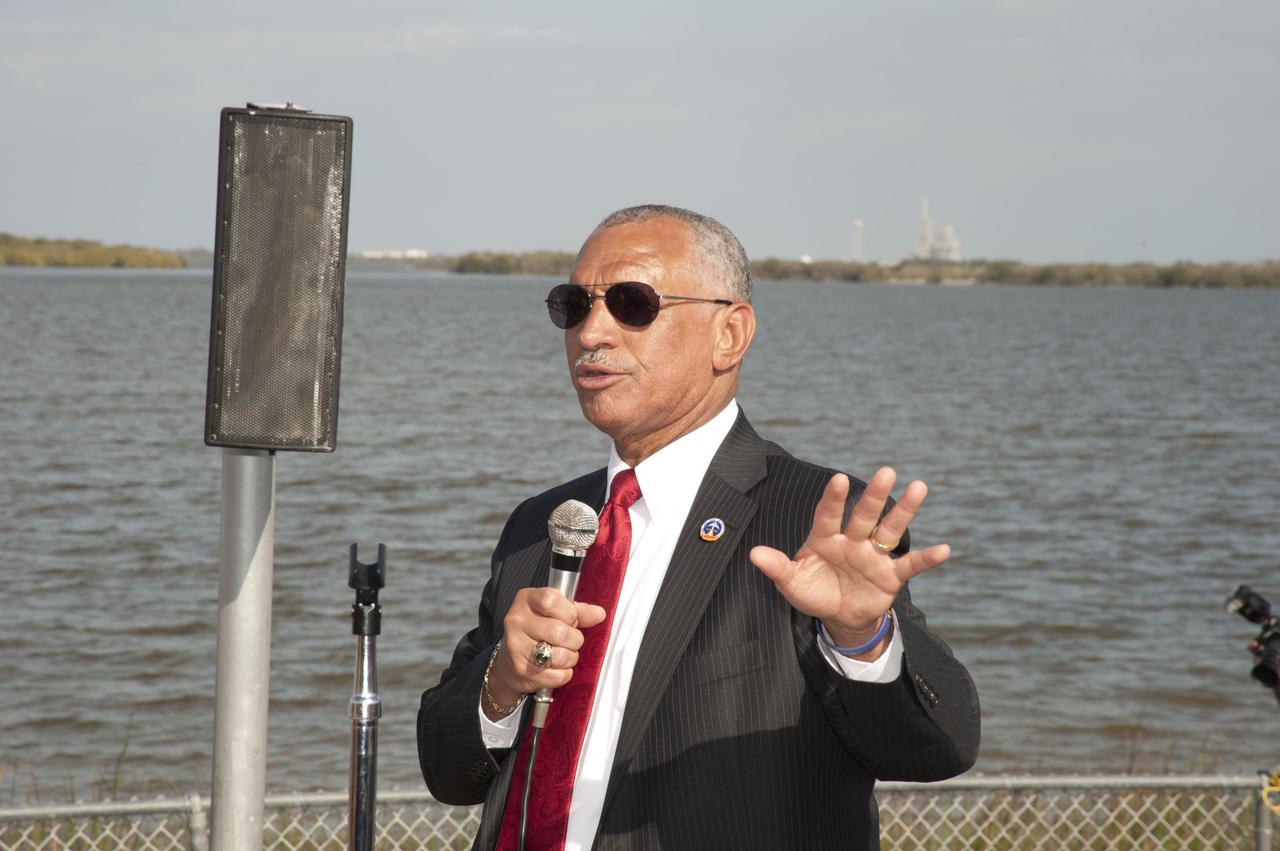
STS133-S-046 (24 Feb. 2011) --- At the Banana River Creek VIP viewing area at NASA's Kennedy Space Center in Florida, NASA Administrator Charlie Bolden addresses the spectators attending space shuttle Discovery's liftoff from Launch Pad 39A on its final mission to the International Space Station. Discovery lifted off at 4:53 p.m. (EST) on Feb. 24, 2011. The six-member STS-133 crew will deliver the Permanent Multipurpose Module, supplies and critical spare parts, as well as Robonaut 2, the dexterous humanoid astronaut helper, to the station. This is the 133rd Space Shuttle Program mission and the 35th shuttle voyage to the space station. Photo credit: NASA or National Aeronautics and Space Administration
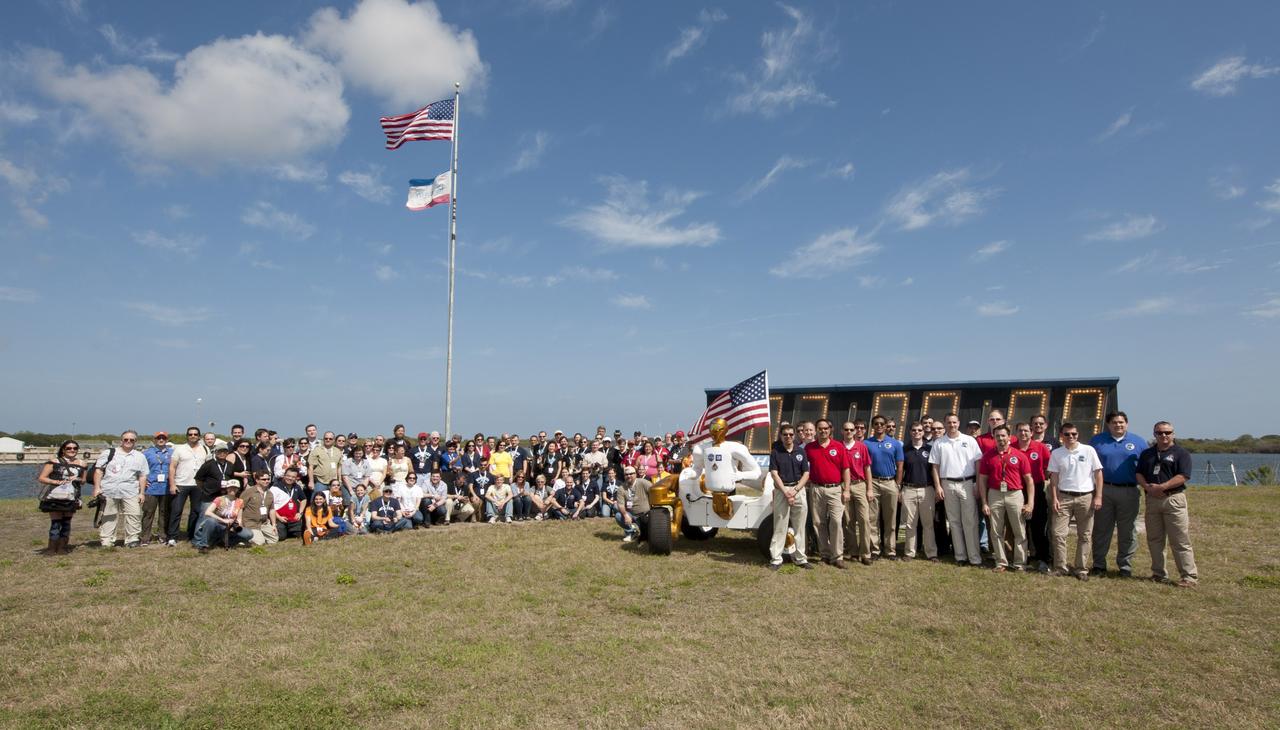
NASA Tweetup participants along with NASA engineers and Robonaut 2 stand at the launch clock, Thursday, Feb. 24, 2011, prior to the launch of the space shuttle Discovery (STS-133) at Kennedy Space Center in Cape Canaveral, Fla. During the 11-day mission, Discovery will deliver the Italian-built Permanent Multipurpose Module (PMM) and Express Logistics Carrier 4 (ELC4) along with another Robonaut 2, which will become the first humanoid robot in space. Discovery, on its 39th and final flight, is NASA's most flown shuttle. Photo Credit: (NASA/Paul E. Alers)
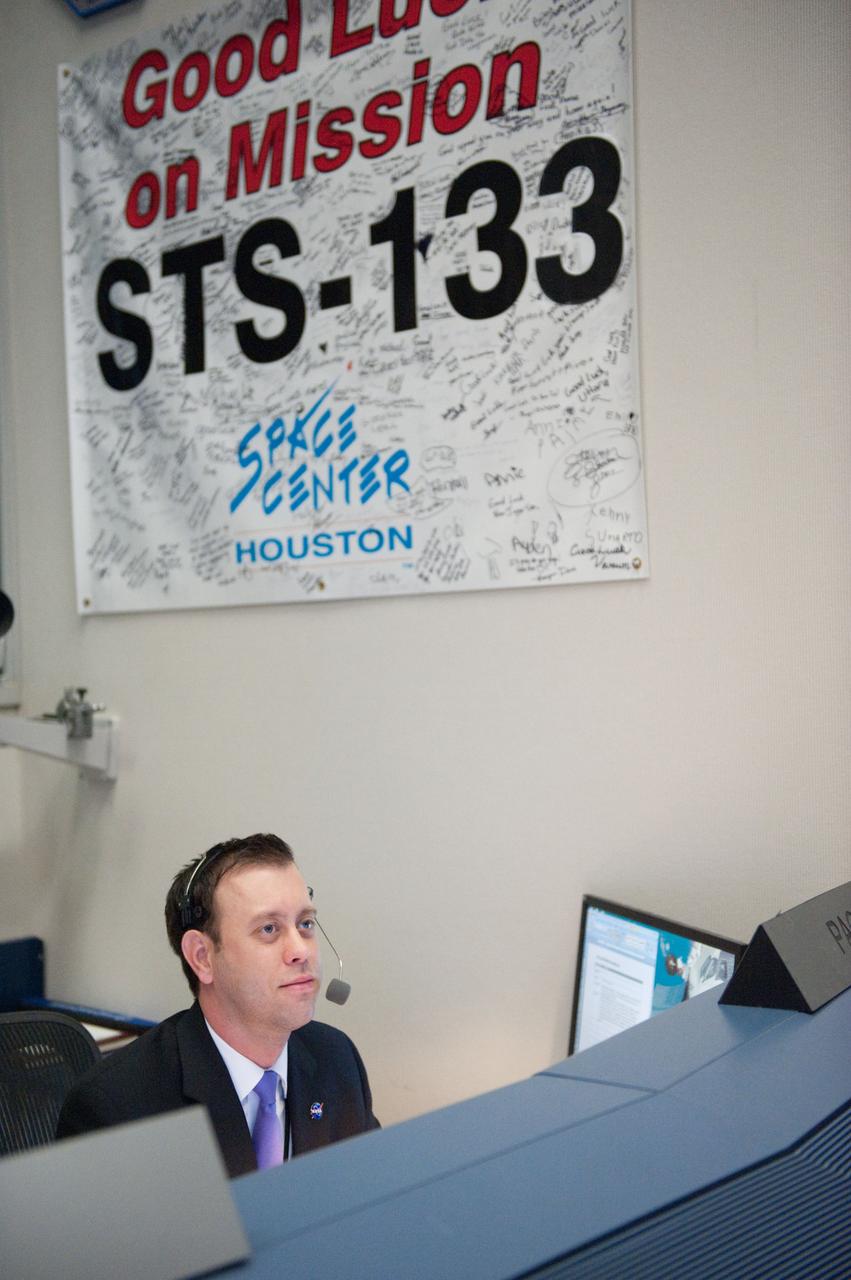
STS-133 flight controllers on console during the launch of Discovery with Flight Director Richard Jones. Photo Date: February 24, 2011. Location: Building 30 south - WFCR. Photographer: Robert Markowitz.
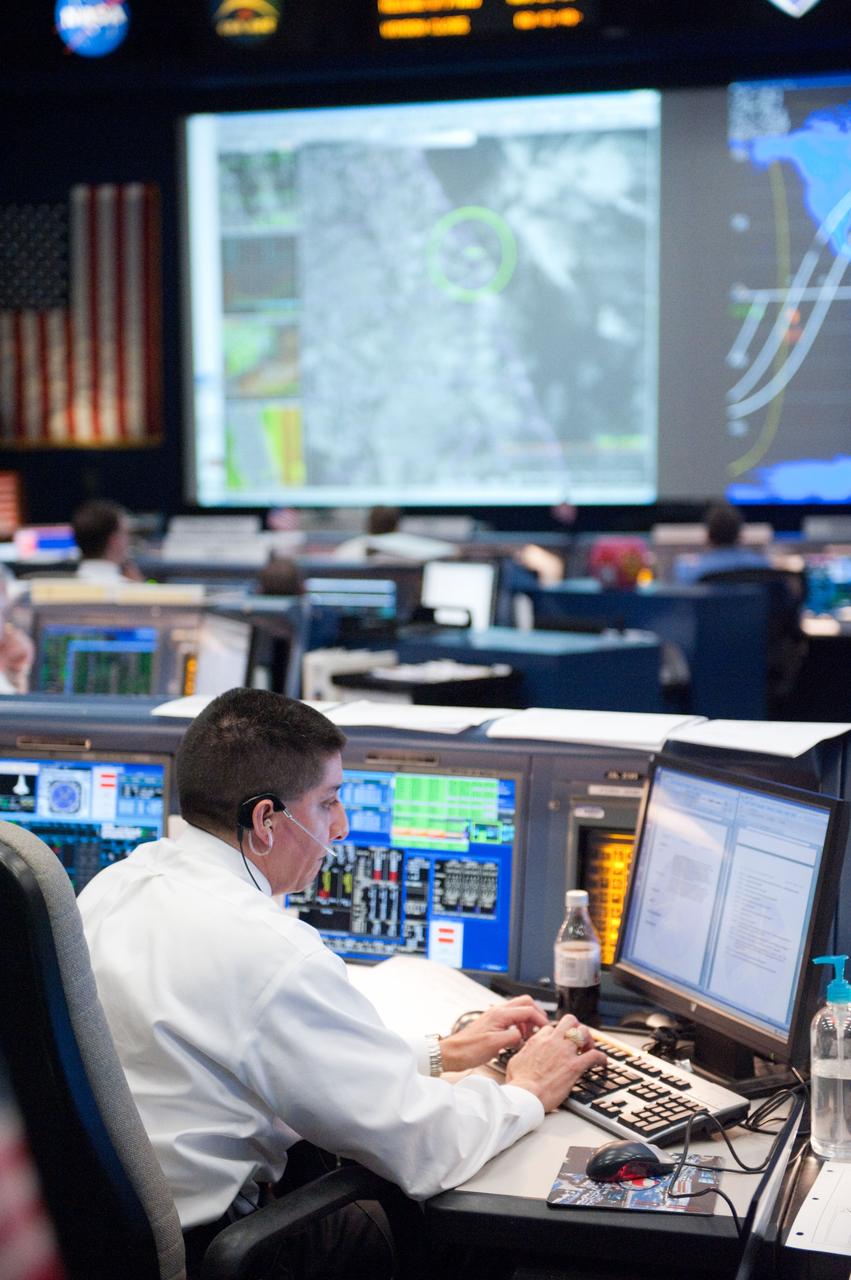
STS-133 flight controllers on console during the launch of Discovery with Flight Director Richard Jones. Photo Date: February 24, 2011. Location: Building 30 south - WFCR. Photographer: Robert Markowitz.
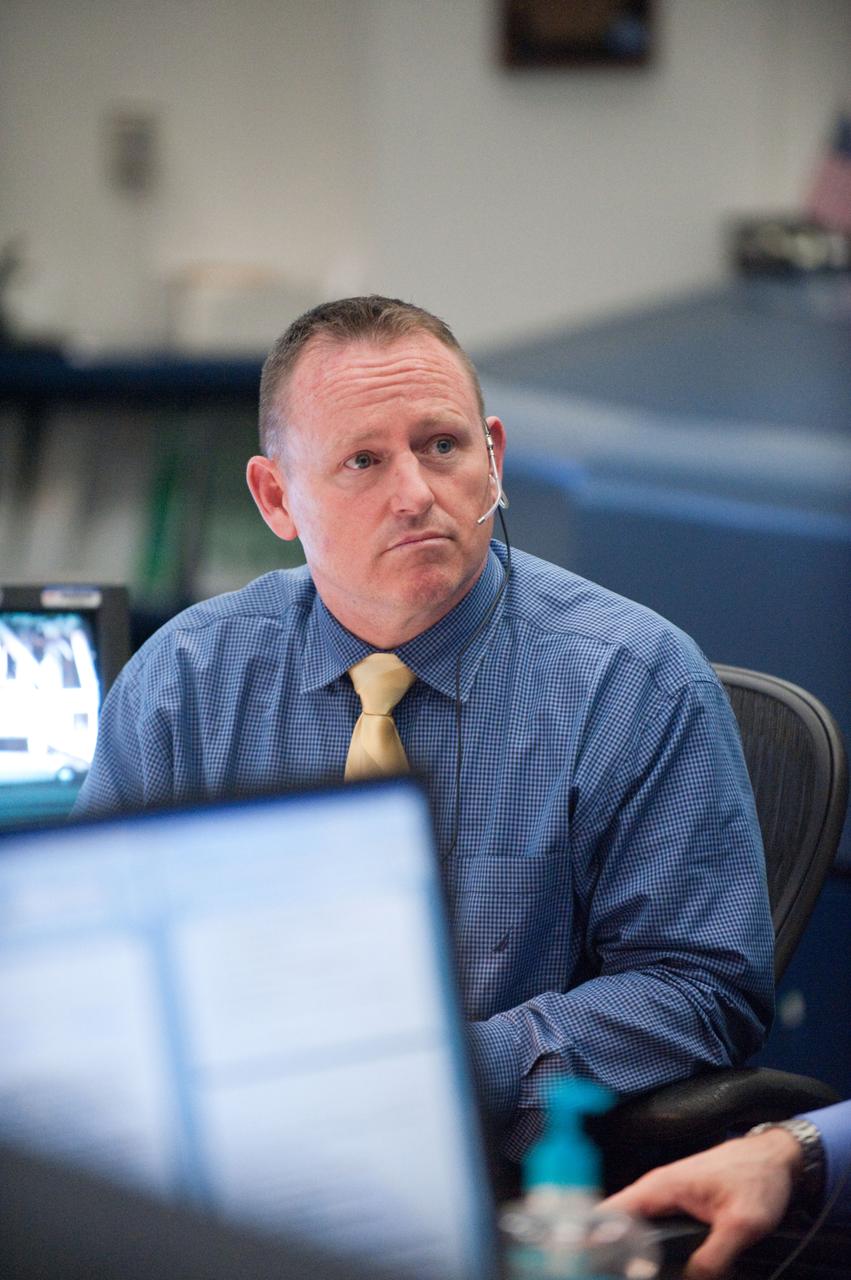
STS-133 flight controllers on console during the launch of Discovery with Flight Director Richard Jones. Photo Date: February 24, 2011. Location: Building 30 south - WFCR. Photographer: Robert Markowitz.
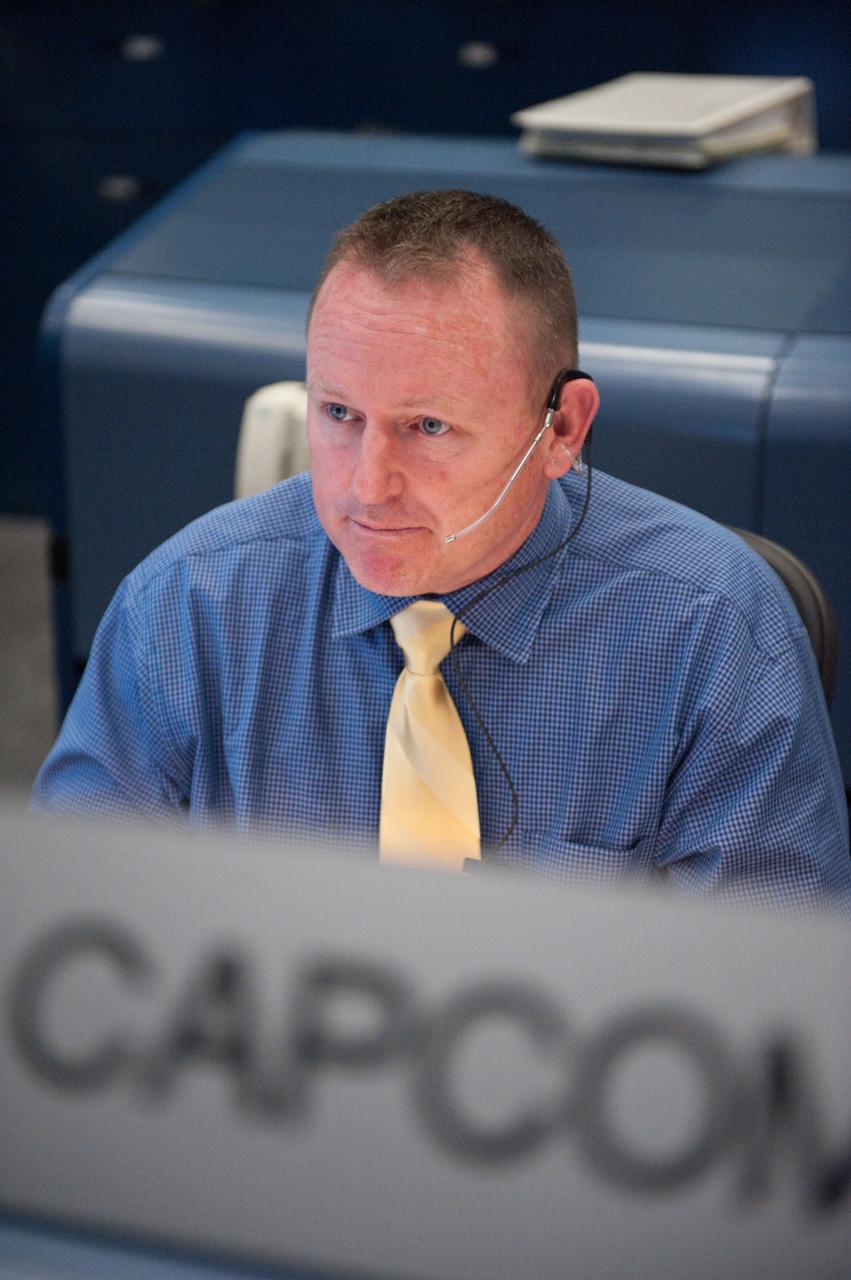
STS-133 flight controllers on console during the launch of Discovery with Flight Director Richard Jones. Photo Date: February 24, 2011. Location: Building 30 south - WFCR. Photographer: Robert Markowitz.
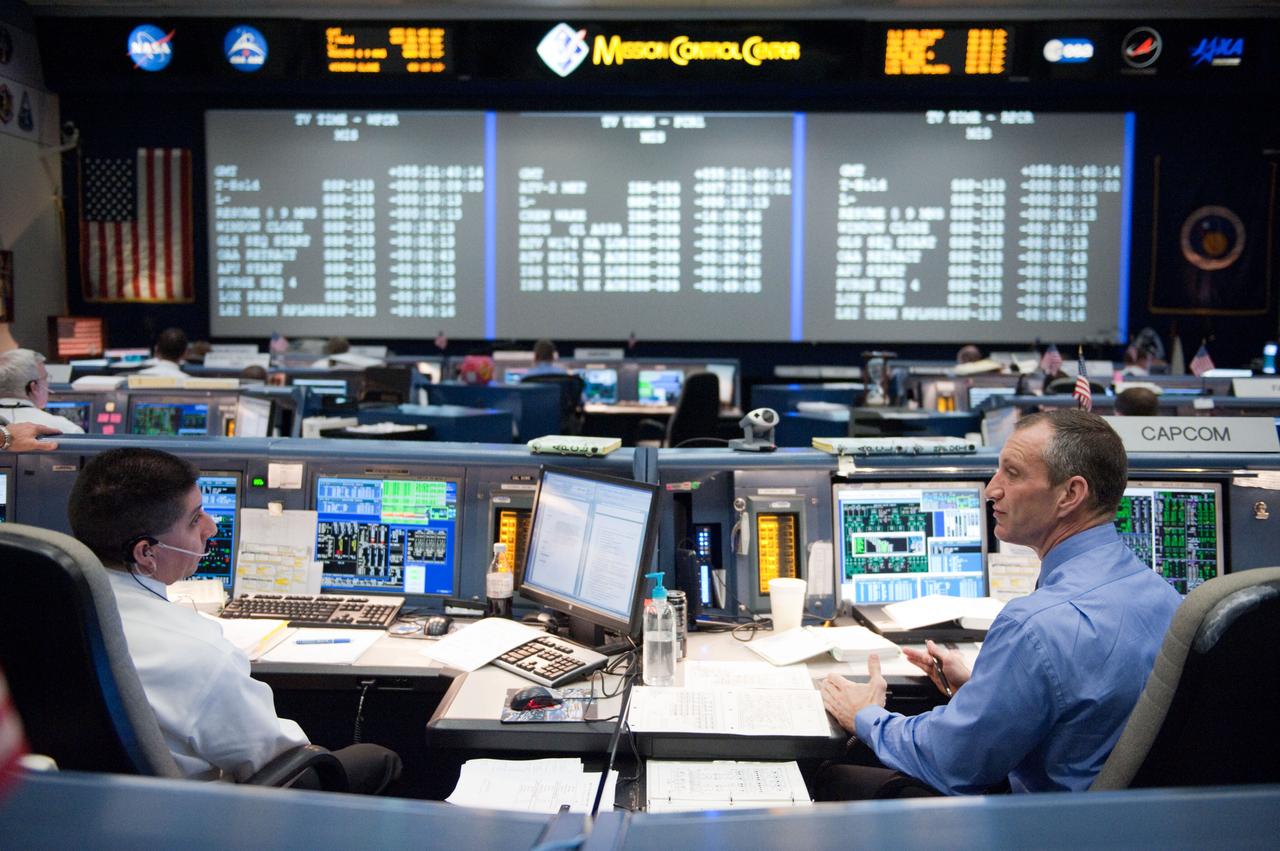
STS-133 flight controllers on console during the launch of Discovery with Flight Director Richard Jones. Photo Date: February 24, 2011. Location: Building 30 south - WFCR. Photographer: Robert Markowitz.
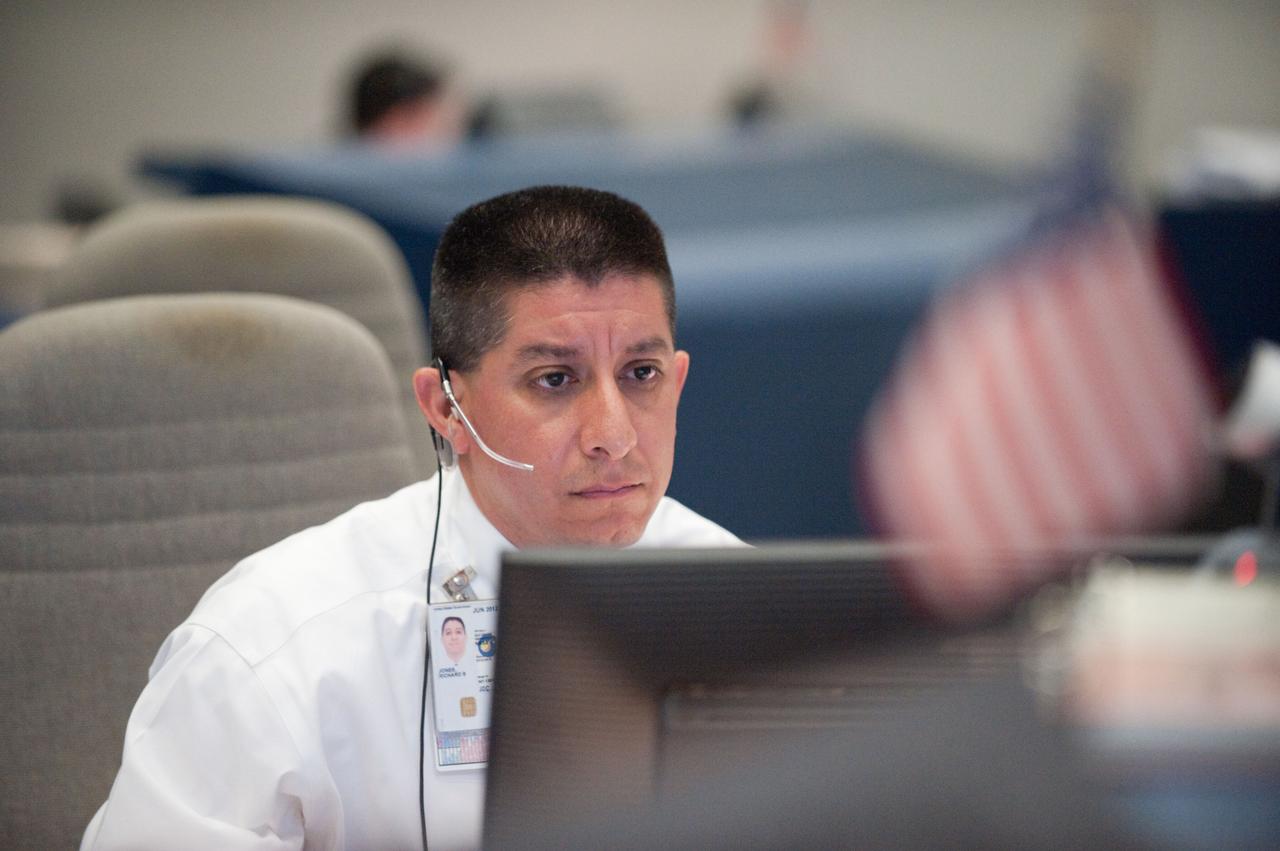
STS-133 flight controllers on console during the launch of Discovery with Flight Director Richard Jones. Photo Date: February 24, 2011. Location: Building 30 south - WFCR. Photographer: Robert Markowitz.
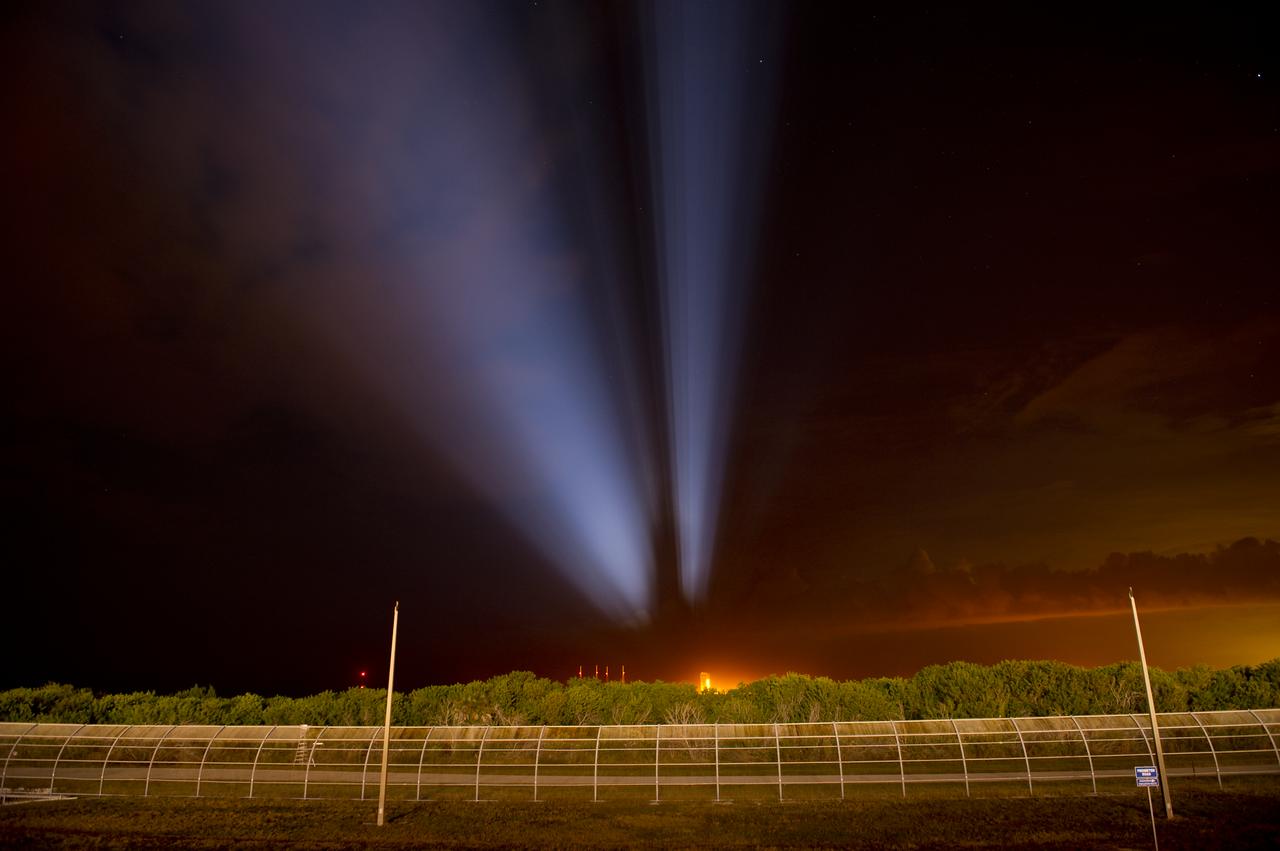
An faint profile outline of the space shuttle Discovery and launch pad 39a are seen projected in the sky as powerful xenon lights illuminate launch pad 39a on Wednesday, Nov. 3, 2010 at the NASA Kennedy Space Center in Cape Canaveral, Fla. During space shuttle Discovery's final spaceflight, the STS-133 crew members will take important spare parts to the International Space Station along with the Express Logistics Carrier-4. Photo Credit: (NASA/Bill Ingalls)
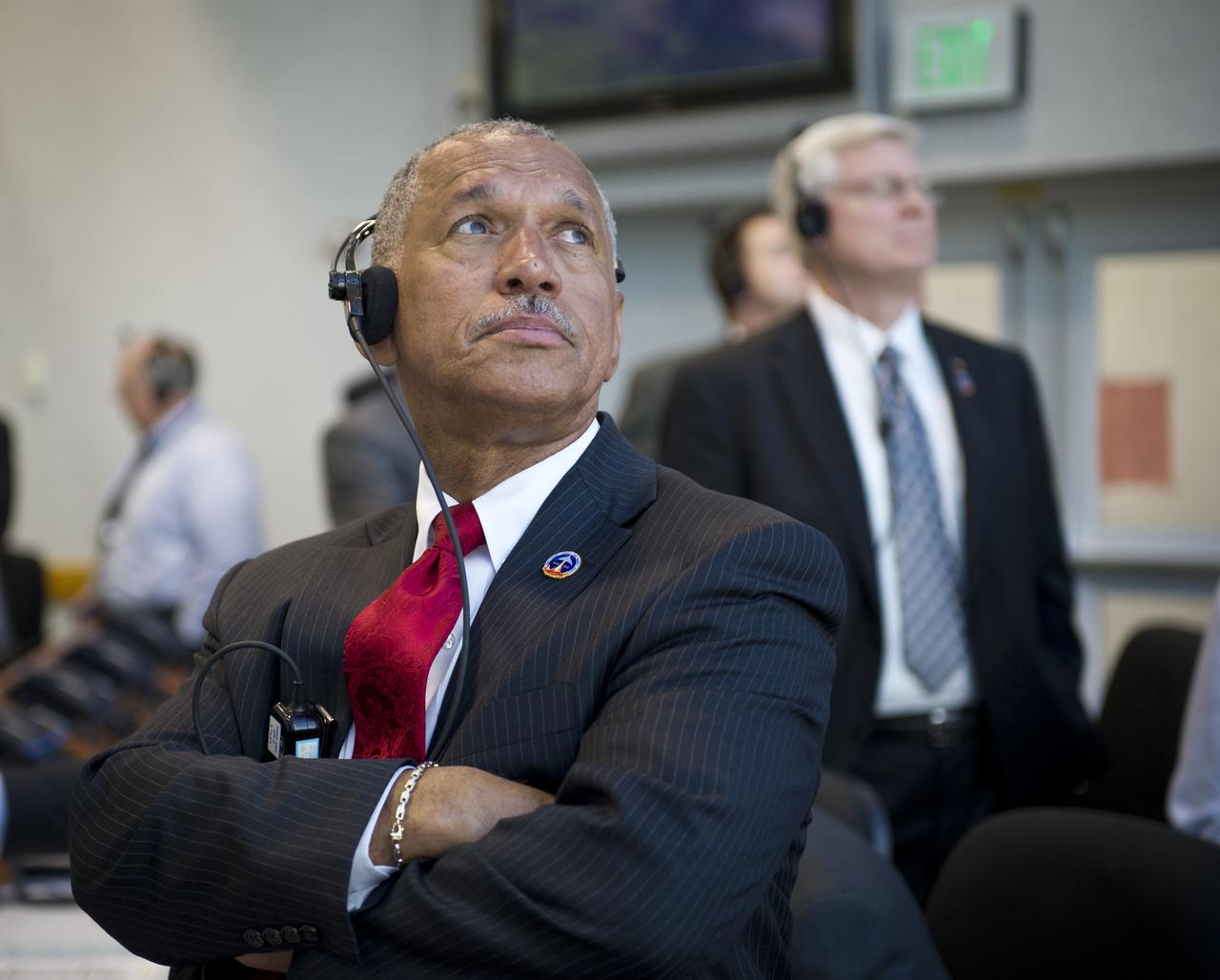
NASA Administrator Charles Bolden and other NASA management watch the launch of space shuttle Discovery (STS-133) from the firing room at Kennedy Space Center, Thursday, Feb. 24, 2011, in Cape Canaveral, Fla. Discovery, on its 39th and final flight, is carrying the Italian-built Permanent Multipurpose Module (PMM), Express Logistics Carrier 4 (ELC4) and Robonaut 2, the first humanoid robot in space to the International Space Station. Photo Credit: (NASA/Bill Ingalls)
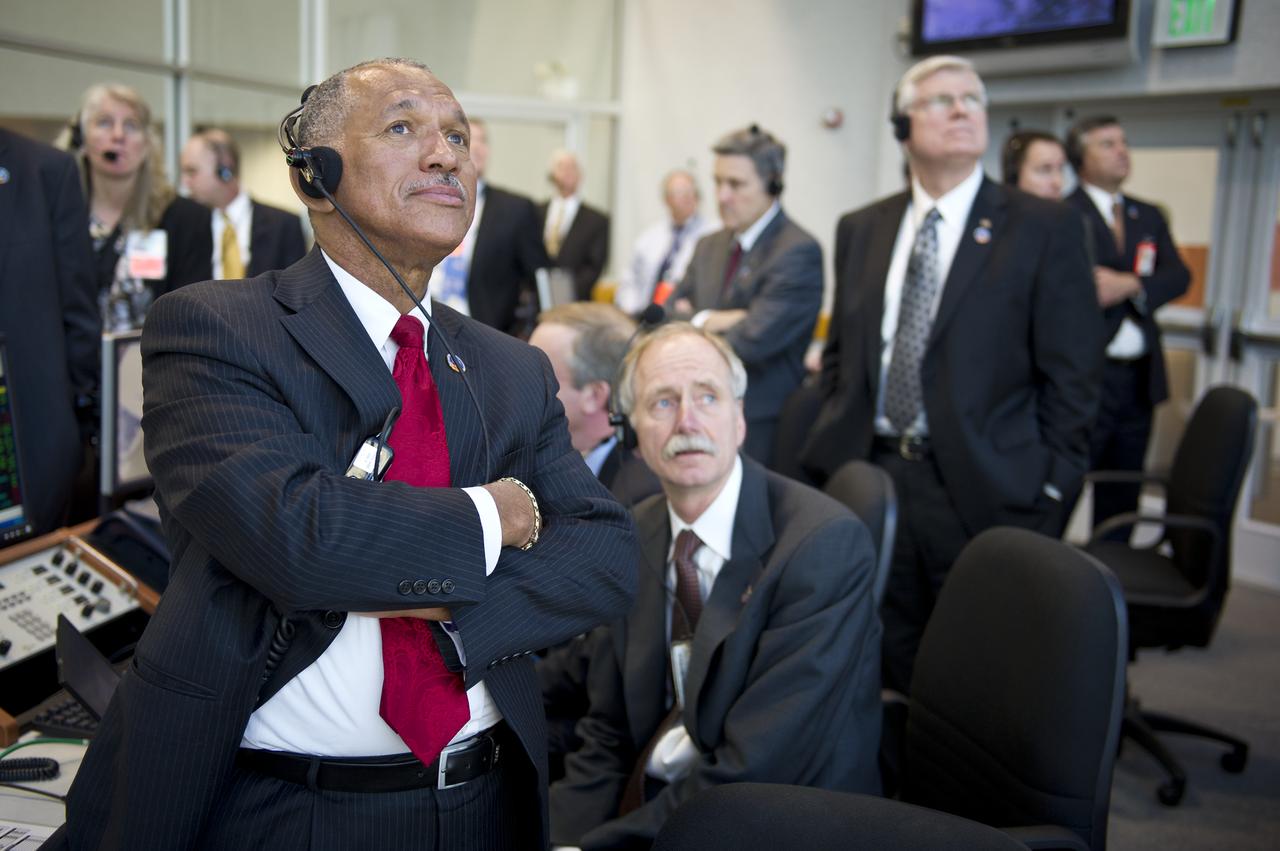
NASA Administrator Charles Bolden and other NASA management watch the launch of space shuttle Discovery (STS-133) from the firing room at Kennedy Space Center, Thursday, Feb. 24, 2011, in Cape Canaveral, Fla. Discovery, on its 39th and final flight, is carrying the Italian-built Permanent Multipurpose Module (PMM), Express Logistics Carrier 4 (ELC4) and Robonaut 2, the first humanoid robot in space to the International Space Station. Photo Credit: (NASA/Bill Ingalls)
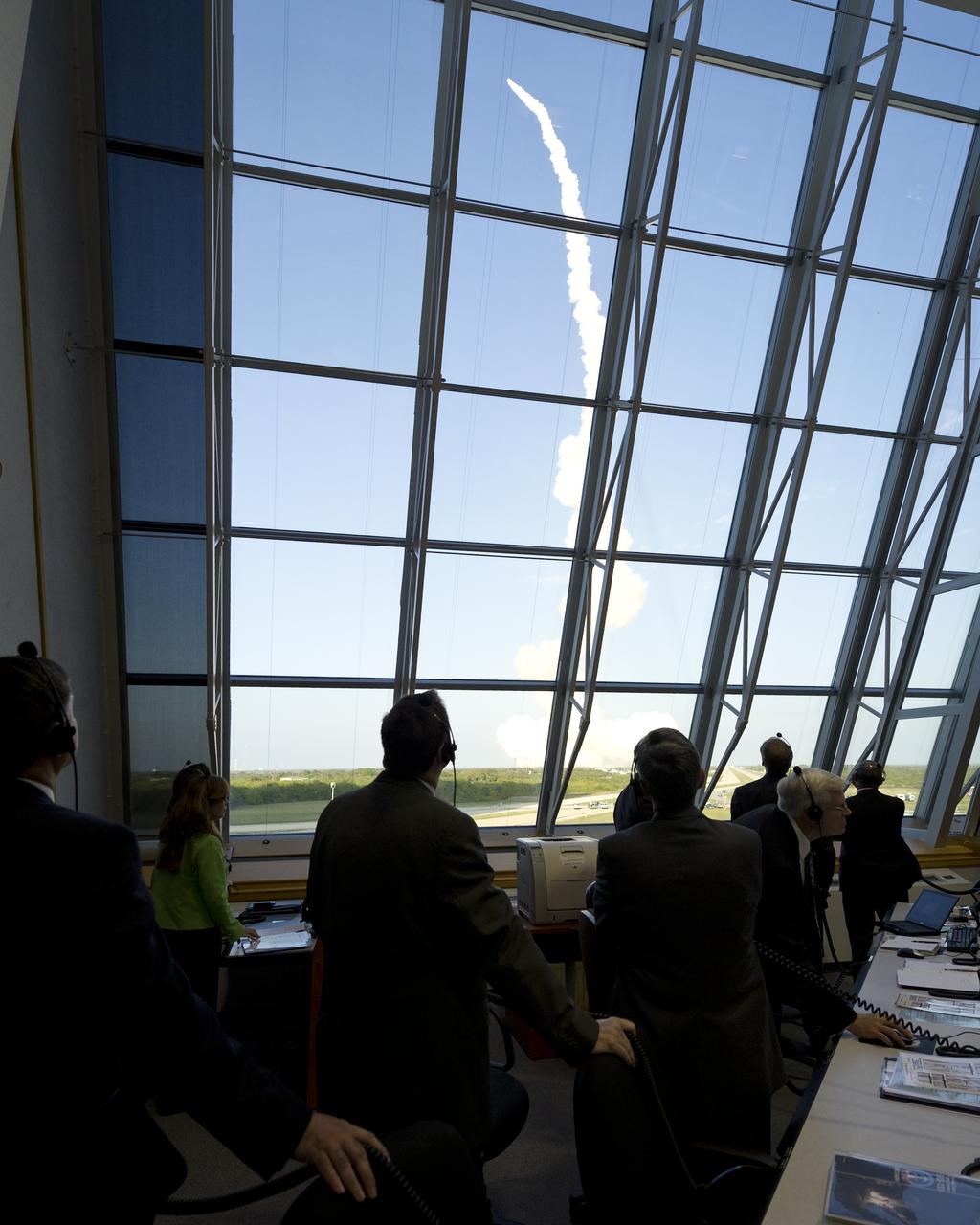
NASA management watch the launch of space shuttle Discovery (STS-133) from the firing room at Kennedy Space Center, Thursday, Feb. 24, 2011, in Cape Canaveral, Fla. Discovery, on its 39th and final flight, is carrying the Italian-built Permanent Multipurpose Module (PMM), Express Logistics Carrier 4 (ELC4) and Robonaut 2, the first humanoid robot in space to the International Space Station. Photo Credit: (NASA/Bill Ingalls)
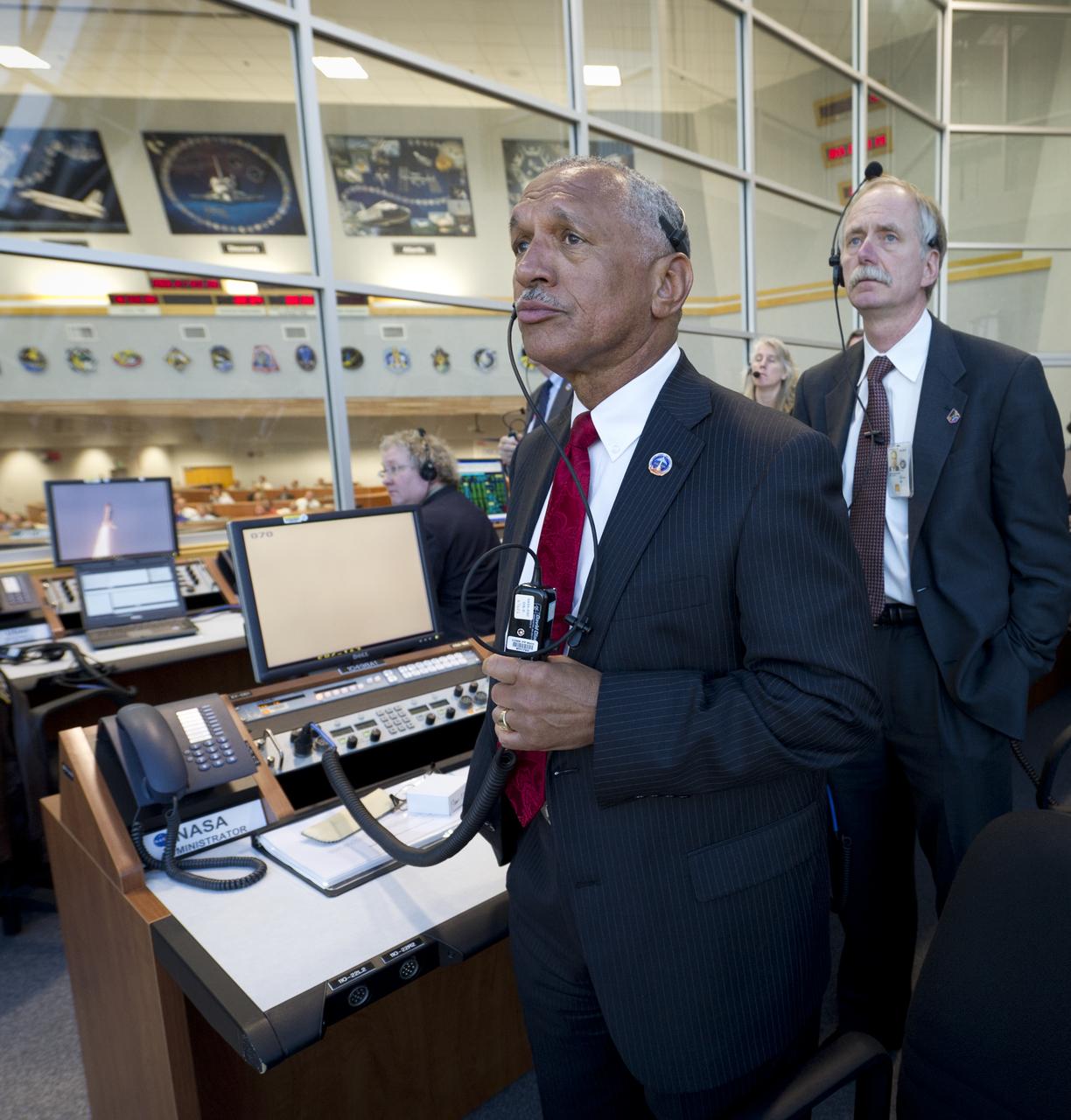
NASA Administrator Charles Bolden and other NASA management watch the launch of space shuttle Discovery (STS-133) from the firing room at Kennedy Space Center, Thursday, Feb. 24, 2011, in Cape Canaveral, Fla. Discovery, on its 39th and final flight, is carrying the Italian-built Permanent Multipurpose Module (PMM), Express Logistics Carrier 4 (ELC4) and Robonaut 2, the first humanoid robot in space to the International Space Station. Photo Credit: (NASA/Bill Ingalls)
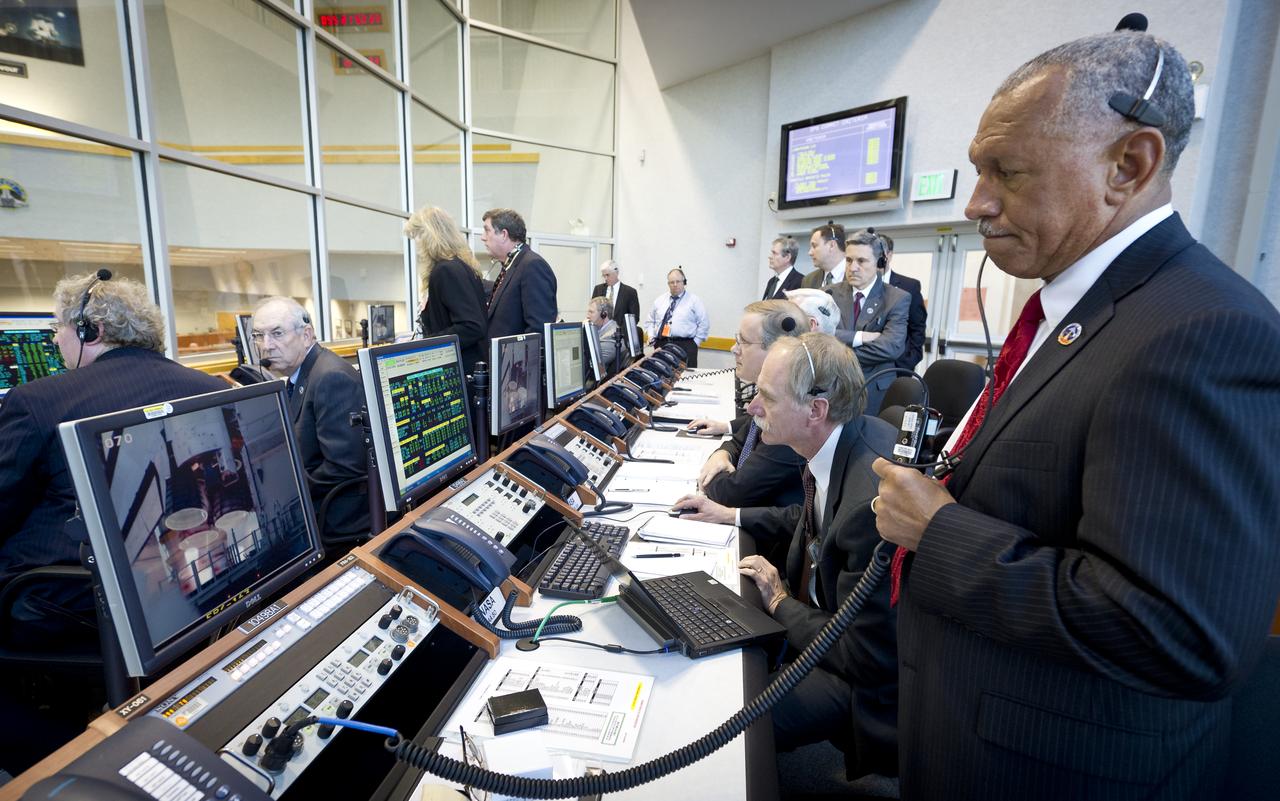
NASA Administrator Charles Bolden and other NASA management watch the launch of space shuttle Discovery (STS-133) from the firing room at Kennedy Space Center, Thursday, Feb. 24, 2011, in Cape Canaveral, Fla. Discovery, on its 39th and final flight, is carrying the Italian-built Permanent Multipurpose Module (PMM), Express Logistics Carrier 4 (ELC4) and Robonaut 2, the first humanoid robot in space to the International Space Station. Photo Credit: (NASA/Bill Ingalls)
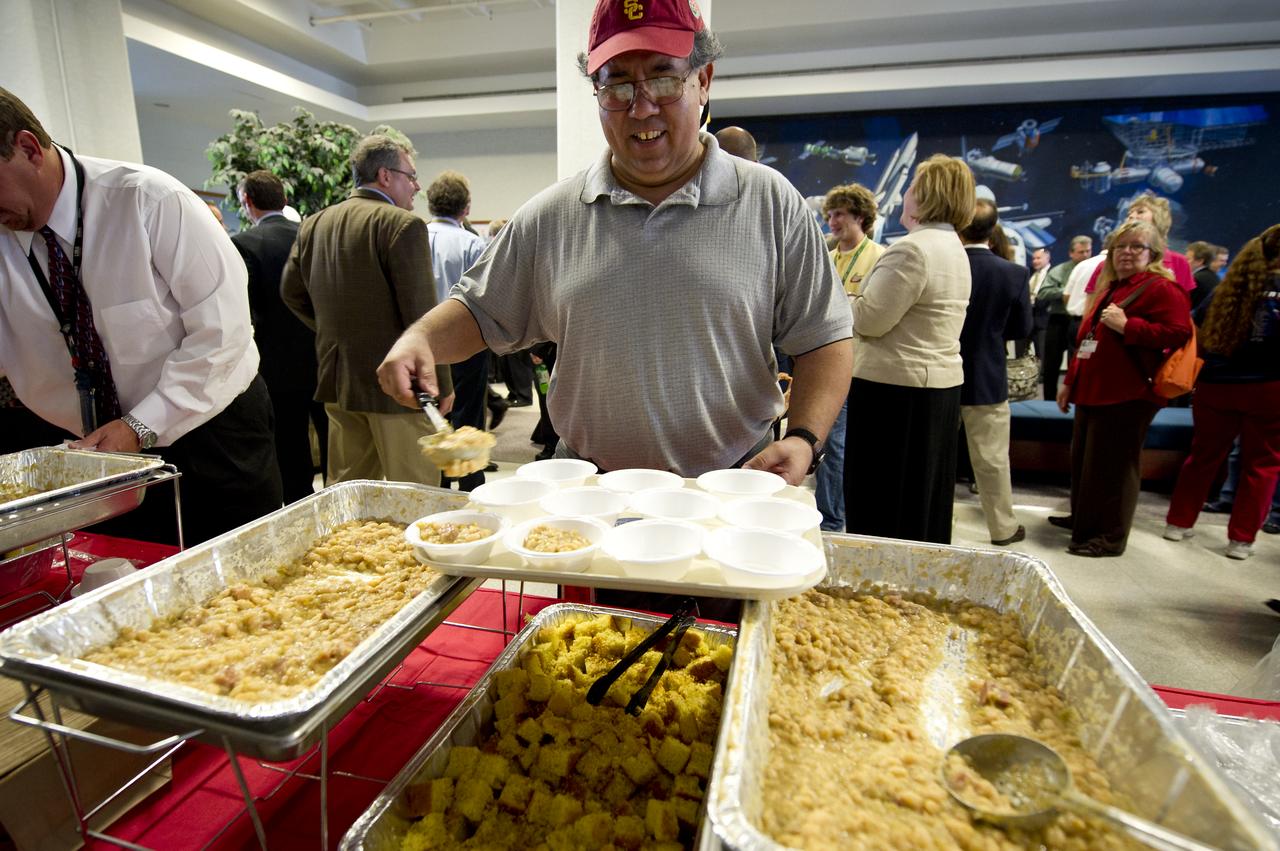
NASA Orbital Processing Facility Inspector Janaro Negrete, fills cups with the post launch traditional beans and cornbread to take share with his colleagues at the Launch Control Center (LCC) after the launch of the space shuttle Discovery (STS-133) at the Kennedy Space Center, Thursday, Feb. 24, 2011, in Cape Canaveral, Fla. Discovery, on its 39th and final flight, is carrying the Italian-built Permanent Multipurpose Module (PMM), Express Logistics Carrier 4 (ELC4) and Robonaut 2, the first humanoid robot in space to the International Space Station. Photo Credit: (NASA/Bill Ingalls)
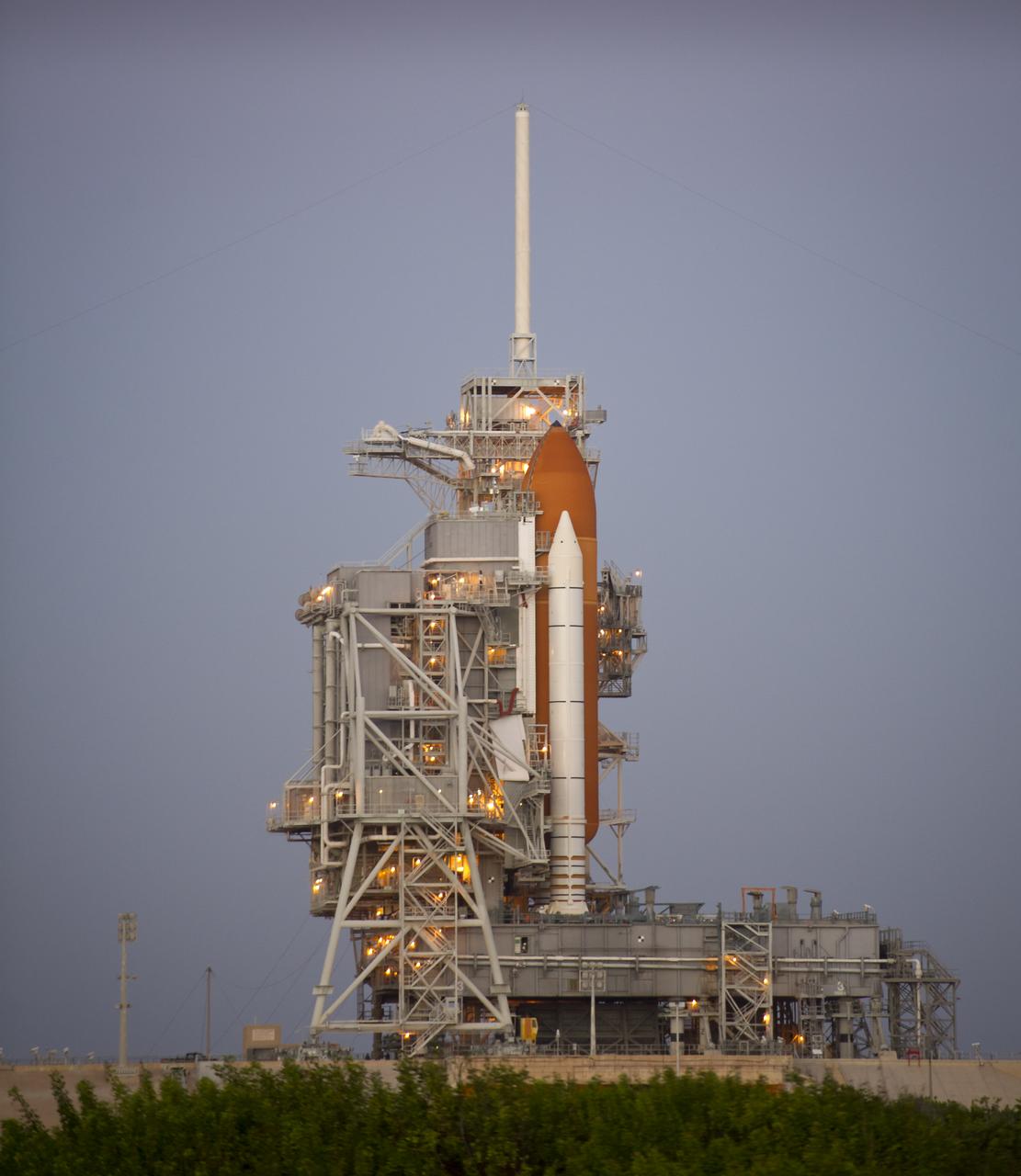
The space shuttle Discovery is seen on launch pad 39a early in the morning of Sunday, Oct. 31, 2010 at the NASA Kennedy Space Center in Cape Canaveral, Fla. During Space Shuttle Discovery's final spaceflight, the STS-133 crew members will take important spare parts to the International Space Station along with the Express Logistics Carrier-4. Discovery is targeted for launch at 3:52 p.m. Wednesday, Nov. 3, 2010. Photo Credit: (NASA/Bill Ingalls)
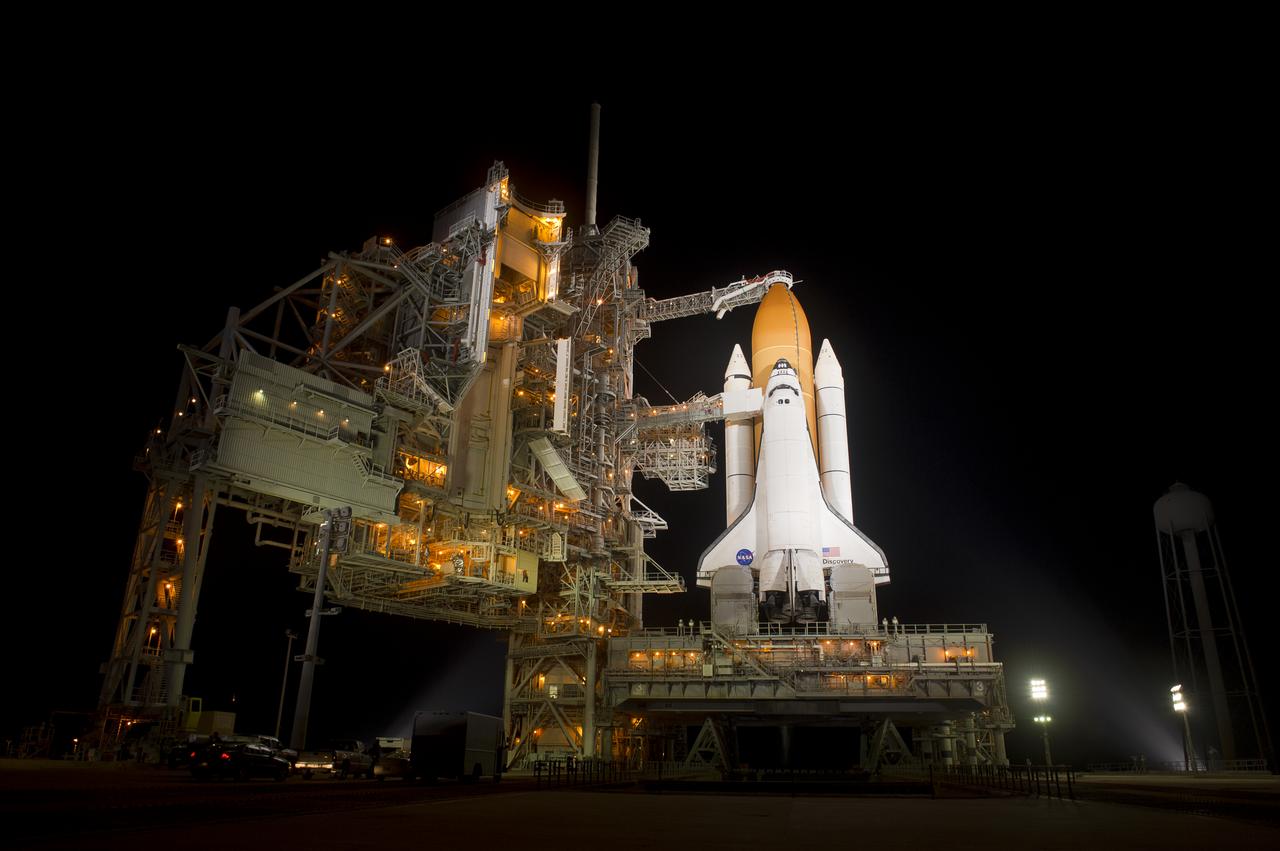
The space shuttle Discovery is seen on launch Pad 39a after the Rotating Service Structure (RSS) is rolled back on Wednesday, Nov. 3, 2010 at the NASA Kennedy Space Center in Cape Canaveral, Fla. During space shuttle Discovery's final spaceflight, the STS-133 crew members will take important spare parts to the International Space Station along with the Express Logistics Carrier-4. Photo Credit: (NASA/Bill Ingalls)
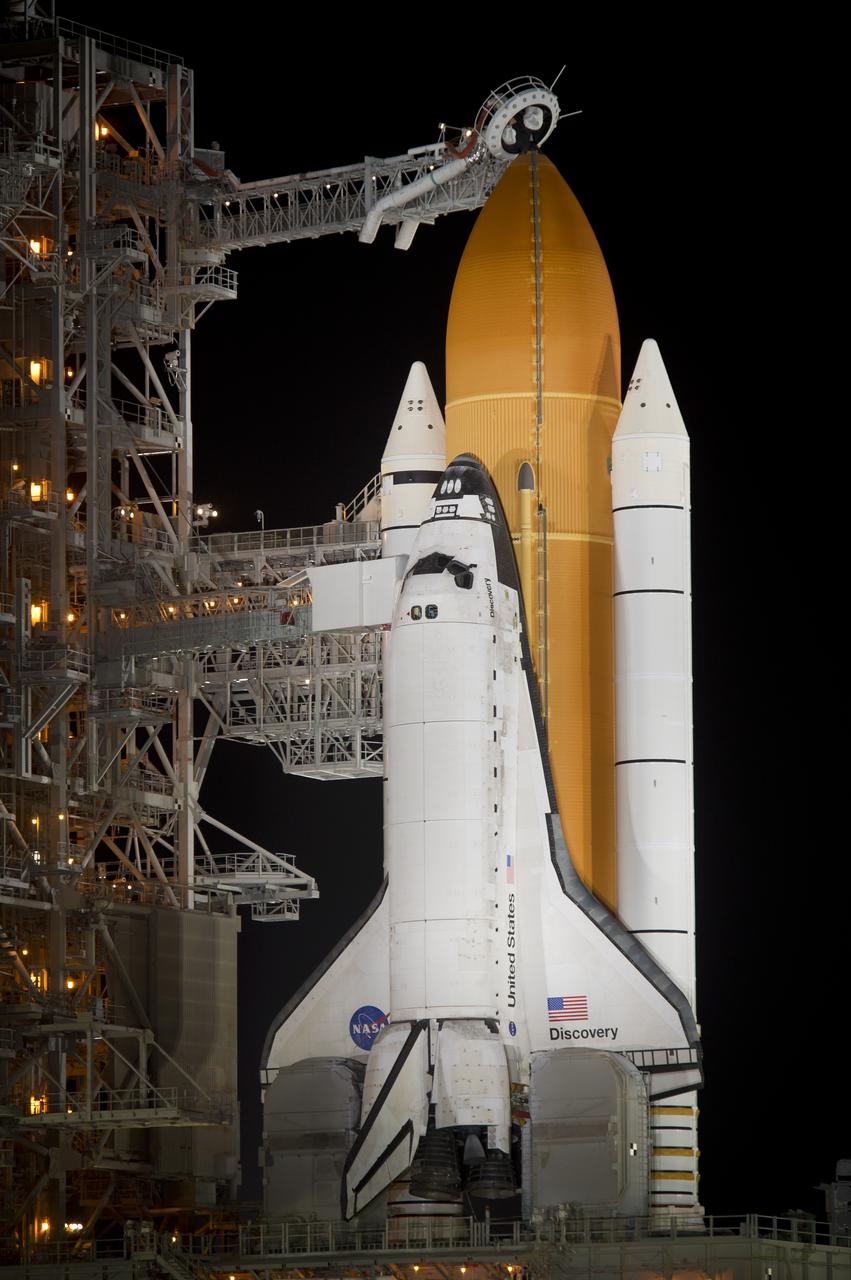
The space shuttle Discovery is seen on launch Pad 39a after the Rotating Service Structure (RSS) is rolled back on Wednesday, Nov. 3, 2010 at the NASA Kennedy Space Center in Cape Canaveral, Fla. During space shuttle Discovery's final spaceflight, the STS-133 crew members will take important spare parts to the International Space Station along with the Express Logistics Carrier-4. Photo Credit: (NASA/Bill Ingalls)
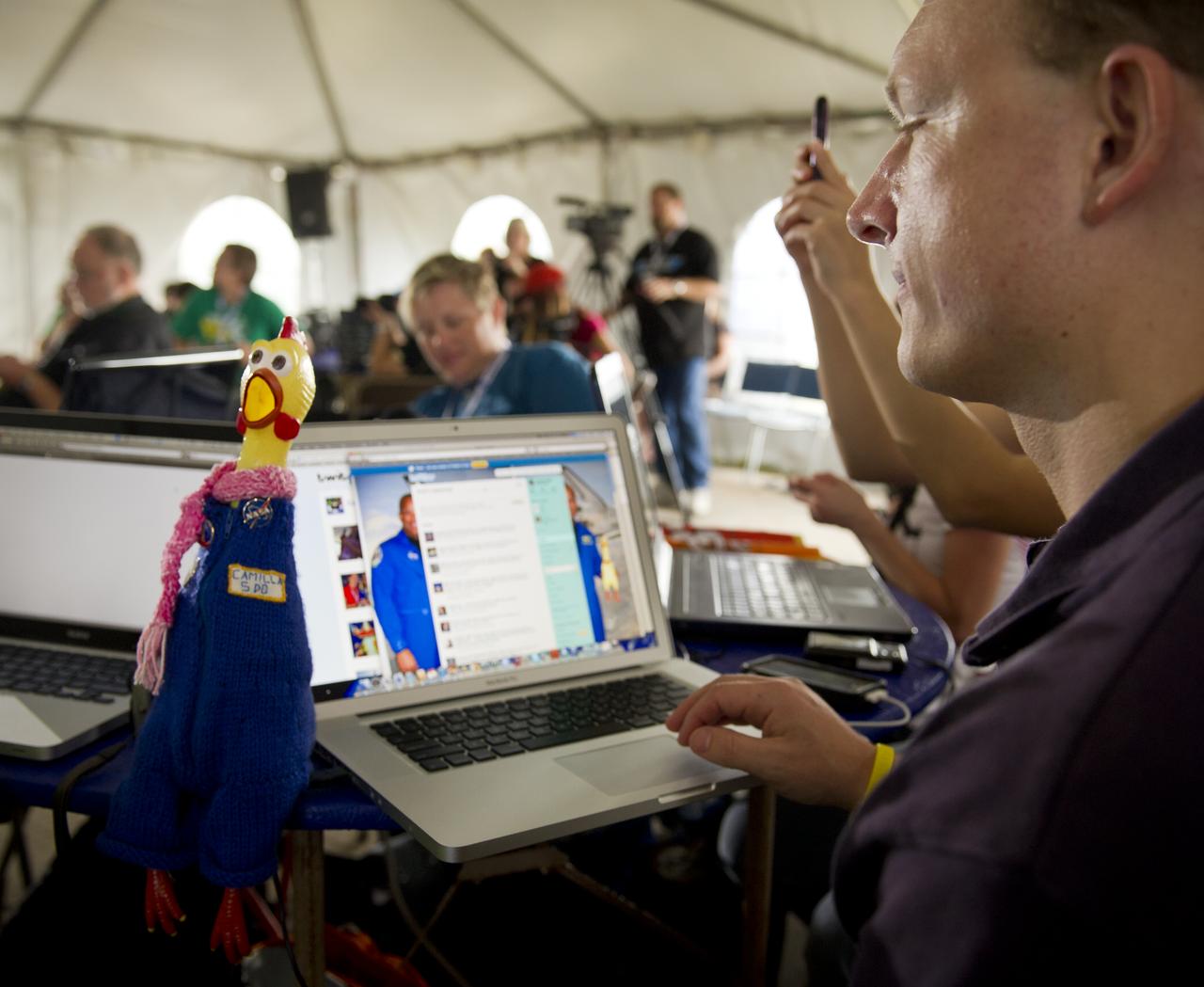
Romeo Durscher from Stanford, CA, who goes by @RomeoCH on Twitter, tweets with his Solar Dynamics Observatory (SDO) mascot named "Camilla" by his side during the NASA STS-133 mission tweetup on Monday, Nov., 1, 2010 at the NASA Kennedy Space Center in Cape Canaveral, Fla. NASA Tweetups provide @NASA followers with the opportunity to go behind-the-scenes at NASA facilities and events and speak with scientists, engineers, astronauts and managers. Photo Credit: (NASA/Bill Ingalls)
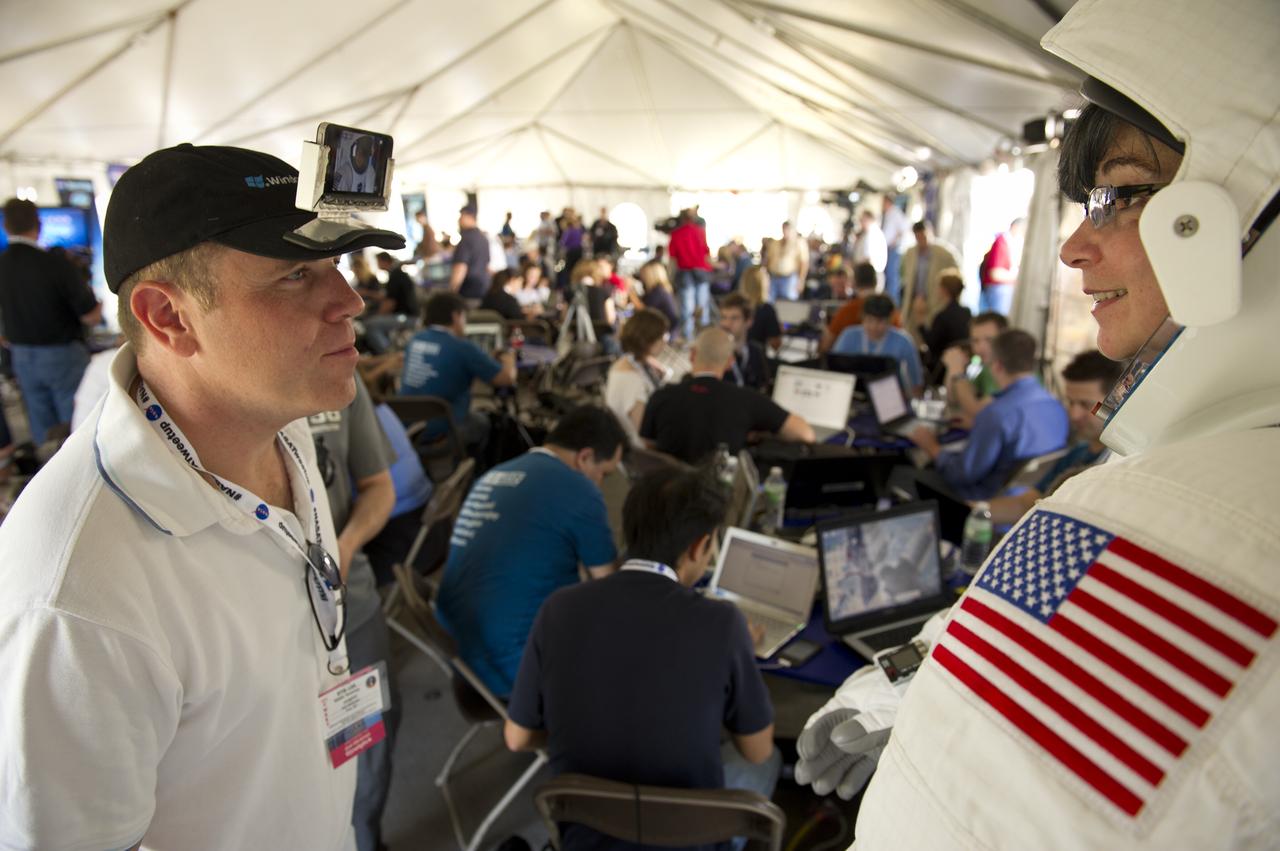
sends streaming live video via a mobile phone attached to his hat to his website of Phylise Banner, who goes by @Phylisebanner on Twitter, as she stands in an astronaut suit on display during the tweetup on Monday, Nov., 1, 2010 at the NASA Kennedy Space Center in Cape Canaveral, Fla. Photo Credit: (NASA/Bill Ingalls)

CAPE CANAVERAL, Fla. -- In the Launch Control Center at NASA's Kennedy Space Center in Florida, STS-133 NASA Test Director Stephen Payne sits at his console in Firing Room 4 along with other STS-133 launch team members to rehearse procedures for the liftoff of space shuttle Discovery's final mission. The team at Kennedy also participated in launch simulations with personnel at NASA's Johnson Space Center in Houston. Discovery's next launch opportunity to the International Space Station on the STS-133 mission is planned for no earlier than Feb. 24. For more information on STS-133, visit www.nasa.gov/mission_pages/shuttle/shuttlemissions/sts133/. Photo credit: NASA/Kim Shiflett
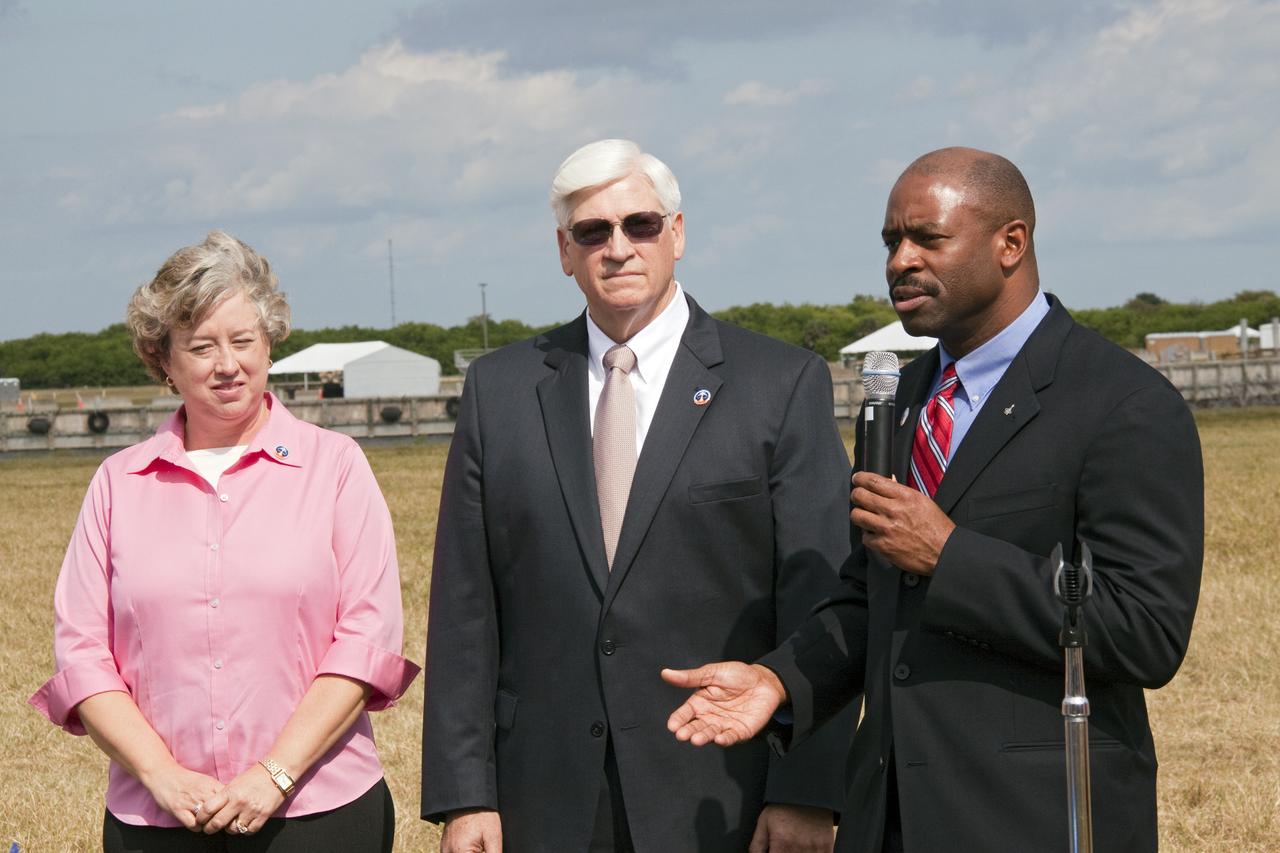
STS-133 LAUNCH L-1 LEGOS ANNOUNCEMENT
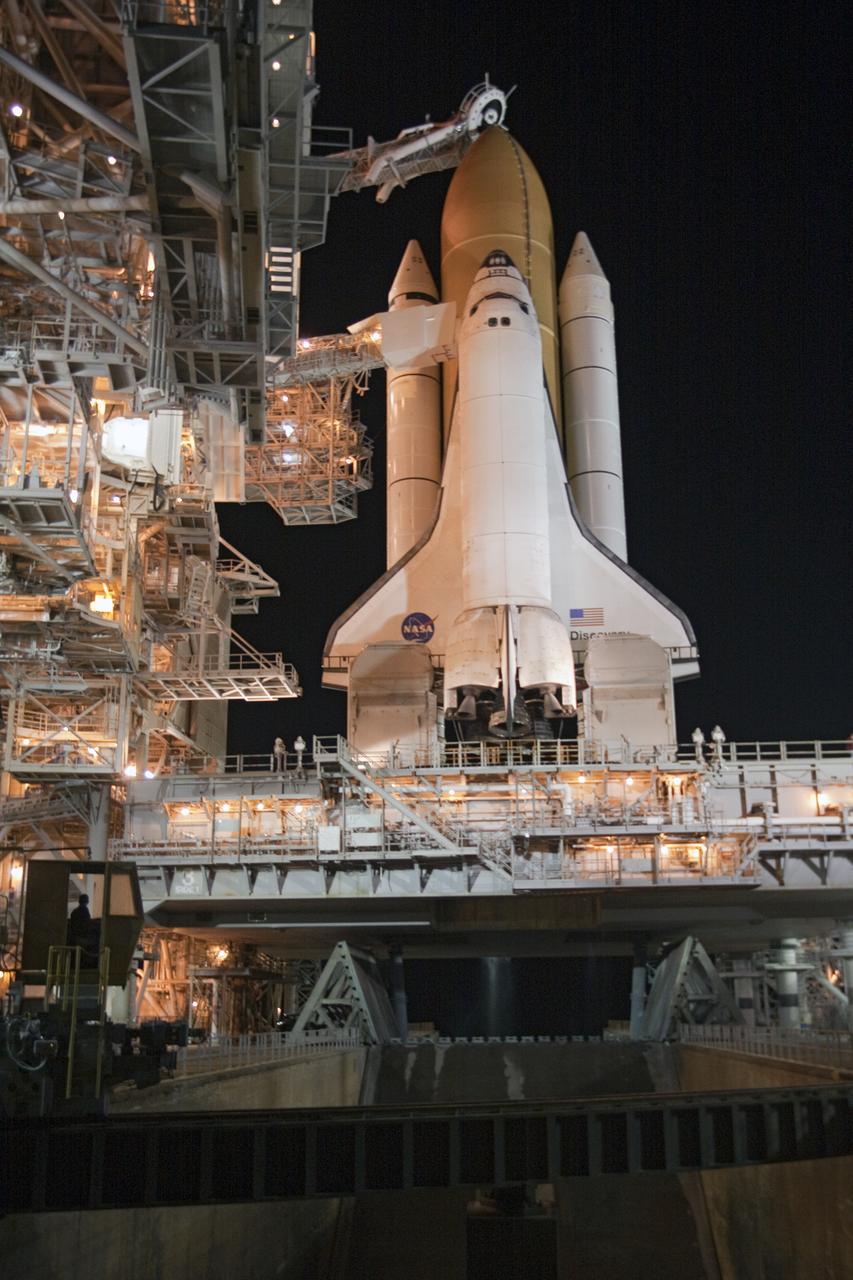
STS-133 LAUNCH L-1 RSS ROLLBACK
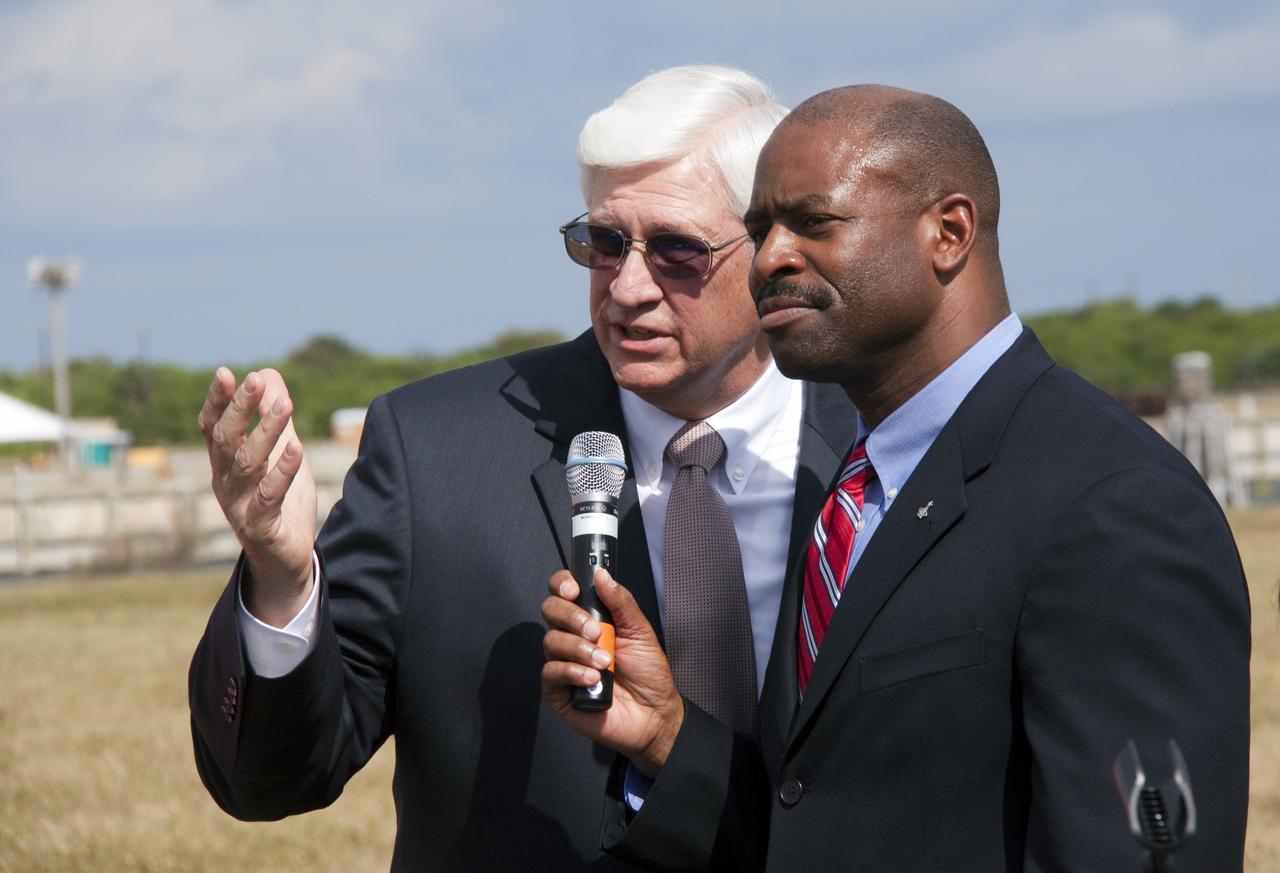
STS-133 LAUNCH L-1 LEGOS ANNOUNCEMENT
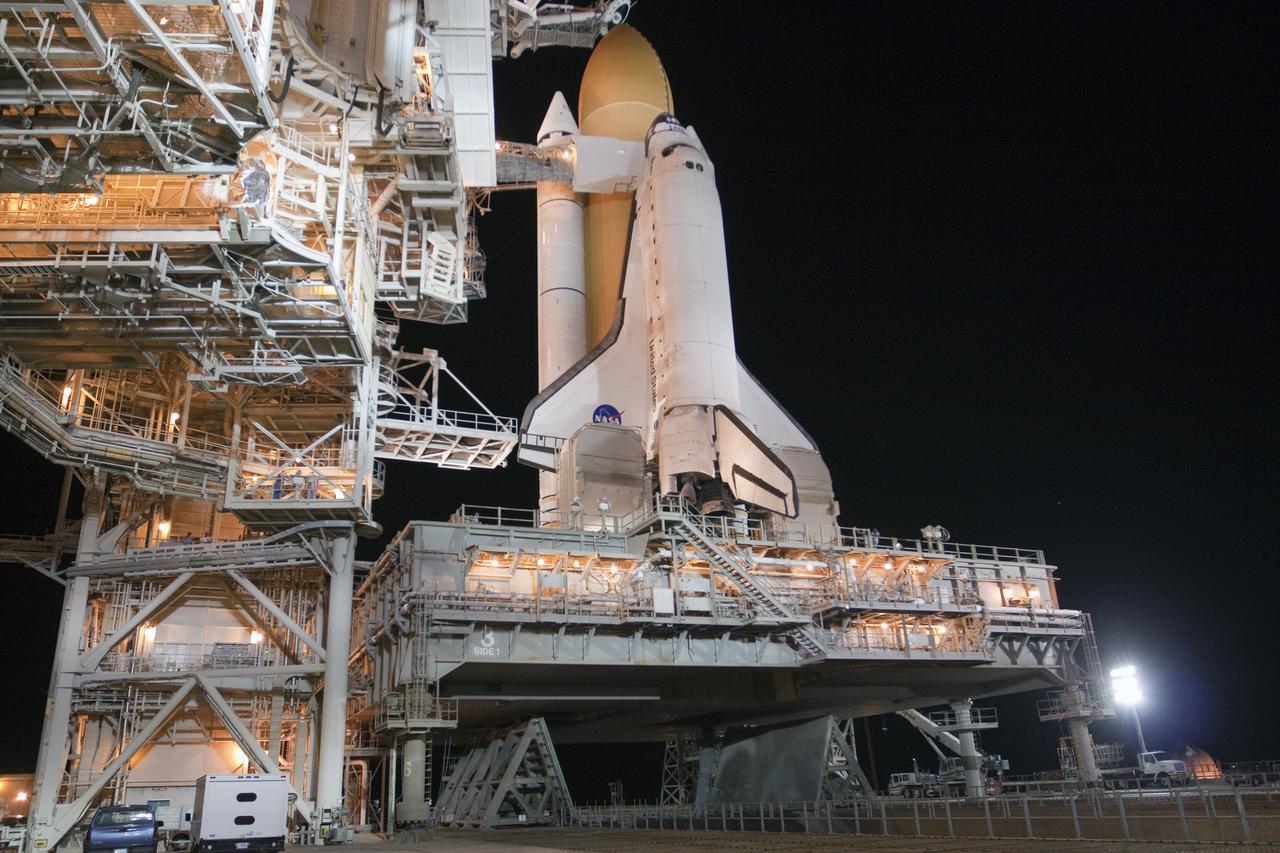
STS-133 LAUNCH L-1 RSS ROLLBACK
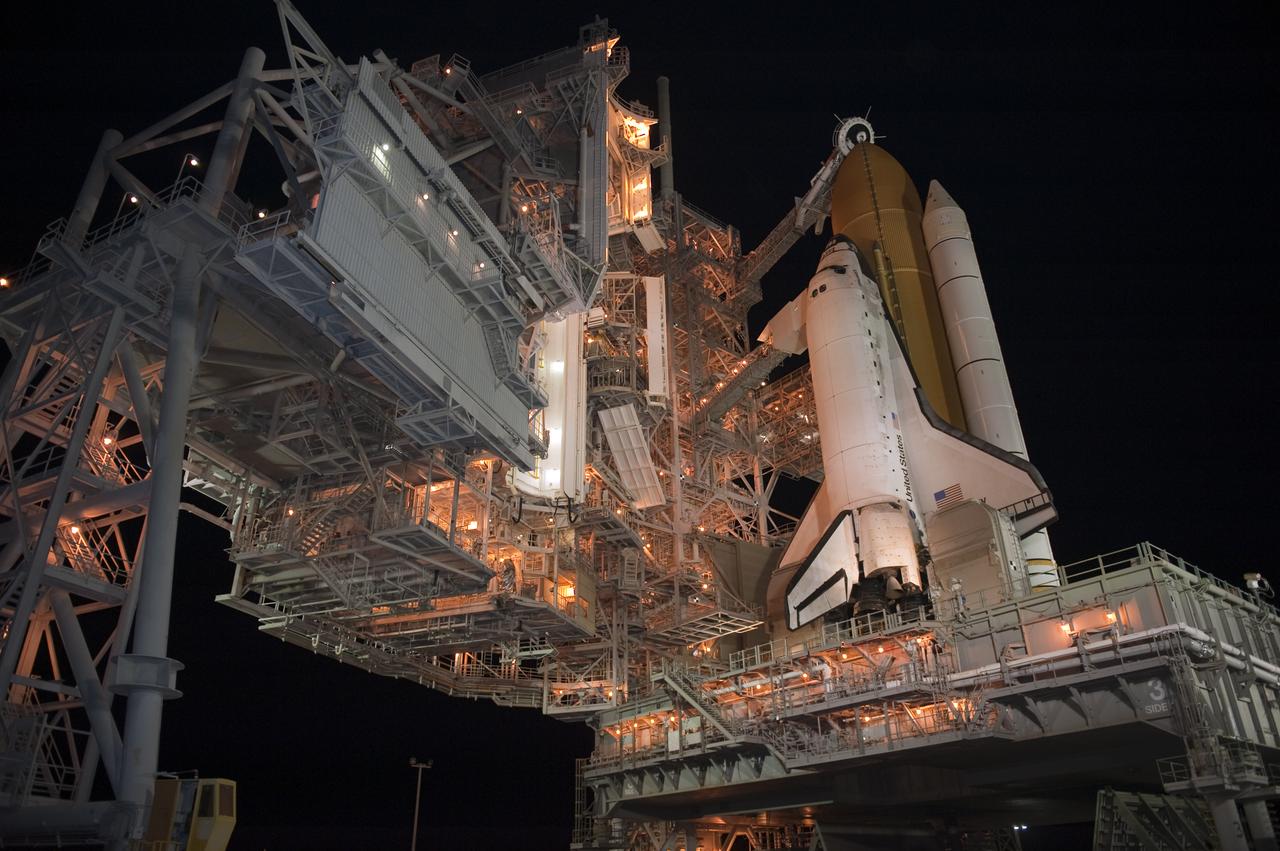
STS-133 LAUNCH L-1 RSS ROLLBACK
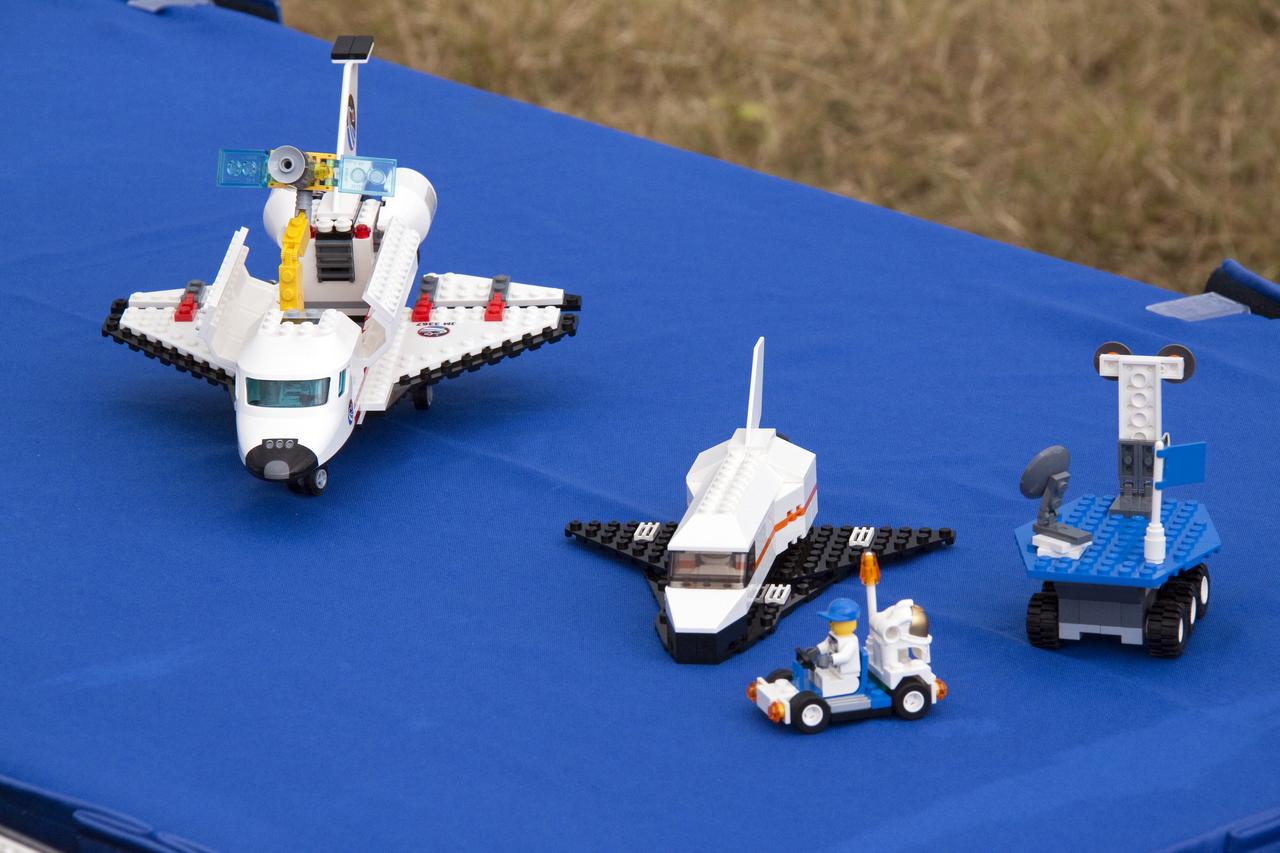
STS-133 LAUNCH L-1 LEGOS ANNOUNCEMENT
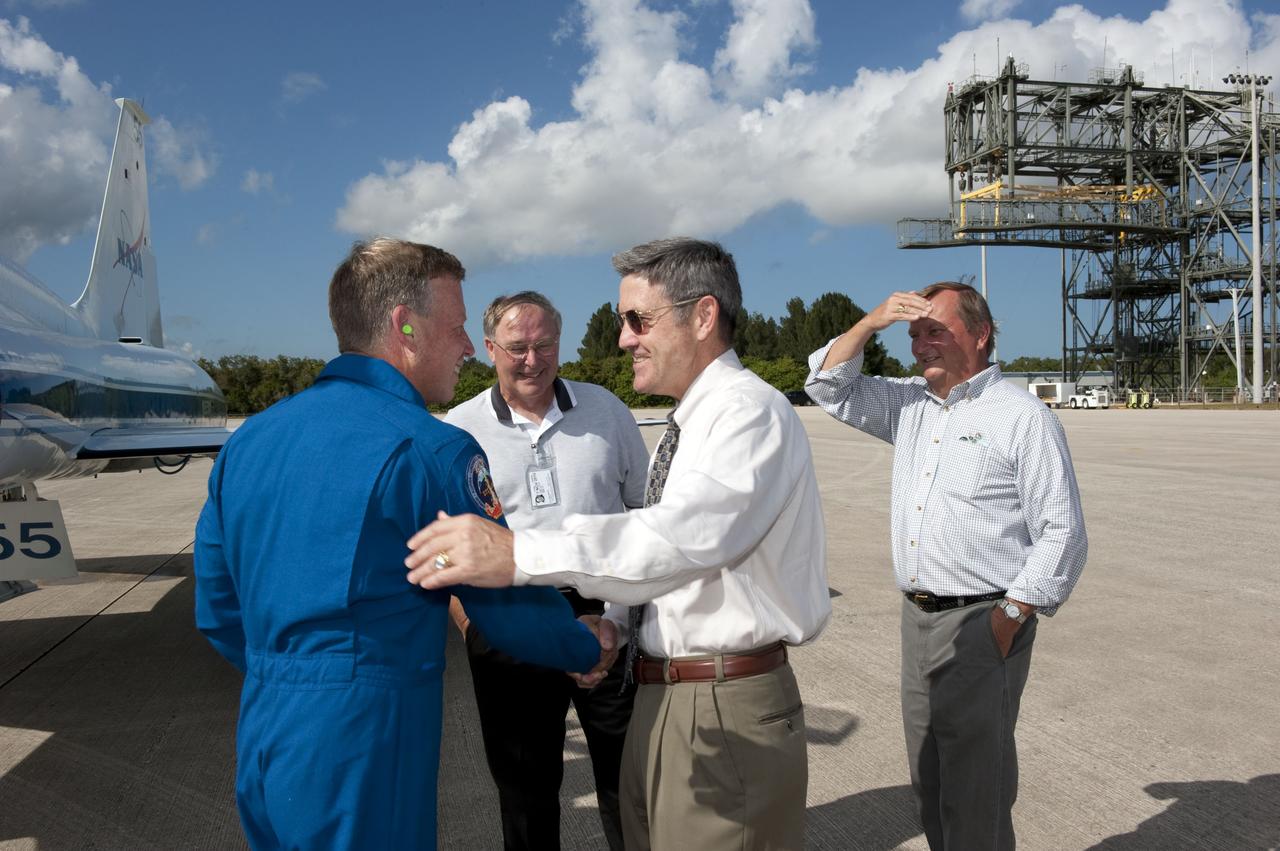
STS-133 LAUNCH L-4 CREW ARRIVAL
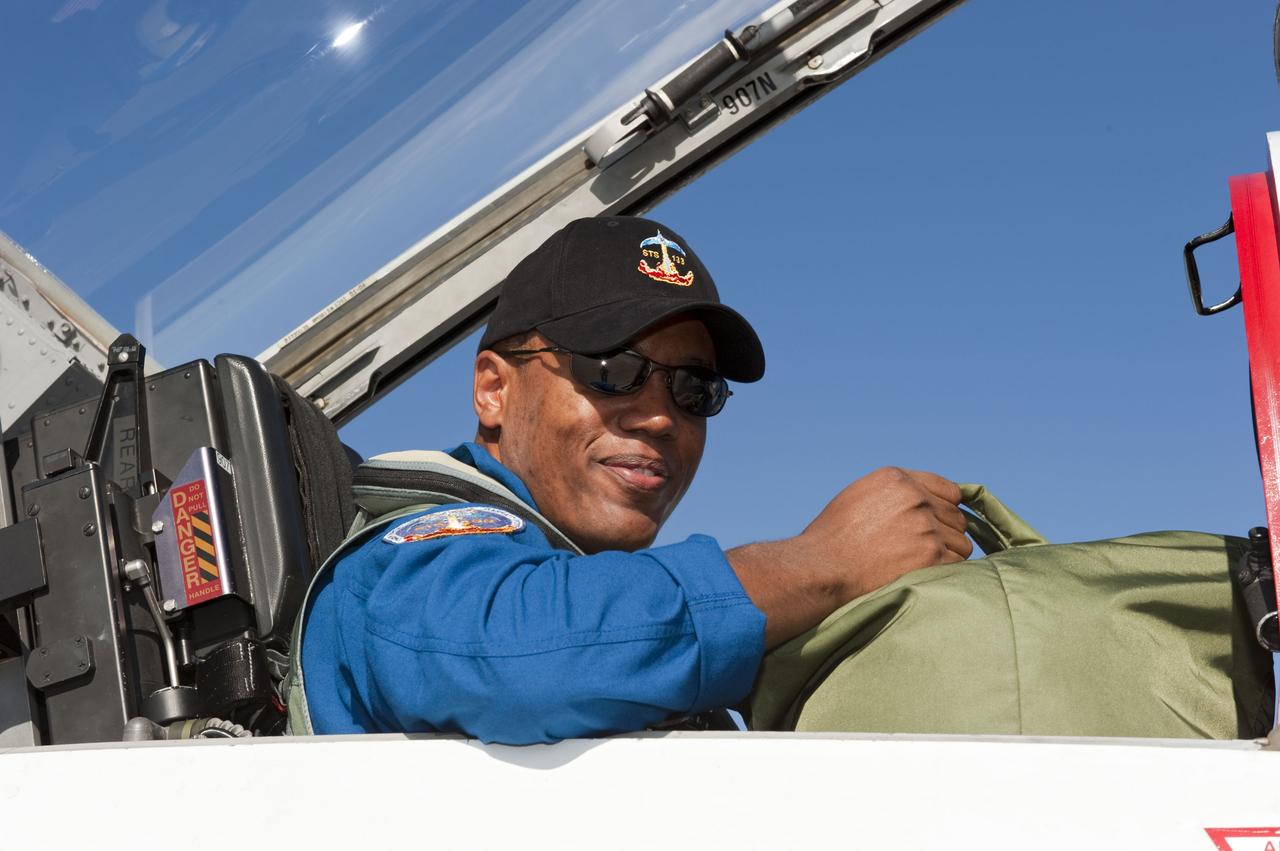
STS-133 LAUNCH L-4 CREW ARRIVAL
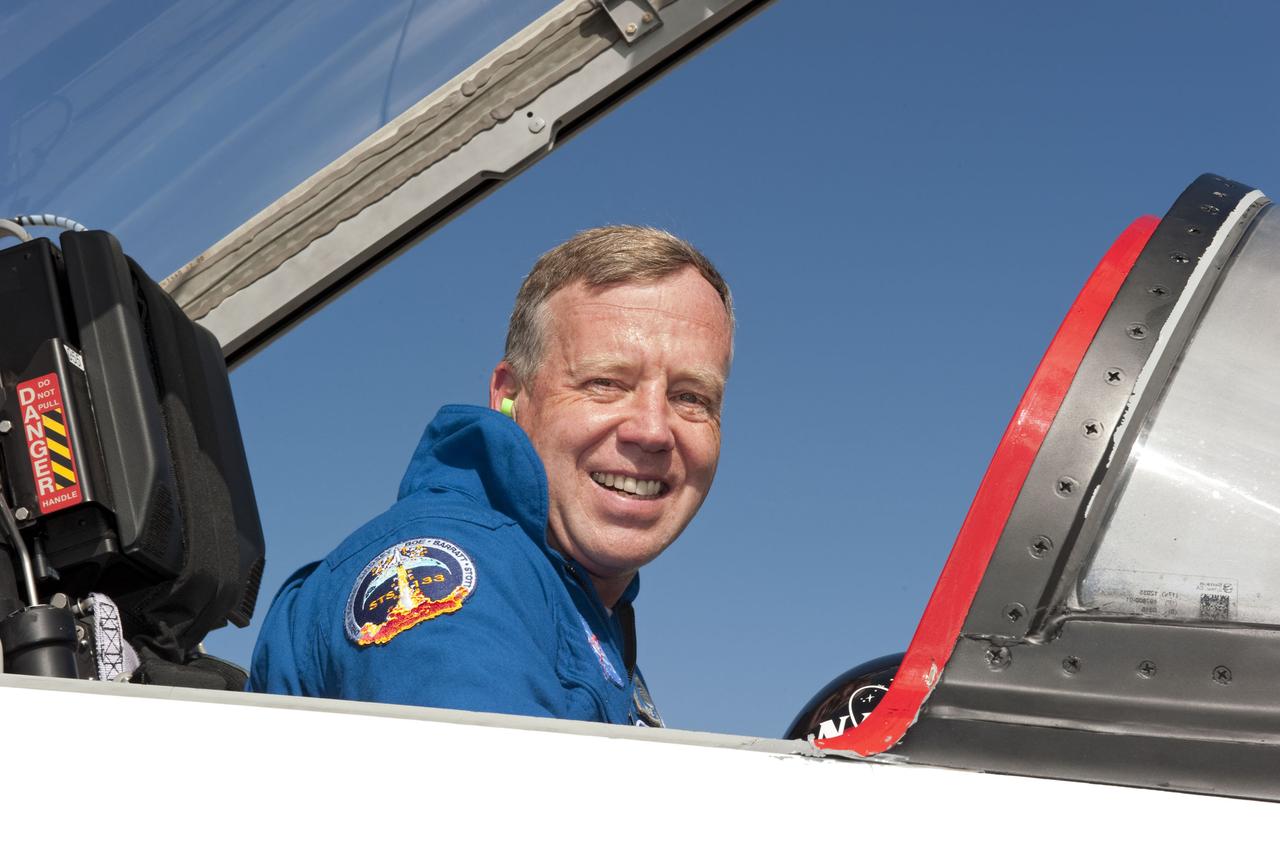
STS-133 LAUNCH L-4 CREW ARRIVAL
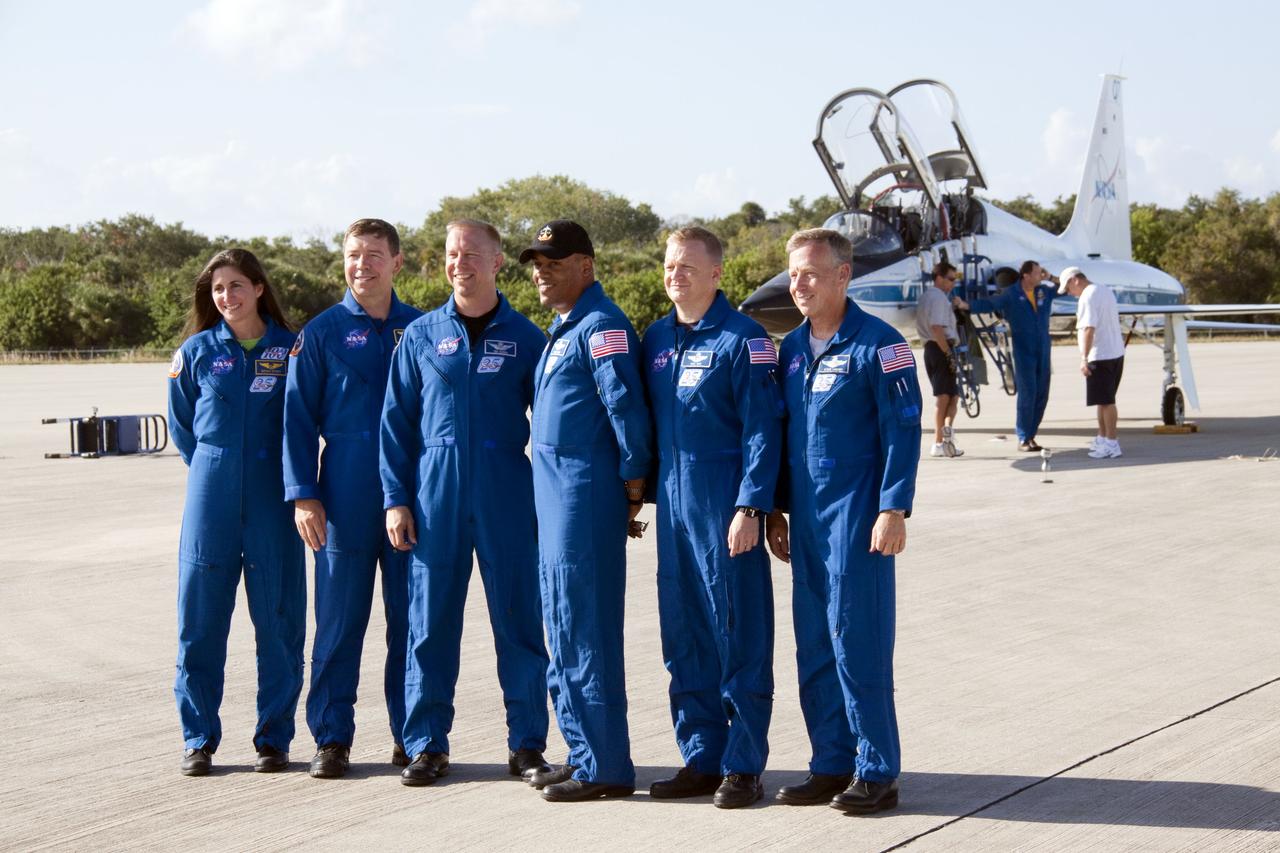
STS-133 LAUNCH L-4 CREW ARRIVAL
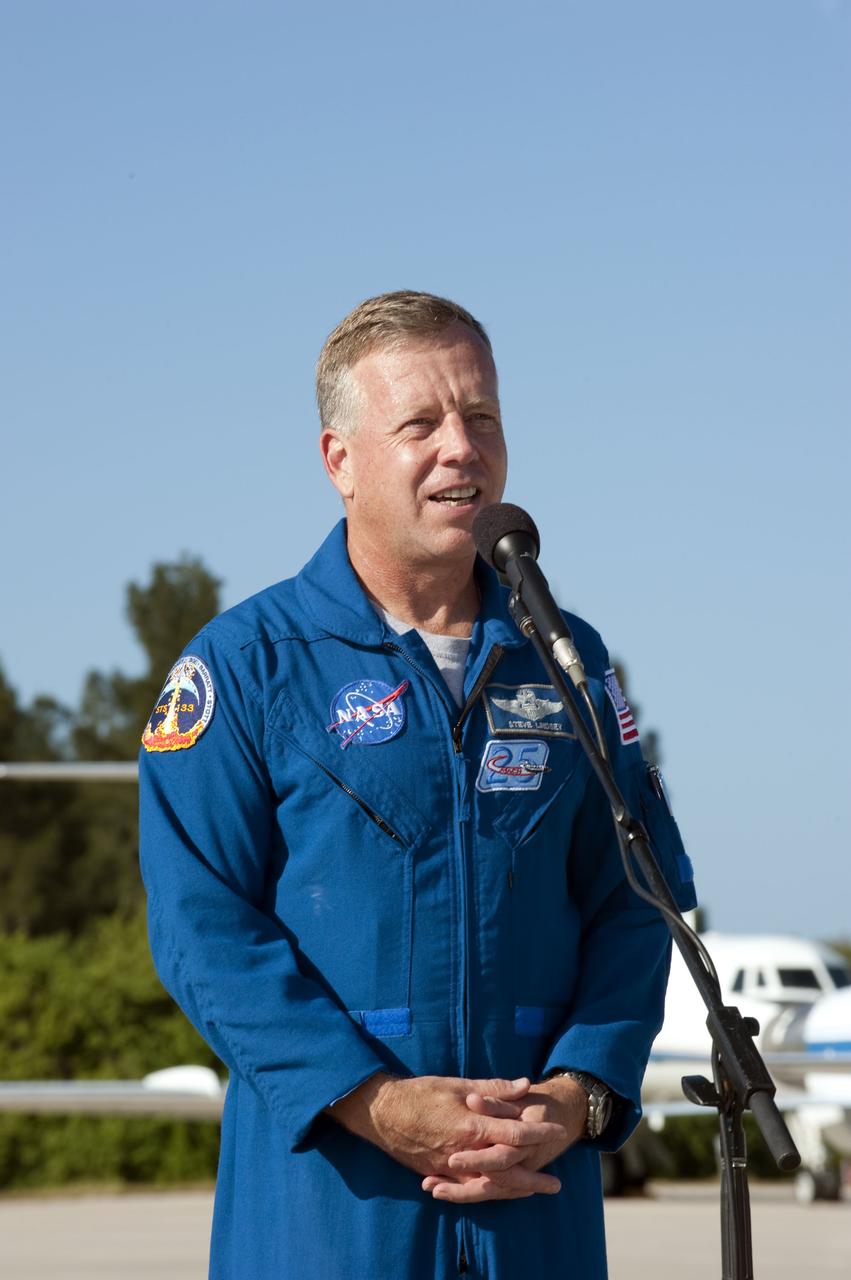
STS-133 LAUNCH L-4 CREW ARRIVAL
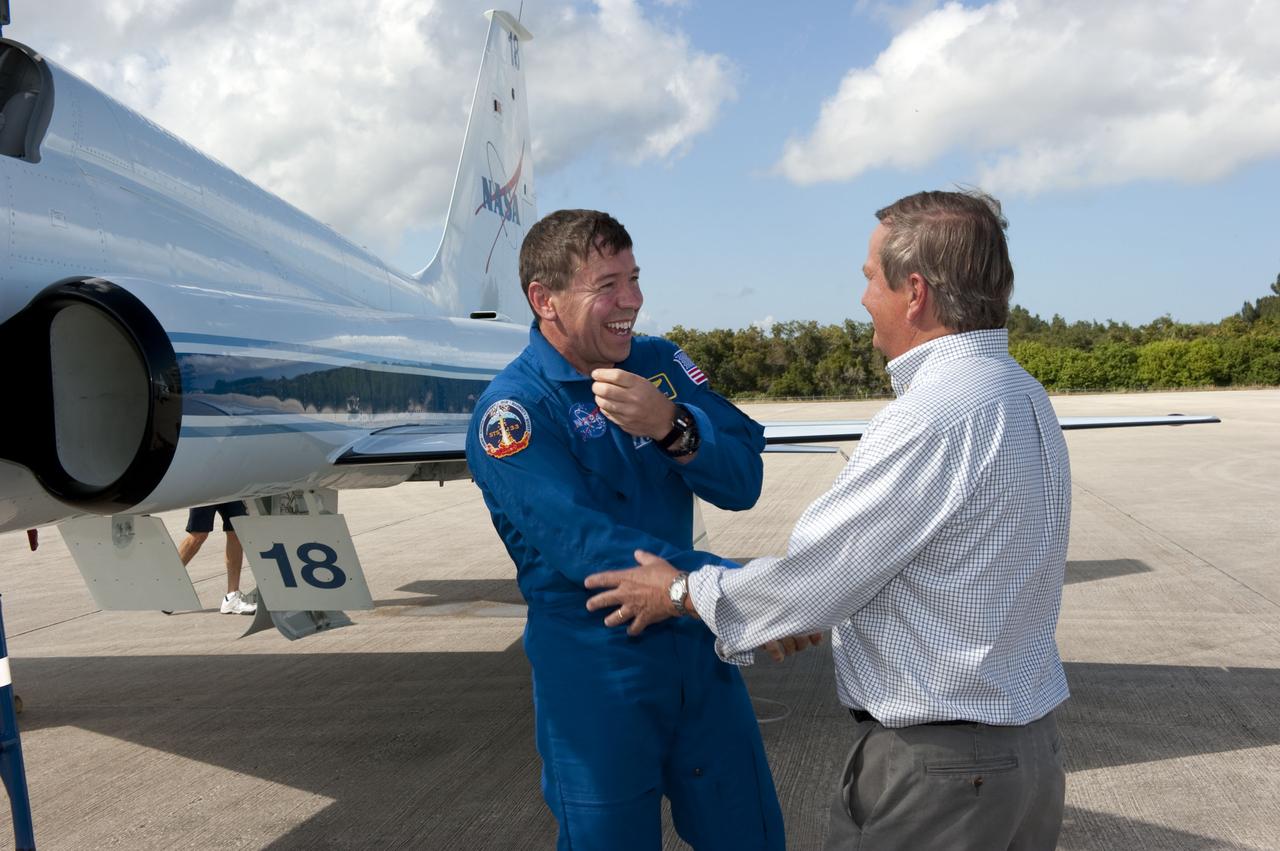
STS-133 LAUNCH L-4 CREW ARRIVAL
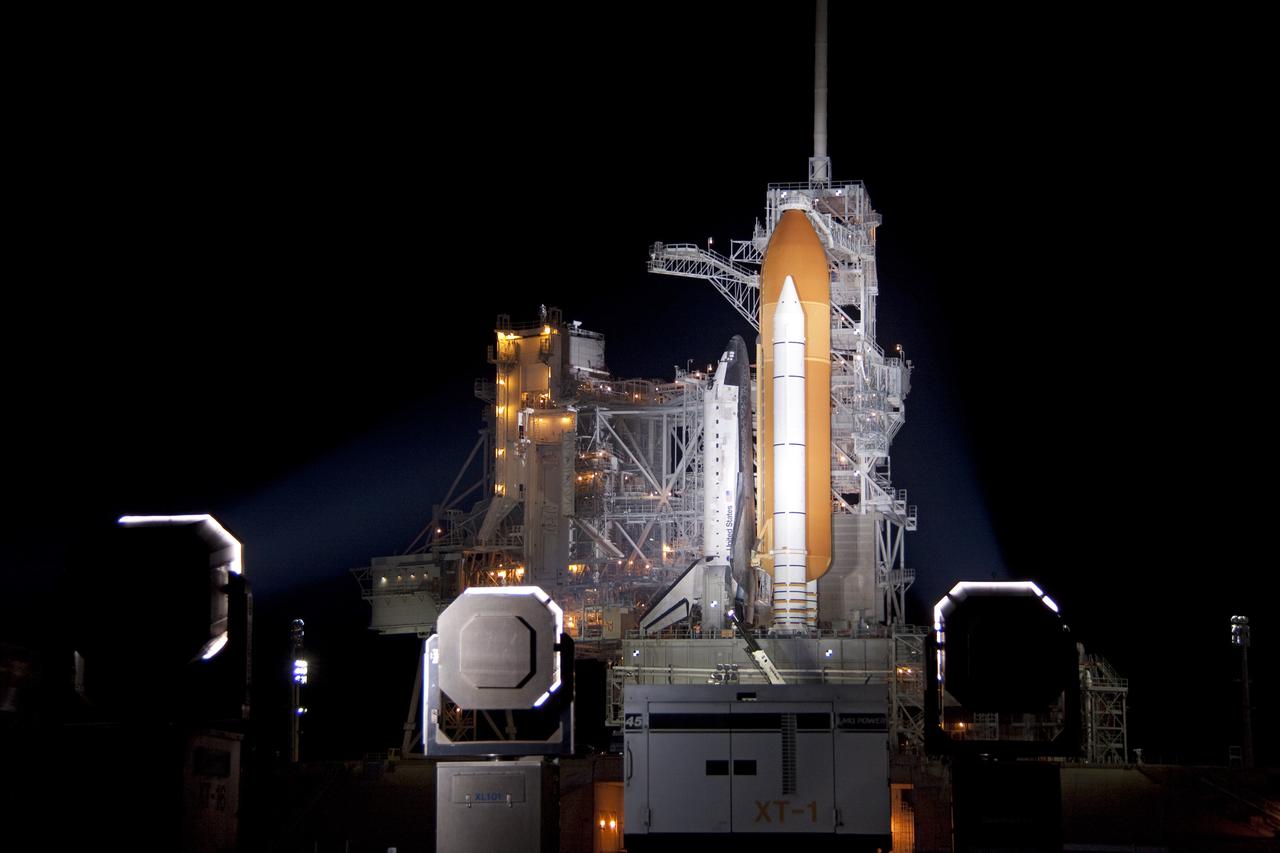
STS-133 LAUNCH L-1 RSS ROLLBACK
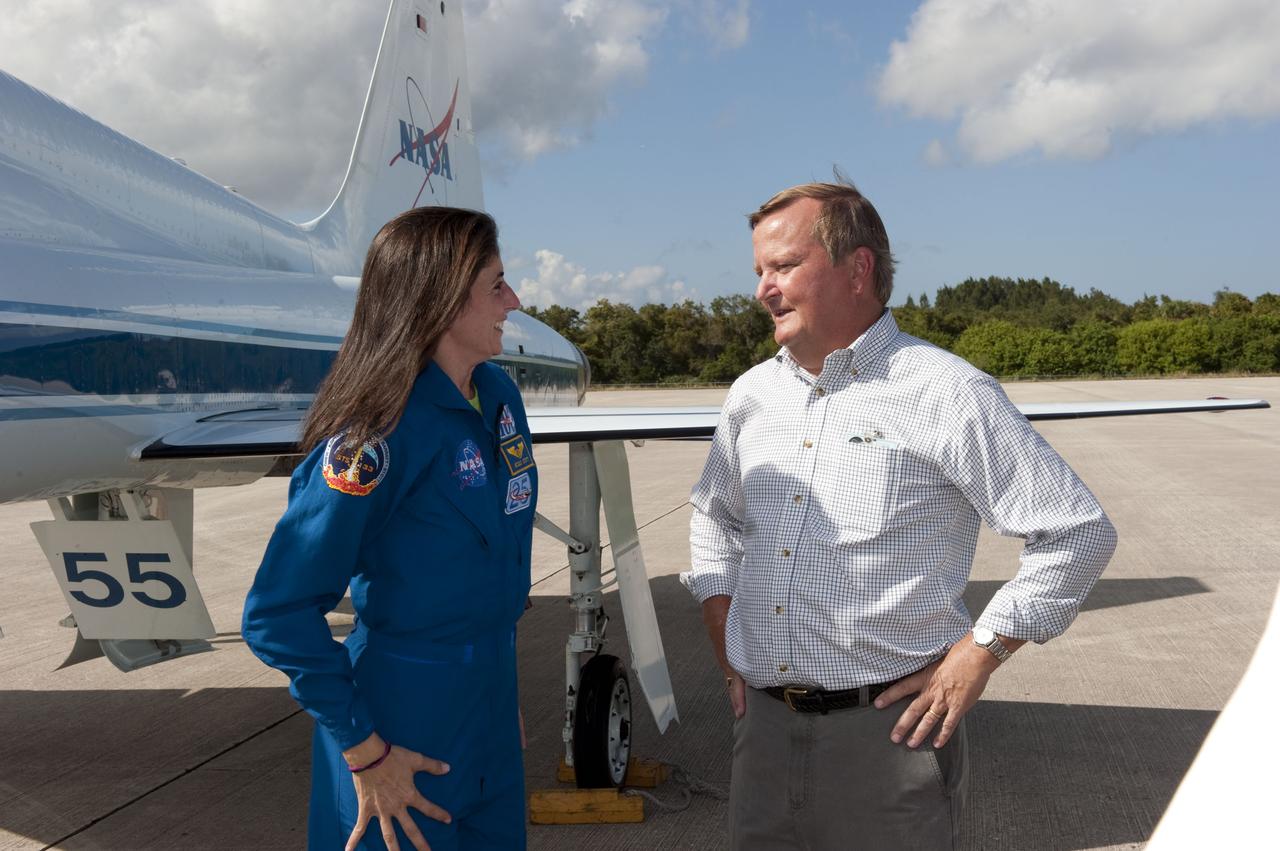
STS-133 LAUNCH L-4 CREW ARRIVAL
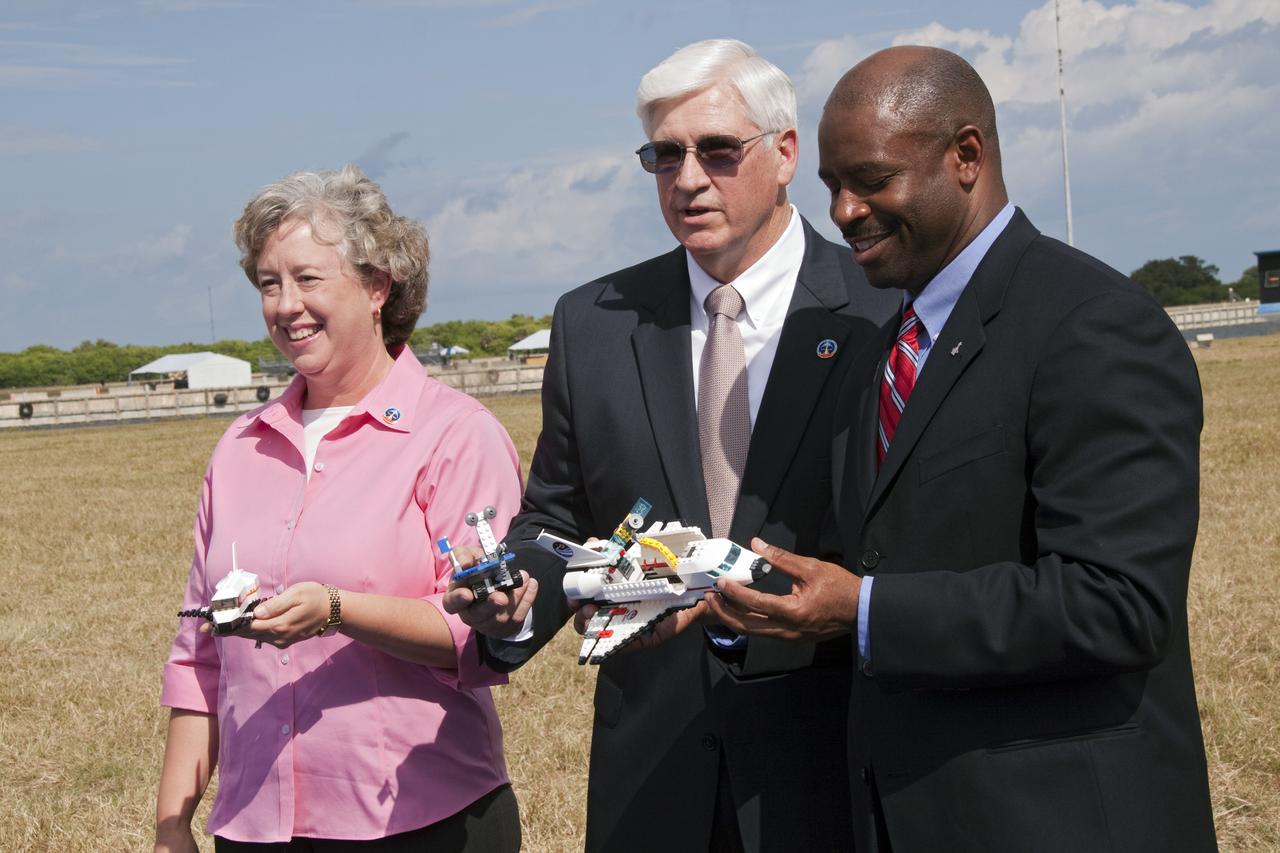
STS-133 LAUNCH L-1 LEGOS ANNOUNCEMENT
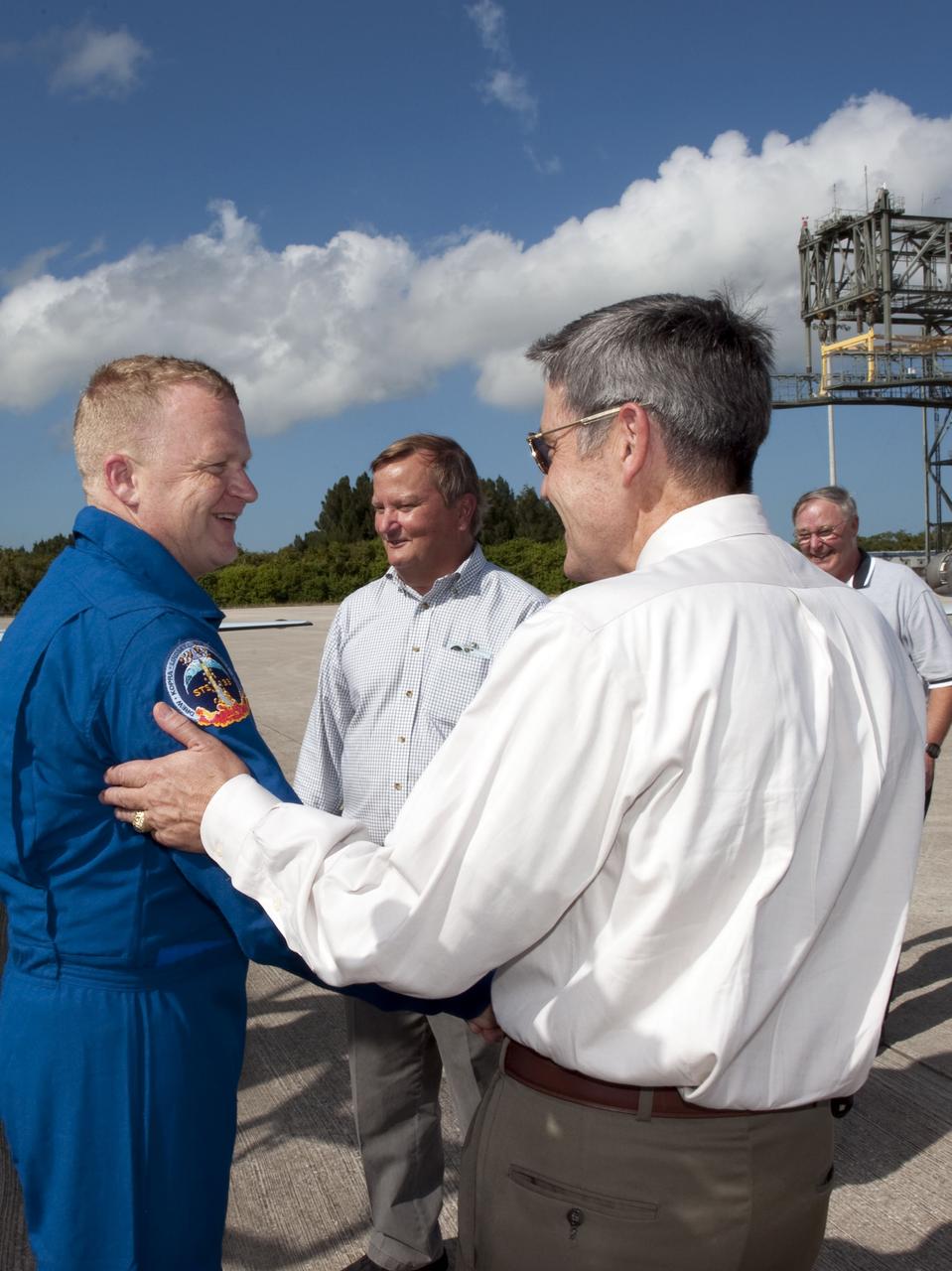
STS-133 LAUNCH L-4 CREW ARRIVAL
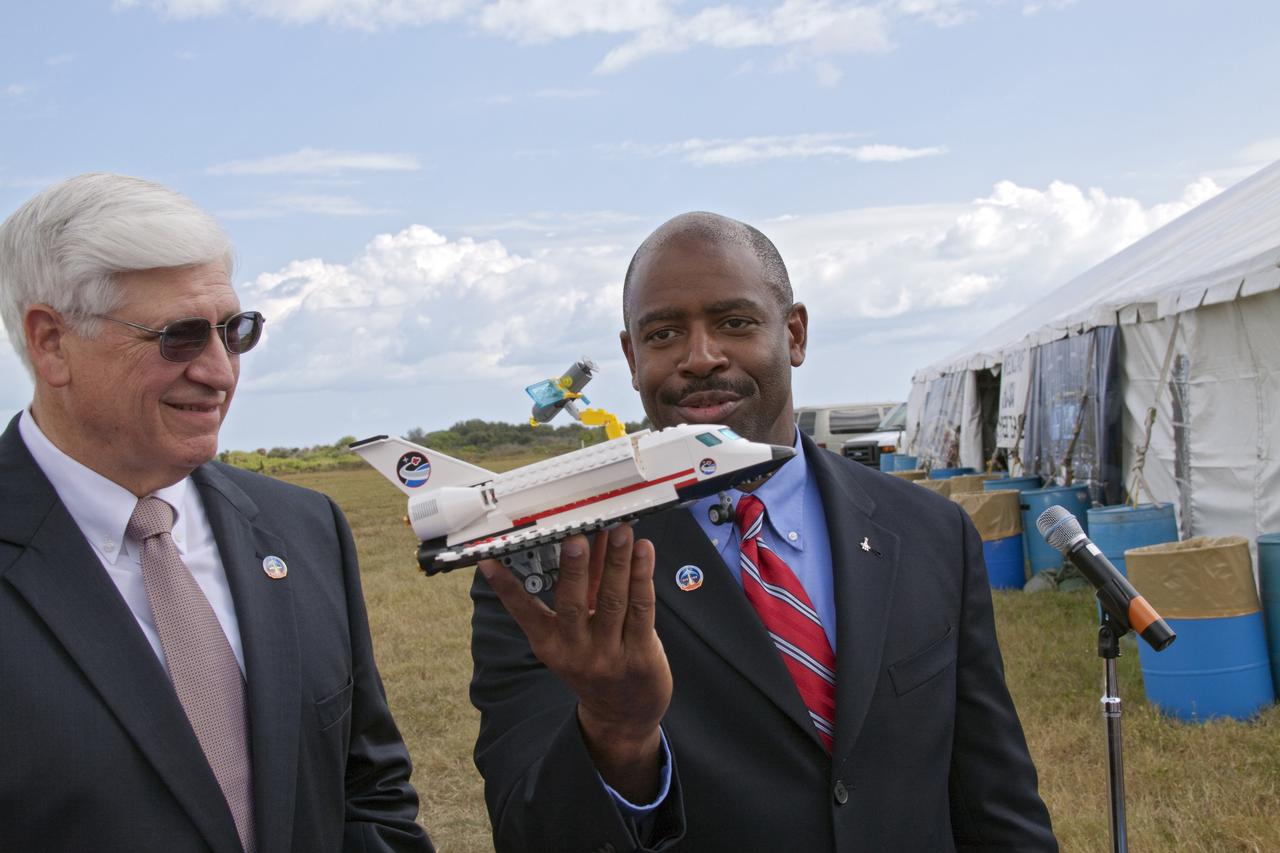
STS-133 LAUNCH L-1 LEGOS ANNOUNCEMENT
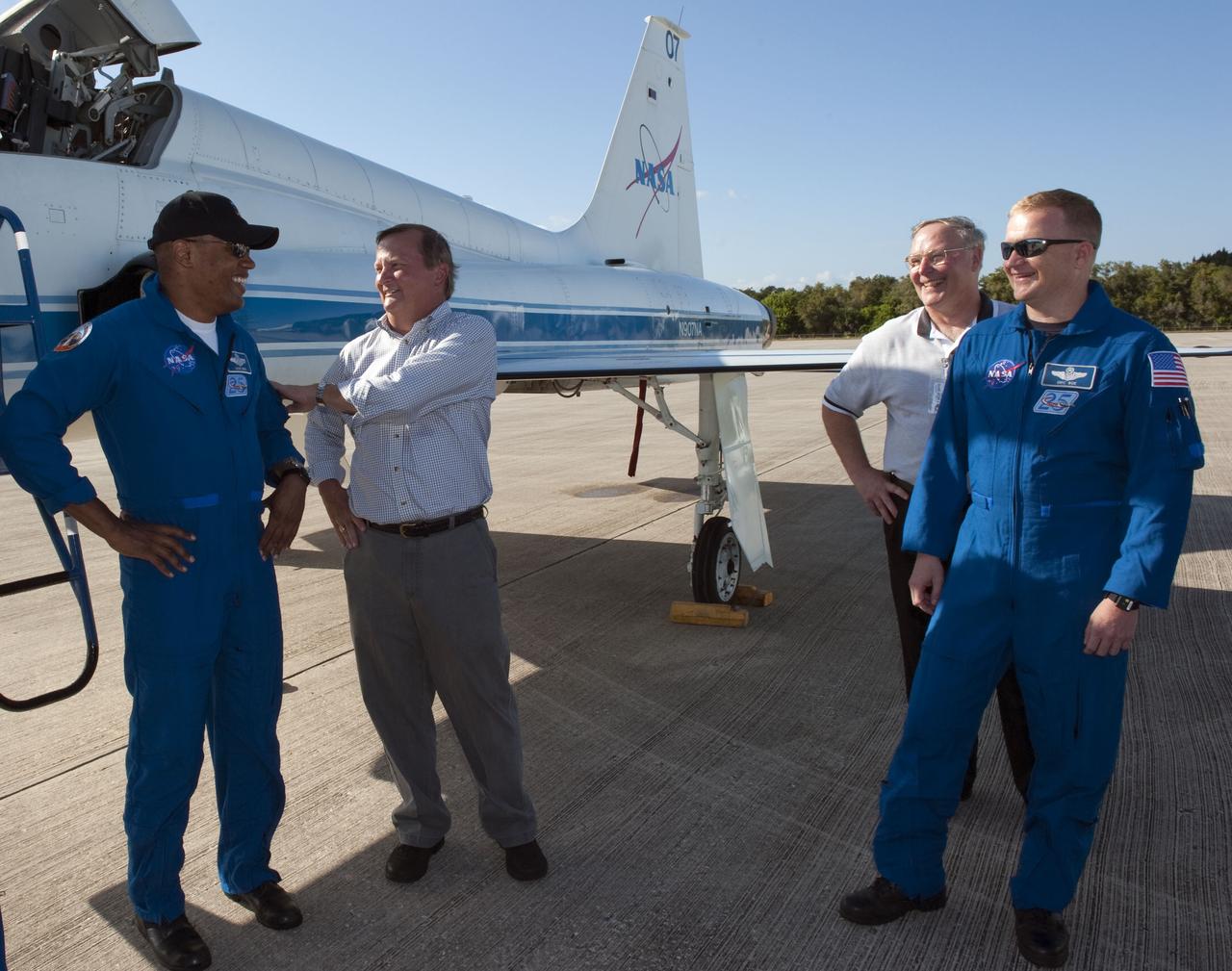
STS-133 LAUNCH L-4 CREW ARRIVAL
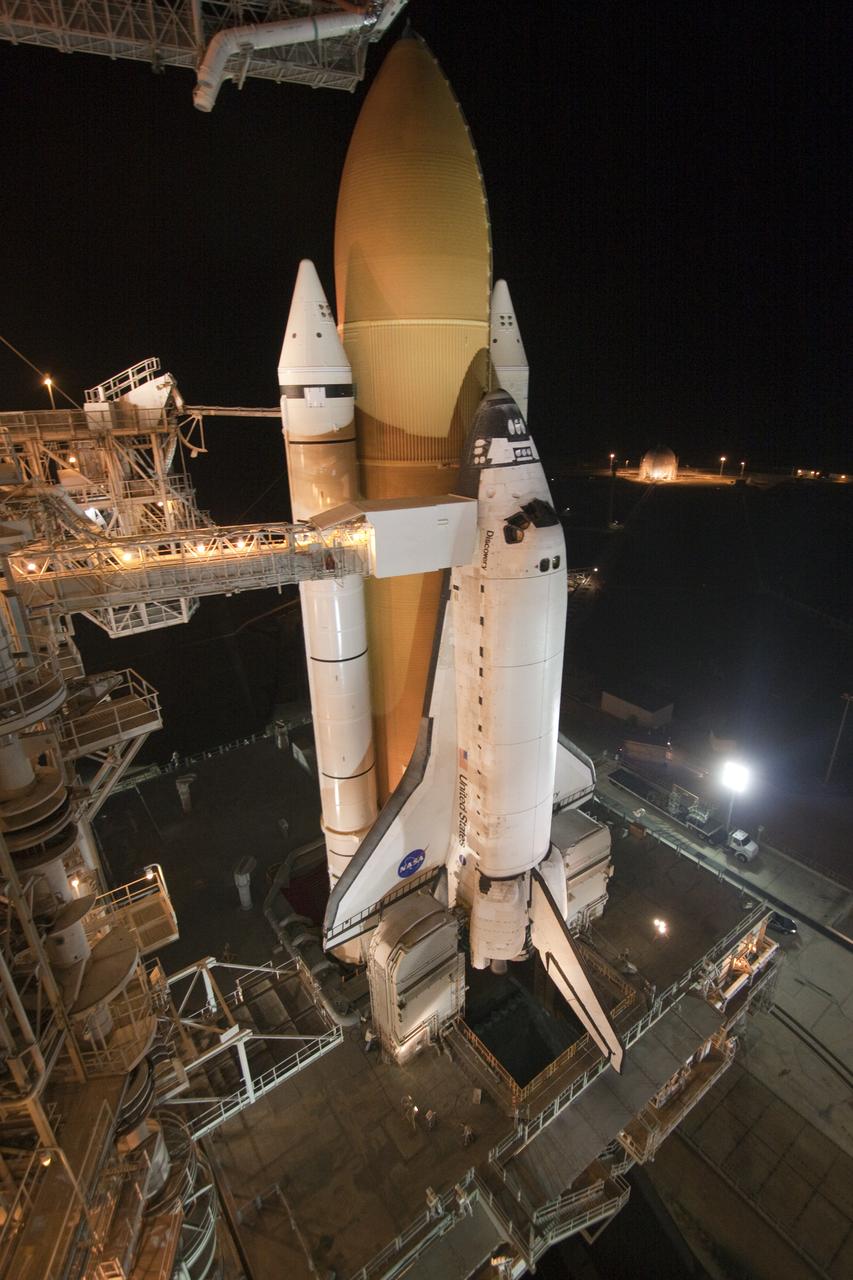
STS-133 LAUNCH L-1 RSS ROLLBACK
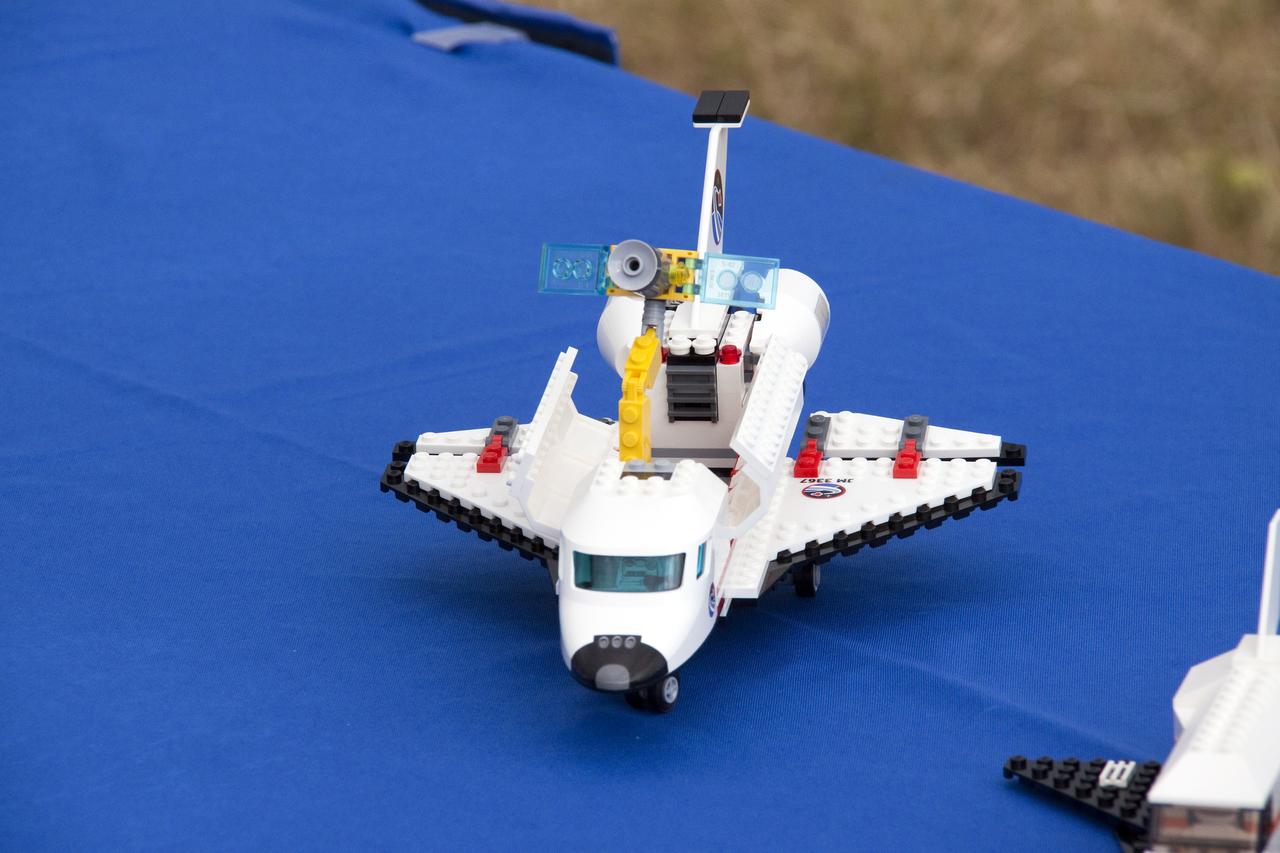
STS-133 LAUNCH L-1 LEGOS ANNOUNCEMENT
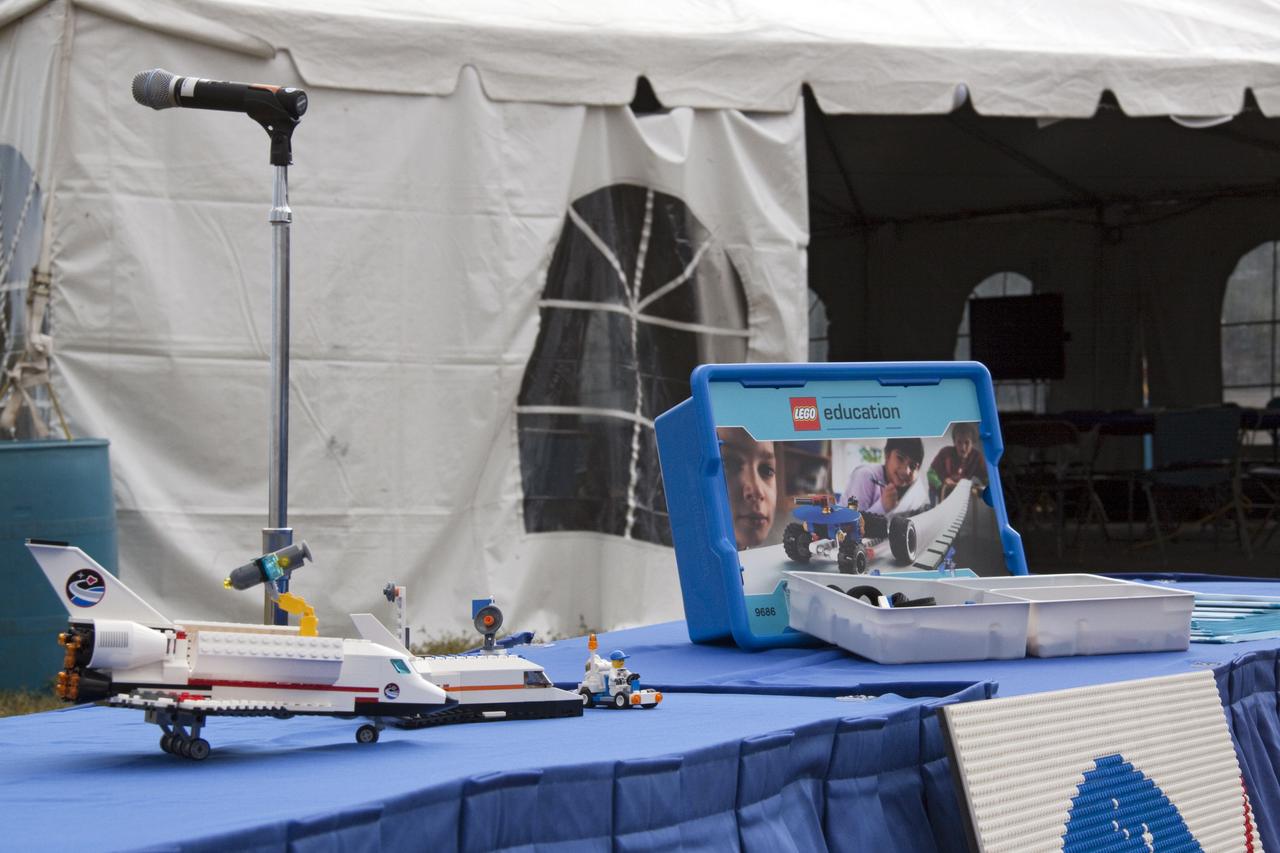
STS-133 LAUNCH L-1 LEGOS ANNOUNCEMENT
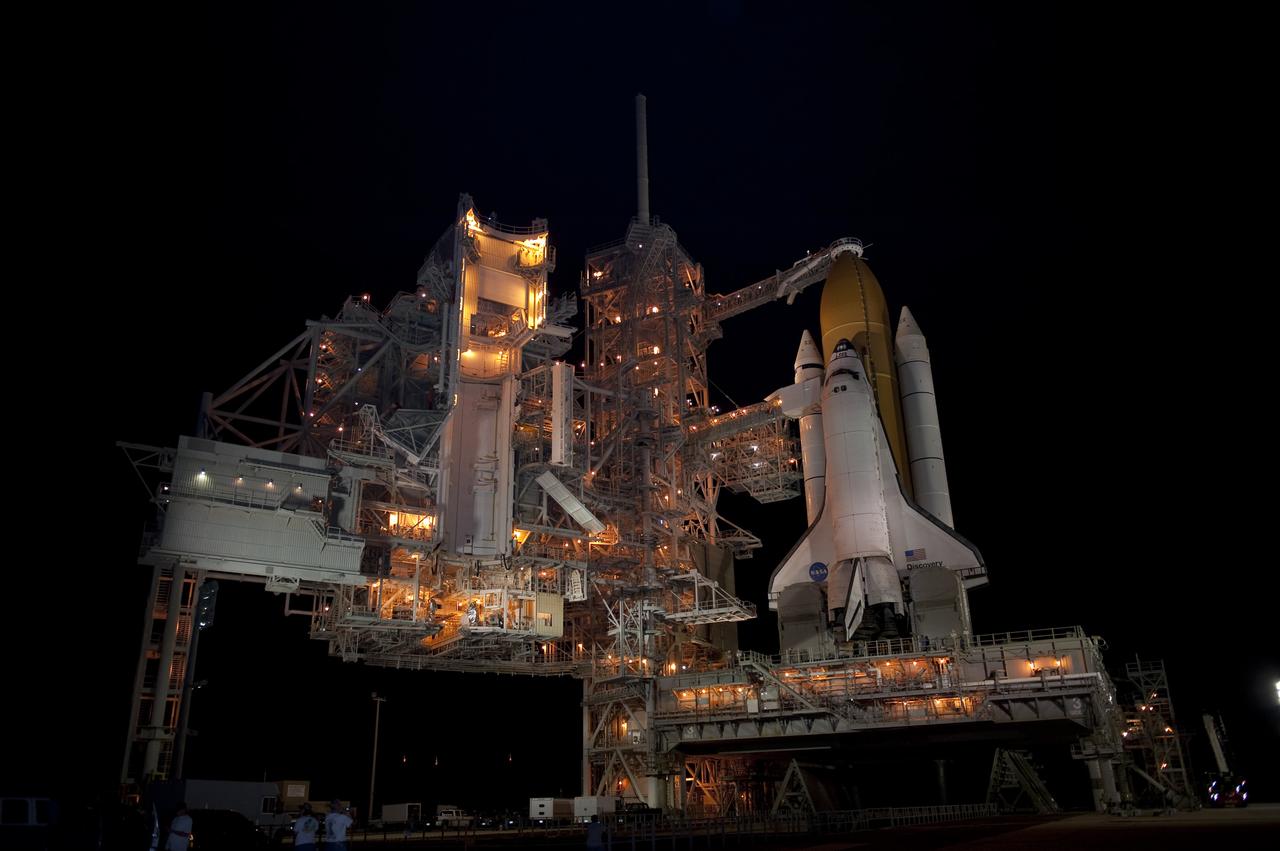
STS-133 LAUNCH L-1 RSS ROLLBACK
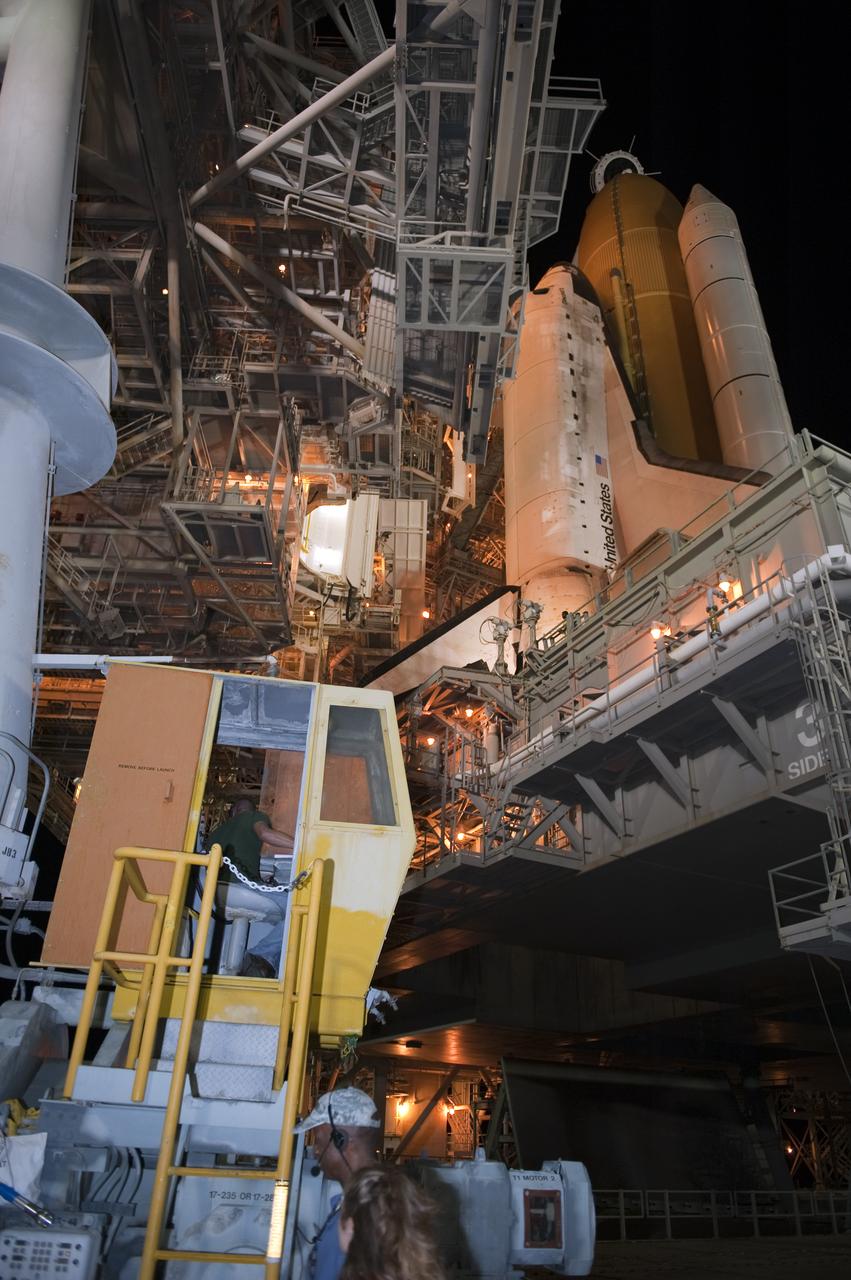
STS-133 LAUNCH L-1 RSS ROLLBACK
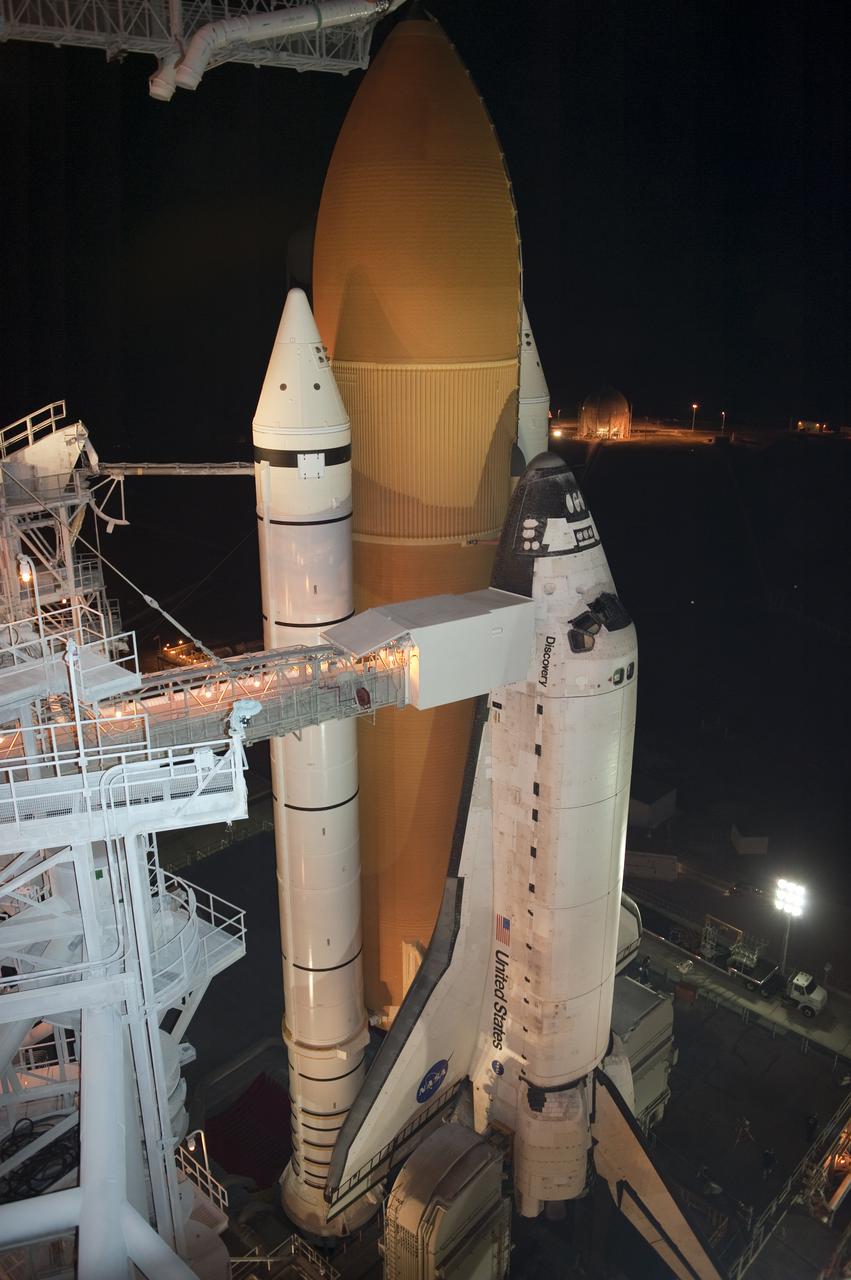
STS-133 LAUNCH L-1 RSS ROLLBACK

STS-133 LAUNCH L-4 CREW ARRIVAL
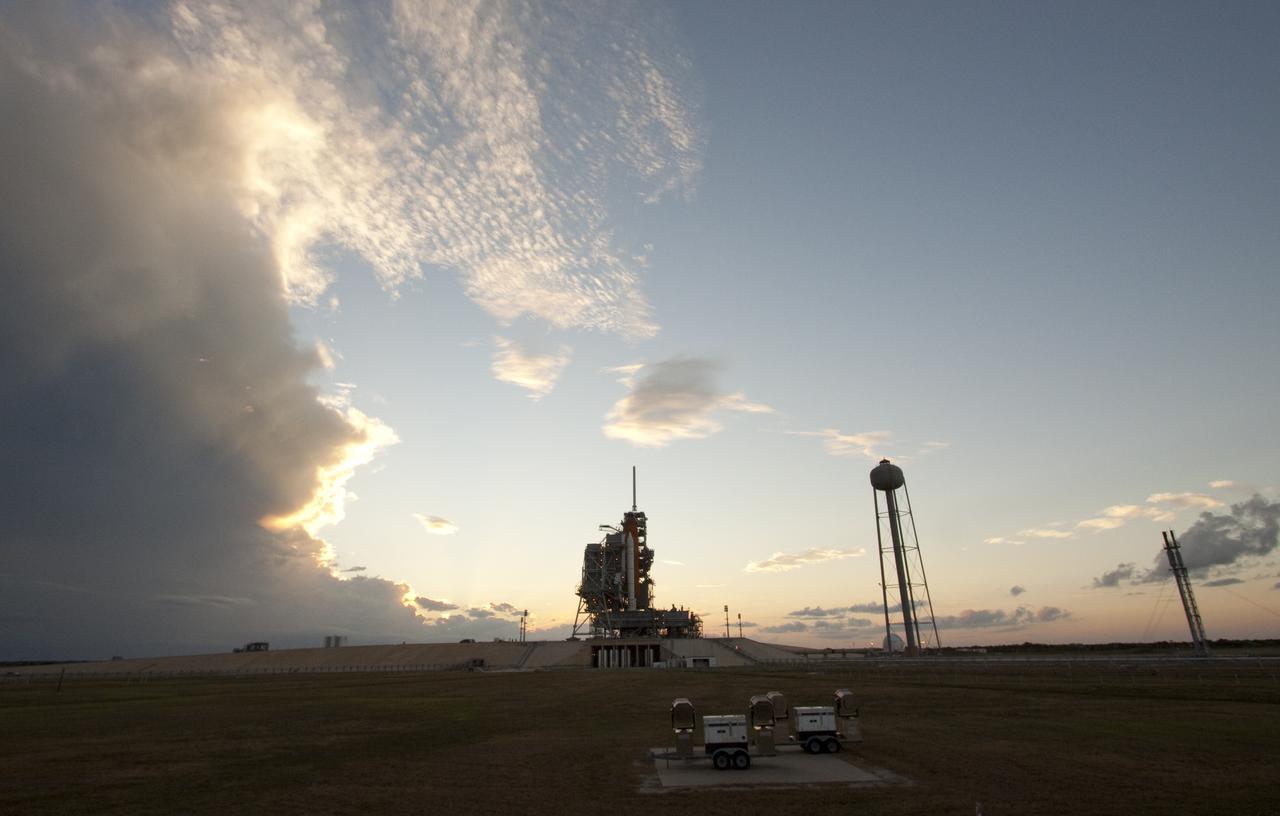
STS-133 LAUNCH L-1 RSS ROLLBACK
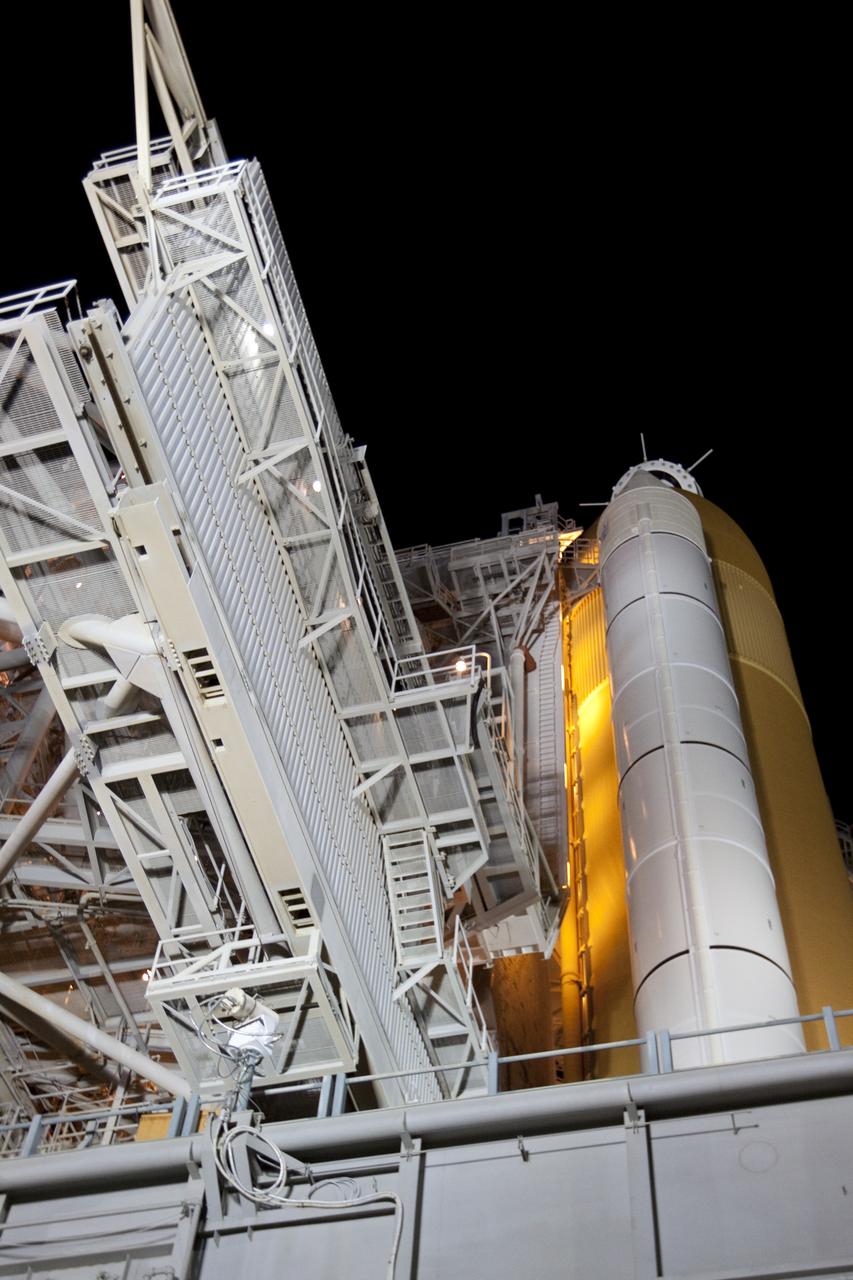
STS-133 LAUNCH L-1 RSS ROLLBACK
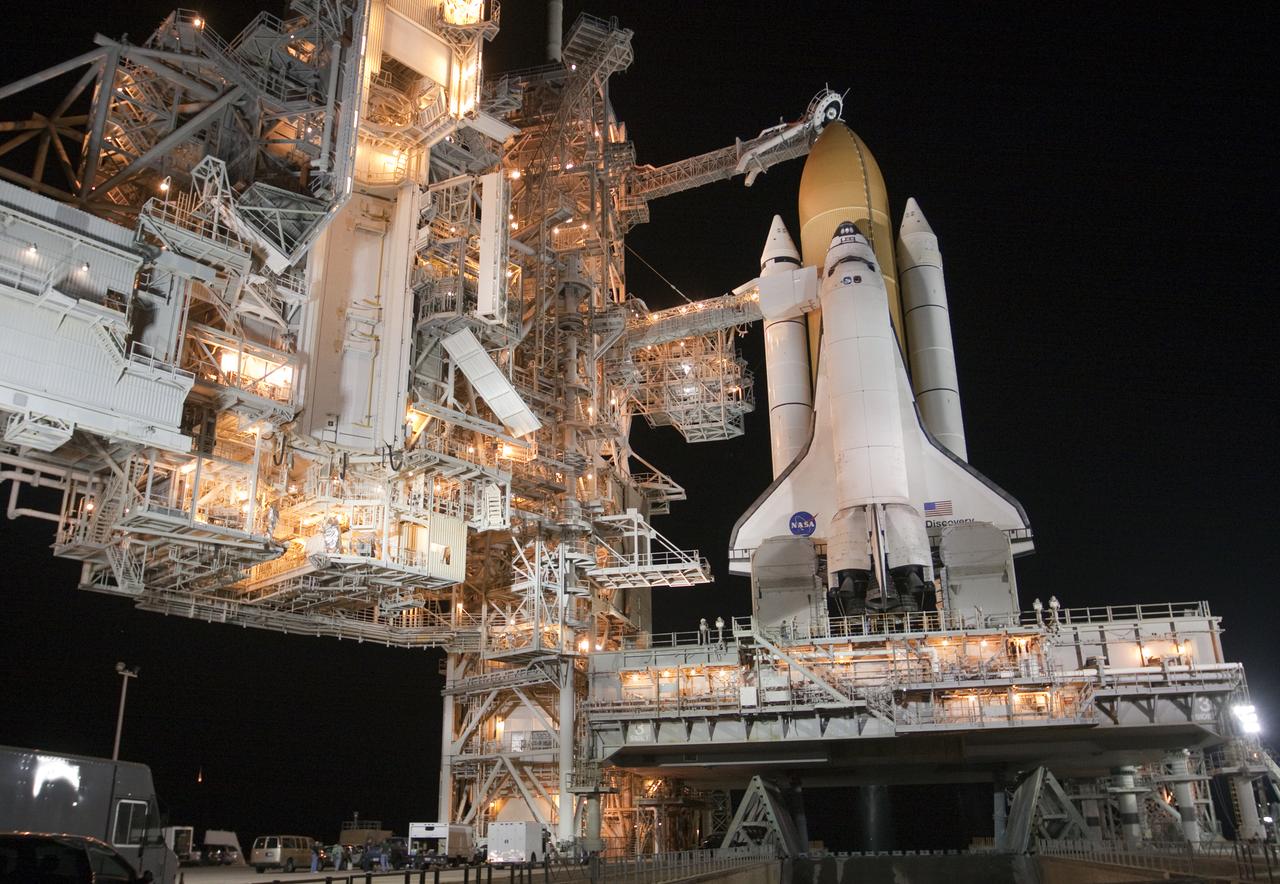
STS-133 LAUNCH L-1 RSS ROLLBACK
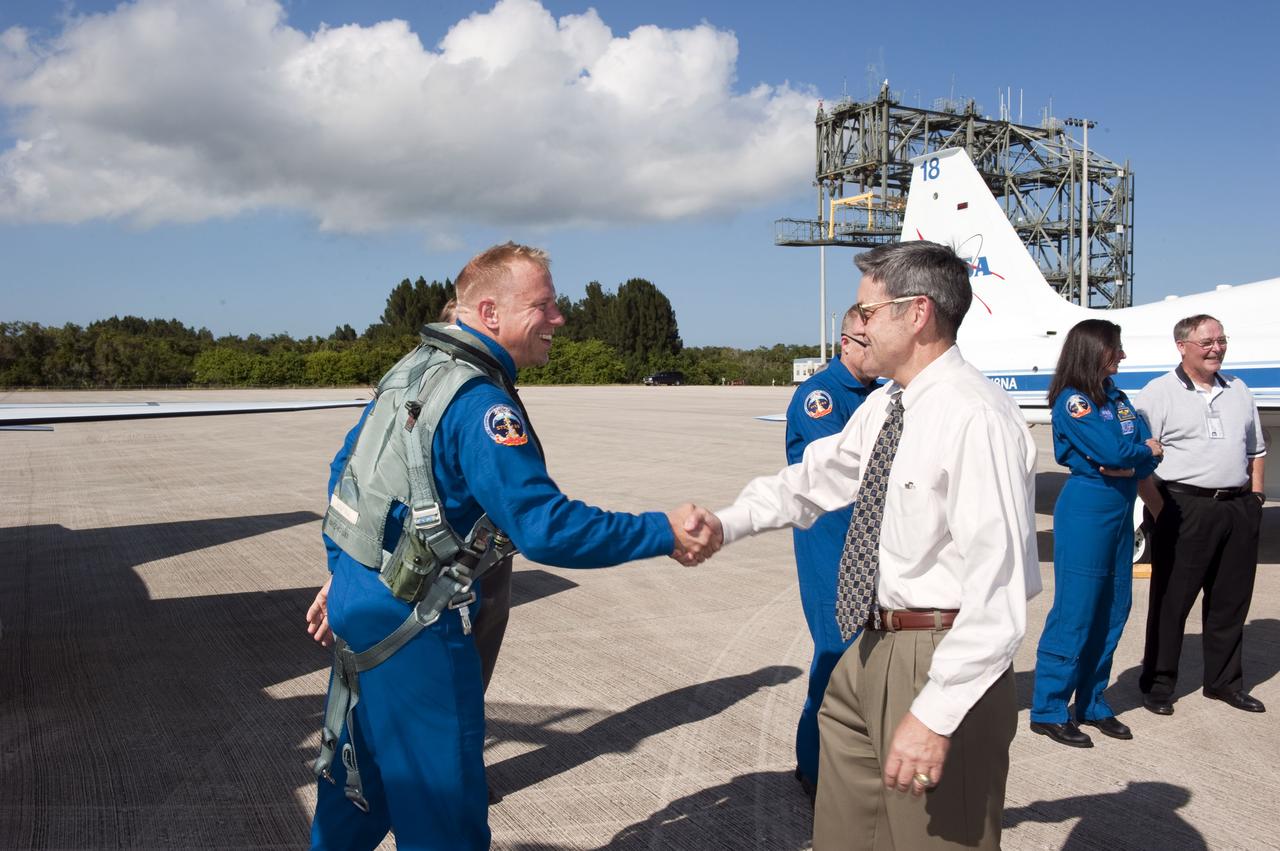
STS-133 LAUNCH L-4 CREW ARRIVAL
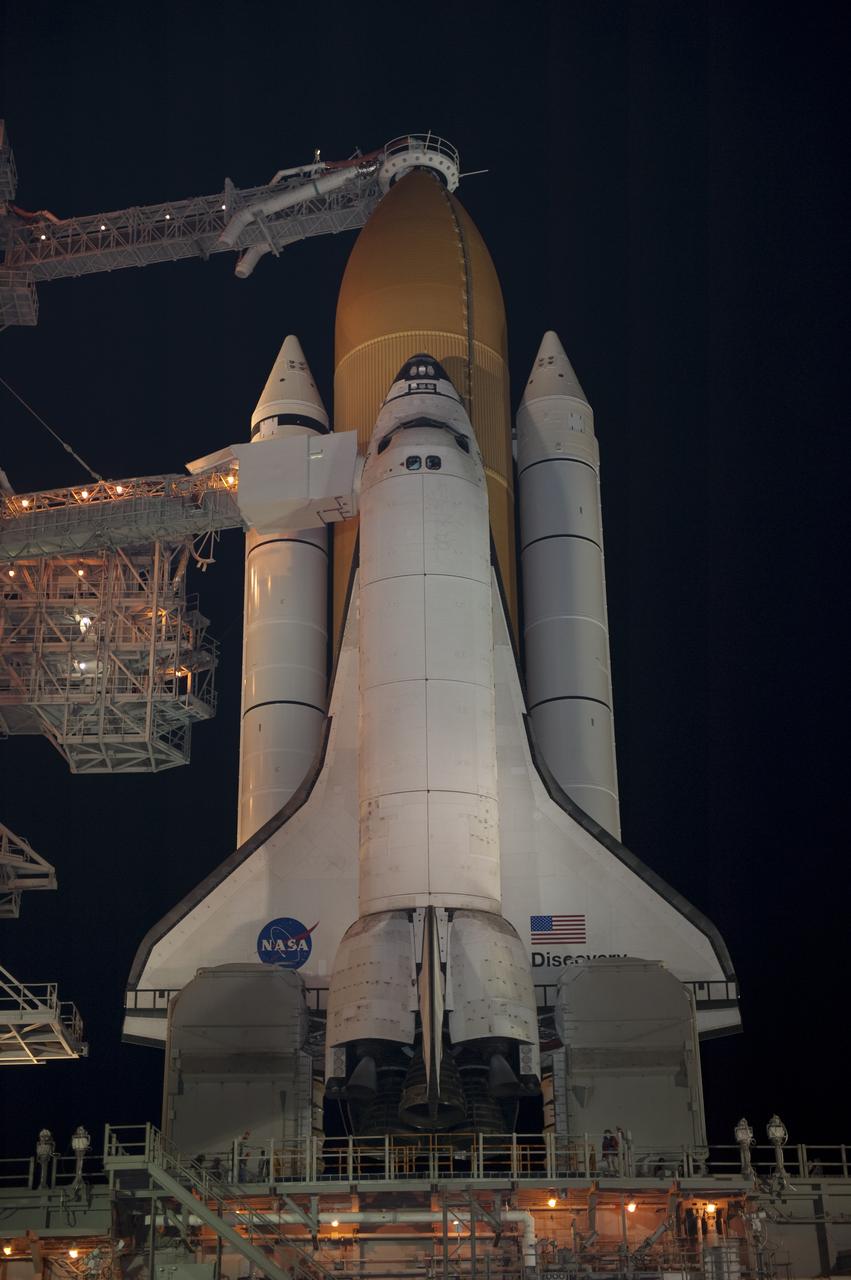
STS-133 LAUNCH L-1 RSS ROLLBACK
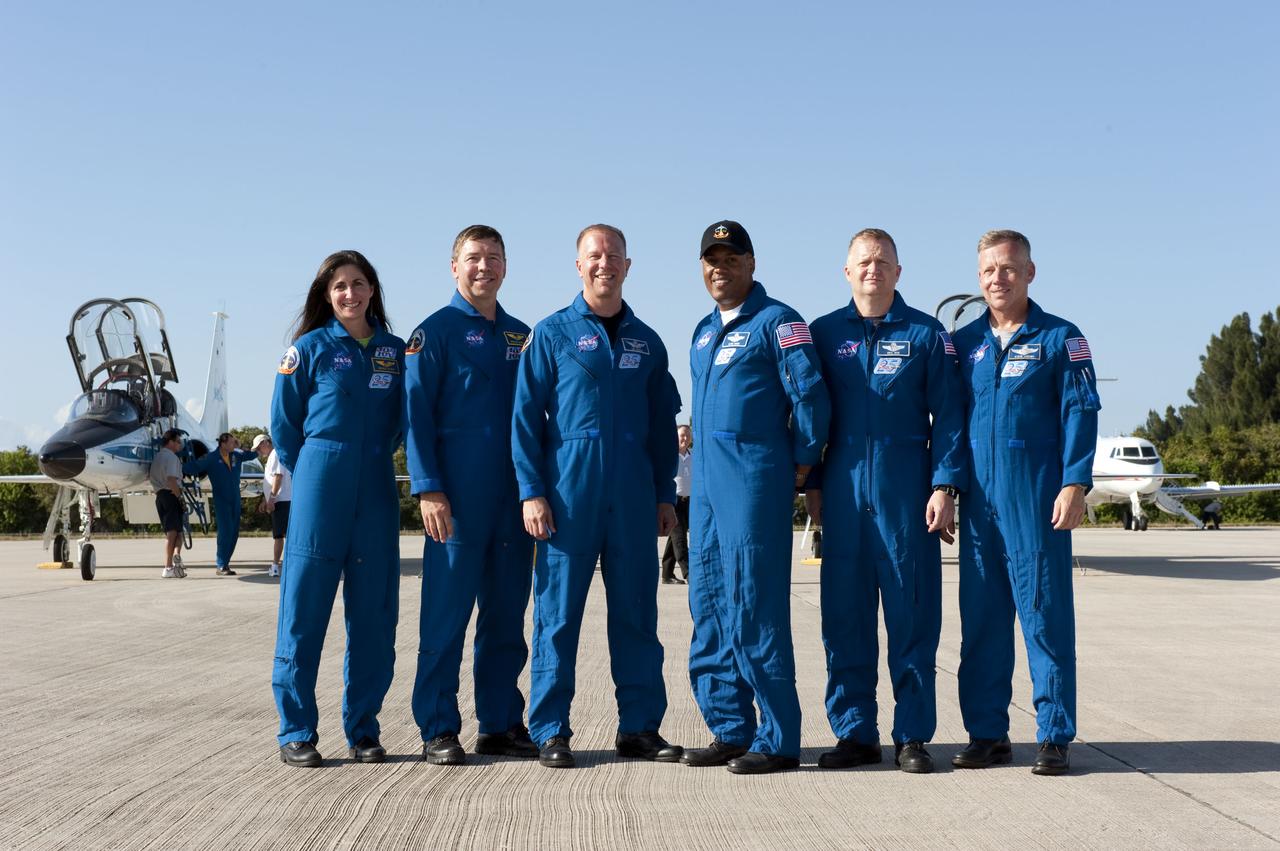
STS-133 LAUNCH L-4 CREW ARRIVAL
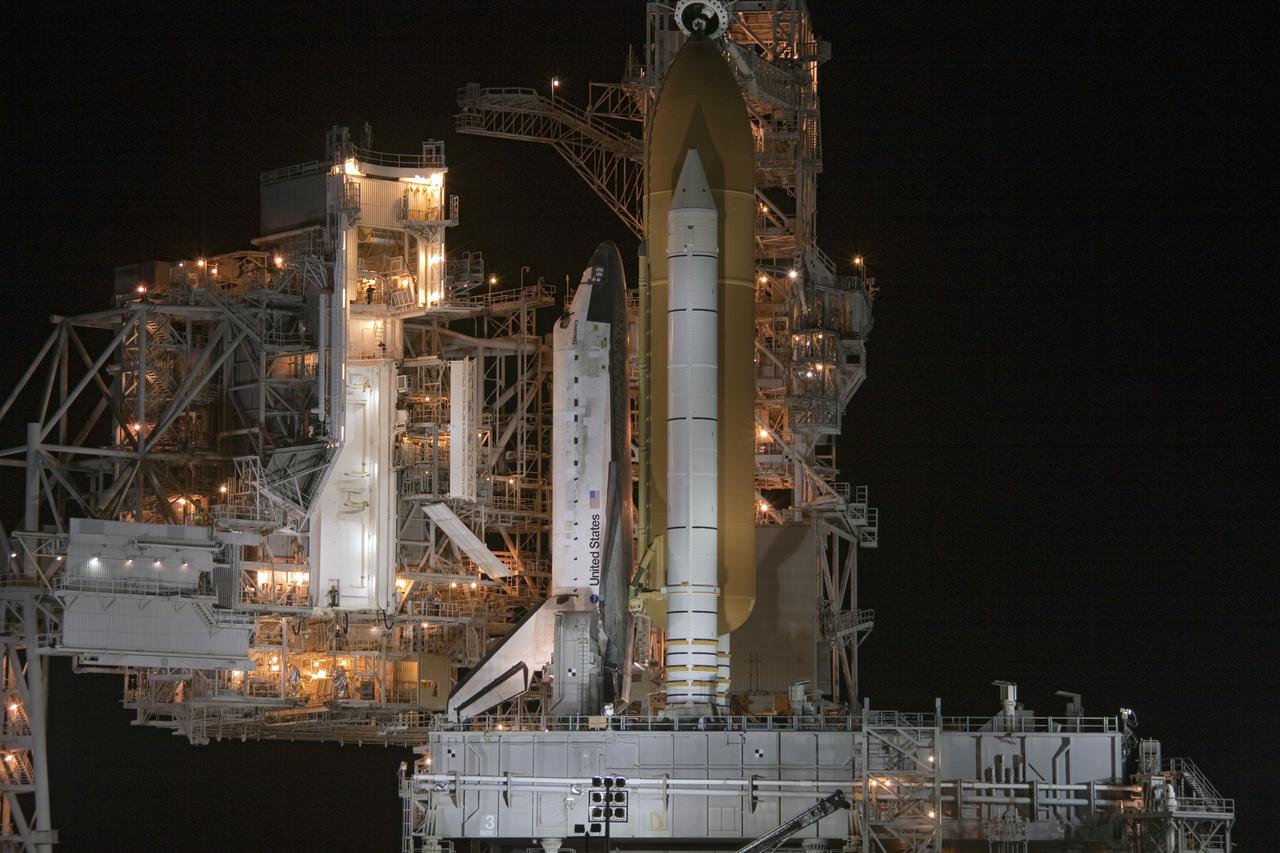
STS-133 LAUNCH L-1 RSS ROLLBACK
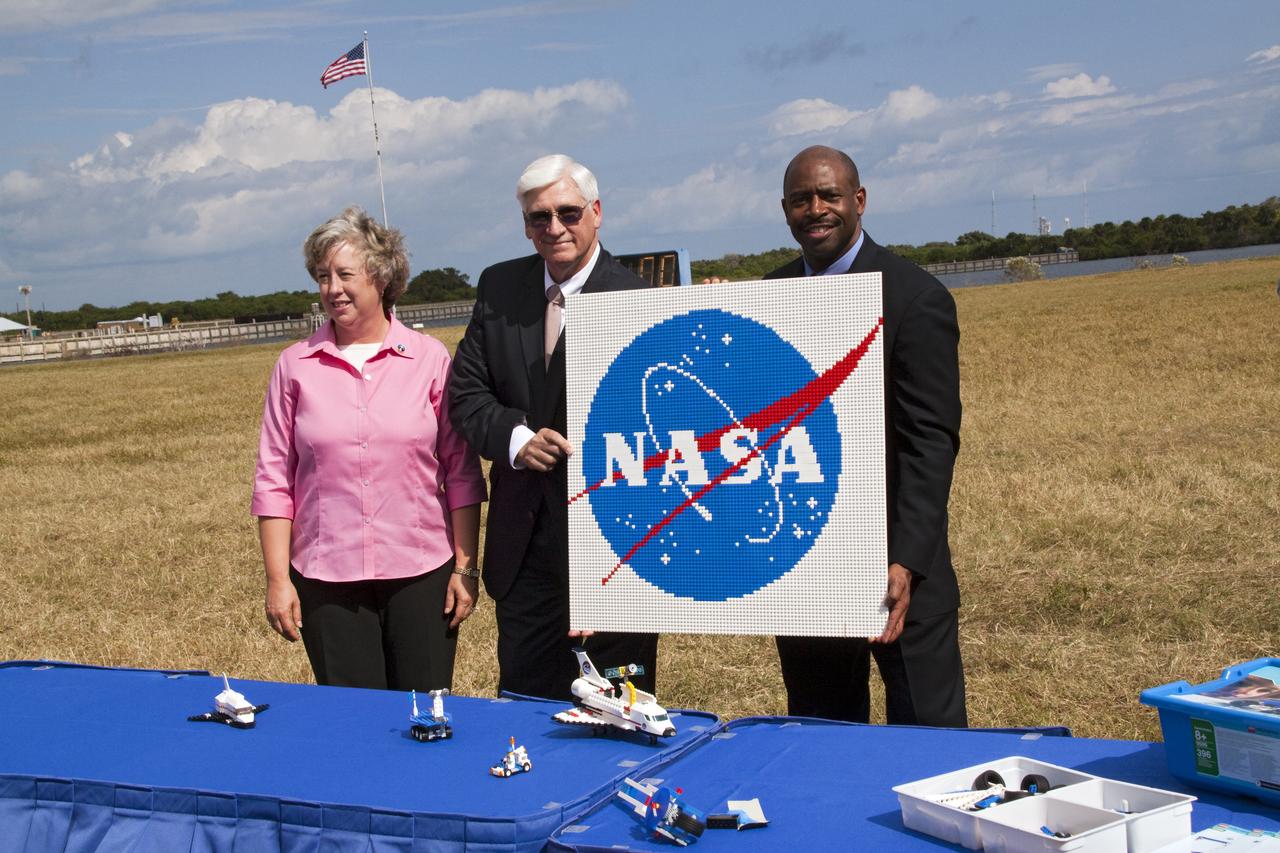
STS-133 LAUNCH L-1 LEGOS ANNOUNCEMENT